
These posts cover our slow trip through the Scandinavian/Nordic countries from August 4 to October 30, 2026. I will be posting one long post a week about each area where we stay. I like to write one post about a particular place so that I can revisit our travels in one spot on my blog, according to location. I can also refer others to the post if they plan to travel to the destination and want ideas. I welcome you to read the entire post, read parts of the posts that interest you, simply look at the pictures, or not to read it at all. All who would like to come along are welcome.
You can find our itinerary here: anticipation & preparation: a slow motion journey through scandinavia.
**************
Saturday, October 17 to Friday, October 23: This week we moved from Stockholm to Gothenburg, Sweden. We stayed in Gothenburg for six nights but we could have happily stayed longer. We loved our apartment and enjoyed getting out into nature more. I think these second-tier cities are the best.
Stockholm to Gothenburg, Sweden
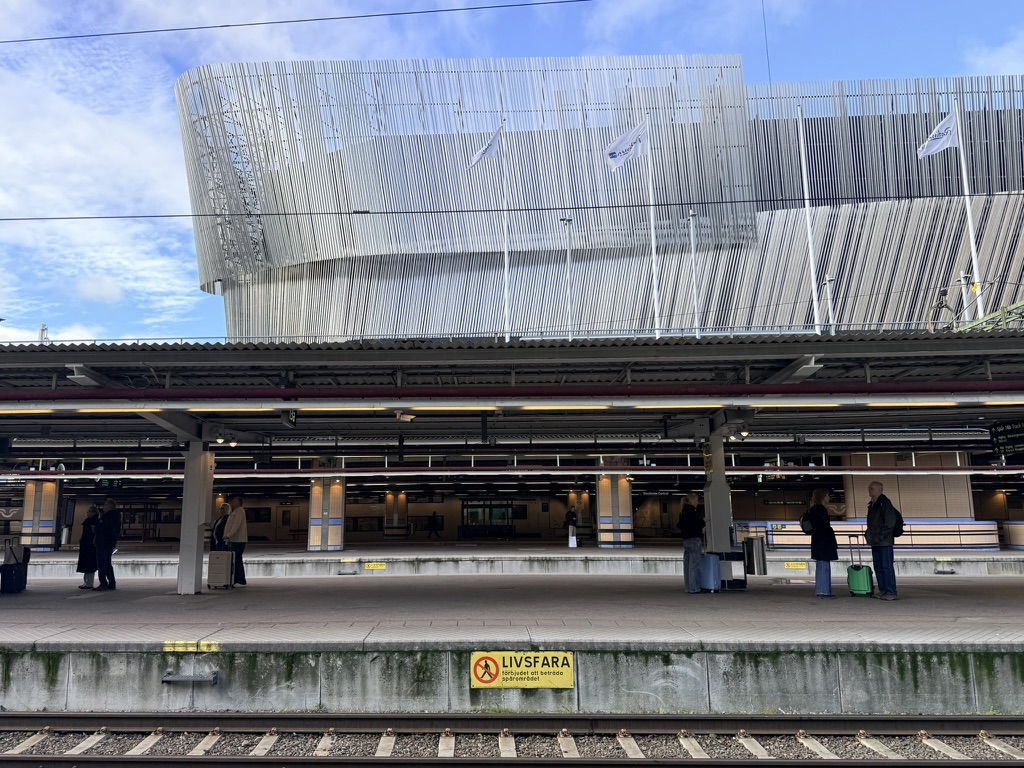
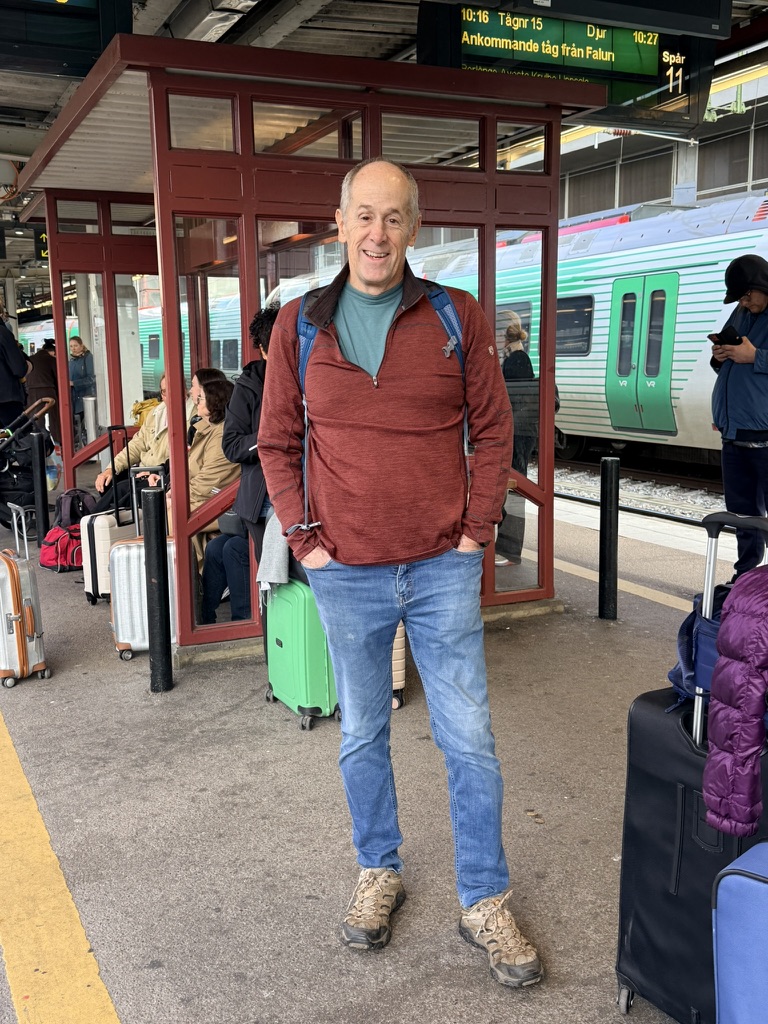
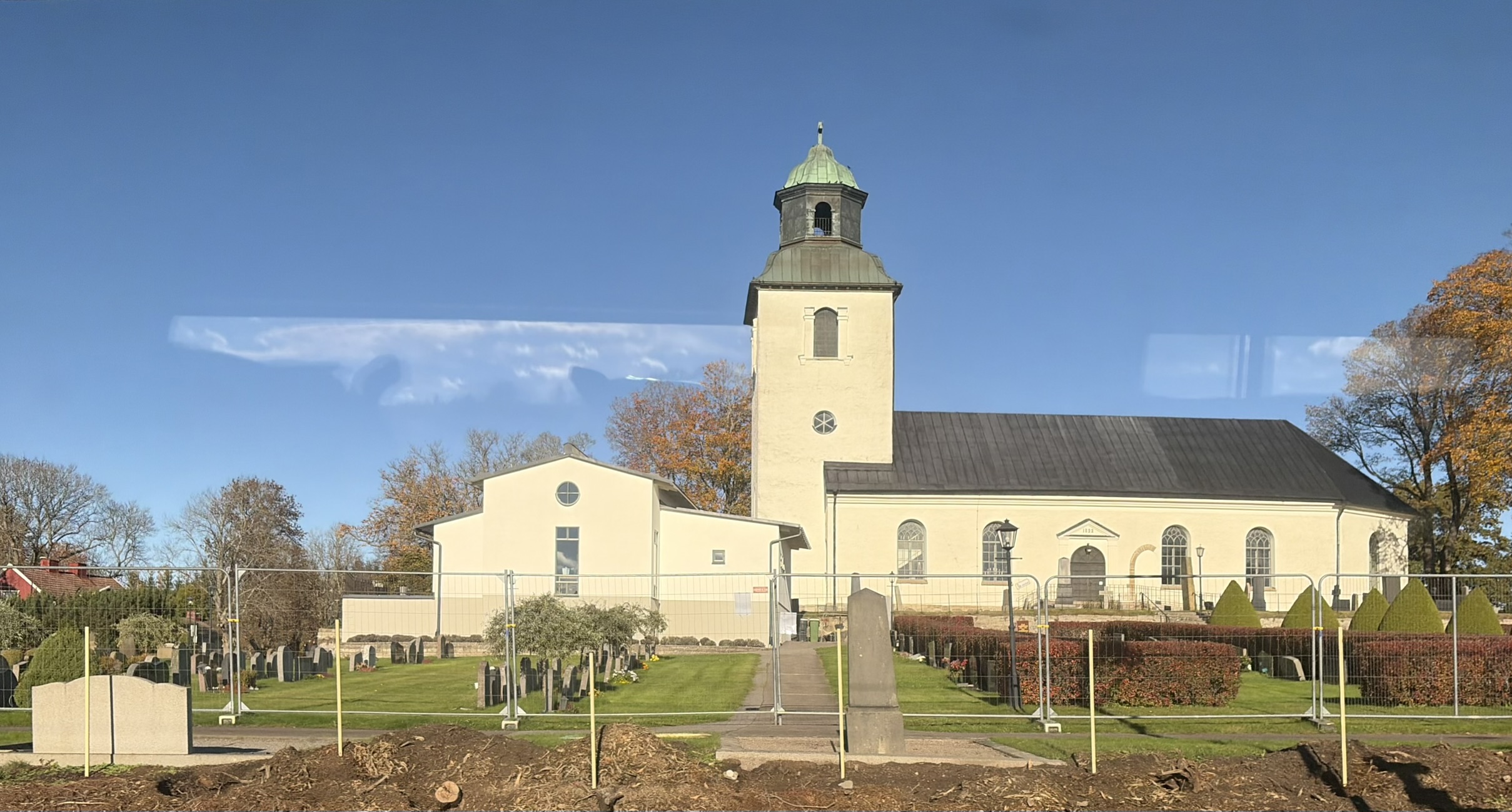
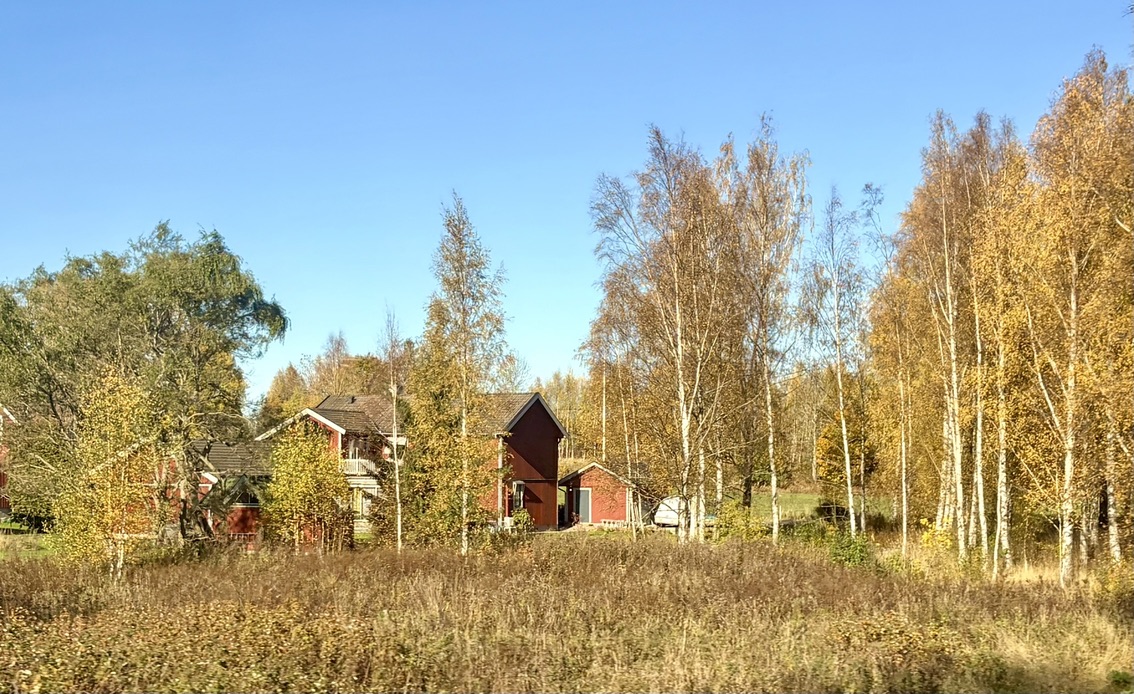
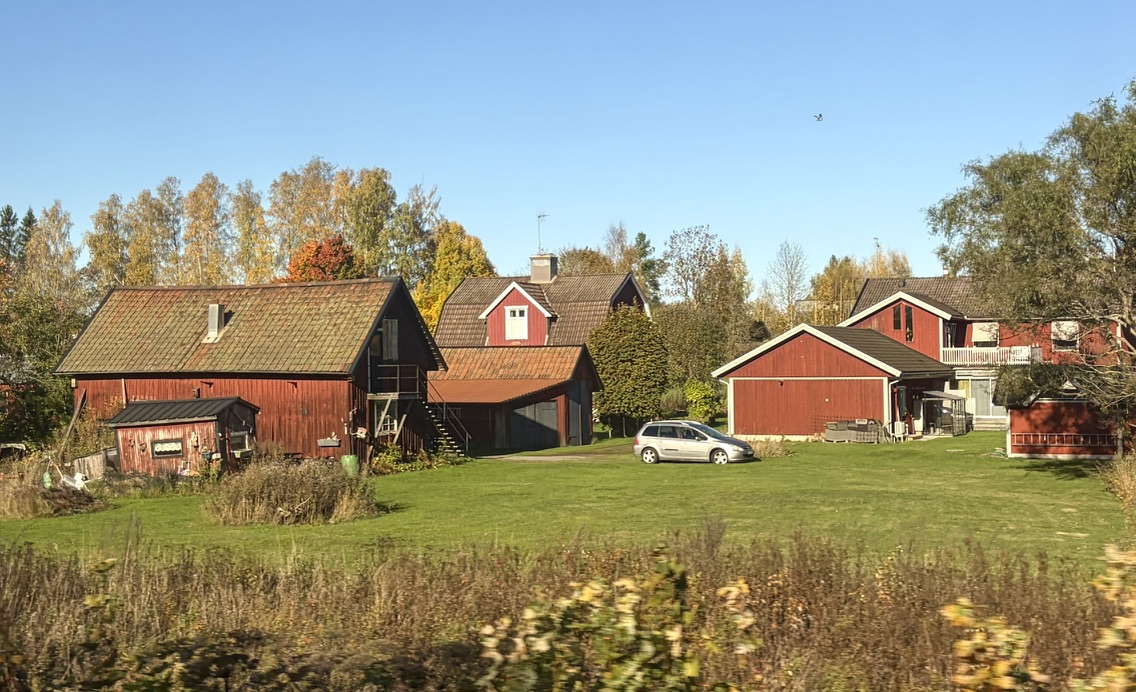
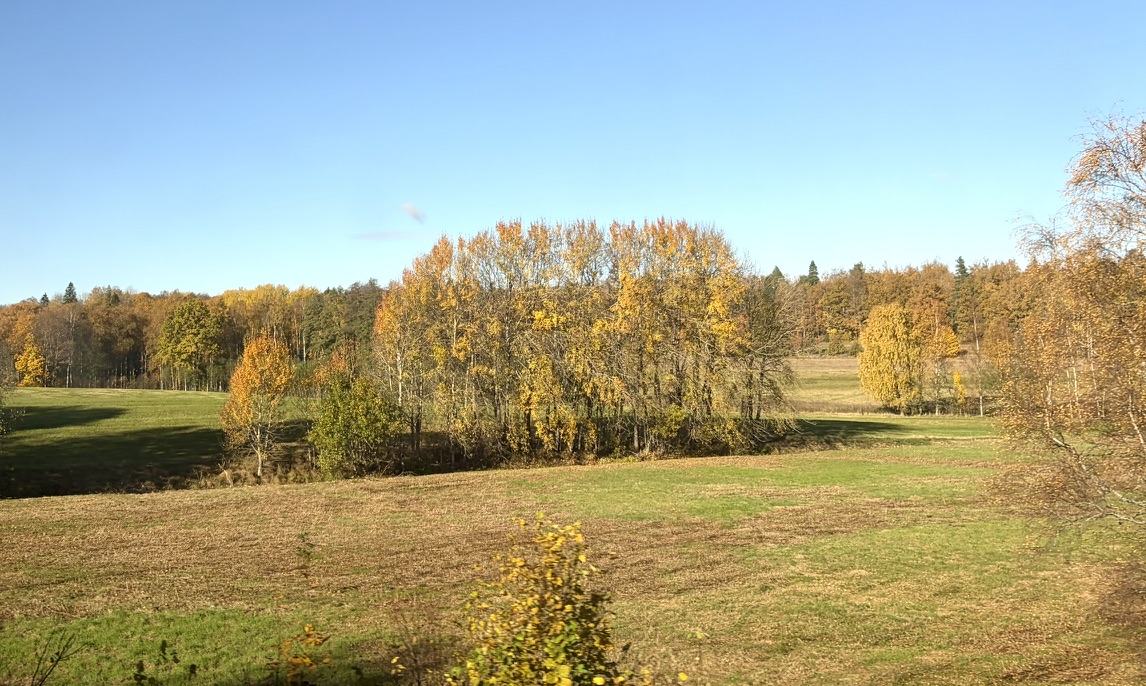
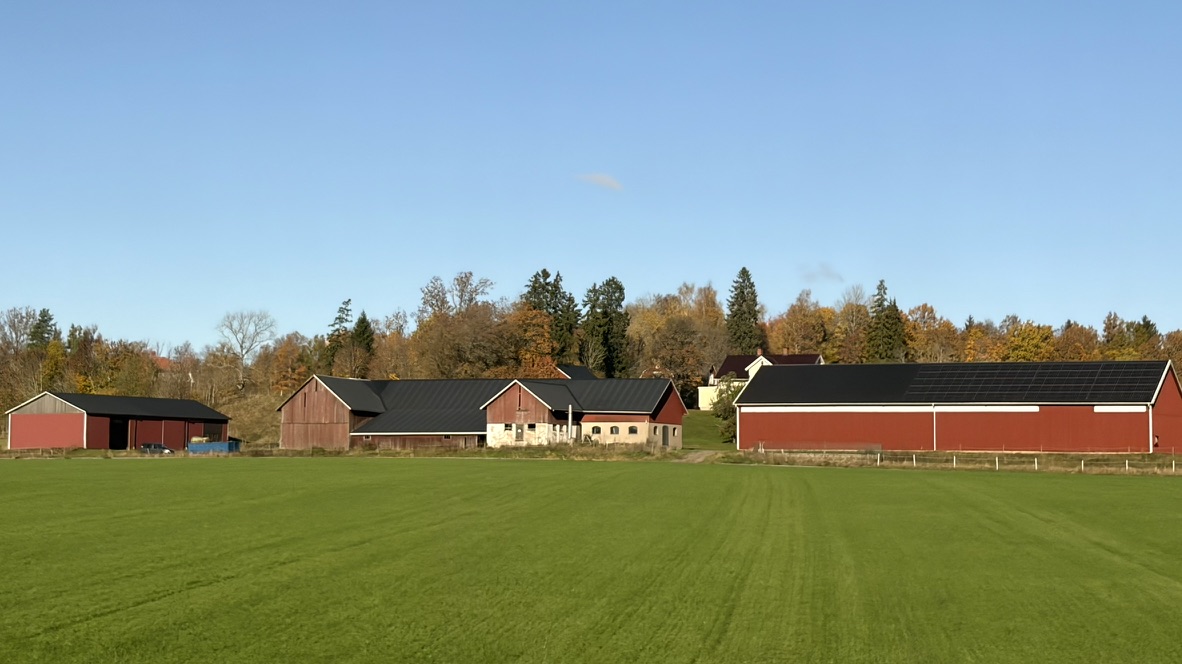
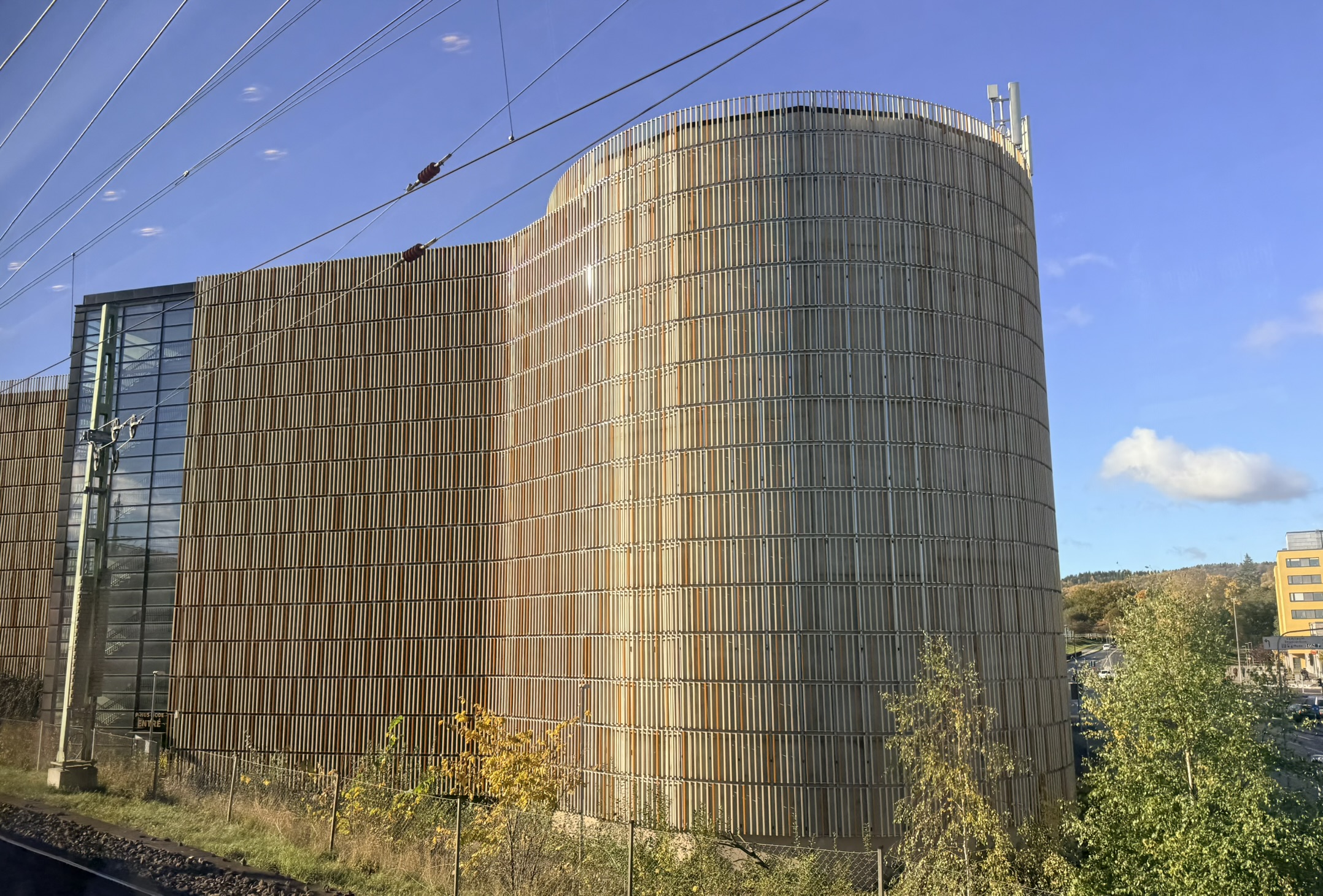
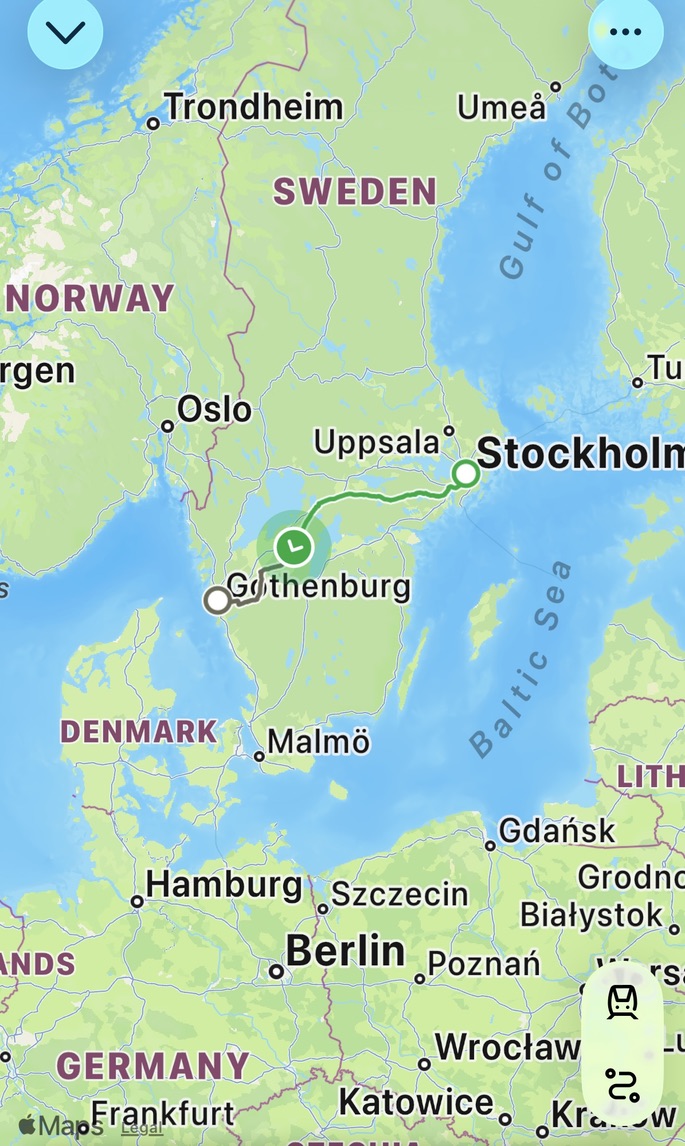
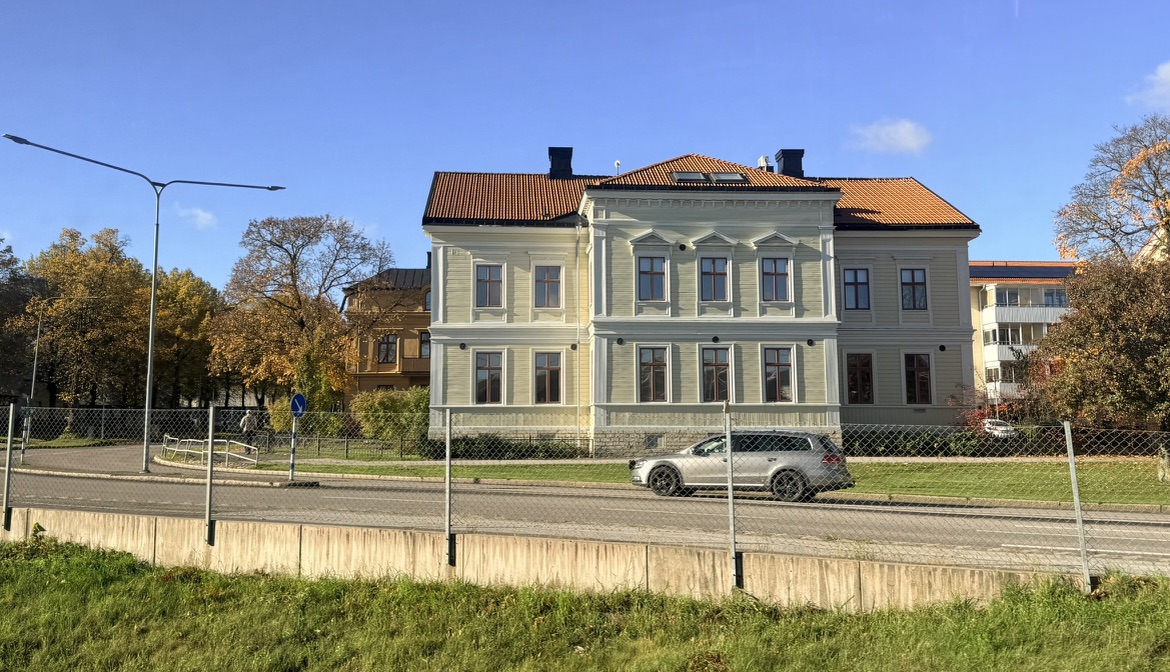
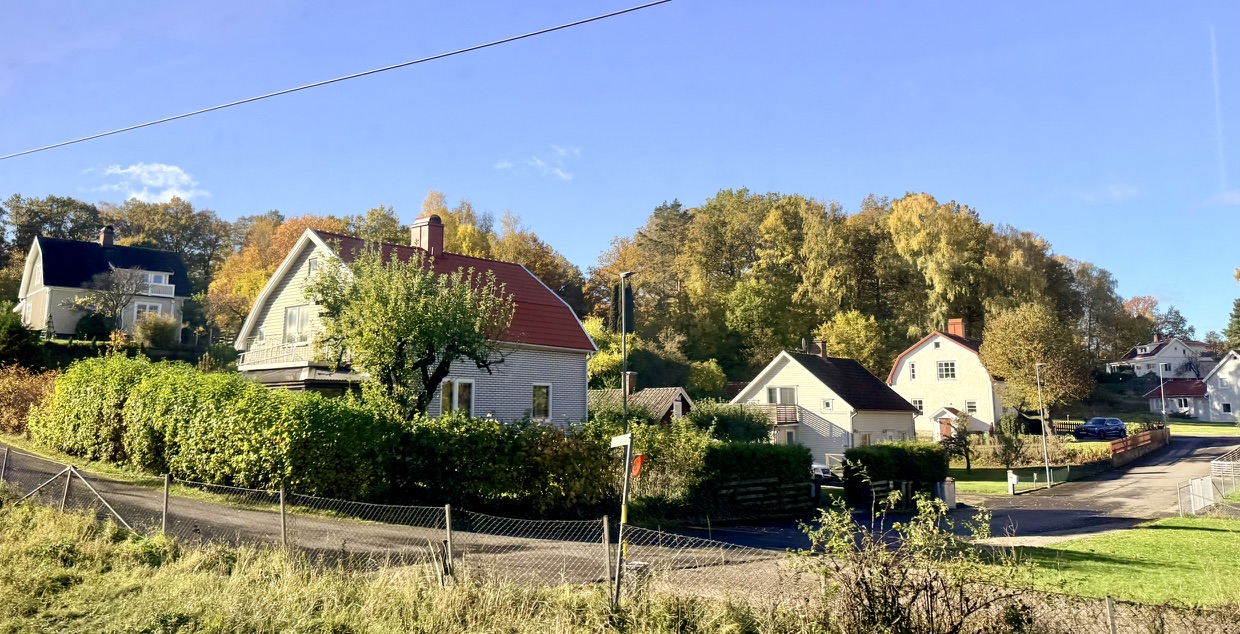
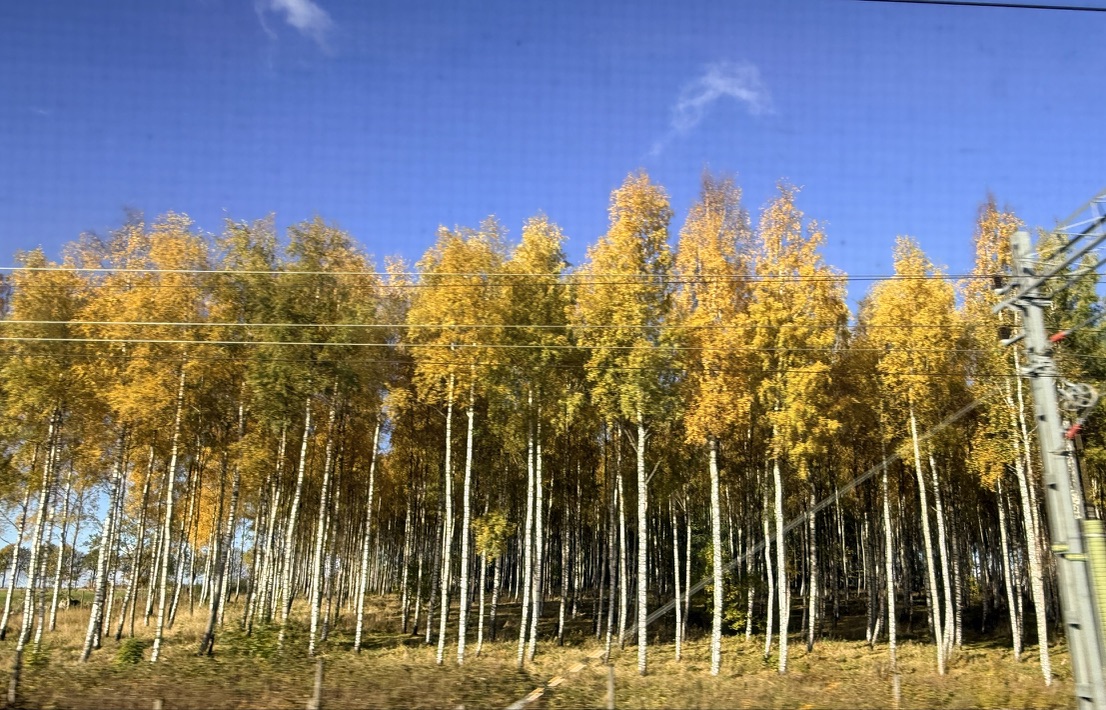
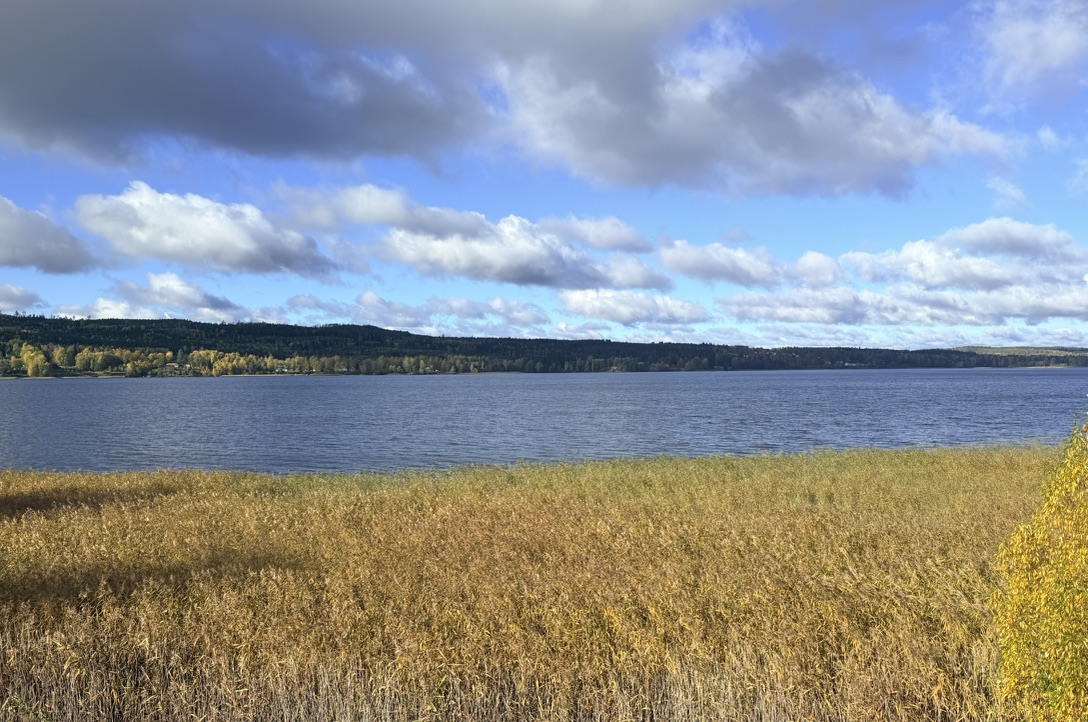
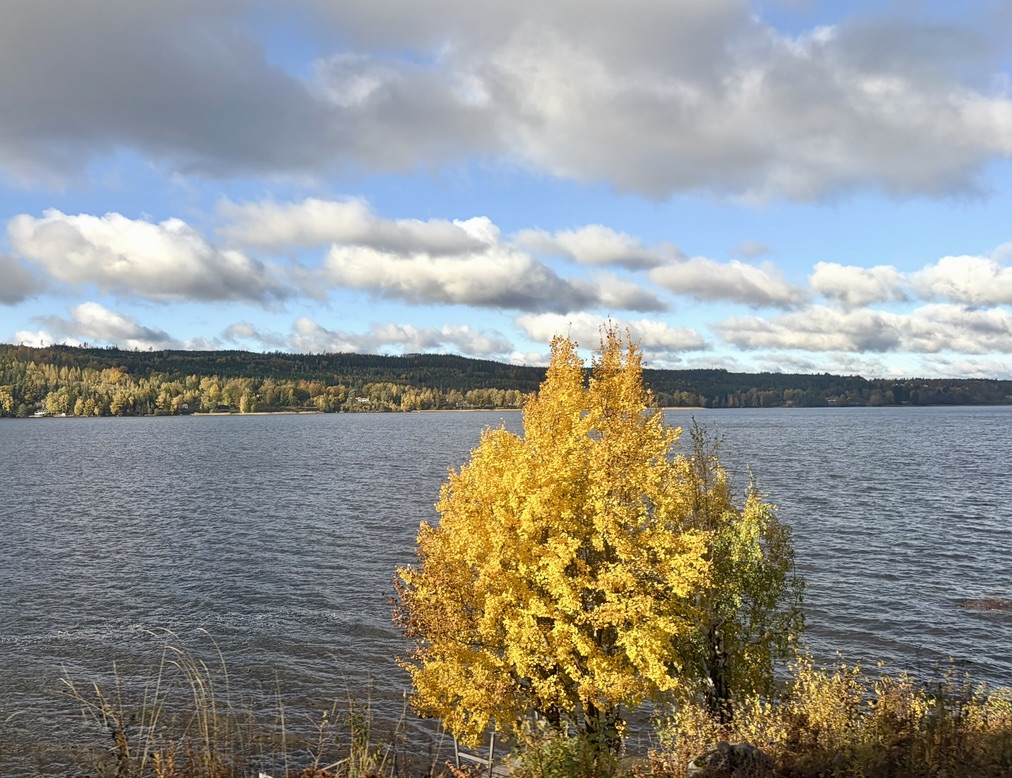
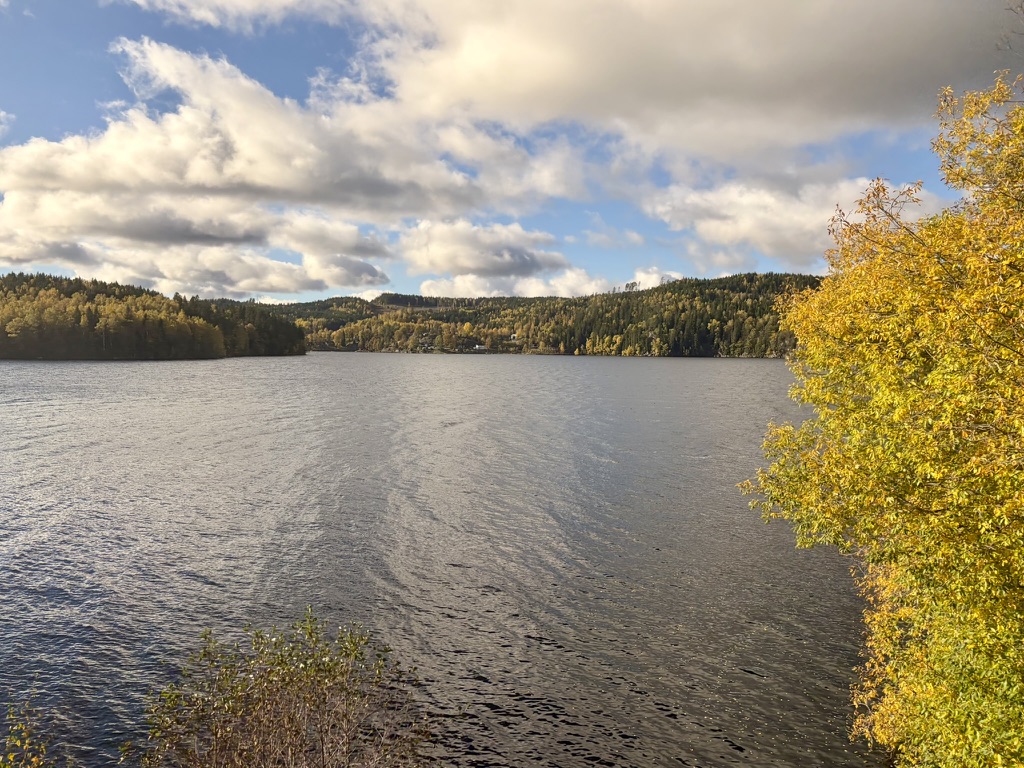
I believe every Airbnb should have a 3:00 check-in and an 11:00 check out. We had to check out of our Stockholm apartment by 10:00, which I think is too early of a check-out, especially considering that check-in was at 4:00. Nonetheless, we found a train that would take us to Gothenburg from 10:20 to 14:55, leaving just before check-out time and arriving in Gothenburg just at check-in time. The weather was great, so it was lovely to see the Swedish landscape with its blazing yellow trees and tidy farmhouses set in the green landscape as we sped through the countryside.

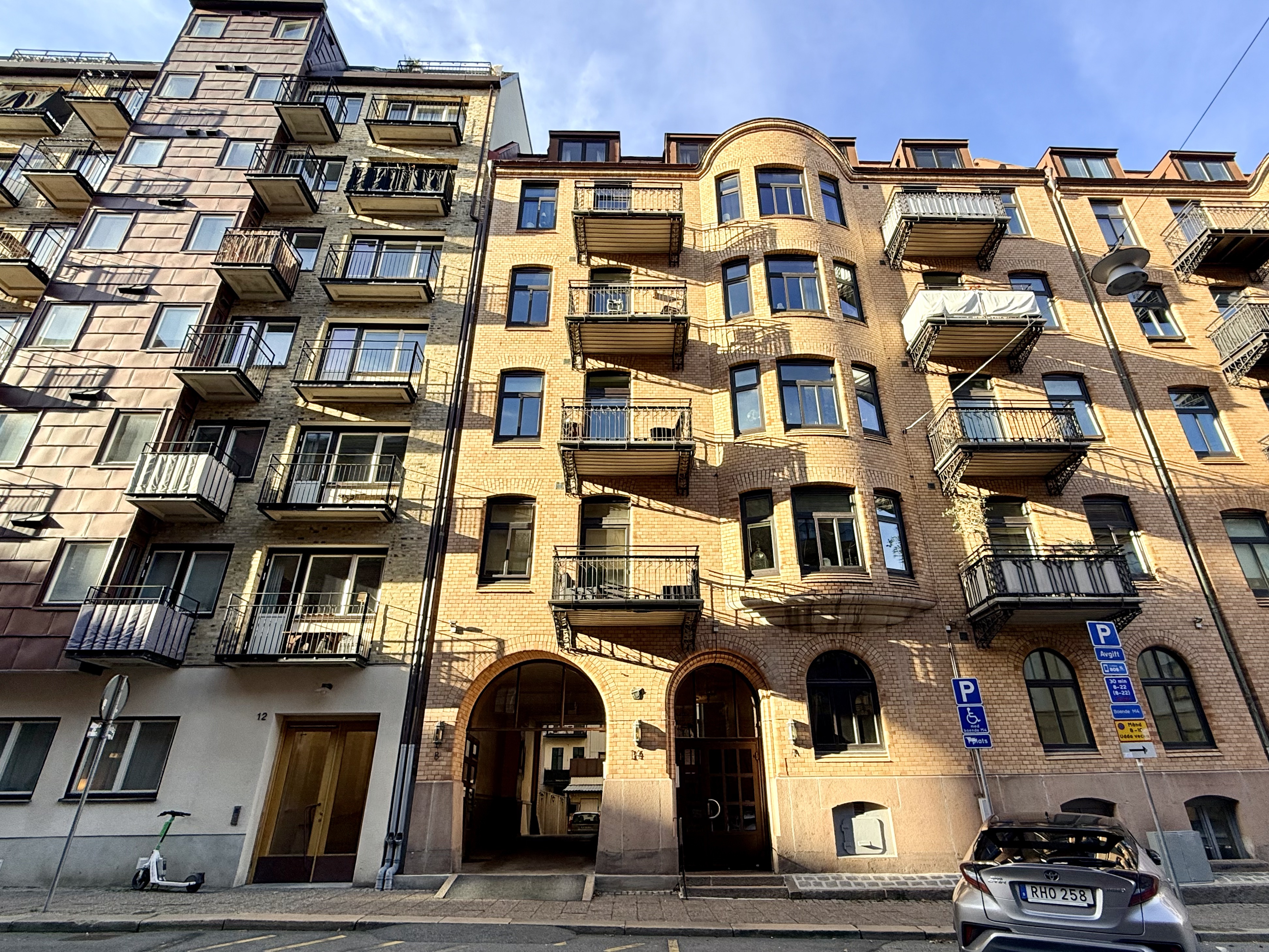
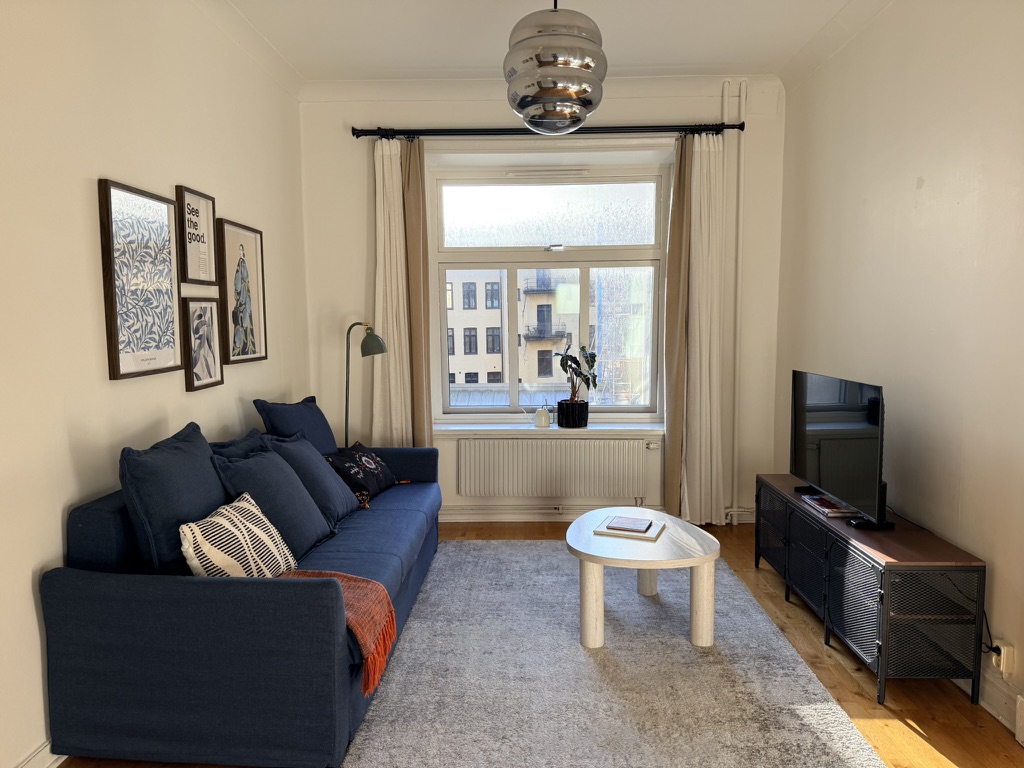
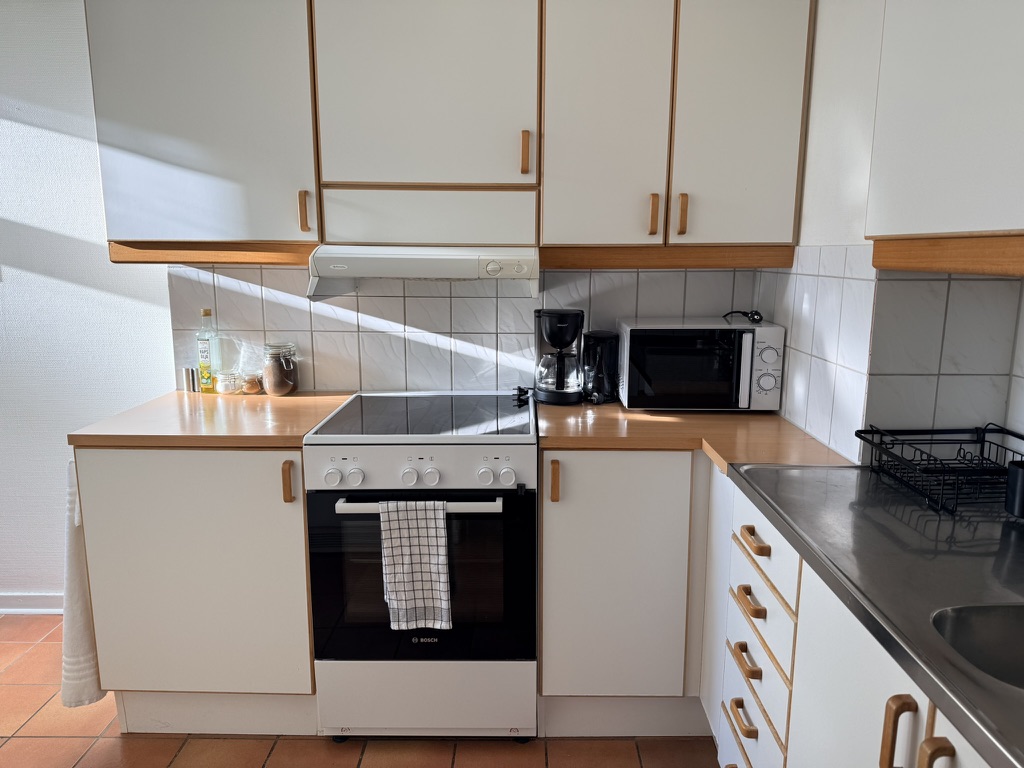
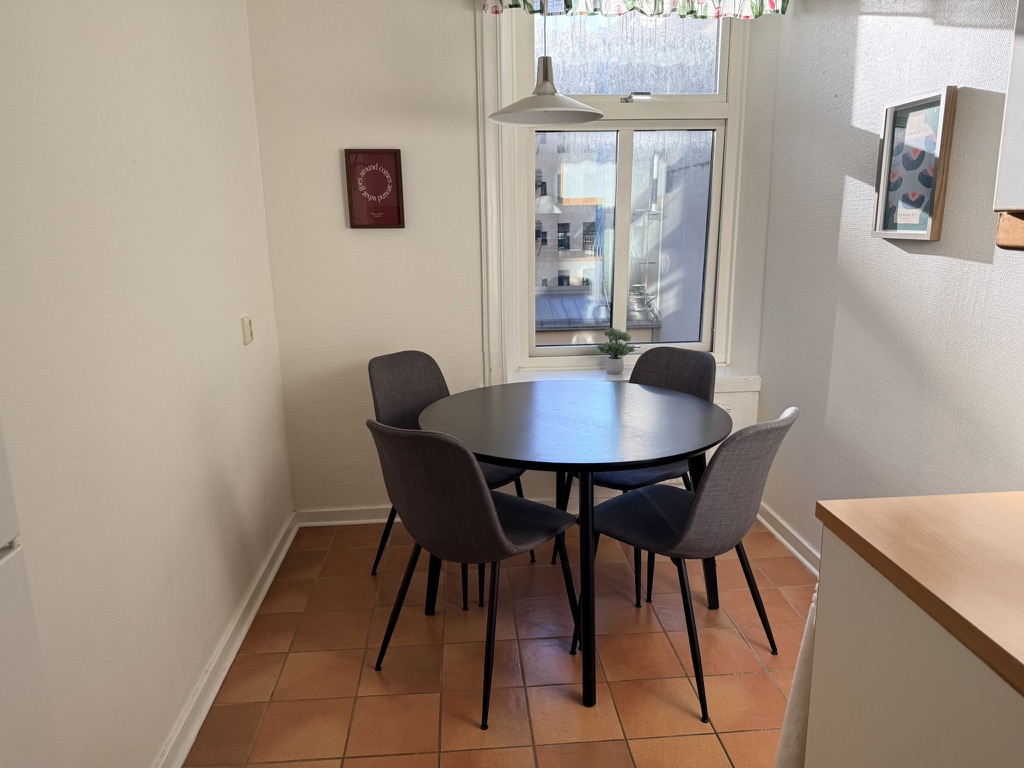
Our Airbnb apartment: Tegnérsgatan 14 våning 3, Gothenburg, Västra Götaland County, Sweden
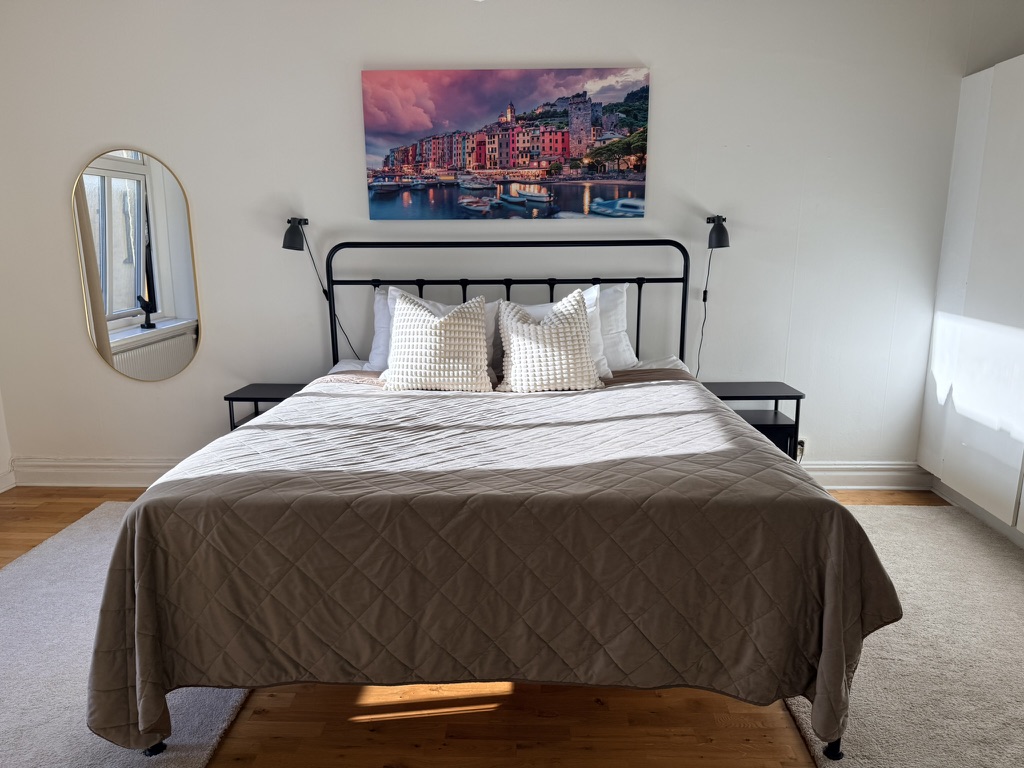
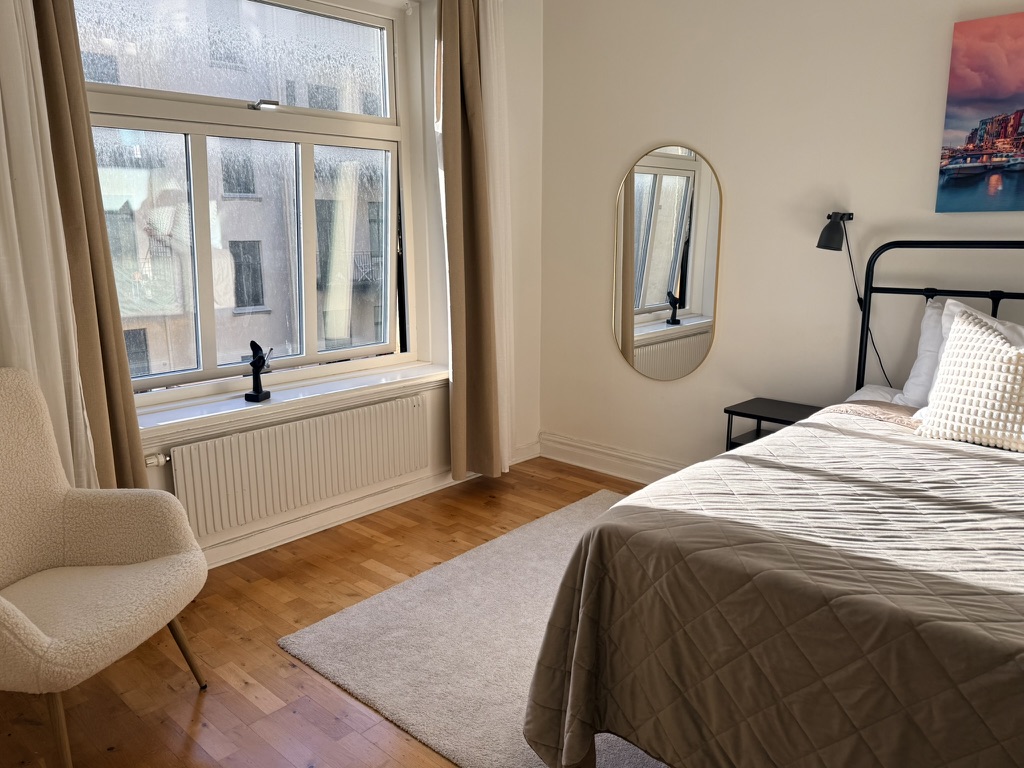
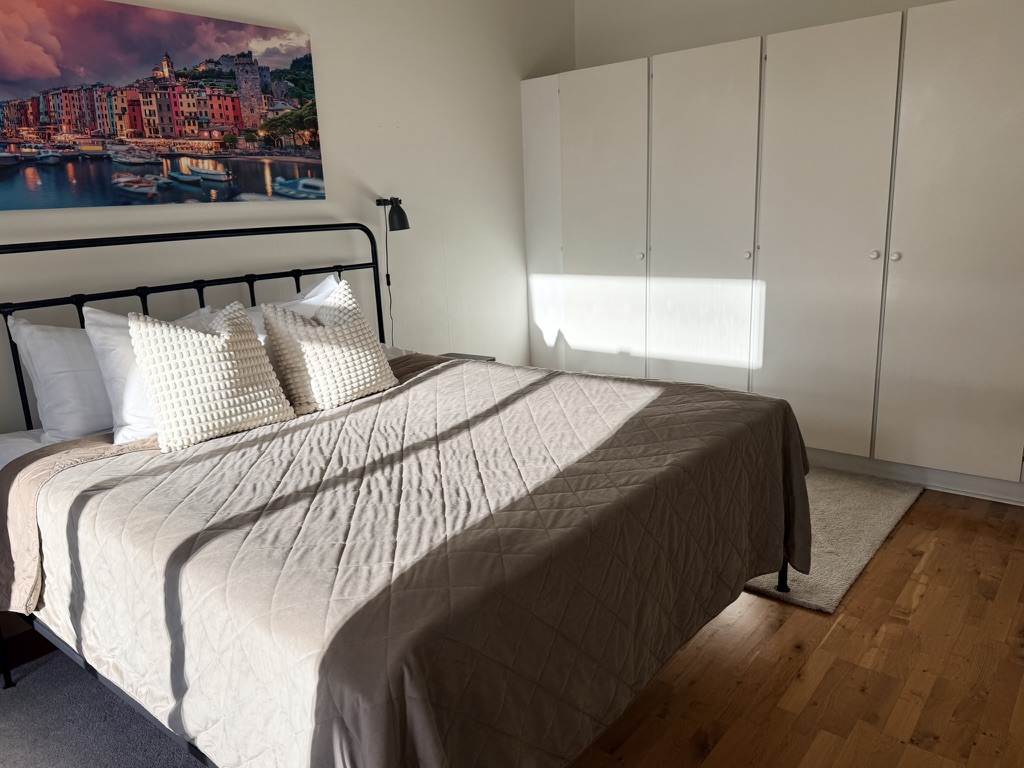
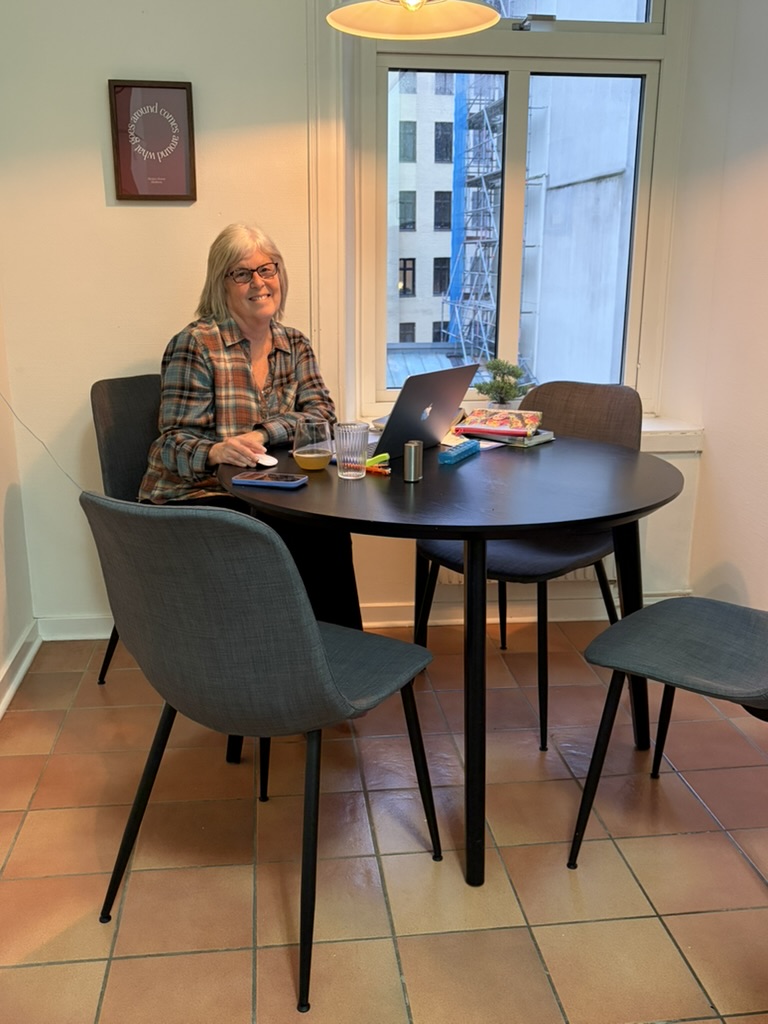
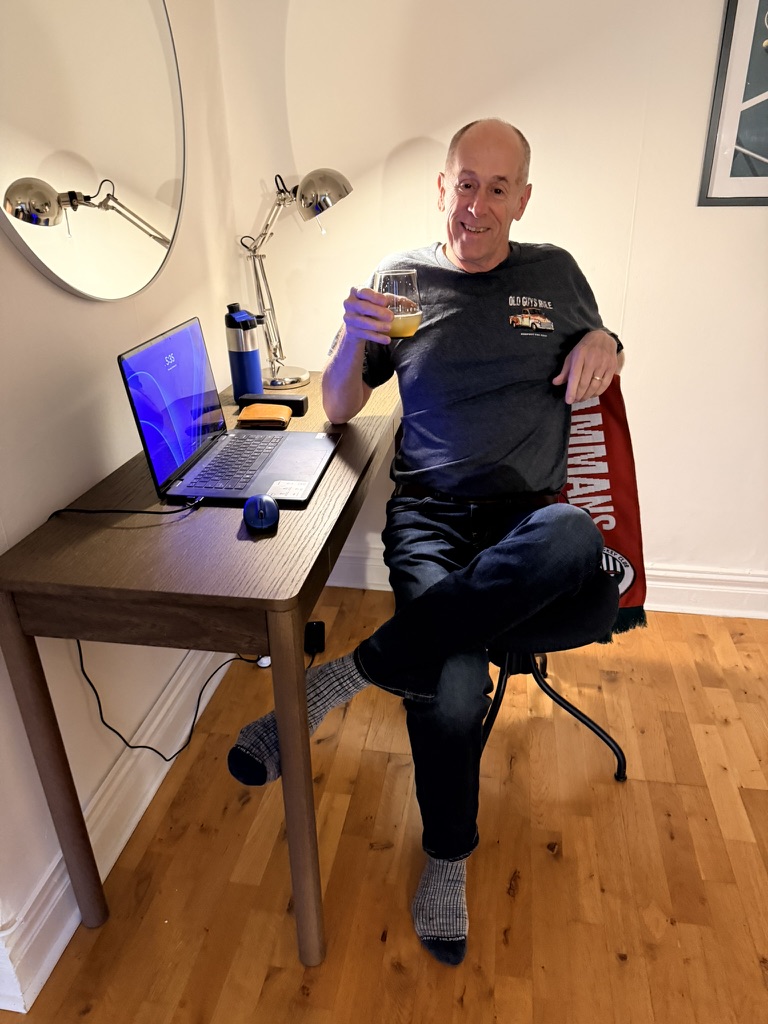
I loved this Airbnb apartment in Gothenburg. Not only was it perfectly located close to everything, but it was spacious, not cluttered, and had a homey feel to it. Plus it got a lot of afternoon light when it wasn’t rainy or cloudy. There was a lot of storage space. I could have stayed here for several months.
The only negative was that it was on the 3rd floor and had no elevator. I might not have minded so much if the owner had disclosed that in the Airbnb listing. For travelers carrying a lot of luggage, or heavy bags, this is a real pain. Why not disclose this up front?
Activities and Sights in Gothenburg (Göteborg)
Sweden’s second city, Göteborg in Swedish, has about 600,000 inhabitants. It is an understated and laid-back coastal city that has activities for everyone, including interesting museums and sea kayaking to uninhabited islands (in summer). For families, there is the amusement park Liseberg, the science museum Universeum, and the floating ship museum of Maritiman, as well as the World of Volvo. There are many others as well. There is a fantastic botanical garden and day trips to coastal walks. I loved this city and wish we’d had more time to explore.
Stora Amundön
When we arrived in Gothenburg, we immediately had a forecast for about 3 1/2 days of sunshine. This was such a blessing! Especially after dreary Stockholm, it was a real treat. We decided we would take walks outside for our first days to take full advantage of the sun.
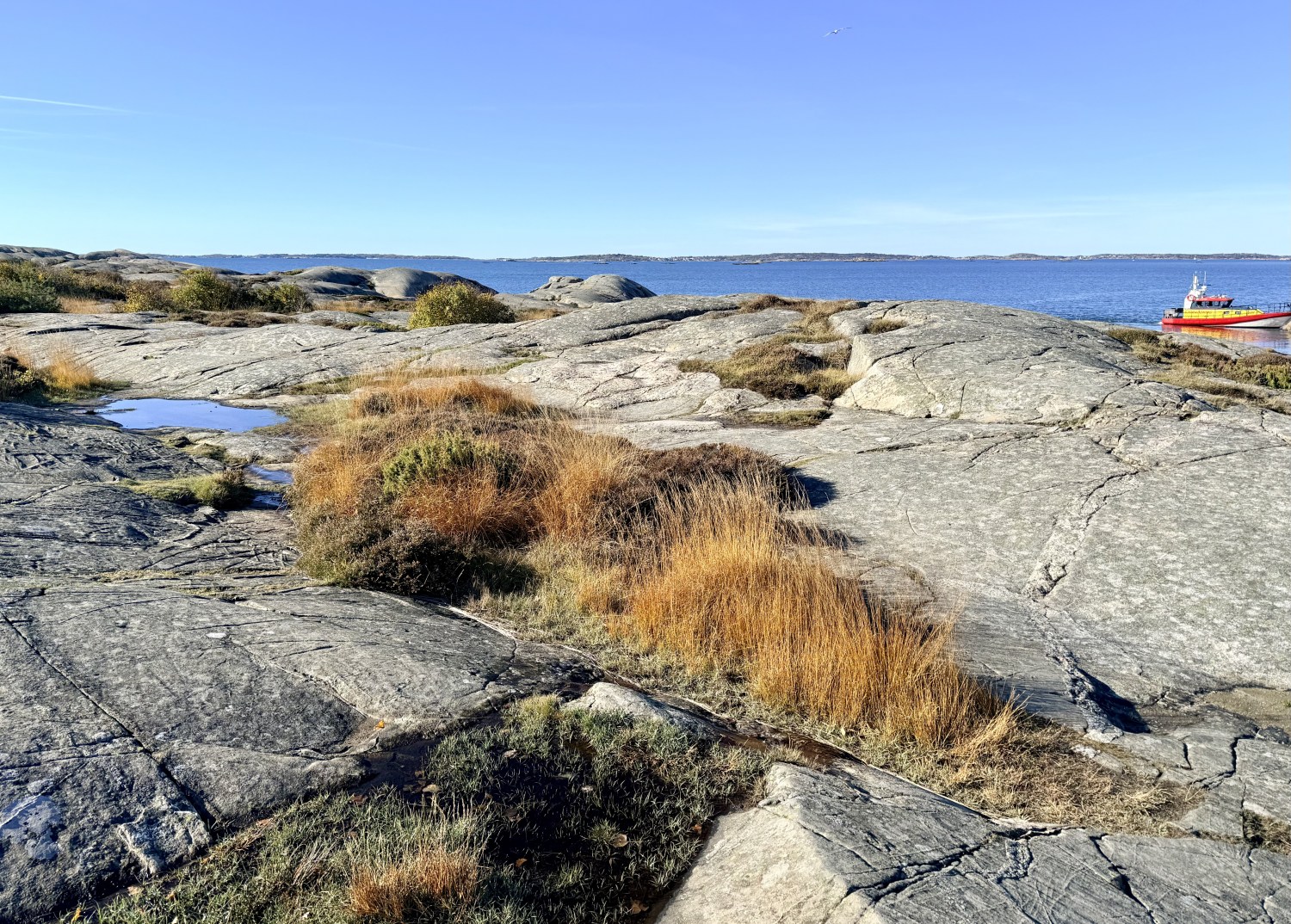
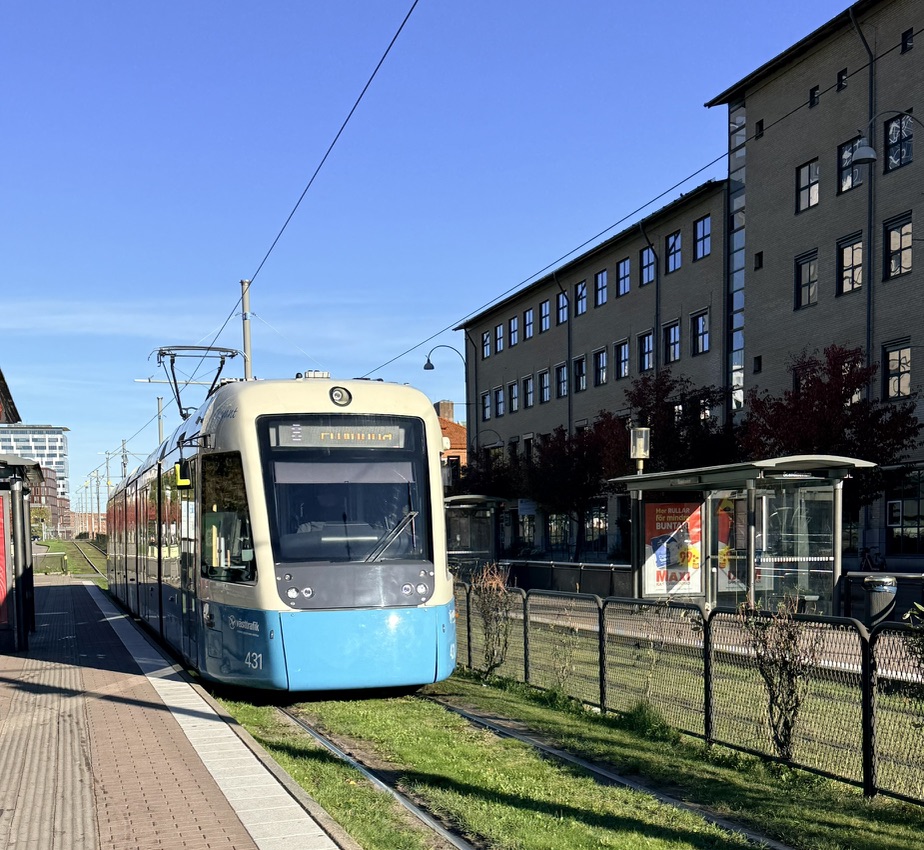
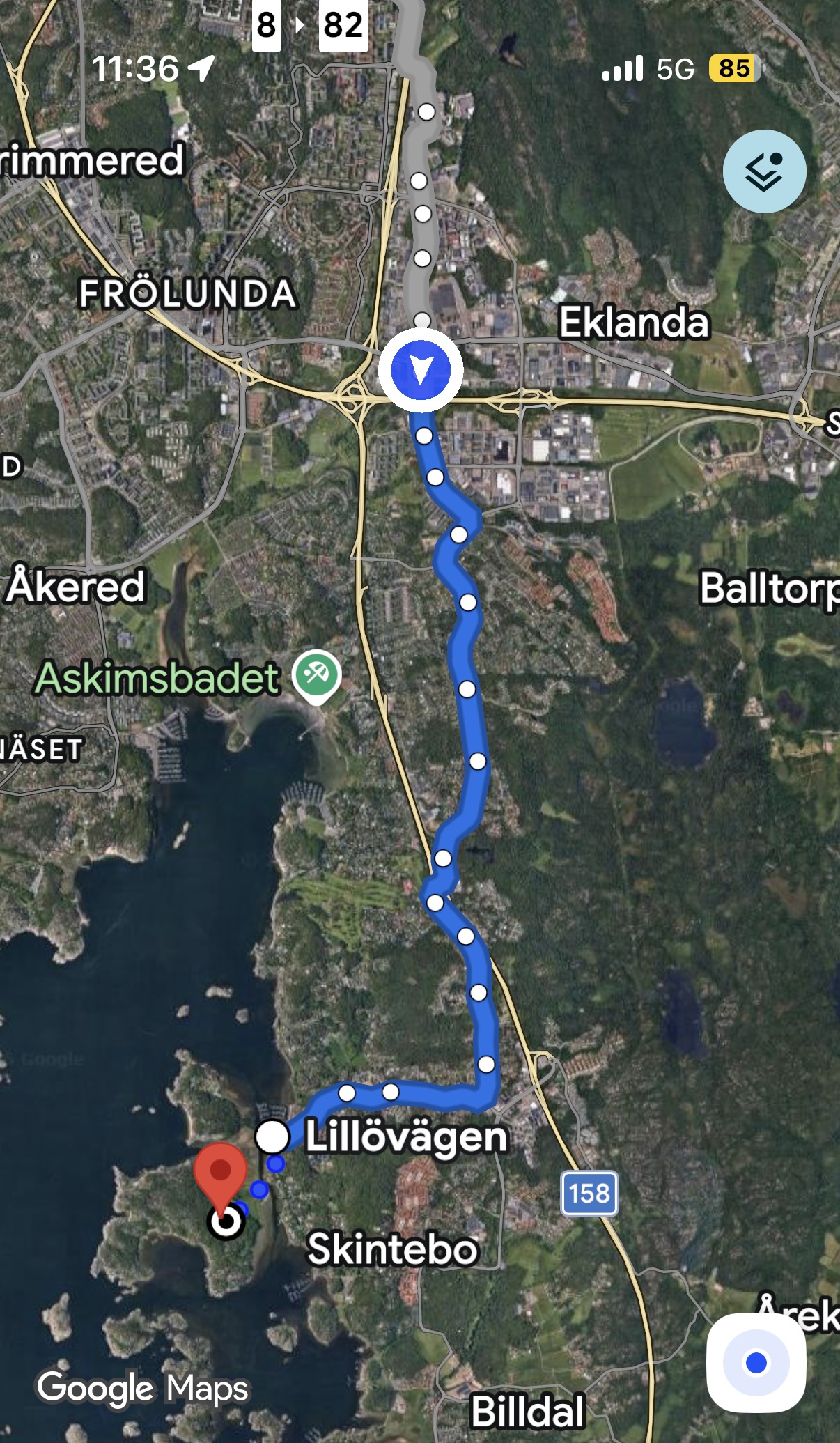
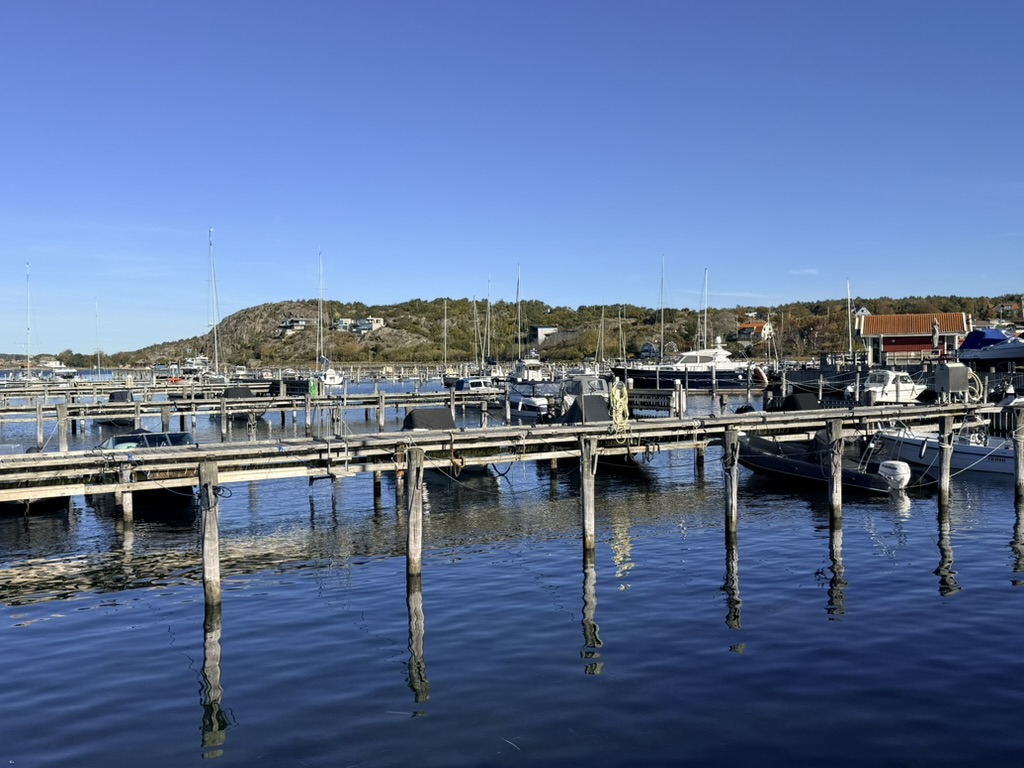
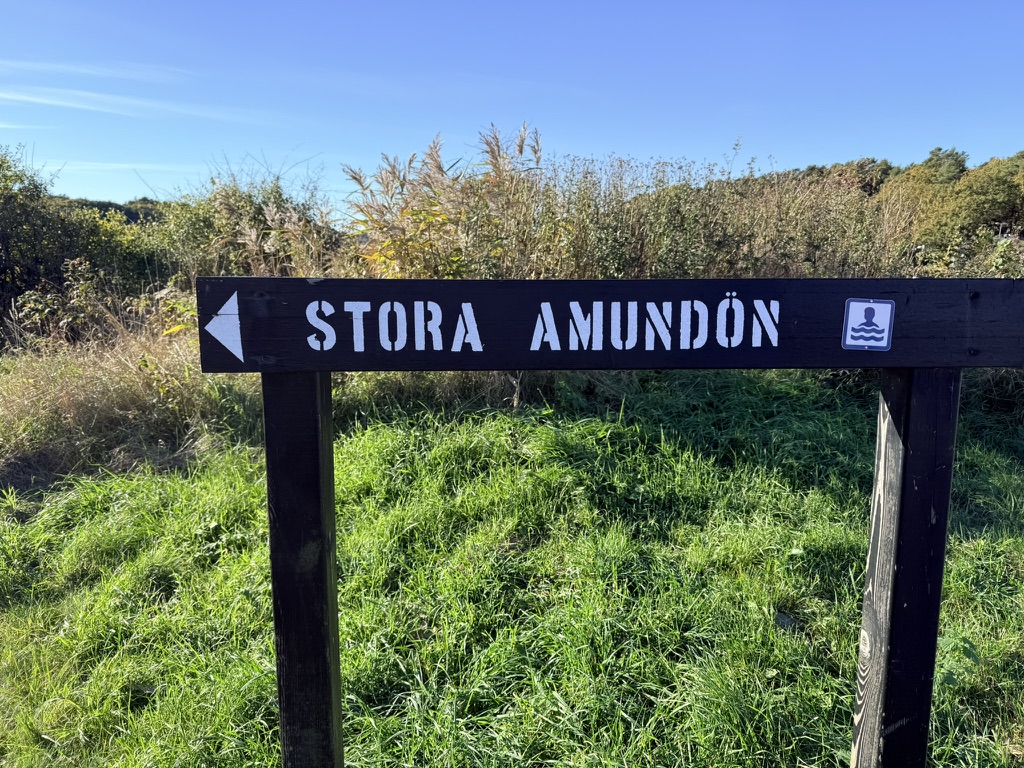
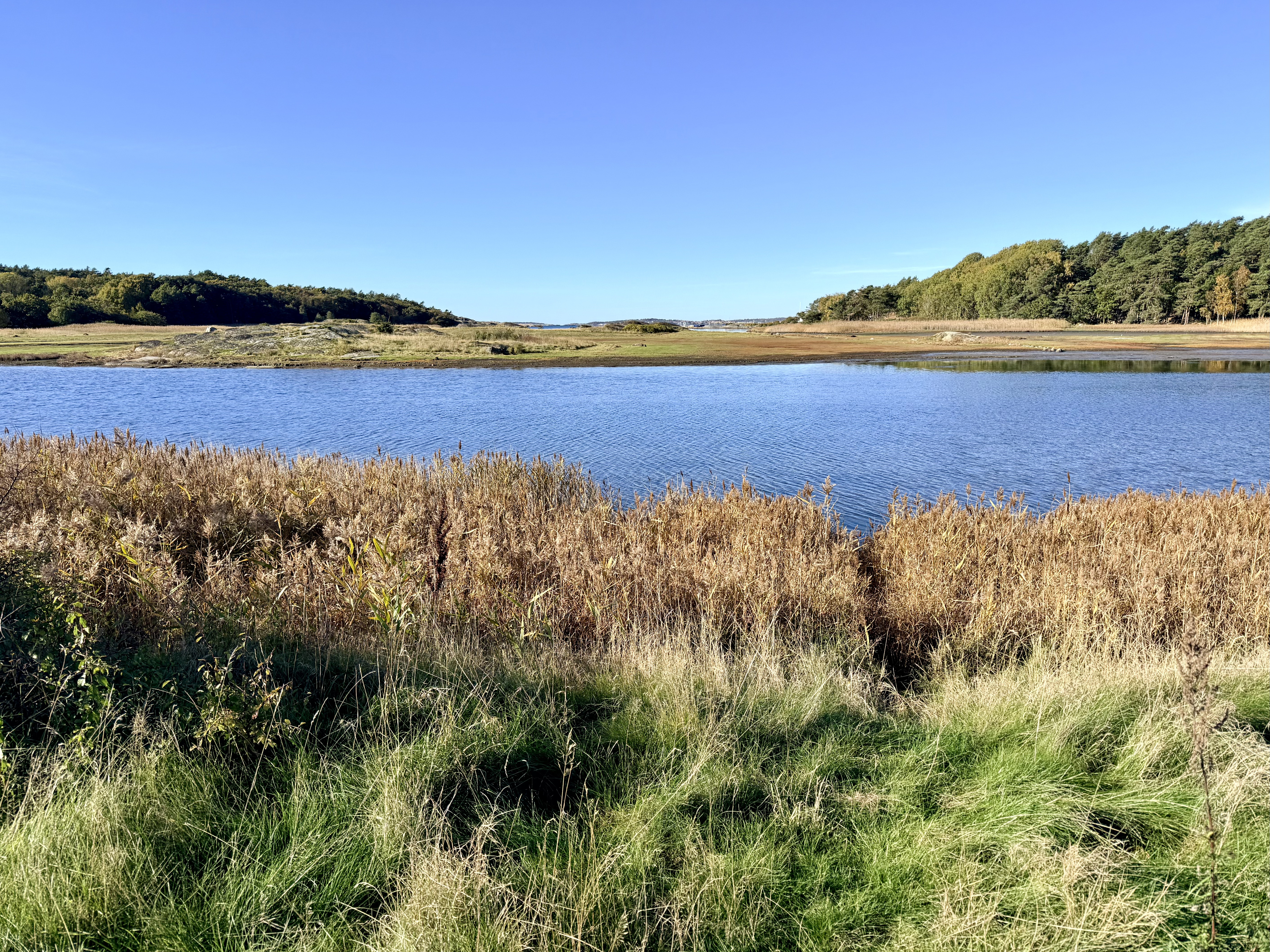
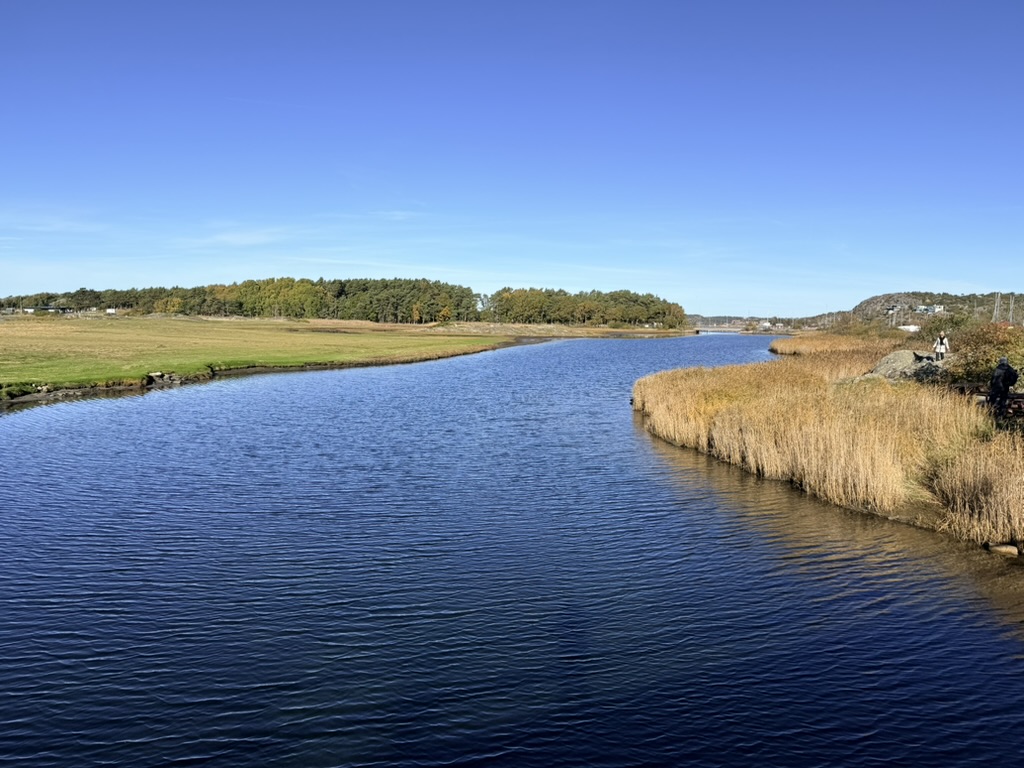
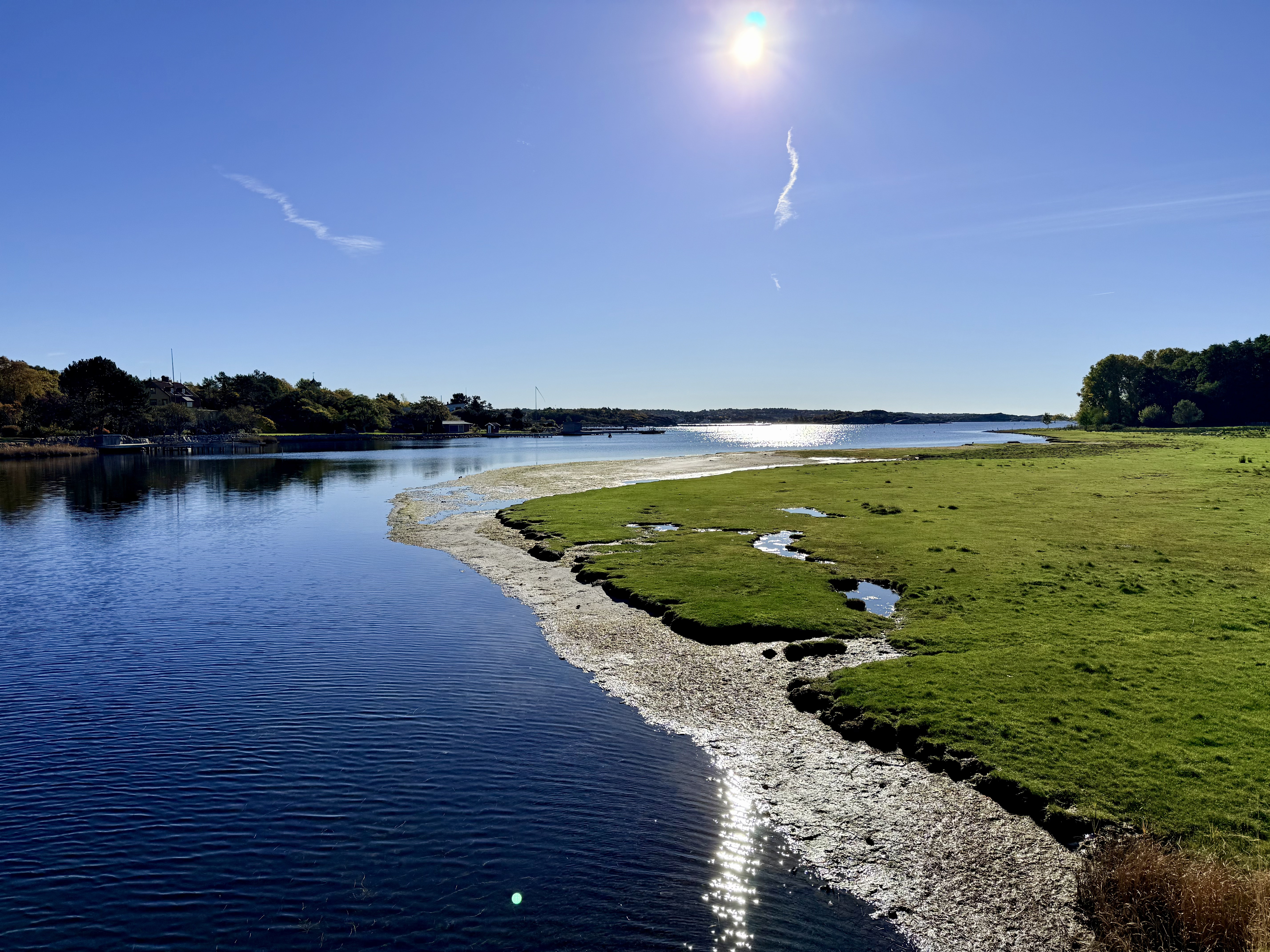
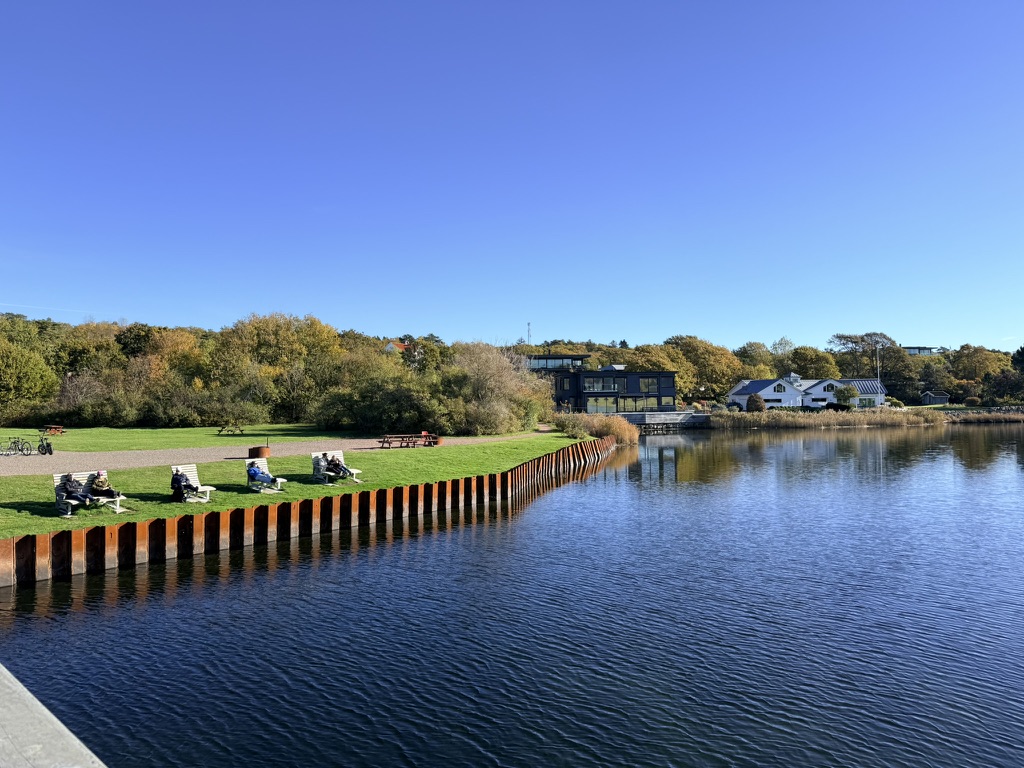
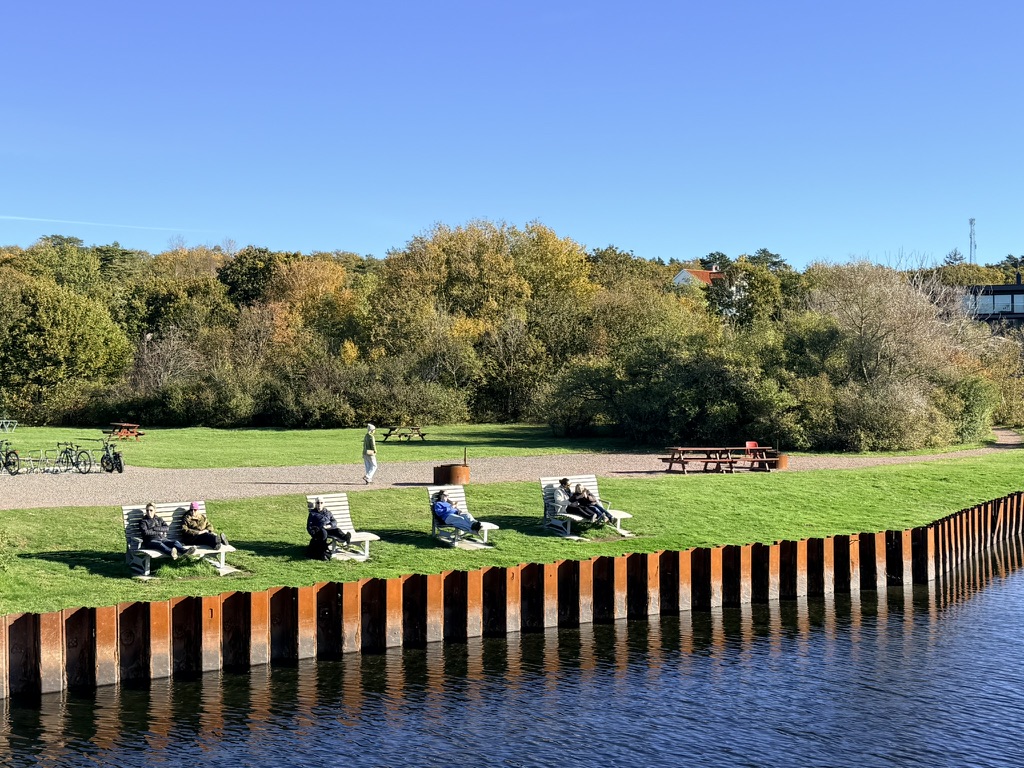
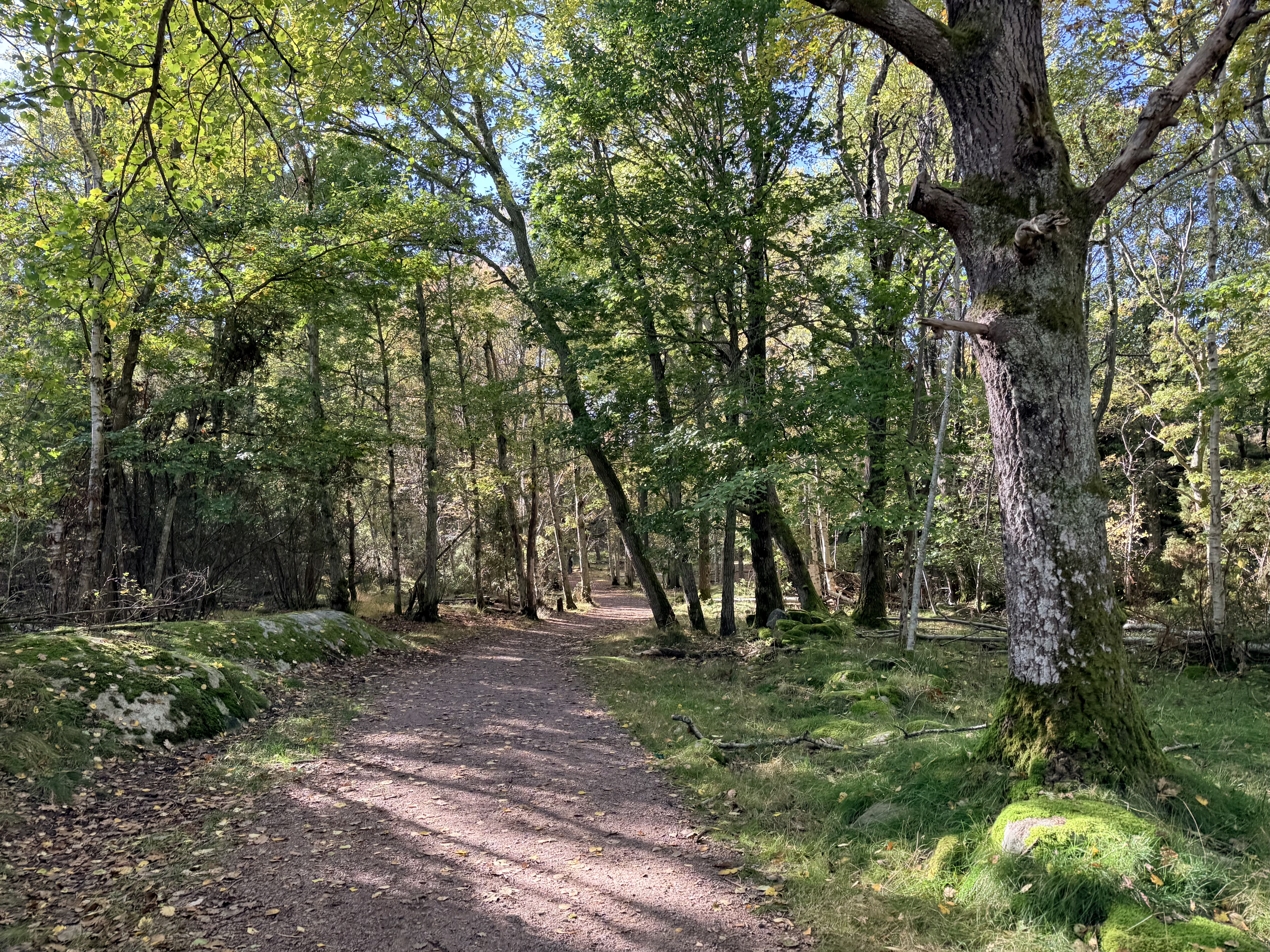
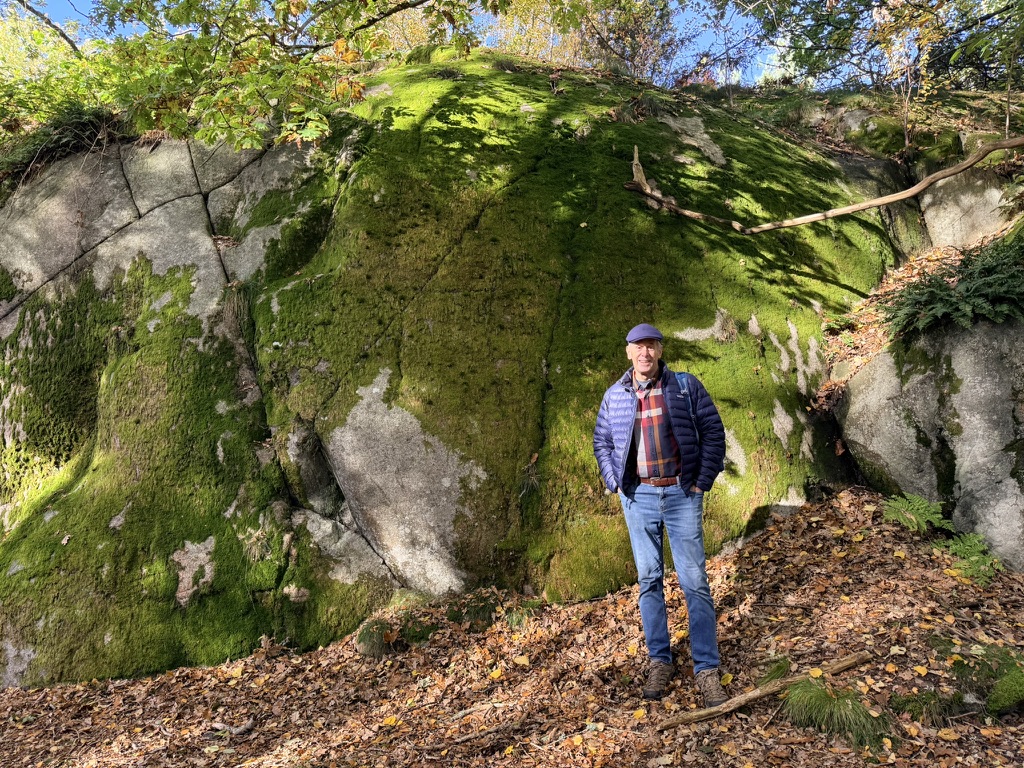
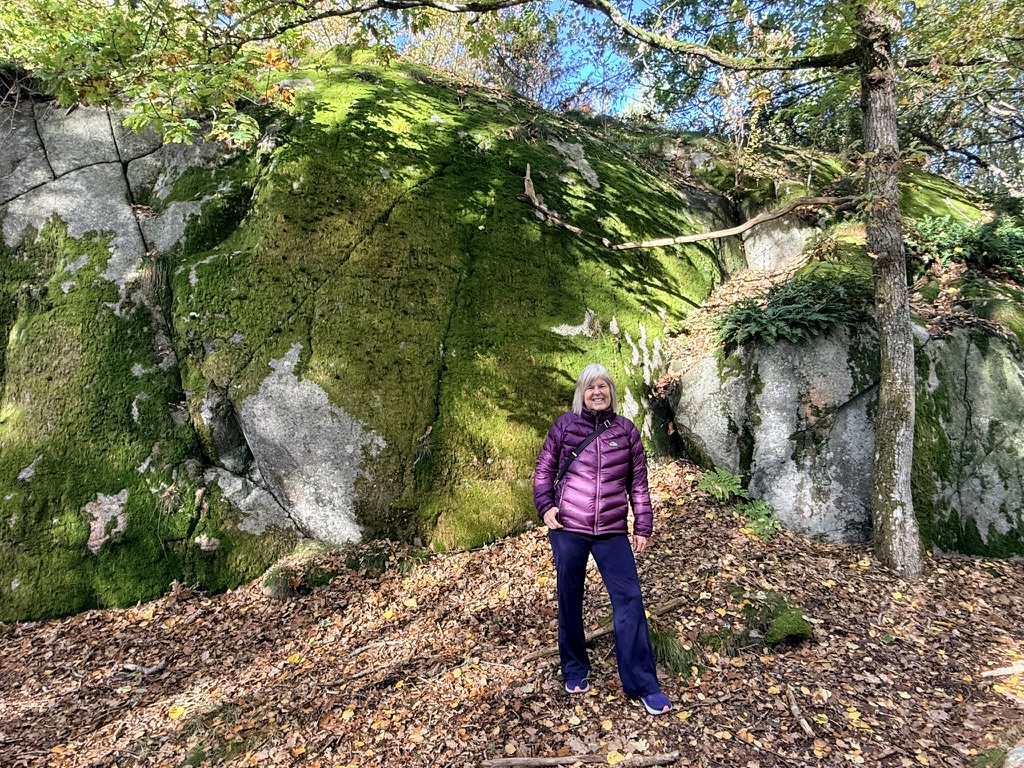
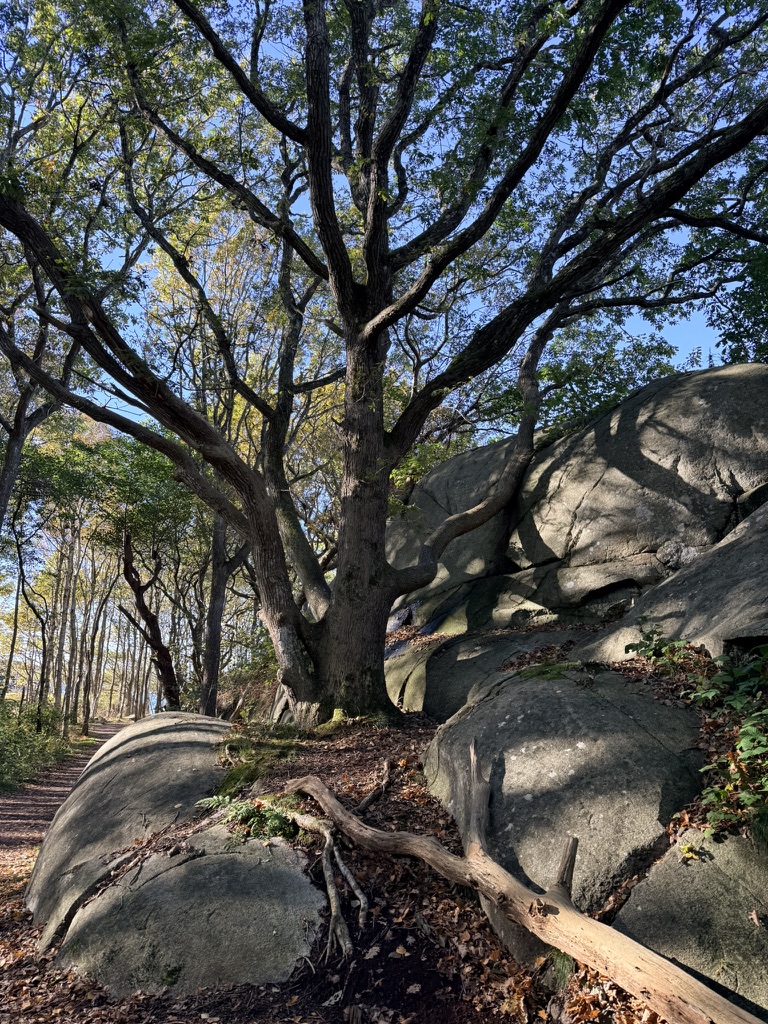
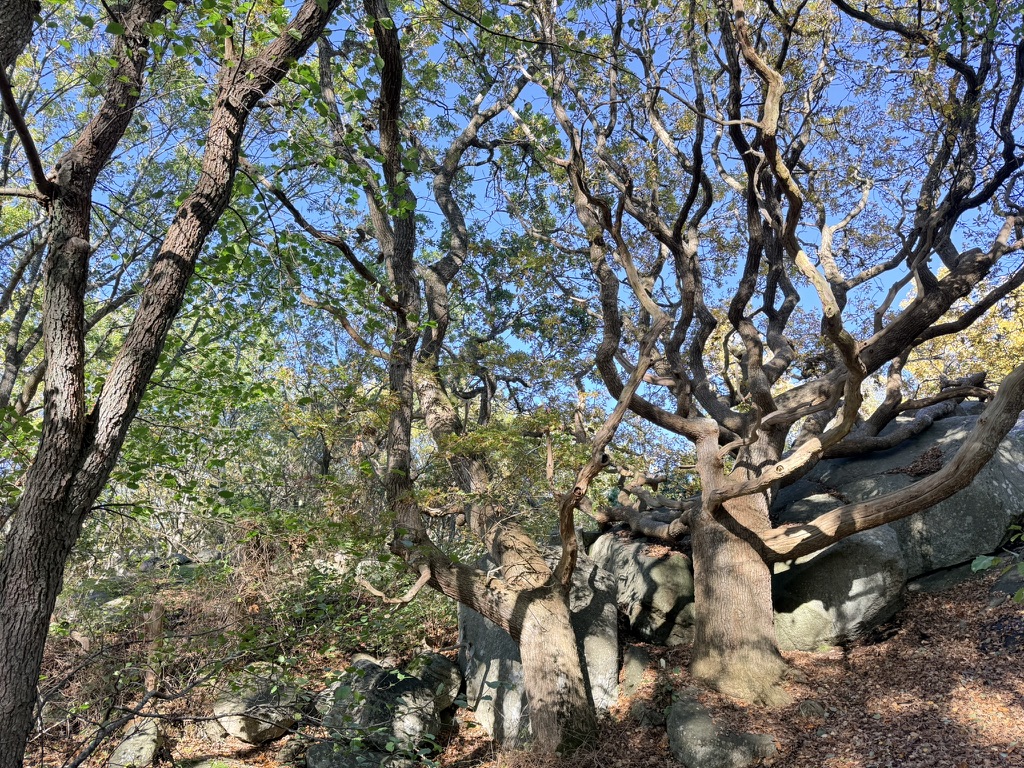
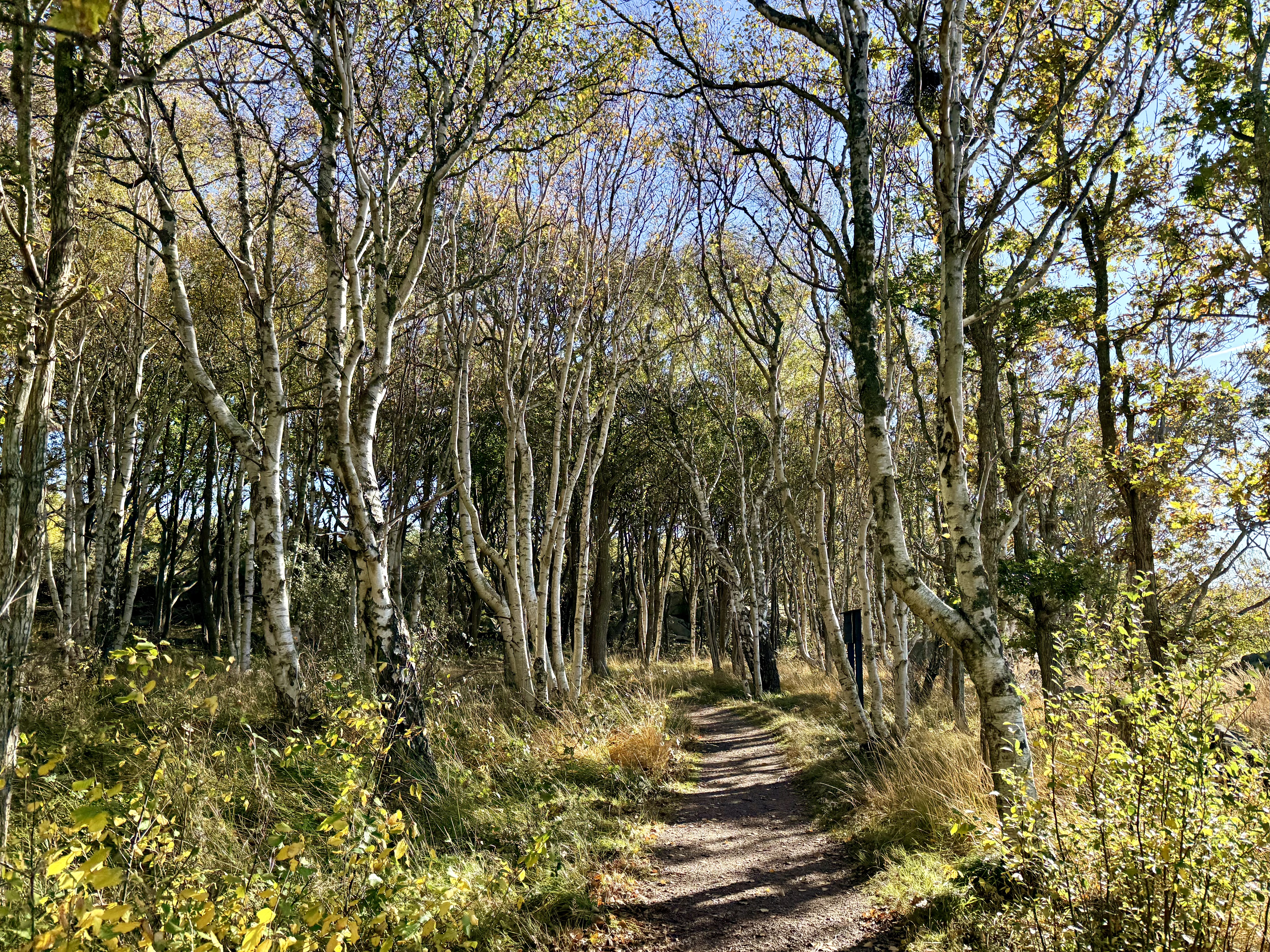
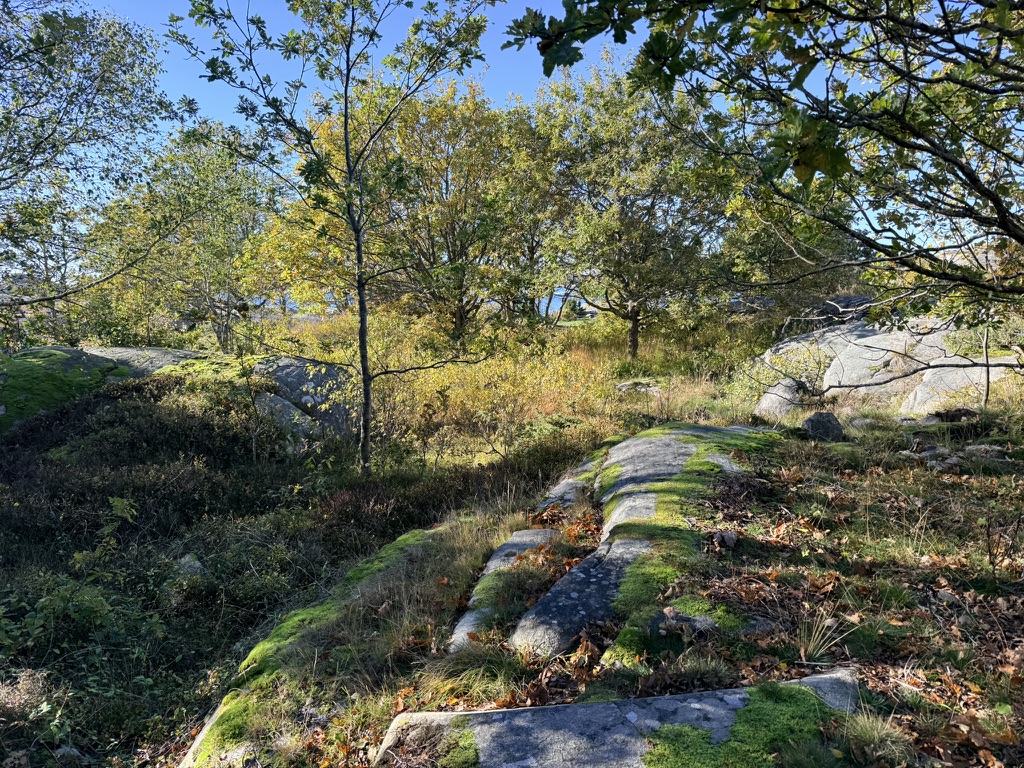
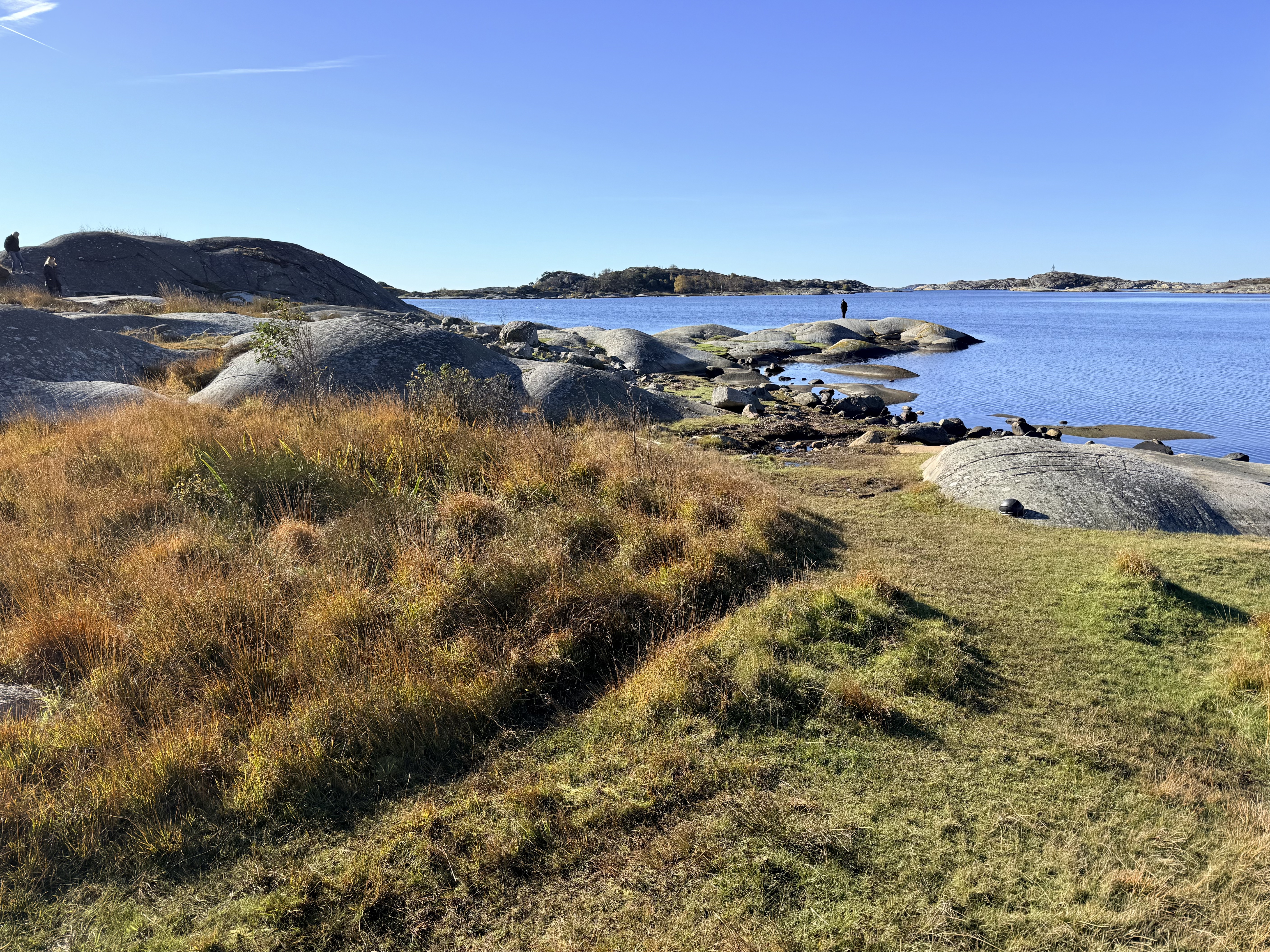
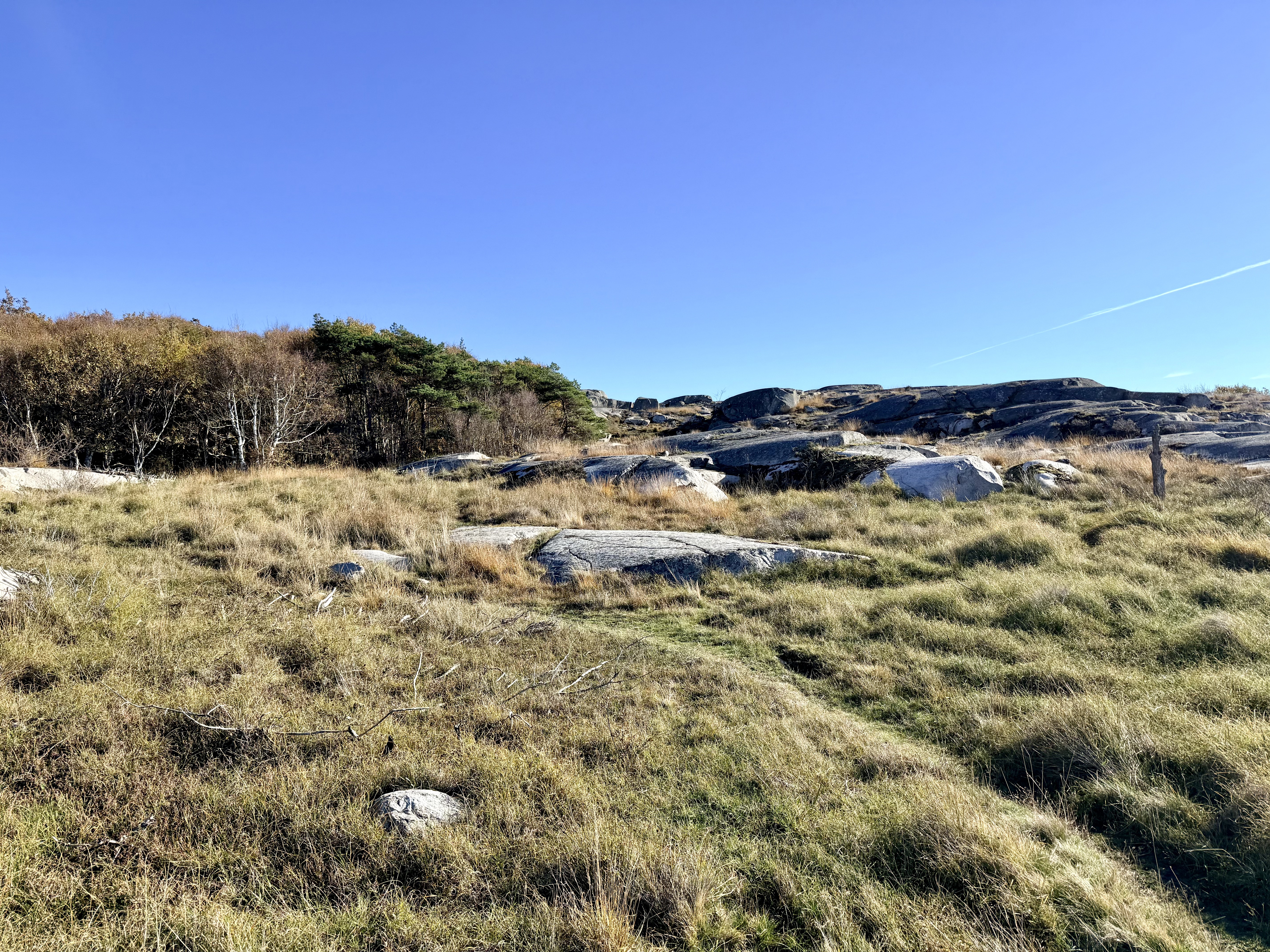
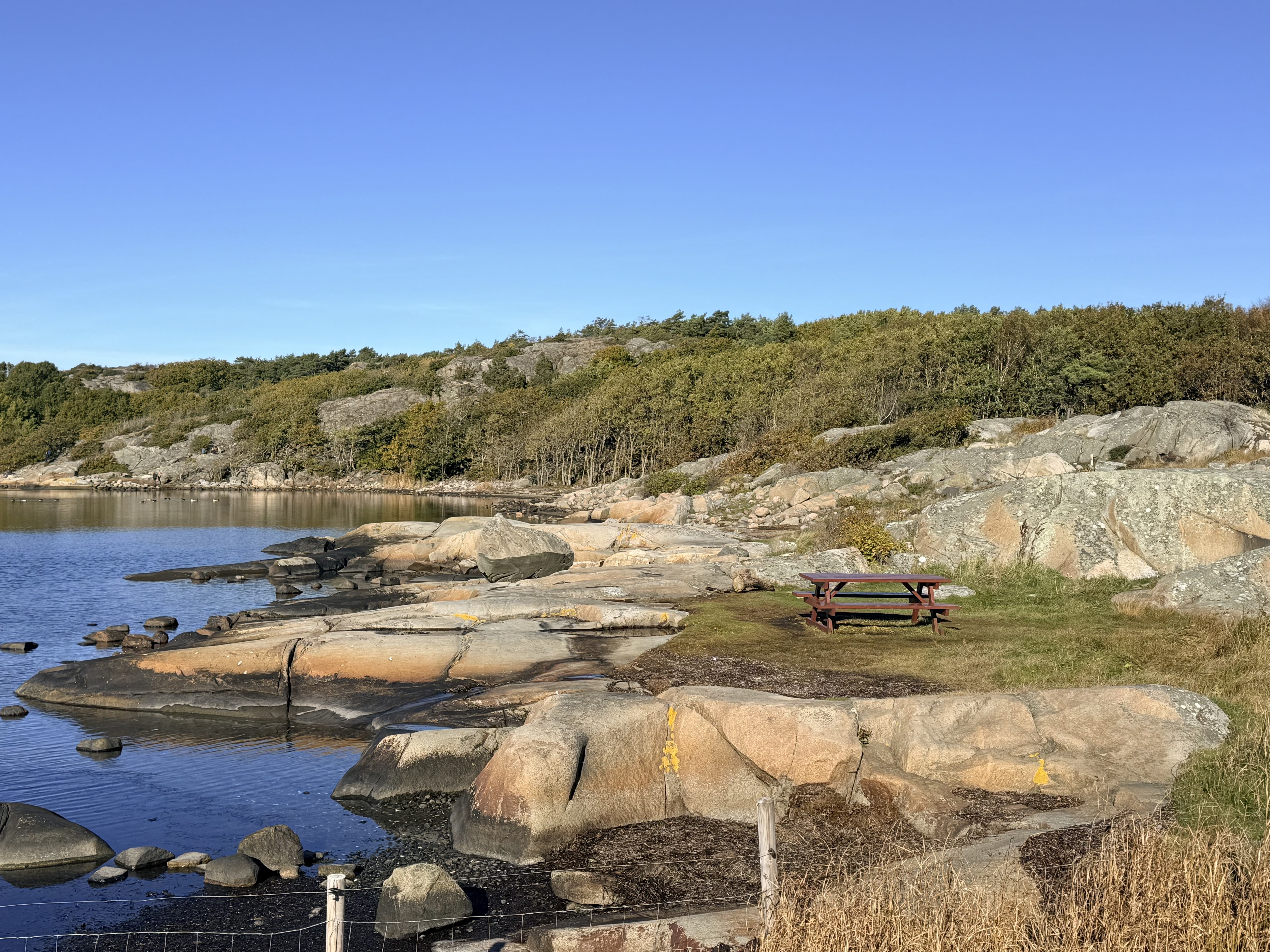
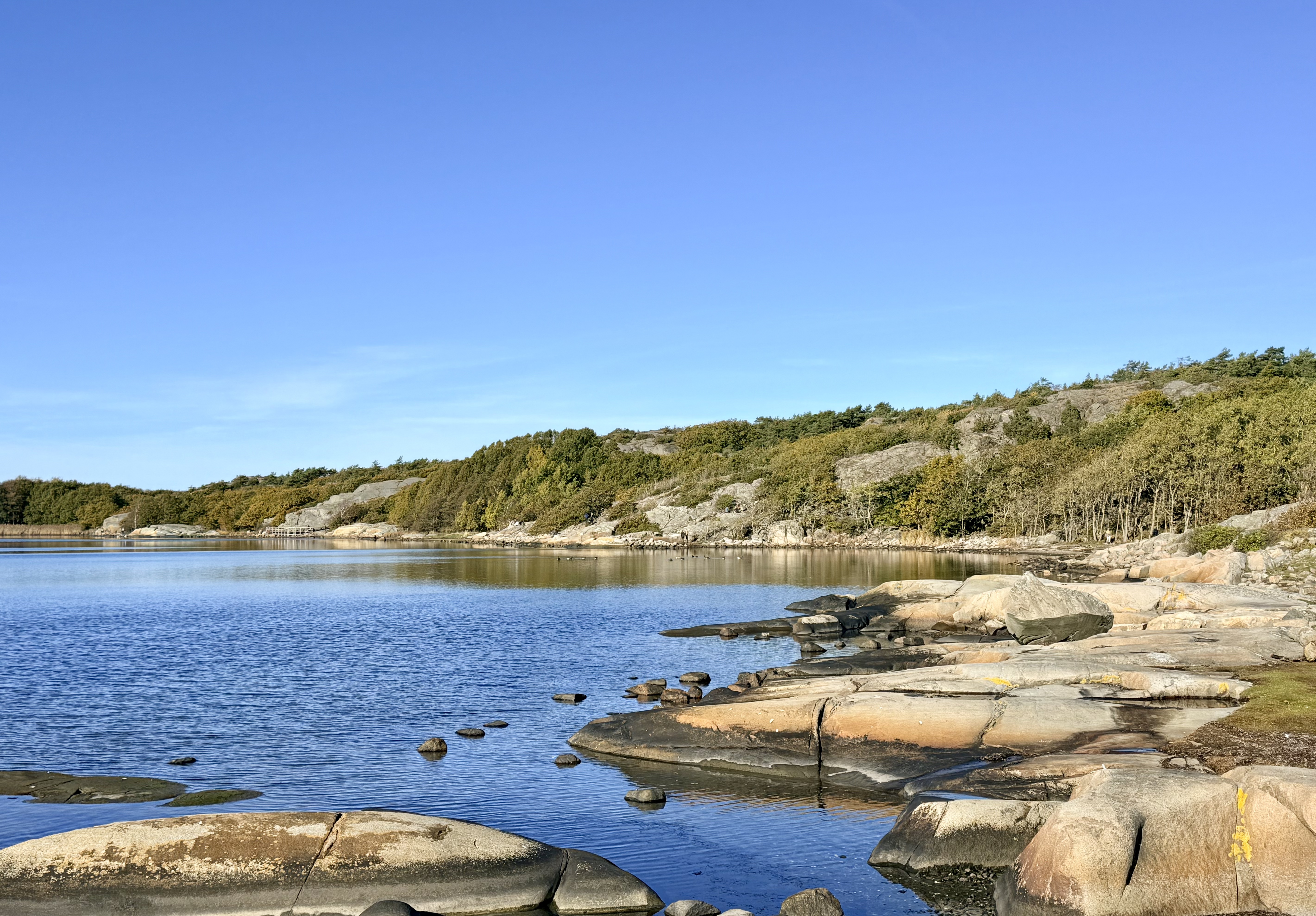
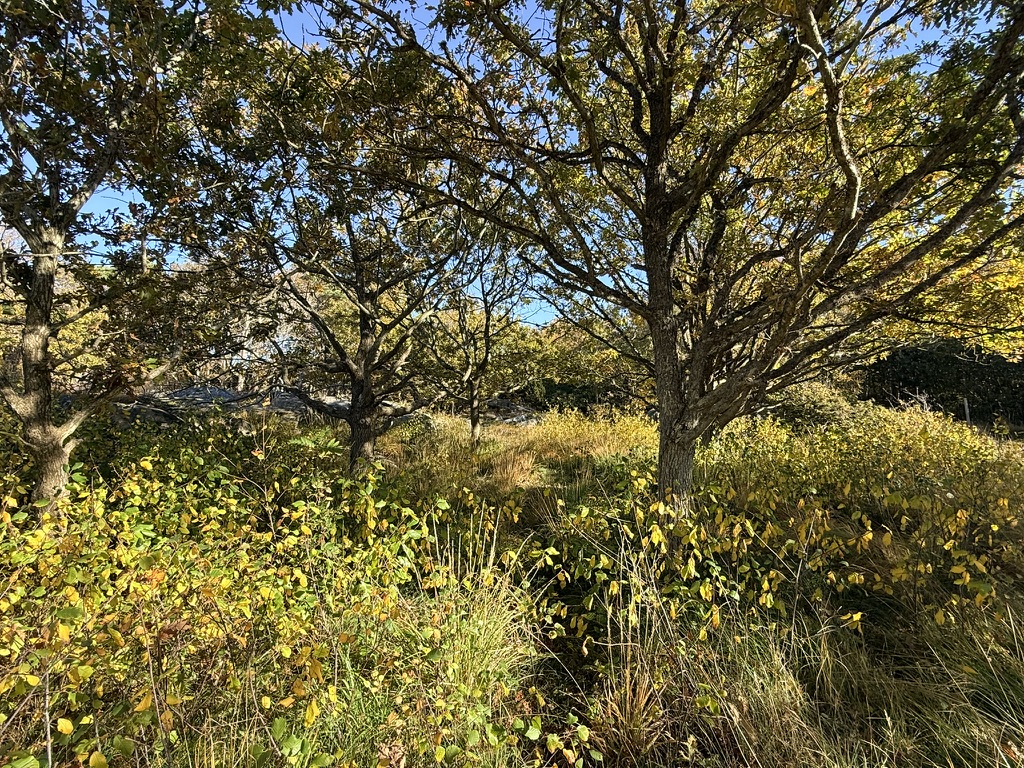
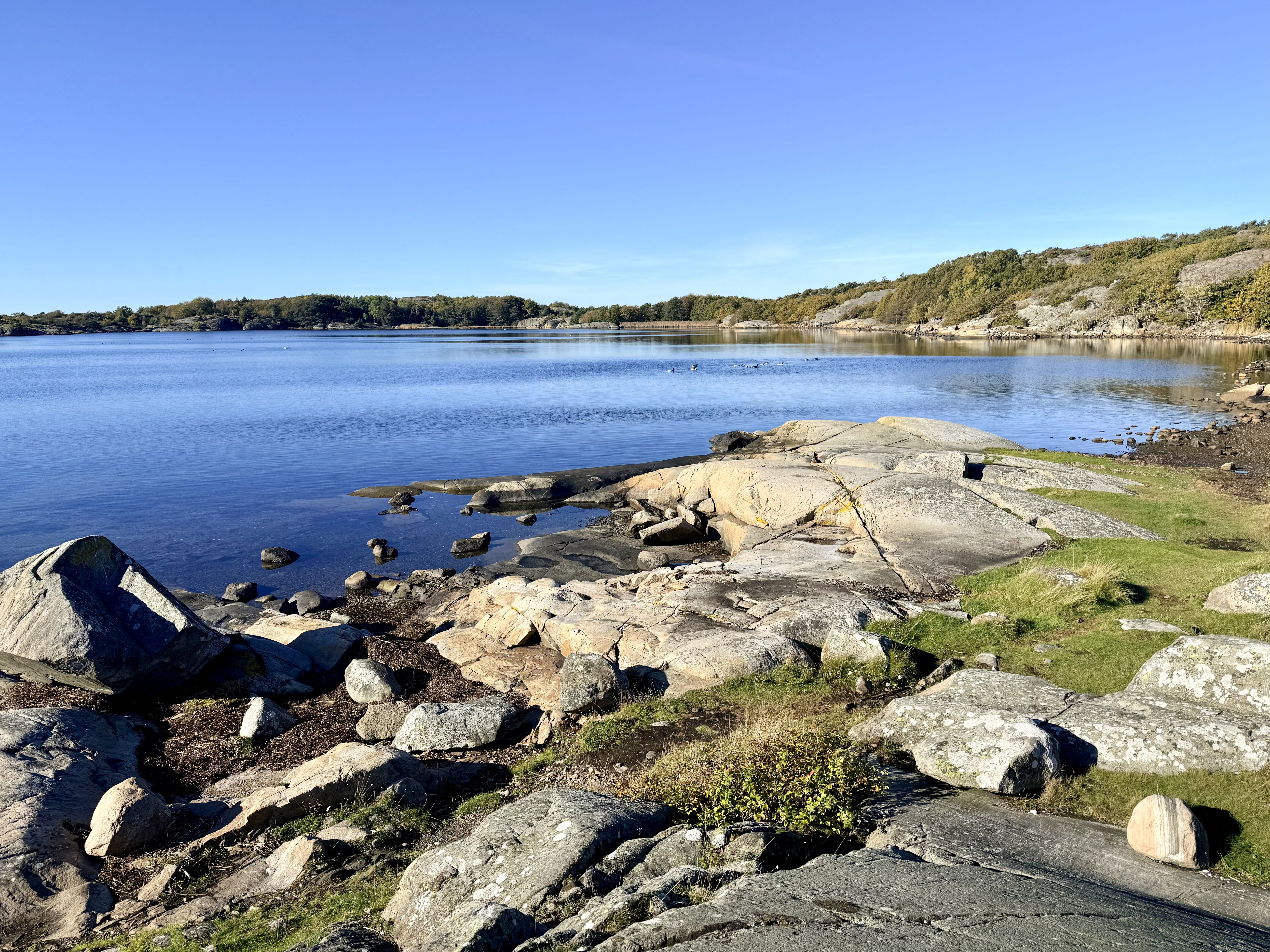
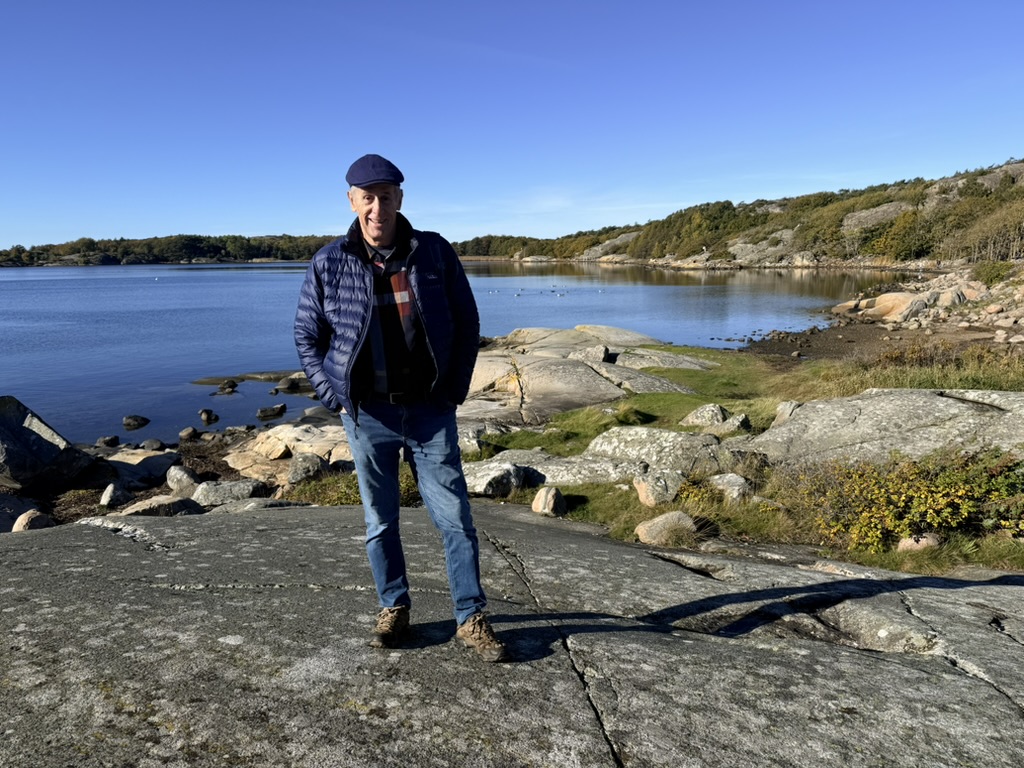
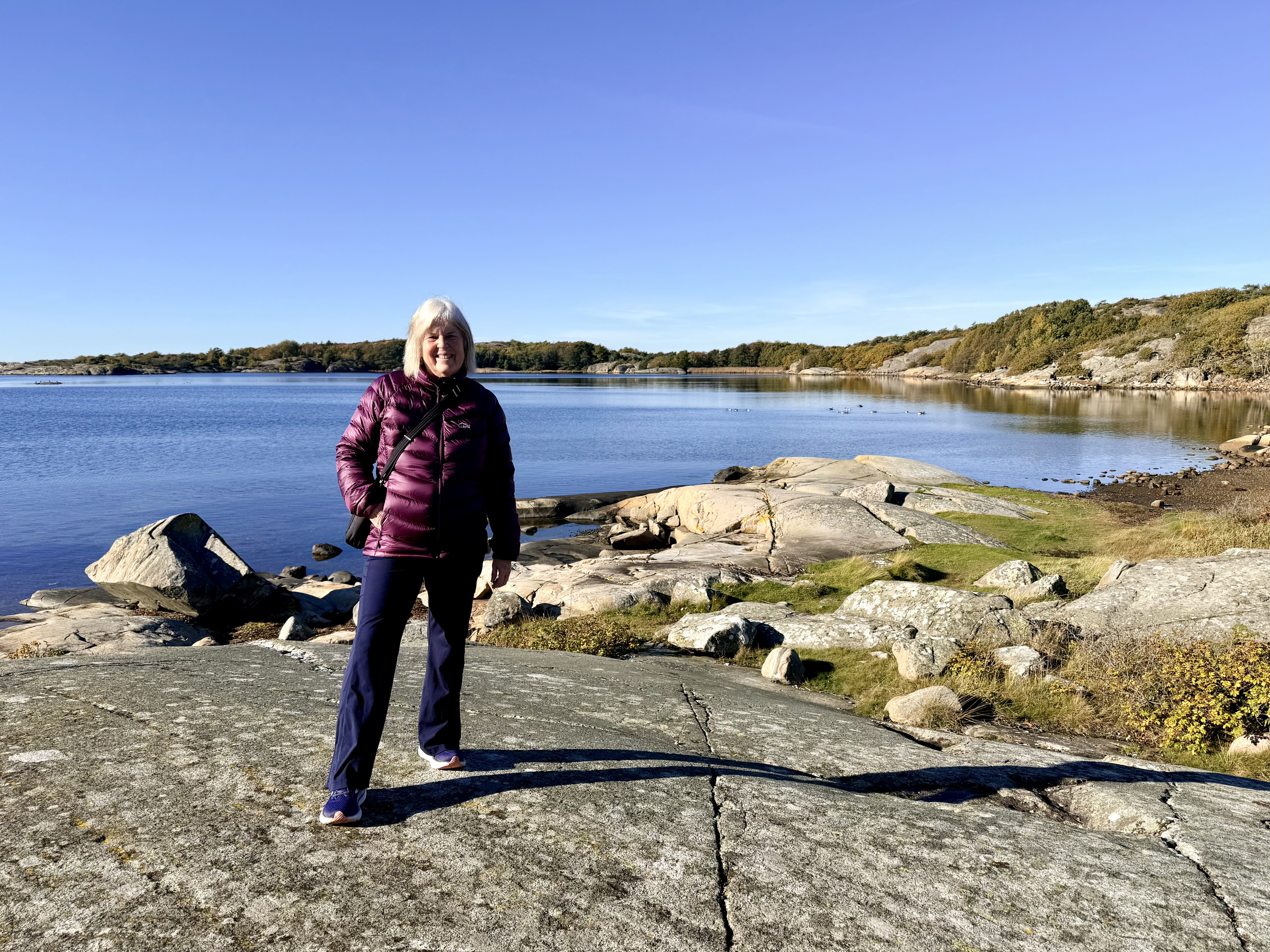
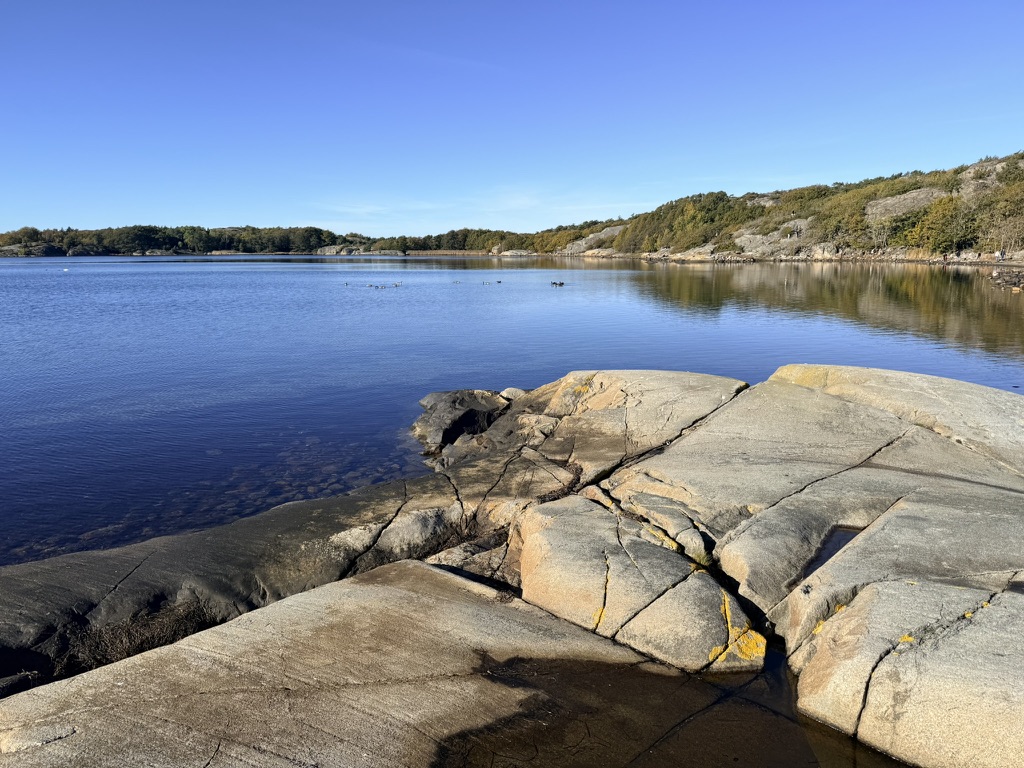
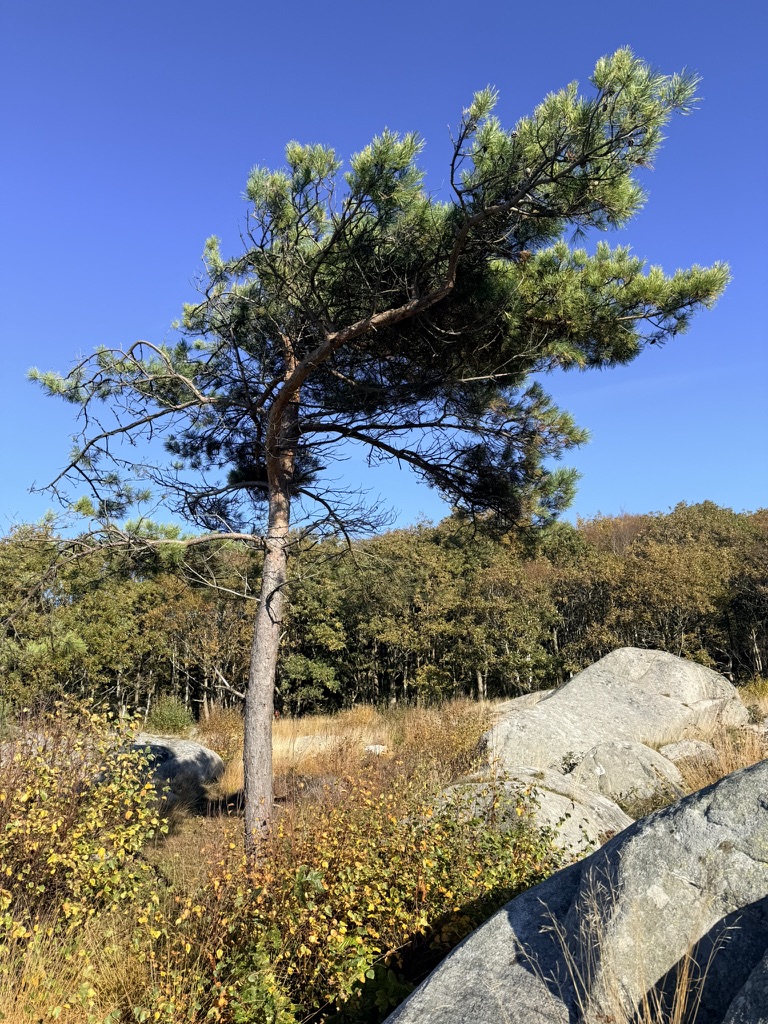
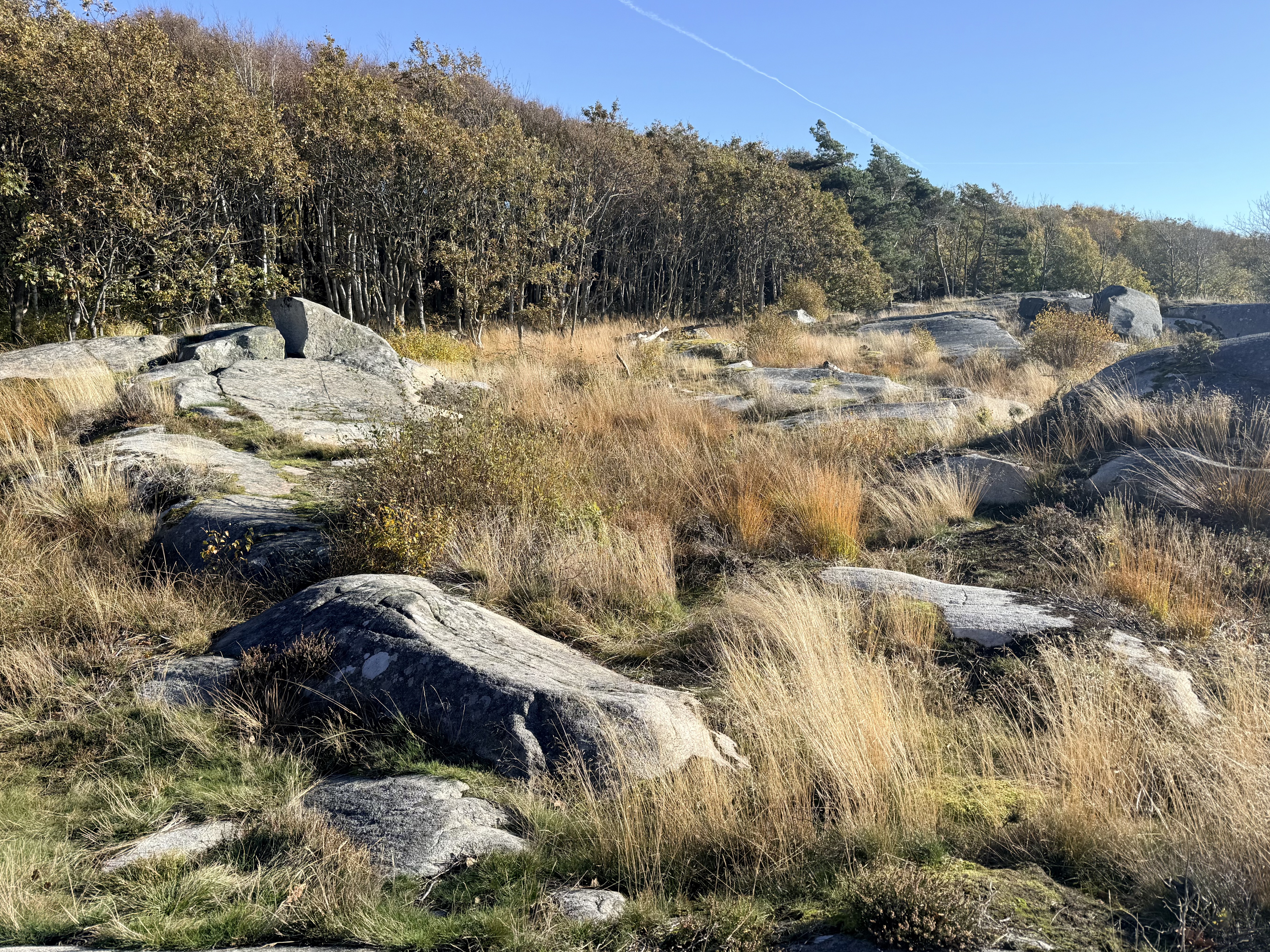
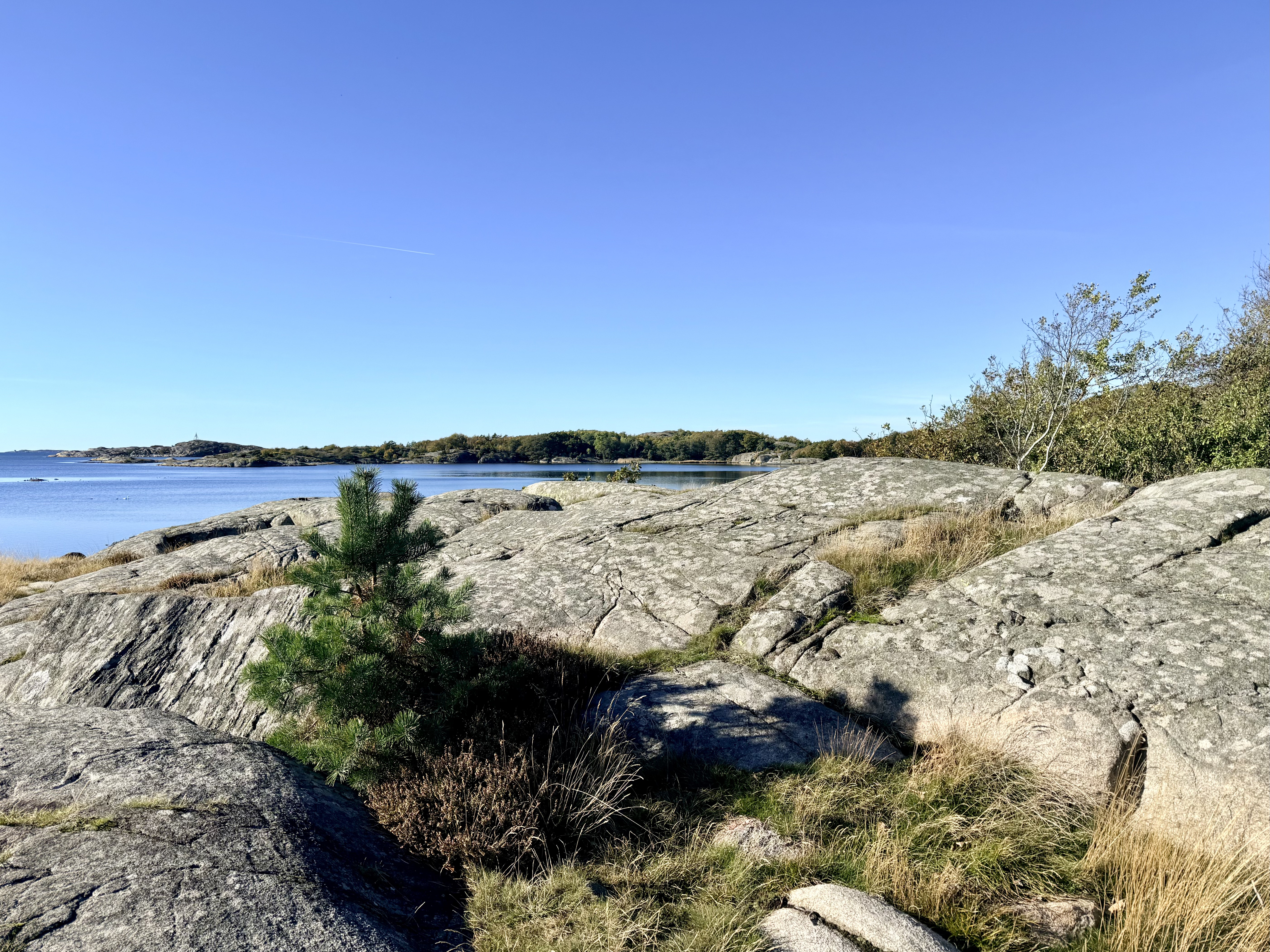
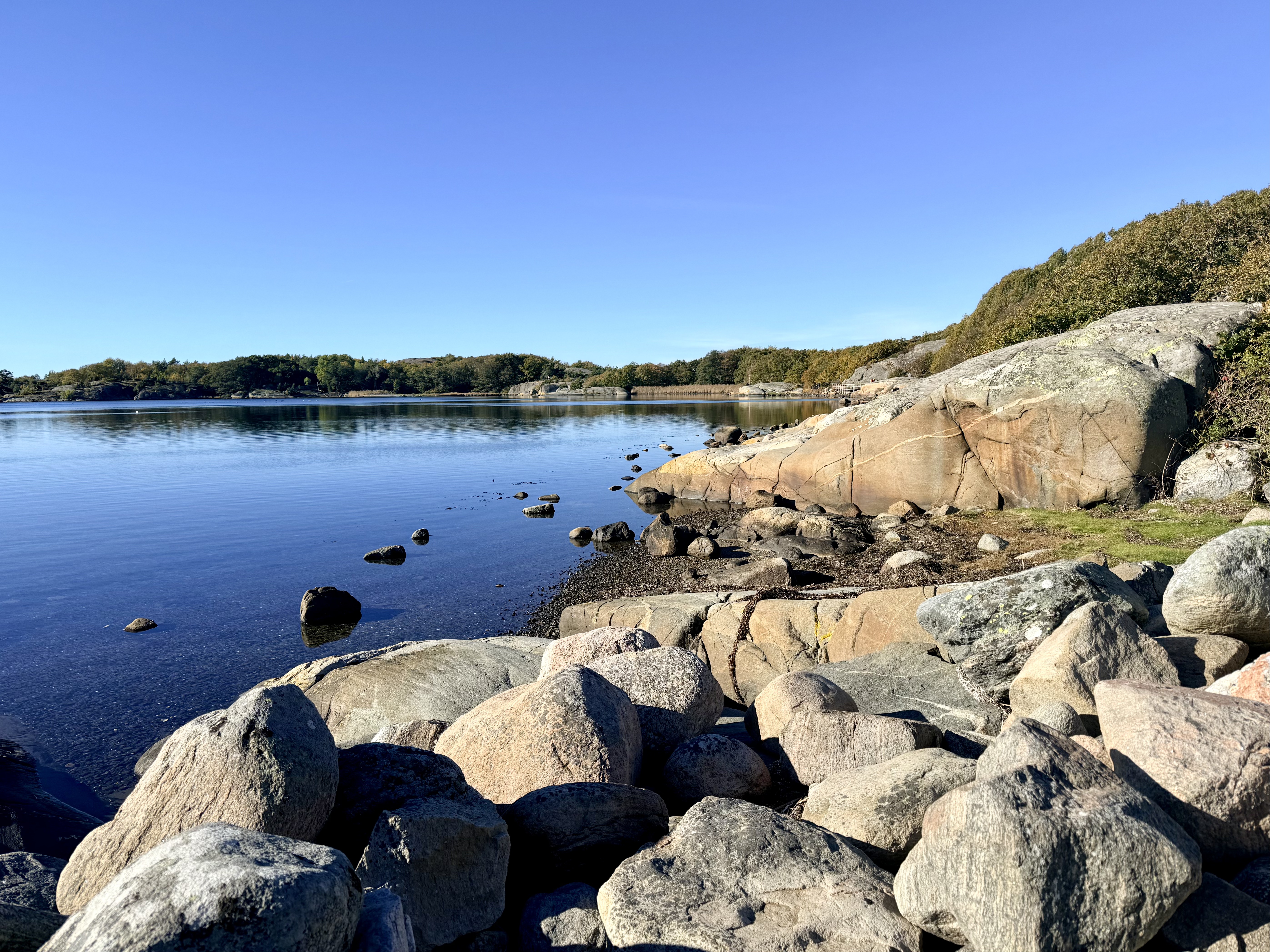
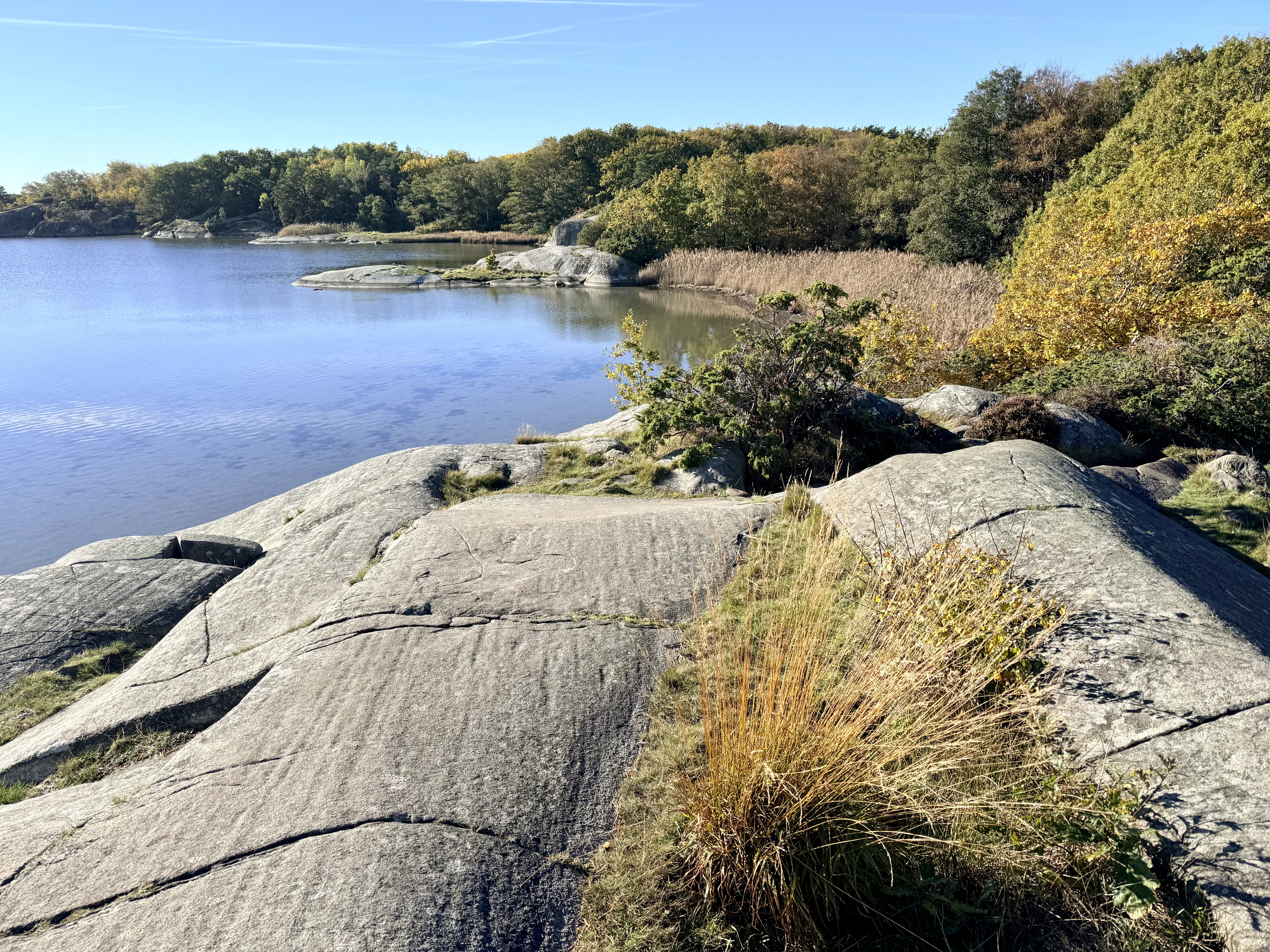
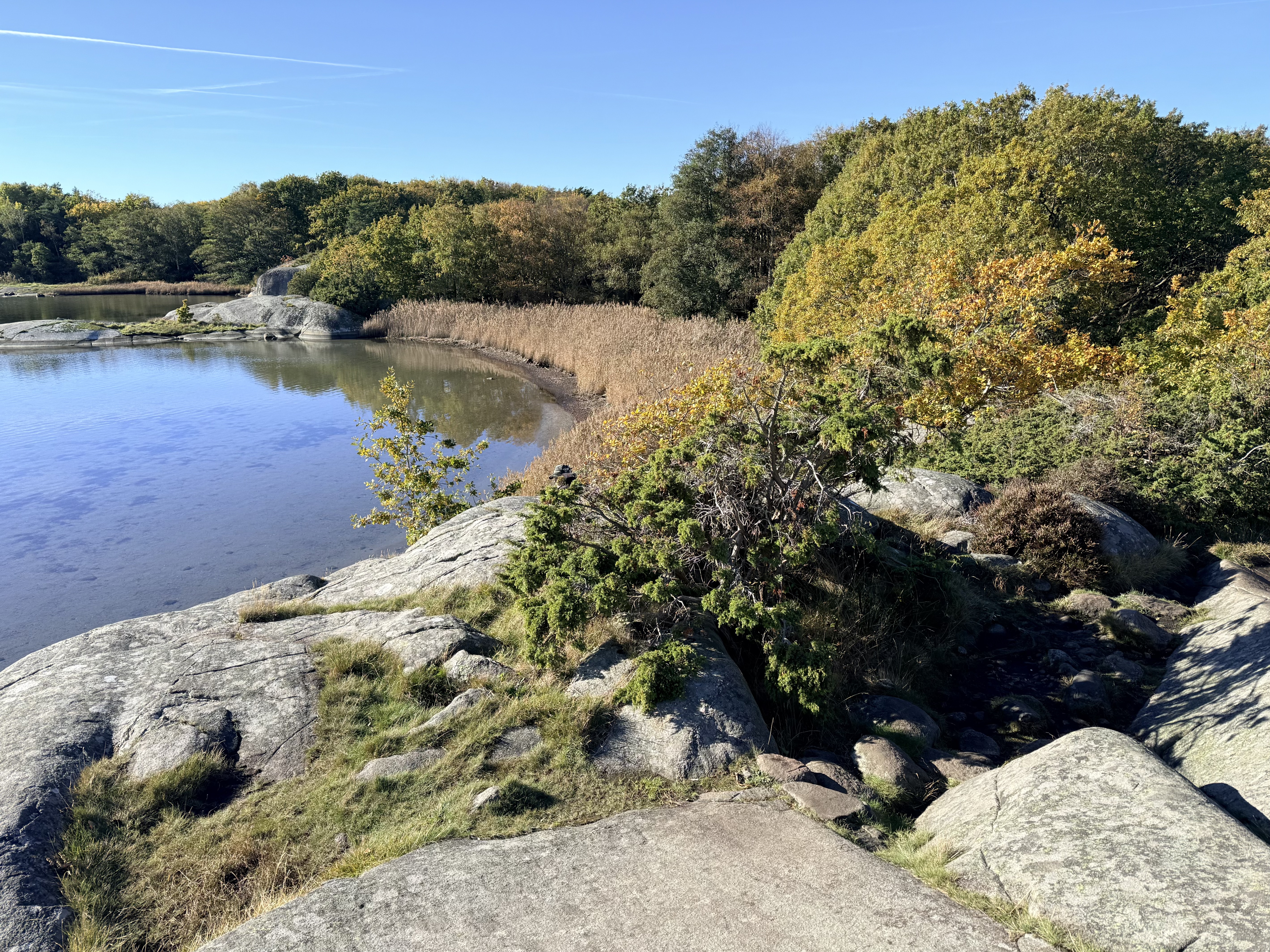
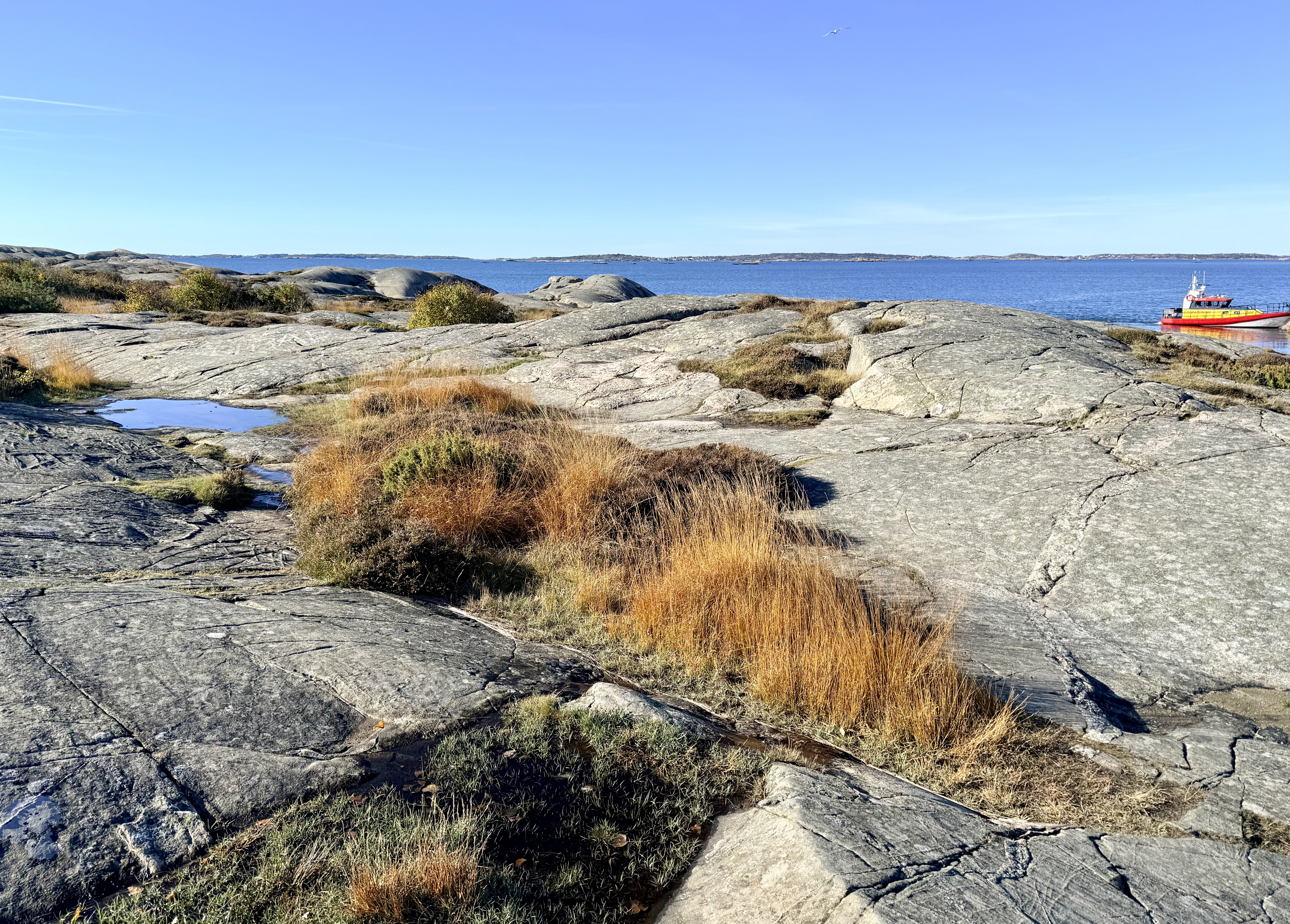
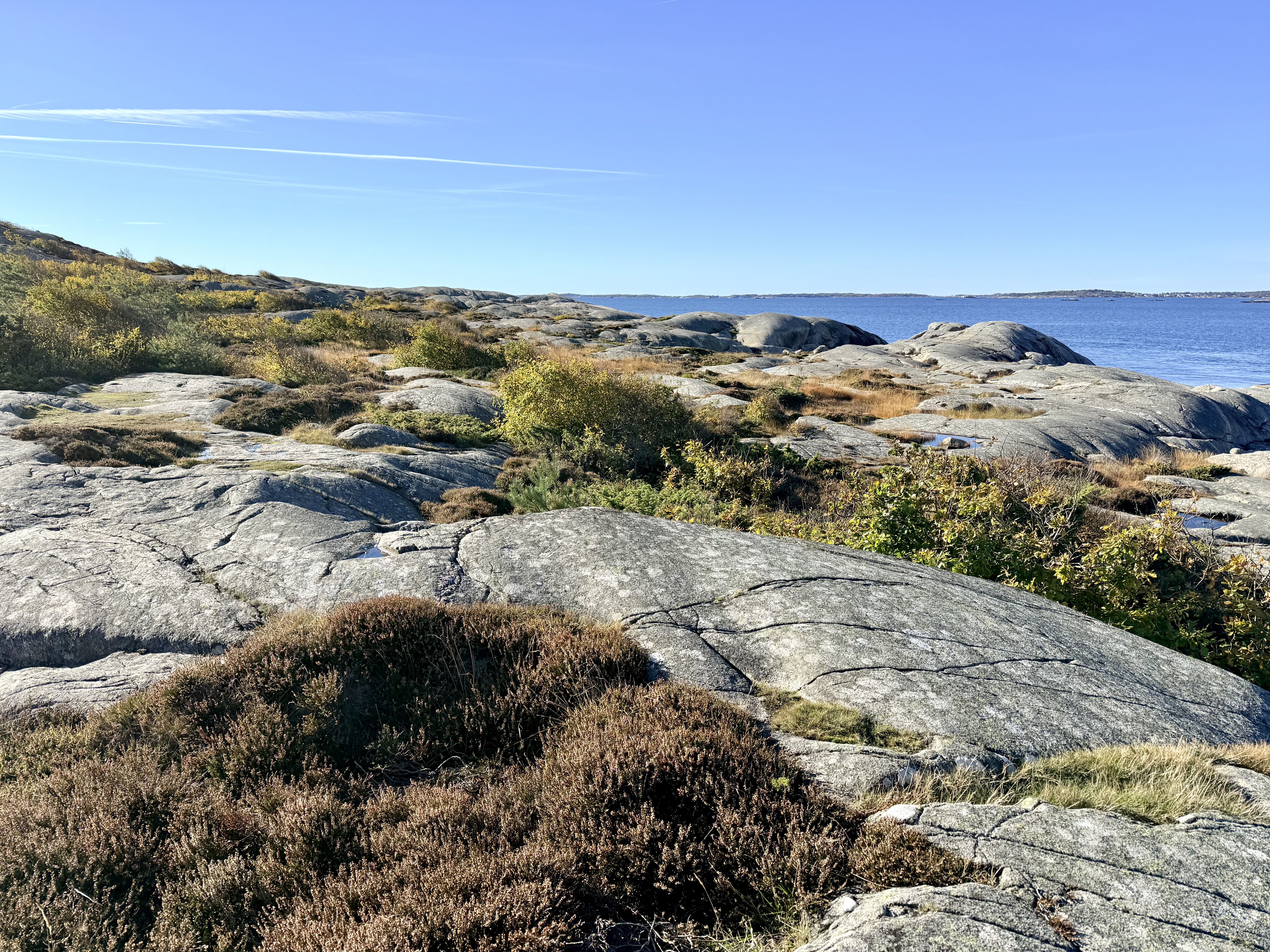
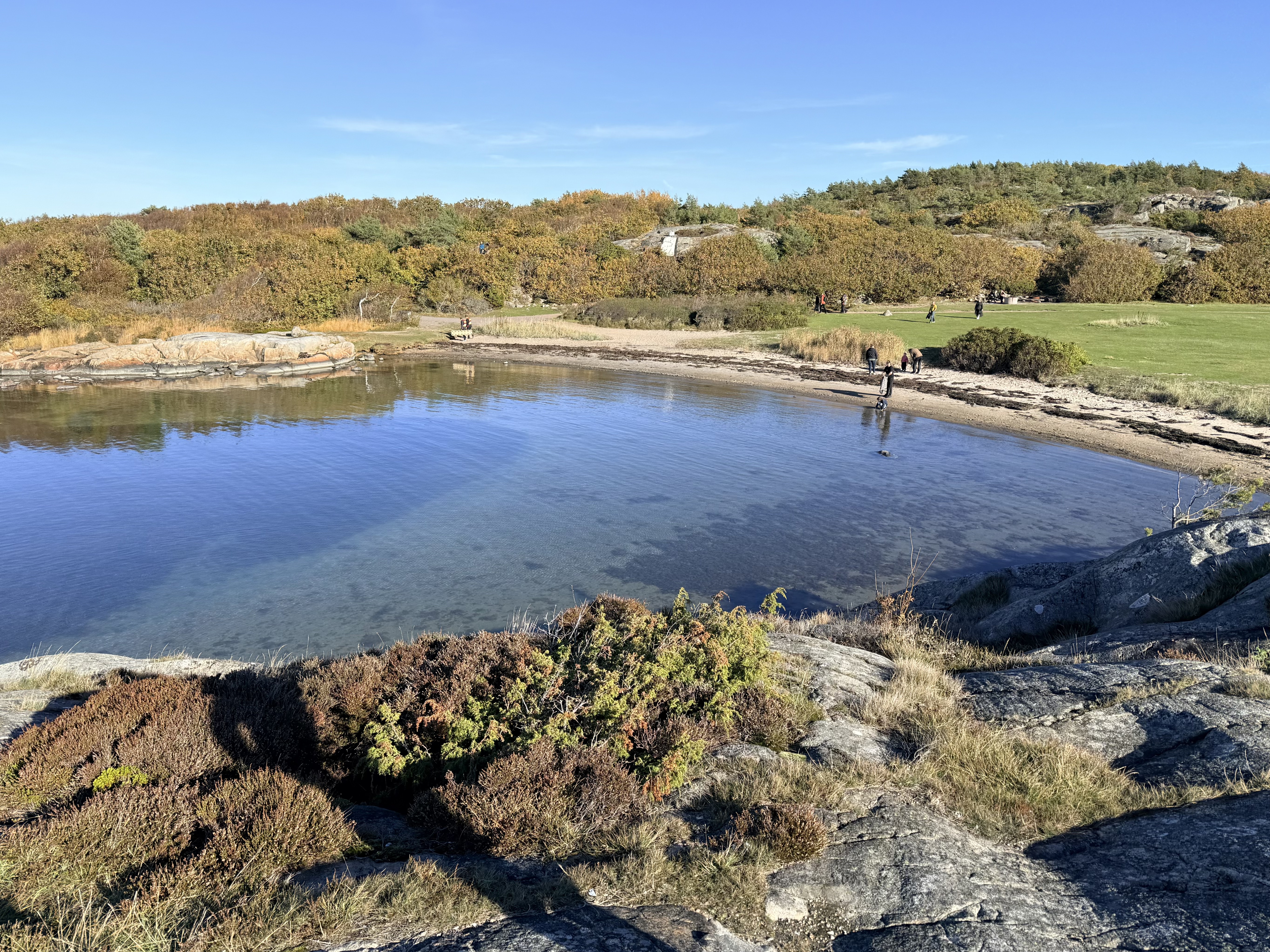
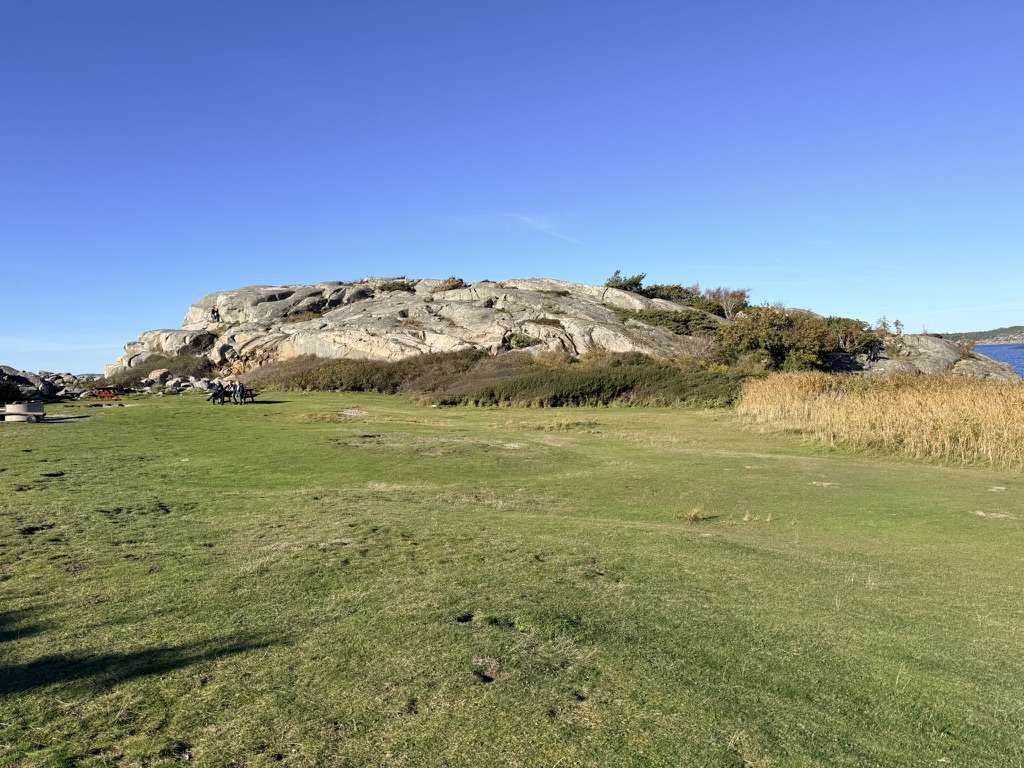
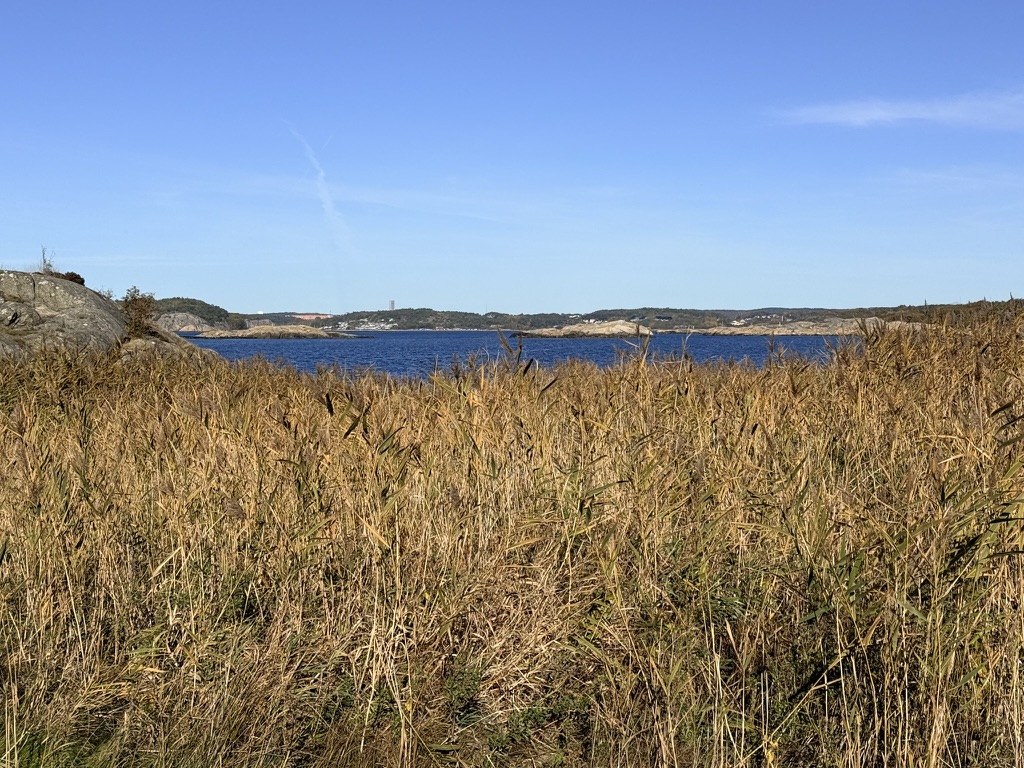
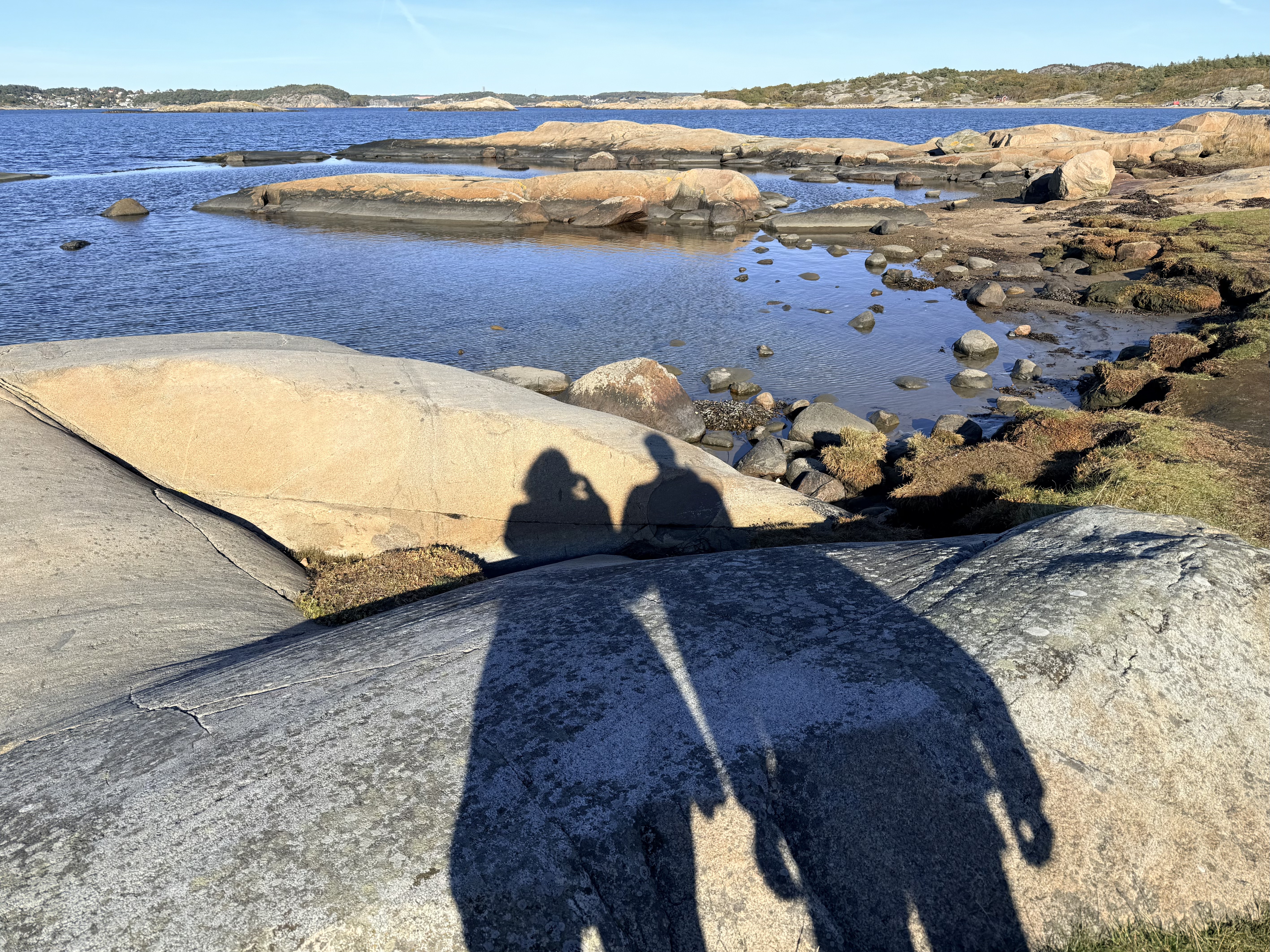
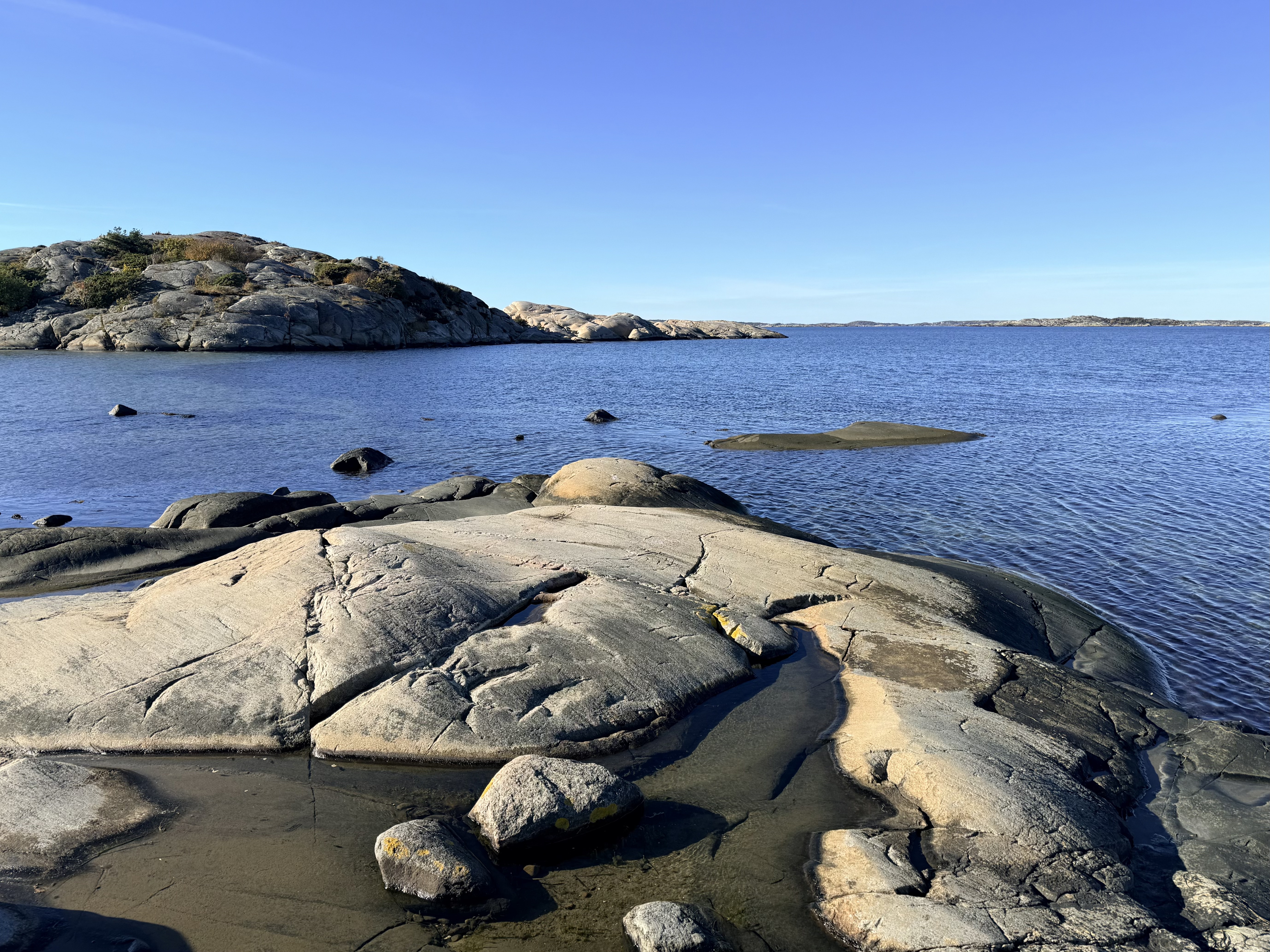
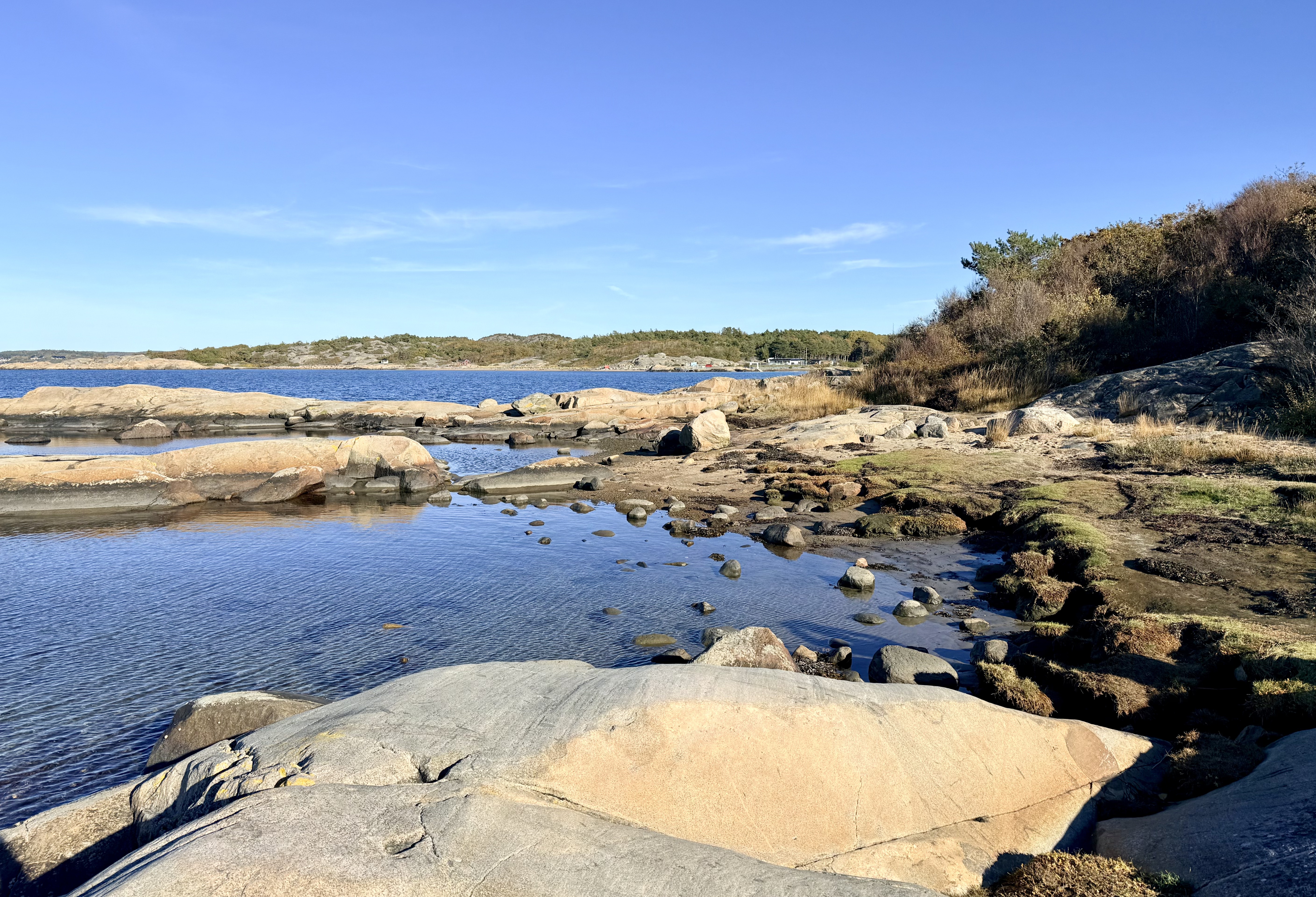
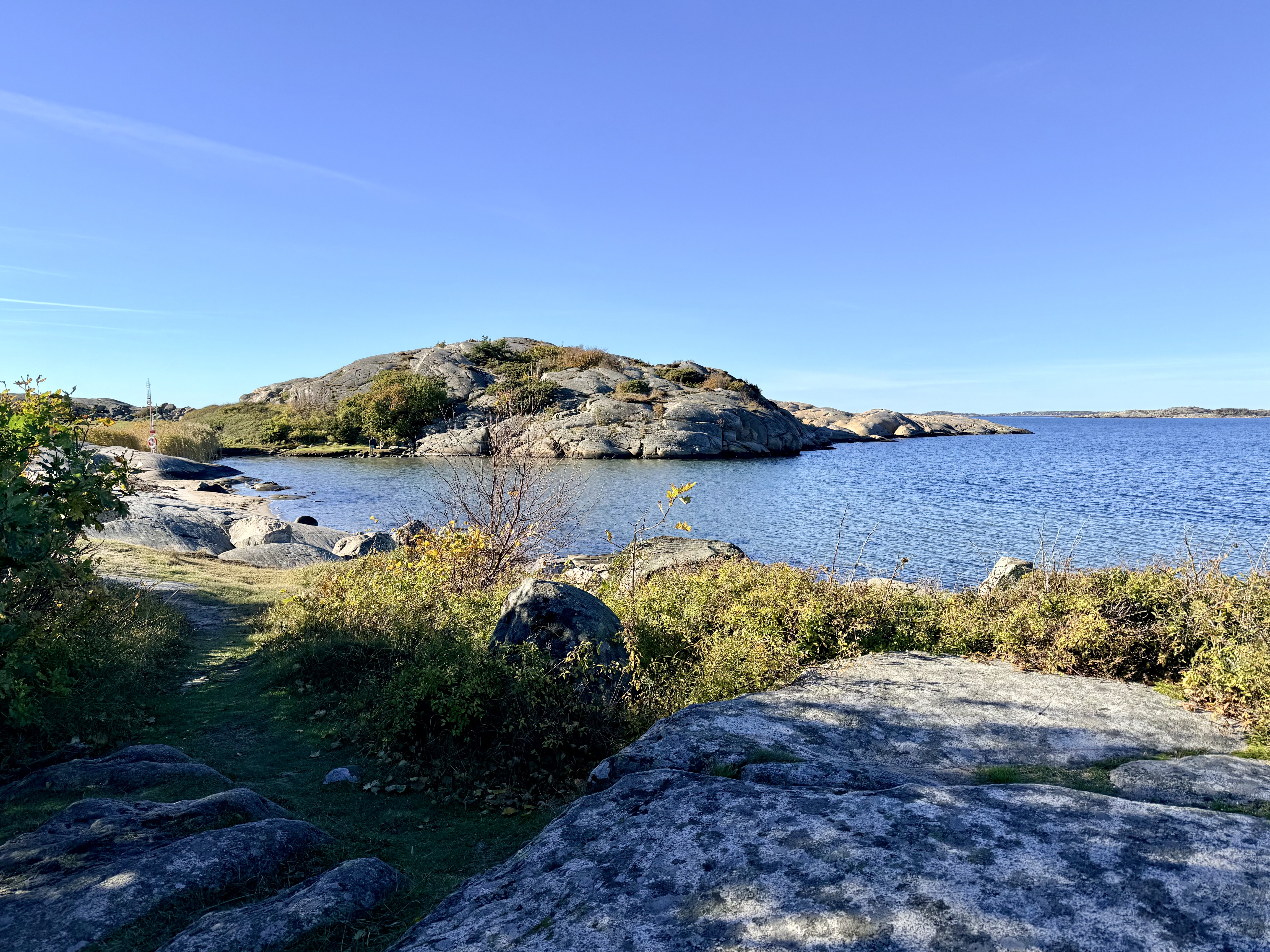
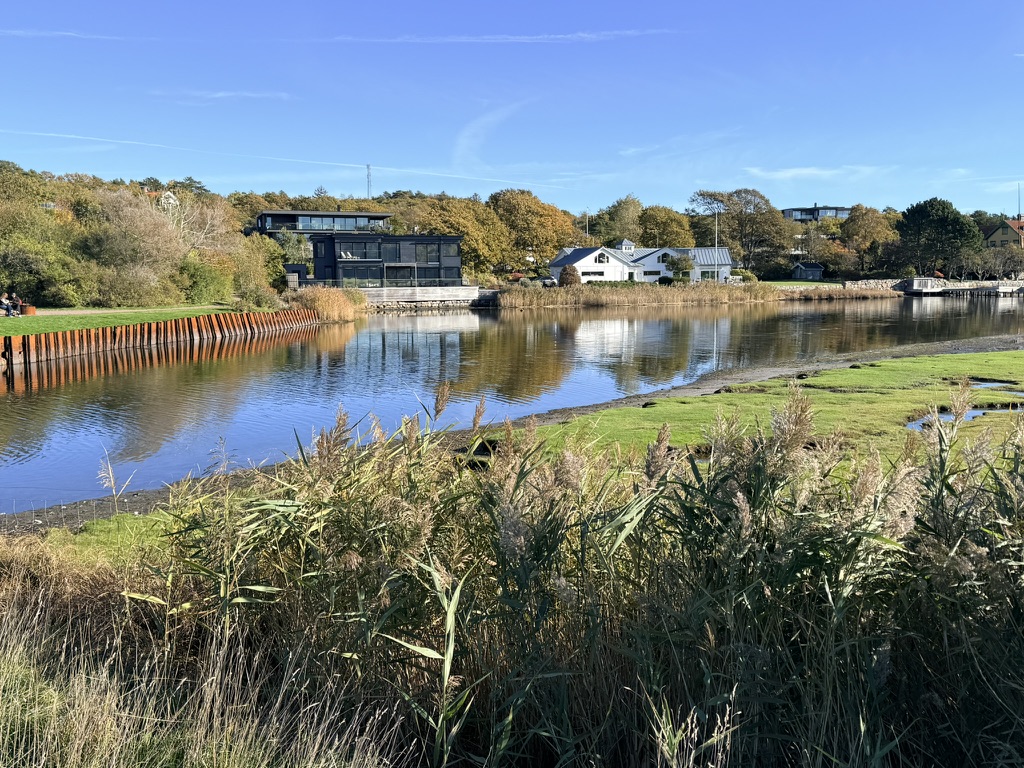
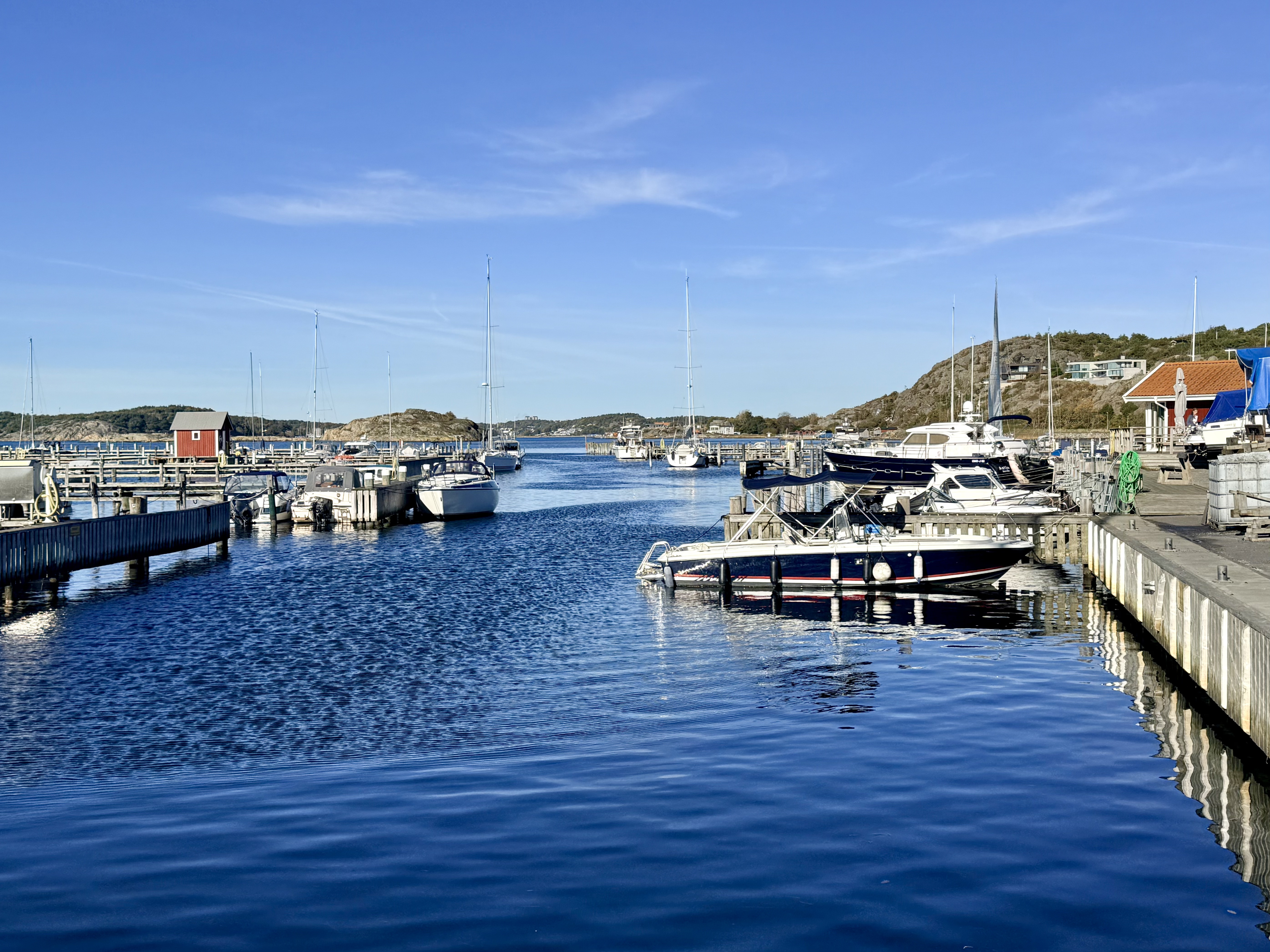
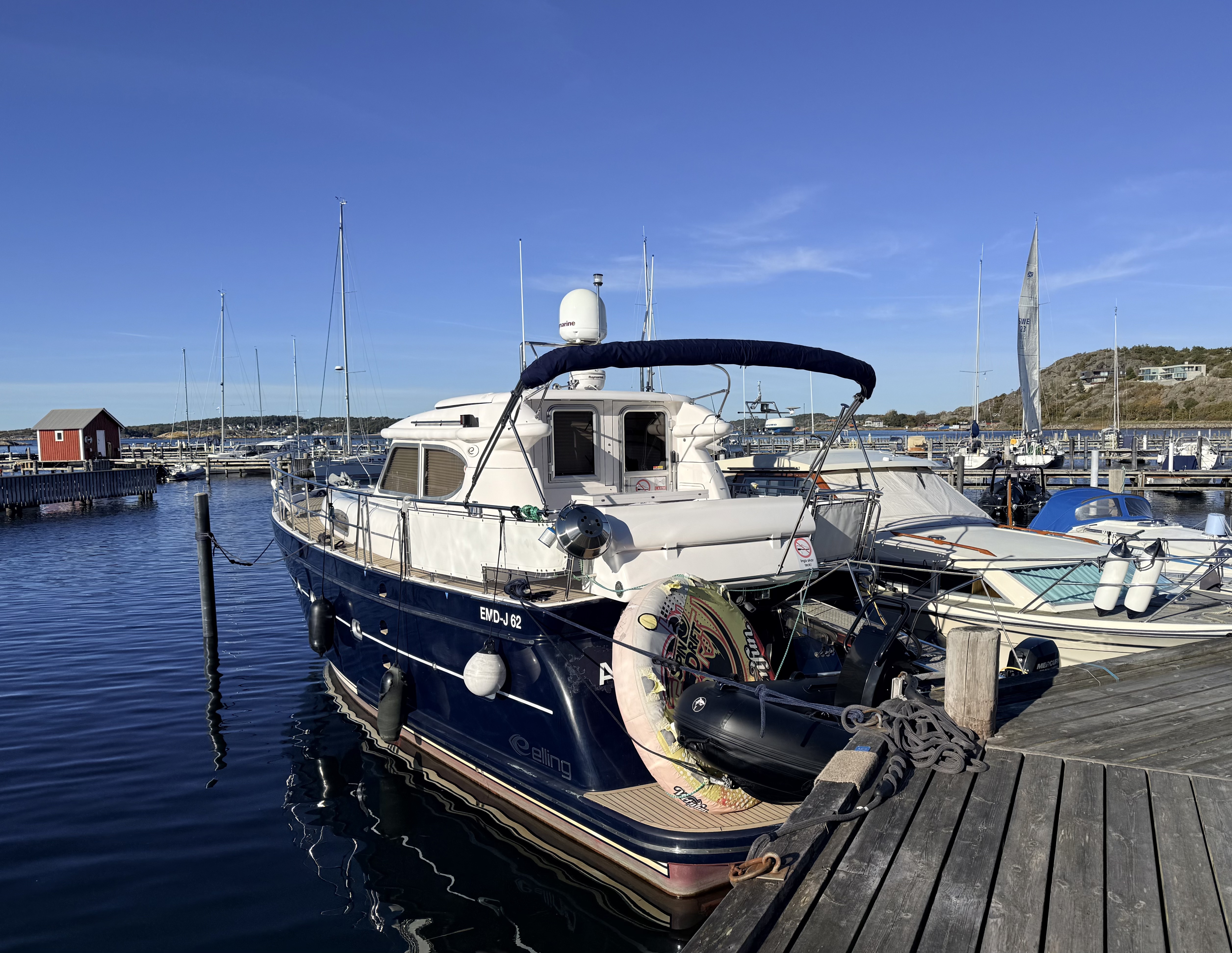
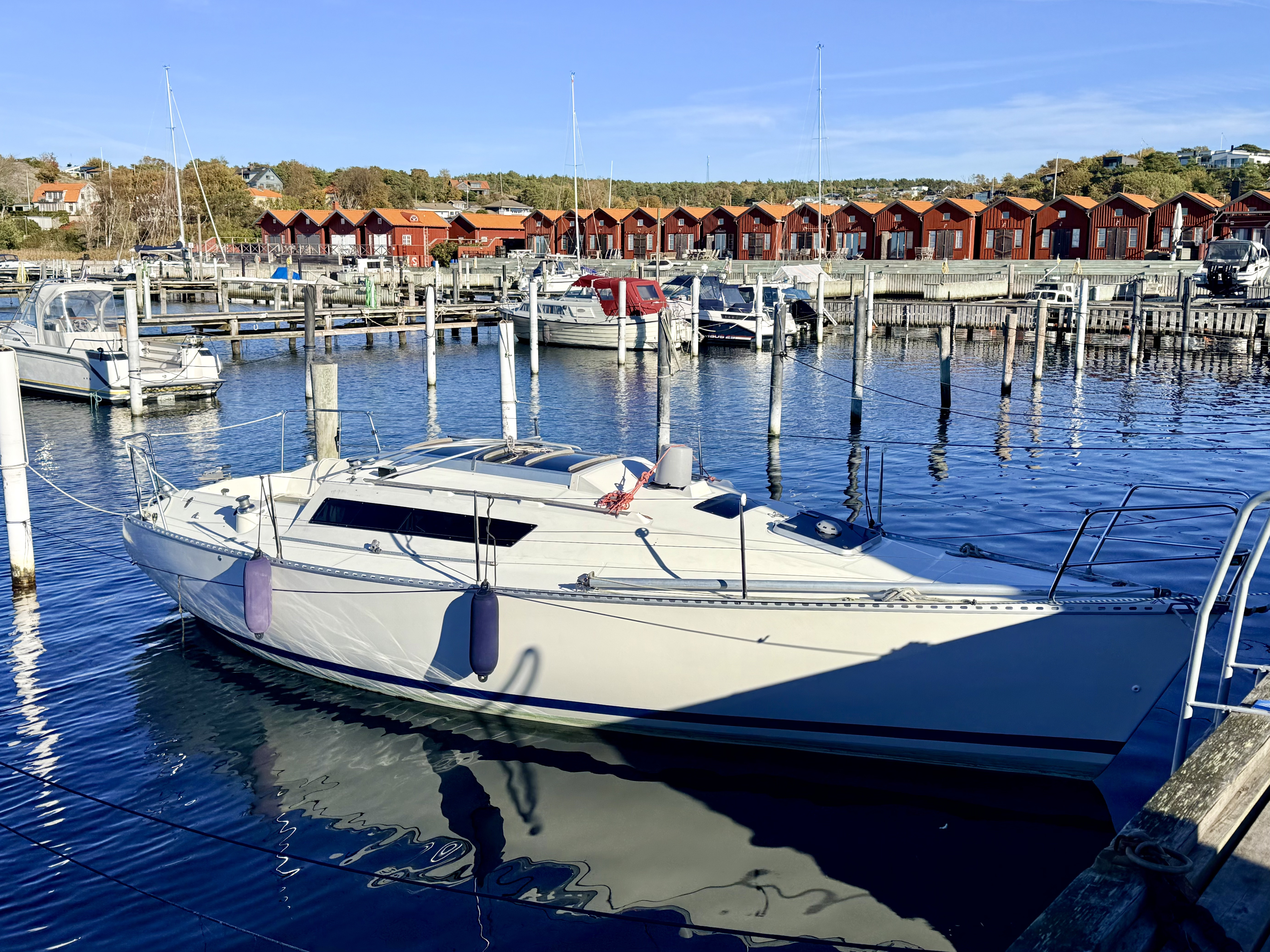
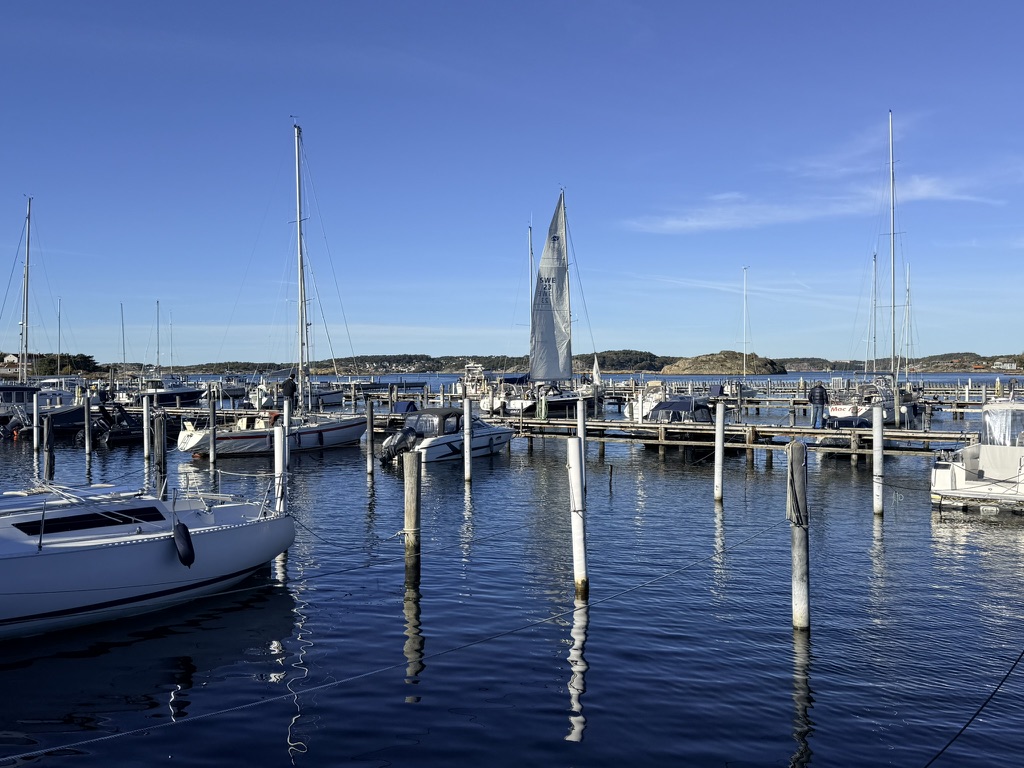
We took a tram for about 50 minutes south and west from Gothenburg to get to Stora Amundön, an archipelago island that is the biggest in Stora Amundön och Billdals Skärgärd Nature Reserve. It is a place shaped by the sea as well as by human activity, a place where stark bedrock exposures, leafy groves of trees and open grasslands all meet.
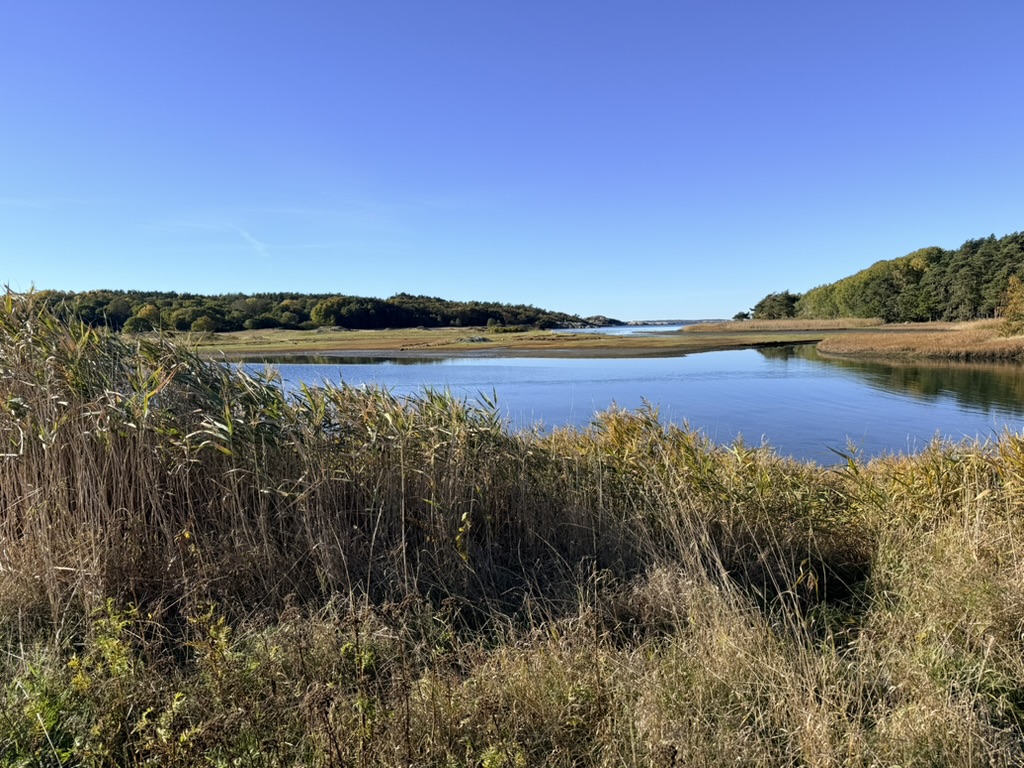
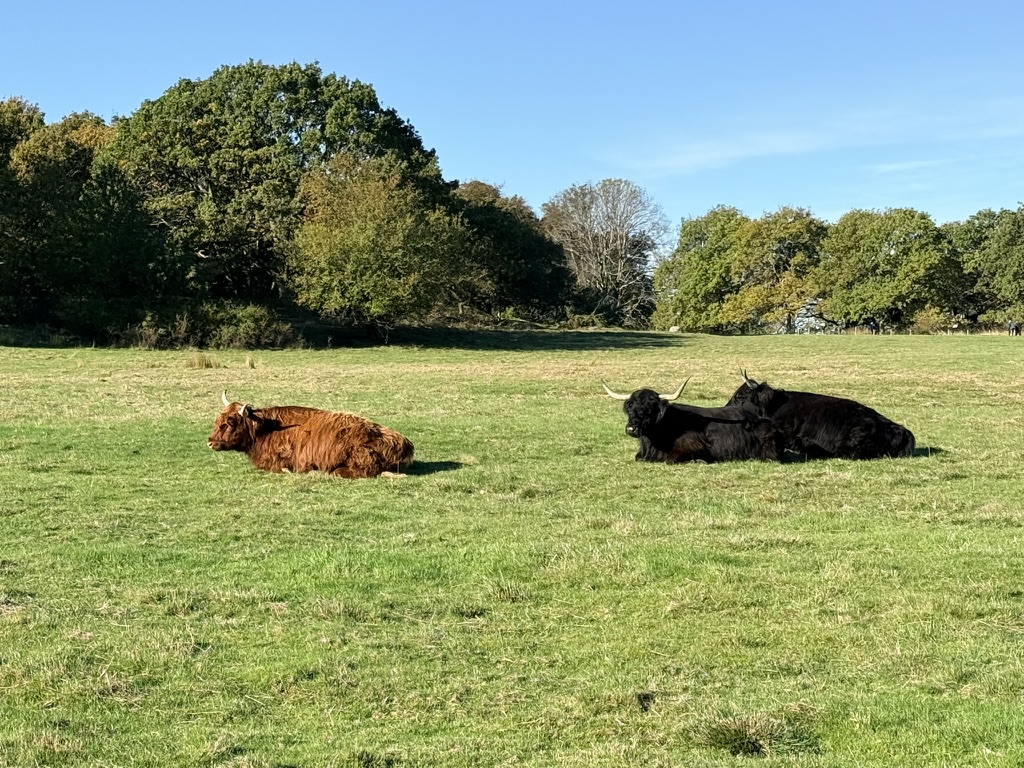
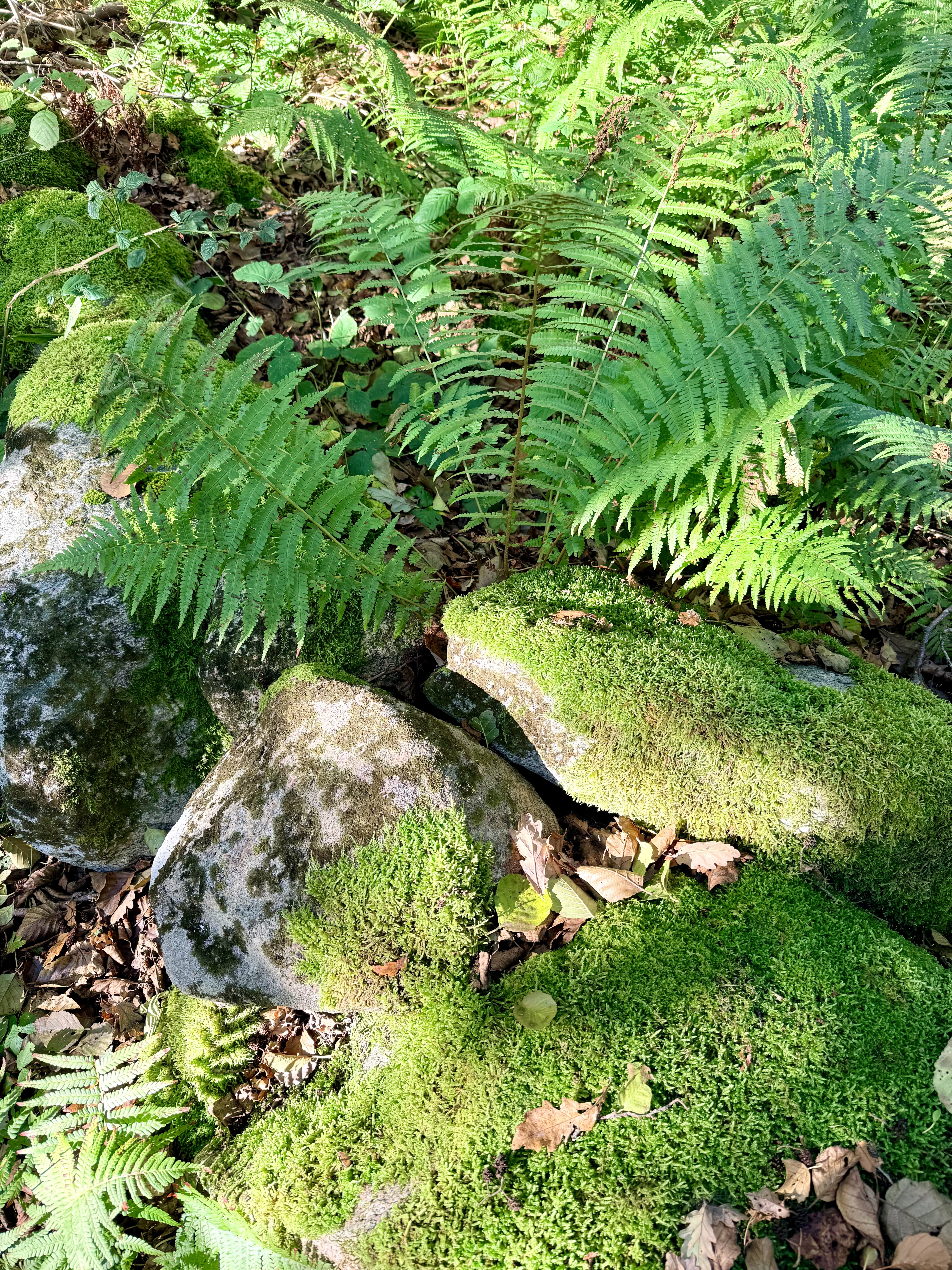
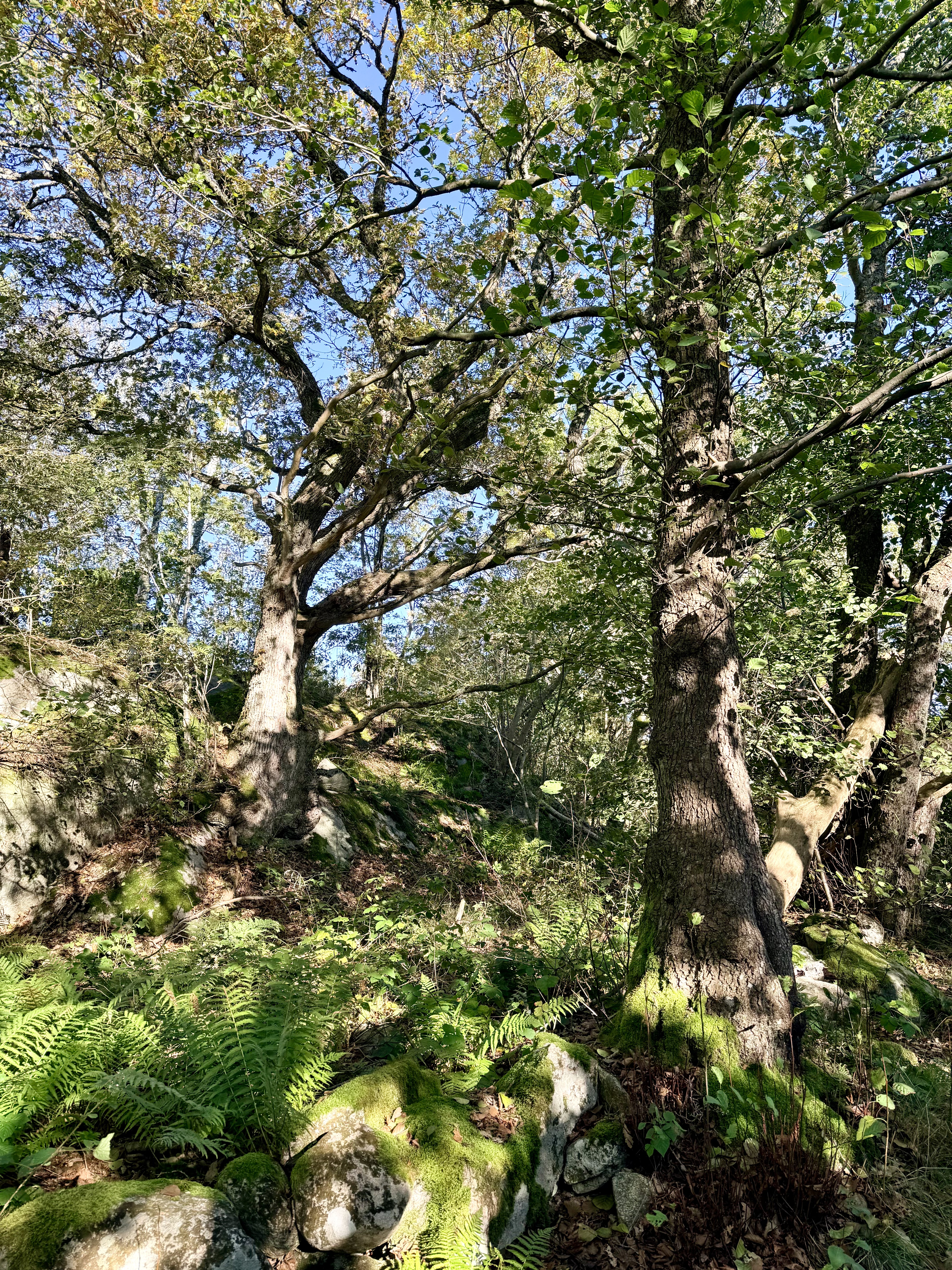
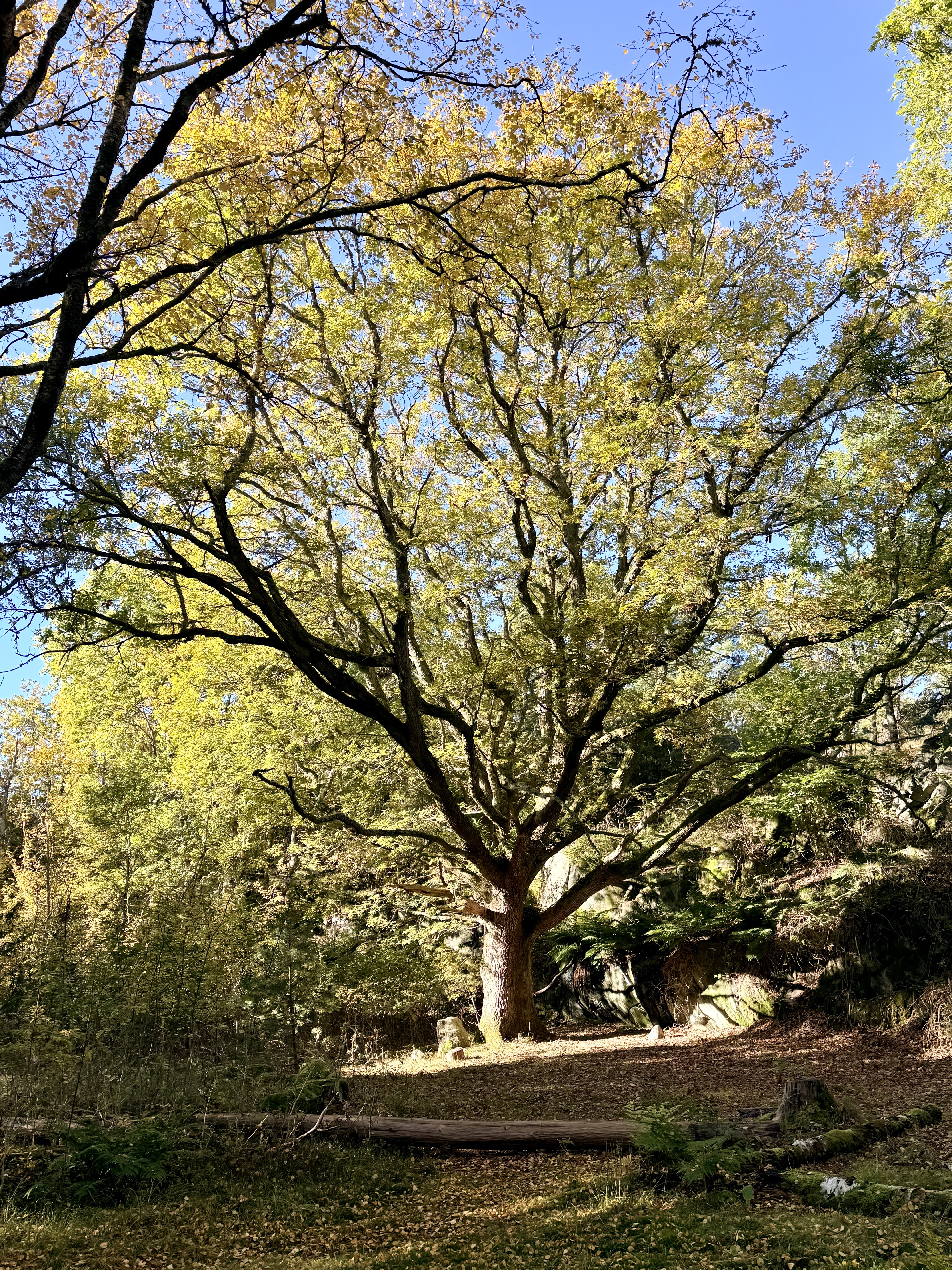
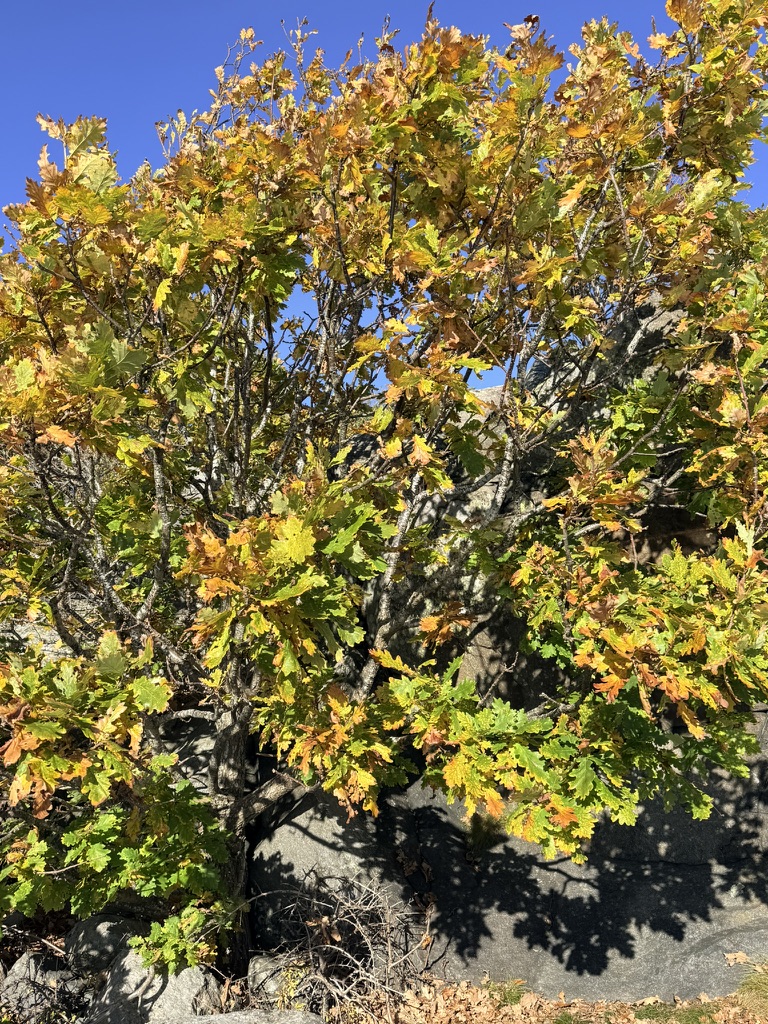
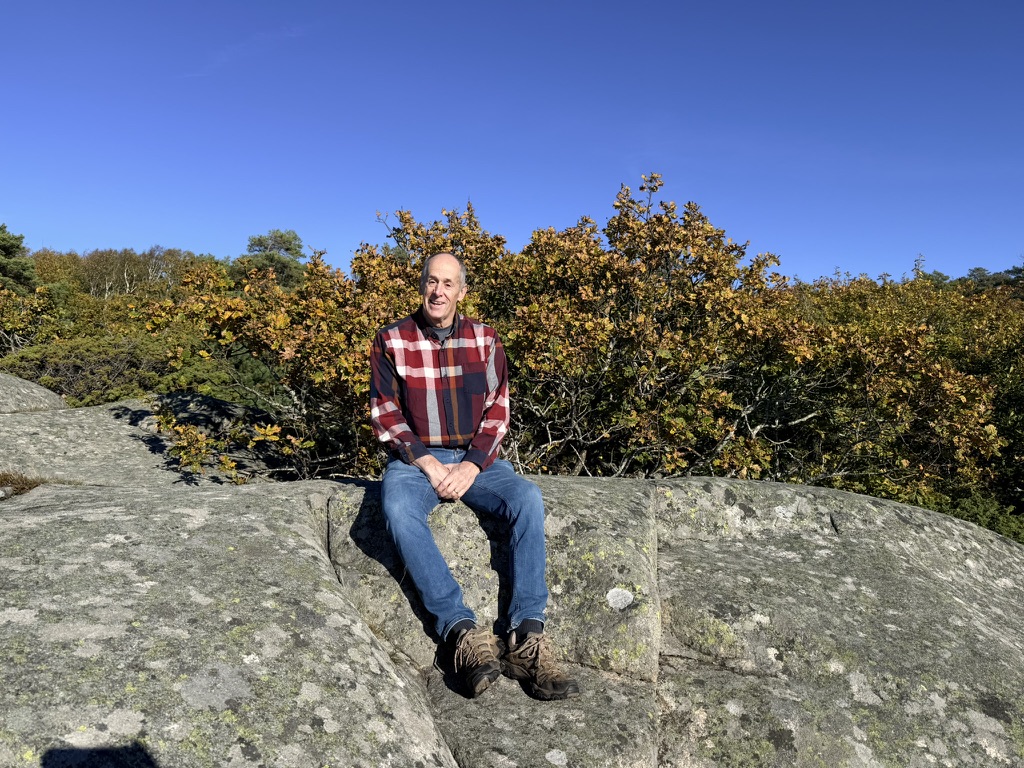
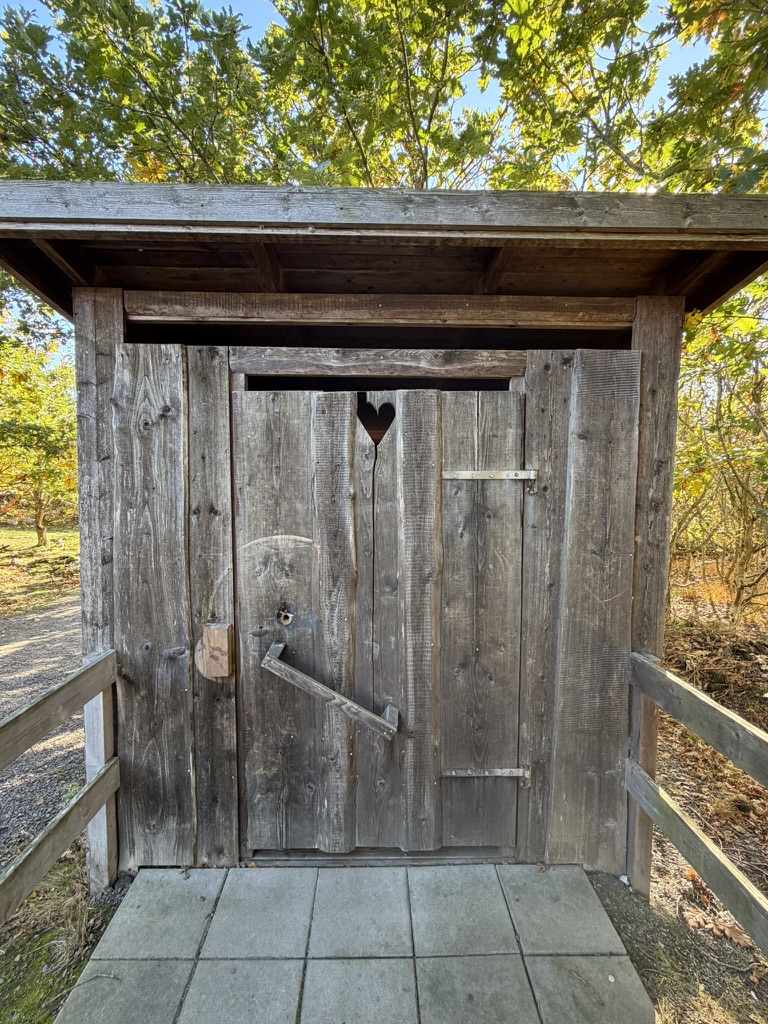
We walked on beautiful paths through coastal meadows dotted with Highland cattle, through forest of birch trees and old oaks with their effusive yellow foliage. We strolled beside wetlands and along rocky shoreline. We enjoyed fresh cool air, blue skies, views of the sea, and small sandy half-moon beaches which would be enticing in summer.
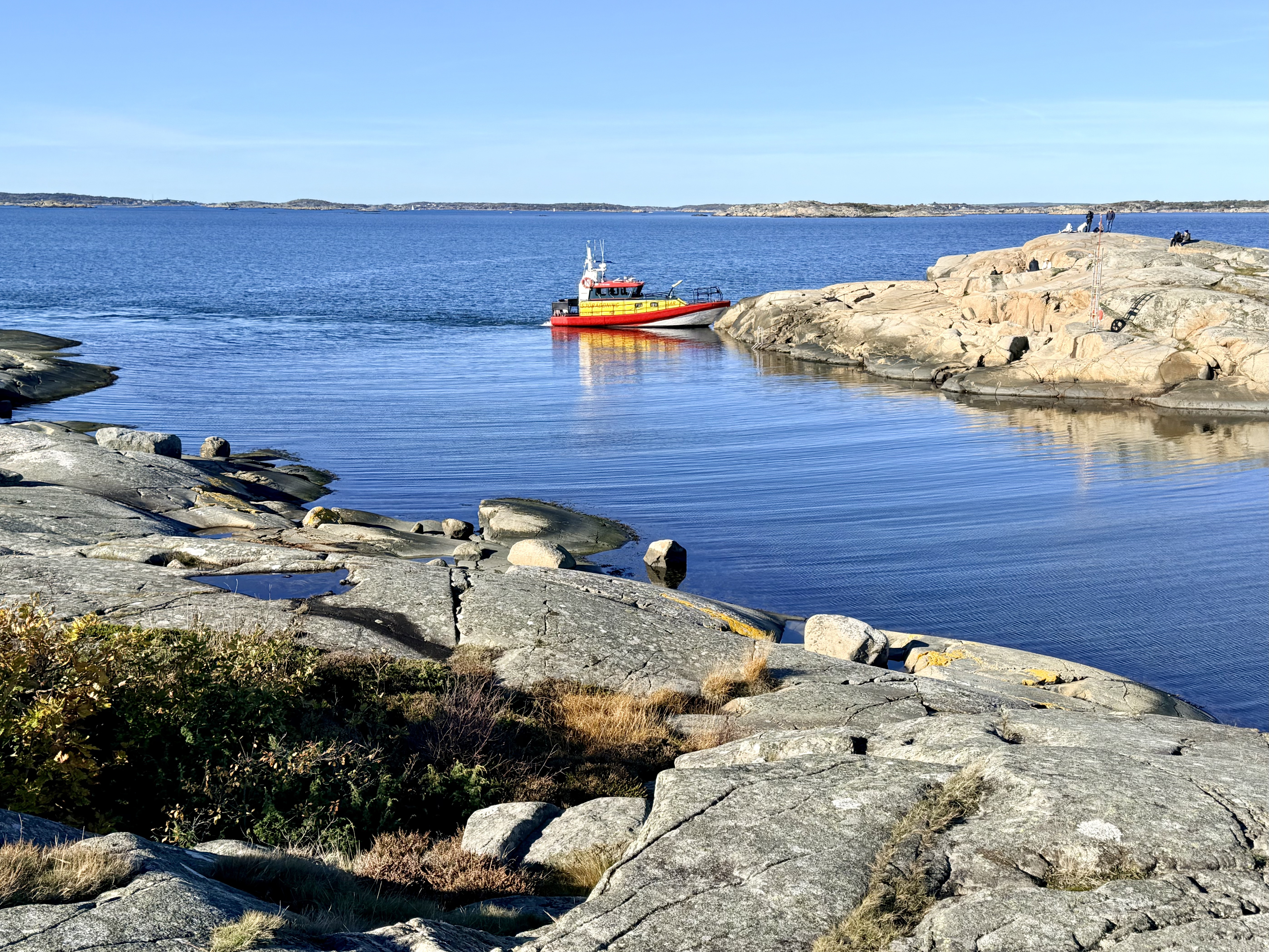
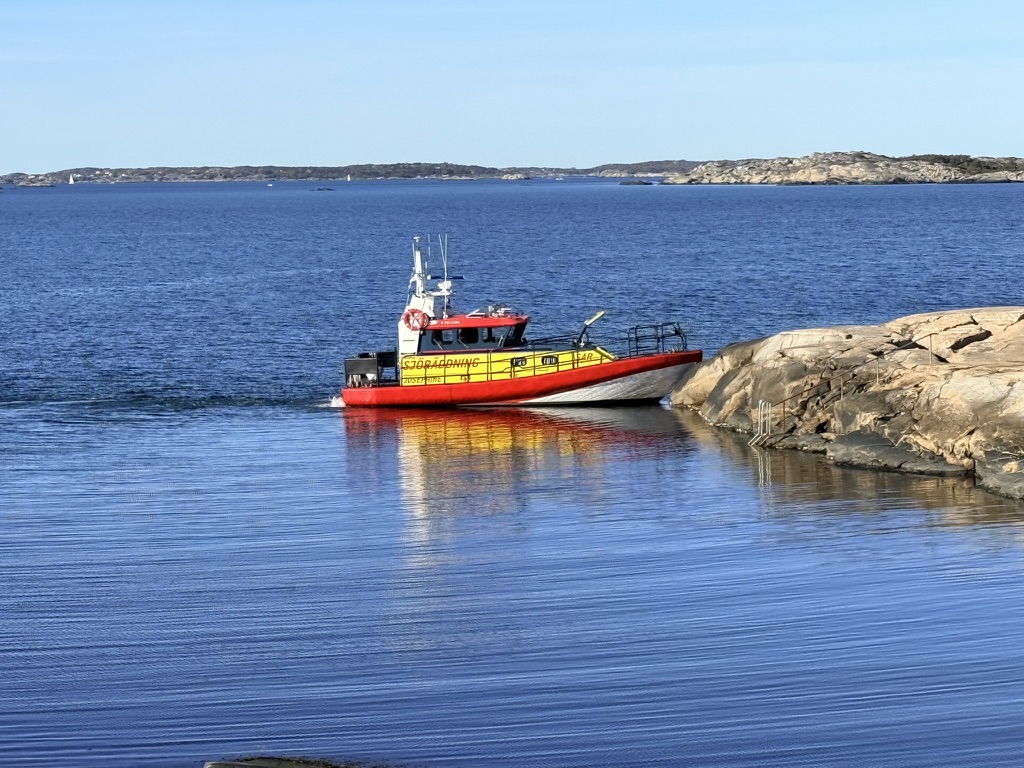
One poor woman had fallen and twisted her ankle and was waiting for rescuers to come and get her. It took quite a few of them to hold her up between them and carry her to the only point where it was deep enough to dock their rescue boat. I am always thinking about my footing these days and dreading the day when something like that might happen to me. It would have been easy on a path such as this to twist an ankle or take a fall. Mike and I took our time, concentrating on being surefooted. Luckily, we made it without injury. 🙂
This was a stunning day. If only every day could be so perfect!


Skansen Kronan
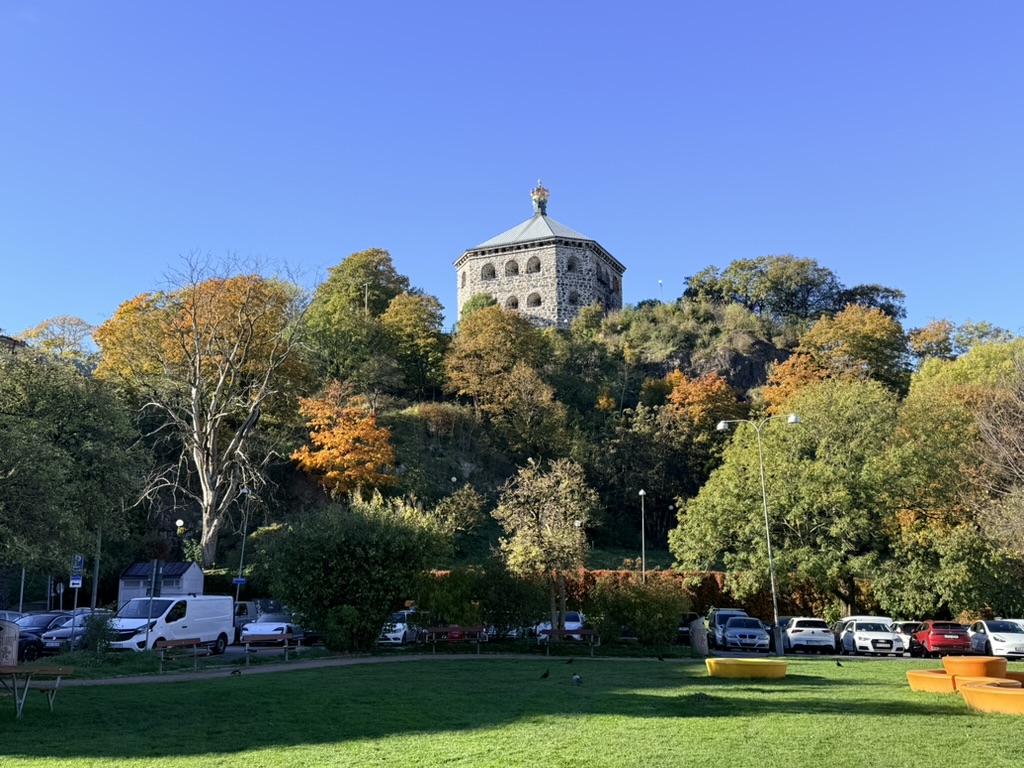
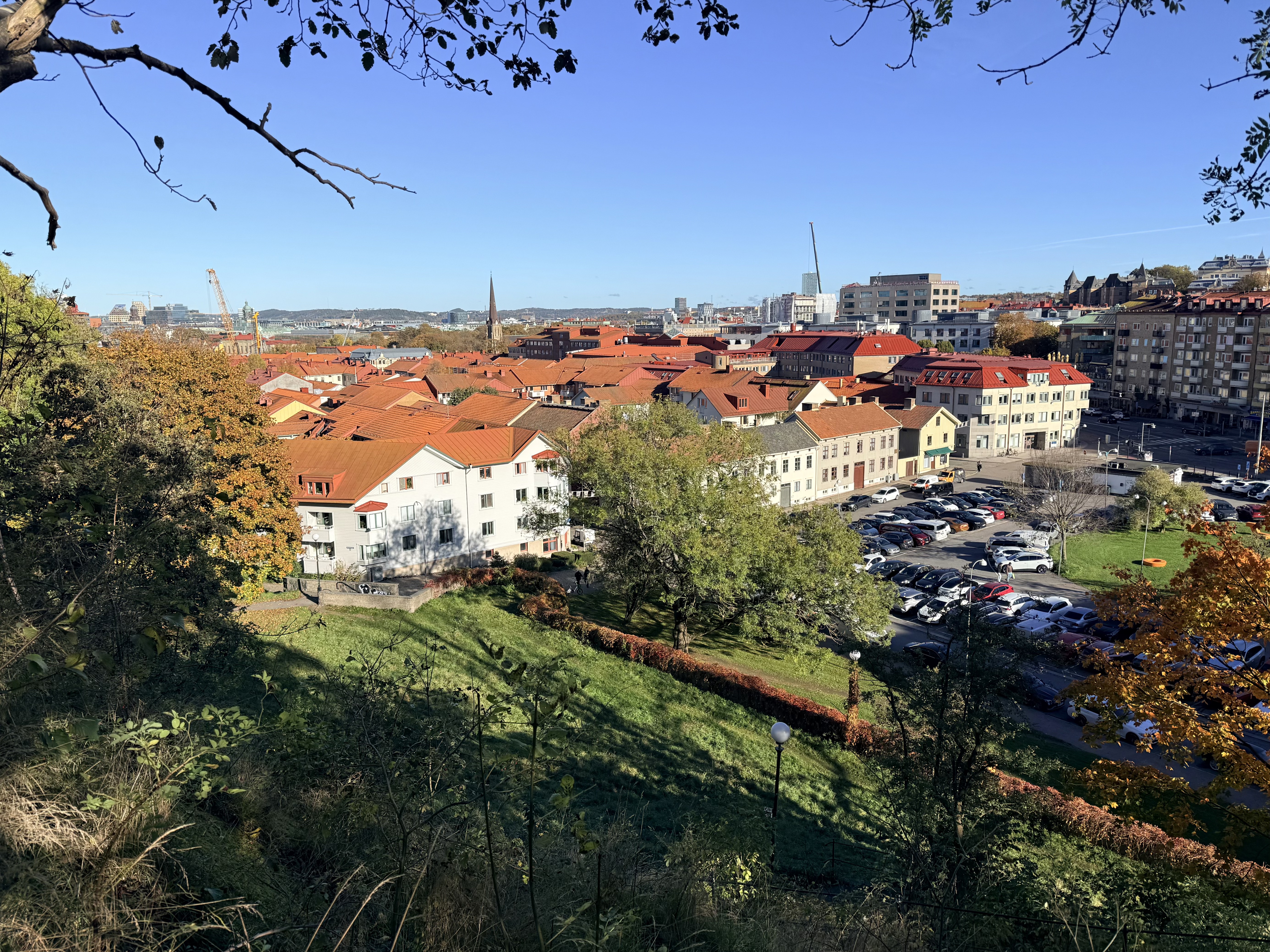
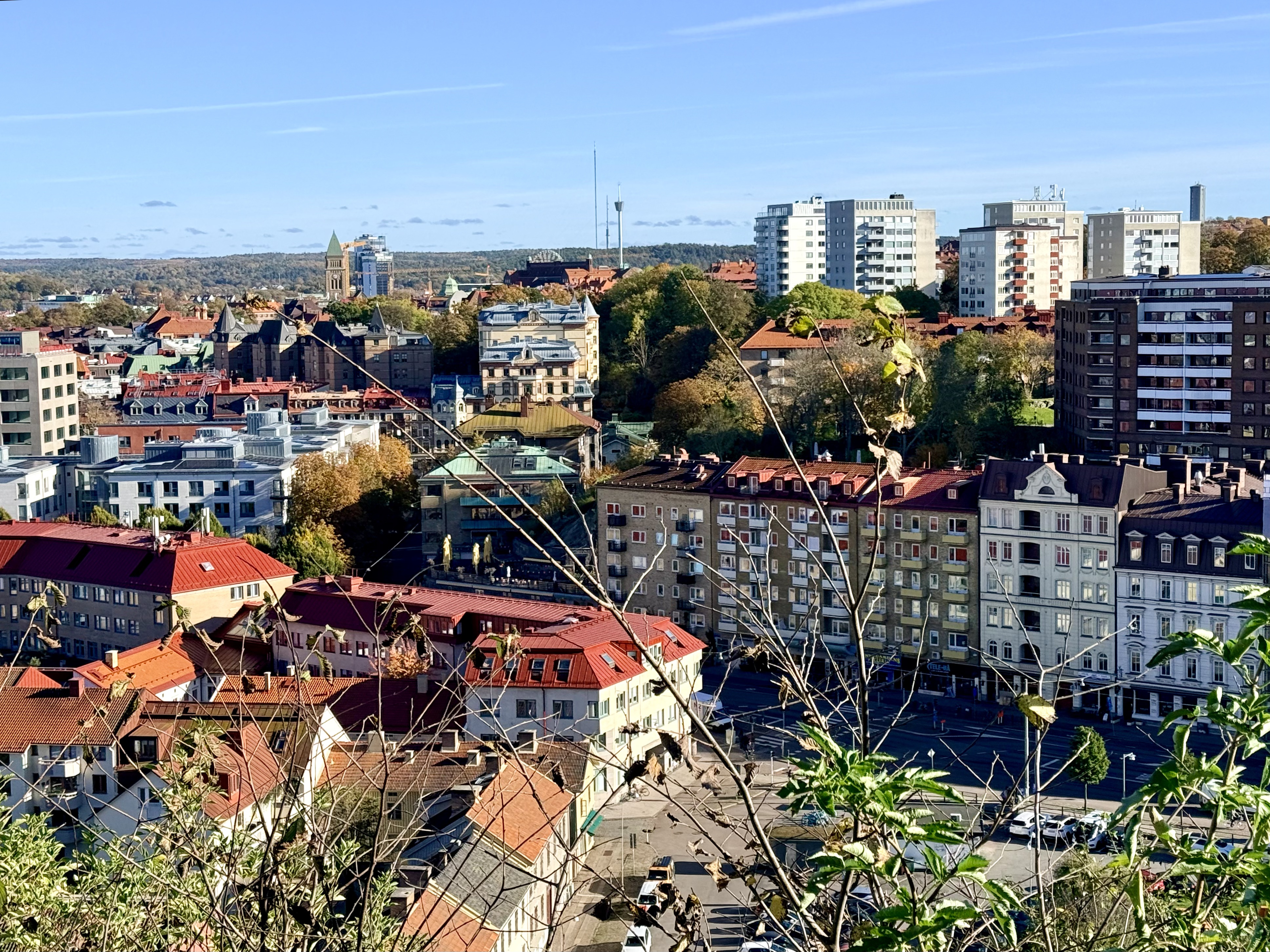
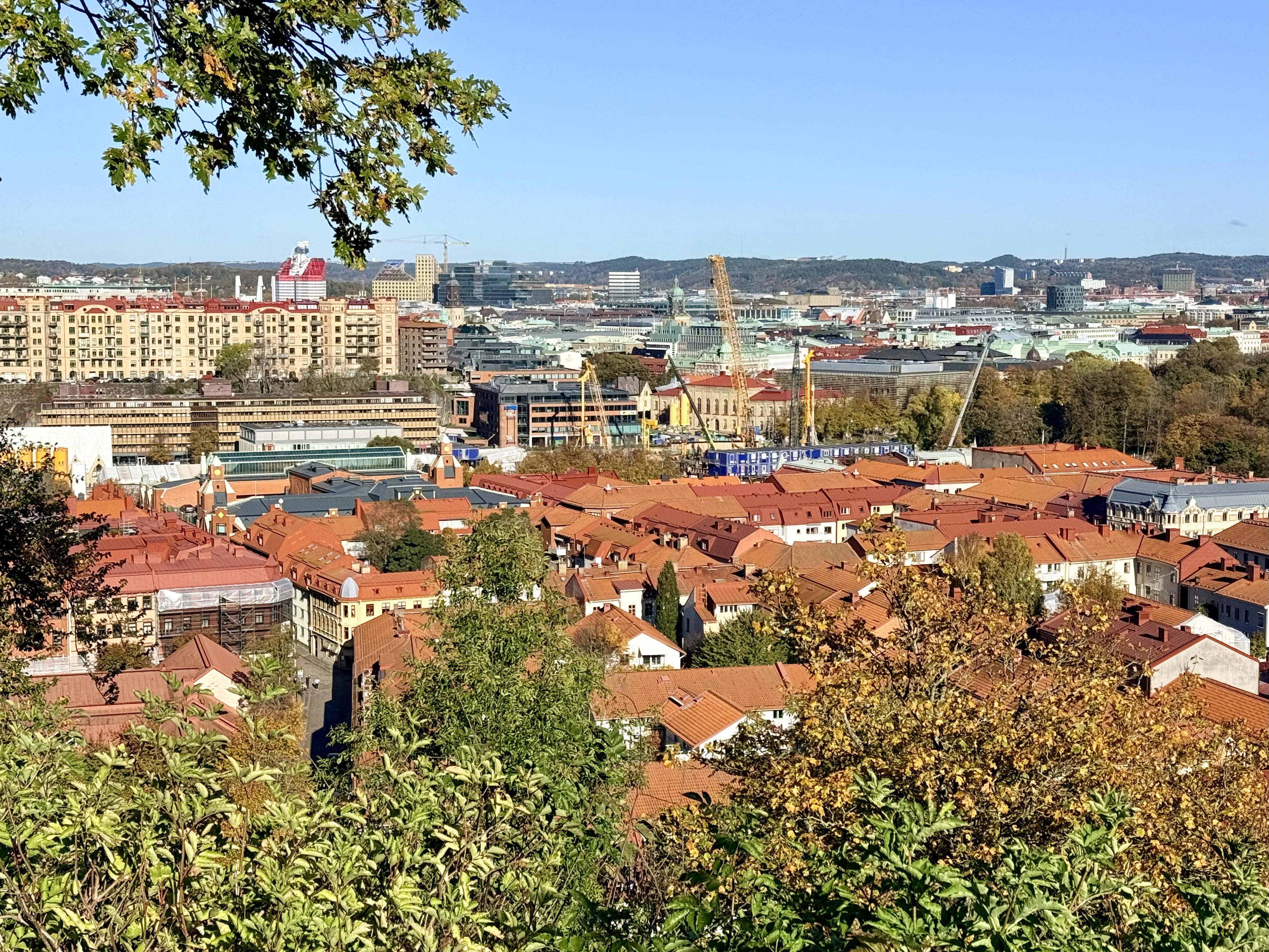
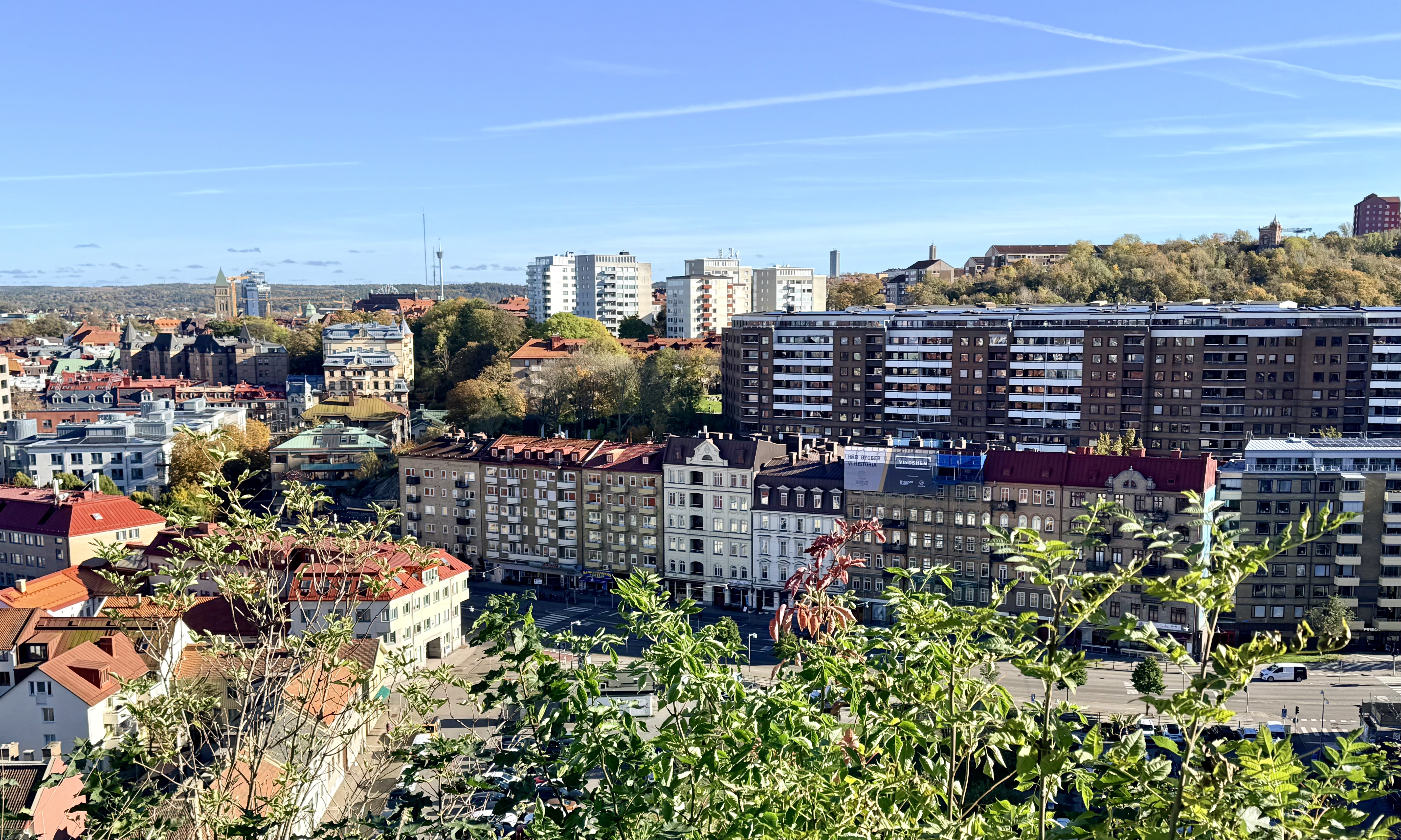
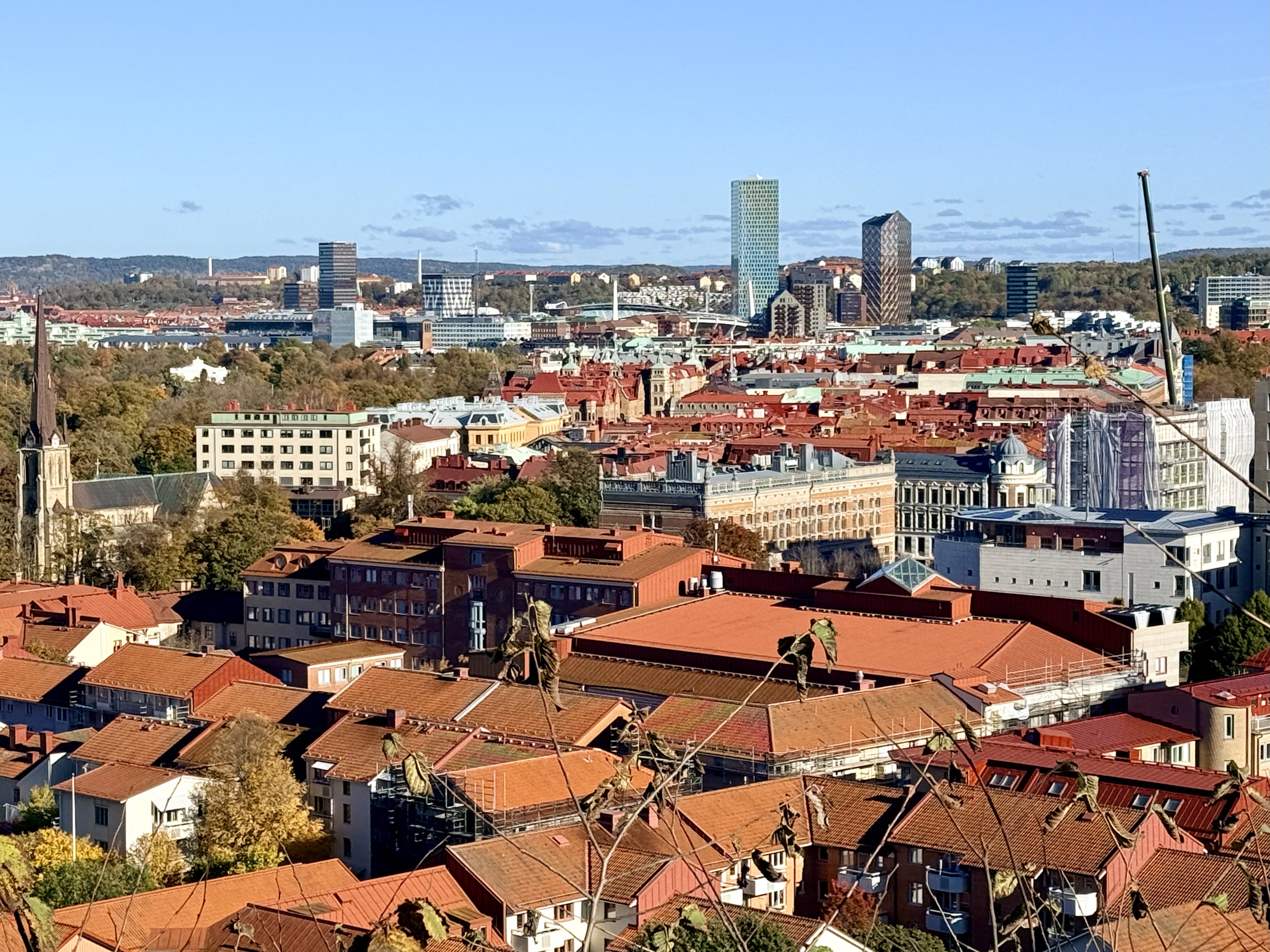
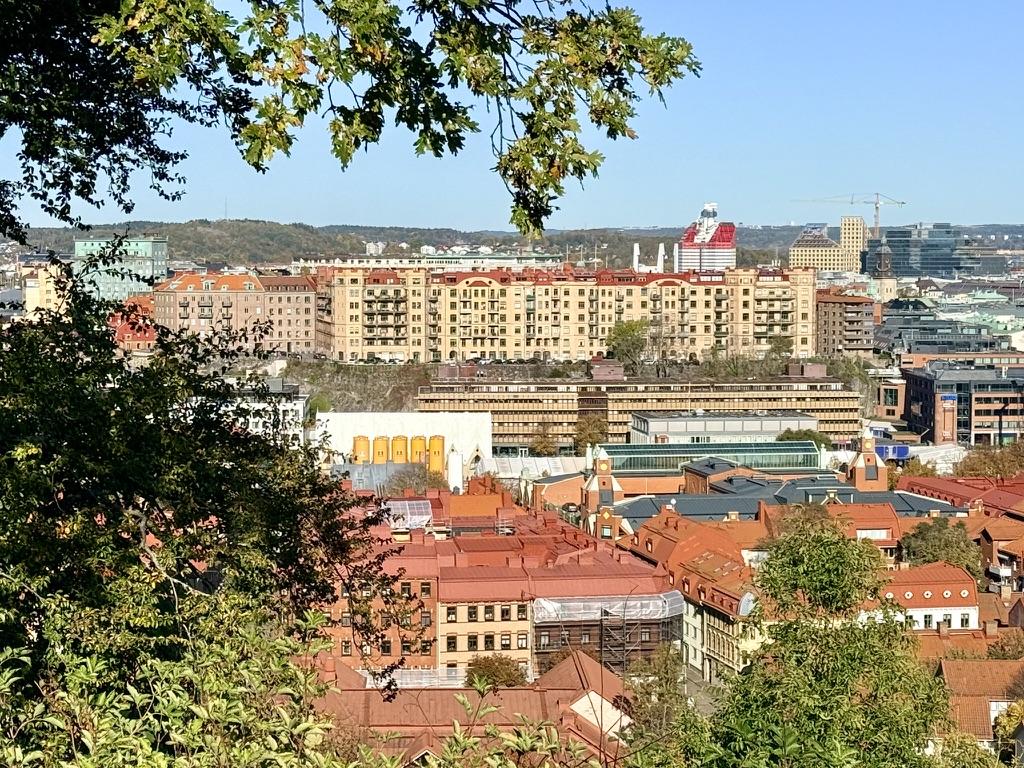
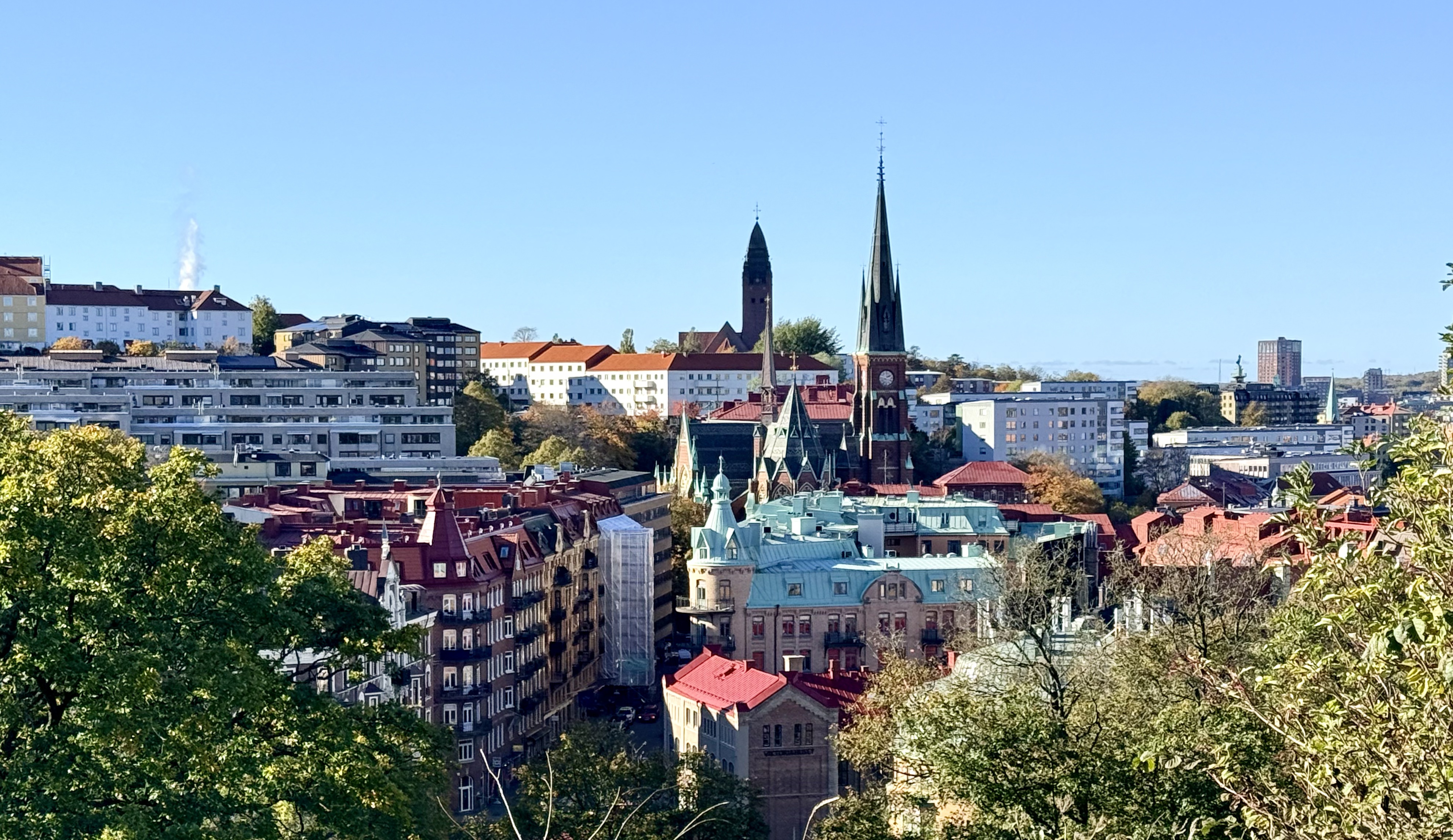
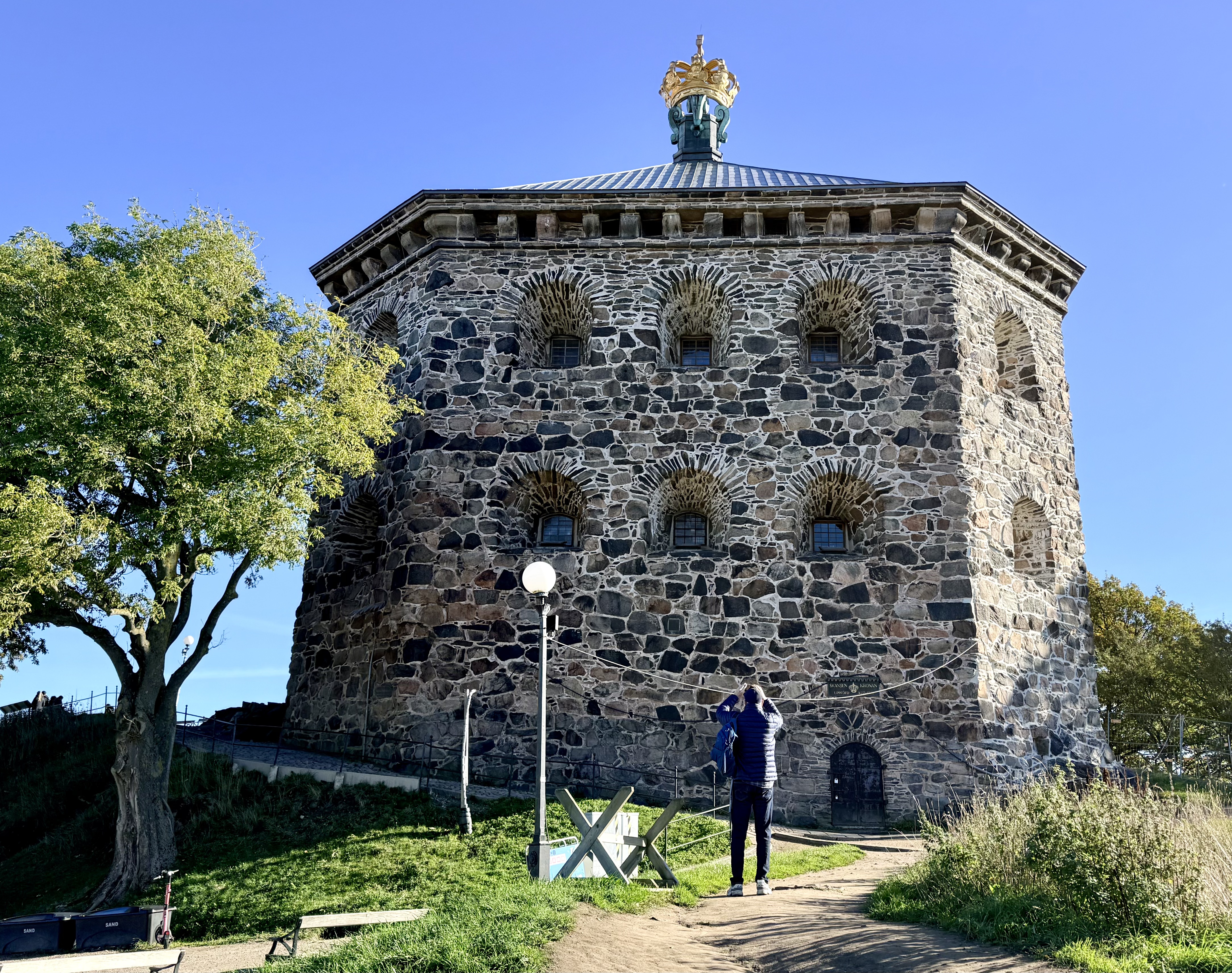
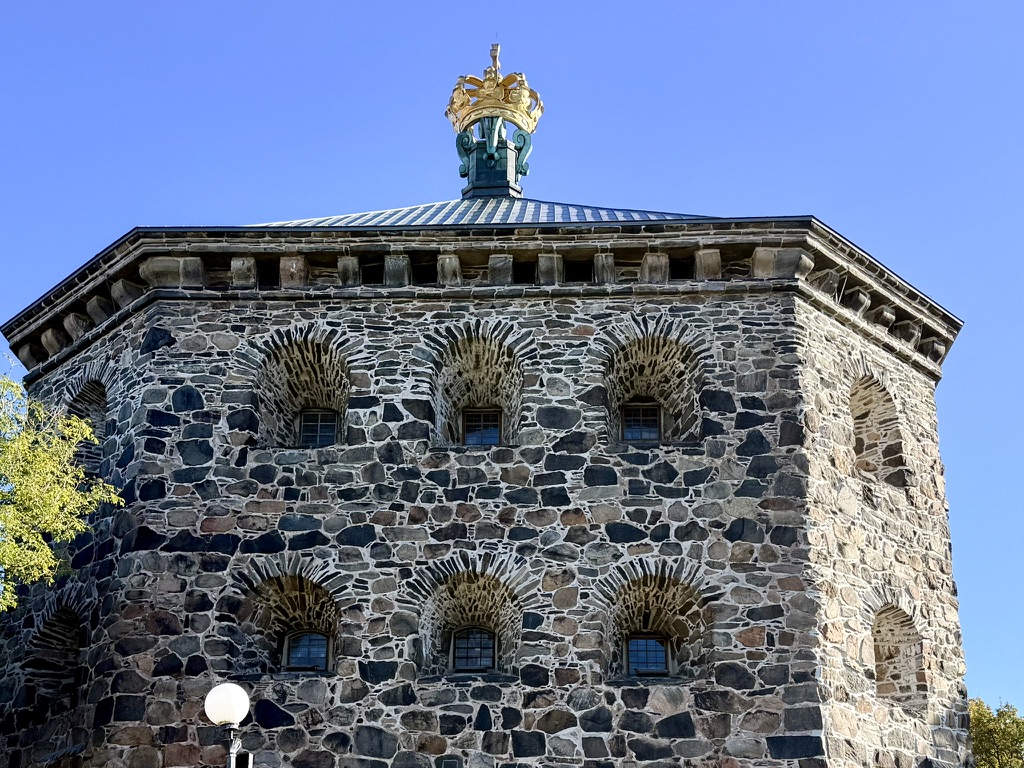
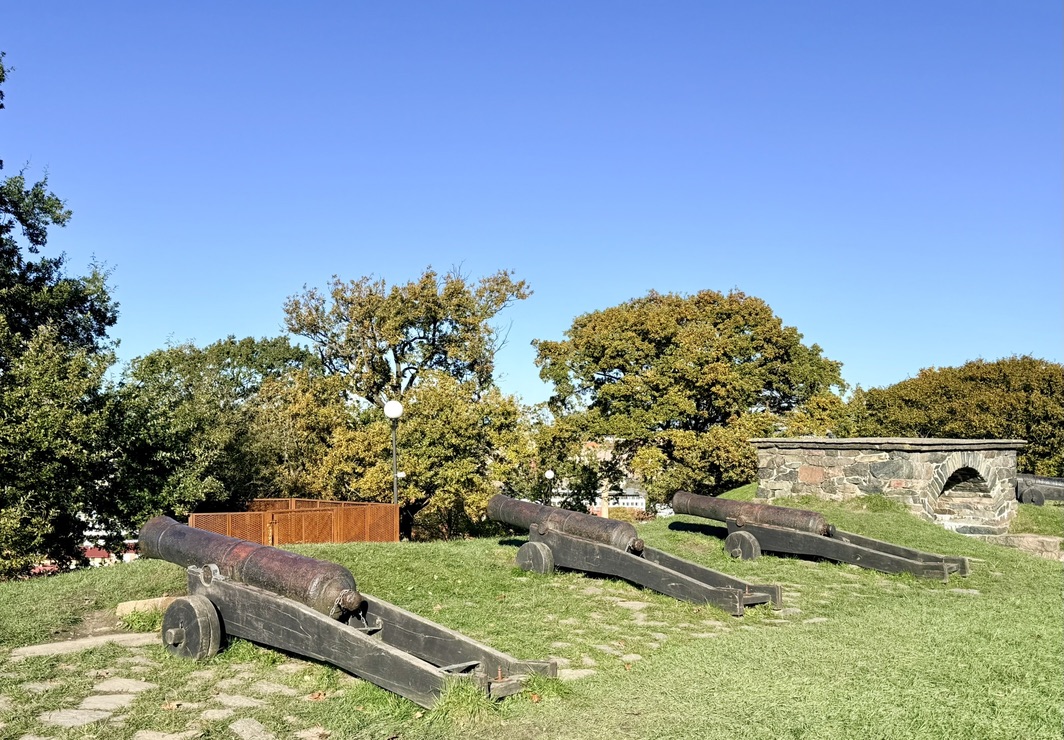
On our second day in Gothenburg, we took a walk called “Gothenburg on Foot” from Lonely Planet Sweden. We started at the city’s market hall, Saluhallen, where we grabbed some lunch. We strolled through the pleasant Kungsparken and Hagaparken into the Haga neighborhood before climbing up to the Skansen Kronan, a 17th century fortress built from 1687-1700 to defend the city against Danish attacks. It somehow survived the demolition of Gothenburg’s defenses in the 19th century.
There was construction going on when we climbed up to it, but luckily that didn’t hinder our views of Gothenburg. It is now used as a venue for various events.
Haga
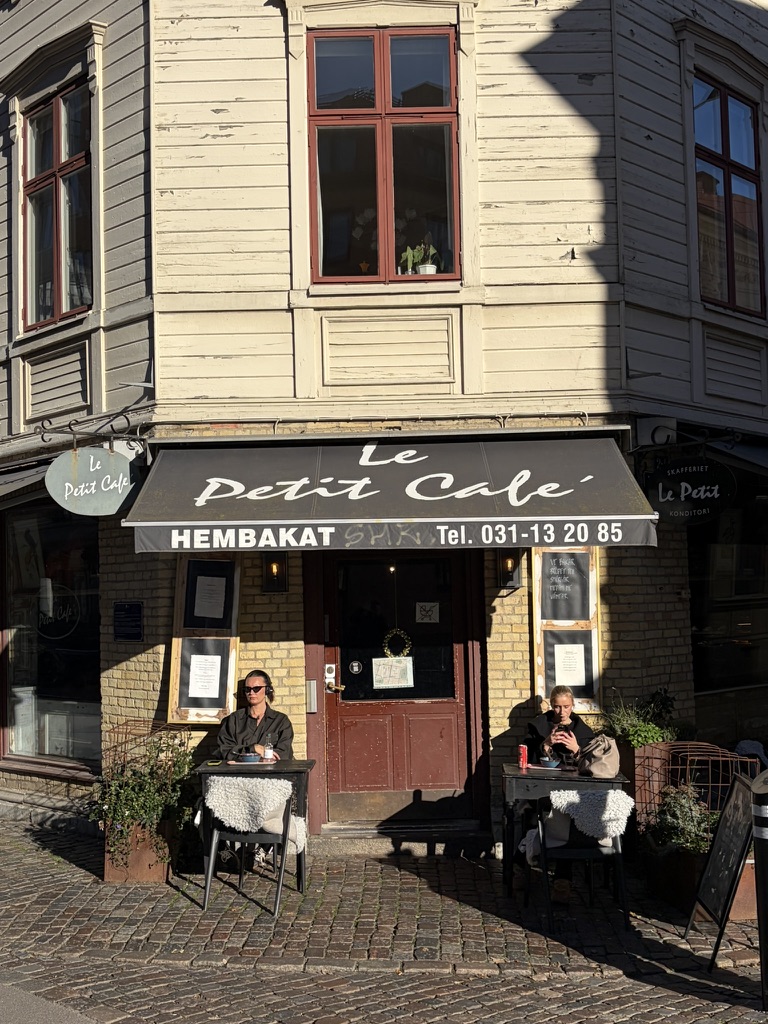
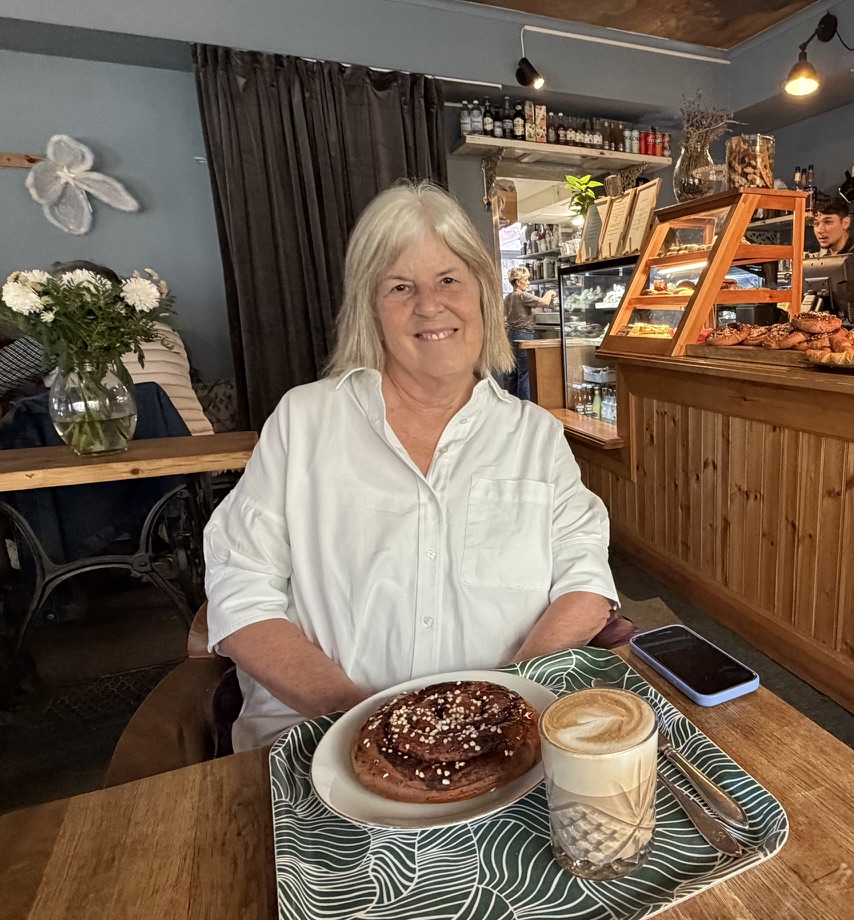
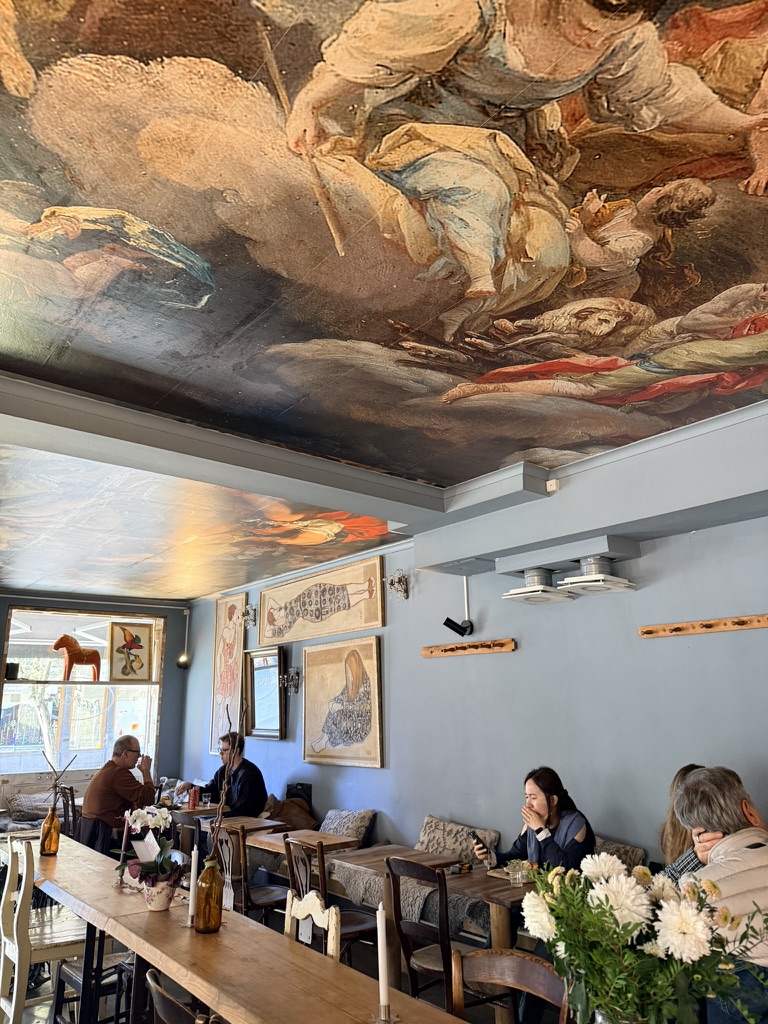
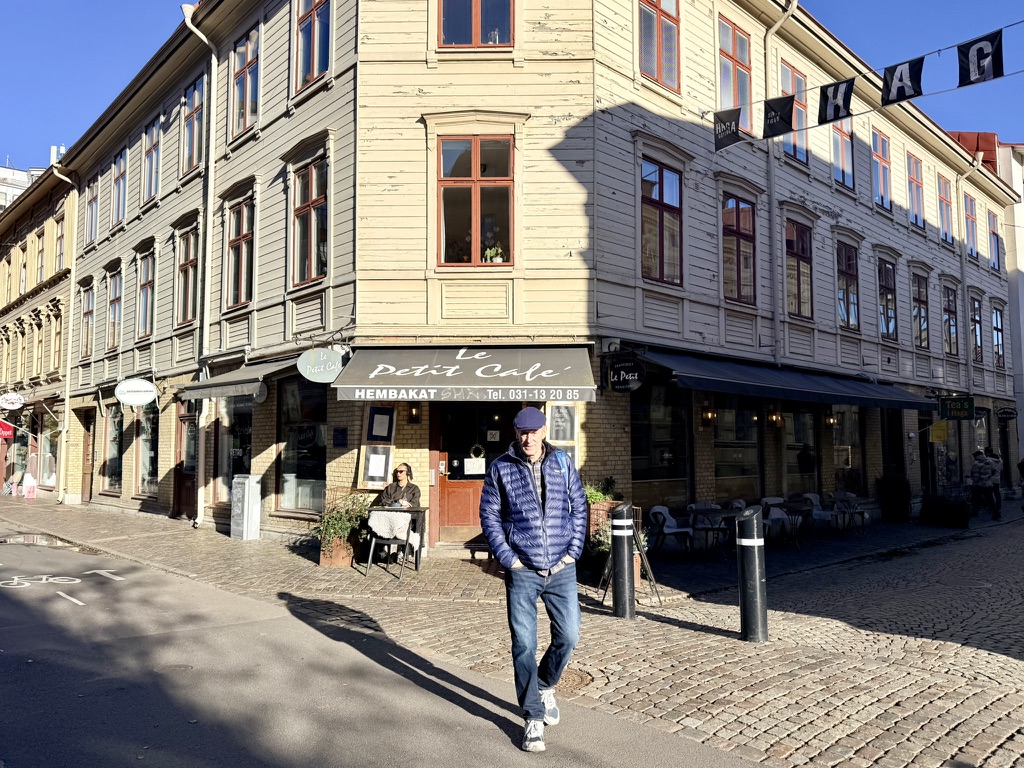
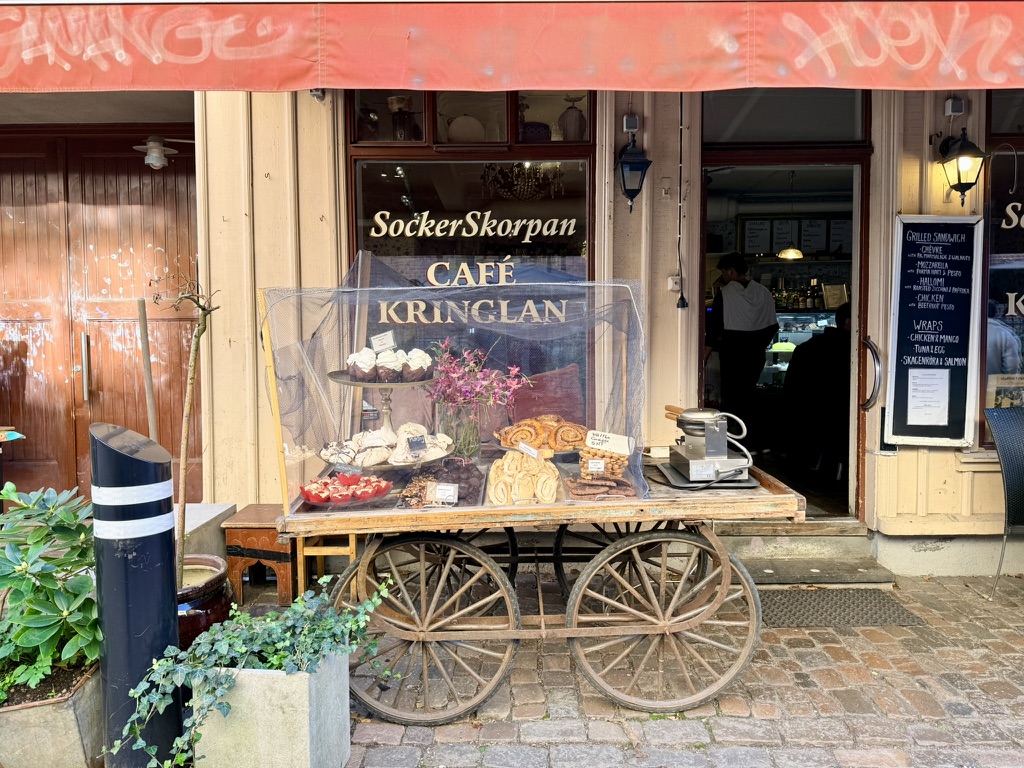
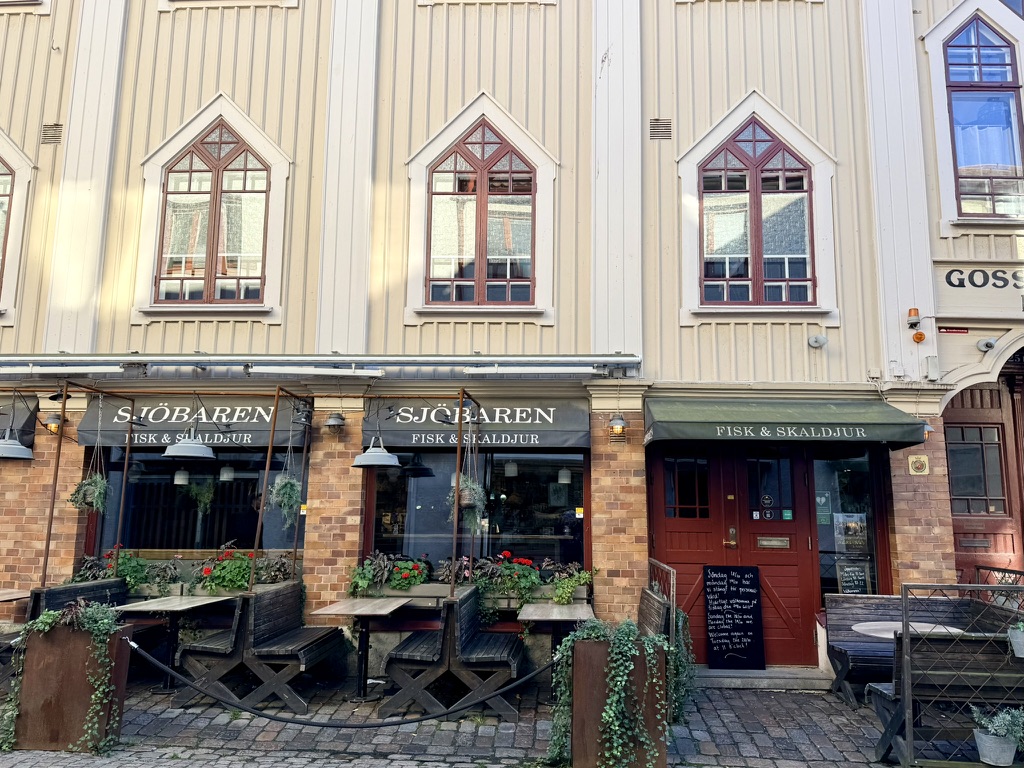
From Skansen Kronan, we walked downhill to find ourselves in the former working class neighborhood of Haga. The first thing we did was stop at the adorable Le Petit Café for fika. We shared the largest cinnamon bun we have encountered to date, along with a latte. Later we found that Haga’s cafés serve the well-known Haga bulle – a large cinnamon roll similar to the kanelbulle (cinnamon bun commonly served in northern Europe and North America). So that’s what that humungous roll was called!
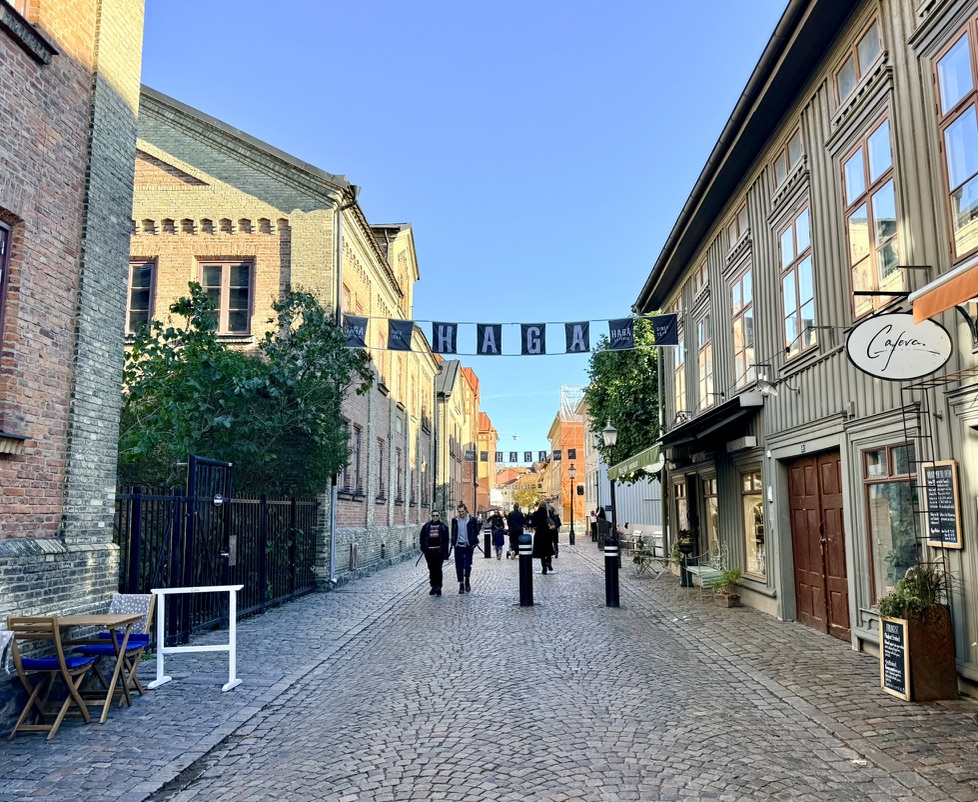
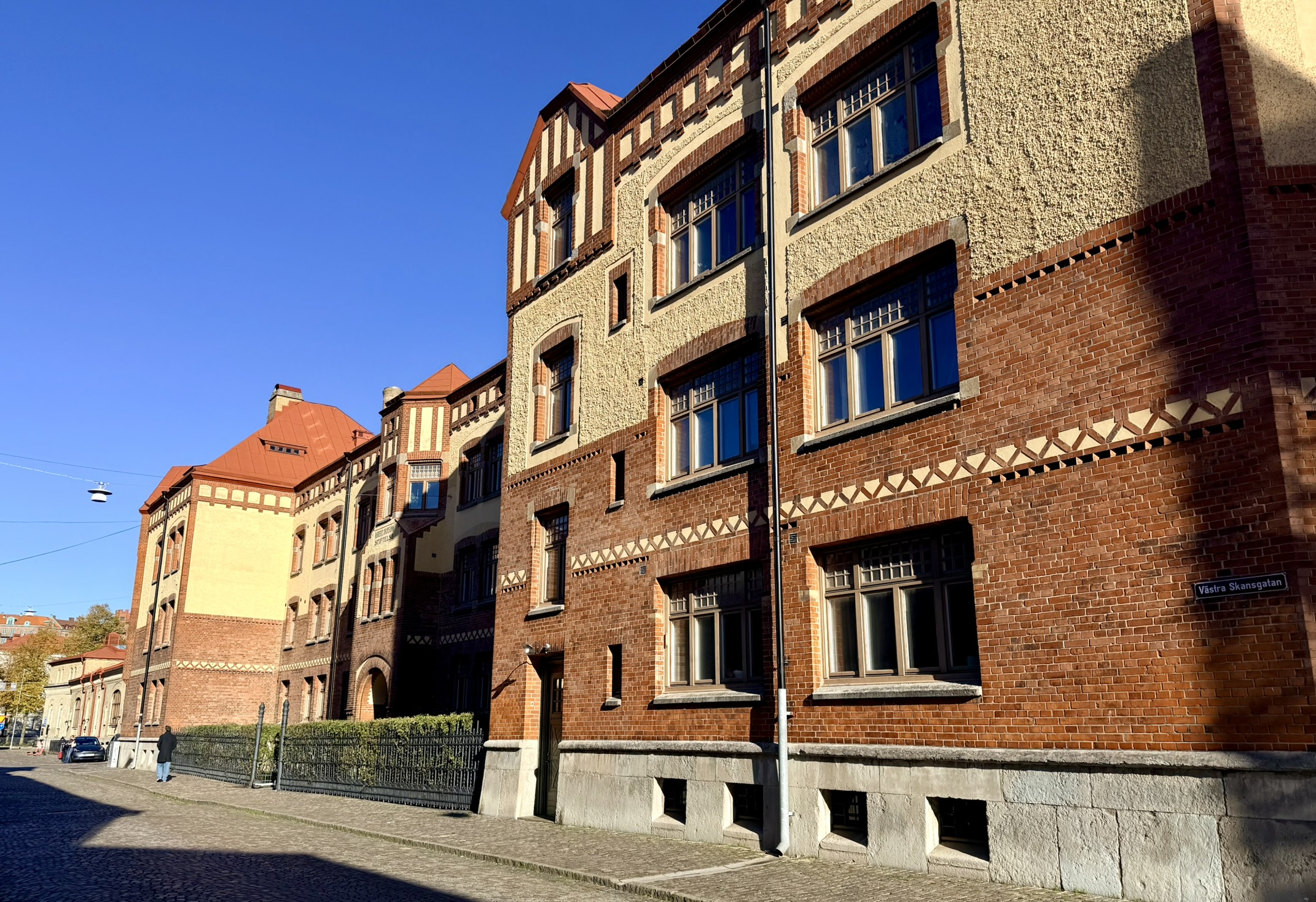
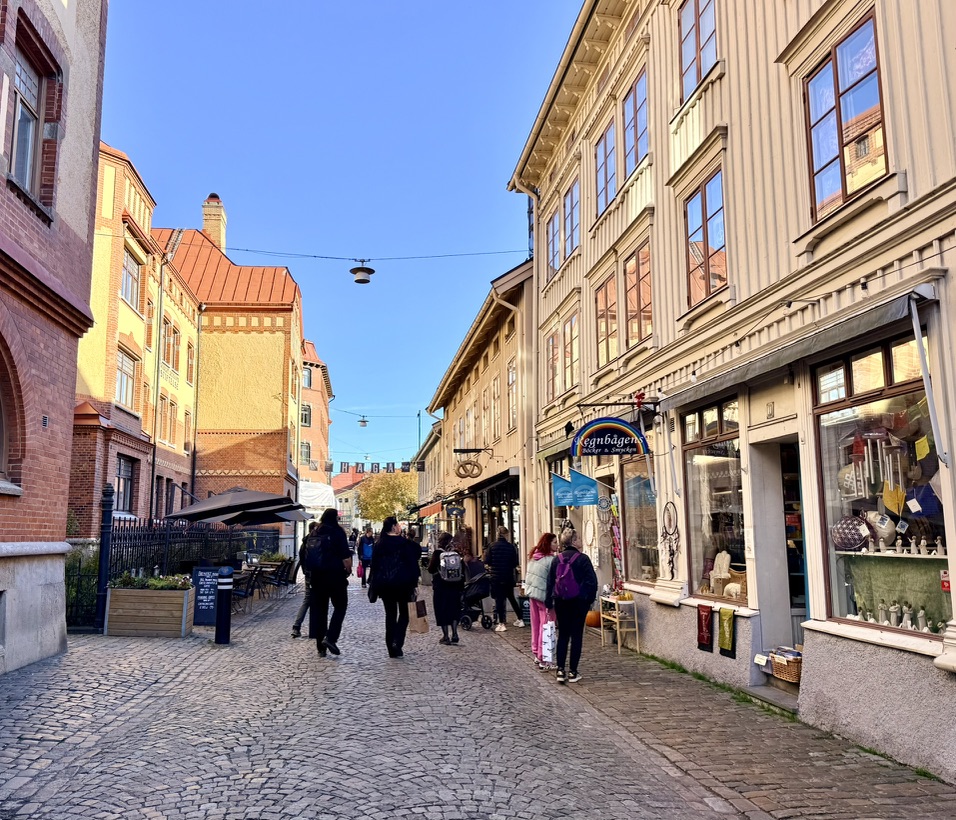
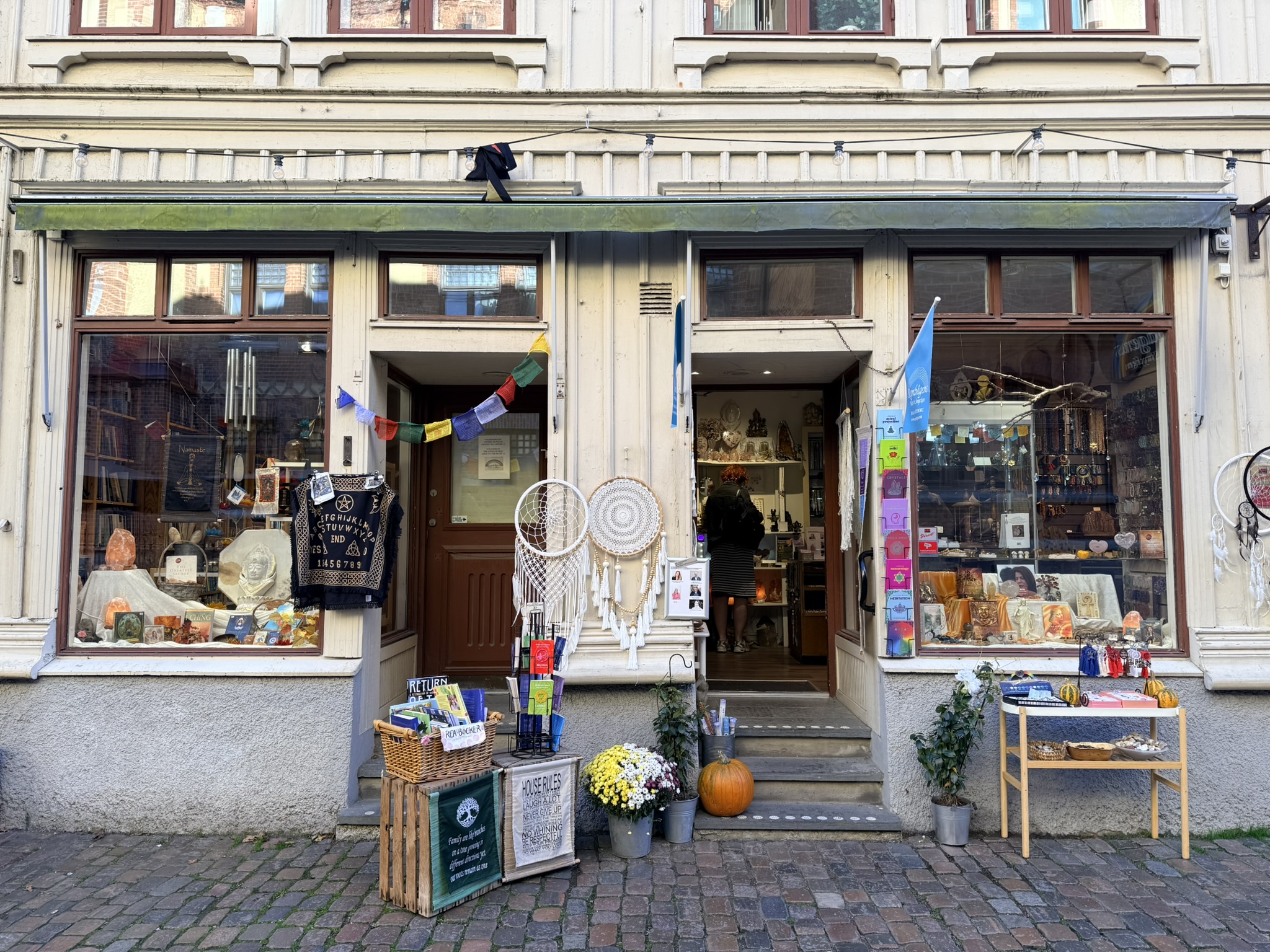
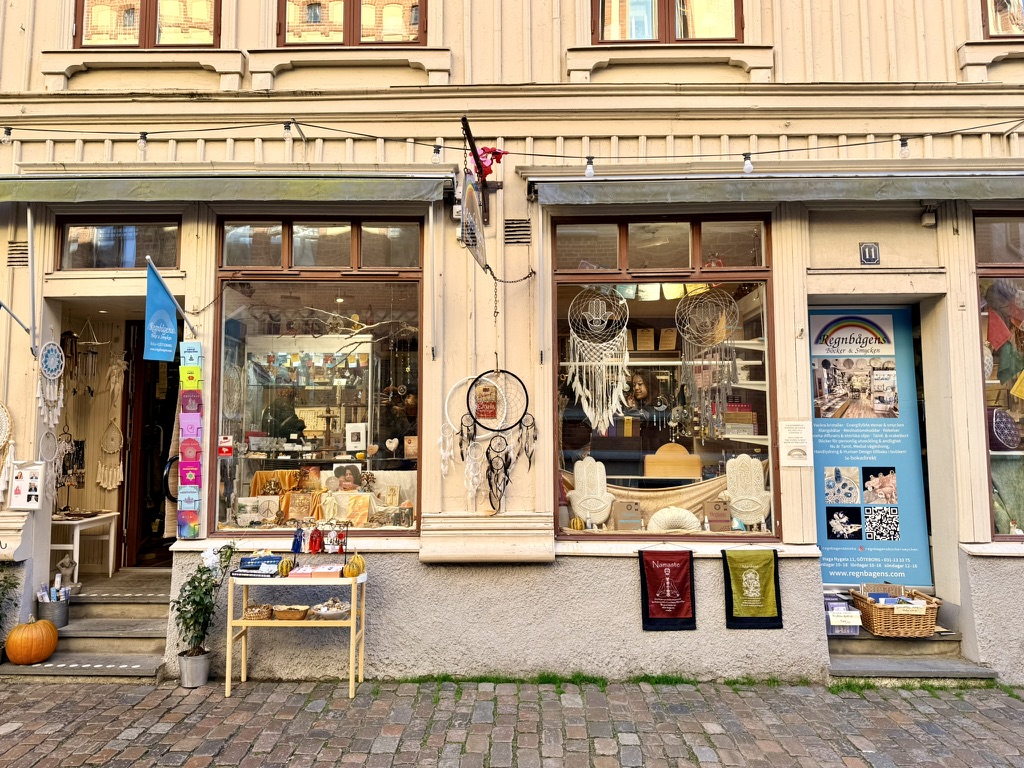
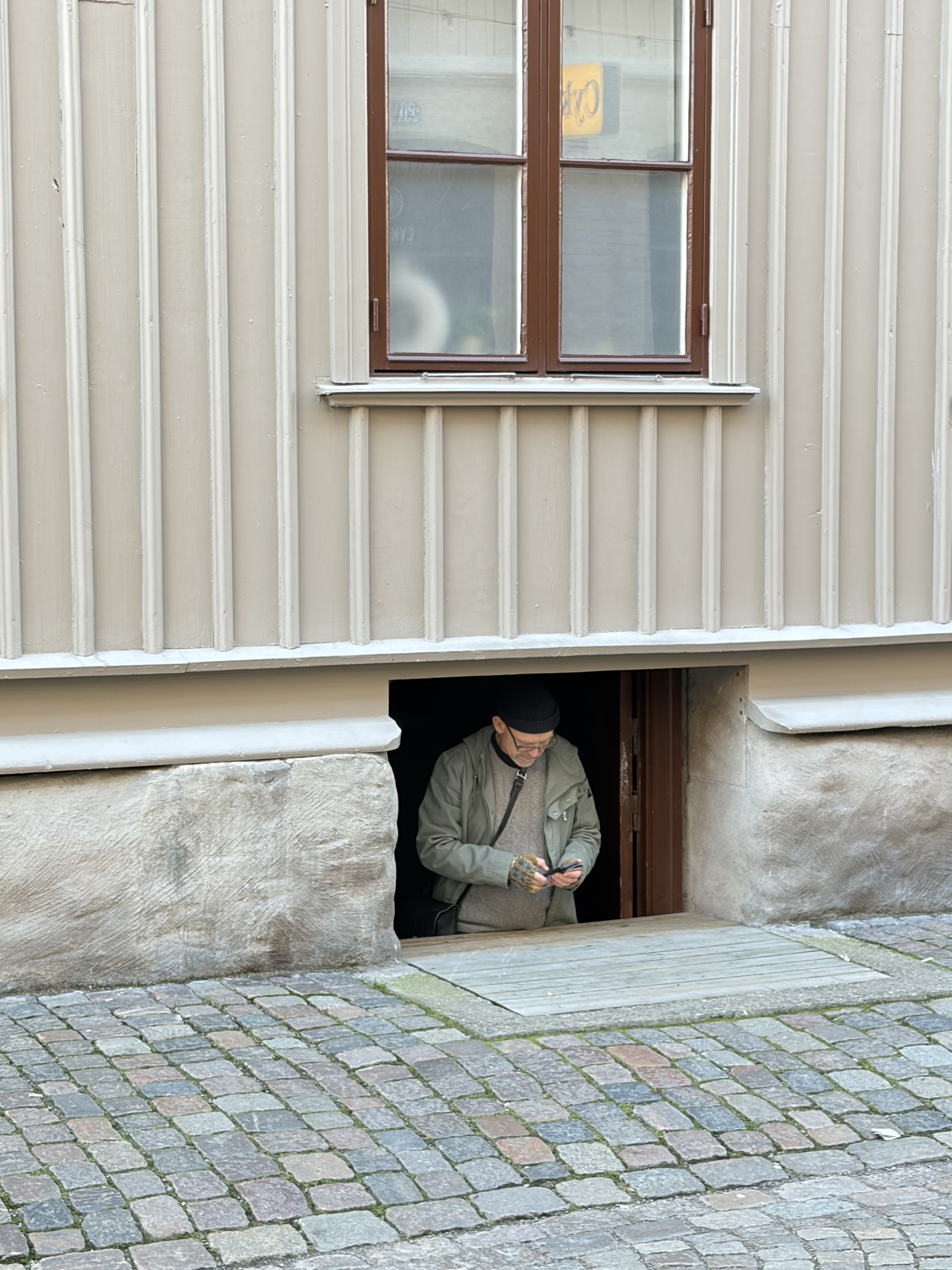
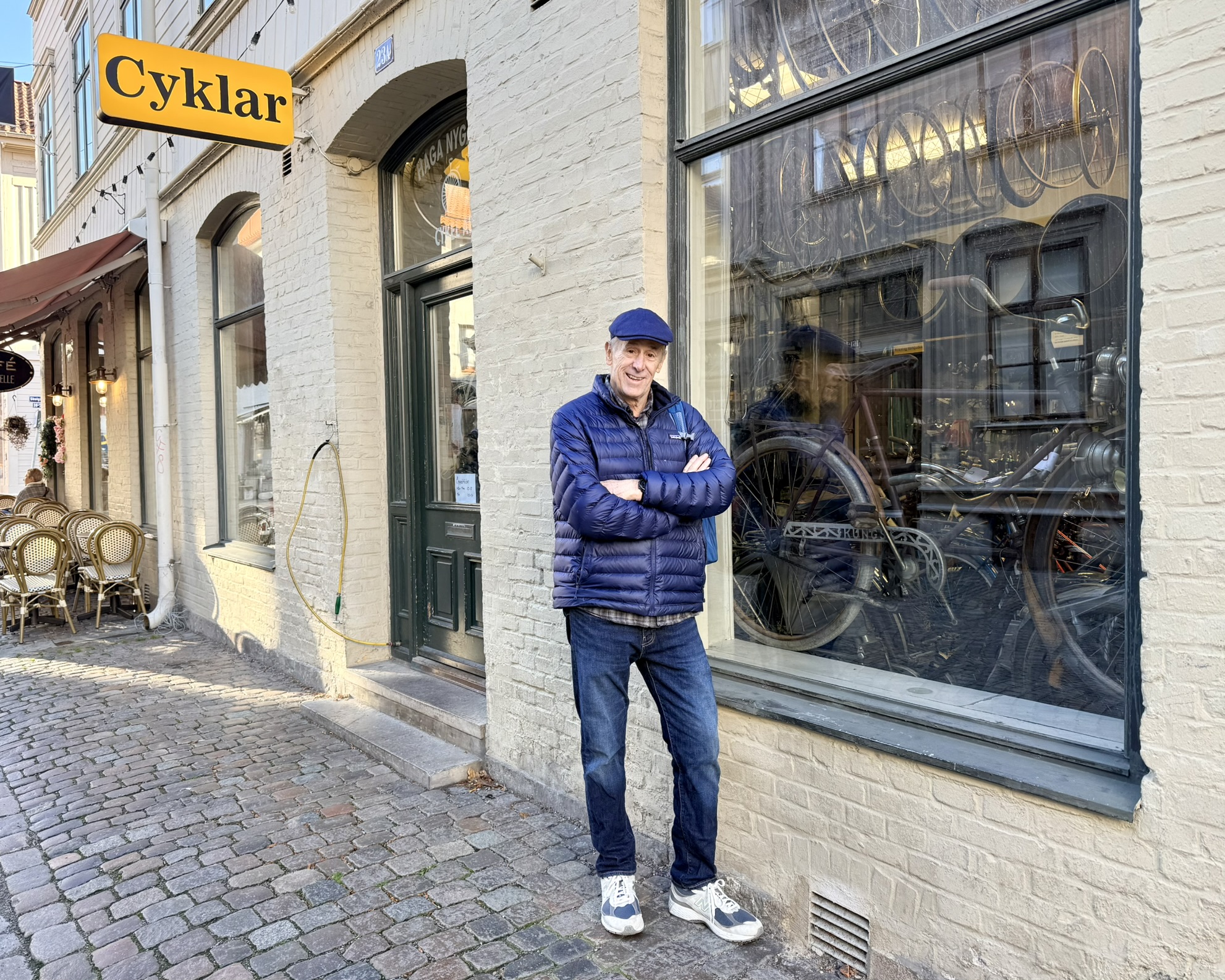
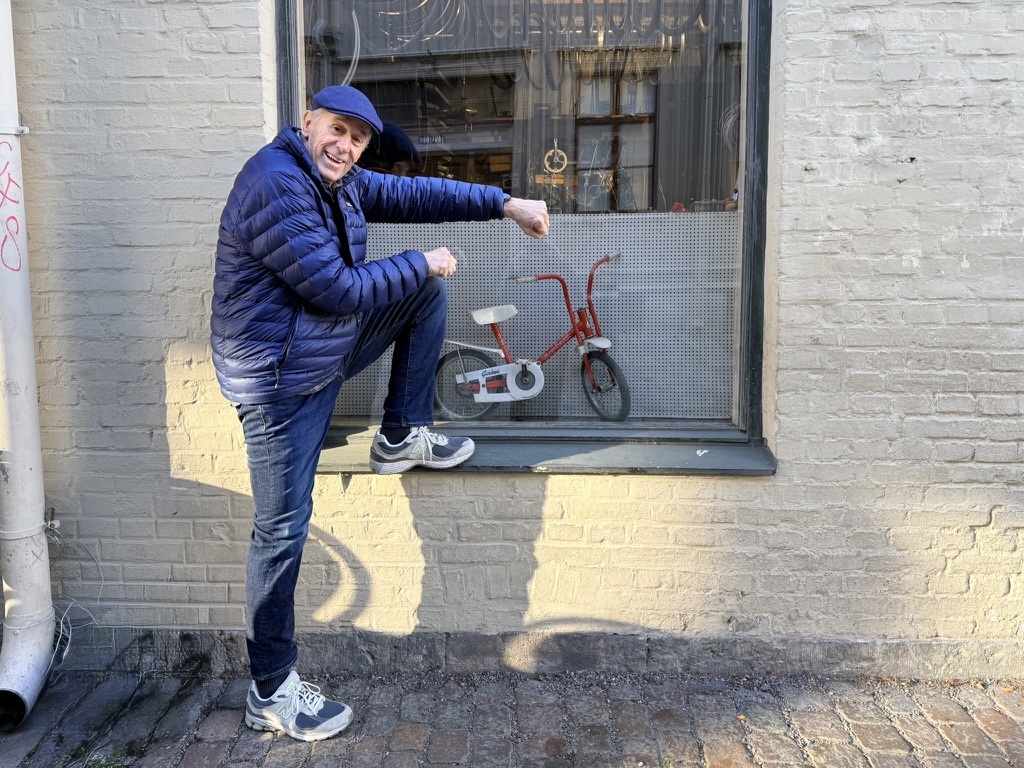
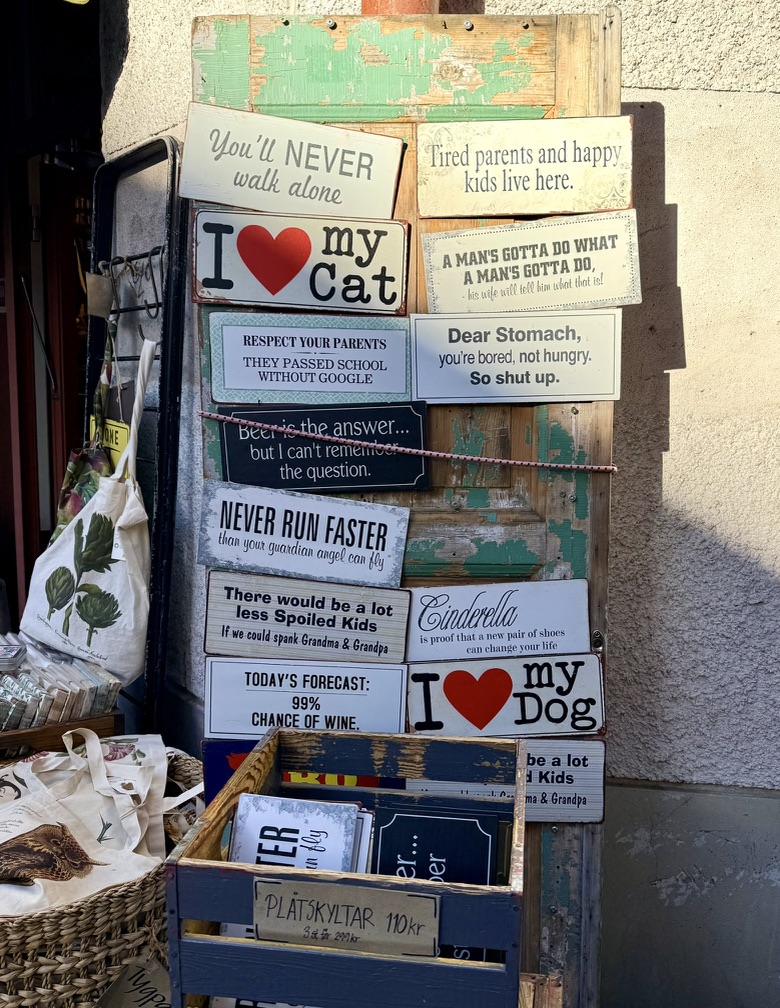
After stuffing ourselves and relaxing a bit, we wandered through the adorable district. Slated for demolition in the 1980s, Haga is a low-rise grid of timber-clad houses centered on the shopping street of Haga Nygatan. It was once the haunt of sailors, dockers, prostitutes and street urchins. Today, the neighborhood draws artists and thirty-something professionals.
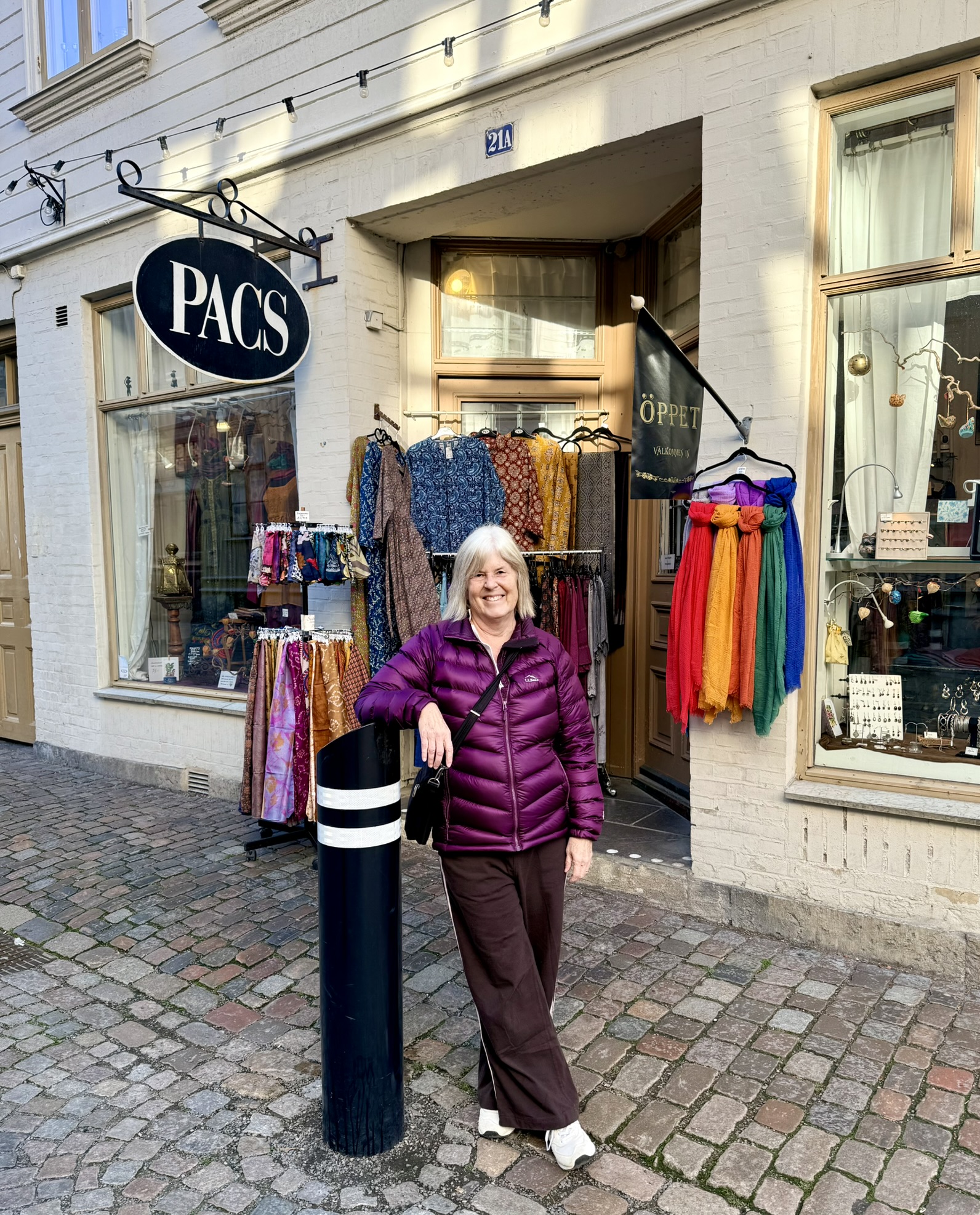
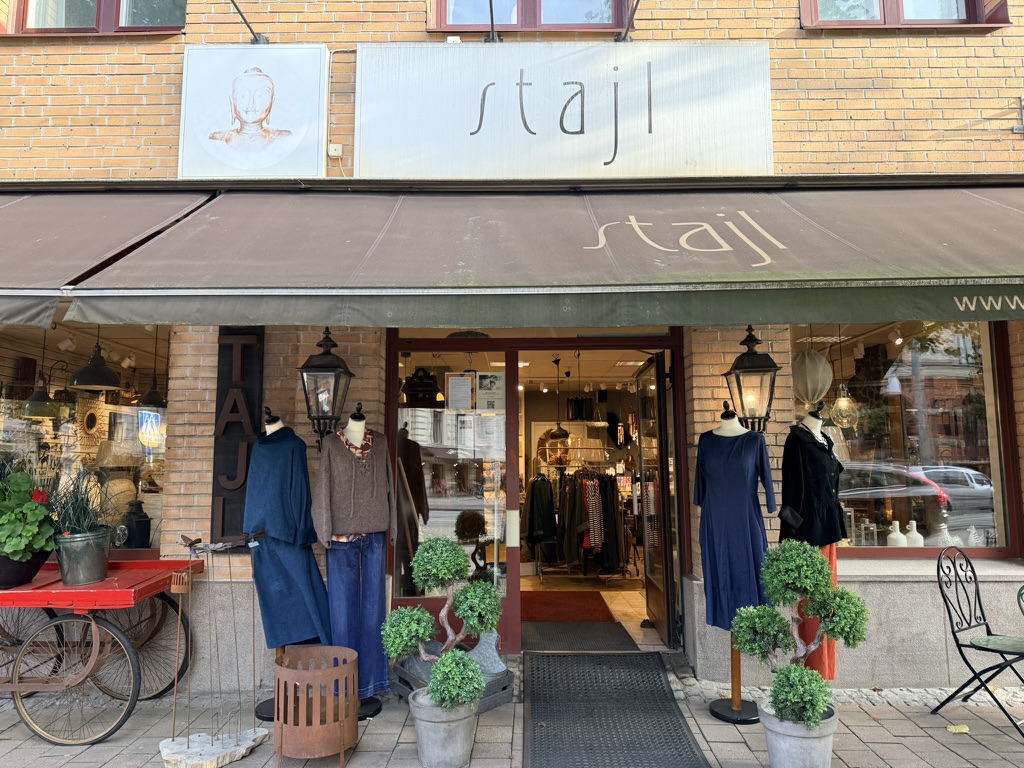
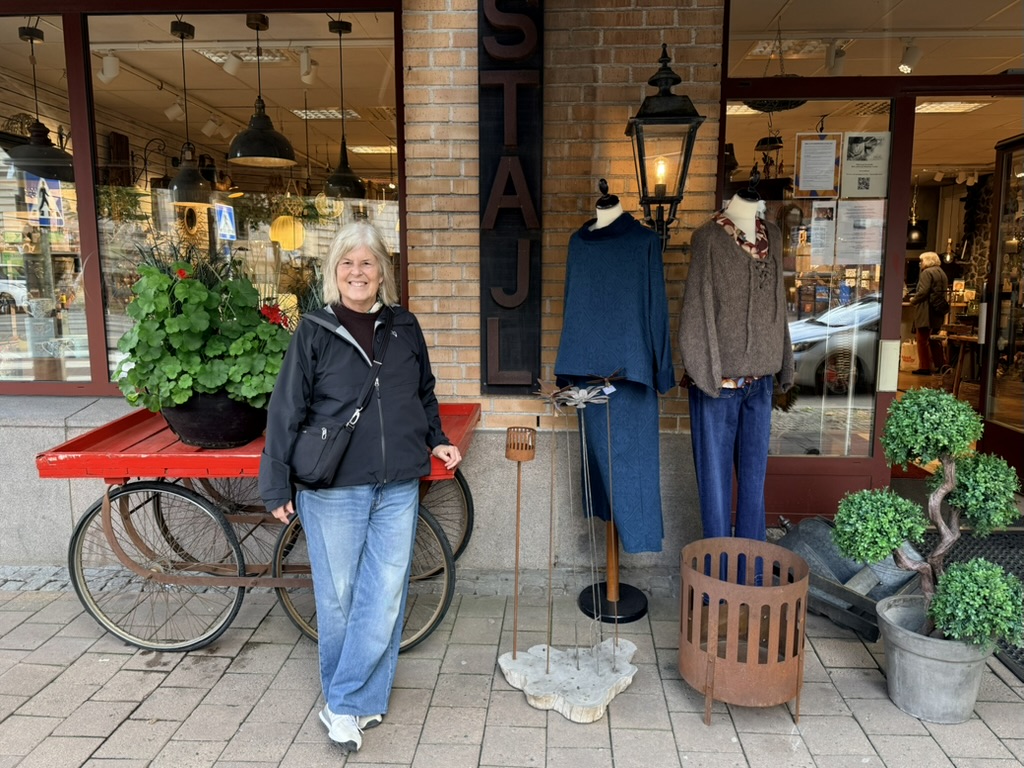
We loved taking a leisurely stroll through Haga, and I even stopped and bought two scarves at a cute shop. Surprise, surprise!
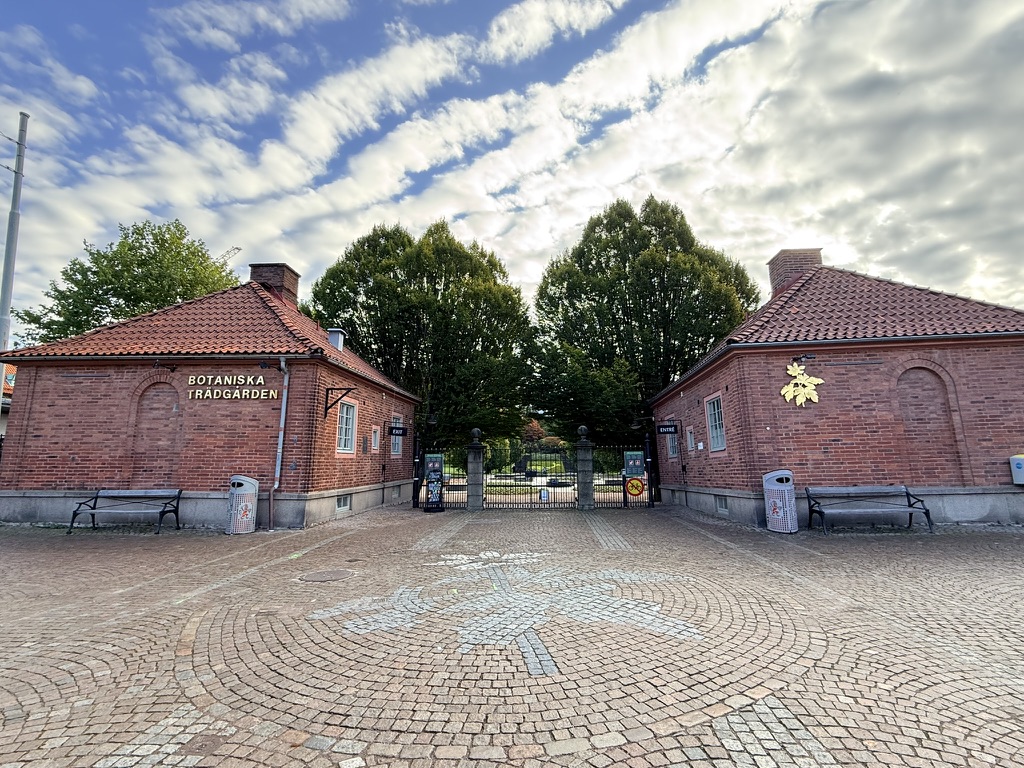
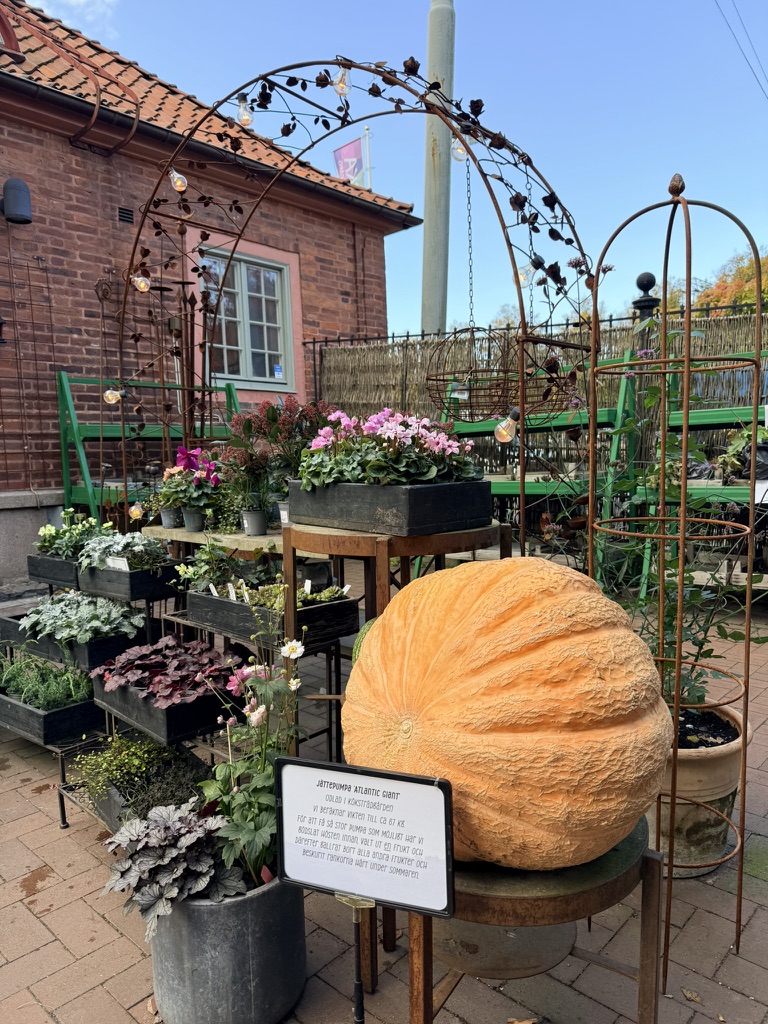
Botaniska (Gothenburg Botanical Garden)
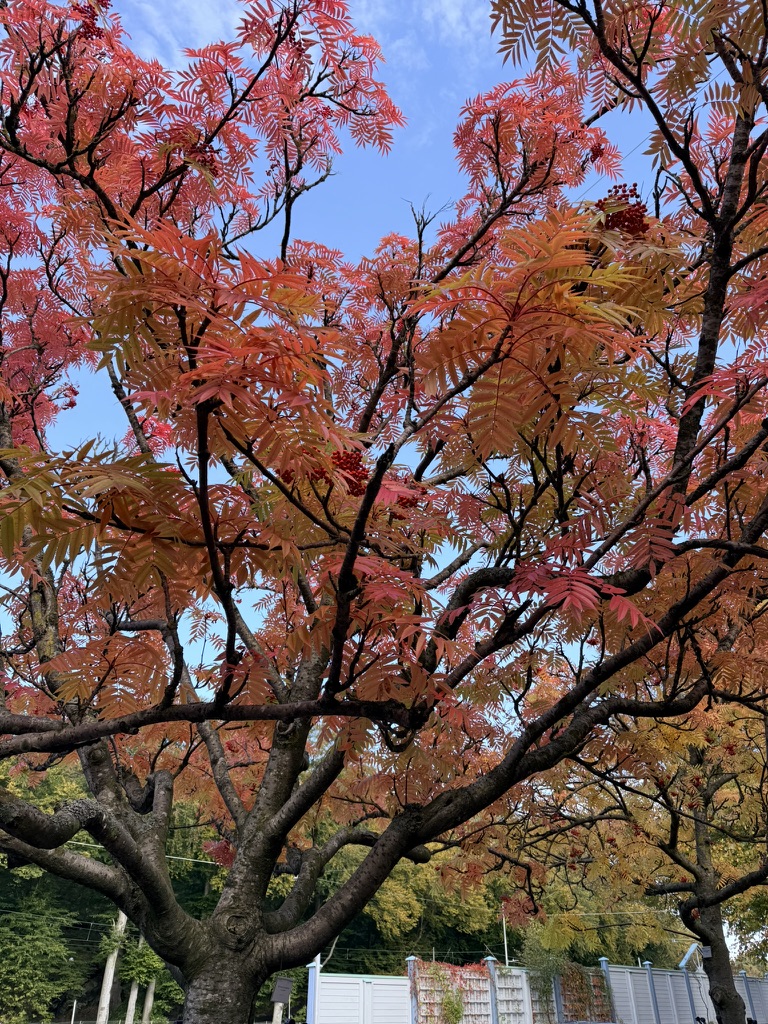
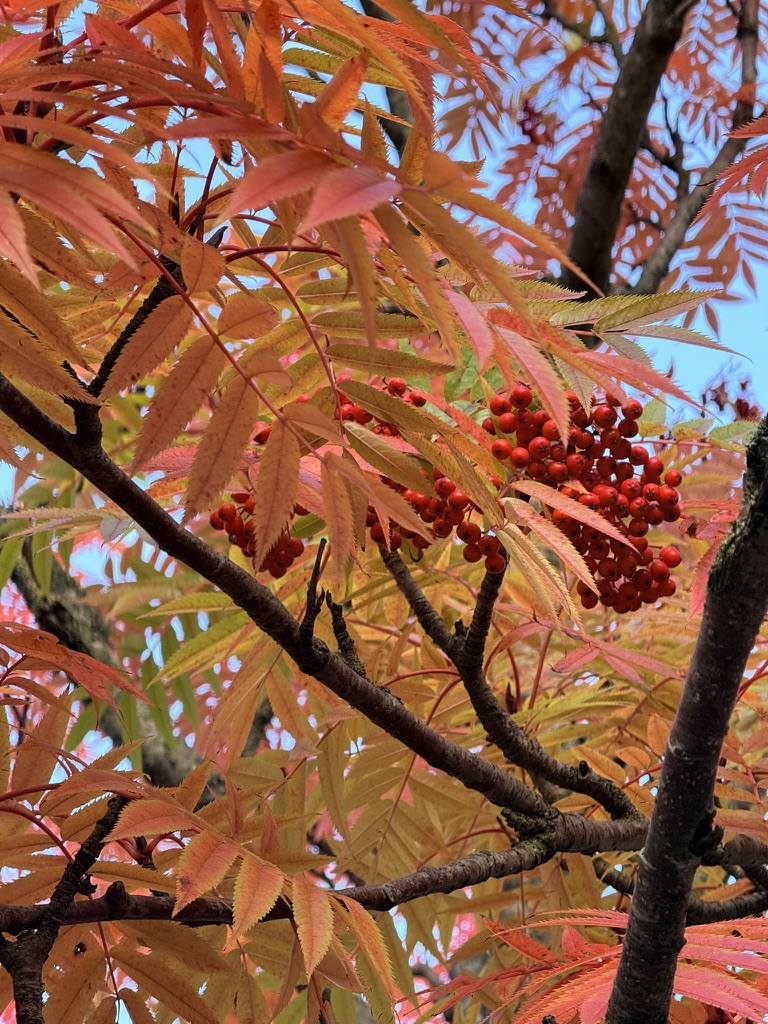
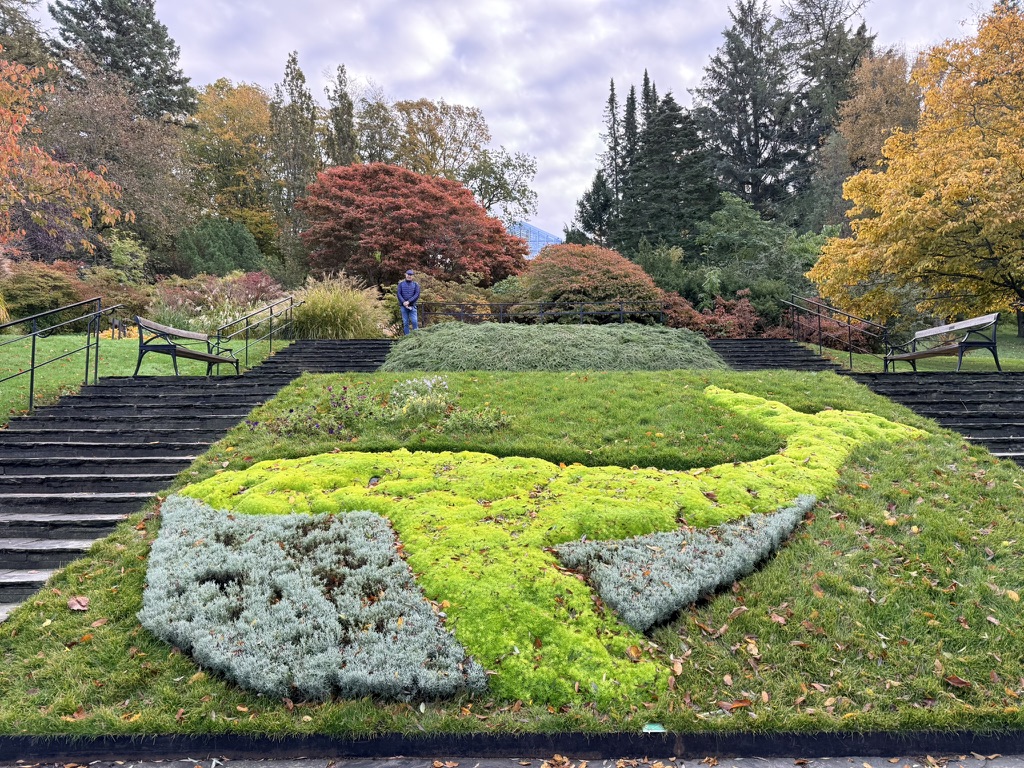
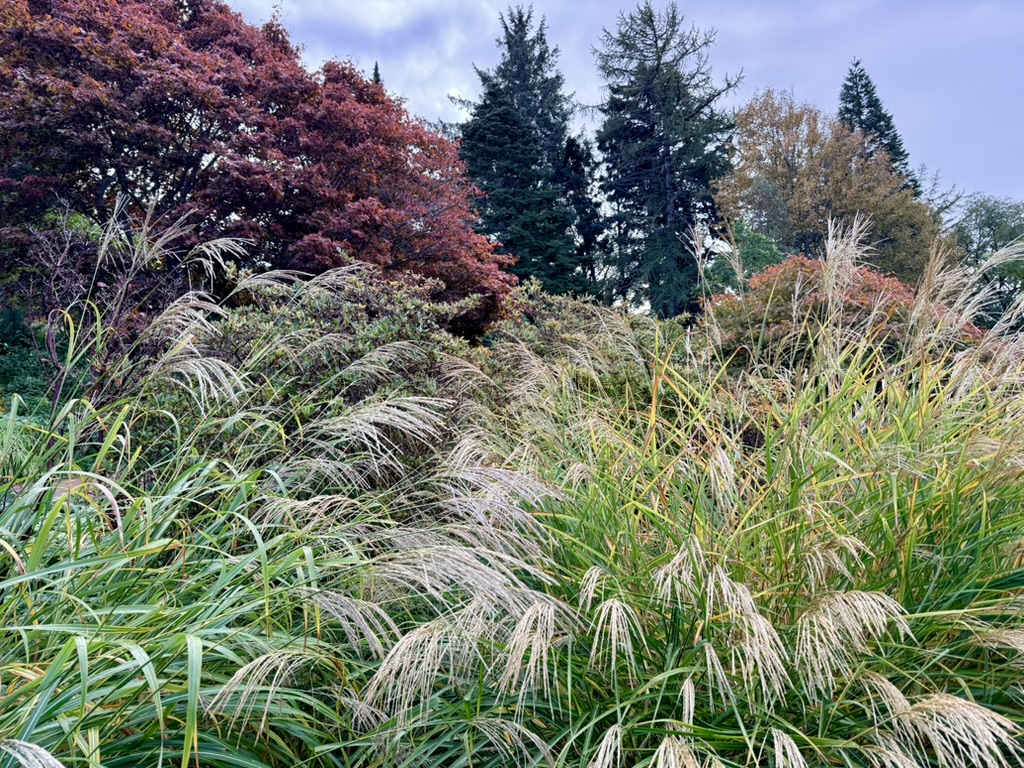
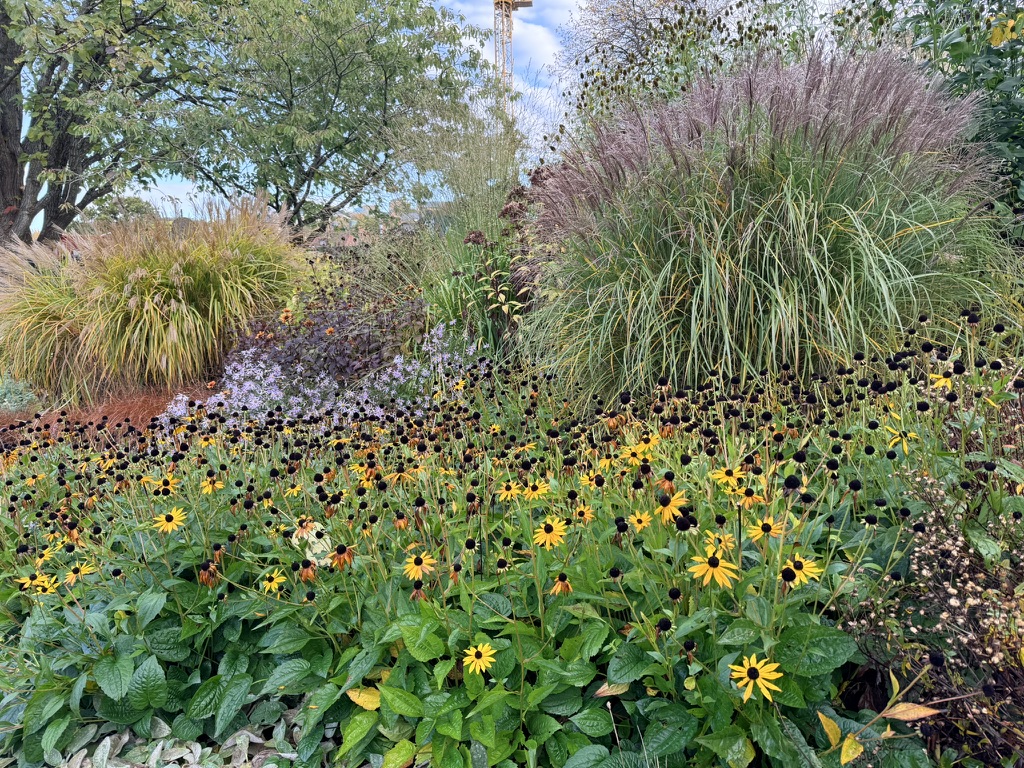
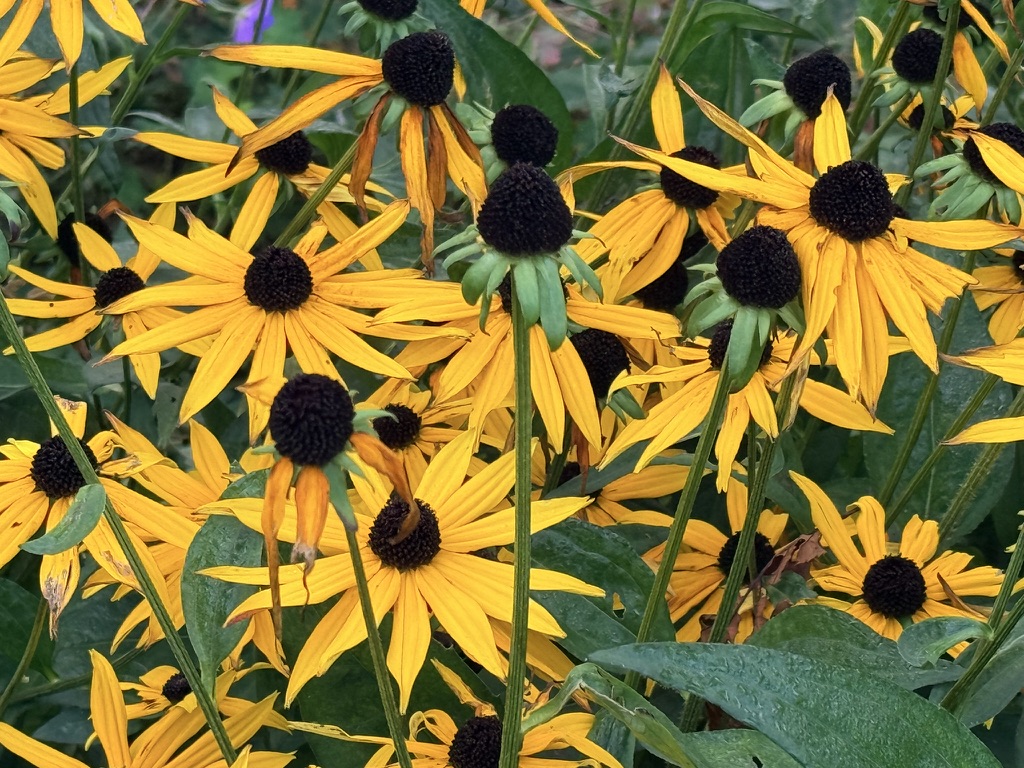
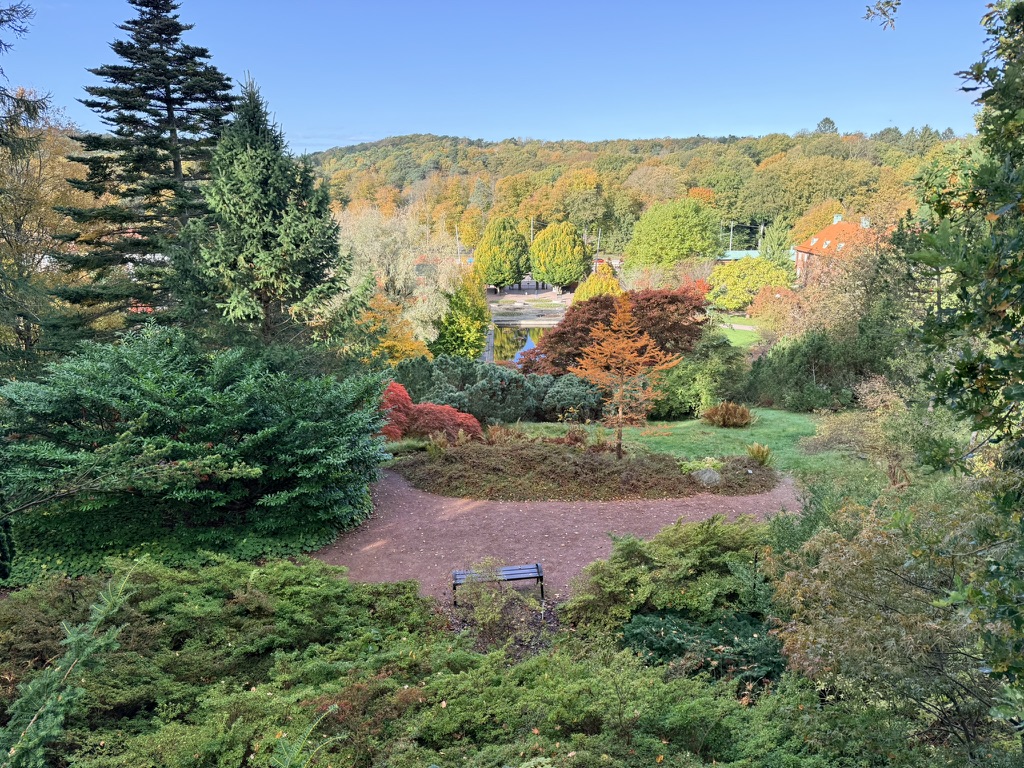
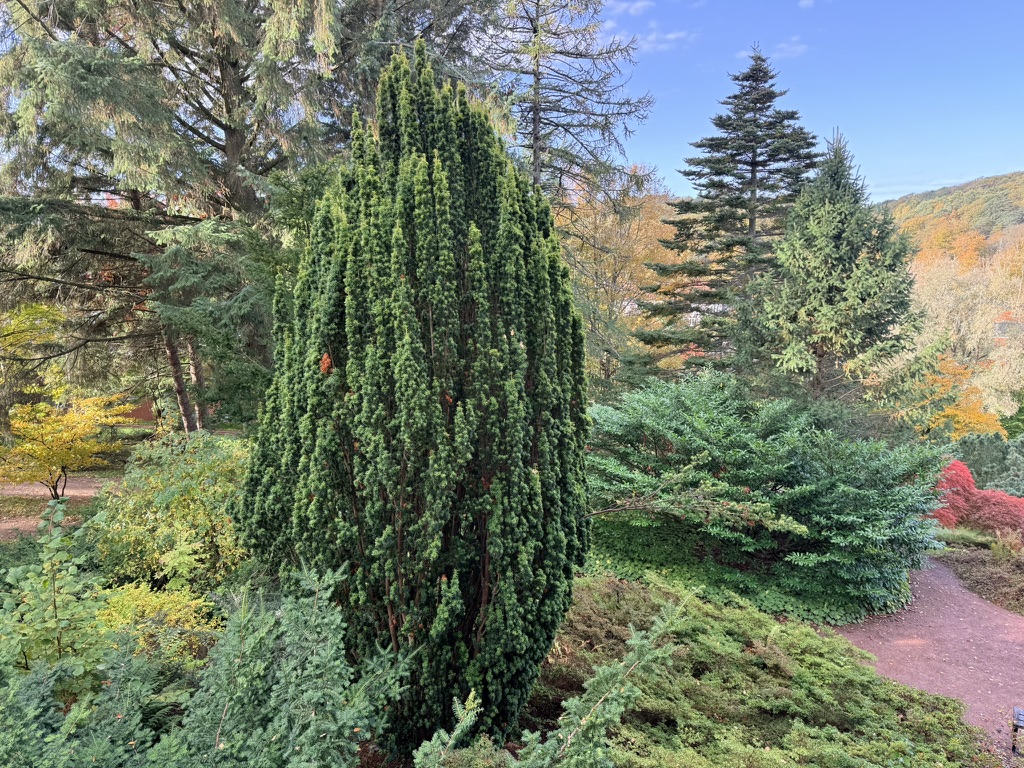
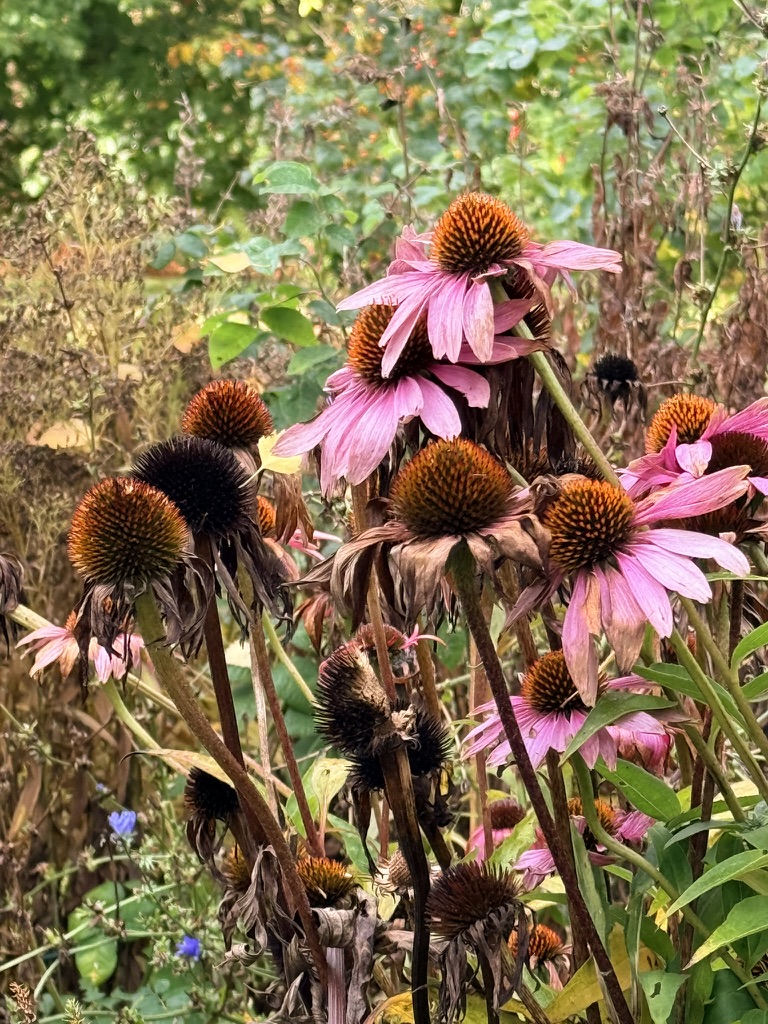
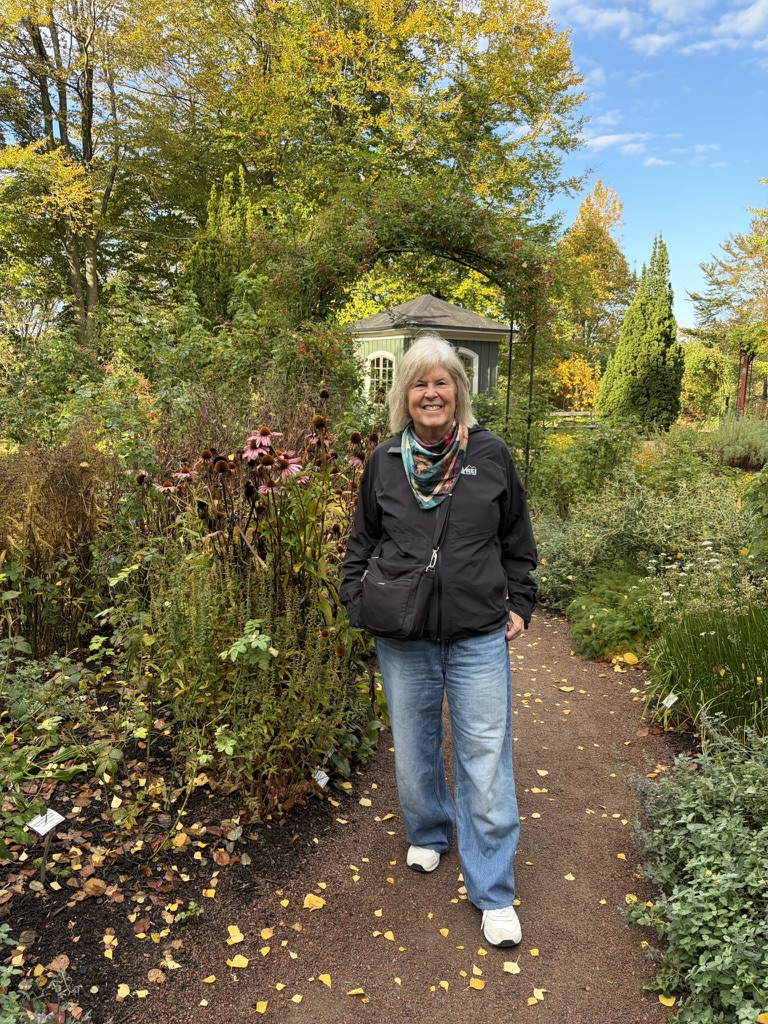
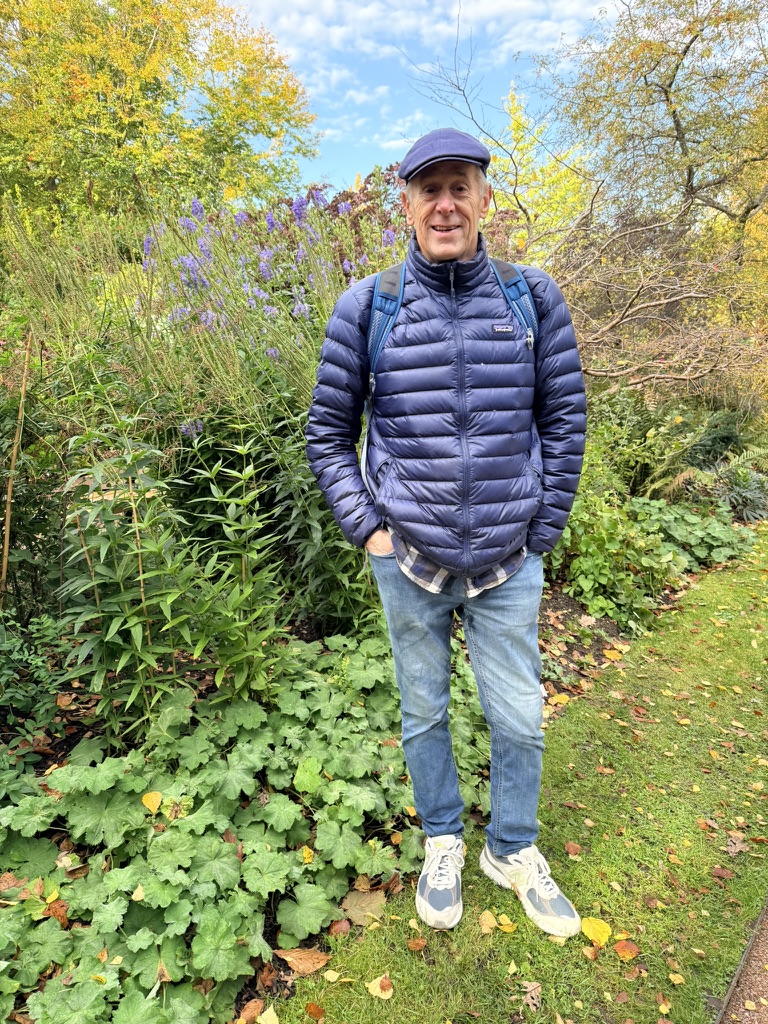
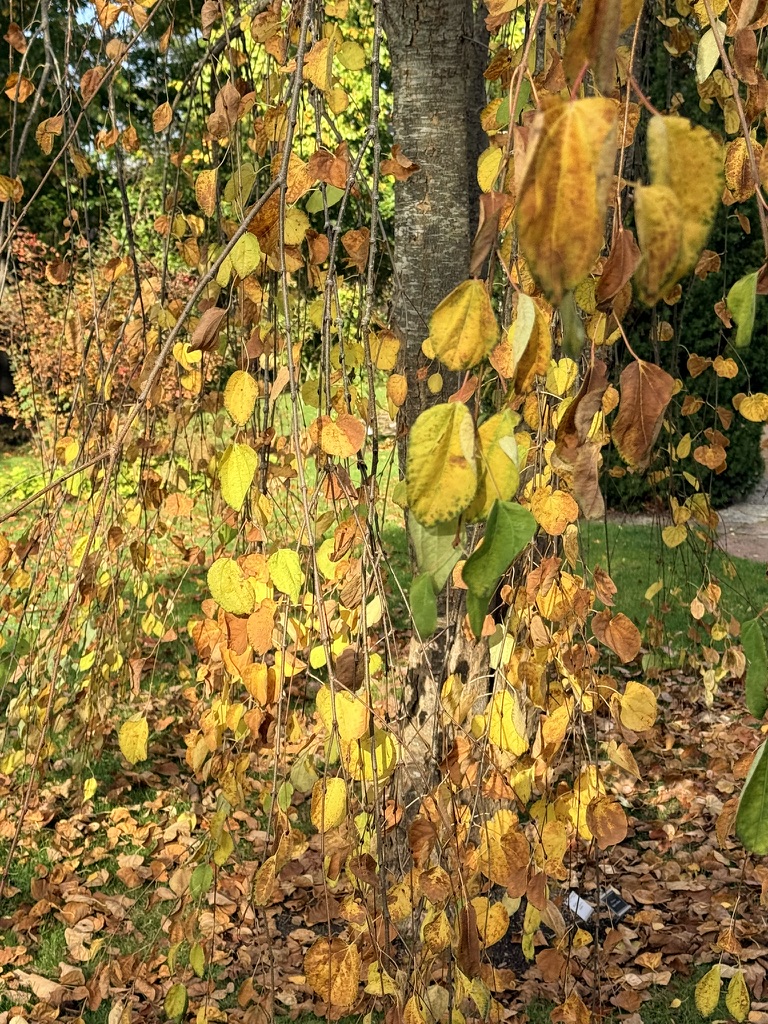
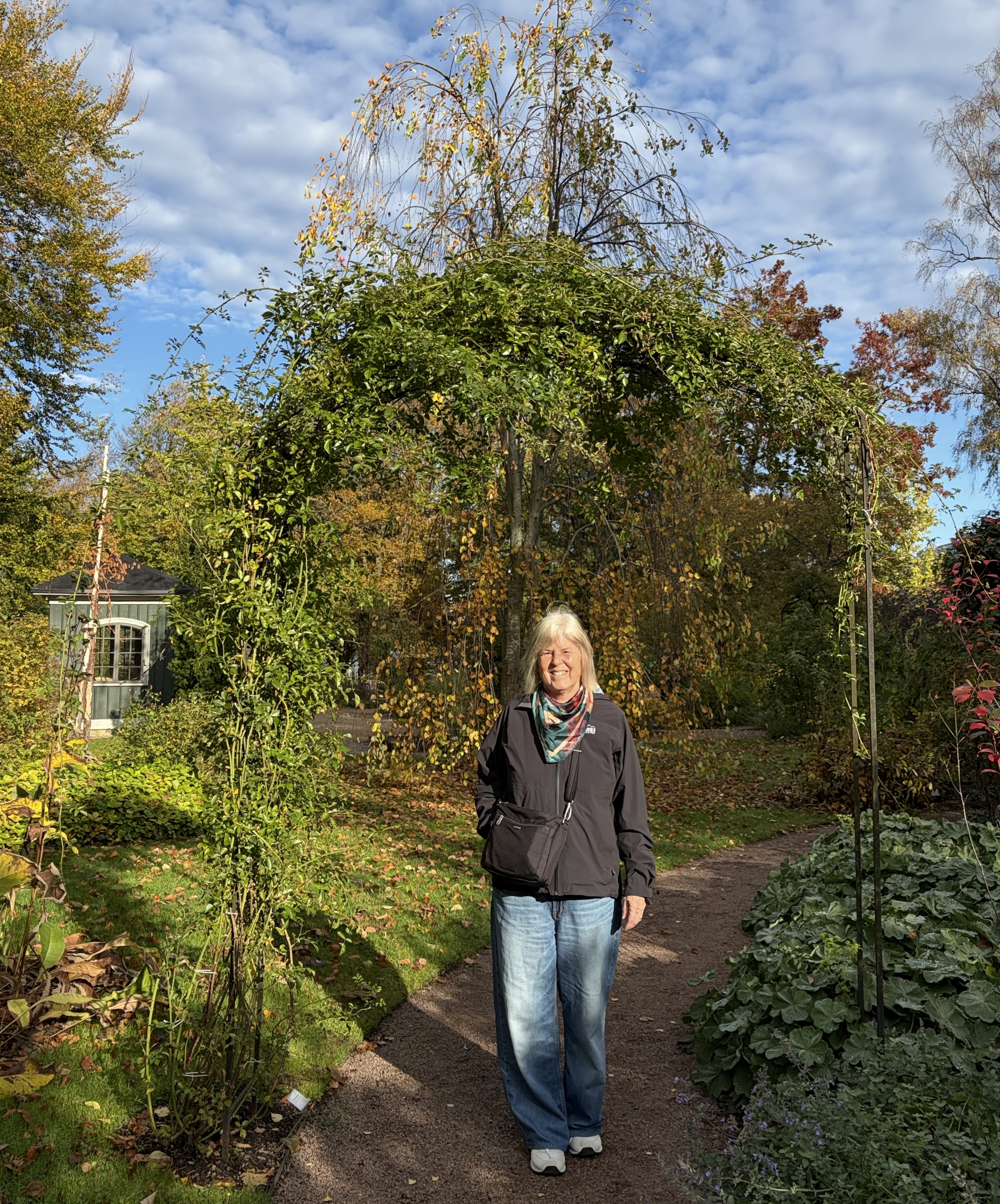
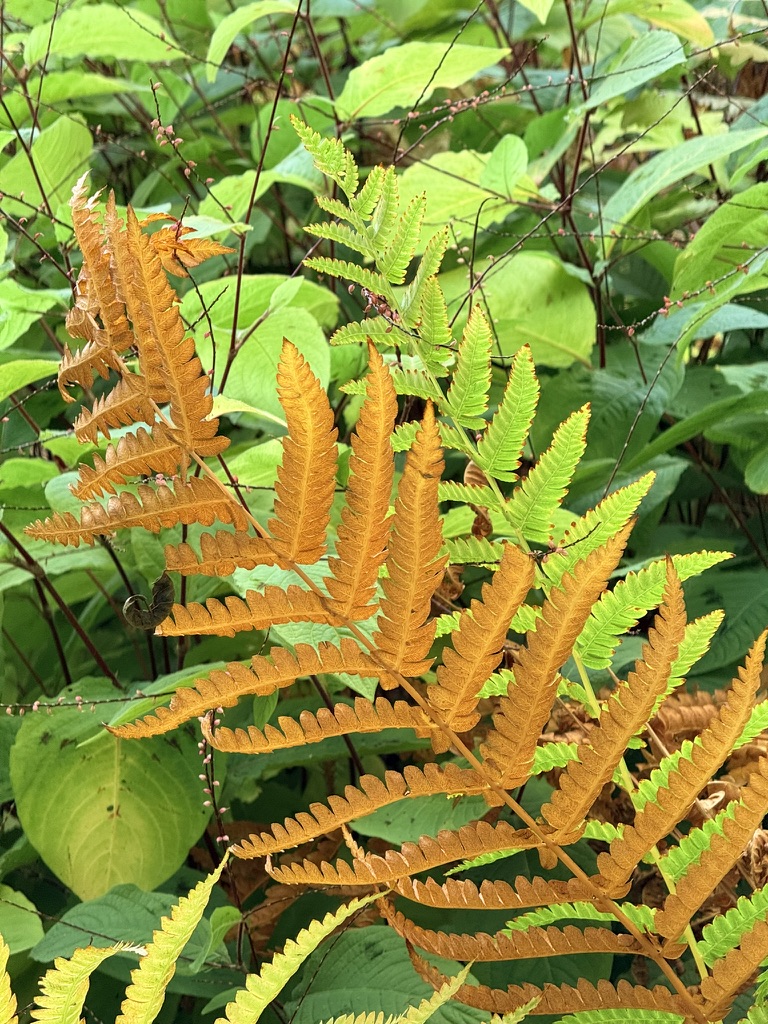
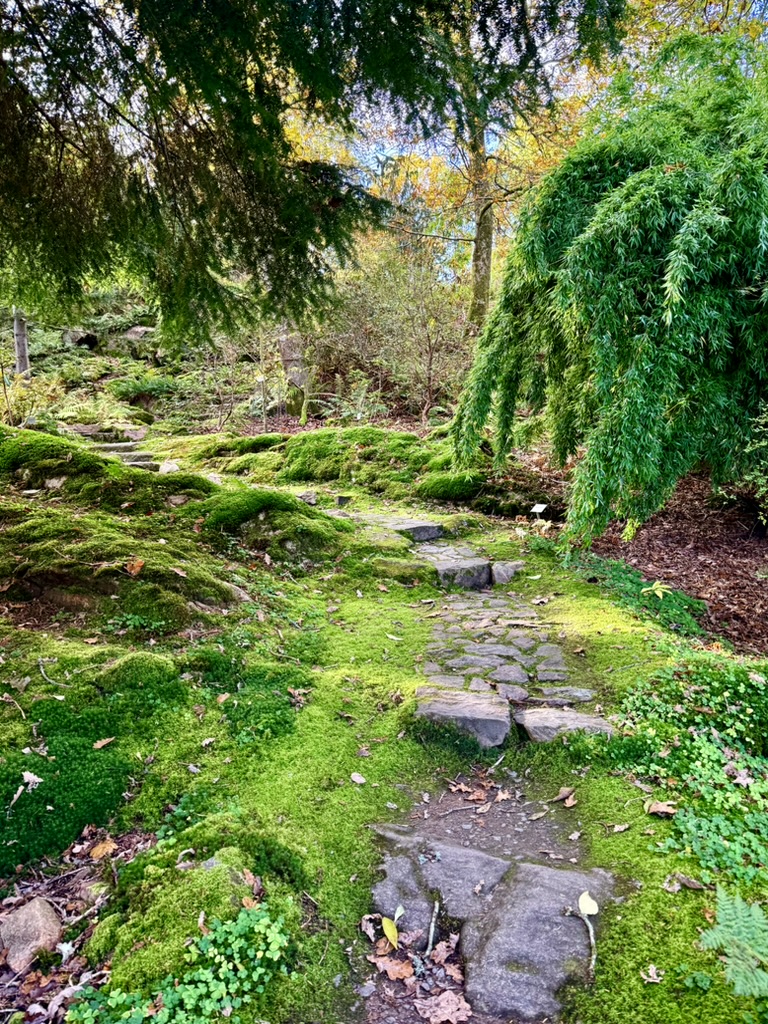
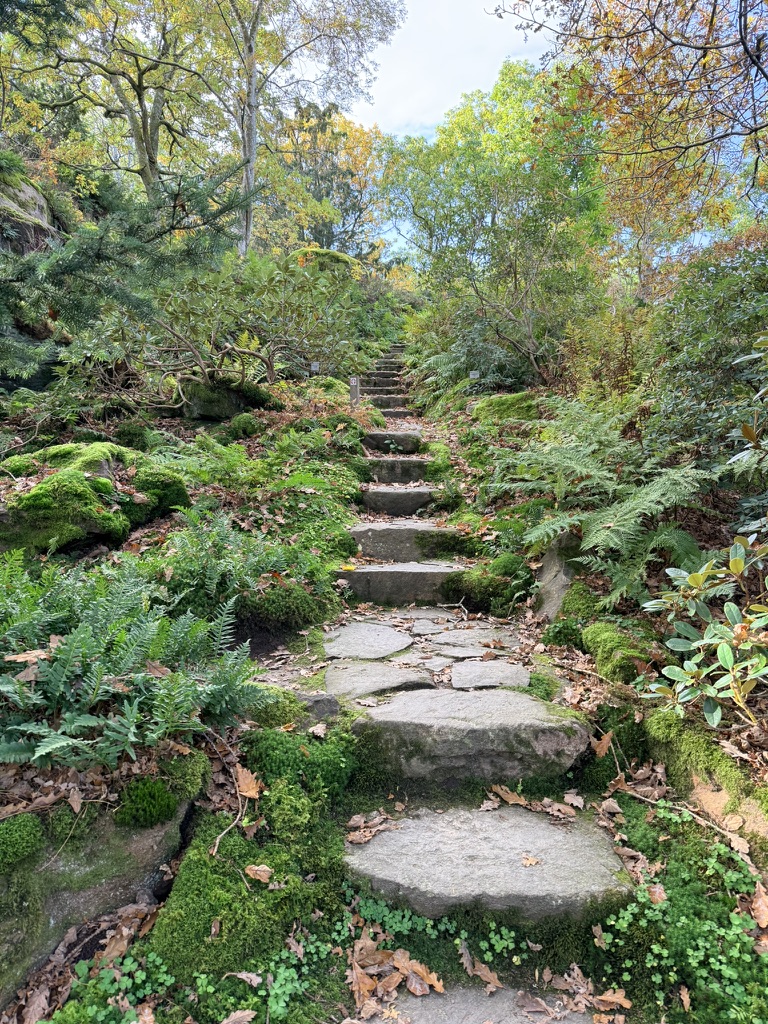
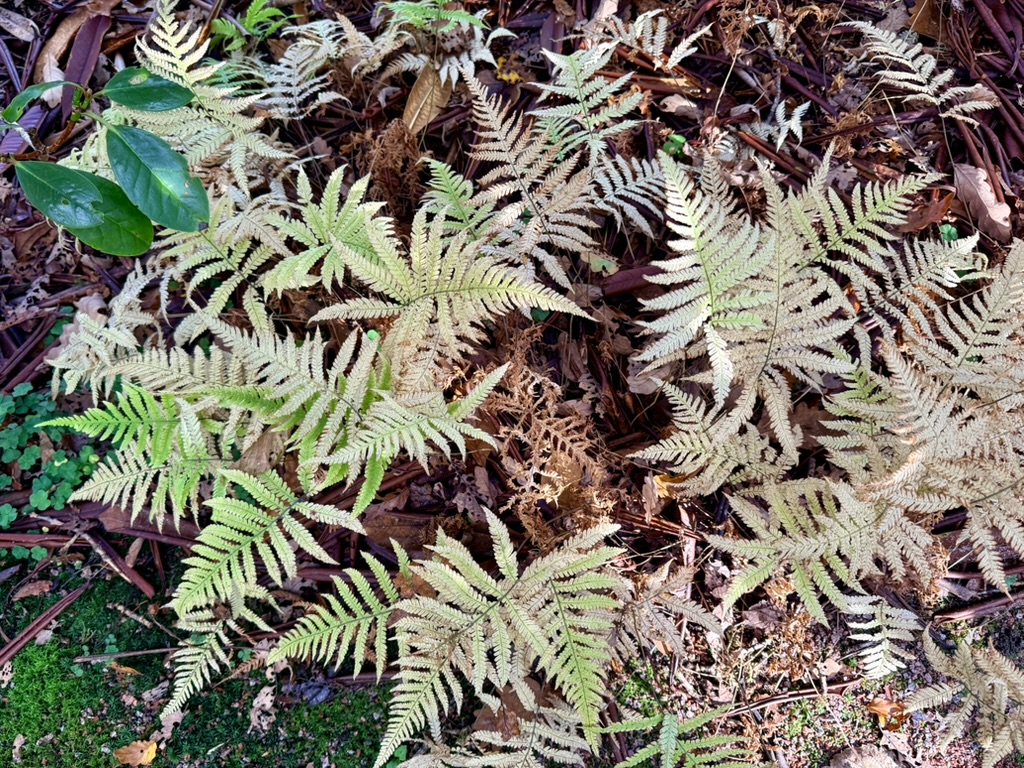
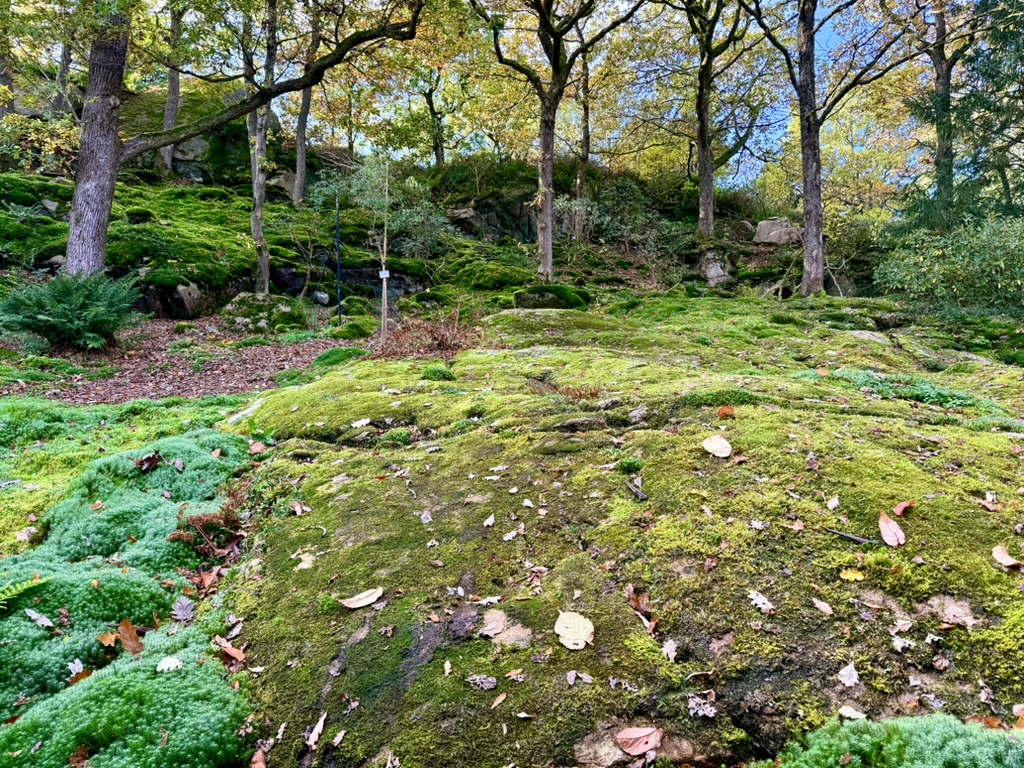
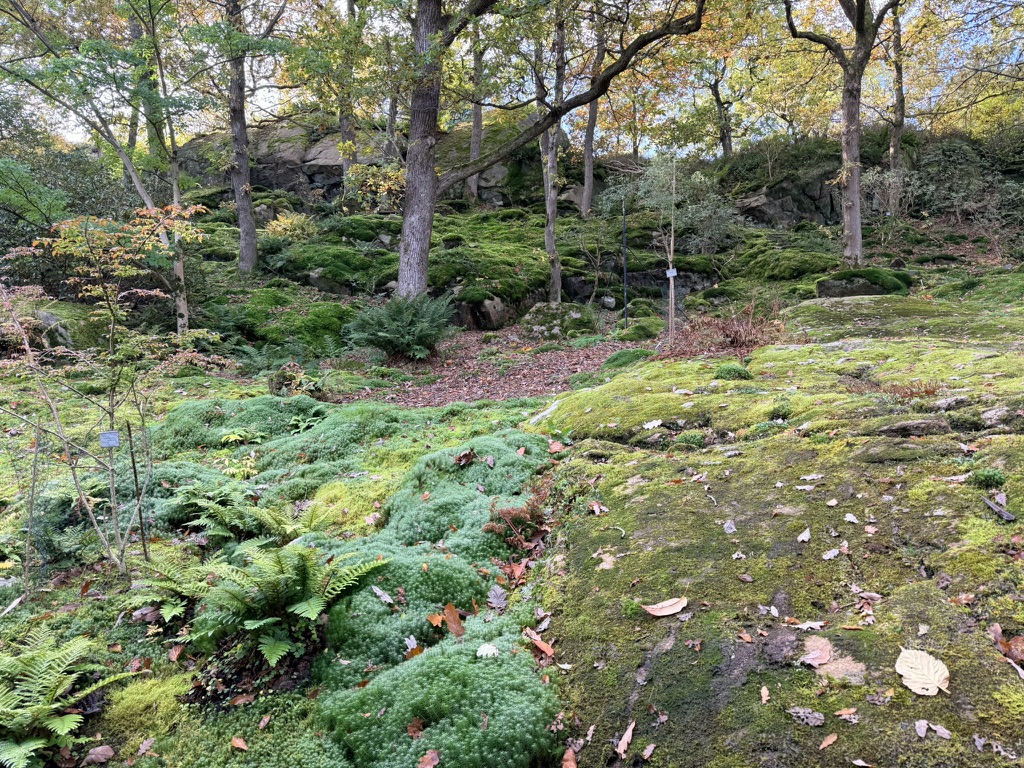
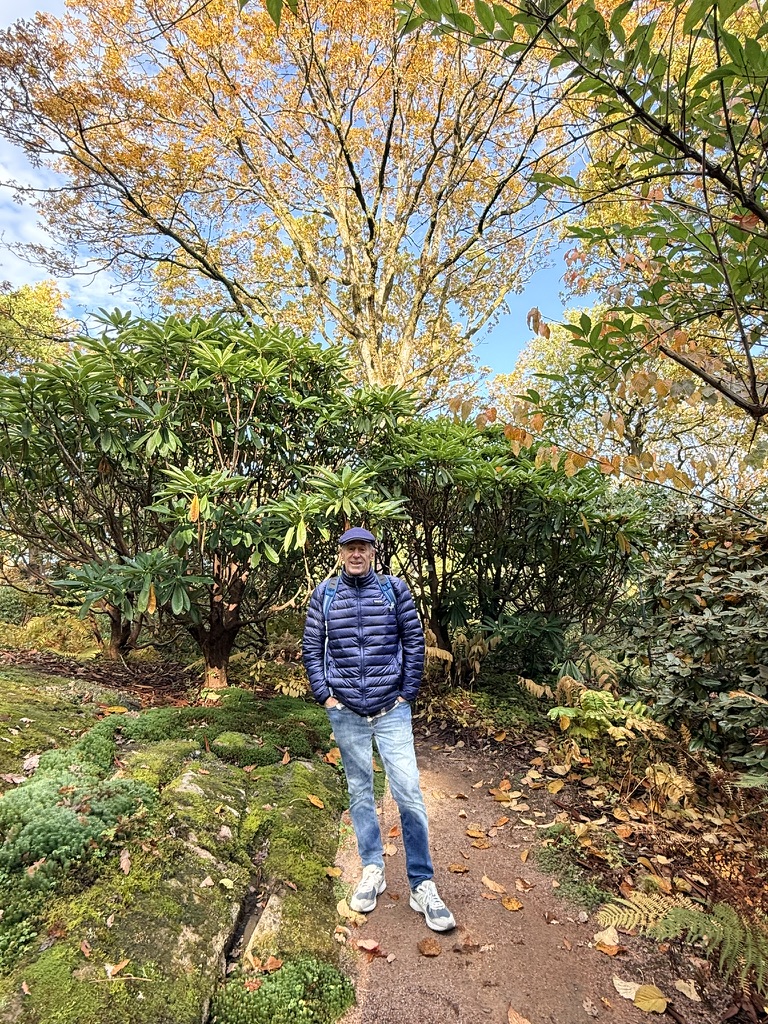
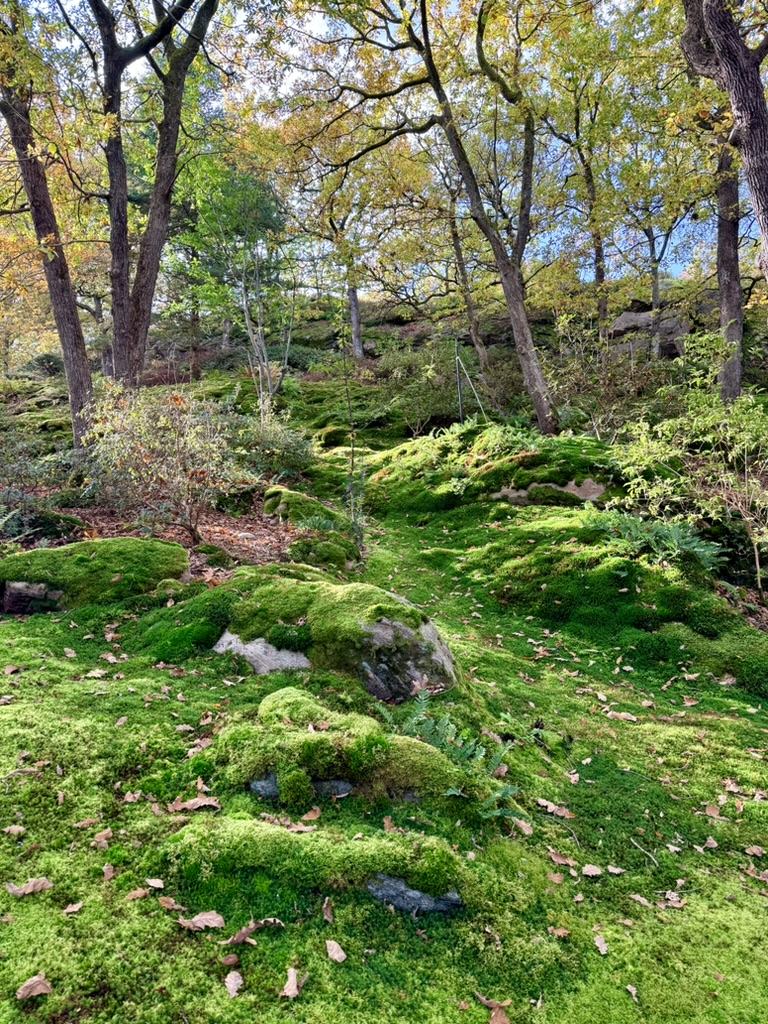
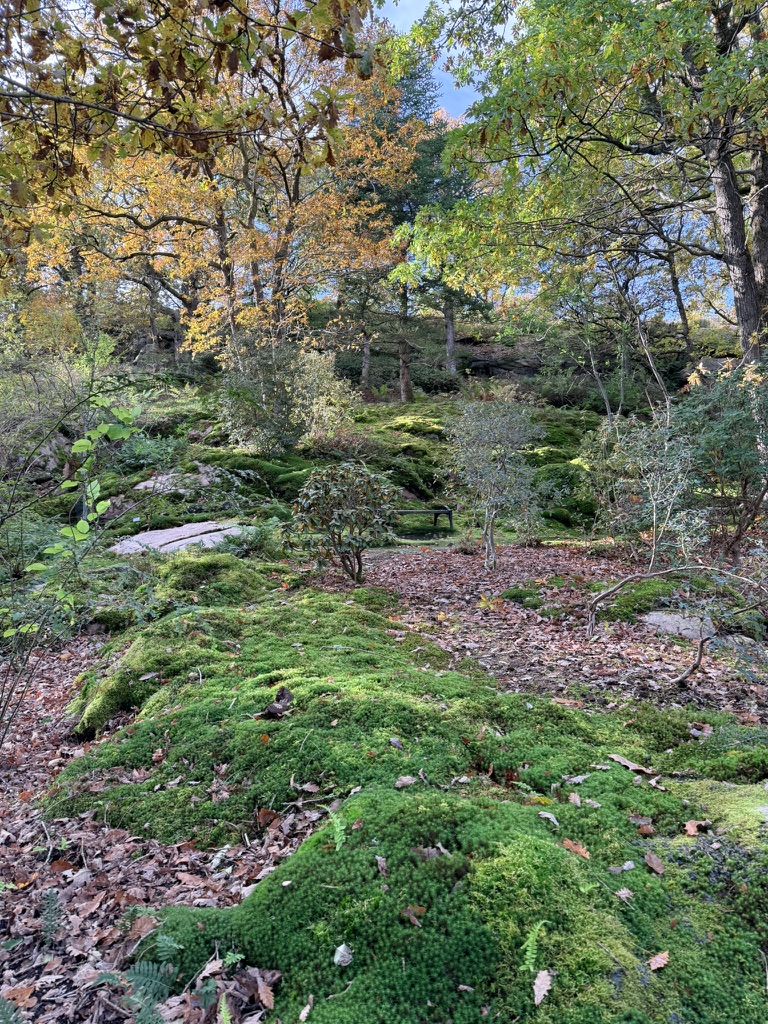
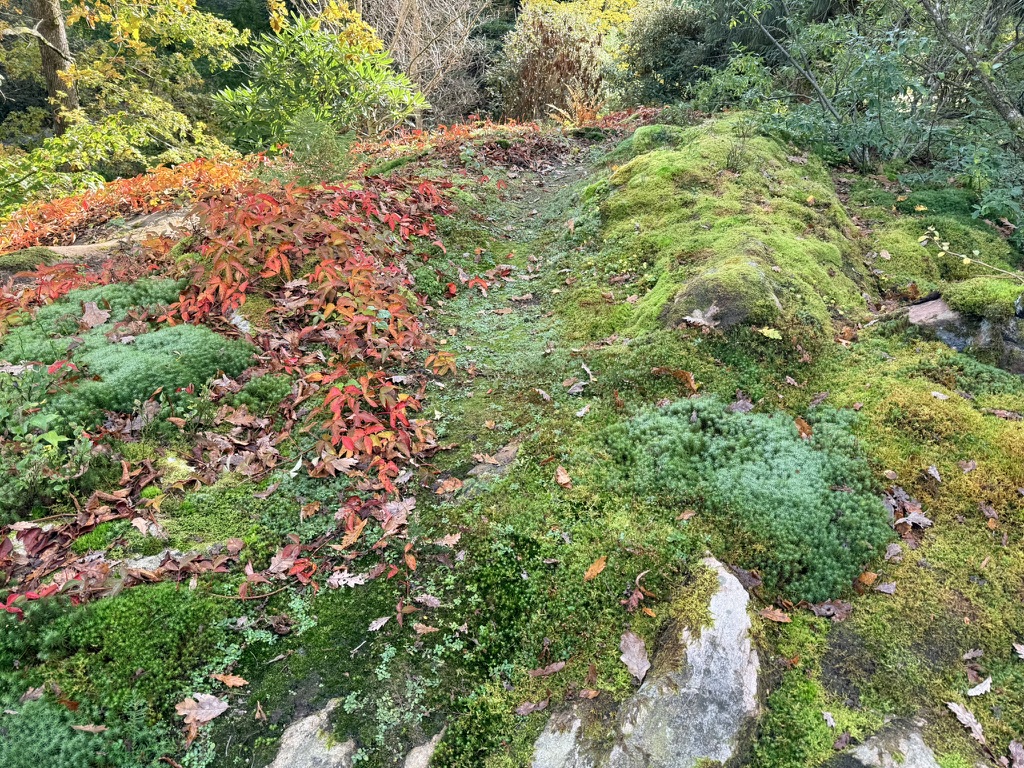
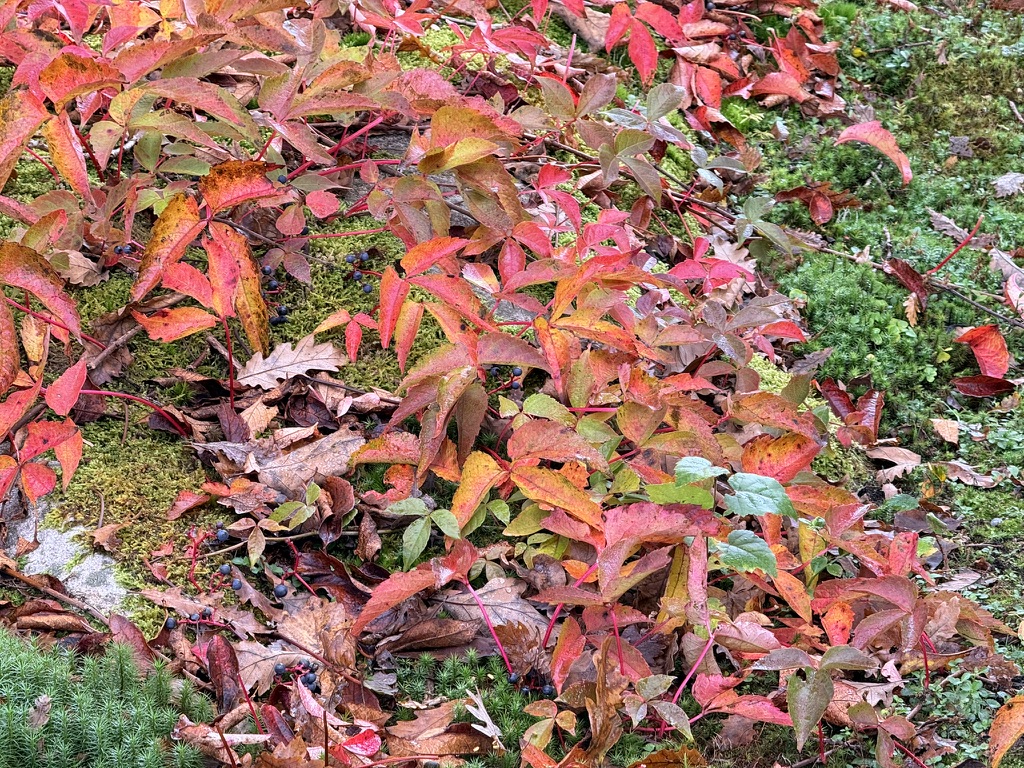
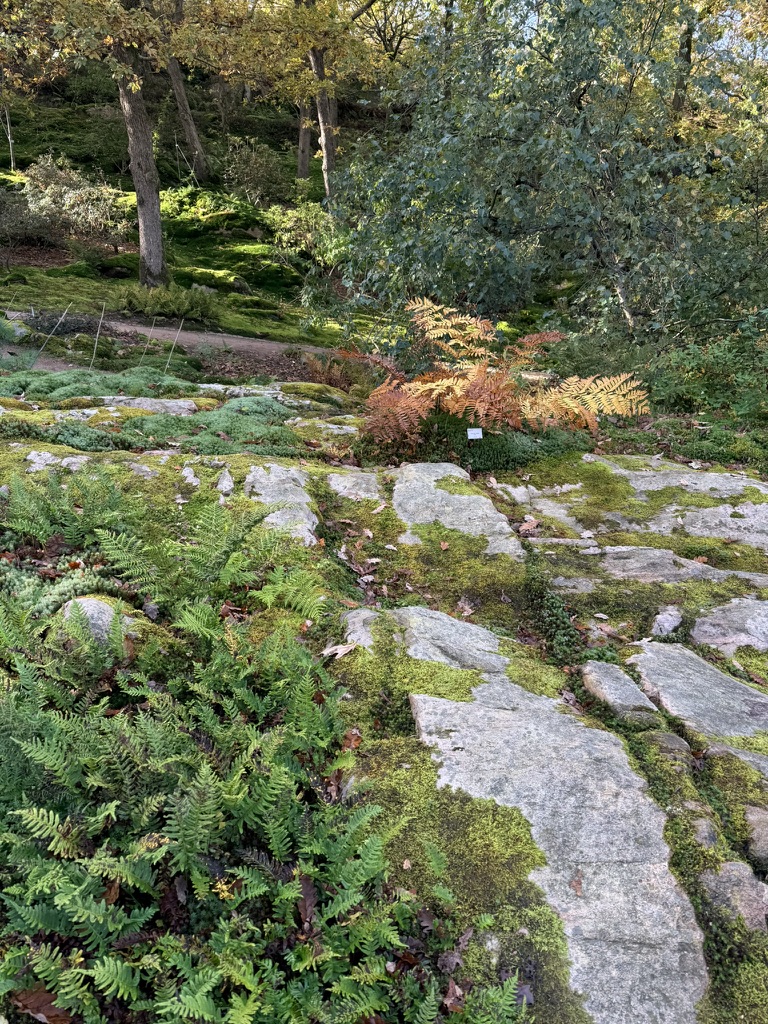
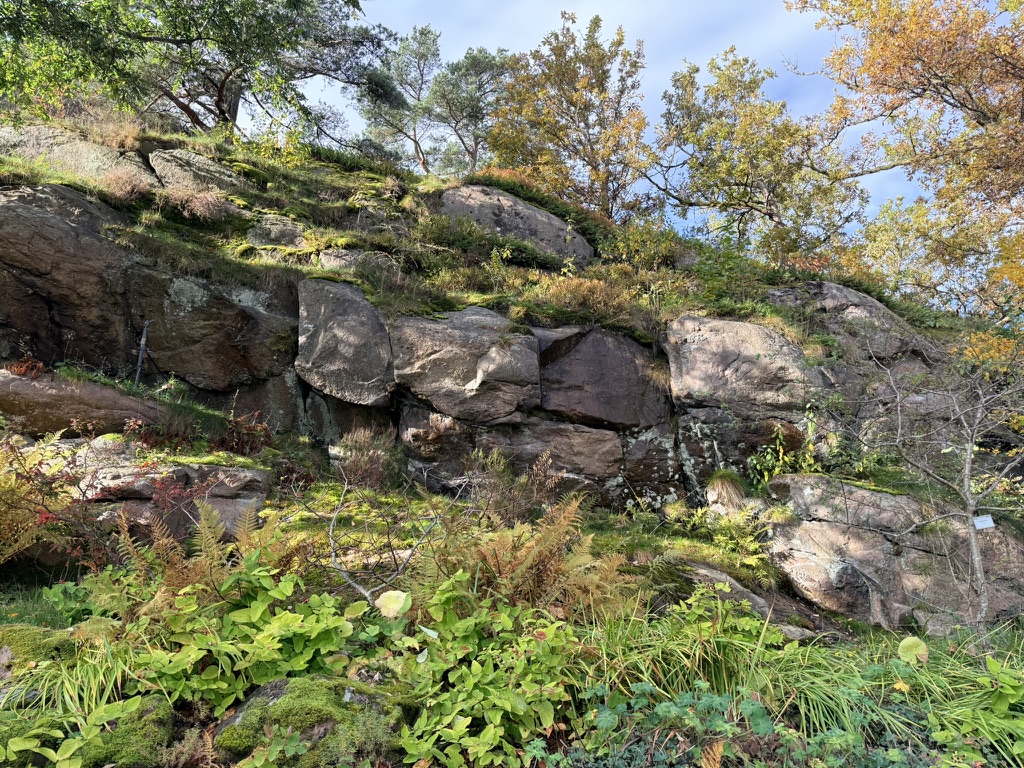
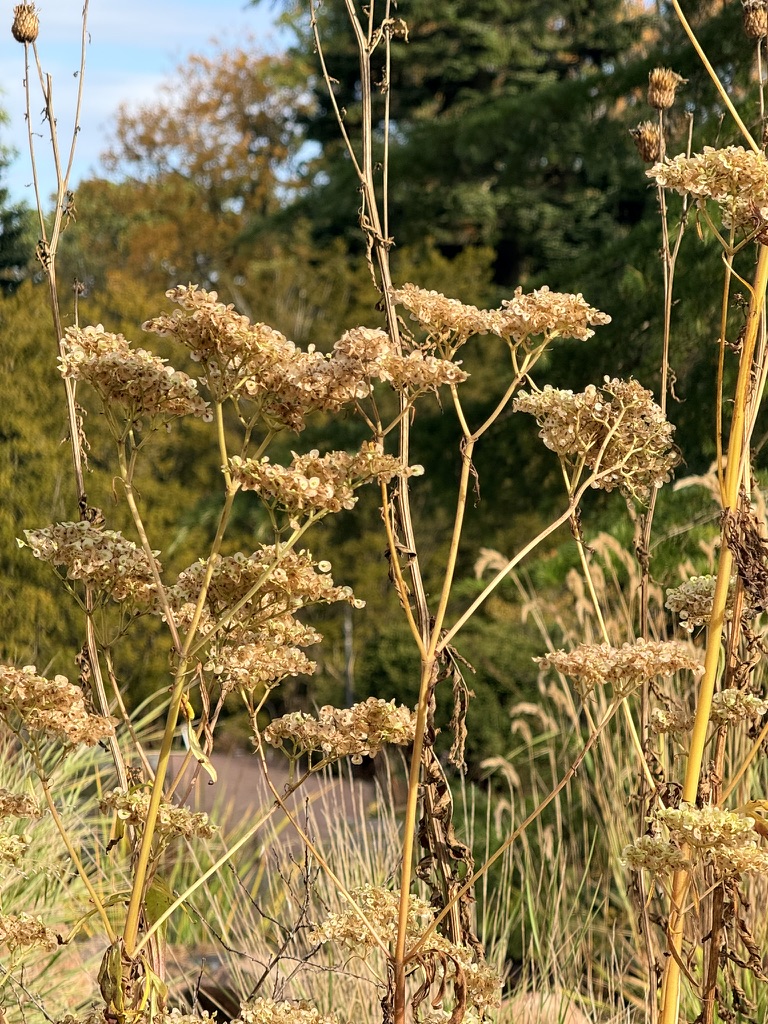
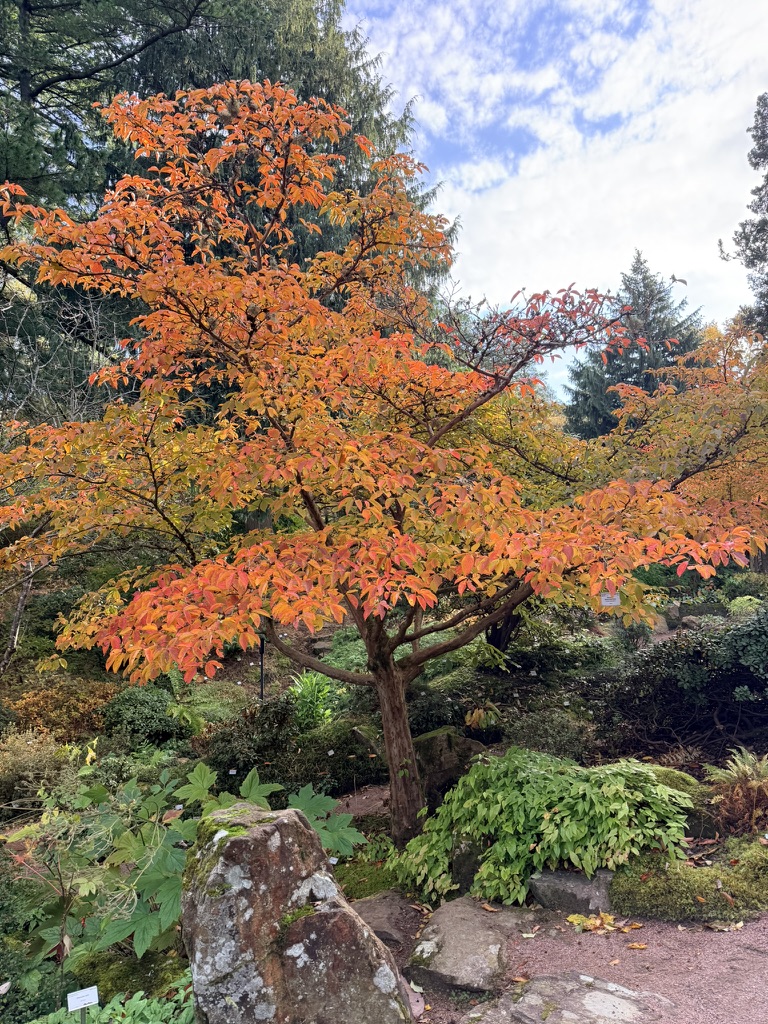
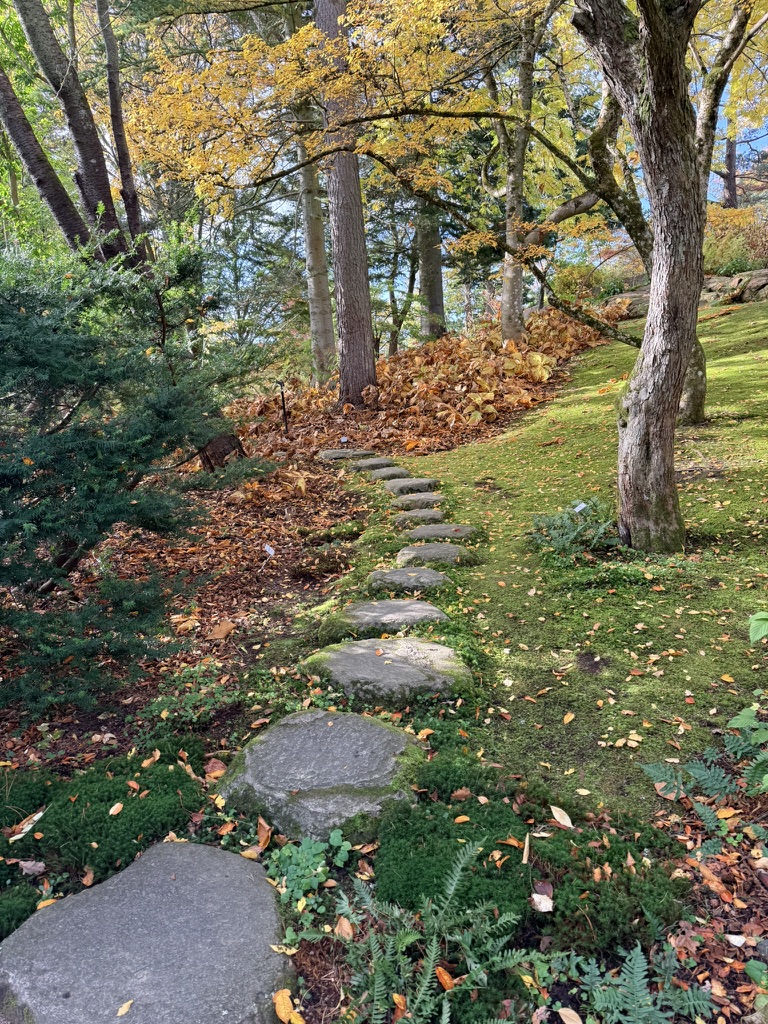
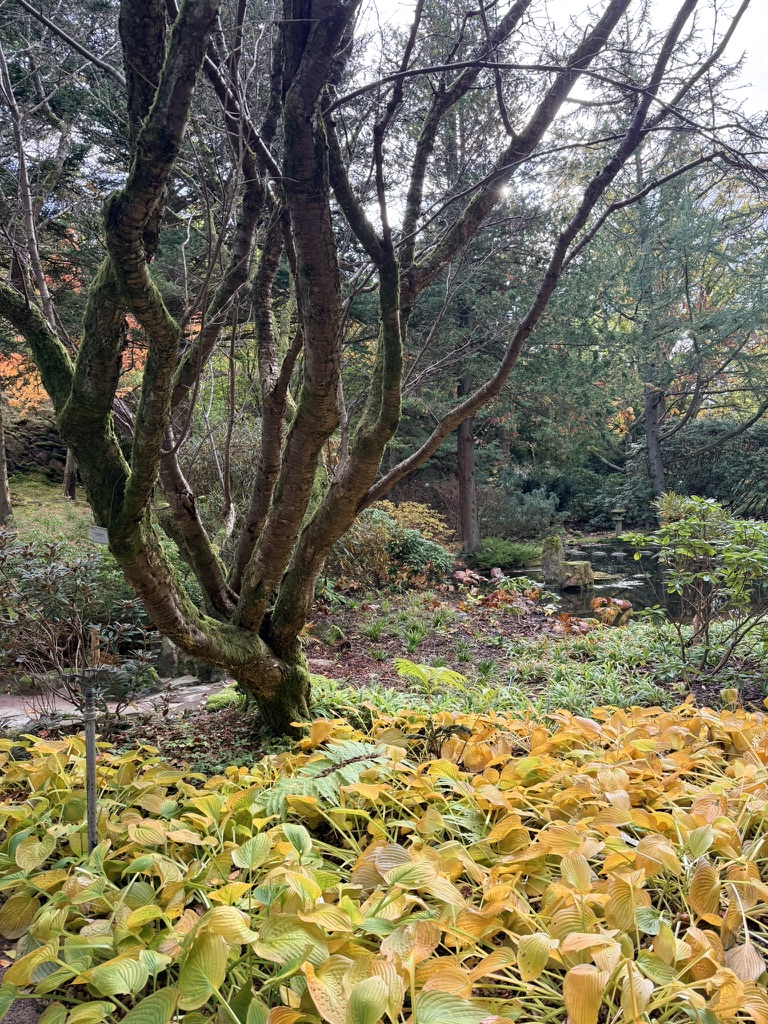
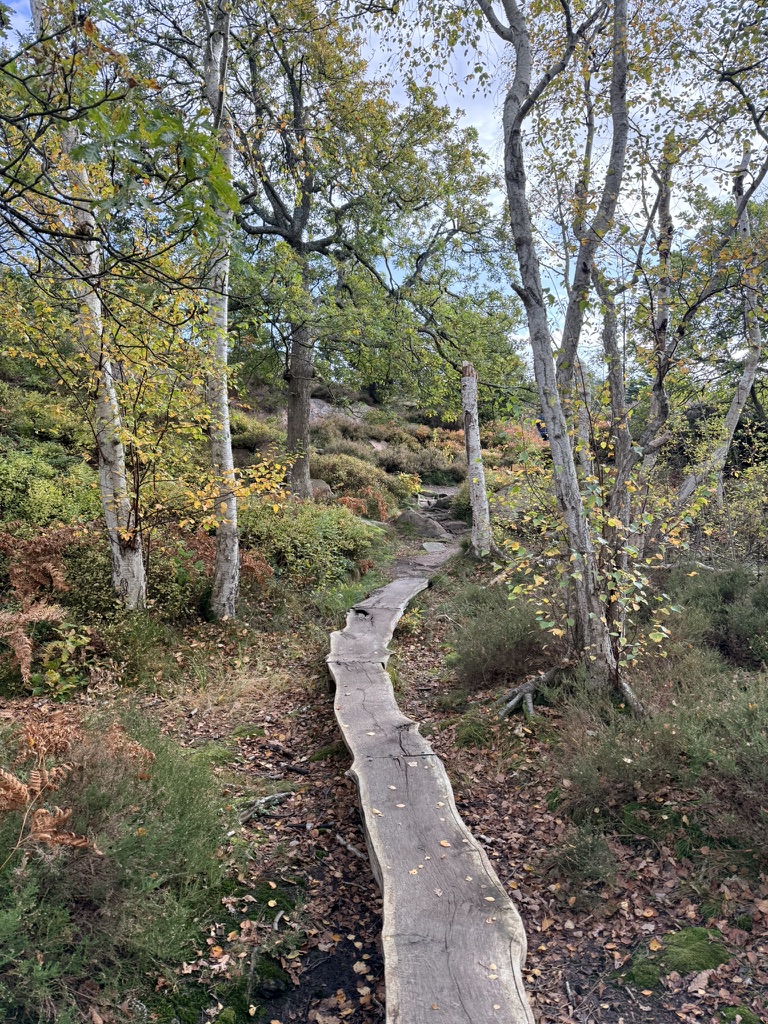
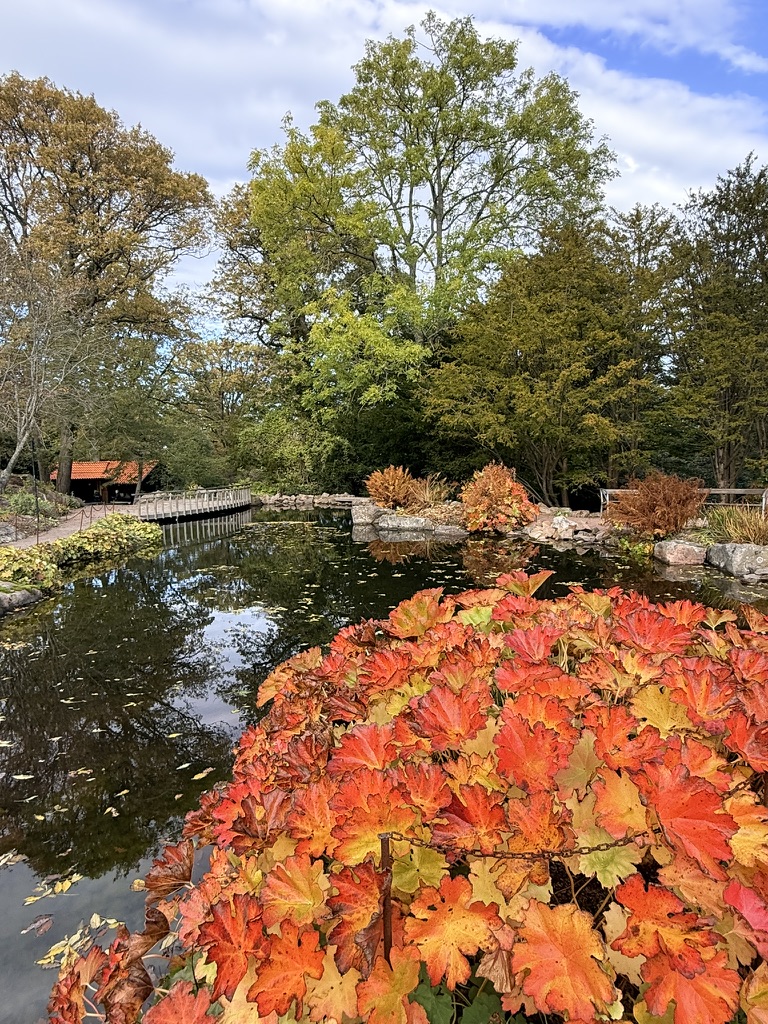
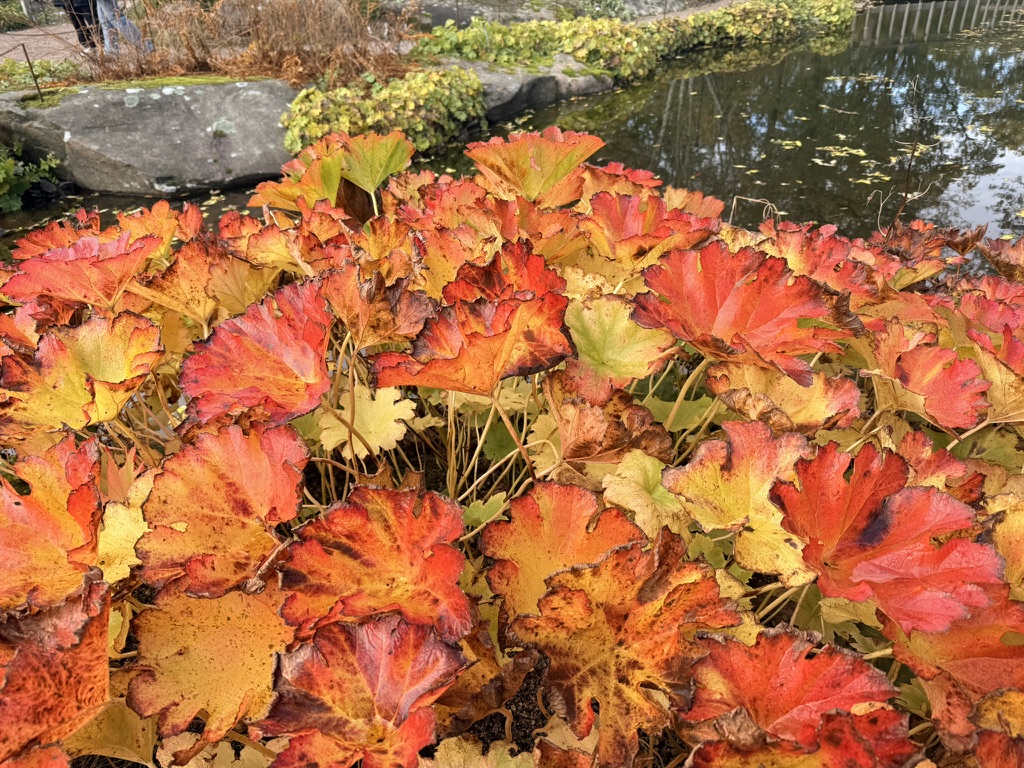
Another day that started off with sunshine and blue skies led us to Botaniska (Gothenburg Botanical Garden), created by botanist and explorer Carl Skottsberg and opened in 1923. Prior to that, the area was a rural idyll of meadows, woods and hills. Botaniska’s landscapes fully exploit this hilly topography.
It won an award in 2003, and in 2006 was third in “The most beautiful garden in Europe” competition. It has around 16,000 species of plants and trees. The greenhouses contain around 4,500 species including 1,600 orchids, but sadly those were closed as they are being renovated and expanded. Botaniksa is considered to be one of the most important botanical gardens in Europe with three stars in the French Guide Rouge.
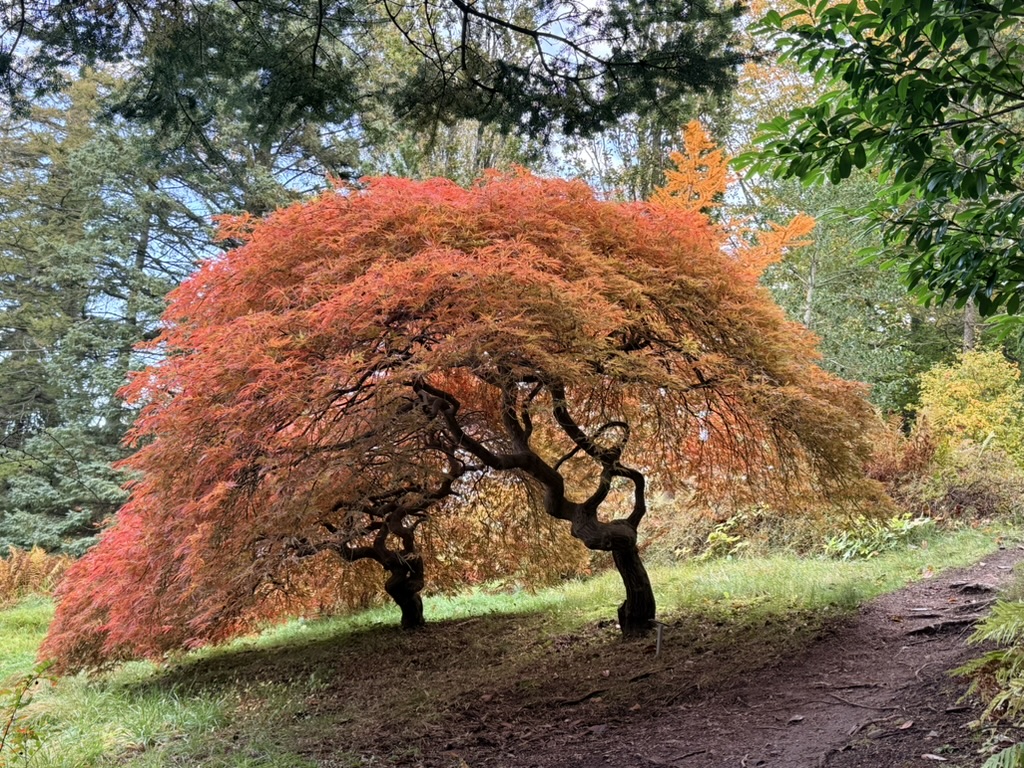
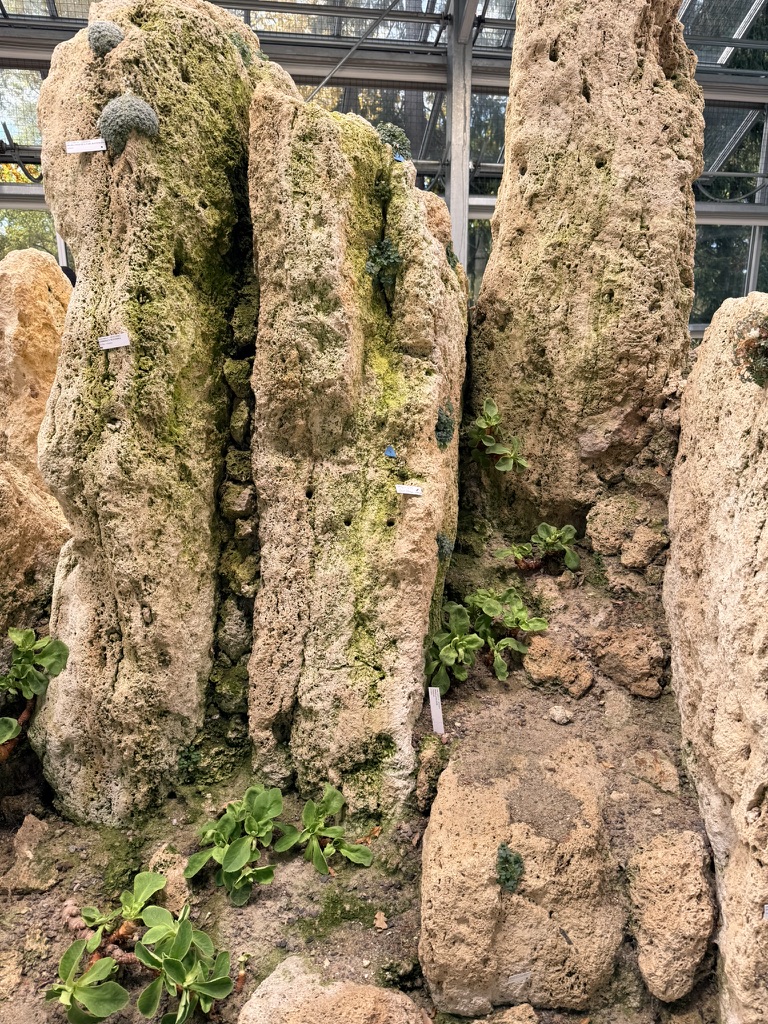
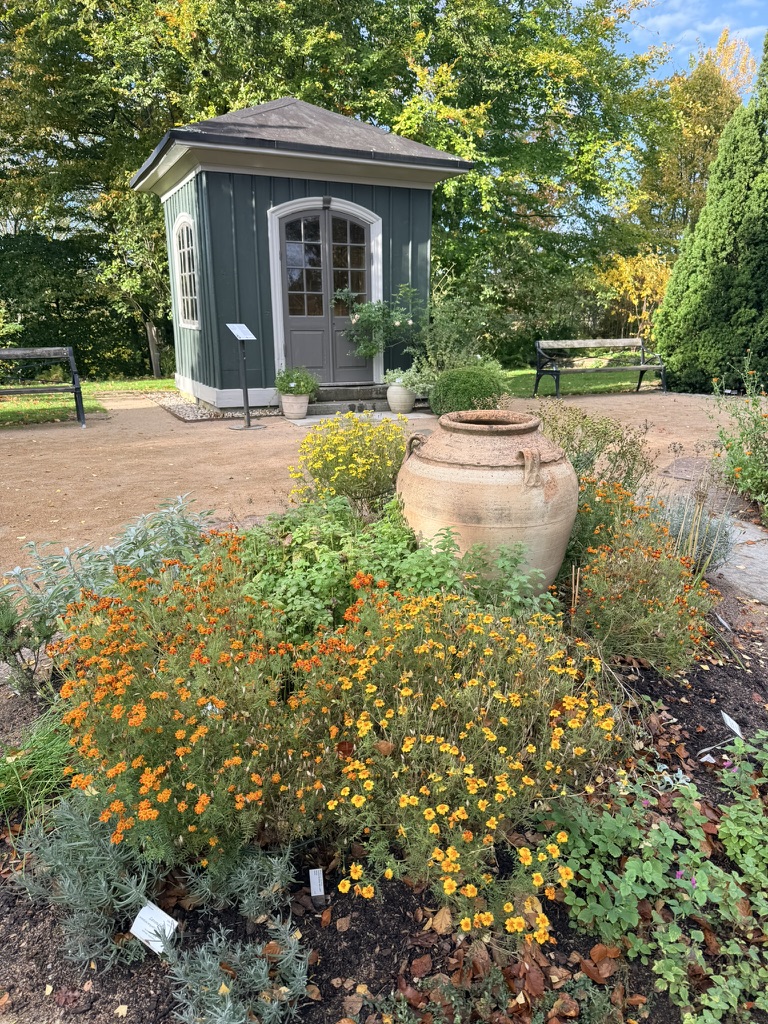
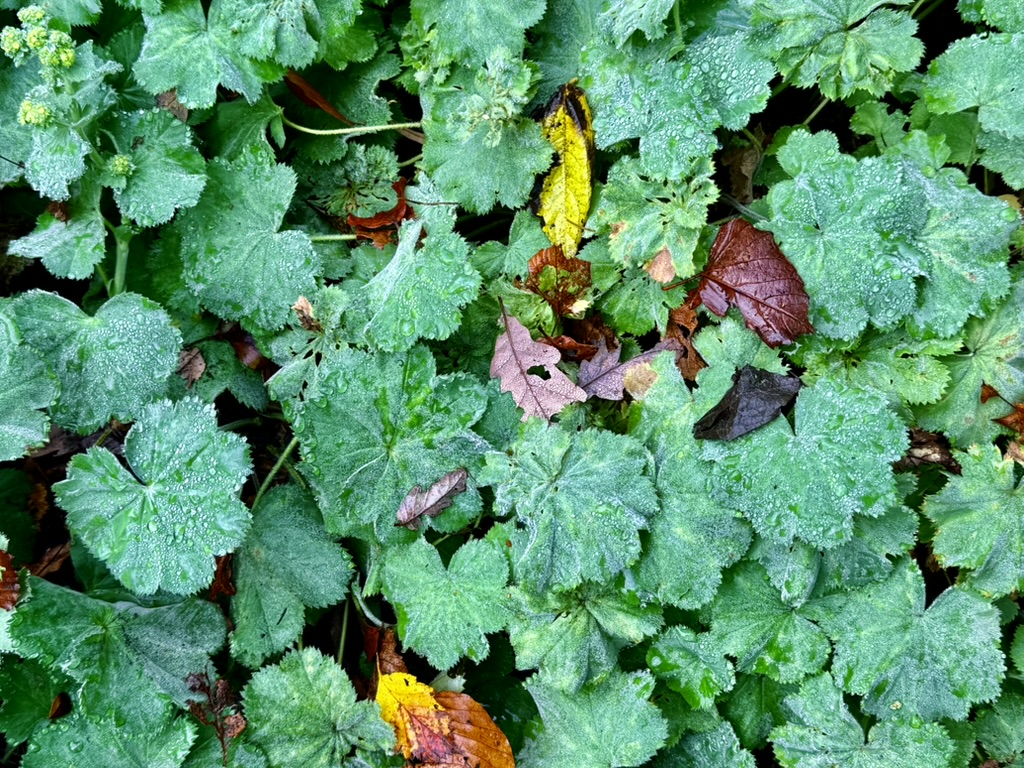
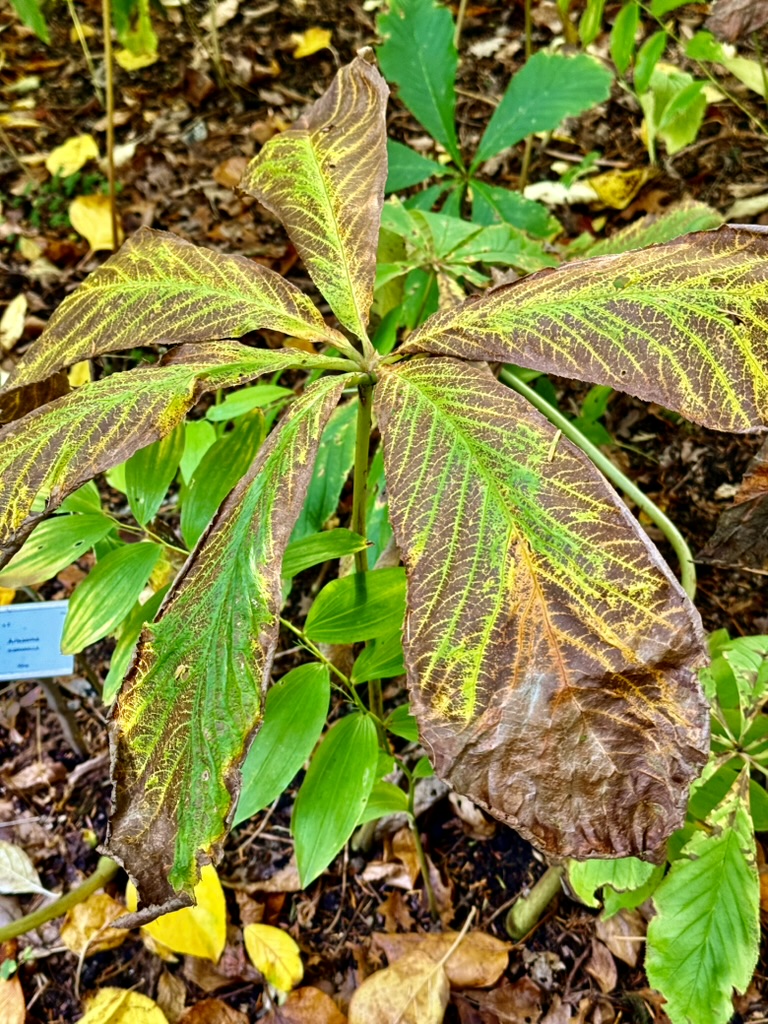
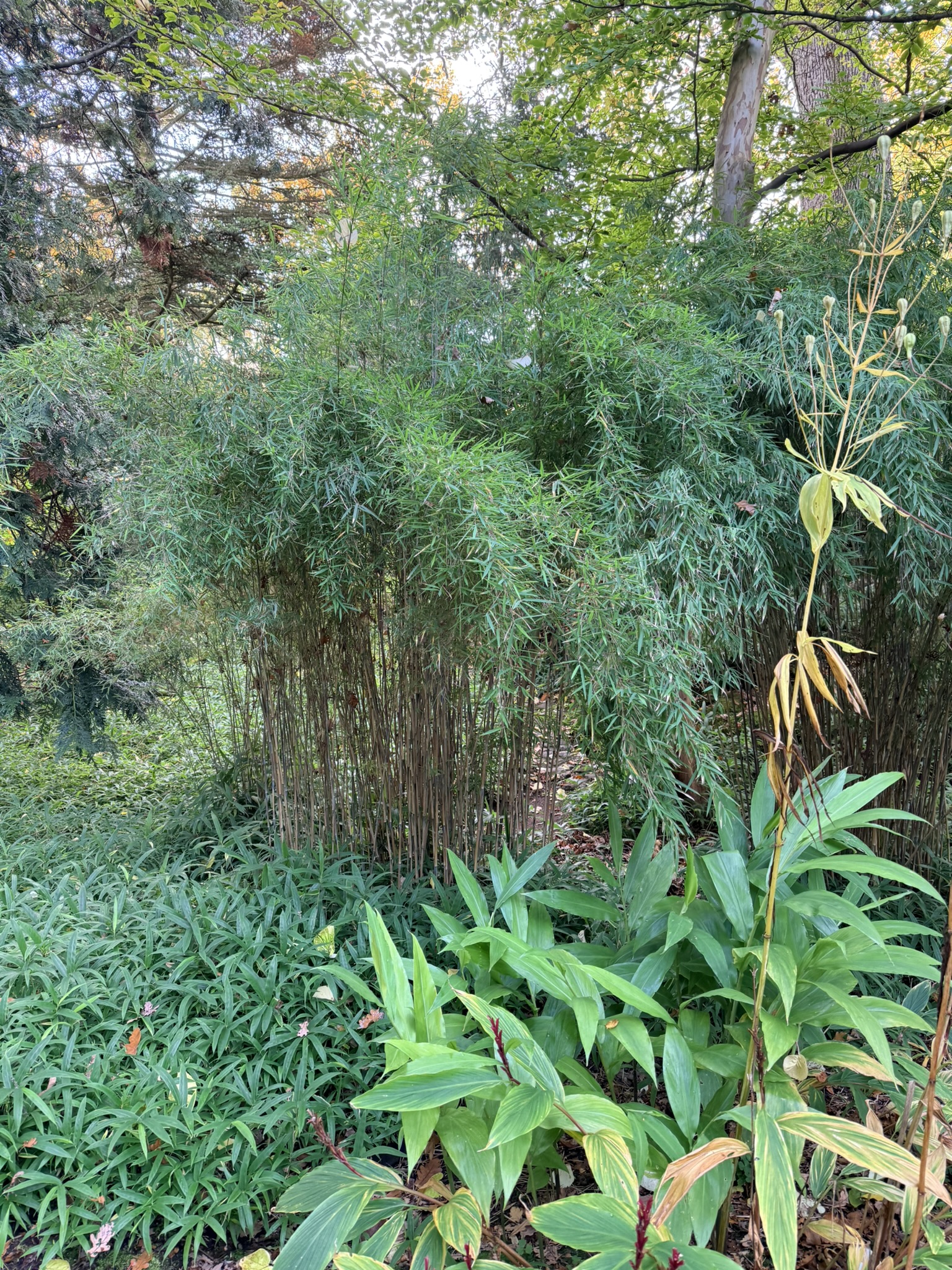
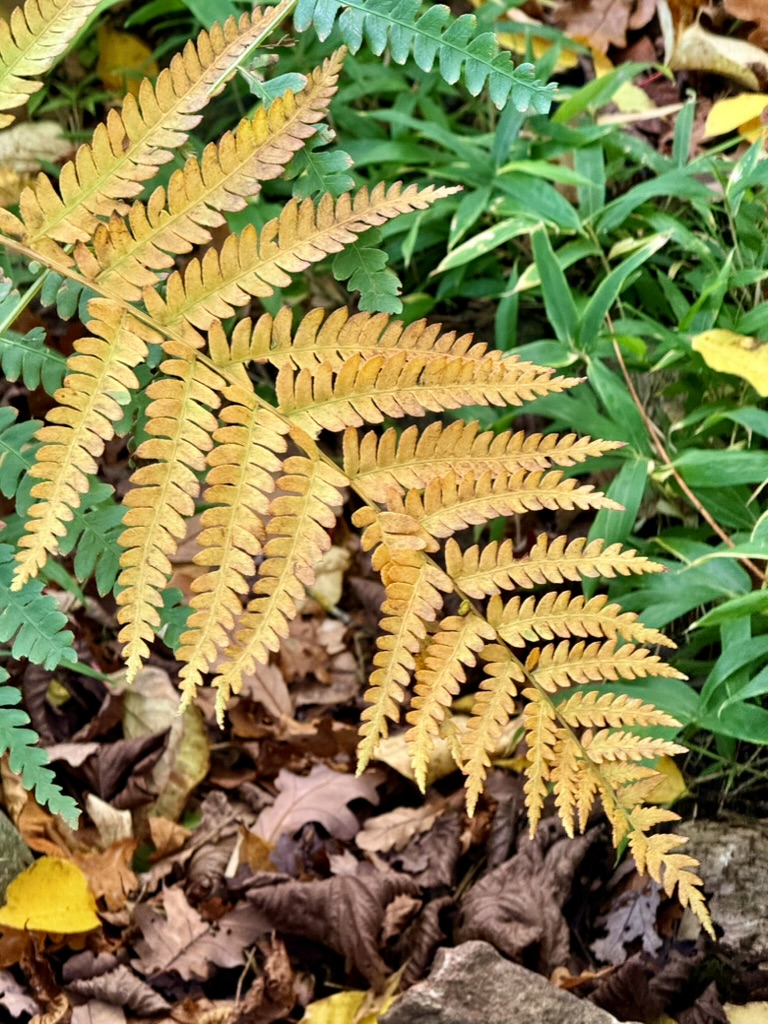
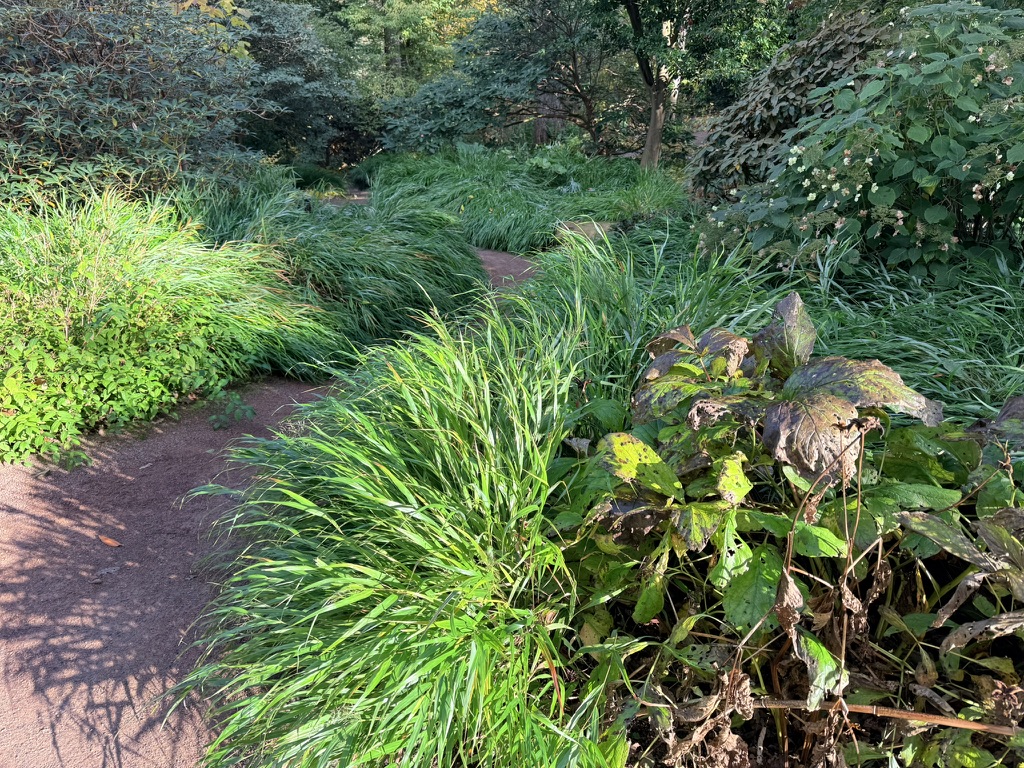
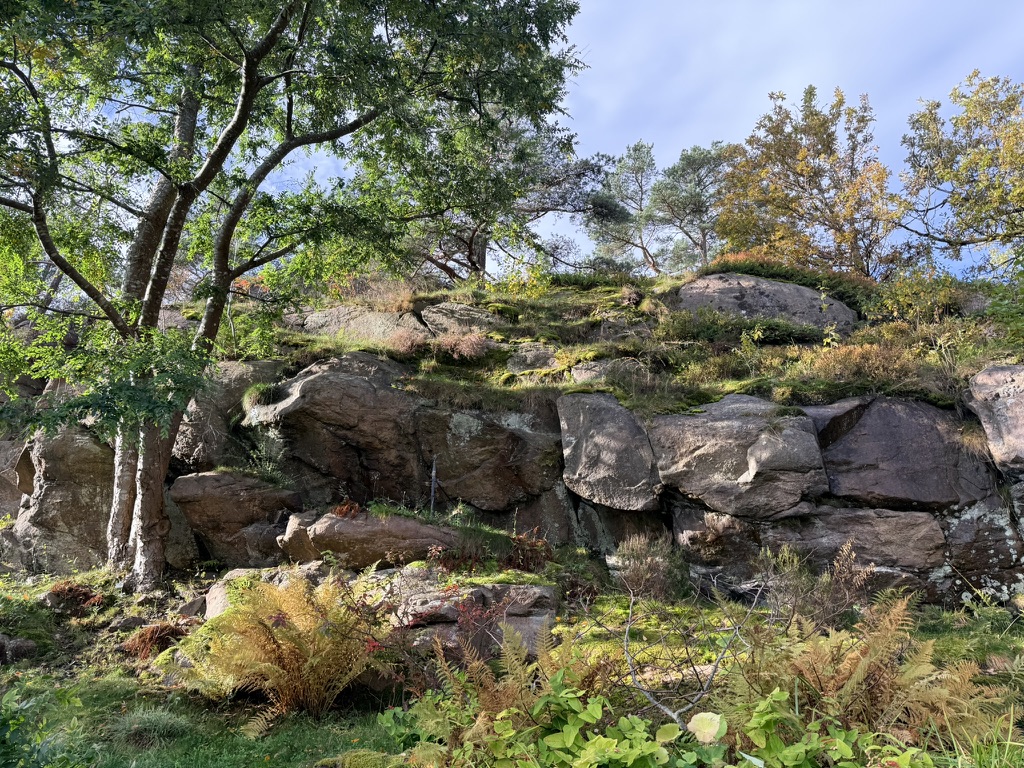
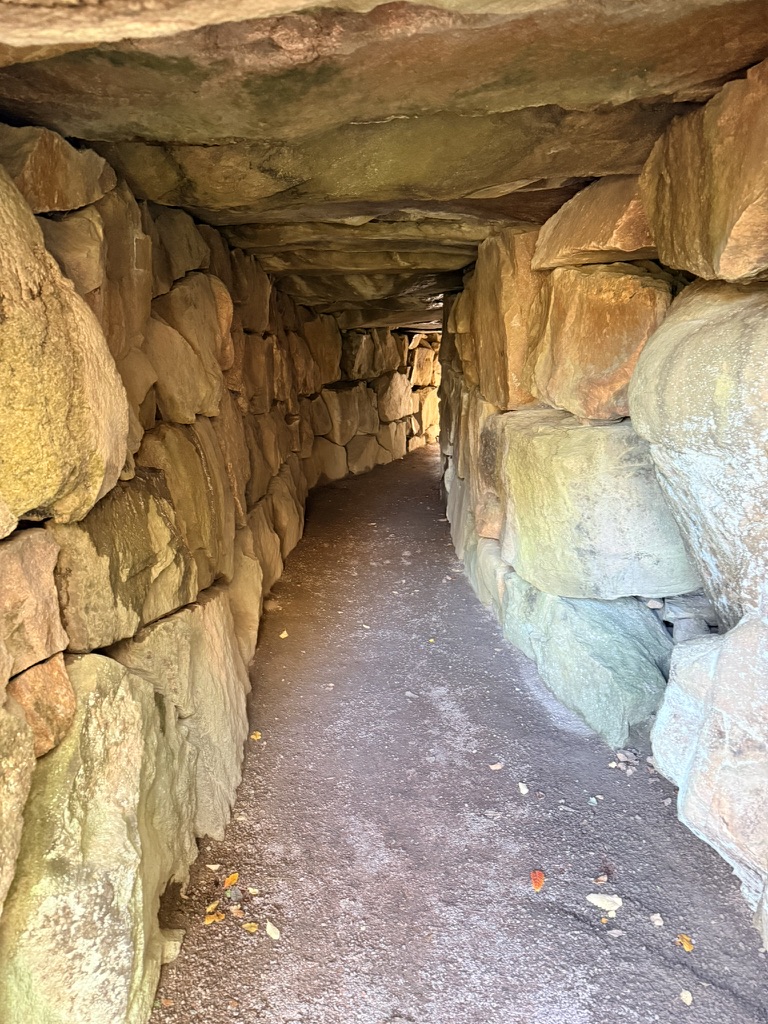
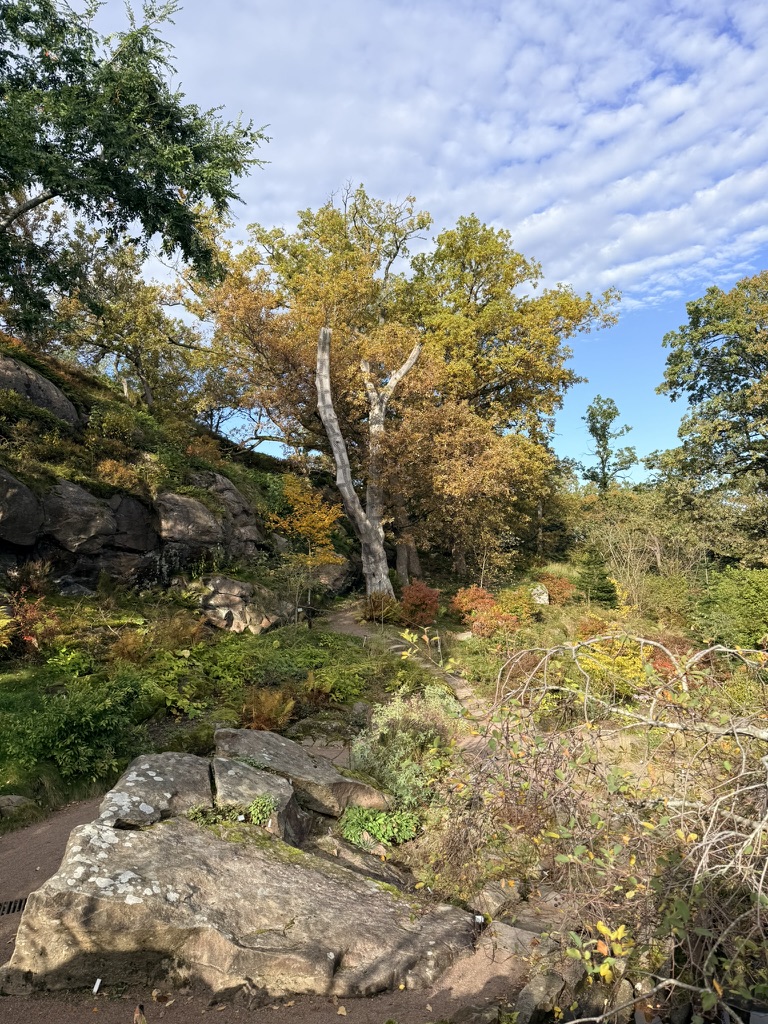
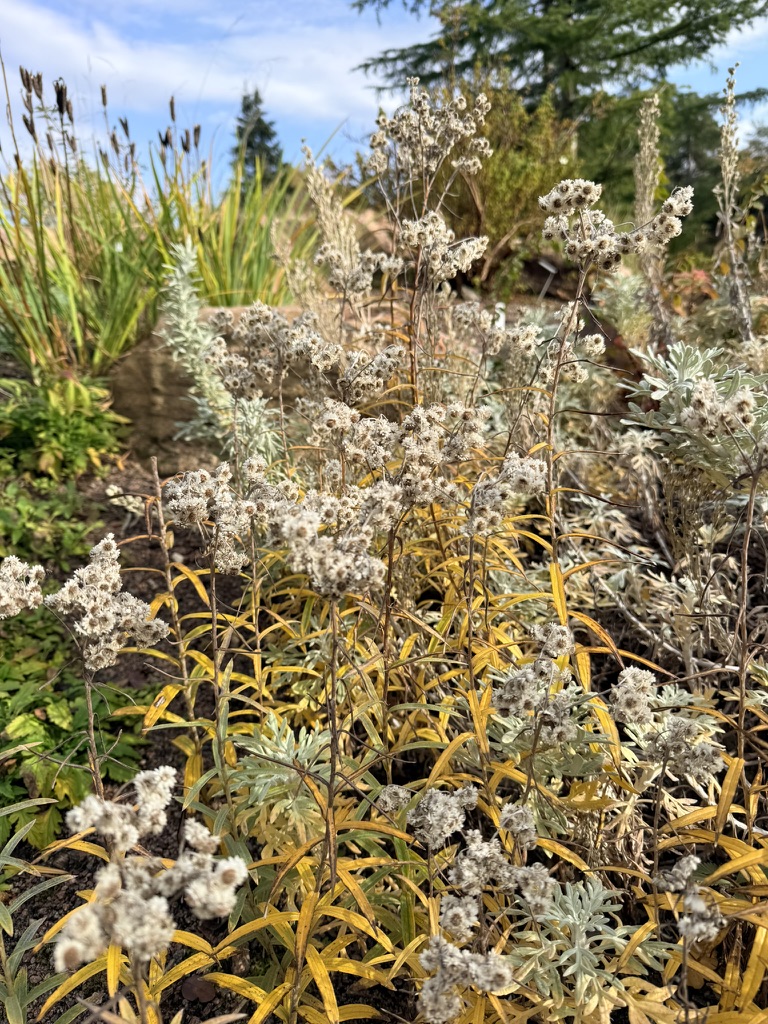
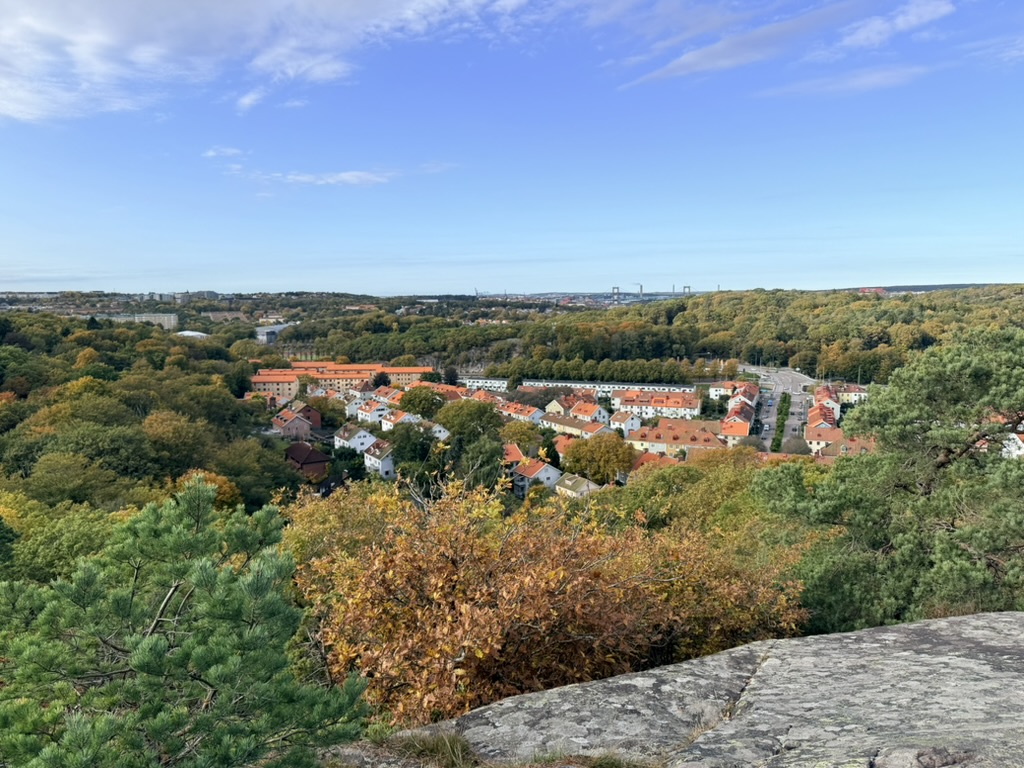
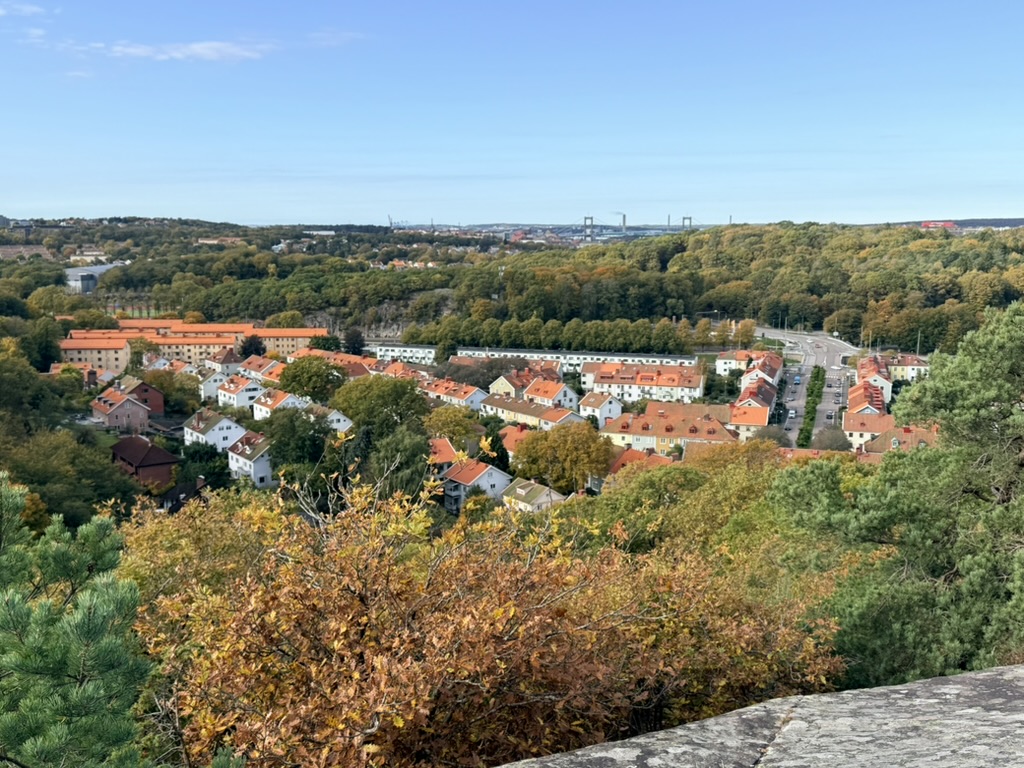
Botaniska encompasses a Rock Garden, greenhouses (temporarily closed), an Herb Garden, a school garden, perennial garden, rhododendron garden, a Japanese Dell, Smith’s Hollow, Bamboo Thickets, bulbs, an Alpine House and a Korean Dell. The climb up through the Korean Dell leads to views over Gothenburg.
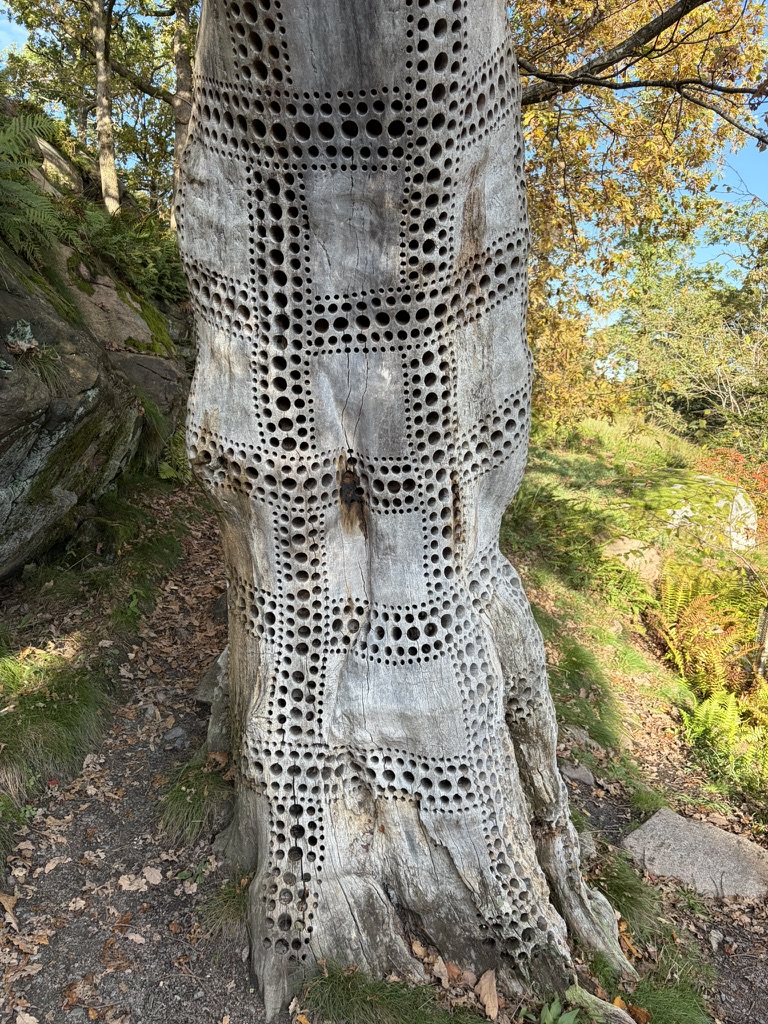
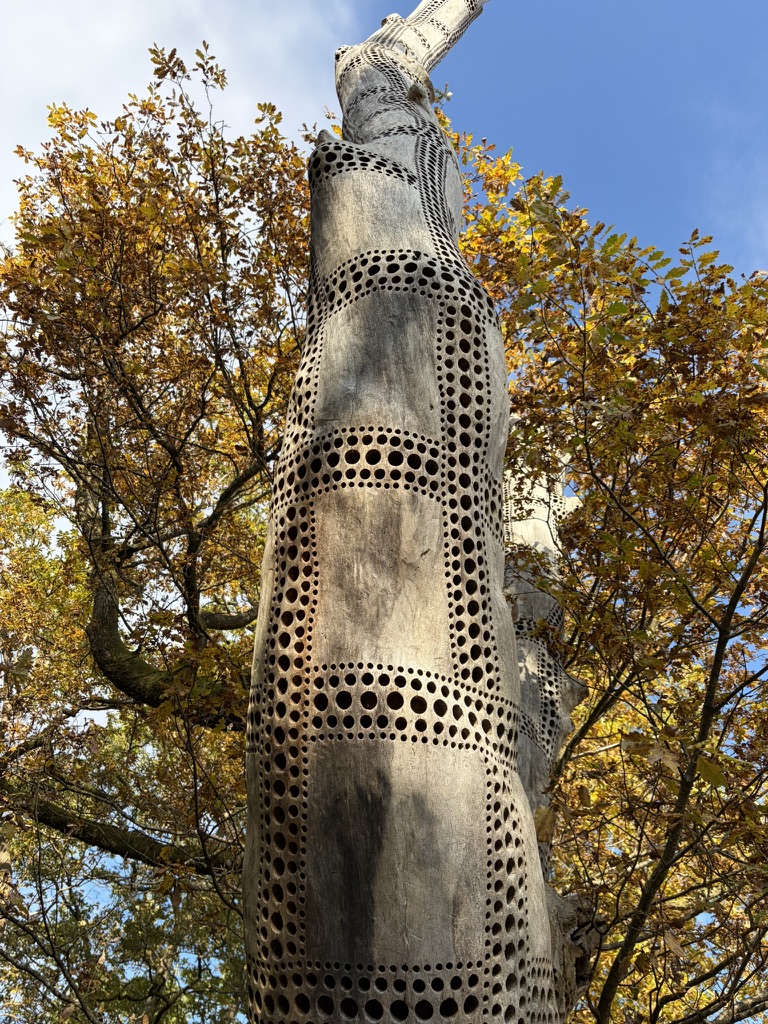
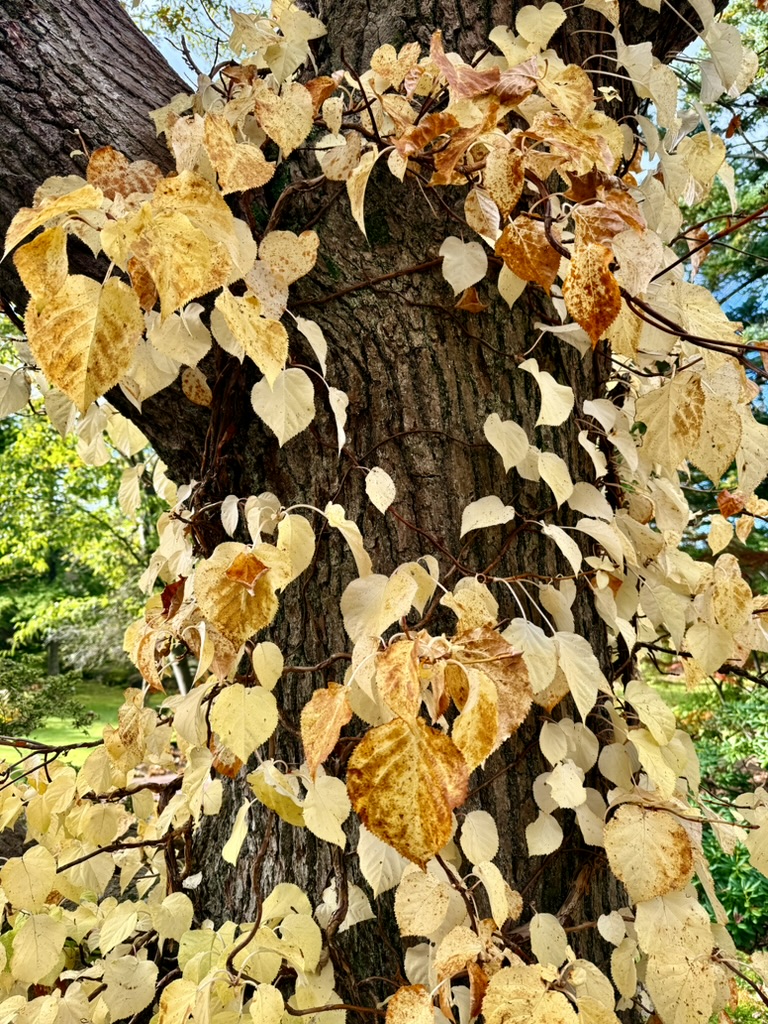
Land Art is a work of art created with nature. In the Rock Garden, Stuart Ian Frost from the UK decorated an old dead oak by polishing the surface and drilling in patterns: “Haven – a safe place.” The oak is already dead and can be left in place as long as it poses no danger. Frost is an internationally acclaimed artist whose site-specific projects can be found across the world from Peru to Mexico, Finland, Portugal and beyond.













Linné
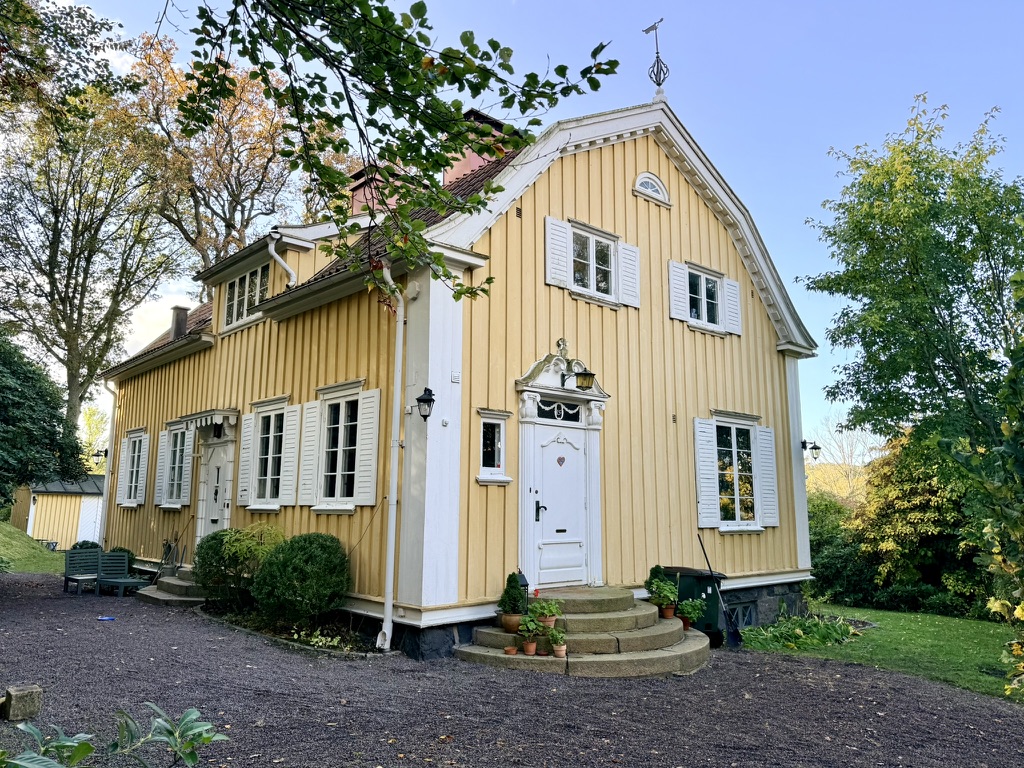
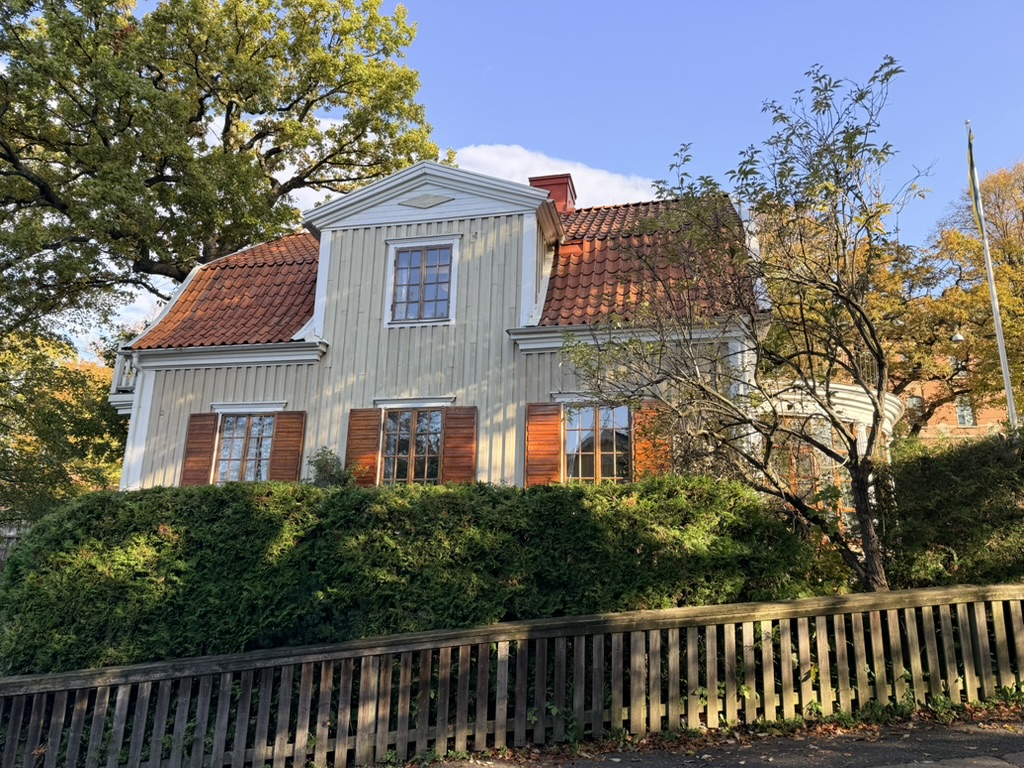
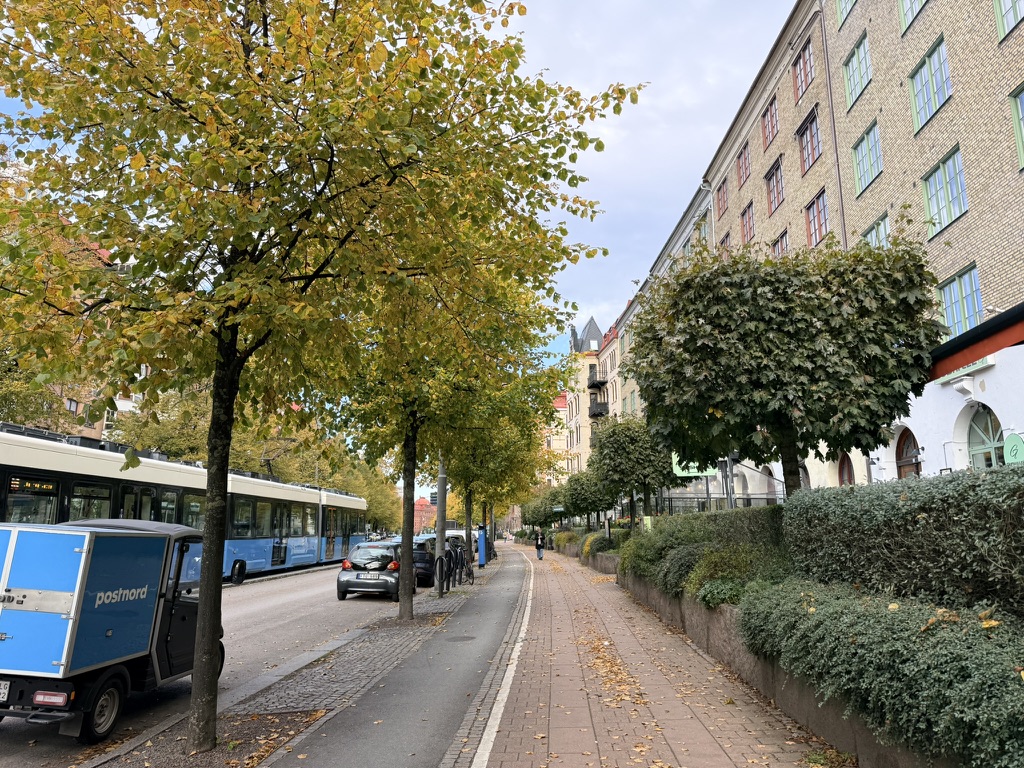
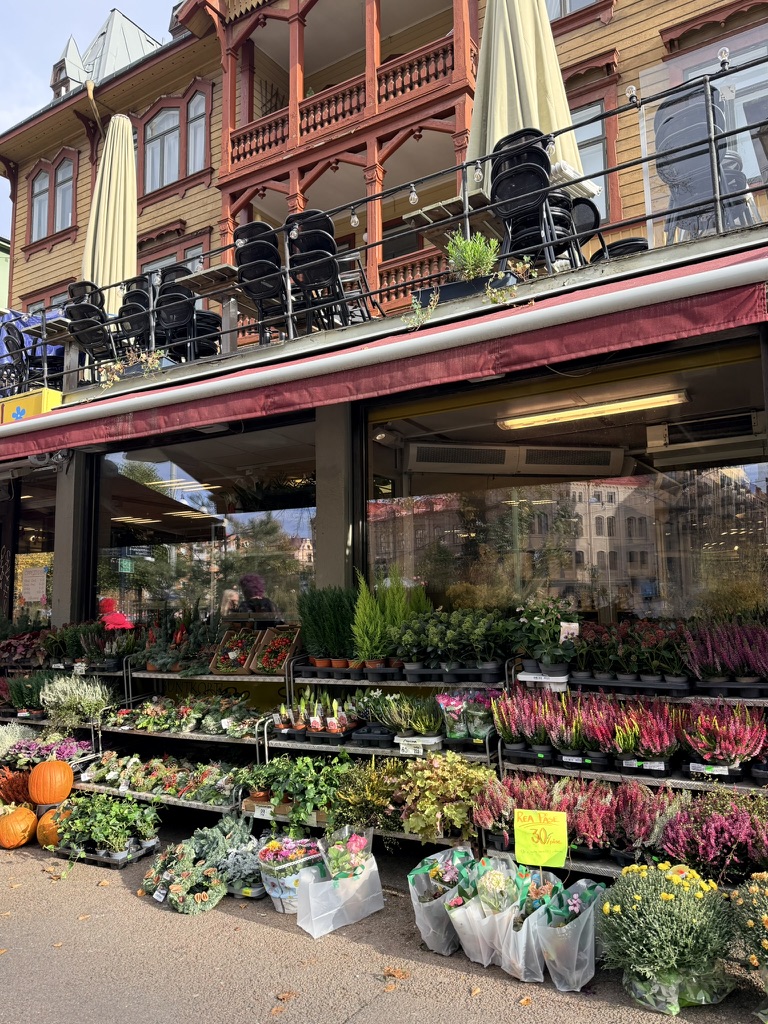
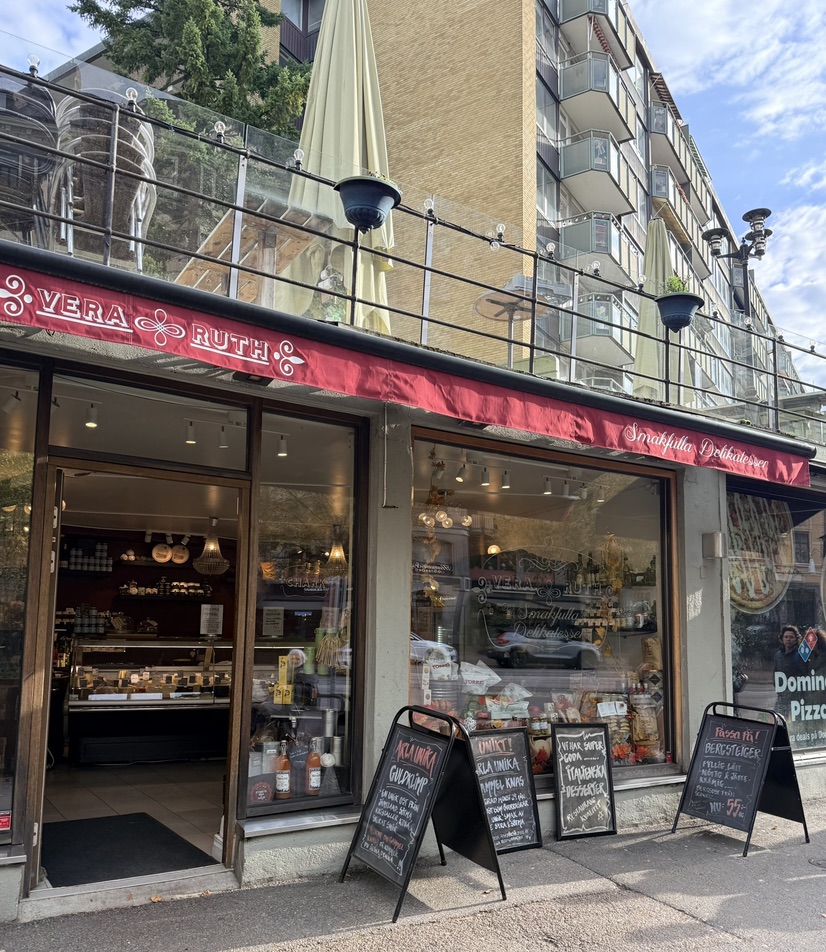
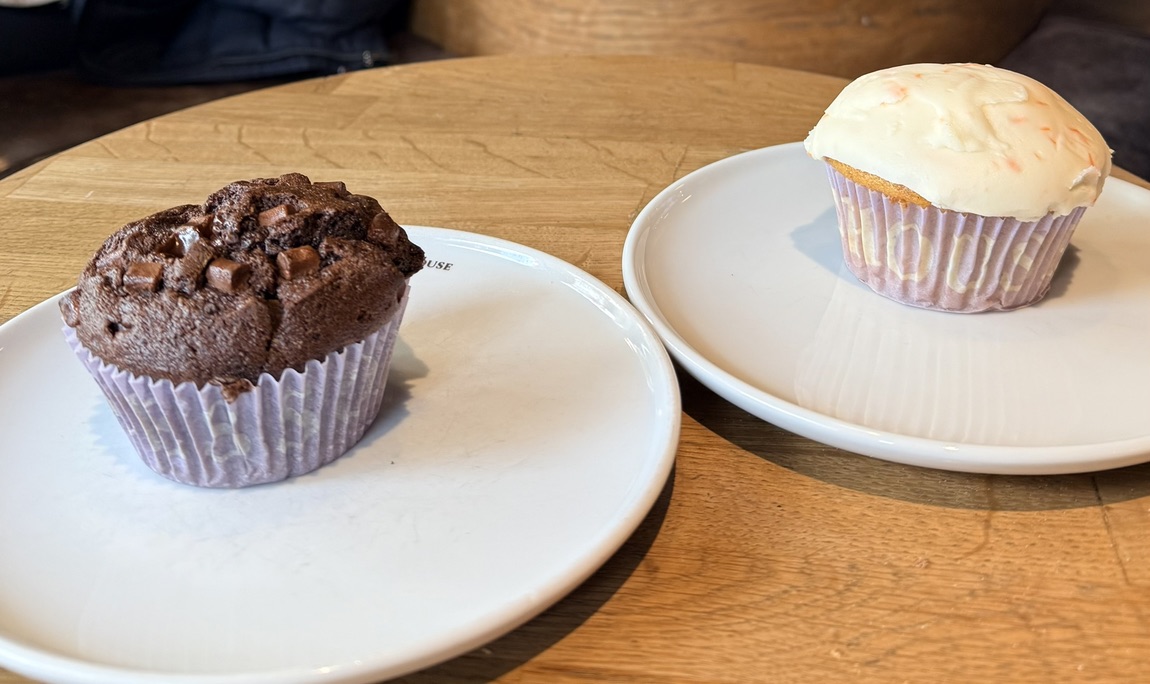
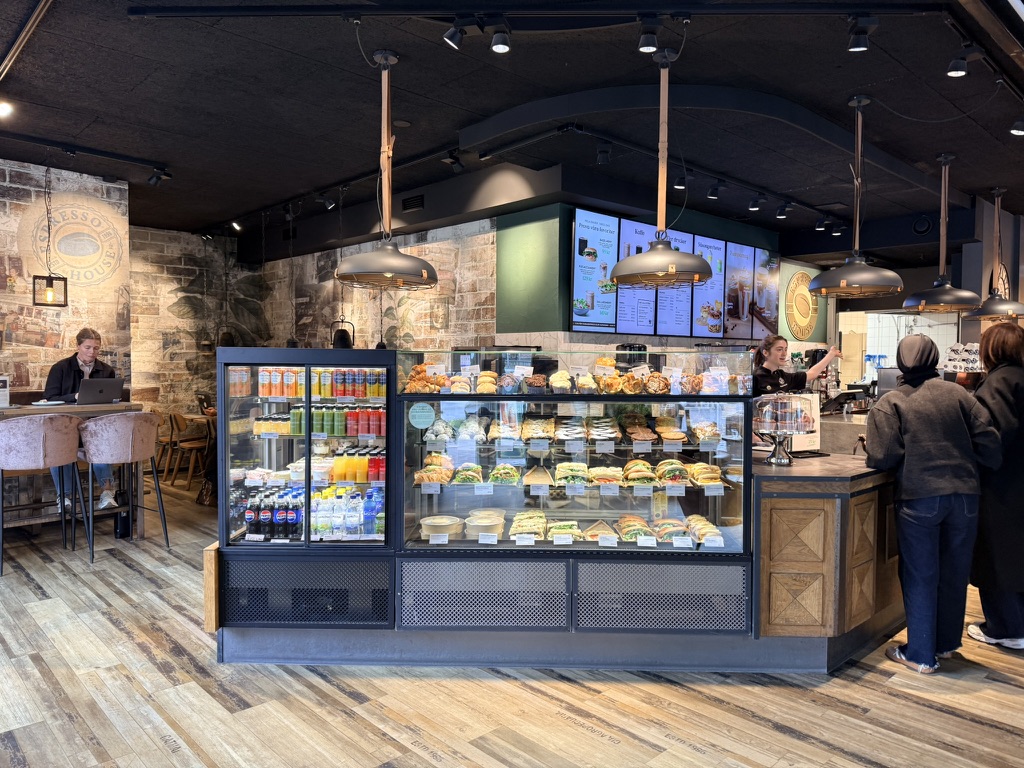
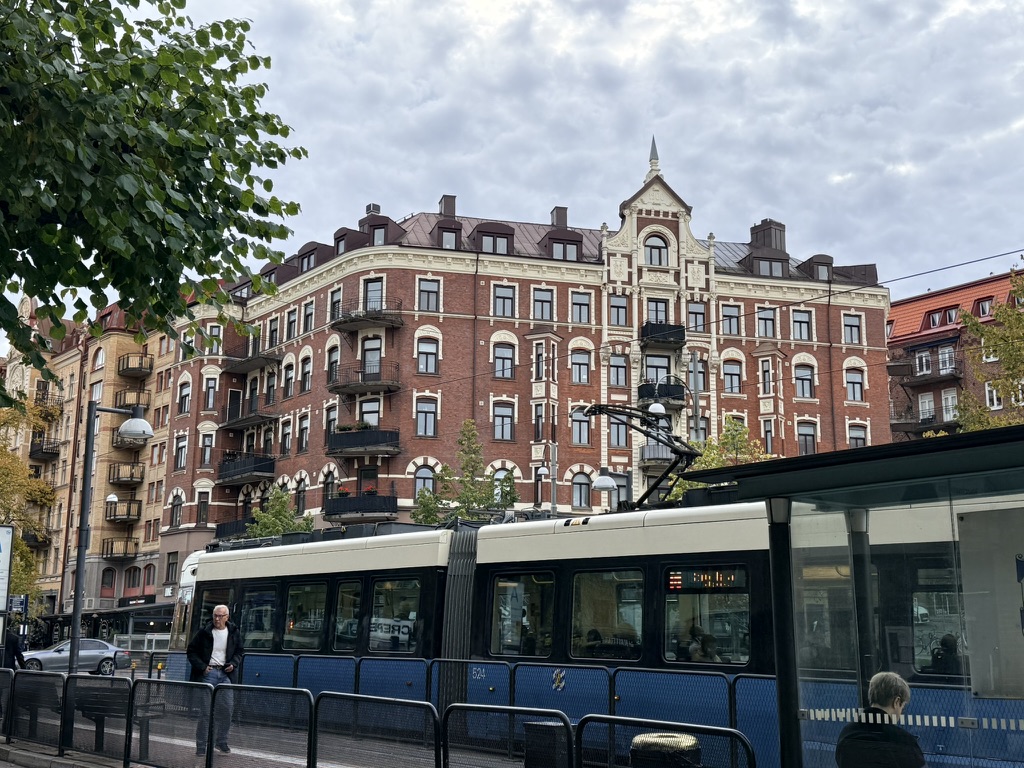
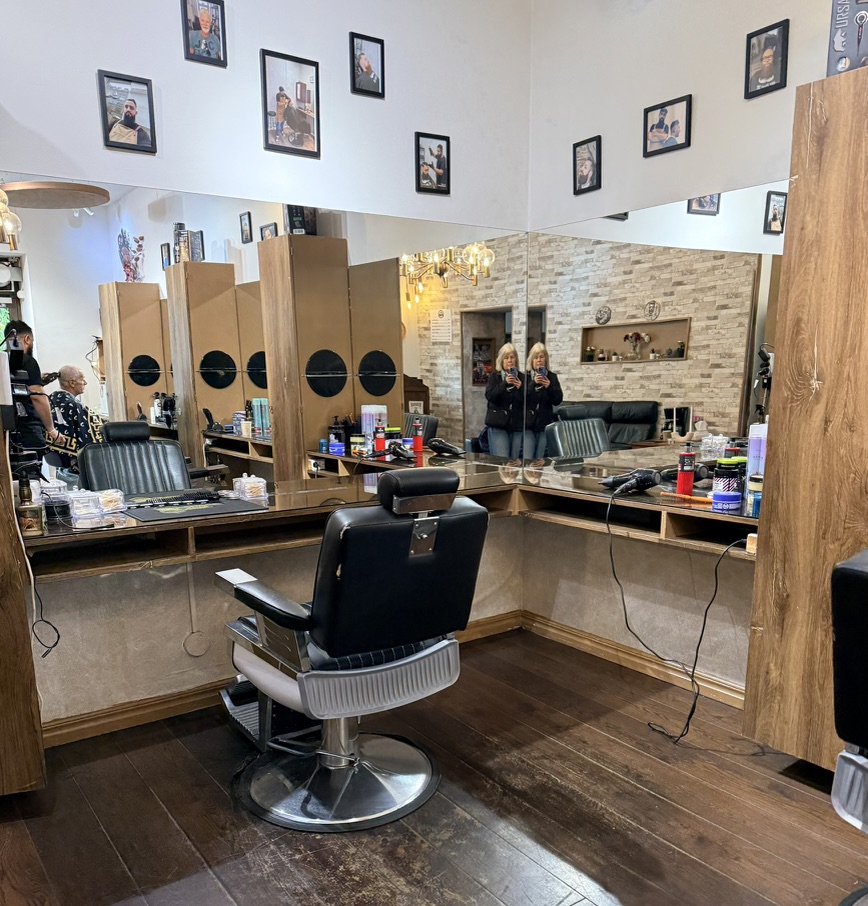
Botaniska was near the district of Linné, which also runs up against the Haga neighborhood. Linné has tall ornate 19th-century tenement blocks and wide tree-lined avenues. The streets are lined with restaurants, bars and cafés; the area is known for its nightlife. Here, we also encountered a barbershop, where Mike popped in for a haircut, and an Espresso House, the ubiquitous chain of coffee and pastry shops we have encountered all over the Nordic countries. Of course we made our usual fika stop. I found a cute shop where I bought, guess what, another scarf, a small Frida Kahlo zip up bag, and a Frida dishcloth.
Scandinavium
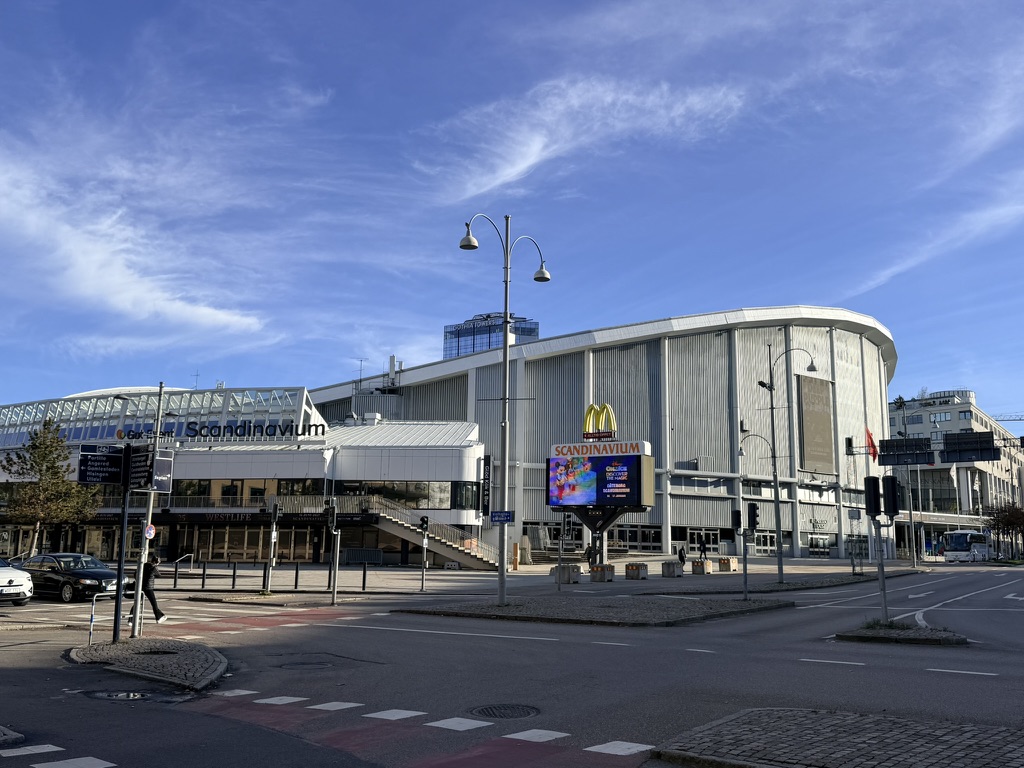
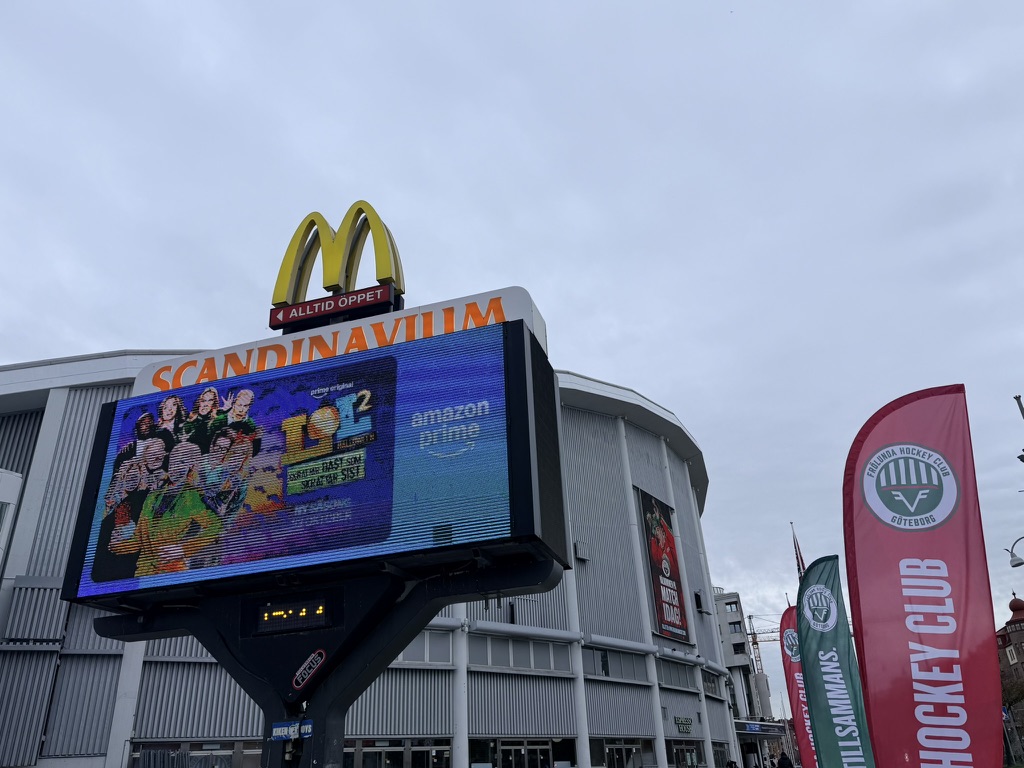
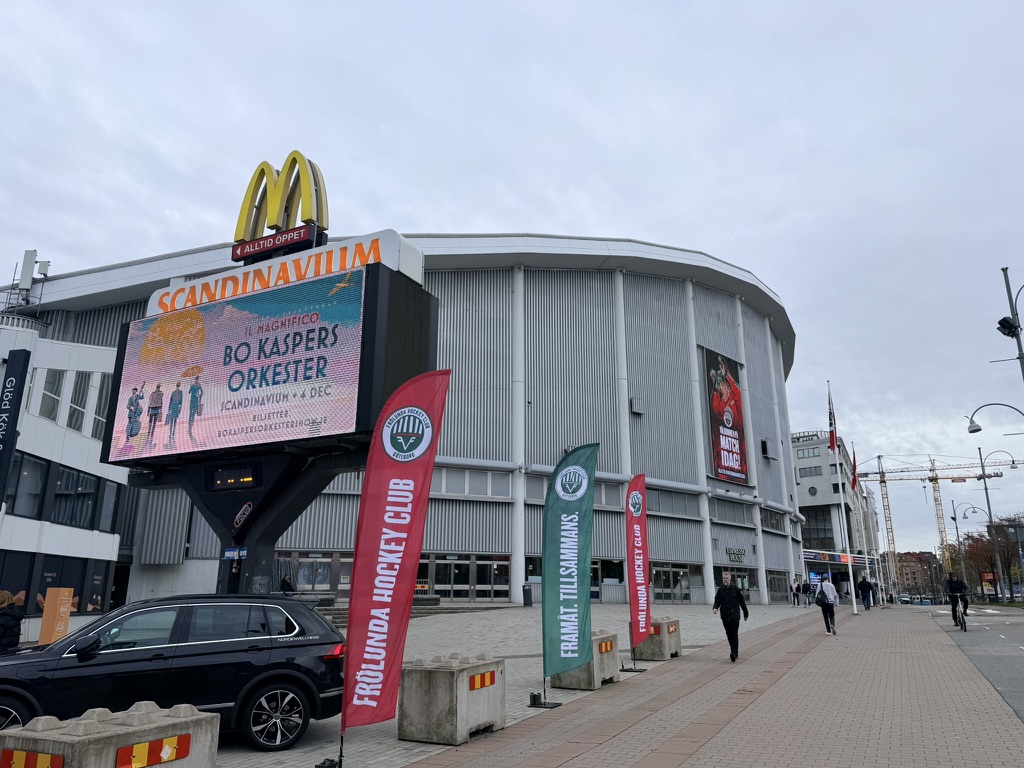
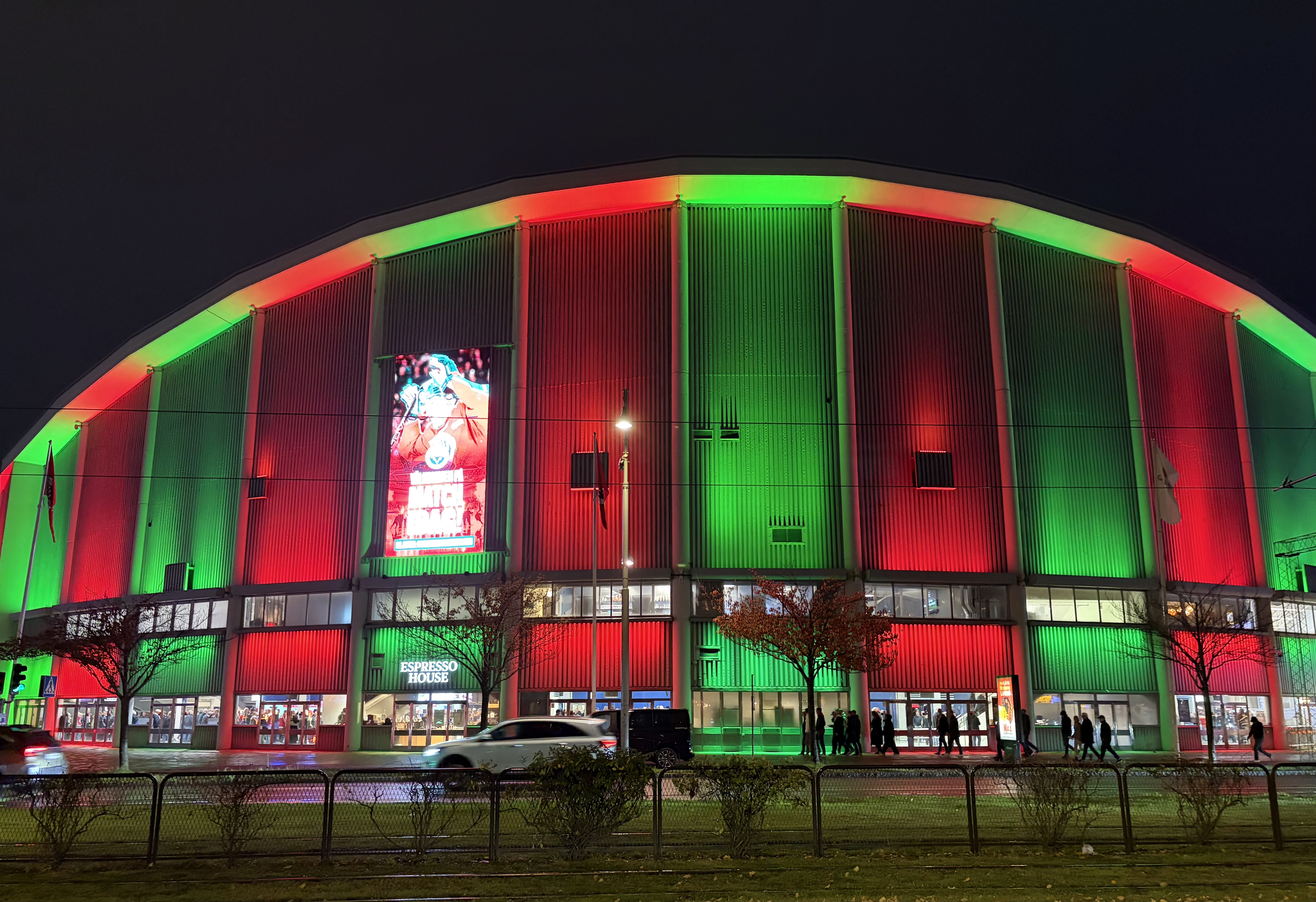
Scandinavium is an indoor arena in Gothenburg, inaugurated in 1971. Scandinavium has been selected as a championship arena at least fifty times, hosting events such as World Championships in handball and ice hockey, European championships, Davis Cup finals, and in 1985 the Eurovision Song Contest. Scandinavium is the home arena for Frölunda HC of the Swedish Hockey League.
Mike goes to a hockey match
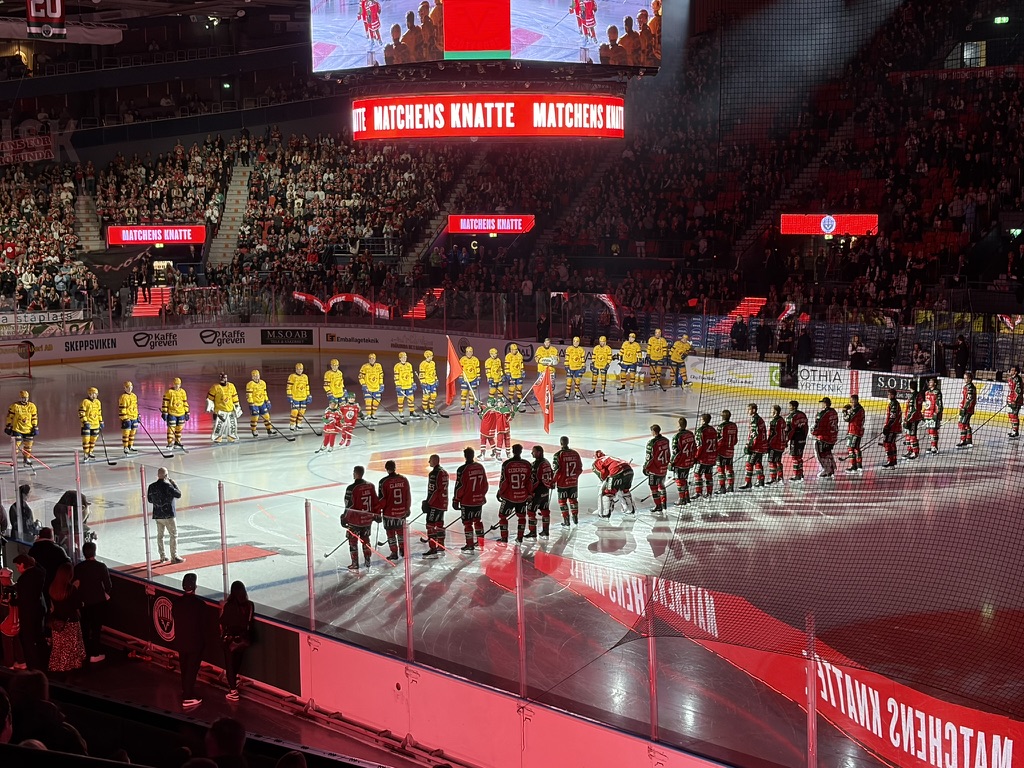
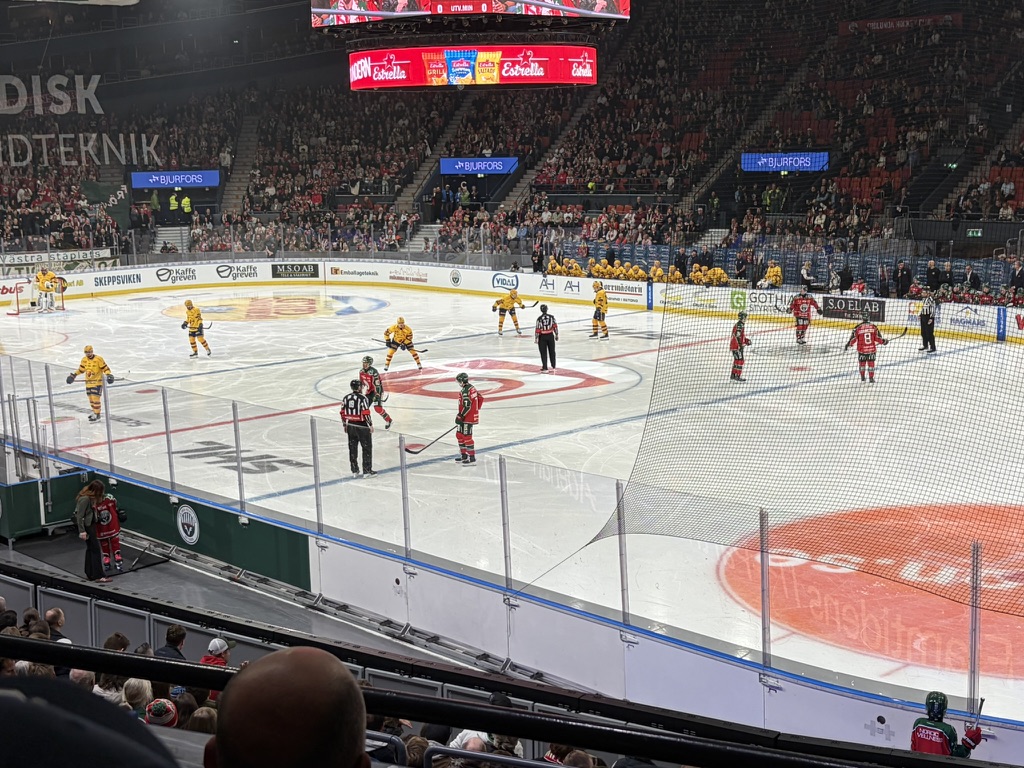
On Tuesday the 20th Mike went to the Frolunda HC (Gothenberg home team)- Djurgarden (a Stockholm team) hockey match at the Scandinavium arena several blocks from our apartment. Ice Hockey and Futbol (soccer) are huge elements of European culture and neighborhood pride, and Mike, being a sports enthusiast, enjoys immersing himself in the athletic culture. The Swedish Hockey League is generally rated as the third best hockey league in the world sending numerous players to the NHL. Almost one hundred players from the Frolunda HC junior and senior teams have been drafted into the NHL. Mike enjoyed the game and enthusiasm of the fan base in the 13,000 seat arena, especially with Frolunda skating to a 6-1 win.

Göteborgs Konstmuseum
Outside of the city’s Göteborgs Konstmuseum (Gothenburg Museum of Art), we found Gothenburg’s most famous public artwork, the bronze Poseidon fountain out front.
The museum building was designed for the Gothenburg Tercentennial Jubilee Exposition (Jubileumsutställningen i Göteborg) in 1923 by architect Sigfrid Ericson (1879–1958). The eastern extension was added in 1966–1968, after drawings by Rune Falk (1926–2007). It was originally built in celebration of the city’s 300th anniversary, and represents the monumental Neo-Classical style in Nordic architecture. It is built of a yellow brick called “Gothenburg brick” because of the material’s frequent use in the city.
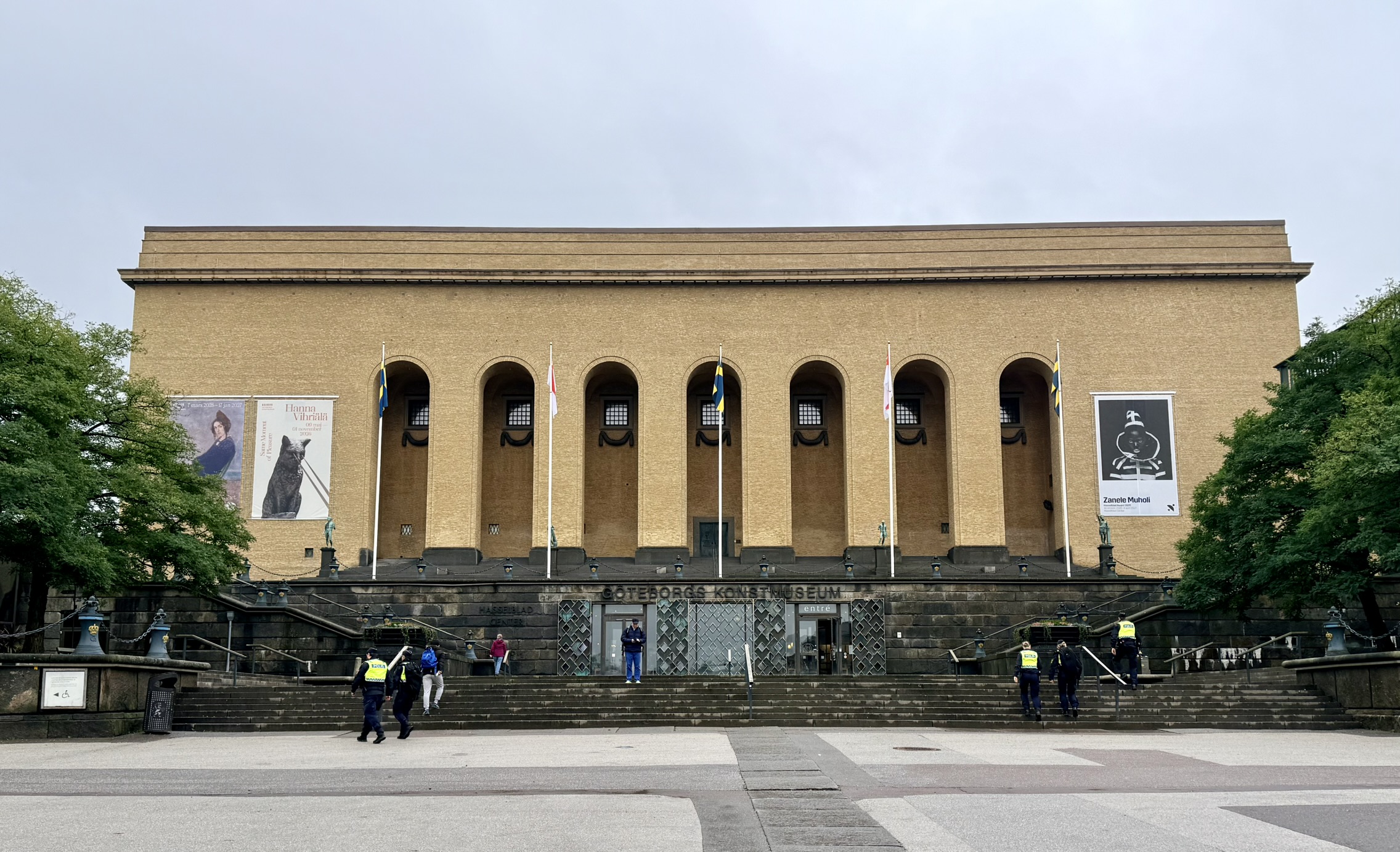
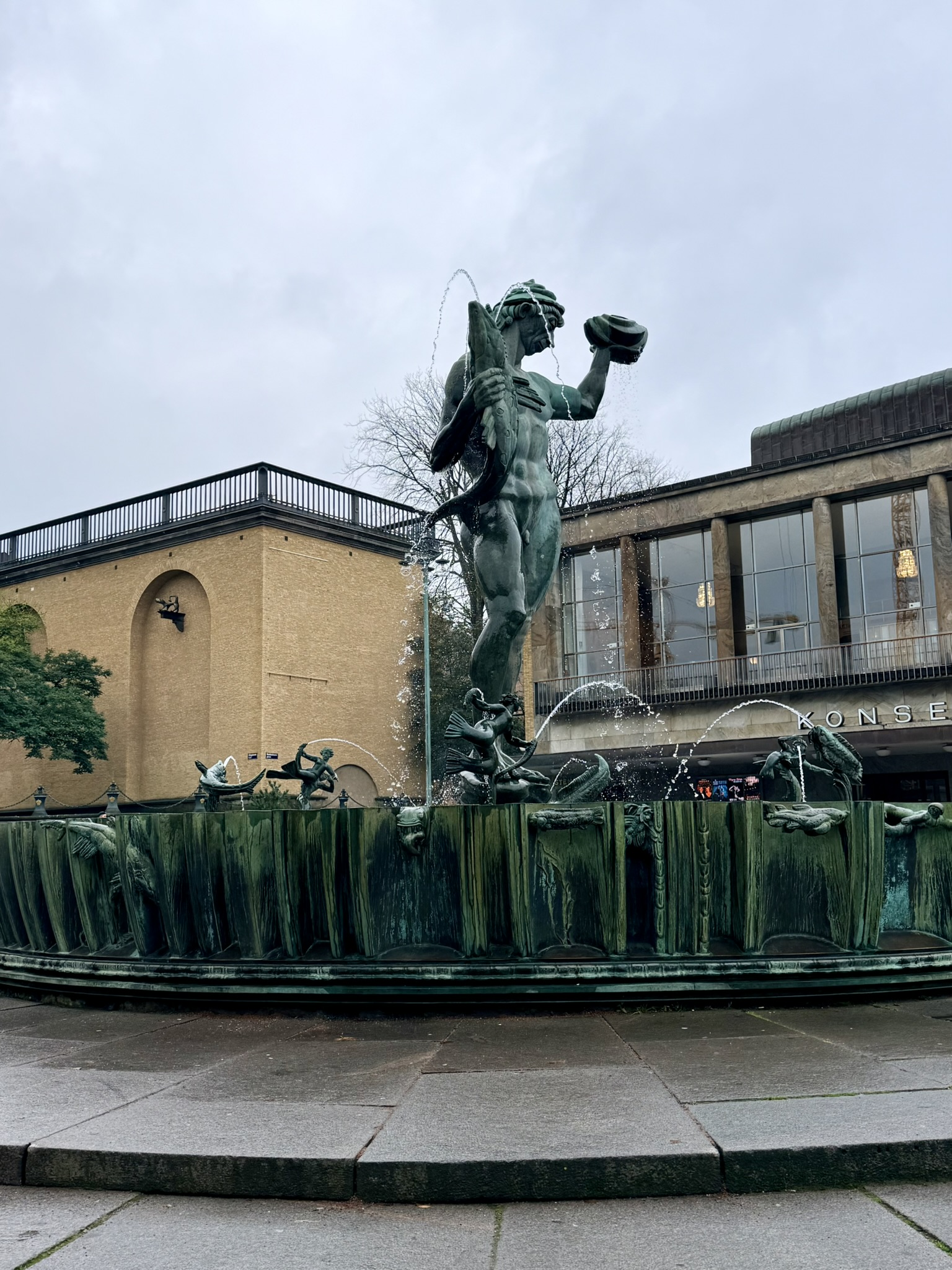
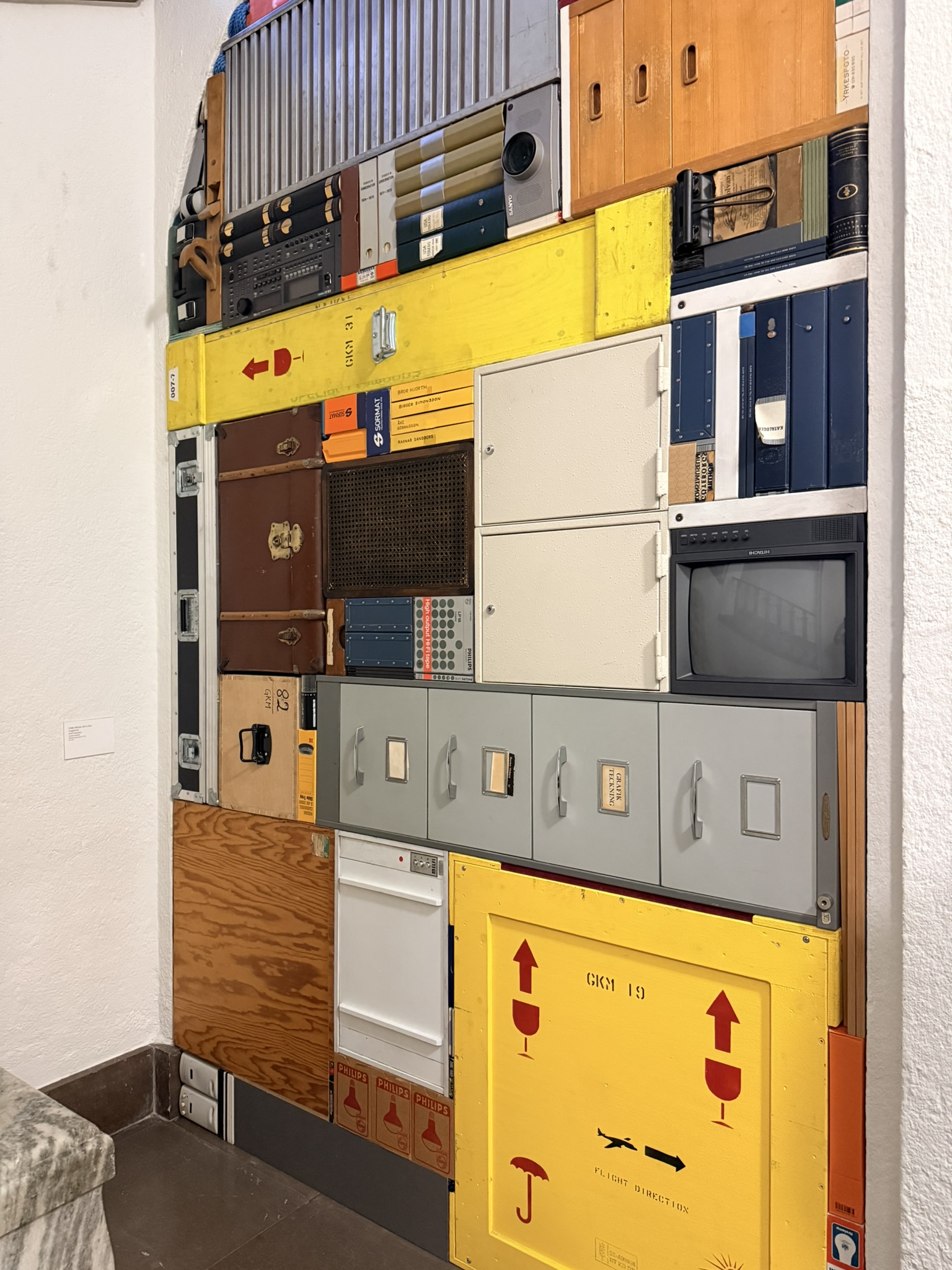
Inside the cavernous museum are grand galleries, with exhibitions arranged chronologically over six floors. The museum has a collection of international standing that includes art from the 15th century until today, mostly from Europe and the USA but with an emphasis on Nordic art. Interestingly, the classic works are imaginatively interspersed with contemporary installations throughout.
The most valuable work in the collection is Van Gogh’s Olive Grove, one in a series of paintings he completed while at a psychiatric hospital in Saint-Rémy-de-Provence.
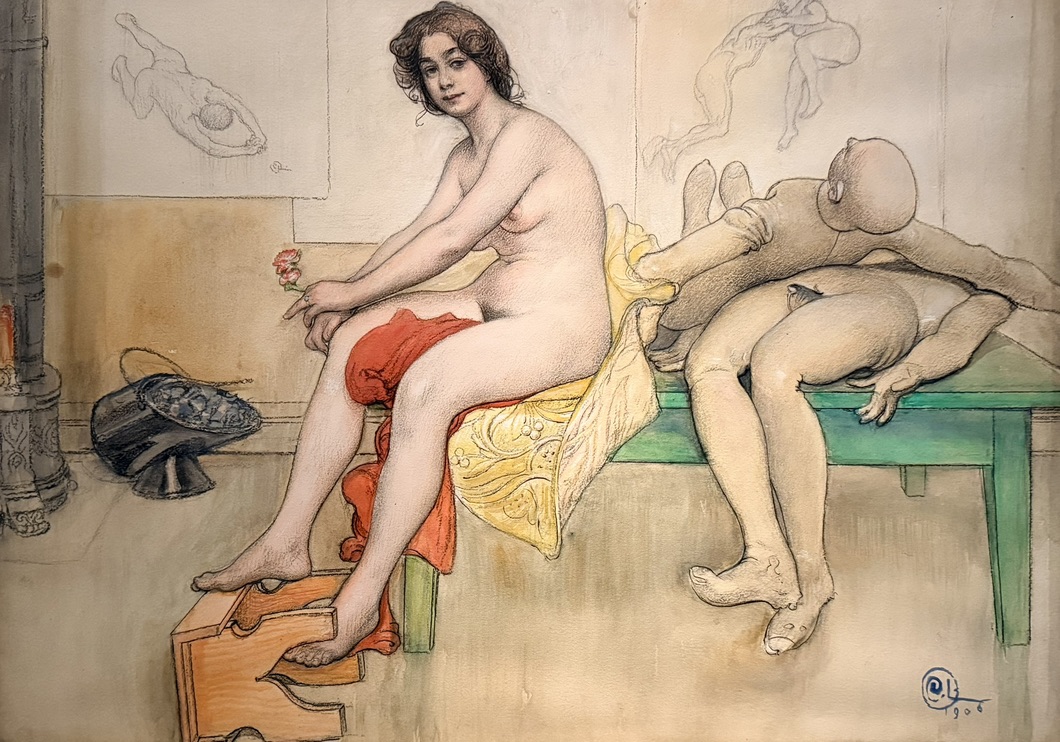
Scandinavian masters such as Bruno Liljefors, Edvard Munch, Anders Zorn and Carl Larsson are featured in the collection, notably in the Fürstenberg Gallery, one of the museum’s most popular sections. It also has a great collection of Nordic colorists, among them the Gothenburg Colourists.
In the 1890s, many Nordic artists returned home after extended stays in France, particularly in Paris. There, they had encountered realism, impressionism, and the visual culture of the modern city. Upon their return, many developed a more personal mode of expression. Questions of national identity often became linked to folk culture. At the same time, several artists moved toward symbolism, with its emphasis on inner experience. Nordic nature was imbued with a sense of mystery and emotional resonance, and landscapes were frequently rendered in twilight: in dim winter light or during melancholic summer evenings.
The early 20th century, ushered in by the industrial revolution, brought changes leading from Romanticism to Modernism. Female artists began to emerge, despite the fact that women during these times had trouble making their voices heard. They often combined working as artists with an active political stance.
A strong naive tradition developed in Sweden from the late 1910s and onward. Naive art was based on the intention of the artist to see the world in the eyes of the child or the unschooled artist. Despite having a somewhat idyllic and nostalgic attitude at times, naive art played a role in modernism and explored modern society and humanity after its own fashion.
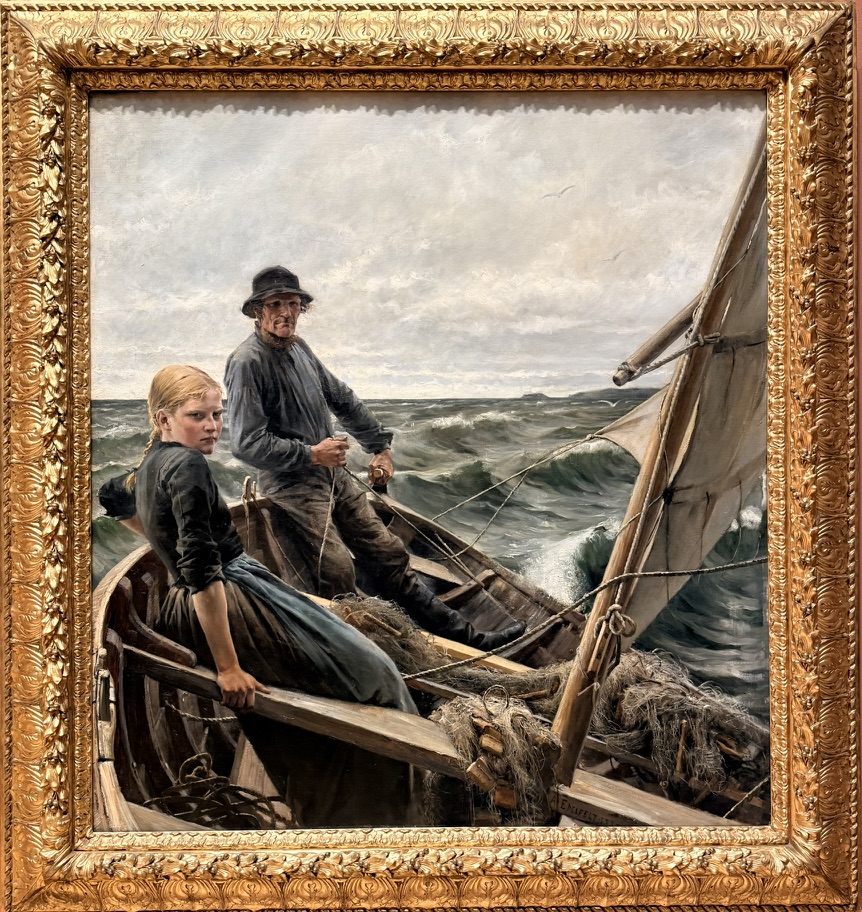
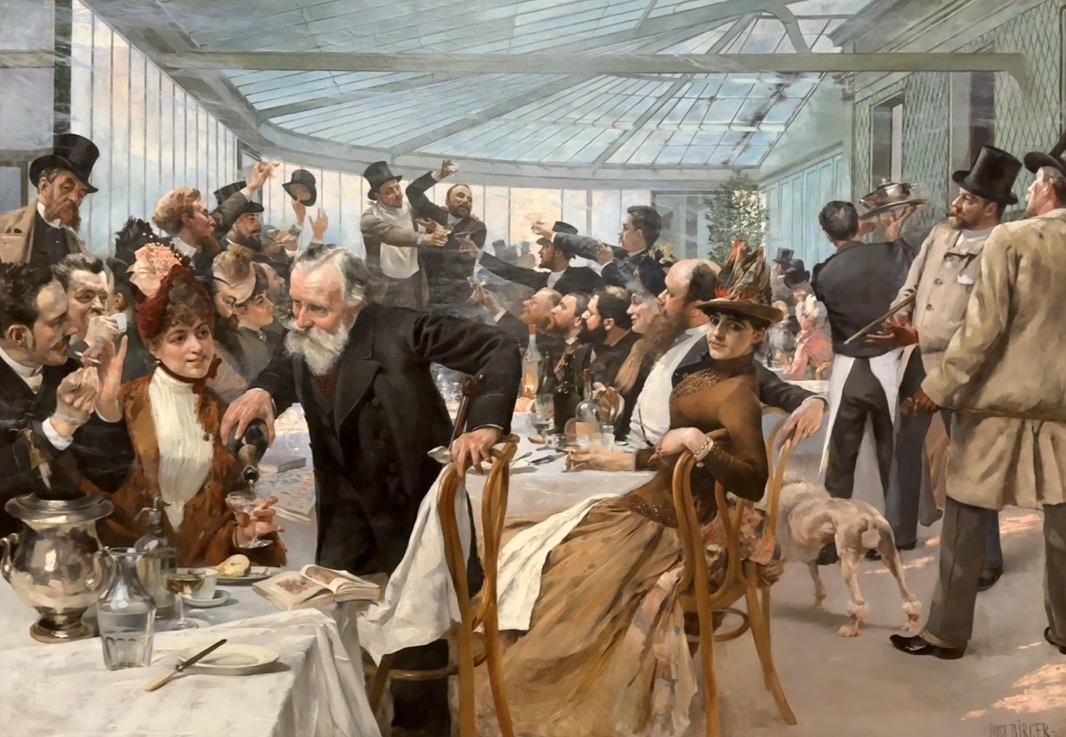
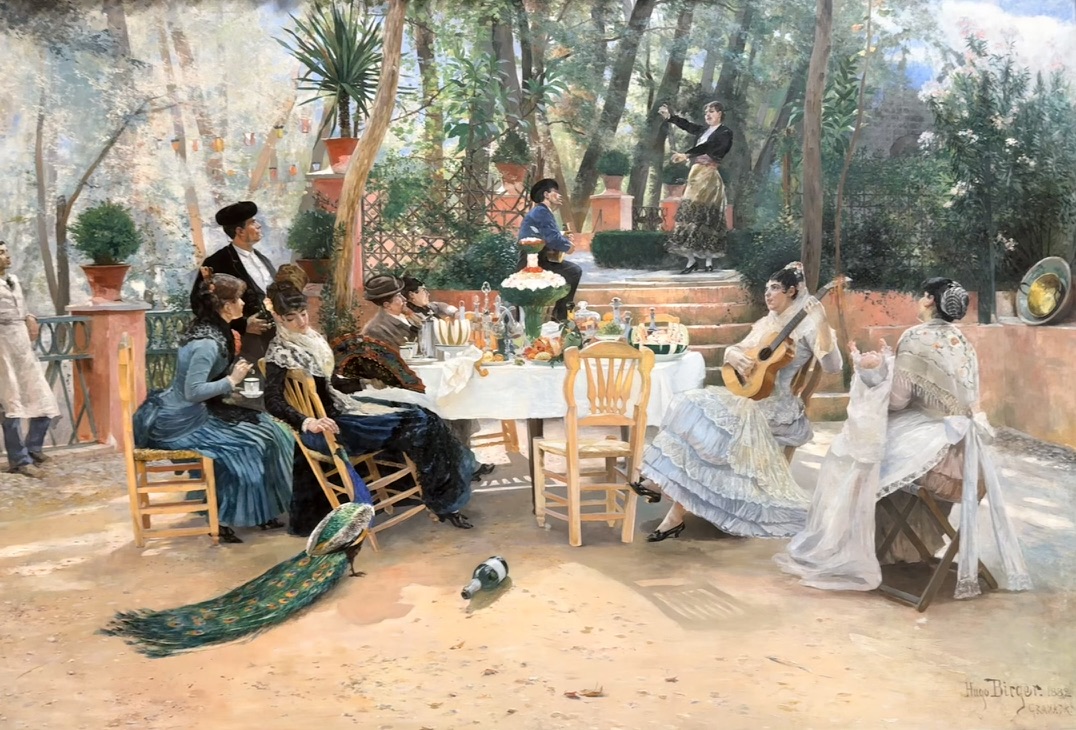
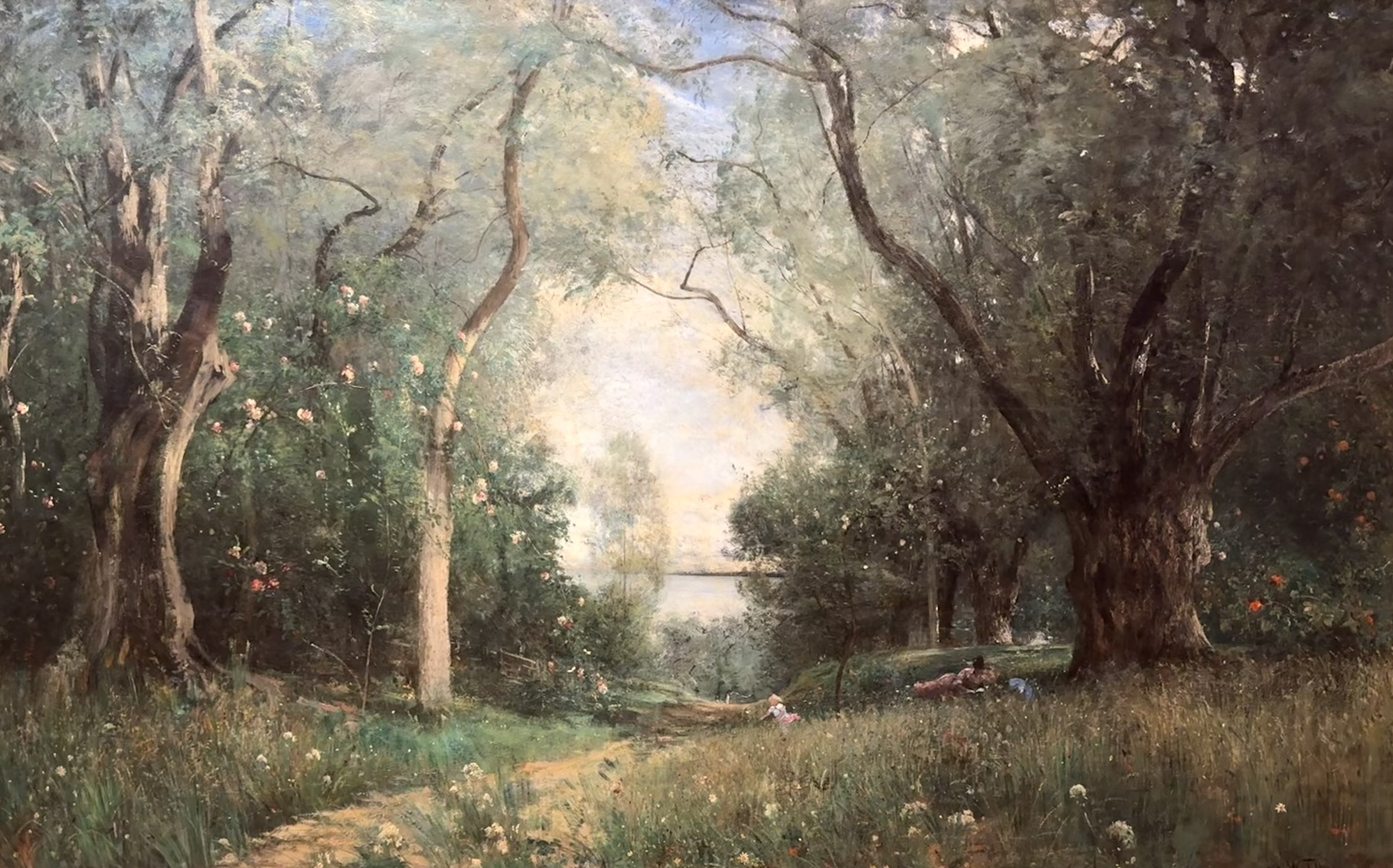
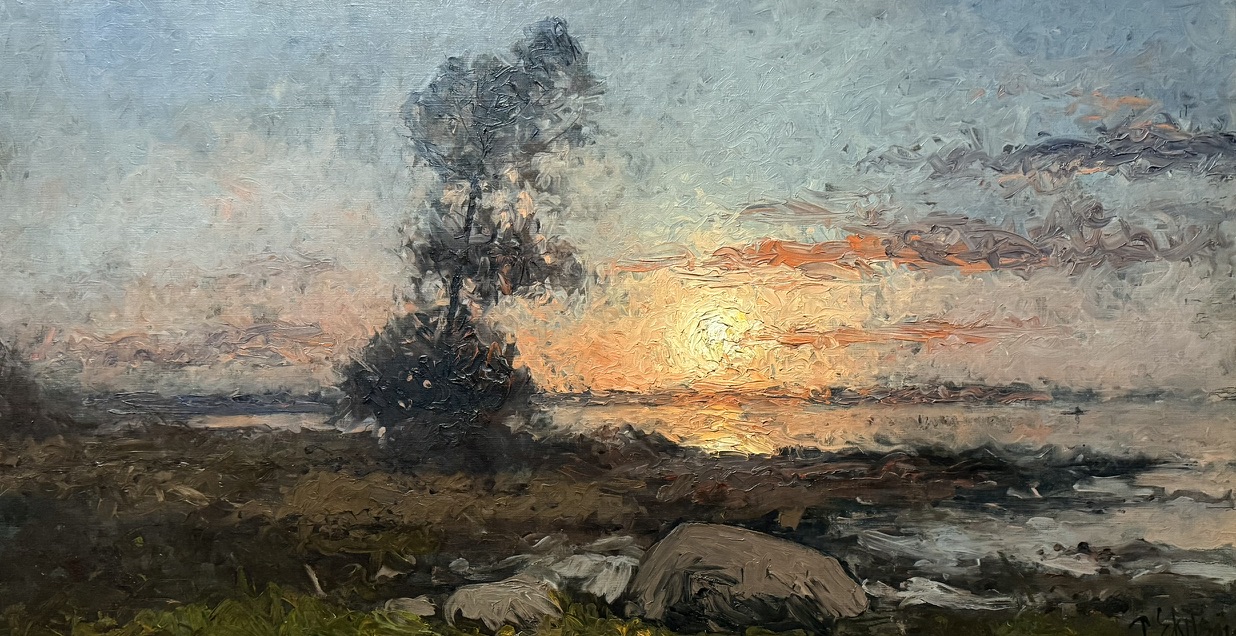
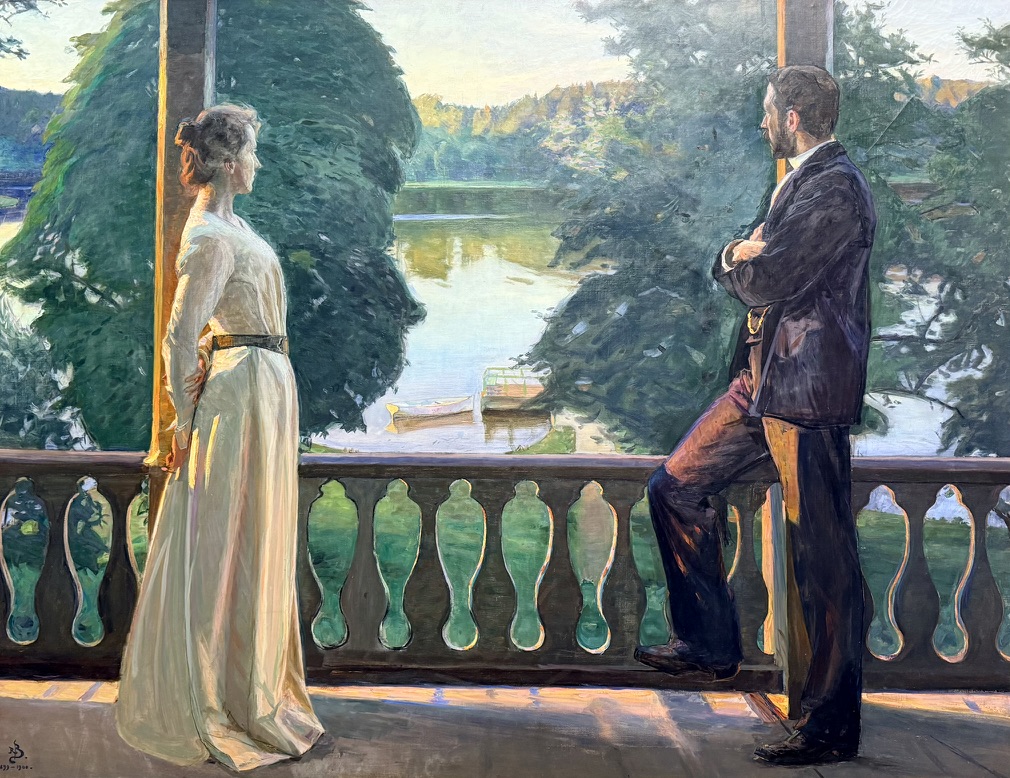
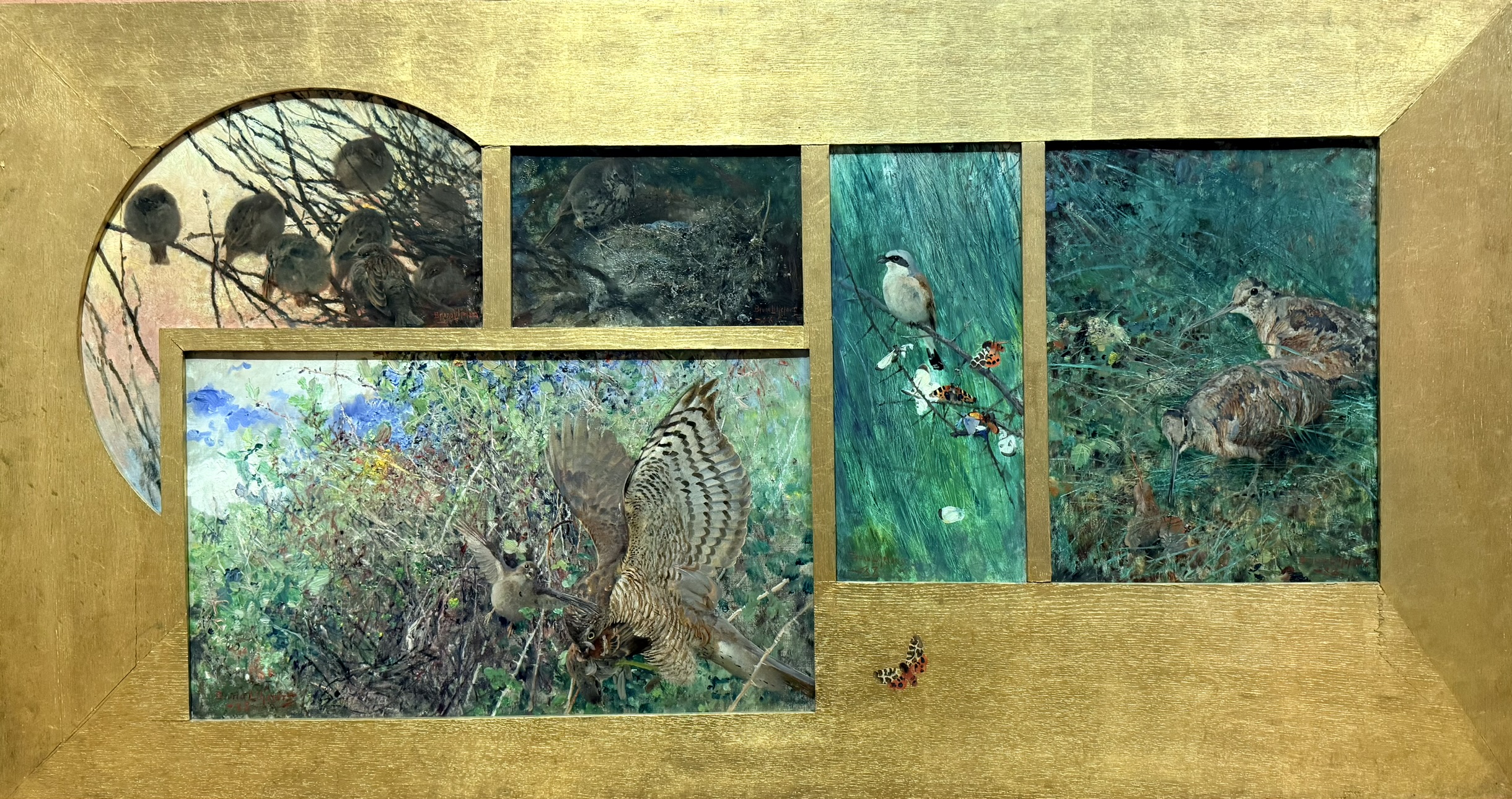
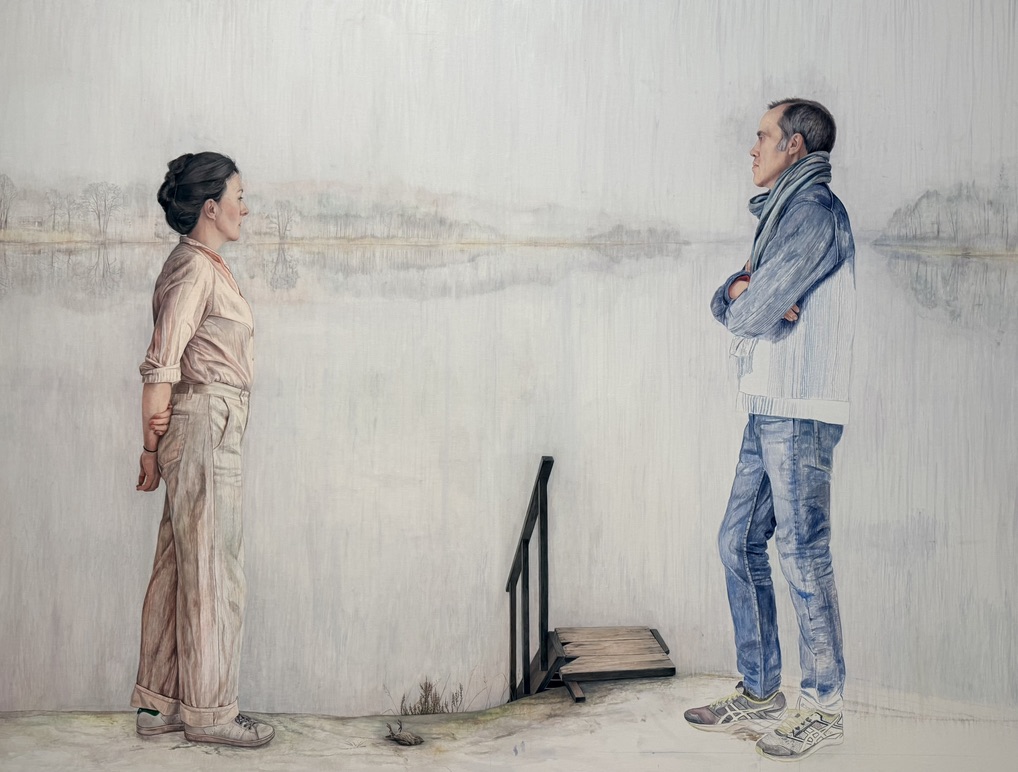
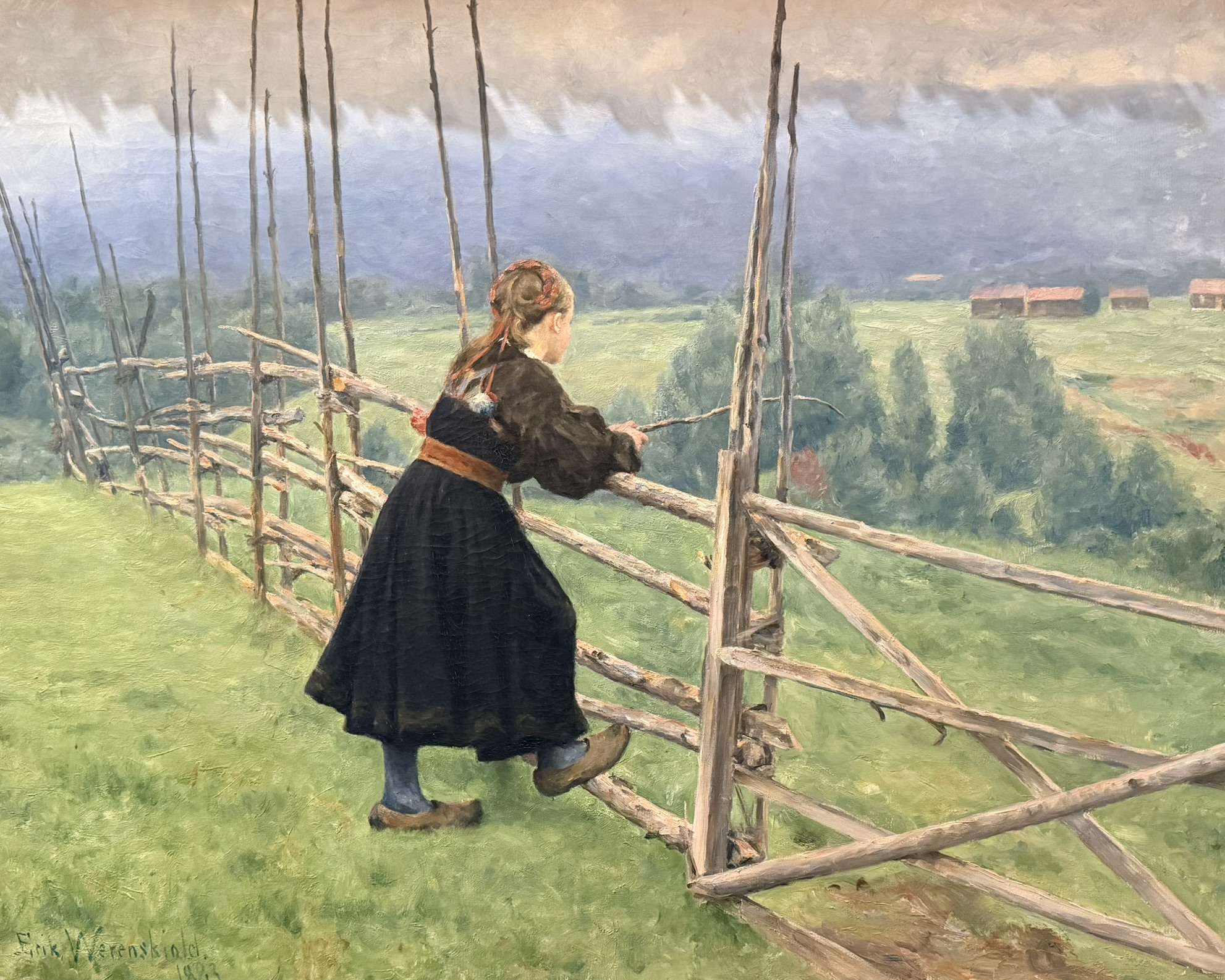
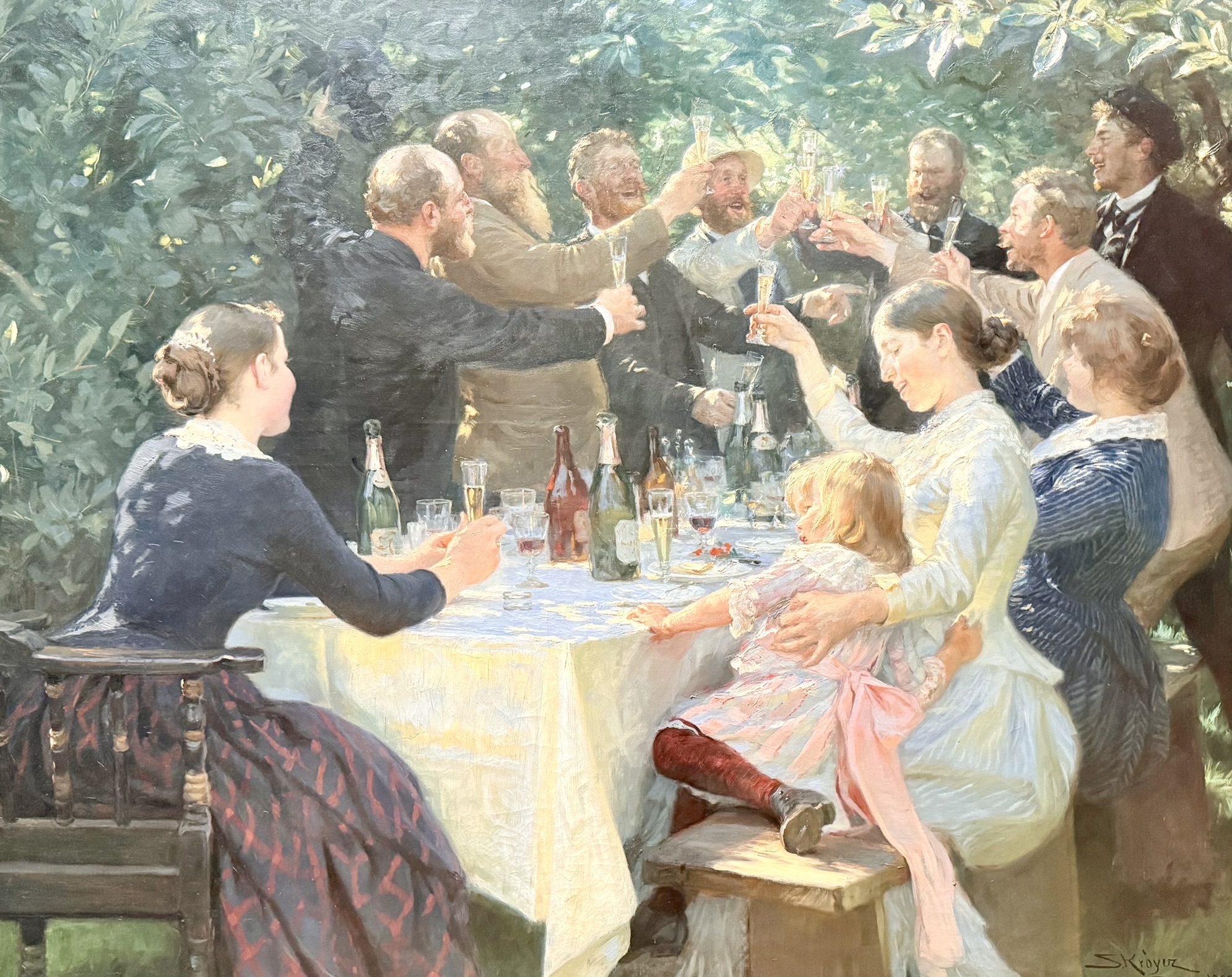
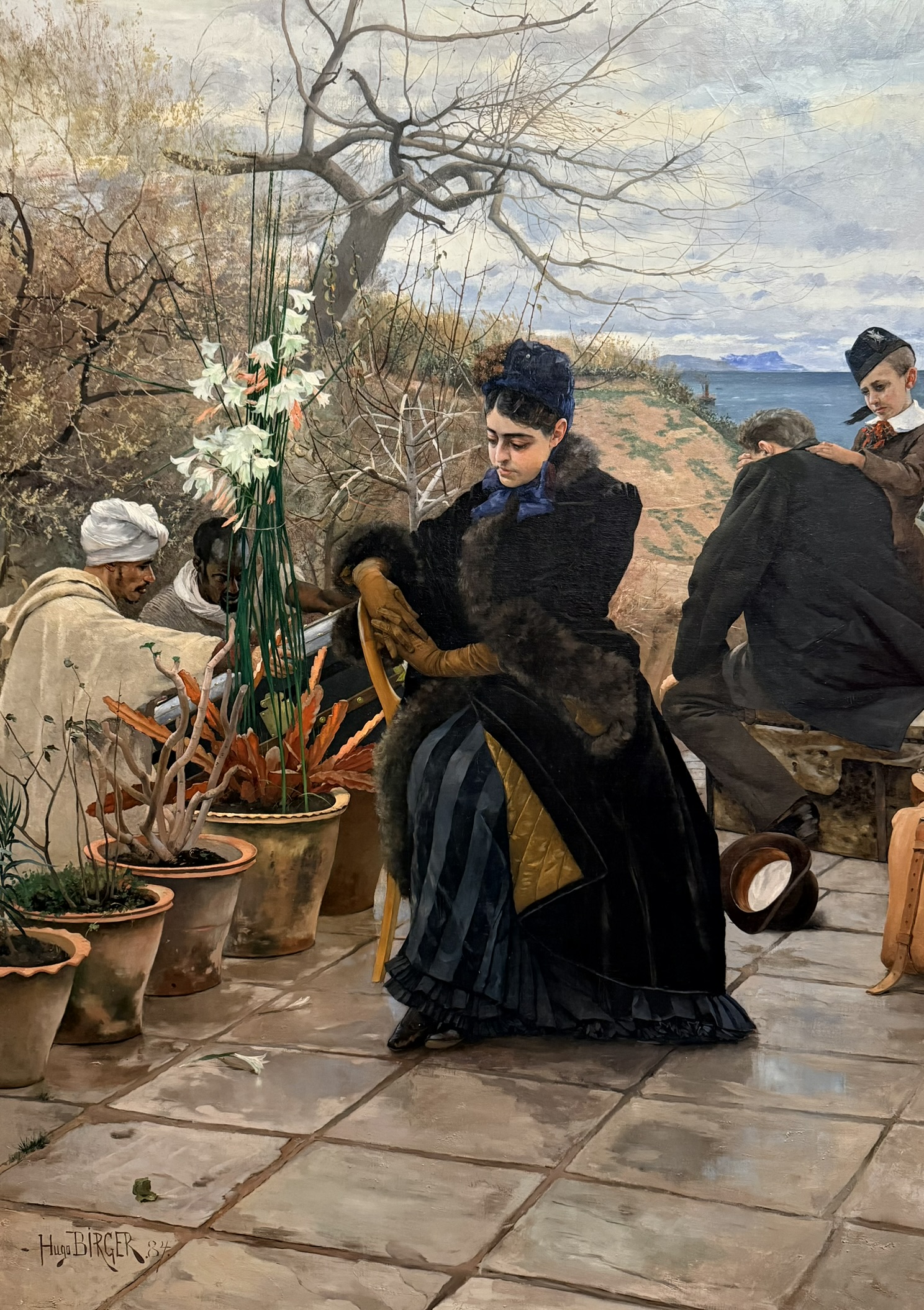
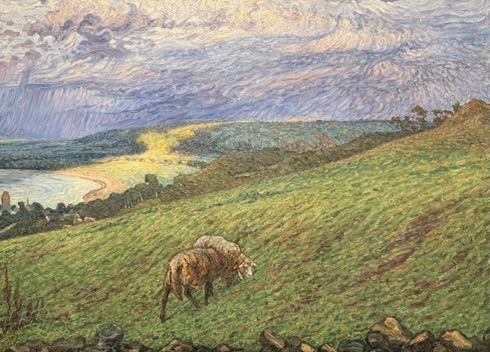
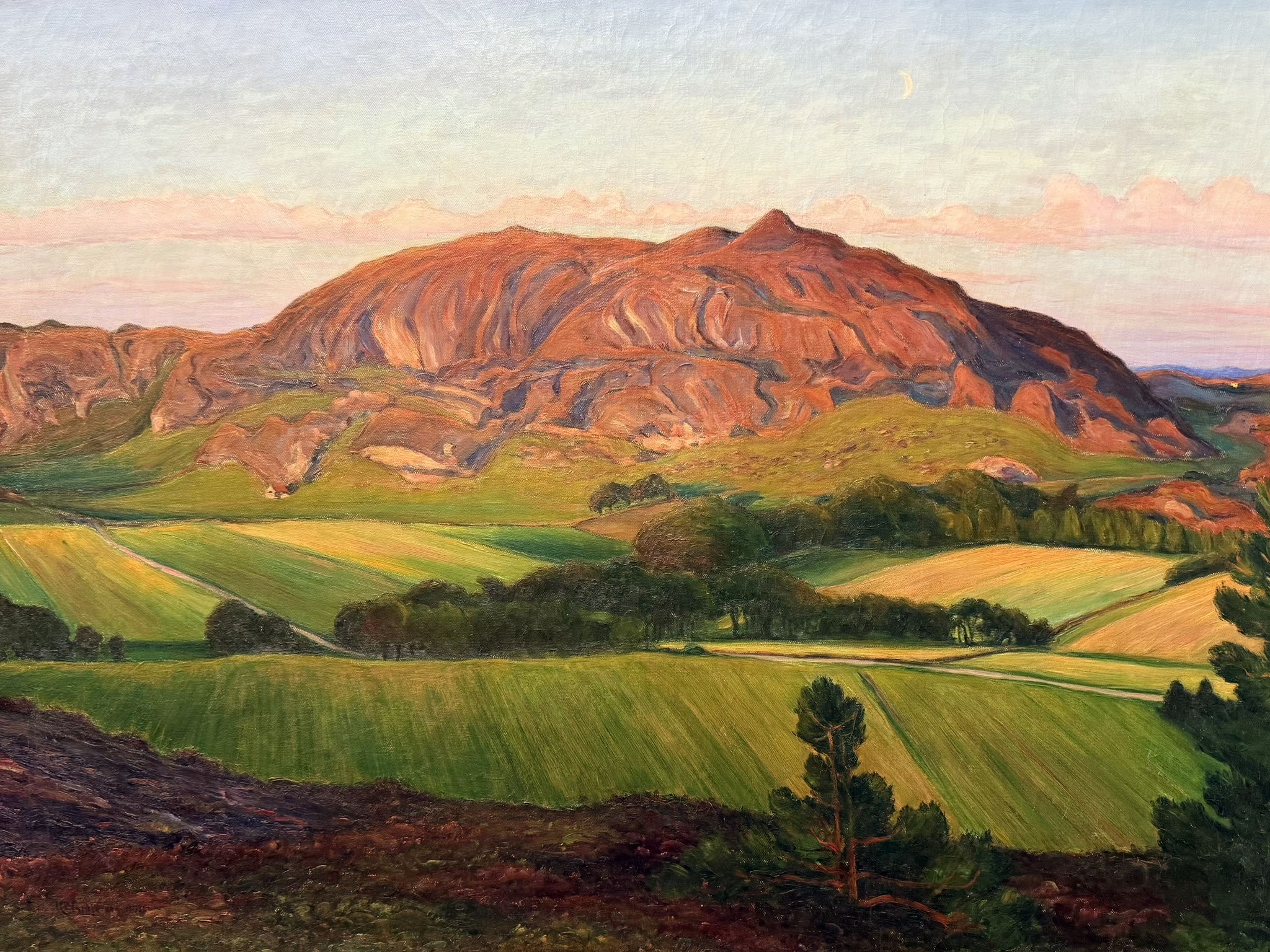
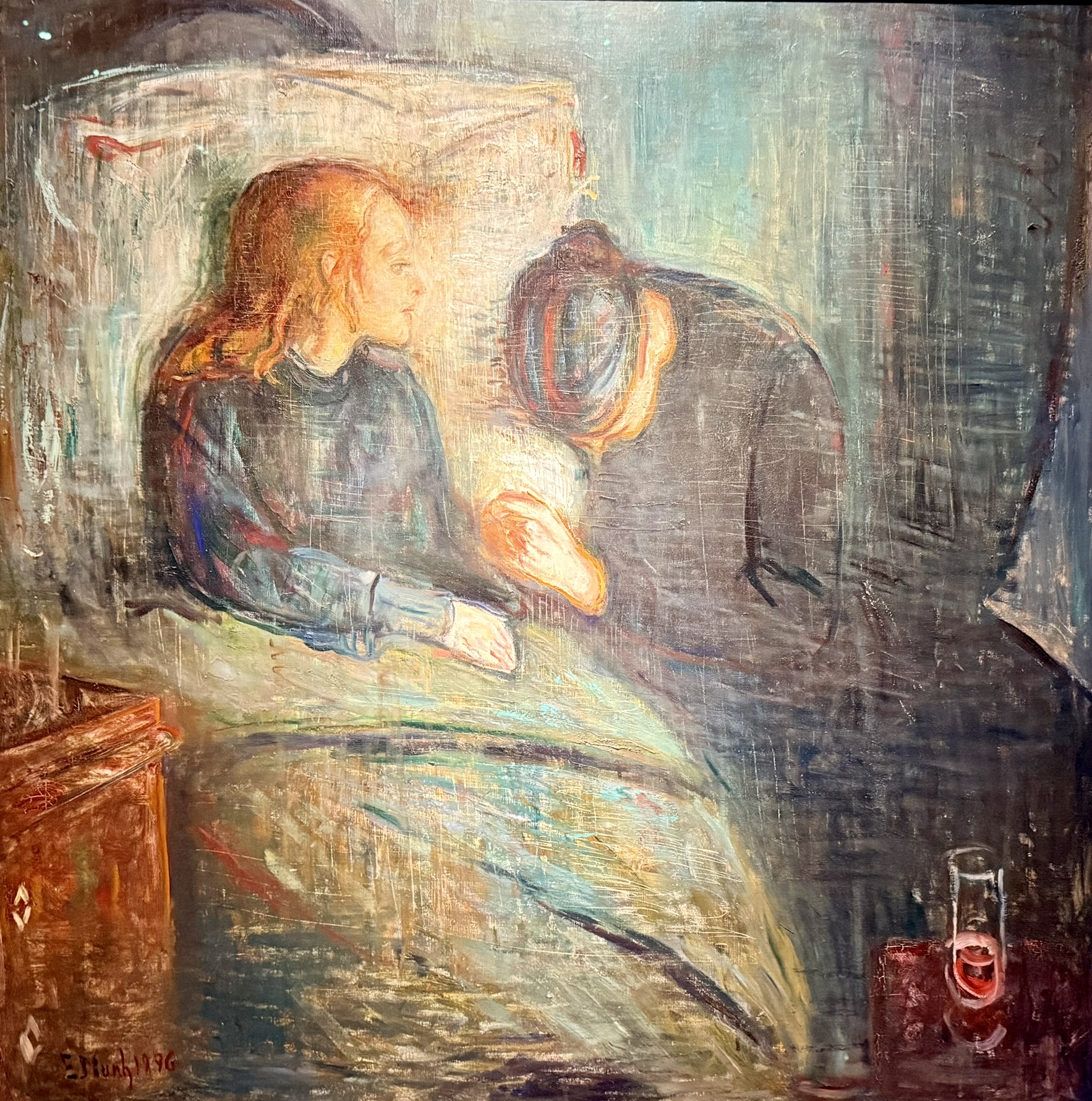
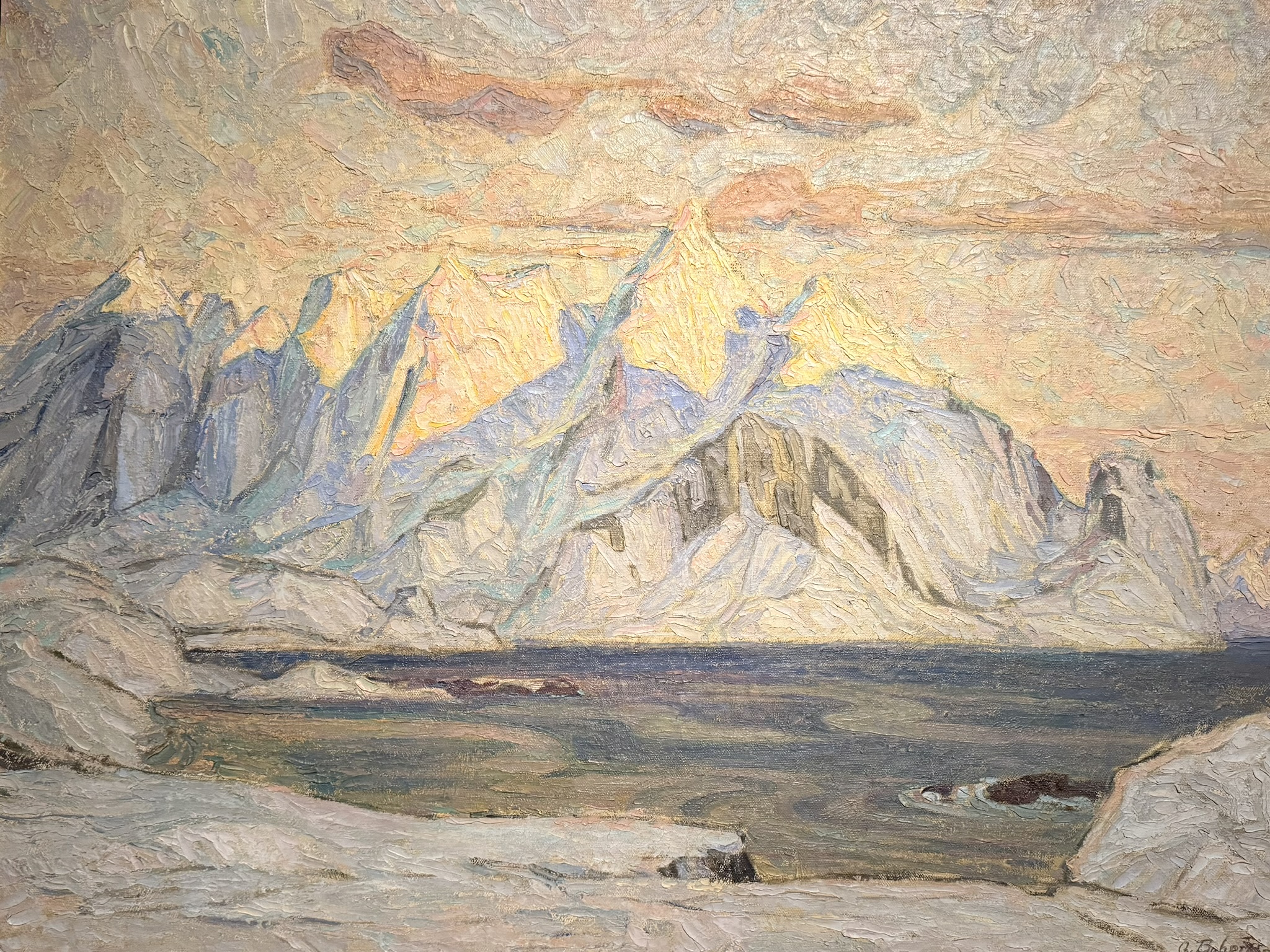
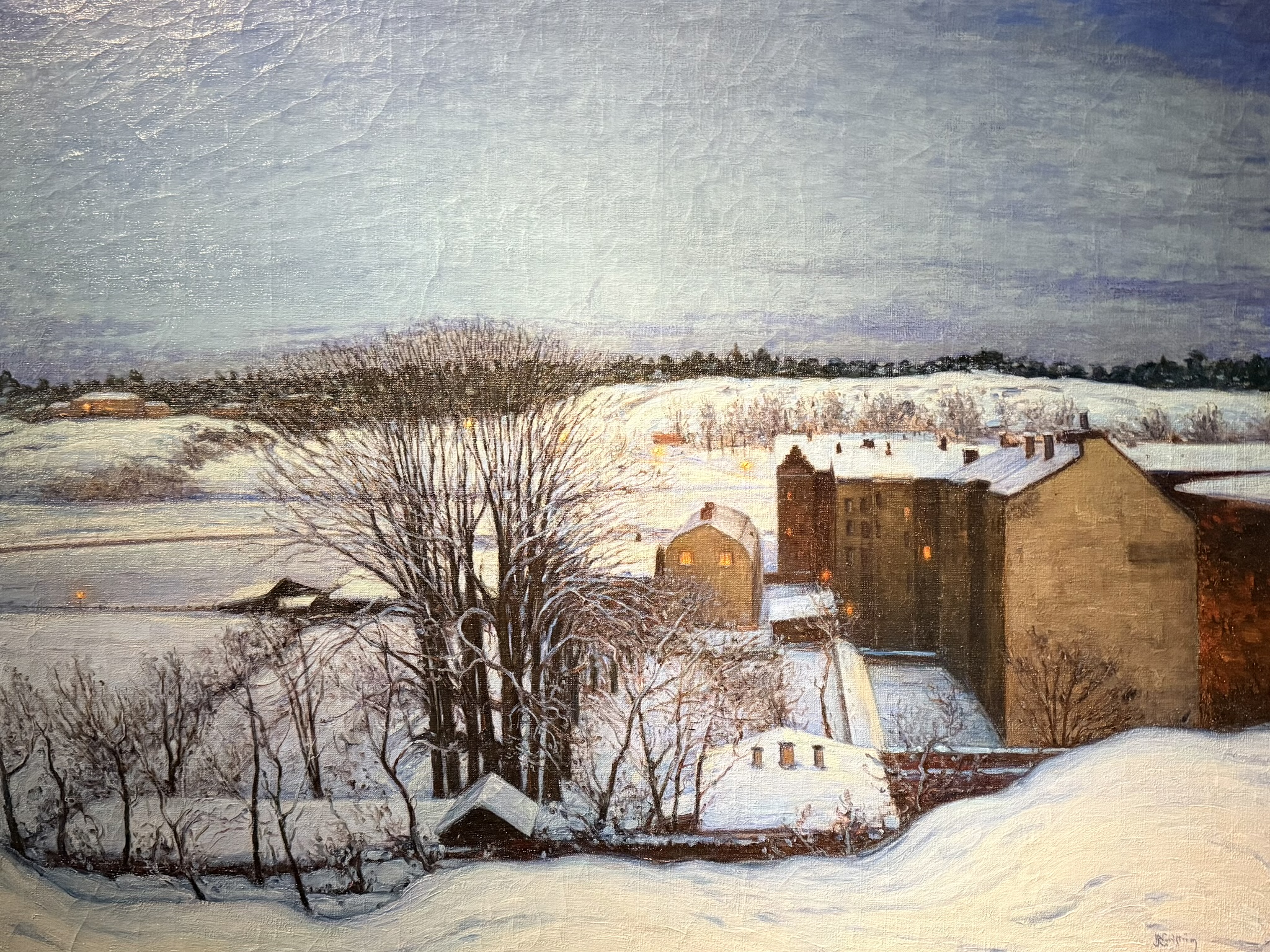
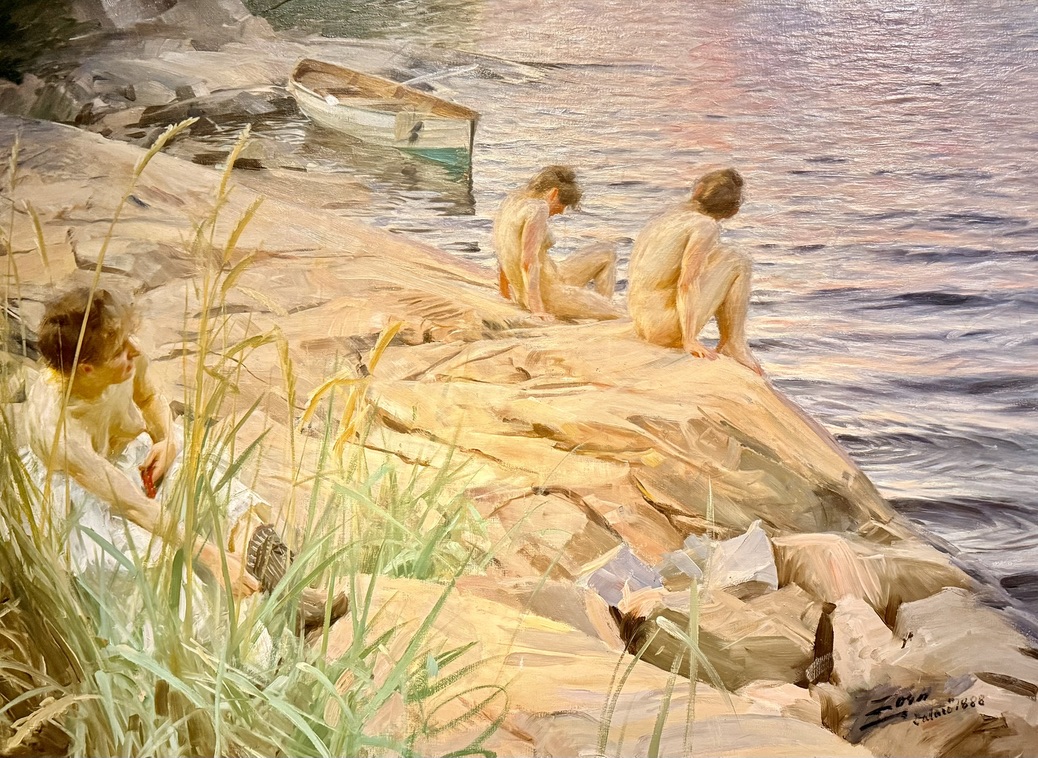
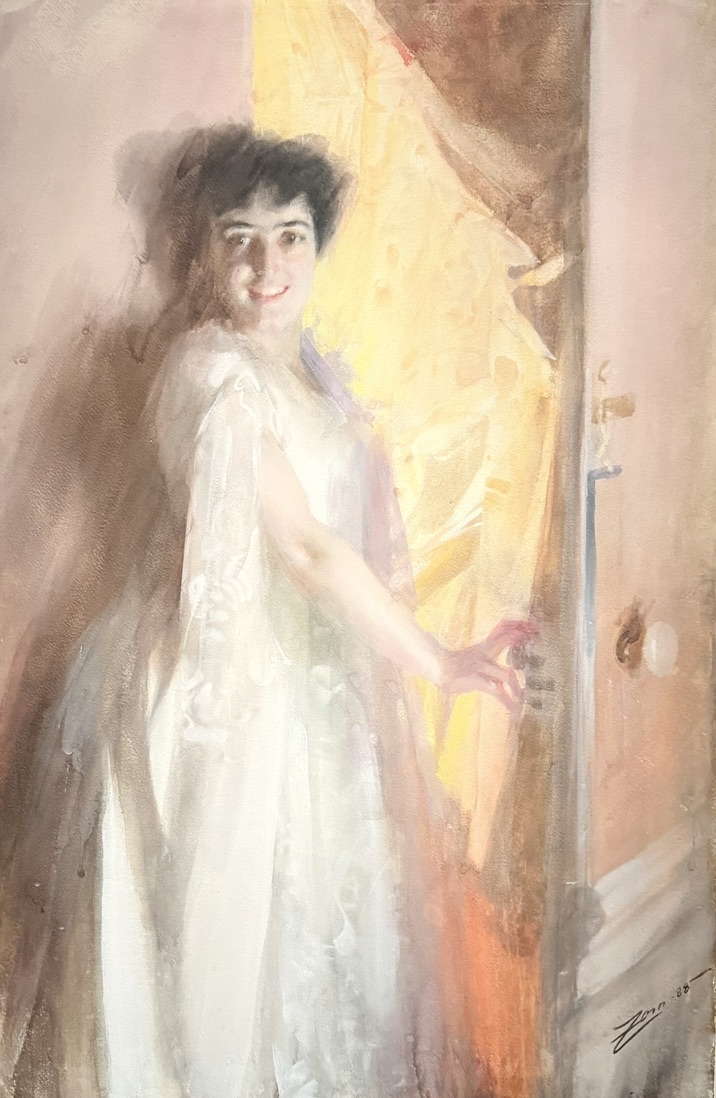
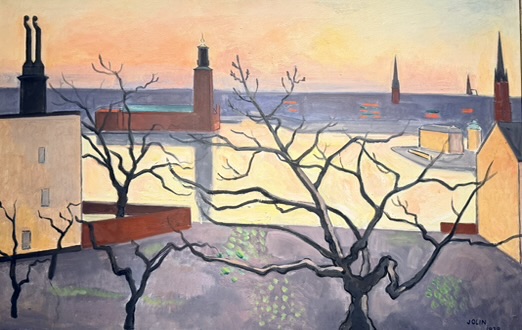
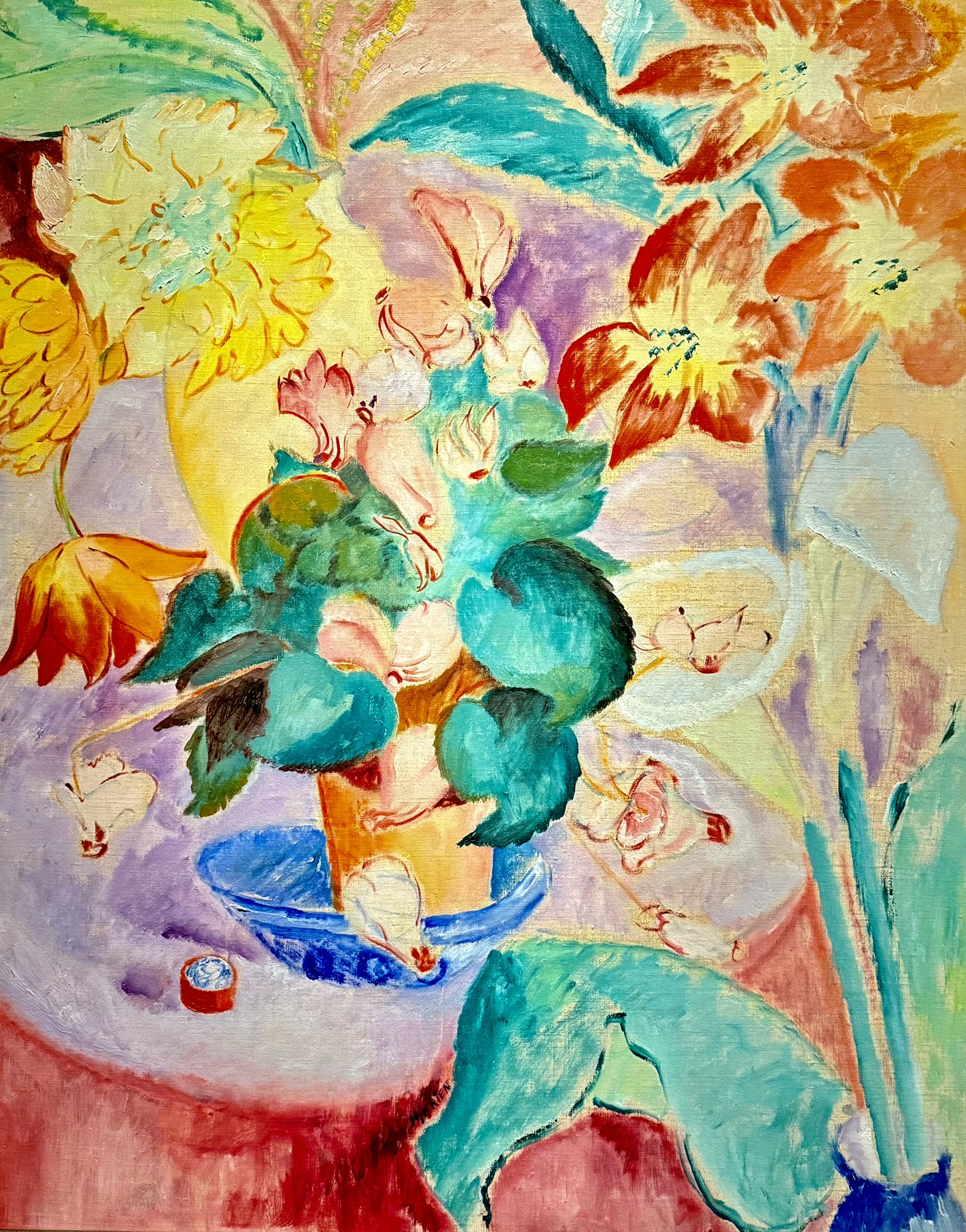
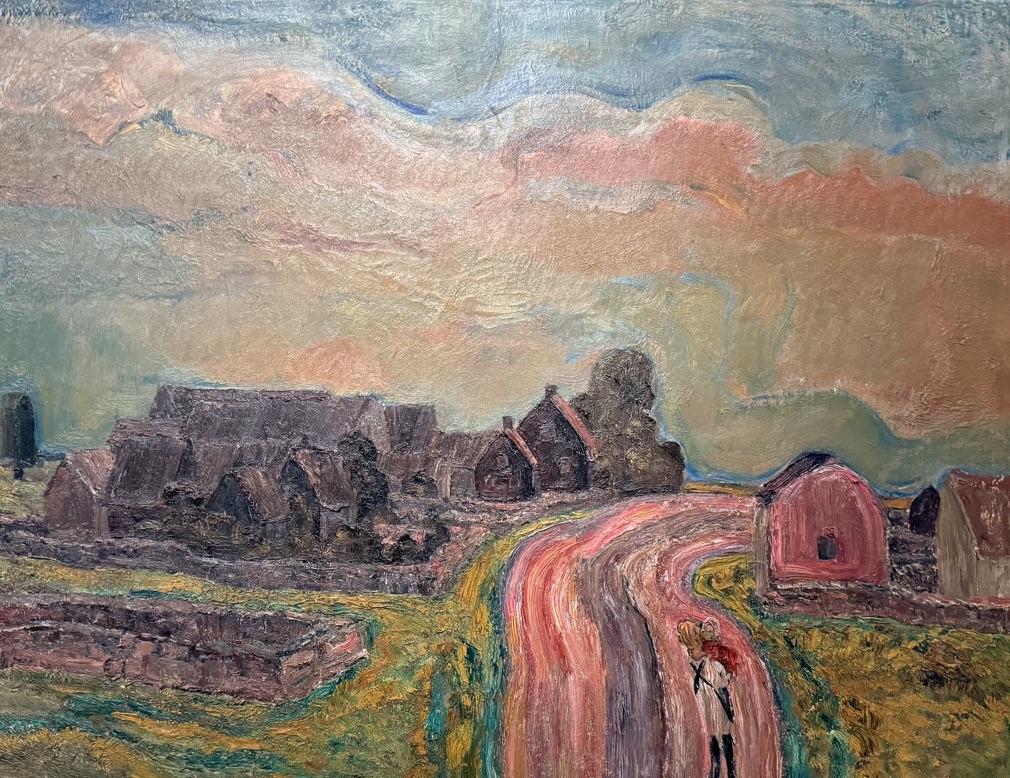
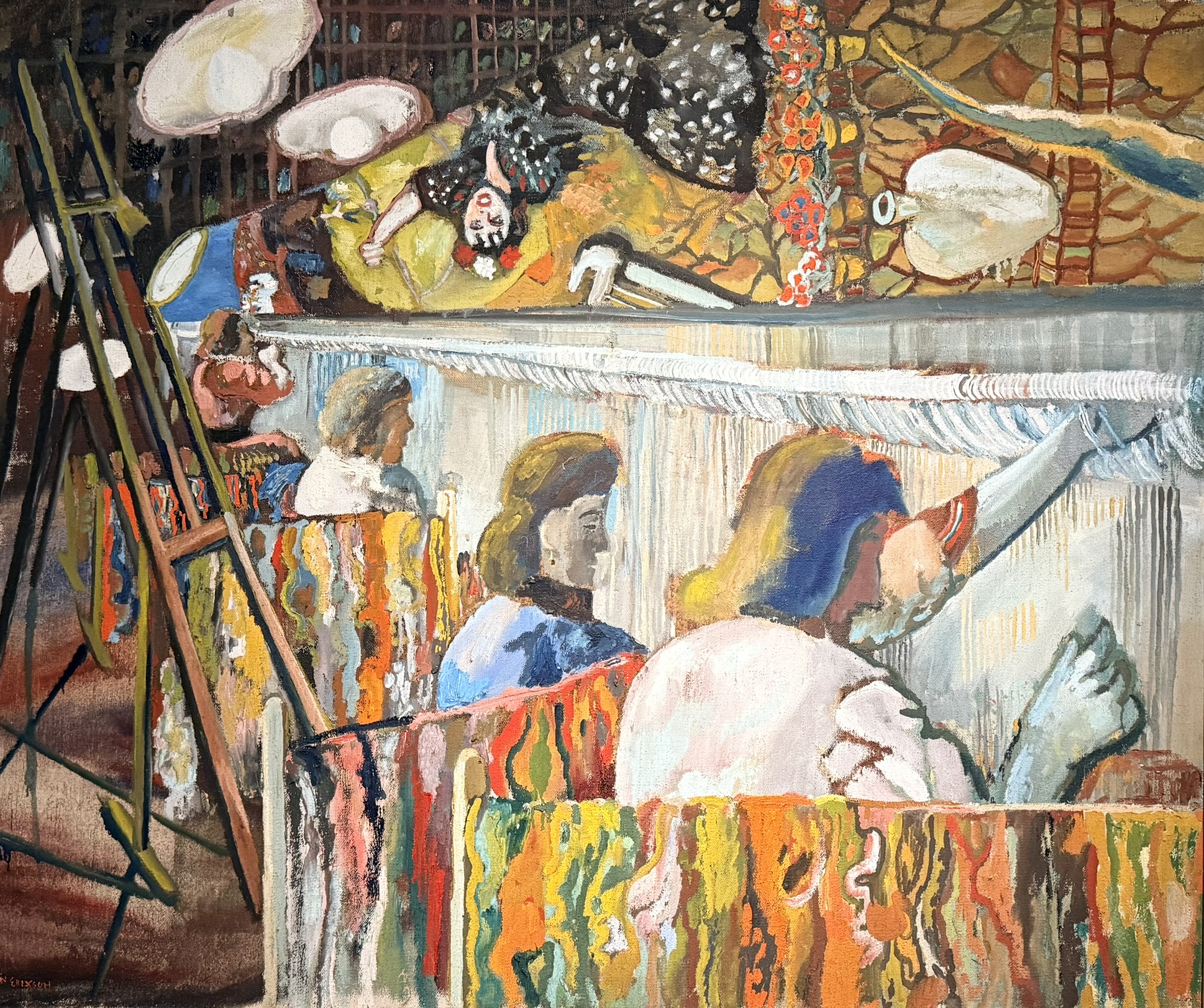
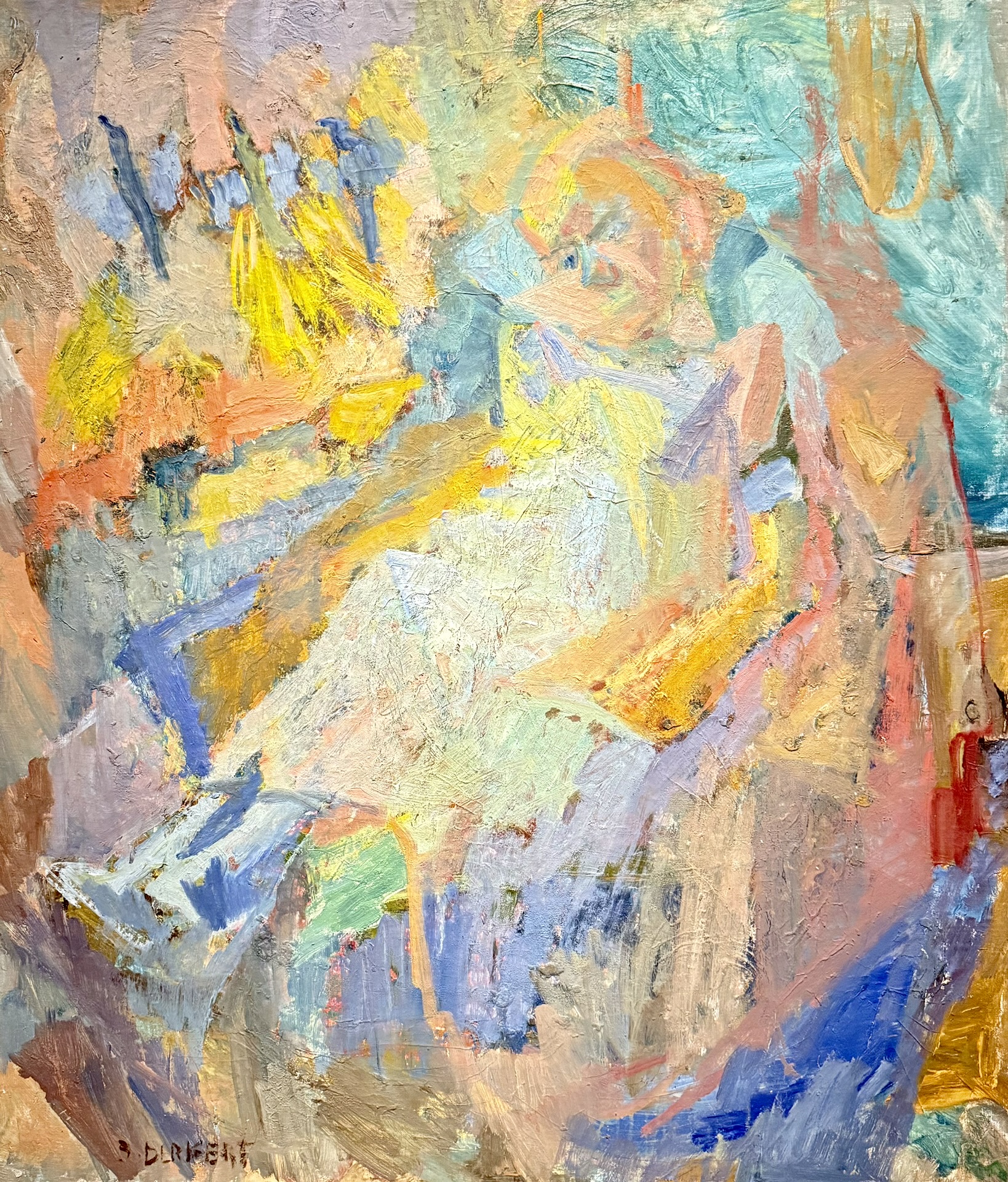
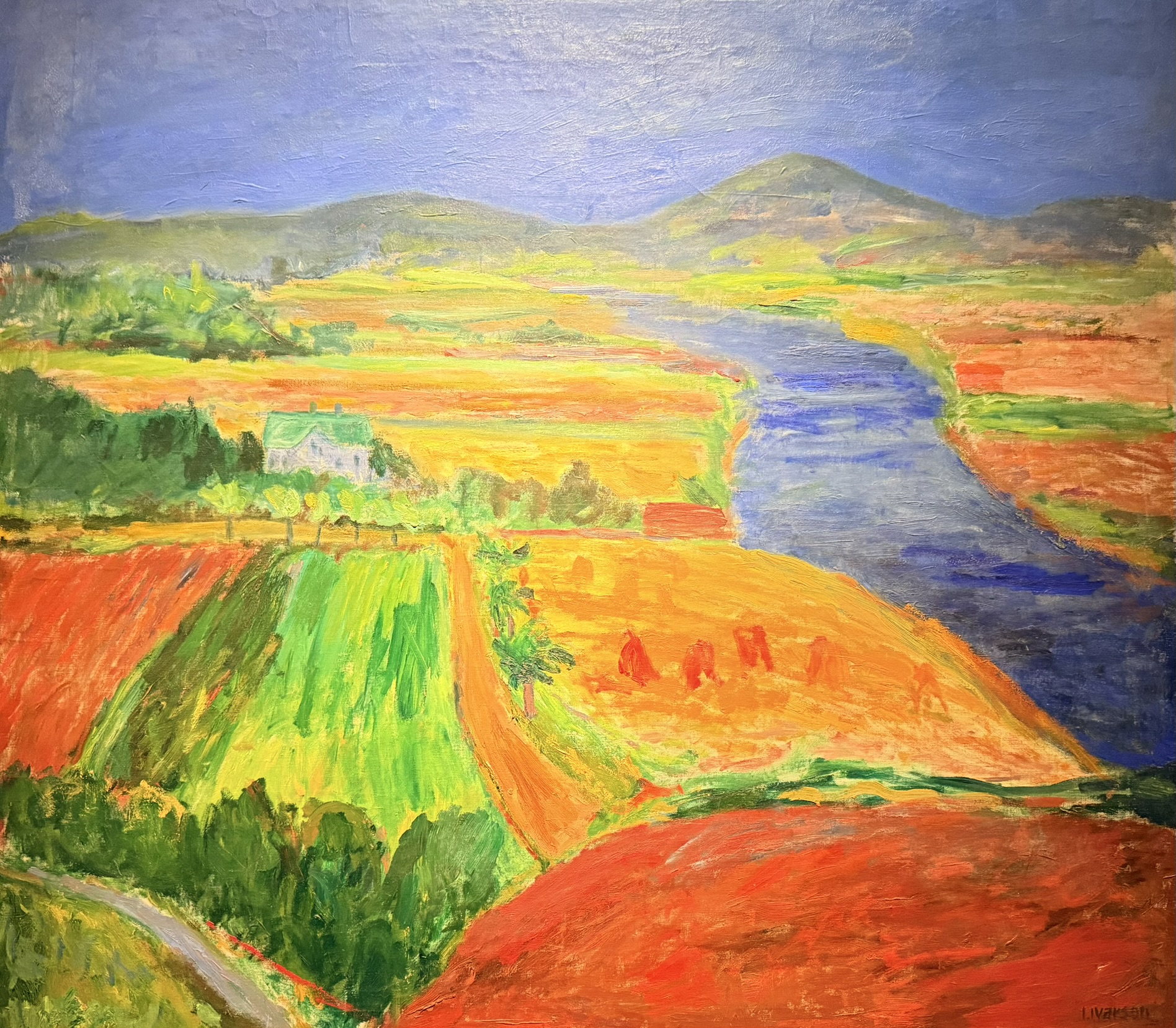
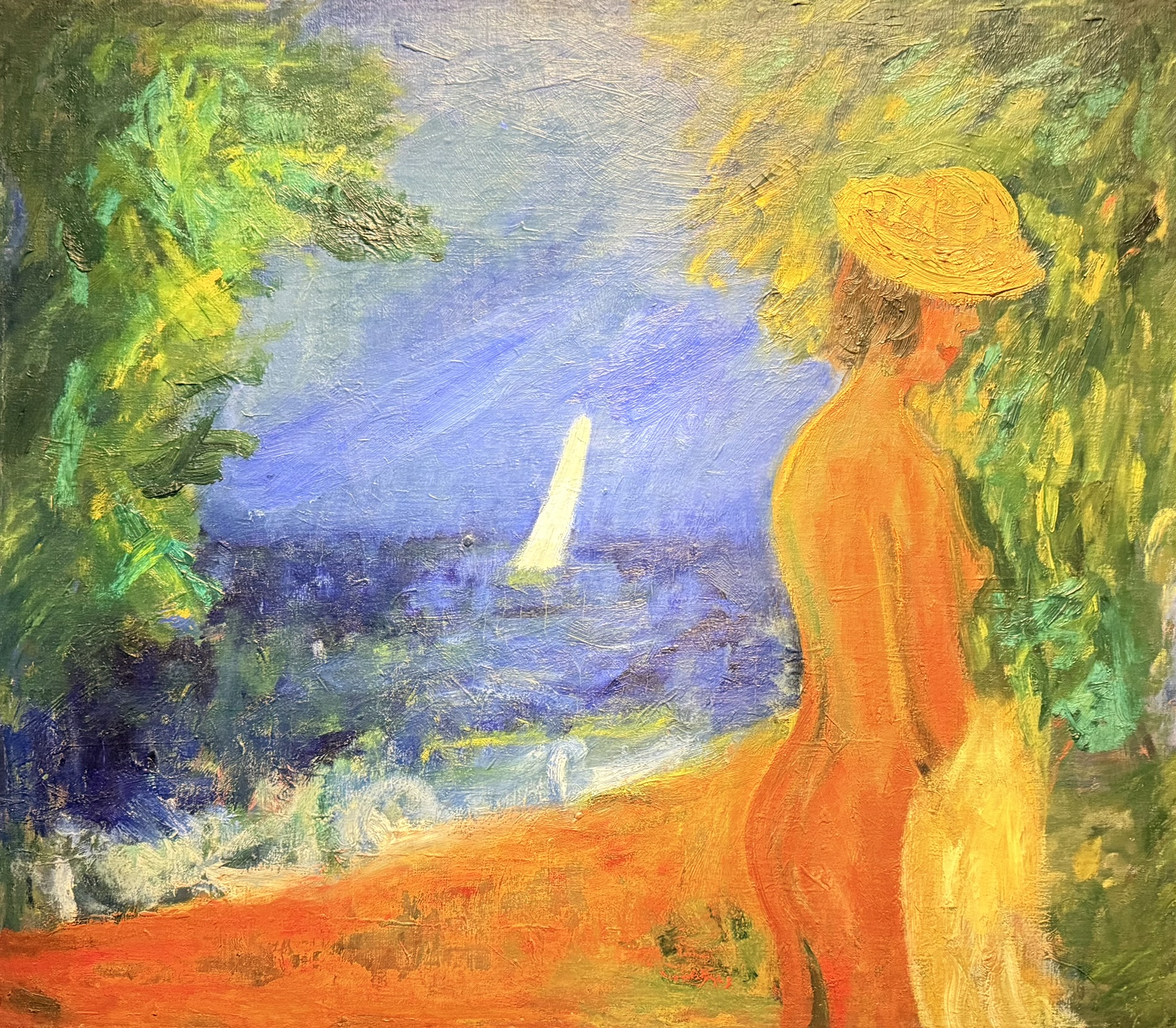
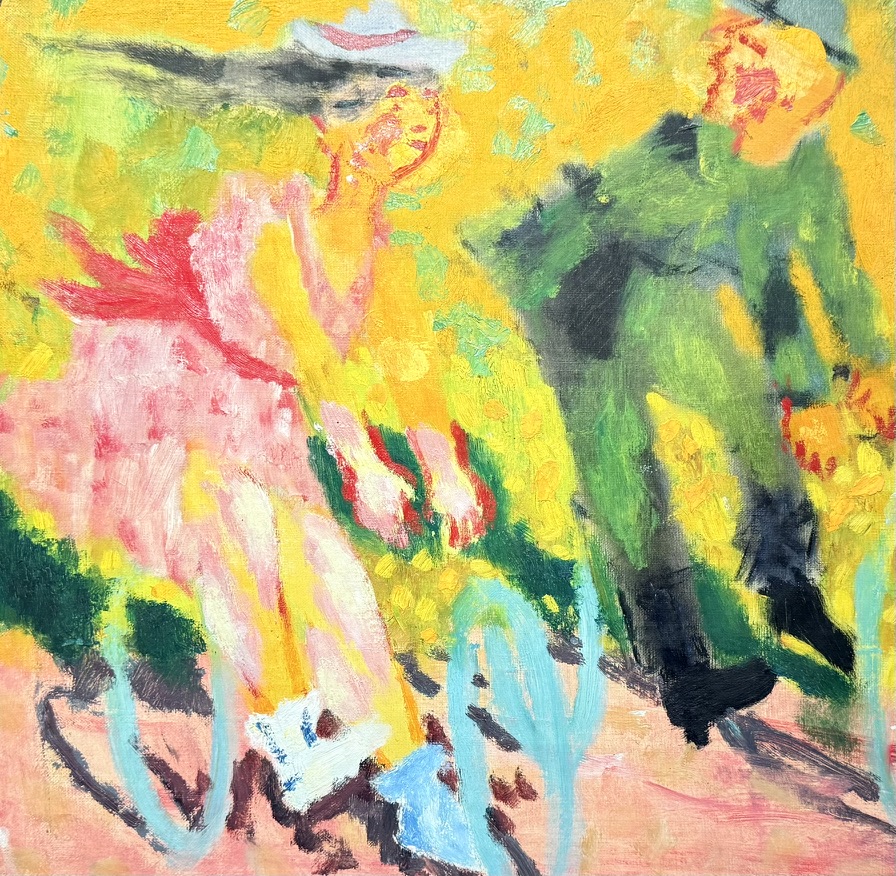
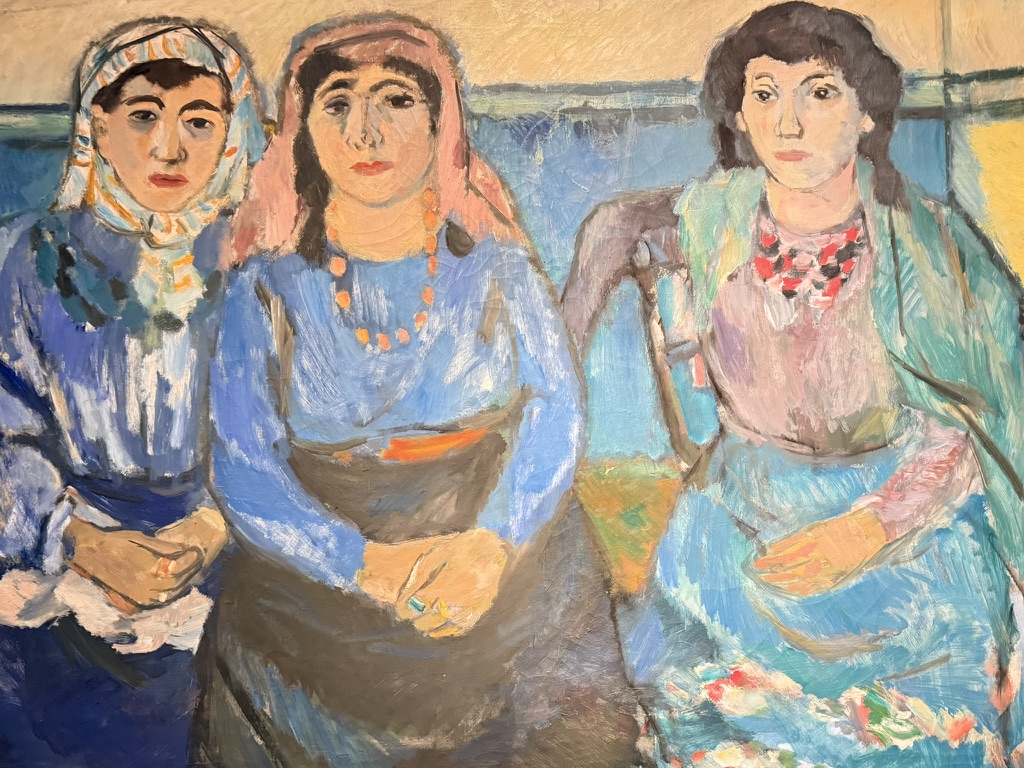
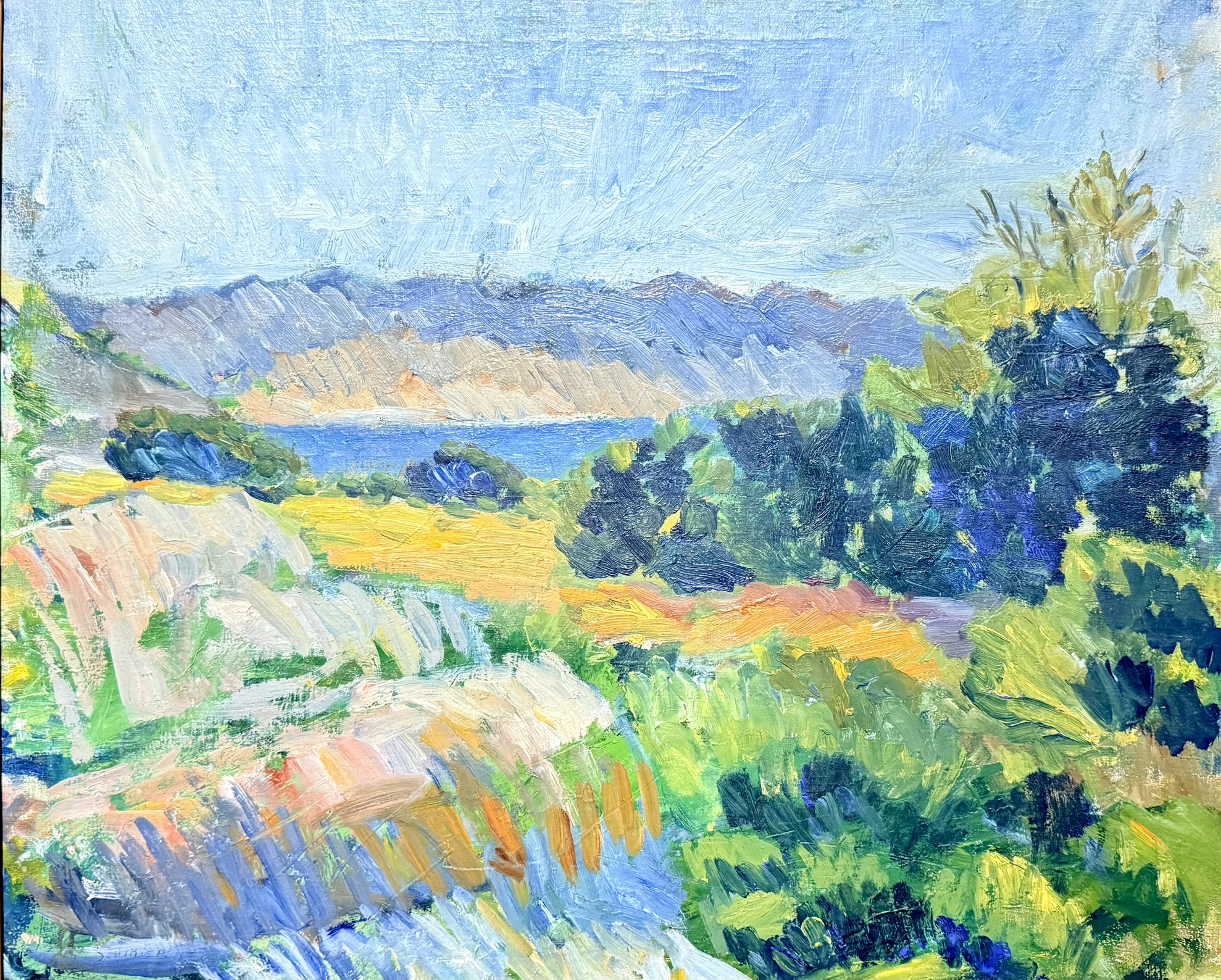
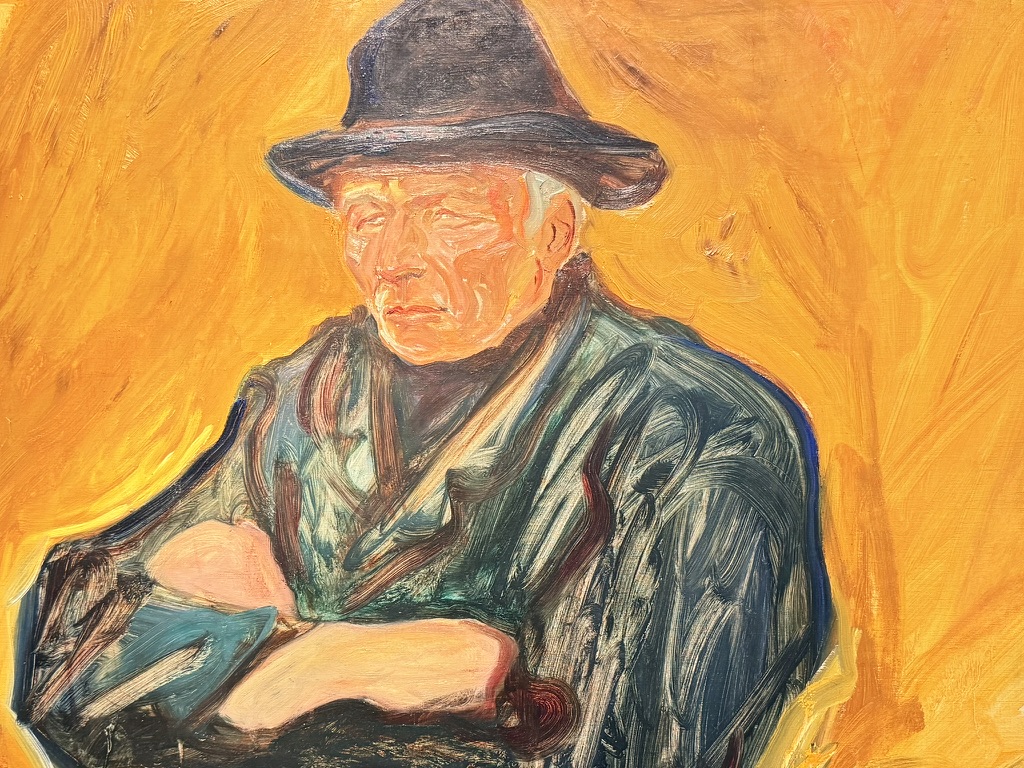
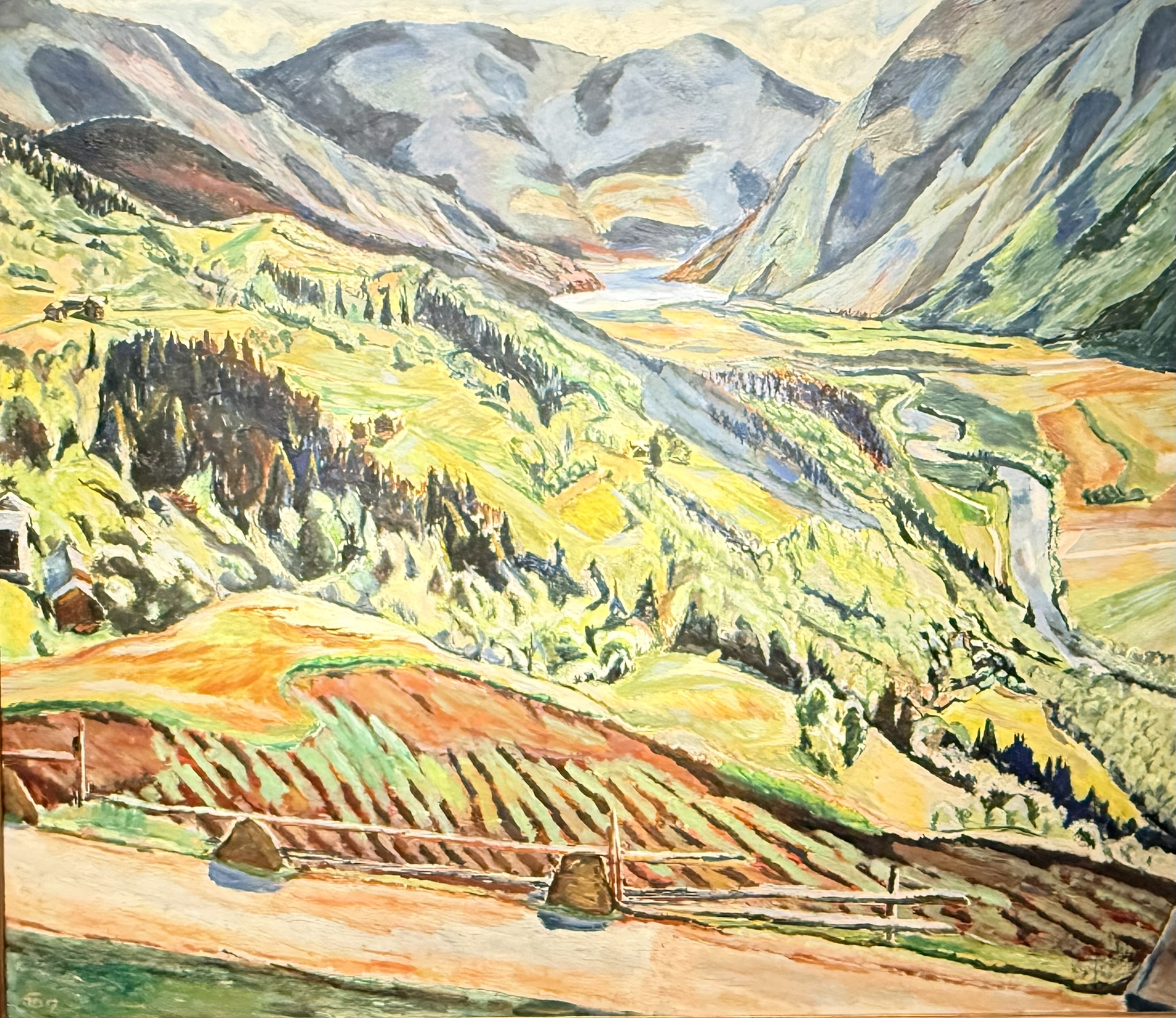
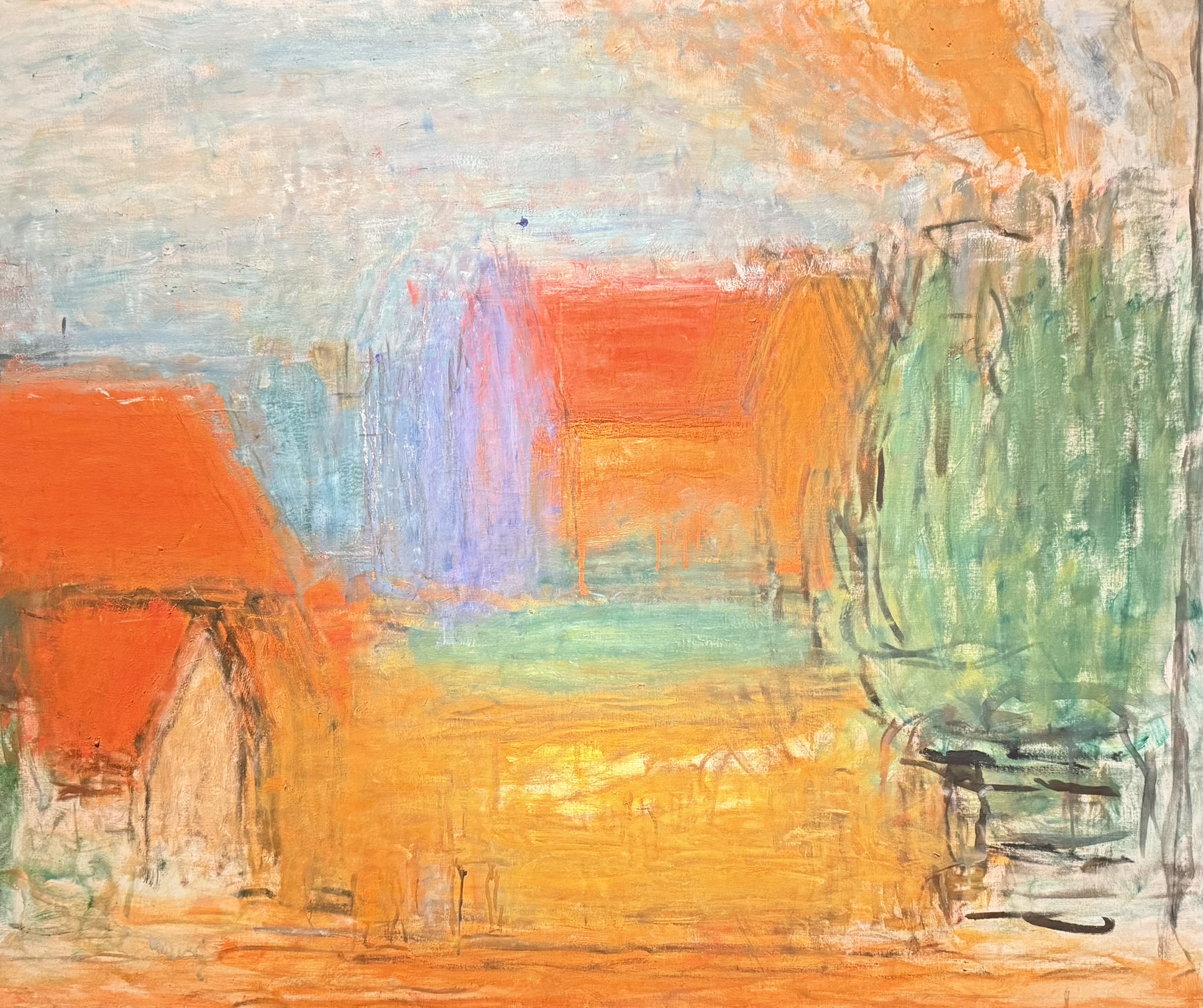
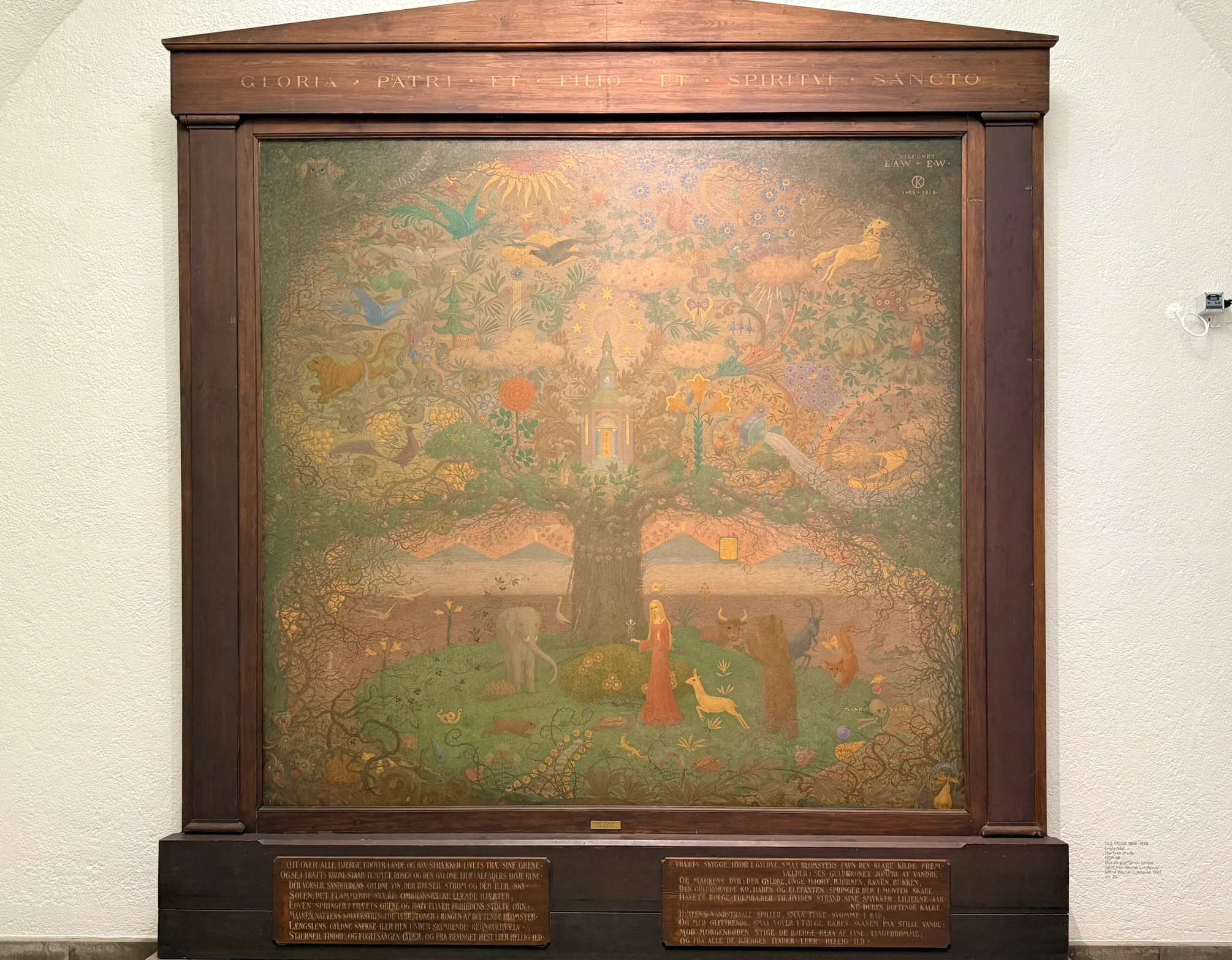
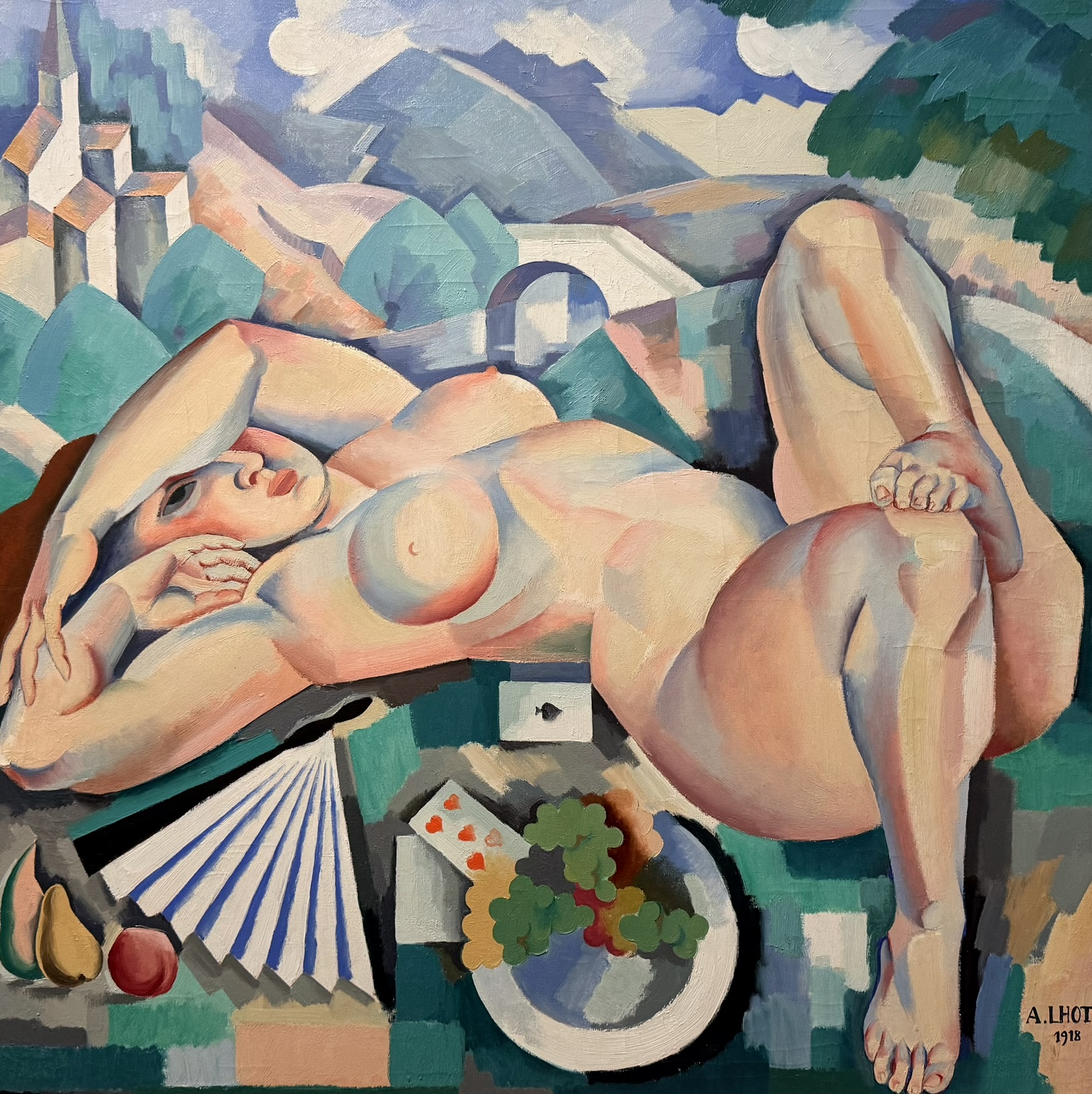
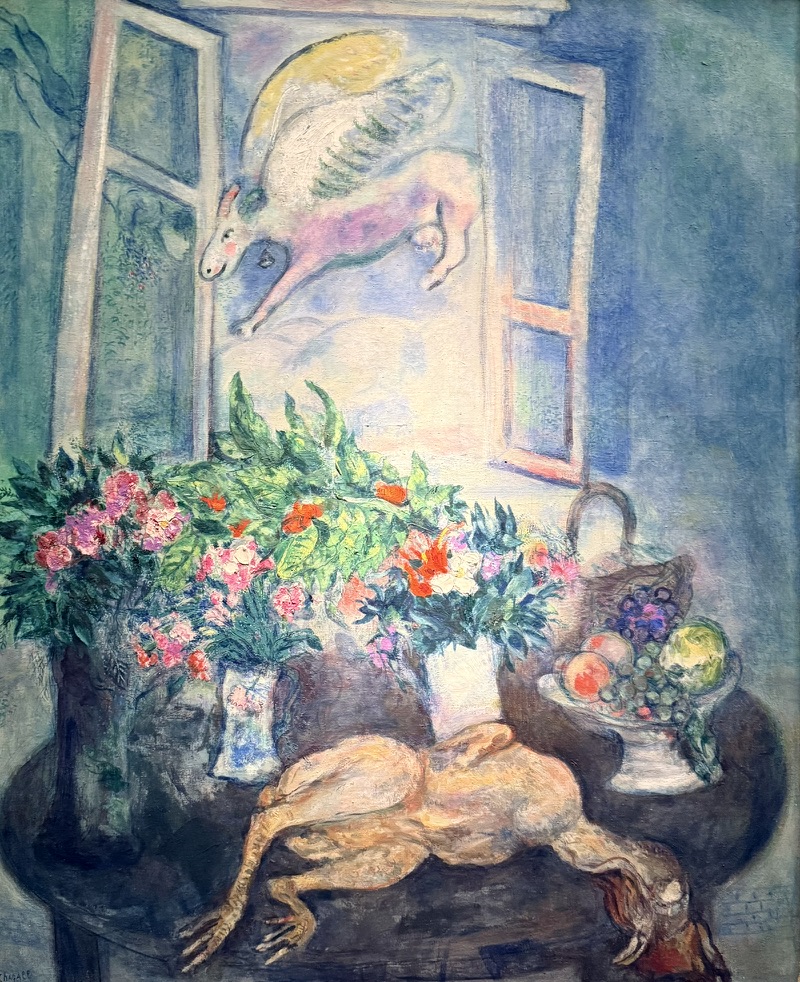
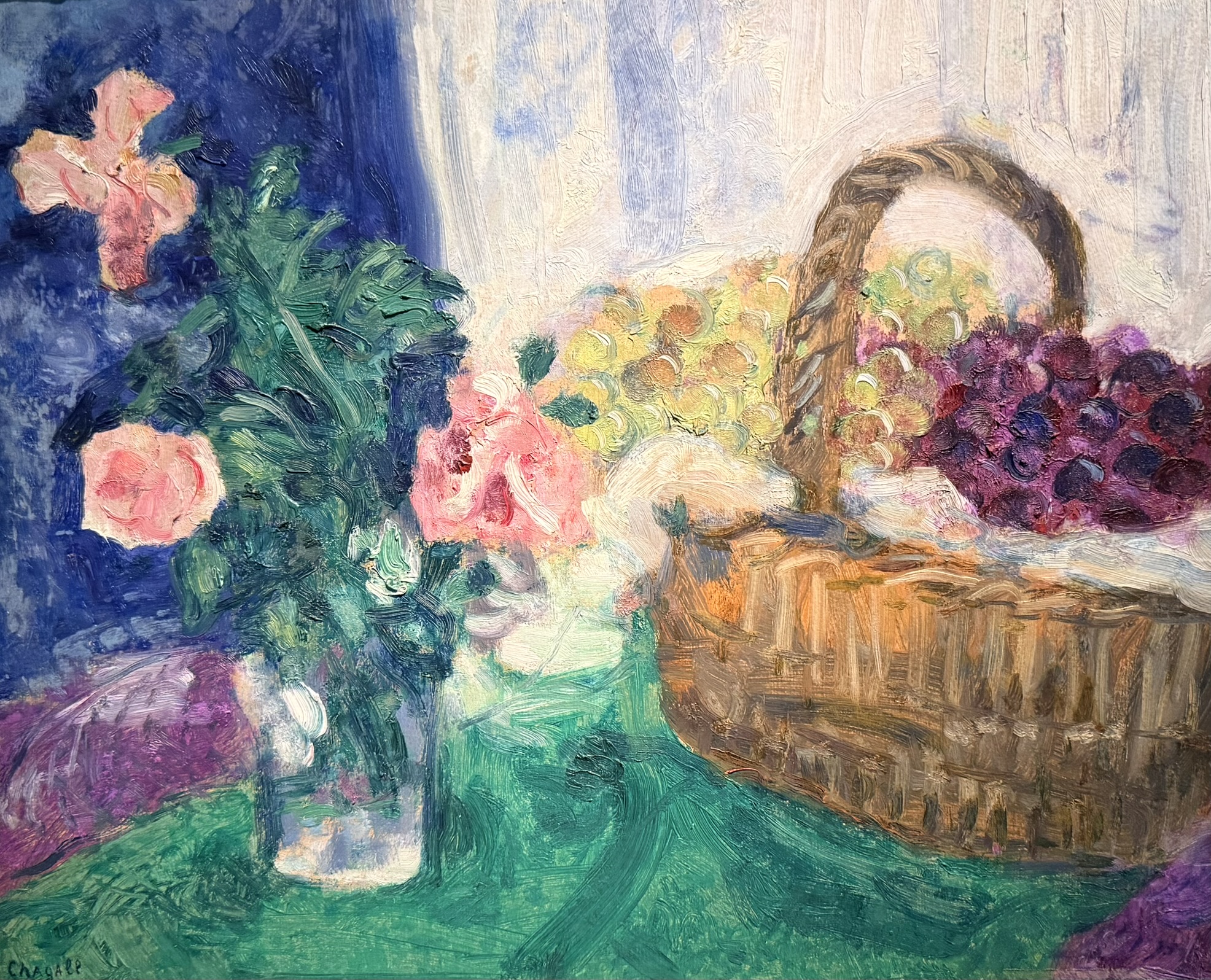
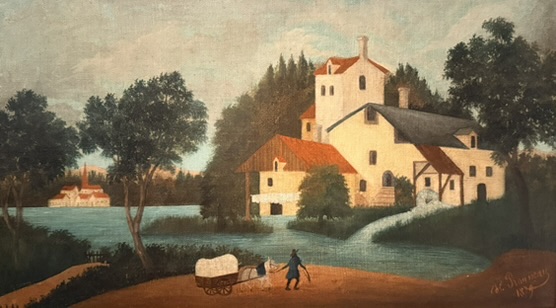
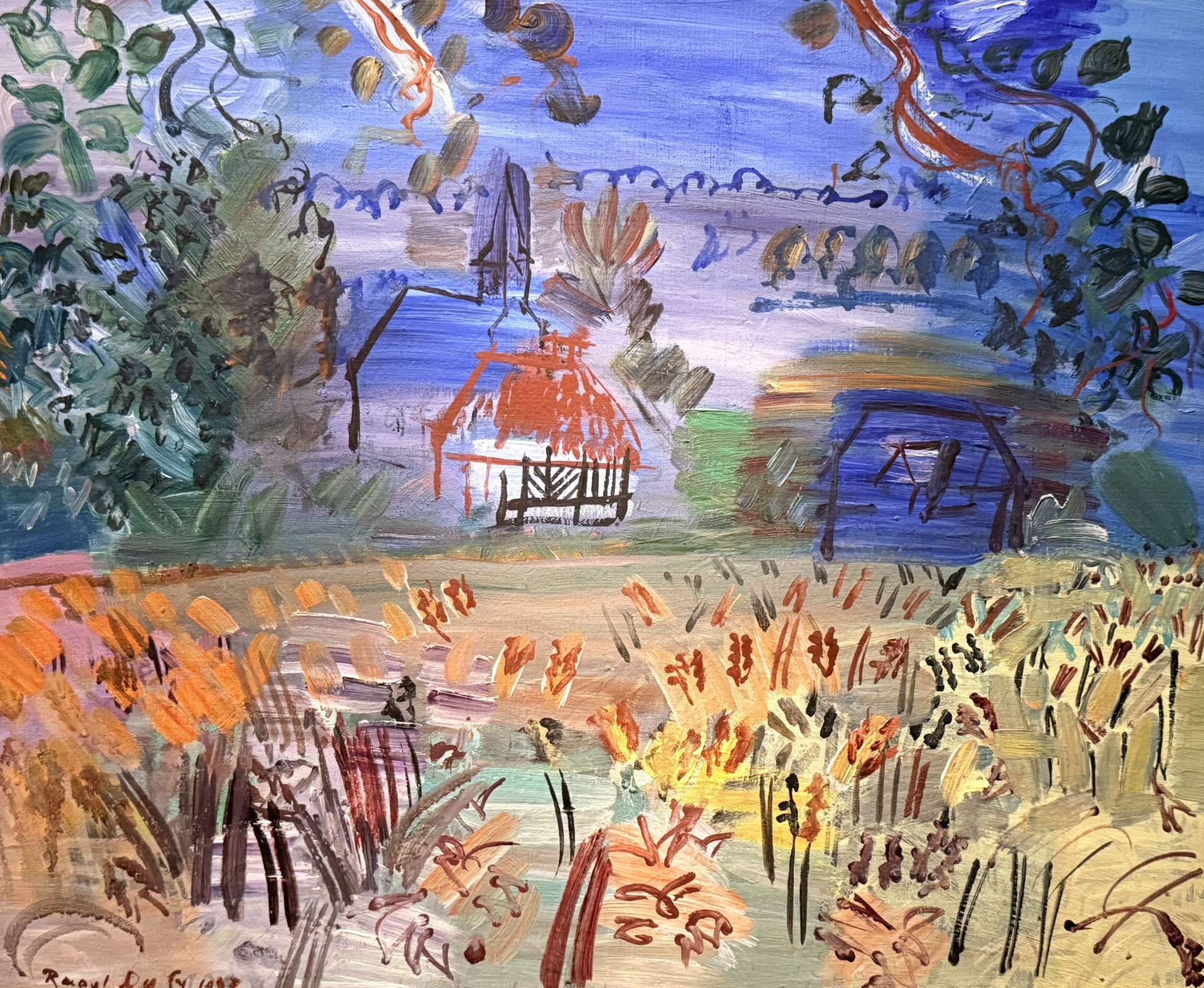
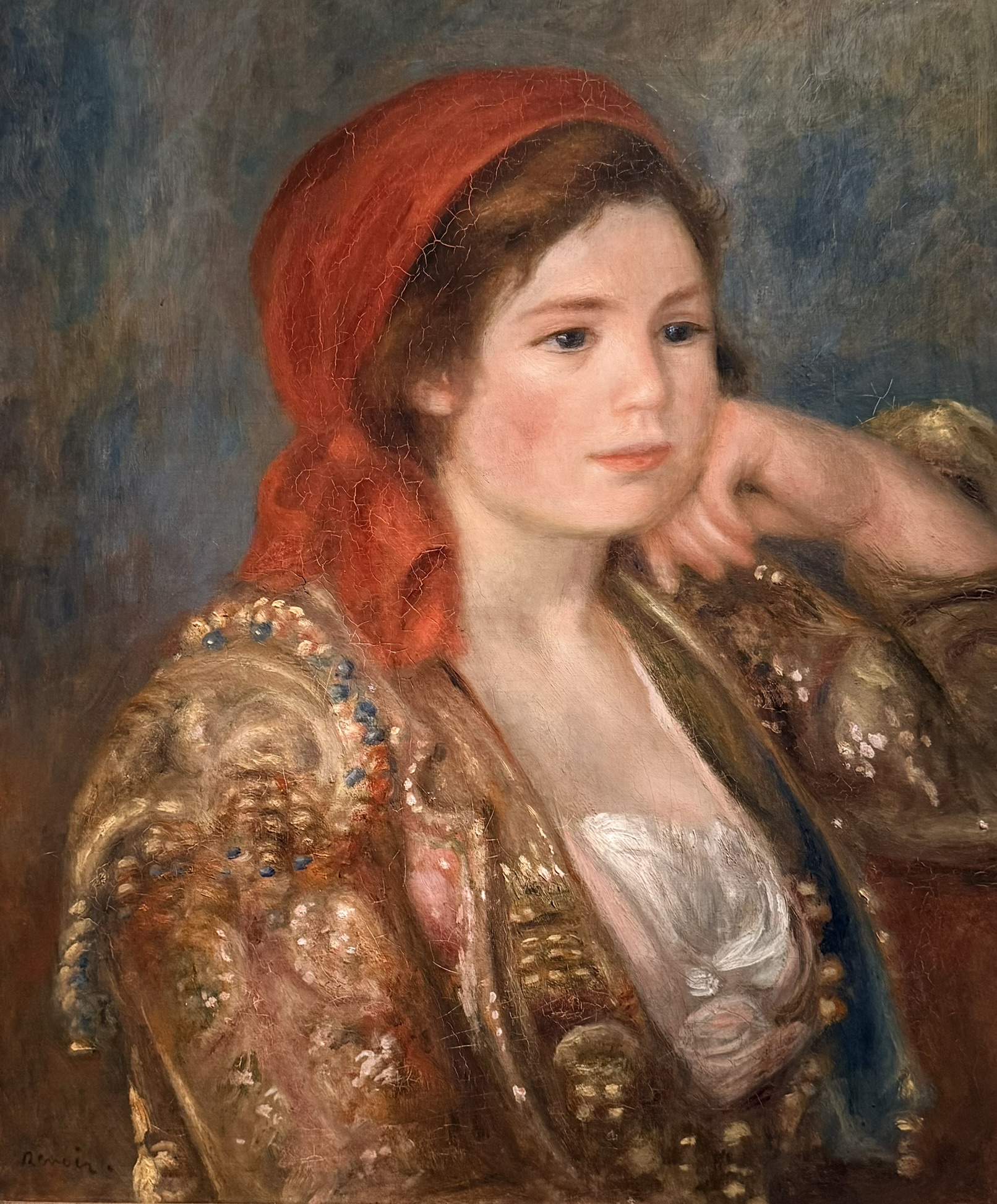
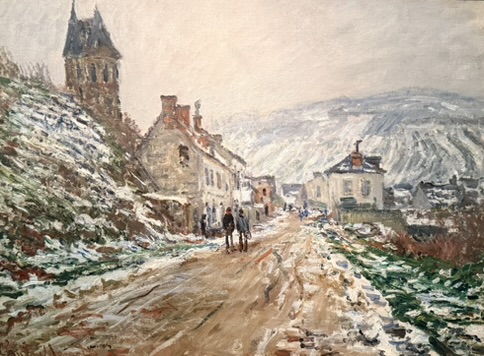
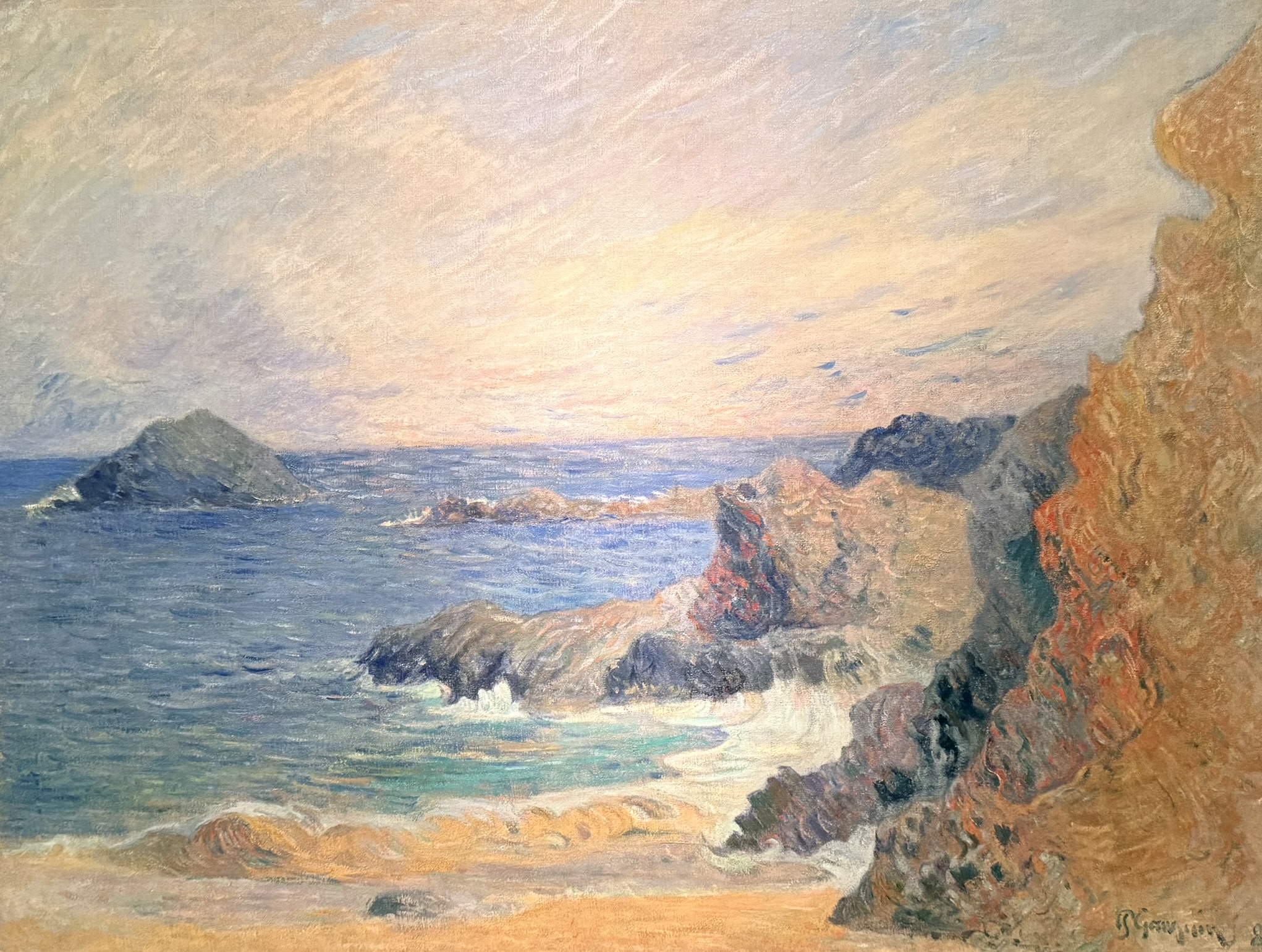
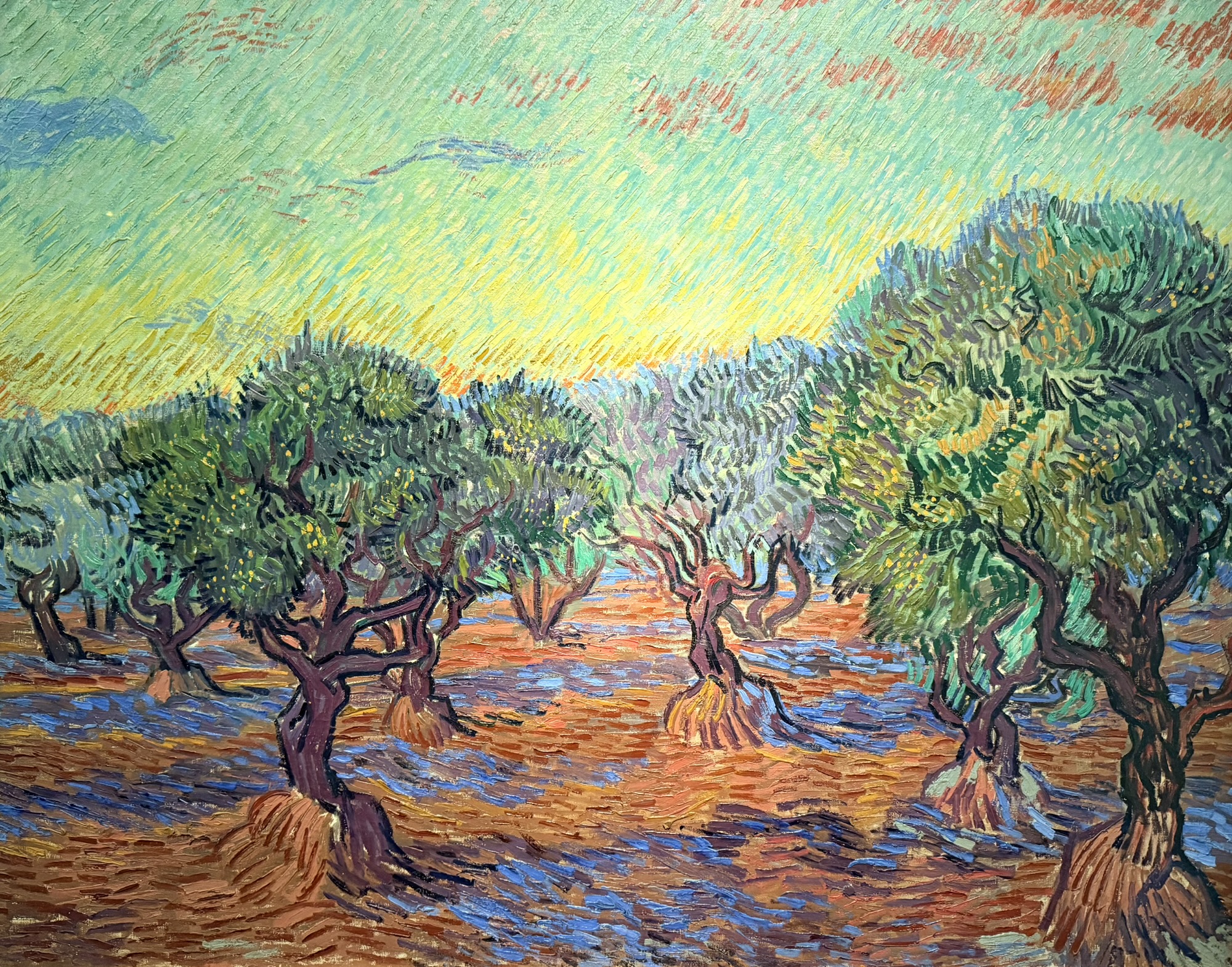
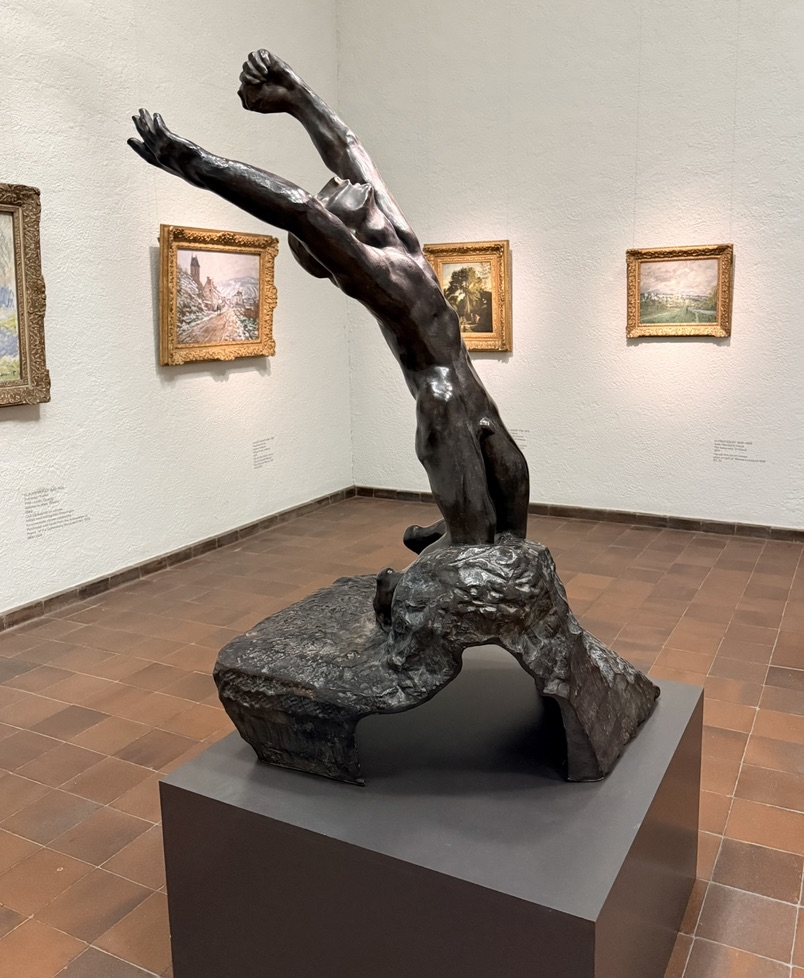
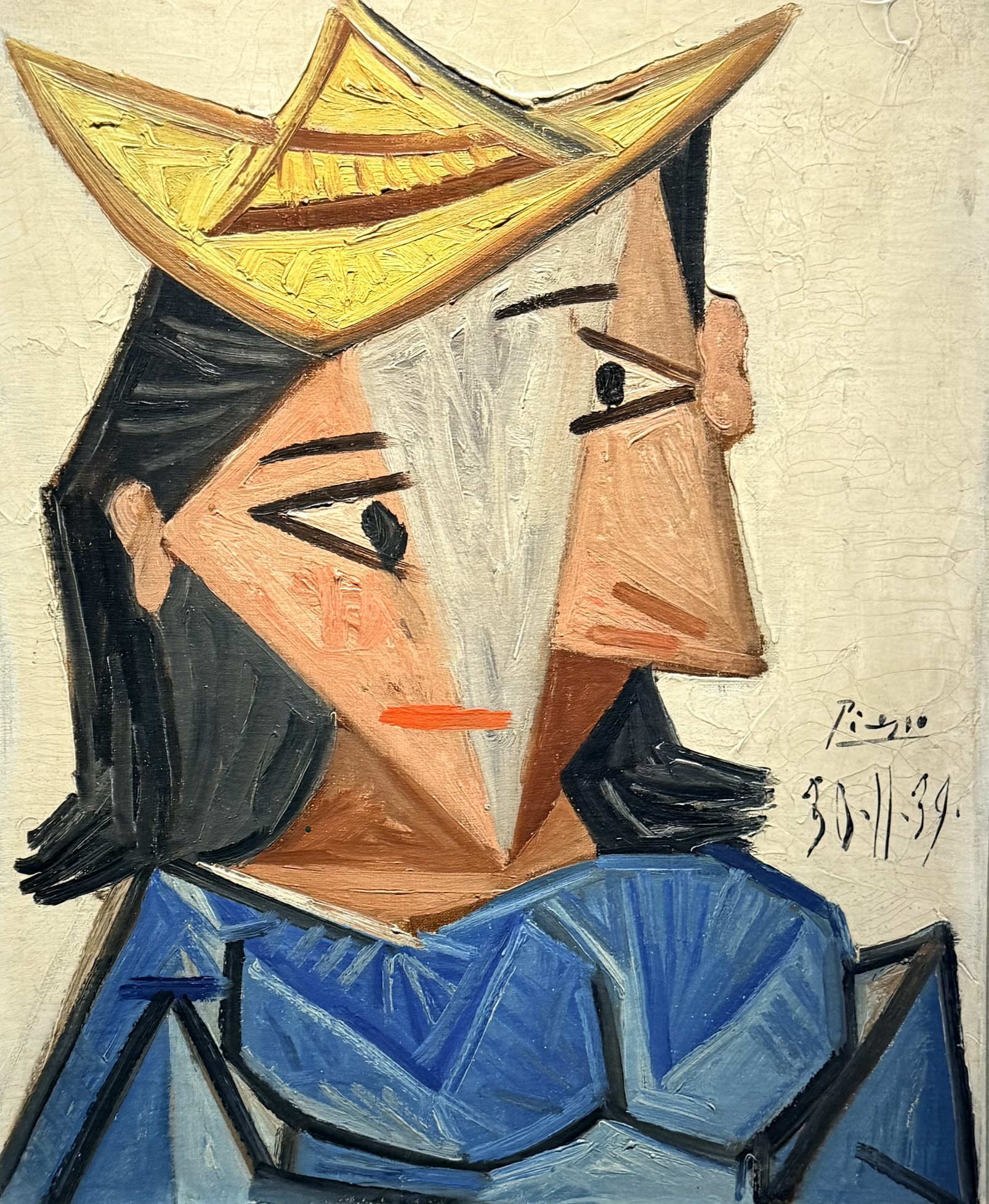
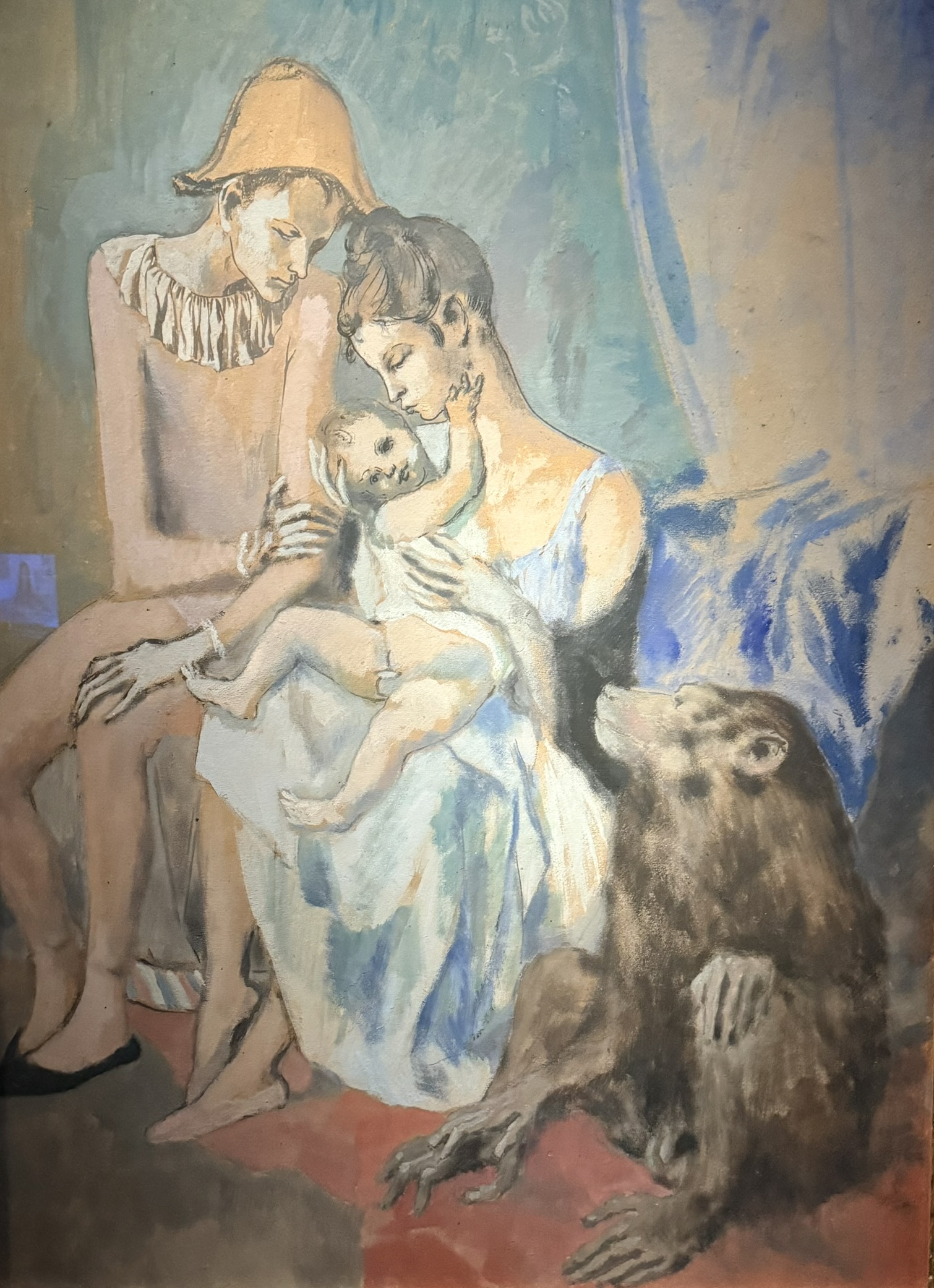
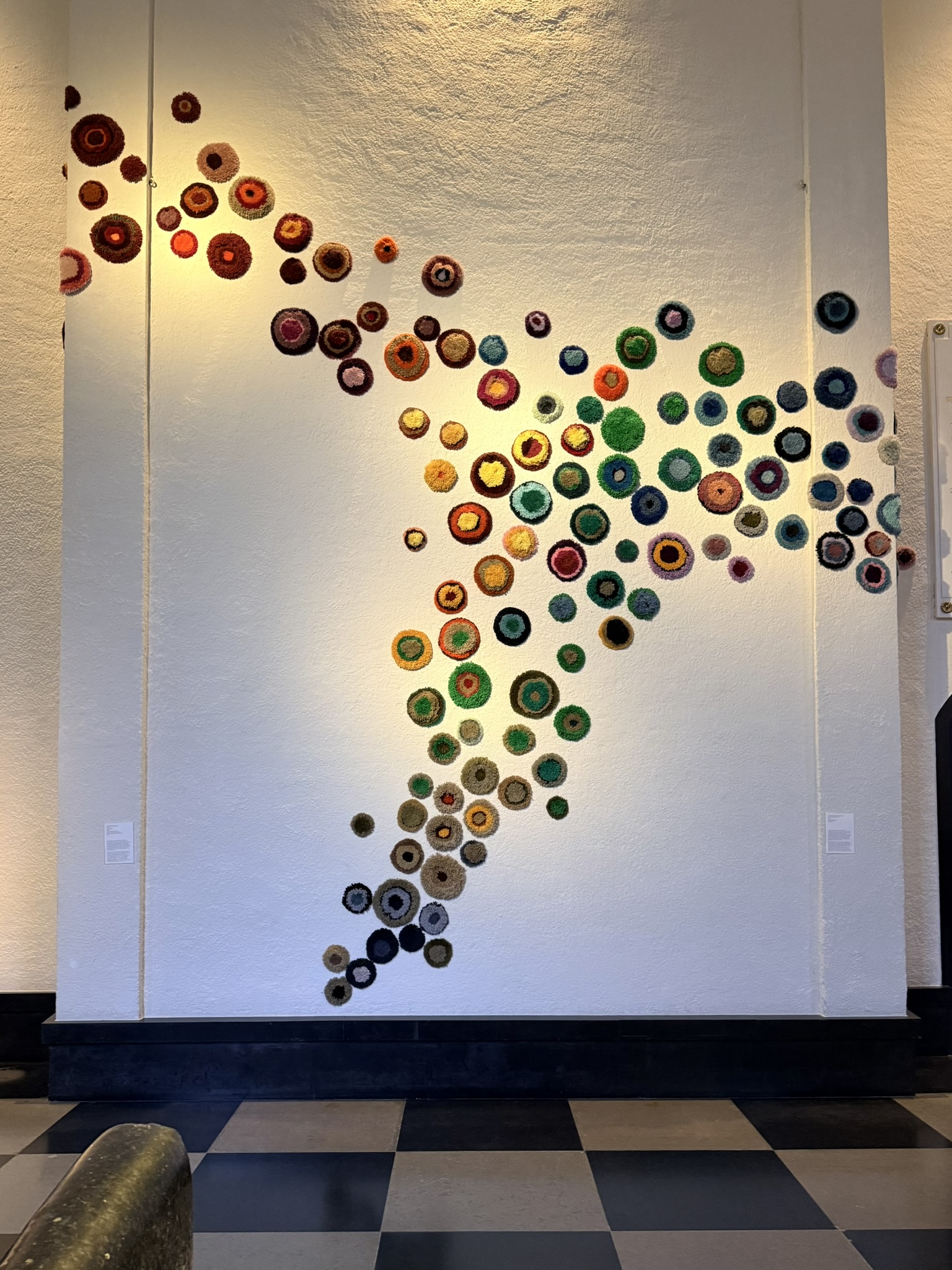
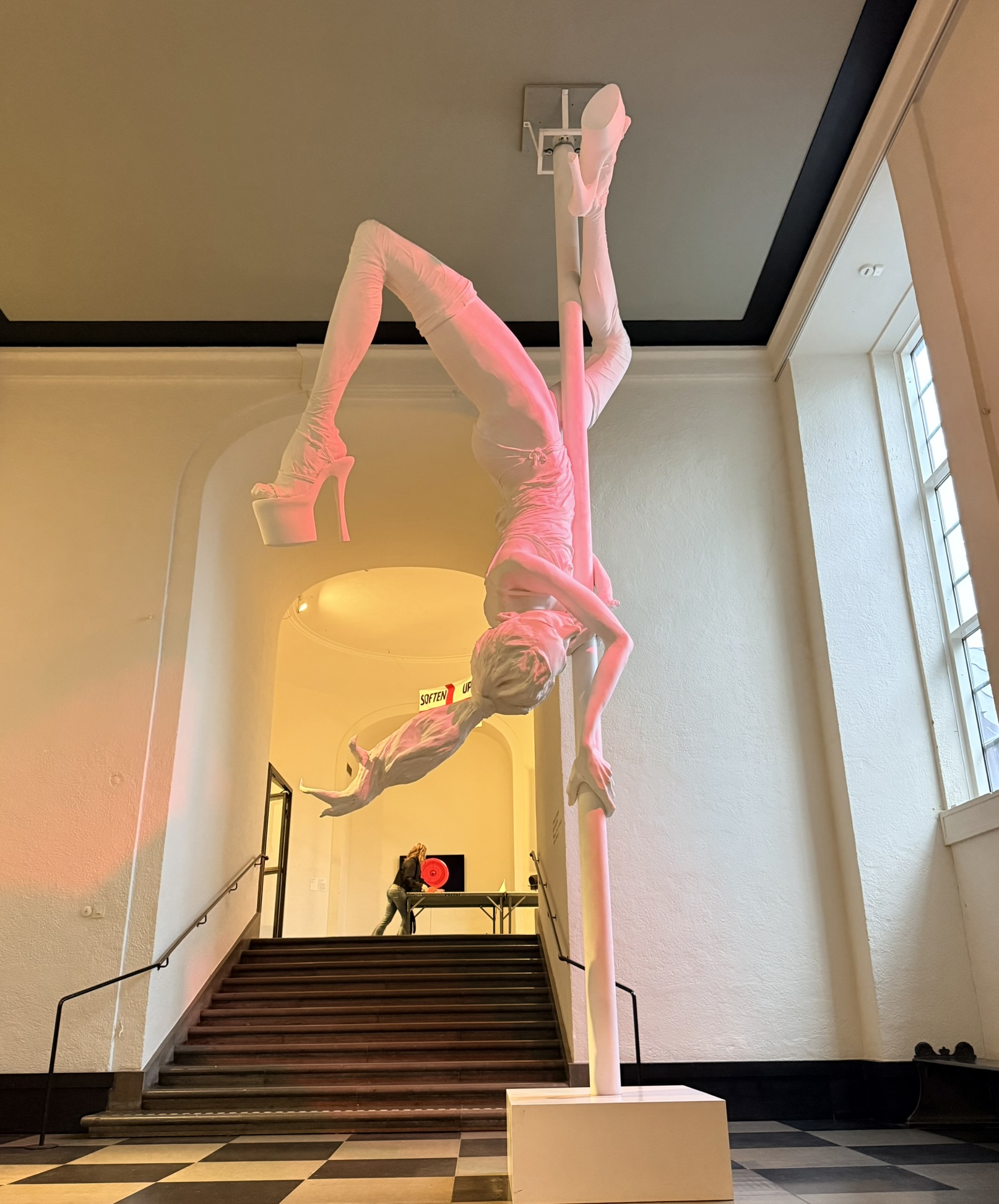
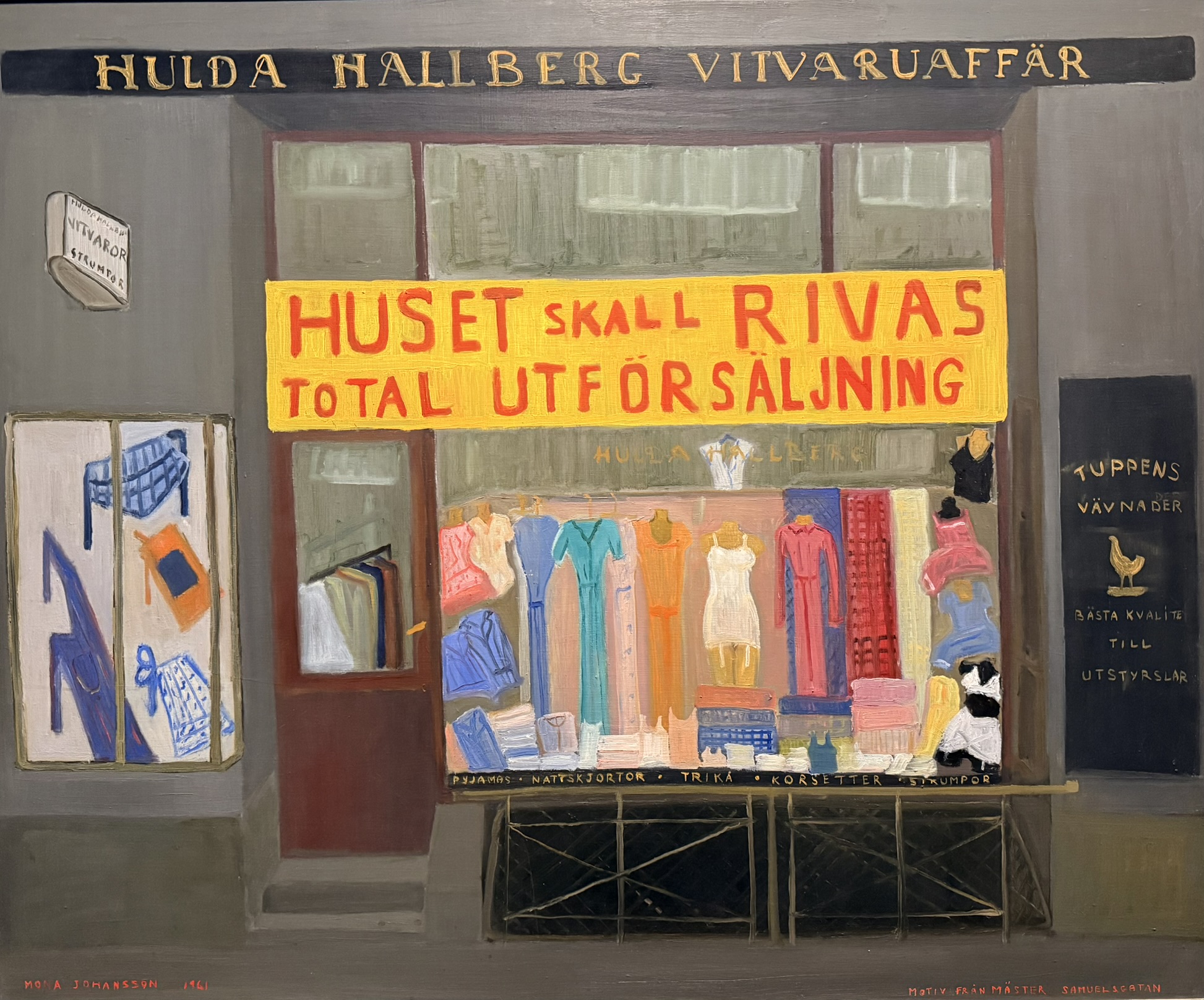
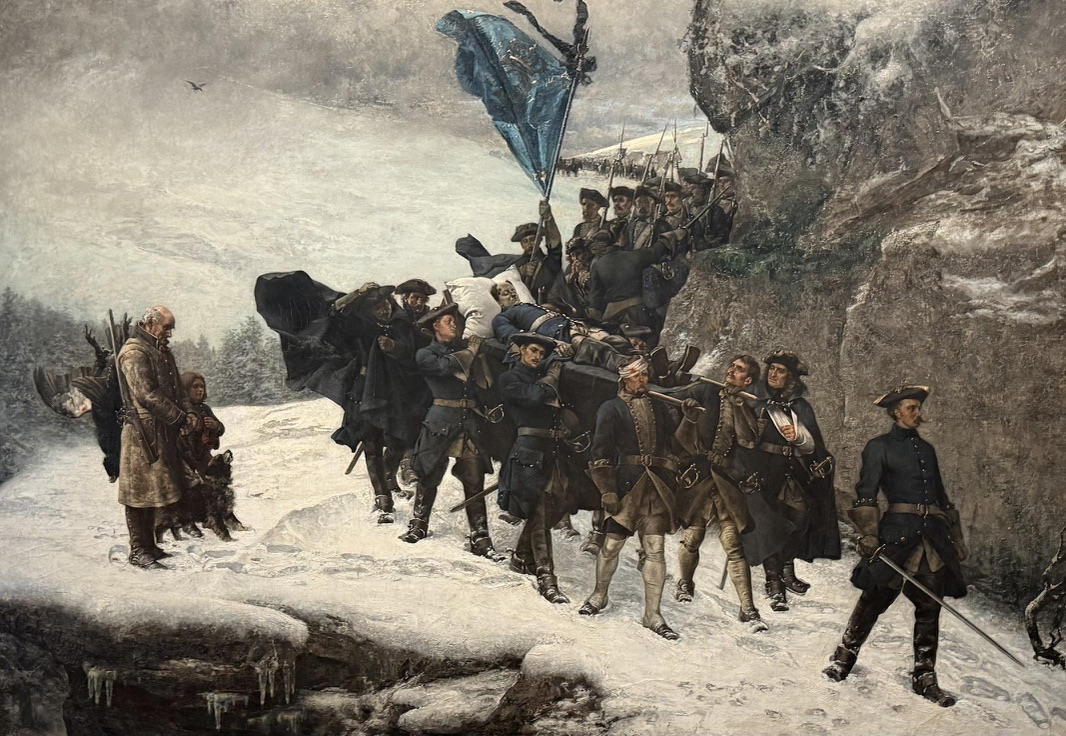
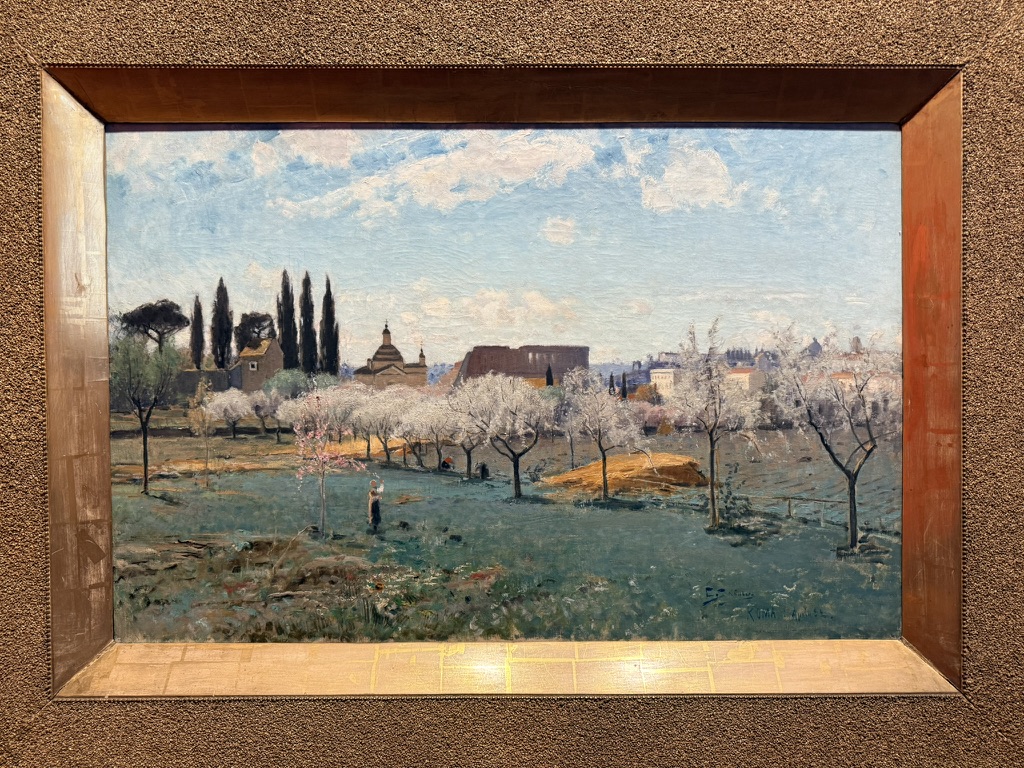
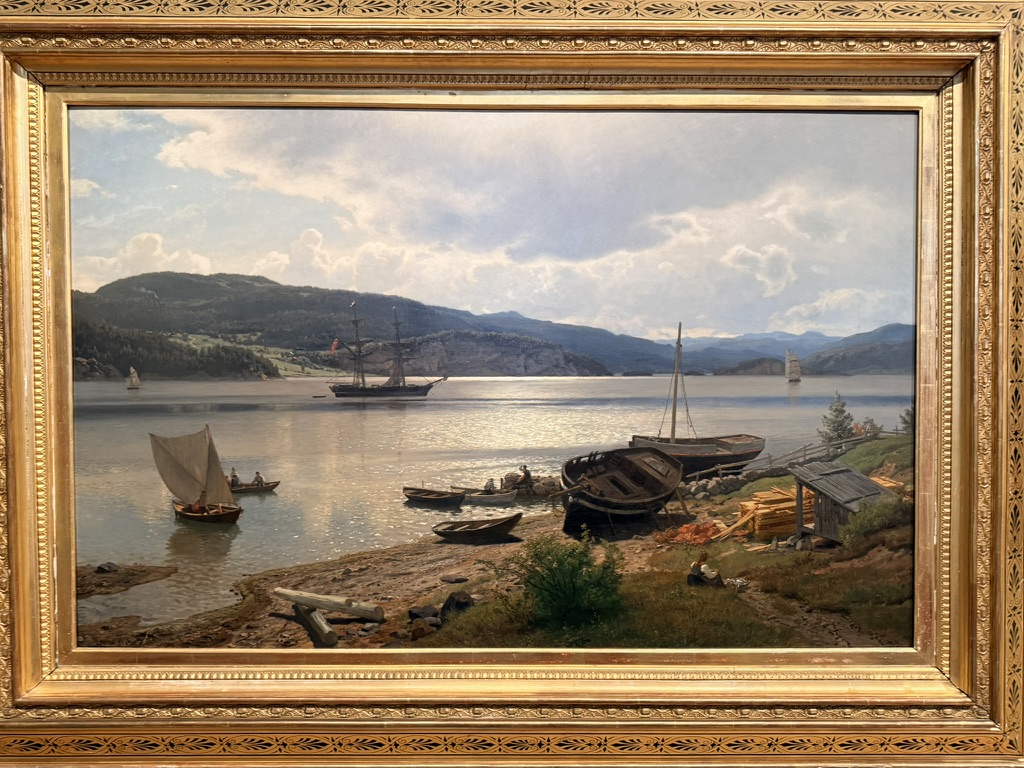
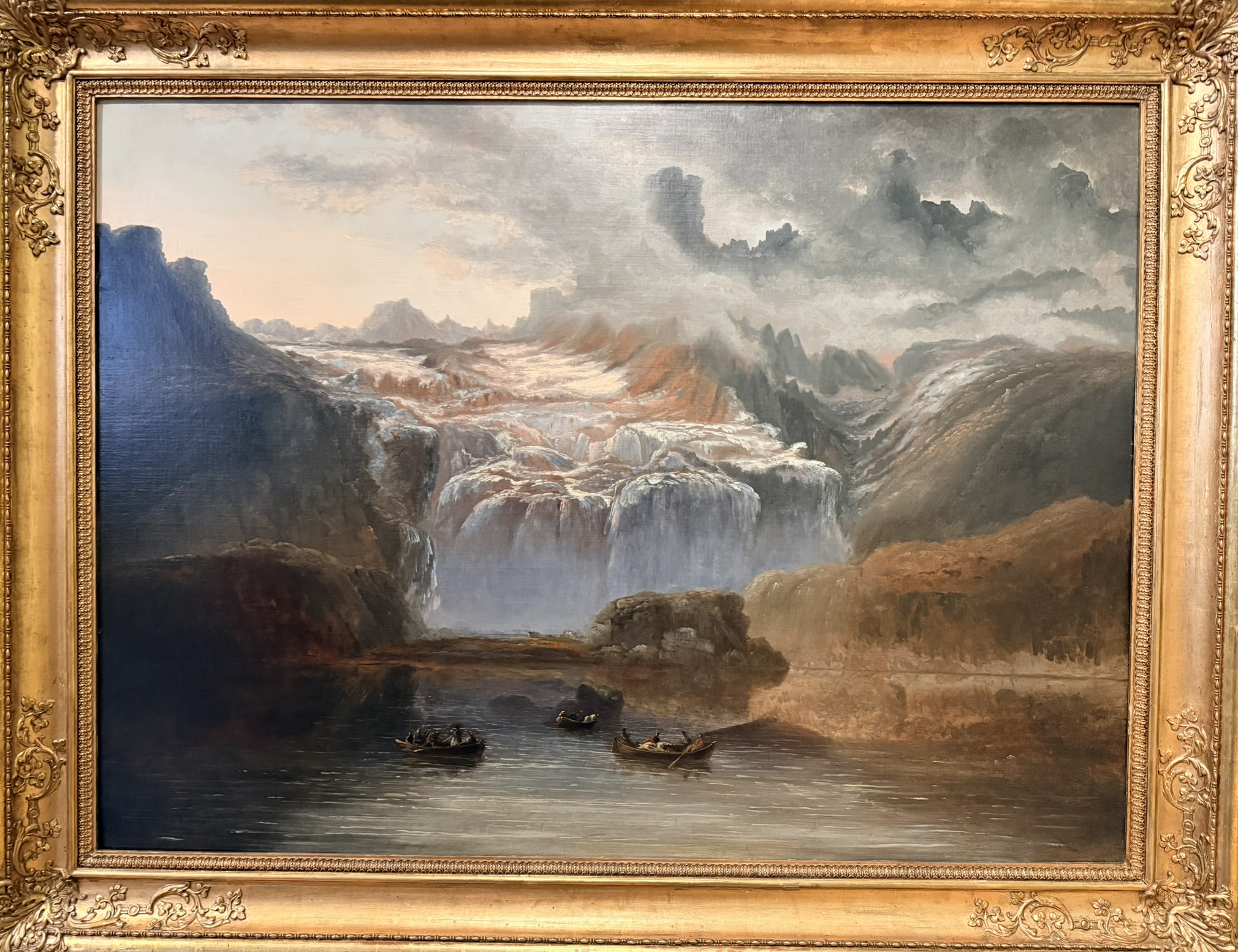
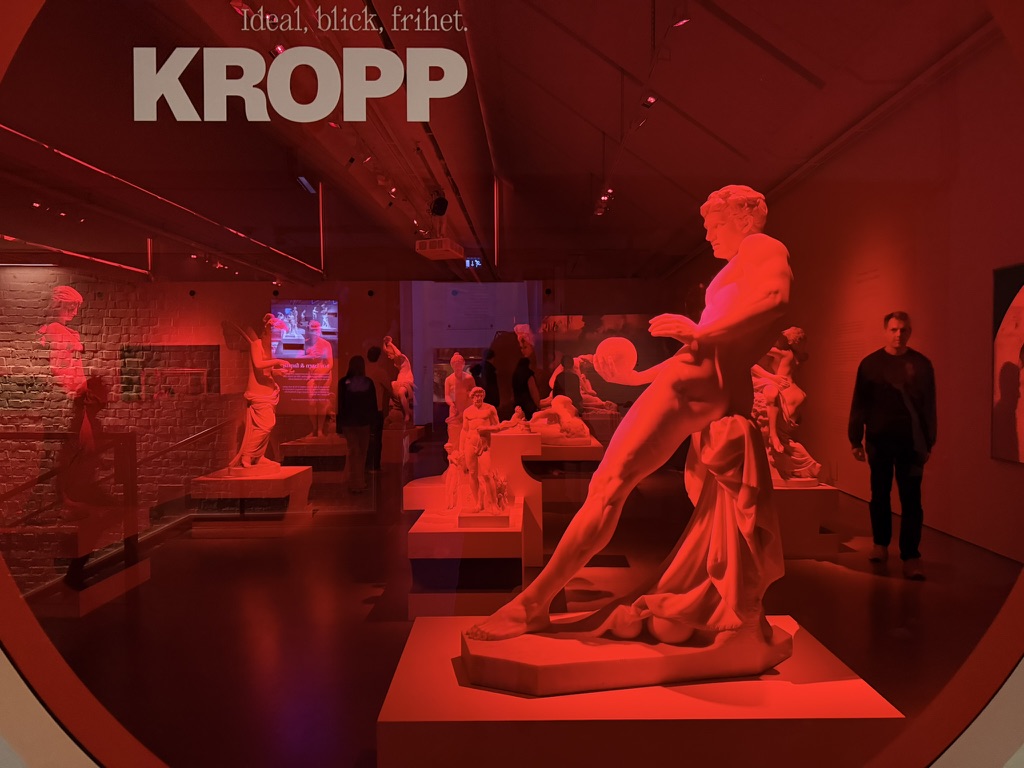
One temporary exhibit was Ideal, Gaze, Freedom: BODY. It featured about 100 works, from the 1850s to the present, that explored and challenged historical ideals, examined the role of the model, and revealed the body’s expressive and creative potential. Drawn from the museum’s permanent collection, it reflected a Nordic and Western perspective on the art history of the body. The focus was on the body’s creative potential, with the body serving as both a source of inspiration and a means of artistic impression.
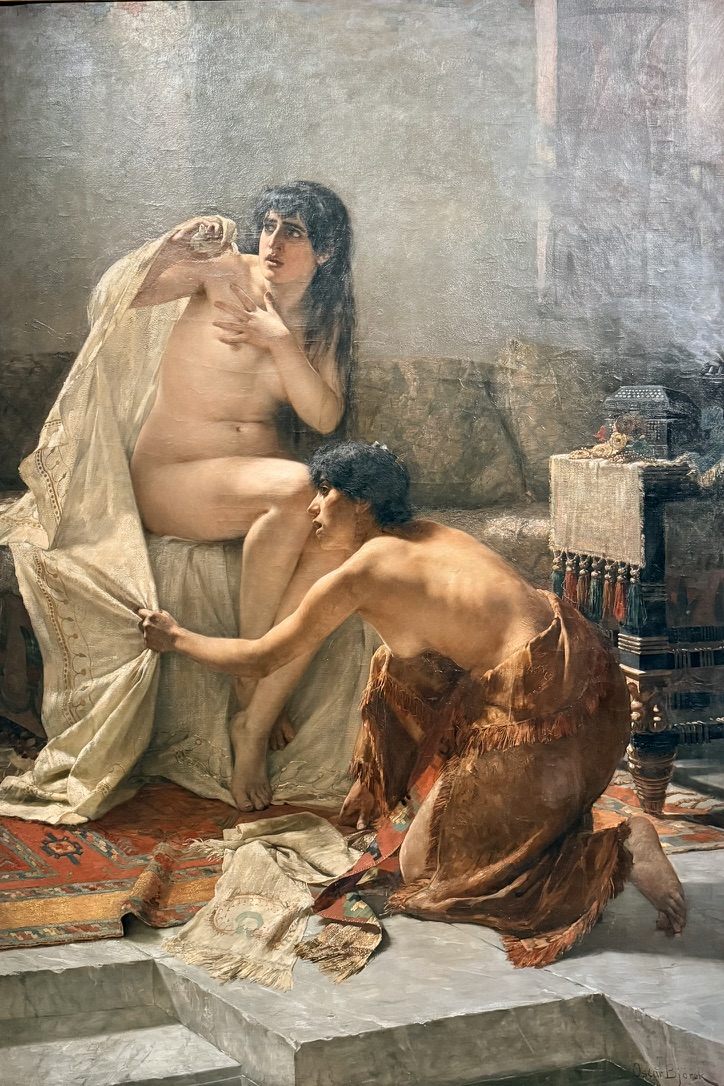
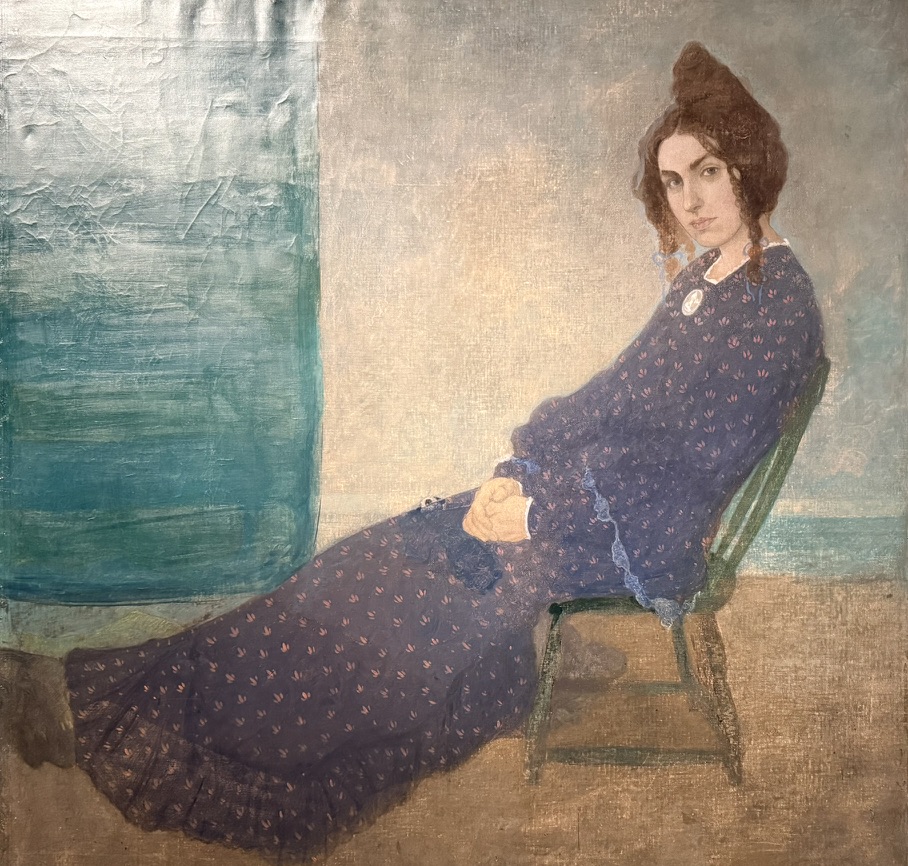

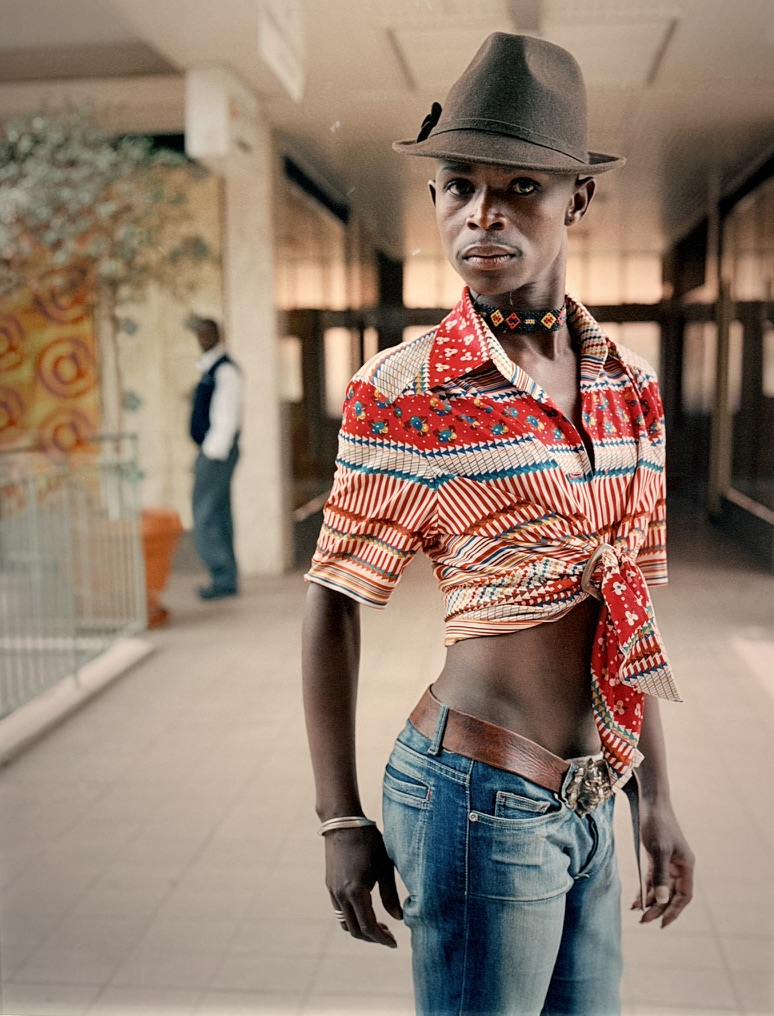
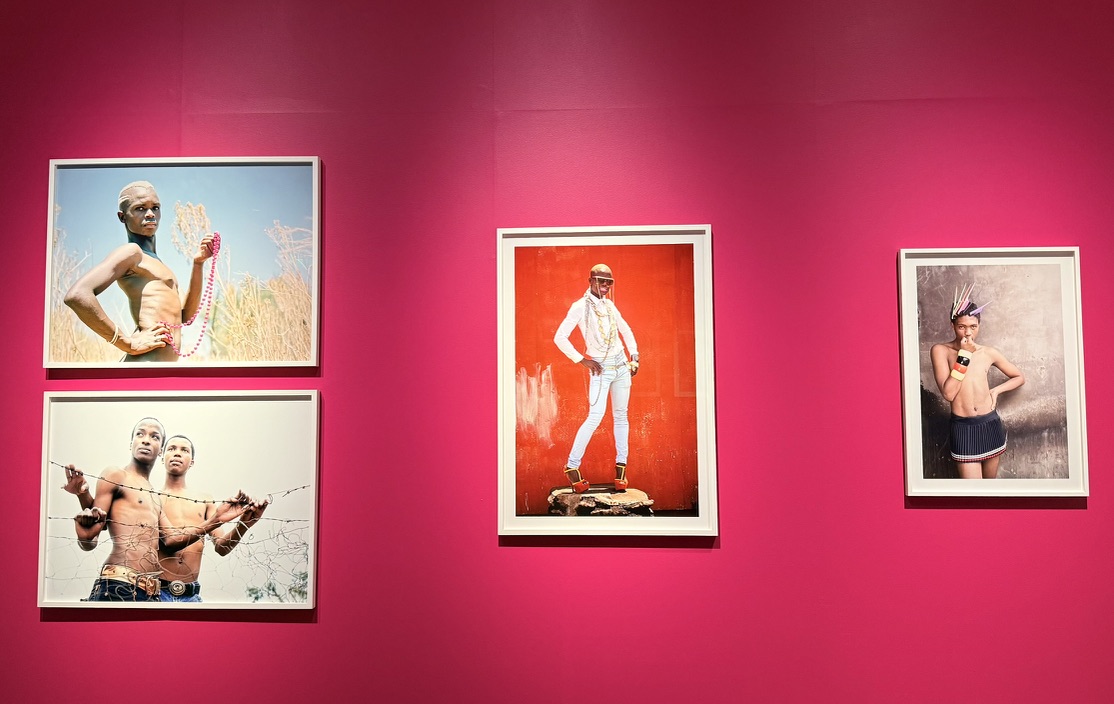
The major solo exhibition by South African photographer and self-described “visual activist” Professor Sir Zanele Muholi is currently on view at the Hasselblad Center, part of the Göteborgs Konstmuseum. Opened on October 10, 2026, the exhibition celebrates Muholi as the latest recipient of the prestigious Hasselblad Award. The photographer has pioneered new ways of using photography as visual activism most notably for visibility and respect for black queer people.

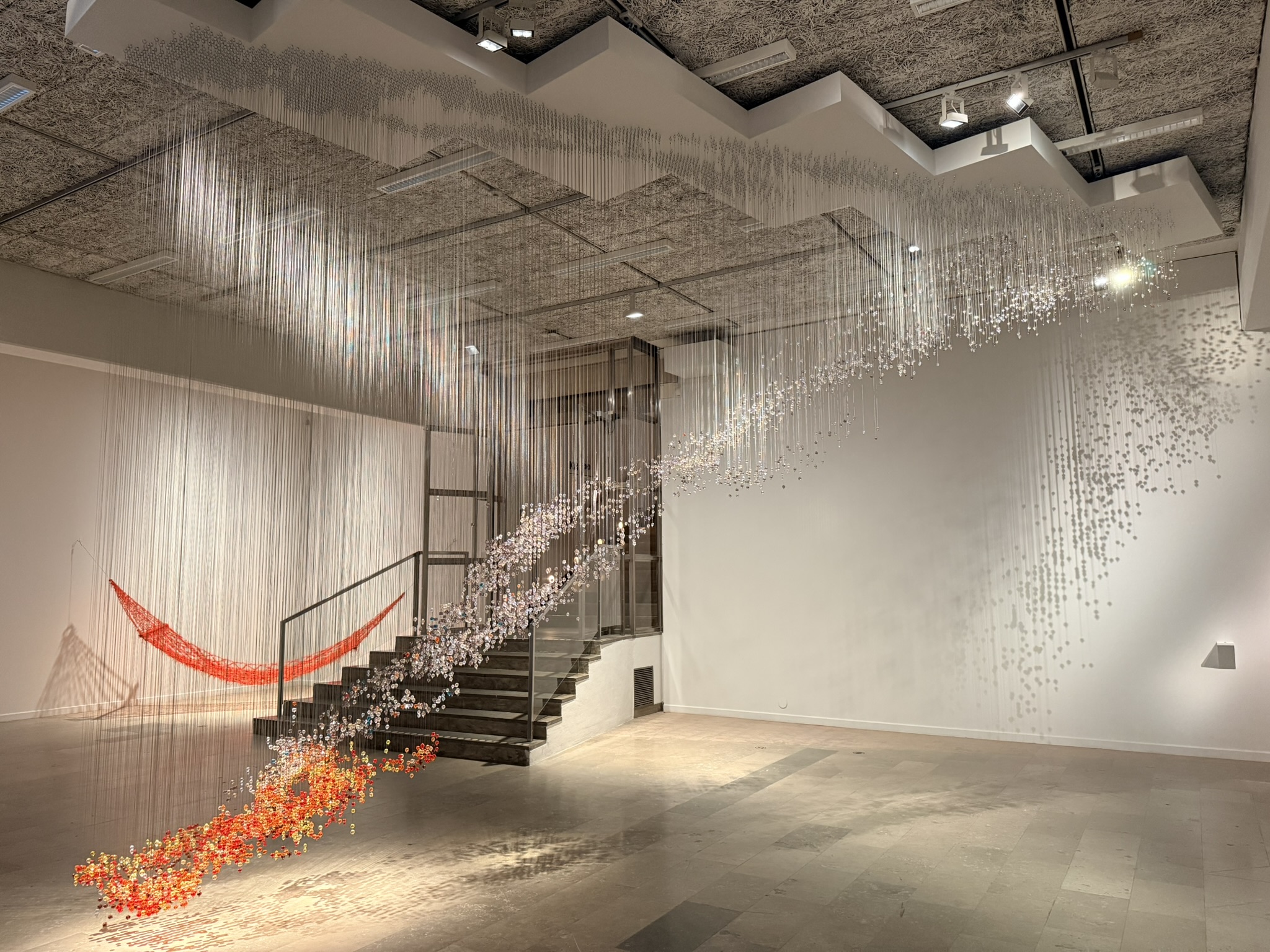
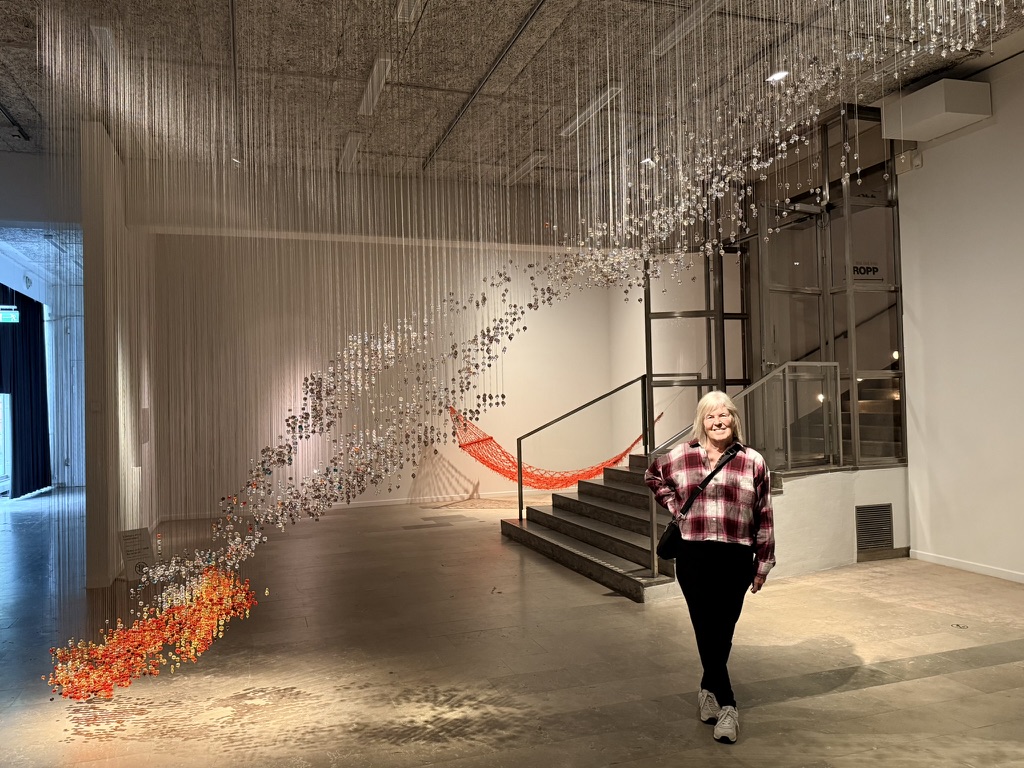
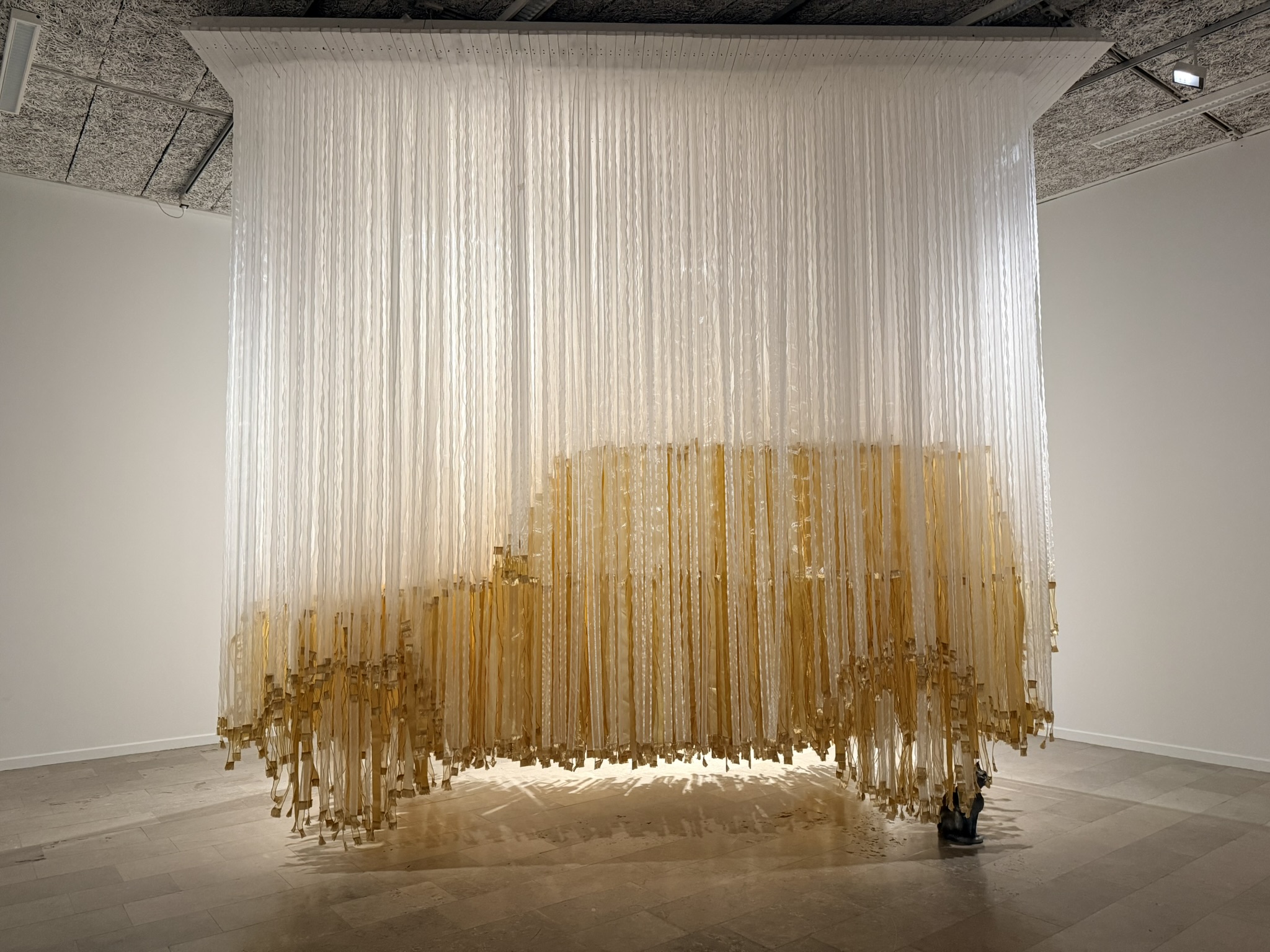
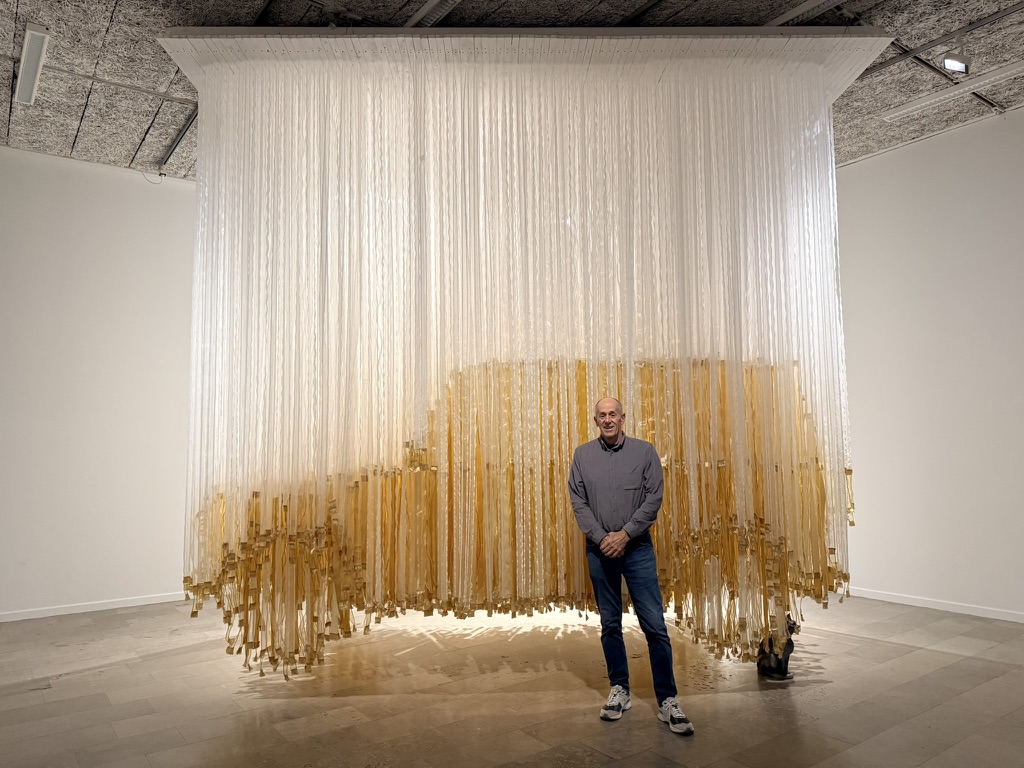
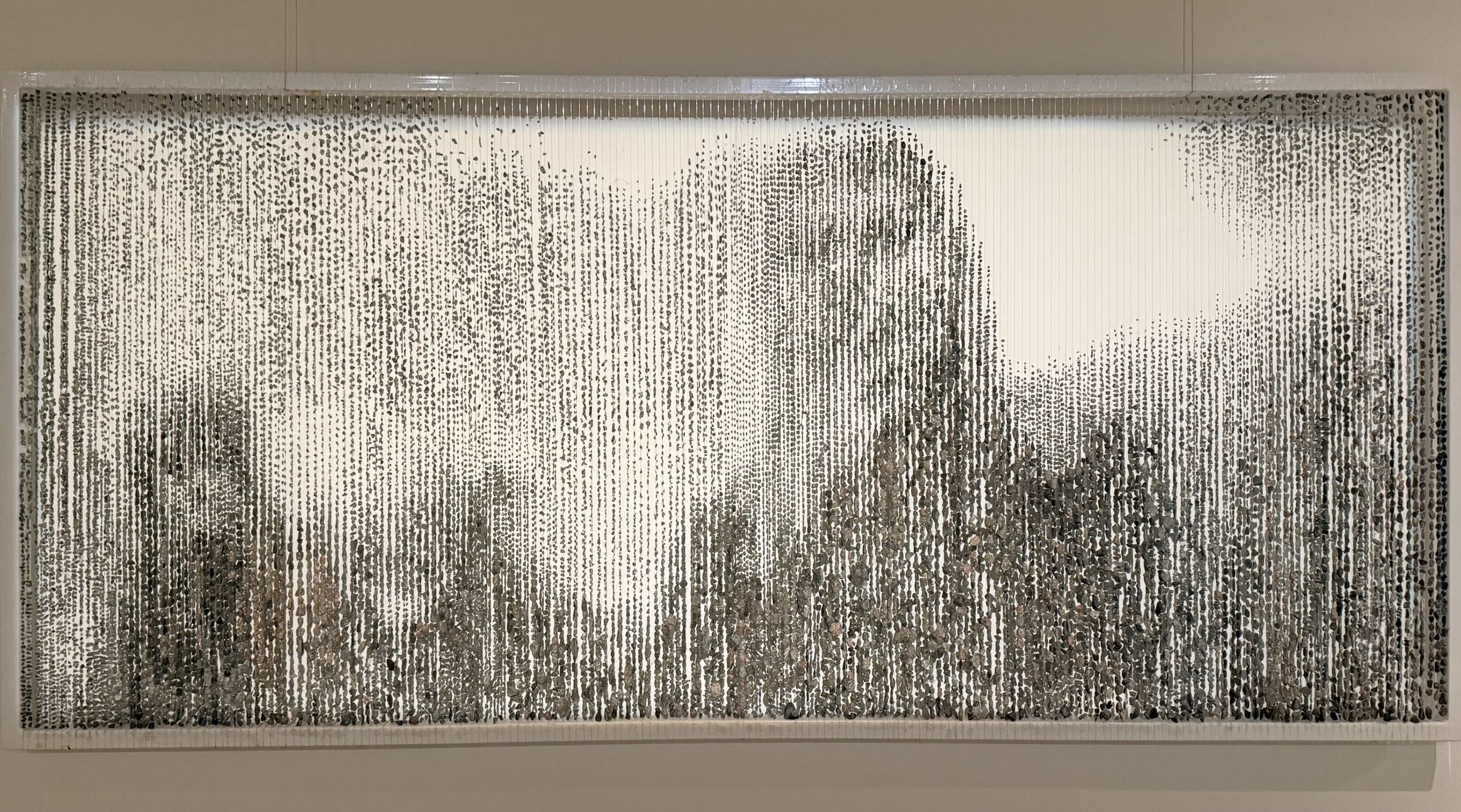
Another temporary exhibit, Same Moment of Pleasure, showed the work of Hanna Vihriälä (born 1974), a Finnish artist from Tampere working with sculpture and spatial installations. She explores the relationship between body, memory, and matter. This is her first solo exhibition at a Swedish museum.
At the center of Hanna Vihriälä’s artistic practice are often everyday materials and objects that are displaced into new contexts. By working with materials such as gravel, candy, sand, make-up, or fine threads, she opens up new ways of seeing what might otherwise be perceived as insignificant or self-evident. In her works, the playful meets the serious, the fragile meets the enduring.
Vihriäläs works are characterized by a strong physical presence in space. A tension often arises between what at first appears appealing or familiar and what, upon closer inspection, reveals itself to be vulnerable or elusive. In this balance between strength and fragility, a poetic yet distinctly existential dimension emerges.
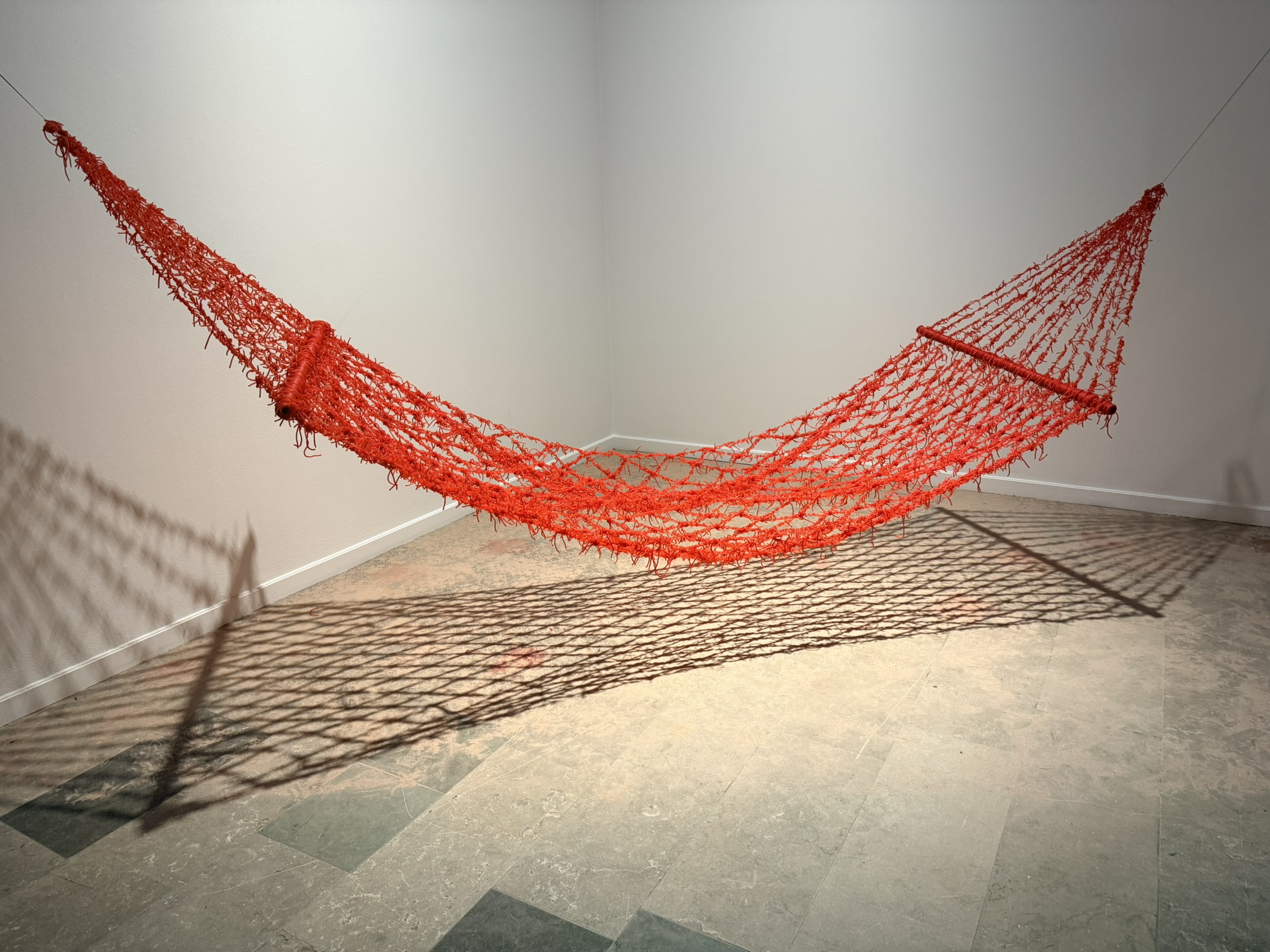
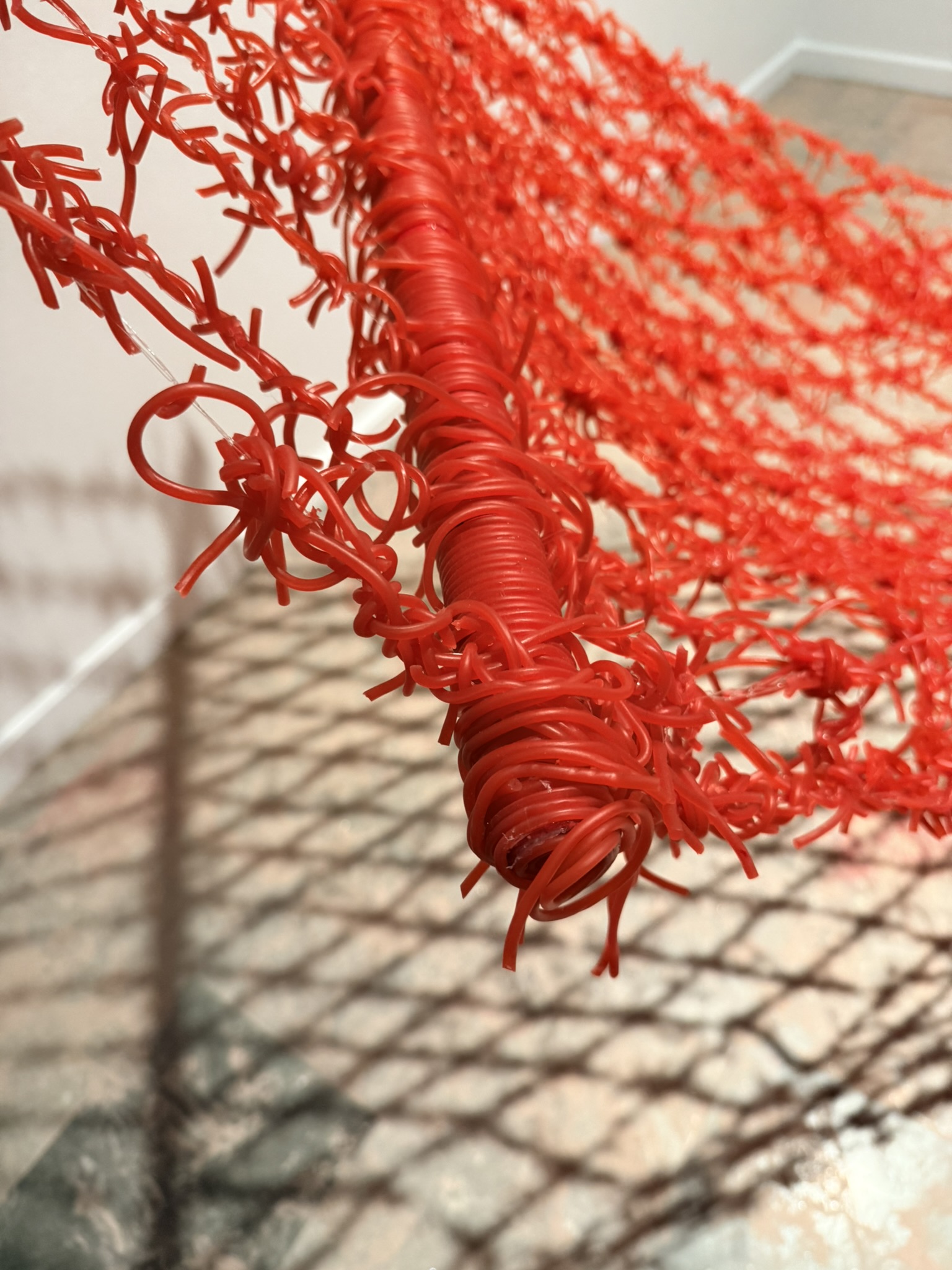
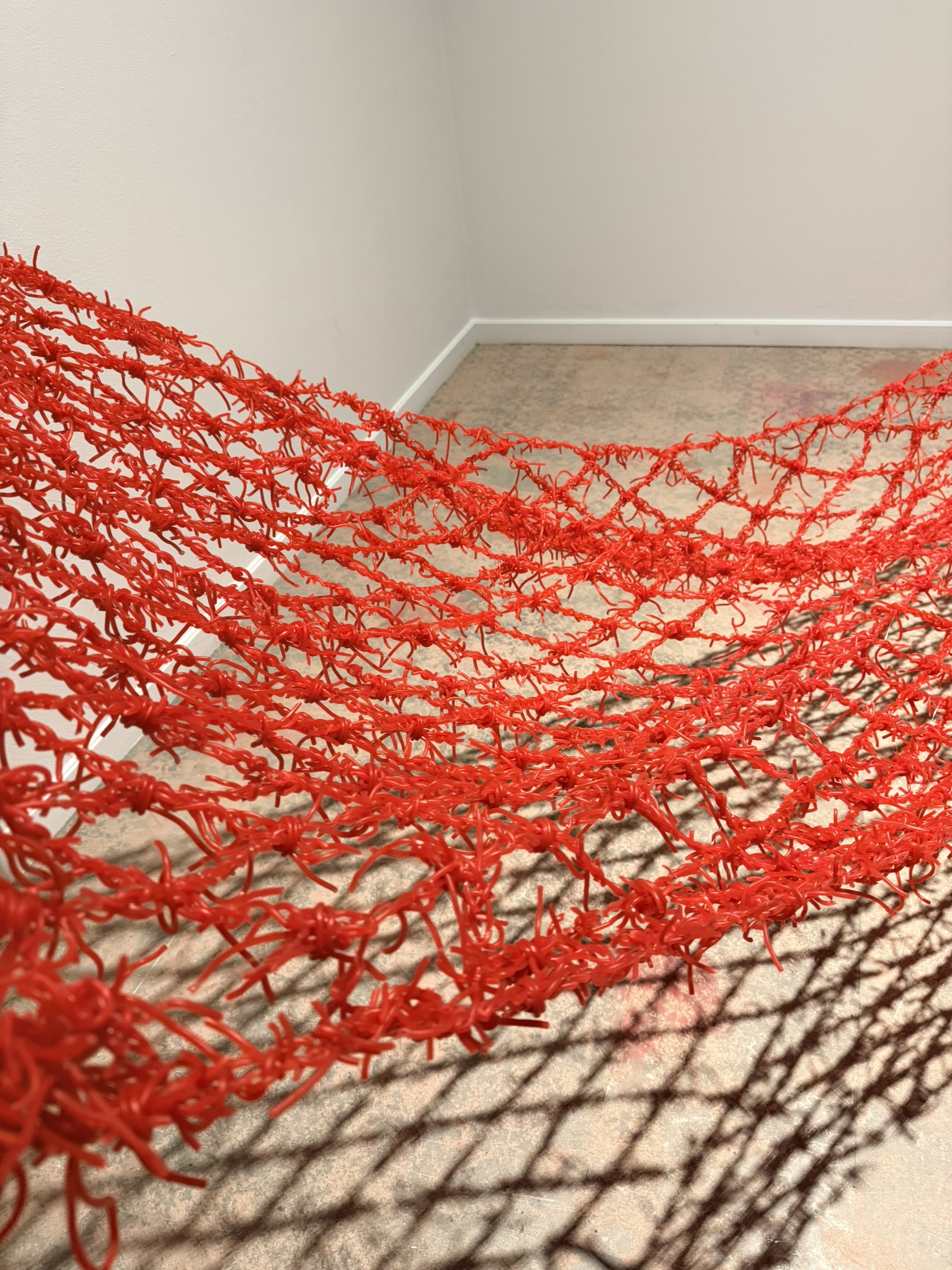
COMFORT is a hammock made of red licorice laces. Thin nylon thread helps hold together the intricate knots. The candy is deceptively similar to plastic, so it’s surprising to find what it’s made of. It also is made of sugar and would probably break if one laid down on it. The fact that the hammock is unusable and would break if we attempted to lie in it may also carry its own quiet symbolism.
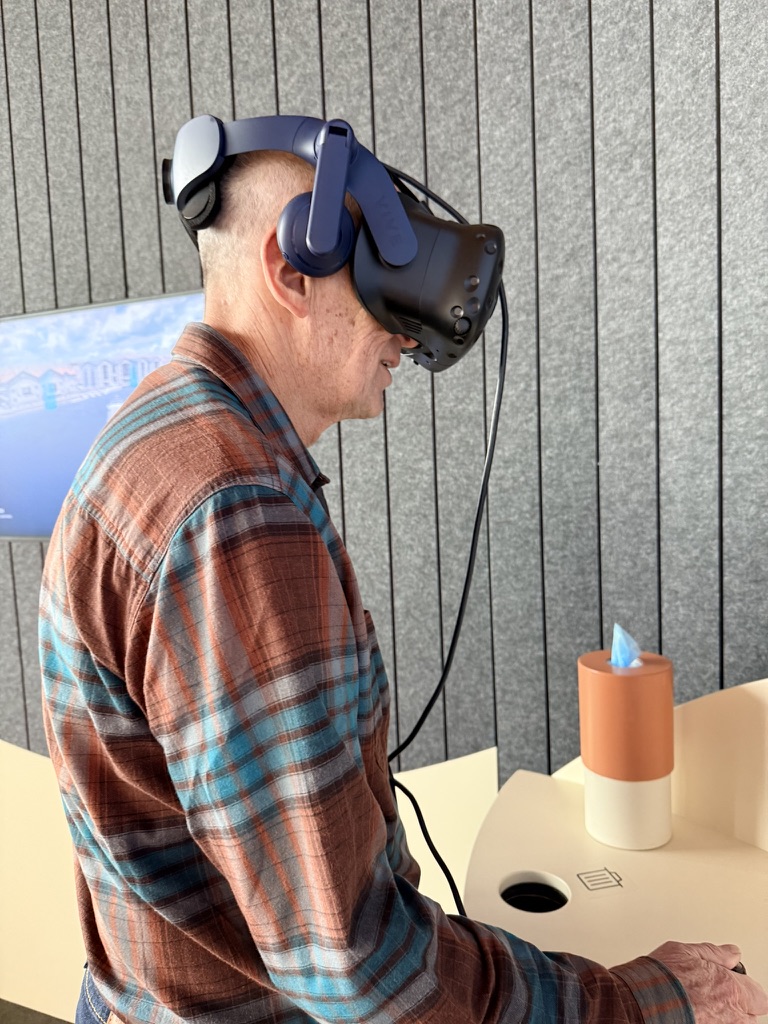
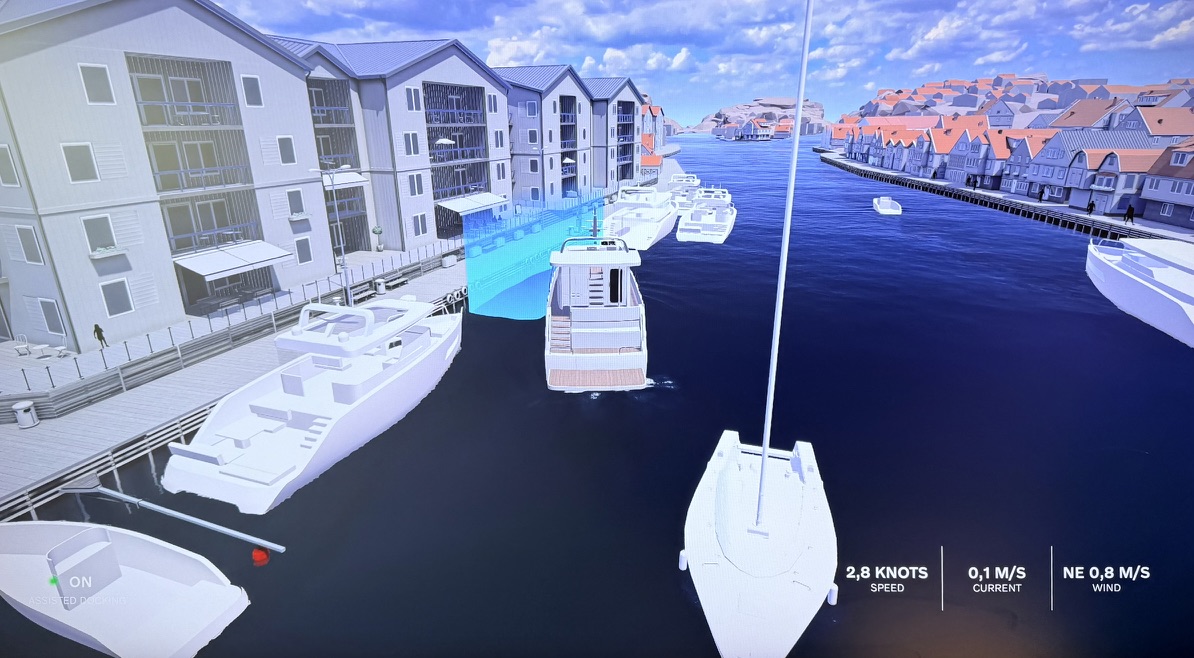
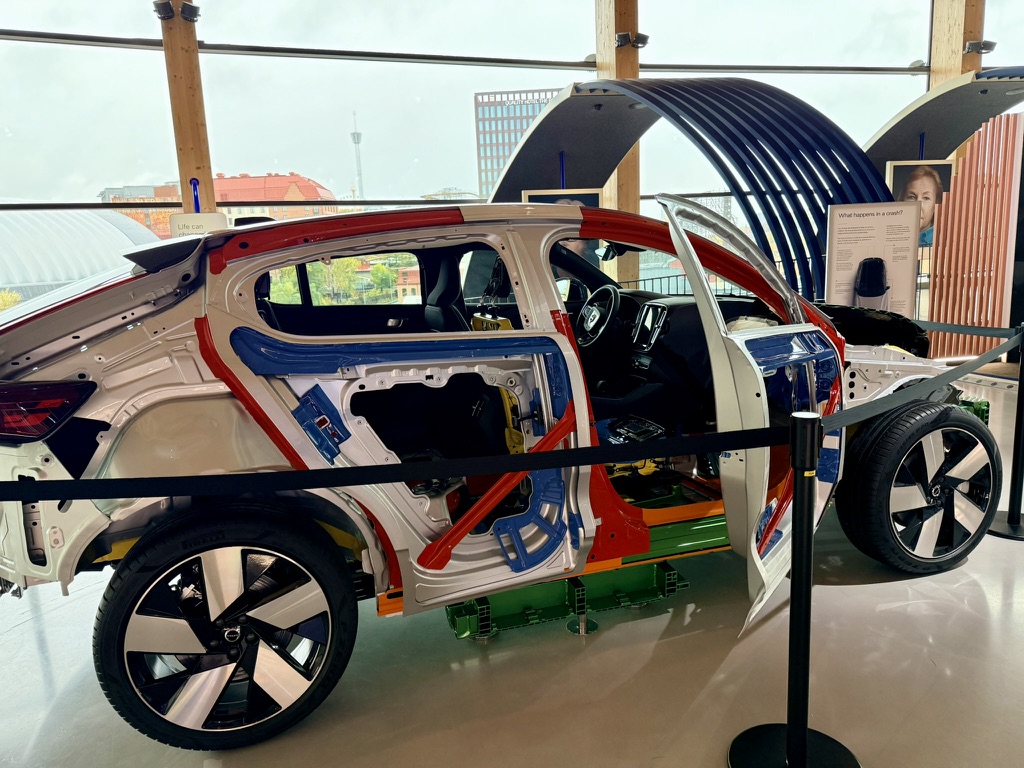
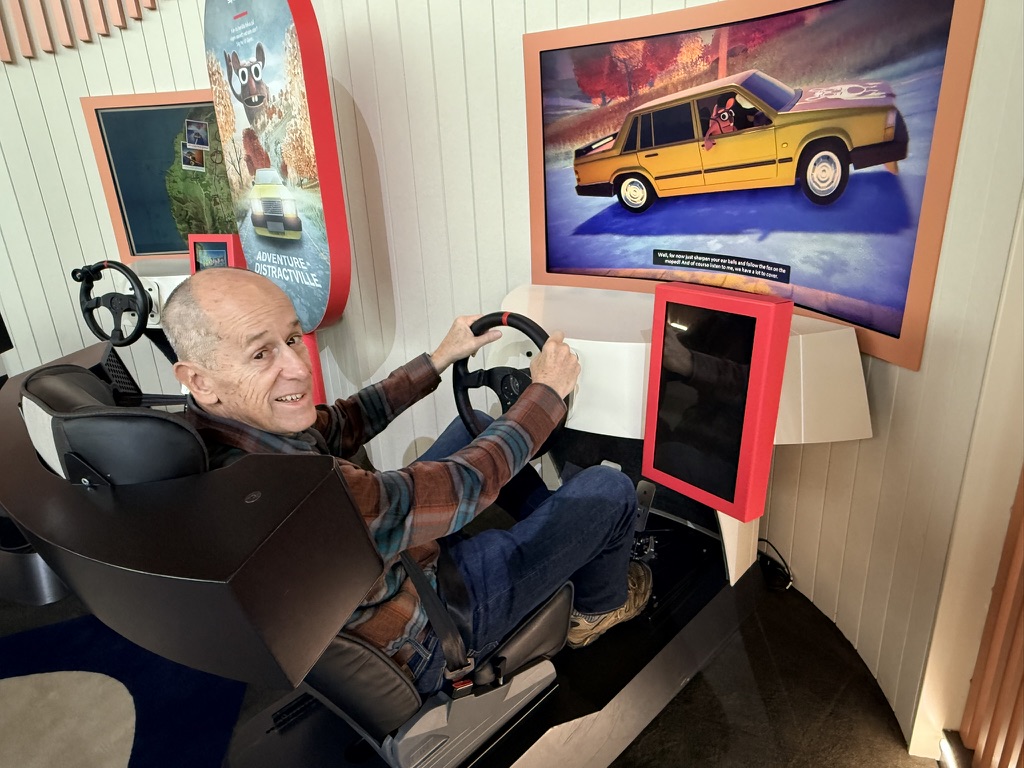
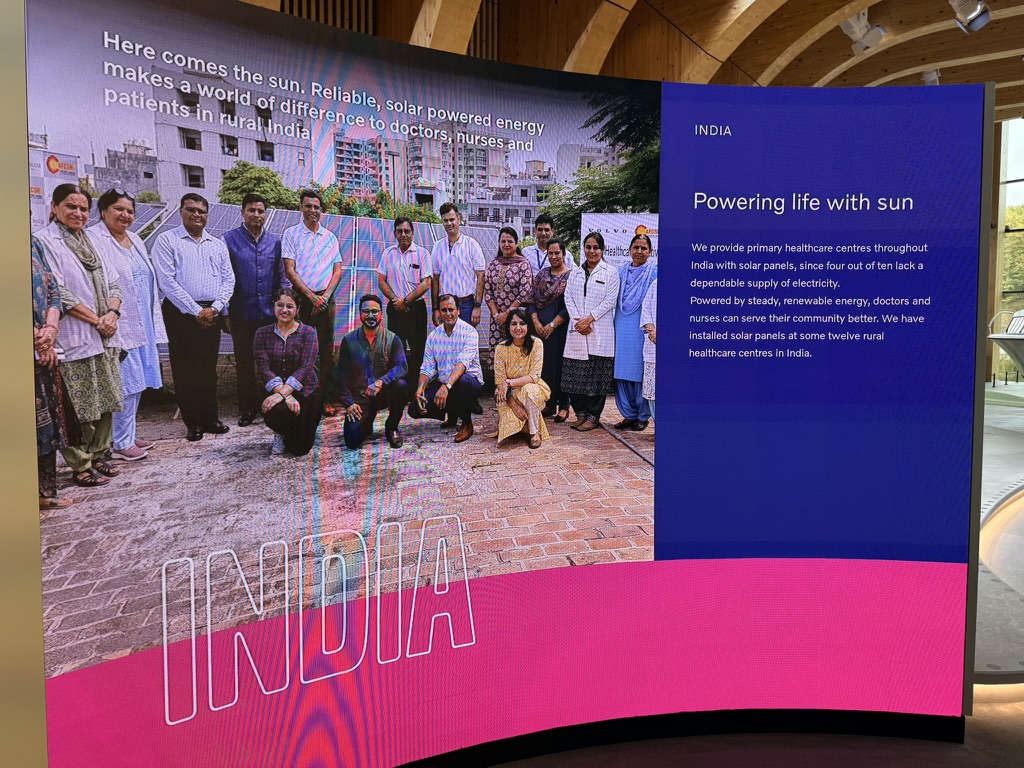
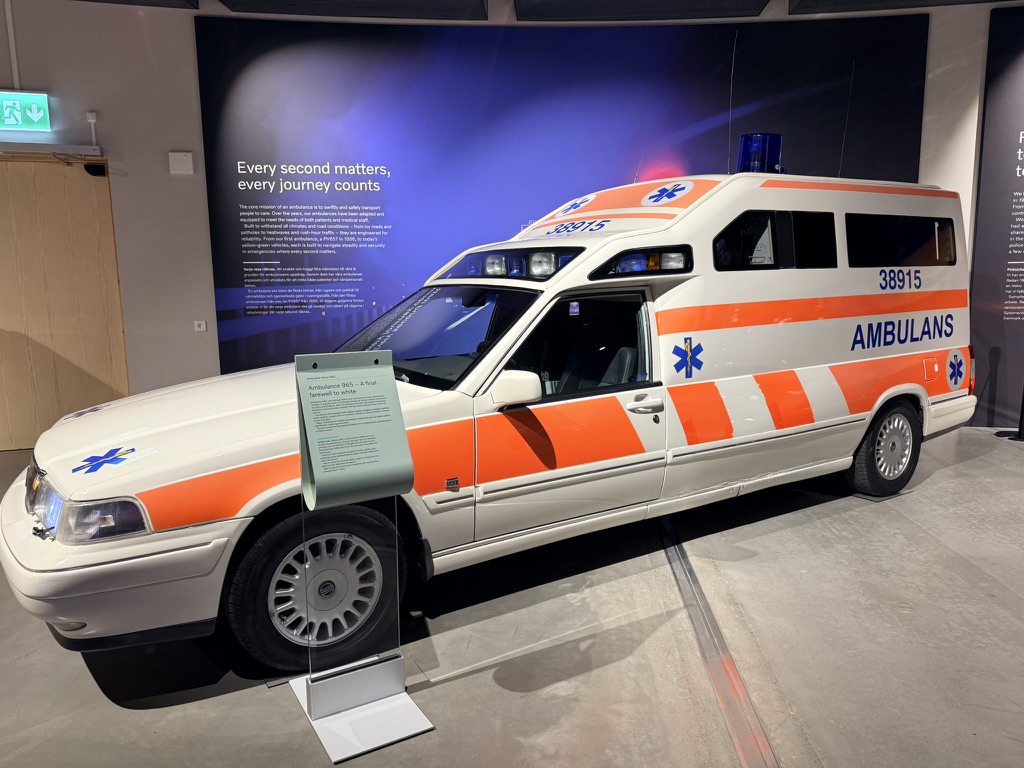
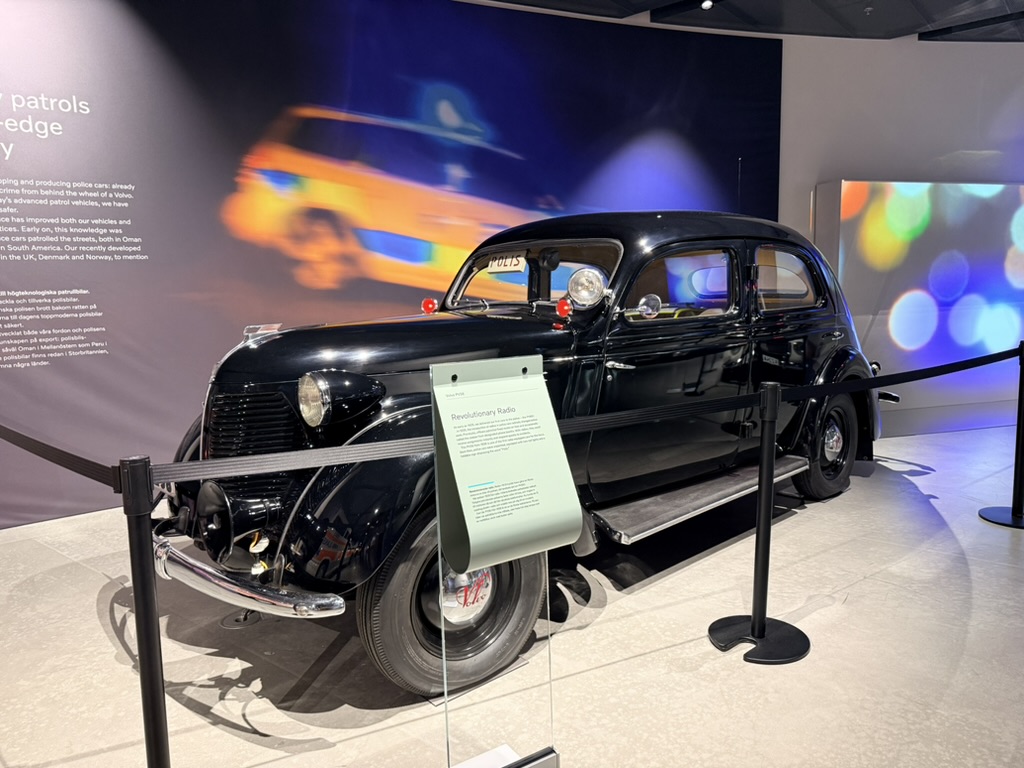
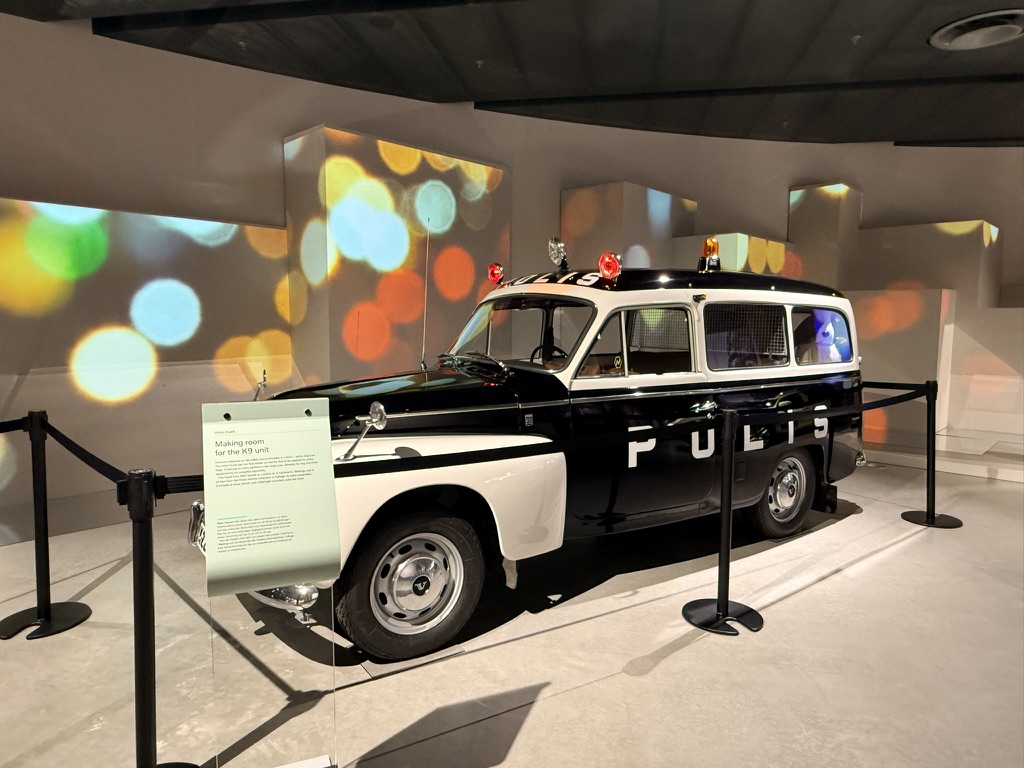
World of Volvo
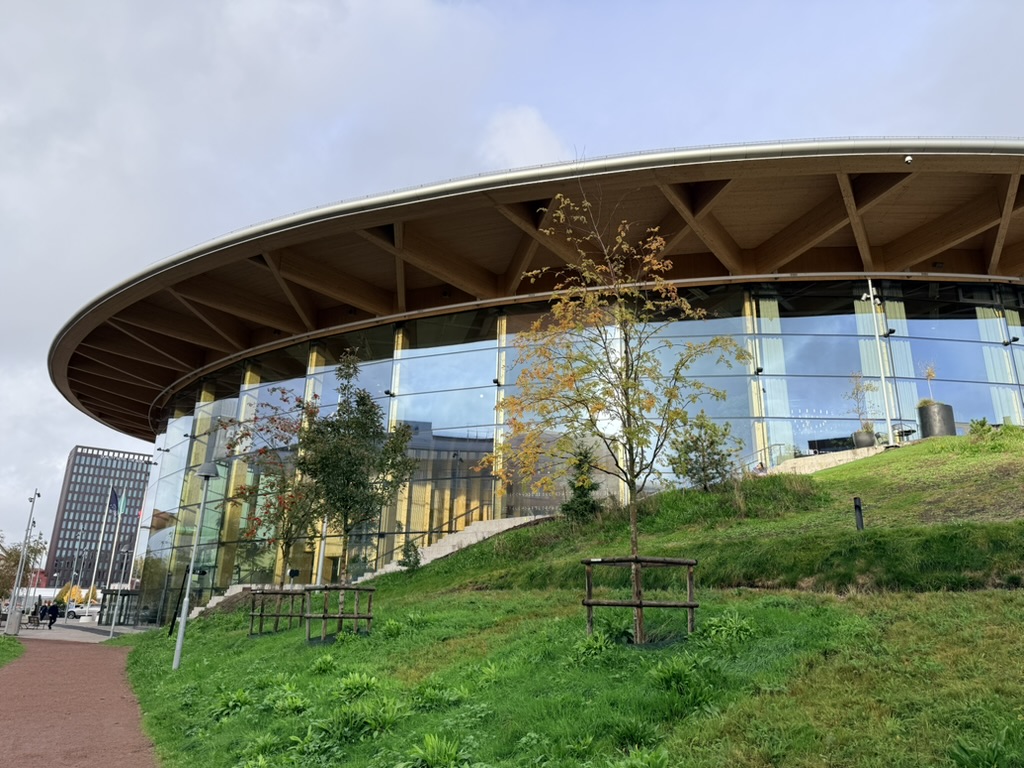
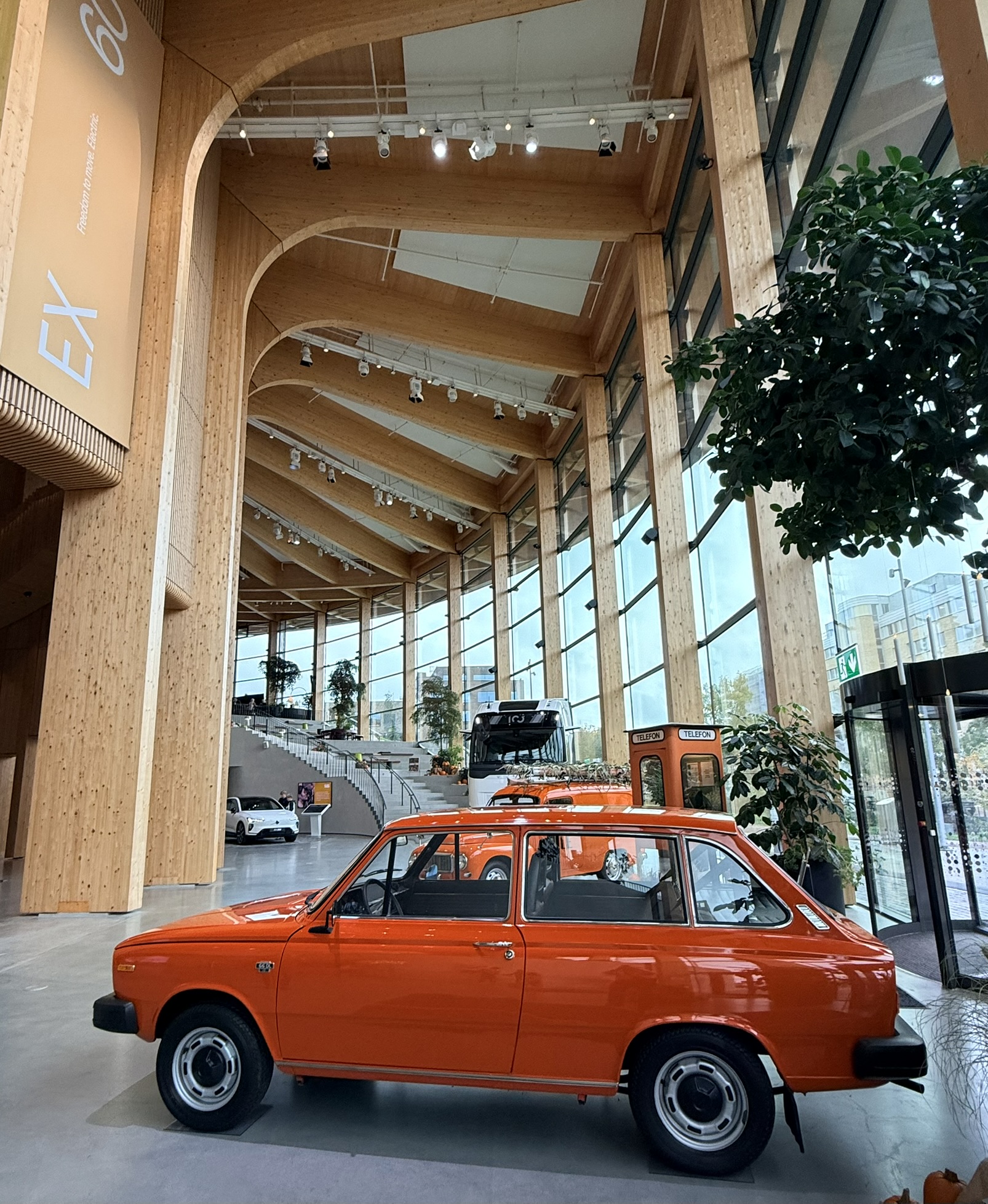
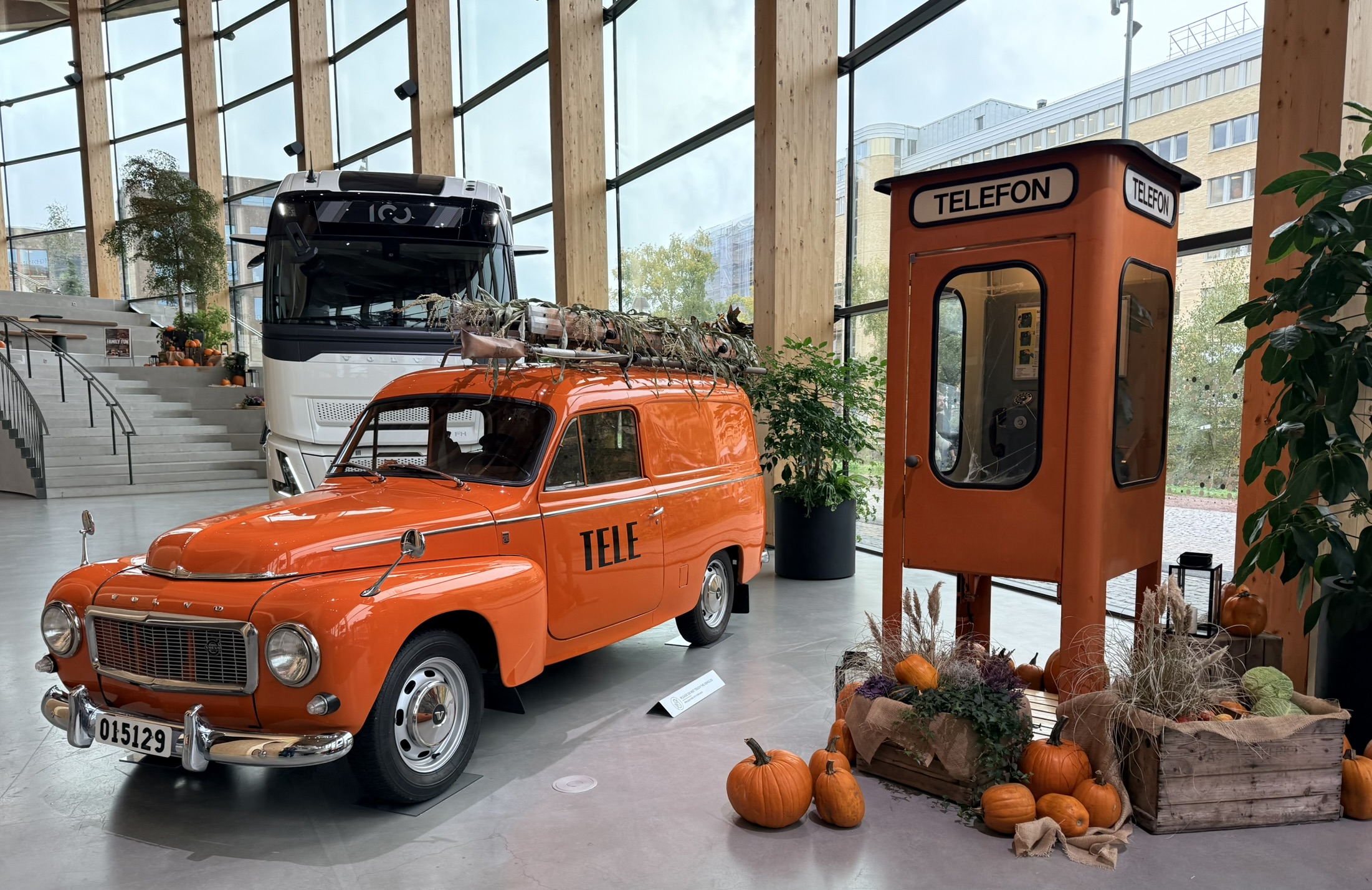
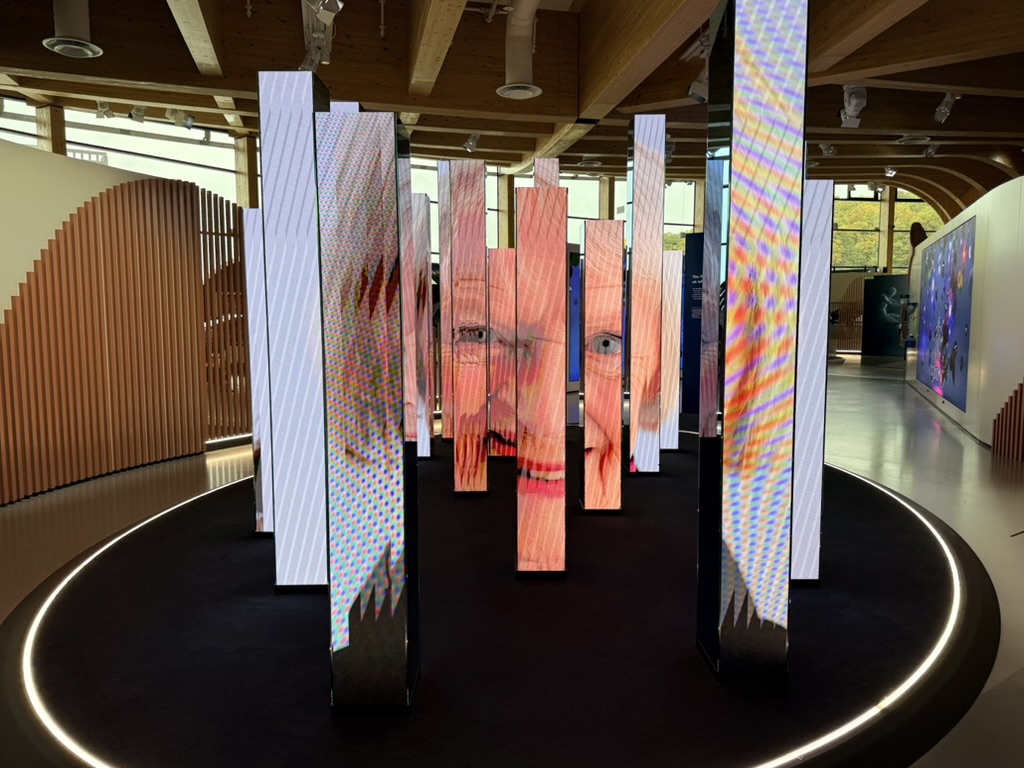
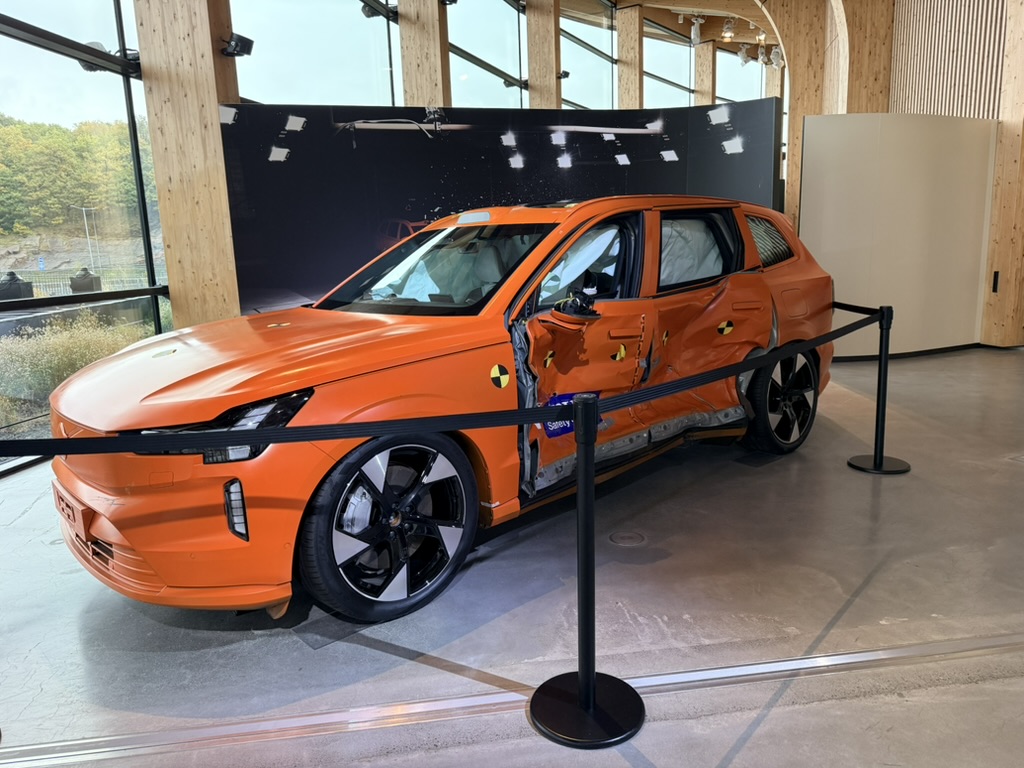
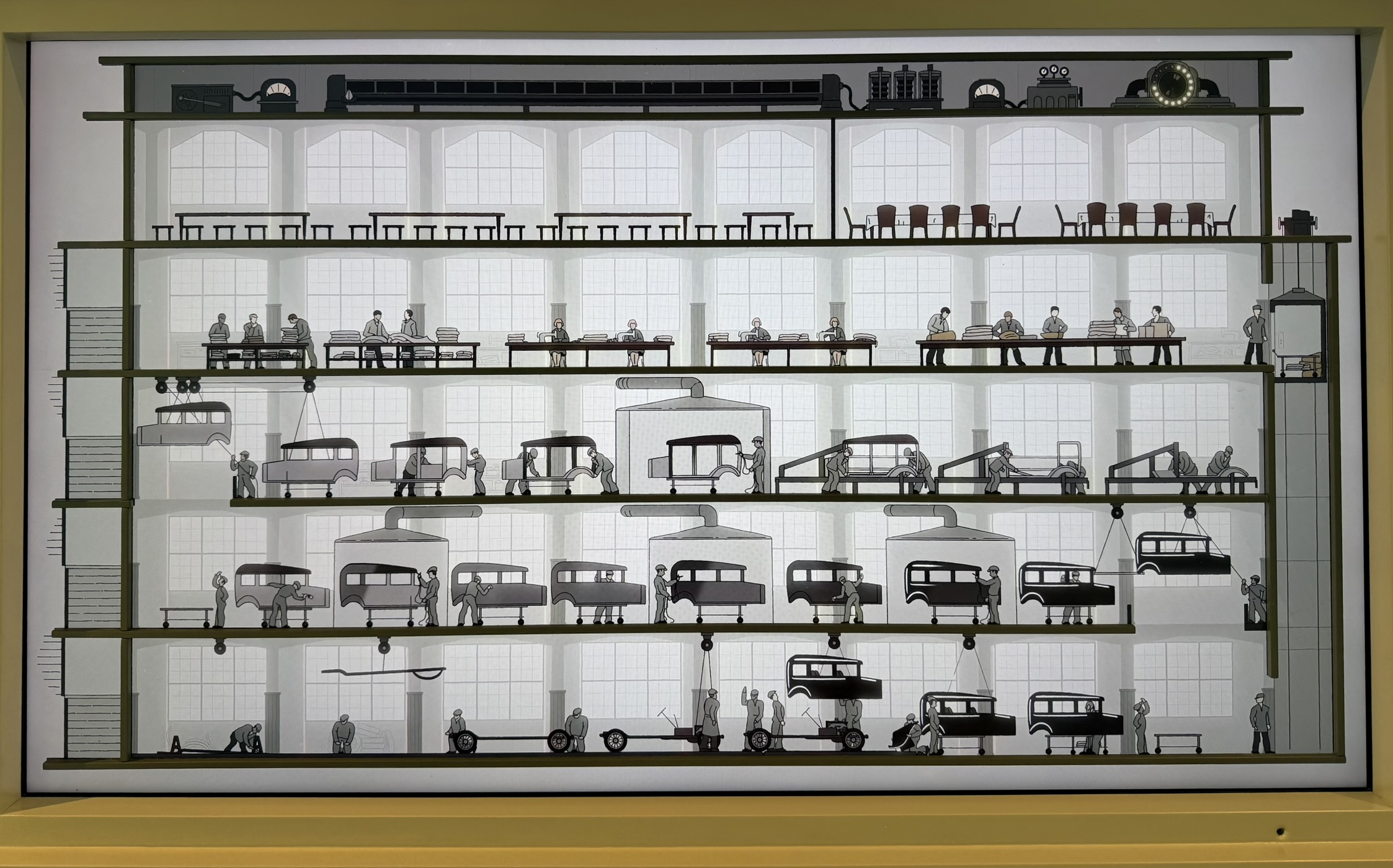
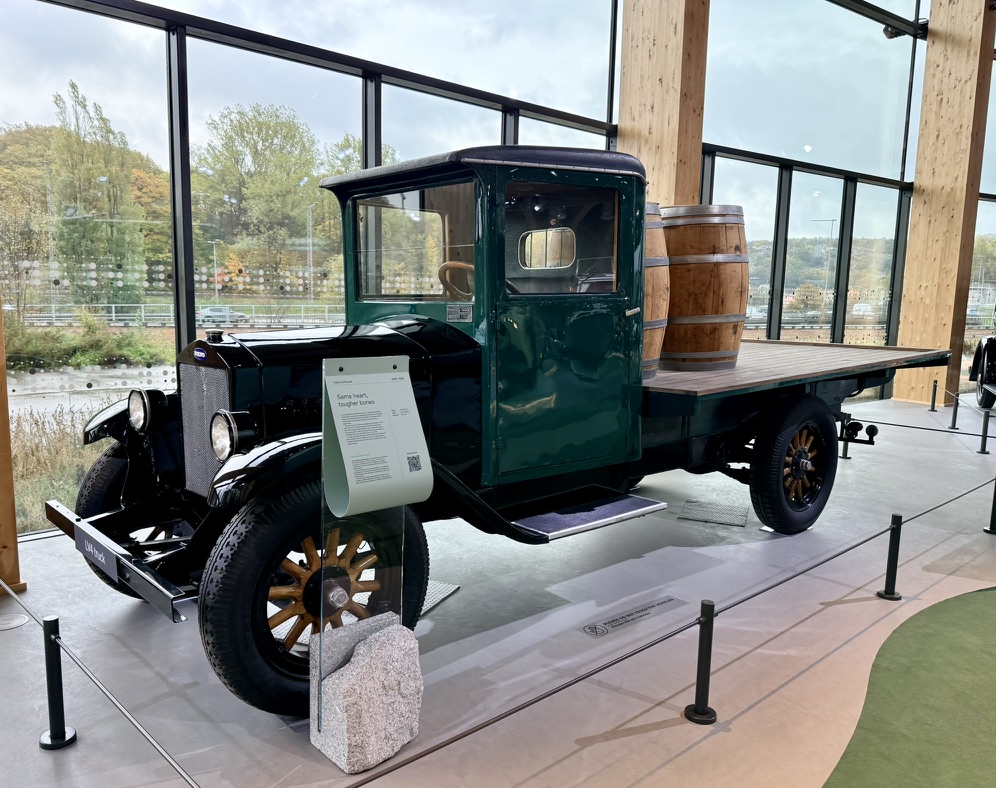
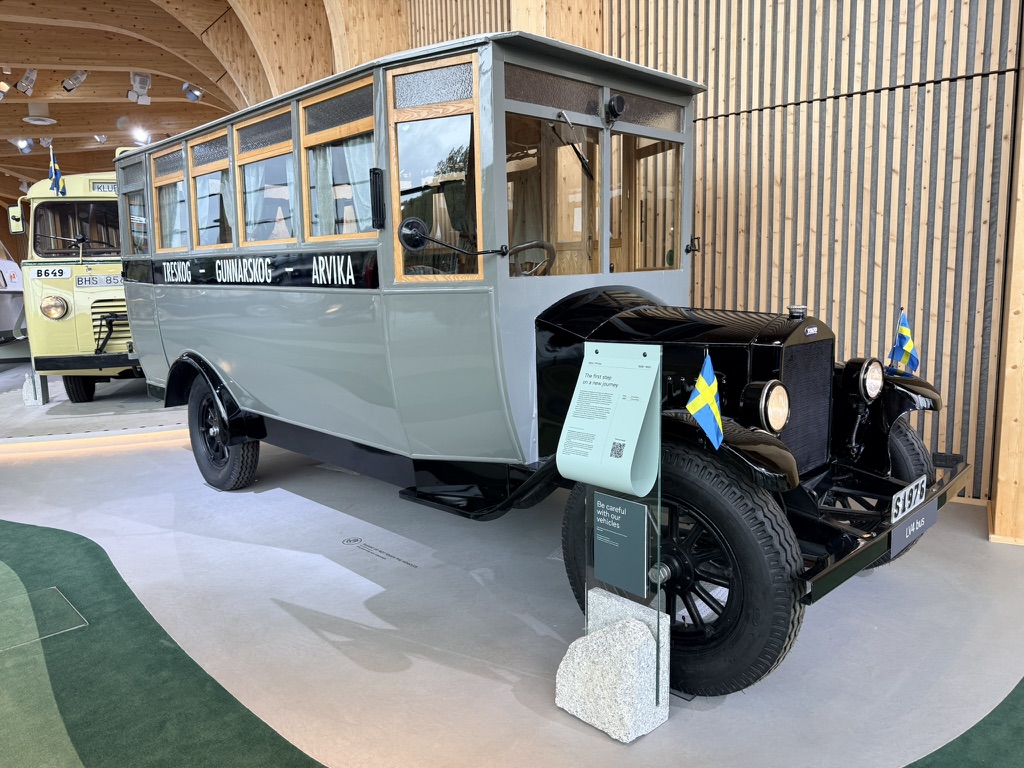
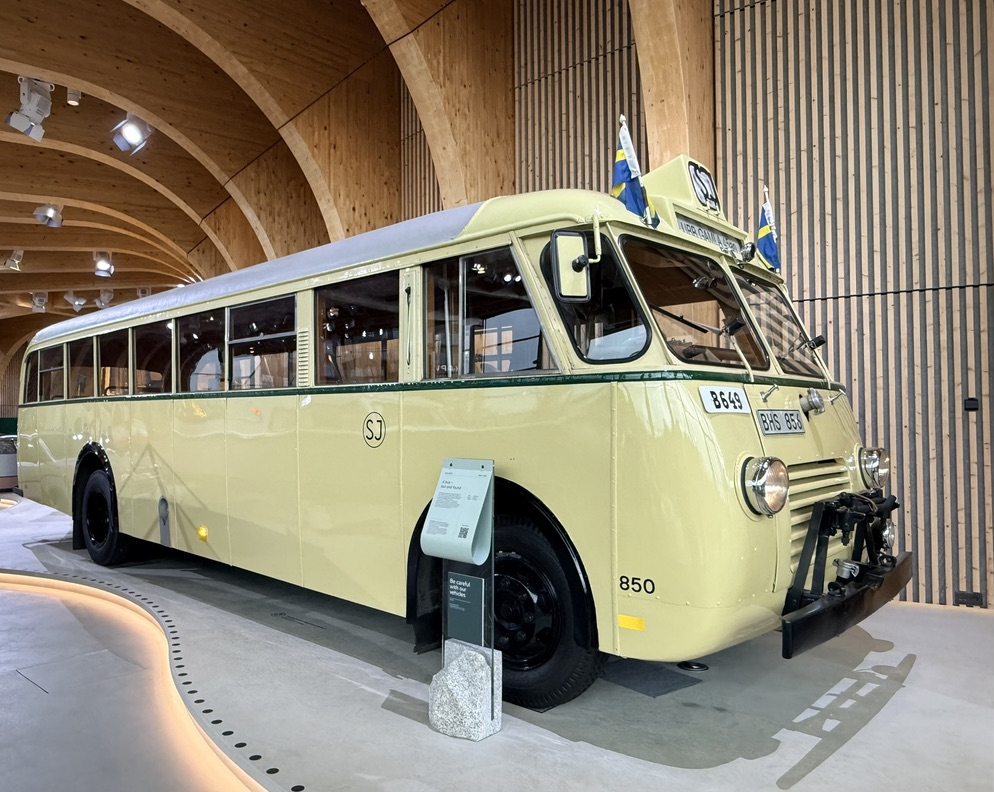
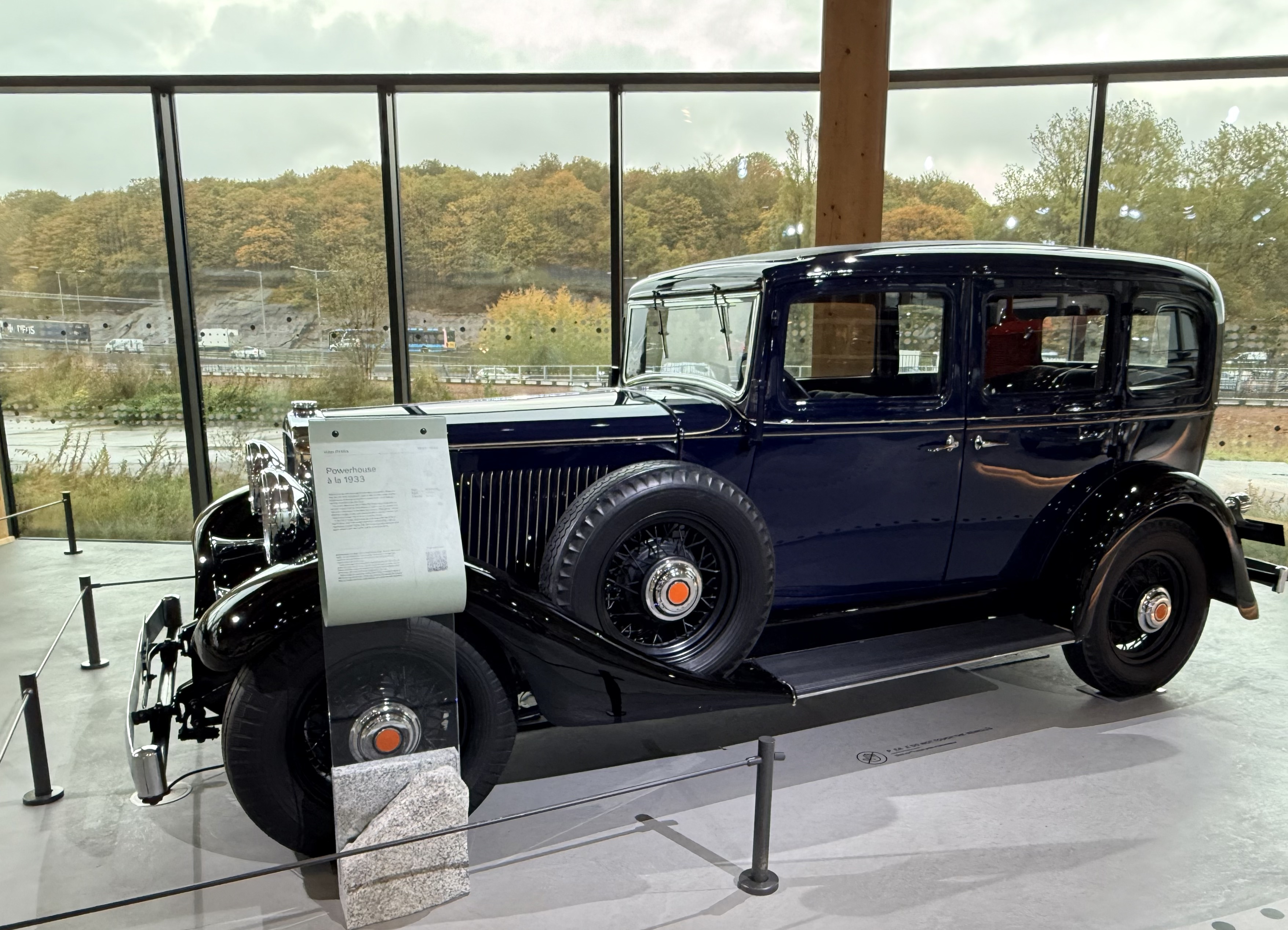
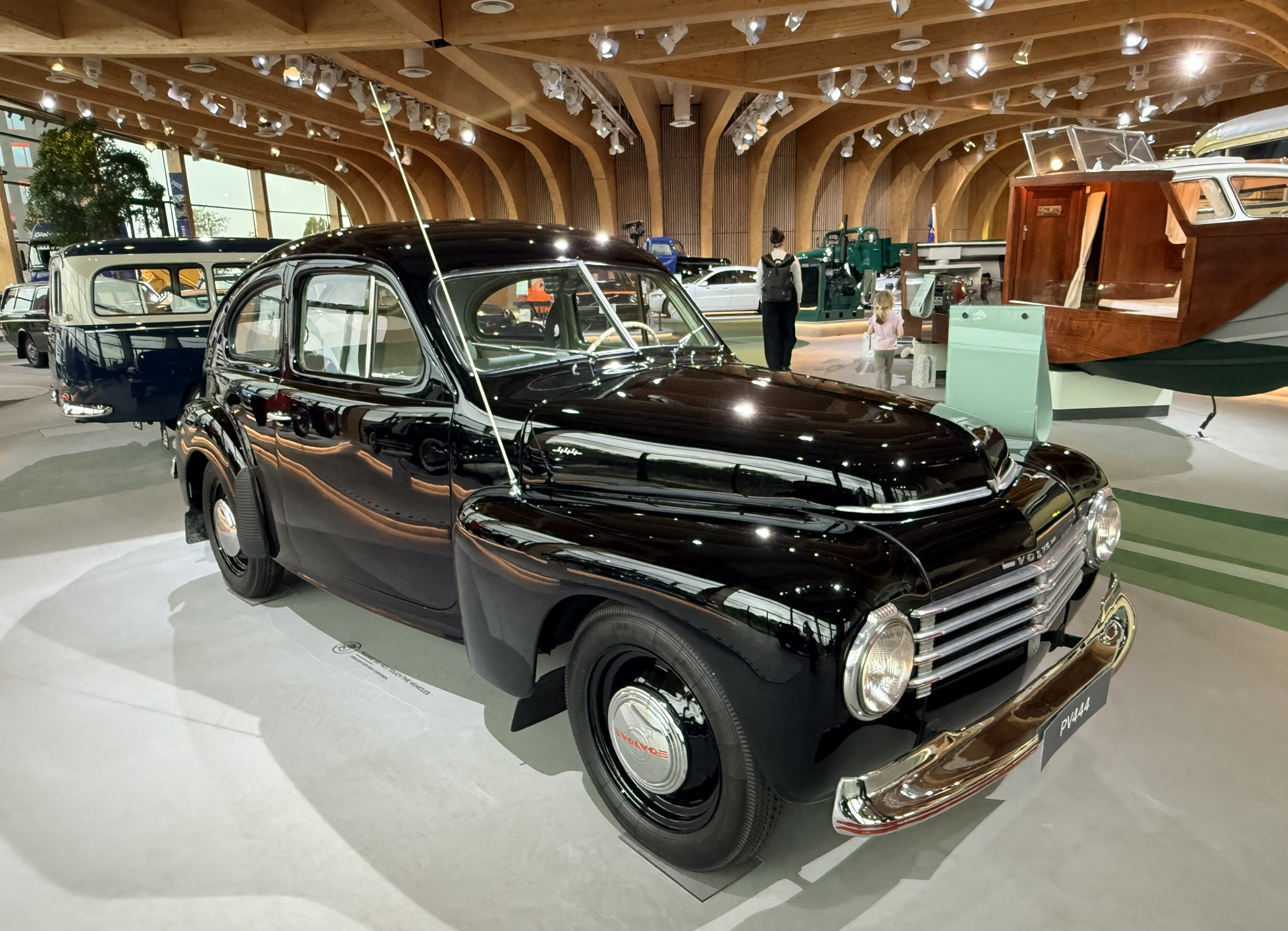
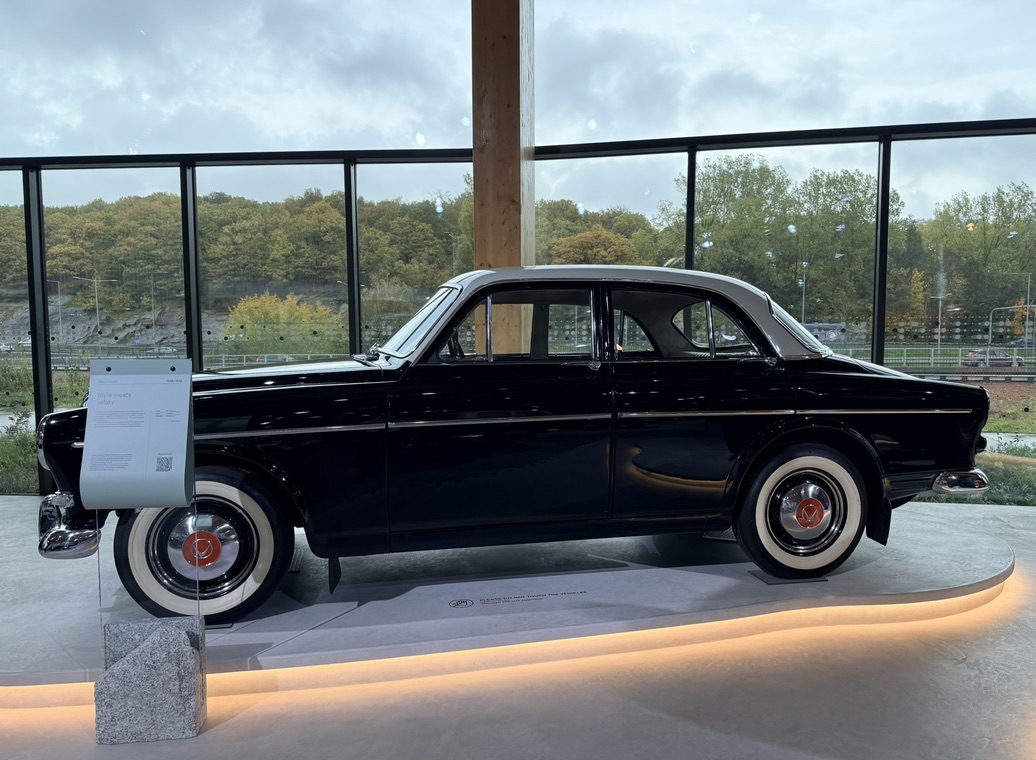
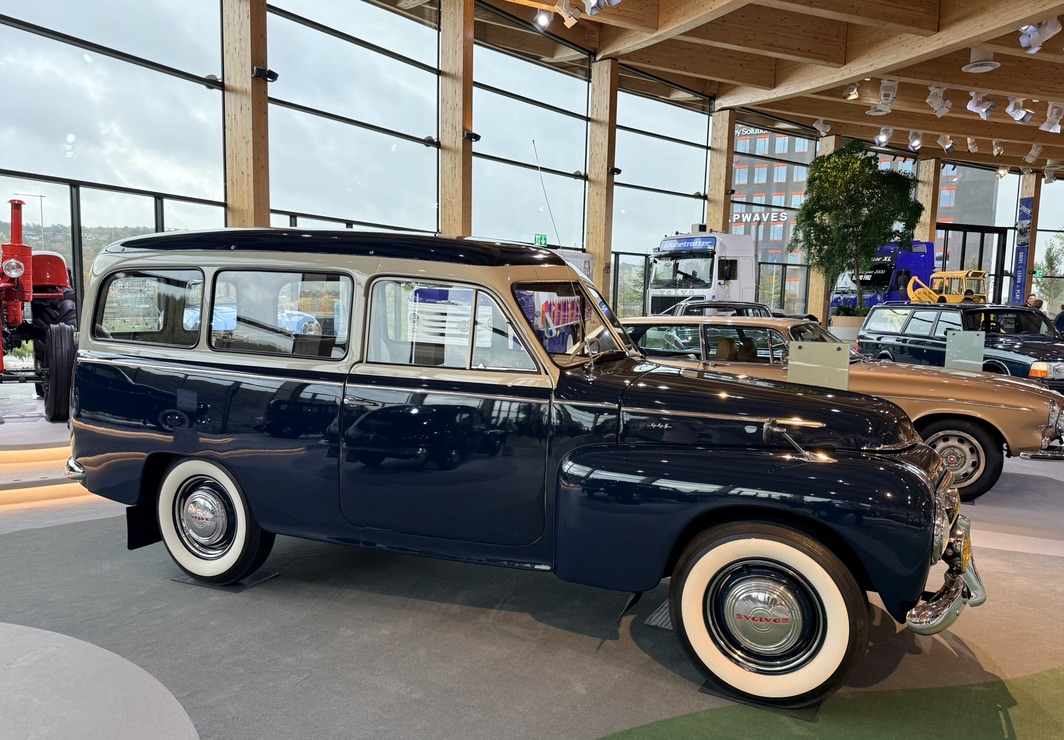
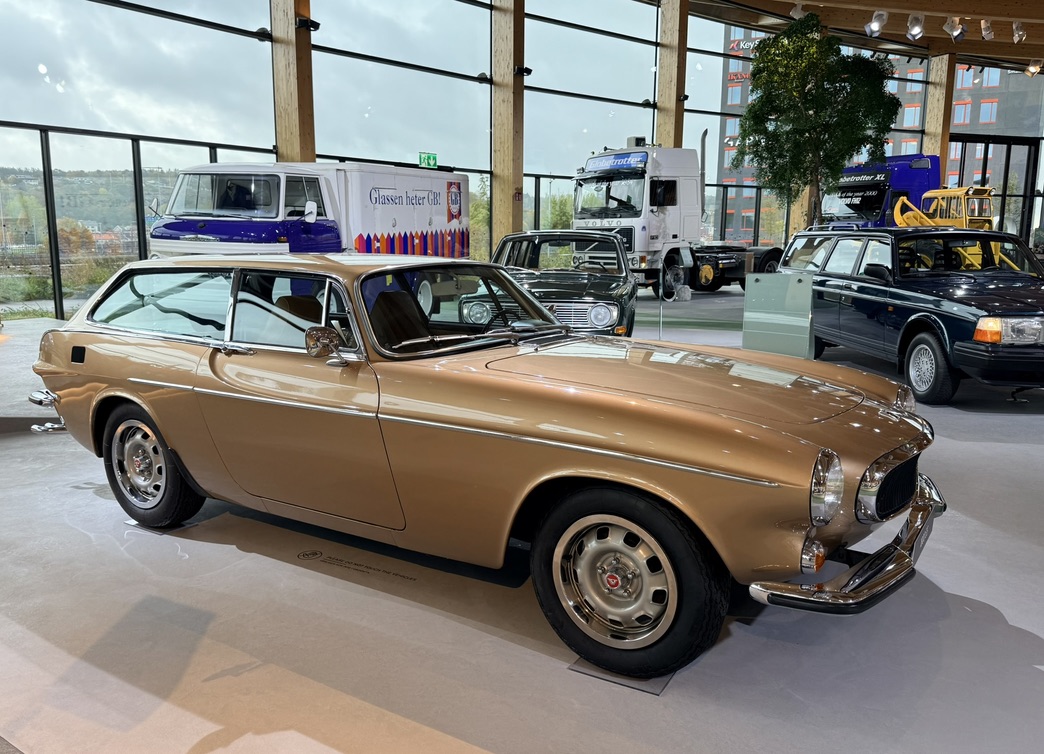
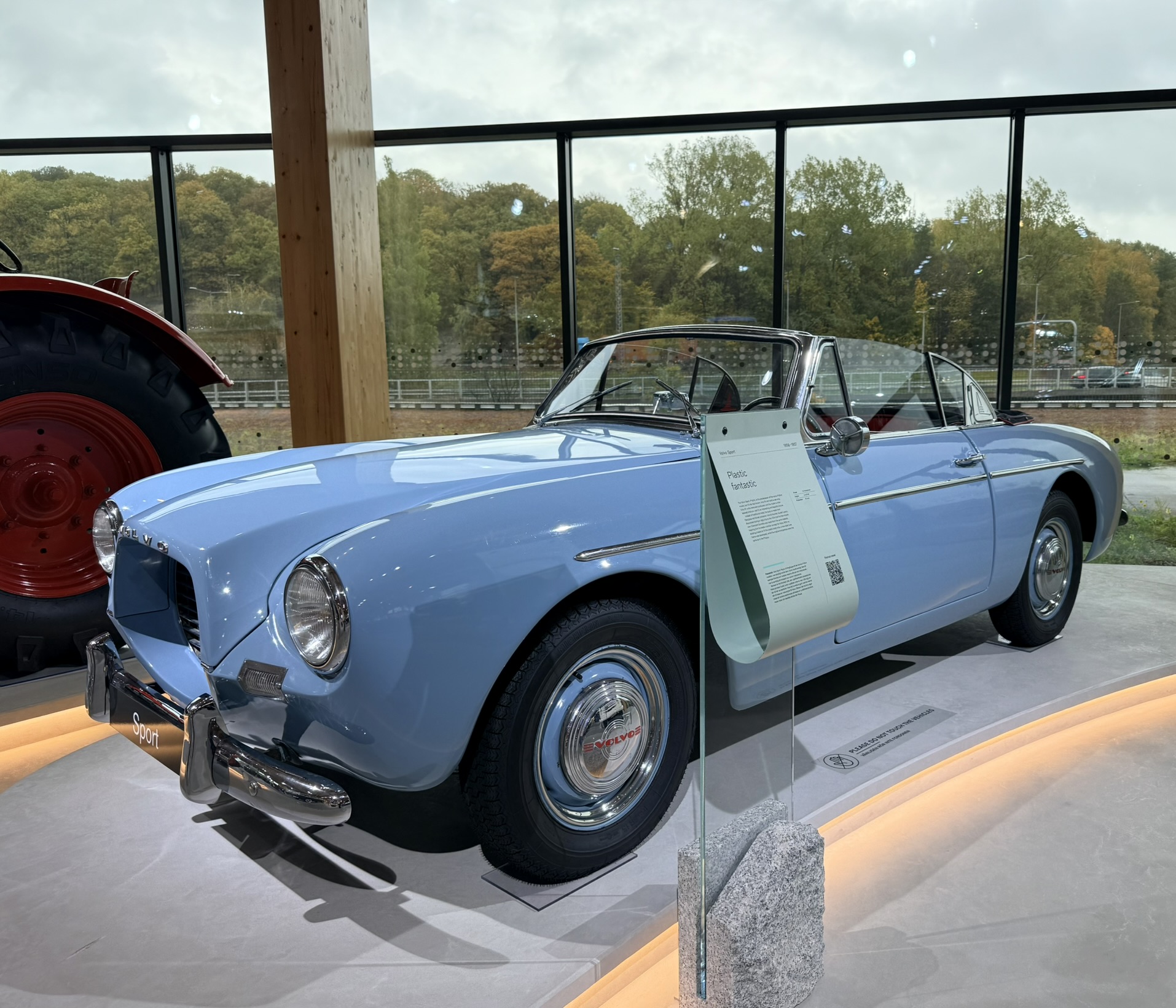
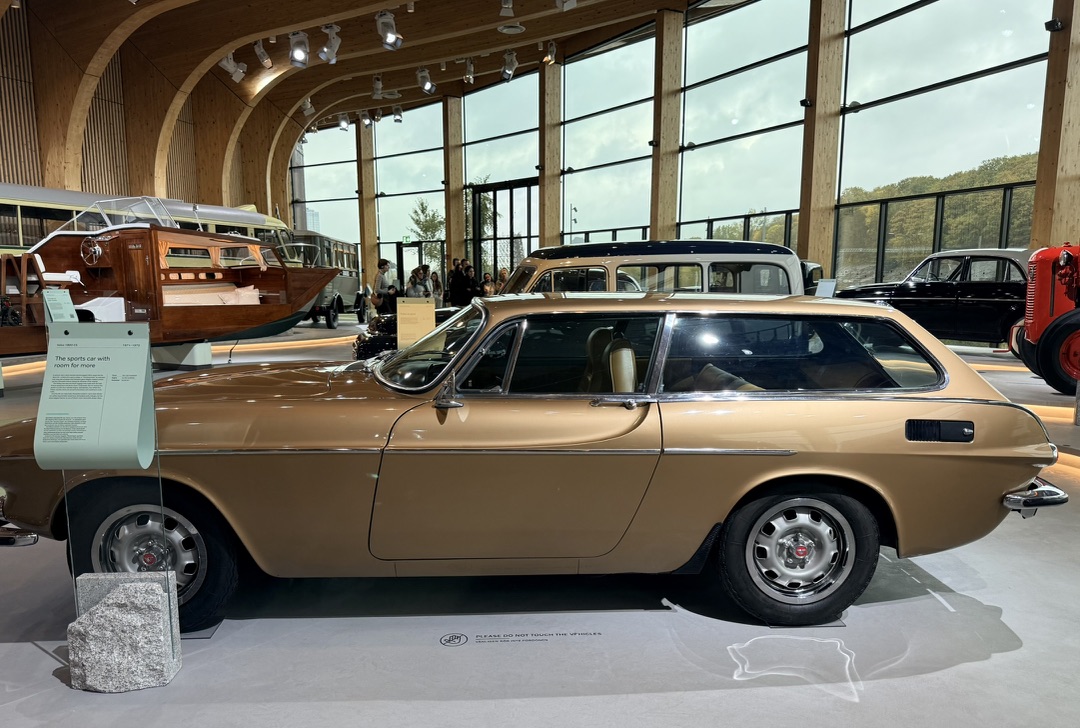
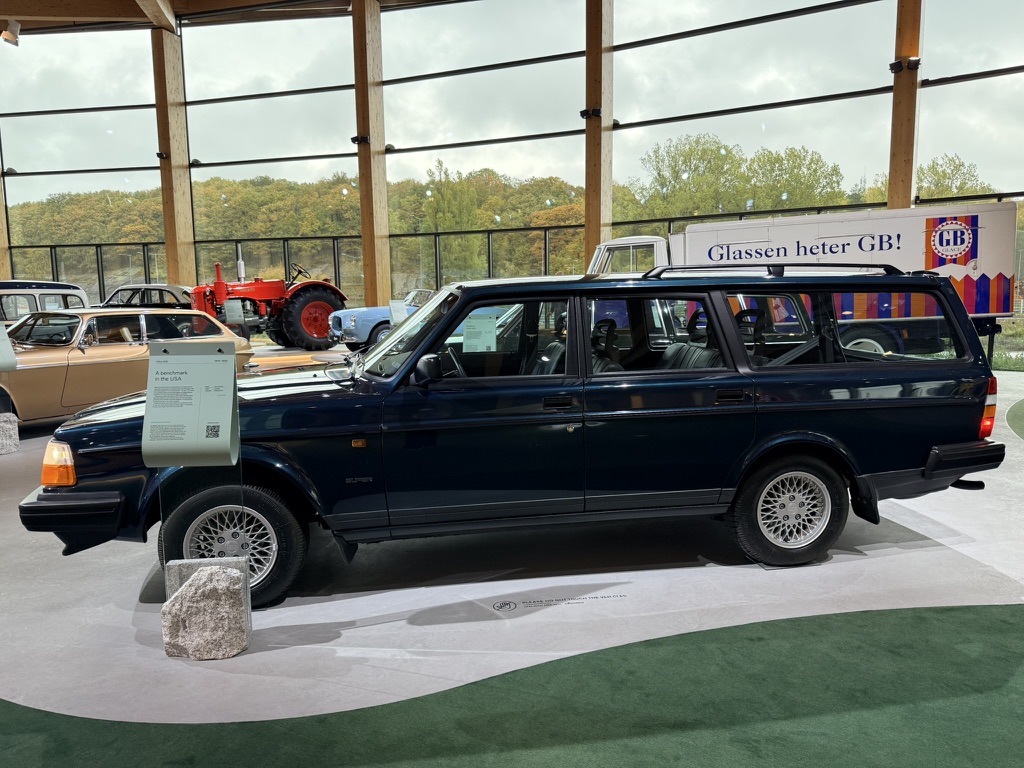
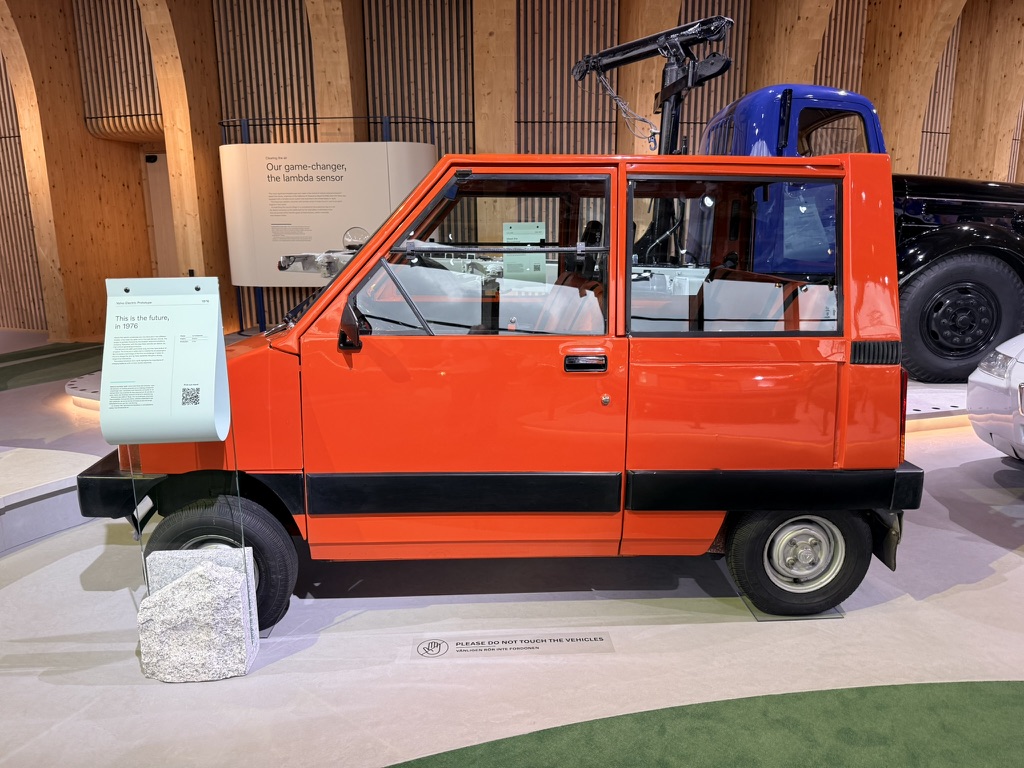
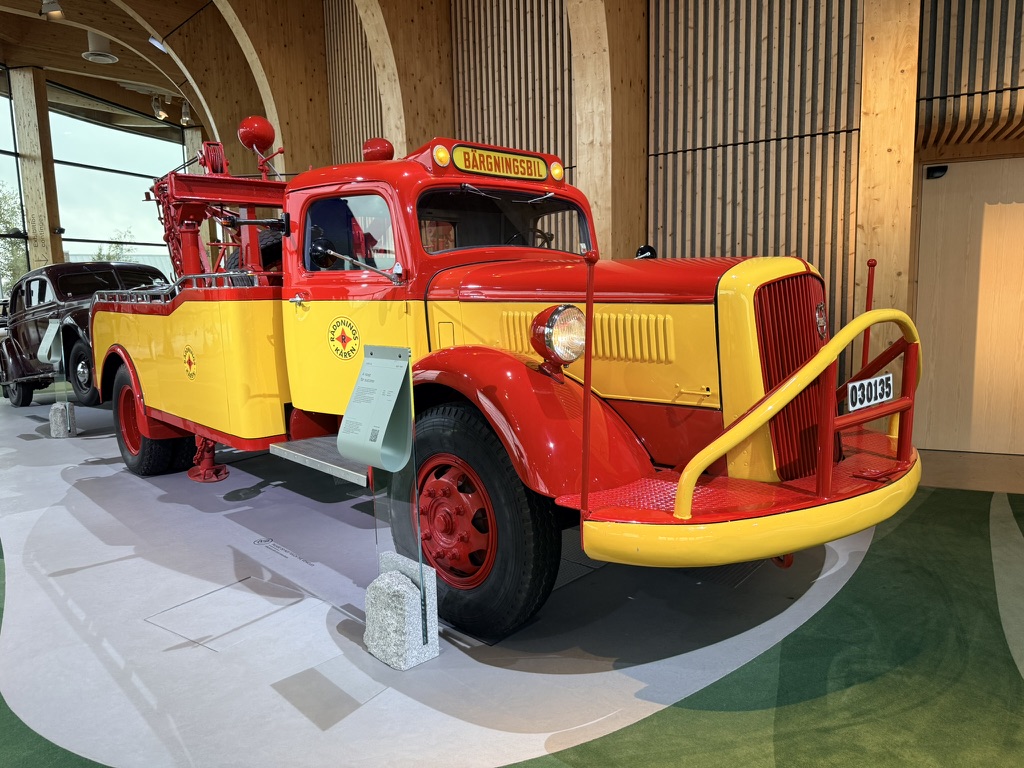
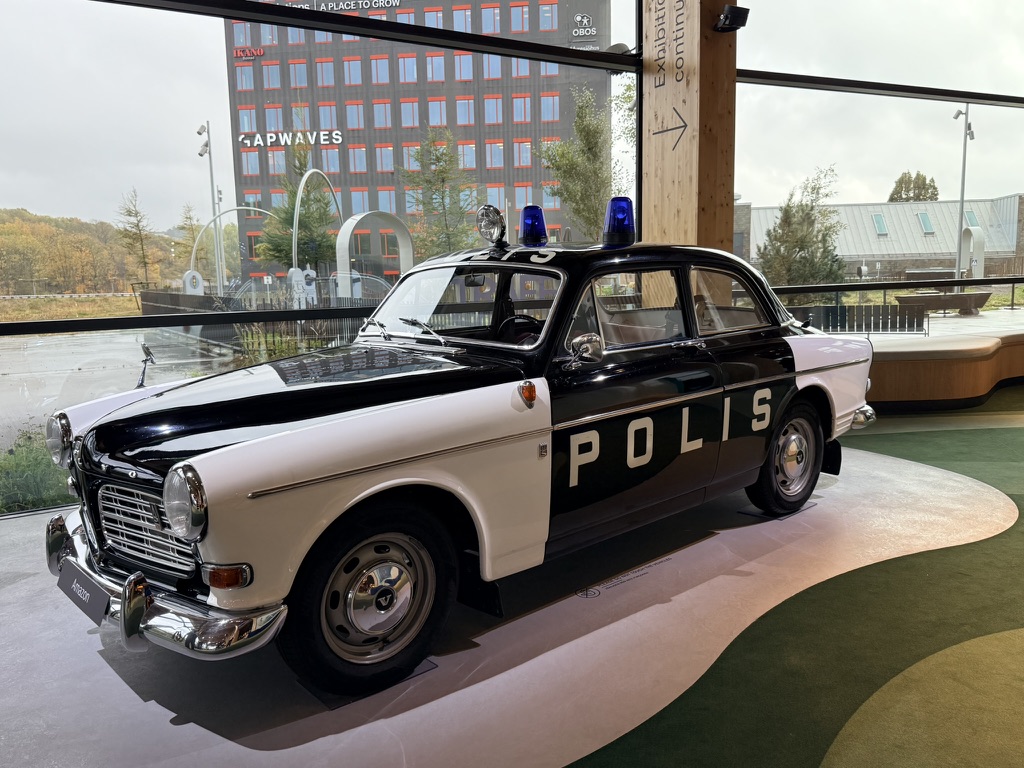
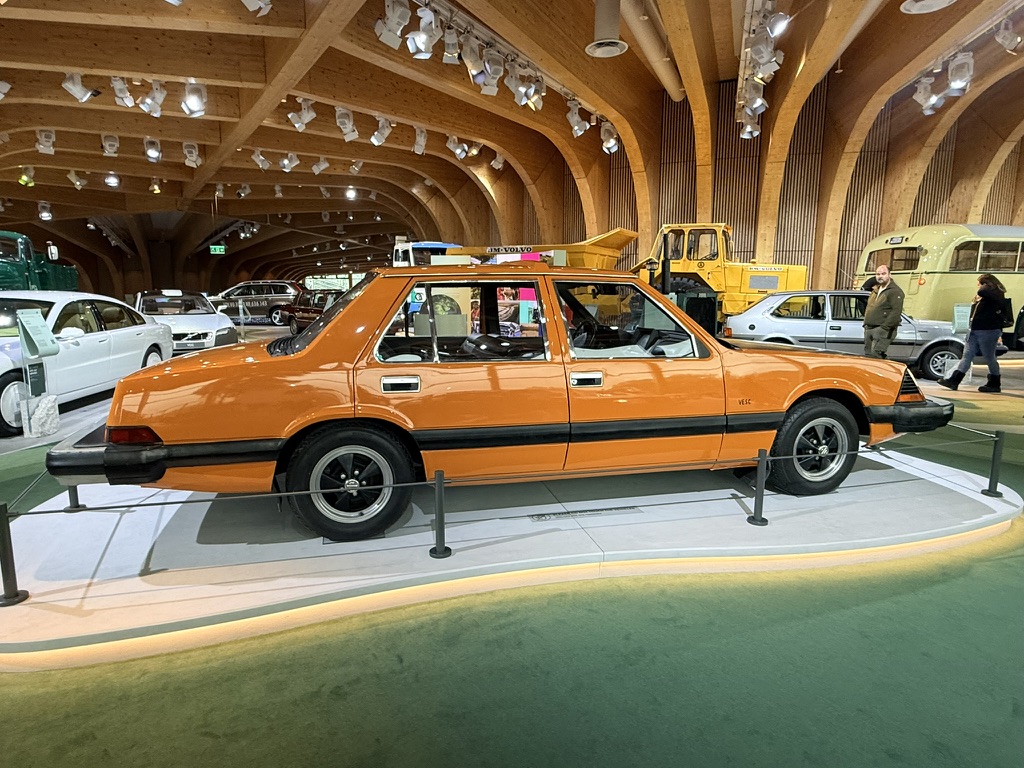
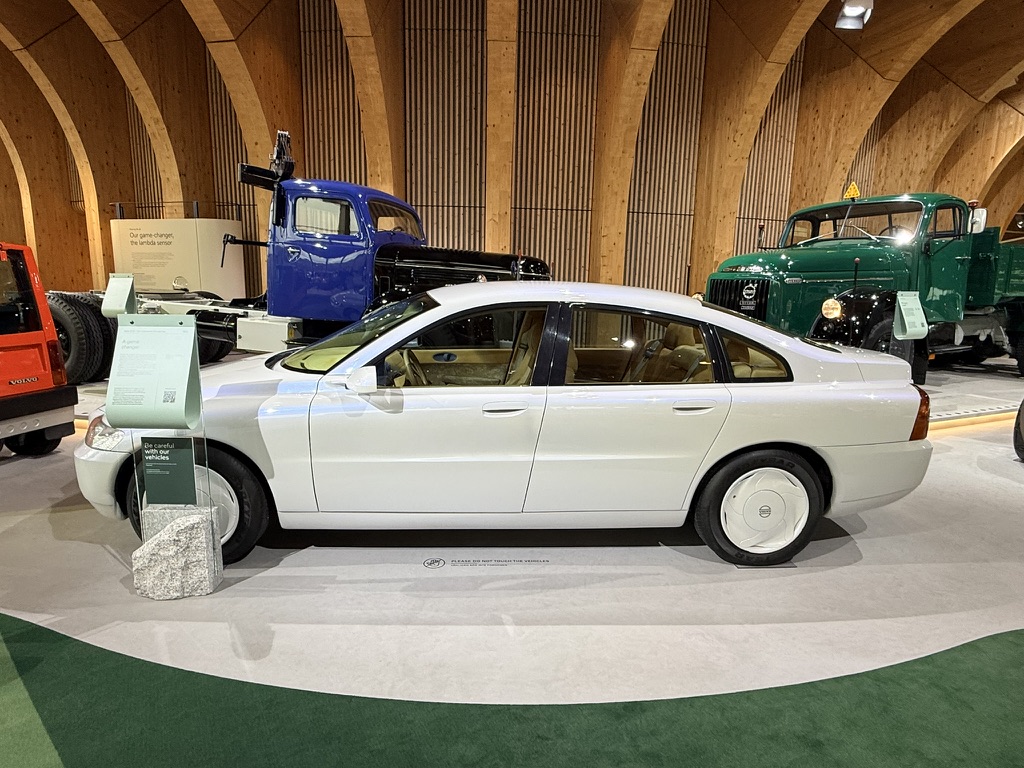
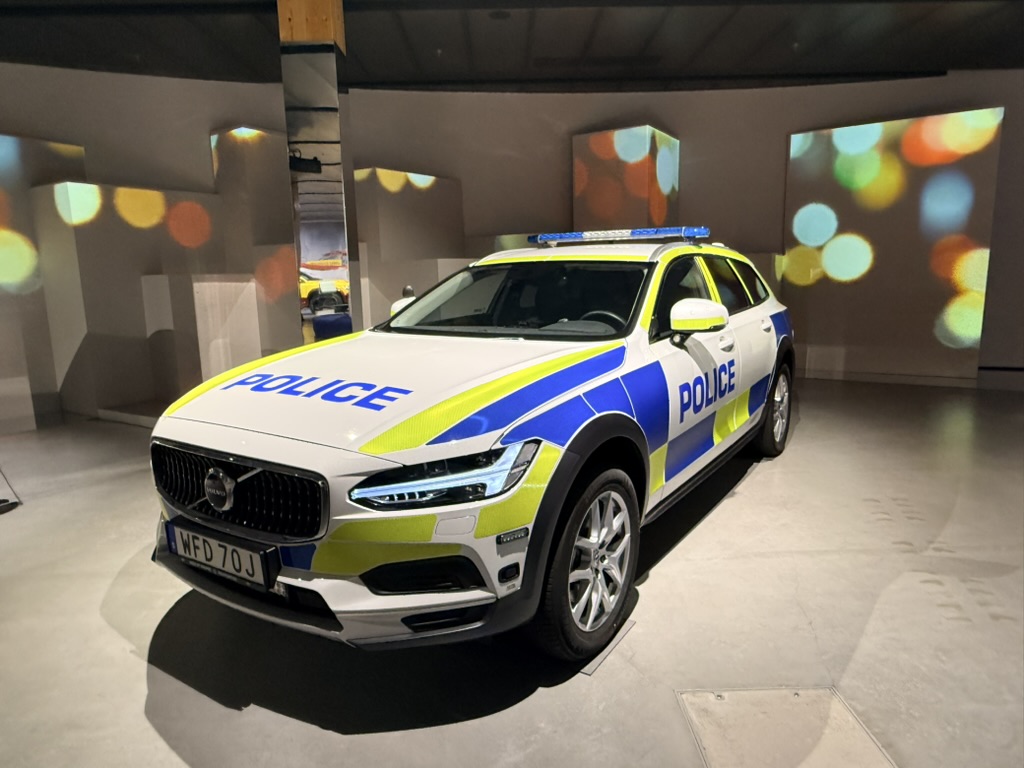
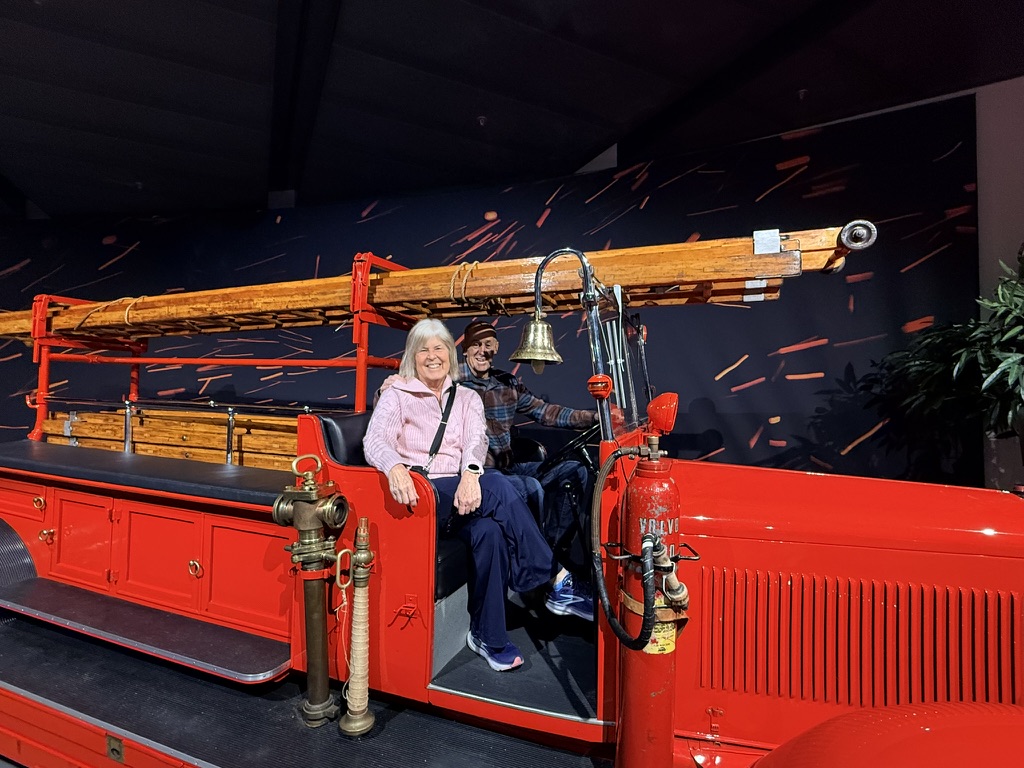
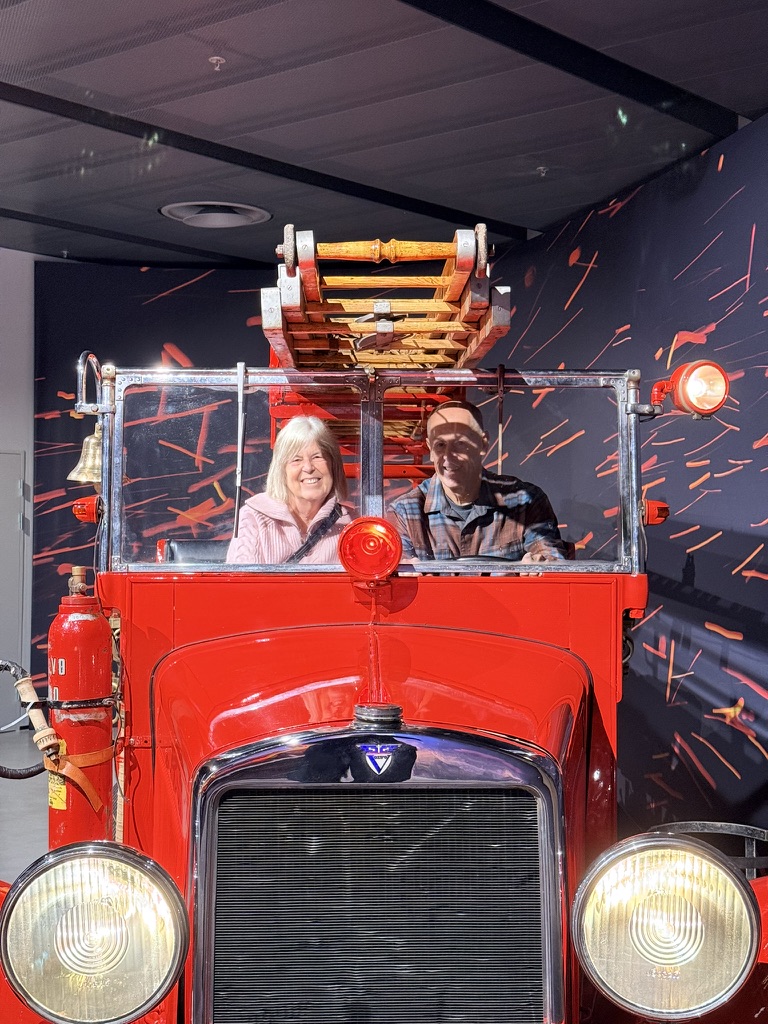
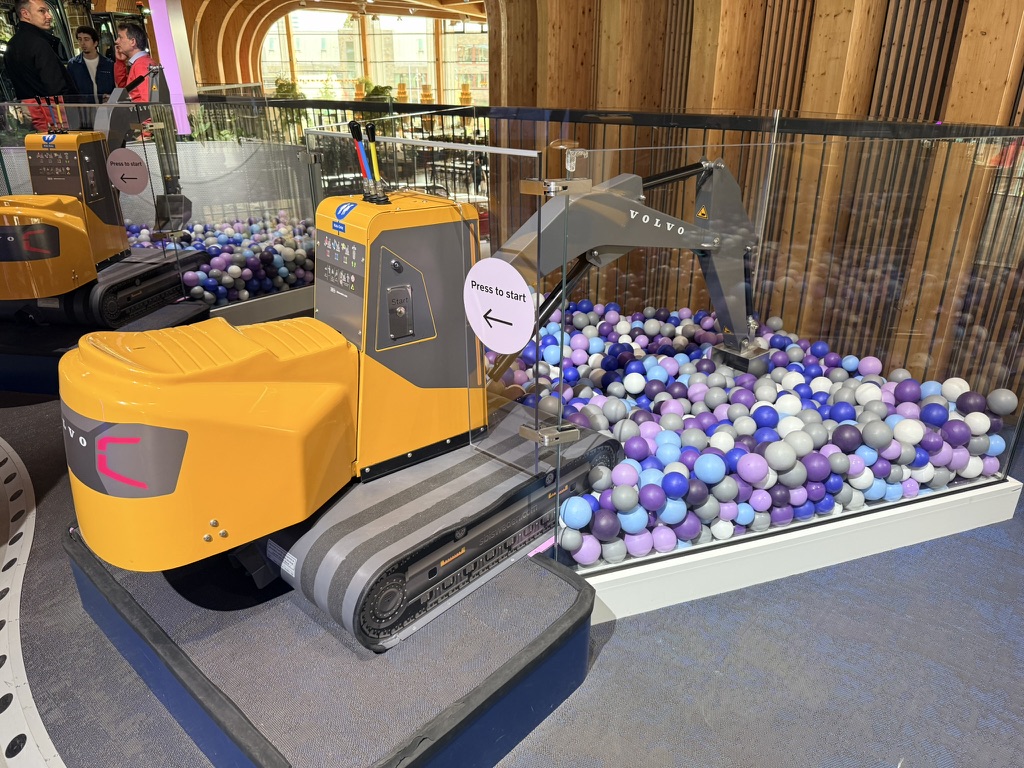
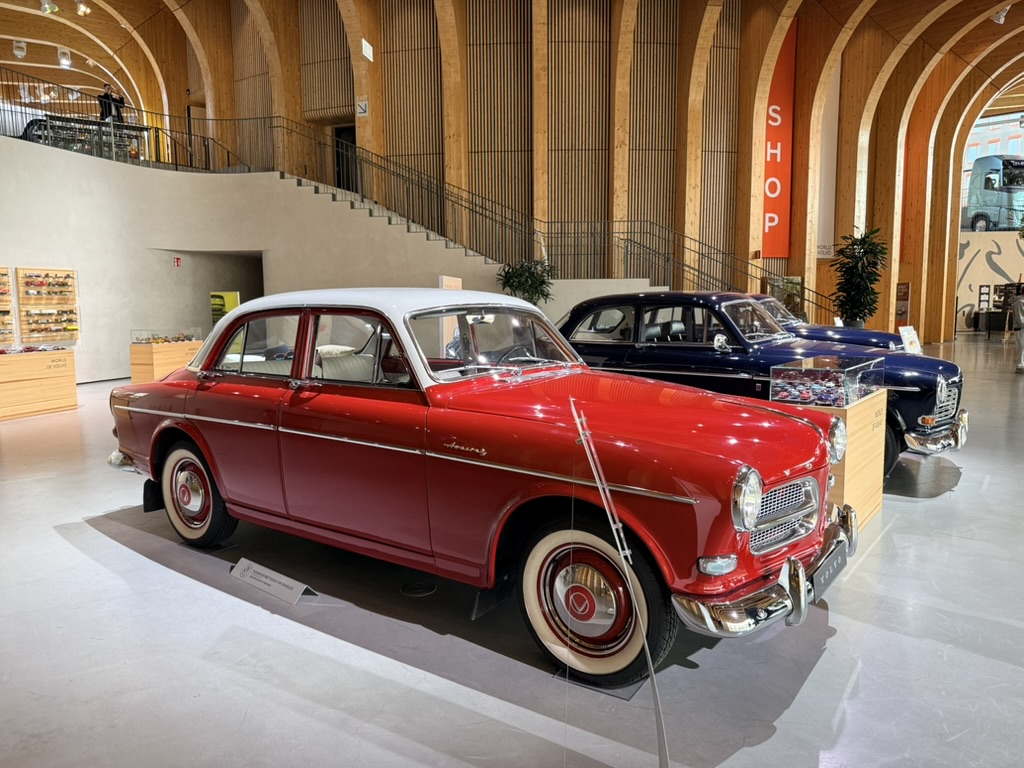
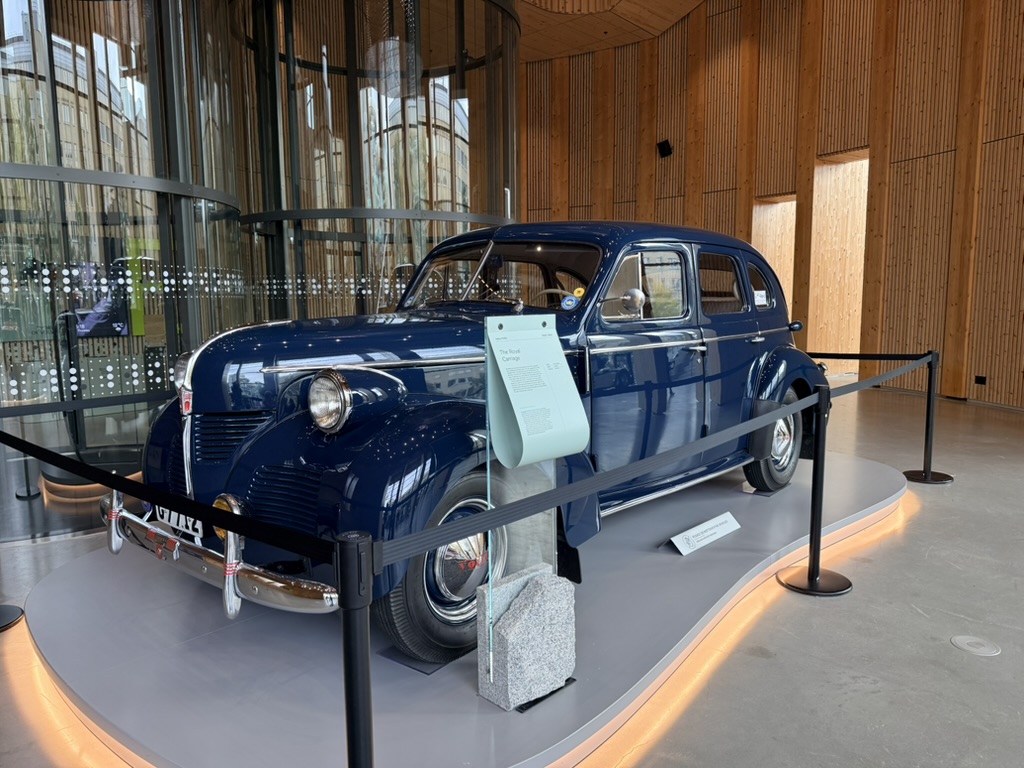
World of Volvo, owned jointly by Volvo Cars and Volvo Group, has exhibits of the history of Volvo and its development from 1927 until today. Products shown include cars, trucks, marine engines, and buses. Opened in April 2024, the museum serves as a cultural and exhibition space for Volvo’s brand and heritage. World of Volvo opened after the former Volvo Museum closed in December 2023.
AB Volvo is a Swedish multinational manufacturing corporation headquartered in Gothenburg. While its core activity is the production, distribution and sale of trucks, buses and construction equipment, Volvo also supplies marine and industrial drive systems and financial services. In 2016, it was the world’s second-largest manufacturer of heavy-duty trucks through its subsidiary Volvo Trucks.
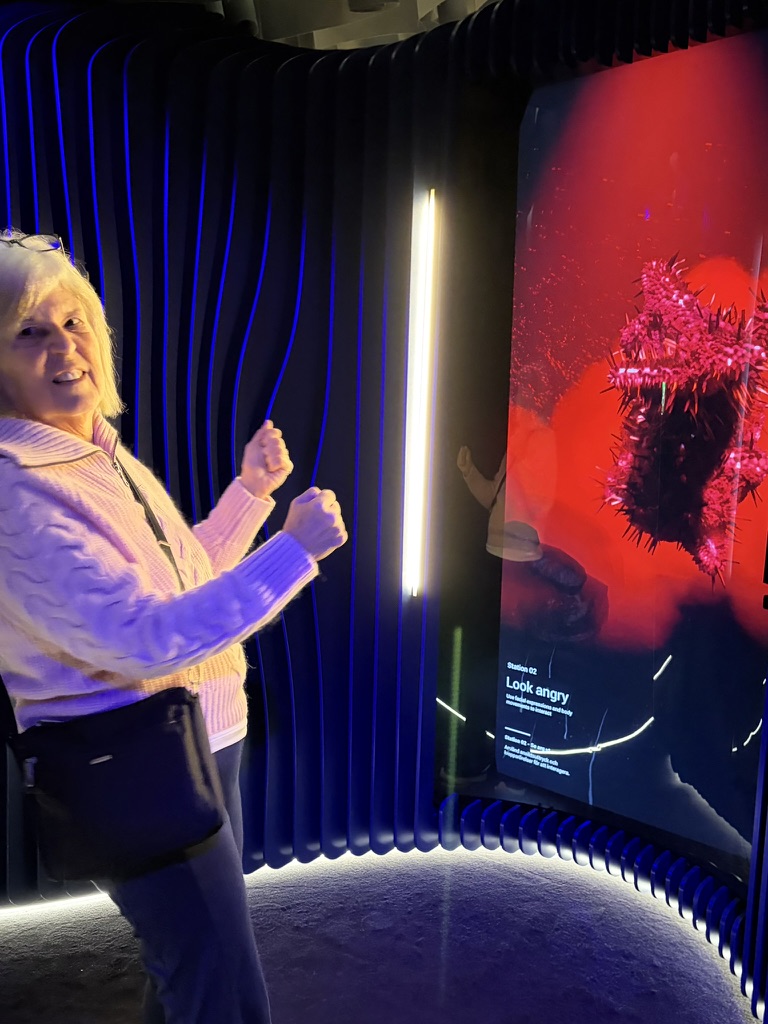
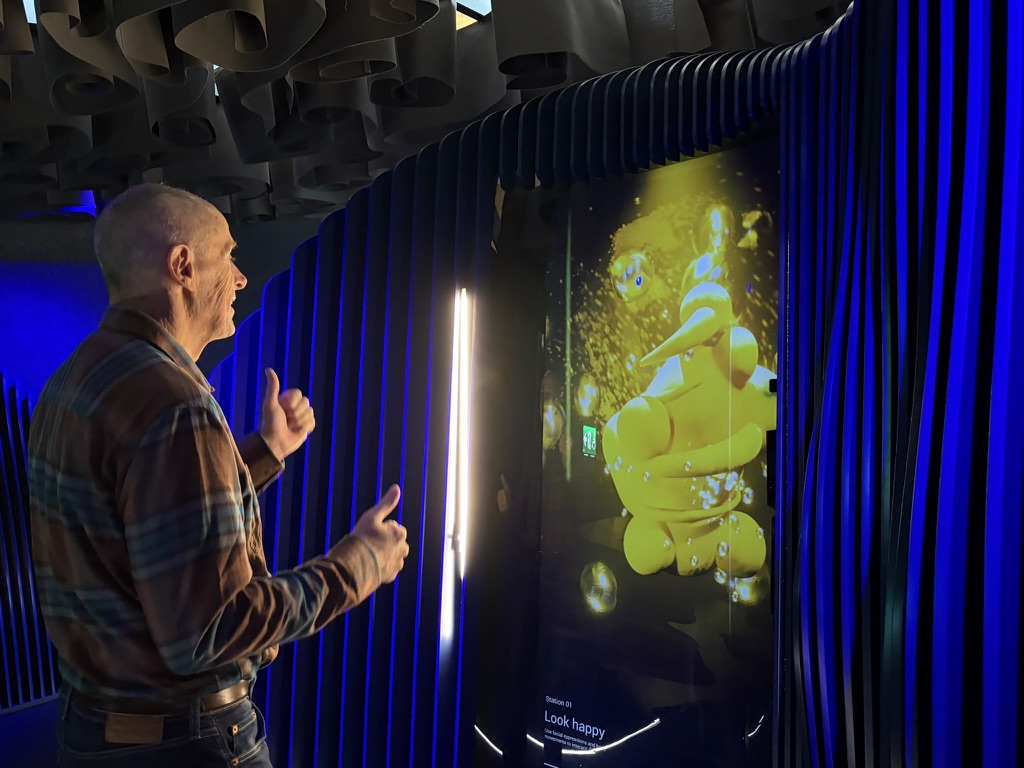
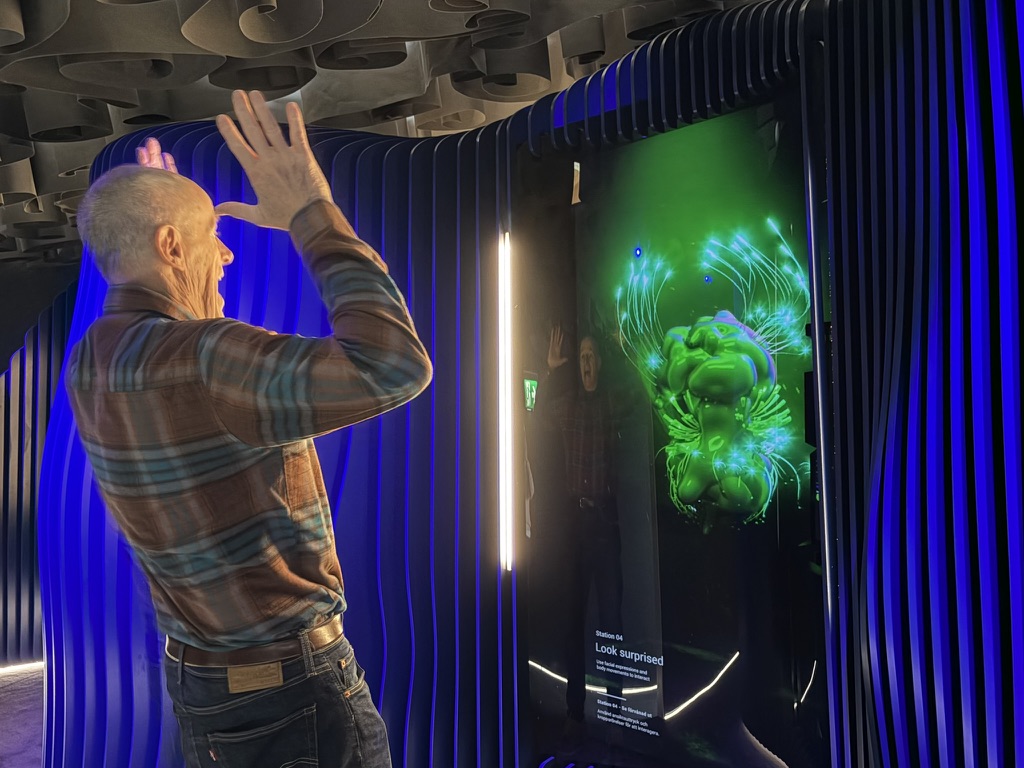
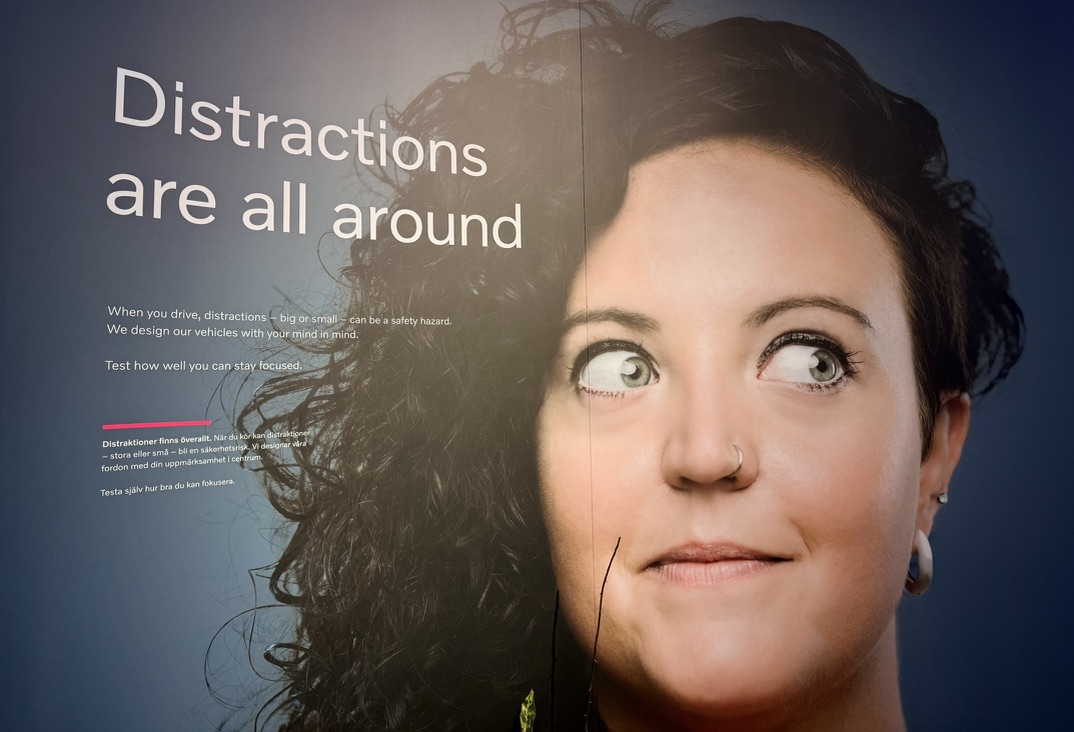
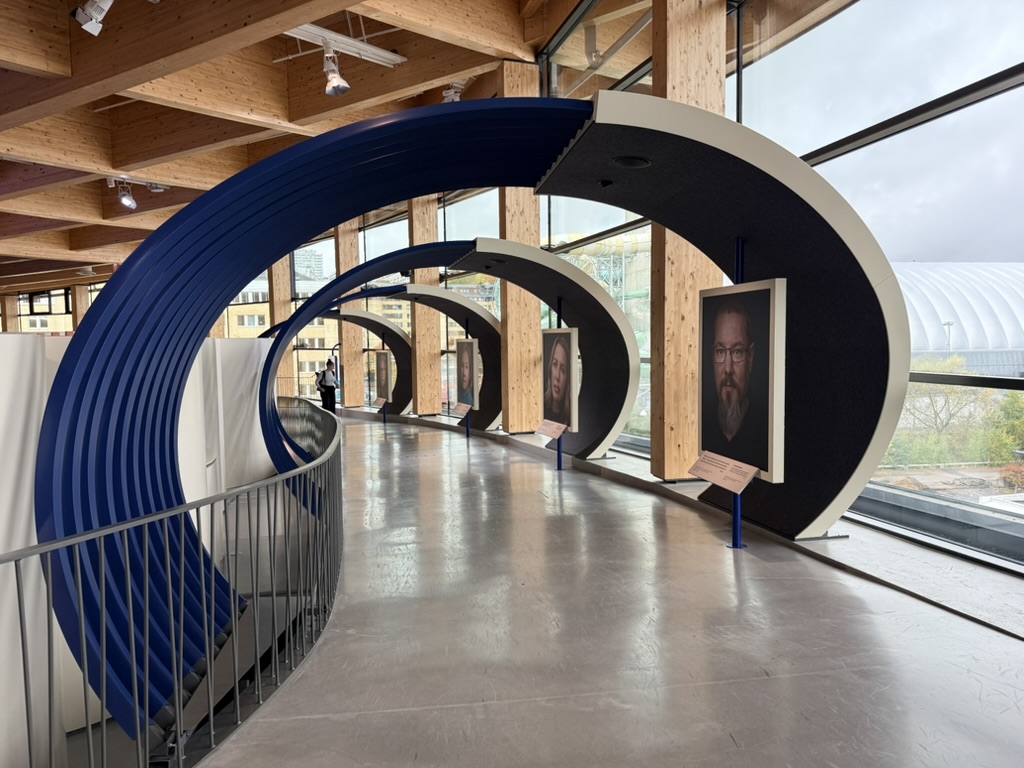
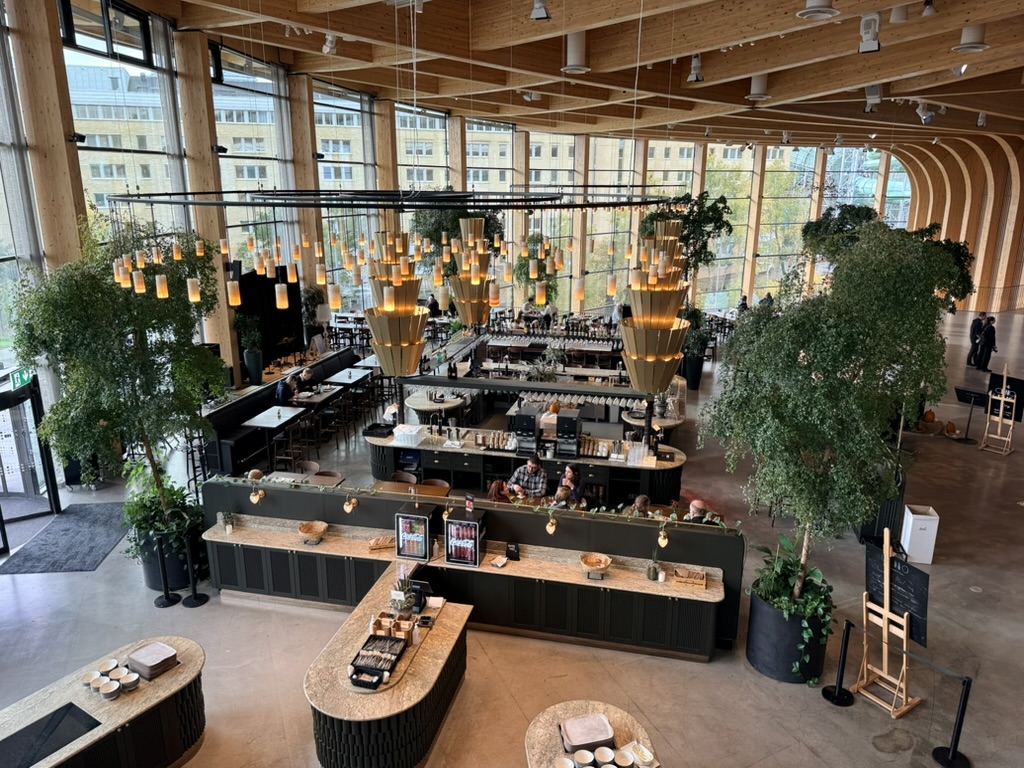
This was a fantastic museum with a lot of interactive stations and a beautiful gallery of polished cars tracing Volvo’s history. The museum is housed in a 22,500-square-meter structure designed by the Danish architecture firm Henning Larsen Architects. It follows a circular design with three central timber columns that fan outwards to support the roof. These are intended to resemble tree trunks and to reflect the Swedish freedom-to-roam concept of Allemansrätten; this is the general public’s right to access certain public- or privately-owned land, lakes, and rivers for recreation and exercise. The right is sometimes called the “right of public access to the wilderness.” I love this right, which is definitely NOT a right in the USA. In Europe, this is often codified into law in countries including Austria, Belarus, the Czech Republic, Estonia, Finland, Iceland, Latvia, Lithuania, Norway, Scotland, Sweden, and Switzerland.
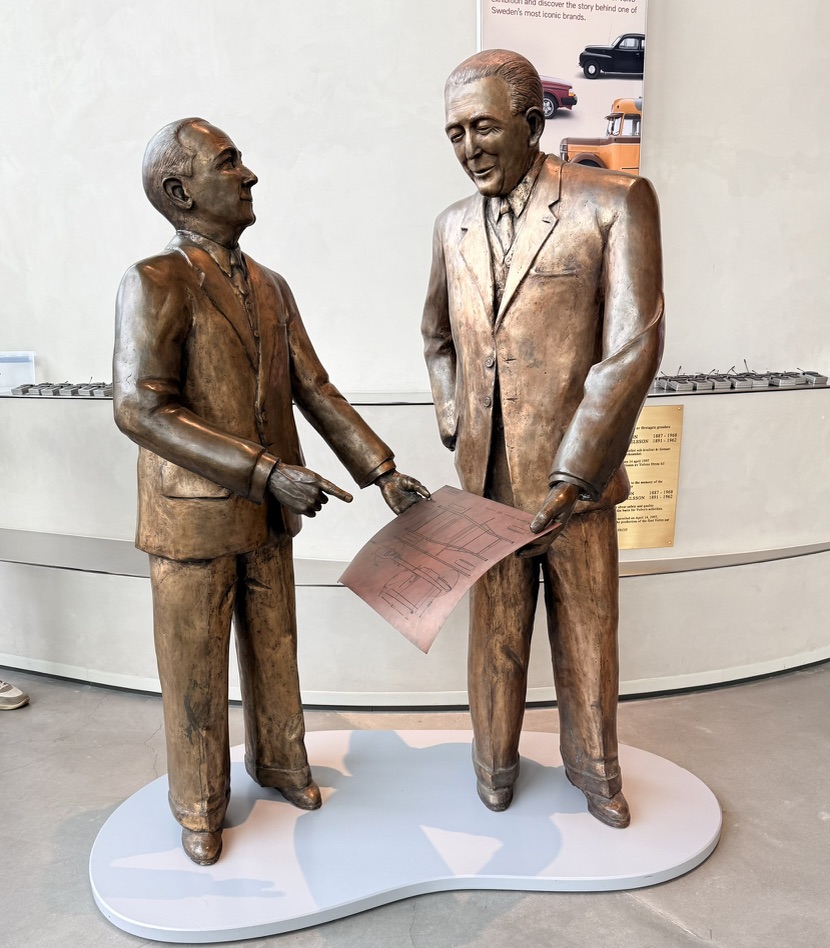
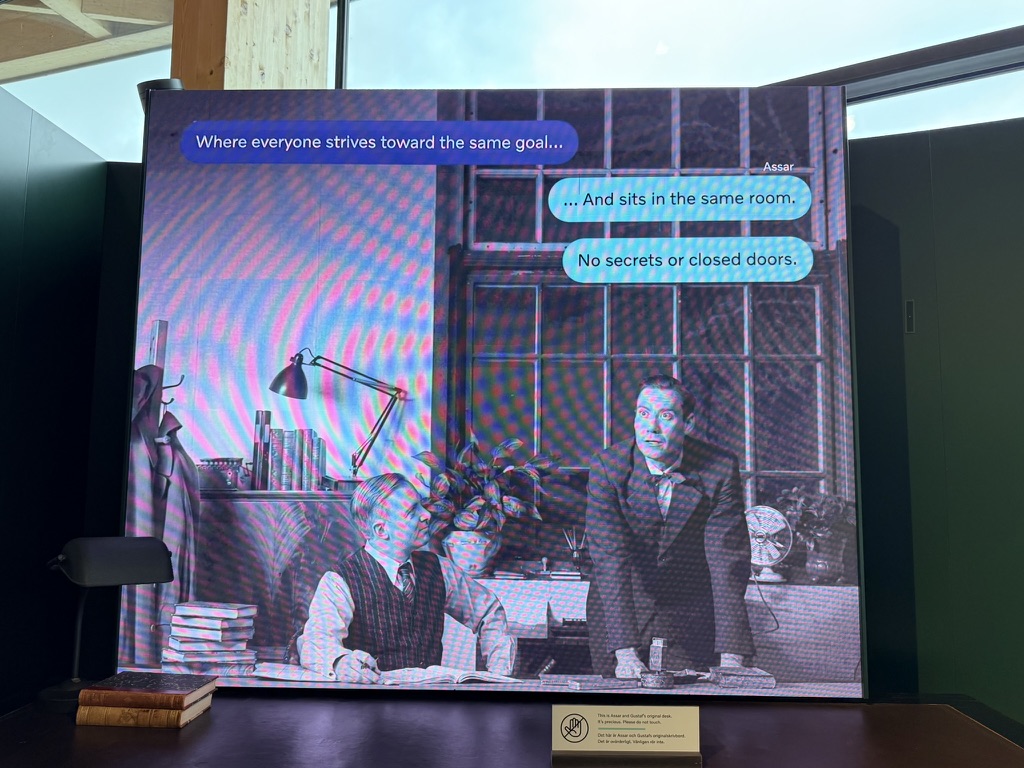
In 1924, Assar Gabrielsson, a sales manager, and Gustav Larson, an engineer, decided to start construction of a Swedish car. They intended to build cars that could withstand the rigors of the country’s rough roads and cold temperatures.
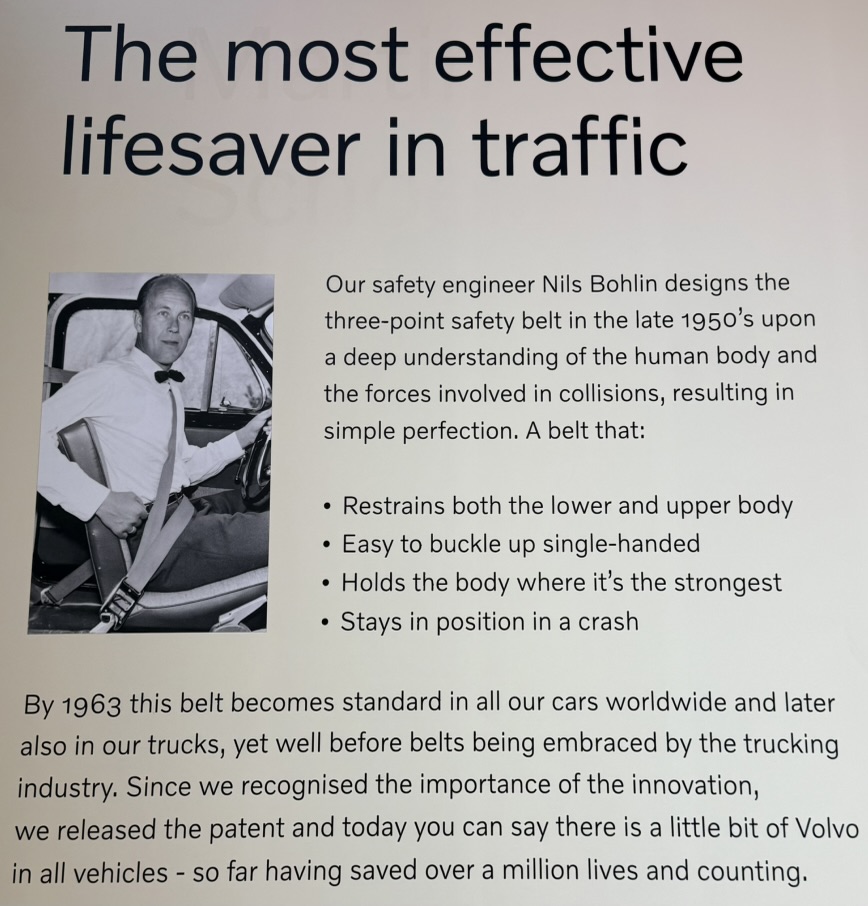
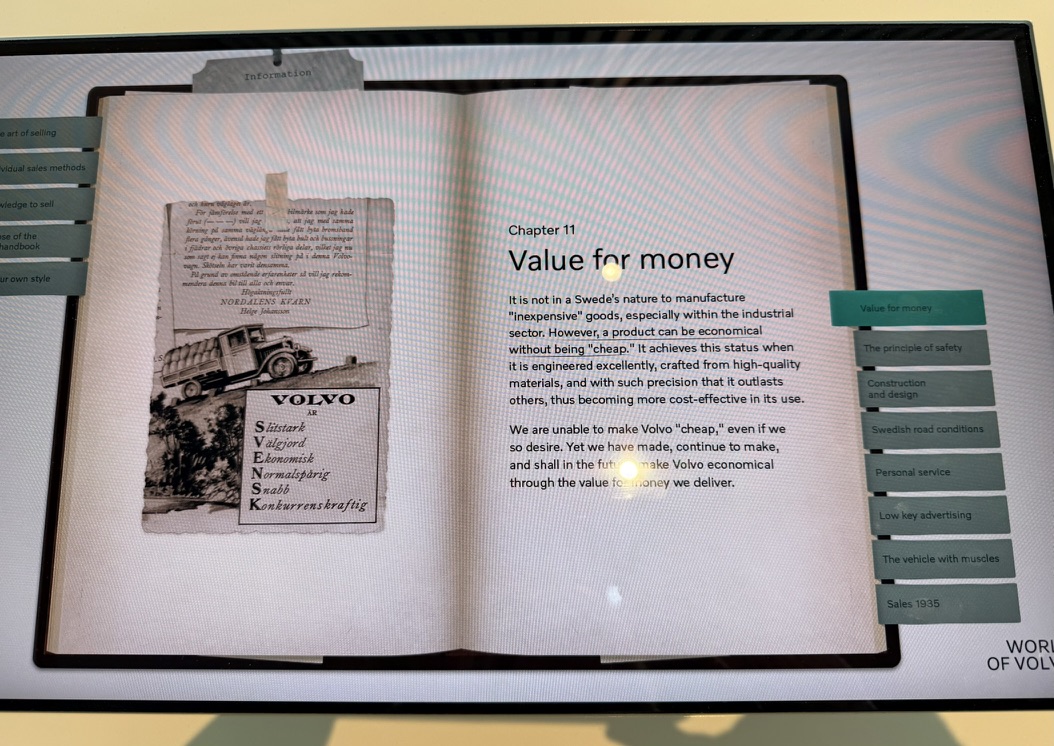
The company’s focus is on safety in its vehicles. However, no corporation is without its questionable activities: according to Wikipedia, Volvo has supplied heavy construction equipment, specifically excavators and bulldozers, through authorized dealers that have been deployed in destroying Palestinian residences and public facilities. A United Nations investigation has determined that Volvo bears substantial responsibility for the “displacement system.”










General City Sights
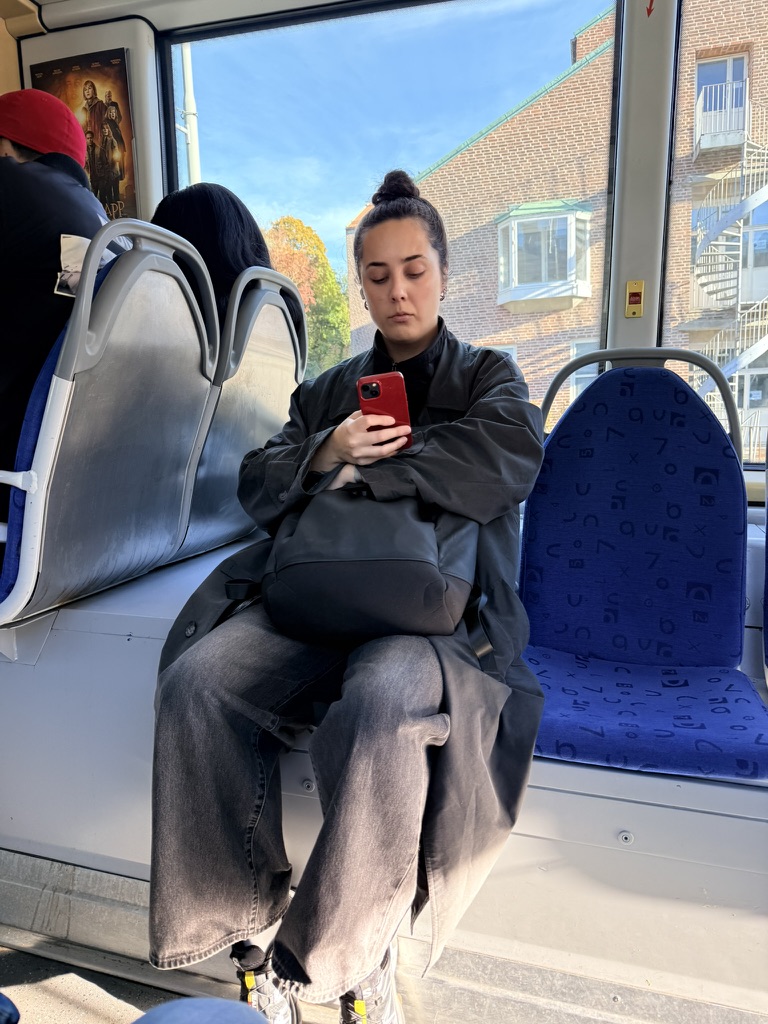
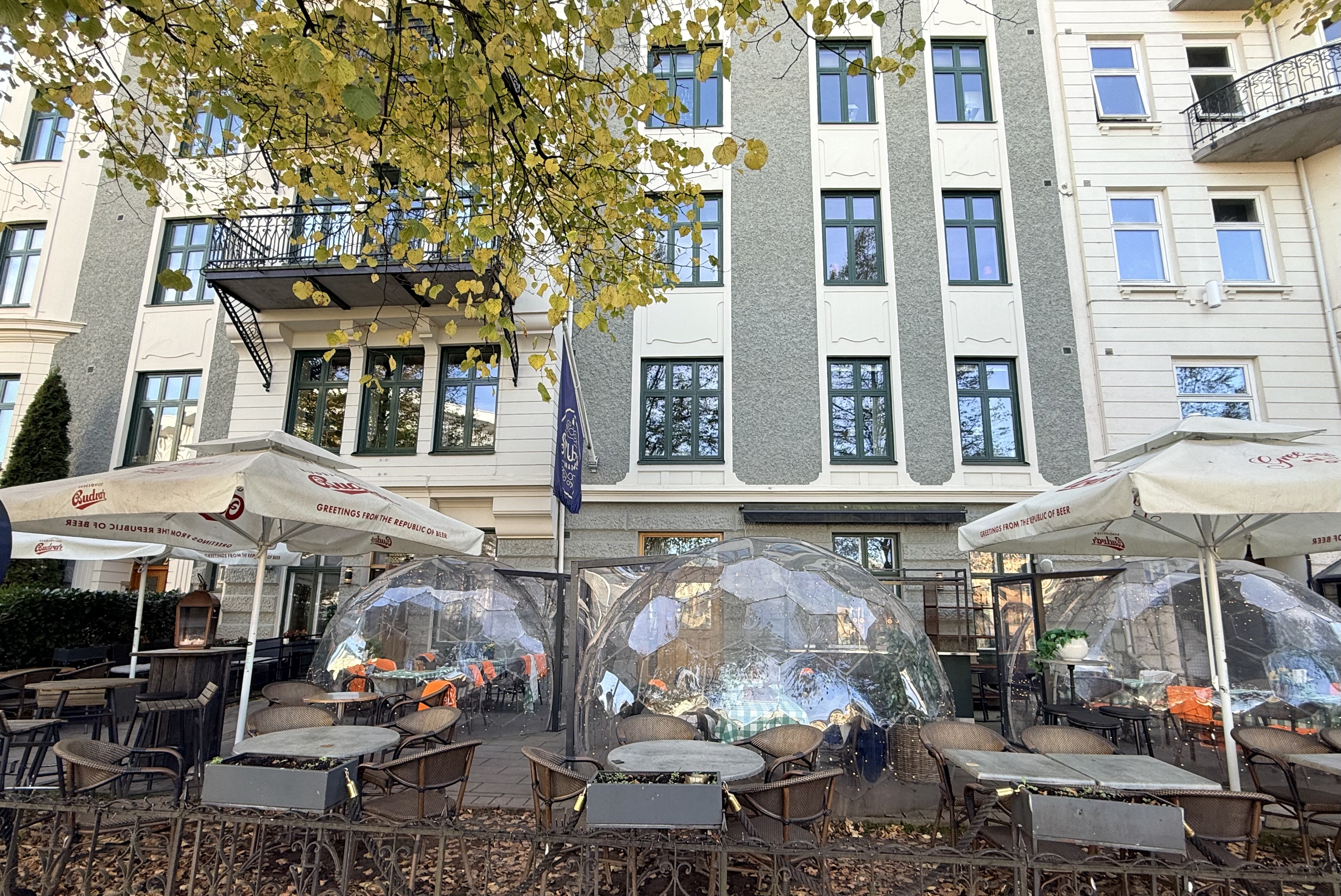
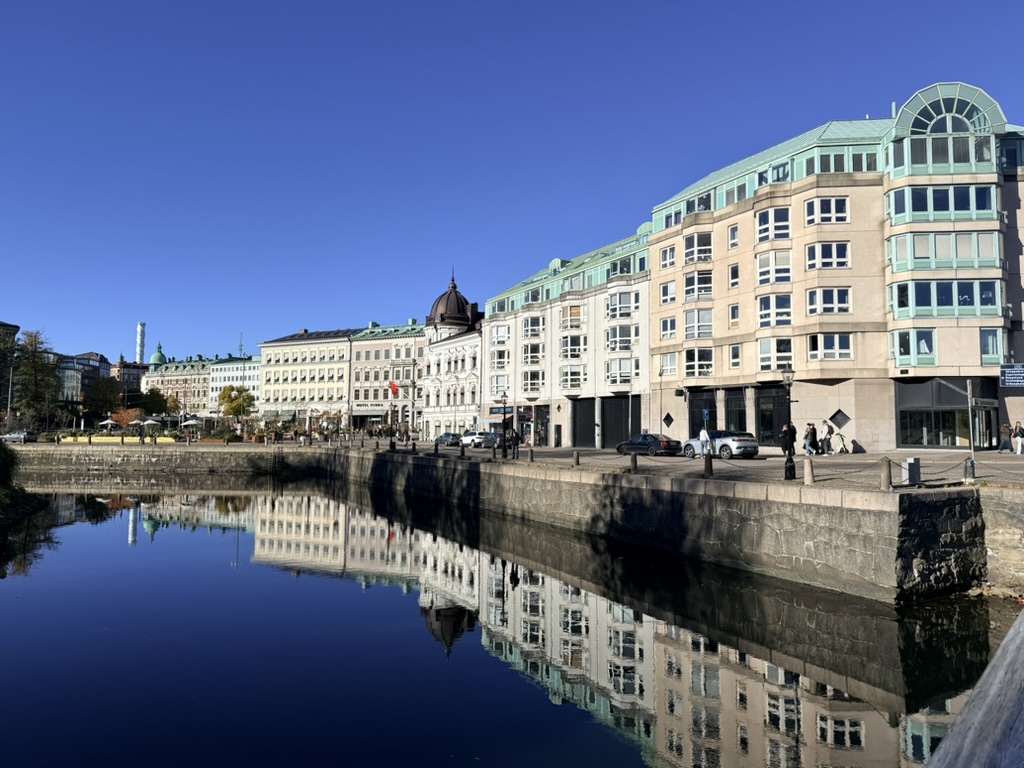
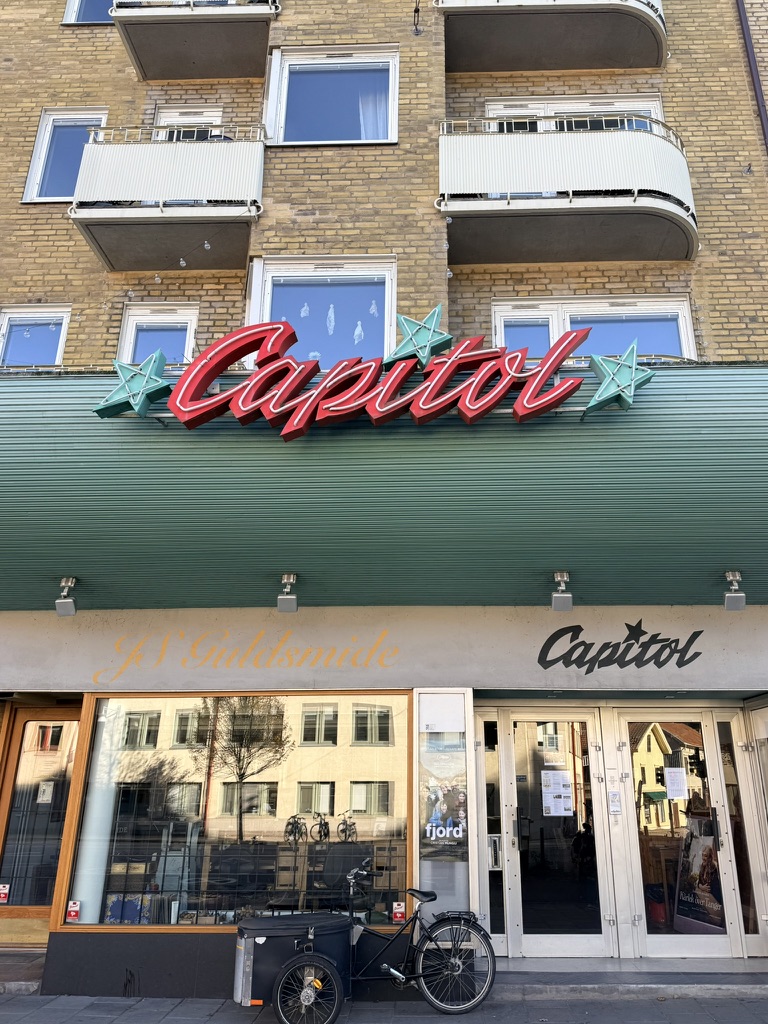
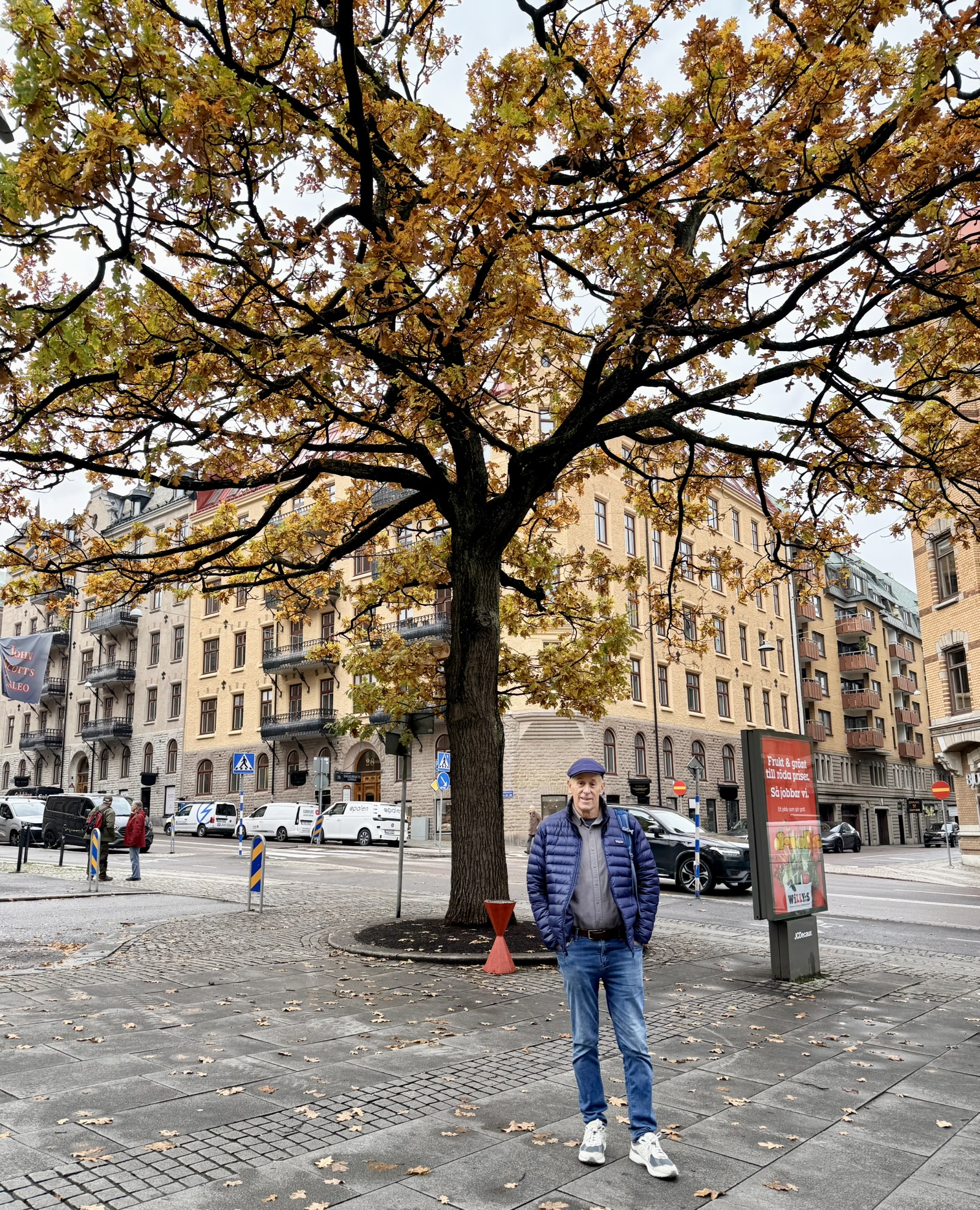
Gothenburg is a city of many universities, so I loved watching all the stylish university students on the trams and buses. We found little clear pods surrounding tables at an outdoor cafe, but I can’t imagine they could keep anyone warm without heat lamps. We stumbled upon the Capitol movie theater which was showing a lot of interesting movies, but sadly we couldn’t watch any of them without English subtitles.
Visiting markets
We found two markets to visit in Gothenburg. They were nice enough but I haven’t yet found one in all the cities we’ve visited that matched the Helsinki market on the harbor front.
Stora Saluhallen
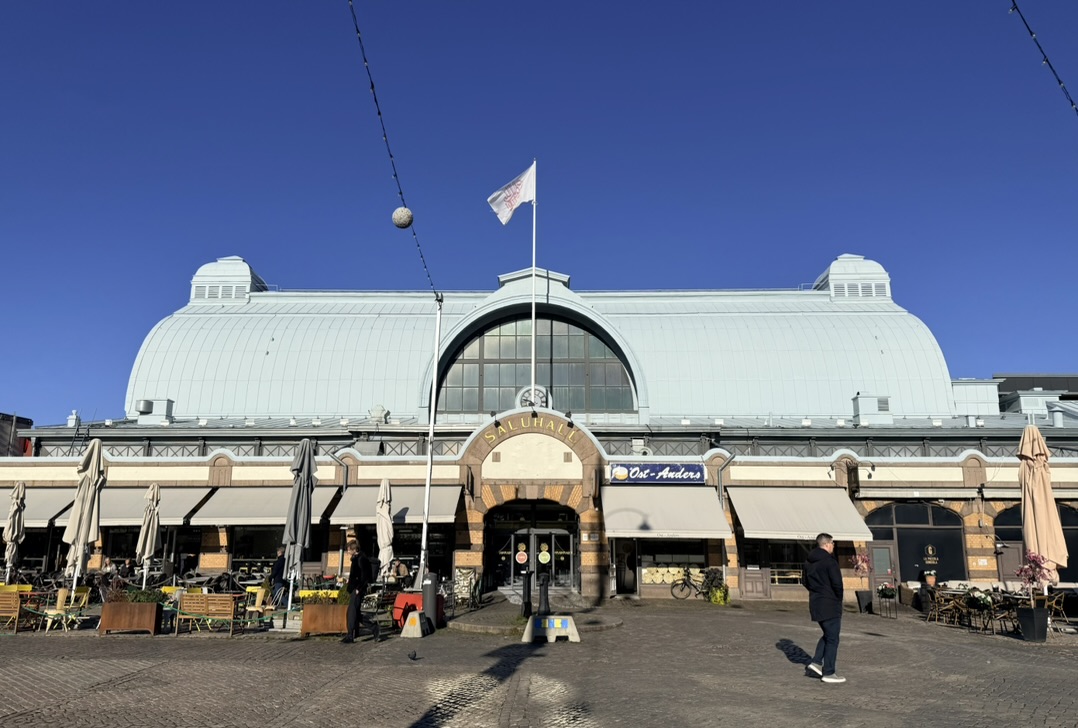
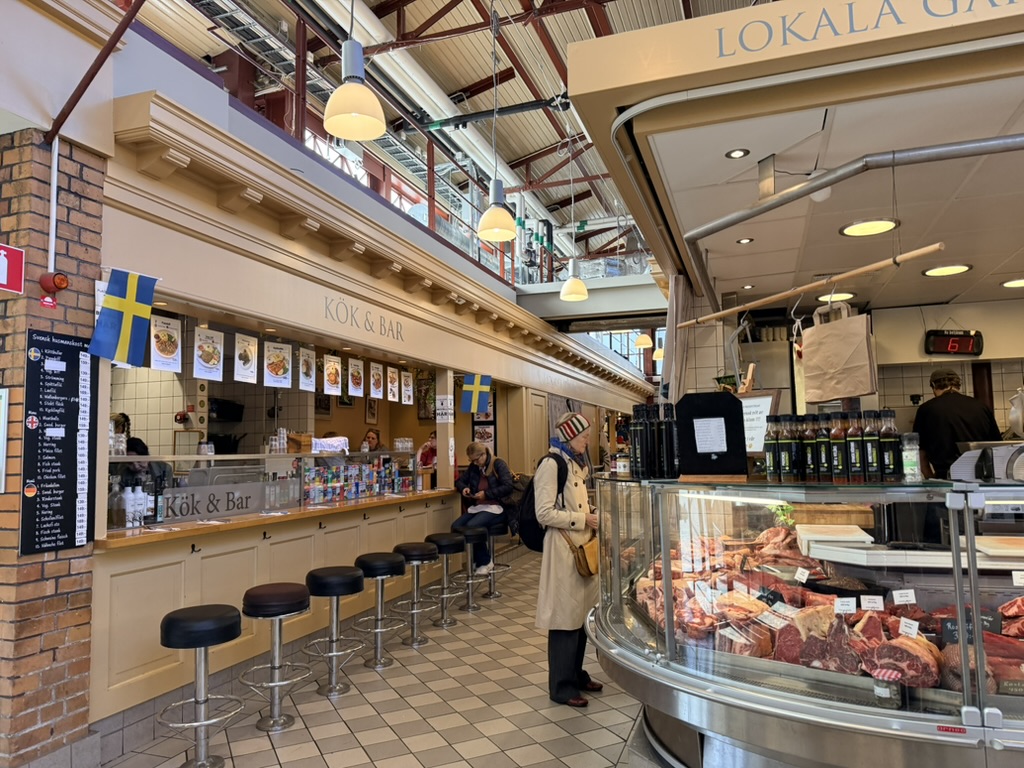
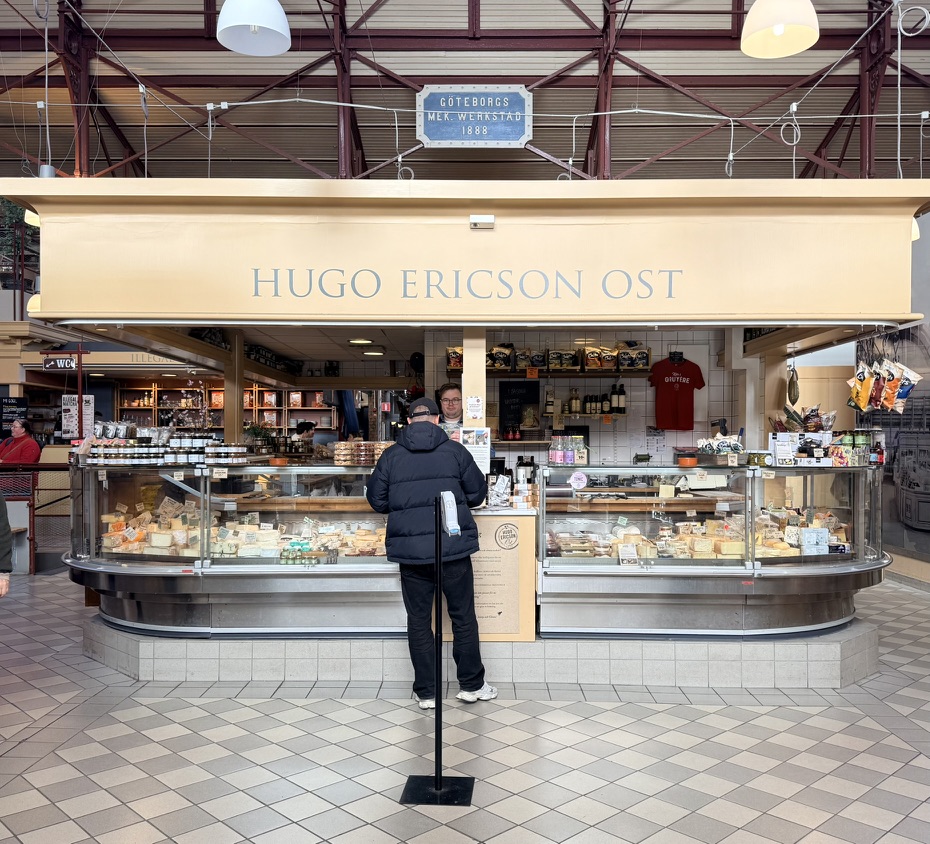
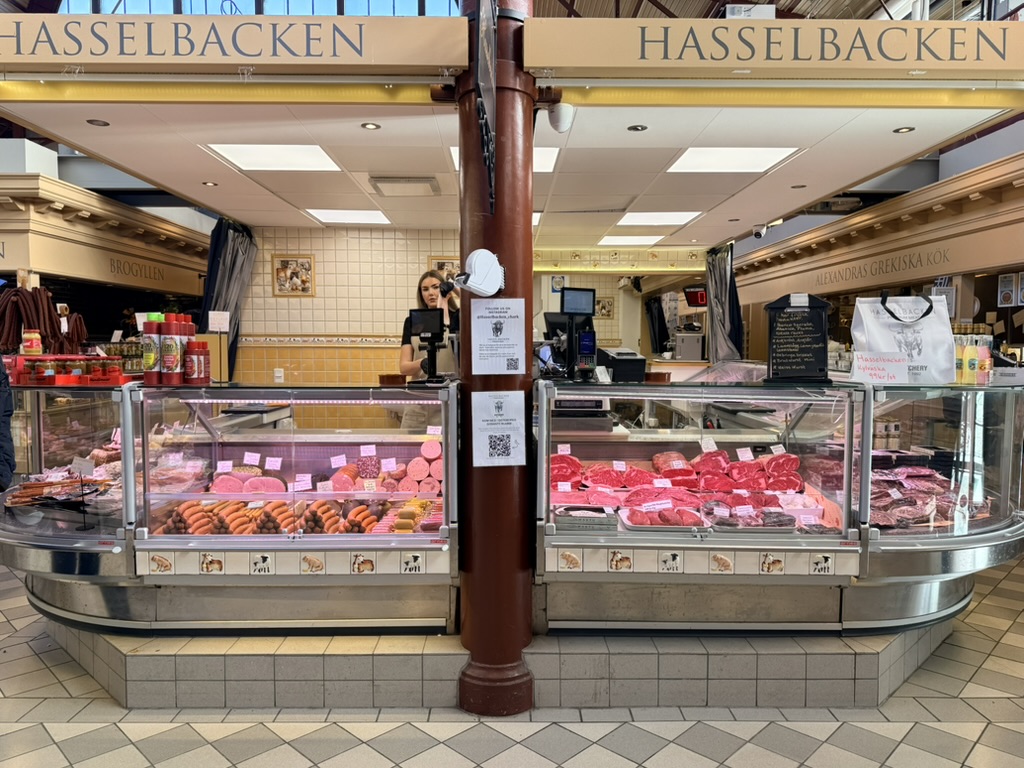
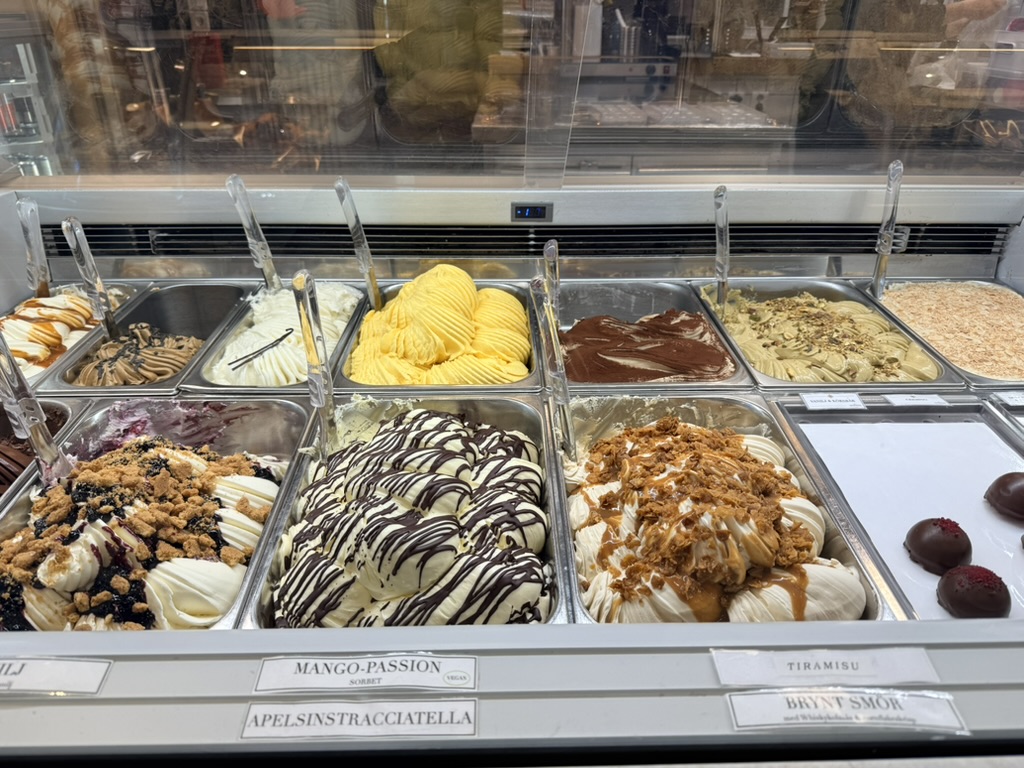
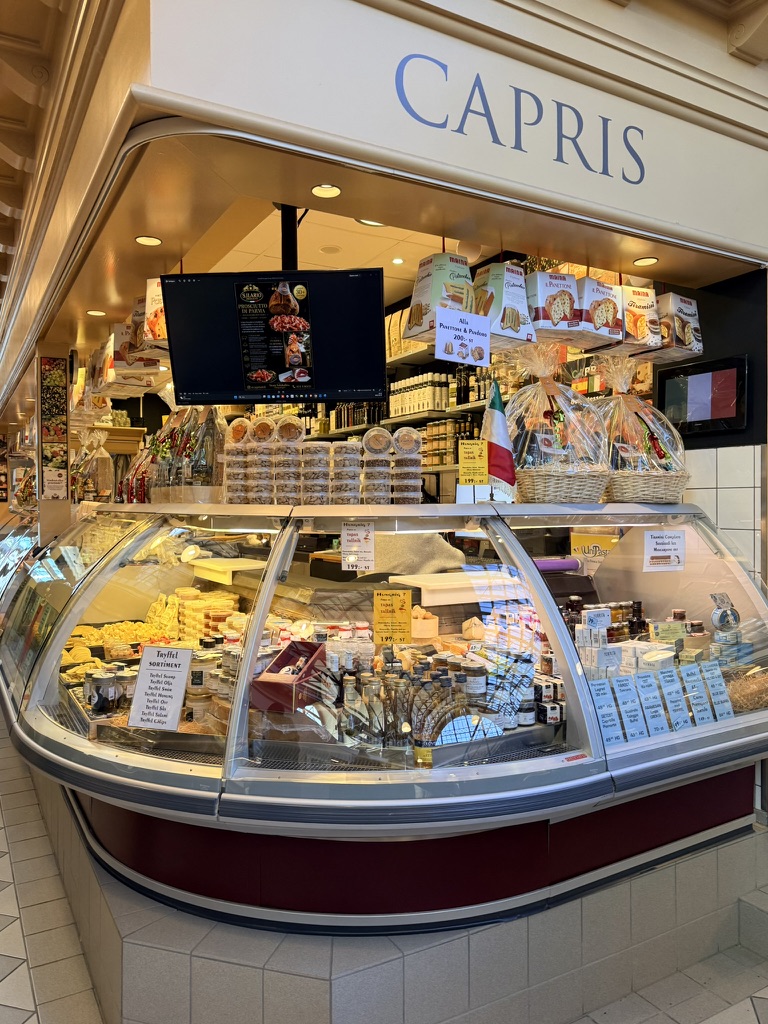
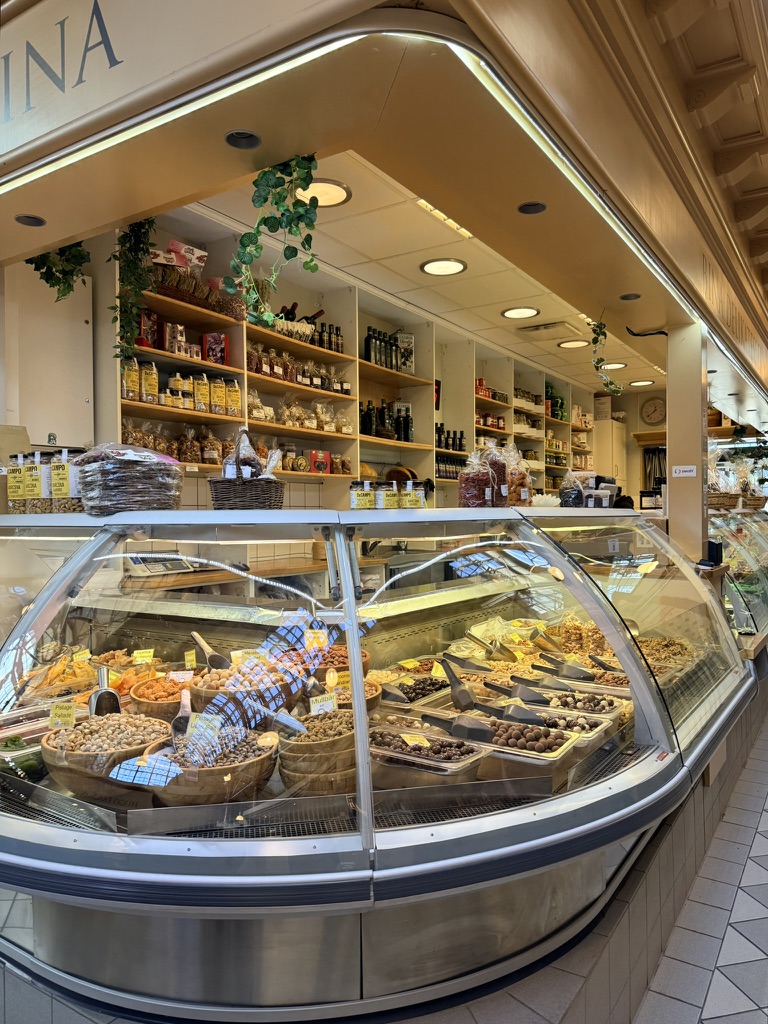
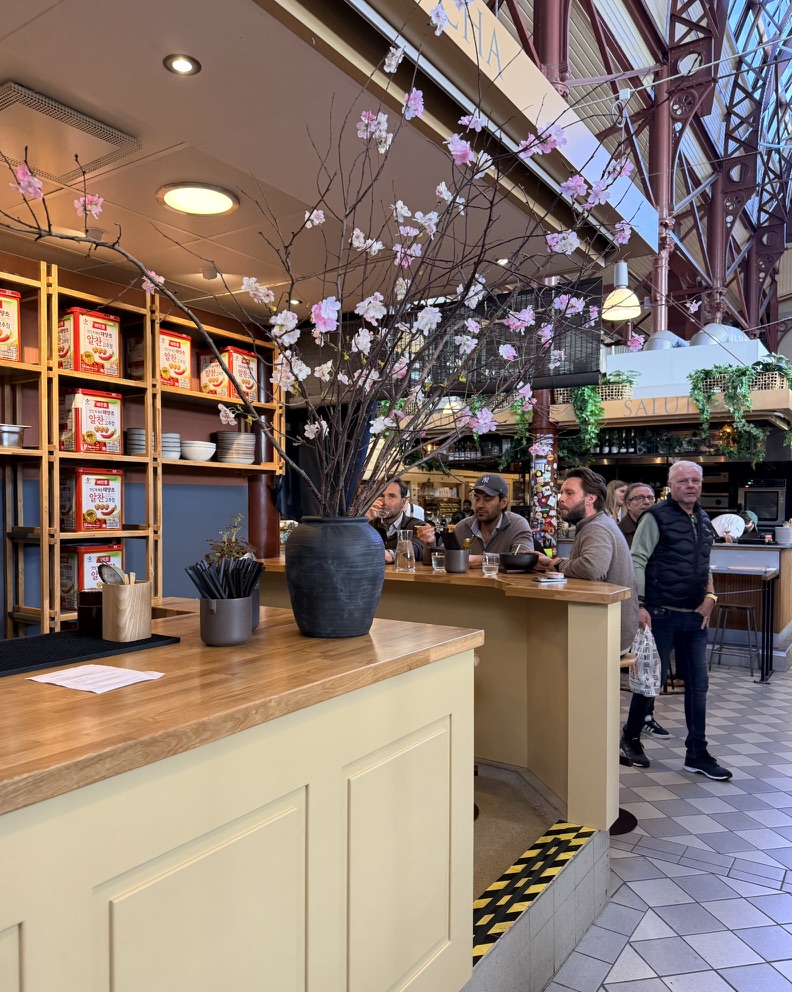
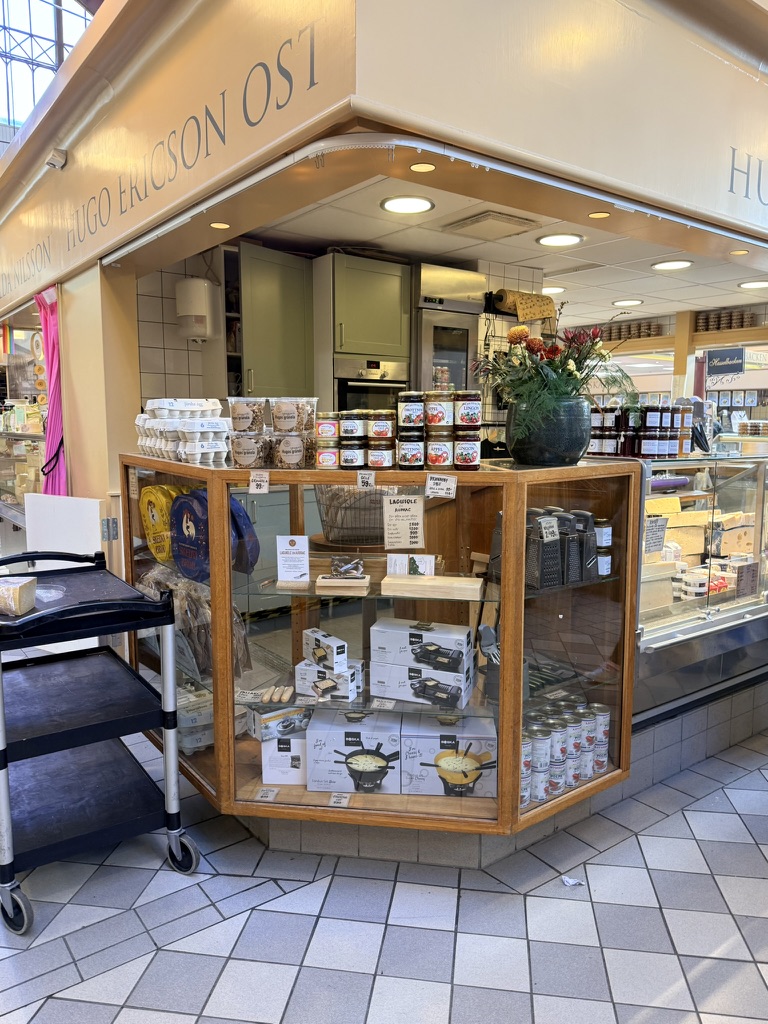
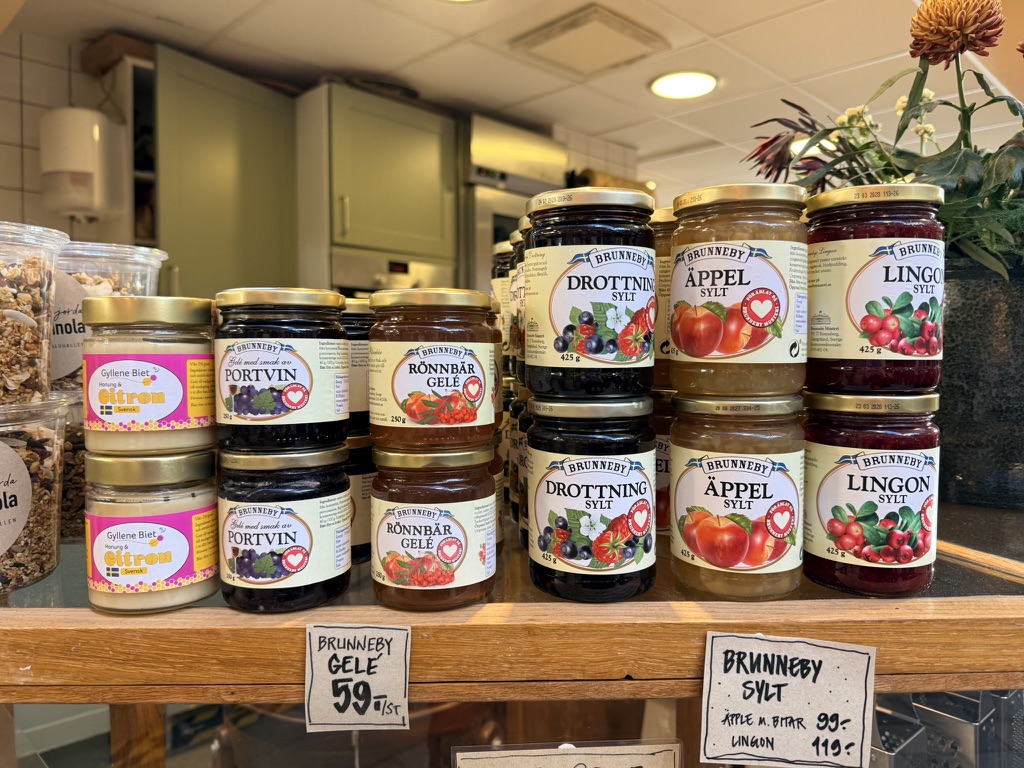
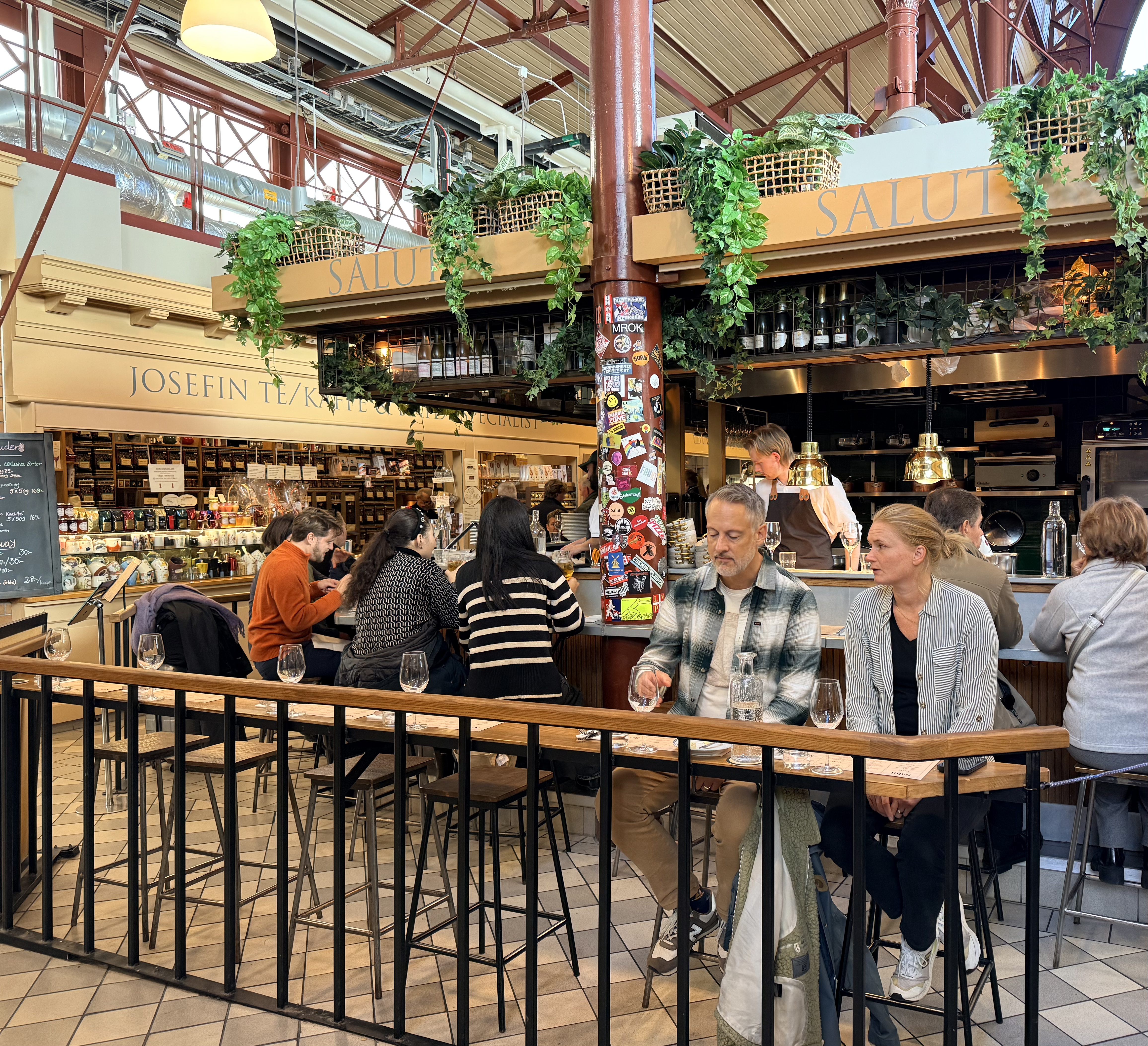
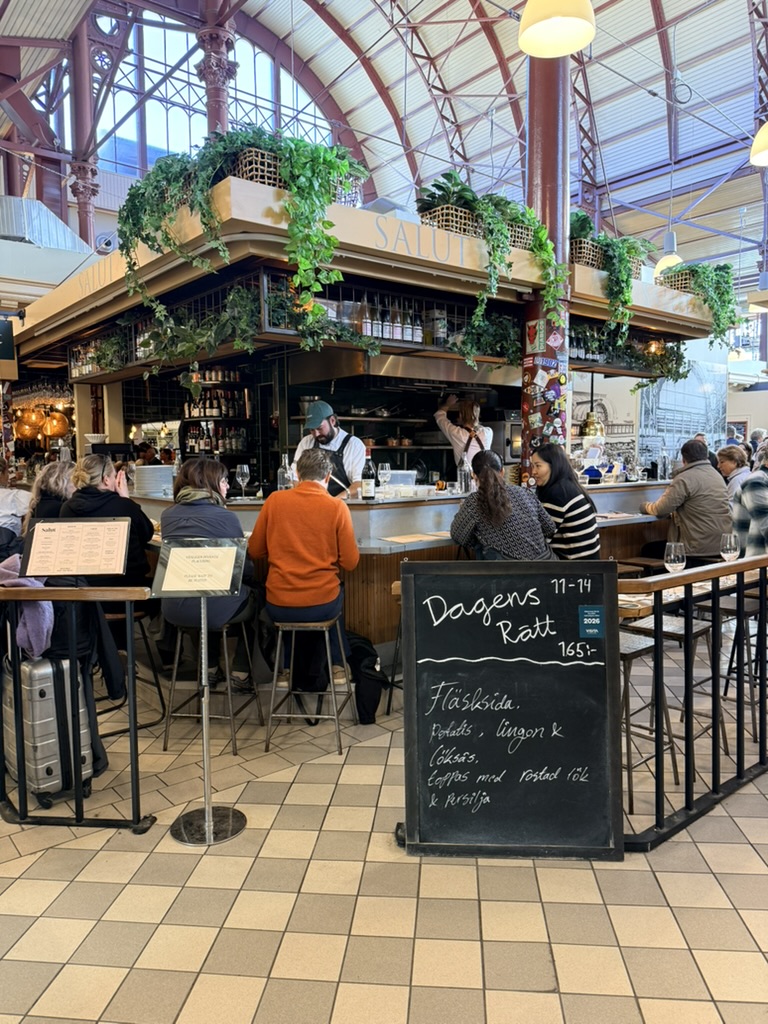
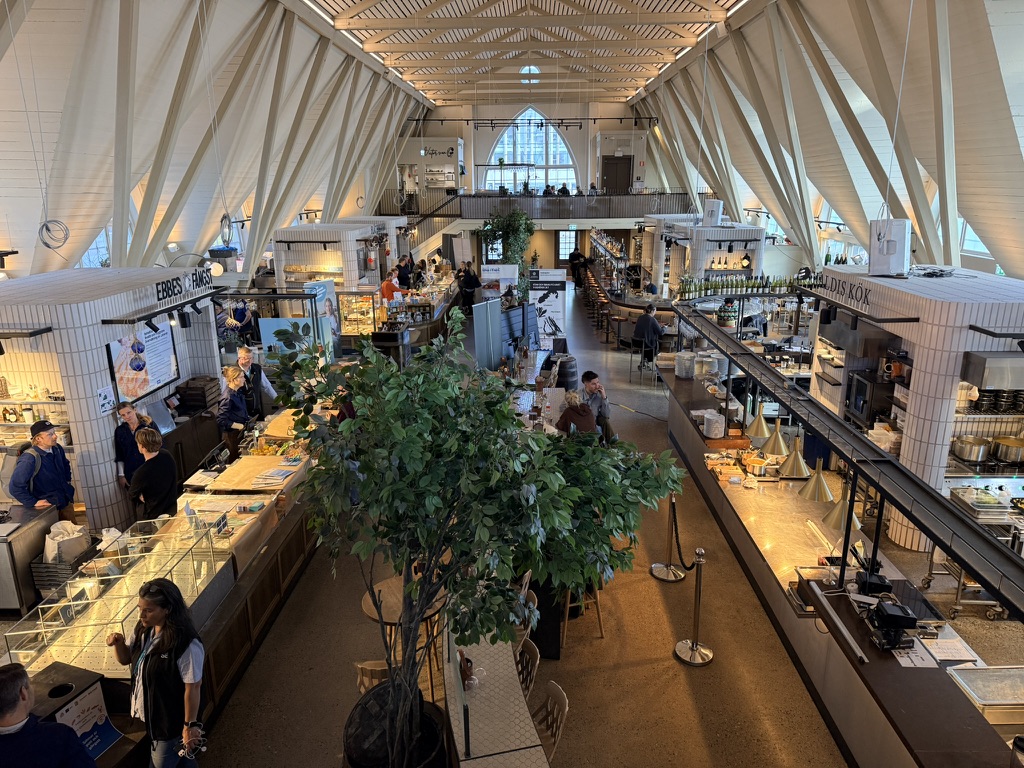
Stora Saluhallen, “the Big Market Hall,” sits in central Gothenburg and has been a bustling food market since the 19th century. It was designed by architect Hans Hedlund and built between 1888 and 1889 out of stone, iron, and glass; its interior is dominated by an impressive glass ceiling supported by elegant iron arches which create a bright and open atmosphere.
Today, it is home to deli vendors, restaurants, wine bars and specialty shops.
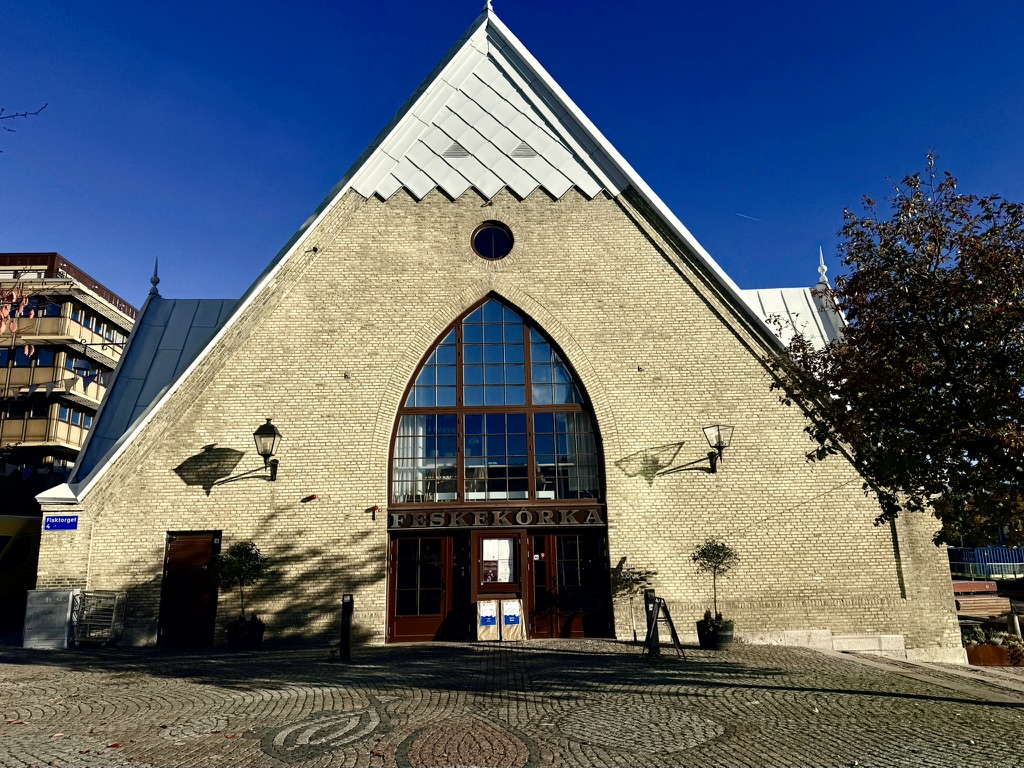
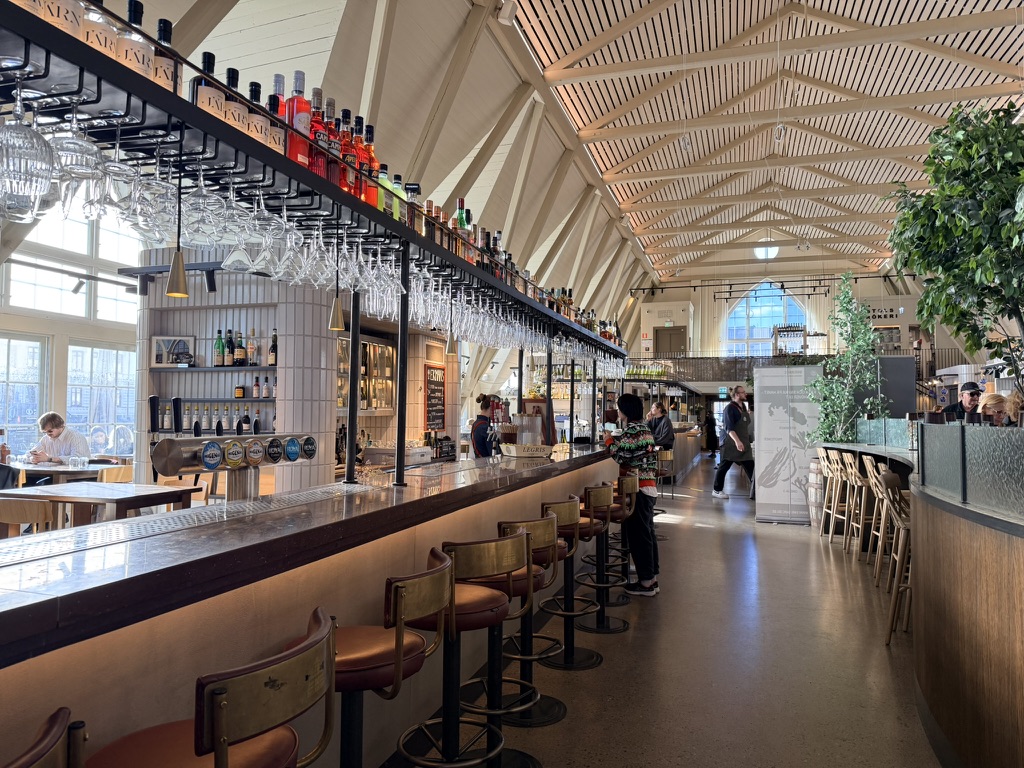
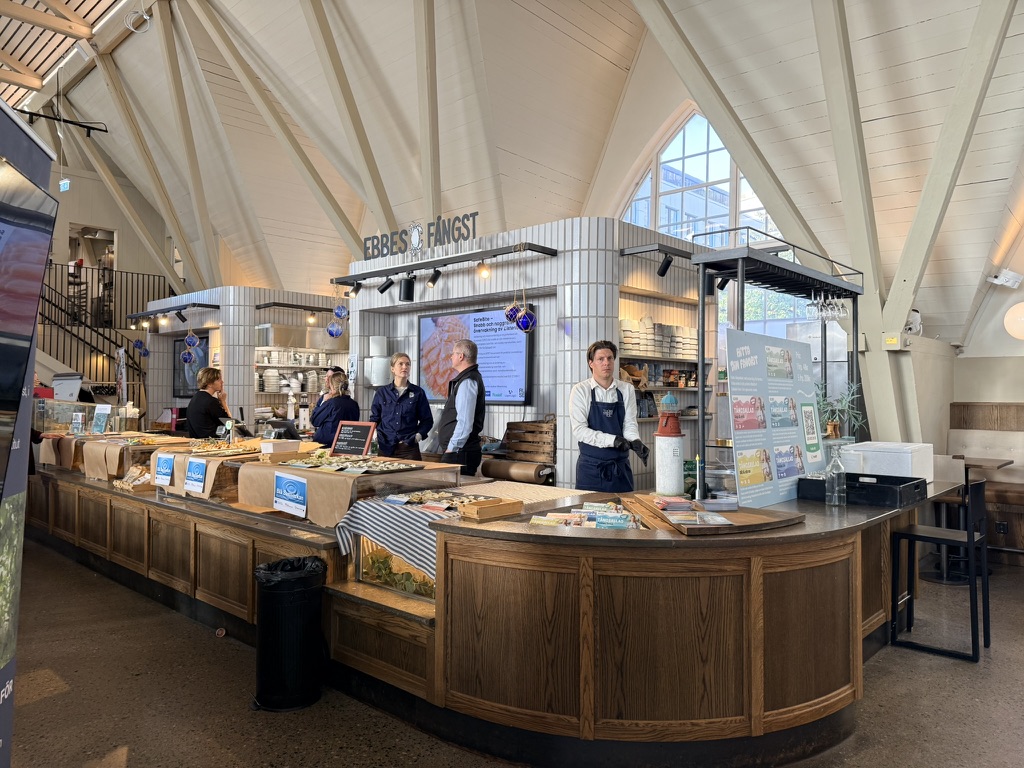
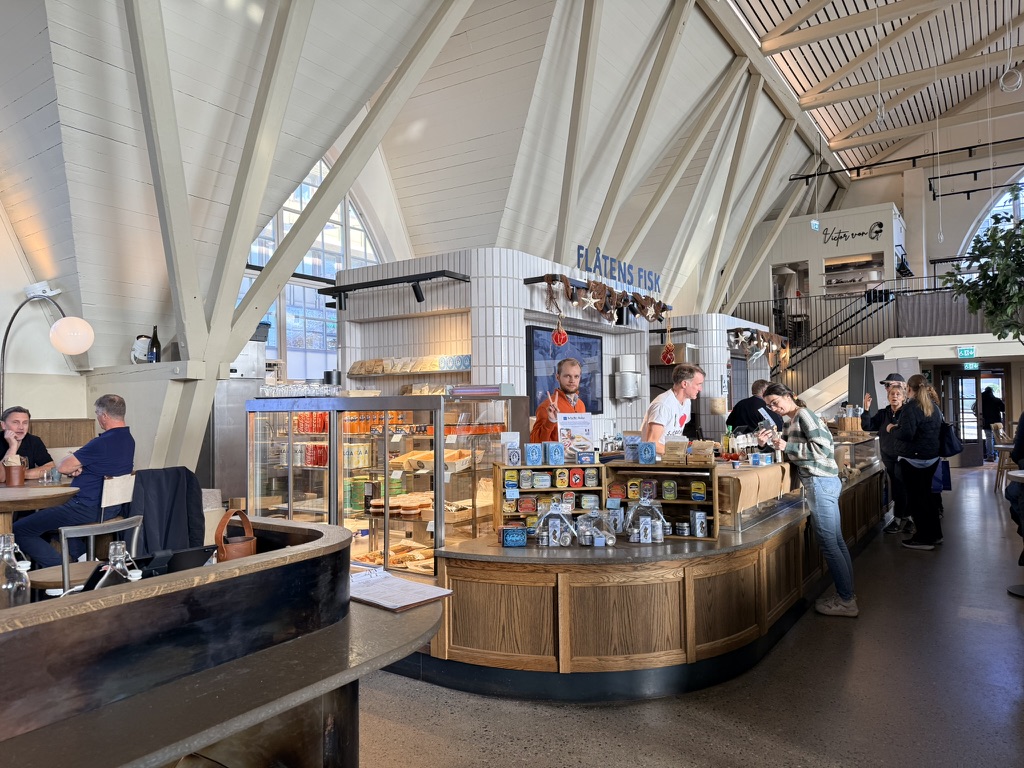
Feskekörka
Feskekörka, or Fiskhallen, is an indoor fish market in central Gothenburg. Feskekörkan was opened in November of 1874 and its name comes from the building’s resemblance to a Gothic church.
Dining in
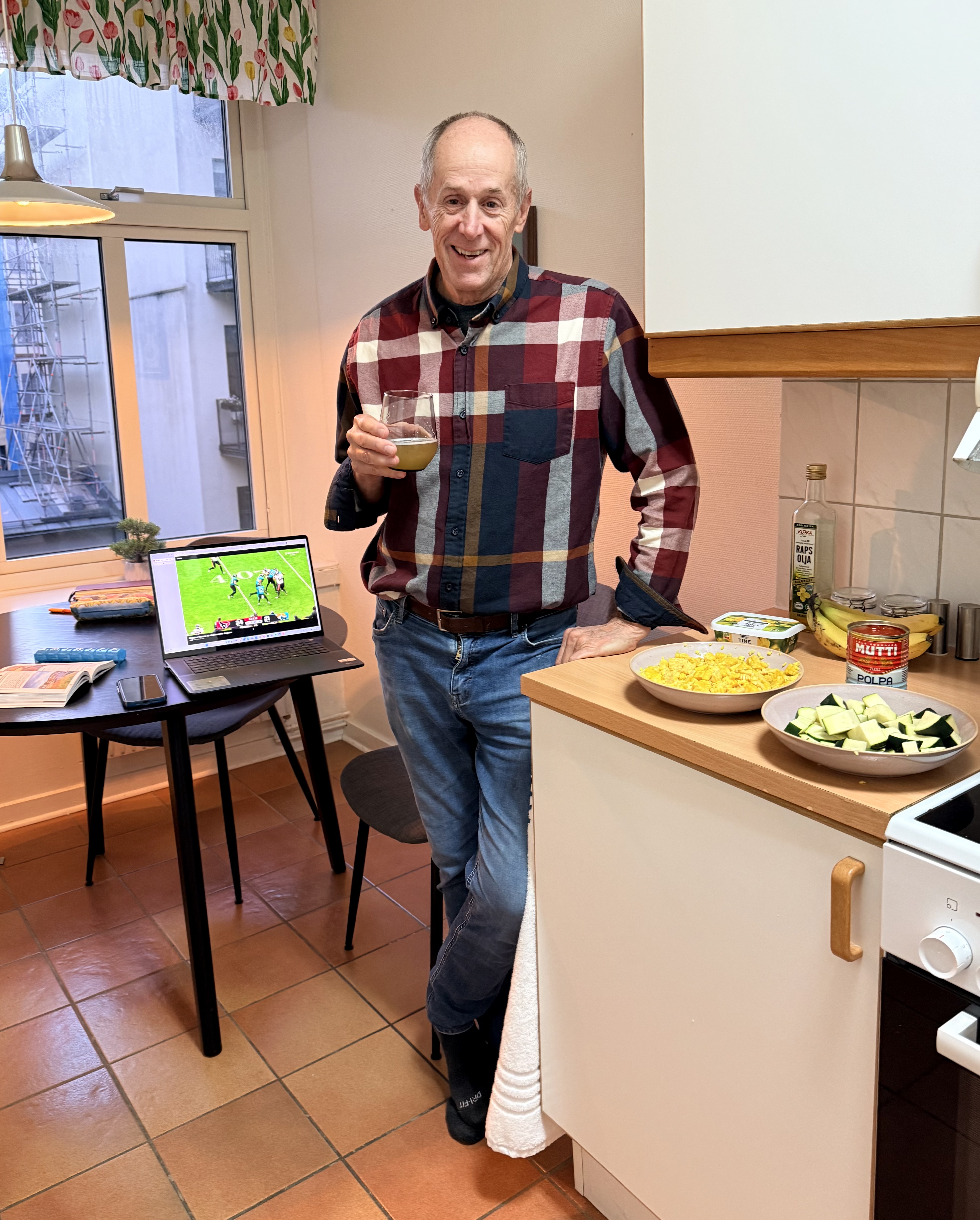
Mike should definitely become the full-time chef in our family. He made a delicious hamburger soup with zucchini, corn, diced tomatoes and fusilli. Plus we threw together prepackaged tomato soup with grilled cheese on nights when we were too lazy to cook.

Dining out
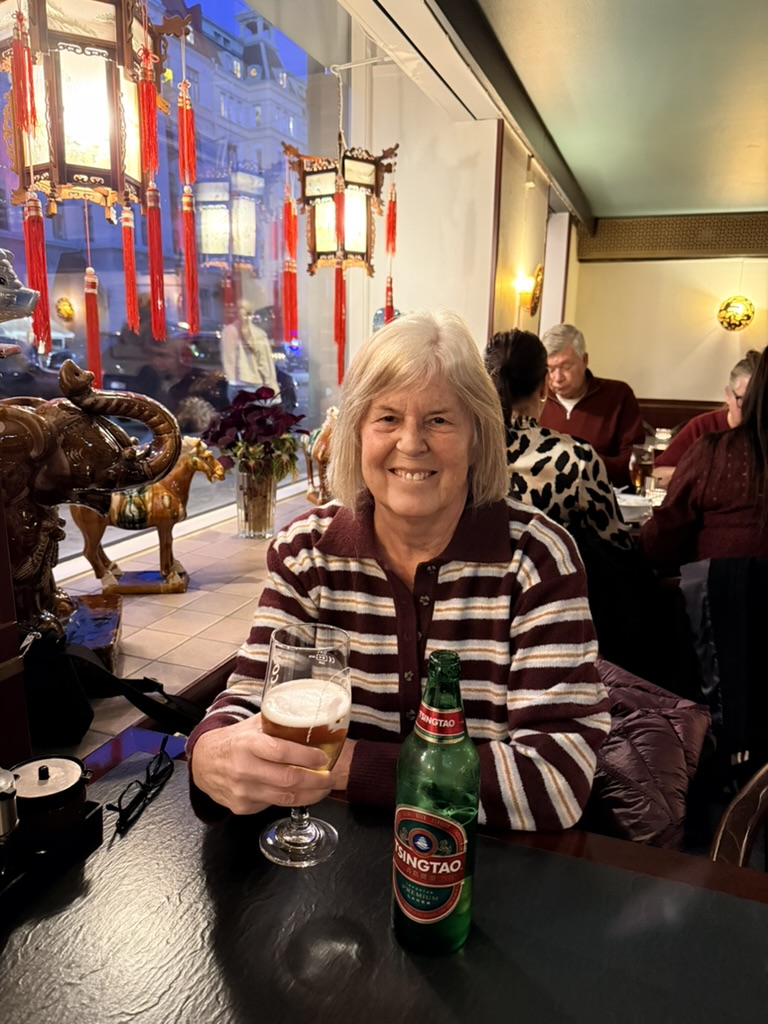
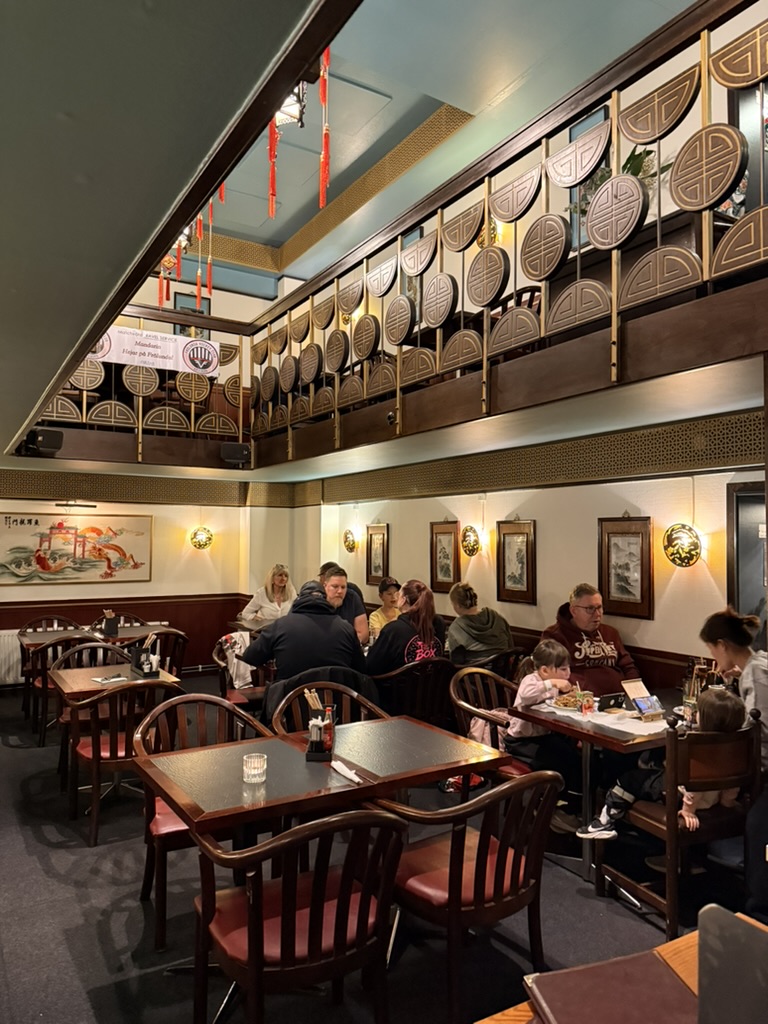
Dinner #1: We arrived on a Saturday night in Gothenburg and went to several restaurants where we were turned away because we didn’t have reservations. We didn’t feel like cooking so we went to the only place that wasn’t packed, the Chinese Restaurang Mandarin. I had deep fried prawns with vegetables and Mike had a beef curry. It was an okay meal and we were happy to eat it after a day of travel.
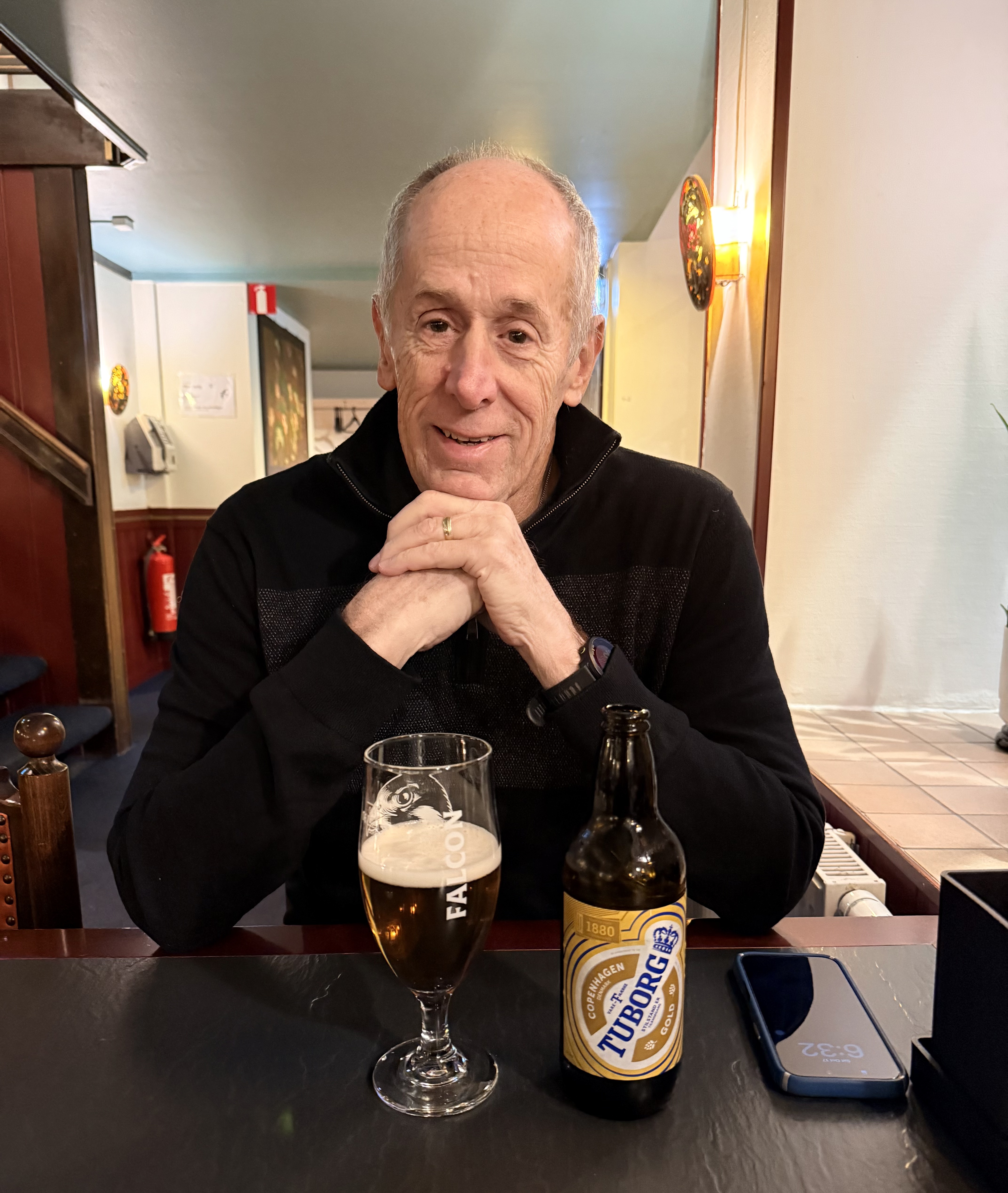
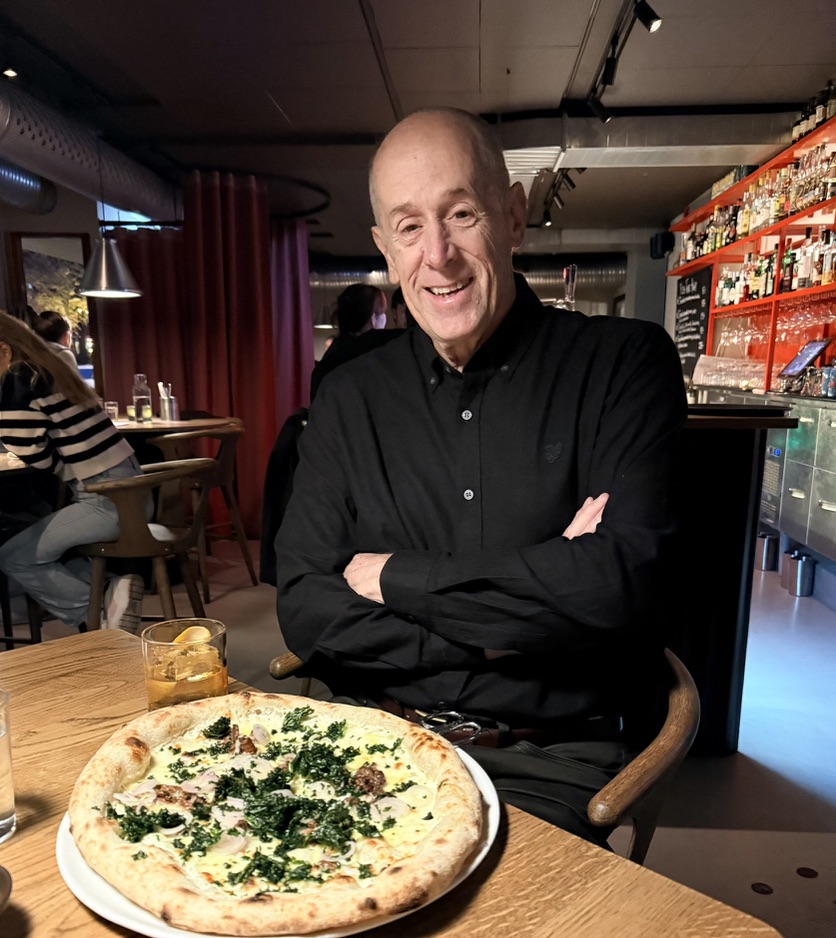
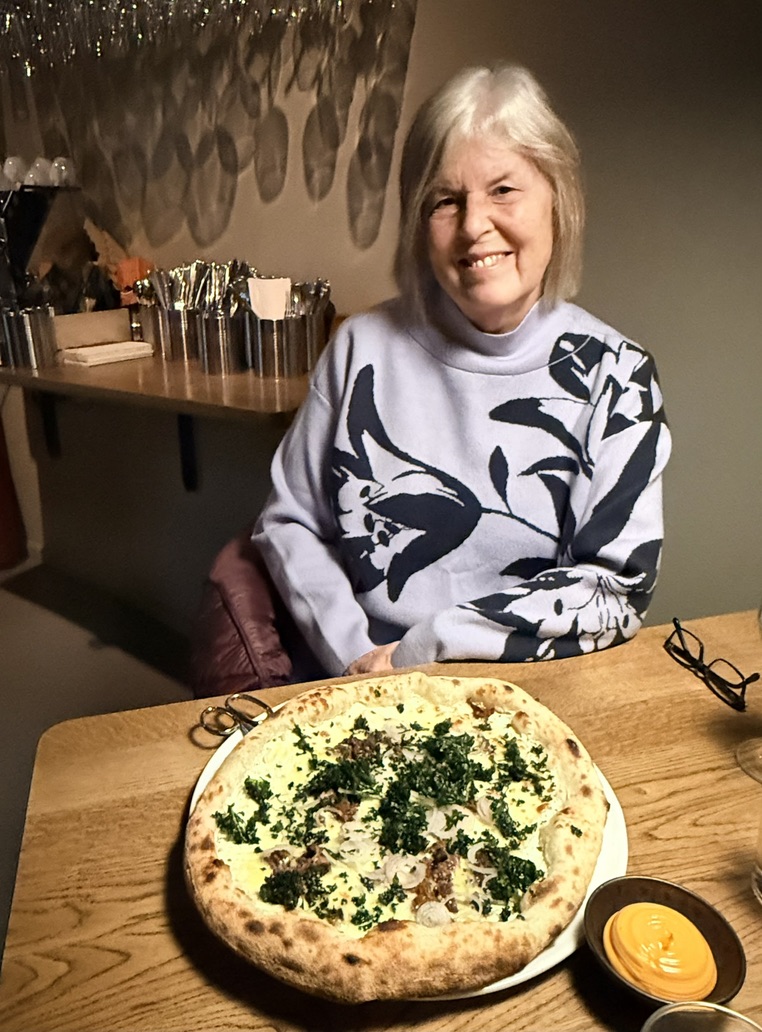
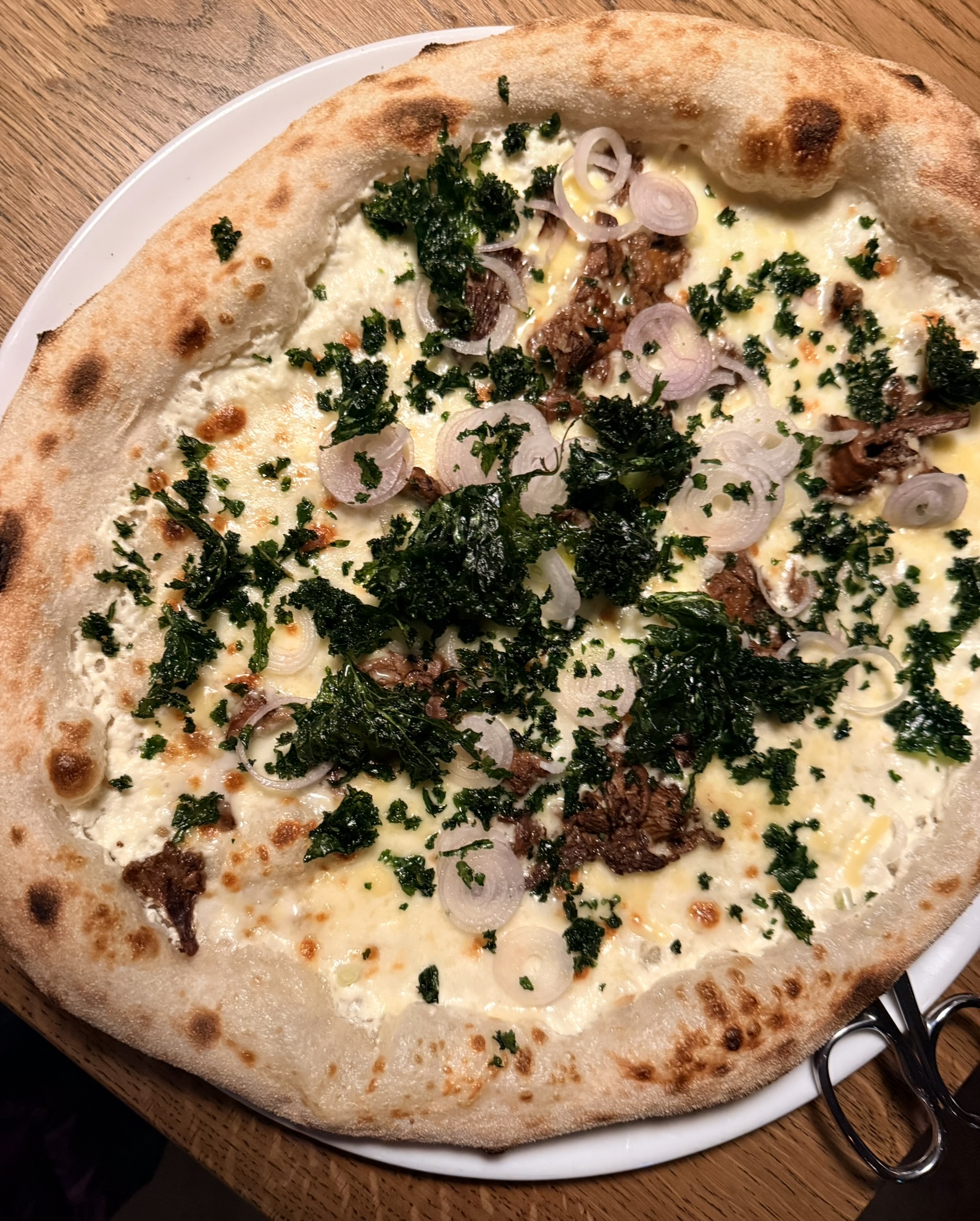
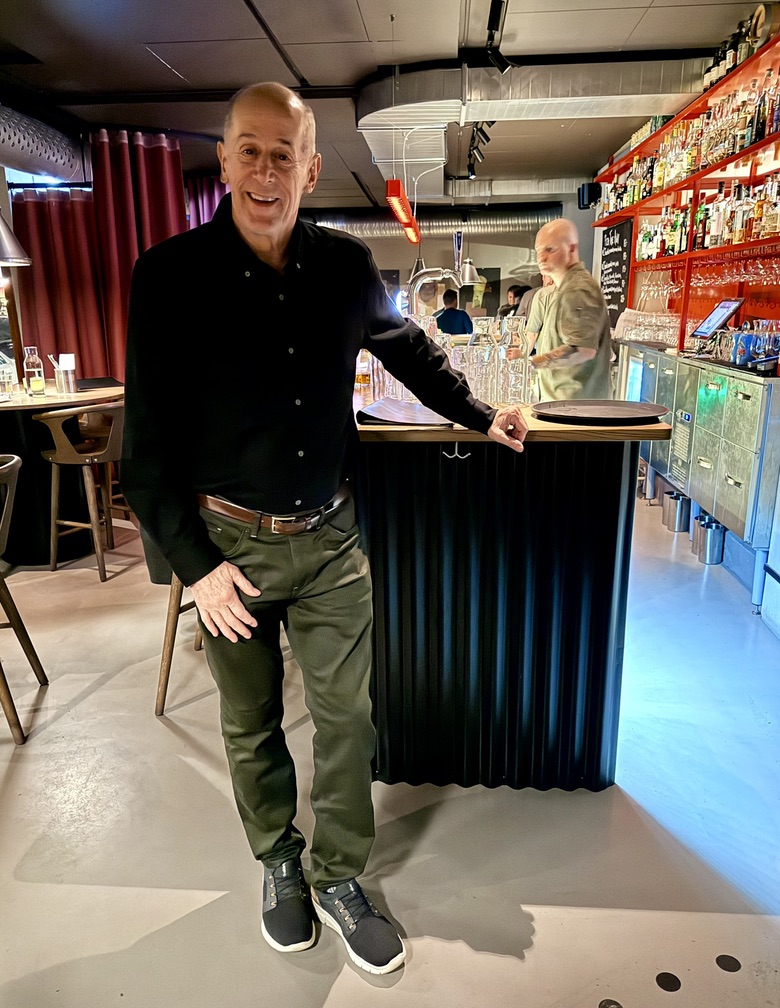
Dinner #2: Our favorite meal in Gothenburg was at Blokk Restaurang & Cocktail Bar, just two doors down from our apartment. We shared the most delicious pizza: Creme fraîche, mozzarella, chanterelle, shallot, Wrångebäck cheese and kale. We also got a chorizo dip for our crusts. We loved the vibe of this place and lingered here with our drinks for some time.
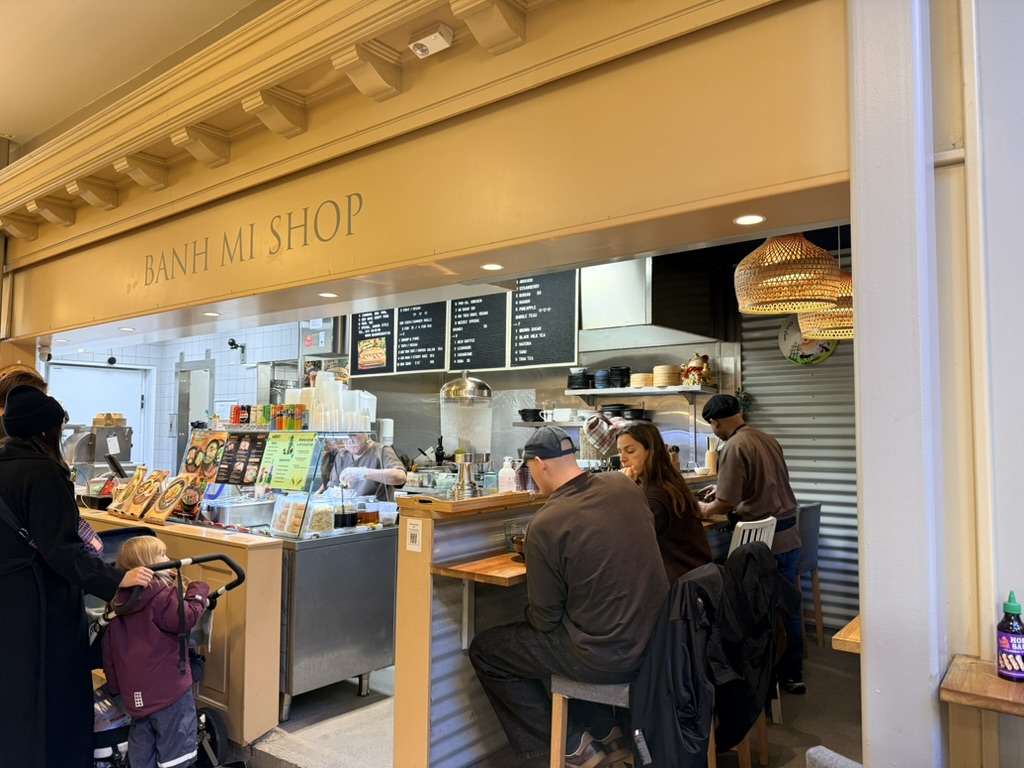
Lunch #1: At Saluhallen, we ate lunch from several different vendors and took them to eat in a common area. Mike got a bowl with beef and spring rolls from Banh Mi Shop and I got a very bland fava bean soup from a Greek vendor. After tasting Mike’s spring rolls, I went to Banh Mi Shop and got my own spring rolls and let Mike eat the rest of my boring soup. Everything was a bit overwhelming at this market because nothing was in English and I had a hard time figuring out what to get.
Homebody Stuff
Every morning, I continued to do my NY Times puzzles: Wordle, the Mini, Connections and Strands. In the evenings, we watched our regular shows: Grantchester; AnotherSelf; Old Money; The Killing; Ride or Die, De Eetclub (The Perfect Lie); Thank You, Next; and Ted Lasso. We started watching a new season of The Diplomat and began re-watching the comedy Rules of Engagement for our light, end-of-the-night short comedy. We watched a Danish movie called Den hemmelige kvinde (The Secret Woman). I watched the movie Love of Your Life when Mike went out to a hockey game.
I am still reading The Lake by Banana Yoshimoto and I started reading Meet Me at the Museum by Anne Youngson.
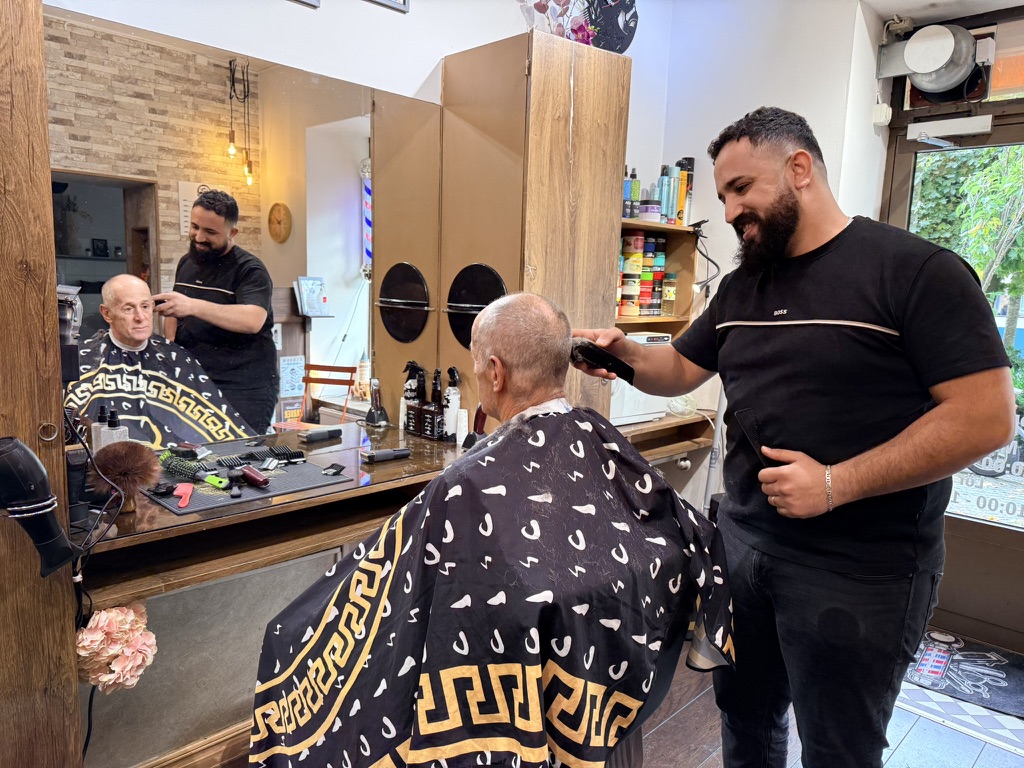
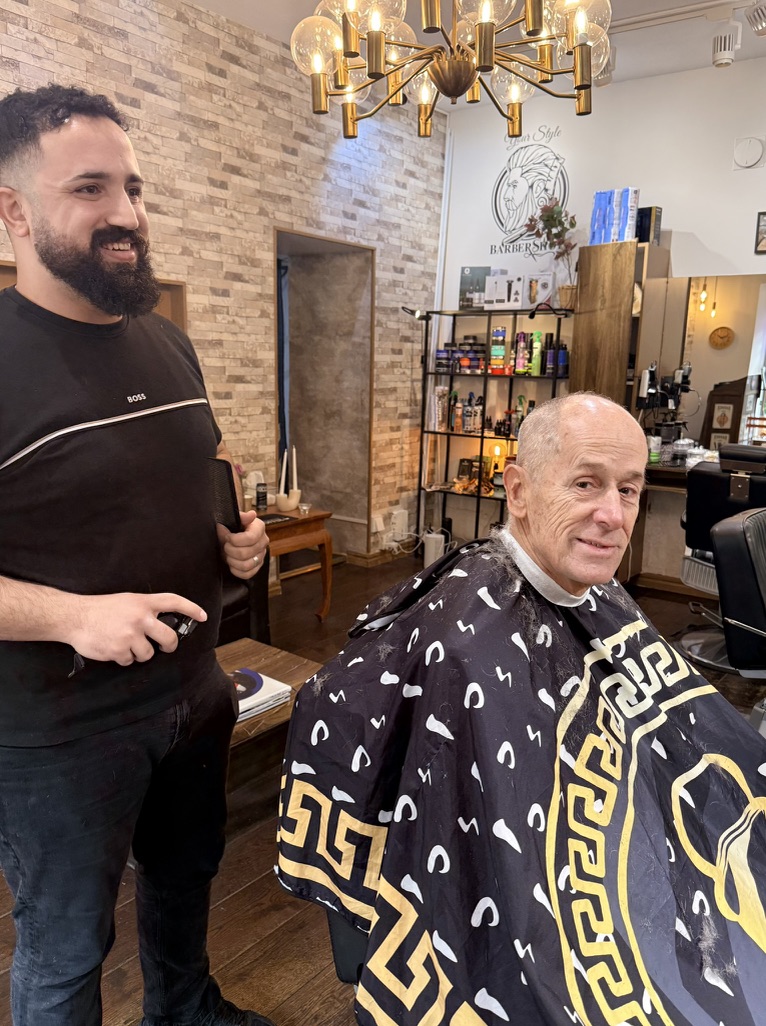
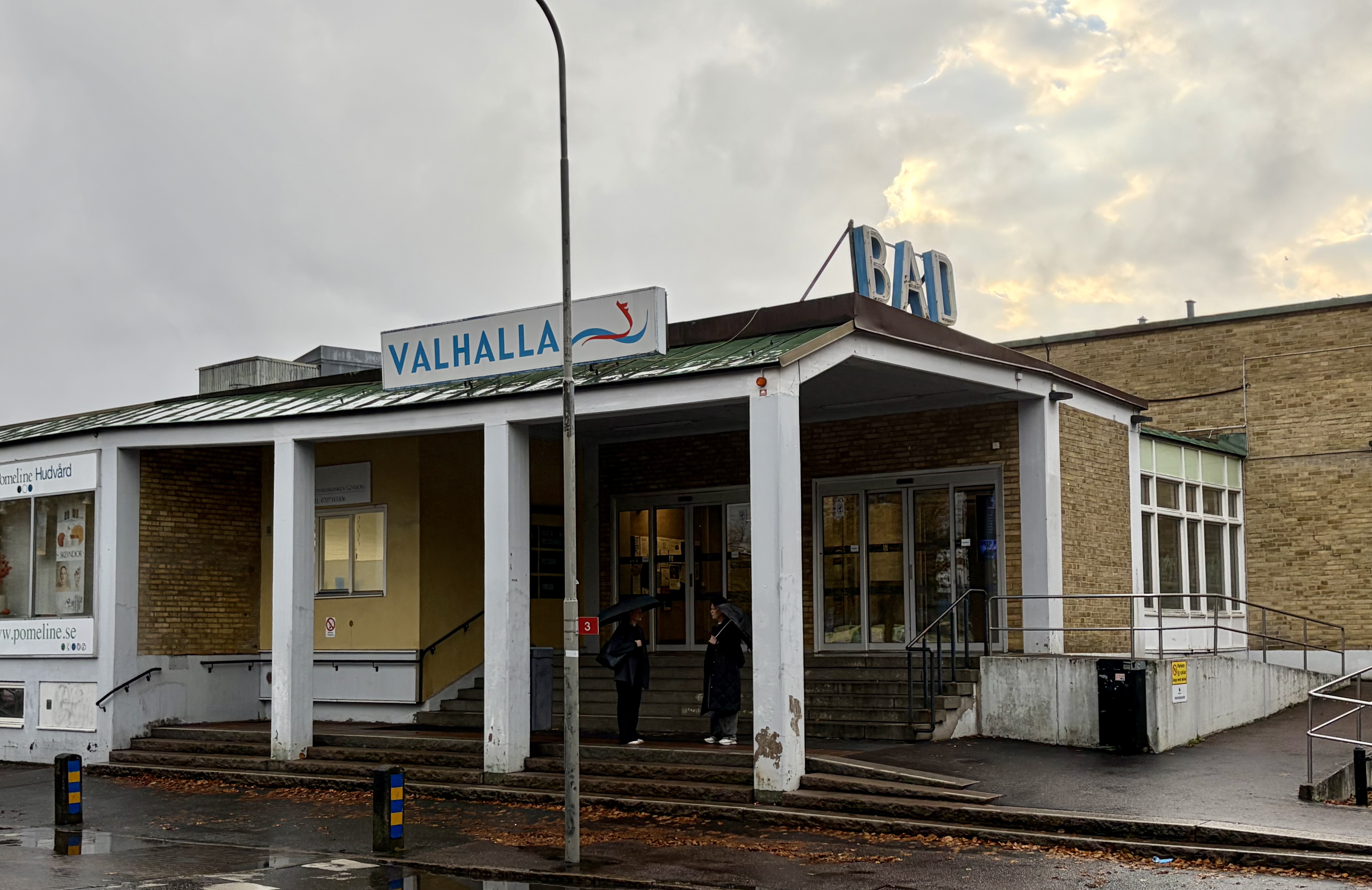
Mike got a Palestinian-Syrian barber to give him a haircut in Linné. He also went swimming on three mornings at a pool about 7 minutes from our house.
Discover more from ~ wander.essence ~
Subscribe to get the latest posts sent to your email.

