
These posts cover our slow trip through the Scandinavian/Nordic countries from August 4 to October 30, 2026. I will be posting one long post a week about each area where we stay. I like to write one post about a particular place so that I can revisit our travels in one spot on my blog, according to location. I can also refer others to the post if they plan to travel to the destination and want ideas. I welcome you to read the entire post, read parts of the posts that interest you, simply look at the pictures, or not to read it at all. All who would like to come along are welcome.
You can find our itinerary here: anticipation & preparation: a slow motion journey through scandinavia.
**************
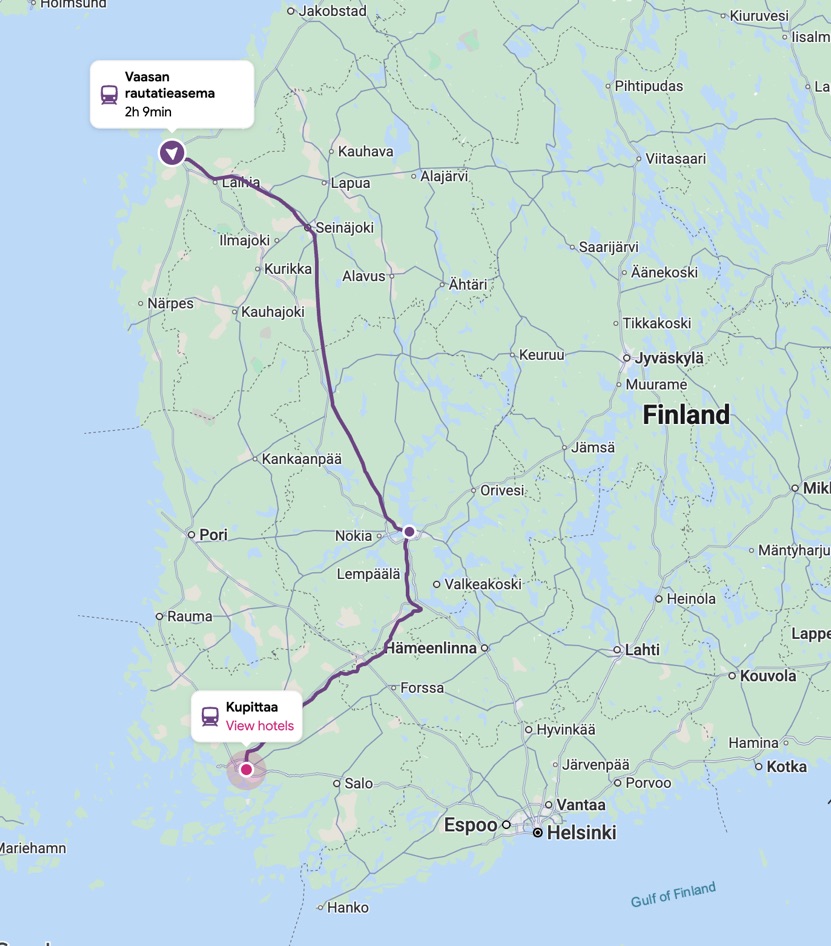
Friday, September 4 -Thursday, September 10: This week we moved from Vaasa to Turku, Finland.
Vaasa to Tampere to Turku, Finland
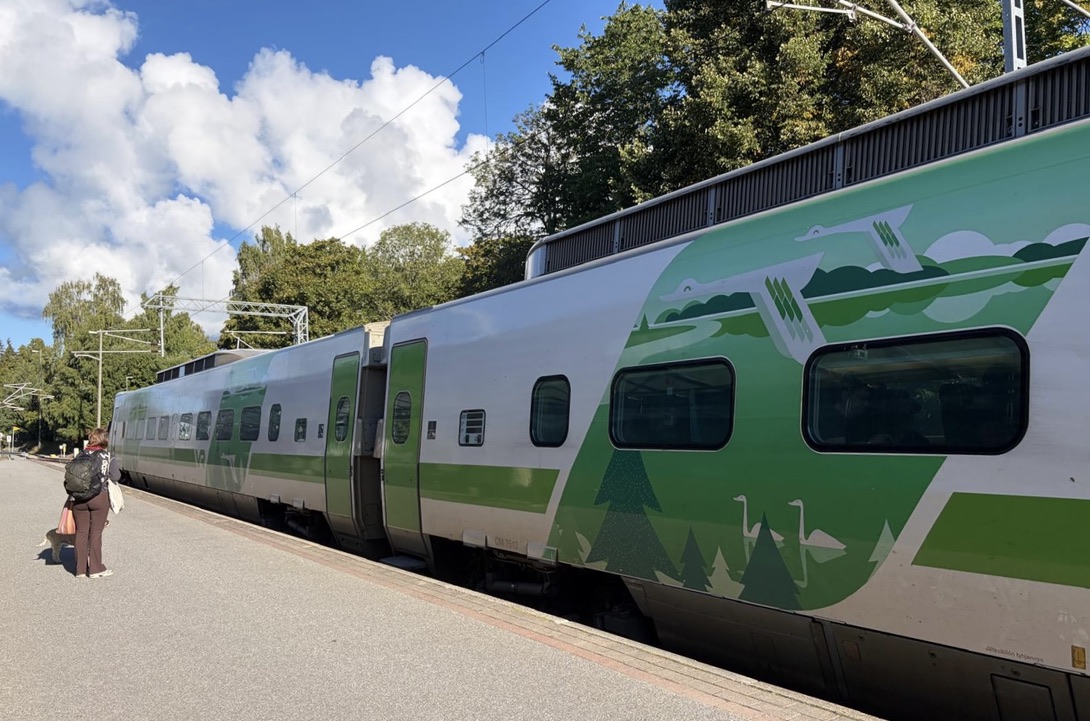
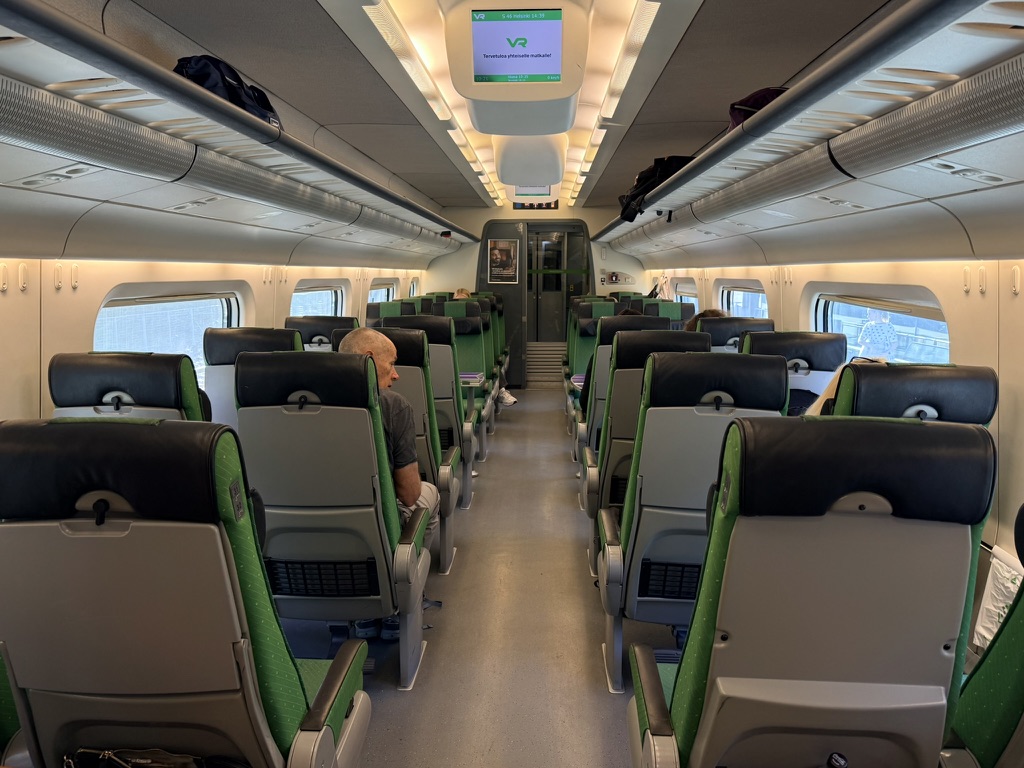
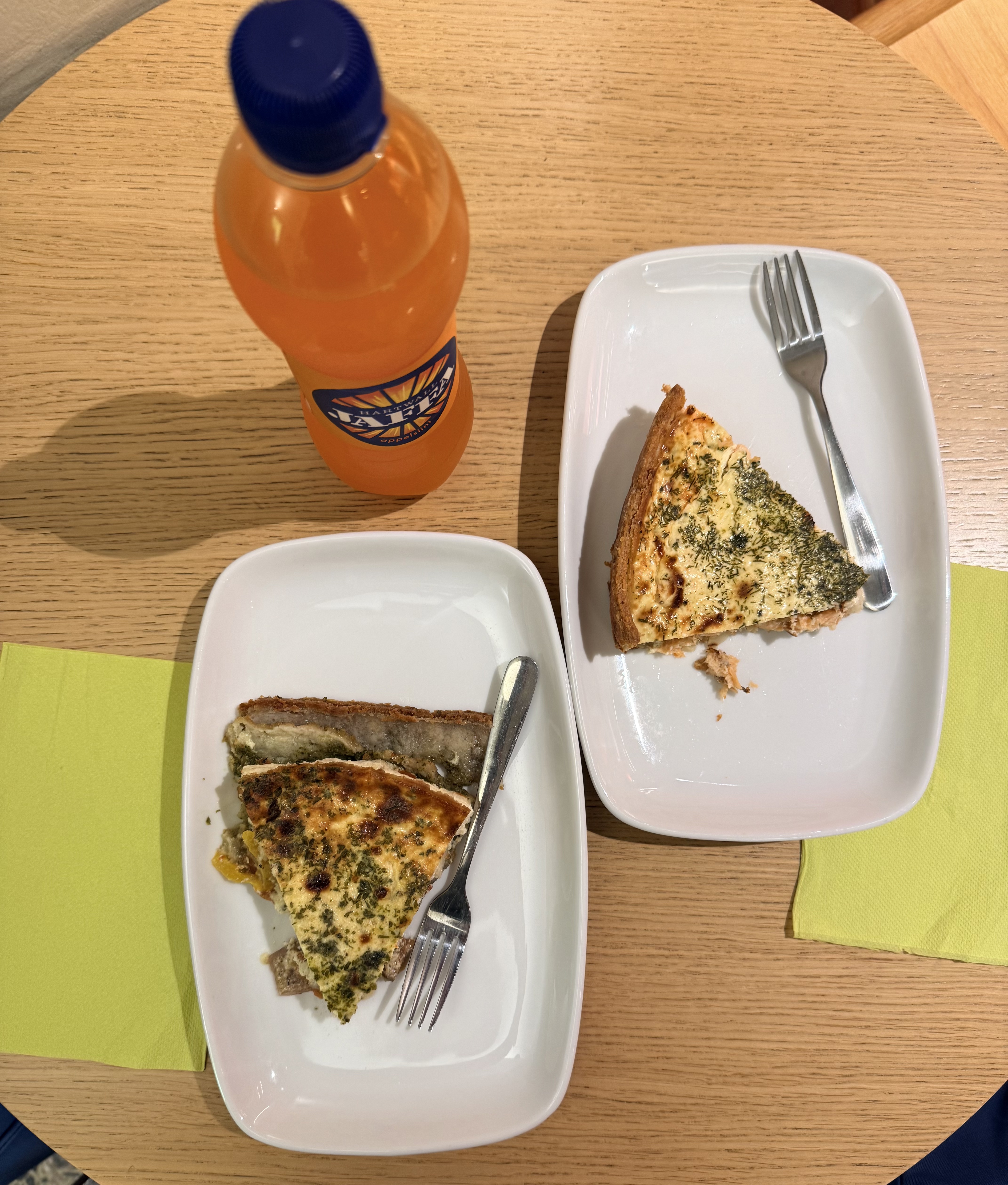
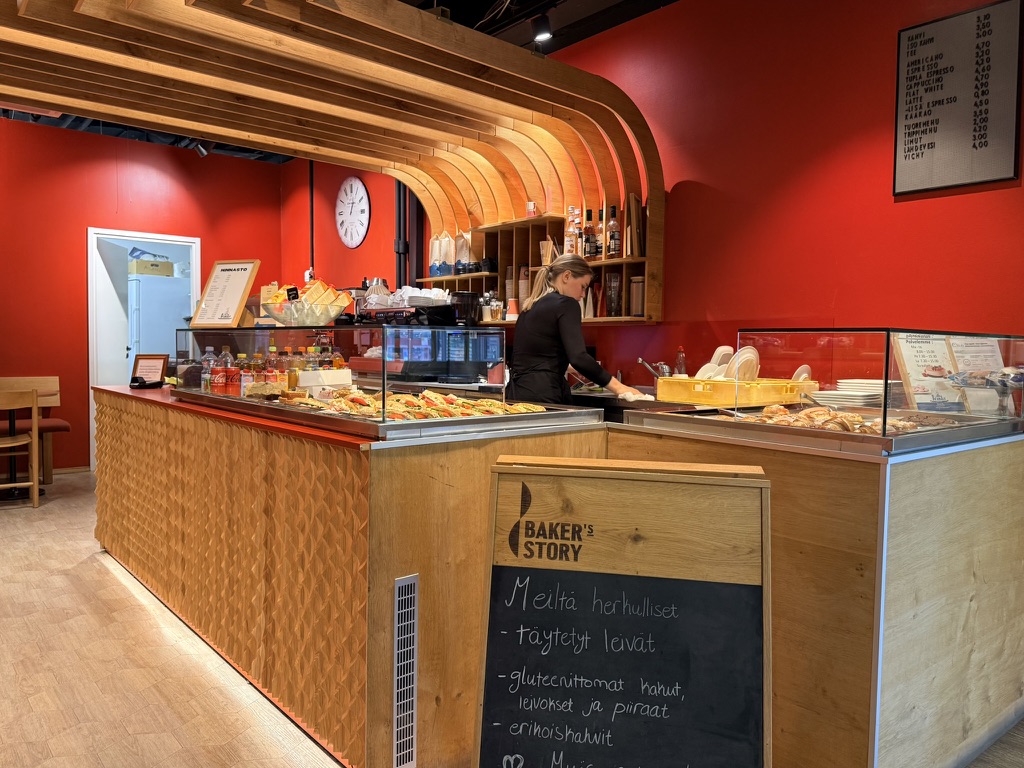
We took the 10:35 VR train to Tampere, arriving at 1:51 p.m. There we had to wait 1 hr 19 minutes before our next train from Tampere to Turku at 2:10. We each had a quiche in a bakery at the Tampere Railway Station. We arrived in Turku at 3:50 and had to make our way about 15 minutes carrying our luggage over bumpy and difficult pavement to our apartment in the Turku city center.
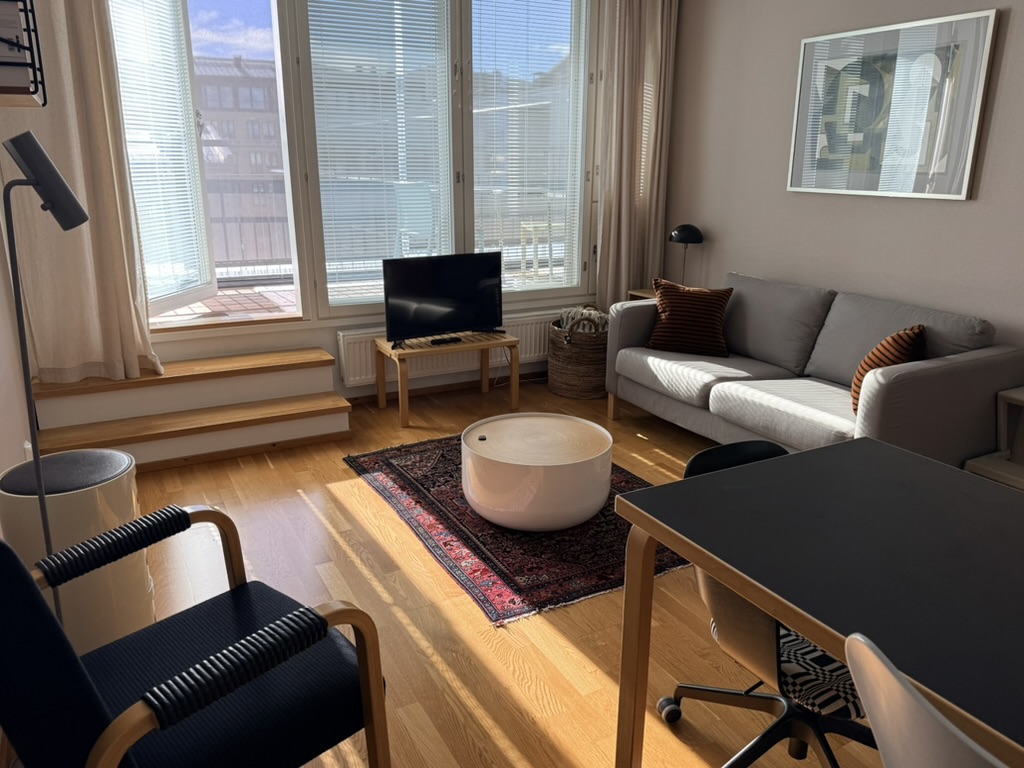
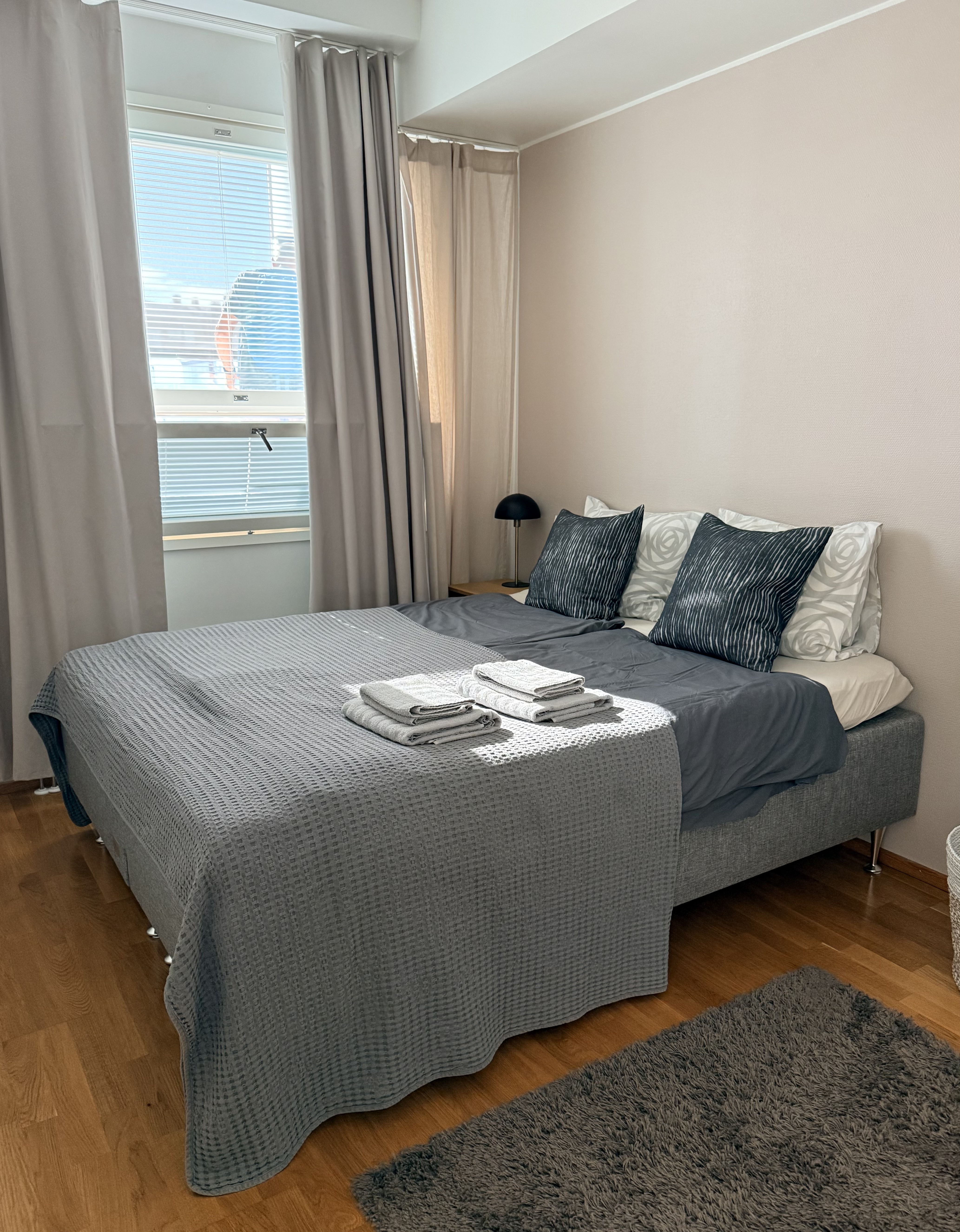
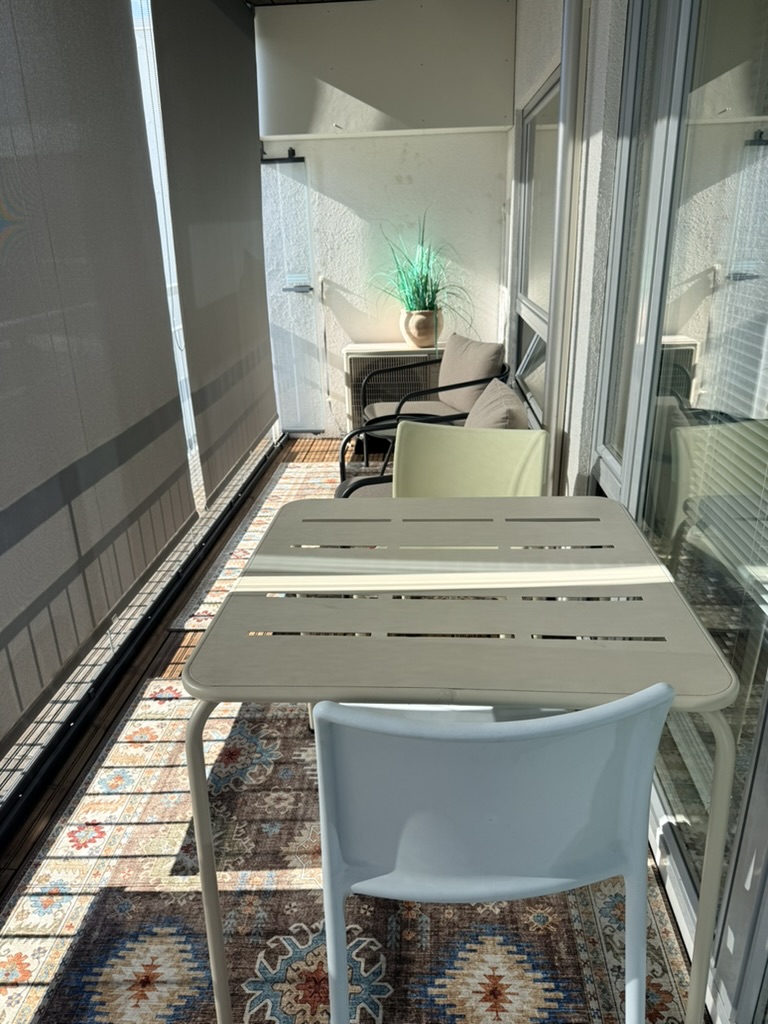
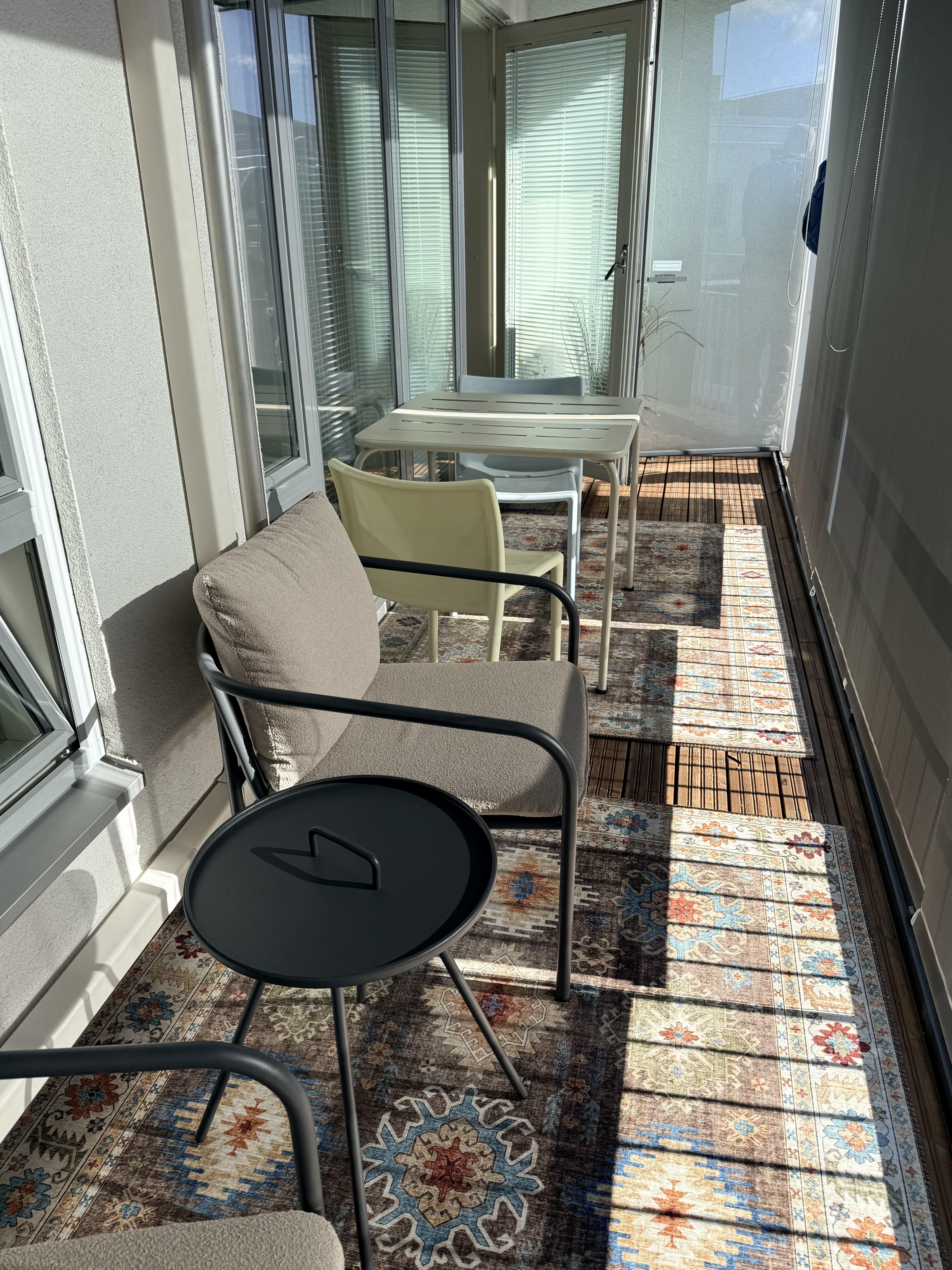
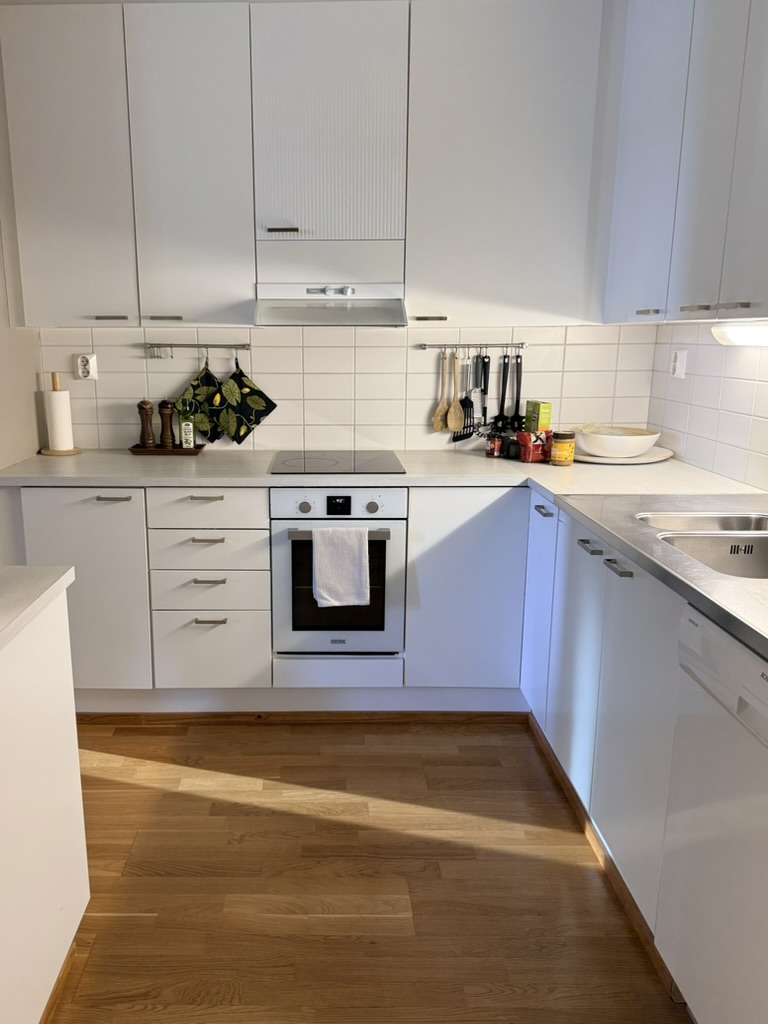
Our Airbnb apartment: Stylish Studio Posthouse on Humalistonkatu 1 B 73, Turku, Finland
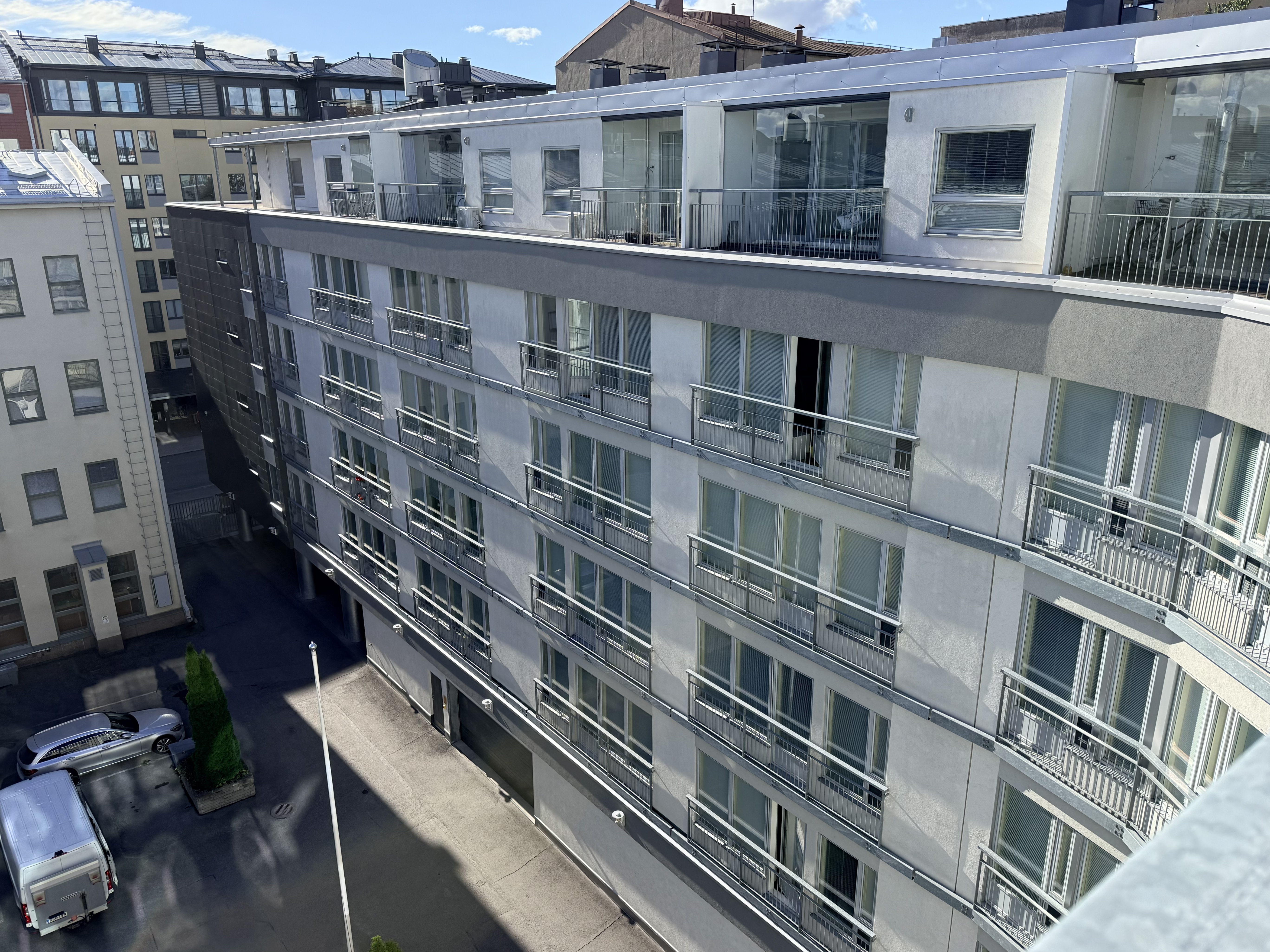
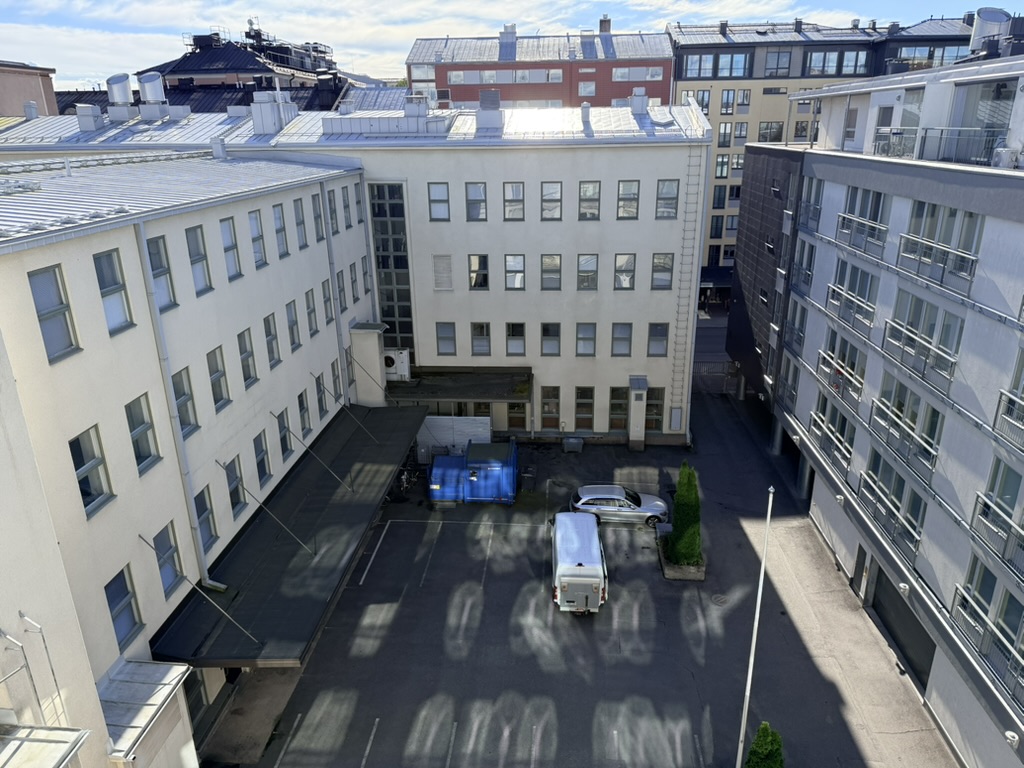
This apartment is the first one we’ve stayed in where it doesn’t seem anyone lives here full-time. It was hosted by Virpi K, as well as several other hosts. It is on the 6th floor of a set of apartments that surrounds a parking lot courtyard. It has an elevator, washer and dryer, central air conditioning and heat, and a balcony. This is the first apartment in Finland that doesn’t have a sauna. It is comfortable, with a great kitchen that is well-stocked.
Visiting markets
Upon arriving in Turku, of course we had to go to a supermarket to get some groceries. We always stock up on too much food and end up having to leave some behind when we move.
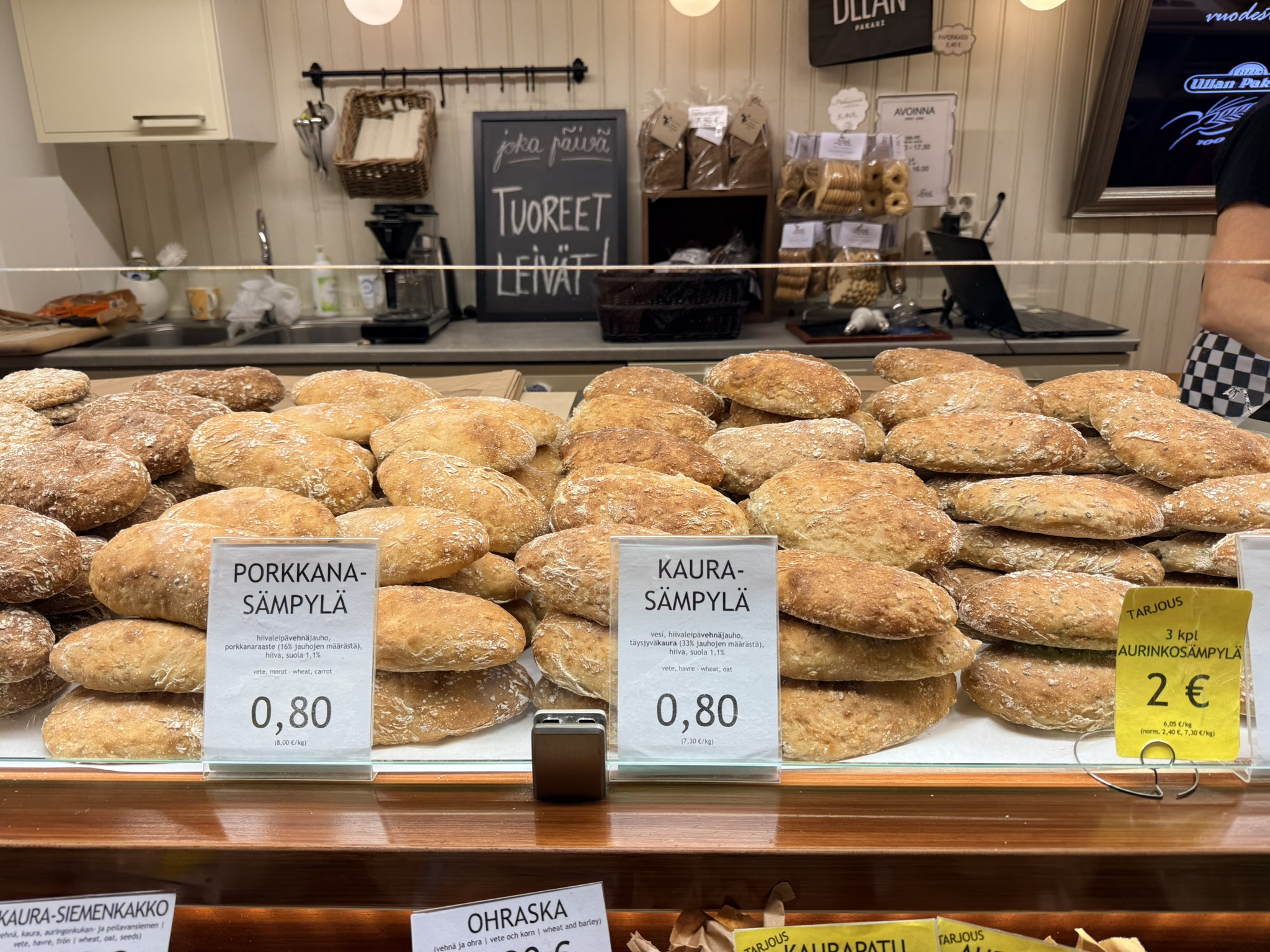
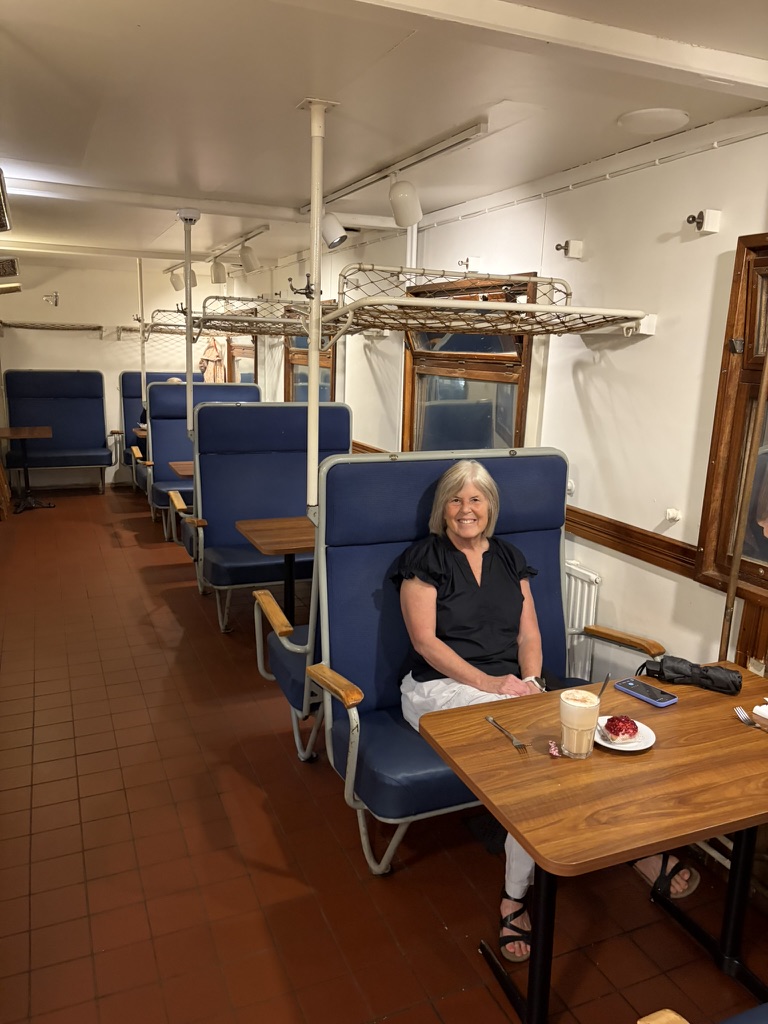
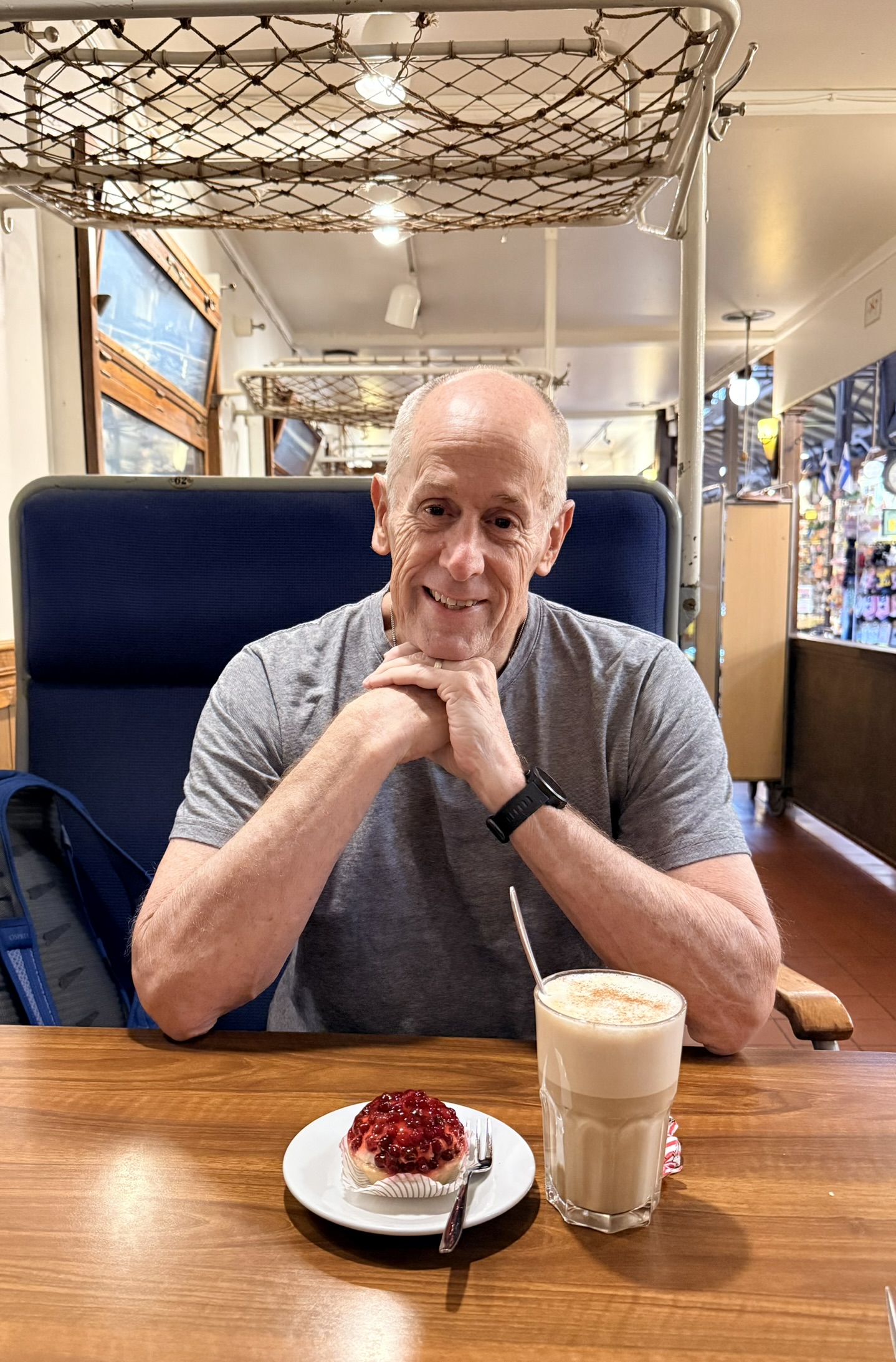
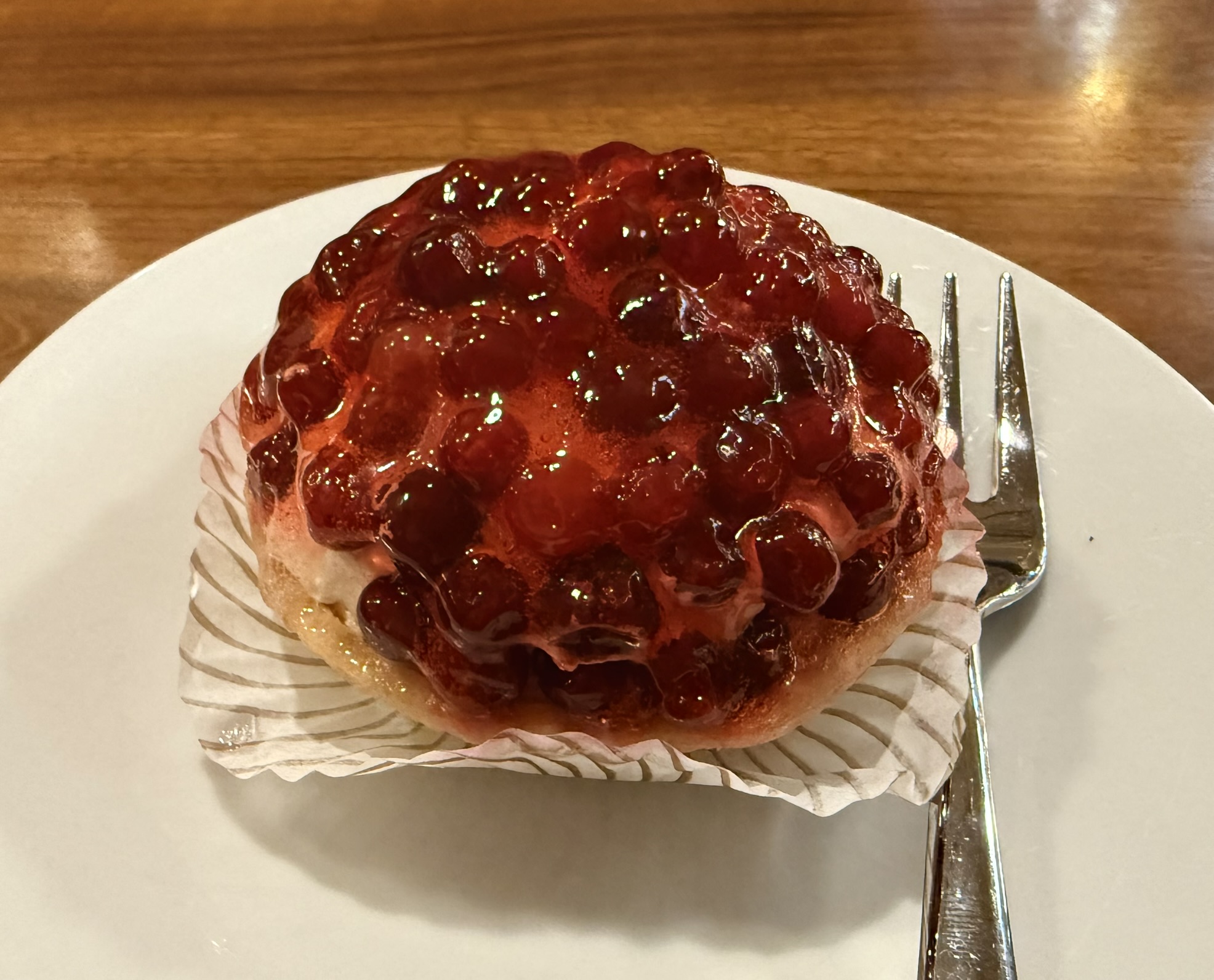
Turku Market Hall
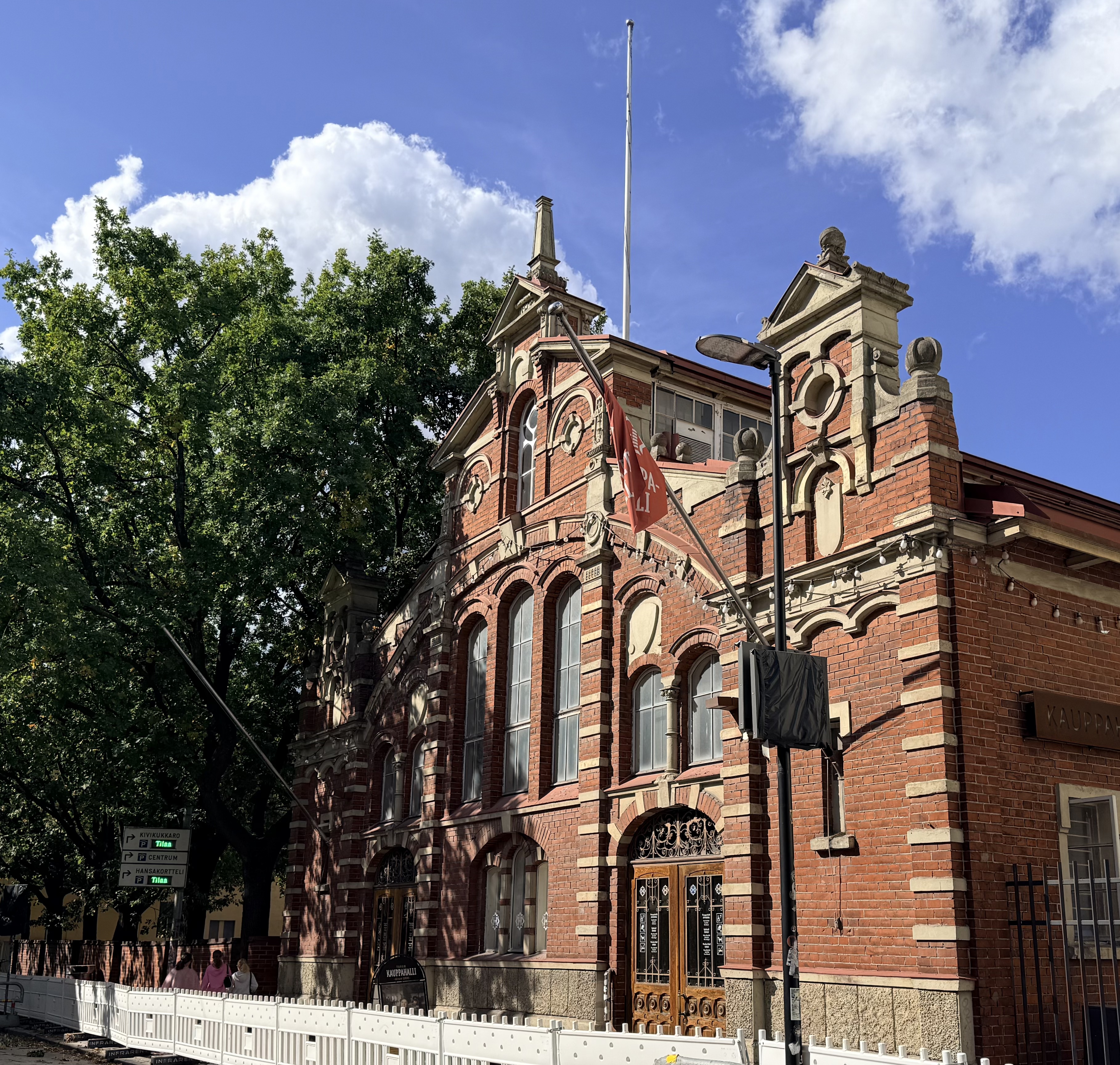
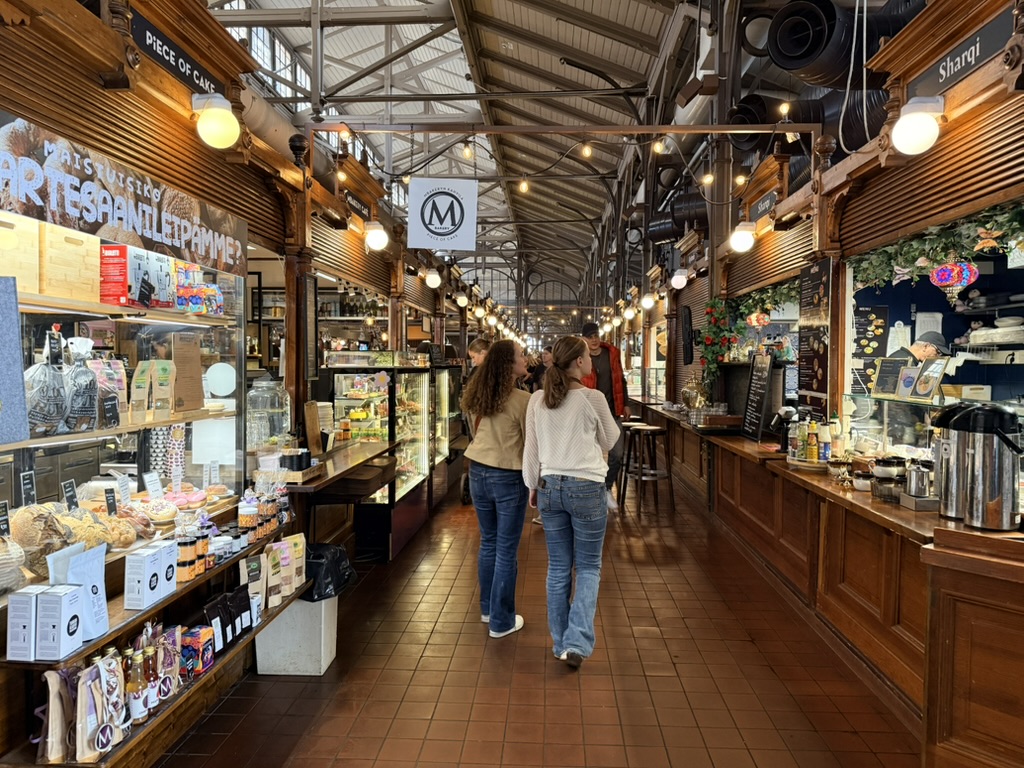
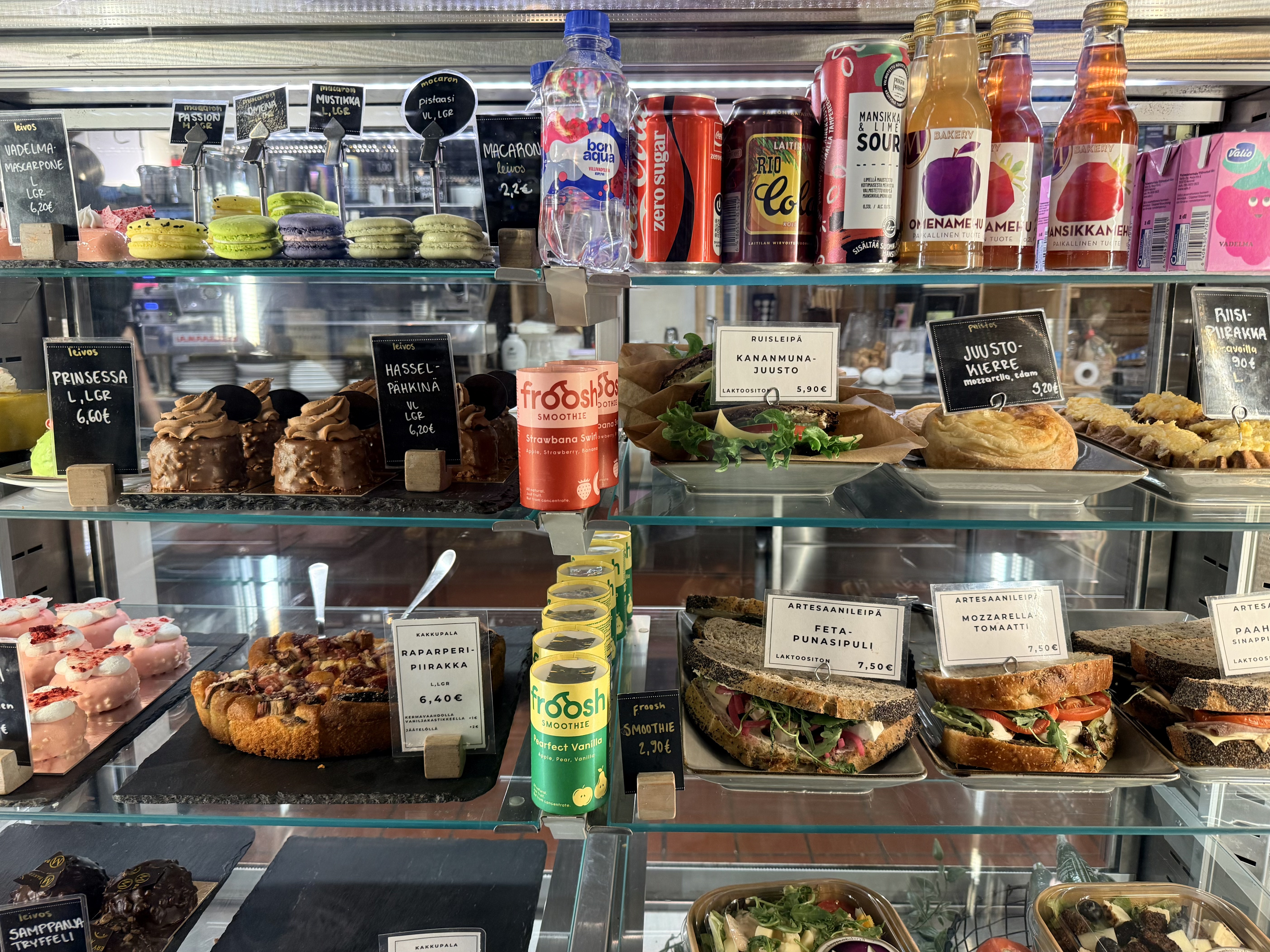
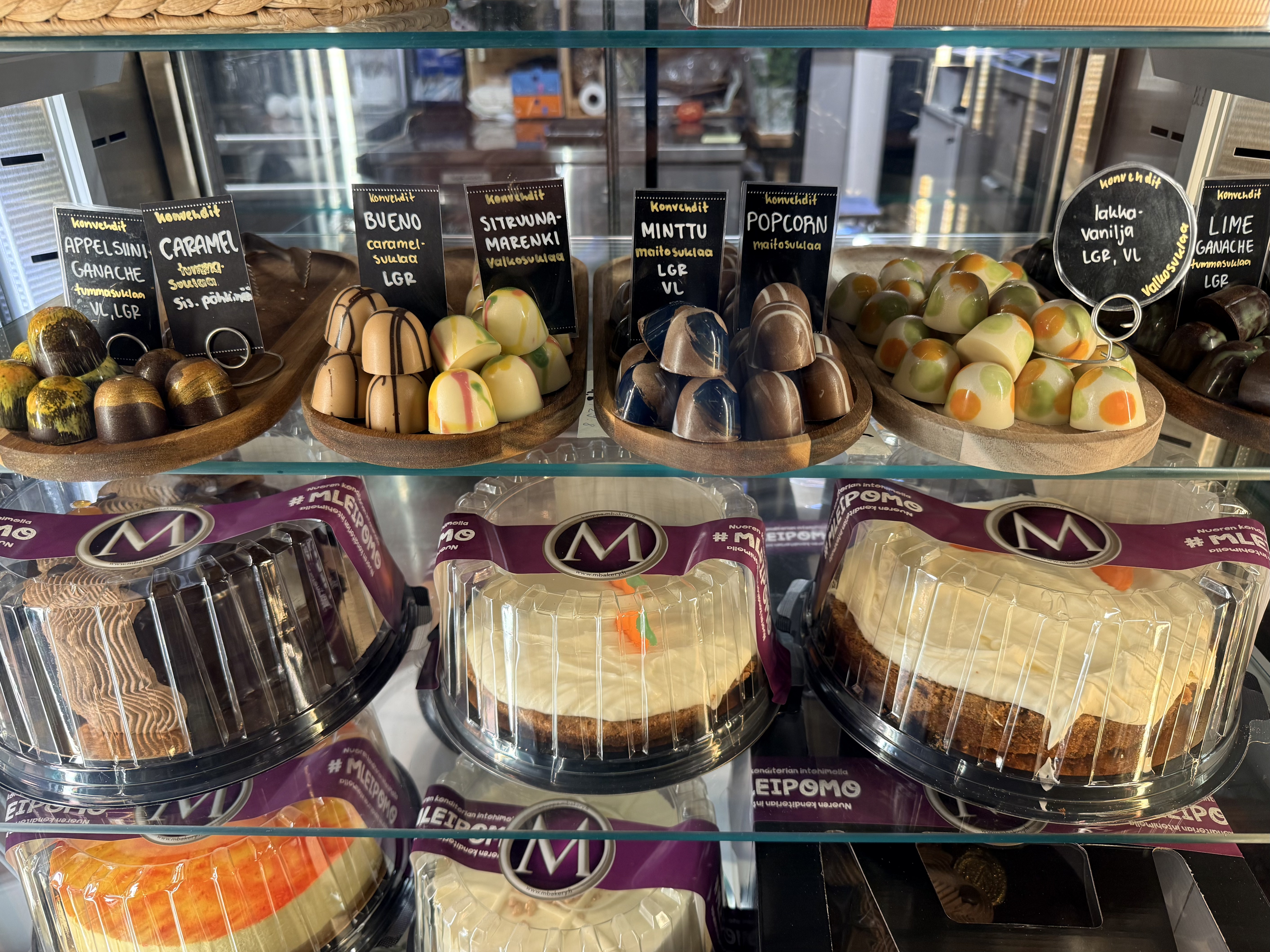
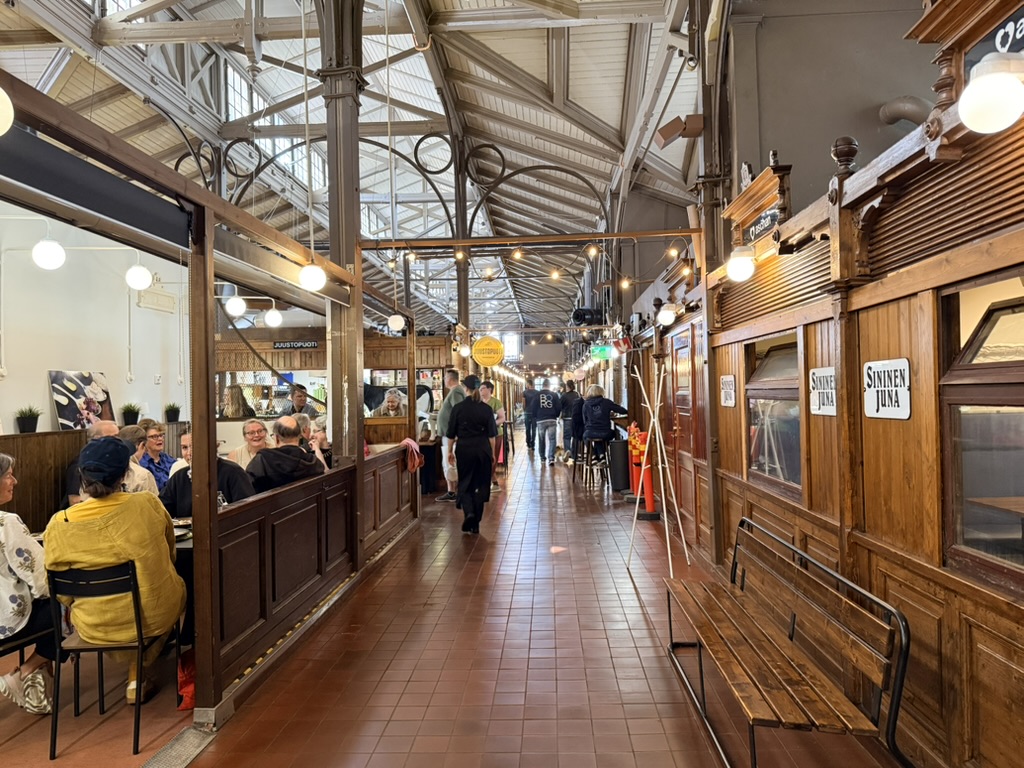
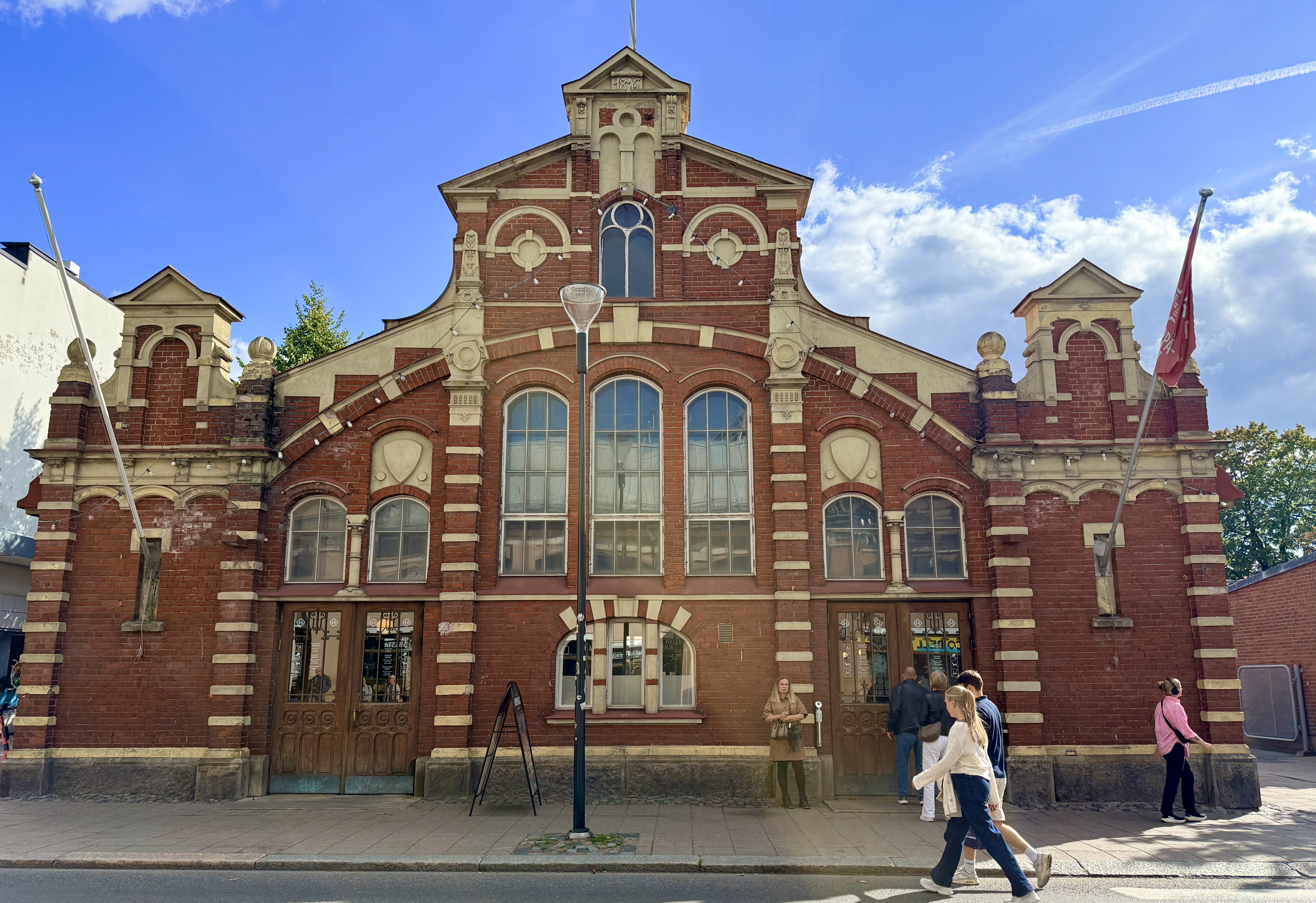
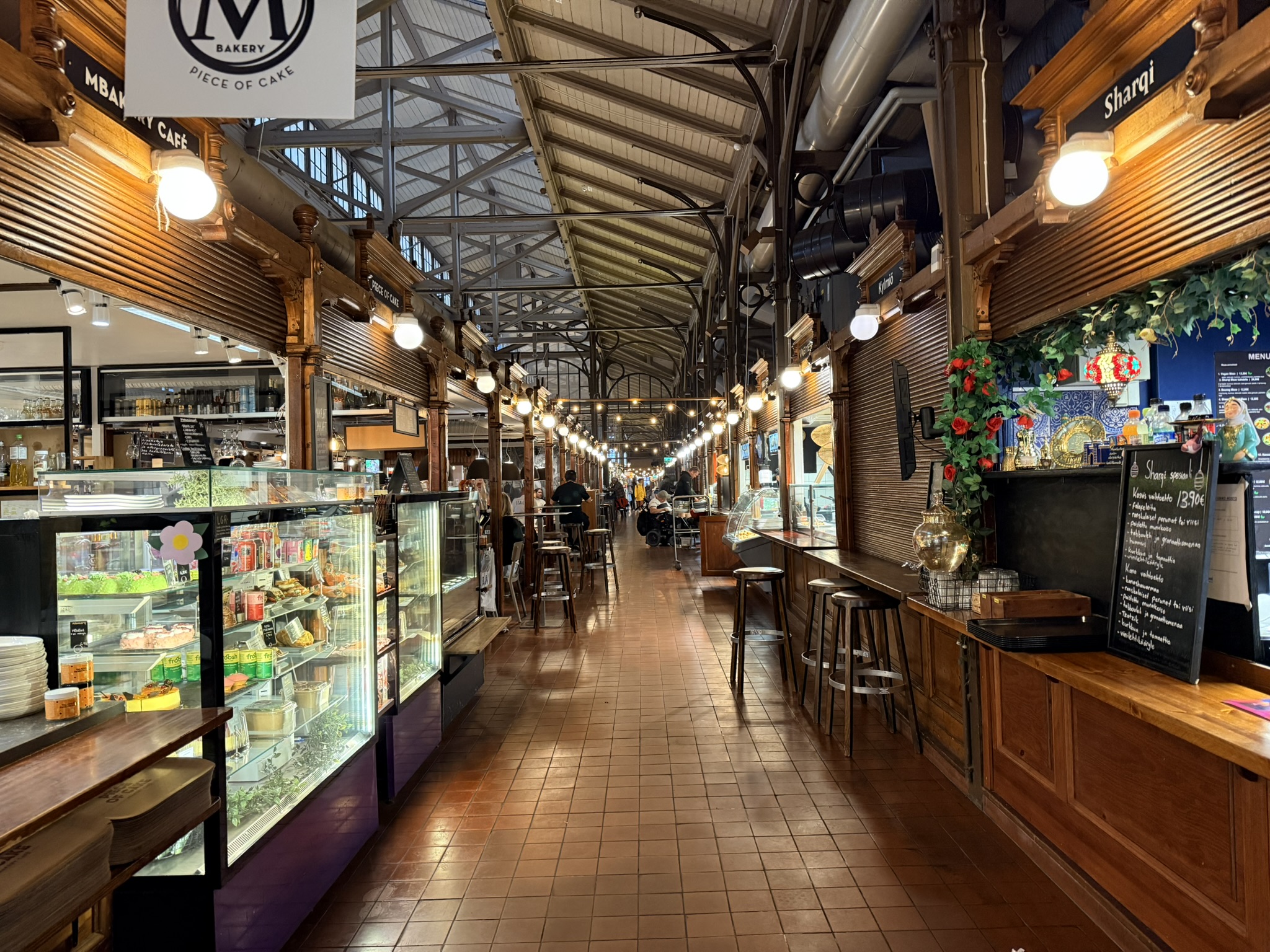
Locally known as Kauppahalli, this historic 1896 indoor market is the perfect spot for coffee, artisan pastries, and traditional Finnish lunches. Here we bought chili skagen, beet salad, and whitefish croquettes. We also had a mediocre lunch at Tasa kotikokki.
Dining out
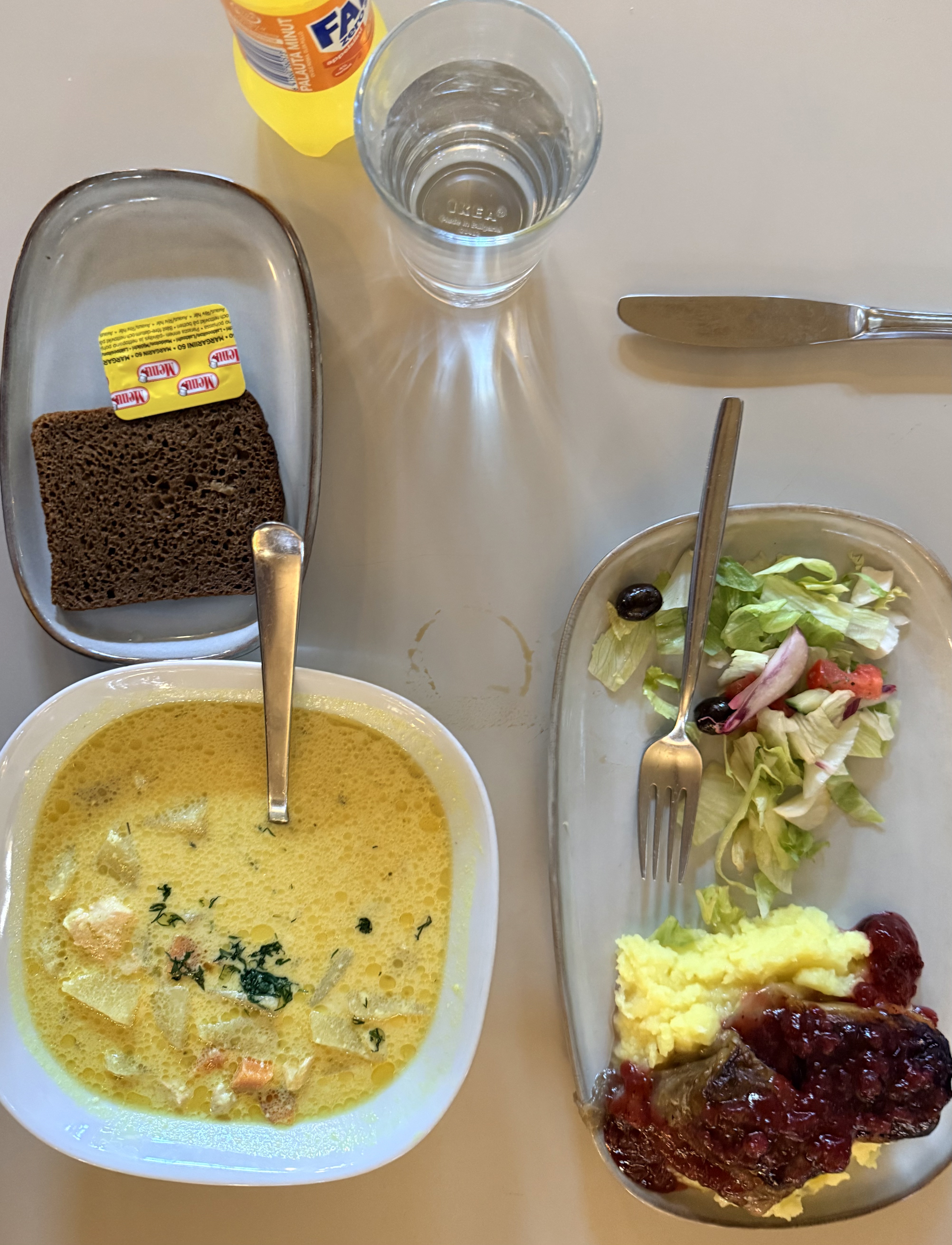
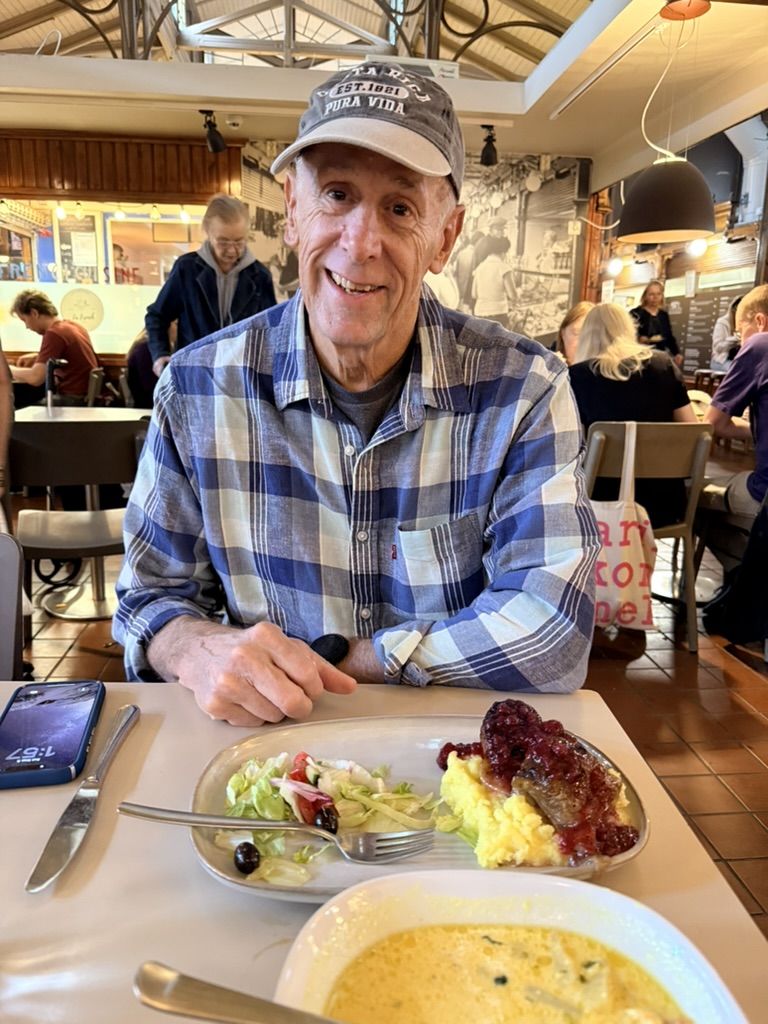
Lunch #1: Tasa kotikokki at Turku Market Hall. The salmon soup and the stuffed cabbage leaves looked good but they were already prepared. When they were served, they were lukewarm and quickly got cold. We have got to learn to stop buying any prepared foods in market halls or restaurants.
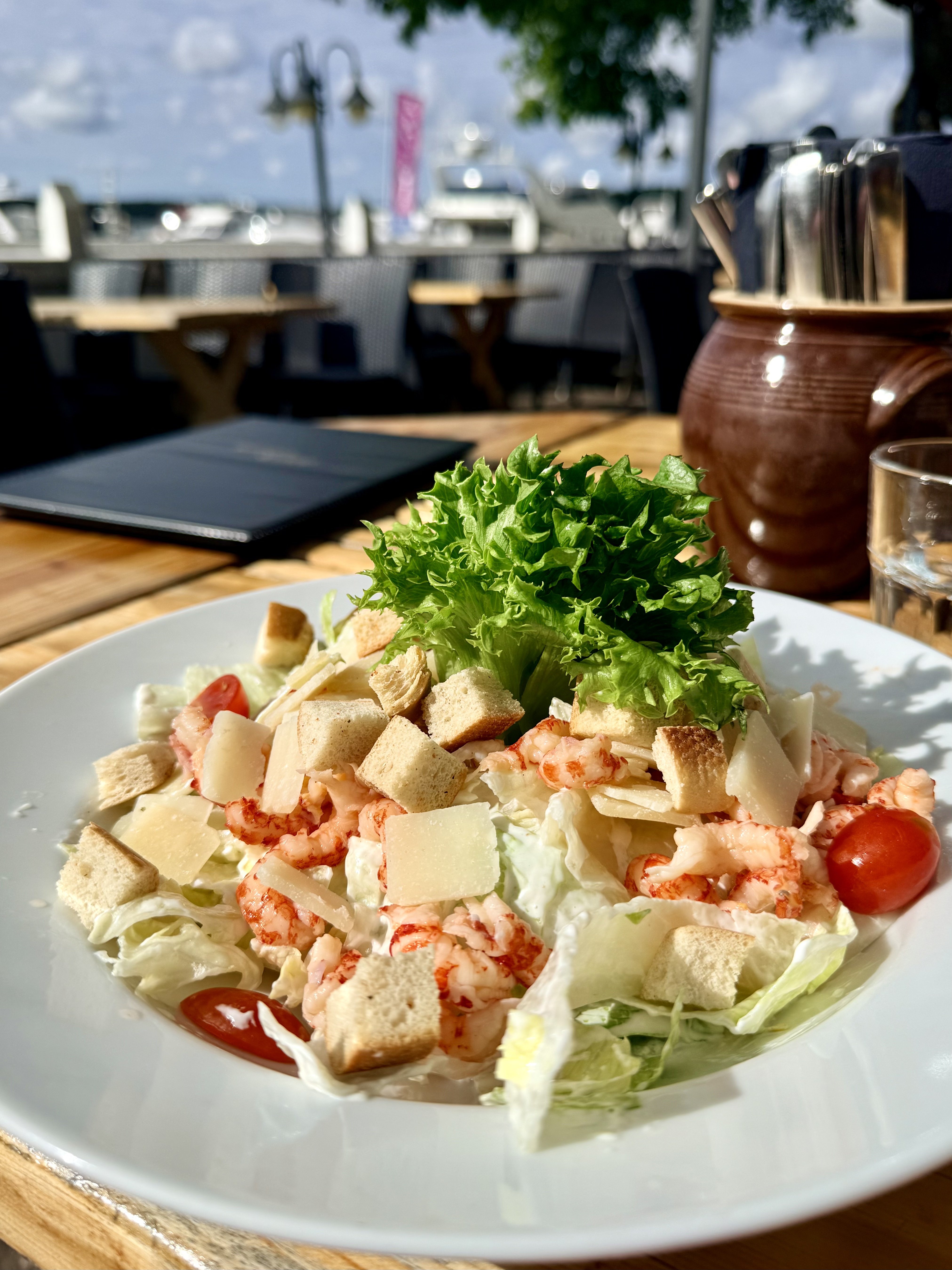
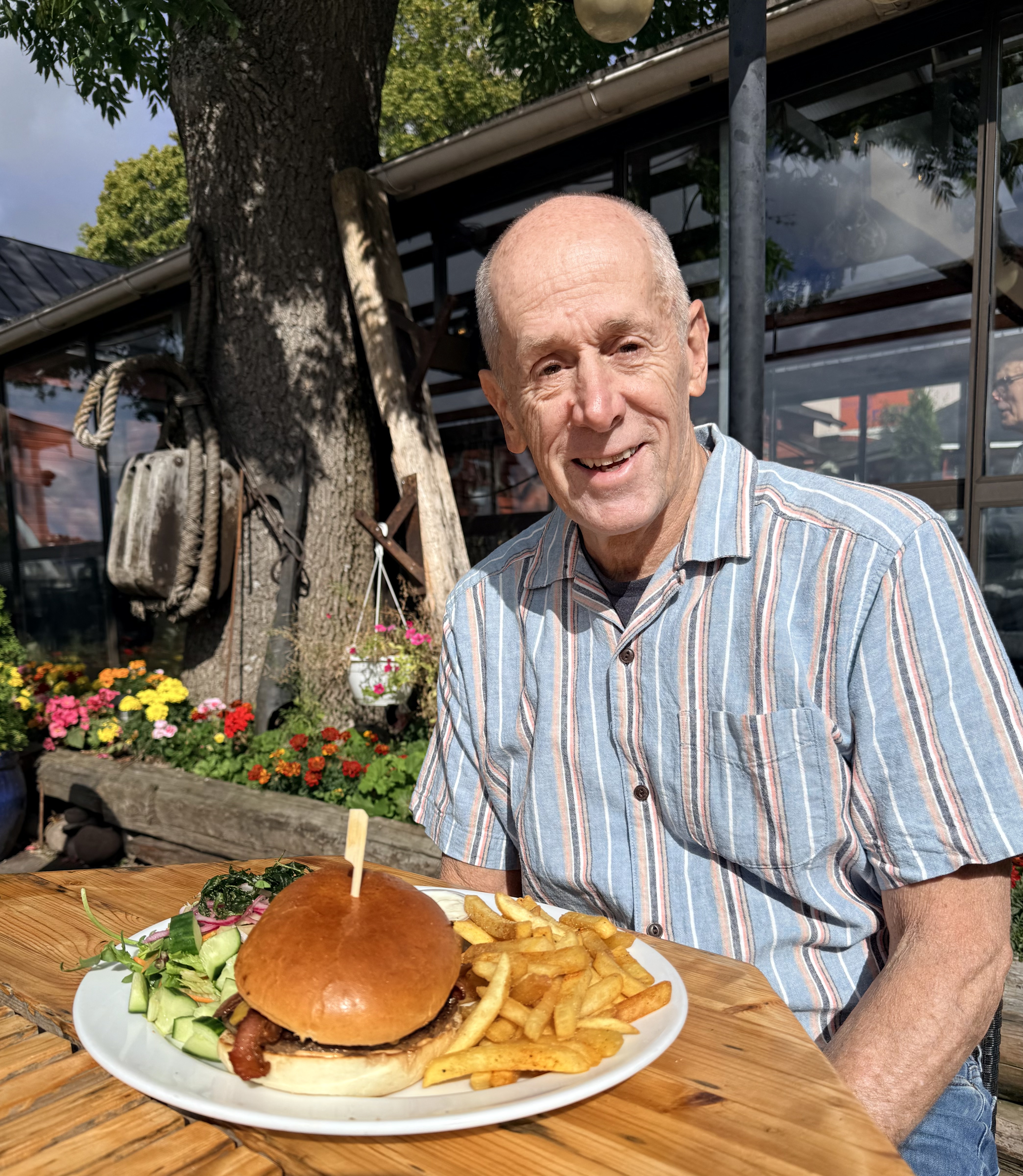
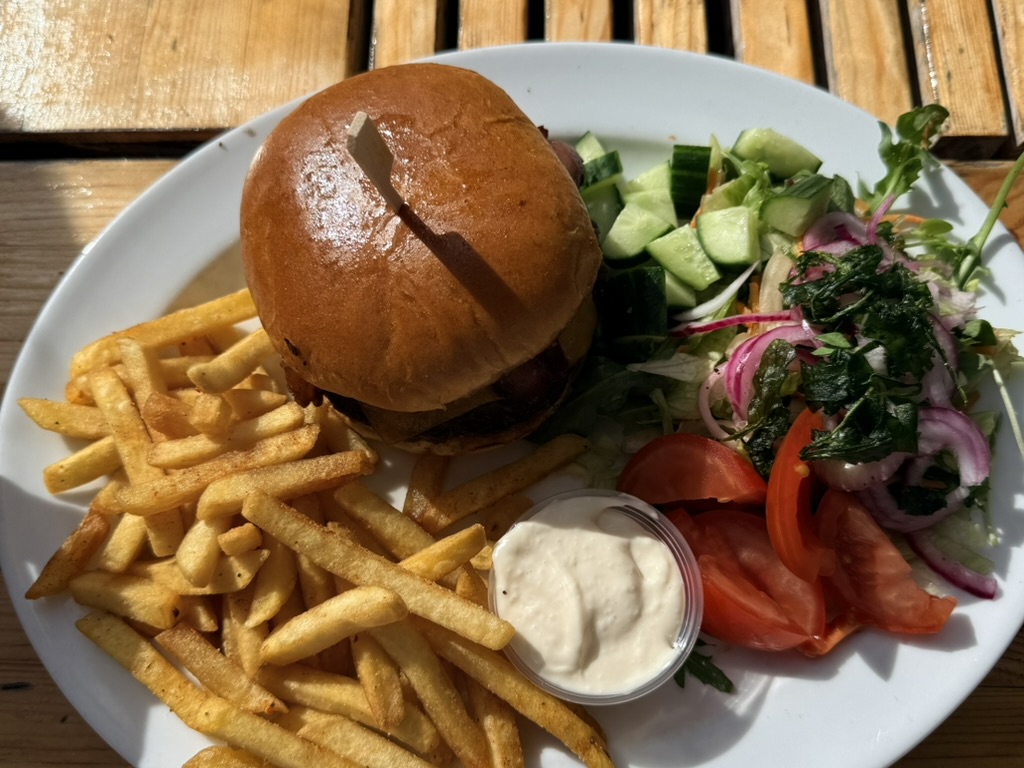
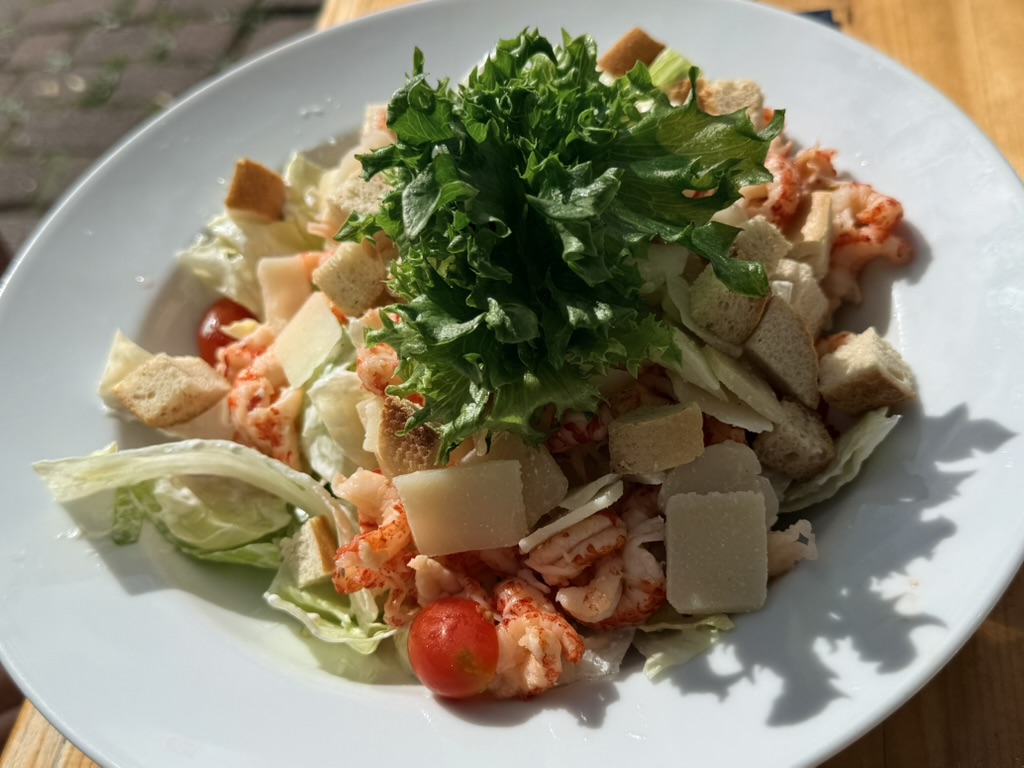
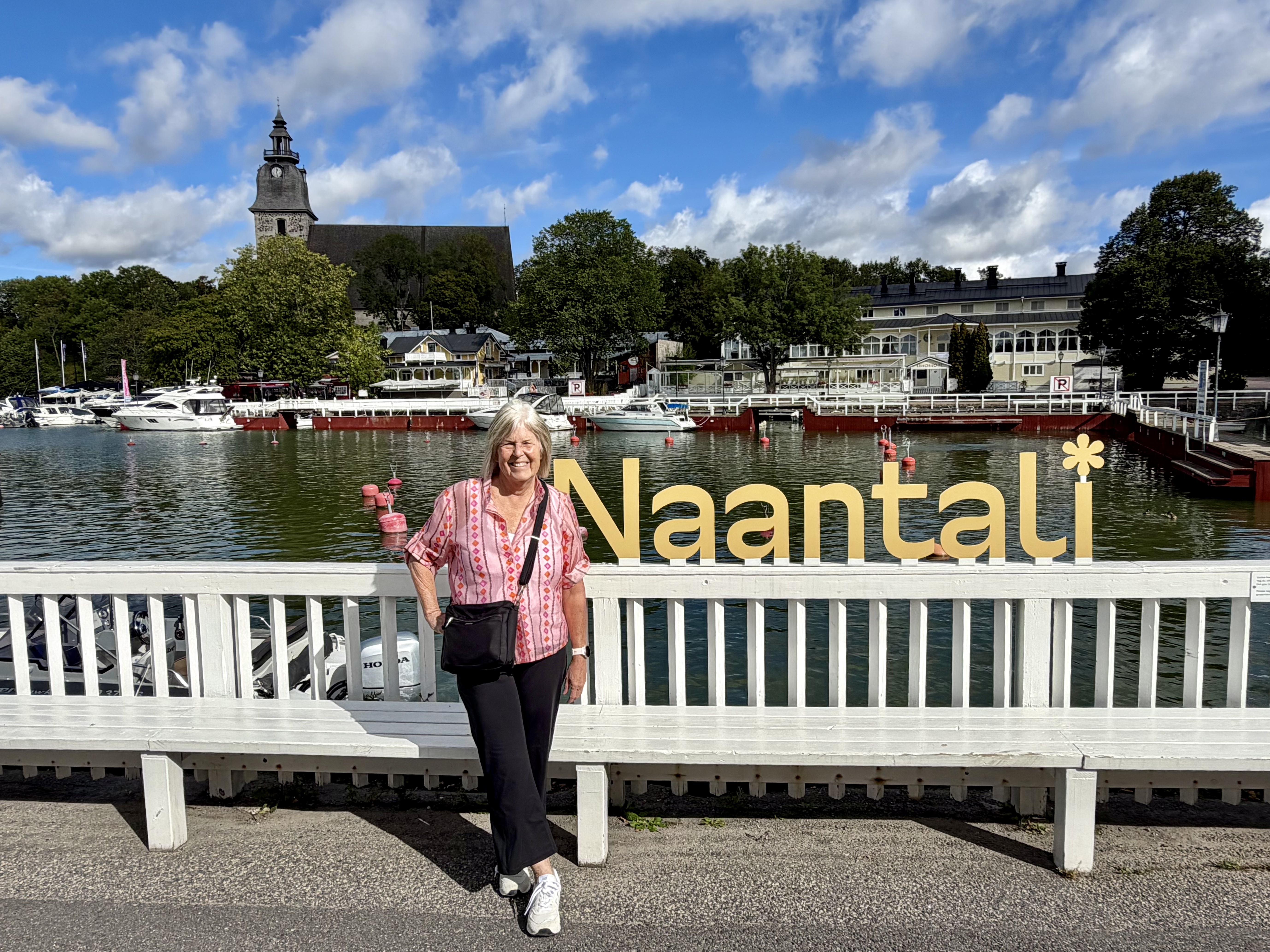
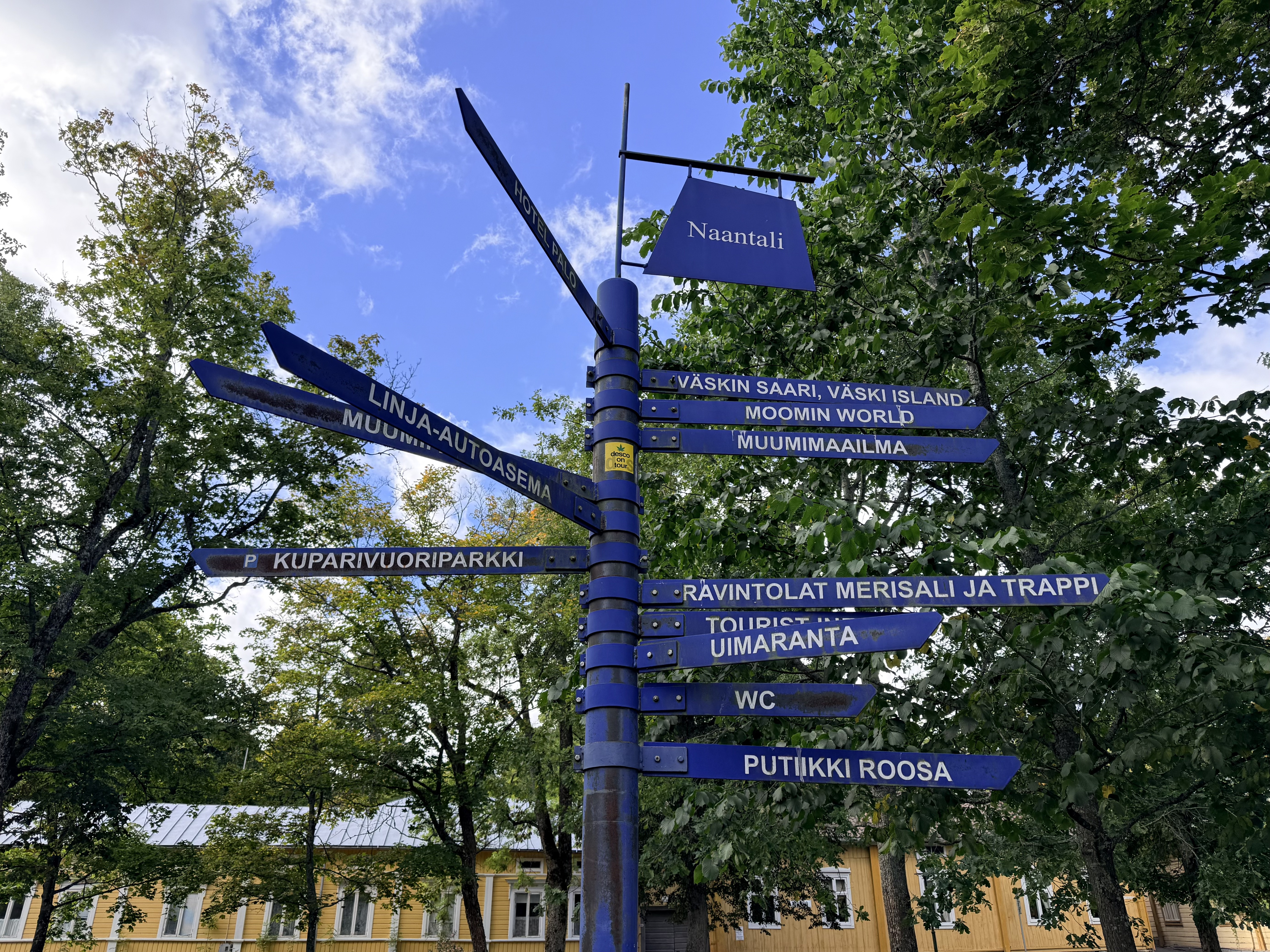
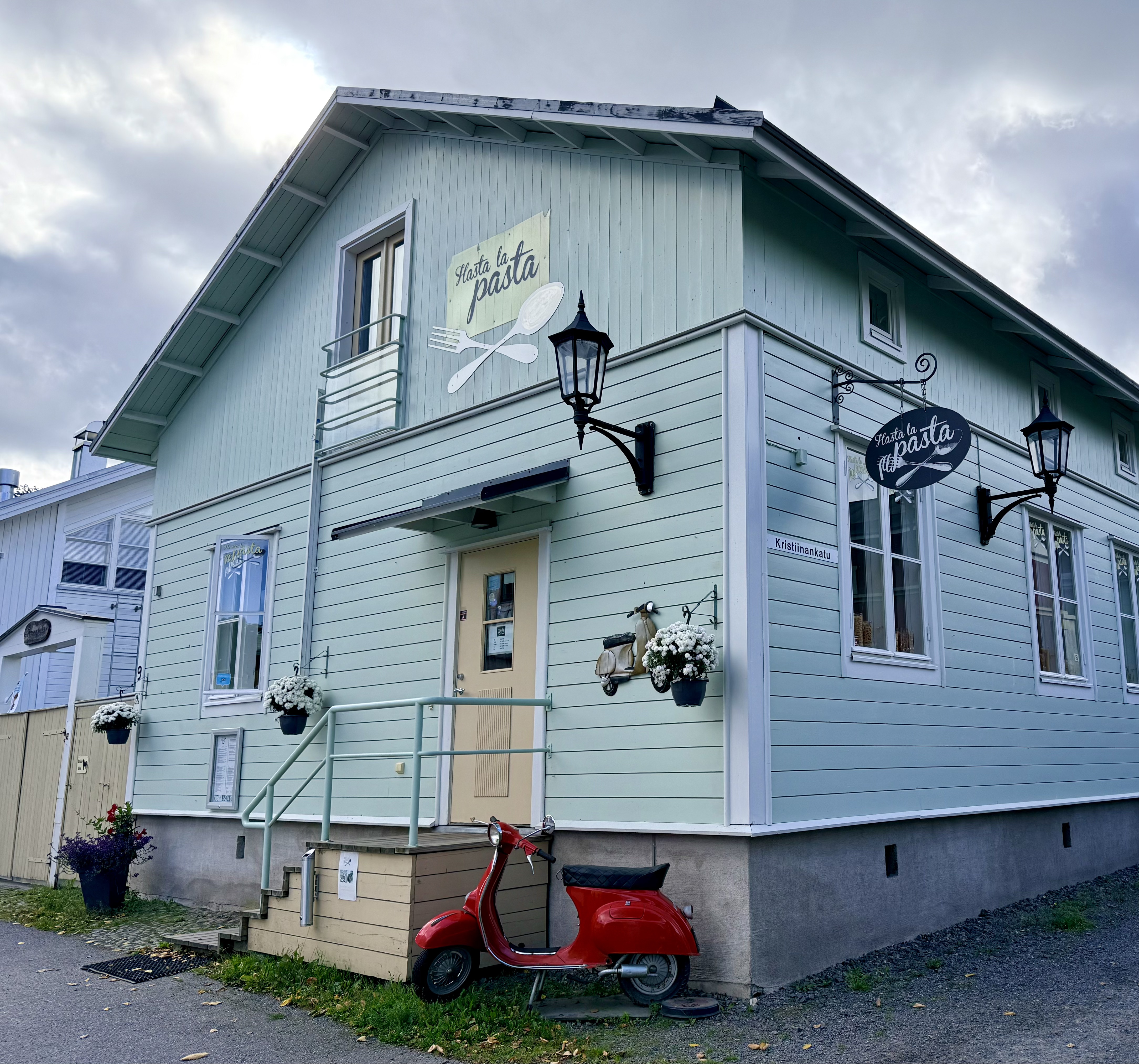
Lunch #2: On the day we went to Naantali, we stopped for lunch at Ravintola Trappi, where Mike enjoyed a Black Angus Bronco Burger (with crispy bacon, chili mayonnaise, cheddar cheese, pickles, onion rings) served with French fries, aioli and salad. I had a Crayfish Caesar Salad that was yummy.
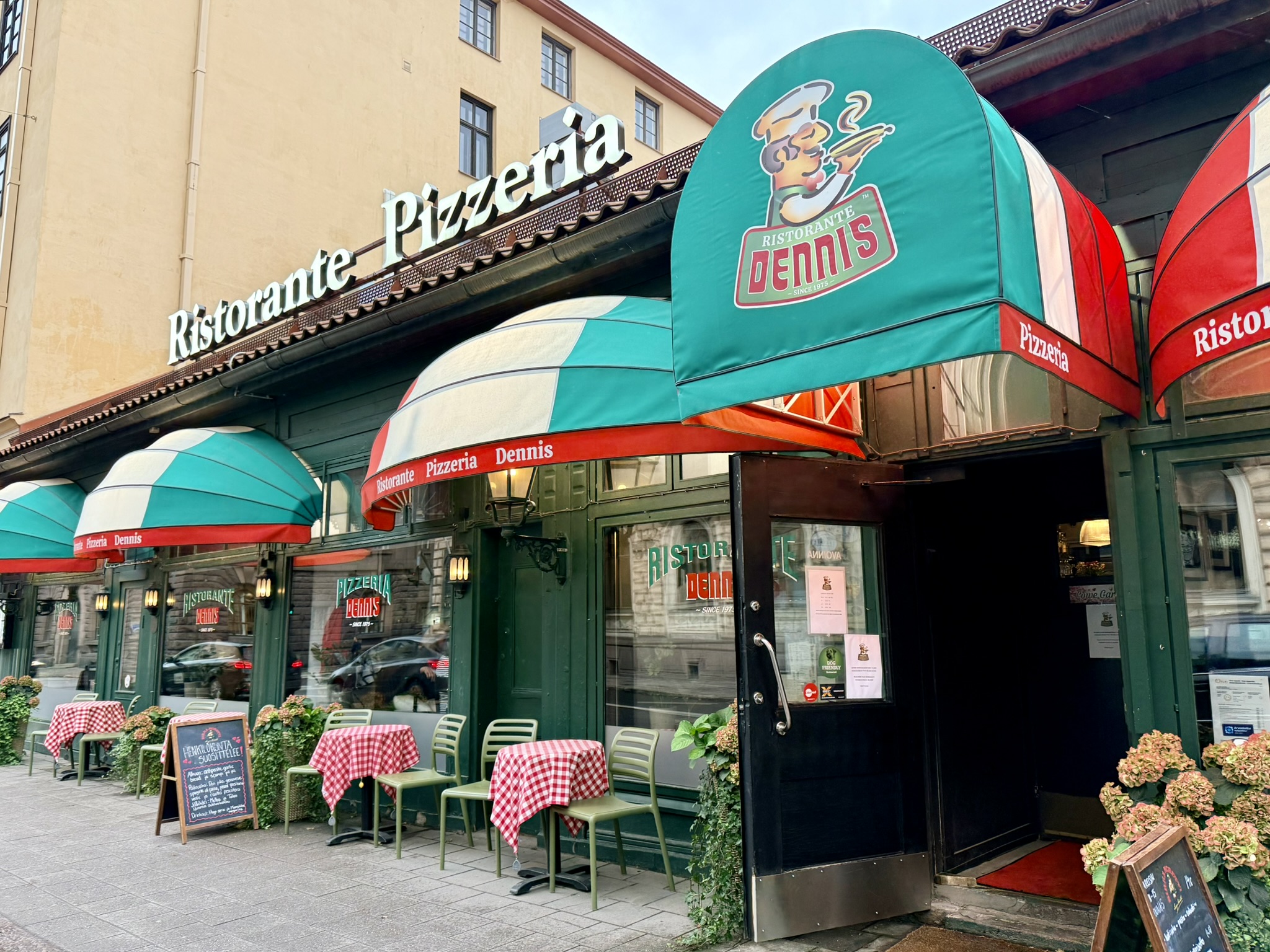
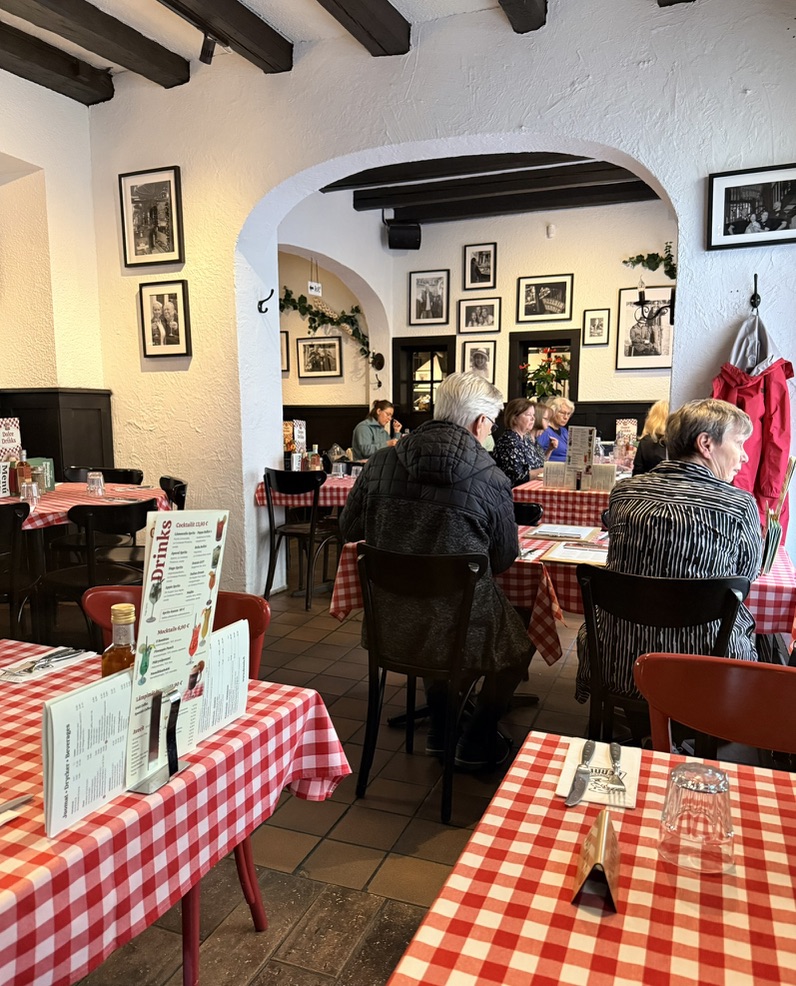
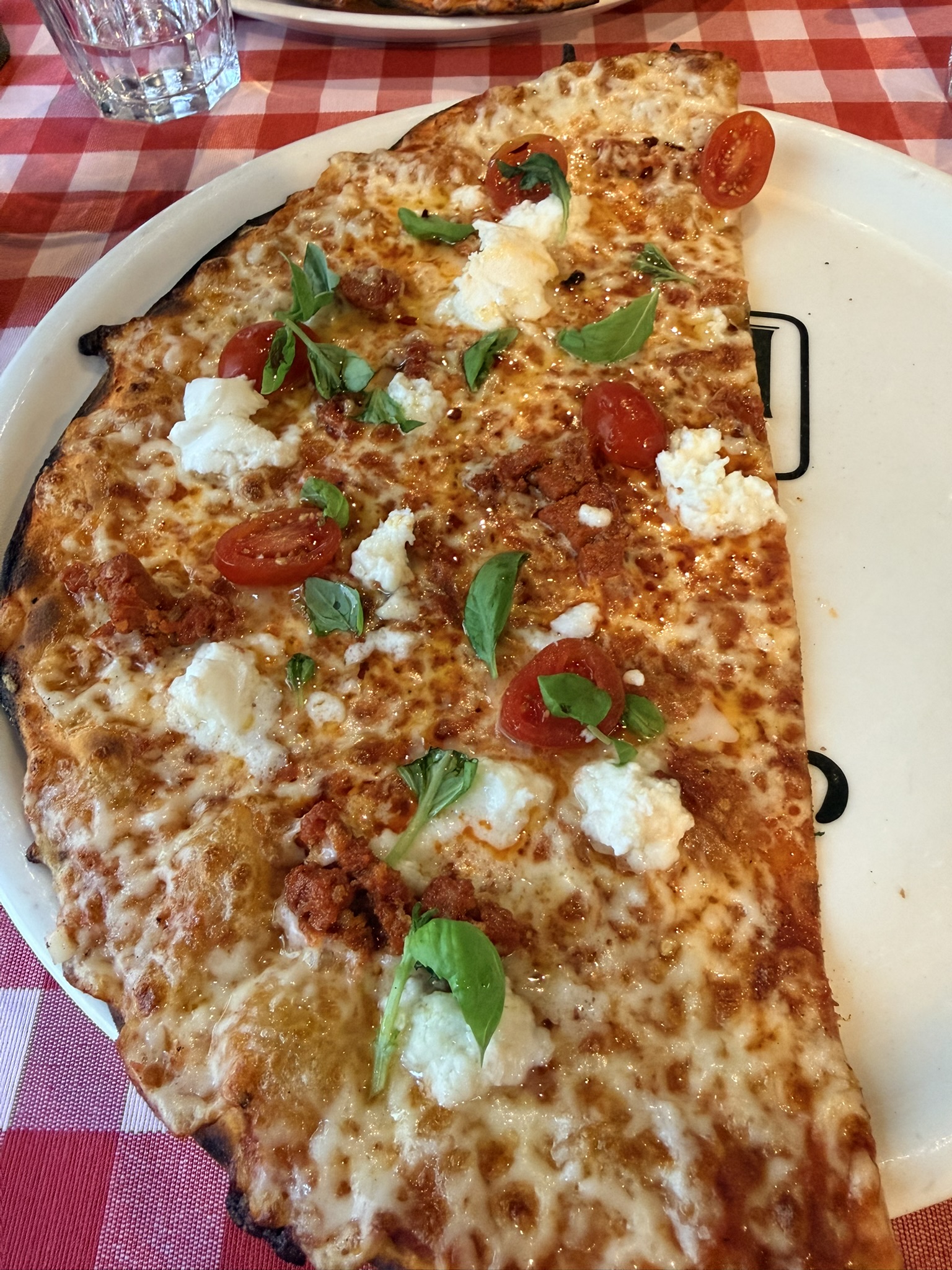
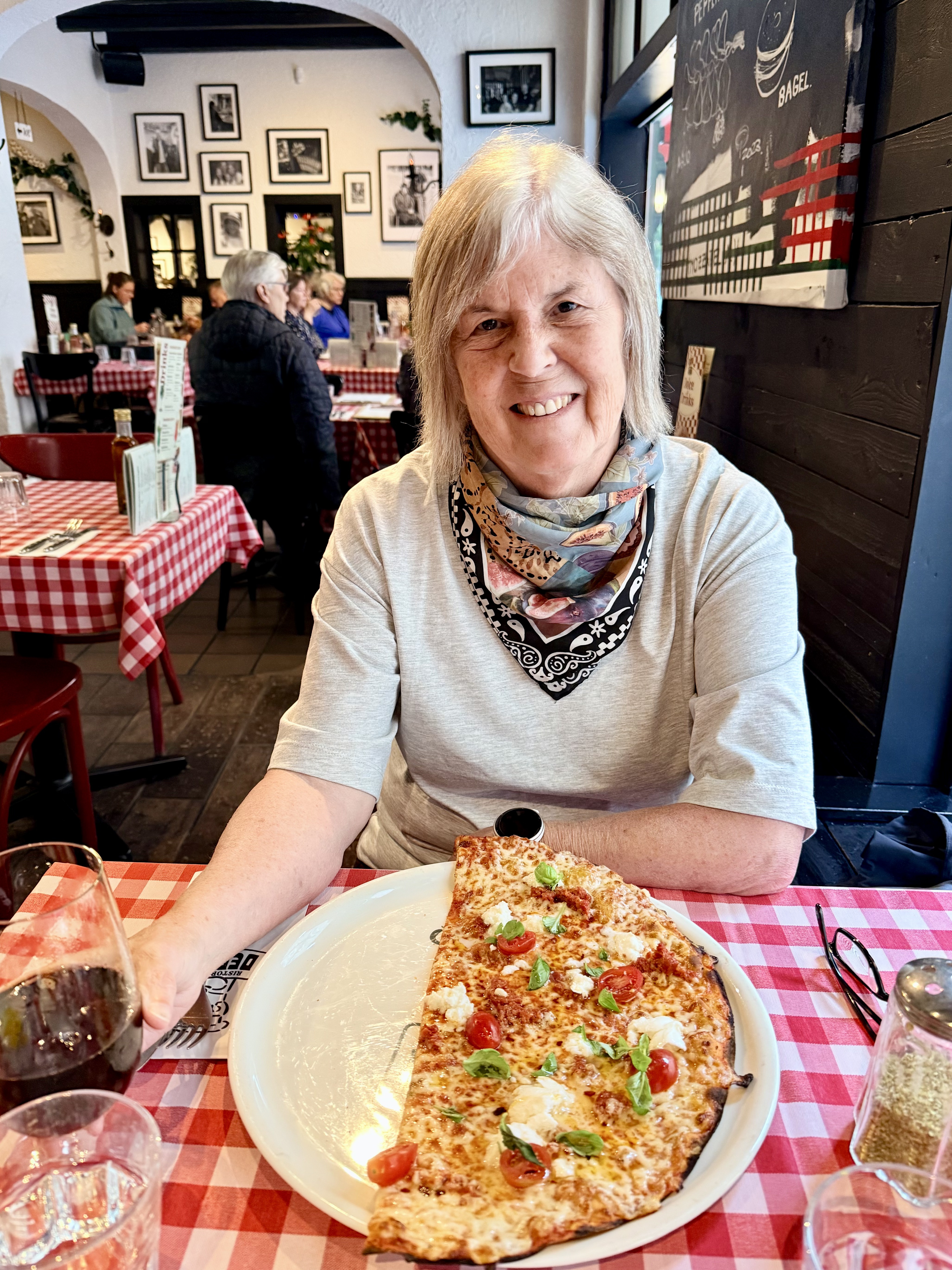
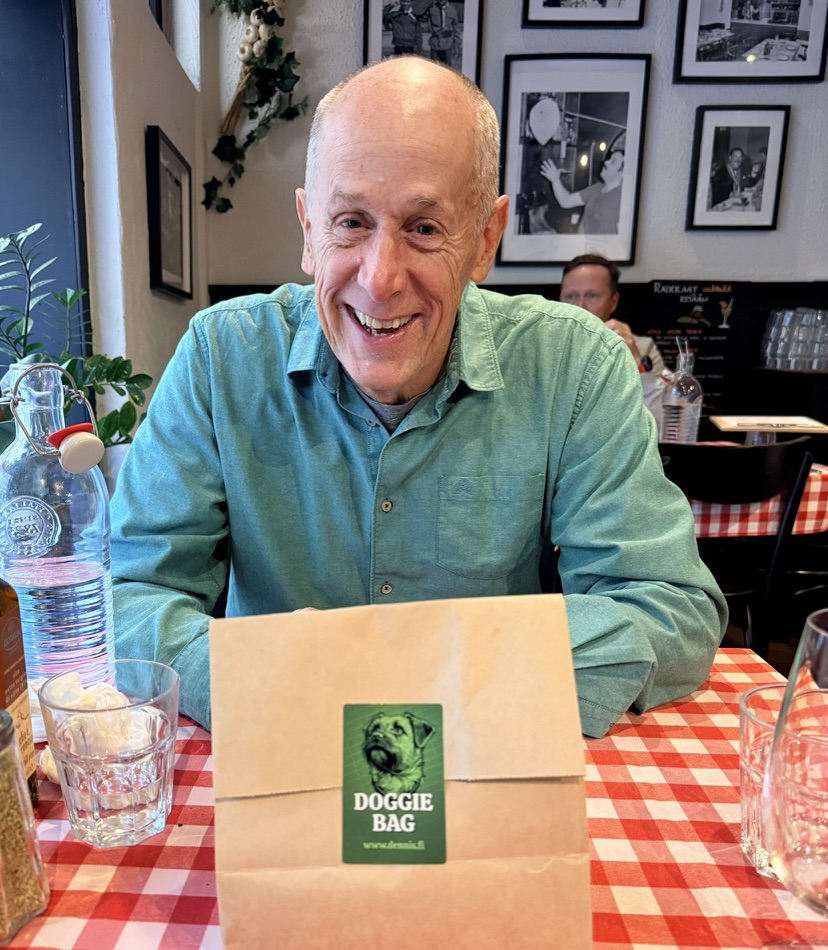
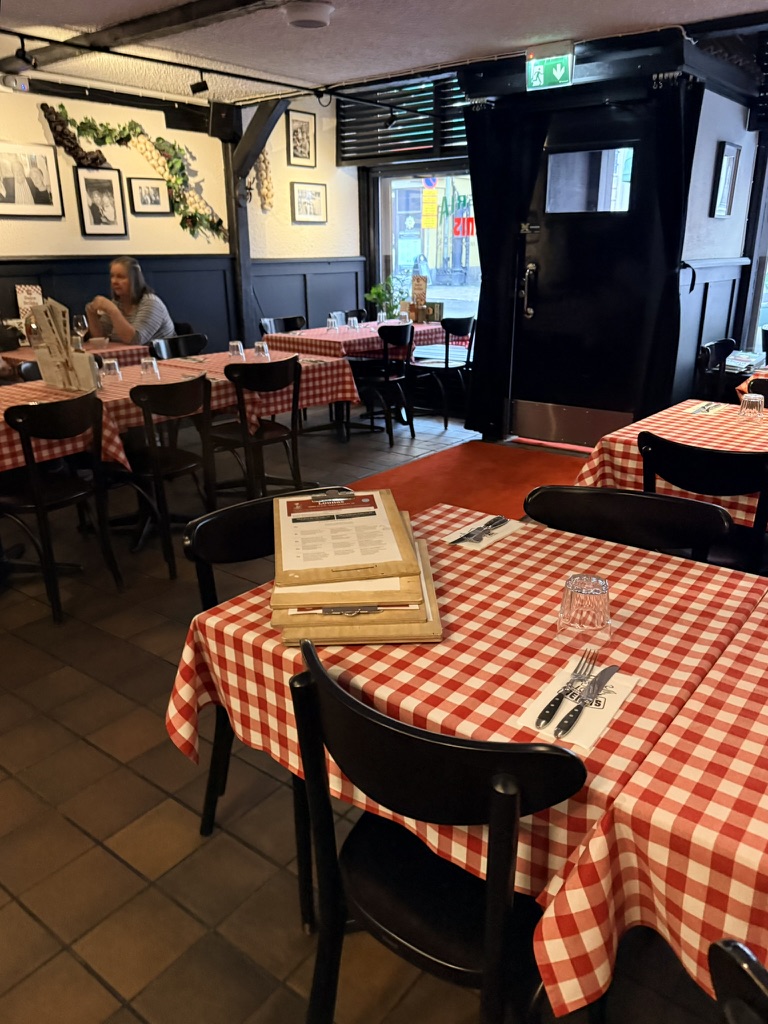
Lunch #3: On a rainy Tuesday, we stopped for lunch at the cozy Ristorante Pizzeria Dennis where we shared a thin-crust chorizo pizza and even had some to take home in a doggie bag.
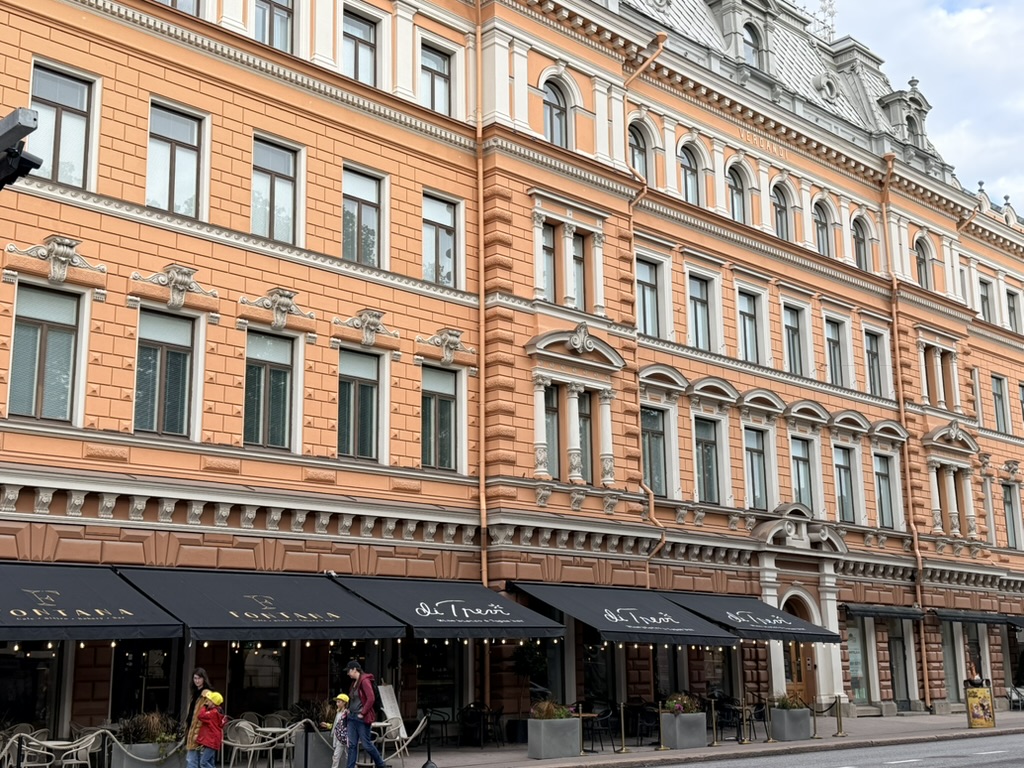
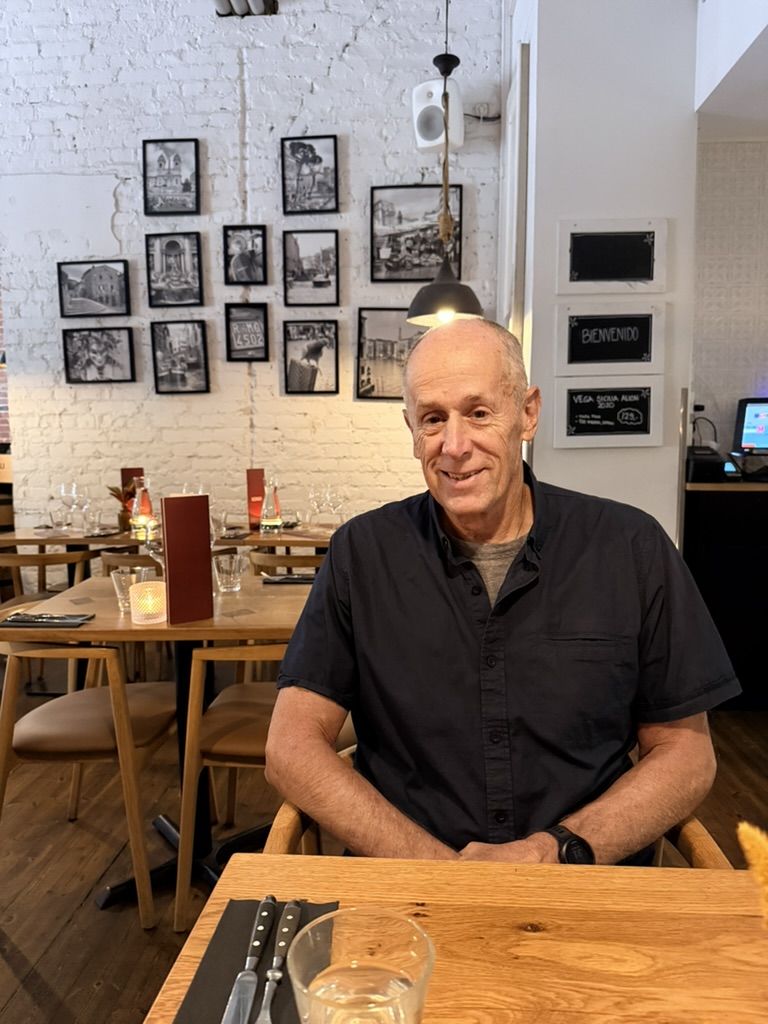
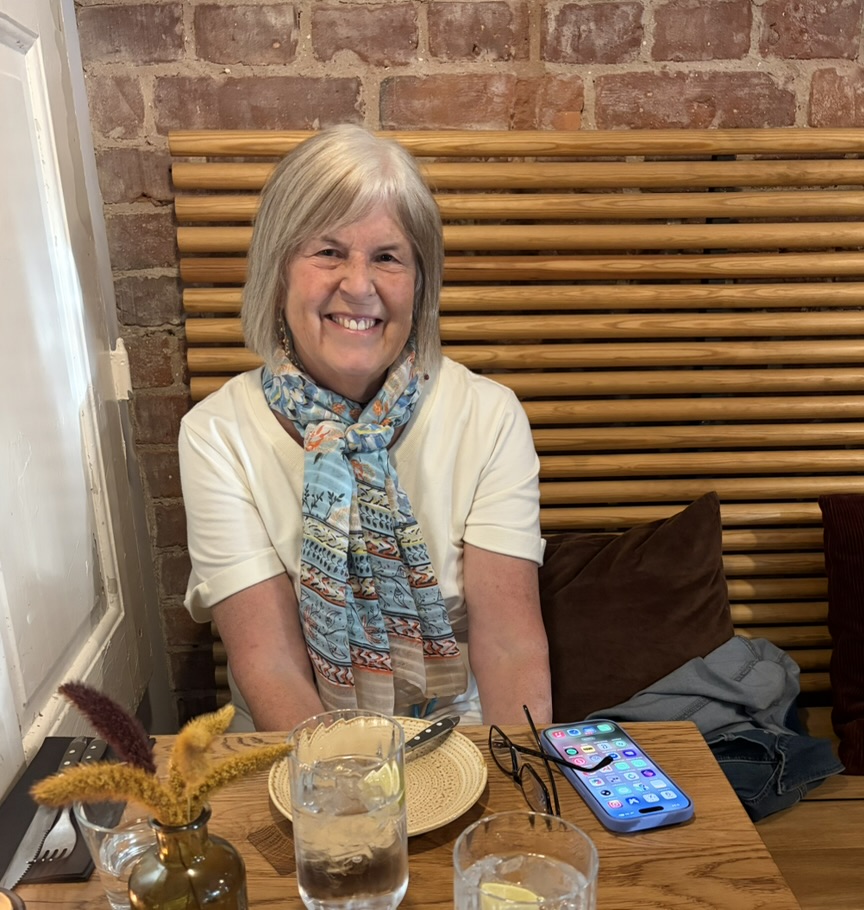
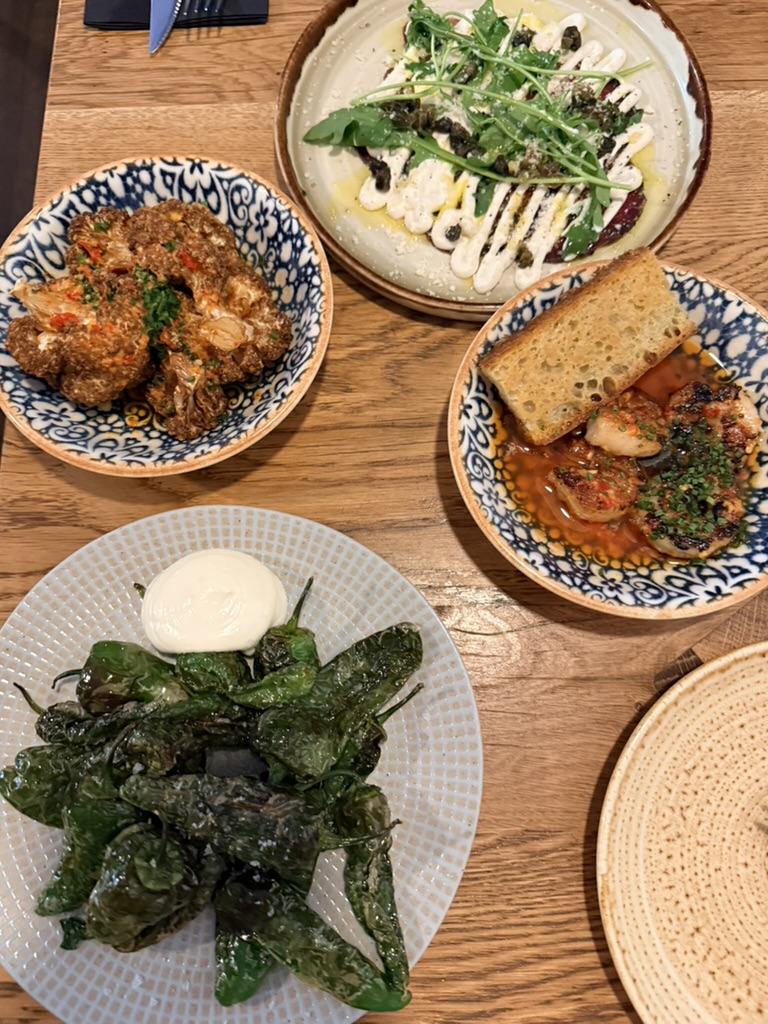
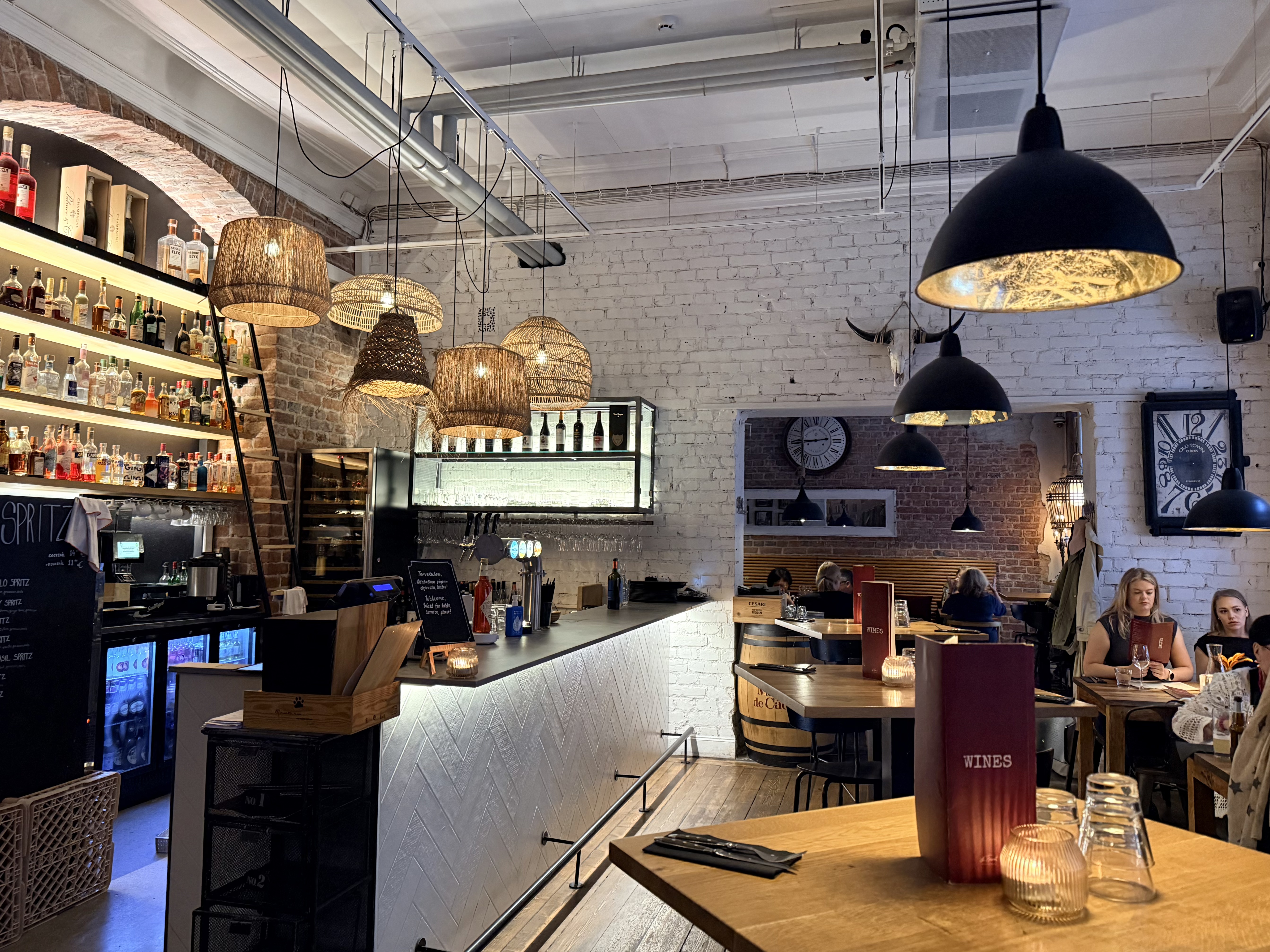
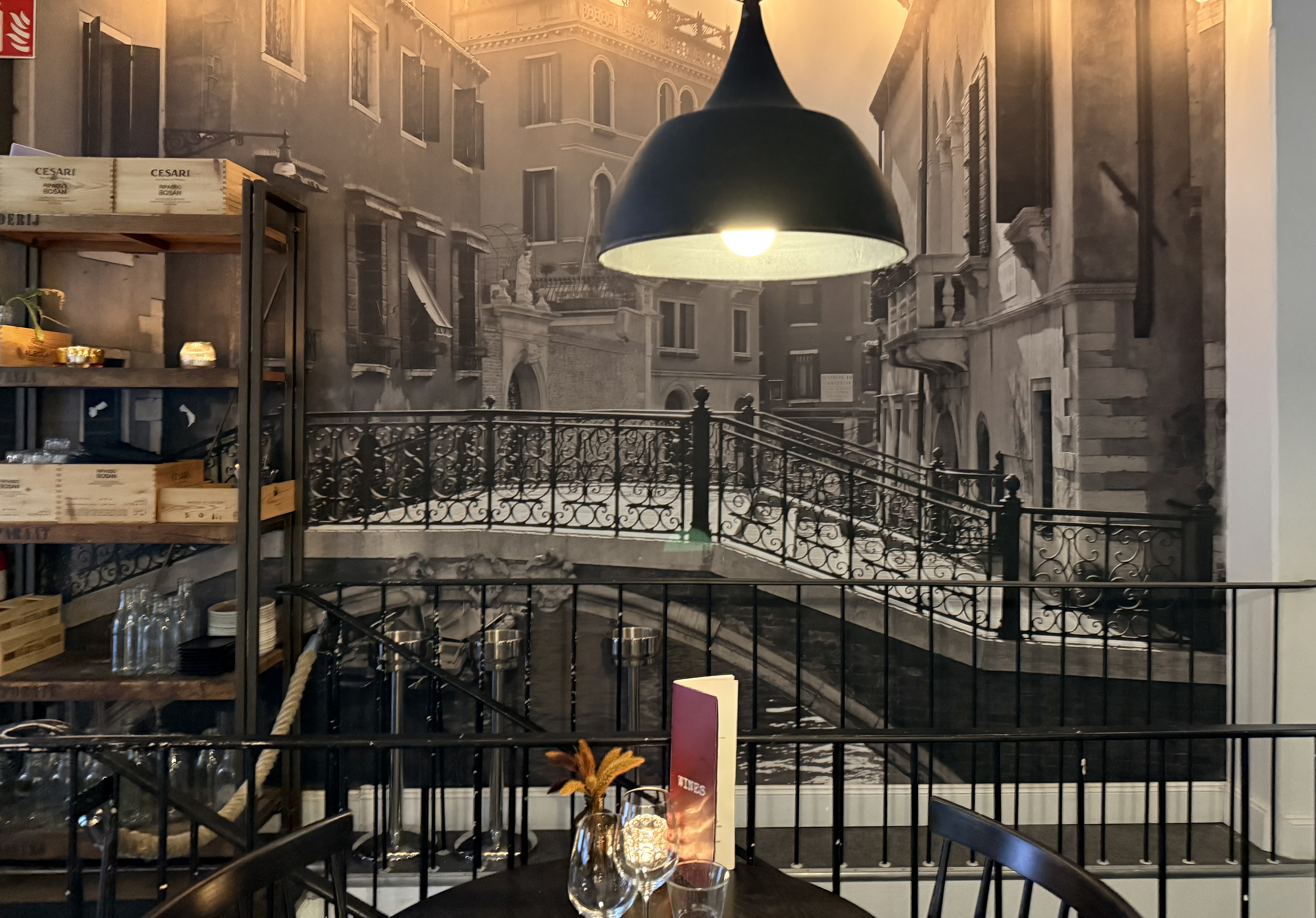
Dinner #1: On our last night in Turku, we went out to dinner for the first time at Di Trevi Wine Bistro & Tapas Bar. We had La Coliflor (Deep fried cauliflower & chili garlic oil); Pimientos de Padrón (Roasted green peppers and aioli); Pil Pil (Chili-garlic king prawns and focaccia); and Carpaccio (Finnish beef tenderloin, tuna creme, crispy capers, arugula, and parmesan). It was delectable. We’re two for two on excellent tapas meals in Finland!
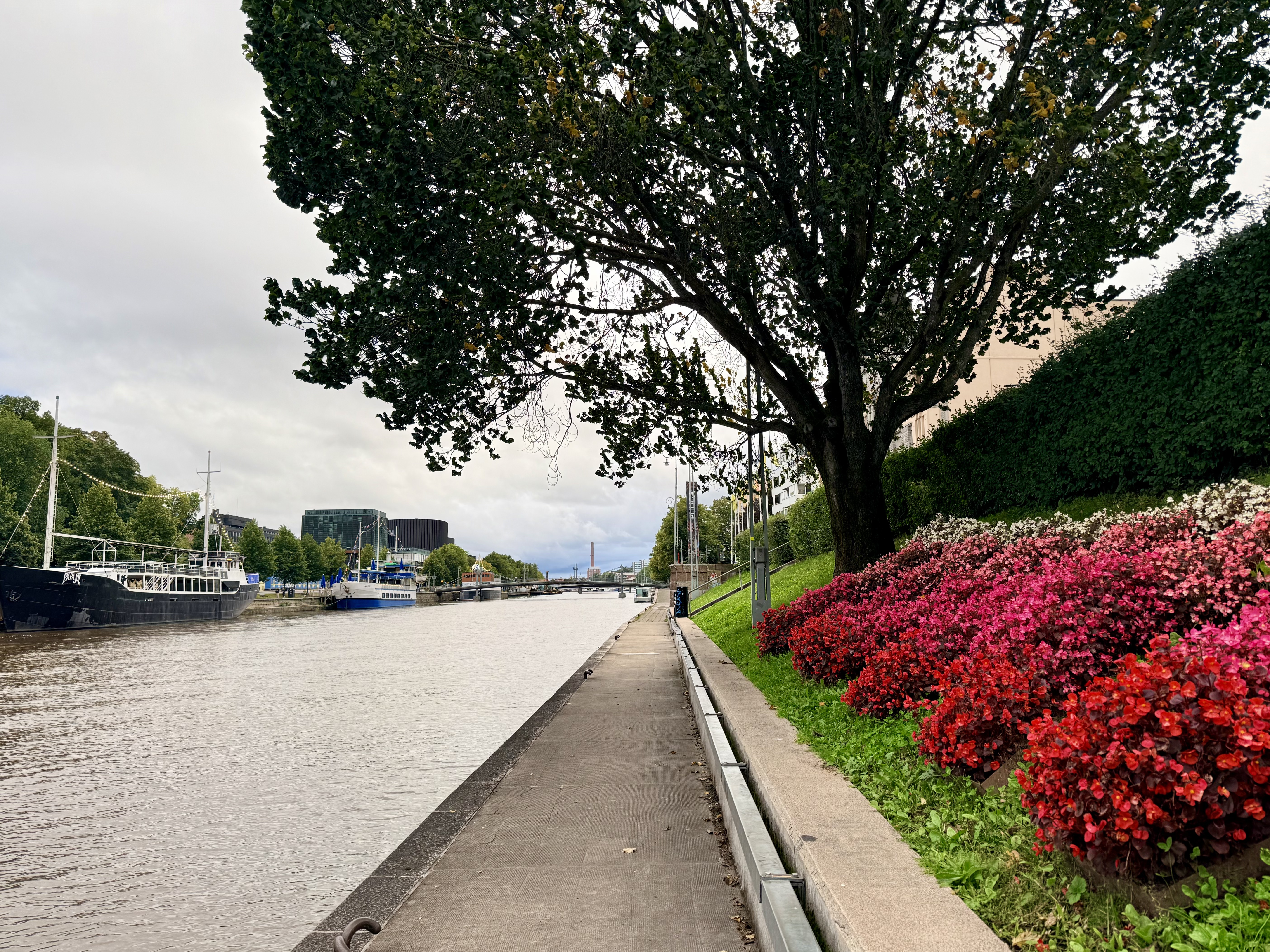
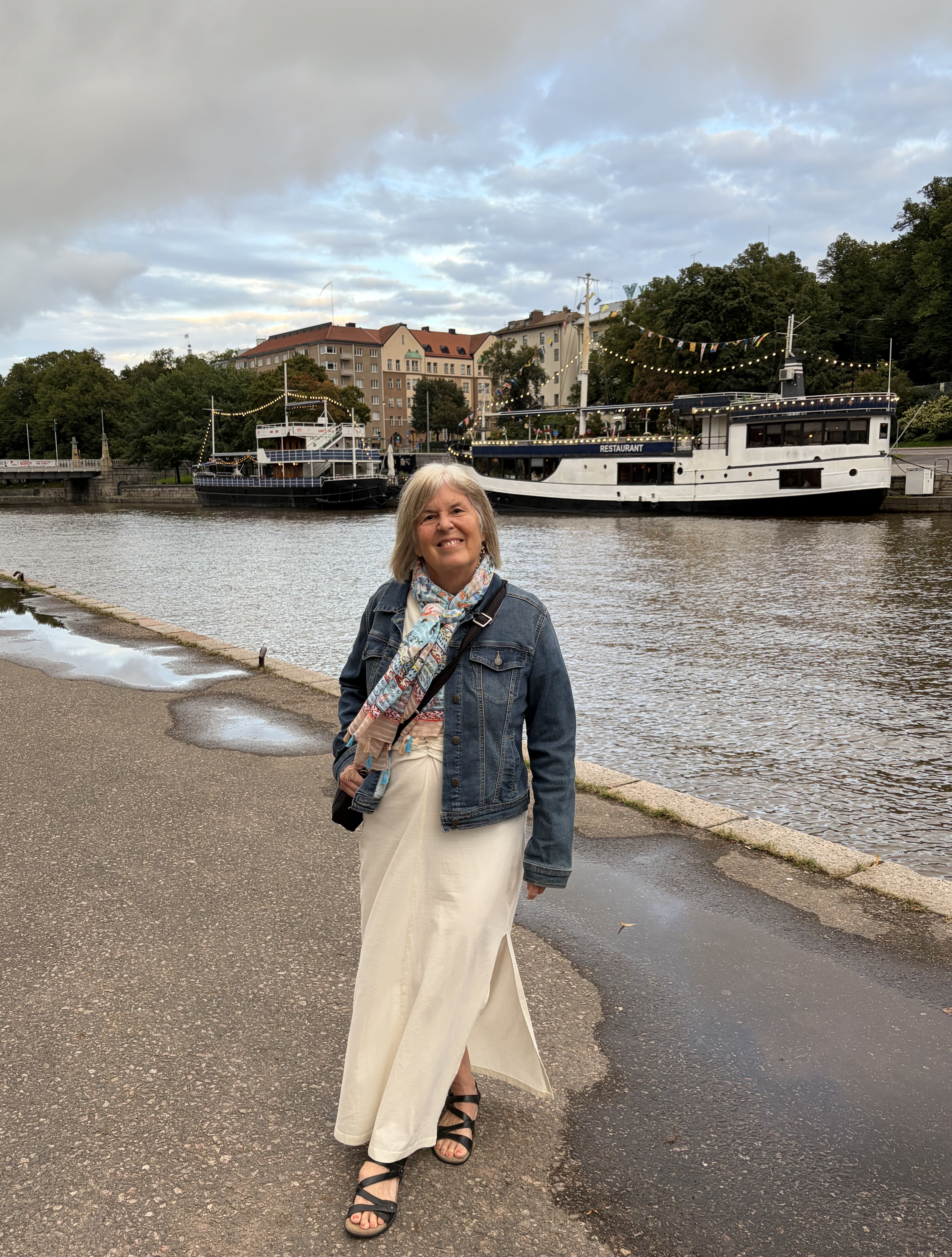
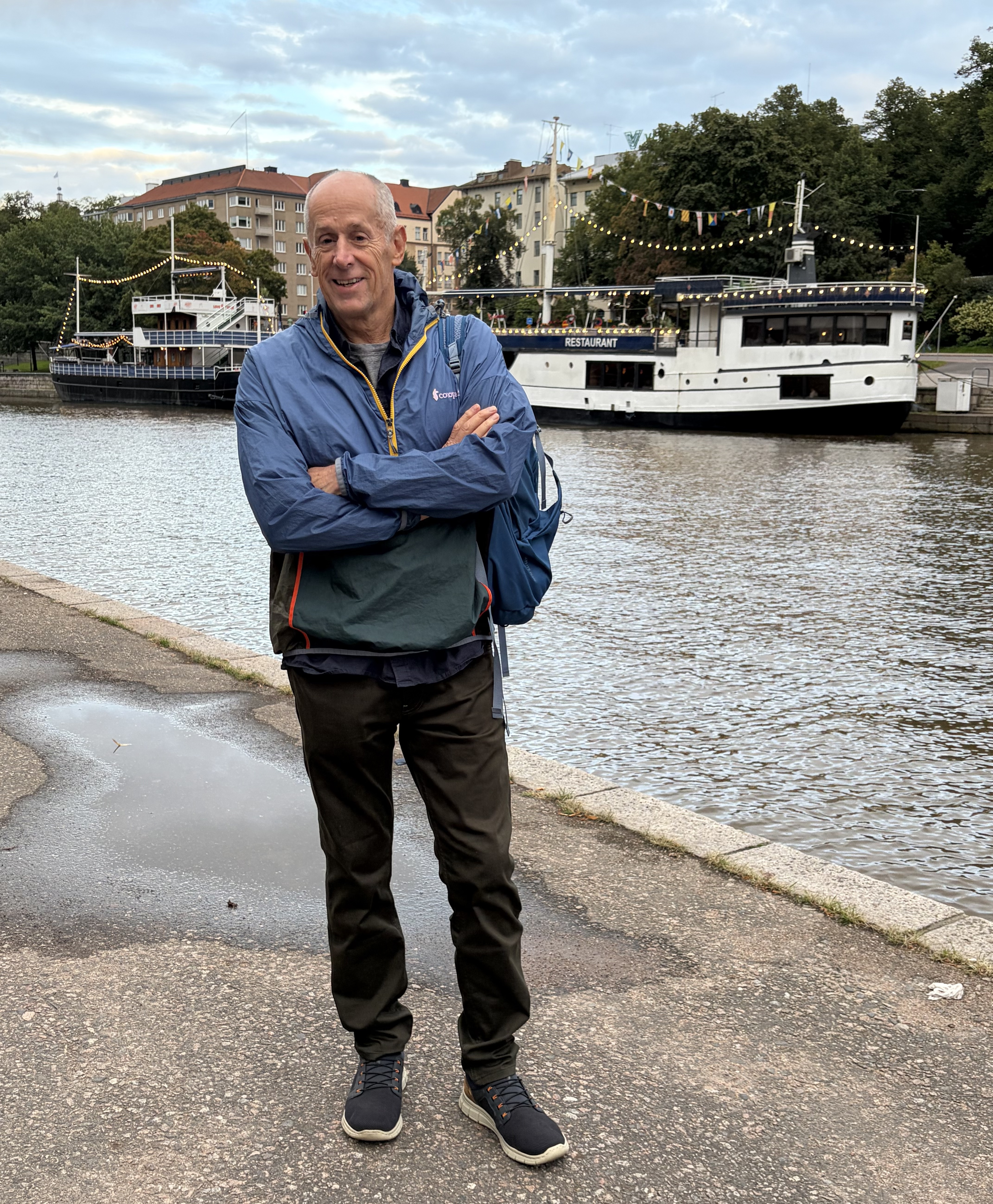
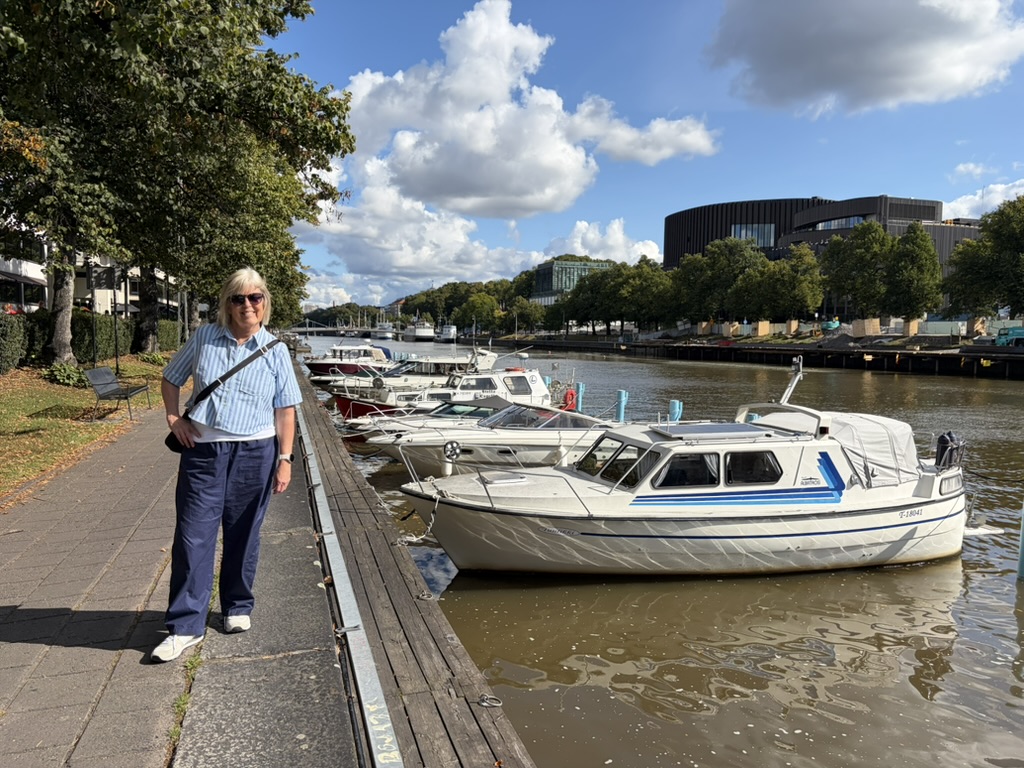
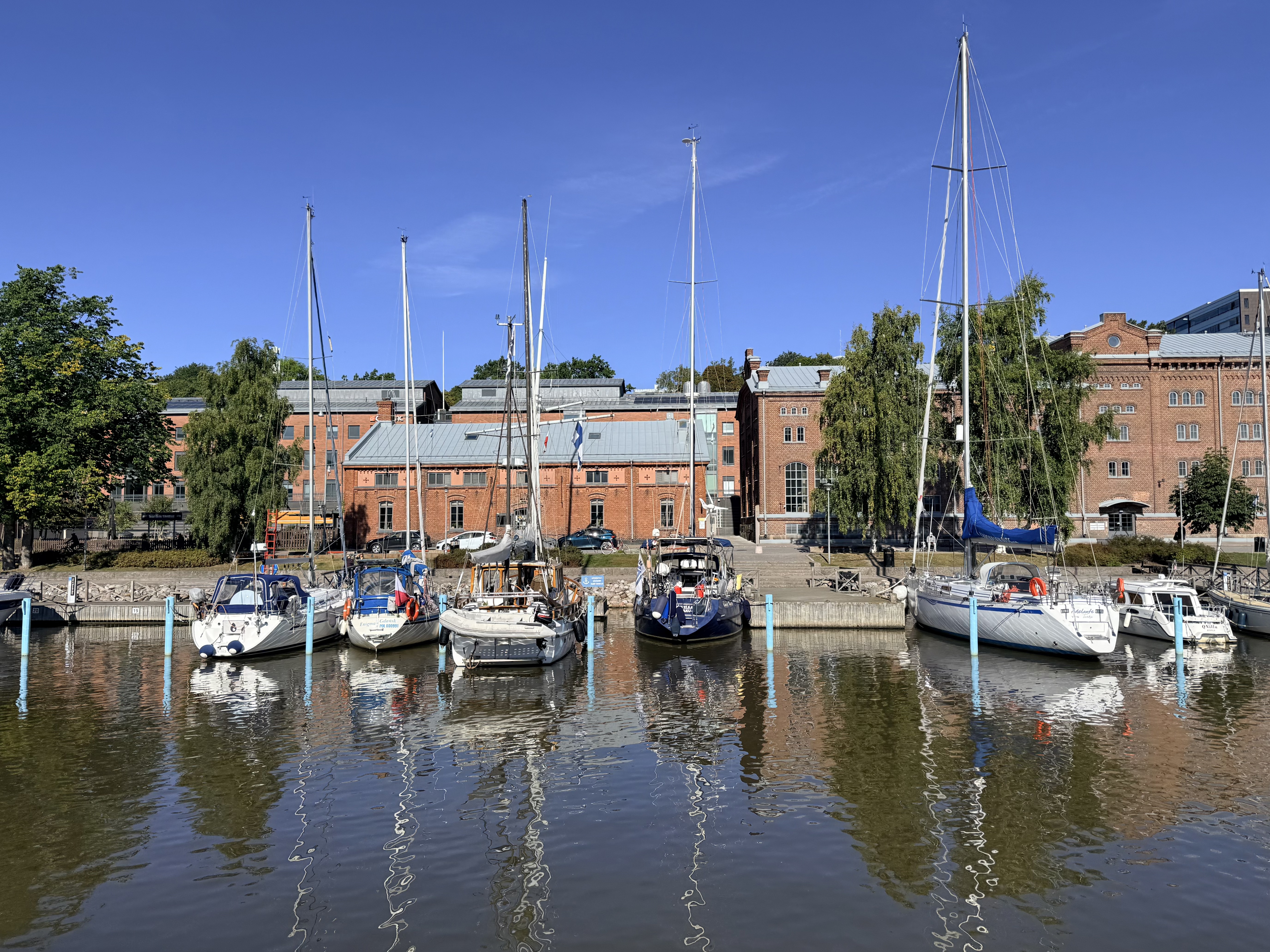
After dinner, we enjoyed a stroll down the Aura River.
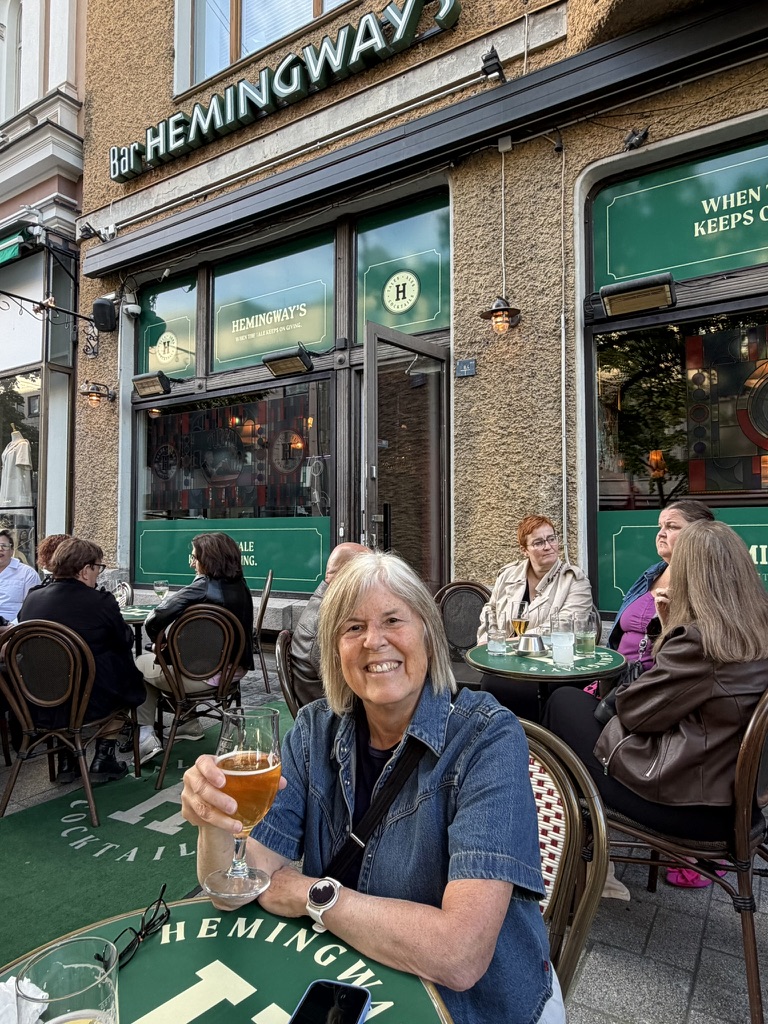
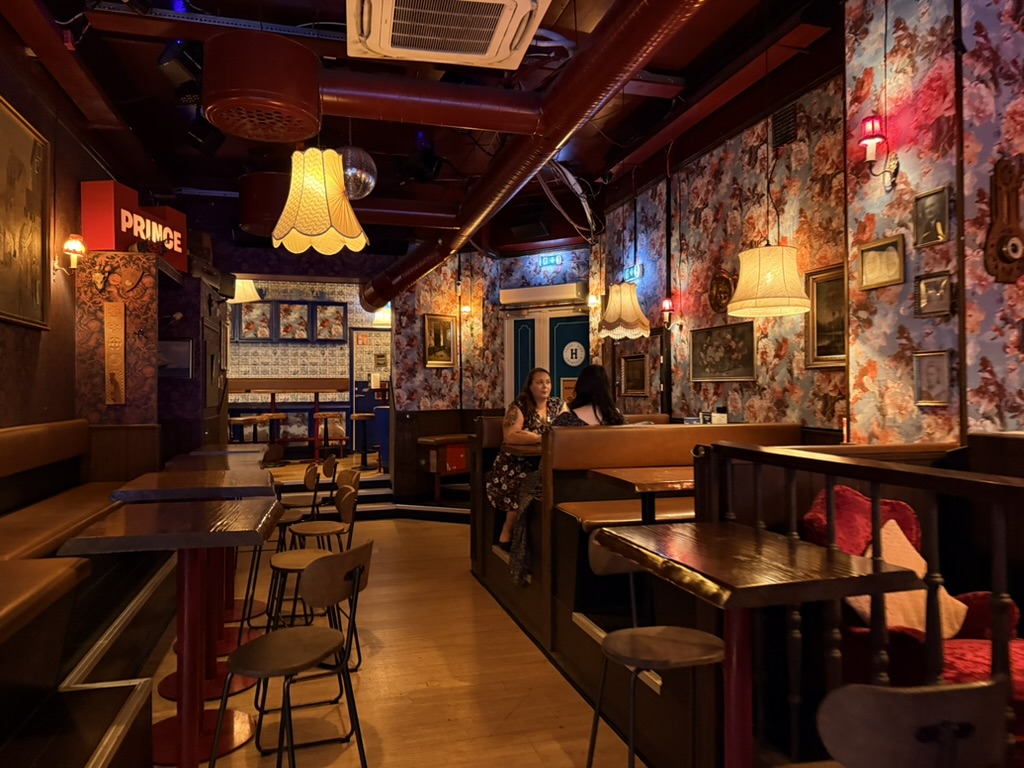
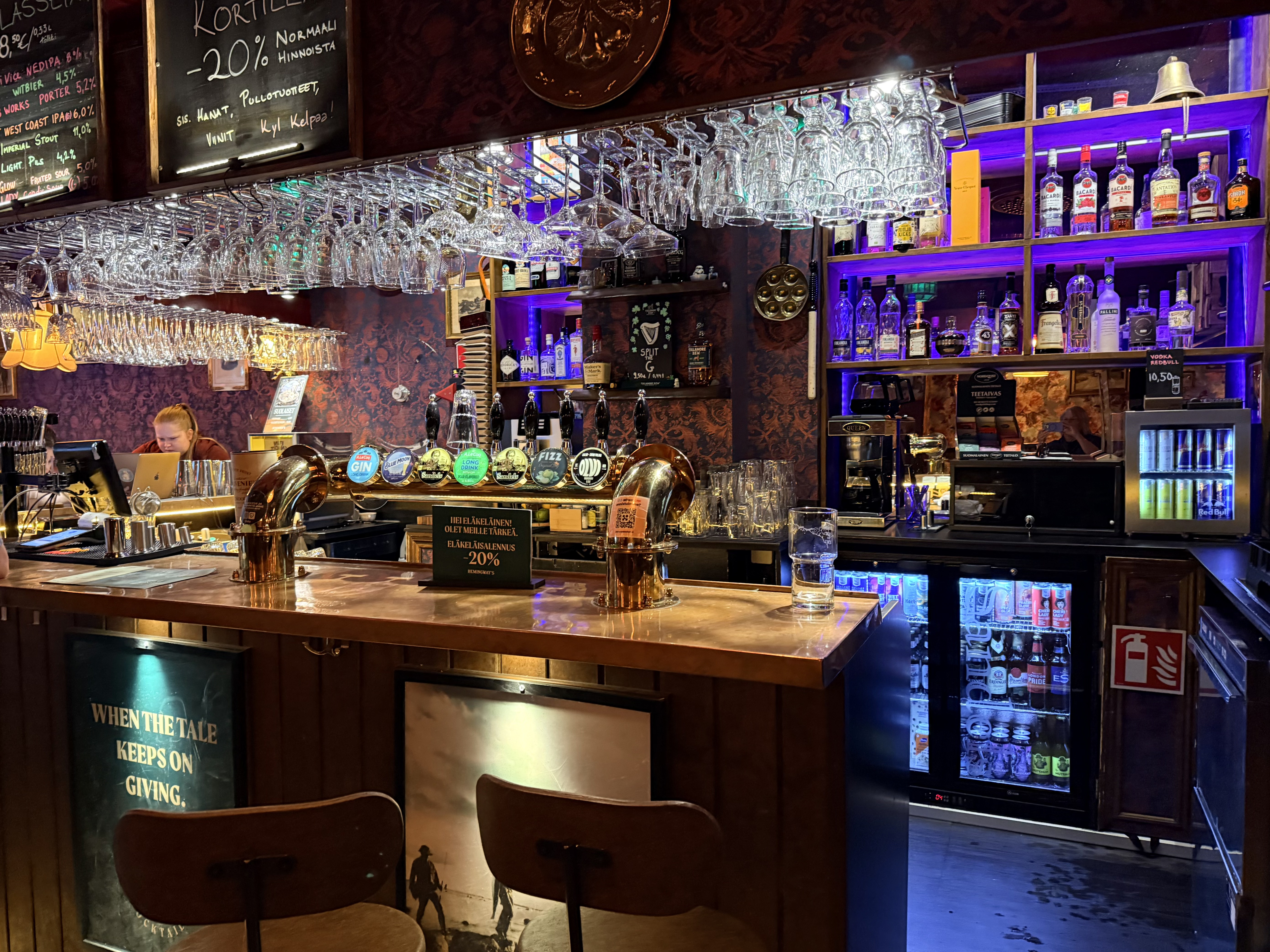
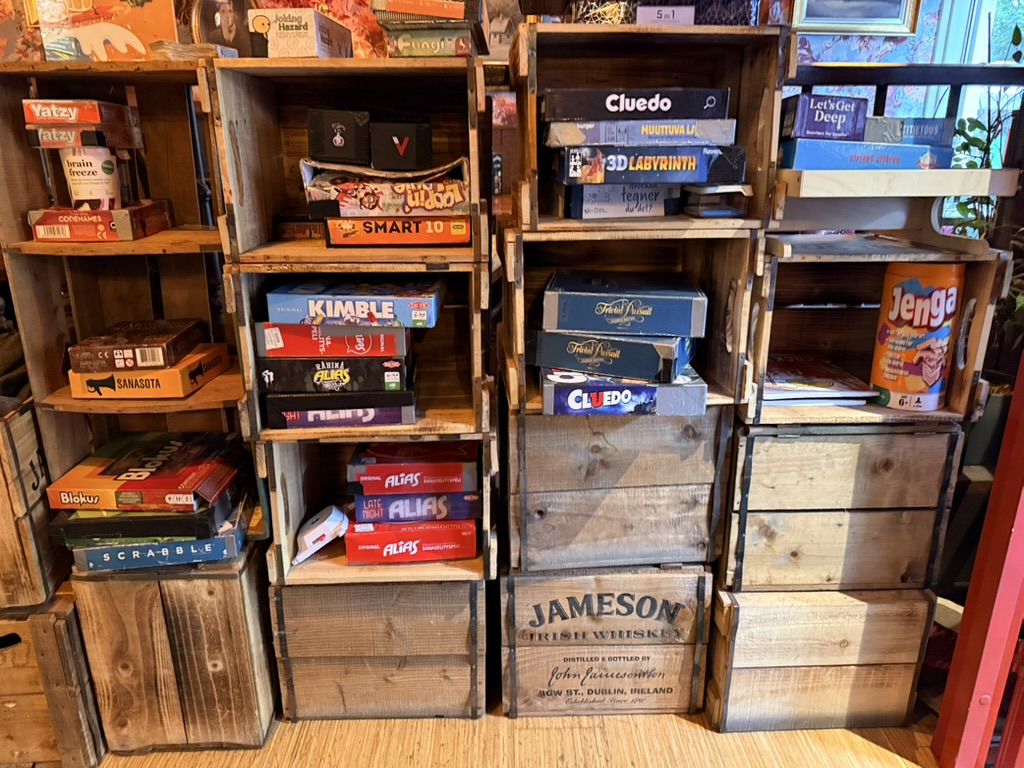
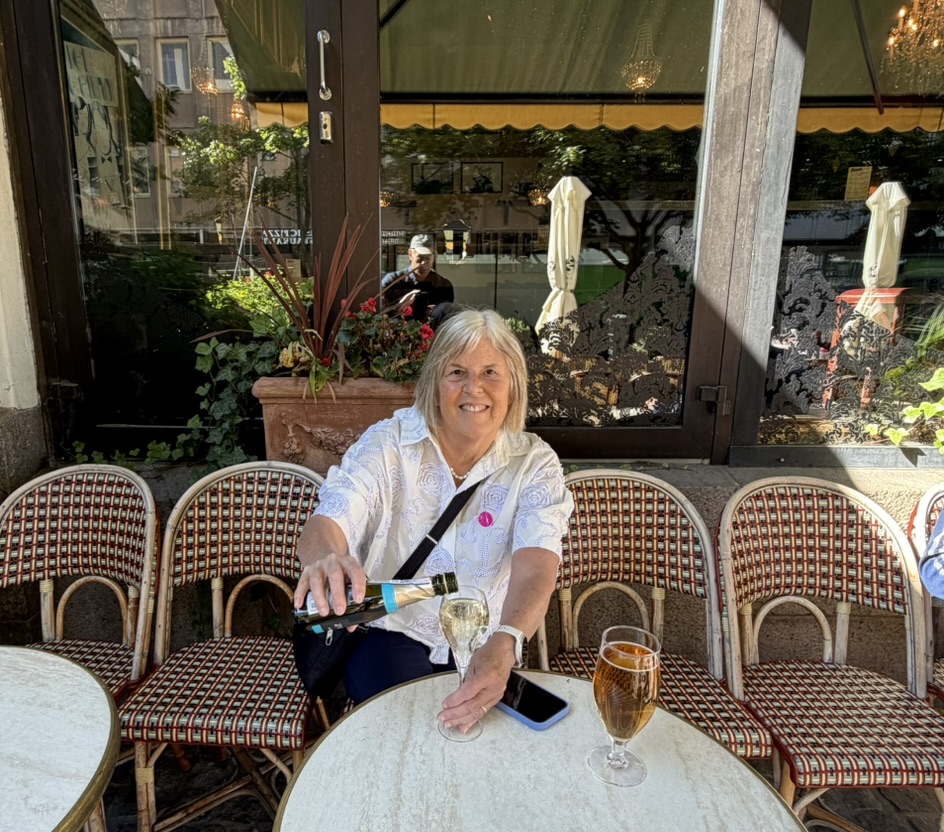
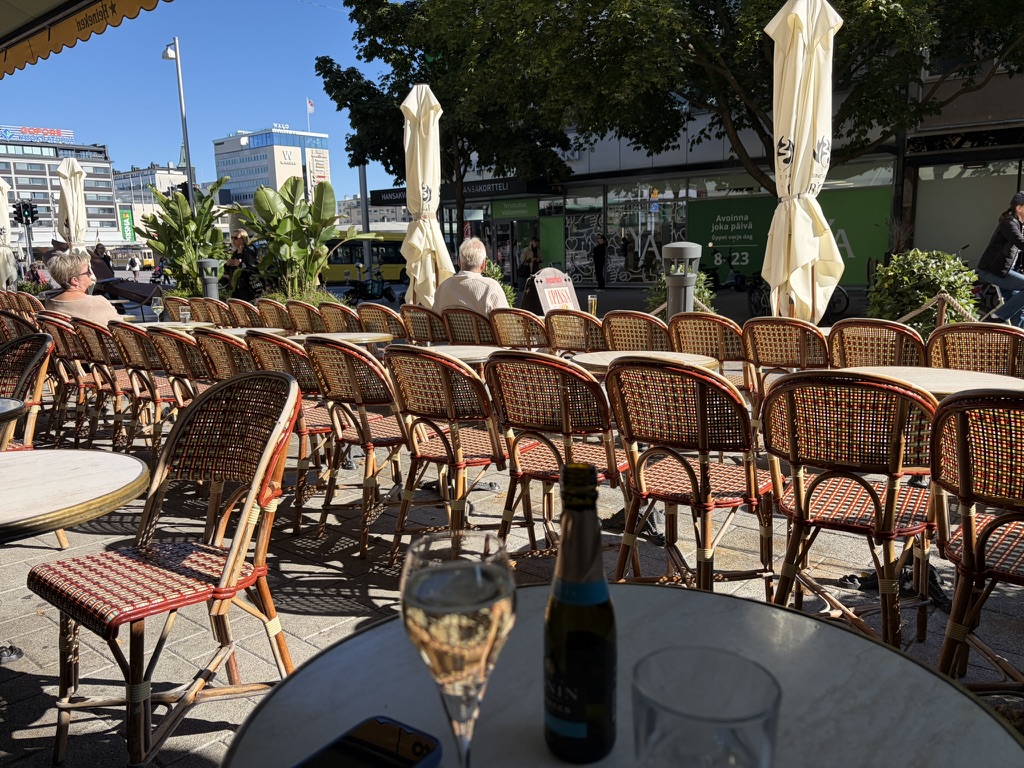
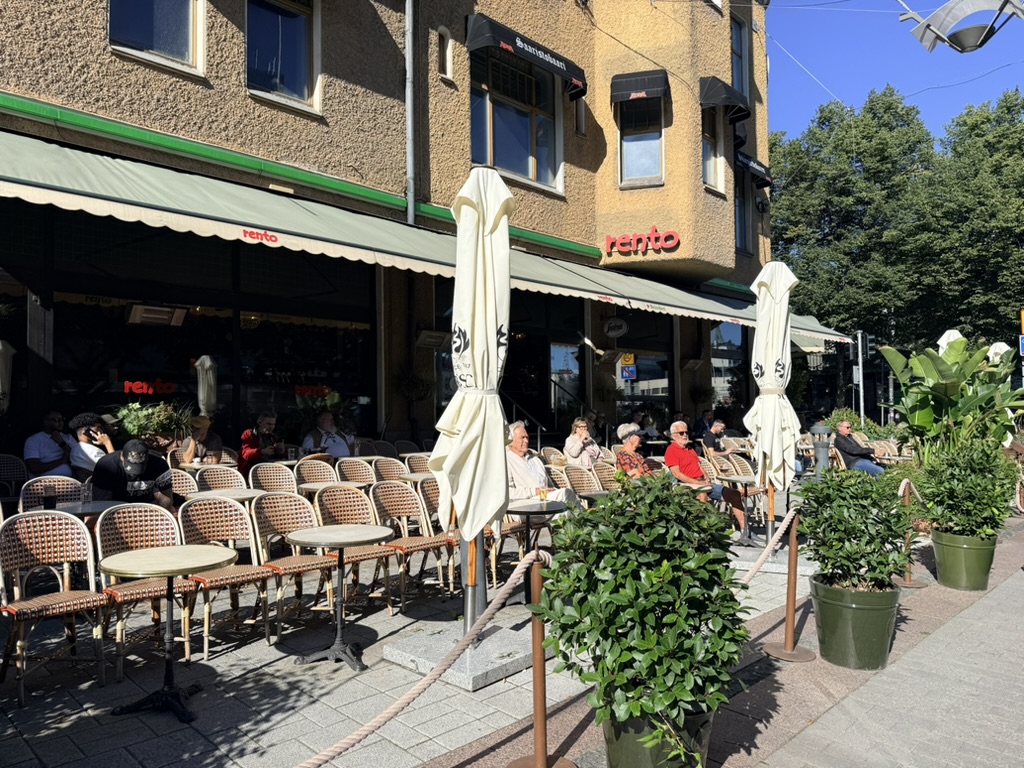
Stopping for drinks: On the way to get groceries our first night in Turku, we stopped at Hemingway’s Bar for a beer. We thought it was quite humorous to stop at a bar named for Hemingway who almost certainly did not visit Turku, Finland. After exploring Turku Castle and the Maritime Centre, we stopped for drinks at rento.
Dining in
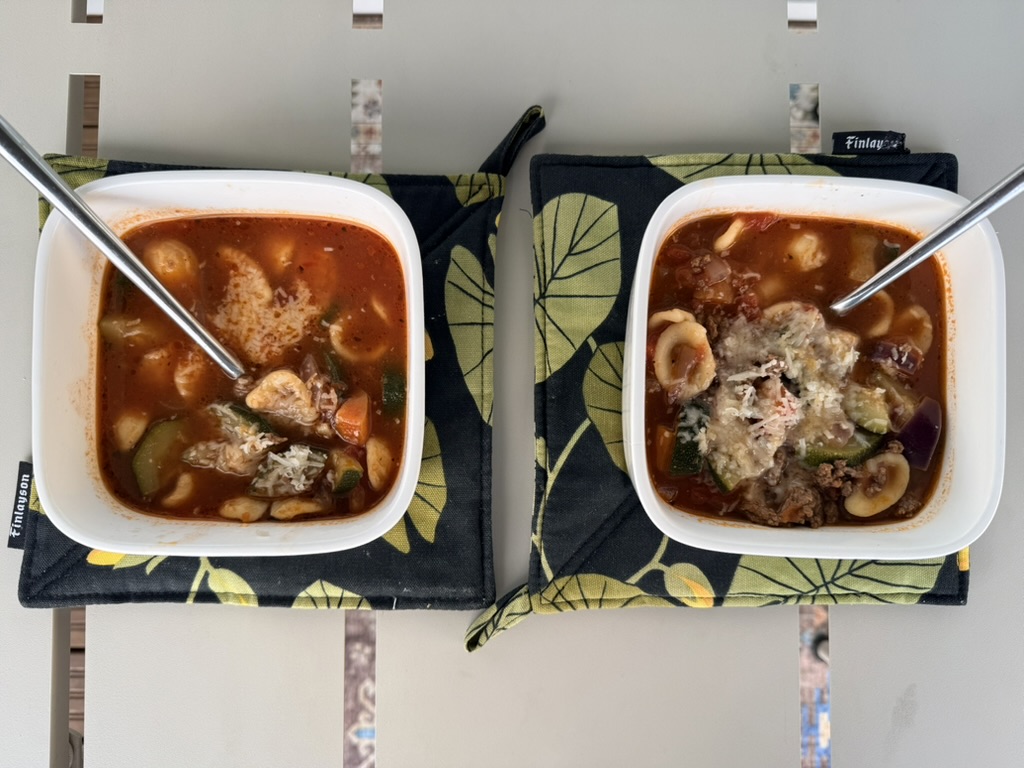
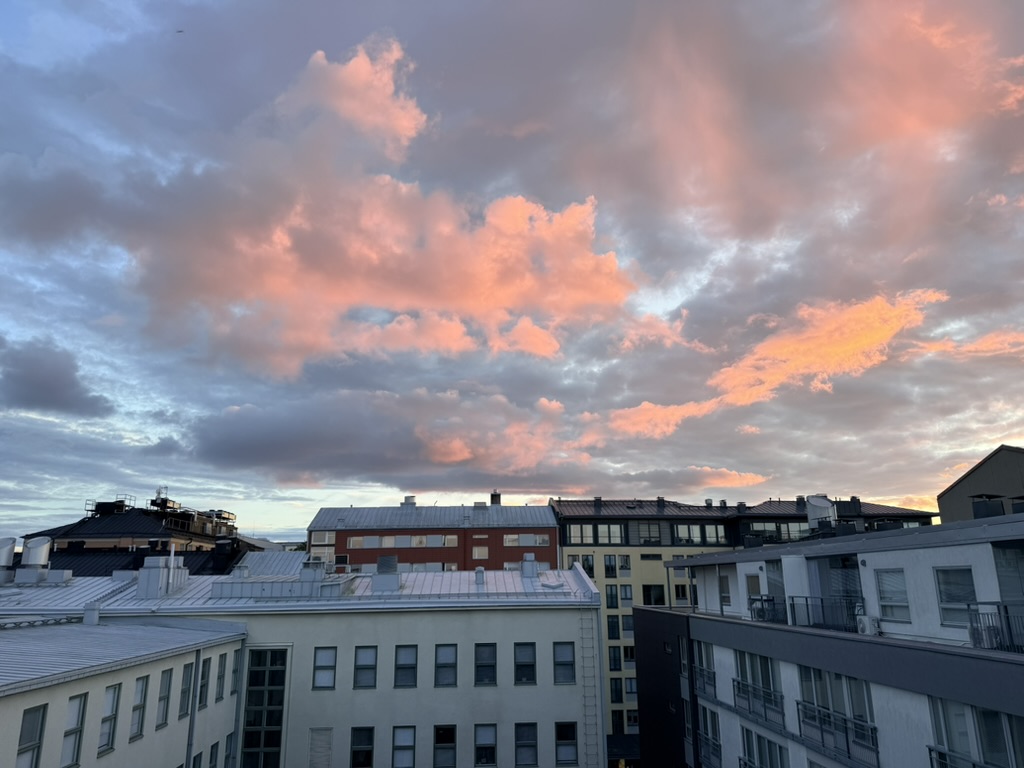
One night we made orecchiette with pesto and broccolini and another, we made hamburger soup with zucchini, carrots, garlic & orecchiette, which made enough for three dinners. We sat on our balcony and admired a gorgeous sunset.
Activities and Sights in Turku
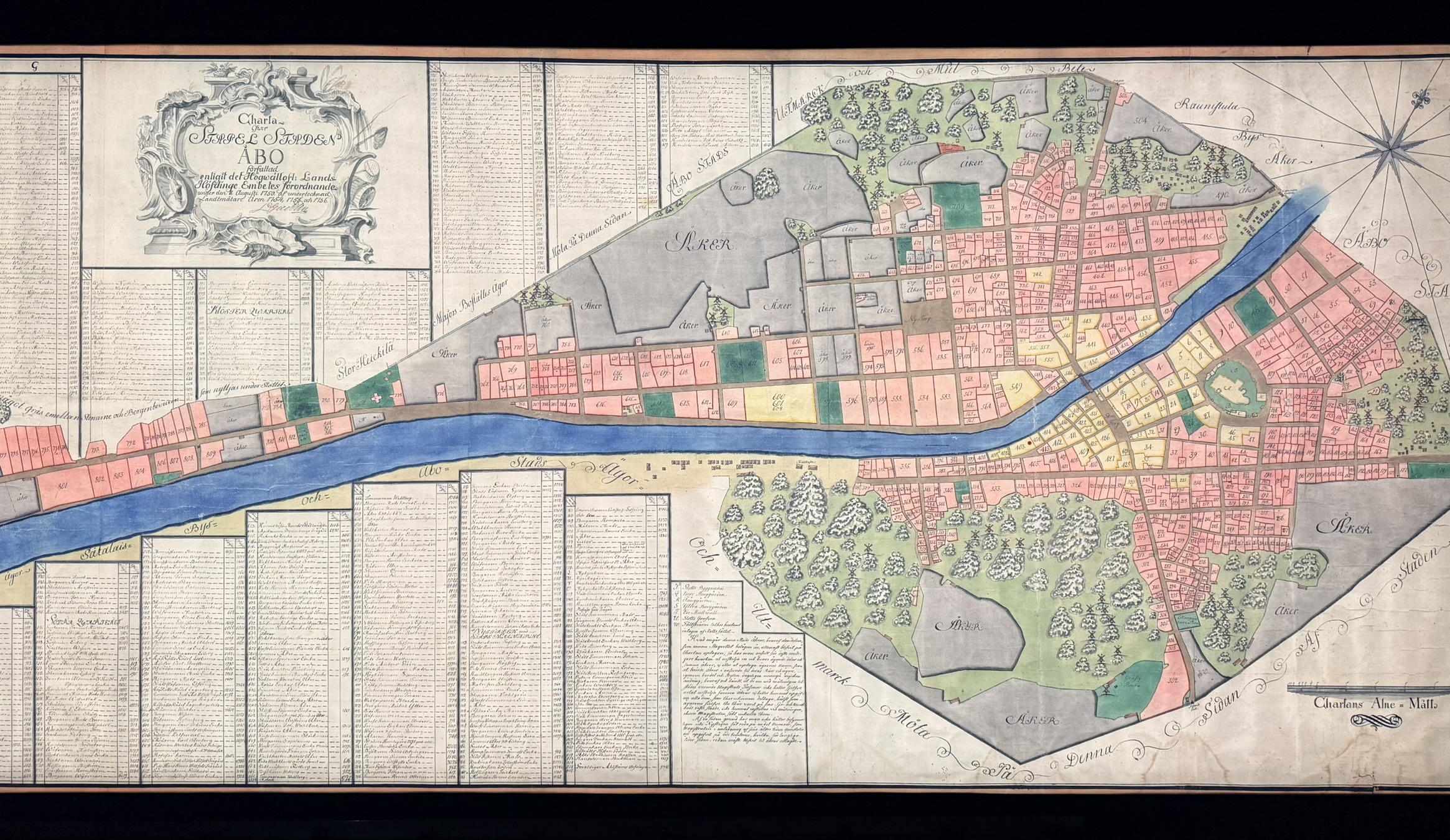
Turku, founded in 1229, is Finland’s oldest city. It has a long history with Sweden and Russia and is now an important city in an independent Finland. In its history, it has burned down more than 30 times.
Turku played a pivotal role as part of the Kingdom of Sweden during the Middle Ages. In 1809, it came under Russian rule with Turku serving as the capital of the Grand Duchy of Finland. The Russians moved the capital to Helsinki because it was too close to Sweden, dealing a blow to the city. However, the fire of 1827 was more devastating as three-quarters of the city was destroyed in the largest fire in the Nordic countries.
After World War II came years of reconstruction and population growth. Turku’s shipbuilding industry was a major beneficiary.
Population has grown steadily through the city’s history, mostly due to immigration in recent years. The Turku region is the 2nd most ethnically diverse metro area after Helsinki.
During the 20th and early 21st centuries, Turku has flourished as a hub of commerce, academia and tourism.
General City Sights
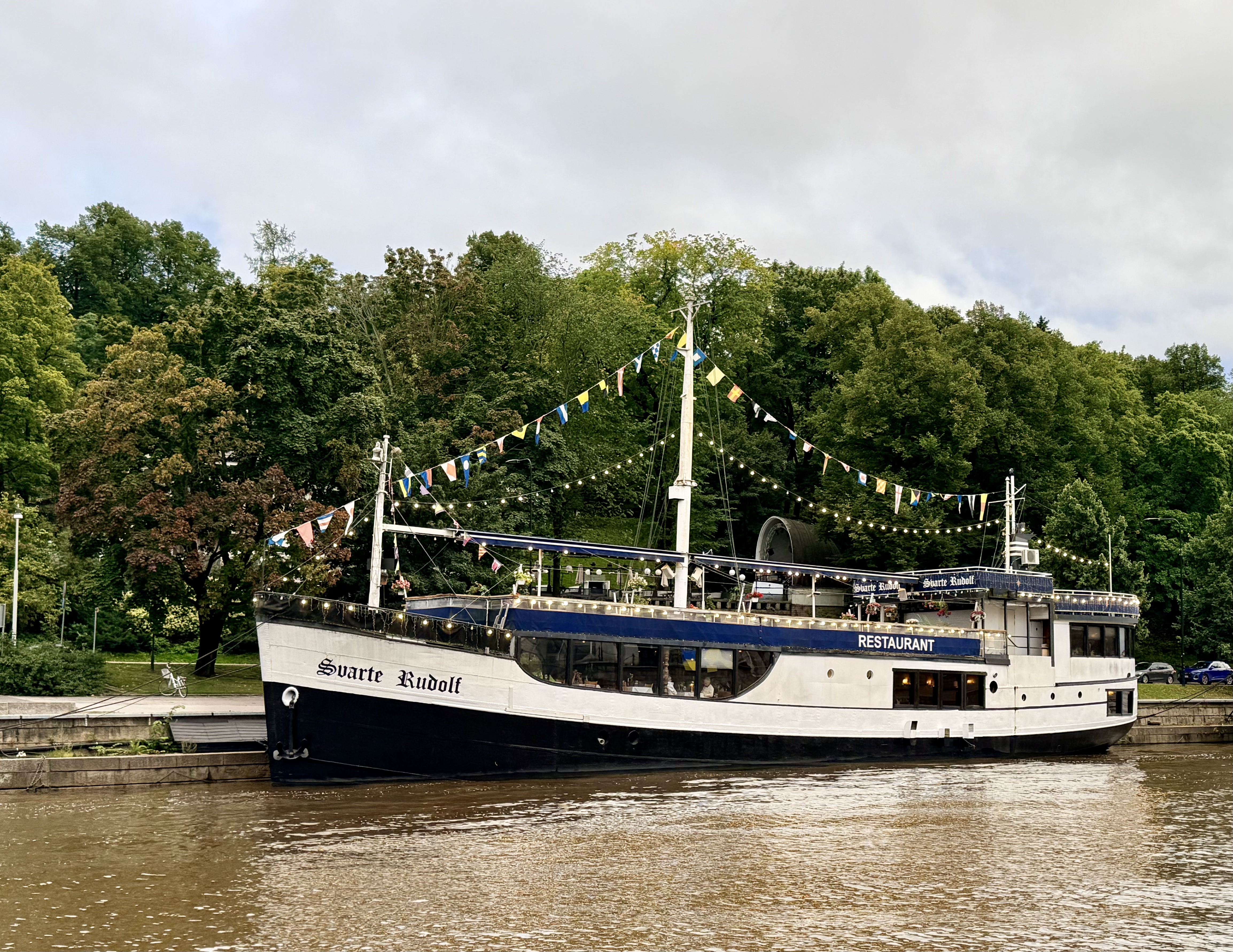
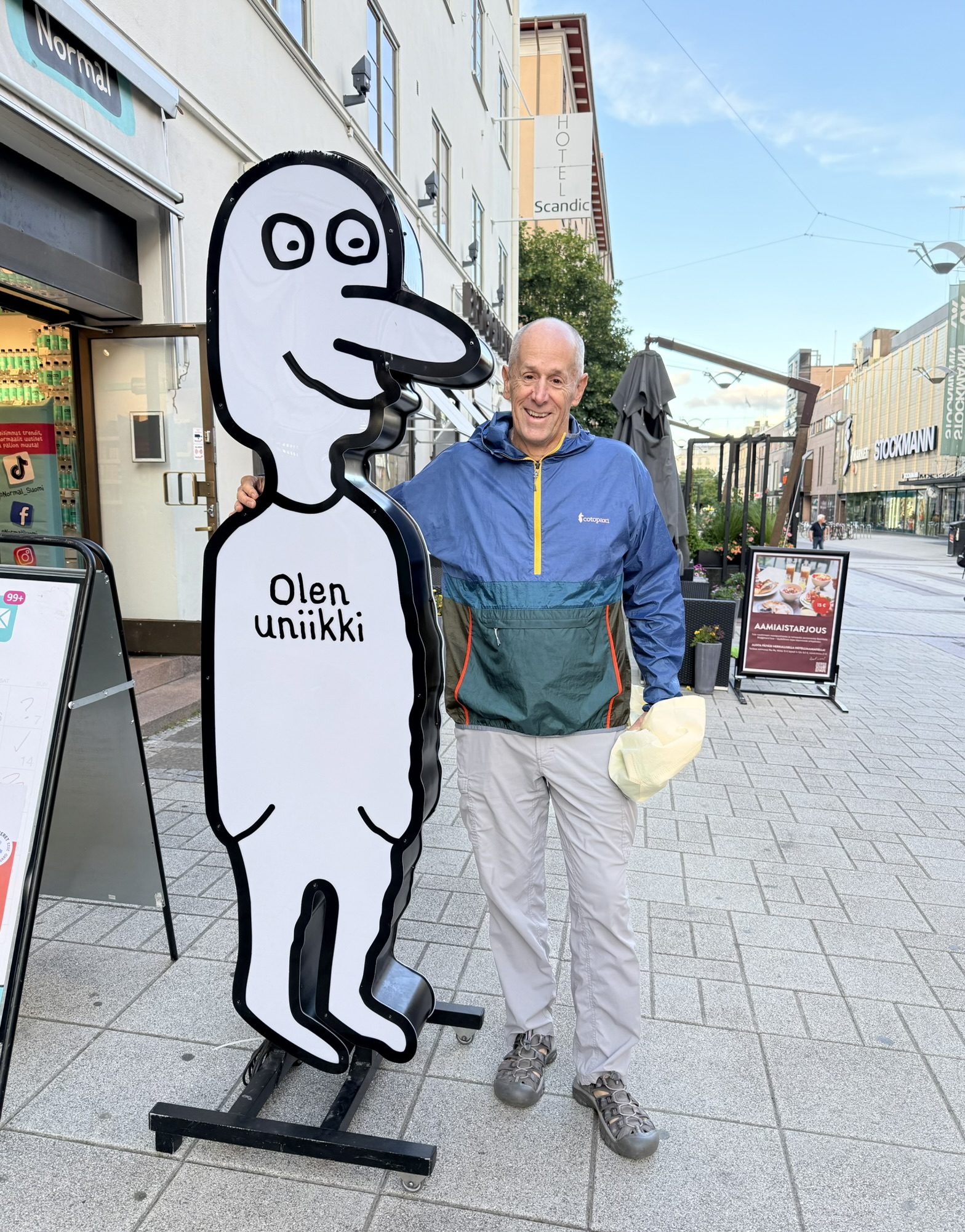
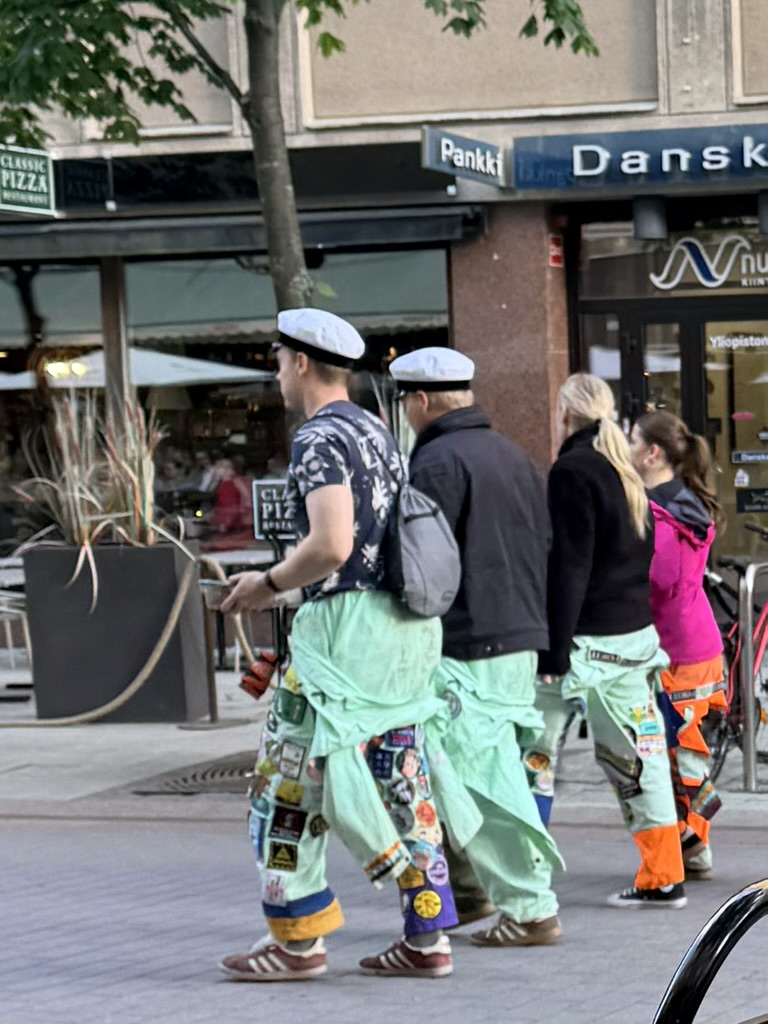
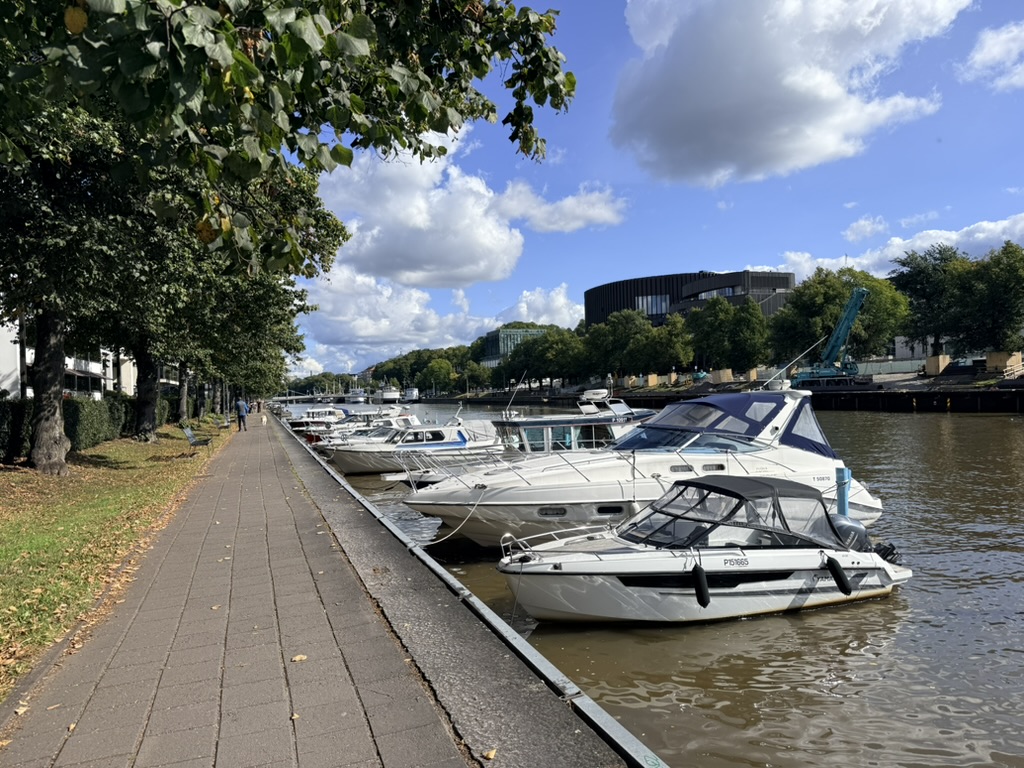
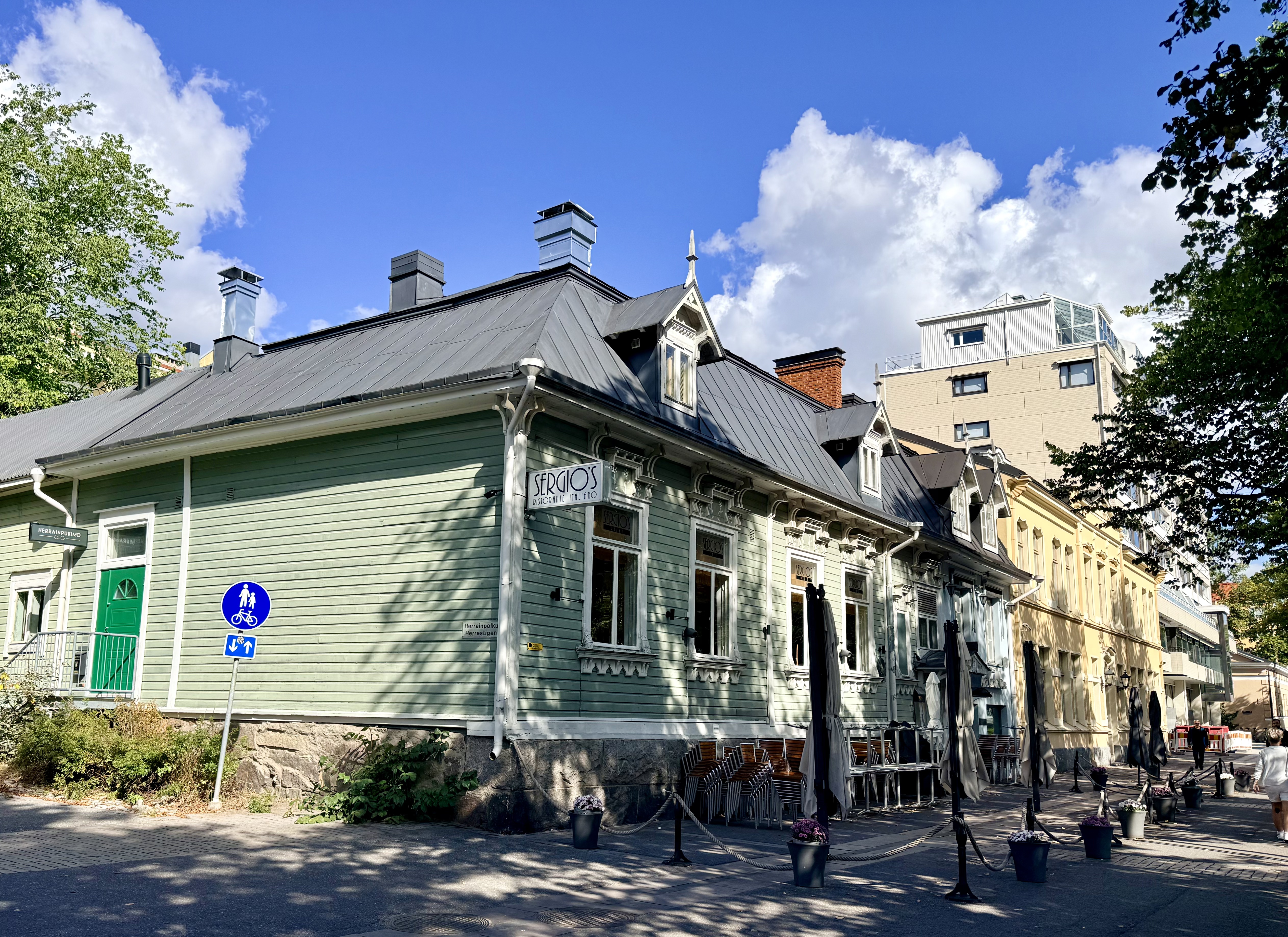
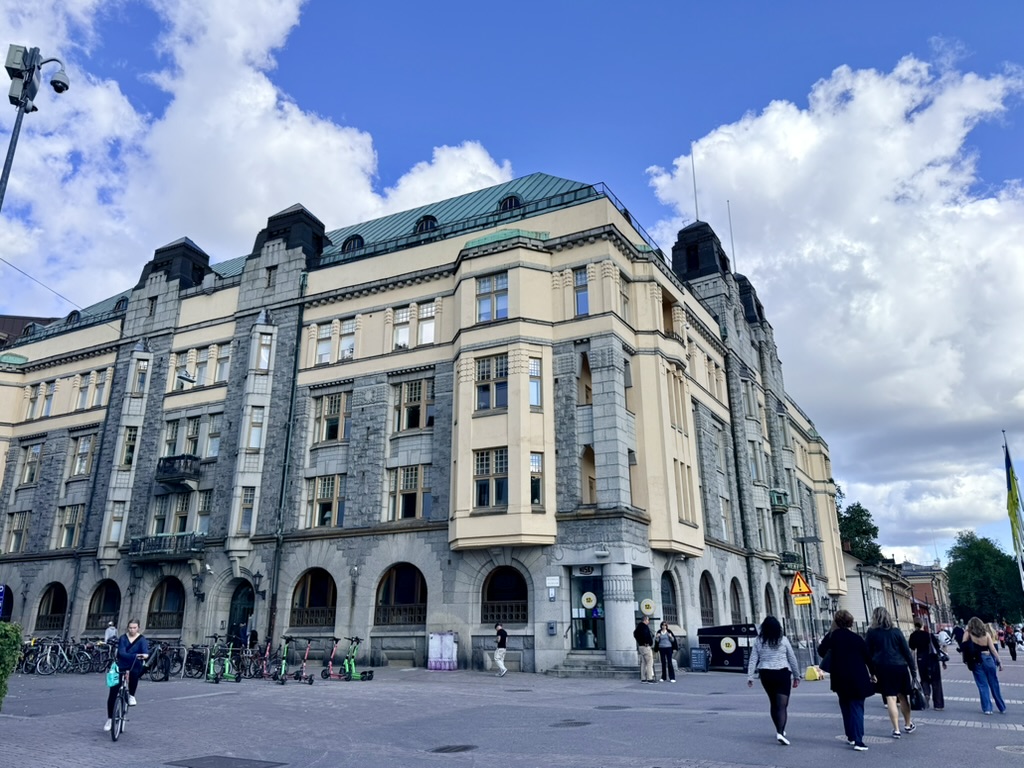
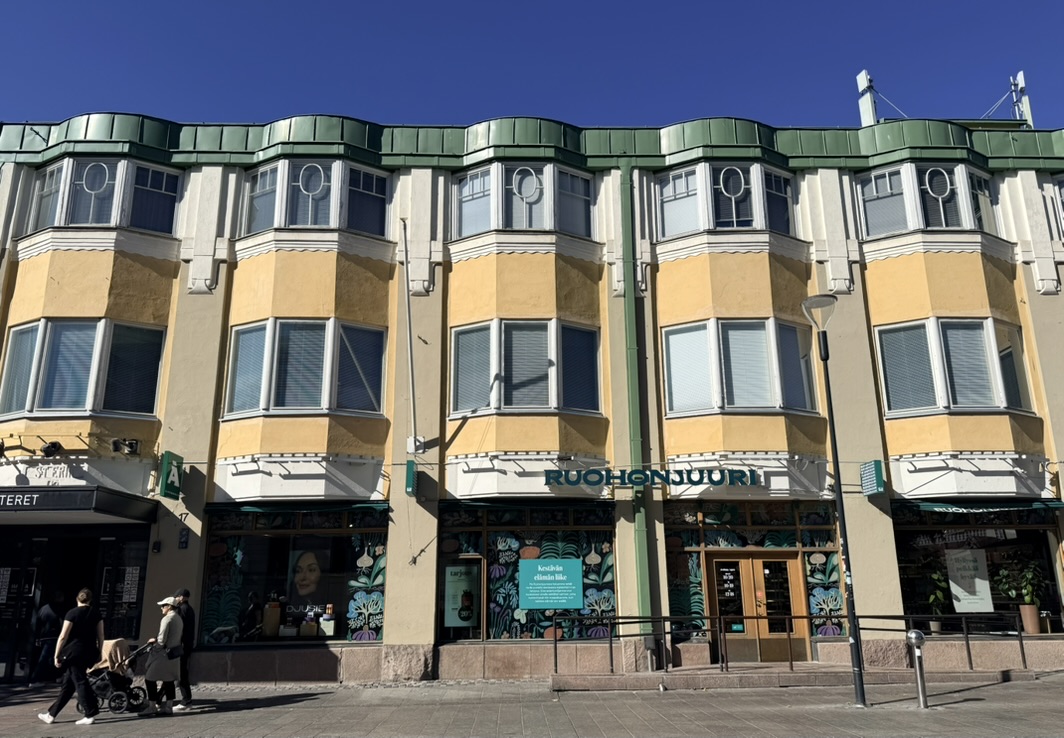
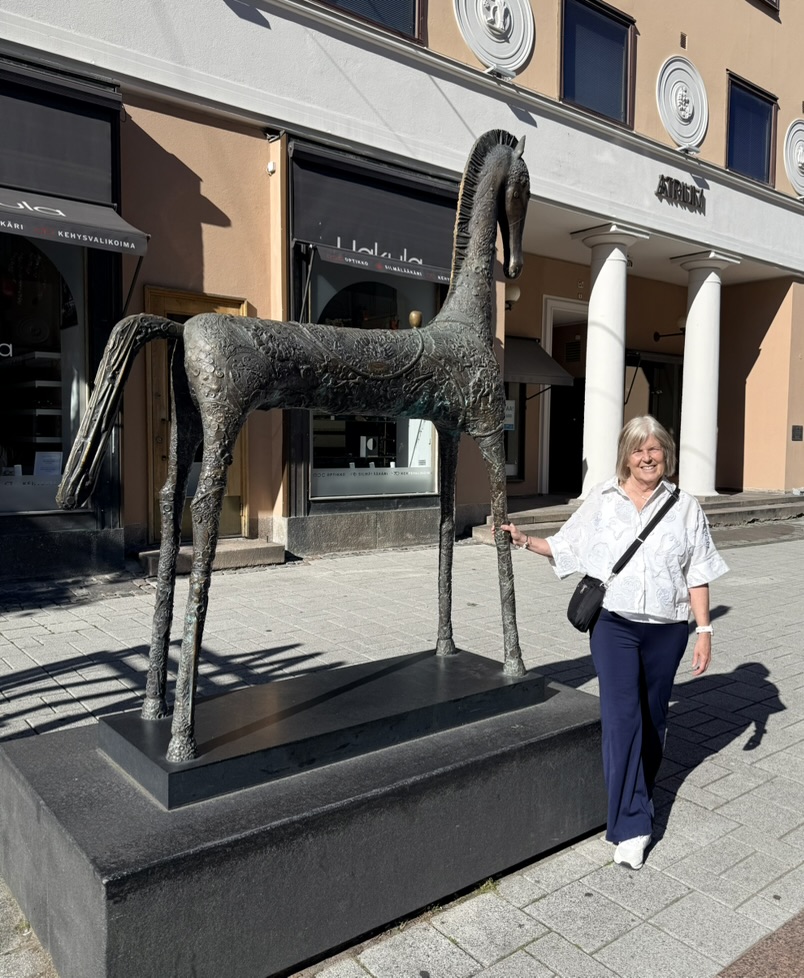
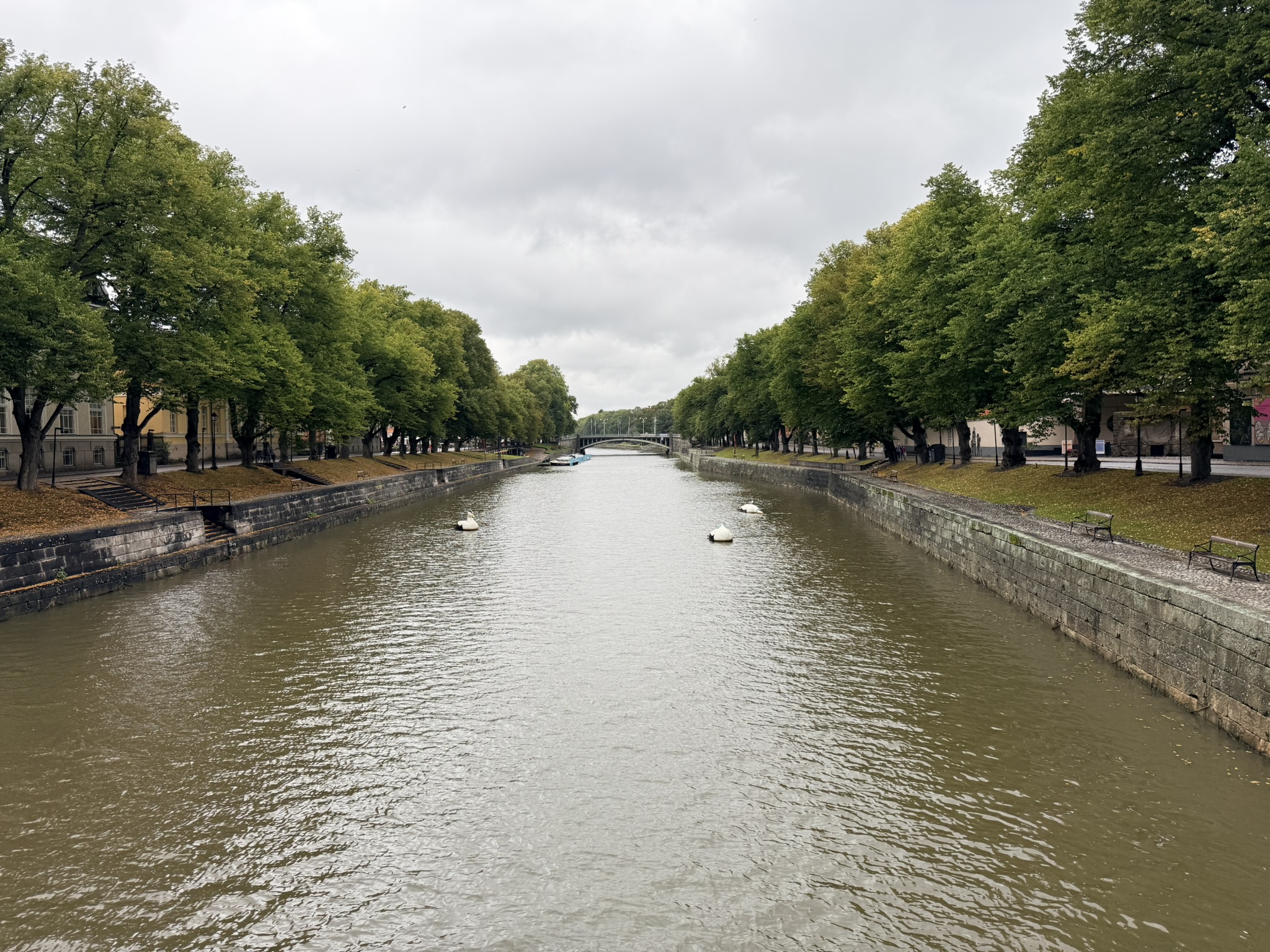
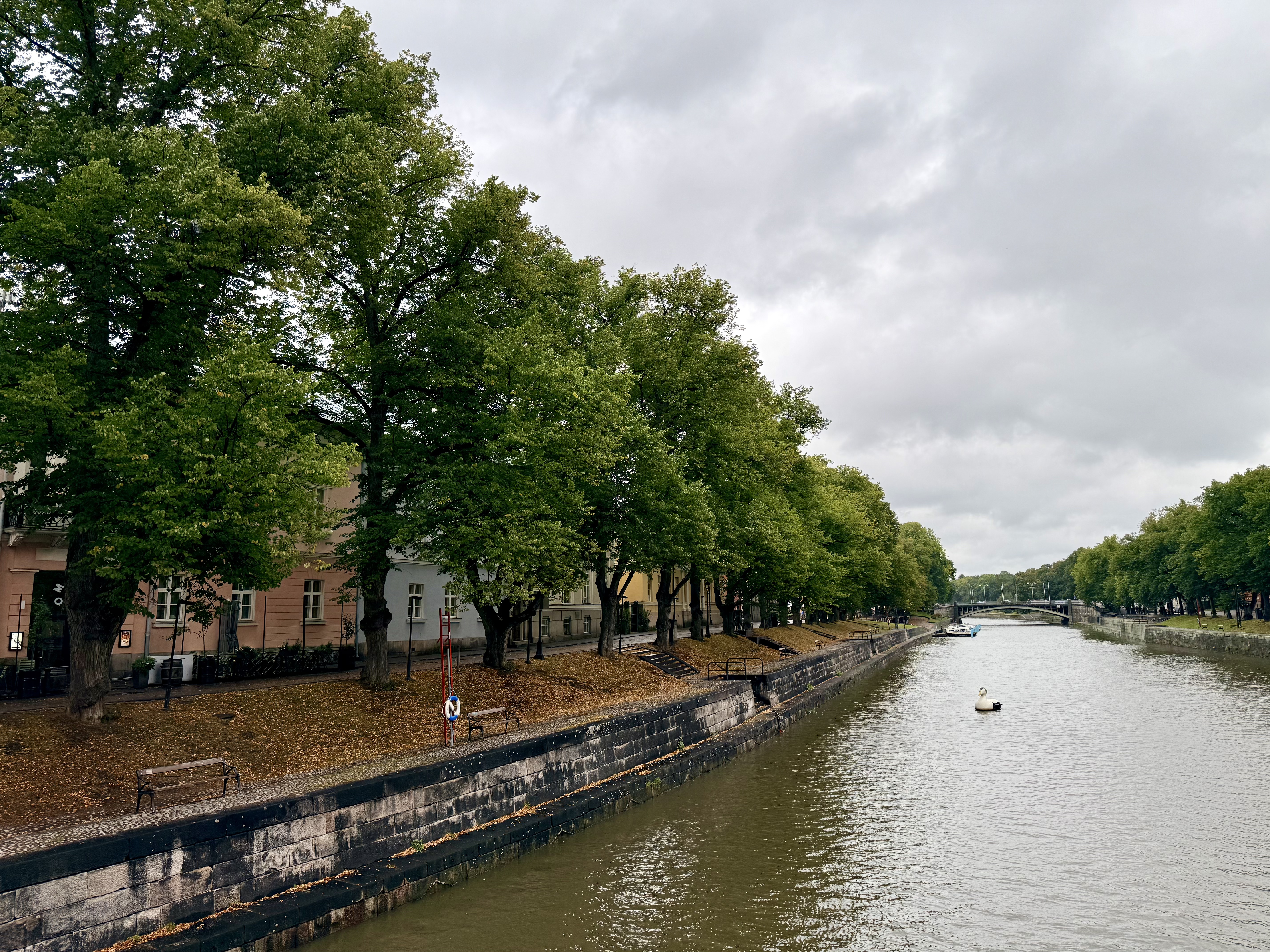
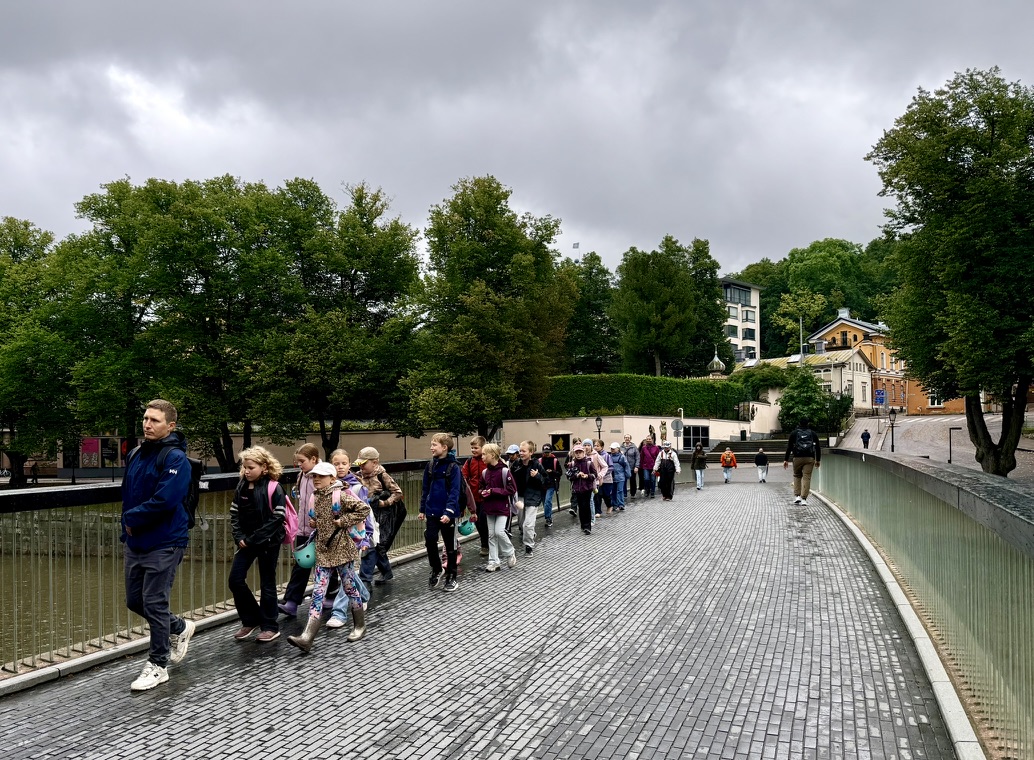
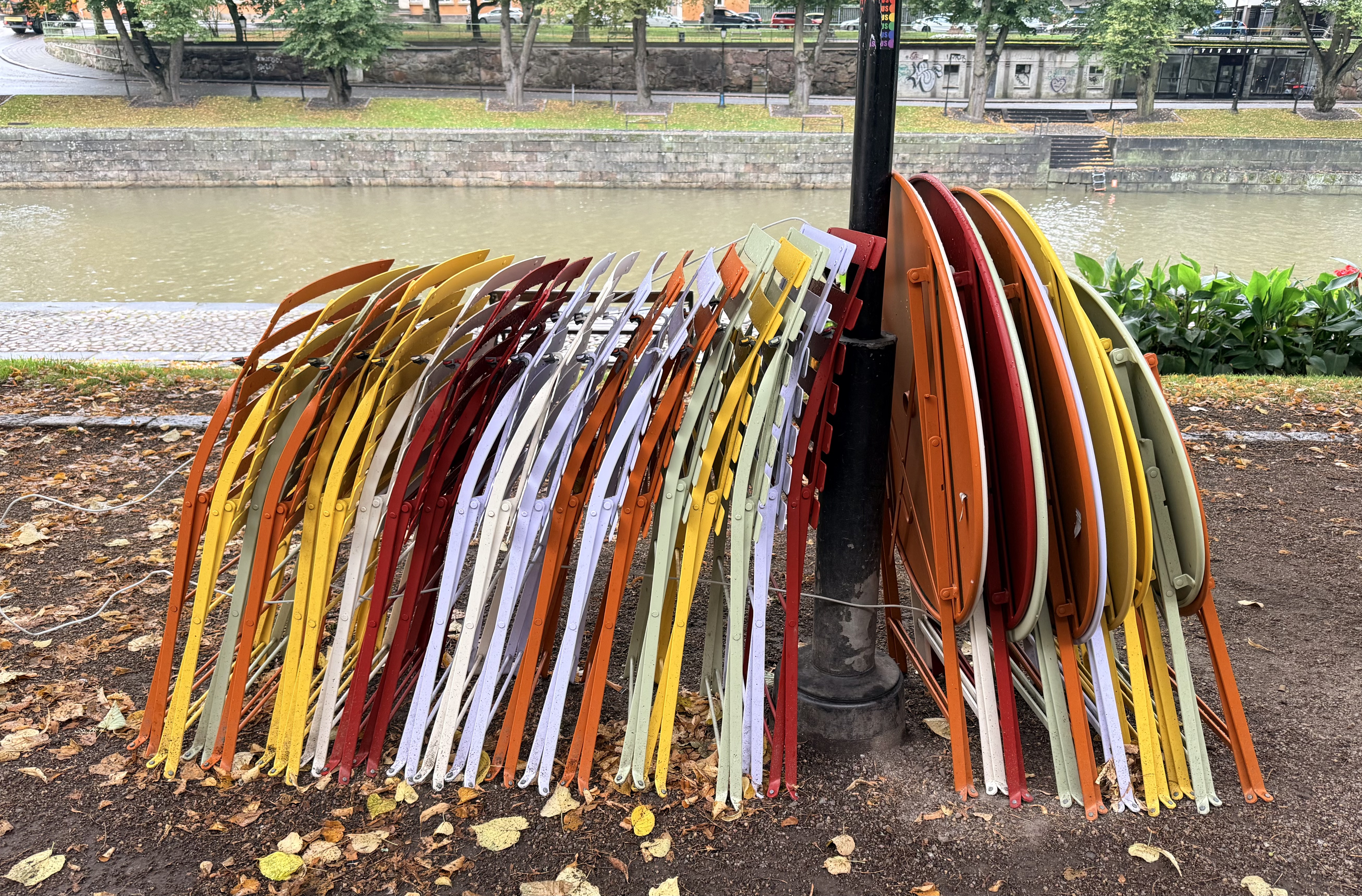
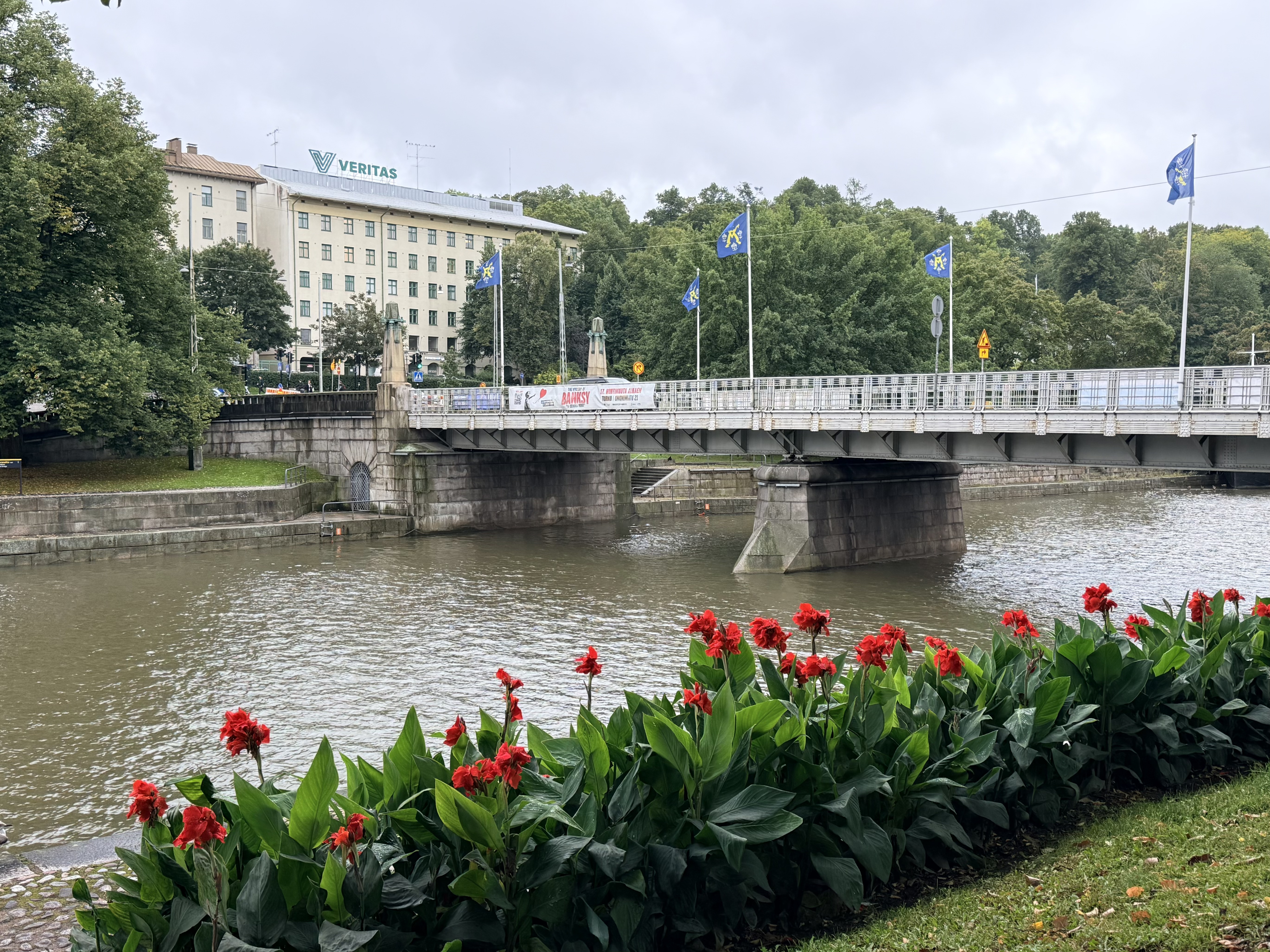
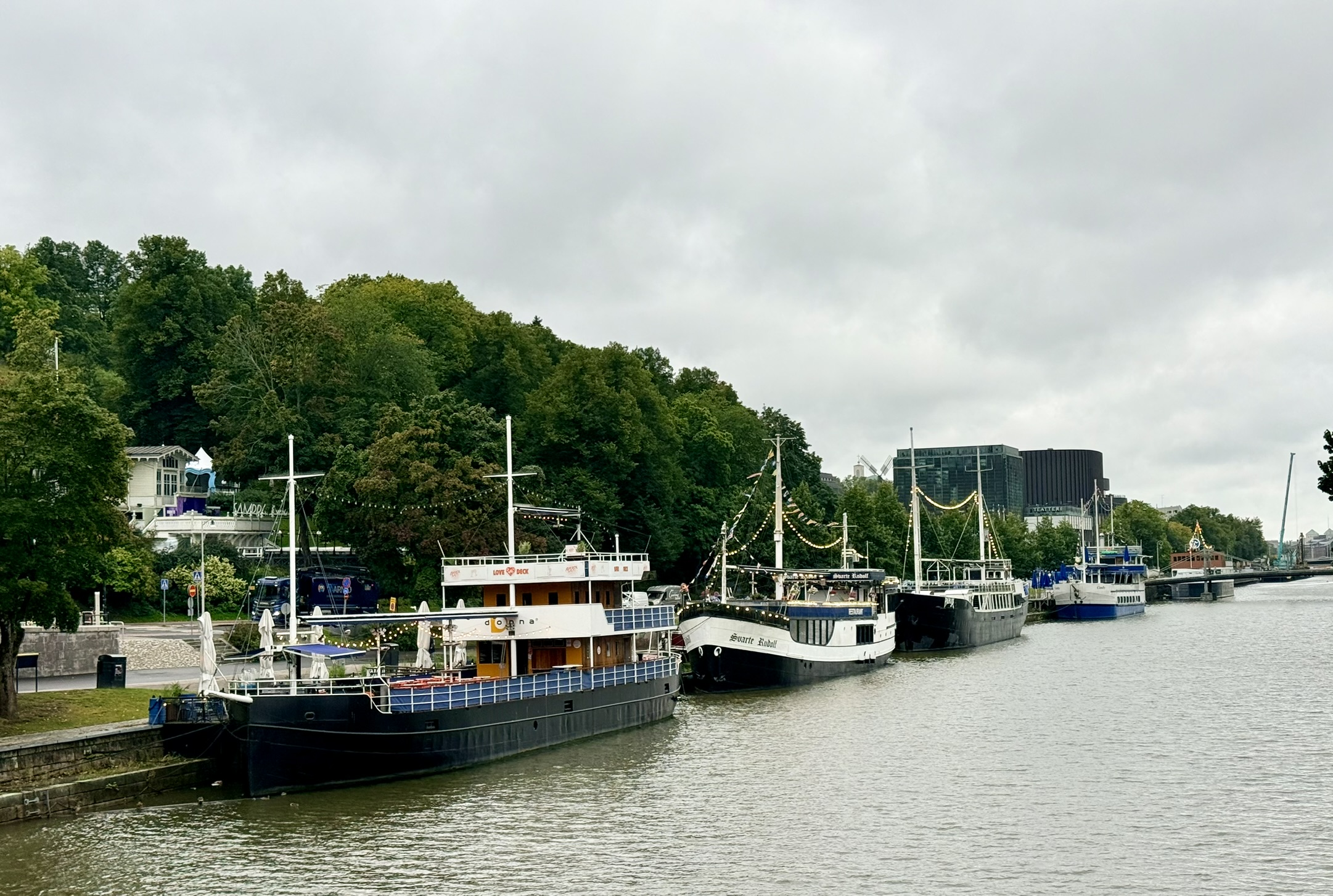
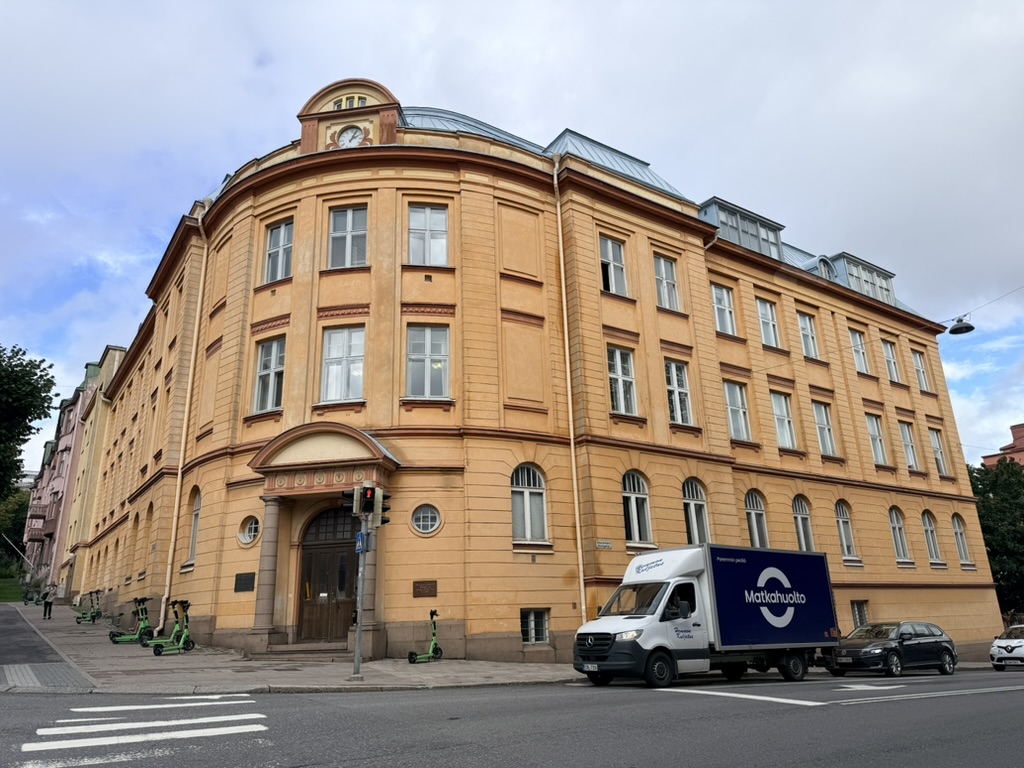
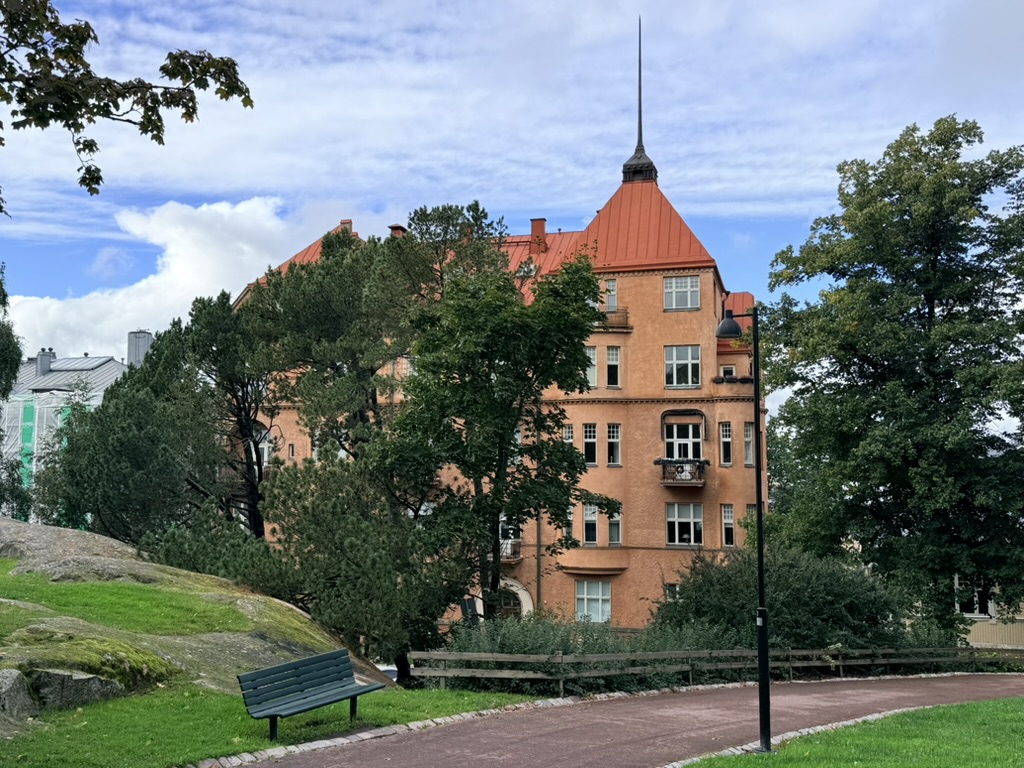
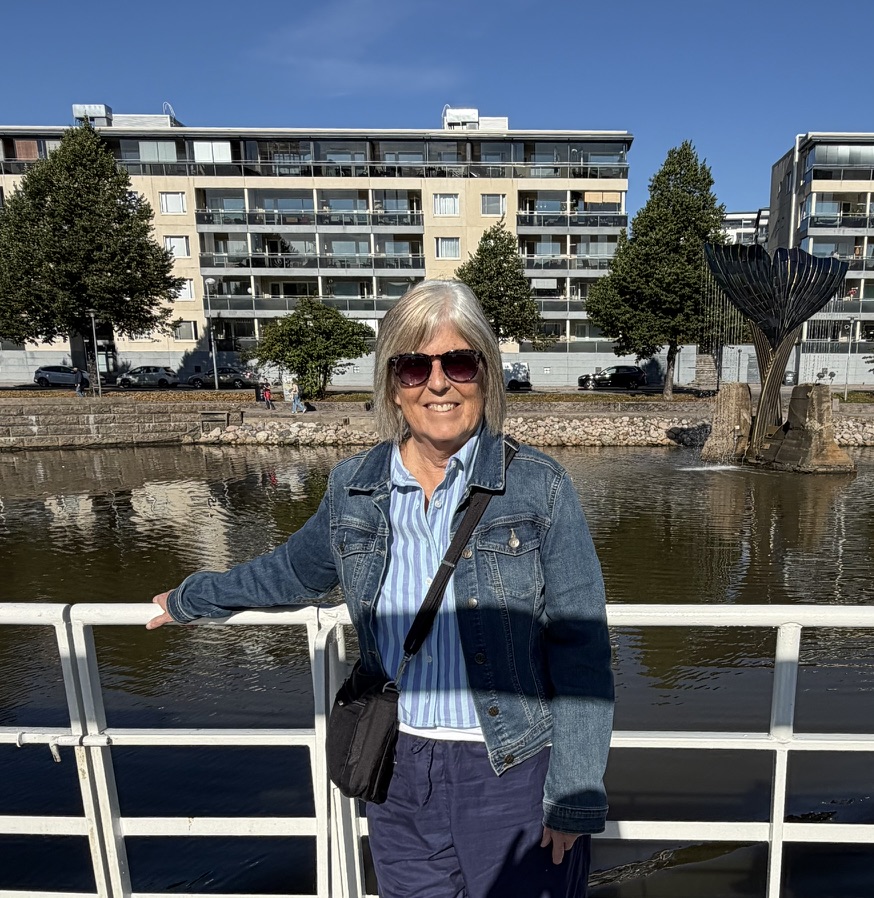
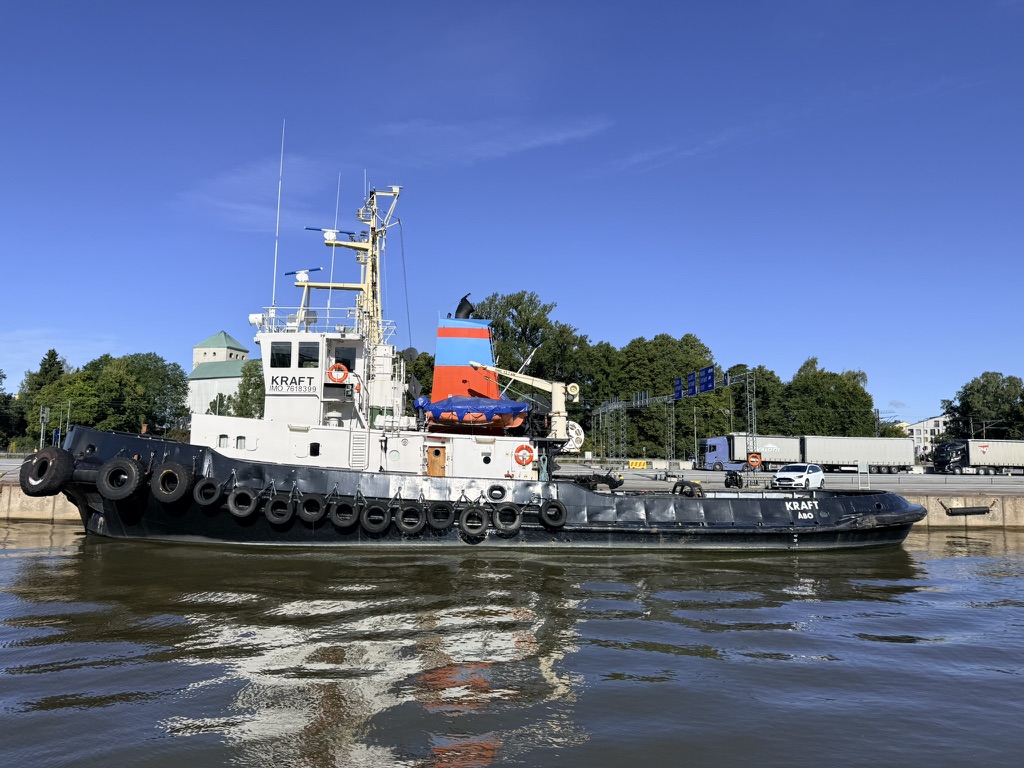
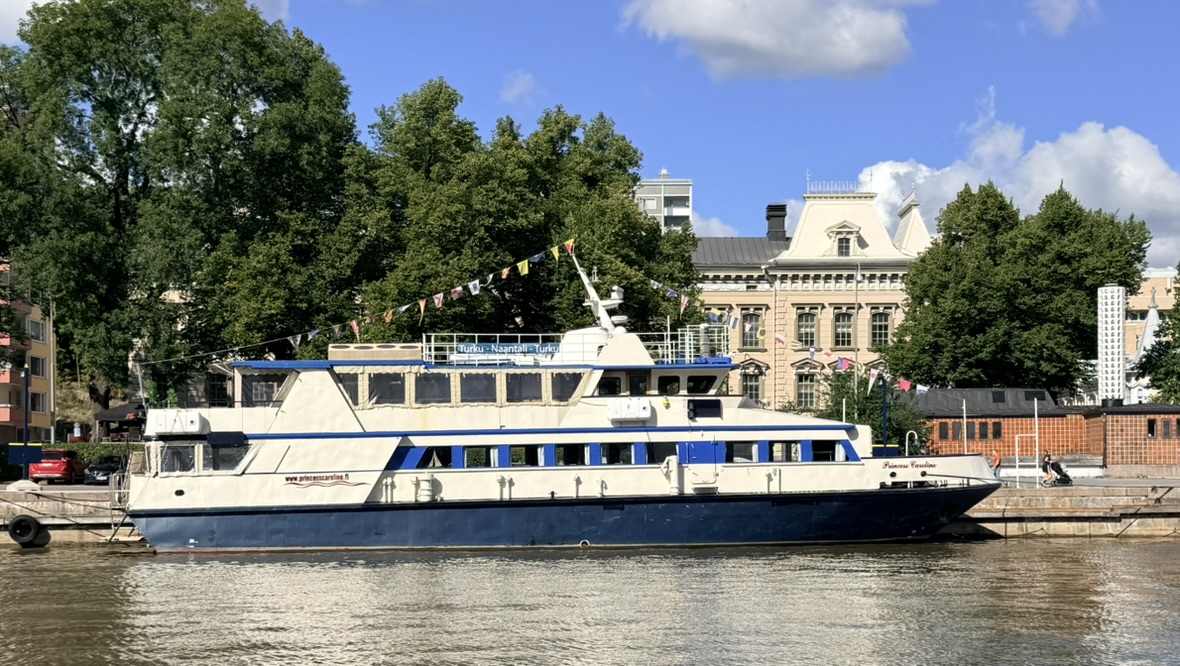
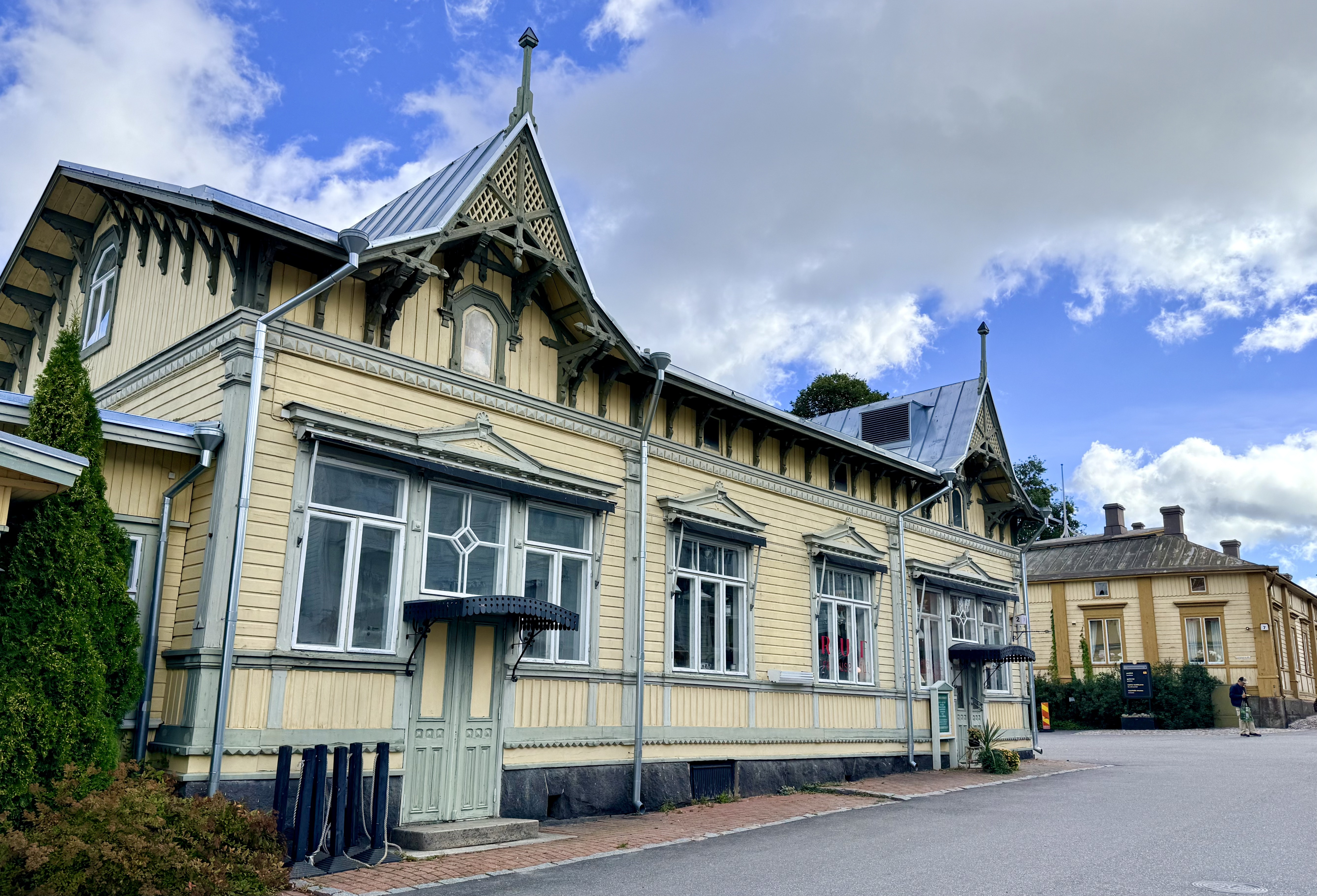
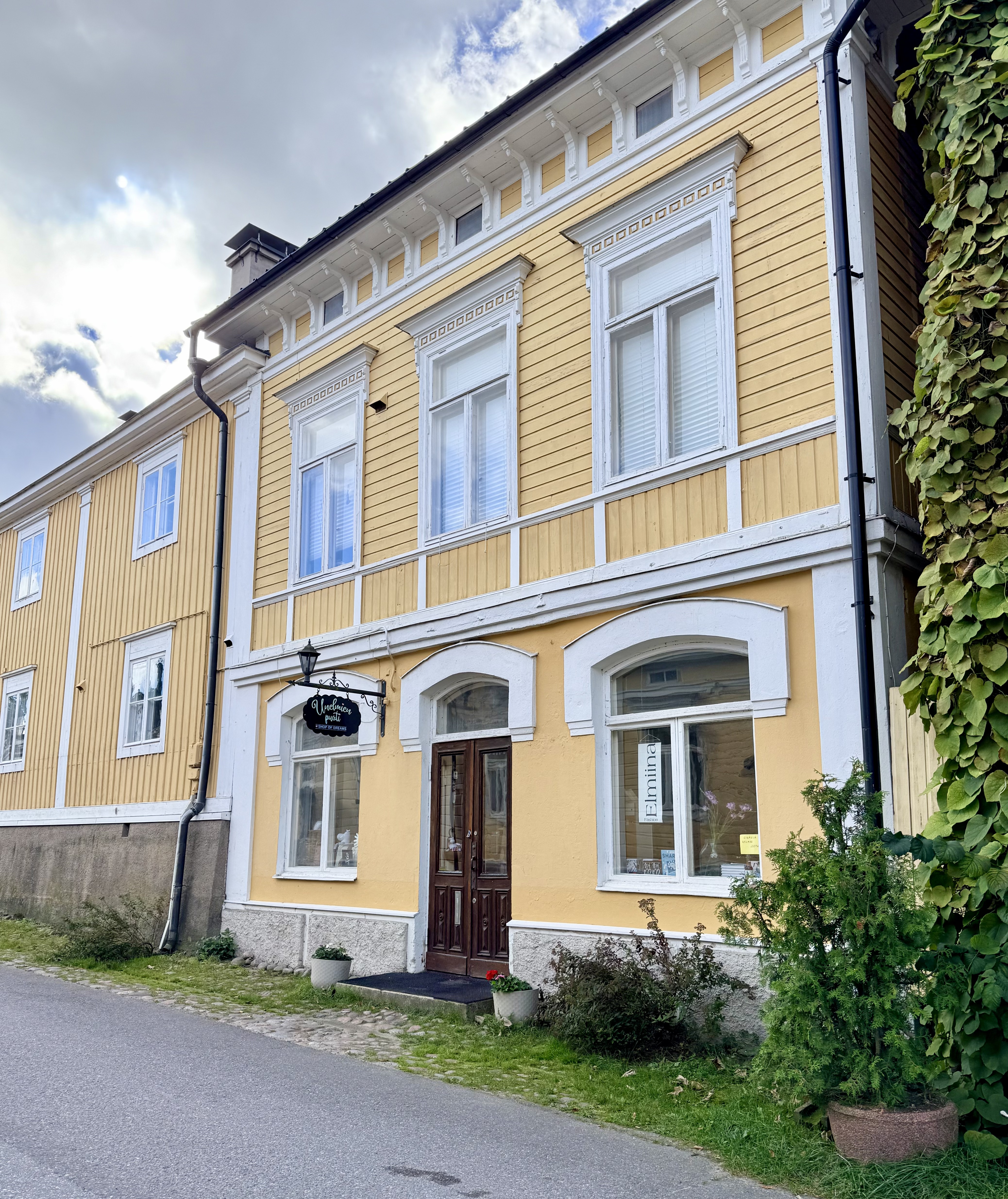
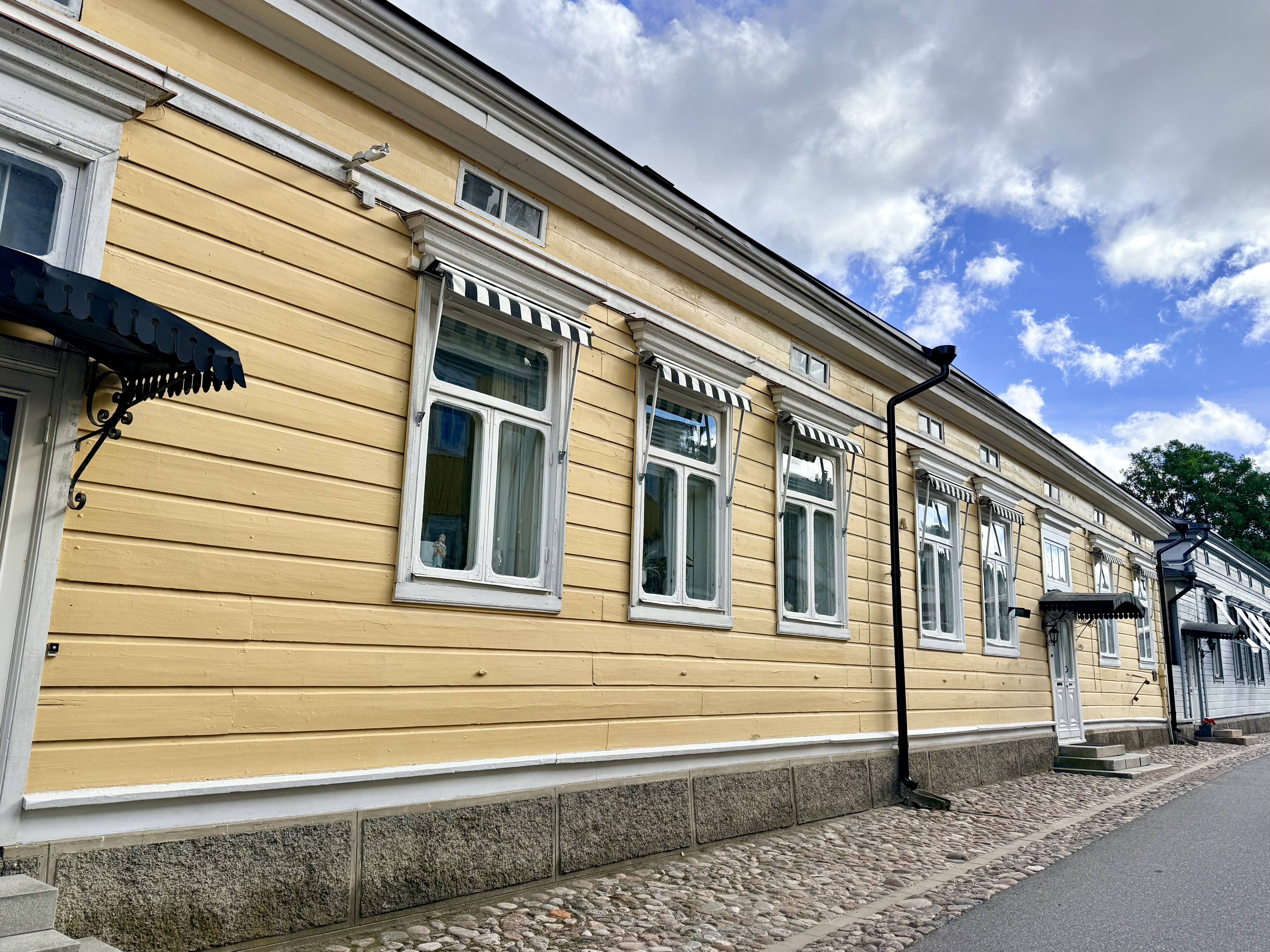
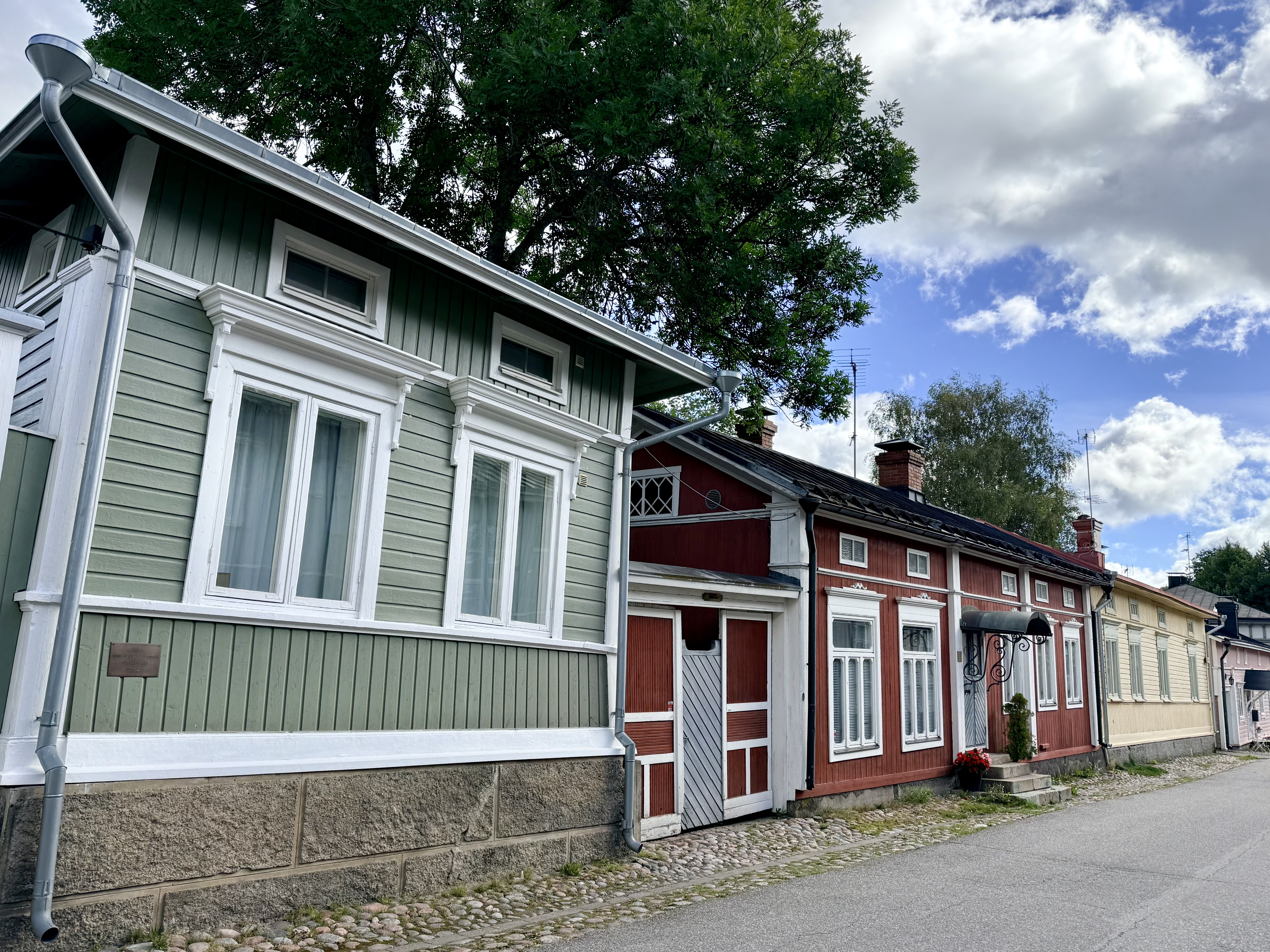
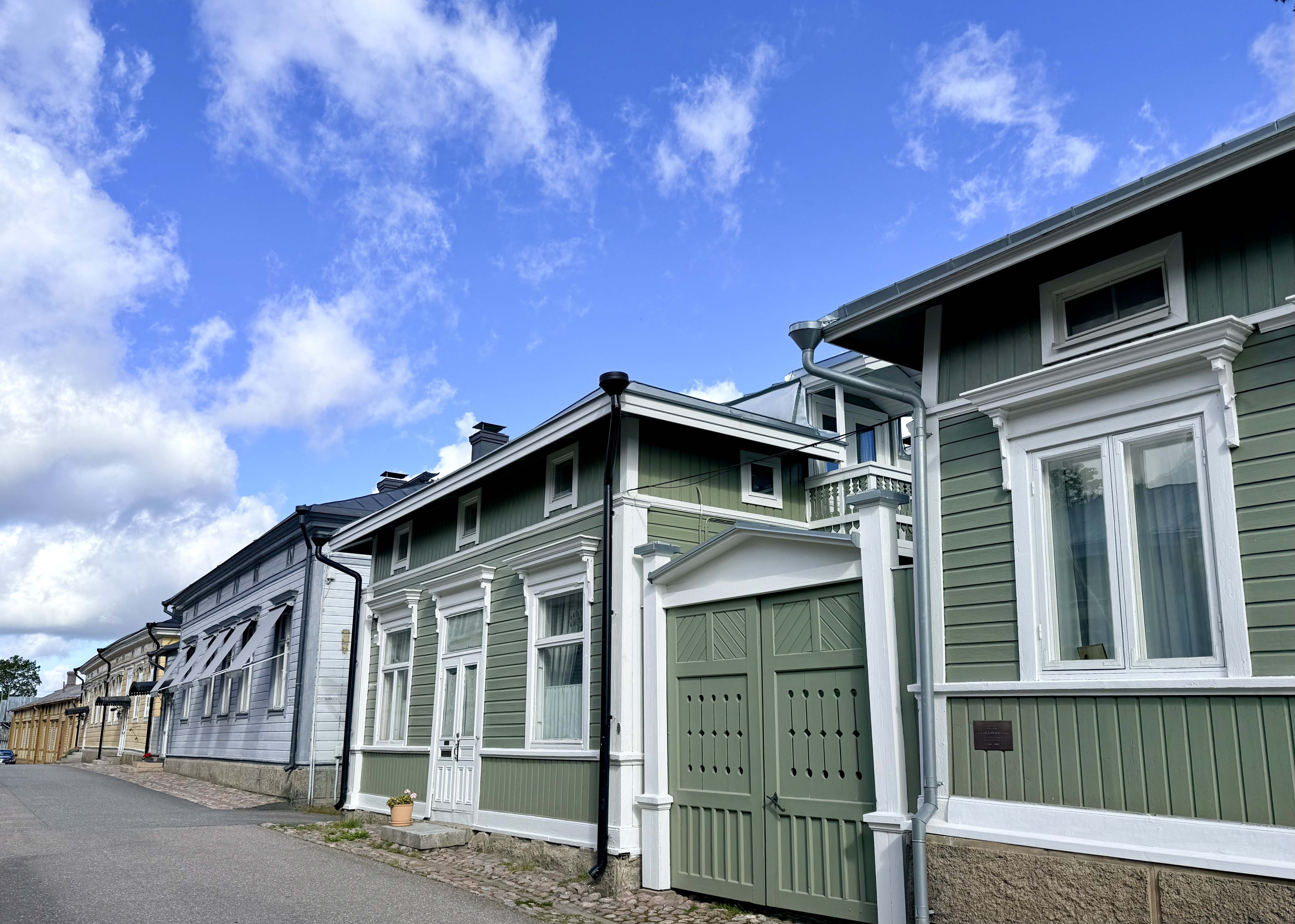
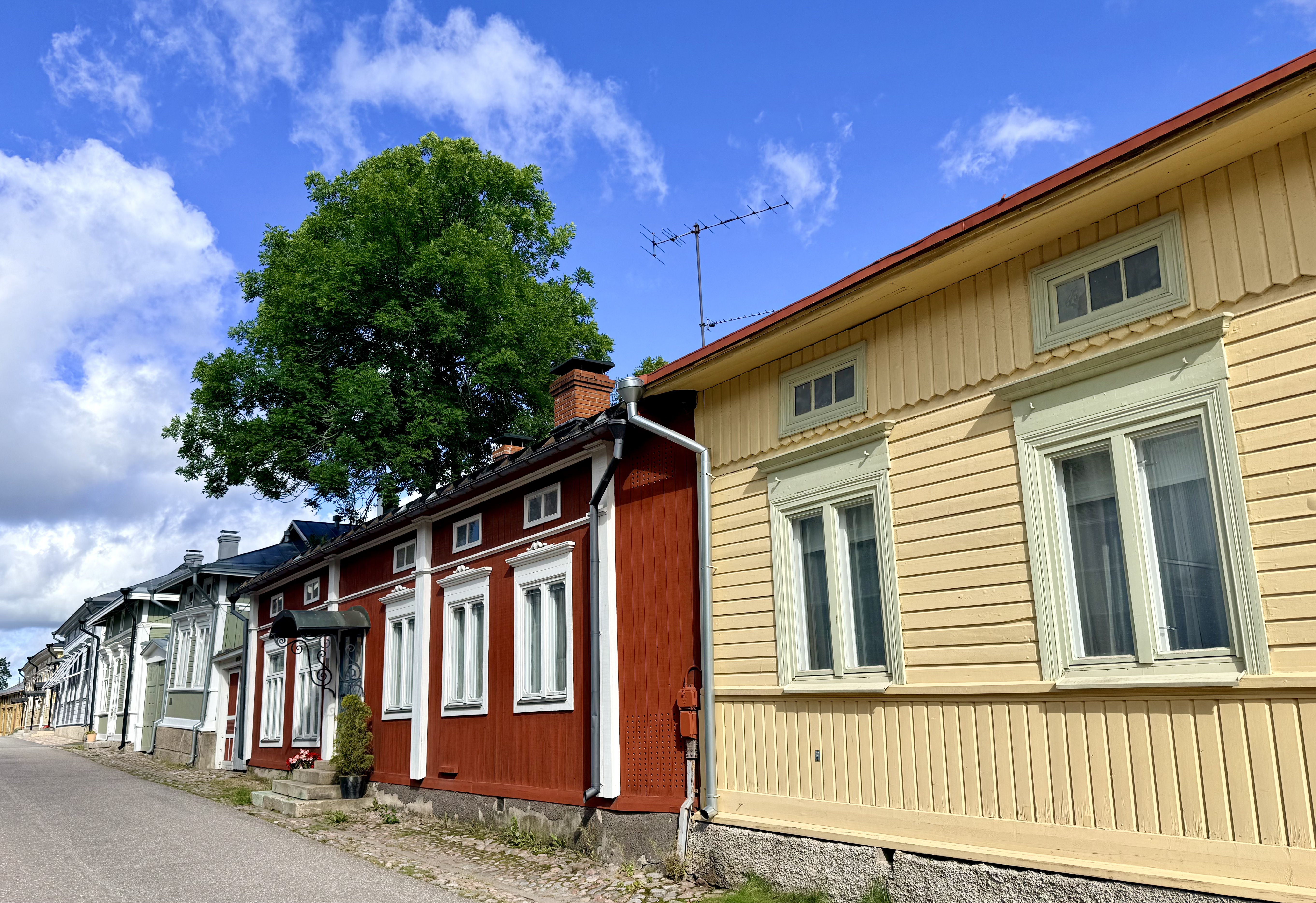
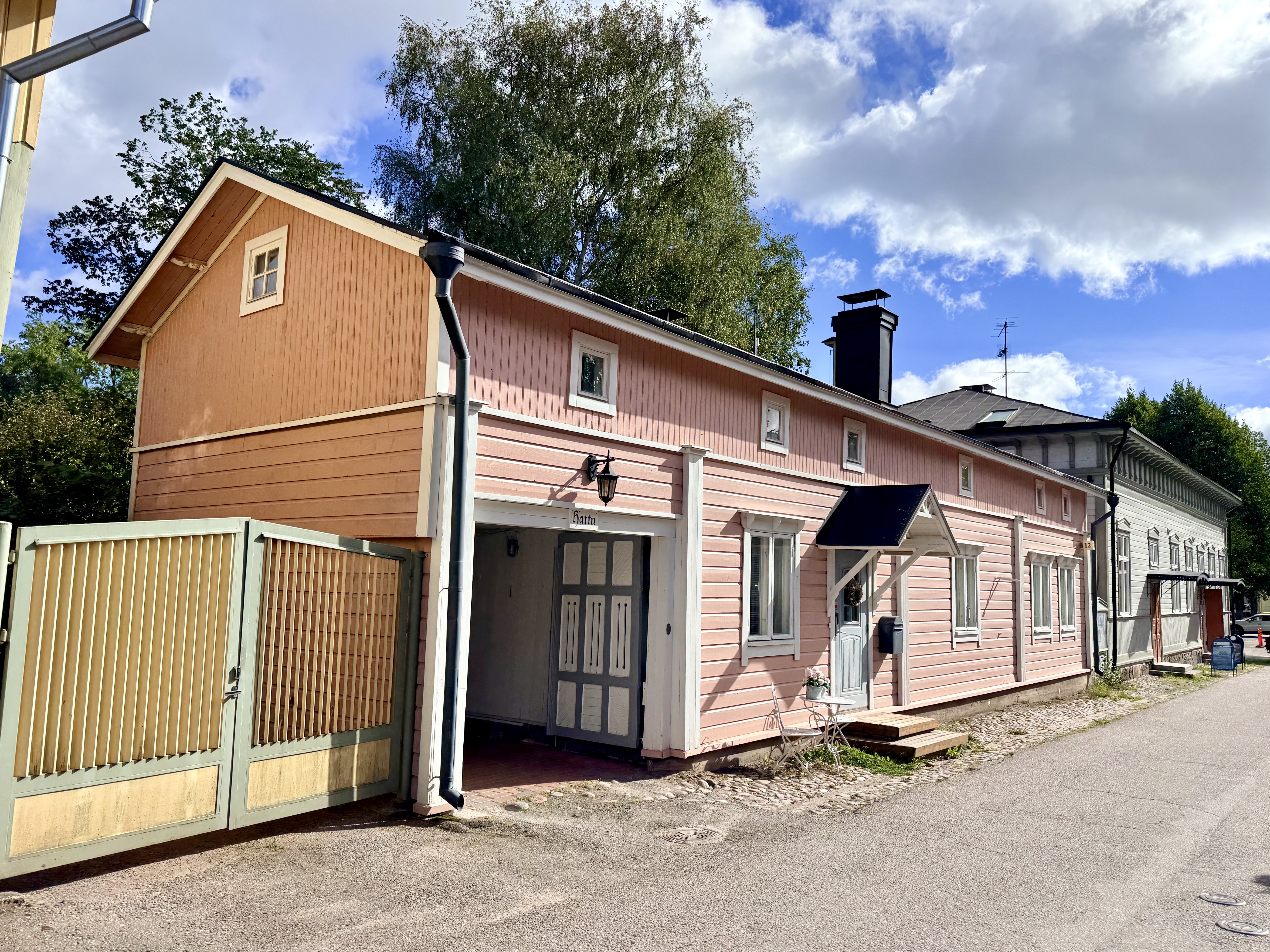
Wandering around the town, I try to capture snippets of interesting sights that tell something about the culture. We saw odd little signs on the streets, students in their patch-covered overalls, the Aura River, and schoolchildren out and about for the one day a week that they are required to study outdoors. We saw the city’s grand buildings and boats along the river lit with white lights on a dreary, rainy day.
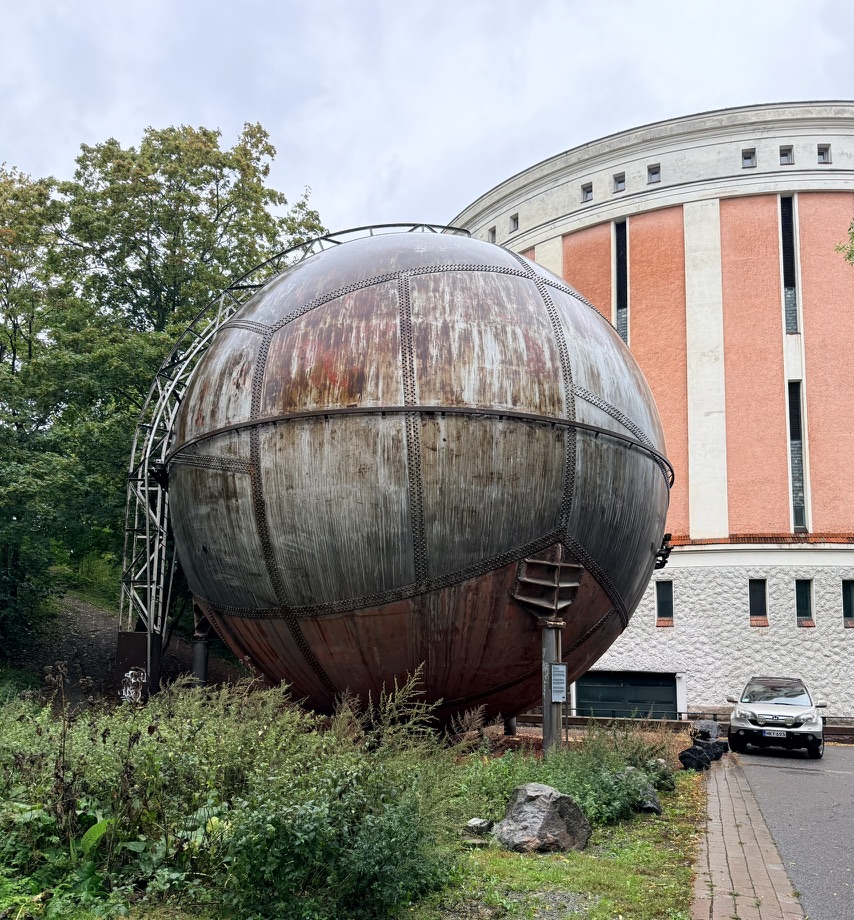
On the way to a Banksy exhibit, we saw a giant metal ball and found it to be a piece of art called “Window of the Sun;” it was historically a gas ball built in 1937 for extra storage of household gas. The ball was hand-riveted together from 24 identical steel plates. When the popularity of gas diminished, the ball stood useless until it was repurposed into art by Mauri Kosonen.
Market Square
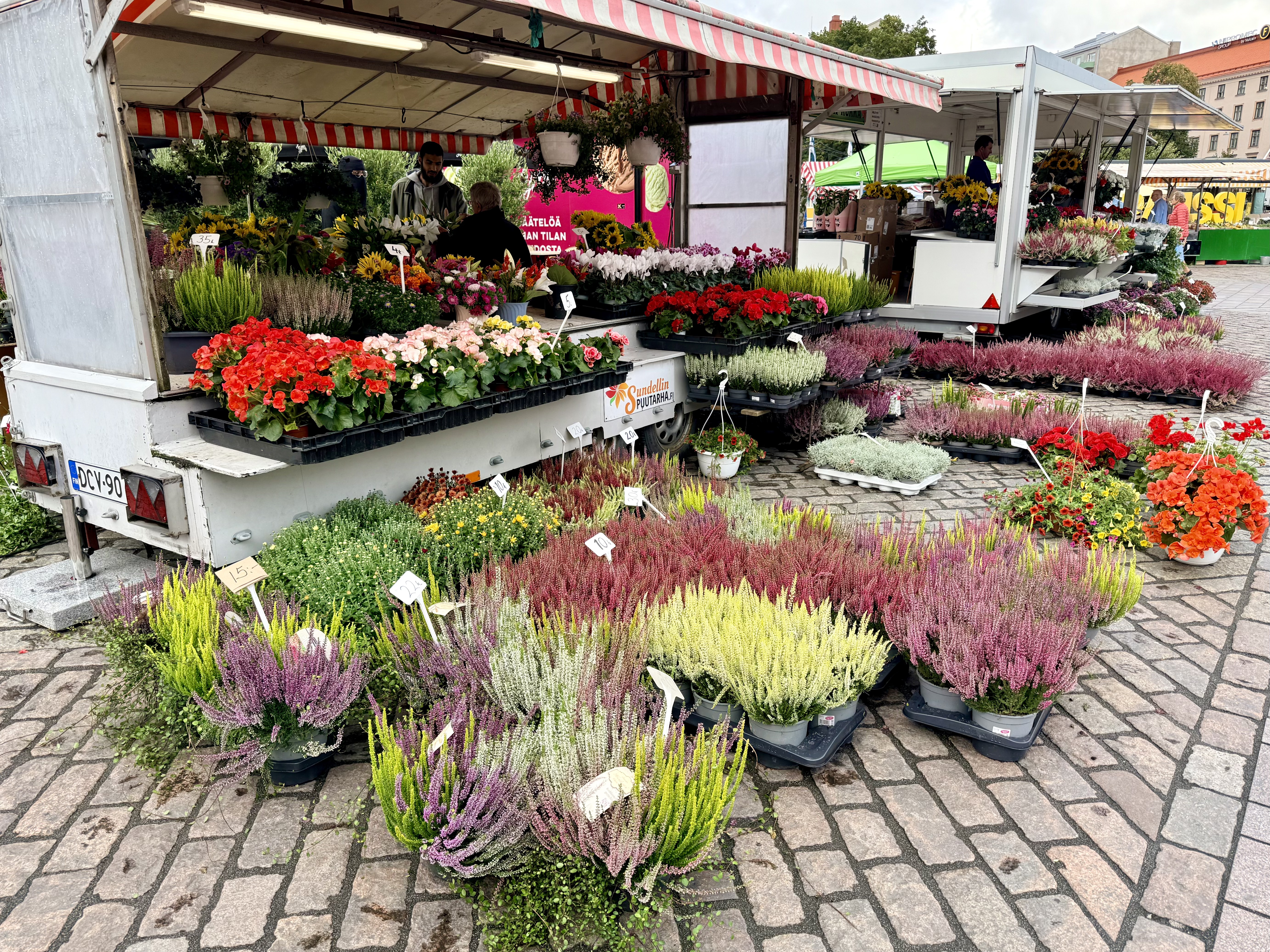
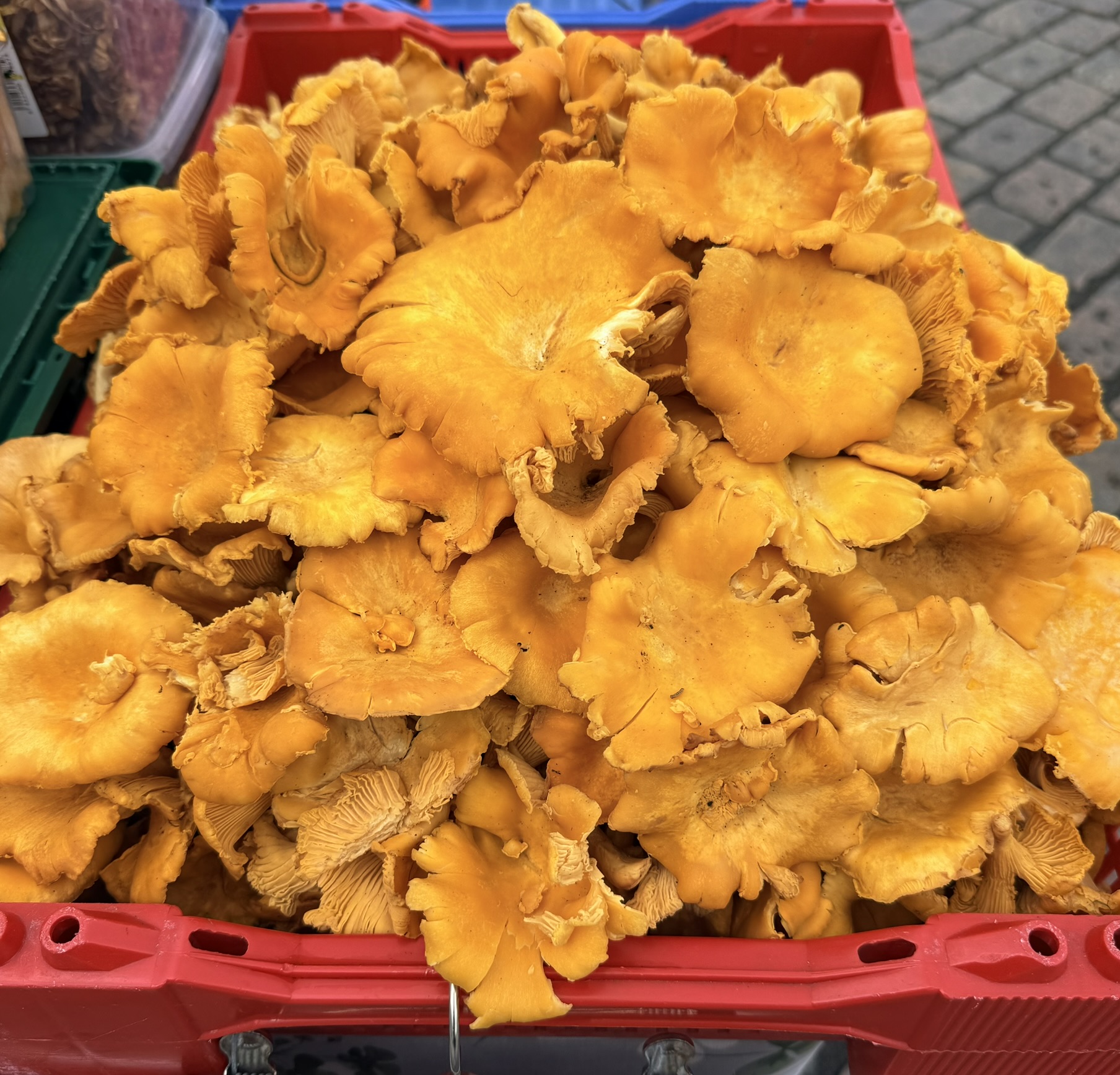
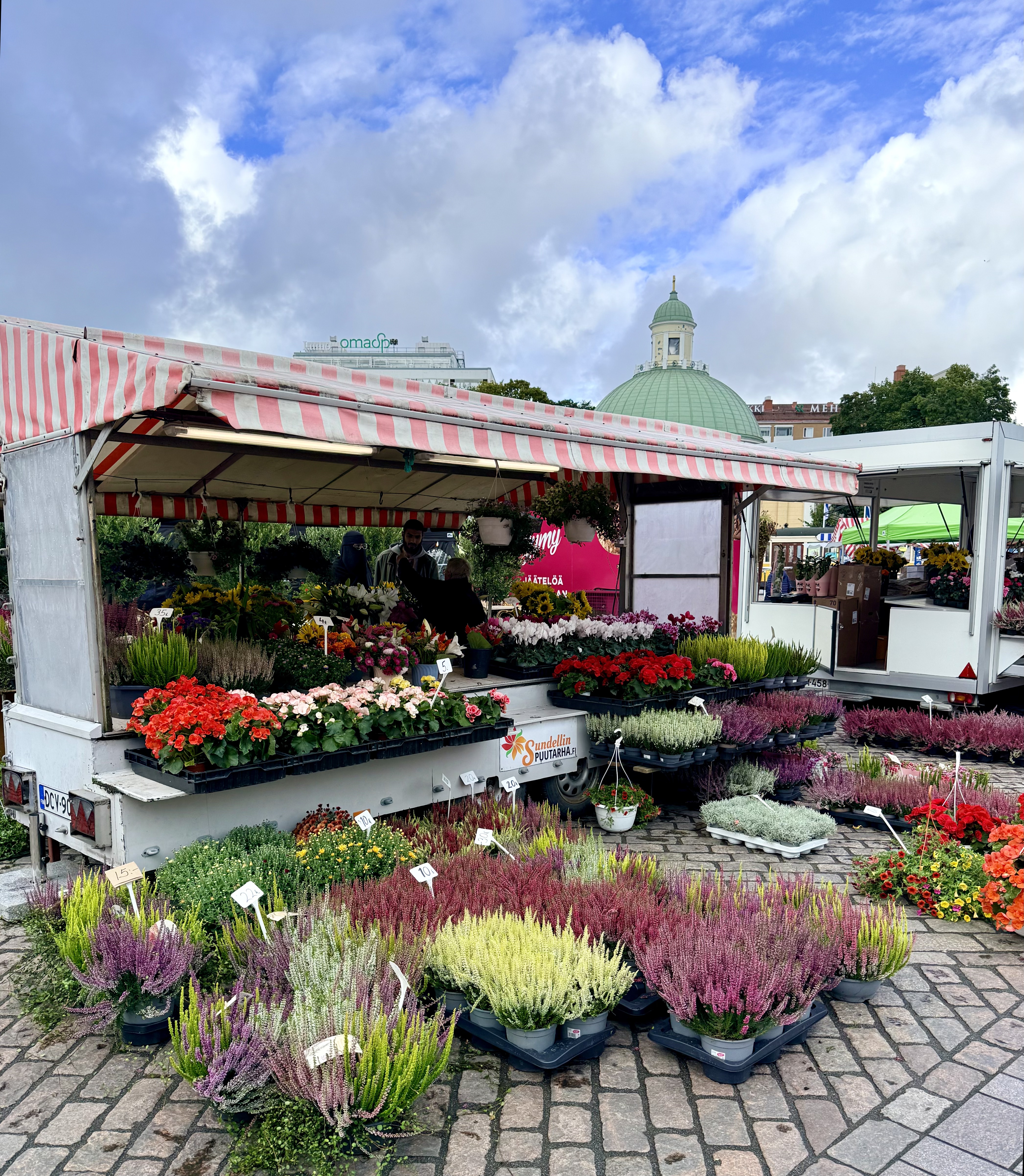
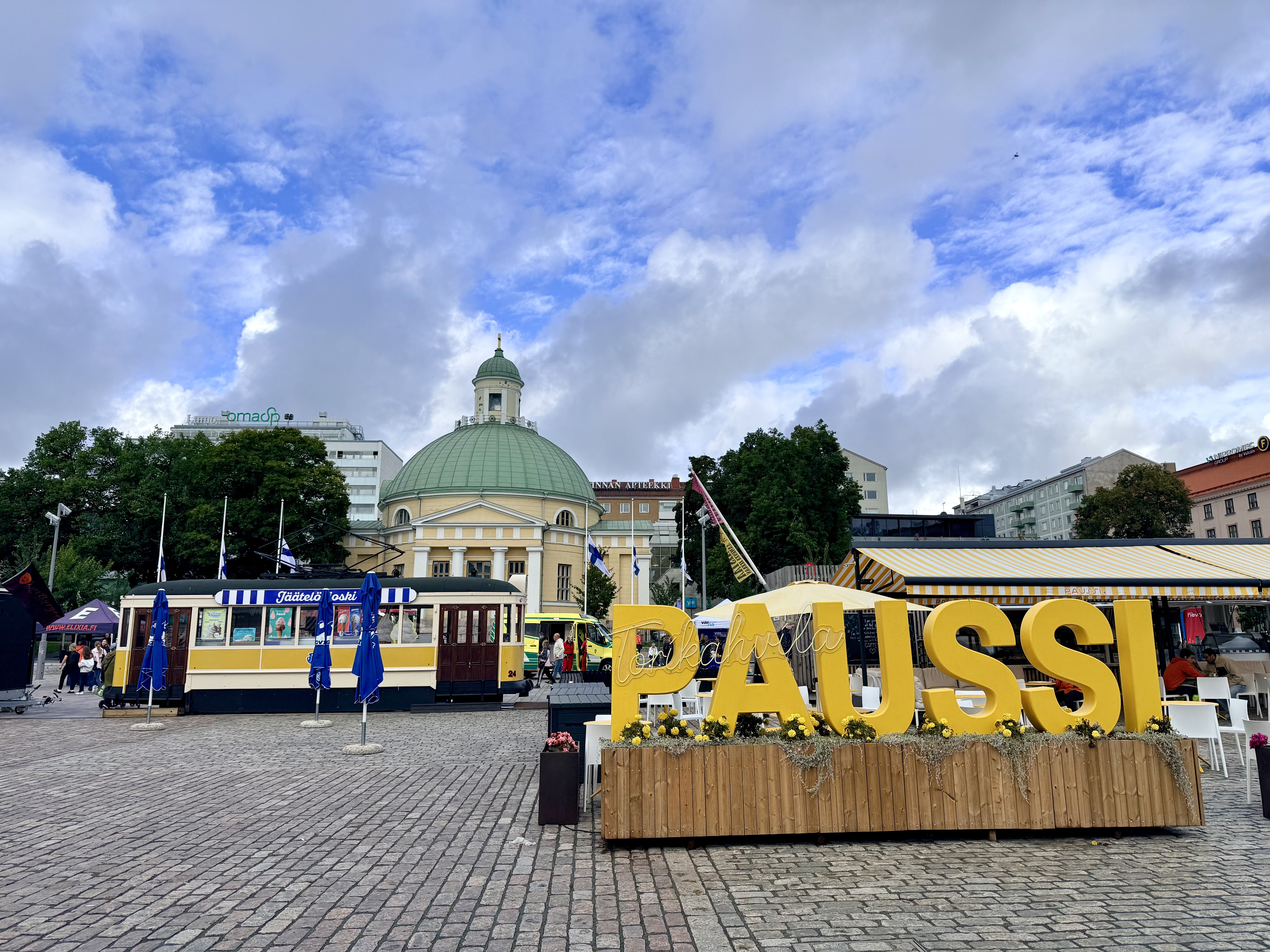
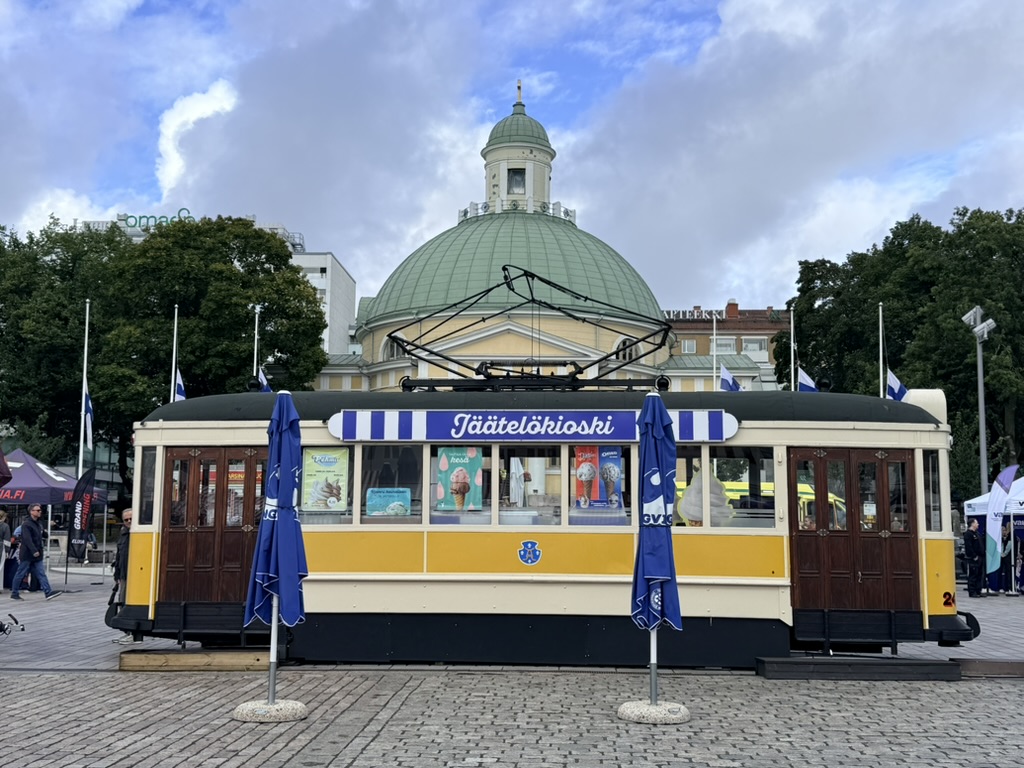
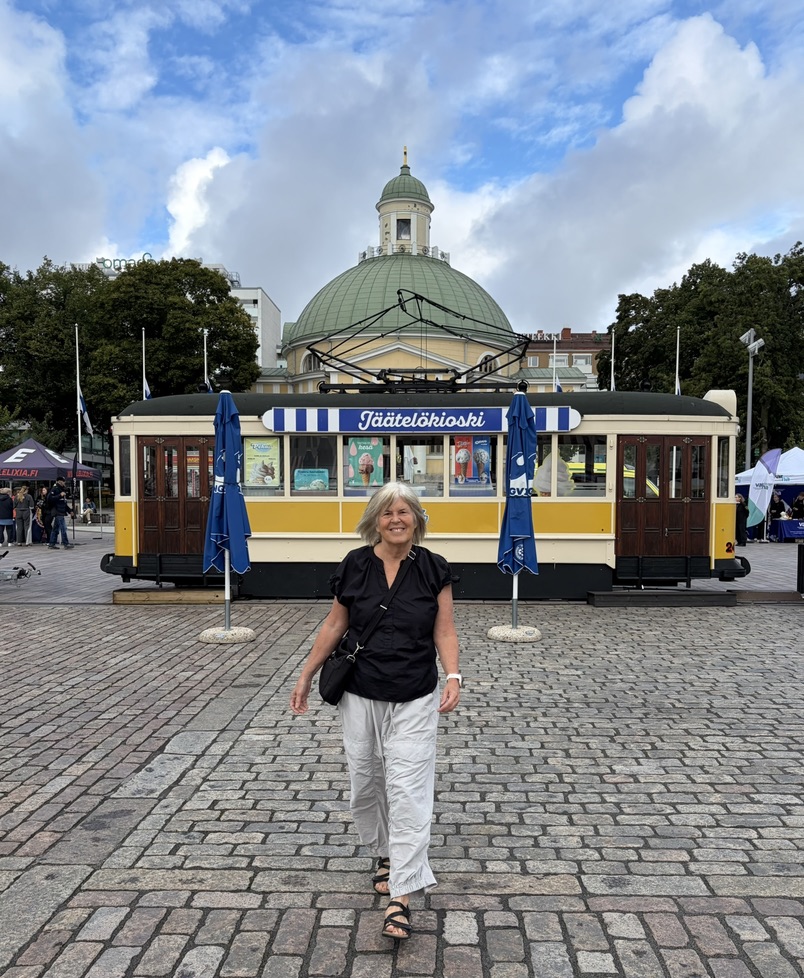
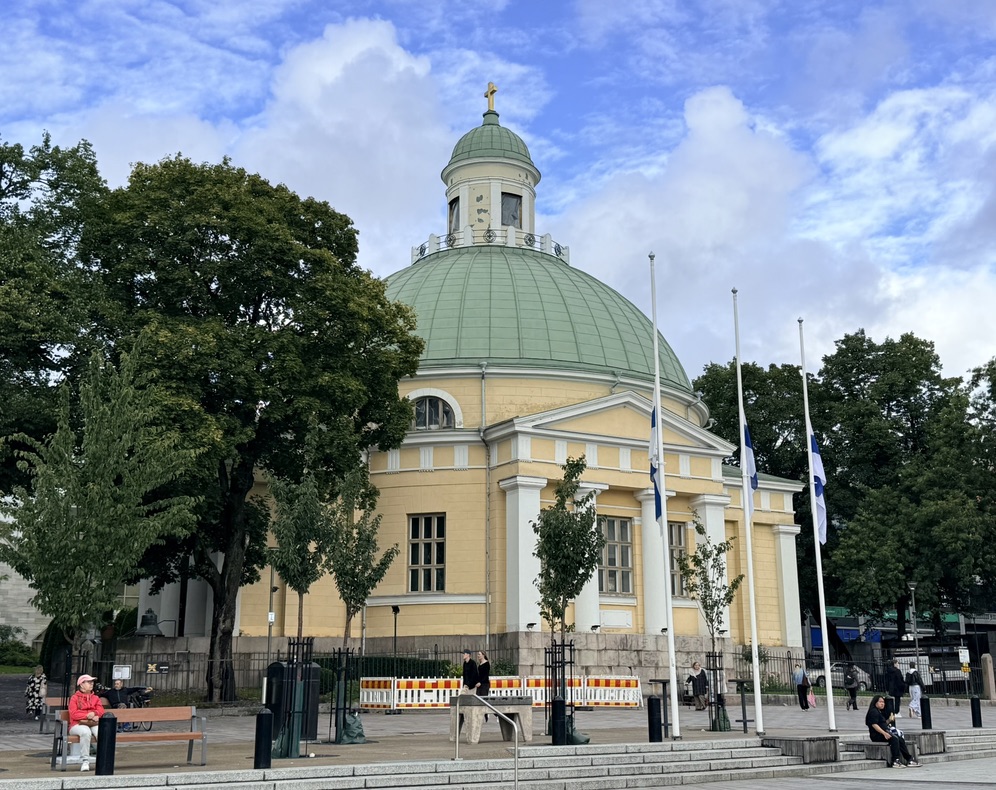
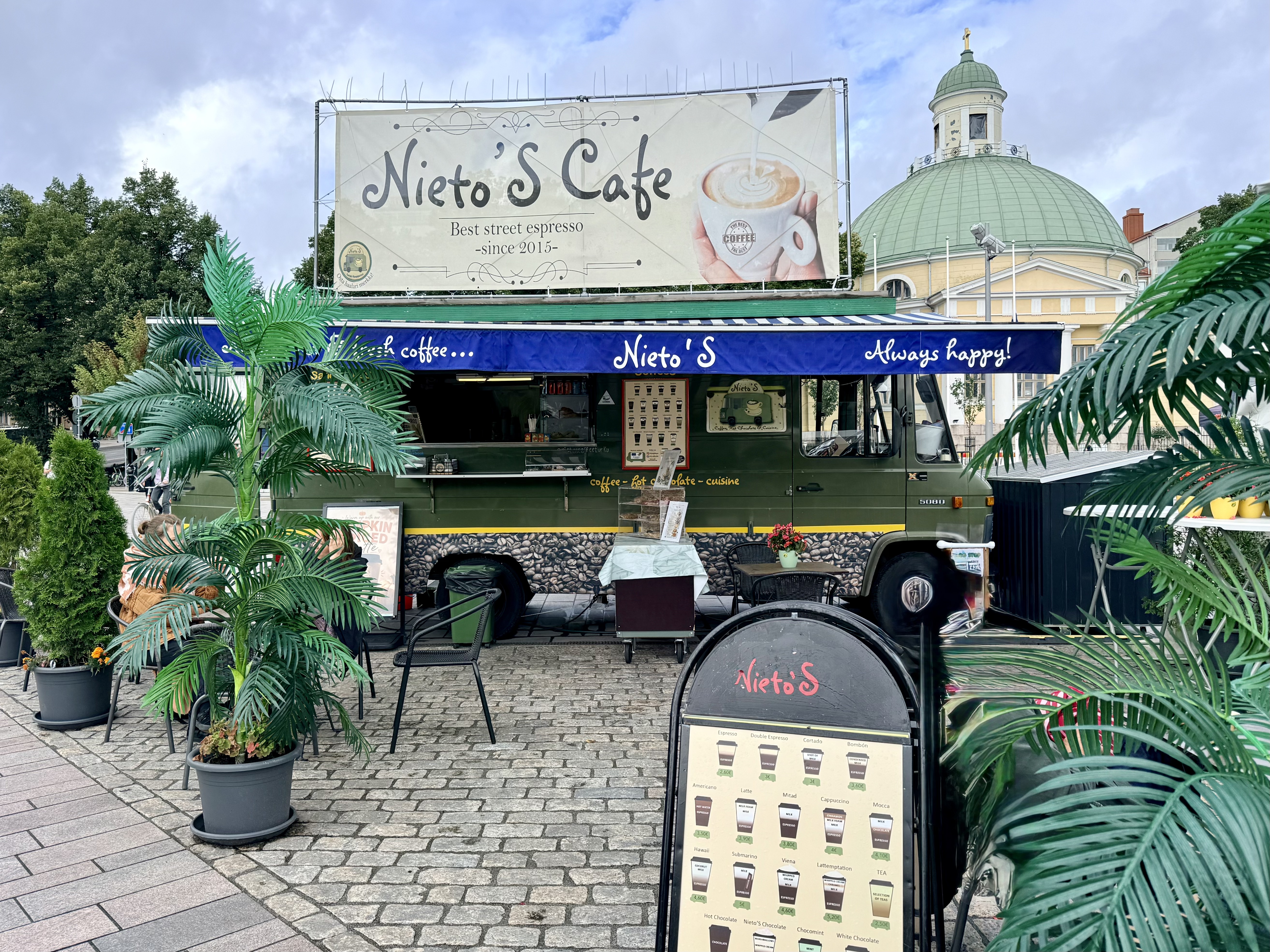
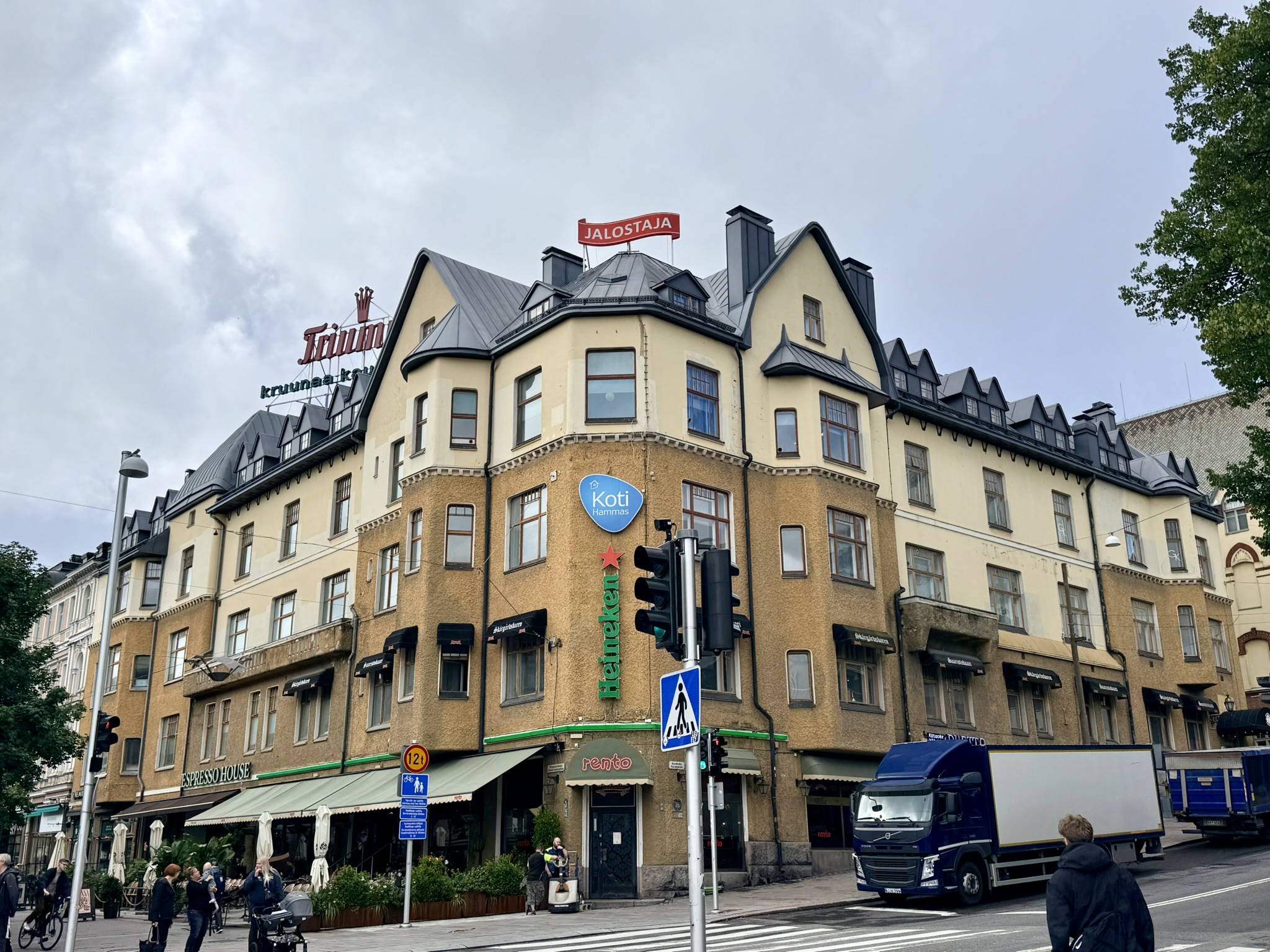
Our apartment was not far from Market Square where there was always a bustle of activity going on.
Taking the Vesibussi to Ruissalo Island
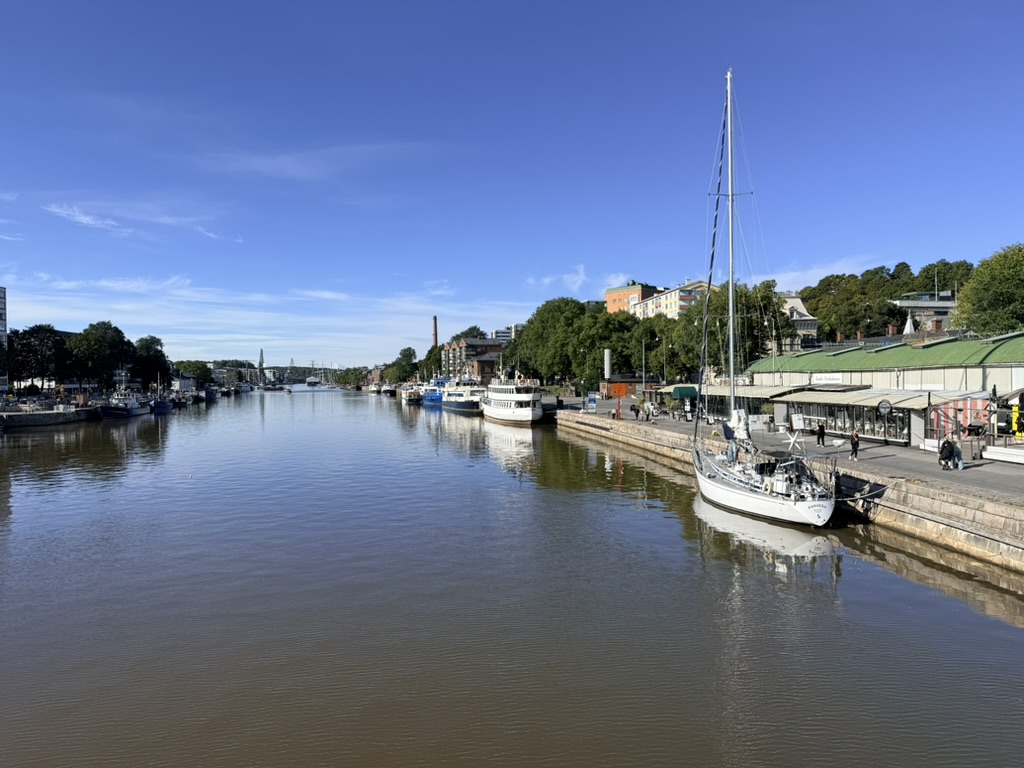
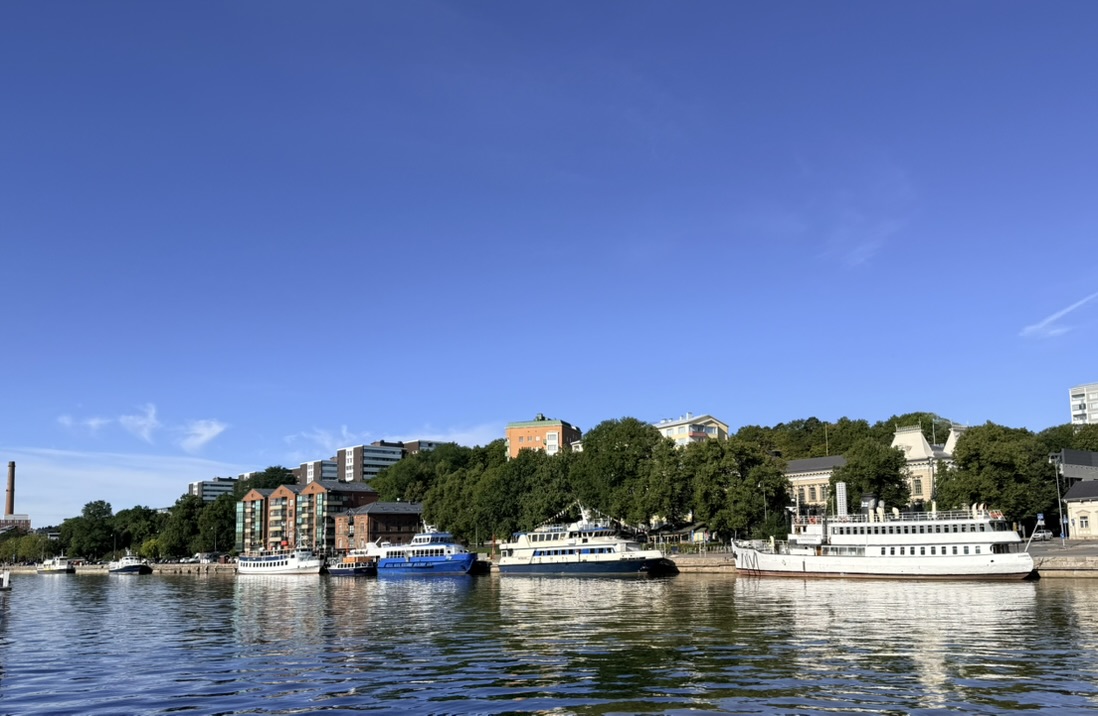
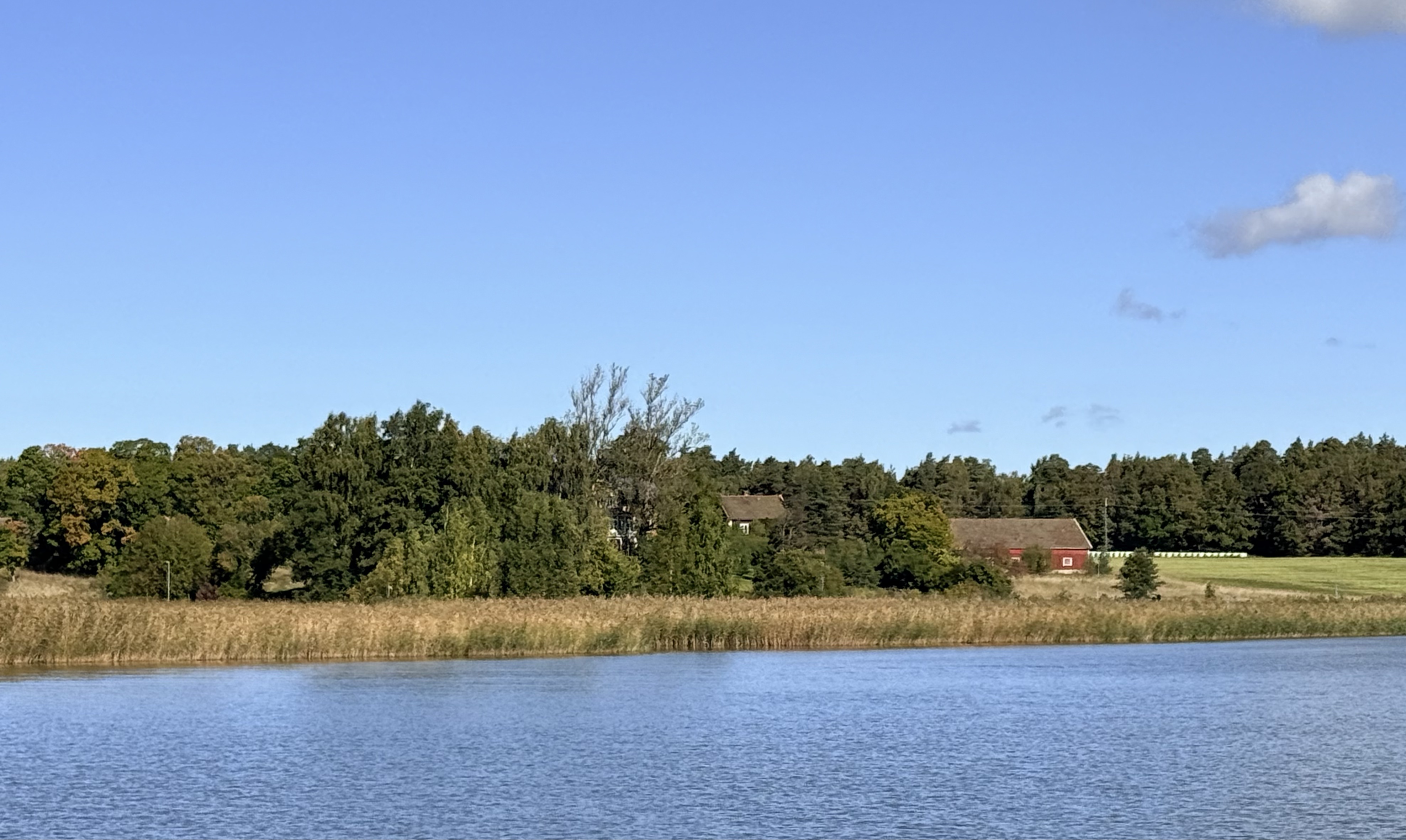
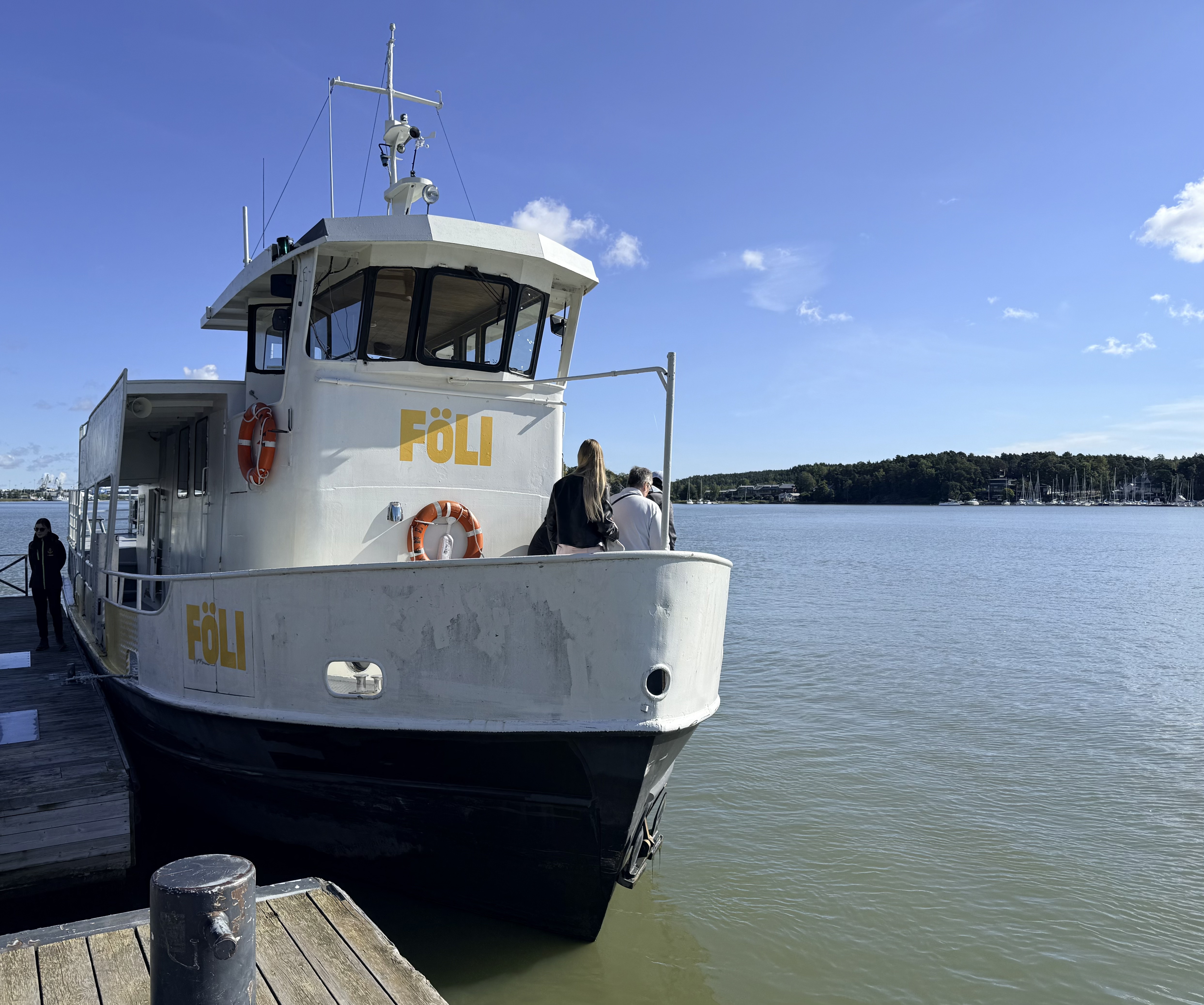
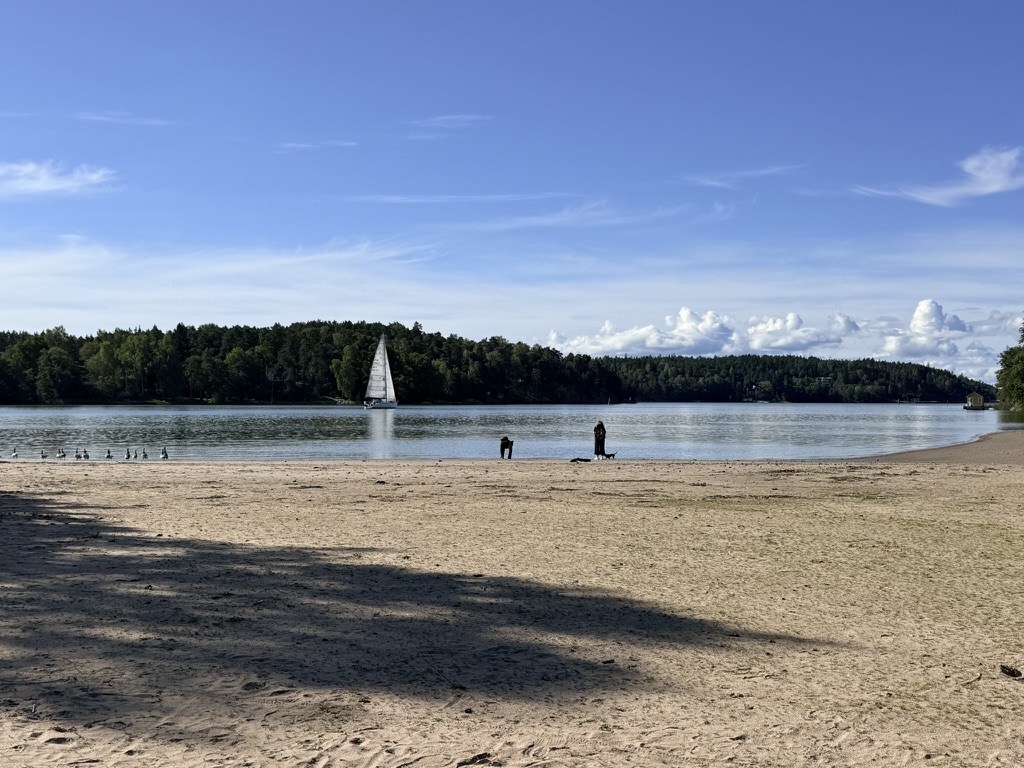
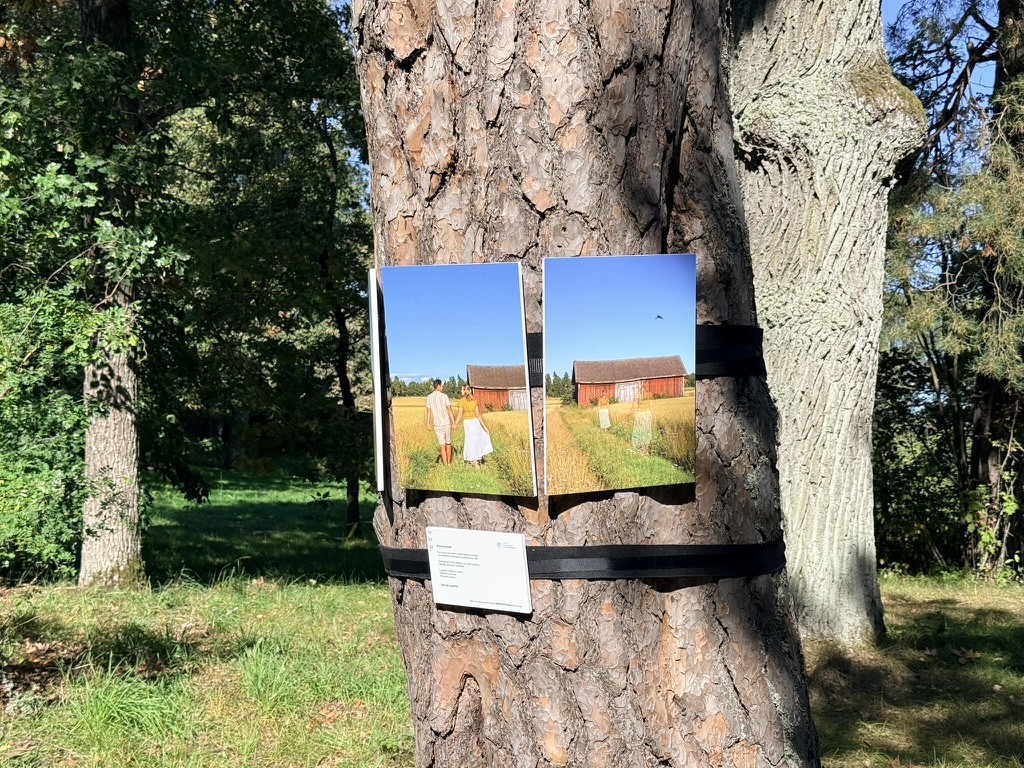
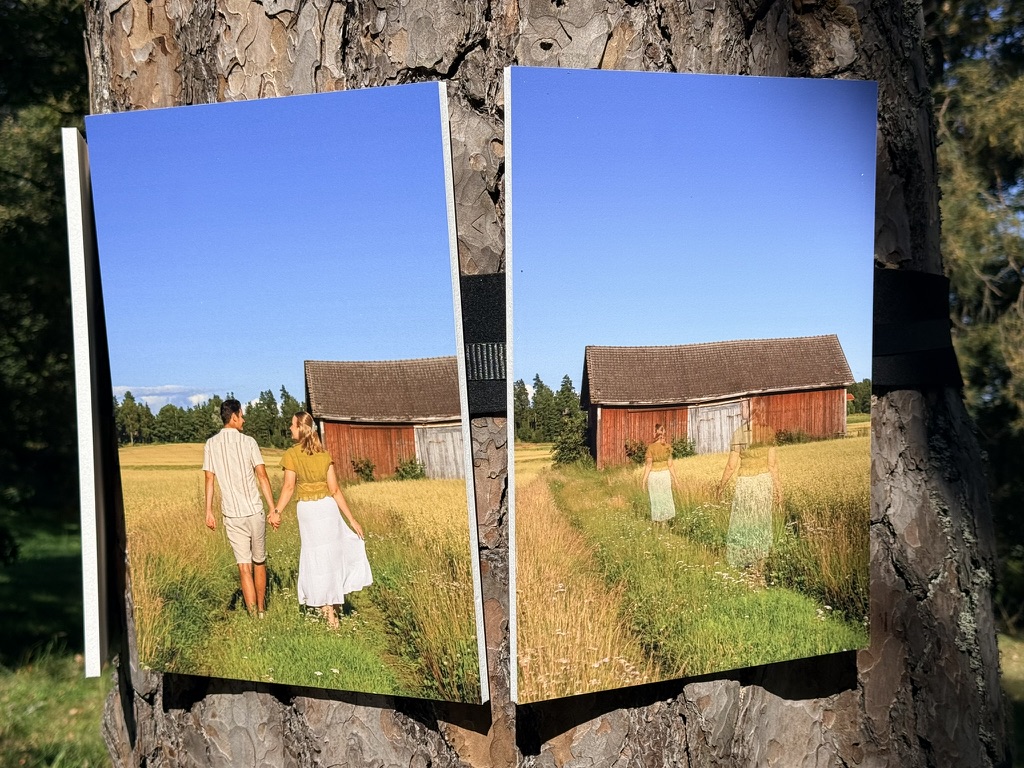
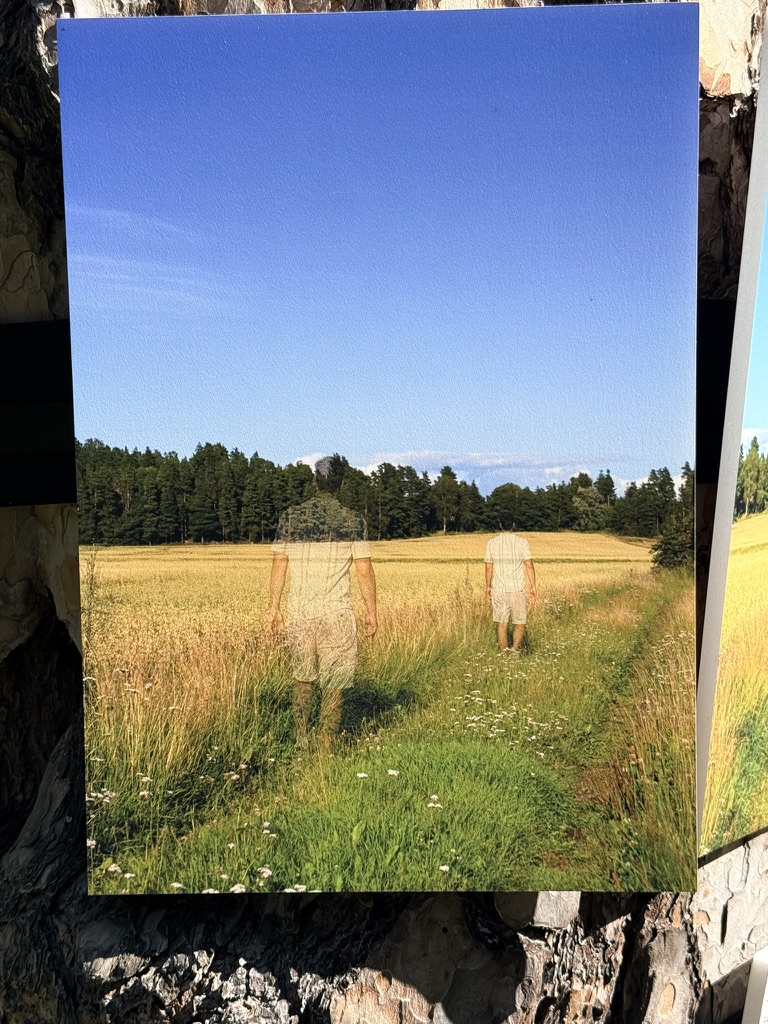
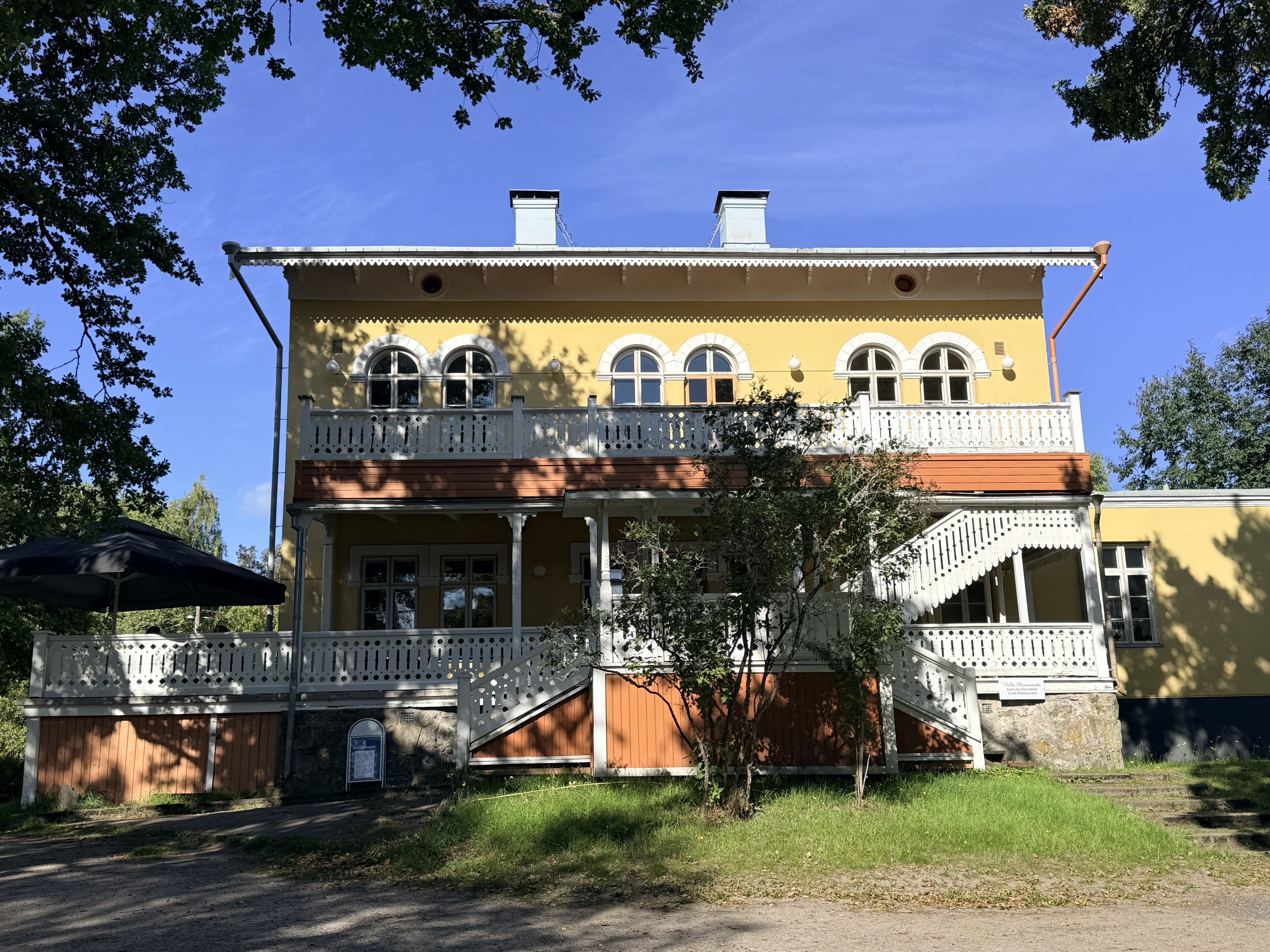
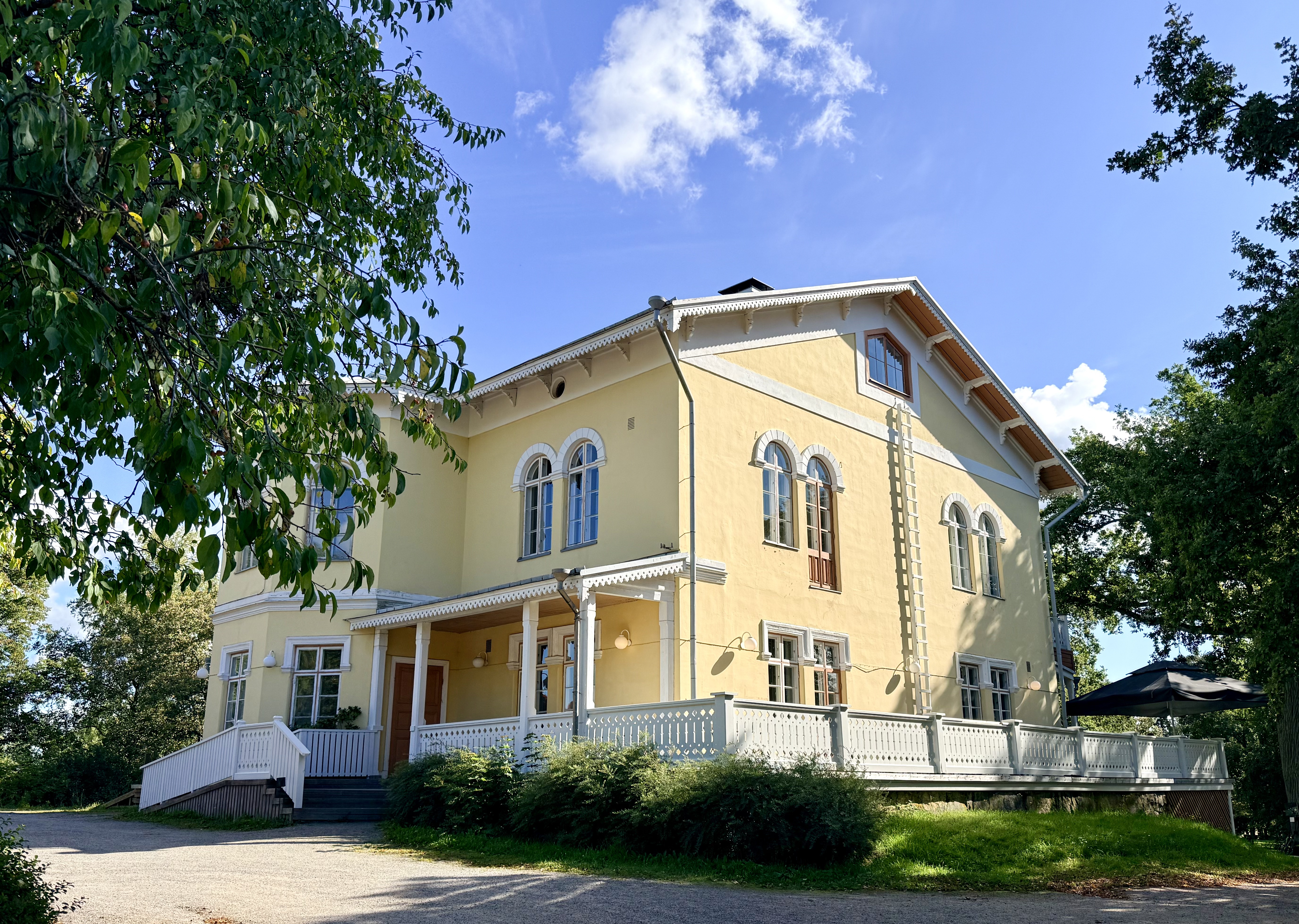
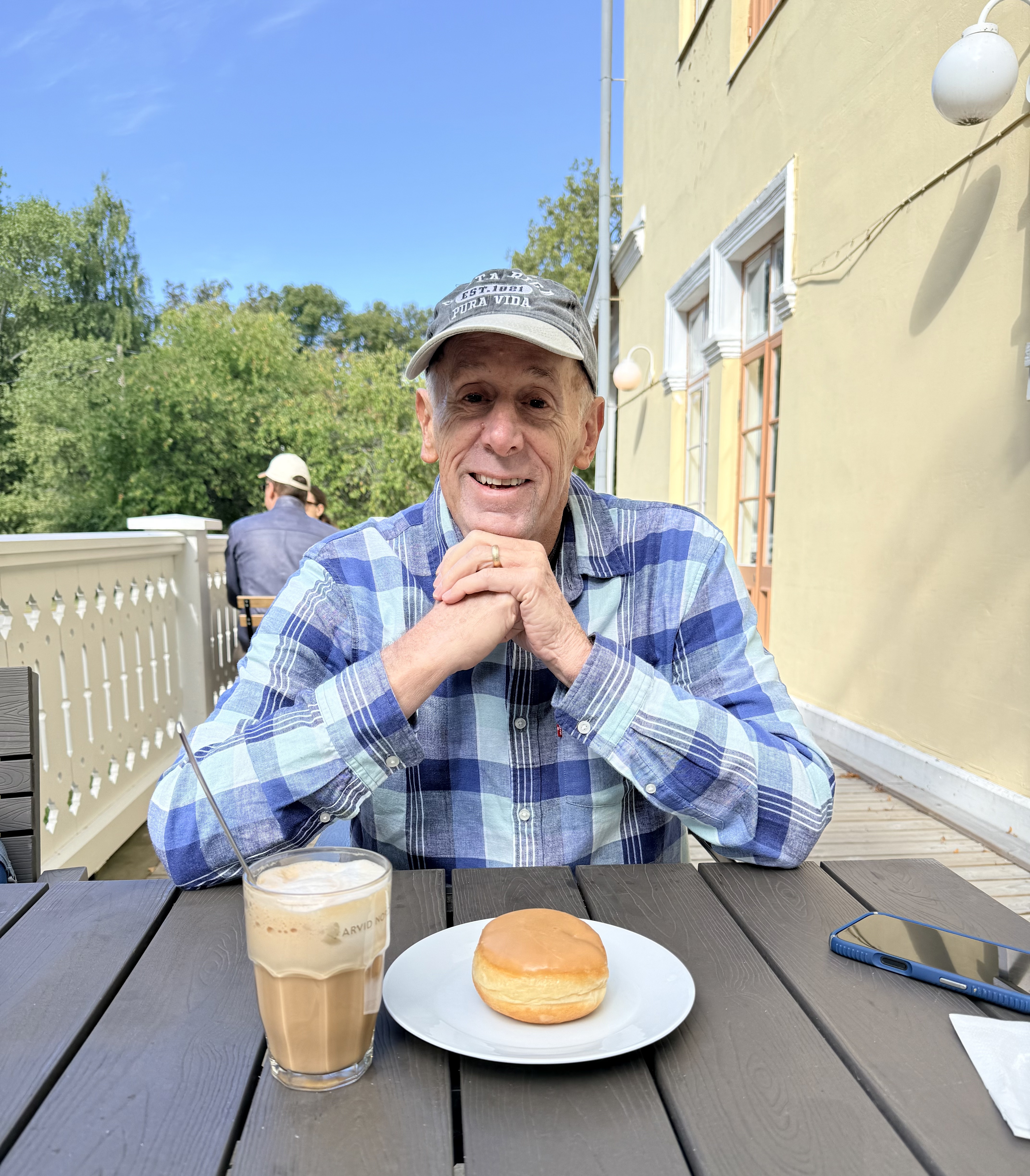
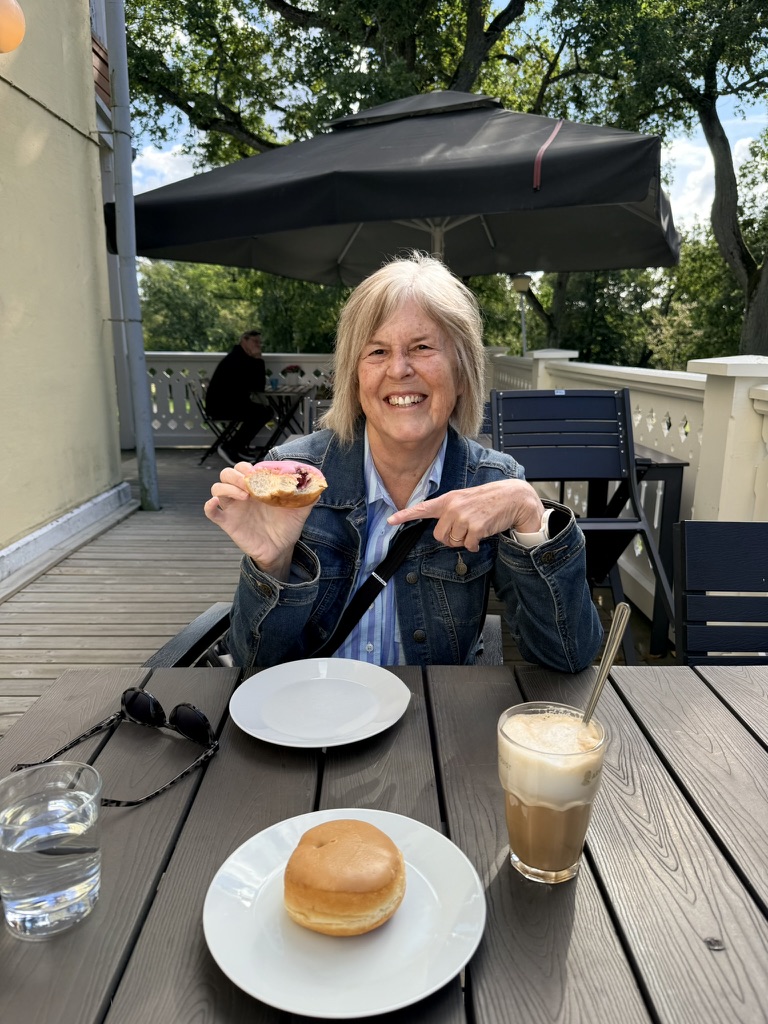
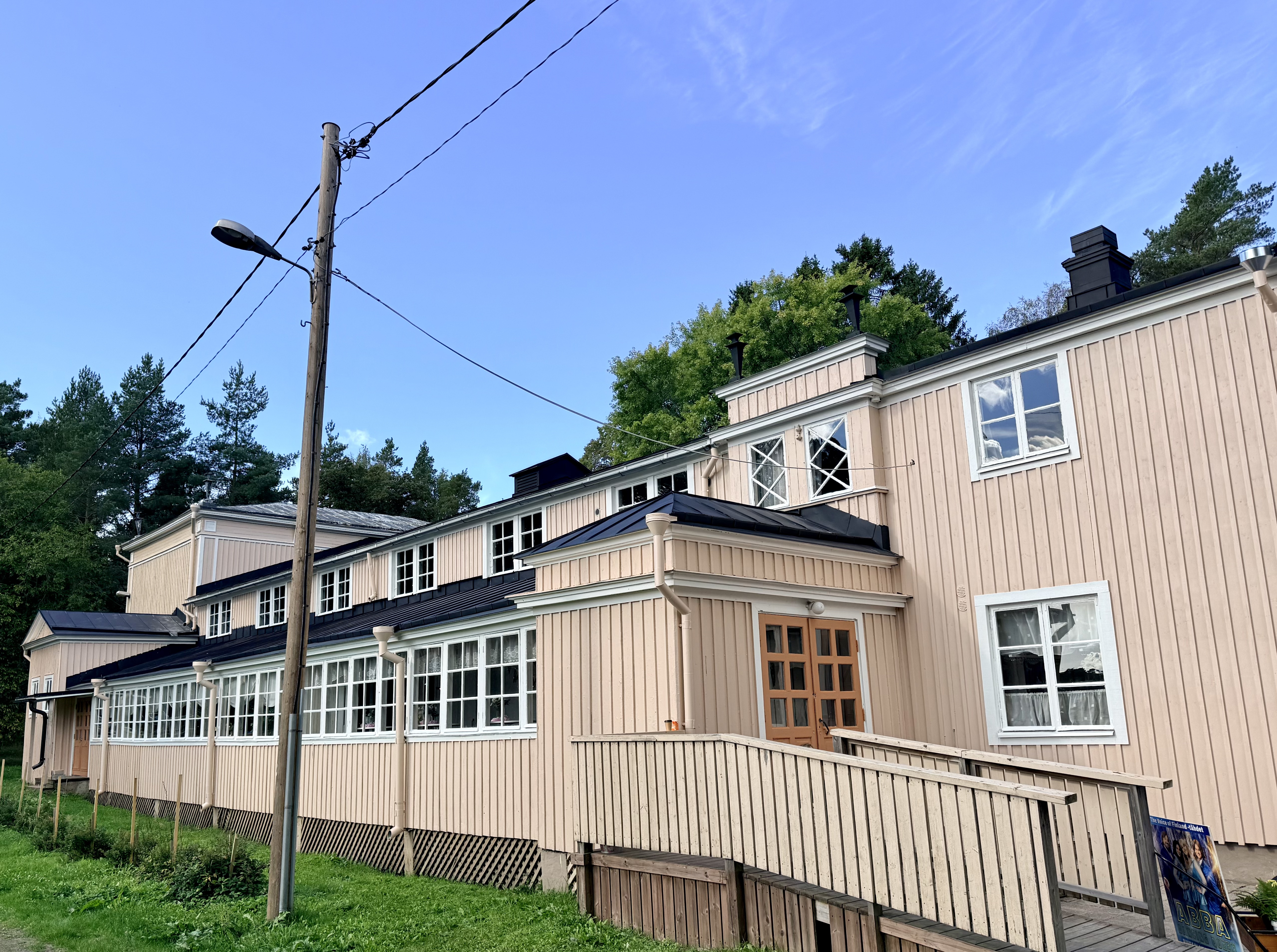
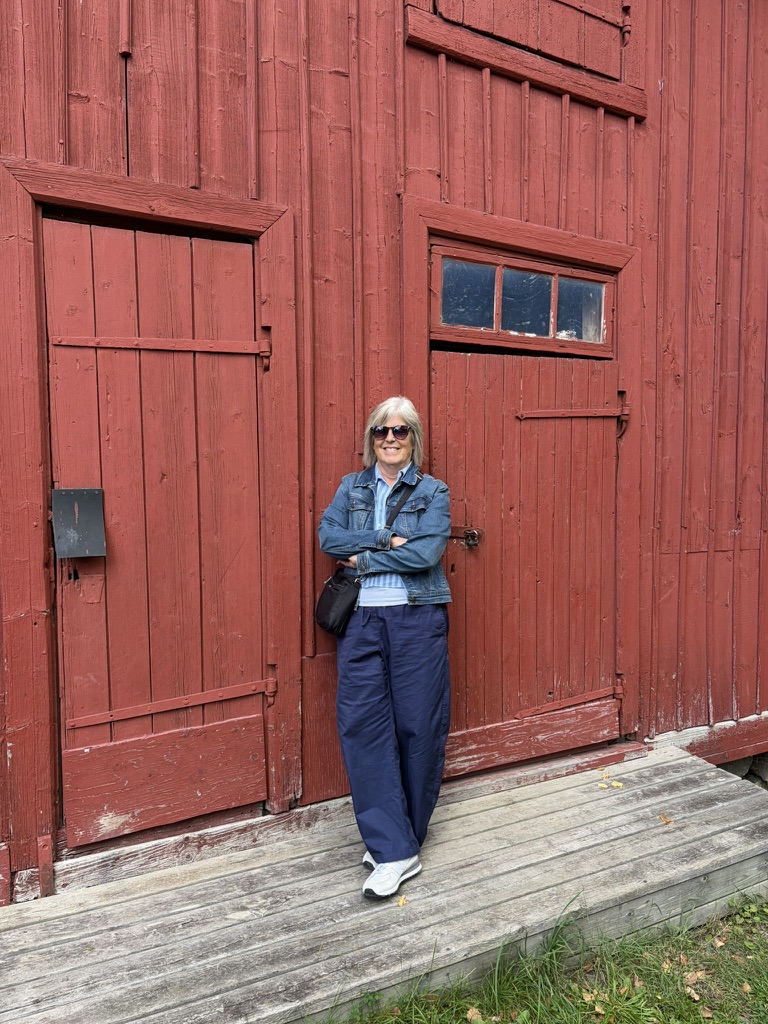
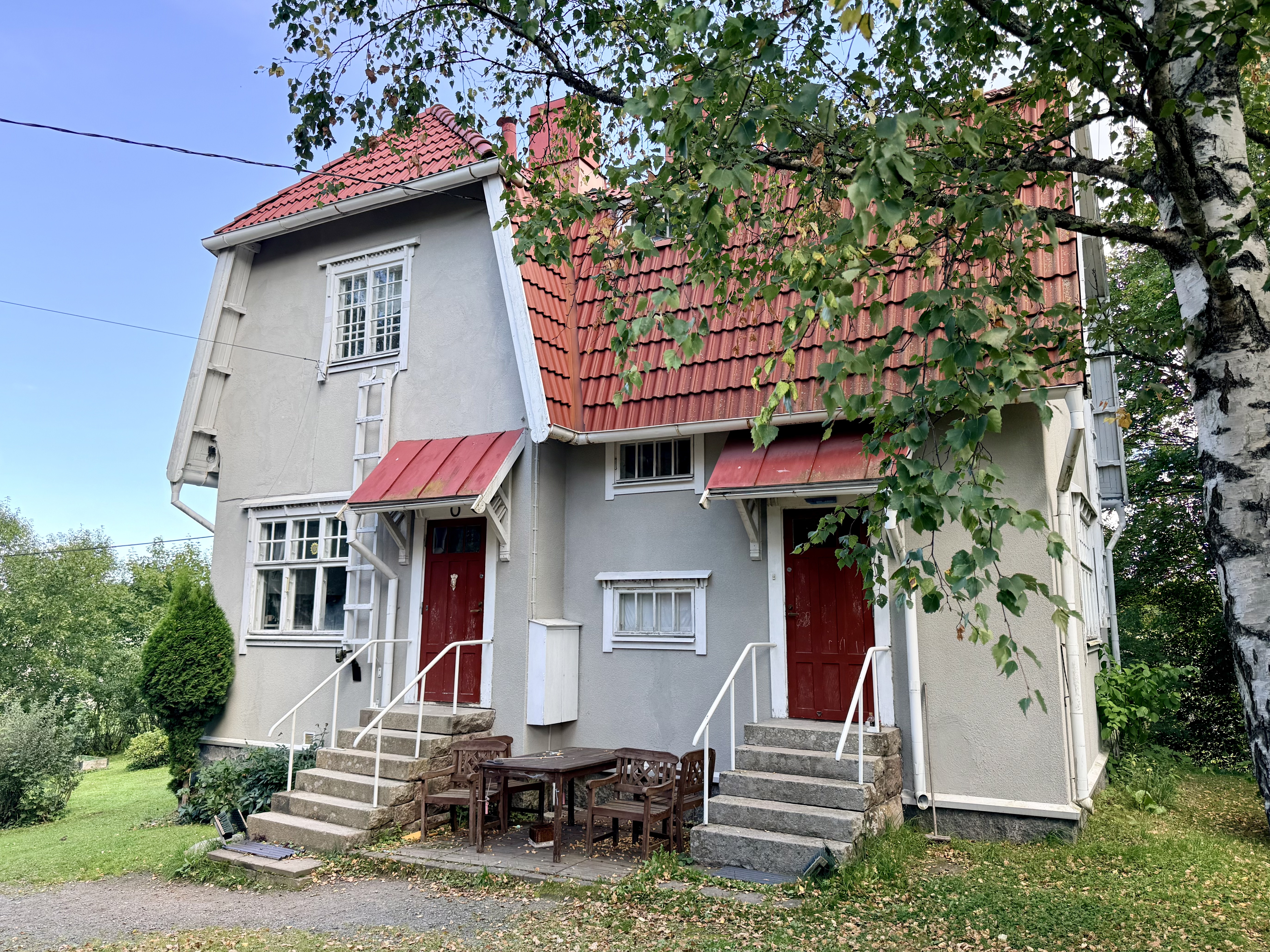
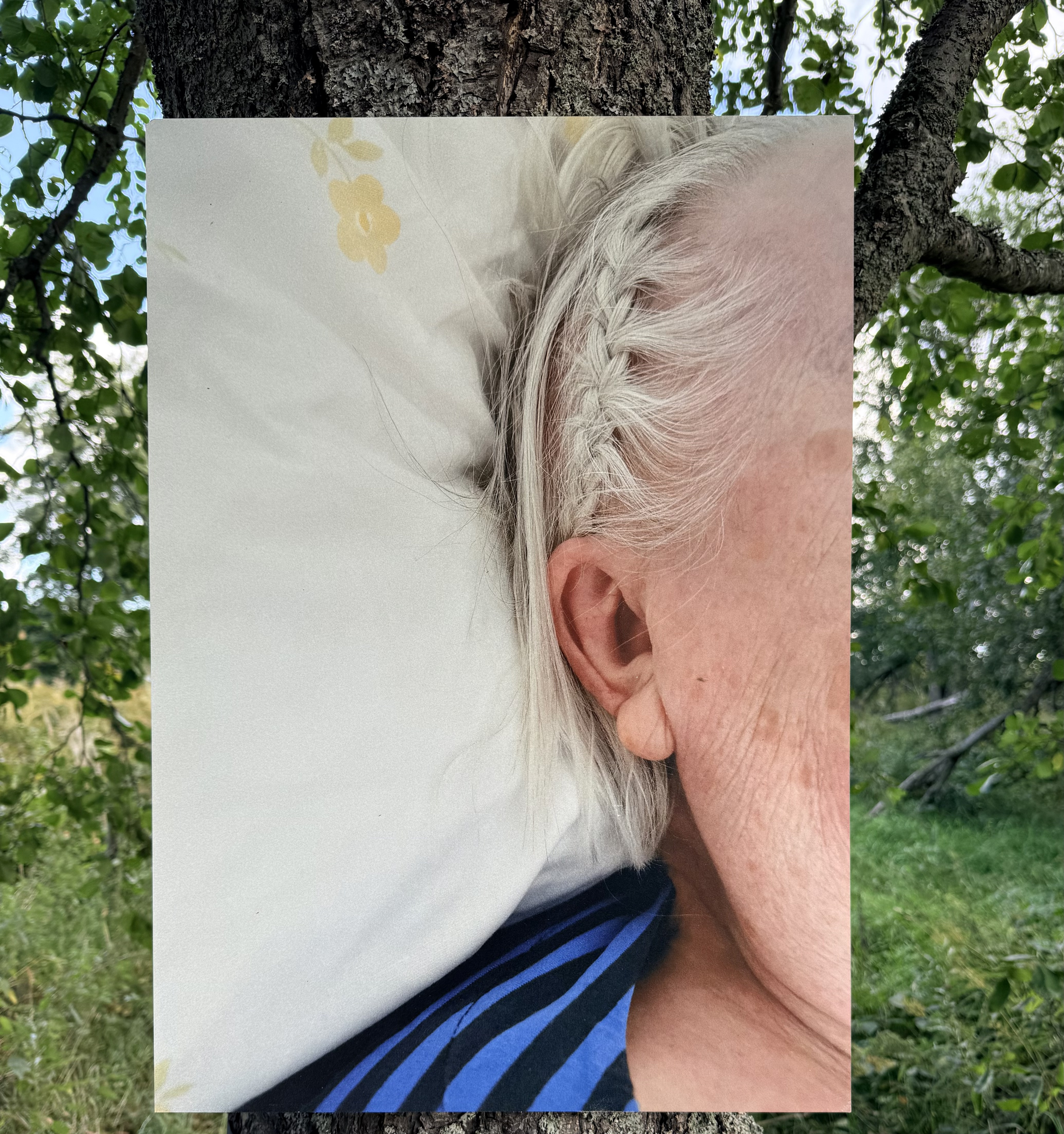
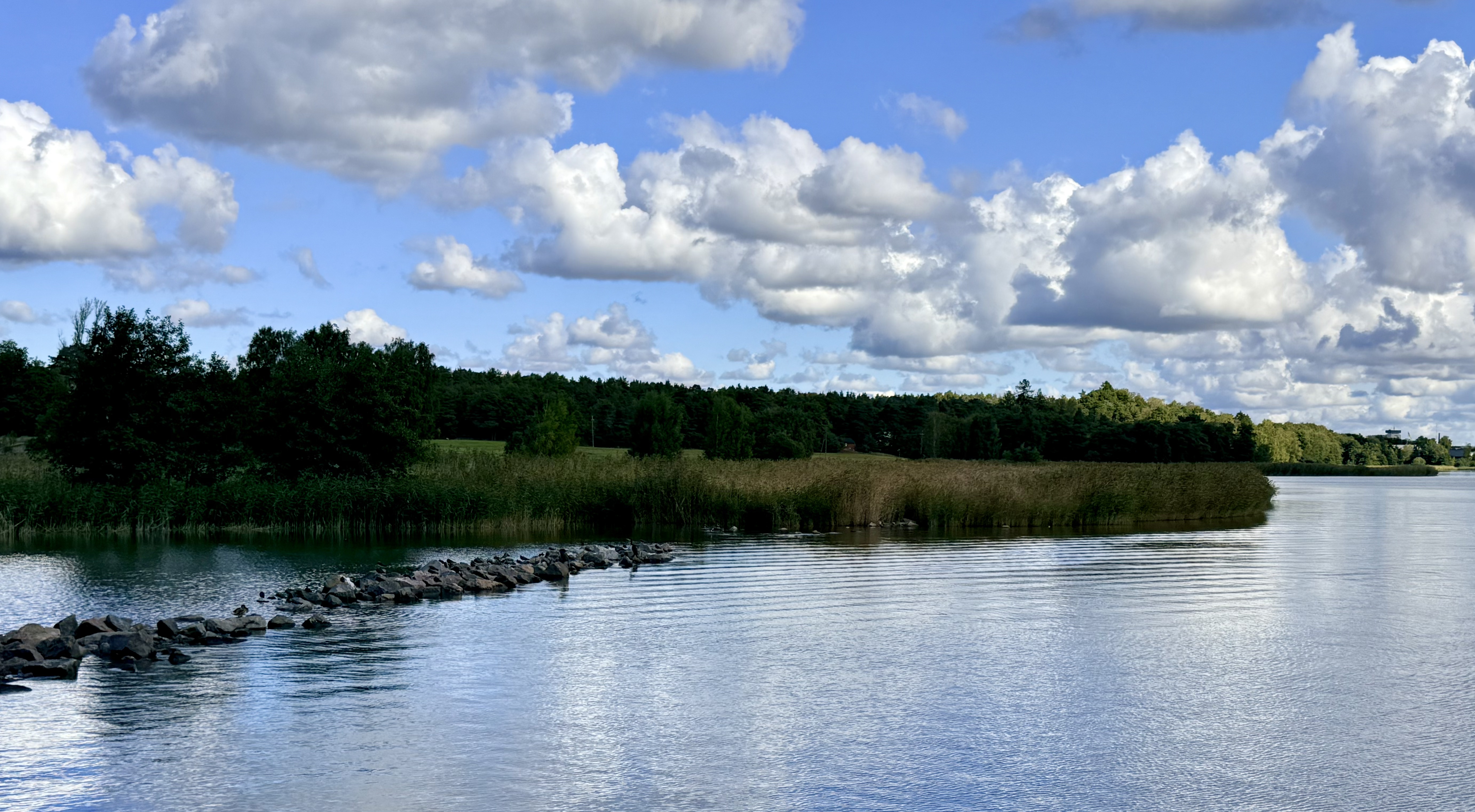
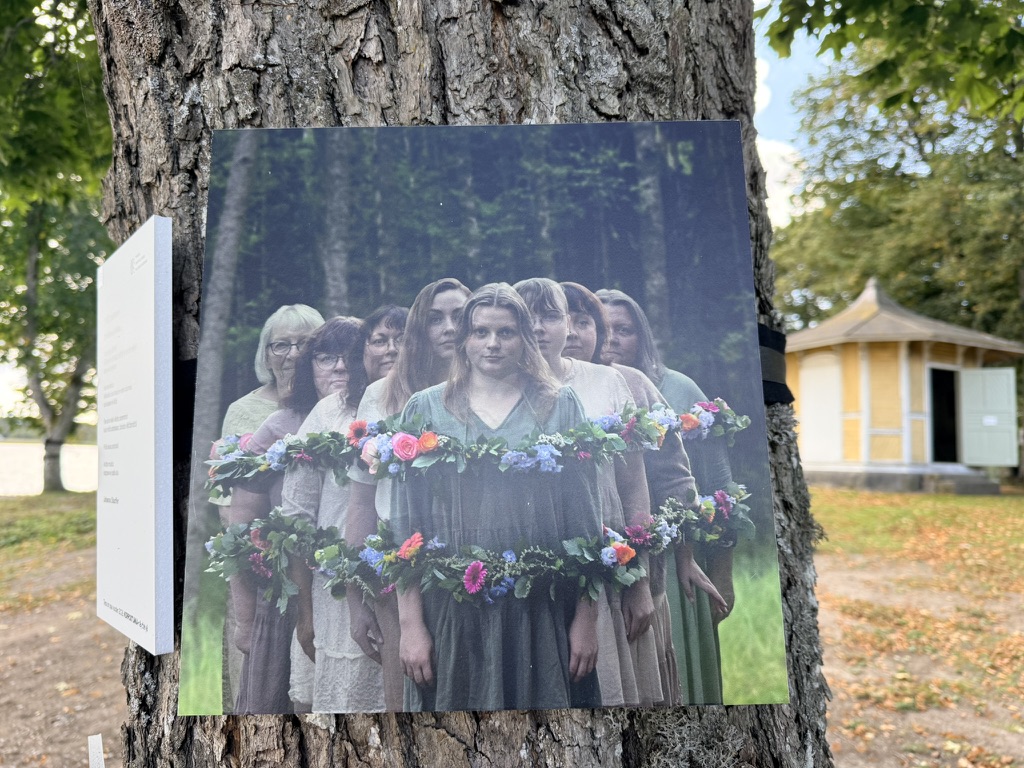
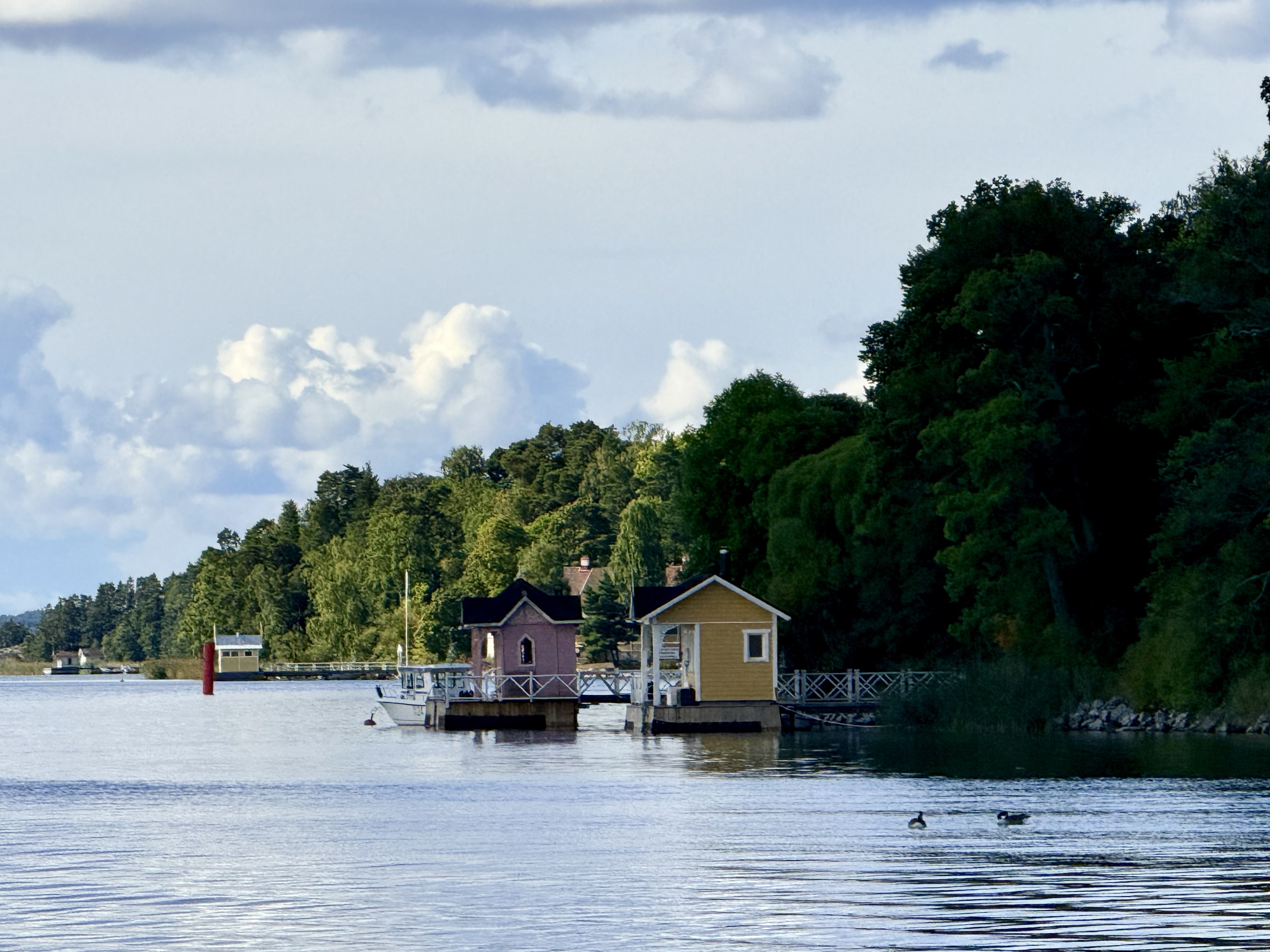
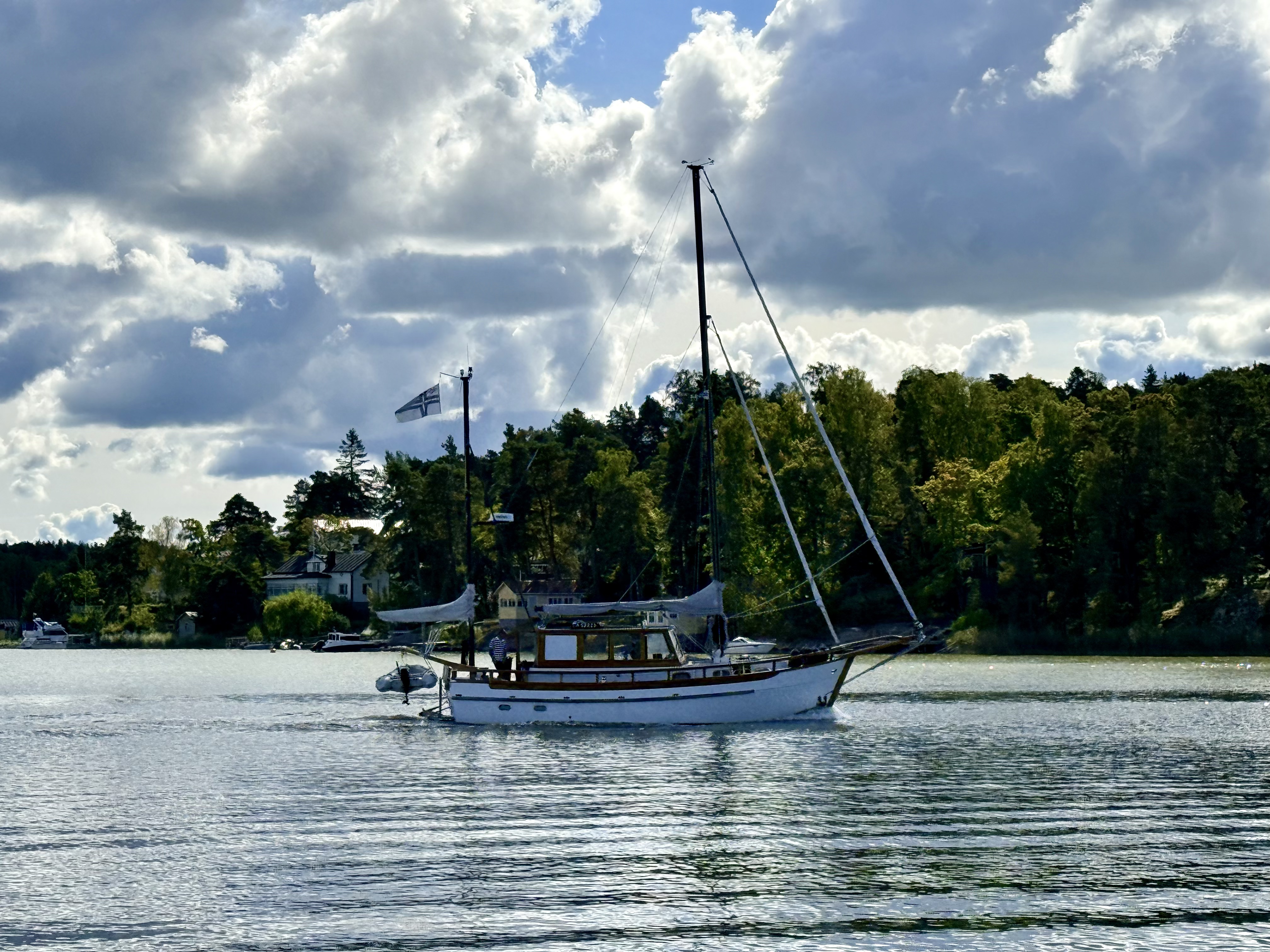
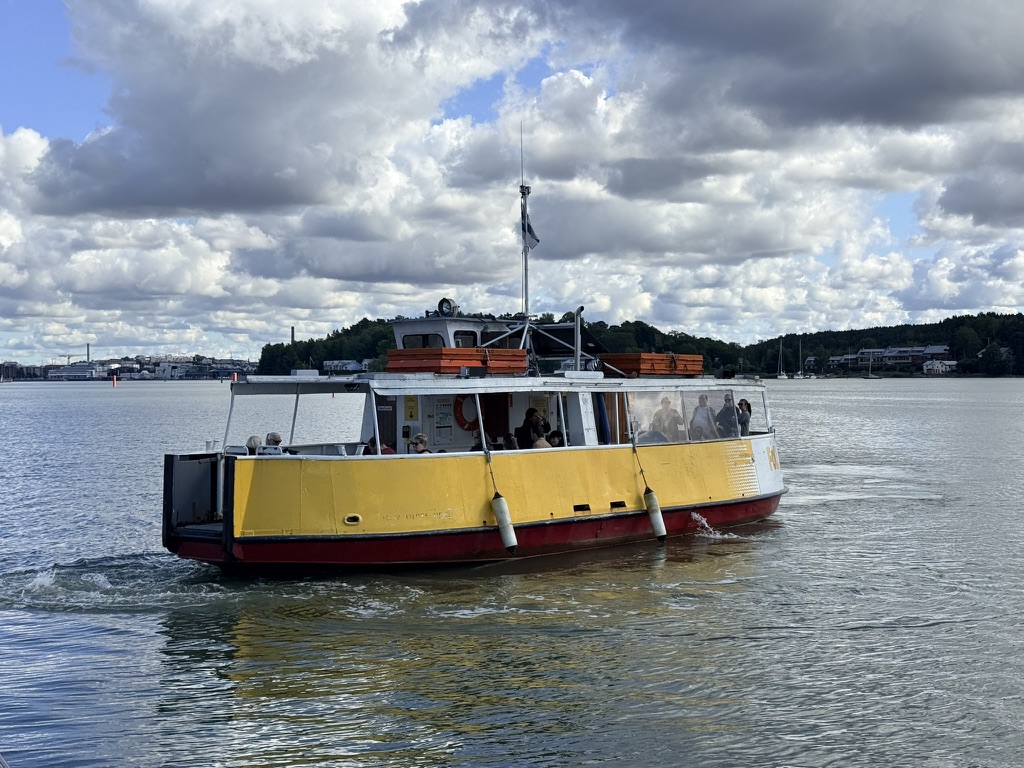
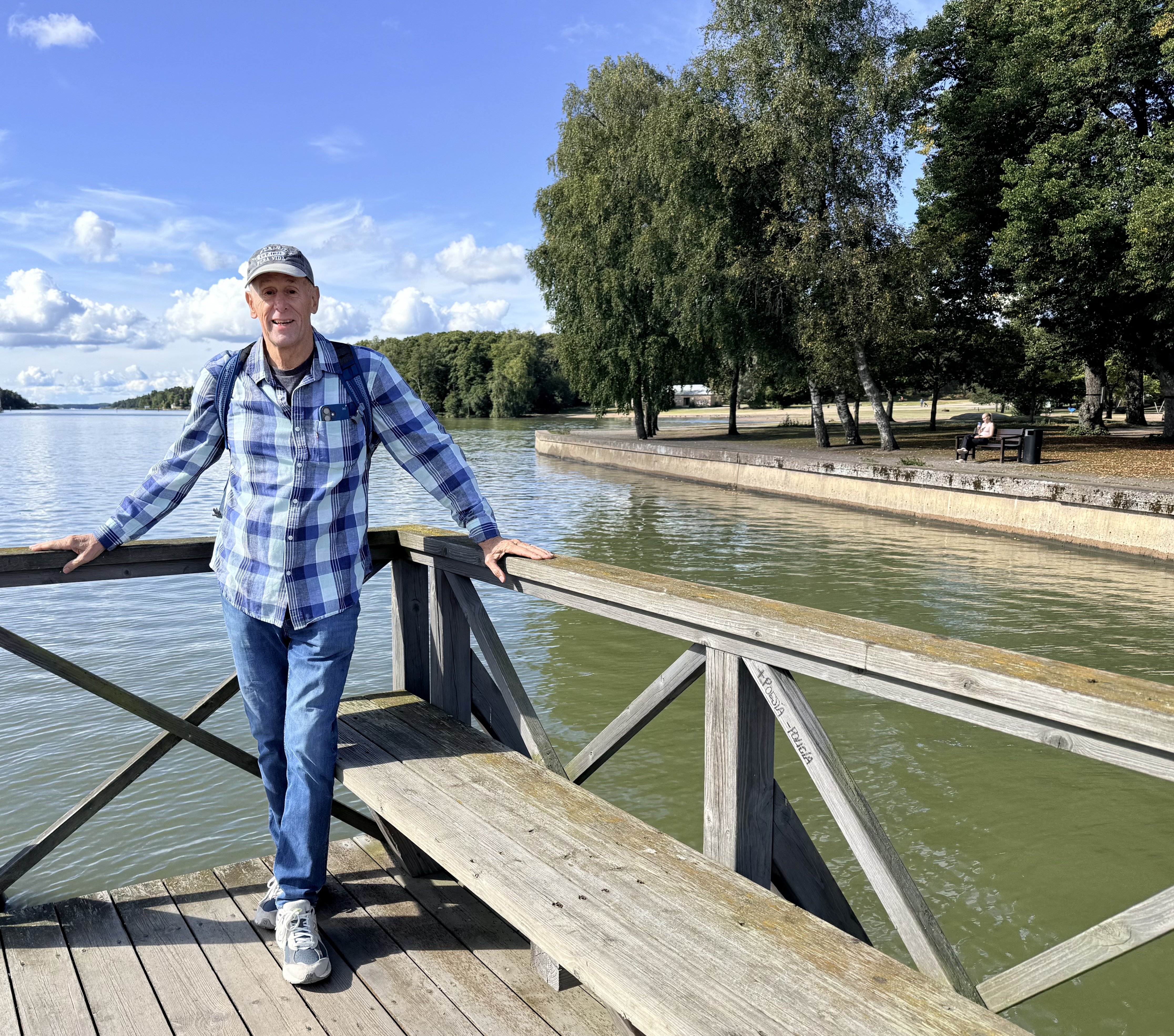
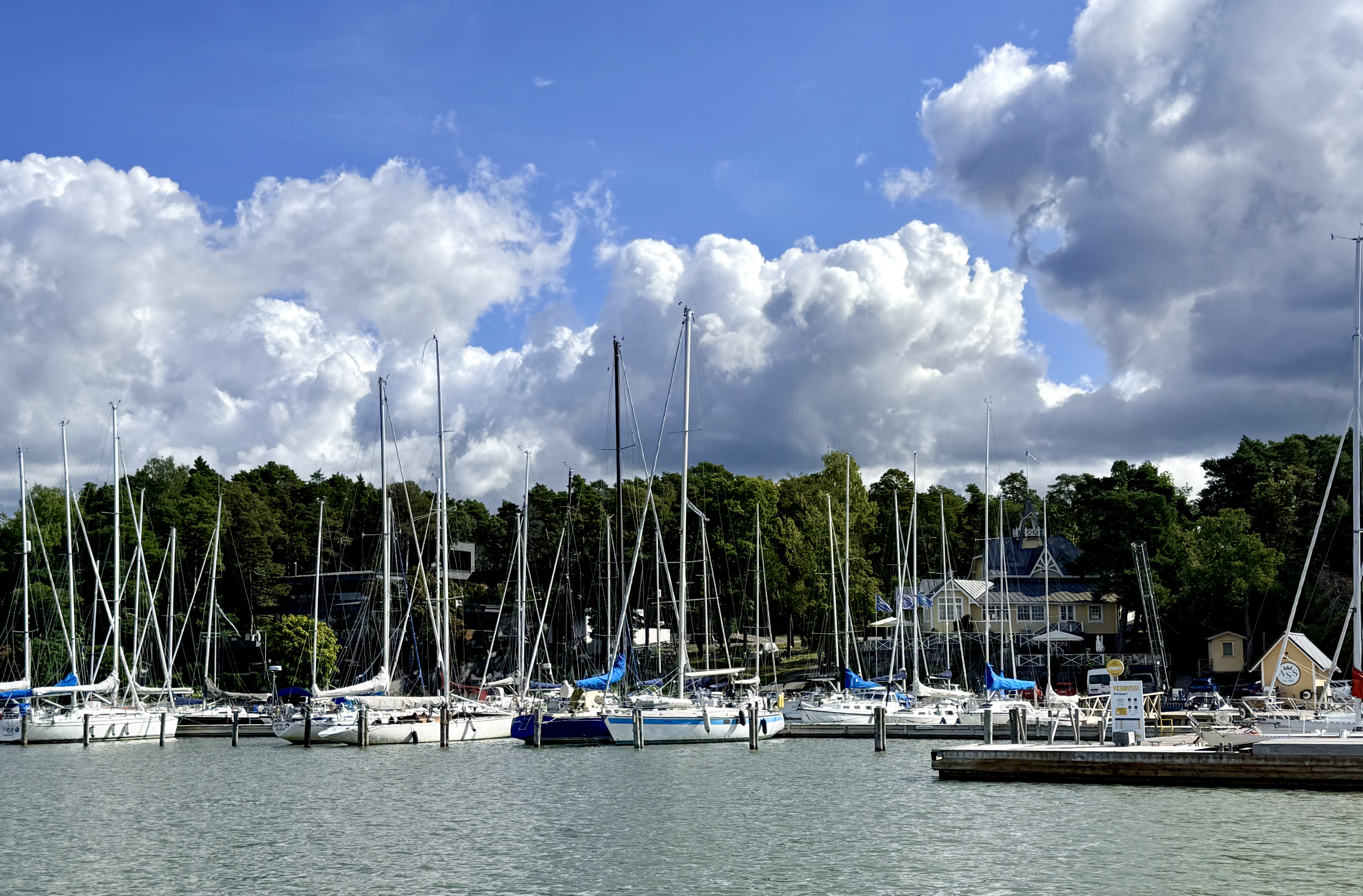
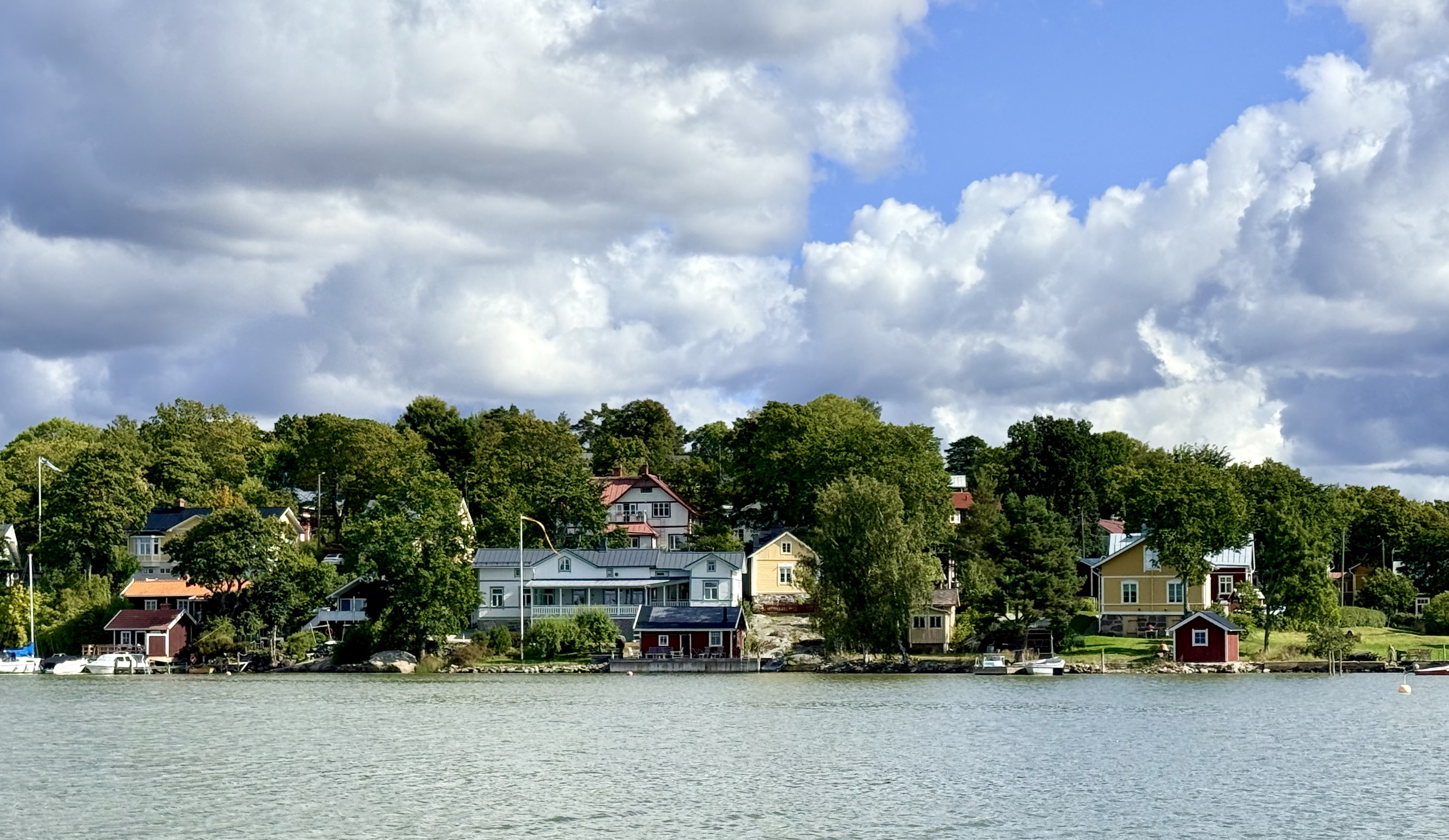
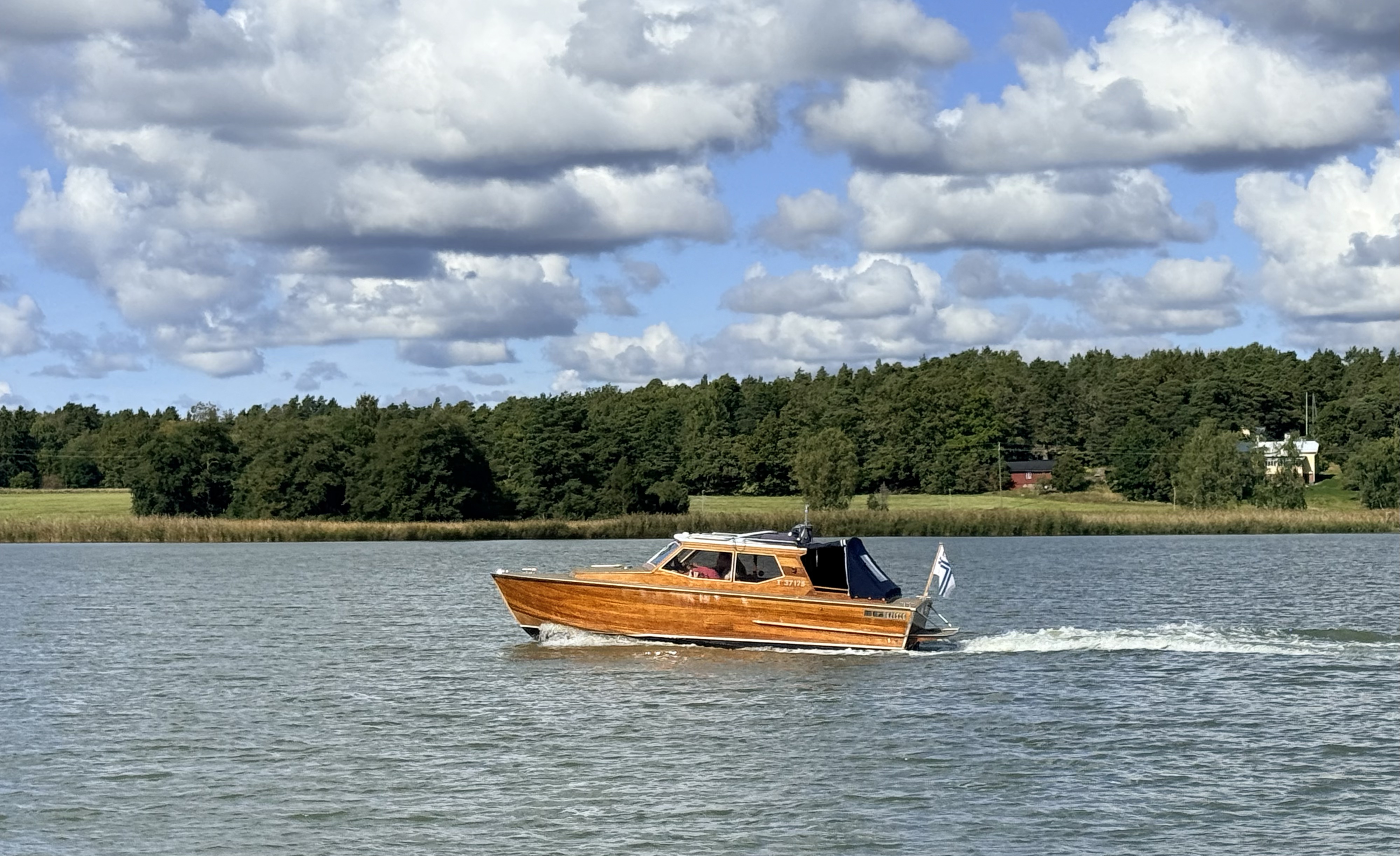
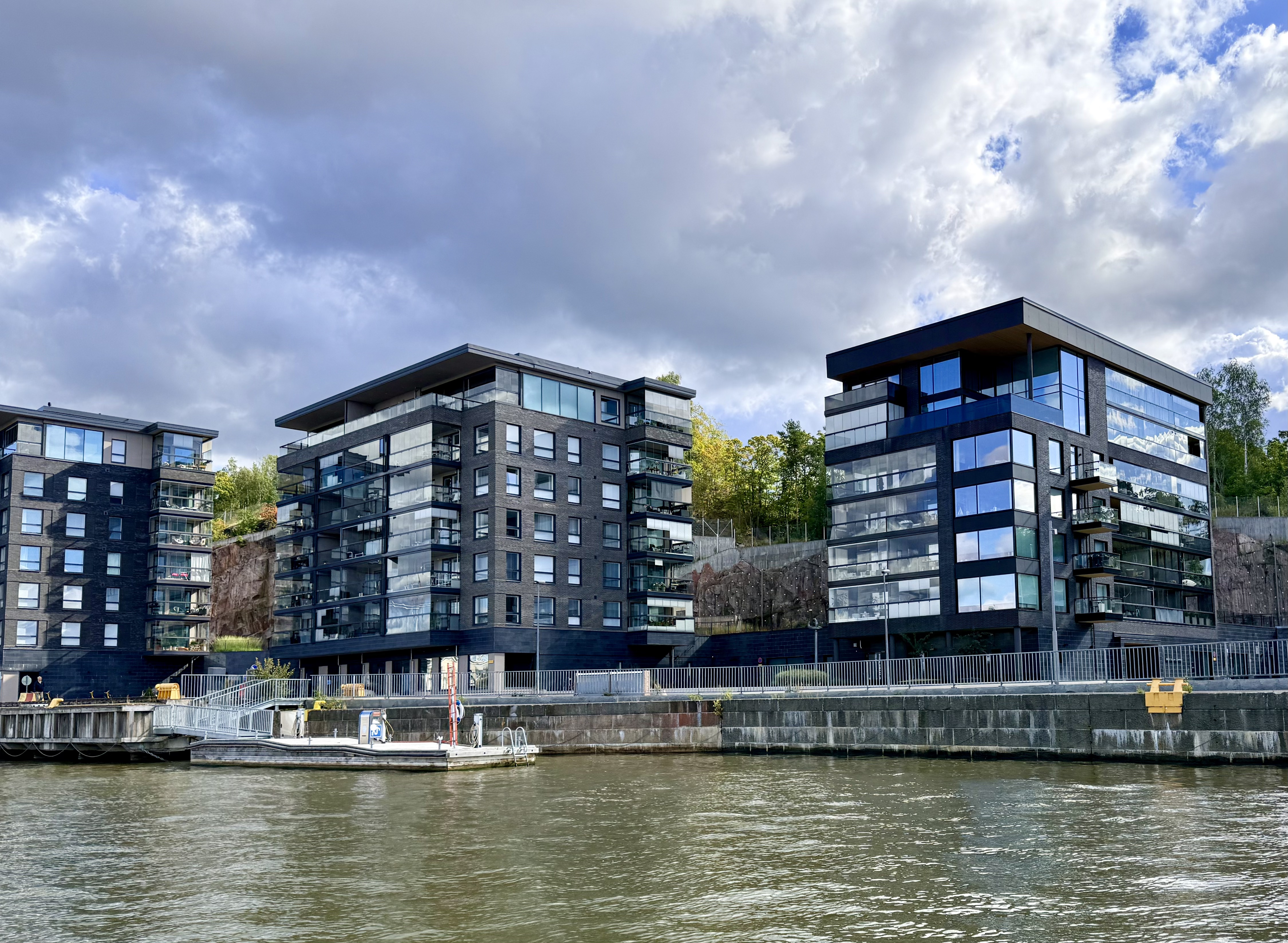
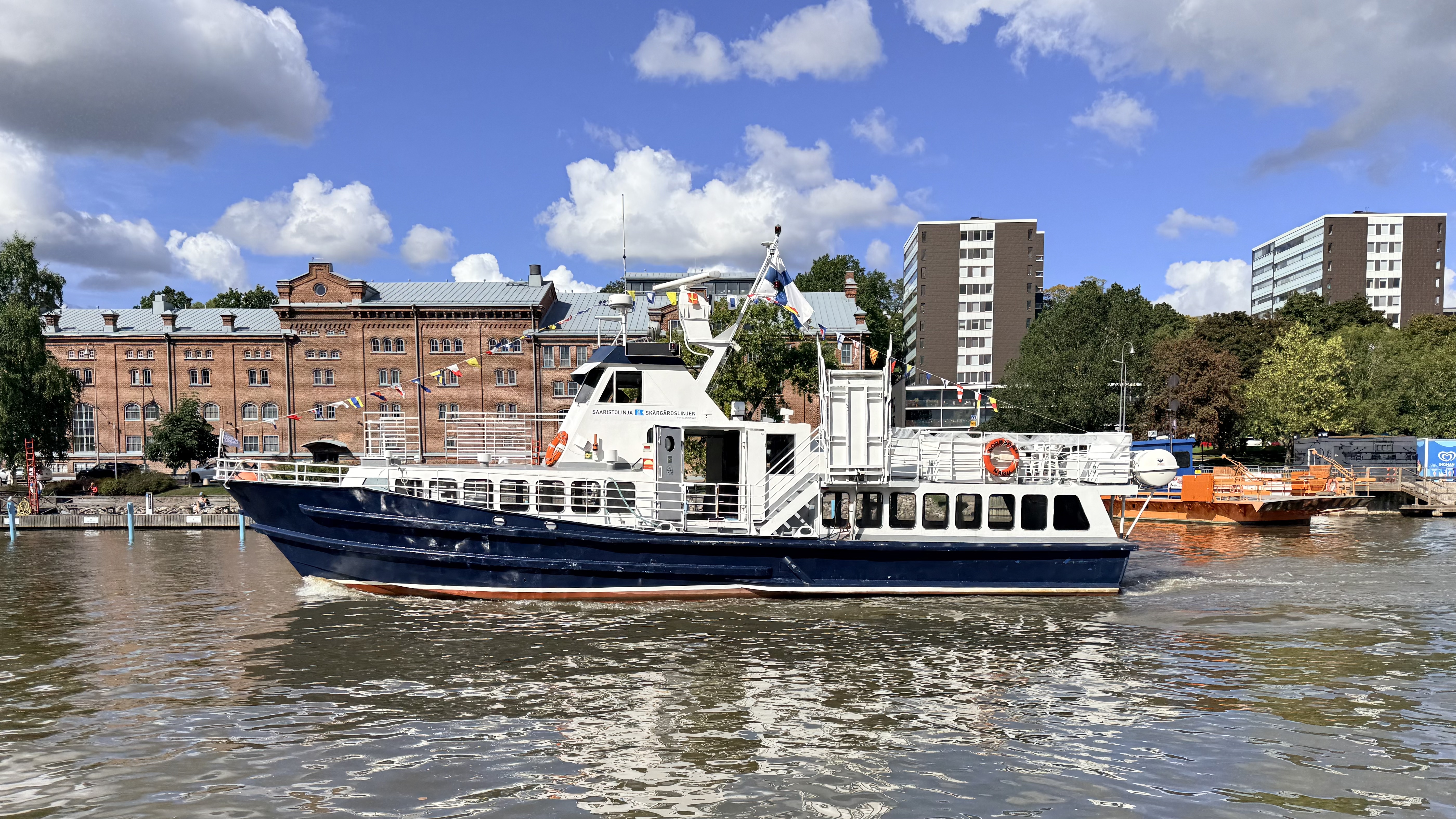
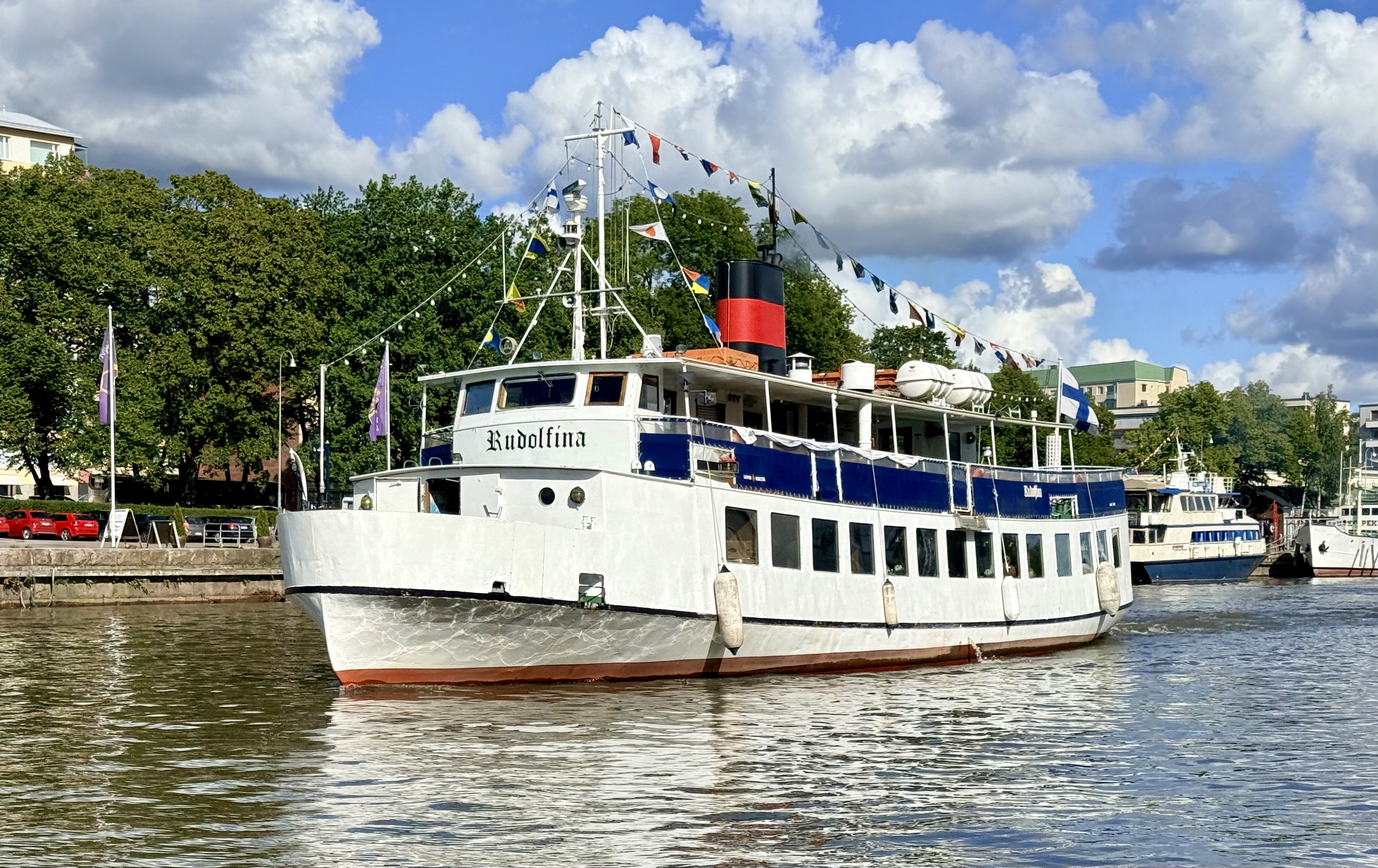
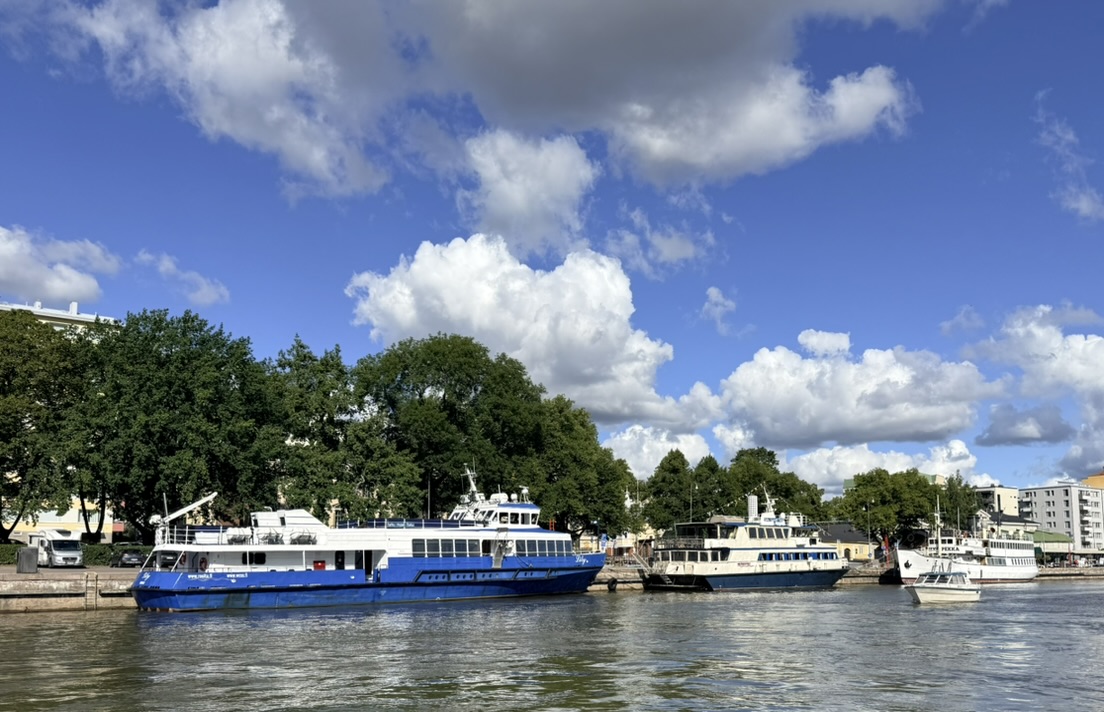
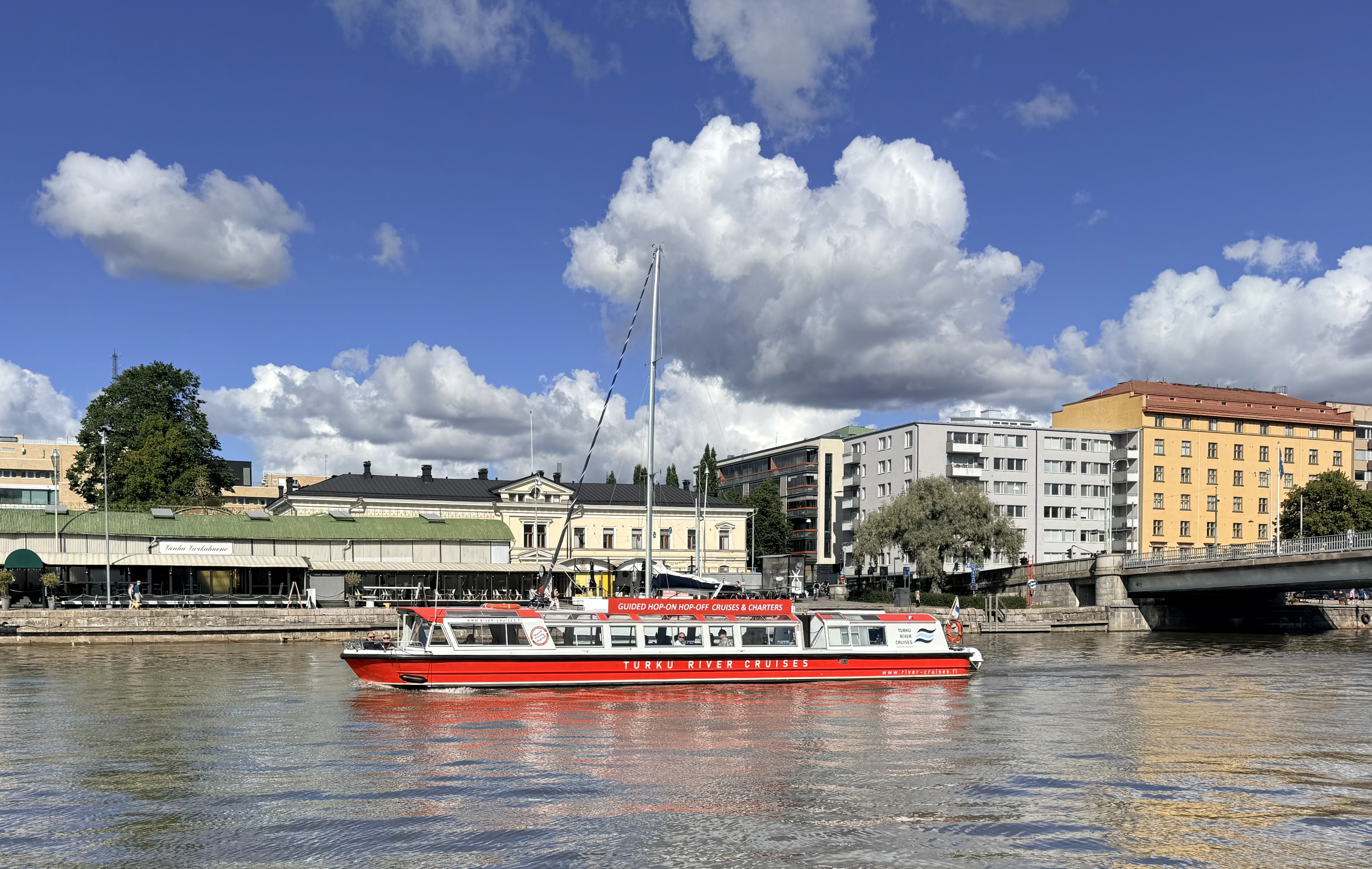
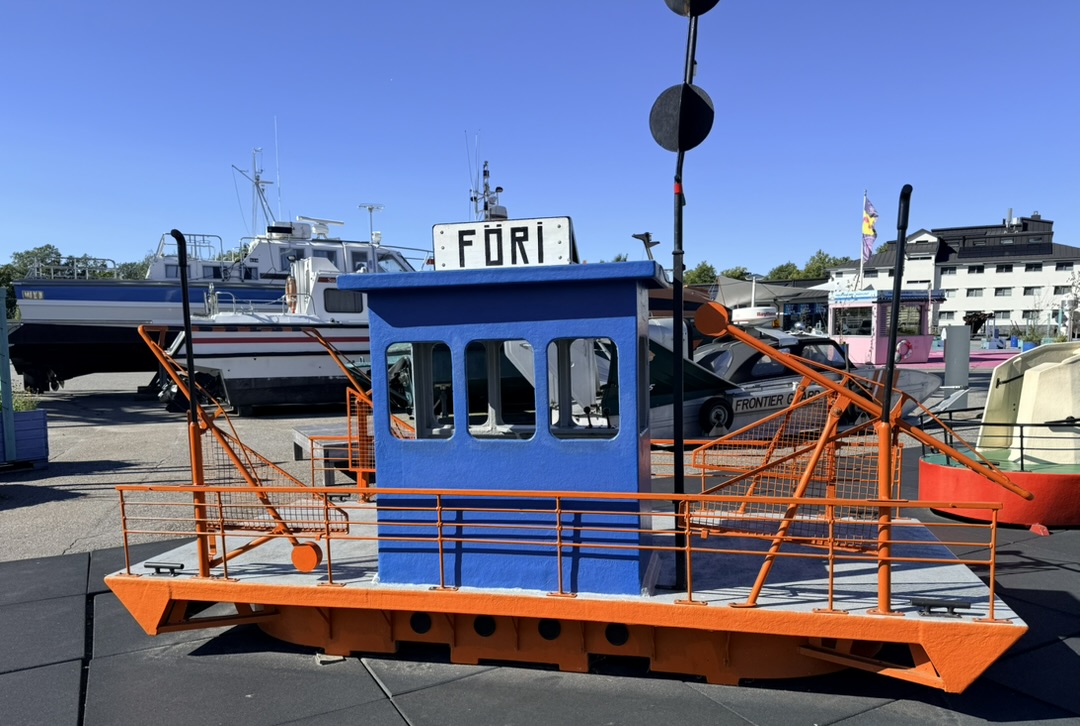
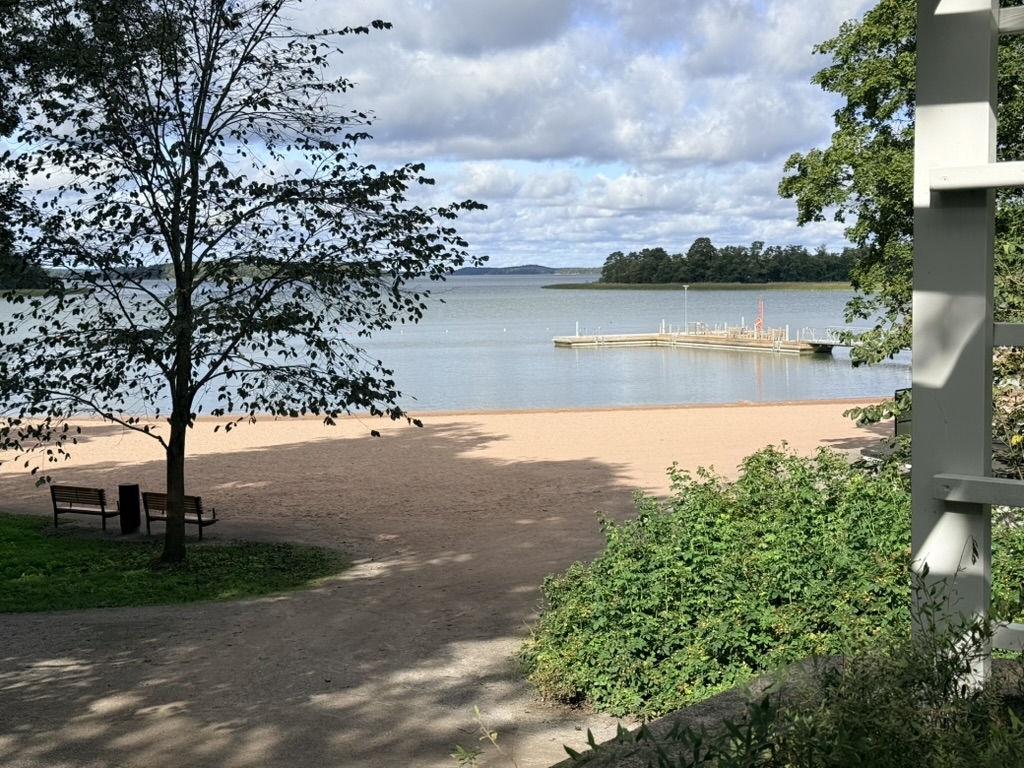
Saturday morning, we took the Föli water bus (Vesibussi) down the Aura River to Ruissalo, an island perfect for strolling, cycling, visiting a Botanical Garden (which we never saw), and relaxing on sandy beaches like Kansanpuisto. We perused the art exhibition strapped to the trees on the island, enjoyed jam-filled doughnuts at a cafe, and wandered around the beach area.
It was a good thing we took the water taxi on the weekend because, as of September 1, it only runs for 3 more weekends in September. If we had waited until Monday, we would have been out of luck.
Ruissalo’s history is one of agriculture, recreation and natural values. To this day, Ruissalo’s lands are cultivated and livestock is kept in the summer, especially for scenic reasons, to preserve the island’s unique character.
The island became the property of the city of Turku in 2005, when the state and the city reached an agreement requiring that Turku protect the island’s unique nature and cultural and historical values. This meant that the island could not be used for large-scale construction or other activities that would endanger its current character. Ruissalo will remain a recreational oasis and nature paradise for future generations.
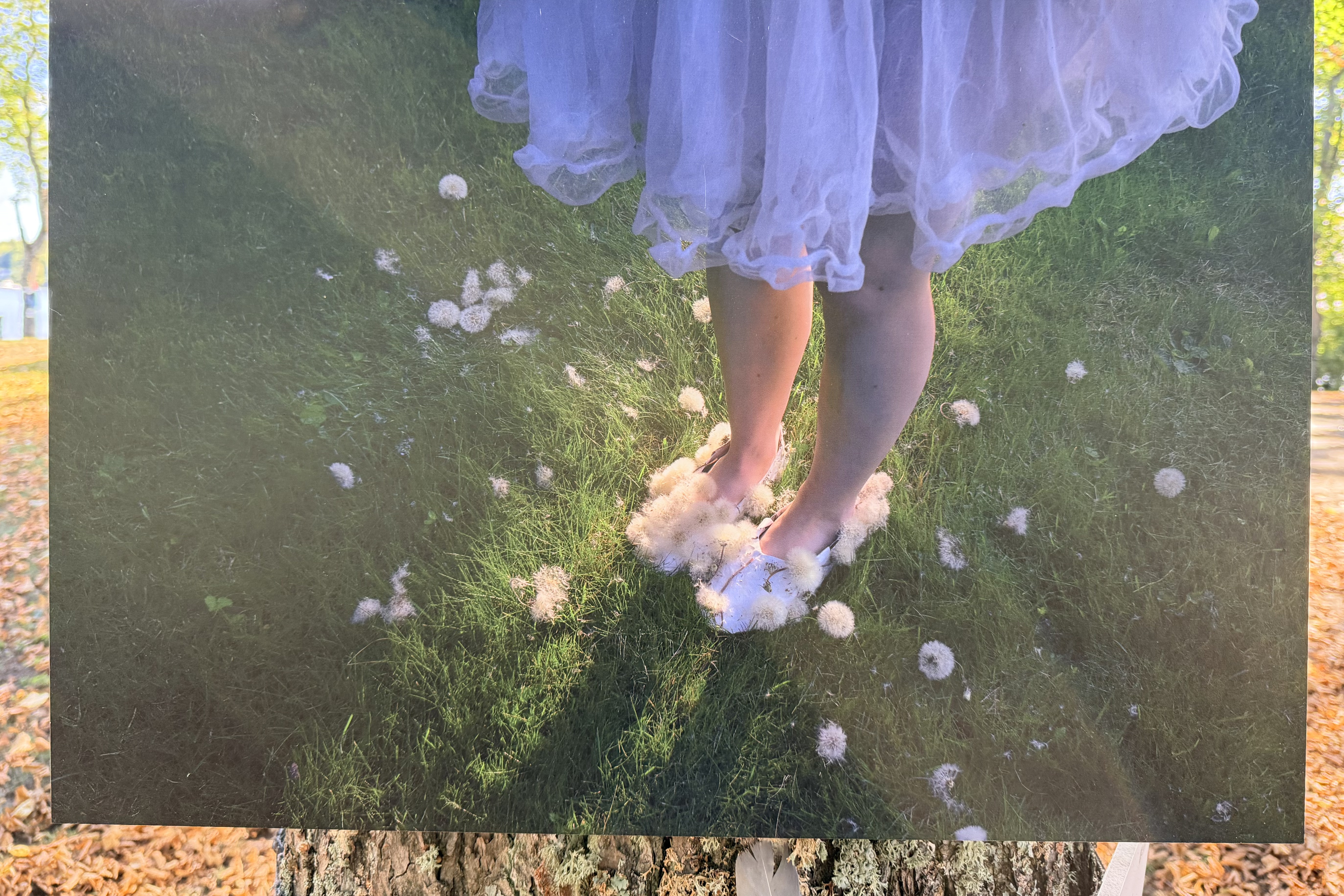
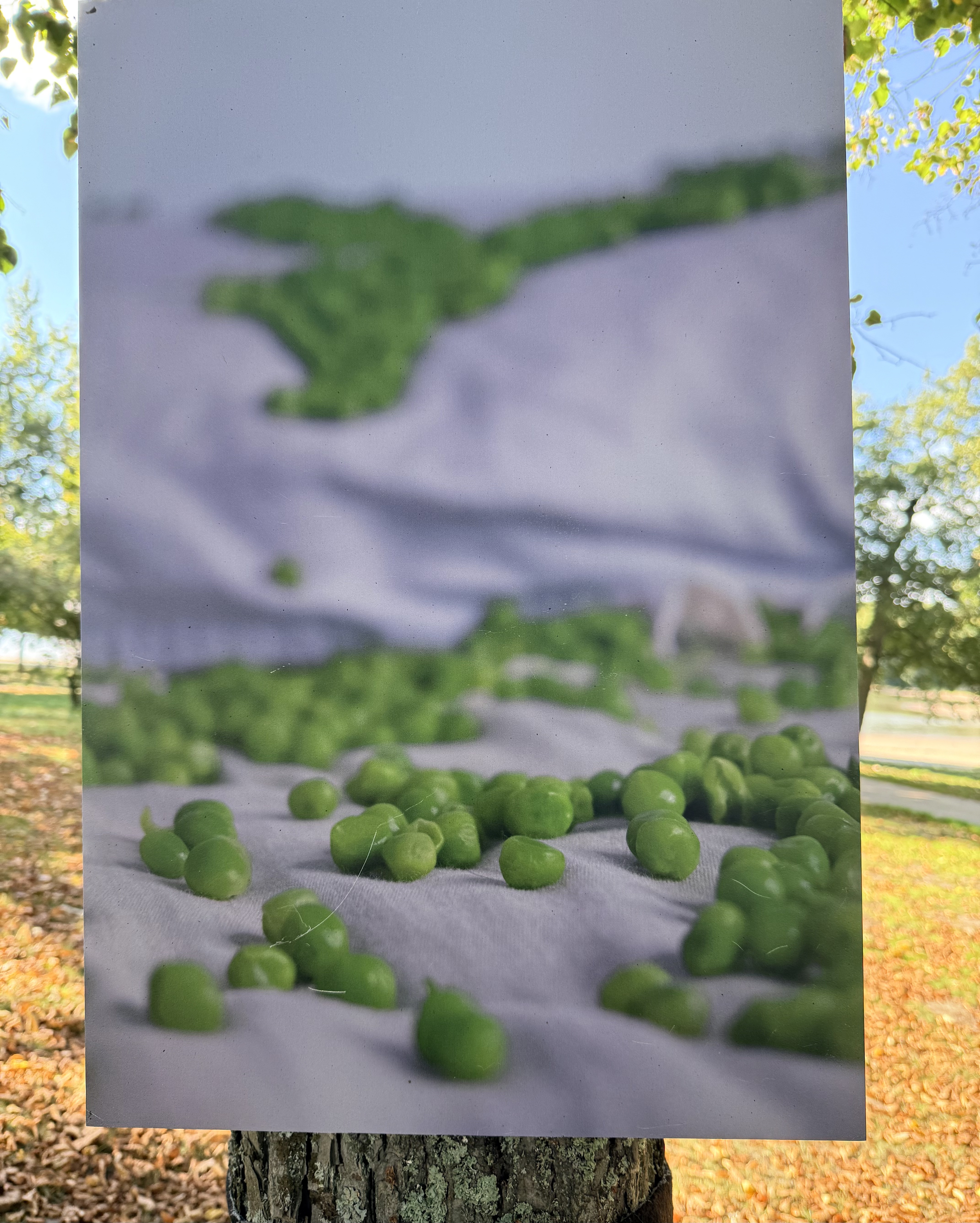
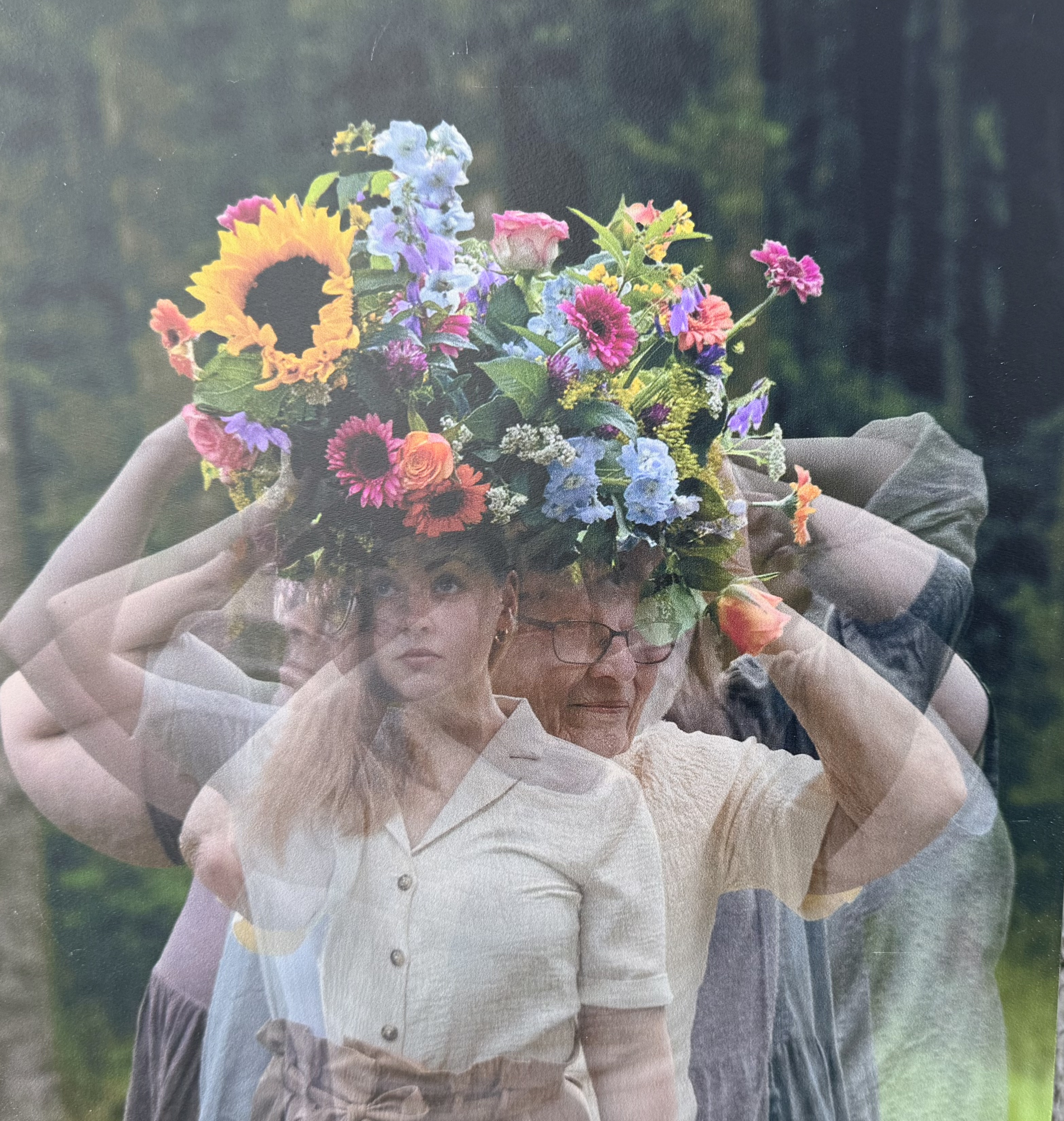
On this first weekend in September, the Turku Human Photography Club was celebrating its 10th anniversary with one of a three-part exhibition. The exhibition examined overlaps, levels and structures formed over time in nature, culture and human life. Below the surface, fragility, connections, origins, or something authentic and primal could be found. In addition to the experiences and memories that shape us, the works communicated the possibilities of the future and awakened each person’s own images in the present.
The artworks were spread out in the area between Villa Promenade and the water bus pier.
Turku Castle
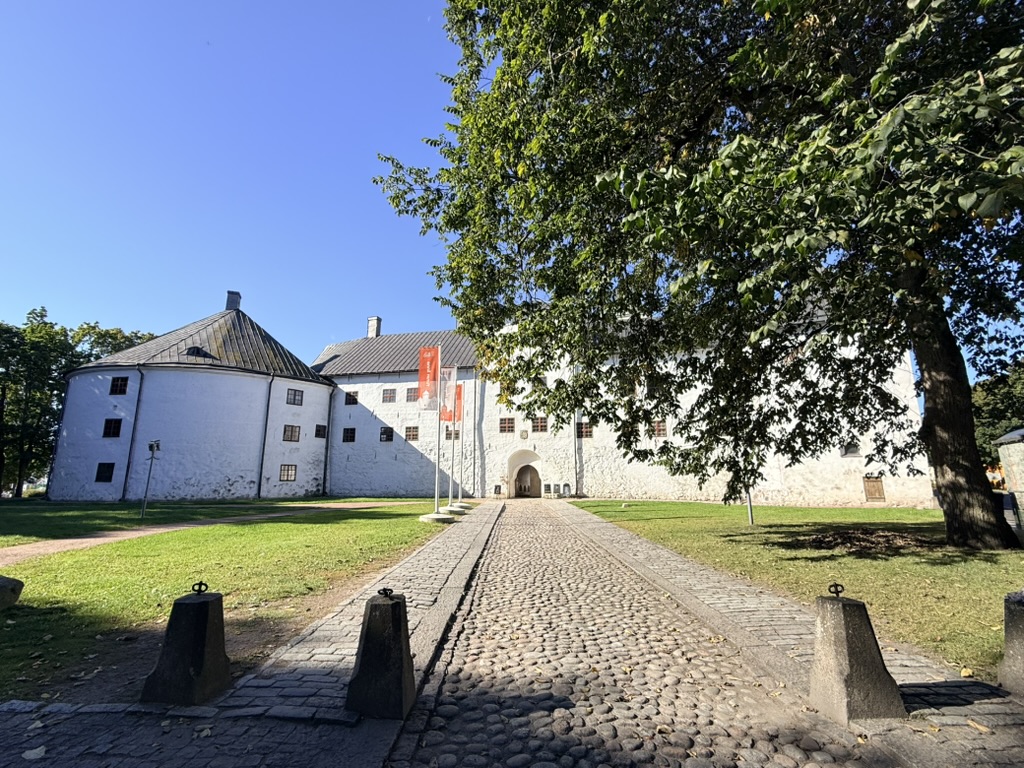
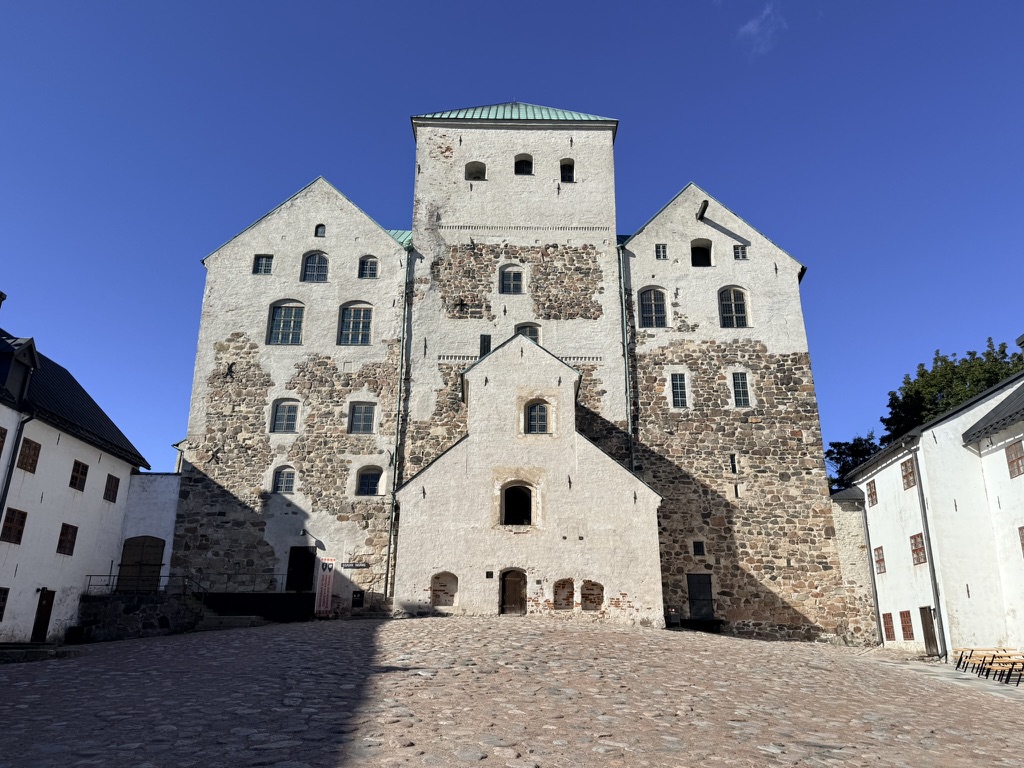
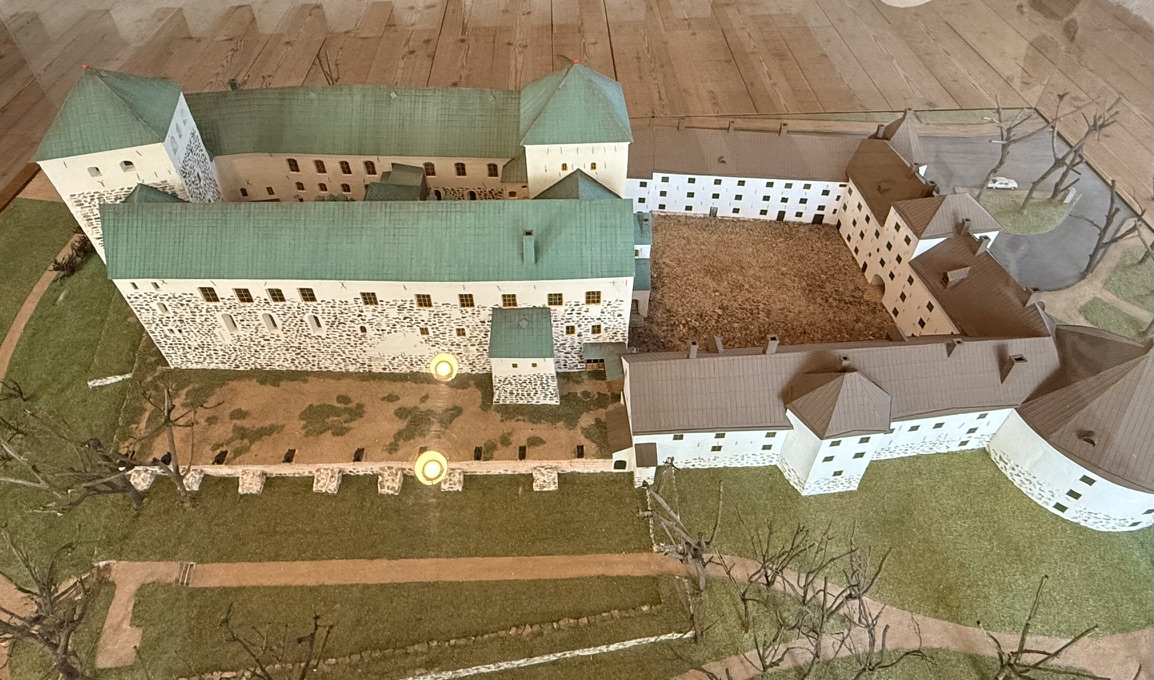
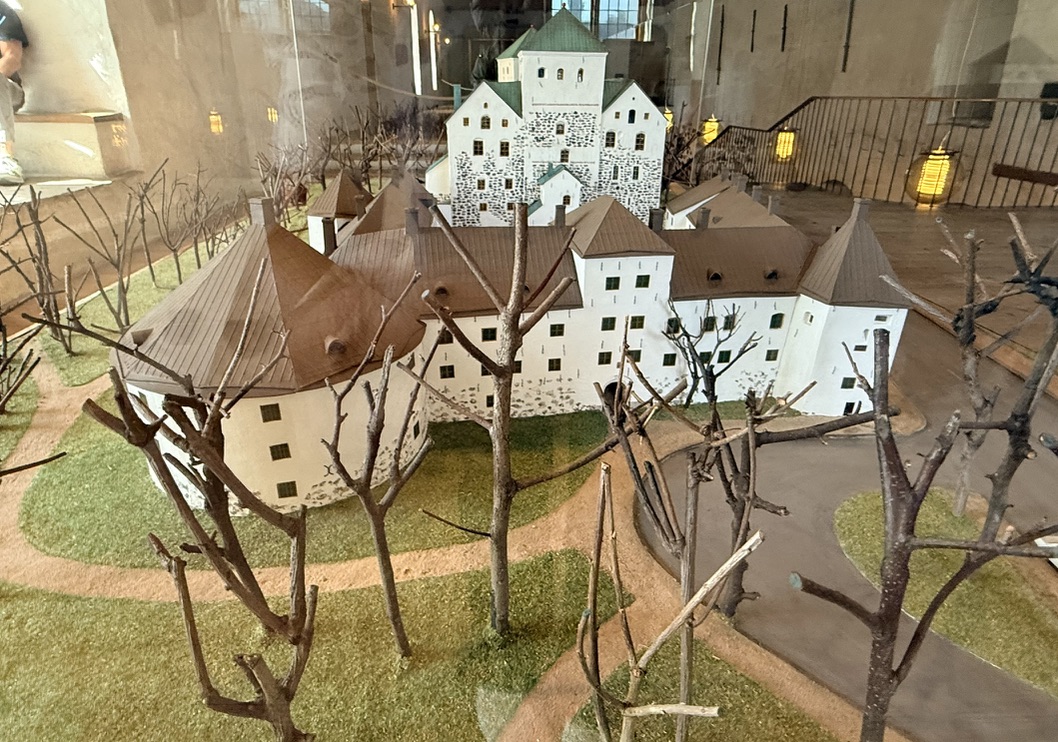
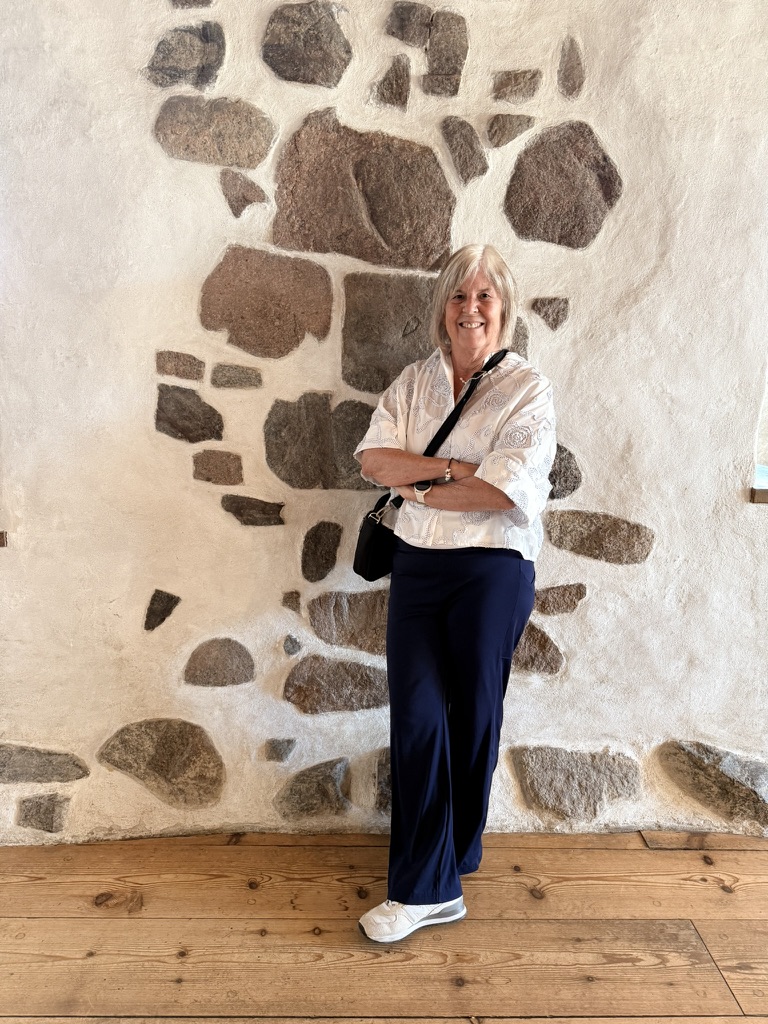
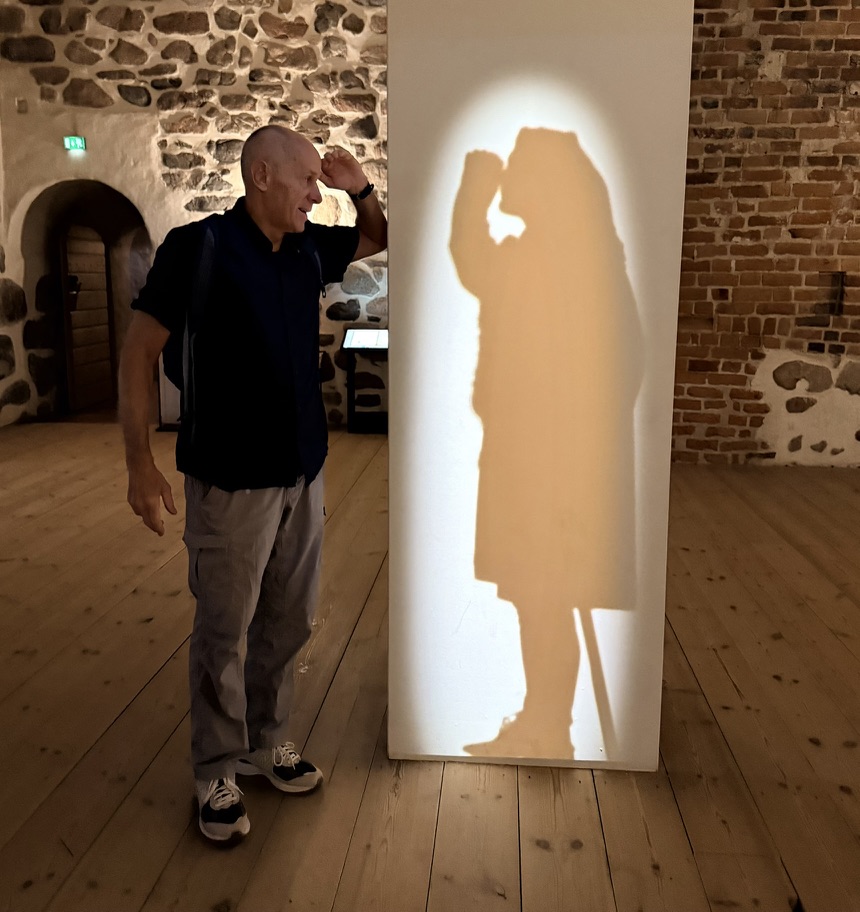
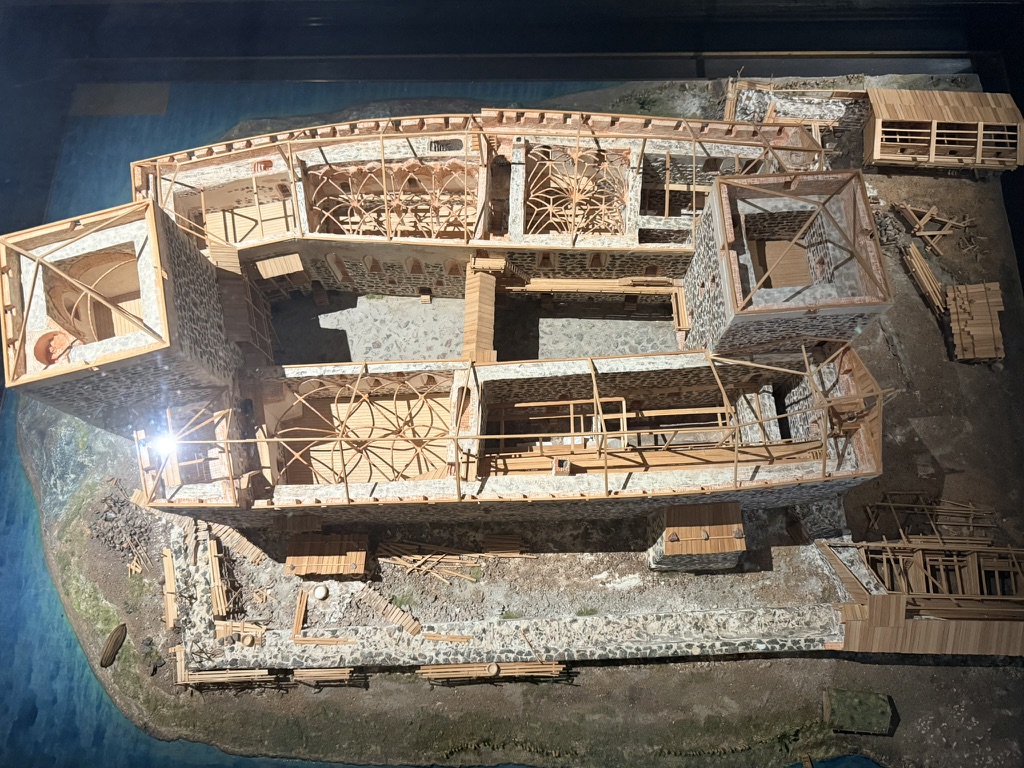
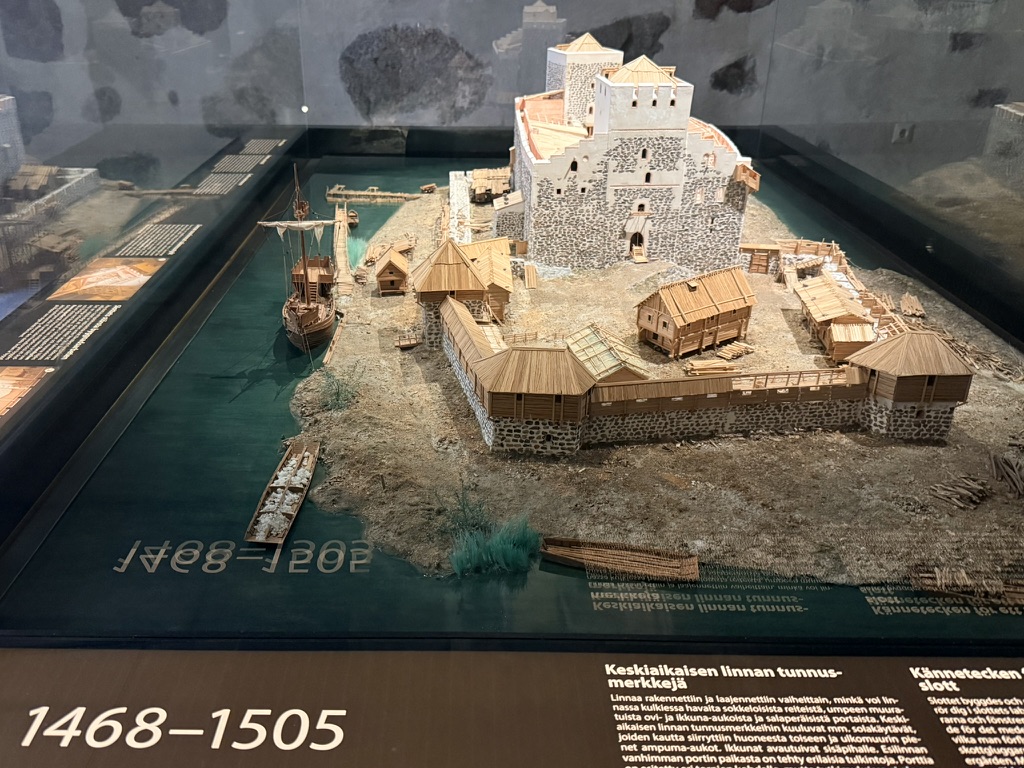
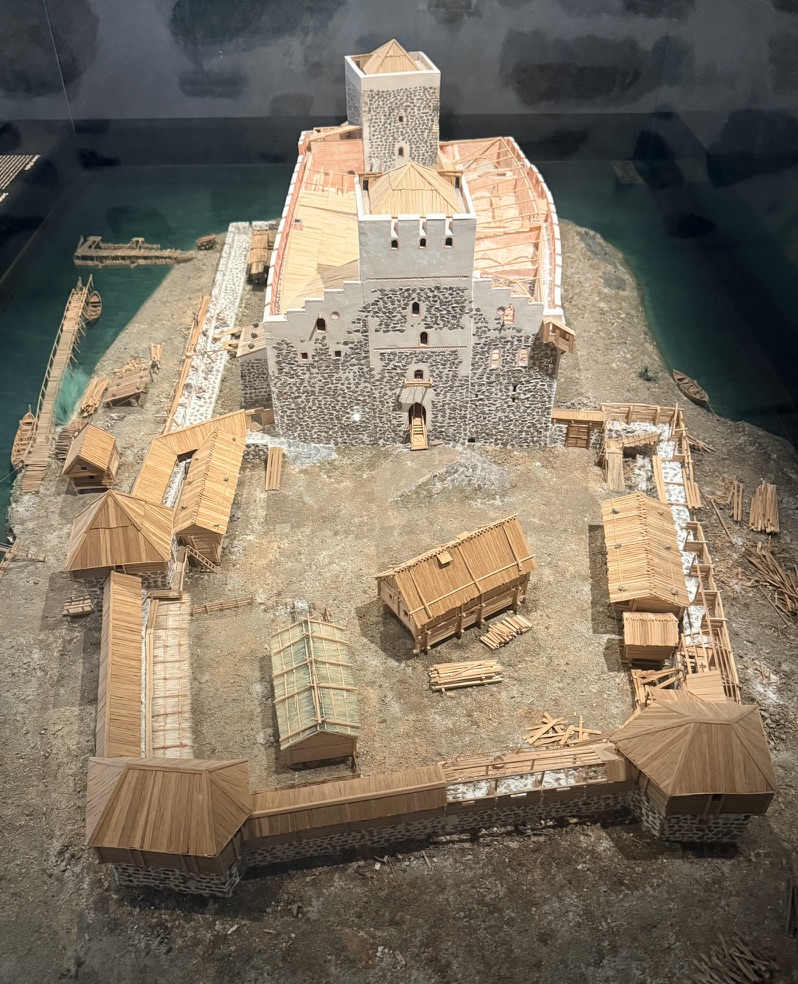
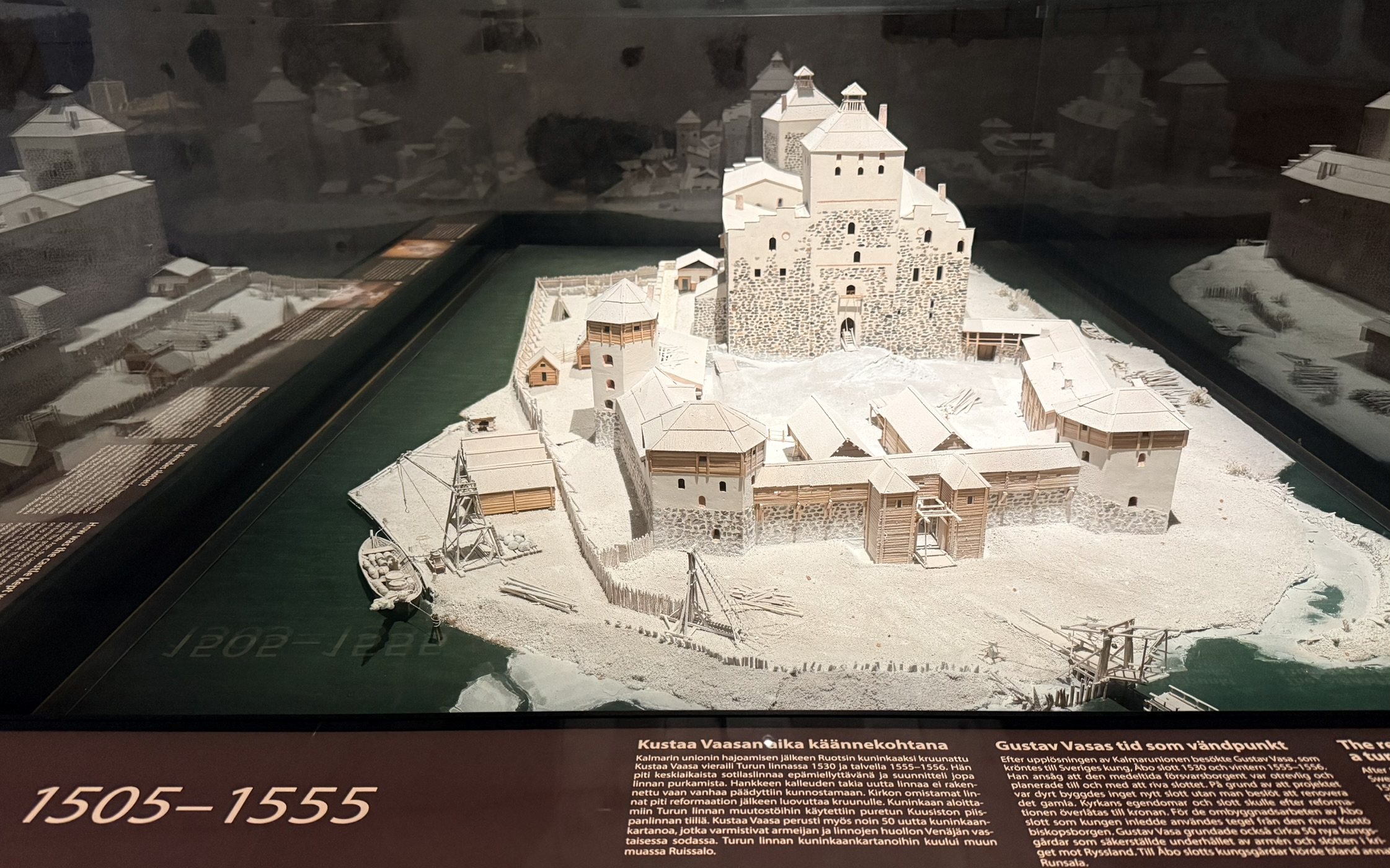
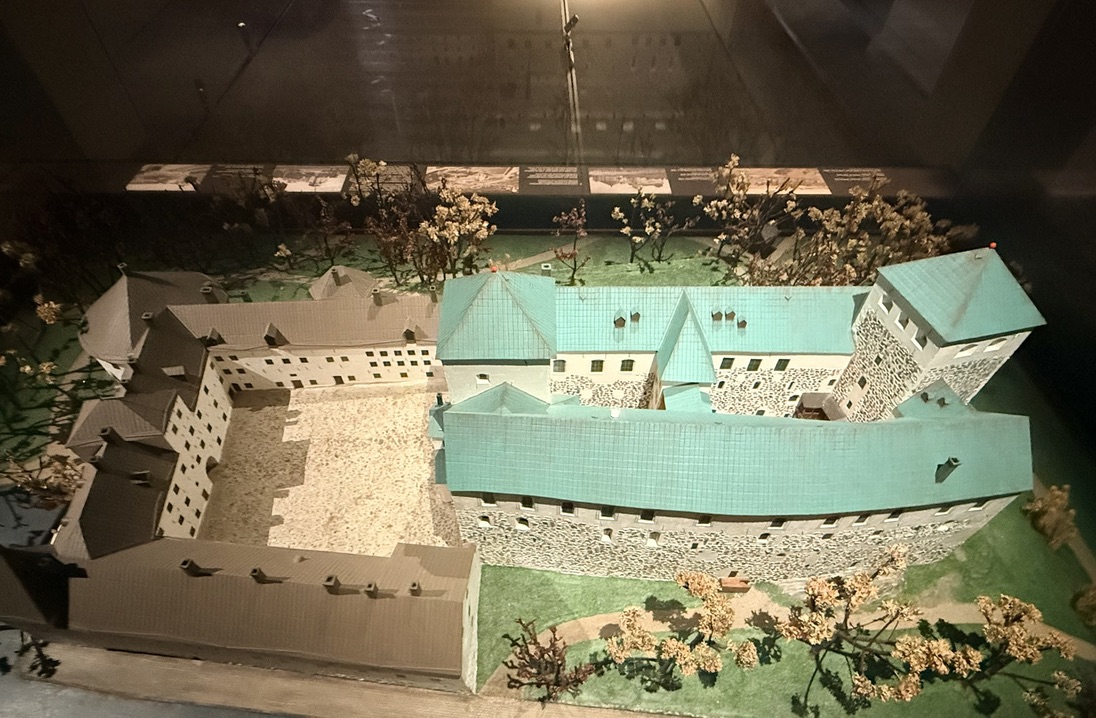
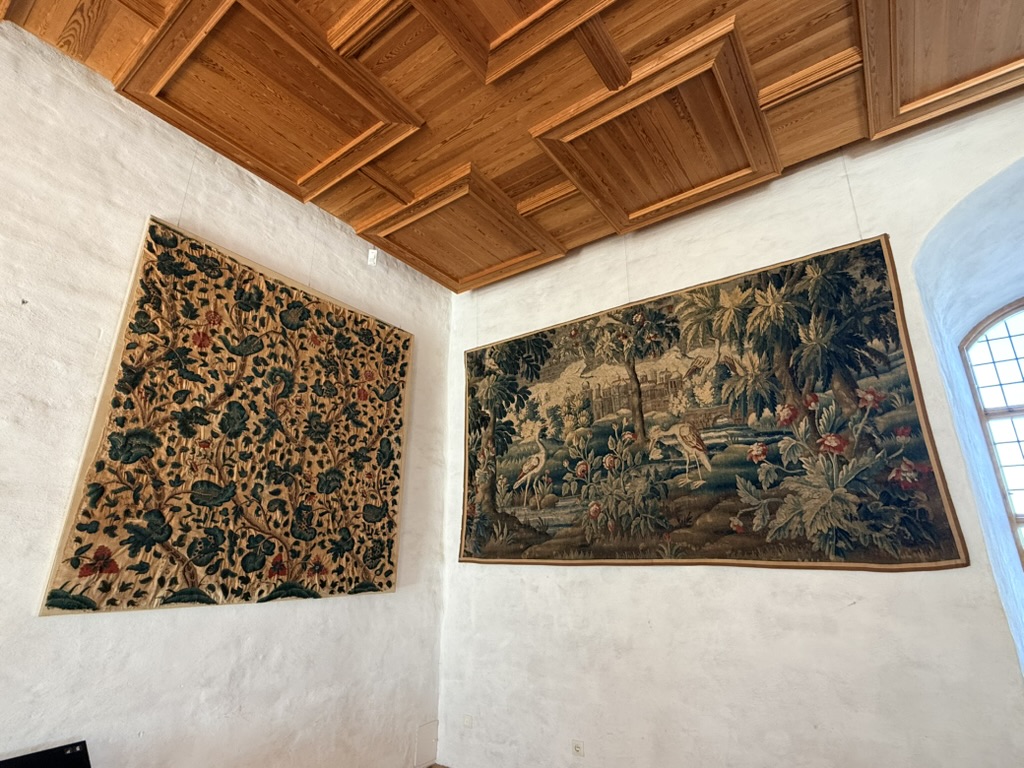
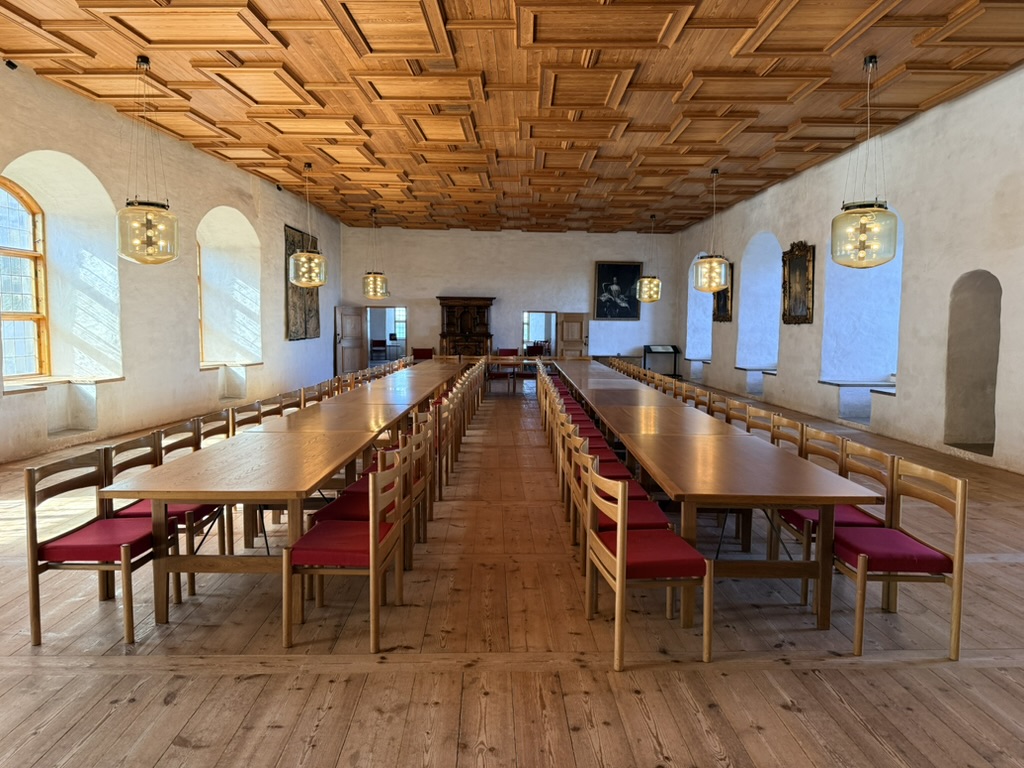
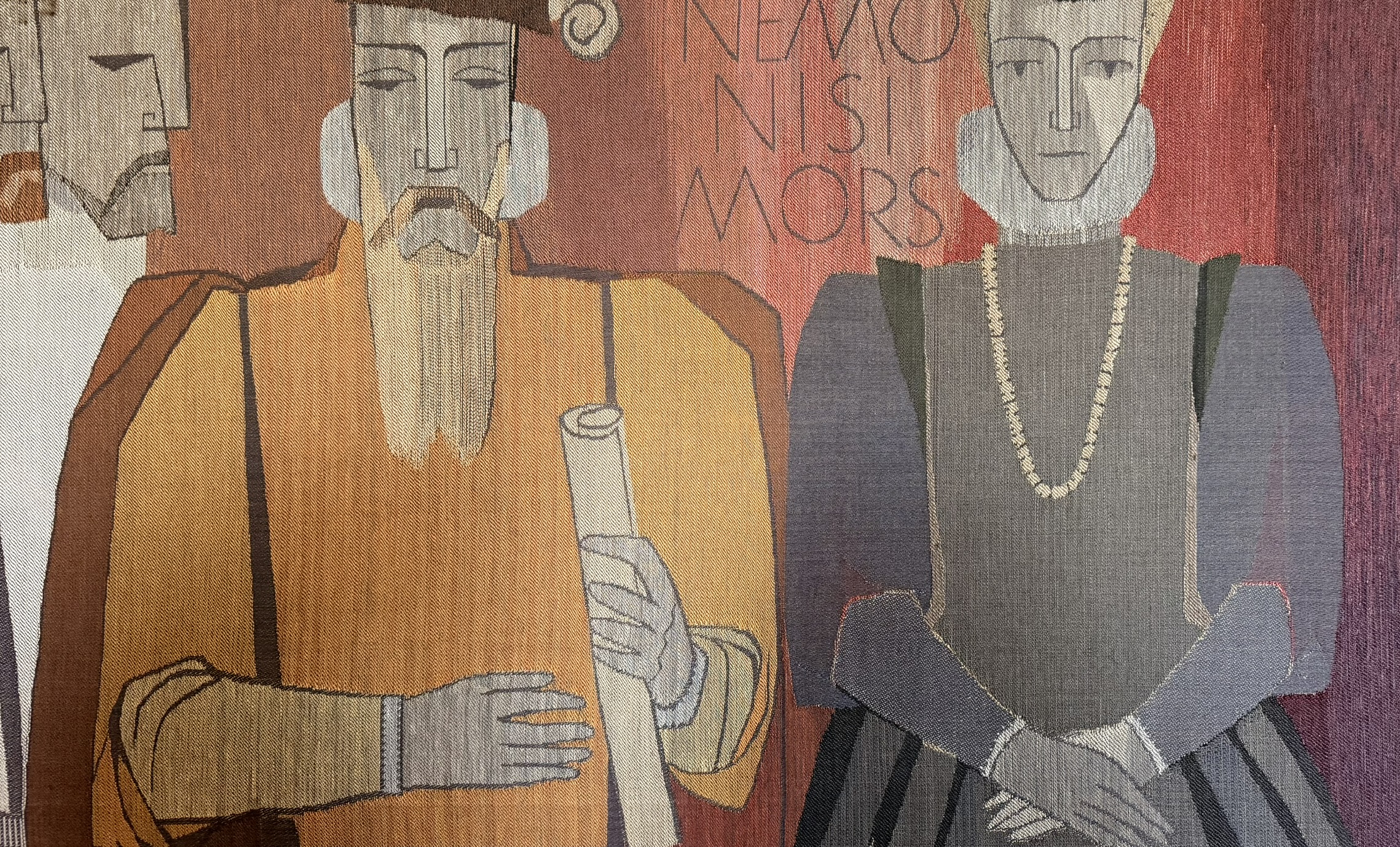
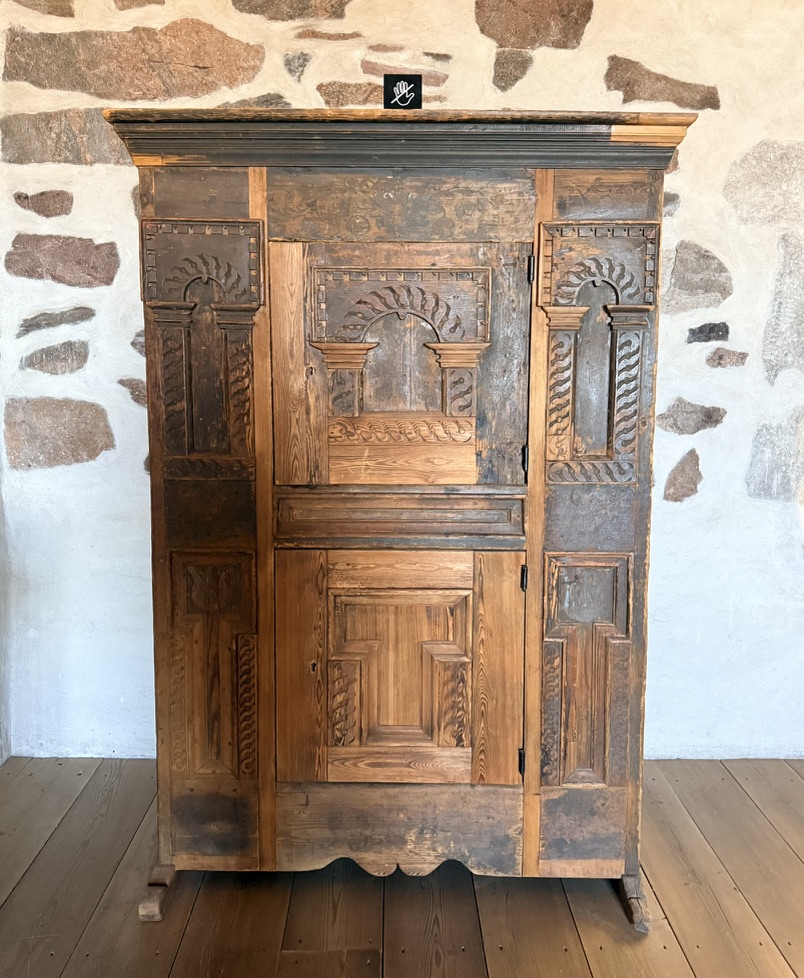
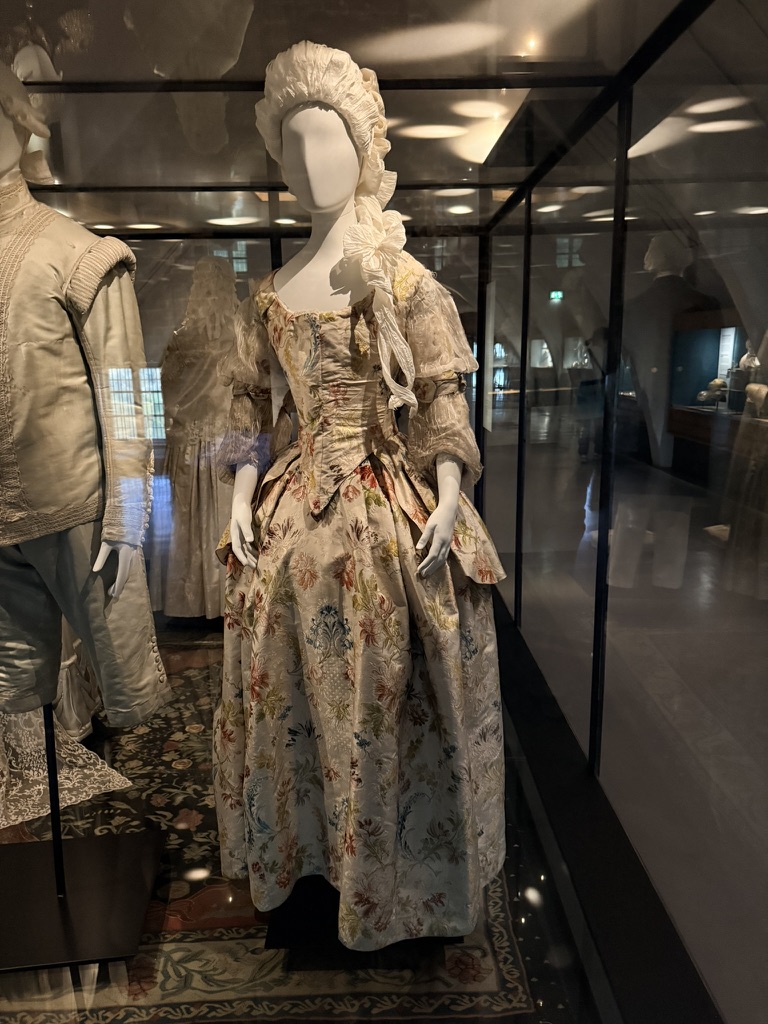
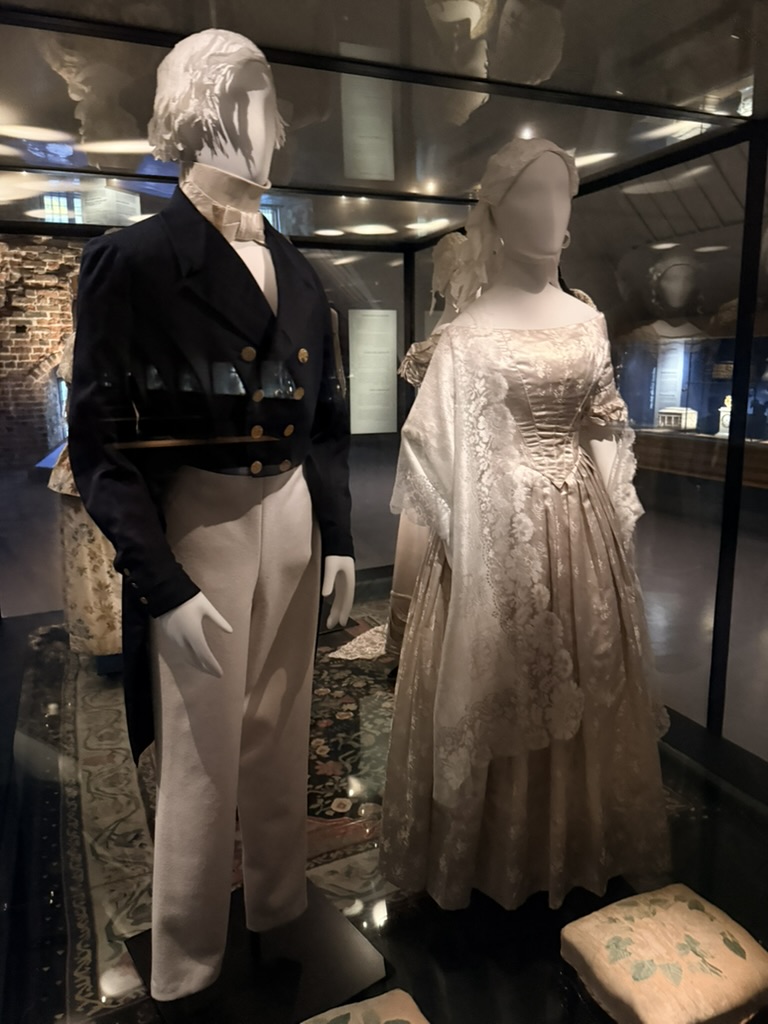
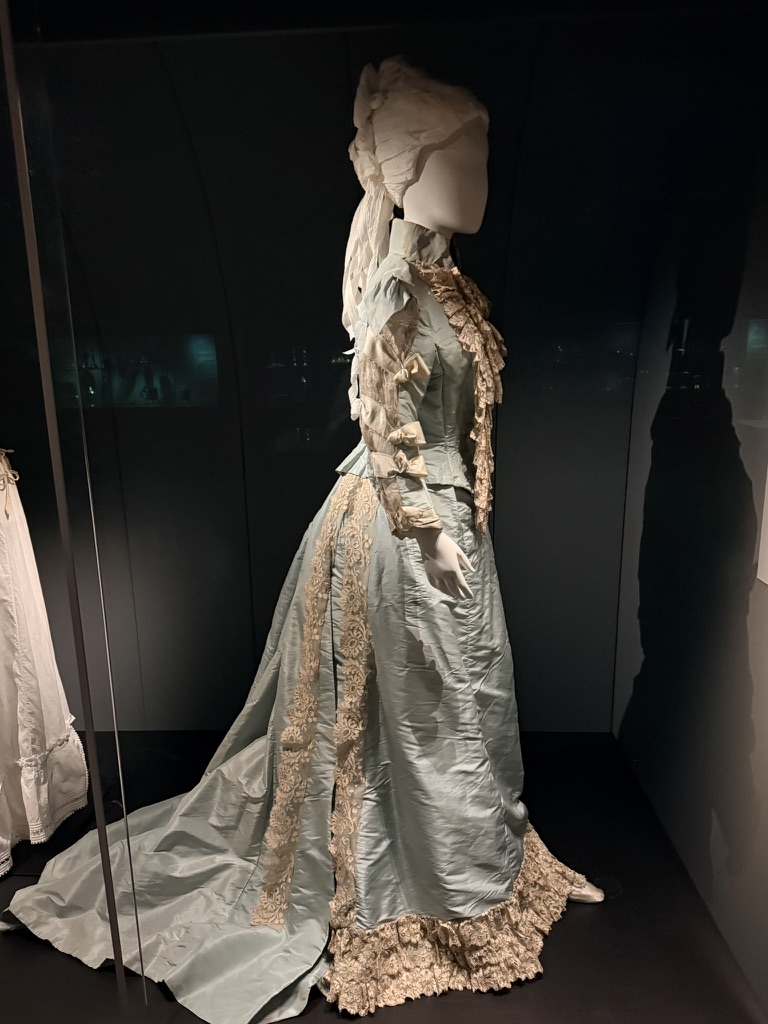
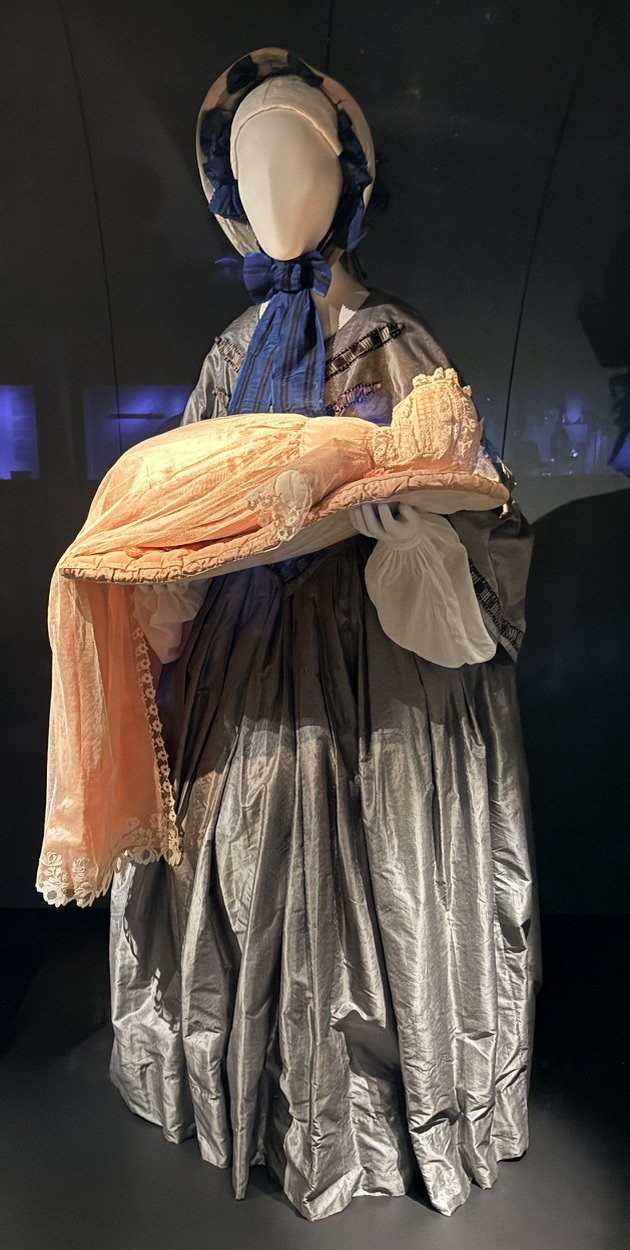
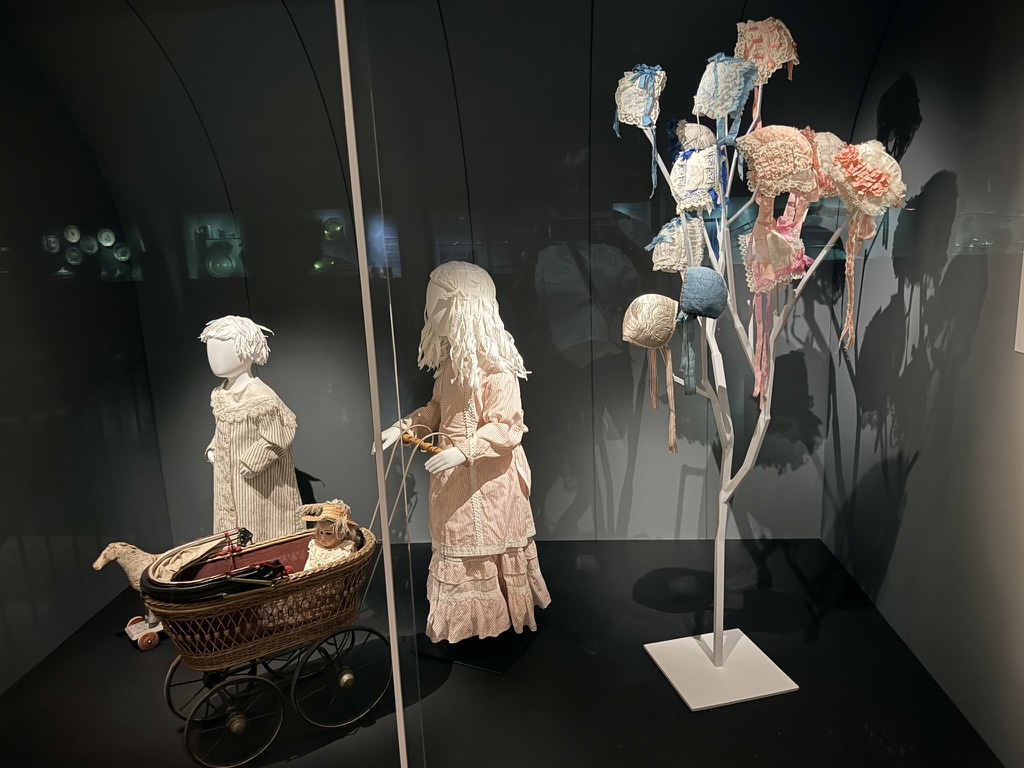
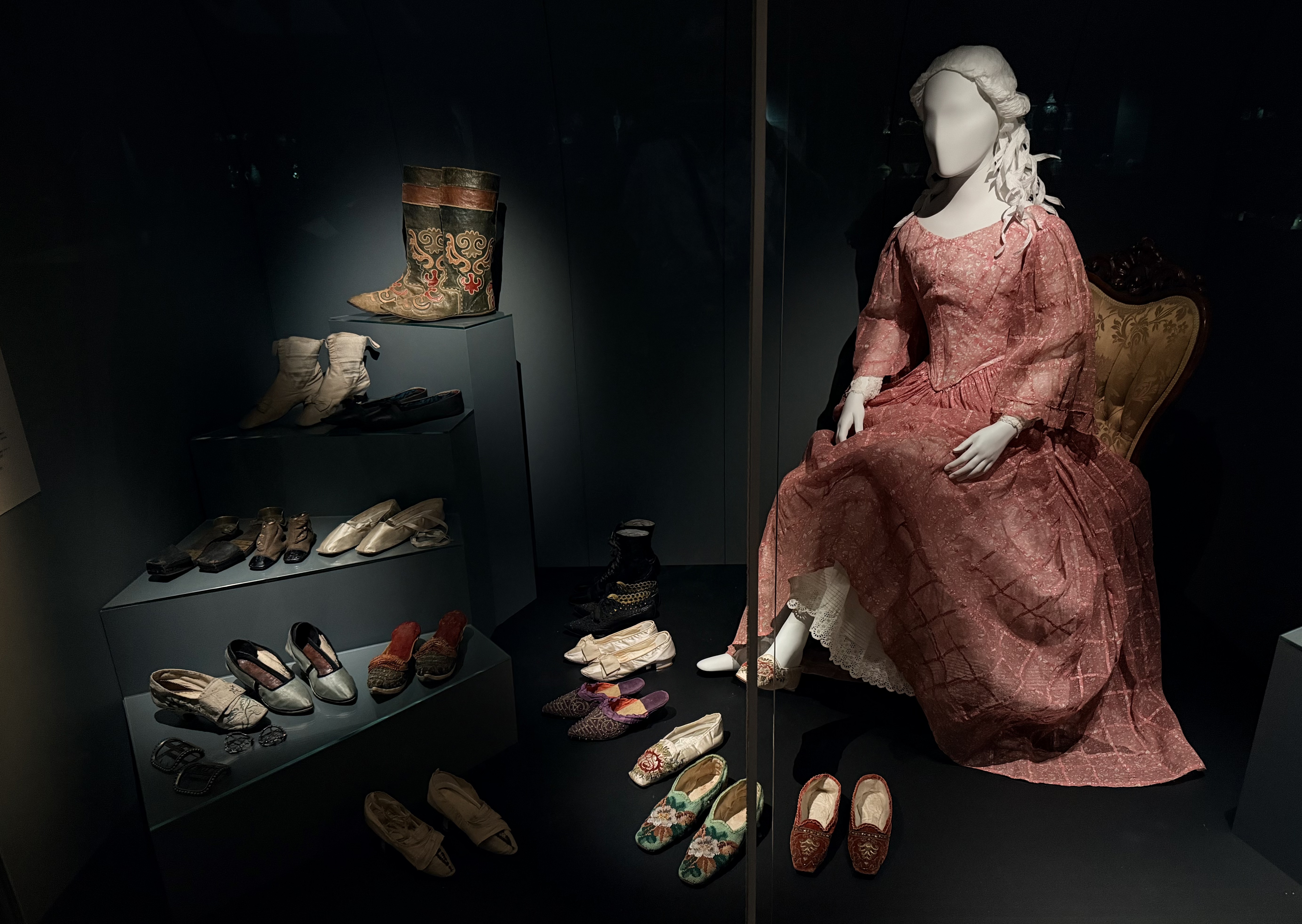
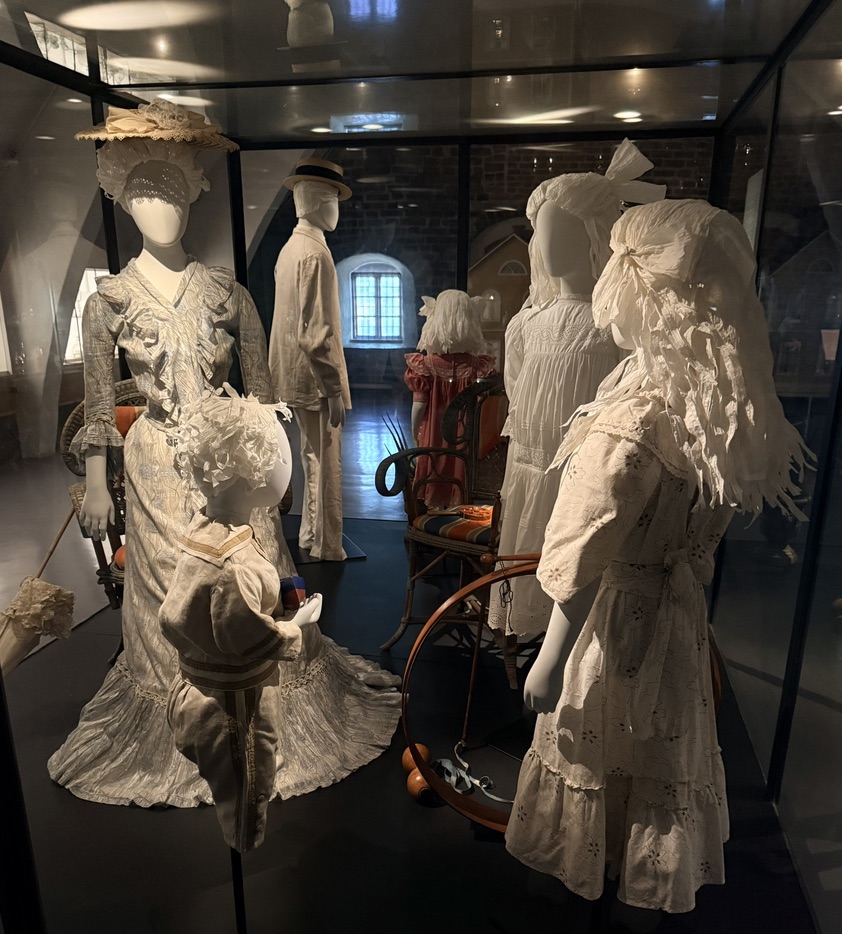
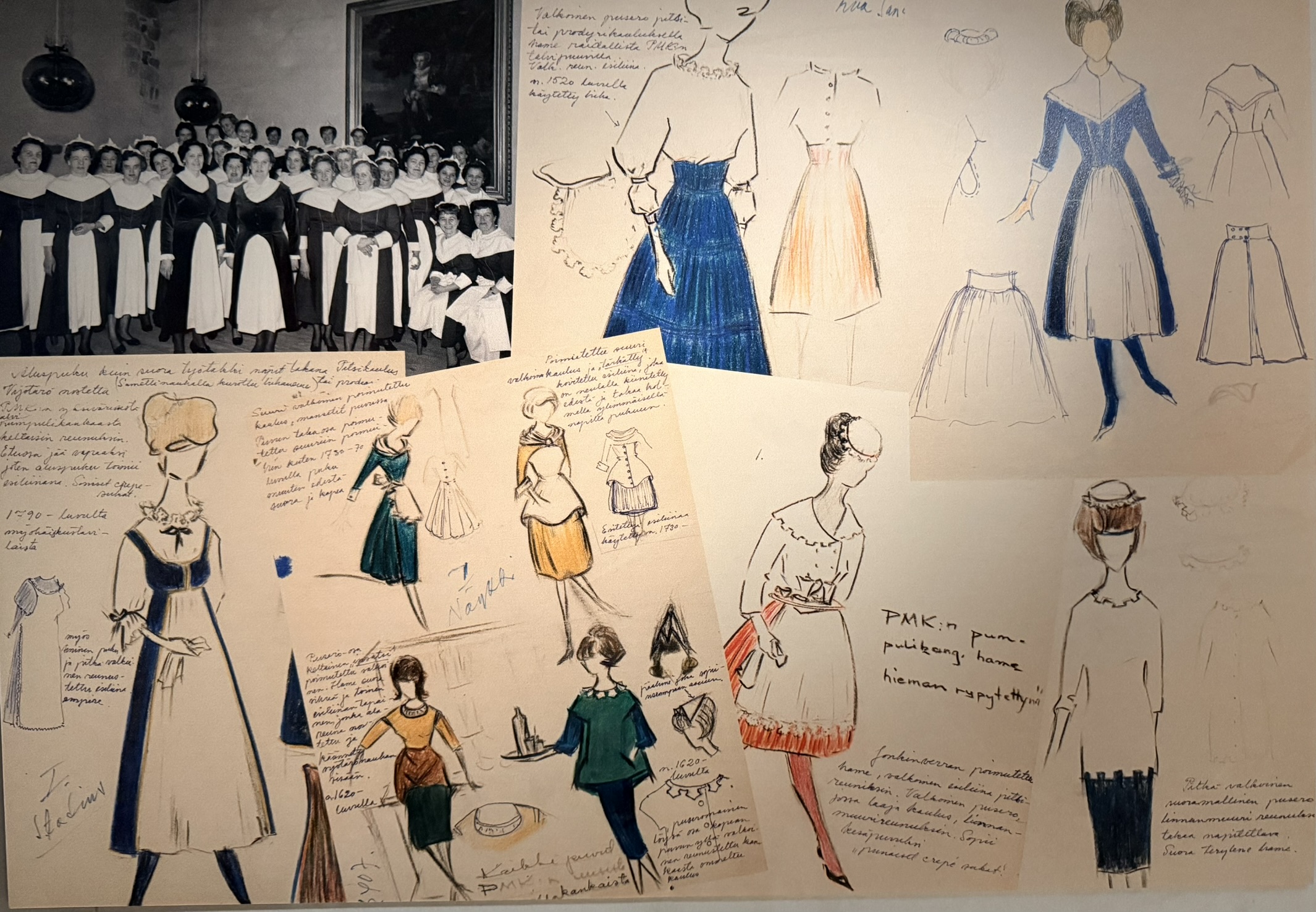
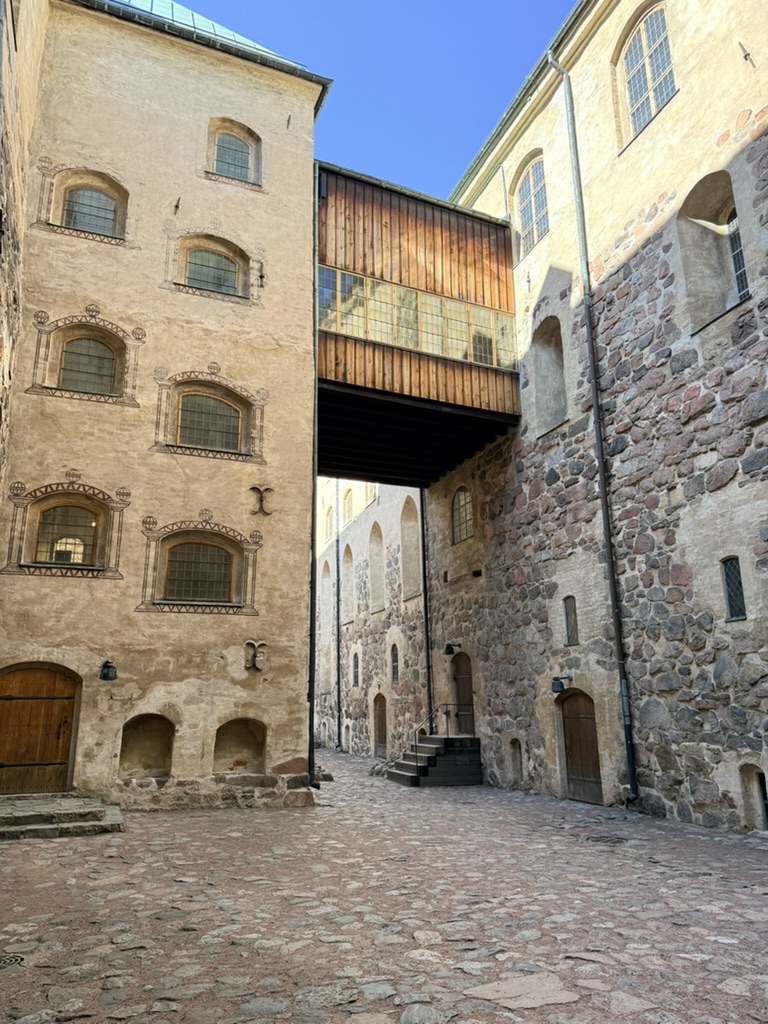
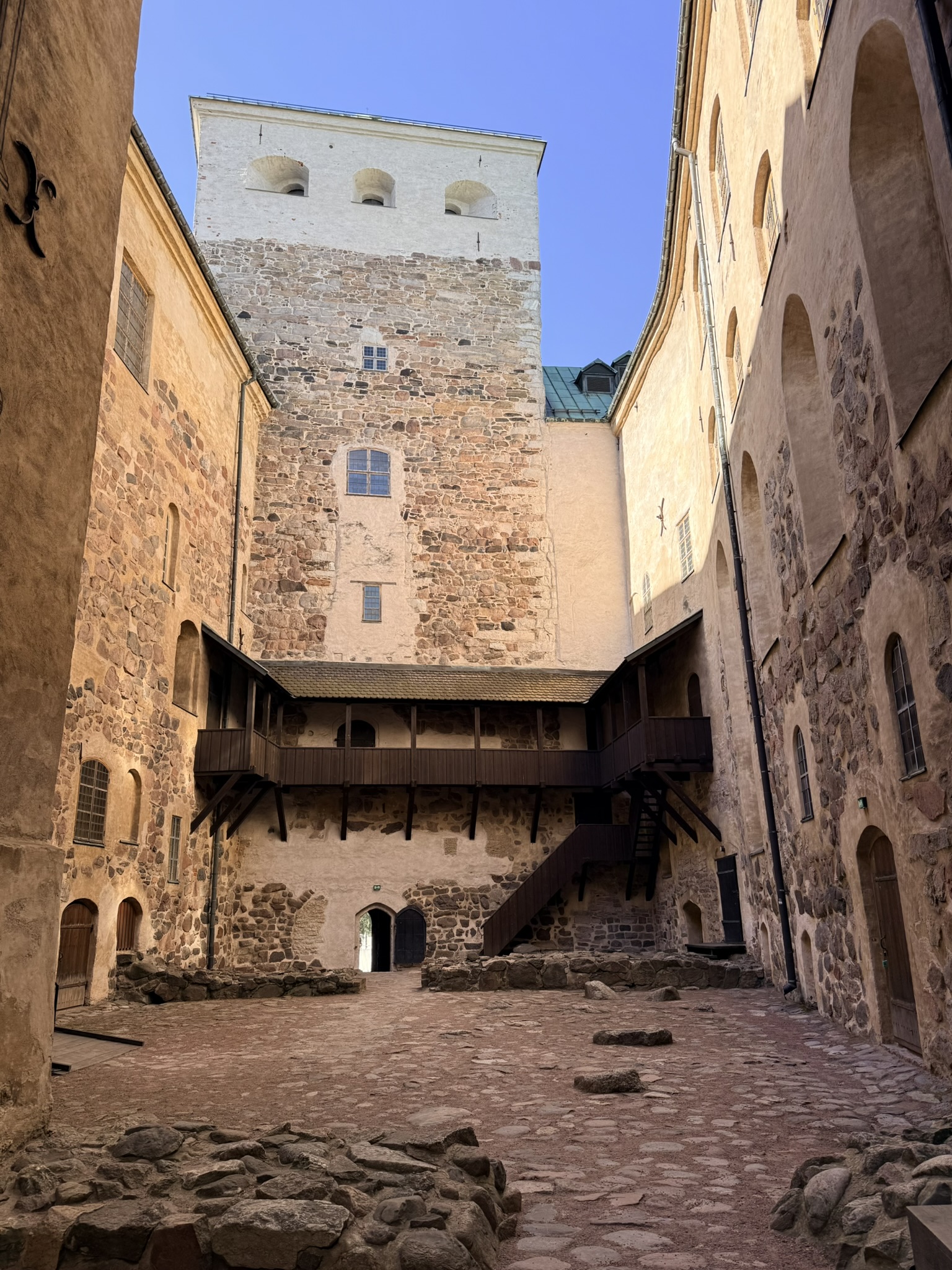
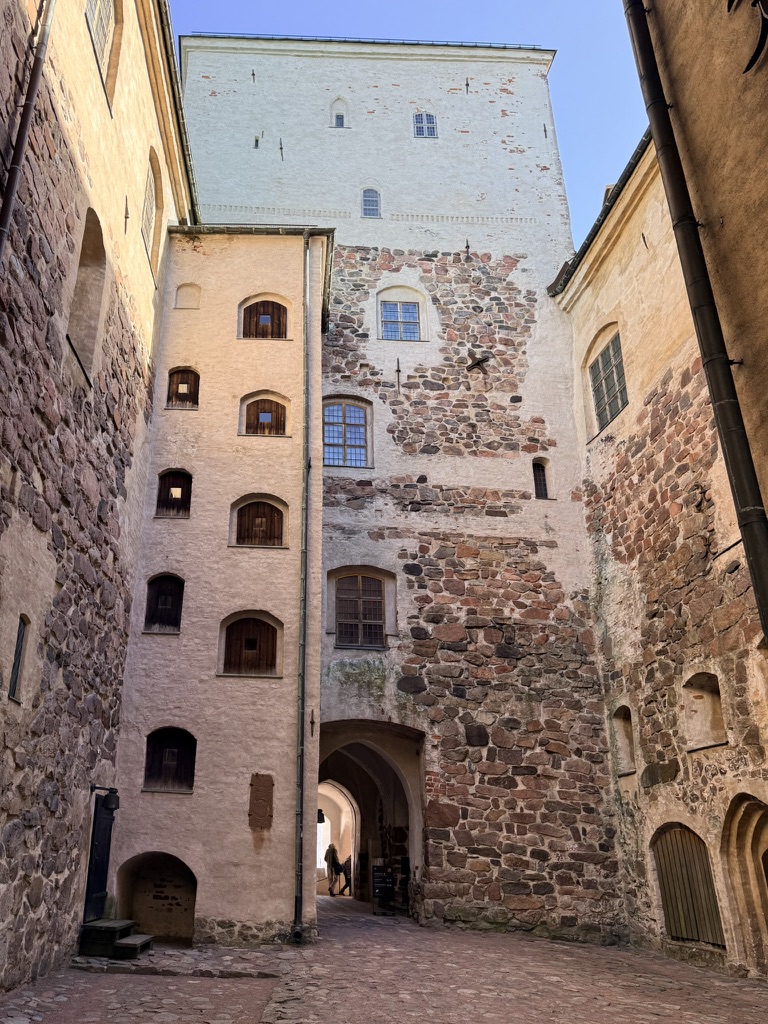
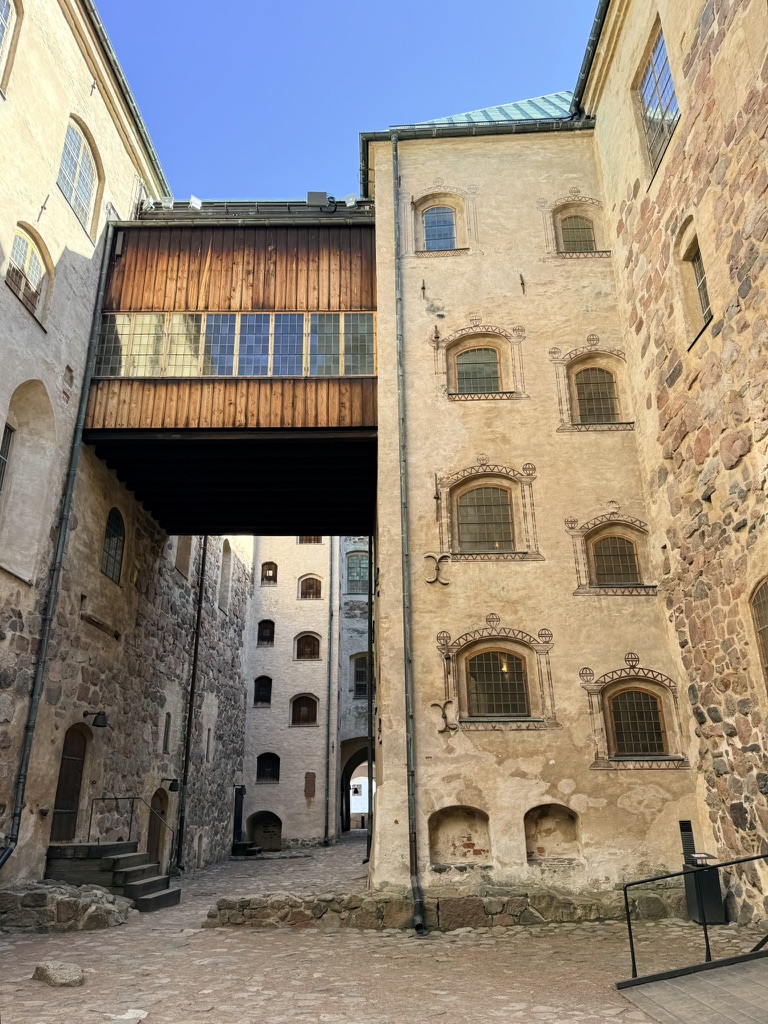
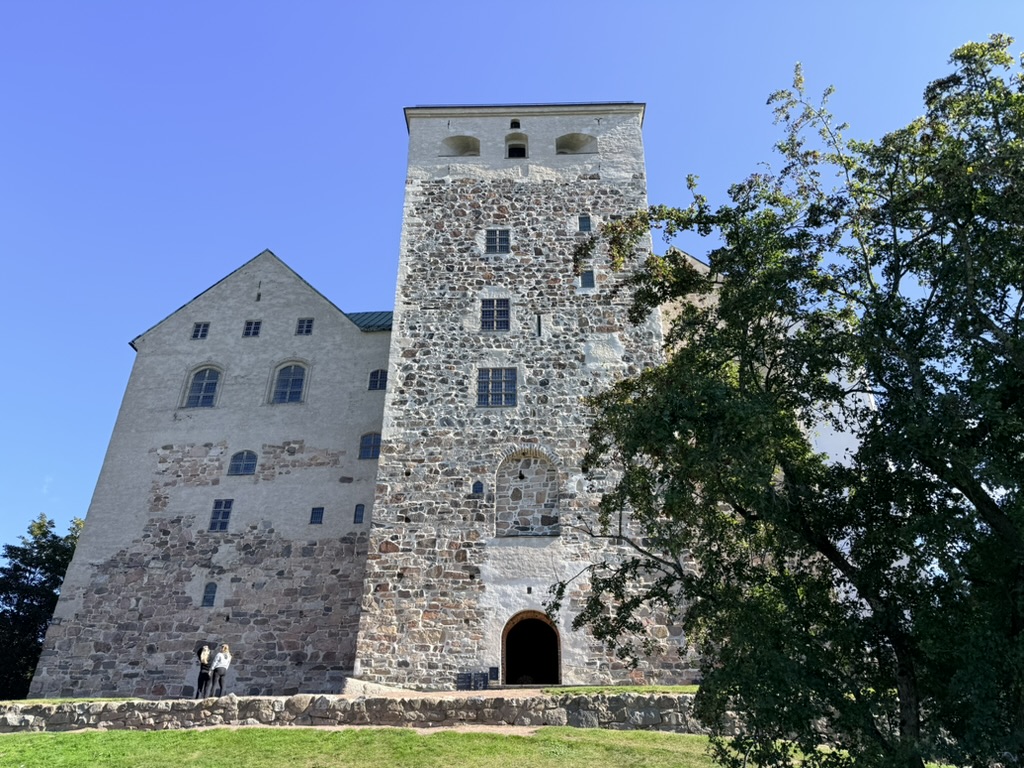
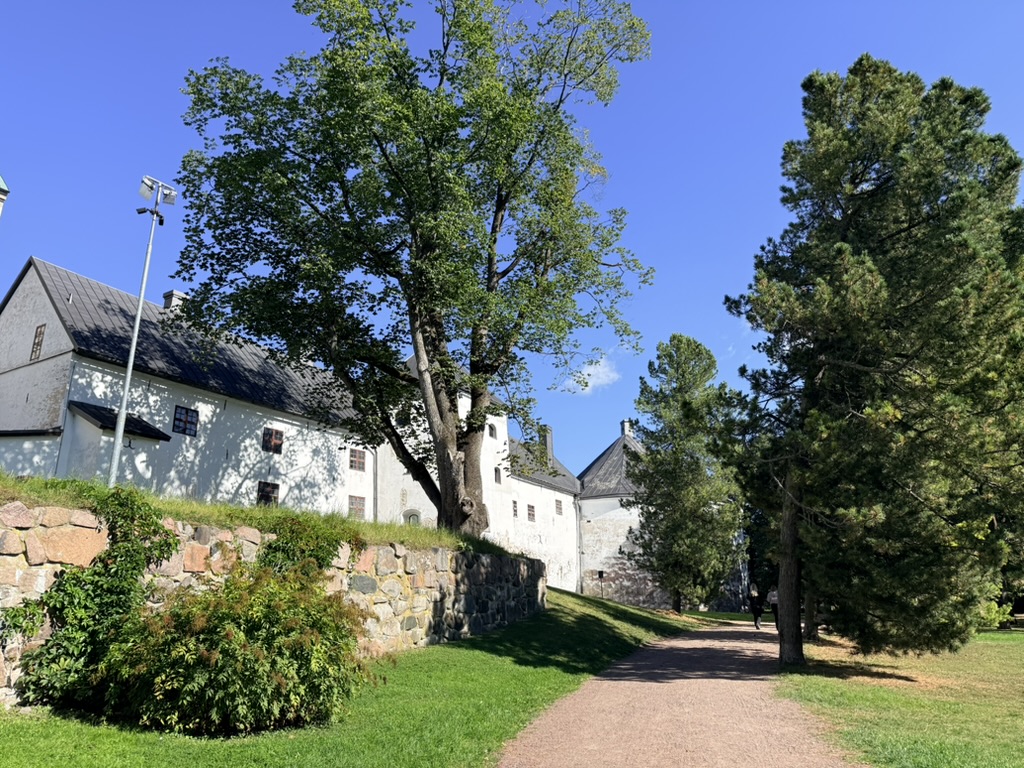
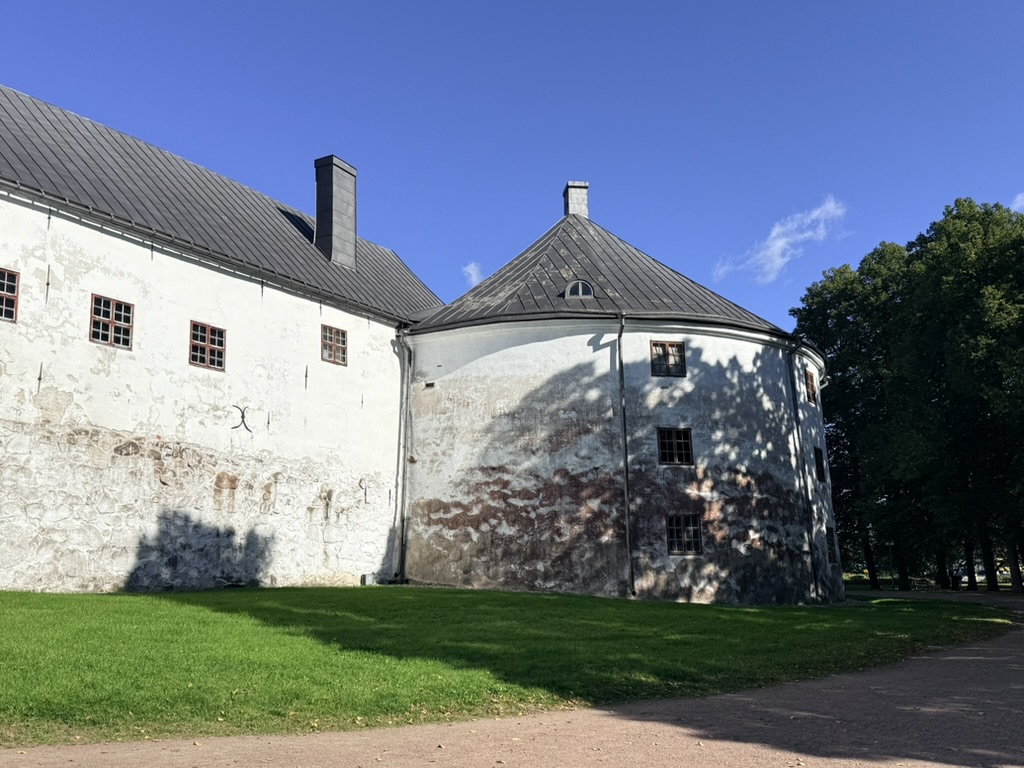
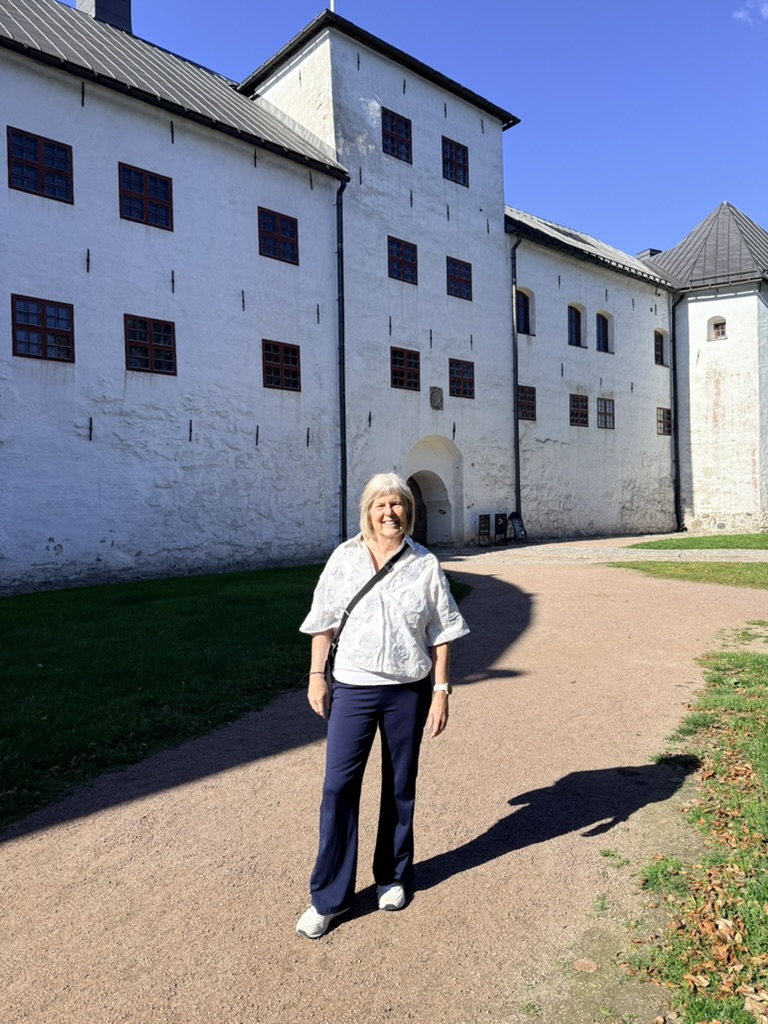
Turku Castle: Dating back to the 1280s, this massive medieval fortress is Finland’s largest surviving castle. We roamed through the grand banquet halls and dungeons and checked out the historic exhibits.
There is a medieval part of Turku castle and a Renaissance part. We visited the Medieval Castle first.
Medieval Castle
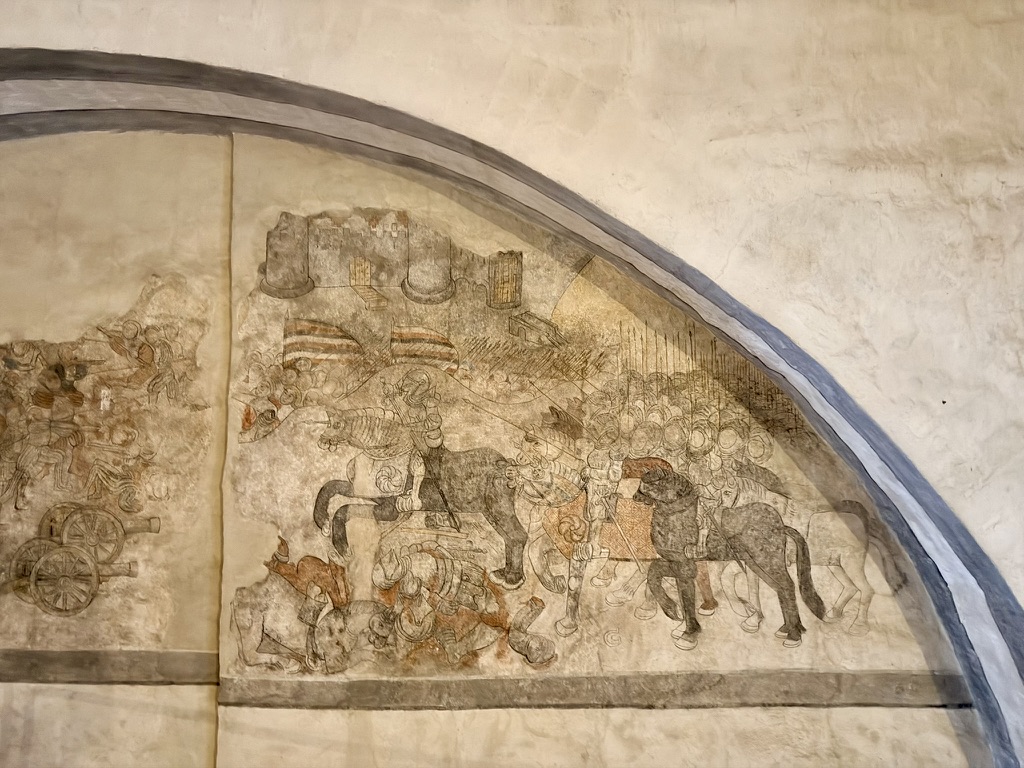
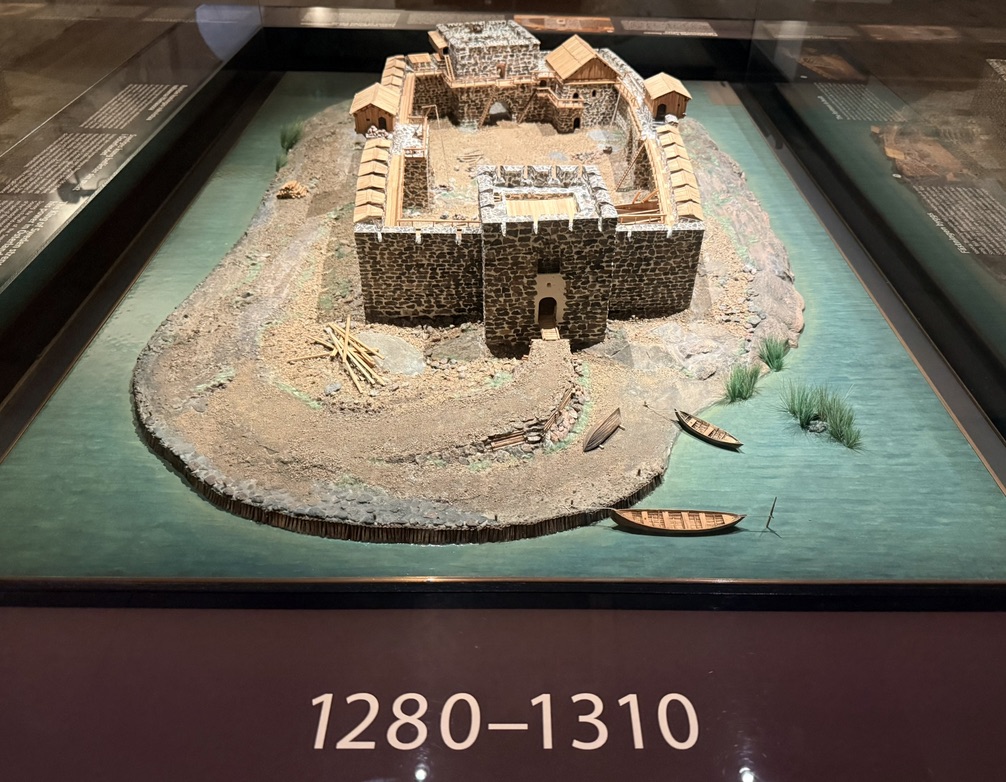
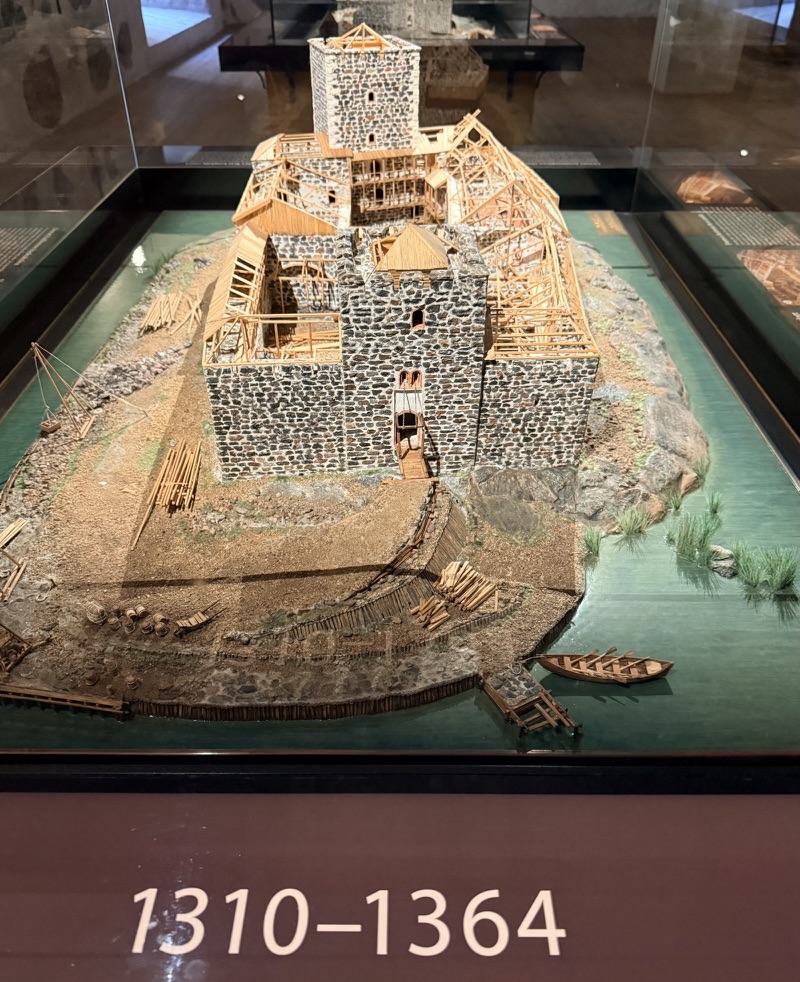
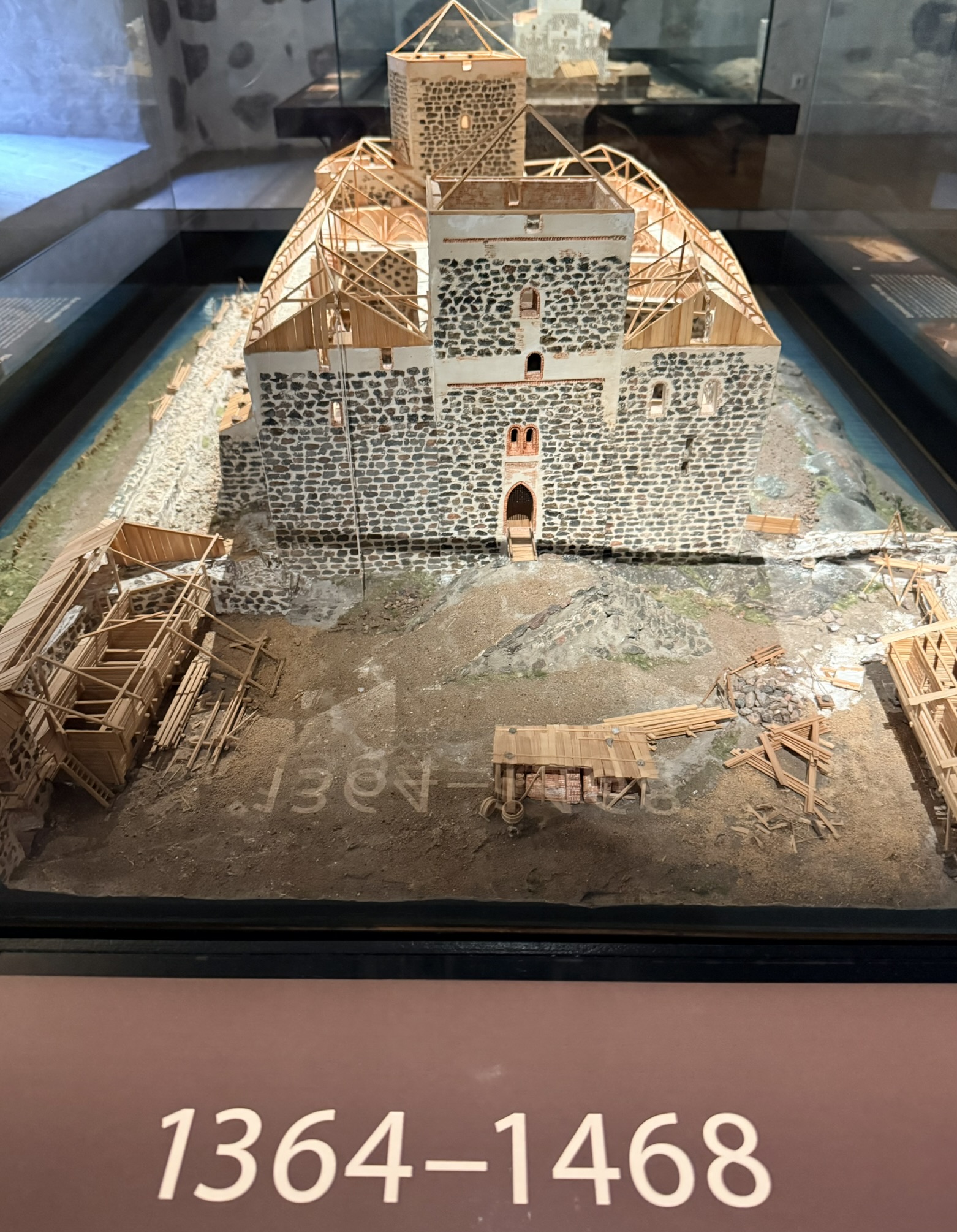
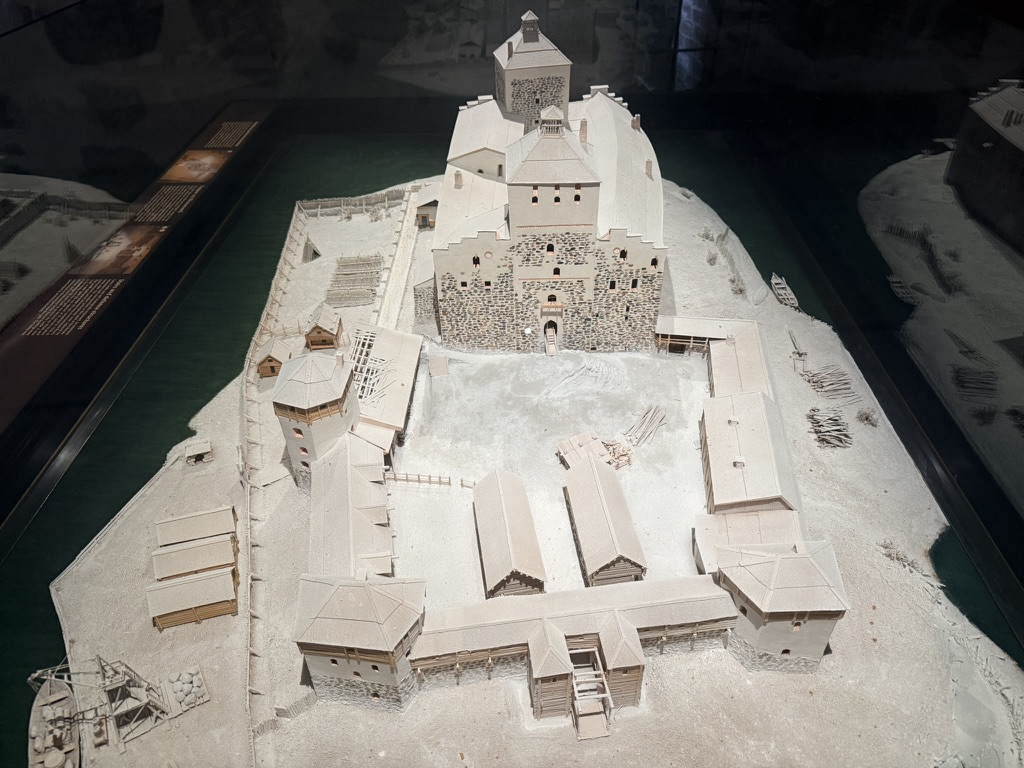
During the Middle Ages (5th to late 15th century), Sweden annexed a large part of what is now Finland, which was divided into nine administrative regions known as slottslän or castle fiefs. The castle was built not only to defend Turku but also to bring the then “Österland” more firmly under Swedish control. The battles at Turku Castle were often related to political issues in the entire Baltic Sea region.
Castles were built as the centers of fortresses, the first of which were Turku, Häme and Vyborg castle. The site chosen was a rocky islet in the mouth of the River Aura, which was considered favorable for defense. From there, it was possible to monitor the trading posts along the river and the traffic to Turku.
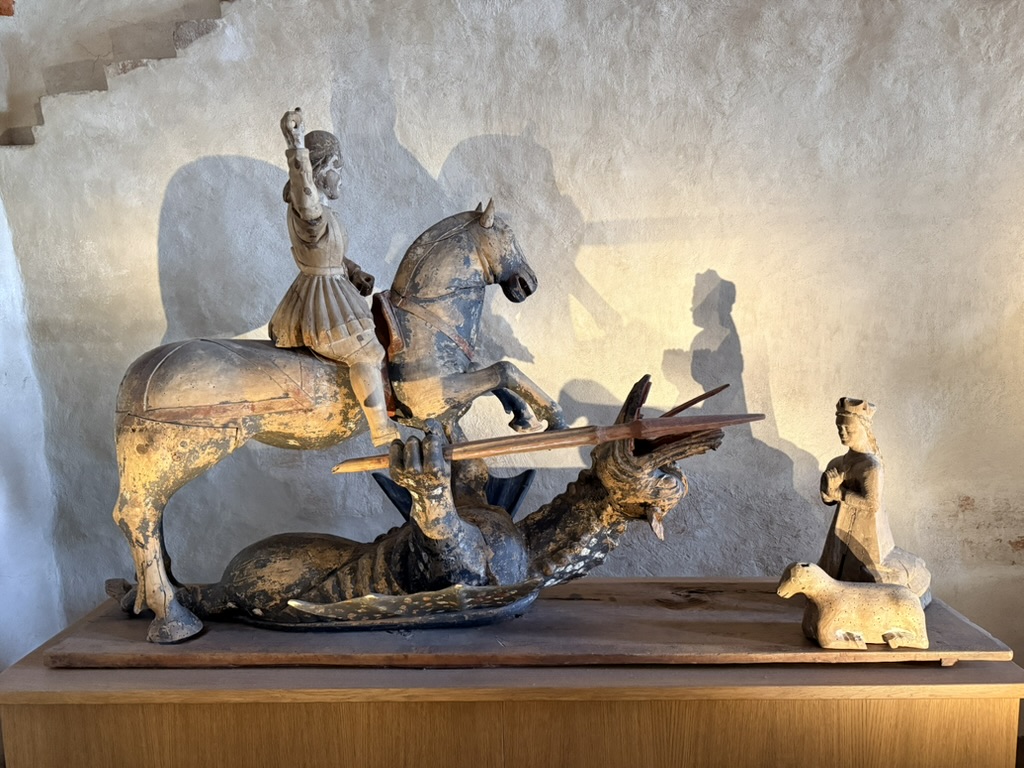
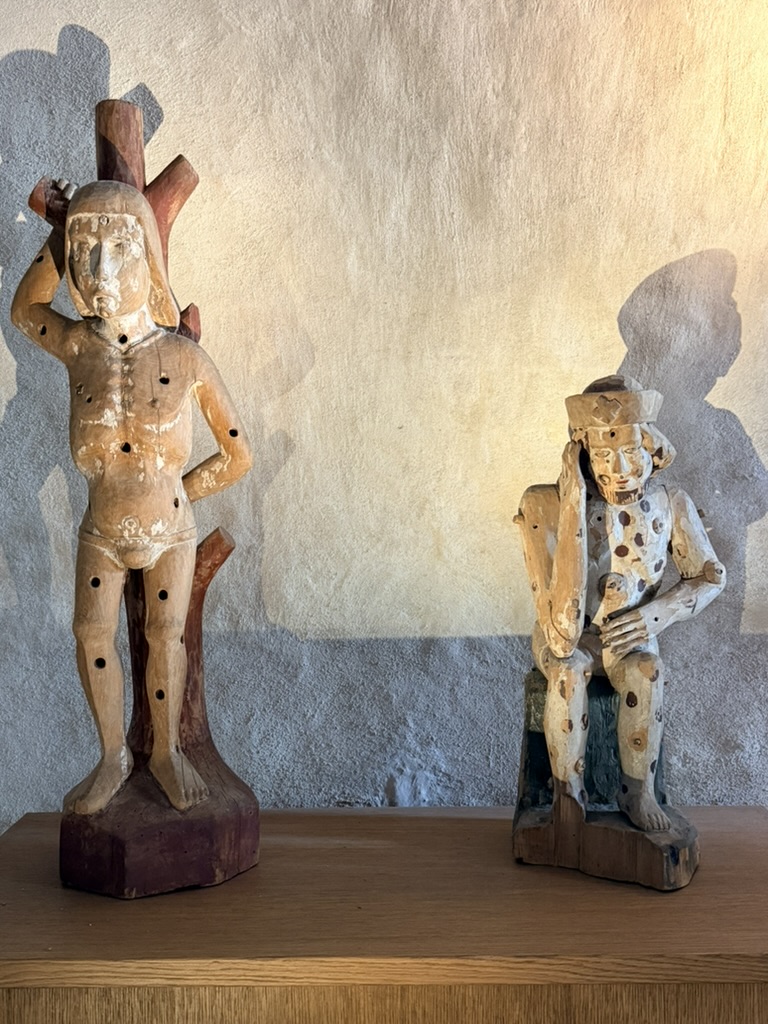
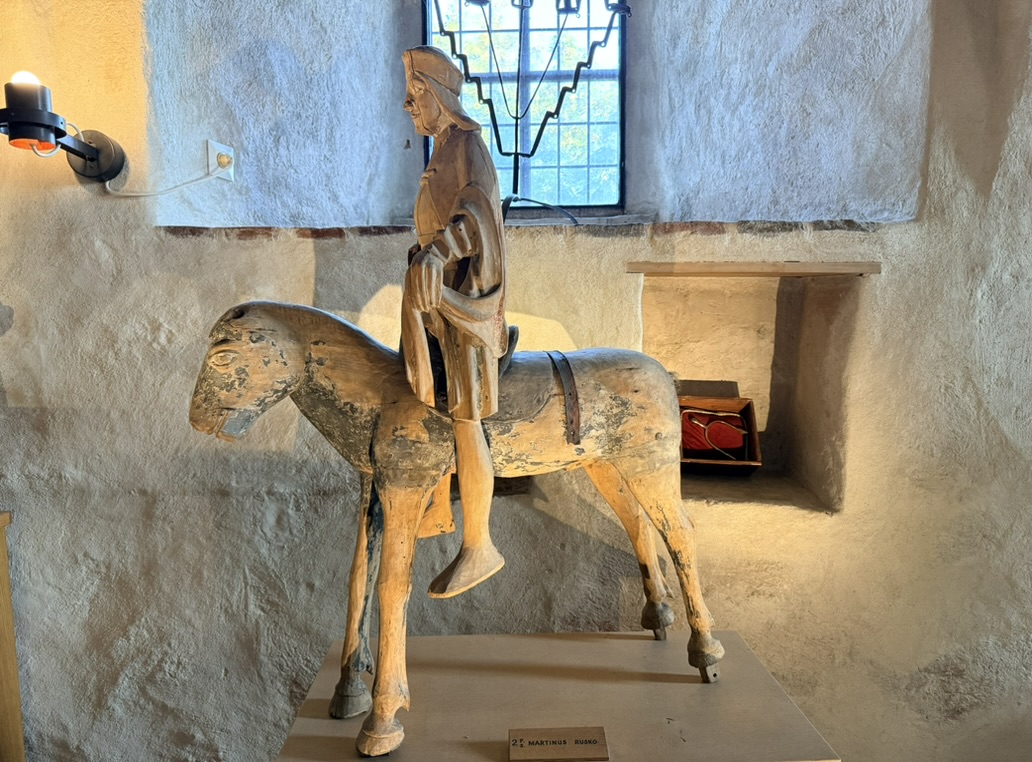
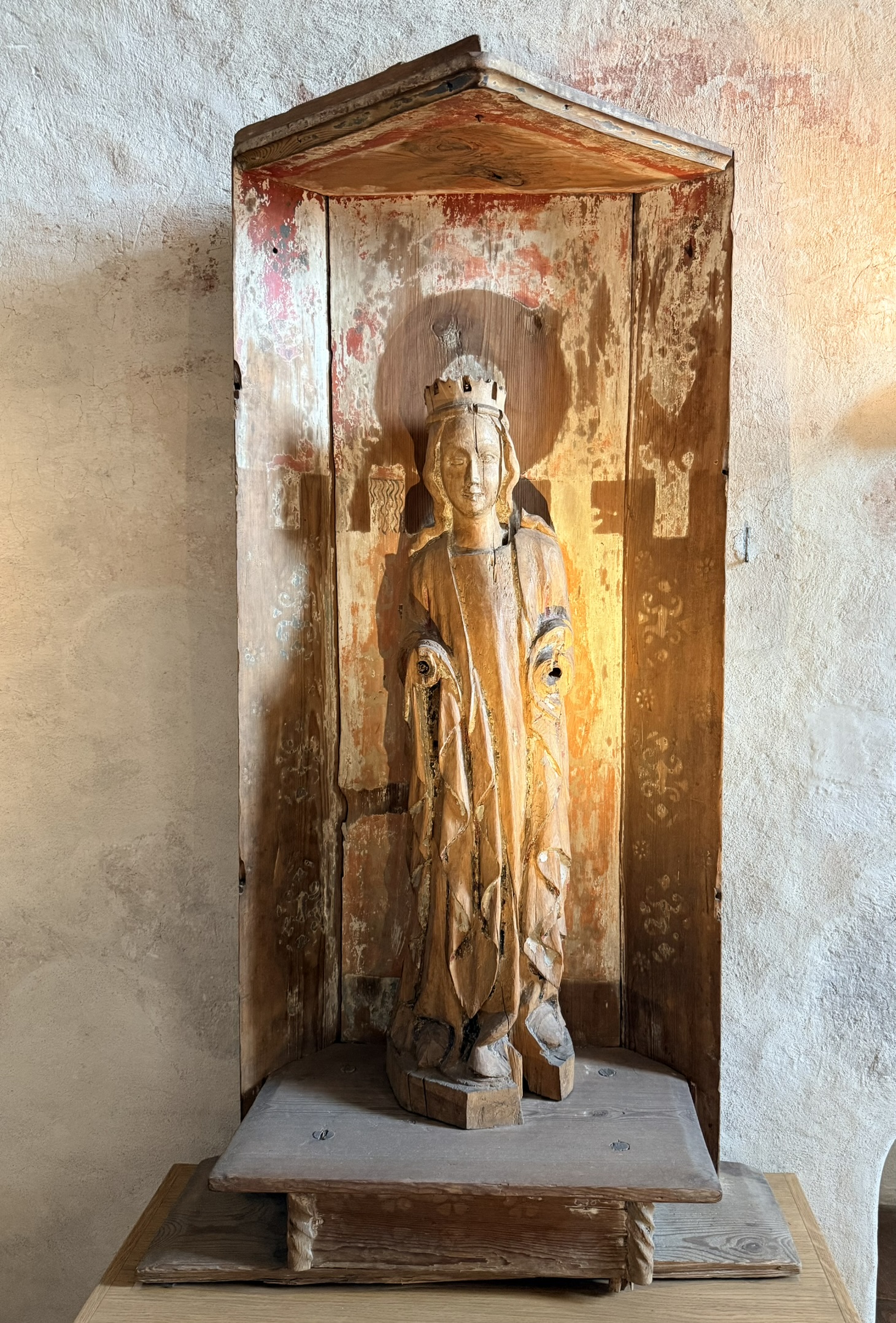
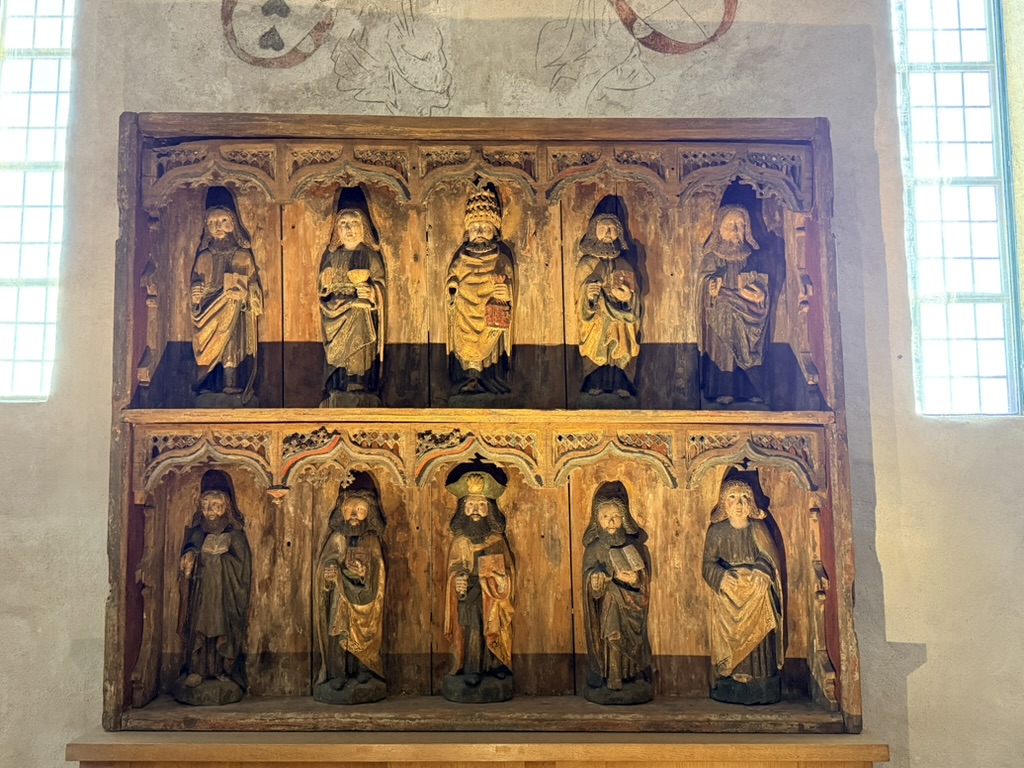
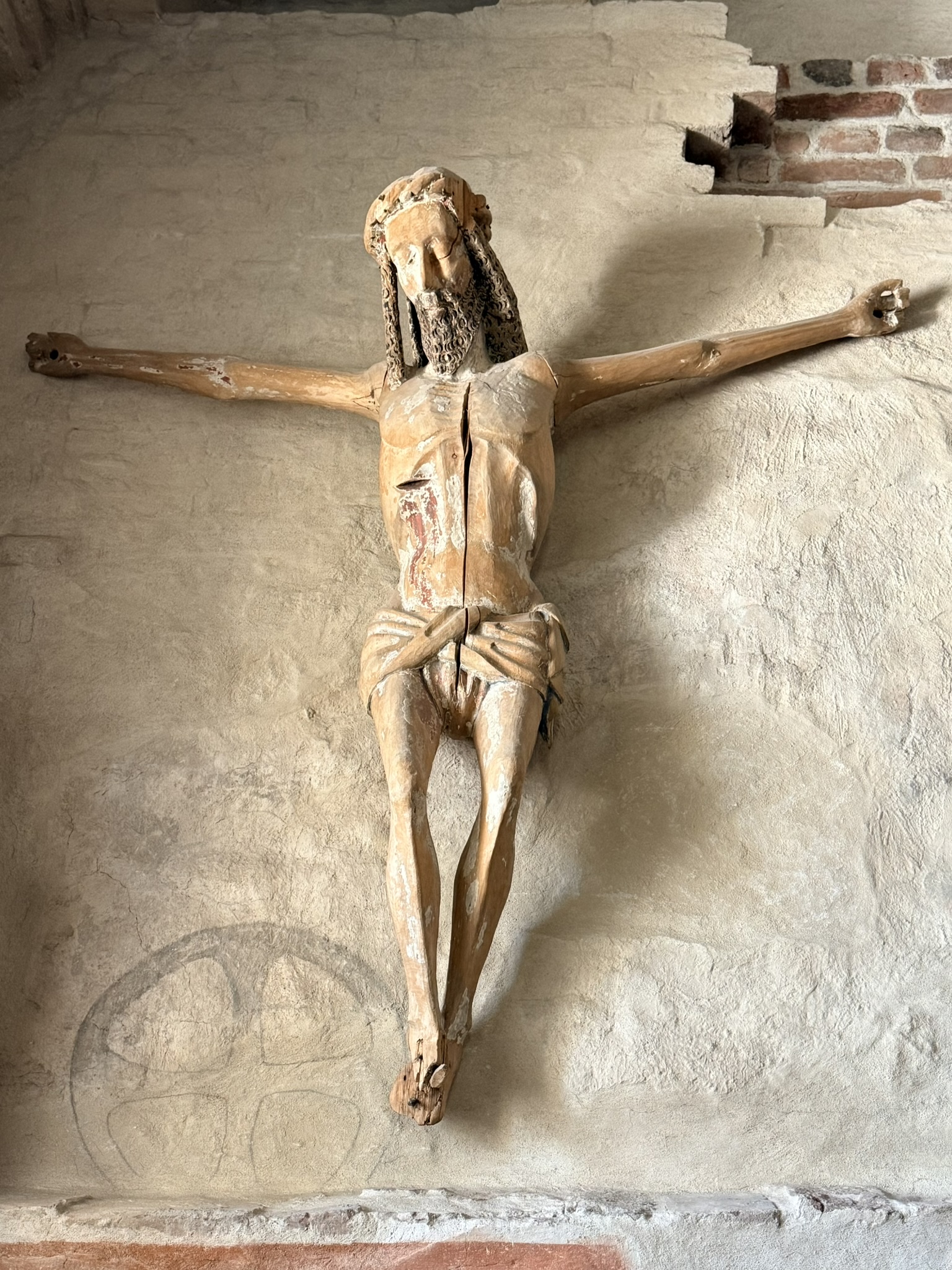
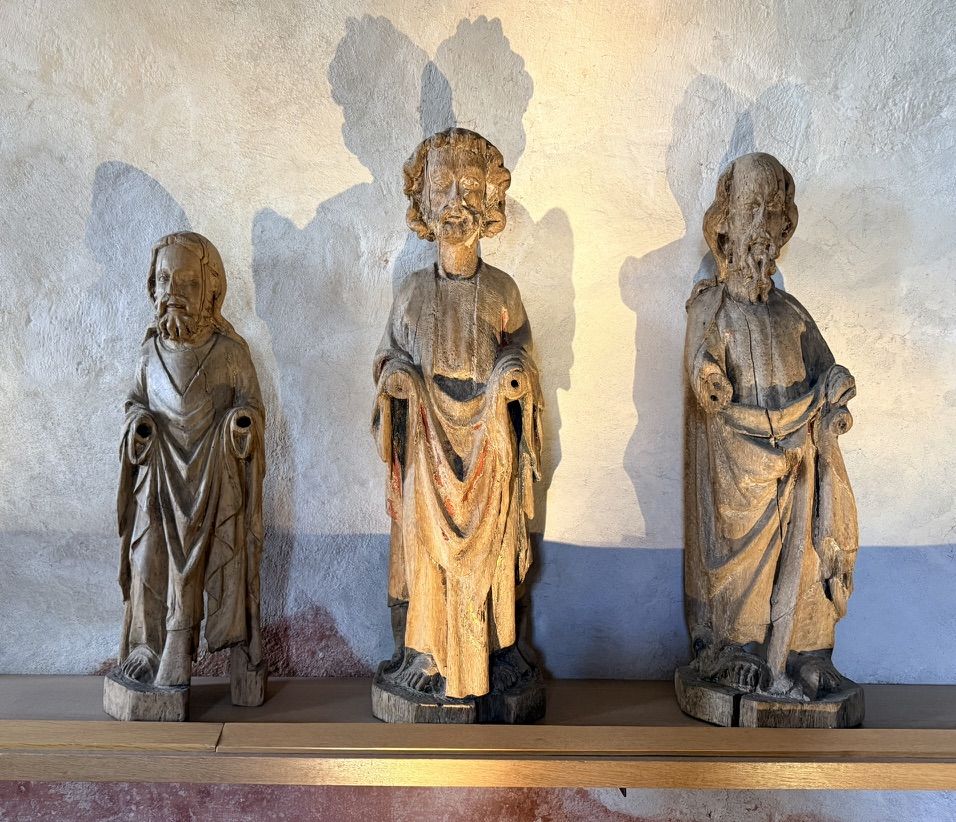
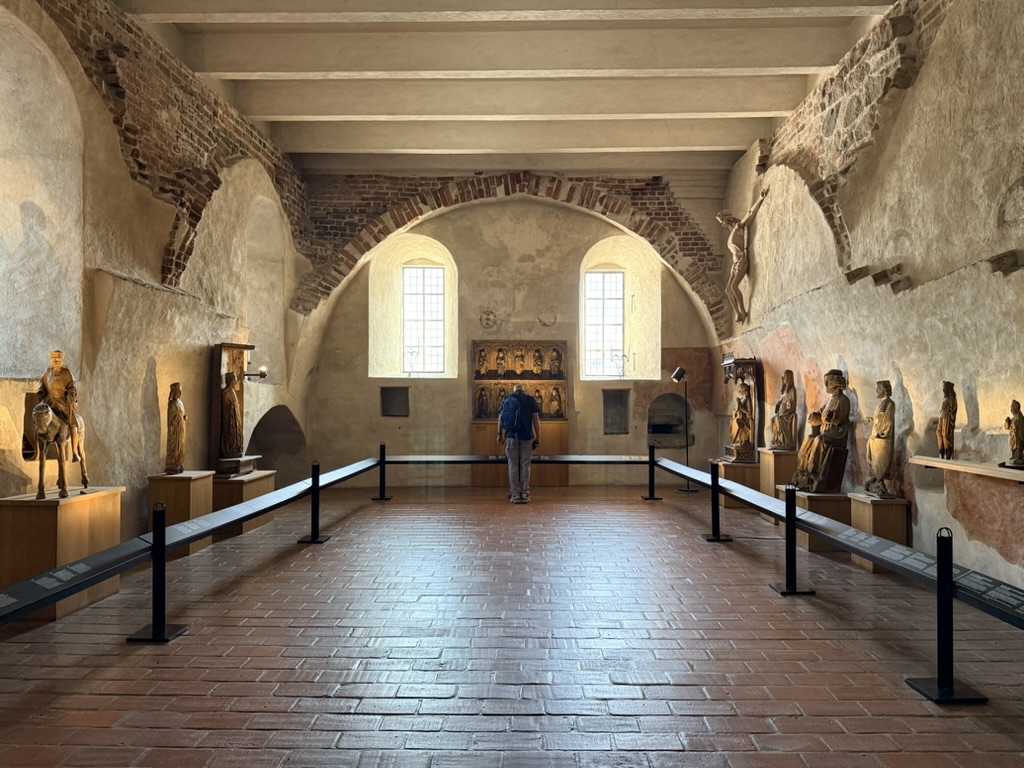
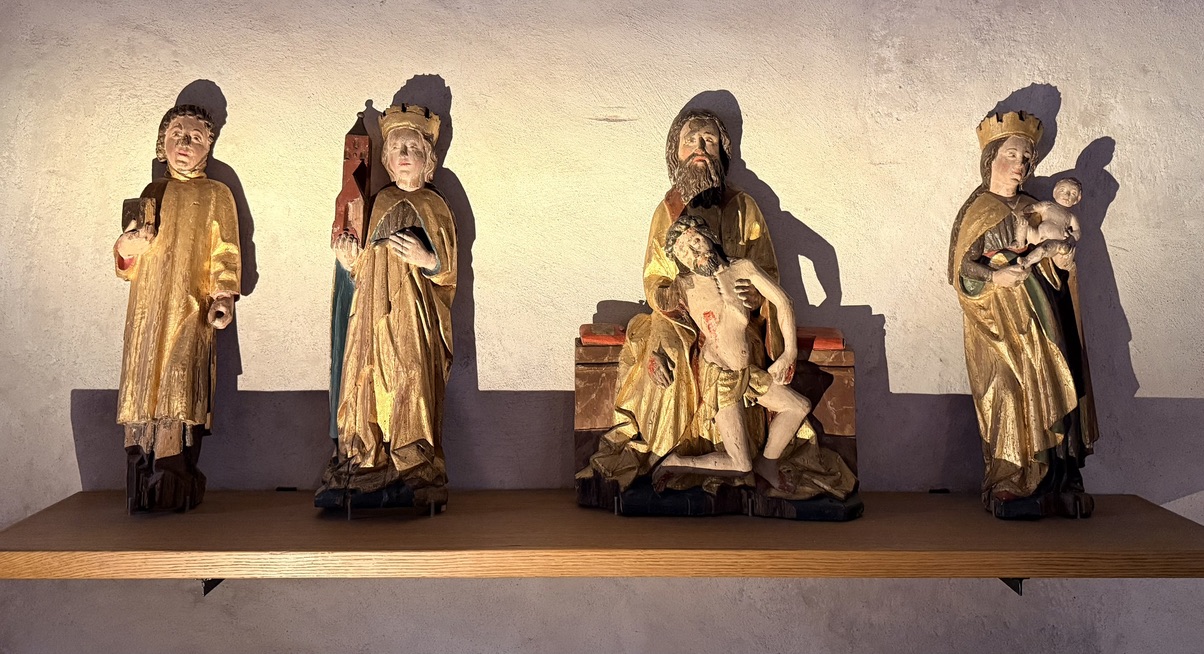
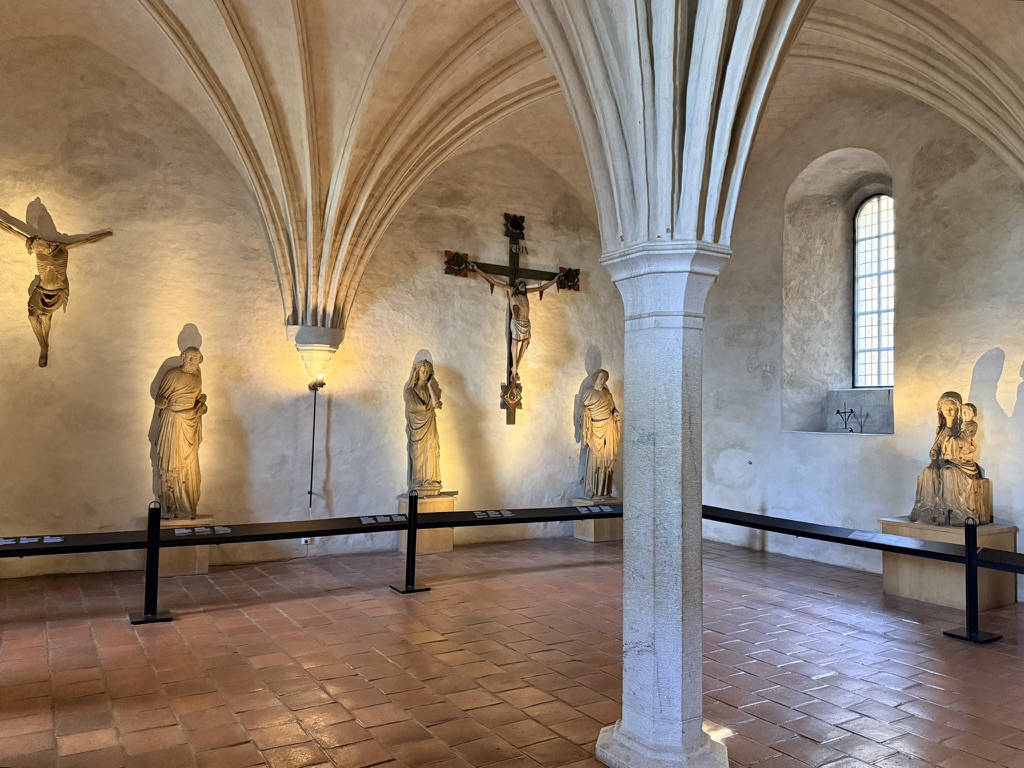
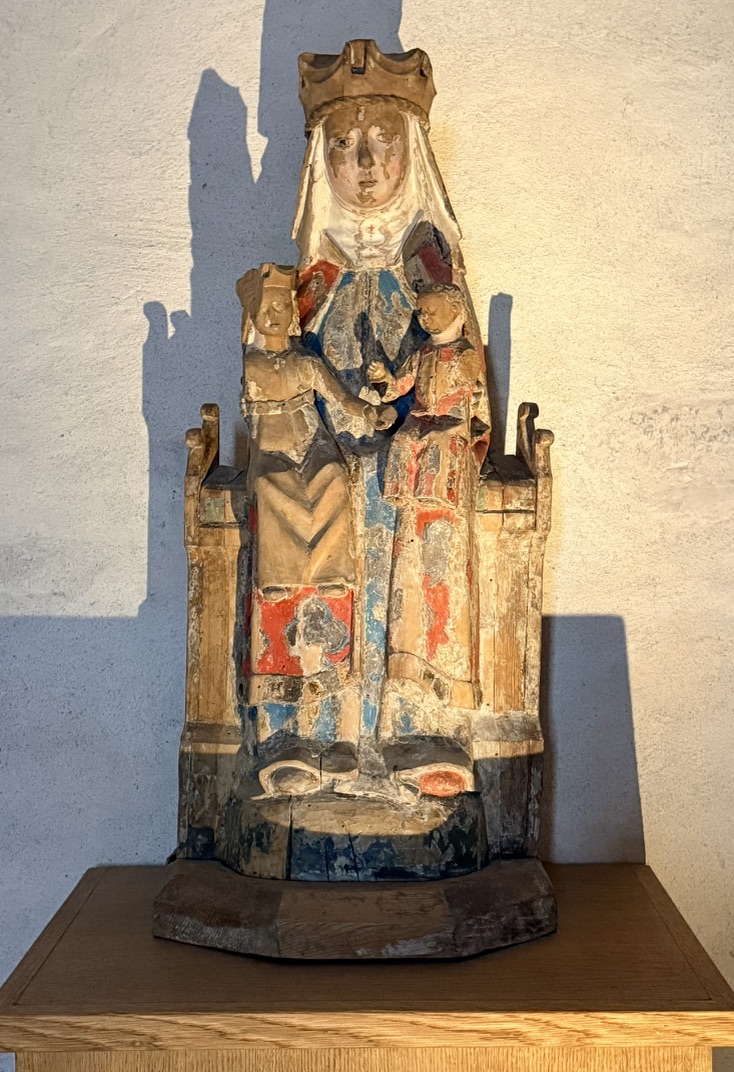
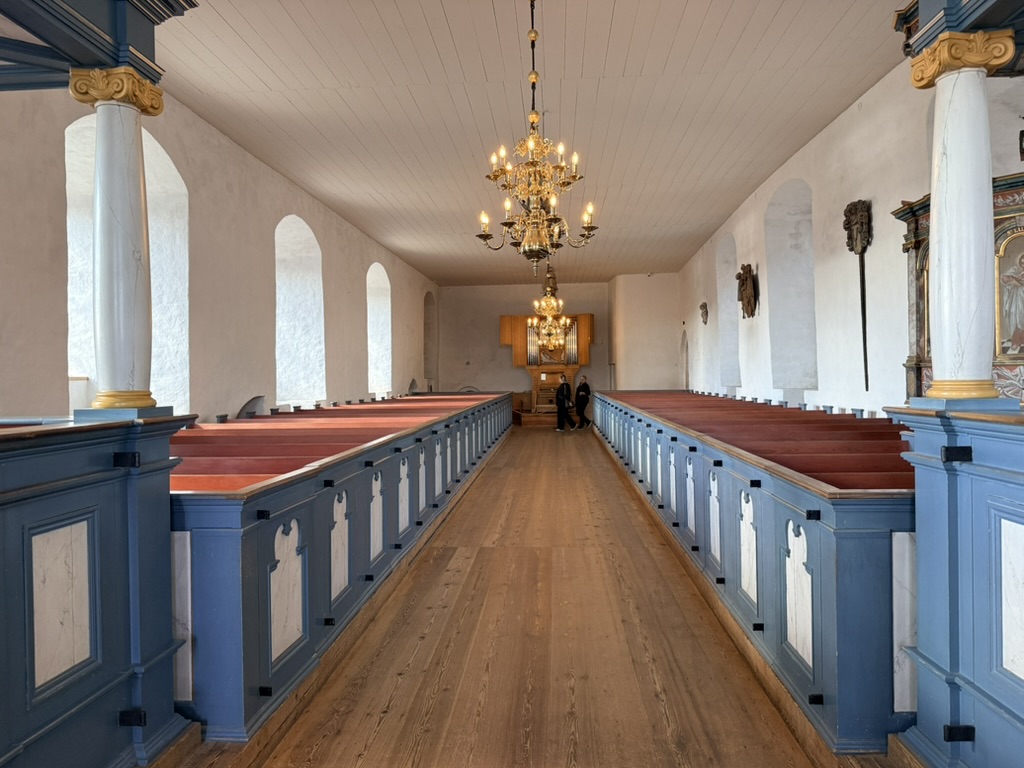
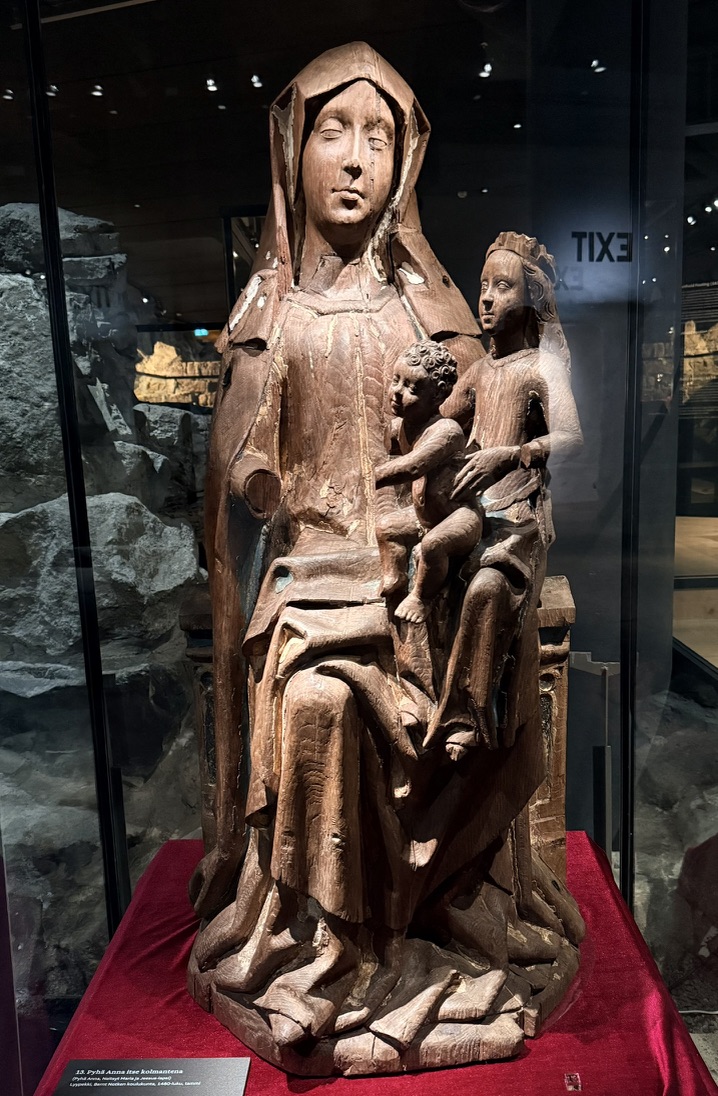
The Sture Church, built in the 1480s, is one of the last monuments of Turku castle’s Catholic period. Today, Sture Church is used for exhibiting sculptures of saints from the collections of the Museum Centre of Turku.
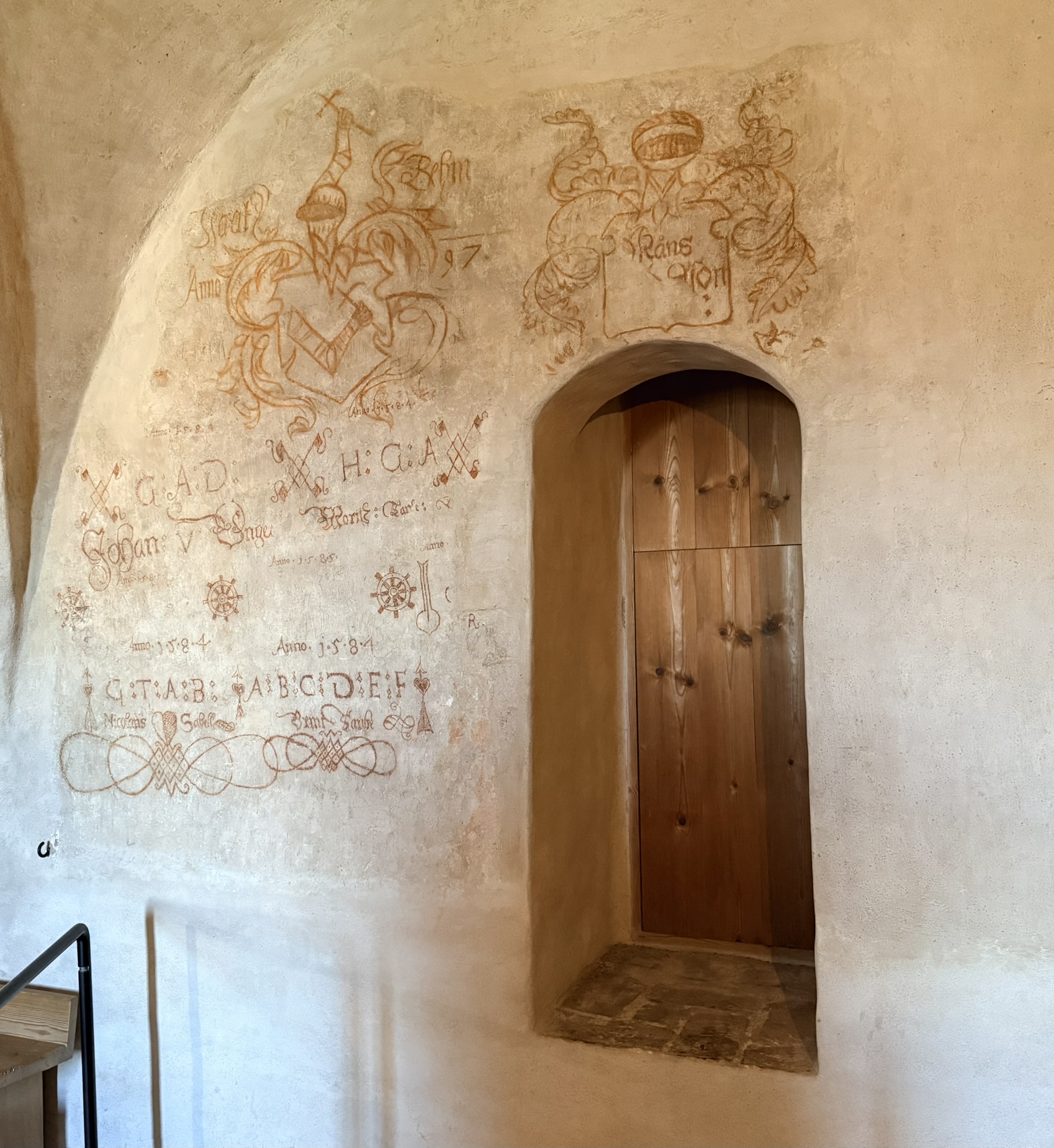
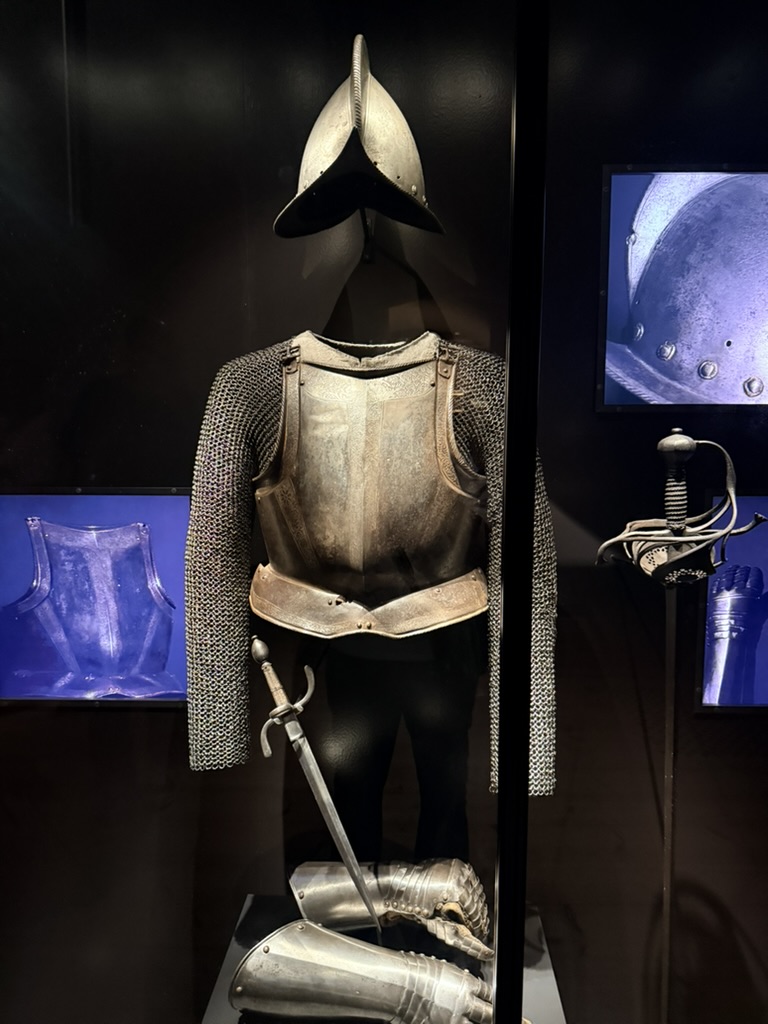
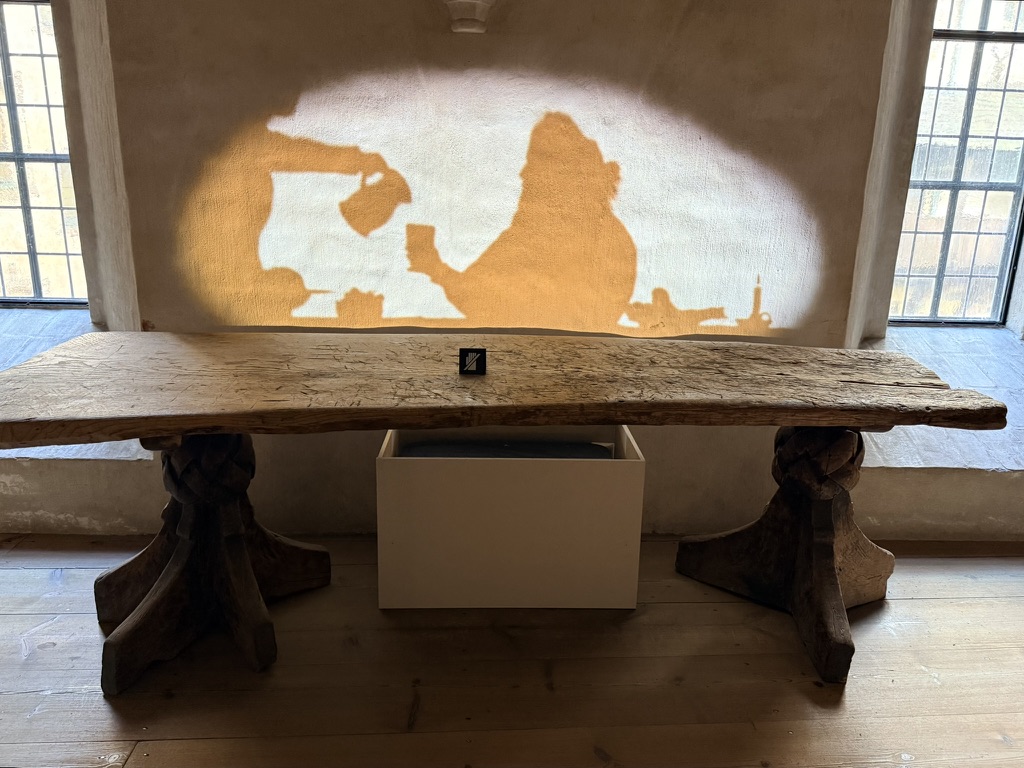
Renaissance castle (around the 14th to 17th century) and beyond
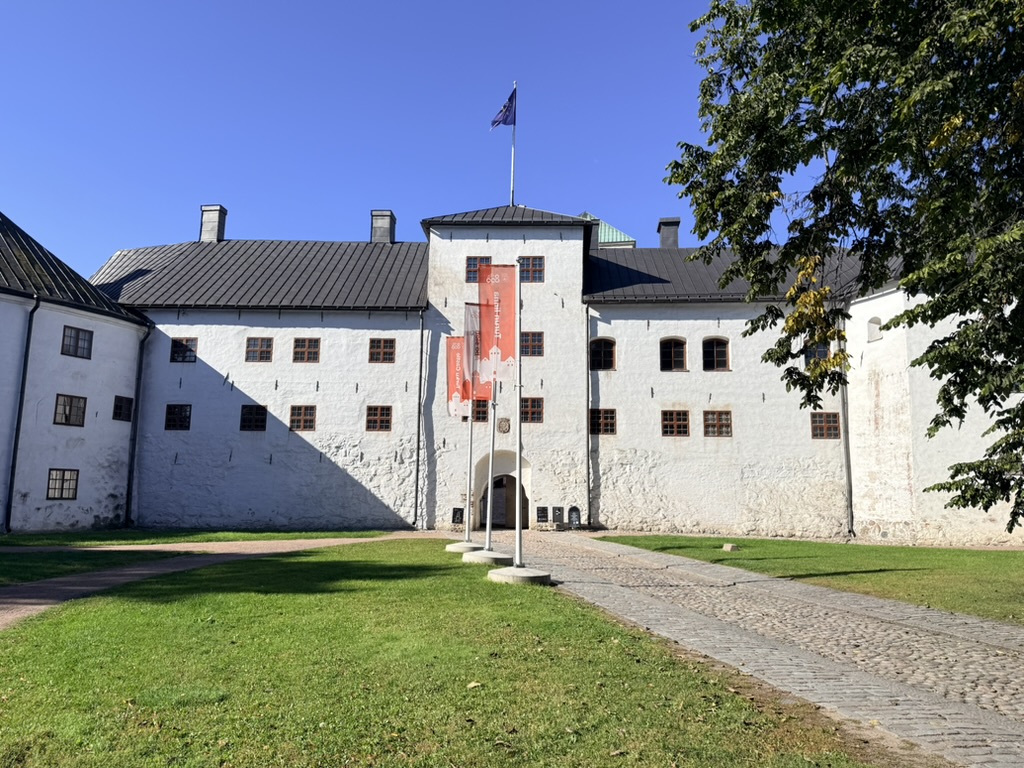
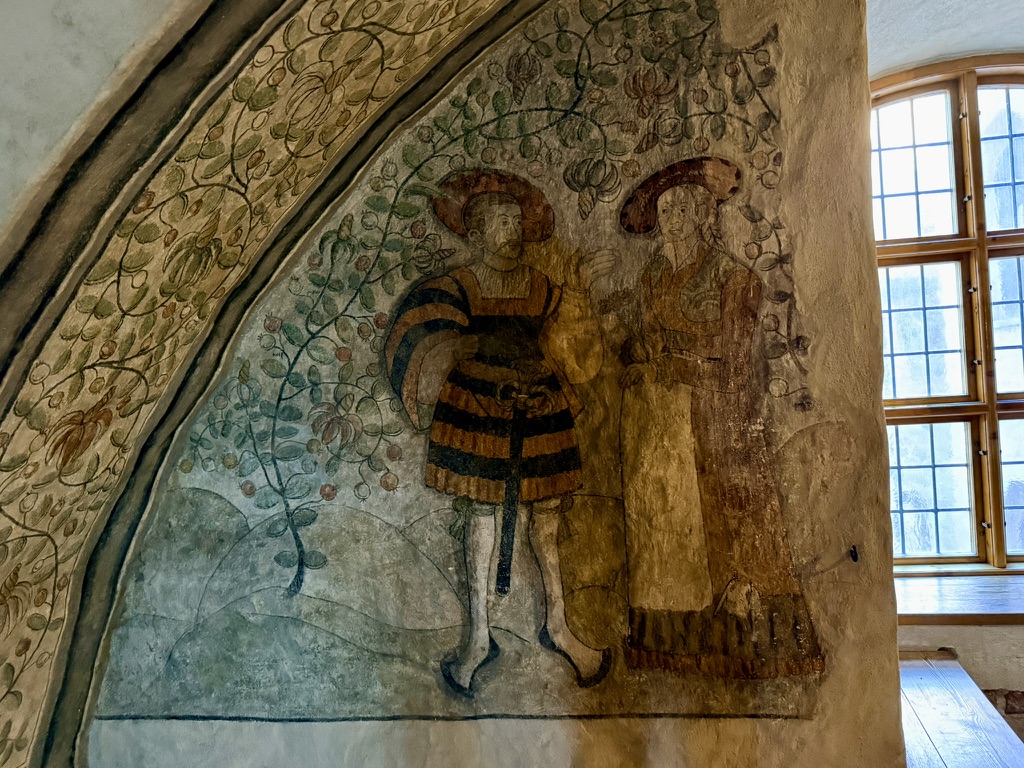
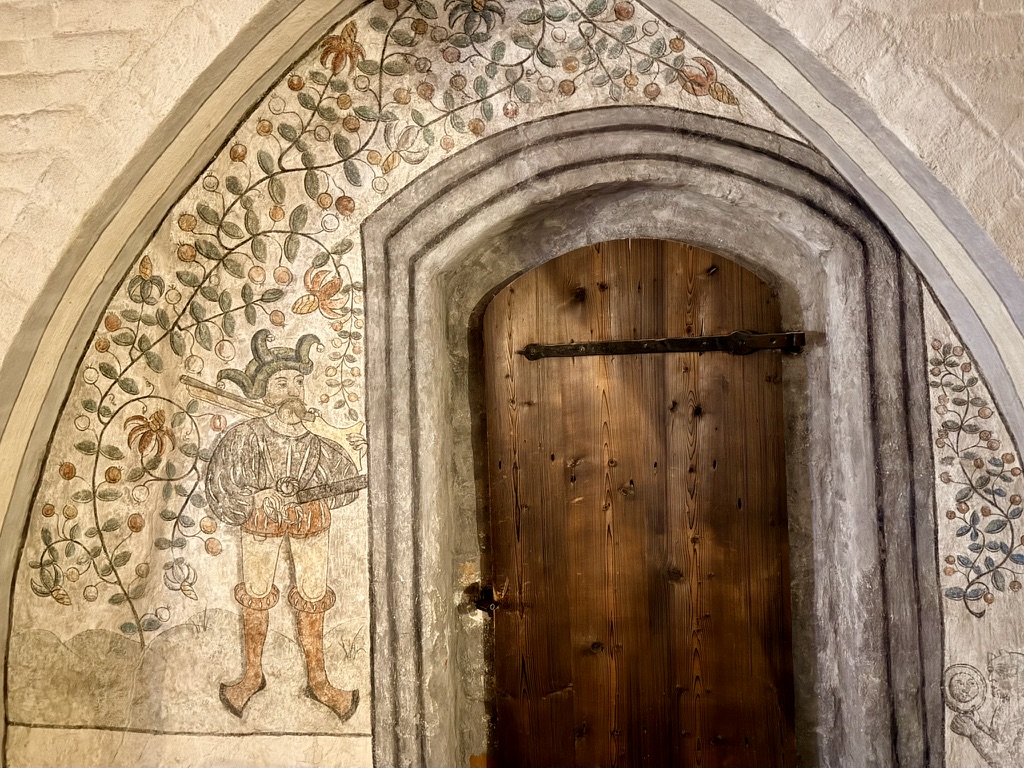
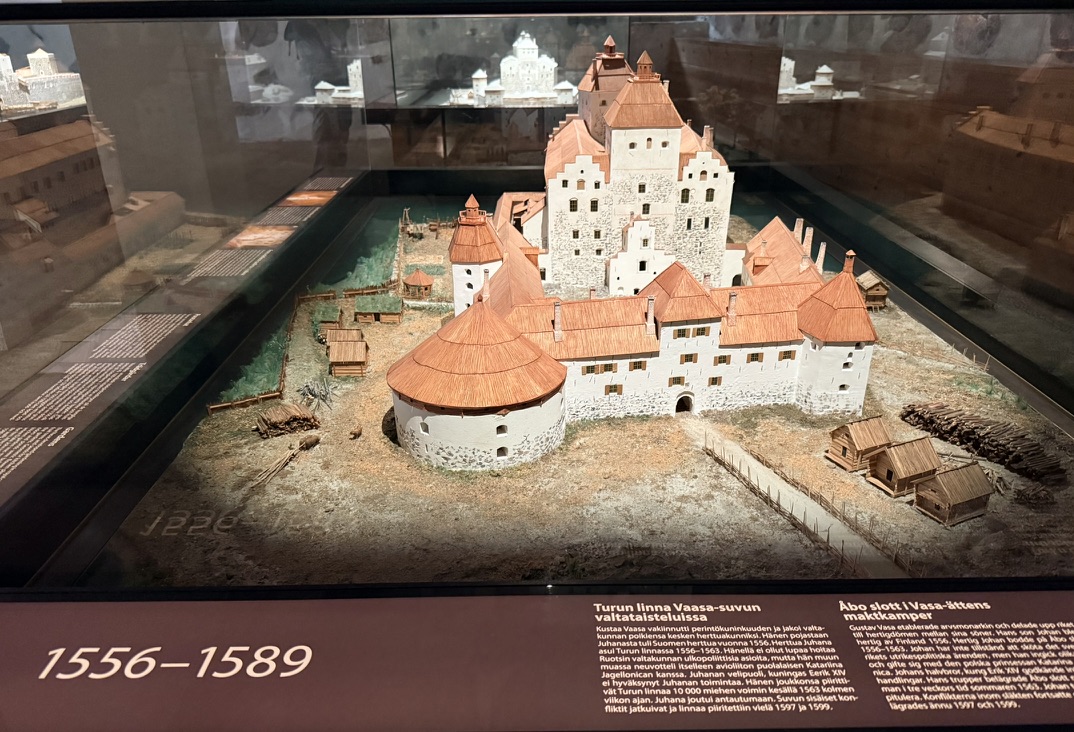
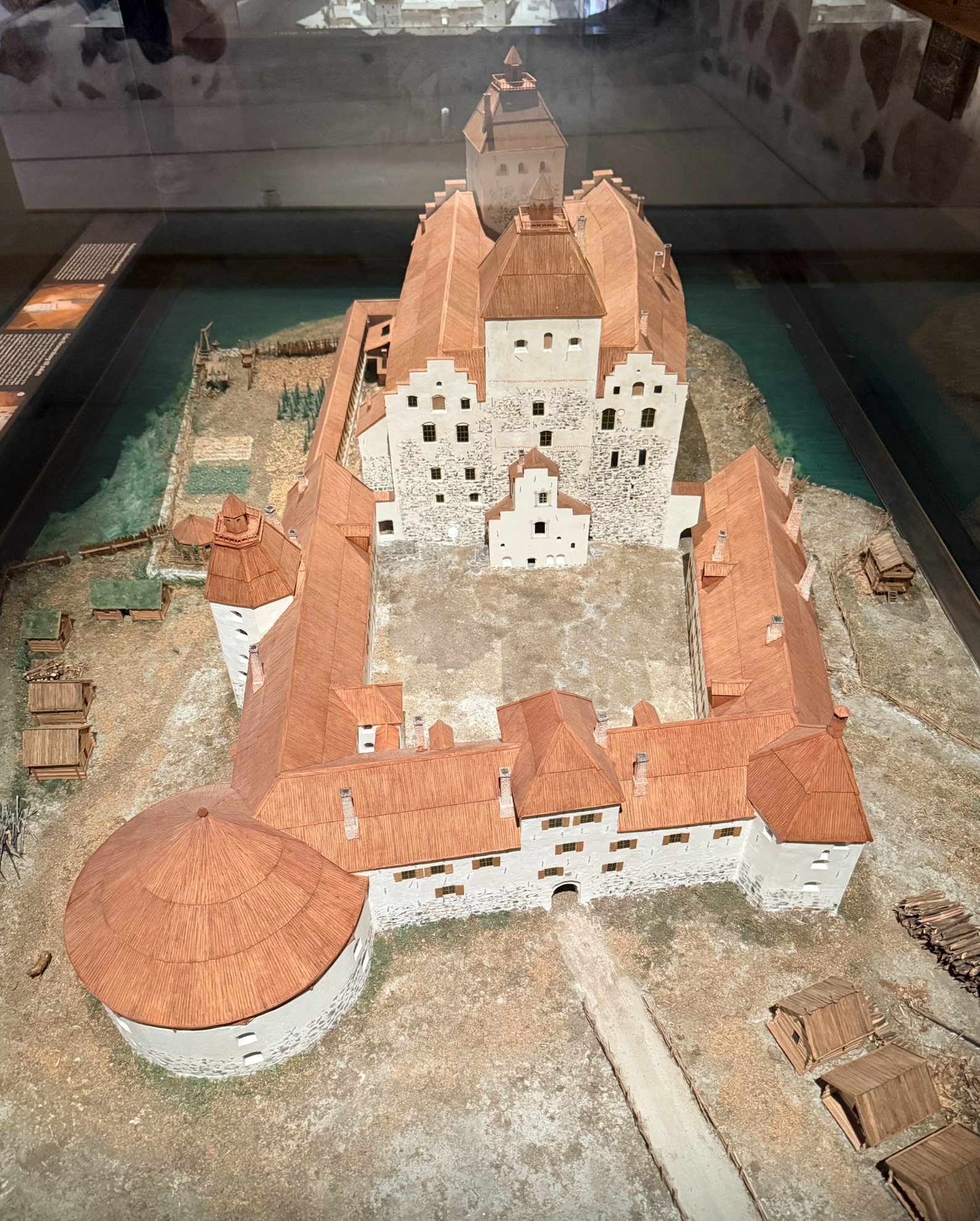
After the disintegration of the Kalmar Union, the crowned King of Sweden Gustav Vasa visited Turku Castle in 1530 and in winter 1555-1556. He found the medieval military castle unpleasant and even planned to dismantle it. Building a new castle was cost prohibitive, so instead he decided to renovate it.
Gustav Vasa established the hereditary monarchy and divided the kingdom into duchies ruled by his sons. John became Duke of Finland. Court life was at its most glamorous in the 1550s and the 1560s under Duke John’s rule, but internal family struggles forced John to surrender in 1563. Conflicts with the family continued and the castle was under siege again in 1597 and 1599.
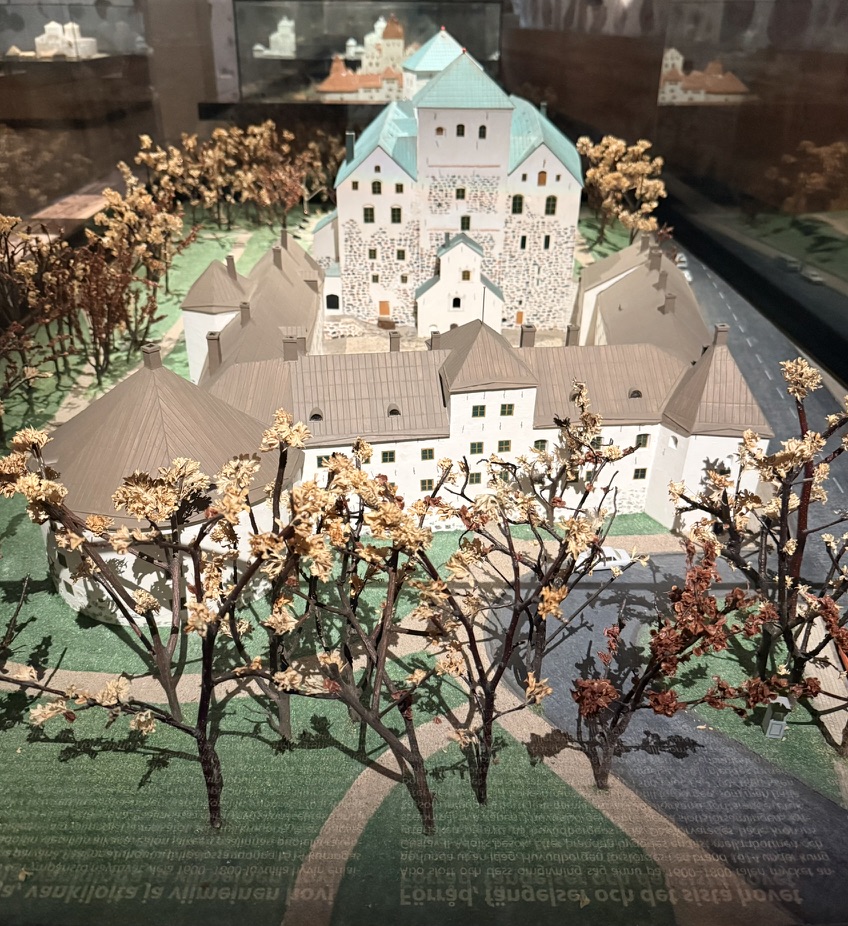
The castle served as the governor’s official residence in the 17th century. In the 18th century, it was used as a military barracks and a warehouse. The bailey became a prison in the 19th century. The Castle Museum was opened to the public in 1885.
The main castle was destroyed in the bombings in 1941. The renovation and restoration of it were completed by 1961.
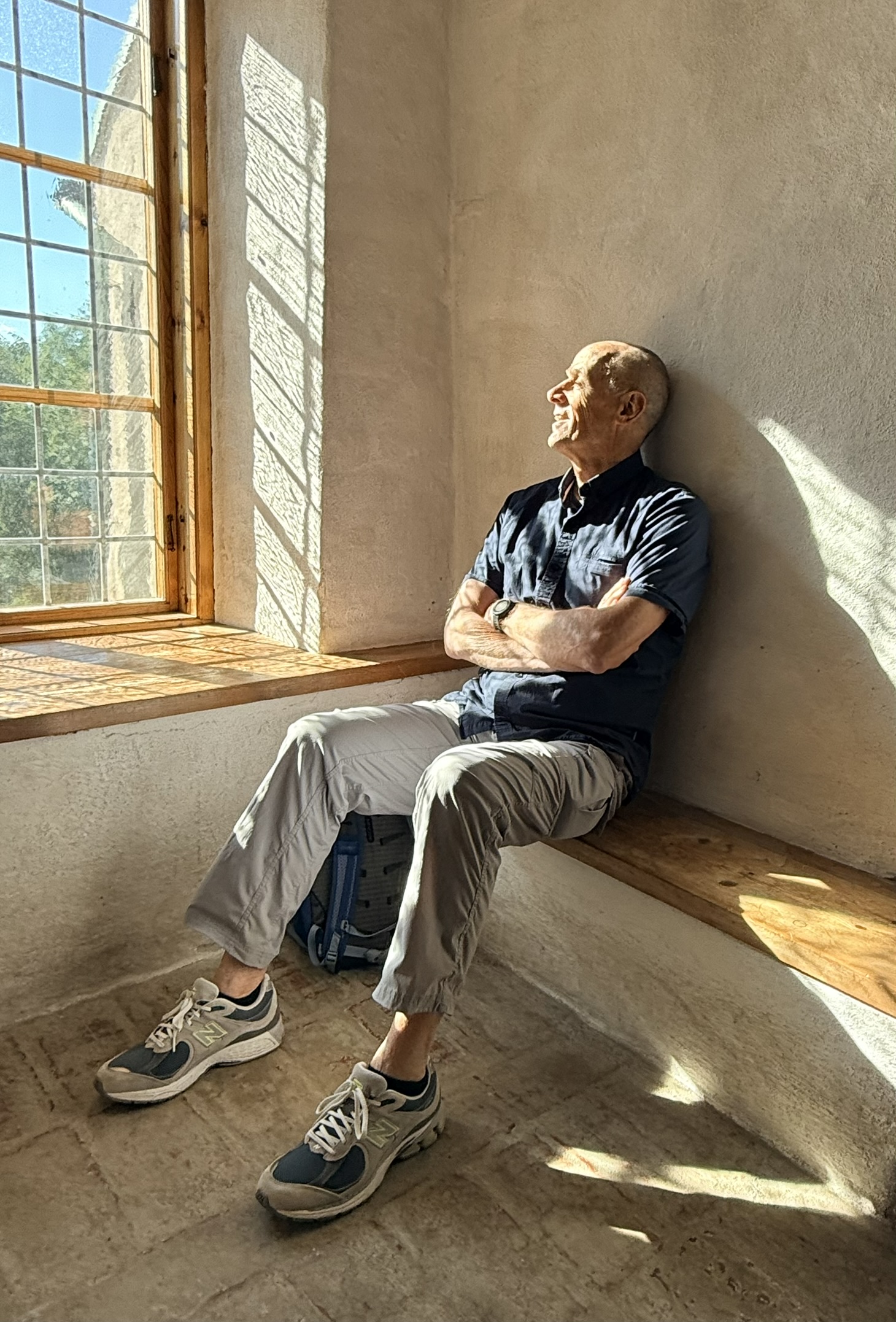
The castle has 164 rooms enclosed in stone walls up to three meters thick. Walking through this castle felt like an endless walk through labyrinthine passageways , halls and rooms, and we wondered if we would ever find our way out!
Forum Marinum
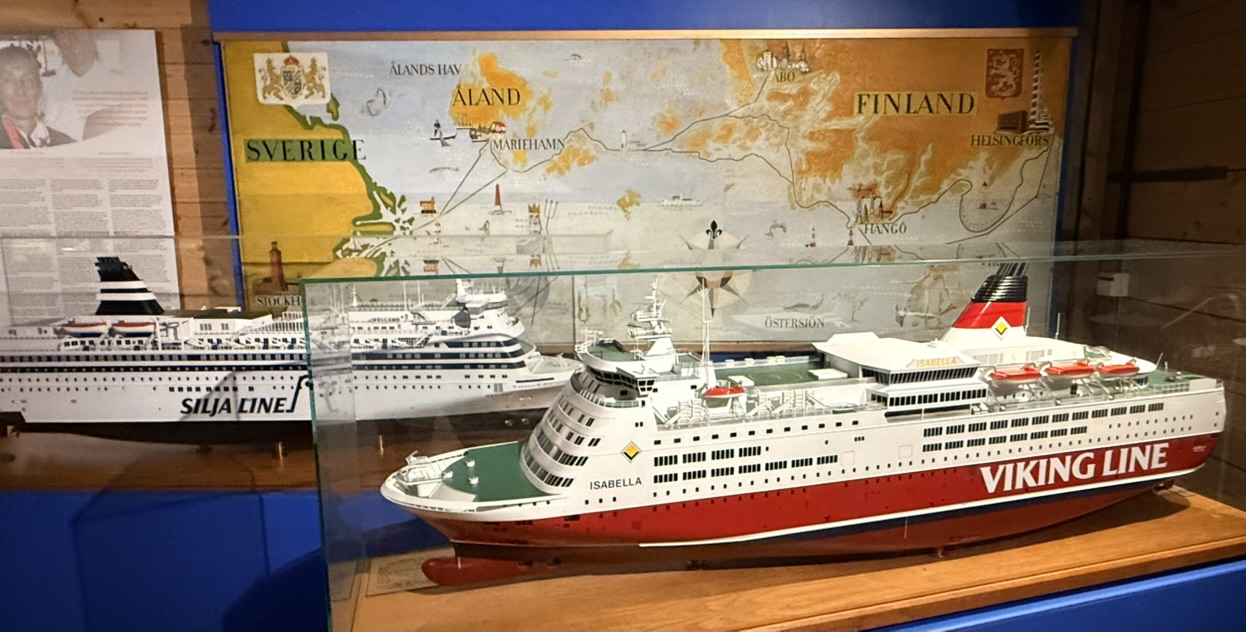
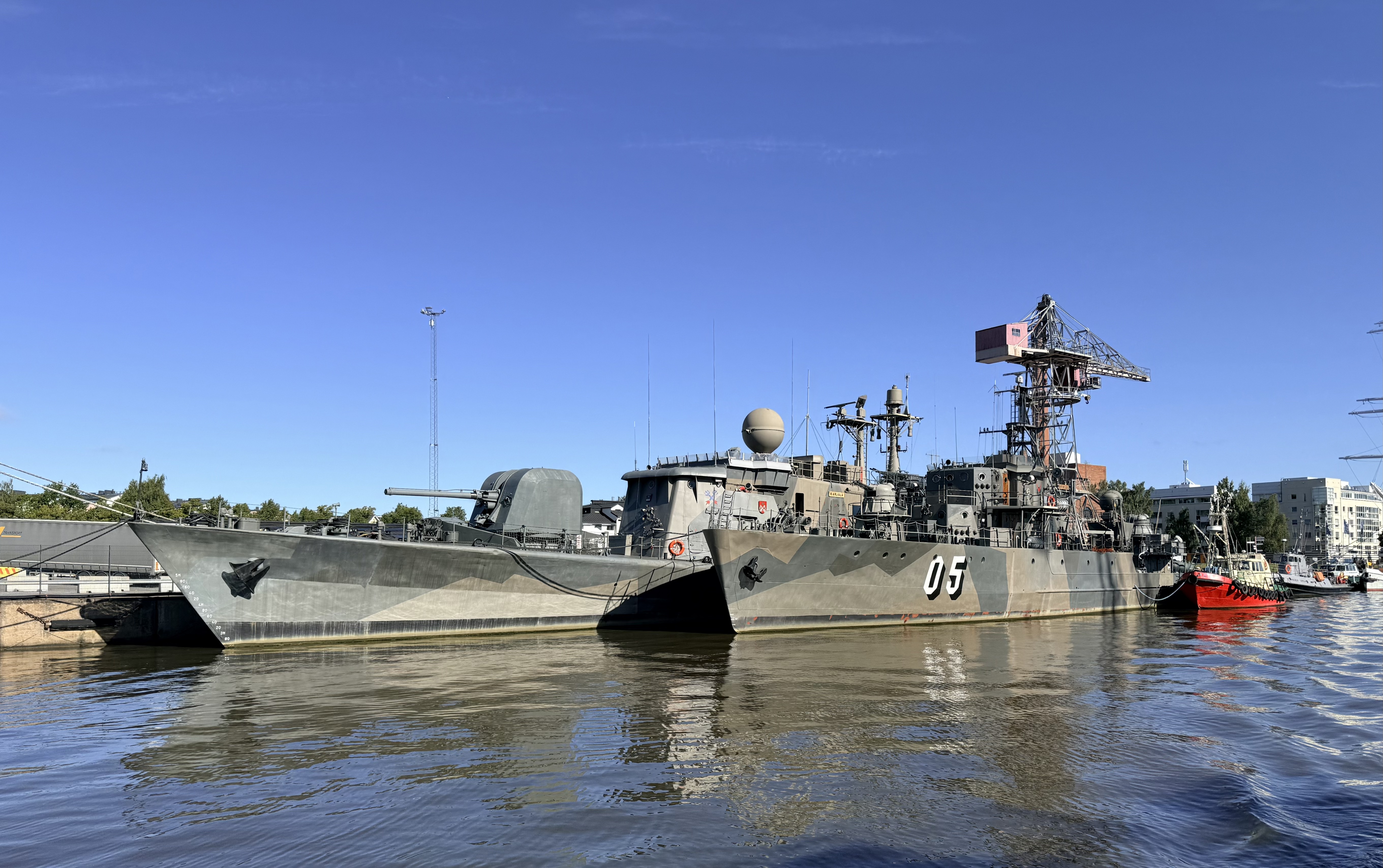
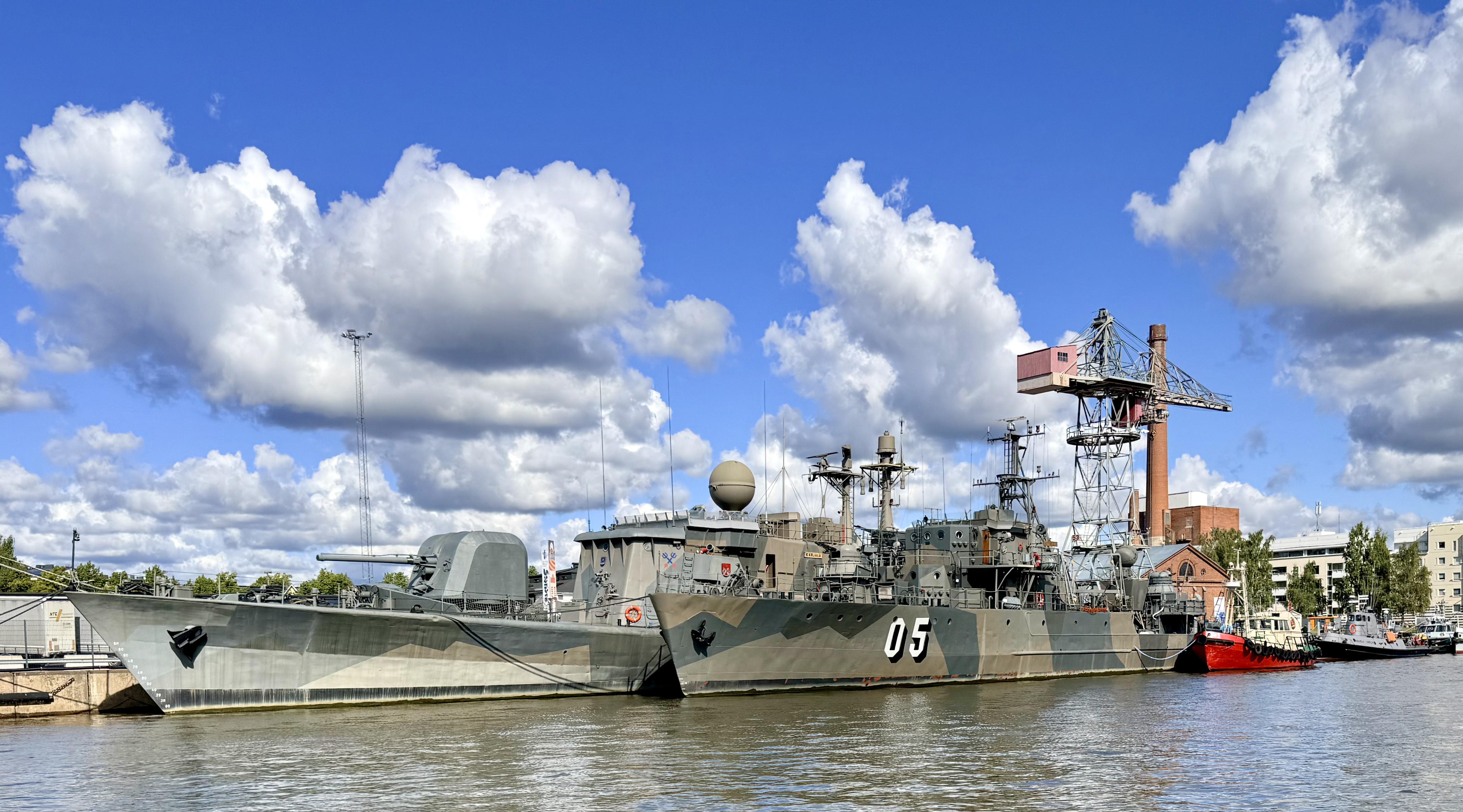
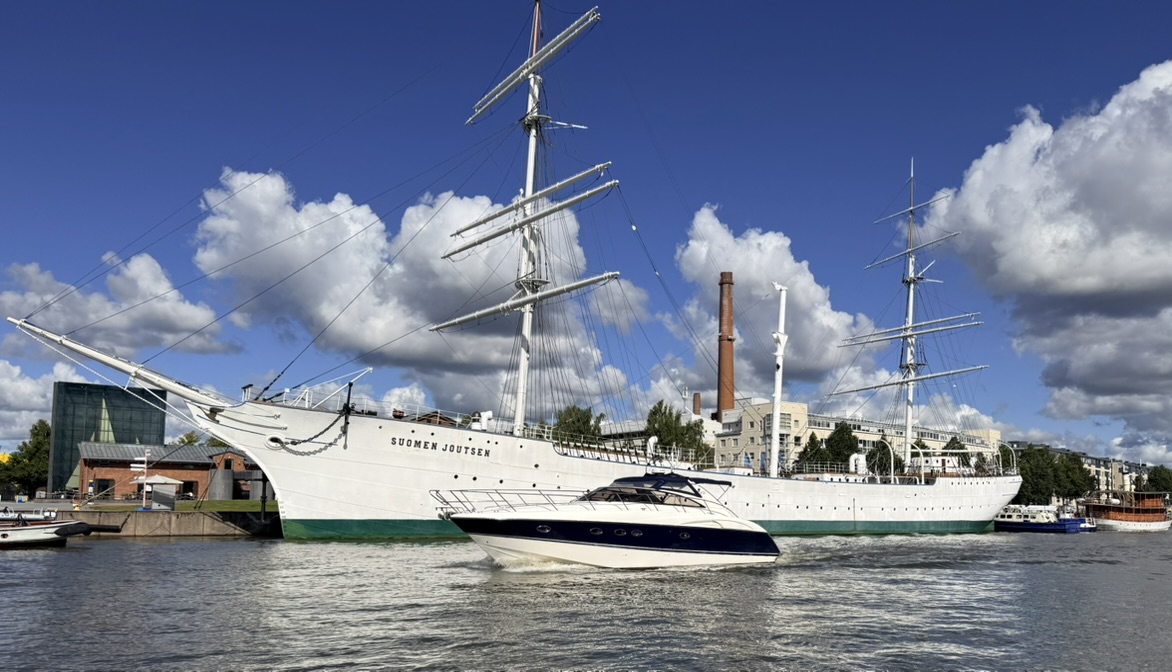
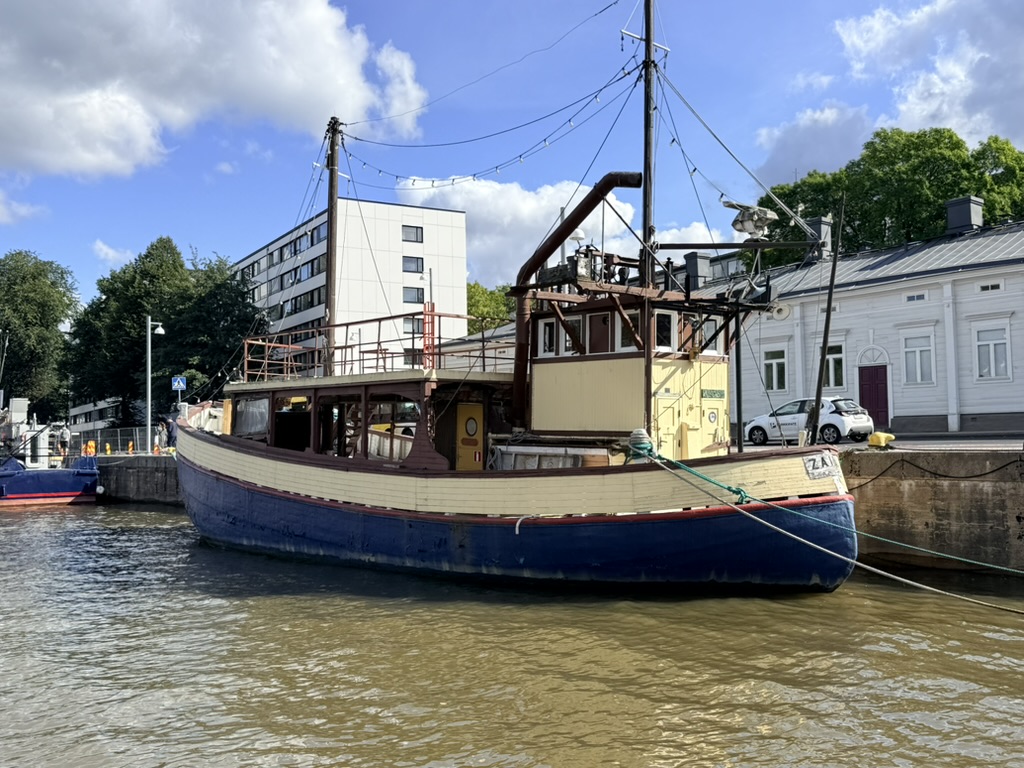
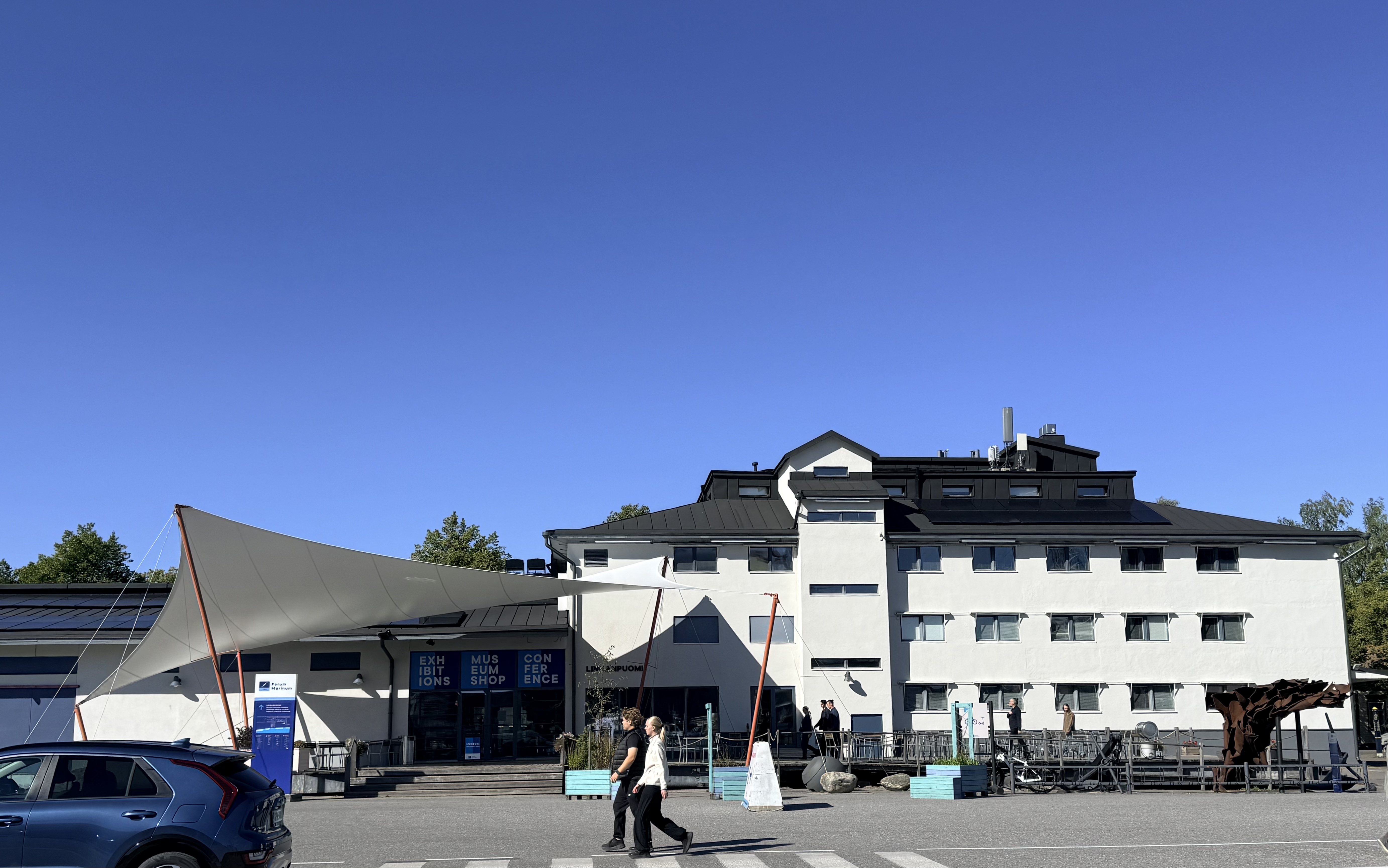
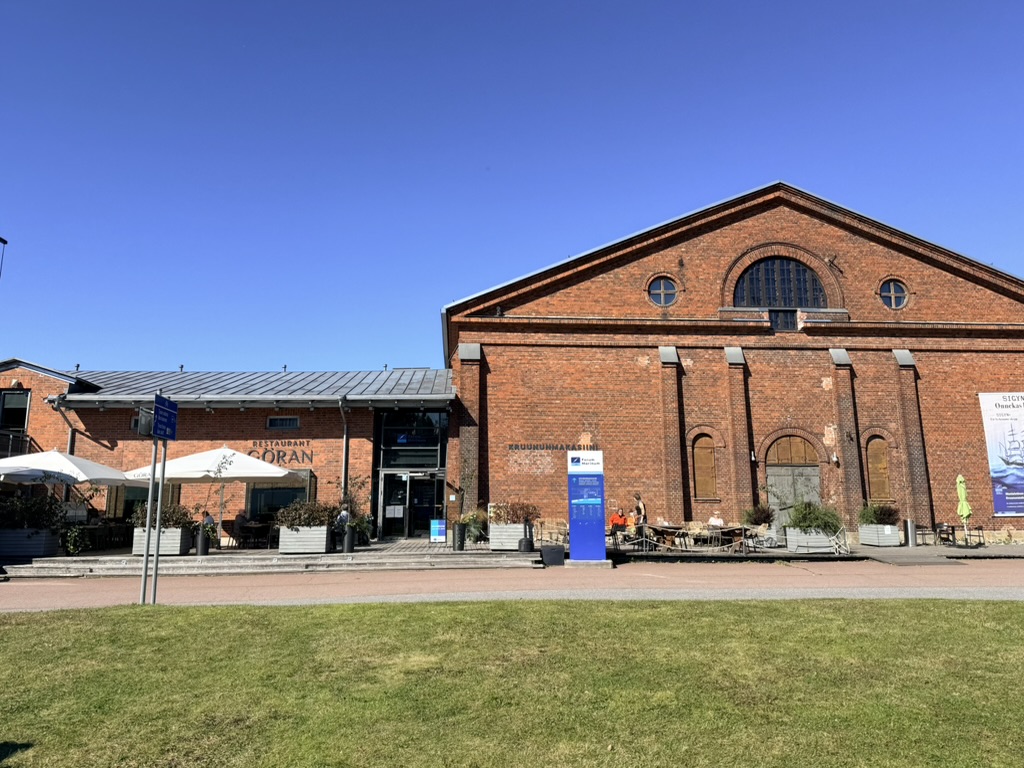
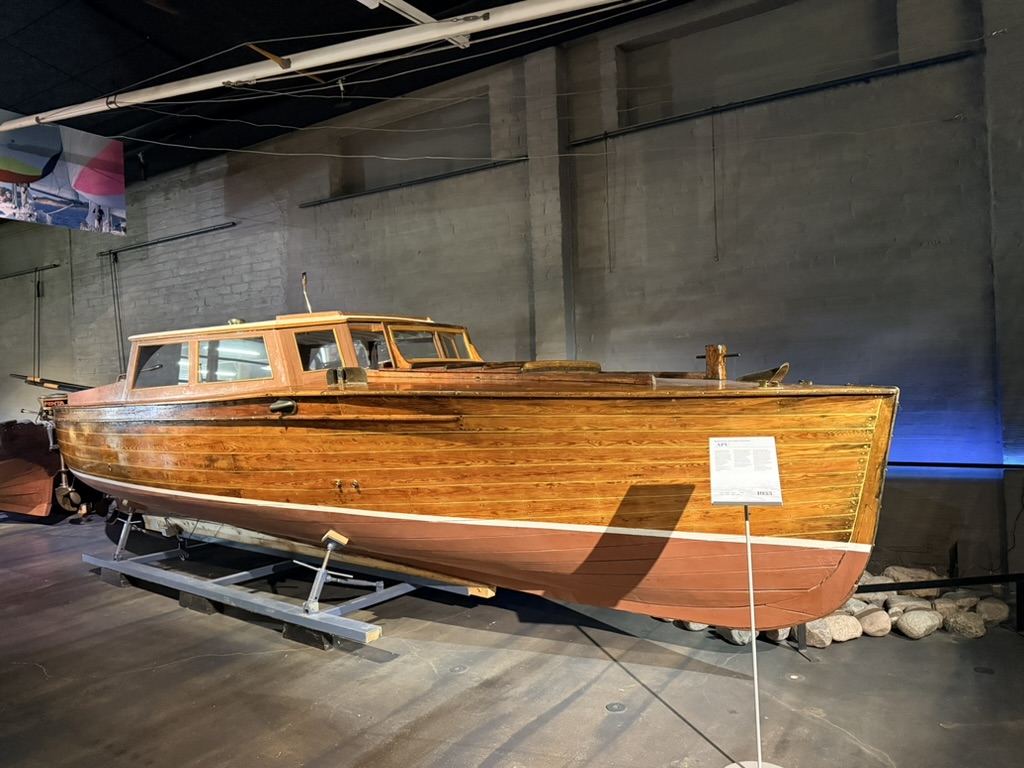
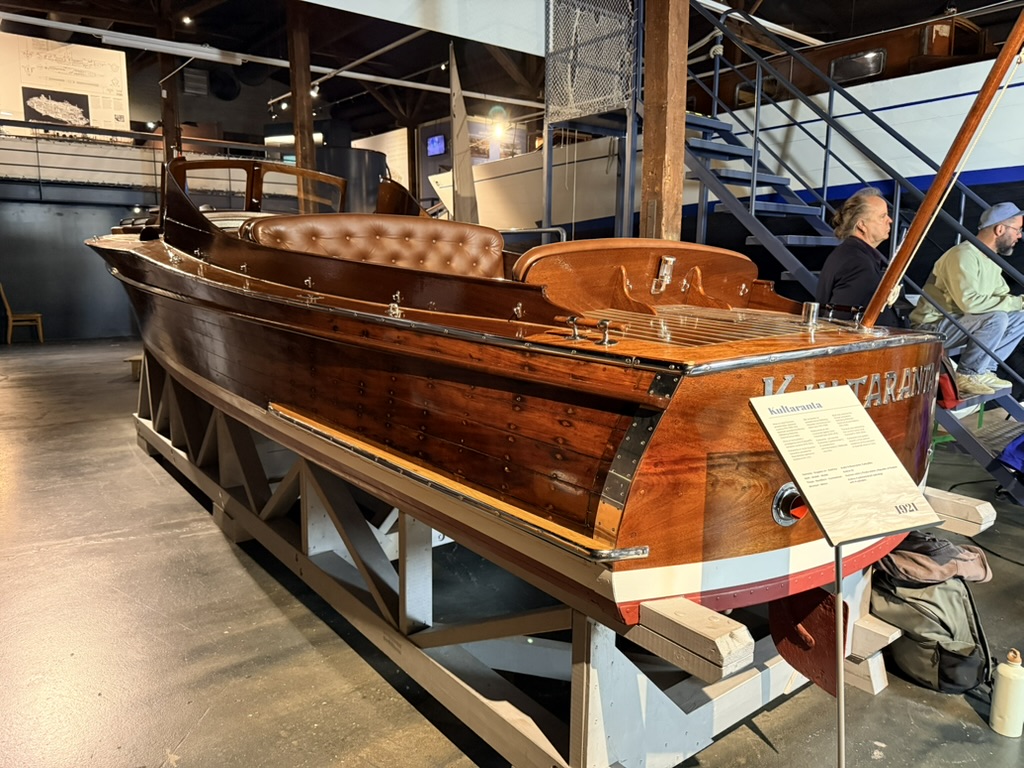
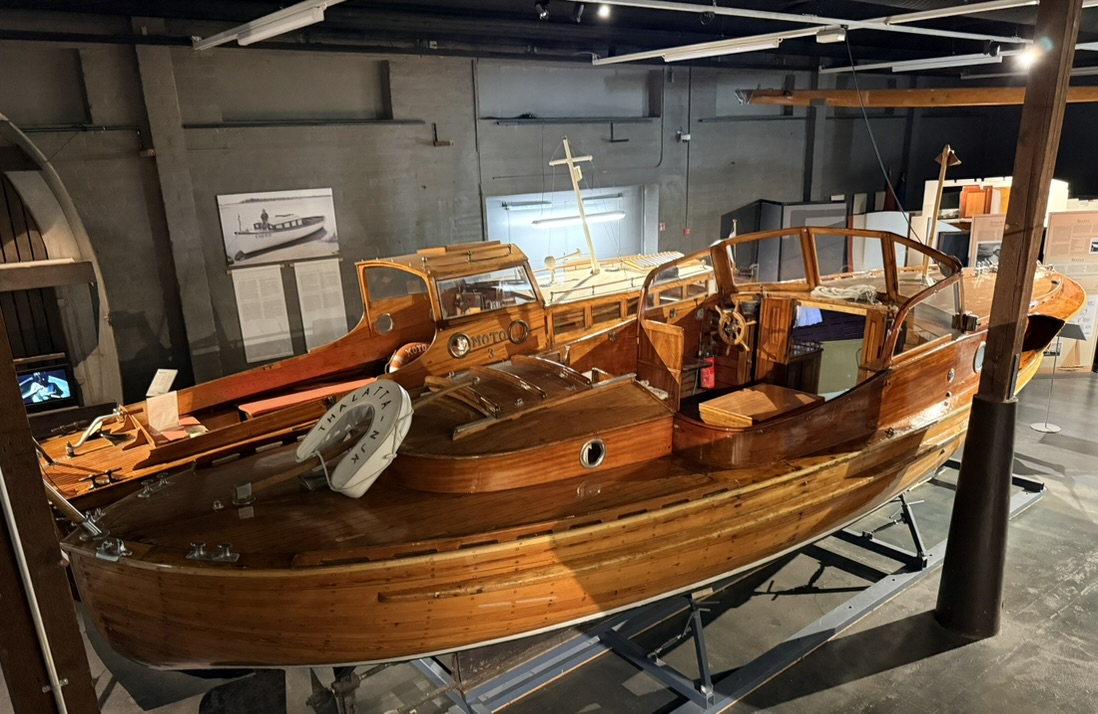
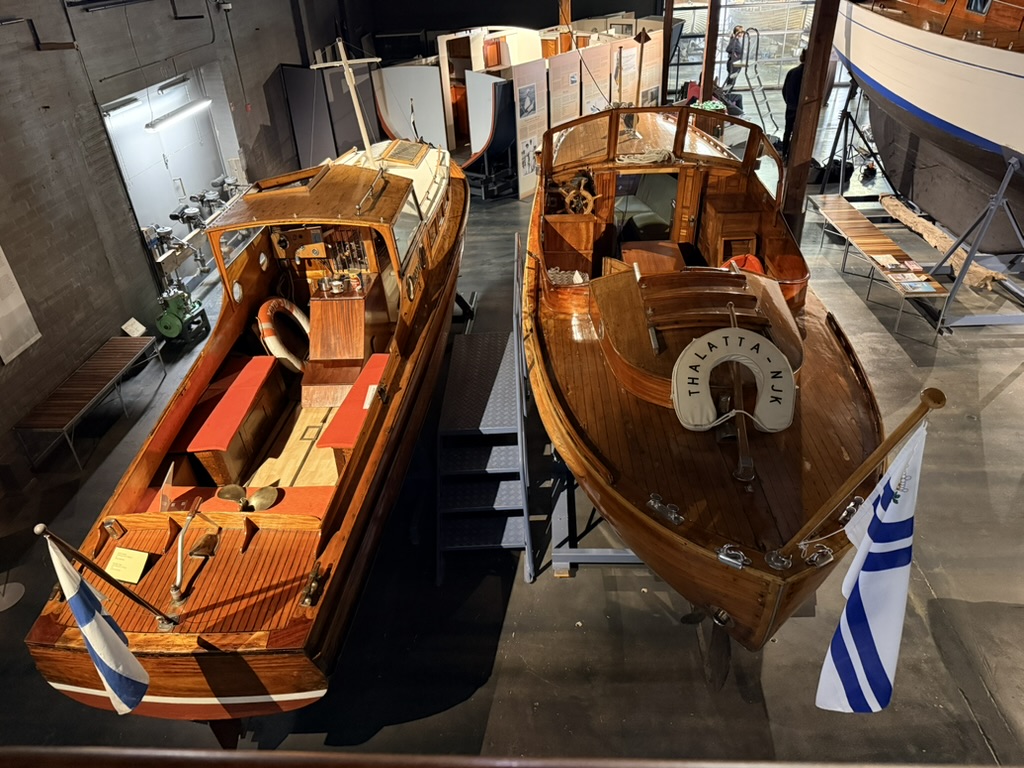
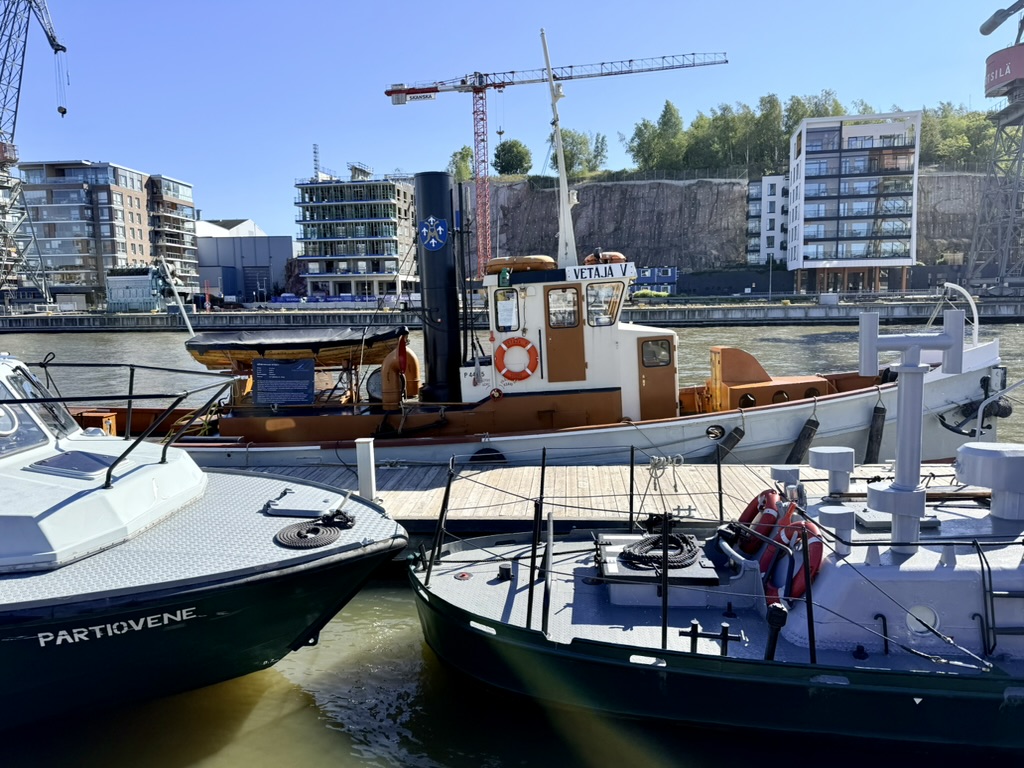
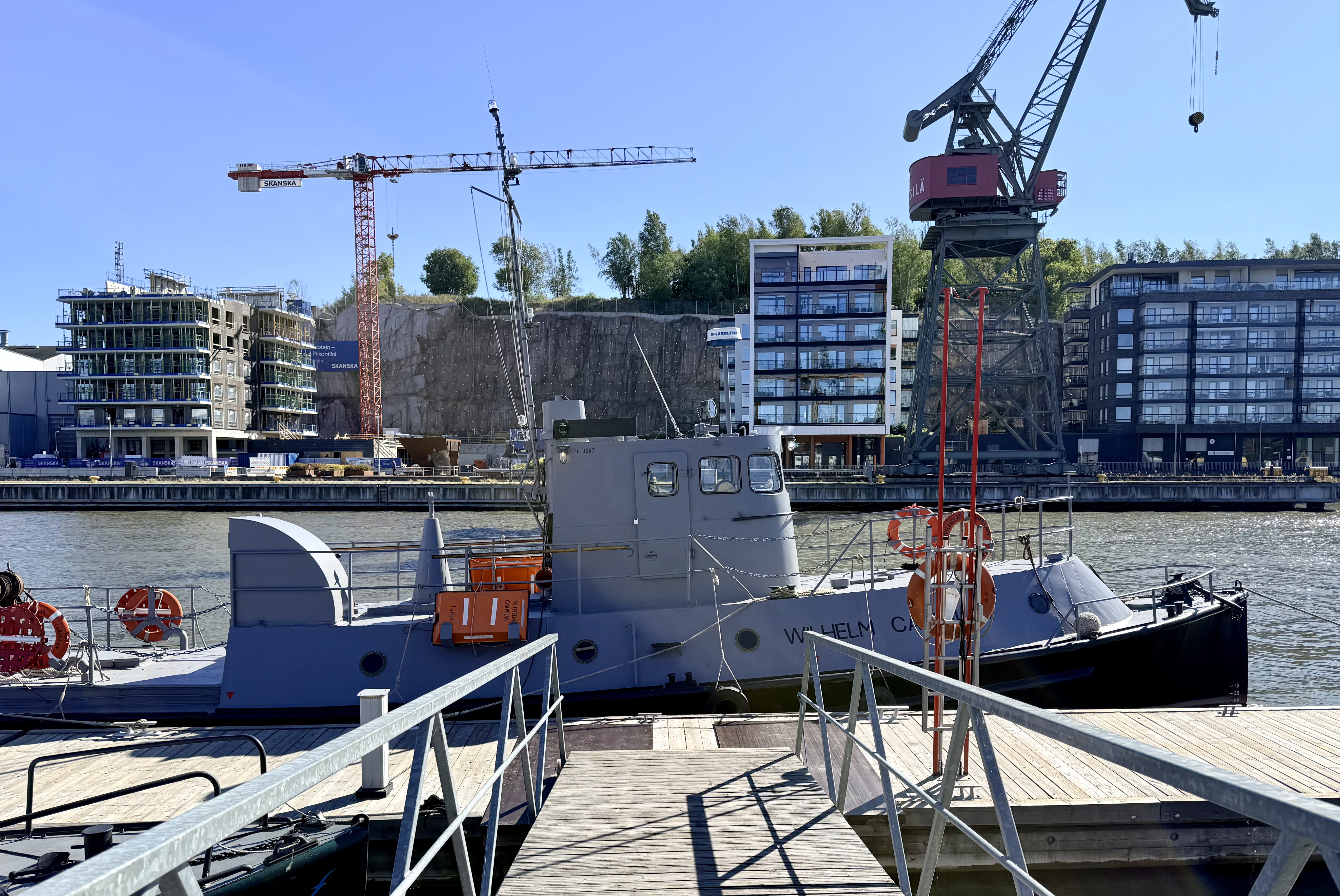
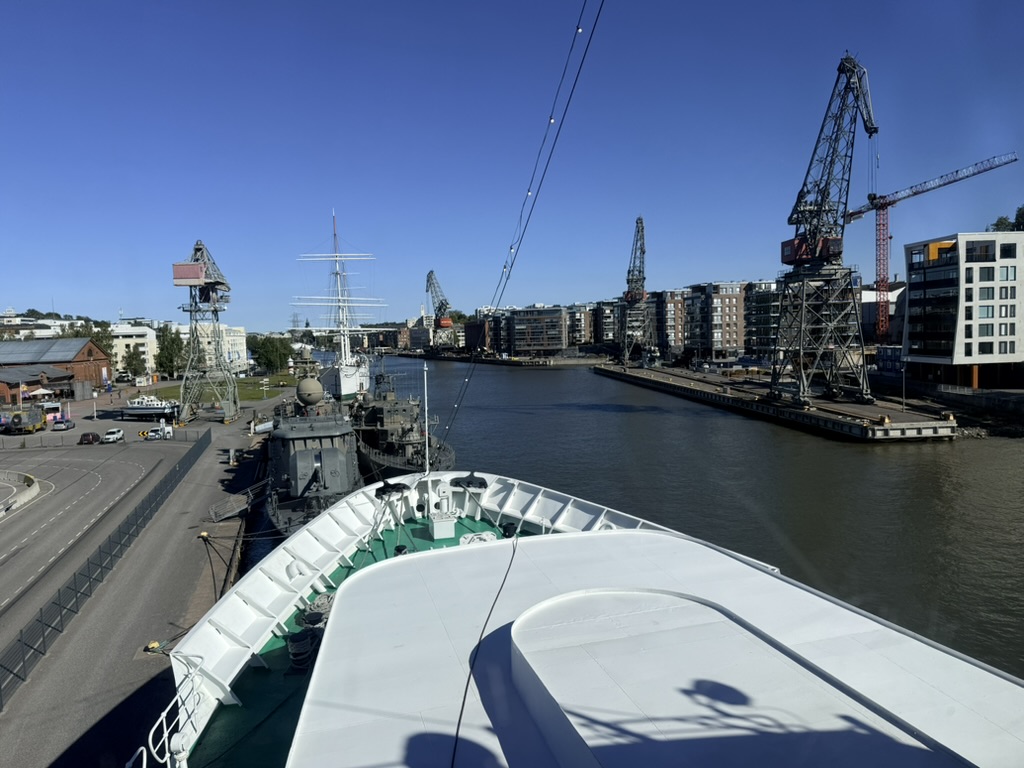
Forum Marinum is a maritime center and museum on the Aura River that features historic tall ships, naval vessels, and interactive exhibitions on Finland’s seafaring history.
40,000+ exhibition & Finnish shipbuilding
The 40,000+ exhibition explores the interplay between humans and nature in the world’s largest archipelago, a mosaic of some 40,000 unique islands and islets. Roughly 100 of the Archipelago Sea islands are inhabited.
The average depth of the Baltic Sea is 54 meters whereas the average depth of the ocean is several kilometers. Some 90 million people (about 12% of the European population) live in the Baltic Sea catchment area.
The Baltic Sea is polluted by nutrients like nitrogen and phosphorus from agriculture, forestry, cities, industry and traffic. Most of these are stored in the sea’s bottom layers, i.e. sediments. This results in eutrophication which depletes the seabed of oxygen.
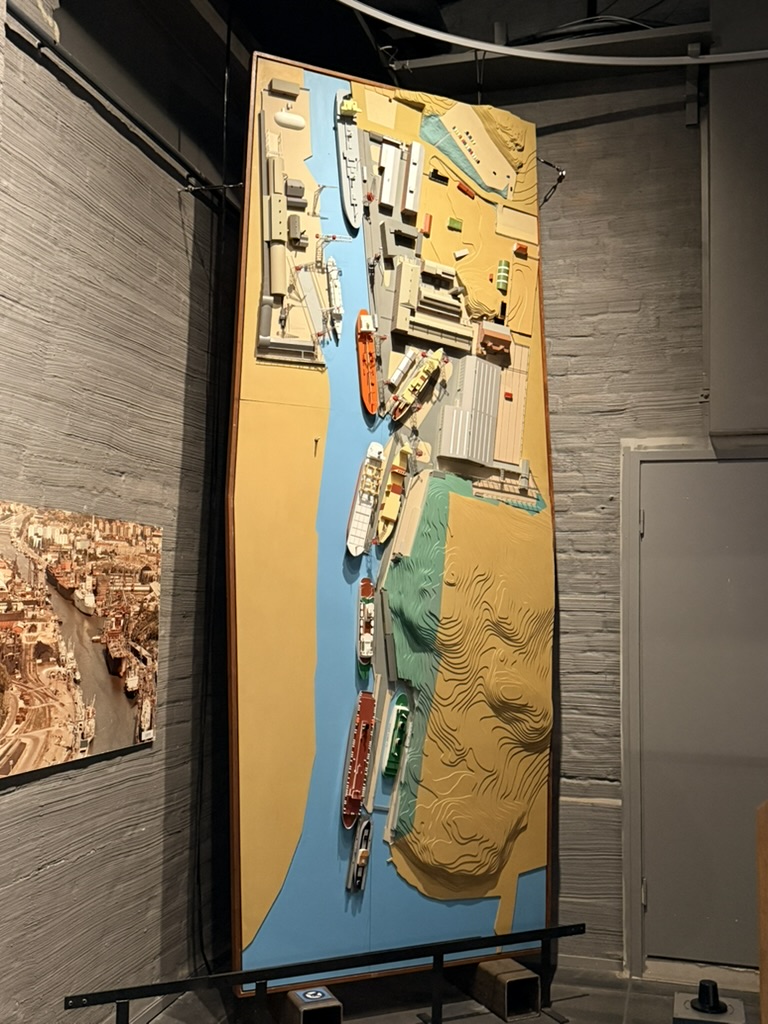
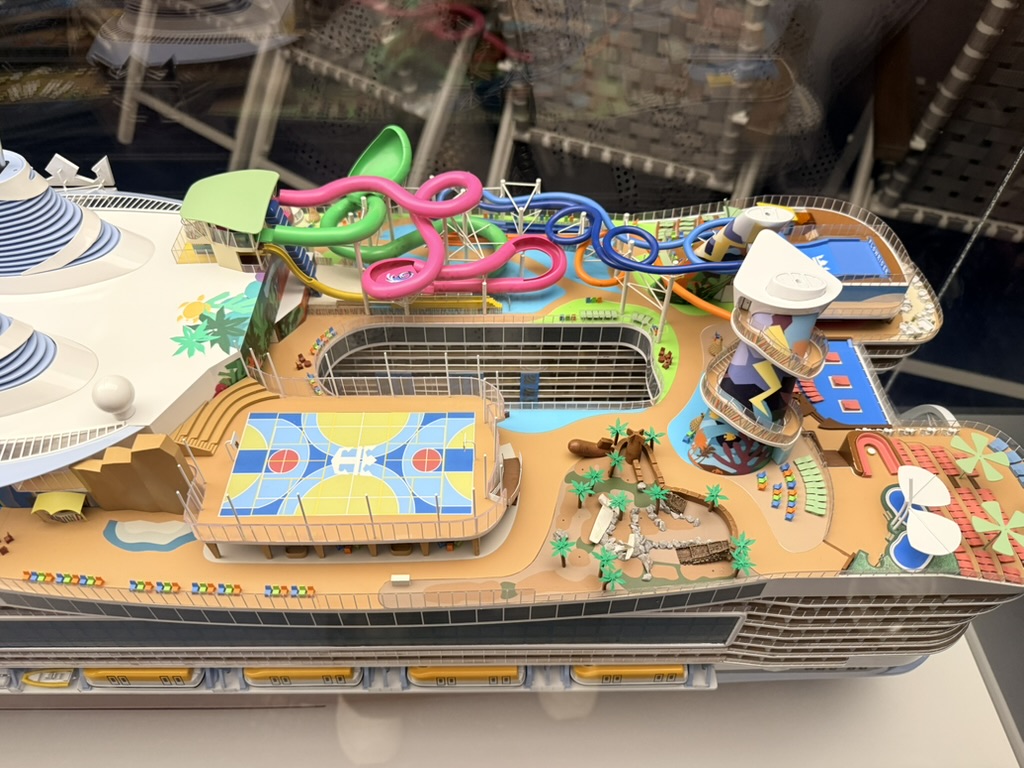
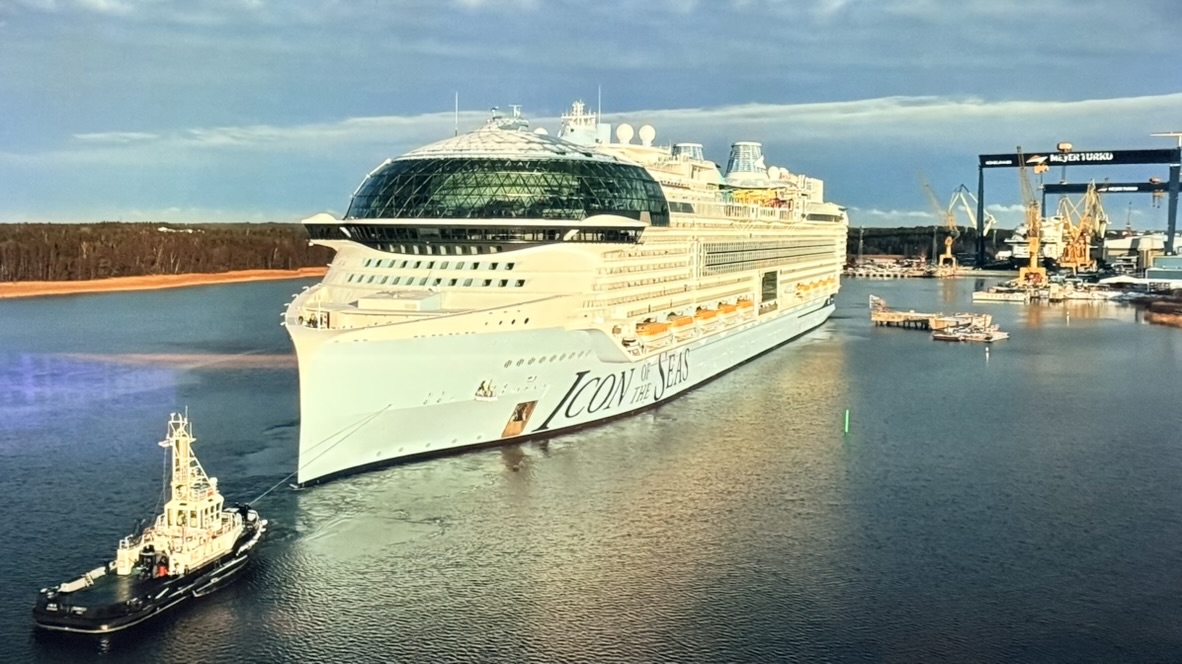
The Finnish shipbuilding exhibition explores the history, beginning in 1737, from the era of wooden sailing ships, the transition to industrial shipbuilding, and modern shipbuilding.
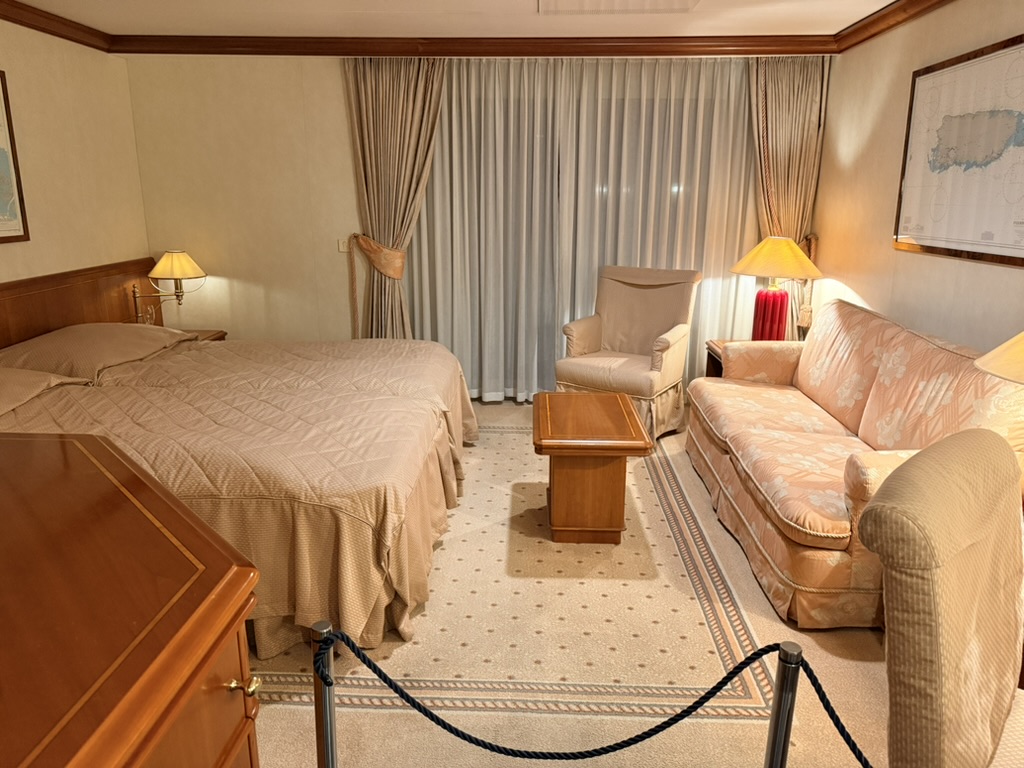
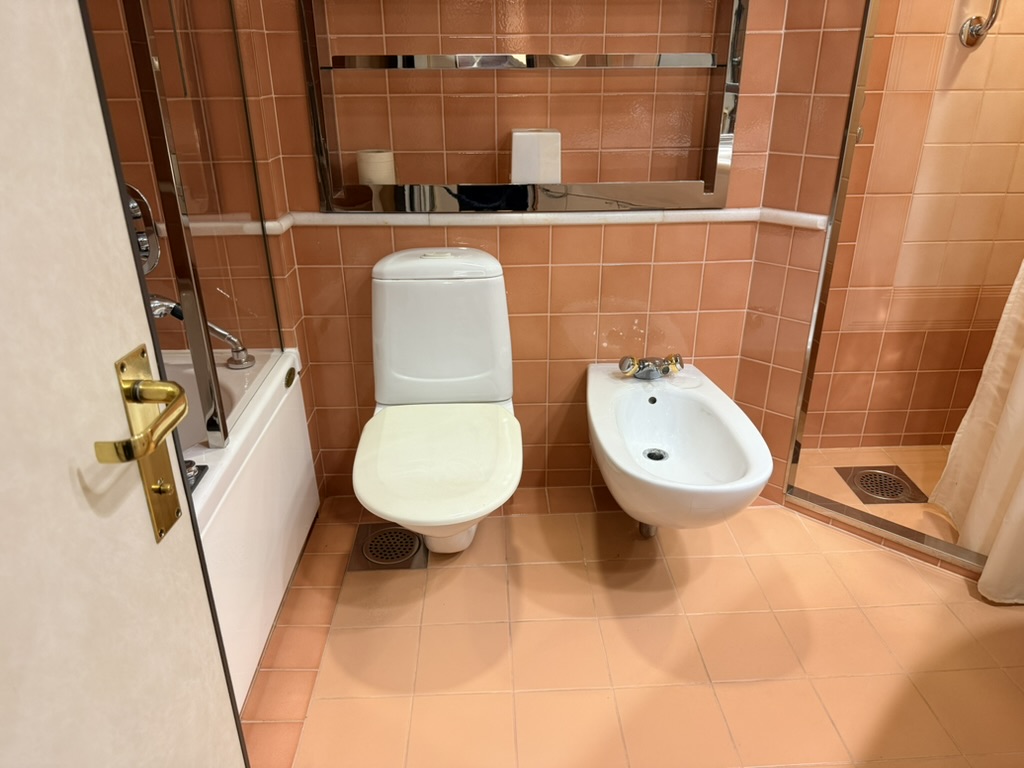
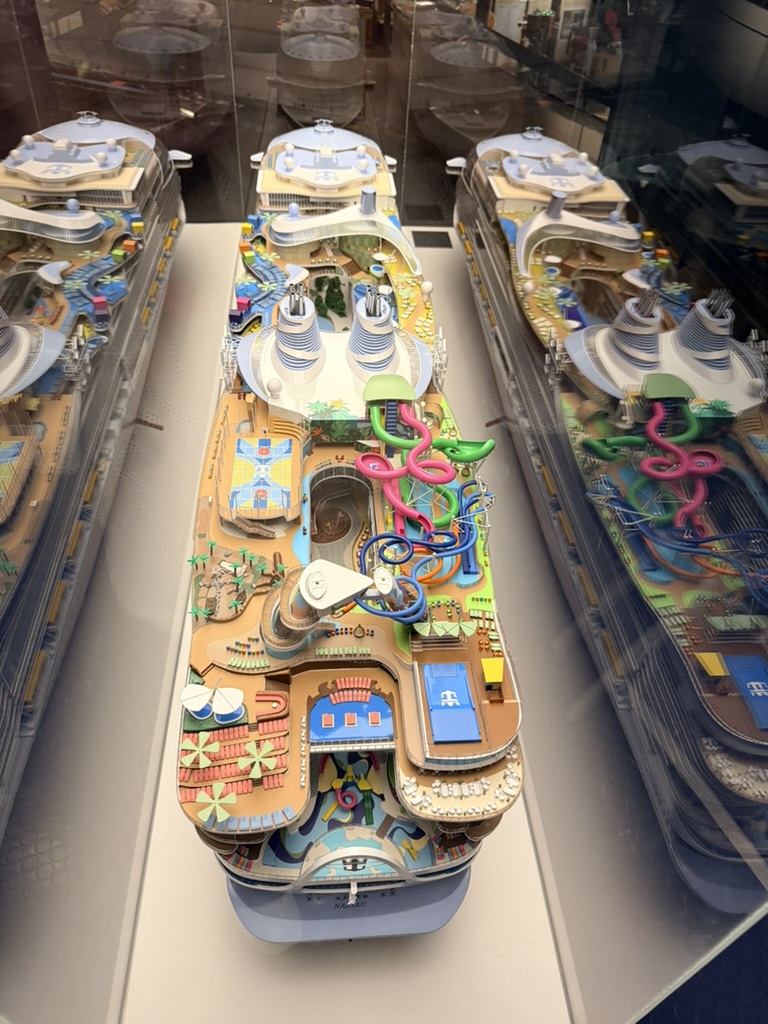
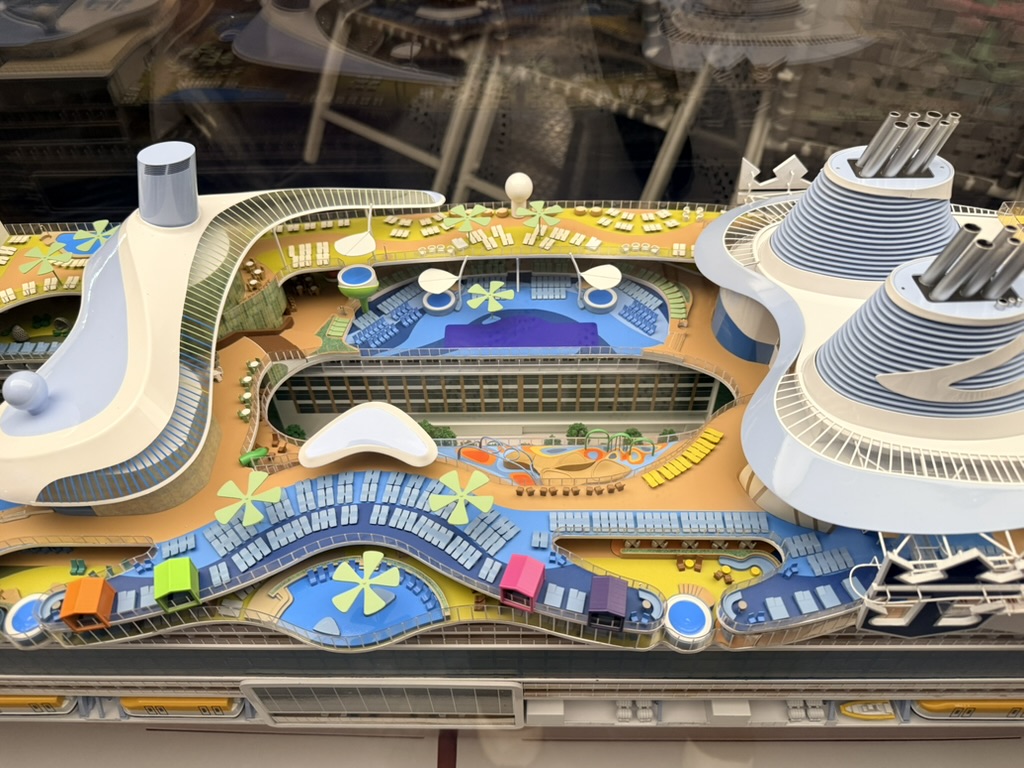
Finnish shipbuilders have thrived through specialization, creativity, innovation and design skills for high-level vessel types. Cruise tourism has led to new opportunities: high quality passenger ships have become a successful product.
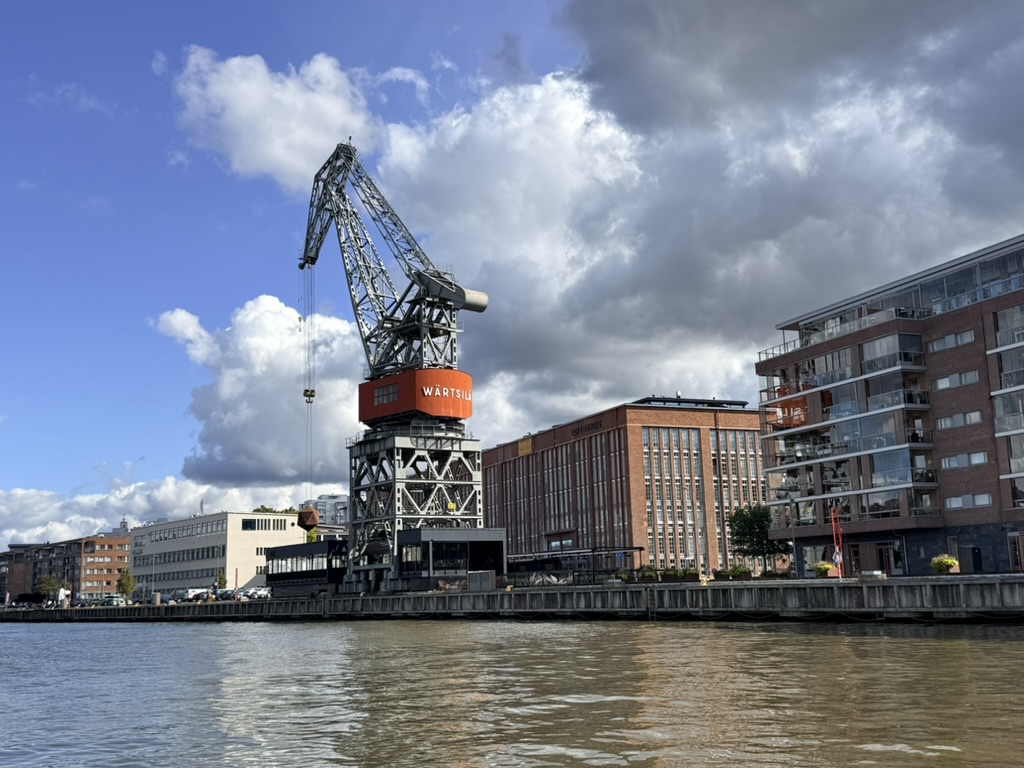
Meyer Turku is a Finnish shipbuilding company whose main products are cruise ships and cruise ferries. The company’s shipbuilding facility is Perno Shipyard in Turku. It has a 365m-long dry dock and two bridge cranes with capacities of 600 and 1200 tons. Modular units for cruise ships are constructed elsewhere.
Working at Sea
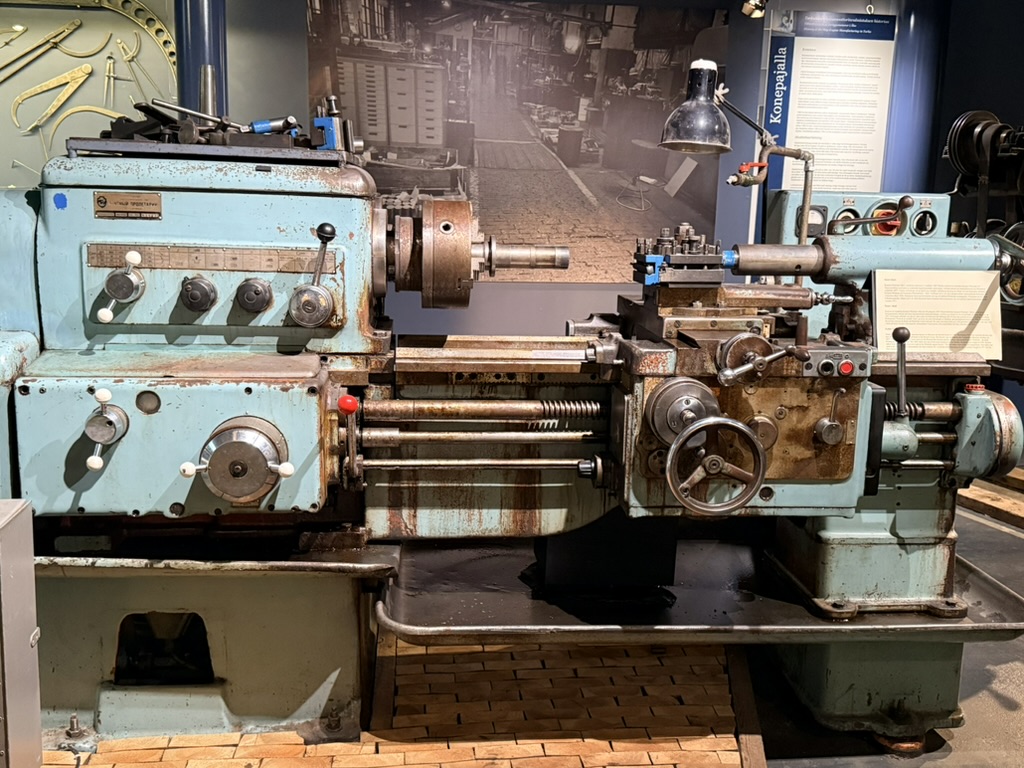
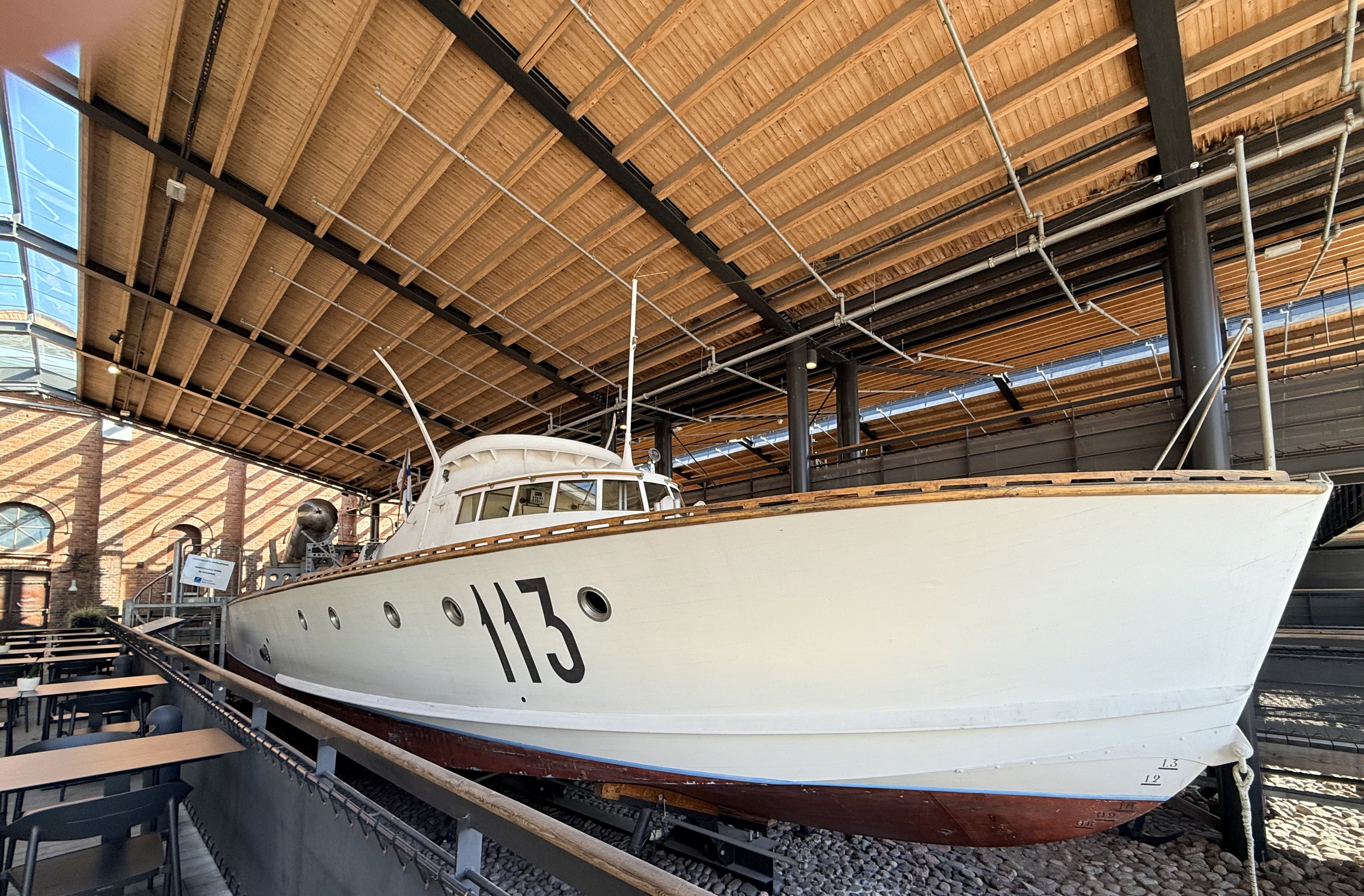
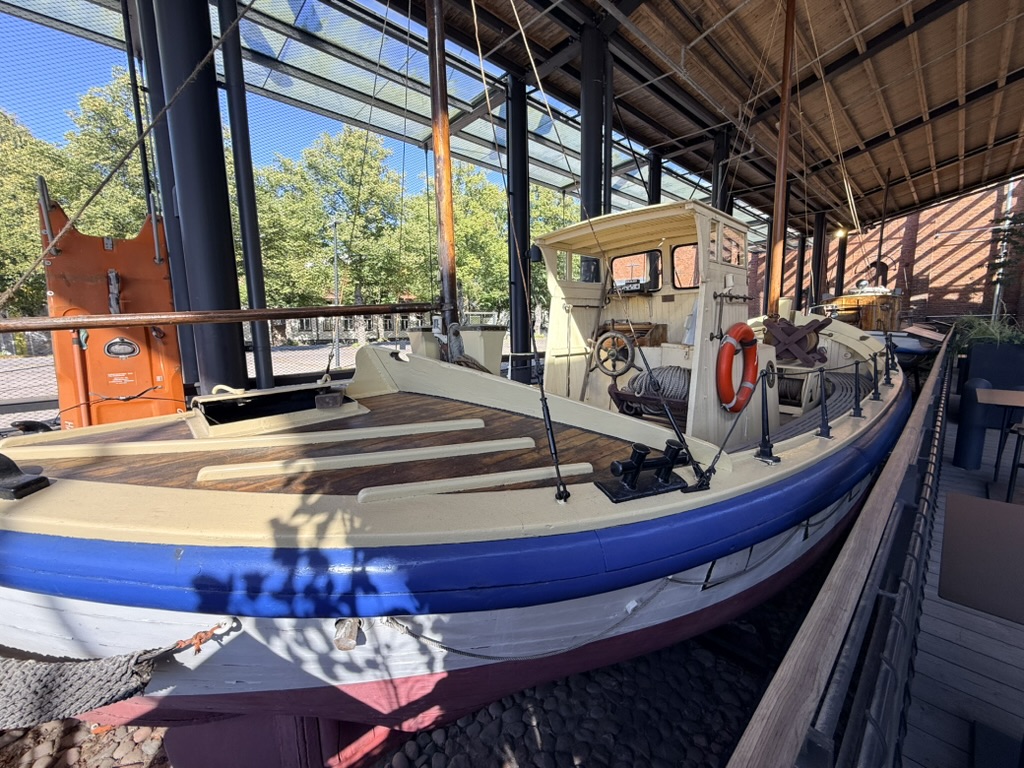
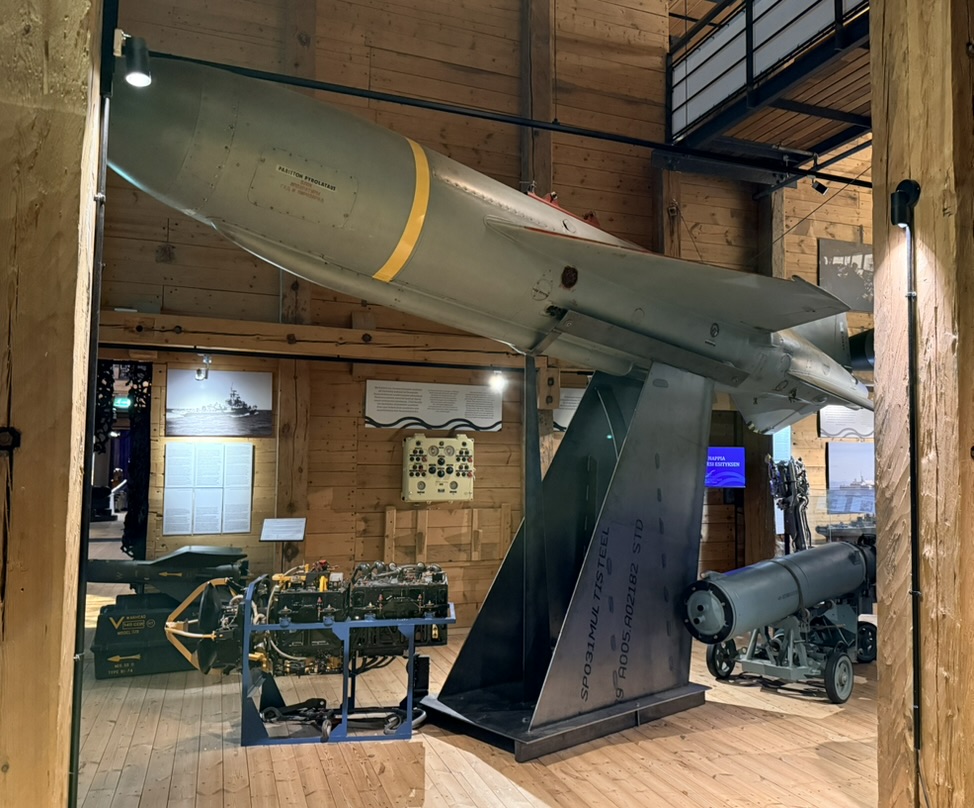
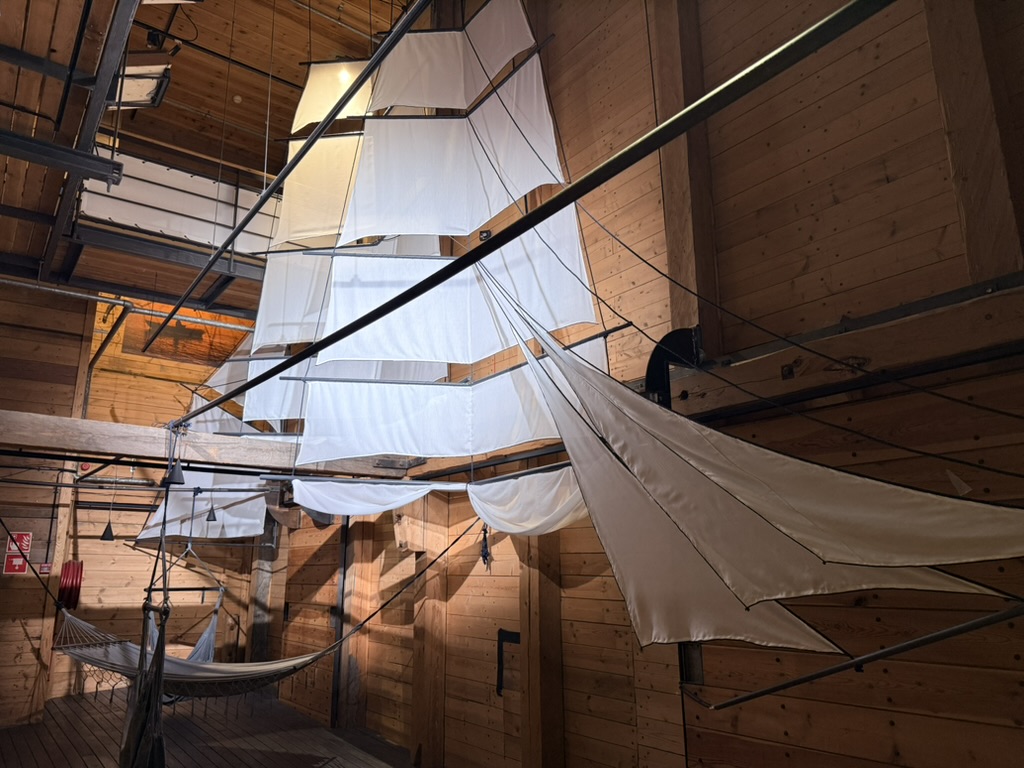
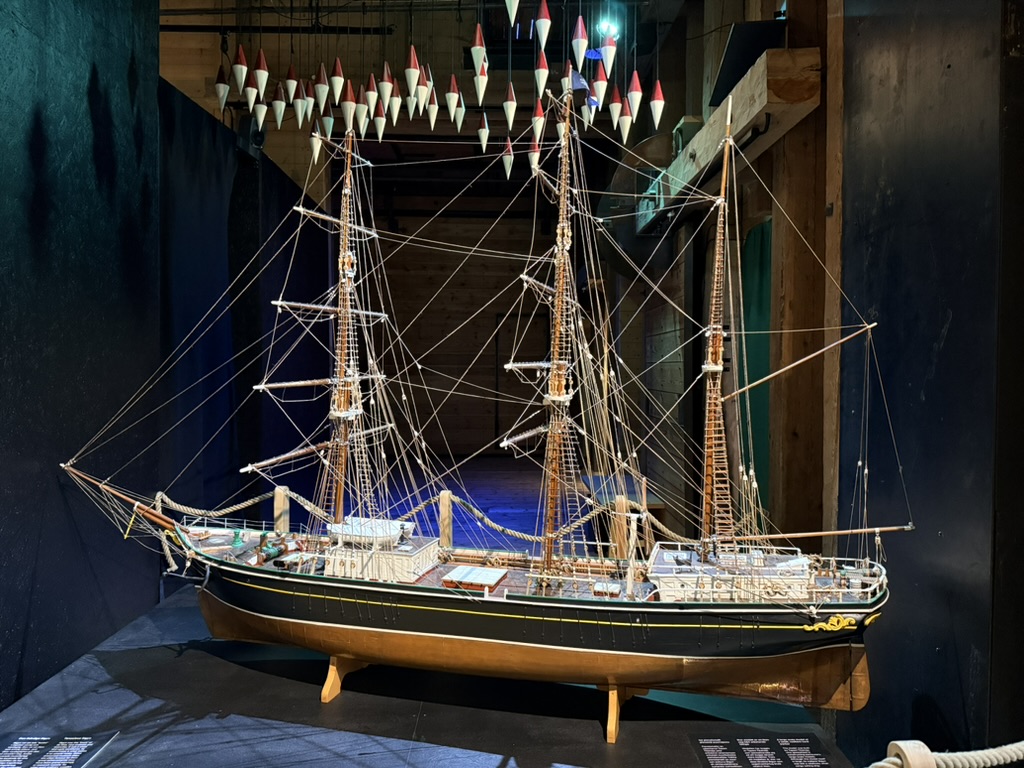
The Working at Sea exhibit showcases maritme work through real individuals. It explores the history of the Naval Forces and merchant shipping within the Southwest Finland area. It also delves into the activities of maritime authorities, professional fishing, peasant sailing and archipelago culture.
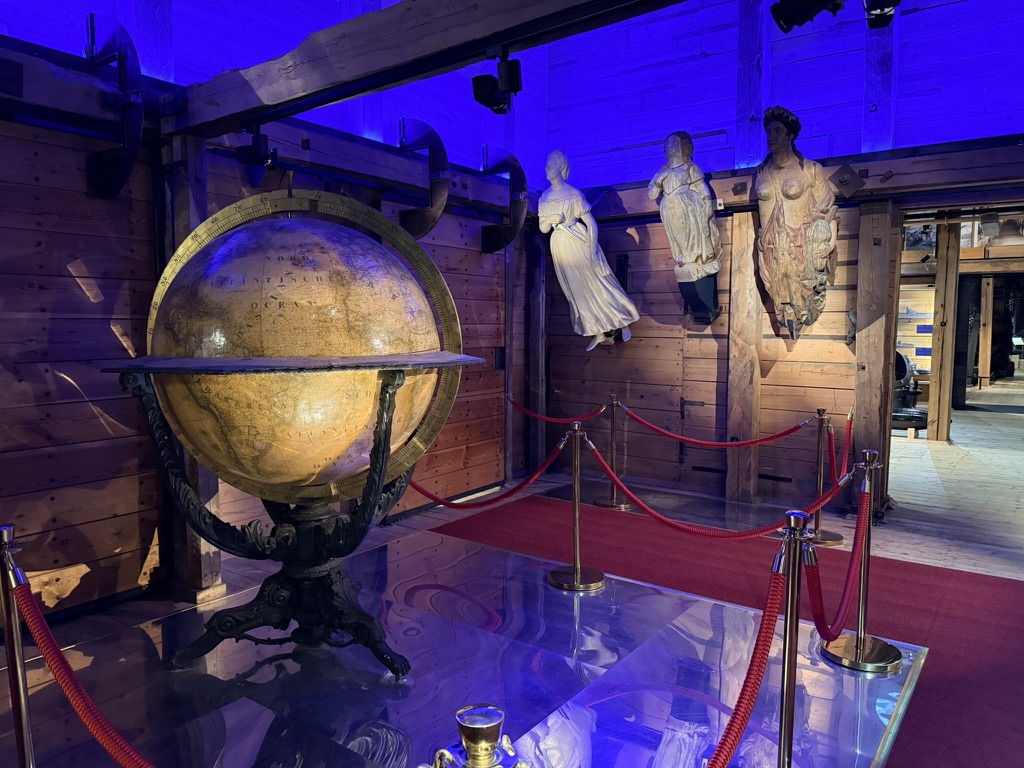
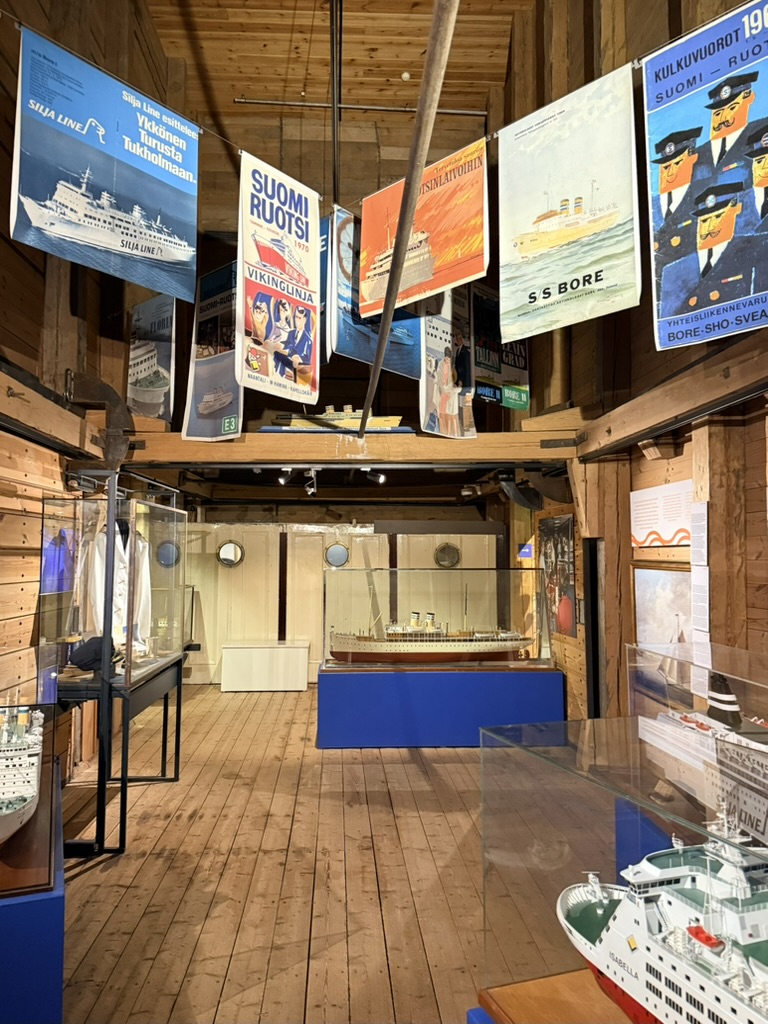
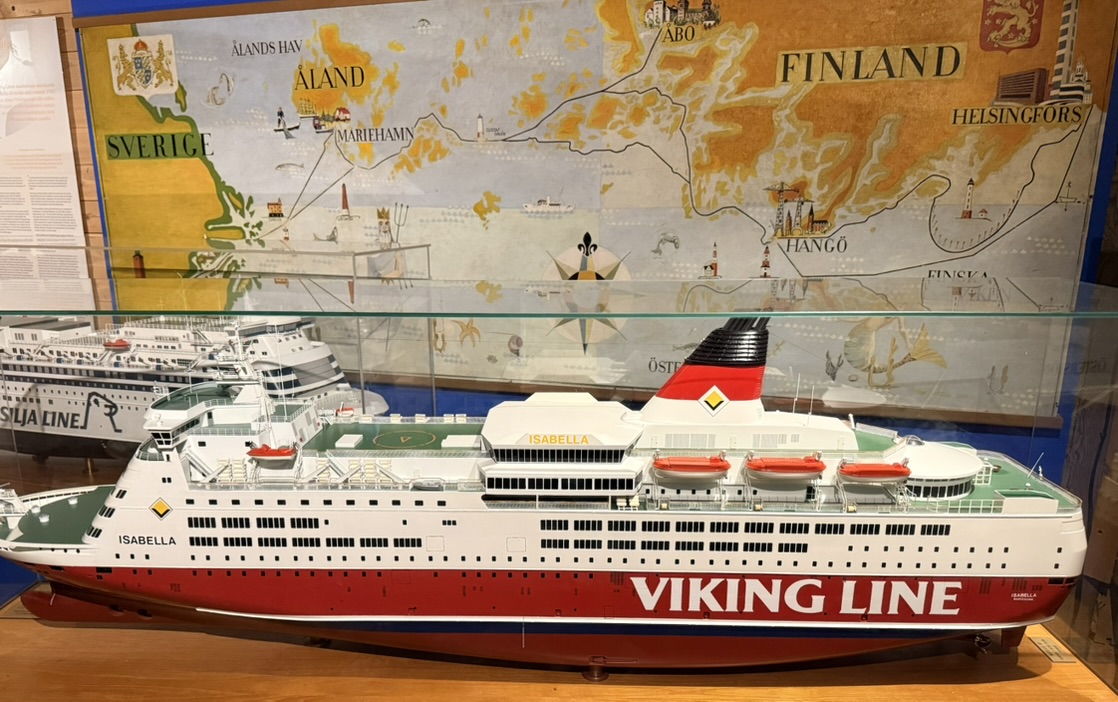
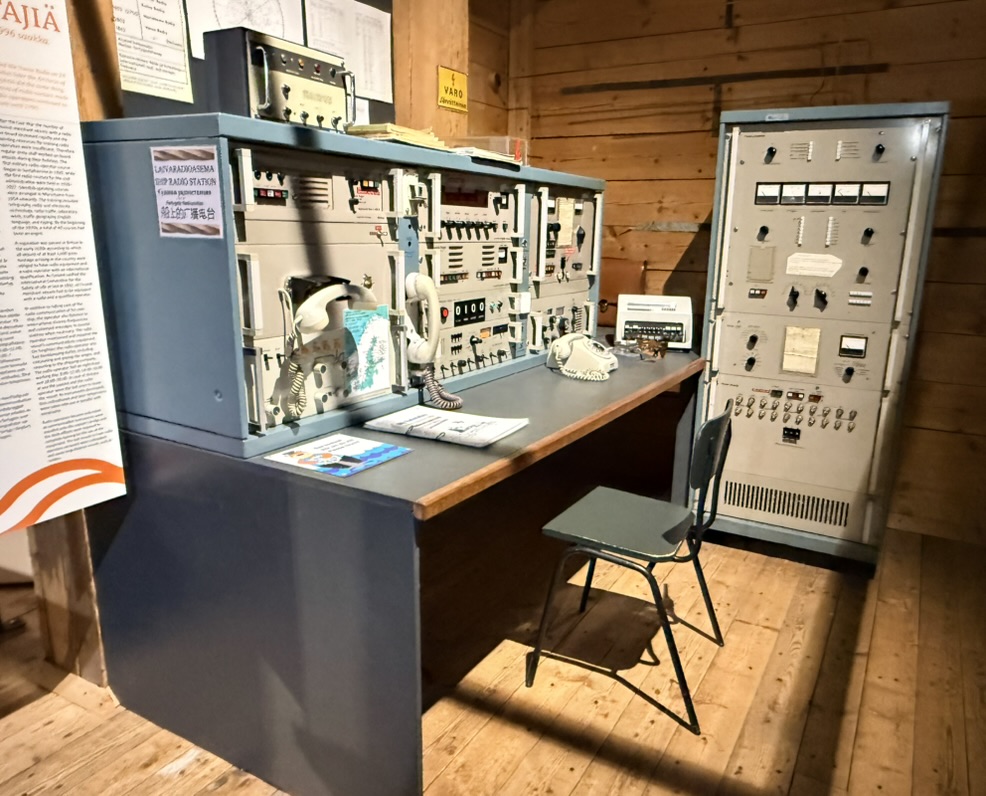
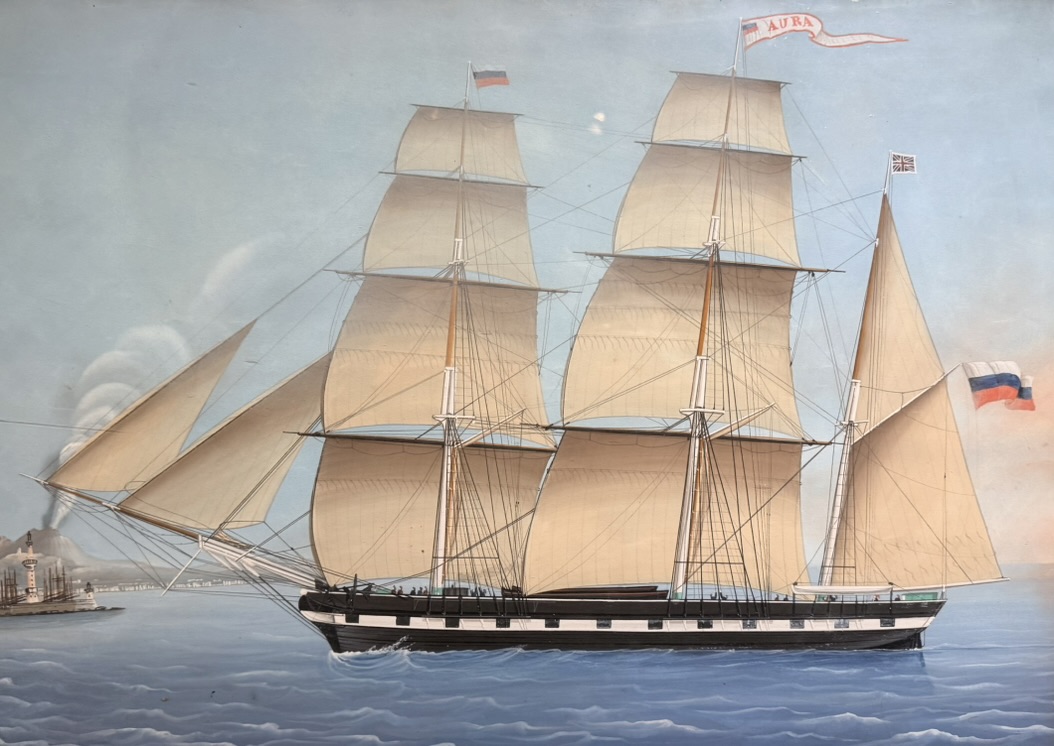
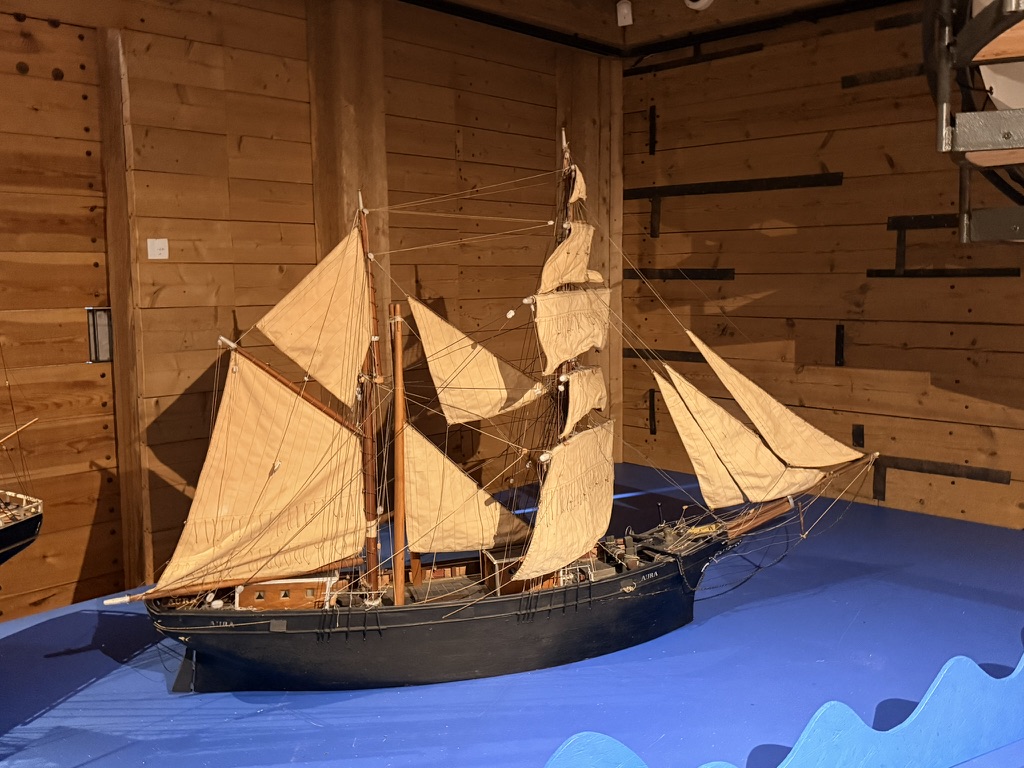
Sigyn – The Lucky Ship explores the experiences of Captain Ludvig Jönsson on the cargo ship Sigyn and the relationship between humans and the sea.
Passengership Bore
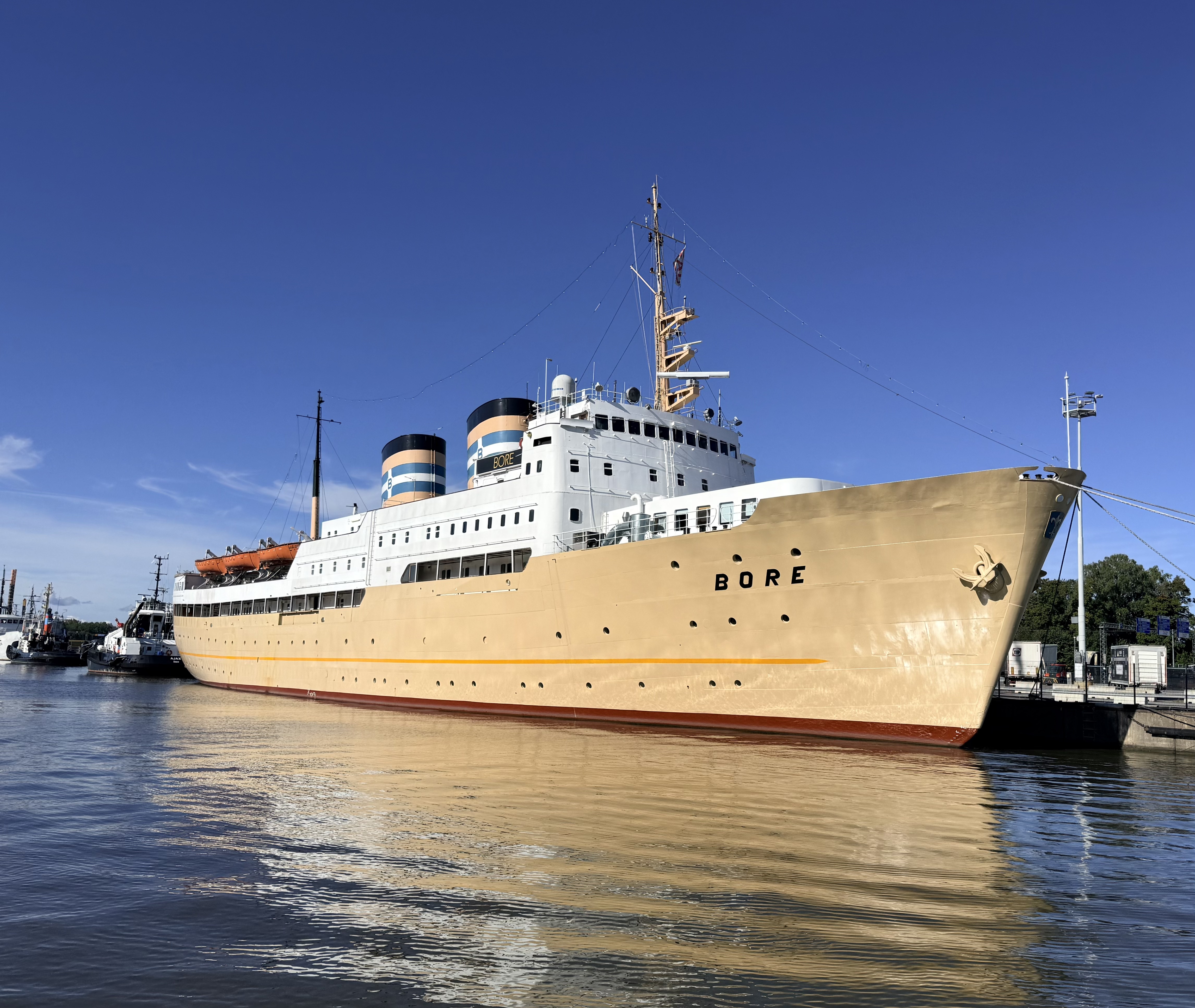
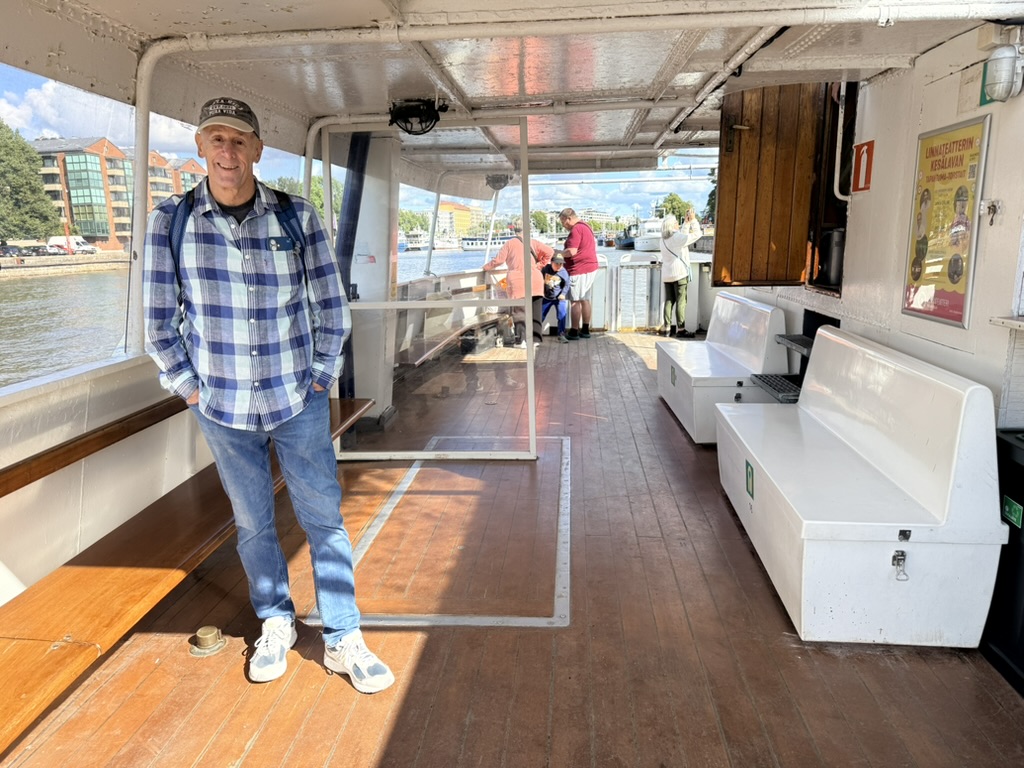
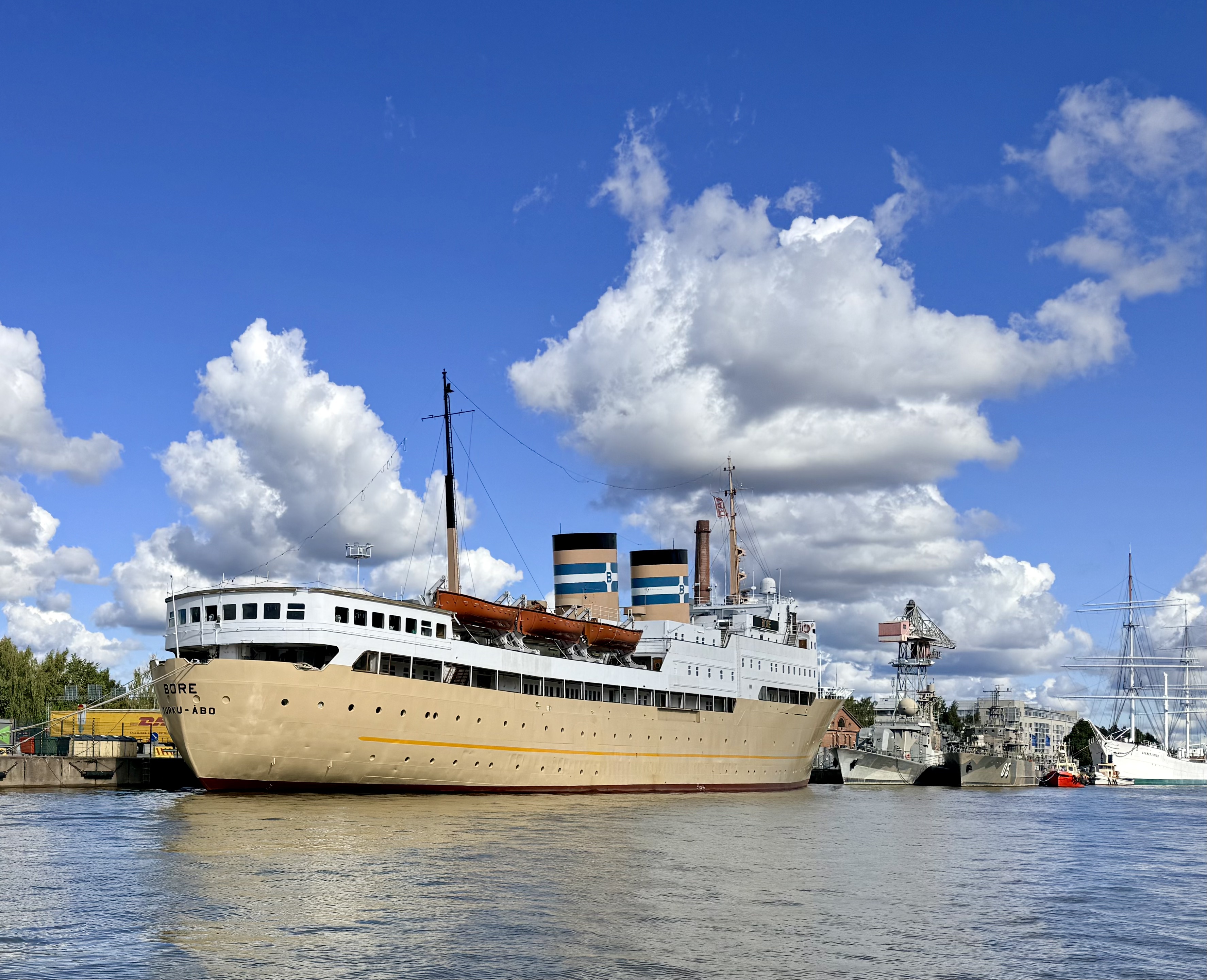
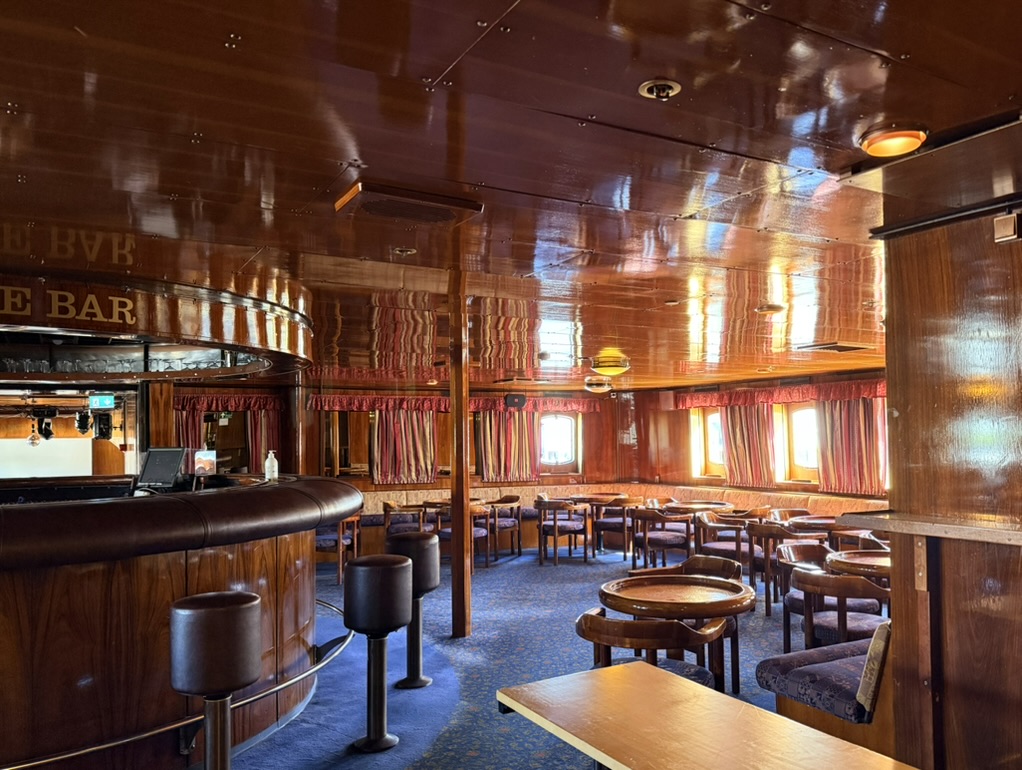
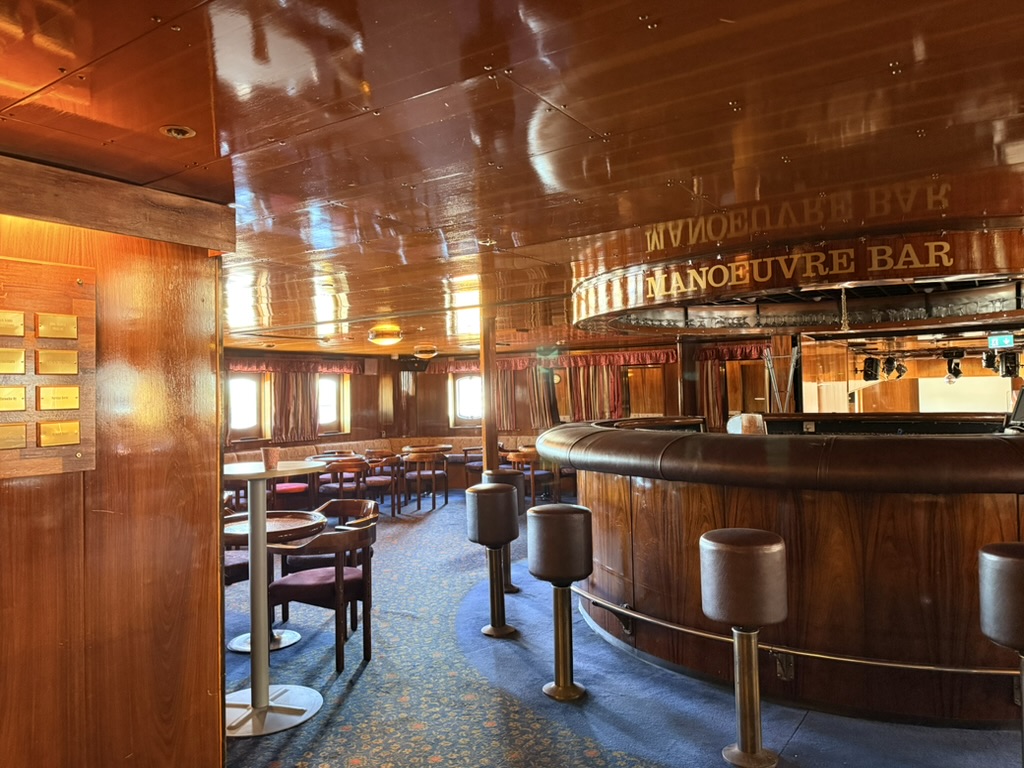
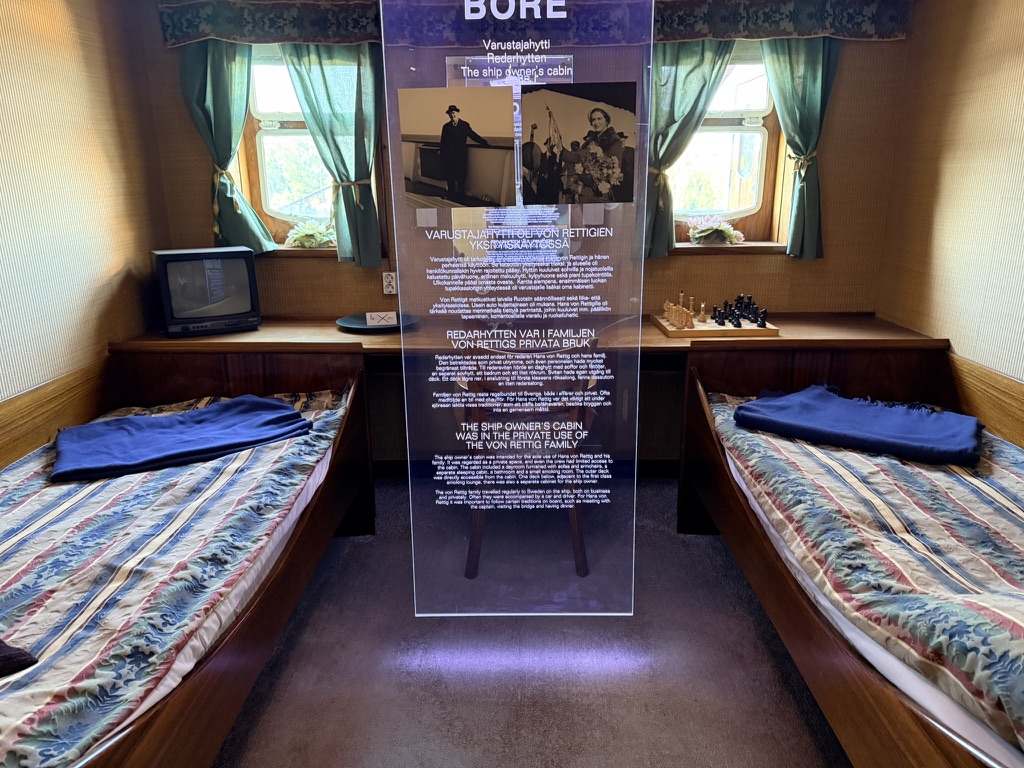
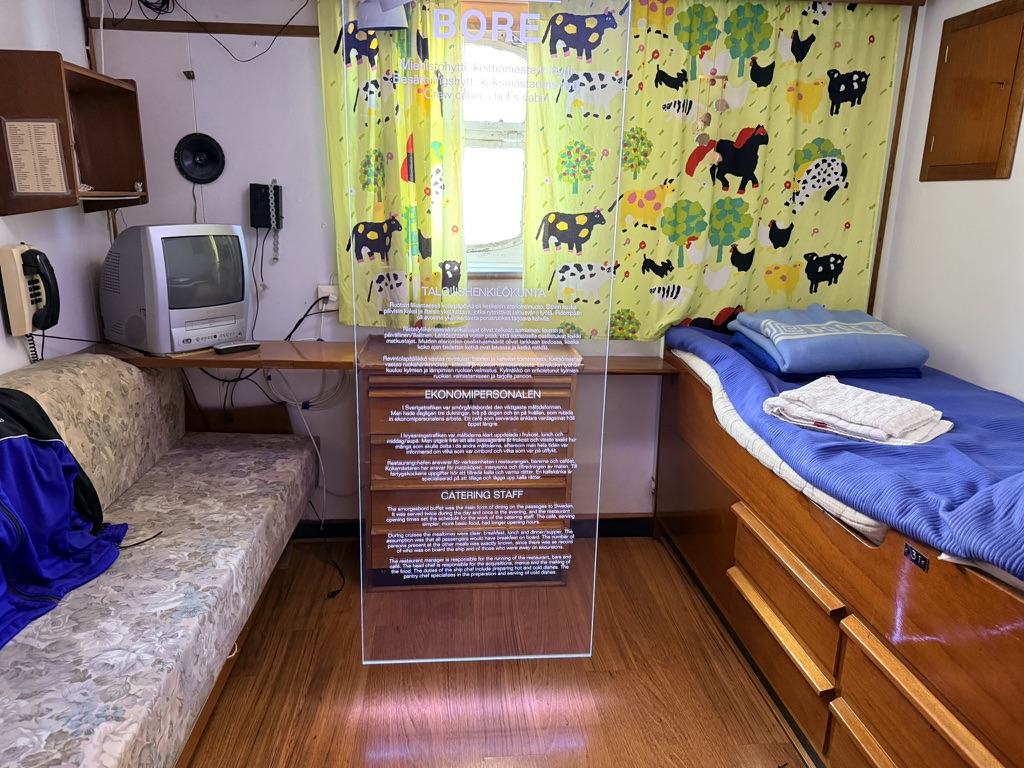
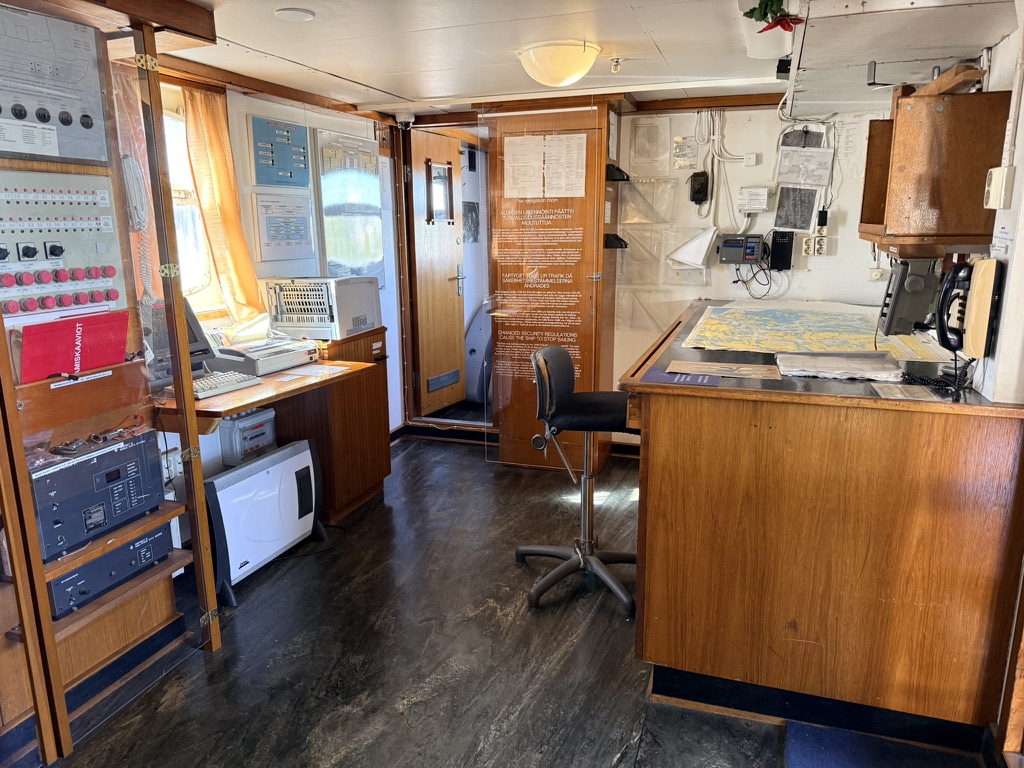
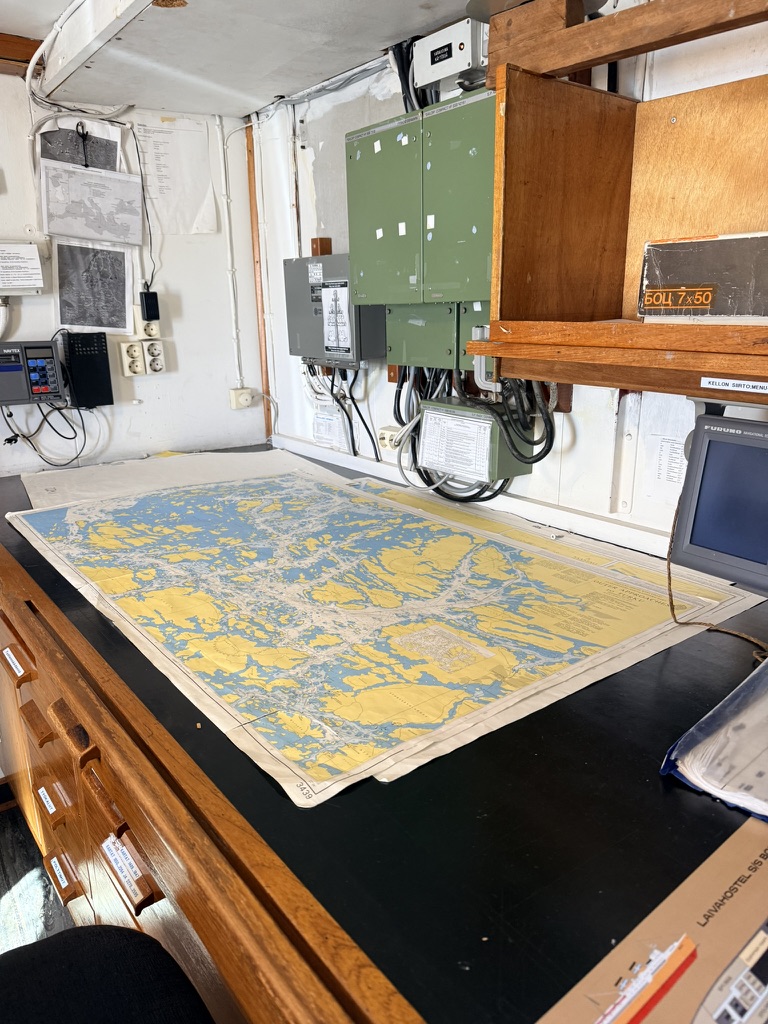
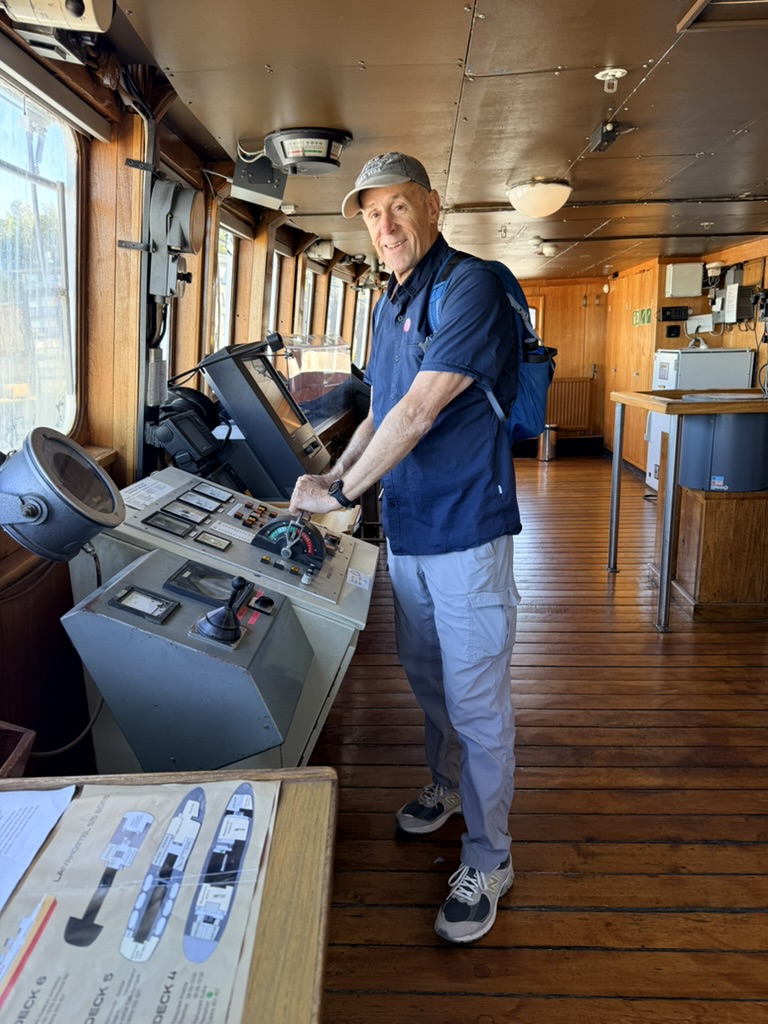
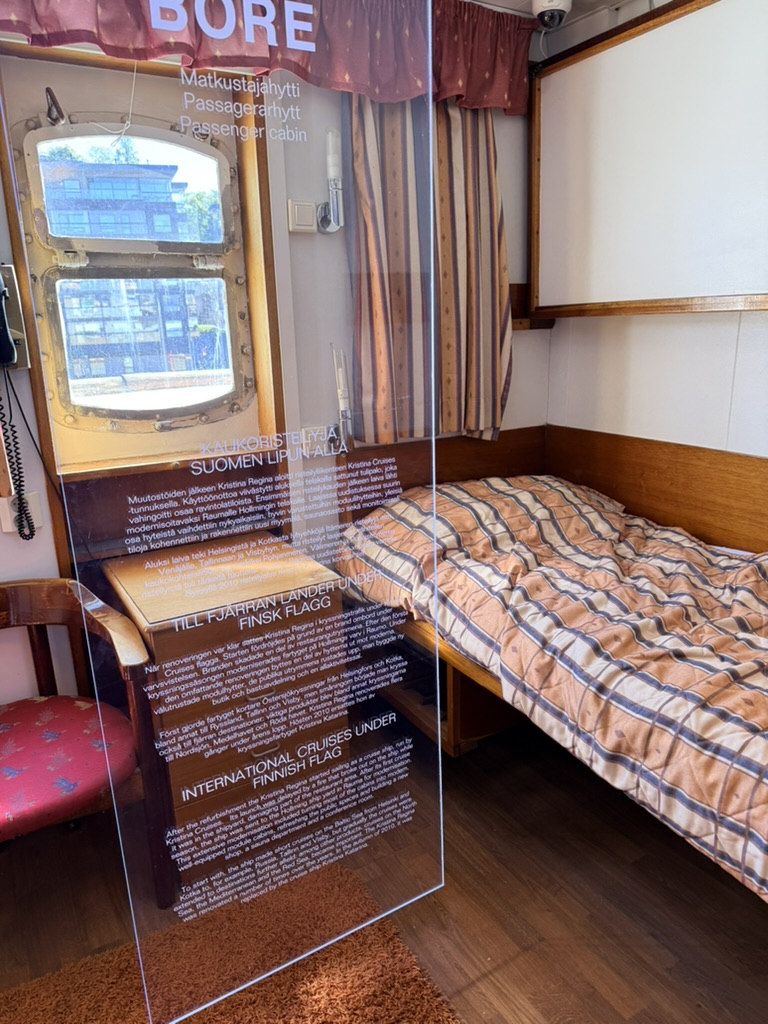
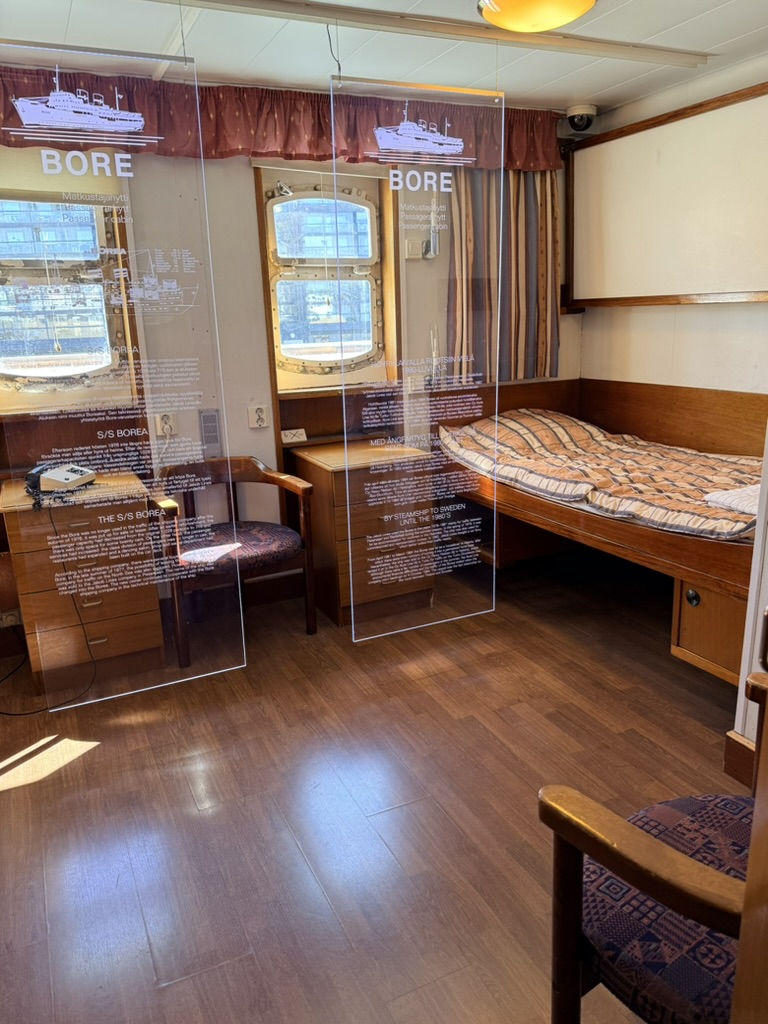
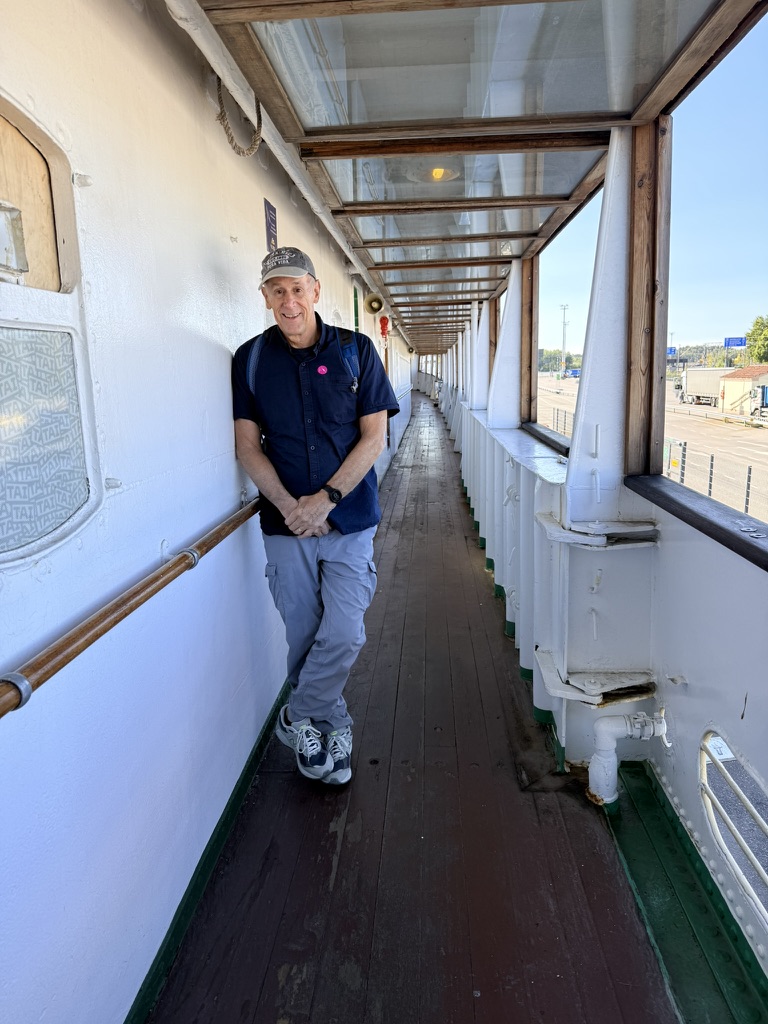
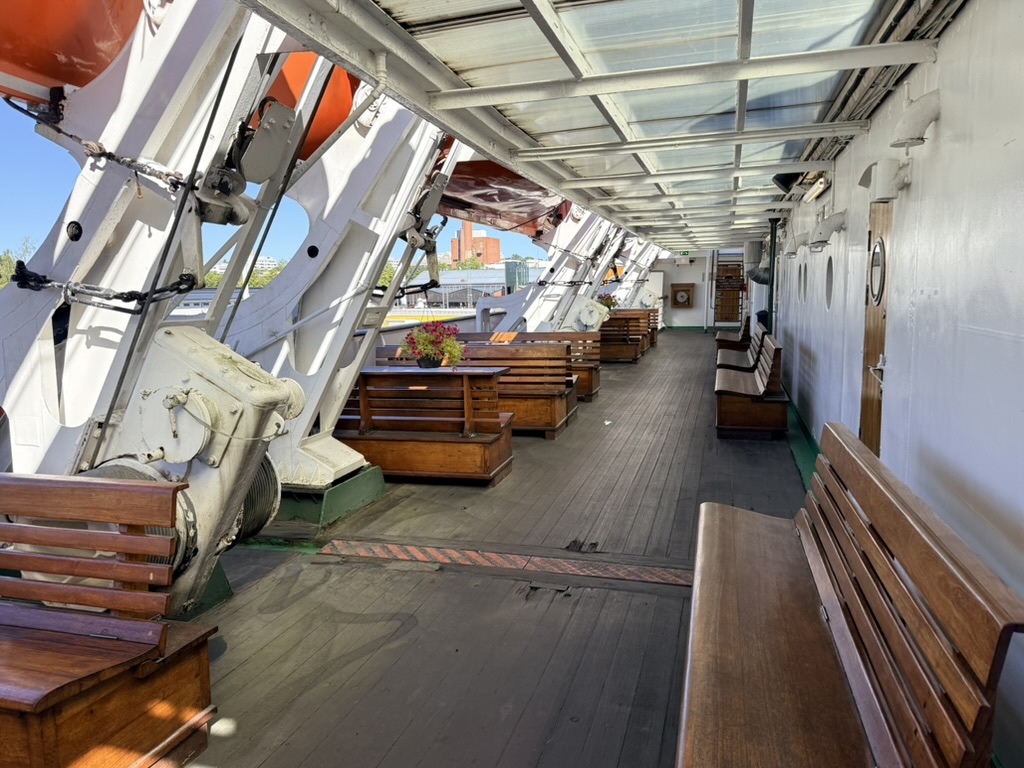
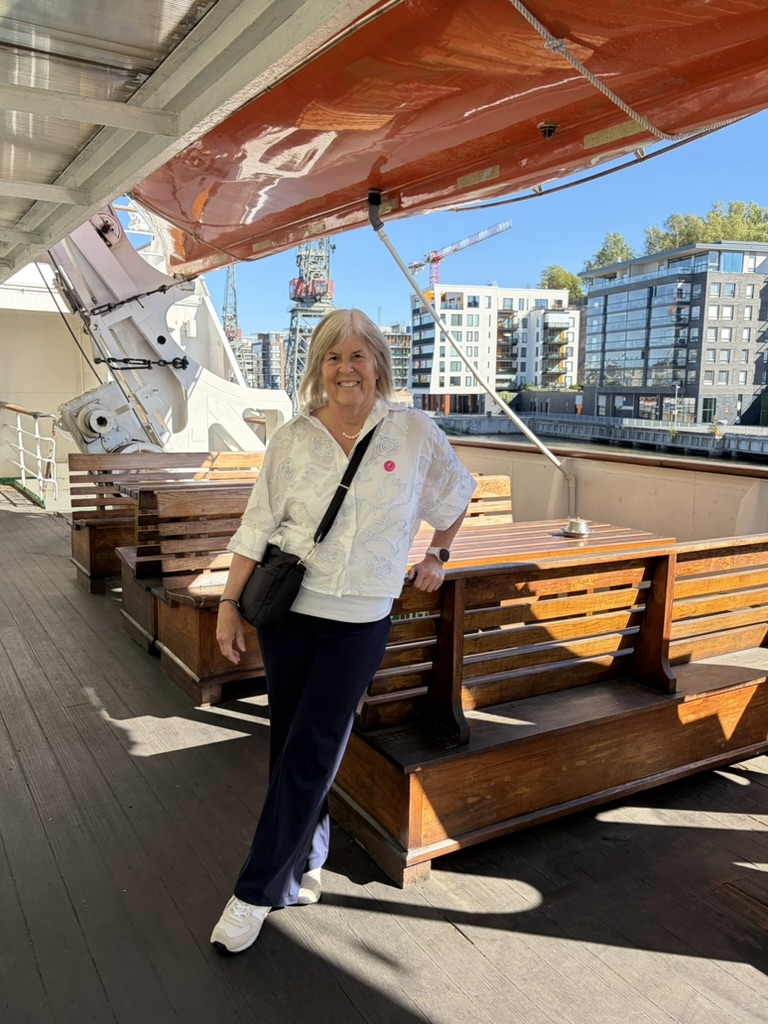
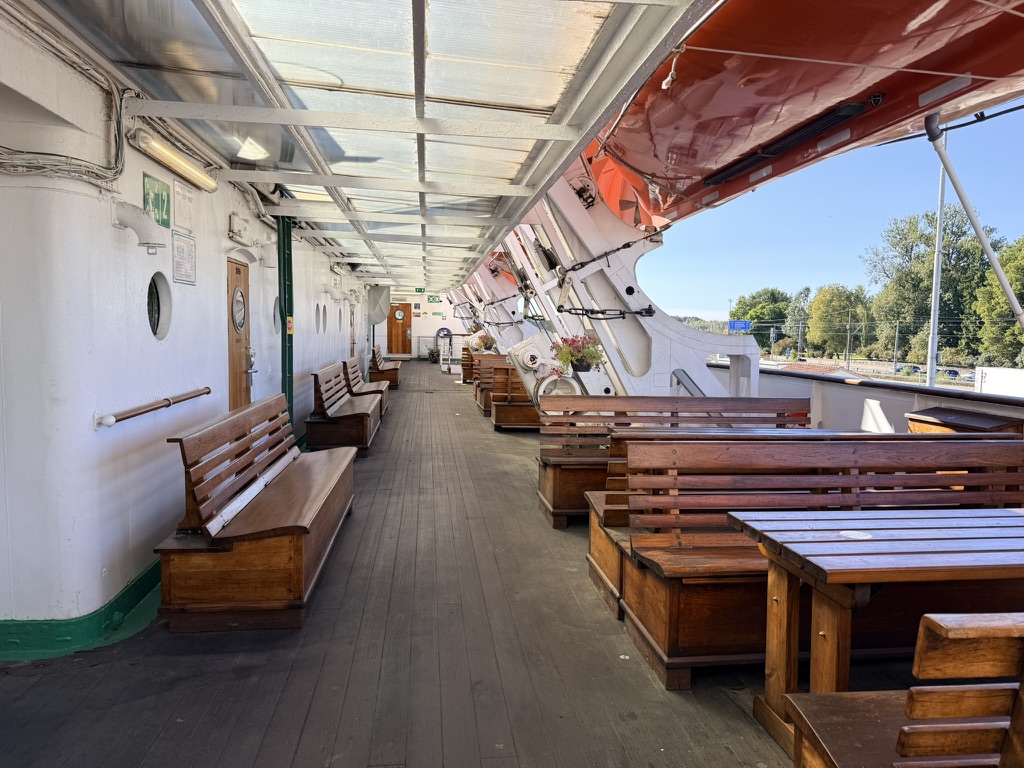
The museum has a number of ships one can explore during summer. Since it is now September, most are closed to visitors except for Passengership Bore. We climbed aboard. The ship was completed in 1960 for journeys between Finland and Sweden. It was seen as the flagship and most advanced ship of the Bore Shipping Company, so it was not given a number but was simply referred to as “Bore Zero.” It was owned by Bore Shipping until 1977, after which it had multiple operators over the years..
In October 2010, Bore was towed to Turku. In May 2011, it was moored at Forum Marinum’s pier as part of the maritime center’s museum fleet. The ship houses a hostel with 130 cabins for 1–4 people. Reception is open 24/7, and laundry, storage service and wireless internet are all part of the hostel’s services.
At the beginning of 2018, Turku Vocational Institute began providing educational activities on board the Bore, offering a multidisciplinary learning environment for students in fields such as hospitality, restaurant and tourism, hair and beauty care, technology, security, and cleaning and property services. The ship also provides opportunities for media and business studies, as well as various entrepreneurship projects.
Going aboard this passenger ship gave us a taste of our upcoming cruise on the cruise ship MS Vesterålen through Hurtigruten, from Bergen to Svolvær beginning September 17.
Day trip to Naantali
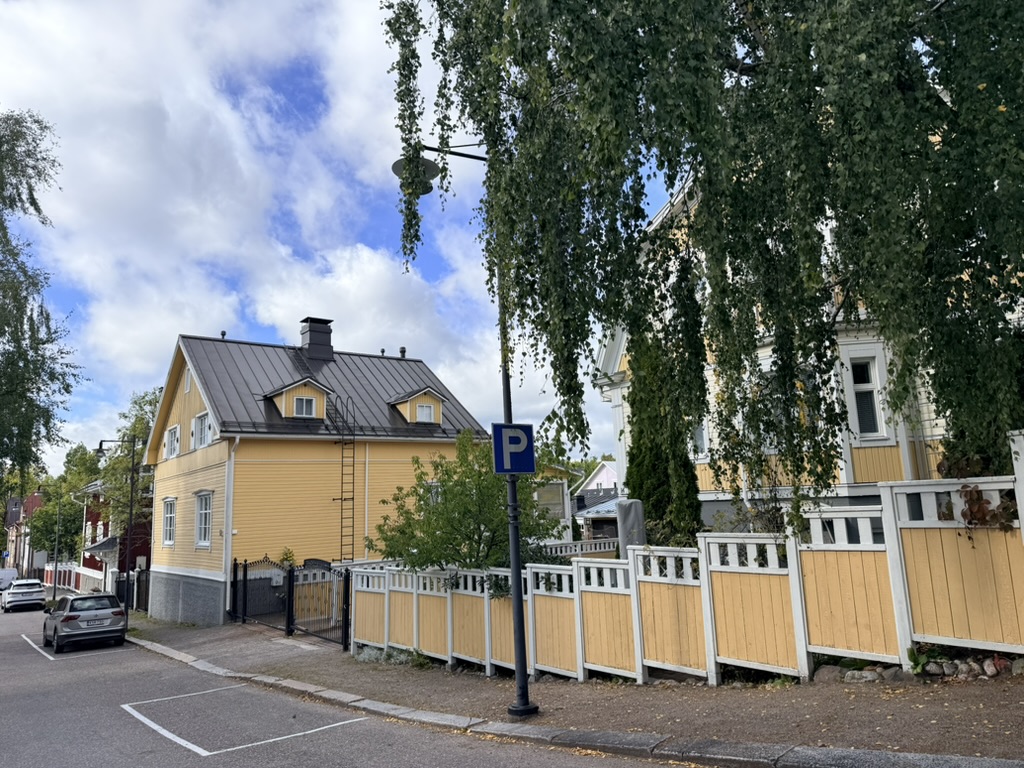
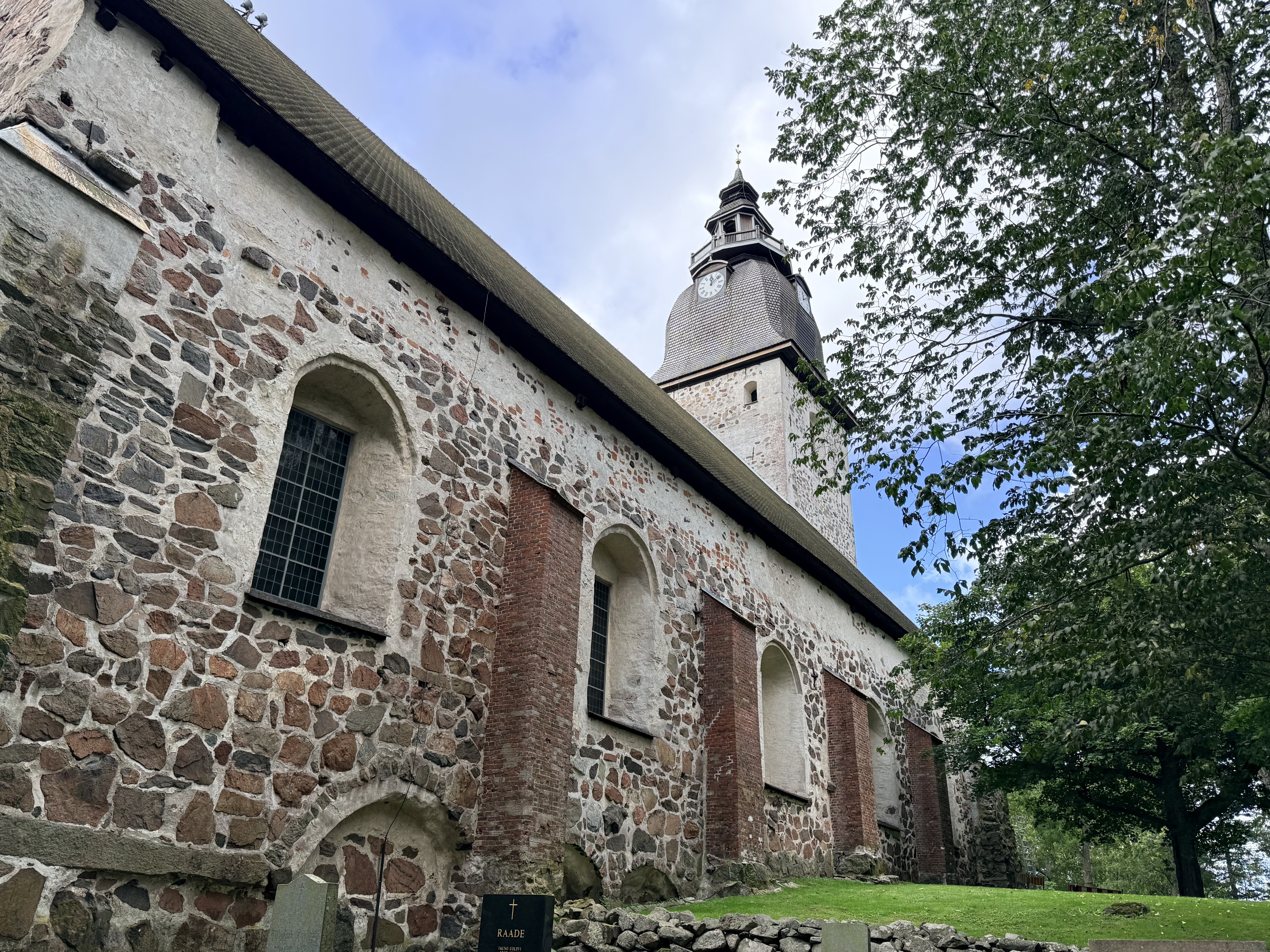
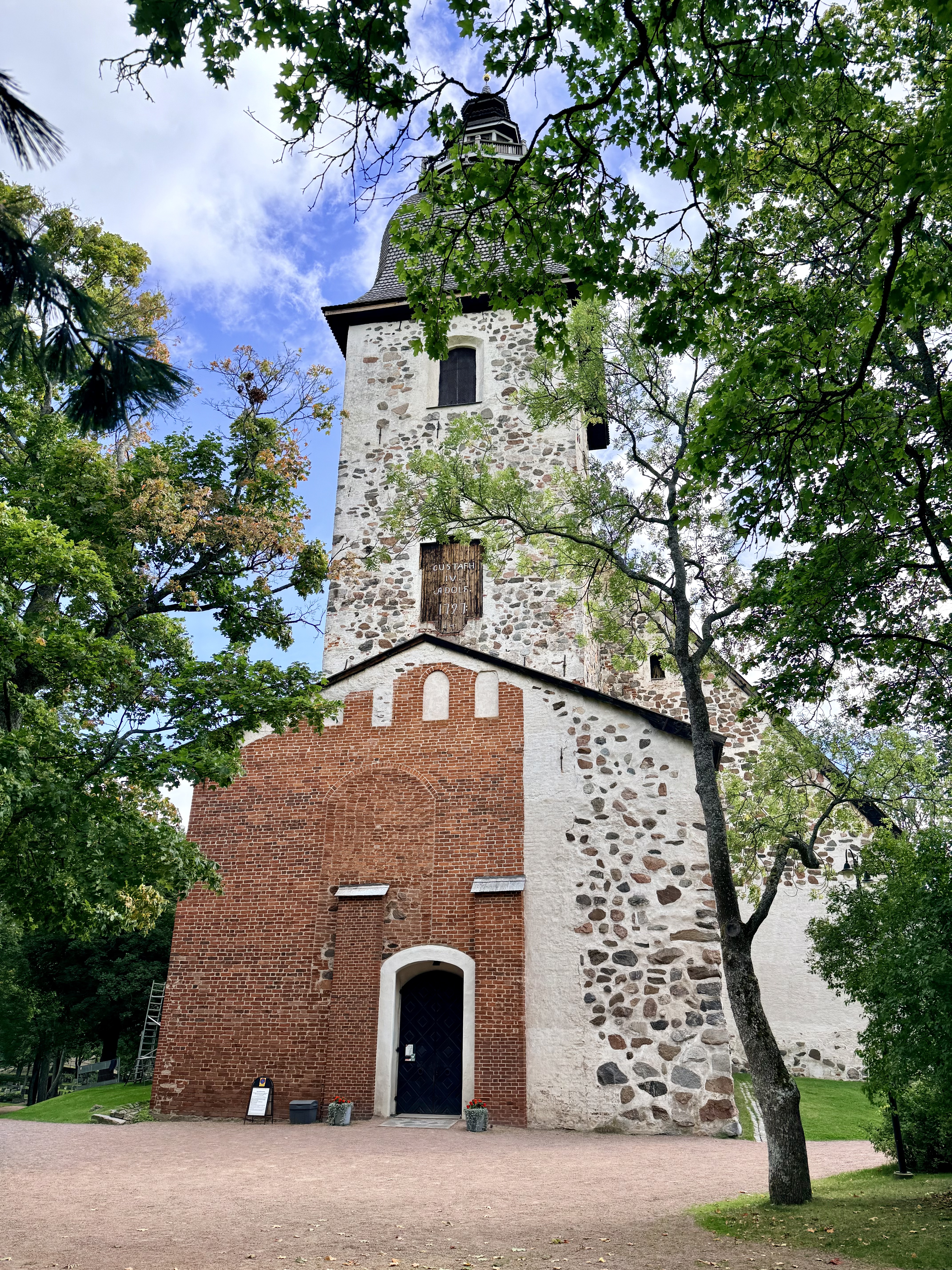
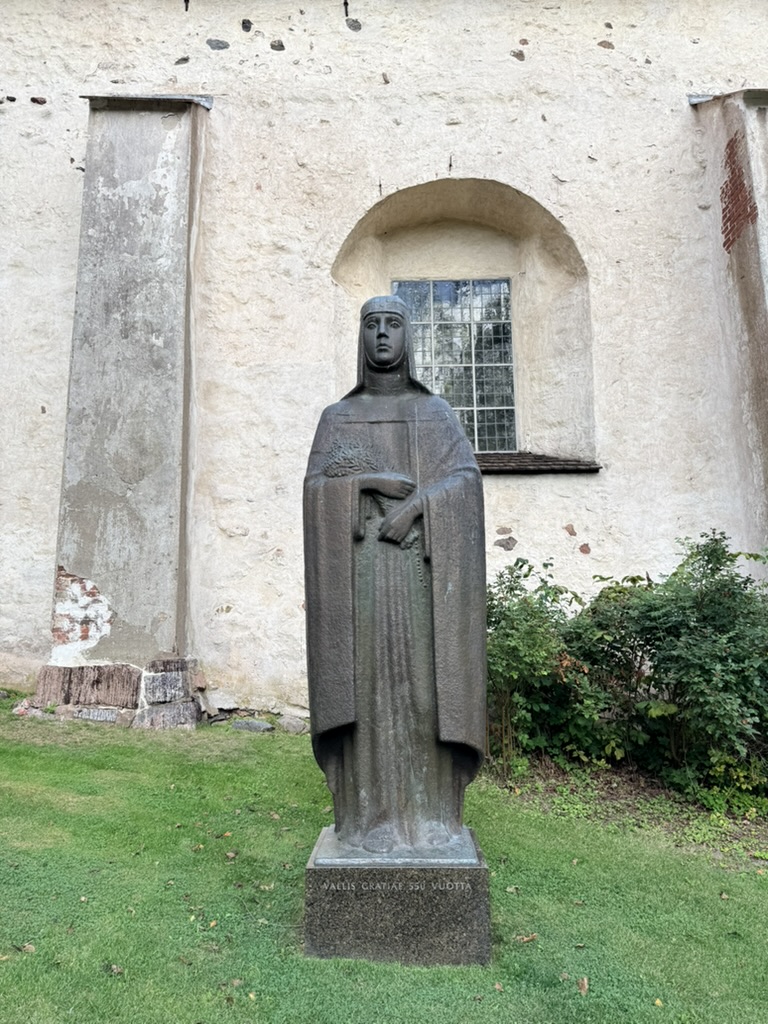
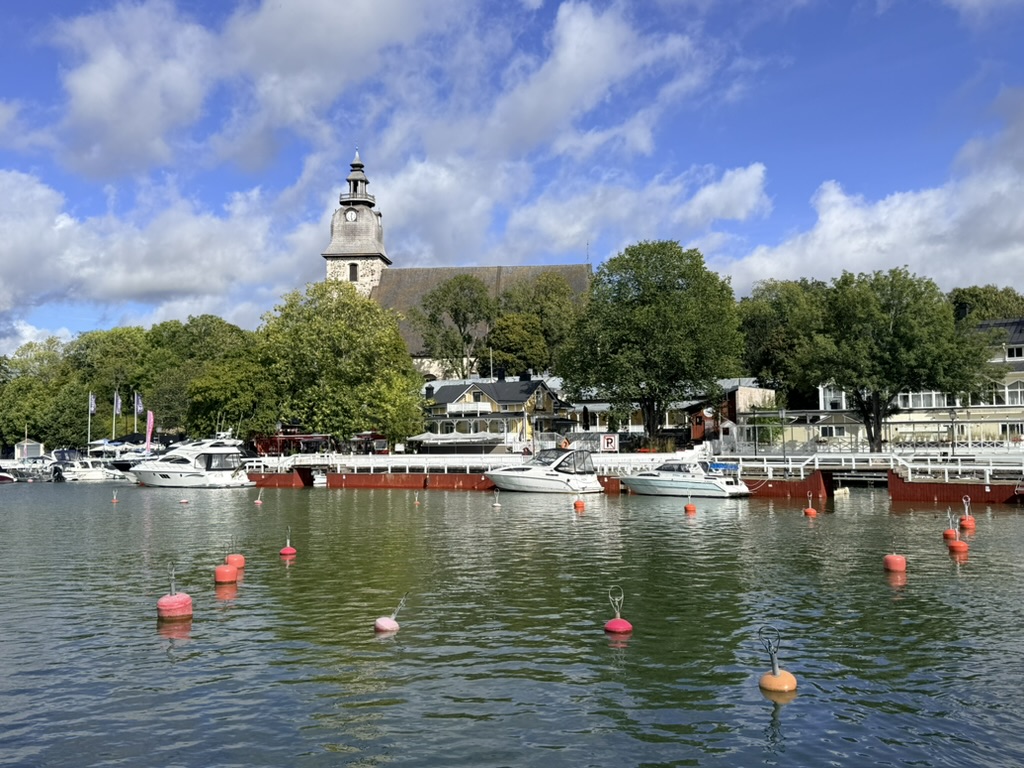
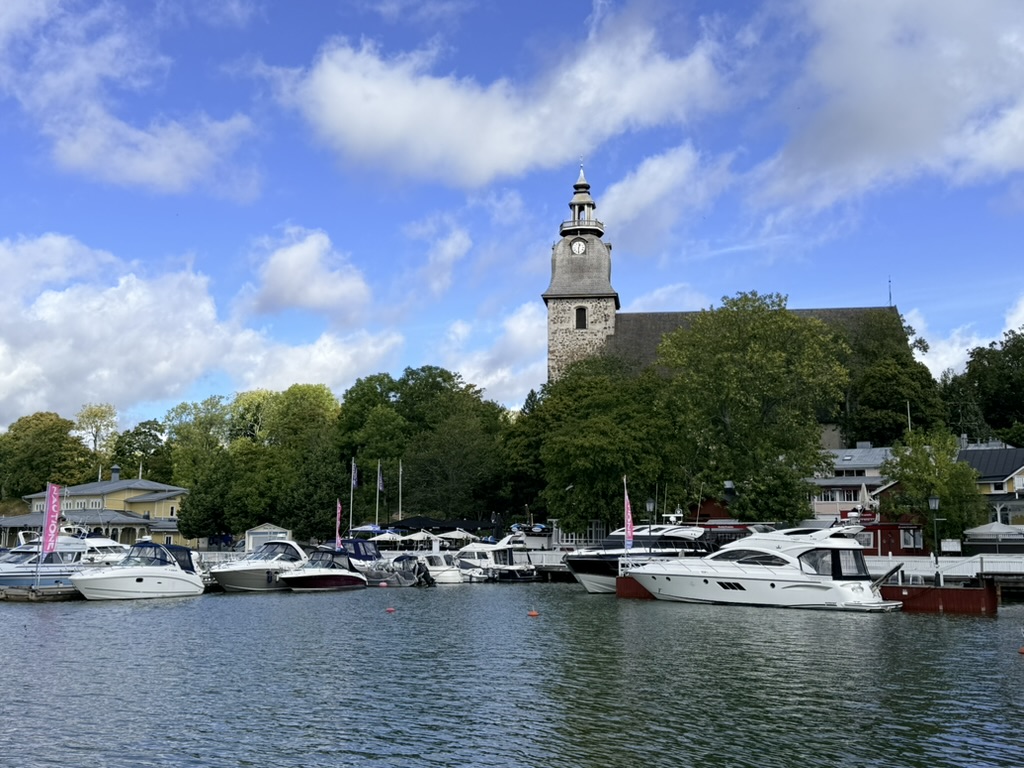
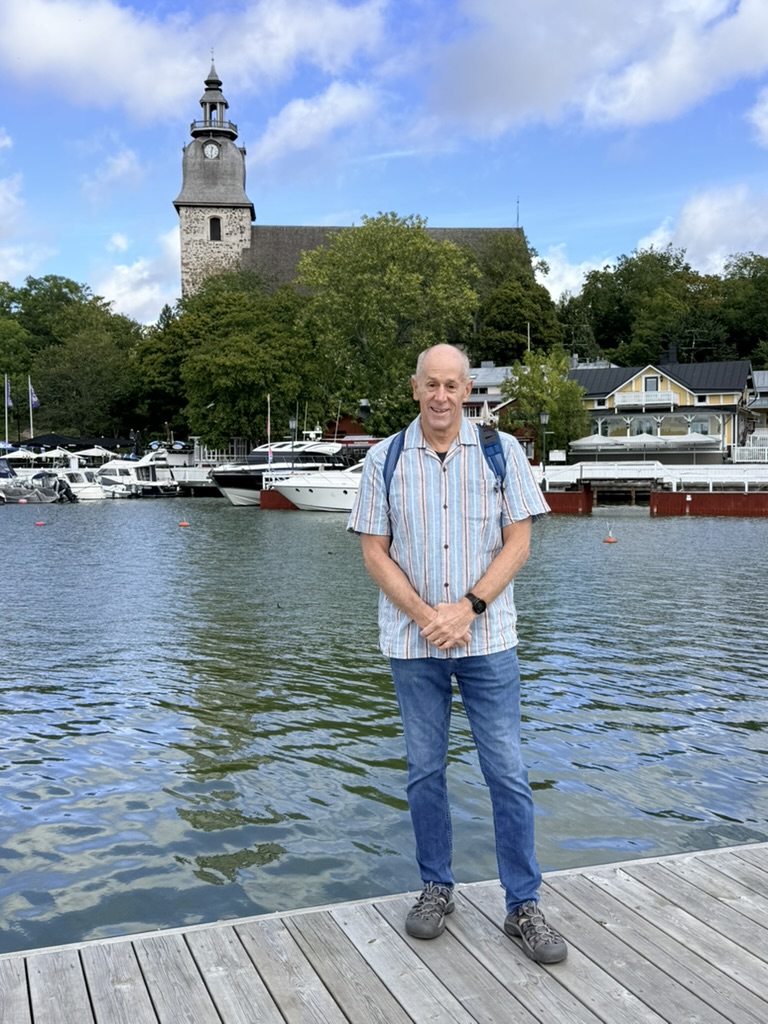
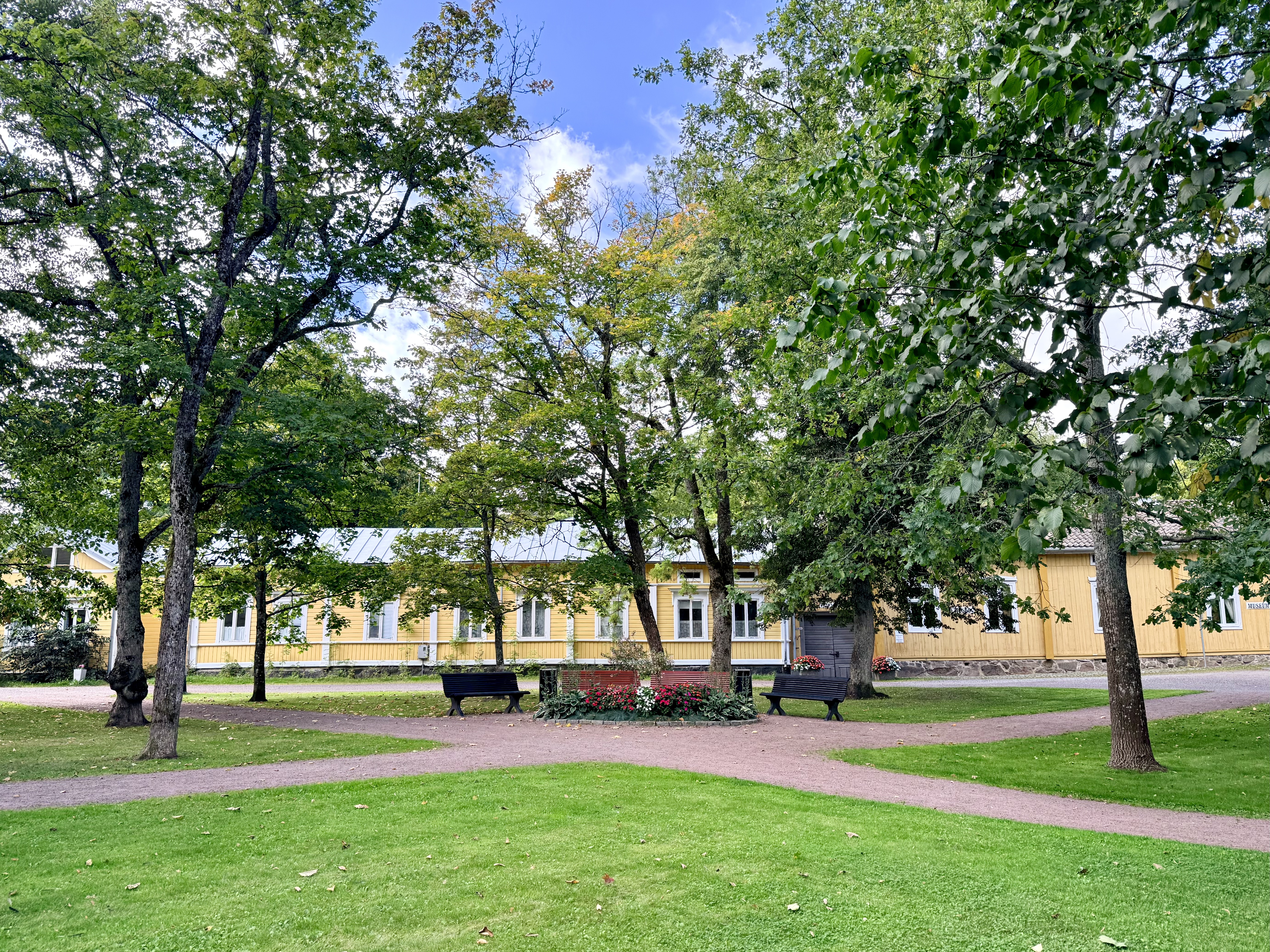
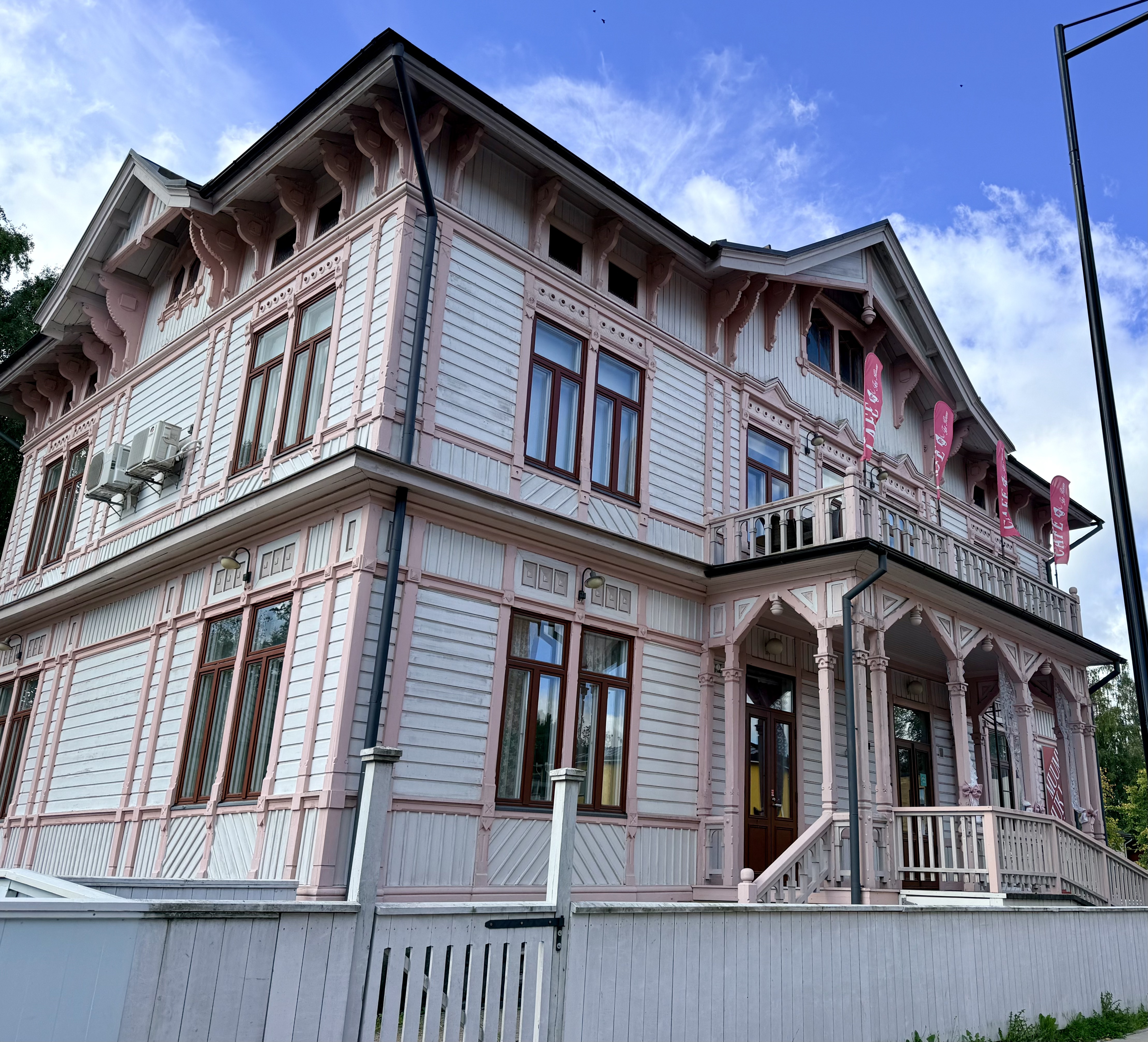
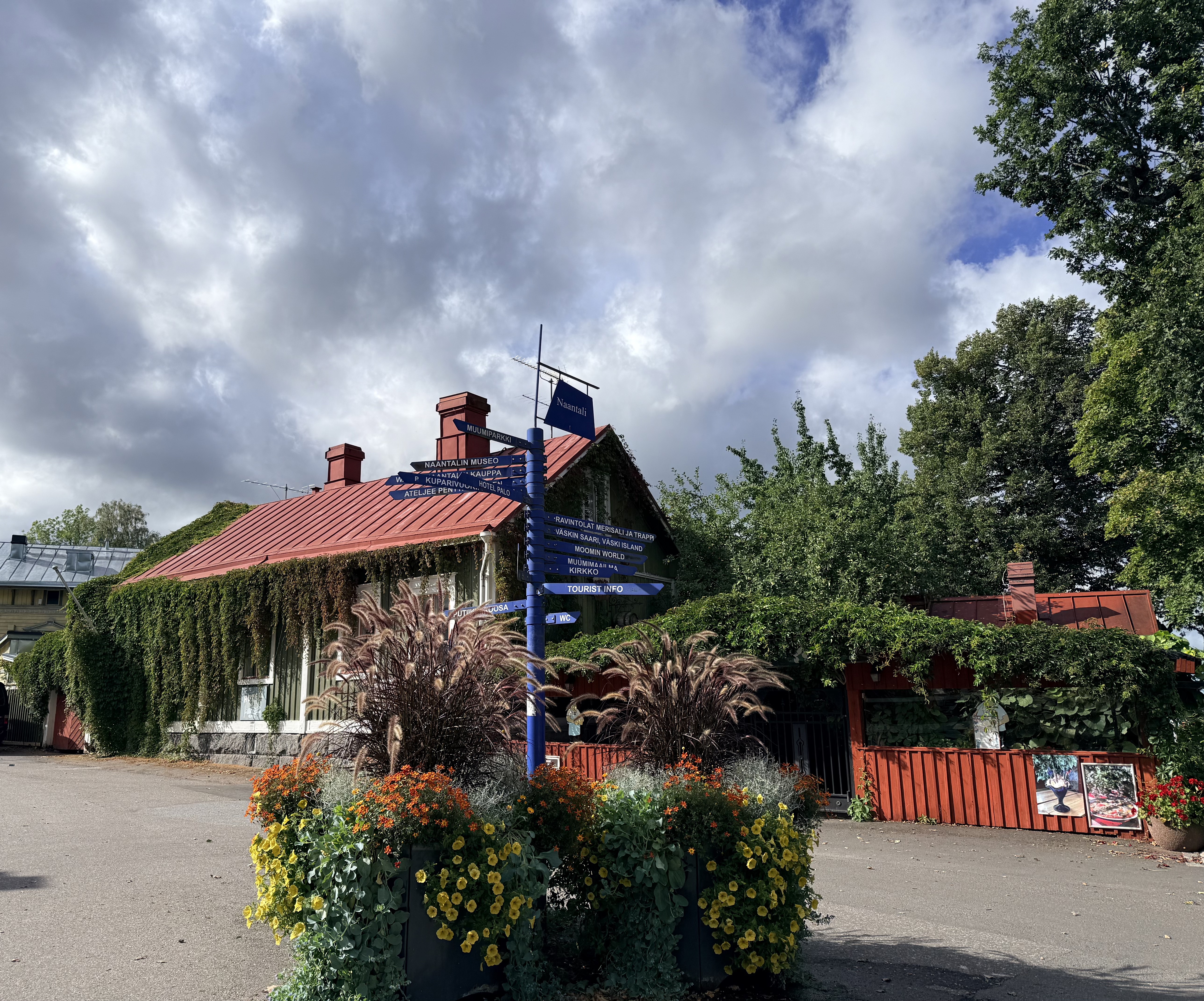
We took a bus with 31 stops to Naantali, one of the oldest towns in Finland. Naantali was founded around the medieval Brigittine convent Vallis gratiae (or Nådendal Abbey), the church of which still dominates its skyline. The abbey operated in then-Swedish Finland from 1438 to 1591. It was one of six monasteries in Finland during the Middle Ages, and, as a double monastery, the only one which accepted women.
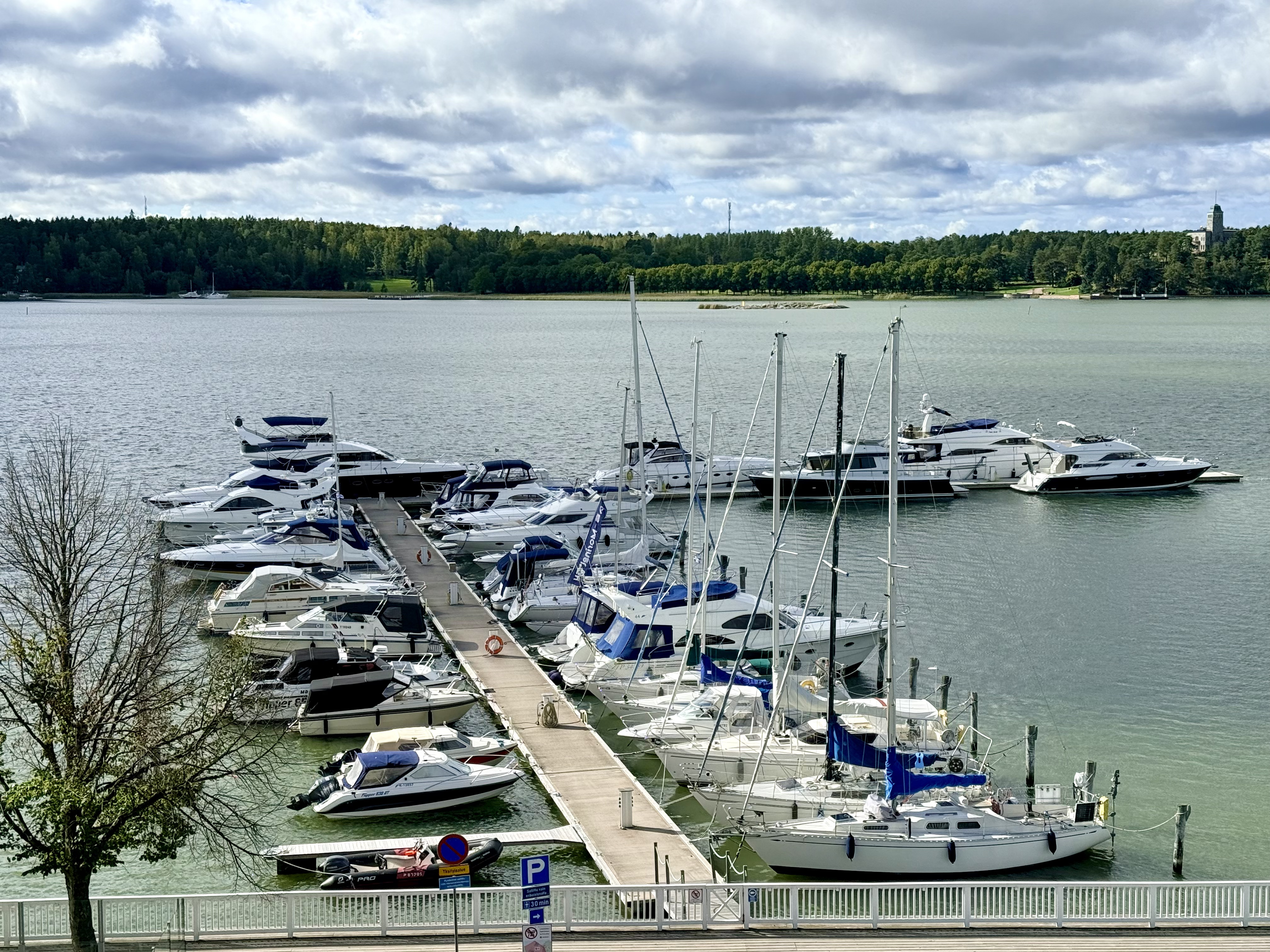
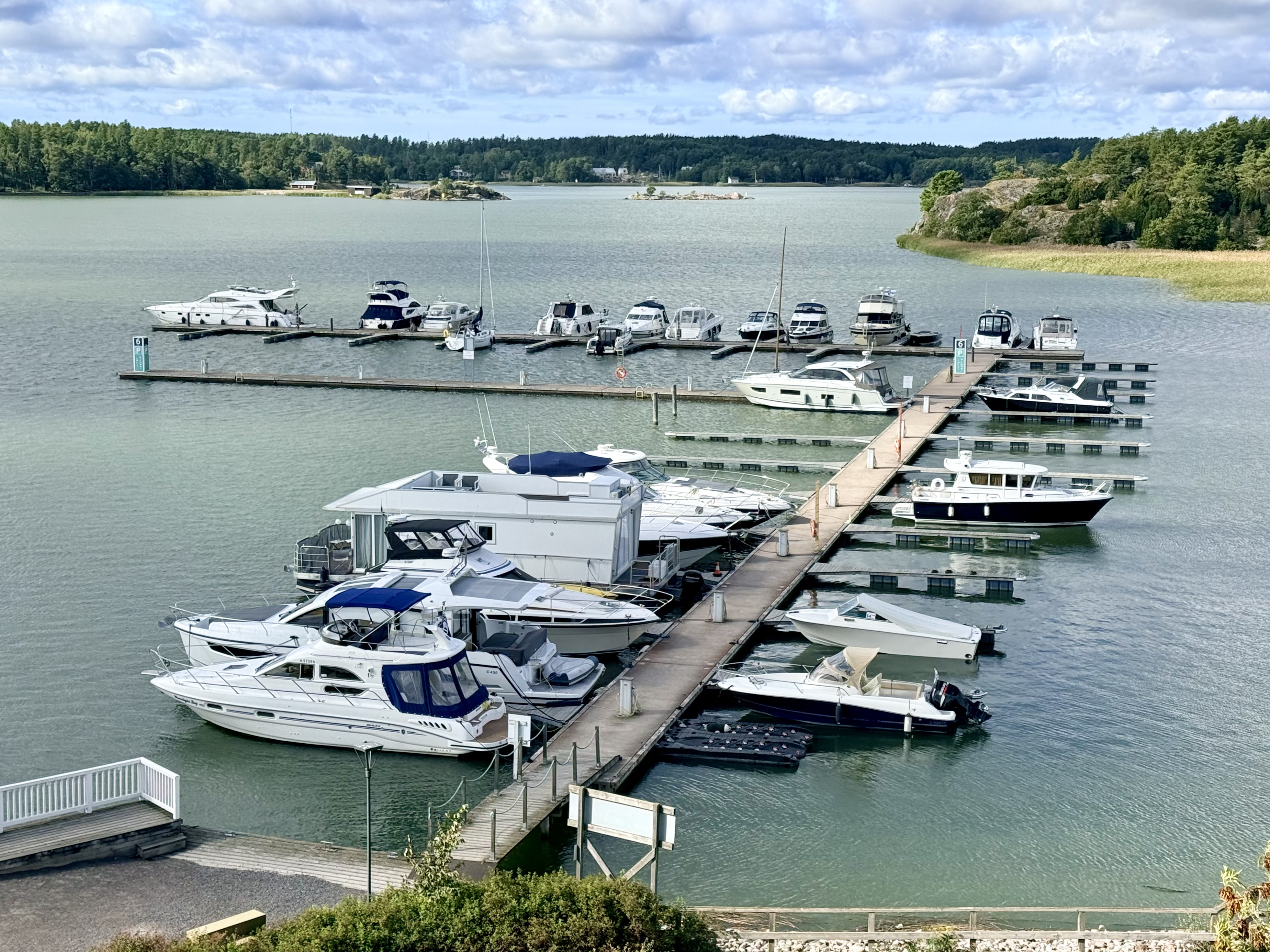
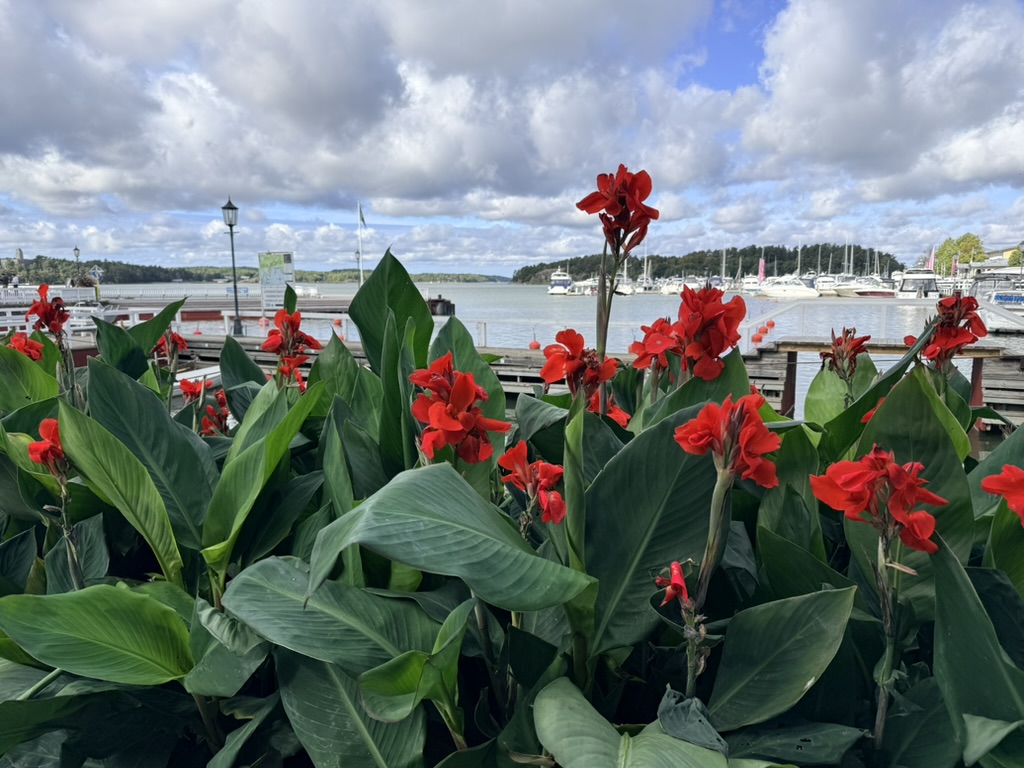
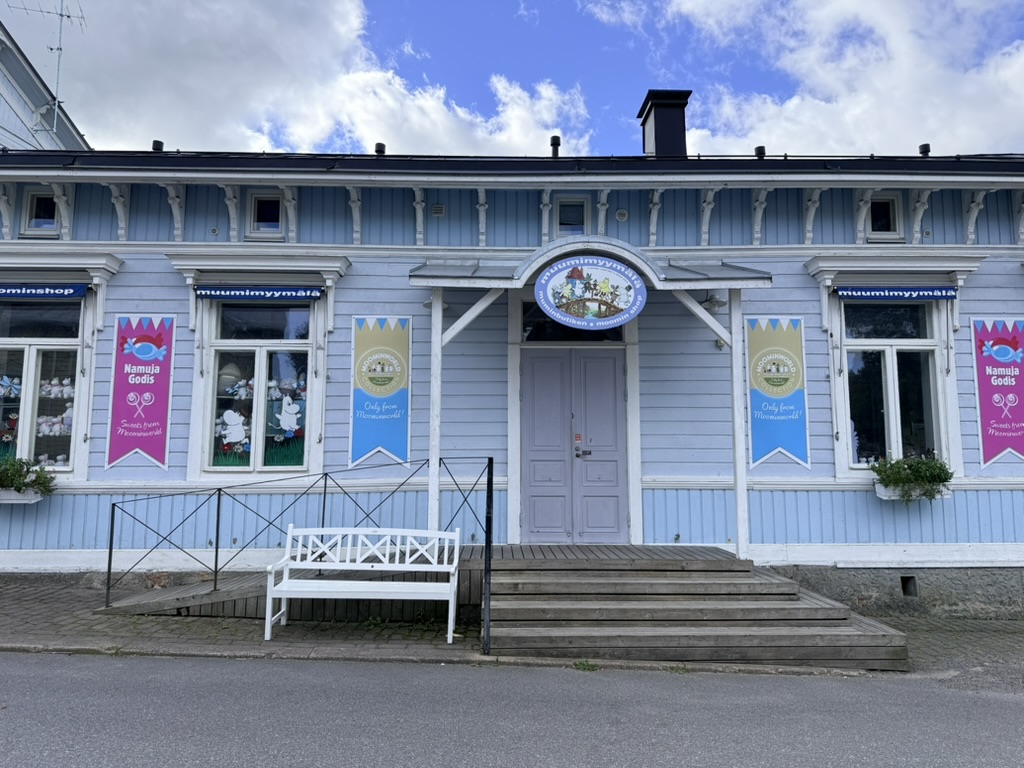
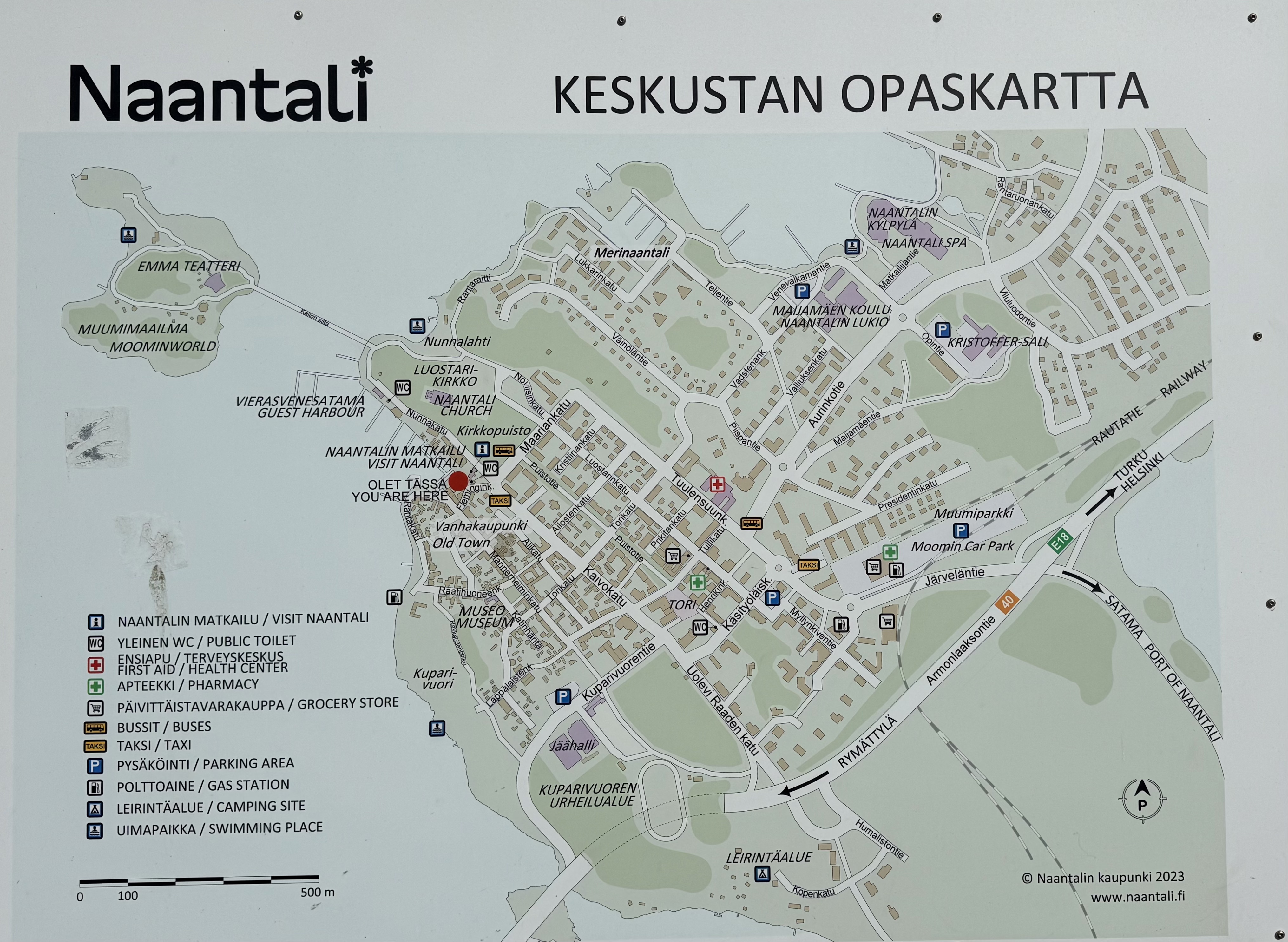
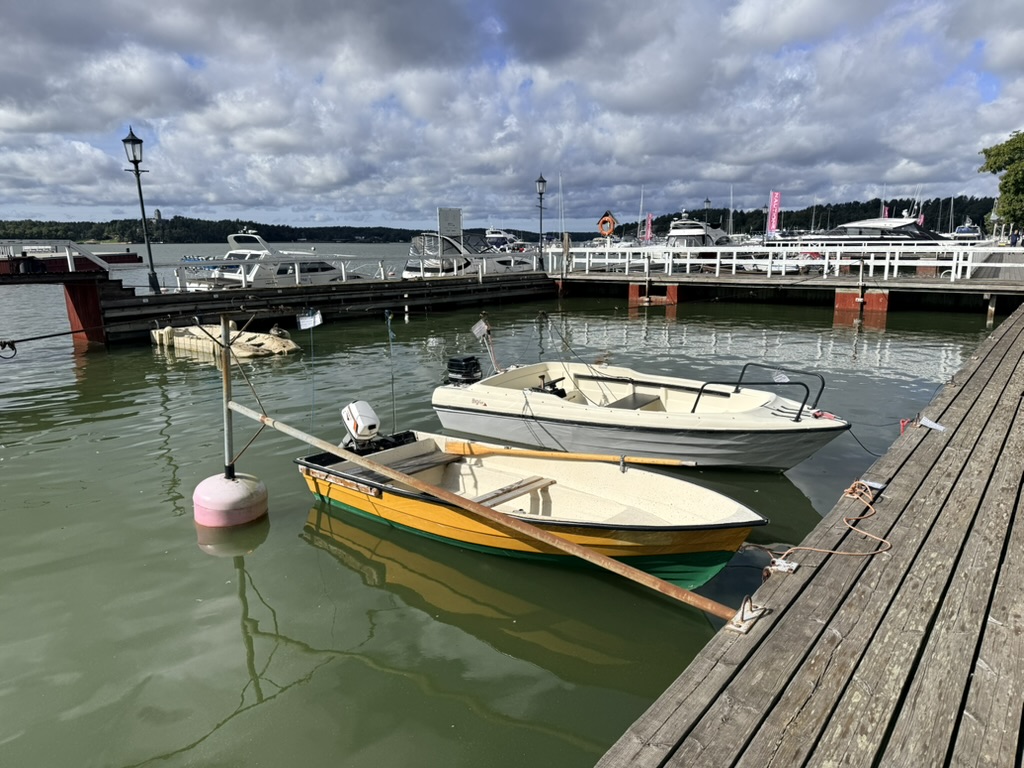
We wandered around the town which was pretty deserted on a Monday in September. It seems some places close only on Mondays and others were actively shutting places down for the autumn and winter. We enjoyed wandering around the town until we stopped for a nice lunch along the harbor at Ravintola Trappi.
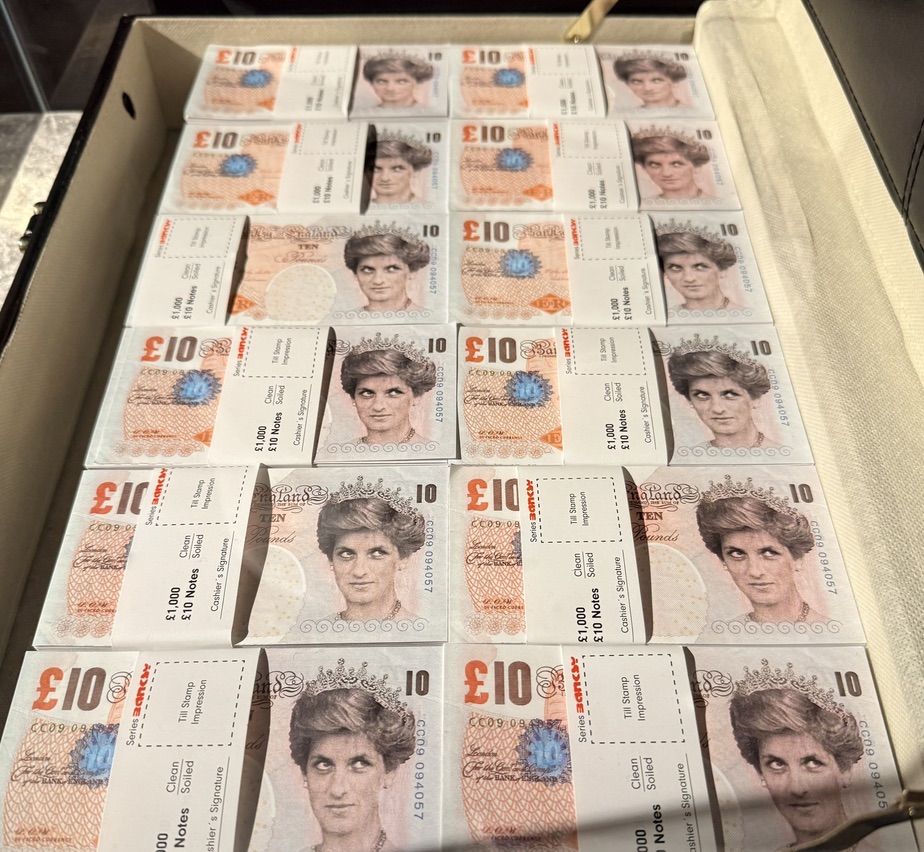
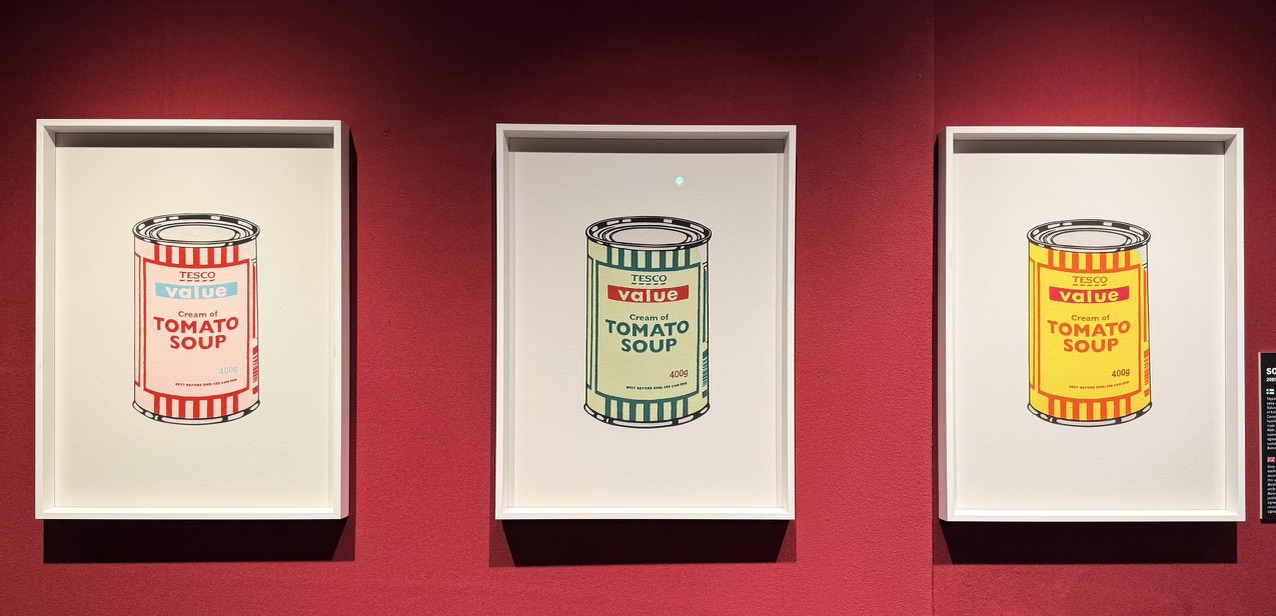
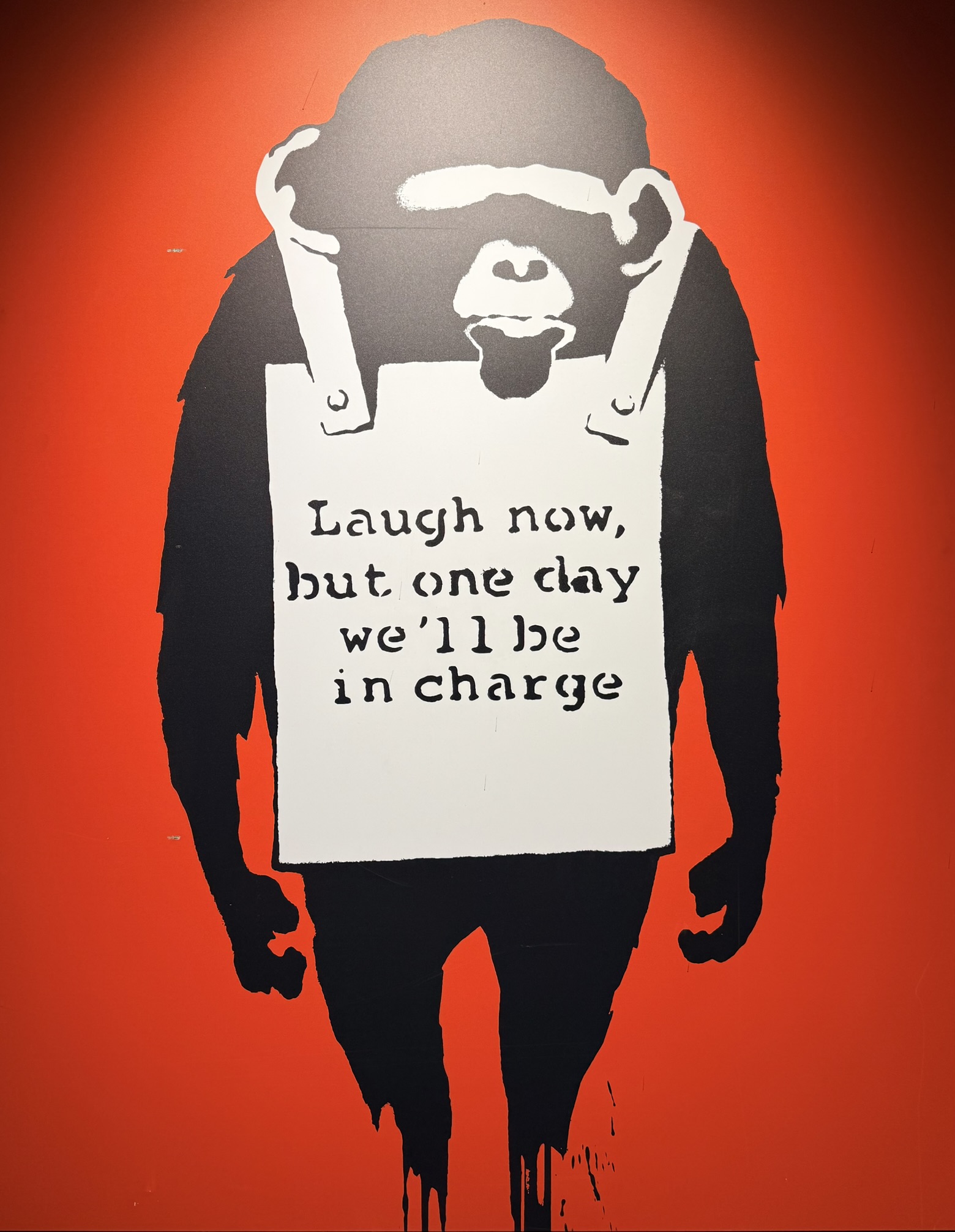
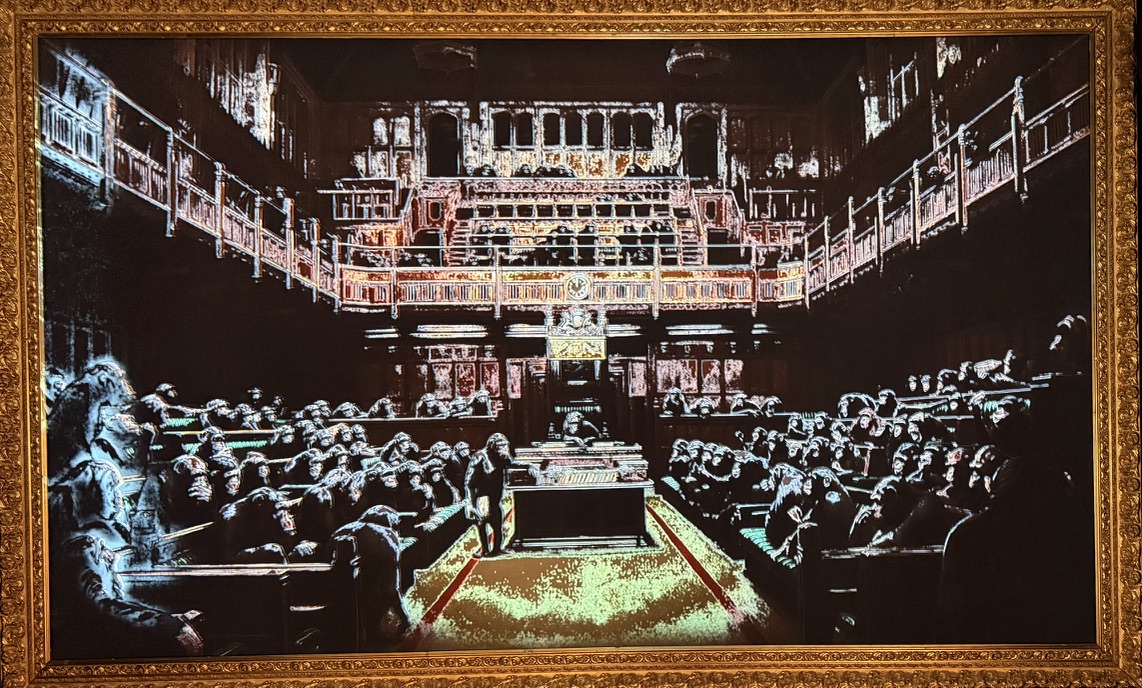
The Mystery of Banksy “A Genius Mind”
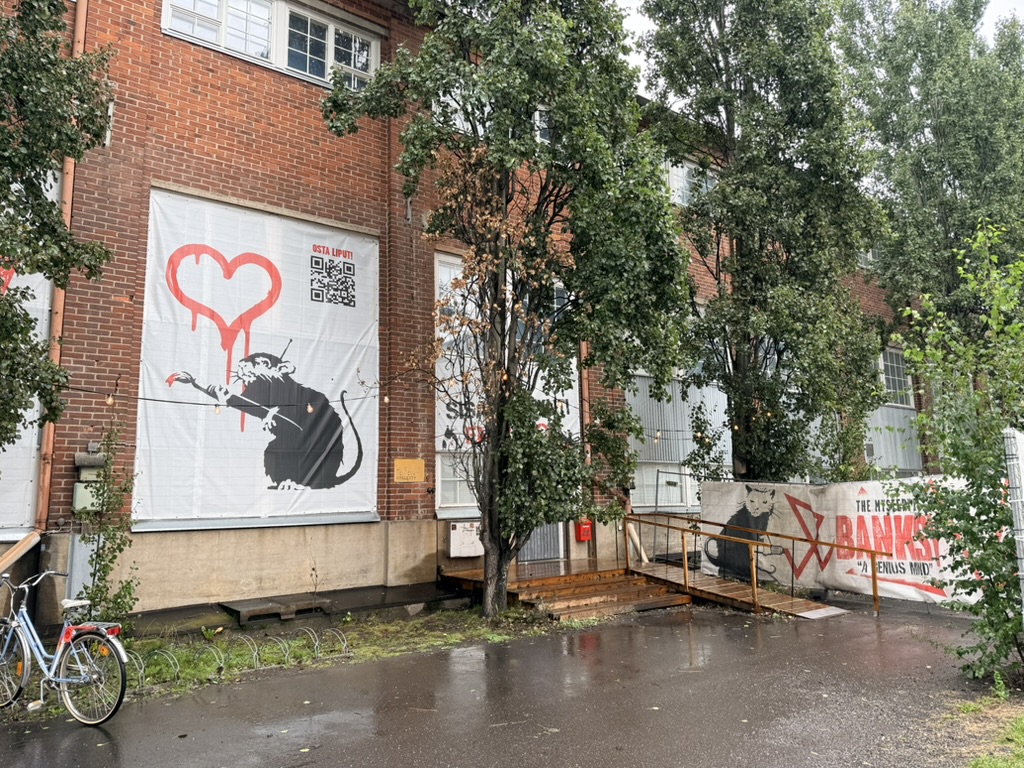
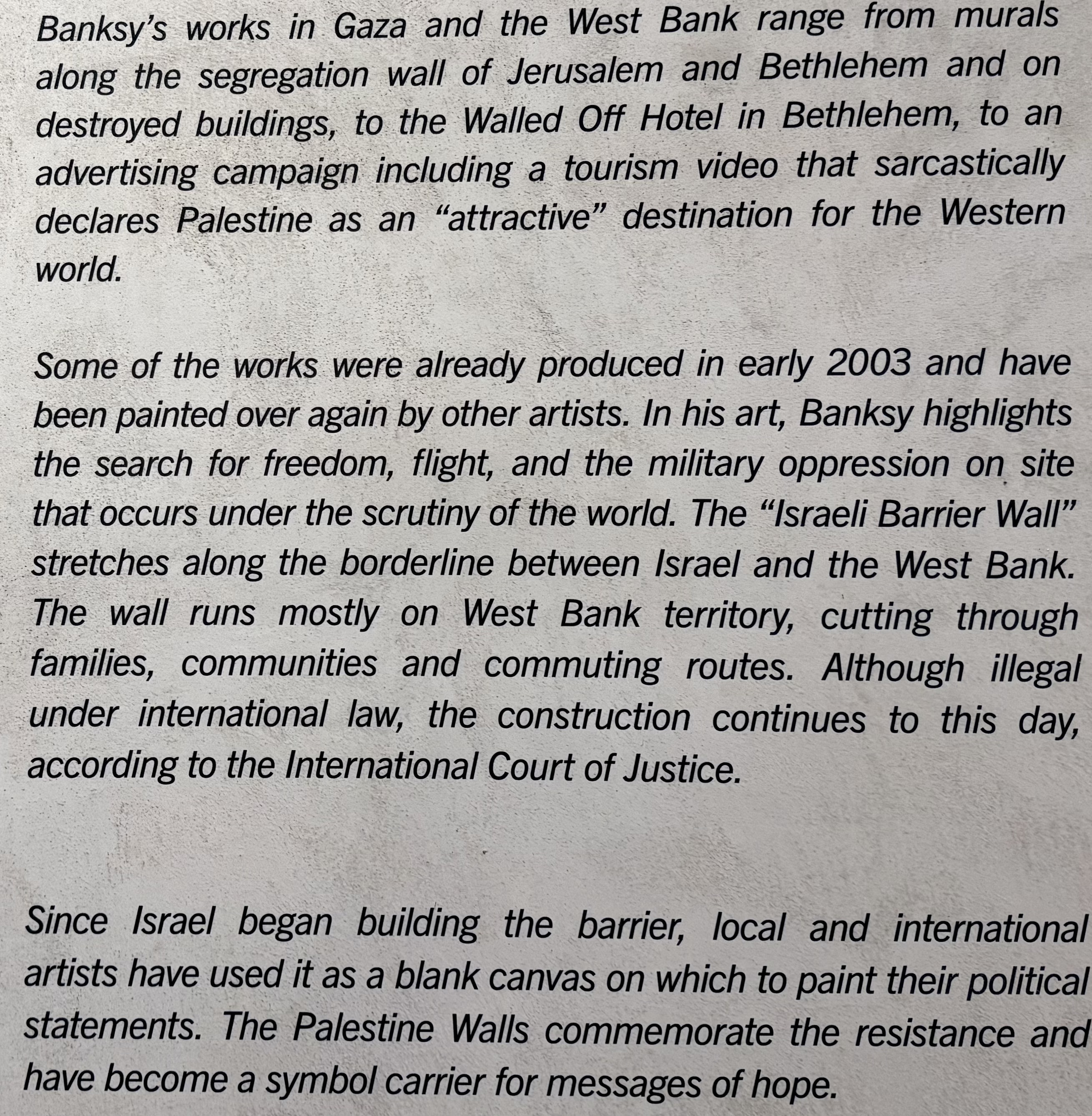
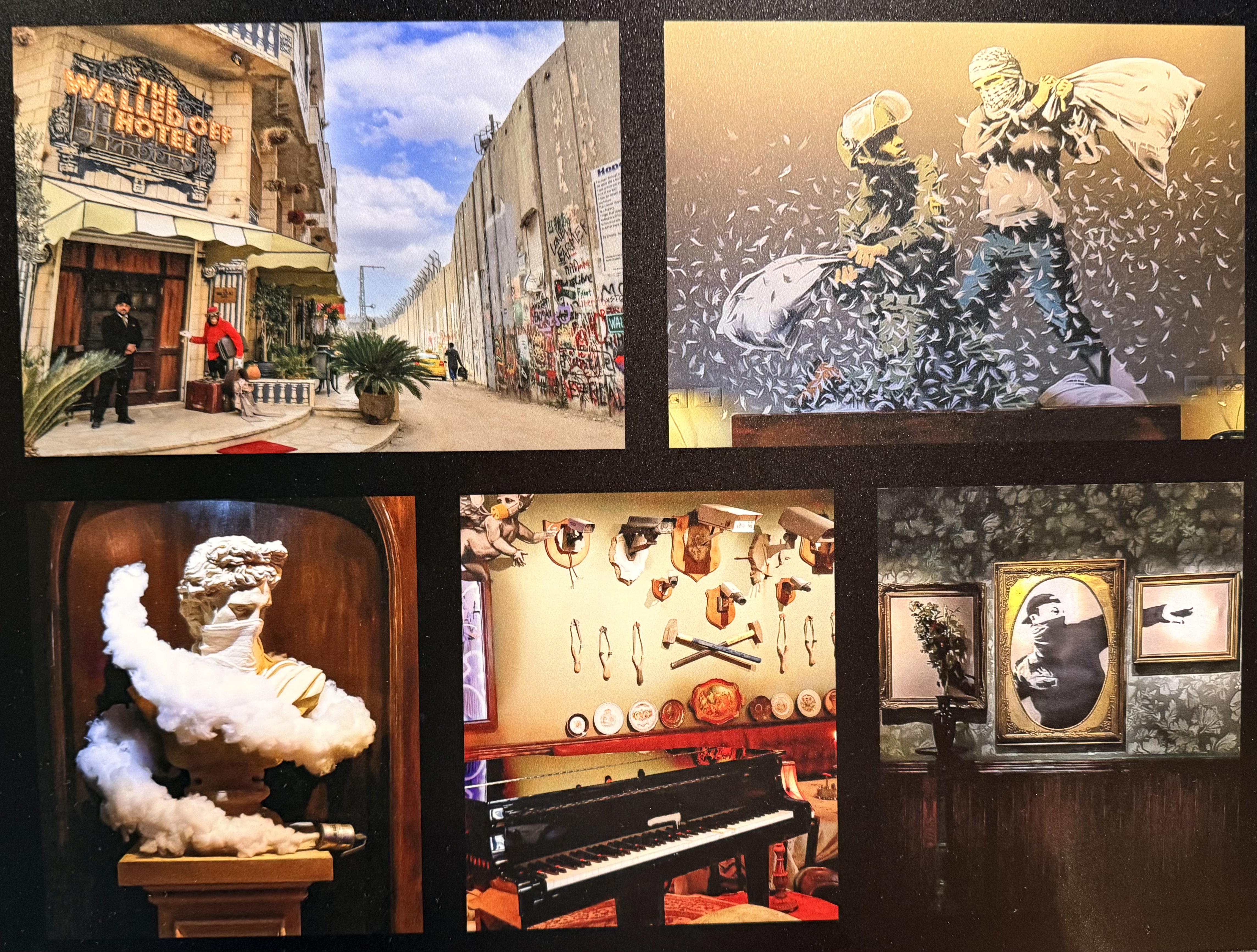
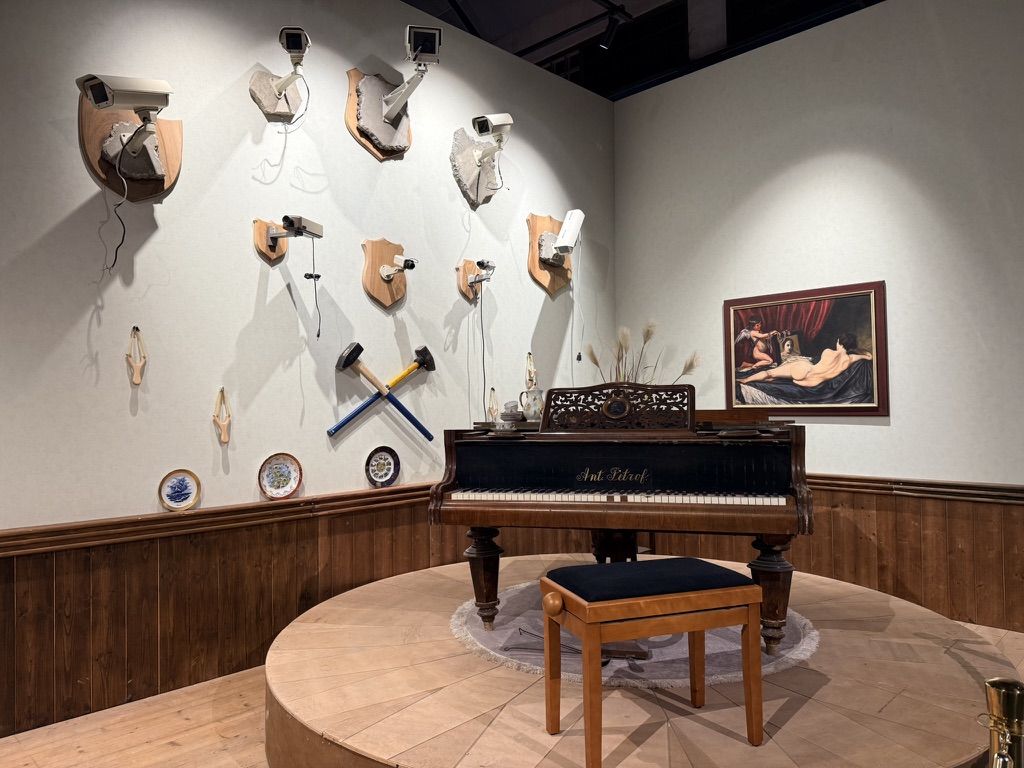
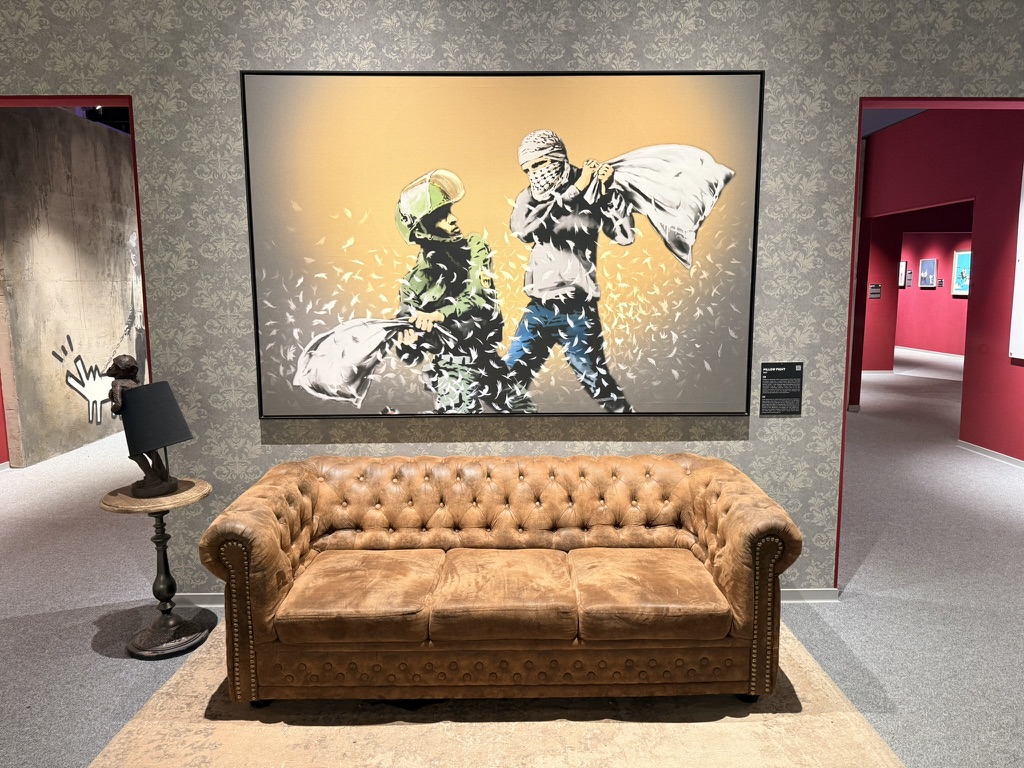
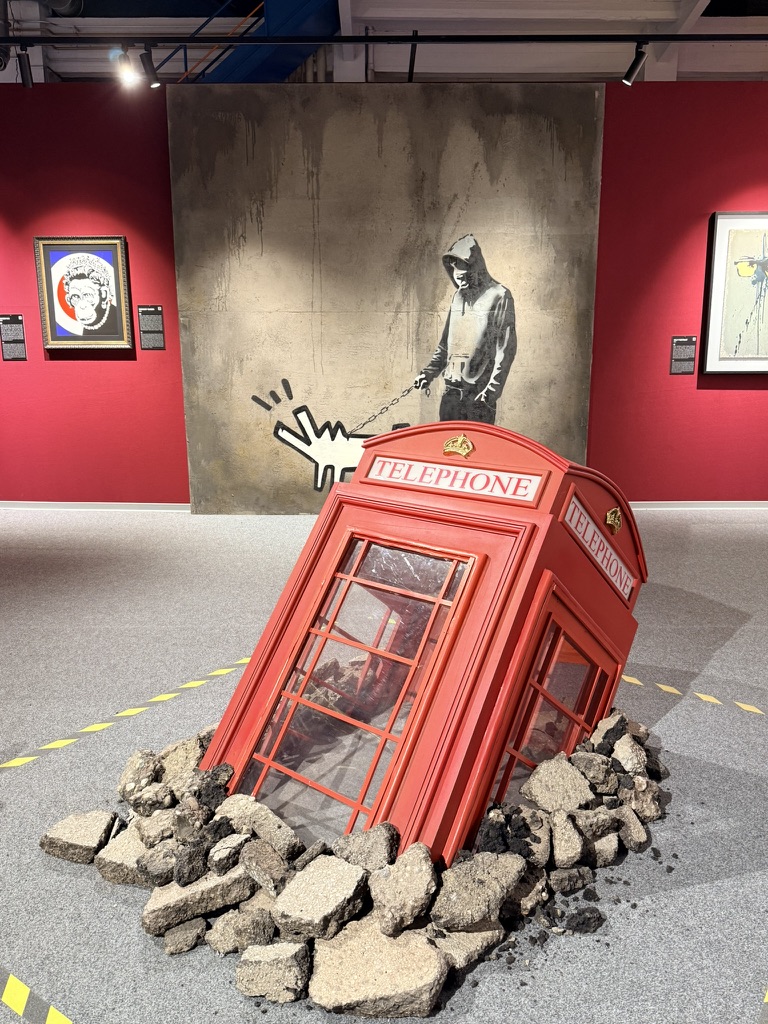
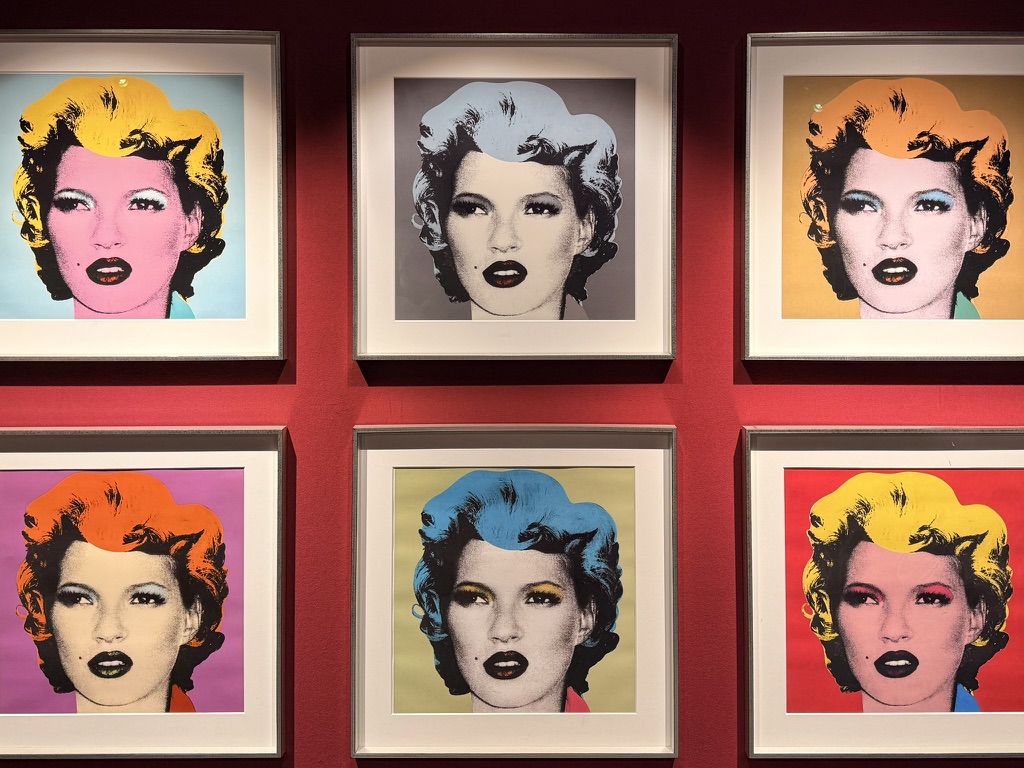
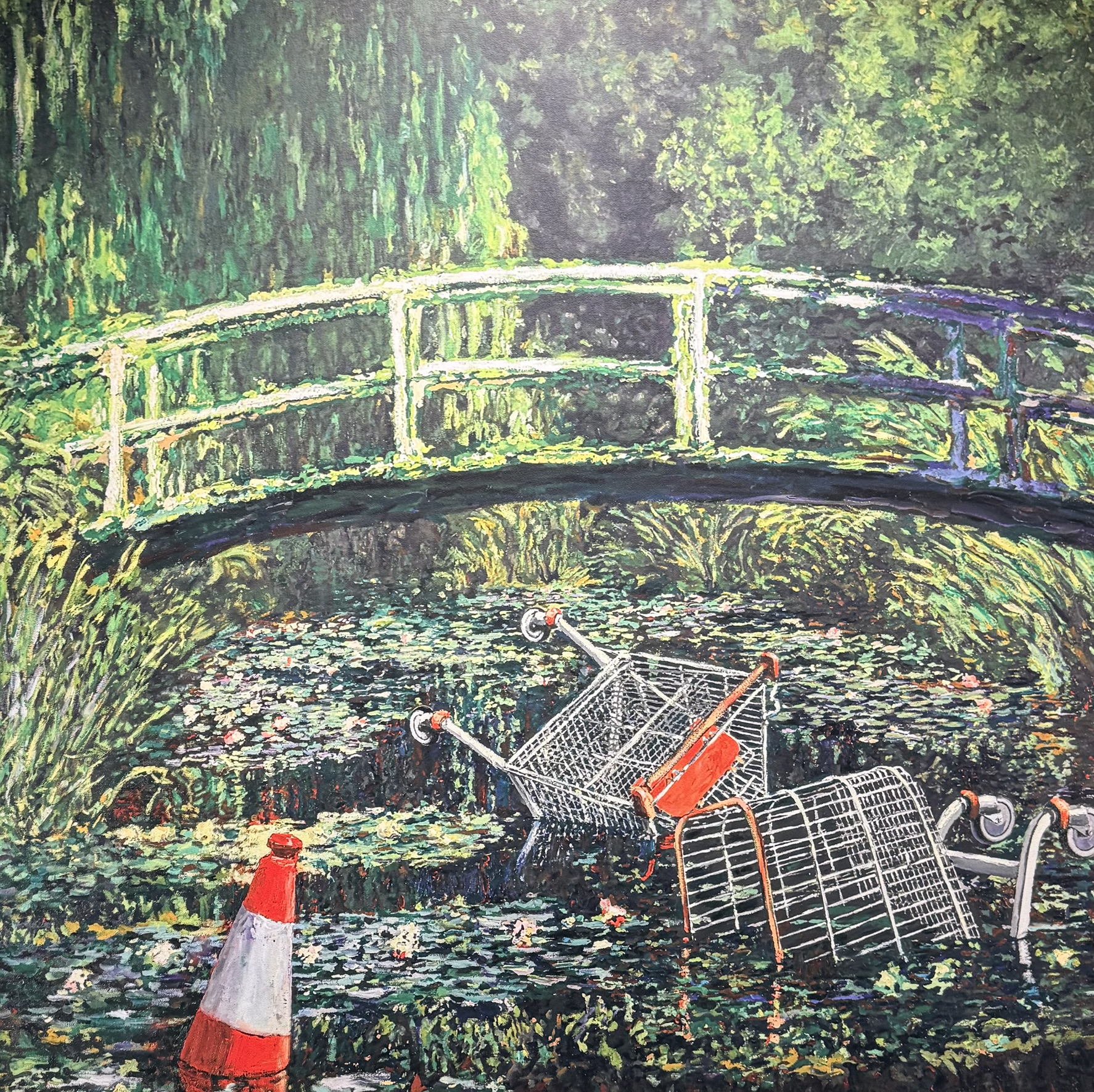
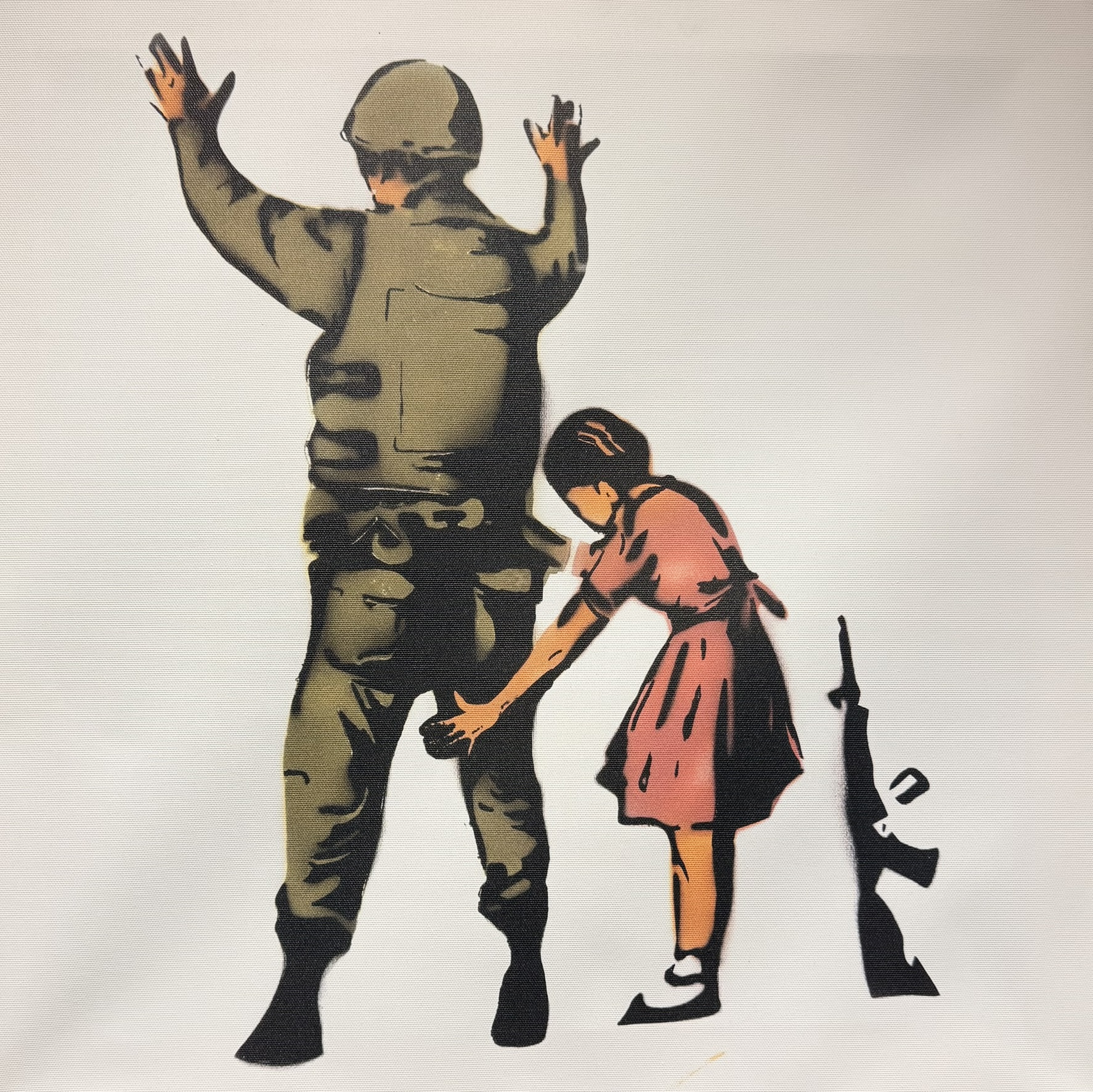
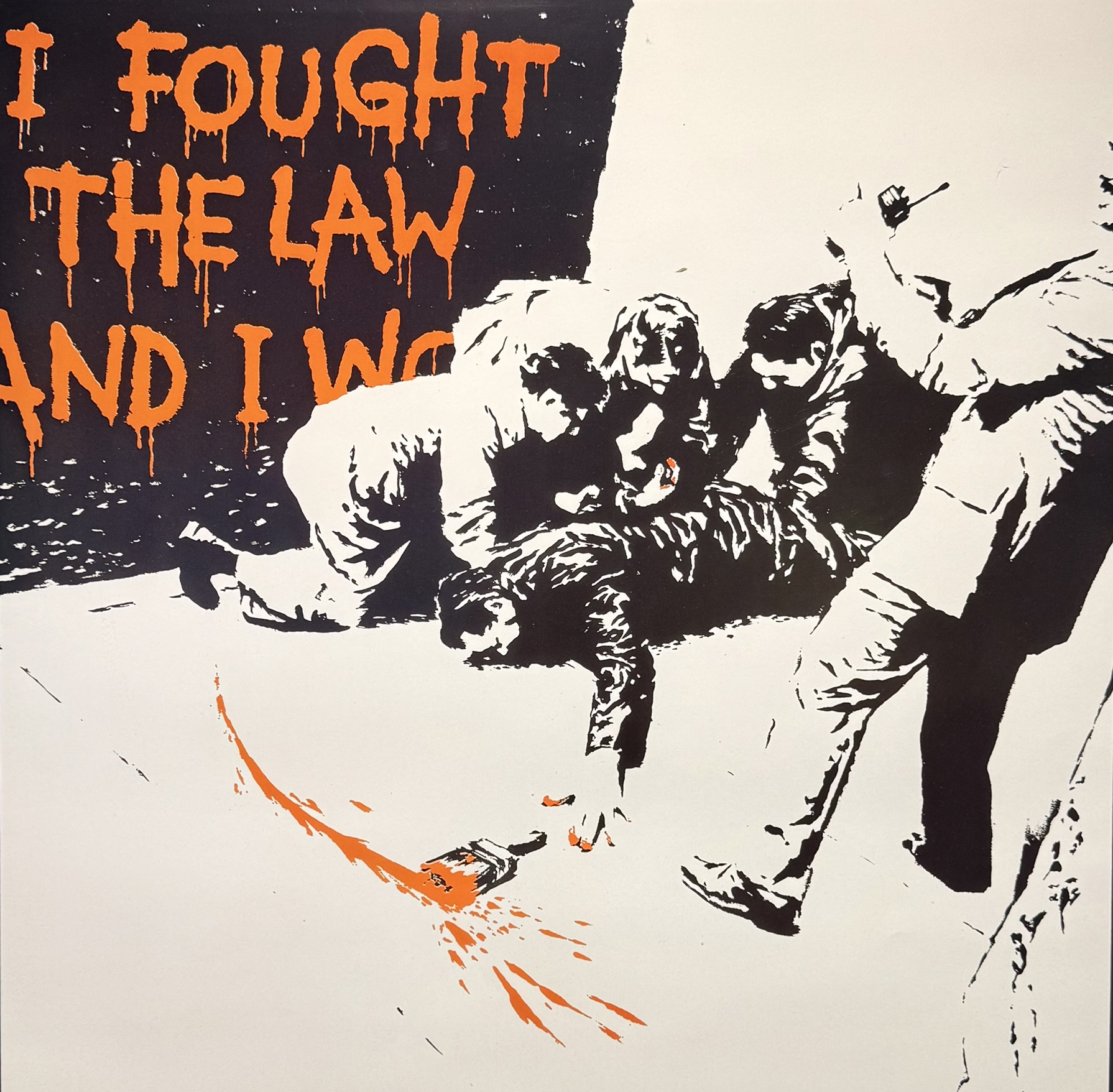
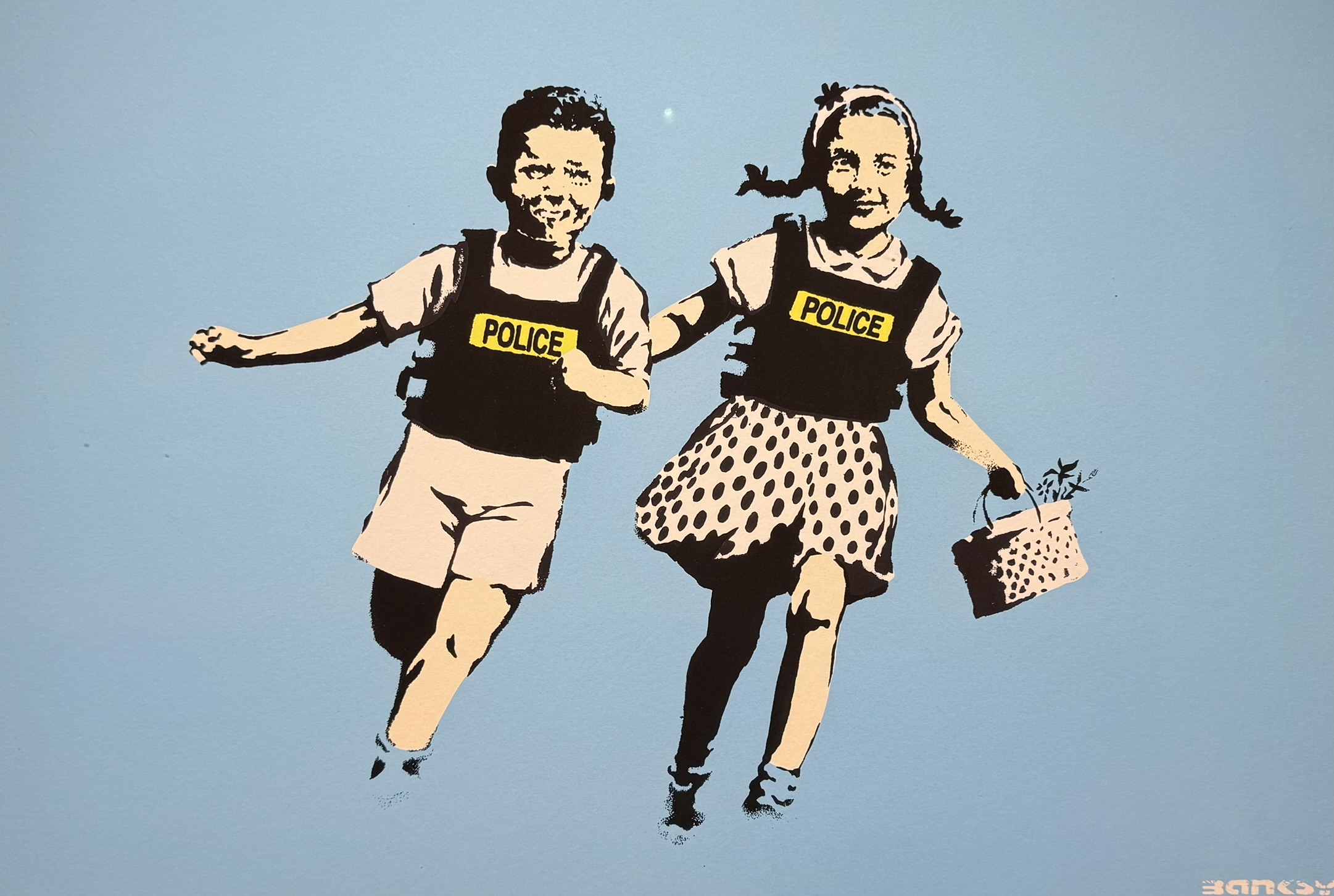
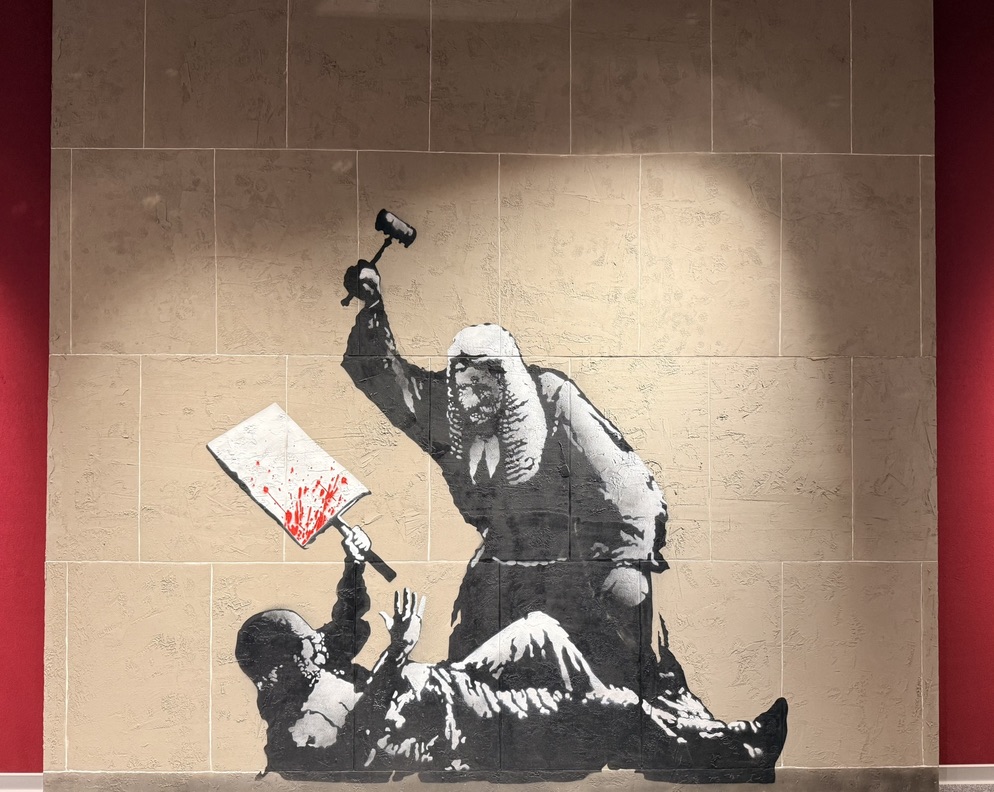
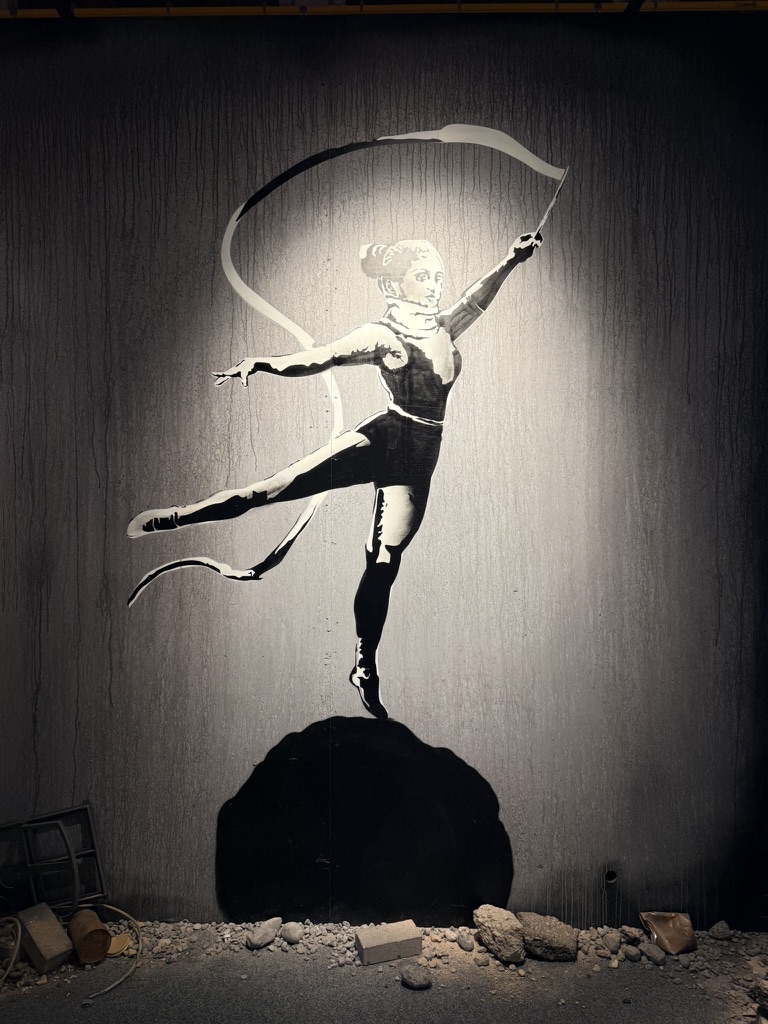
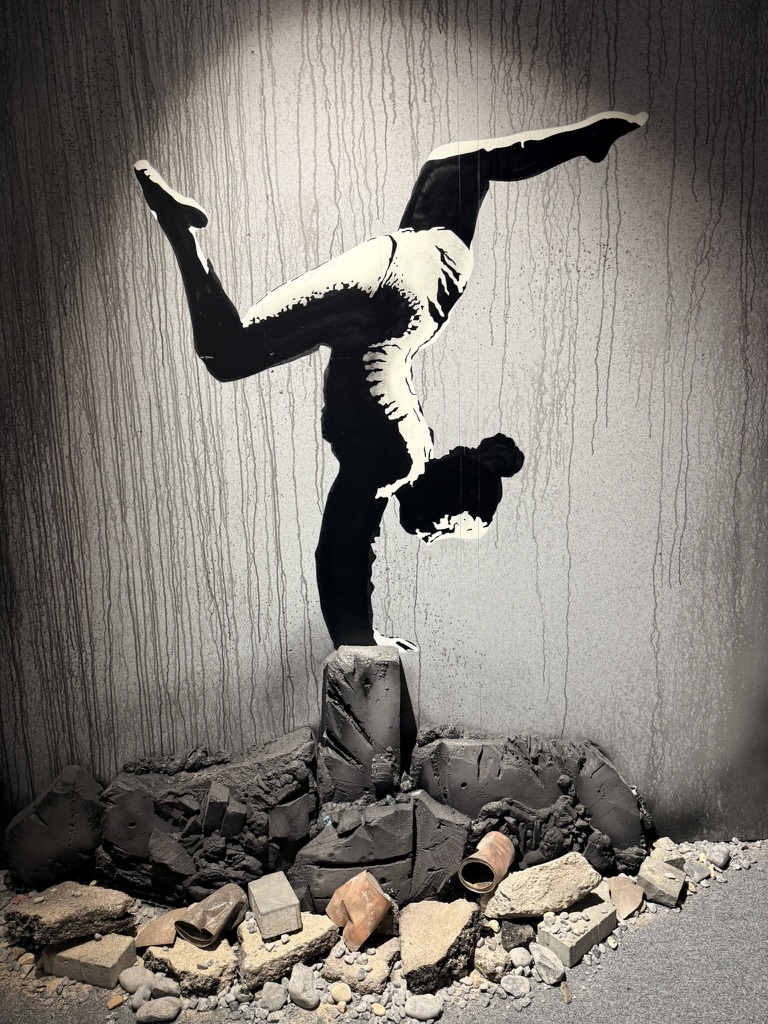
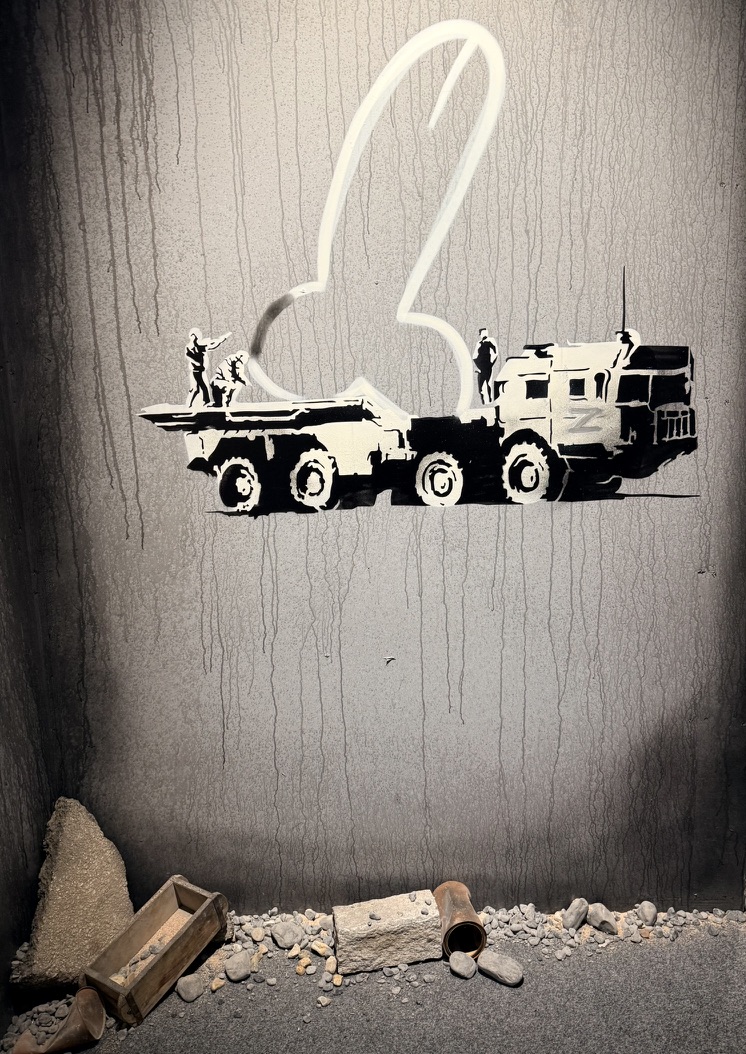
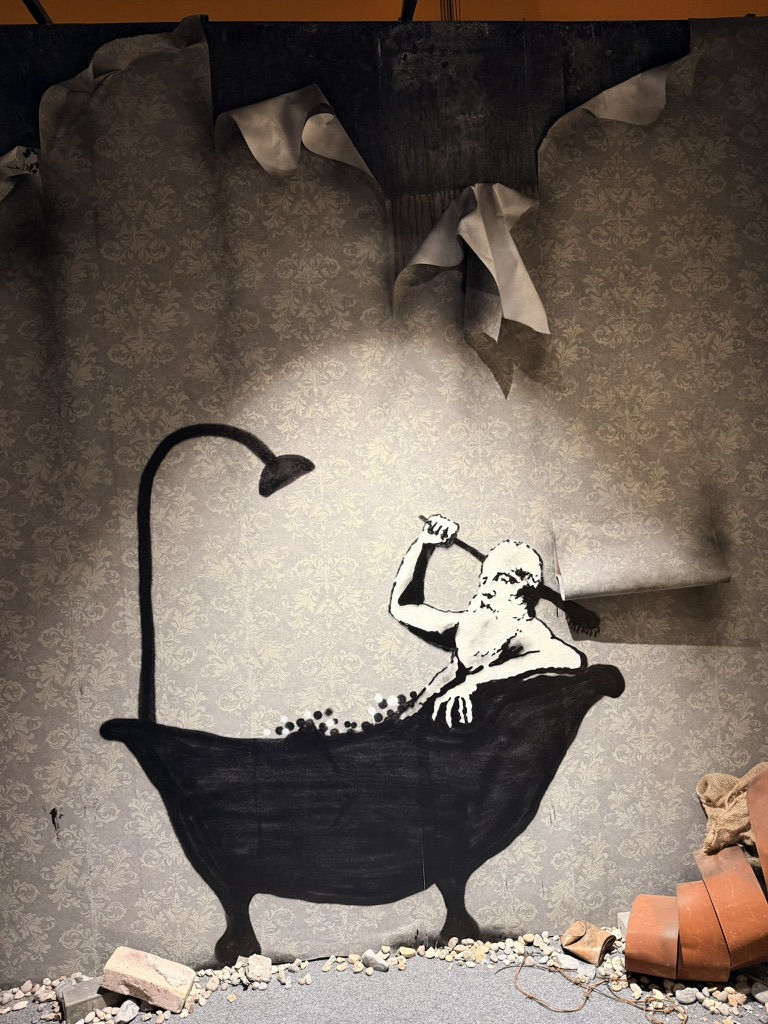
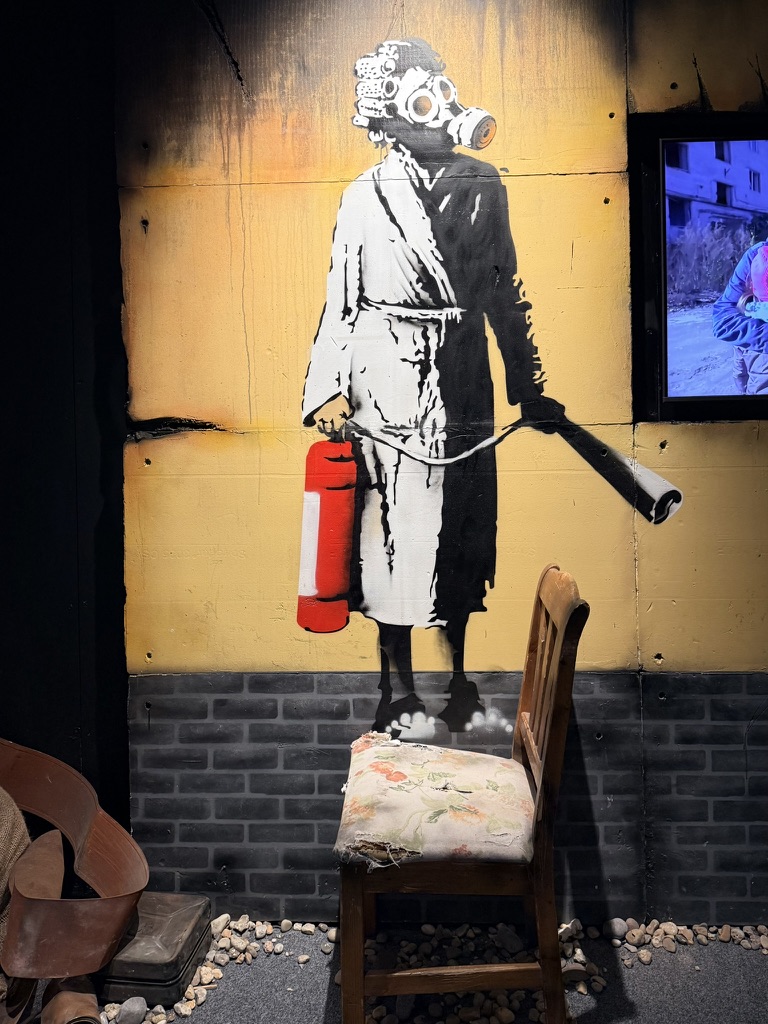
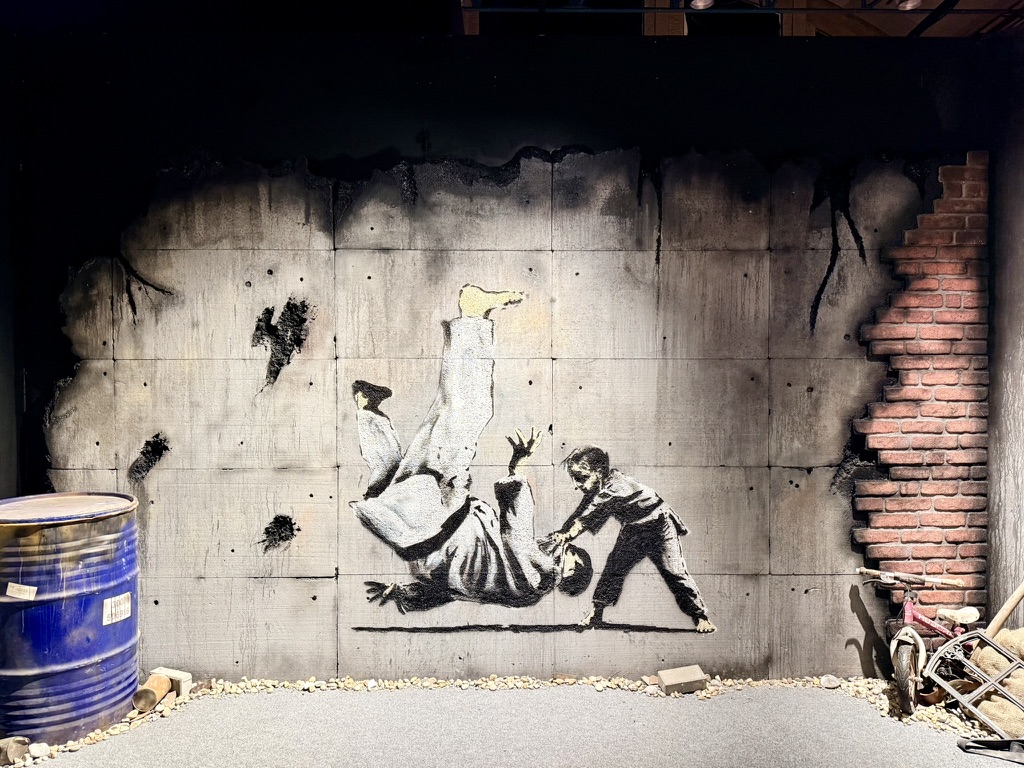
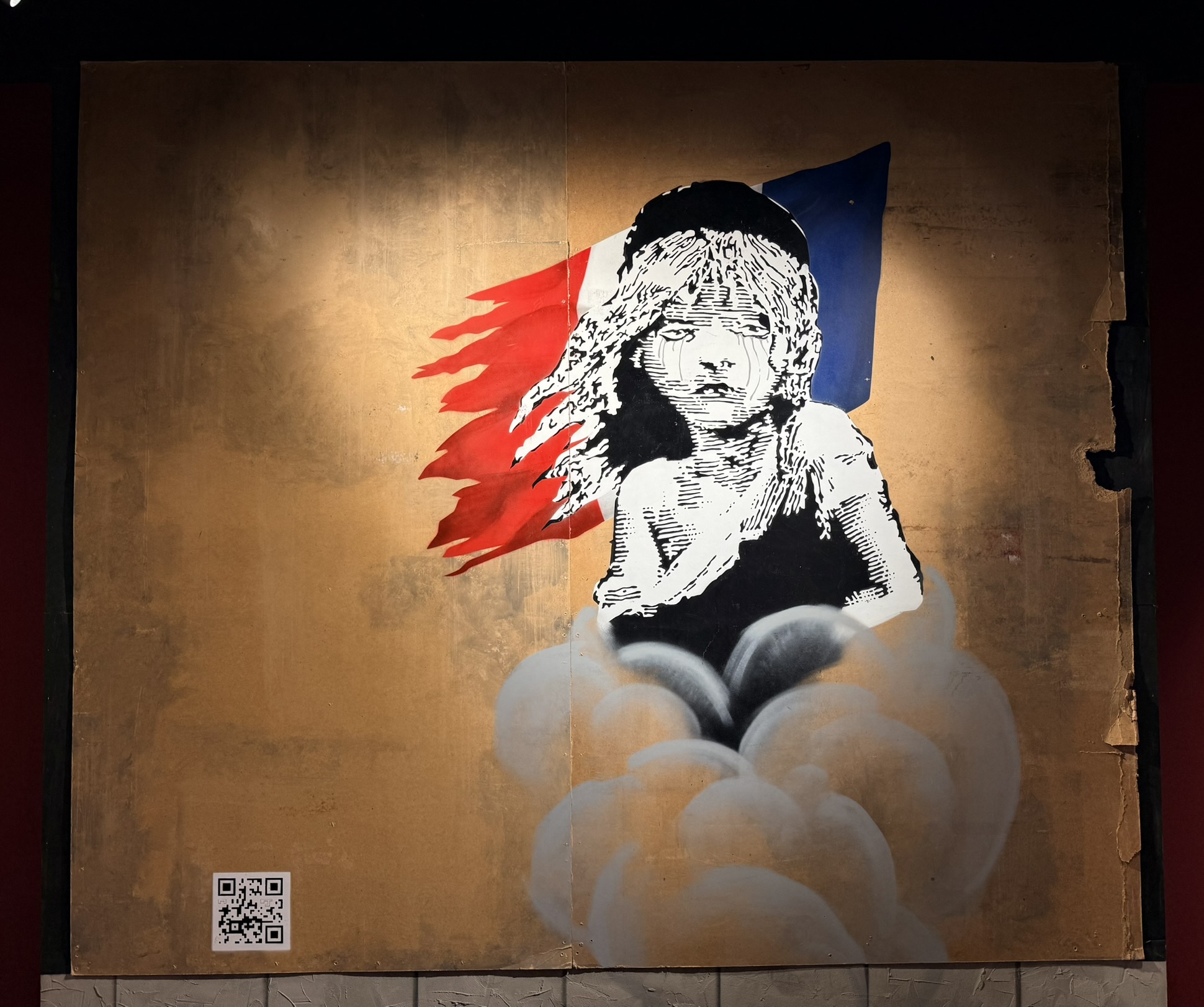
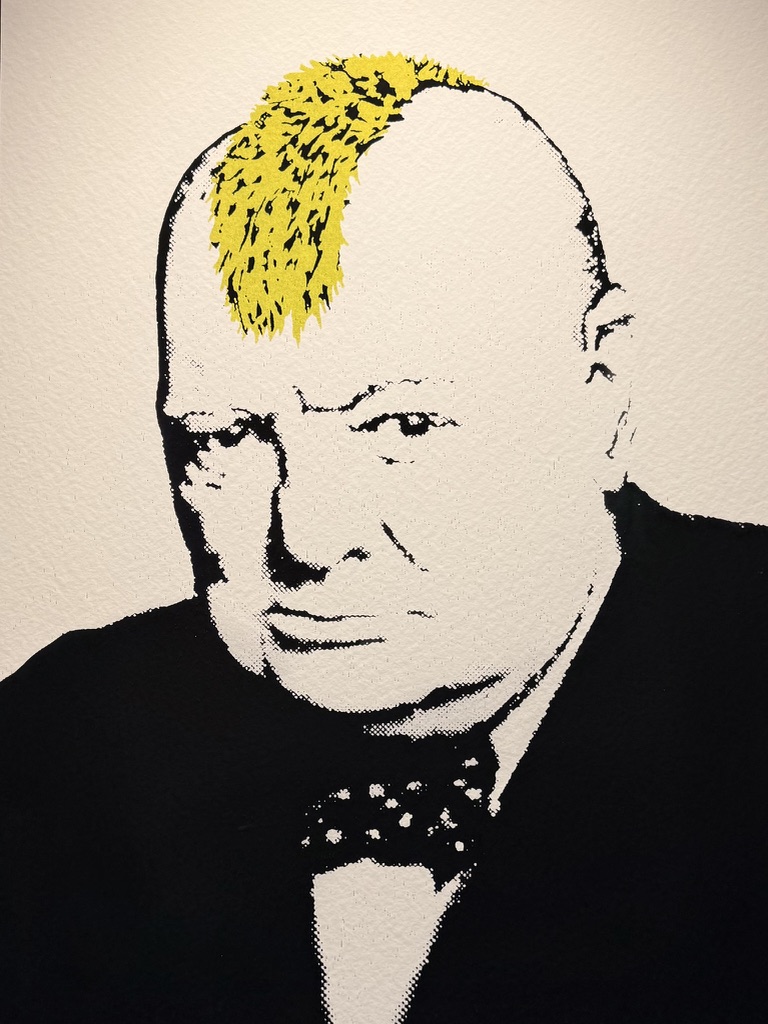
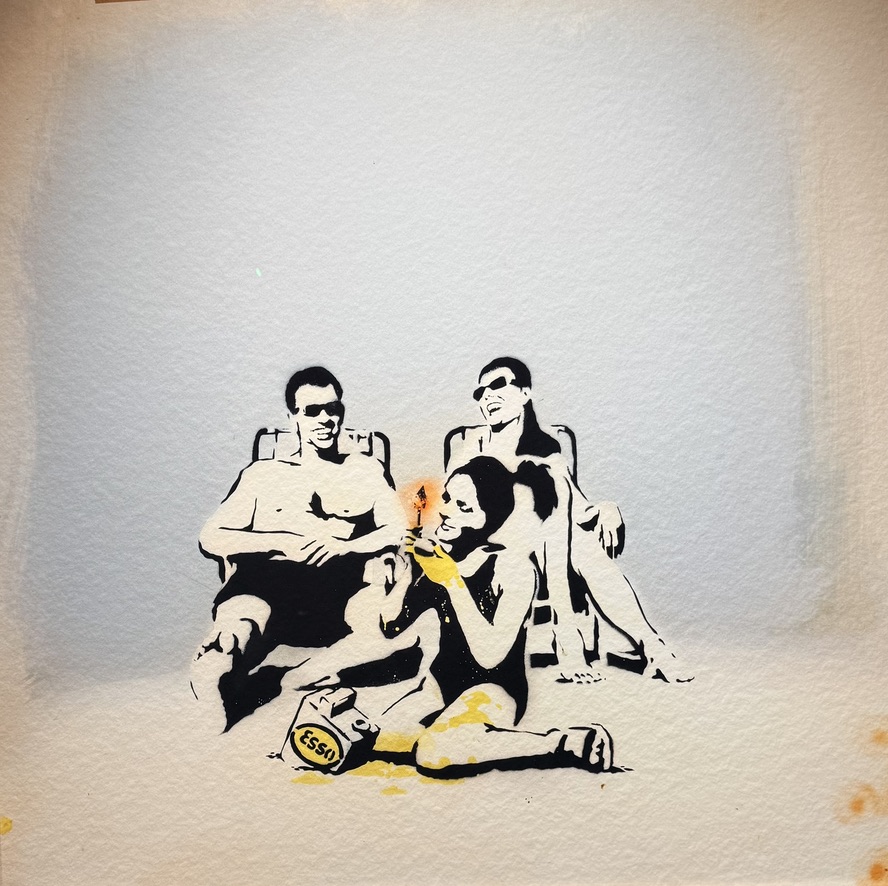
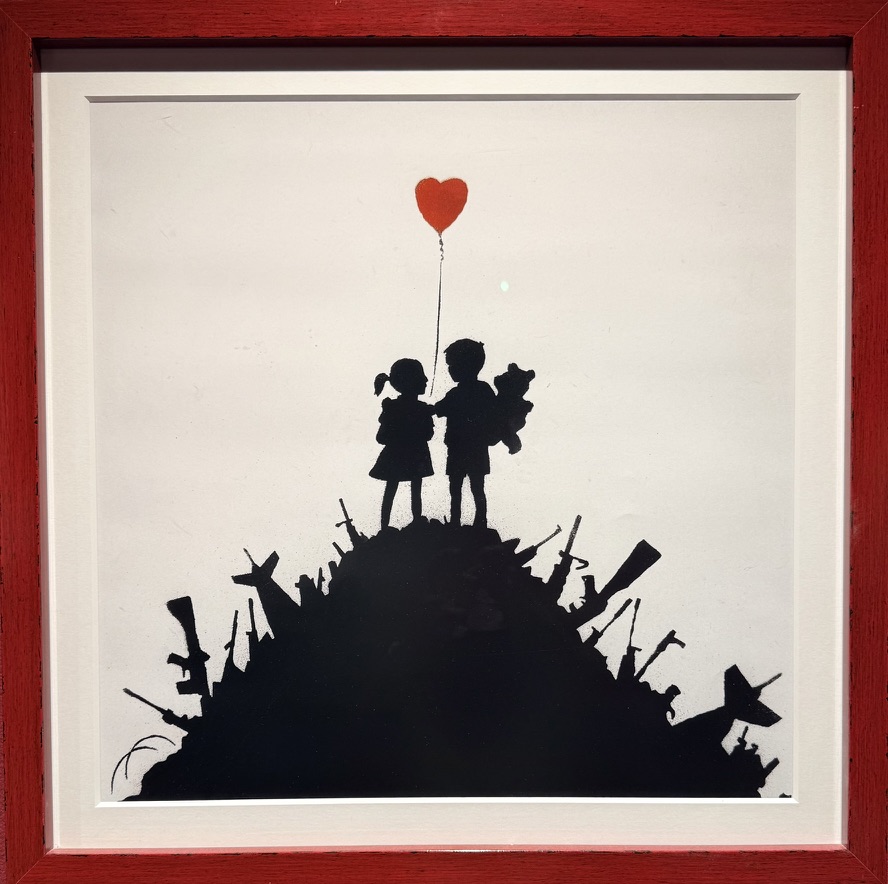
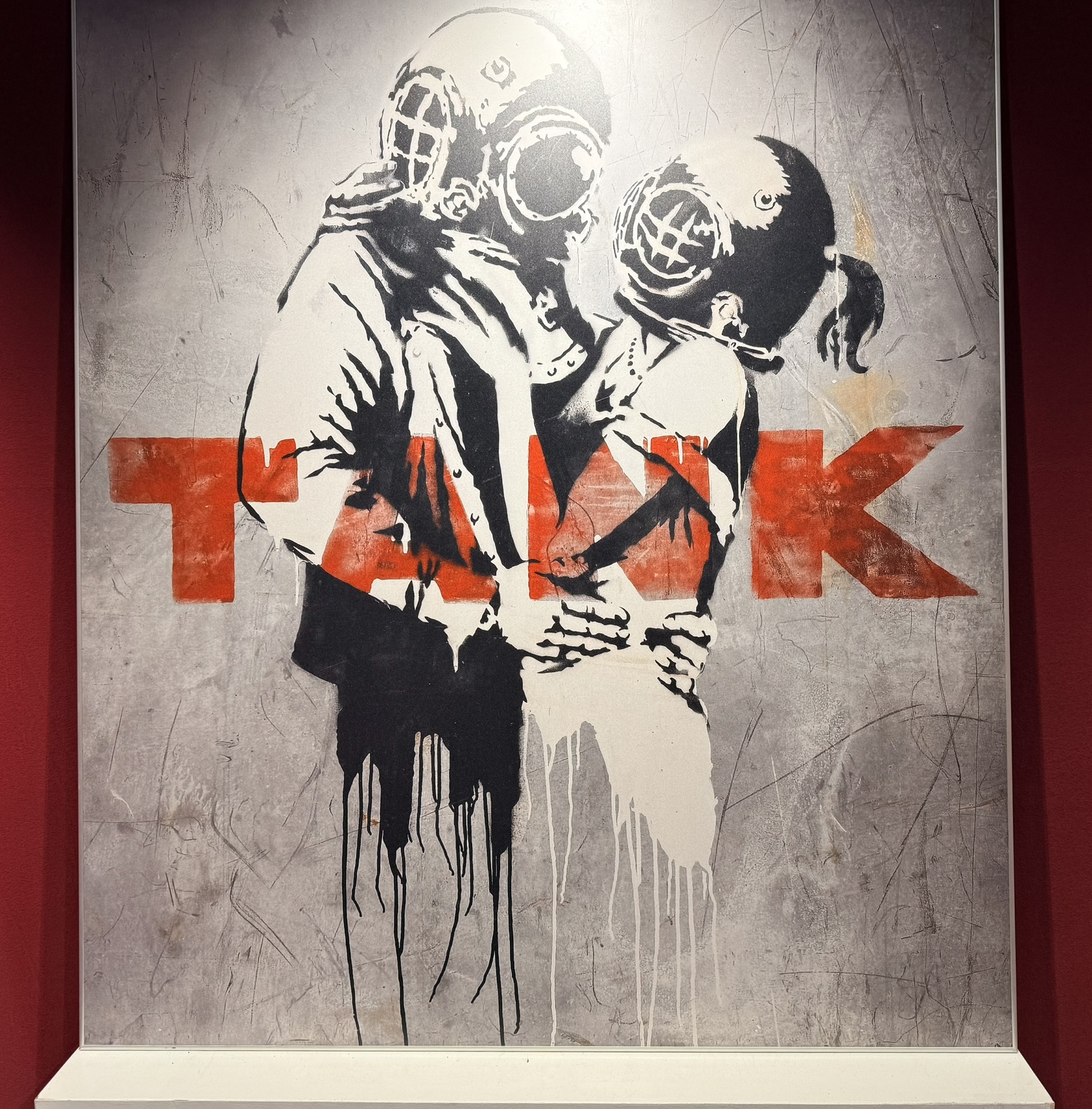
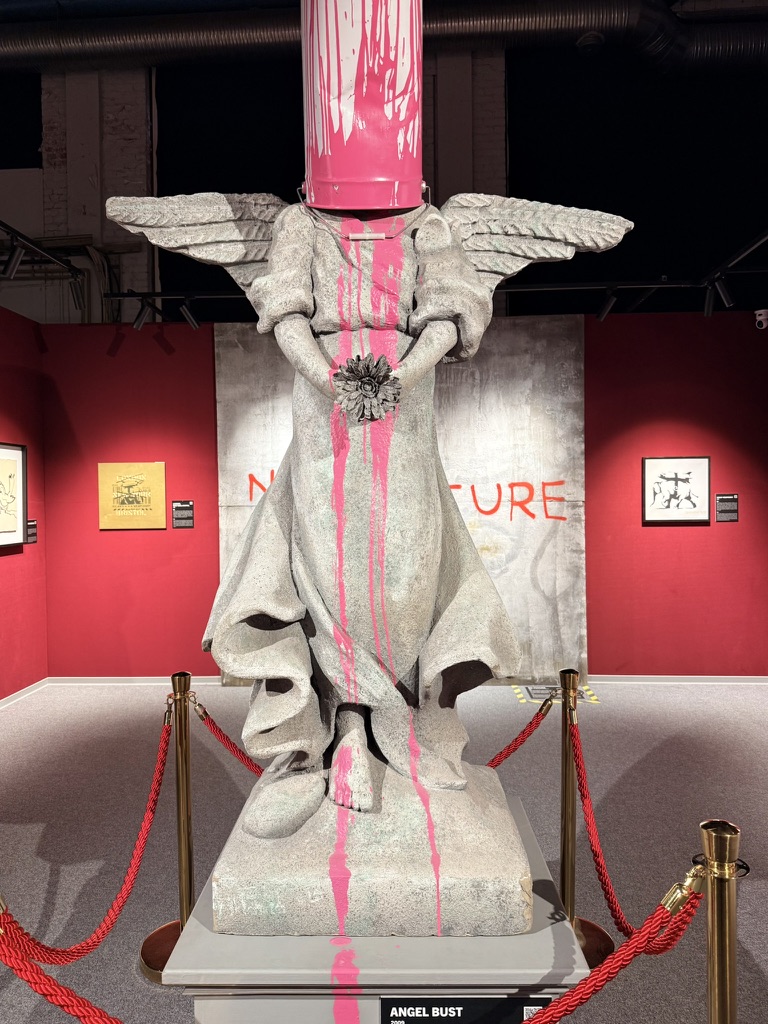
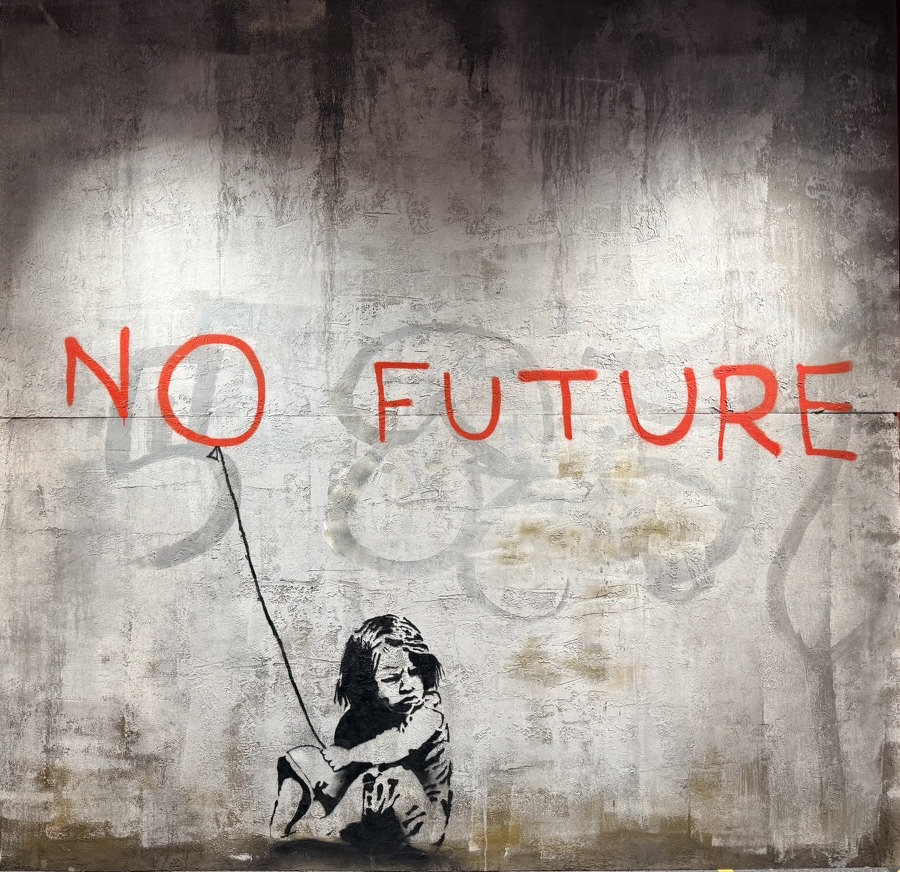
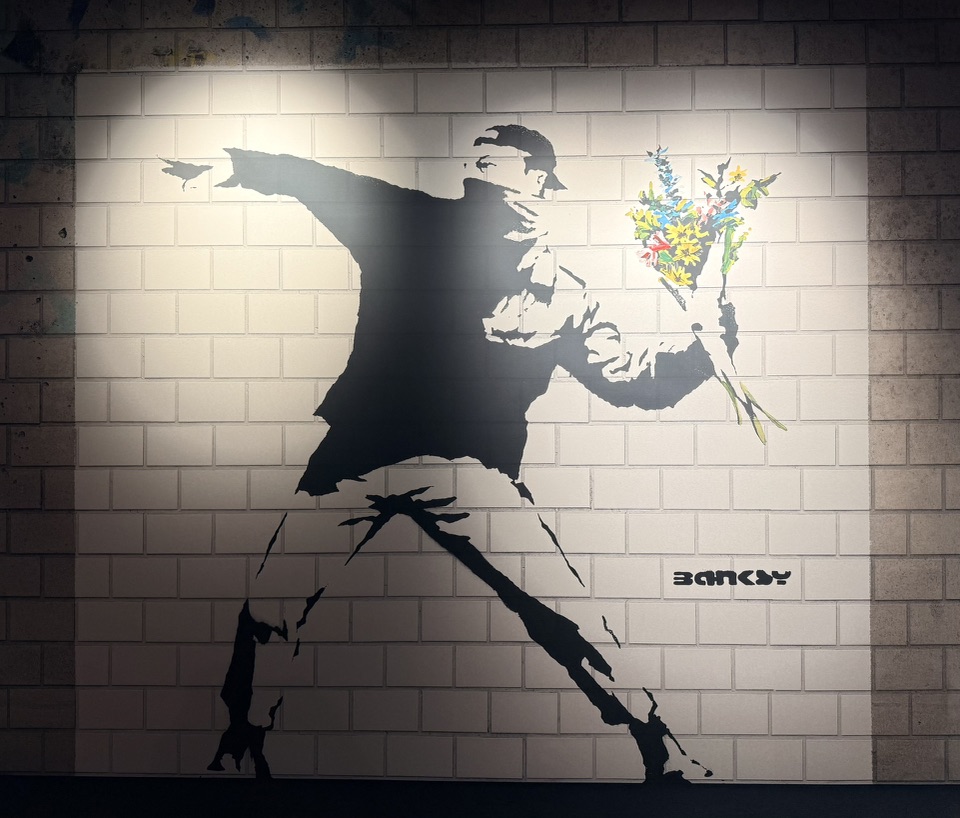
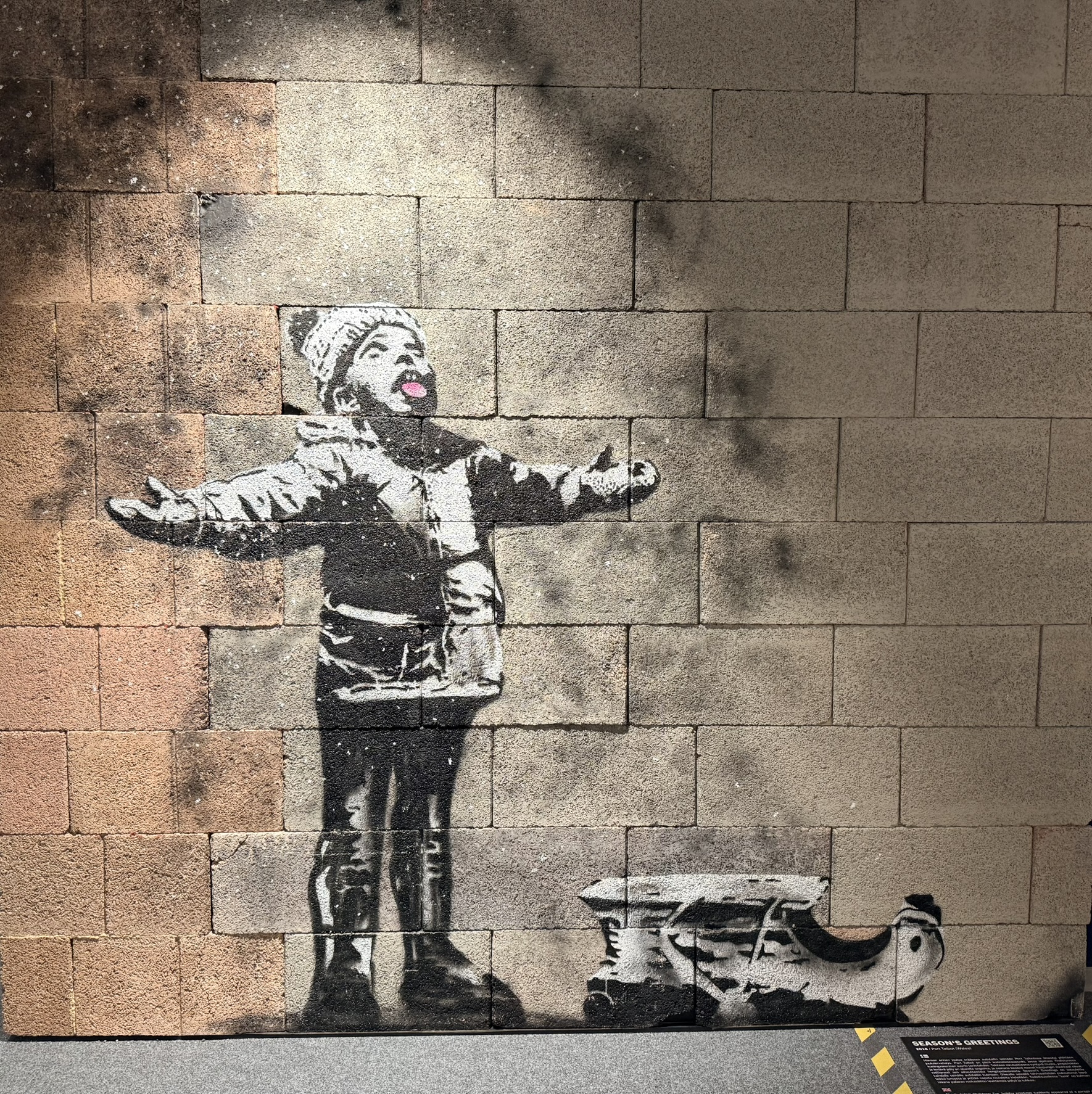
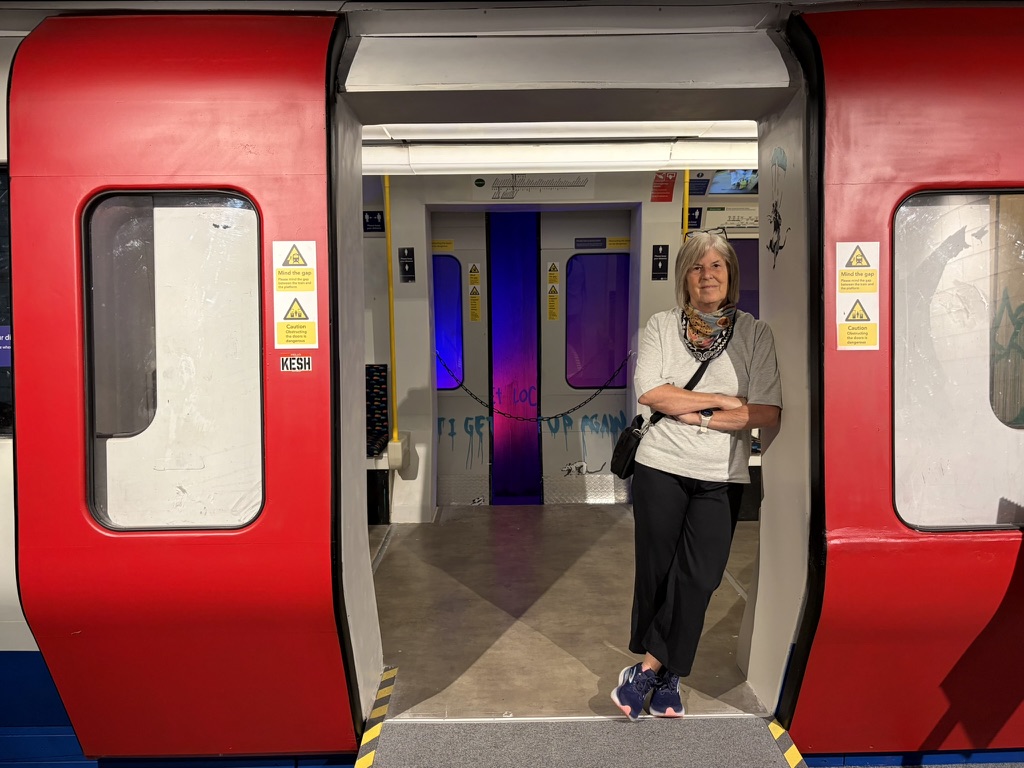
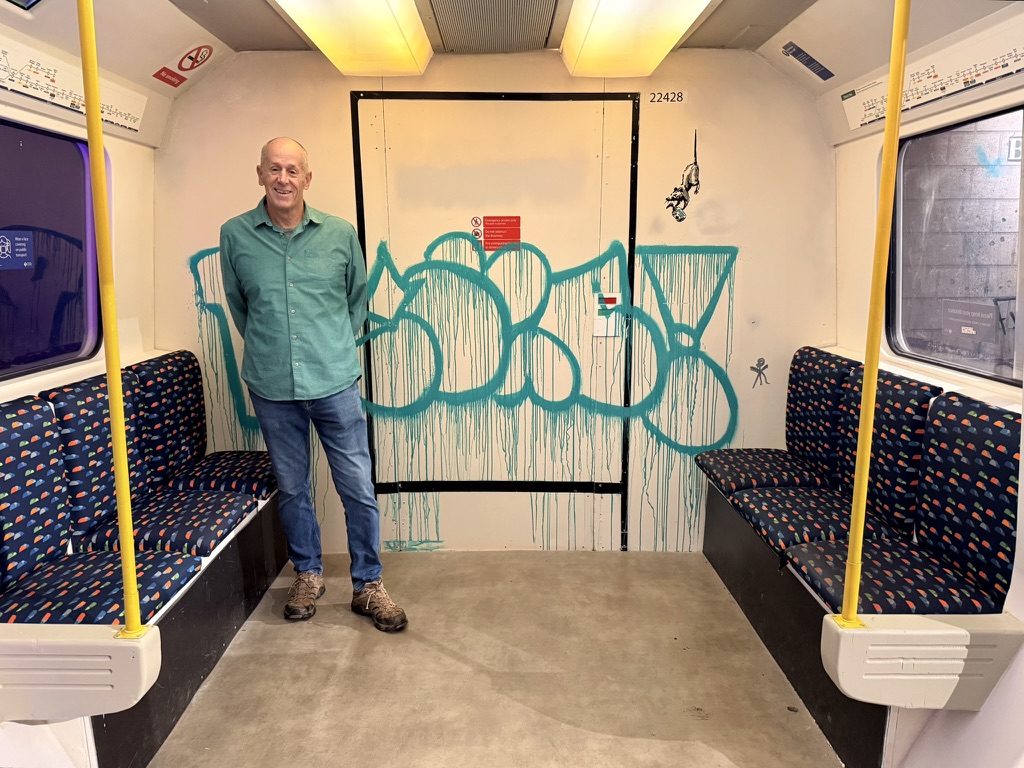
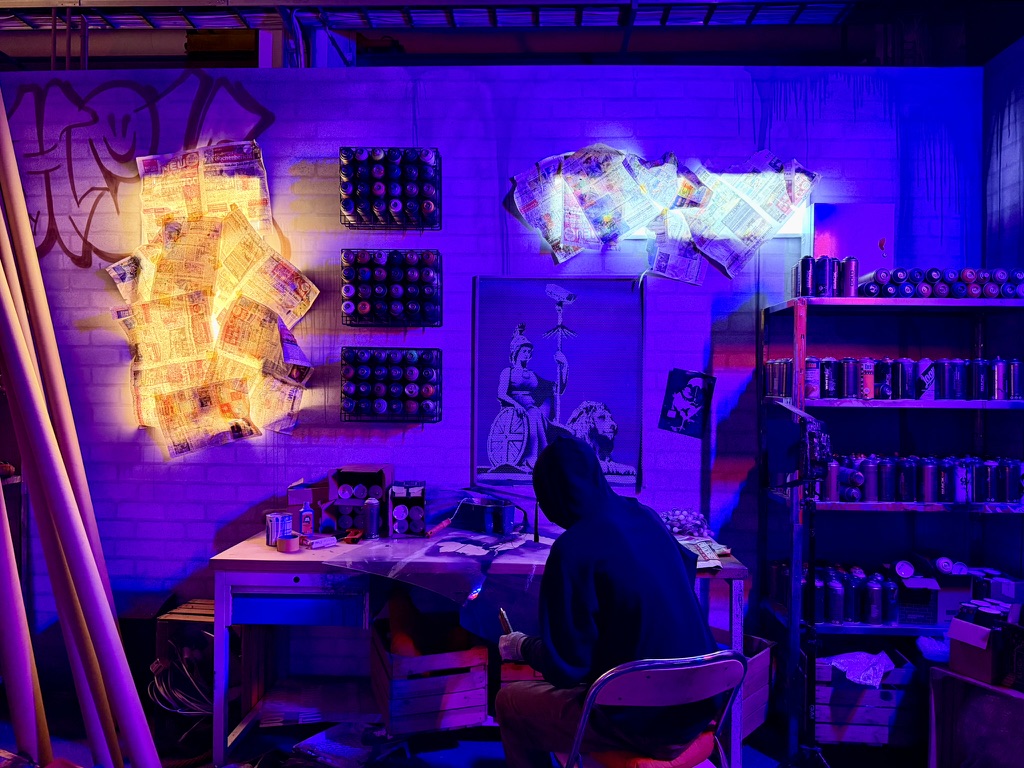
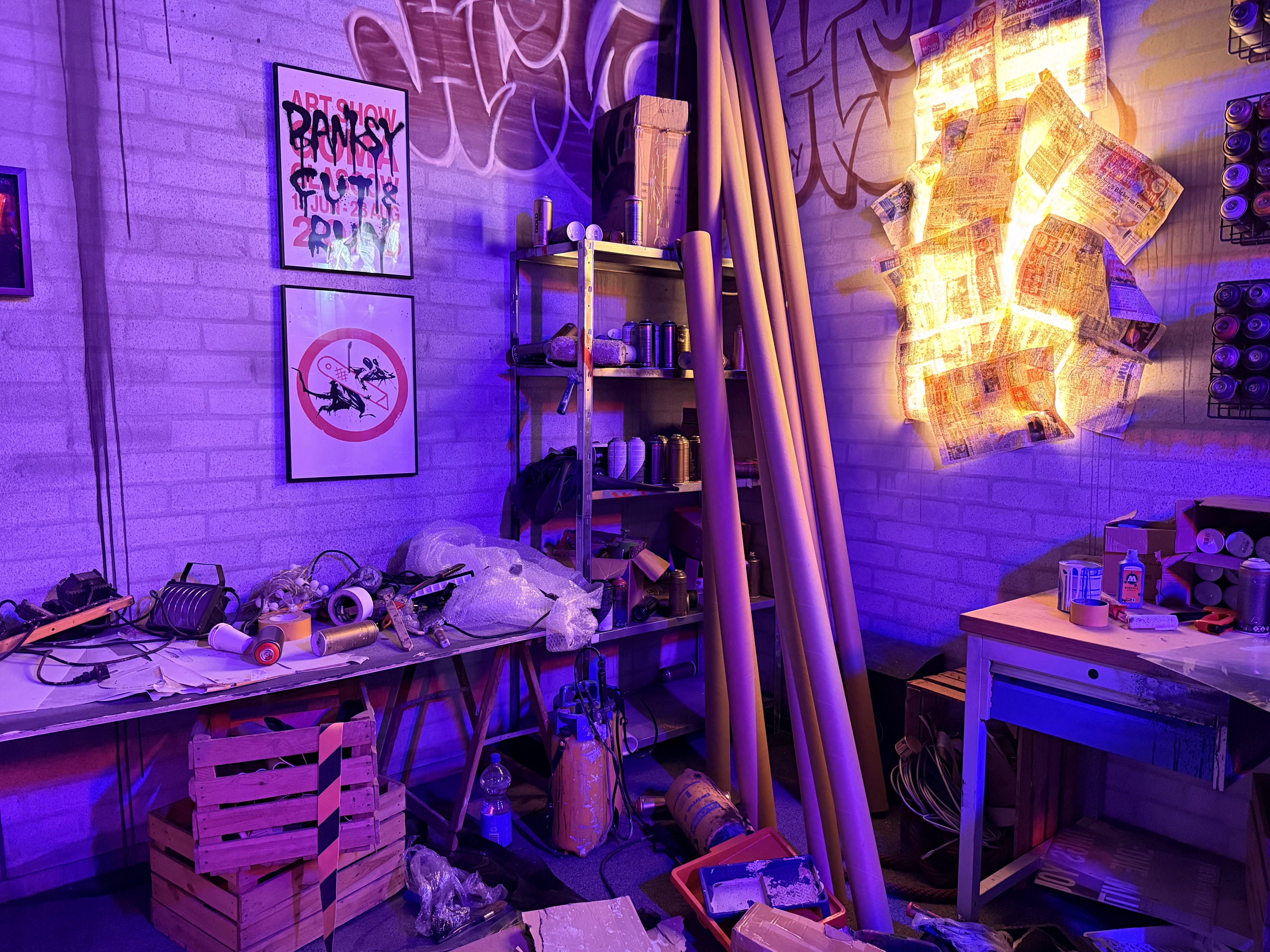
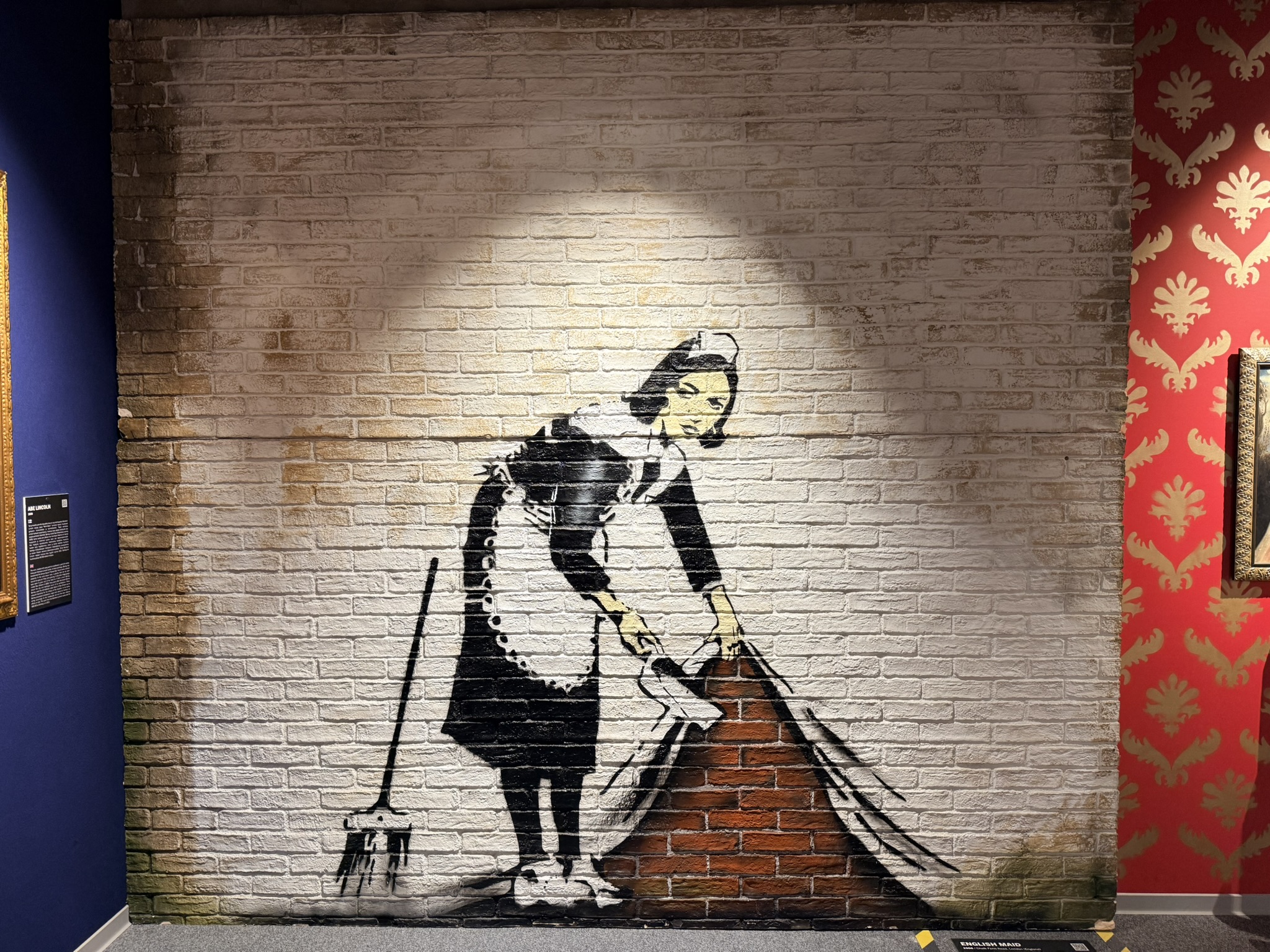
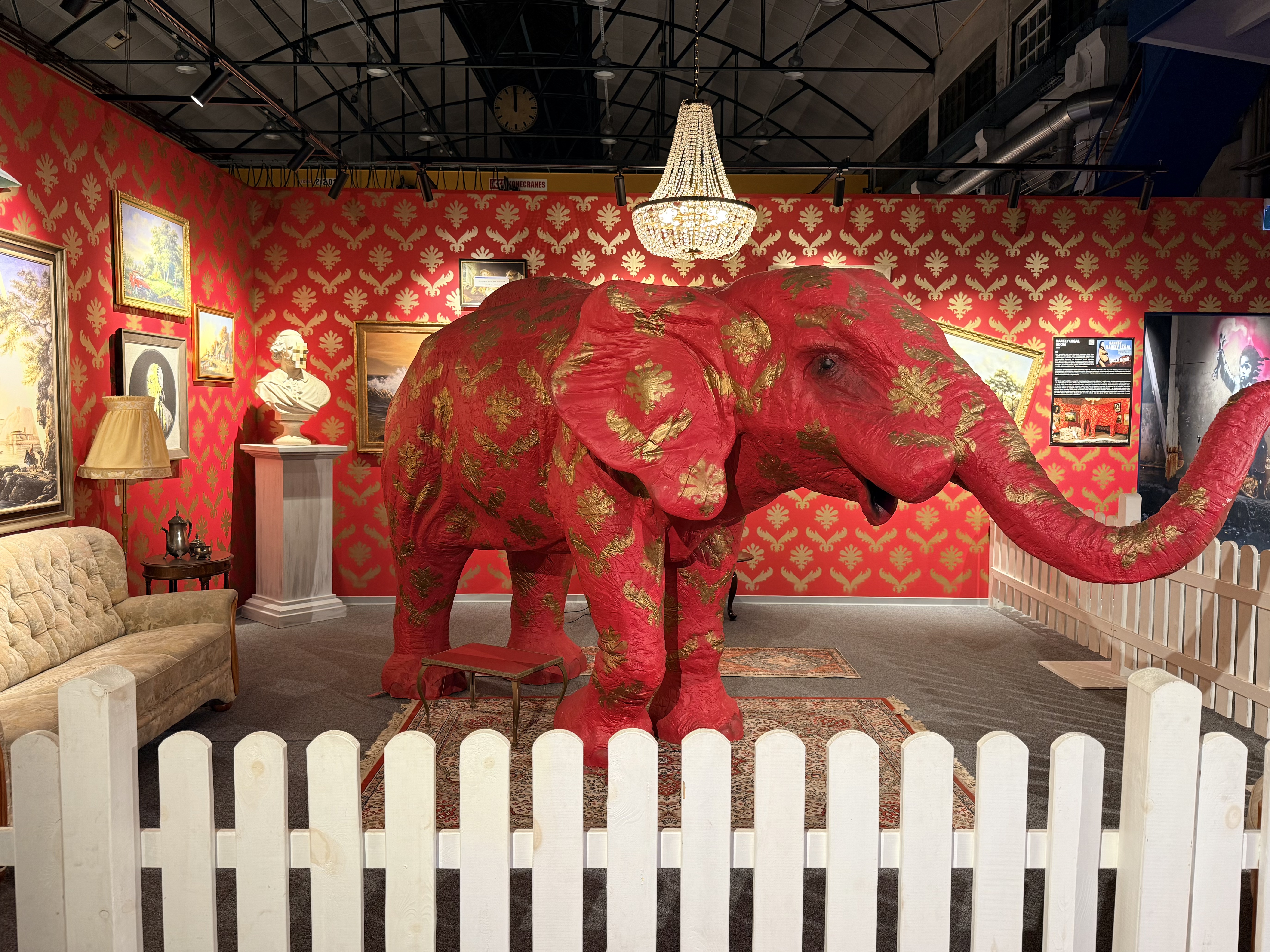
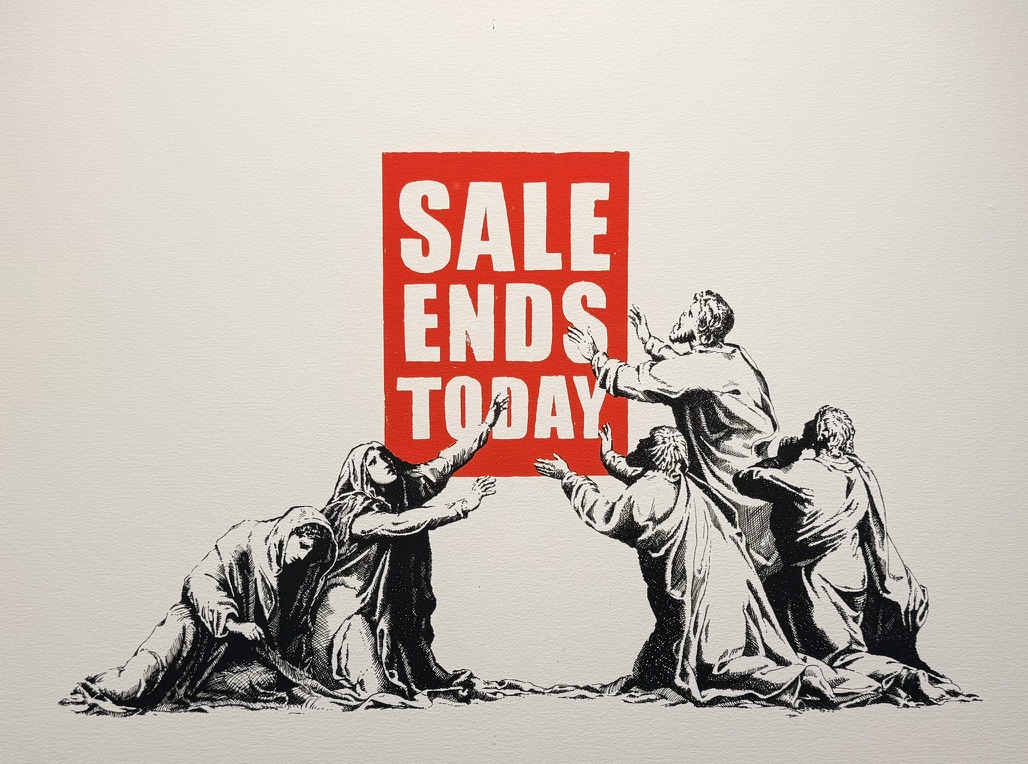
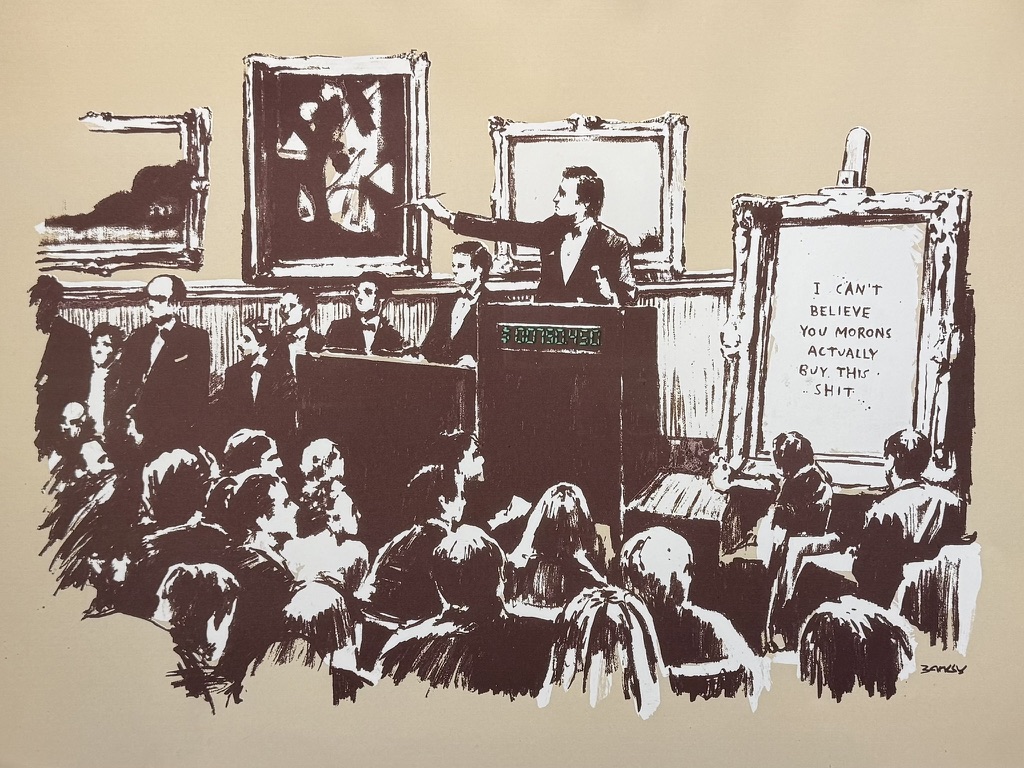
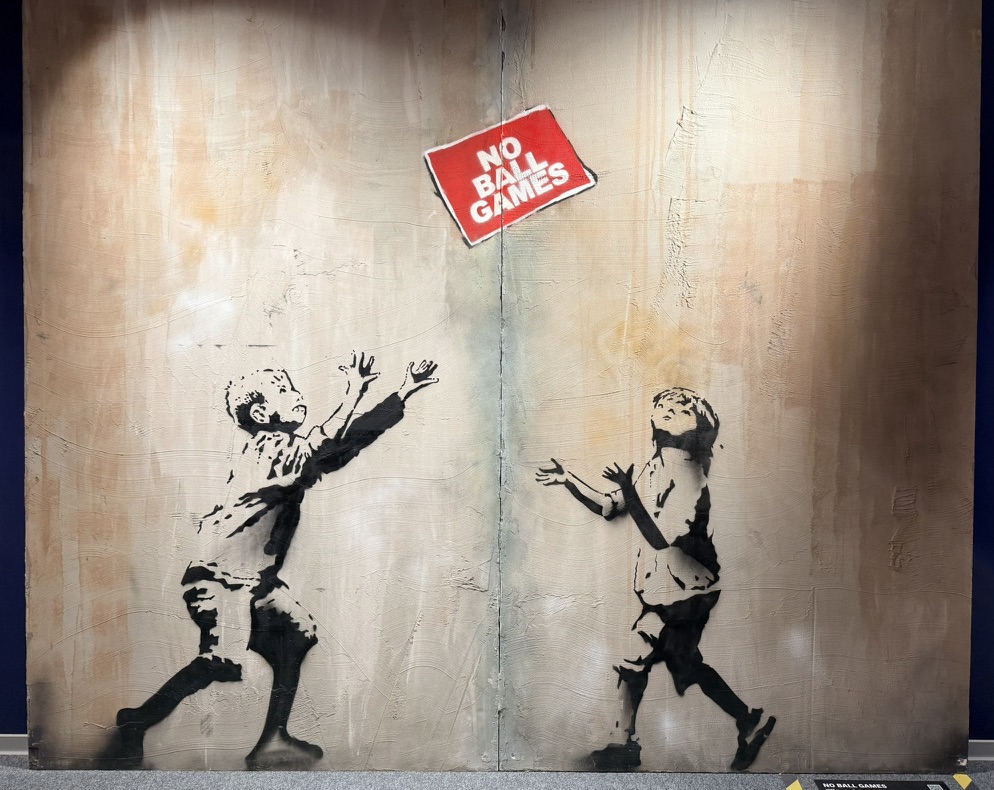
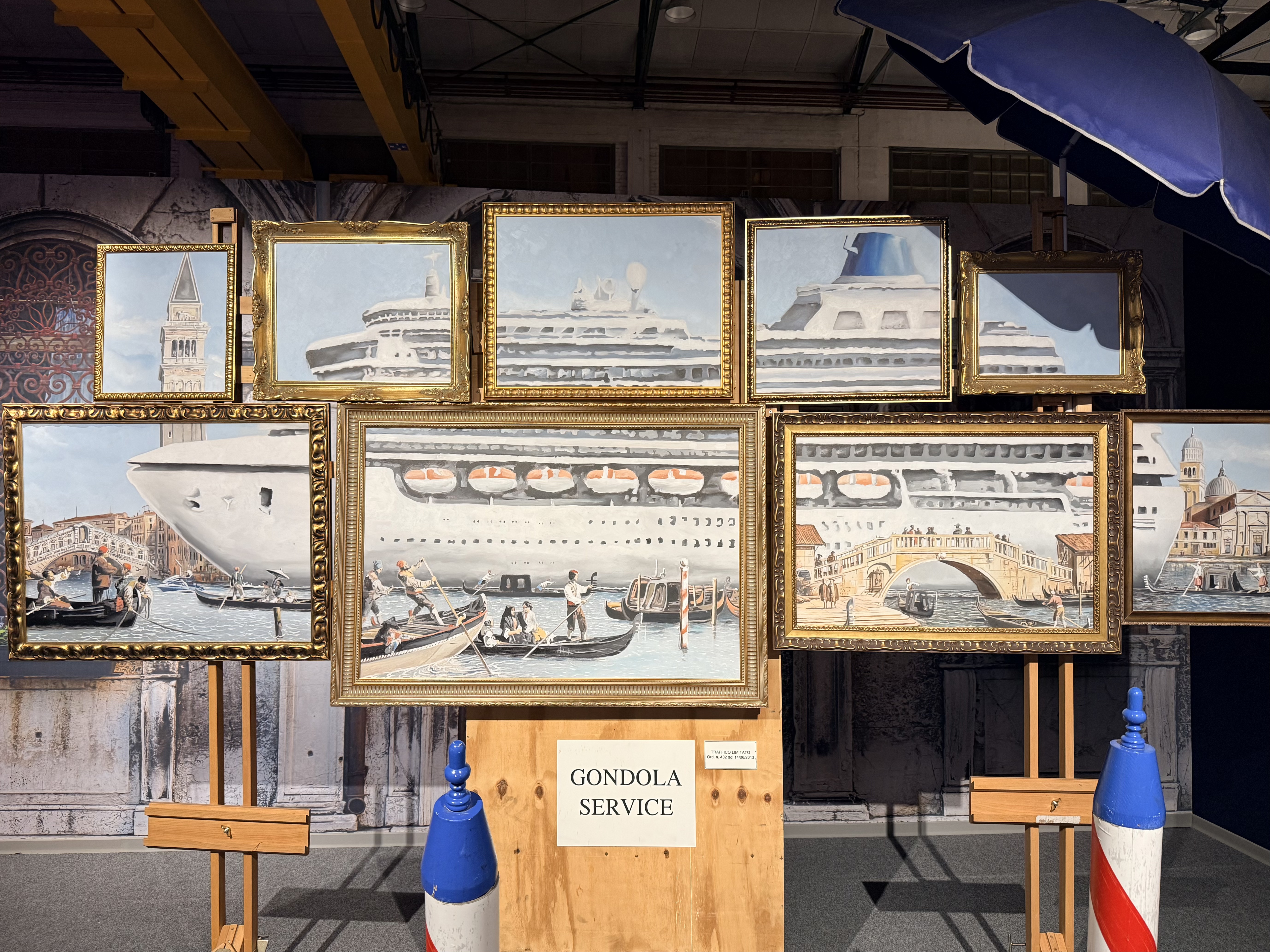
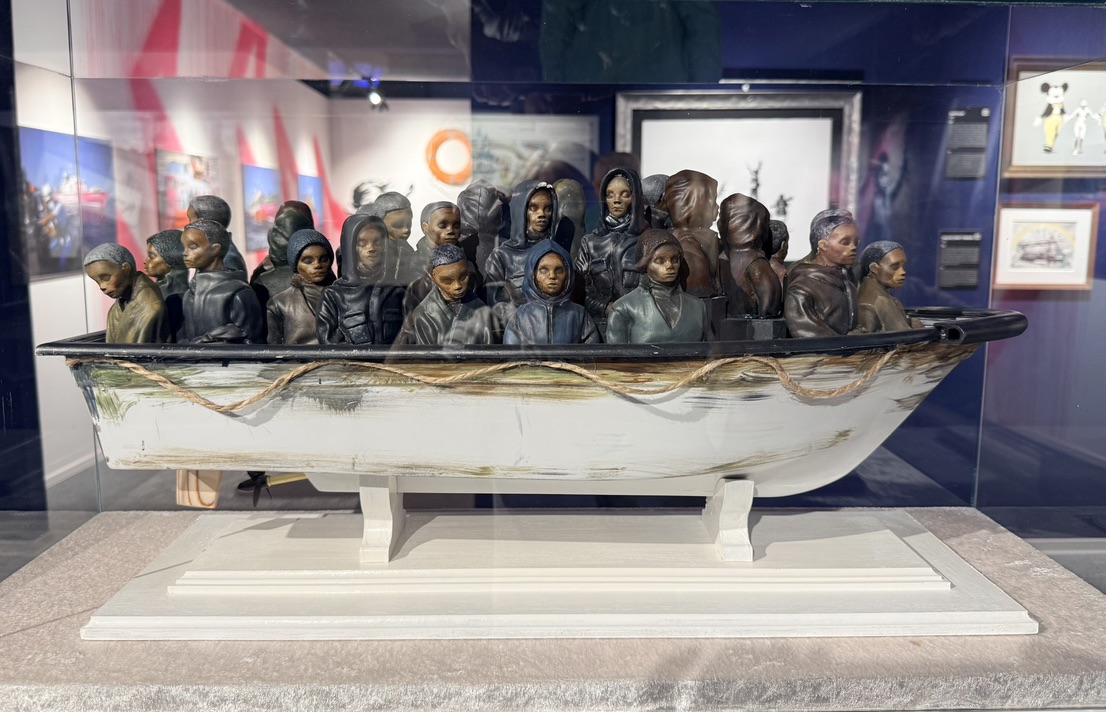
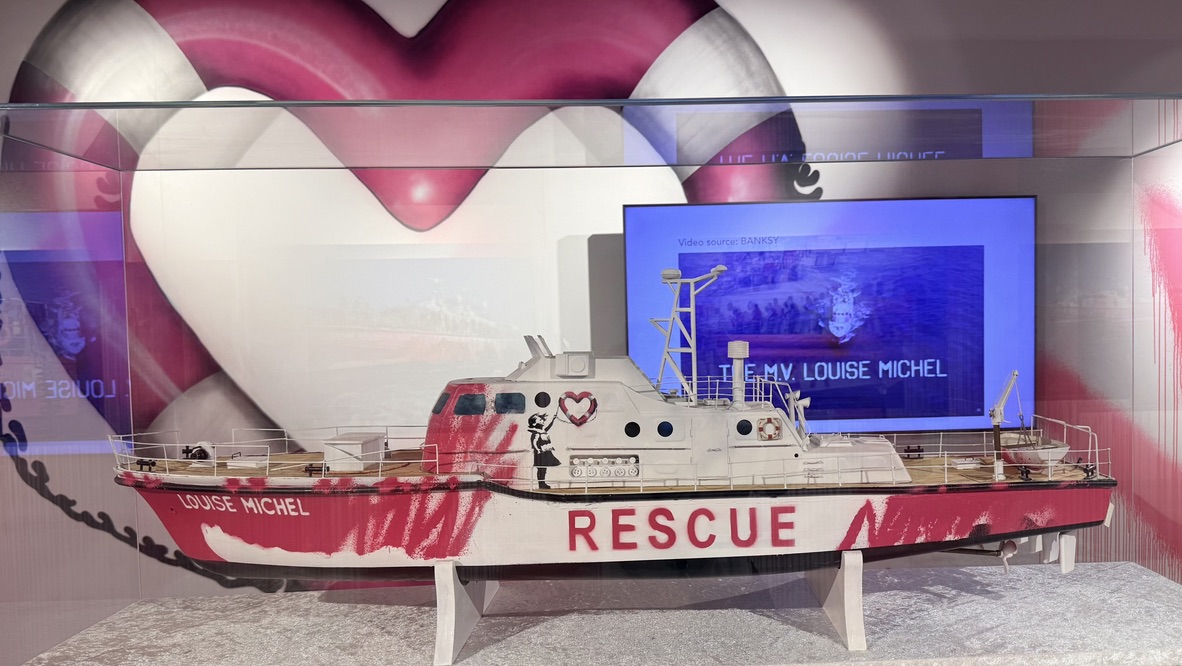
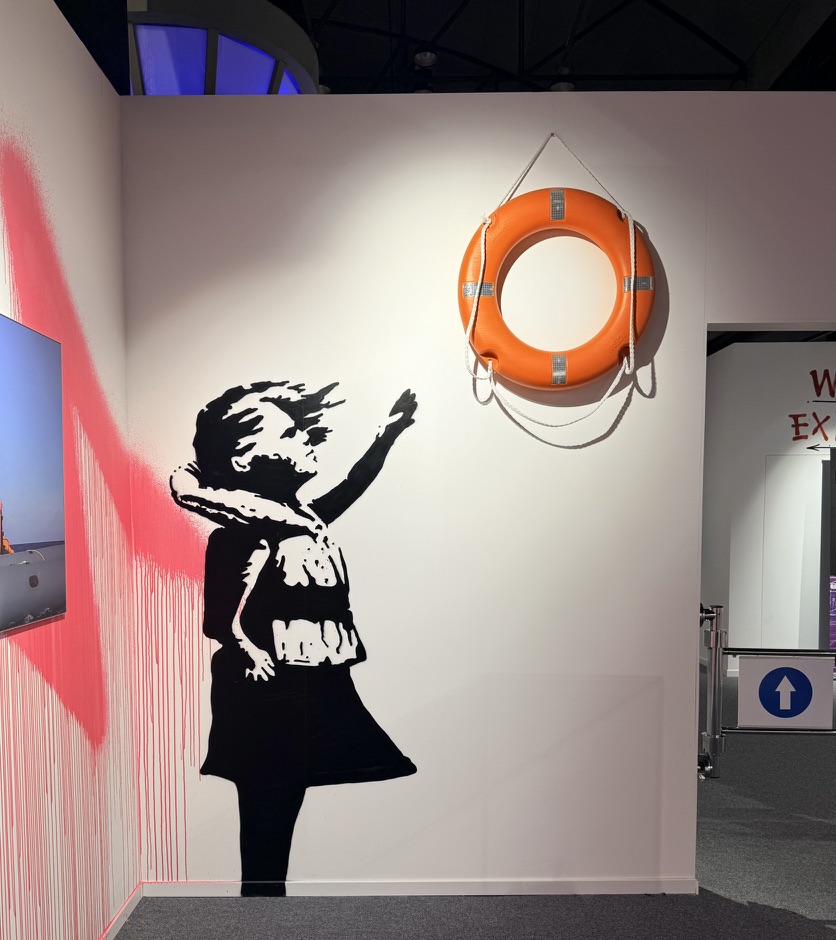
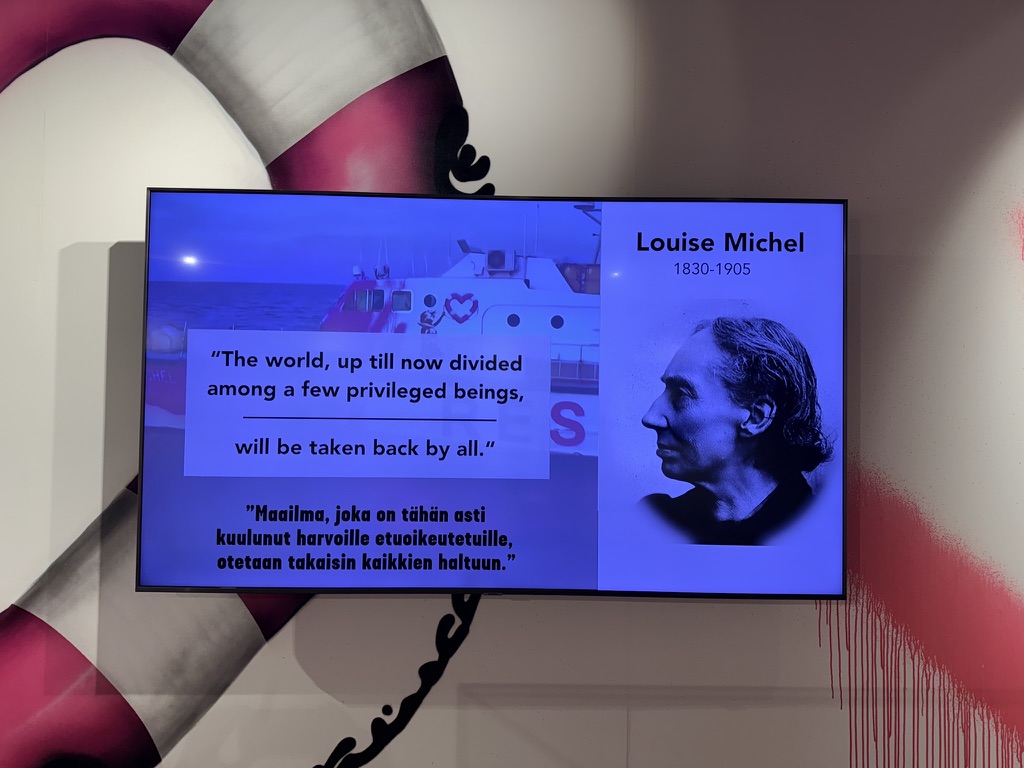
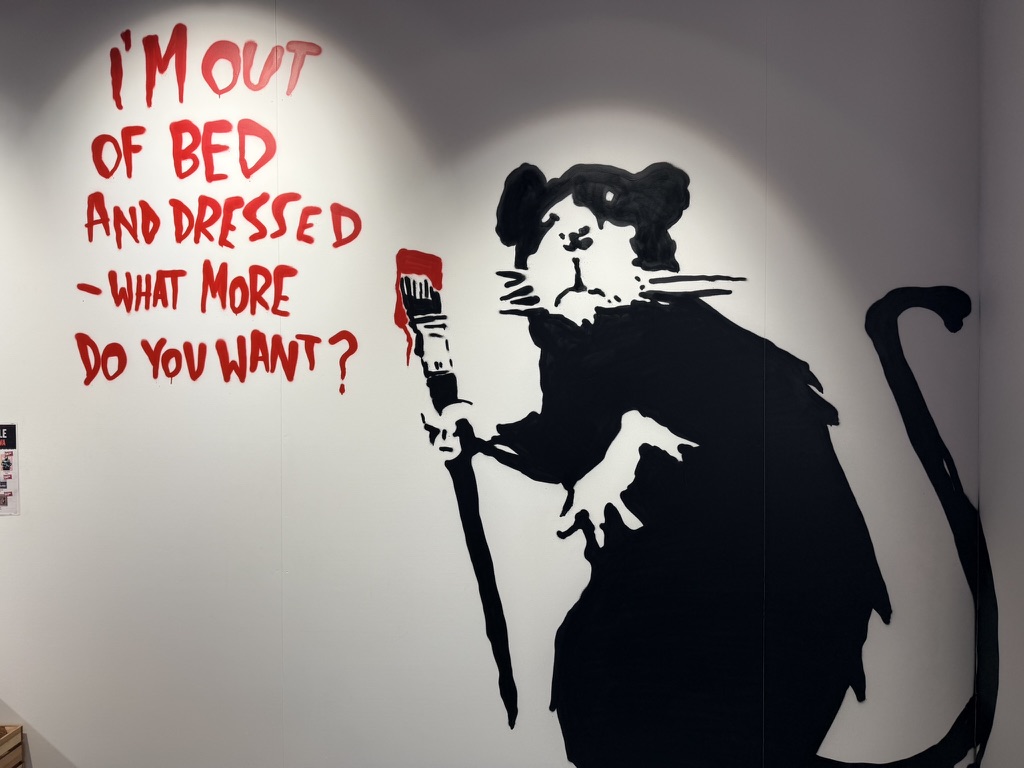
We went to see the fascinating art exhibit that is traveling all over Europe, The Mystery of Banksy “A Genius Mind.”
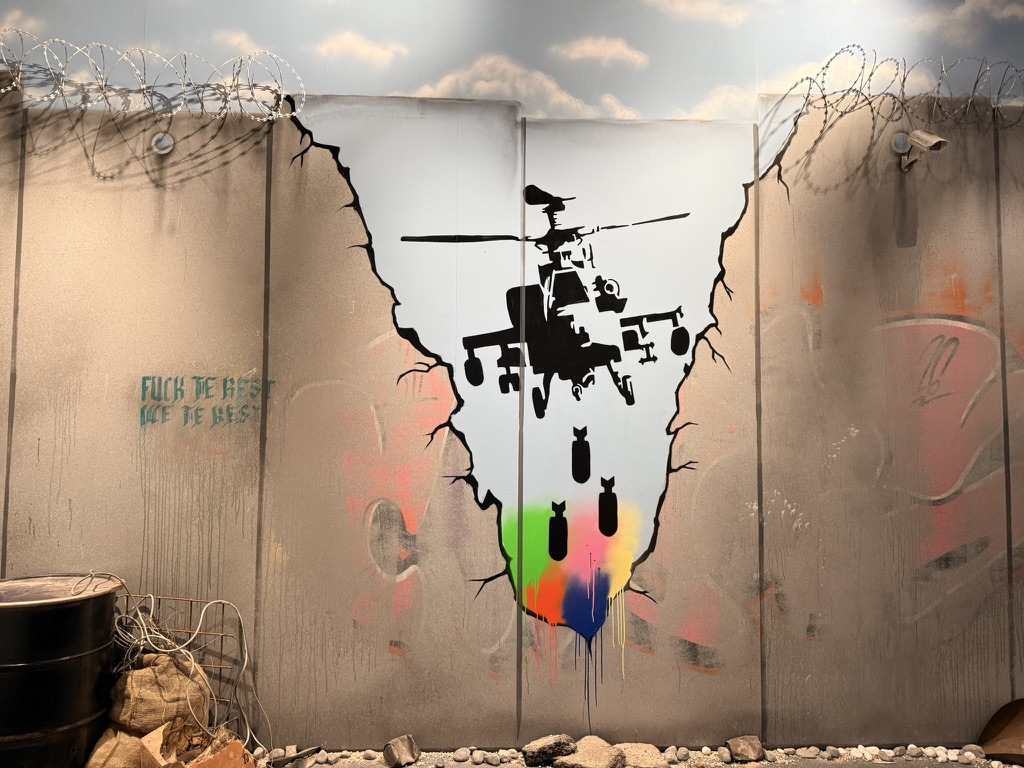
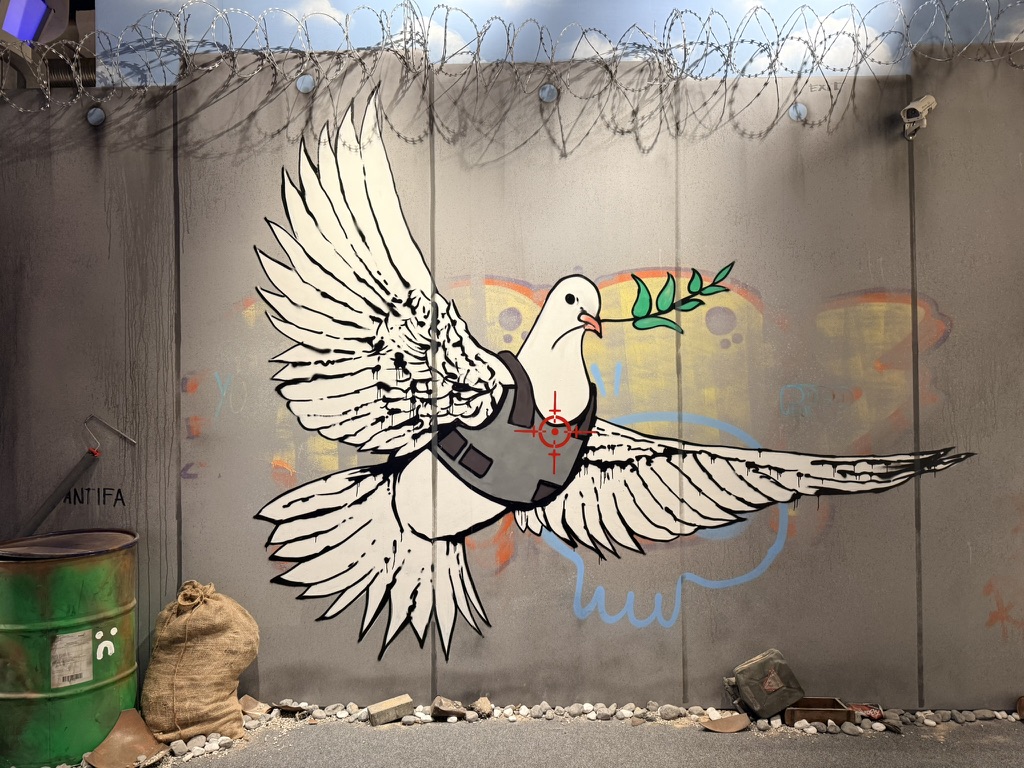
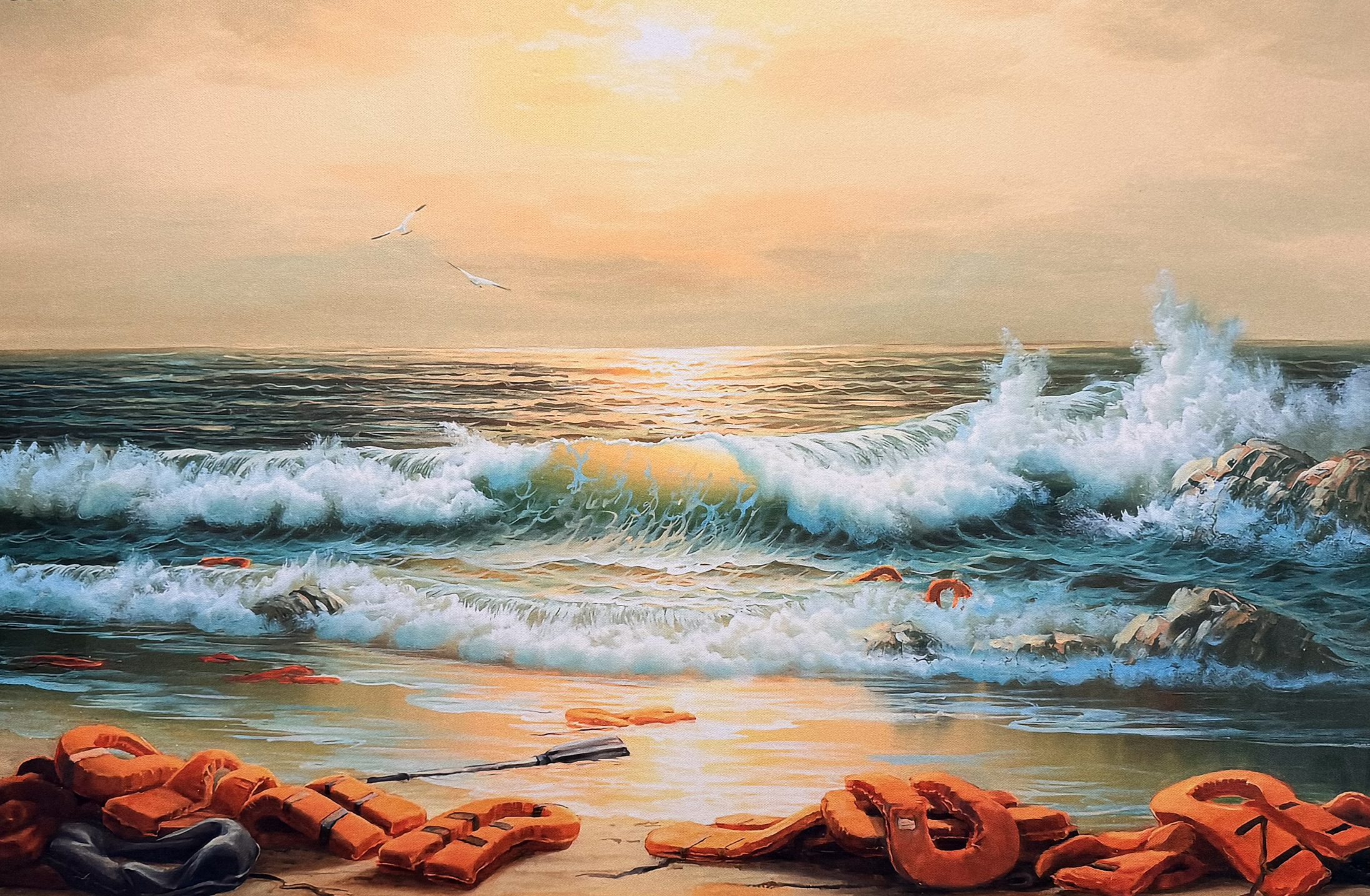
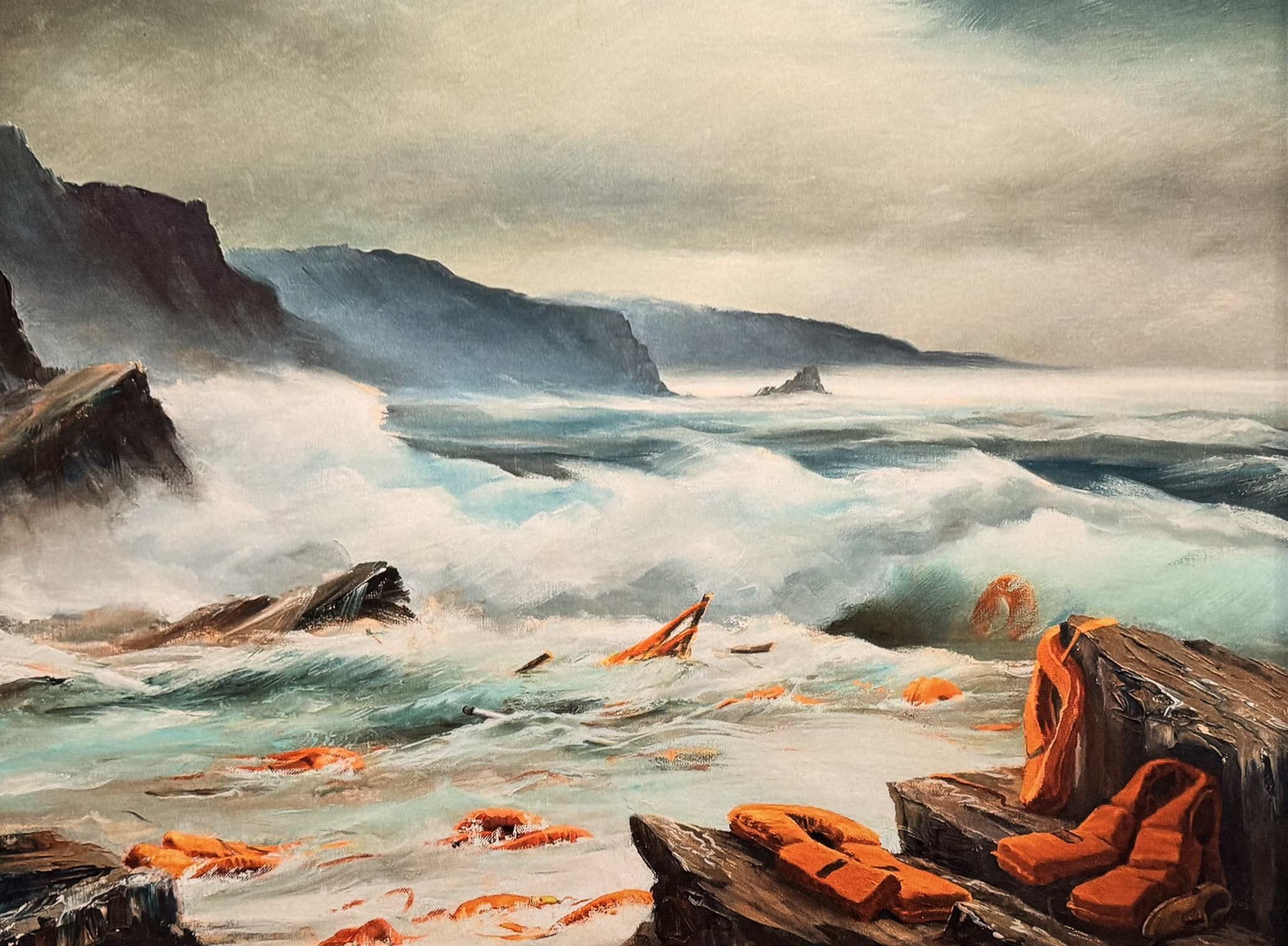
The Banksy exhibit is featured in the historic shipyard halls of Telakkaranta in Turku. “The Mystery of Banksy” is a collection of the Bristol-born and still anonymous graffiti artist and painter’s works. His art challenges the boundaries of art and questions the status quo on themes such as needless, destructive and violent wars; migration; climate crisis, pollution and destruction of the planet; and out-of-control consumerism. He questions the wisdom of those in power, often comparing them to chimpanzees or apes. He criticizes the oppressors, as well as those of us who live our lives comfortably oblivious to other people’s suffering. His powerful and impactful work is supportive of the innocent civilians suffering in the Palestinian and Ukraine conflicts.
The exhibit includes graffiti, photos, sculptures, video installations, and prints on various surfaces such as canvas or plexi-glass.
All of the work is thought-provoking. Here are a few of the stories behind the works from the exhibit:
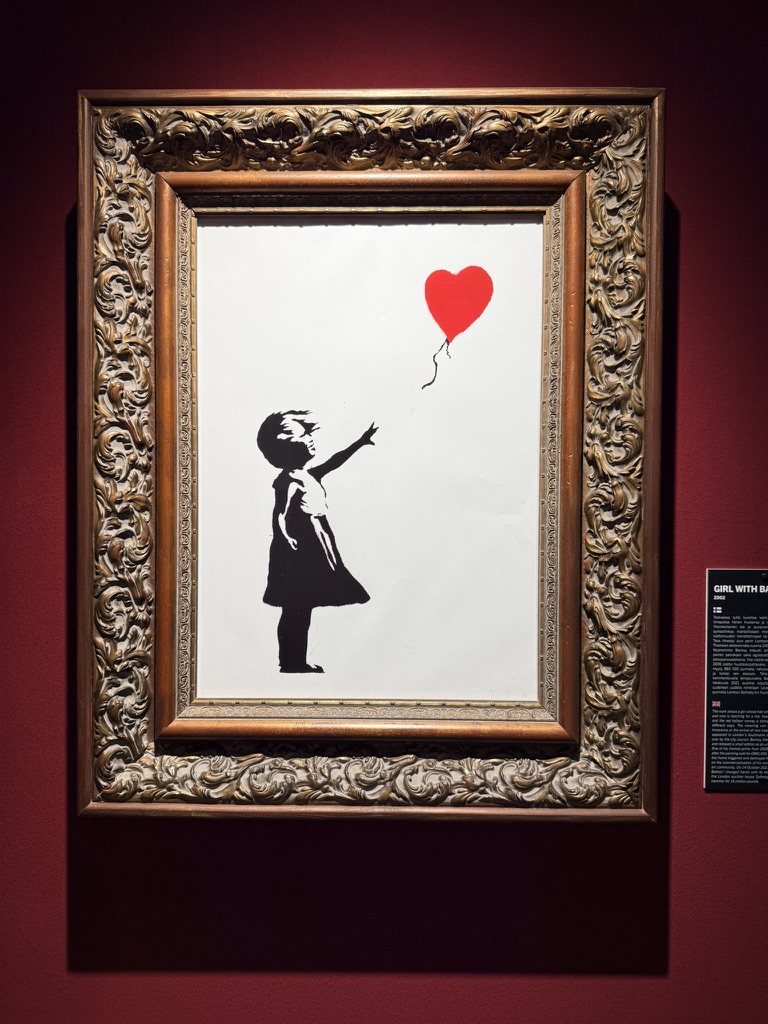
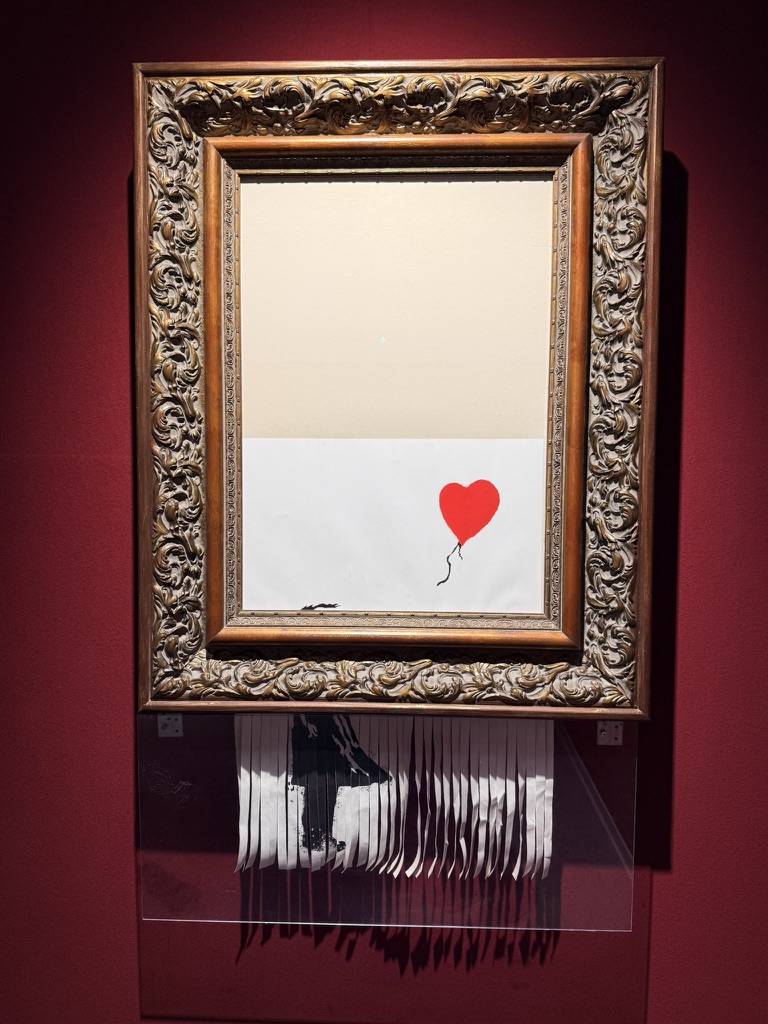
- Girl with Balloon (2002): The work shows a girl whose hair and dress are blowing in the wind and who is reaching for a red, heart-shaped balloon. The meaning can be interpreted as the loss of innocence or the arrival of new hope and love. The work originally appeared in London’s South Bank in 2002, but was later painted over by the city council. Banksy then produced a small edition as an unsigned and signed screenprint. One of his framed prints from 2006 was up for auction. Moments after the painting sold for 860,000 pounds, the shredder secretly built into the frame triggered and destroyed half the canvas, at which point the shredder malfunctioned. On 14 October 2021, the half-shredded “Girl with a Balloon” changed hands with its new title “Love is in the Bin.” At the London auction house Sotheby’s, the work sold for 16 million pounds.
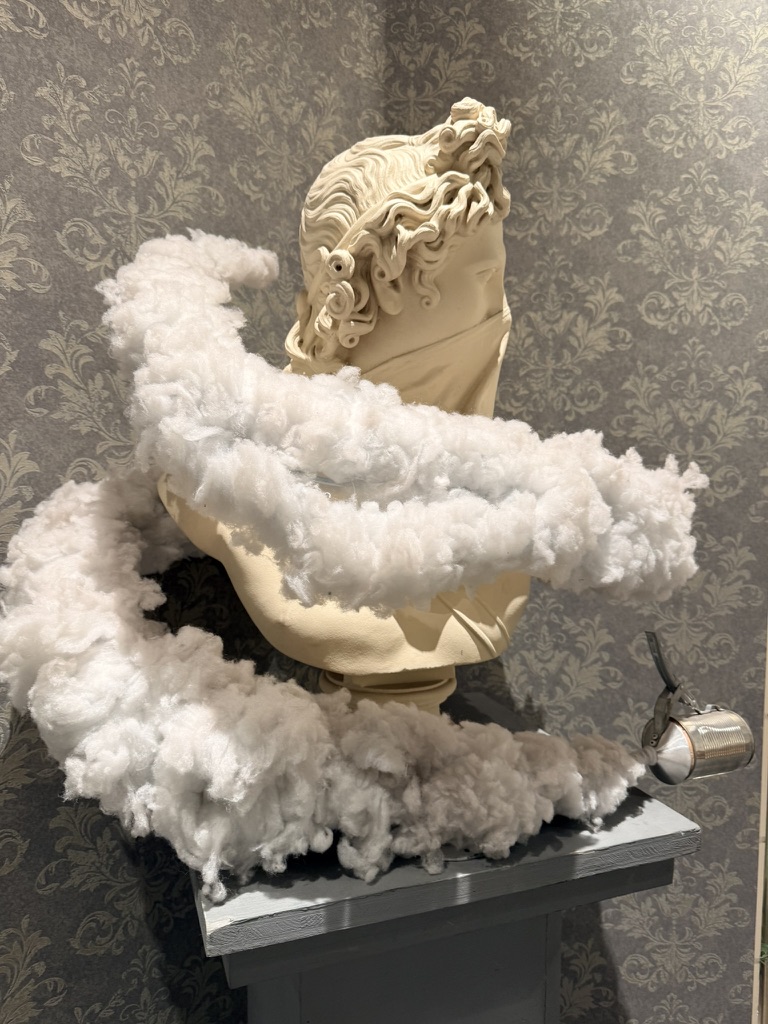
- The Suicide Bomber represents an adaptation of Michelangelo’s David figure as a suicide bomber. The statue of David is a masterpiece of Renaissance sculpture, created in marble by Italian artist Michelangelo between 1501 and 1504, and is symbolic of freedom and strength. The sculpture depicts the biblical David at the moment when he has already placed the slingshot on his shoulder and takes up his fight against the giant Goliath. Banksy’s version is an exact replica of David but with an explosive waistcoat and a cloth in front of his face. Here Banksy transforms a classic work into a contemporary piece and questions the glorification of war.
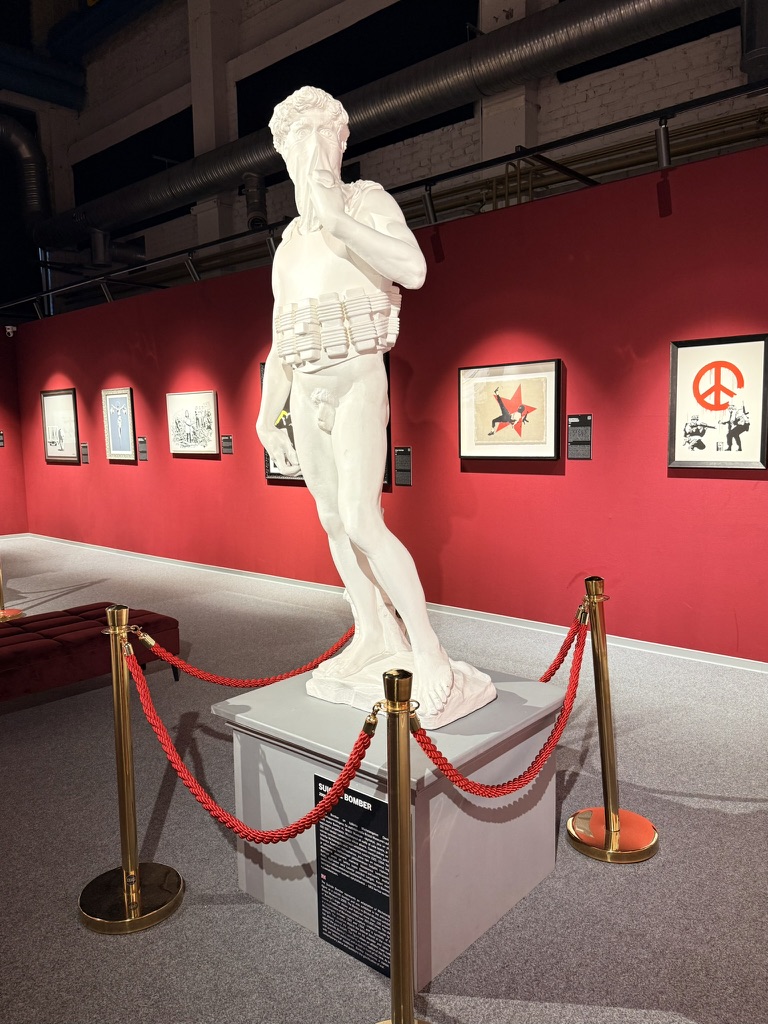
According to the exhibition, “In line with Banksy’s motto “Copyright is for losers ©TM,” this tribute and the works displayed are not authorized by the artists.”
Back in 2010, Time Magazine put Banksy on its list of the 100 most influential people in the world, alongside the likes of Barack Obama, Steve Jobs, and Lady Gaga.
Turku Cathedral
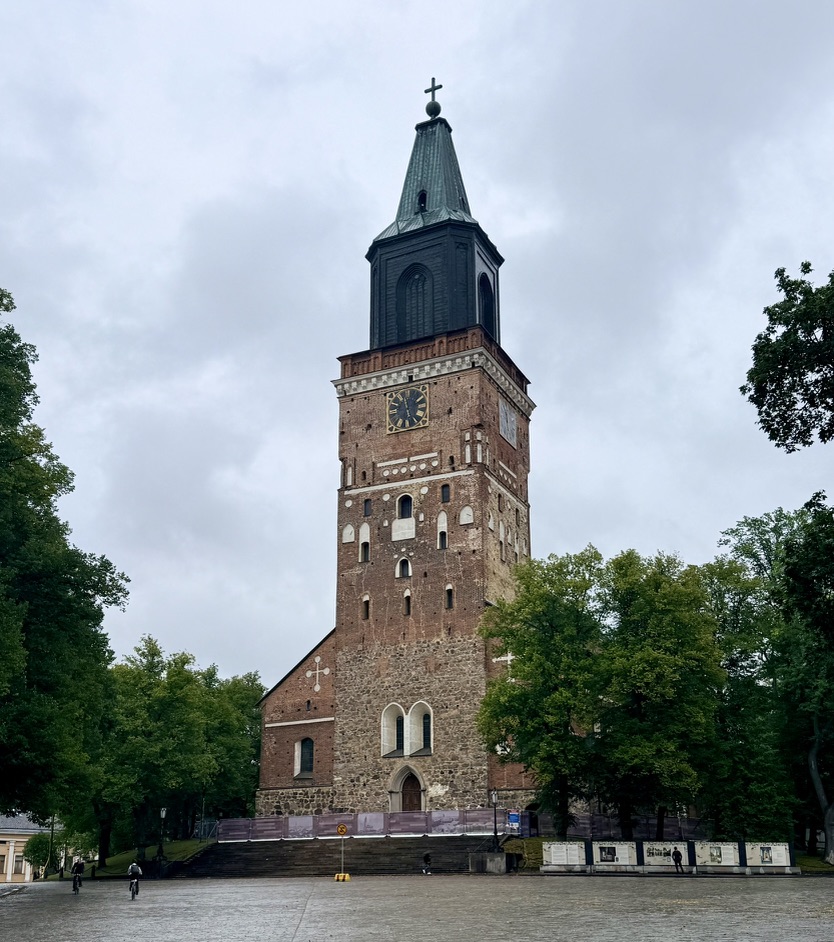
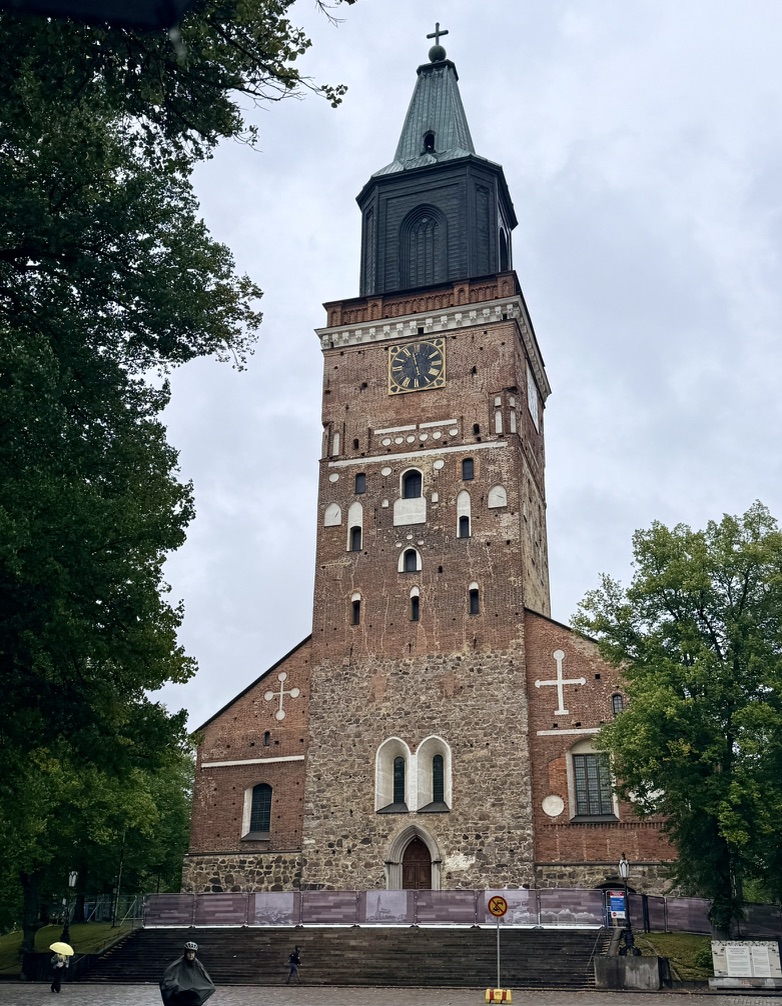
Turku Cathedral: Consecrated in 1300, this is Finland’s national shrine and the mother church of the Evangelical Lutheran Church. Sadly it was closed.
Aboa Vetus Ars Nova
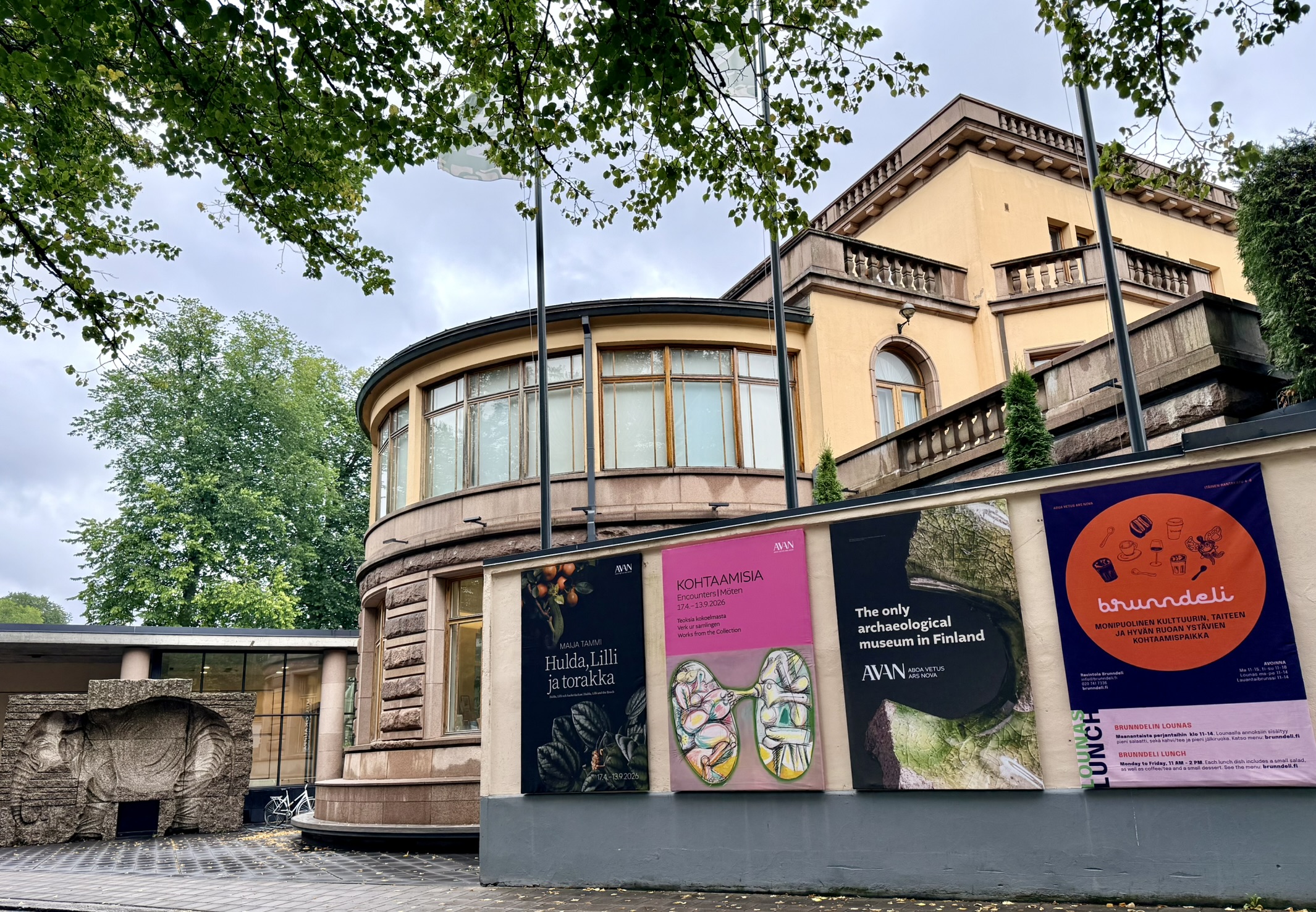
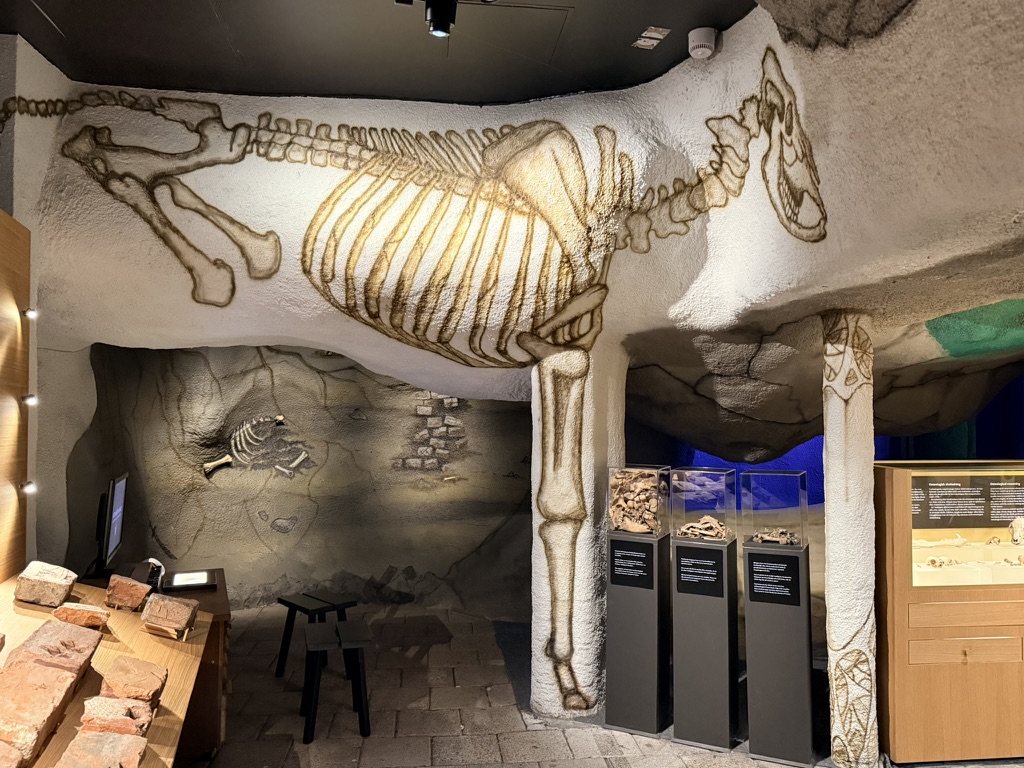
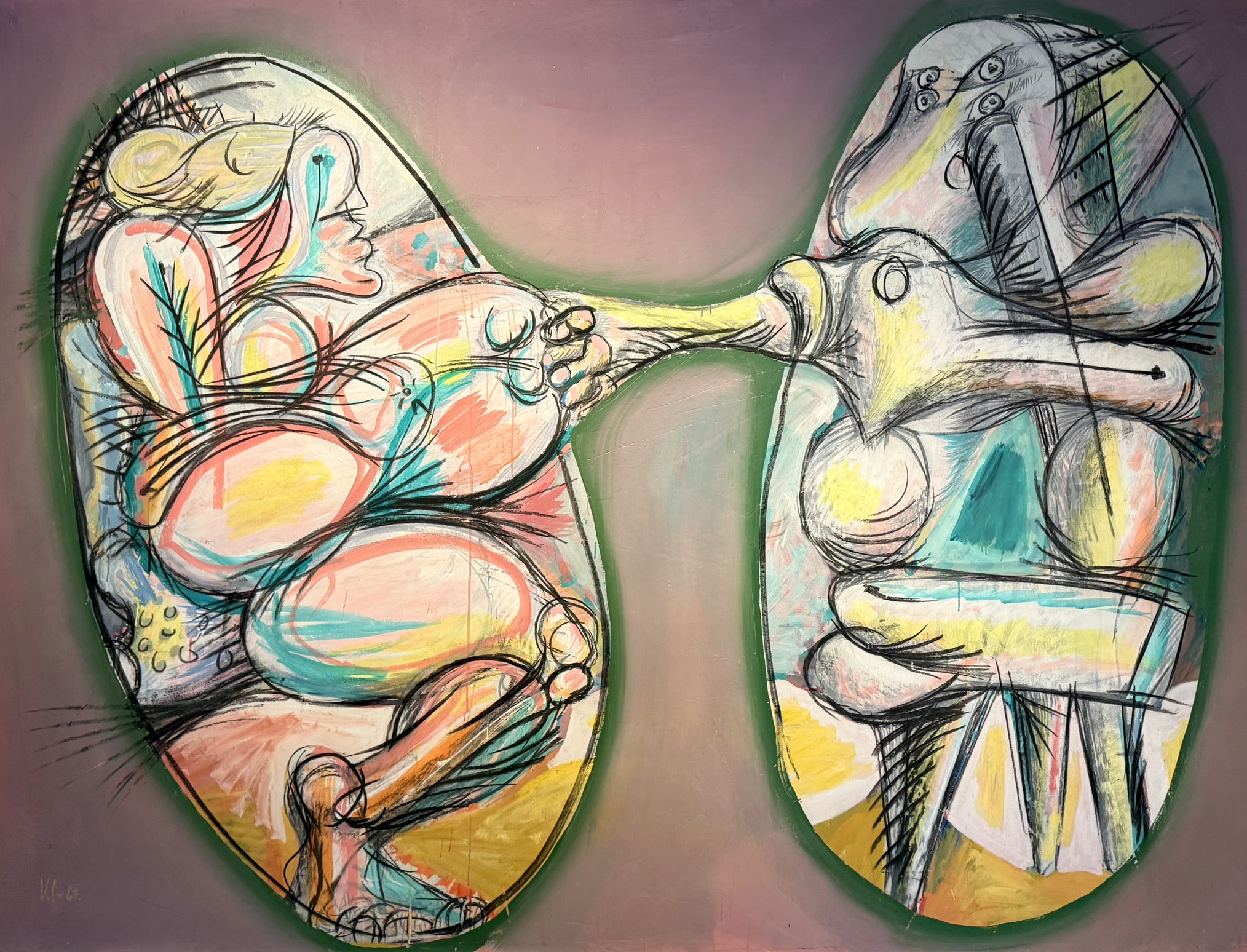
Aboa Vetus Ars Nova (Museum of Archeology and Contemporary Art) is a combination medieval underground museum and a contemporary art museum. Aboa Vetus, the only archaeological museum in Finland, is a town quarter discovered underground. The ruin area of Aboa Vetus includes the remains of medieval houses.
On the other floors are art works from the recent history of Finnish and Western art. The collection’s oldest works date from the end of the 19th century, but the emphasis is on works originating from after the 1950s to the present day.
I have to say there wasn’t much that captured my attention at the this art gallery, but they did have a nice and modern cafe with a lot of offerings.
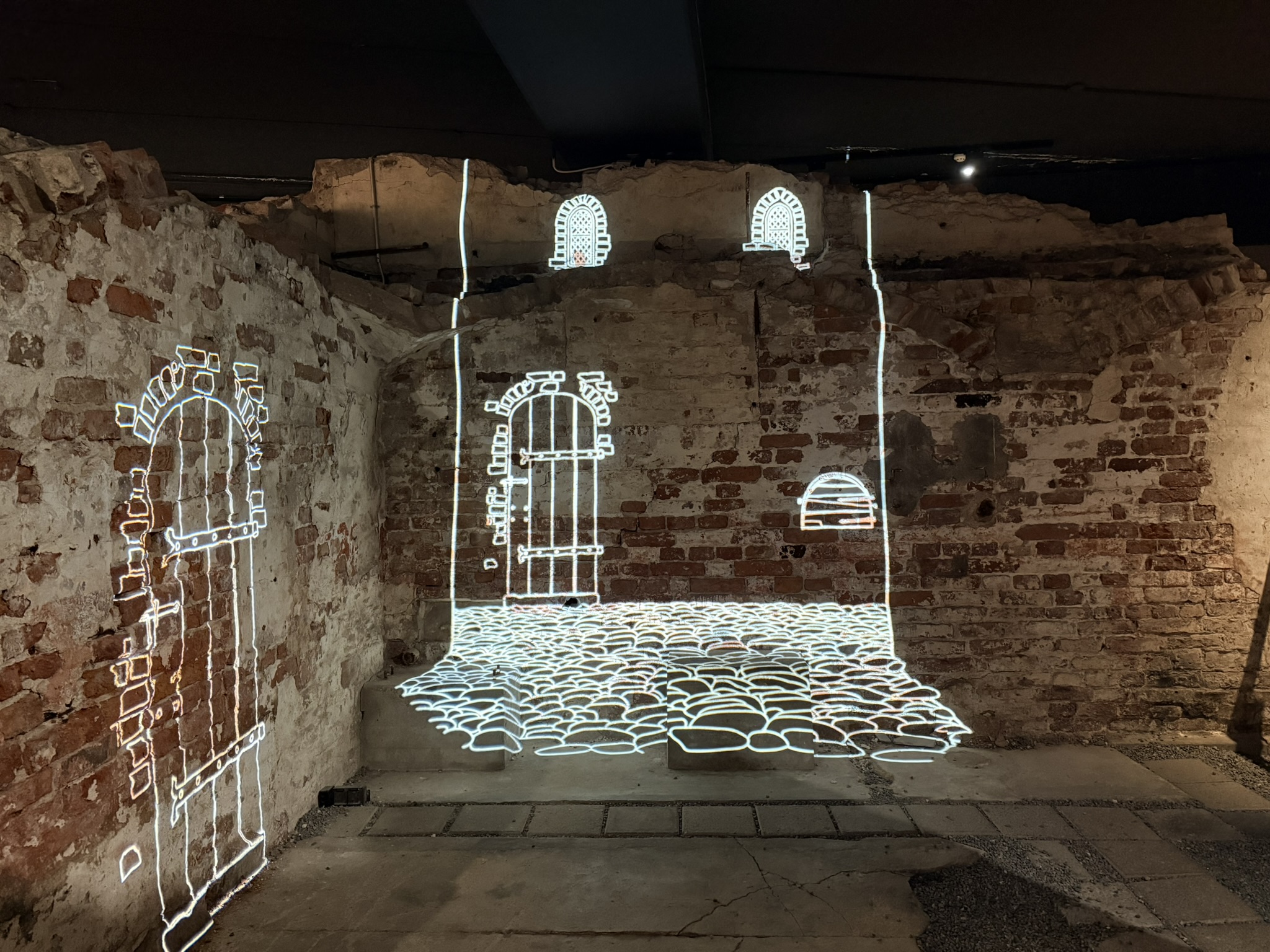
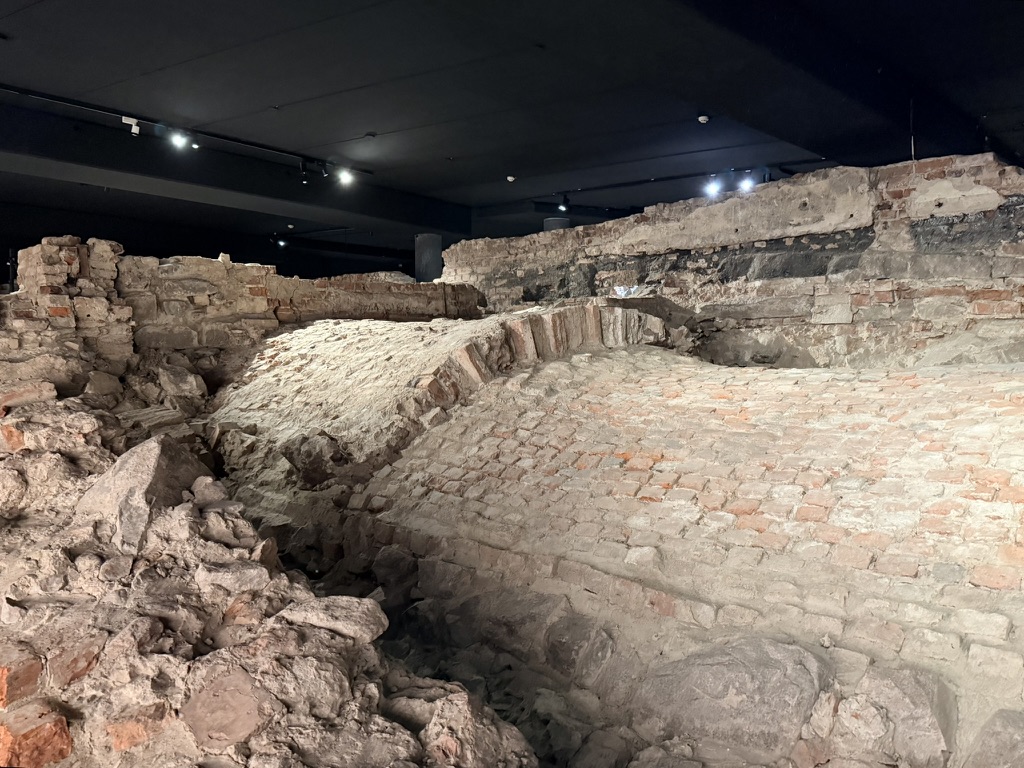
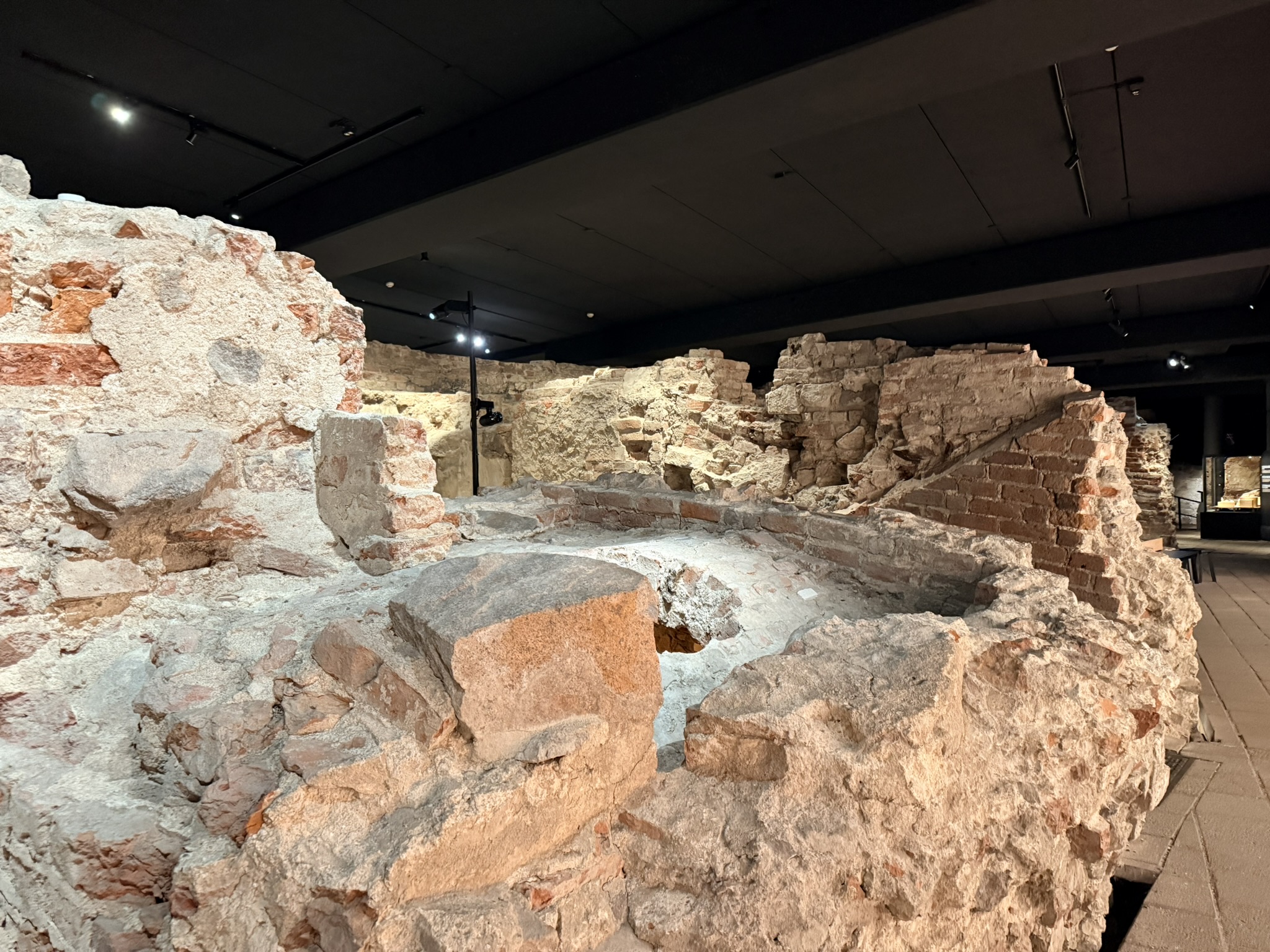
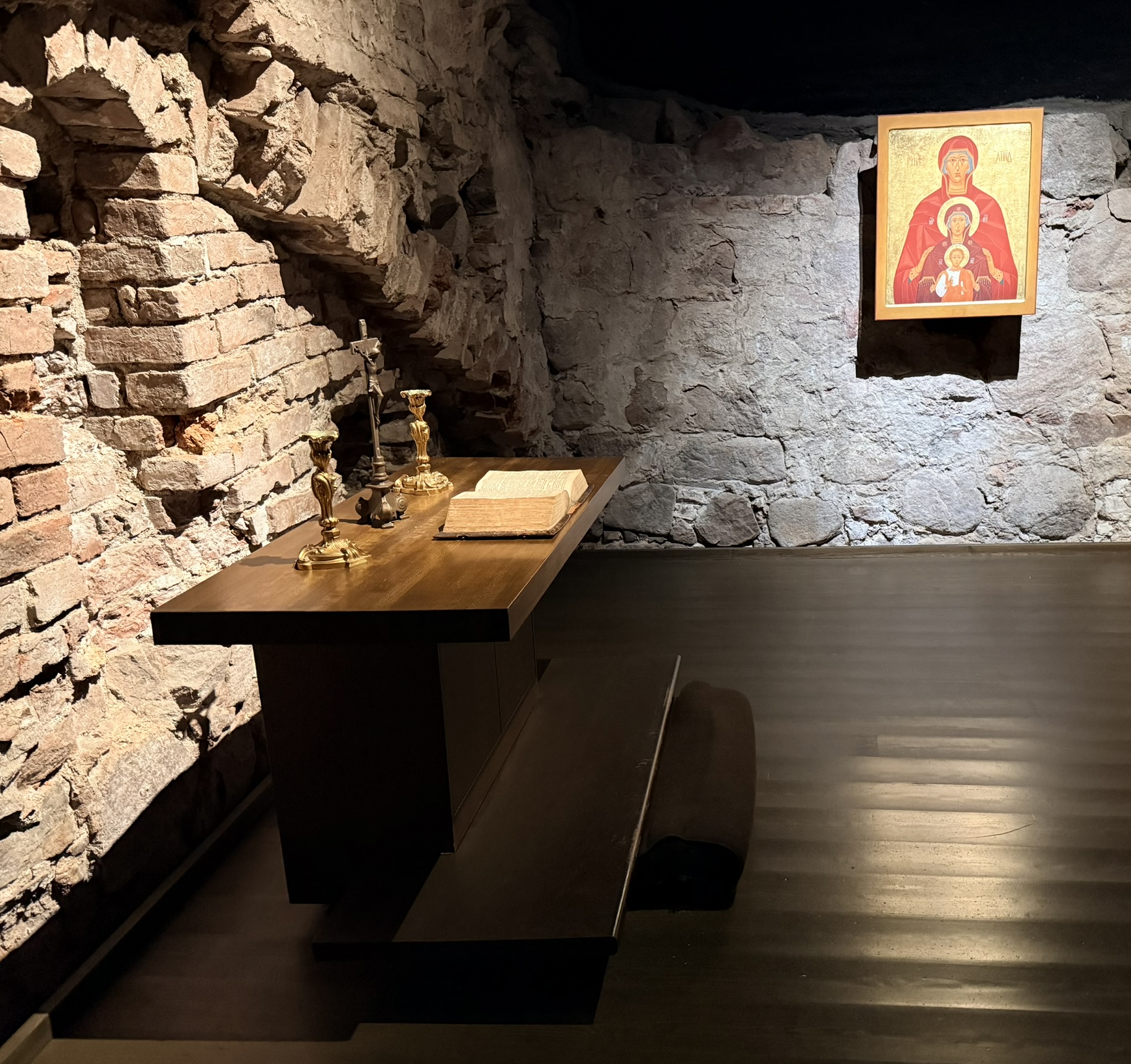
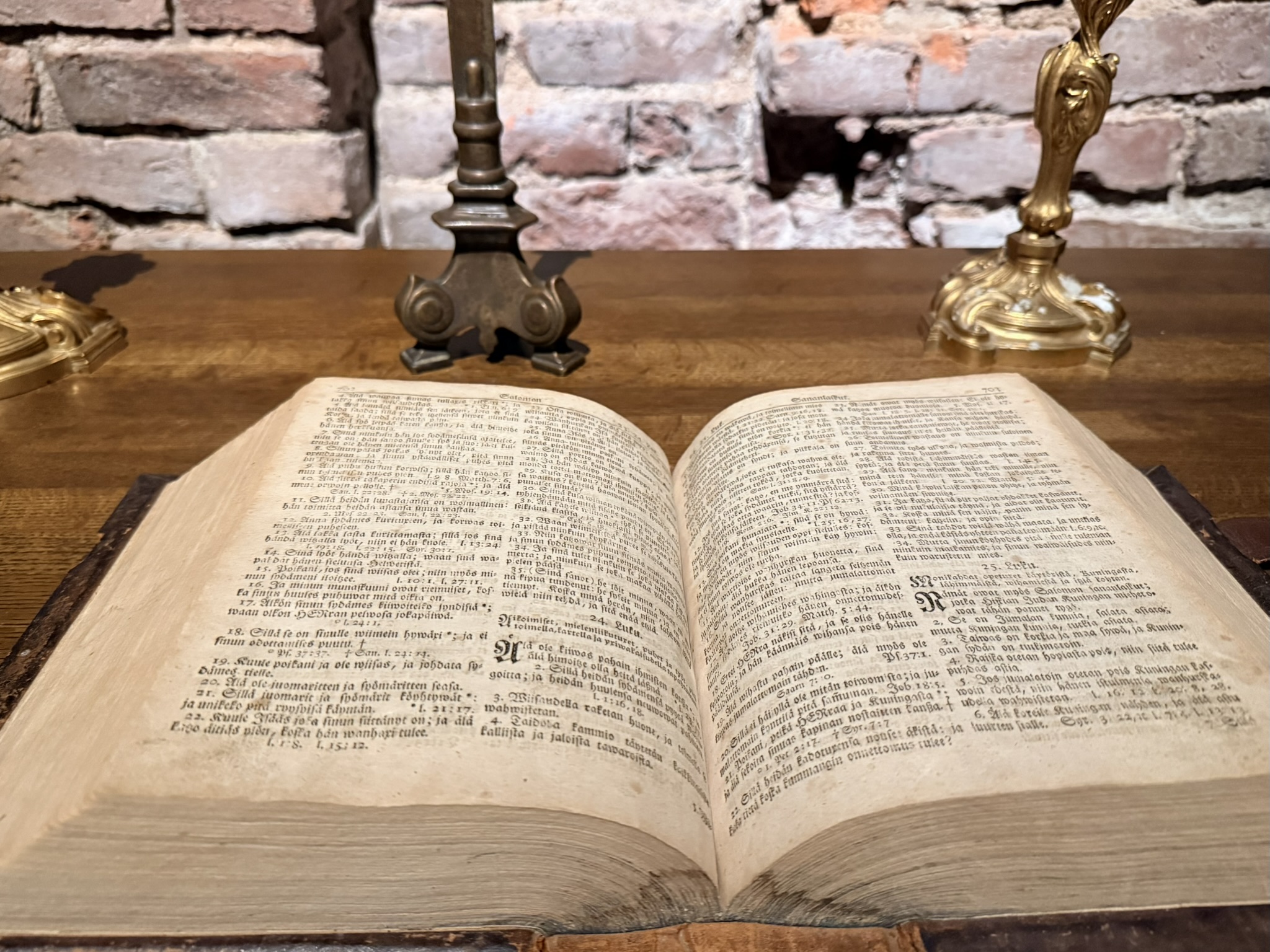
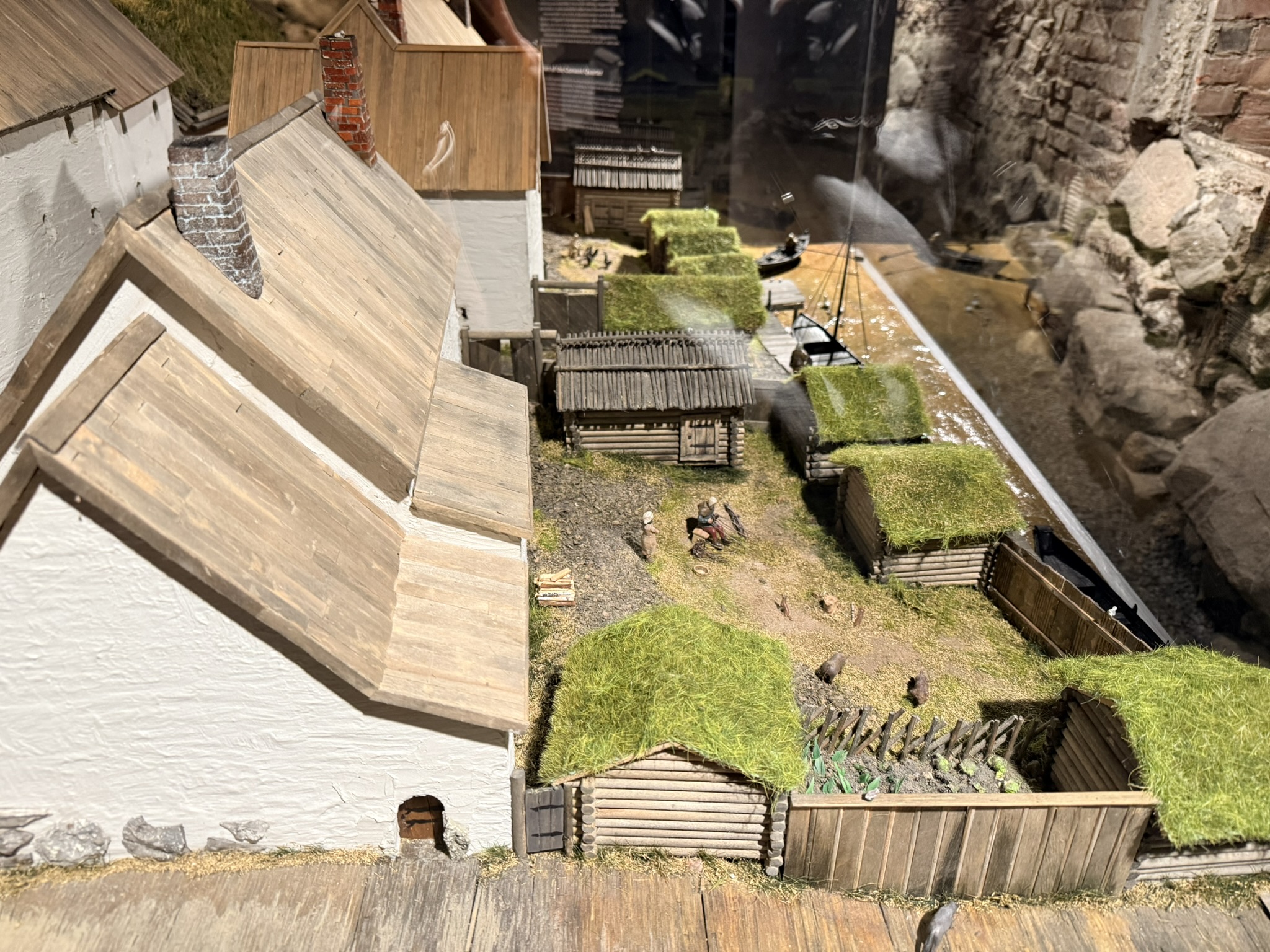
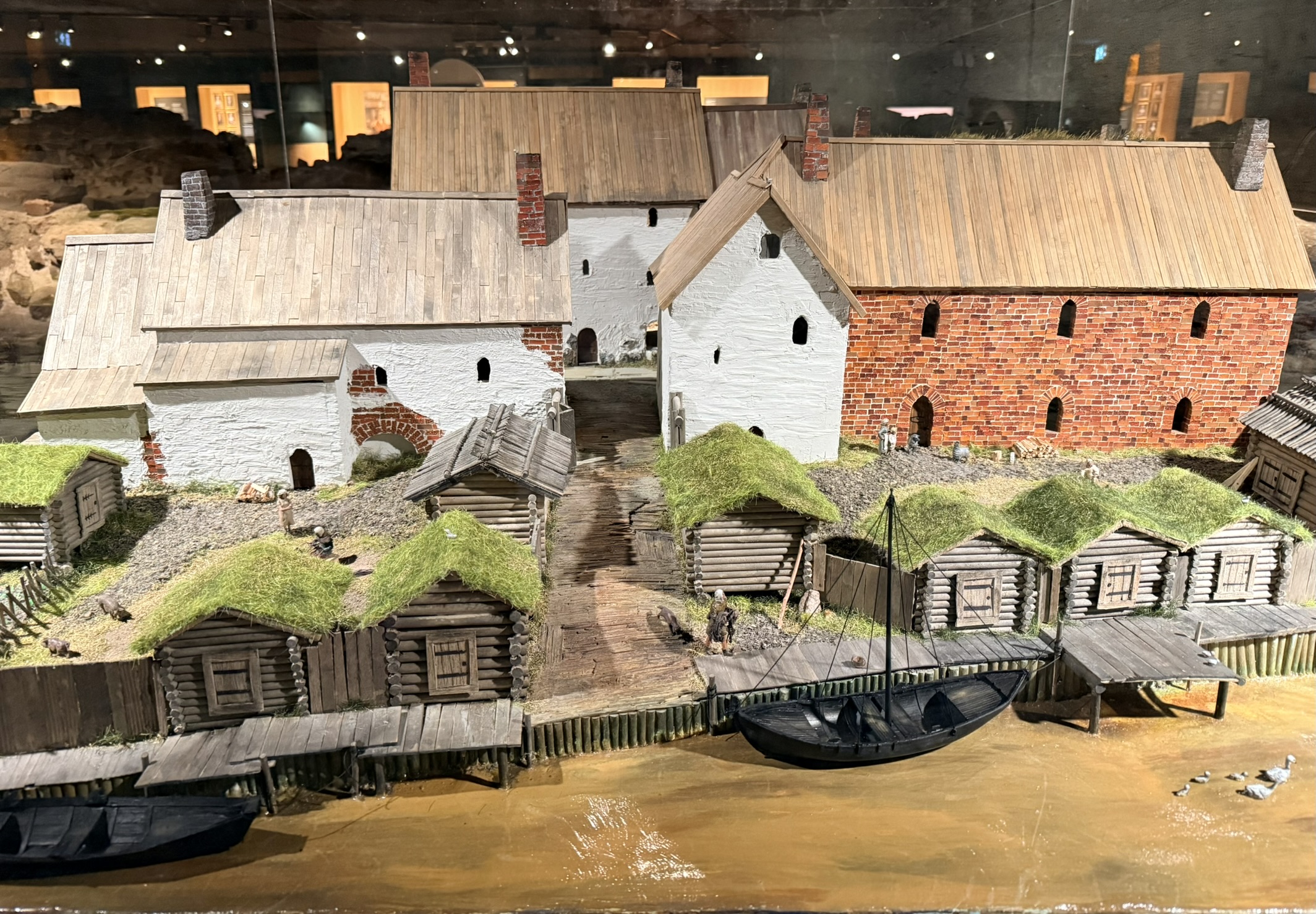
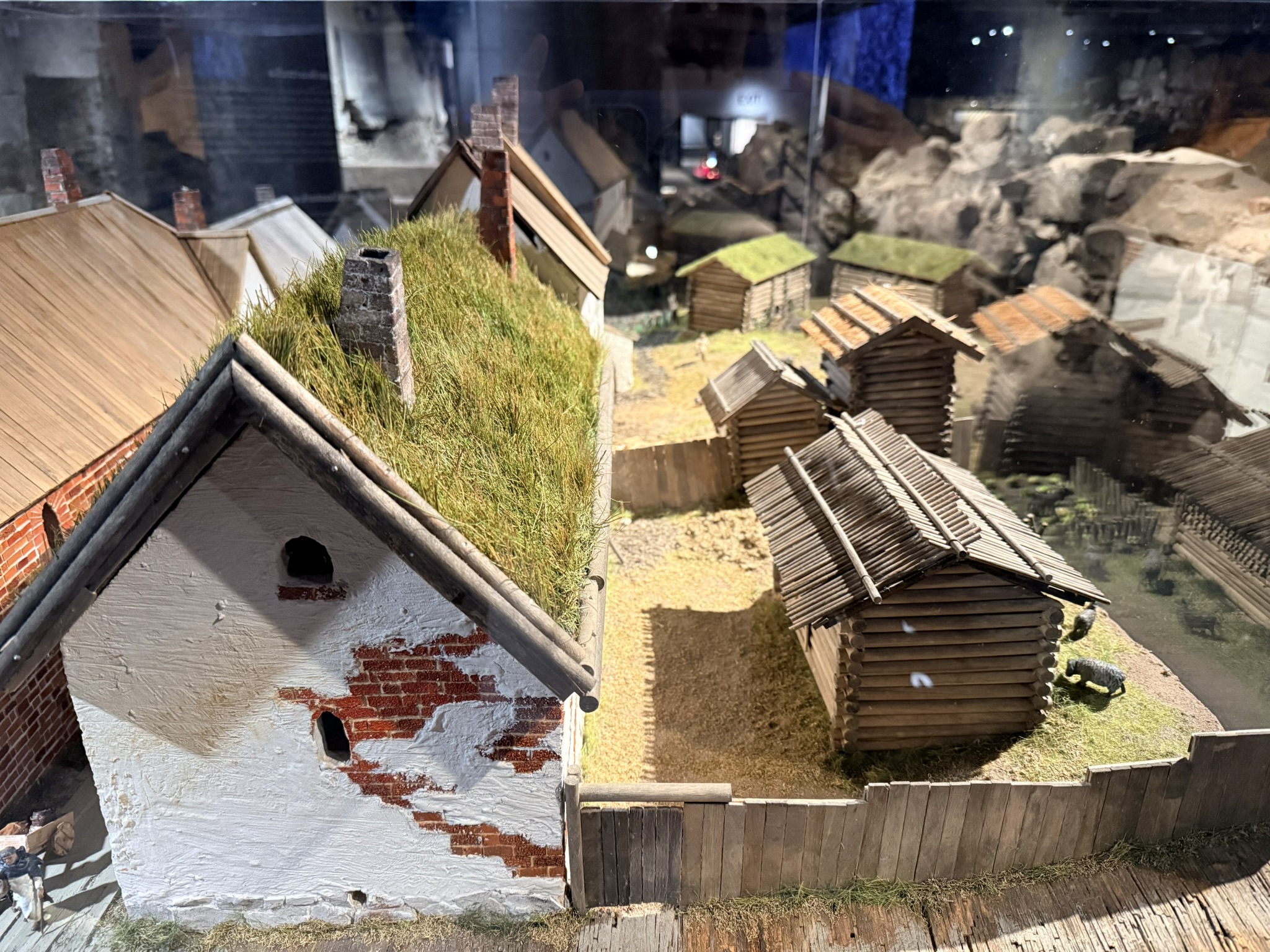
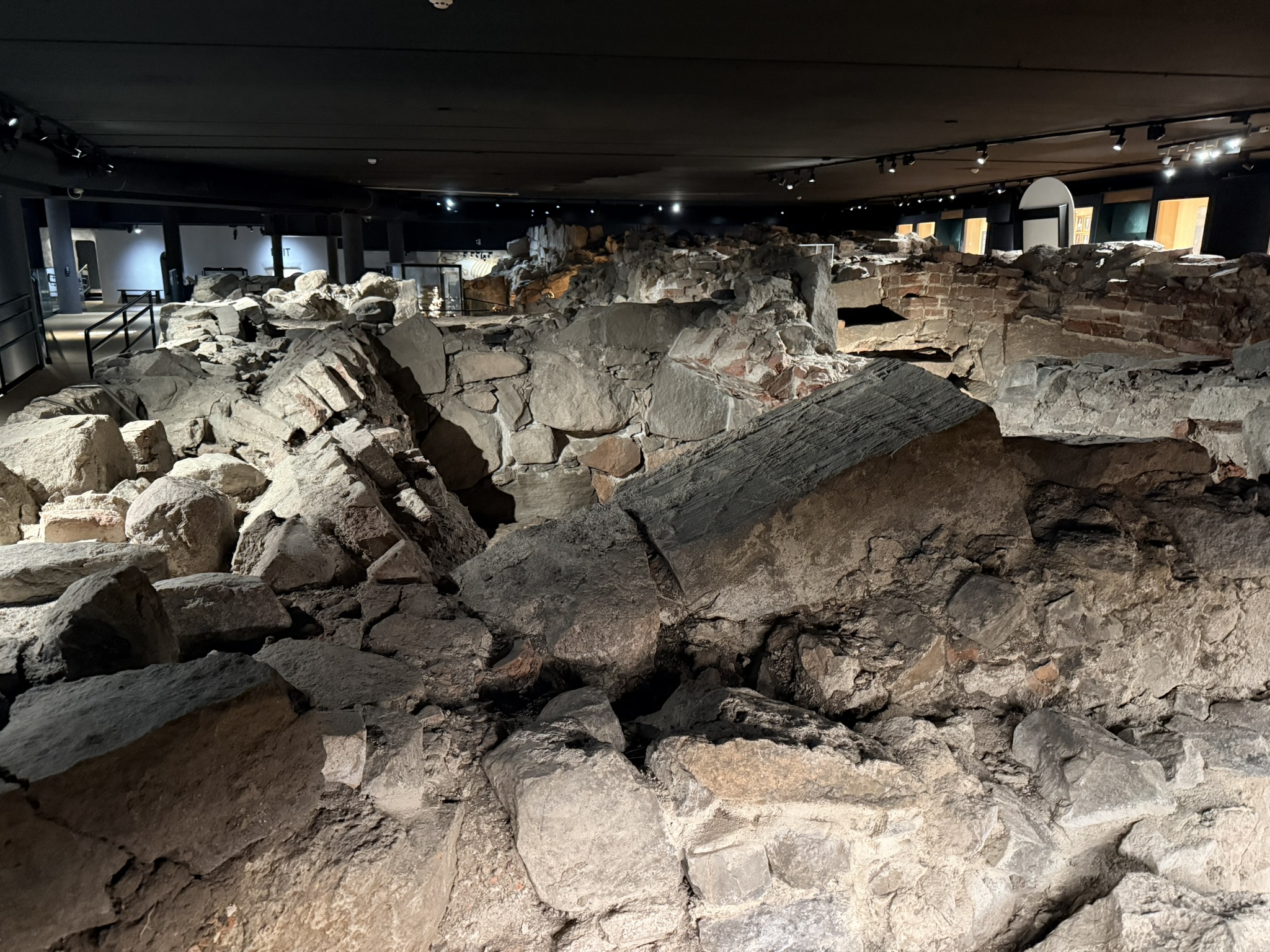
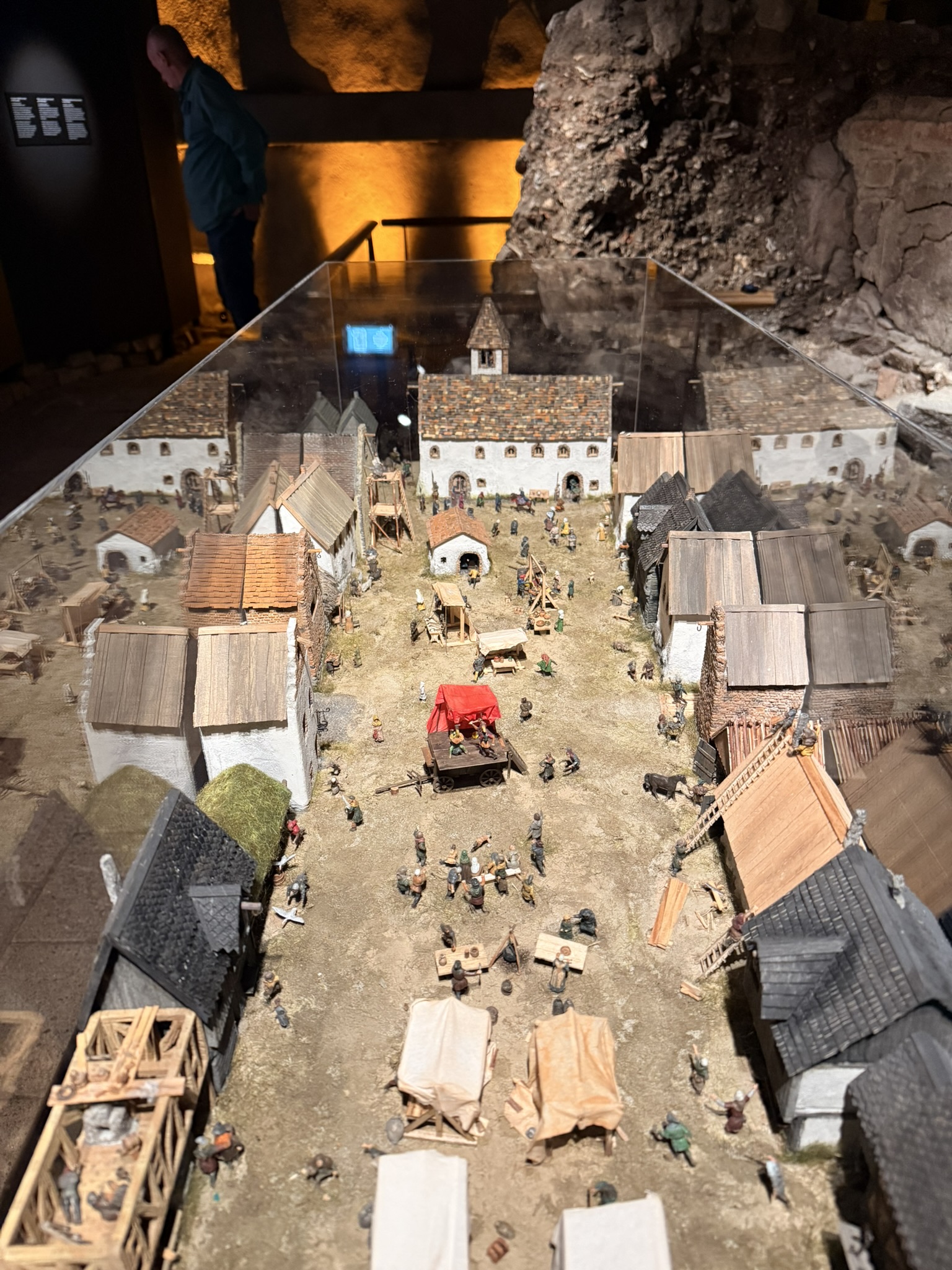
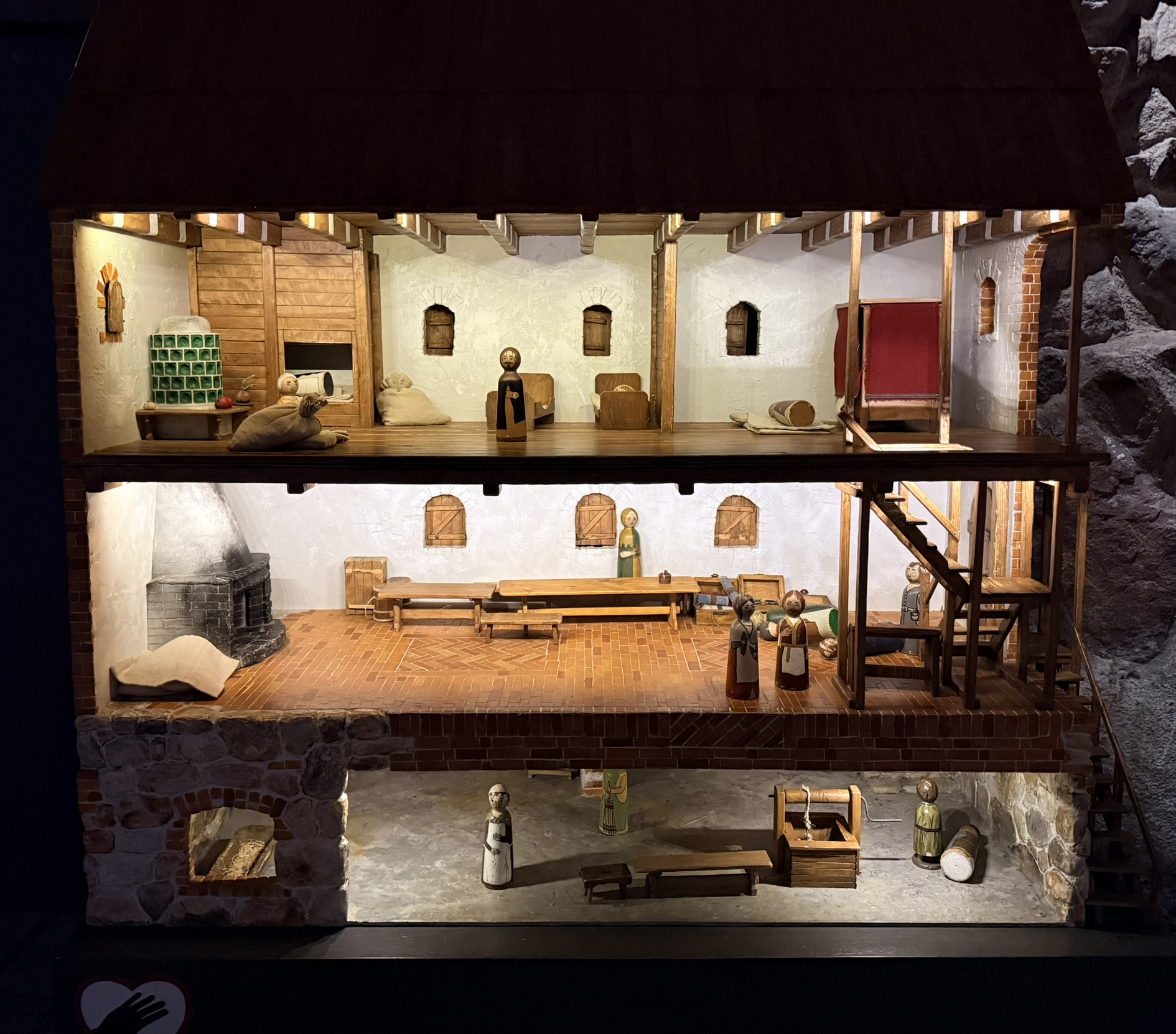
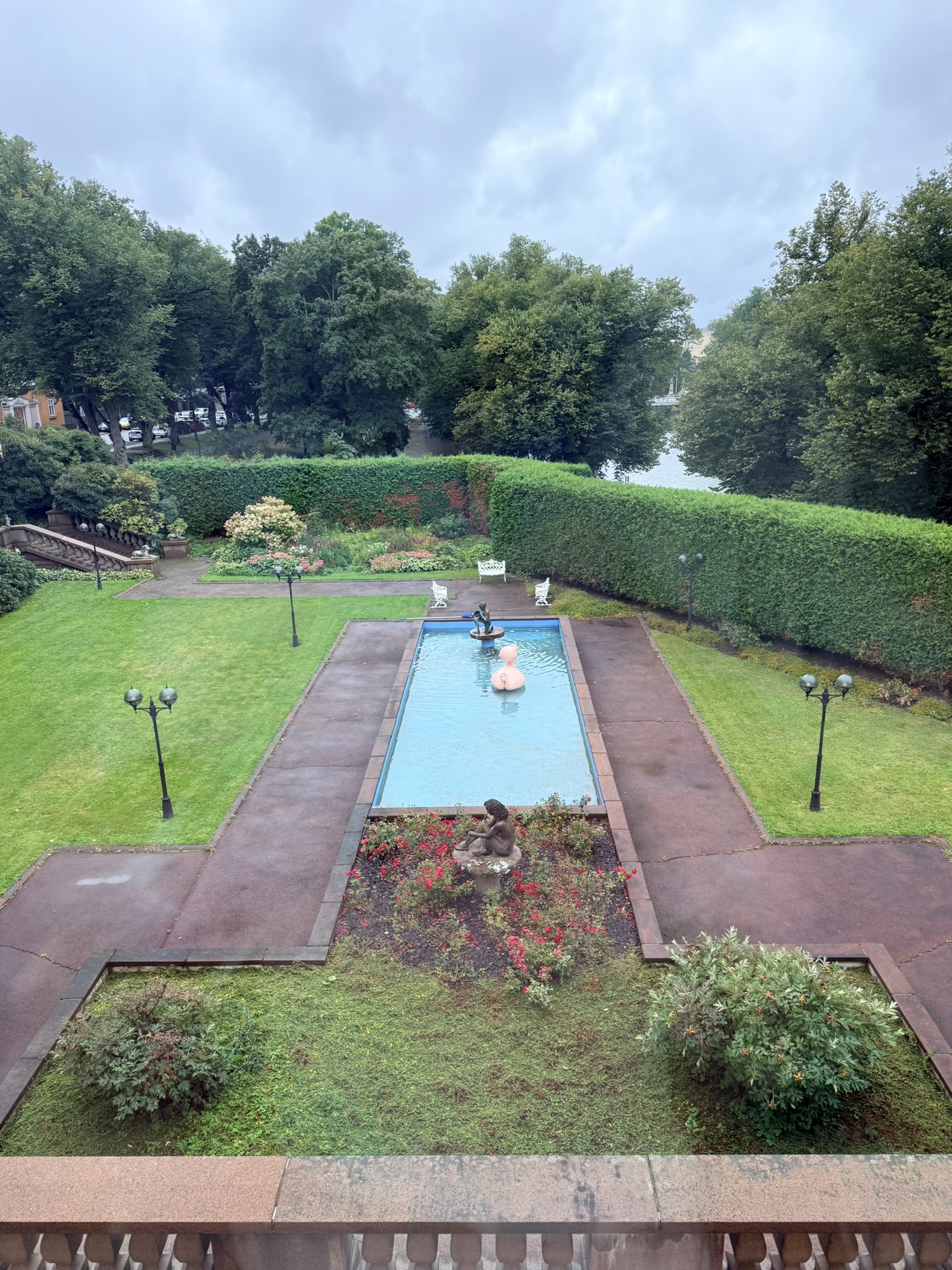
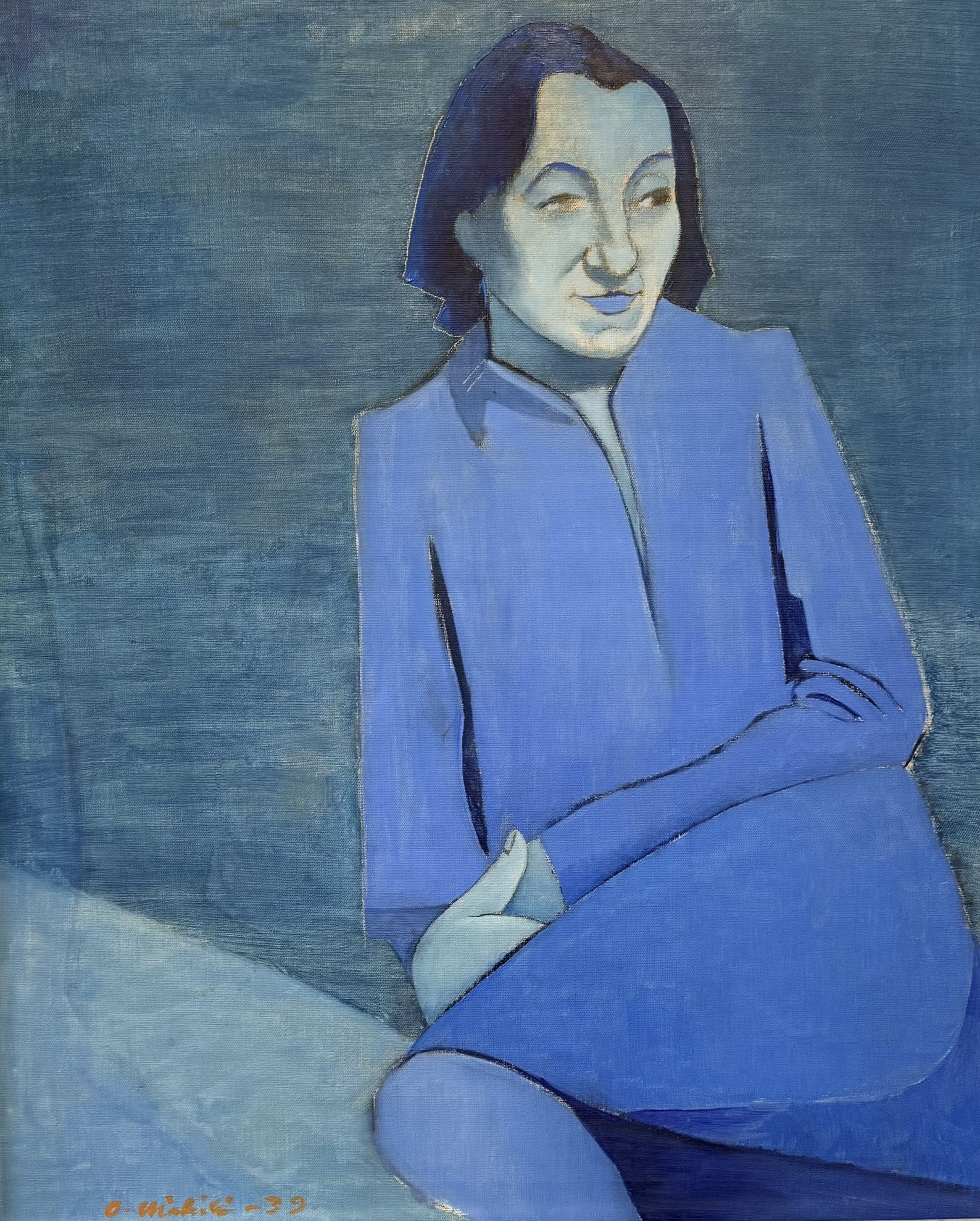
Turku Art Museum
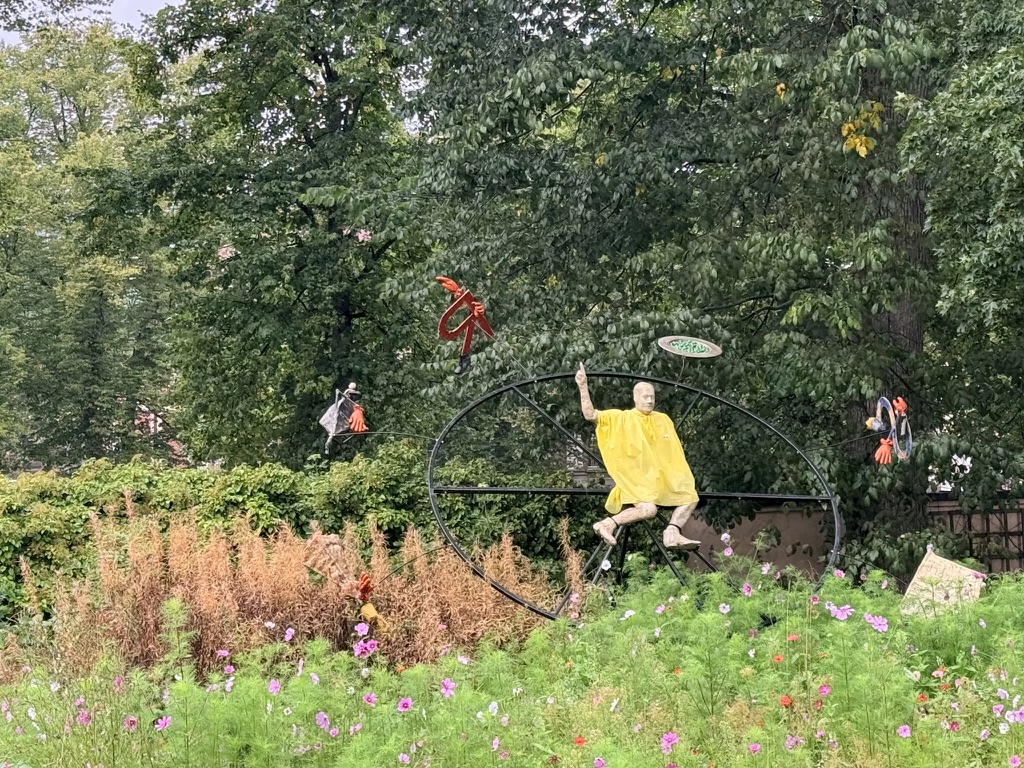
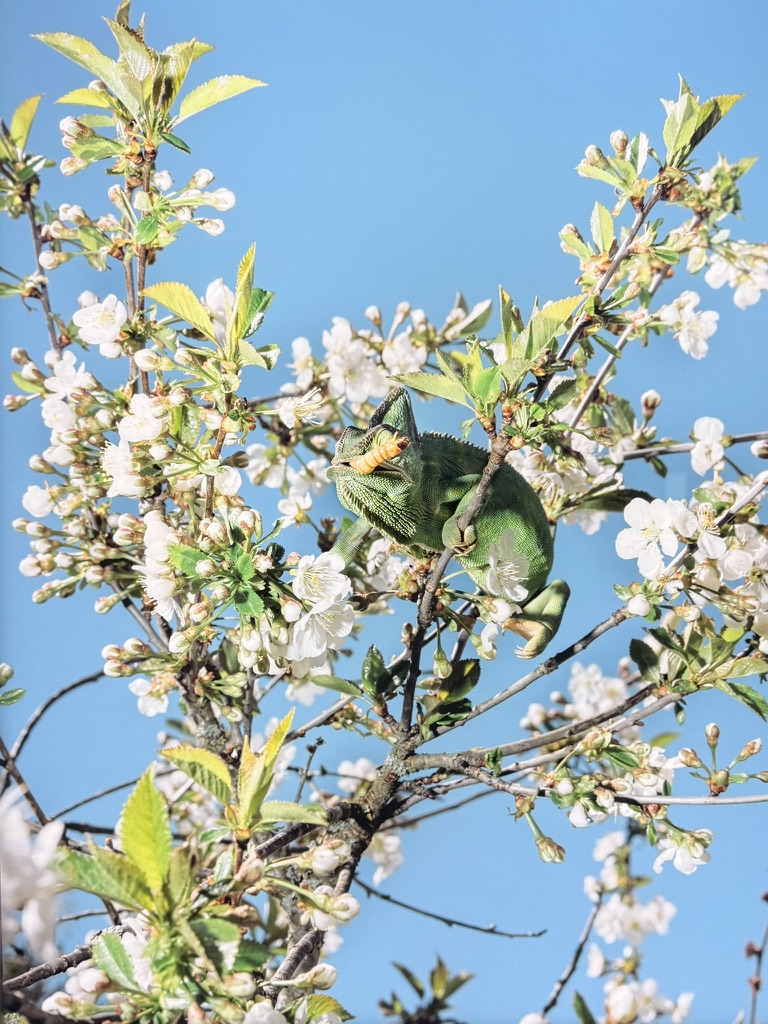
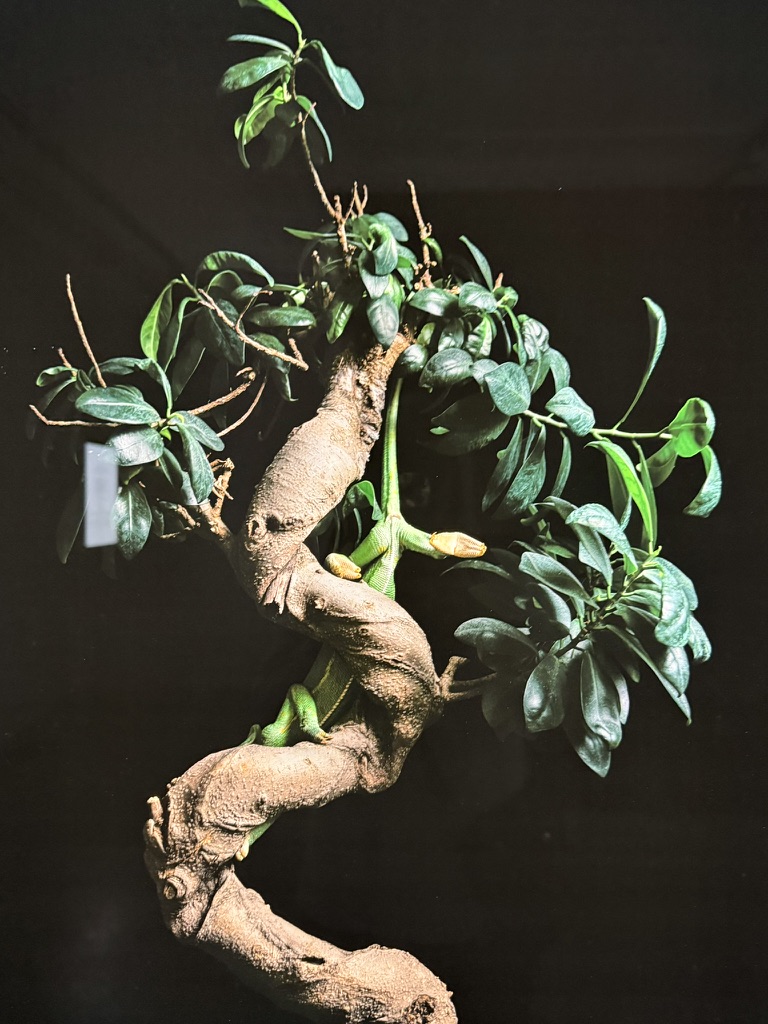
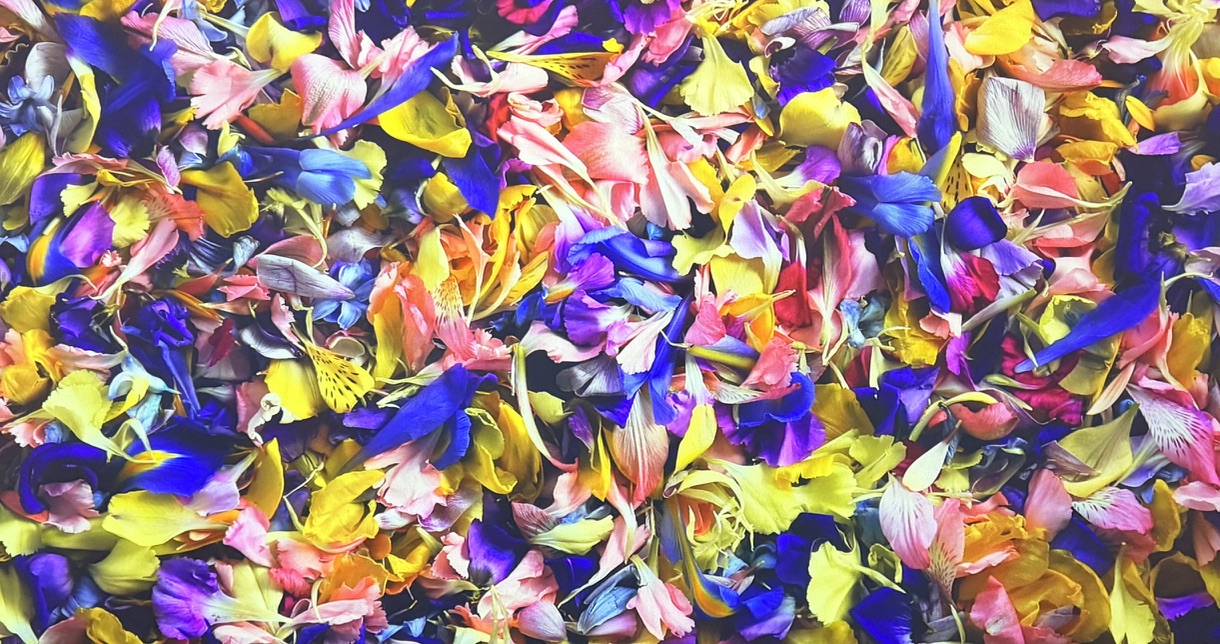
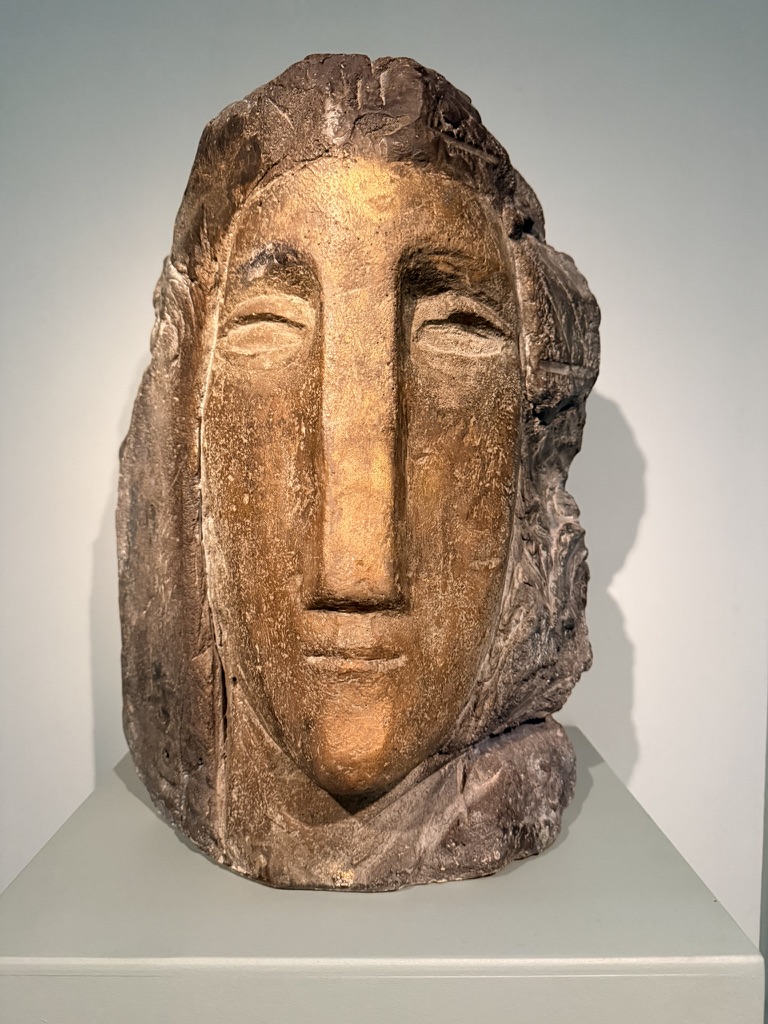
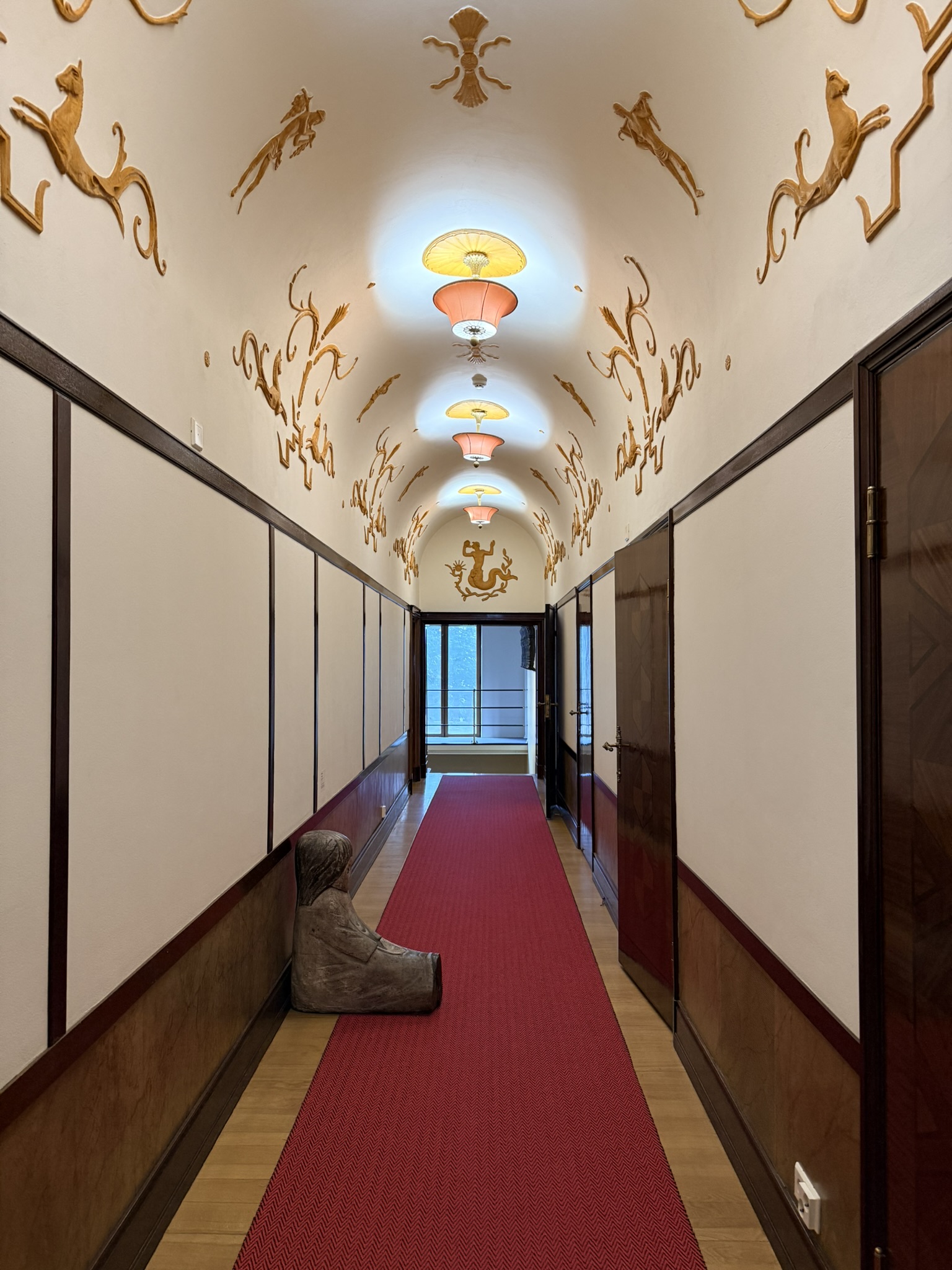
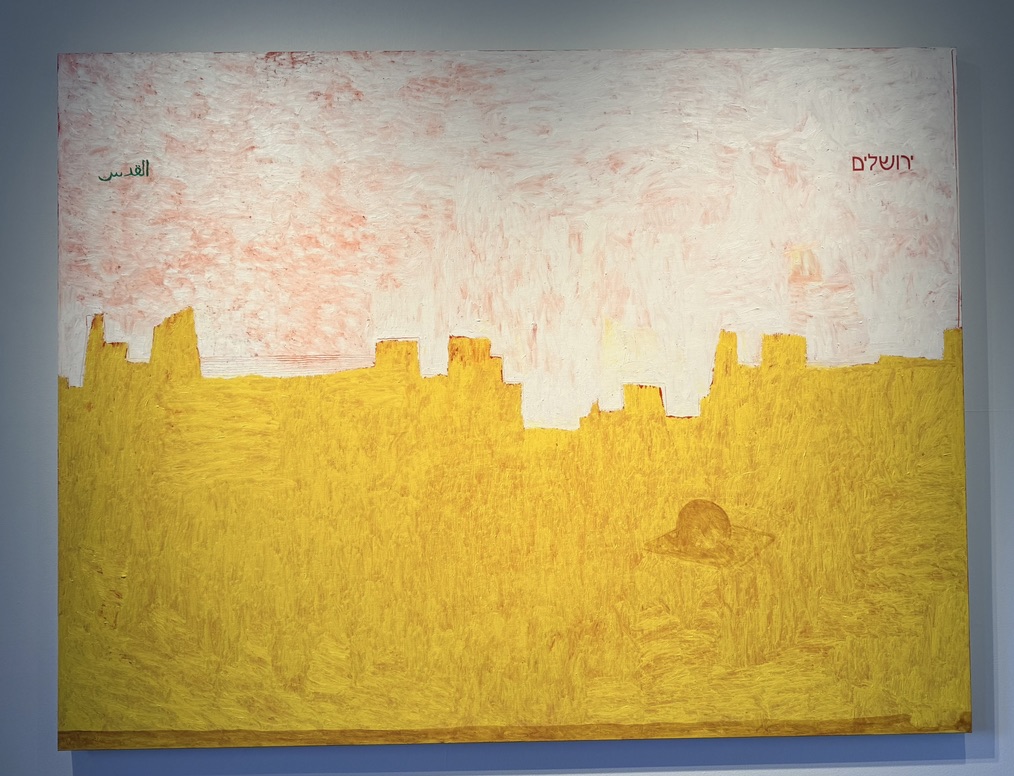
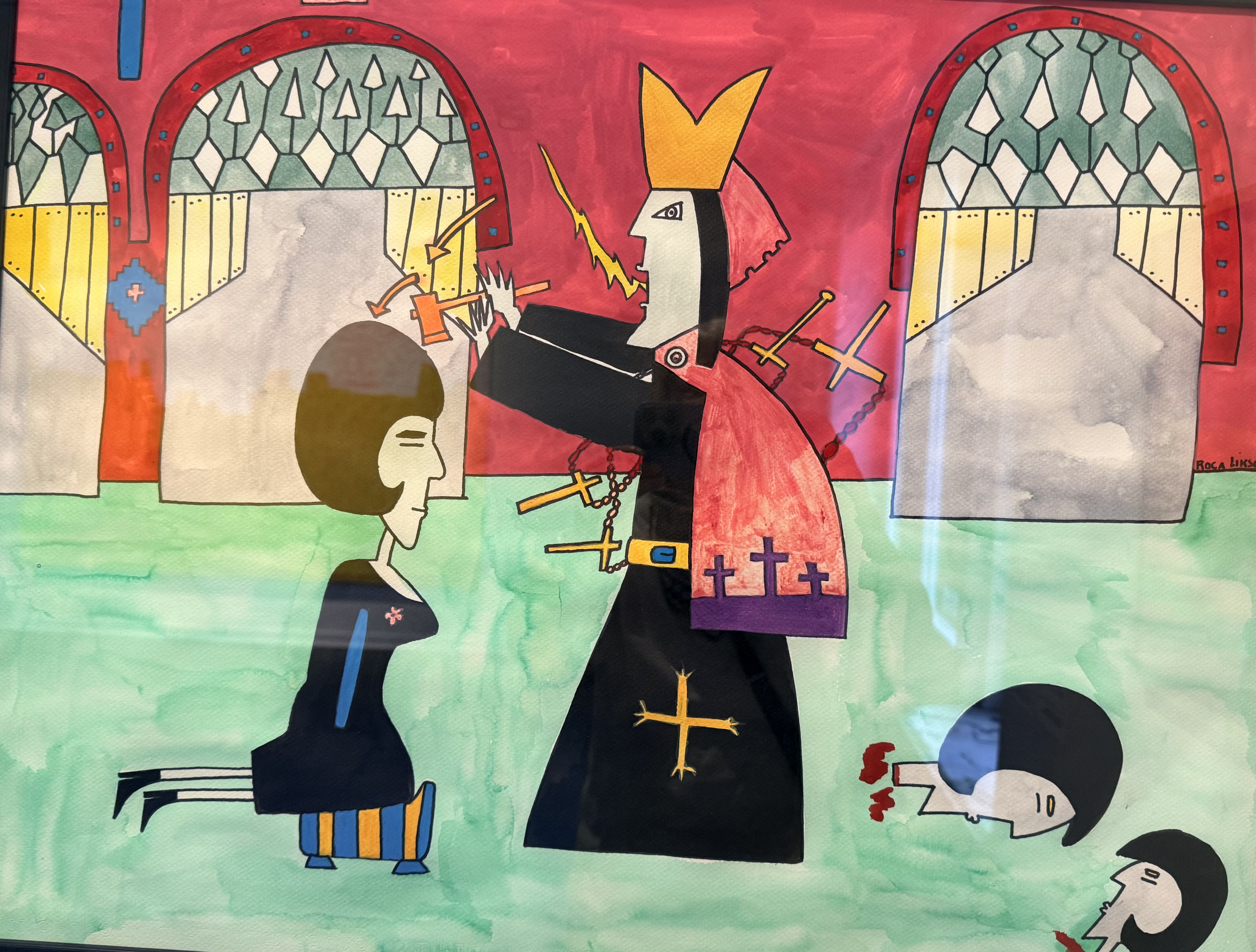
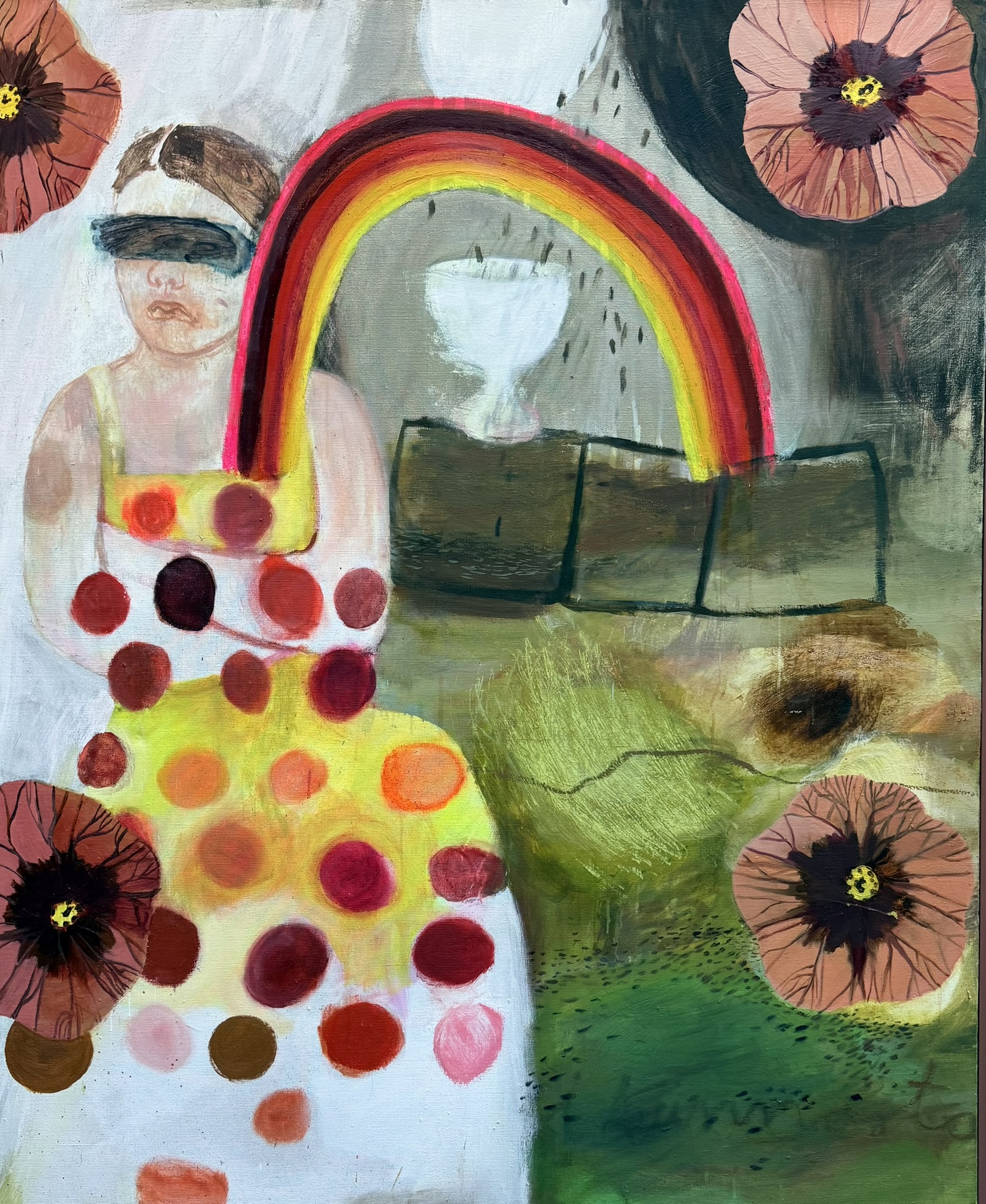
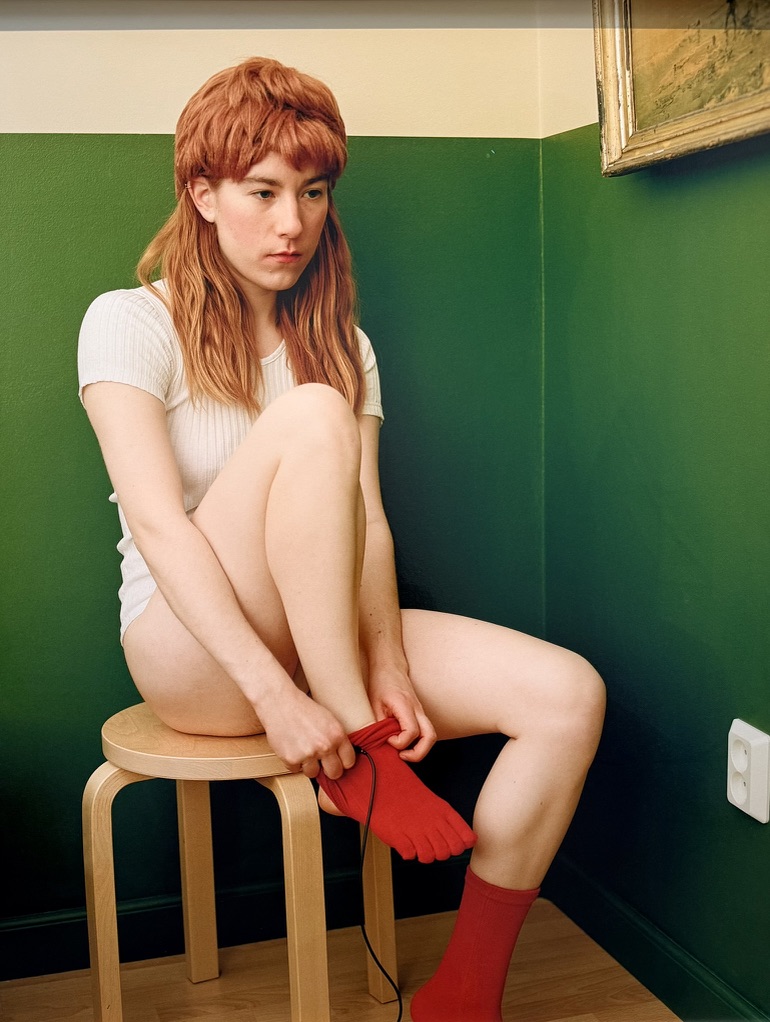
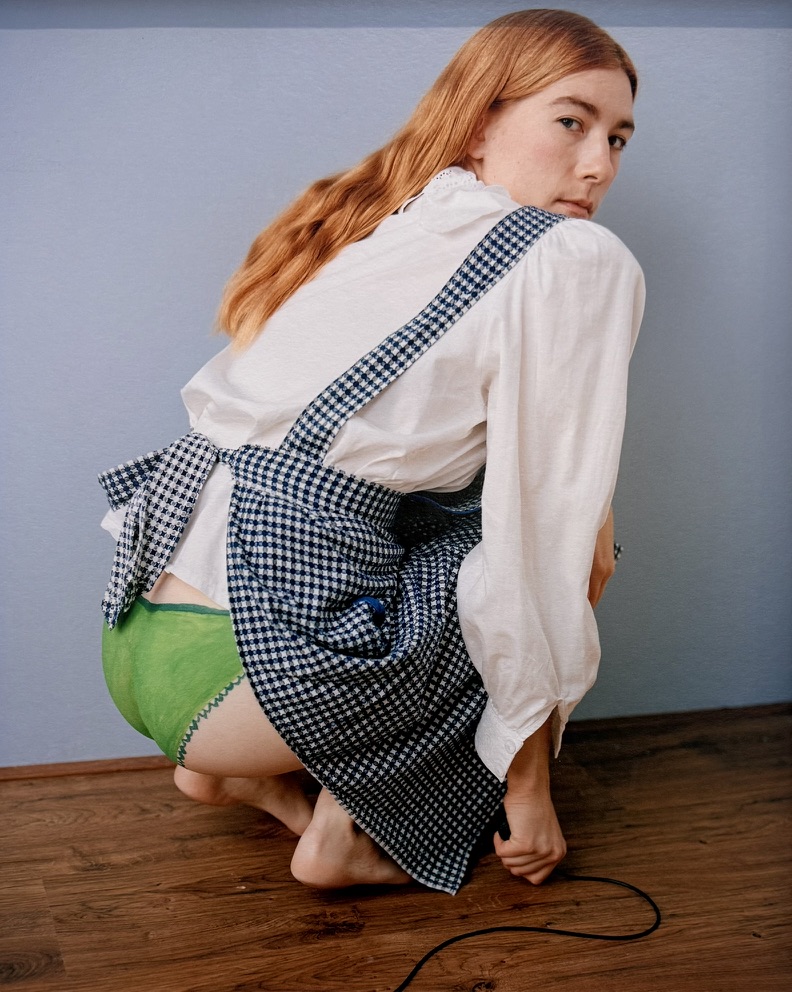
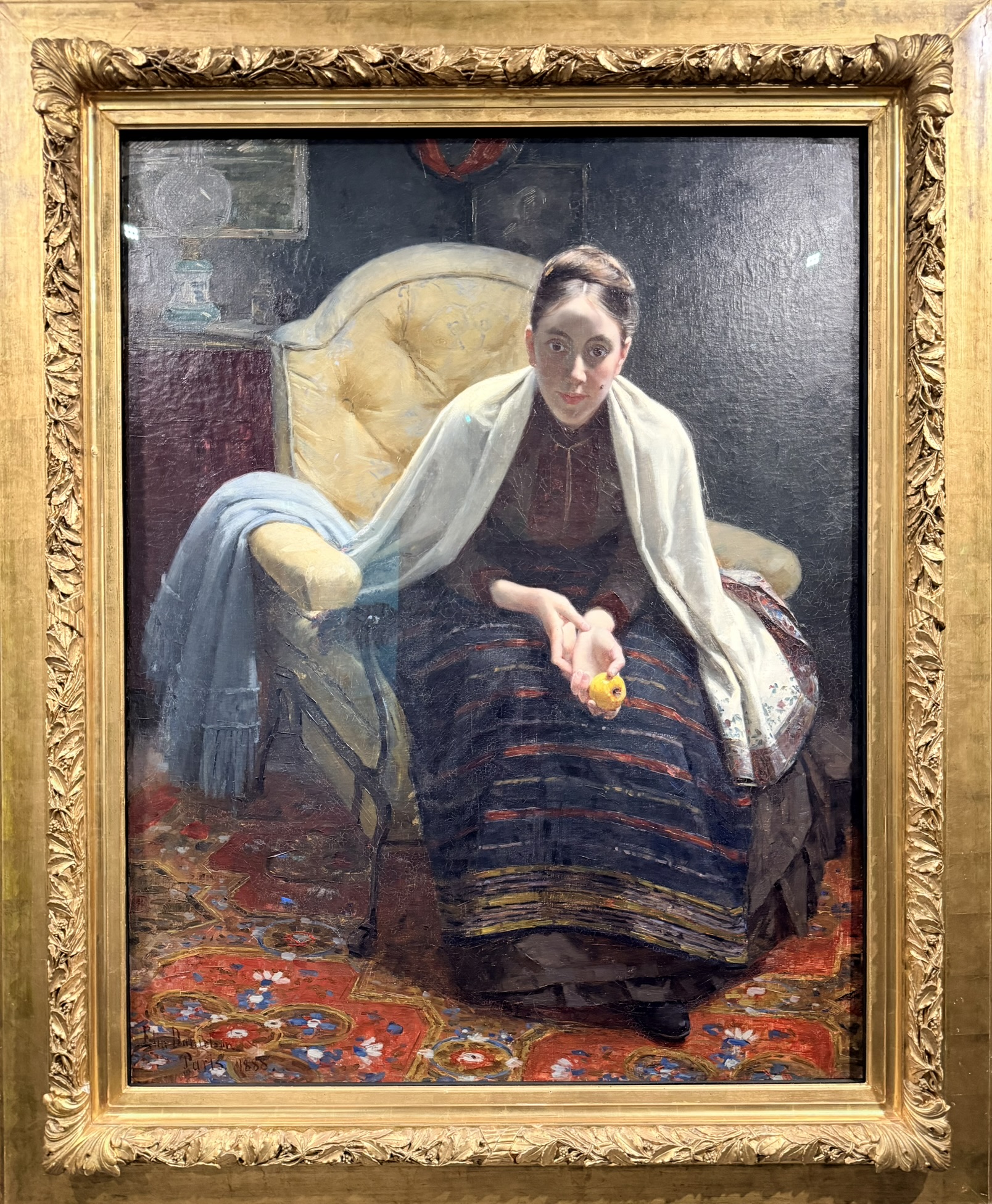
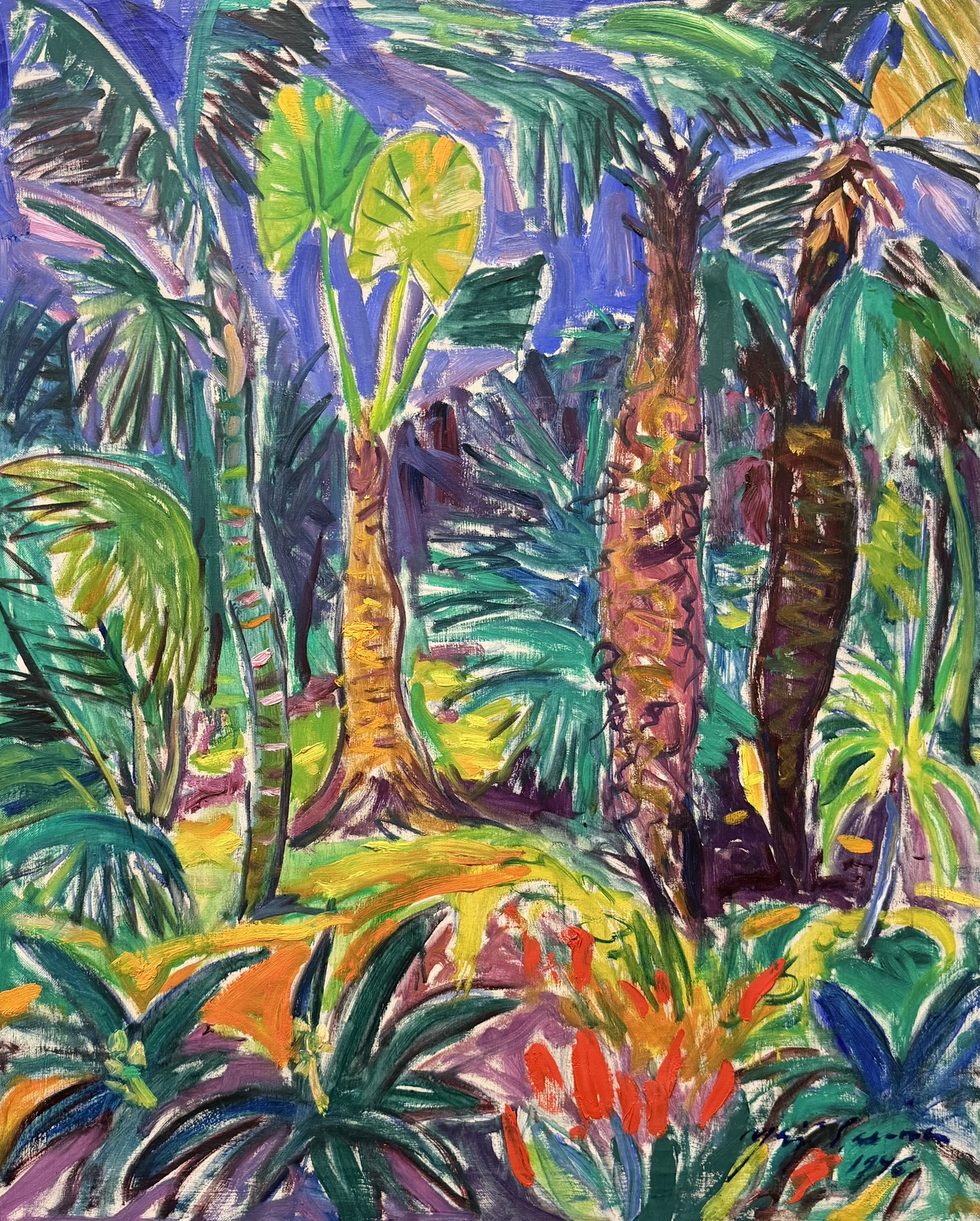
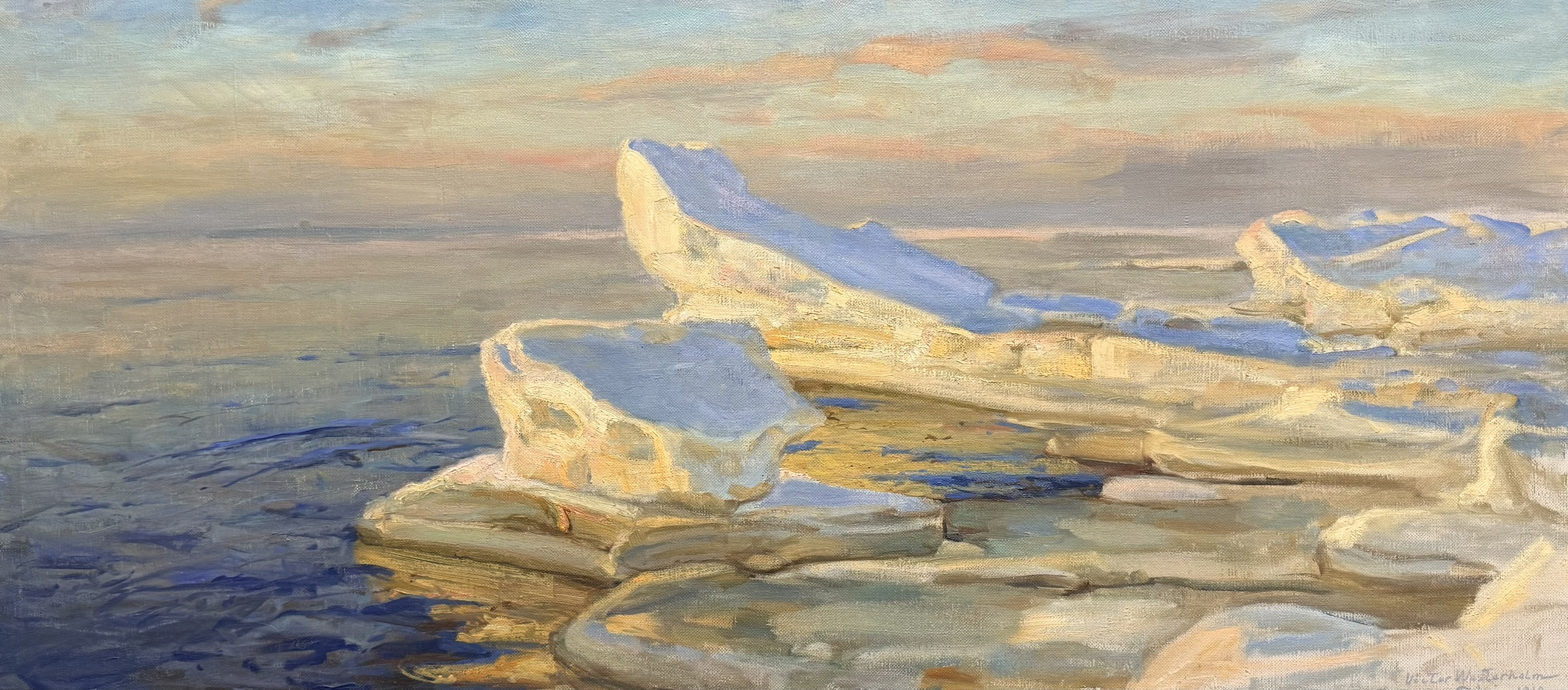
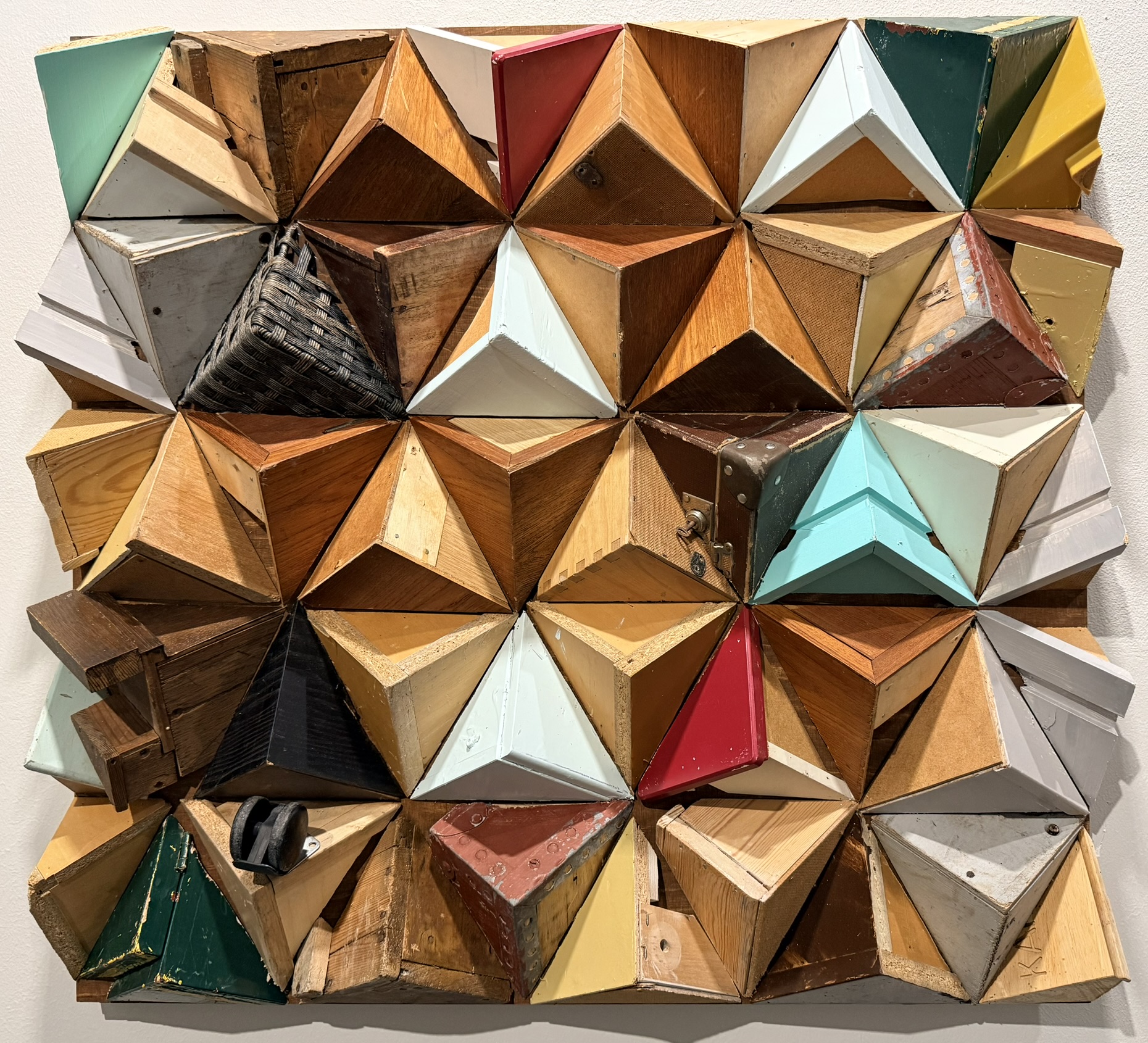
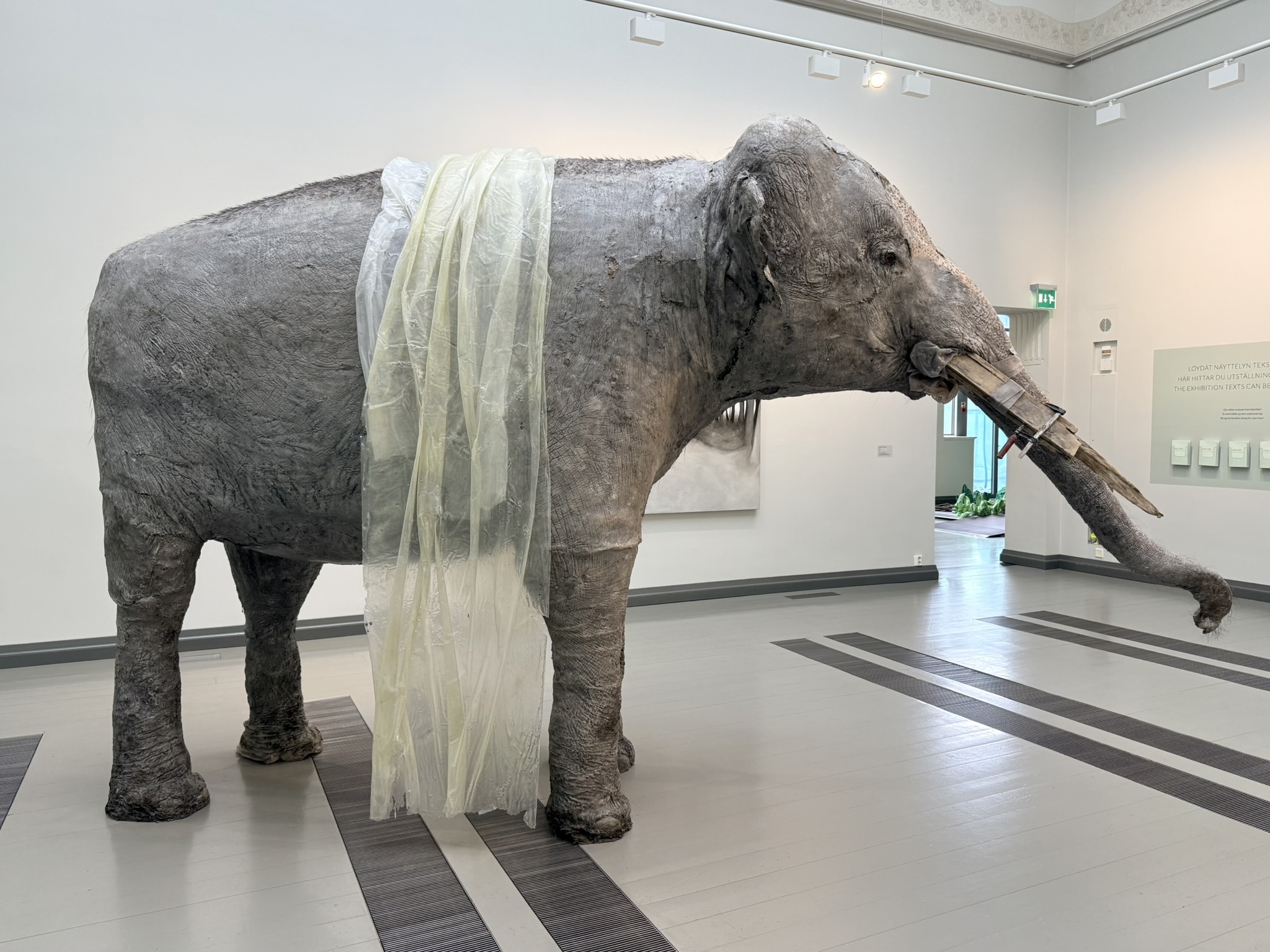
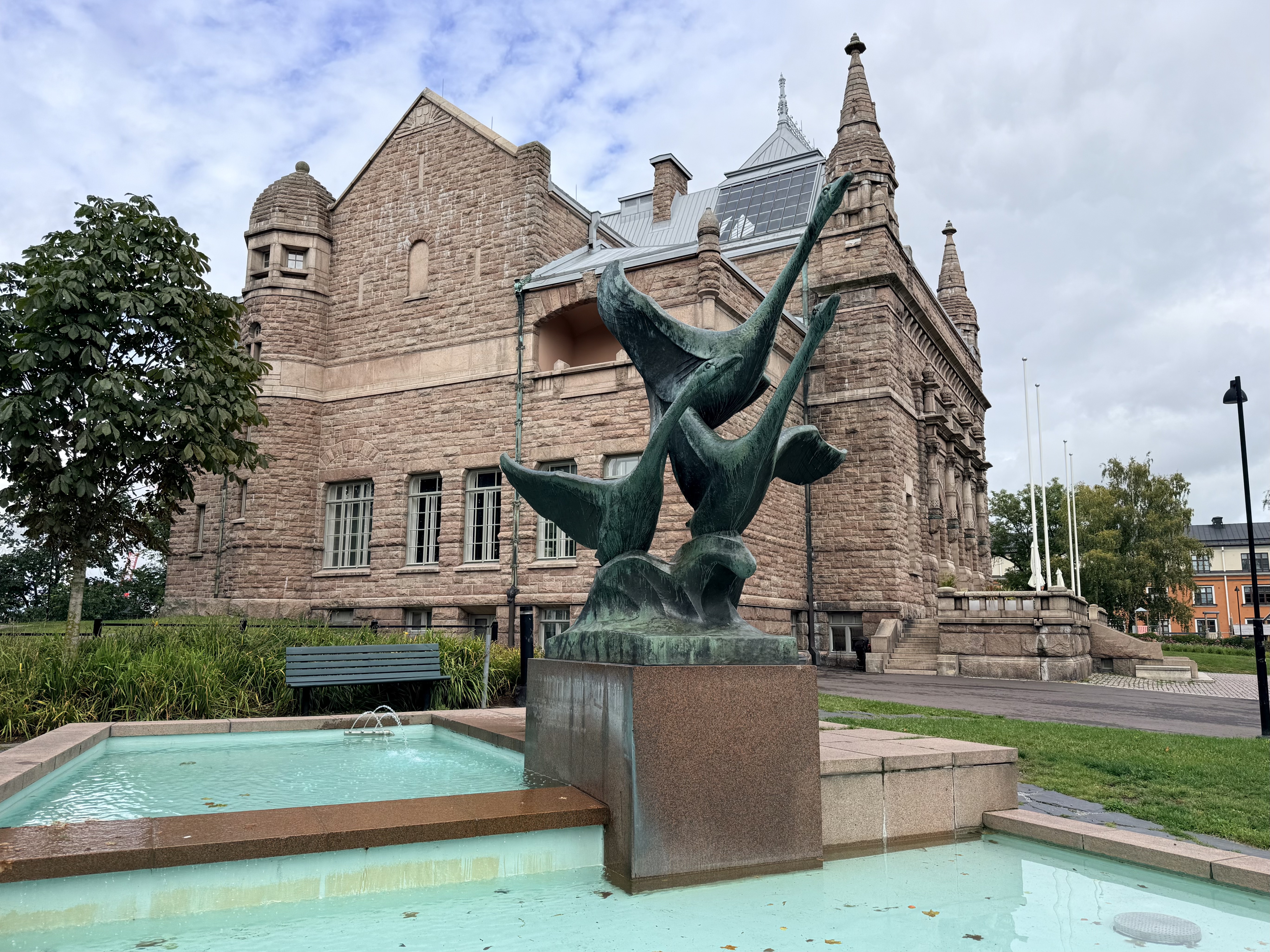
On our last day we discovered the best treasure of all, the Eggert Pétursson (b. 1956) exhibit titled “Millefleurs” at the Turku Art Museum. The exhibition title “Millefleurs” celebrates the abundance of floral spendor in nature and in the decorative styles of art history. Pétursson is one of Iceland’s most beloved artists.
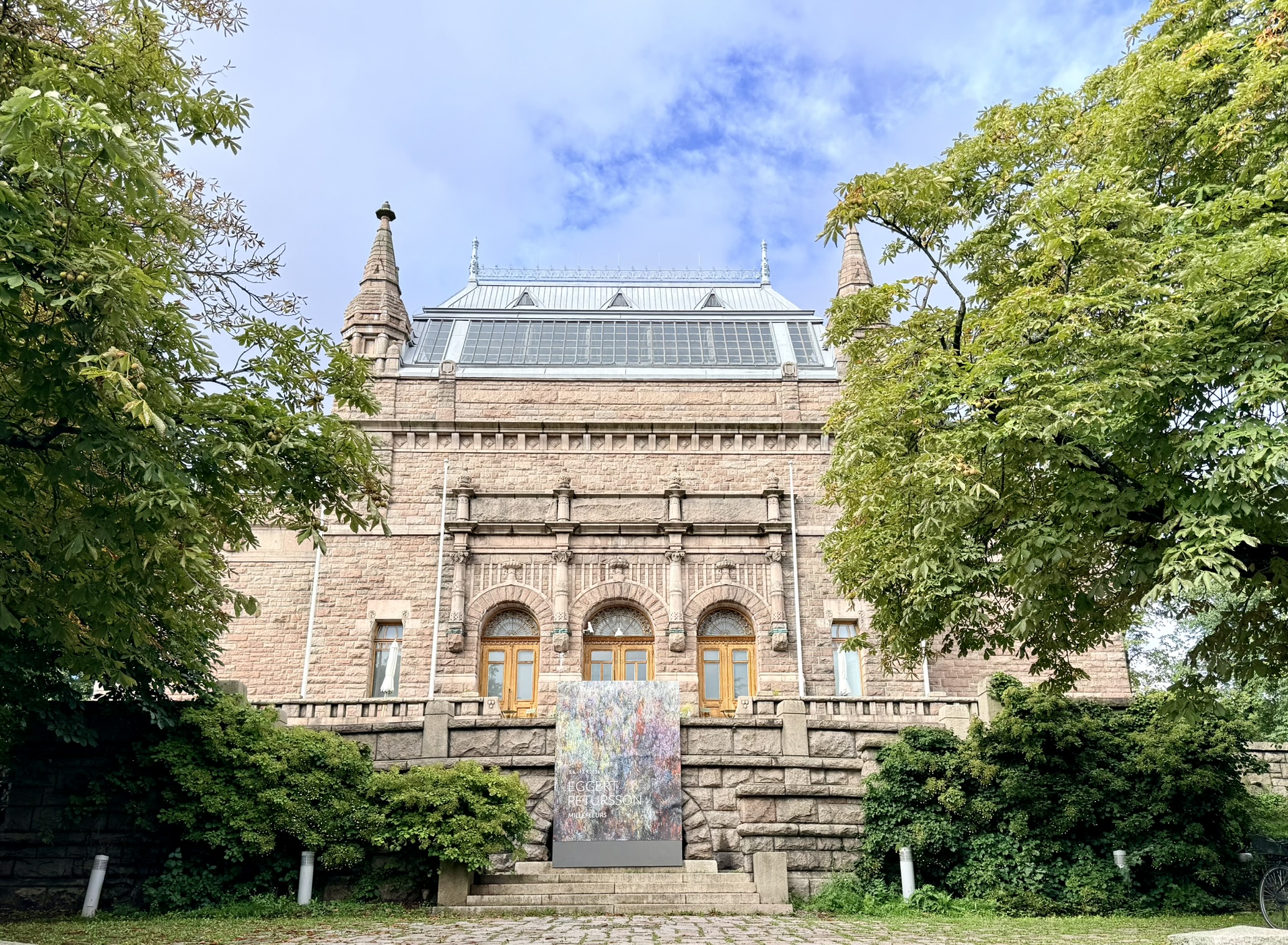
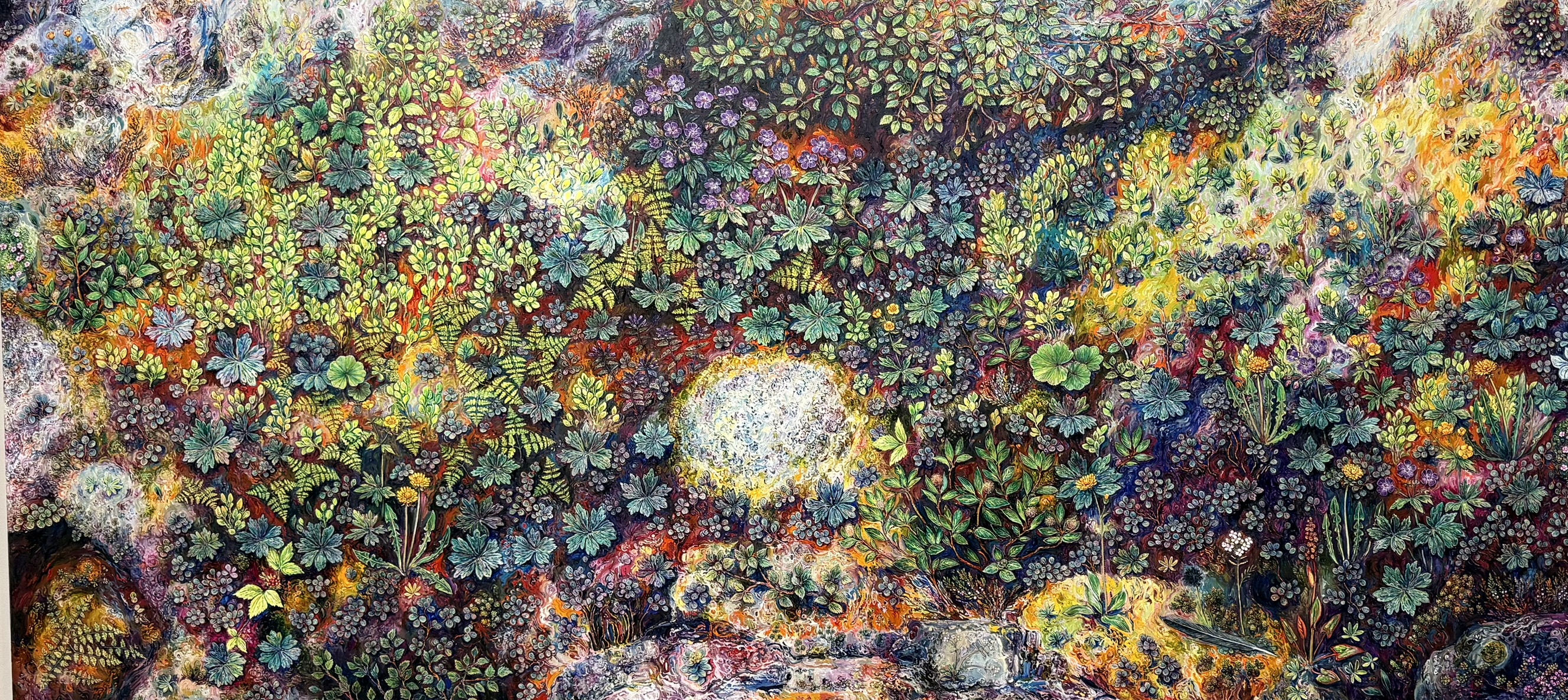
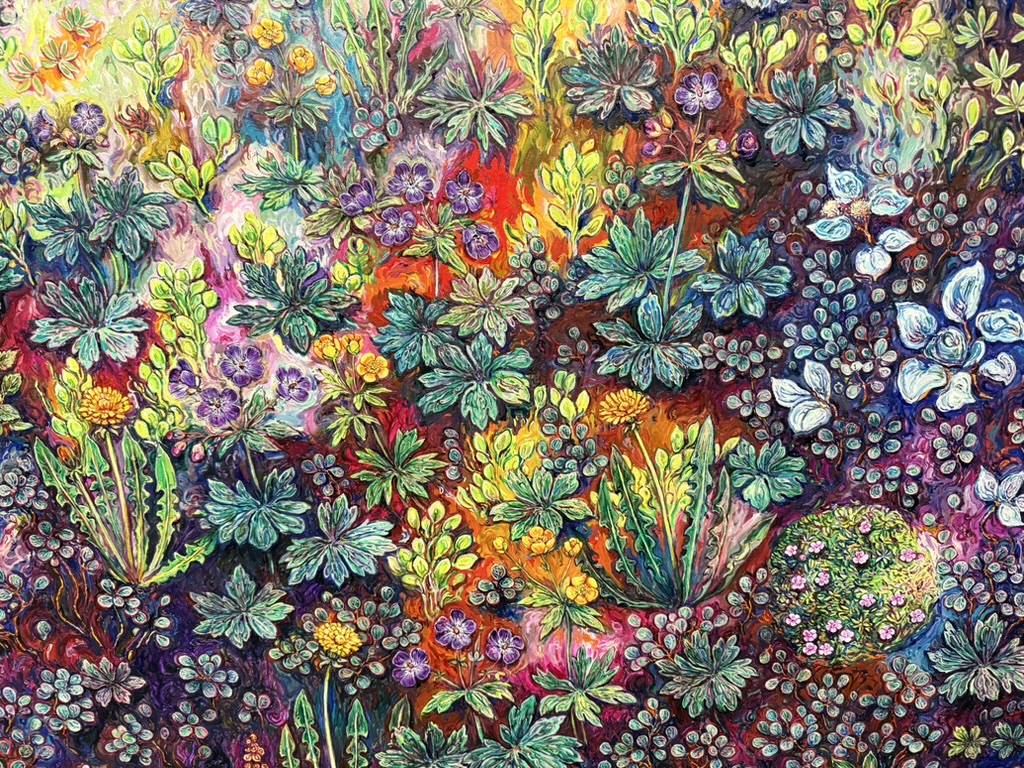
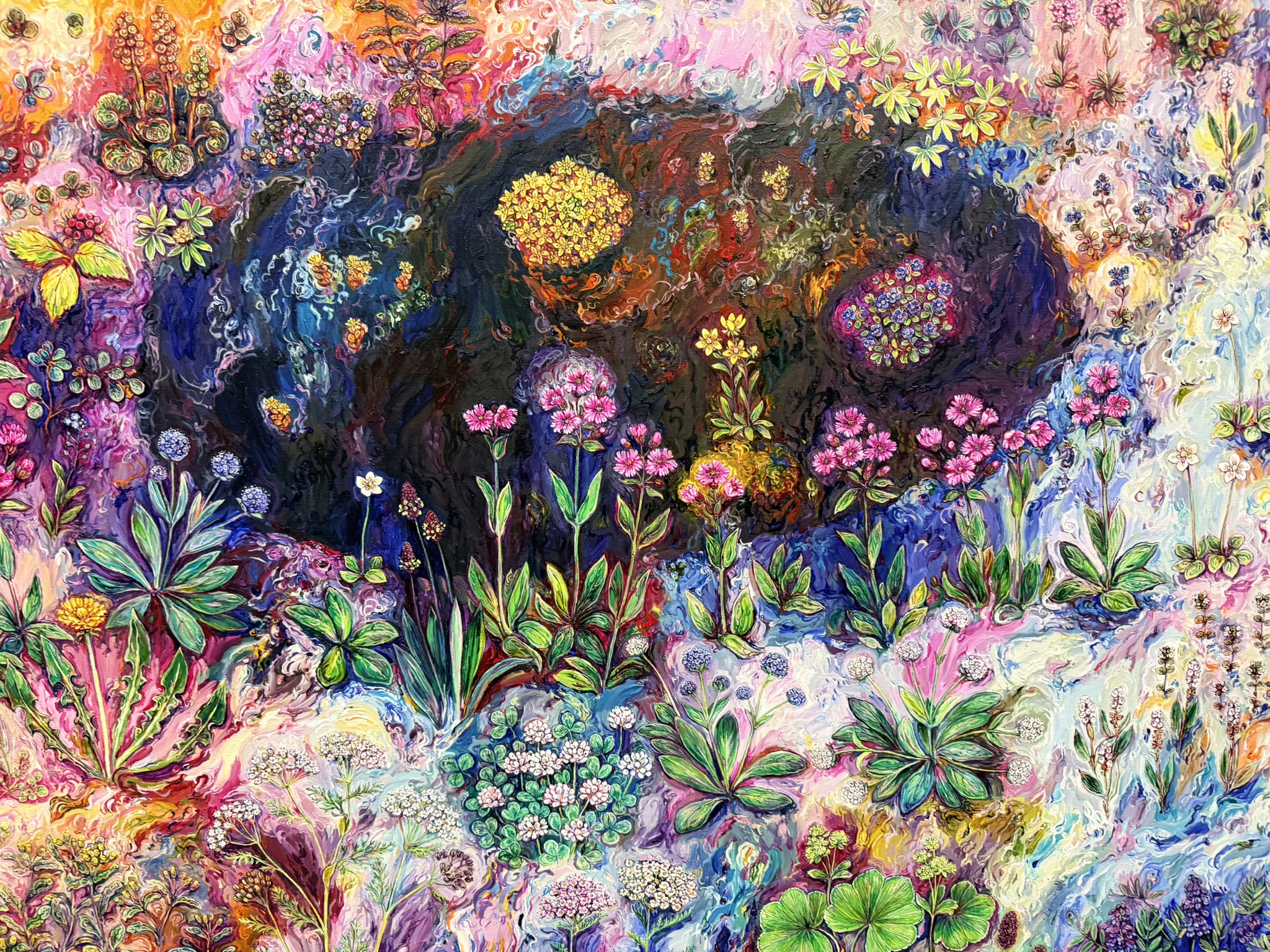
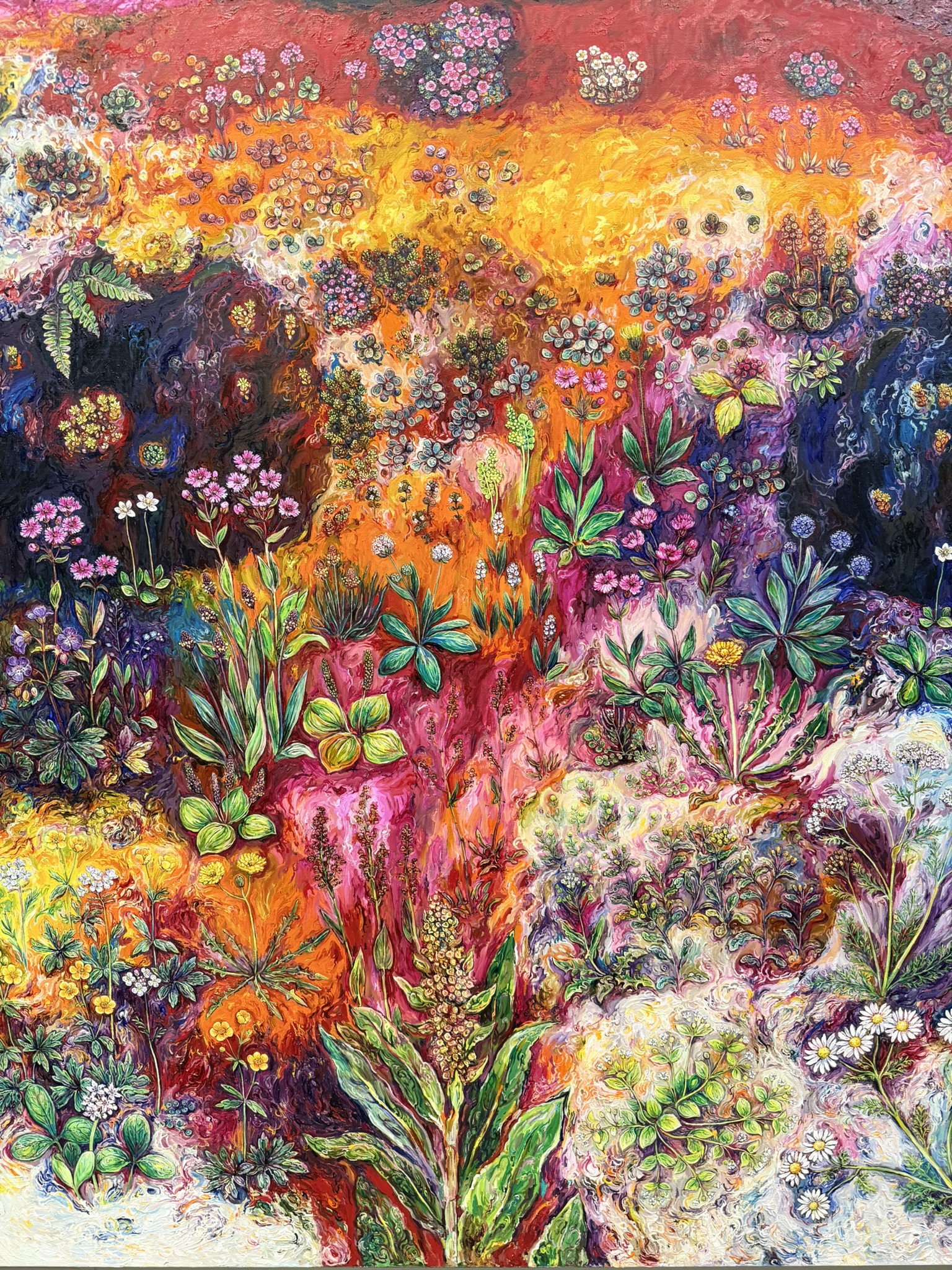
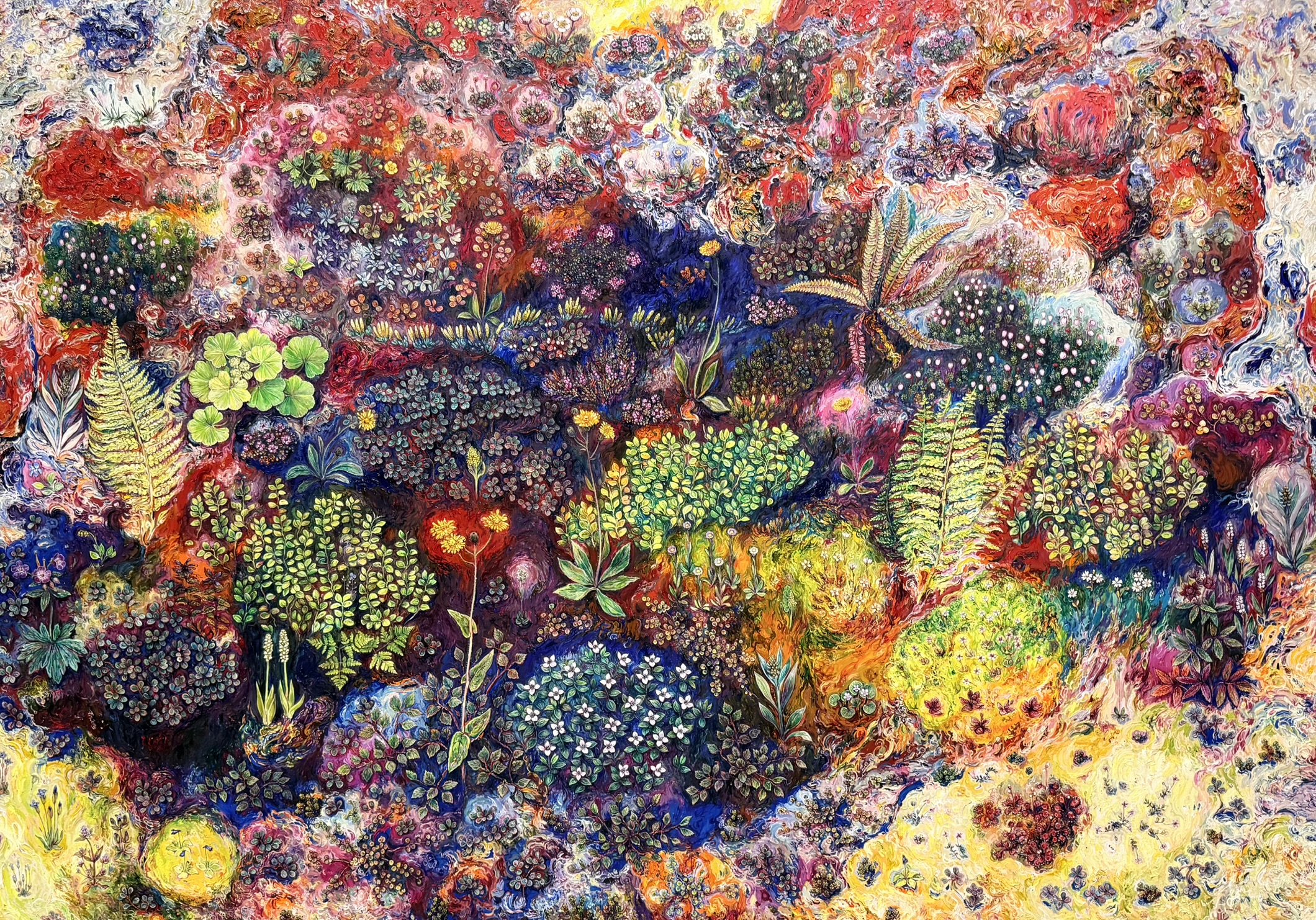
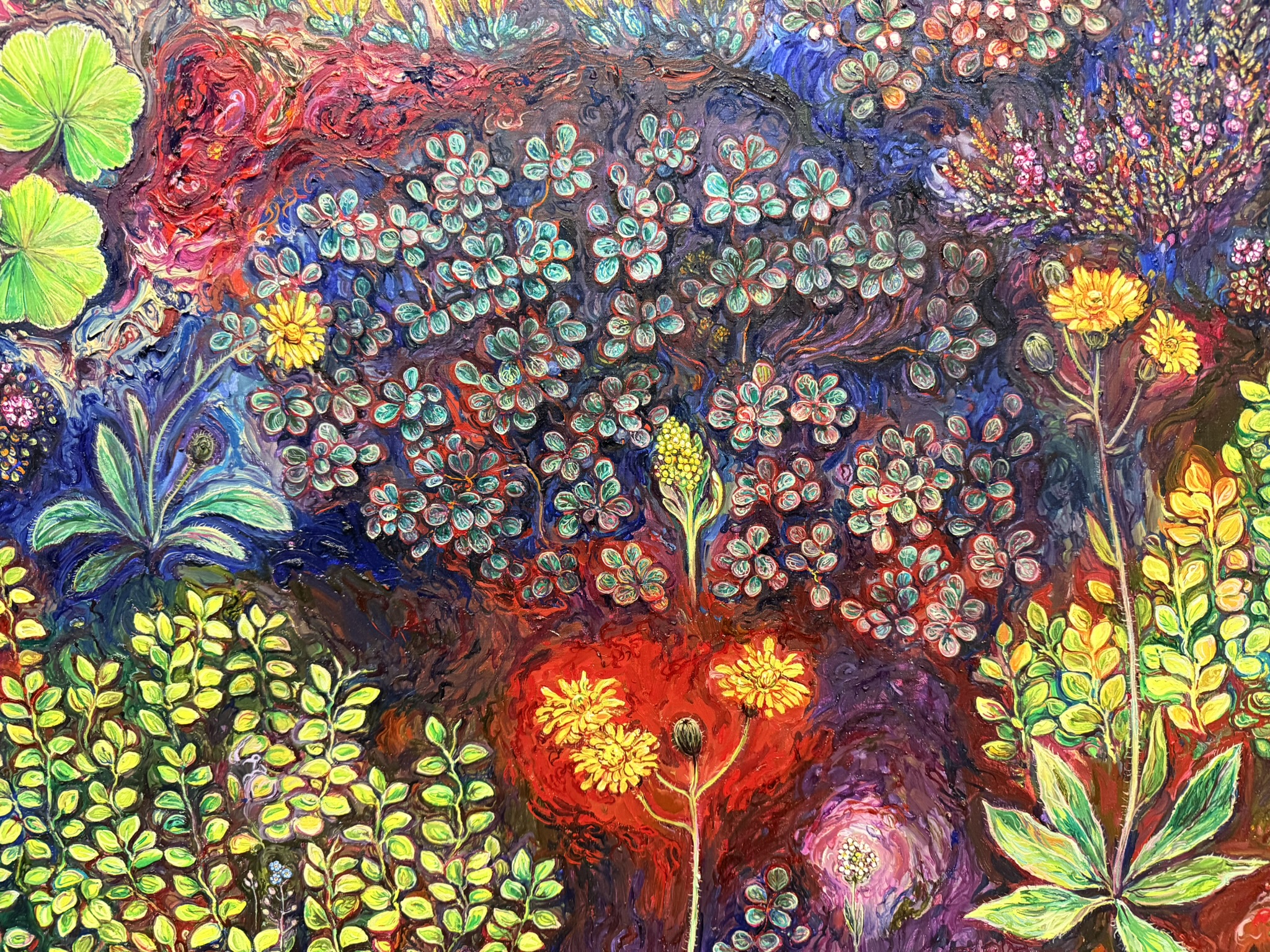
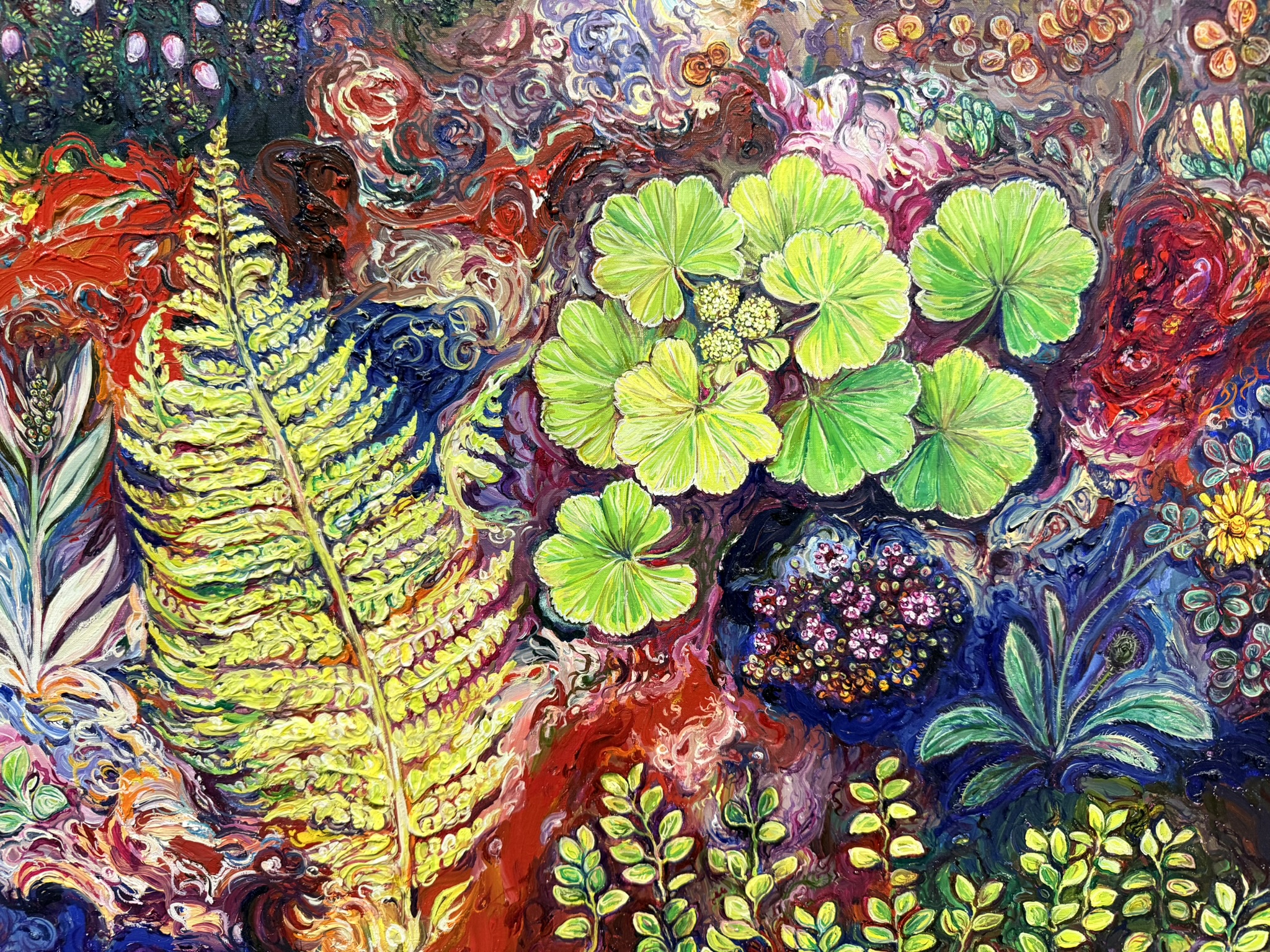
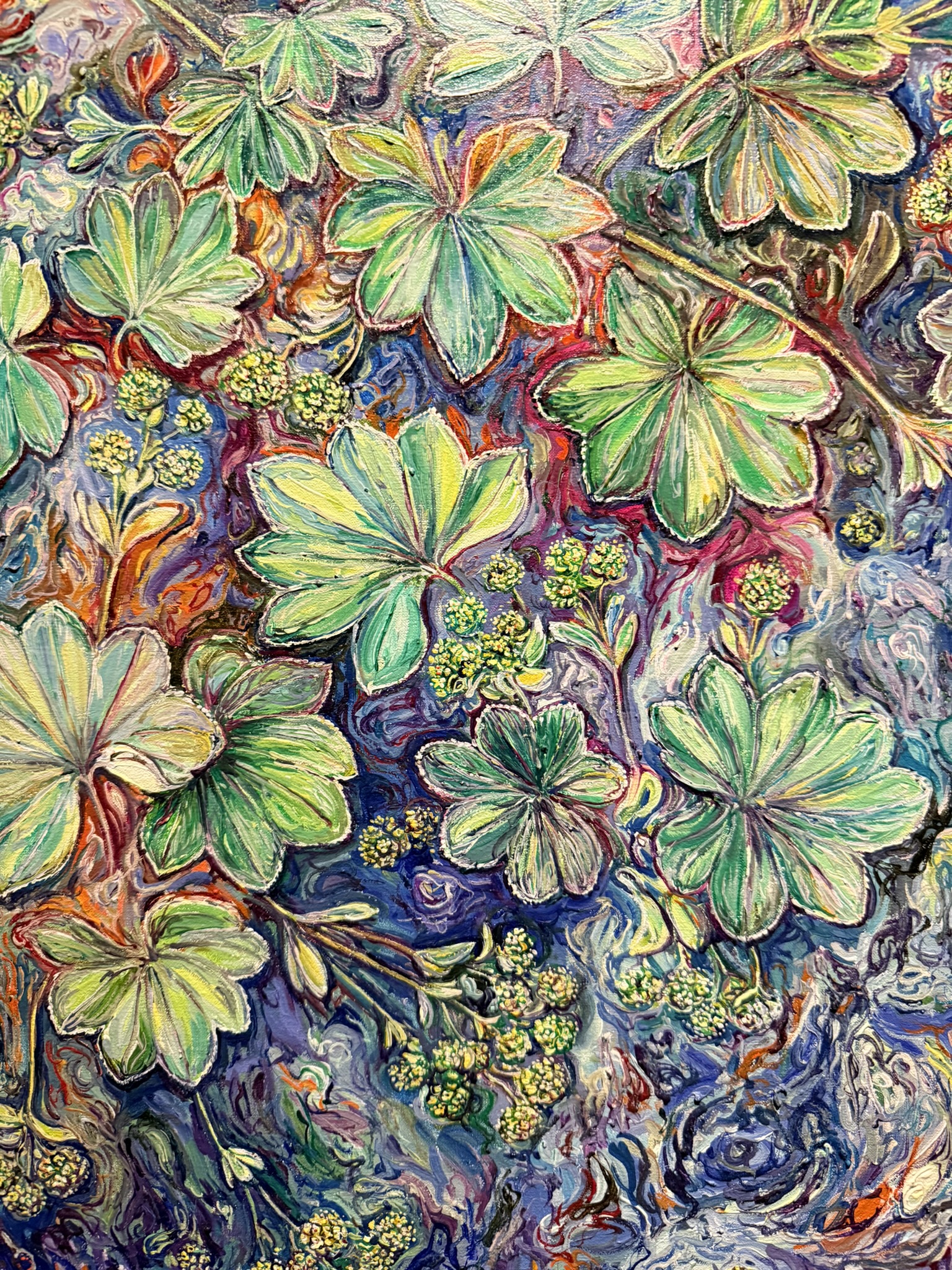
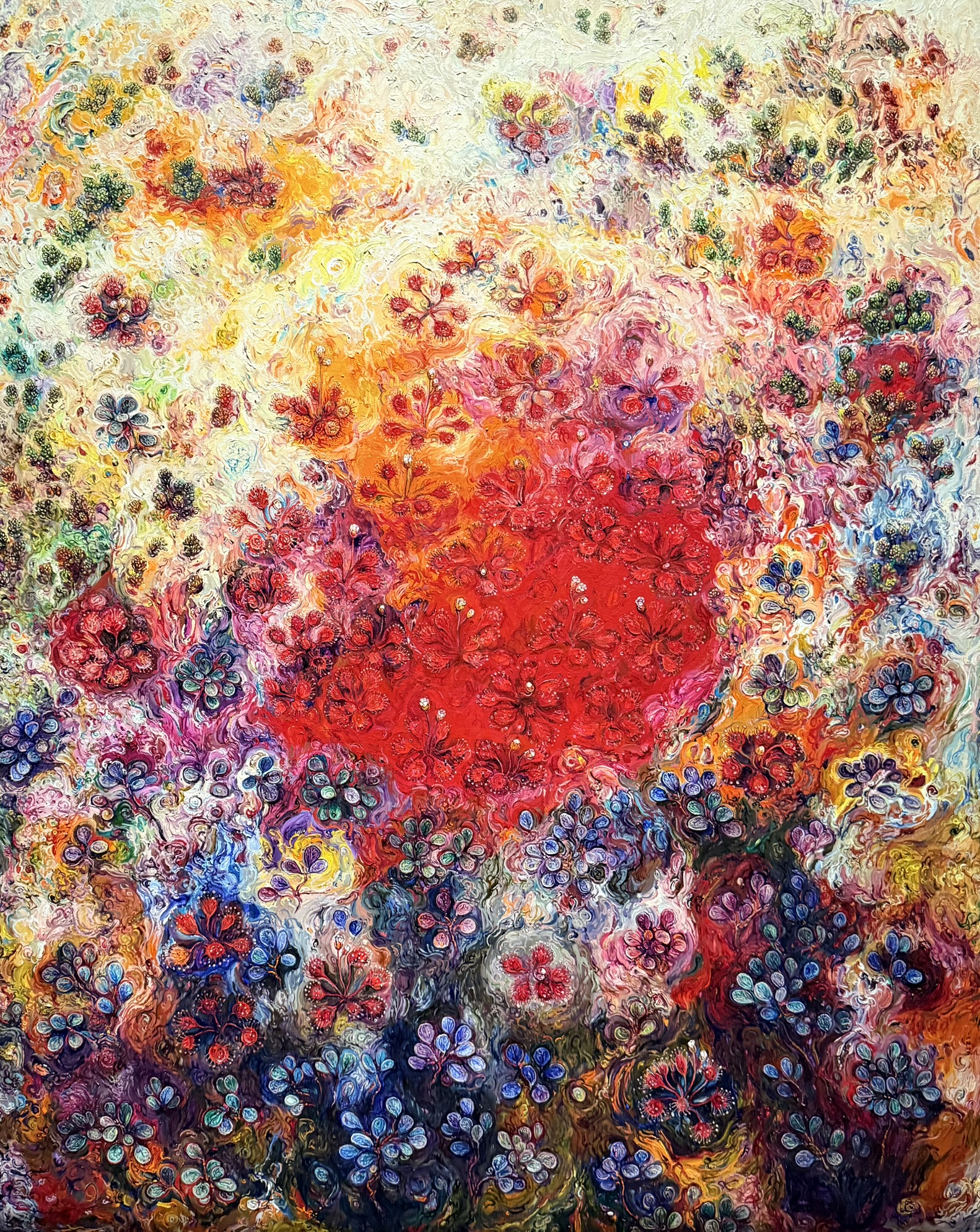
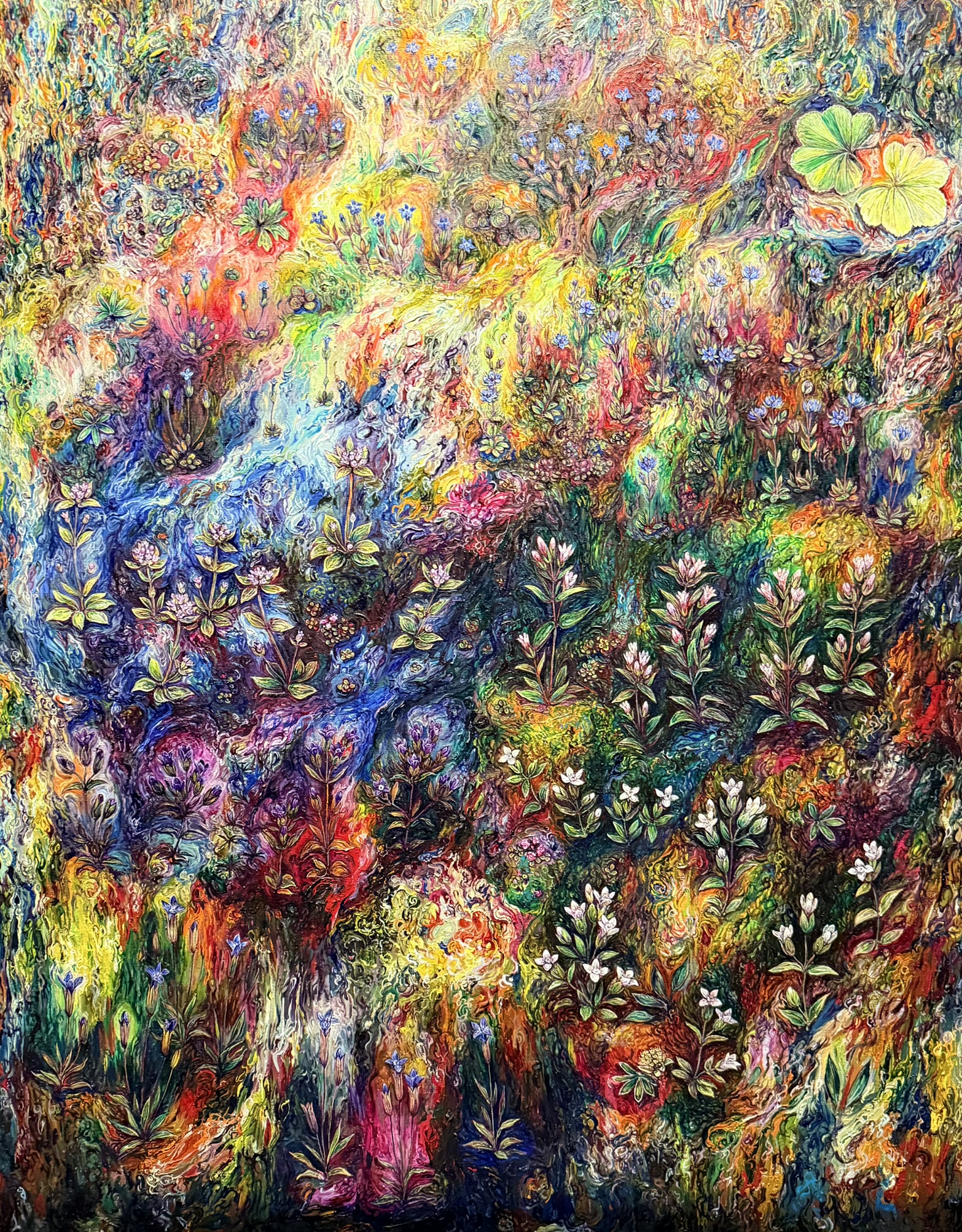
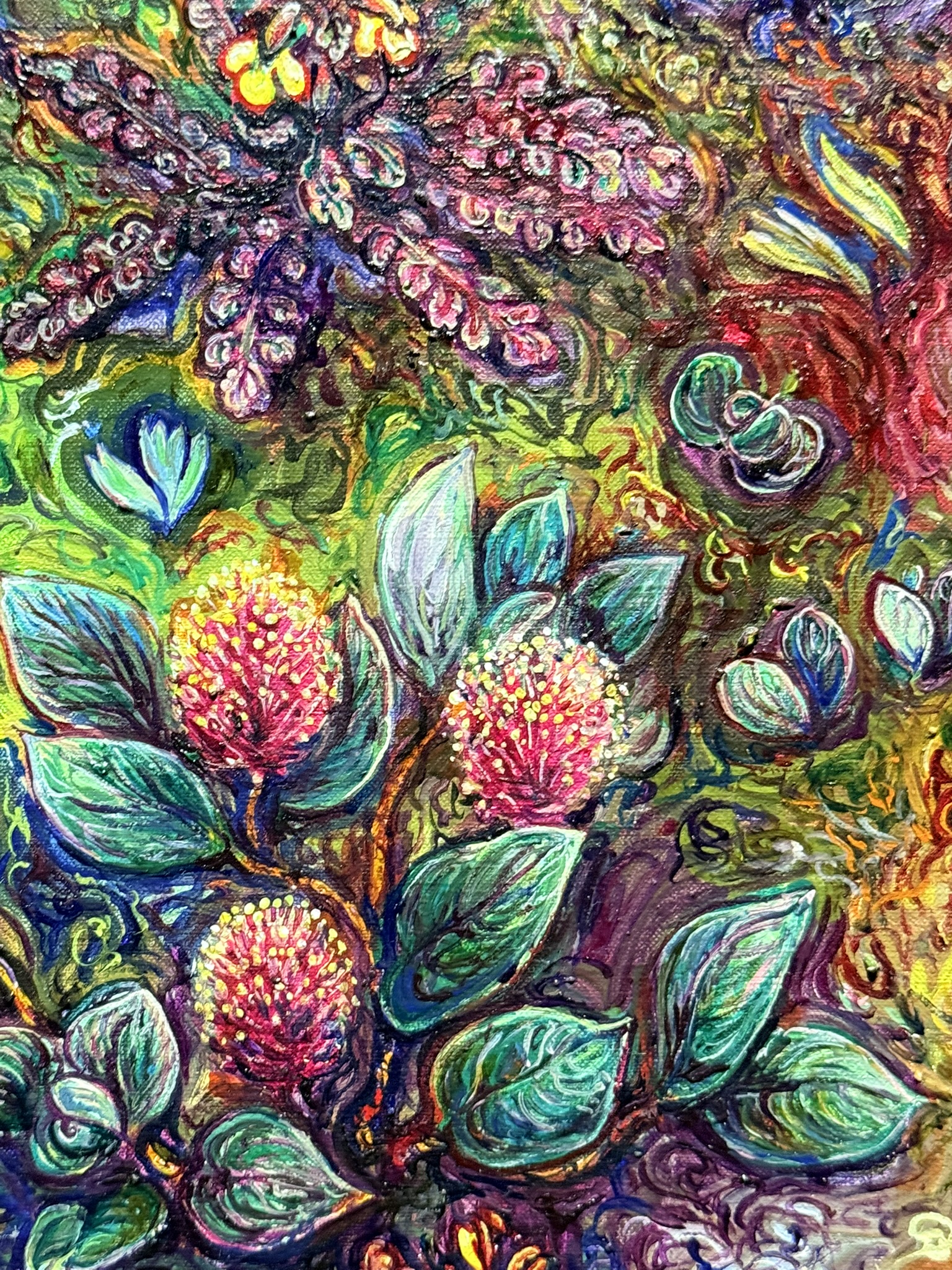
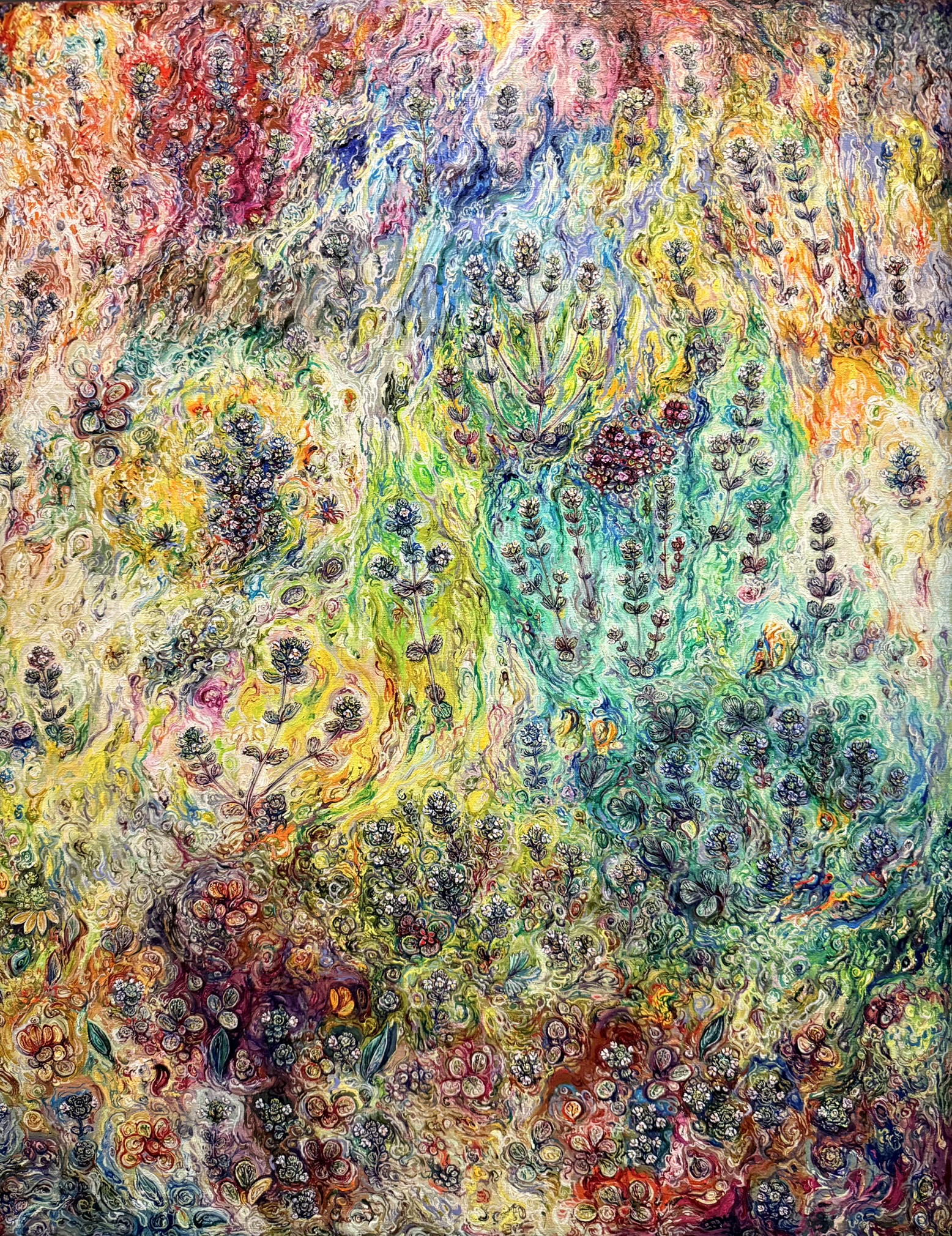
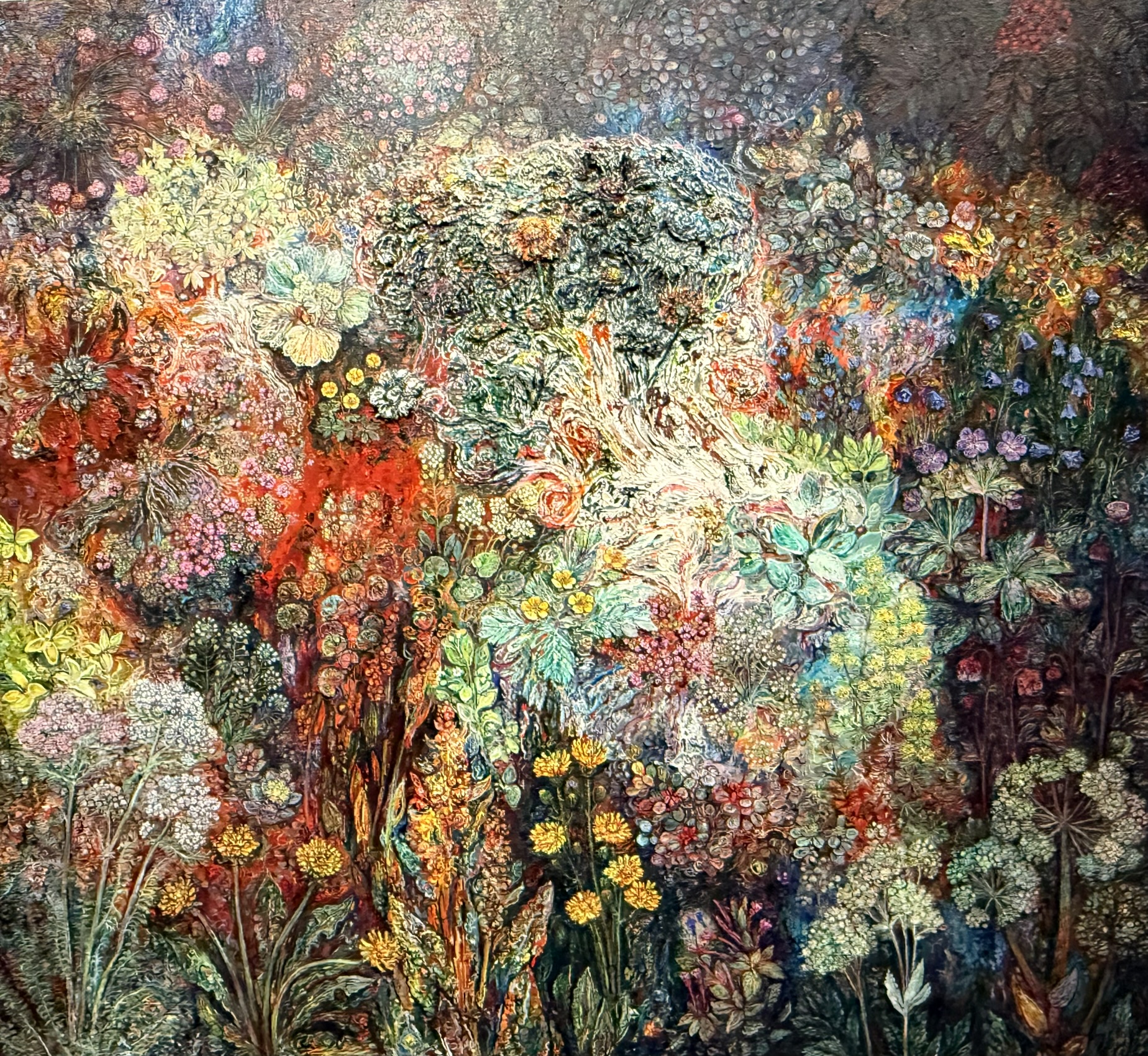
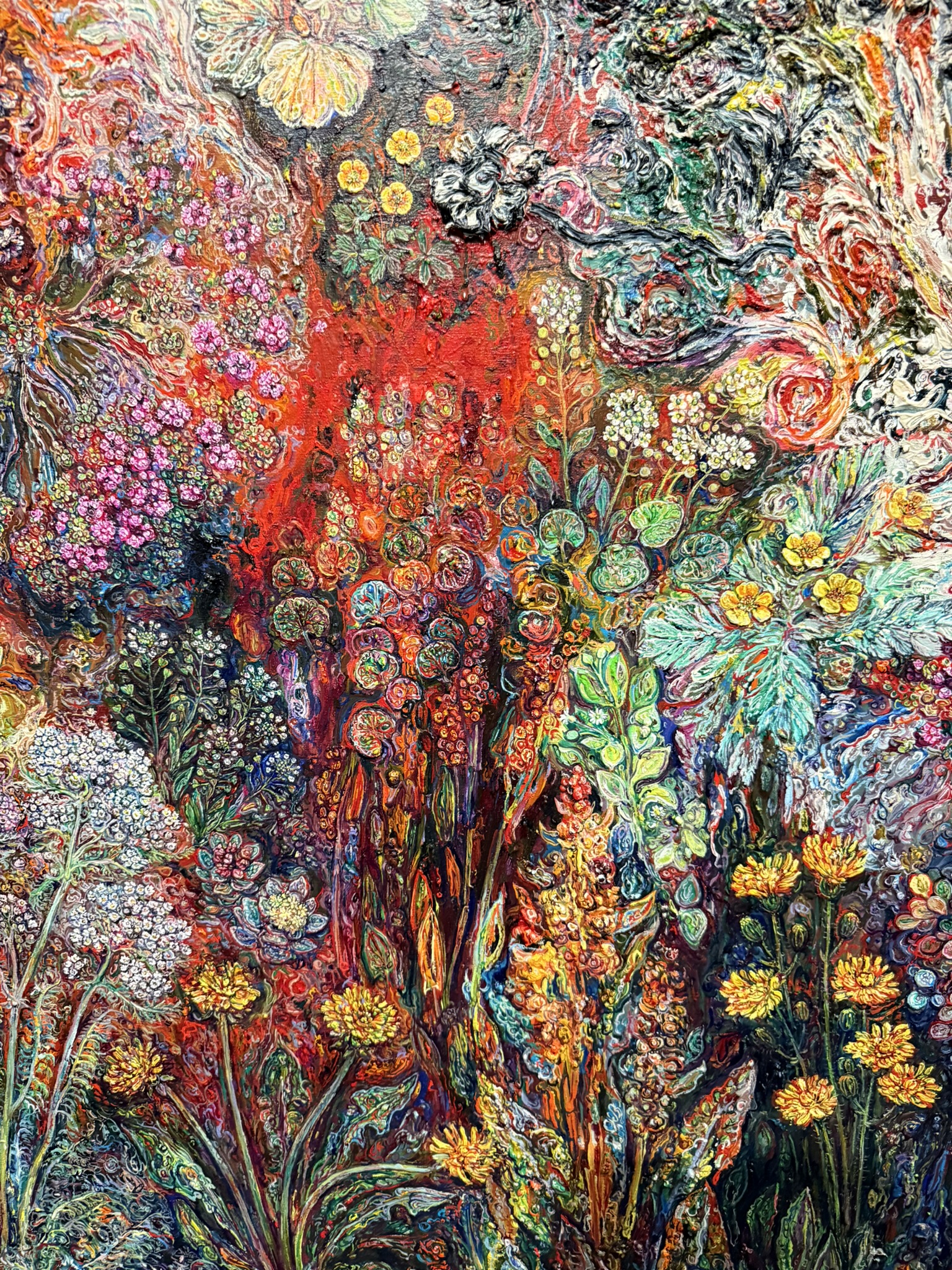
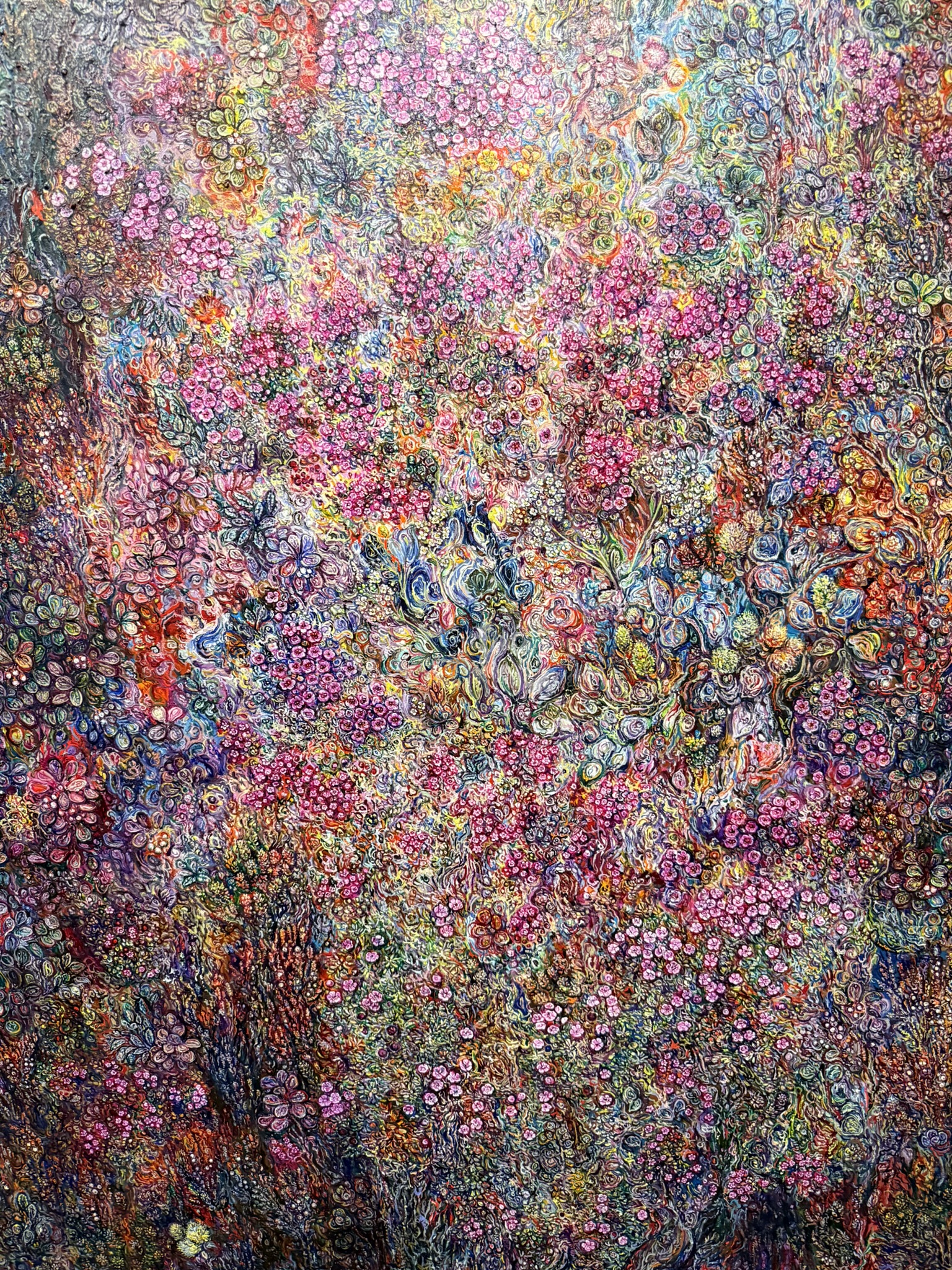
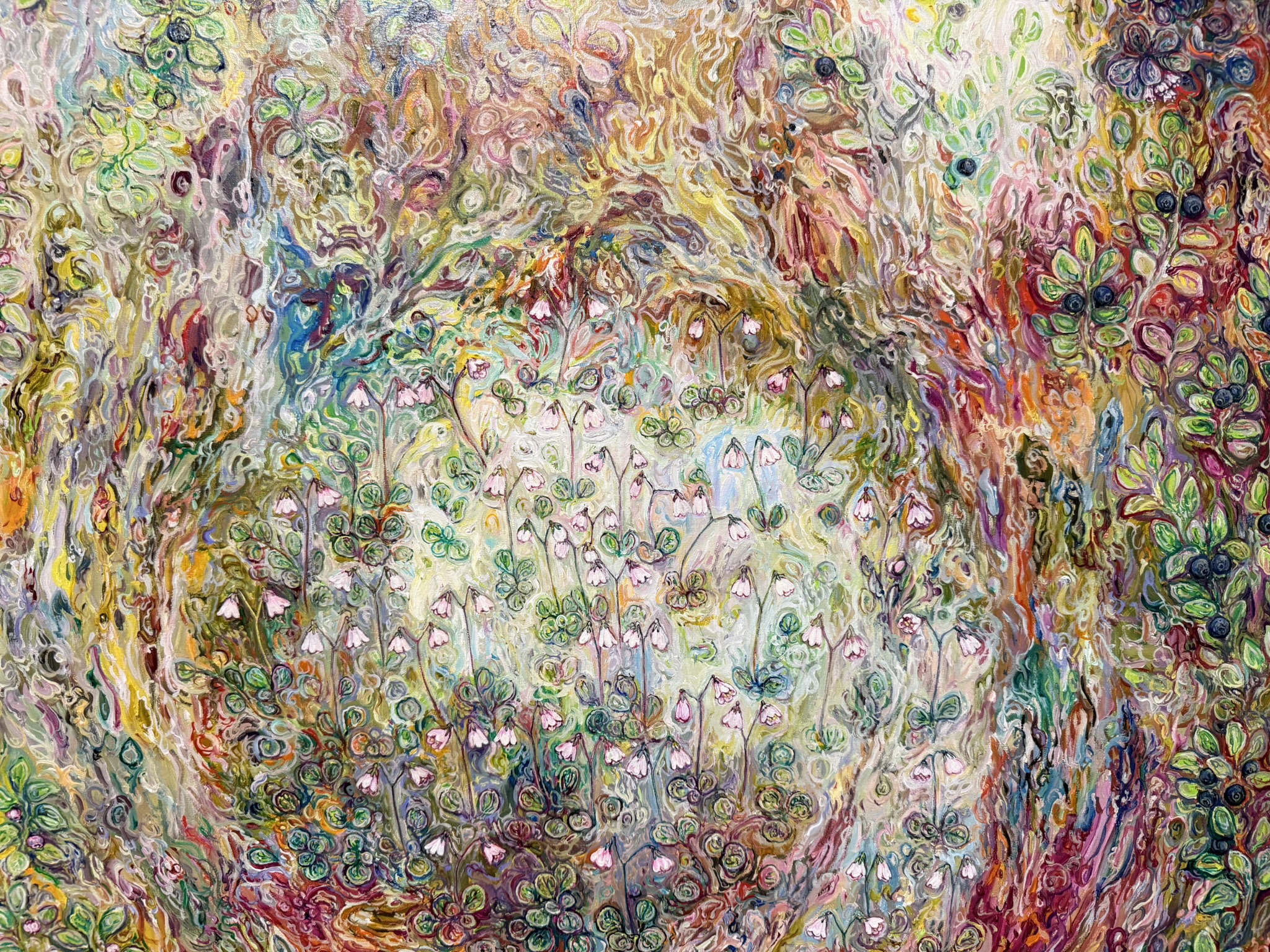
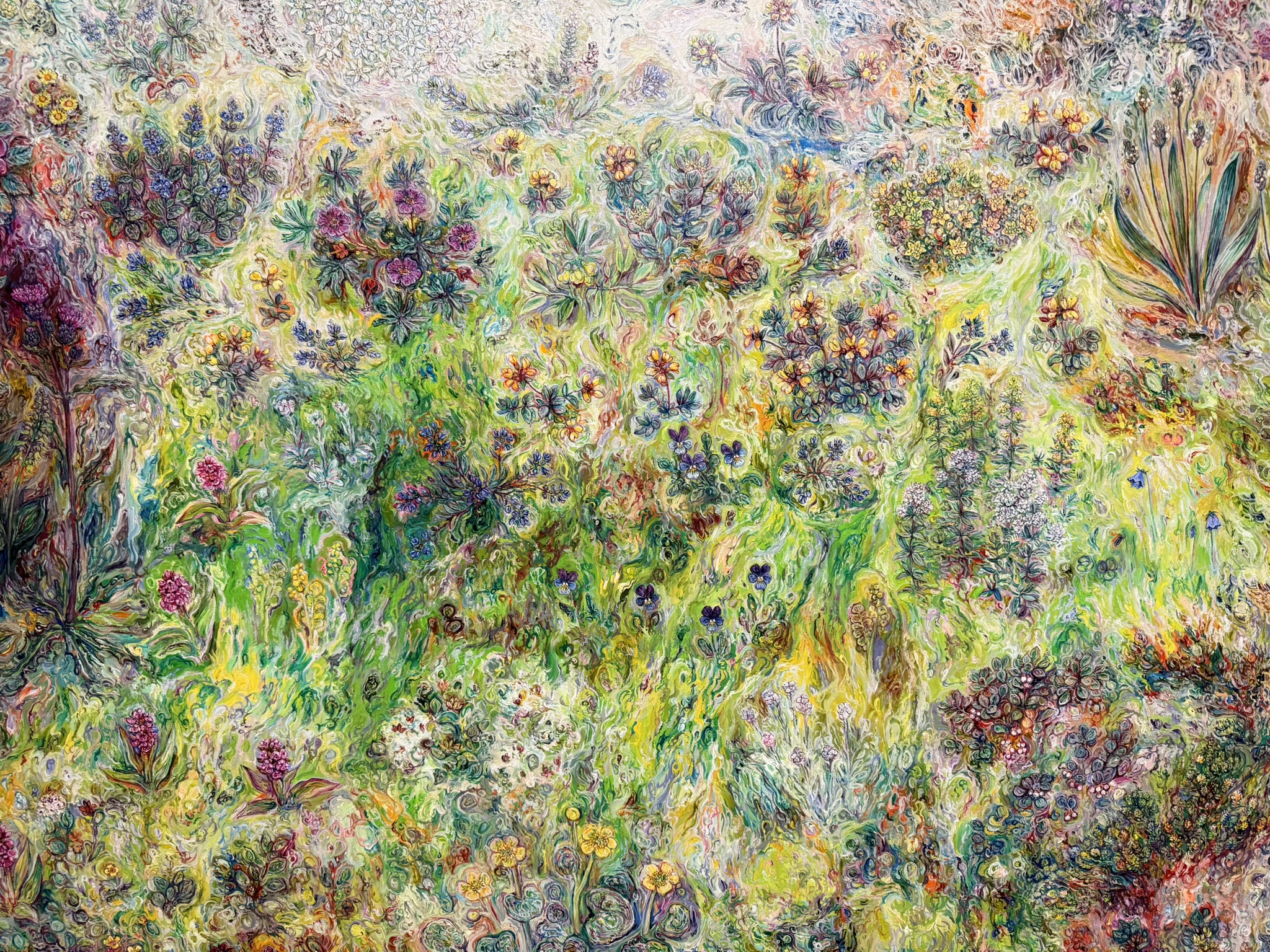
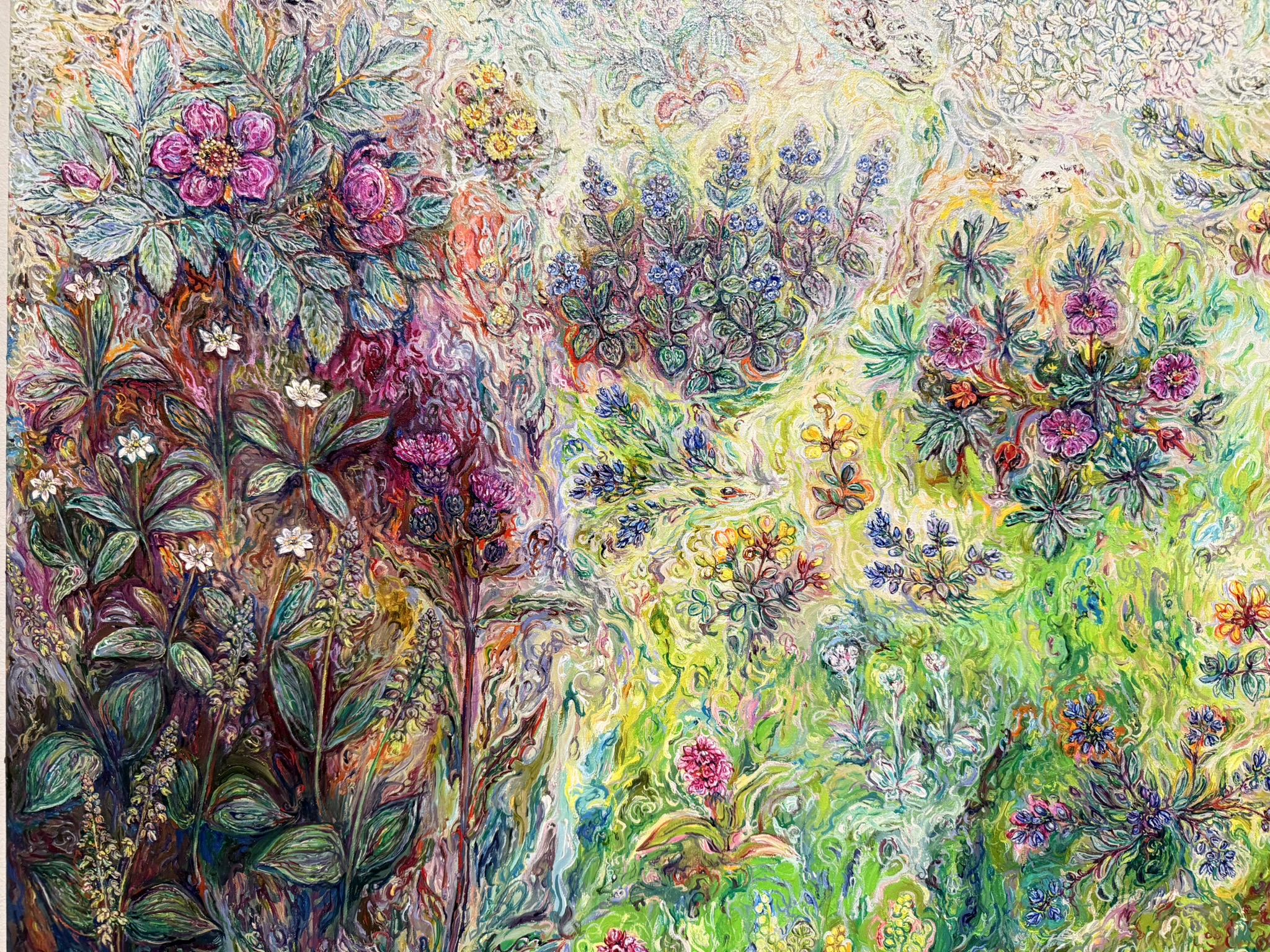
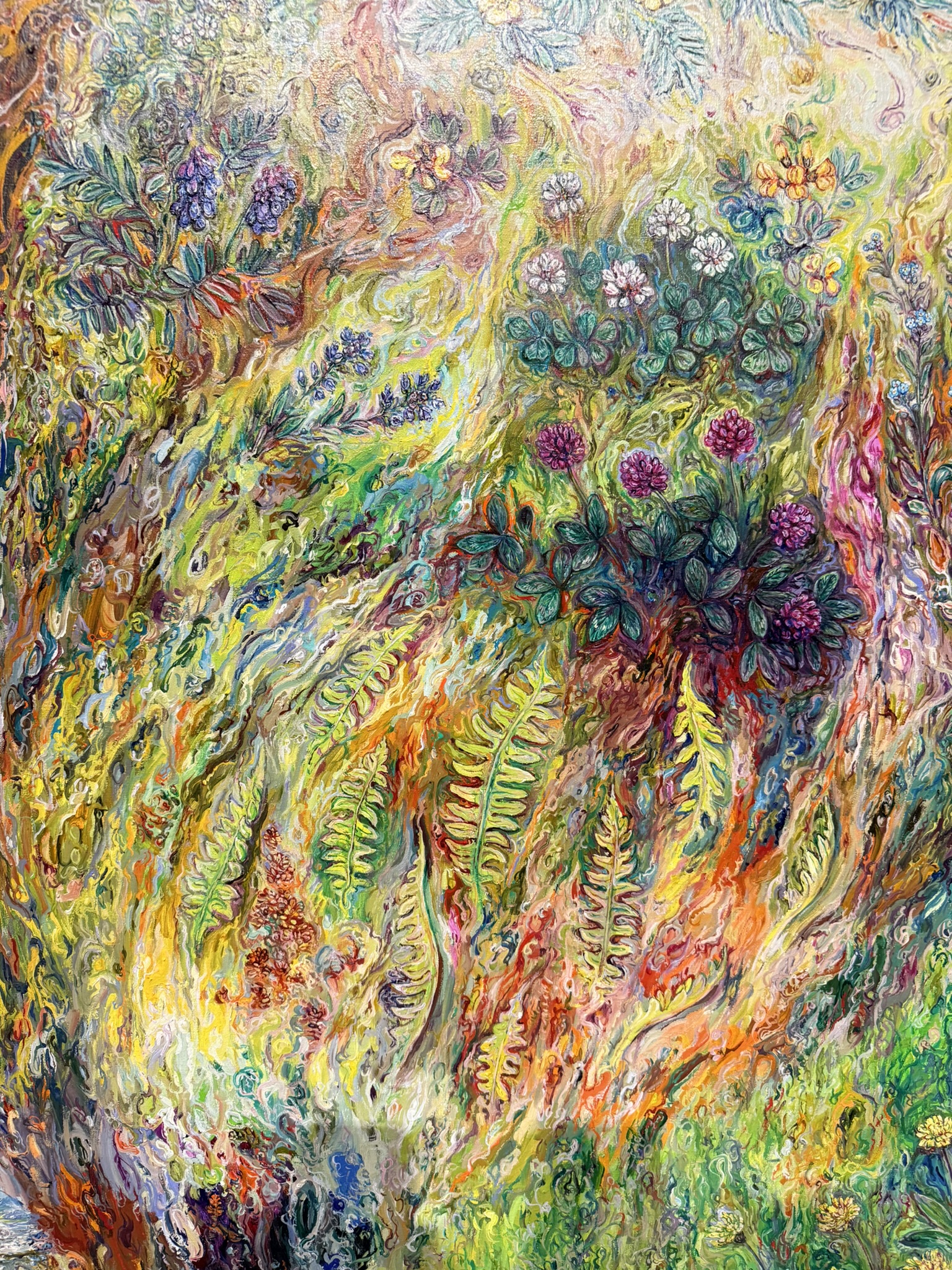
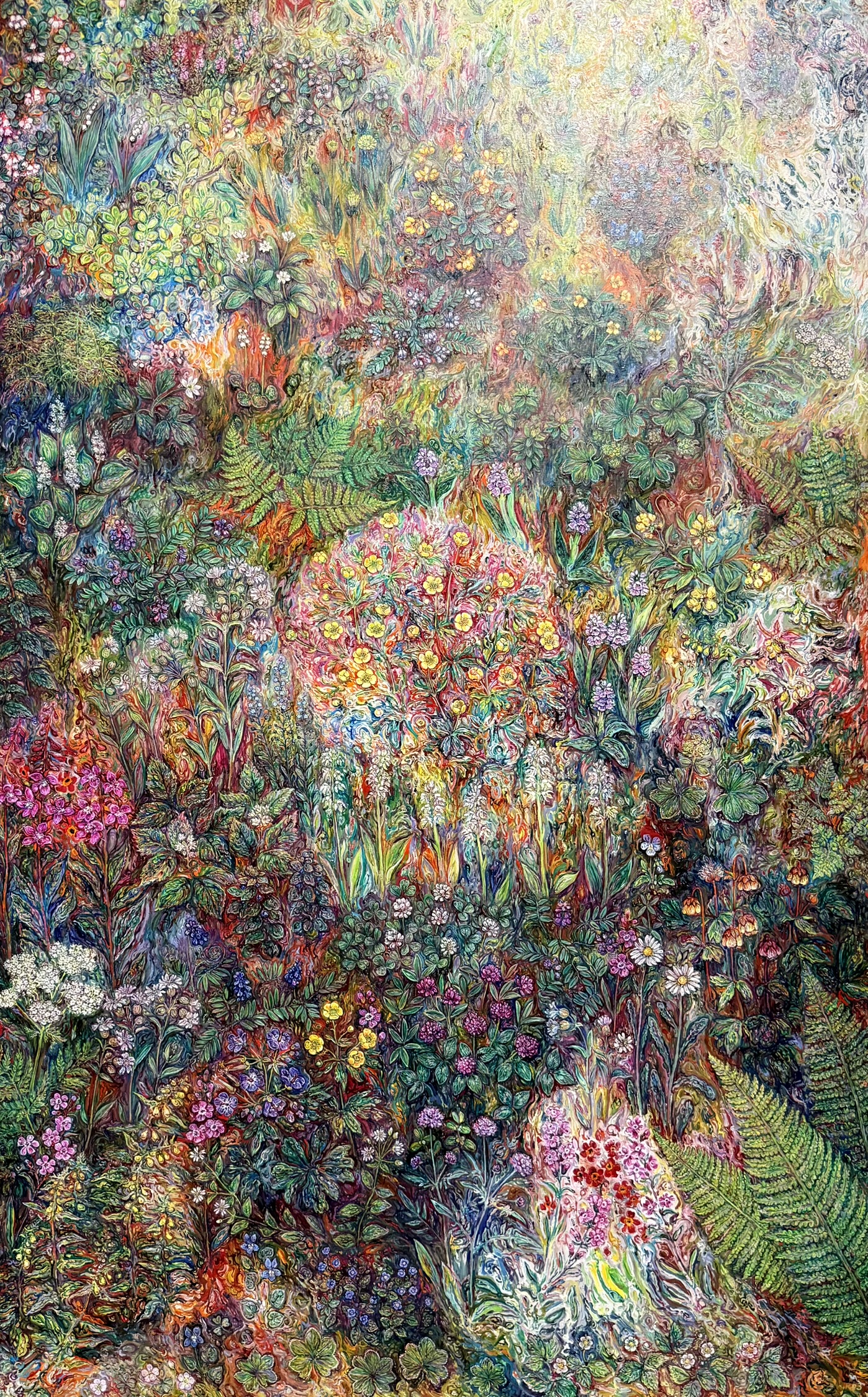
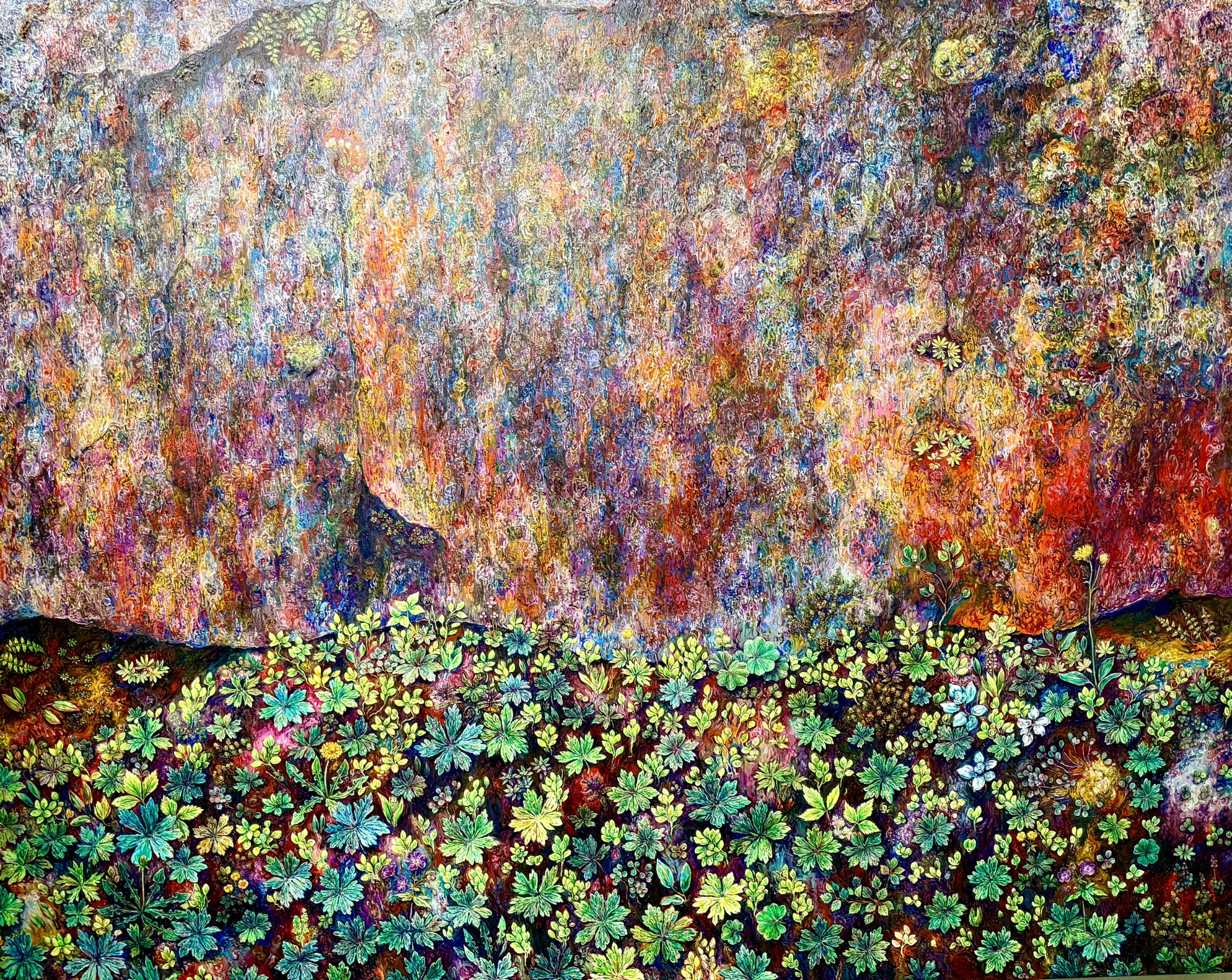
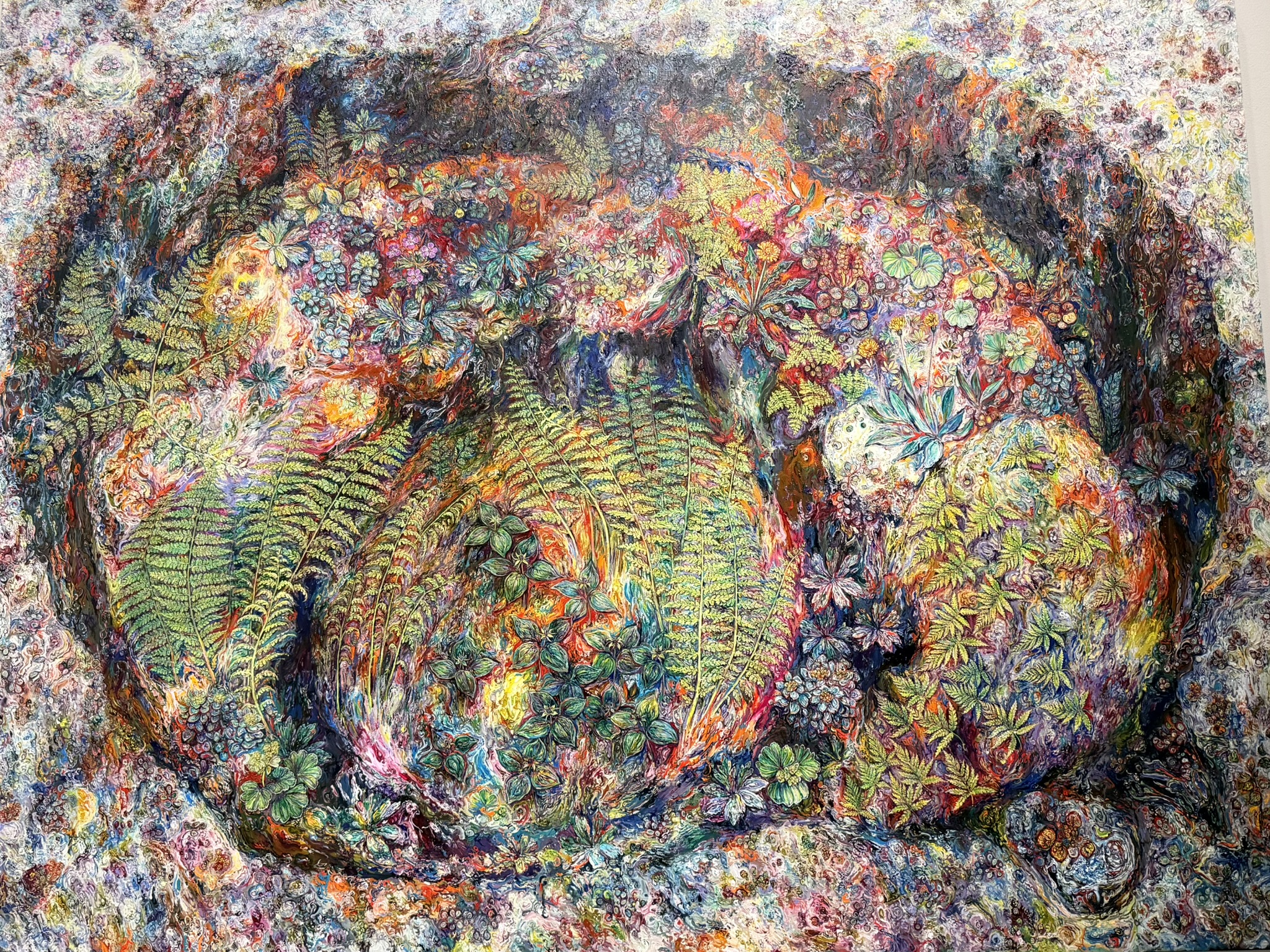
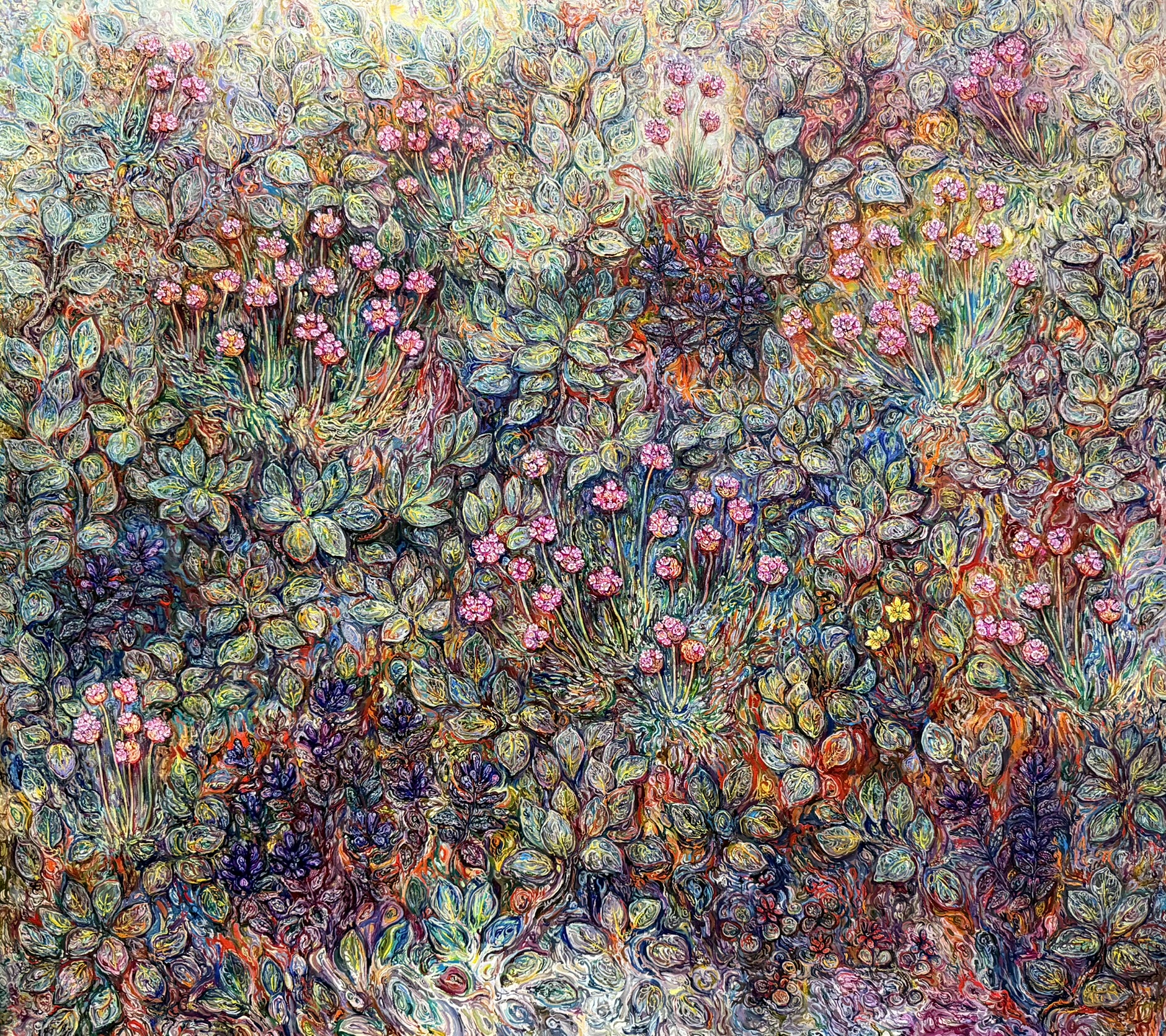
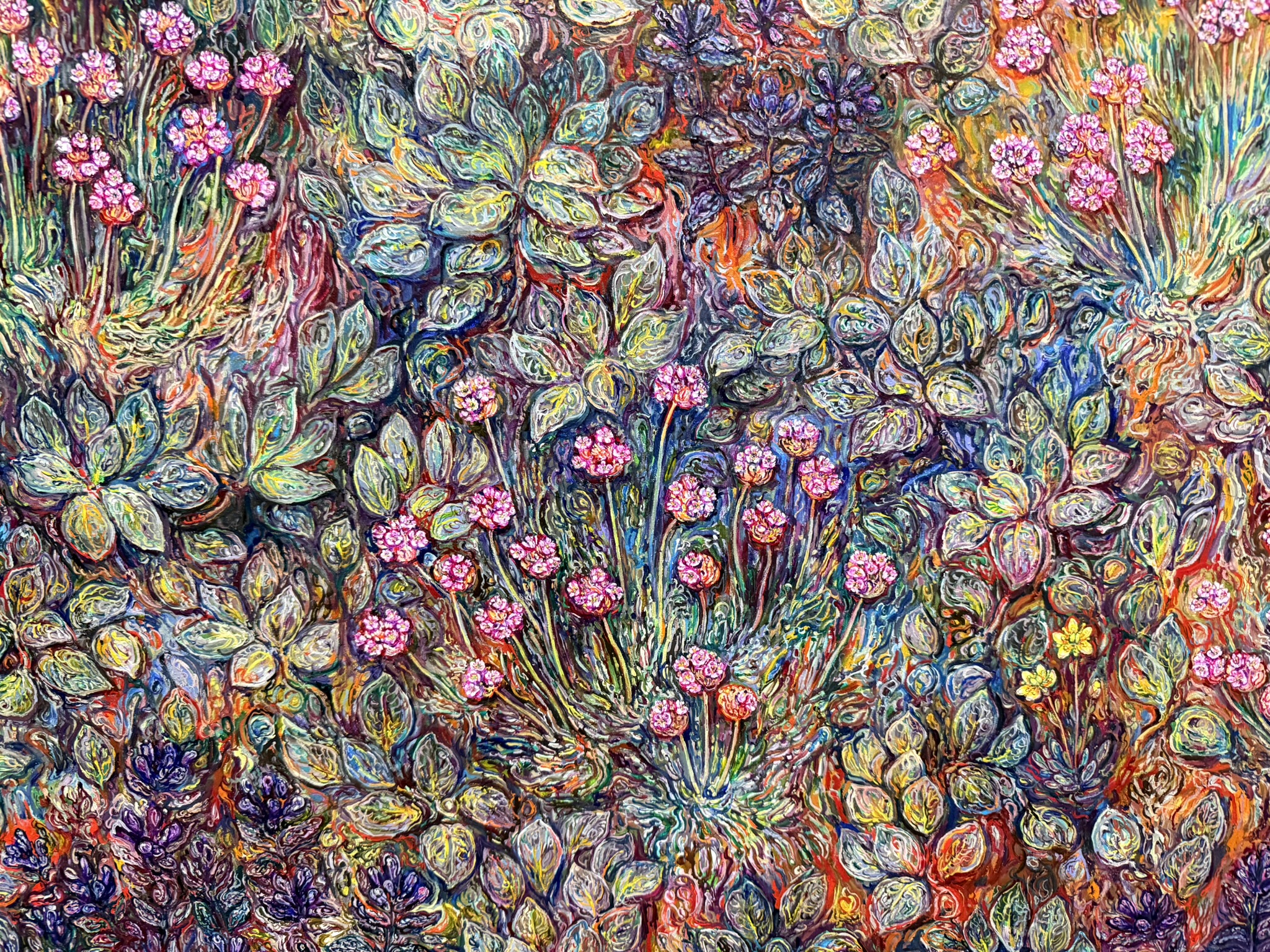
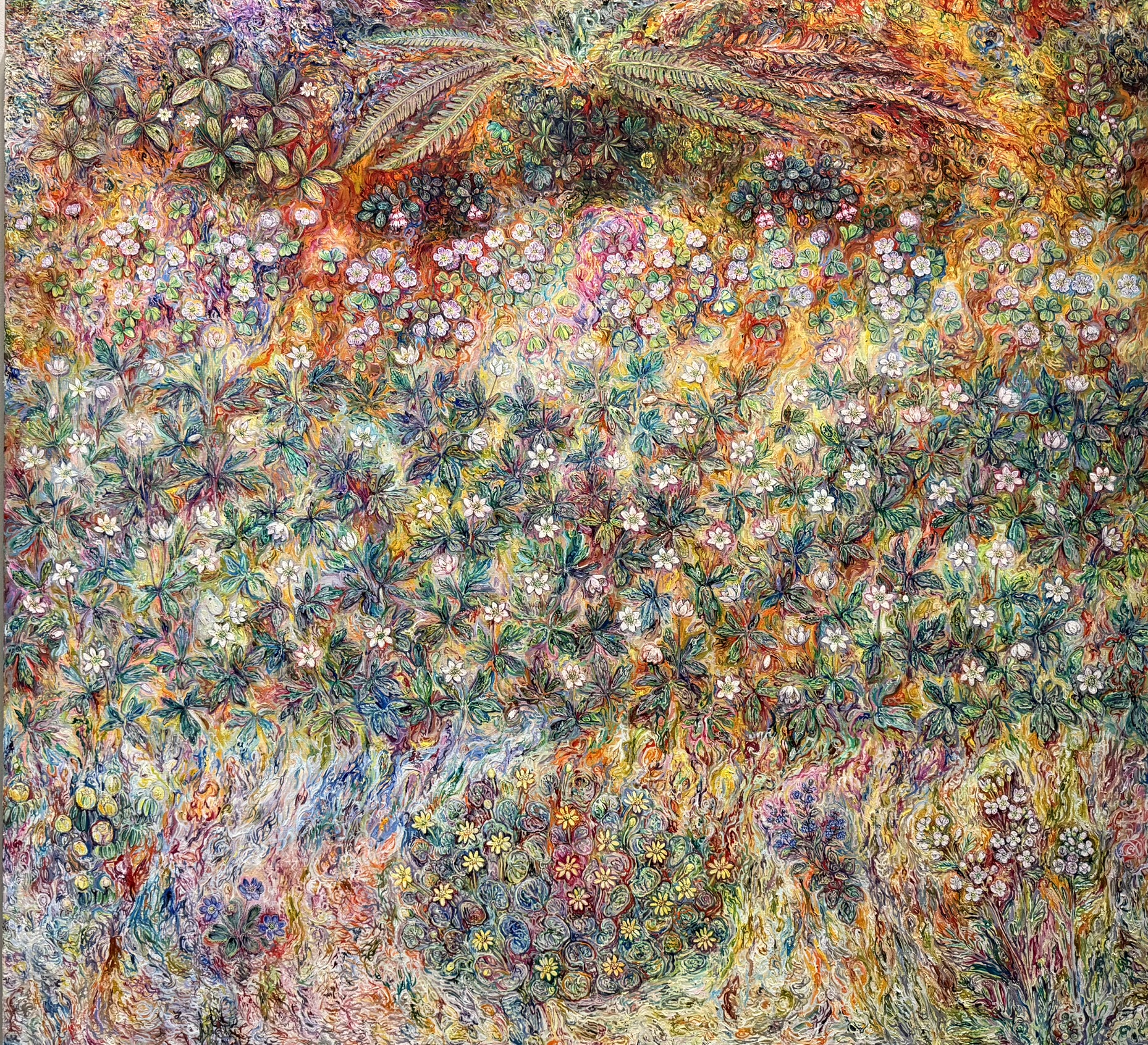
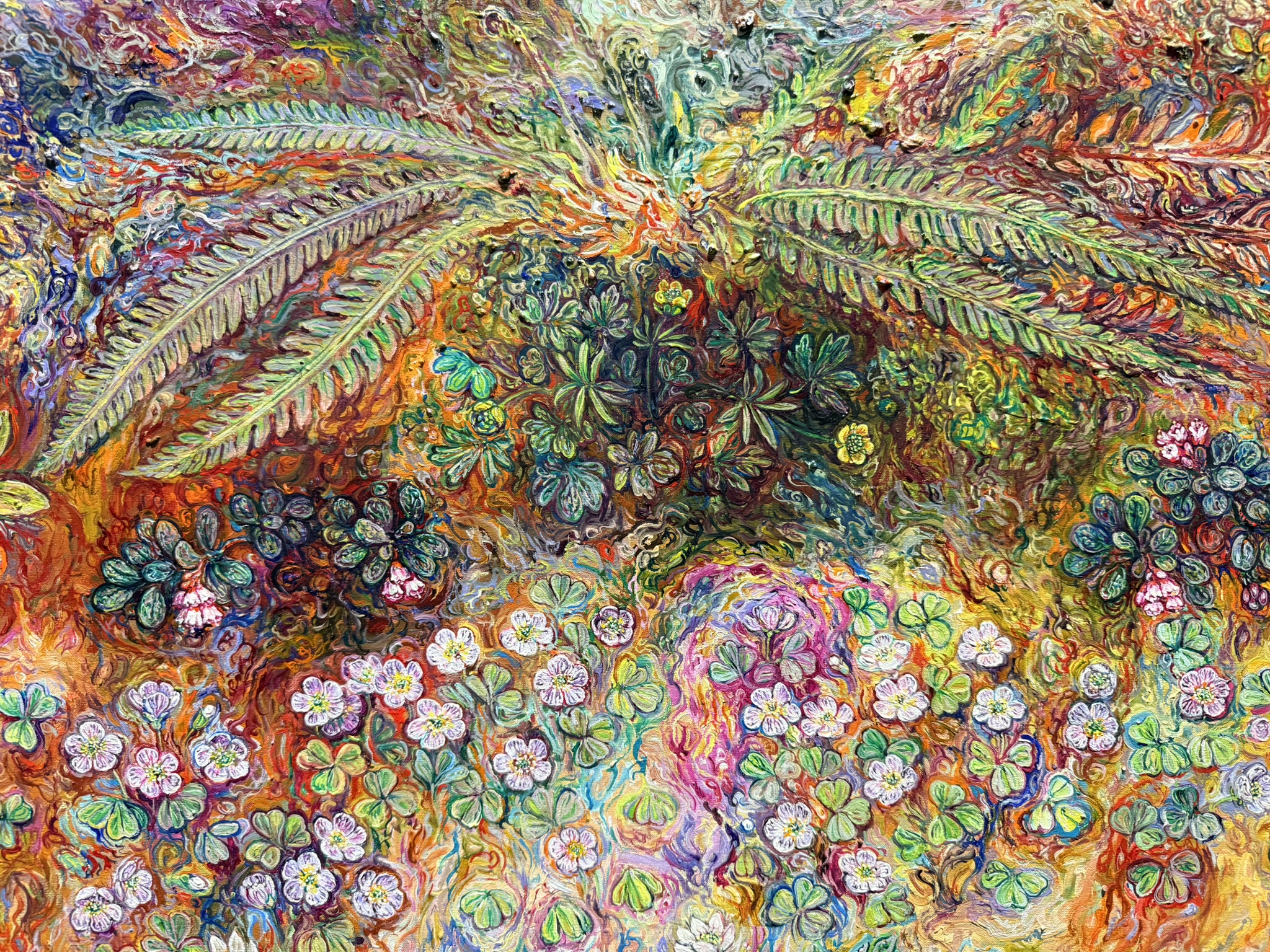
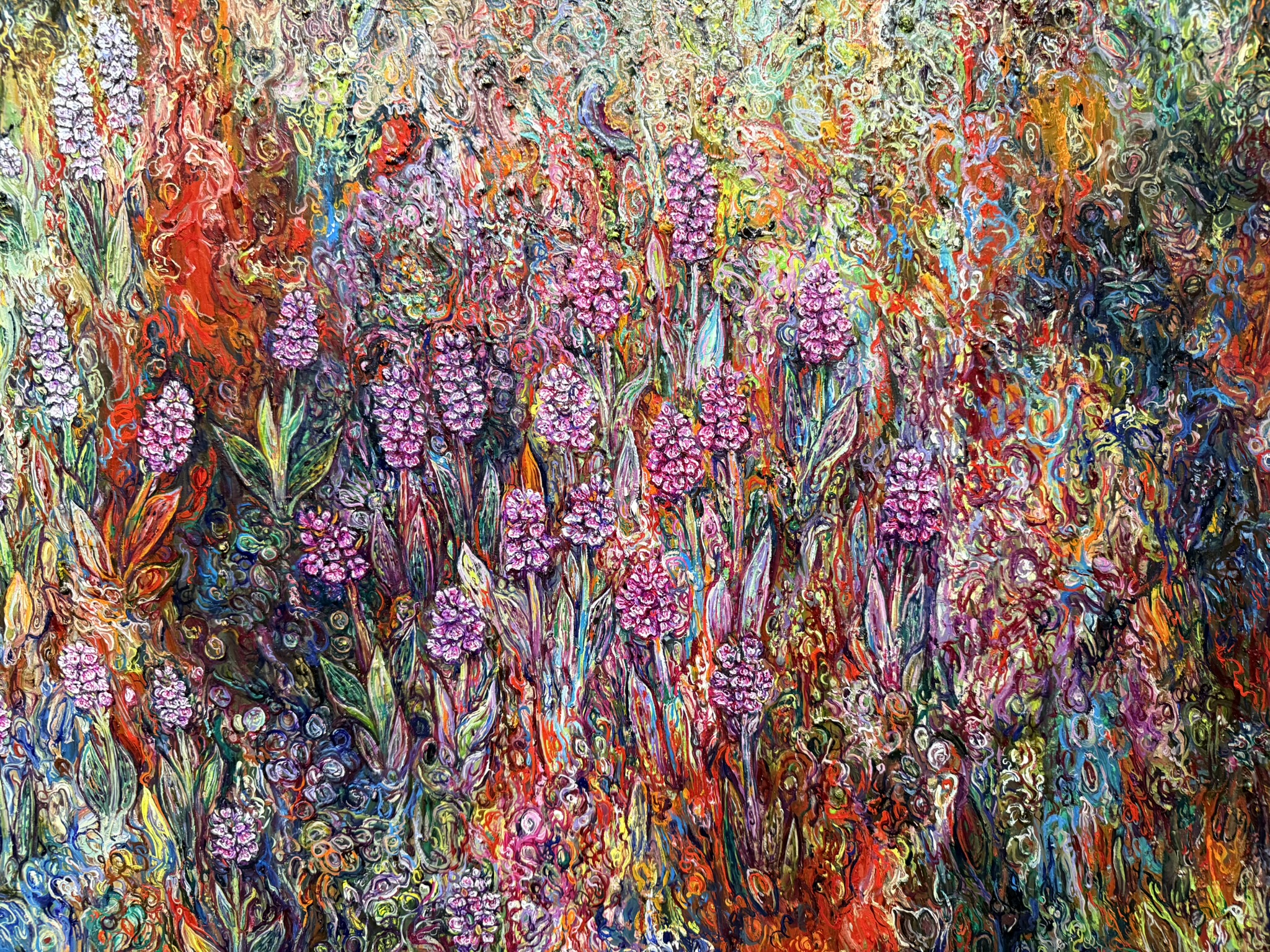
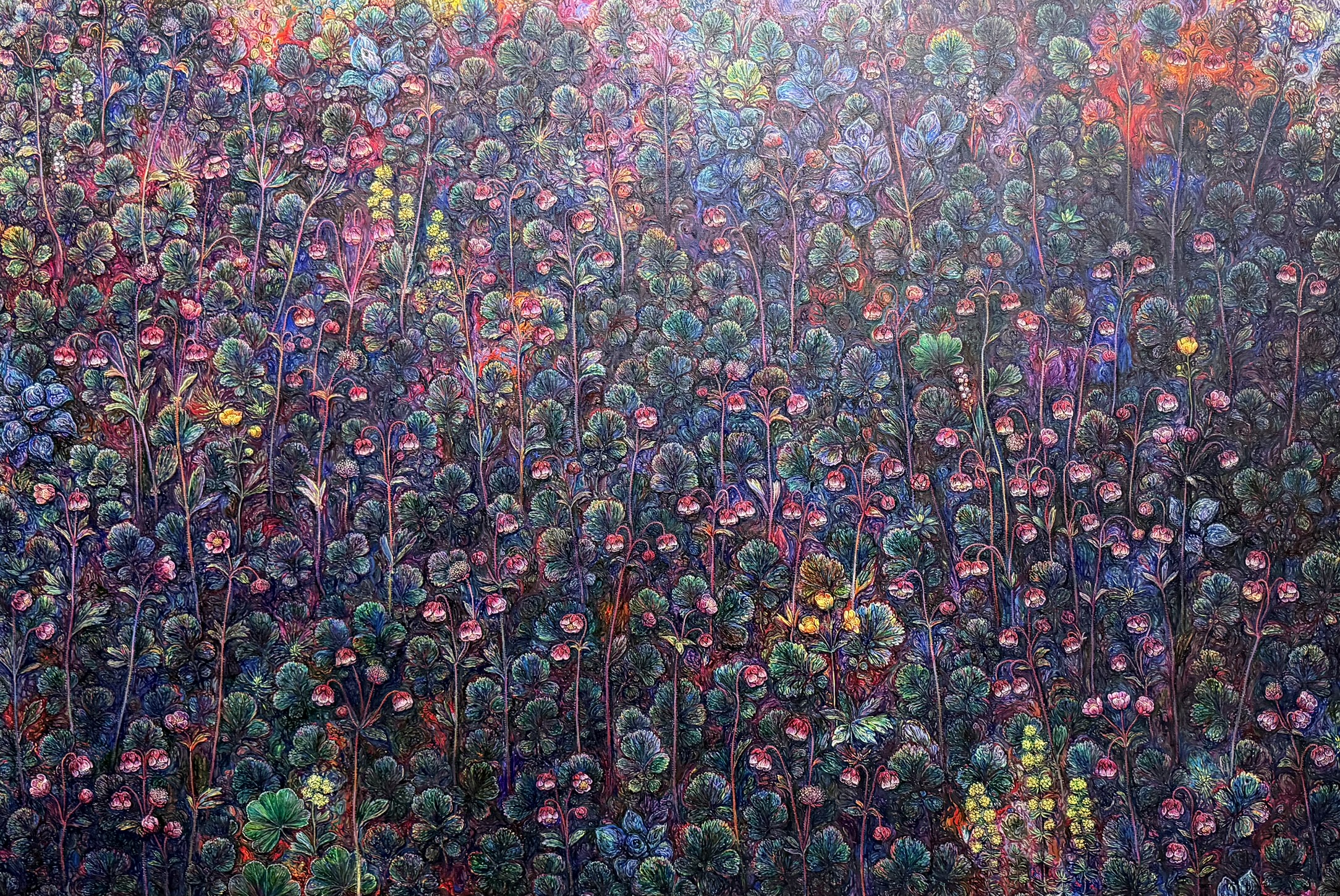
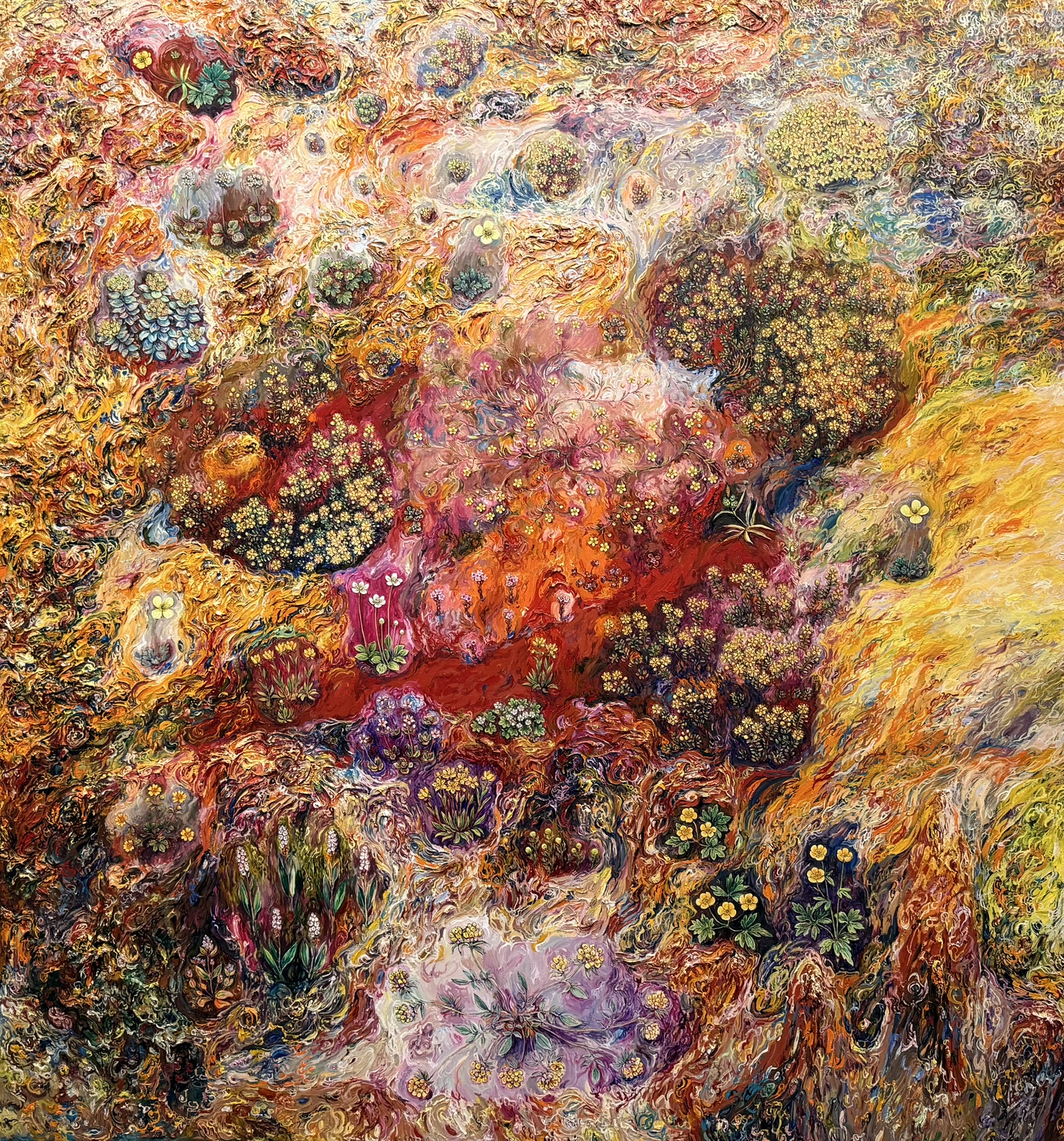
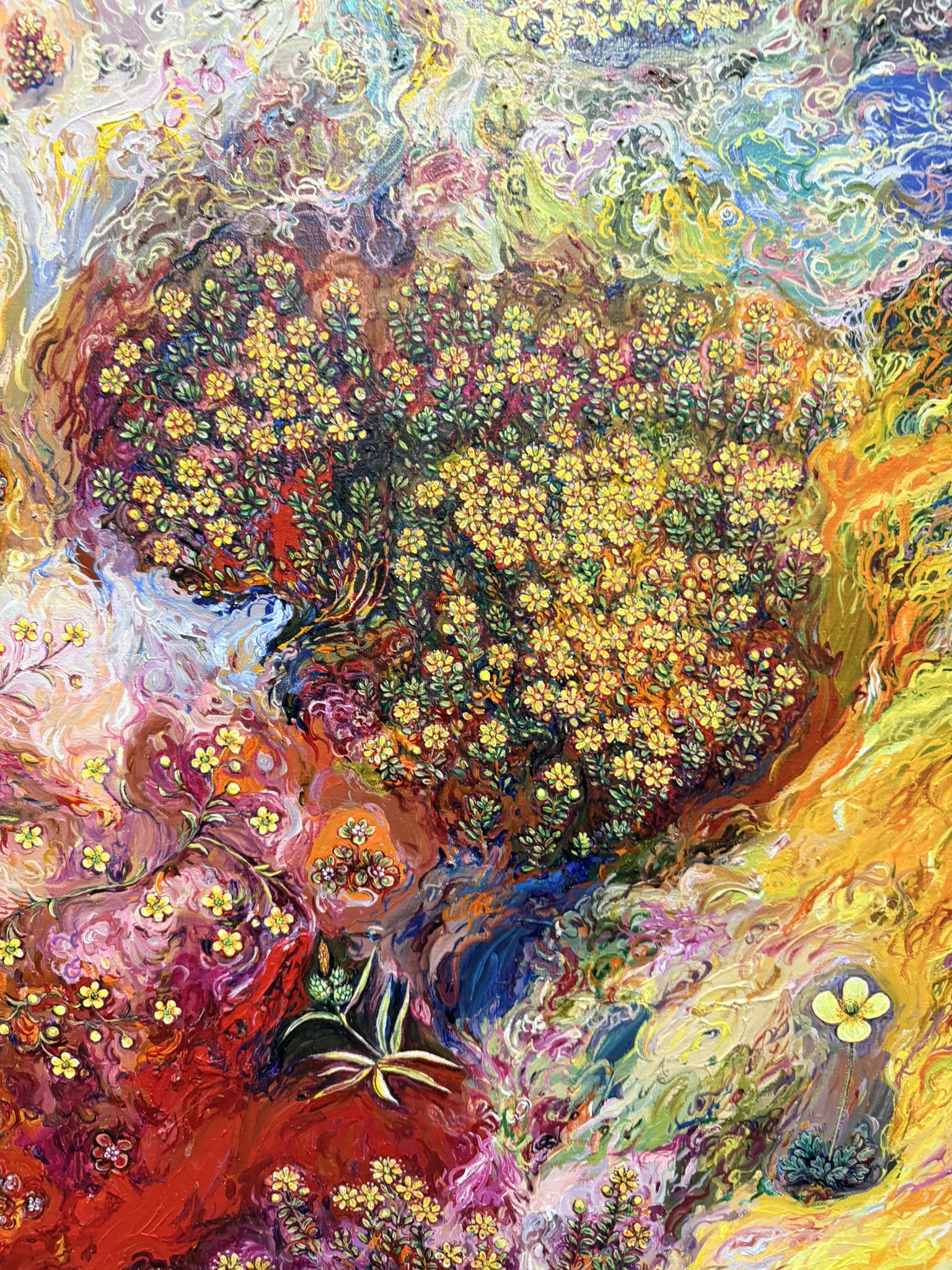
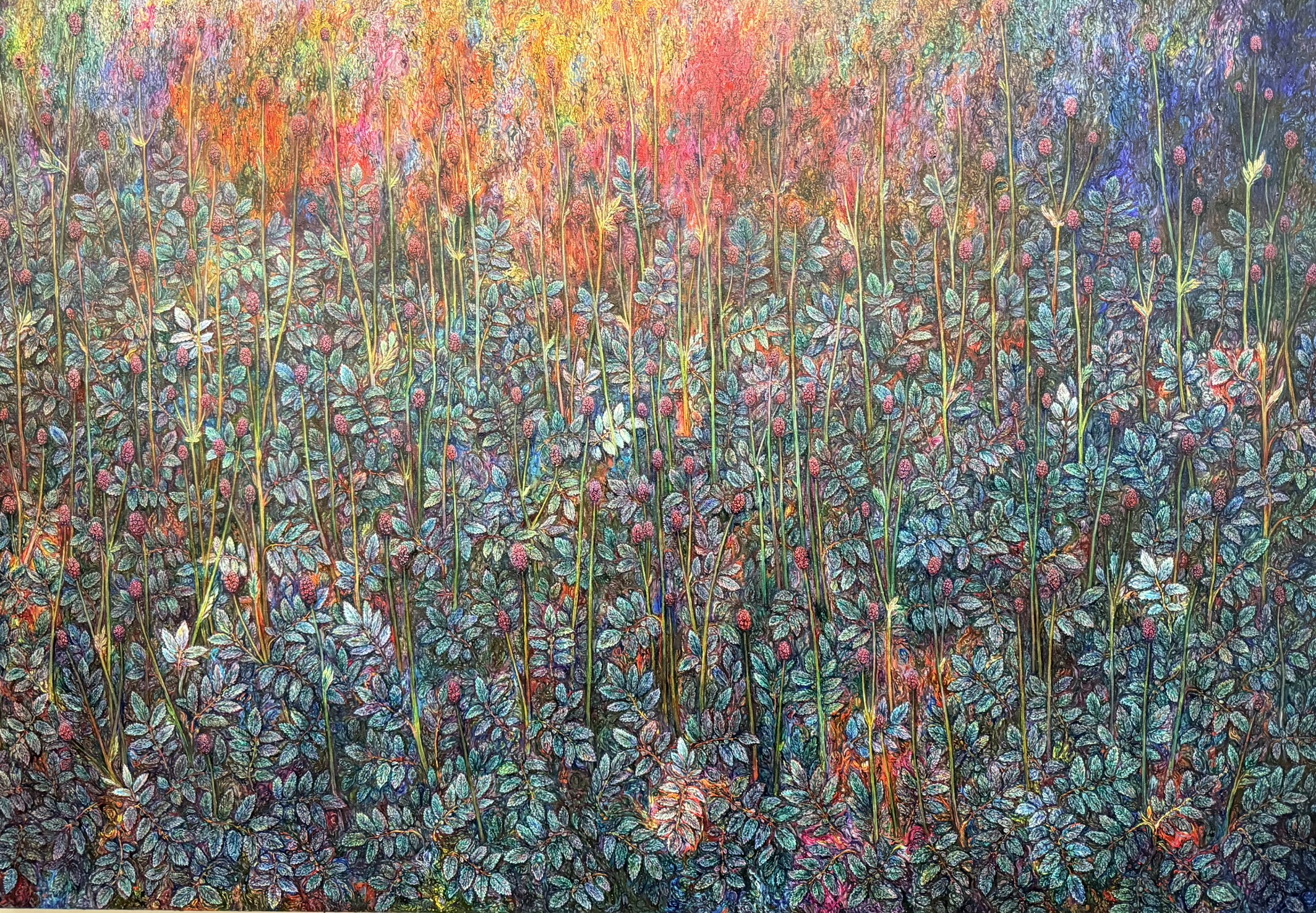
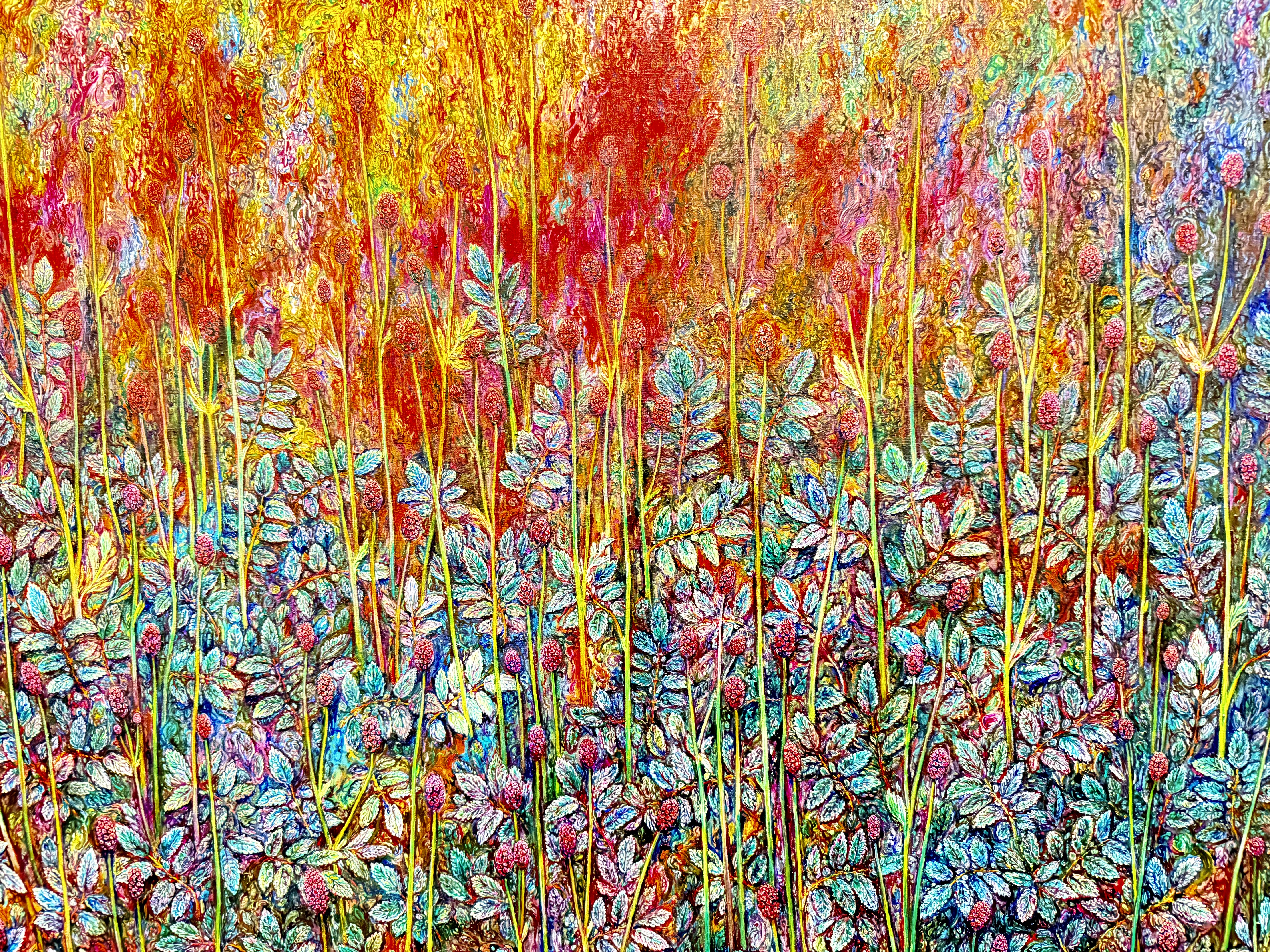
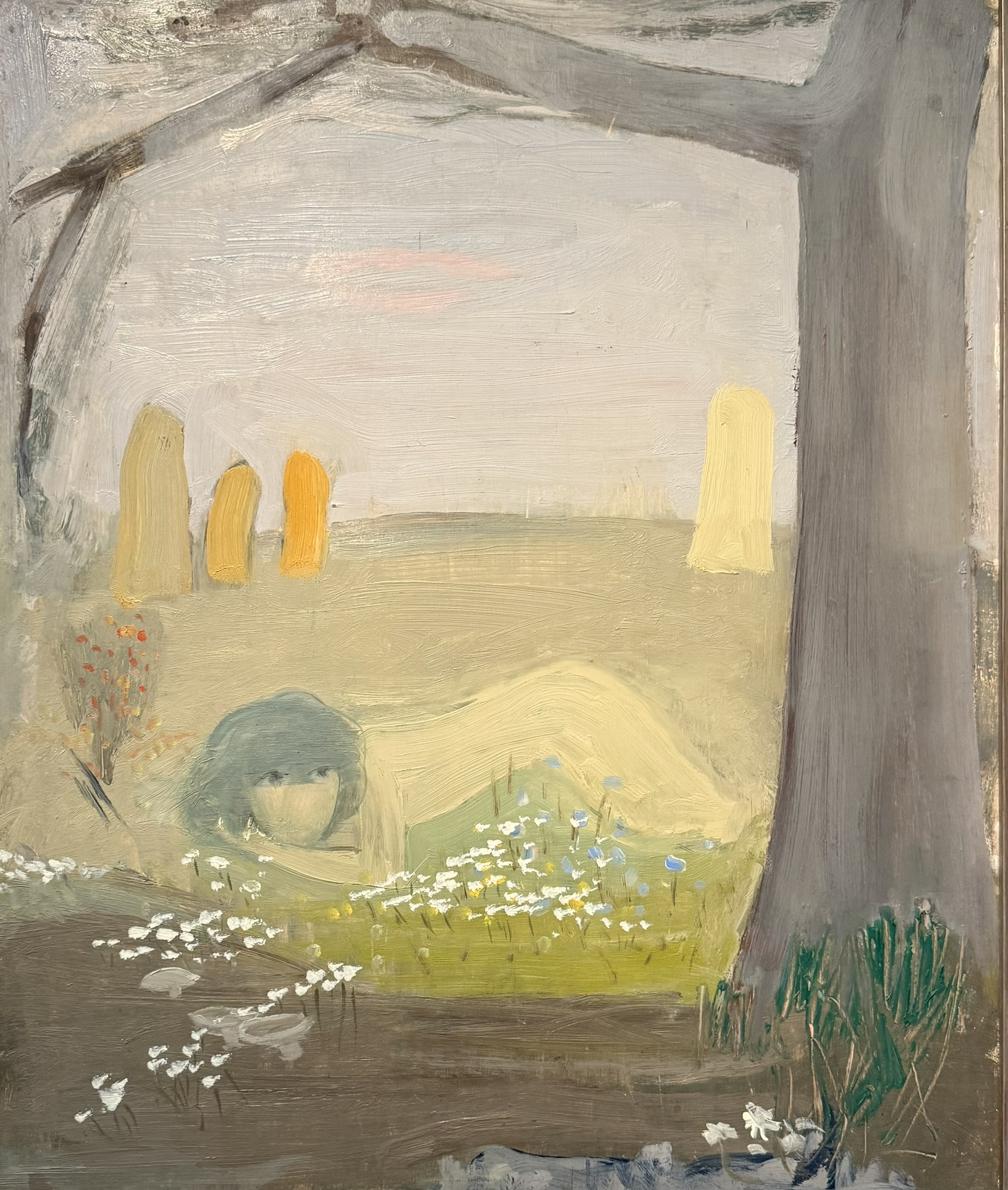
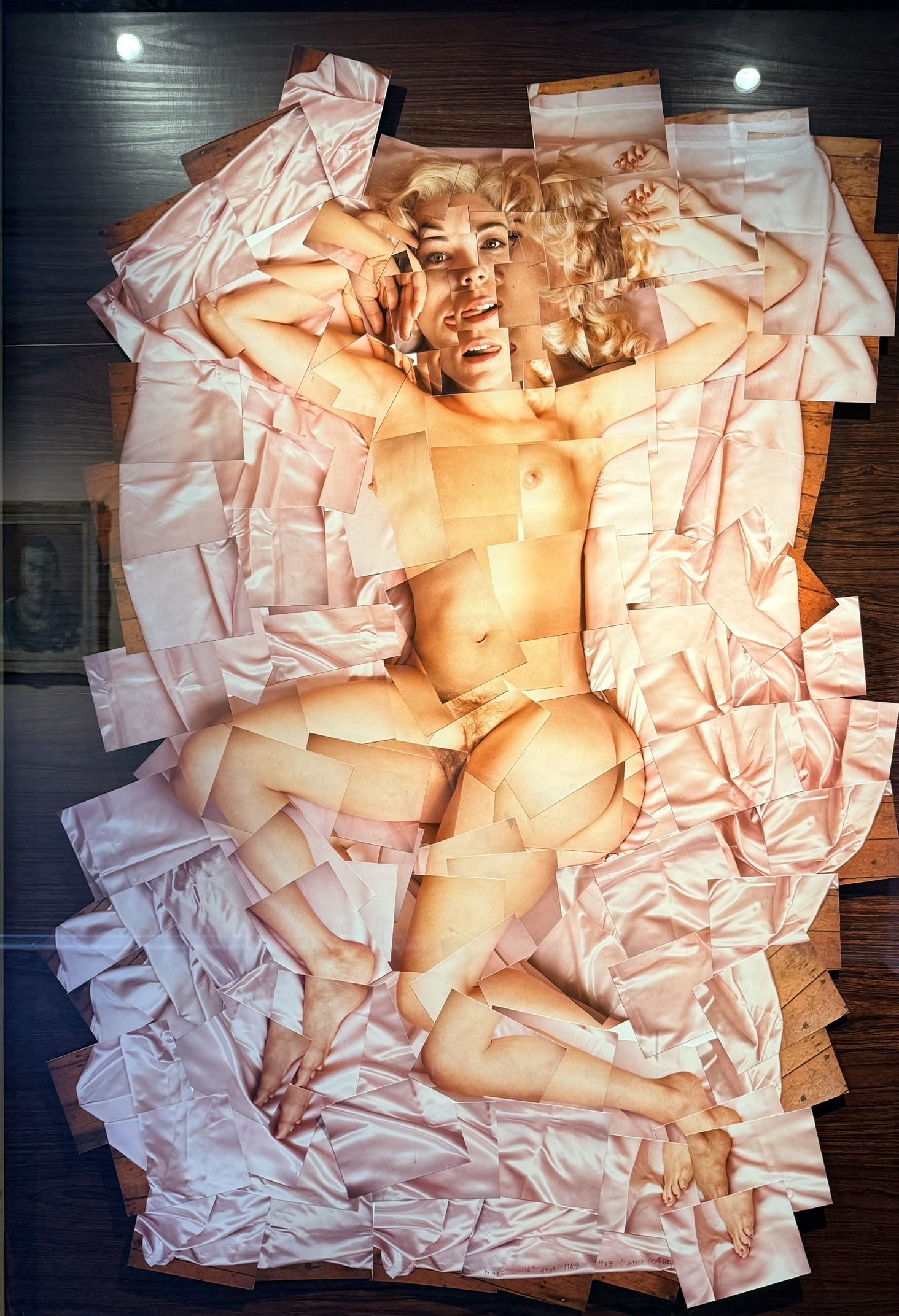
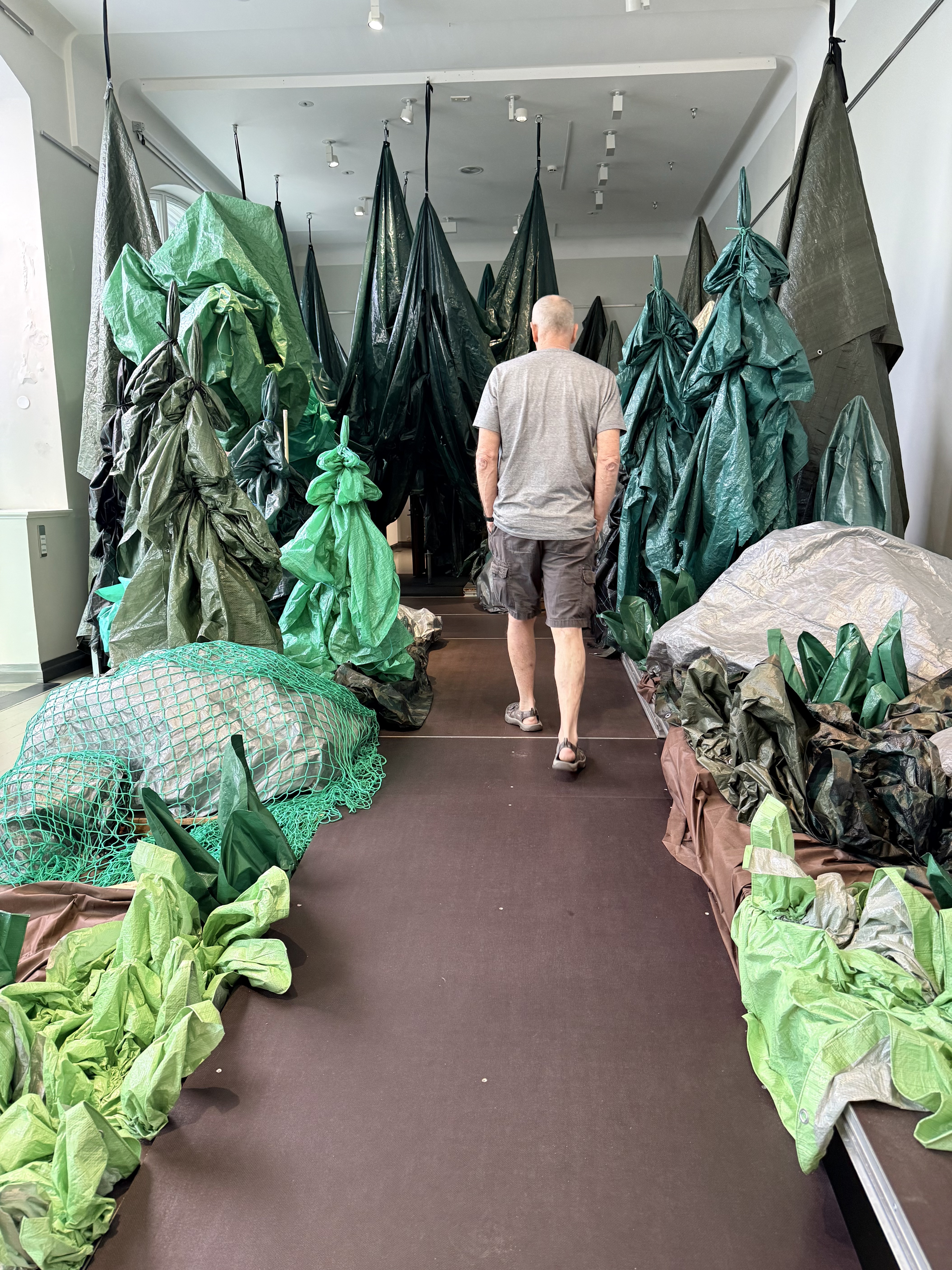
At the Turku Art Museum, we also perused some of the regular collection organized under the theme of “What (A) Color.”

Homebody Stuff
Every morning, like clockwork, I continued to do my NY Times puzzles: Wordle, the Mini, Connections and Strands. In the evenings, we watched our regular shows: Sommerdahl, The New Adventures of Old Christine, AnotherSelf , Ted Lasso, Old Money, Trying, The Killing, Furious, Broadchurch and Ride or Die. I am enjoying reading a detective book set in Norway, Don’t Look Back by Karin Fossum. I’m having a little more trouble making progress on The Street of a Thousand Blossoms by Gail Tsukiyama.
Mike never found a swimming pool nearby to swim as he did in Aarhus, Helsinki and Vaasa. He expects to find one in Bergen, where we head next. We did some stretching and exercising some mornings in our apartment. We actually enjoyed more down time in Turku as the city is very compact and the public transport makes places easily reachable.
Thursday, September 10: We sadly left Finland behind, taking a train from Turku to Helsinki and from there a flight on Norwegian Air to Bergen, Norway, where we will stay for seven nights. We will be in Norway for a month.
Discover more from ~ wander.essence ~
Subscribe to get the latest posts sent to your email.


So many good exhibitions! We’ve been to a couple of Banksy ones, in Glasgow and Amsterdam. I think he is very clever.
LikeLike
We really enjoyed all the exhibitions we saw in Turku, Anabel. And that Banksy exhibit was truly thought-provoking. And of course, I agree with most of his political stances, which makes me have the utmost respect for him.
LikeLike
Indeed! Interestingly, with the photos you posted and the two exhibitions I have seen there is very little overlap – although obviously some images are very recognisable. He is prolific too!
LikeLiked by 1 person
You really would need an elevator up to the sixth floor. I’m enjoying seeing all your meals. They look delicious.
LikeLike