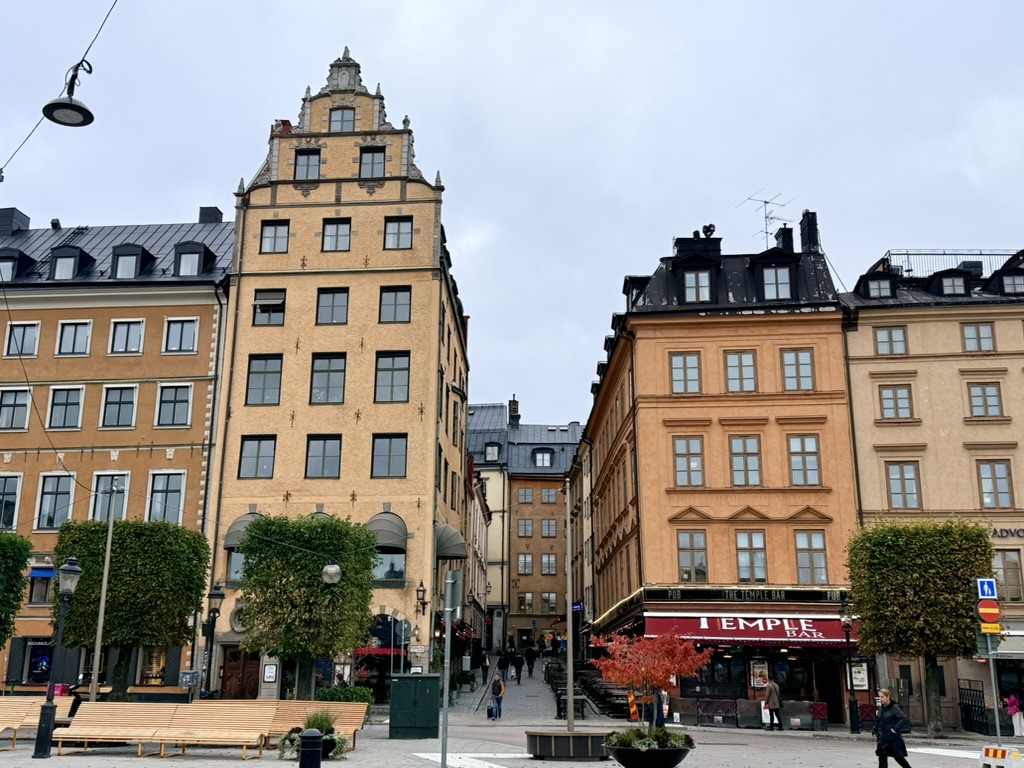

These posts cover our slow trip through the Scandinavian/Nordic countries from August 4 to October 30, 2026. I will be posting one long post a week about each area where we stay. I like to write one post about a particular place so that I can revisit our travels in one spot on my blog, according to location. I can also refer others to the post if they plan to travel to the destination and want ideas. I welcome you to read the entire post, read parts of the posts that interest you, simply look at the pictures, or not to read it at all. All who would like to come along are welcome.
You can find our itinerary here: anticipation & preparation: a slow motion journey through scandinavia.
**************
Saturday, October 10 – Saturday, October 17: This week we moved from Oslo, Norway to Stockholm, Sweden. I can now count Sweden as my 47th country.
Oslo, Norway to Stockholm, Sweden
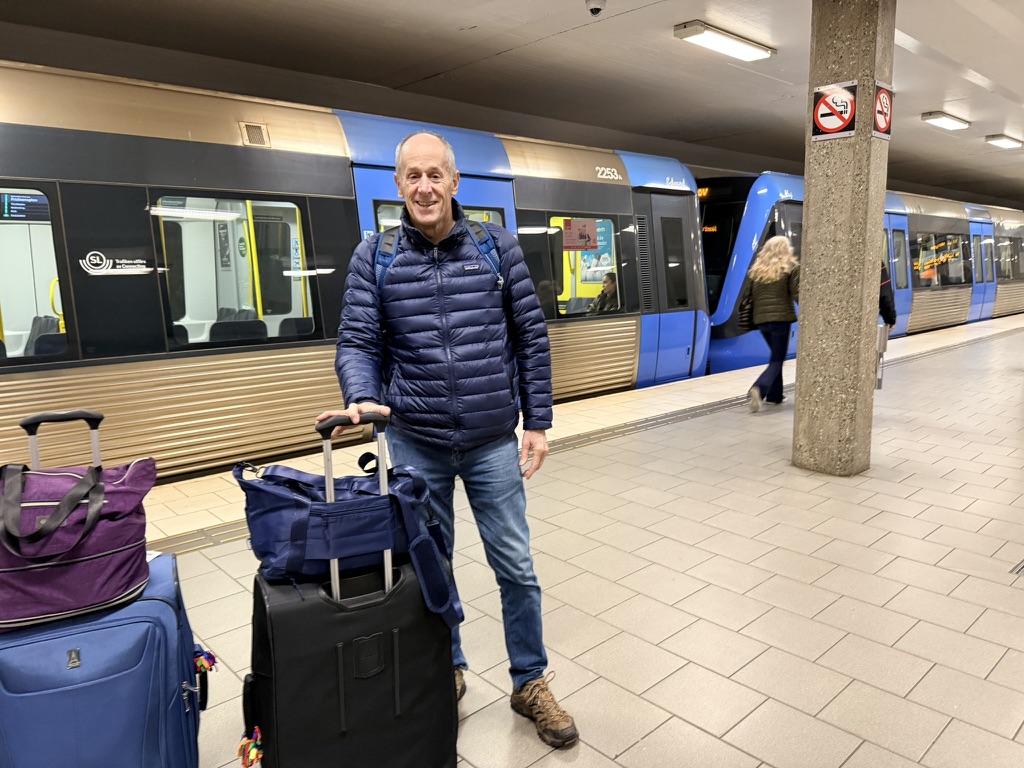
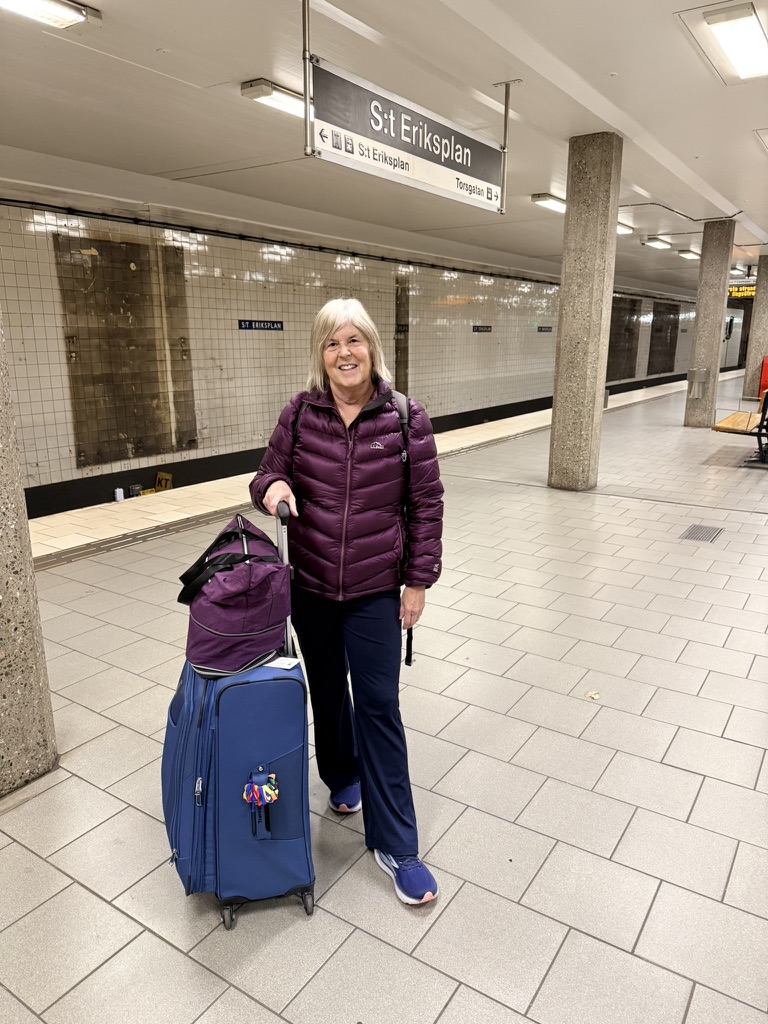
It was another long travel day from Oslo to Stockholm. We had to haul our luggage out of our way in the rain to The Joker (a small grocery store) to return the key to our Airbnb, then catch the tram to Oslo Central Station. From there, because no trains were operating out of the Oslo station on the weekend of October 10-11, we took a bus to Lillestrøm and there caught an SJ Train (Swedish train) from Lillestrom to Stockholm. We arrived in Stockholm after dark at 5:48 p.m. and made it to our apartment by 7:00.
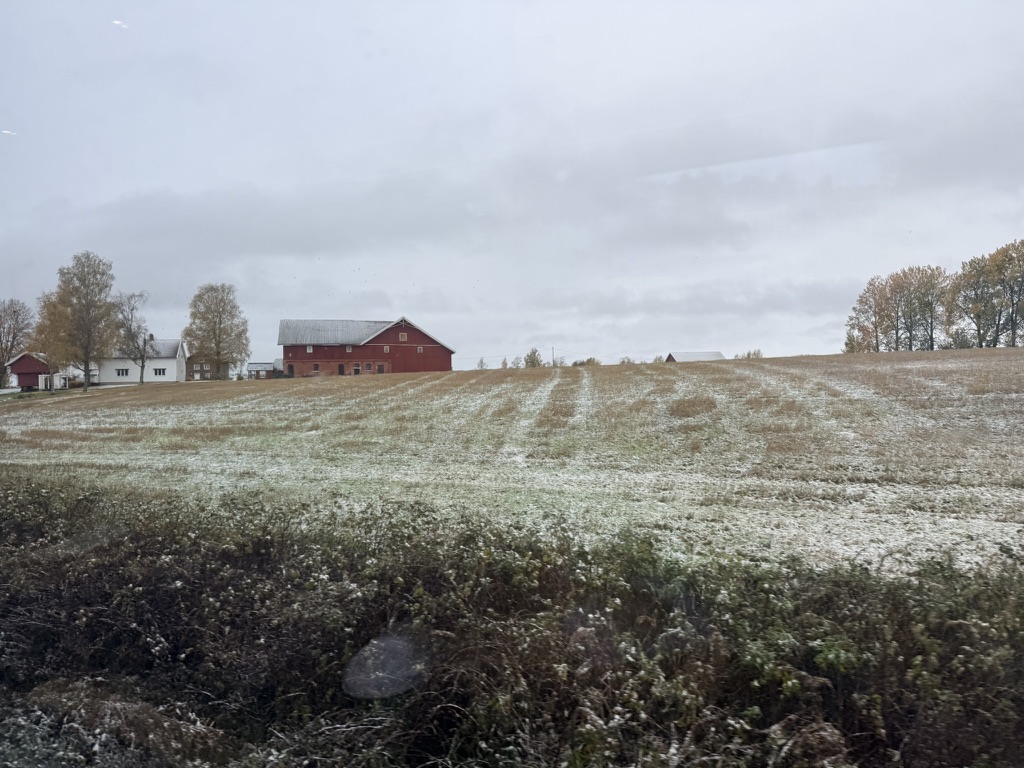
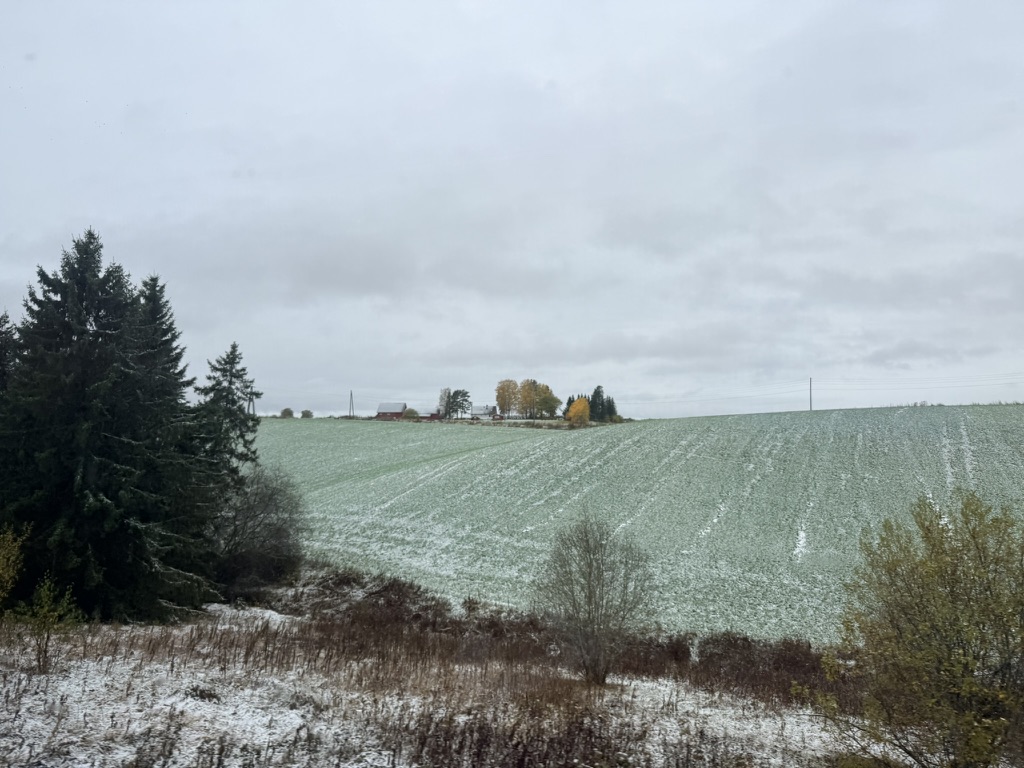
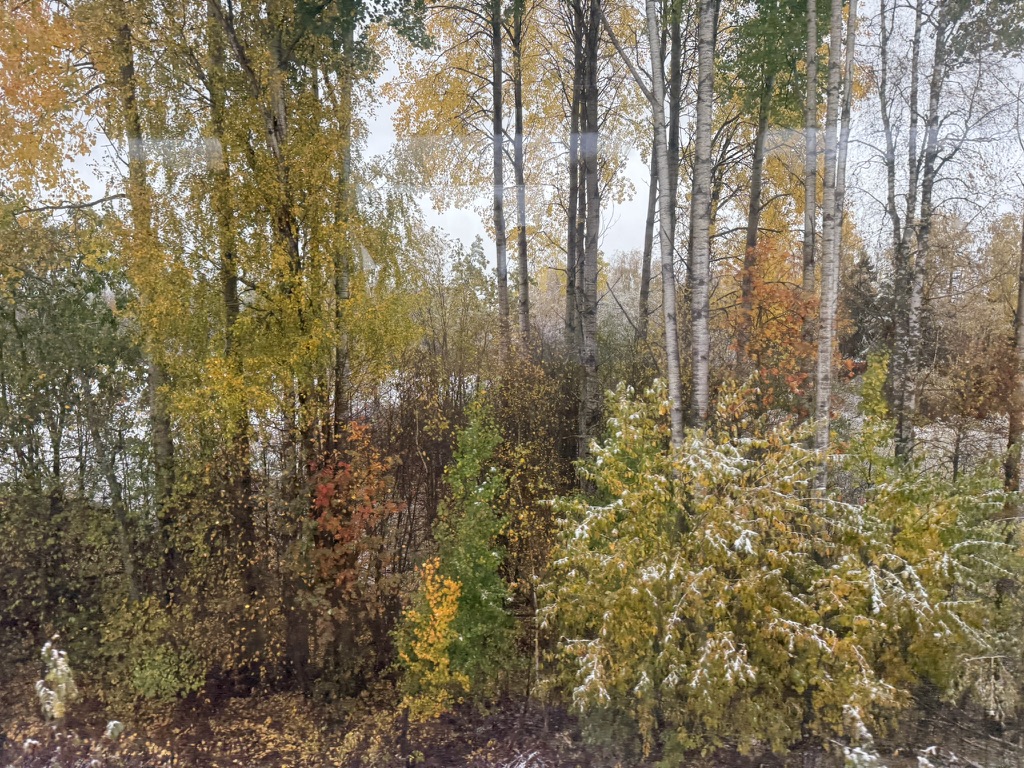
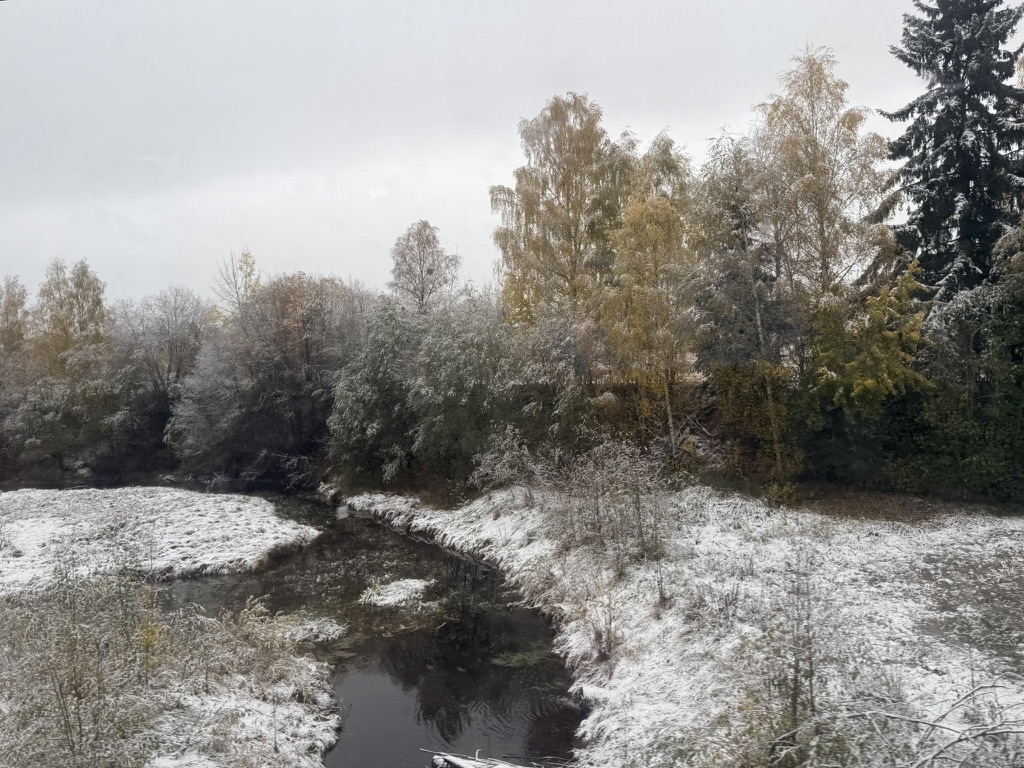
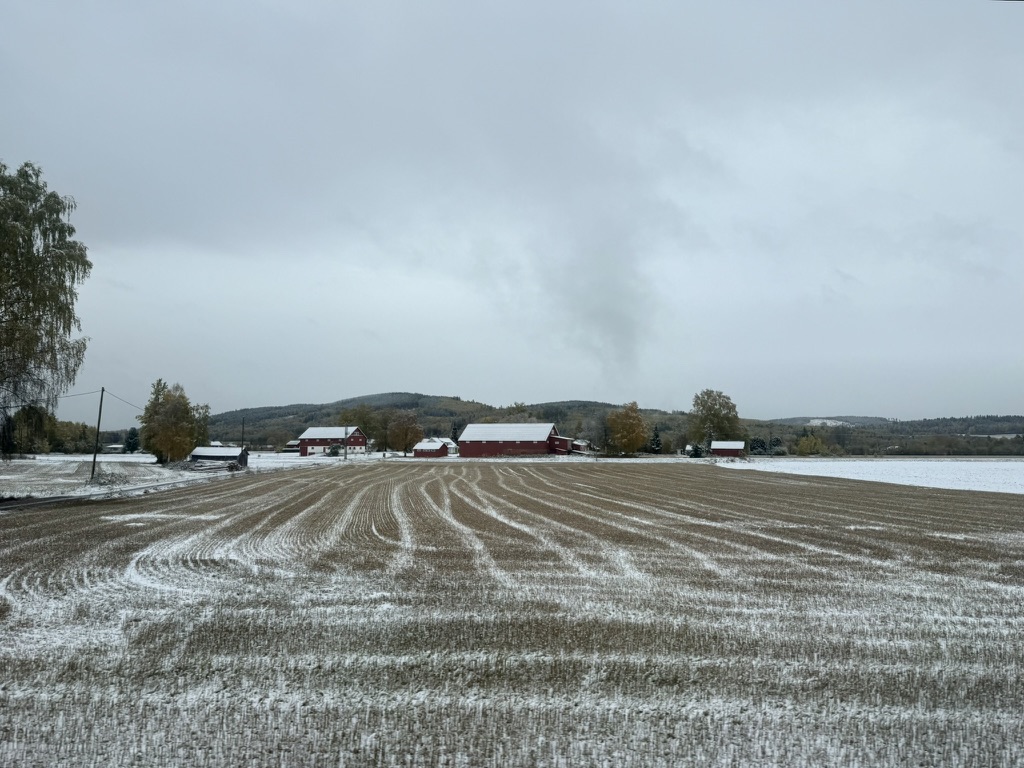
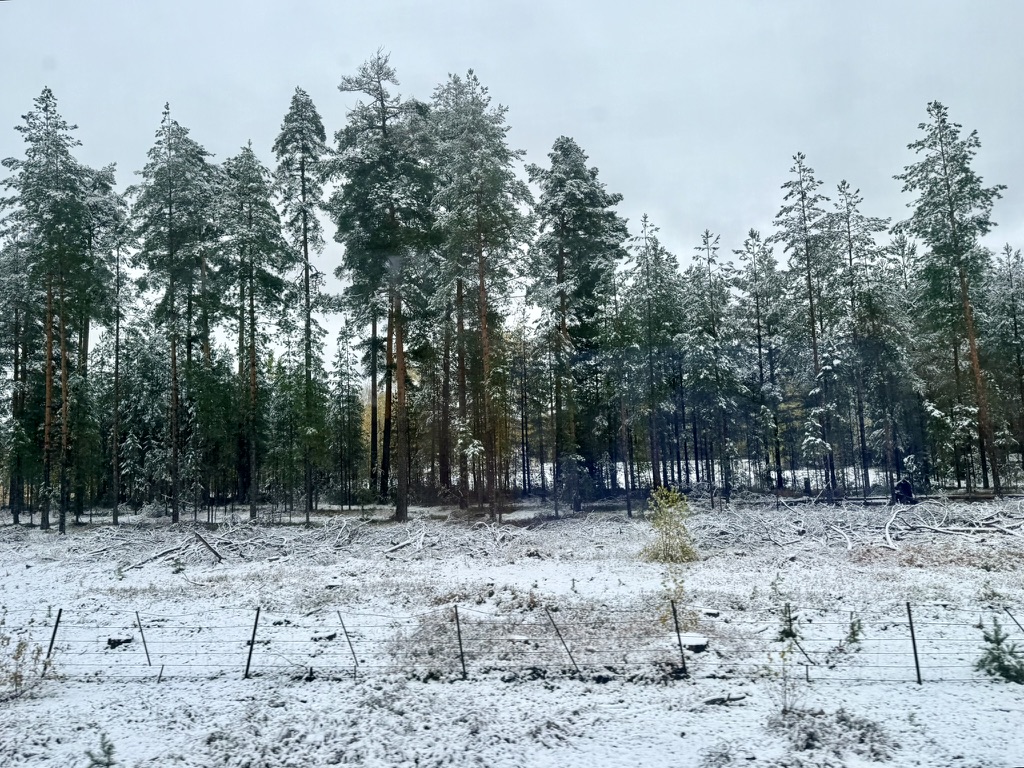
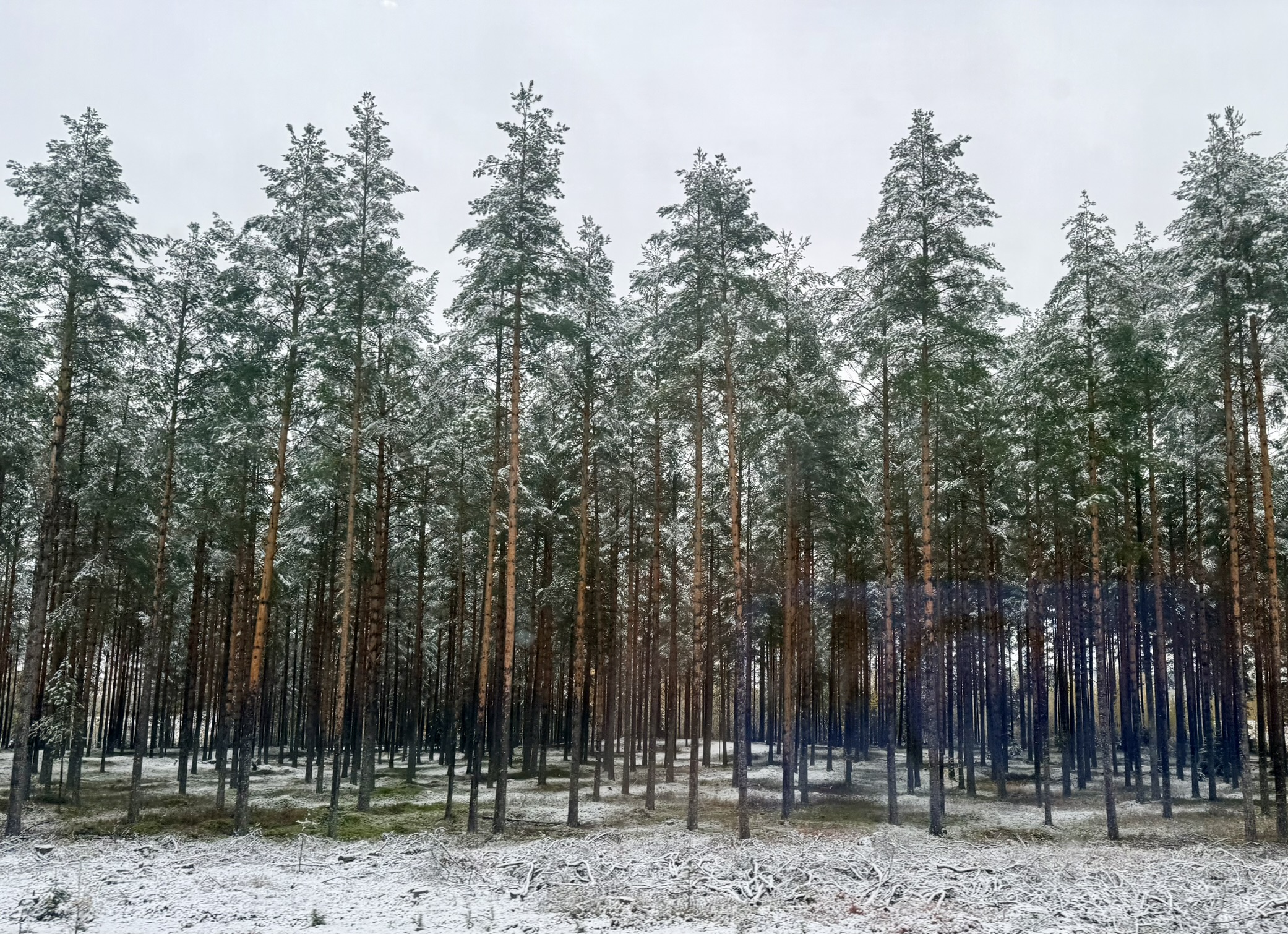
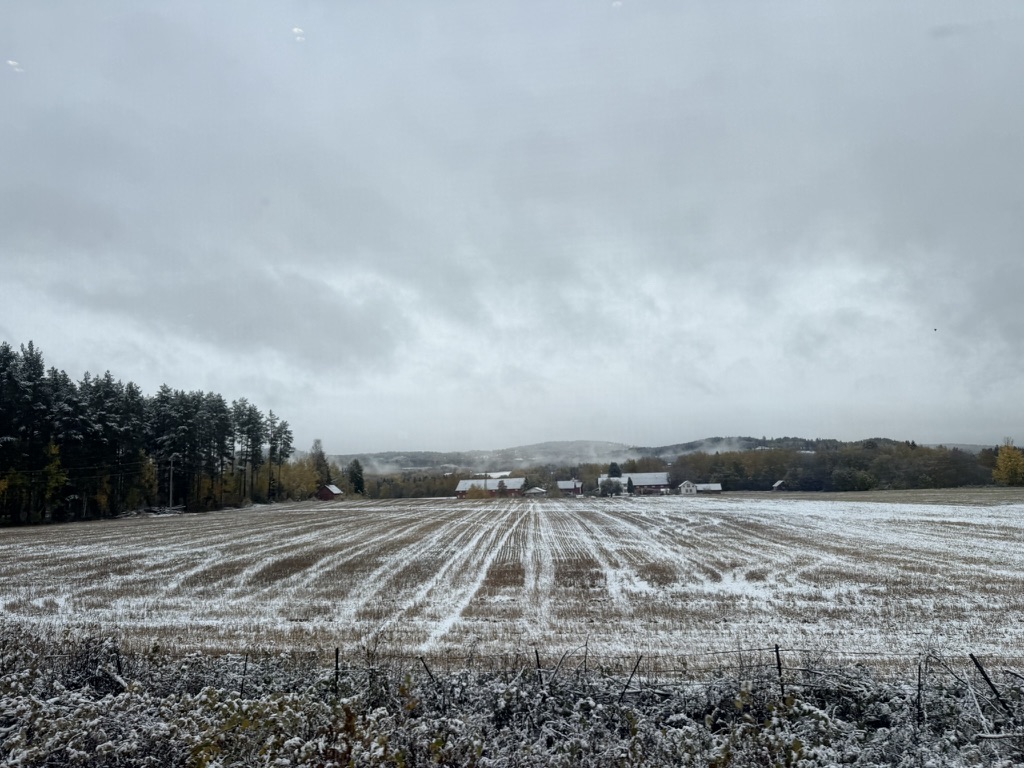
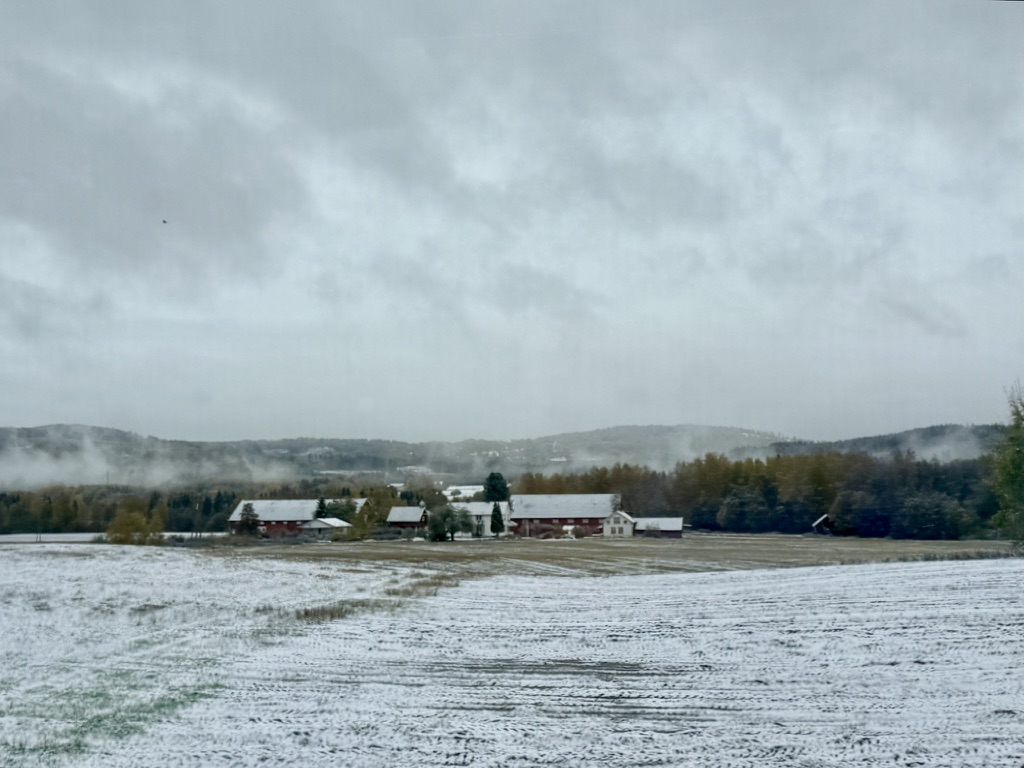
Our views out the train window showed a dreary sky with a dusting of snow. Dreary would come to define our time in Stockholm and of course the bad weather we had there colored our experience of the city. Even though we had several rainy days in Oslo, they were interspersed with gorgeous blue and sunny days, which made the experience more enjoyable, at least in my eyes.
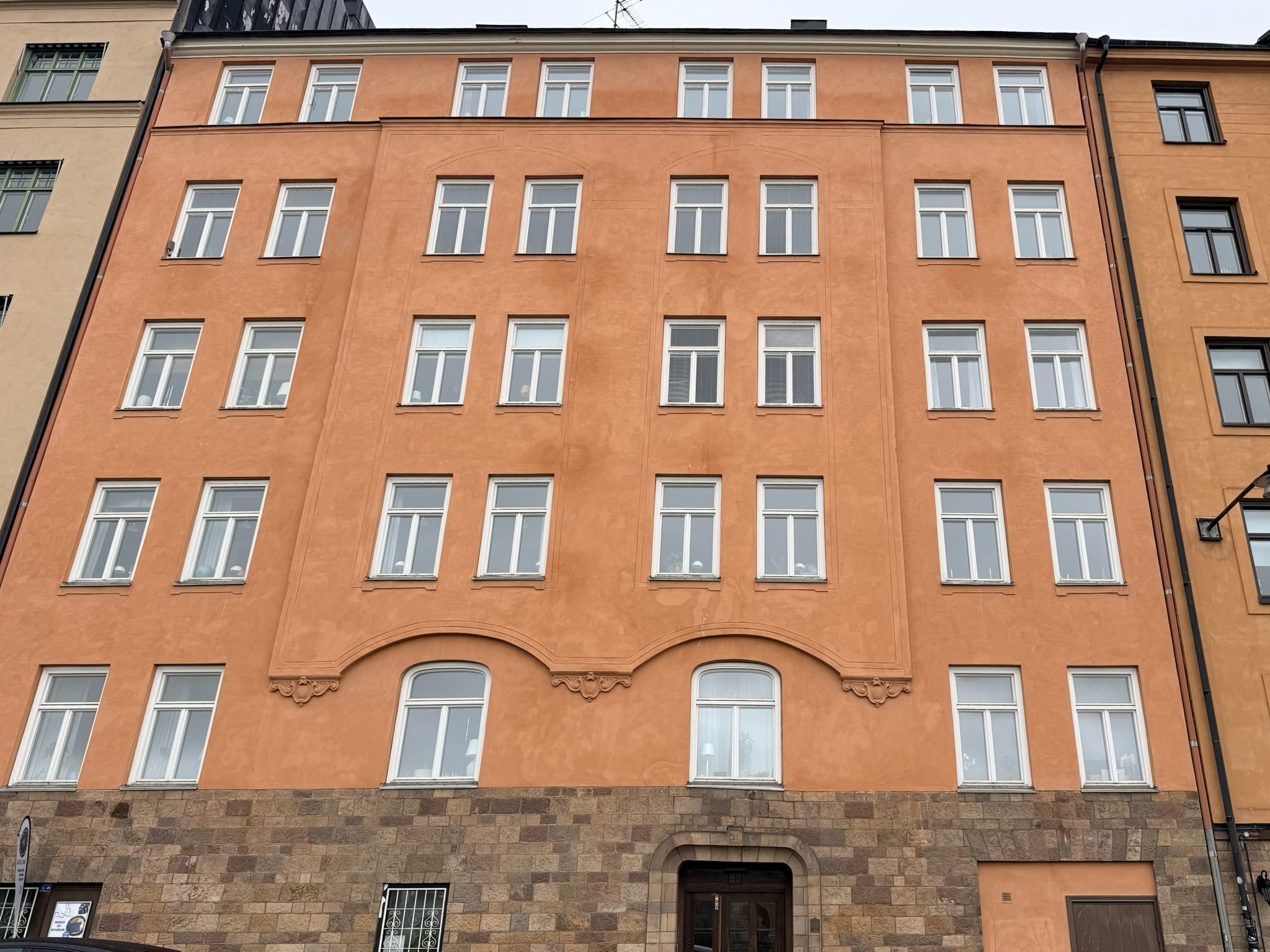
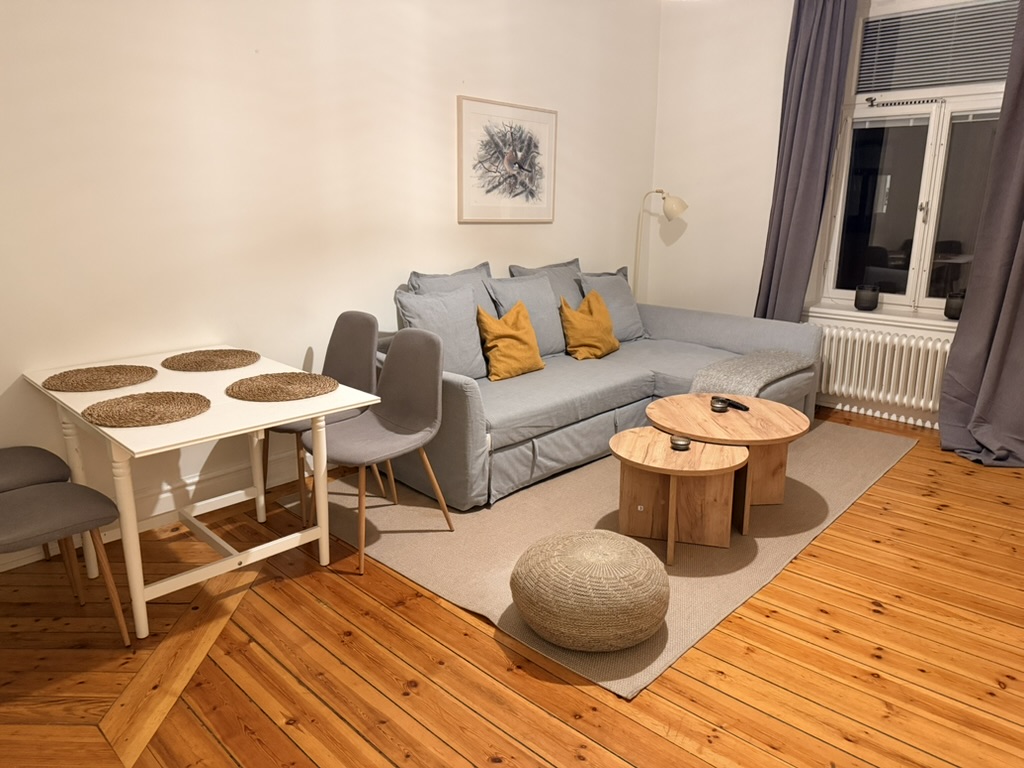
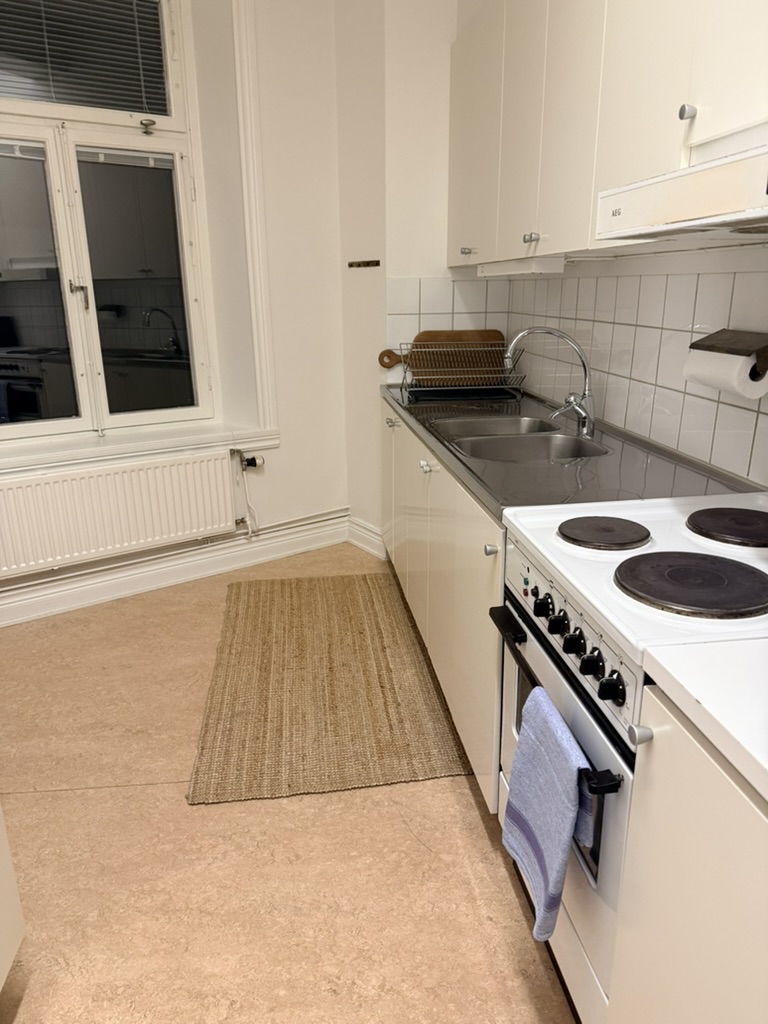
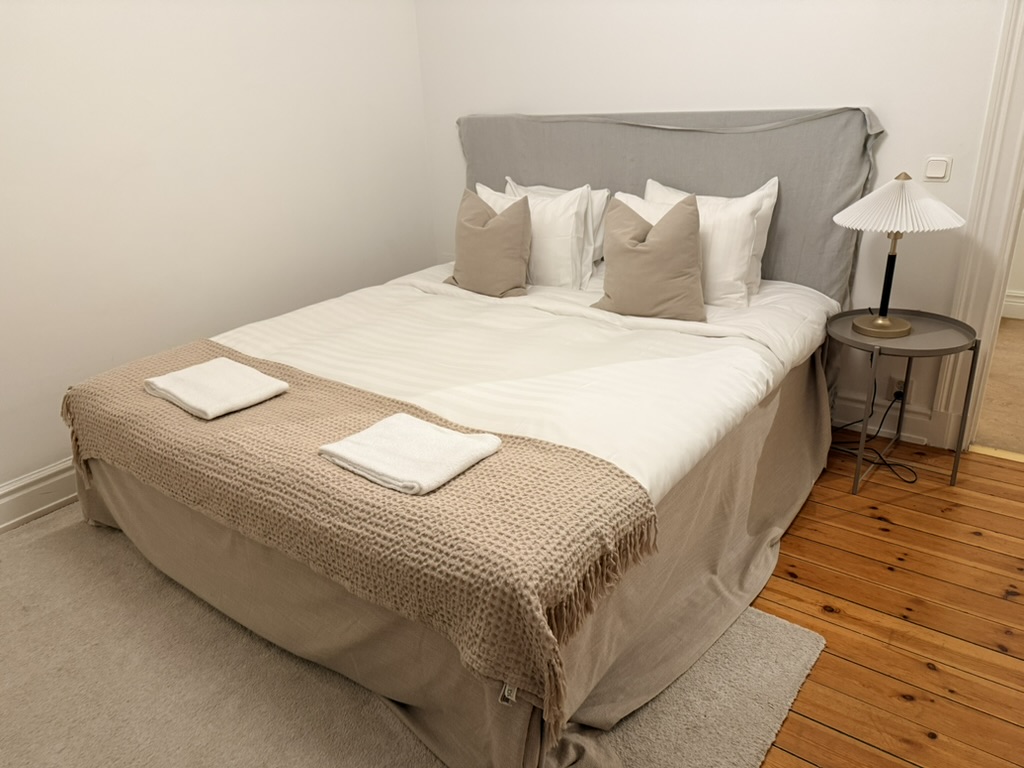
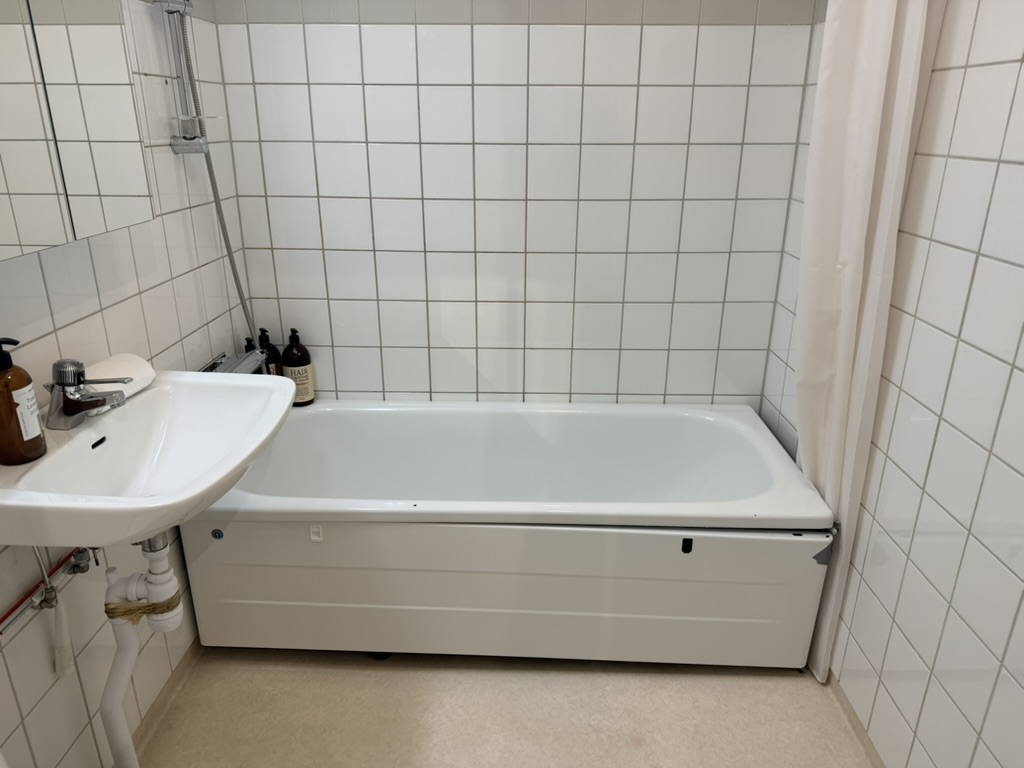
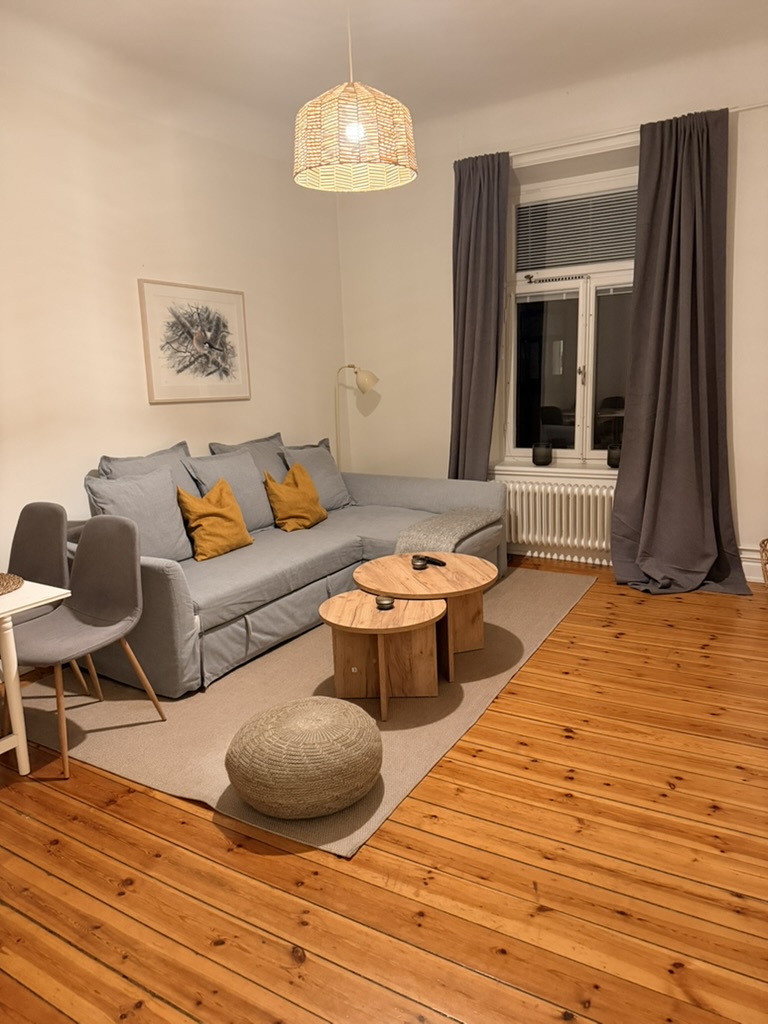
Our Airbnb apartment: Home in Stockholm: Rörstrandsgaten 50
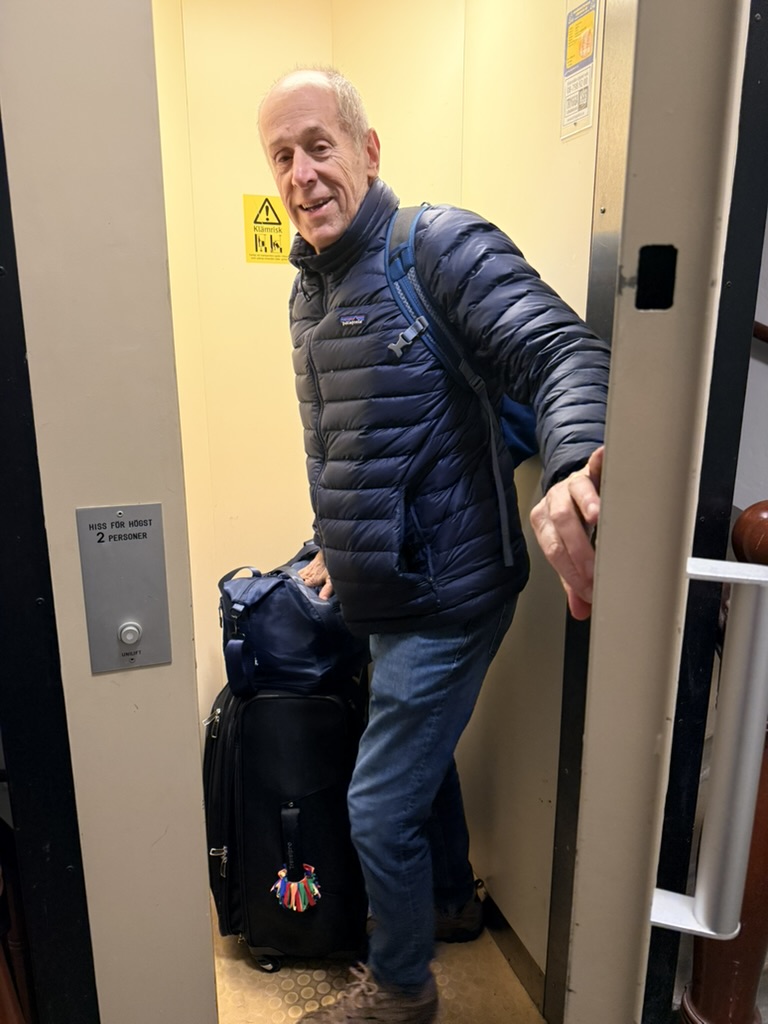
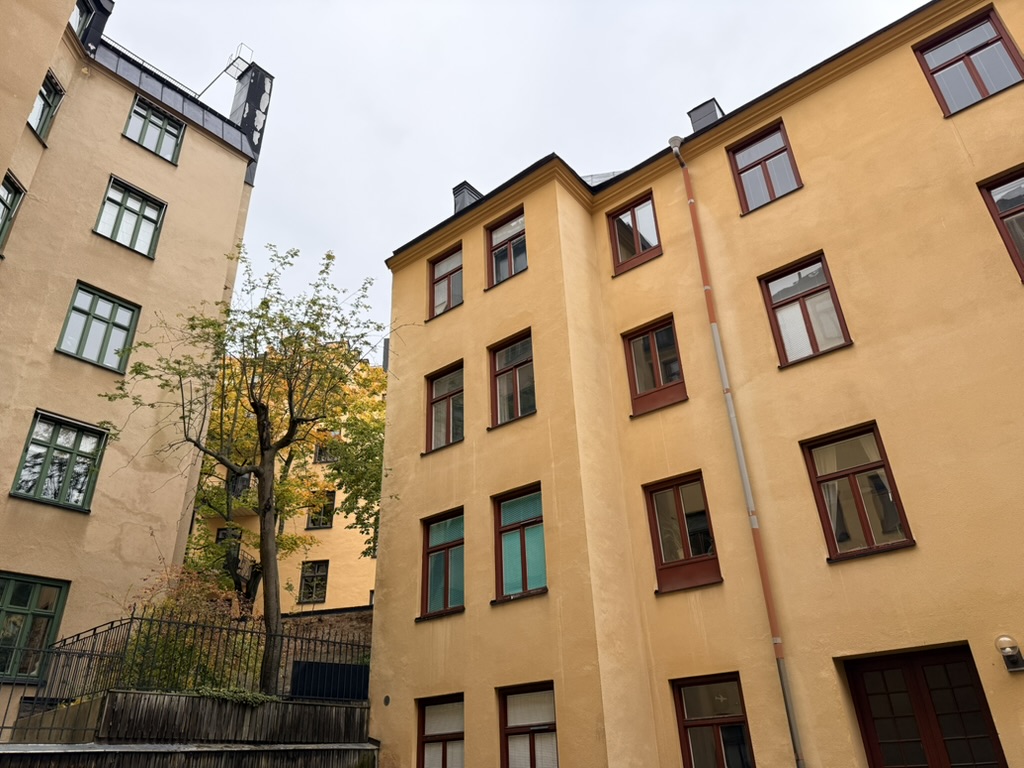
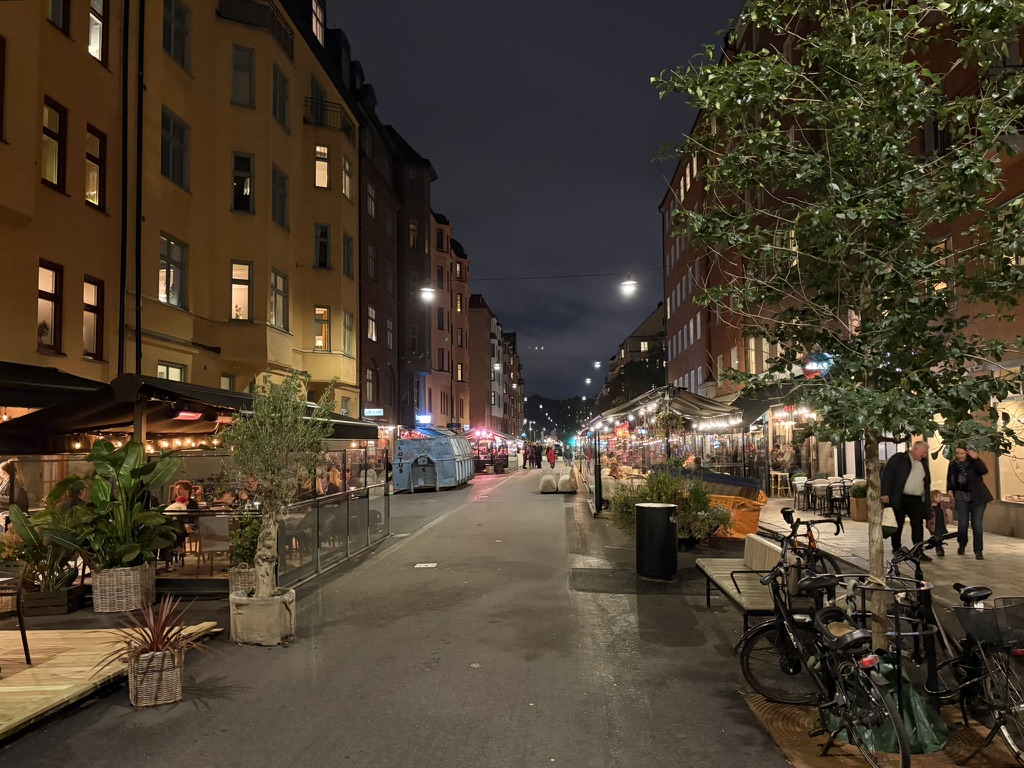
Our Airbnb apartment was a 10-minute walk from S:t Eriksplan metro stop. It was an old building and nothing had been renovated in the apartment, unlike most we have stayed in. The bed was super soft, too soft for me. The dresser seemed to be falling apart. This was the first time where Mike and I didn’t bother to actually “move in” by hanging up our clothes because we just didn’t care. The apartment had high ceilings and lots of space, but it was sparsely furnished and didn’t seem homey at all. It was my second least-favorite of all the Airbnbs we’ve stayed in, with Bergen being the worst. Most others were much better. Plus I thought it was too expensive for what we got and it was not ideally located. The street of Rörstrandsgaten had a lot of restaurants and cafes and seemed quite cute, but the 10-minute walk to any mode of transportation was a bit much. Plus, there was a set of stairs with no elevator which I felt should have been disclosed. The host also sent a long list of penalties for various behaviors like losing this key or that key, or failing to dispose of trash, etc. No washer was here, nor was there any drying rack for clothing if we wanted to hand wash clothes.
The only benefit in my eyes was the bathtub, which was a wonderful place to have nice long soaks since I still wasn’t feeling well.
Activities and Sights in Stockholm
Stockholm is the capital and the most populous city of Sweden. It has the largest urban area of the Nordic countries. The city stretches across fourteen islands where Lake Mälaren flows into the Baltic Sea. Outside the city to the east, and along the coast, is the island chain of the Stockholm archipelago.
Stockholm is the cultural, media, political, and economic center of Sweden. It hosts the annual Nobel Prize ceremonies. One of the city’s most prized museums, the Vasa Museum, is the most visited museum in Scandinavia. The Stockholm Metro, the Tunnelbana, opened in 1950 and is well known for the decor of its stations; it has been called the longest art gallery in the world. The city was the host of the 1912 Summer Olympics, and has played host to several other international sports events since.
Vasastan & Around
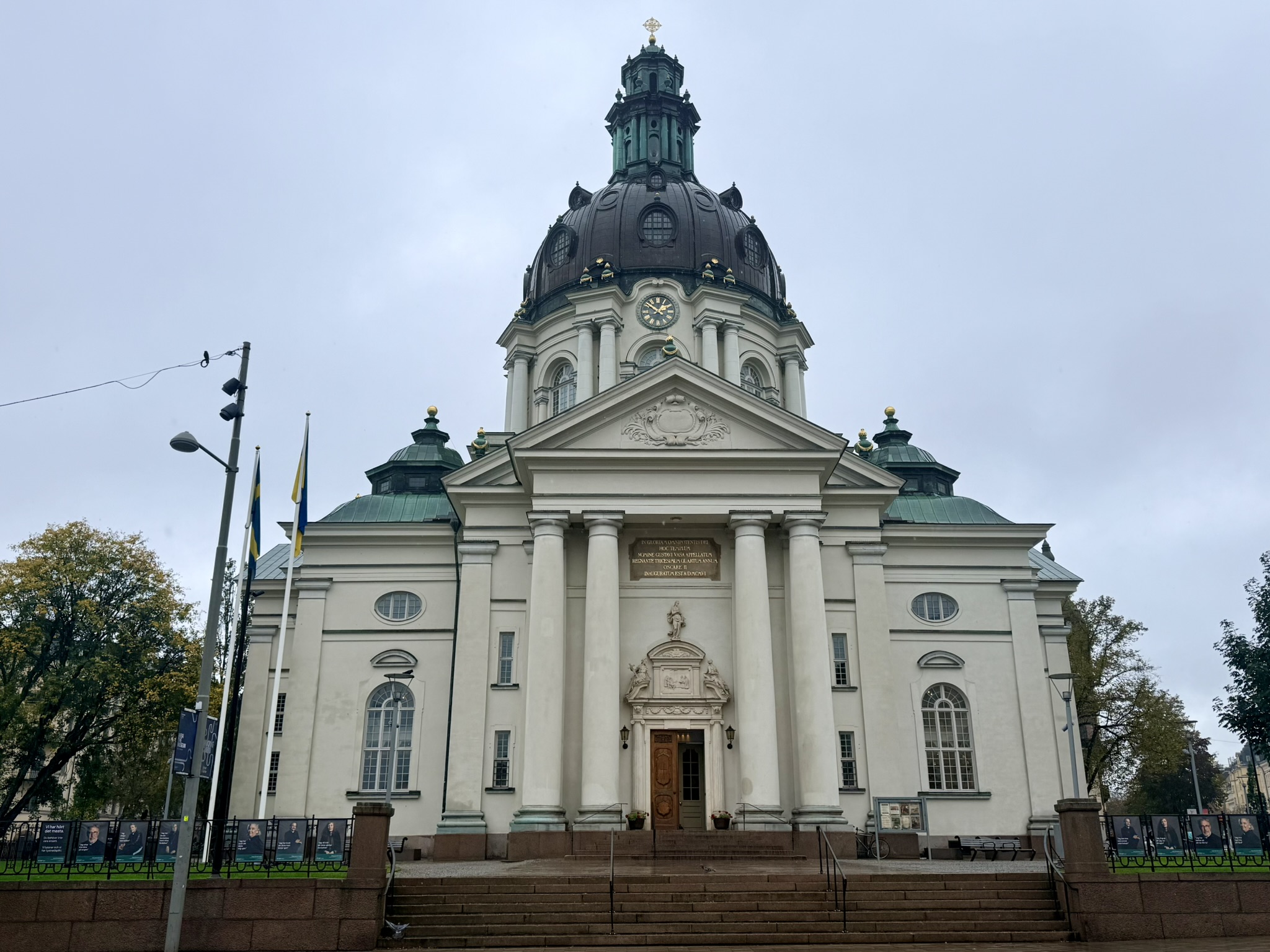
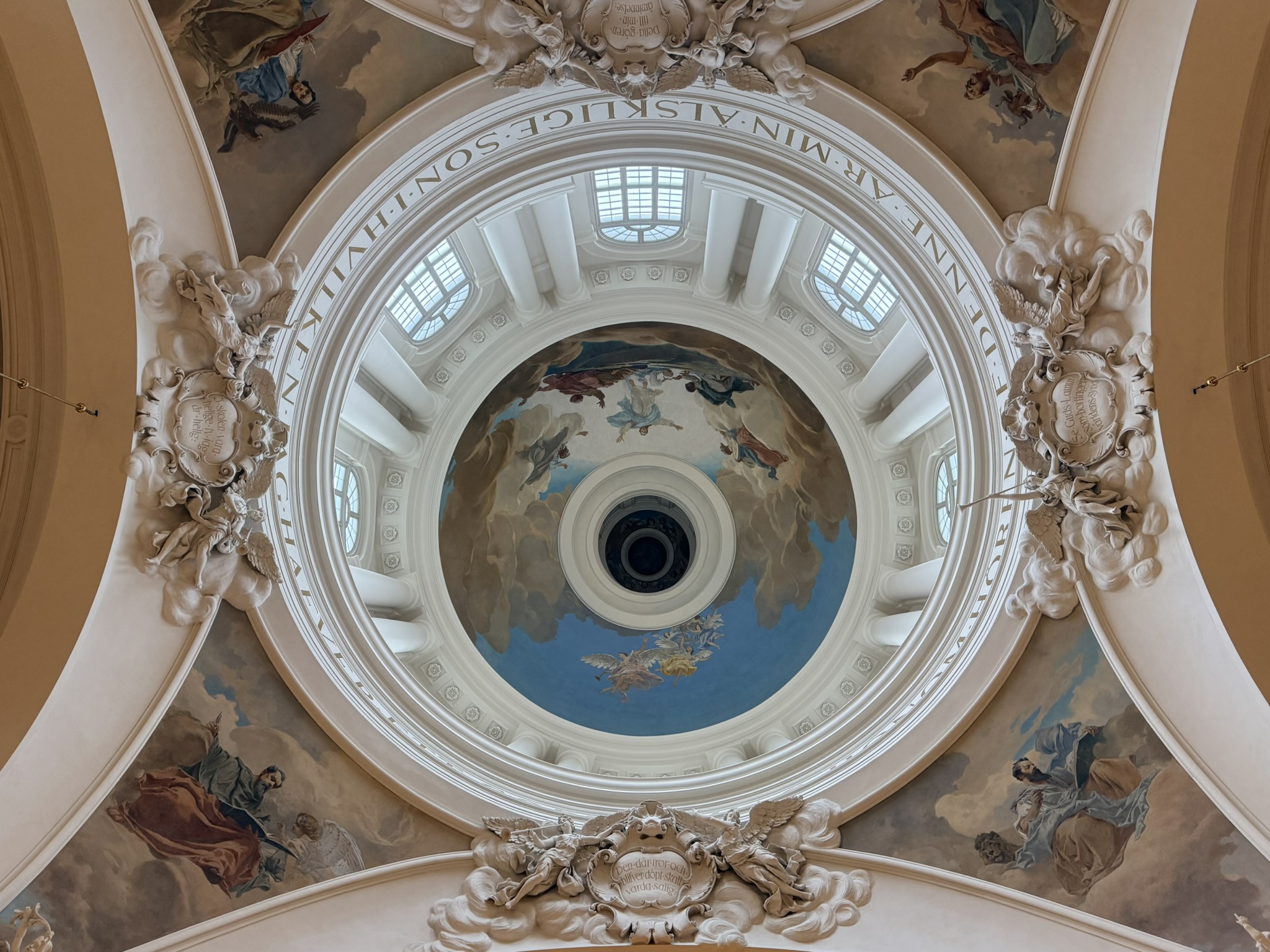
The area of Vasastan, named after Gustav Vasa, grew in importance towards the end of the 19th century as its regal buildings appealed to Stockholm’s upwardly mobile classes. Today, its densely populated district has a laid-back neighborly vibe. It happened to be the neighborhood nearest our Airbnb, and since our first Sunday in Stockholm was pouring rain and we still were feeling under the weather, we opted to visit the only open site nearby: Gustaf Vasa kyrka.
Gustaf Vasa kyrka
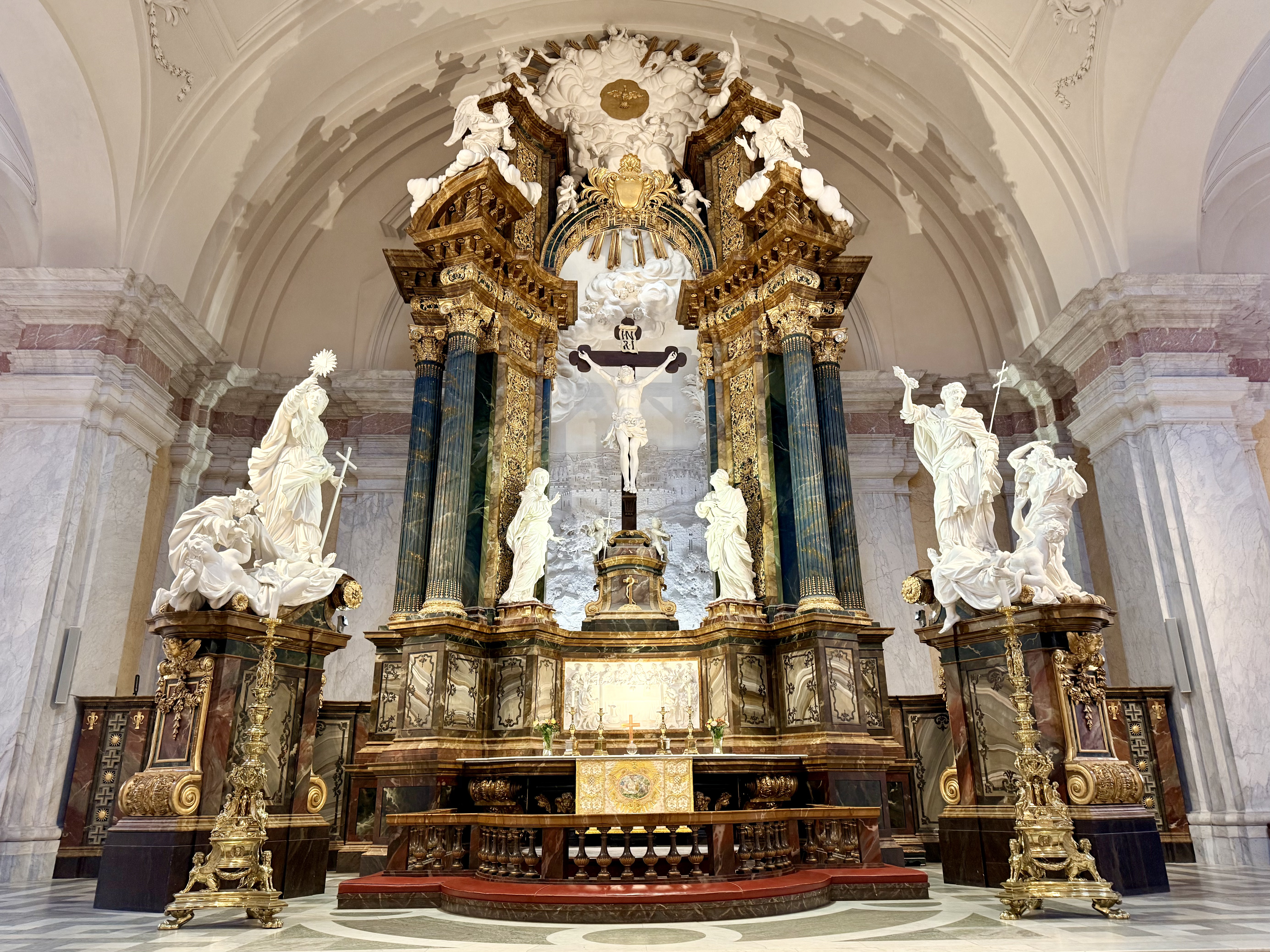
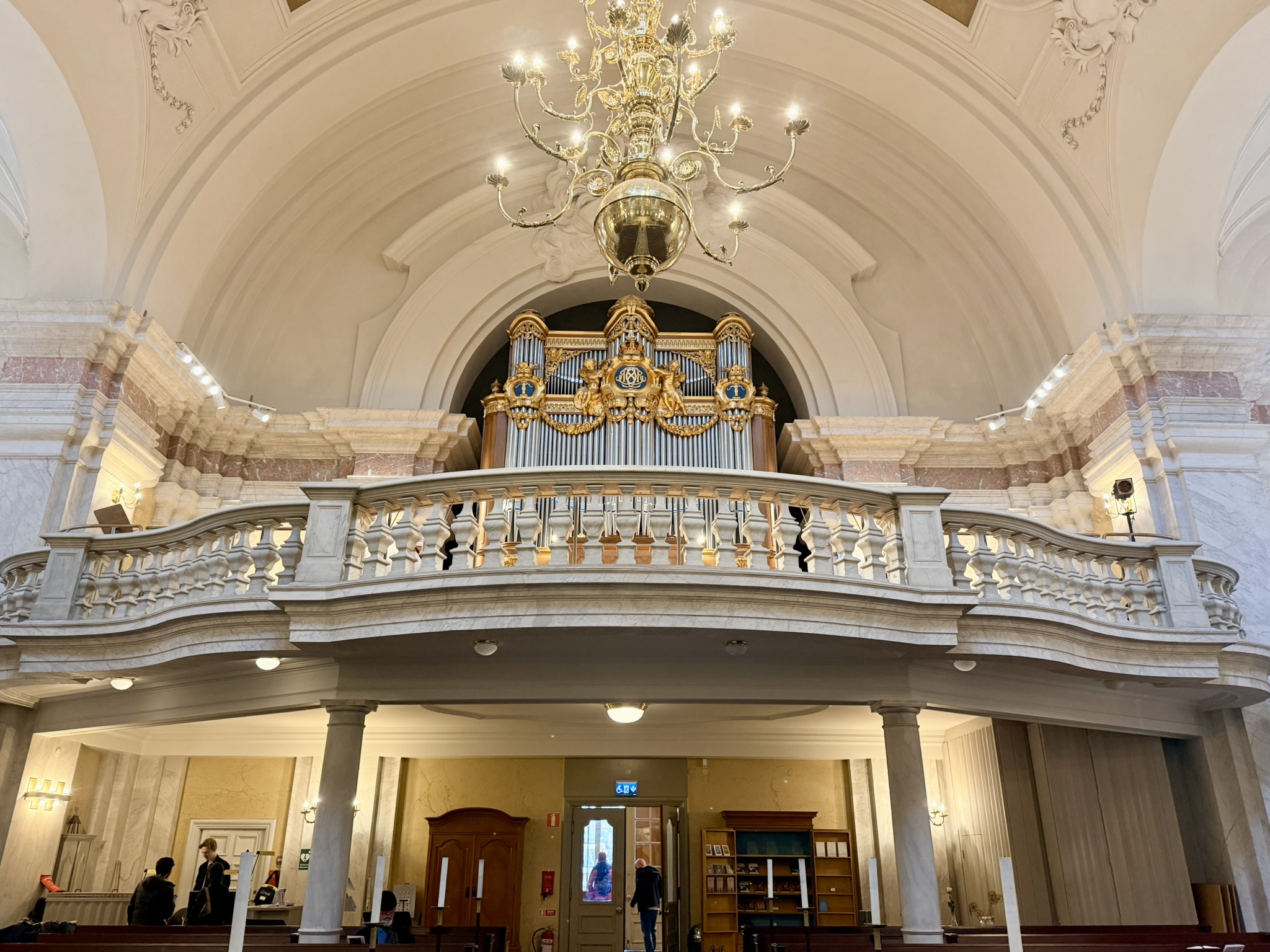
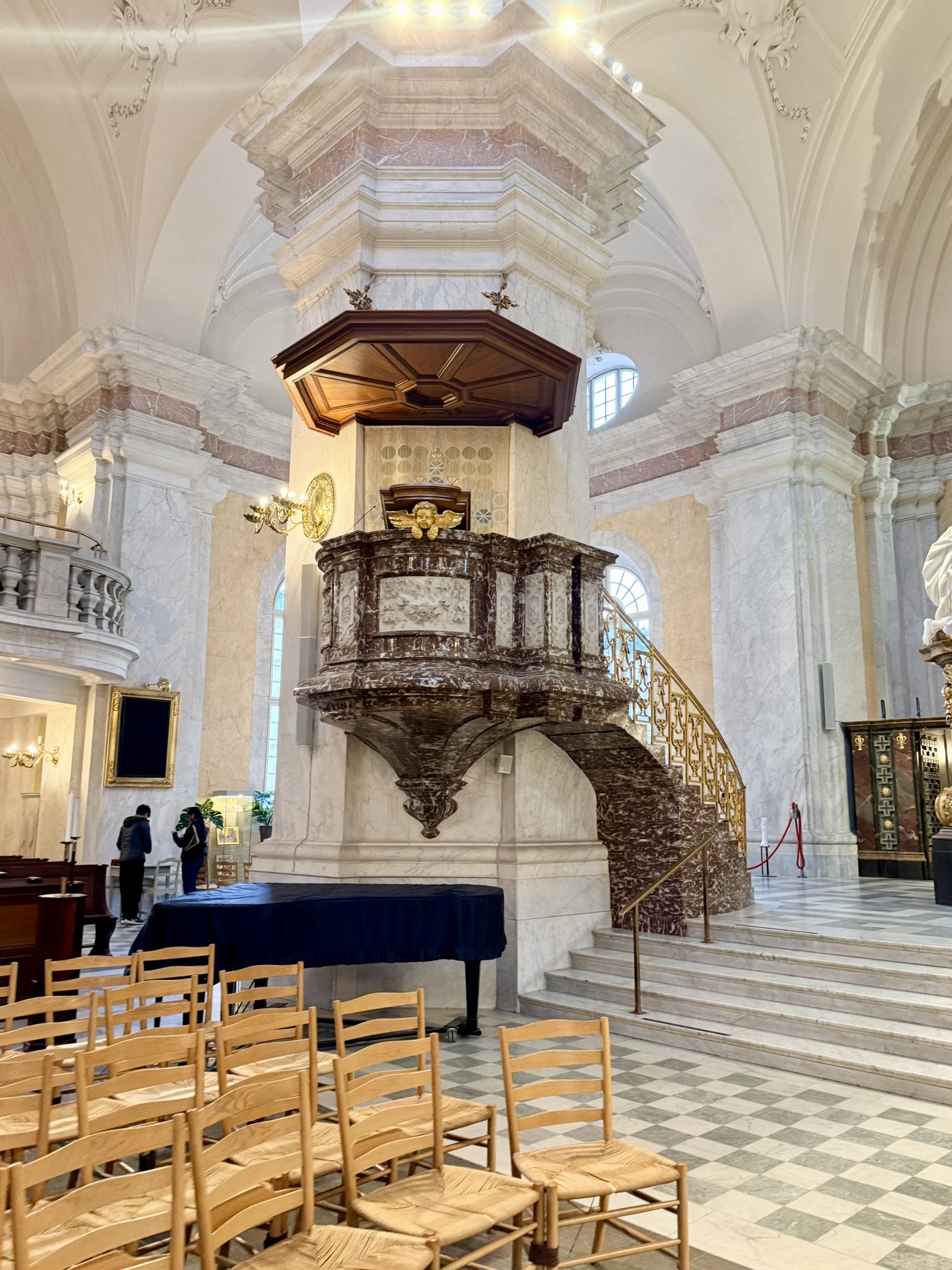
Gustaf Vasa Kyrka has a 60m-high dome that towers over Odenplan plaza. Its baroque altar, modeled after one at Il Gesú, Rome’s principal Jesuit church, was built in 1731 and features bas-reliefs of heavenly Jerusalem and depictions of the triumph of faith. The dome ceiling paintings are by Viktor Andrén, and the grand organ is sometimes used for concerts.
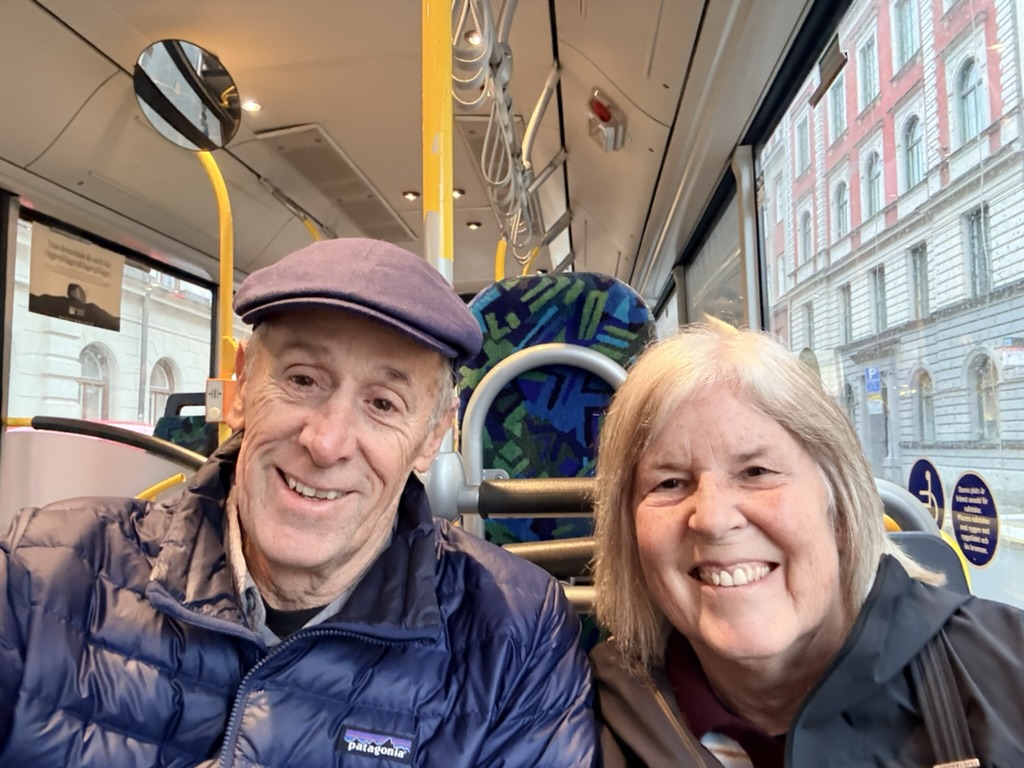
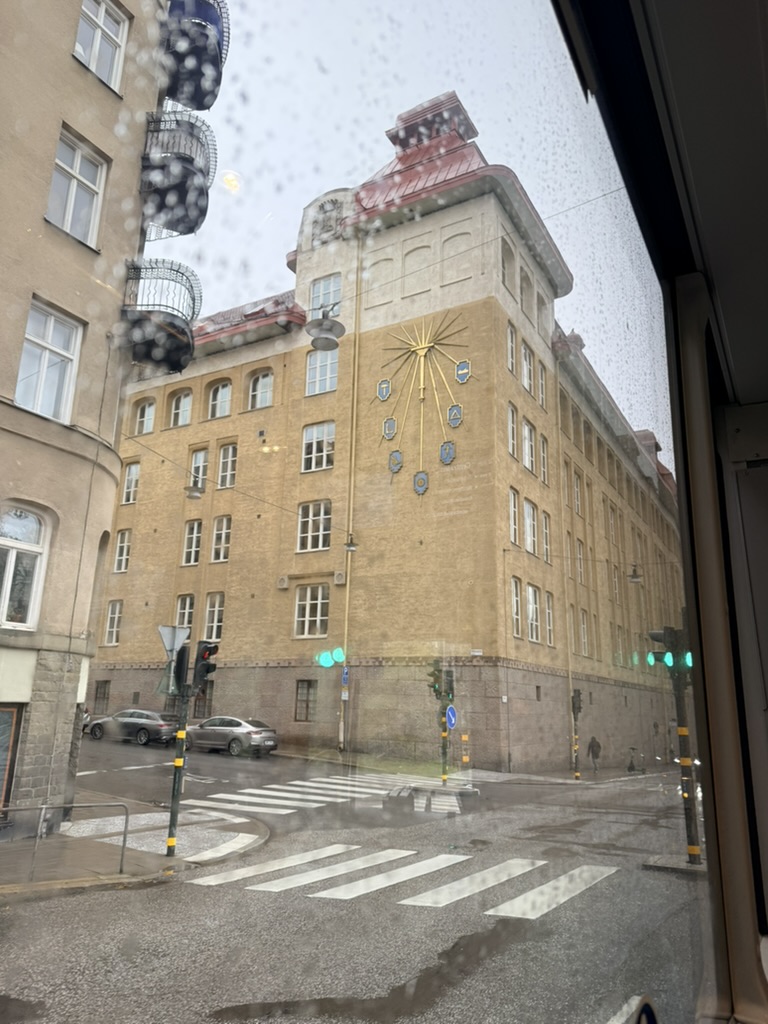
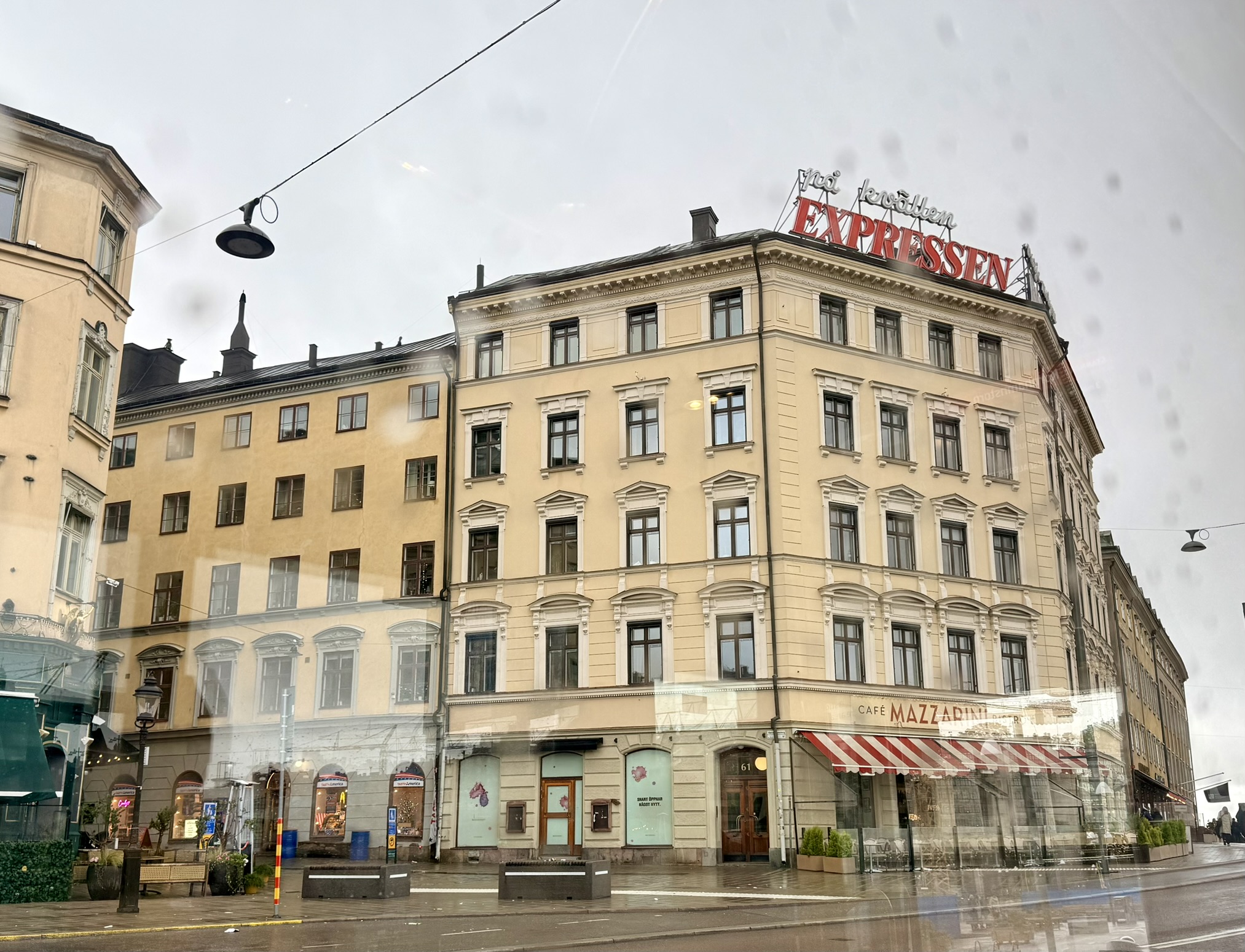
Taking the 53 bus to the end and back
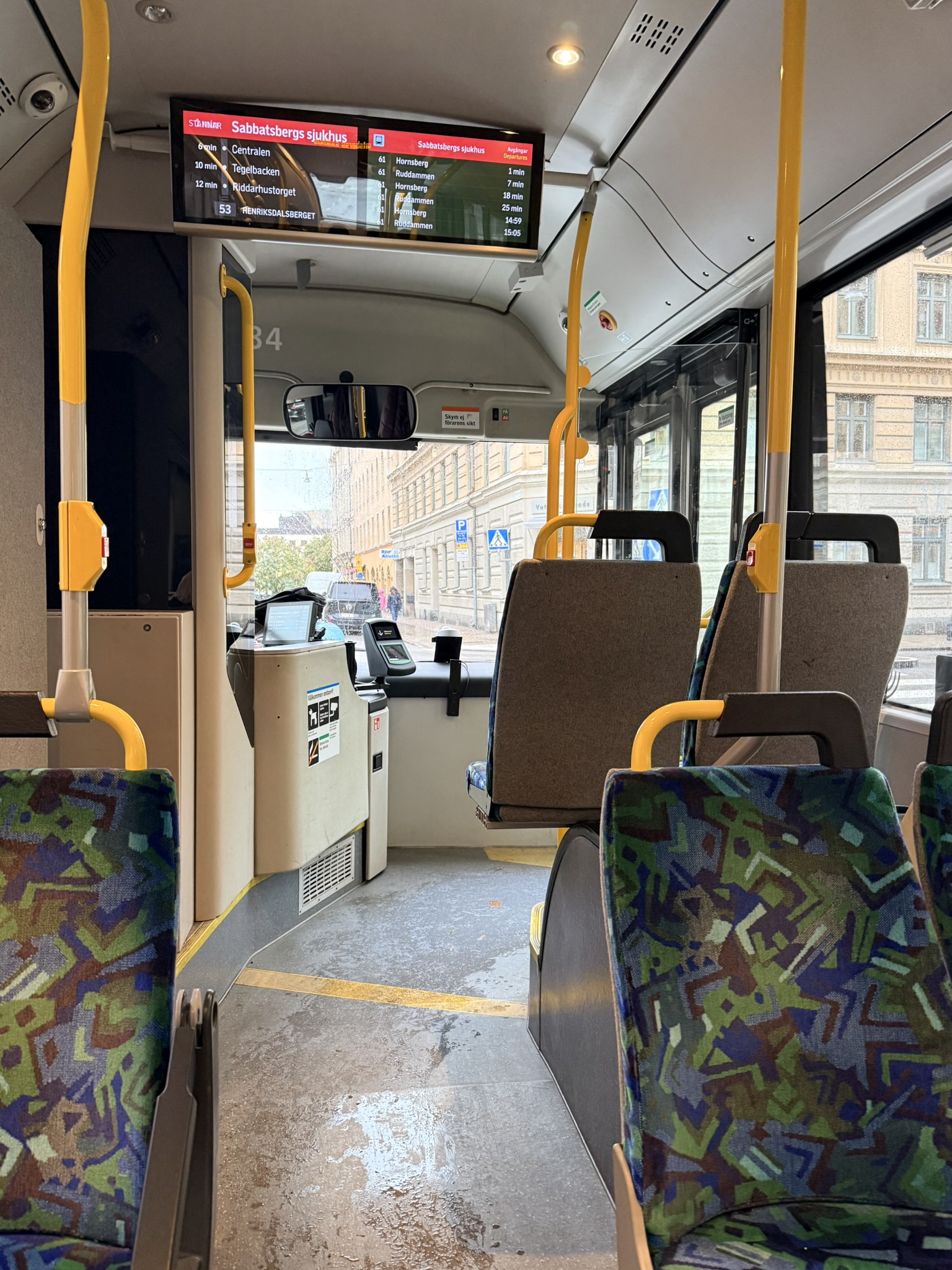
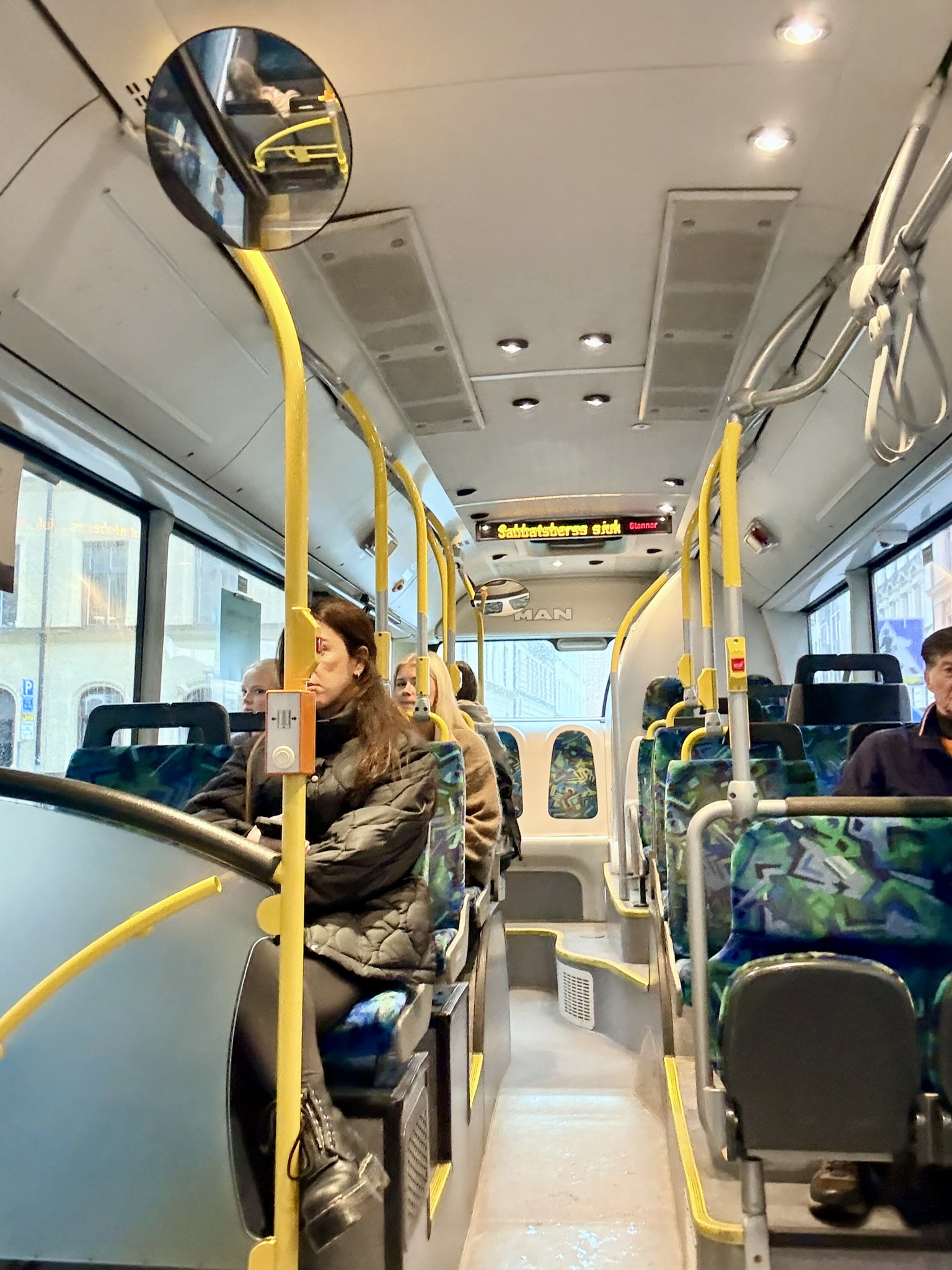
Mike had been wanting to hop on one of the city buses and take it to the end and back just to get an overview of various neighborhoods in cities we’ve visited, but we hadn’t yet done it. Since bus 53 came by the Gustaf Vasa kyrka, we hopped on it and took it to the end and back.
a morning walk from our apartment to Karlbergs Slott
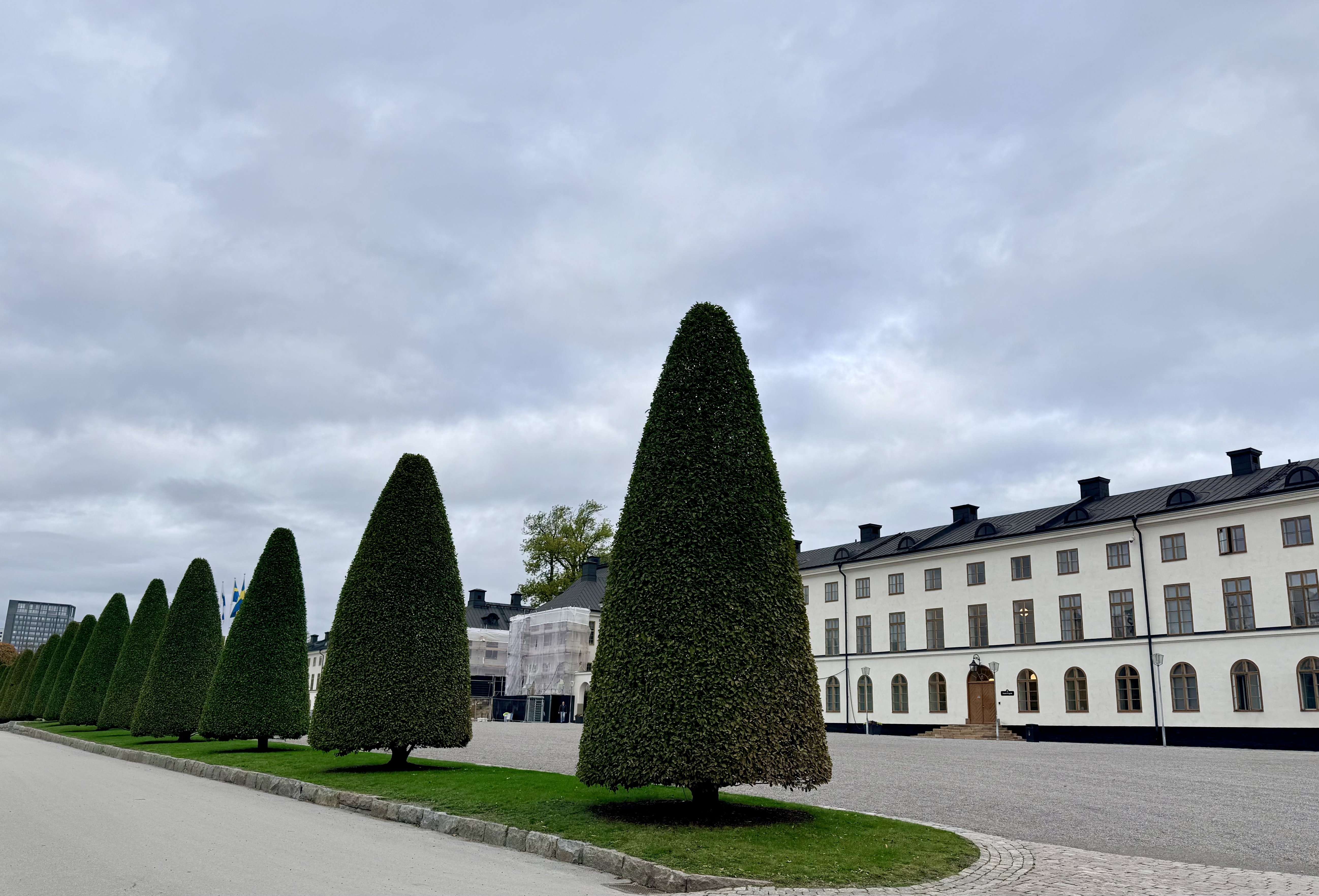
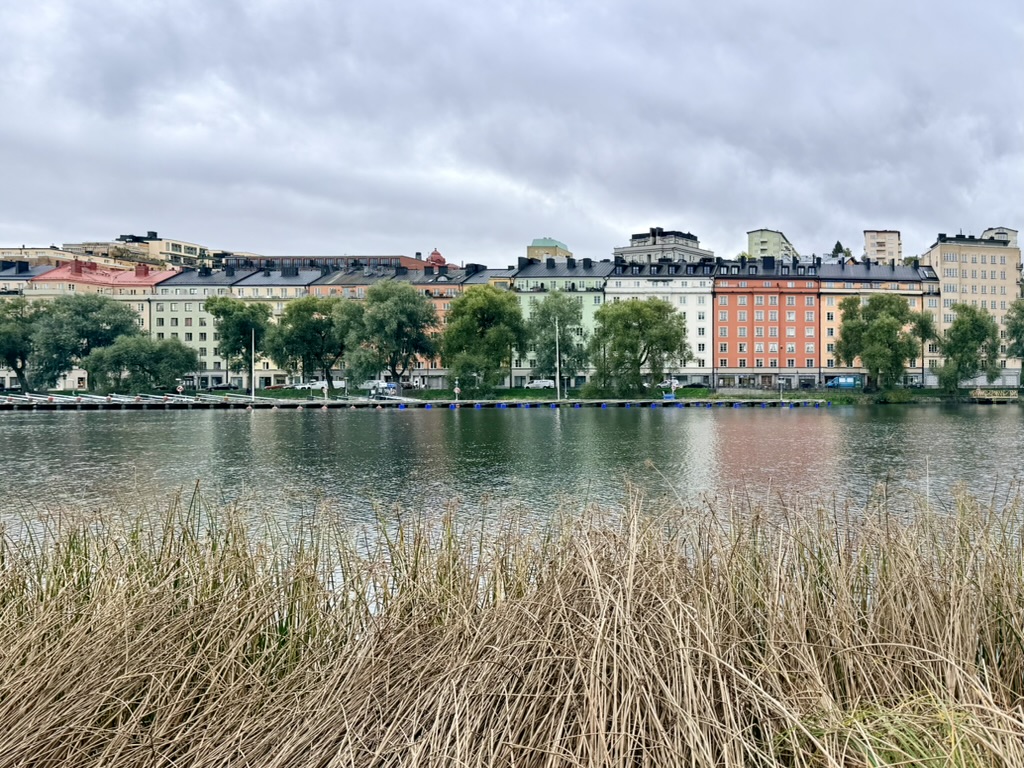
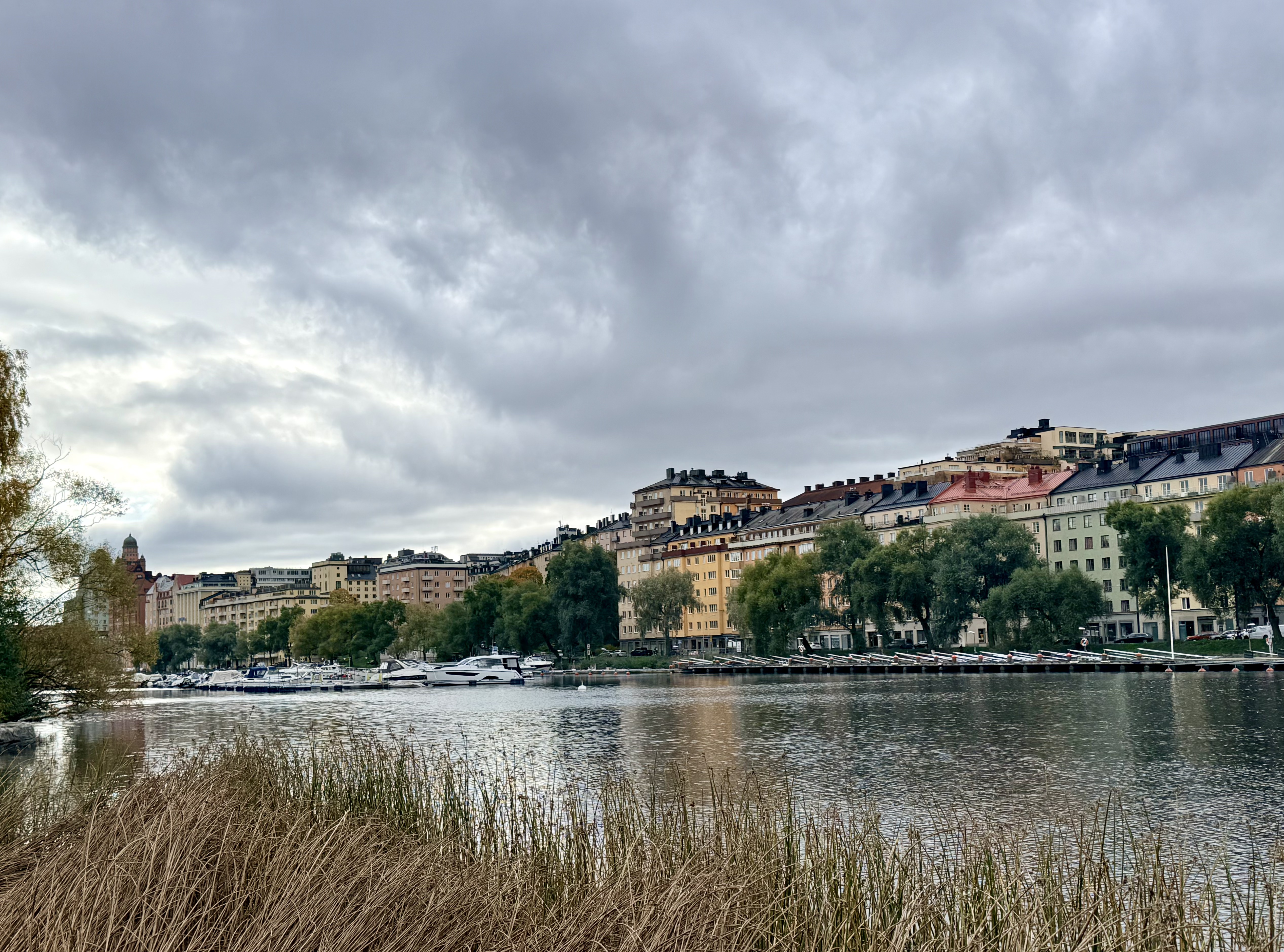
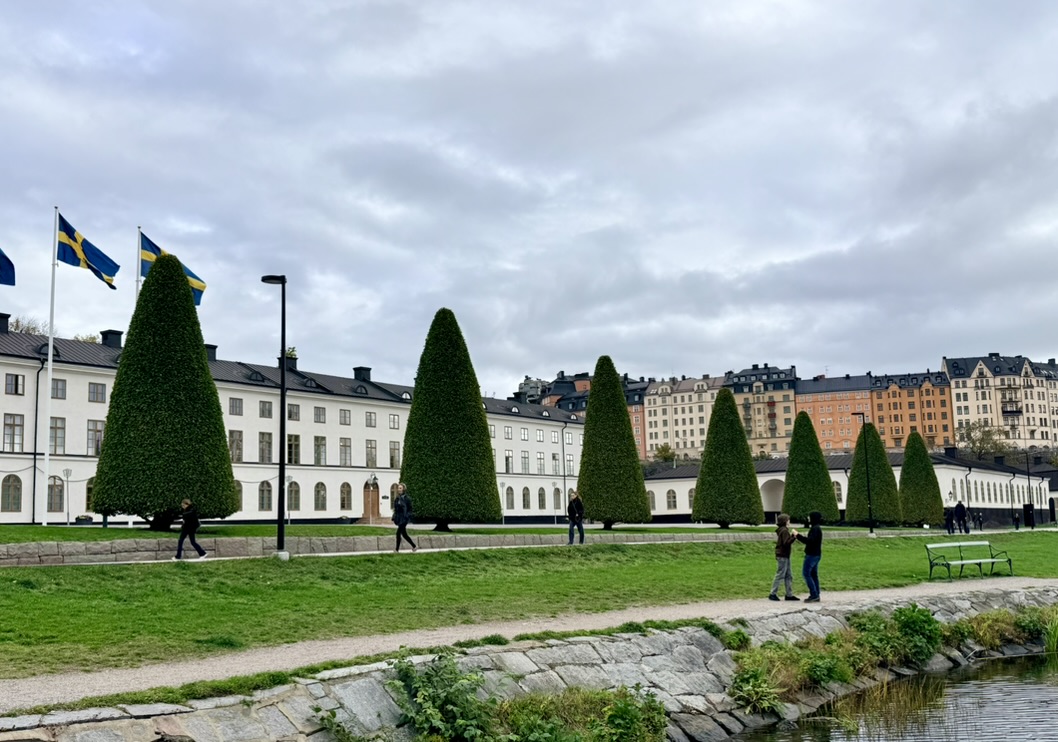
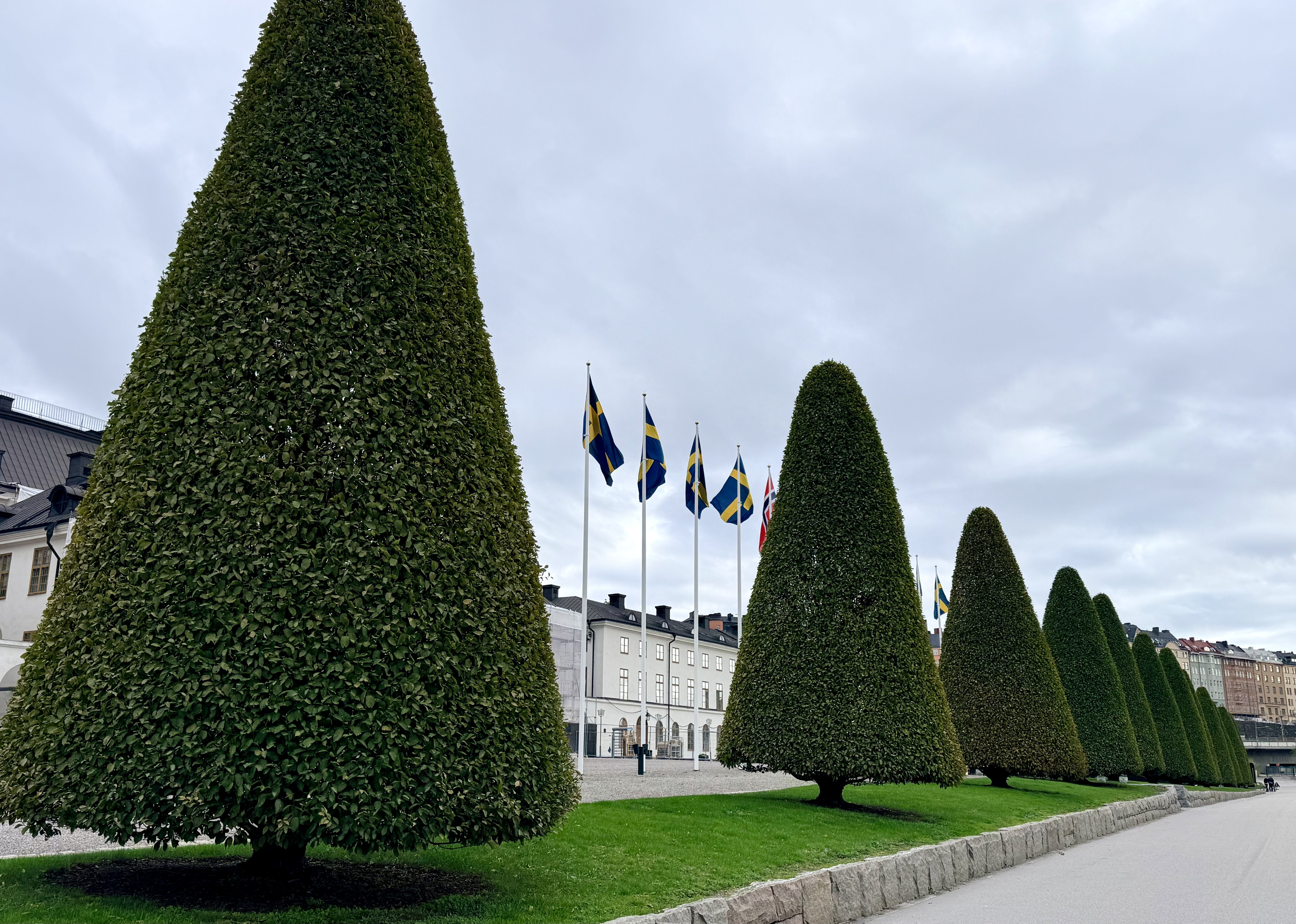
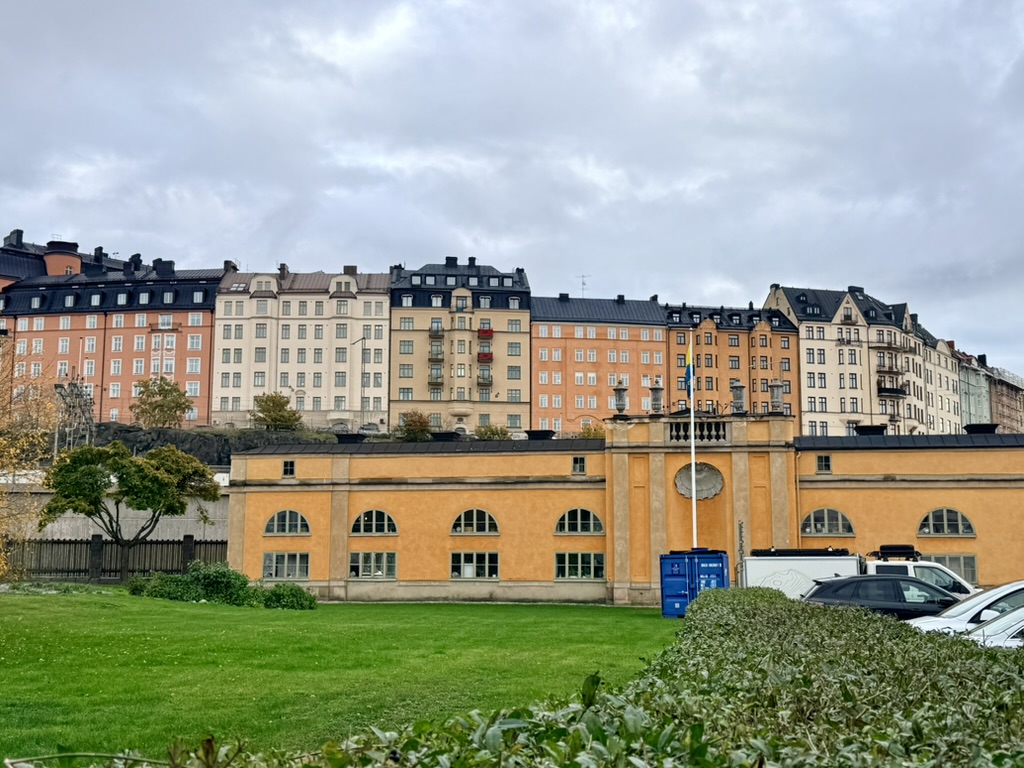
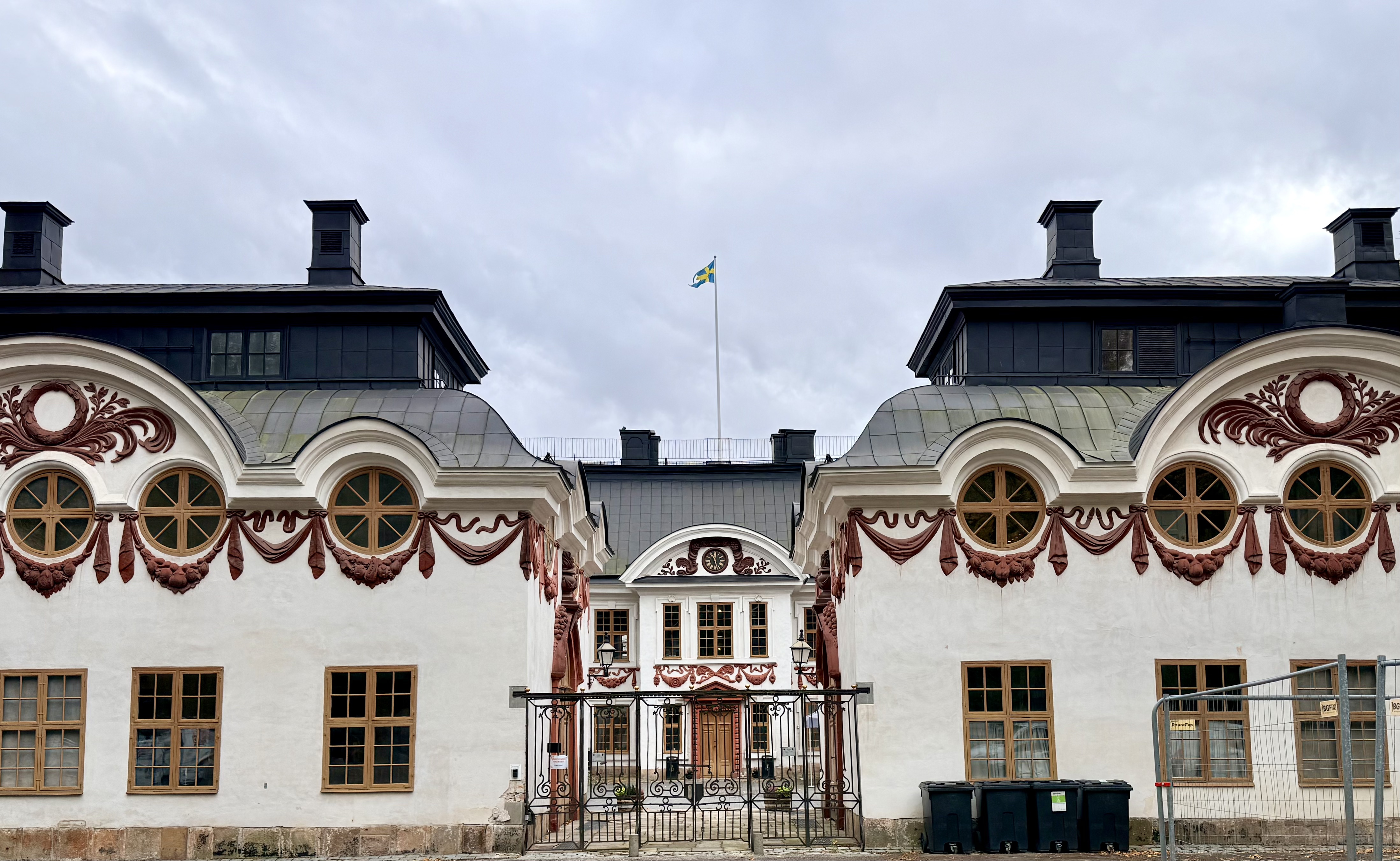
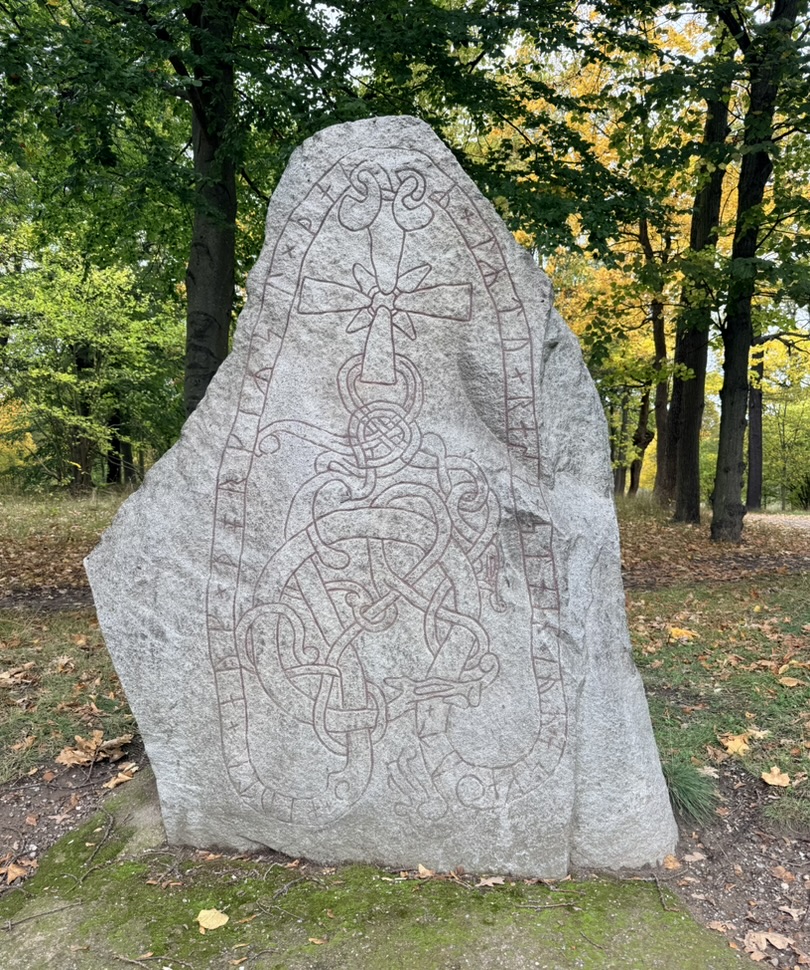
The owner of the Gamla Stan boutique, Monchique, where I bought two jackets, told us he grew up in the neighborhood where we were staying. He suggested we take a walk downhill from our apartment and across the railway tracks past Karlbergs Slott and the canal alongside, Karlbergssjön. It is adjacent to Stockholm’s Vasastaden district. The palace, built in 1630, today houses the Military Academy Karlberg.
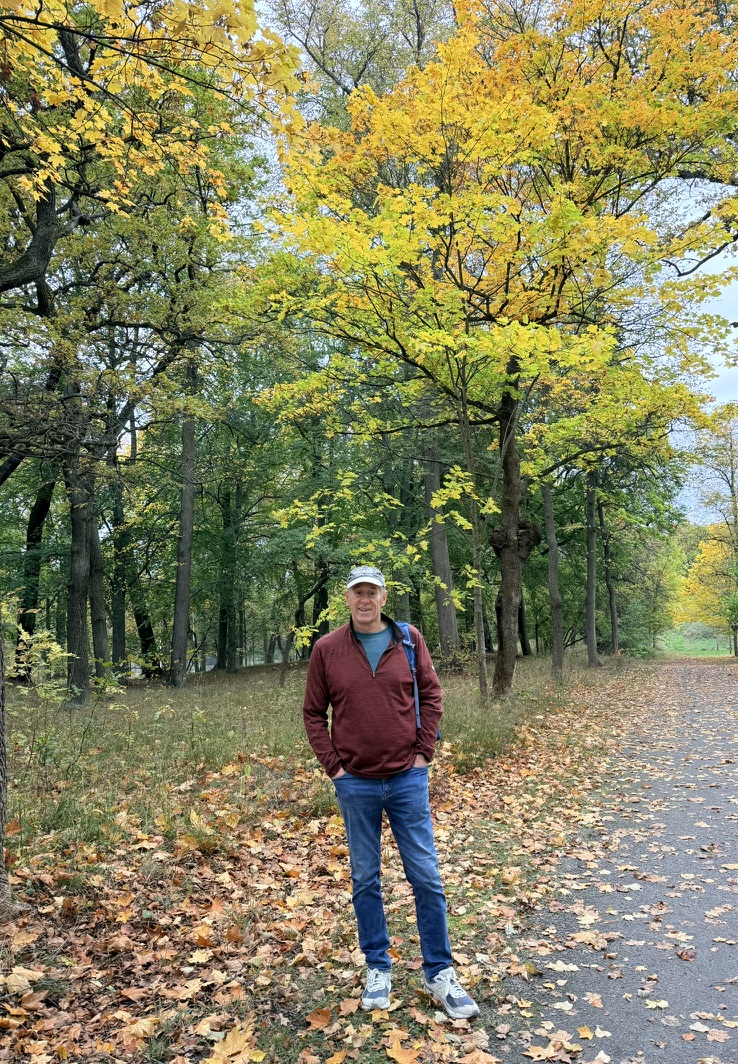
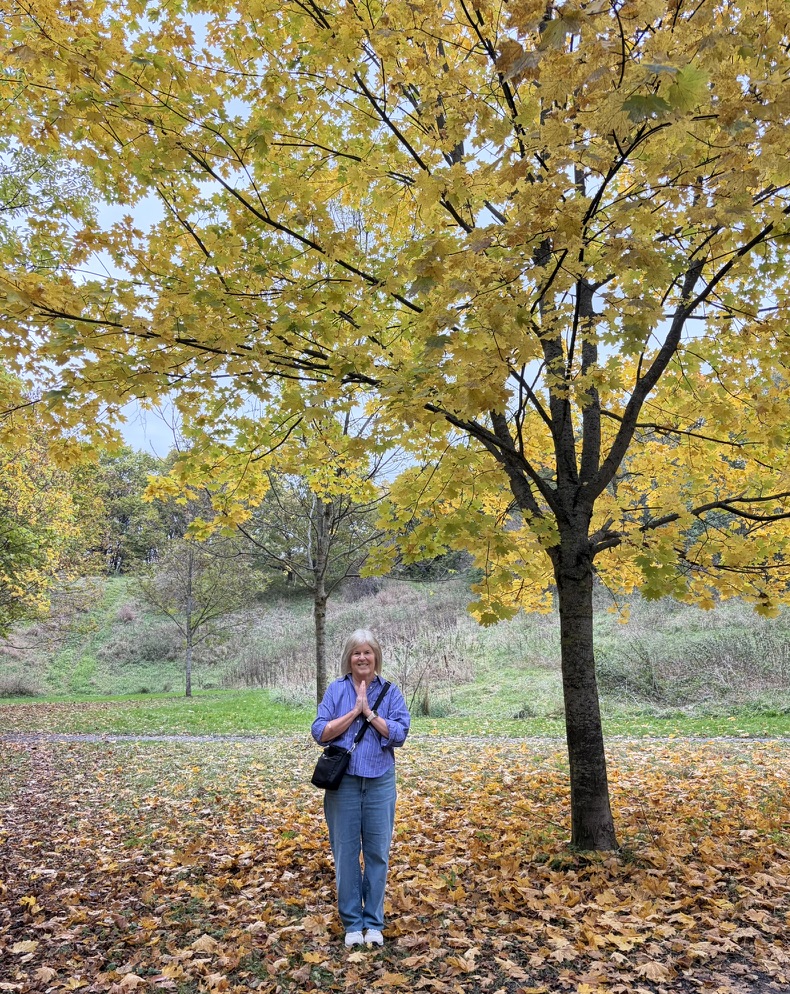
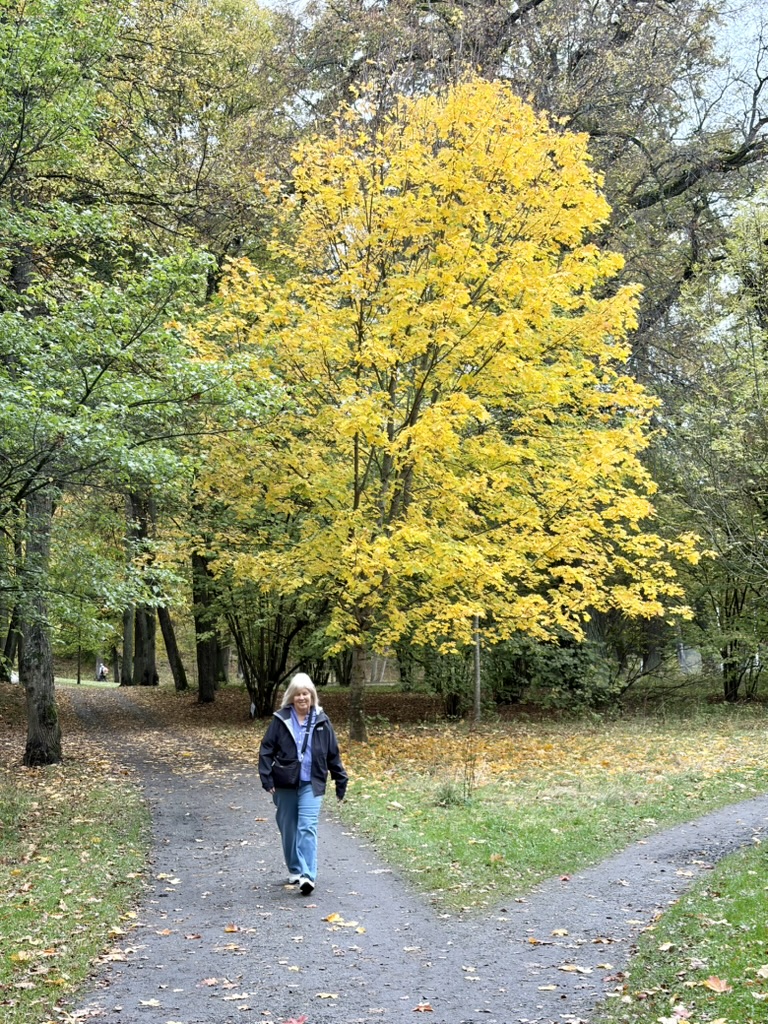
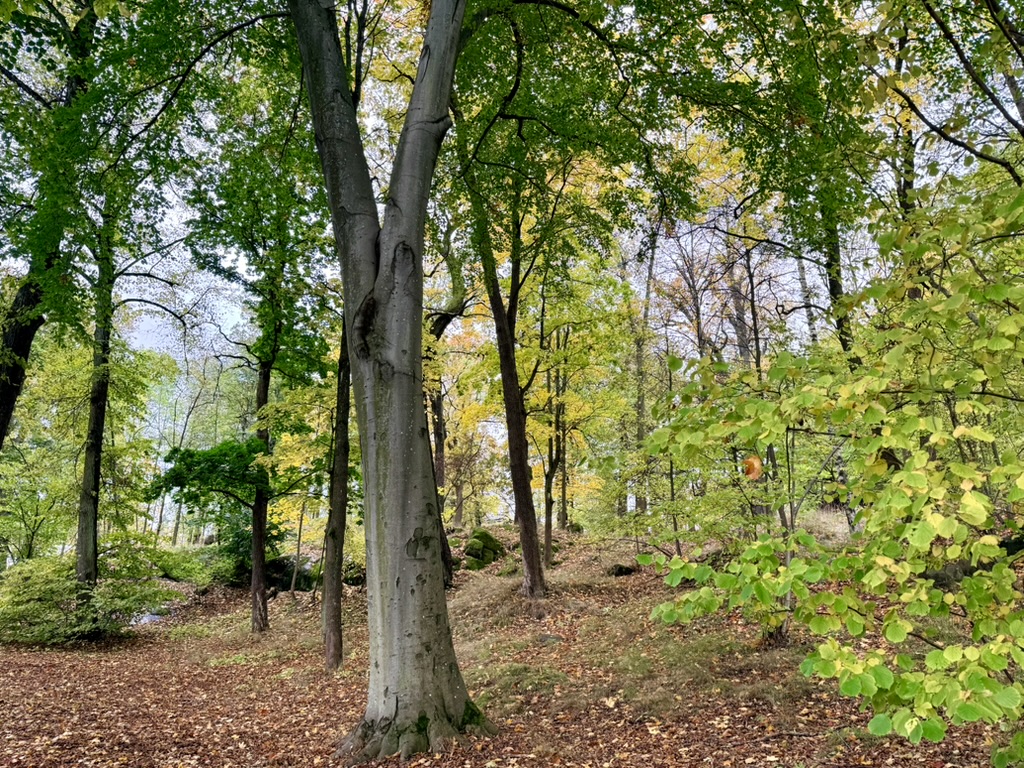
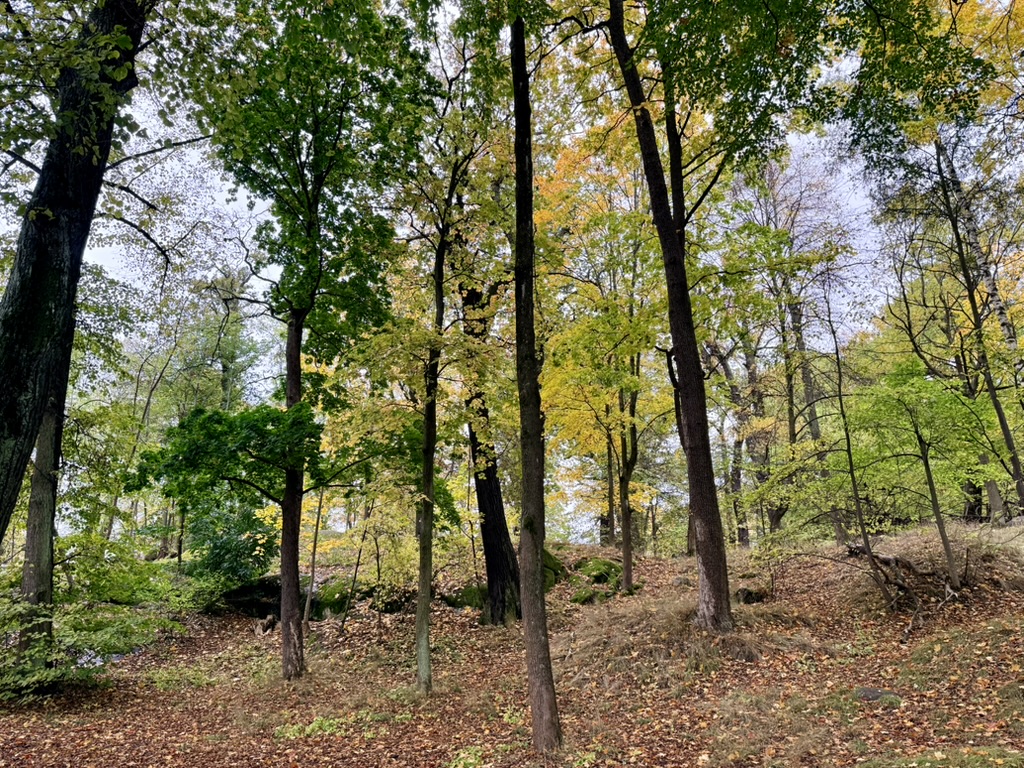
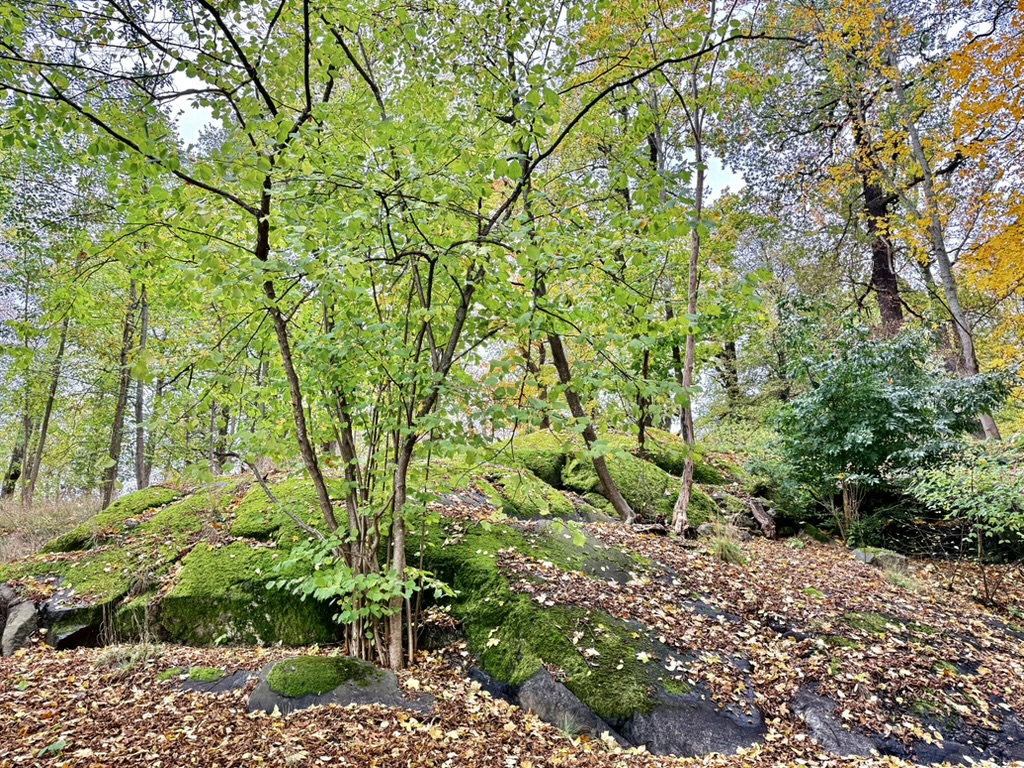
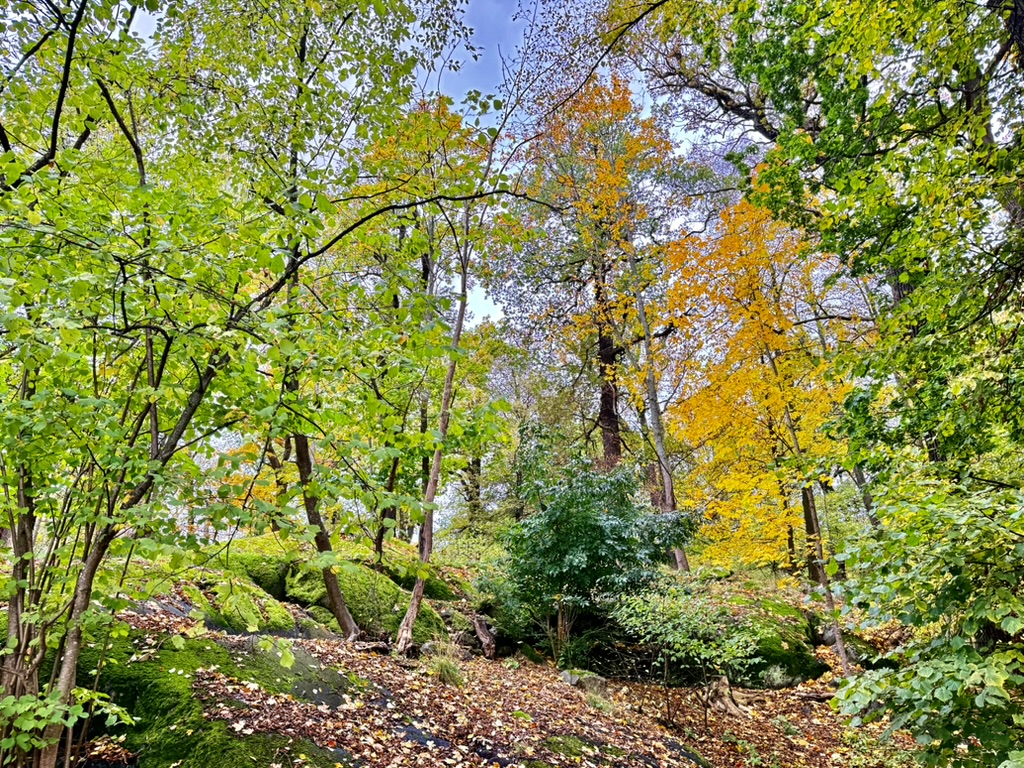
We encountered a teenage school group out for their weekly outdoor lesson, with clipboards and an assignment in hand. After walking along the canal, we strolled in the forest behind the palace, enjoying the fall colors.
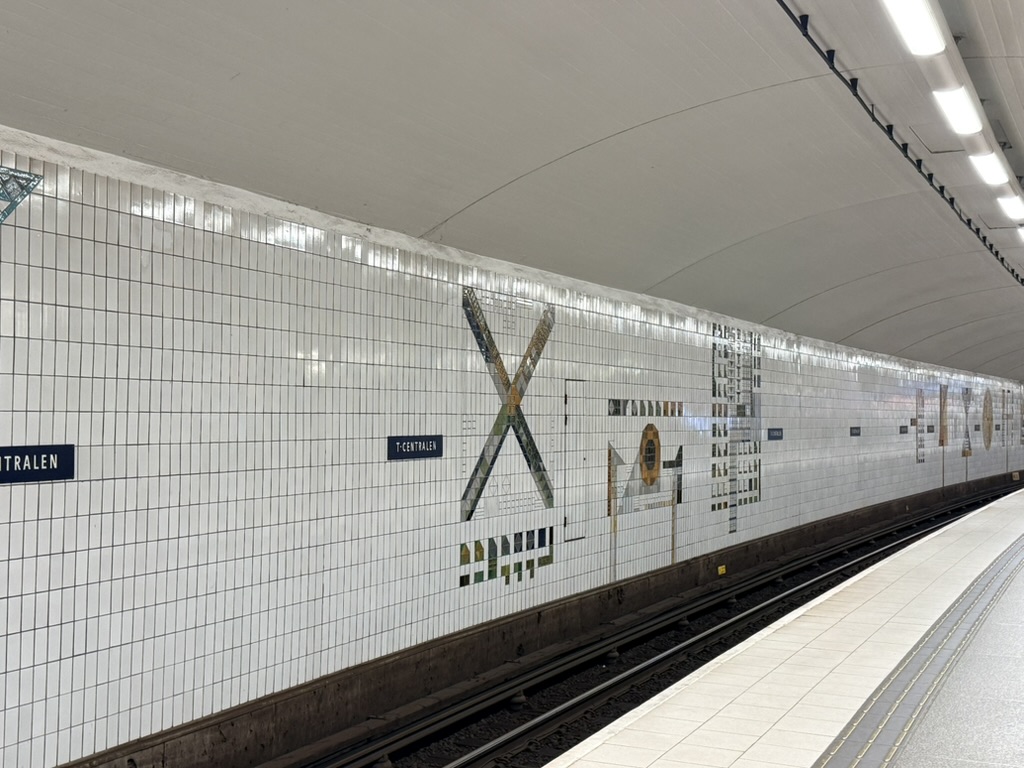
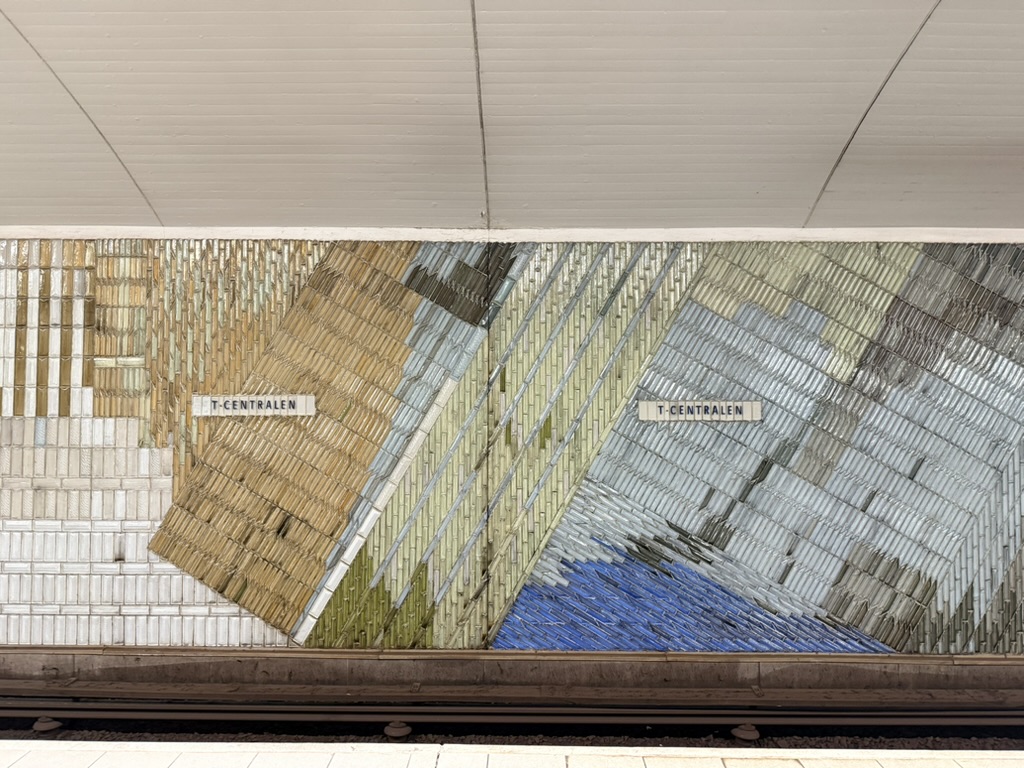
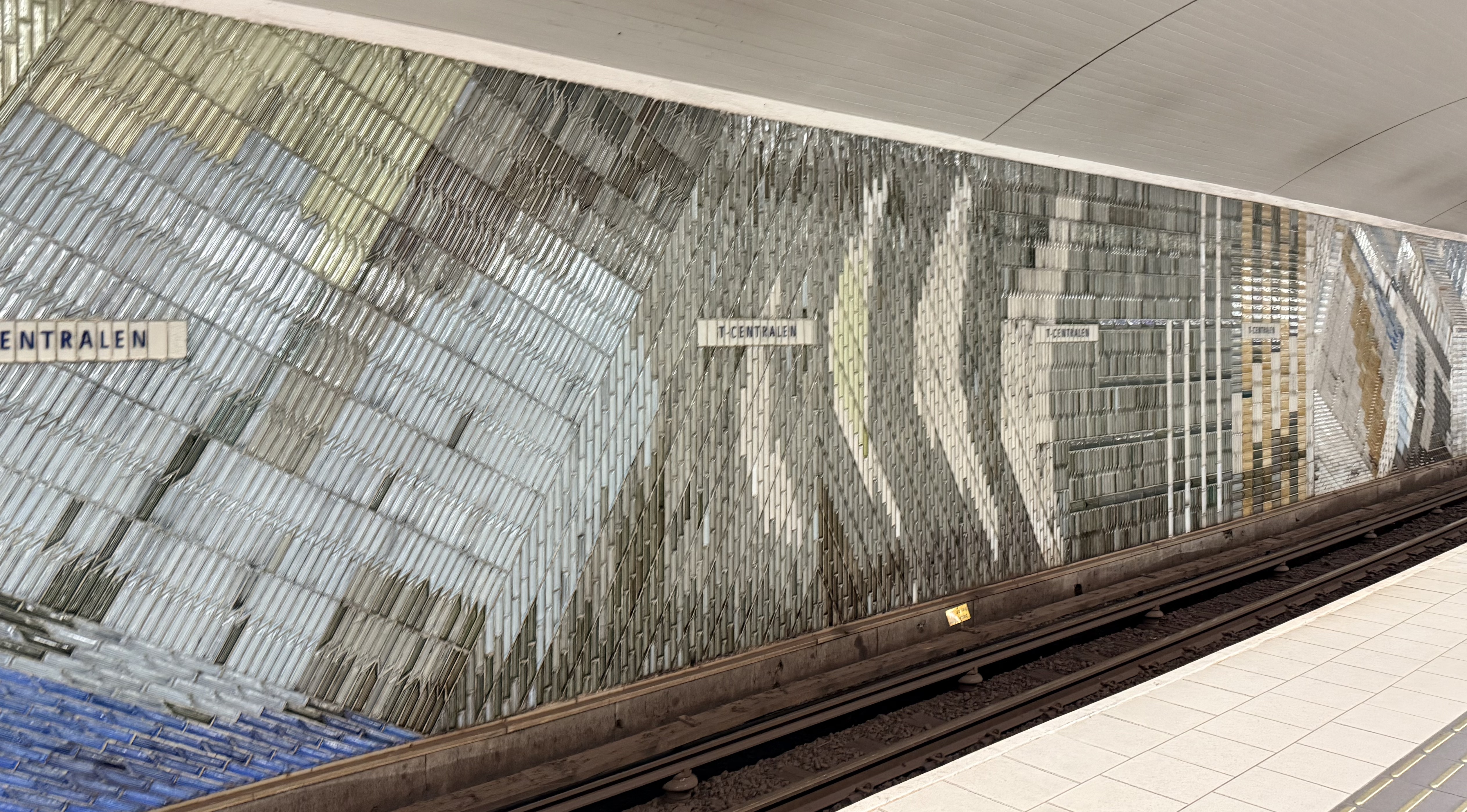
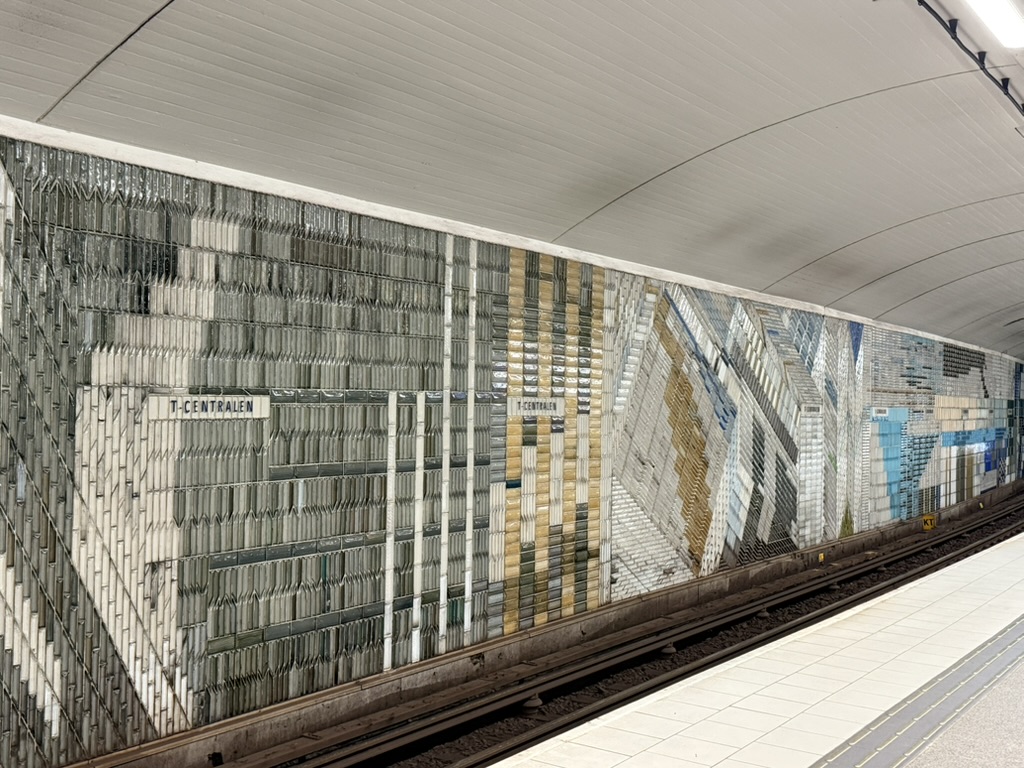
All around Stockholm: Stockholm’s subway art
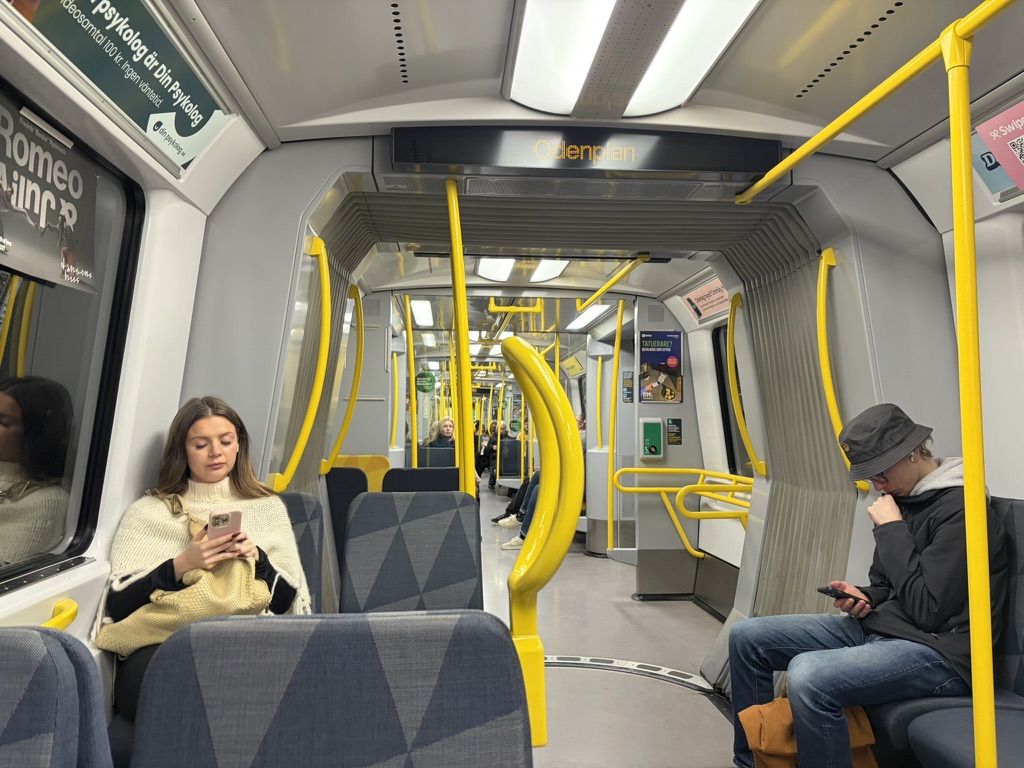
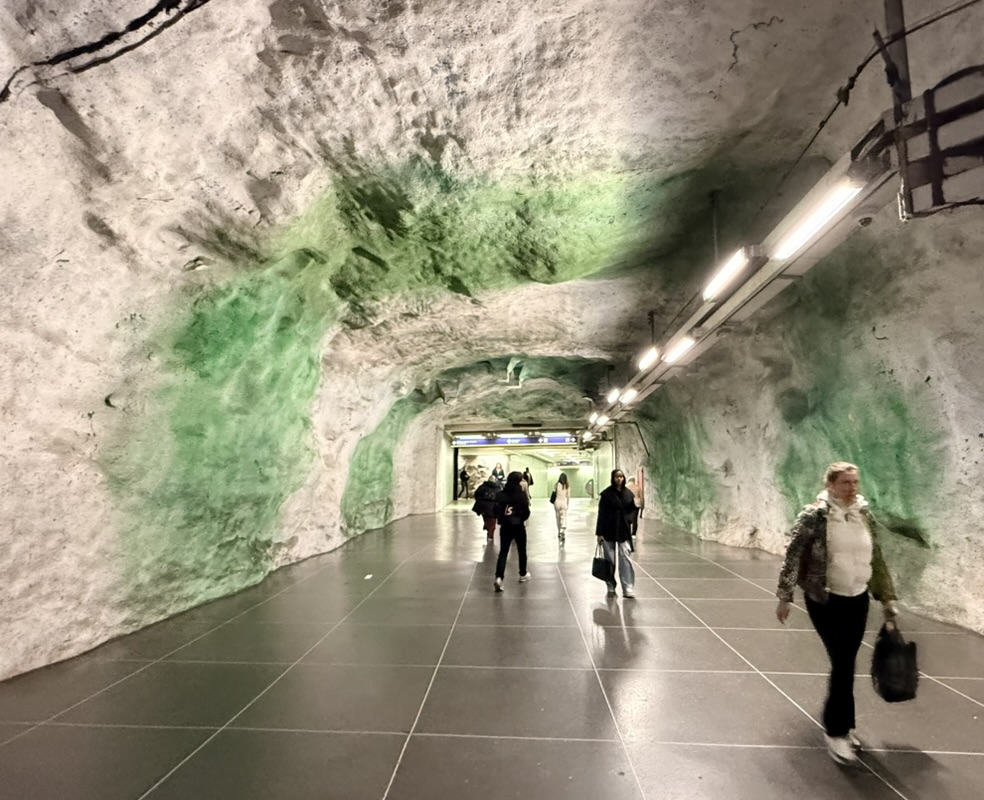
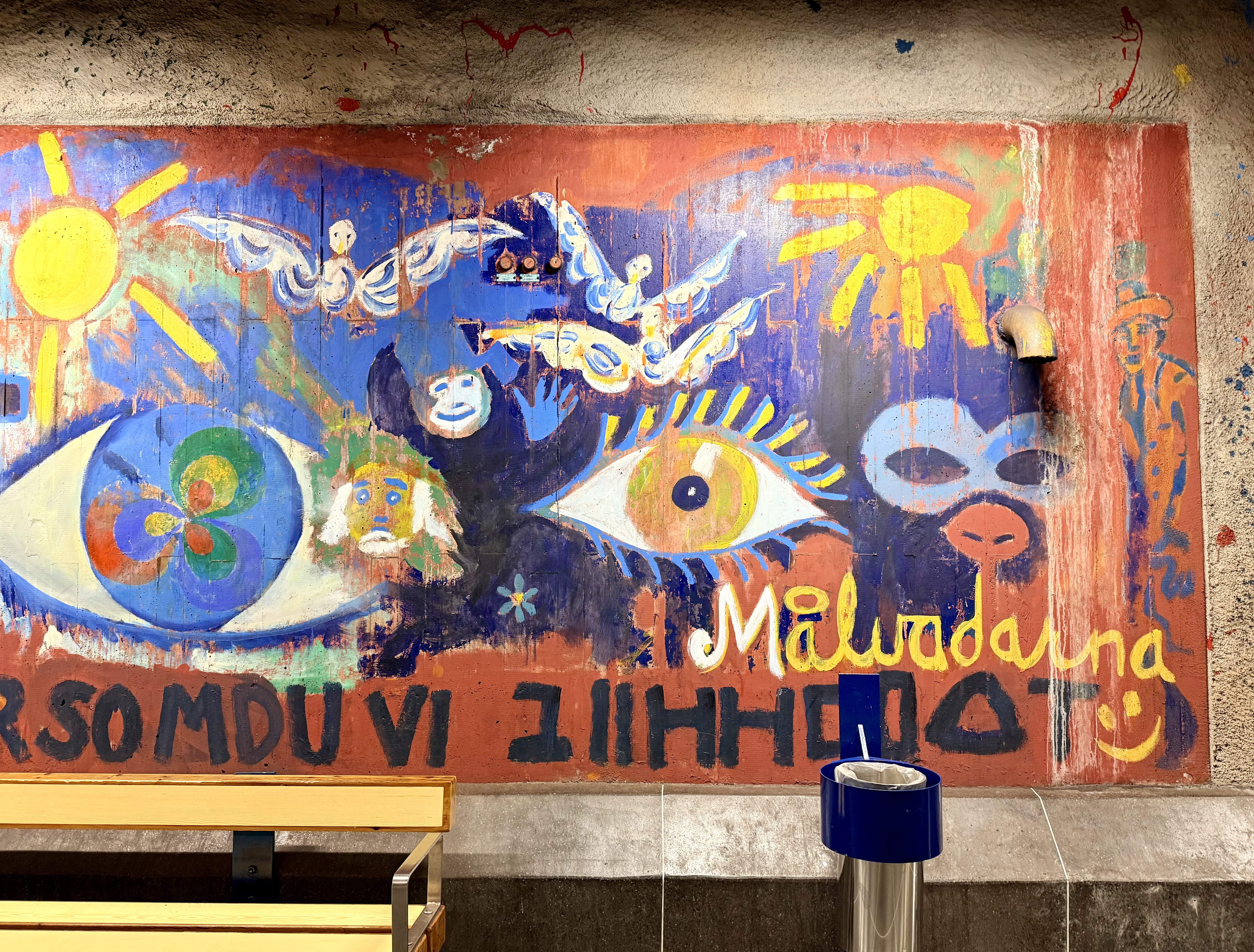
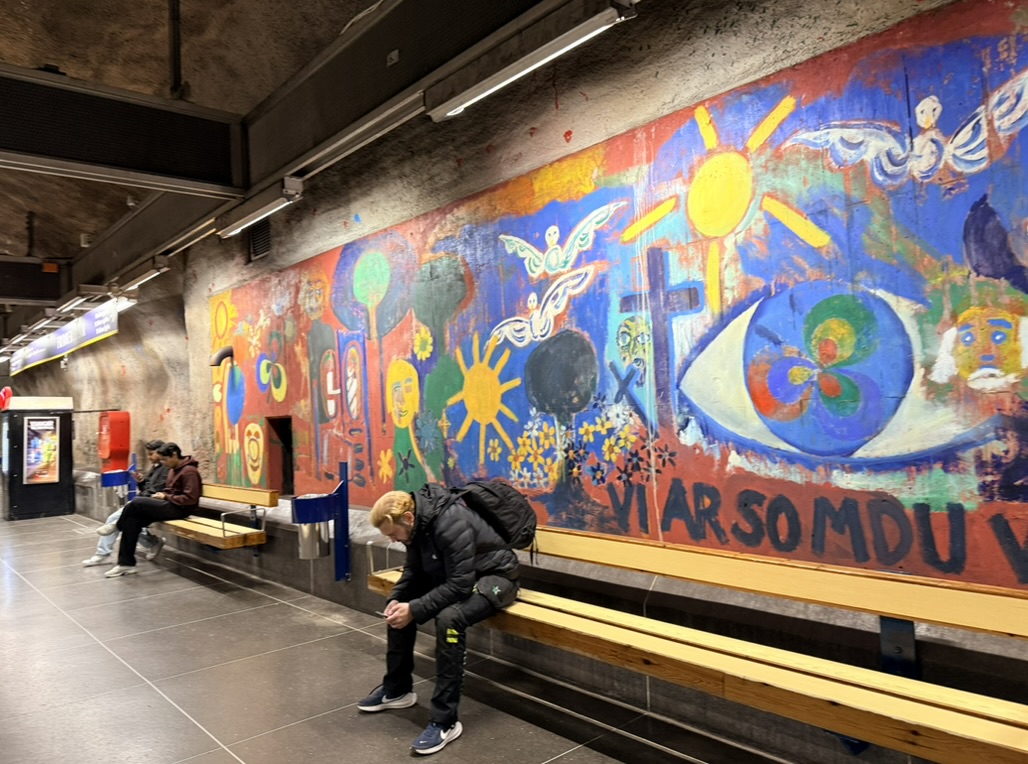
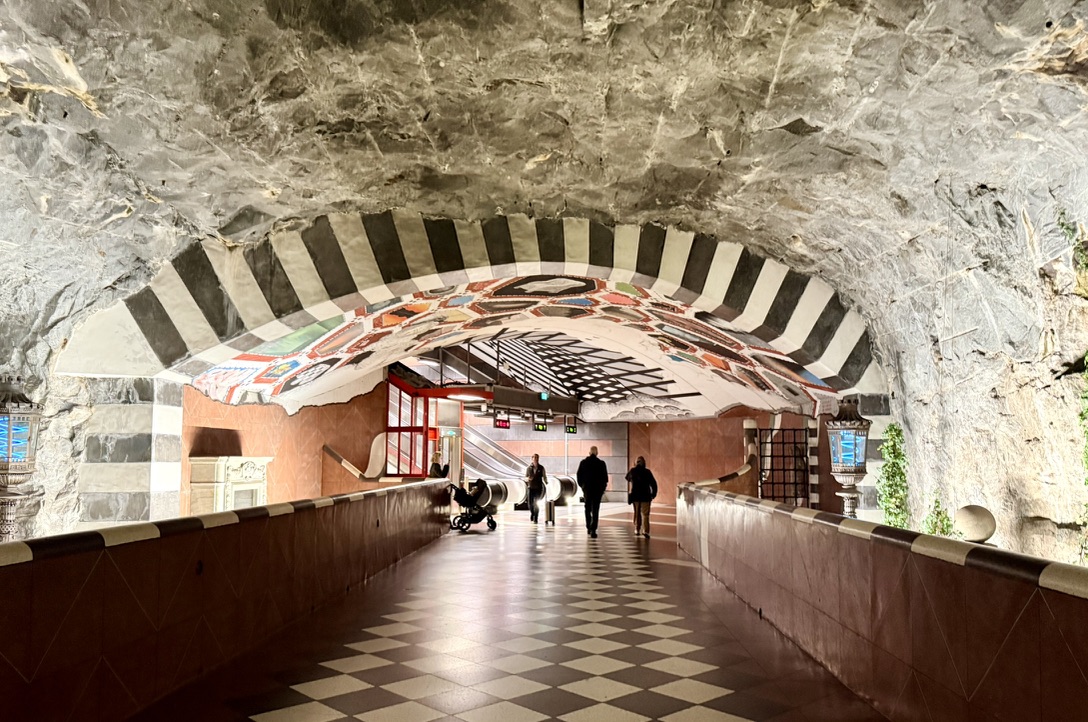
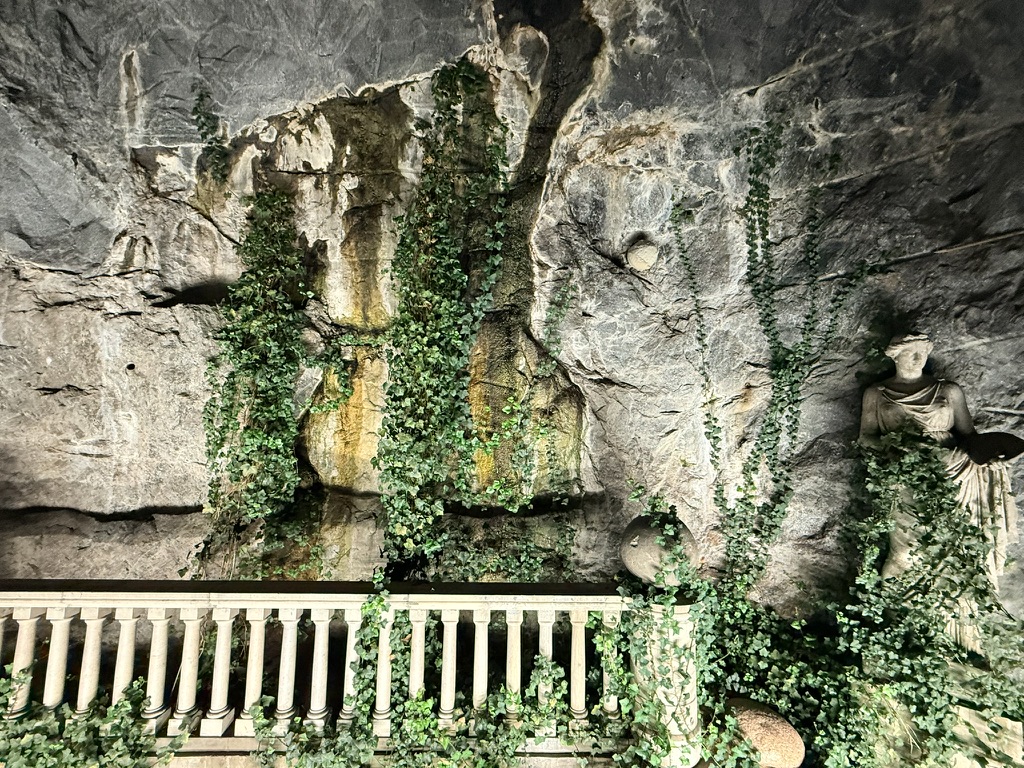
Stockholm’s metro system, the Tunnelbana, is known as the “world’s longest public art gallery” with many scenic train stations.
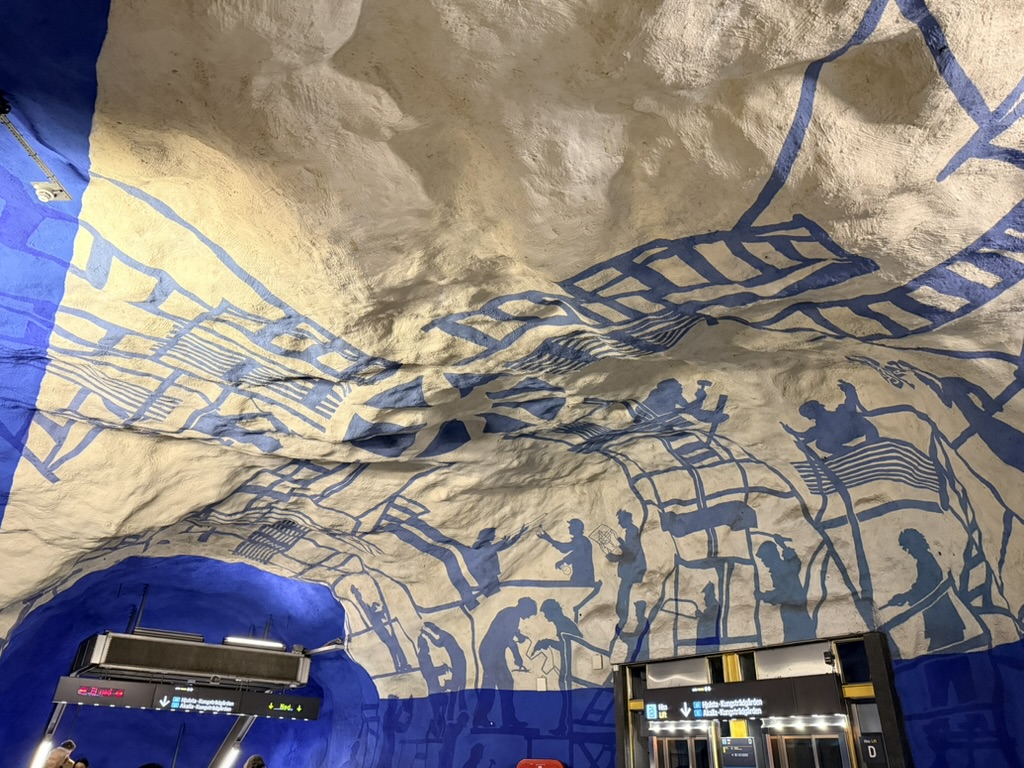
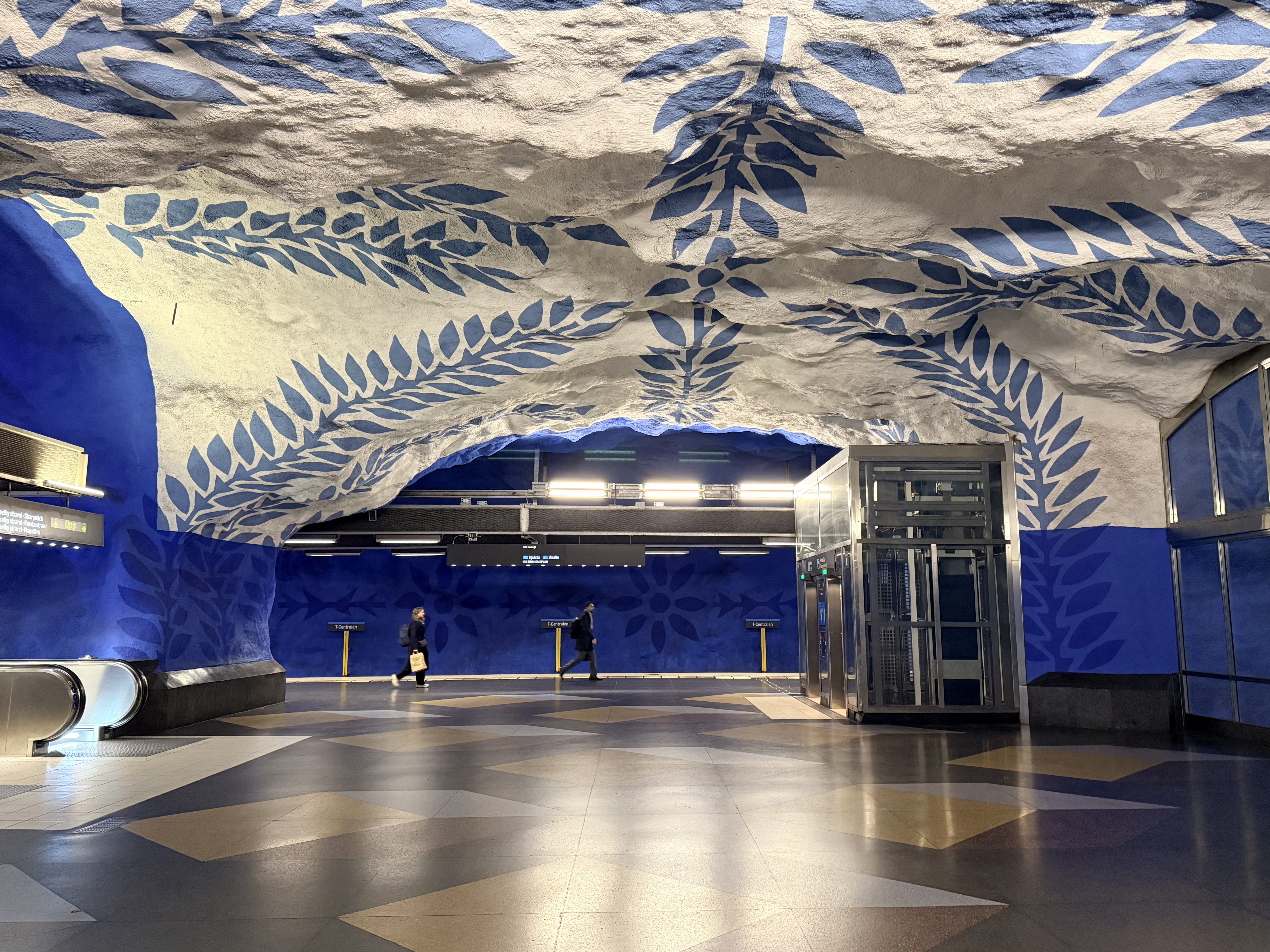
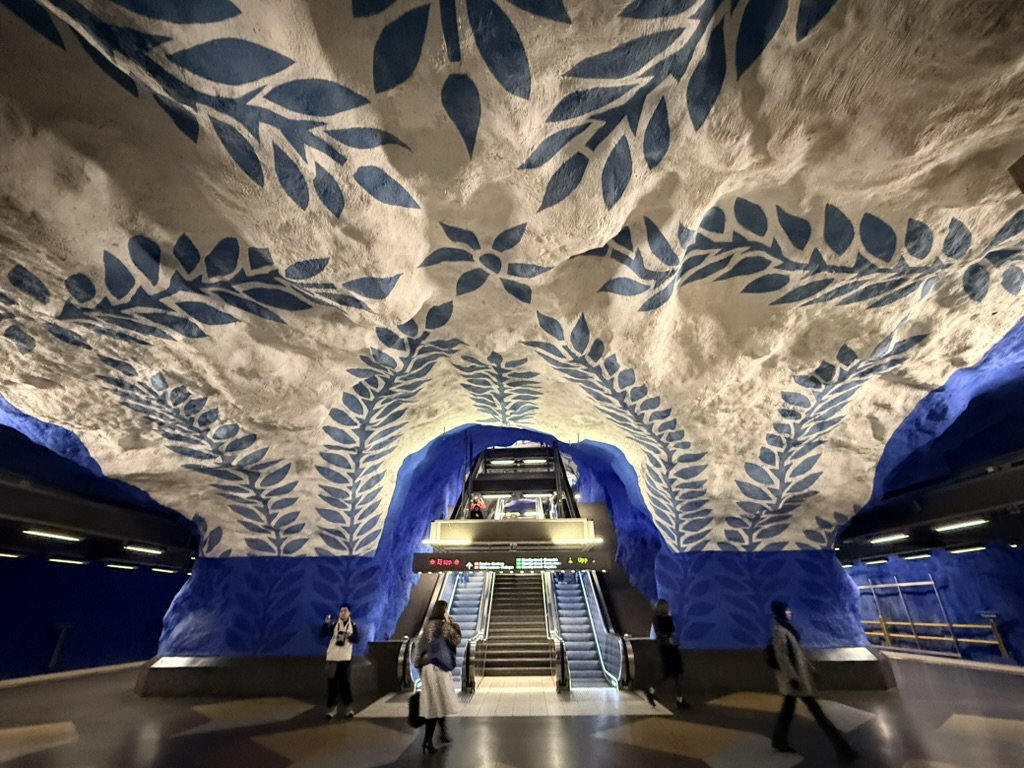
T-Centralen Station serves as a transport hub where all three metro lines converge, directly adjacent to Stockholm Central Station and the Cityterminalen bus terminal. On the platform of T-Centralen Metro Station’s blue line, artist Per Olof Ultvedt painted this station with a variety of blue motifs.
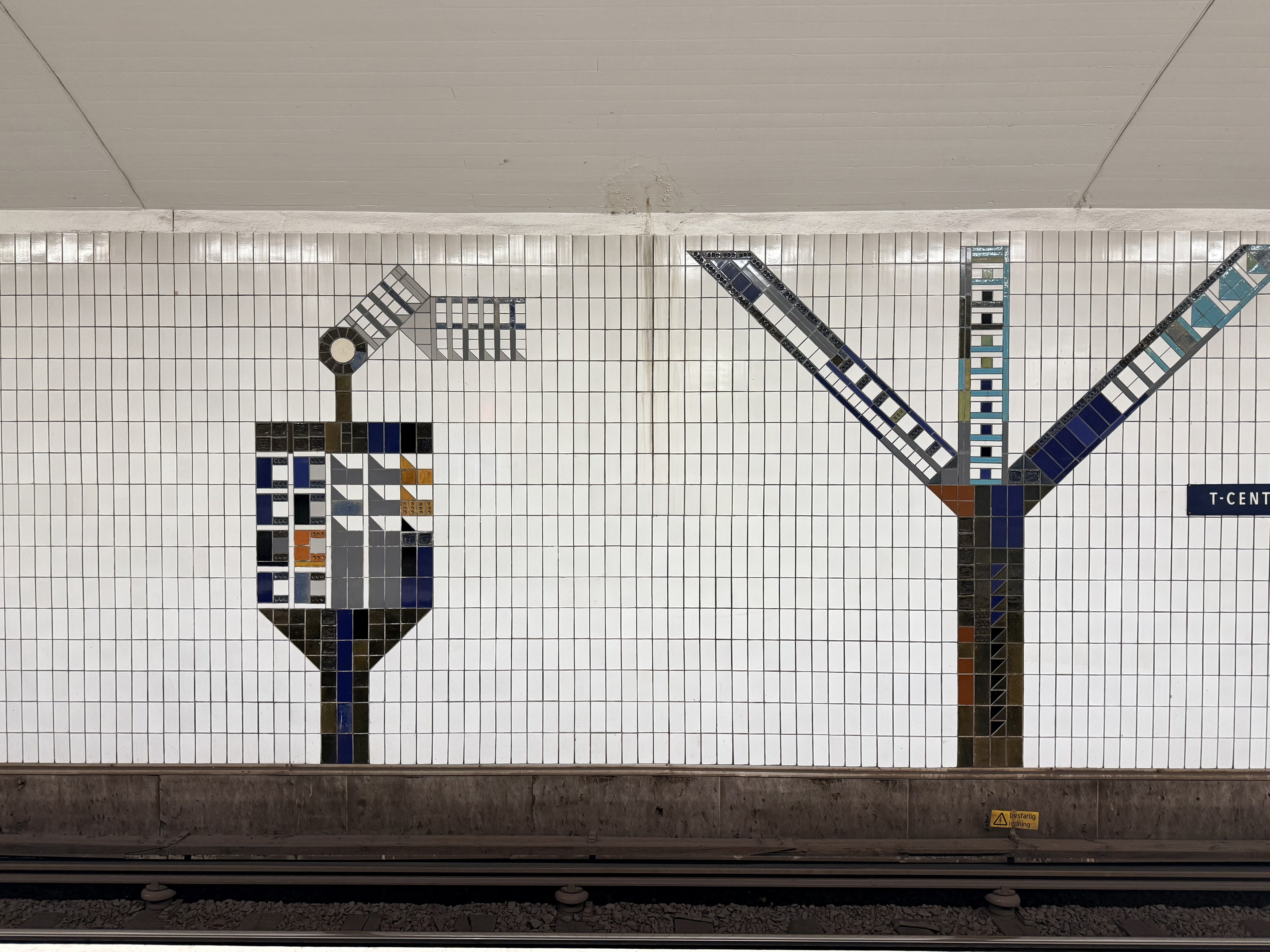
The platform for the red and green lines dates back to 1957 and features geometric tiles.
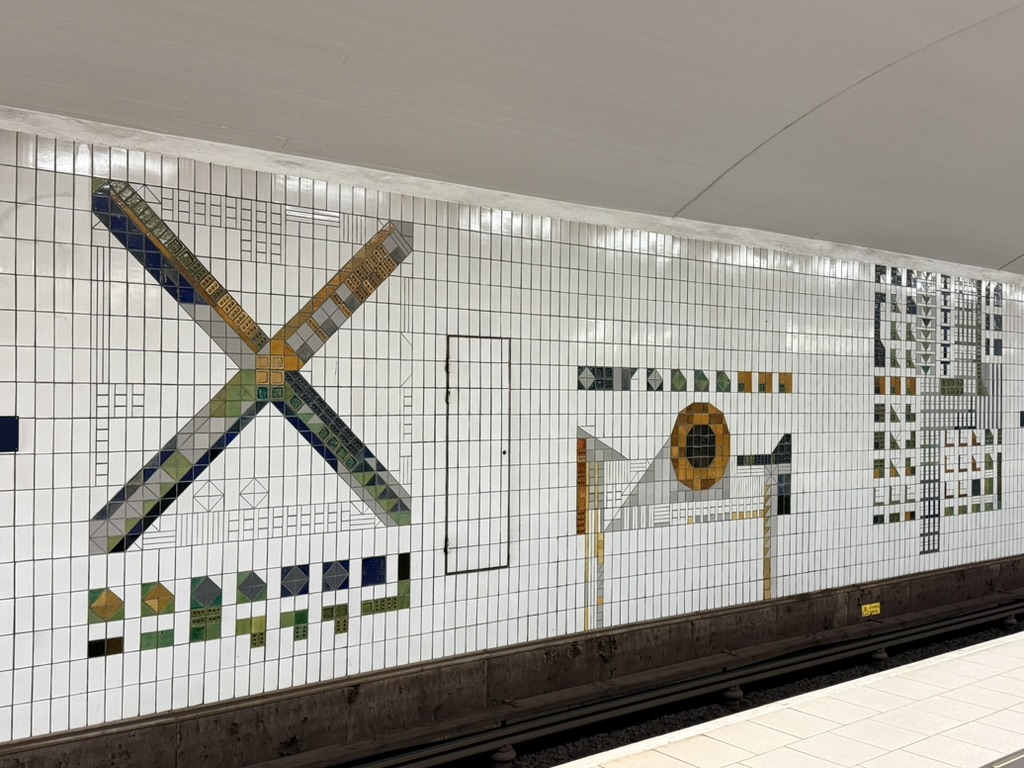
Stadion and Tekniska Högskolan Stations
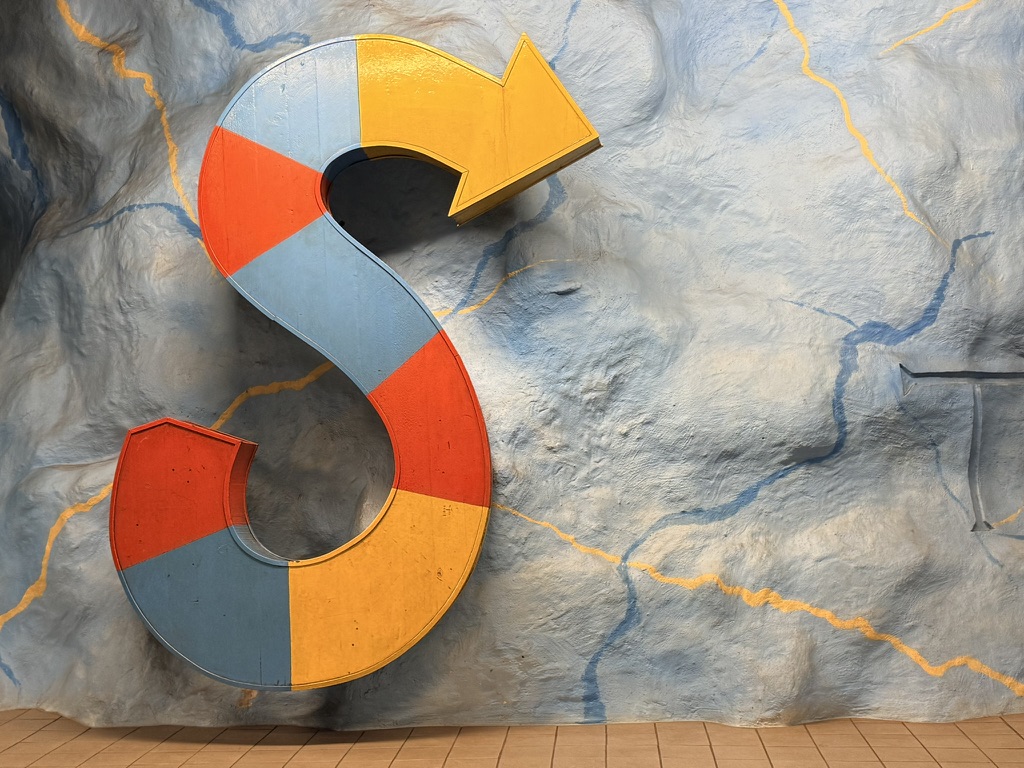
Stadion Station opened in 1973 as one of the first “cave” stations, carved right out of the bedrock. Artists Åke Pallarp and Enno Hallek gave the station a rainbow theme. We had fun watching an Asian couple in yellow raincoats doing their many poses – basically, Asians being Asians.
Tekniska Högskolan Station serves the Royal Institute of Technology so of course it is science-themed.
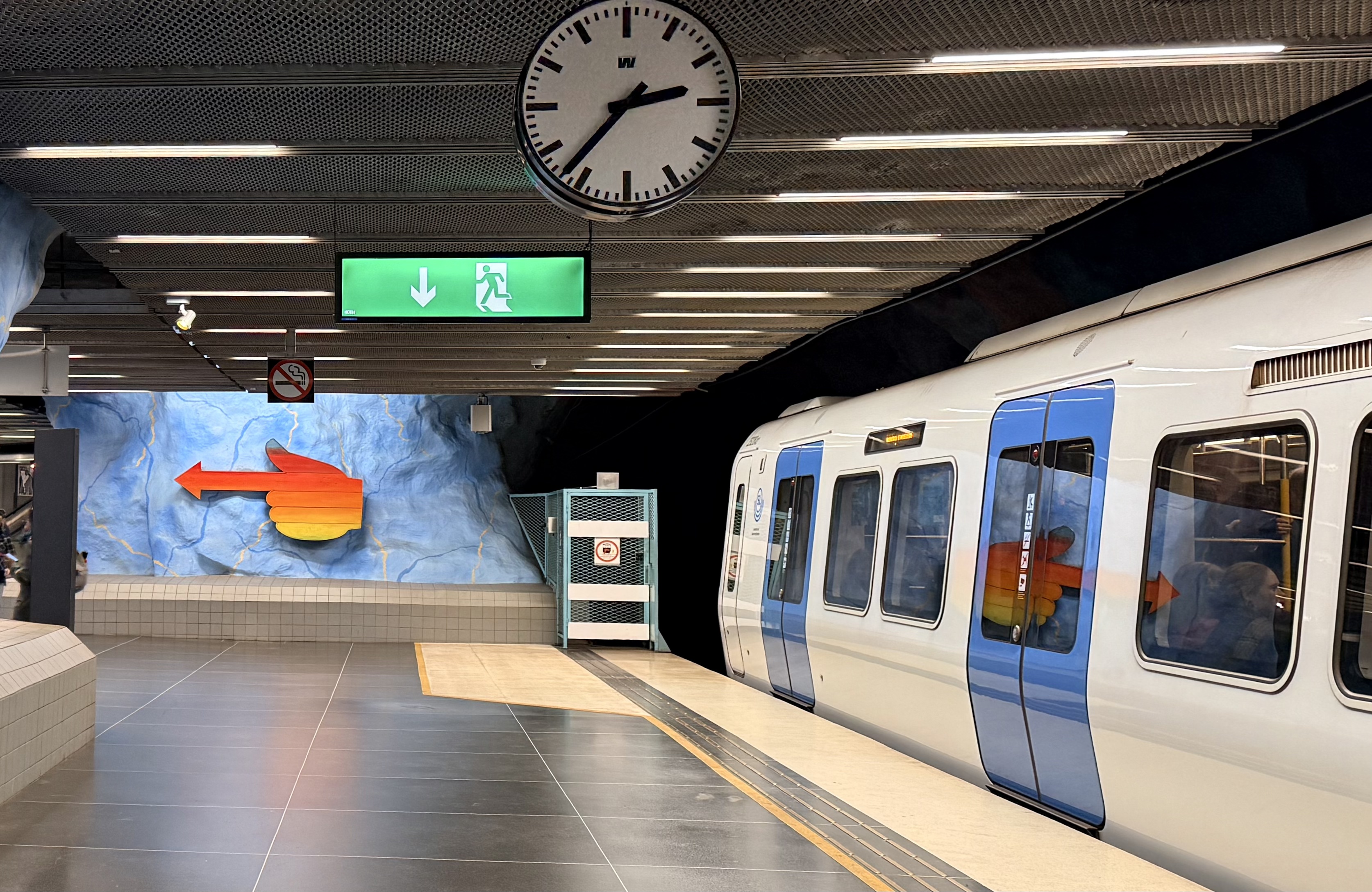
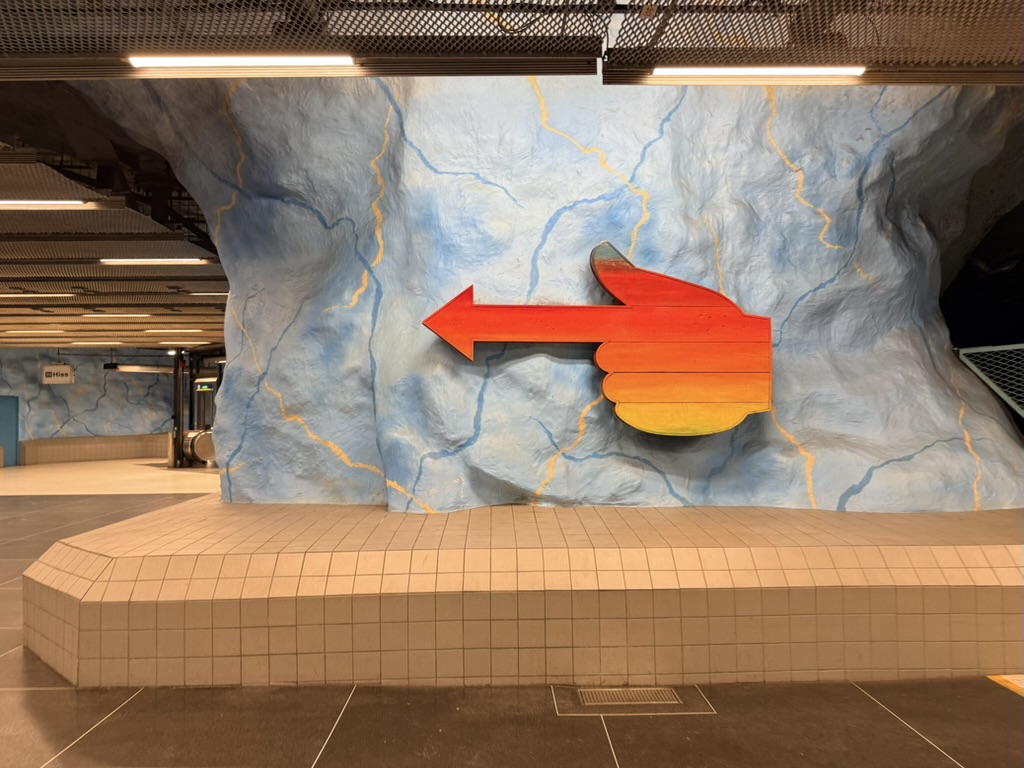
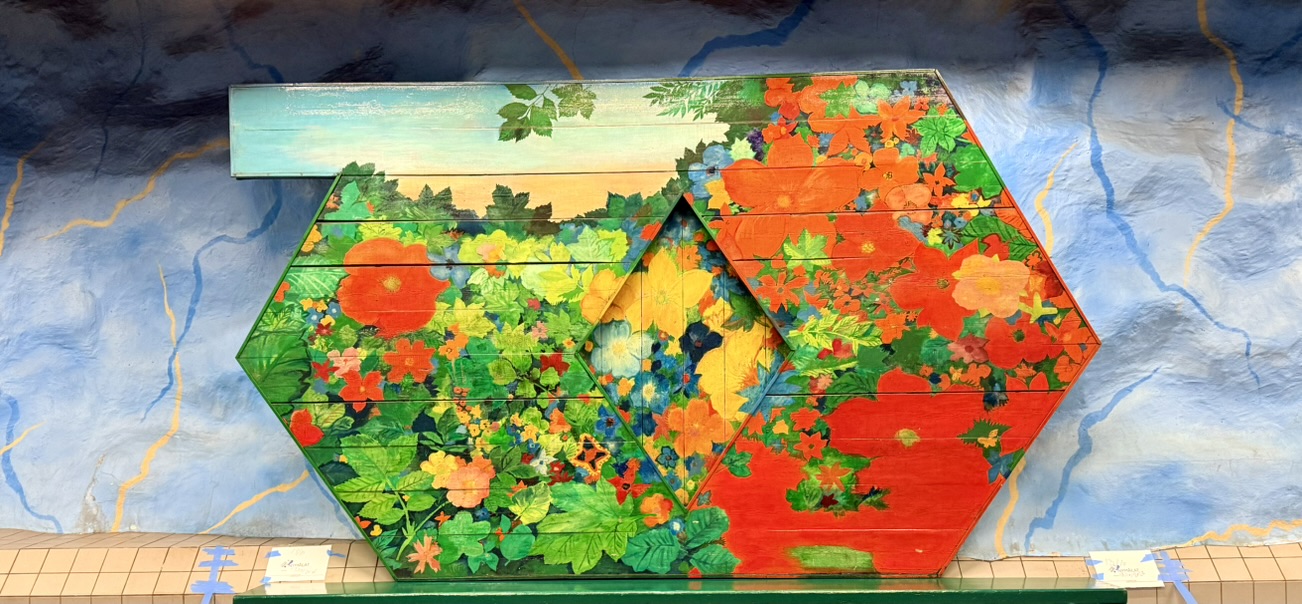
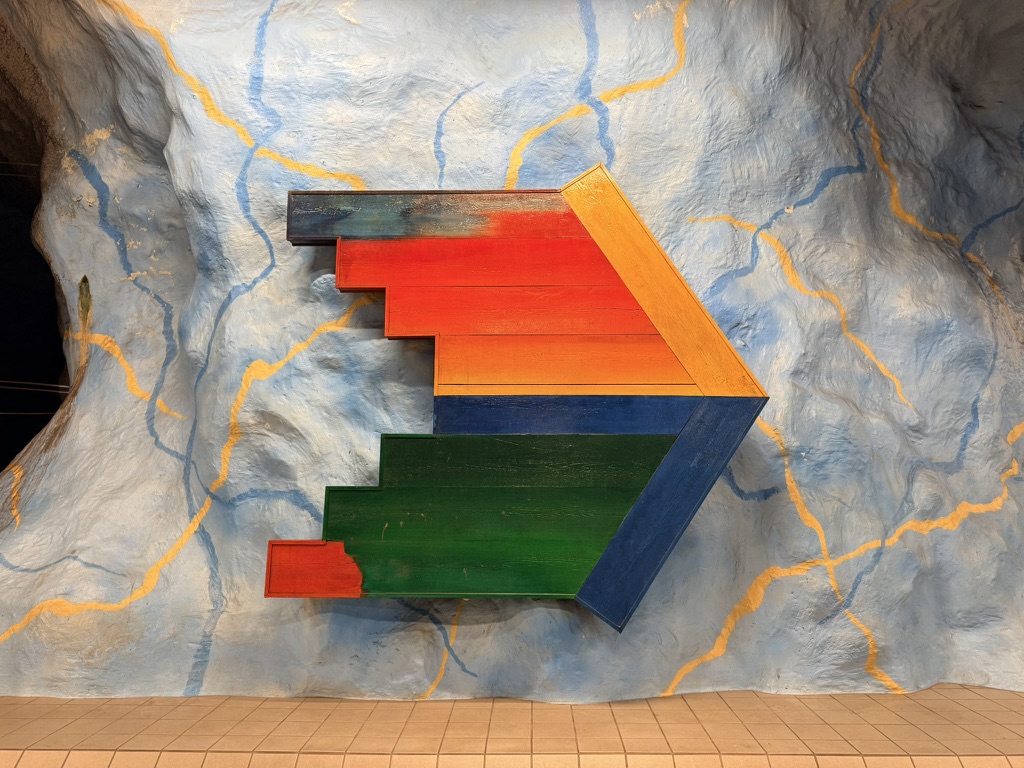
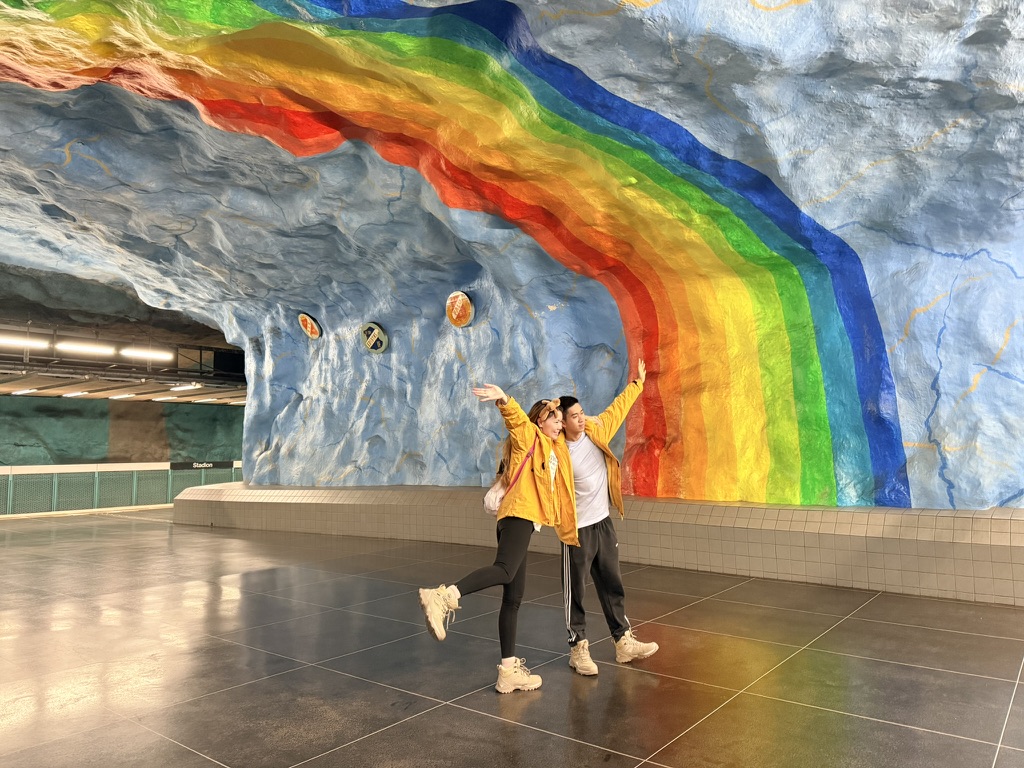
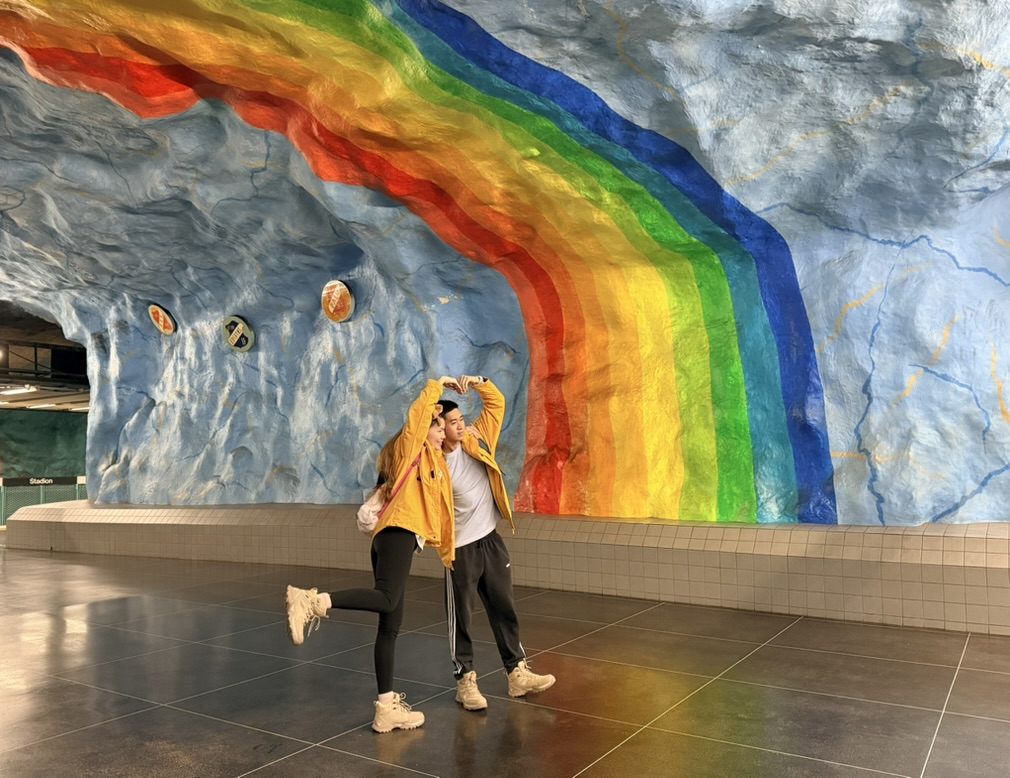
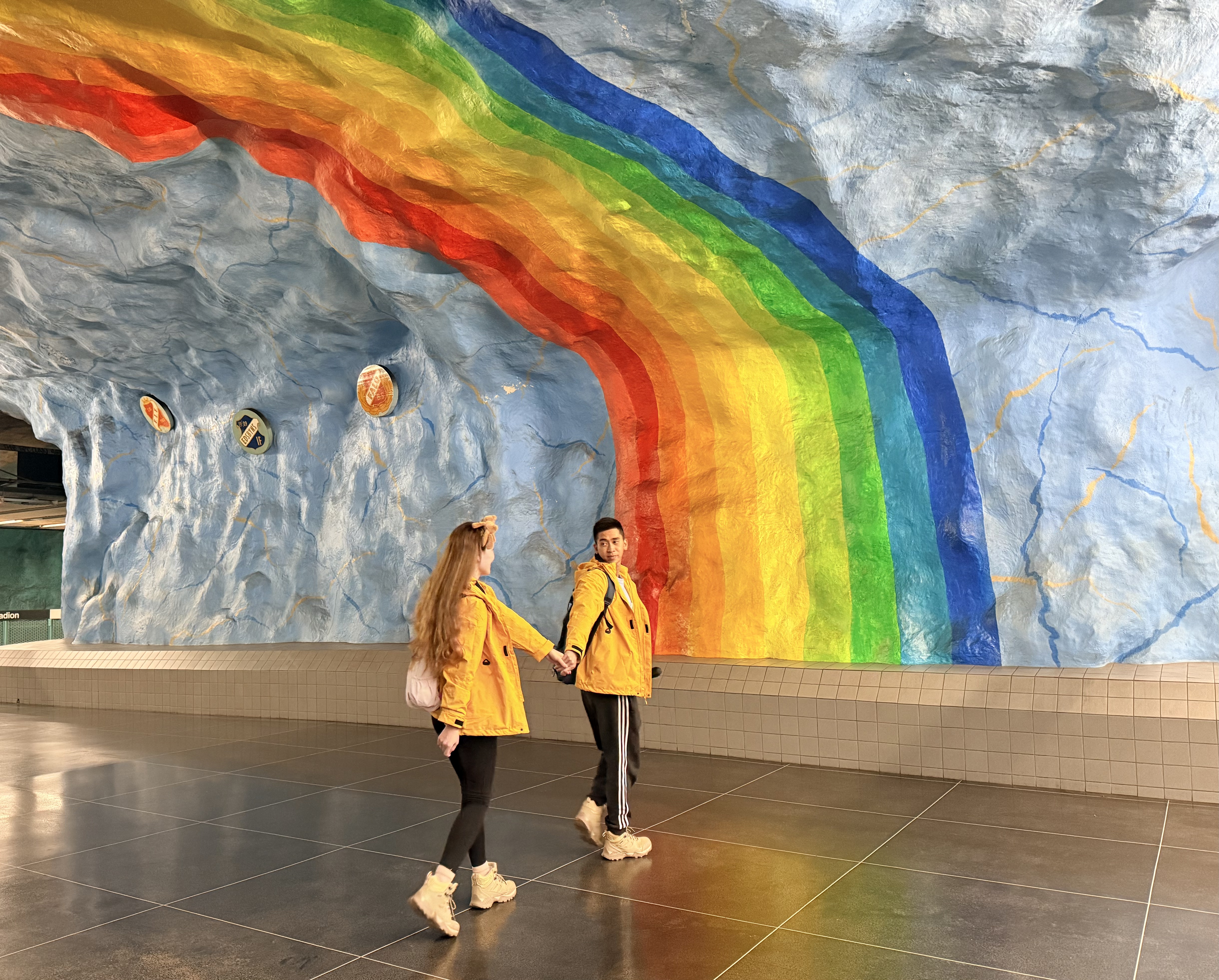
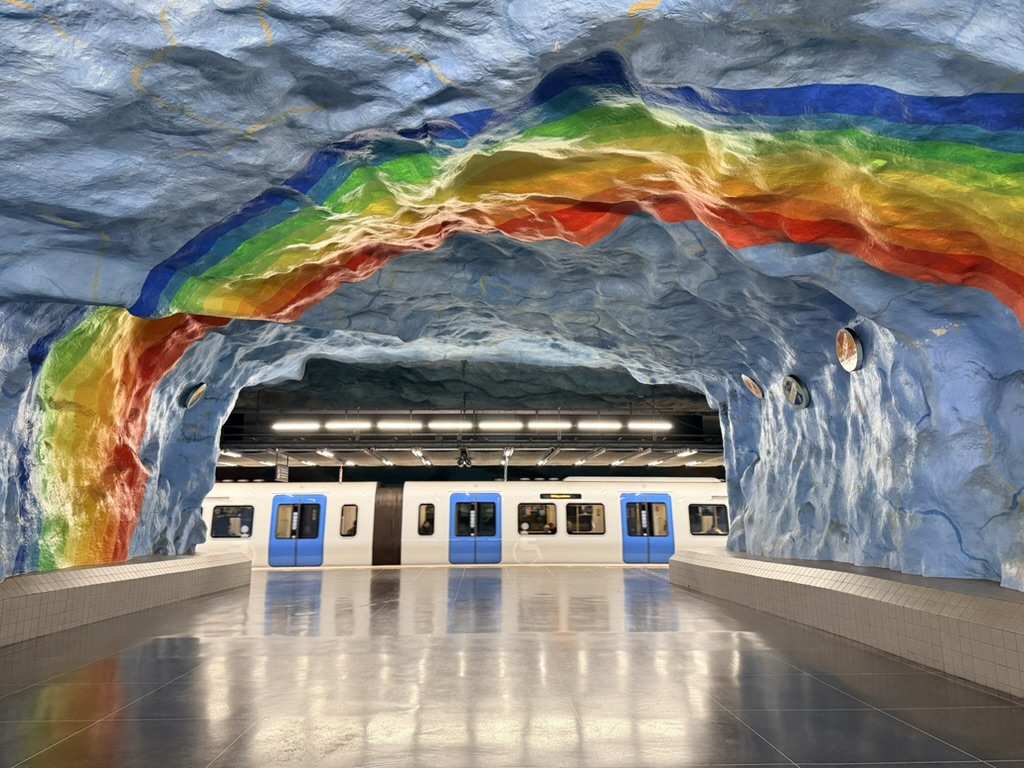
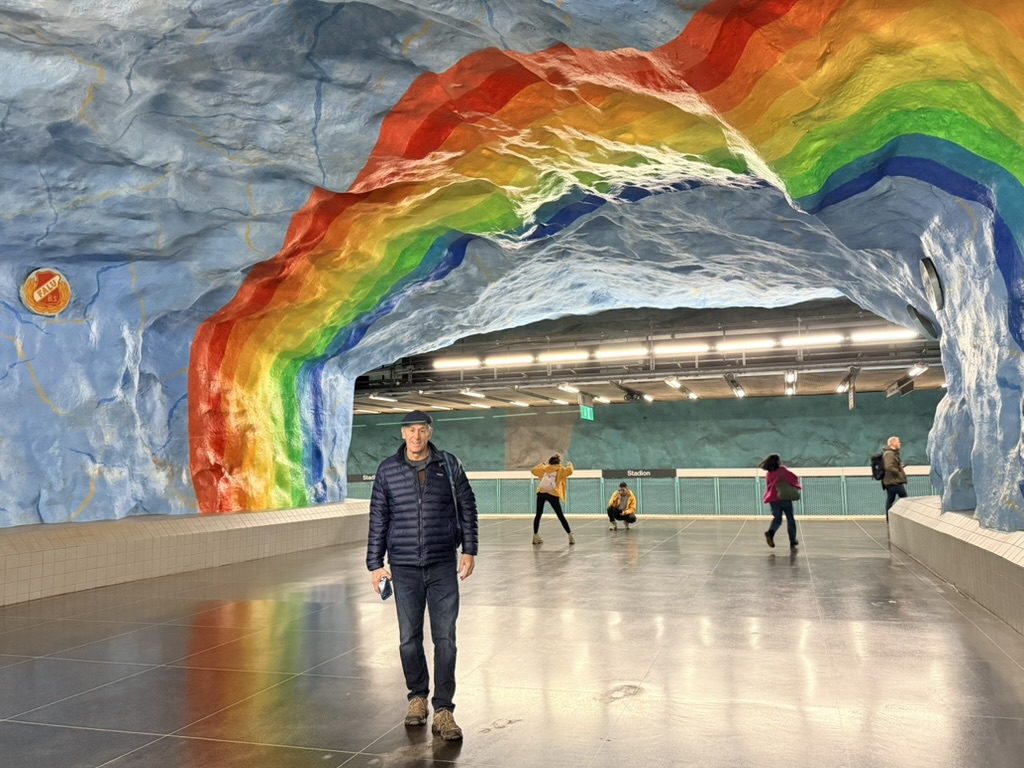
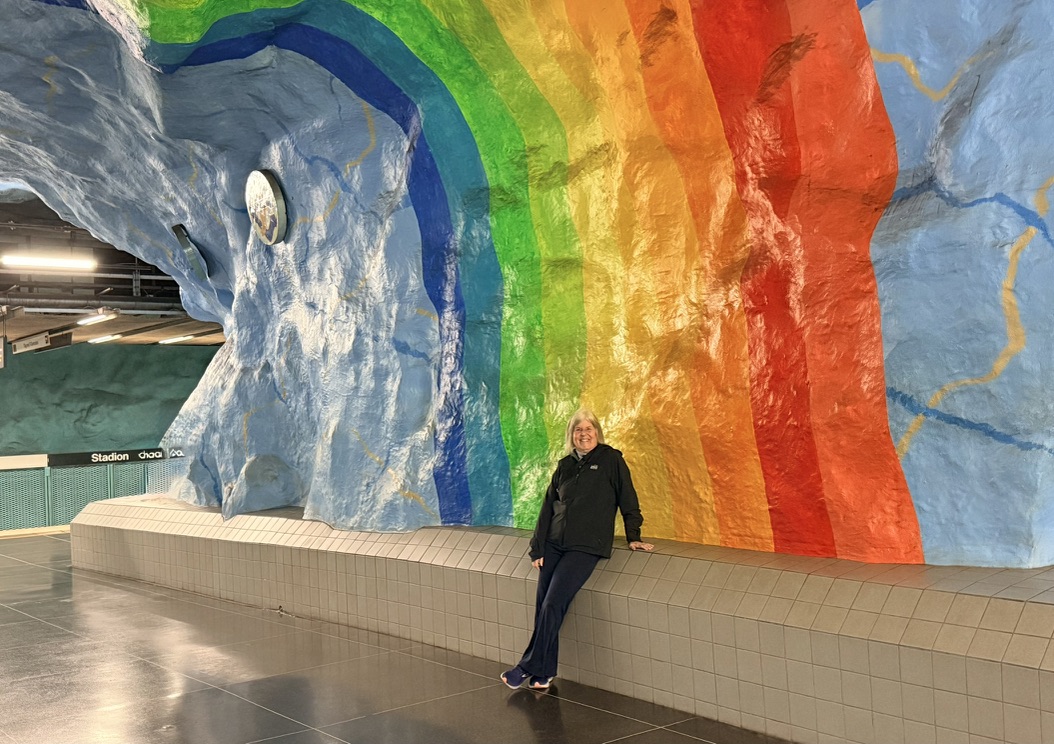
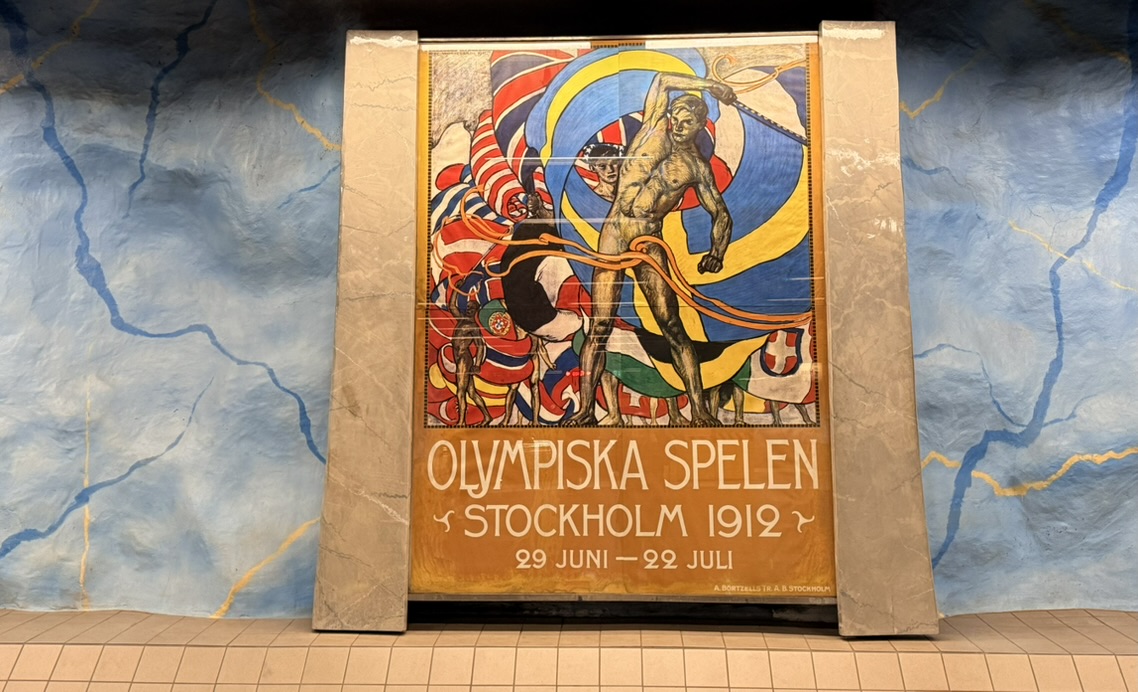
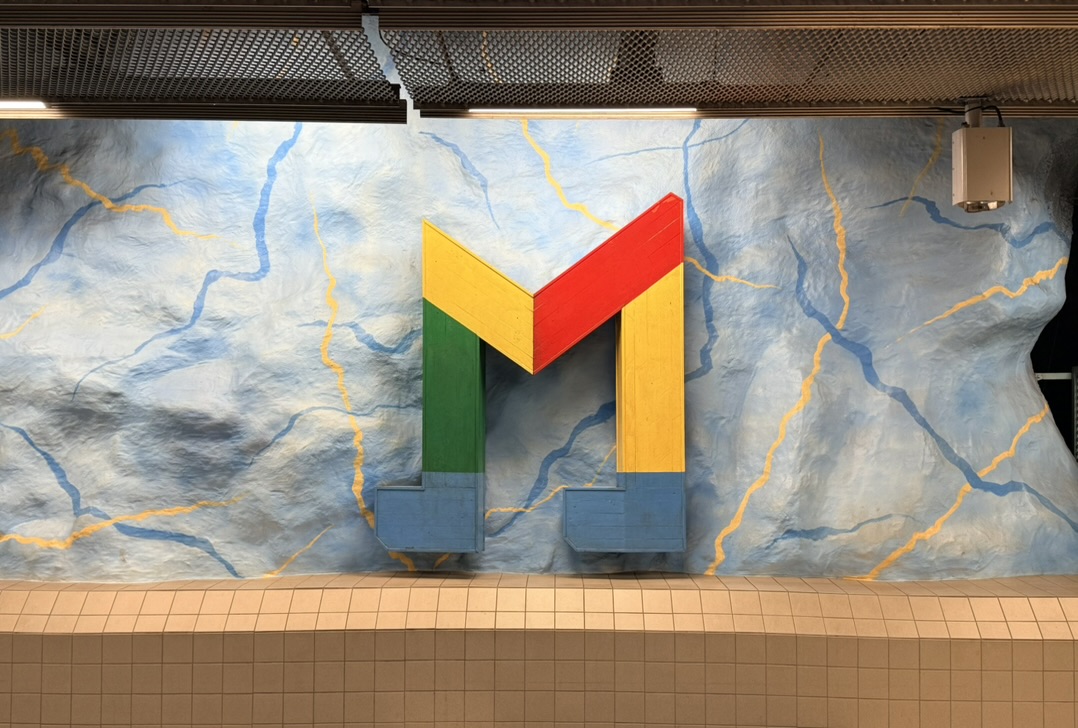
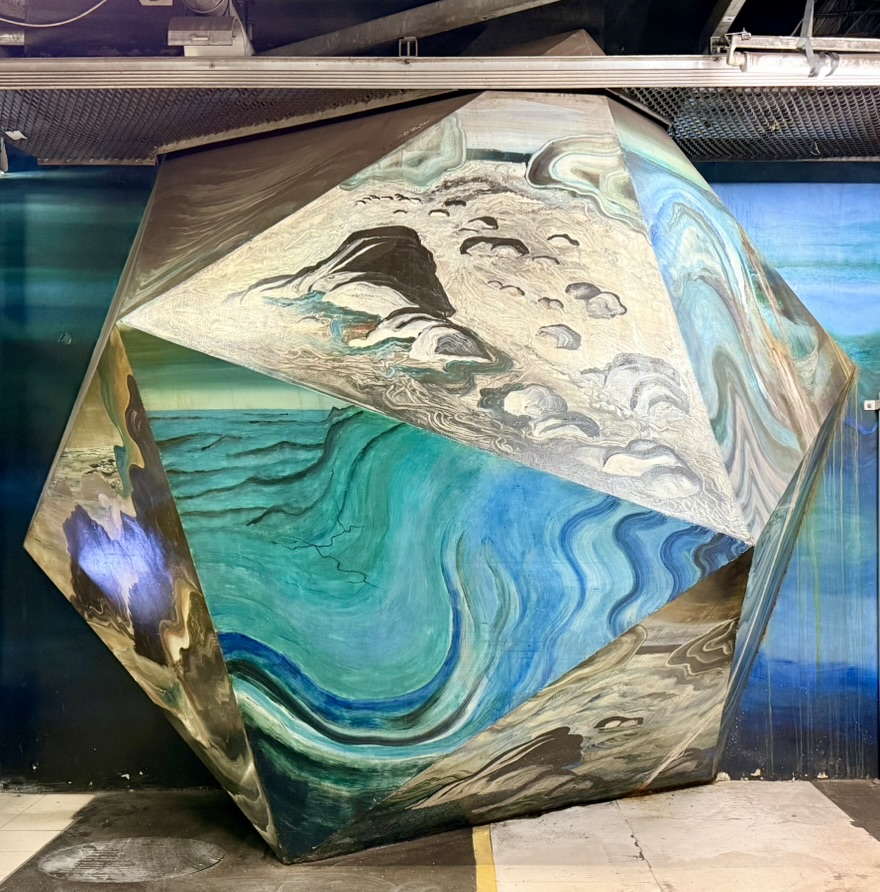
Kungsträdgården station has a red, white and green color scheme. We found reclaimed pieces of sculpture from demolished buildings around Stockholm embedded in the walls and in dedicated display areas. There’s also a strange mosaic ceiling.
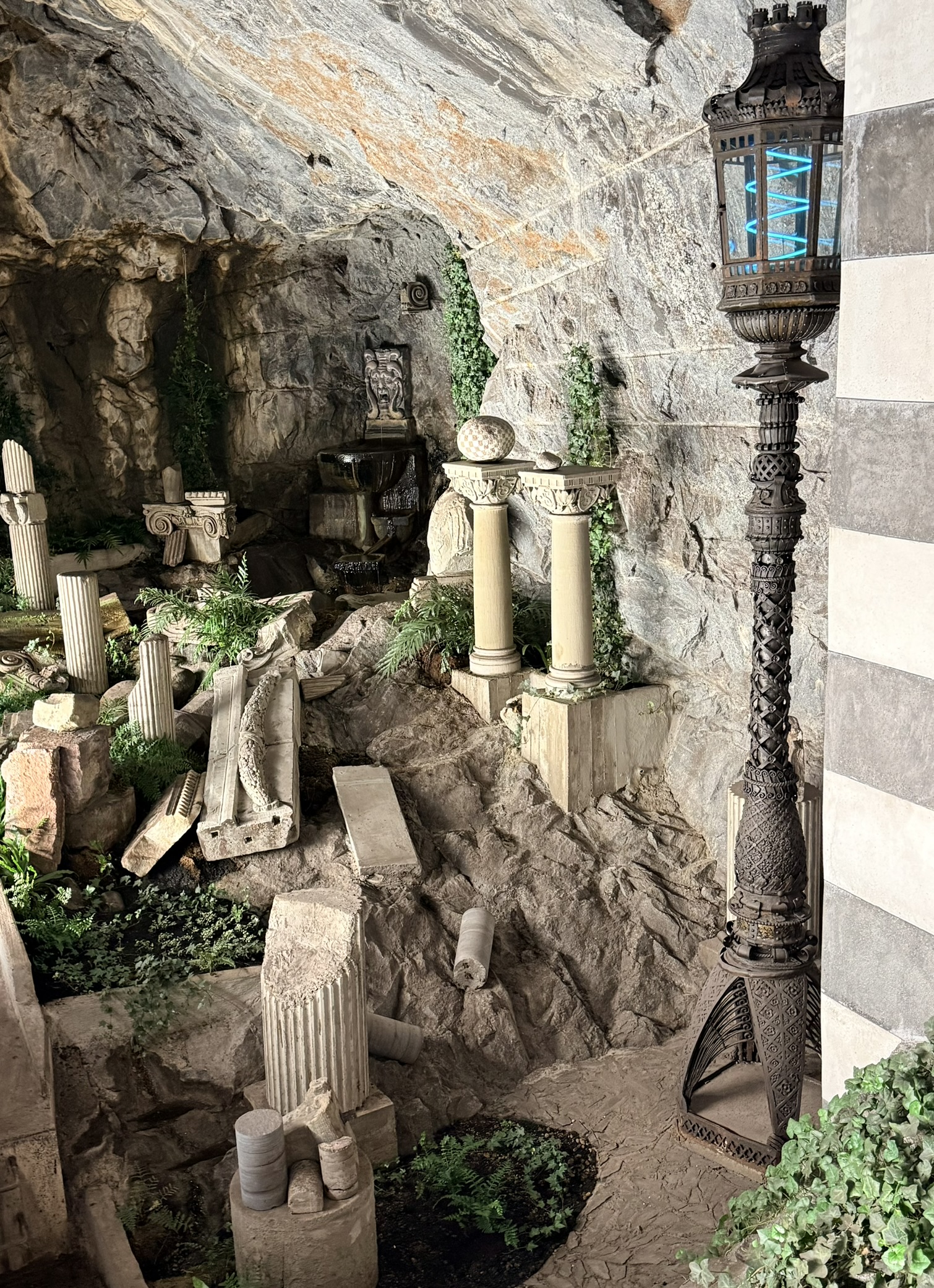
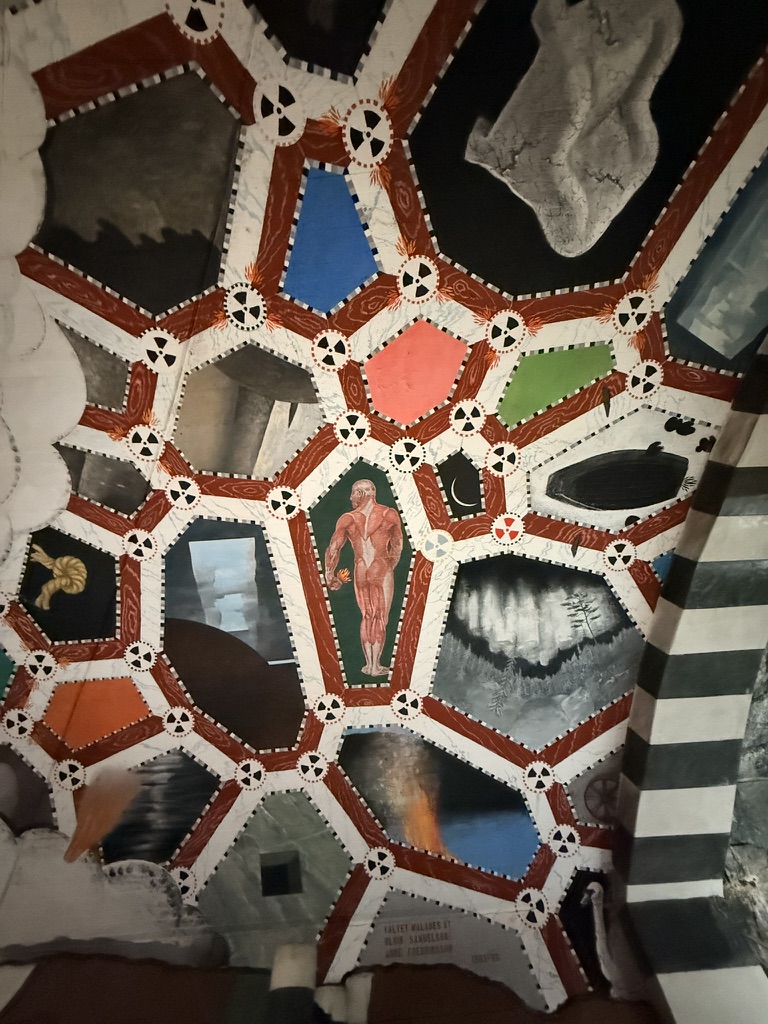
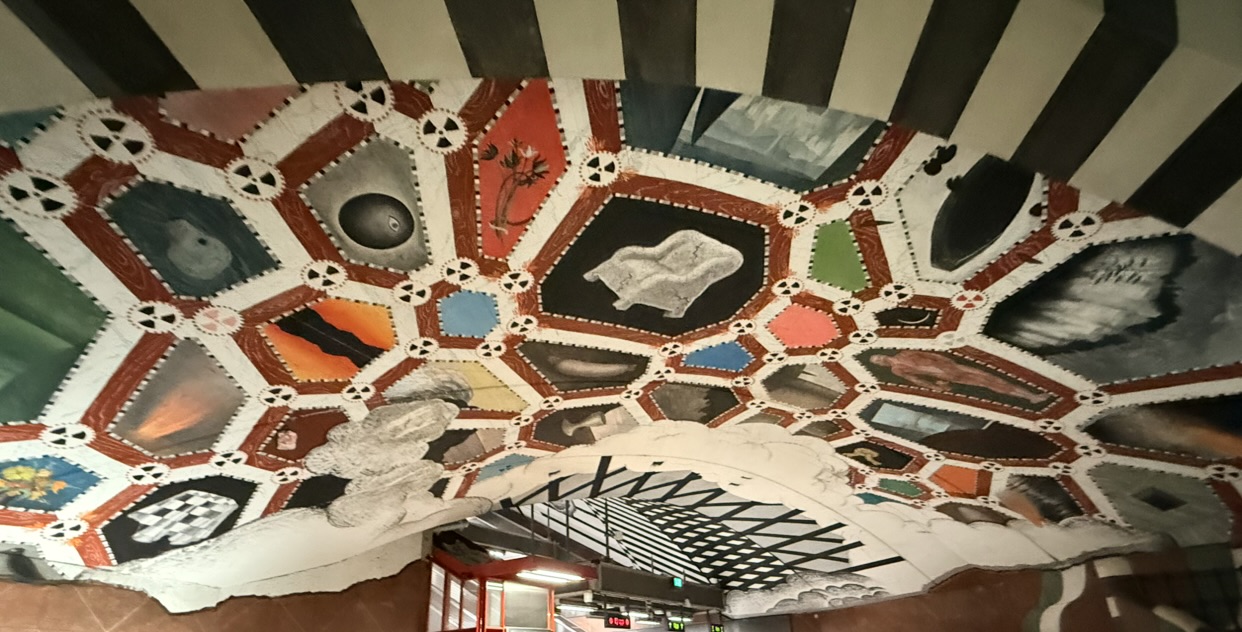
Djurgården
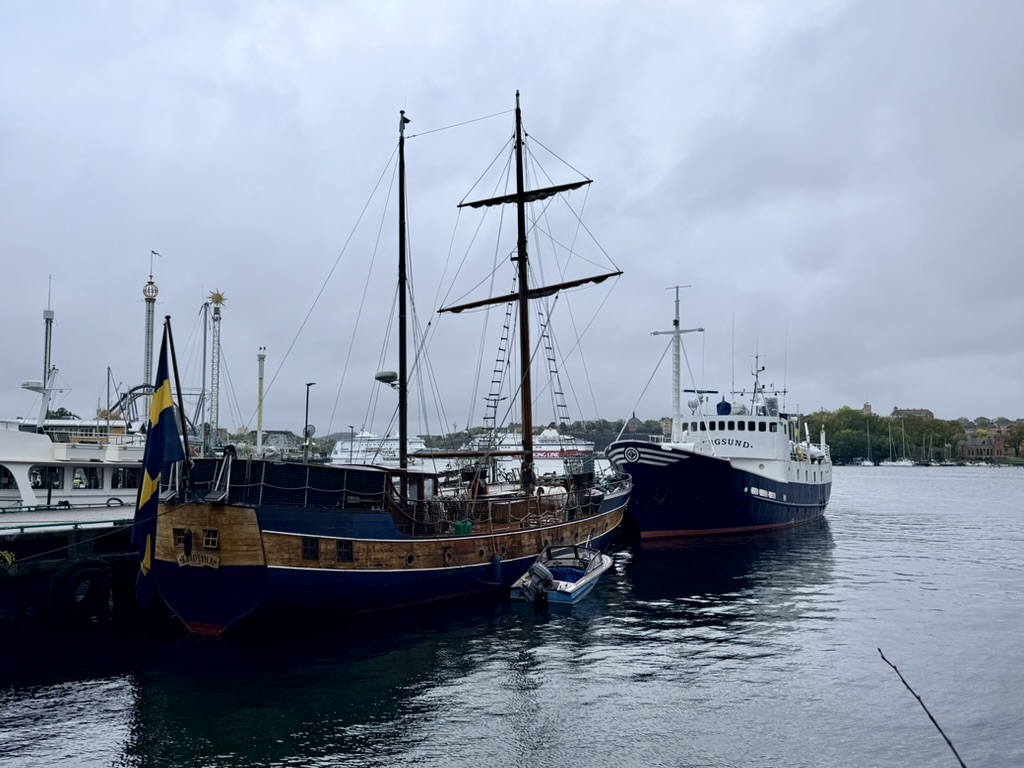
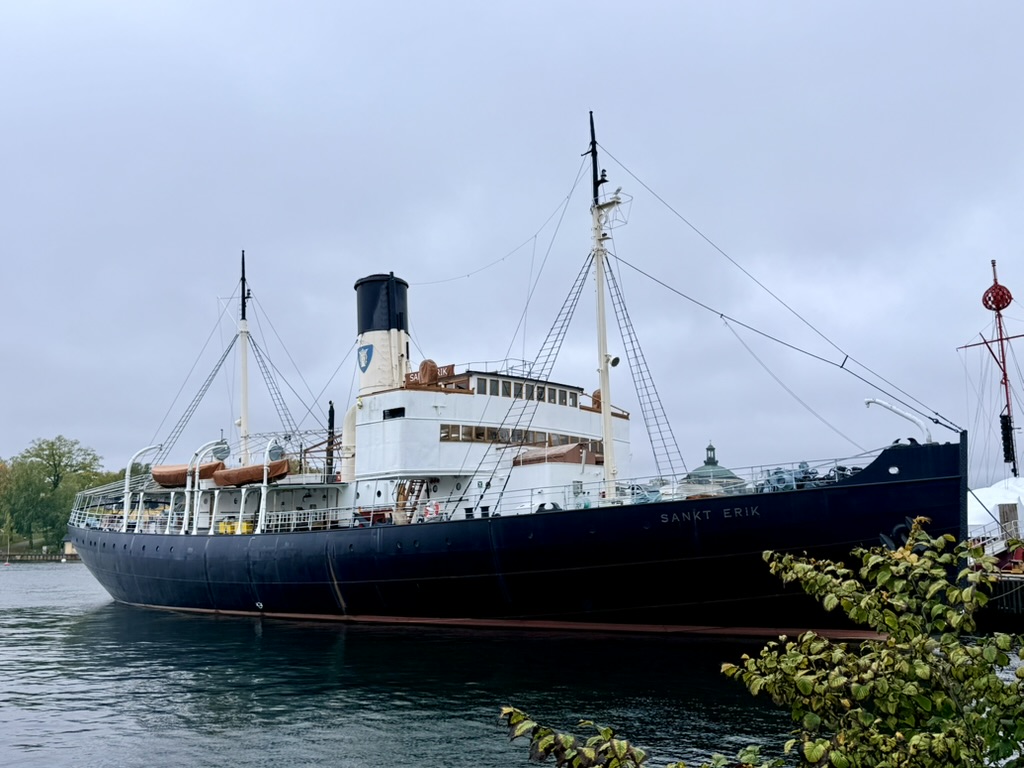
The island of Djurgården, chock-full of greenery, was a former royal hunting ground. Now it is home to museums devoted to historic shipwrecks and Swedish pop icons, as well as an amusement park and other museums. We went to three of the museums, but there were more to see. At this point in our travels, we were getting a bit tired of having to muster up the concentration necessary to visit museums.
Vasamuseet
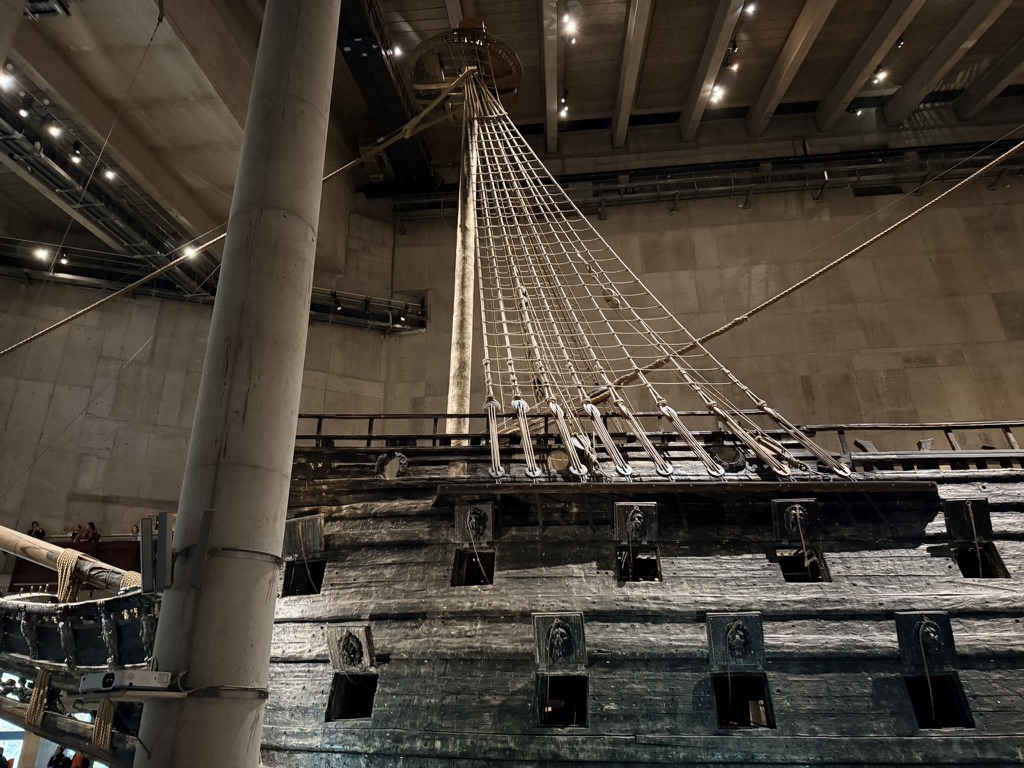
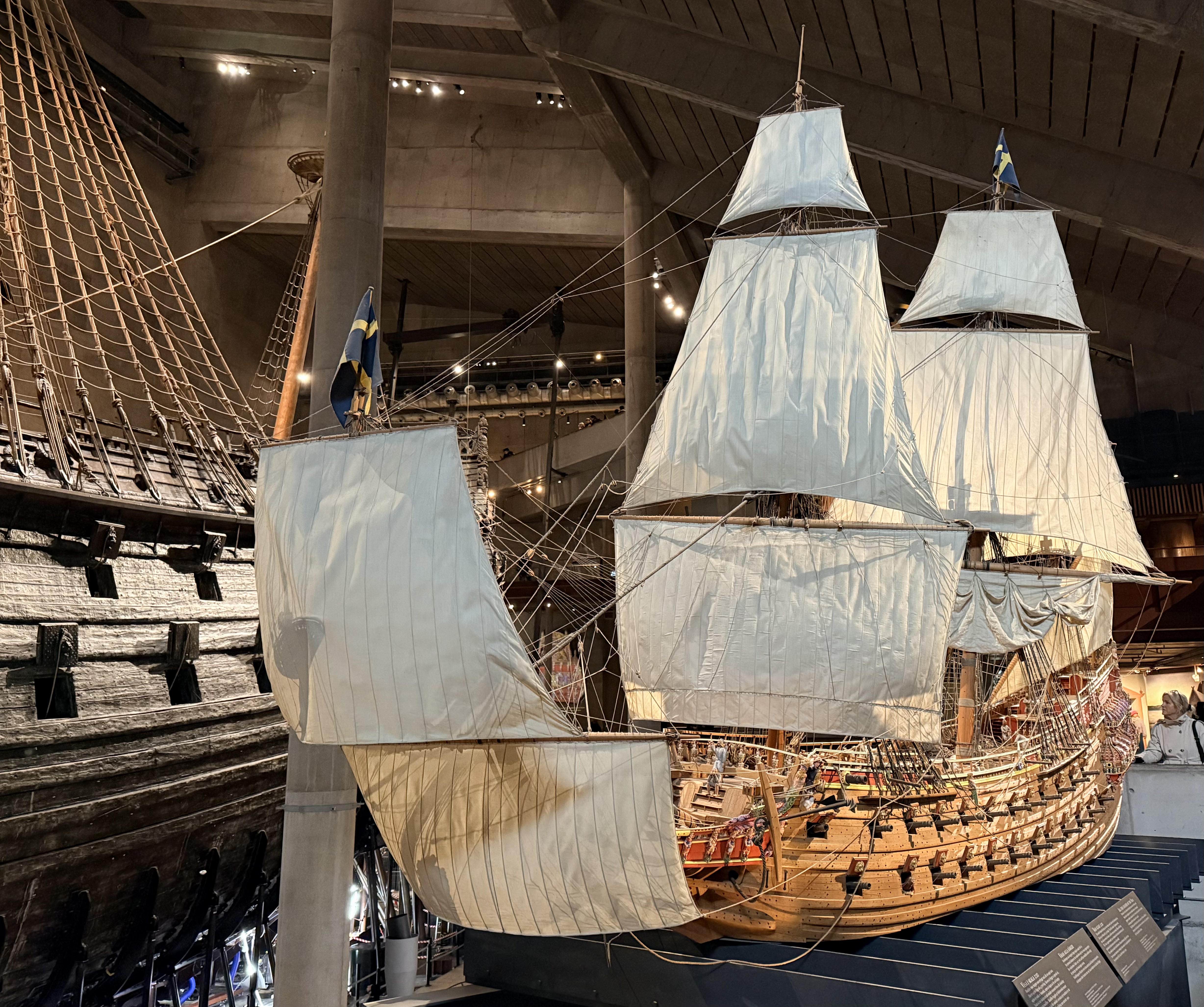
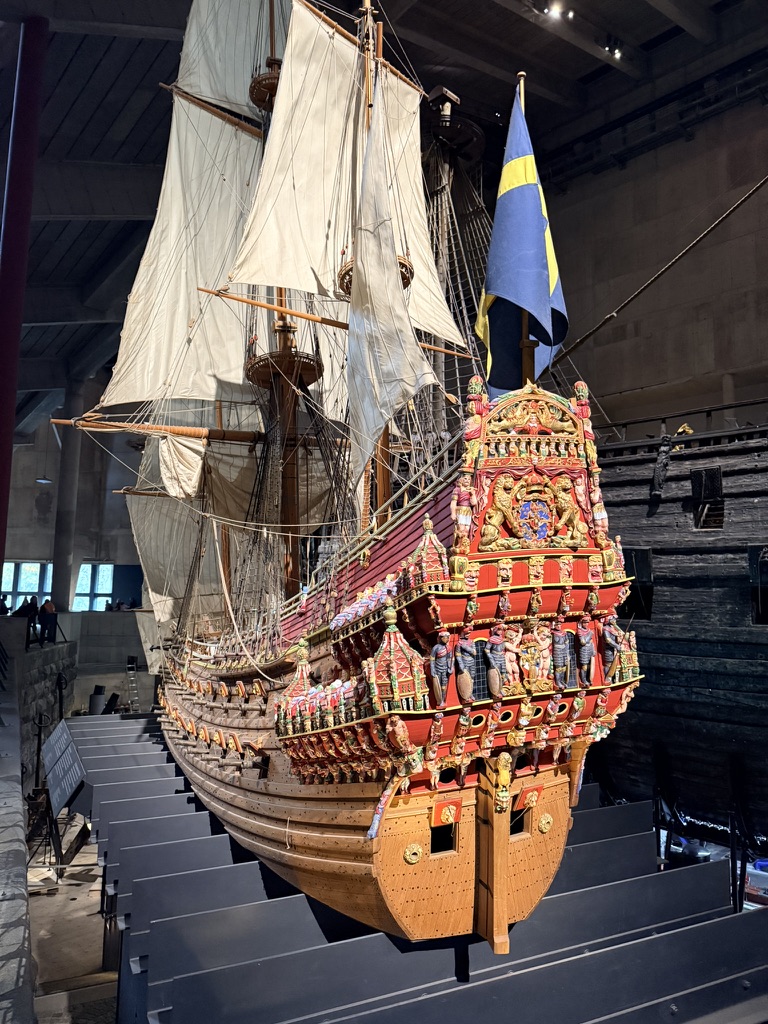
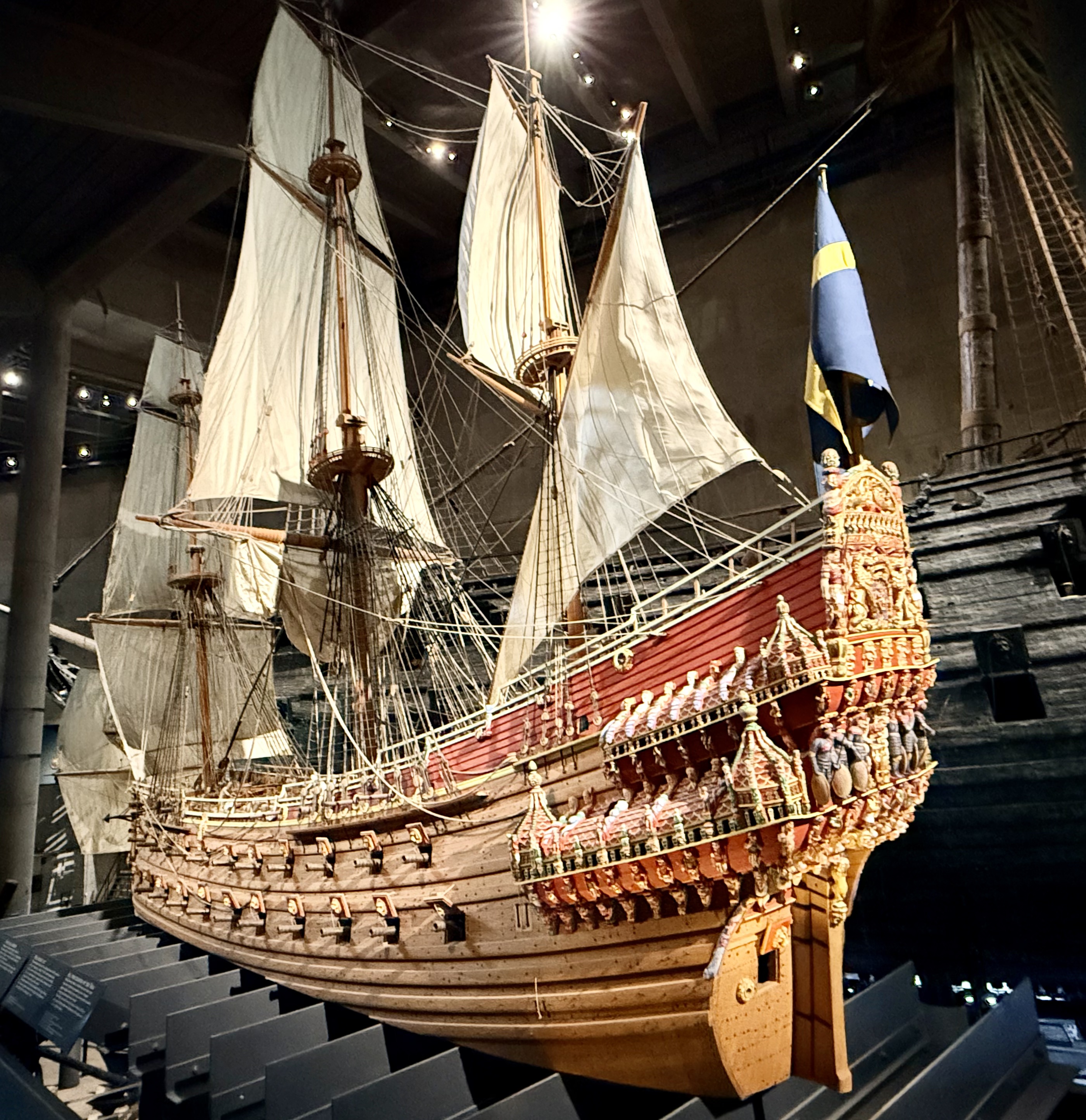
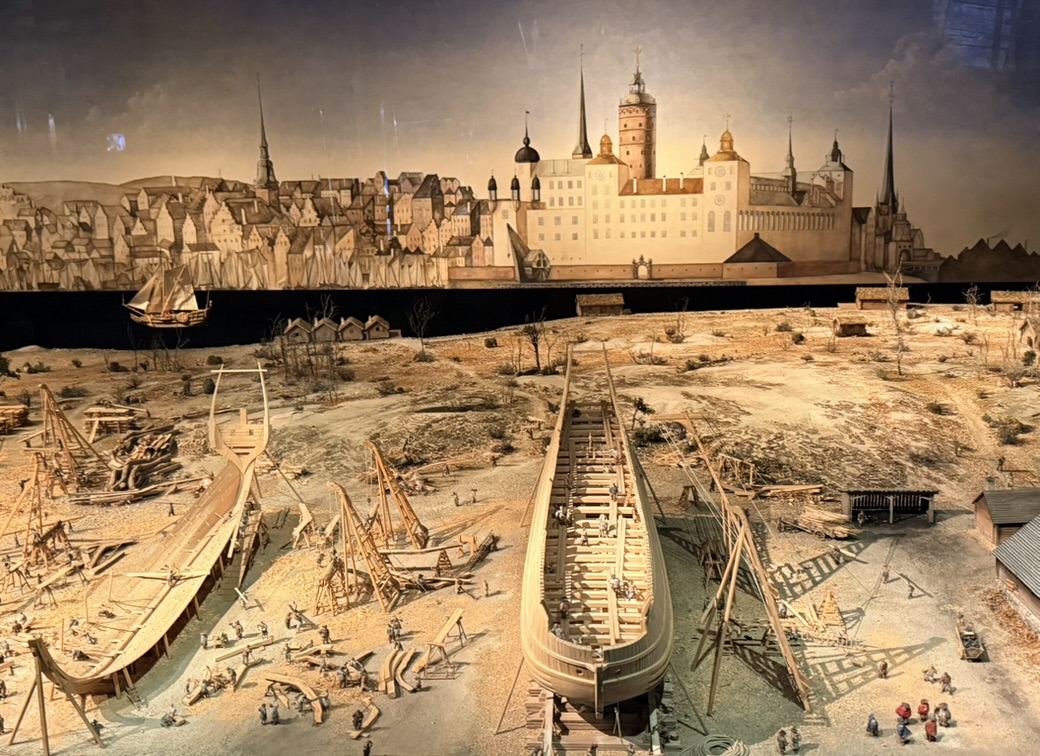
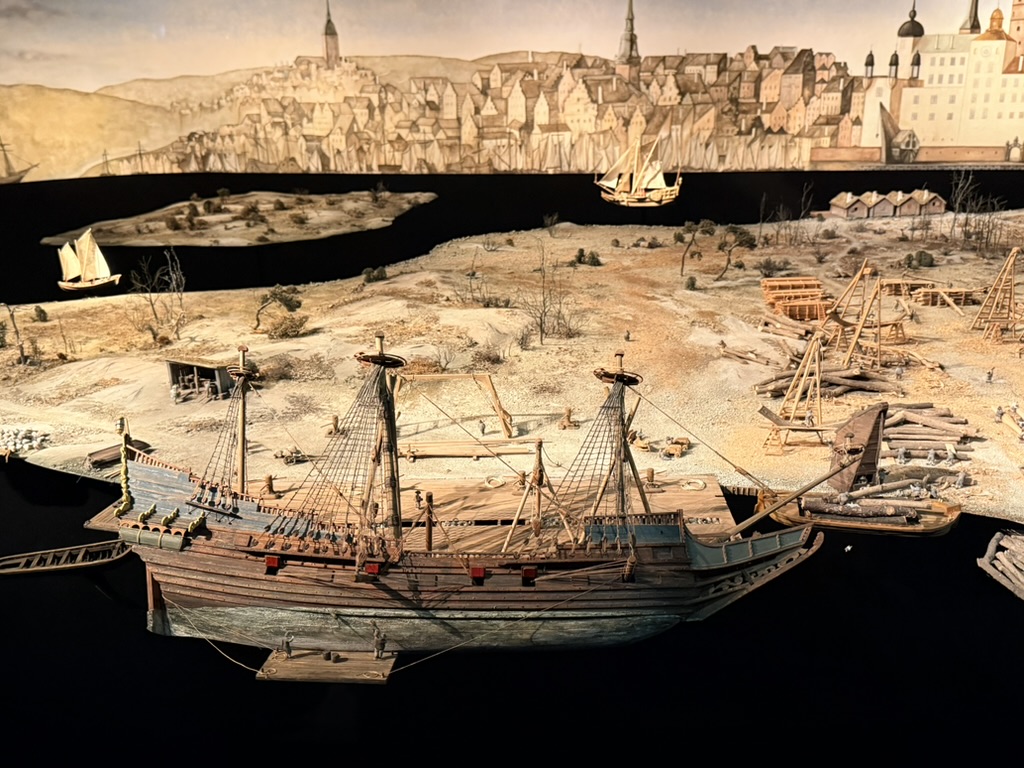
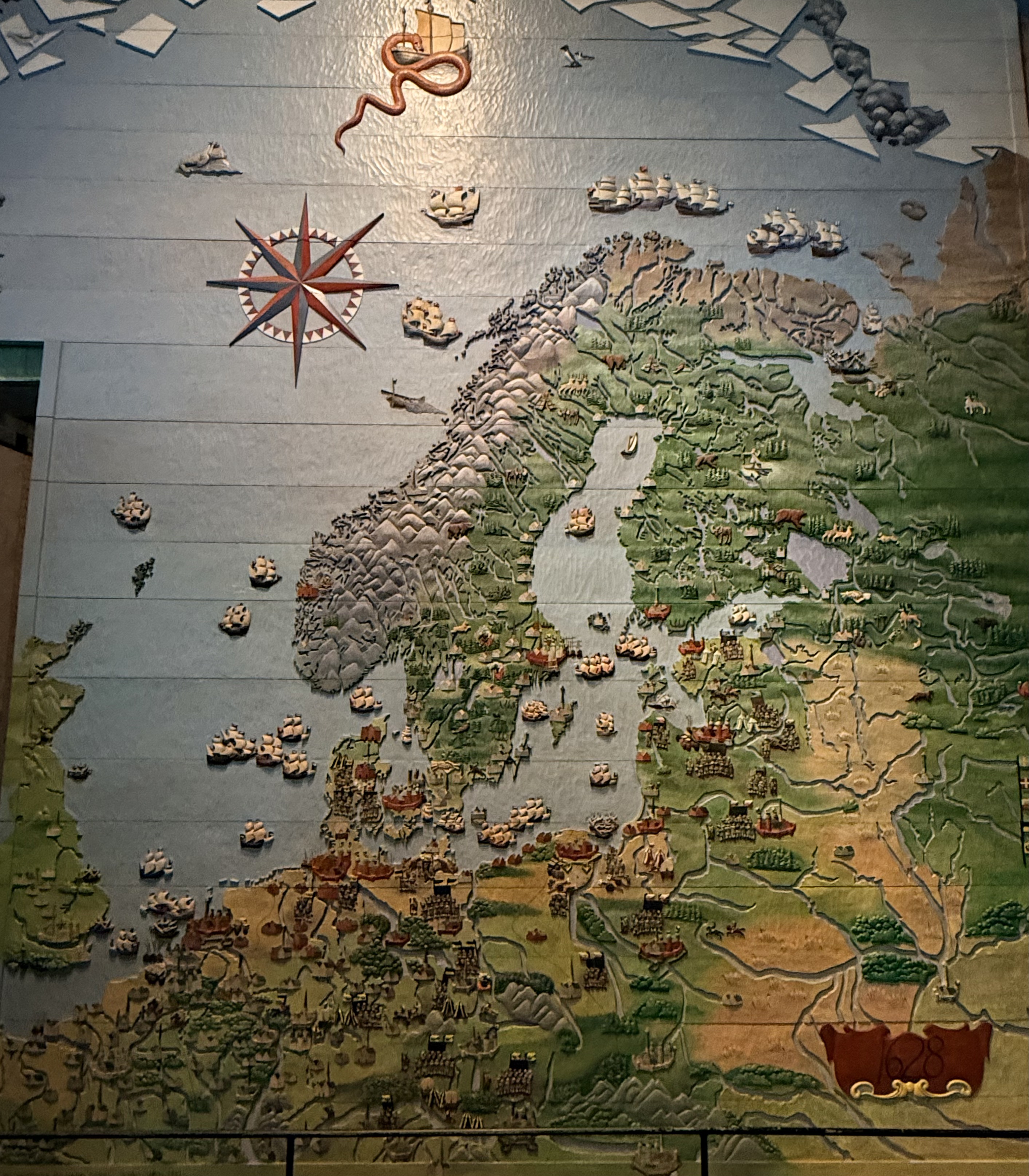
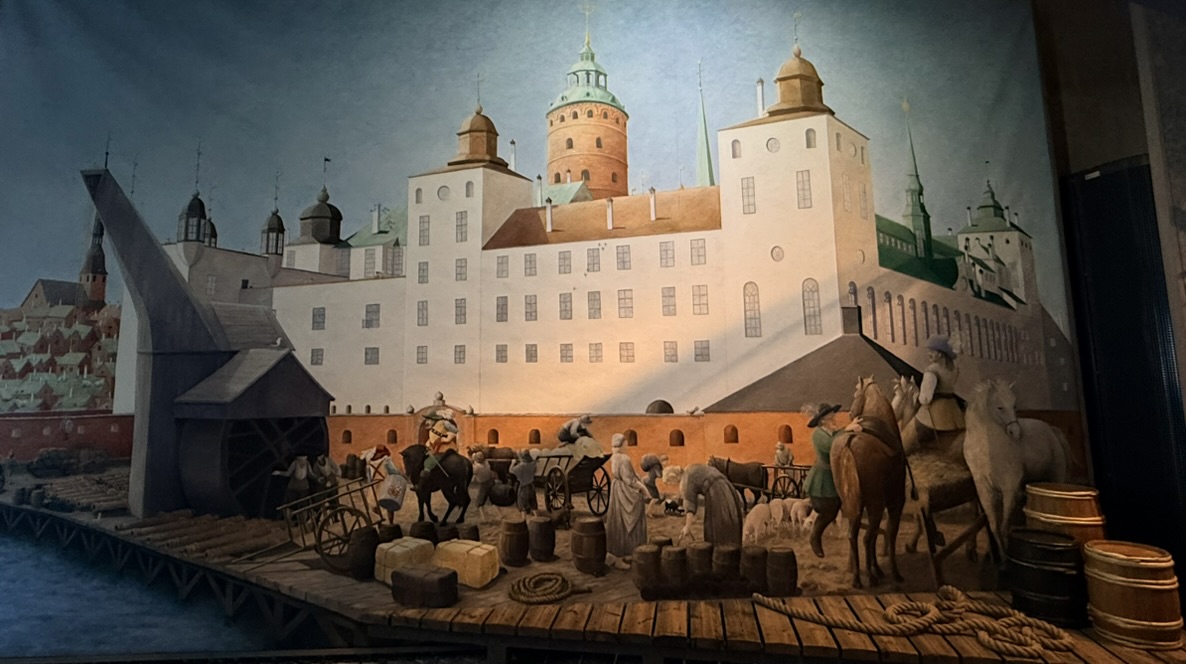
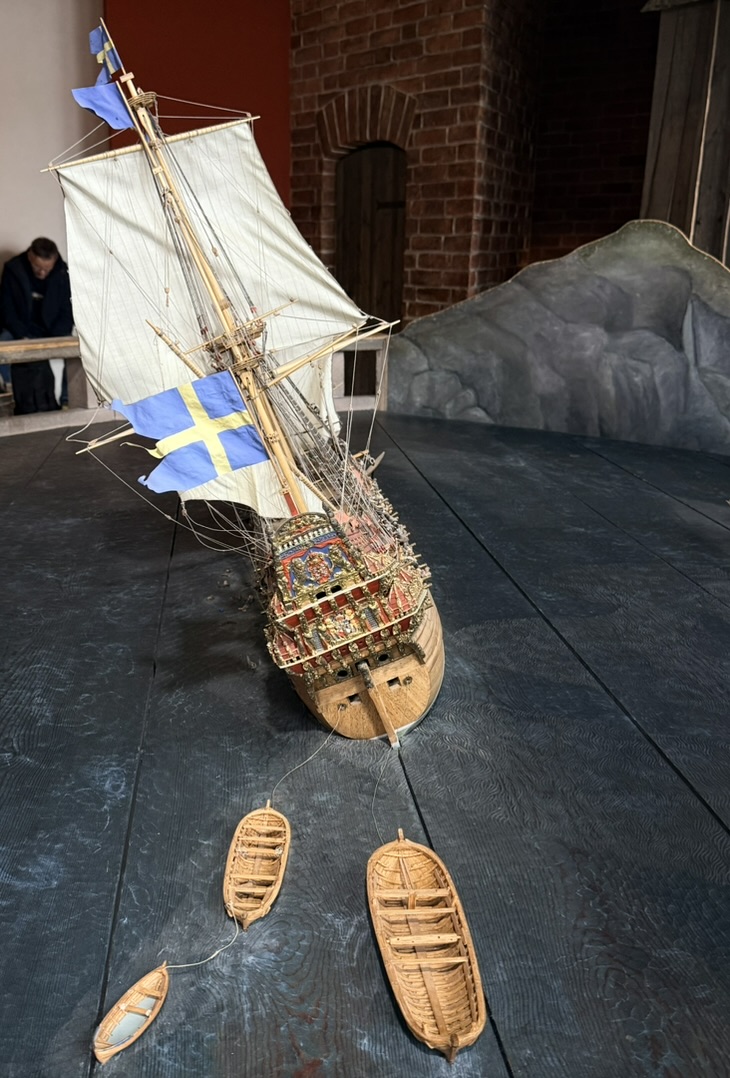
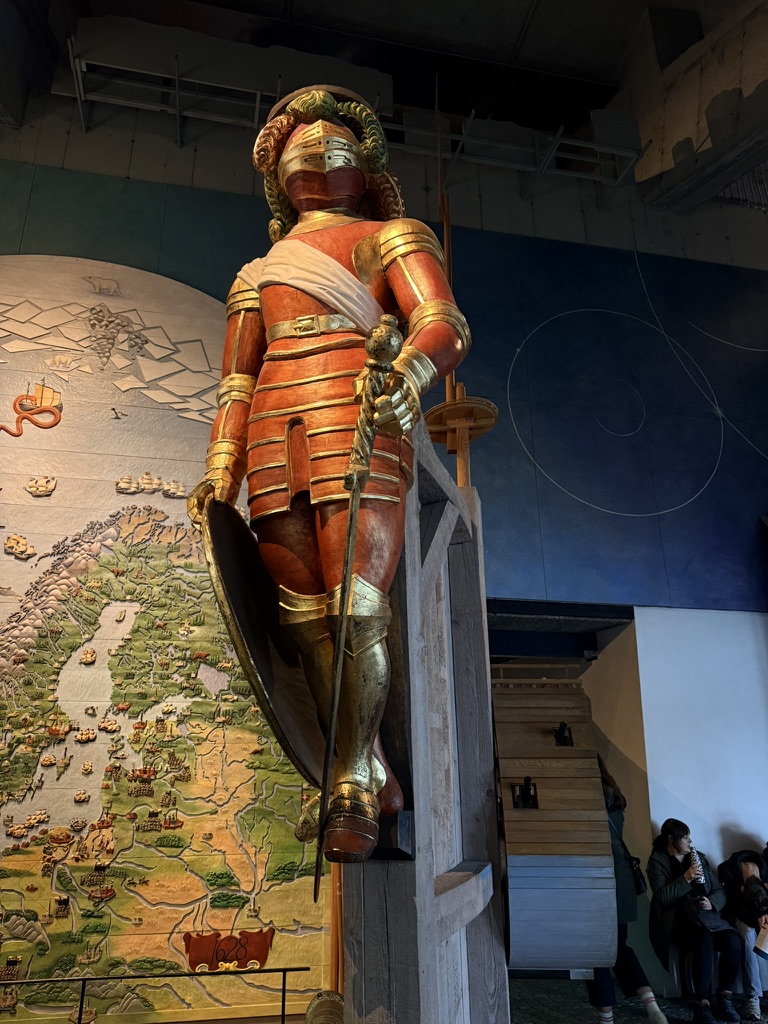
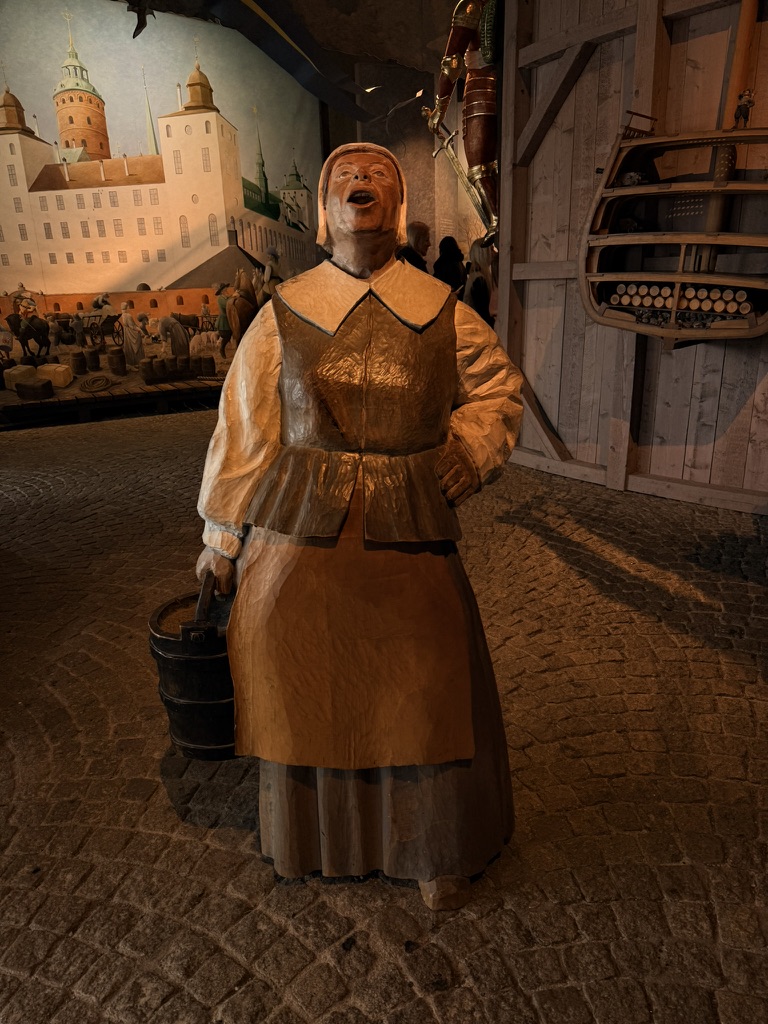
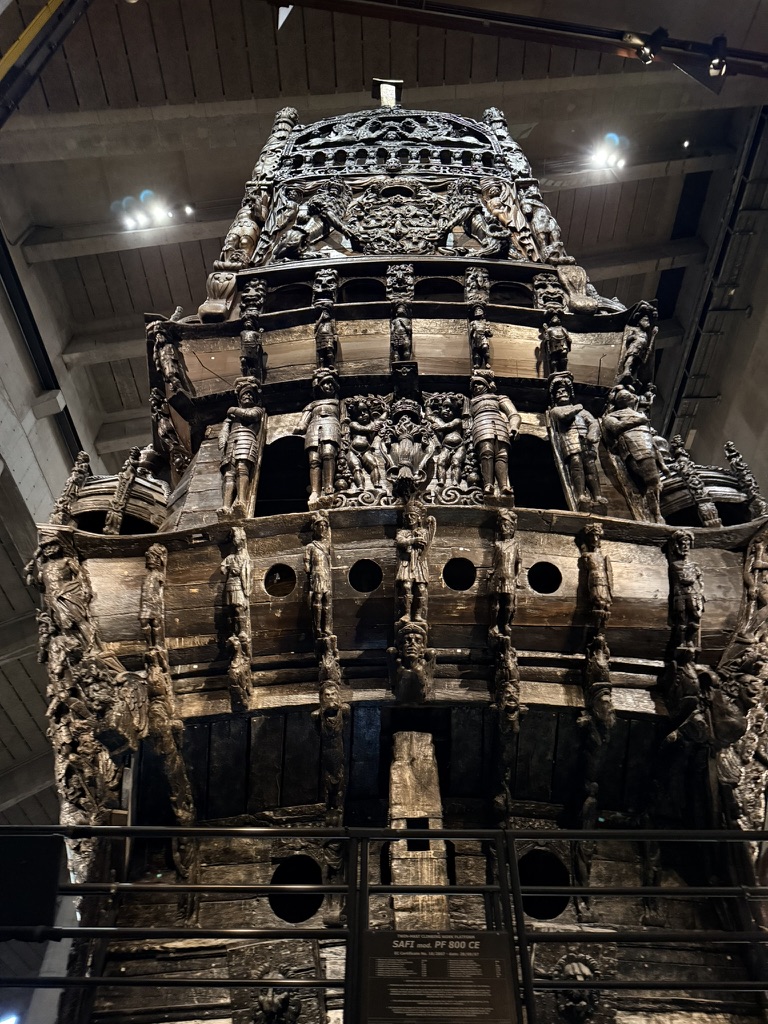
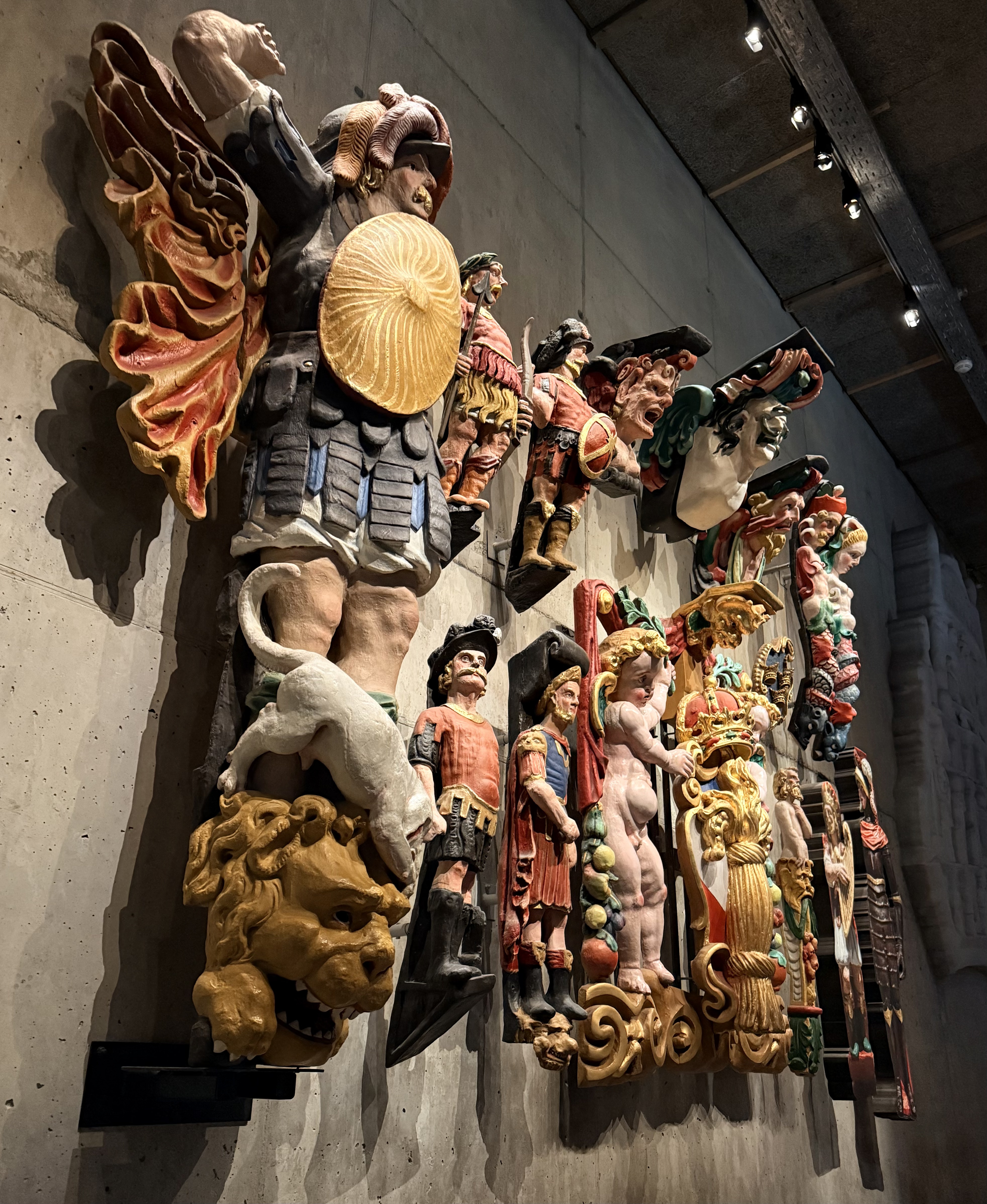
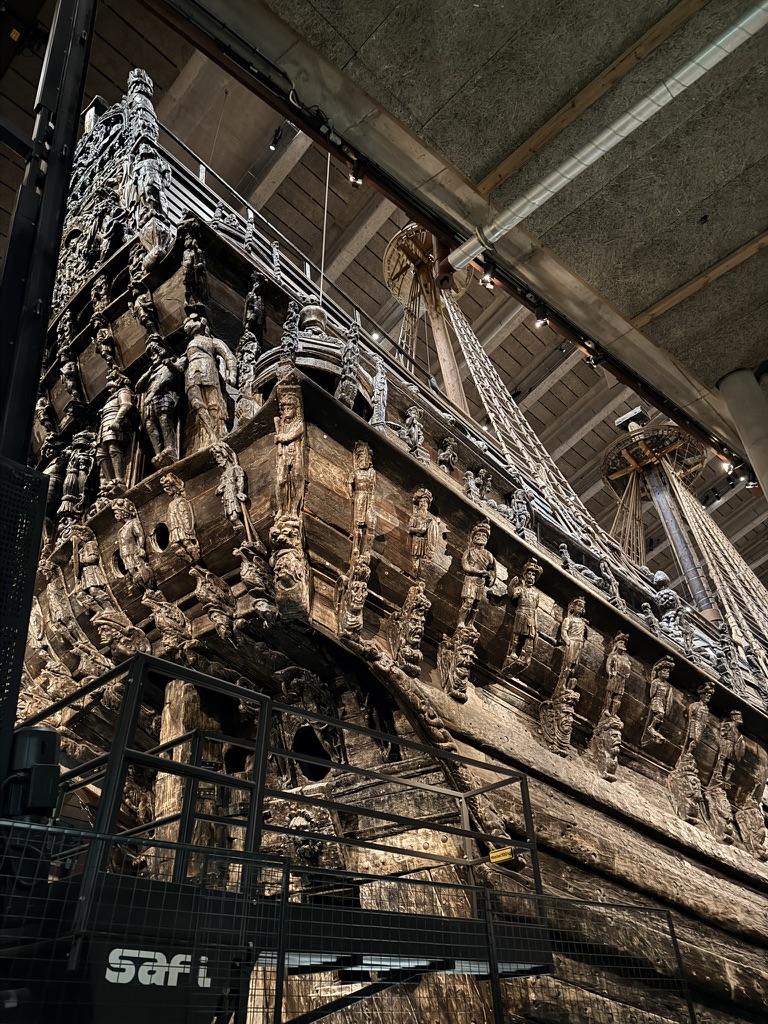
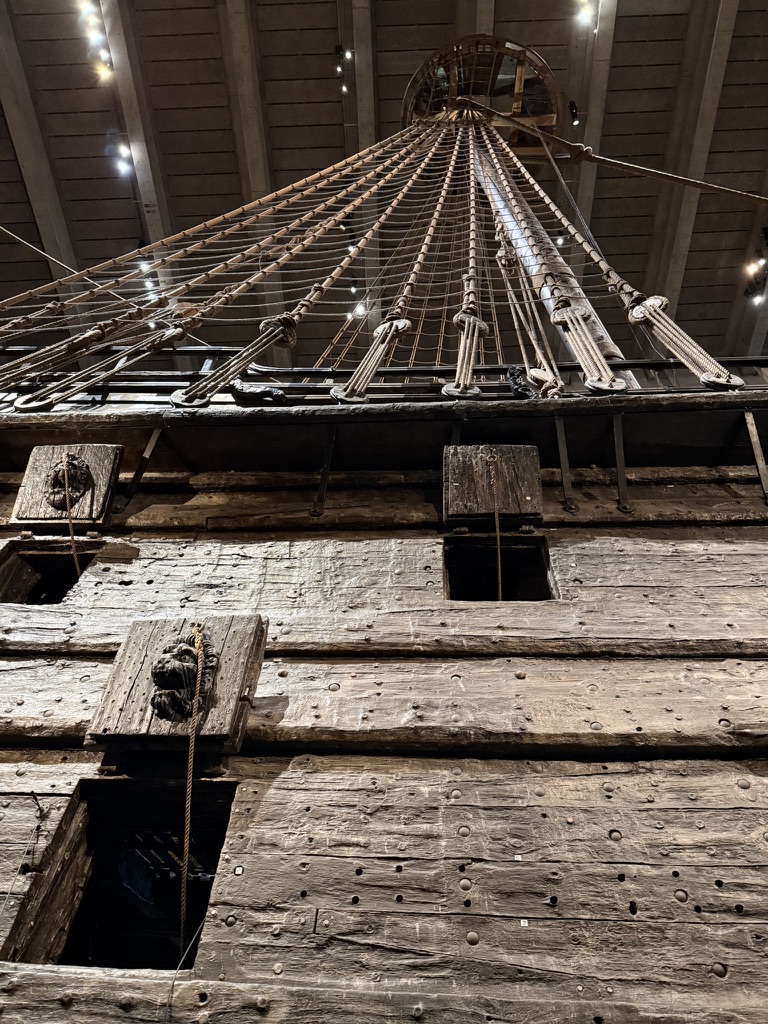
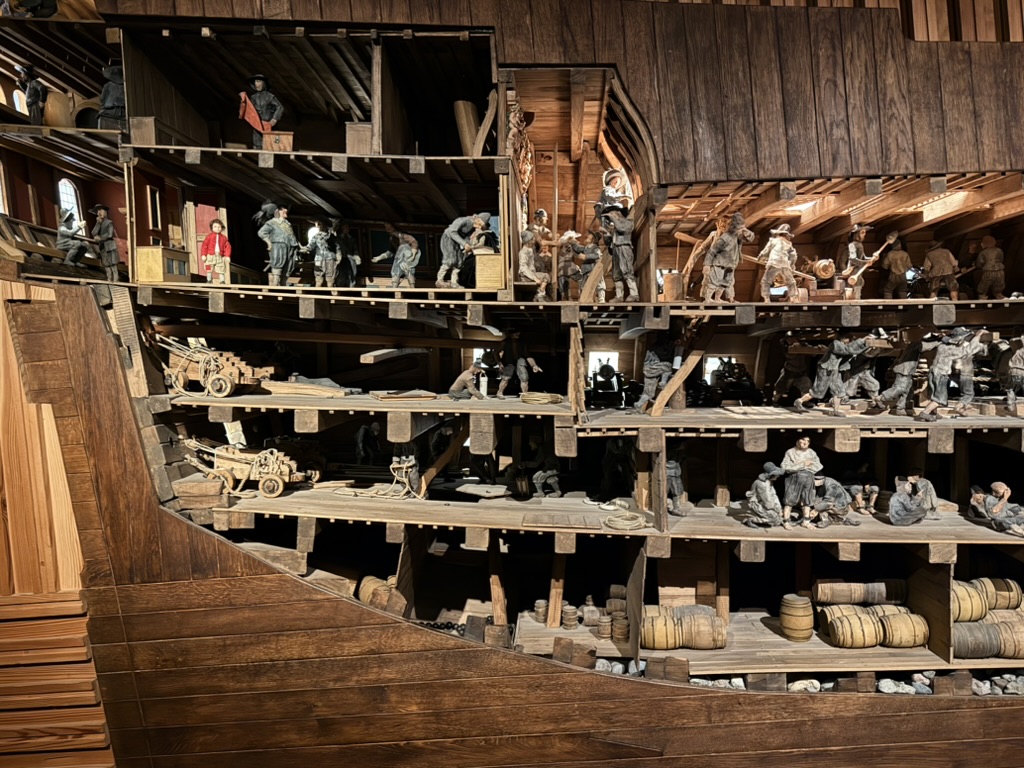
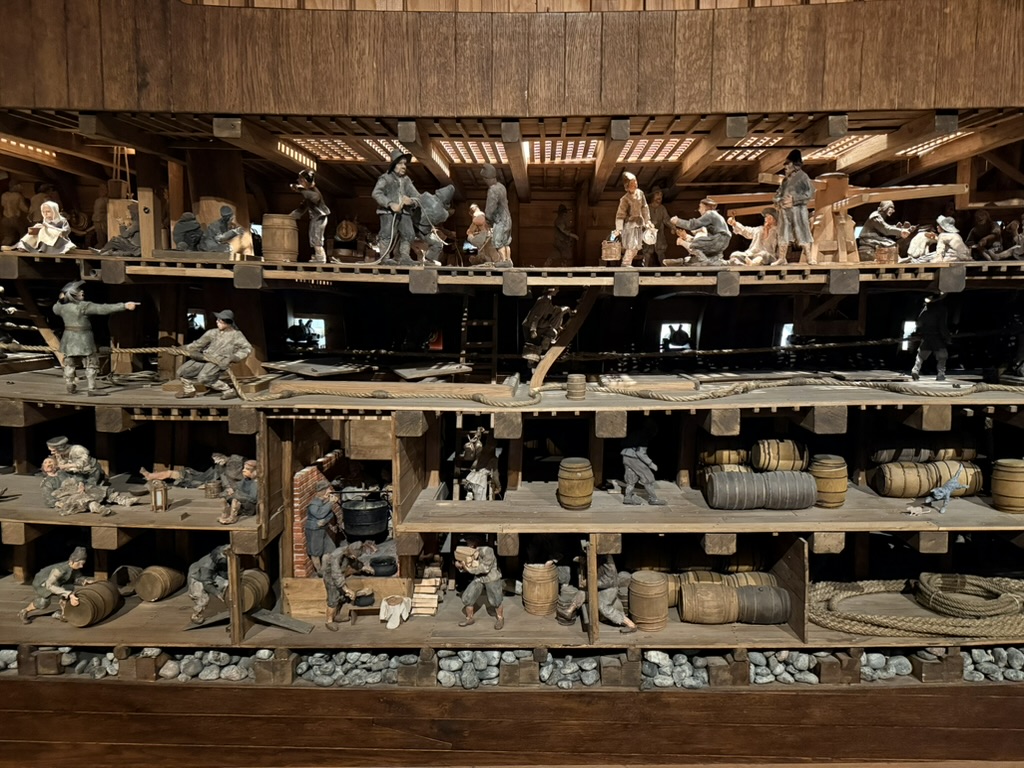
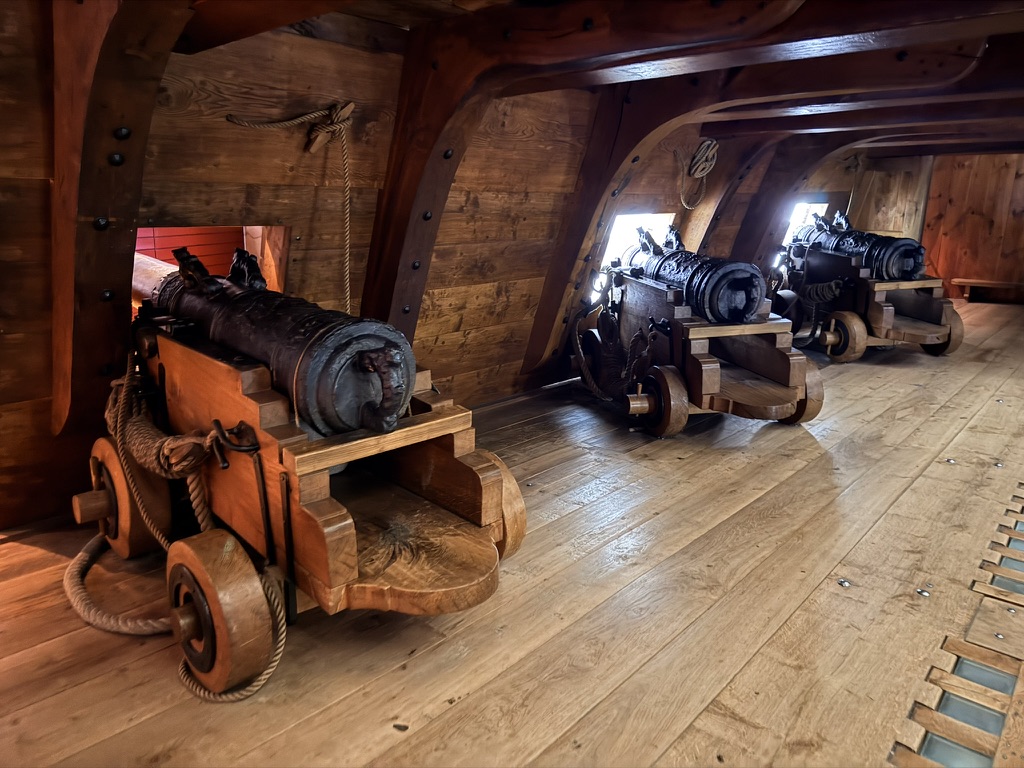
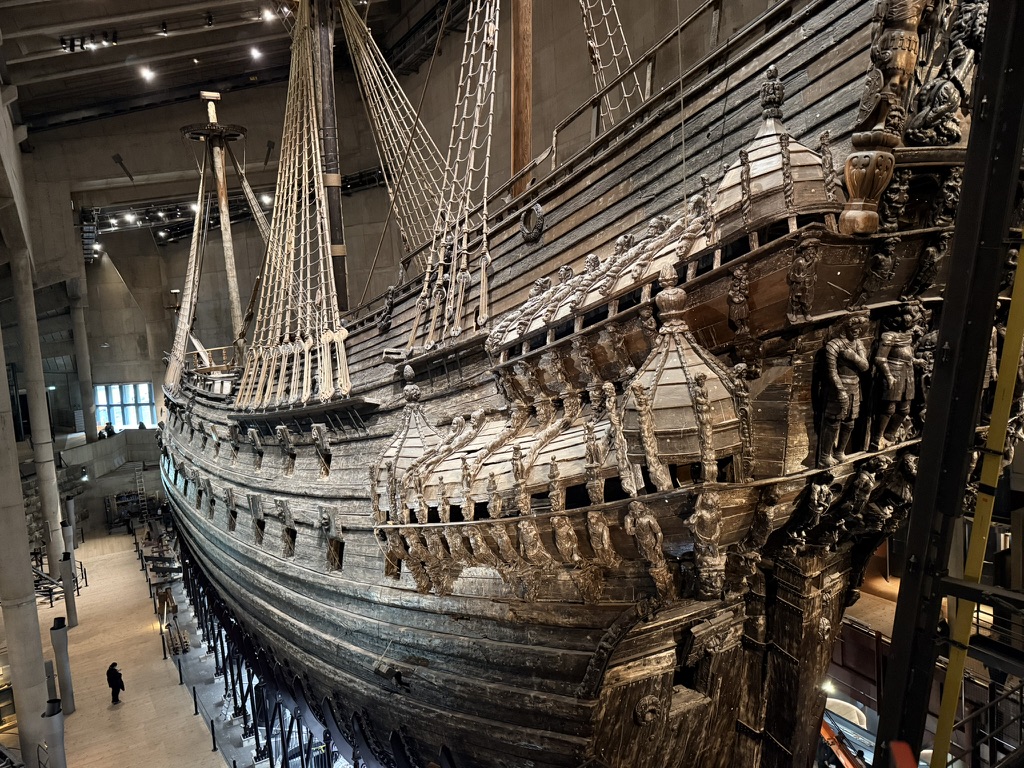
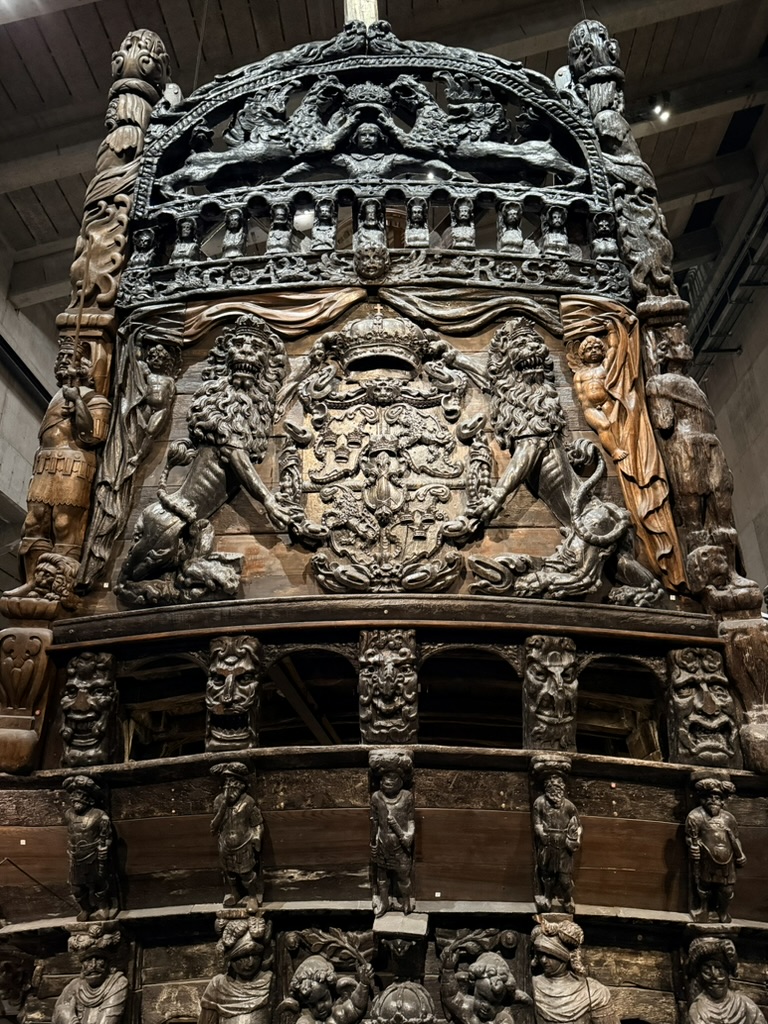
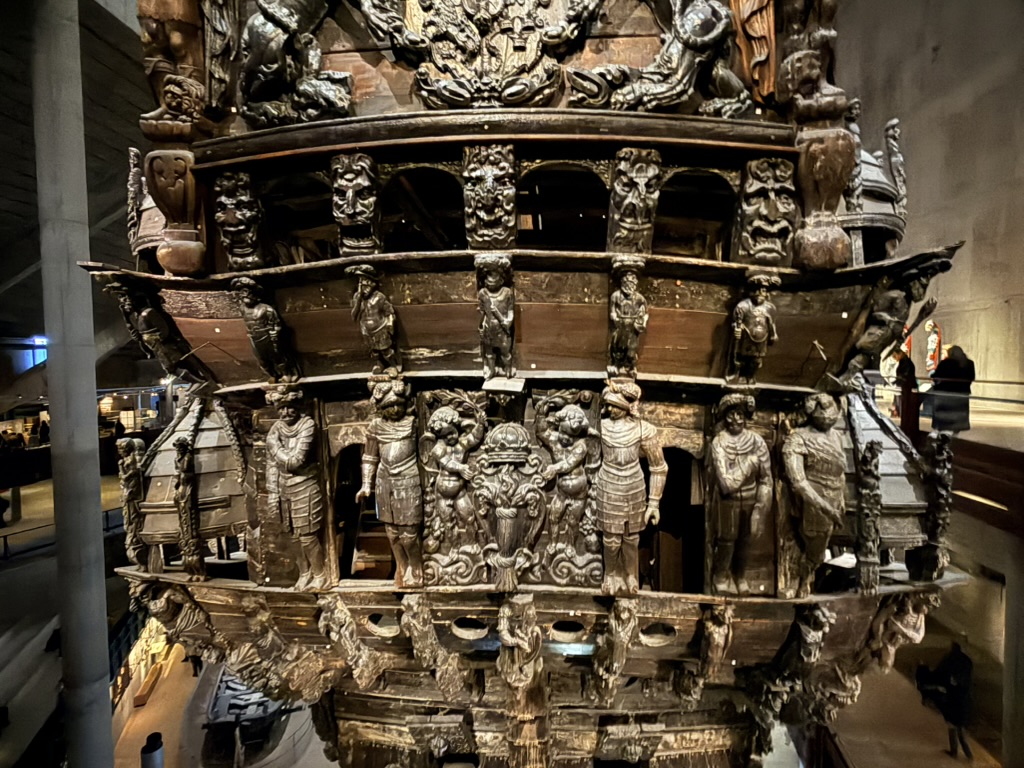
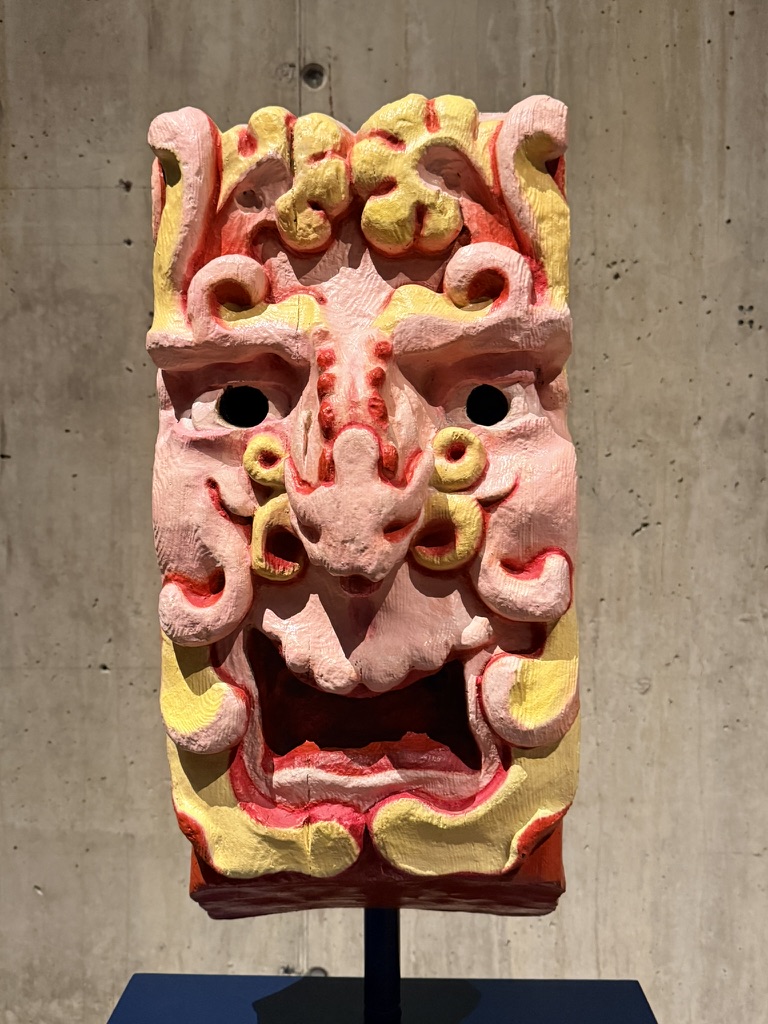
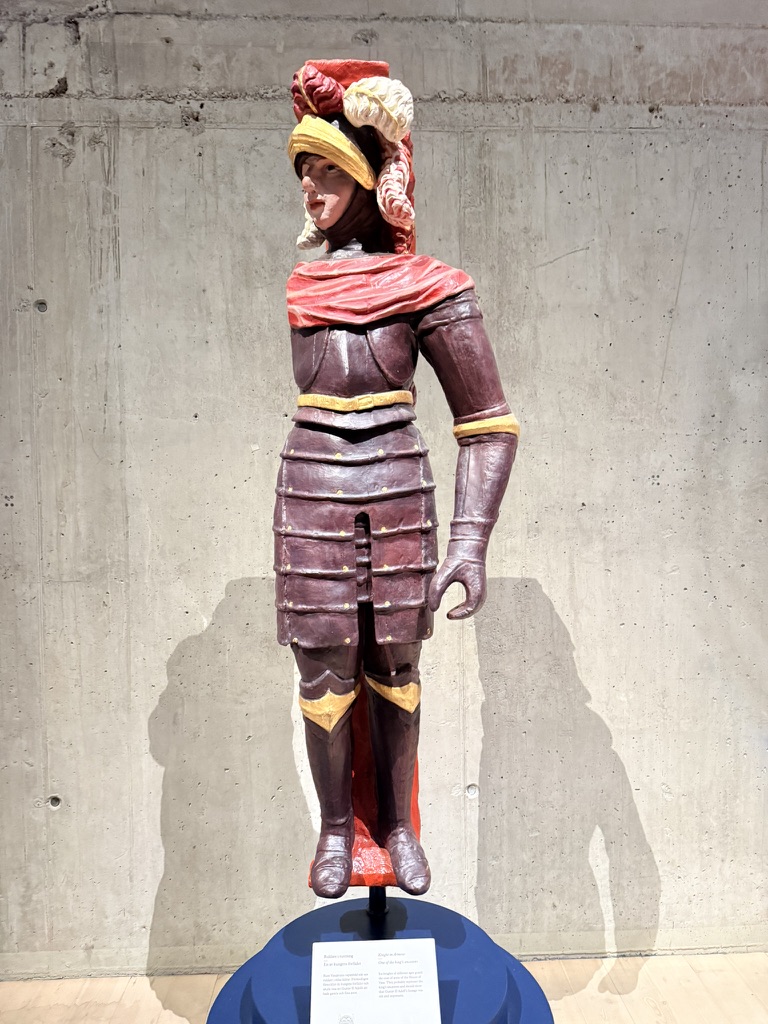
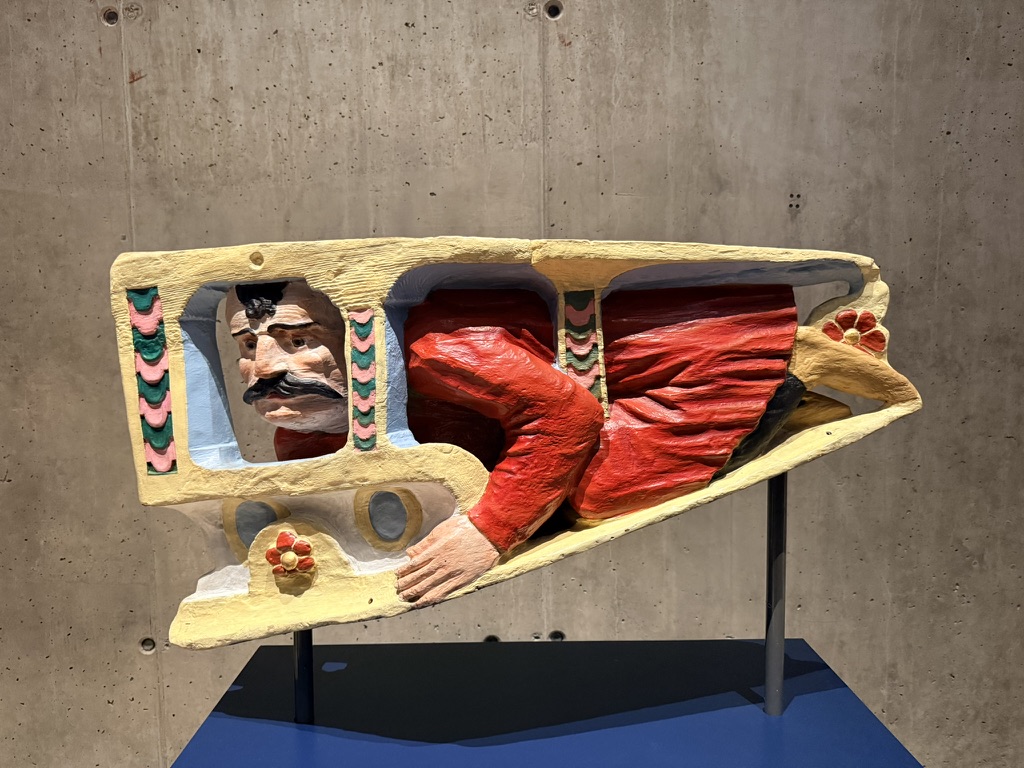
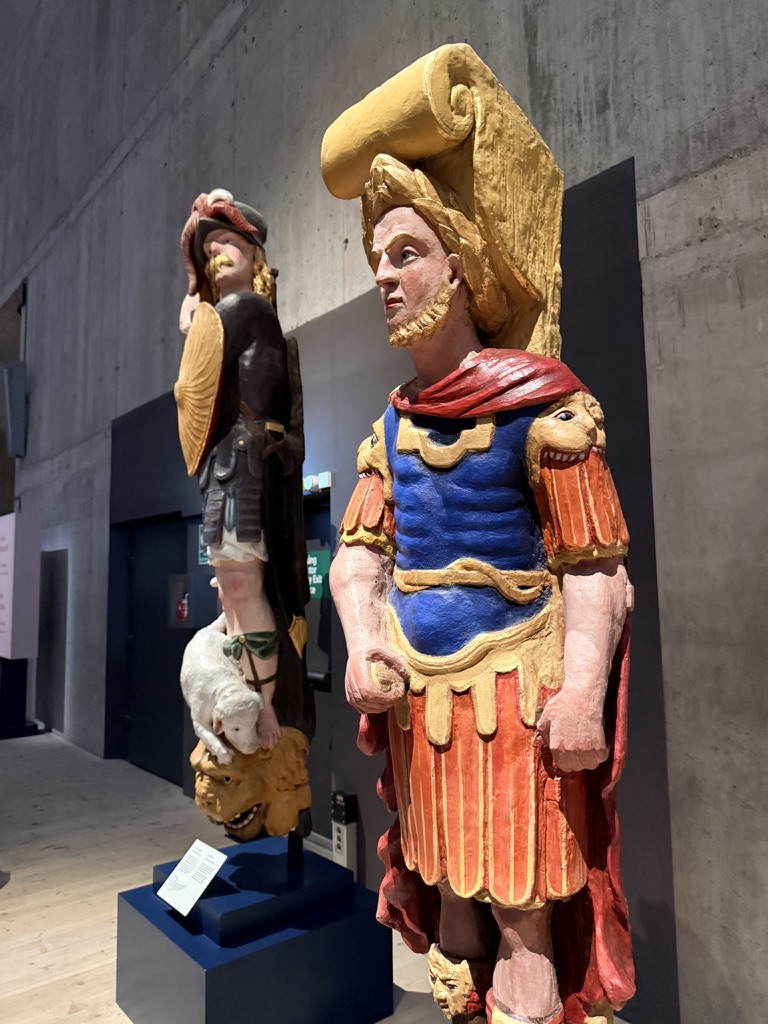
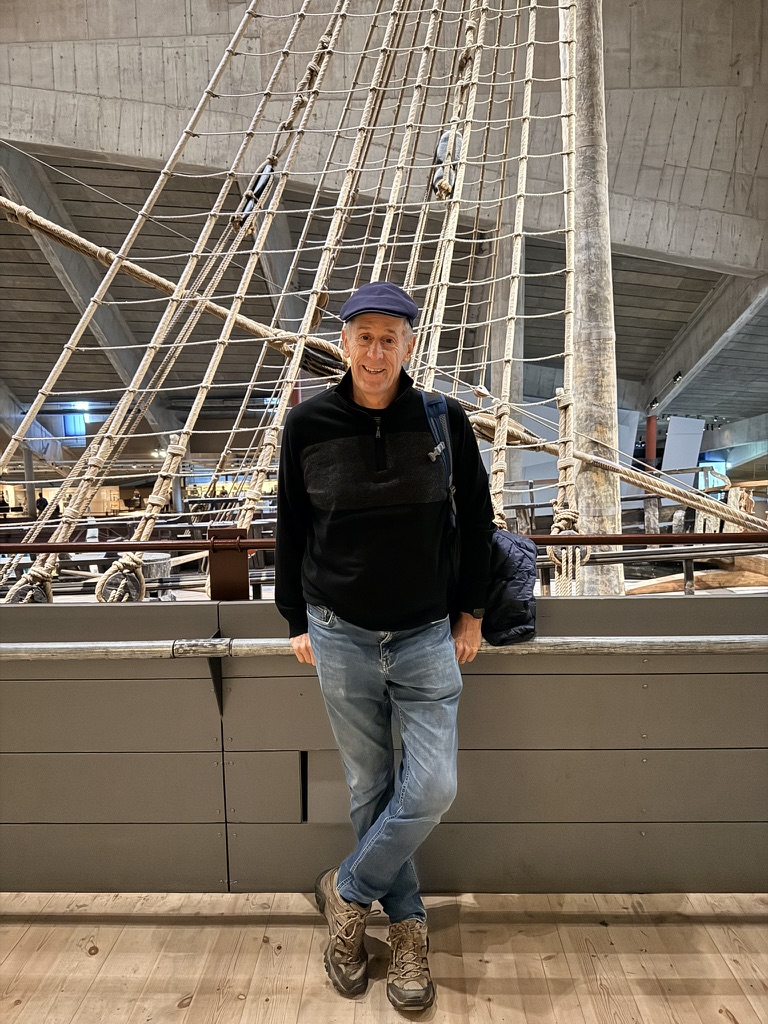
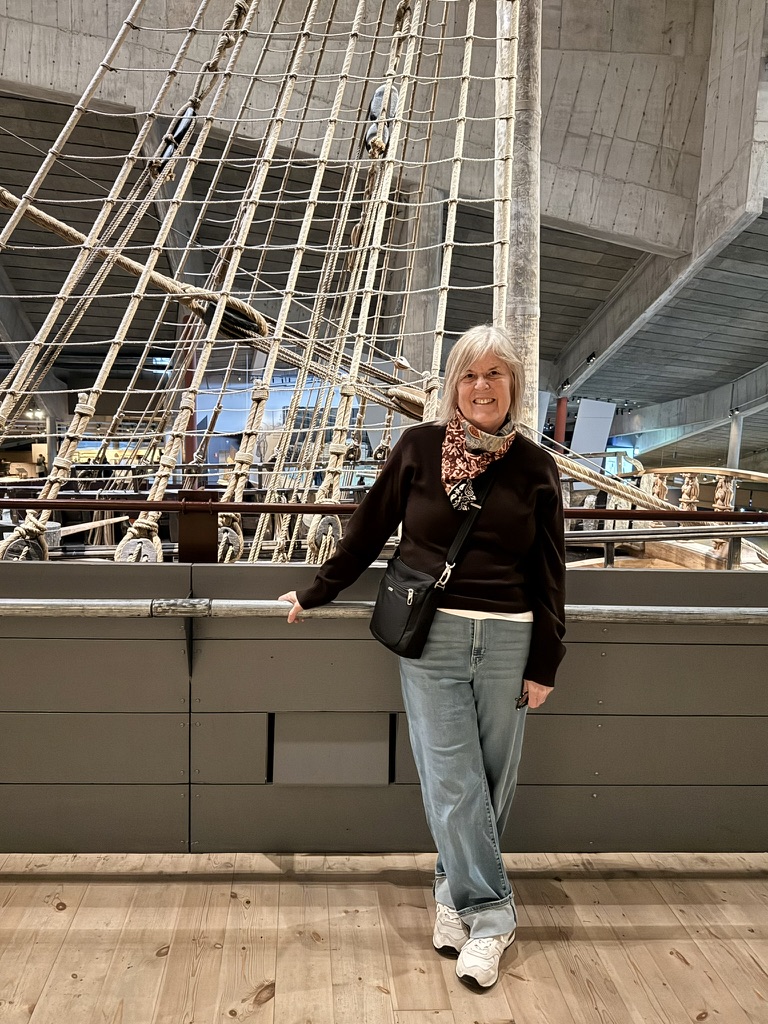
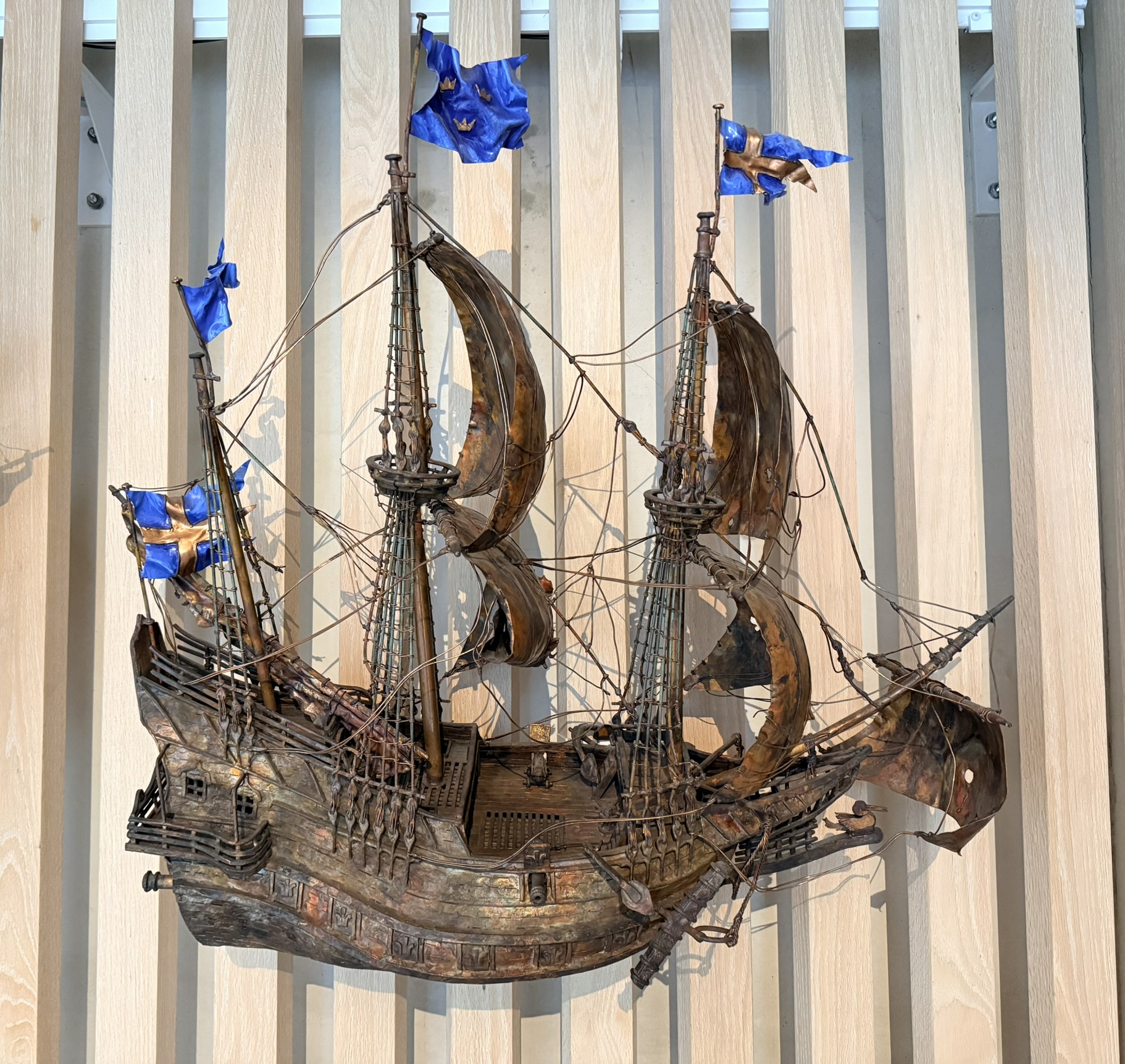
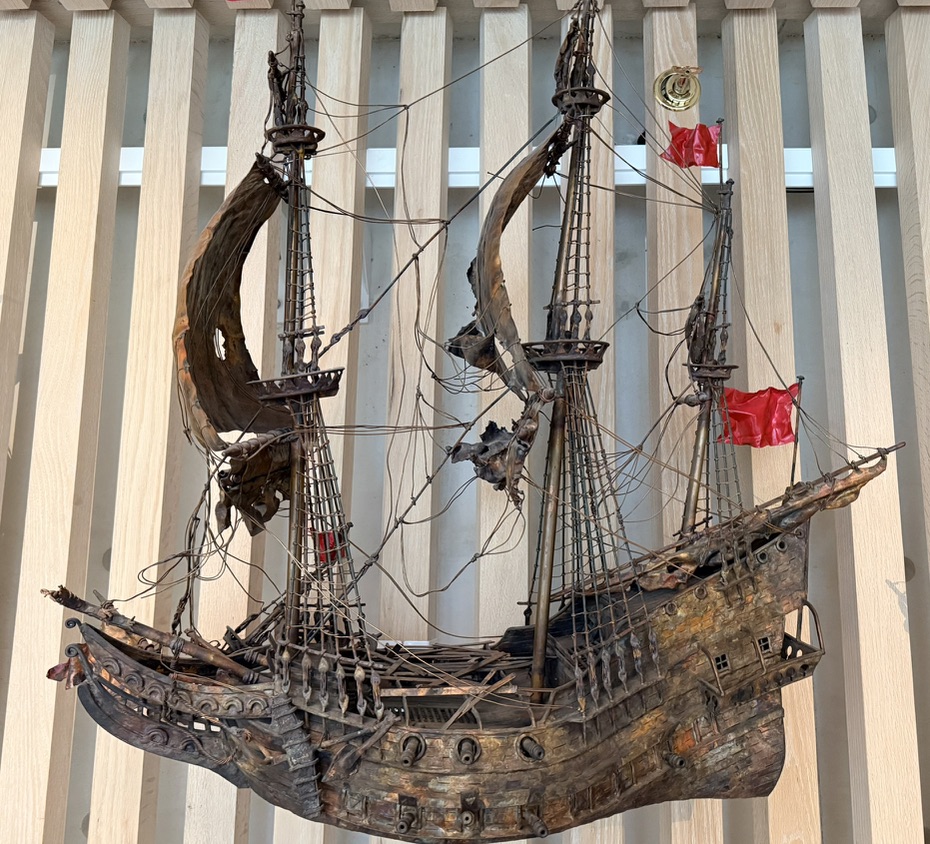
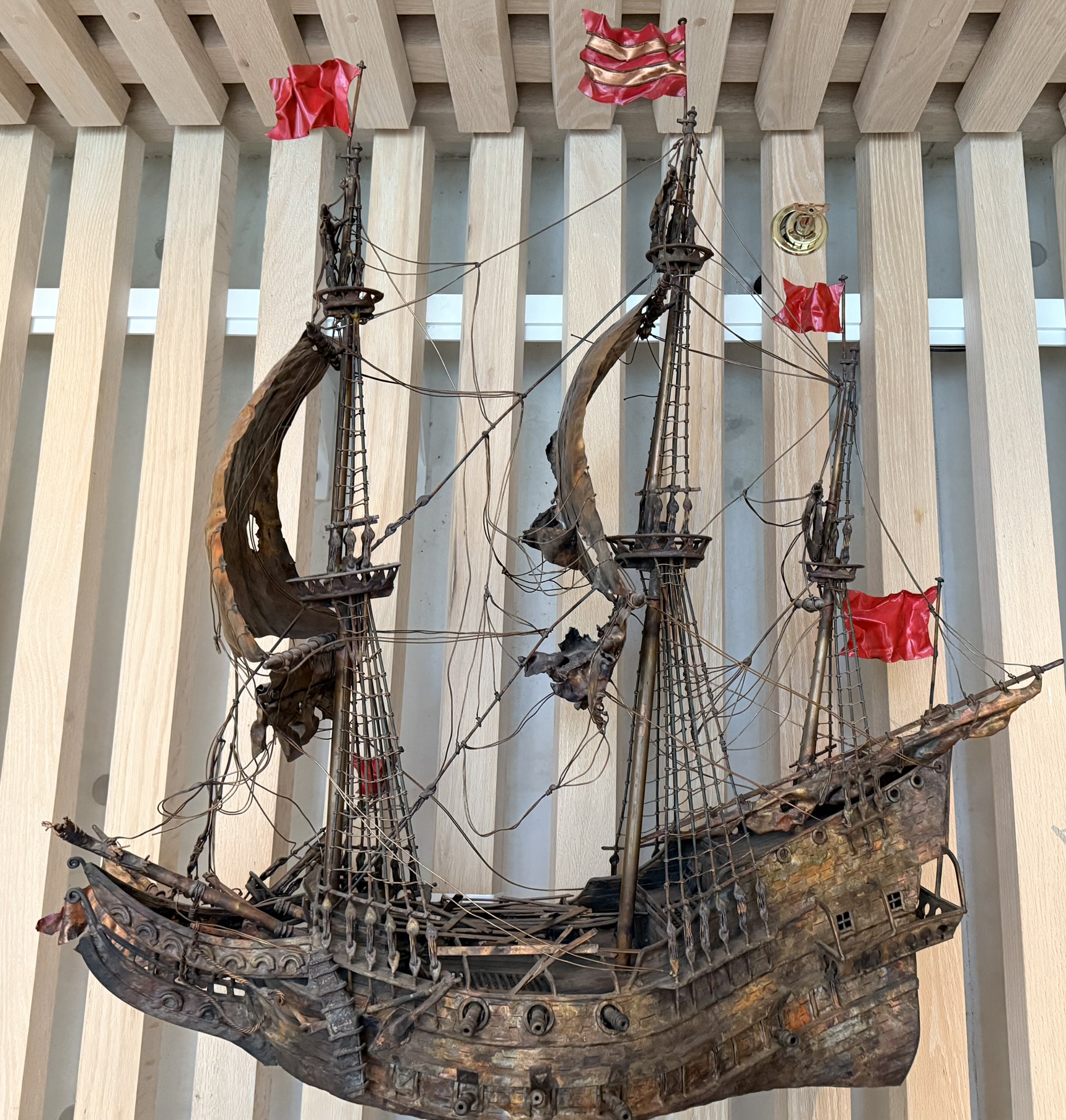
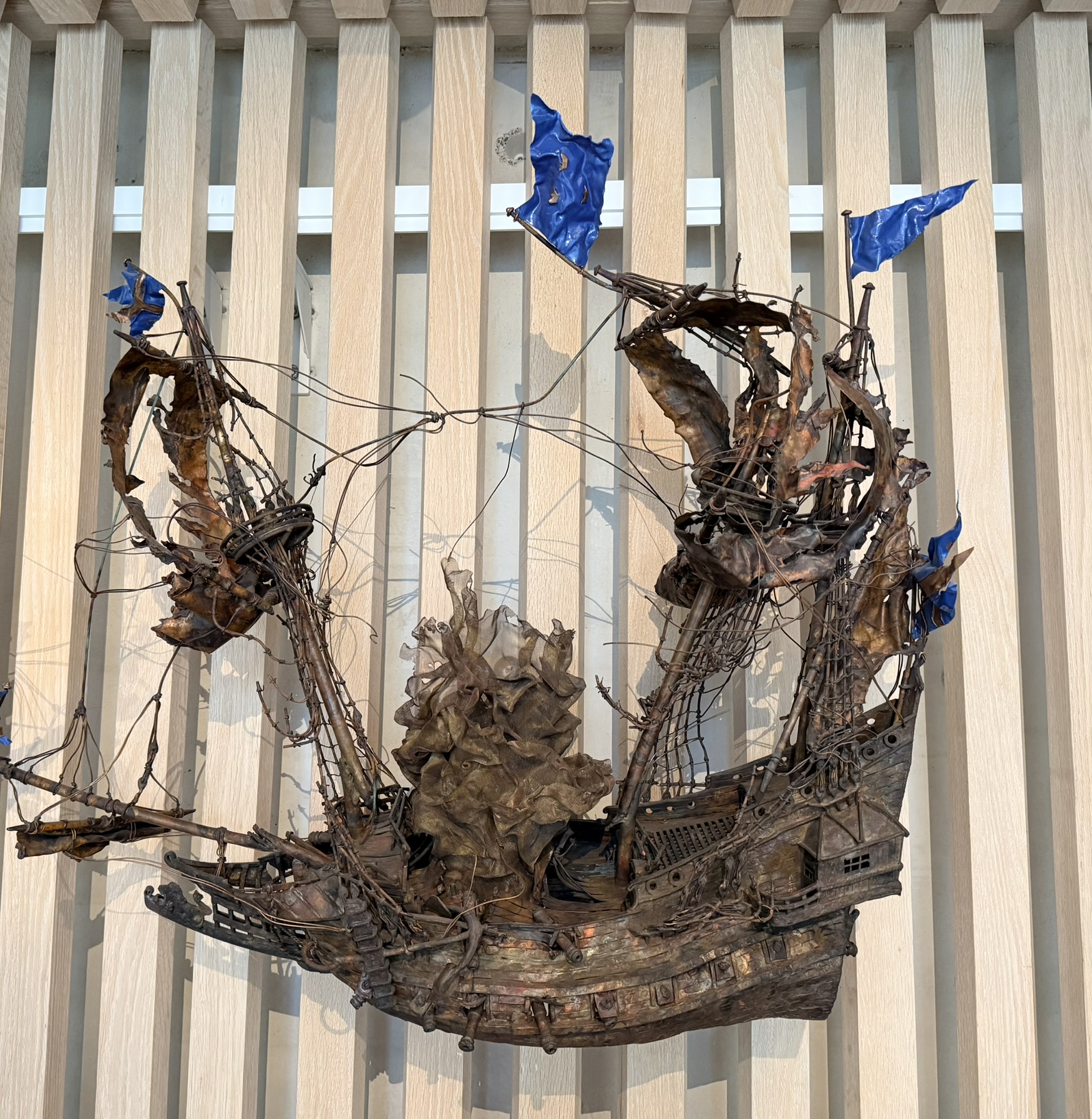
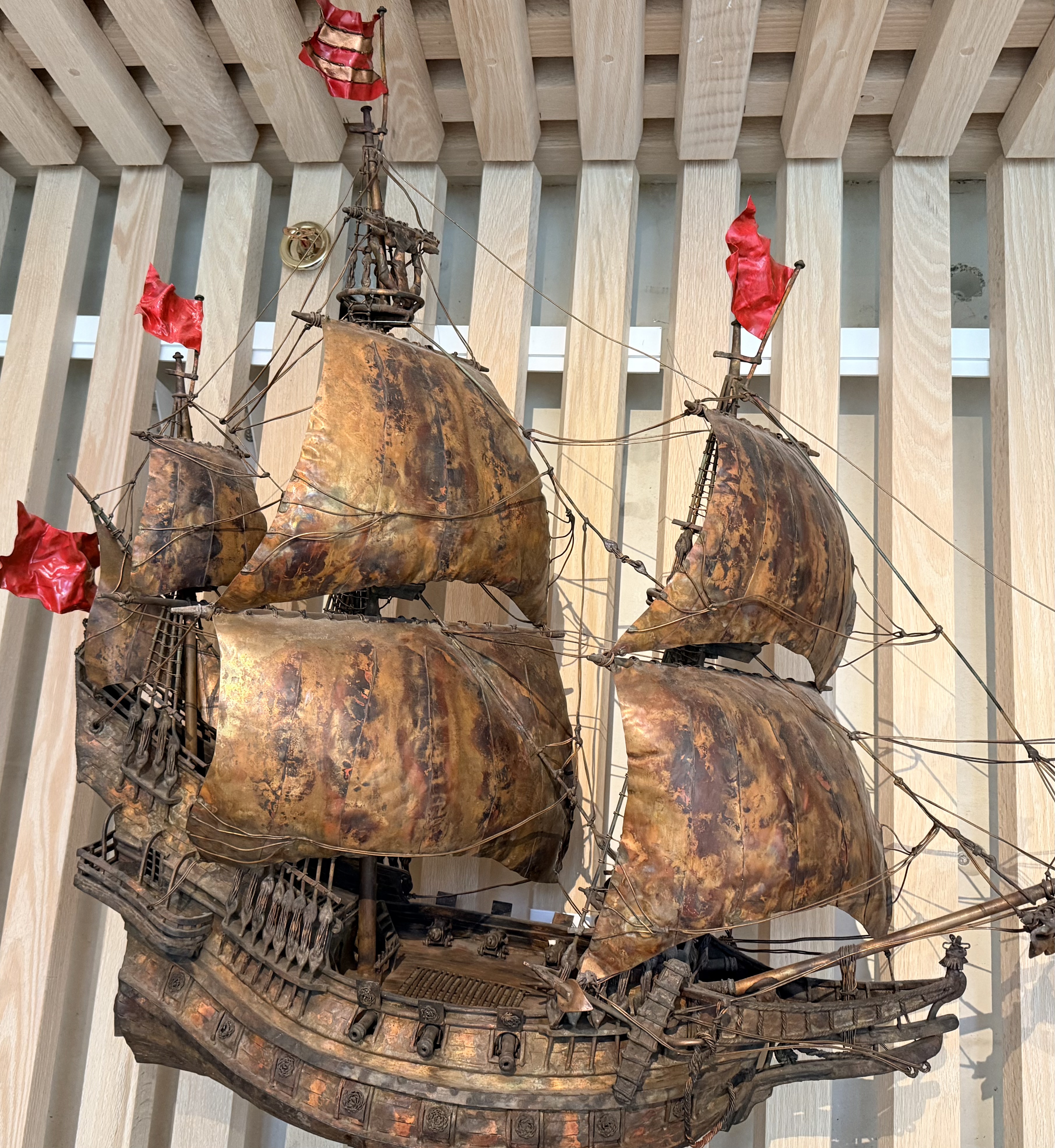
The Vasamuseet displays the only almost fully intact 17th-century ship that has ever been salvaged, the 64-gun warship Vasa that sank on her maiden voyage in 1628. The Vasa Museum opened in 1990. This was quite an impressive museum.
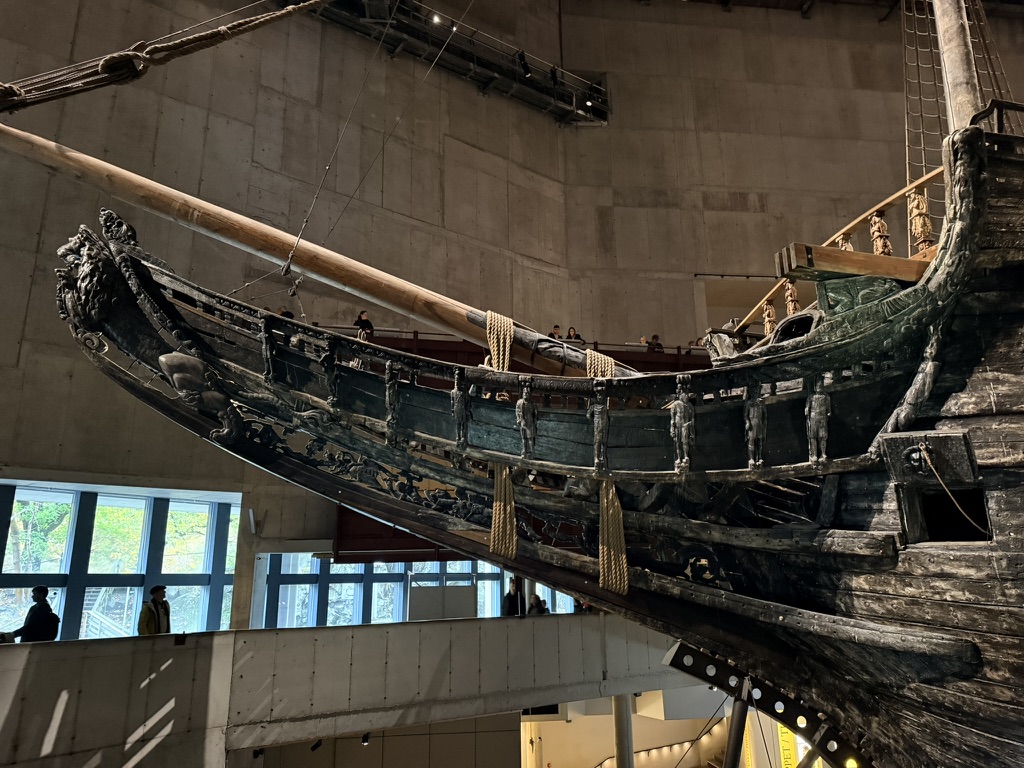
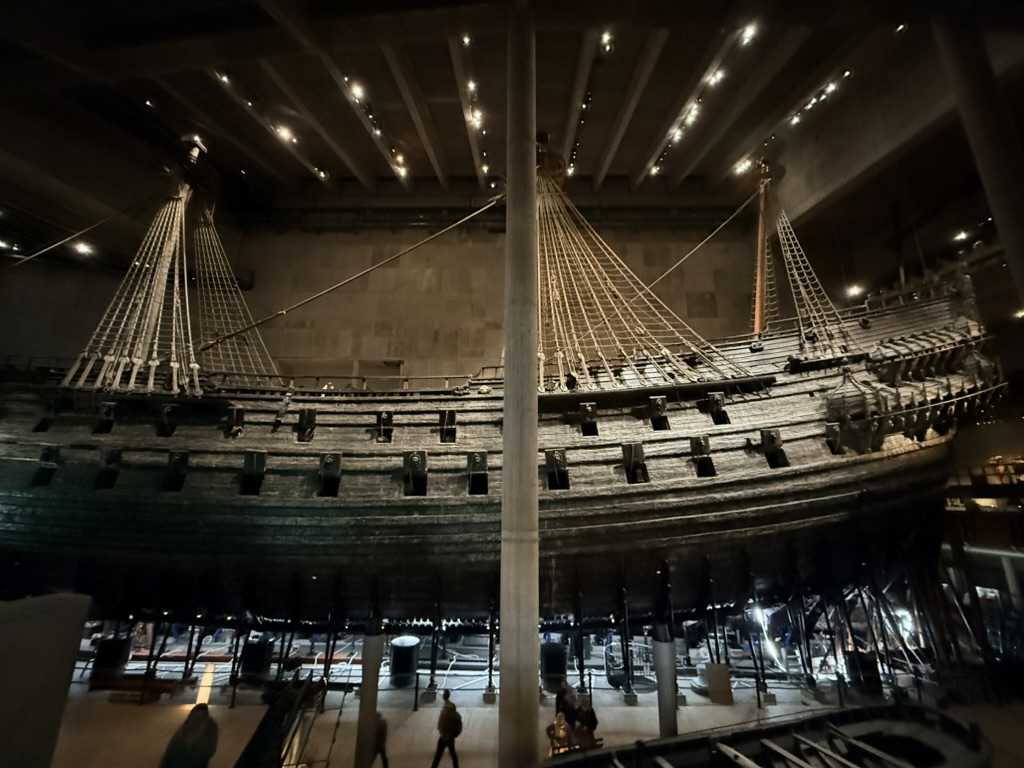
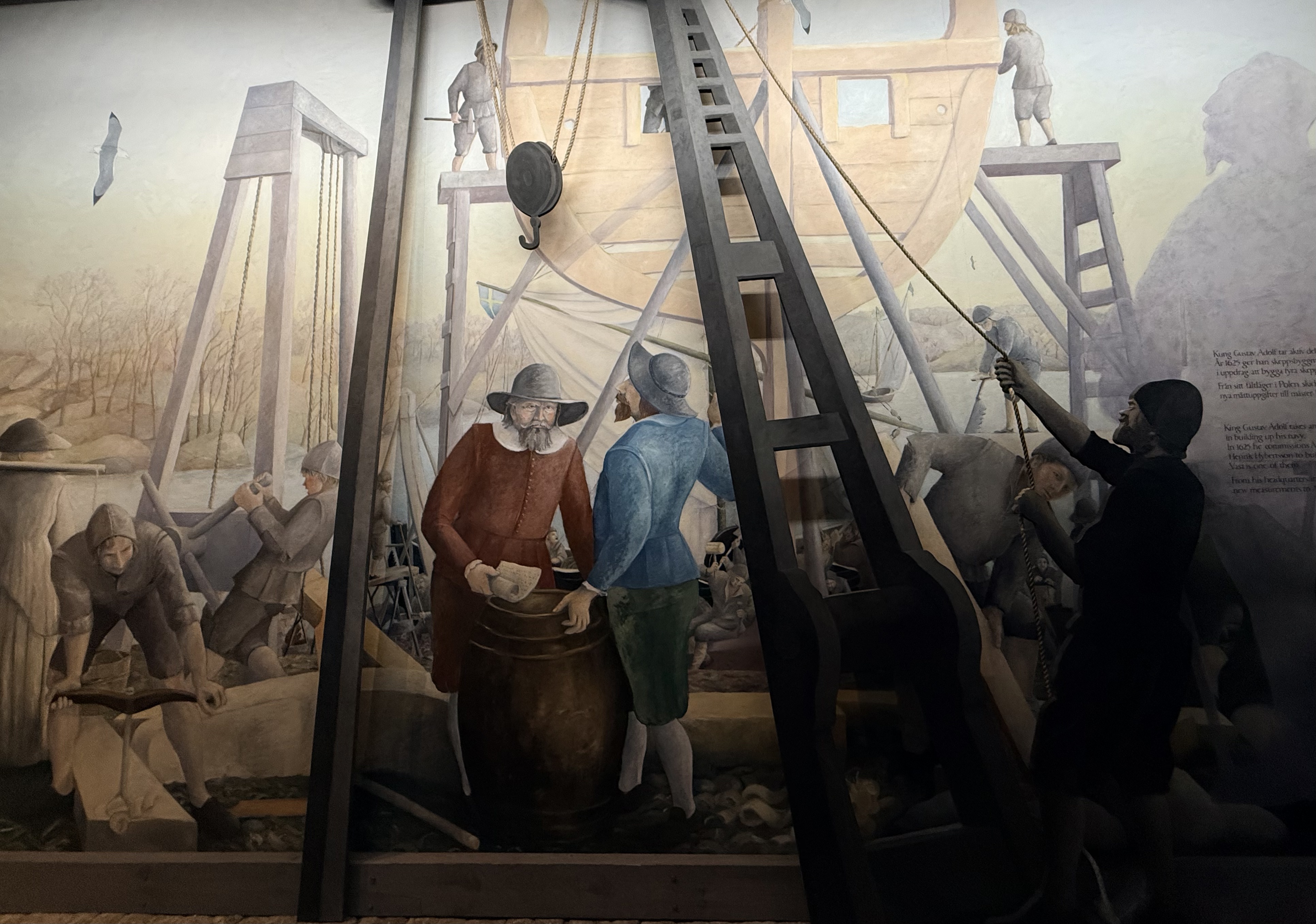
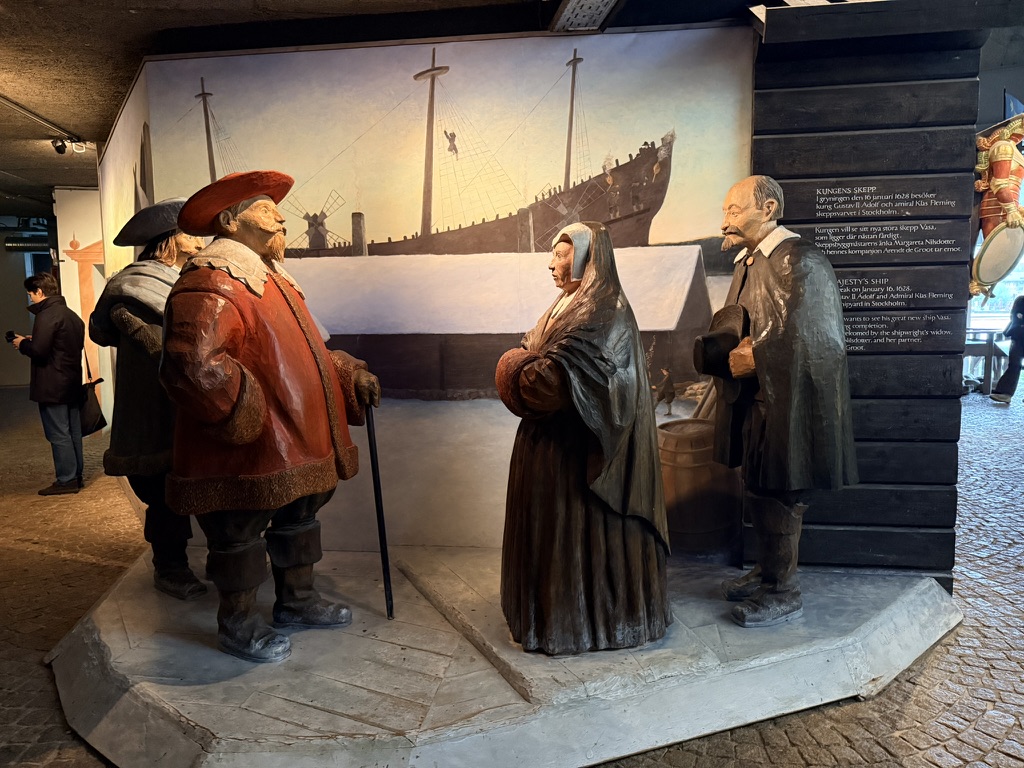
In 1625, King Gustav Adolf commissioned Master Shipwright Henrik Hybertsson to build four ships. Vasa was one of them. On January 6, 1628 King Gustav II & Admiral Klas Fleming visited the shipyard in Stockholm so the King could see his new ship nearing completion.
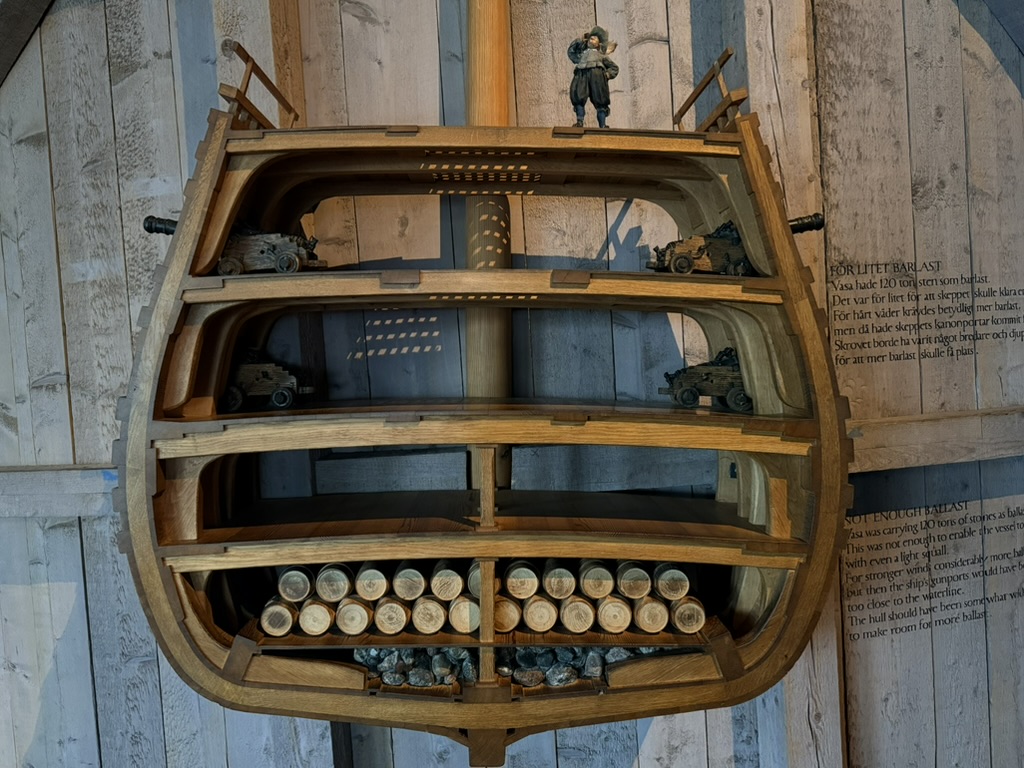
Vasa was carrying 120 tons of stone as ballast. This was not enough to enable the vessel to cope with even a light squall. For stronger winds, considerably more ballast was needed but then the ship’s gun ports would have been too close to the waterline. The hull should have been somewhat wider and deeper to make room for more ballast.
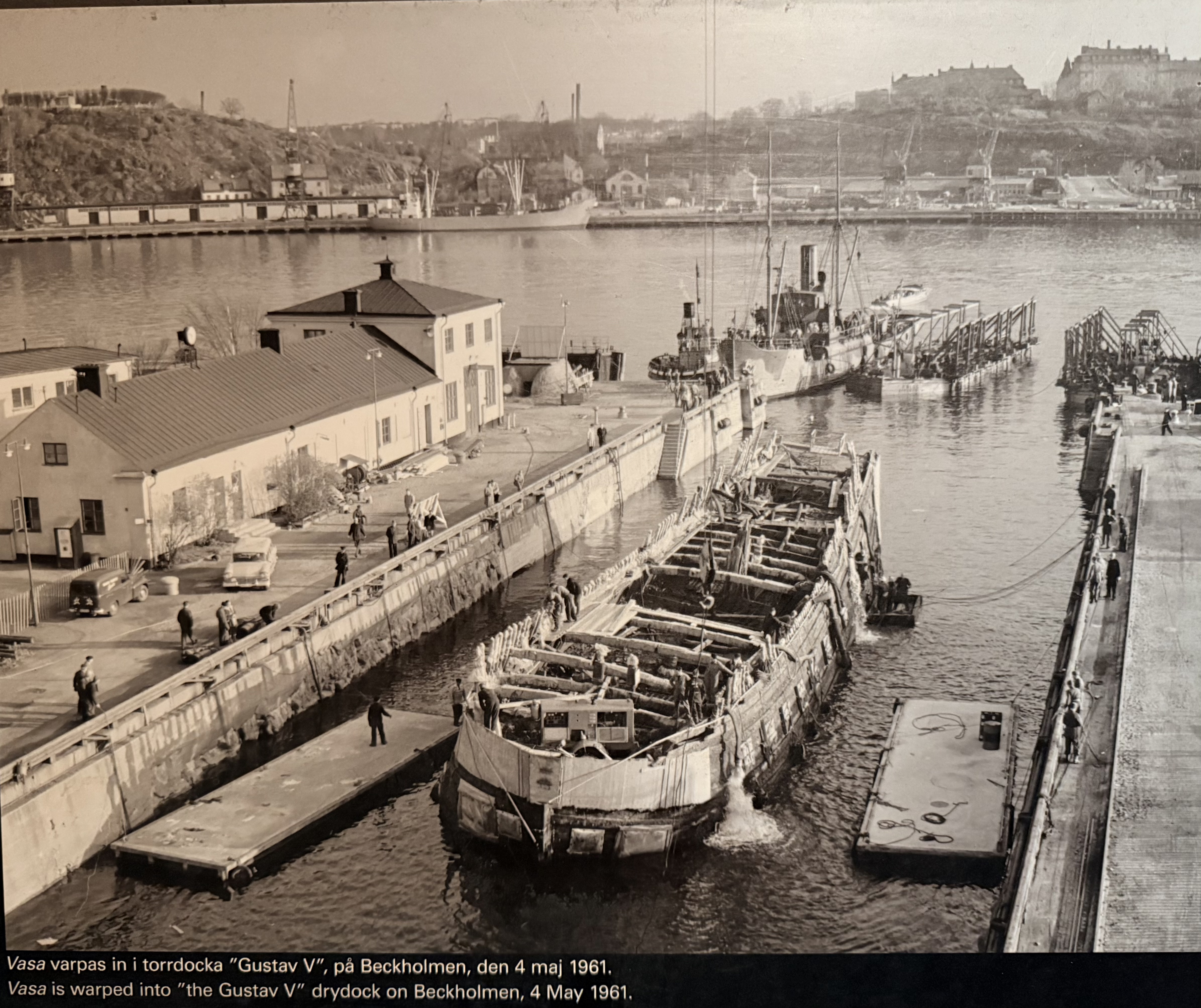
During the afternoon of August 10, 1628, the Vasa was warped along the quays of the Old Town. She made sail in a light breeze. After another squall, she began to list heavily and to take in water through the gun ports. Off the island of Beckholmen, the ship capsized.
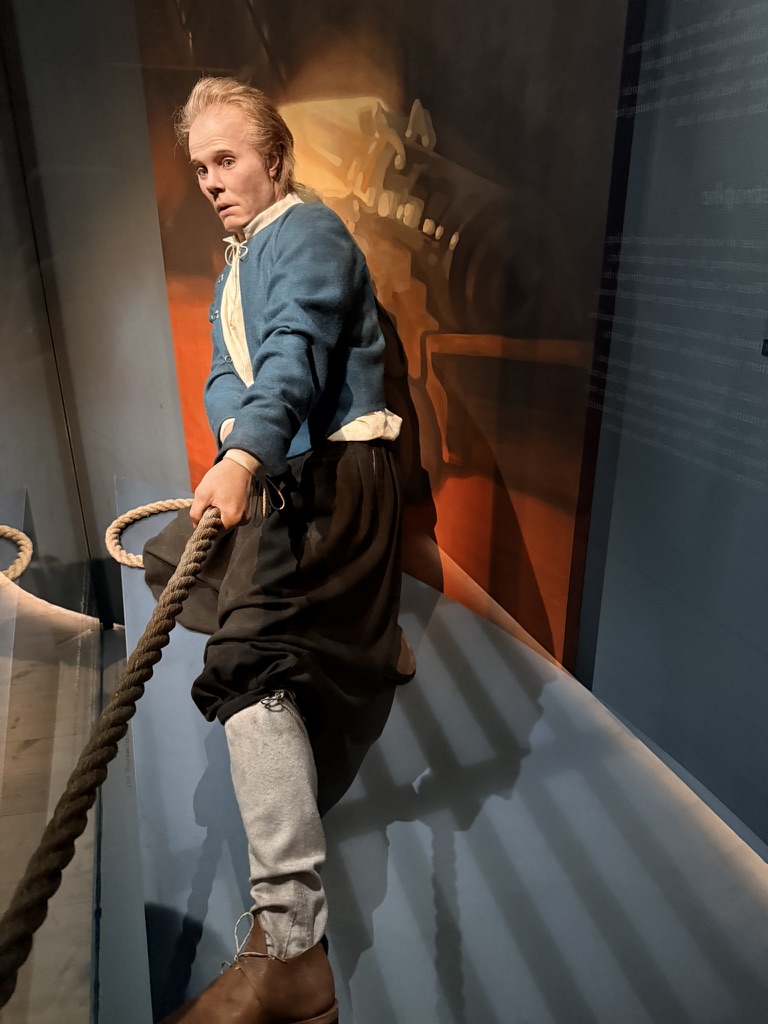
All it took was a gust of wind for Vasa to start heeling. The crew did everything they could to right the ship, but they failed. Water was already pouring in through the gun ports and the list was getting worse and worse. Most of the people on board managed to save themselves, but some thirty people followed Vasa into the depths.
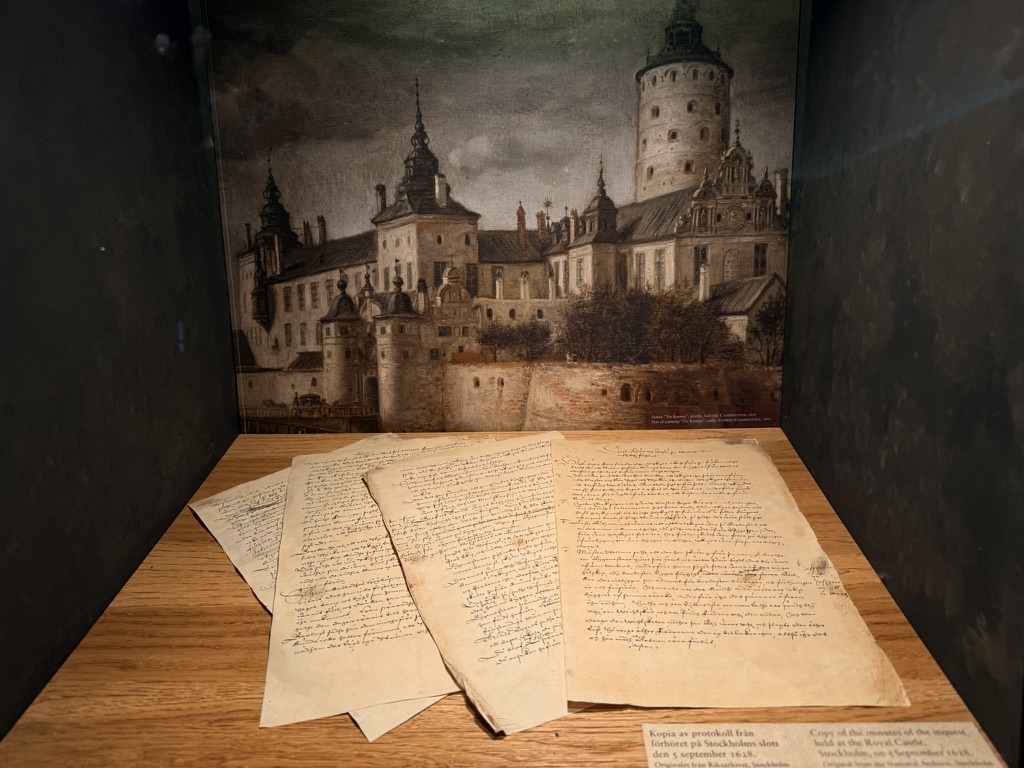
A month after the catastrophe, seven men from the Vasa and the shipyard were summoned to a major inquest. The court comprised six of the King’s Councillors, a Mayor of Stockholm, the captain of the Vasa and nine others. The inquest disclosed information that was very compromising for three men not present – the King and Admiral Fleming, who were in Poland, and Henrik Hybertsson, the Master Shipwright, now dead. No verdict has been found in the archives.
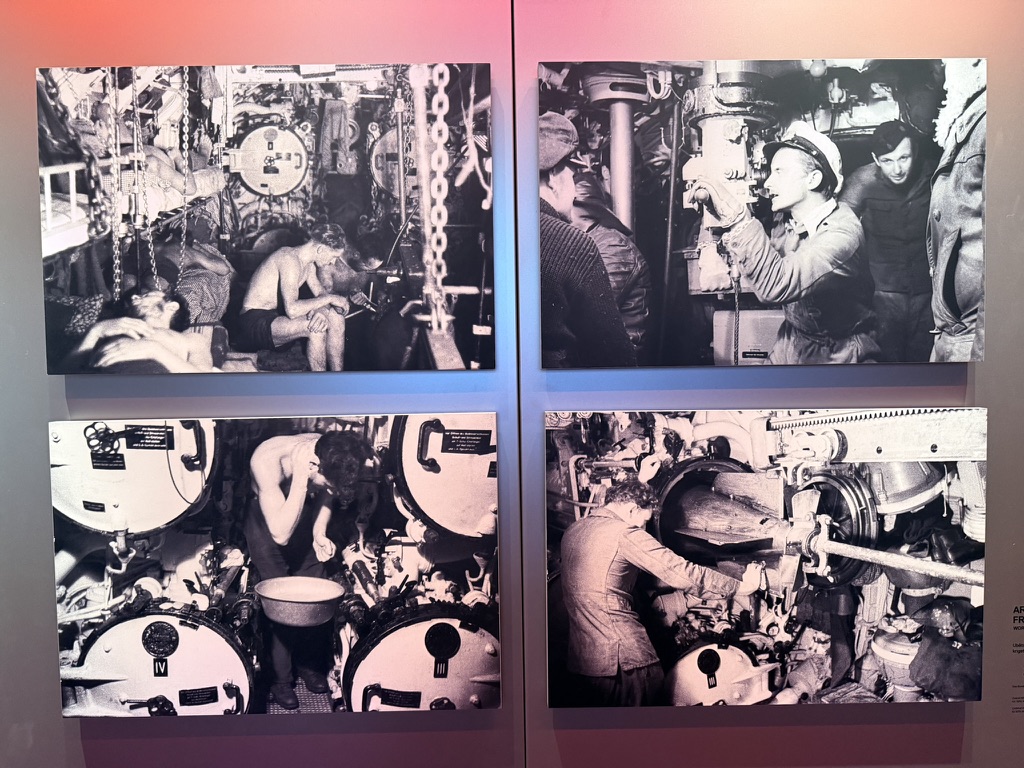
After 333 years, the ship was salvaged. Archeologists found the remains, clothing and belongings of about half of those who died.
Vrak – Museum of Wrecks
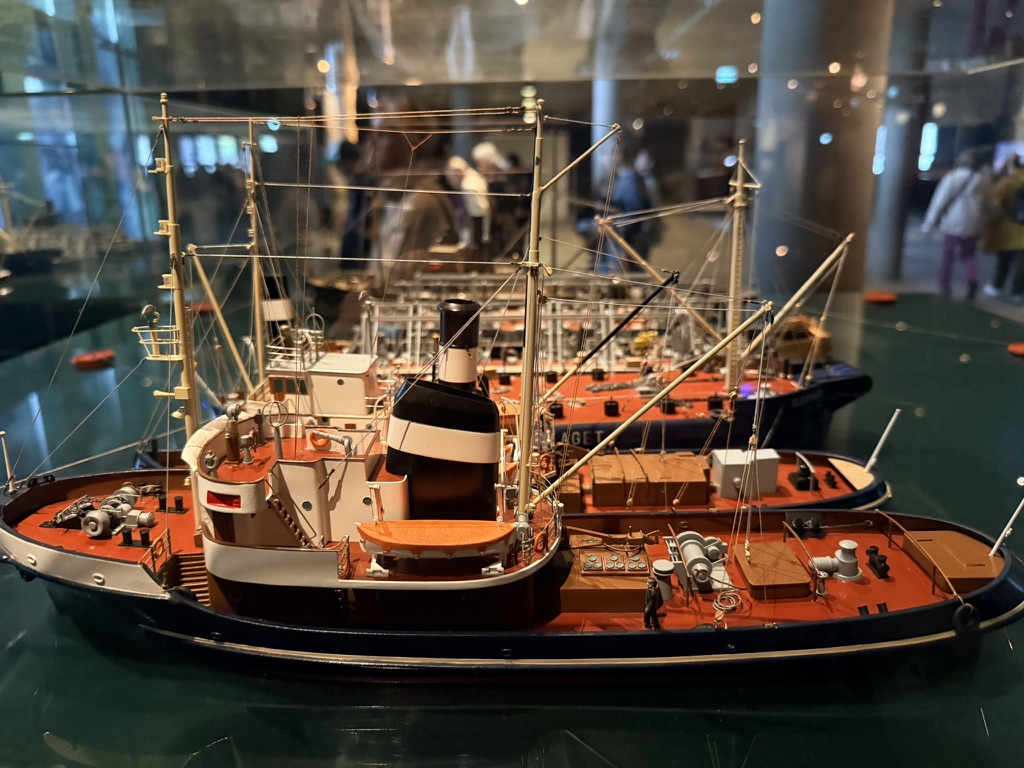
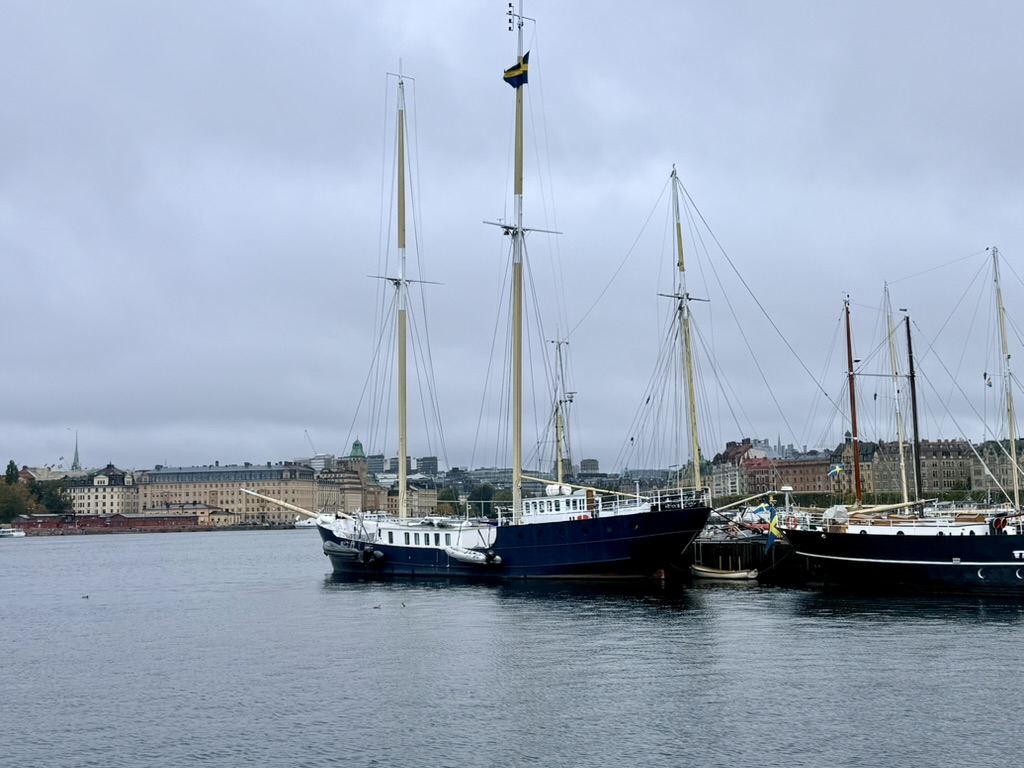
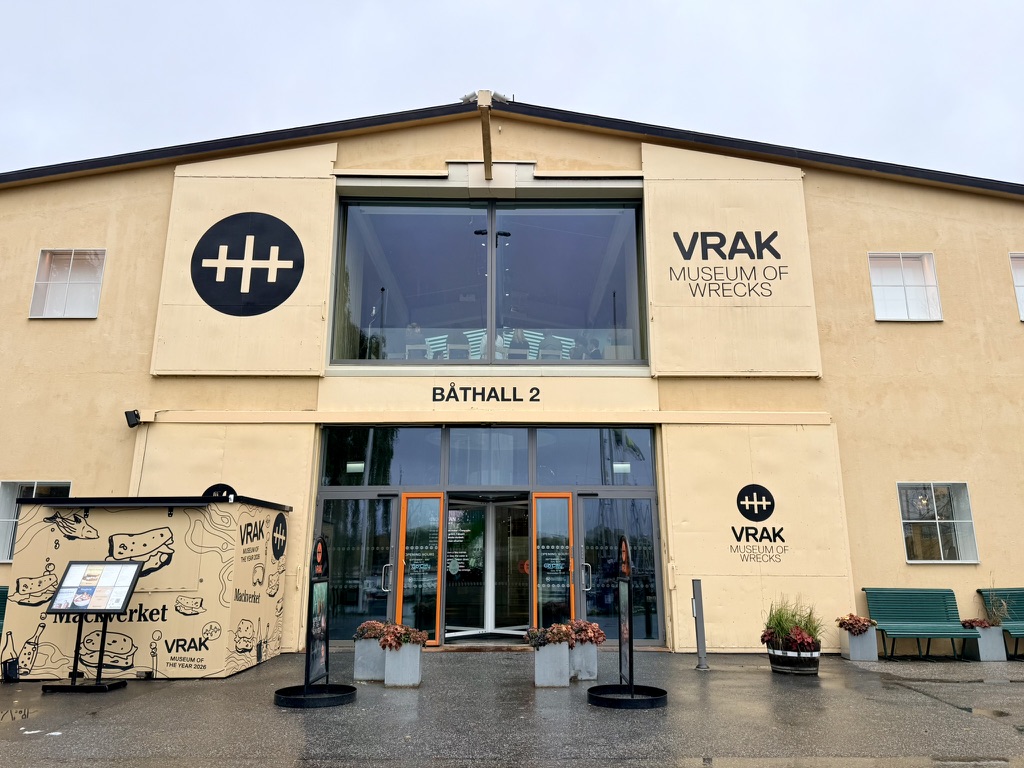
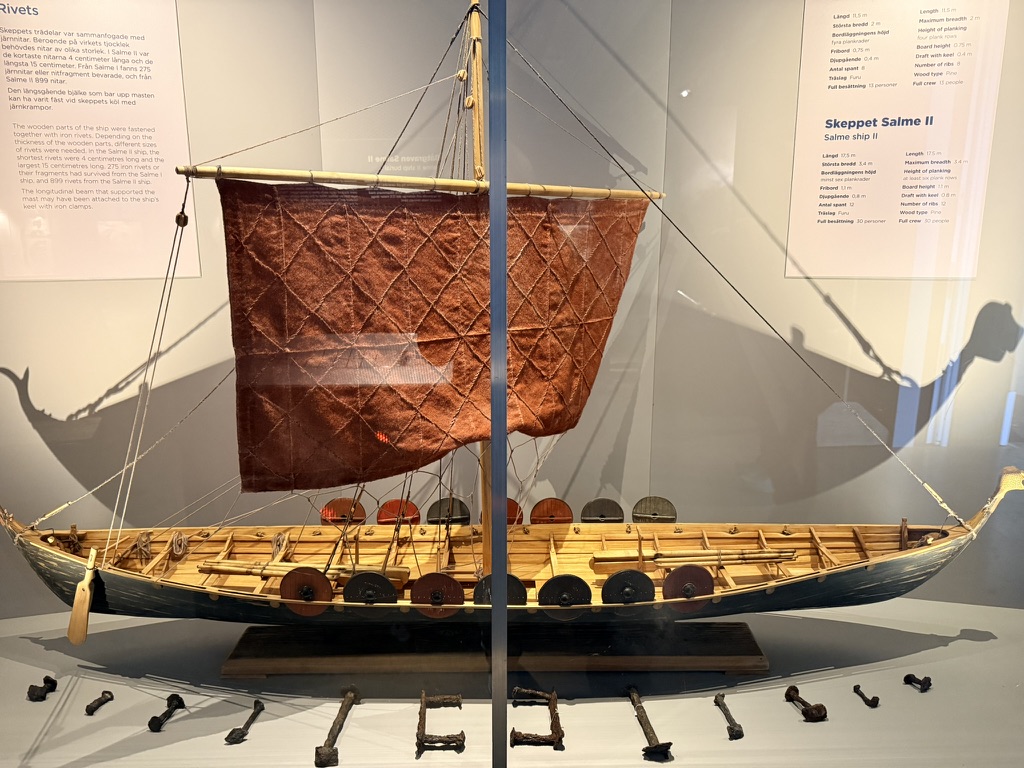
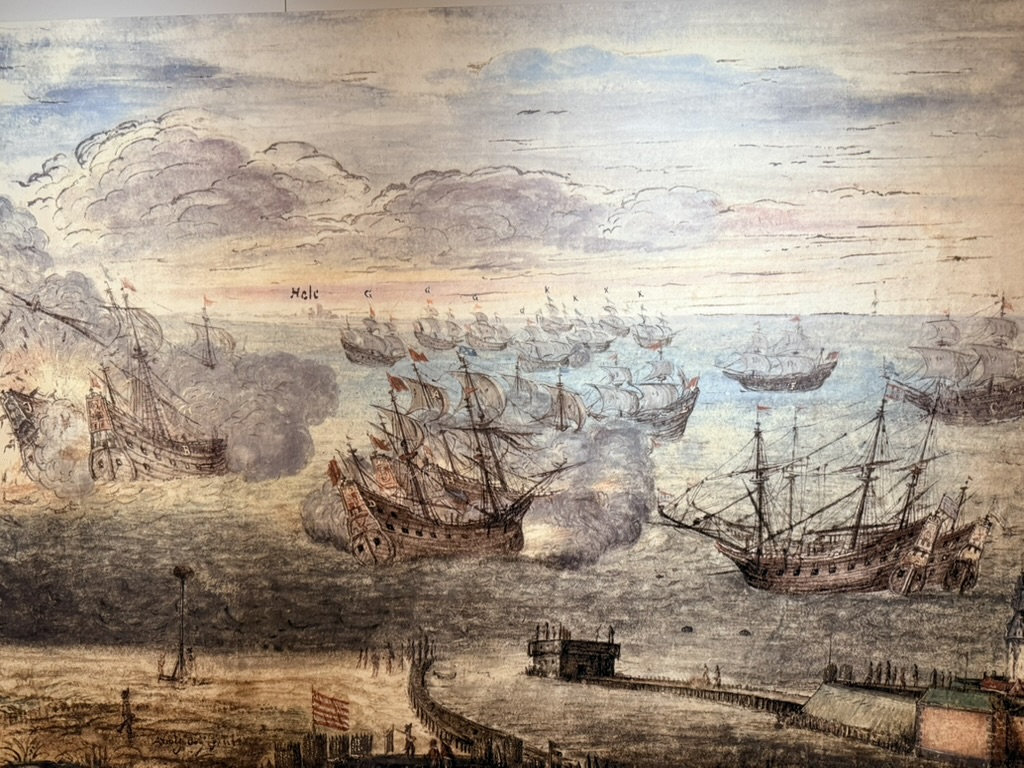
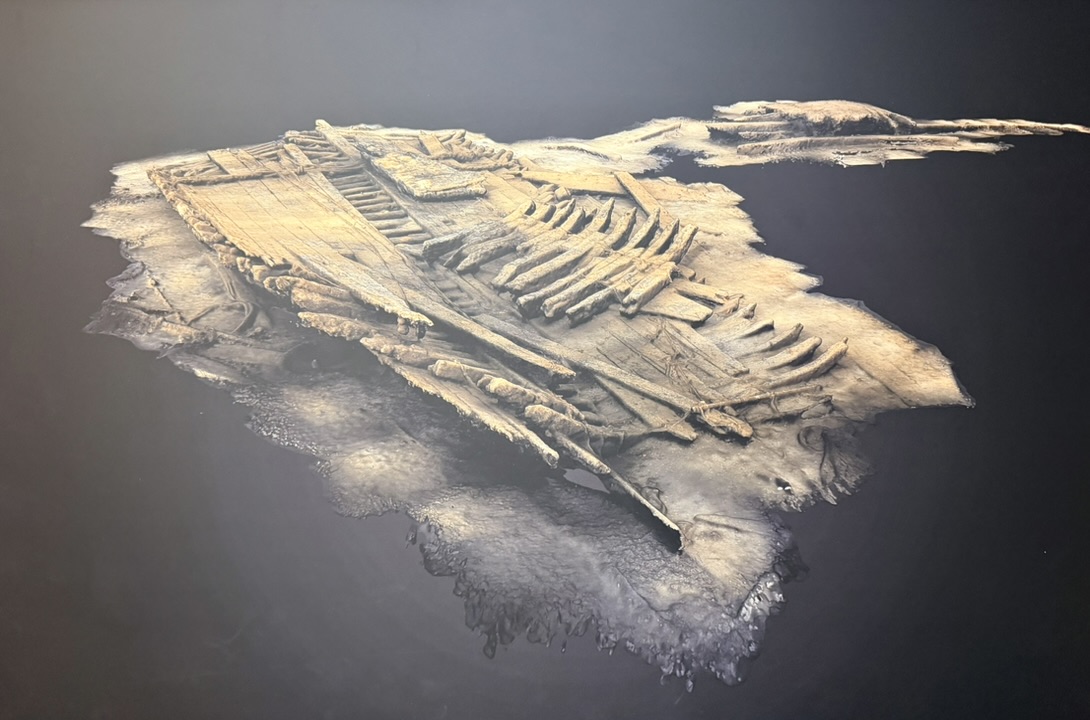
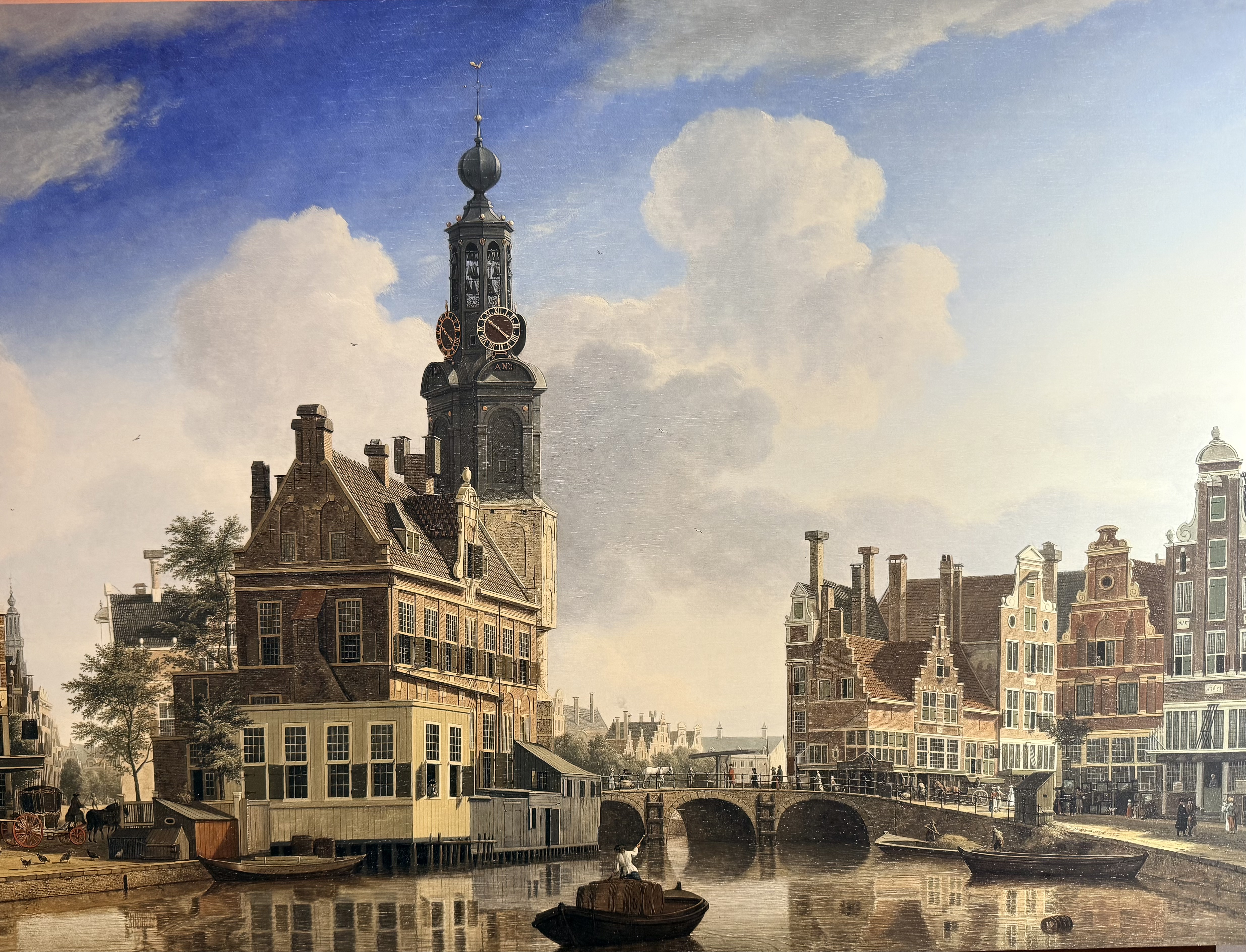
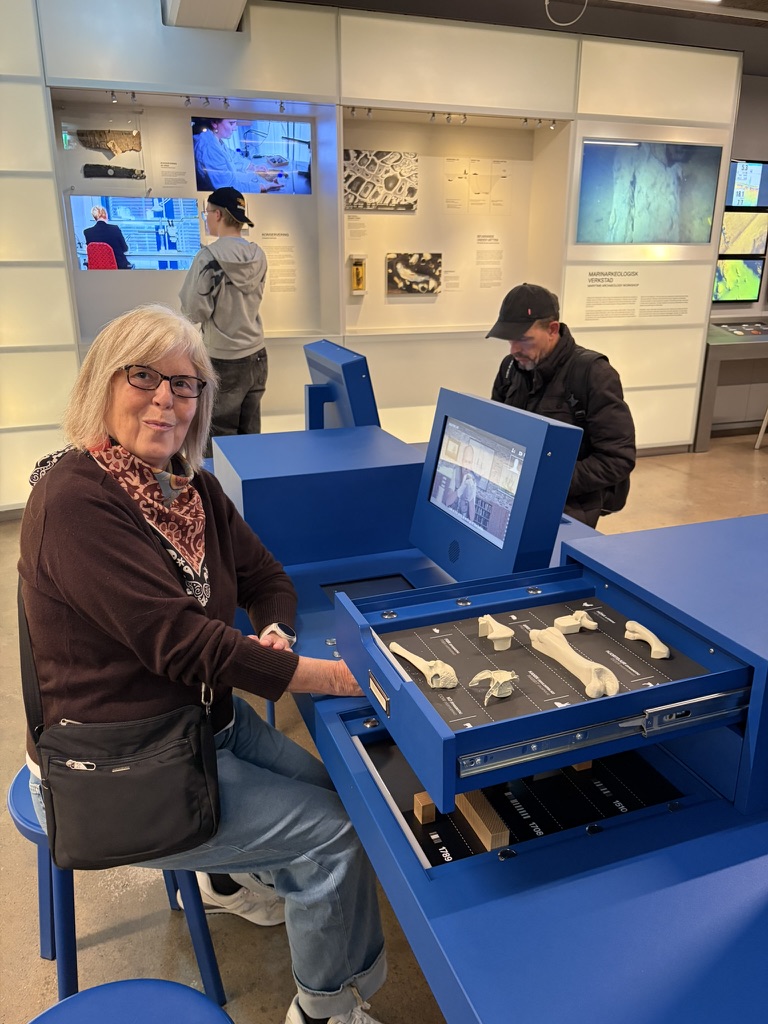
The Vrak – Museum of Wrecks, the Vasa Museum’s sister museum, explains the world of marine archeology. It won Museum of the Year 2026 because of its innovative and community-centered way of working. The Baltic Sea has low salinity which helps to preserve wooden shipwrecks. There are exhibitions about various classic wrecks around the Baltic, including the ferry Estonia, which sank in 1994.
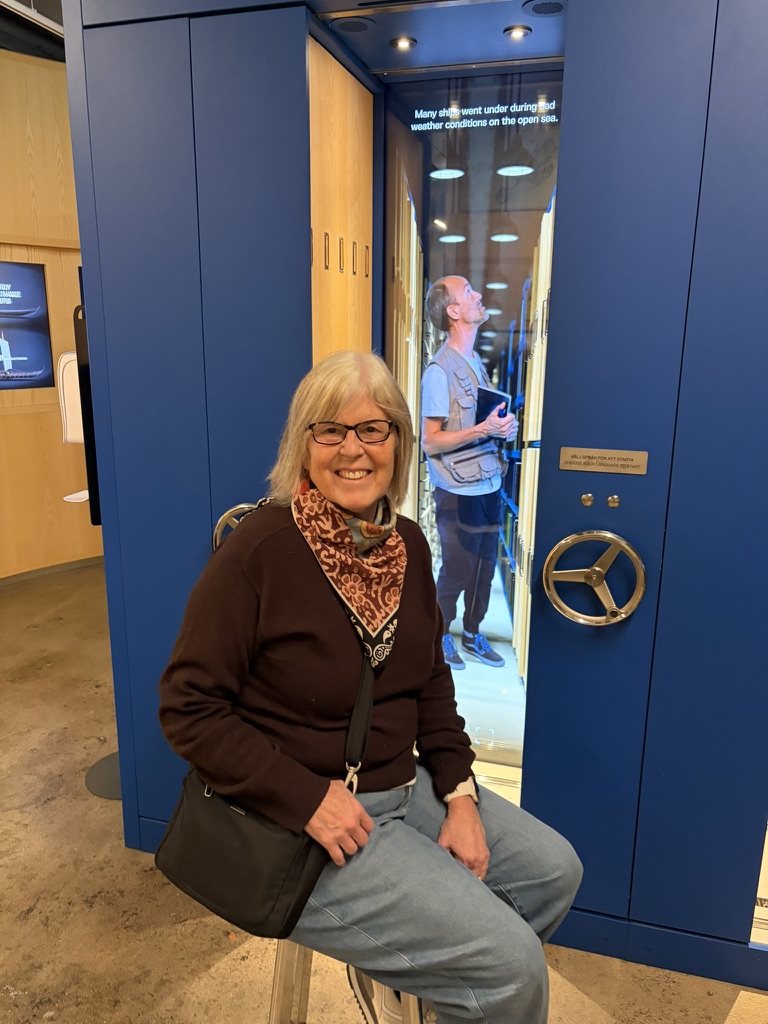
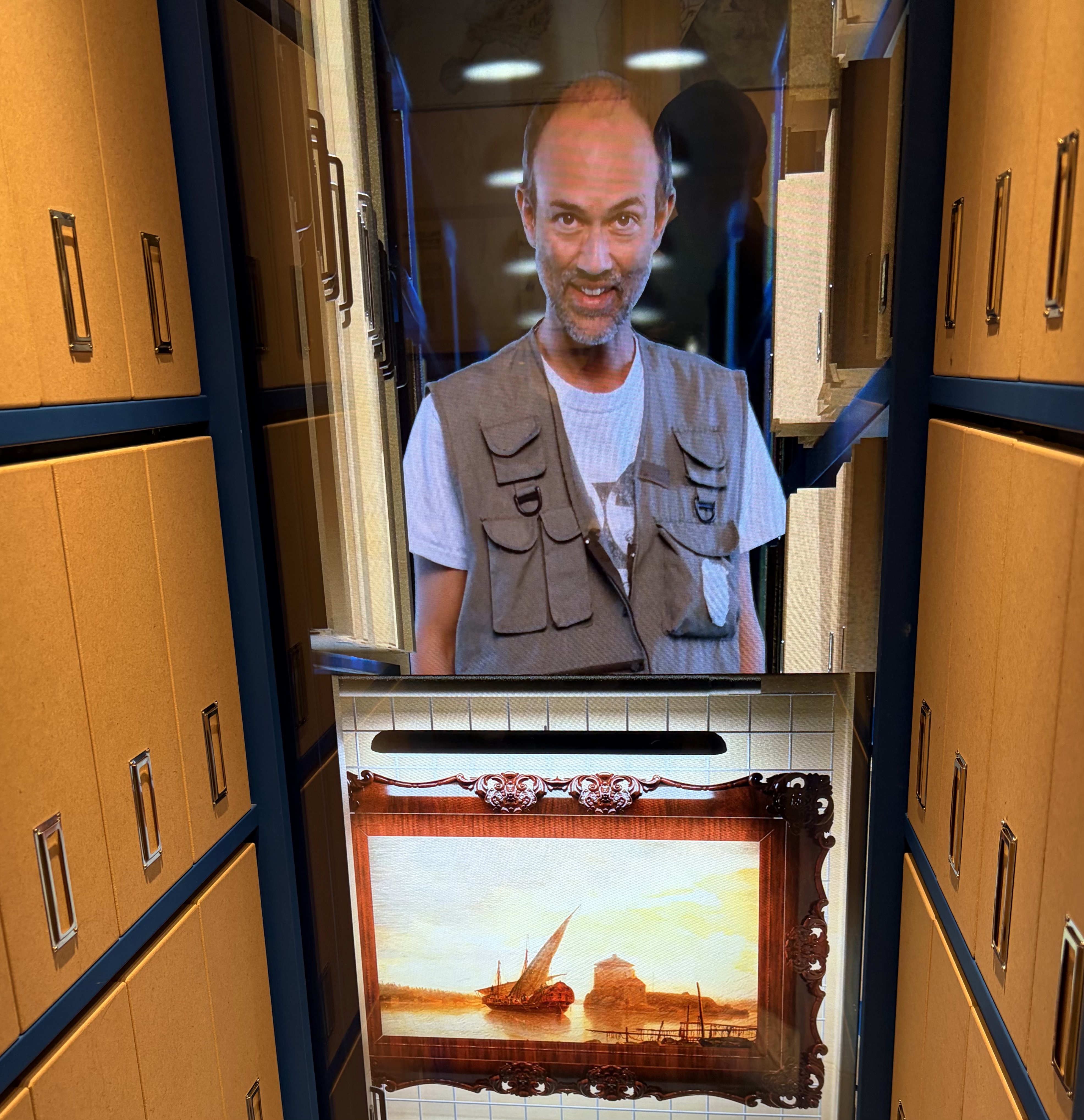
We had fun with some of the interactive exhibits where we had to try to identify the ship based on bones and artefacts. Once the dating of those items was complete, a hologram of a scientist walked us through the archives of shipwrecks during that time period to try to identify the wreck. It was fascinating to learn about how marine archeologists match shipwrecks with historical logs of ships that have gone down.
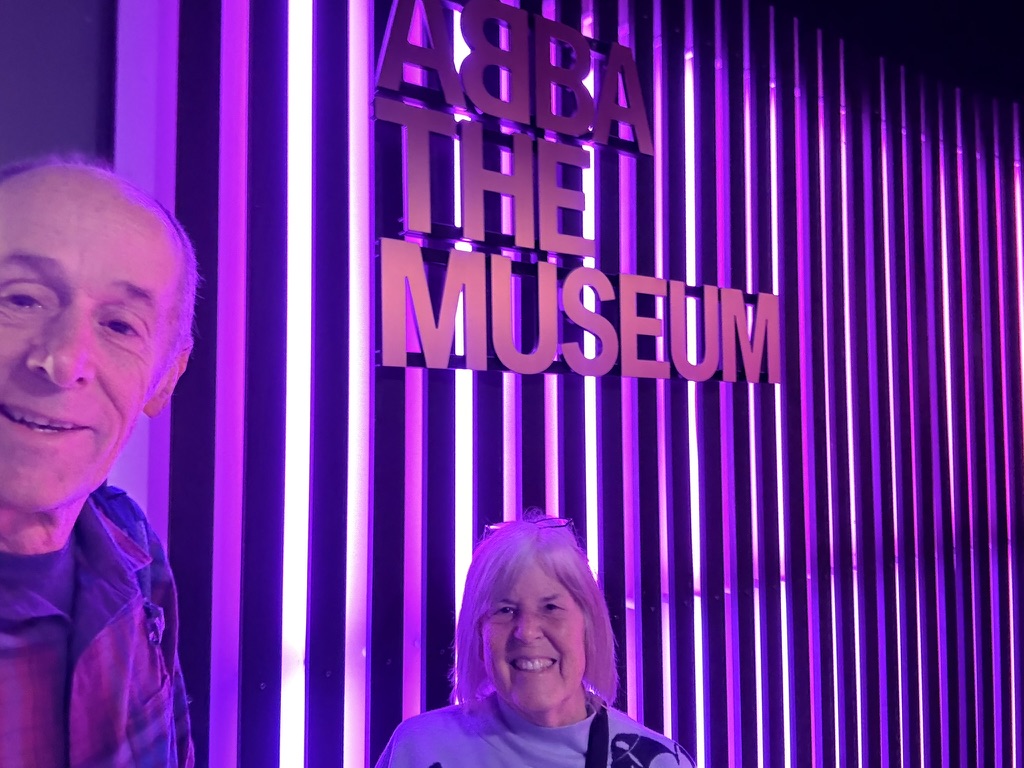
ABBA the Museum
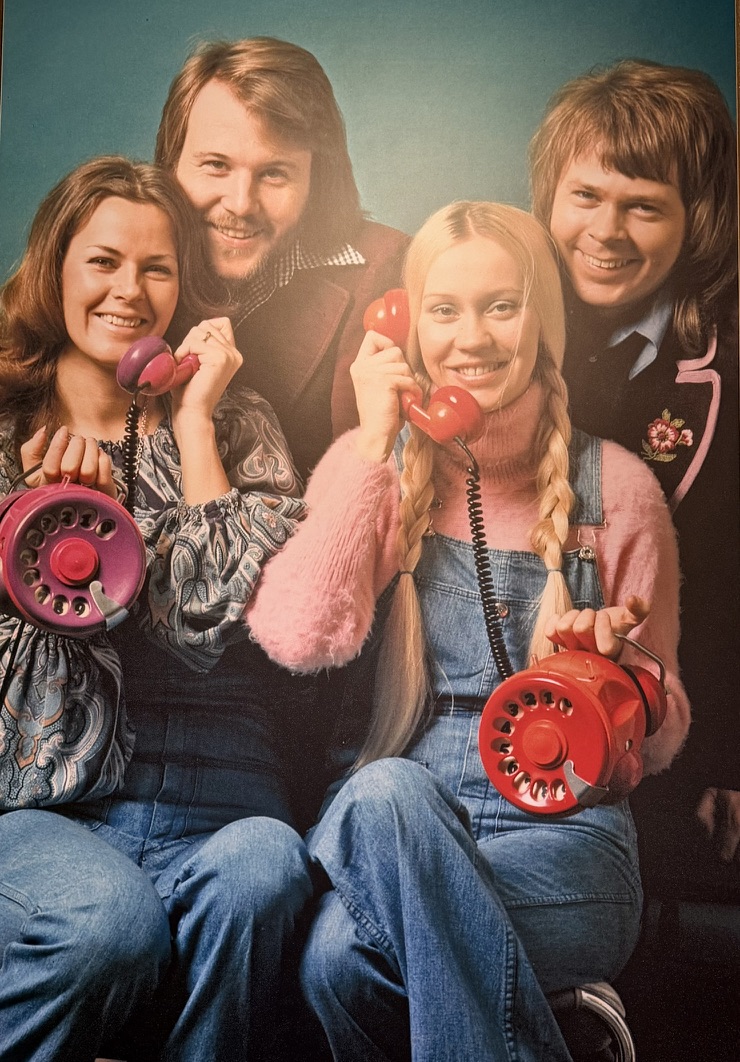
ABBA The Museum is the permanent home for the traveling ABBAWORLD exhibit that toured Europe and Australia in 2009–2011. The exhibition is located in a building near the Gröna Lund theme park on the island of Djurgården.
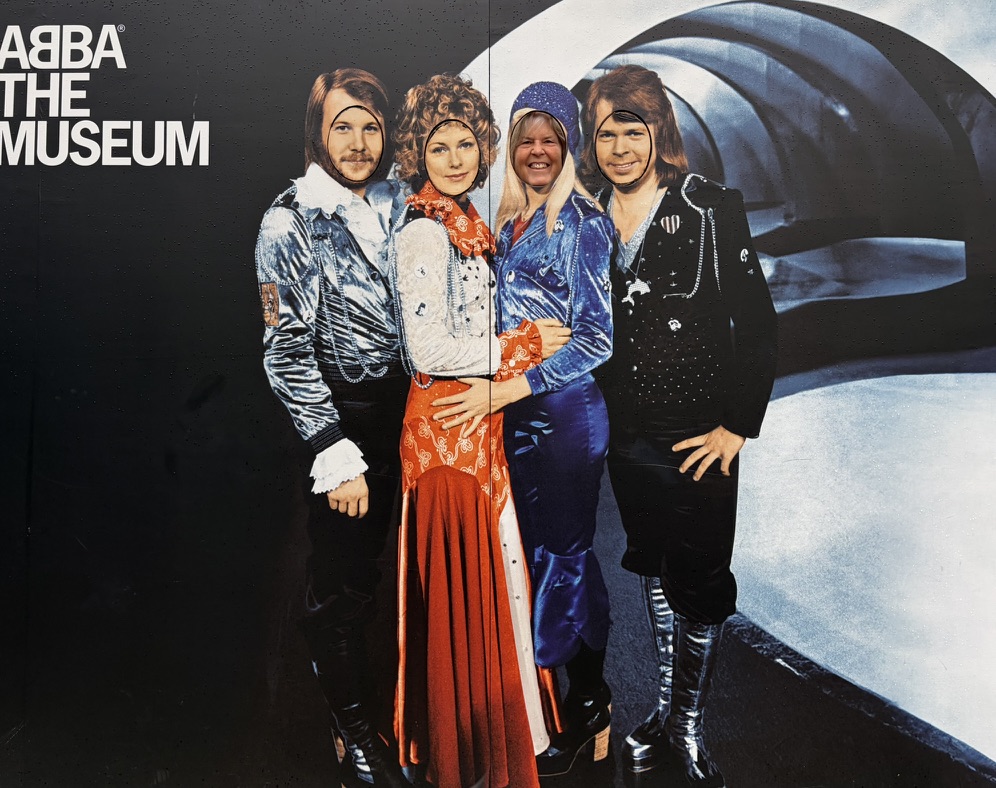
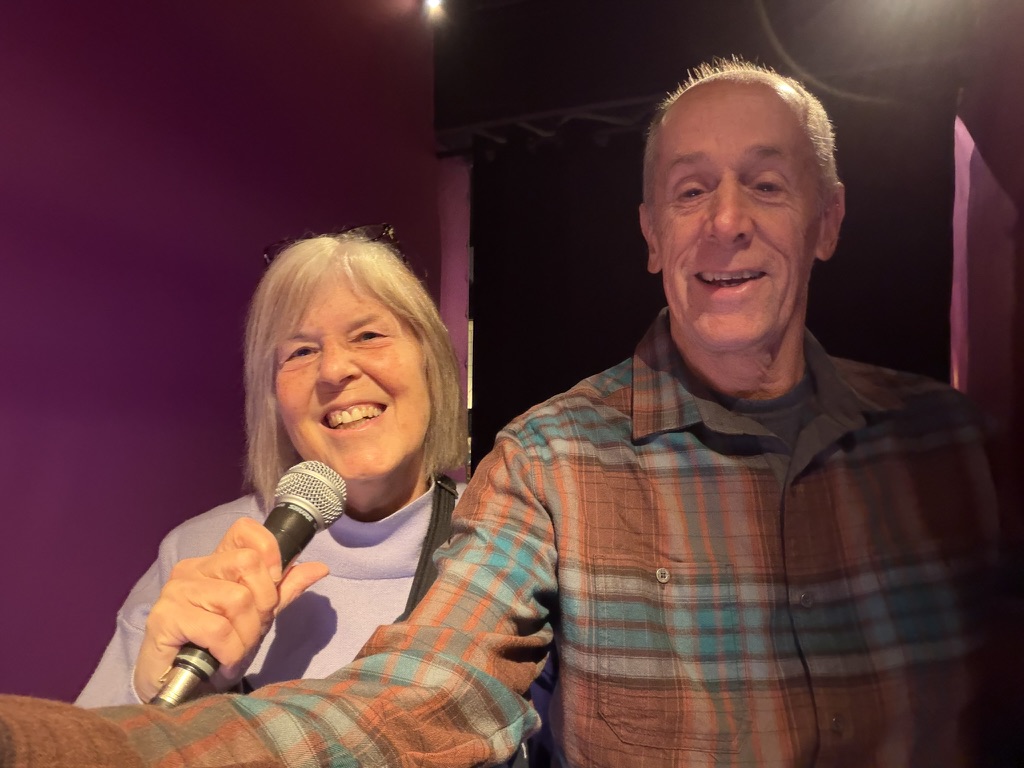
We had so much fun at this museum! It has numerous interactive stations where one can sing karaoke in a sound booth, become a fifth member of ABBA by joining cutouts of the four singers on a stage, and even do silent dancing, wearing headphones blaring ABBA songs while dancing so no one else can hear the music. It looks like you’re crazily dancing to silence. 🙂
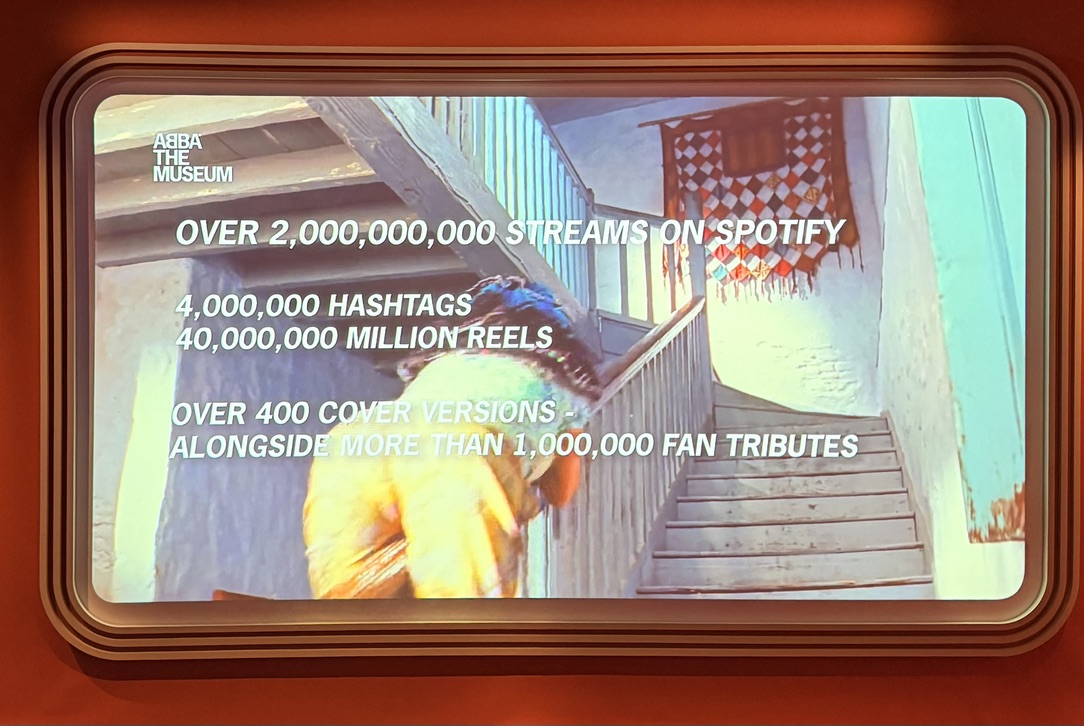
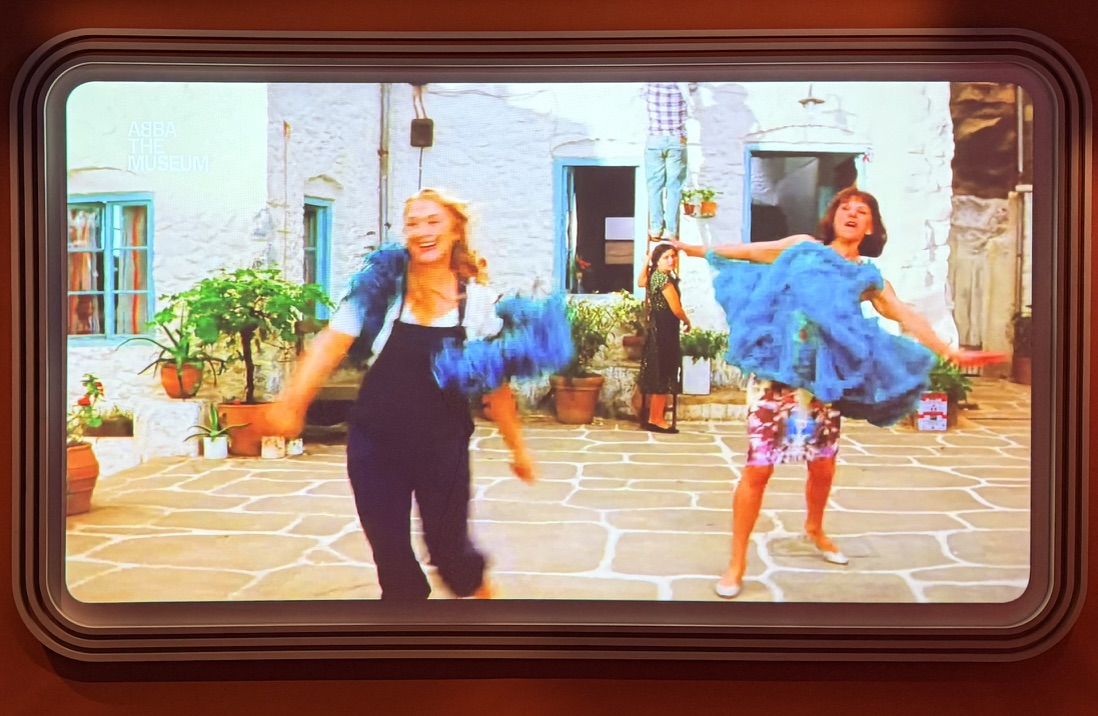
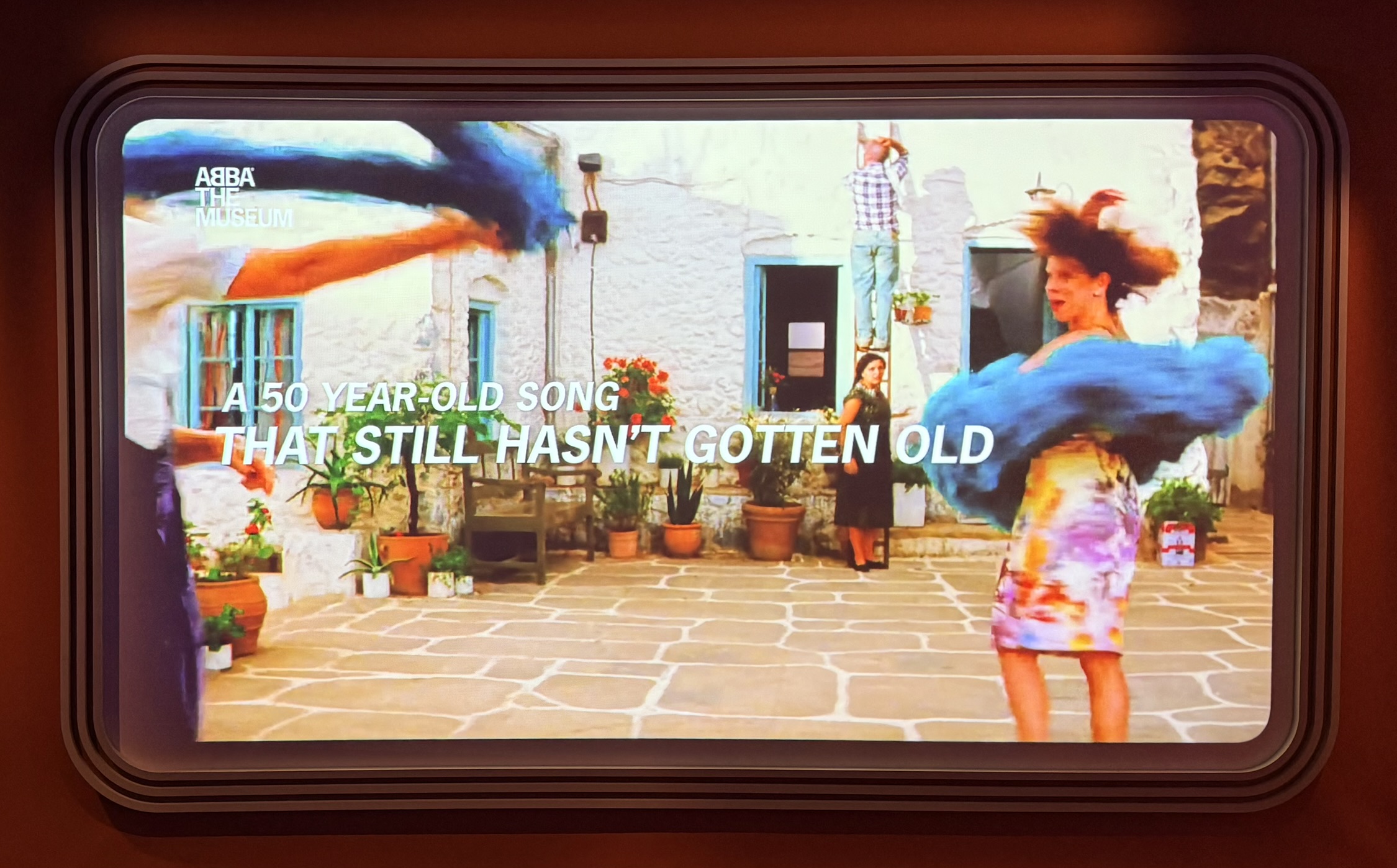
I was never much of an ABBA fan until Mama Mia! came out in 2008 with Meryl Streep and Pierce Brosnan. Since then I have watched the movie countless times and so have practically memorized all the ABBA songs.
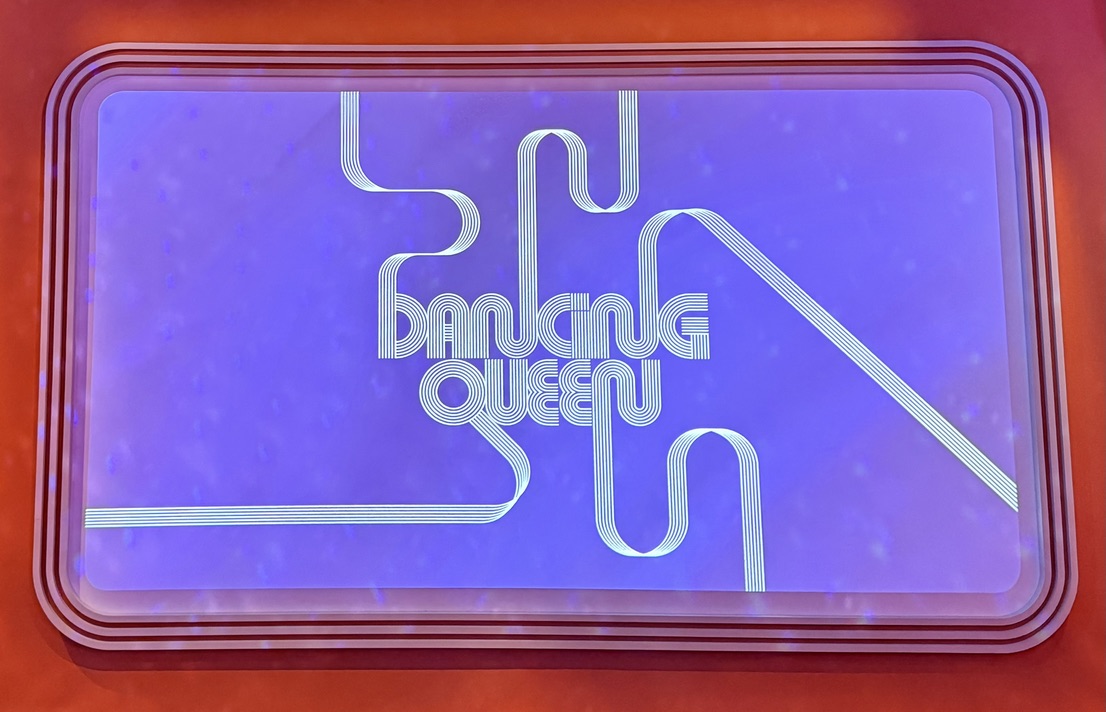
The first room in the museum tells about how ABBA’s backwards B, which adorned all the group’s album covers and official materials since Dancing Queen was released in 1976, came about as the members were joking around during a photo shoot. This became one of the most recognizable logos in music history. The typeface was eventually set in News Gothic Bold, with the first B reversed to face the first A.
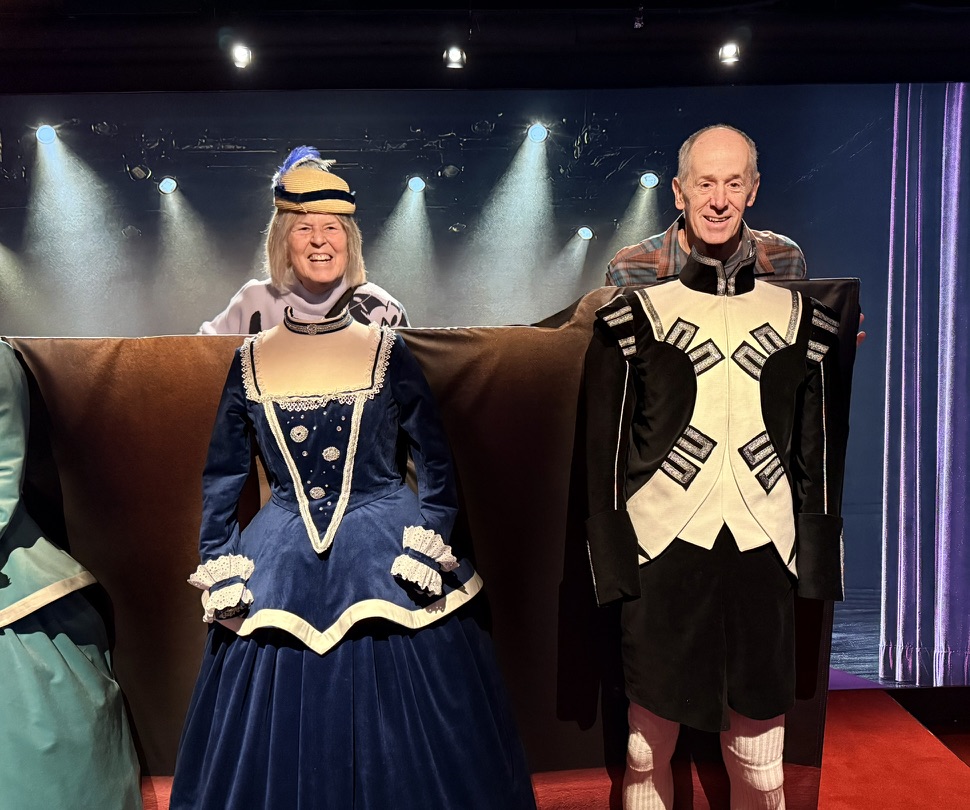
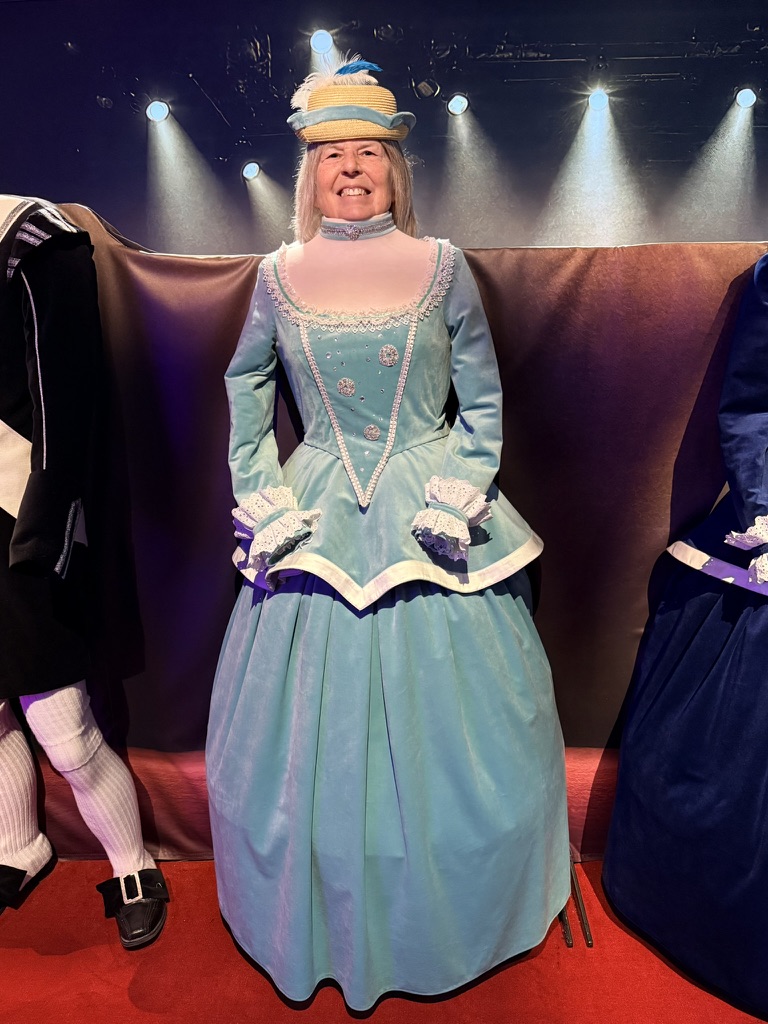
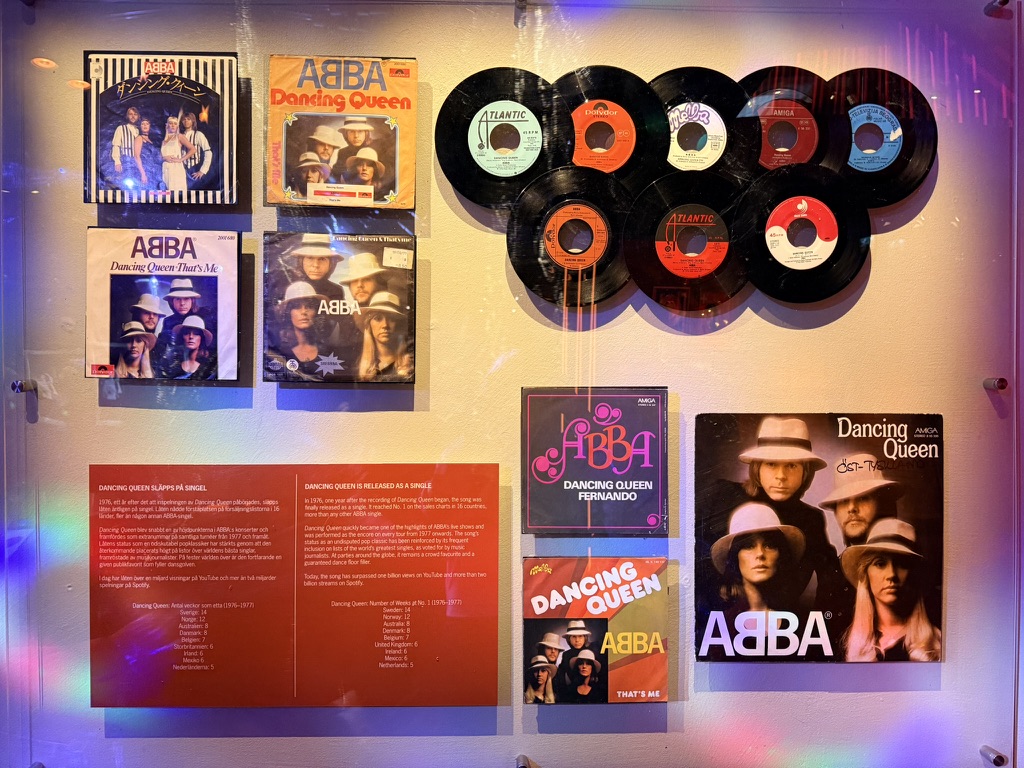
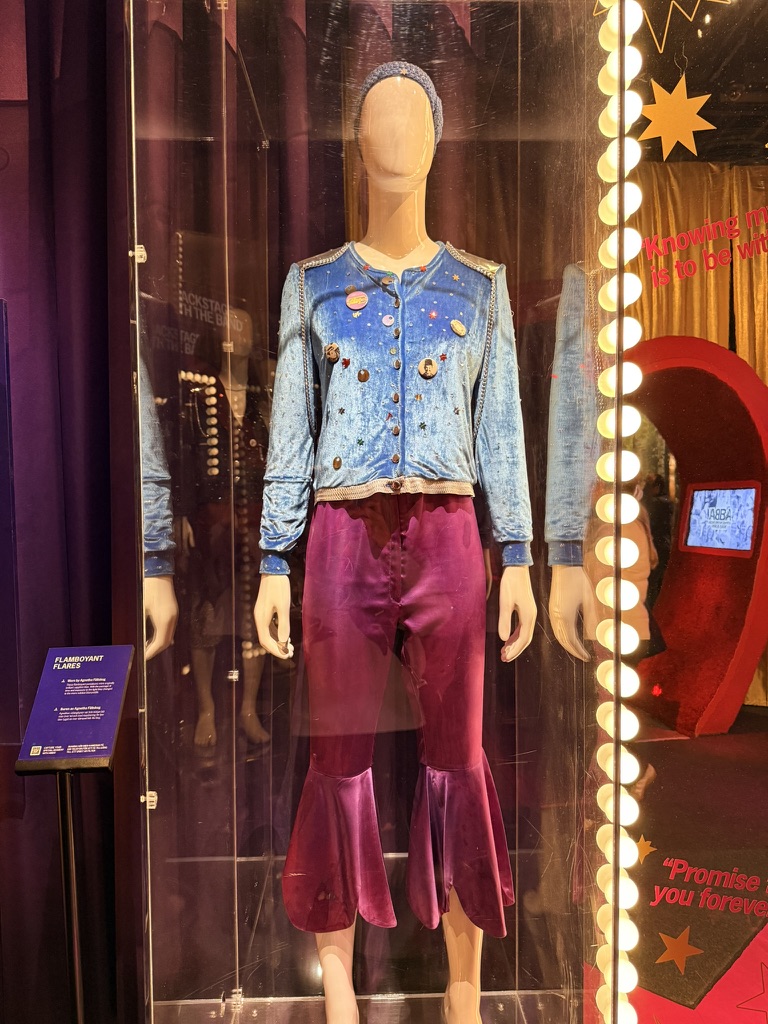
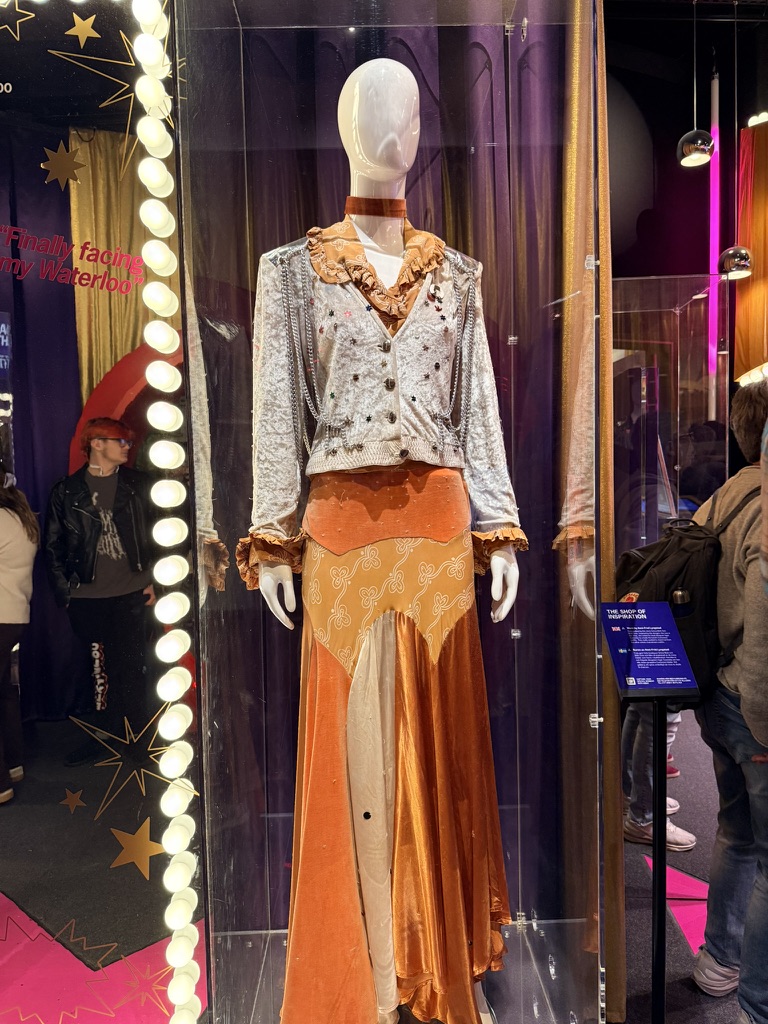
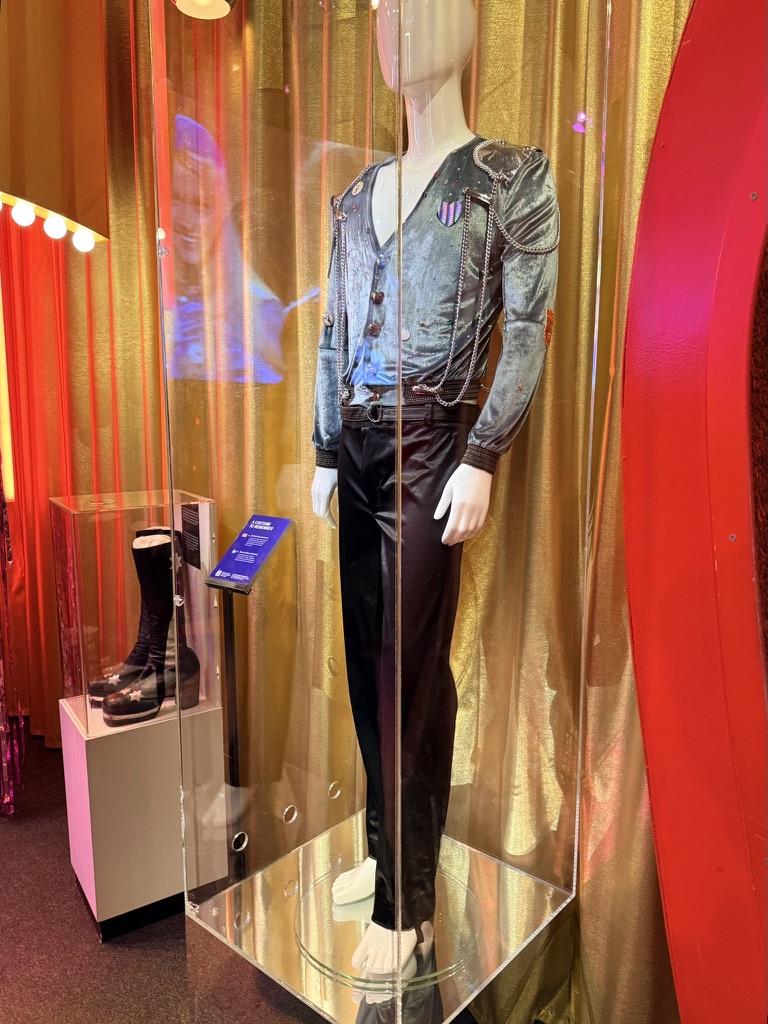
The costumes from the gala performance at the Royal Opera on 18 June 1976 were set up so people could have pictures taken “wearing” them. Also, there is an exhibit about “Dancing Queen,” which was released as a single in Sweden in August 1976, followed by a UK release and the rest of Europe. It became a worldwide hit, and is widely considered to be the band’s signature song. It became ABBA’s only number-one hit in the United States and topped the charts of 15 other countries, entering the top five in various others. In 2015, the song was inducted into the Grammy Hall of Fame.
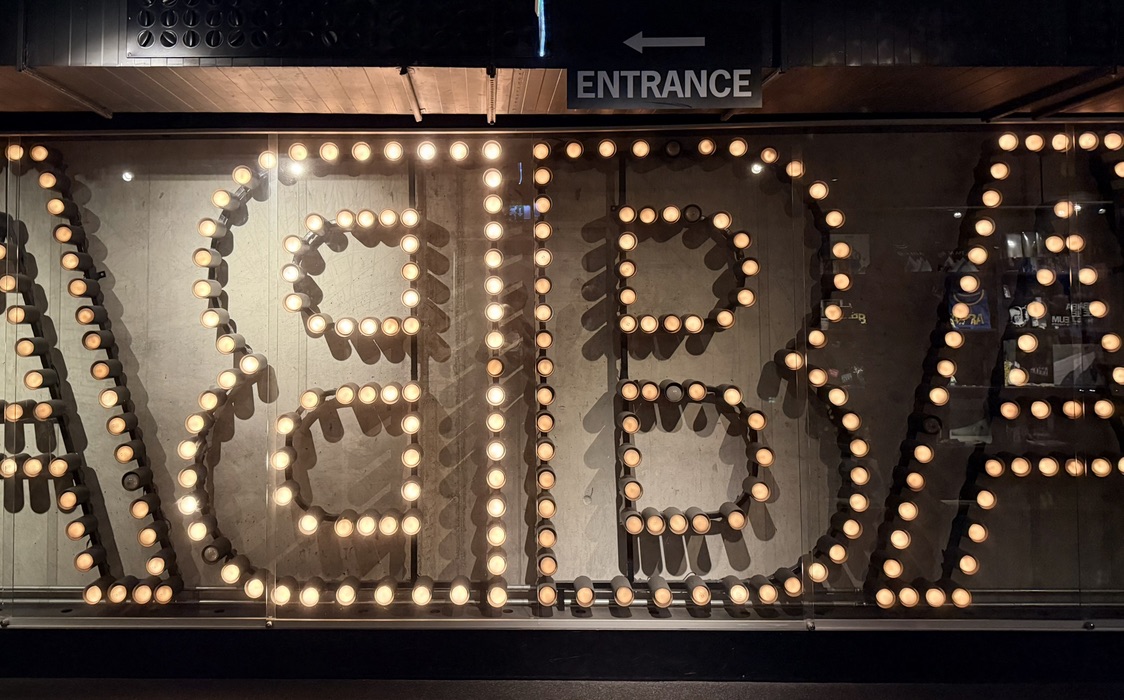
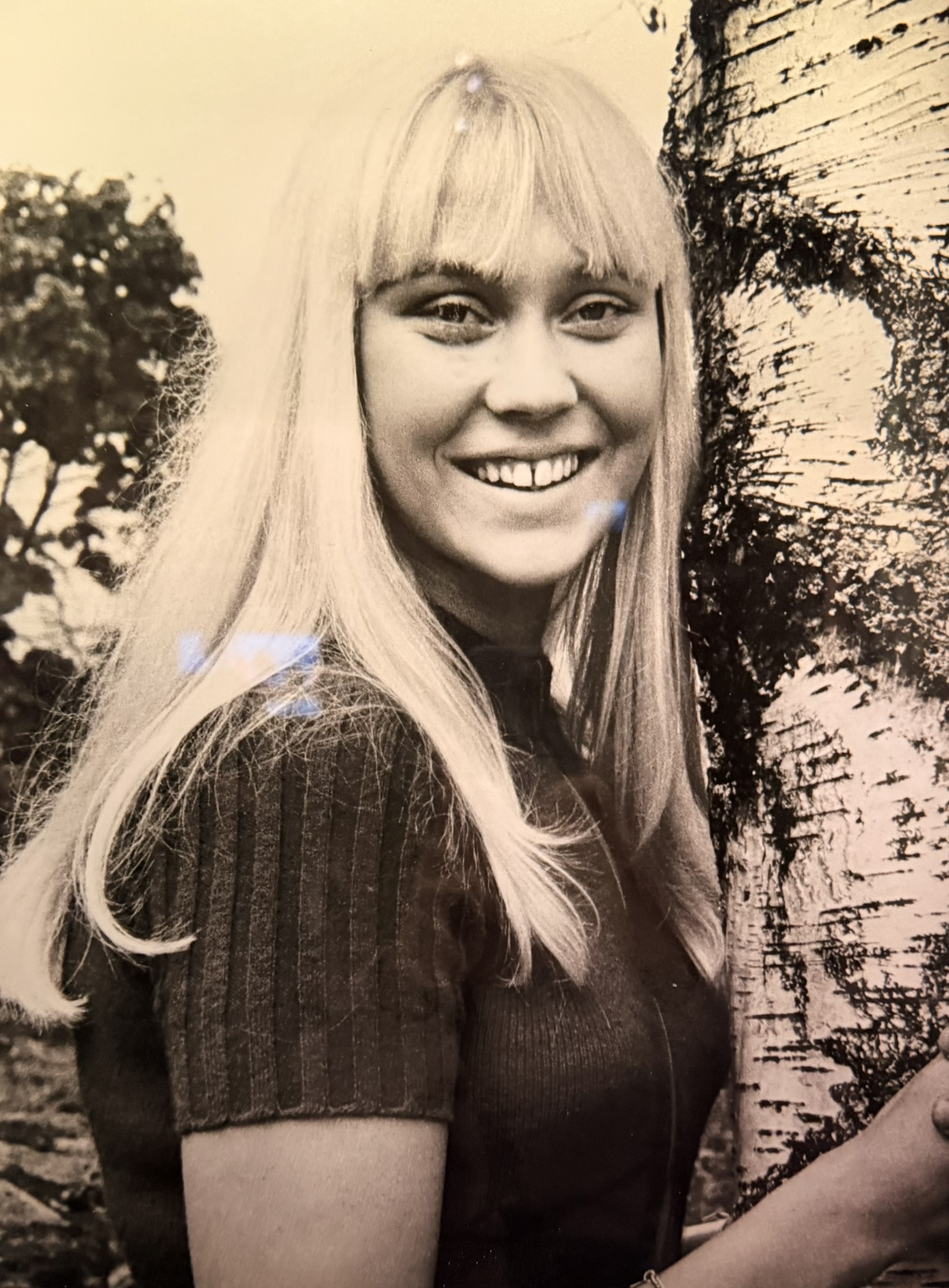
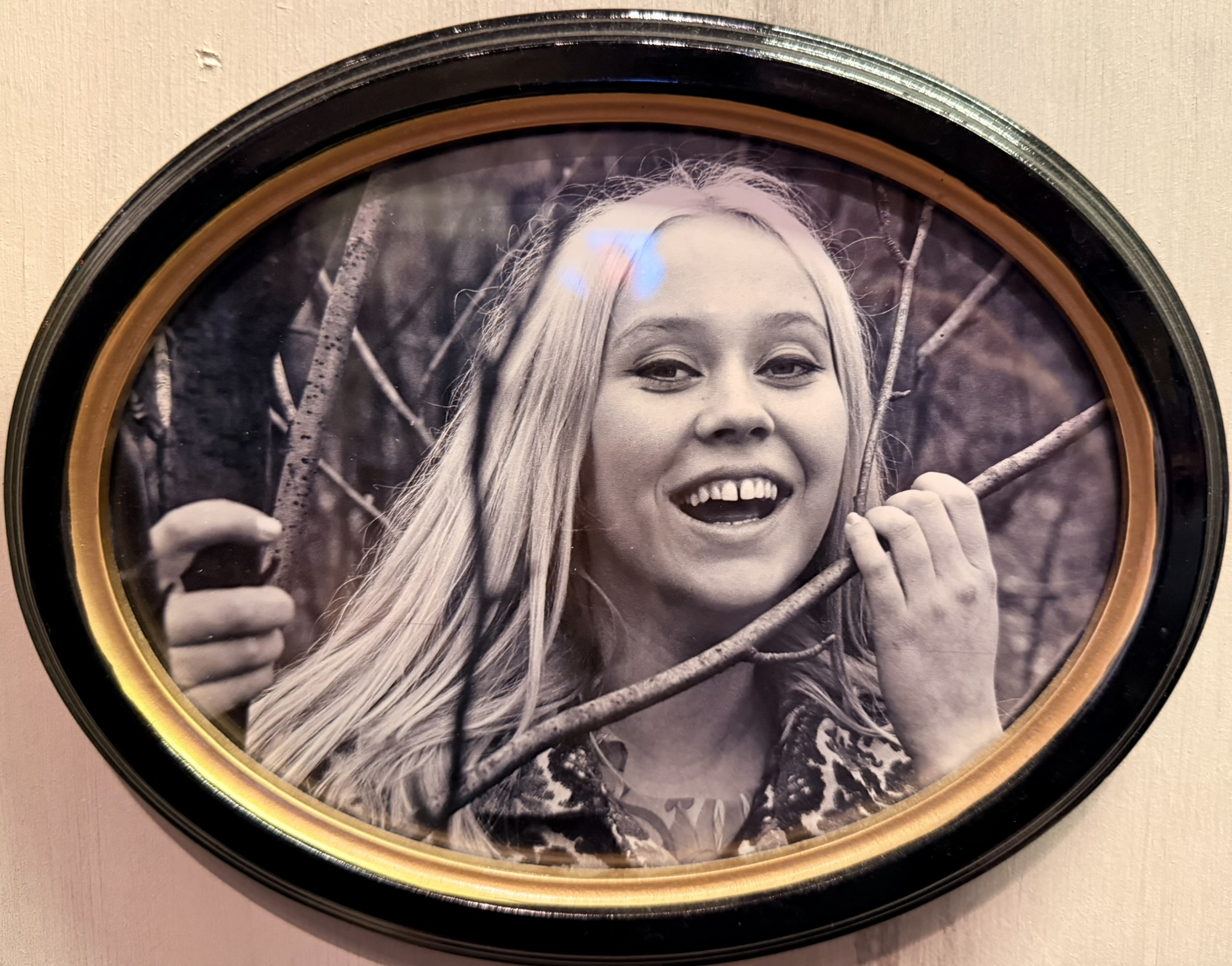
One room tells of the backgrounds of each of the four band members.
- Agnetha Åse Fältskog was born in April 1950. There was always music in her home, so she began playing the piano as a five-year-old. Only a year later, she wrote her first song. As a teenager, she became the singer in a dance band called Bernt Enghardts, but only a year later, she got the chance as a solo artist. A record company signed the 17-year-old and her first single, “Jag var sä kär,” was a number one hit on the charts.
- Björn Kristian Ulvaeus was born in April 1945 in Gothenburg. At the age of 13, Björn had to learn to play guitar so he could join his cousin Joen’s skiffle group. A few years later he became a member of the West Bay Singers, which played folk songs. In 1963, they were discovered and were quickly signed. The band was given a new name: the Hootenanny Singers.
- Frida, or Anni-Frid Synni Lyngstad was born in November 1945 but lost her mother early and was raised by her grandmother. She said she didn’t start singing – she was always singing! As a teenager she began singing in a dance band. With her husband Ragnar, she had a son named Hans and a daughter named Lise-Lotte. Frida achieved her major breakthrough in a talent contest at the Skansen park September 3, followed with a popular TV show the same evening.
- Benny, or Göran Bror Benny Andersson was born in Stockholm in December 1946. He was a small child when he began playing music: first on the accordion, with his father and grandfather. When Benny received money from his grandparents, his mother bought him a piano. He and a friend got a gig at a resort hotel where he entertained American tourists for a month each summer, helping him realize he could make money as a musician. His life changed forever when singer Svenne Hedlund called him and asked if he wanted to join the Hep Stars.
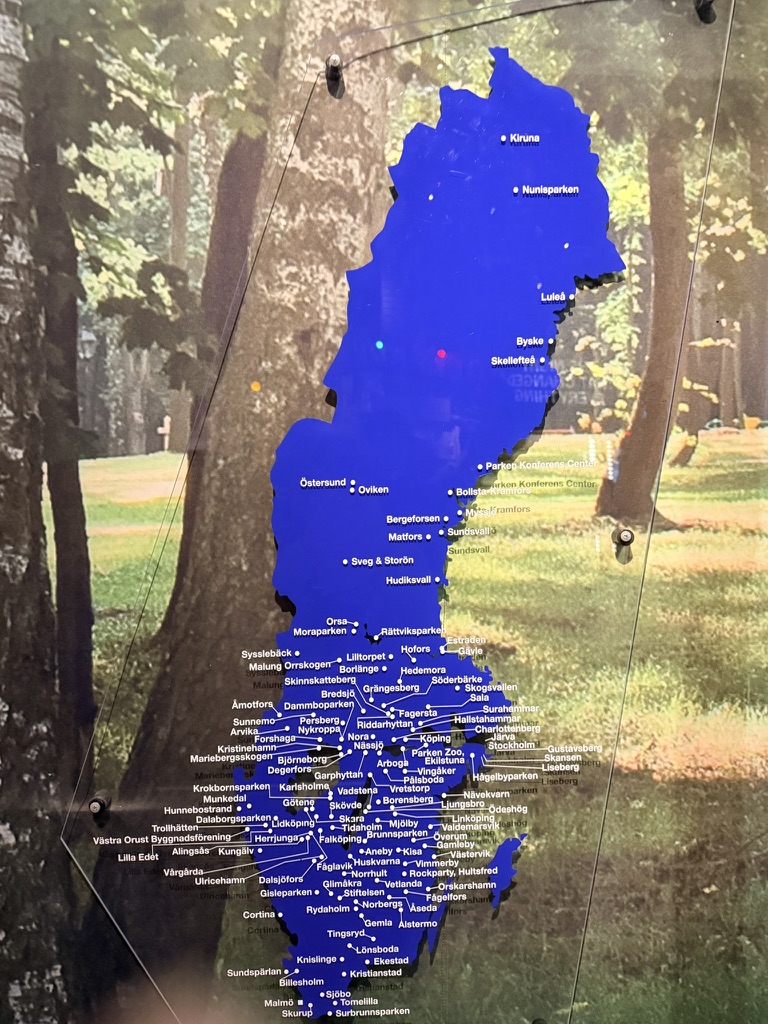
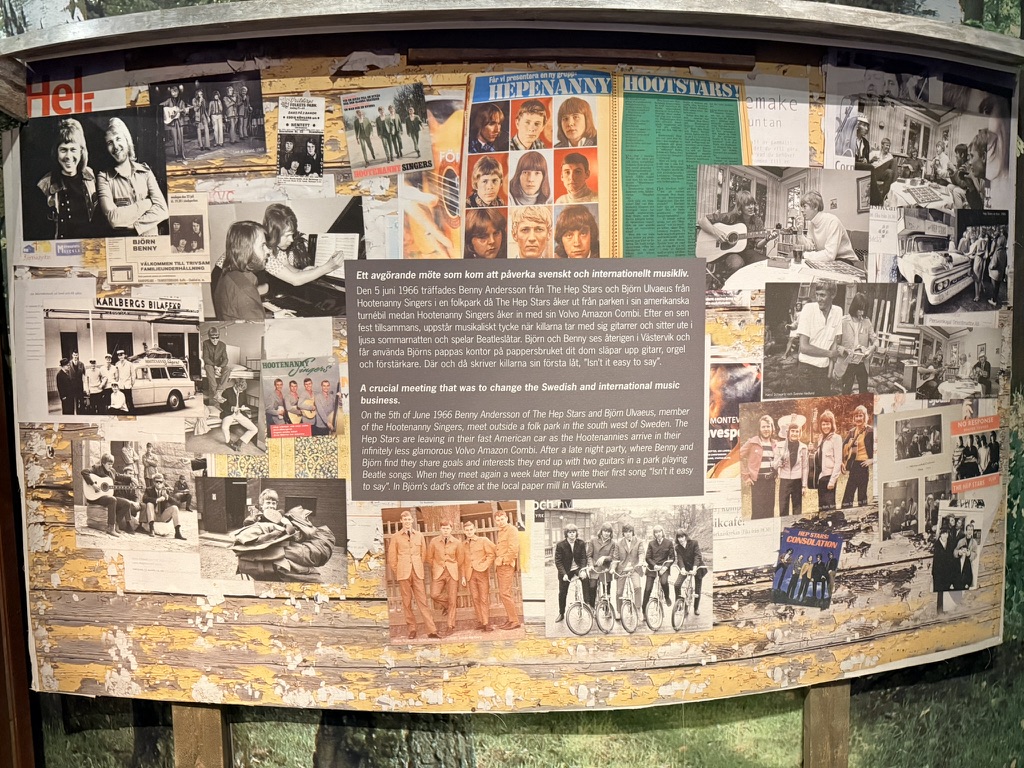
There is also an exhibit about Gamleby Folkpark where we learned about what happened before ABBA became ABBA. On June 5 of 1966, Benny of the Hep Stars and Björn of the Hootenanny Singers met outside of a folk park in southwest Sweden. They ended up talking all night, realized they shared similar dreams, and played Beatles songs together on their guitars the next day. They wrote their first song together a week later, “Isn’t it Easy to Say.”
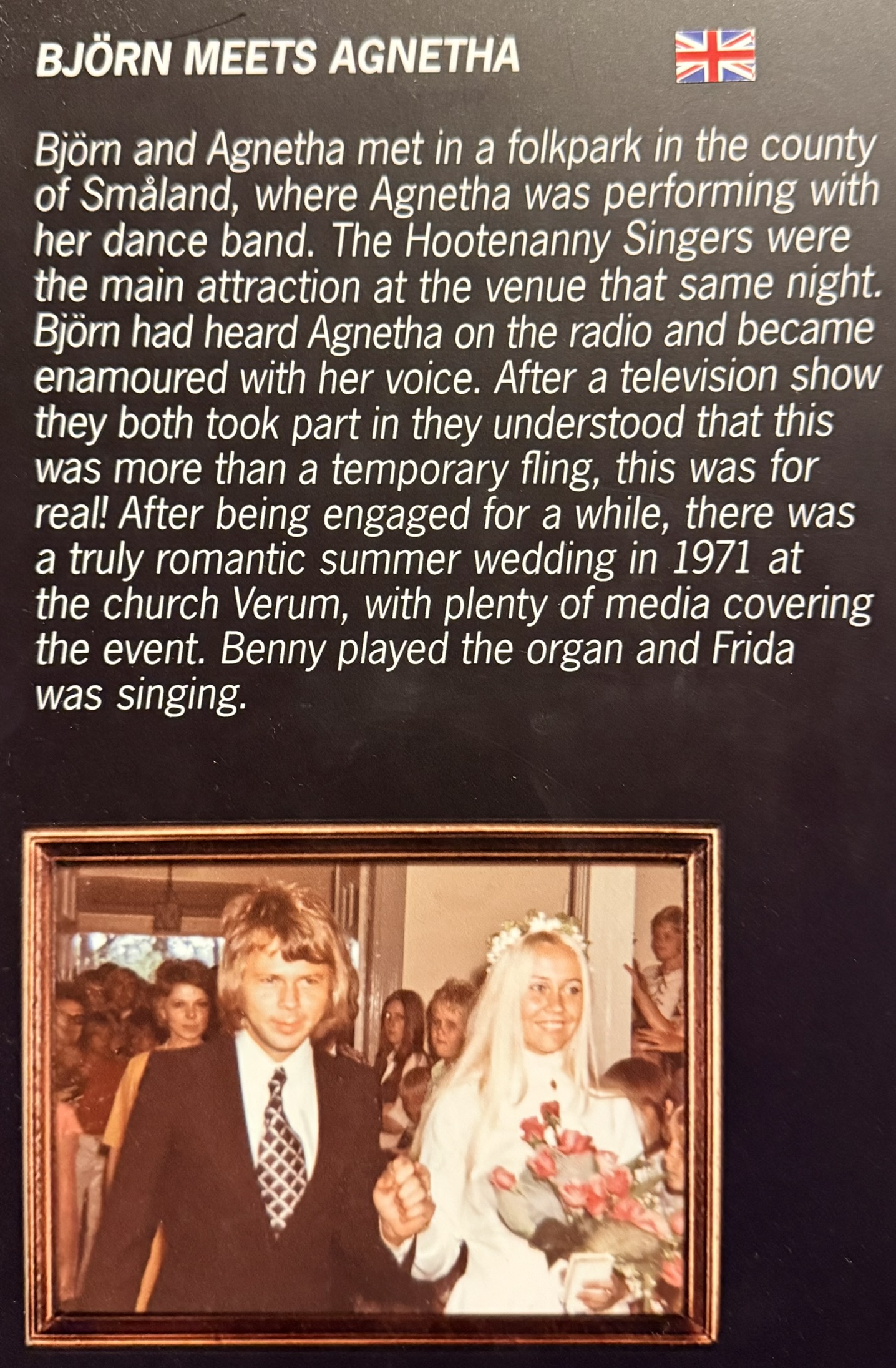
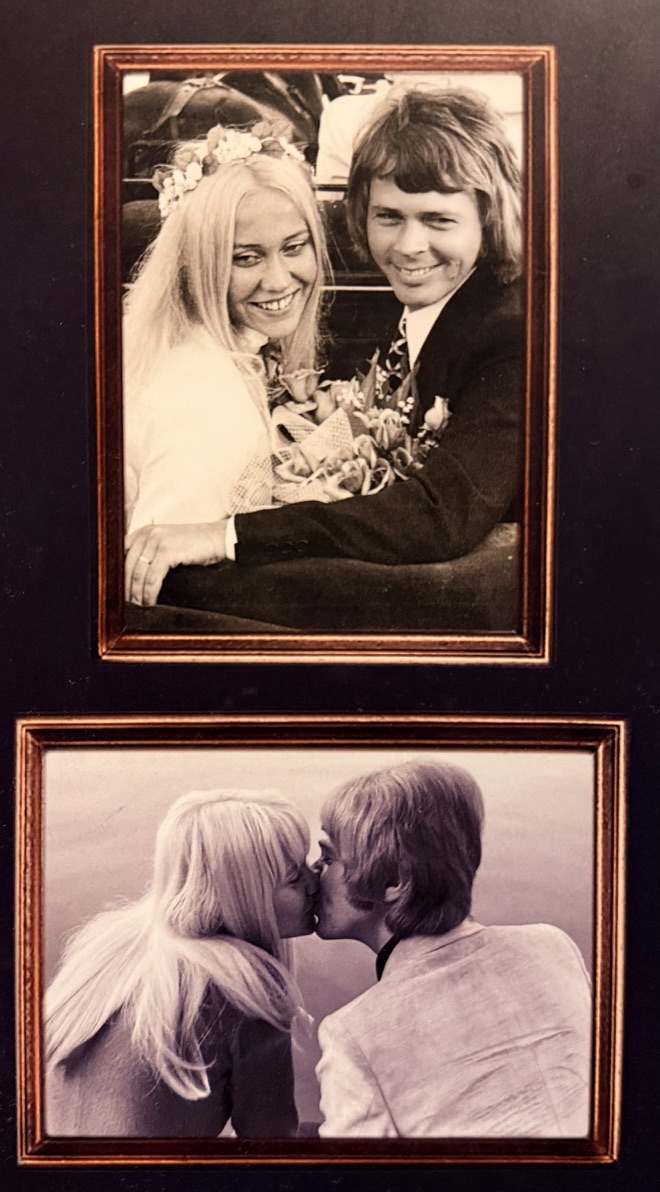
We learned in this same exhibit about how Björn met Agnetha; they got engaged and were married in 1971. Benny and Frida met when they were both performing in the town of Malmö in 1969. Neither of them wanted to rush into a new relationship as they both had children and were a bit cautious. Benny offered Frida his Stockholm apartment to stay in while he was on tour; she accepted the offer and never moved out again until the couple bought a house together in the suburbs.
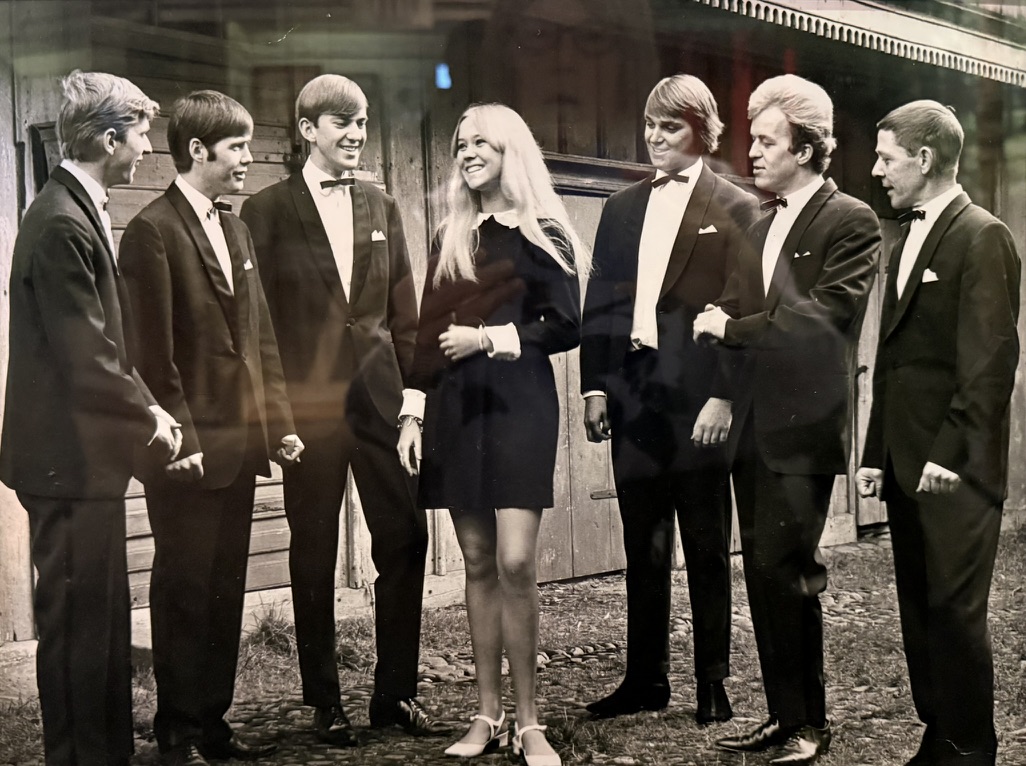
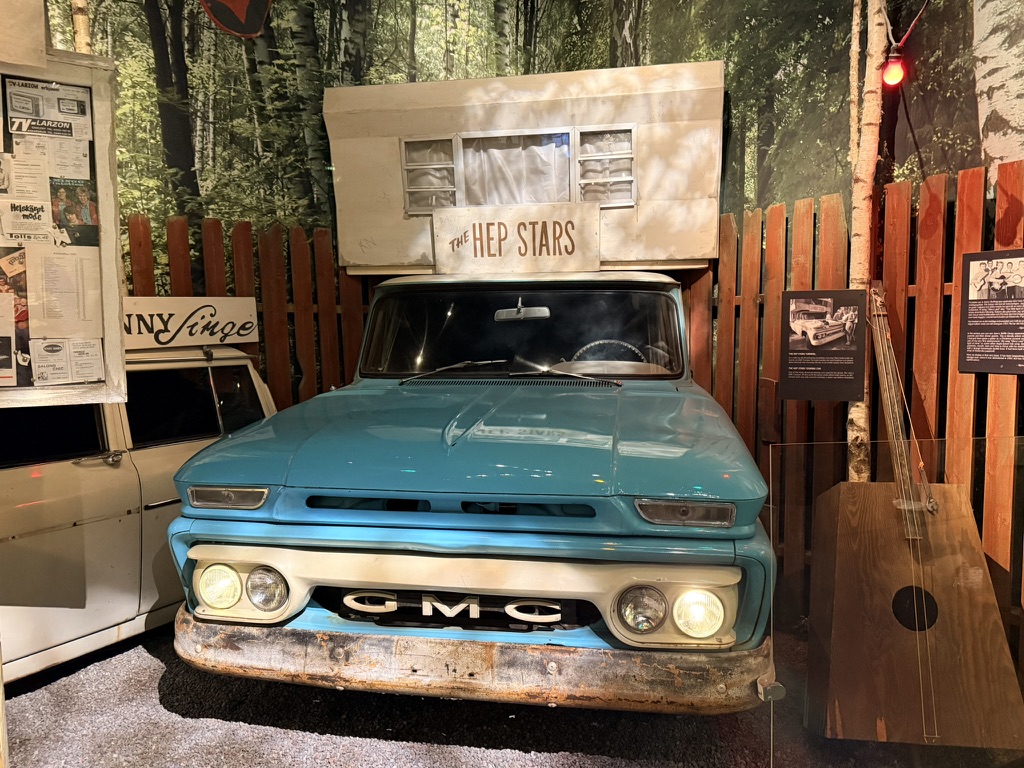
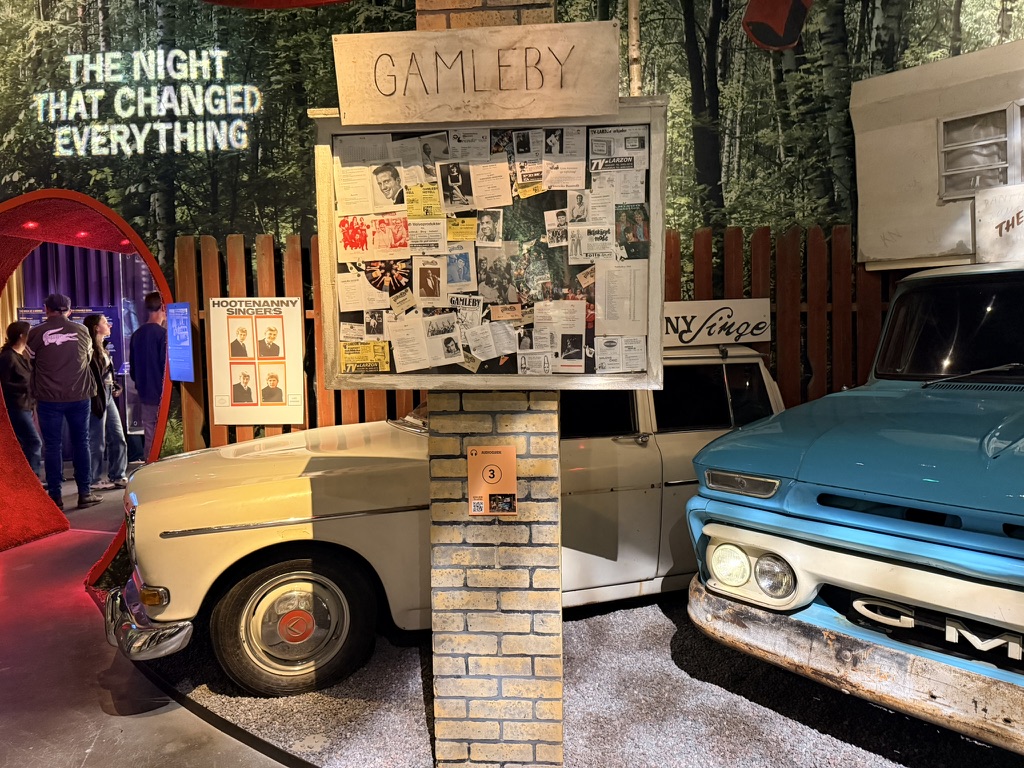
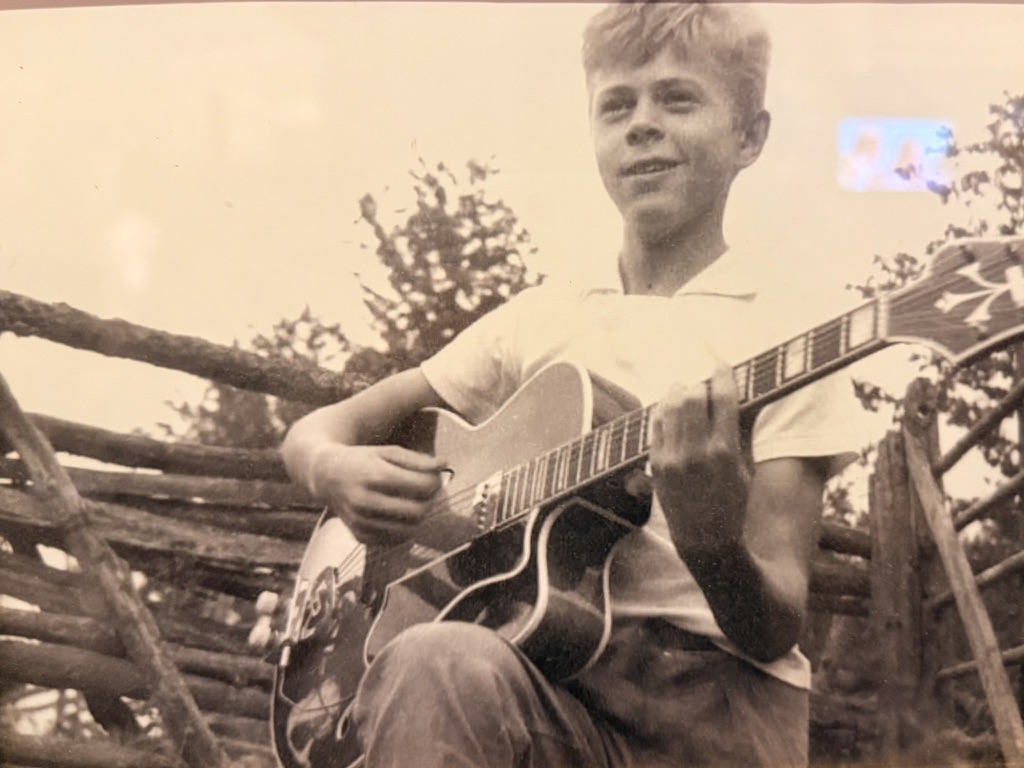
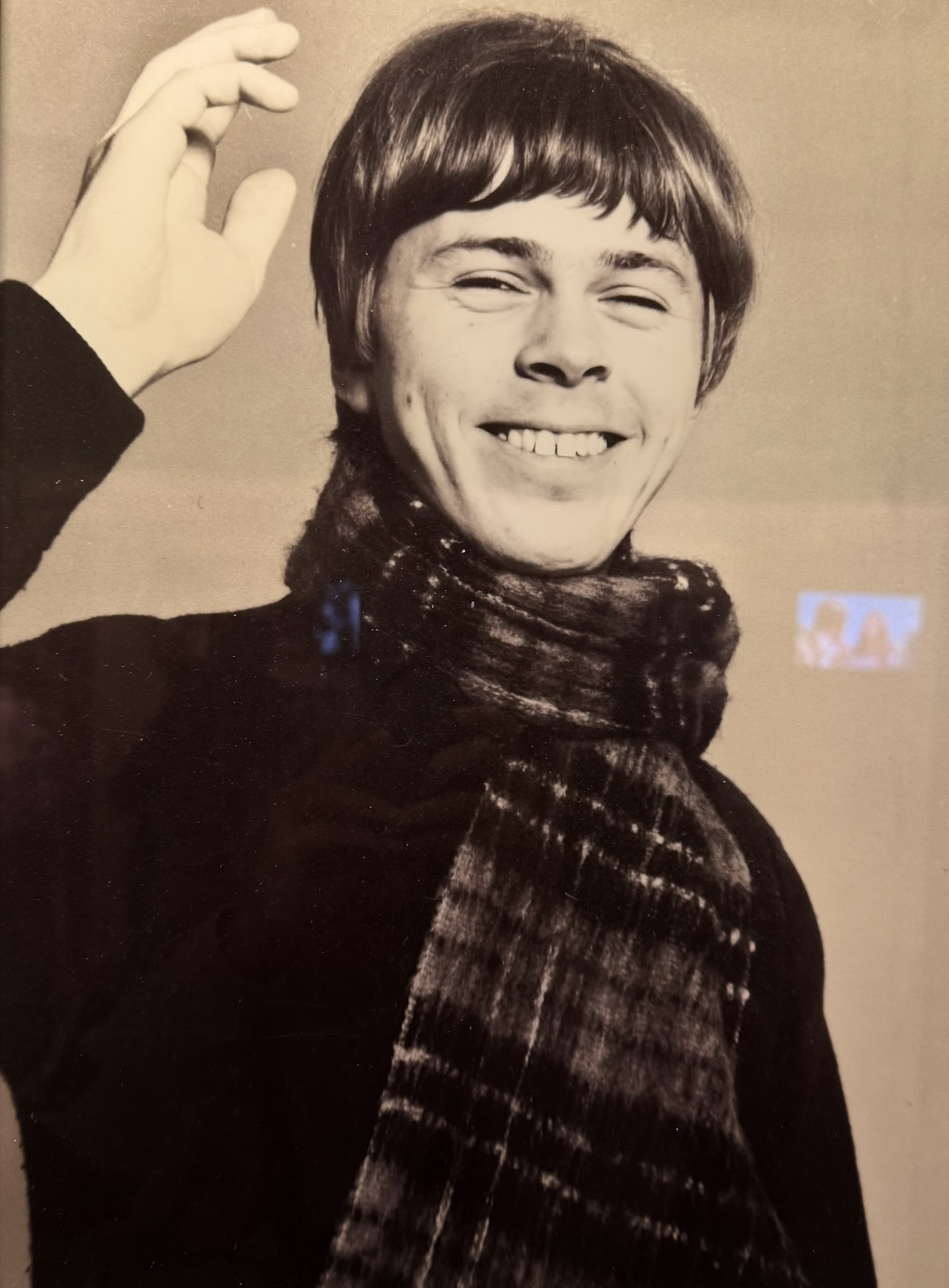
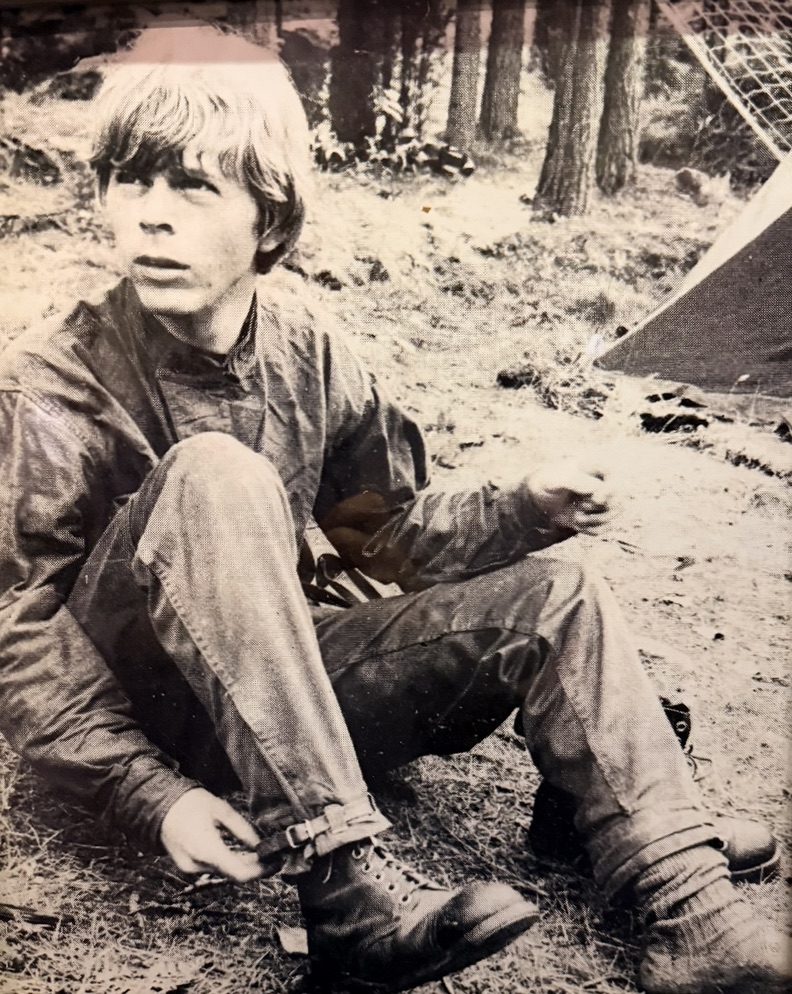
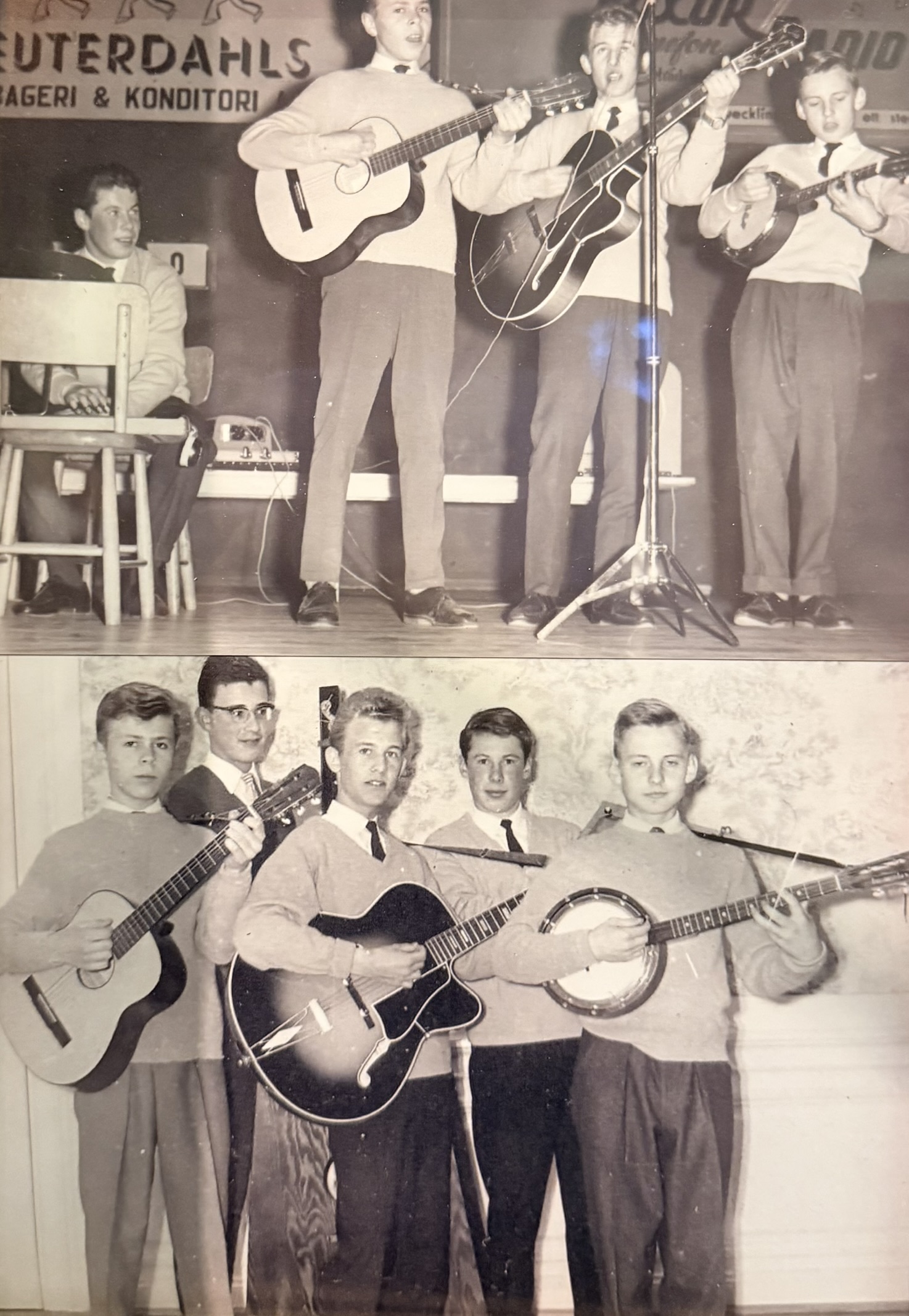
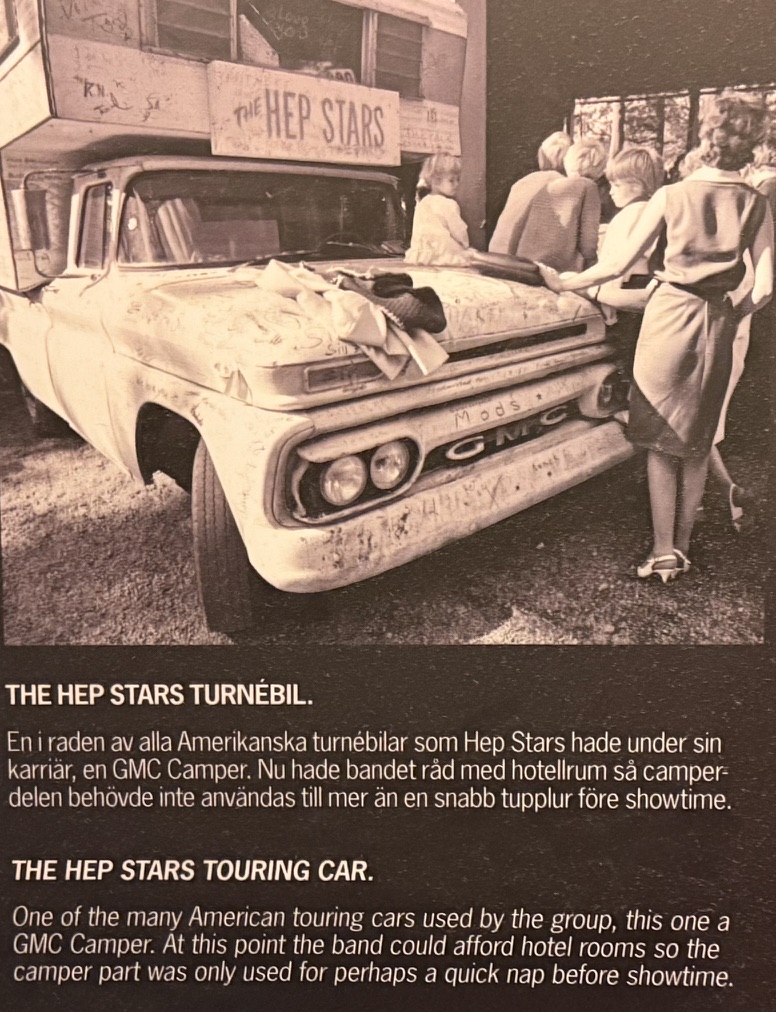
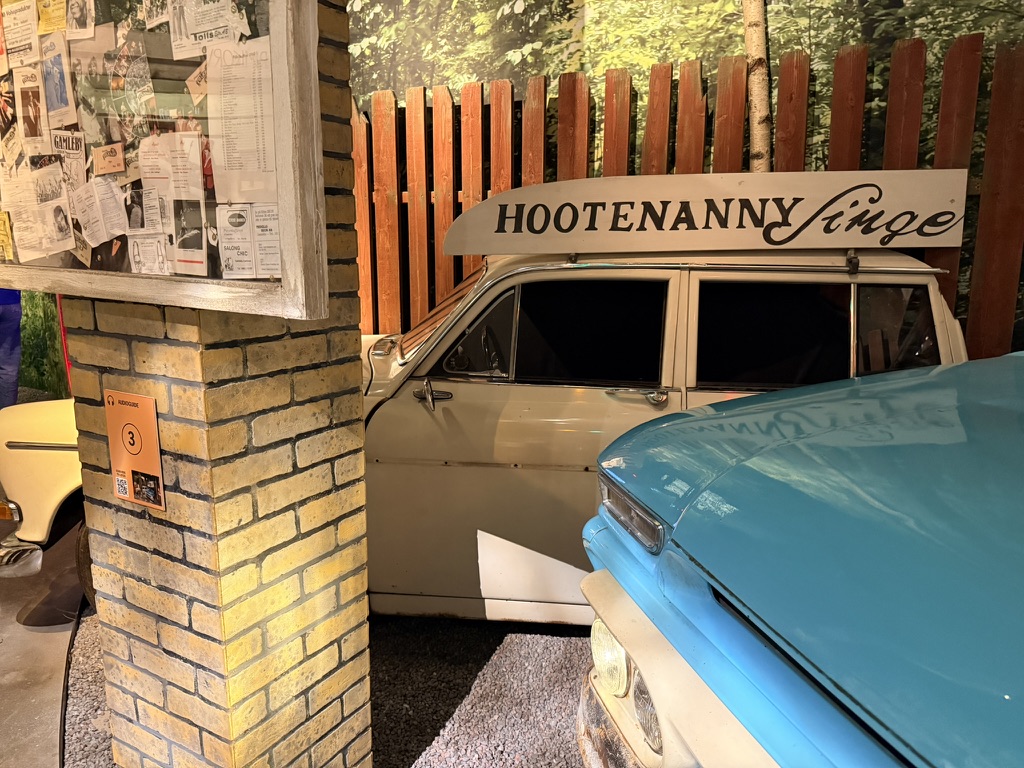
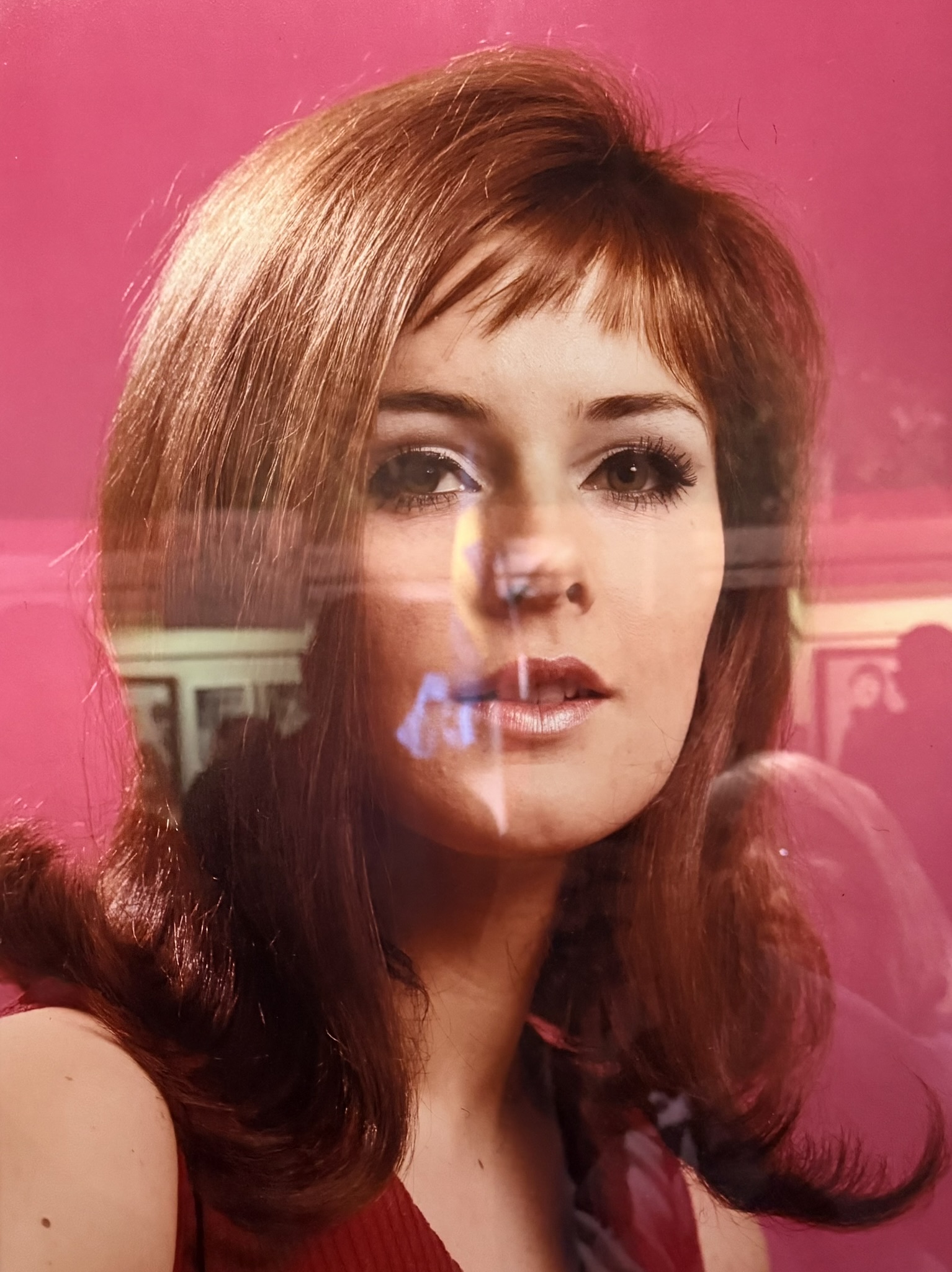
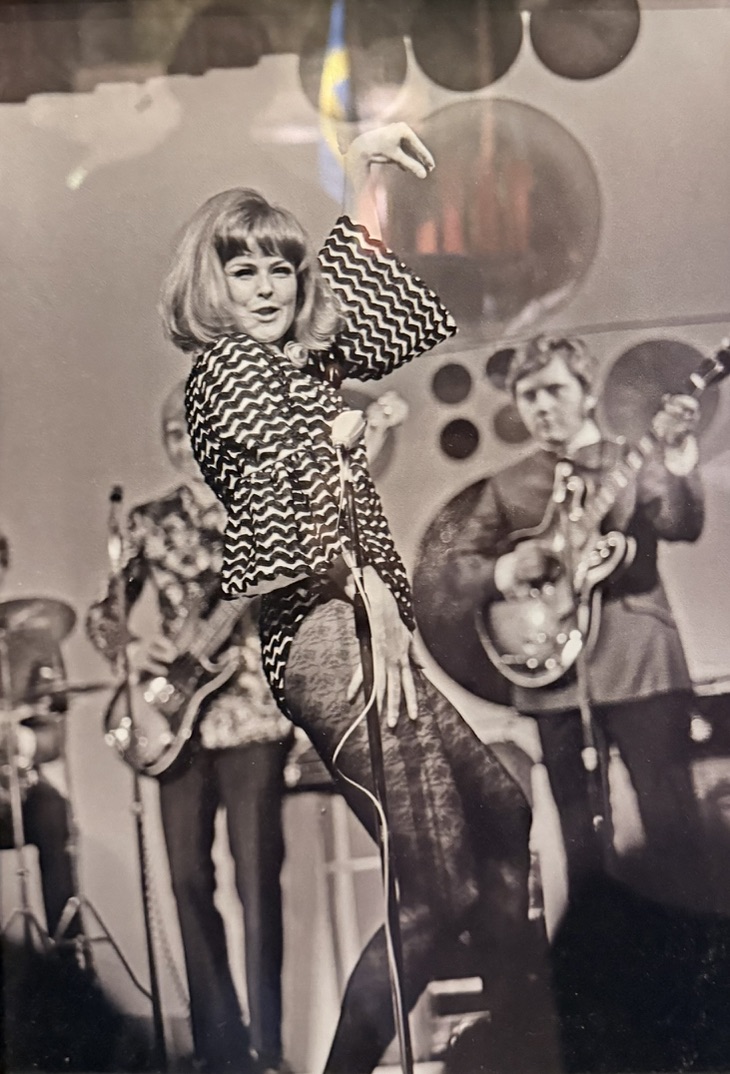
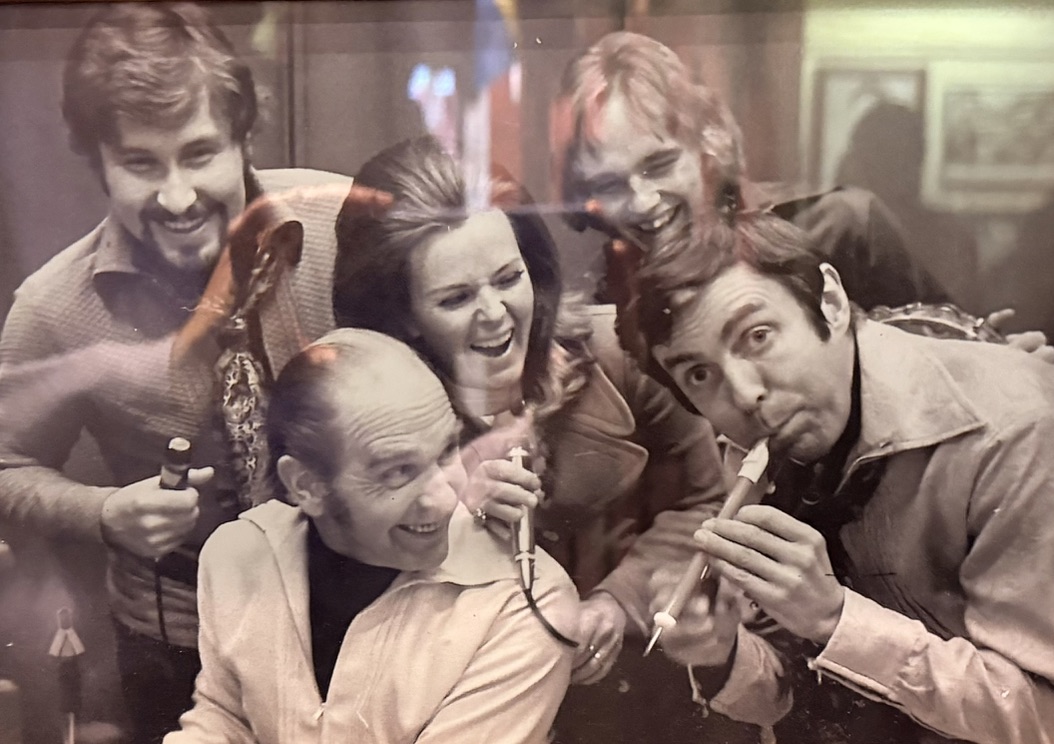
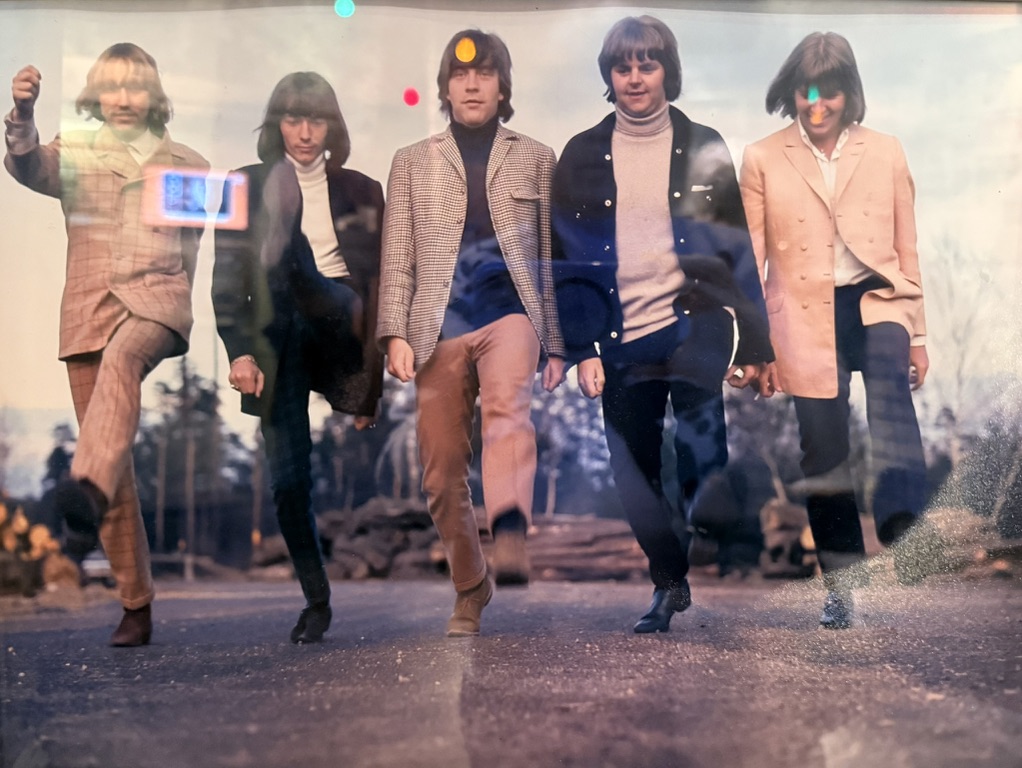
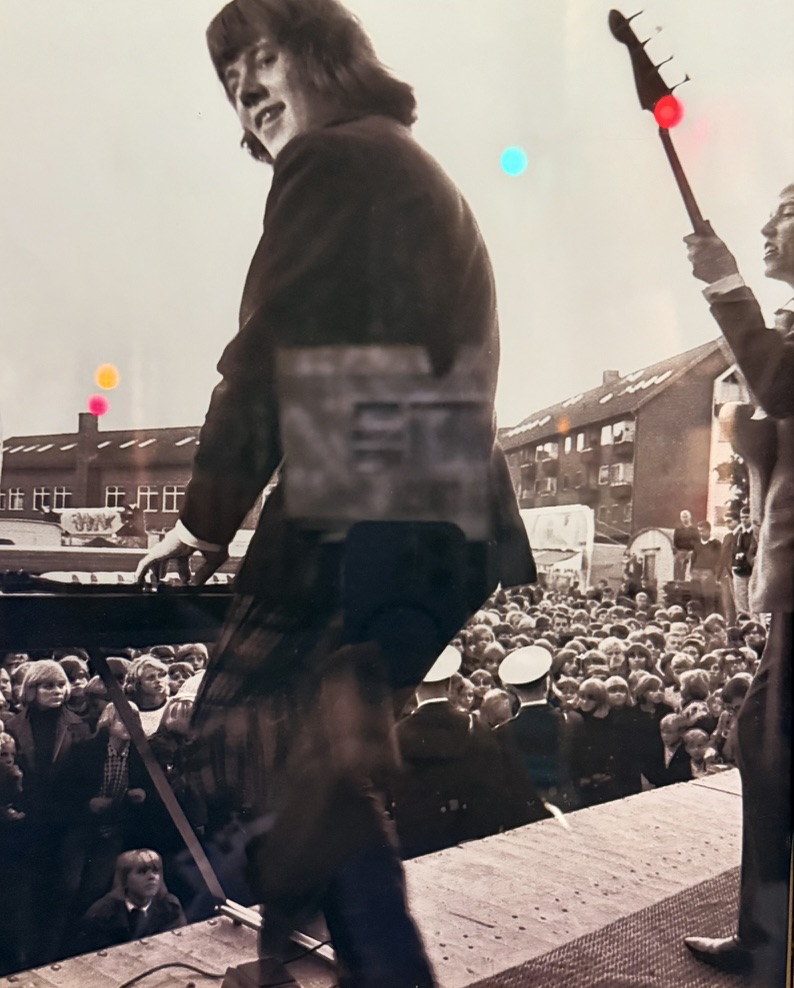
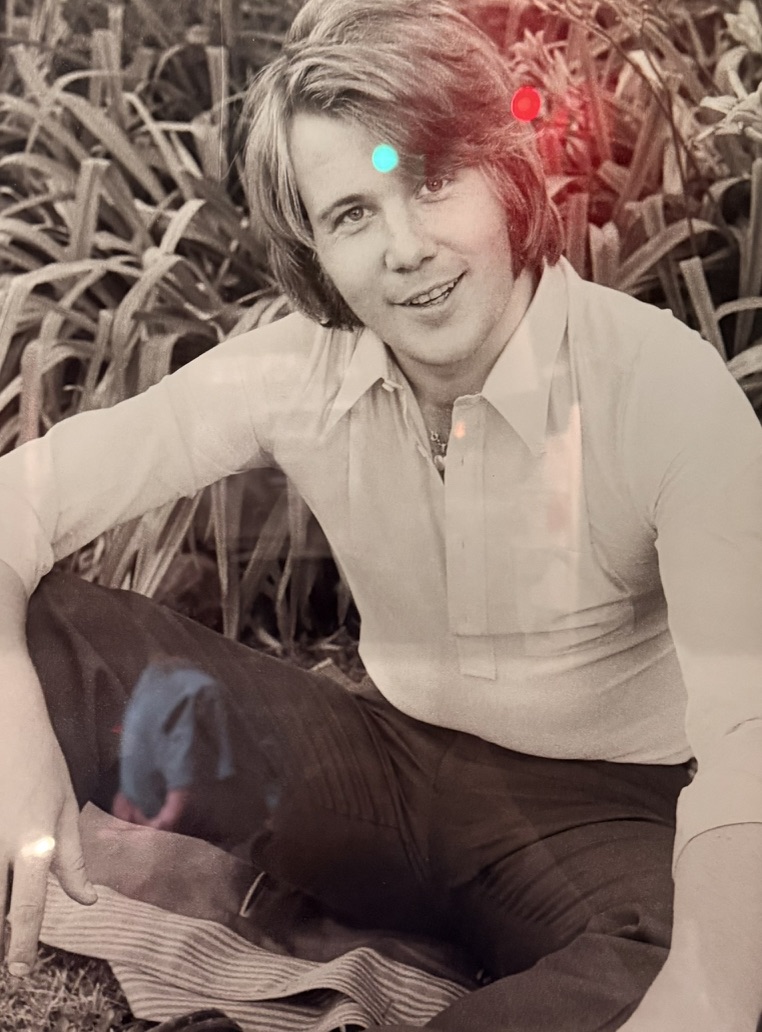
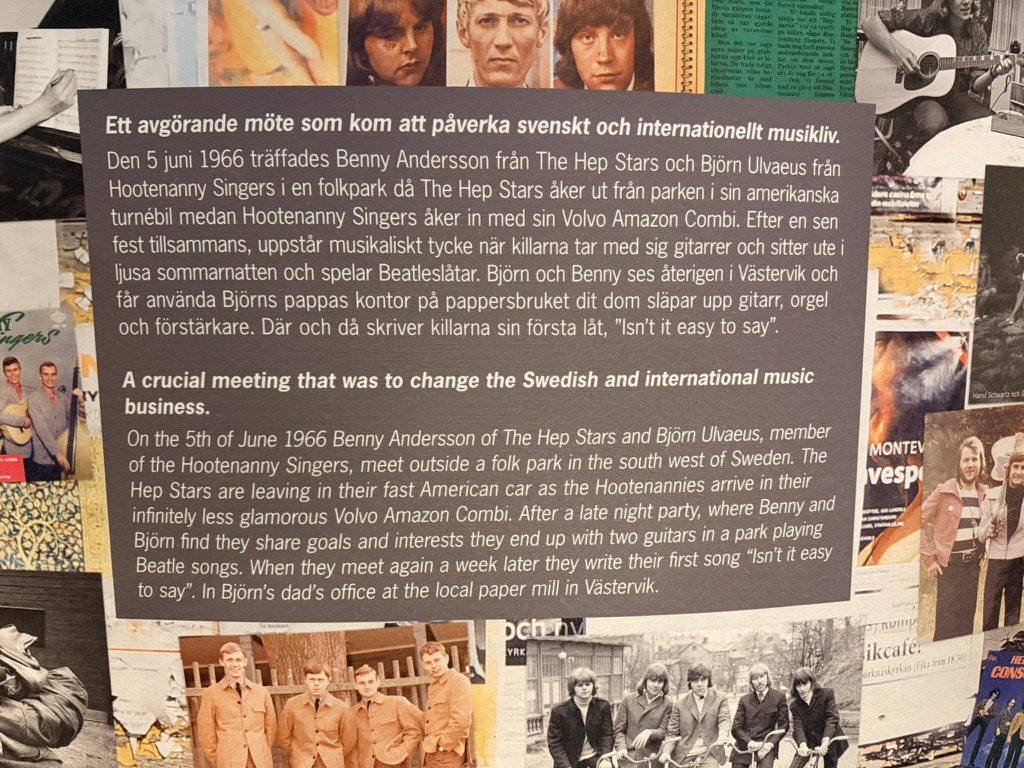
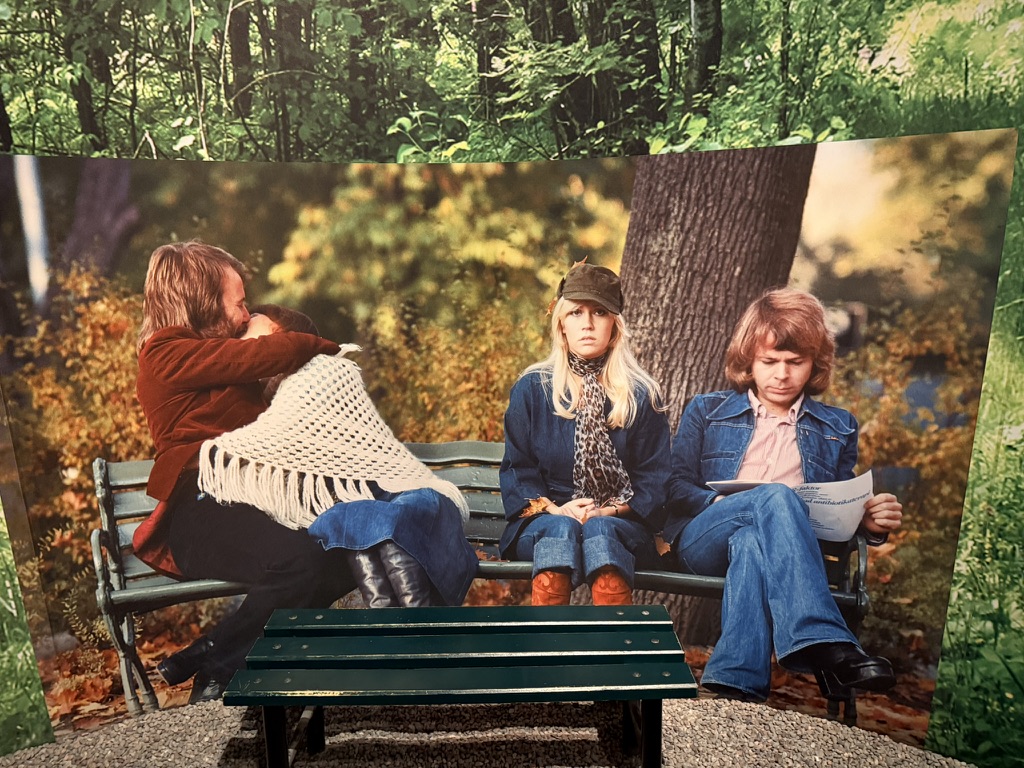
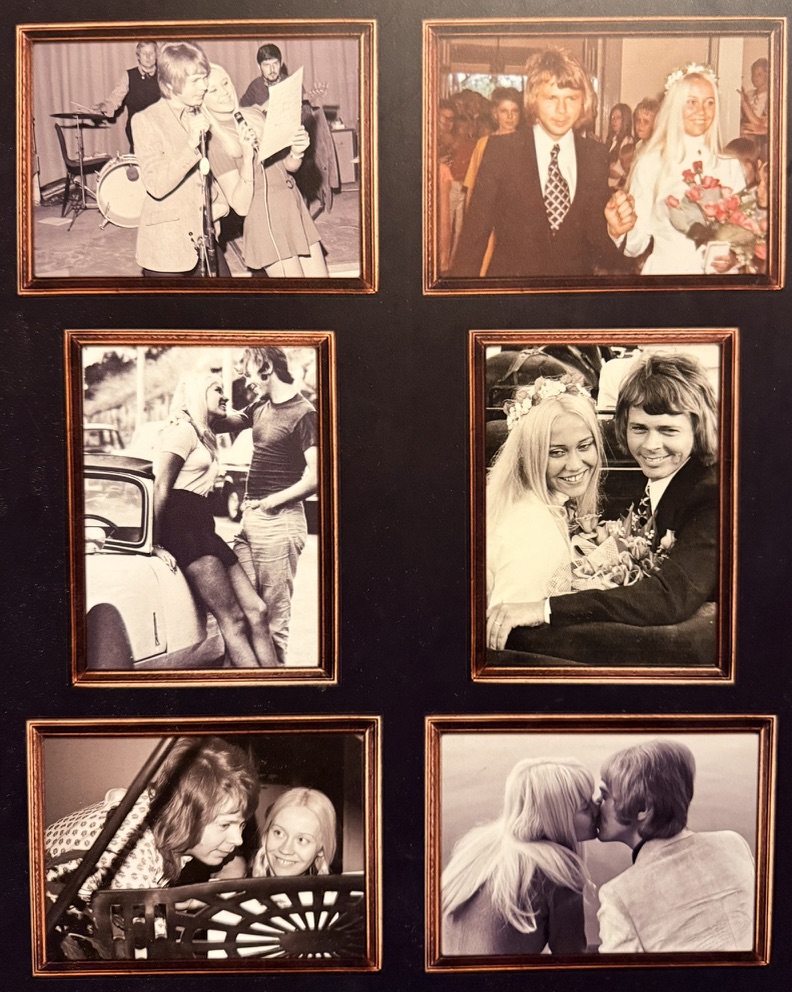
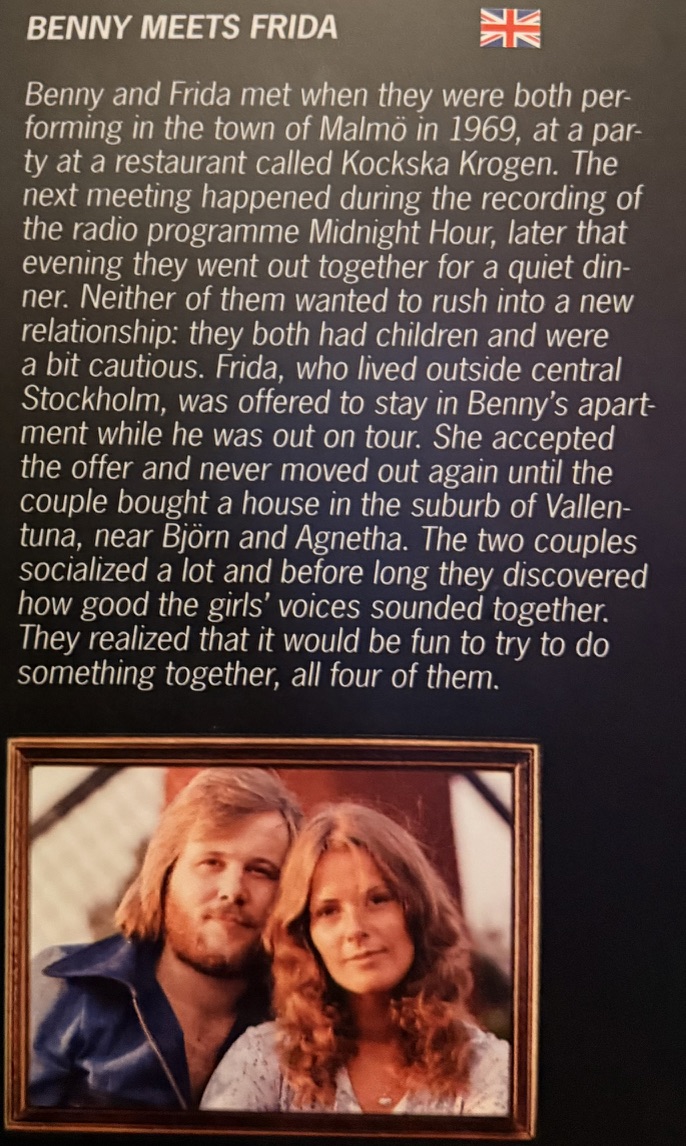
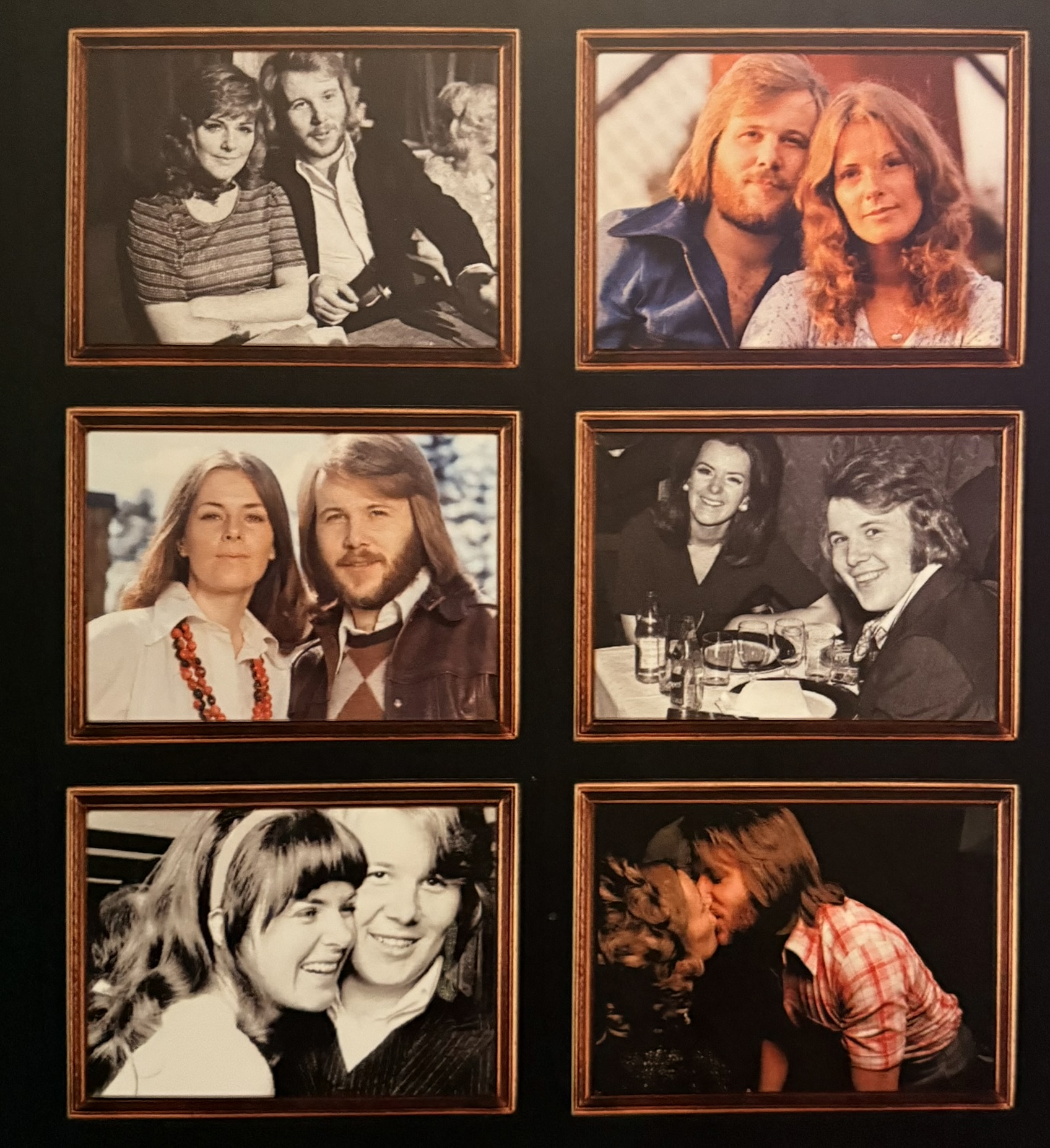
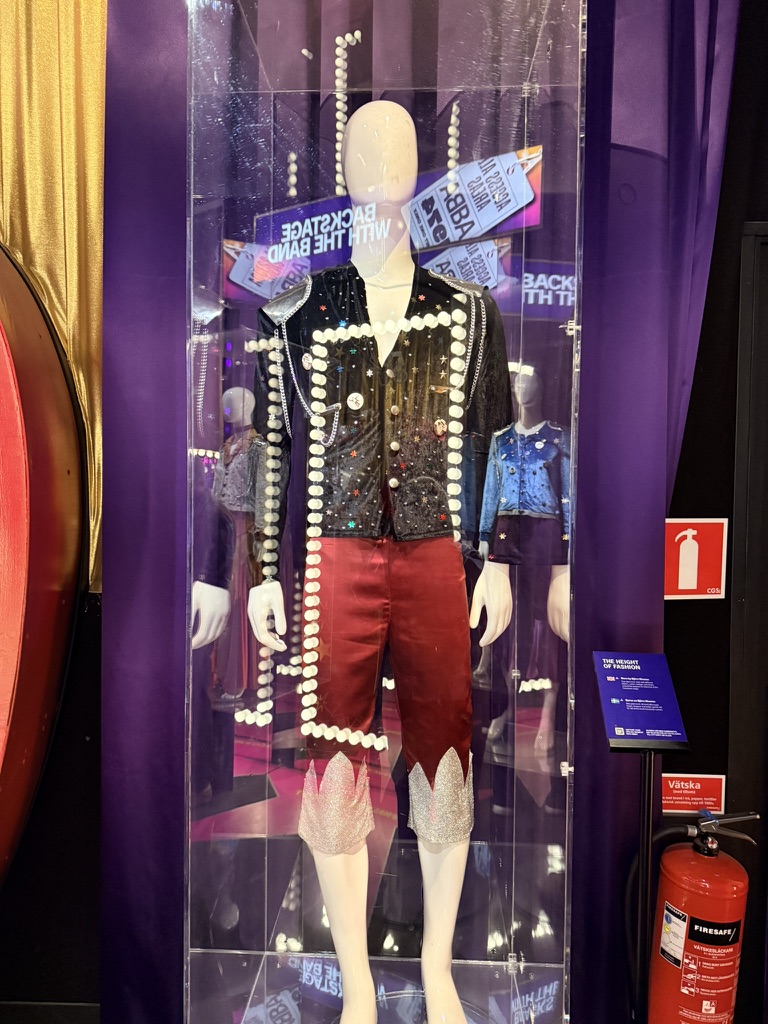
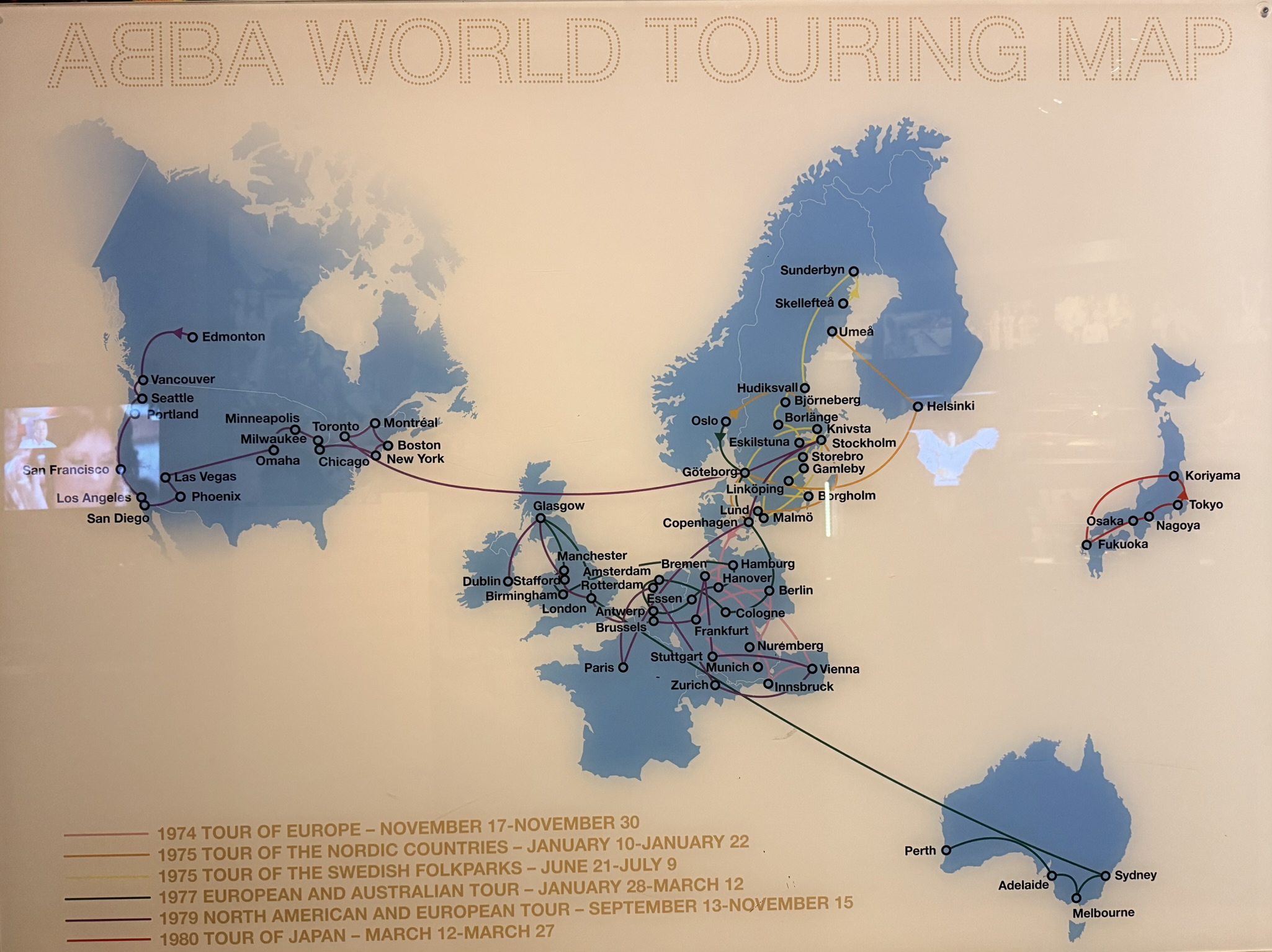
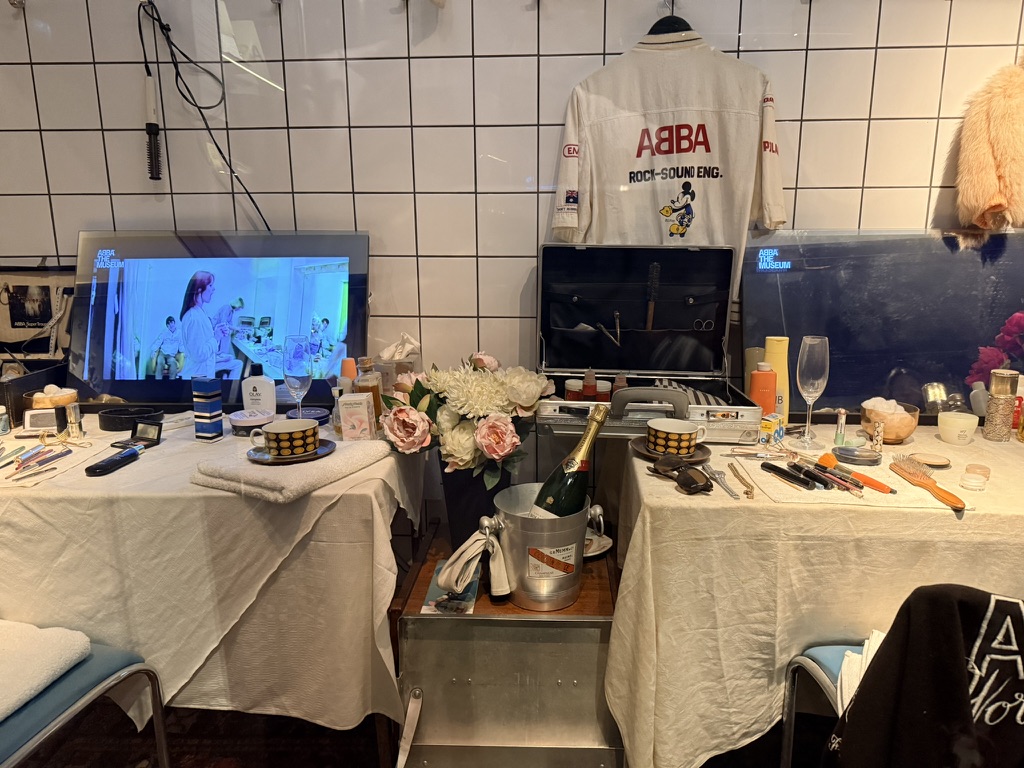
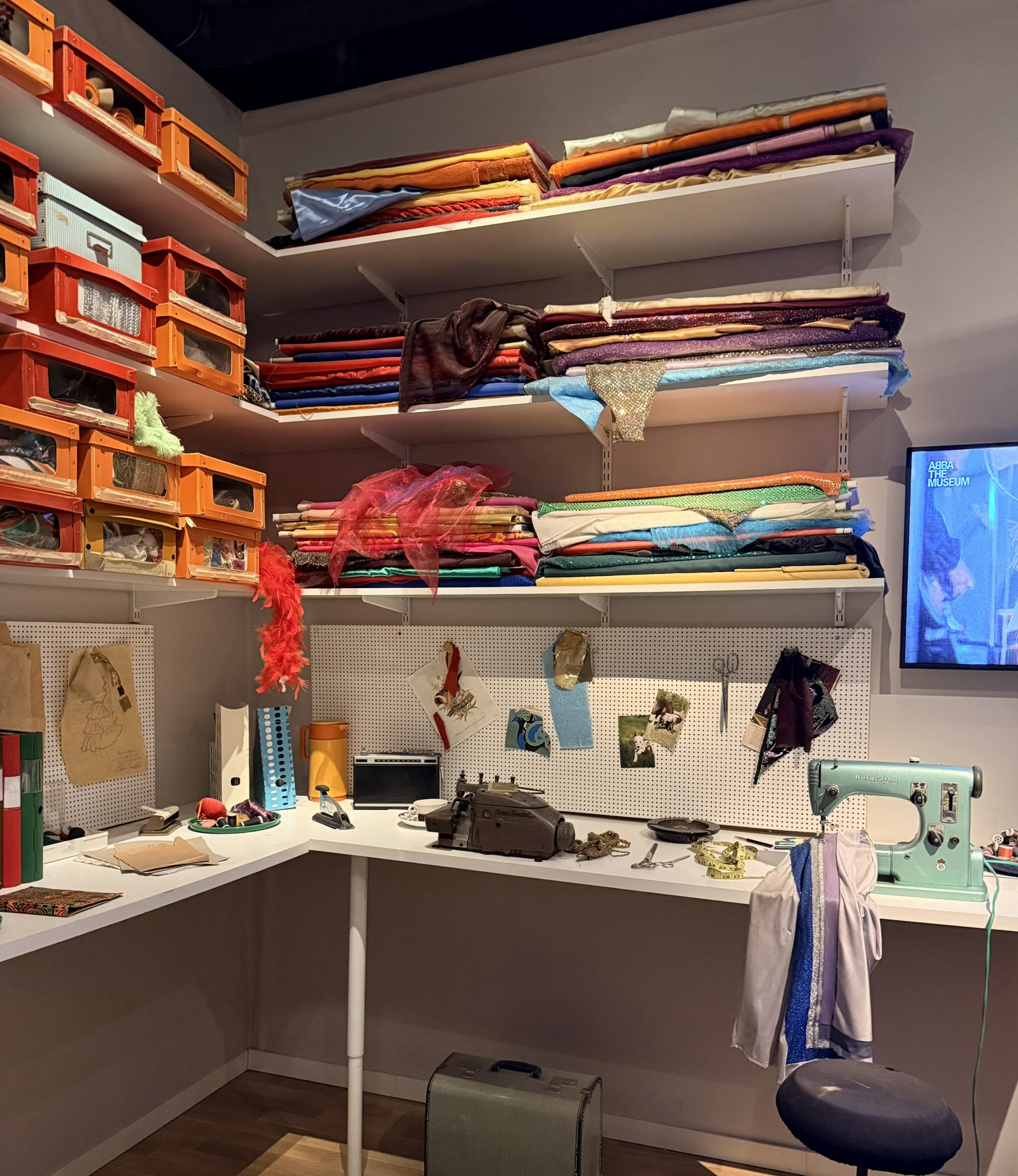
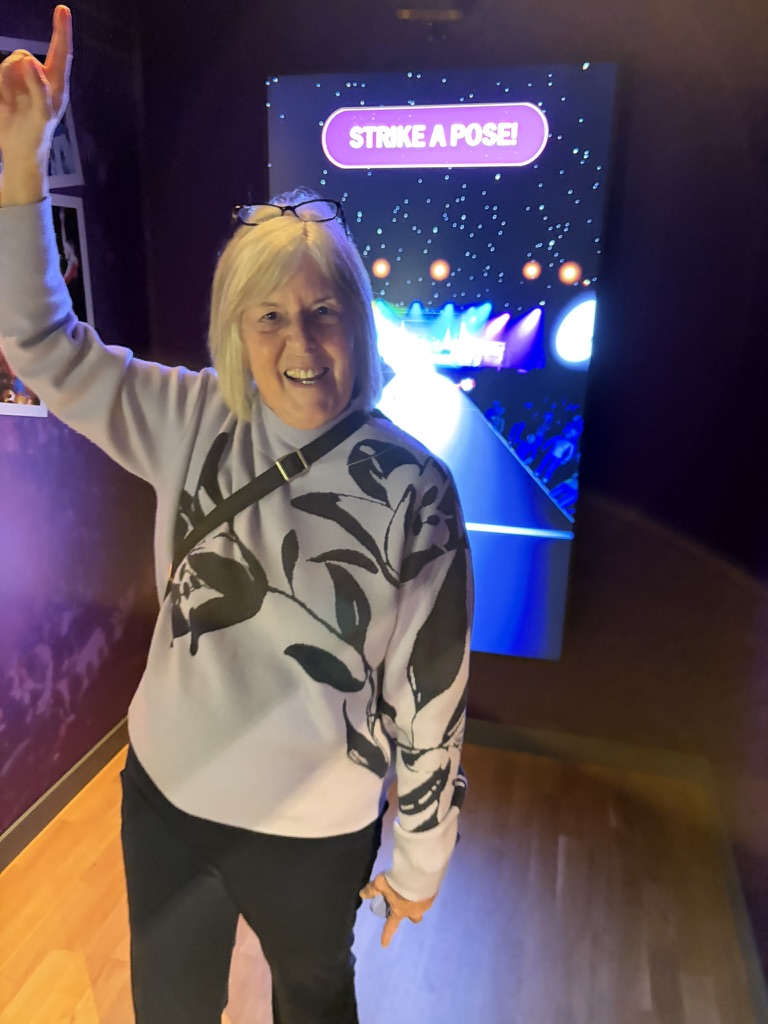
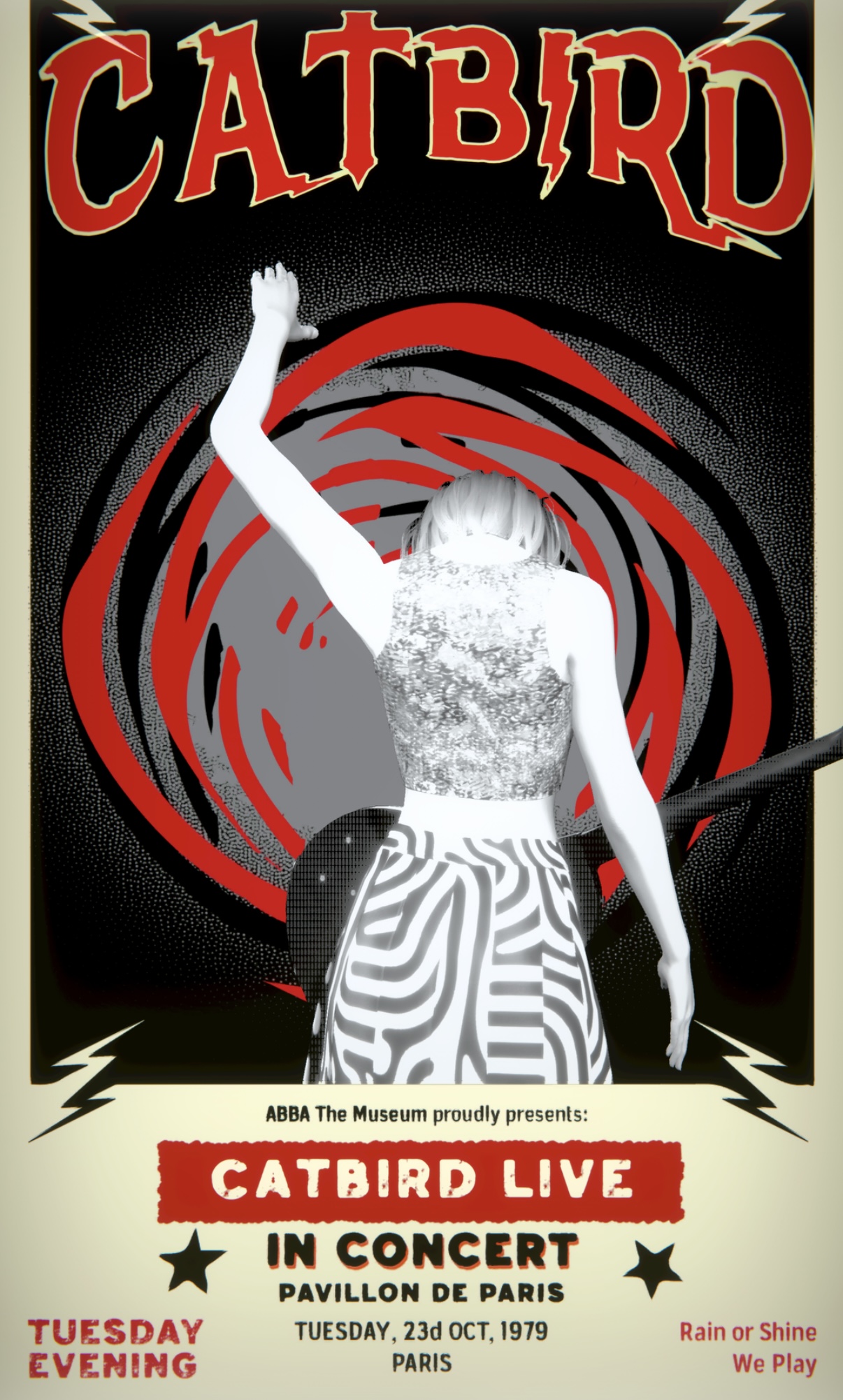
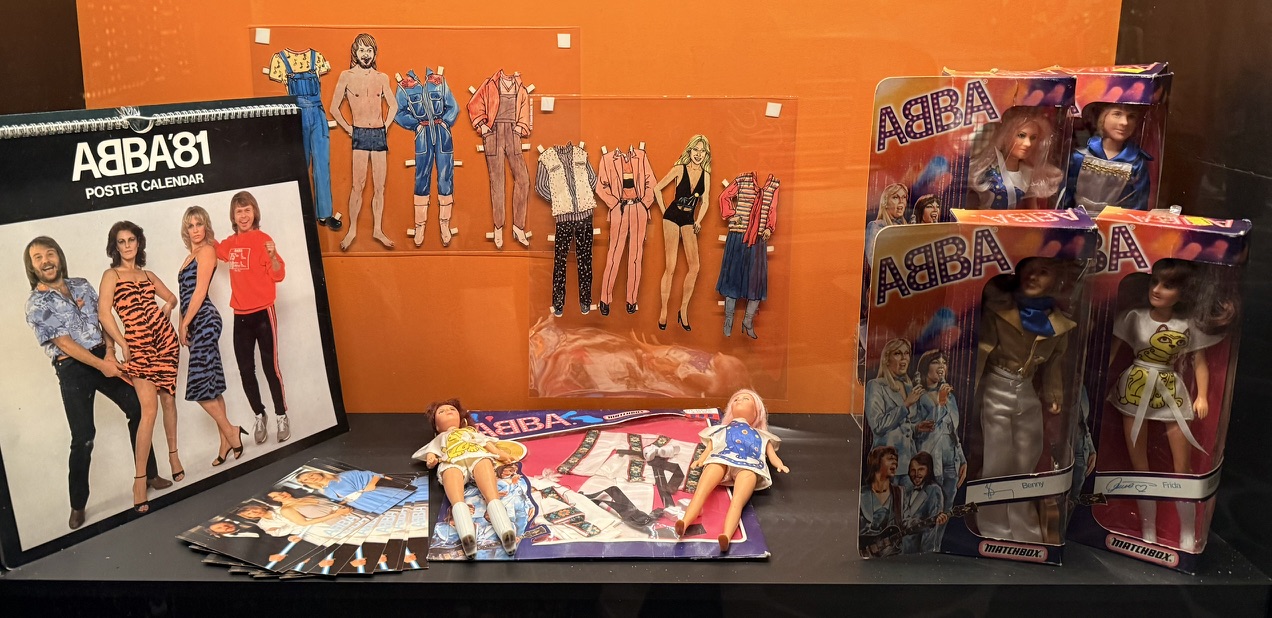
Another section of the museum shows ABBA Showmanship and costumes, the Polar Music Studio, Polar Music International, Agneta and Björn’s summer cottage, a map of the group’s tours, a sound booth where visitors can sing karaoke, the group’s dressing rooms, a sewing room for their costumes, and a chance for visitors so become rock stars themselves, making up names and getting posters of their upcoming concerts. There are displays of more costumes and album covers and records.
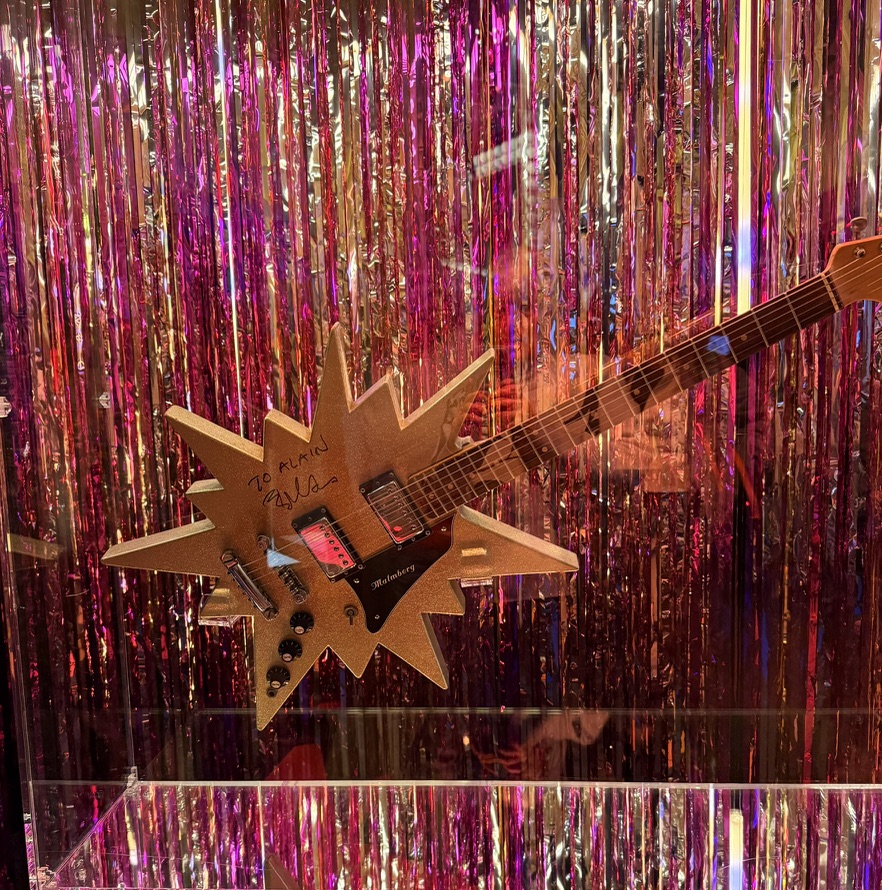
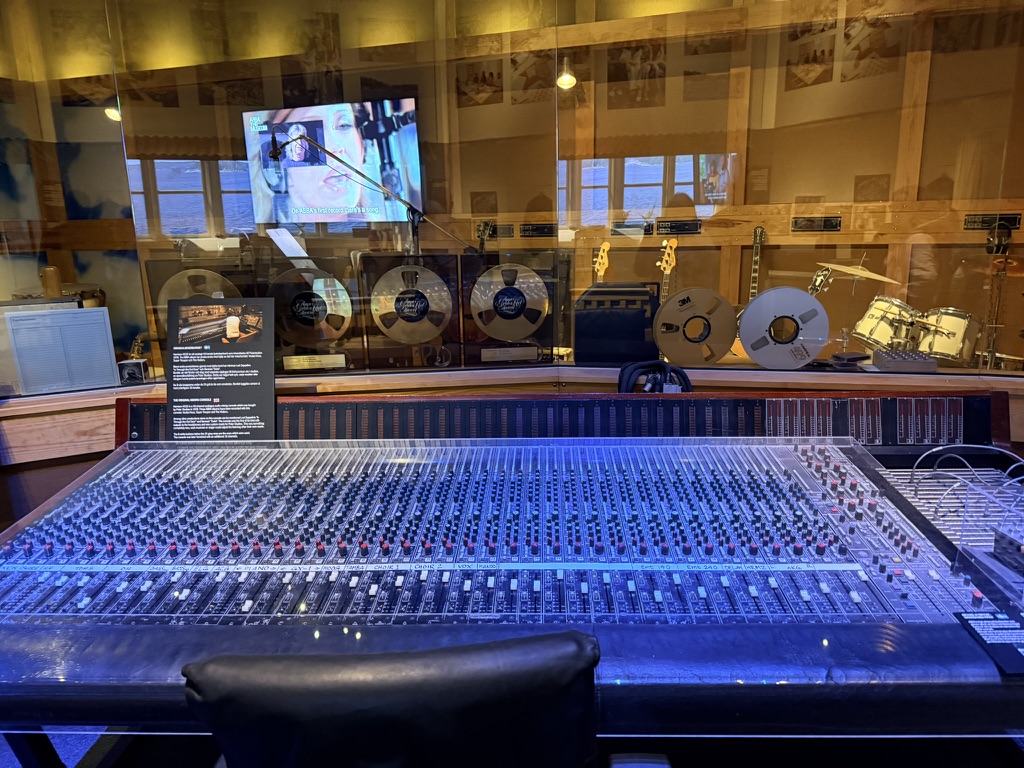
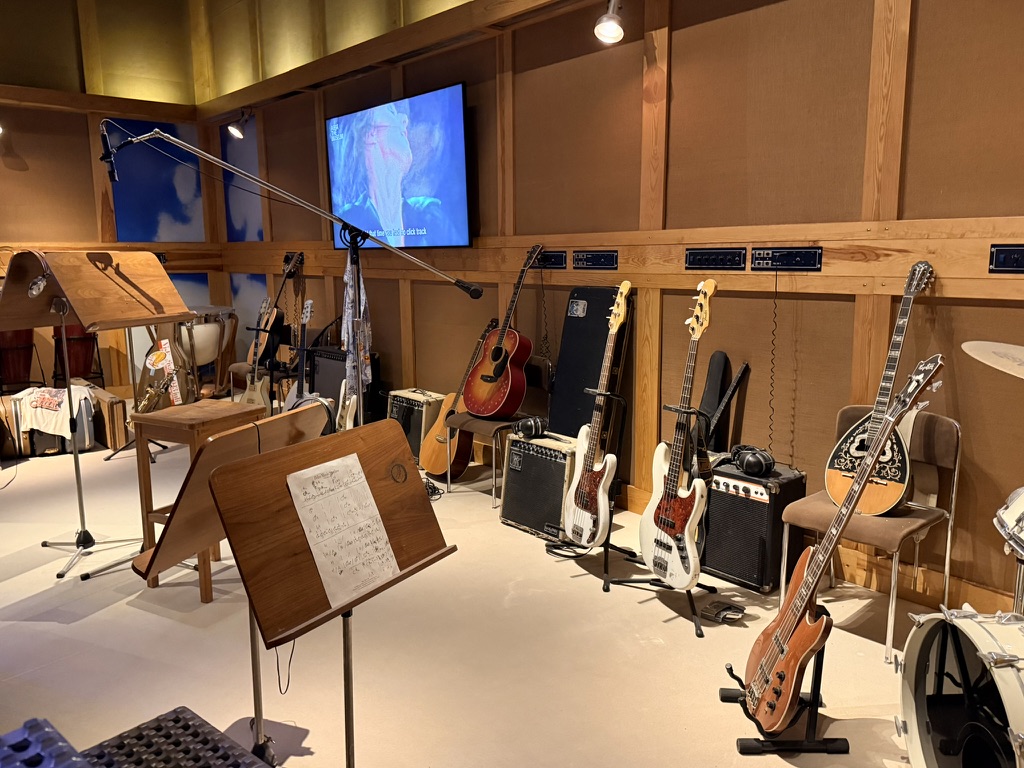
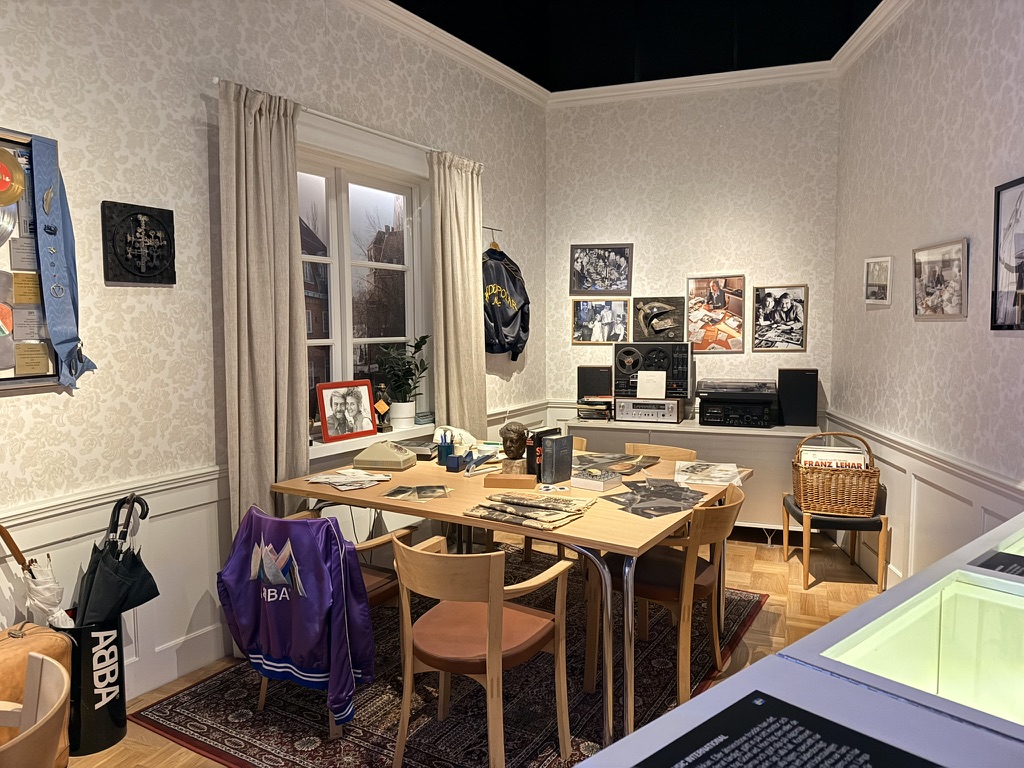
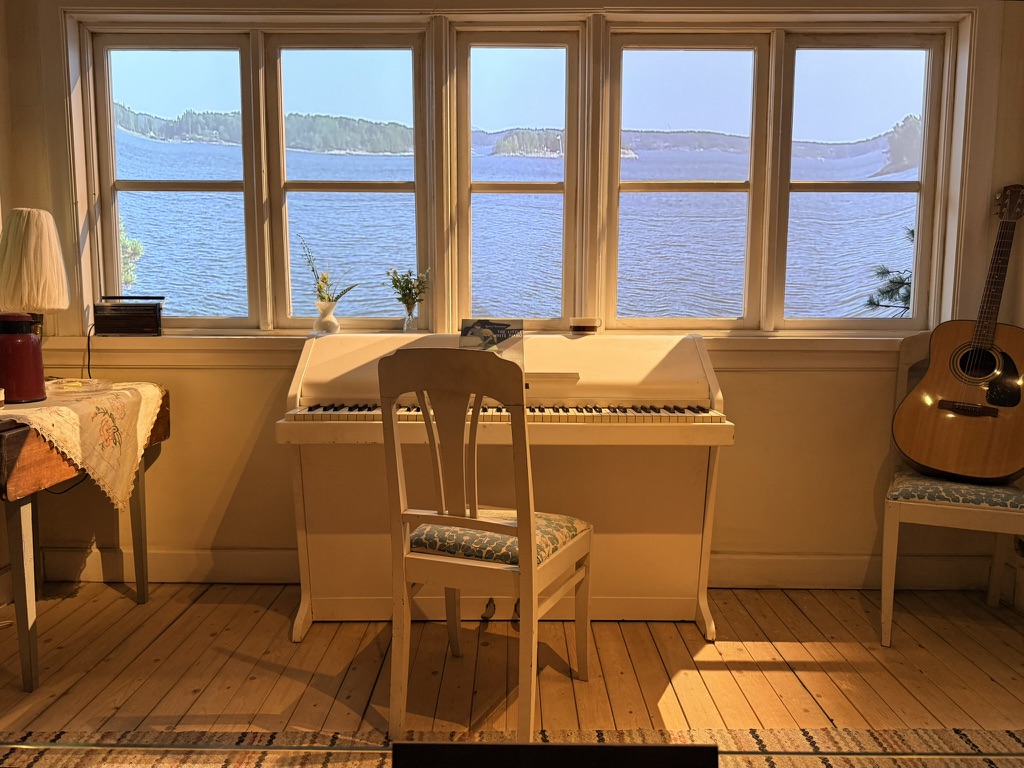
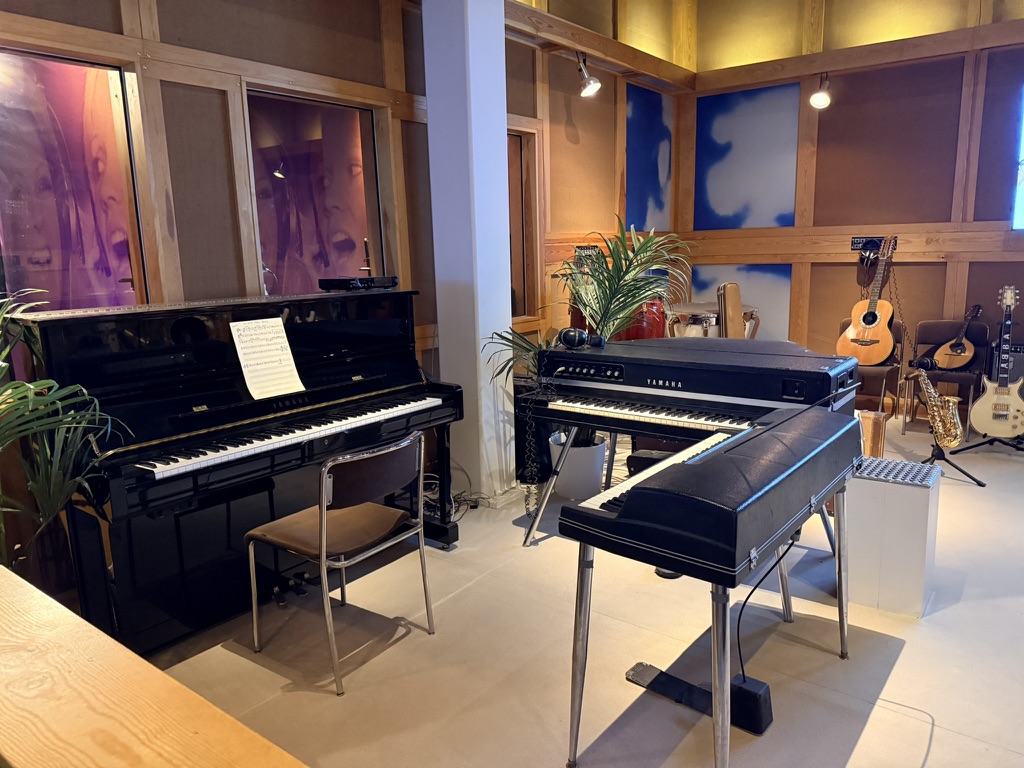
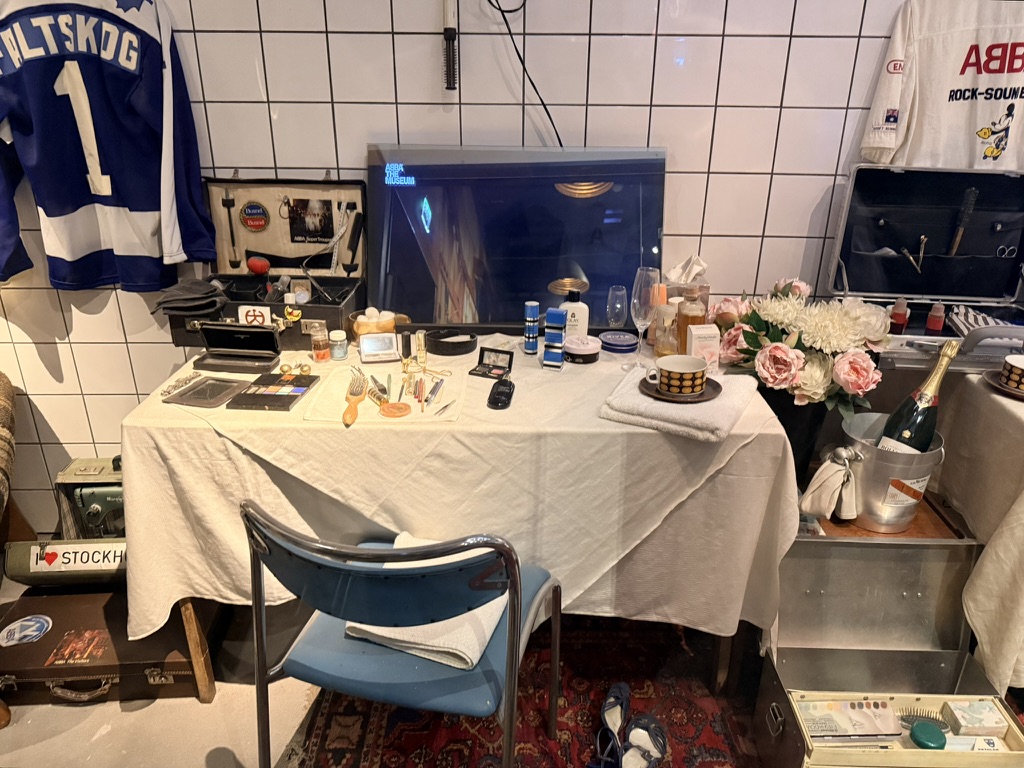
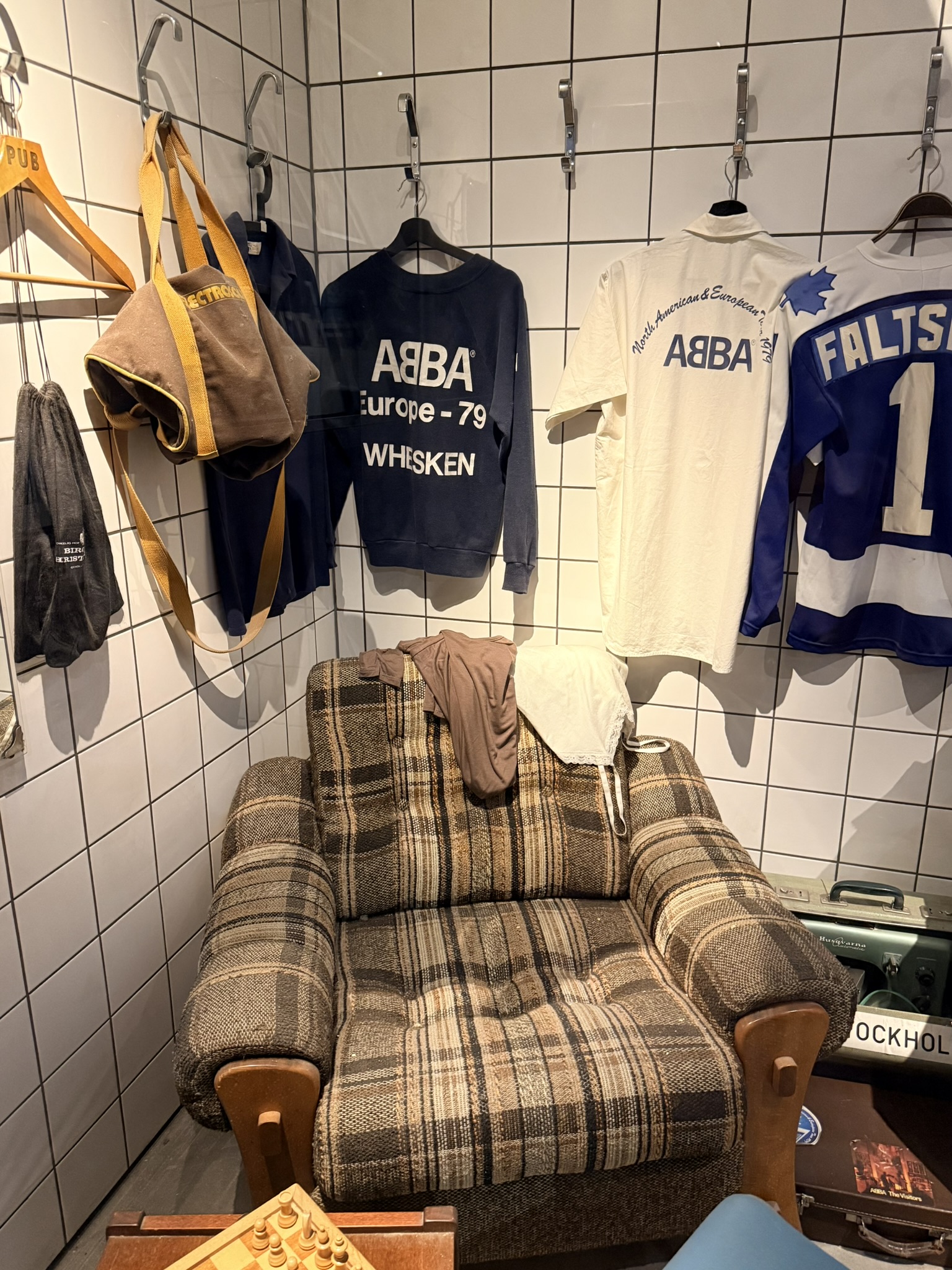
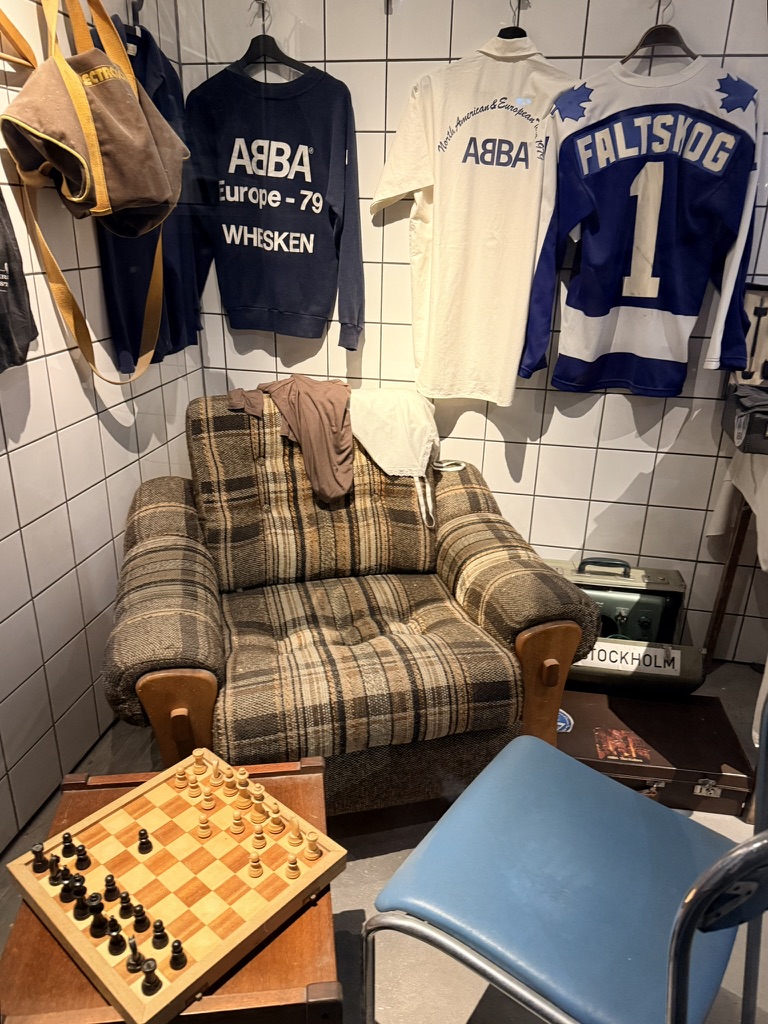
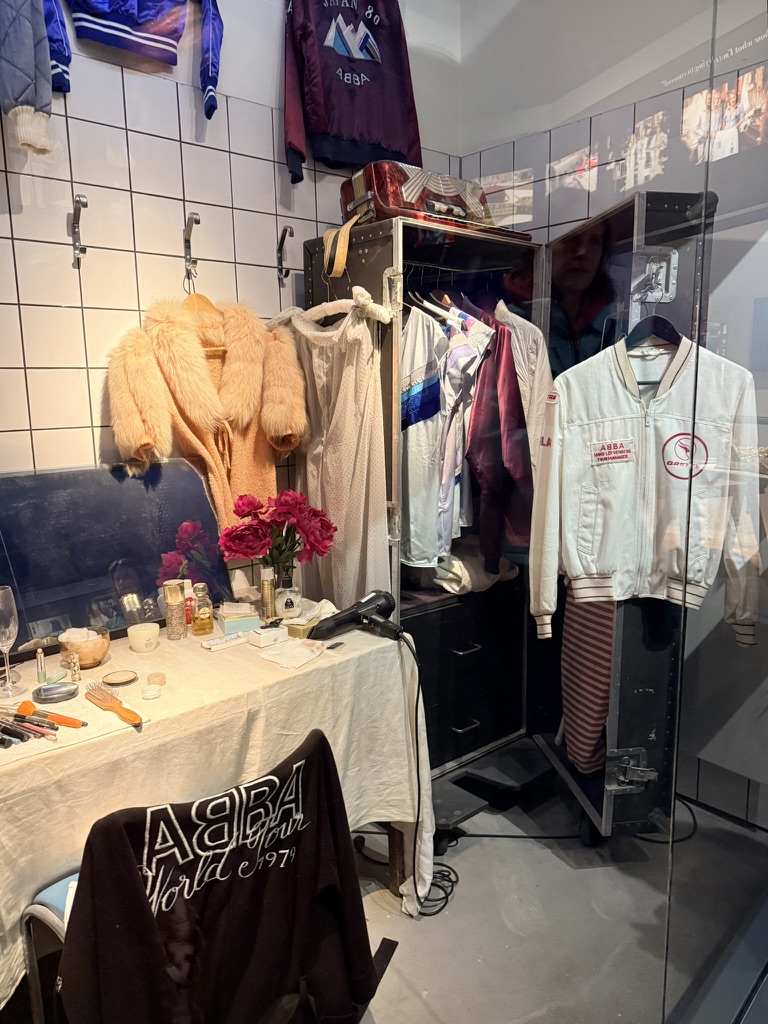
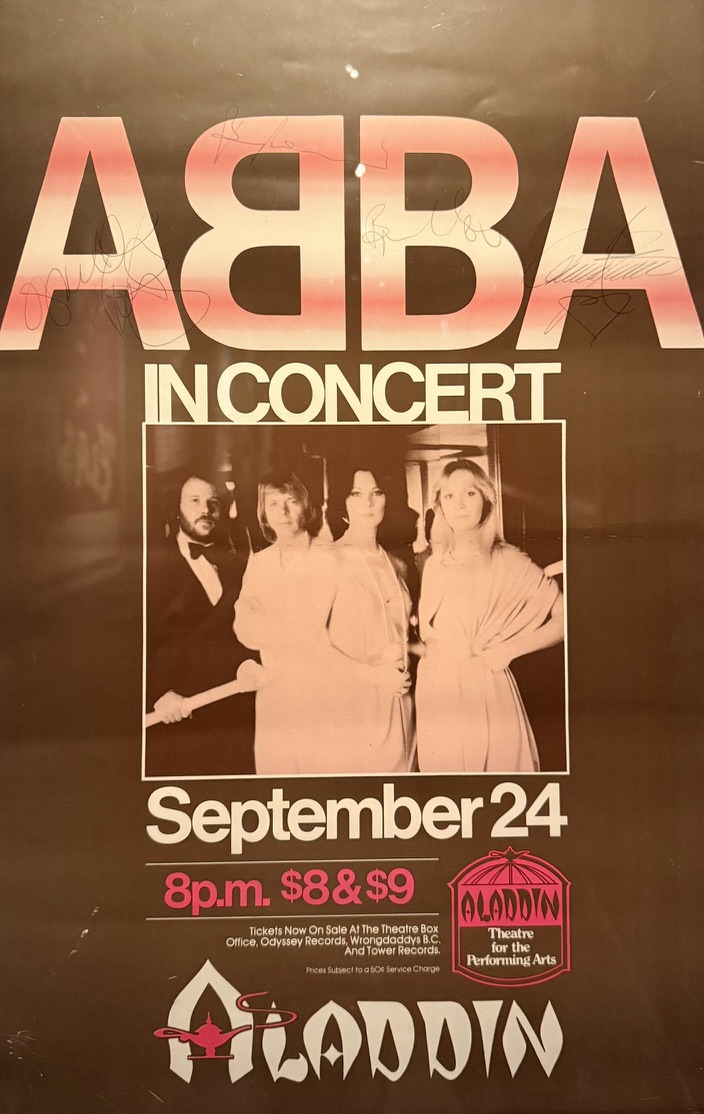
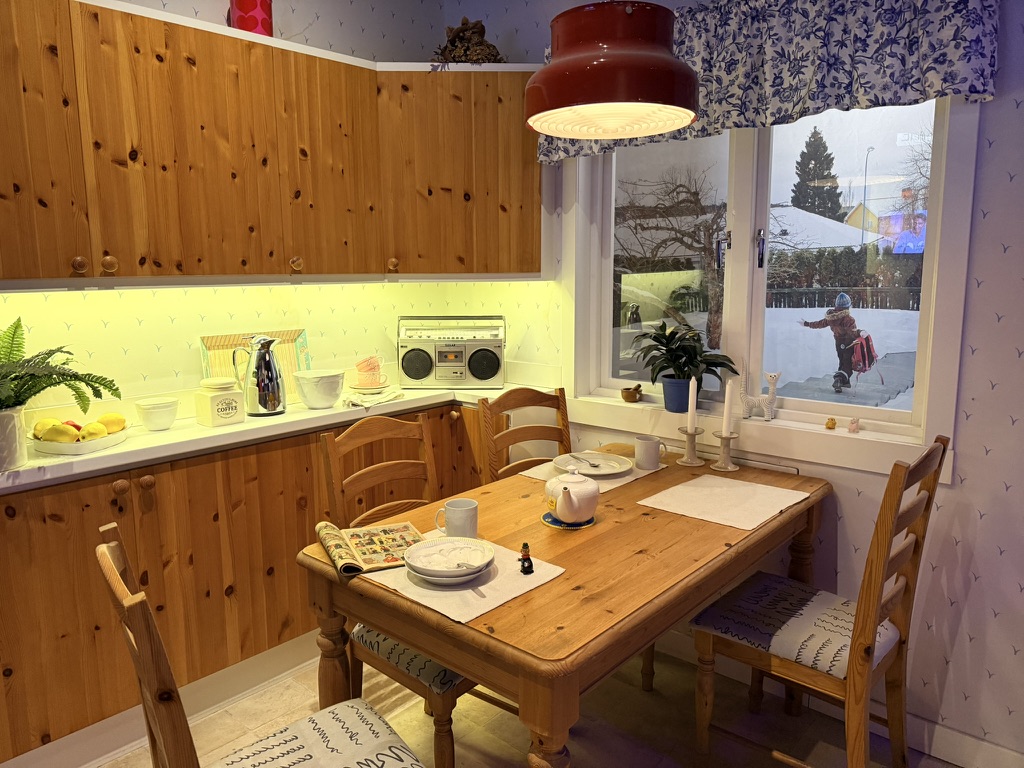
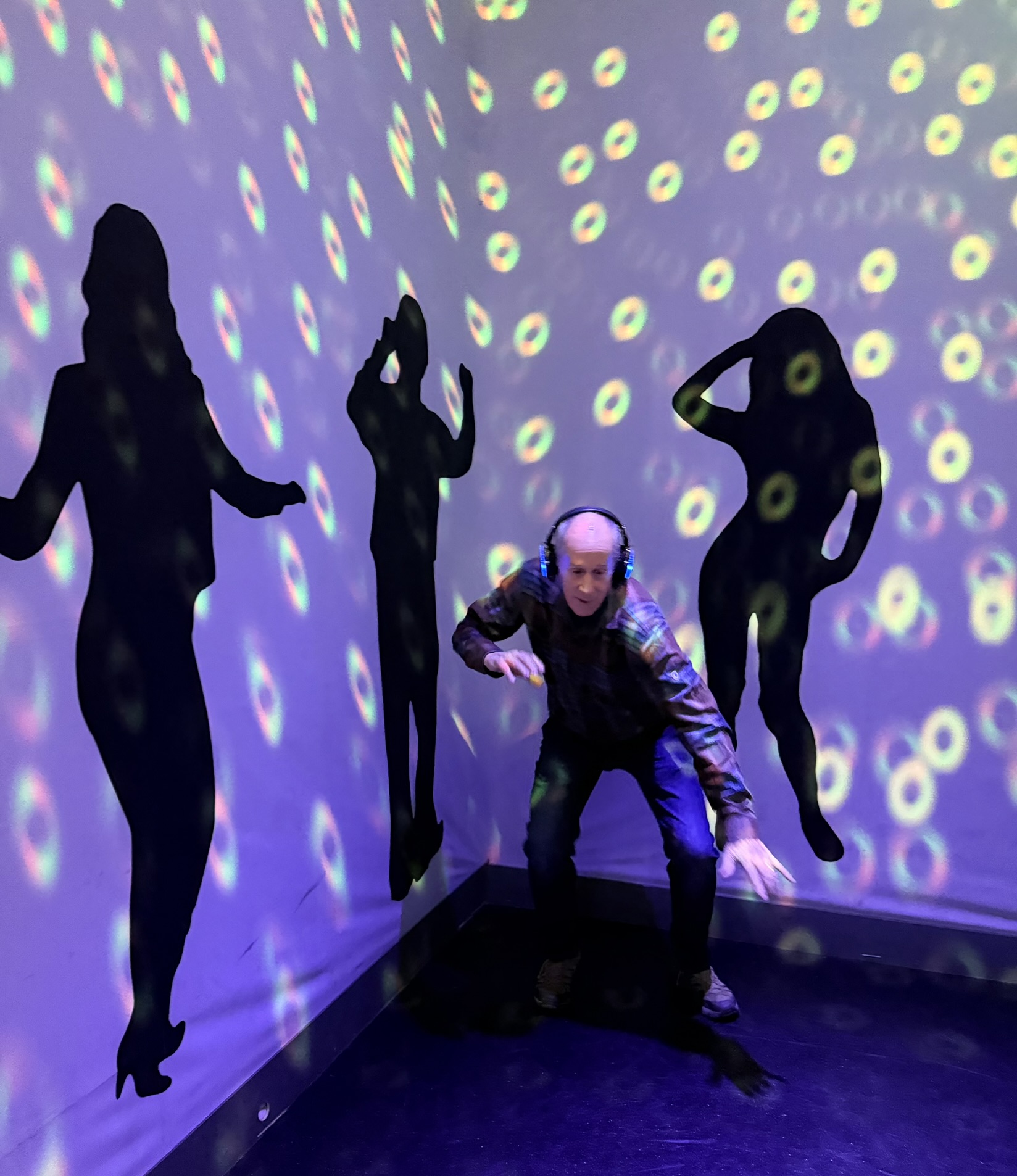

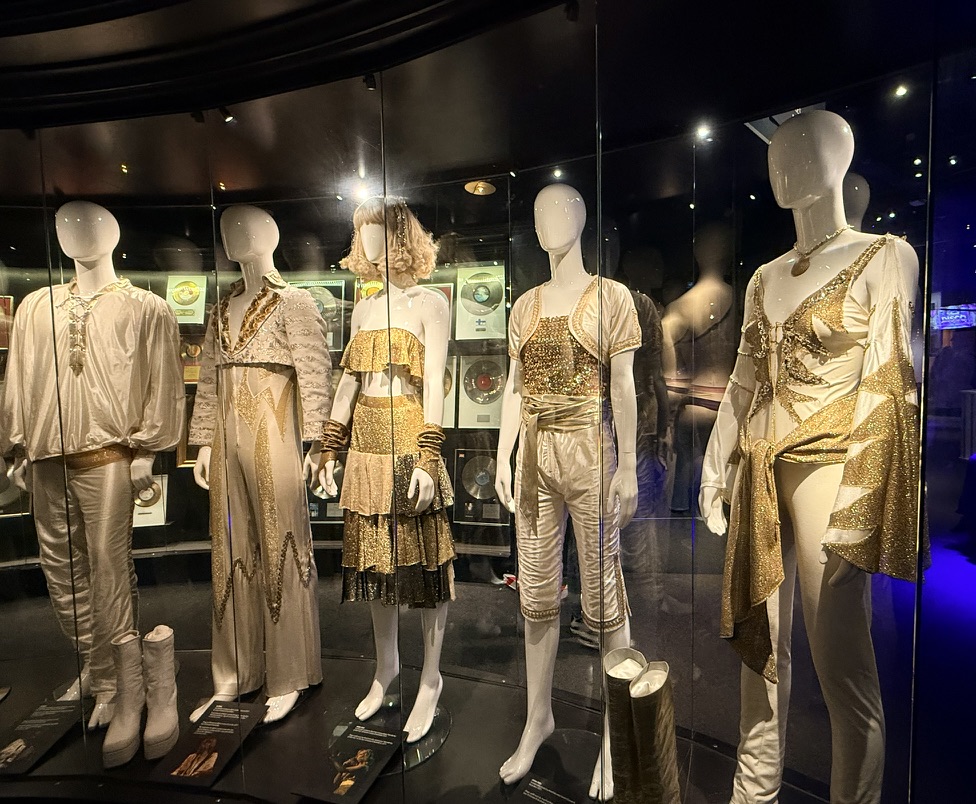
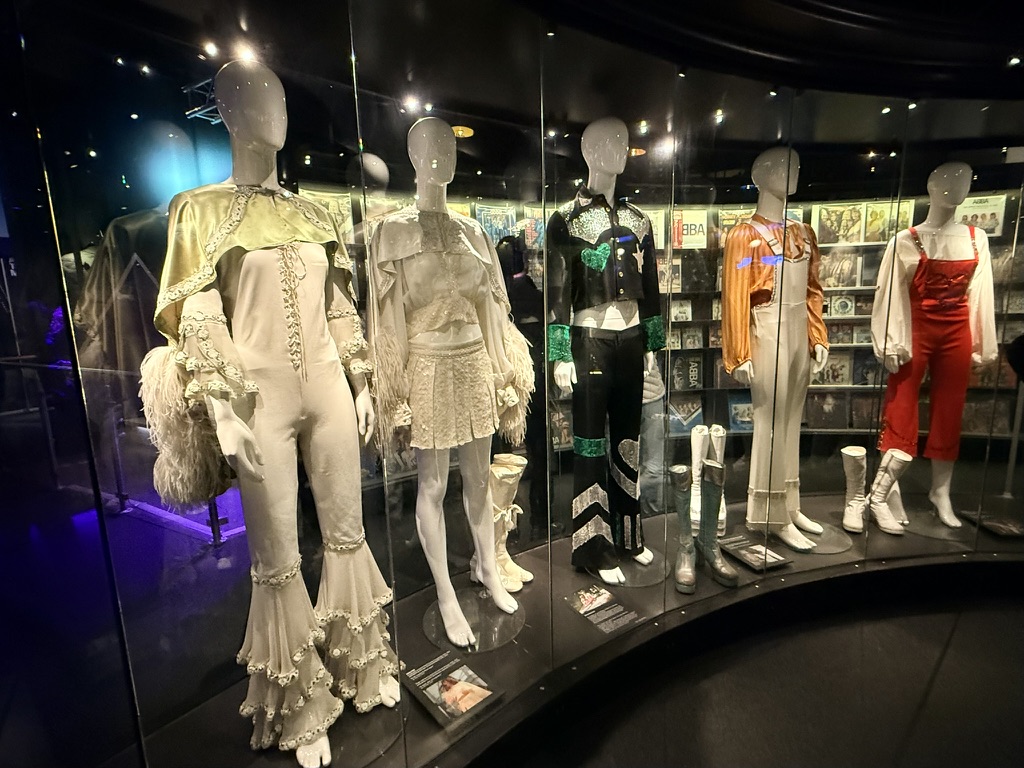
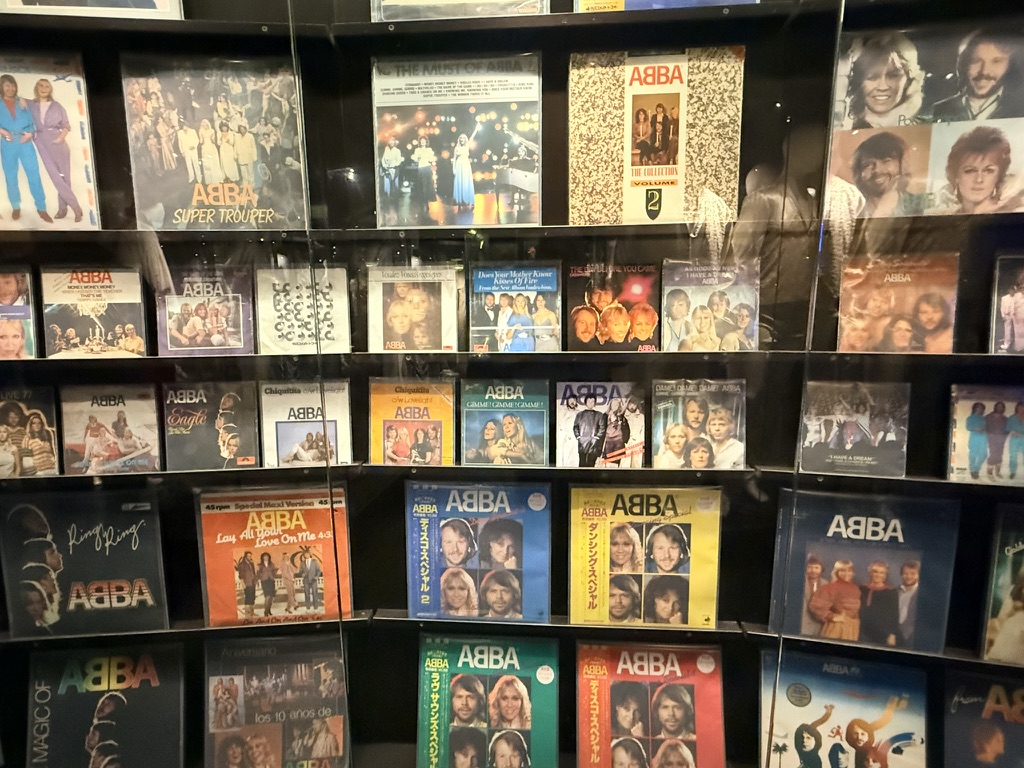
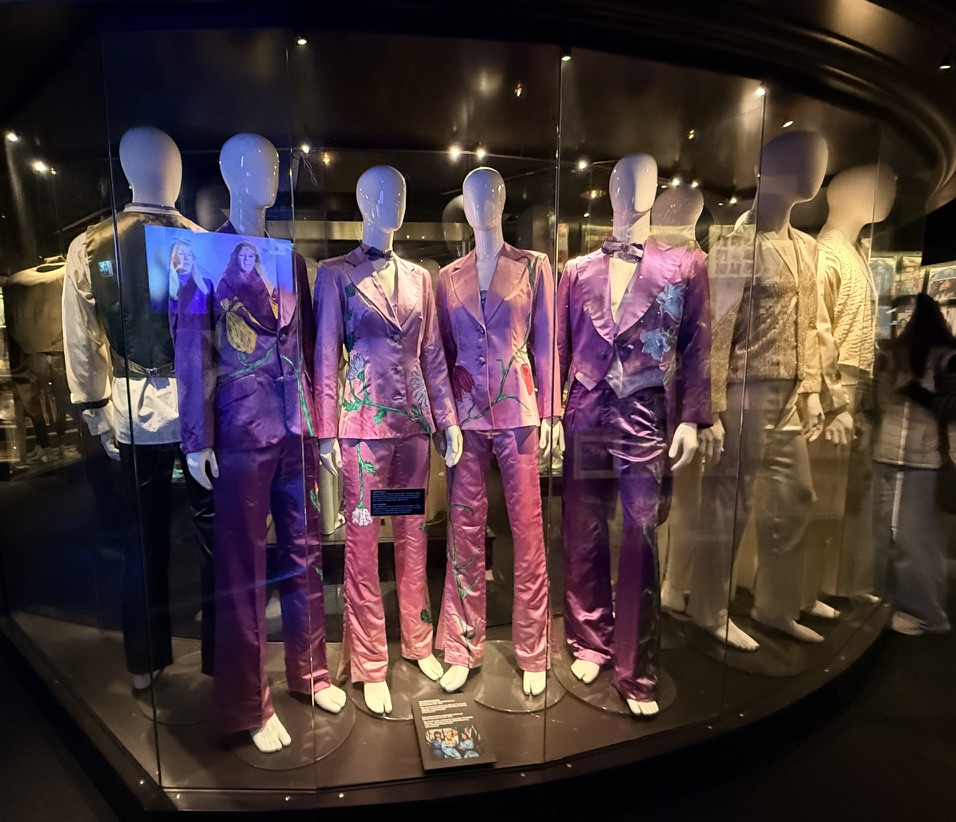
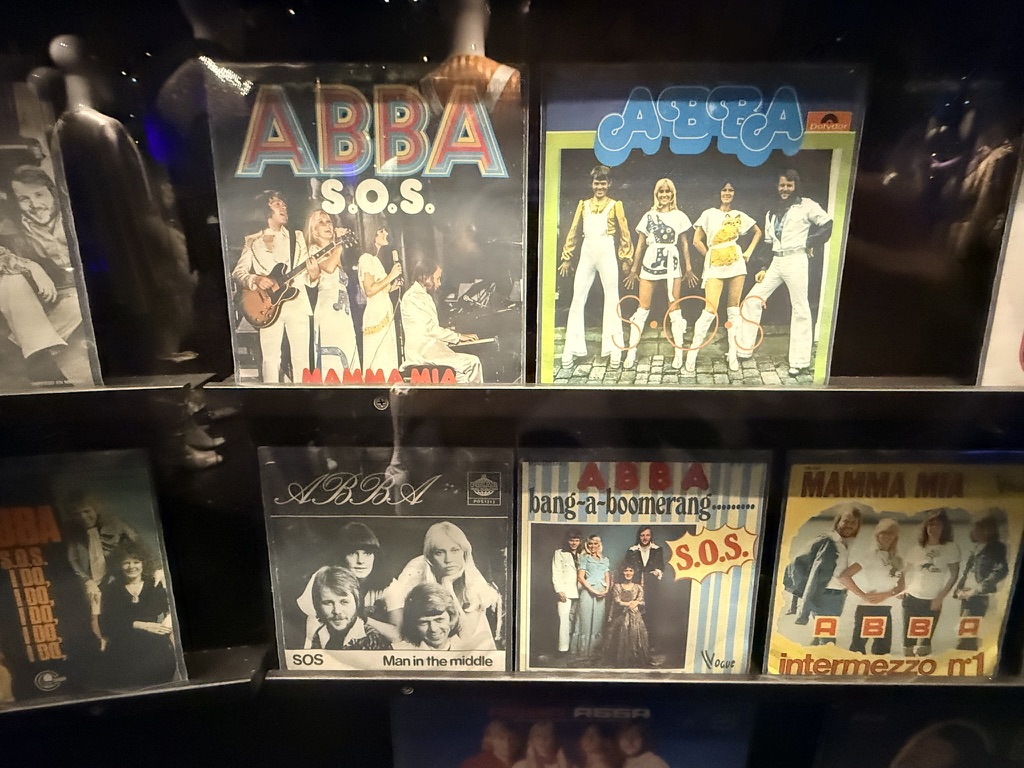
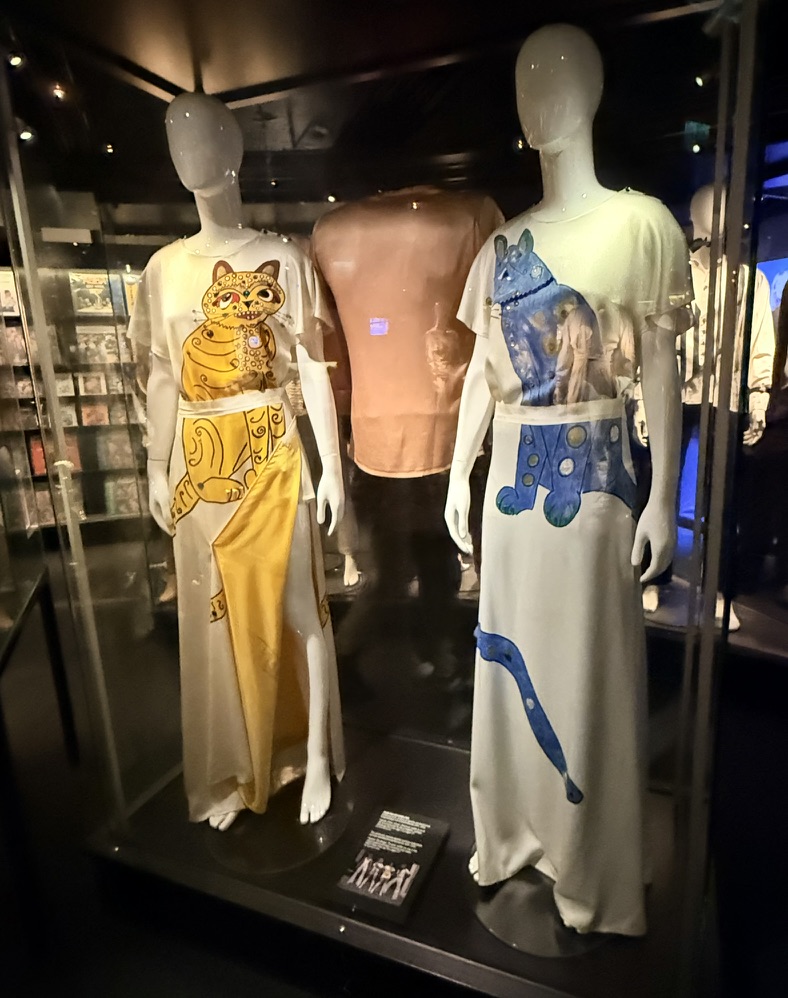
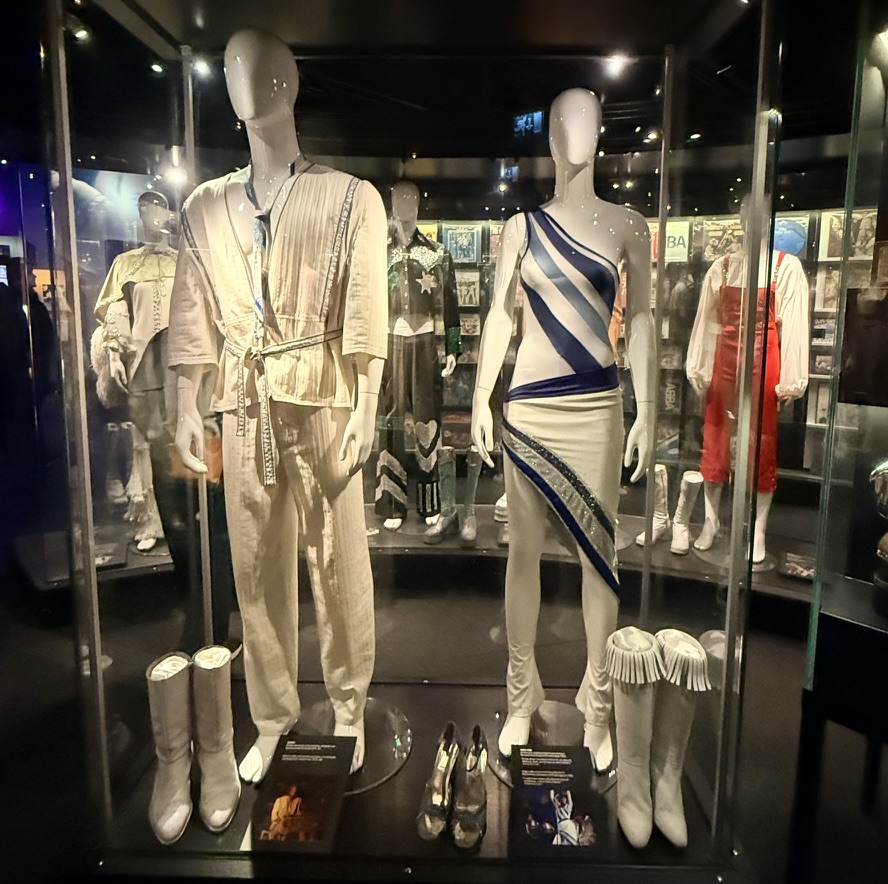
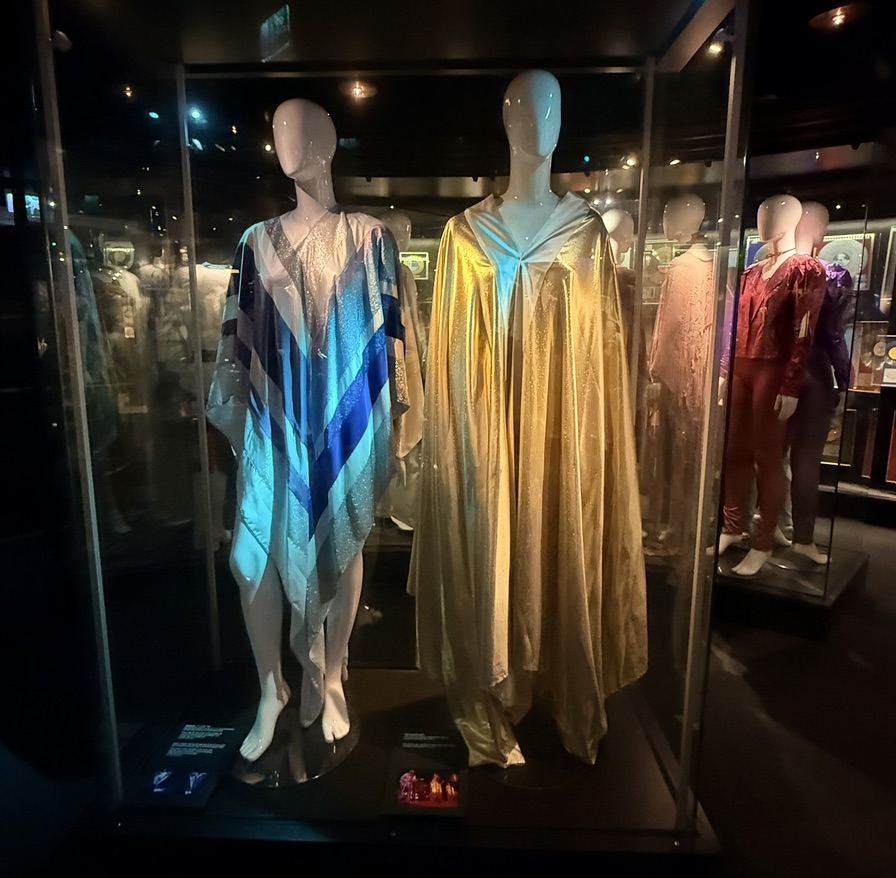
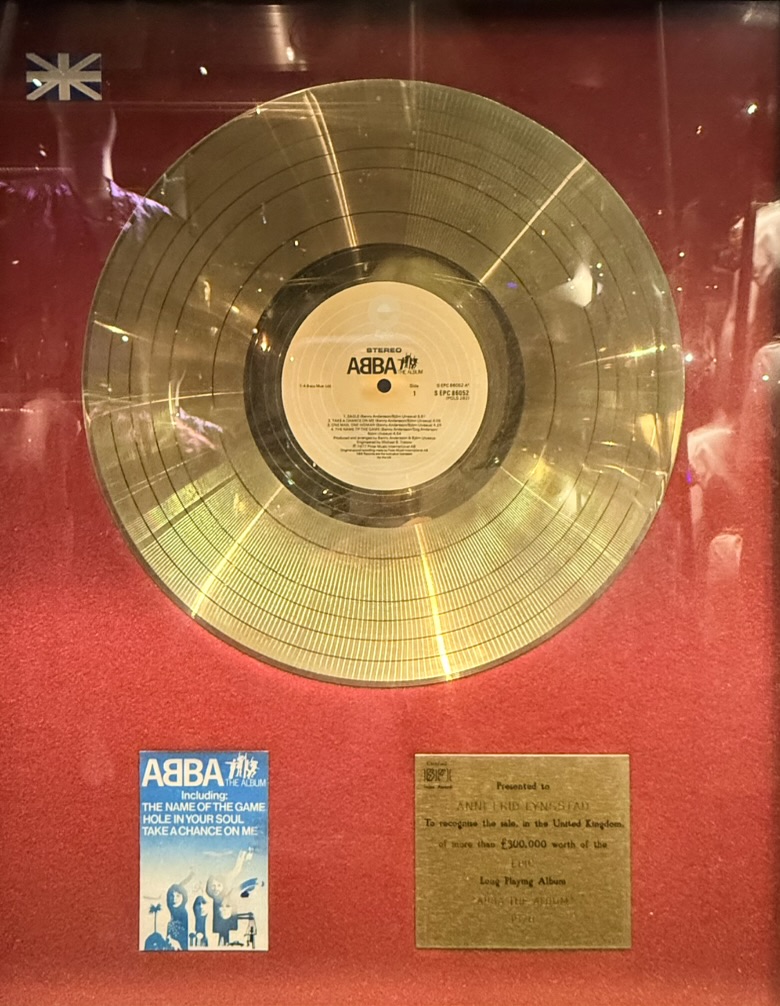
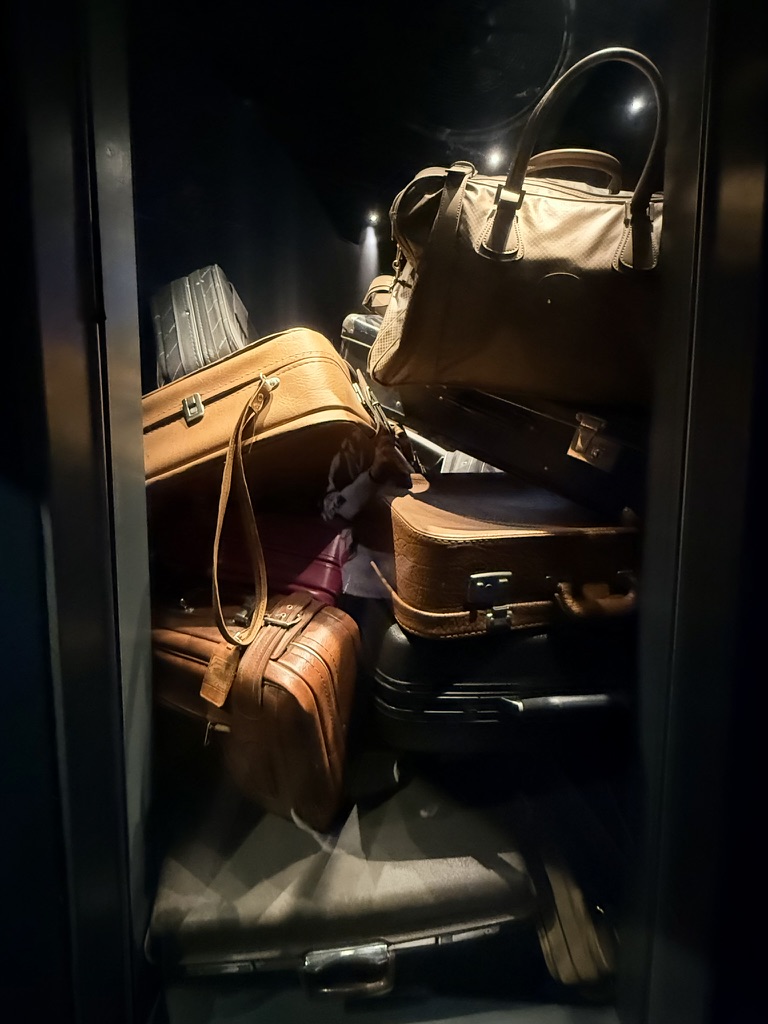
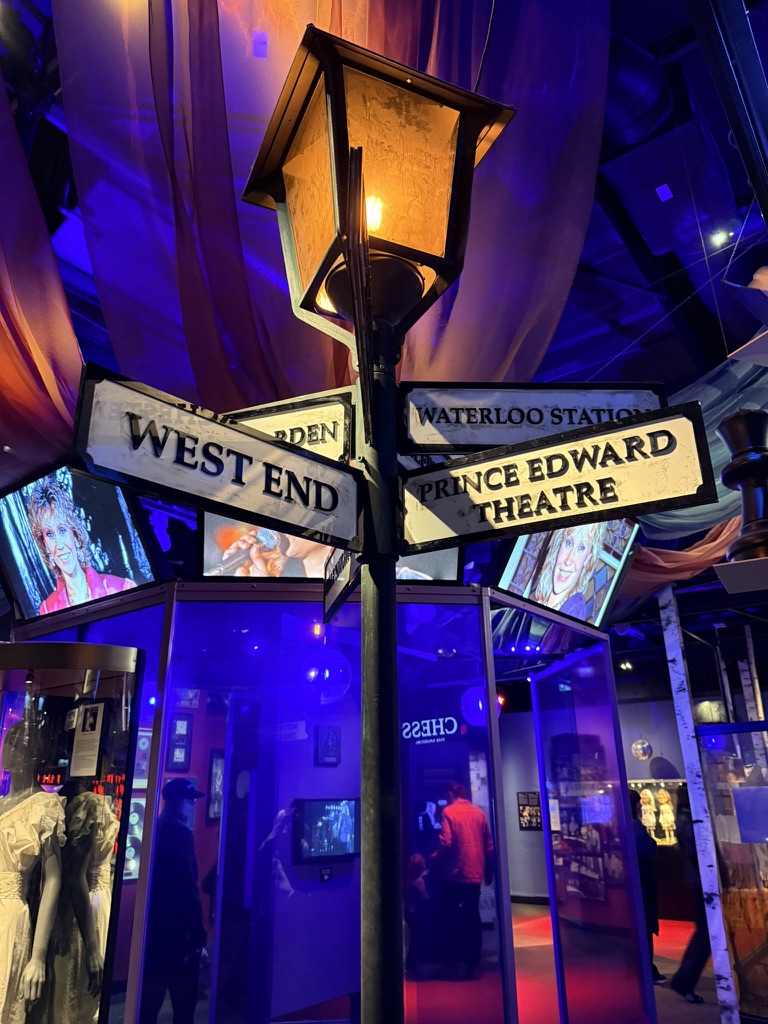
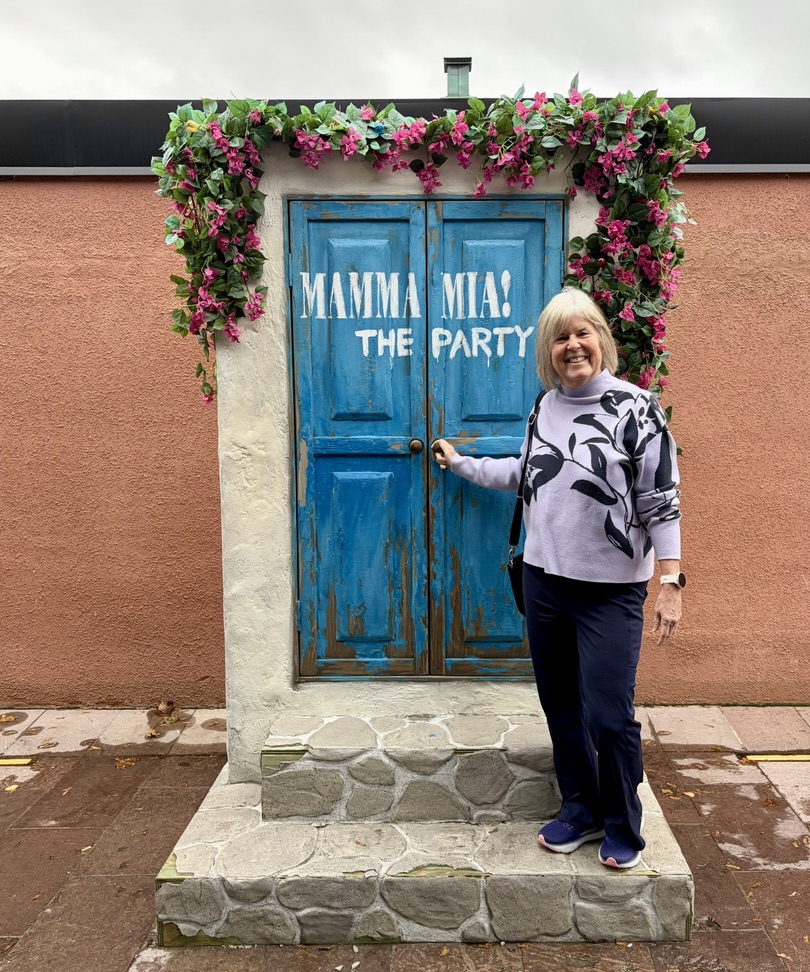
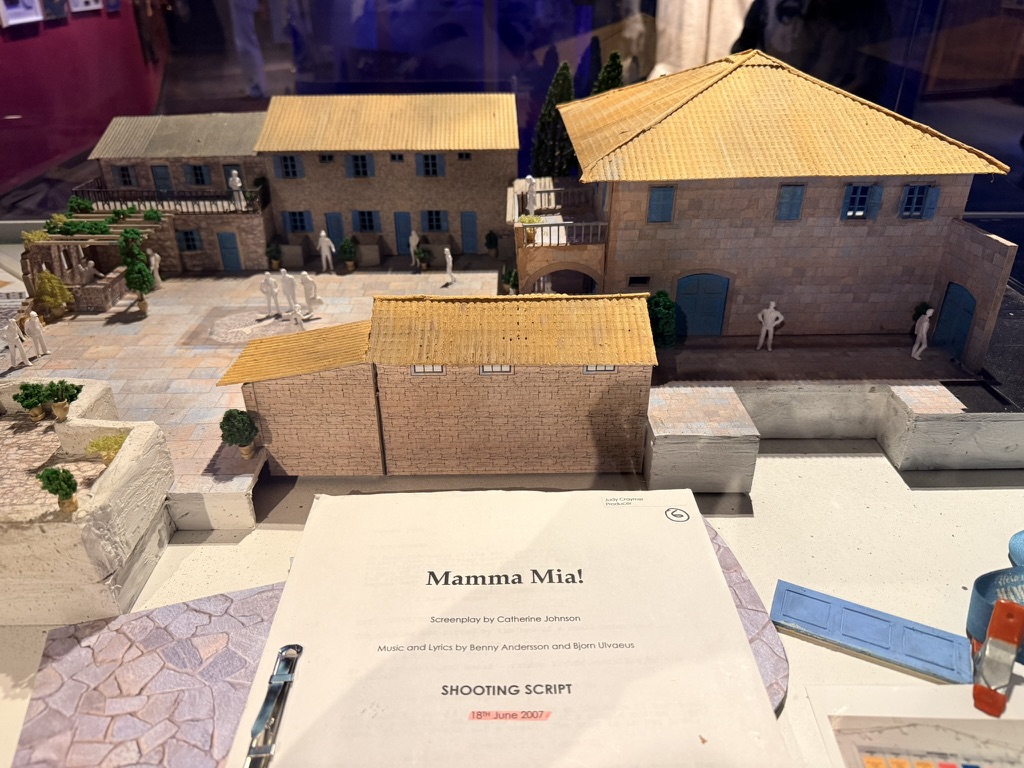
Finally, there was a small display about Mama Mia! and the beaten-up Land Rover in which Donna picks up her best friends from the boat when they arrive at the harbor in Kalokairi. In Mama Mia! Here We Go Again, it’s Sophie’s turn to collect her mother’s friends in the old jeep.
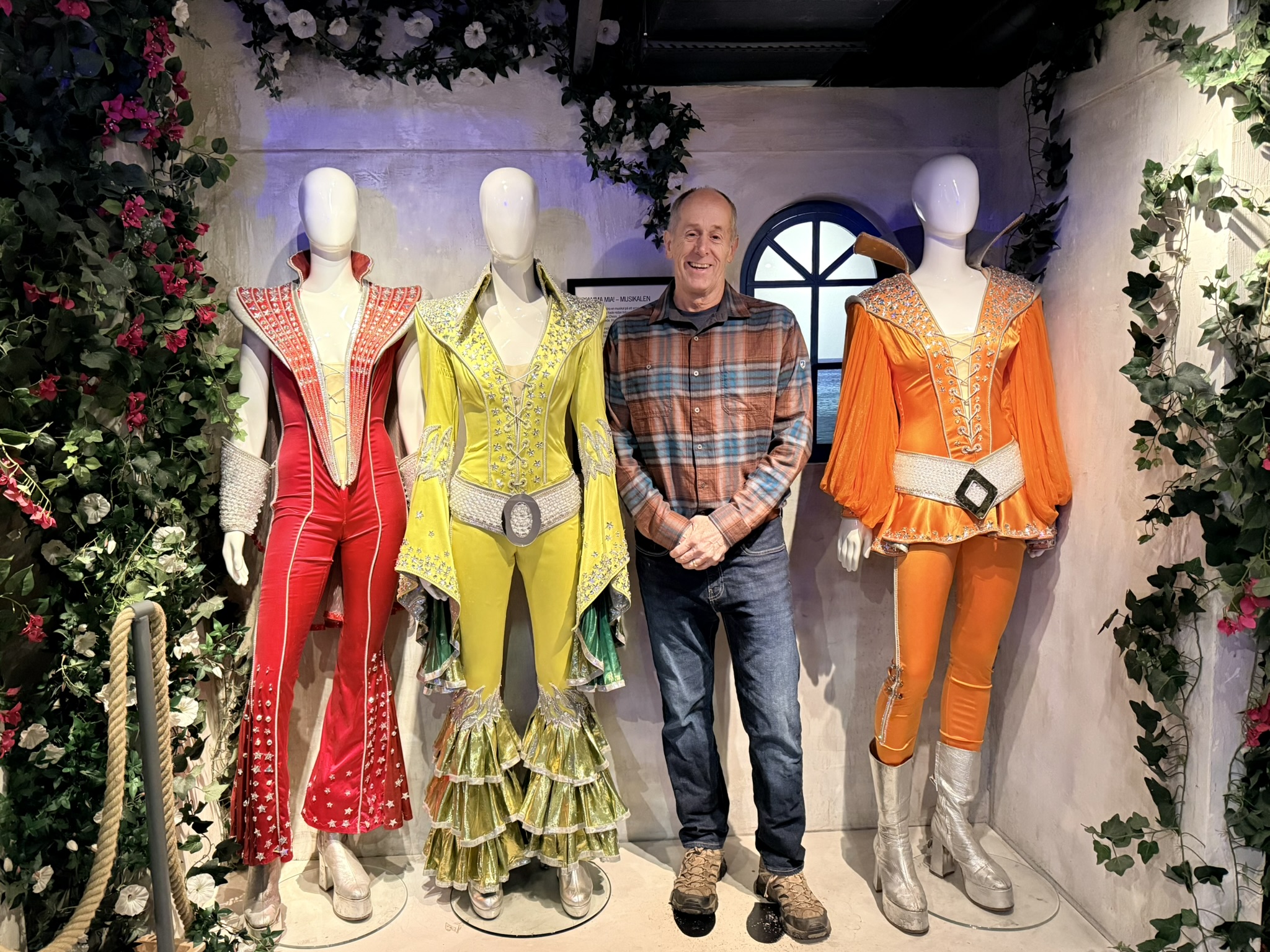
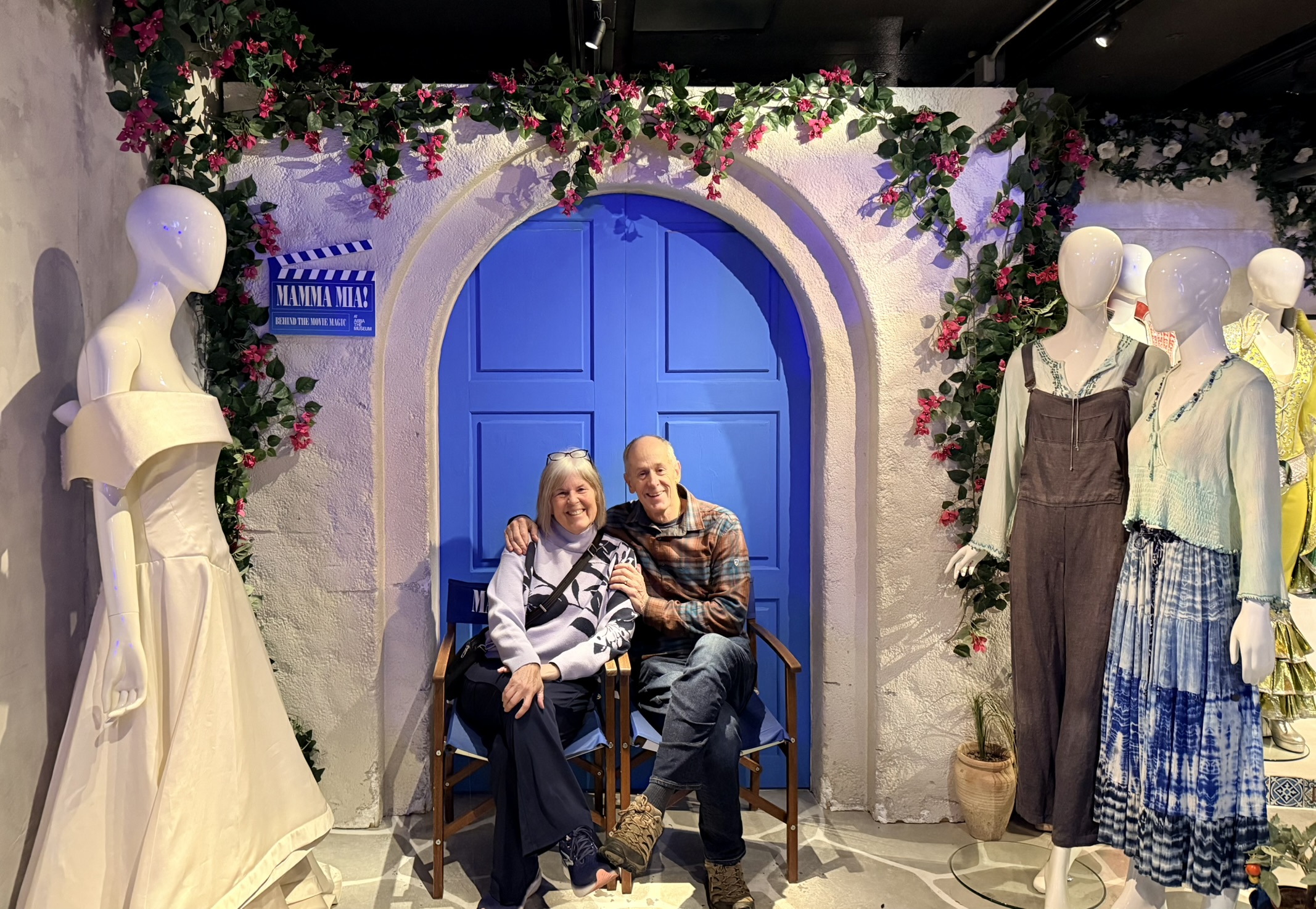
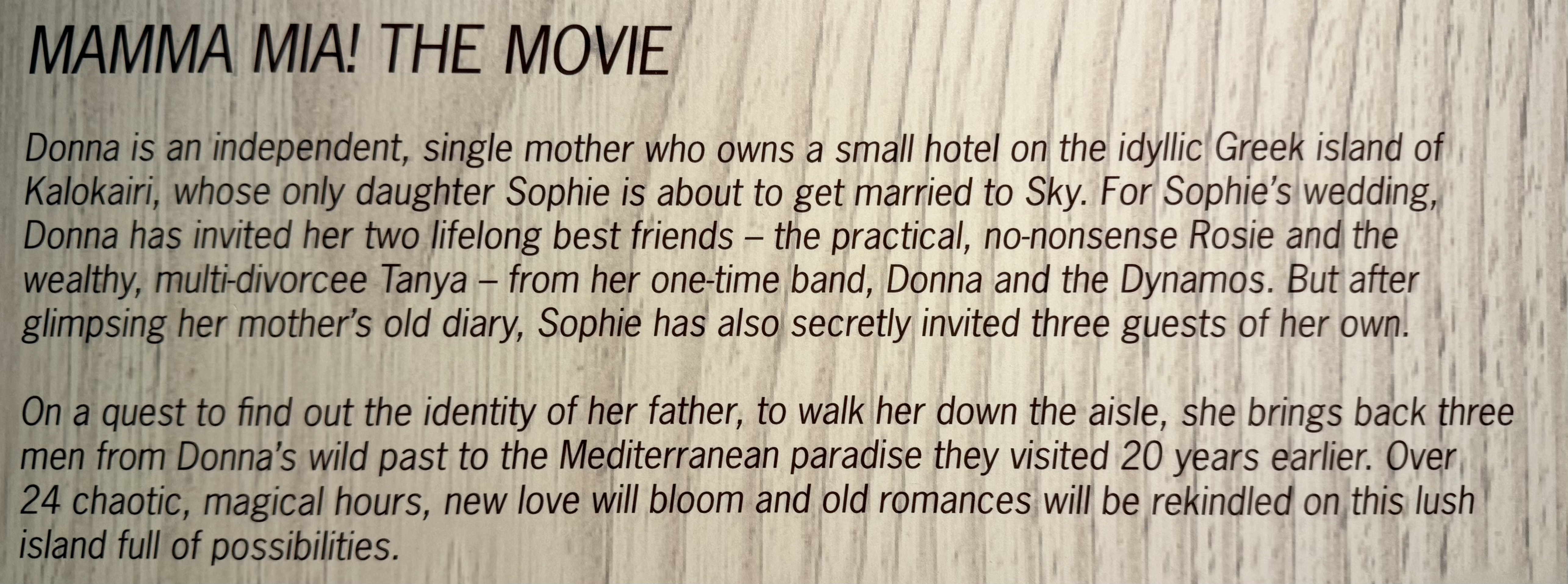
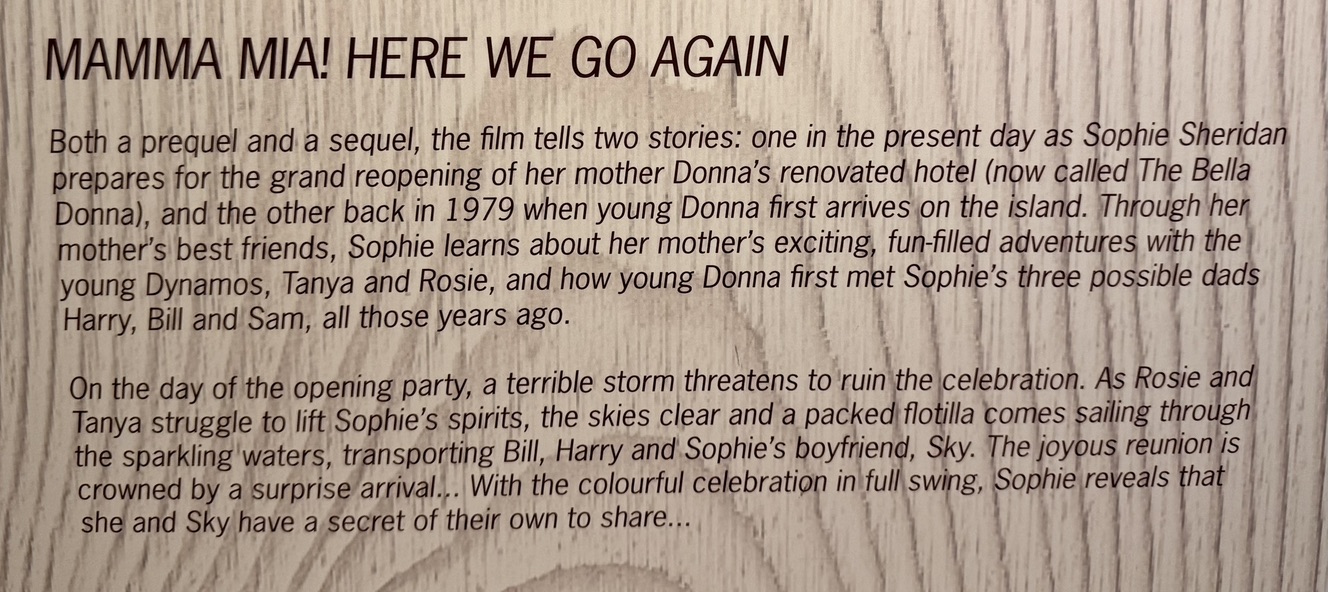
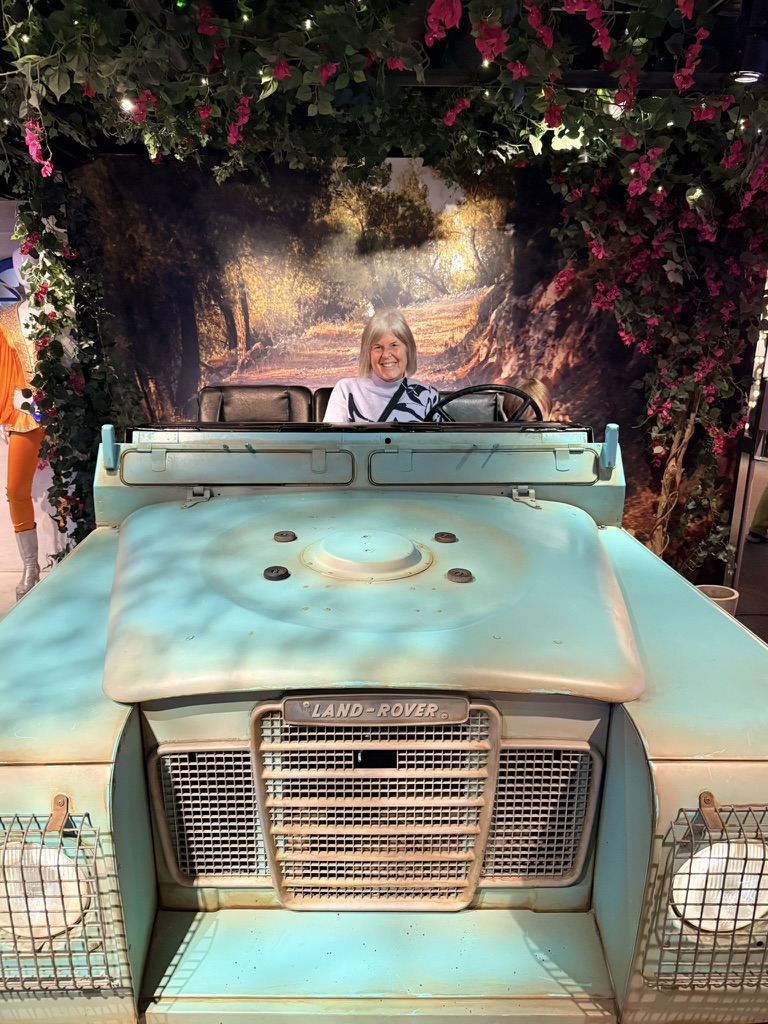
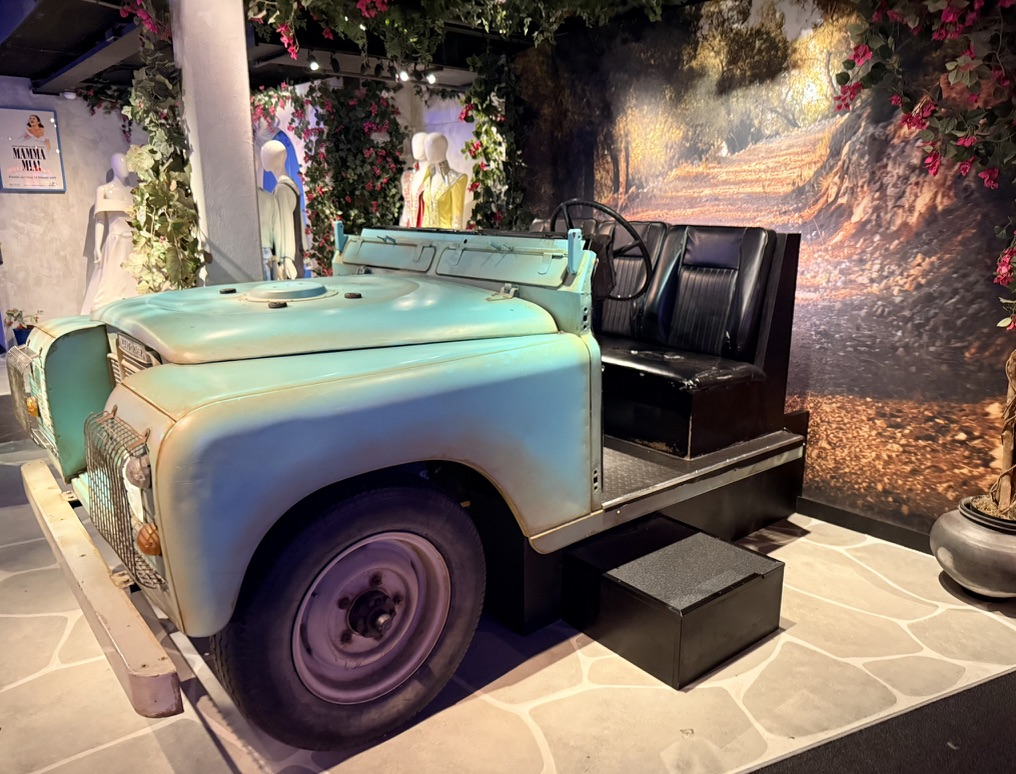
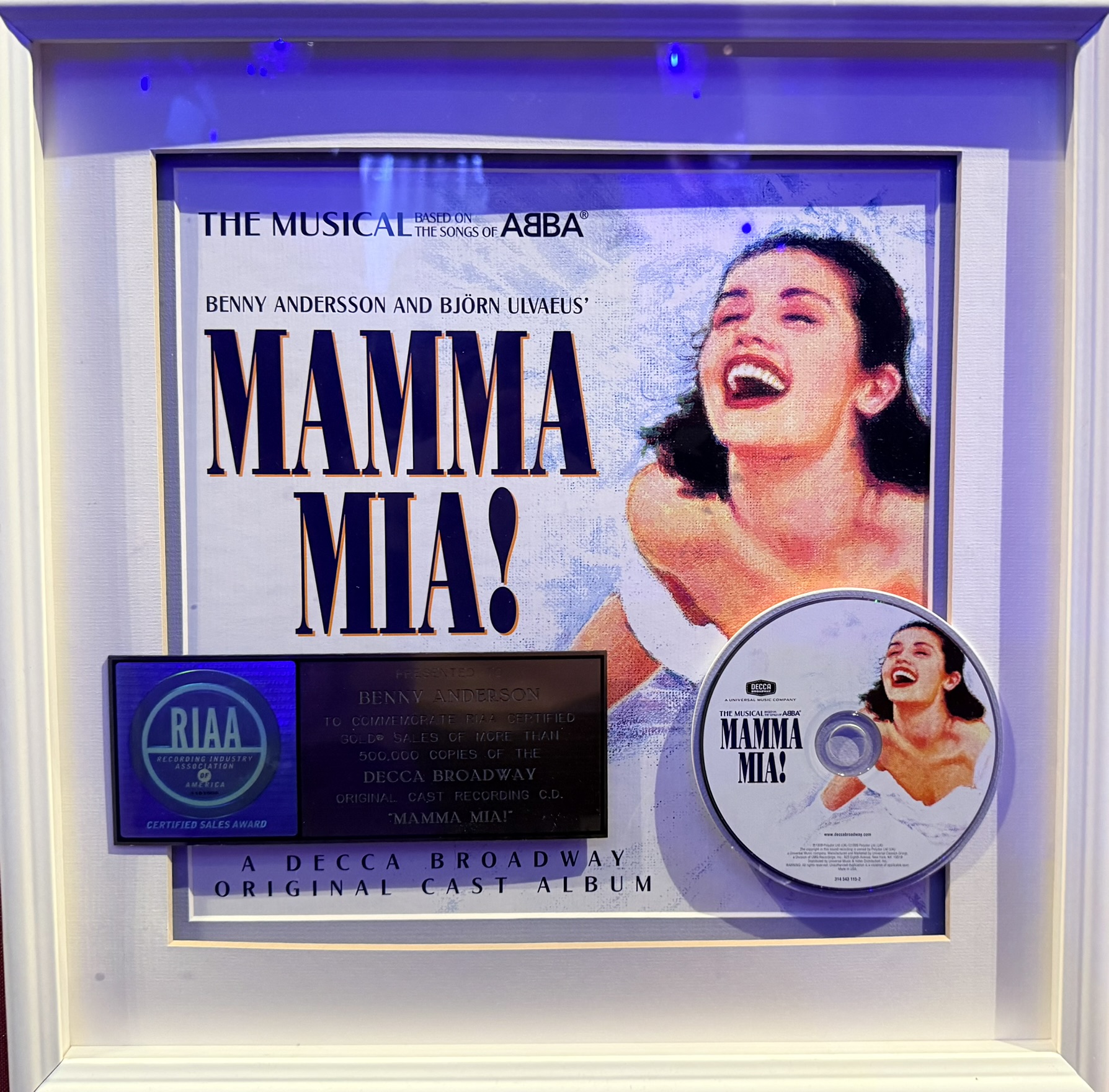
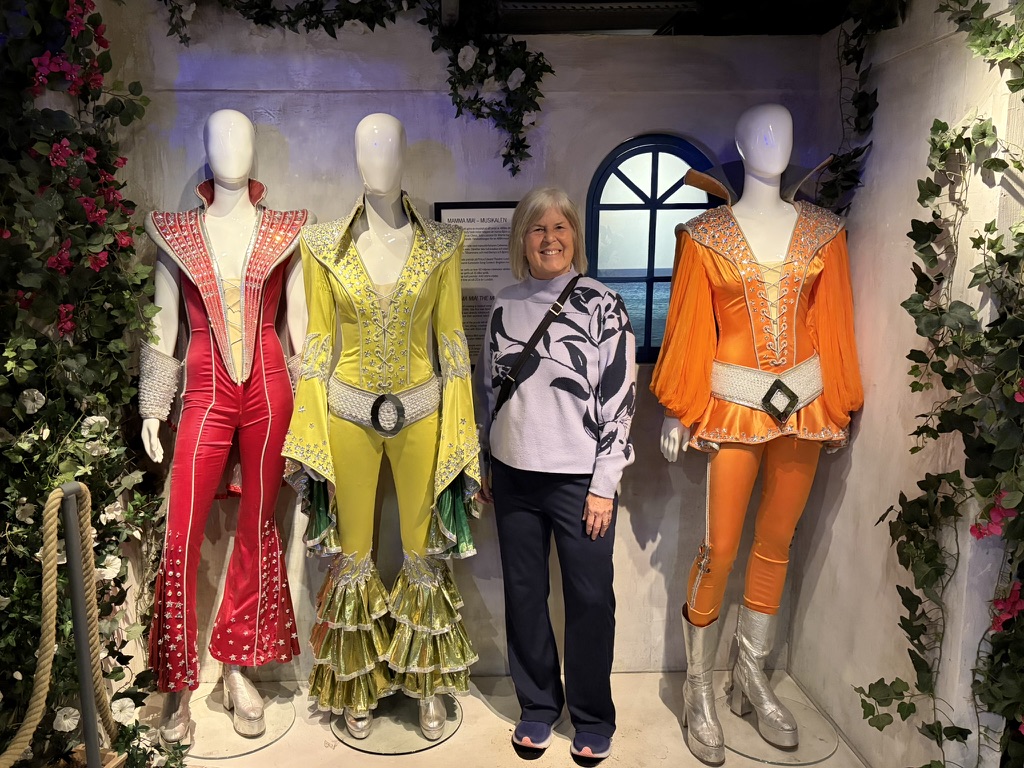
There was no formal announcement of ABBA’s breakup but the group went on an indefinite hiatus from 1982-1983. Björn and Agnetha divorced in 1980. Benny and Frida divorced in 1981. Since the group was uniquely composed of two married couples, these divorces shattered the “two happy couples” image and led to strained relations among the group members.
A section of the museum is devoted to following the individual careers of the singers after the group dissipated.
Gamla Stan and Södermalm
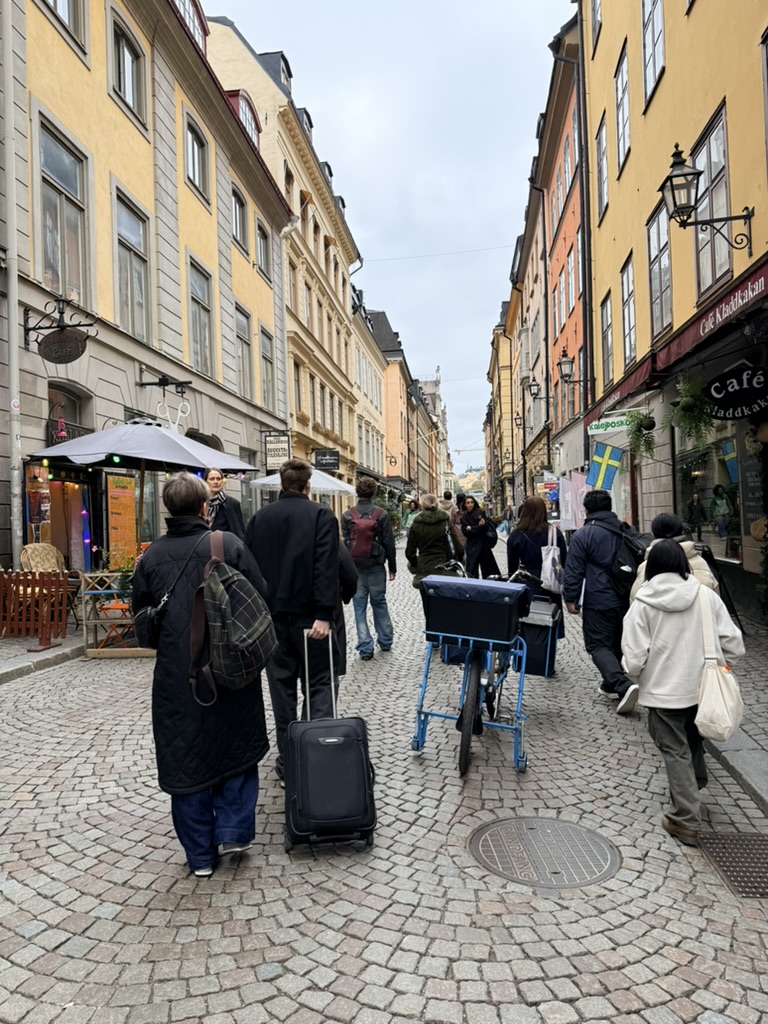
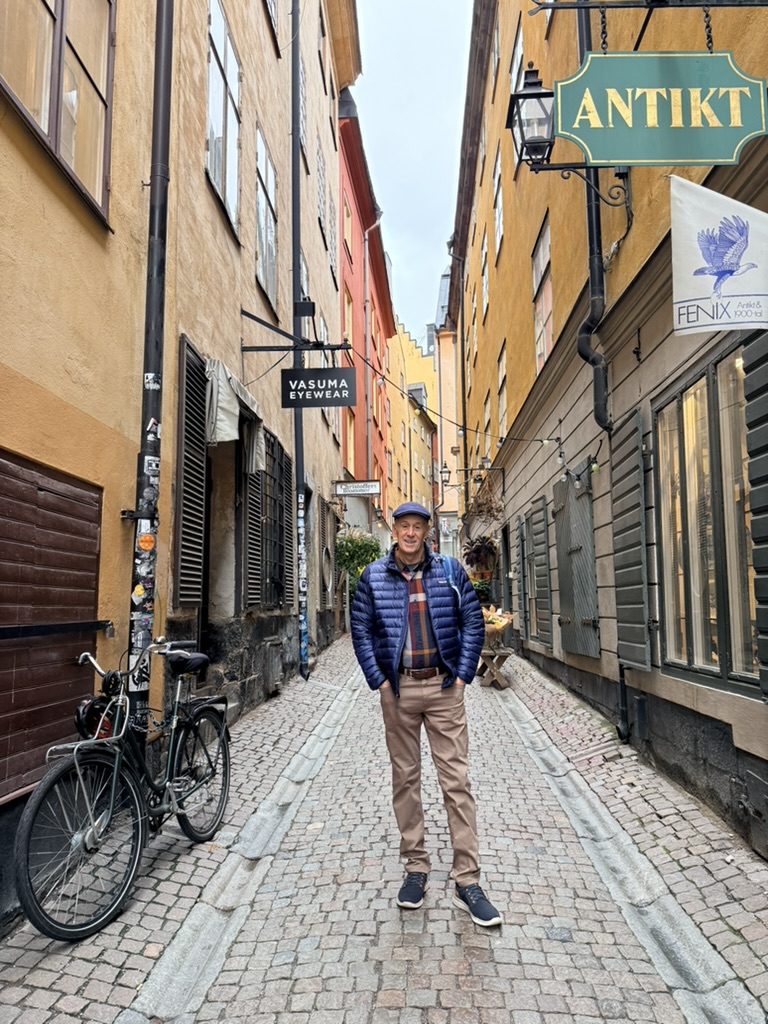
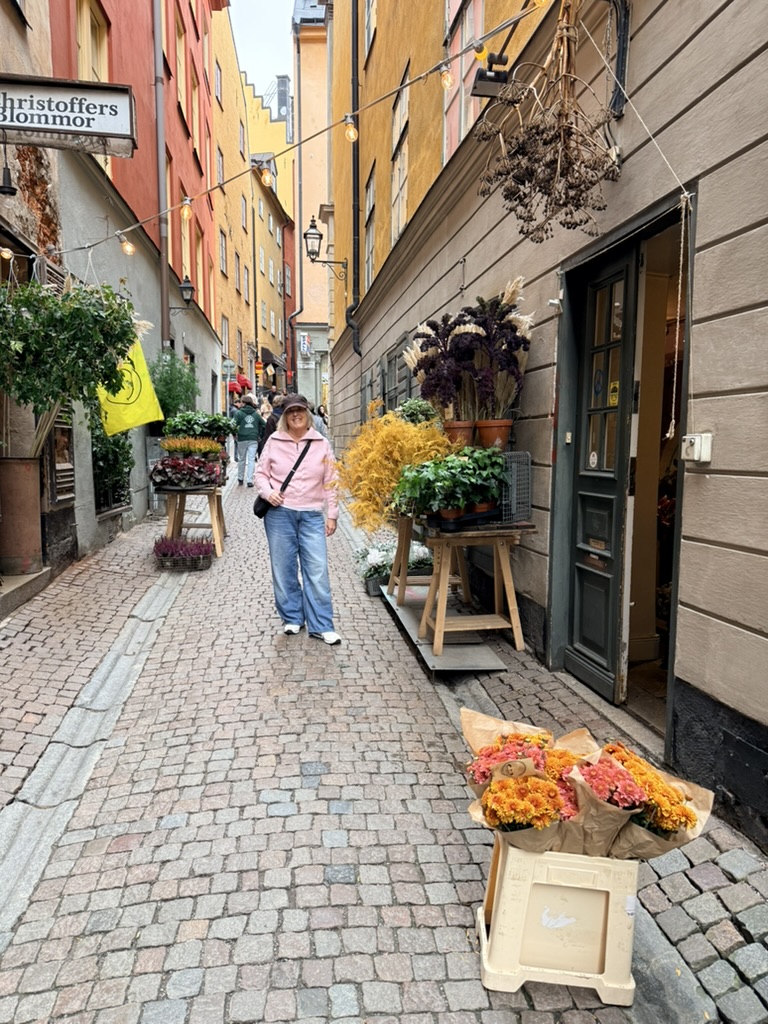
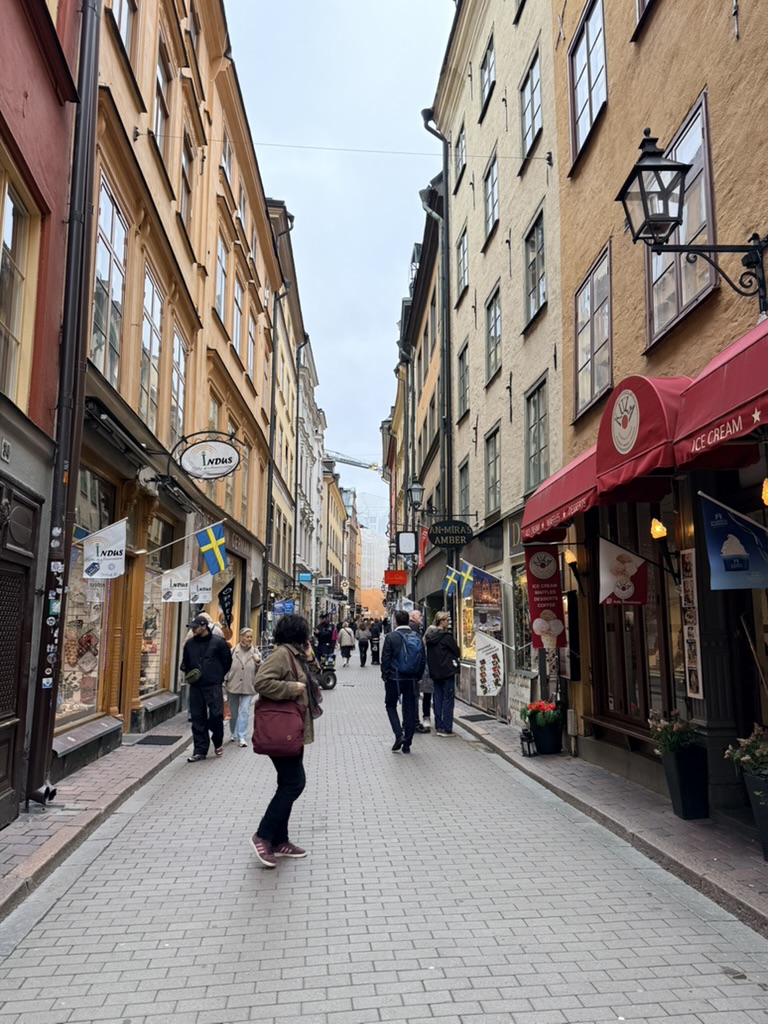
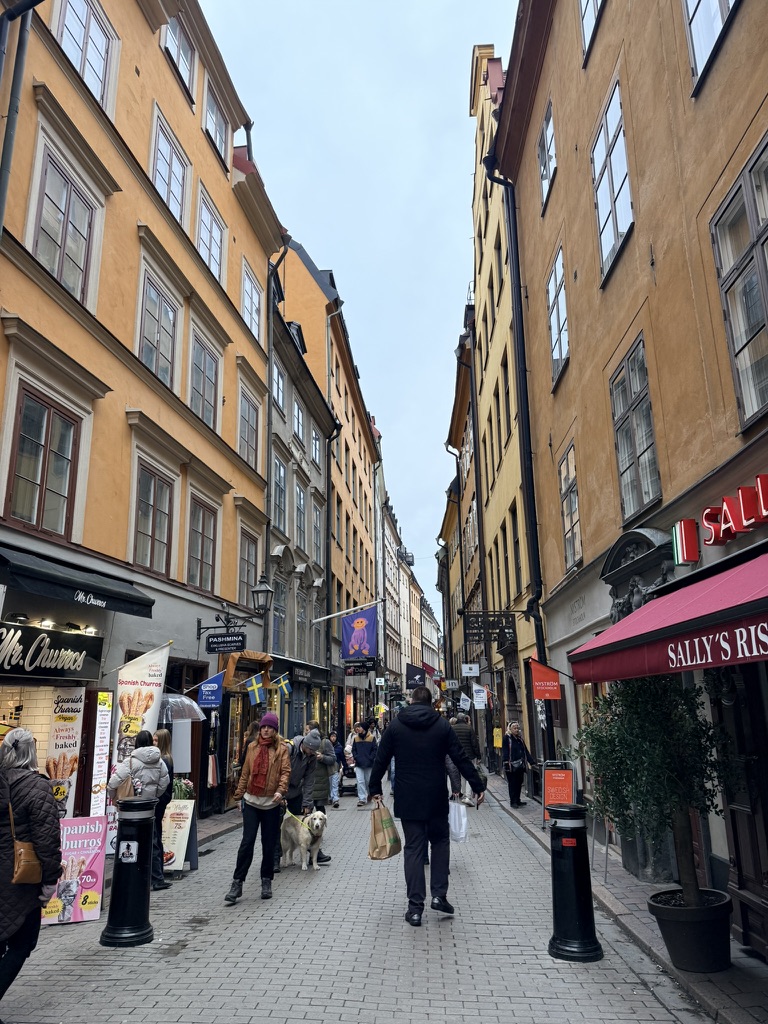
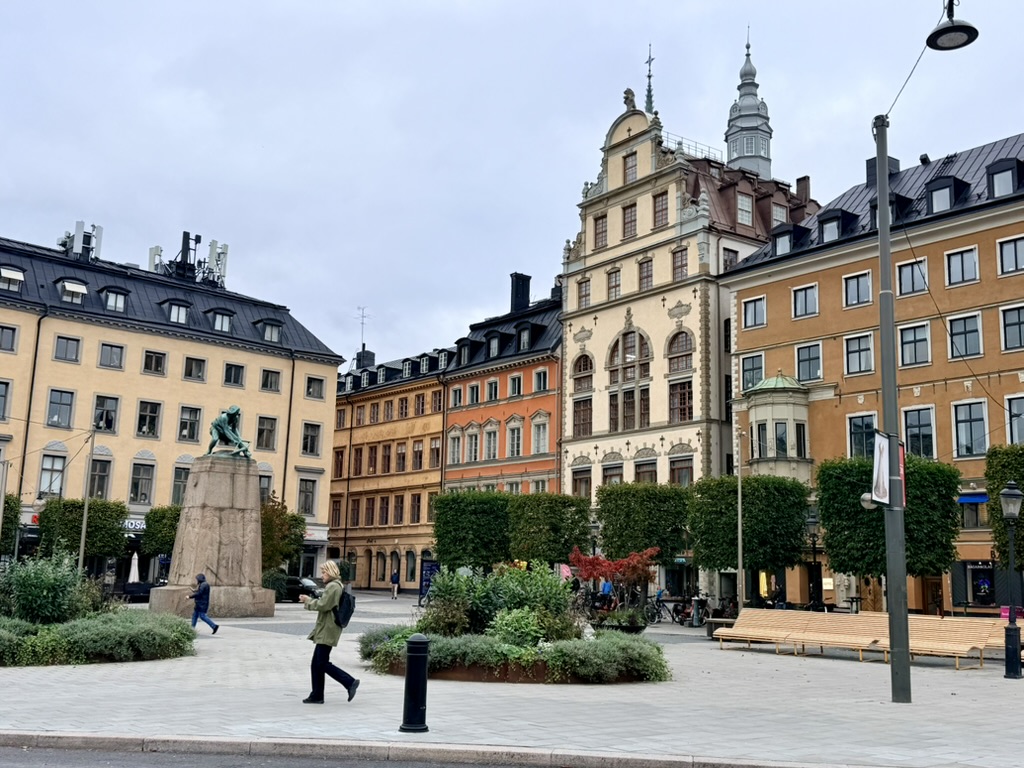
Gamla Stan is the historic heart of Stockholm. The birthplace of Stockholm is dominated by Kungliga Slottet (Royal Palace) and features Renaissance churches, romantic squares, cobblestone streets, the Baroque cathedral, and interesting museums. Of course it has plenty of cafes and souvenir shops. The area also includes two islets: Helgeandsholme, home to Sweden’s parliament, and Riddarholmen, the location of the royal necropolis.
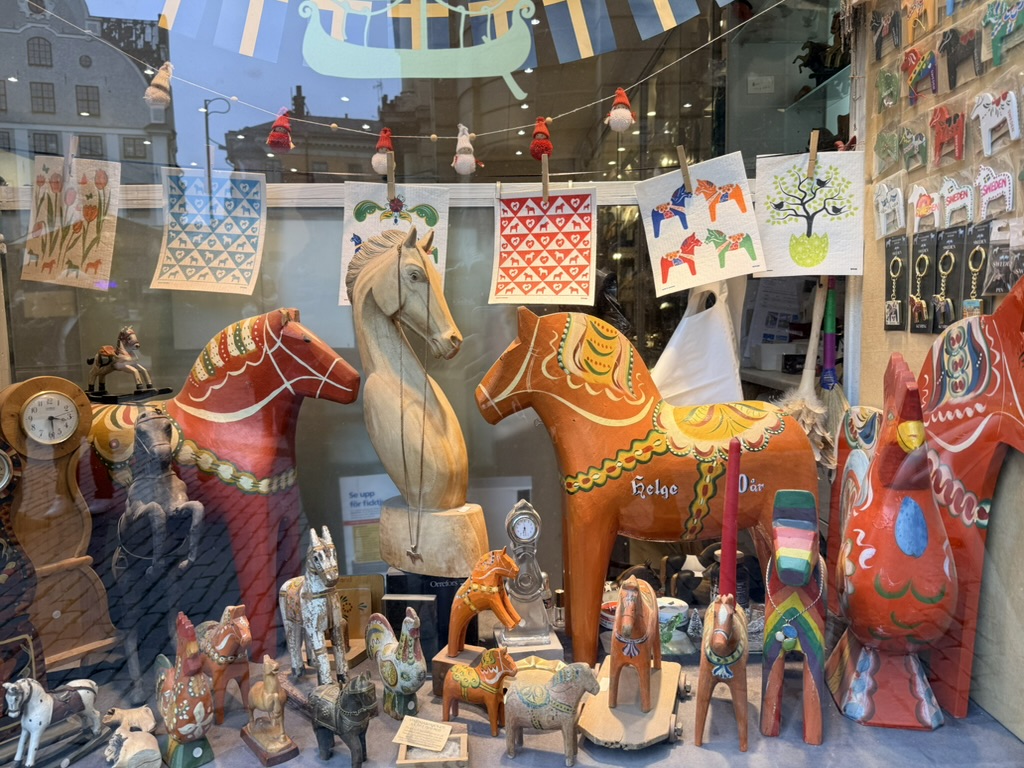
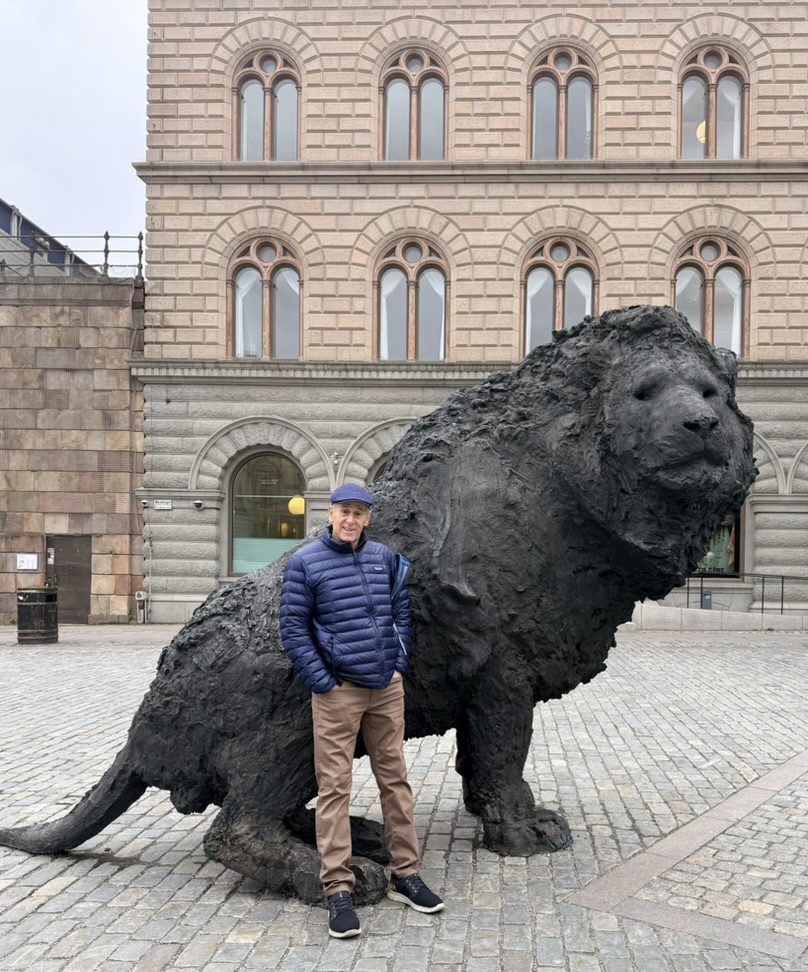
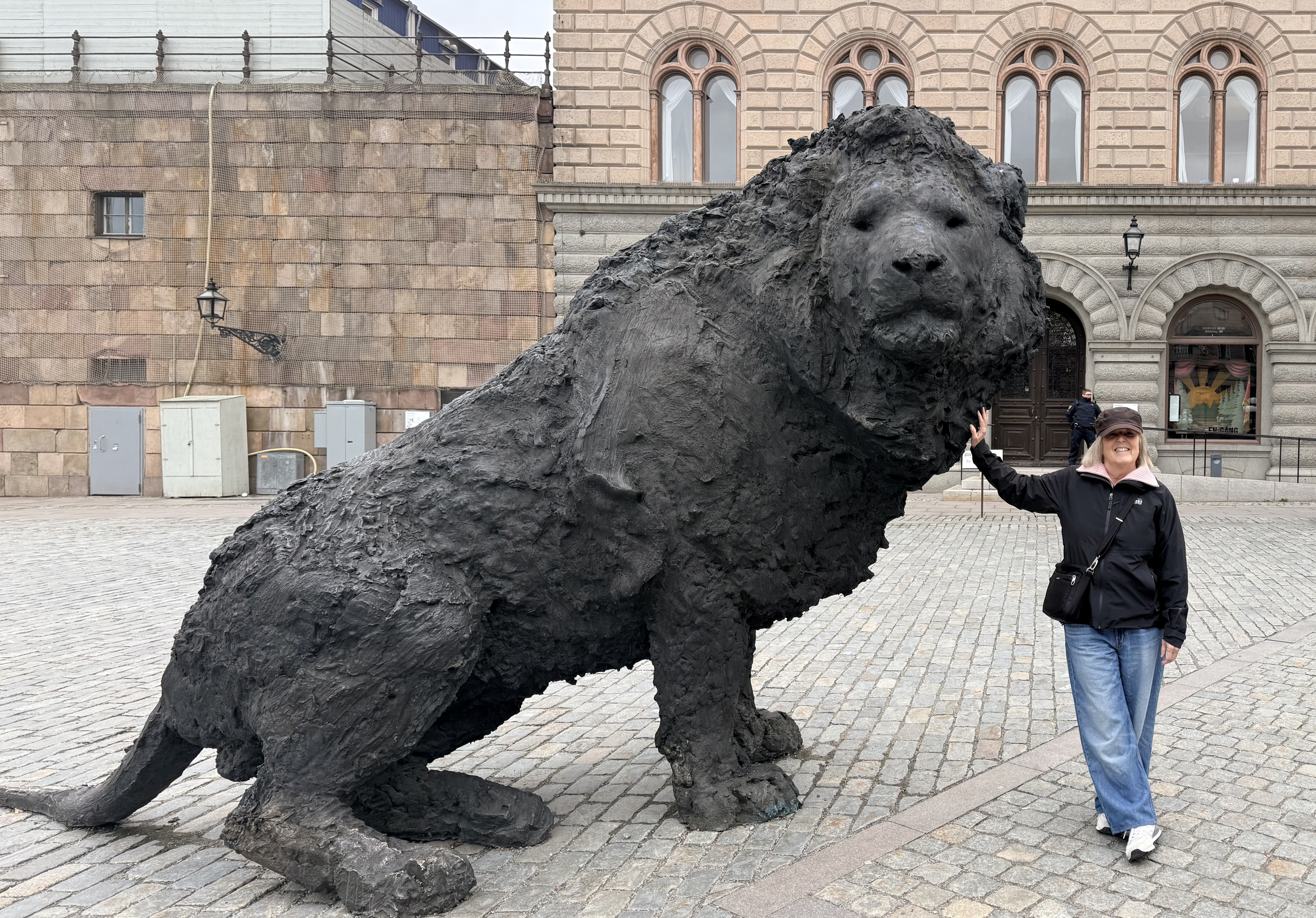
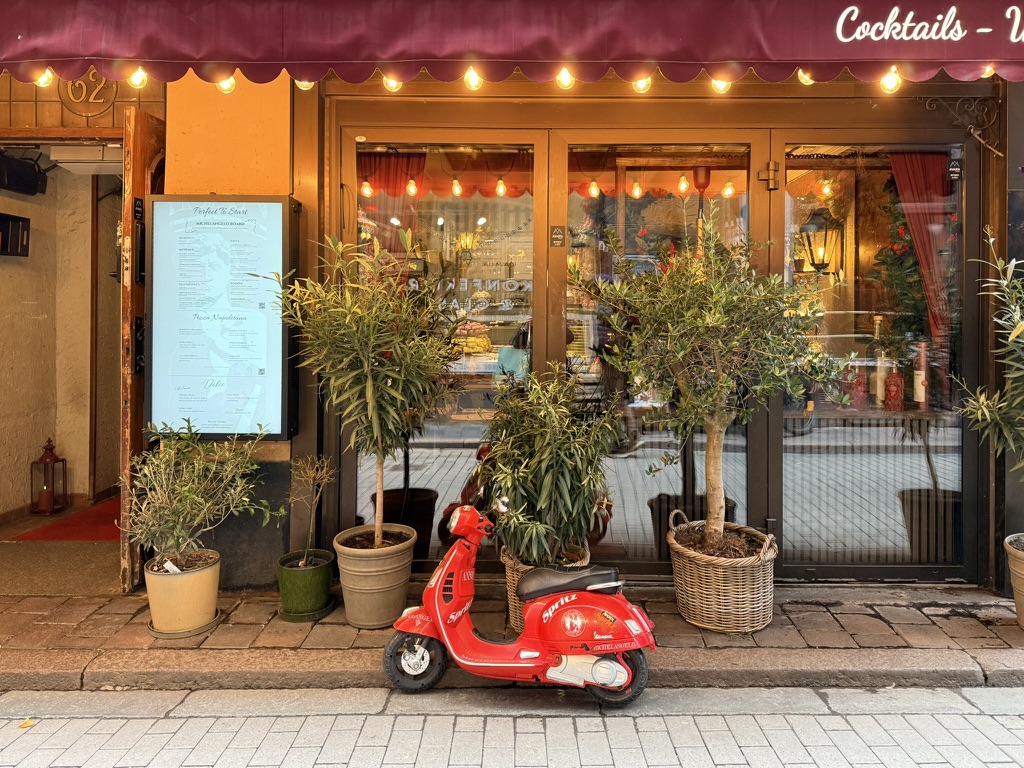
We wandered around Gamla Stan on one of the few non-rainy days we had in Stockholm. It is a lovely area but mostly full of tourist spots, souvenir shops and overpriced cafes.

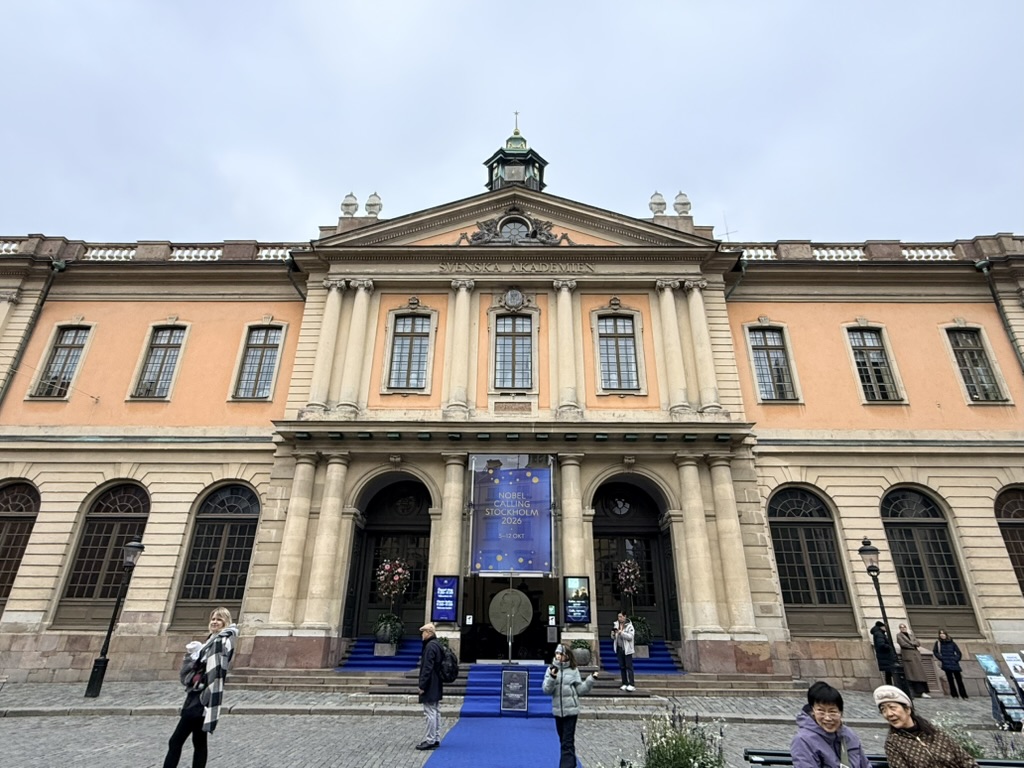
Nobelmuseet
Occupying the old Stock Exchange, the Nobelmuseet charts the history of the Nobel Prizes and their recipients, with a focus on the intellectual and cultural aspects of invention. We didn’t go inside.
Kungliga Slottet (Official Residence of the Royal Family)
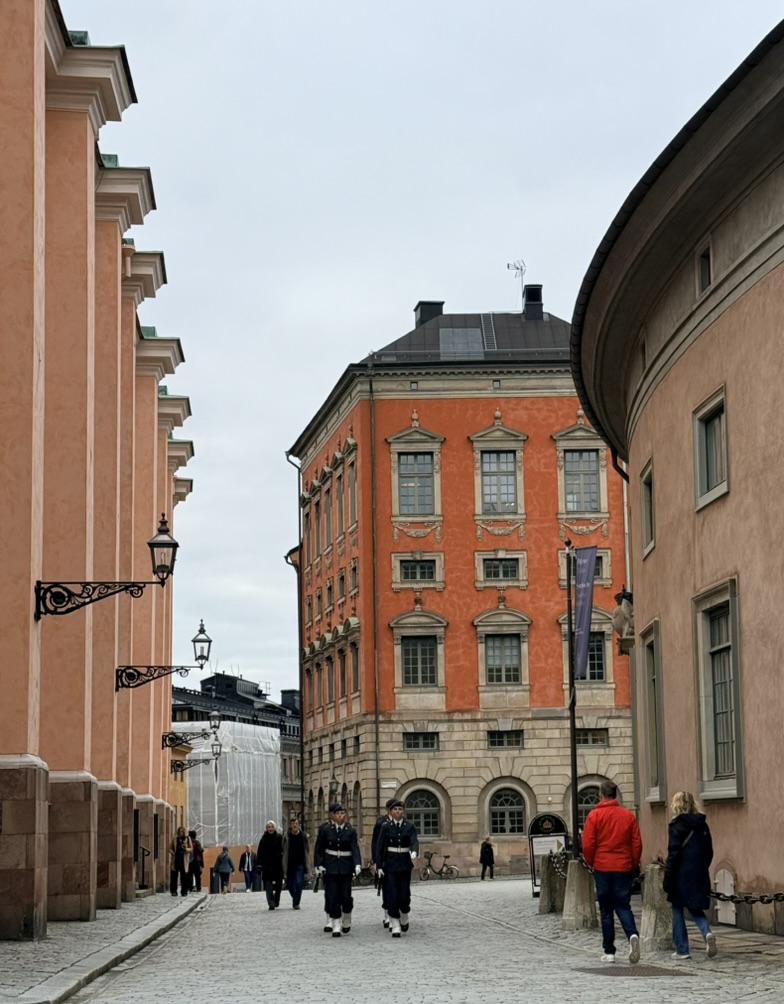
This 608-room palace, built on the ruins of medieval Tre Kronor castle which burned down in 1697, is the home of Sweden’s royal family. We didn’t go inside, but we came upon the Changing of the Guard in the outer courtyard purely by accident.
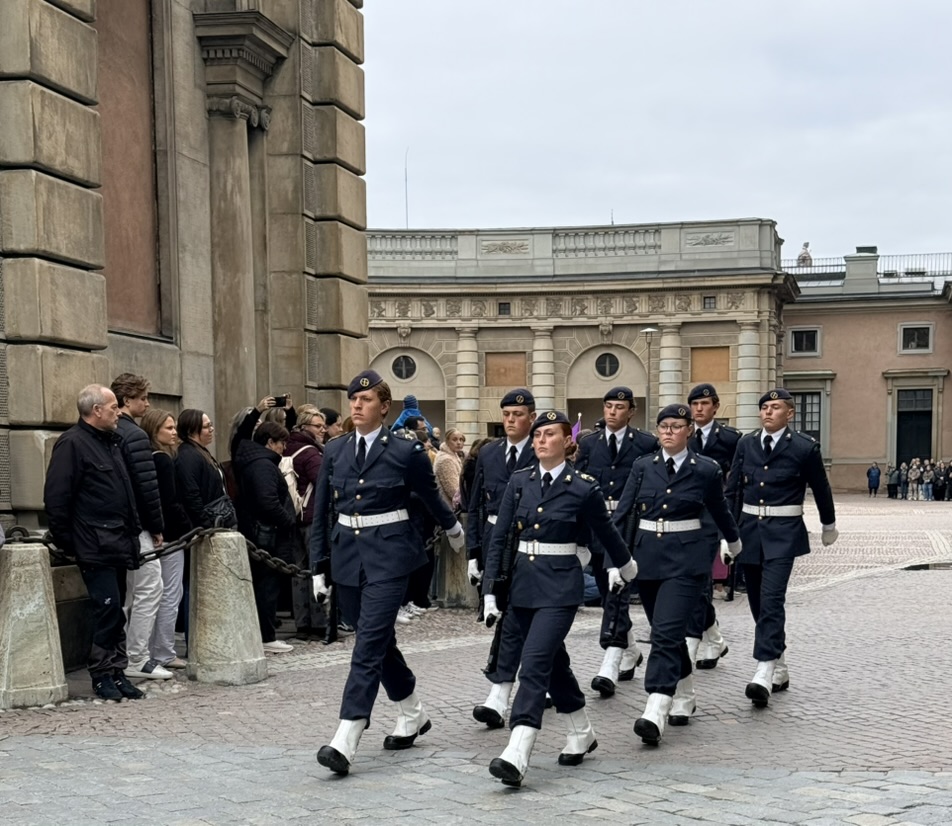
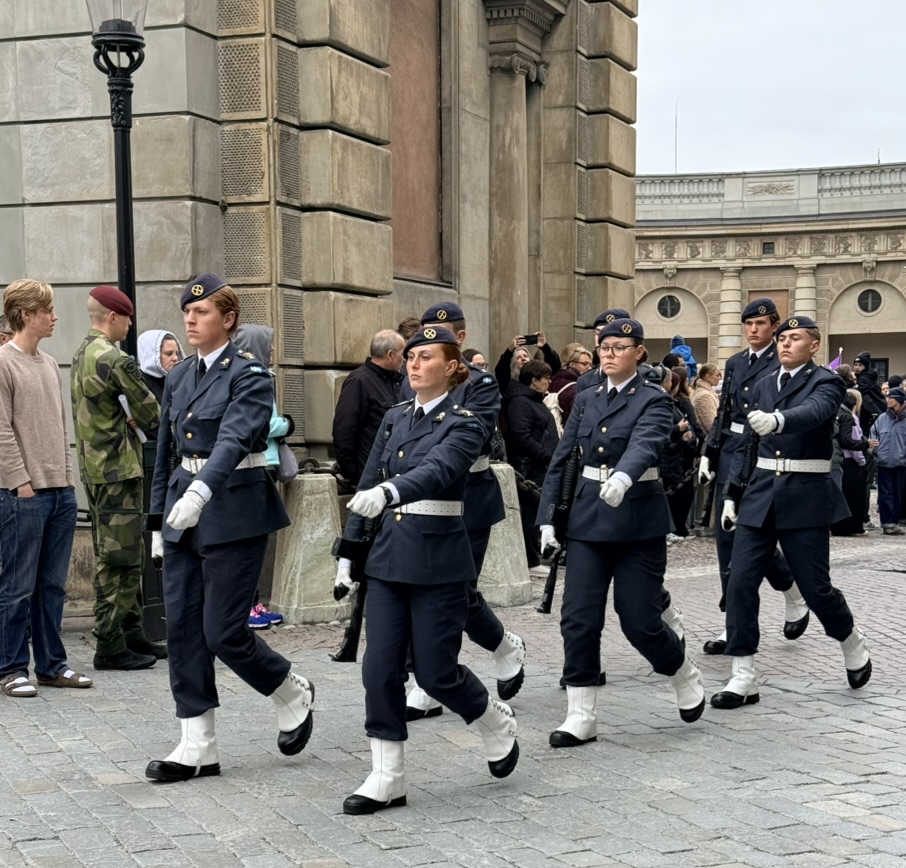
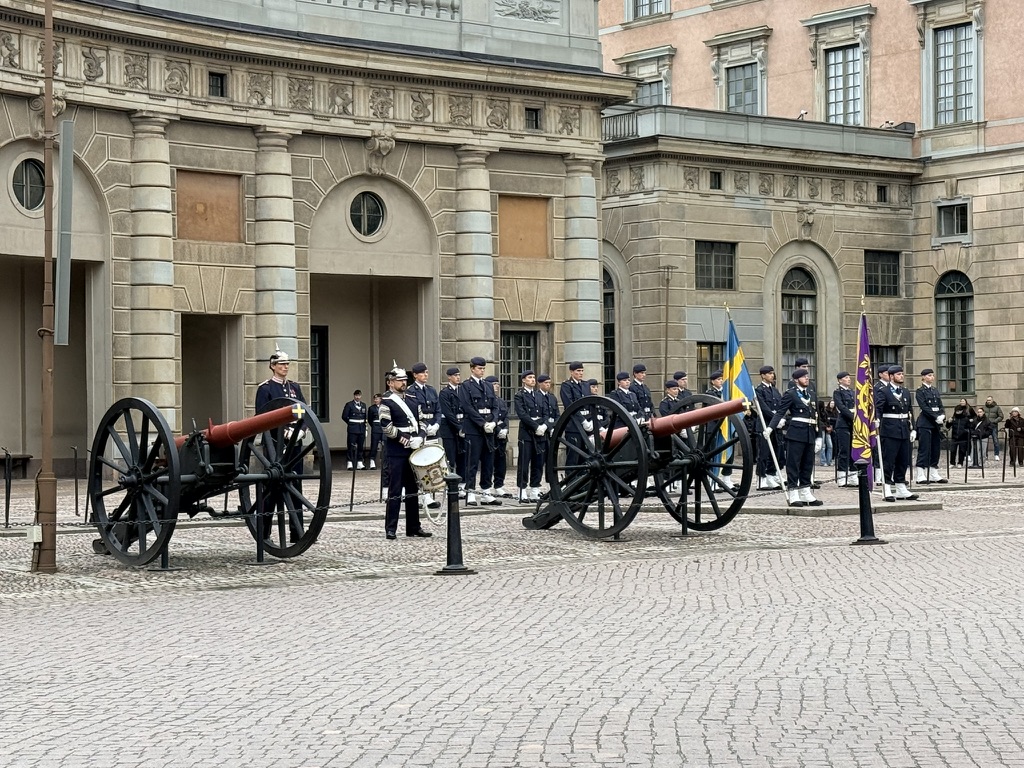
Riksdegshuset (Parliament)
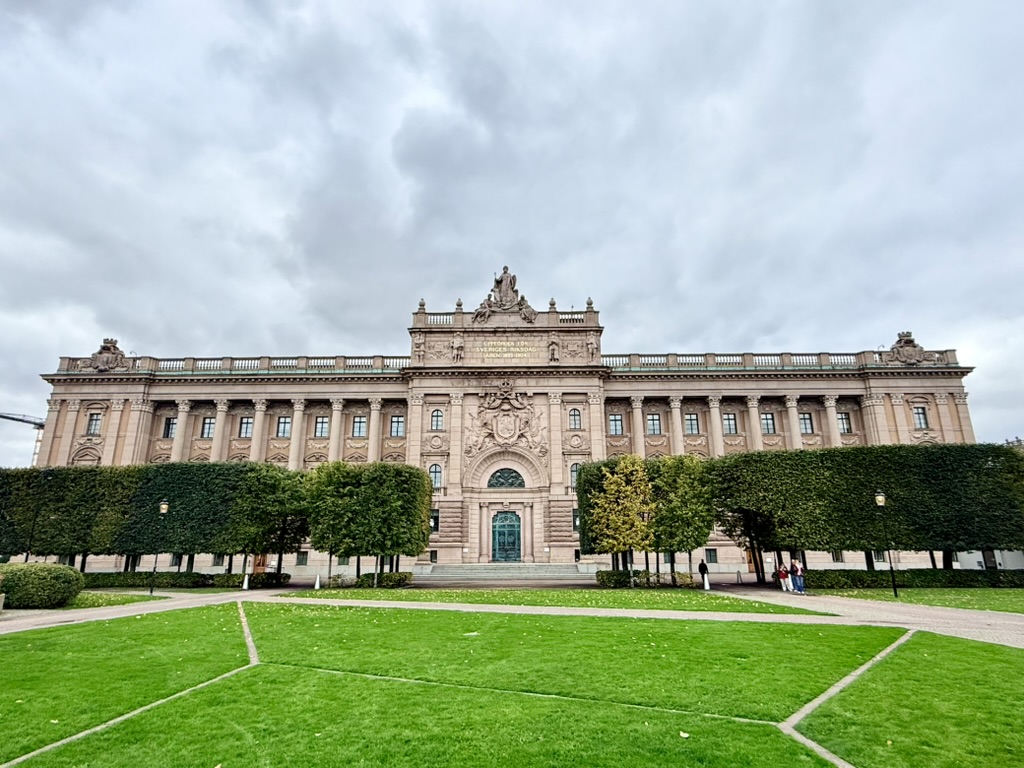
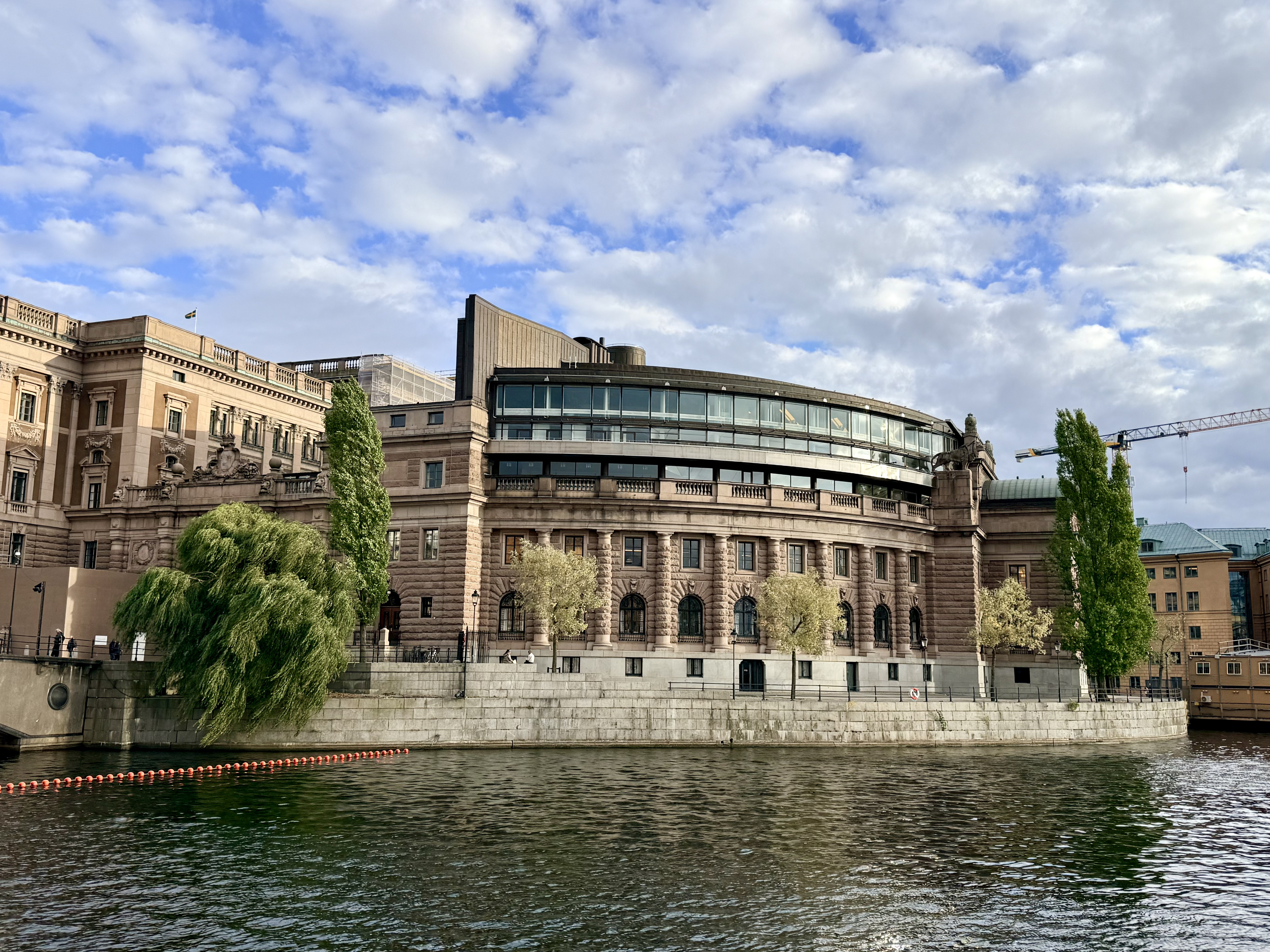
Riksdegshuset (Parliament) sits on tiny Helgeandsholmen. The older section, dating from 1905, includes two chambers used when the country had a bicameral parliament; in 1971 Sweden changed to a unicameral system so a modern chamber was built in the 1980s inside what was once the Bank of Sweden. The Swedish system is a consensus-building government.
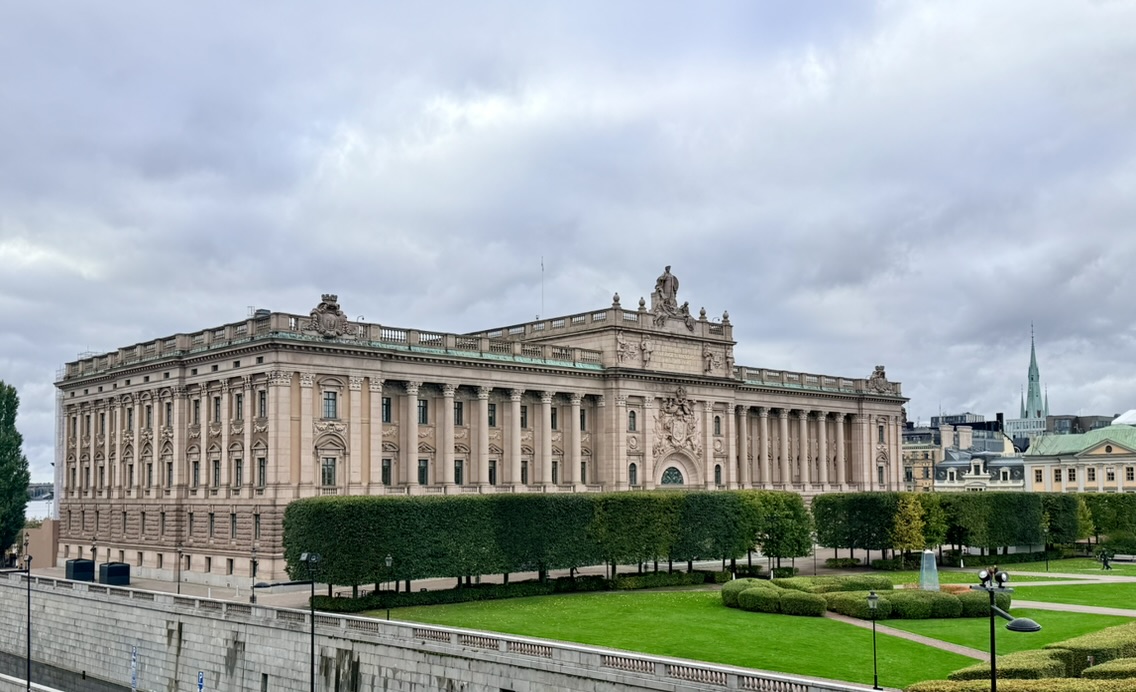
Storkyrkan (Cathedral)
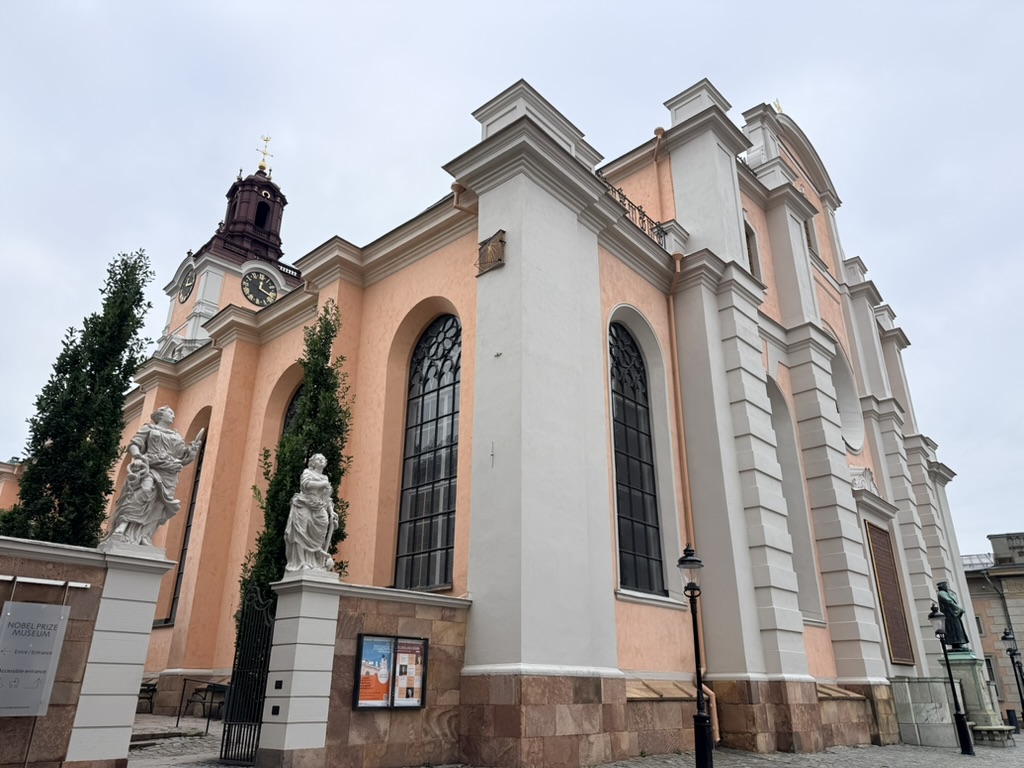
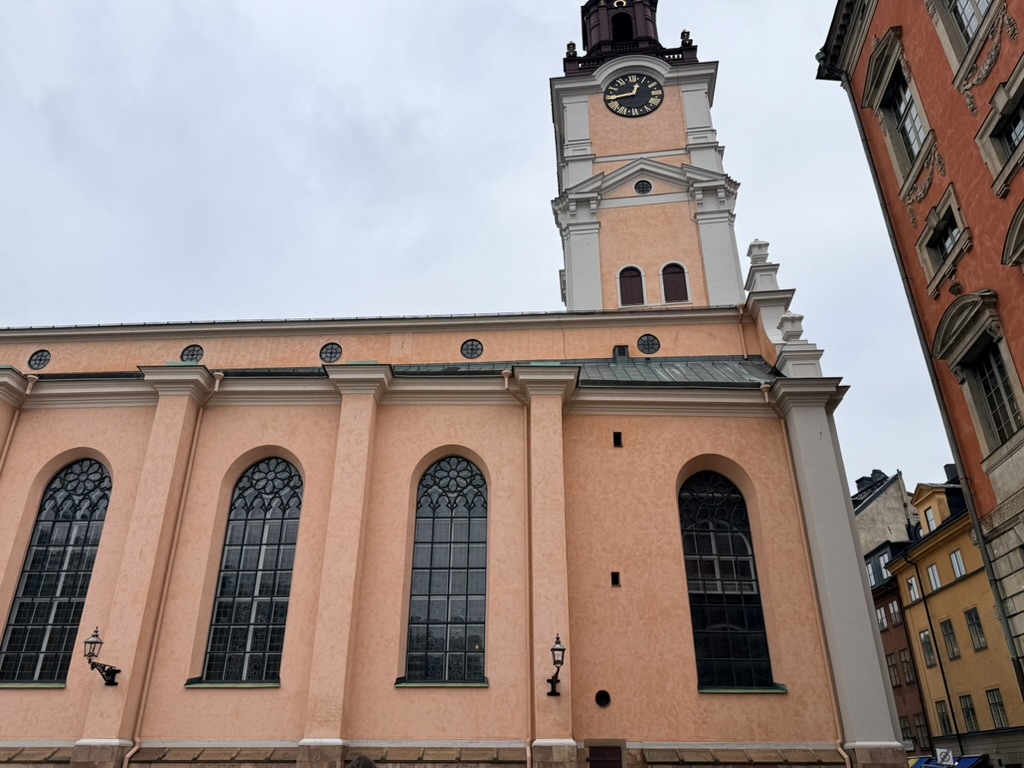
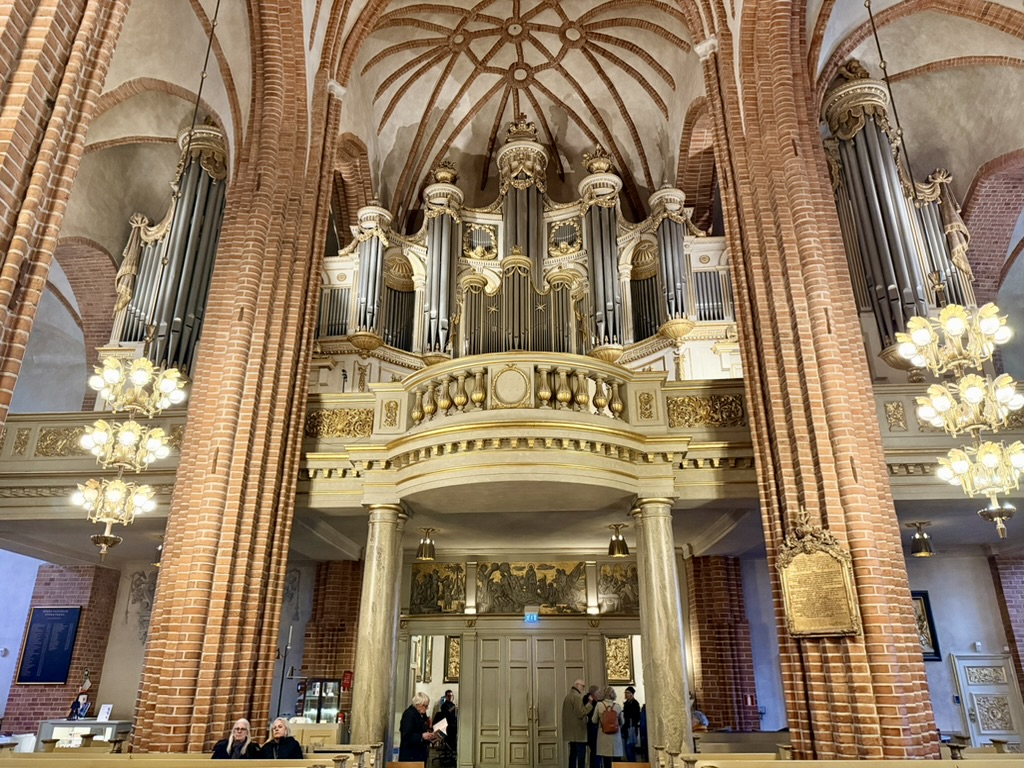
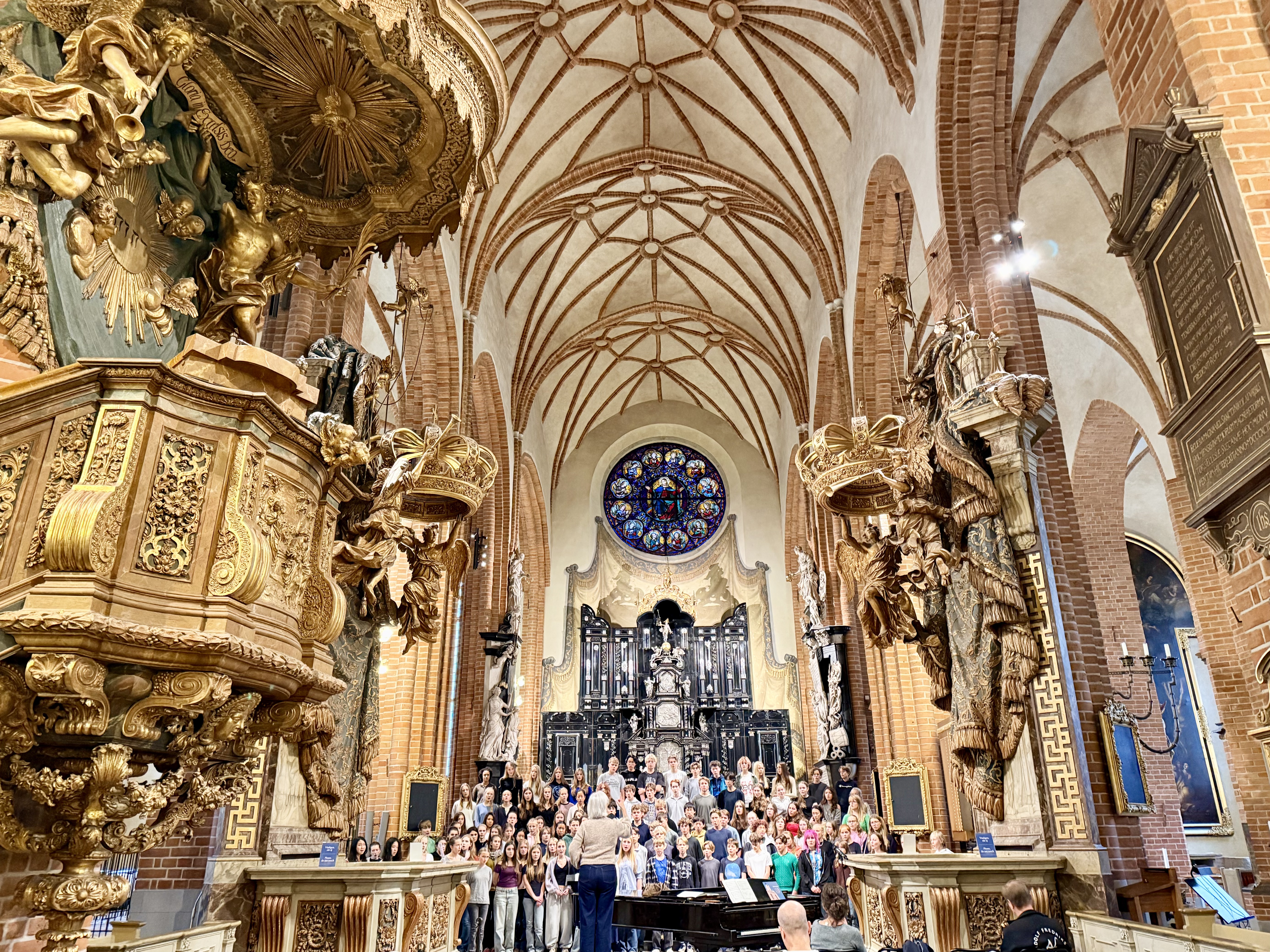
Stockholm’s Baroque Cathedral, Storkyrkan, is used for royal weddings and coronations. It is both Stockholm’s oldest building (consecrated in 1306) and its cathedral. Music concerts are regularly held here; we happened upon a children’s choral group rehearsing when we visited.
Monchique
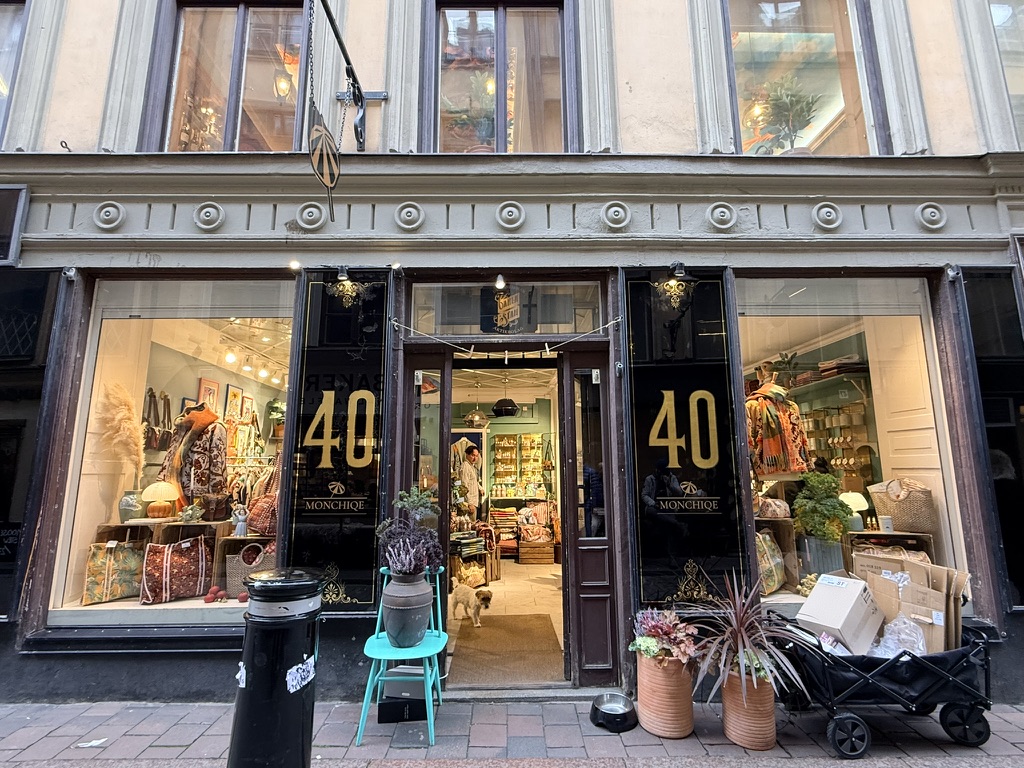
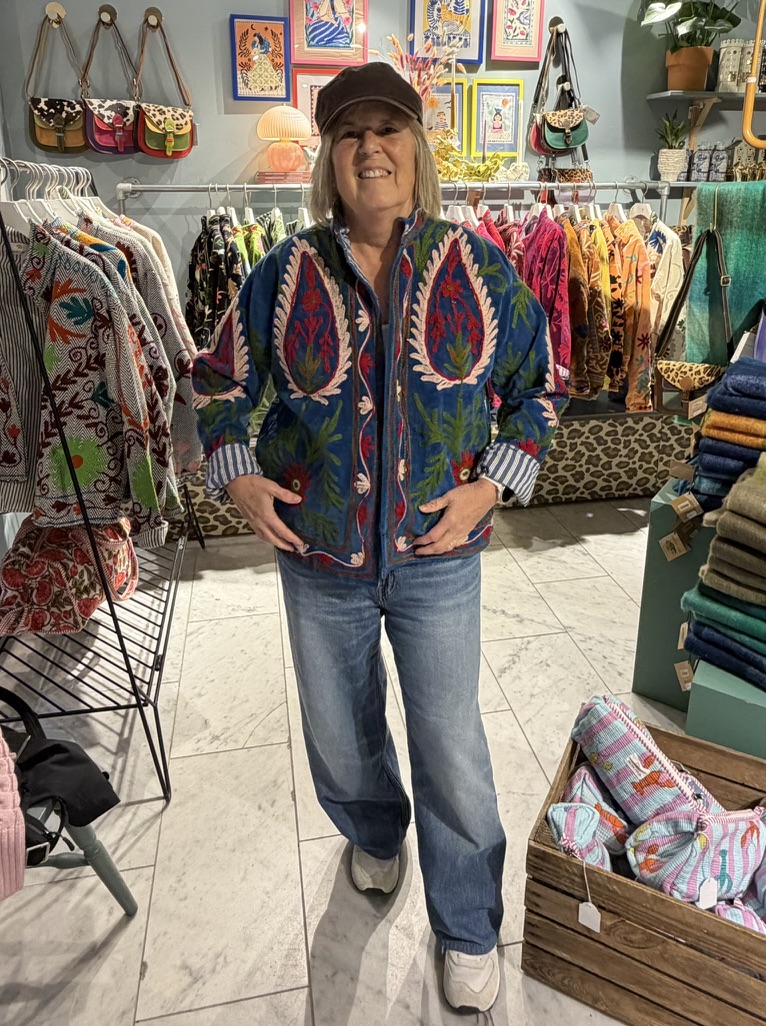
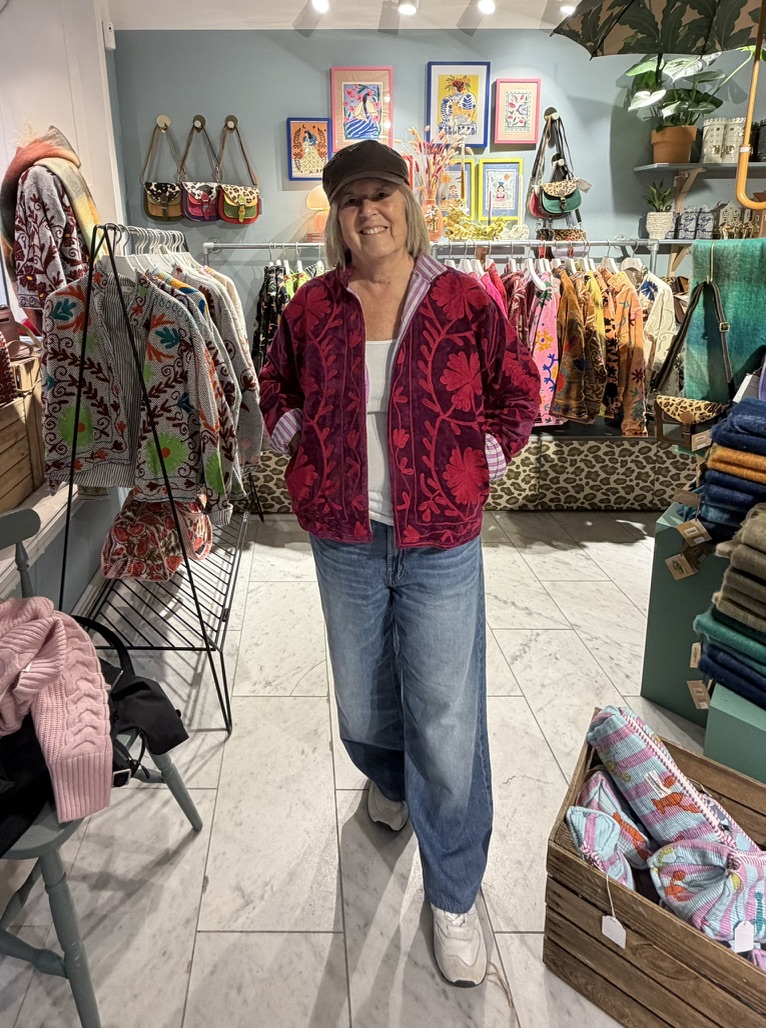
I was captivated by the shop called Monchique in Gamla Stan. I had been thinking about a “statement jacket,” something colorful and unusual that I can wear with jeans or over a dress to take an outfit up a notch. I found this store with many cute jackets which are supposedly embroidered in Jaipur, India. I knew they were way overpriced but I was told I could get a tax-free rebate at the Copenhagen Airport when we leave (I hope!). I tried on many but left with the pink/purple one. Later I returned to get a gray/pink one not shown here.
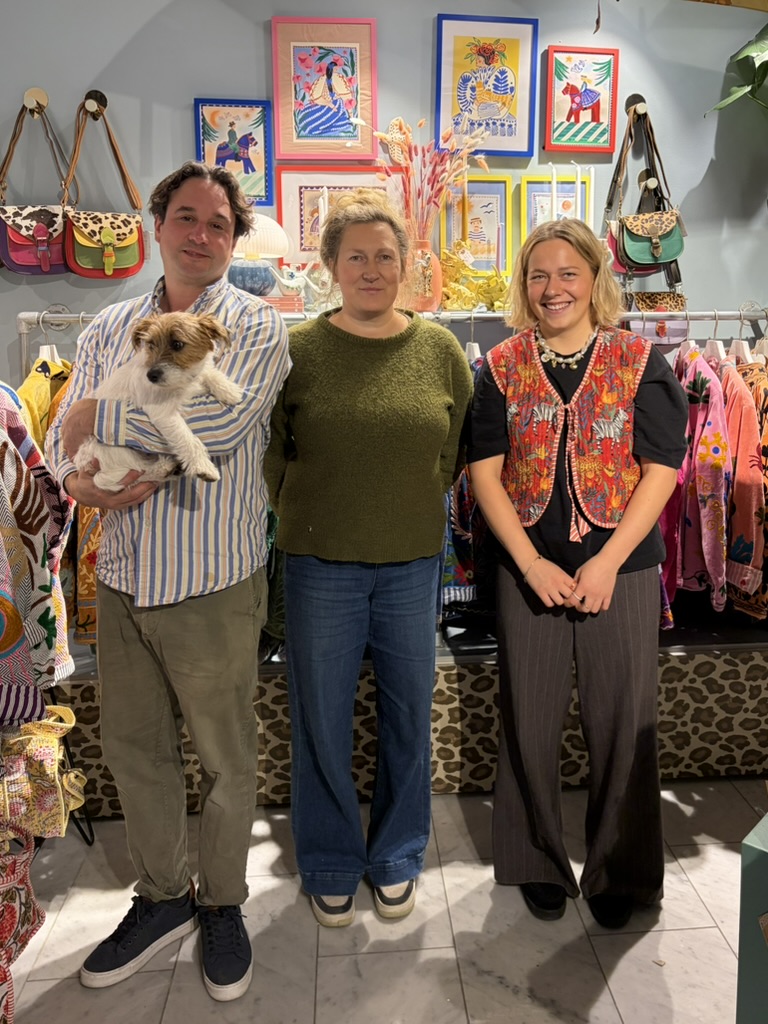
The owner and his family were very friendly and we enjoyed meeting them and their dog in the shop.
Fotografiska
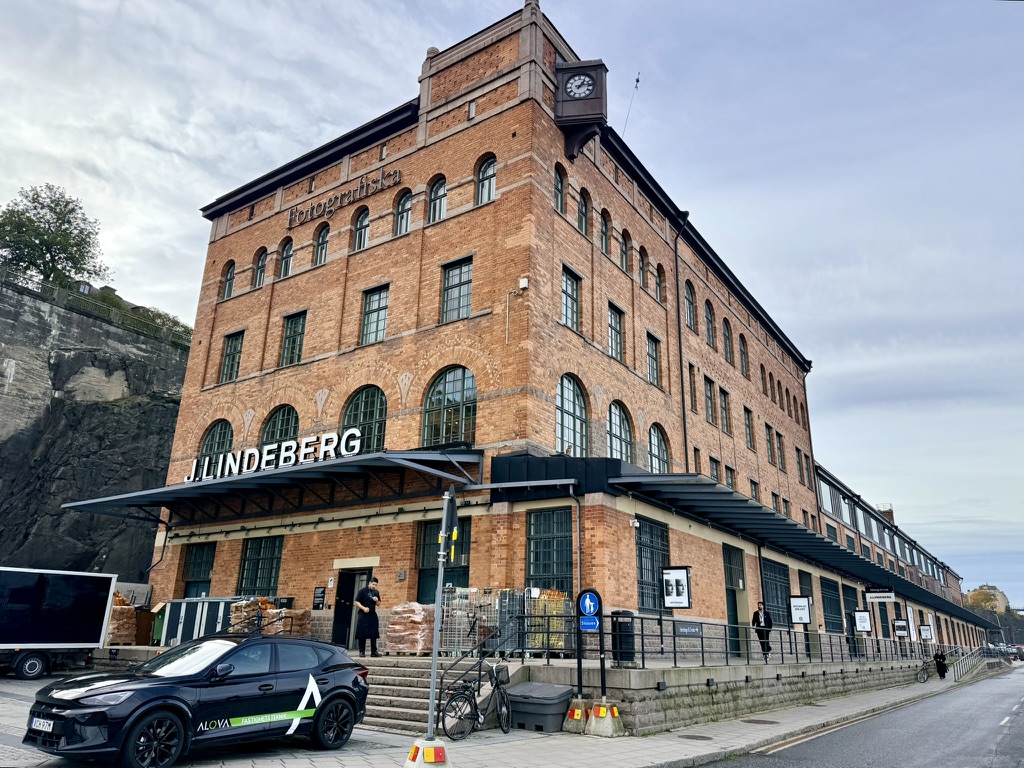
Billed as “The World’s Most Open Museum,” Fotografiska is a gallery devoted to photography. It is open every day from 10 a.m. to 11 p.m. The gallery, housed in a renovated customs hall on the north bank of Södermalm, boasts superbly curated exhibitions.
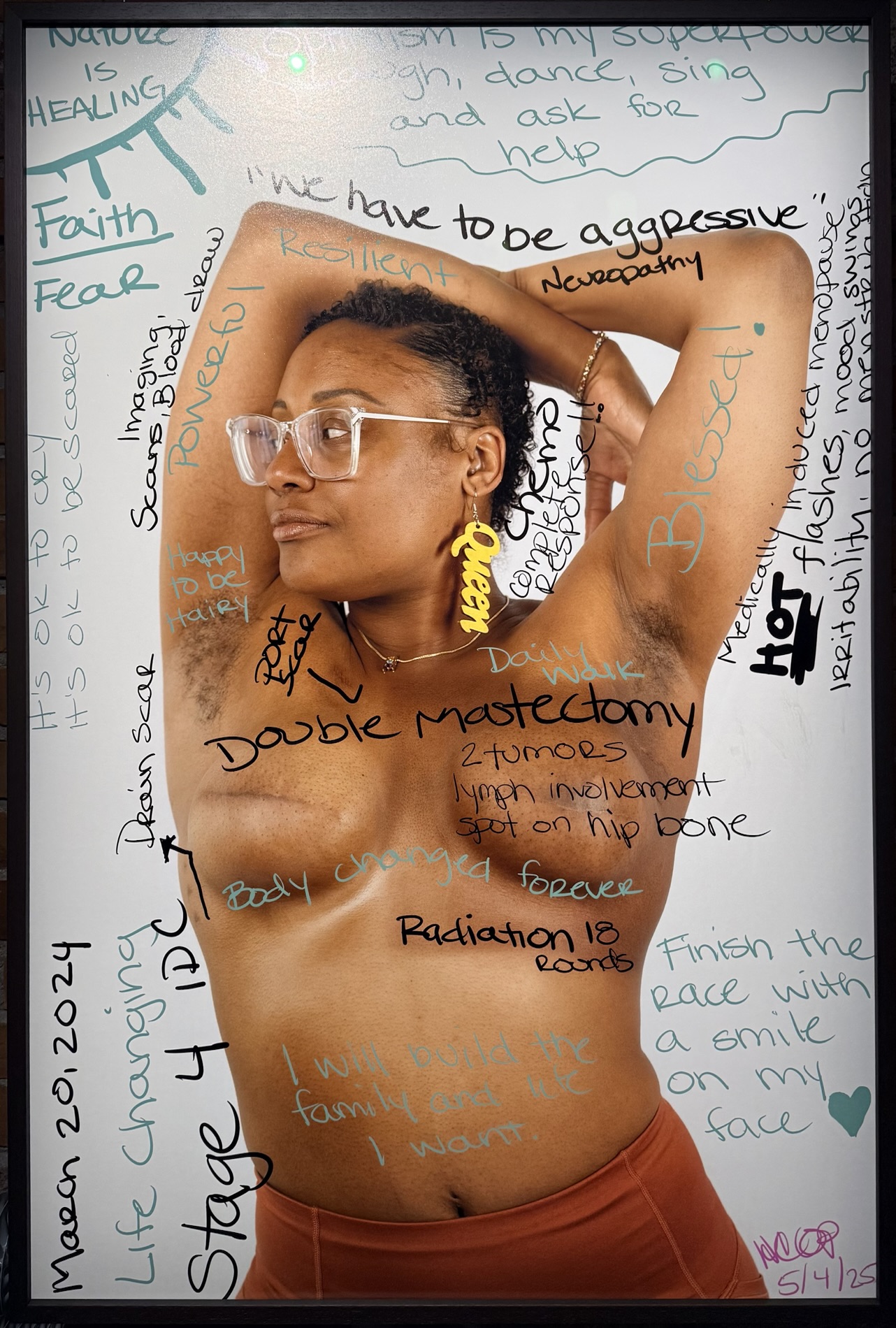
ONE IN EIGHT documents how one in eight women will be diagnosed with breast cancer in her lifetime. The photographs bring the real lives to the forefront and show deeply personal experiences of uncertainty and fear, but also of strength, recovery, community and hope.
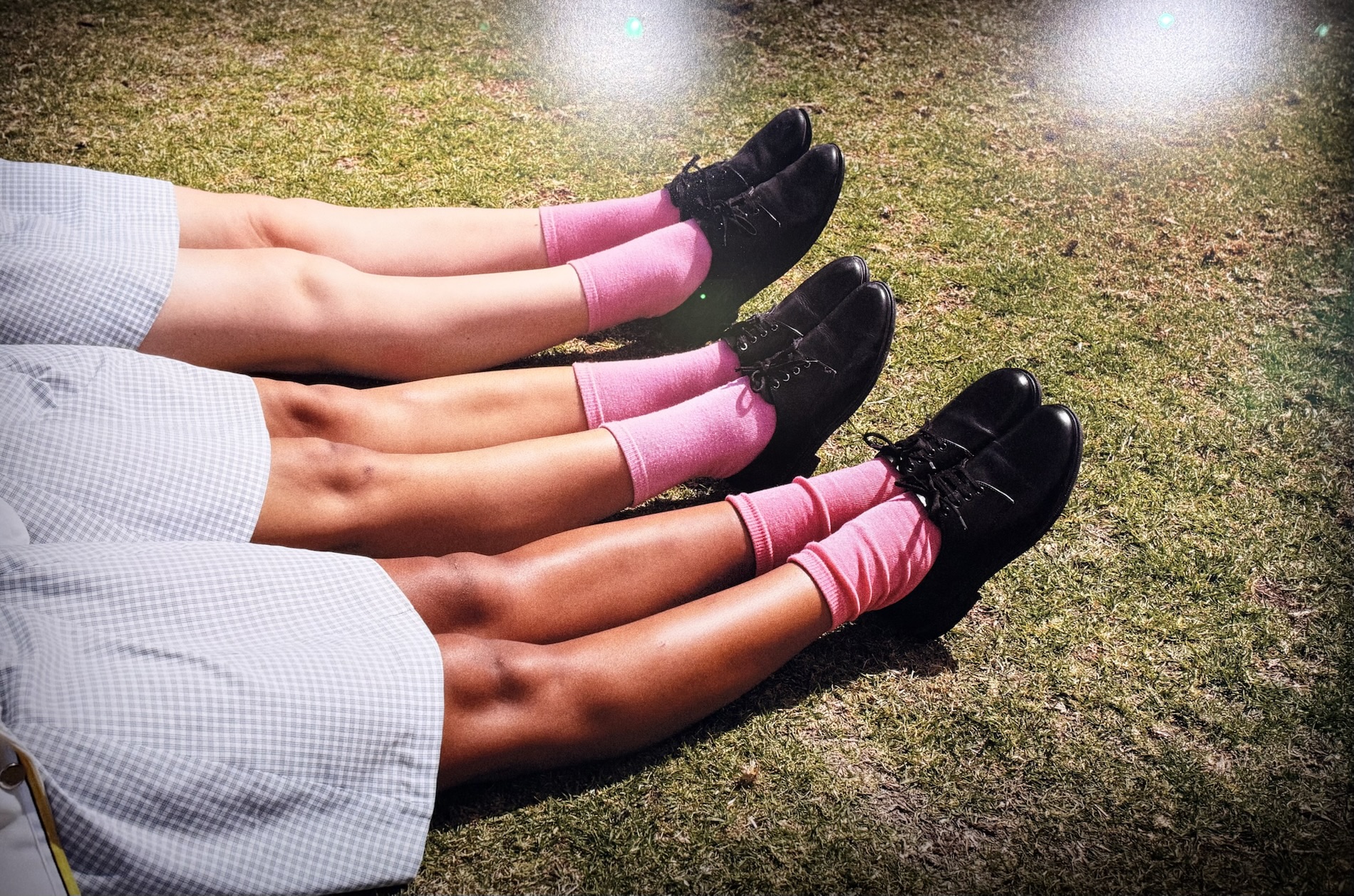
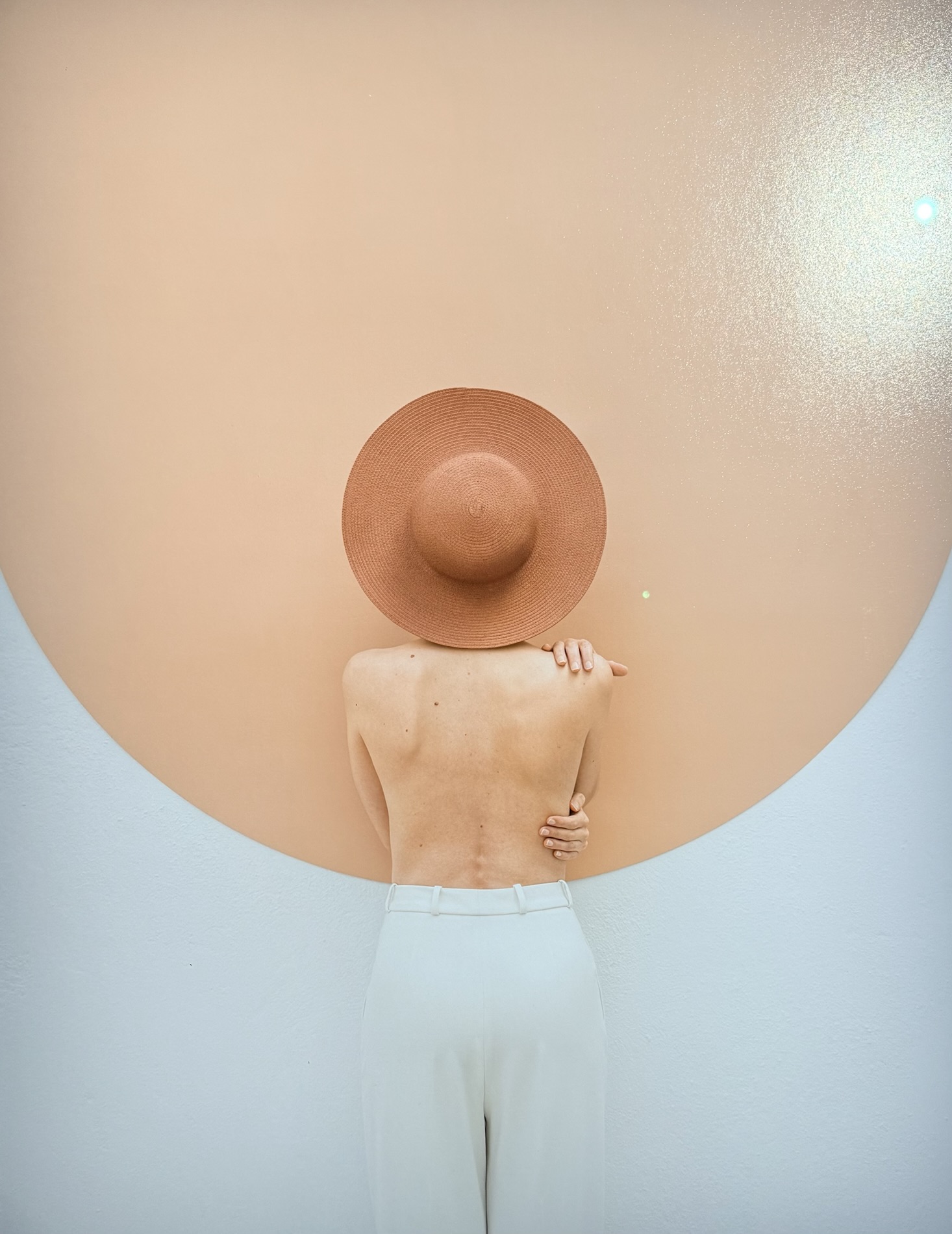
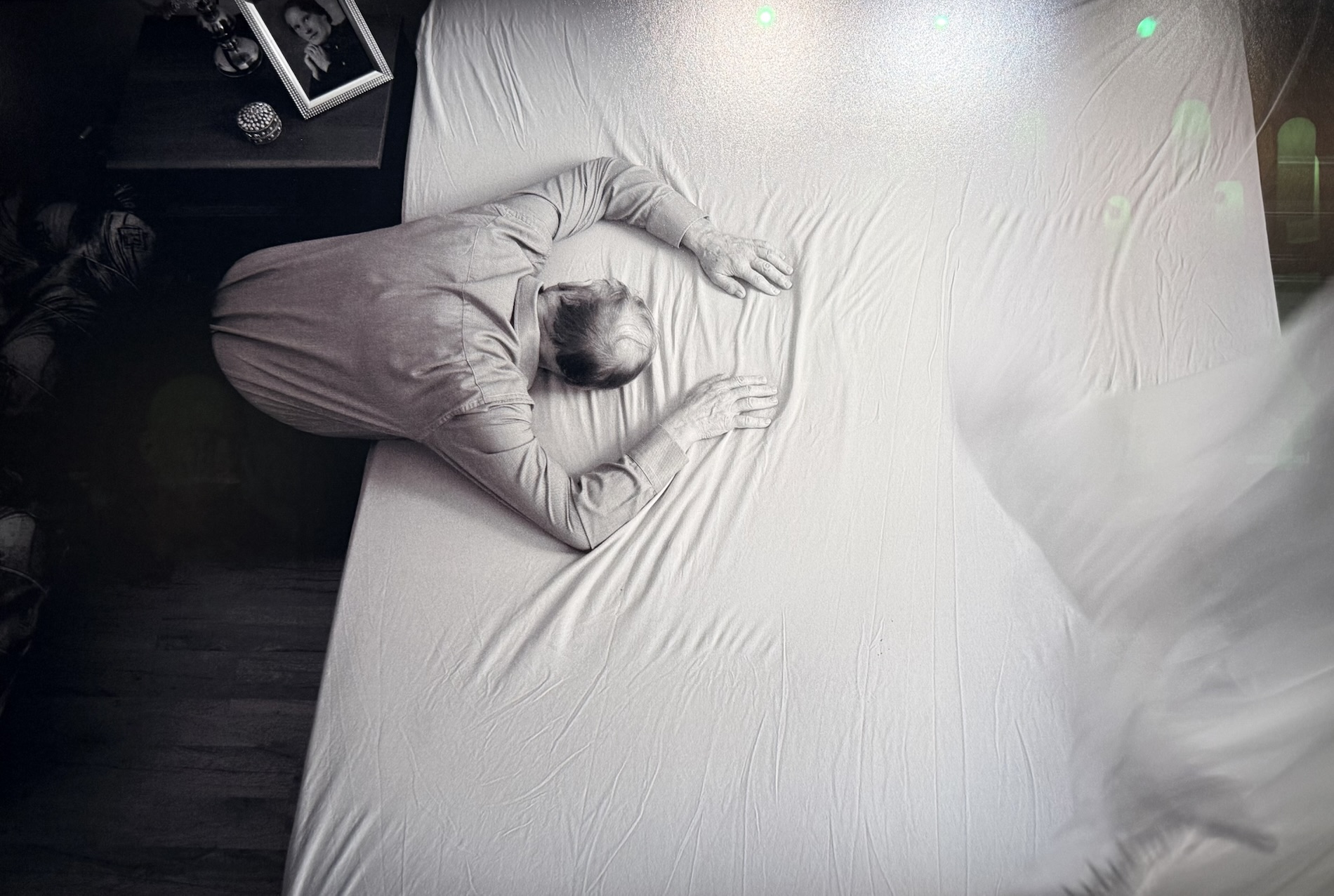
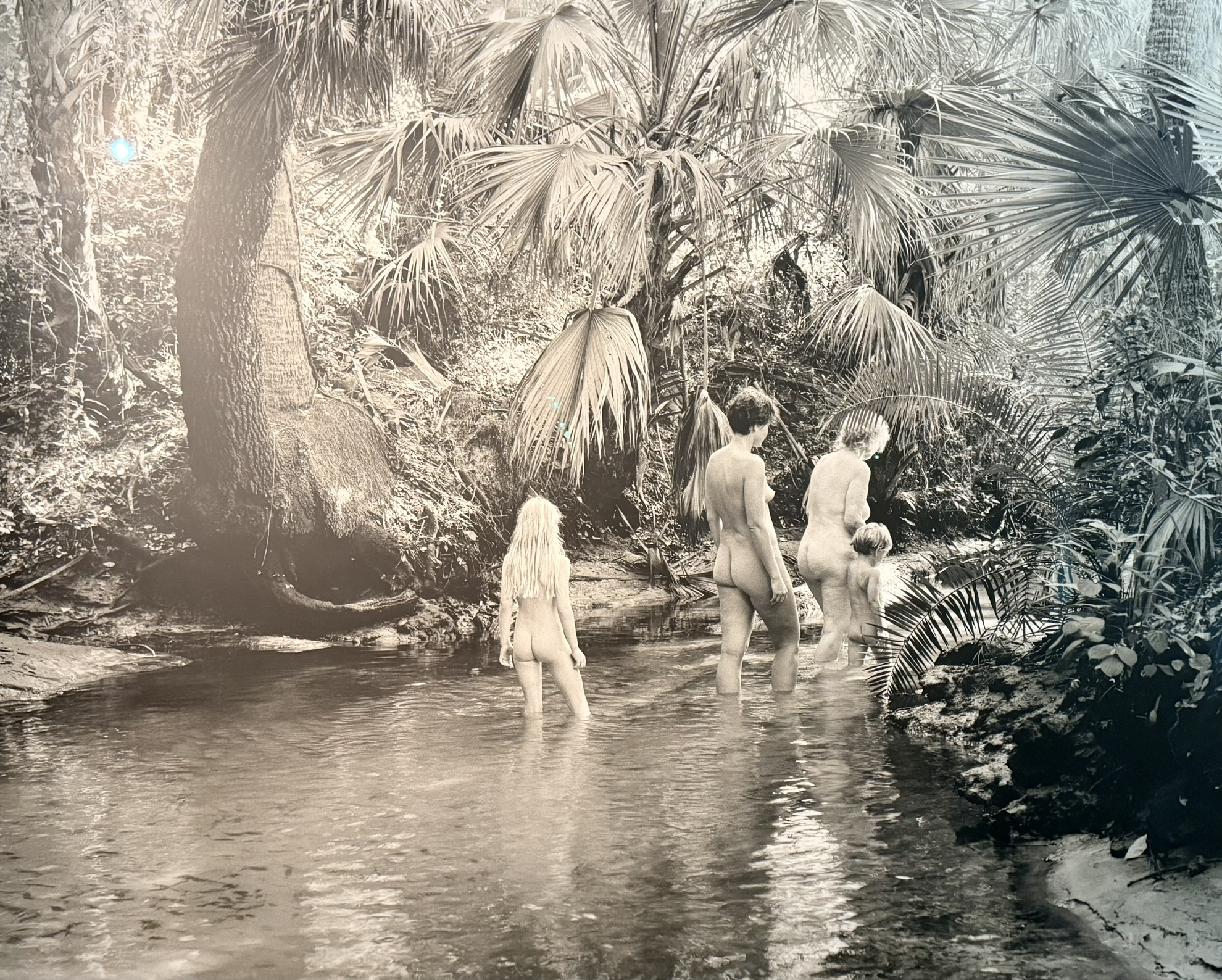
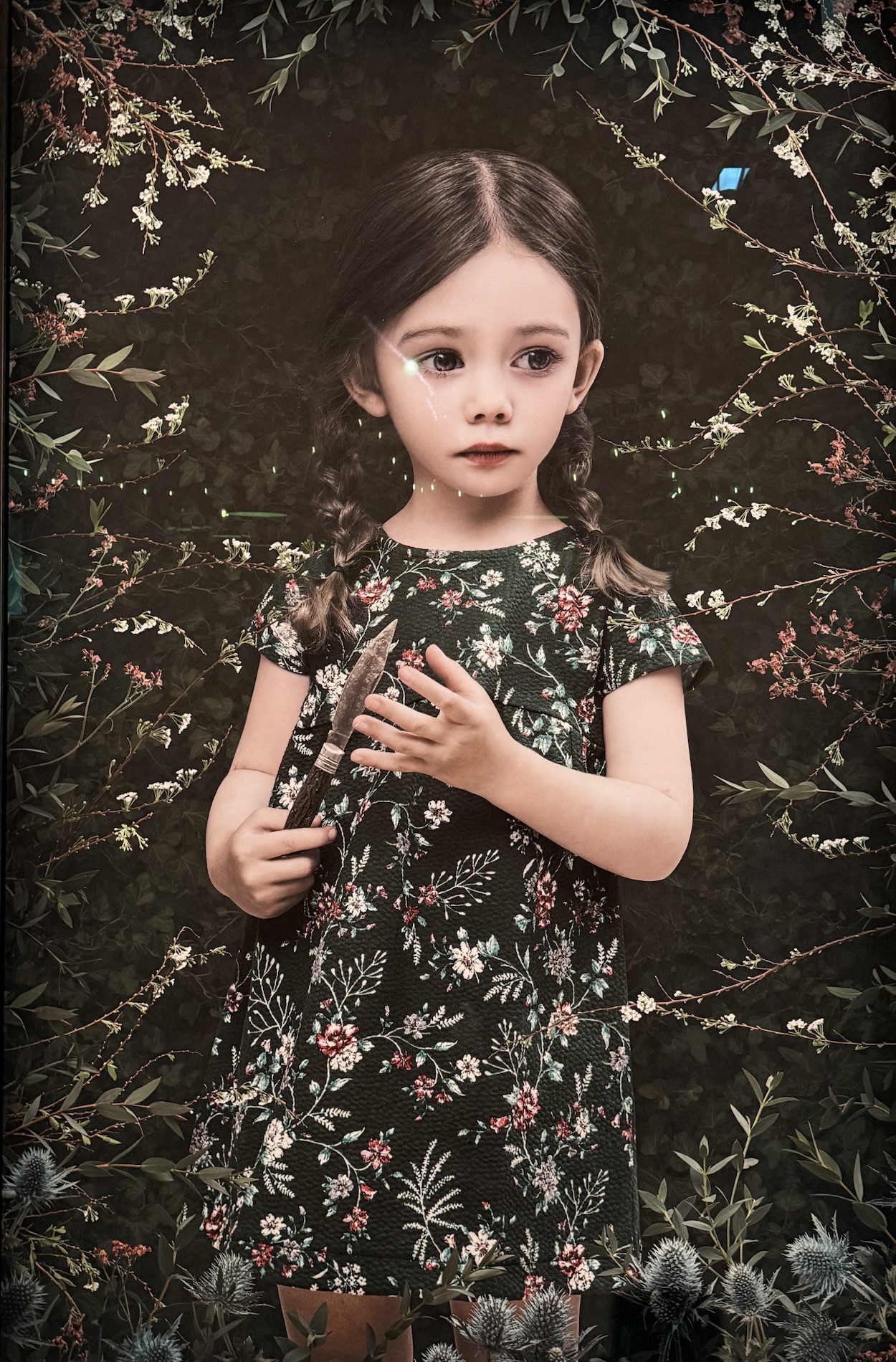
The regular collection has some interesting photos. In “Small Cuts, 2018,” Saga Wendotte creates fairy-tale scenes featuring small children who at first glance seem innocently sweet but reveal a darker reality upon close inspection. The artist is said to have a “creepy cute” style that combines dreamy and mysterious elements that challenge the viewer to pause and look carefully in a time of rapidly flowing images.
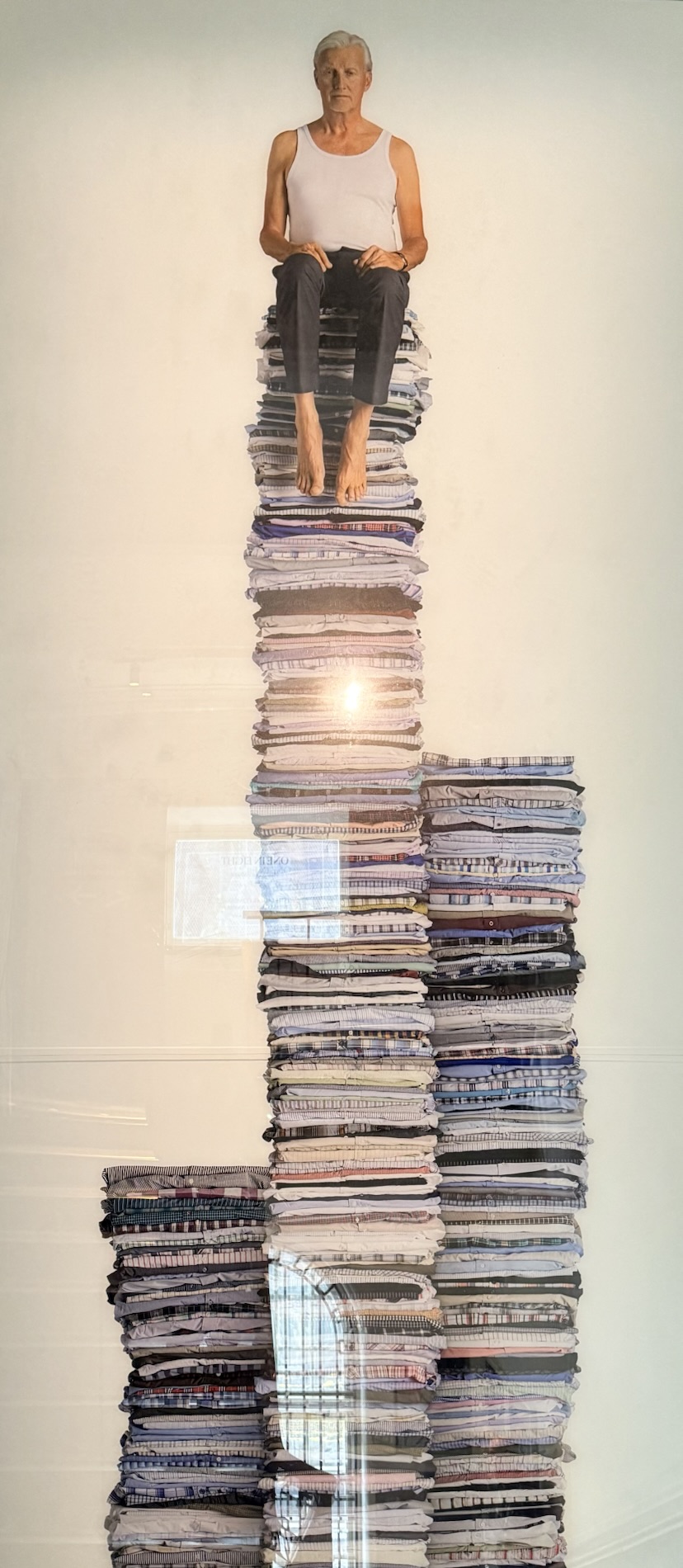
“Changed Position” is part of Maria Friberg’s series Piles of Dreams (2015) which examines the ways in which we picture a lifetime and traces we leave behind. Friberg imagines a man’s life through his shirts: where he was working and living when wearing the blue shirt, and how he got married in the white shirt. I have an interest in this kind of documenting of a life through one’s clothes.
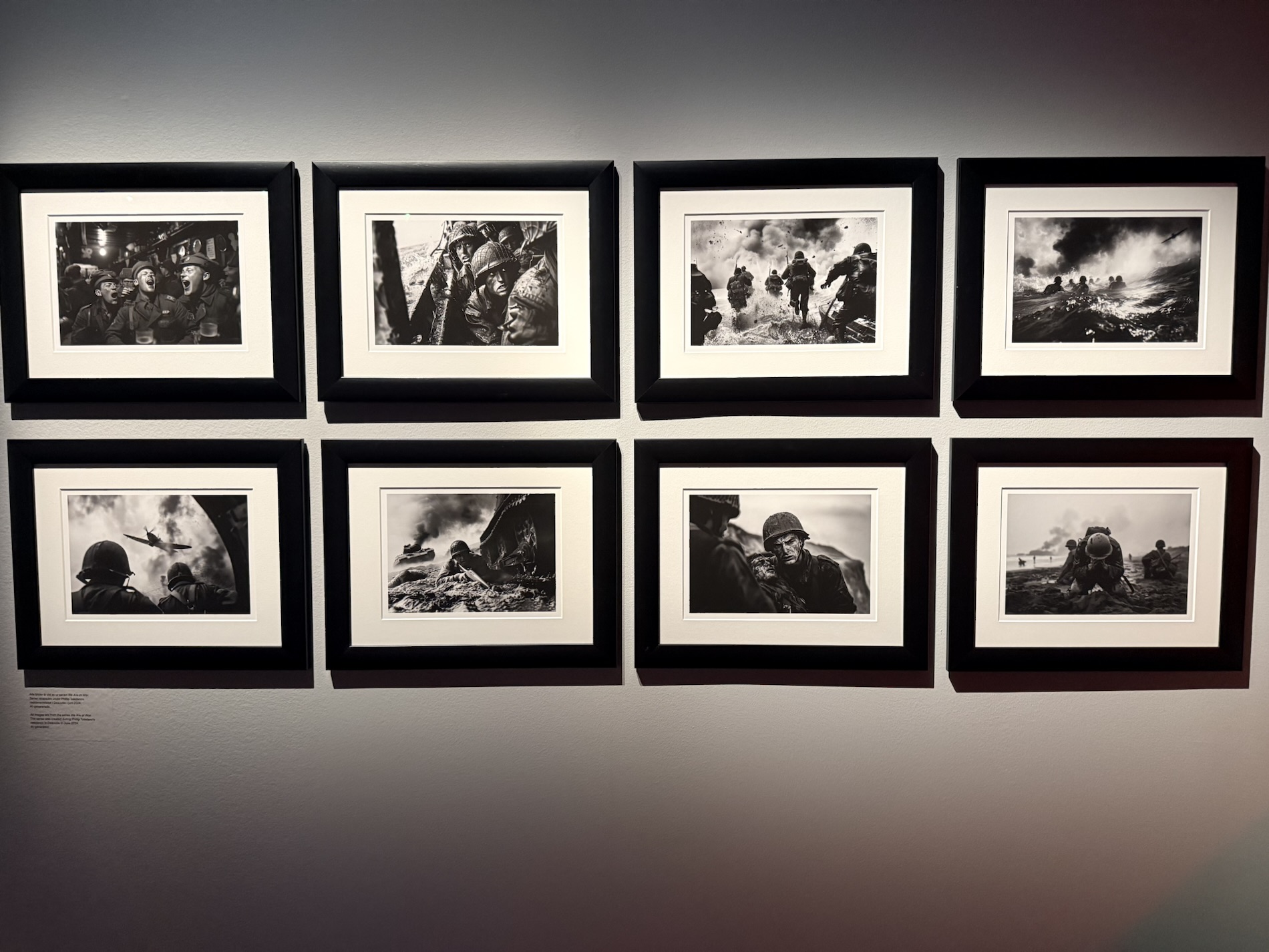
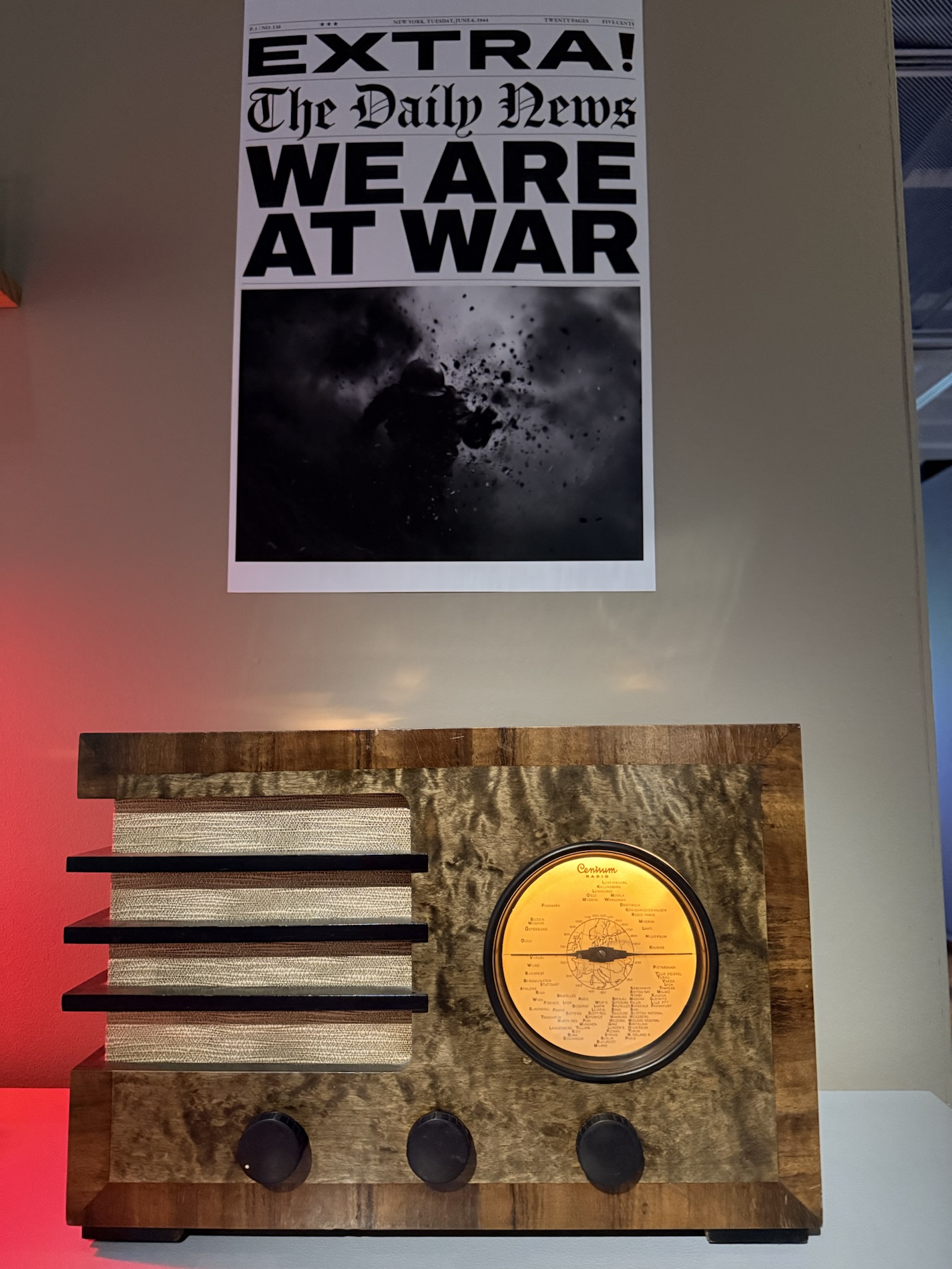
There is a black & white series based on the imagined lost roll of film of D-Day by Robert Cappa.
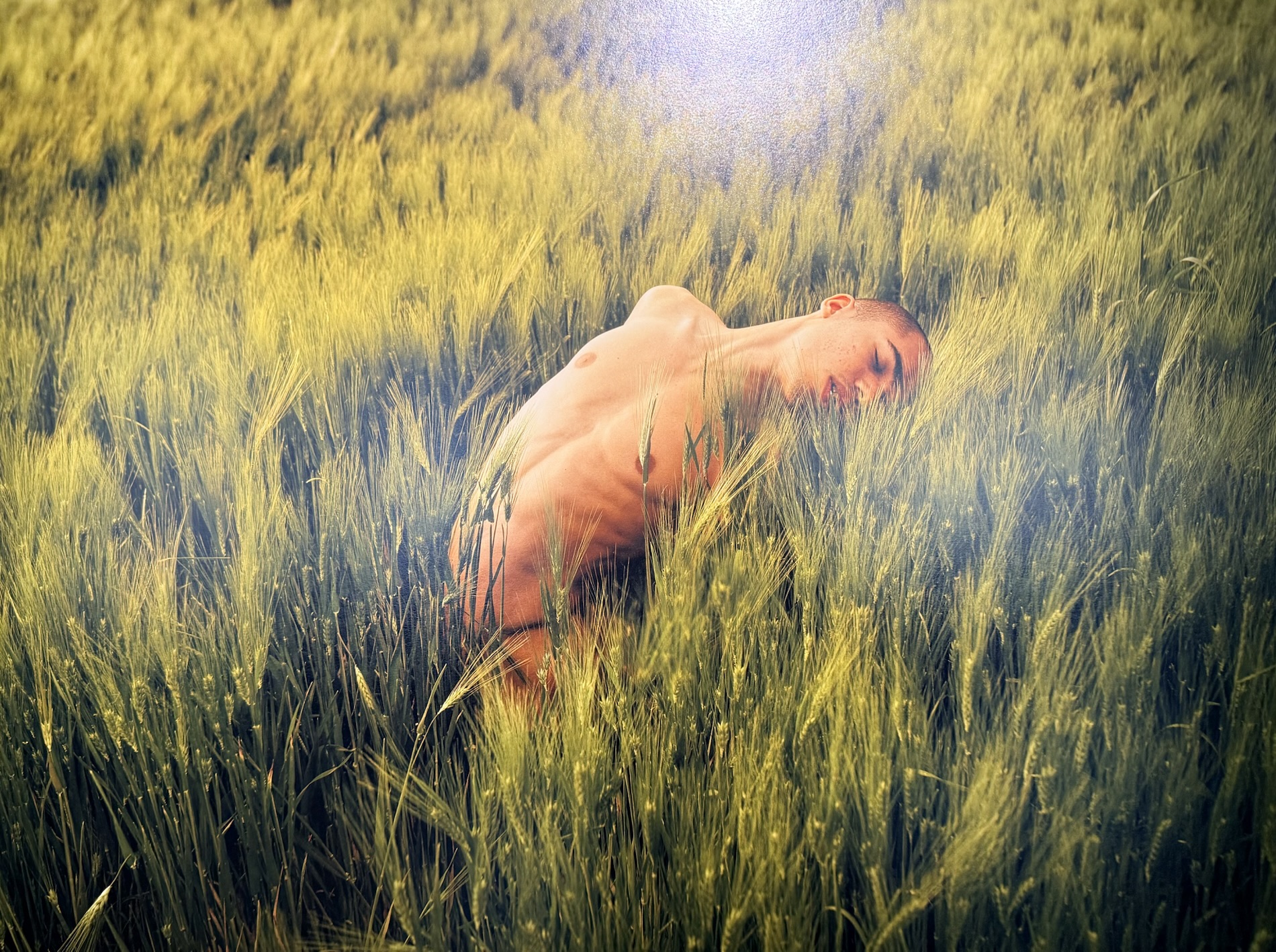
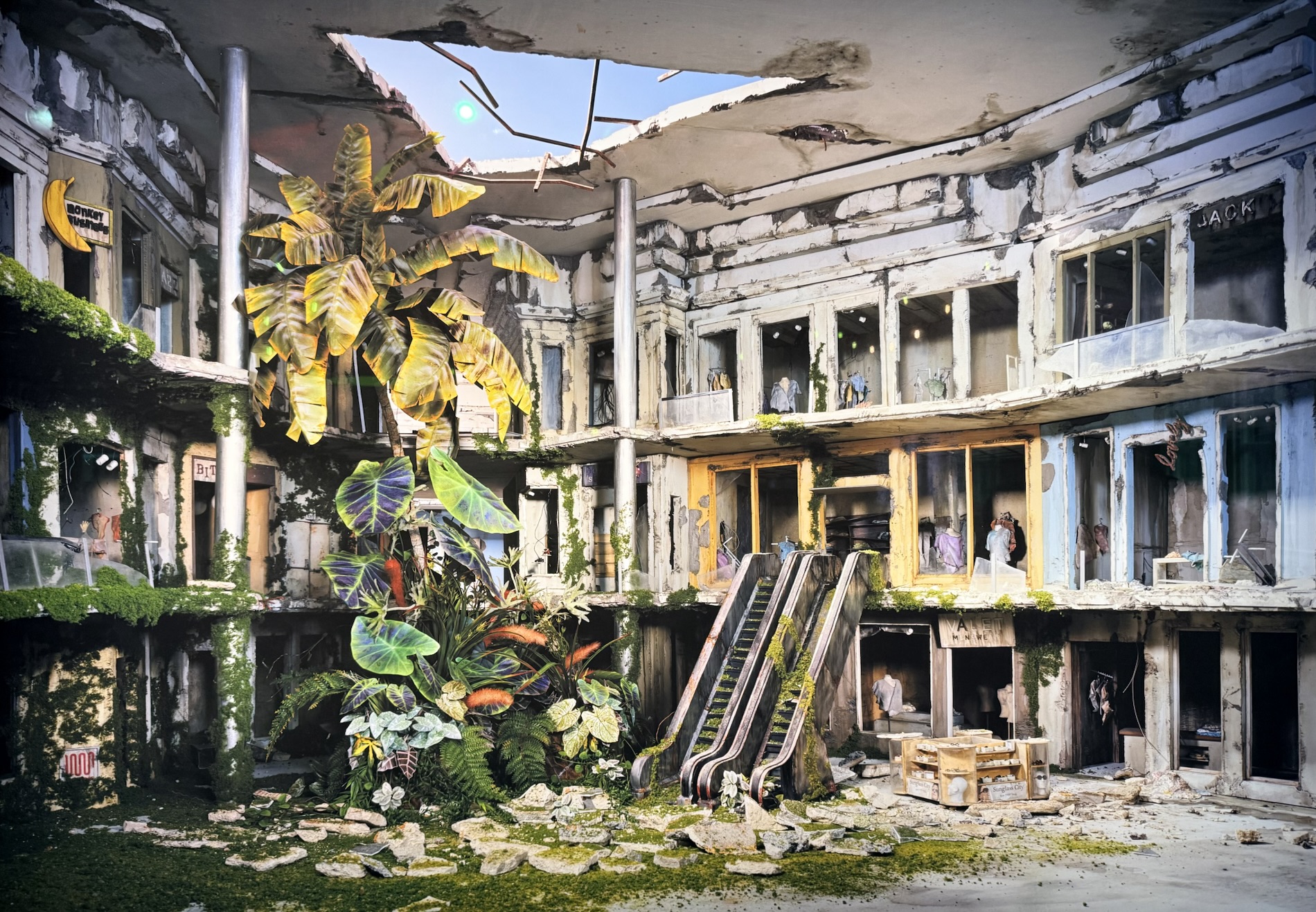
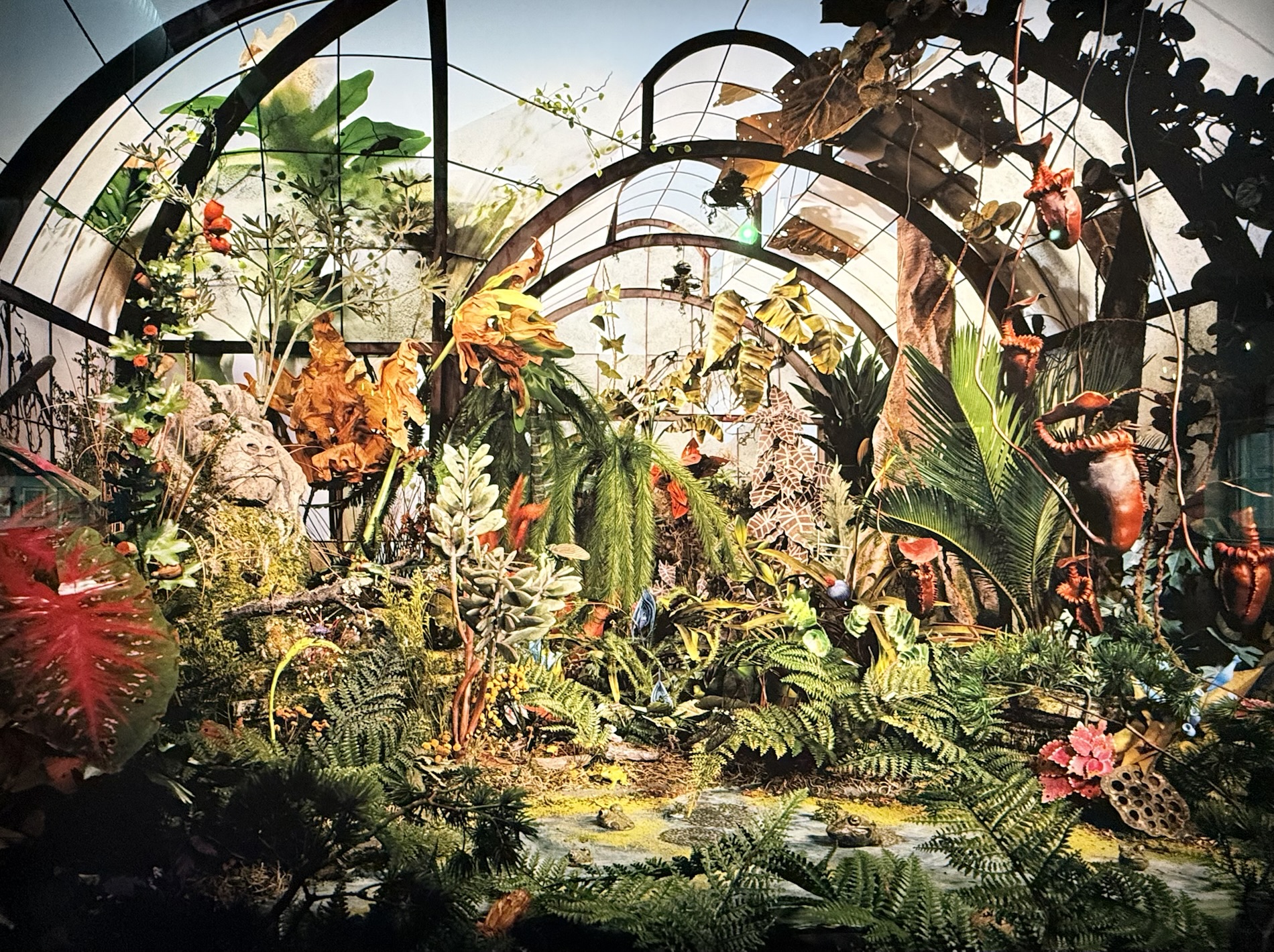
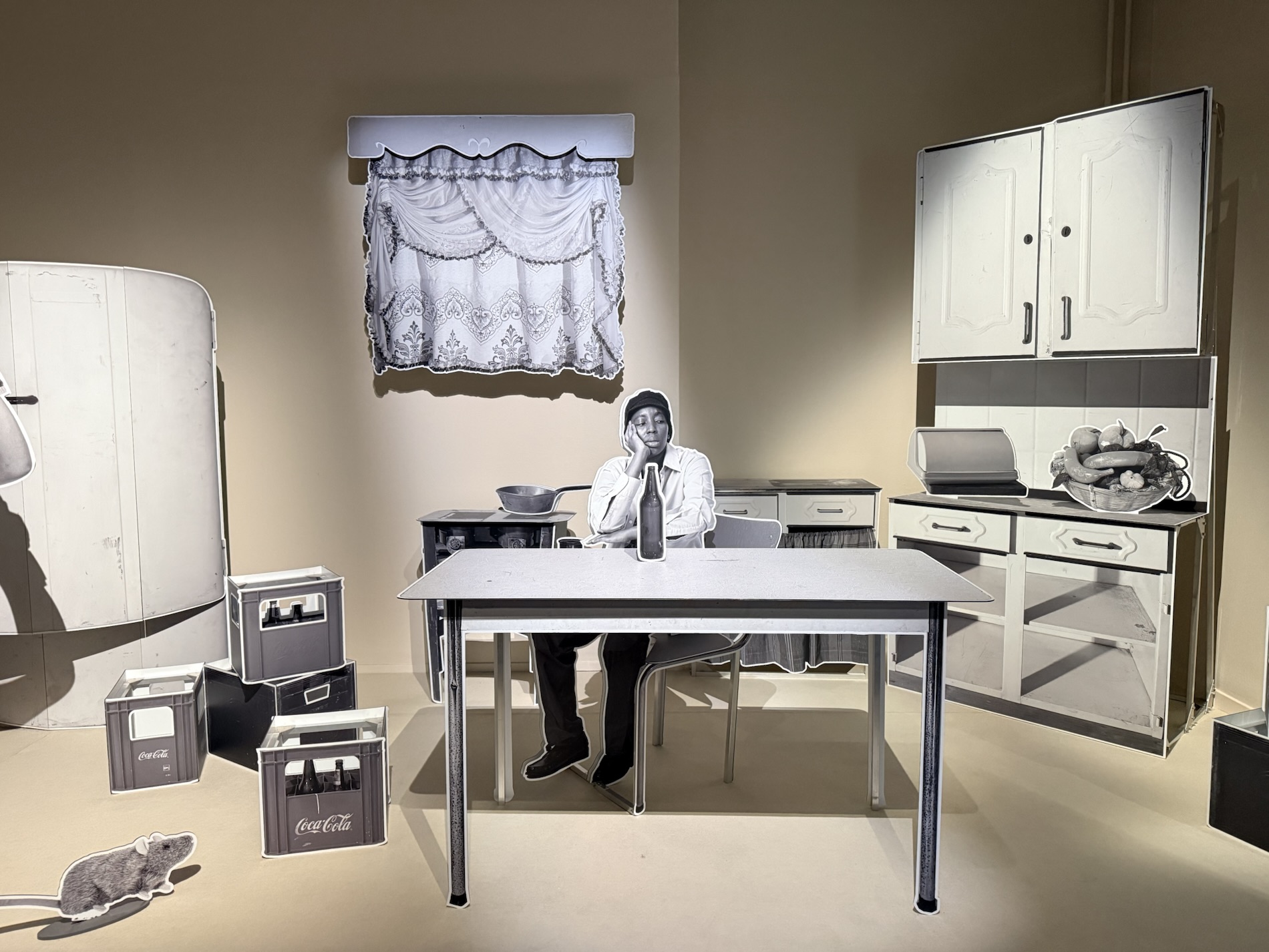
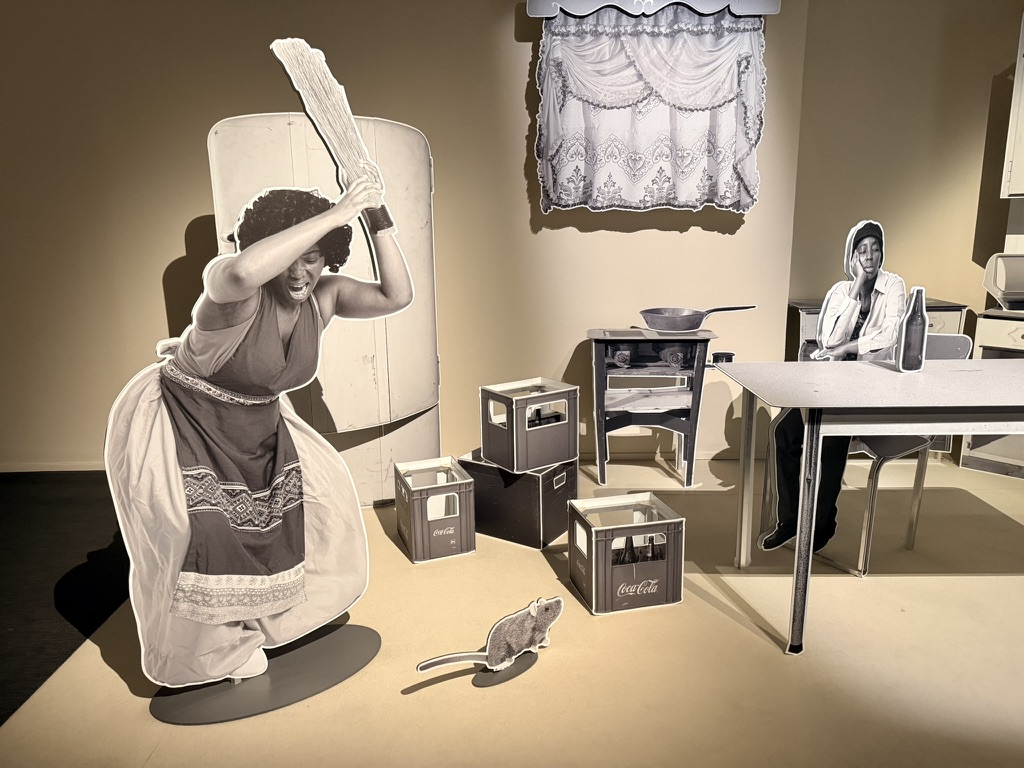
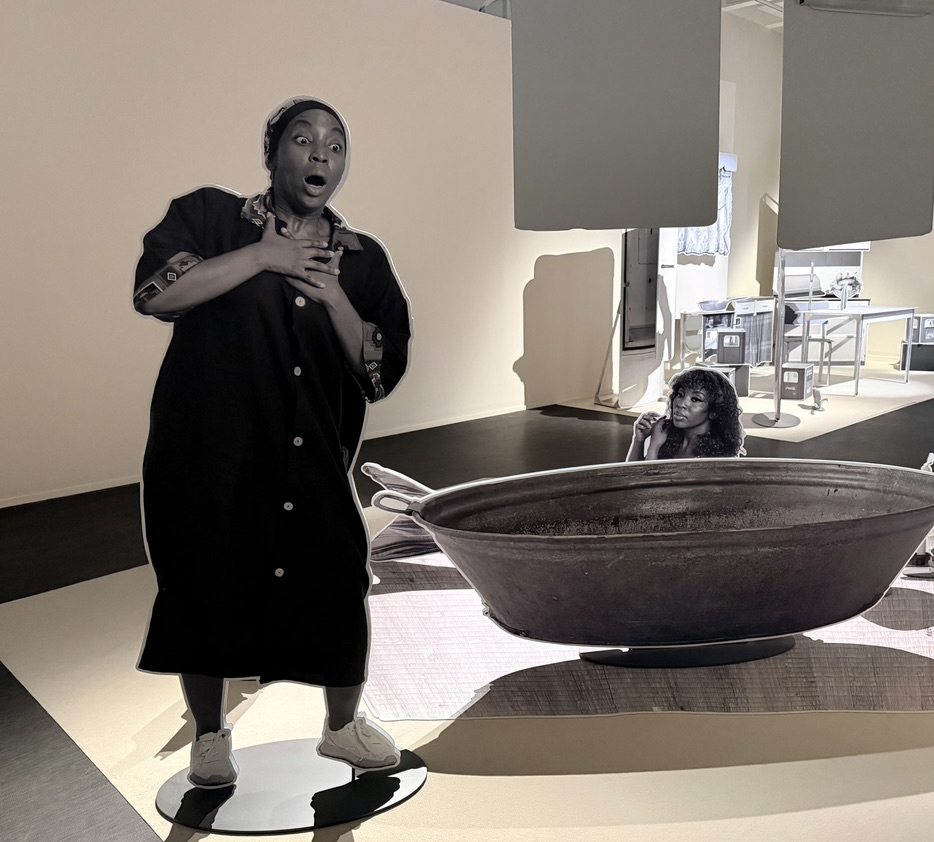
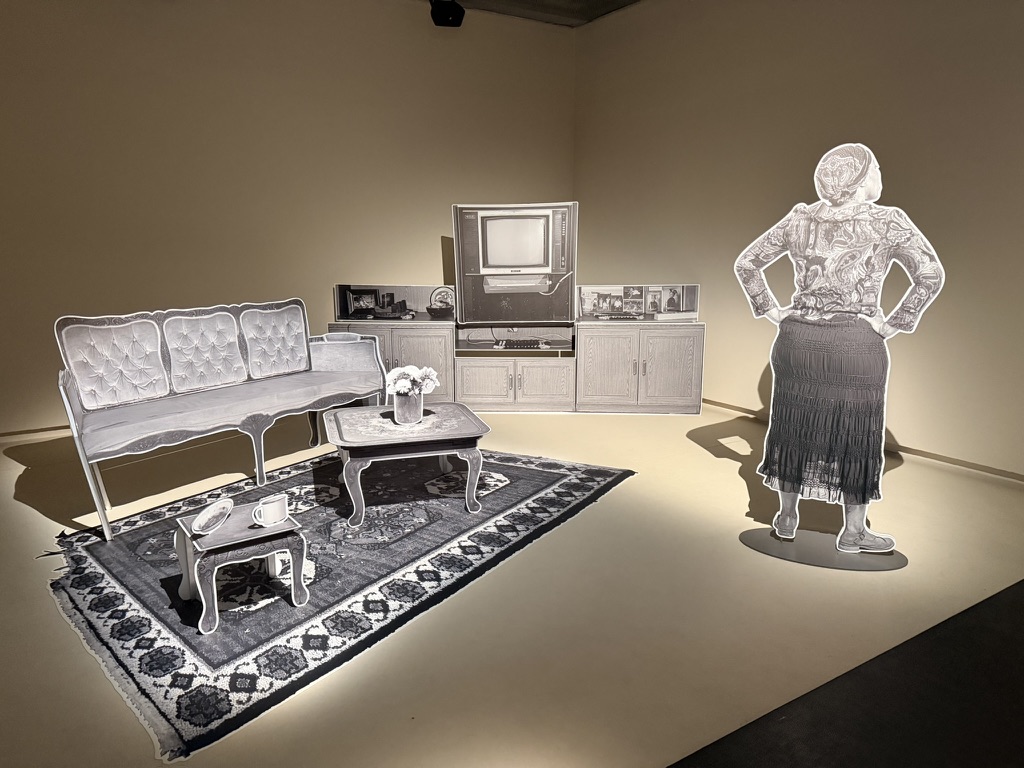
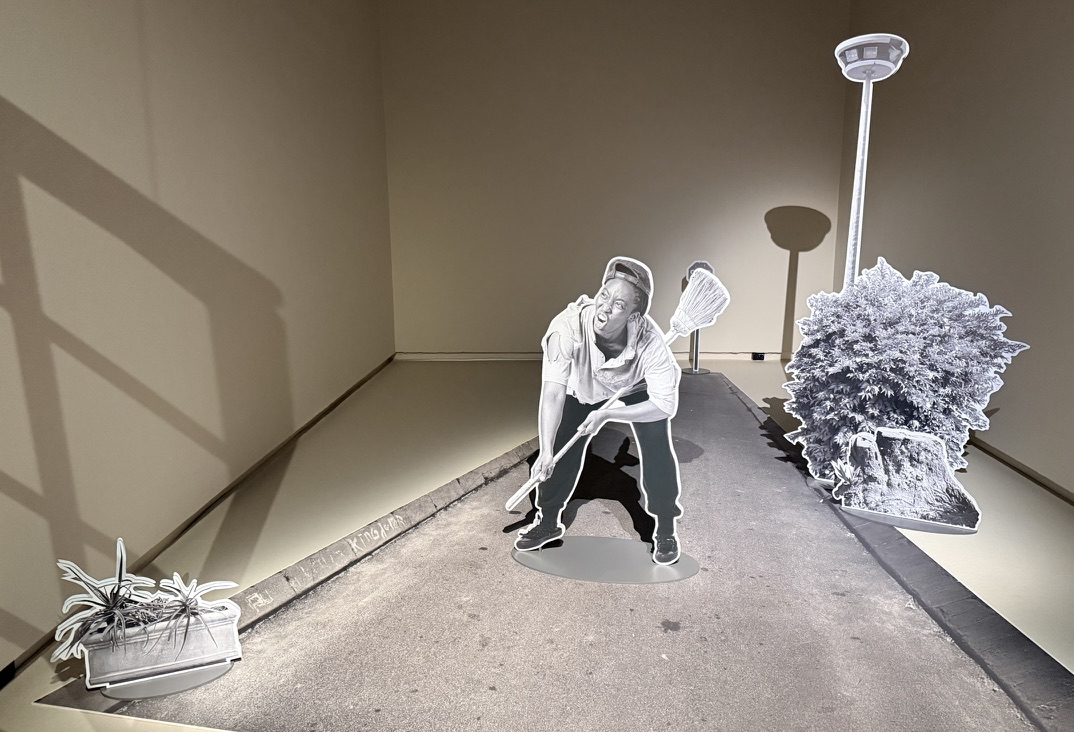
In La Sale ka Kgotso (“stay in peace”), artist Lebohang Kganye (b. 1990, South Africa) presents a life-sized, walk-through installation modeled after an RDP (Reconstruction and Development Programme) house, the low-cost housing units rolled out by the post-apartheid government in South Africa to address structural inequality. This familiar architectural form using aluminum and steel photo-sculptures results in a spectral home, one that appears solid, but feels fragile, filled with ruptures rather than resolutions. The house does not offer comfort or closure. Instead it acts as a haunted framework for stories that have remained unsettled.
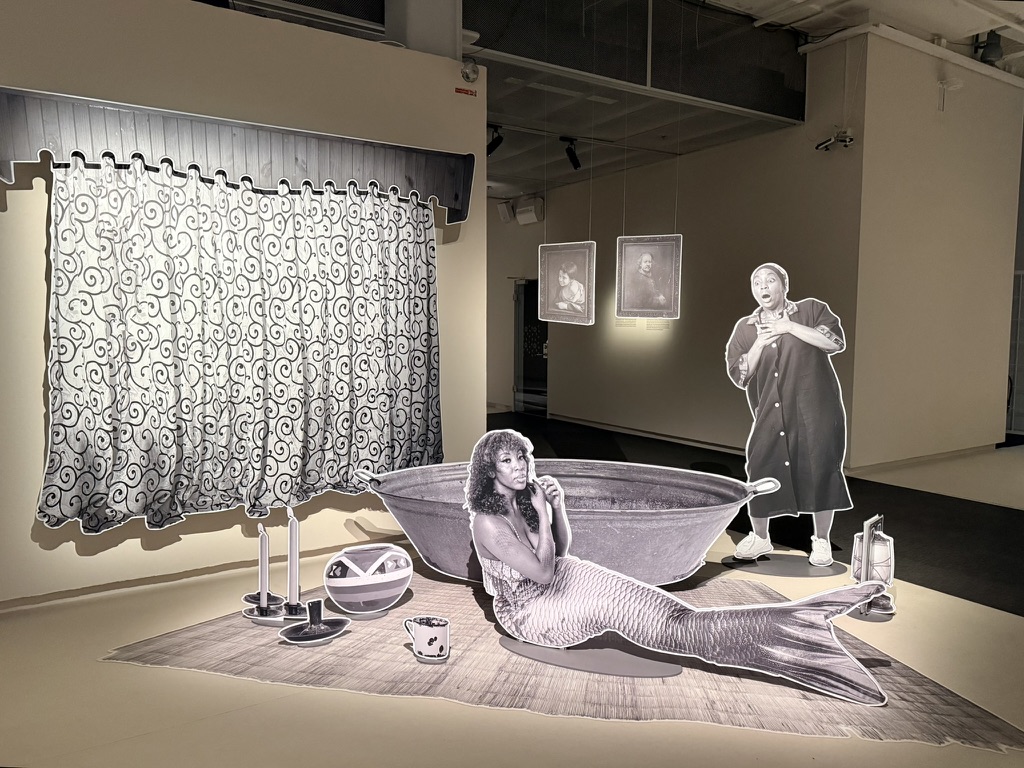
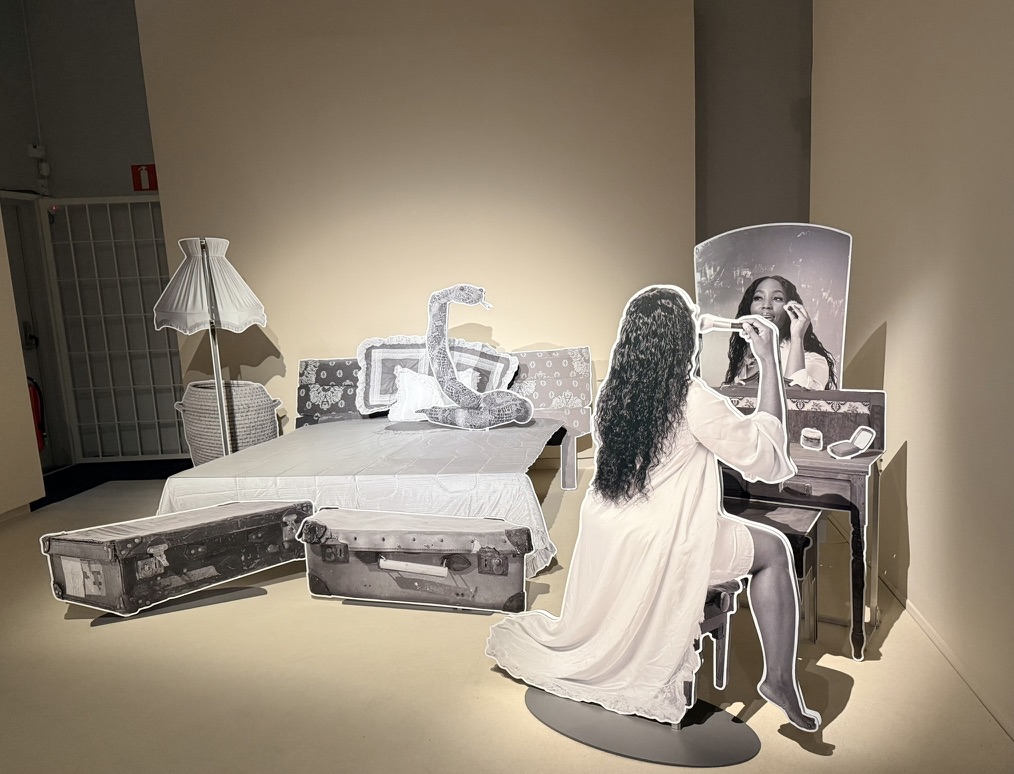
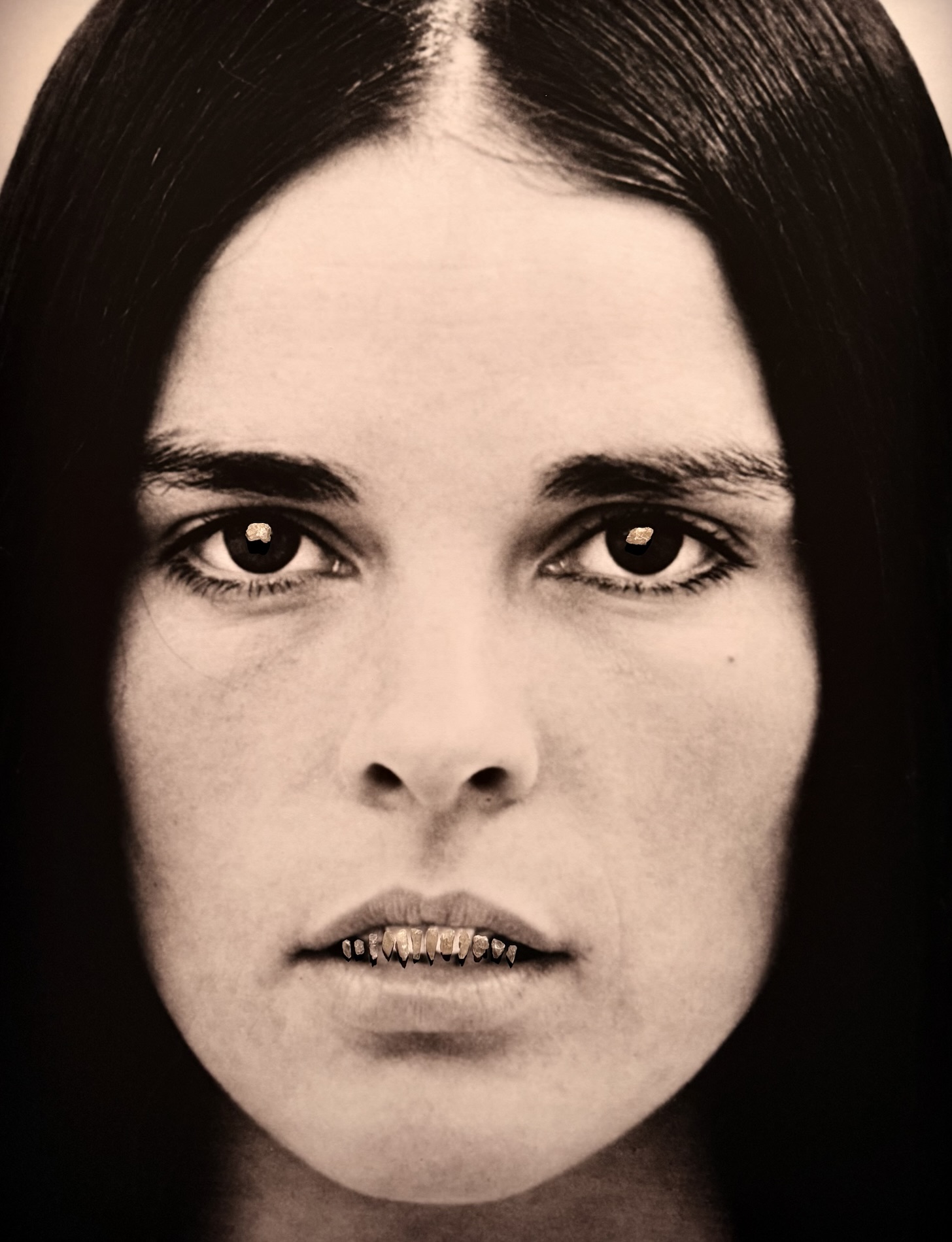
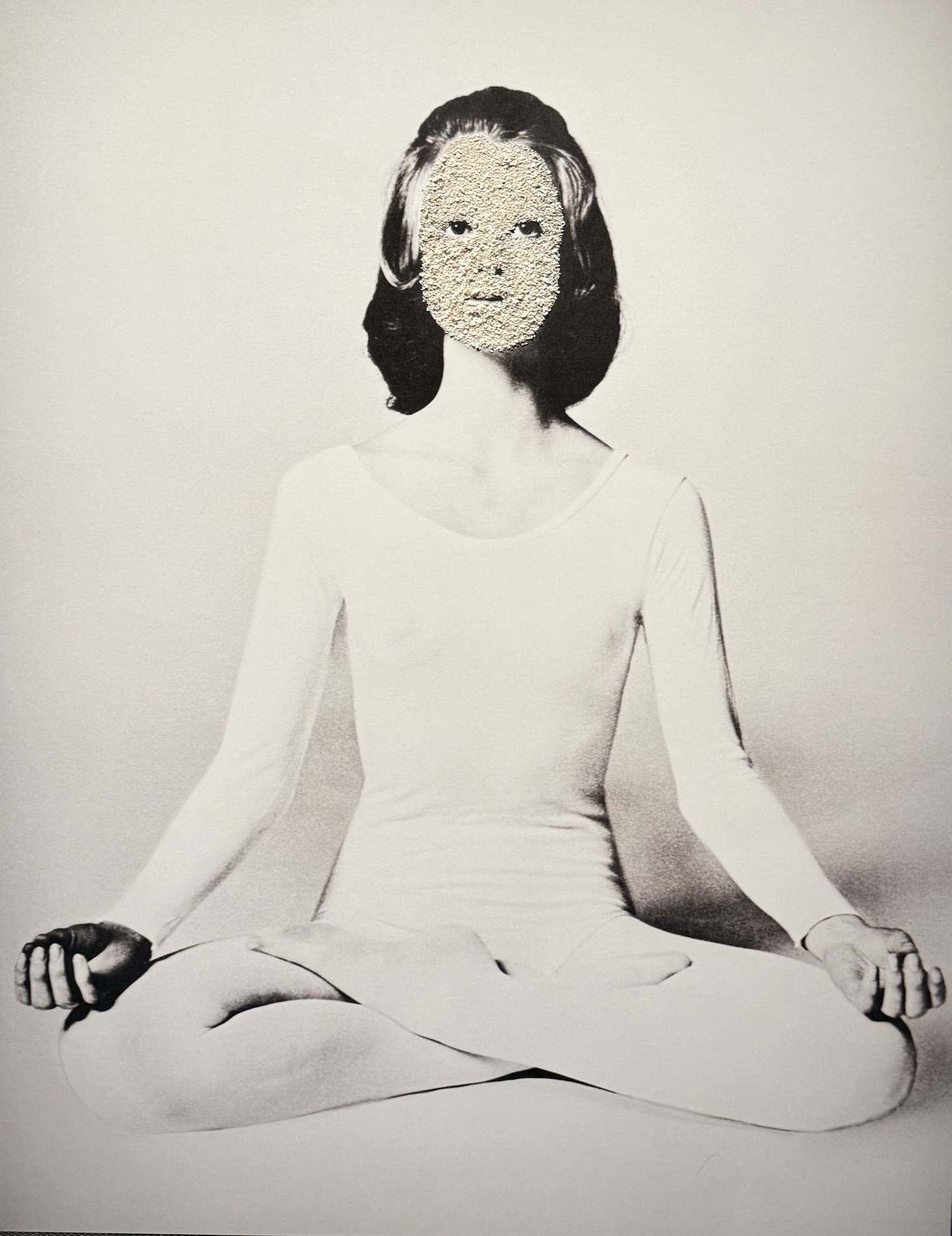
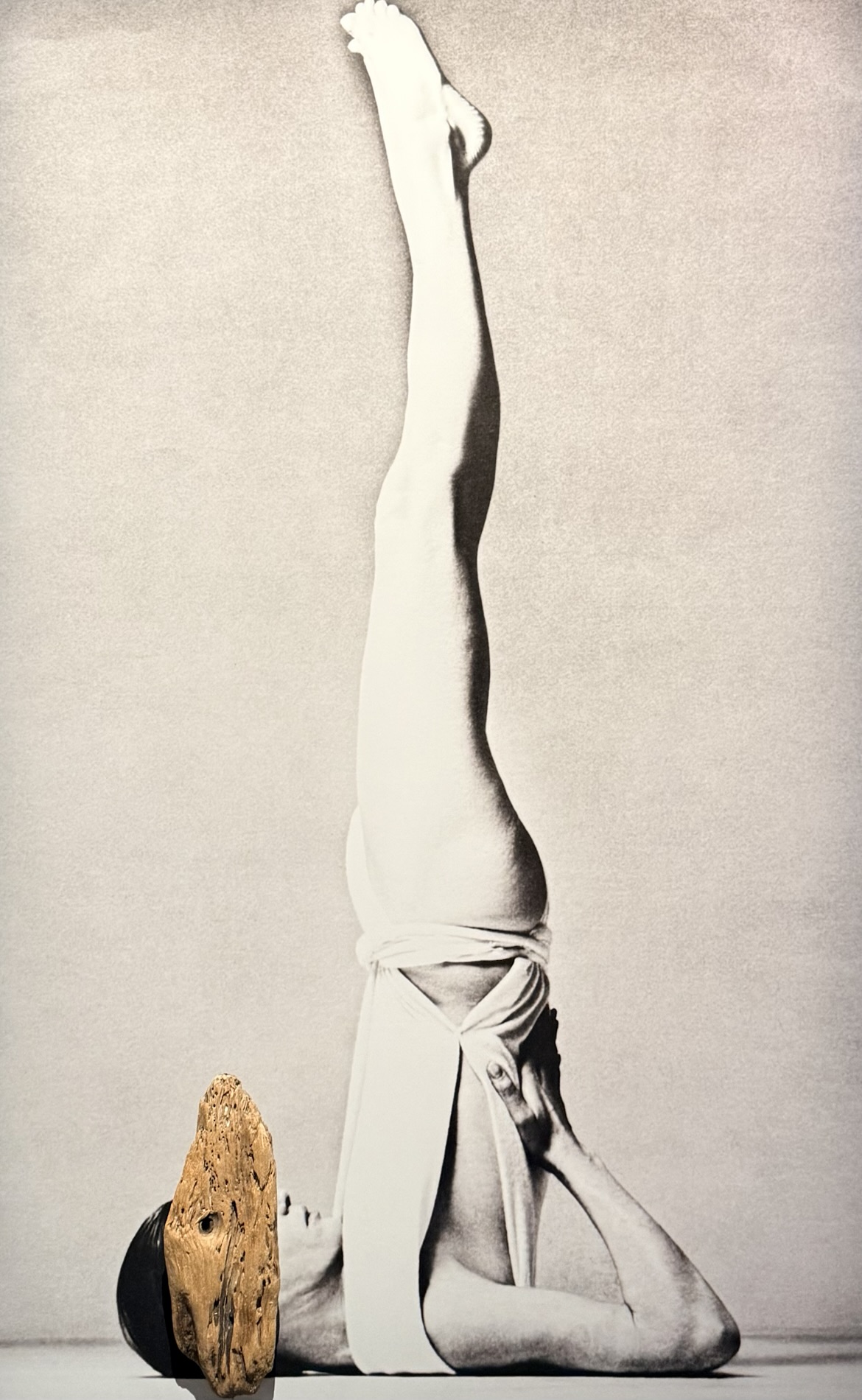
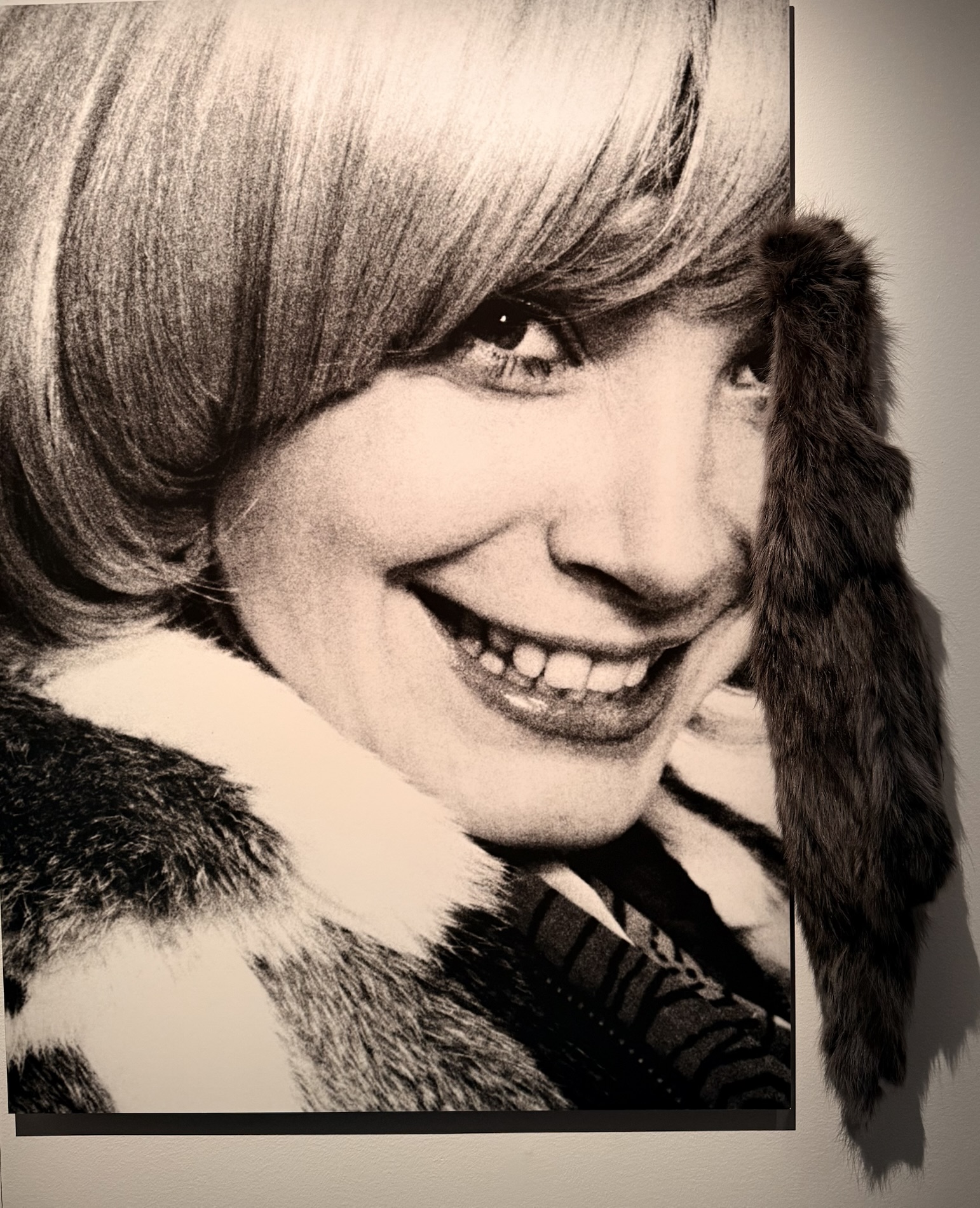
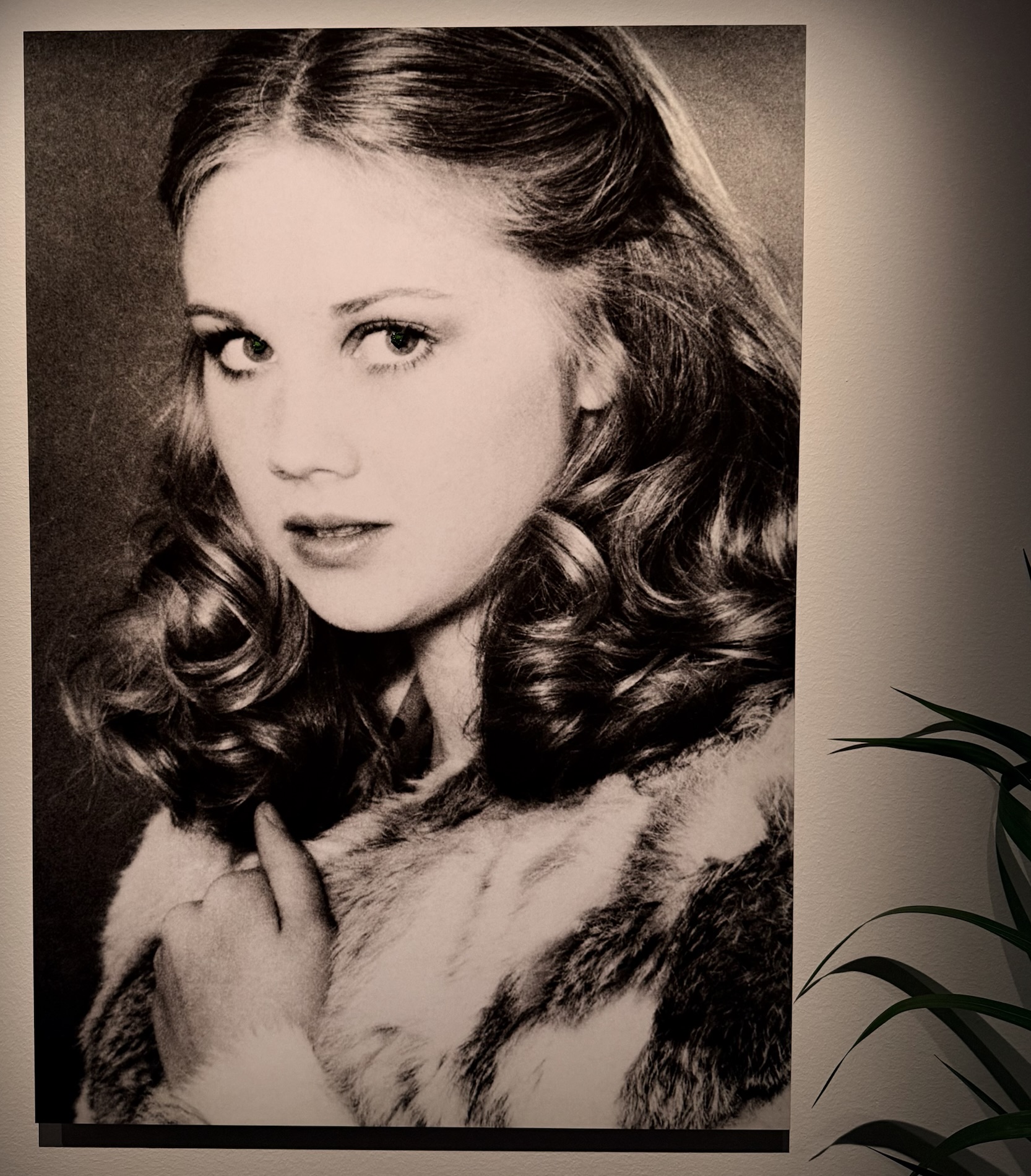
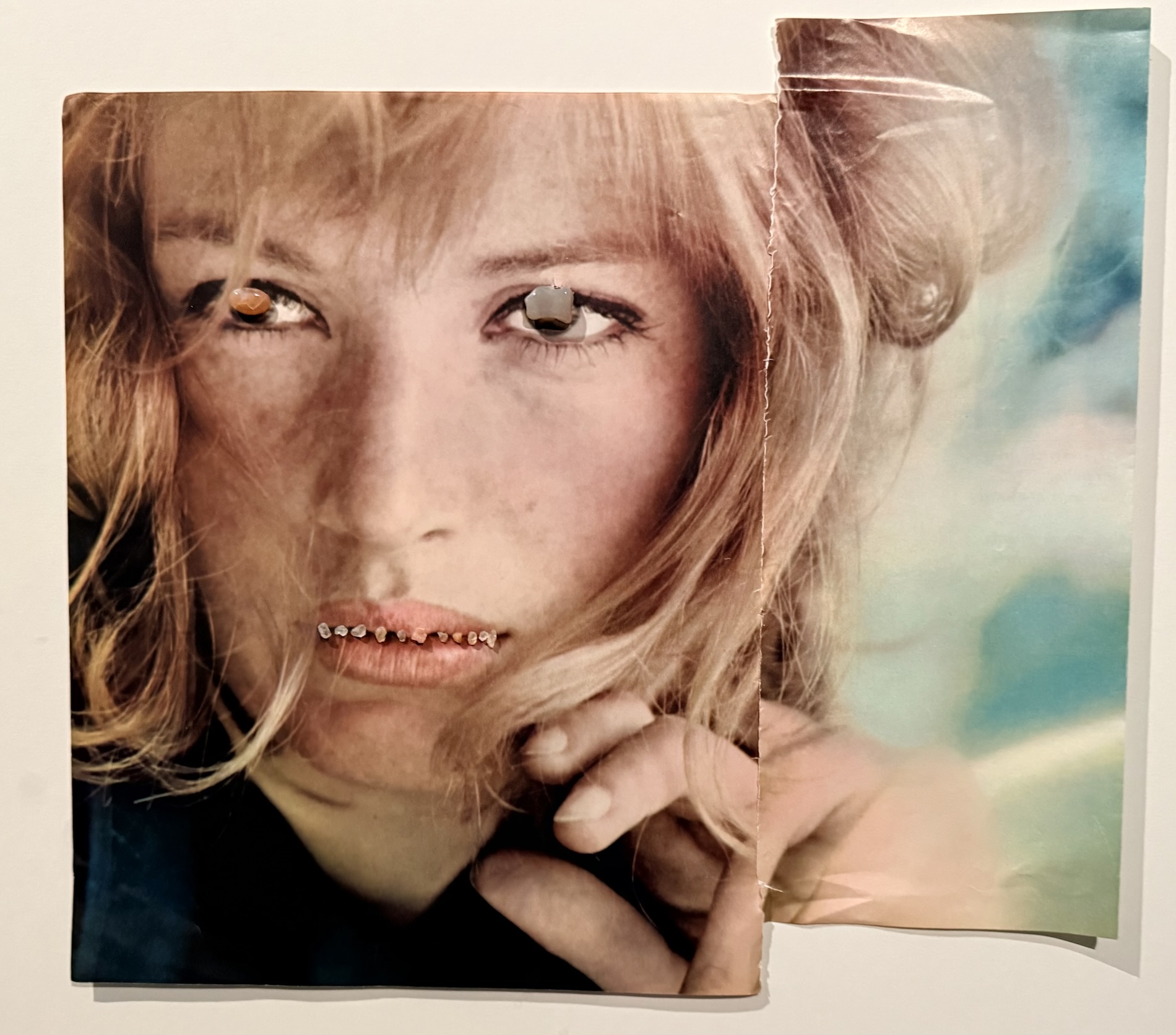
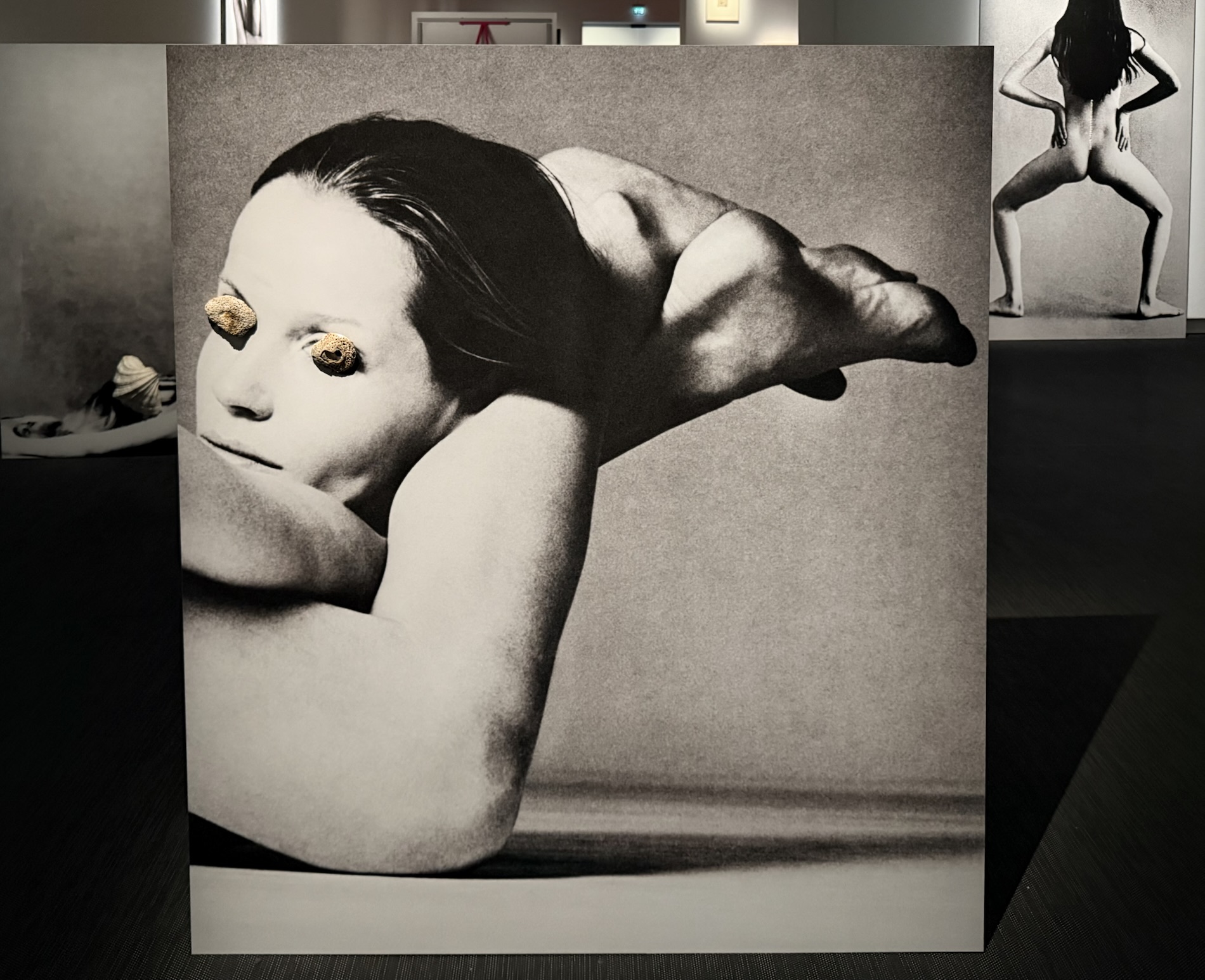
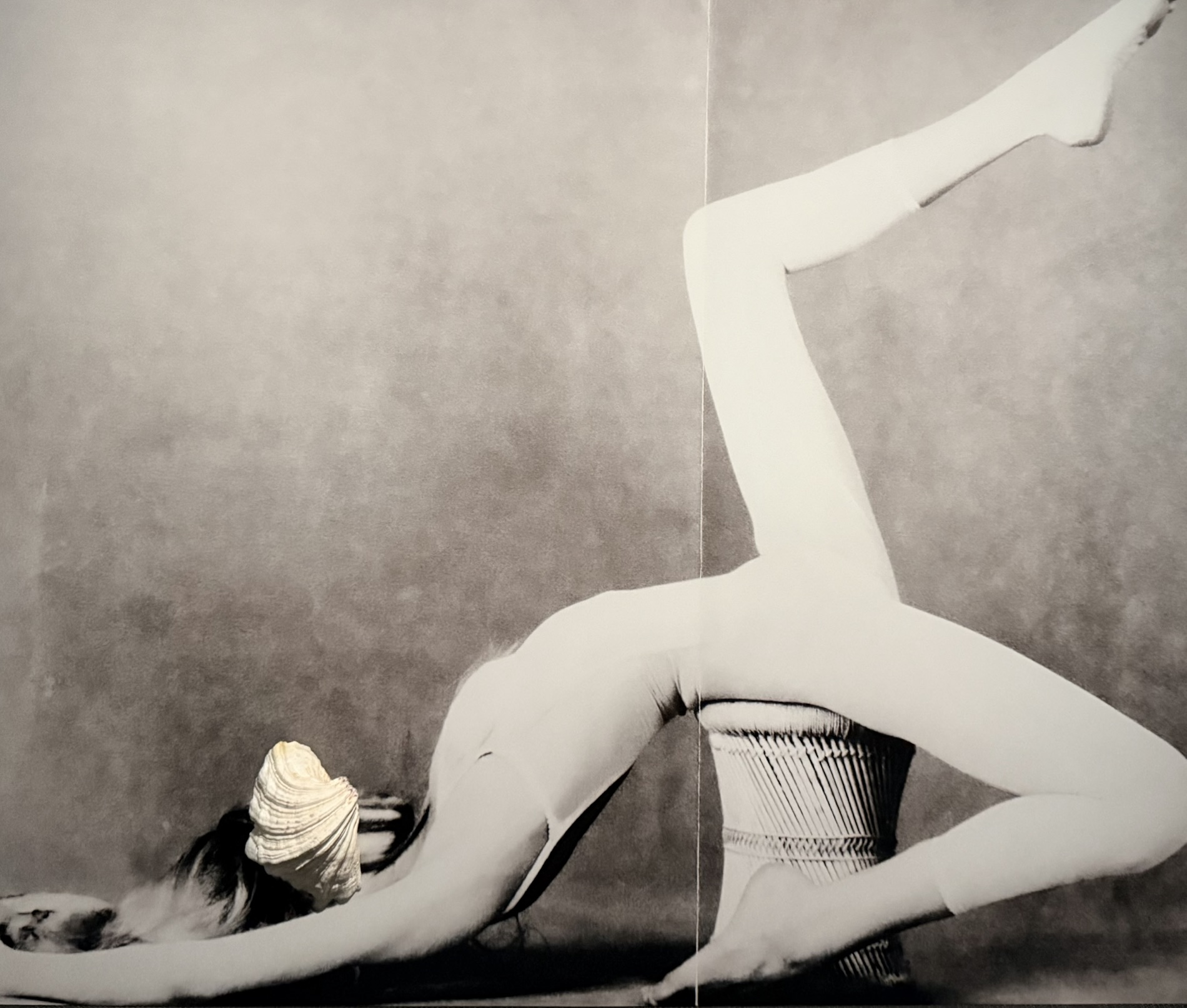
In the exhibit titled I AM EVERYTHING, artist Lotta Antonsson brings together photography, collage and spatial installations in which natural materials such as seashells, amethysts and corals take on a central role. Objects conceal faces, cover eyes or replace mouths; these small changes simultaneously disrupt, destroy and beautify. The well-known appears strange.
The artist’s work ties in with questions that have haunted her since the 1990s. By covering, fragmenting and repositioning the female body, she reveals how it has historically been shaped by gaze and desire, while creating a space in which the woman emerges as a subject, an “I” with her own voice and form.
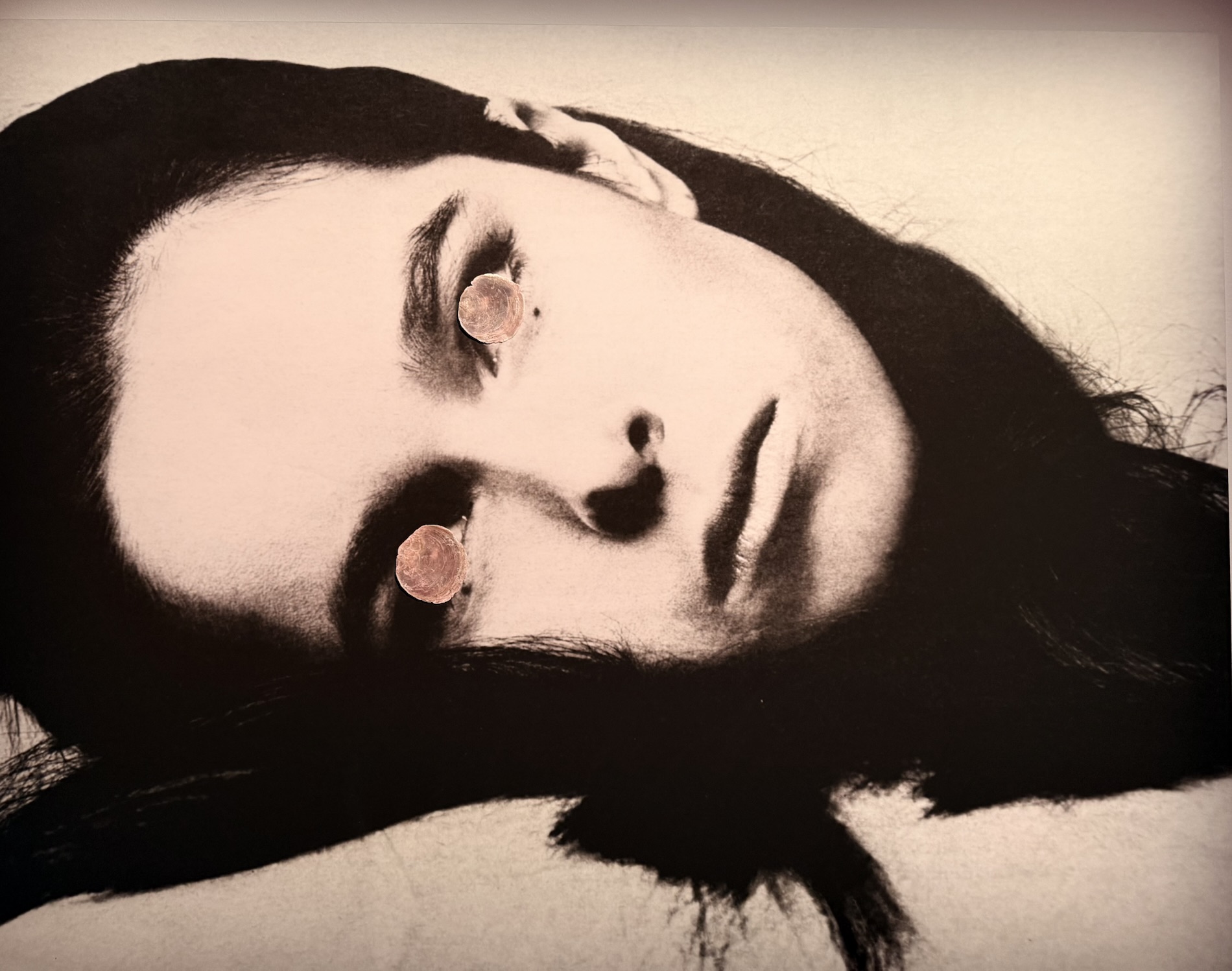
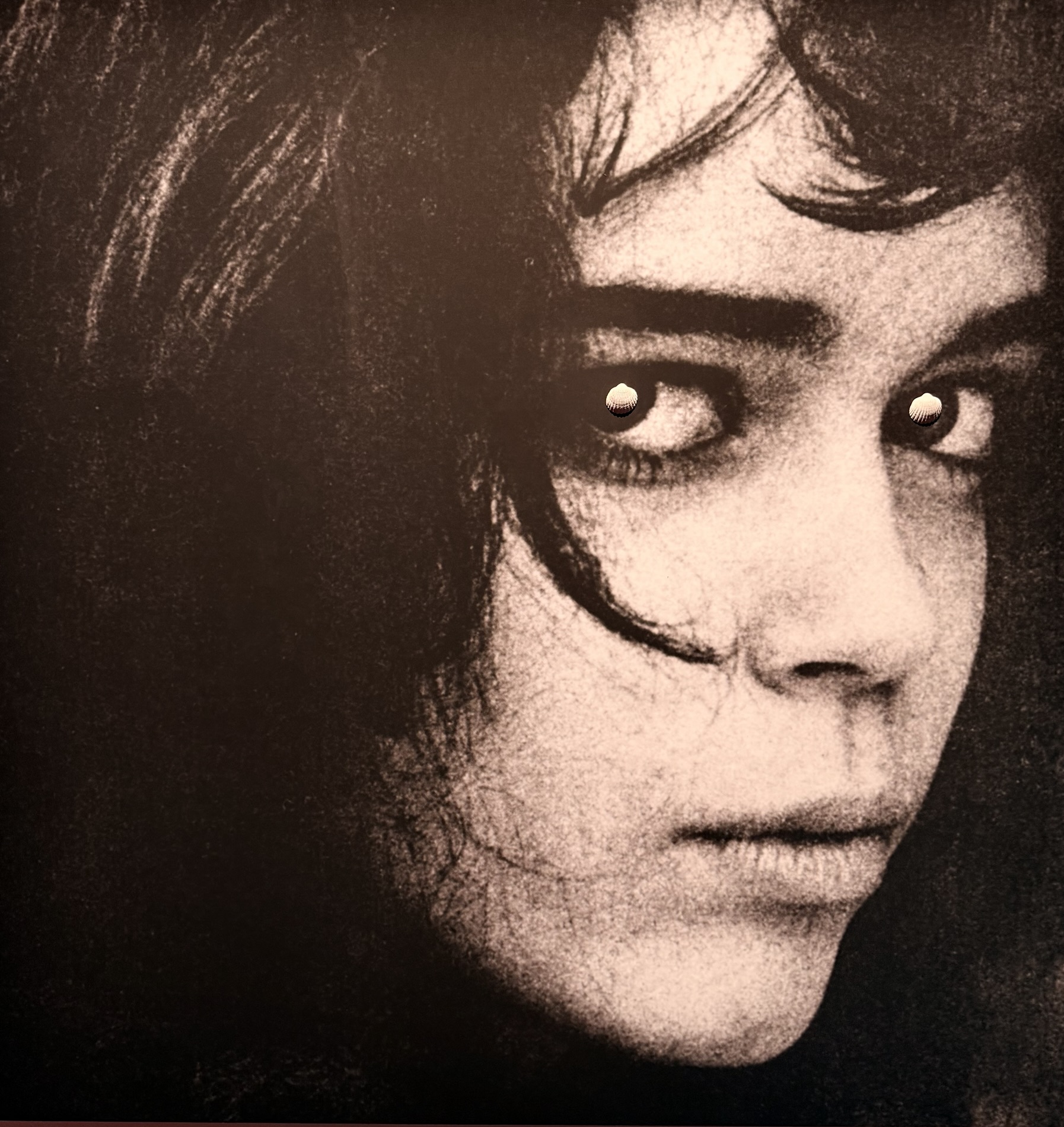
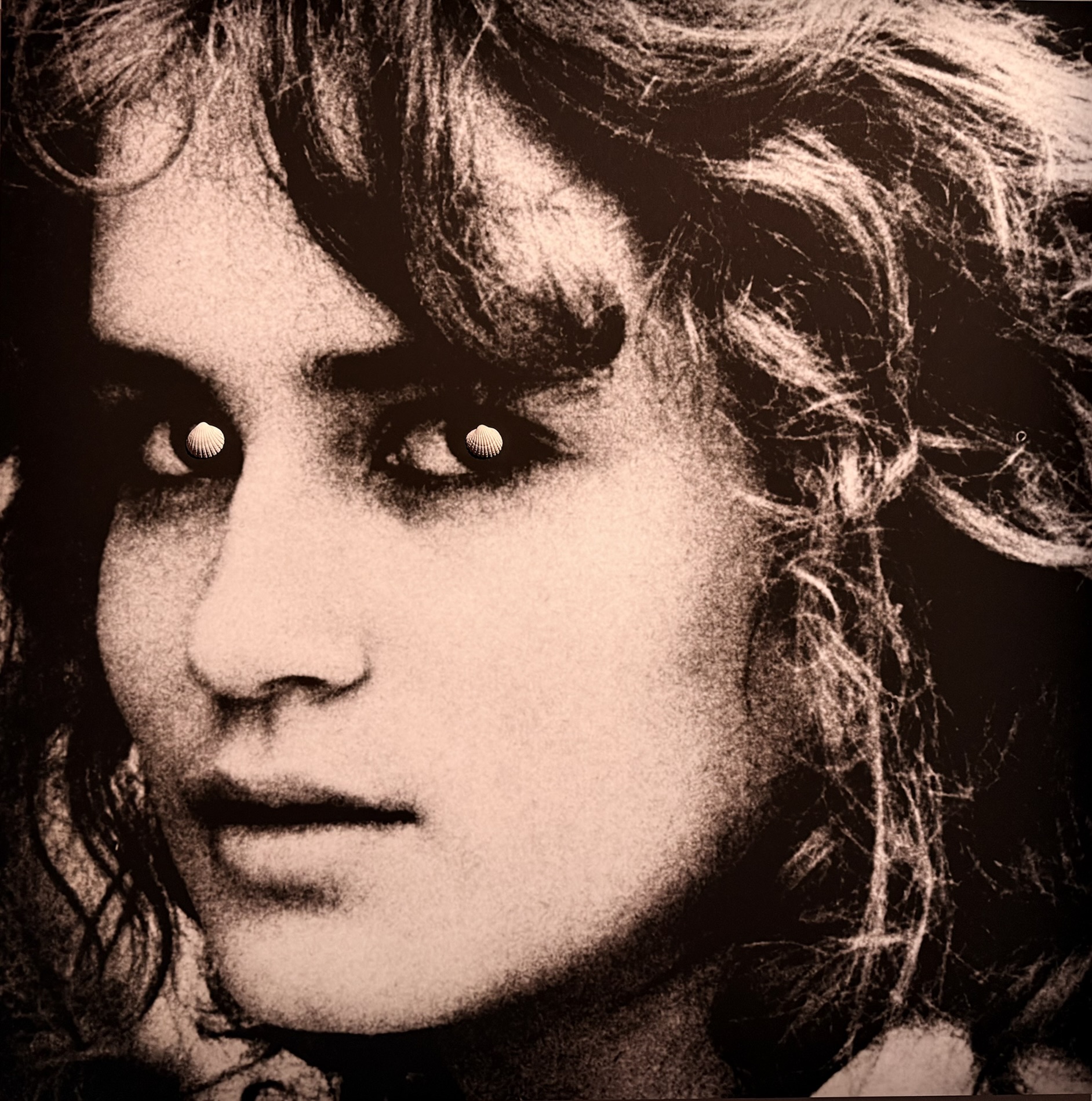
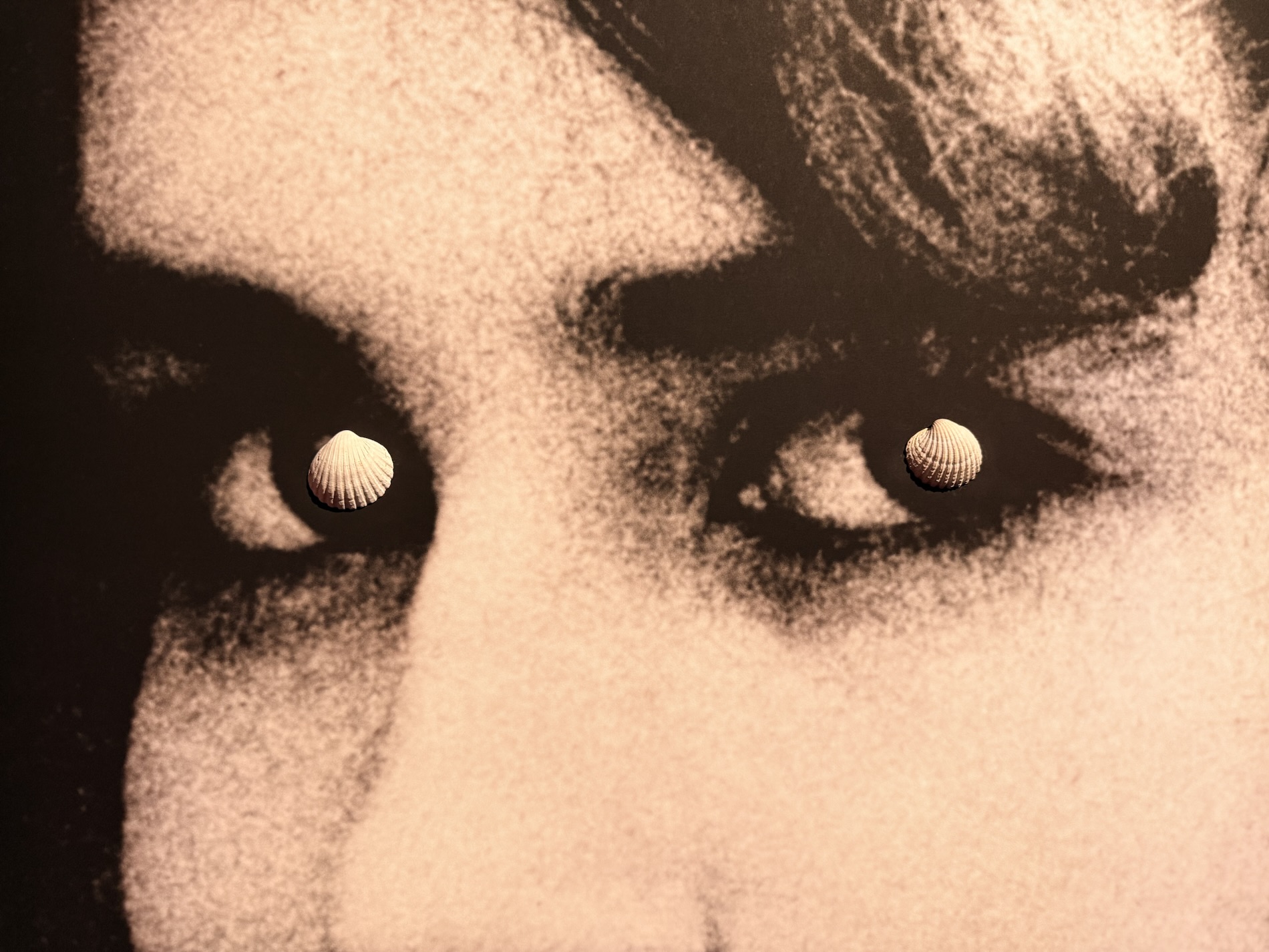
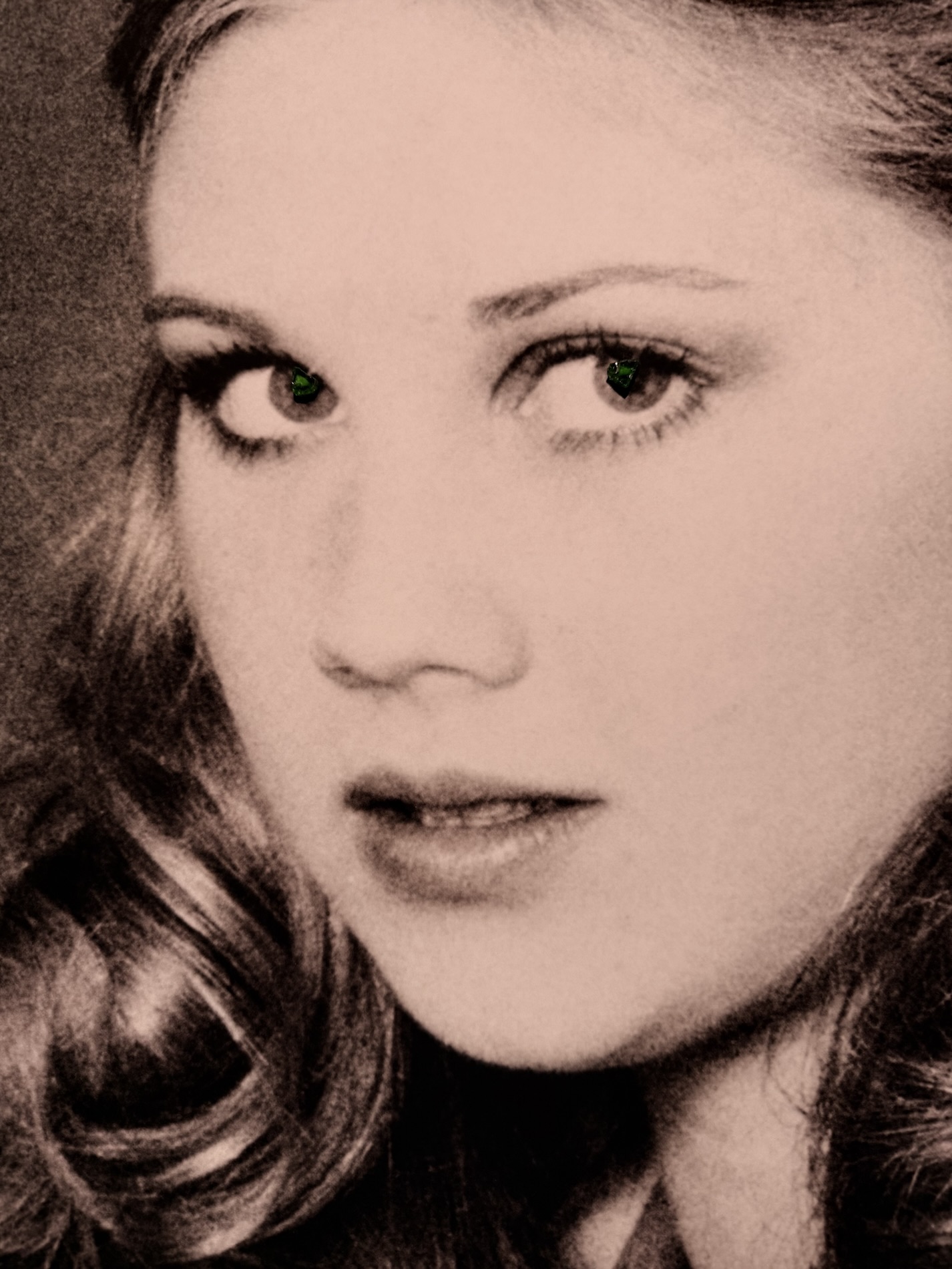
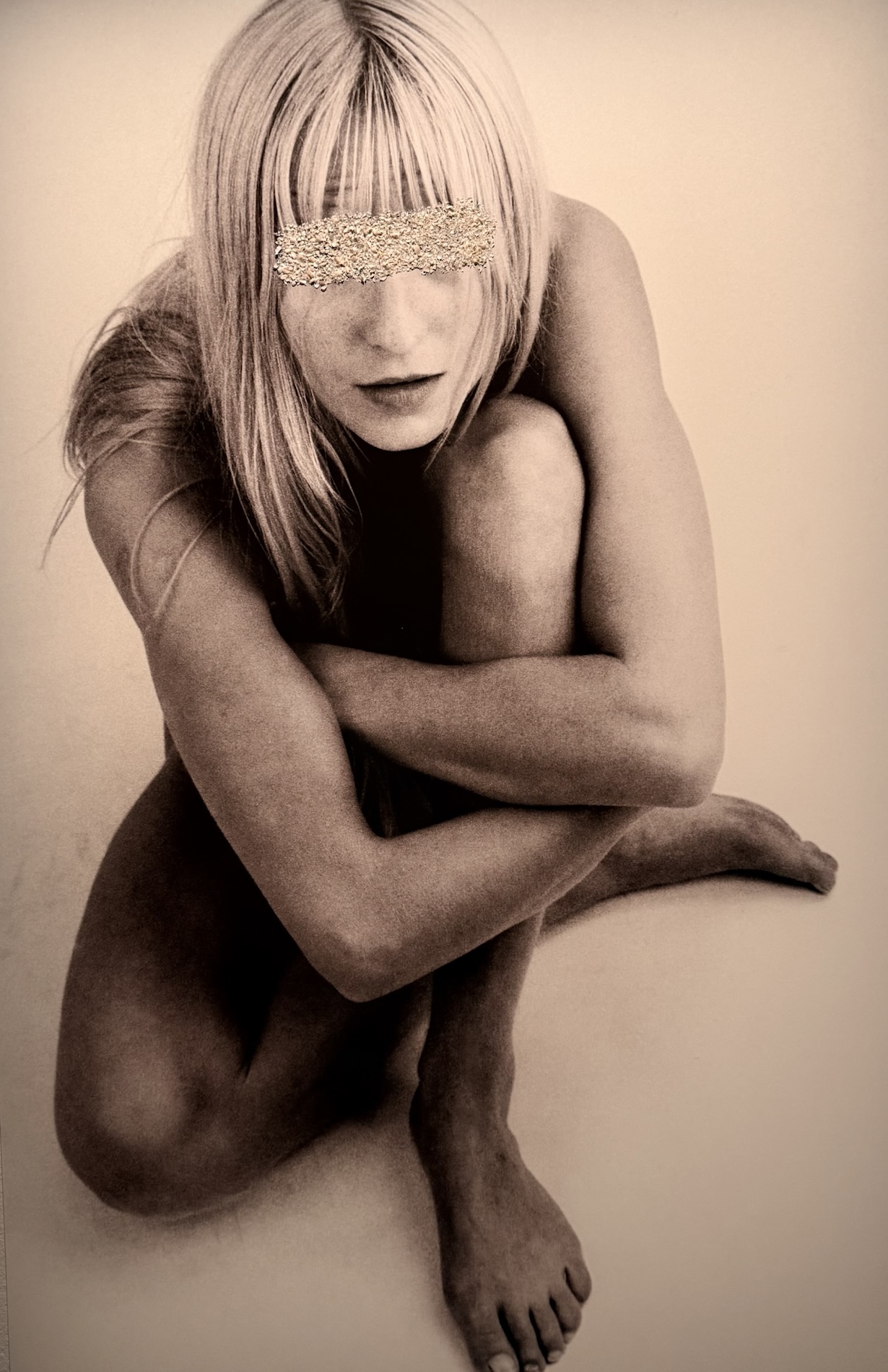
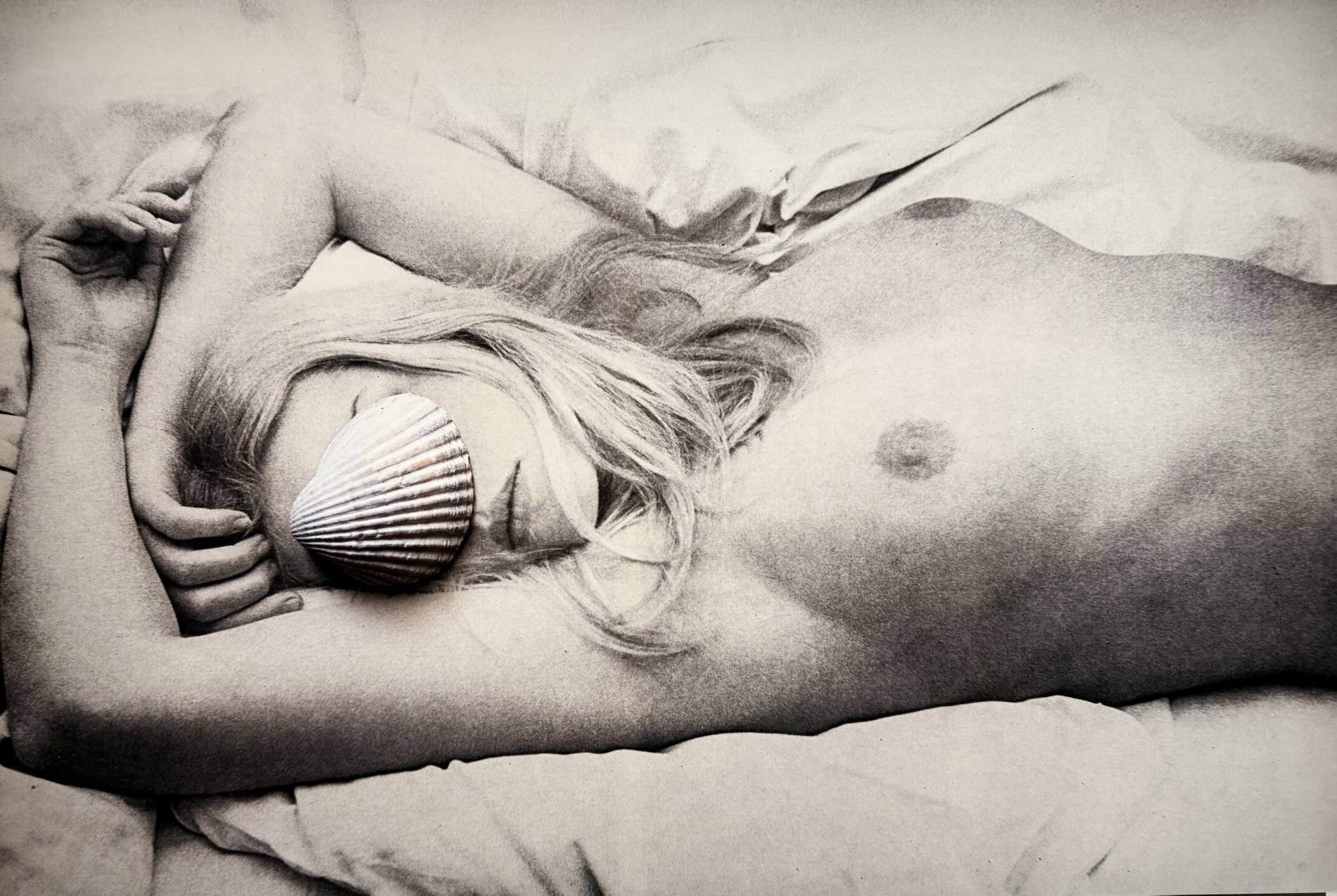
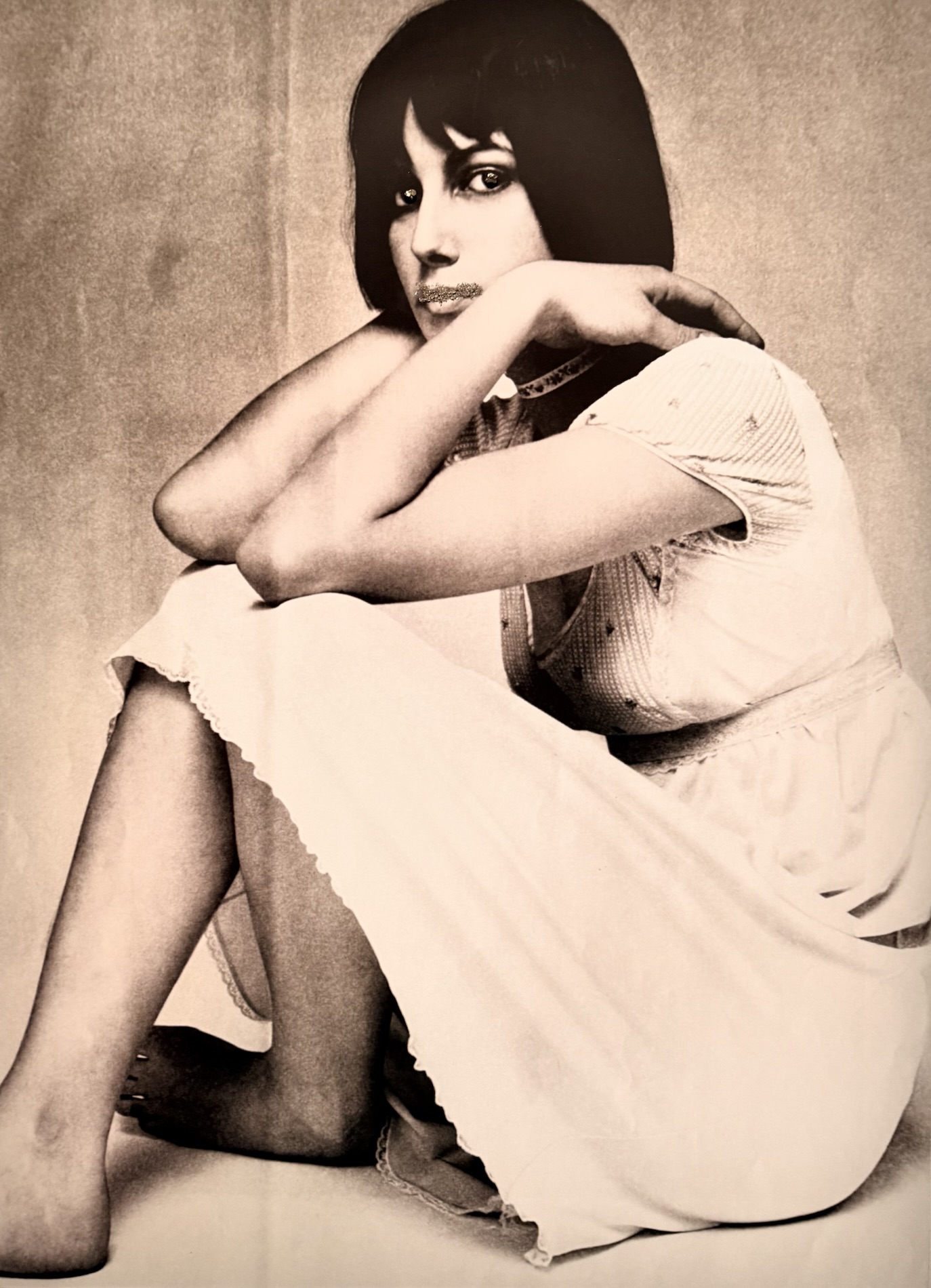
HARDER BETTER FASTER STRONGER Are men OK? explores what masculinity means and how it affects men in societies today. The words in the title speak of courage, growth, movement, and resilience. They also describe the pressure to be tougher, more successful, faster, stronger, and less vulnerable.
The exhibit asks the view to ask questions and to carry the conversations into friendships, families, workplaces, communities and the way we look at ourselves and each other. Masculinity is not fixed. It is something we inherit, but also something we can continue to remake.
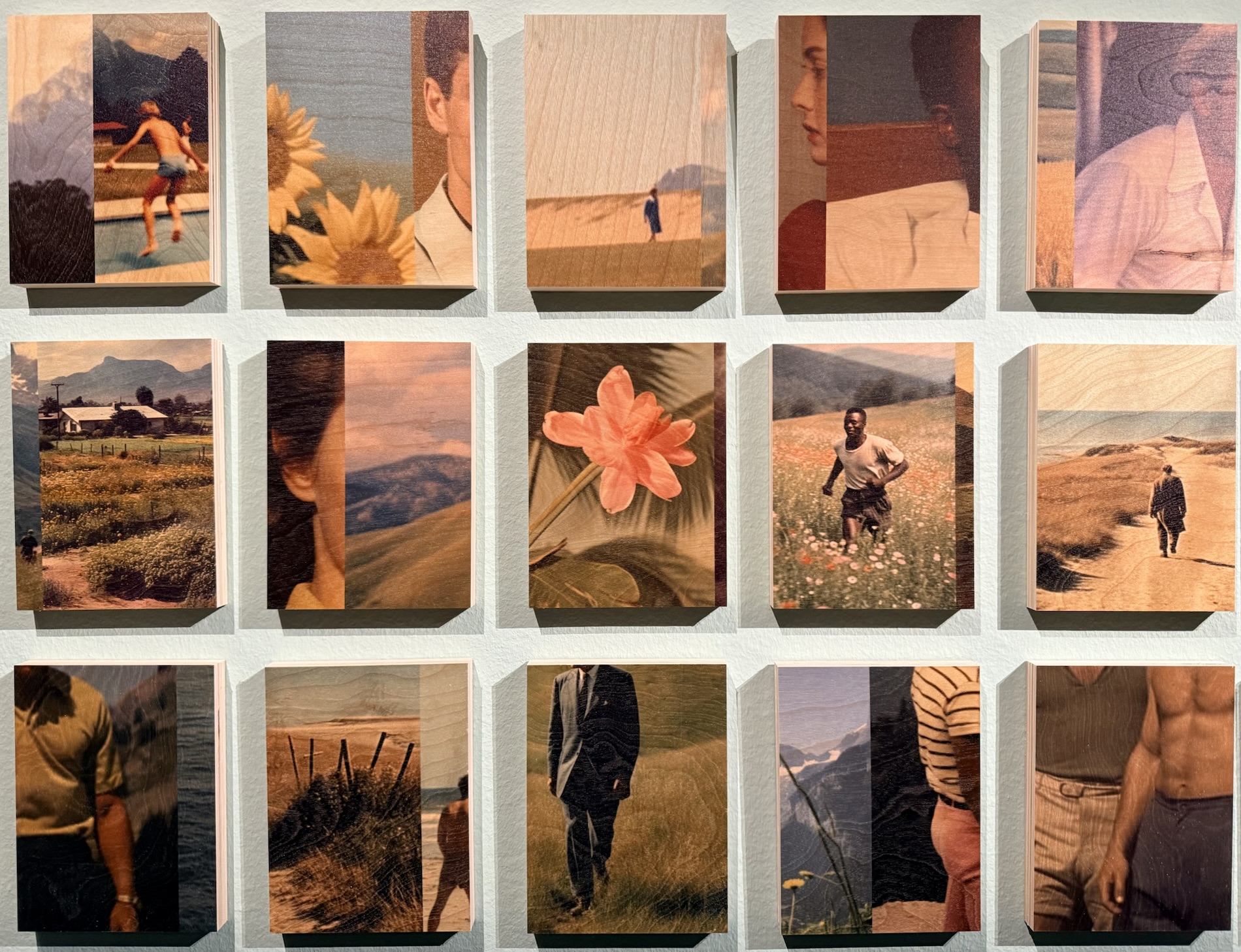
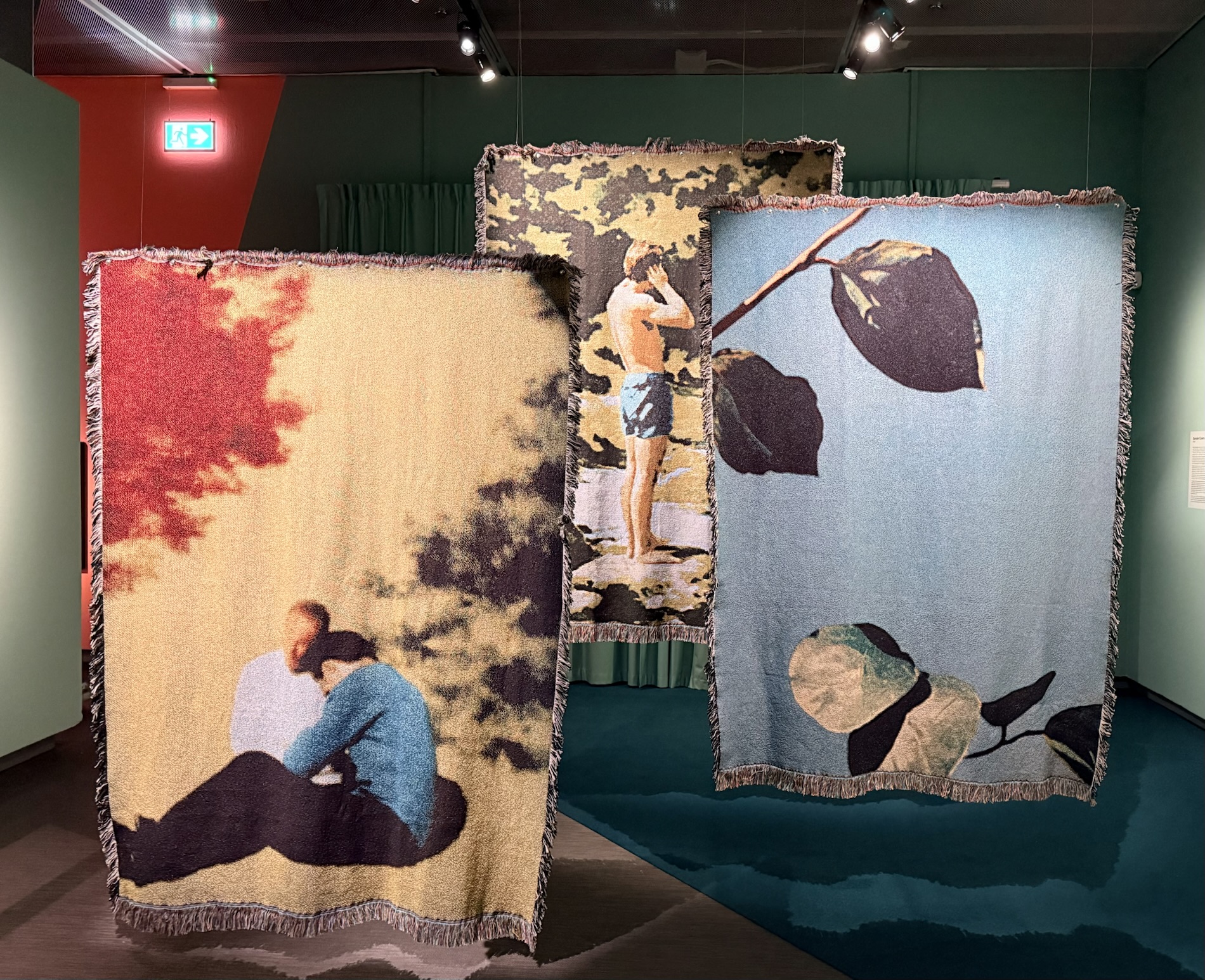
In Post, Sander Coers was unable to find photos of his grandfather born in Indonesia during the Second World War. He trained AI on photographs from the 1940s to the 1990s to fill these gaps in his family history. The resulting scenes echo their landscapes, colors and clothing, although none of these moments occurred. Printed on plywood, the fabricated photos make the built memories tangible. Shown alongside POST are jacquard-woven works in which Coers imagines himself together with his late grandfather. These impossible scenes give form to a relationship marked by absence, and to a desire for connection across generations.
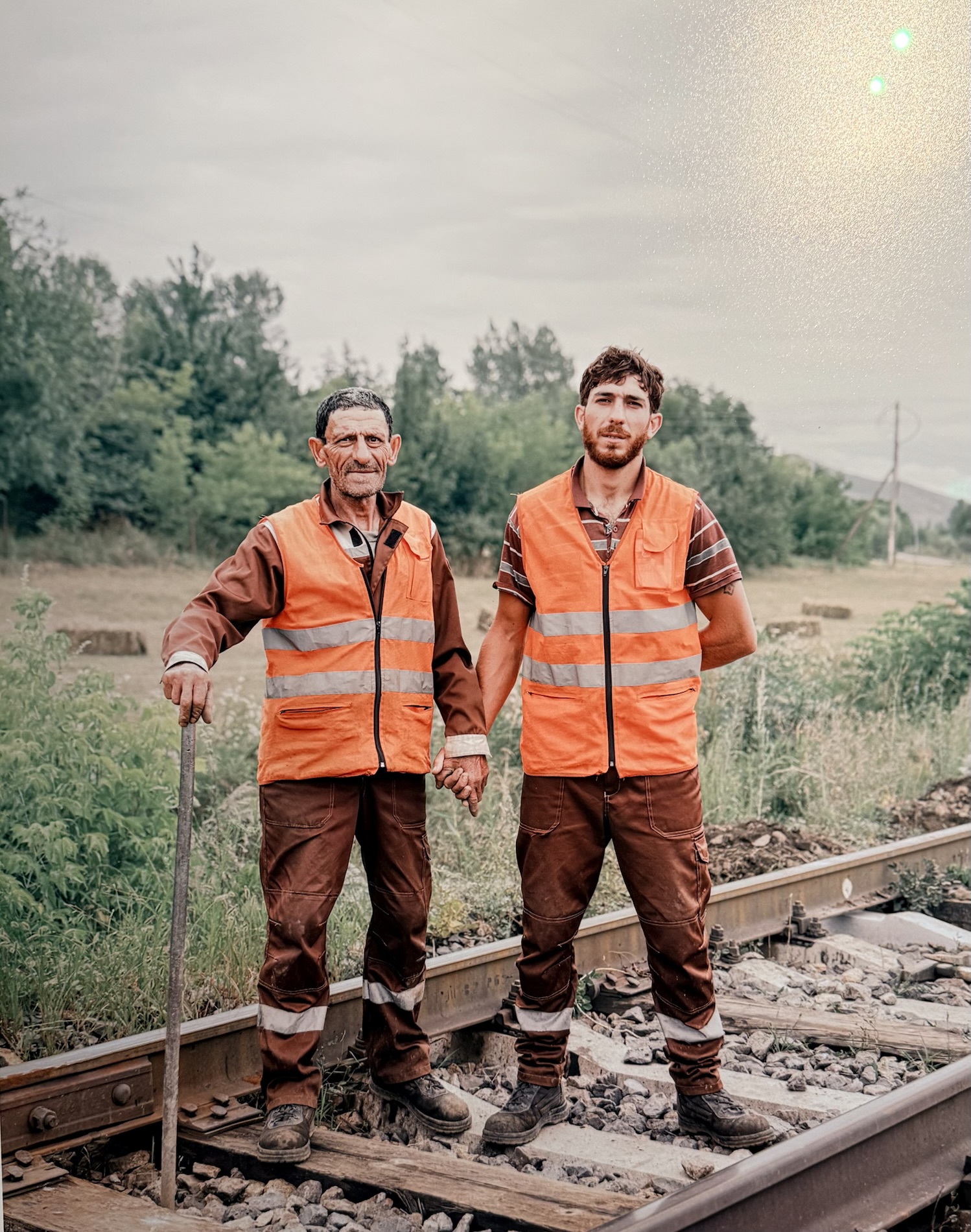
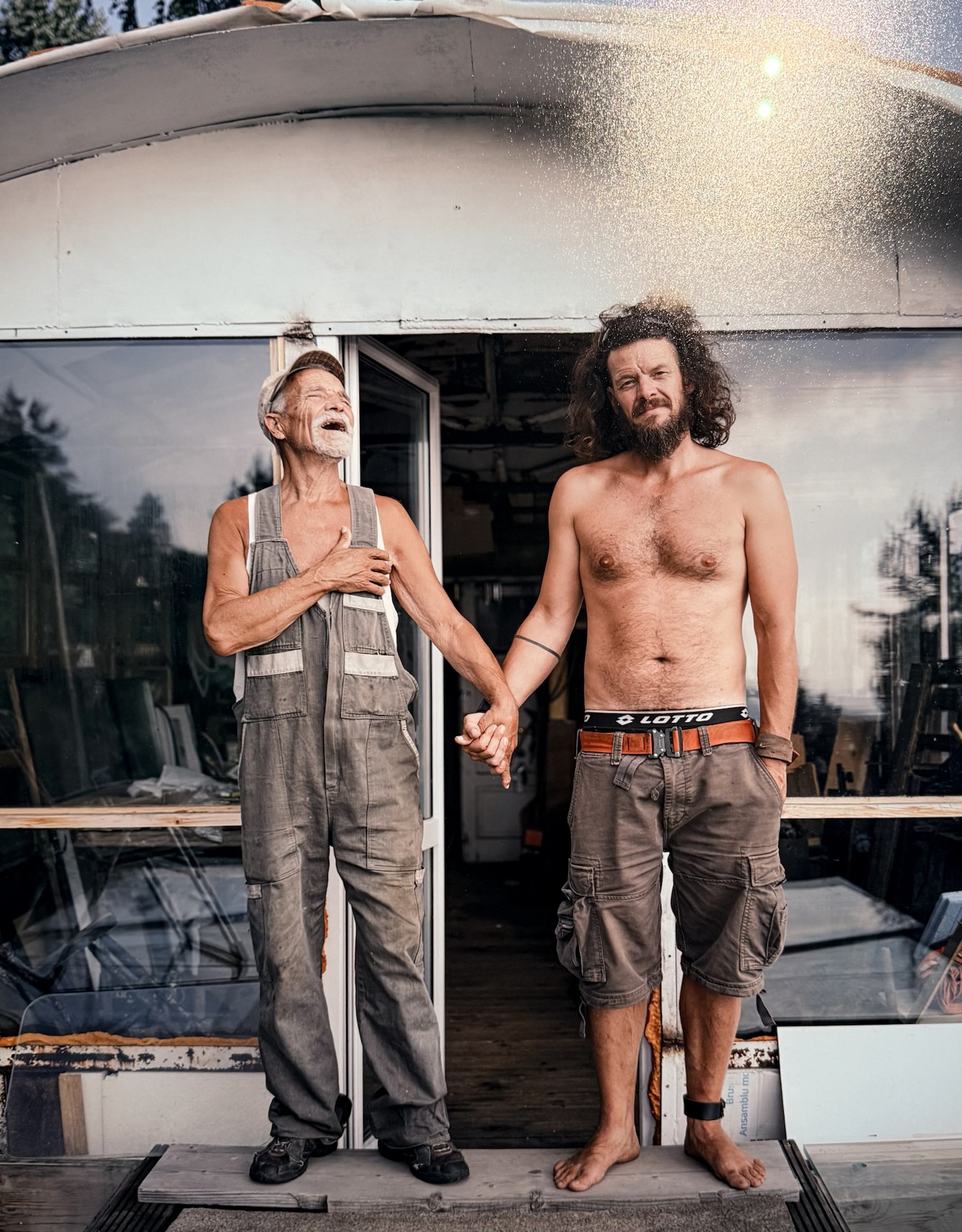
In Father and Son, Valery Poshtarov photographs fathers and their adult sons holding hands. Many portraits began as chance encounters, when Poshtarov approached fathers and sons he met in public places and asked them to hold hands for his camera.
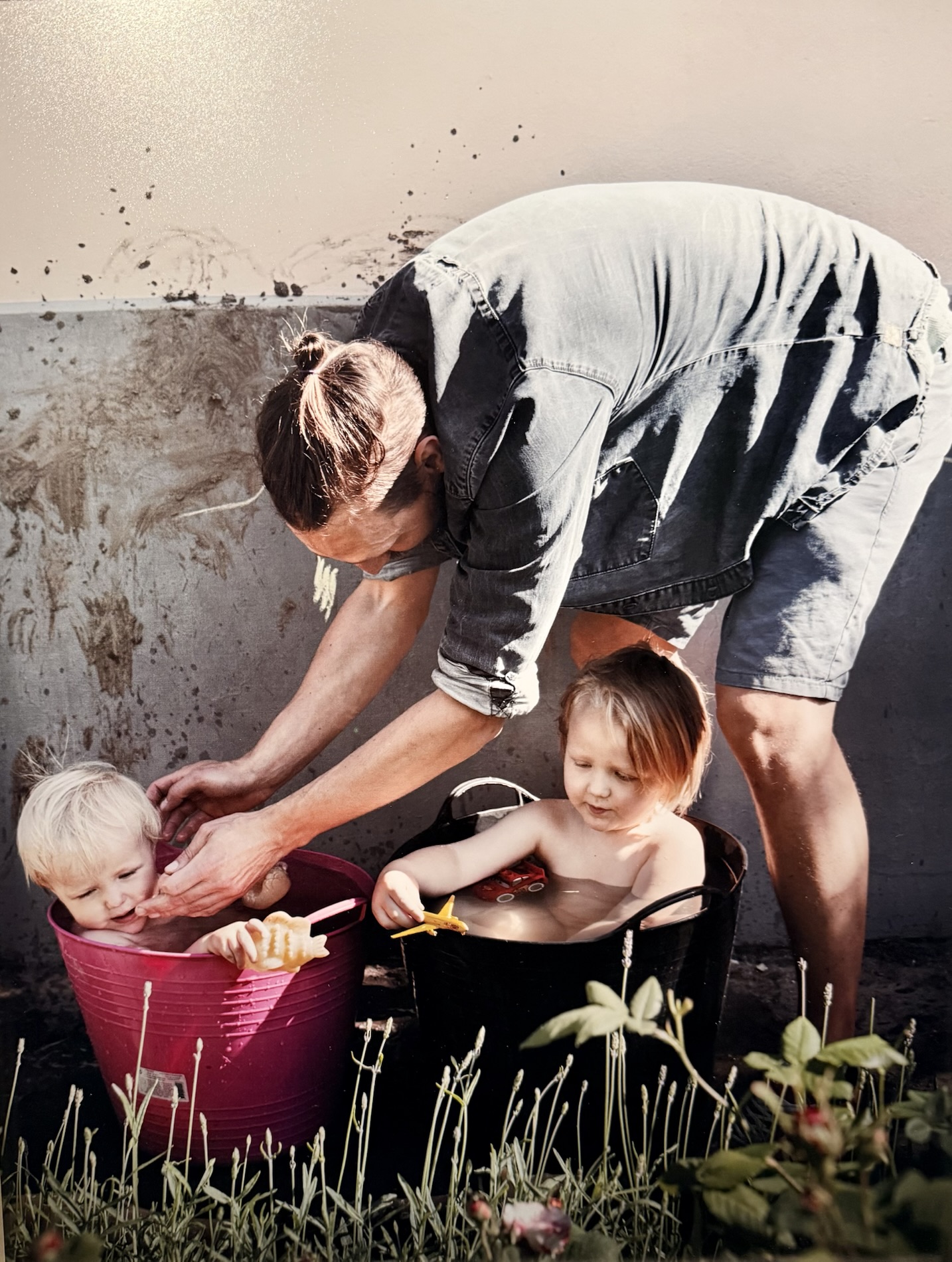
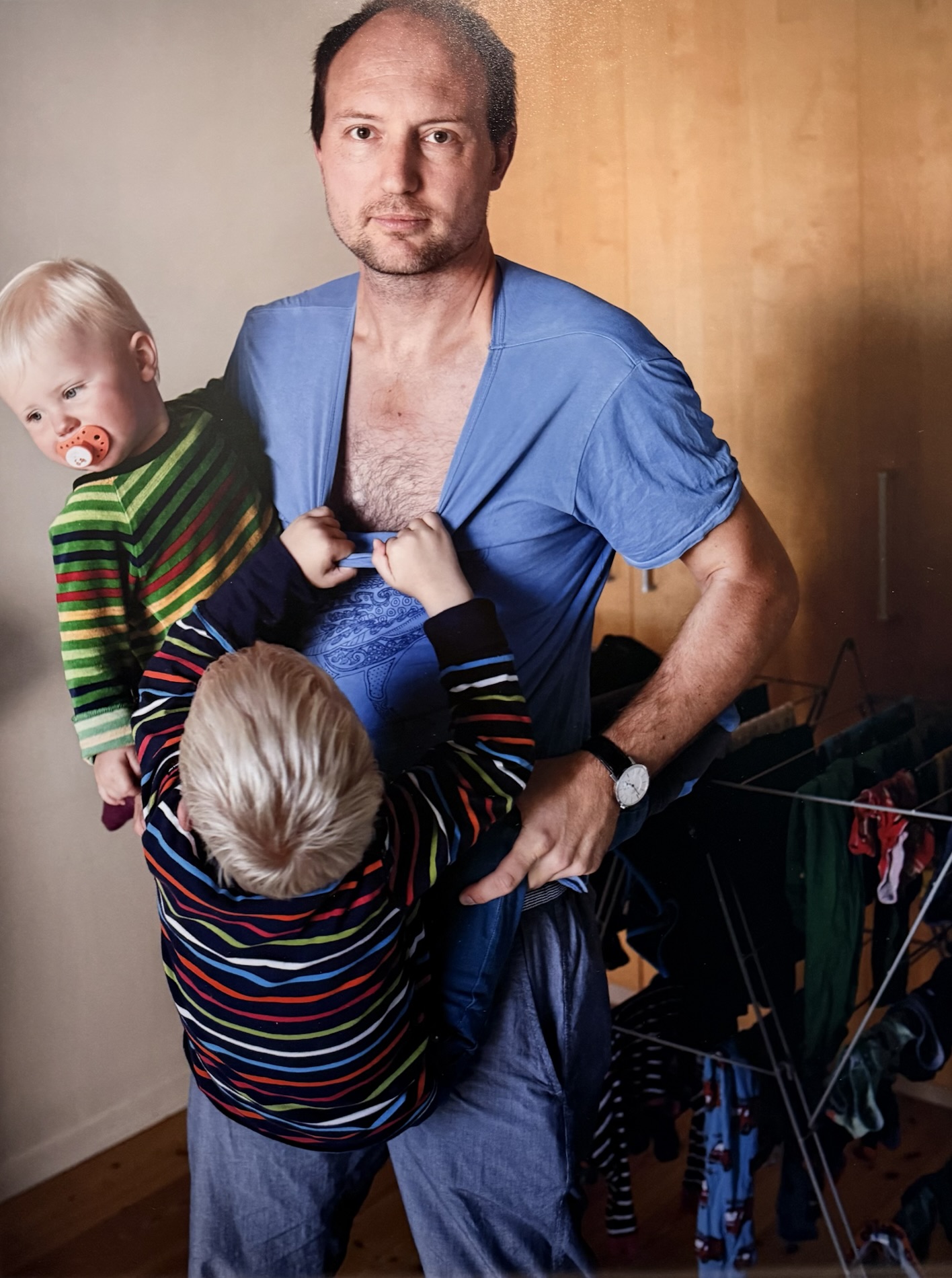
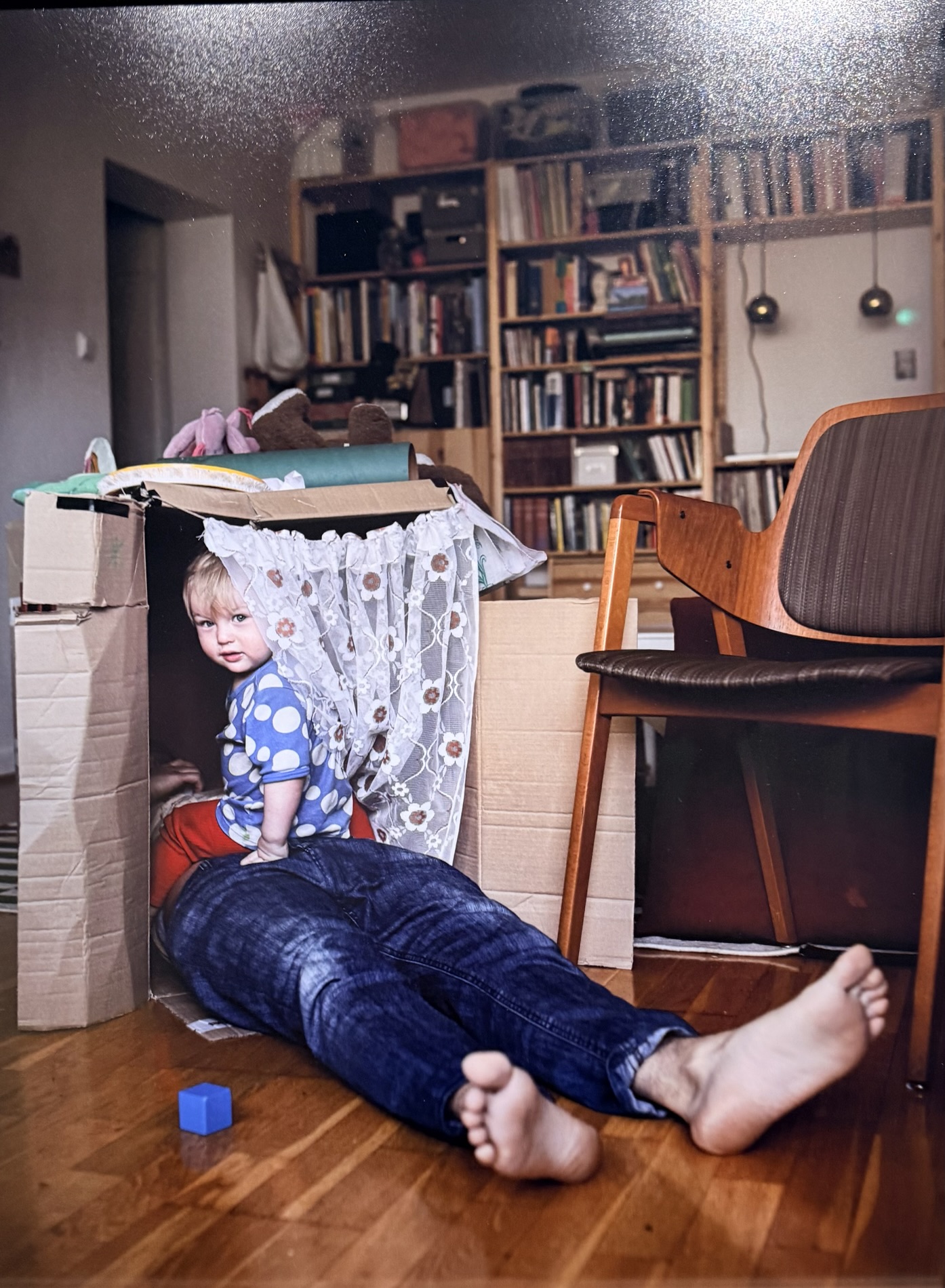
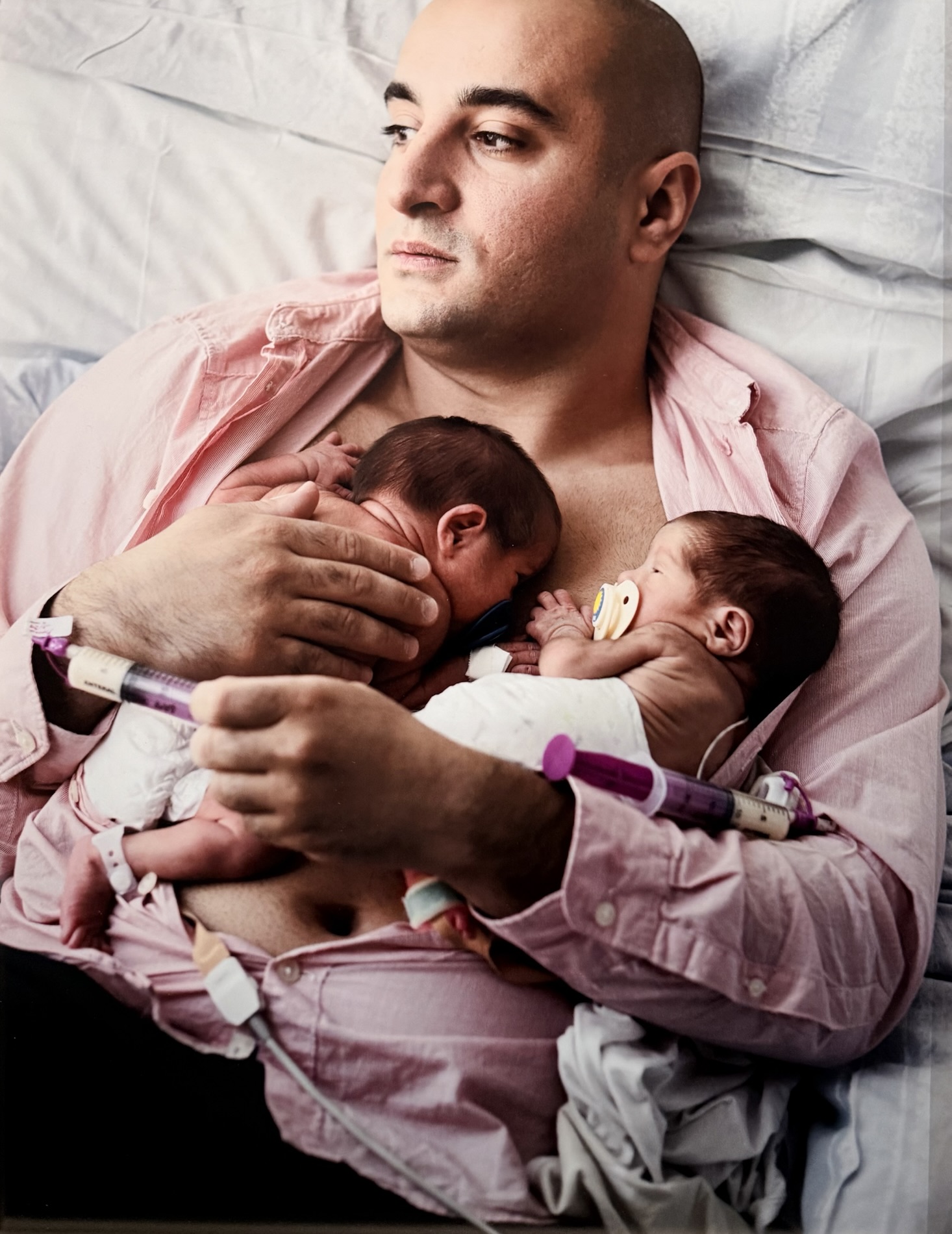
In Swedish Dads, Johan Bävman portrays fathers who chose to take at least six months of parental leave. In Sweden, parents share 480 days of paid parental benefit, including 90 days reserved for each parent, giving fathers the opportunity to spend extended time with their children during their earliest years. The photos show feeding, bathing, shopping, play, naps and domestic disorder. Alongside exhaustion and isolation, they hold humor, tenderness and the happiness of fathers discovering their children’s personalities. The series offers a masculinity shaped by presence, patience, vulnerability and affection. It suggests that parental leave can reshape family dynamics, expectations around work and the division of care, while creating a closeness between fathers and children that can remain throughout their lives.
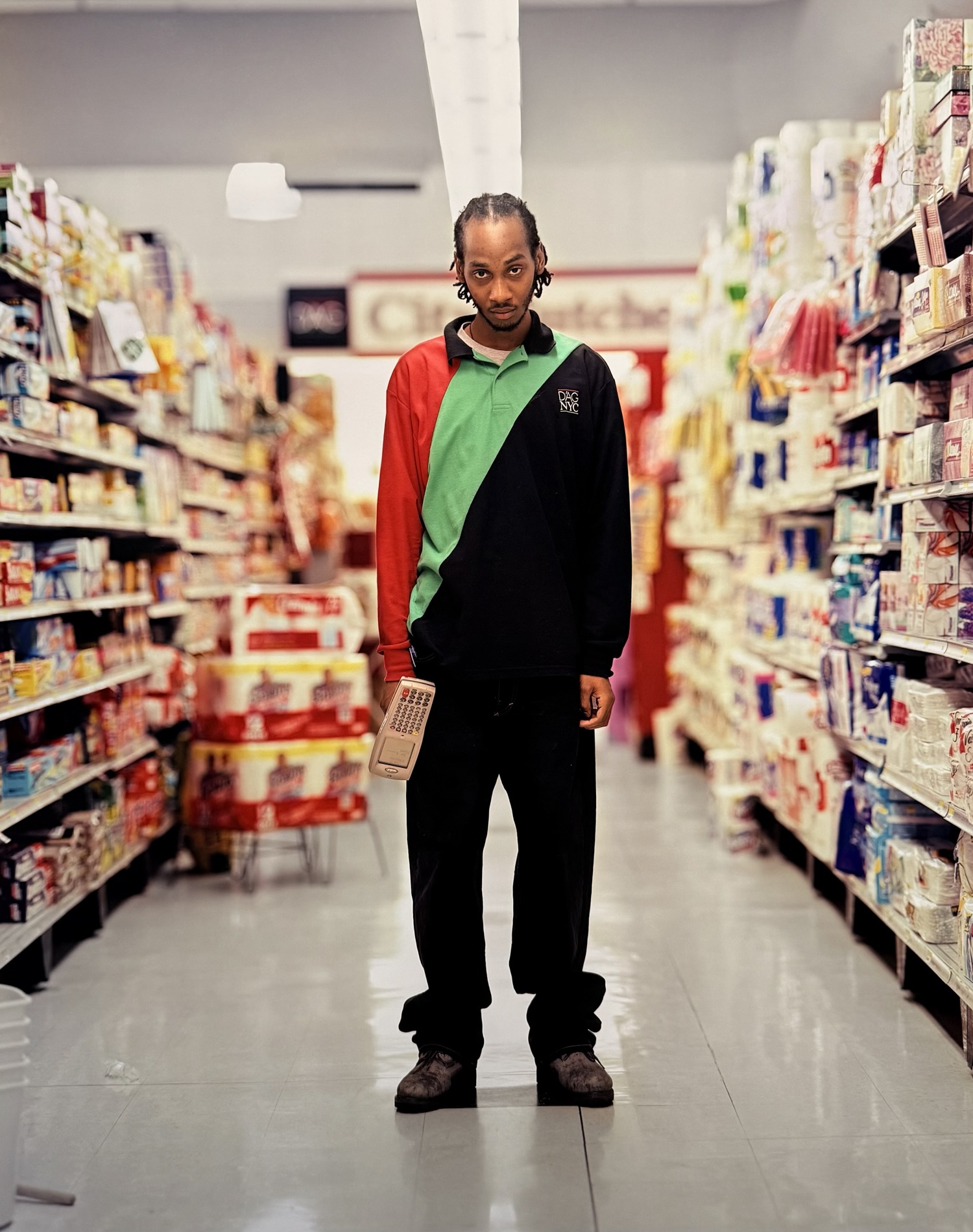
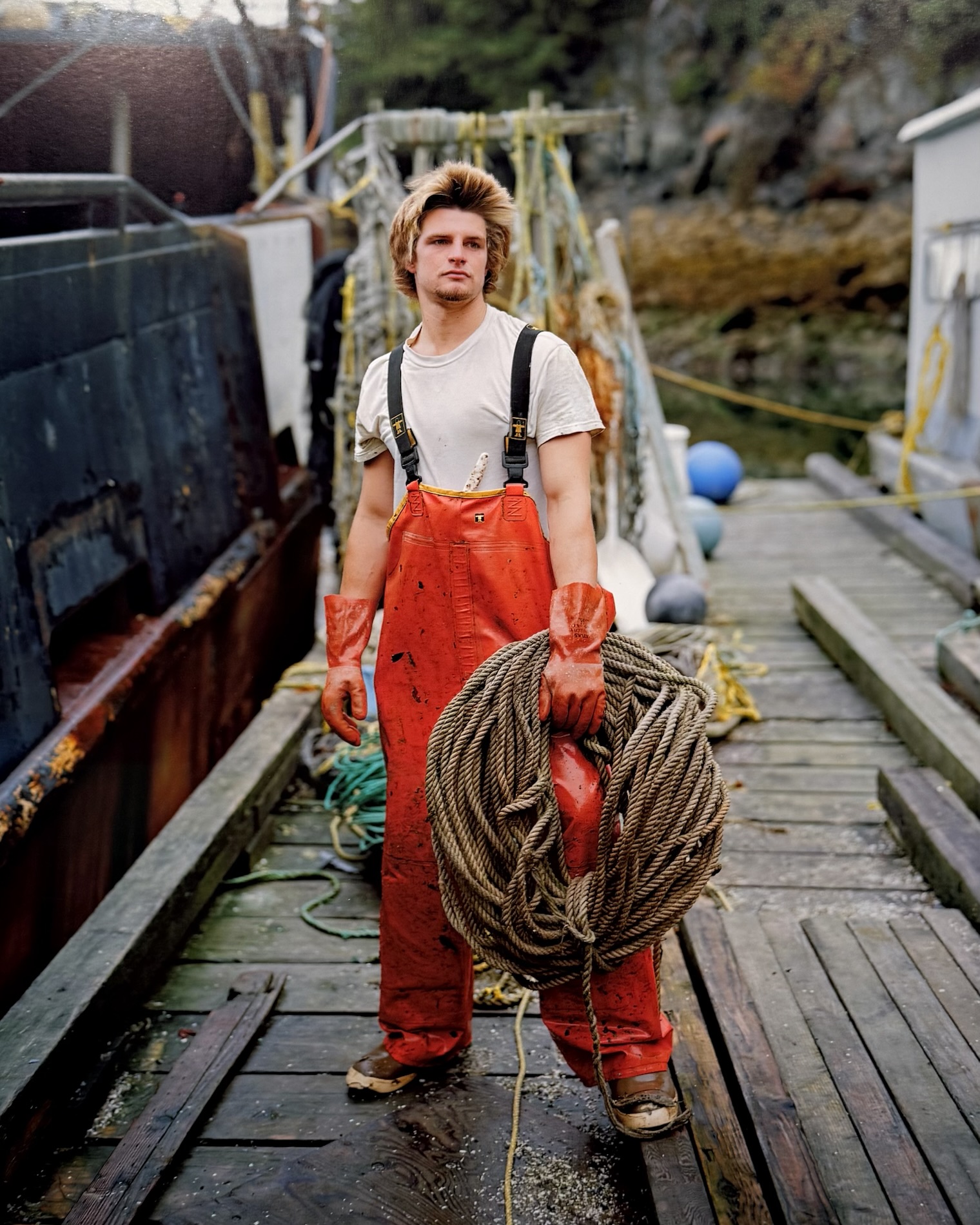
Richard Renaldi’s series focuses on men whose labor sustains urban life: salespeople, service workers, vendors and other employees. Photographed at work and in public space, they step out of the background to appear as individuals rather than anonymous functions within the city.
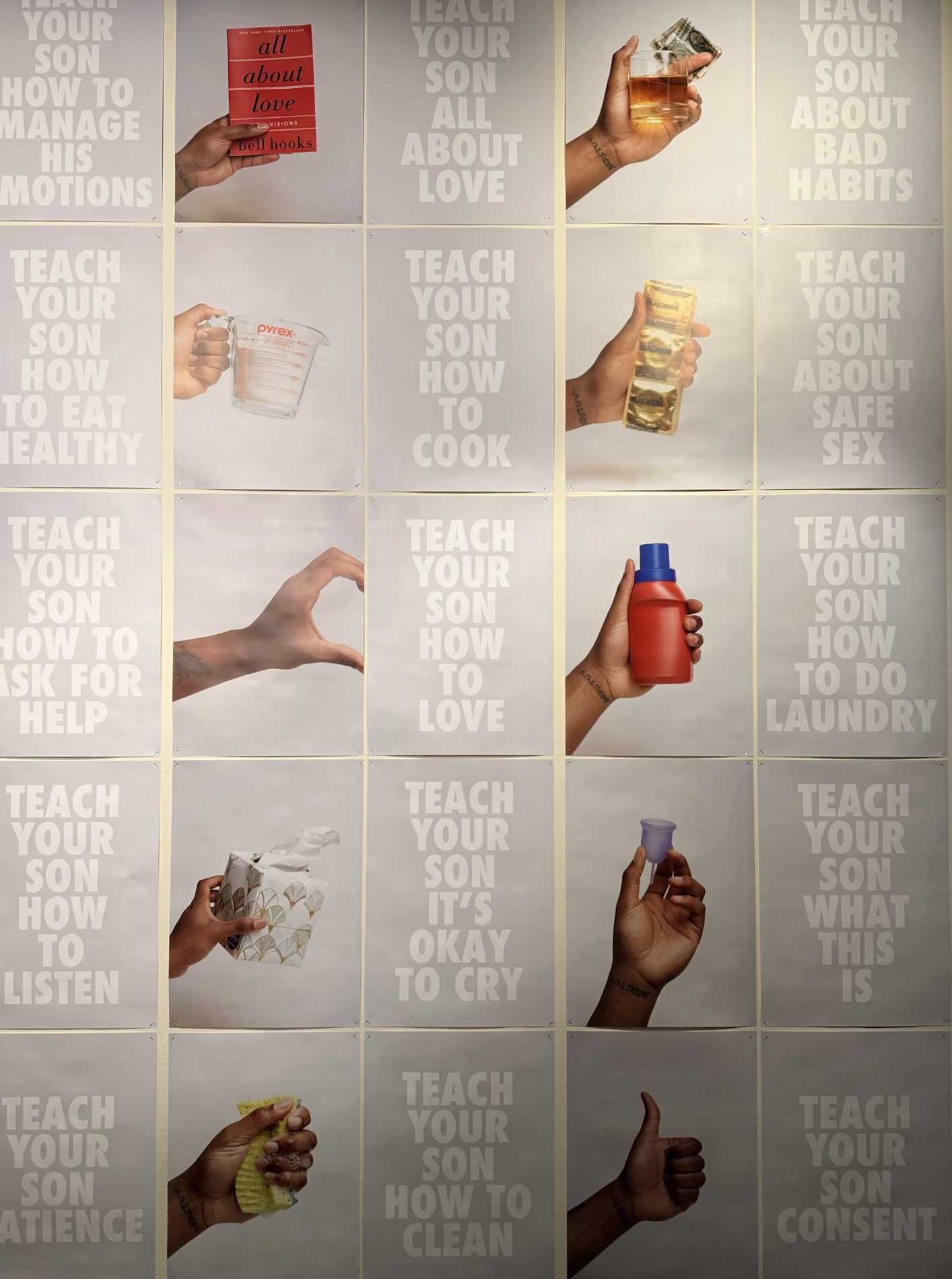
In Teach Your Son, Khidr Joseph (b. 1995) presents overlooked skills as essential lessons: doing household work, asking for help, crying and expressing vulnerability. The humor comes from the contrast between the assertive language of the command and the everyday abilities it promotes, things that should seem obvious, yet are often excluded from traditional ideas of how boys become men.
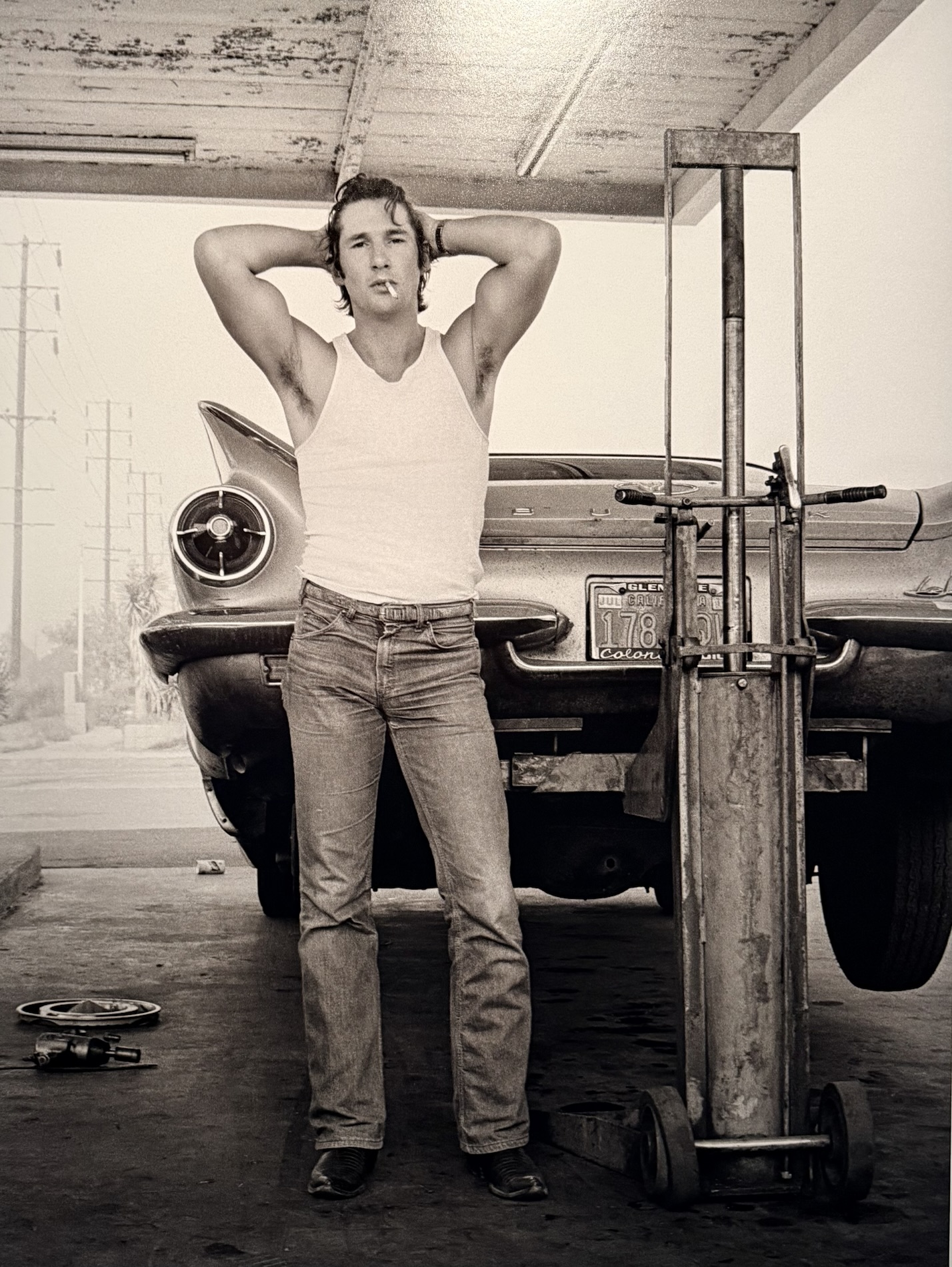
Finally, in HEAVEN (1997), Tracey Moffatt (b. 1960) shows male surfers changing into and out of wetsuits in car parks around Sydney’s beaches. The surfer is a powerful Australian masculine ideal: athletic, independent and at ease in public spaces. Viewers share the pleasure of looking while becoming aware of its intrusiveness. The men appear confident and exposed at once.
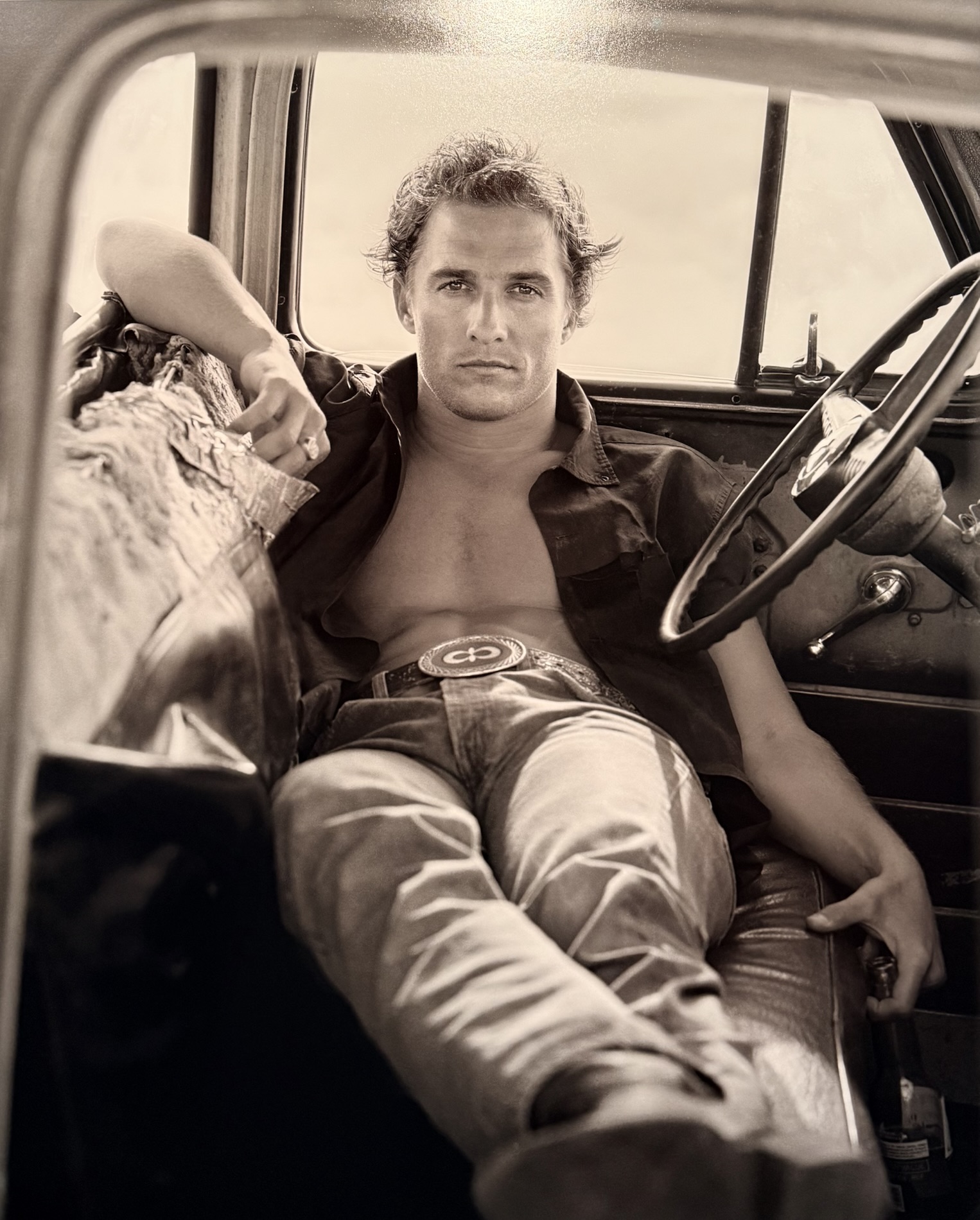
Södermalm
The island of Södermalm was long a working-class neighborhood and is now a hip place to be. It has indie fashion boutiques, vintage stores, art galleries, cafes, bars and music venues. We walked through here one morning on our way to Fotografiska.
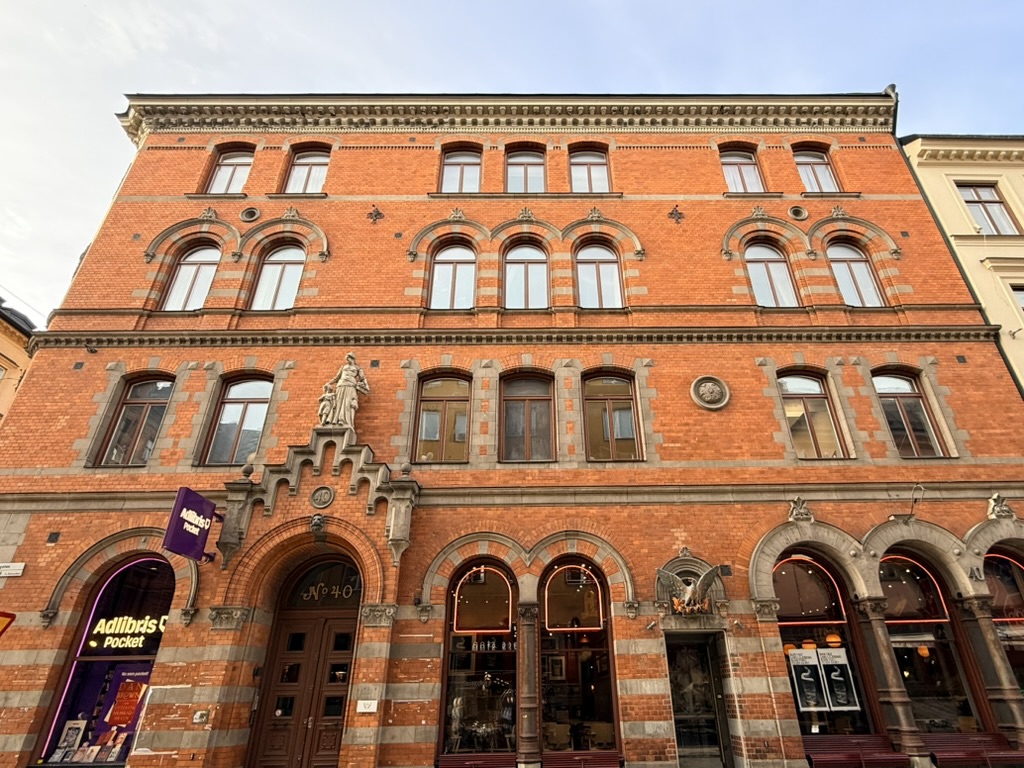
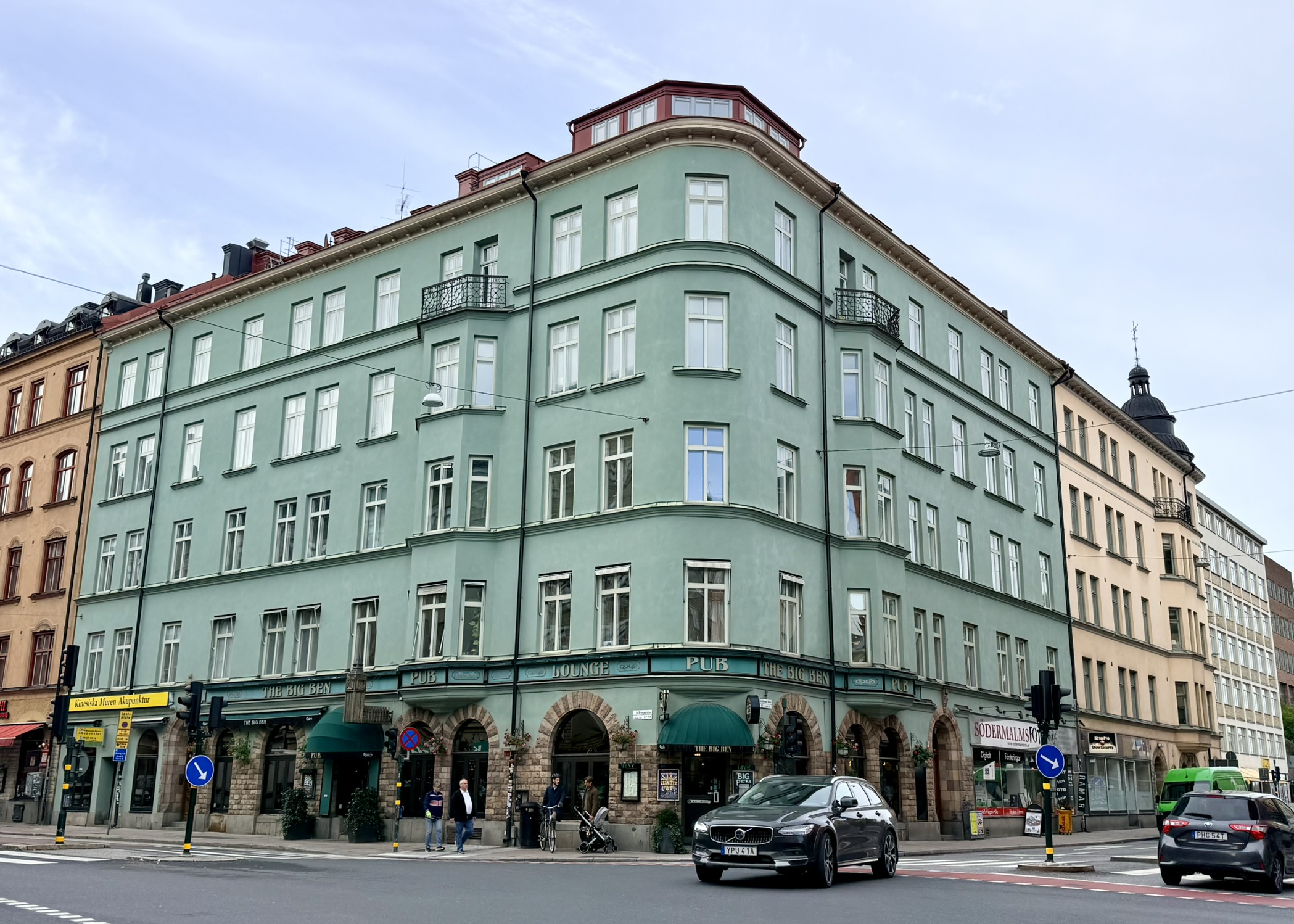
Norrmalm & Kungsholmen
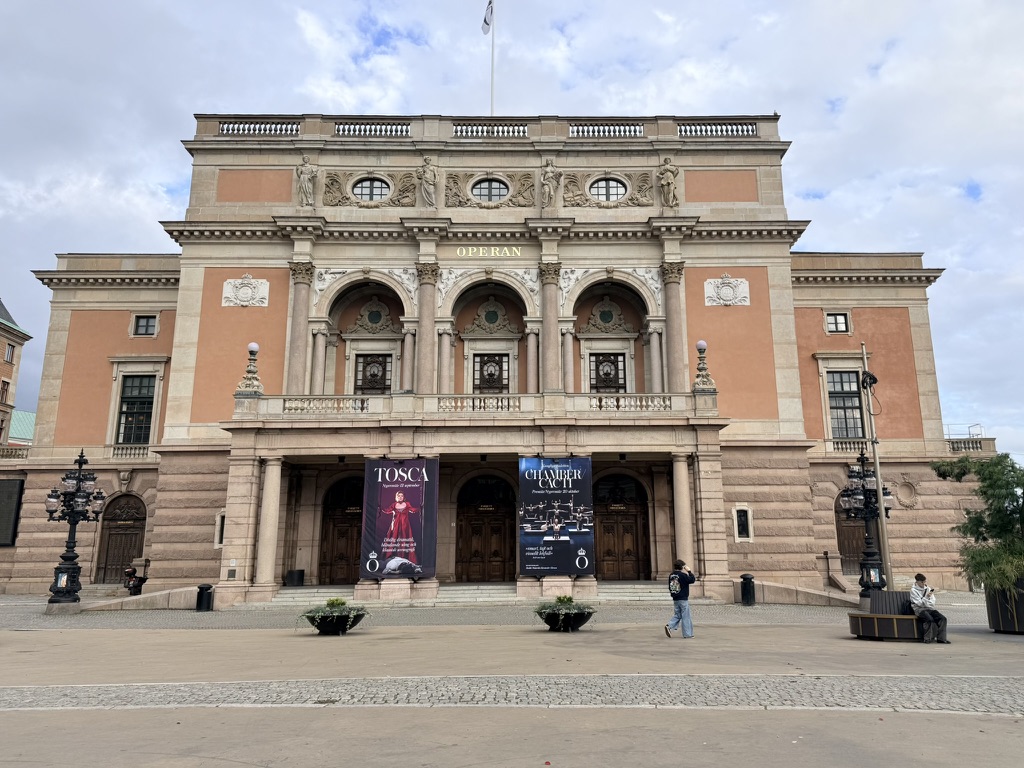
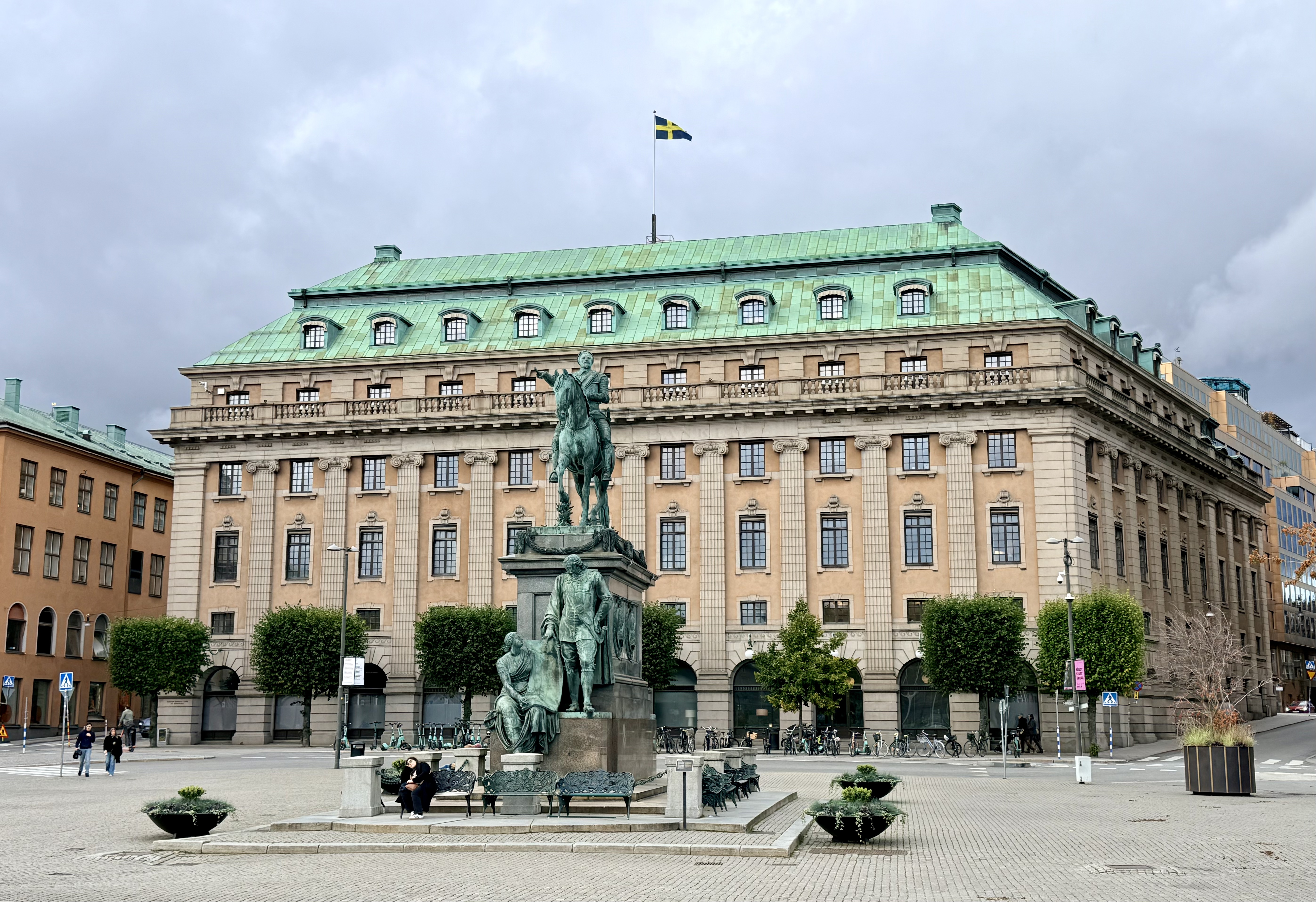
Norrmalm is the city’s modern commercial hub. It is home to controversial architecture, department stores, retail chains, and hotels, as well as the Operan and the Nationalmuseum.
Nationalmuseum
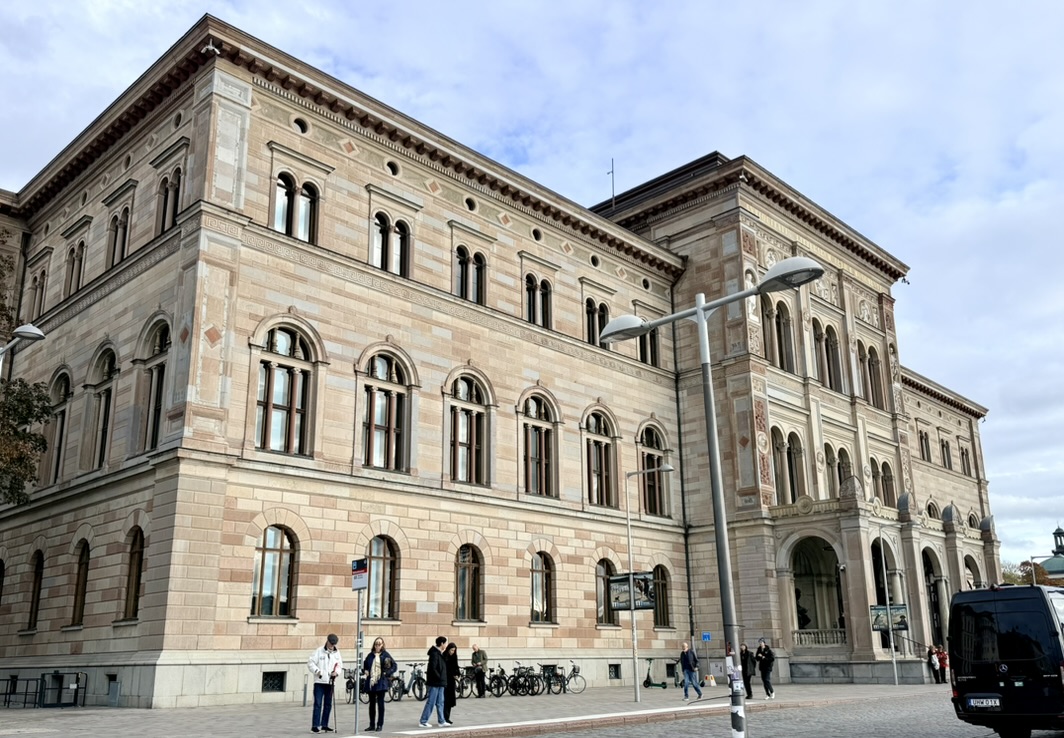
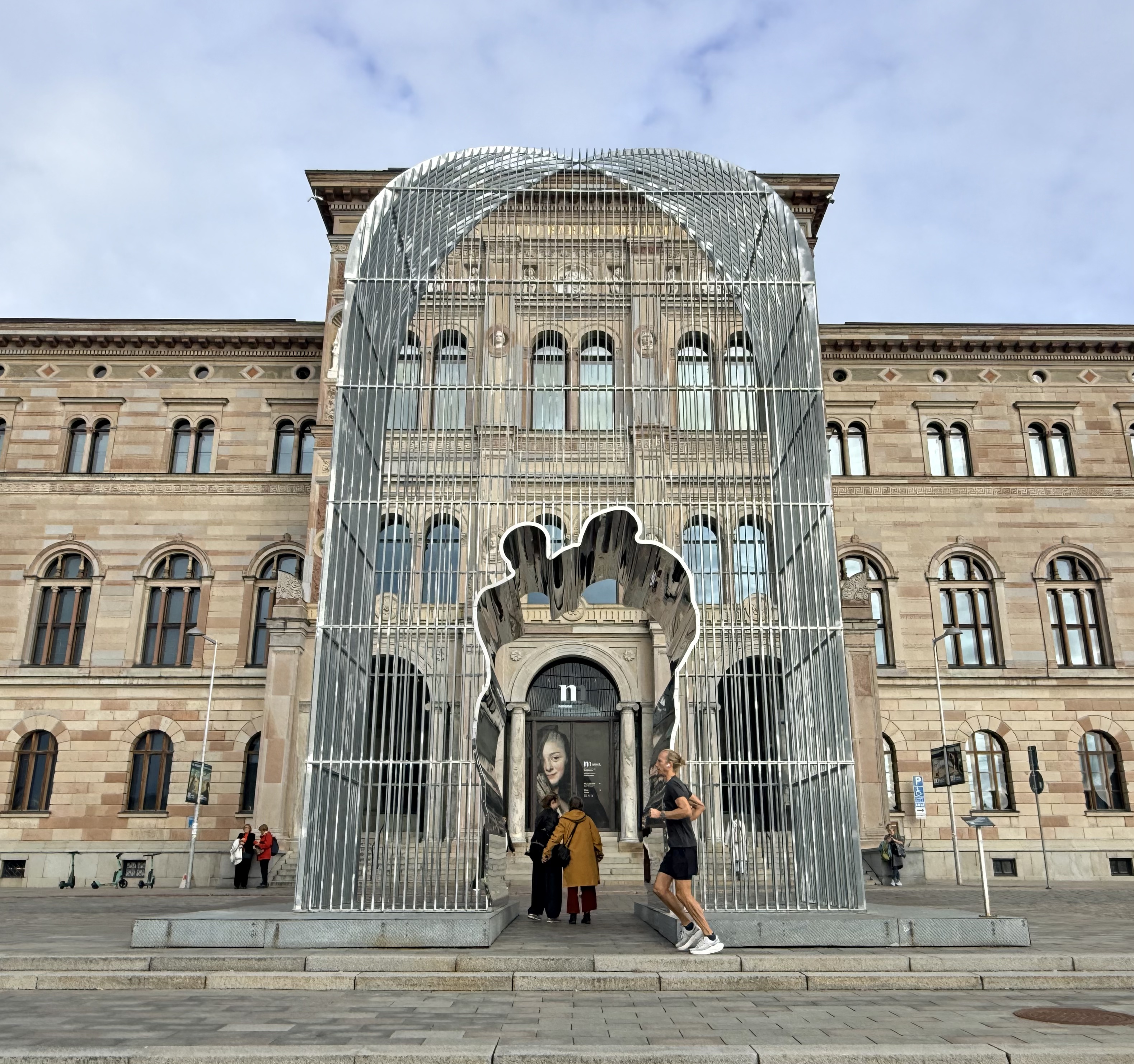
We visited Nationalmuseum, Sweden’s museum of art and design. It sits just across the water from the Royal Palace. Its galleries across three floors display some 5,000 pieces in chronological order from the 16th century to the modern day.
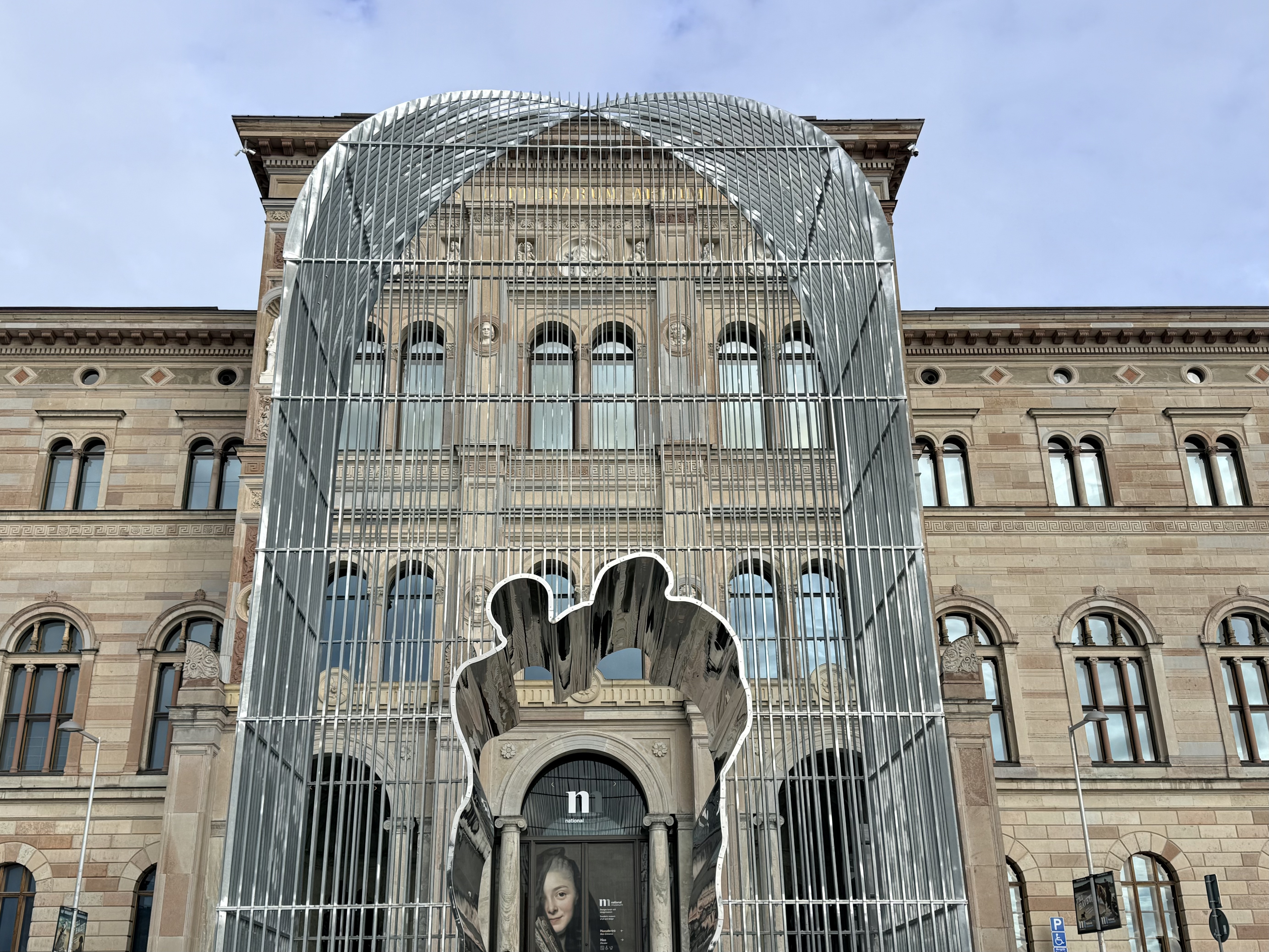
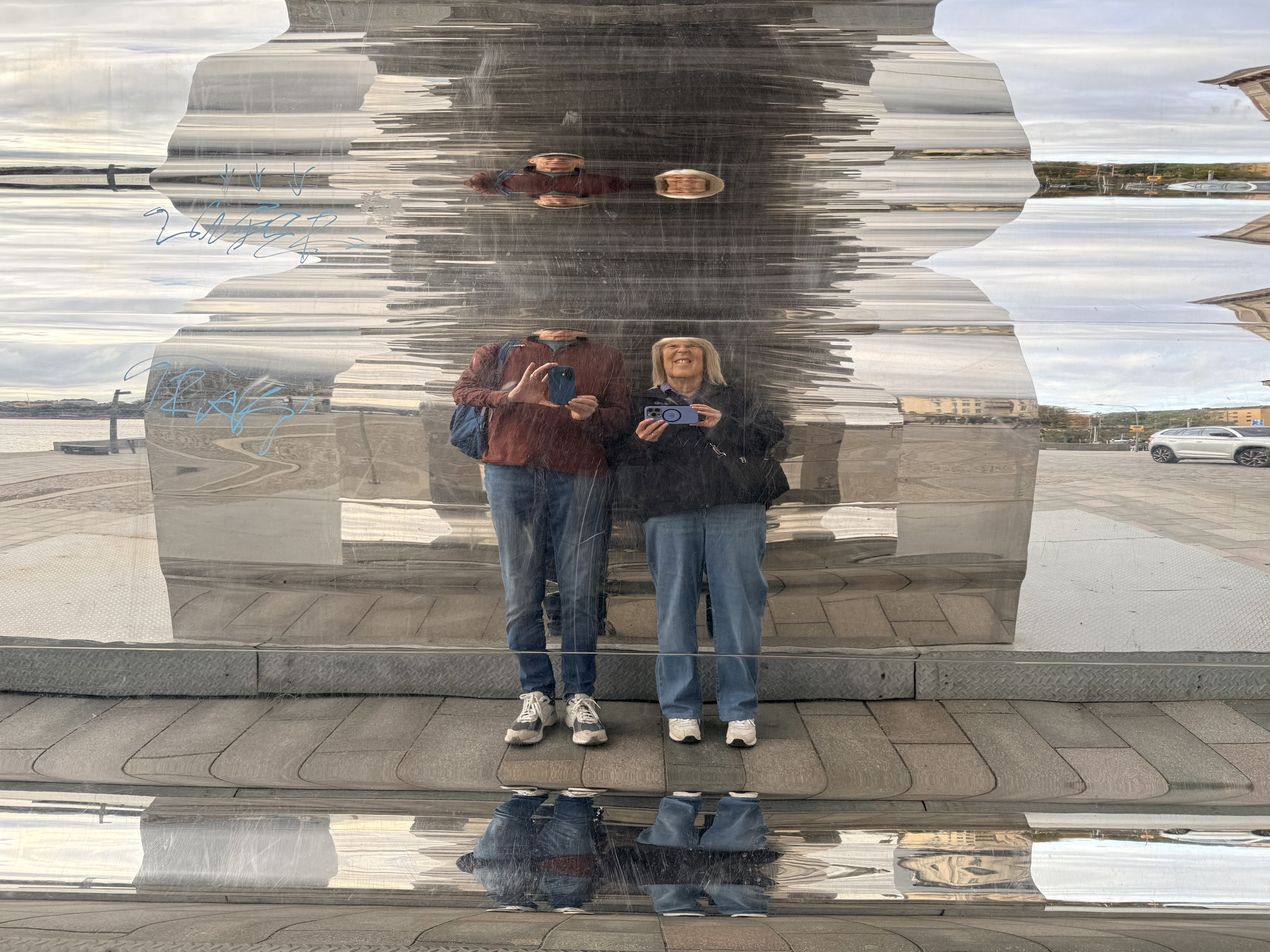
In front of the Nationalmuseum is a 12m-tall (40-foot) polished stainless steel sculpture titled Arch created by Chinese artist and activist Ai Weiwei. It resembles a birdcage and the middle of the cage features the silhouettes of two intertwined human figures breaking through the steel bars. The sculpture symbolizes refugee stories and serves as an ode to freedom and a call for a world without borders.
Inside the arch, we took mangled selfies of ourselves, blurring our identities, which in my eyes further symbolizes how there are no distinguishing features to refugees: any of them can be any of us.
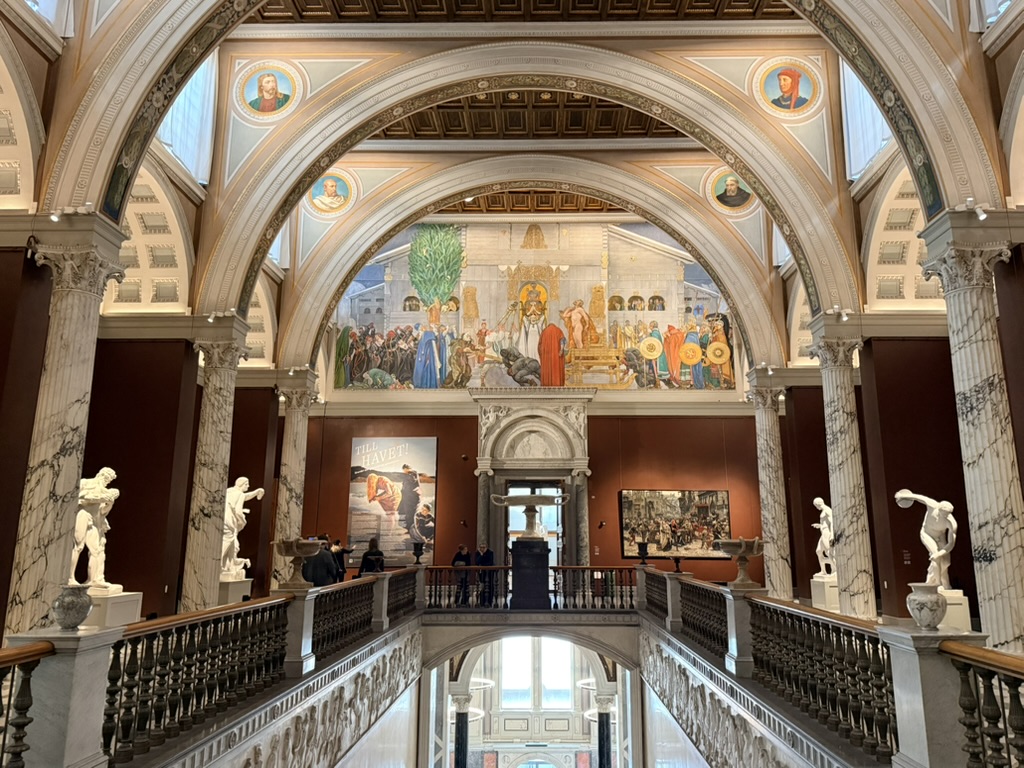
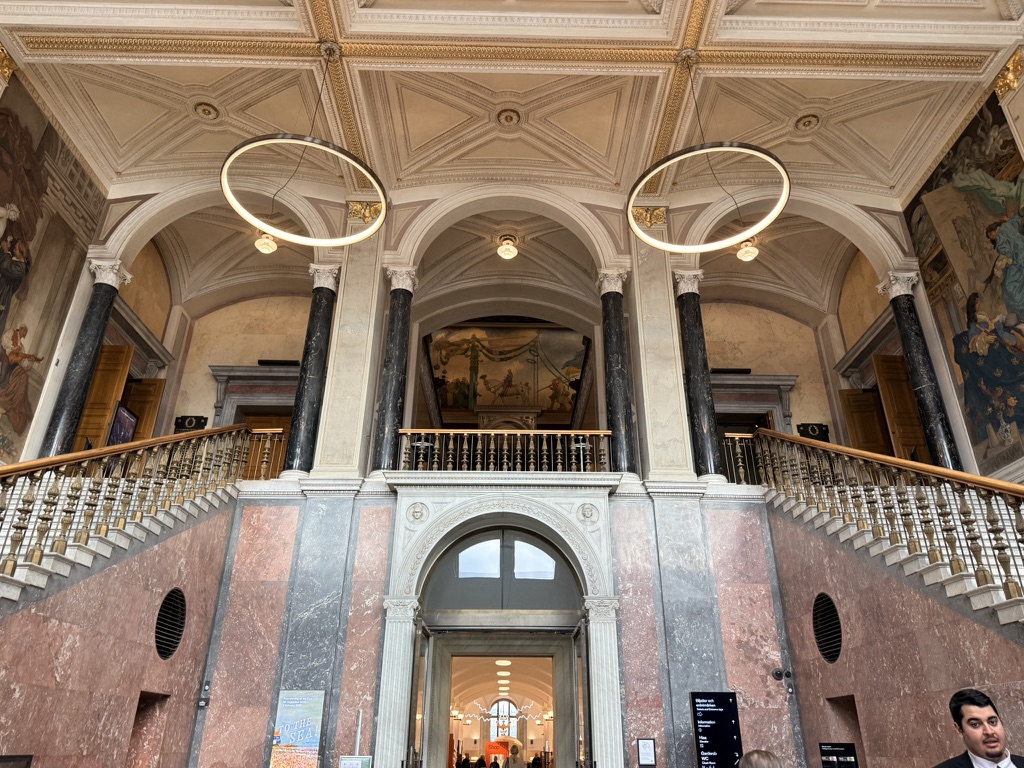
Inside the lobby of the museum, we were met by Carl Larsson’s murals inspired by the nation’s art history that flank the museum’s stairwell and top floor foyer.
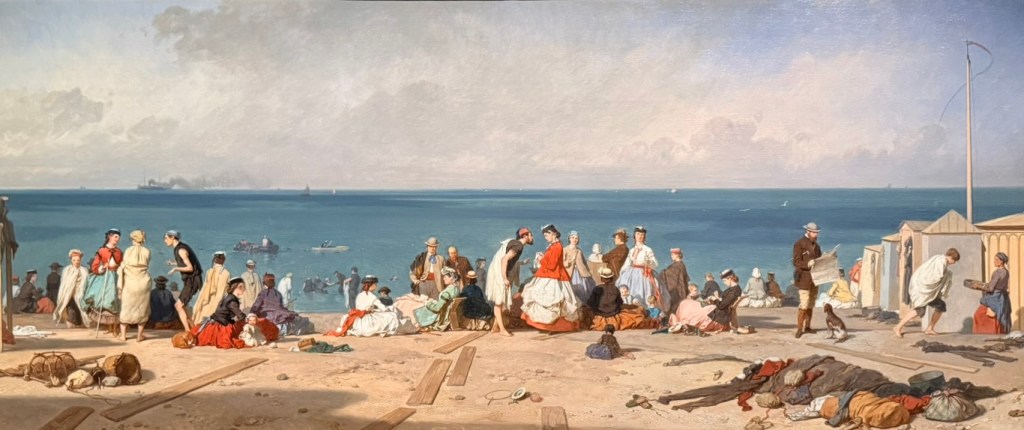
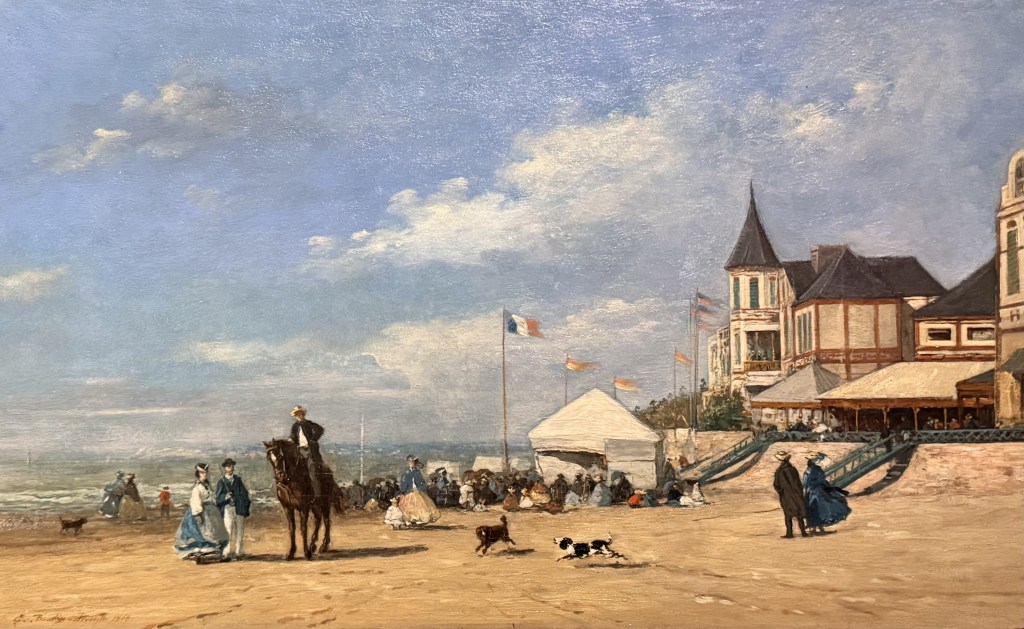
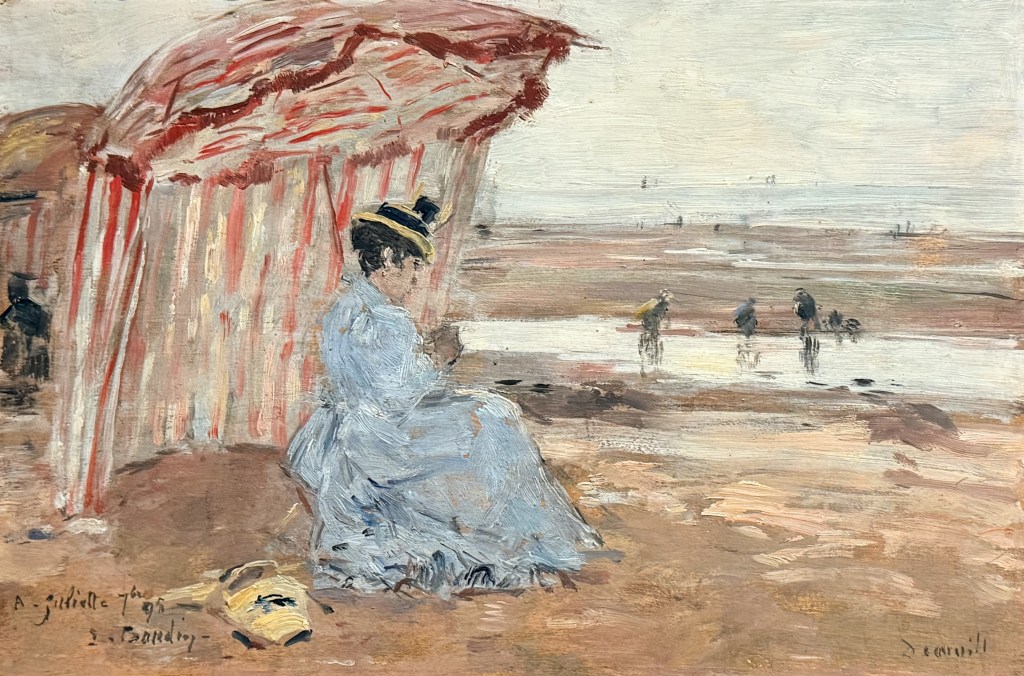
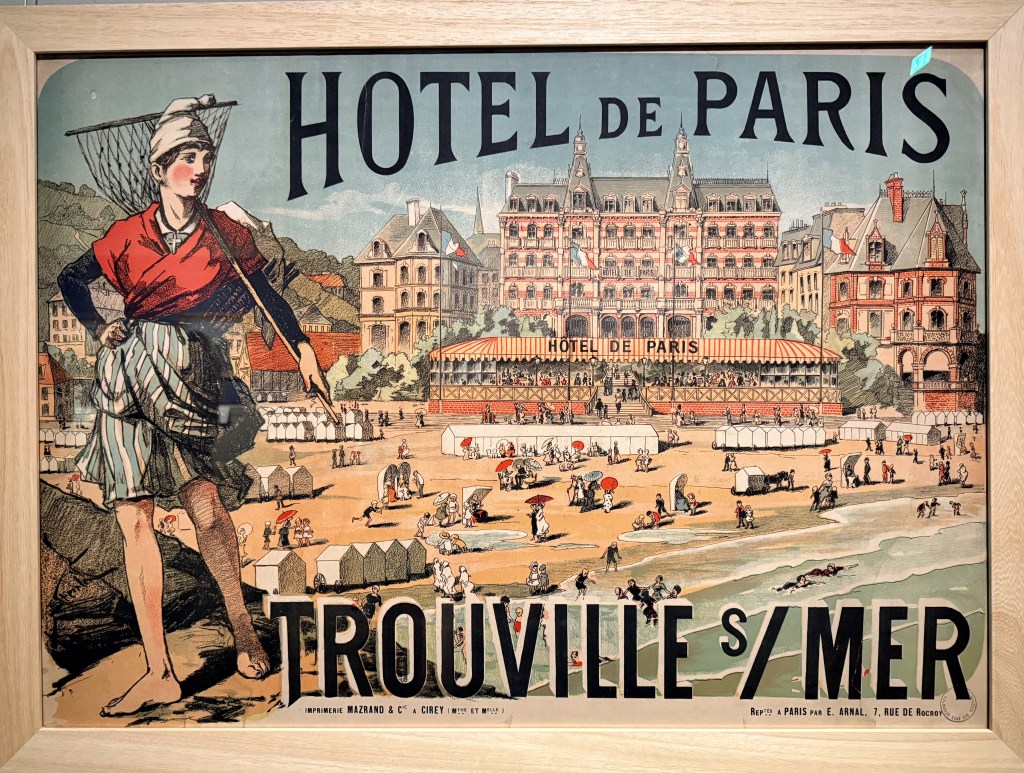
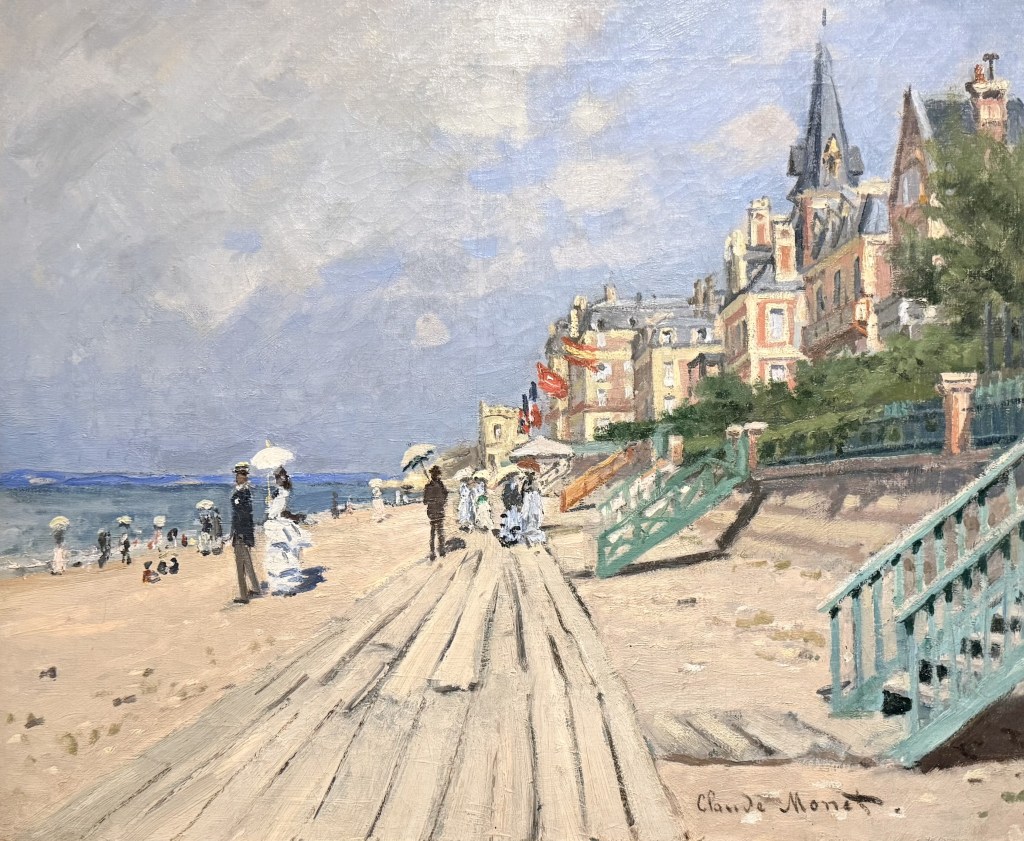
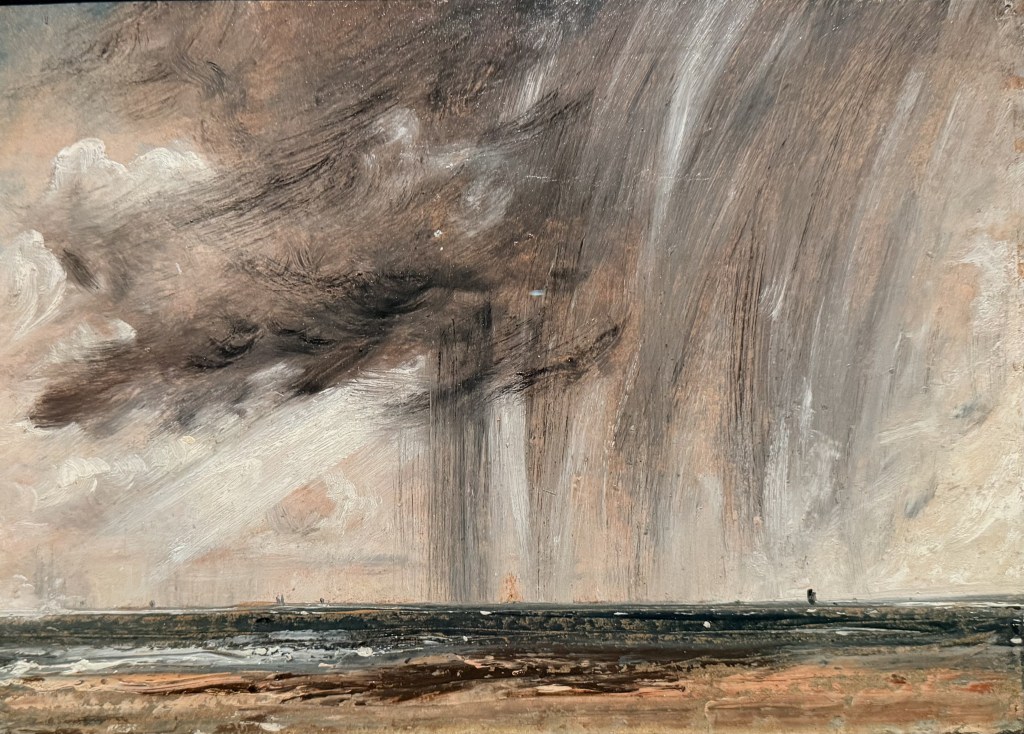
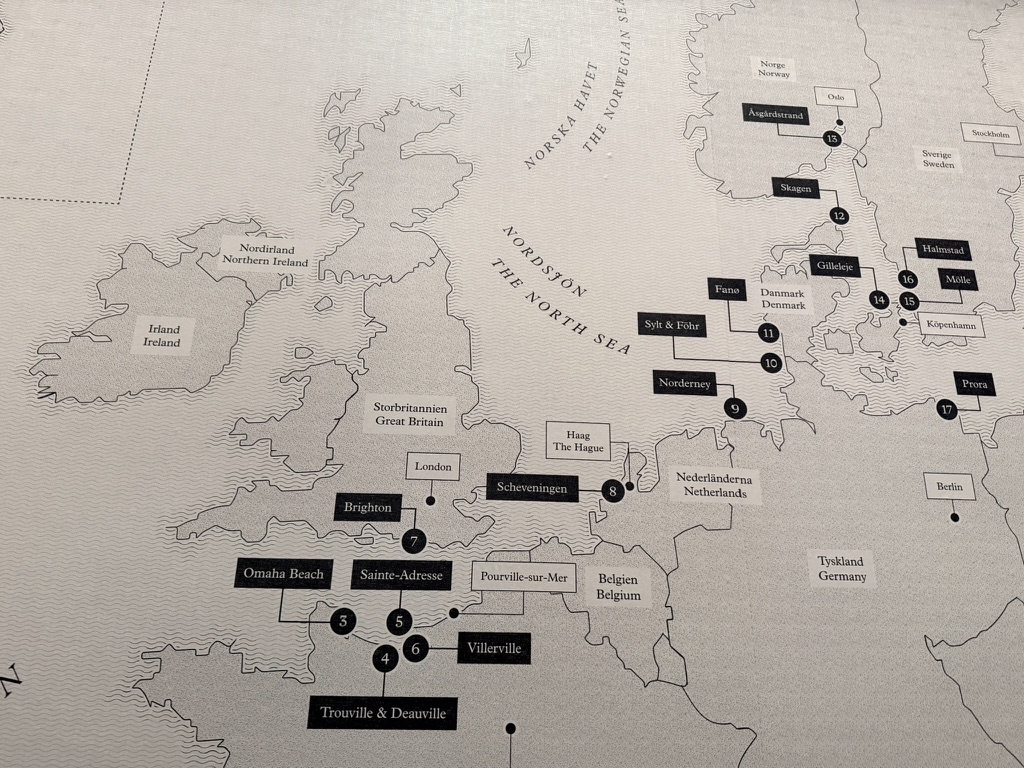
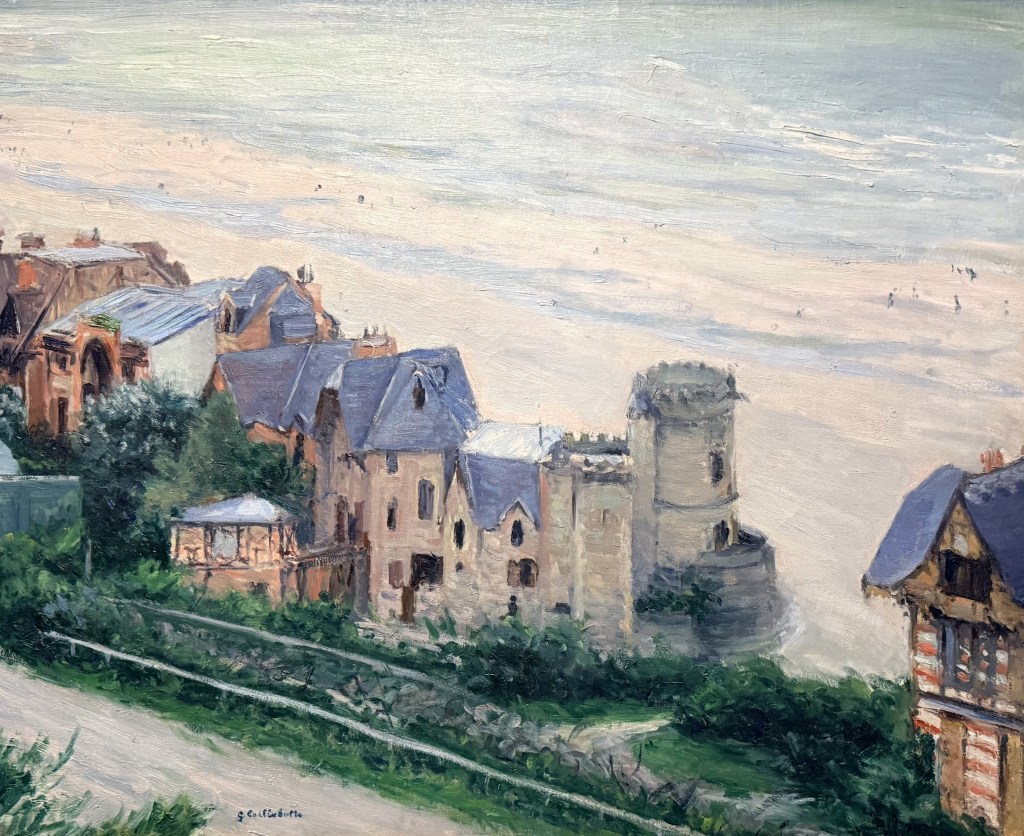
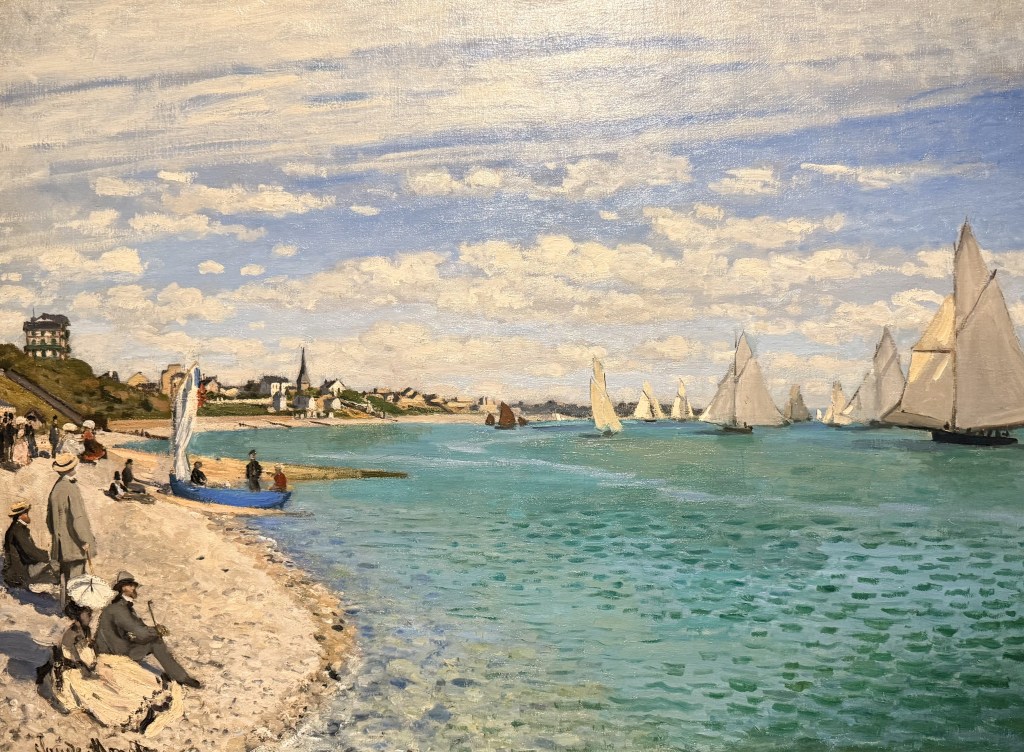
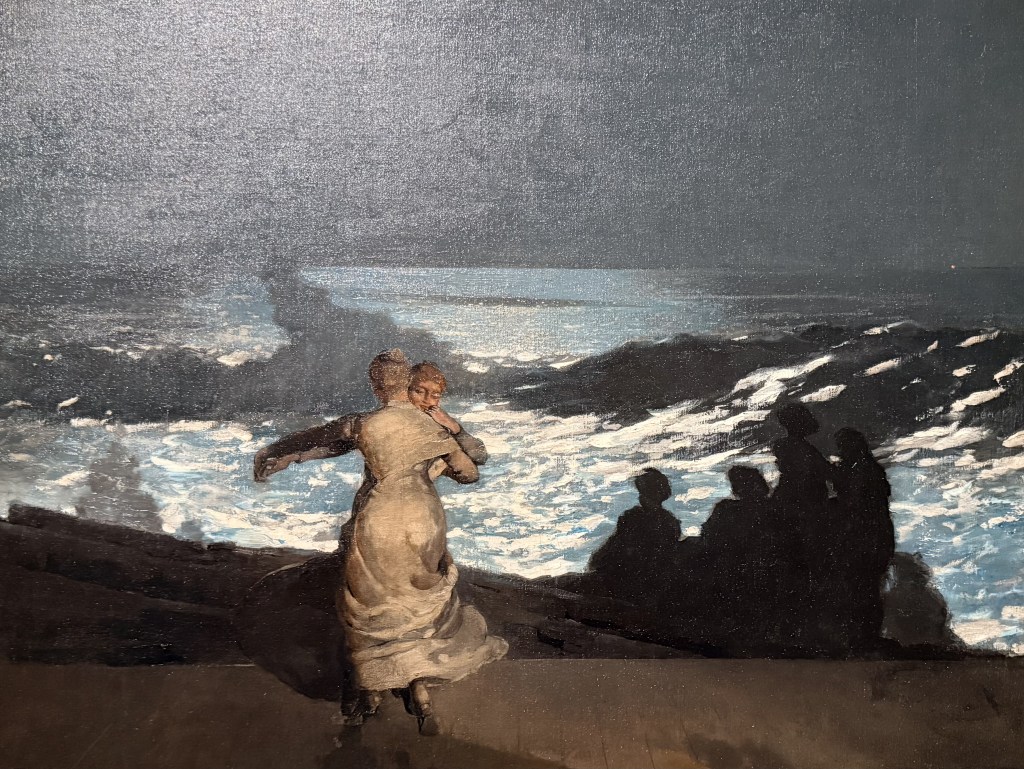
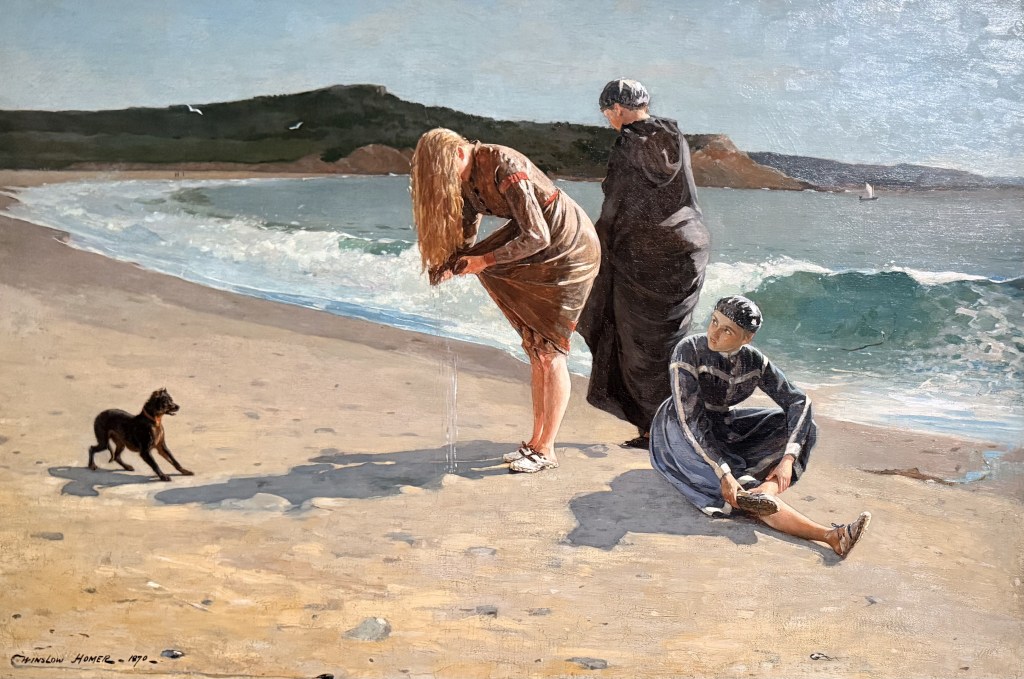
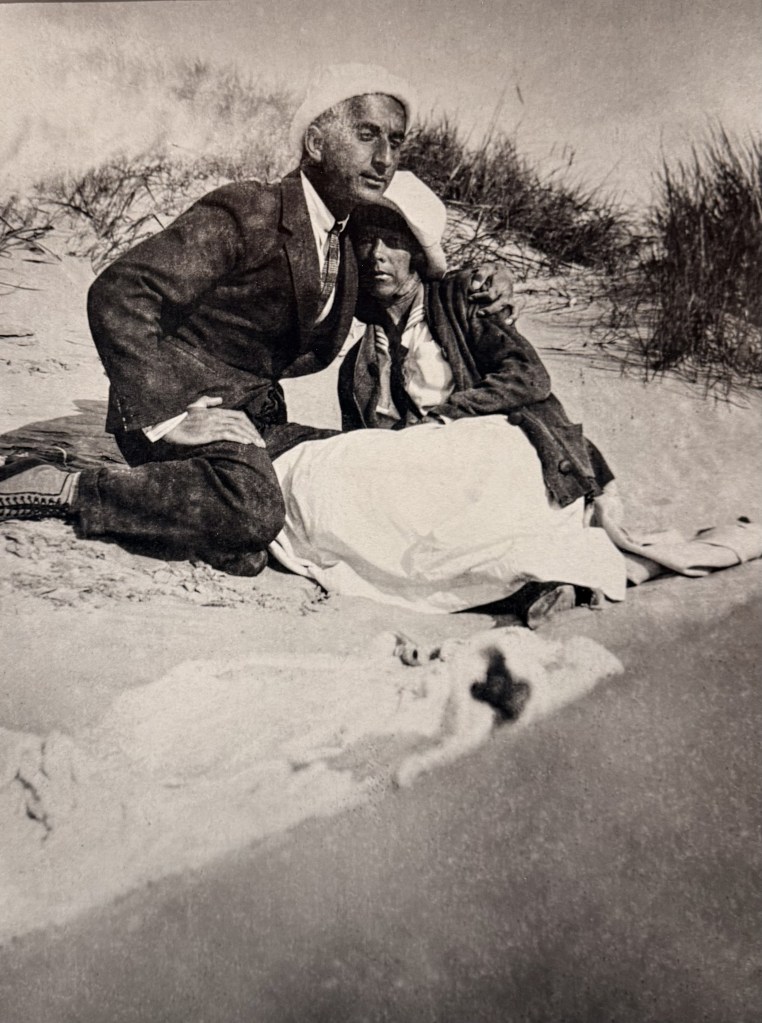
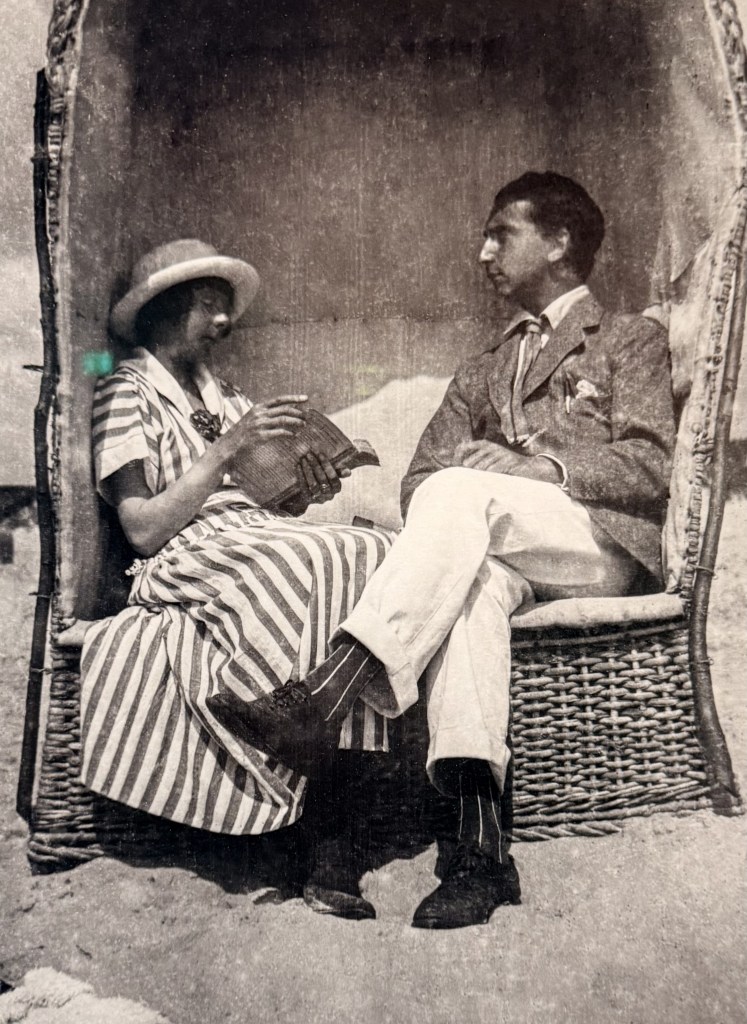
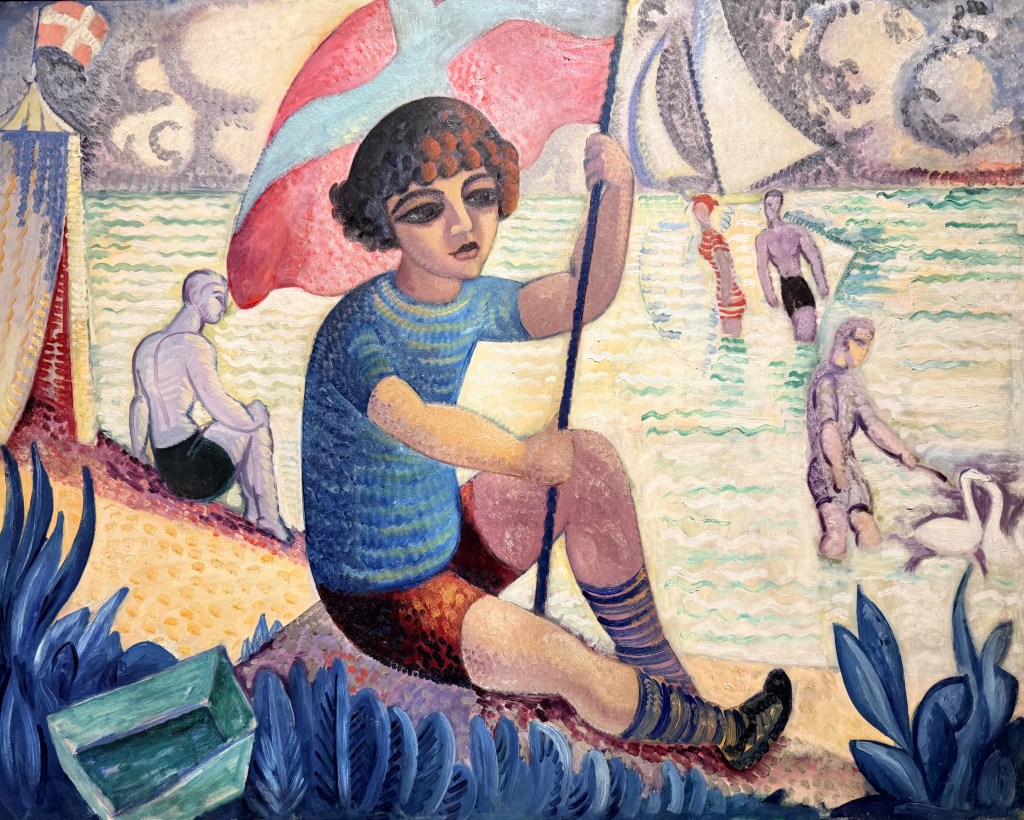
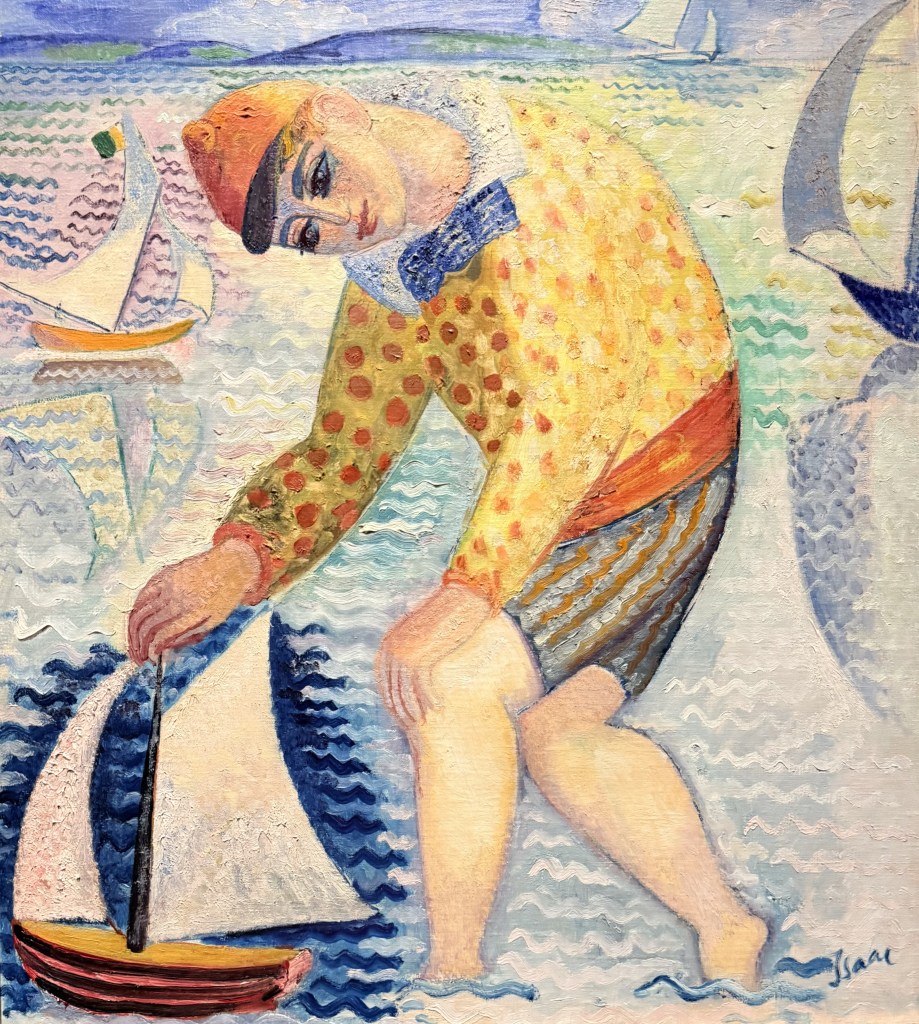
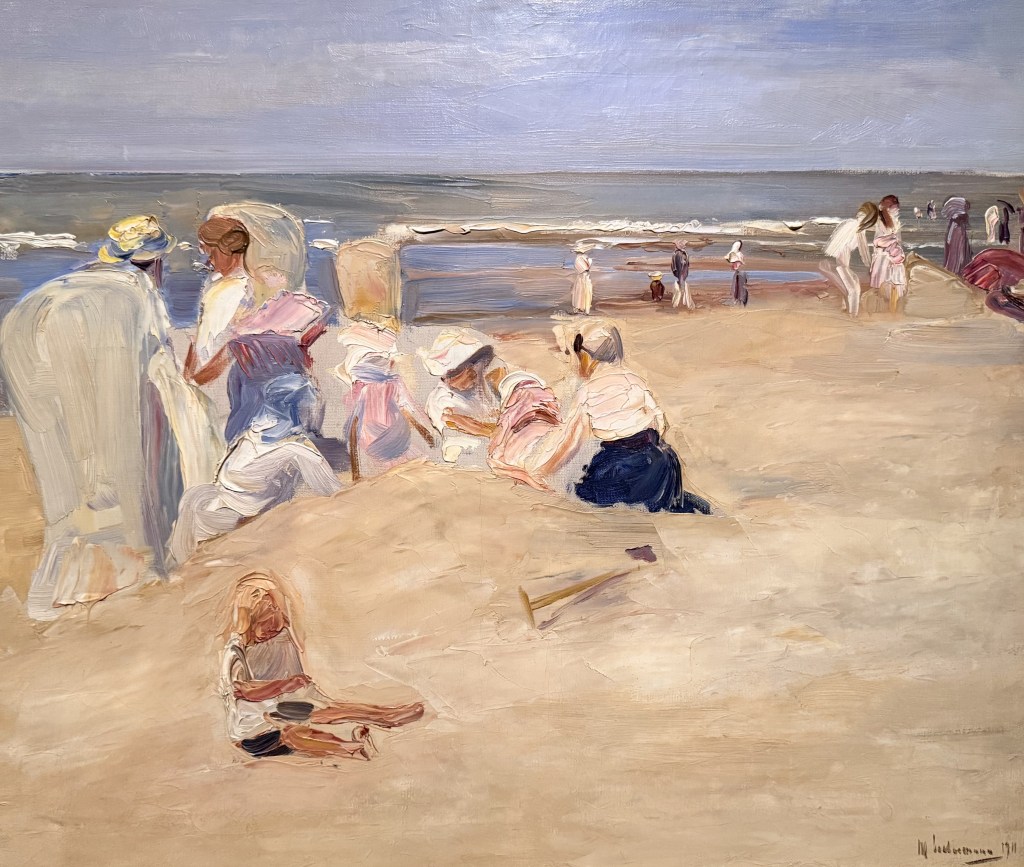
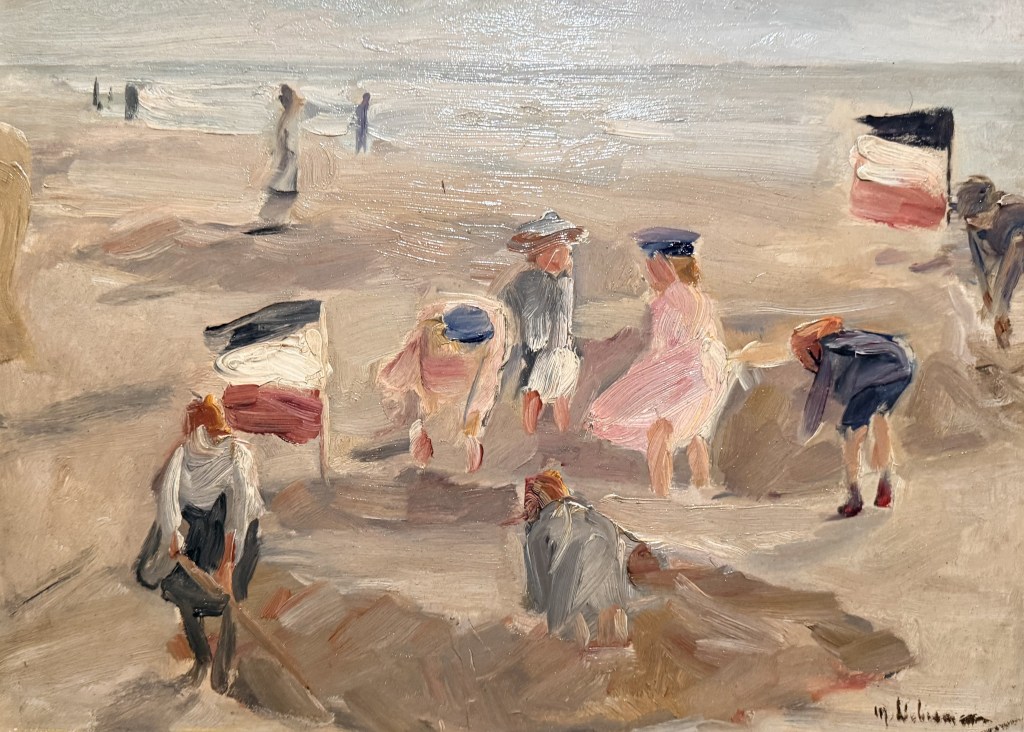
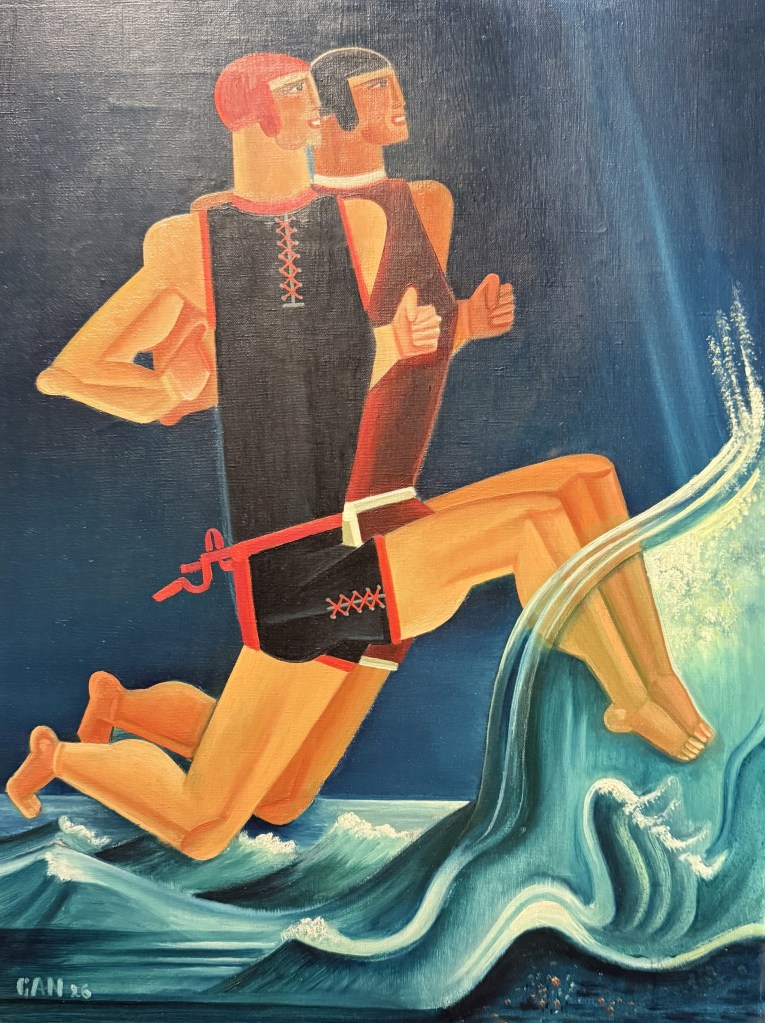
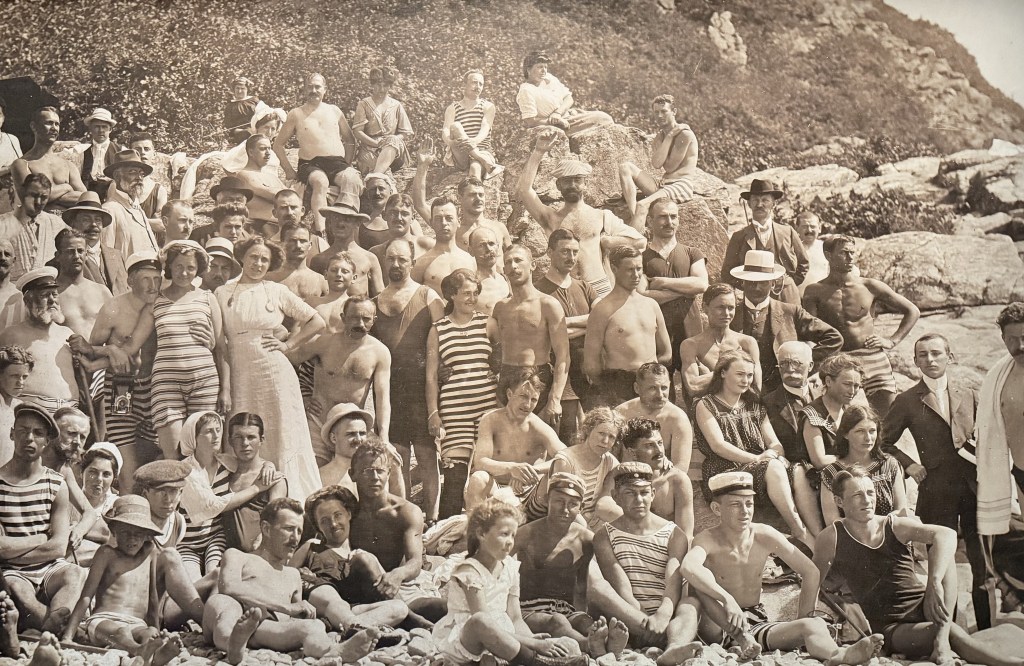
We visited in order to see the temporary exhibit, To the Sea!
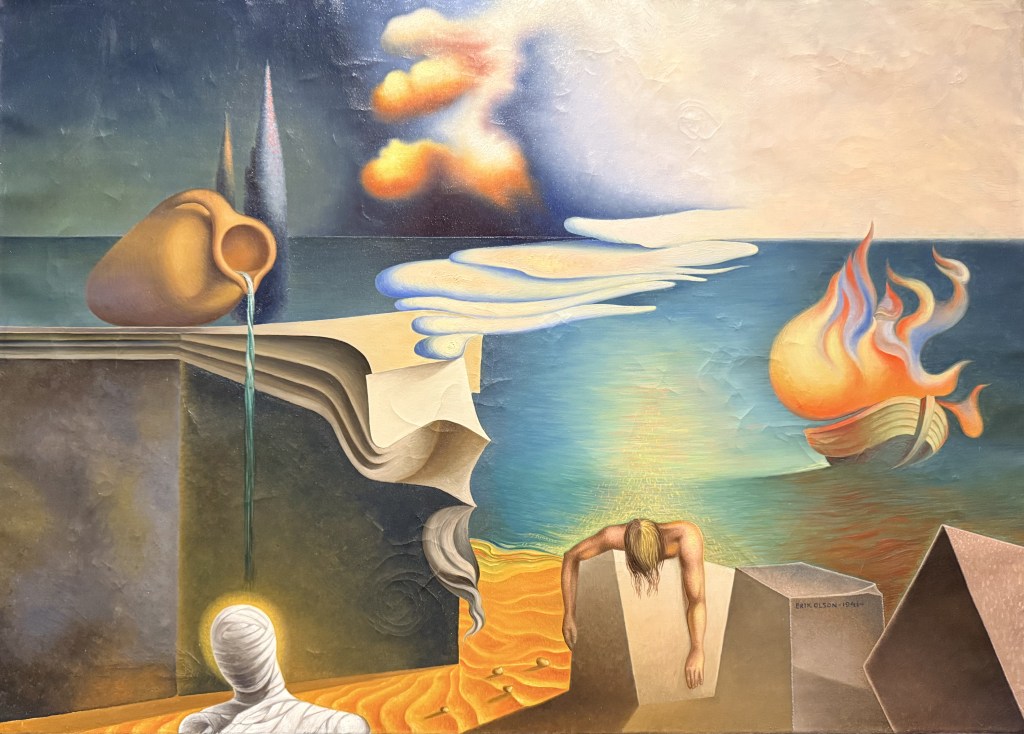
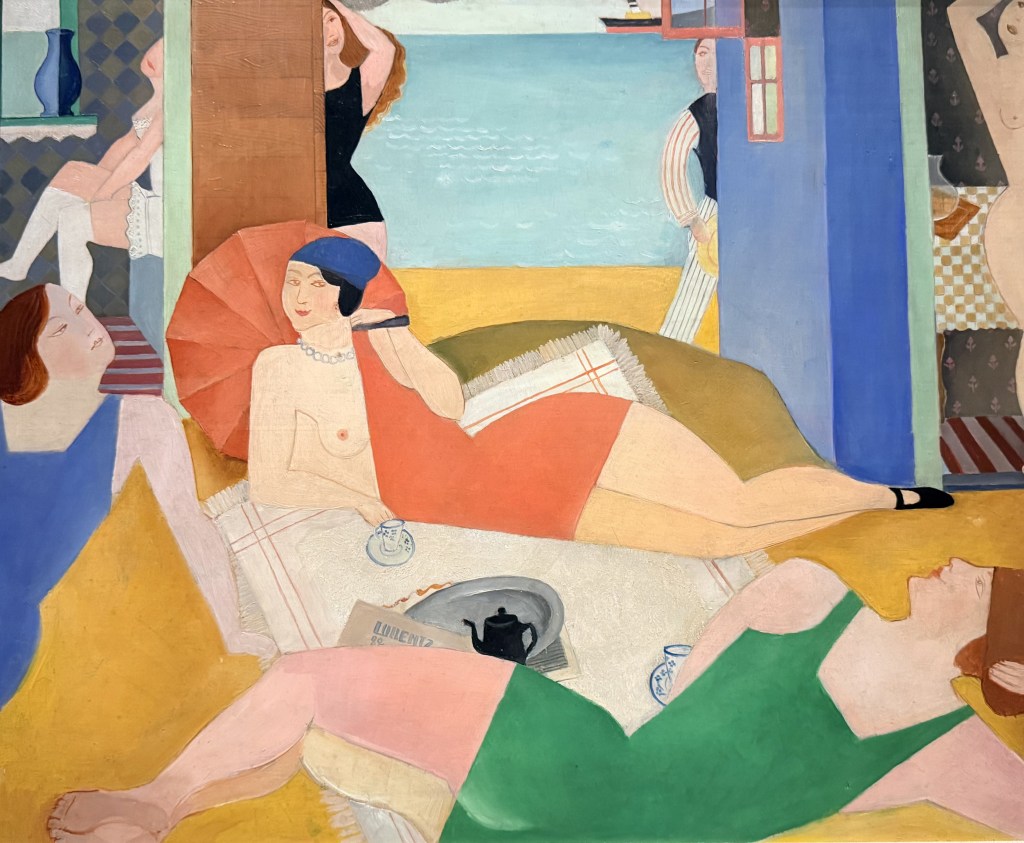
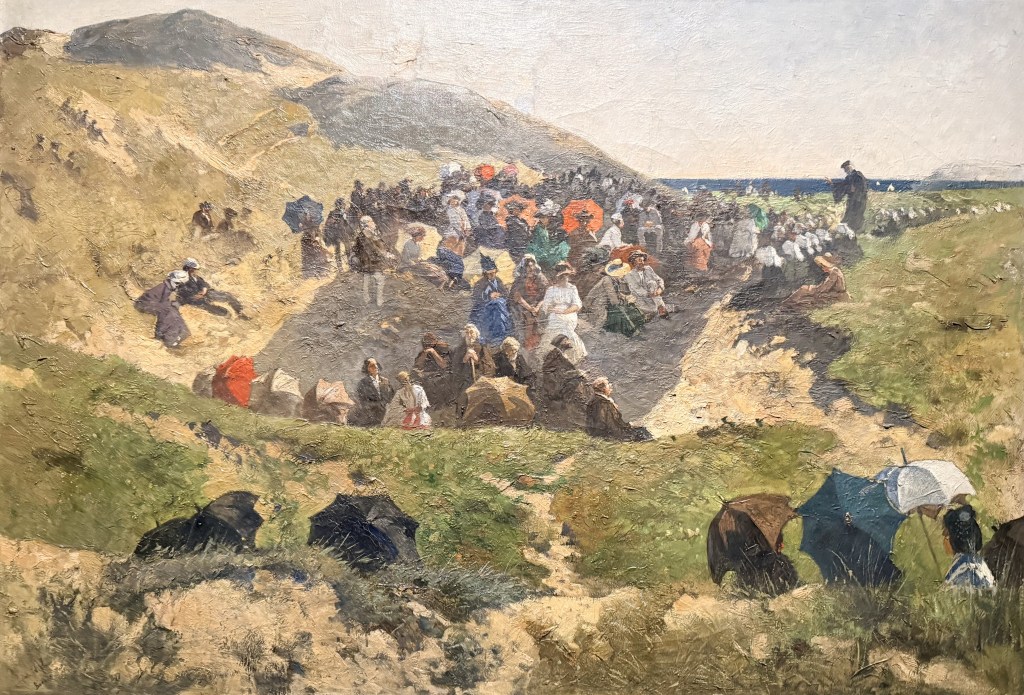
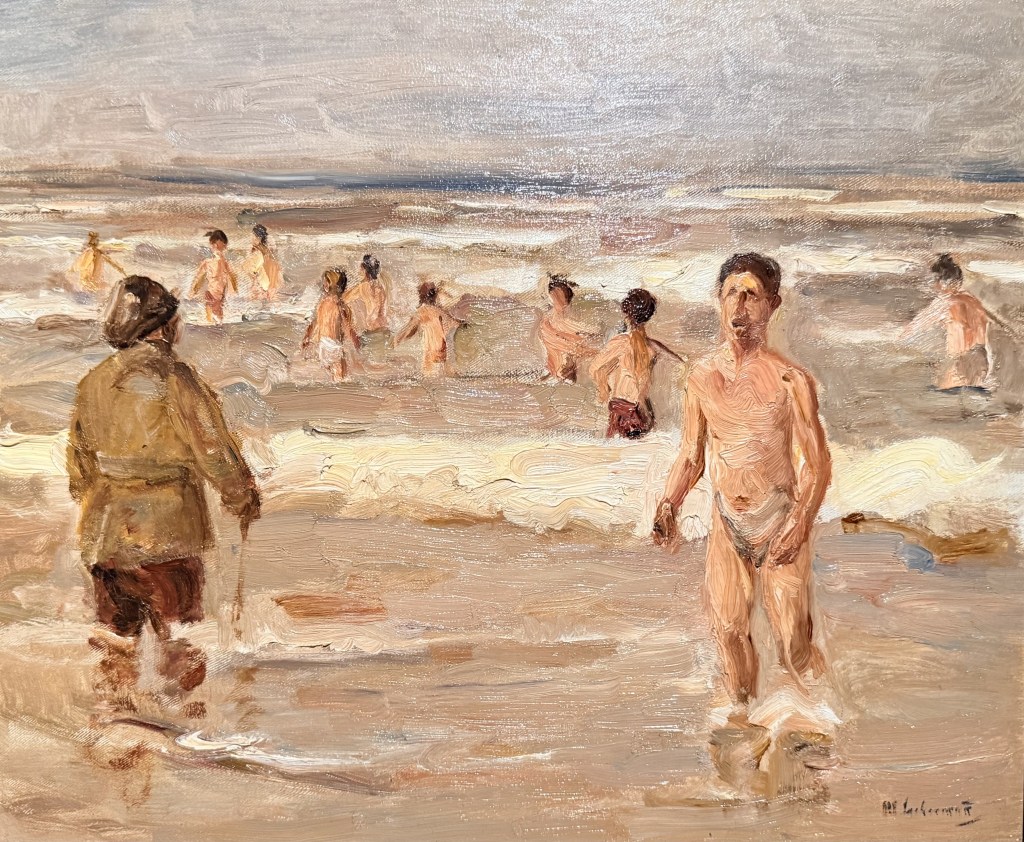
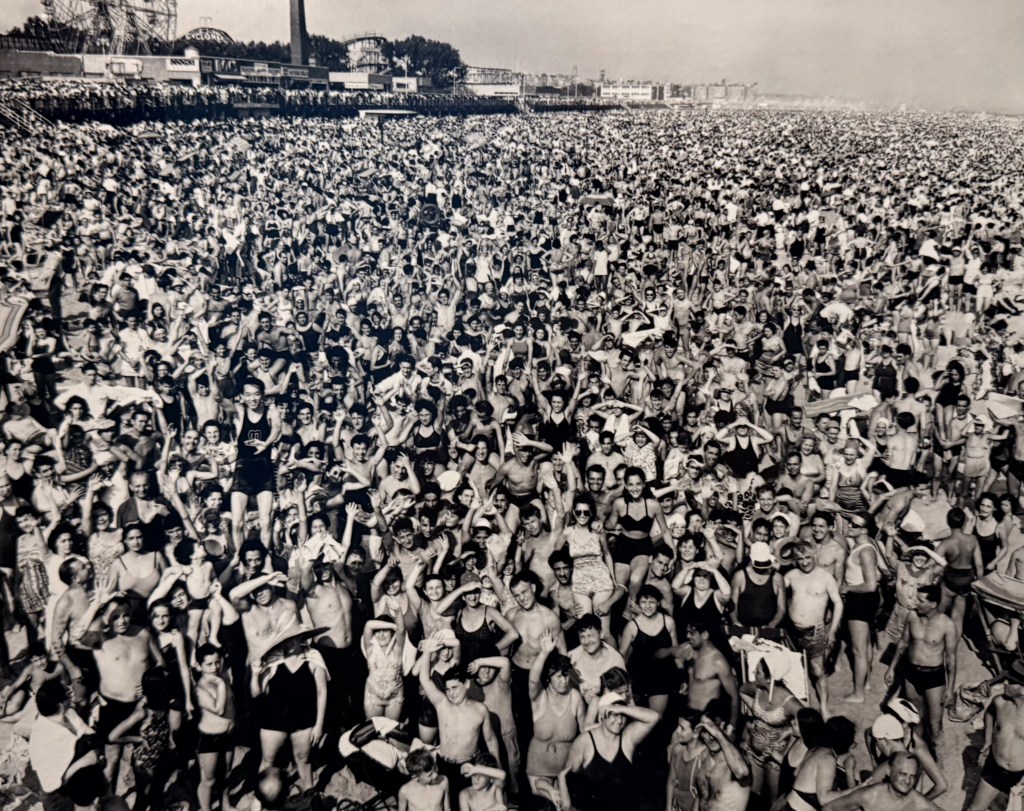
To the Sea! explores the emergence of coastal and beach tourism from the 1870s to the mid-20th century through over 200 paintings, photographs, advertising posters and swimwear examples.
The seaside resorts along the French north coast were originally small fishing communities. When the railway reached Normandy in the mid-19th century, development accelerated rapidly. Fishermen turned their houses into boarding houses, small inns became restaurants, and bathing tents and bathing huts appeared on the beaches, while promenades were laid out with wooden planks. Soon, hotels, villas and casinos were being built.
The new railway links were a prerequisite for the emergence of 19th century seaside resorts. A large portion of the seaside tourists came from the Parisian bourgeoisie and from the towns of Normandy. Holidaymakers were unwilling to forego the comforts to which they were accustomed. Thus, seaside resorts were quick to install electric street lighting and sewer systems, as well as to pave their streets. Electric lighting, running water and healthy meals were essential marketing tools for resorts and department stores sprung up to supply tourists’ every need.
Seaside scenes sold well in the art market, providing incentives for painters to return to Normandy summer after summer. They depicted more than cliffs and the sea. Modern seaside tourism and new hotels and villas along the shore also became subjects for art.
Starting in the 1870s, an increasing number of Swedish artists made their way to France. They were dissatisfied with their education, with the opportunities to exhibit their work, and with the conservative attitude in Sweden. The Swedish painters preferred to paint authentic local life rather than beach tourism.
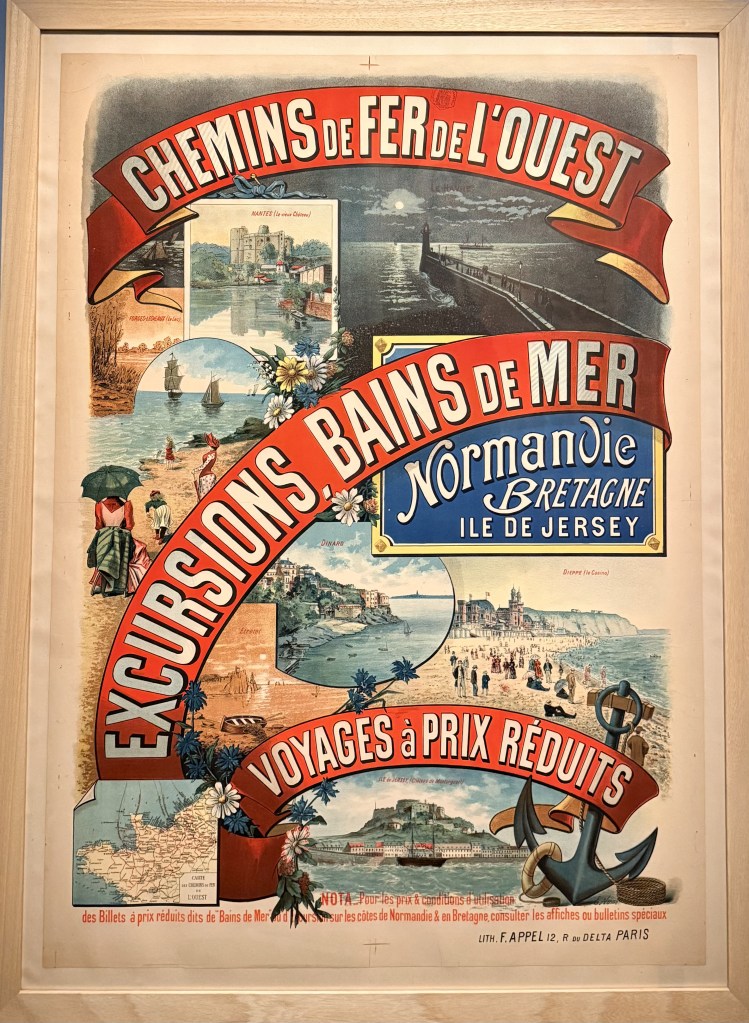
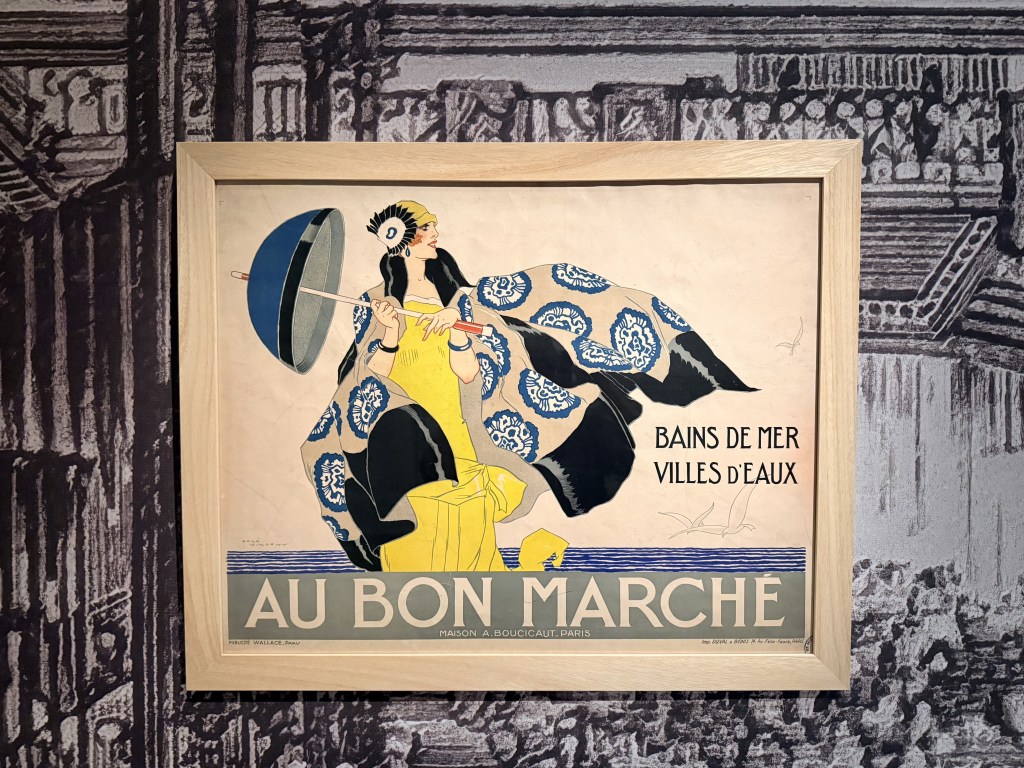
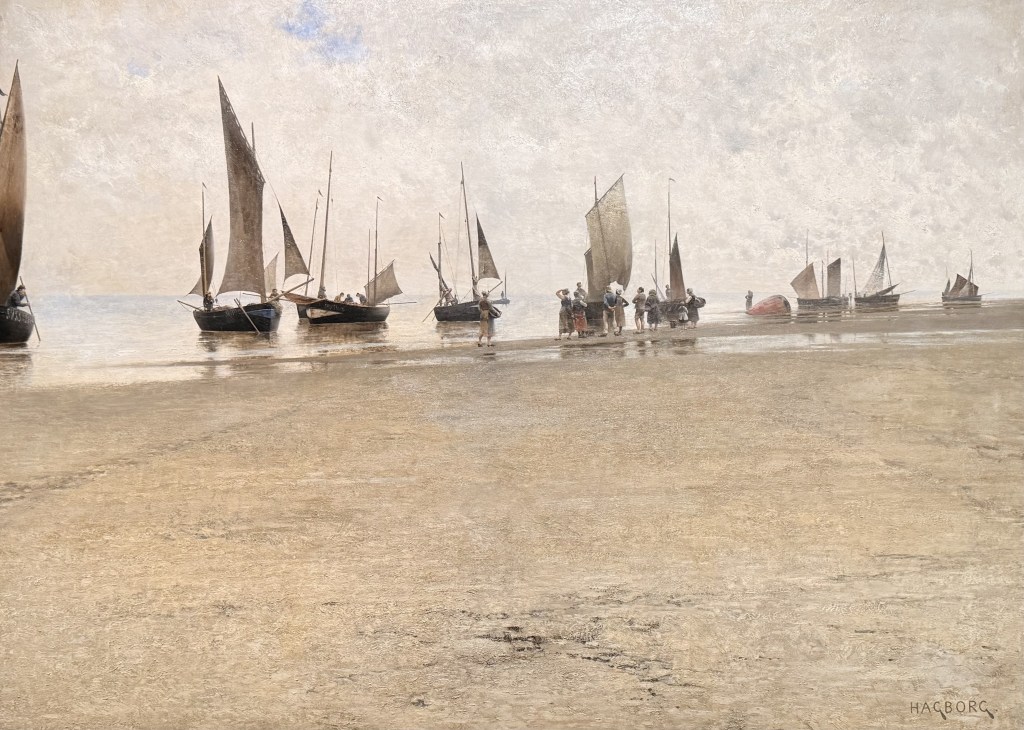
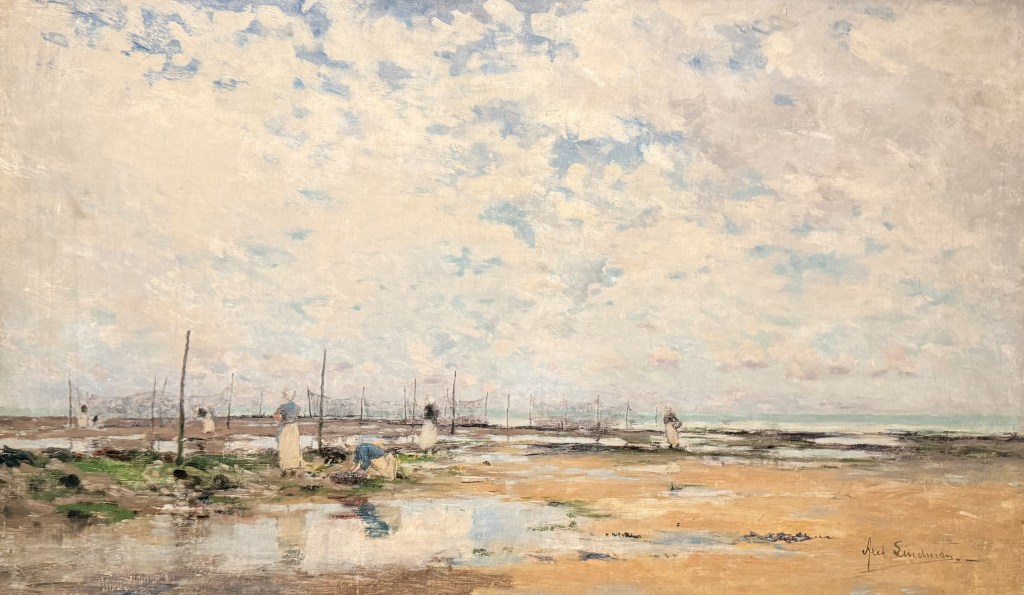
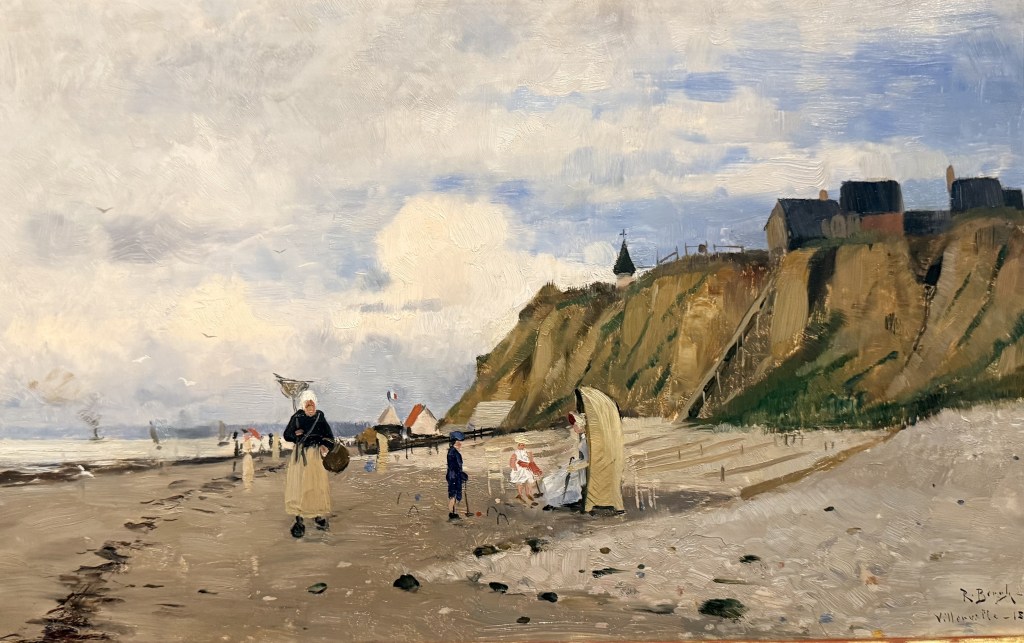
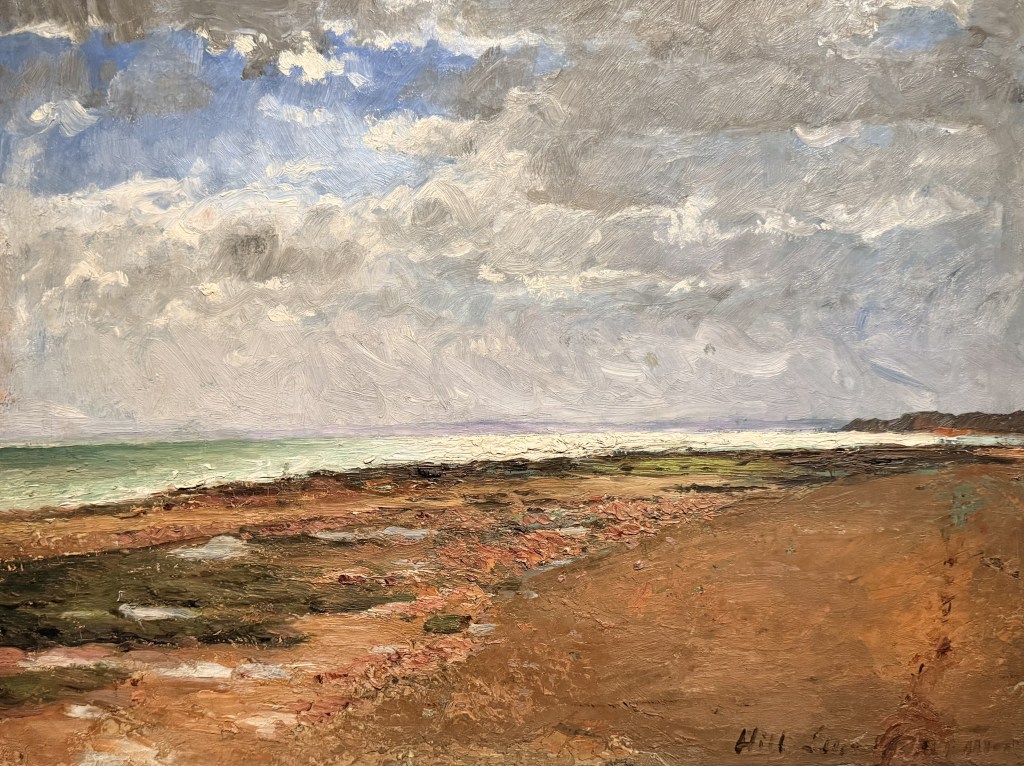
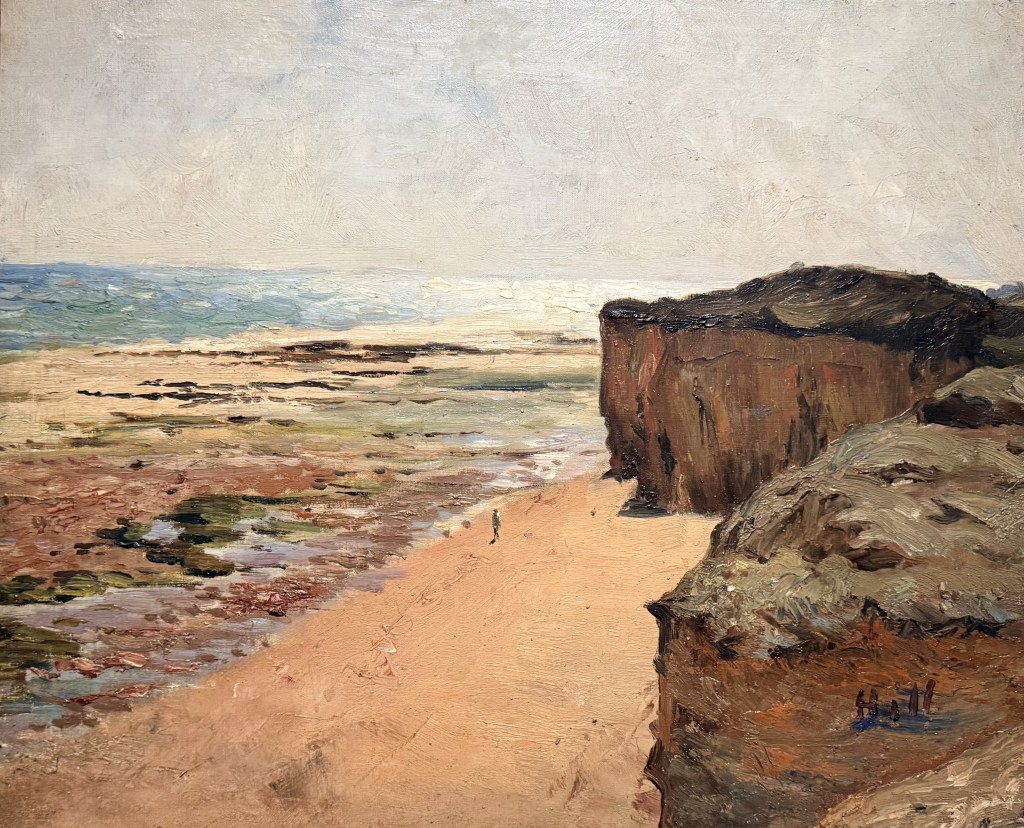
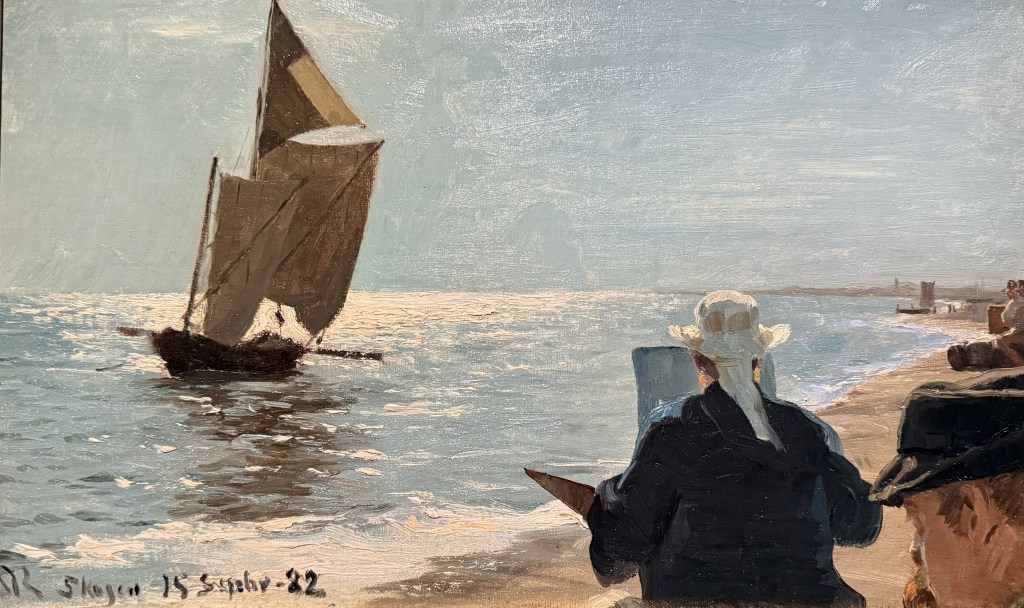
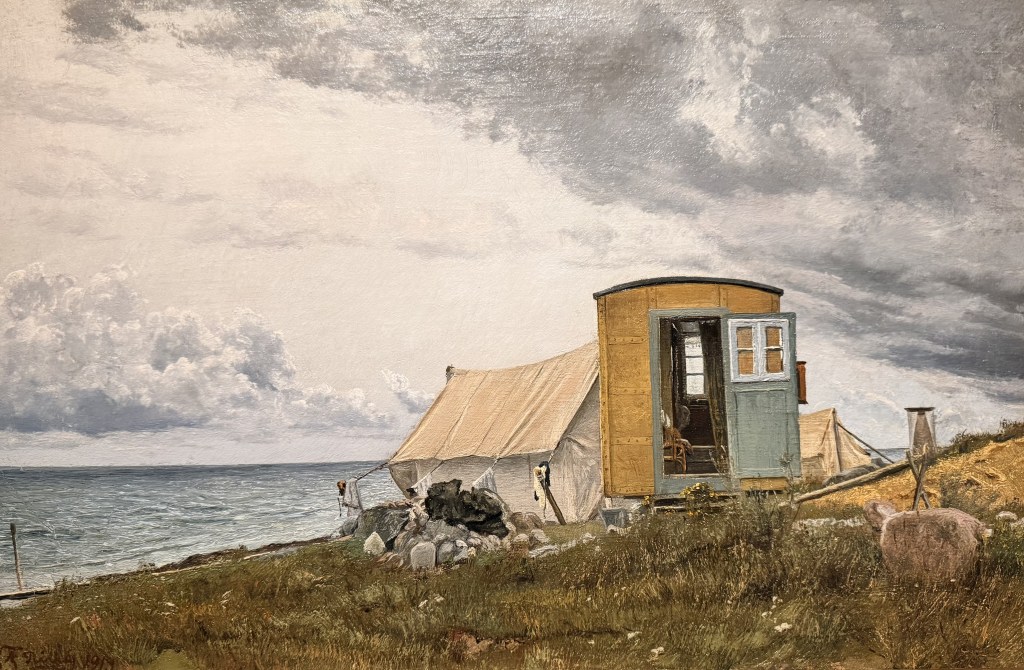
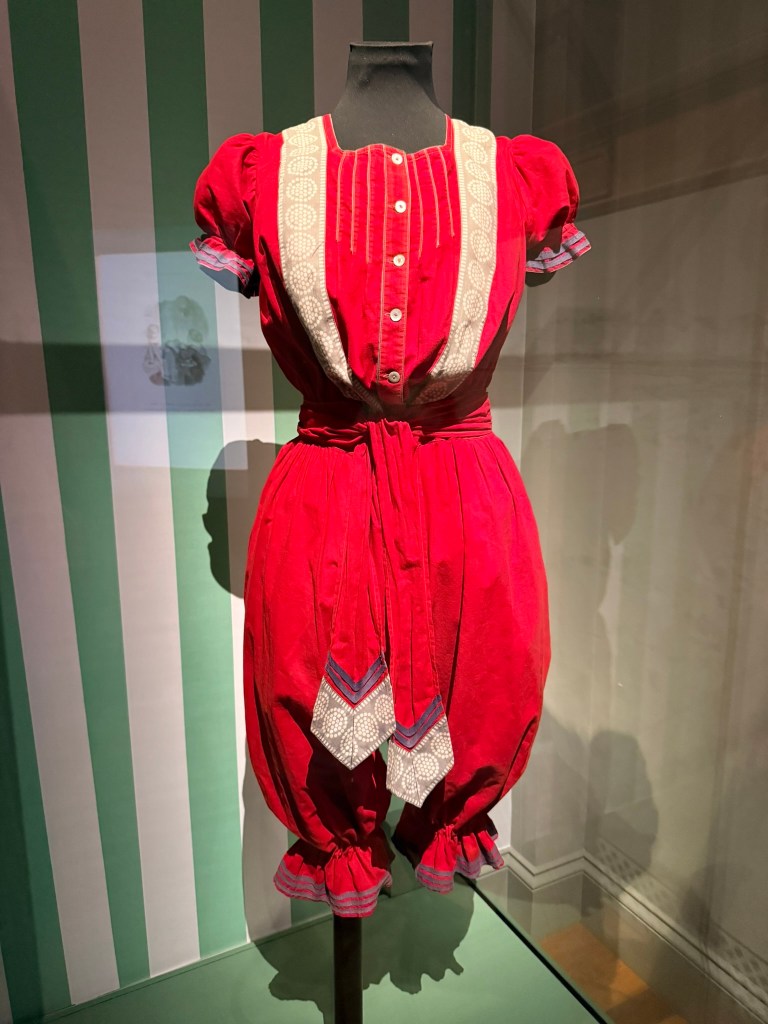
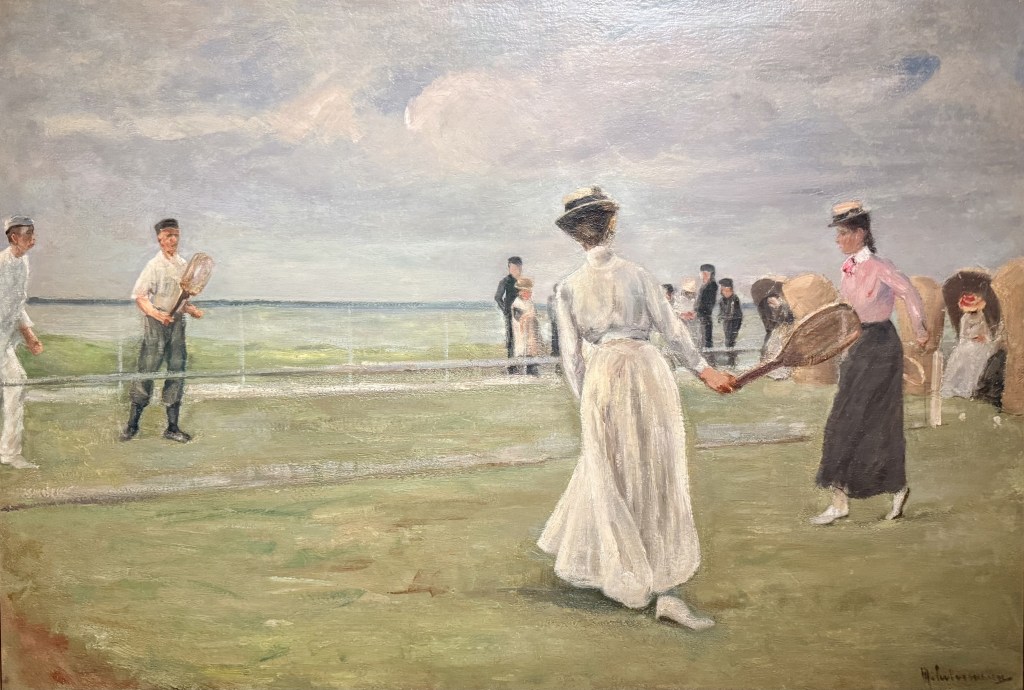
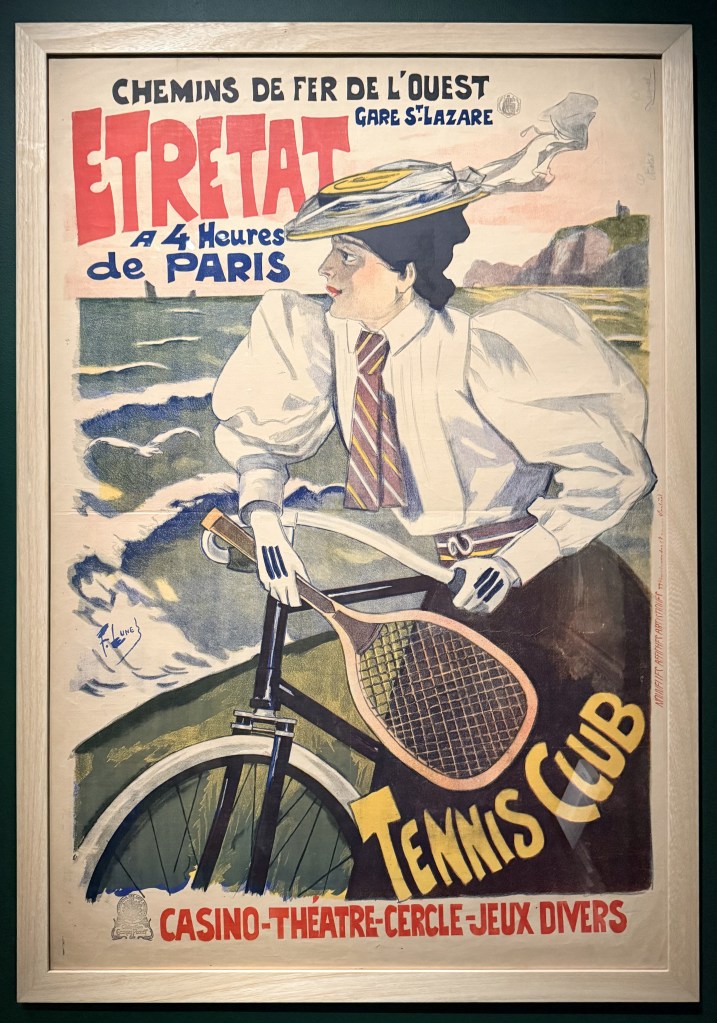
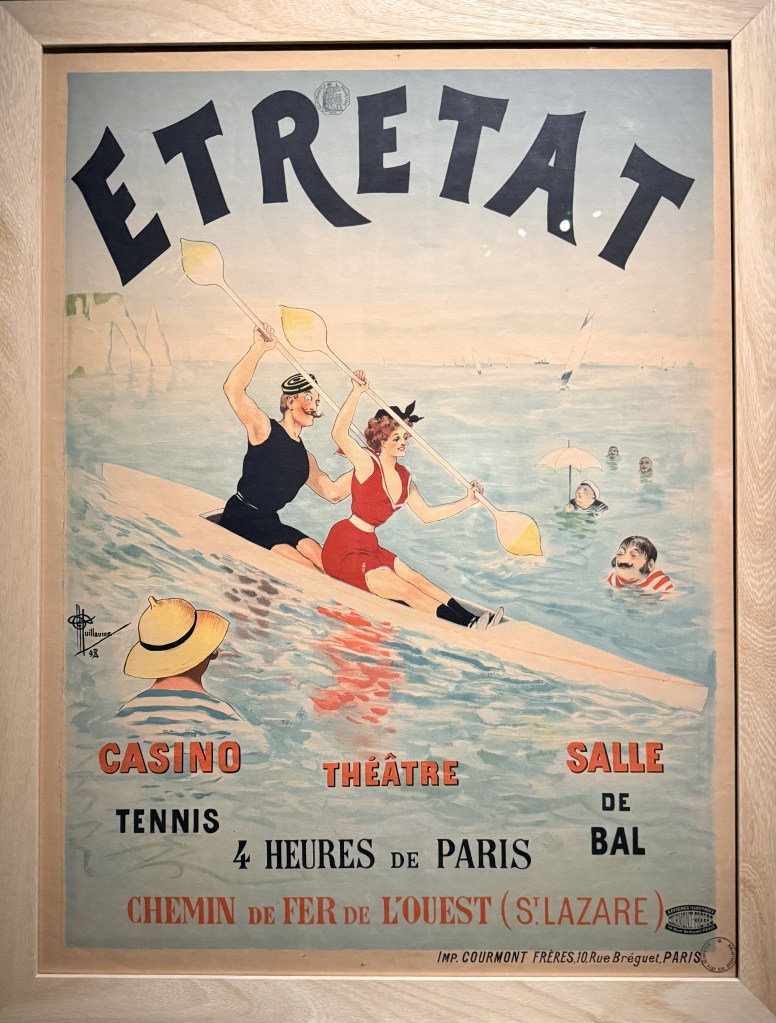
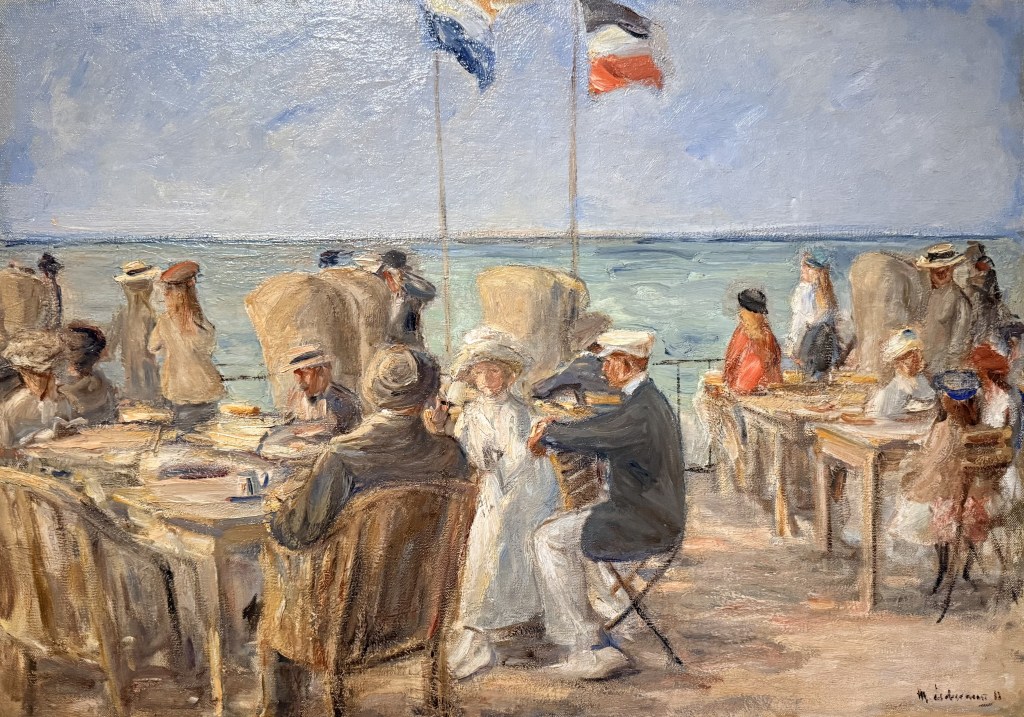
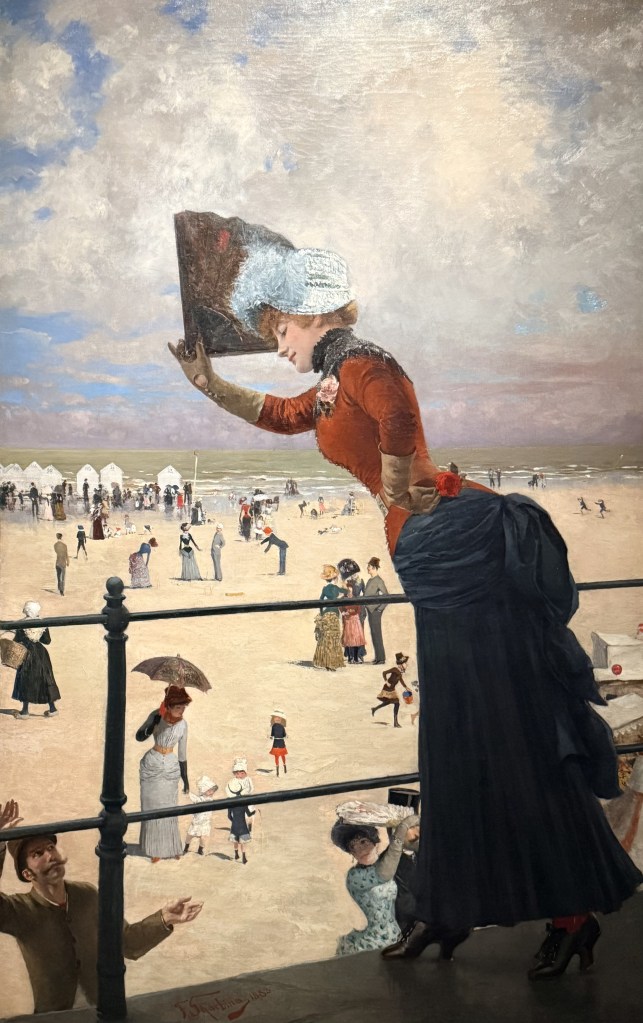
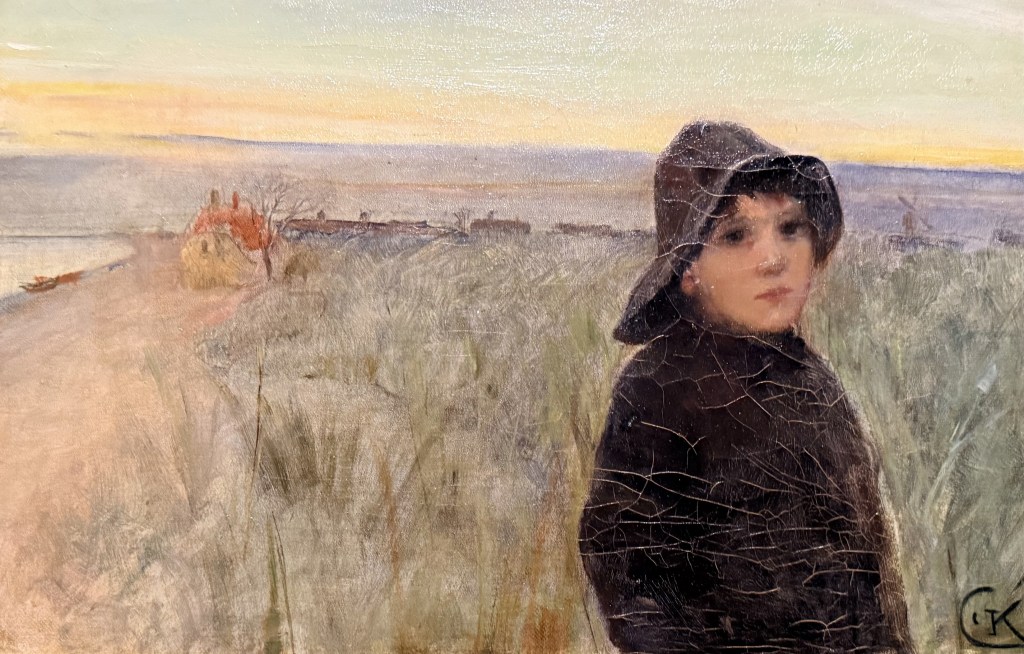
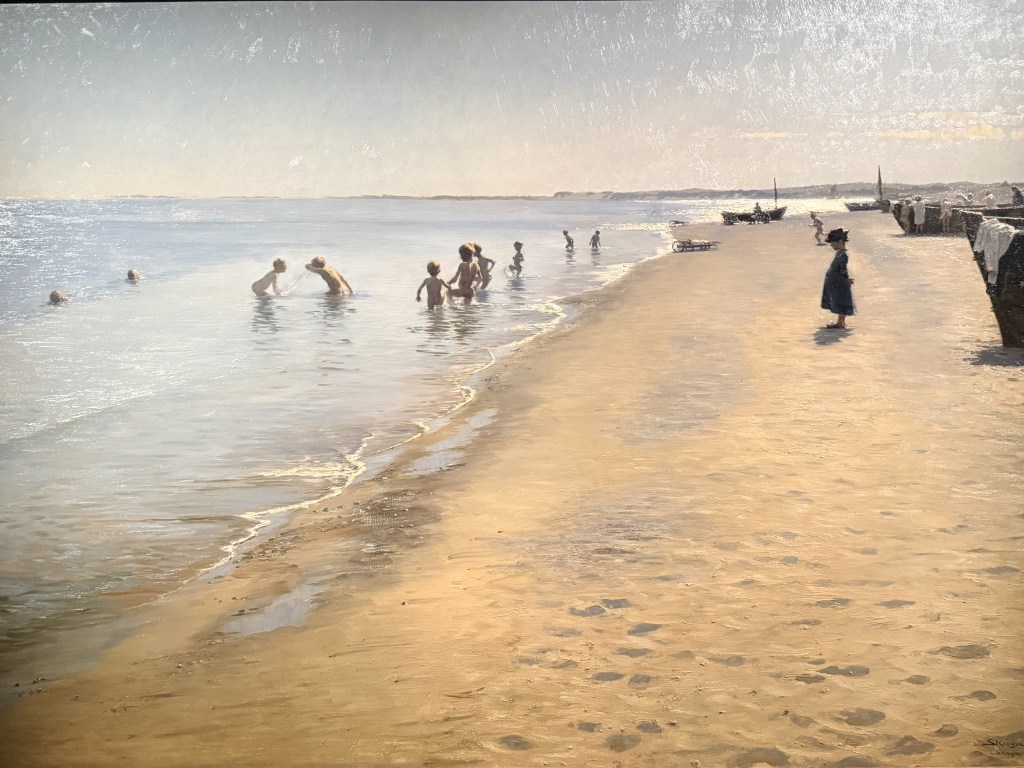
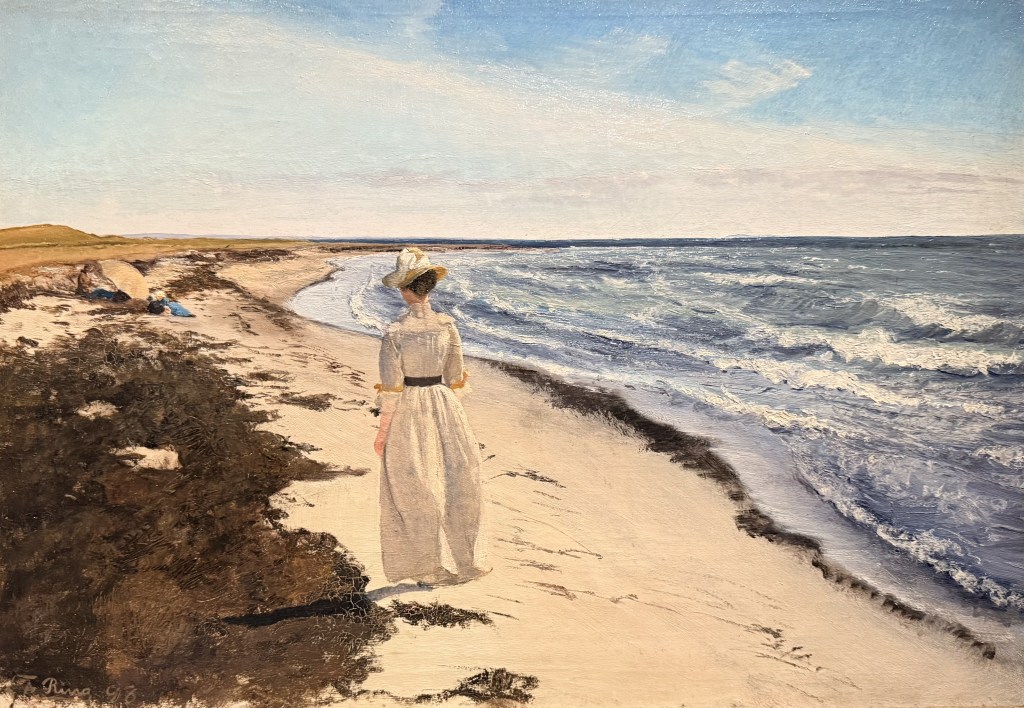
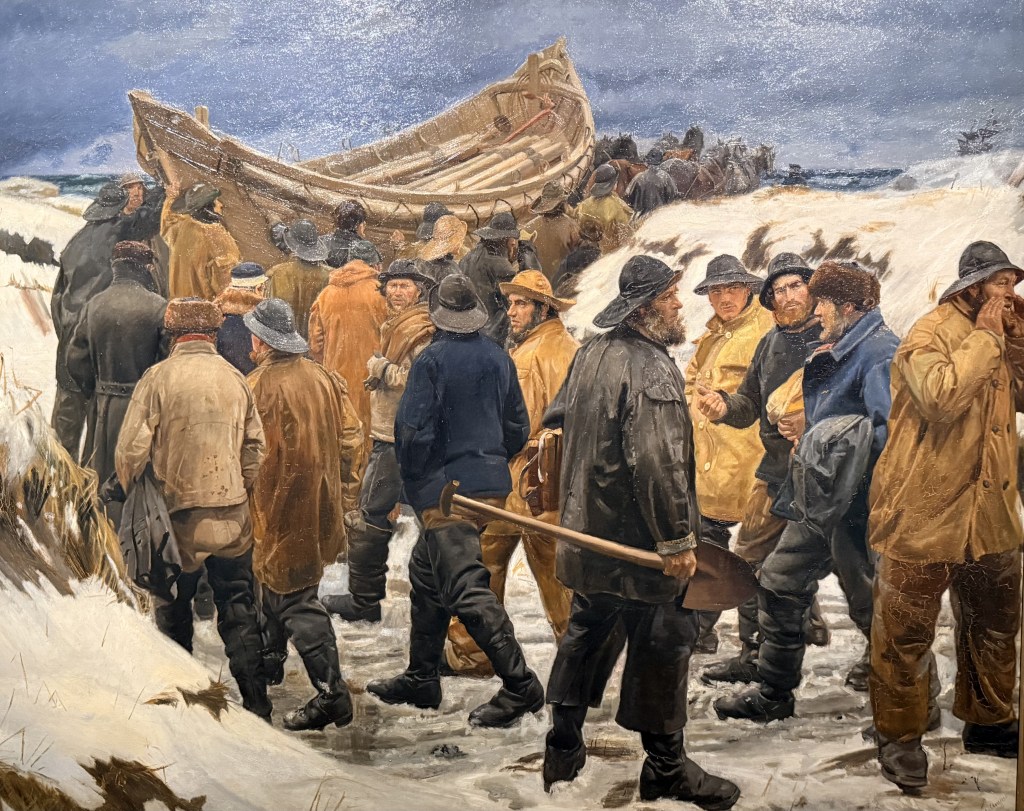
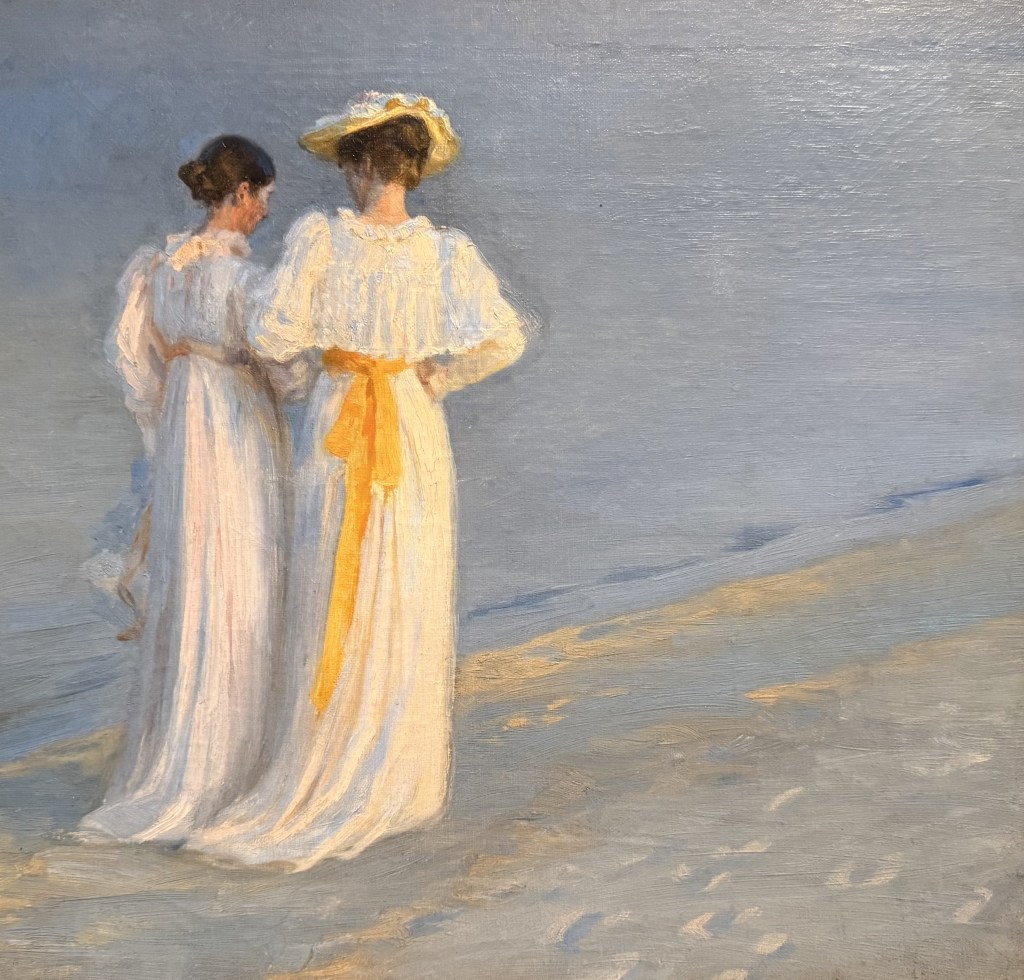
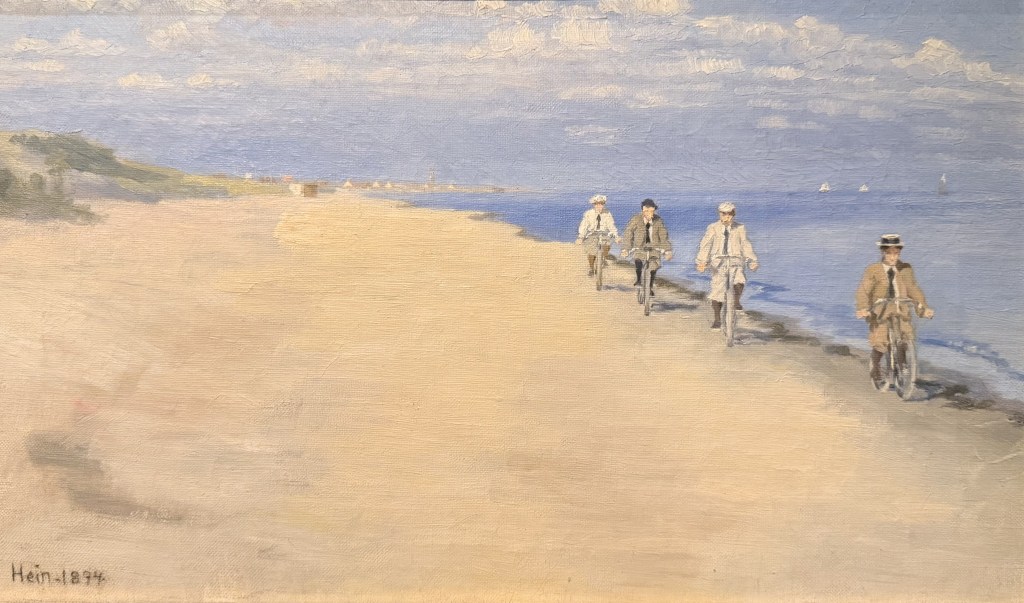
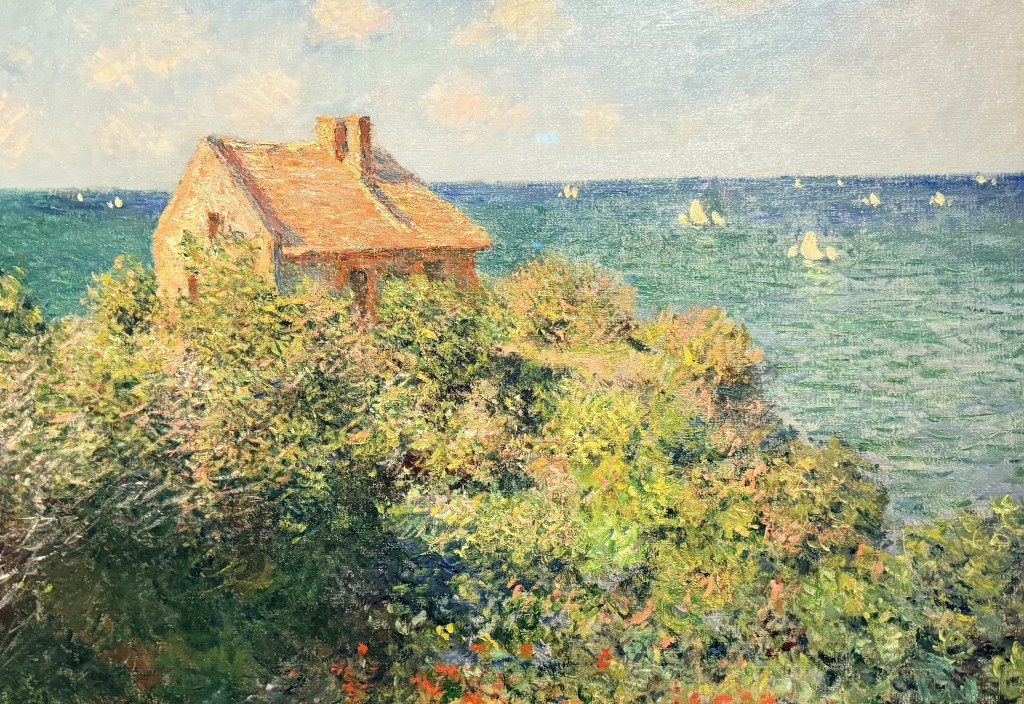
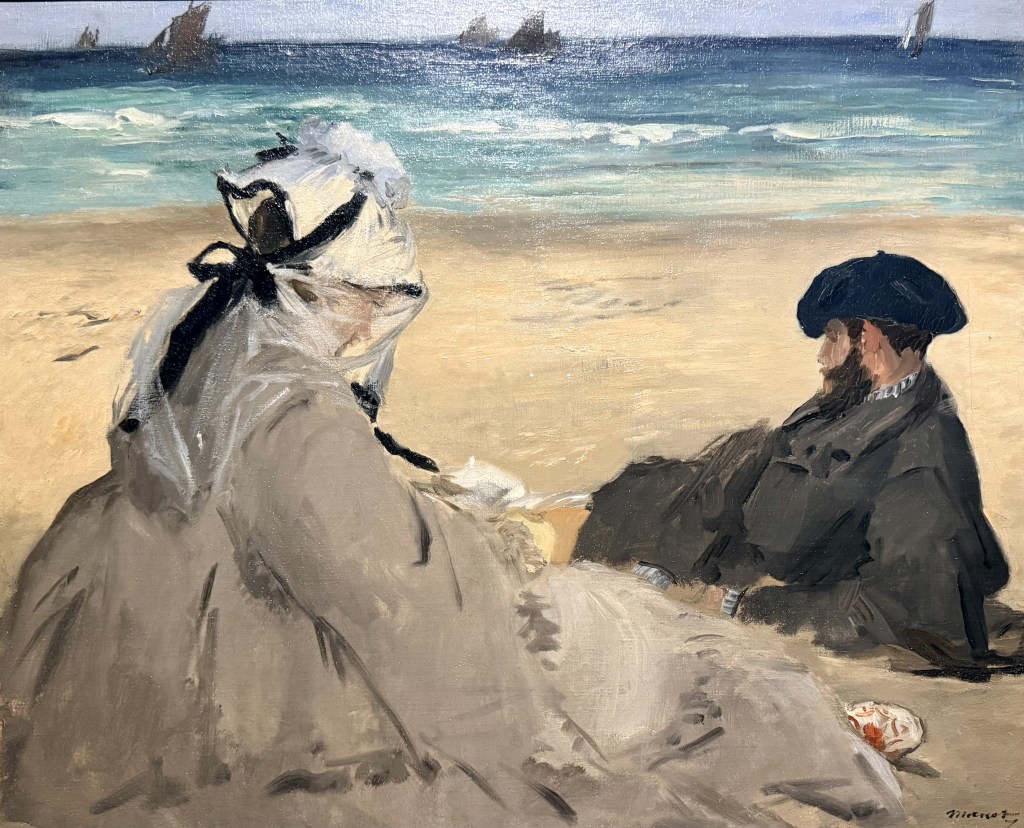
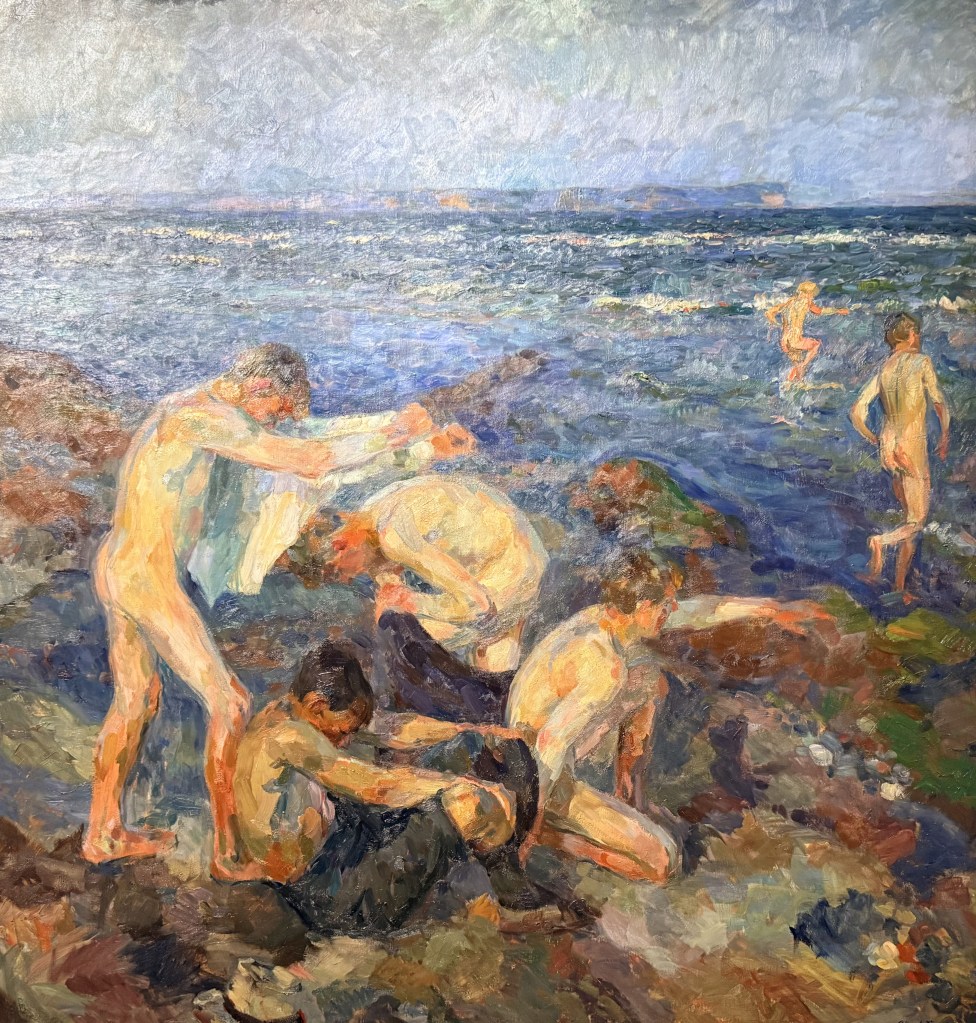
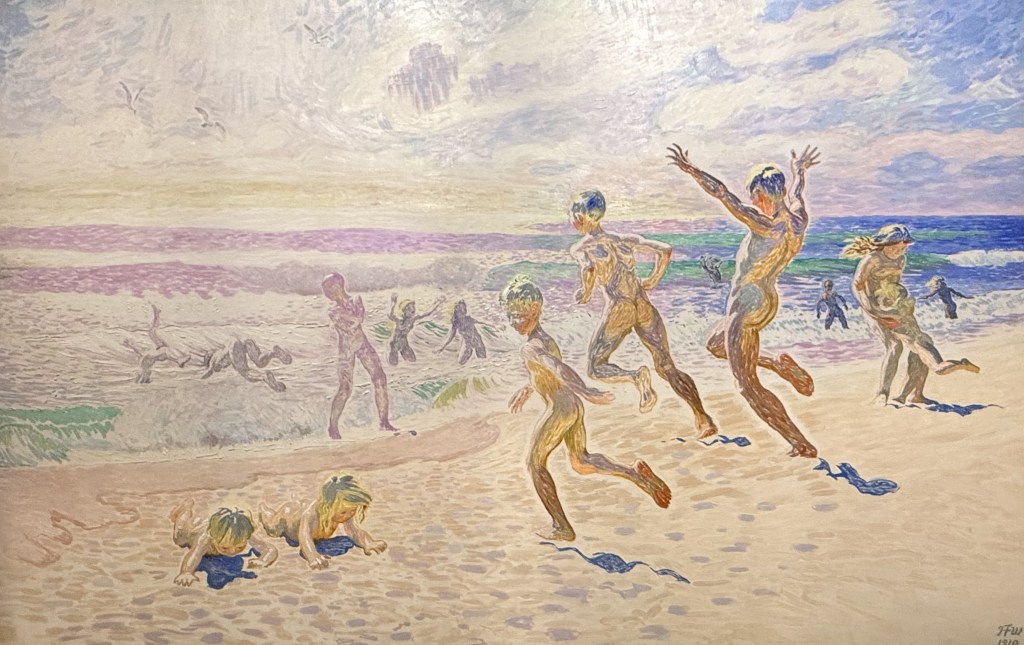
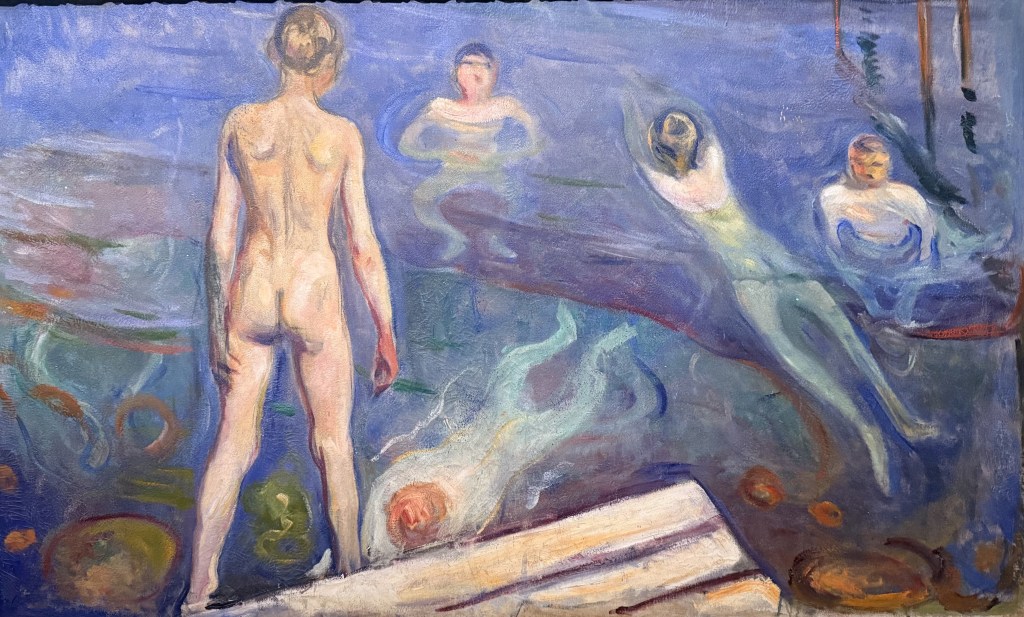
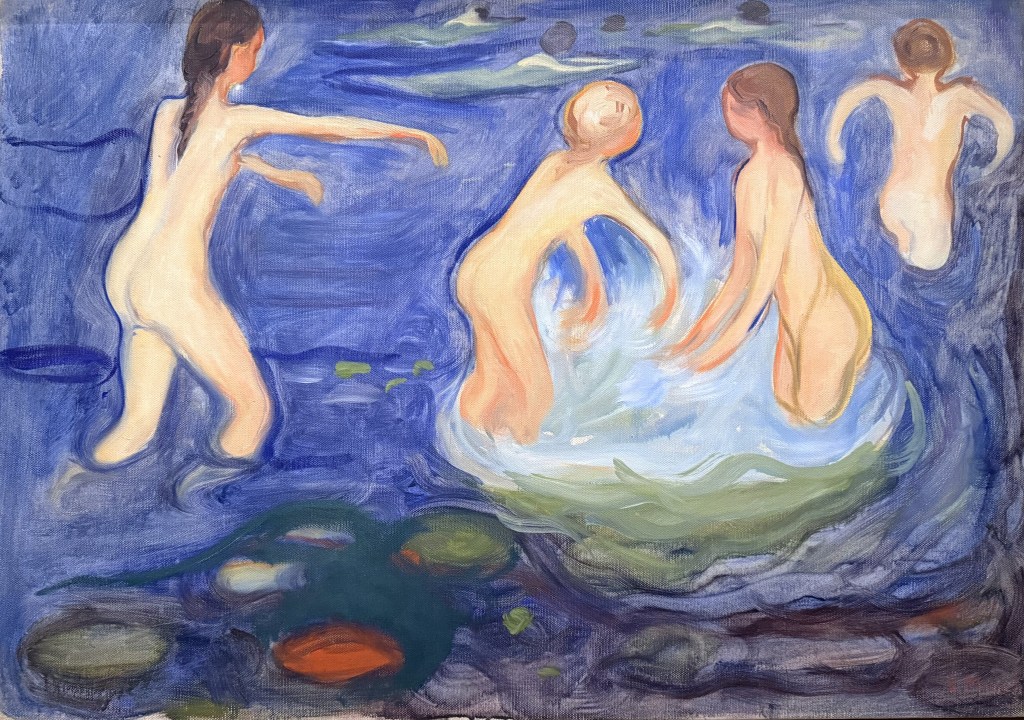
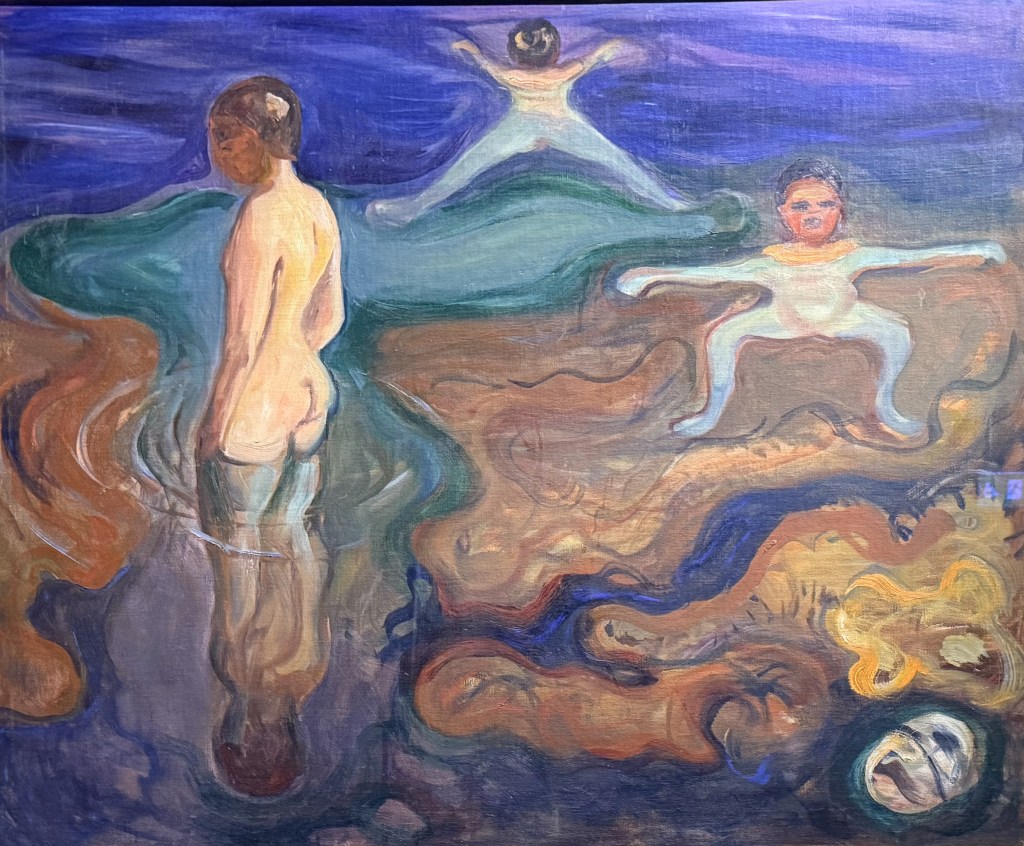
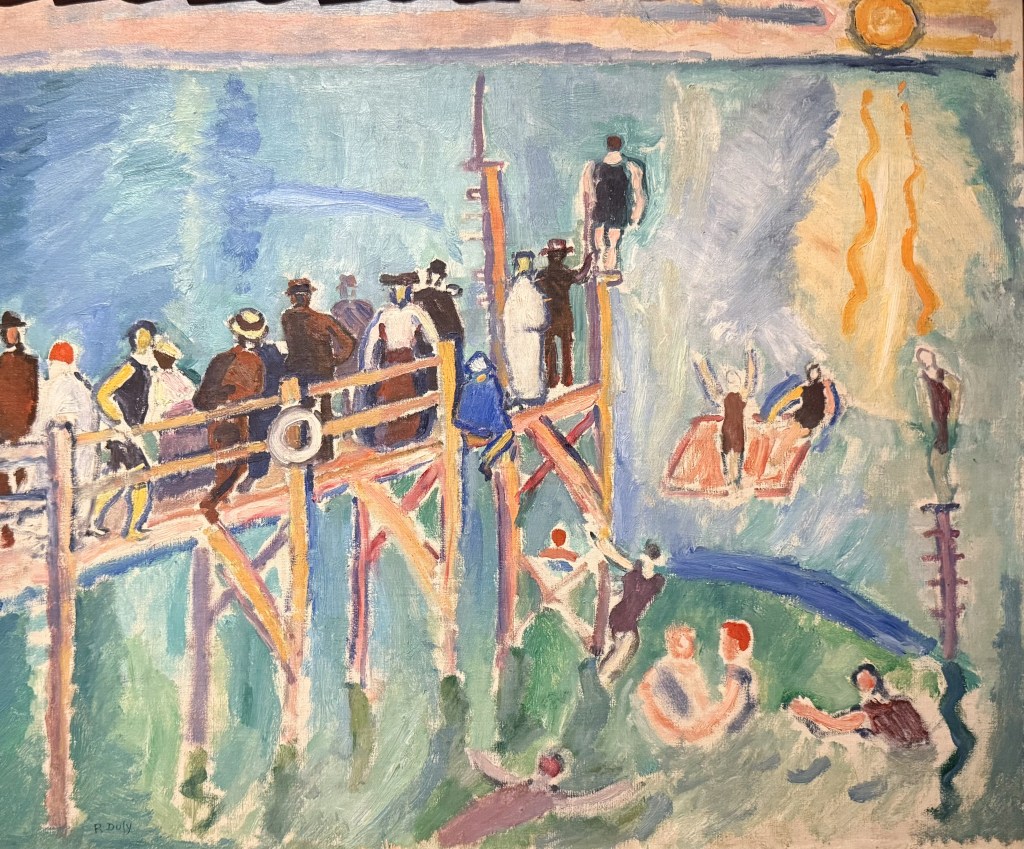
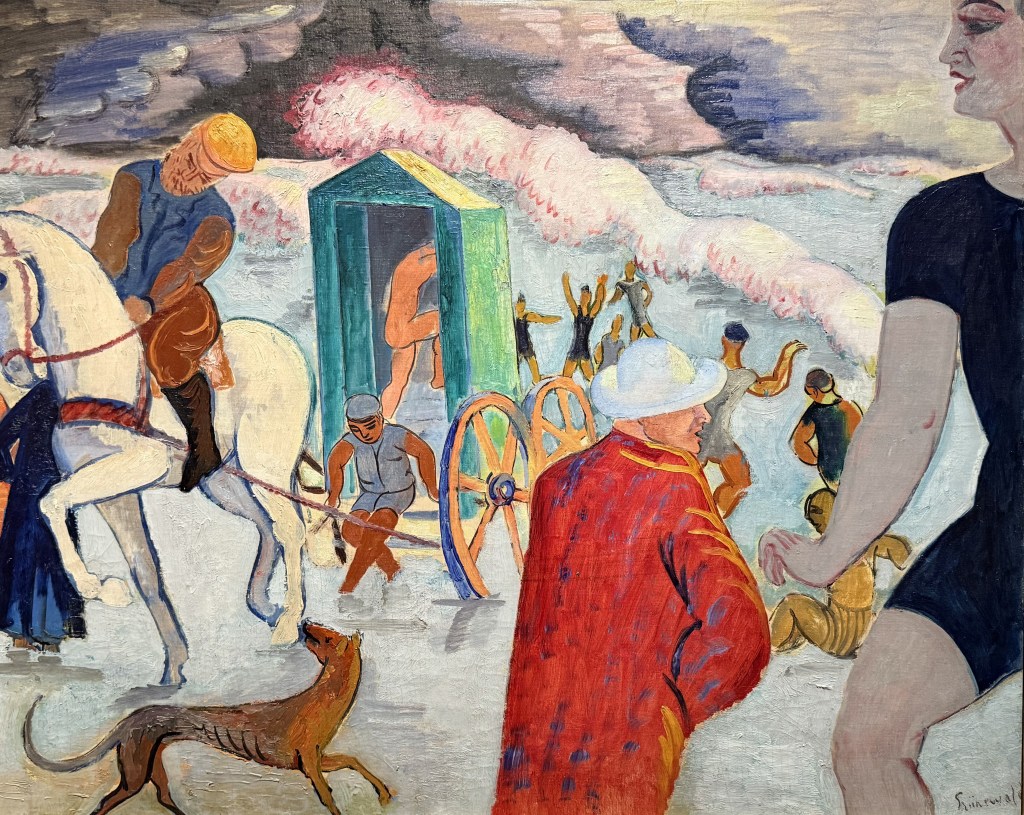
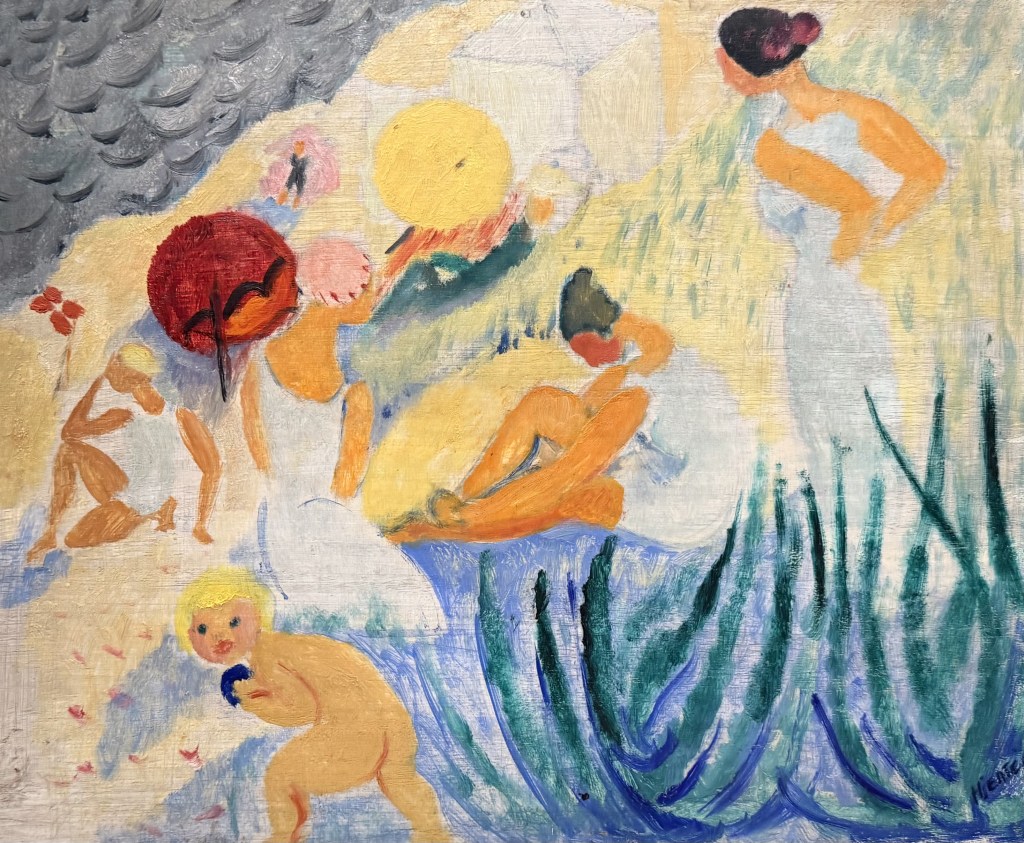
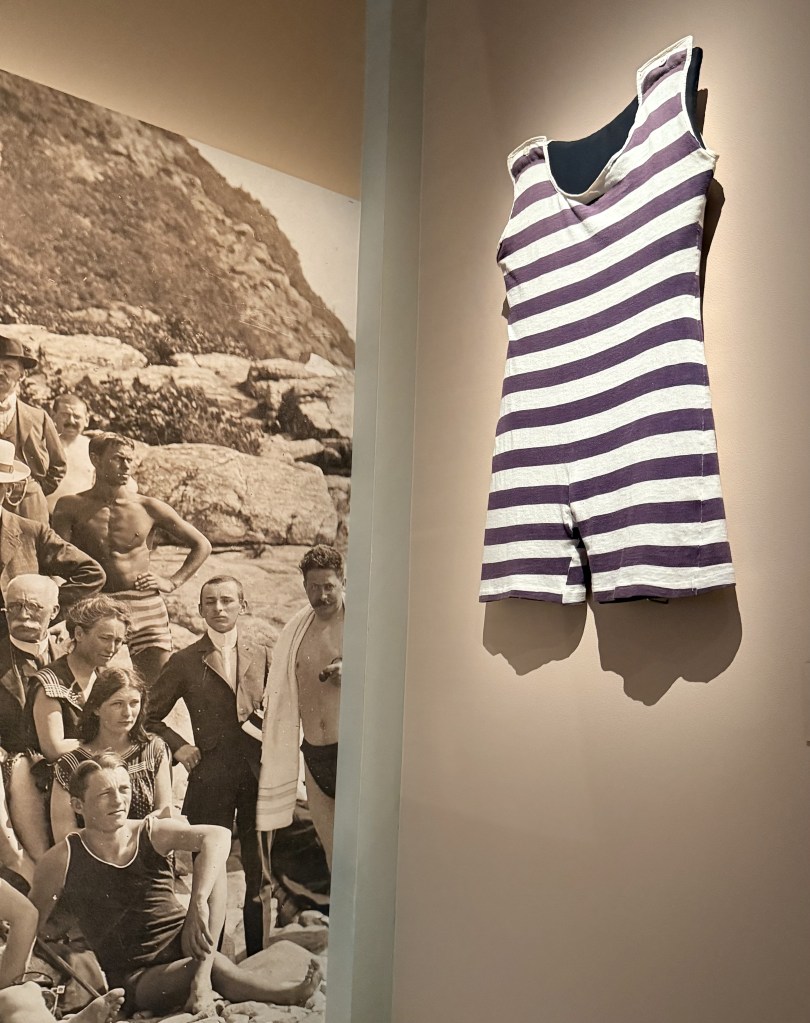
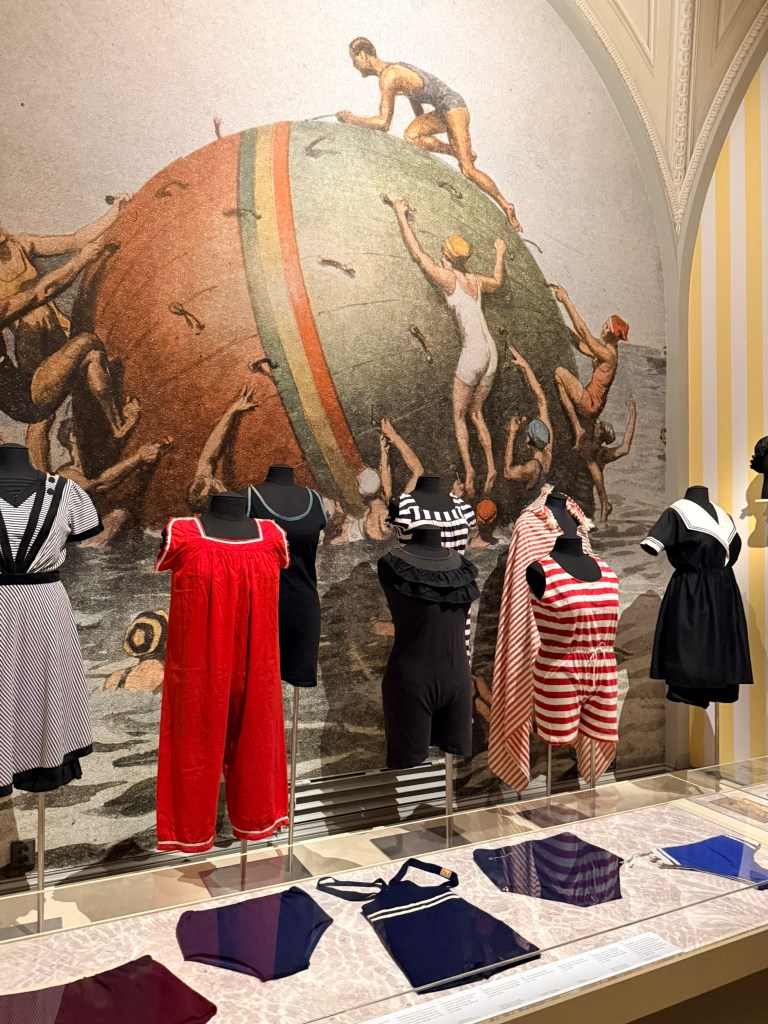
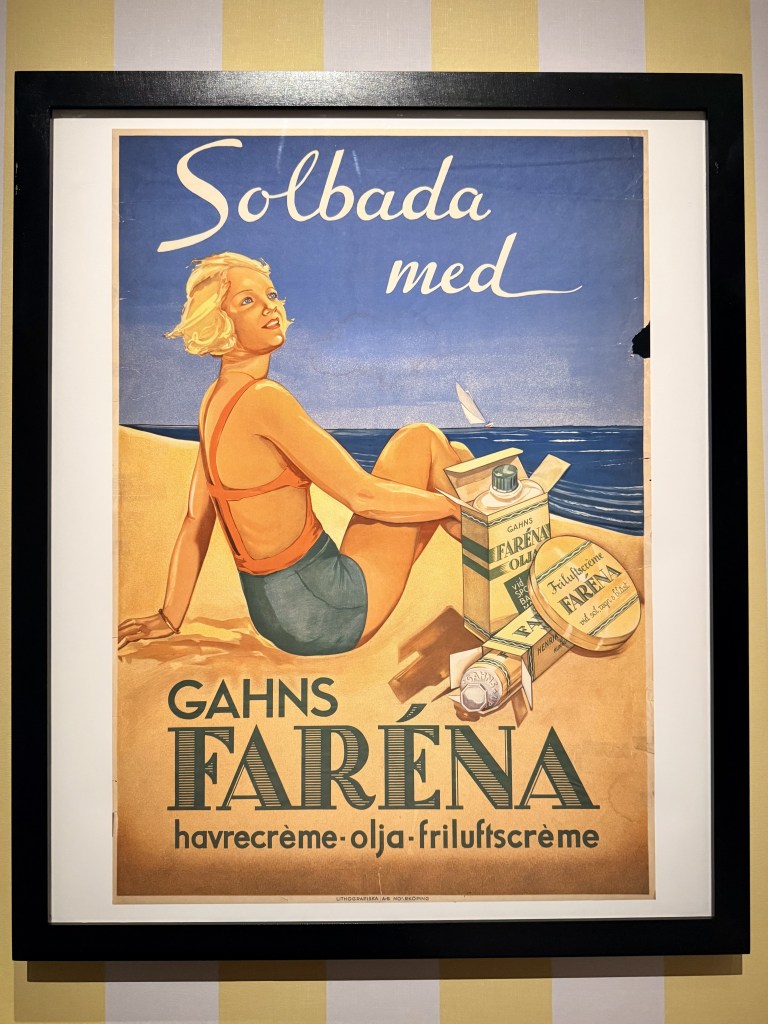
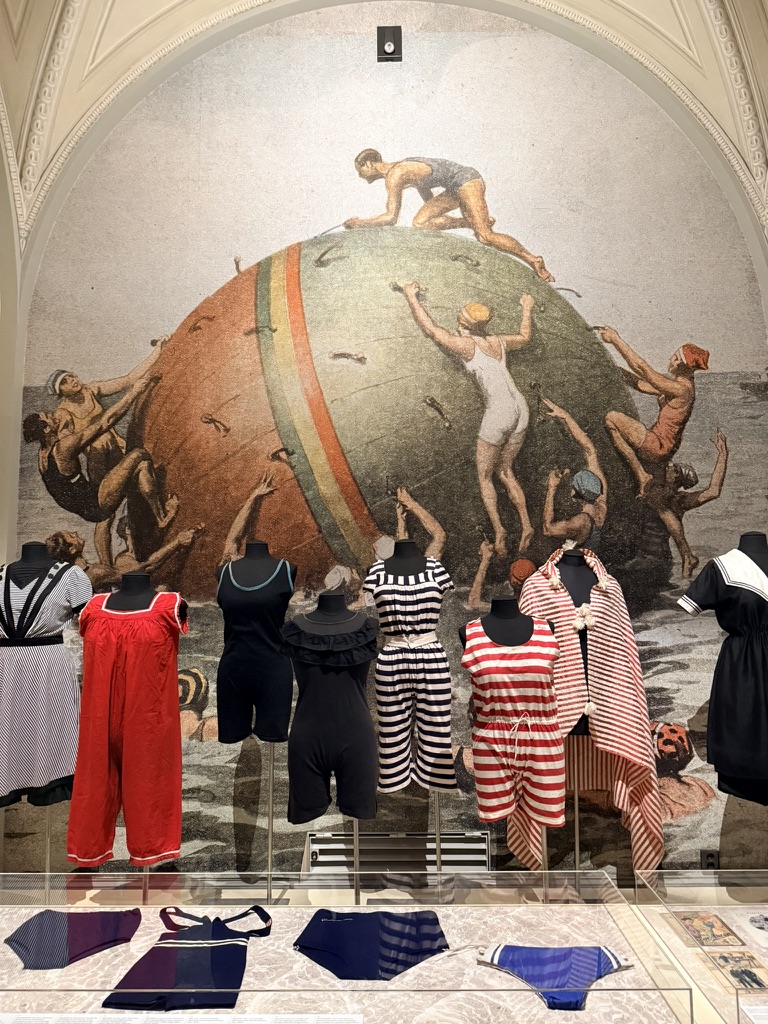
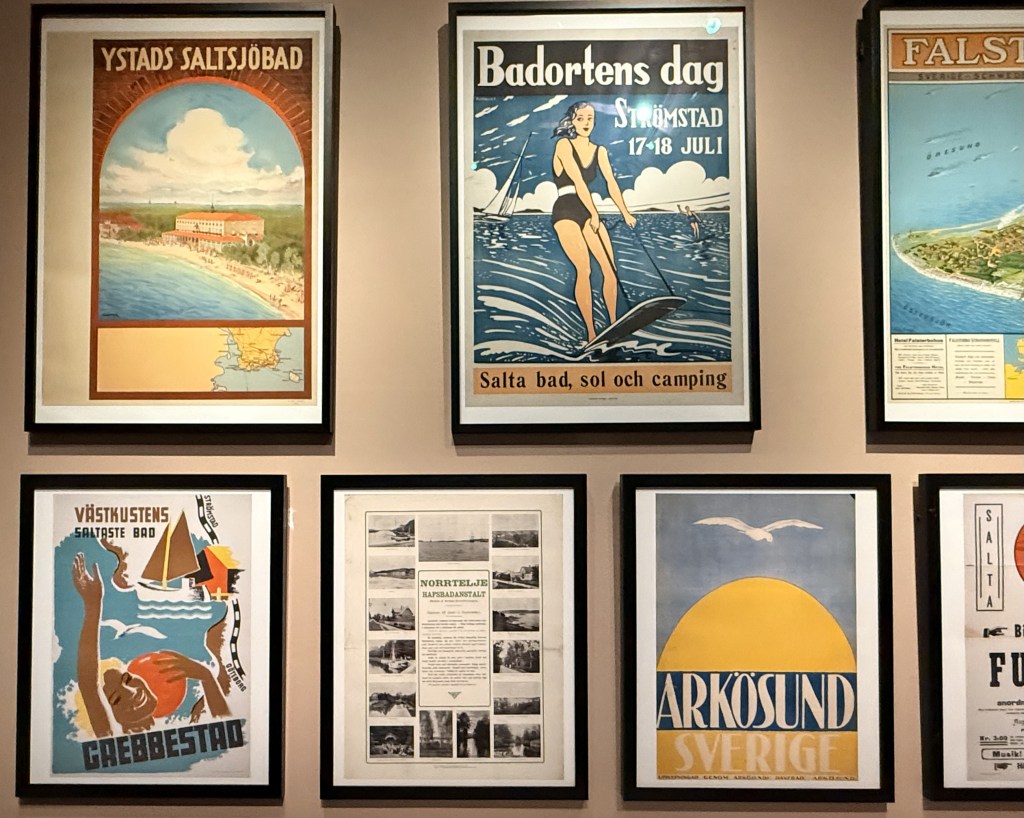
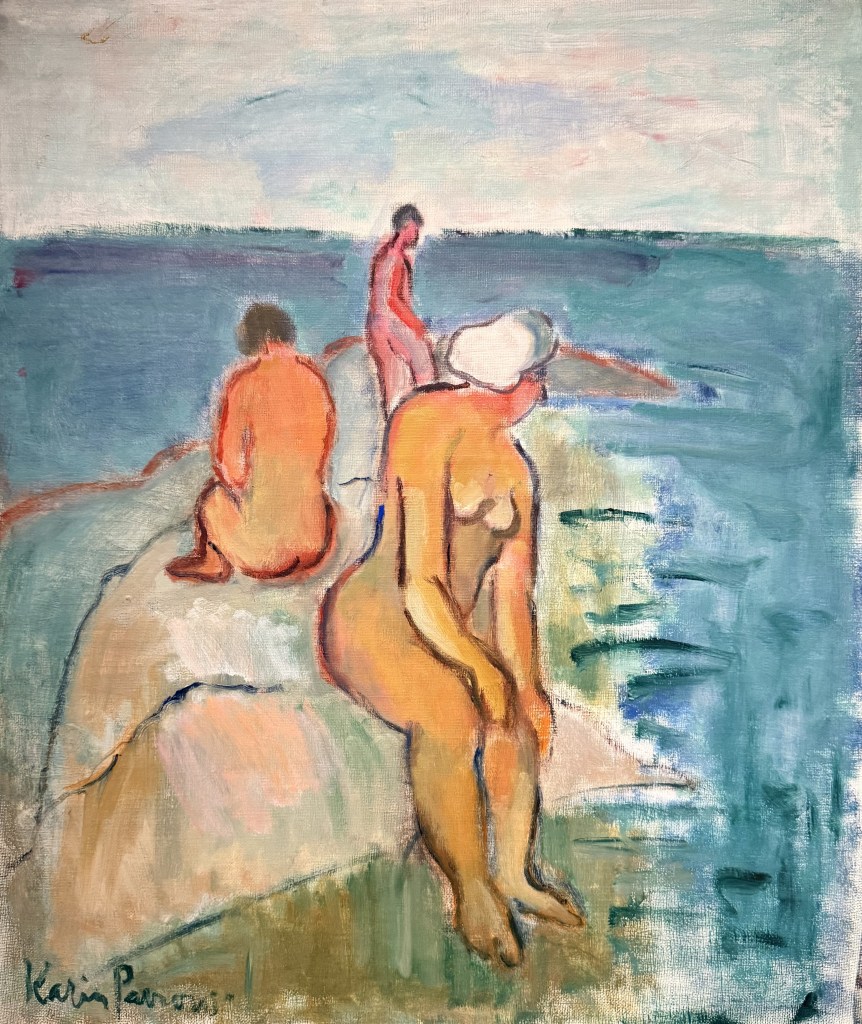
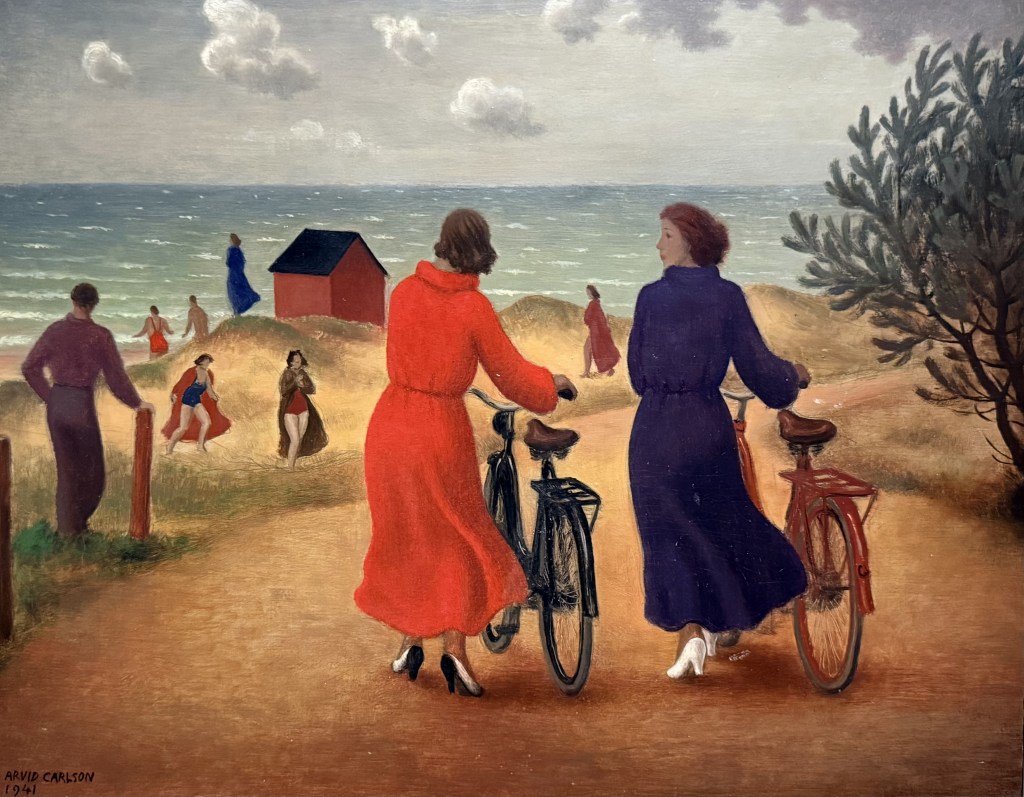
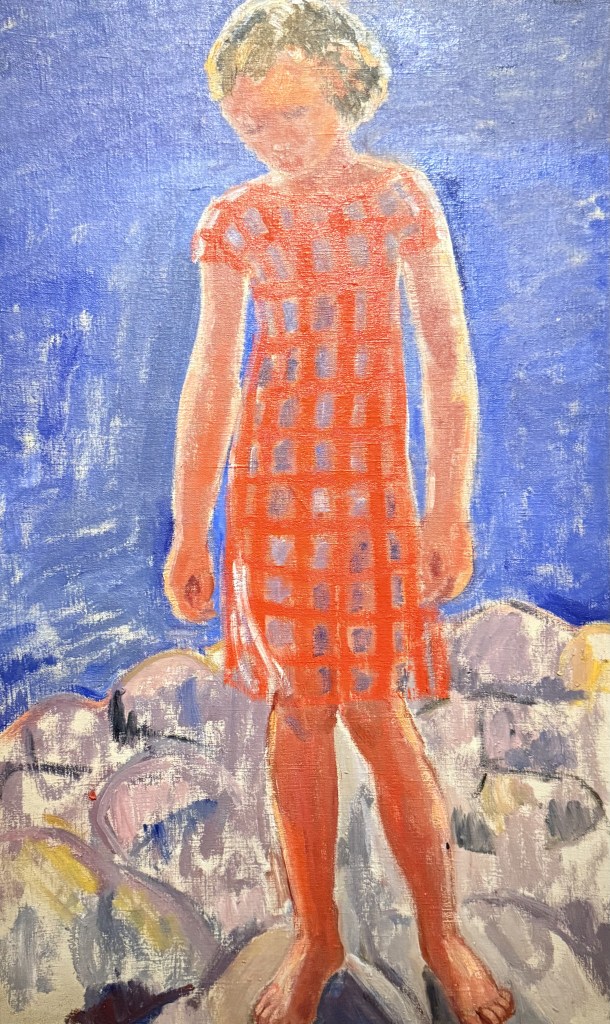
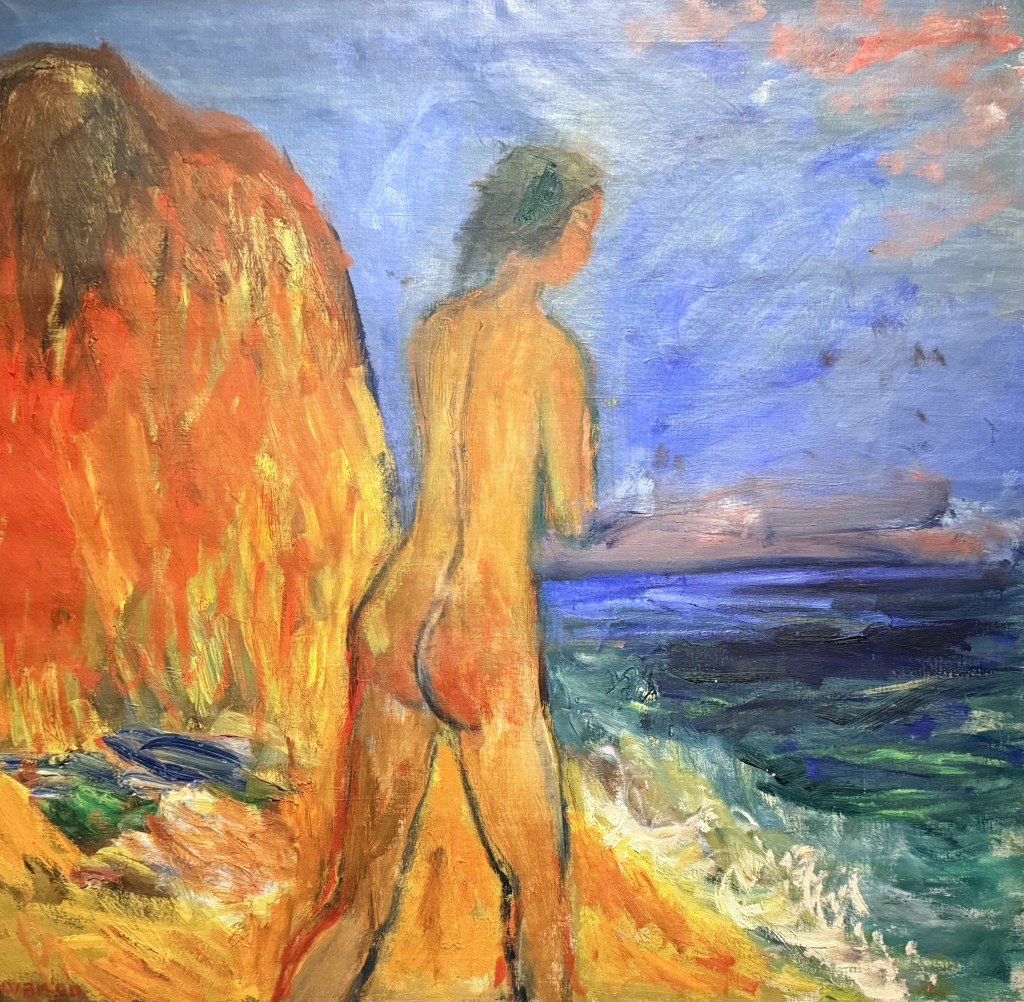
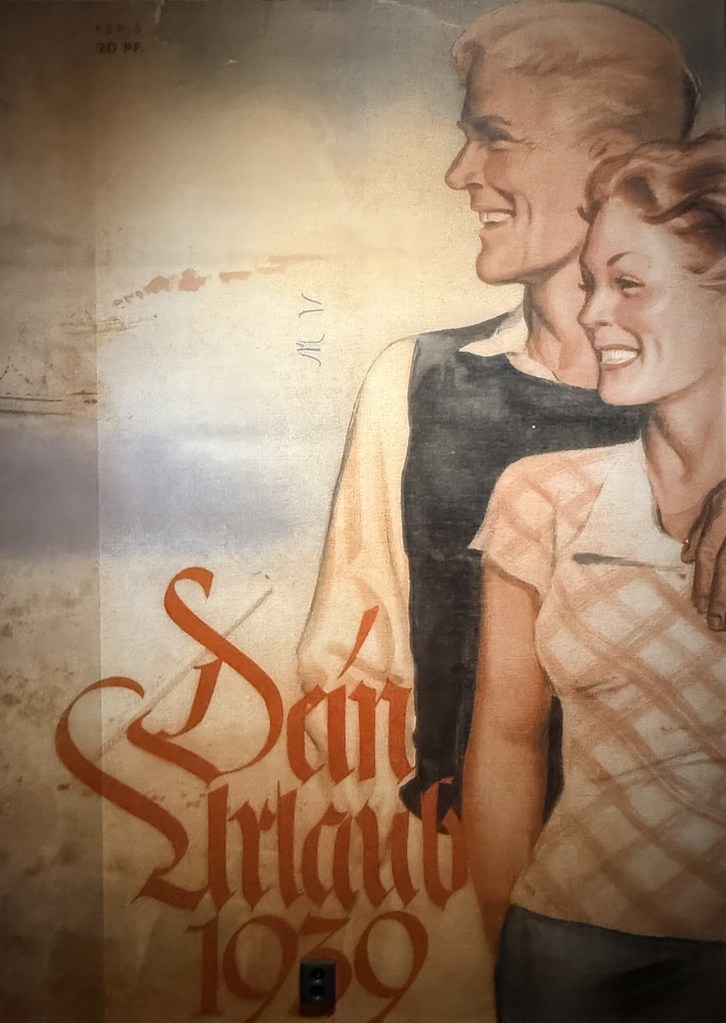
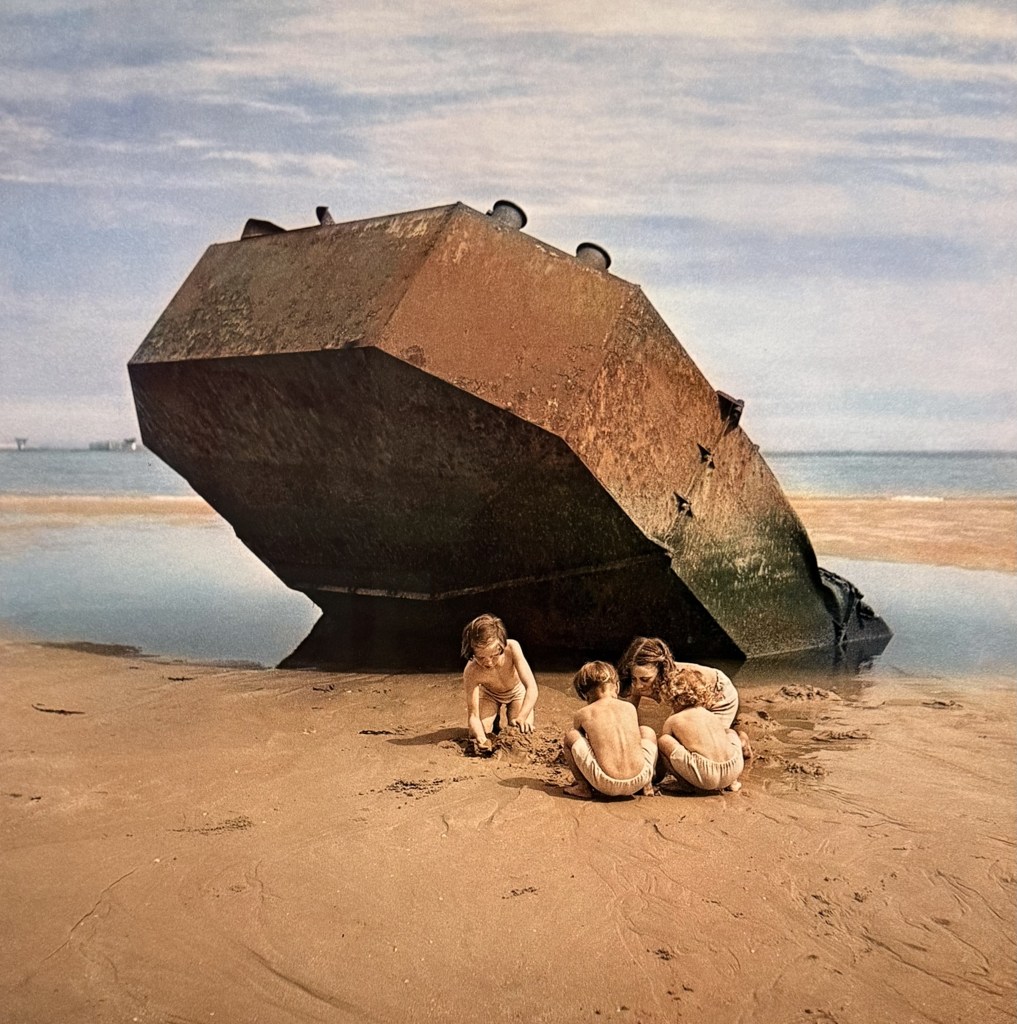
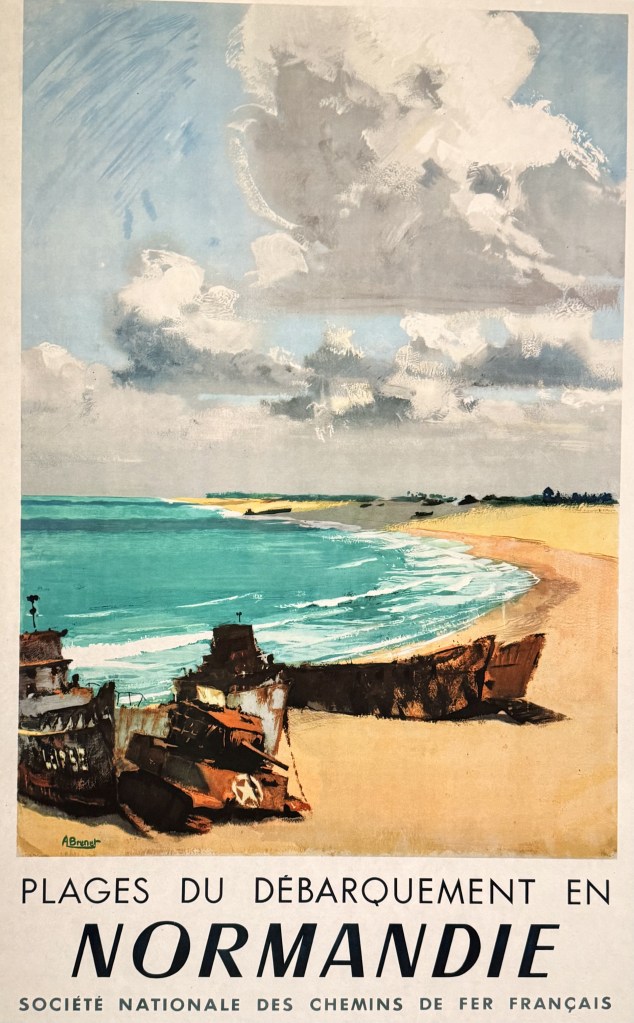
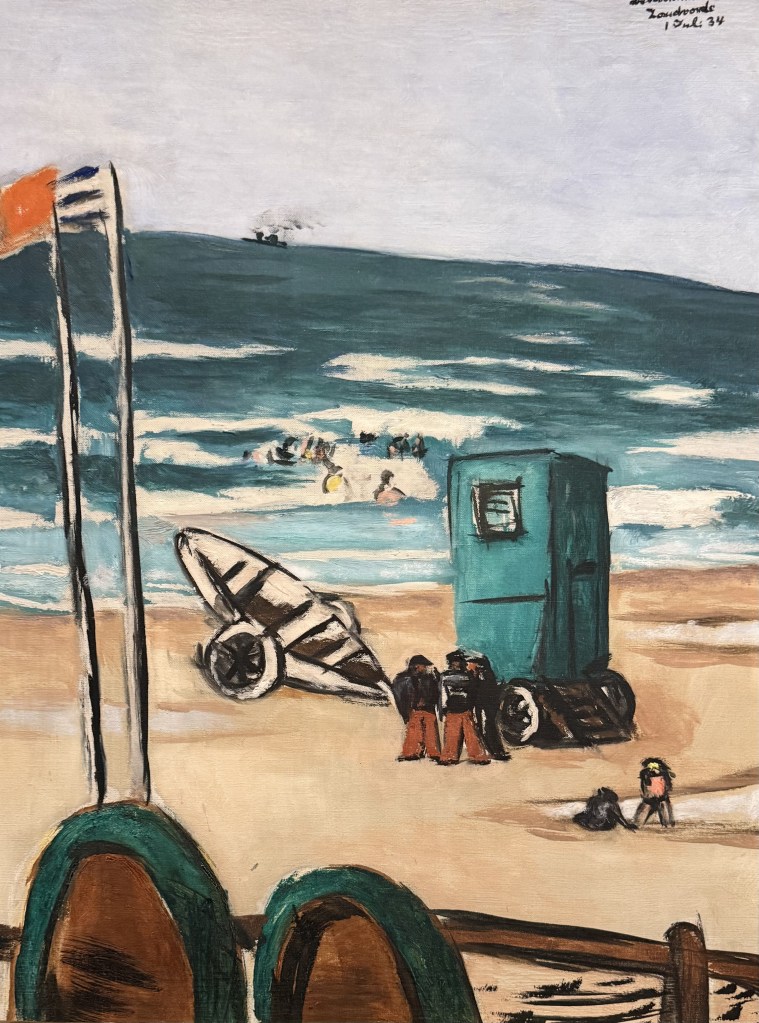
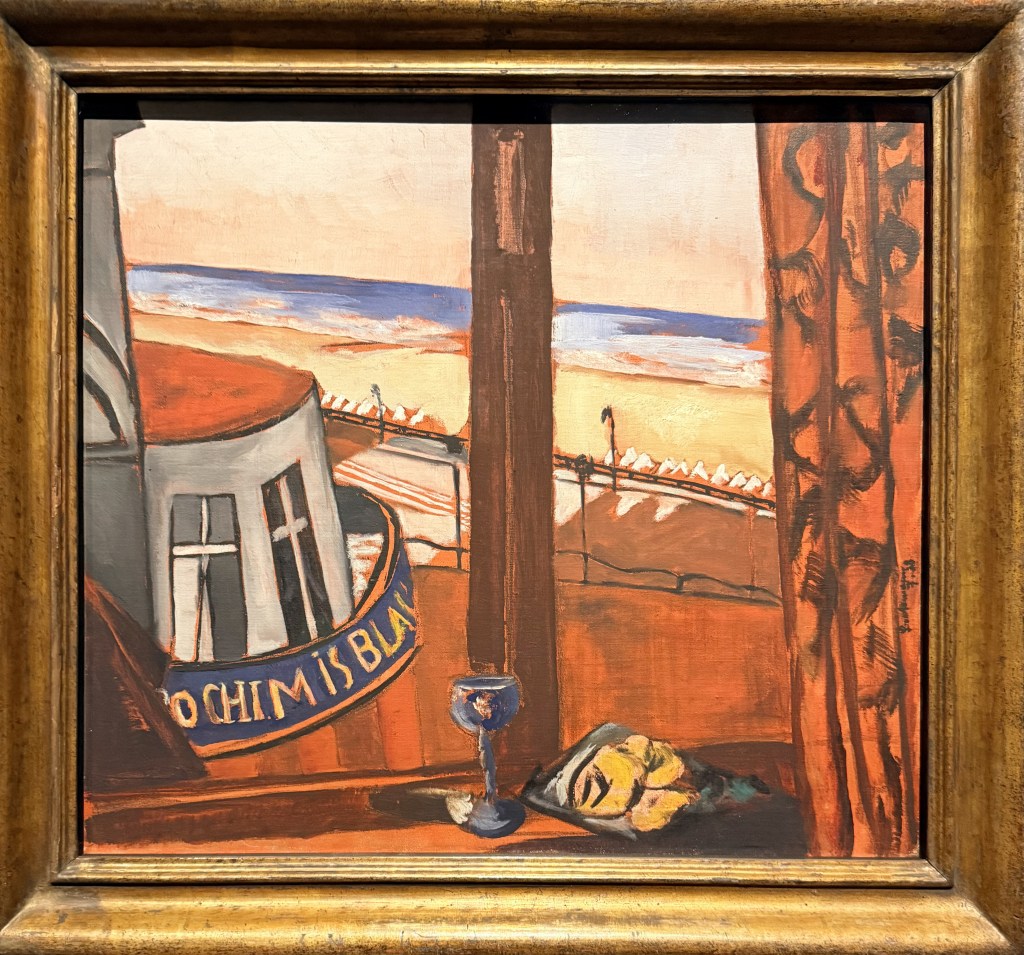
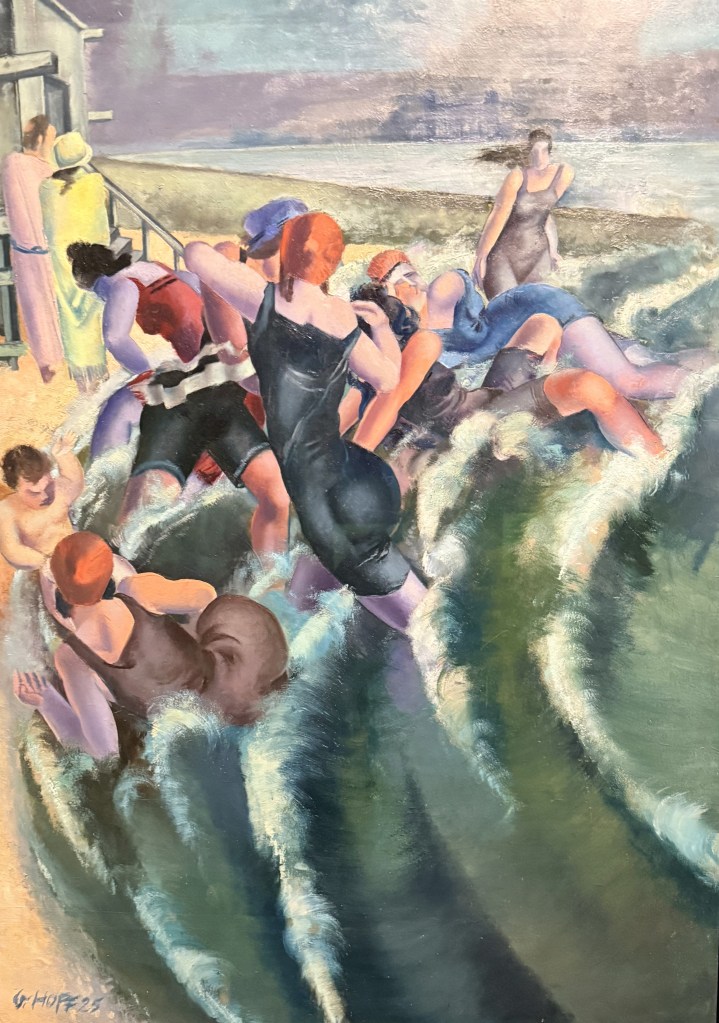
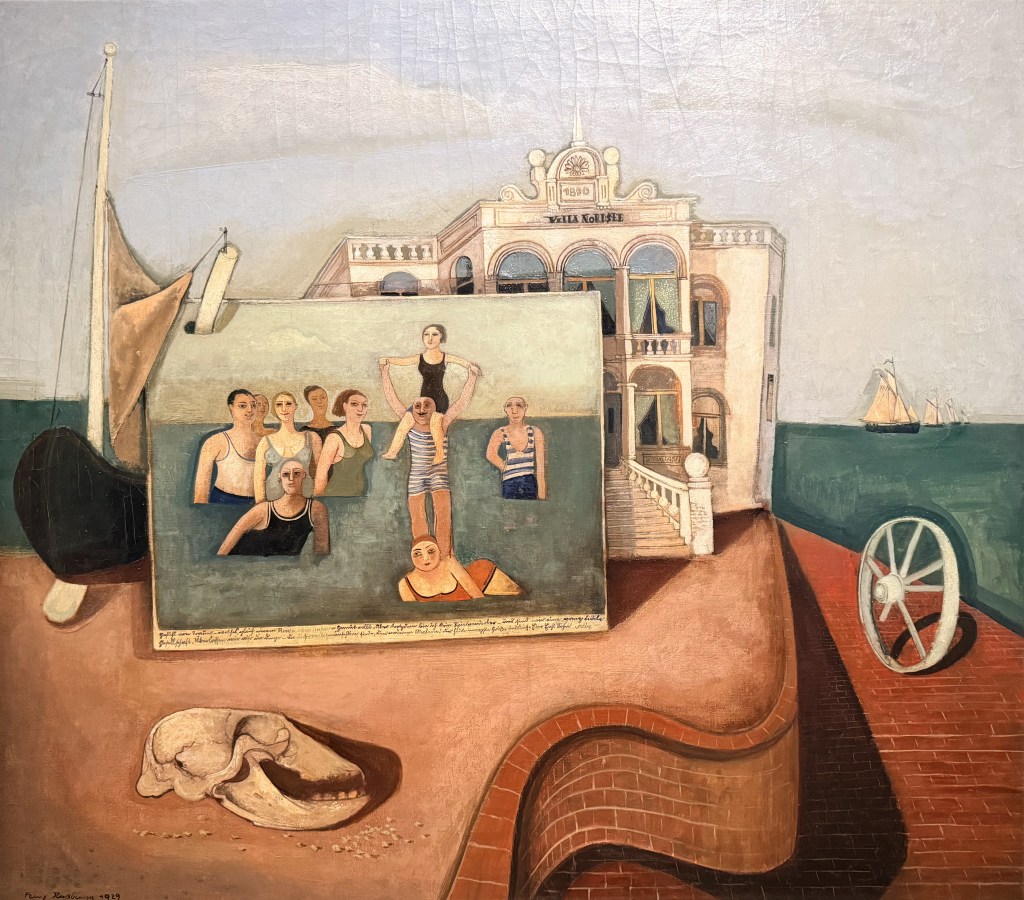
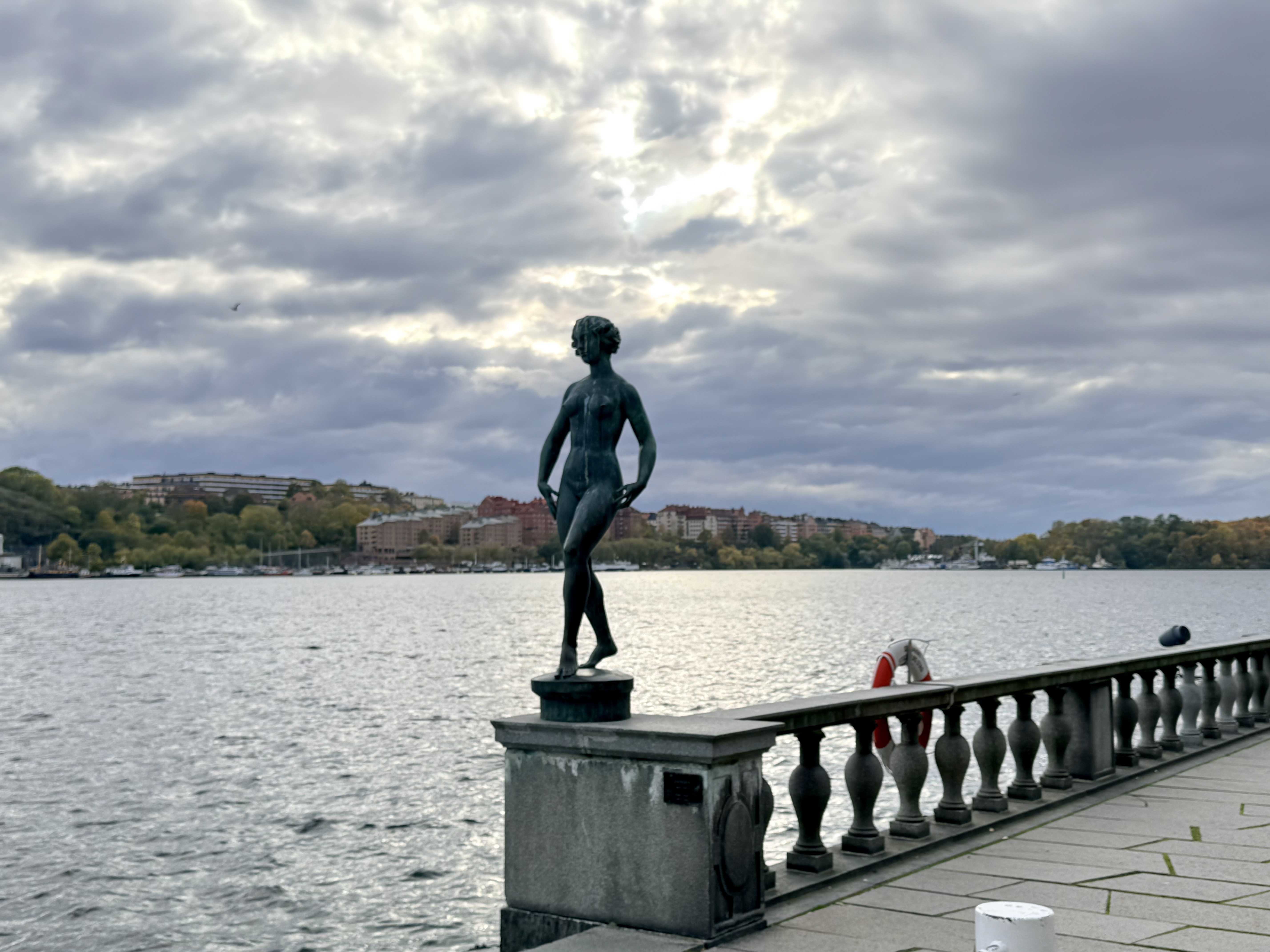
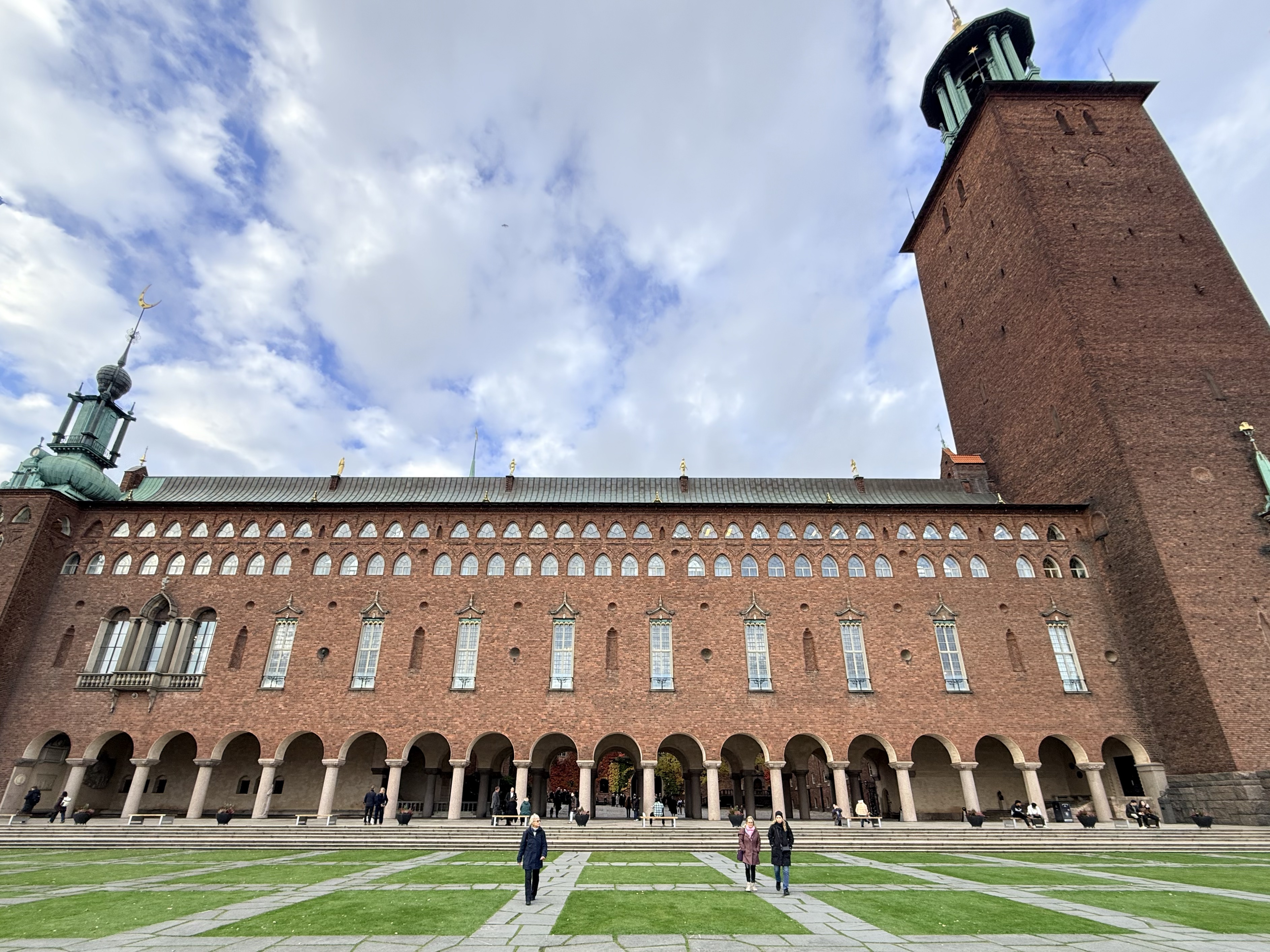
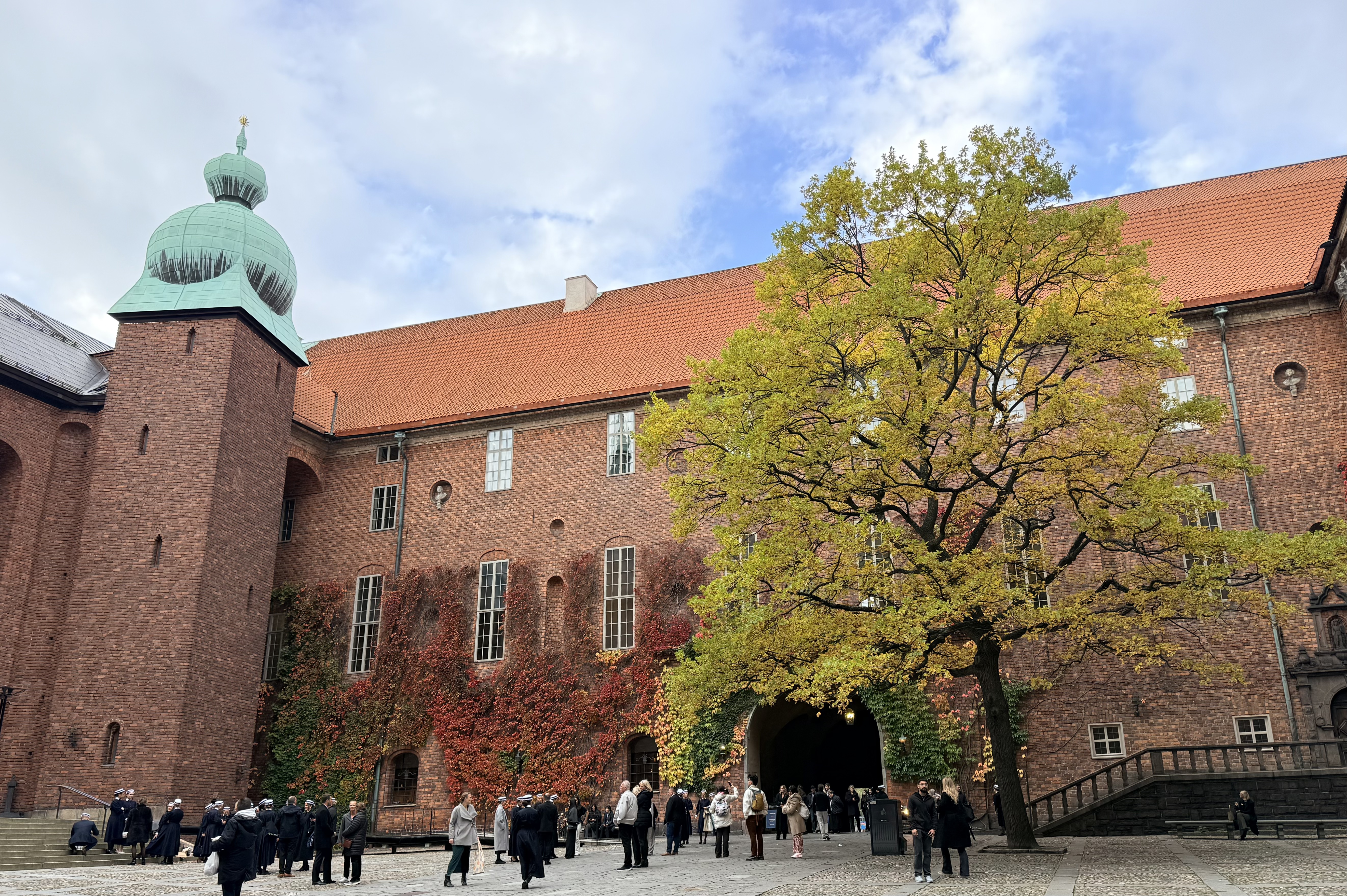
Kungsholmen used to be known as “Starvation Island” during the 19th century, but today it is all about revamped industrial buildings and gentrification. Stadhuset (City Hall) dominates the east end of the island.
Stadshuset (City Hall)
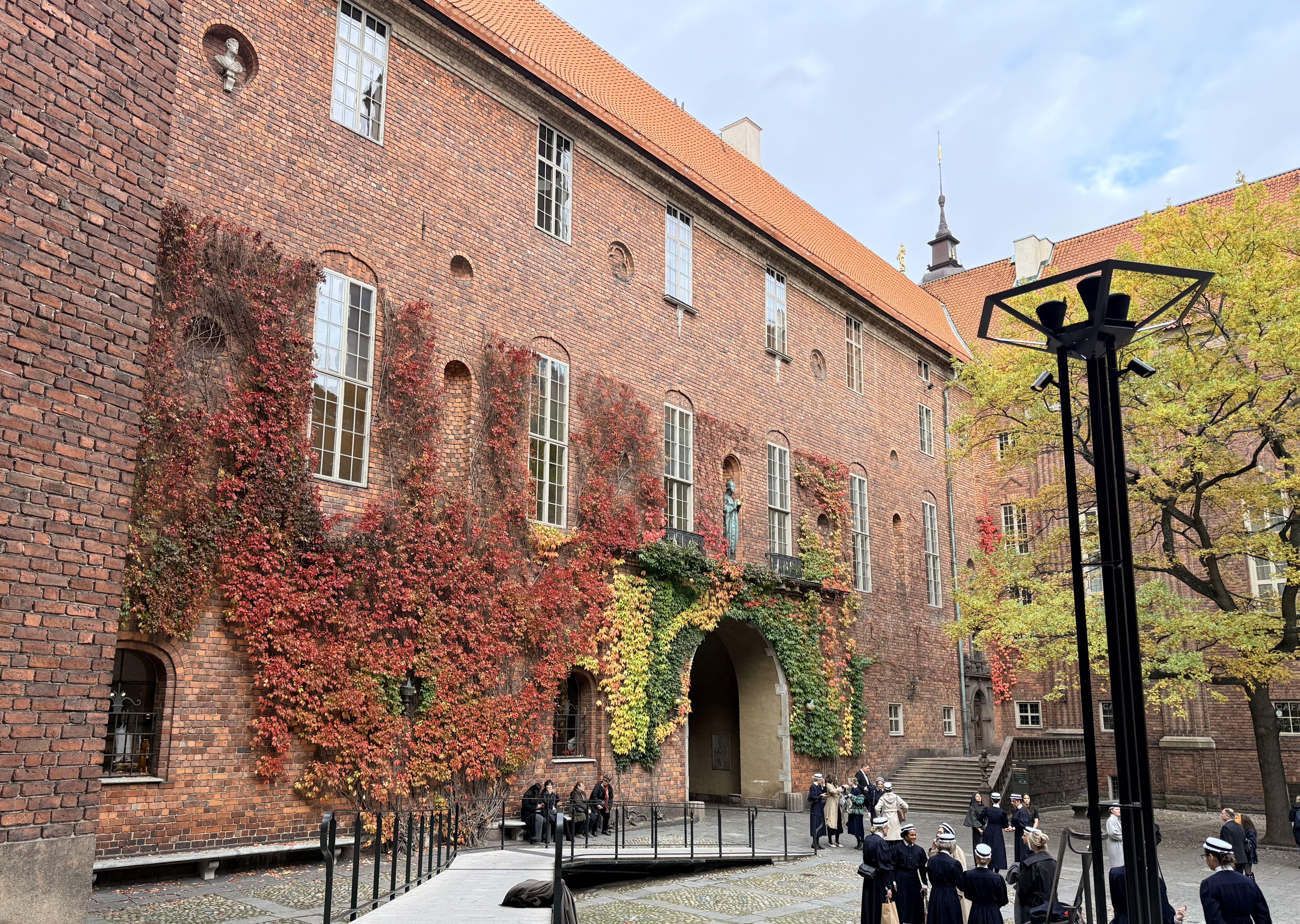
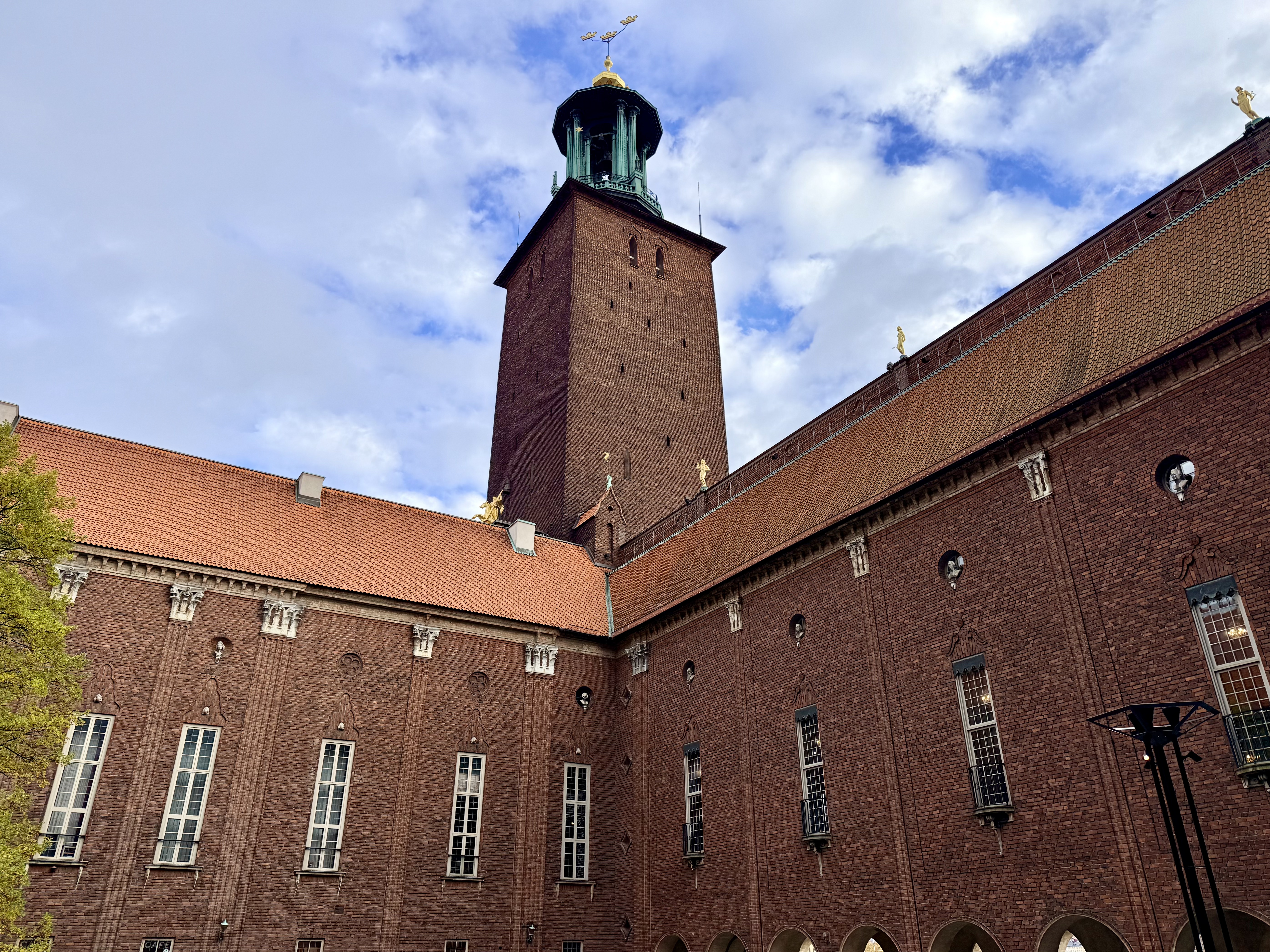
Stockholm’s red brick City Hall (Stadhuset), in Swedish National Romantic Style, was designed by Ragnar Östberg and completed in 1923. A special event was going on there on the day we visited and thus weren’t able to go inside.
General City Sights
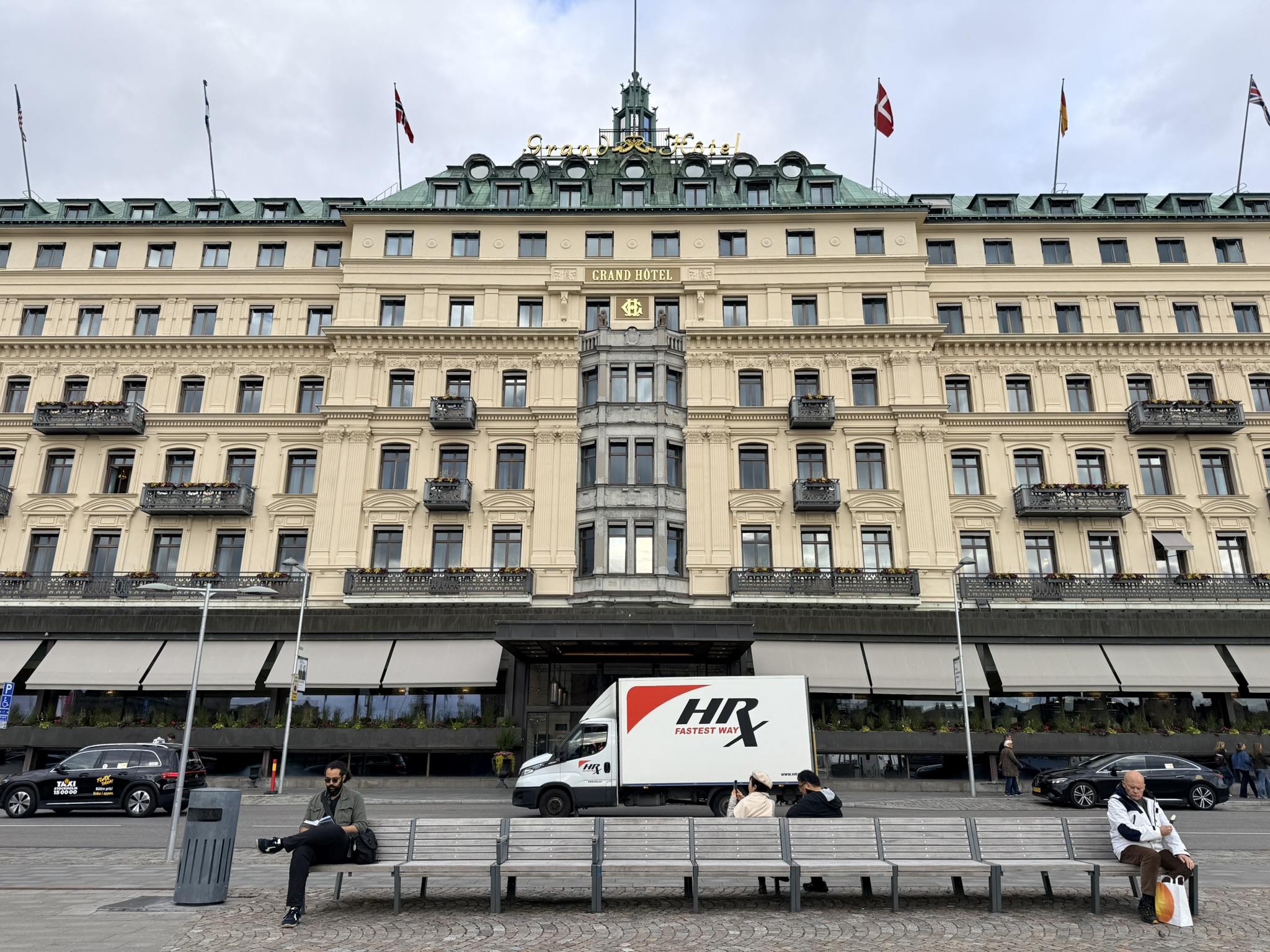
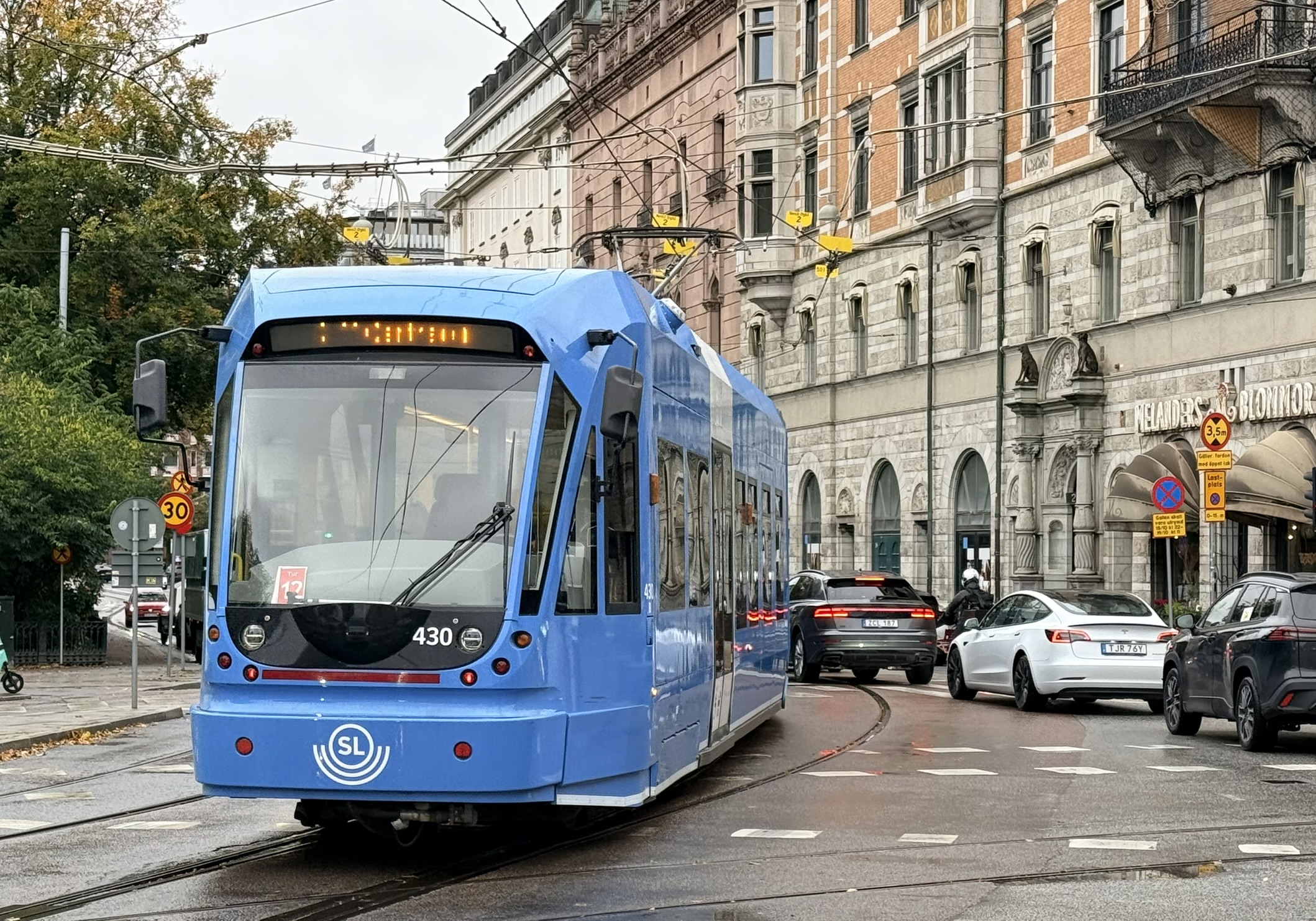
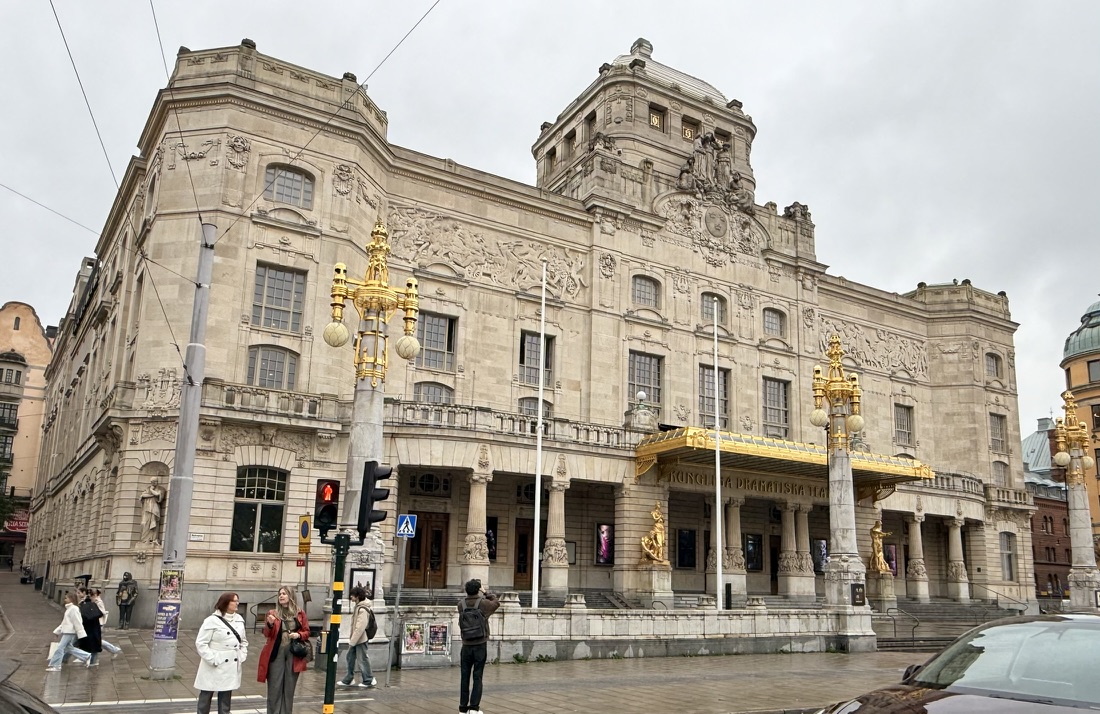
Stockholm is characterized by a busy tram, metro and bus system, regal buildings such as the Grand Hotel and Operan, and fancy theaters, statues of St. George and Karl XII in Kungstradgarden. It also seems very neighborhood-centric, with plenty of restaurants, shops, and cafes of every type found in every neighborhood. I think it is a benefit because of the way the city is spread out over so many islands.
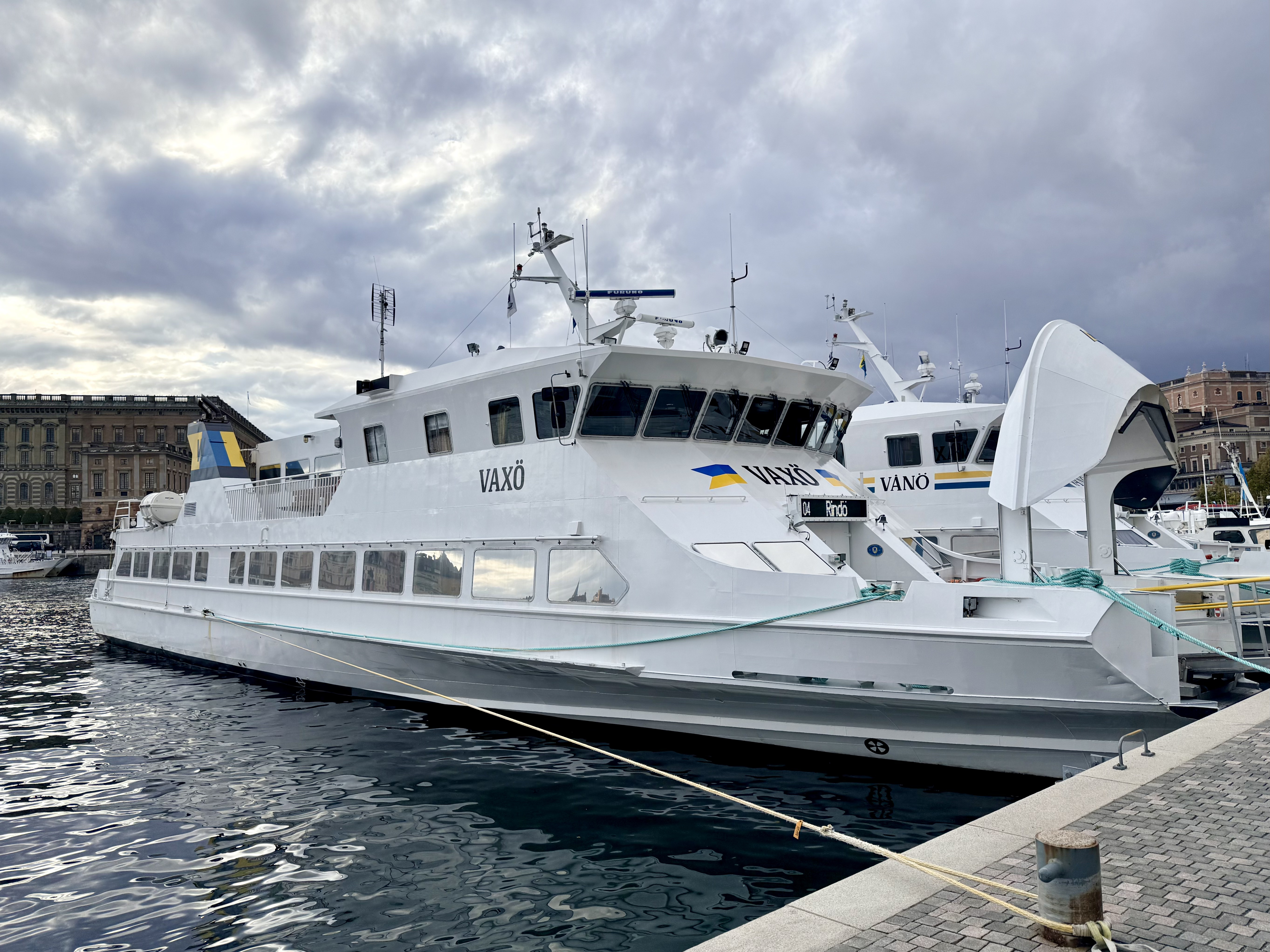
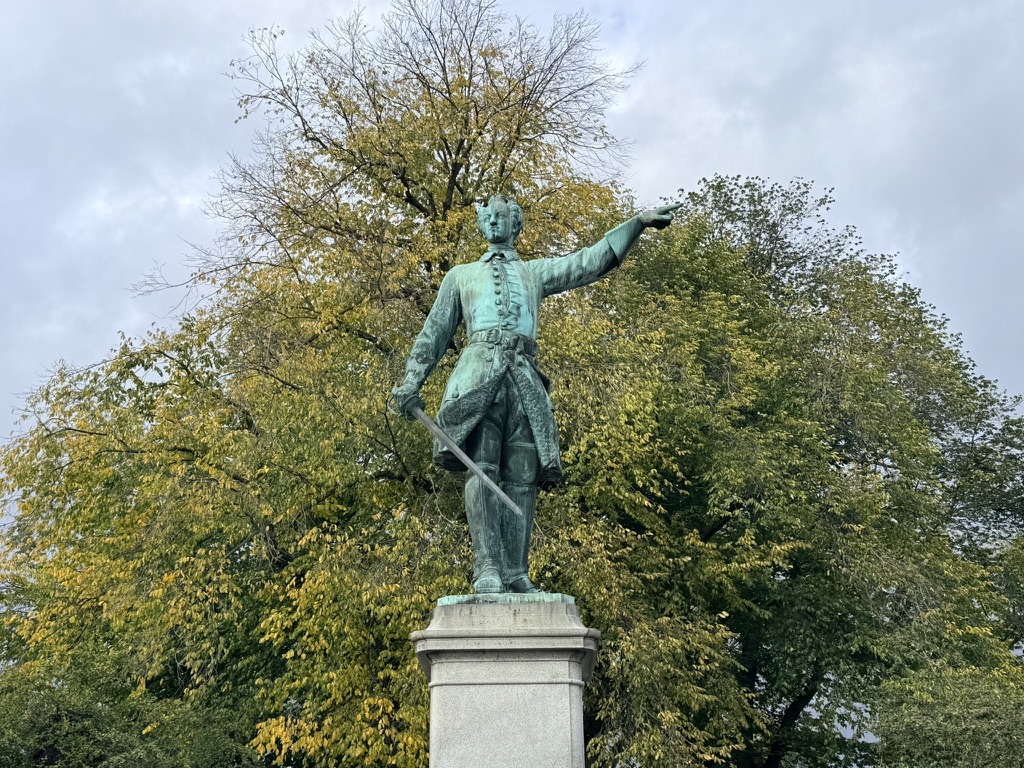
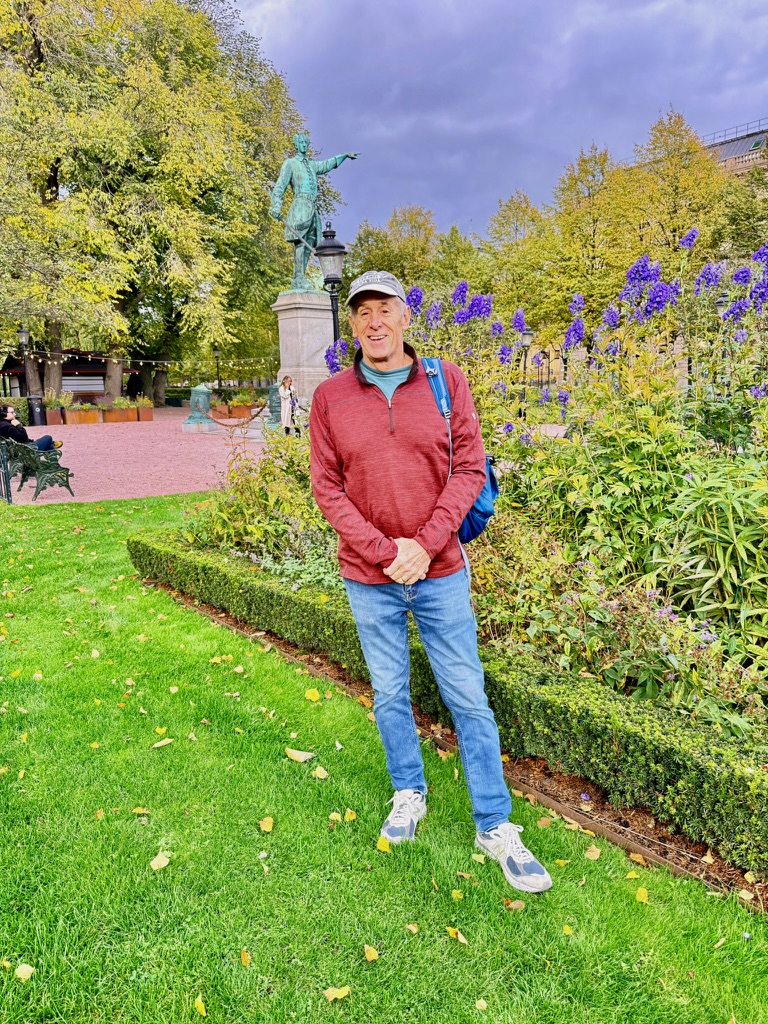
Here is a short and rather silly video about our time in Stockholm.
Visiting markets
Östermalm
Östermalm is Stockholm’s most glamorous area, with luxury boutiques, upscale restaurants and museums. We didn’t spend any time here other than to visit the Östermalms Saludhall.
Östermalms Saludhall
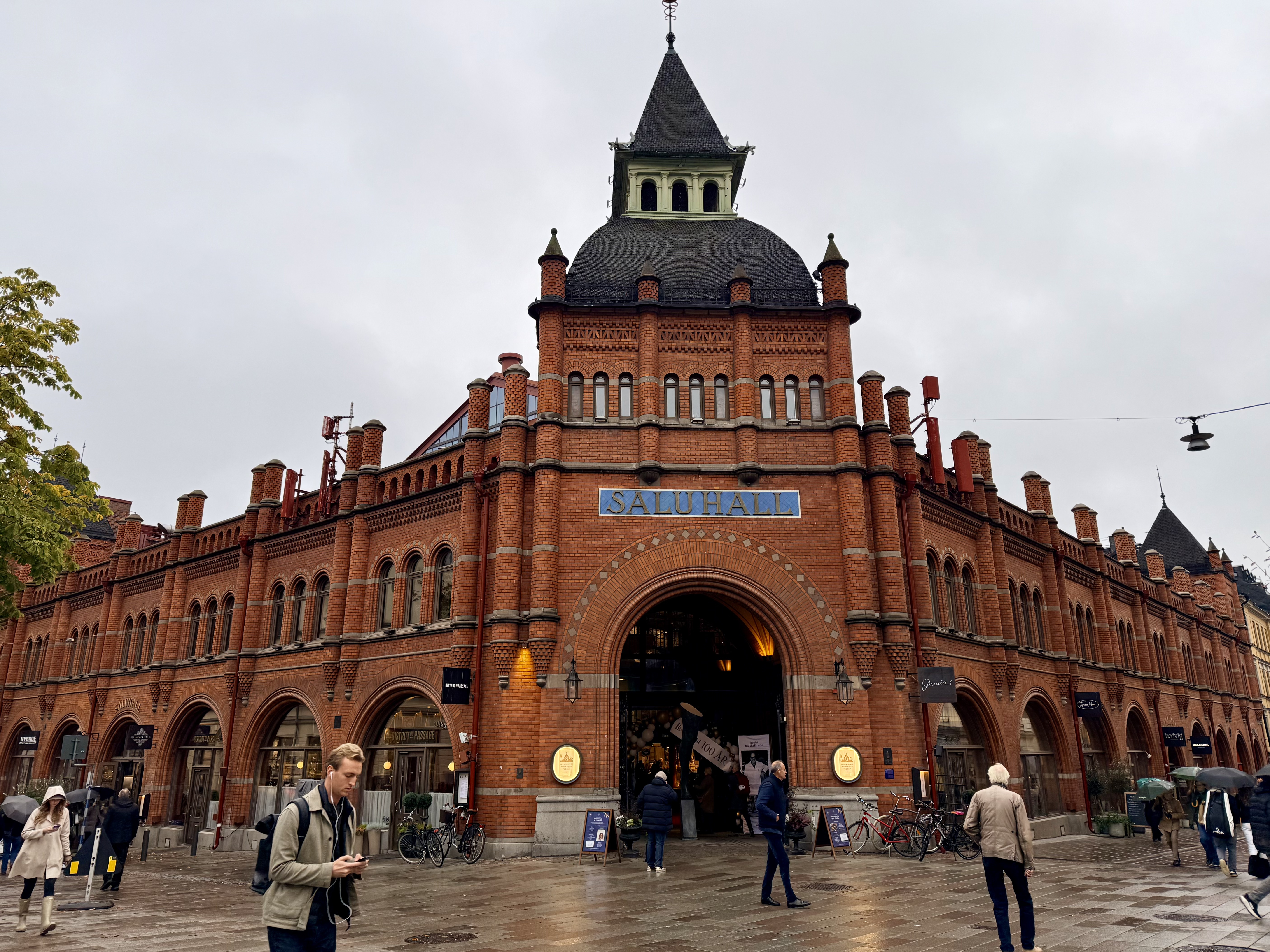
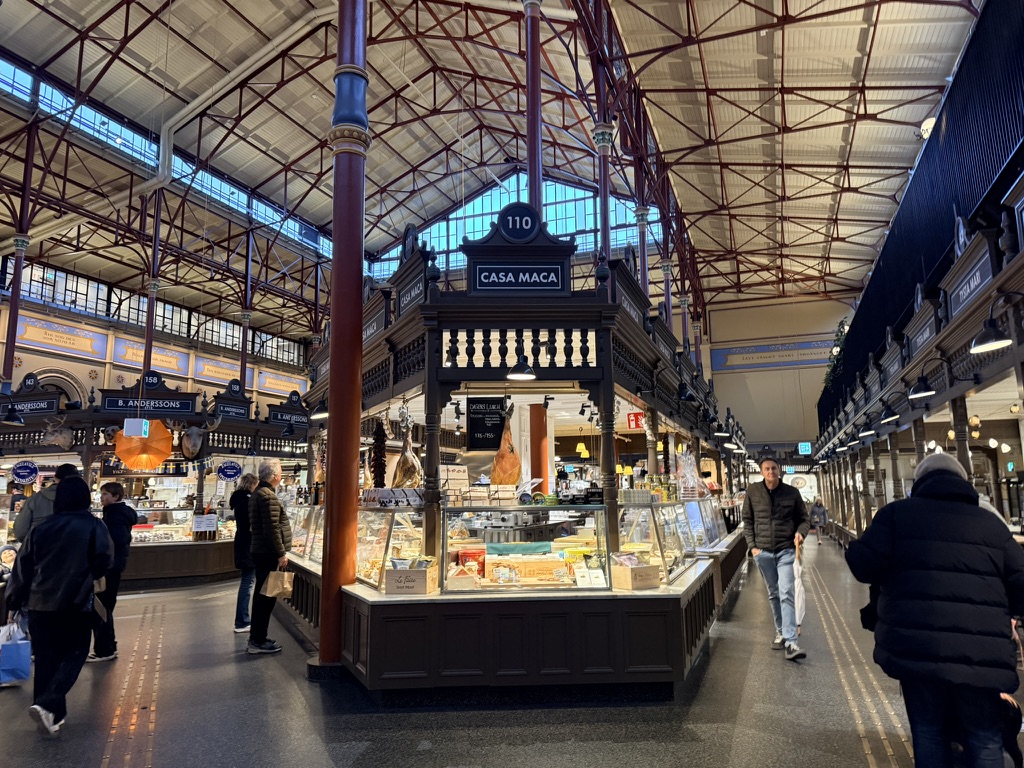
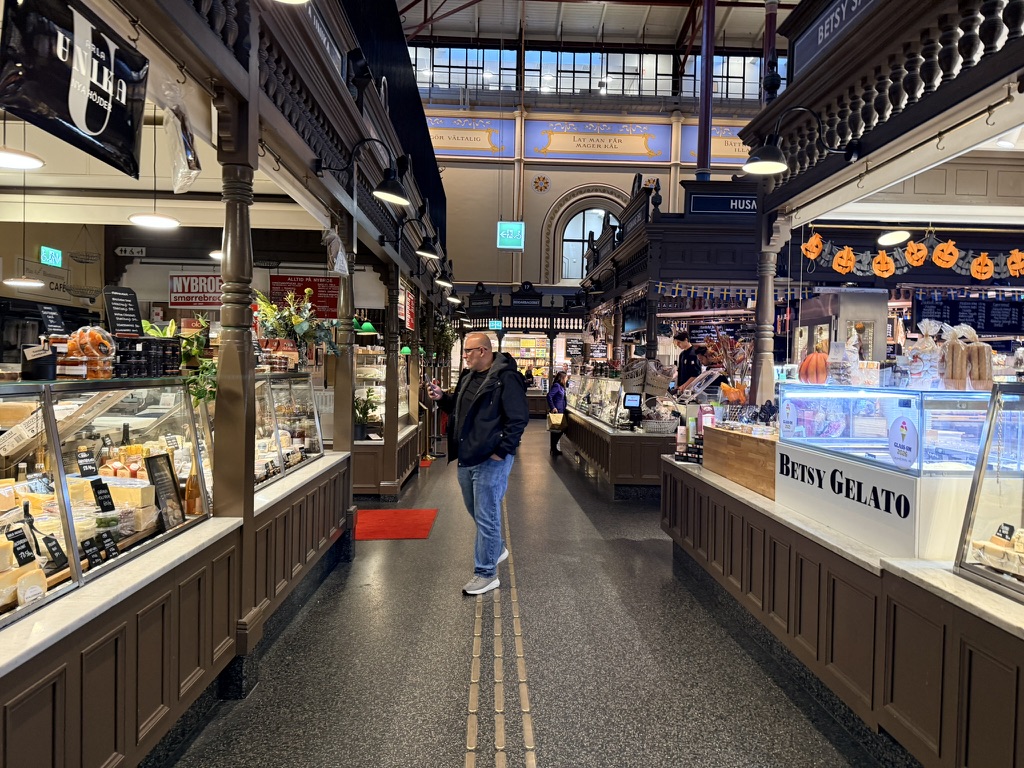
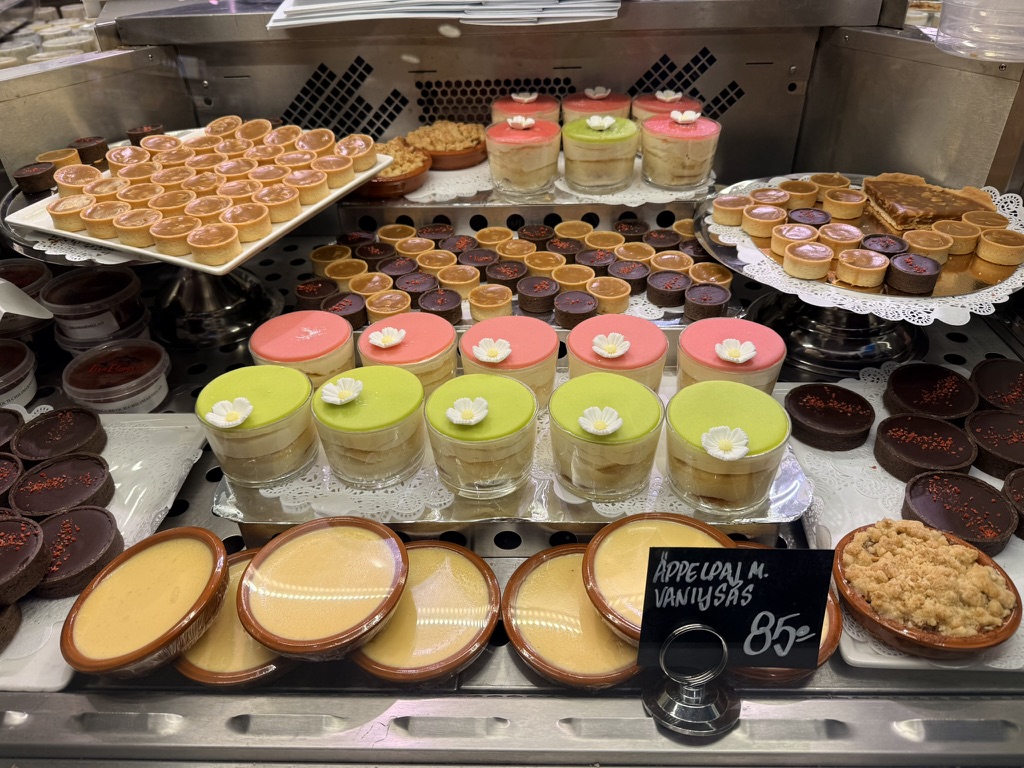
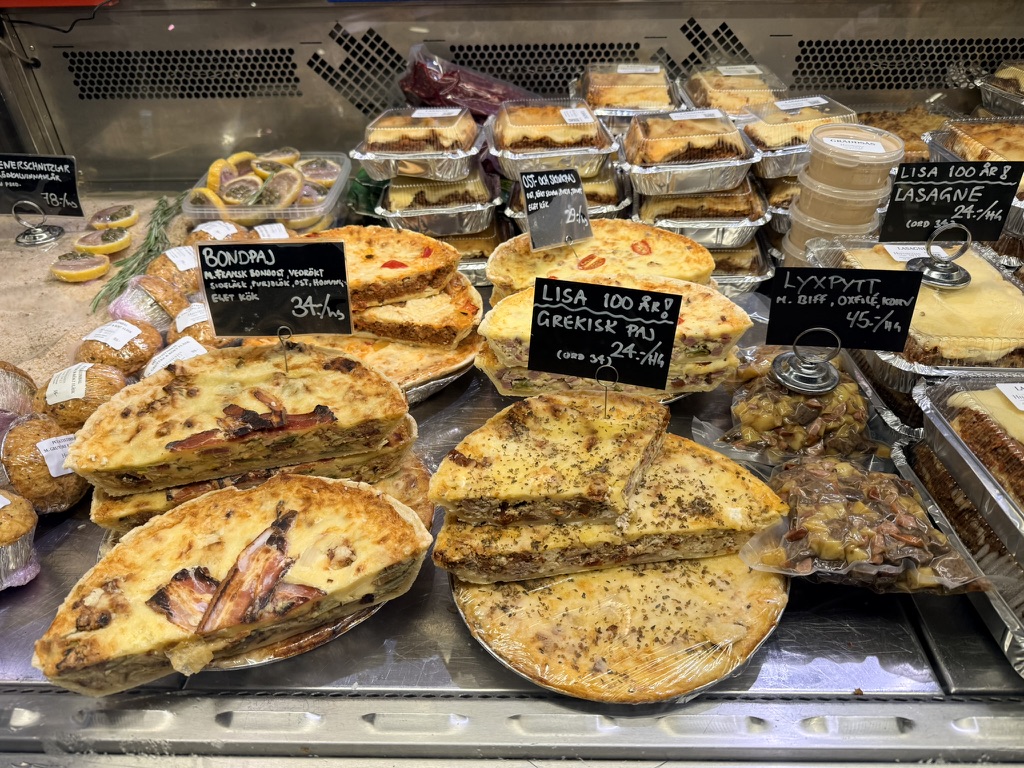
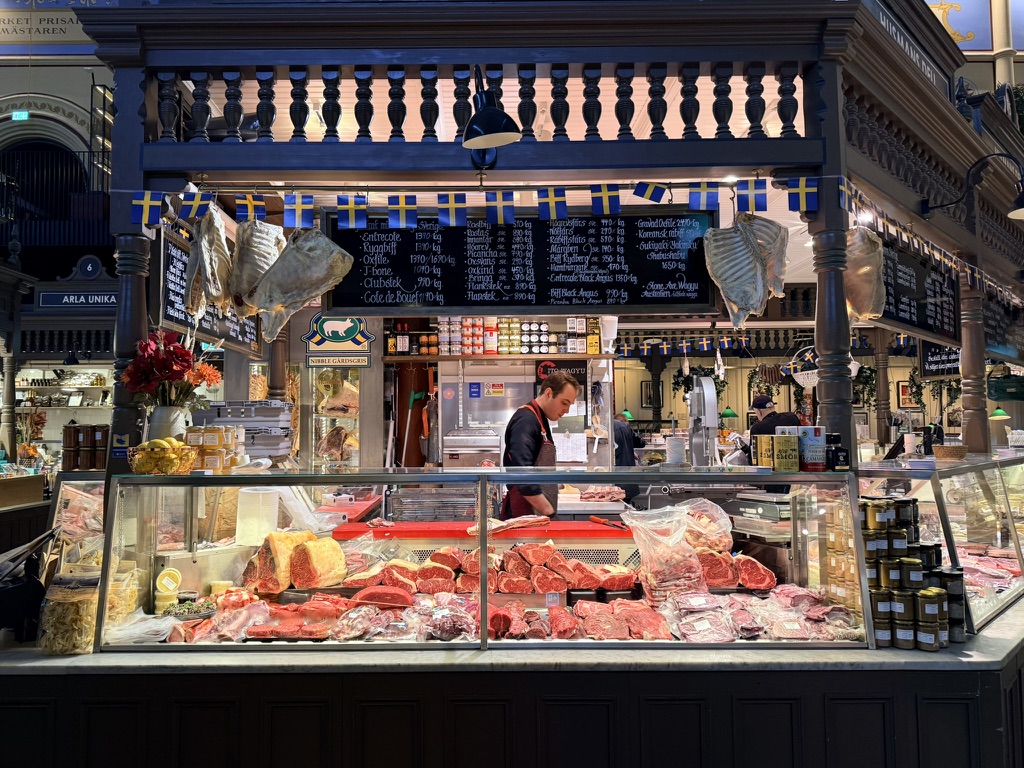
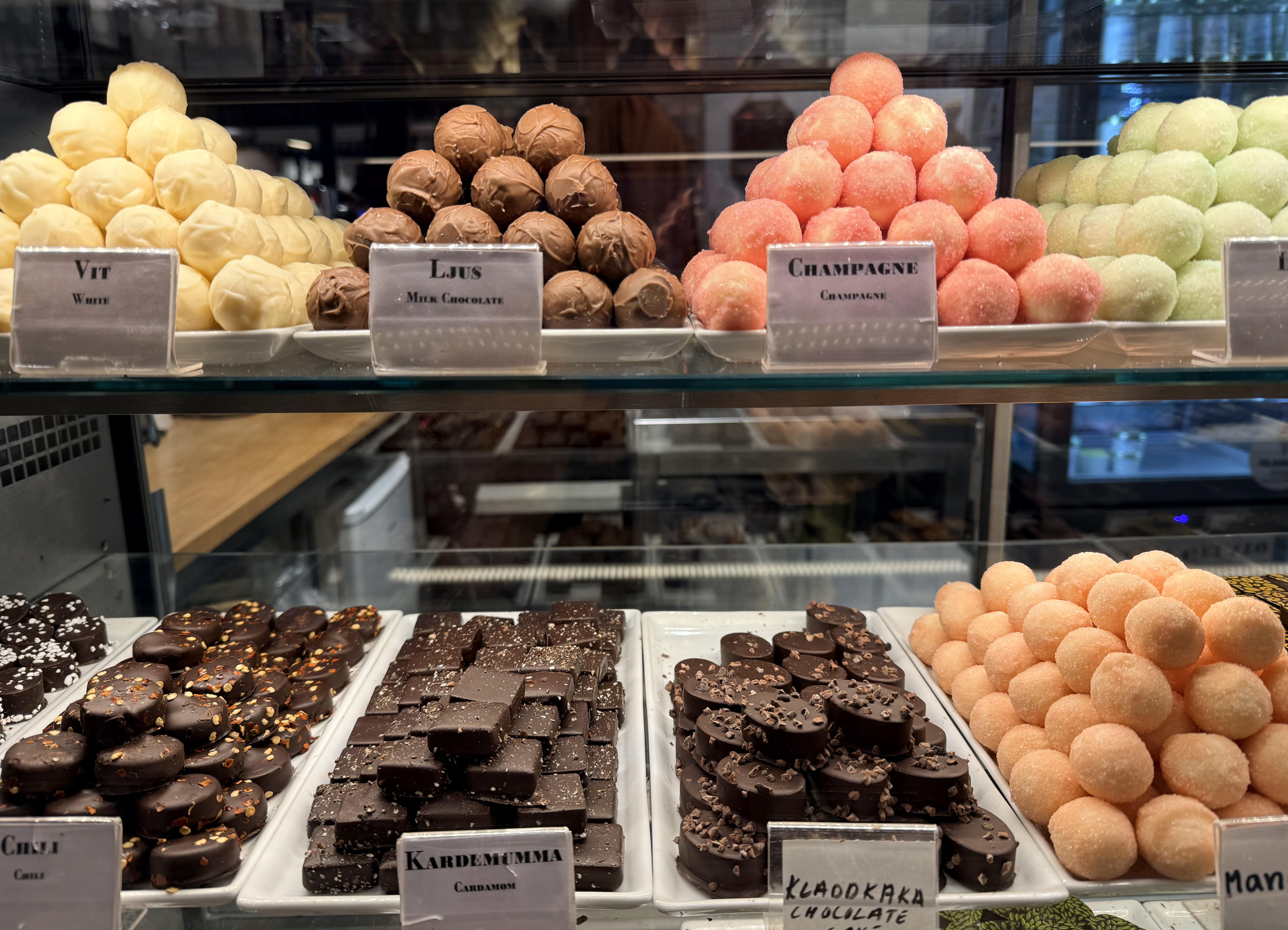
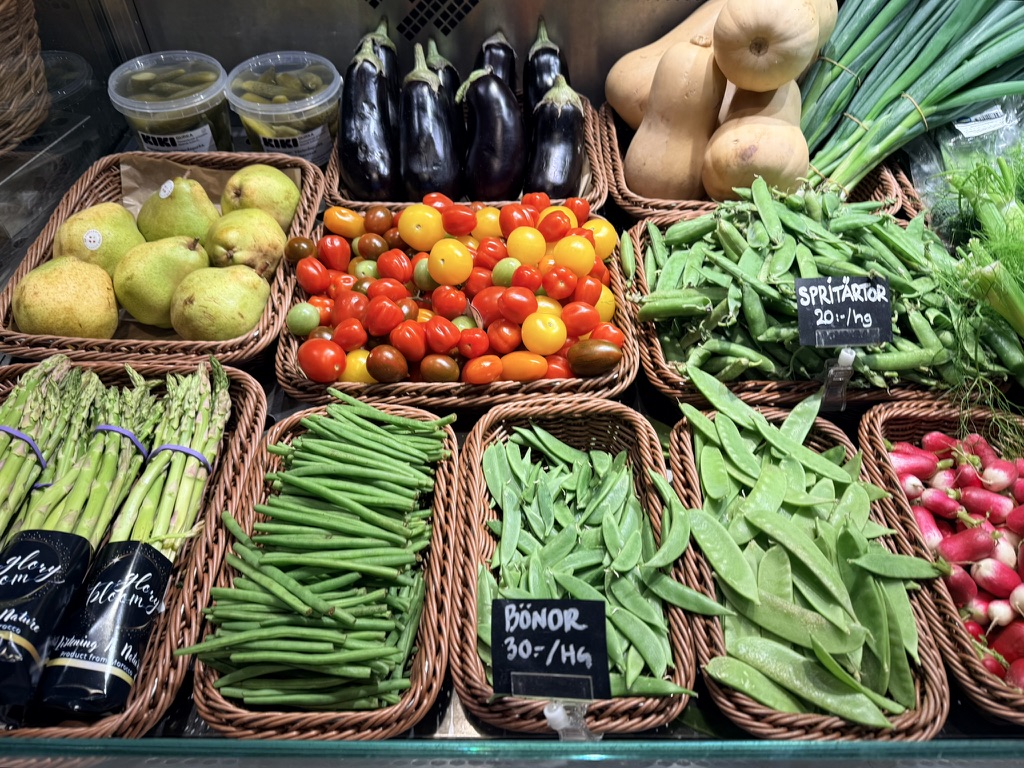
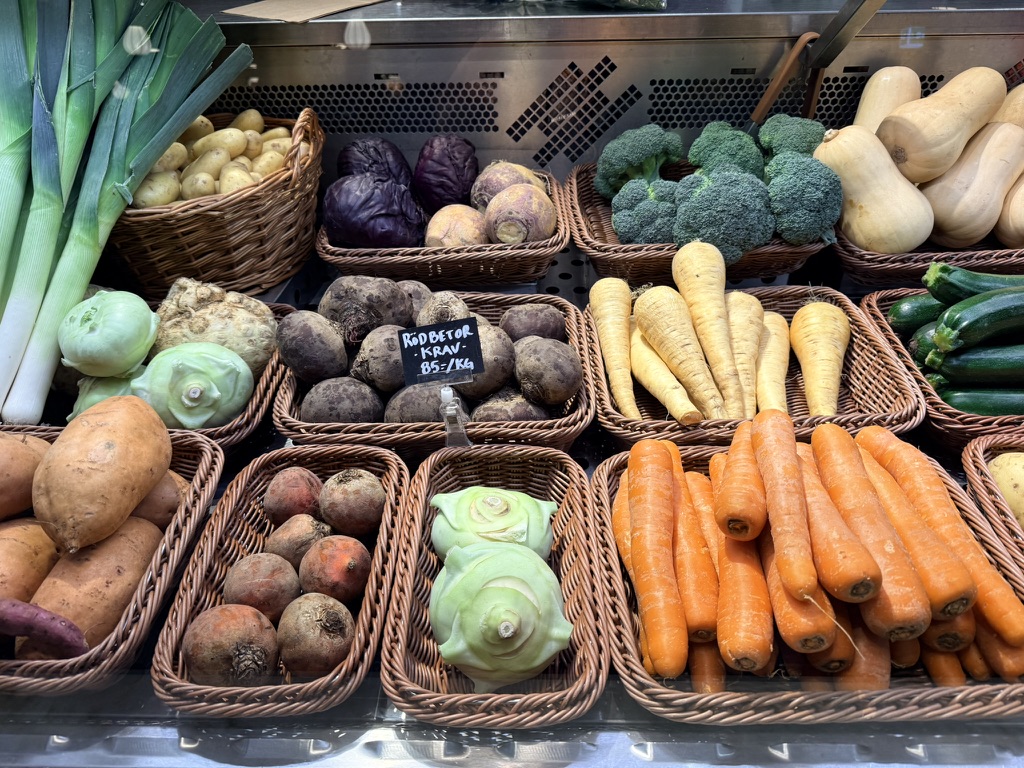
Östermalms Saludhall is a beautiful gourmet food hall inhabiting an ornate brick building, first opened in 1888. It takes a traditional market up a notch, with fresh produce, fish counters, baked goods, butcher and cheese shops, and tea vendors.
Dining in
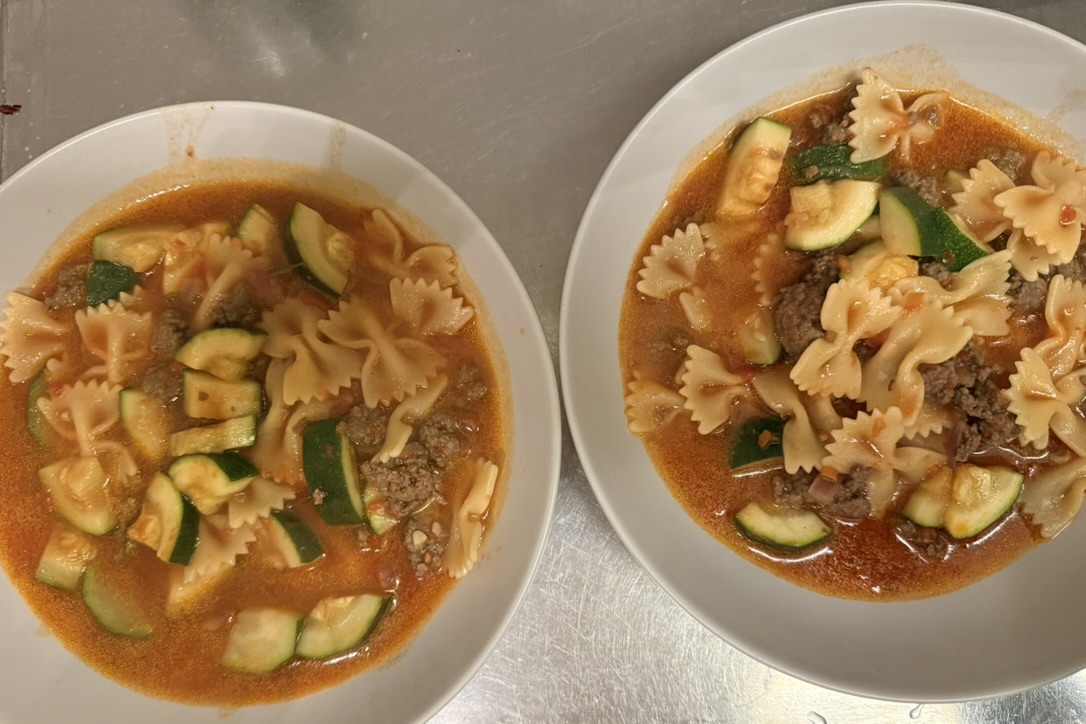
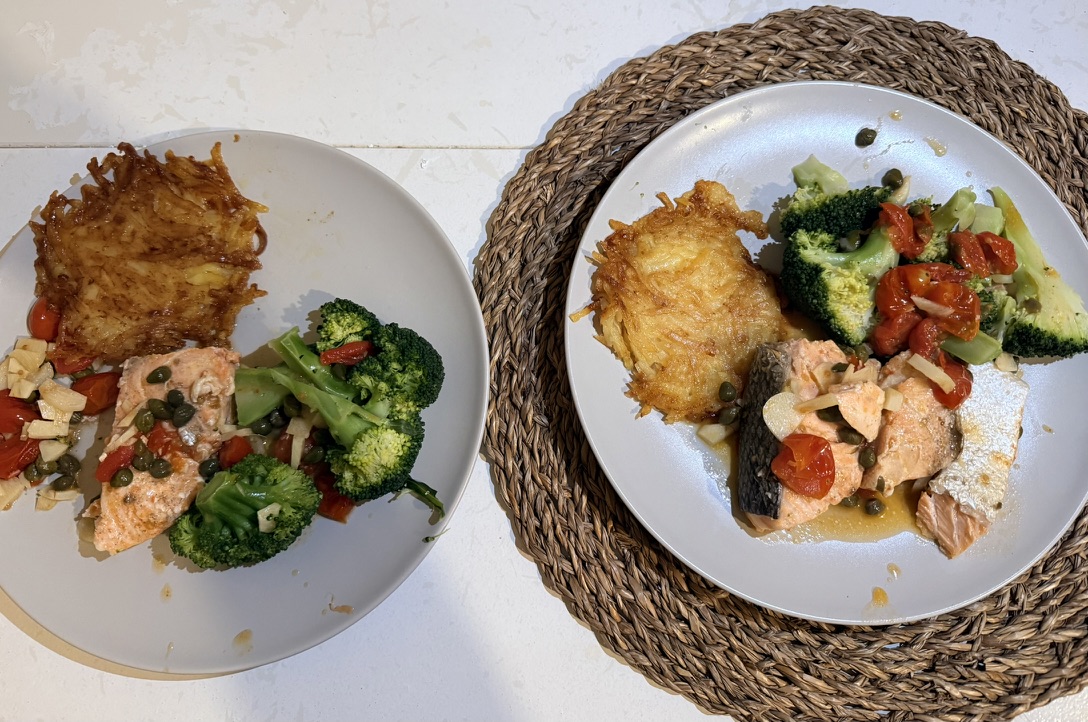
We have become too lazy to make anything creative, instead opting for simple meals. We made another hamburger soup with pasta, zucchini and diced tomatoes, snacks with brie and skagan (shrimp salad), and fresh salmon with potato pancakes and broccoli.

Dining out
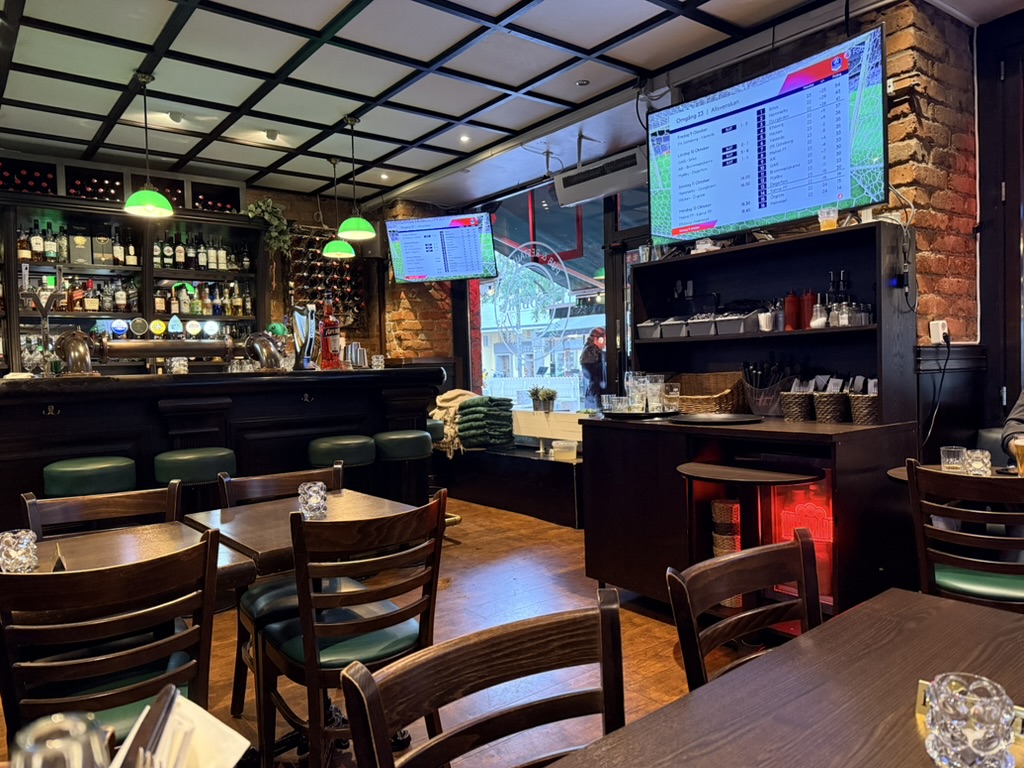
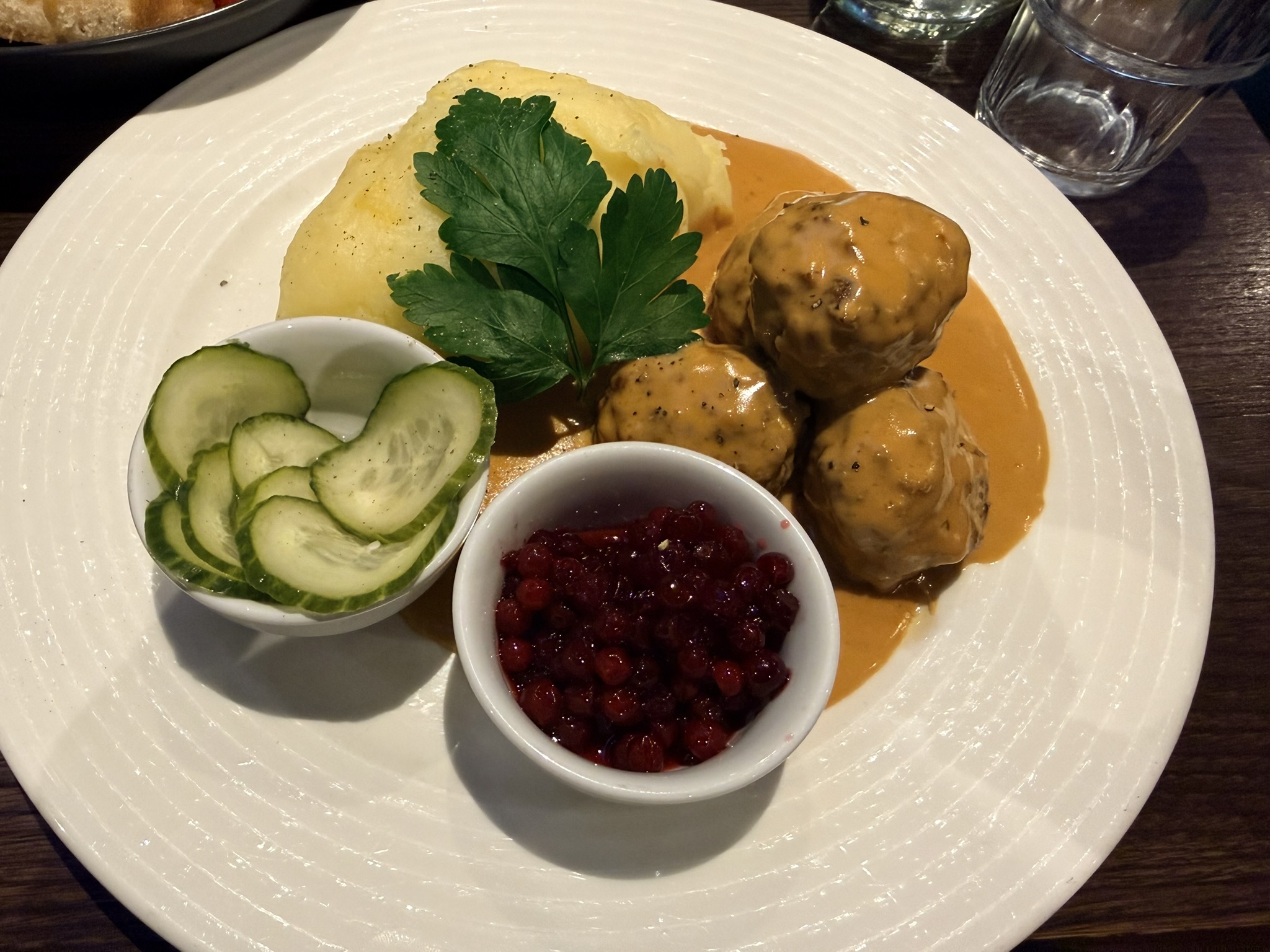
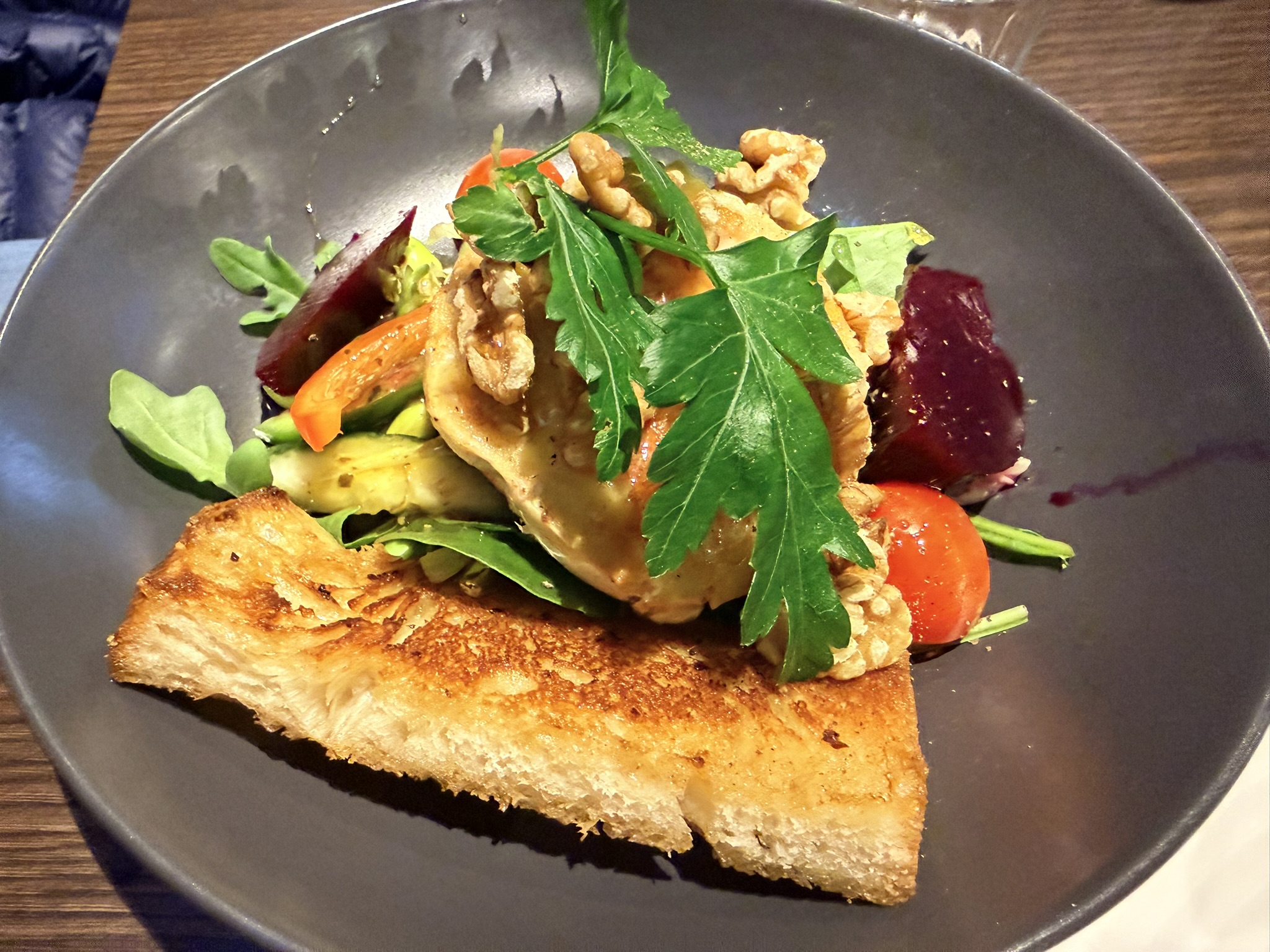
Lunch #1: At Lundberg Pub & Restaurang we shared Hemlagade Köttbullar: Homemade meatballs with raw lingonberry, mashed potatoes, cream sauce and Gratinerade Chevre: Baked Chevre with walnuts, beets, honey and mixed salad. The pub was quiet when we first walked in, but soon started filling up as fans came in to watch football matches on the big screens. We just wanted to come in out of the rain!
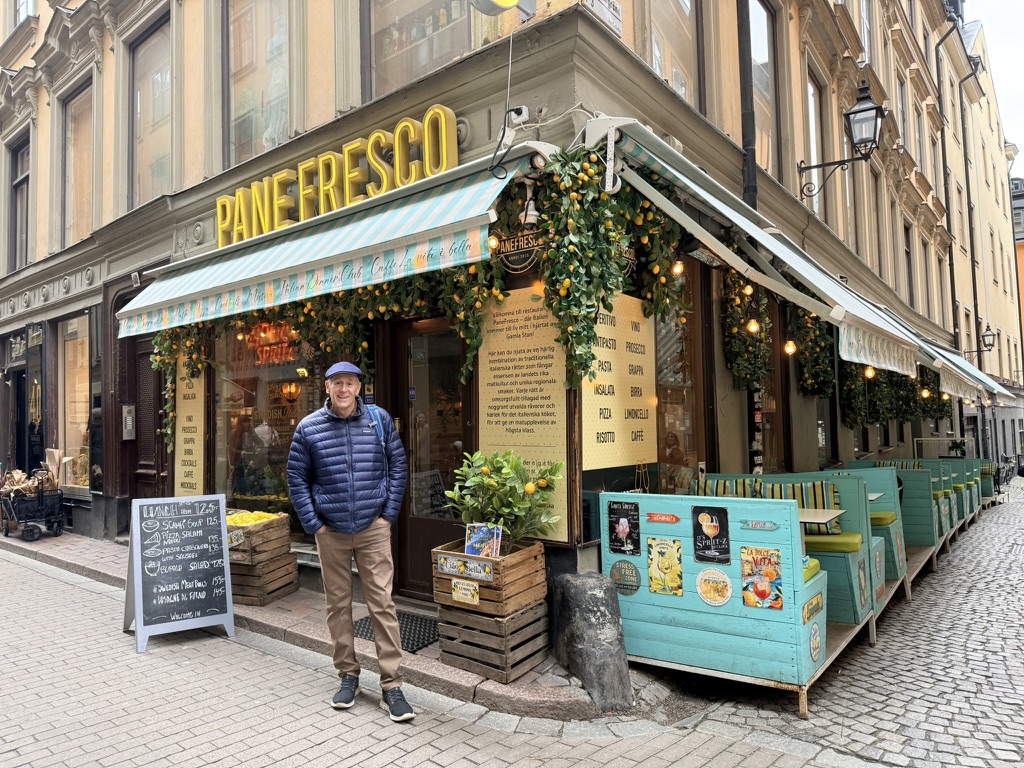
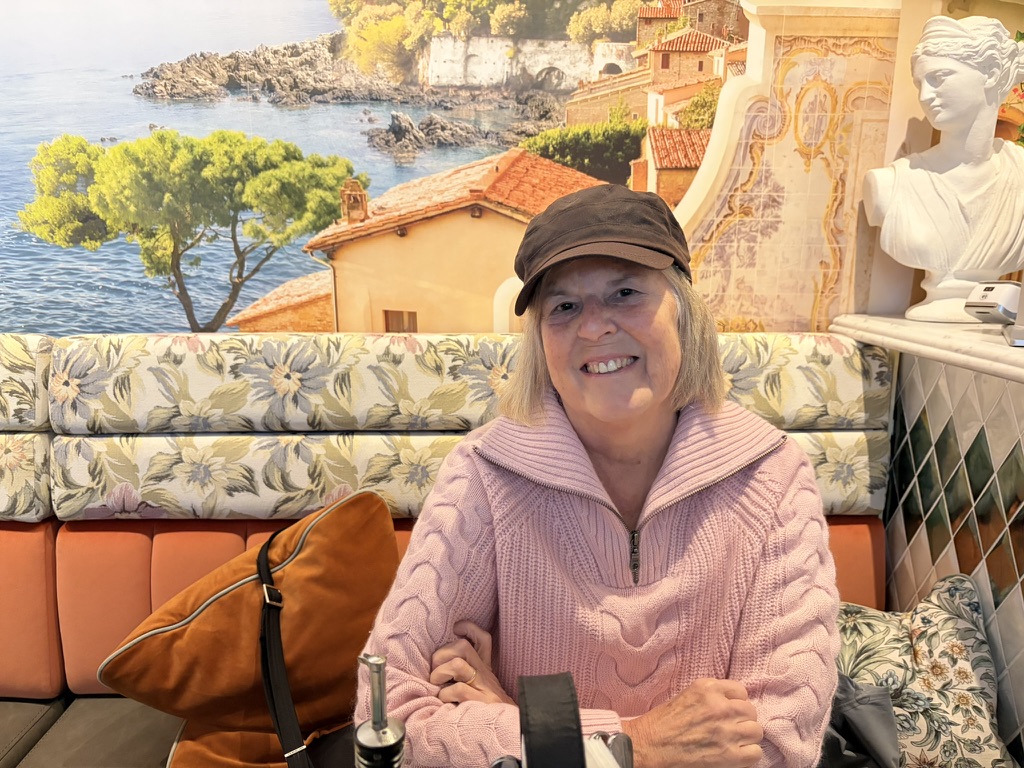
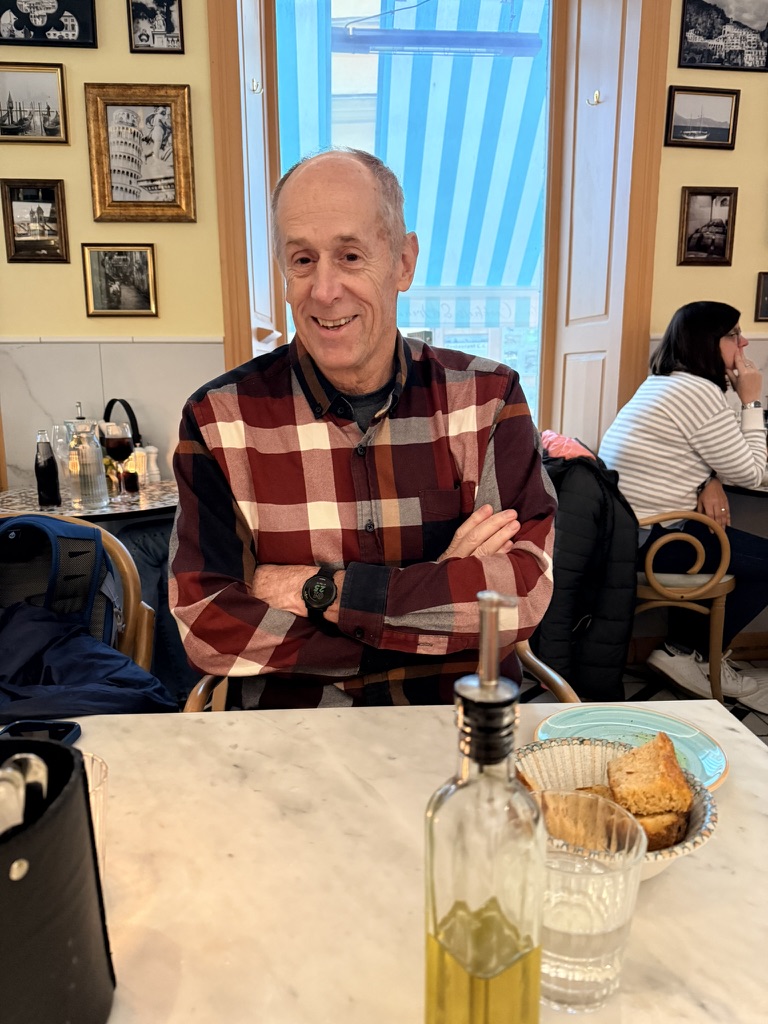
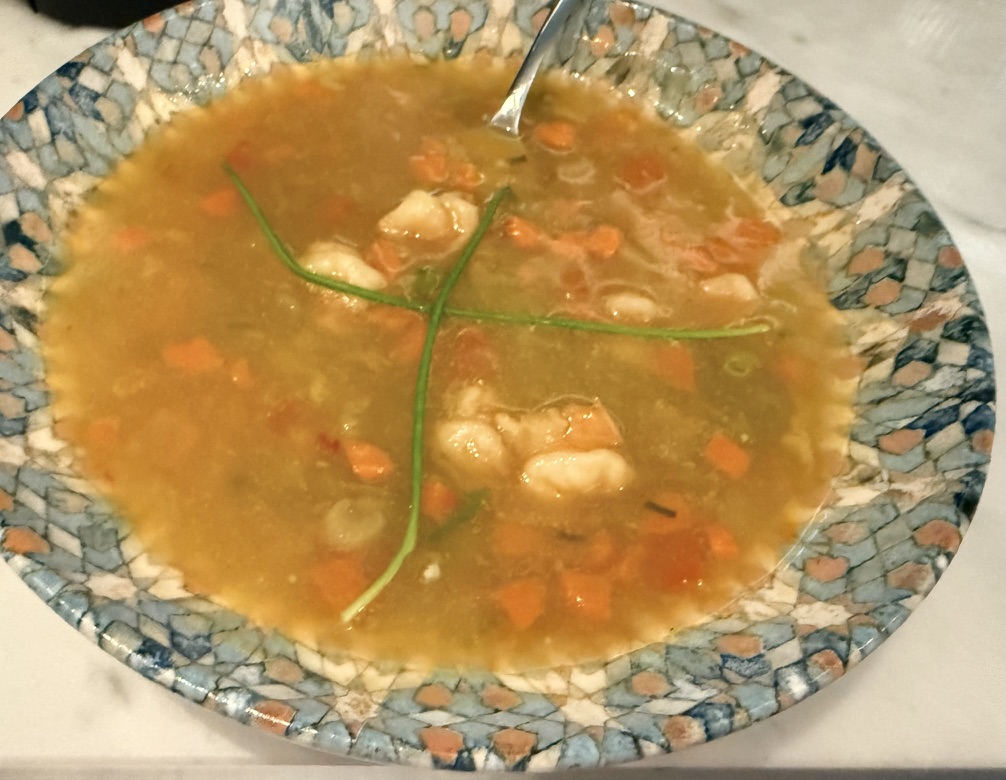
Lunch #2: While walking around in Gamla Stan, we stopped for lunch at Pane Fresco, an Italian place with some offerings scratched on a chalkboard outside. We opted for a shrimp soup made with broth and vegetables and a lasagna.
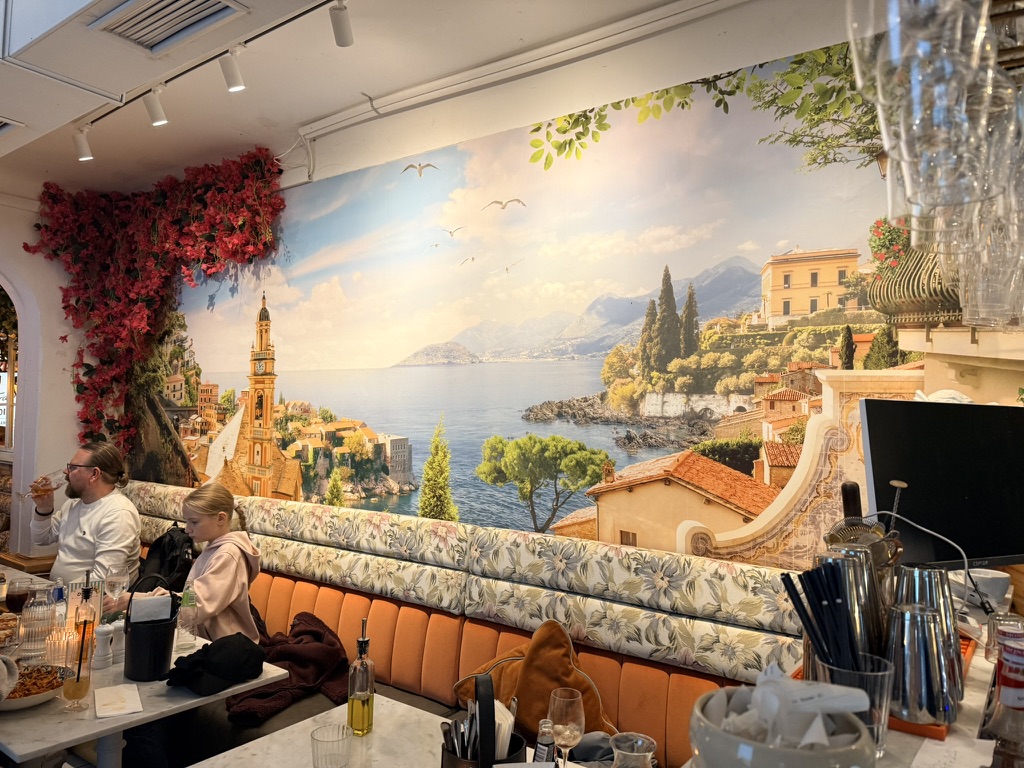
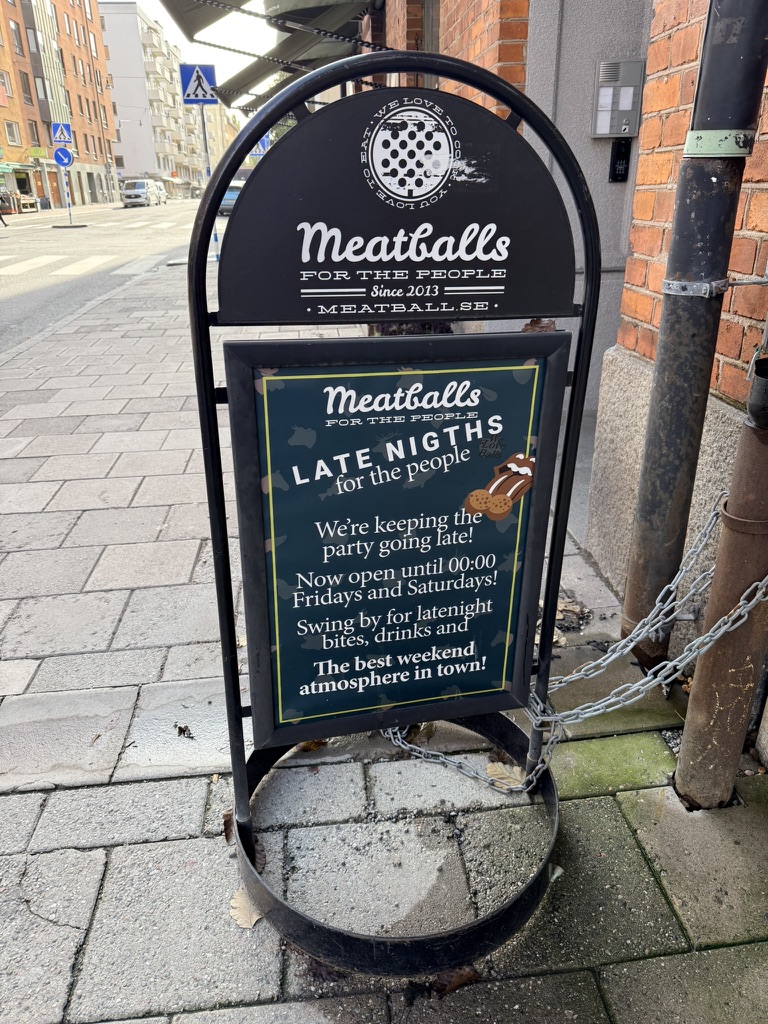
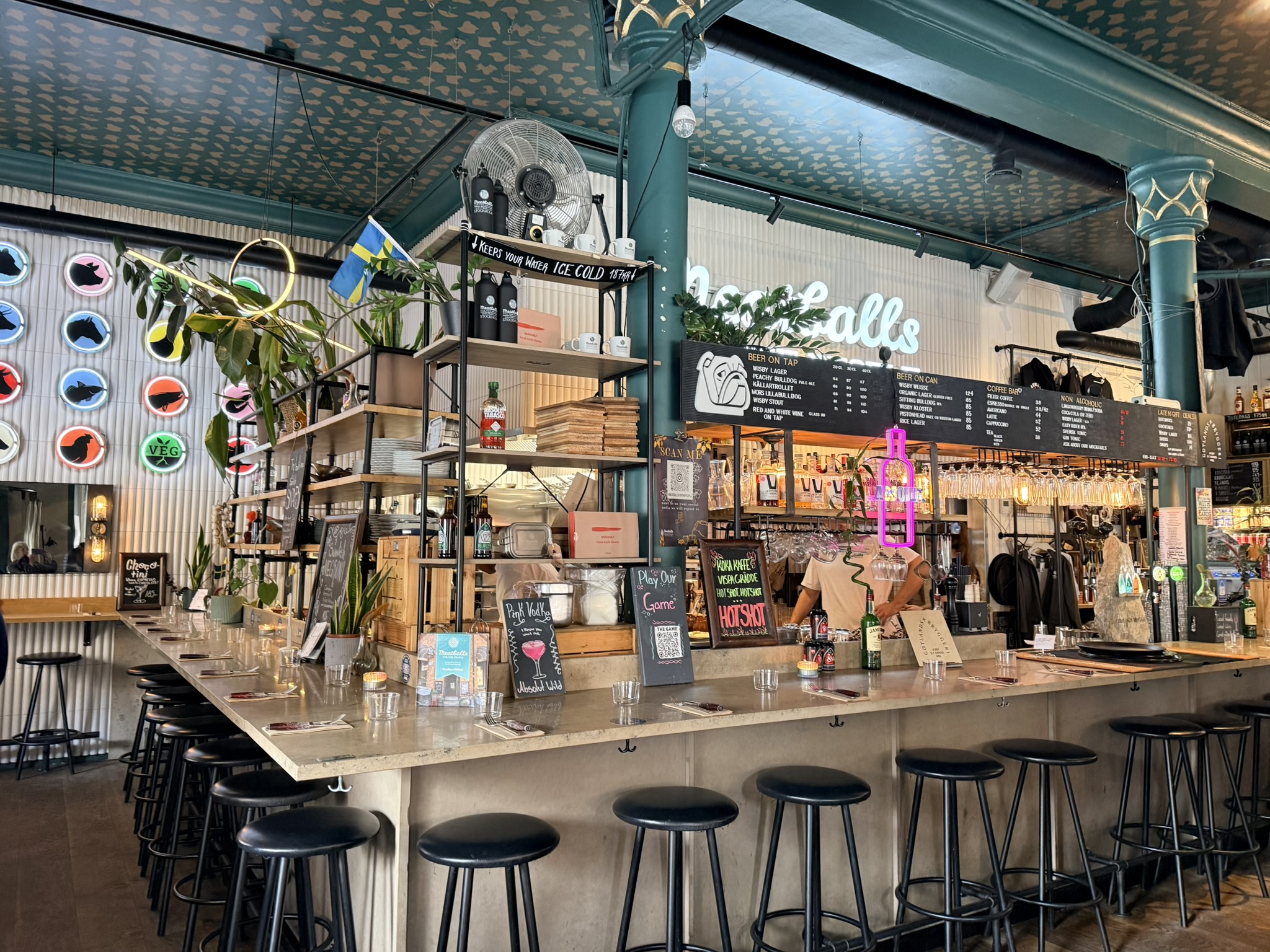
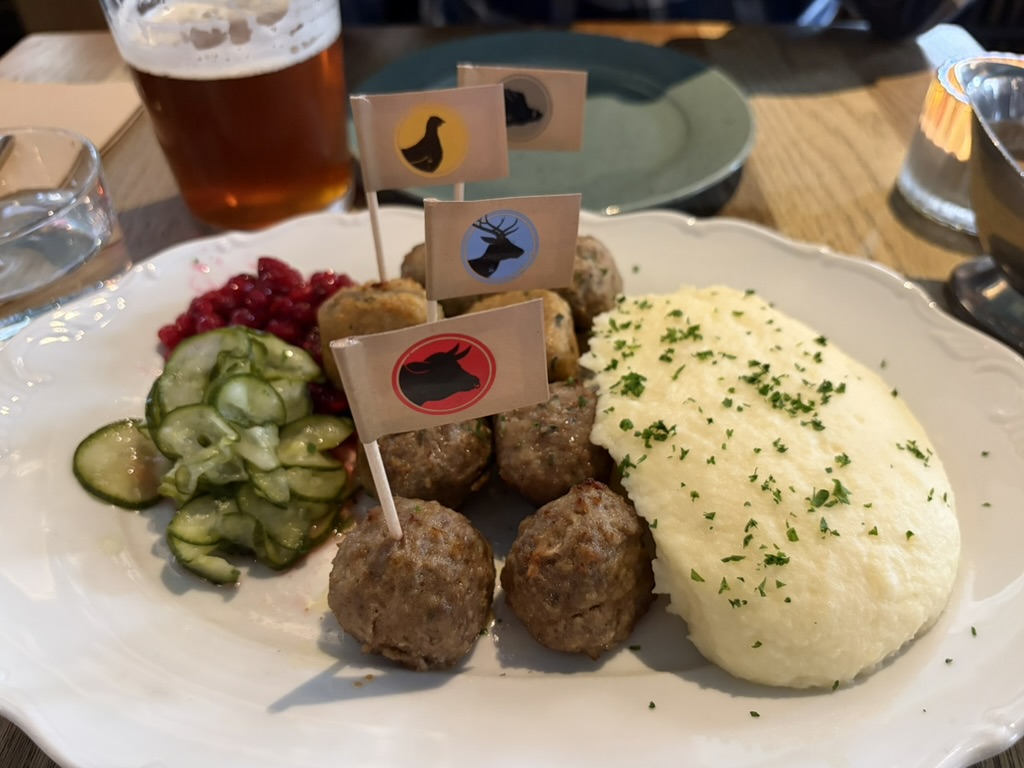
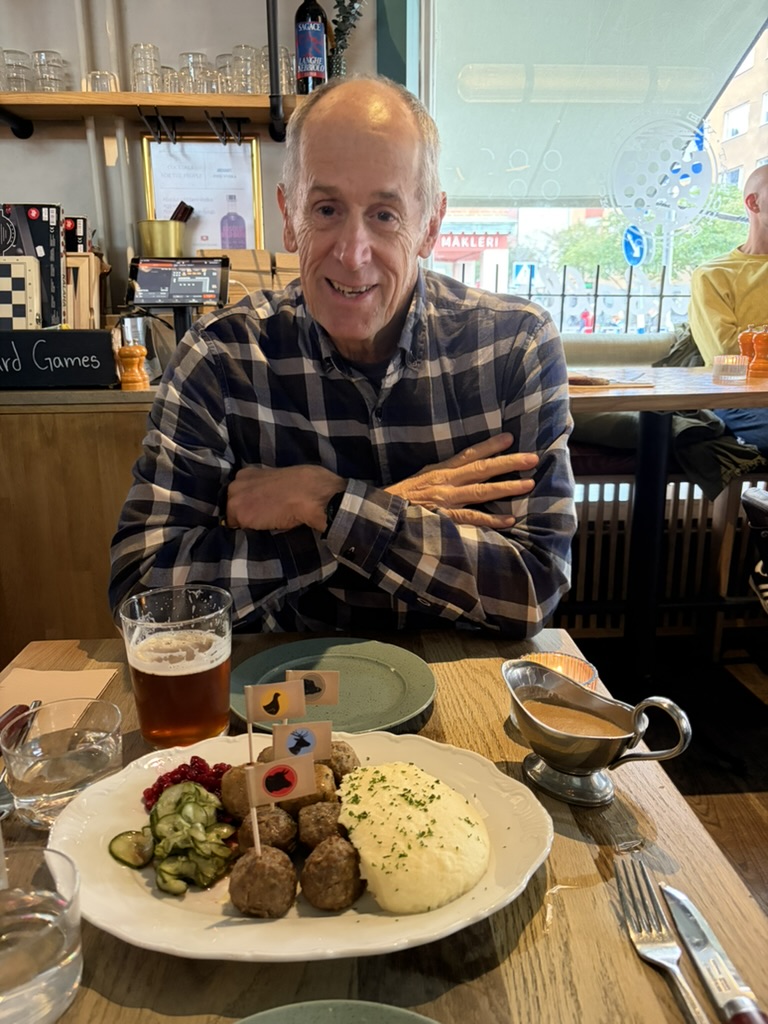
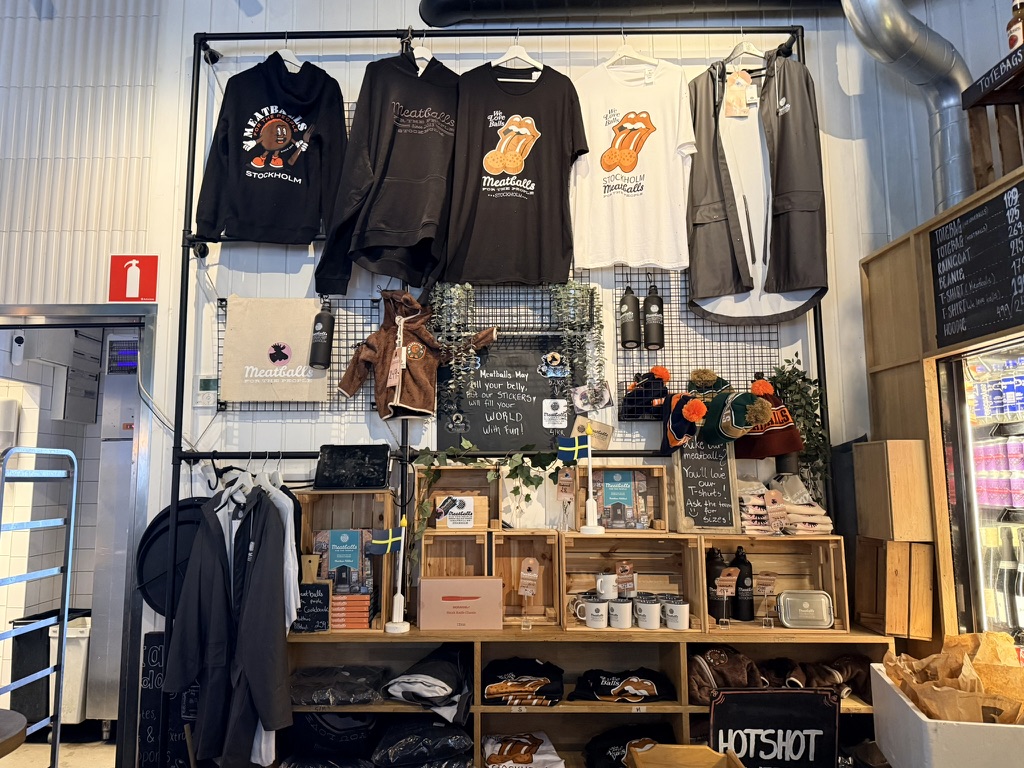
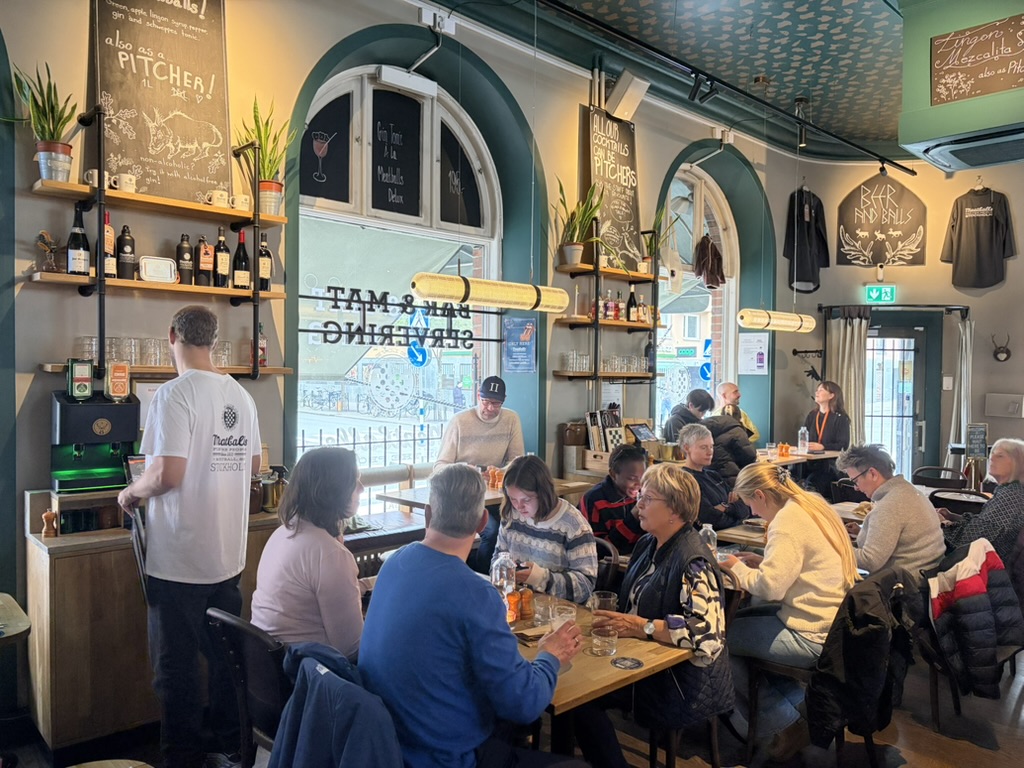
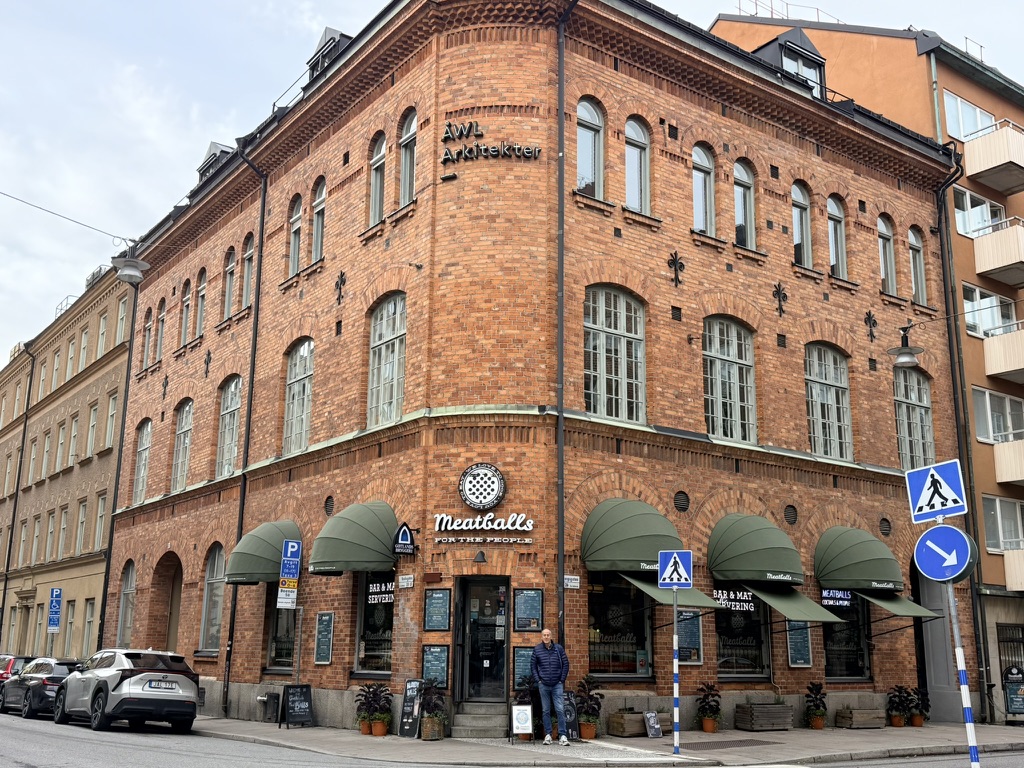
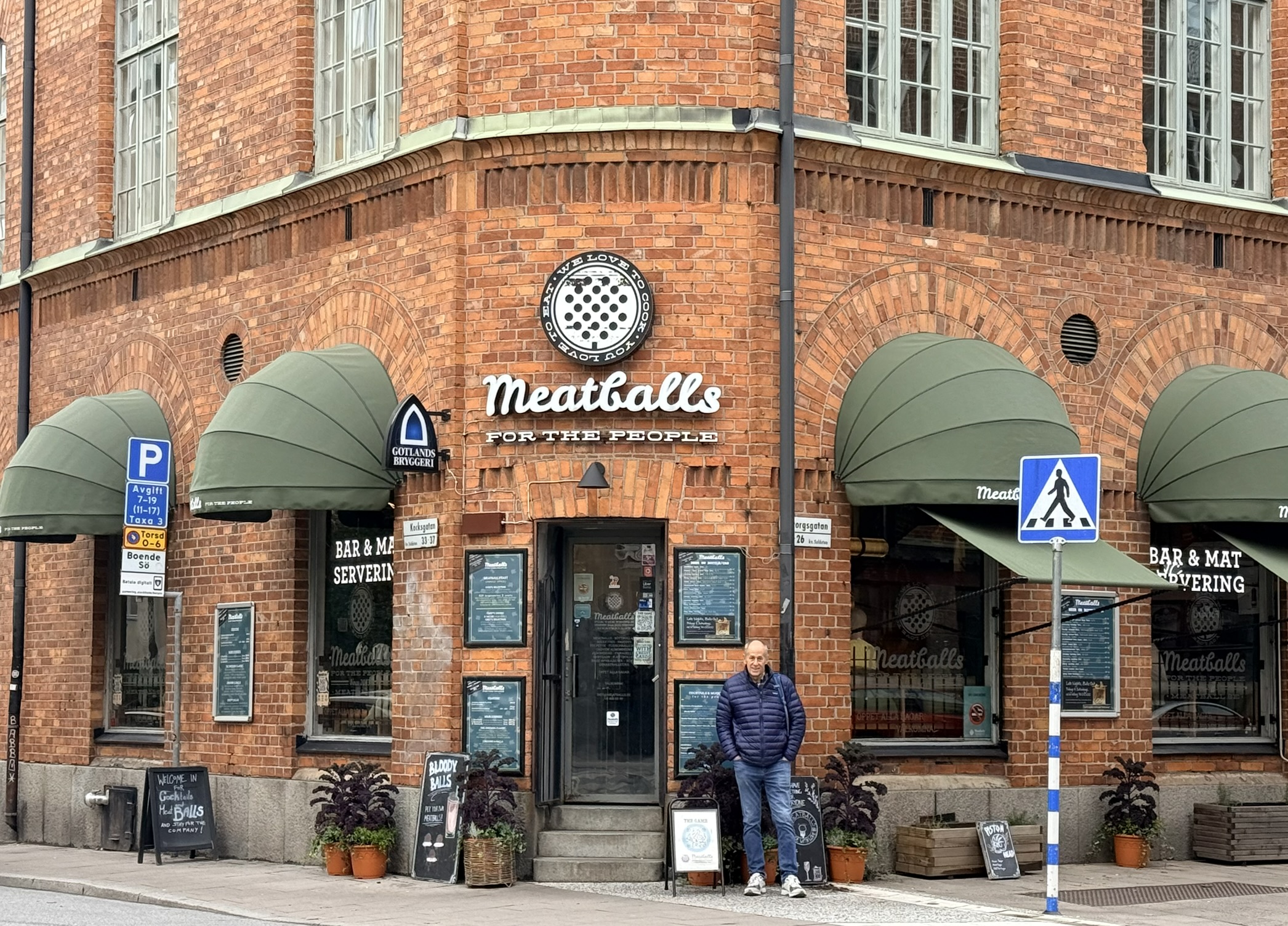
Lunch #3: In Södermalm, we stopped at Meatballs for the People to try out their creative meatball dishes. We shared a Chef’s Choice. The Chef plates 8 meatballs, two of each type identified with flags, along with mashed potatoes, creamy veal gravy, and preserved lingonberries. In our case, we could see by the flags which type of meatballs the chef picked for us. In the photo below, from front to back, he chose Beef, Deer, Chicken and Boar. Mike got a beer which I planned to help him with but I didn’t like the taste of it, so he drank the whole thing.
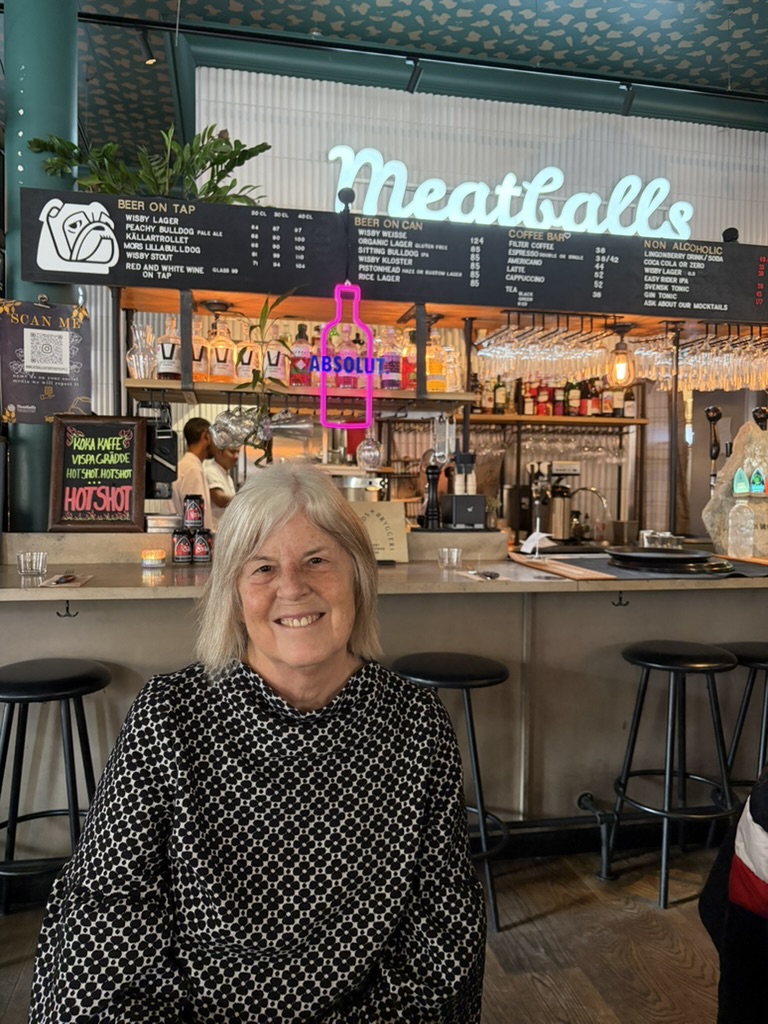
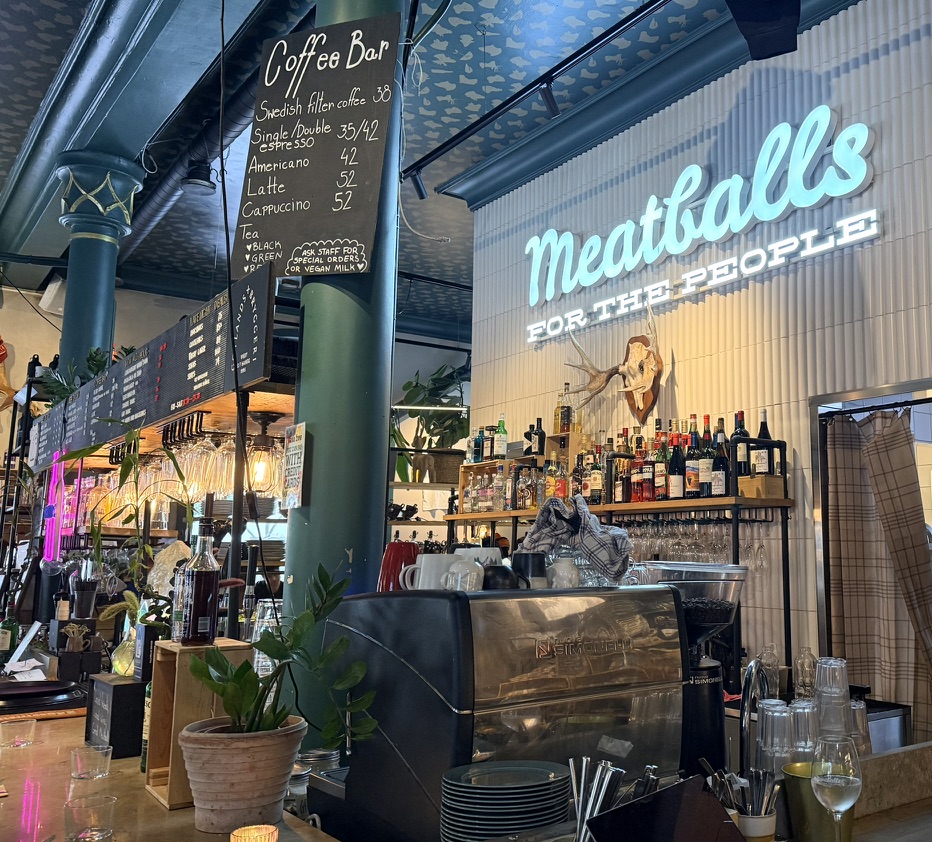
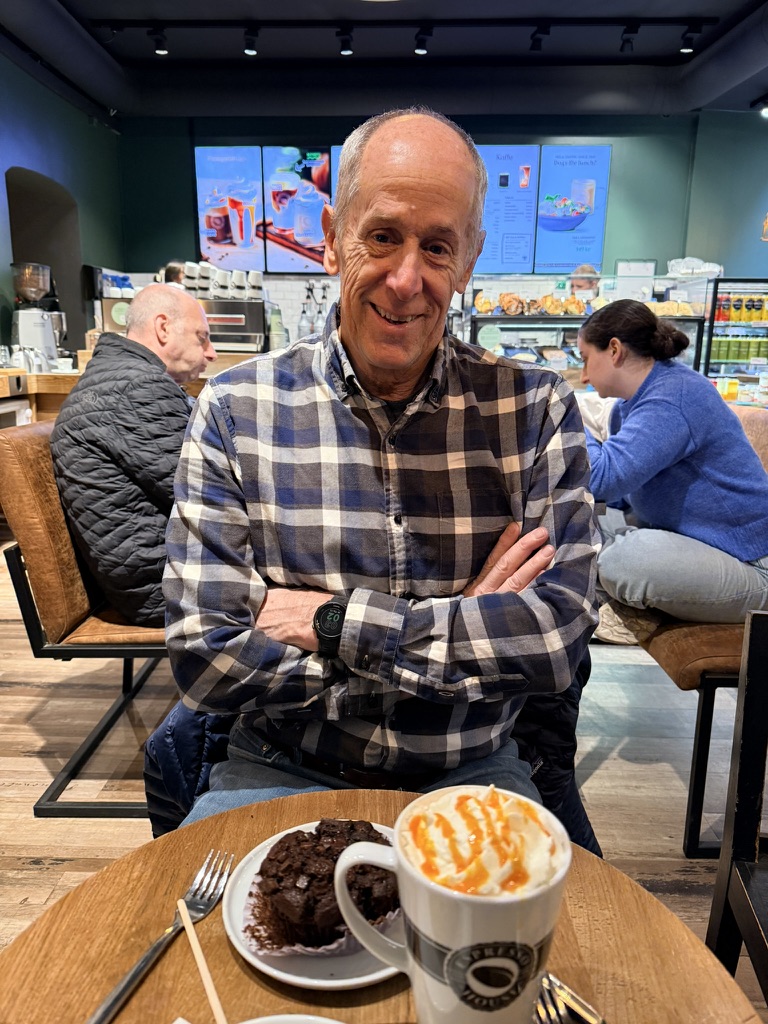
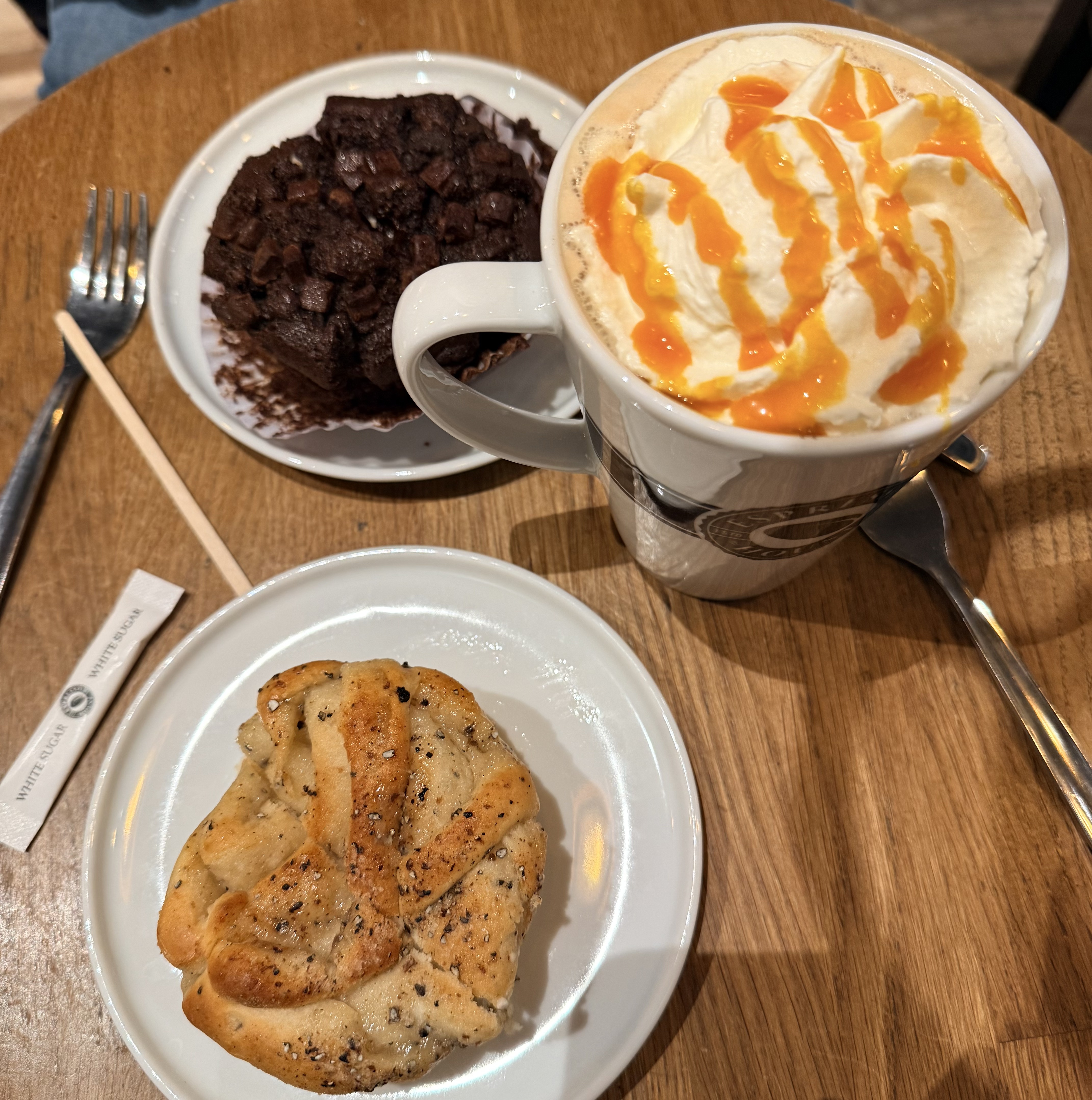
We’ve enjoyed too many fikas (or something similar) to count in all four Scandinavian/Nordic countries we’ve visited. In Sweden, fika means basically to have a coffee, but it means so much more than that. These coffee breaks give Swedes an opportunity to meet and hang out with friends, get to know new people, check out potential partners or network with colleagues. We enjoy them mainly to get off our feet for a while, indulge ourselves and to use the restroom.
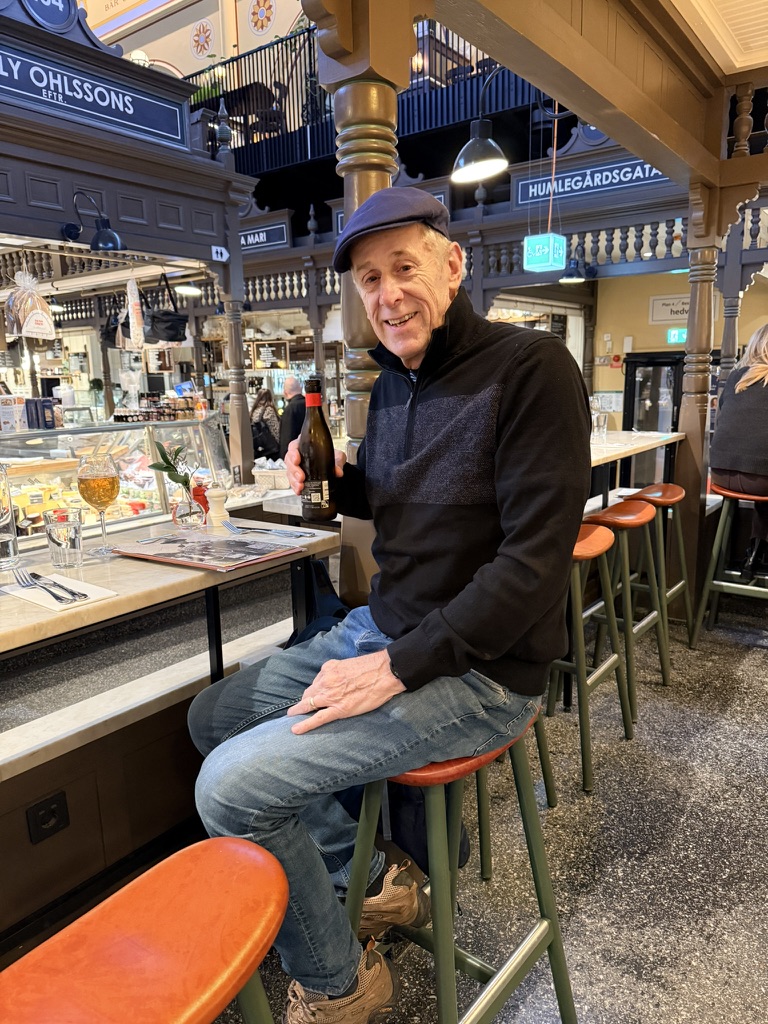
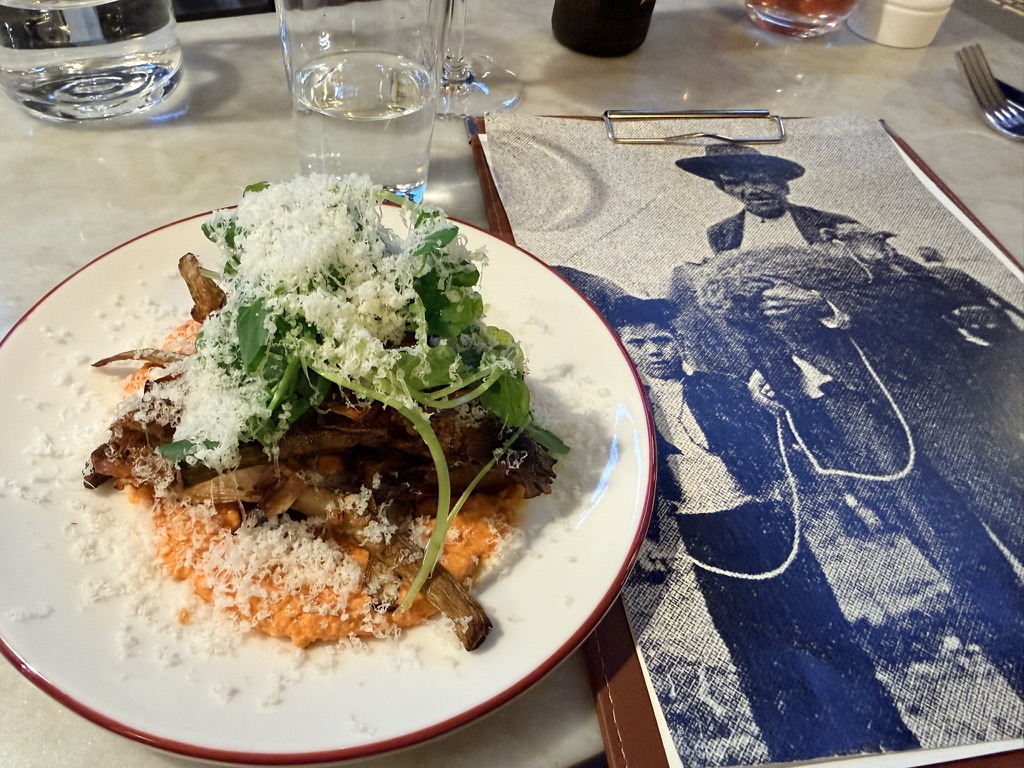
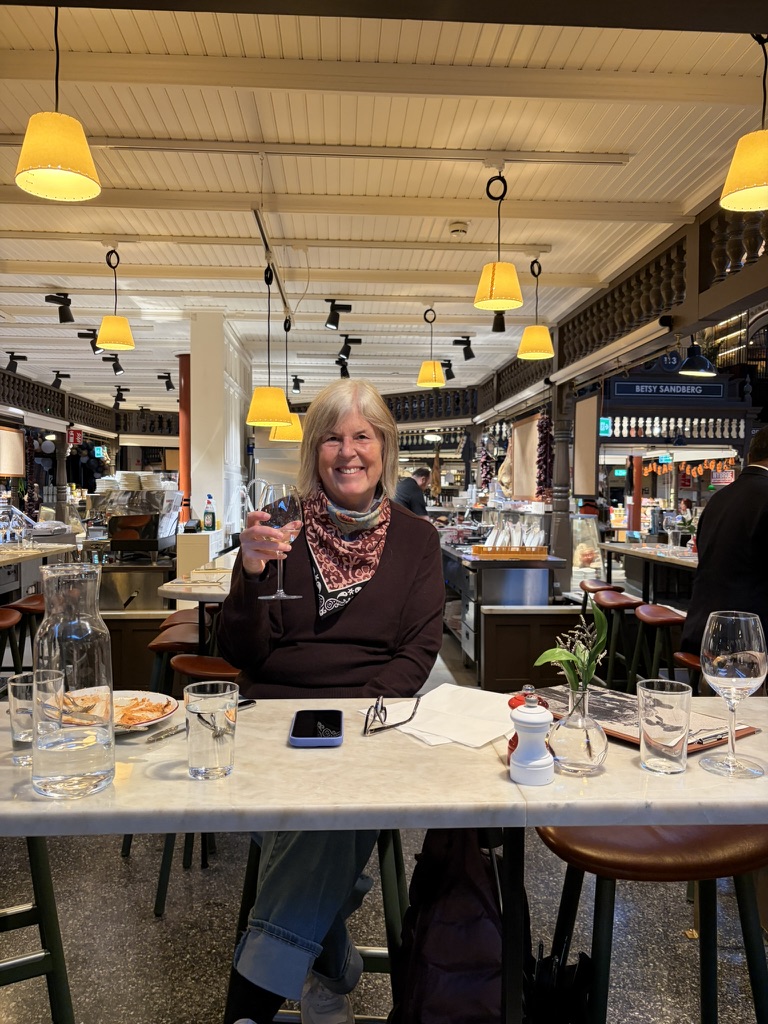
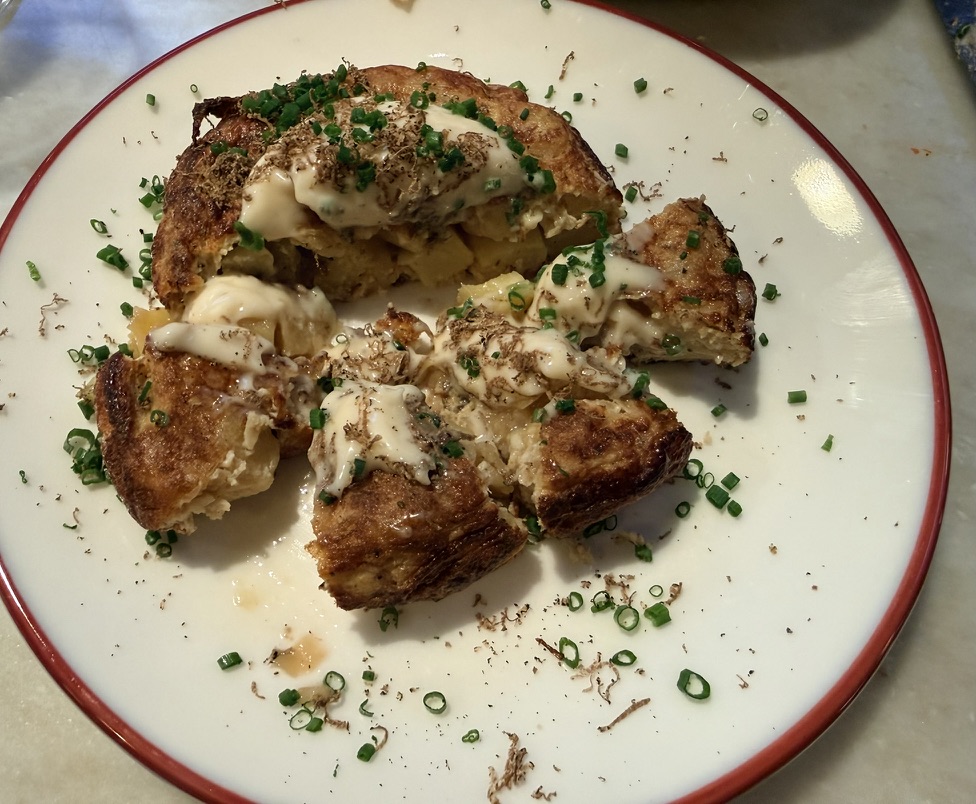
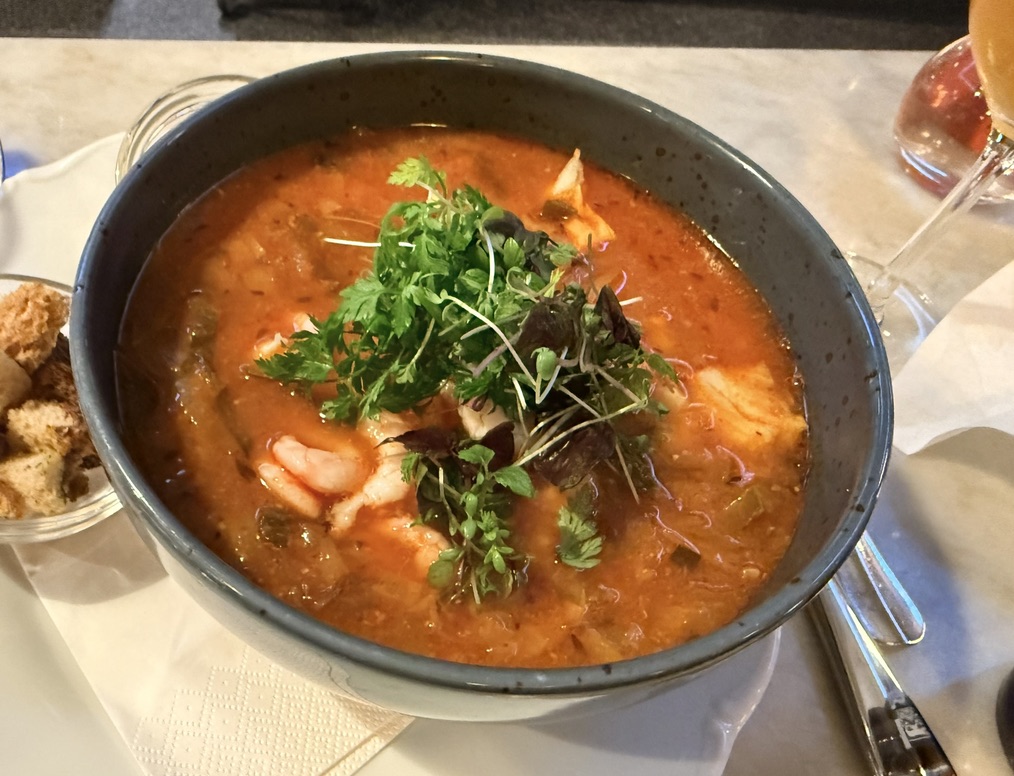
Dinner #1: We ate dinner at Casa Maca at Ostermalms Saluhall. We enjoyed wine and tapas: Deep-fried artichoke, romesco sauce, manchego & cress and Tortilla with caramelized onion, truffle, & chives. Mike also had a bowl of fish soup from another vendor.
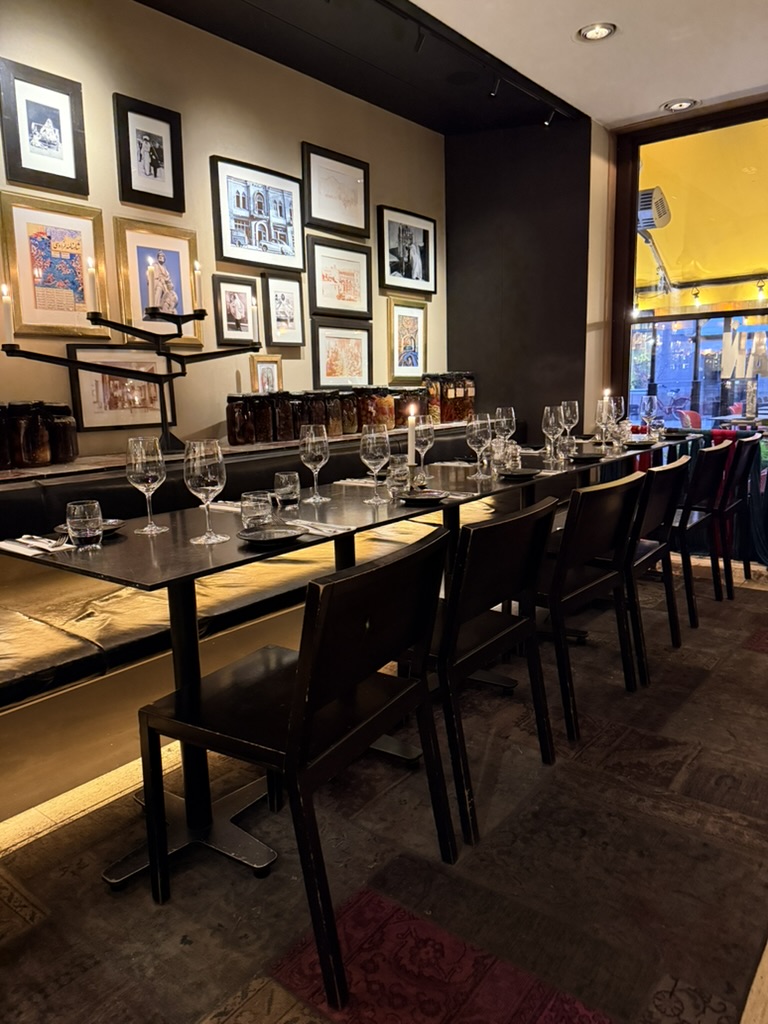
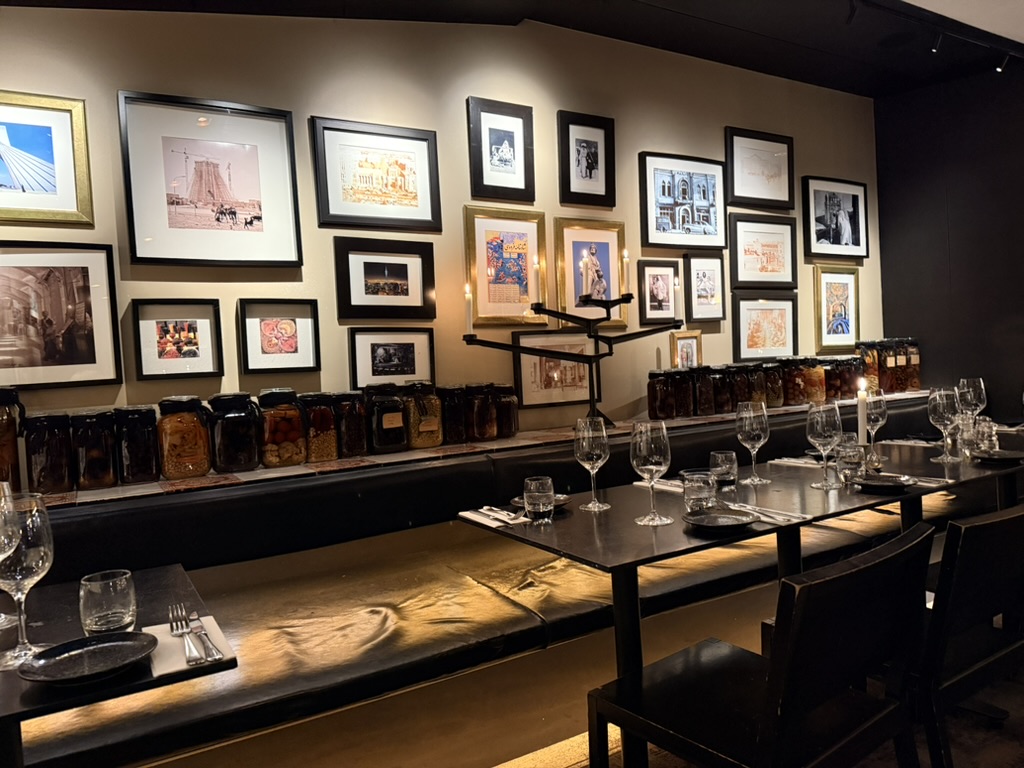
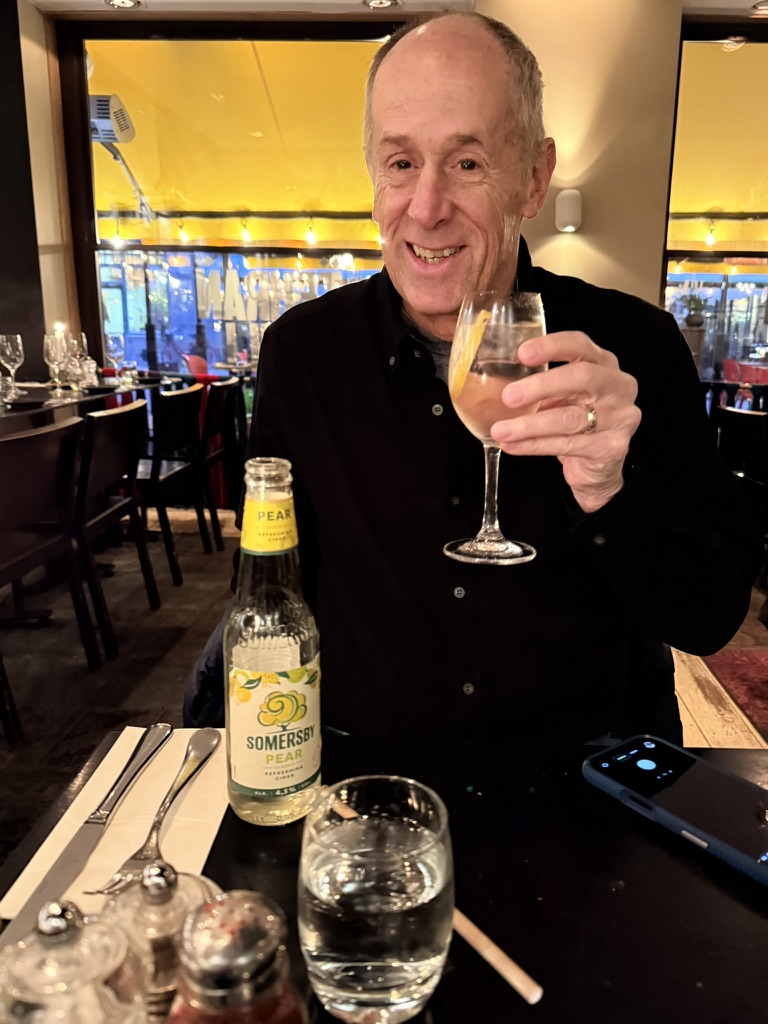
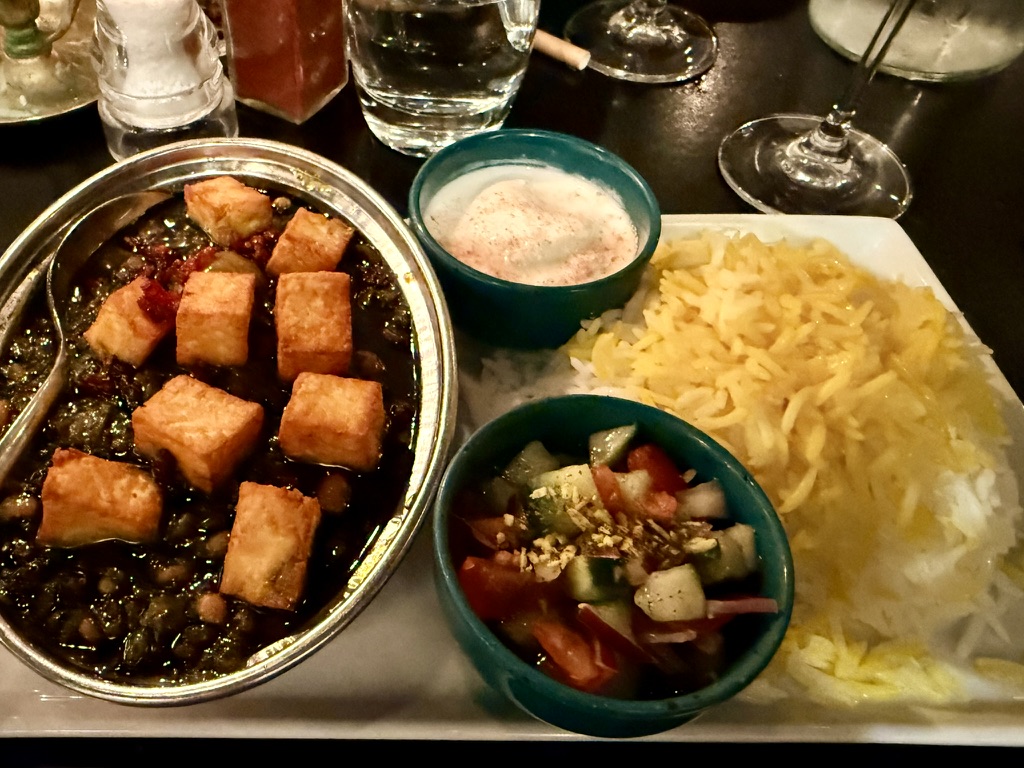
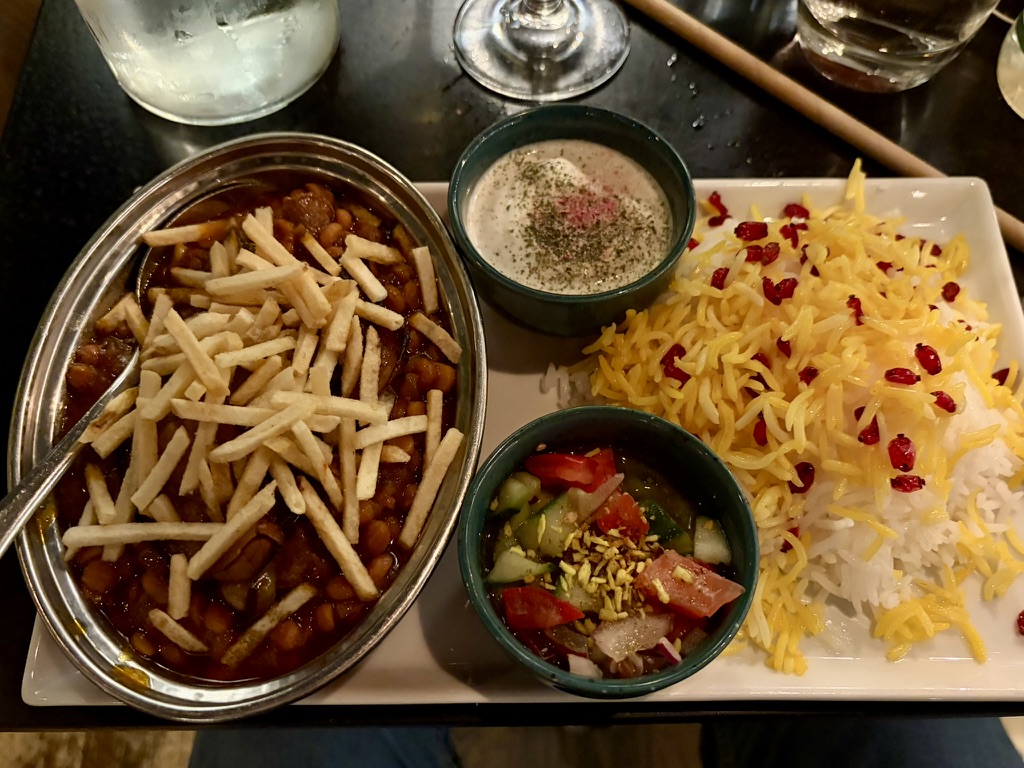
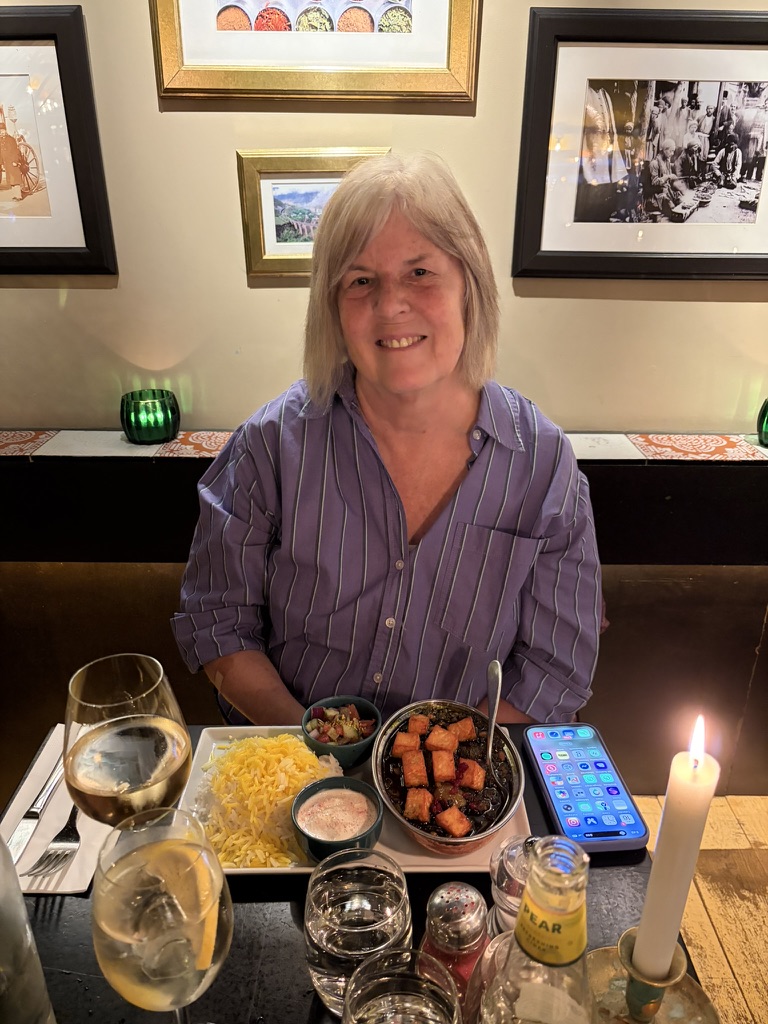
Dinner #2: At Tehran Grill, which we passed many times in our neighborhood, I got a vegetarisk Ghormeh Sabzi (Aromatic with Iranian herbs, cowpea beans and dried lime, topped with halloumi cheese, served with meadow garlic yogurt and saffron rice). Mike enjoyed Ghormeh Sabzi (aromatic with Iranian herbs, red kidney beans, dried lime and lamb, served with meadow garlic yogurt, Shirazi salad and saffron rice). We shared Sesamtryffel: Sesame truffle with walnuts, dates & chocolate.
The meal was delicious, and the lively crowd who showed up midway through our meal made the place warm and cozy. One huge family occupied the long table beside us and we enjoyed watching their celebration for someone’s birthday. The children were incredibly well-behaved.
Homebody Stuff
Every morning, I continued to do my NY Times puzzles: Wordle, the Mini, Connections and Strands. In the evenings, we watched our regular shows: Grantchester; AnotherSelf; Old Money; The Killing; Ride or Die, De Eetclub (The Perfect Lie); Thank You, Next; and Ted Lasso. We started watching a new season of The Diplomat and began re-watching the comedy Rules of Engagement. We really like to watch something light, funny, and short at the end of each night but we haven’t found anything new that tickles our fancy. (If anyone has recommendations, I would love to hear them!)
I finally finished reading The Street of a Thousand Blossoms by Gail Tsukiyama and was able to leave it behind in Stockholm. I am still reading The Lake by Banana Yoshimoto and I started reading Meet Me at the Museum by Anne Youngson.
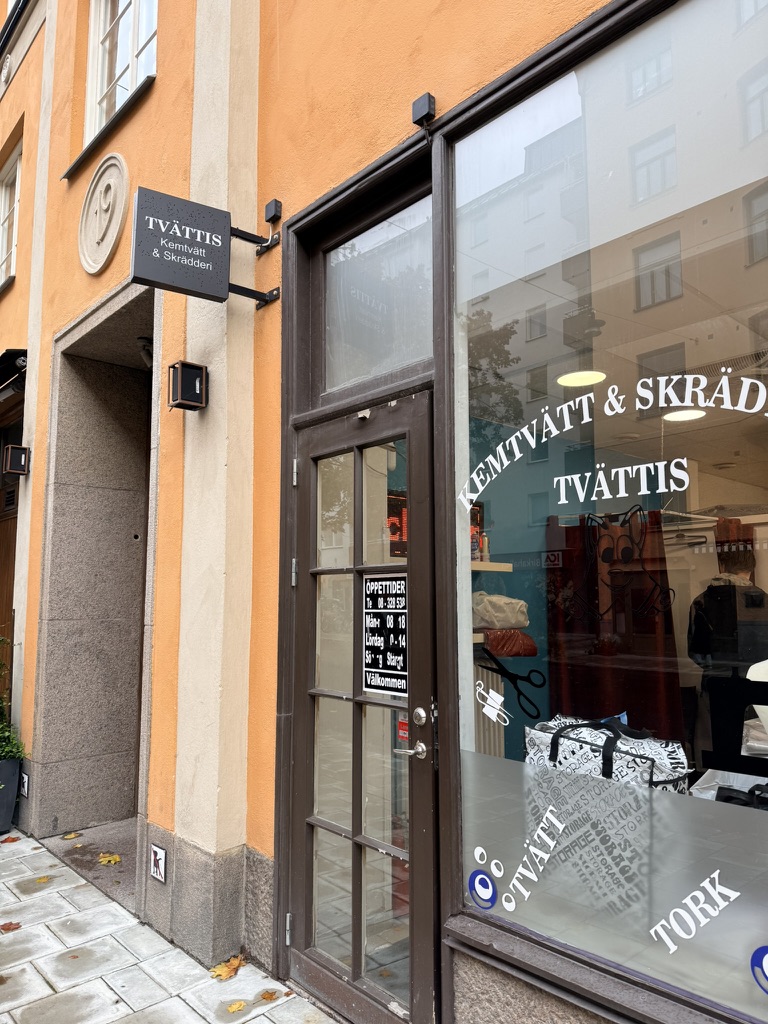
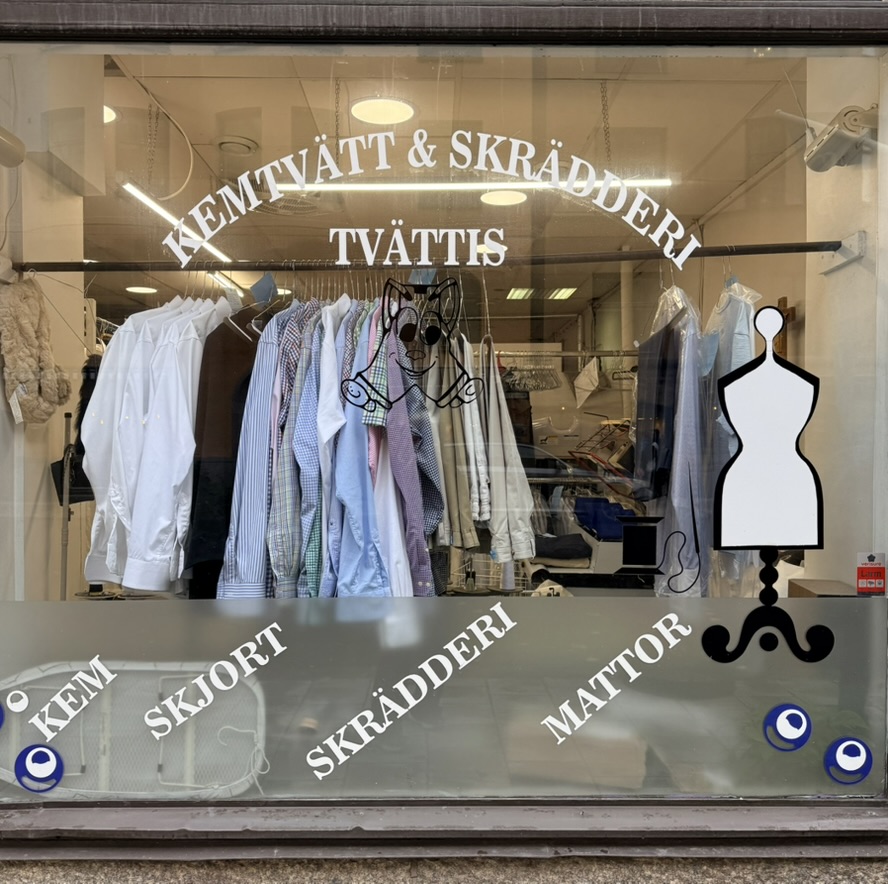
I finally found a tailor to hem the Levi’s jeans I bought in Bergen. I had pinned them up into cuffs with safety pins so I was happy to find someone in a location close to our Airbnb who could properly hem them.
Discover more from ~ wander.essence ~
Subscribe to get the latest posts sent to your email.

