Skip to content
  • Home
  • about ~ wander.essence ~
    • ~ the places i’ve been ~
    • ~ places i’ve been in the u.s.a. ~
  • Travel Destinations
    • America
      • Boston
      • Delaware
      • District of Columbia
        • Washington
      • Georgia
        • Atlanta
      • Maryland
      • New Jersey
        • Cape May
      • New York
        • Adirondacks
        • Buffalo
        • Niagara Falls
      • Pennsylvania
        • Pittsburgh
      • South Carolina
      • Tennessee
        • Nashville
      • Virginia
    • American Road Trips
      • Canyon & Cactus Road Trip
      • Florida Road Trip
        • Everglades
        • Fort Lauderdale
        • Florida Keys
        • Miami
        • St. Augustine
      • Four Corners Road Trip
        • Arizona
          • Monument Valley
          • Petrified Forest National Park
          • Sunset Crater National Monument
          • Walnut Canyon National Monument
          • Winslow
          • Wupatki National Monument
        • Colorado
          • Colorado National Monument
          • Colorado Towns
          • Great Sand Dunes National Park
          • Grand Junction
        • New Mexico
        • Utah
          • Arches National Park
          • Canyonlands
          • Navajo National Monument
          • Dead Horse Point State Park
          • Hovenweep National Monument
          • Moab
          • Valley of the Gods
          • Natural Bridges National Monument
      • Great Lakes Road Trip
        • Michigan
        • Minnesota
        • Wisconsin
      • Midwestern Triangle
        • Illinois
          • Carbondale
          • Murphysboro
        • Kentucky
          • Covington
          • Lexington
          • Louisville
        • Ohio
          • Cincinnati
      • Road Trip to Nowhere
        • Nebraska
        • North Dakota
        • South Dakota
      • Tex-New Mex Road Trip
        • Texas & New Mexico Road Trip
        • New Mexico
        • Texas
    • International Travel
      • Africa
        • african meanderings {& musings}
        • Egypt
          • Cairo
        • Ethiopia
        • Morocco
      • Asia
        • Cambodia
        • China
          • China Diaries
          • Guangxi Province
        • India
          • Rishikesh
          • Varanasi
        • Japan
          • Kyoto
        • Myanmar
        • Oman
          • a nomad in the land of nizwa
          • Nizwa
        • Singapore
        • South Korea
          • catbird in korea
        • Thailand
        • Turkey
          • Cappadocia
        • Vietnam
      • Central America
        • Costa Rica
        • El Salvador
        • Nicaragua
        • Panama
          • Bocas del Toro
          • Panama City
      • Europe
        • In Search of a Thousand Cafés
        • Croatia
          • Dalmatia
            • Istria
            • Dubrovnik
            • Plitvice Lakes National Park
            • Split
            • Zadar
            • Zagreb
        • Czech Republic
          • Český Krumlov
        • England
        • France
        • Greece
        • Hungary
          • Budapest
          • Esztergom
        • Iceland
        • Italy
          • Bergamo
          • Cinque Terre
          • The Dolomites
          • Florence
          • Rome
          • Tuscany
          • Venice
          • Verona
          • Via Francigena
        • Portugal
        • Spain
          • Camino de Santiago
            • packing list for el camino de santiago 2018
      • North America
        • Canada
          • The Maritimes
            • New Brunswick
            • Nova Scotia
            • Prince Edward Island
          • Ontario
        • Mexico
          • Guanajuato
          • Mexico City
            • Teotihuacán
          • Querétaro
          • San Miguel de Allende
      • South America
        • Colombia
        • Ecuador
          • Cuenca
          • Quito
    • how to make the most of a staycation
      • Coronavirus Coping
  • Imaginings
    • imaginings: the call to place
  • Travel Preparation
    • journeys: anticipation & preparation
  • Travel Creativity
    • on keeping a travel journal
    • on creating art from travels
      • Art Journaling
    • photography inspiration
      • Photography
    • writing prompts: prose
      • Prose
        • Fiction
        • Travel Essay
        • Travelogue
    • writing prompts: poetry
      • Poetry
  • On Journey
    • on journey: taking ourselves from here to there
  • Books & Movies
    • books | international a-z |
    • books & novels | u.s.a. |
    • books | history, spirituality, personal growth & lifestyle |
    • movies | international a-z |
    • movies | u.s.a. |
  • On Returning Home
    • on returning home
  • Annual recap
    • twenty-fifteen
    • twenty-eighteen
    • twenty-nineteen
    • twenty-twenty
    • twenty-twenty-one
    • twenty twenty-two
    • twenty twenty-three
    • twenty twenty-four
    • twenty twenty-five
  • Contact

Enter your email address to follow this blog and receive notifications of new posts by email.

Join 1,085 other subscribers
Follow ~ wander.essence ~ on WordPress.com
  • Home
  • about ~ wander.essence ~
    • ~ the places i’ve been ~
    • ~ places i’ve been in the u.s.a. ~
  • Travel Destinations
    • America
      • Boston
      • Delaware
      • District of Columbia
        • Washington
      • Georgia
        • Atlanta
      • Maryland
      • New Jersey
        • Cape May
      • New York
        • Adirondacks
        • Buffalo
        • Niagara Falls
      • Pennsylvania
        • Pittsburgh
      • South Carolina
      • Tennessee
        • Nashville
      • Virginia
    • American Road Trips
      • Canyon & Cactus Road Trip
      • Florida Road Trip
        • Everglades
        • Fort Lauderdale
        • Florida Keys
        • Miami
        • St. Augustine
      • Four Corners Road Trip
        • Arizona
          • Monument Valley
          • Petrified Forest National Park
          • Sunset Crater National Monument
          • Walnut Canyon National Monument
          • Winslow
          • Wupatki National Monument
        • Colorado
          • Colorado National Monument
          • Colorado Towns
          • Great Sand Dunes National Park
          • Grand Junction
        • New Mexico
        • Utah
          • Arches National Park
          • Canyonlands
          • Navajo National Monument
          • Dead Horse Point State Park
          • Hovenweep National Monument
          • Moab
          • Valley of the Gods
          • Natural Bridges National Monument
      • Great Lakes Road Trip
        • Michigan
        • Minnesota
        • Wisconsin
      • Midwestern Triangle
        • Illinois
          • Carbondale
          • Murphysboro
        • Kentucky
          • Covington
          • Lexington
          • Louisville
        • Ohio
          • Cincinnati
      • Road Trip to Nowhere
        • Nebraska
        • North Dakota
        • South Dakota
      • Tex-New Mex Road Trip
        • Texas & New Mexico Road Trip
        • New Mexico
        • Texas
    • International Travel
      • Africa
        • african meanderings {& musings}
        • Egypt
          • Cairo
        • Ethiopia
        • Morocco
      • Asia
        • Cambodia
        • China
          • China Diaries
          • Guangxi Province
        • India
          • Rishikesh
          • Varanasi
        • Japan
          • Kyoto
        • Myanmar
        • Oman
          • a nomad in the land of nizwa
          • Nizwa
        • Singapore
        • South Korea
          • catbird in korea
        • Thailand
        • Turkey
          • Cappadocia
        • Vietnam
      • Central America
        • Costa Rica
        • El Salvador
        • Nicaragua
        • Panama
          • Bocas del Toro
          • Panama City
      • Europe
        • In Search of a Thousand Cafés
        • Croatia
          • Dalmatia
            • Istria
            • Dubrovnik
            • Plitvice Lakes National Park
            • Split
            • Zadar
            • Zagreb
        • Czech Republic
          • Český Krumlov
        • England
        • France
        • Greece
        • Hungary
          • Budapest
          • Esztergom
        • Iceland
        • Italy
          • Bergamo
          • Cinque Terre
          • The Dolomites
          • Florence
          • Rome
          • Tuscany
          • Venice
          • Verona
          • Via Francigena
        • Portugal
        • Spain
          • Camino de Santiago
            • packing list for el camino de santiago 2018
      • North America
        • Canada
          • The Maritimes
            • New Brunswick
            • Nova Scotia
            • Prince Edward Island
          • Ontario
        • Mexico
          • Guanajuato
          • Mexico City
            • Teotihuacán
          • Querétaro
          • San Miguel de Allende
      • South America
        • Colombia
        • Ecuador
          • Cuenca
          • Quito
    • how to make the most of a staycation
      • Coronavirus Coping
  • Imaginings
    • imaginings: the call to place
  • Travel Preparation
    • journeys: anticipation & preparation
  • Travel Creativity
    • on keeping a travel journal
    • on creating art from travels
      • Art Journaling
    • photography inspiration
      • Photography
    • writing prompts: prose
      • Prose
        • Fiction
        • Travel Essay
        • Travelogue
    • writing prompts: poetry
      • Poetry
  • On Journey
    • on journey: taking ourselves from here to there
  • Books & Movies
    • books | international a-z |
    • books & novels | u.s.a. |
    • books | history, spirituality, personal growth & lifestyle |
    • movies | international a-z |
    • movies | u.s.a. |
  • On Returning Home
    • on returning home
  • Annual recap
    • twenty-fifteen
    • twenty-eighteen
    • twenty-nineteen
    • twenty-twenty
    • twenty-twenty-one
    • twenty twenty-two
    • twenty twenty-three
    • twenty twenty-four
    • twenty twenty-five
  • Contact

wander.essence

wander.essence

Home from Morocco & Italy

Home sweet home!May 10, 2019
I'm home from Morocco & Italy. :-)

Italy trip

Traveling to Italy from MoroccoApril 23, 2019
On my way to Italy!

Leaving for Morocco

Casablanca, here I come!April 4, 2019
I'm on my way to Casablanca. :-)

Home from our Midwestern Triangle Road Trip

Driving home from Lexington, KYMarch 6, 2019
Home sweet home from the Midwest. :-)

Leaving for my Midwestern Triangle Road Trip

Driving to IndianaFebruary 24, 2019
Driving to Indiana.

Returning home from Portugal

Home sweet home from Spain & Portugal!November 6, 2018
Home sweet home from Spain & Portugal!

Leaving Spain for Portugal

A rendezvous in BragaOctober 26, 2018
Rendezvous in Braga, Portgual after walking the Camino de Santiago. :-)

Leaving to walk the Camino de Santiago

Heading to Spain for the CaminoAugust 31, 2018
I'm on my way to walk 790 km across northern Spain on the Camino de Santiago.

Home from my Four Corners Road Trip

Home Sweet Home from the Four CornersMay 25, 2018
Home Sweet Home from the Four Corners. :-)

My Four Corners Road Trip!

Hitting the roadMay 1, 2018
I'm hitting the road today for my Four Corners Road Trip: CO, UT, AZ, & NM!

Recent Posts

  • the june cocktail hour: home again after a year away June 30, 2026
  • the may cocktail hour: our final month in costa rica May 31, 2026
  • the april cocktail hour: easter, sunsets with friends & our last (sad) trip to nicaragua May 5, 2026
  • guatemala city: exploring mayan museums April 9, 2026
  • a short jaunt to san ignacio, belize: a saturday market, an iguana project & the mayan sites of xunantunich & cahal pech April 3, 2026
  • the march cocktail hour: a trip to guatemala & belize, a “No Kings” protest, and el gran tope de tronadora March 31, 2026
  • what i learned in flores, petén & the mayan ruins at tikal March 29, 2026
  • guatemala: lago de atitlán March 26, 2026
  • cuaresma in antigua, guatemala March 21, 2026
  • call to place, anticipation & preparation: guatemala & belize March 3, 2026
  • the february cocktail hour: witnessing wedding vows, a visit from our daughter & mike’s birthday March 1, 2026
  • the january cocktail hour: a belated nicaraguan christmas & a trip to costa rica’s central pacific coast February 3, 2026
  • bullet journals as a life repository: bits of mine from 2025 & 2026 January 4, 2026

Archives

  • June 2026
  • May 2026
  • April 2026
  • March 2026
  • February 2026
  • January 2026
  • December 2025
  • November 2025
  • October 2025
  • September 2025
  • August 2025
  • June 2025
  • May 2025
  • April 2025
  • March 2025
  • February 2025
  • January 2025
  • December 2024
  • November 2024
  • October 2024
  • September 2024
  • August 2024
  • July 2024
  • June 2024
  • May 2024
  • April 2024
  • March 2024
  • February 2024
  • January 2024
  • December 2023
  • November 2023
  • September 2023
  • August 2023
  • June 2023
  • May 2023
  • April 2023
  • March 2023
  • February 2023
  • January 2023
  • December 2022
  • November 2022
  • October 2022
  • September 2022
  • August 2022
  • June 2022
  • May 2022
  • April 2022
  • March 2022
  • February 2022
  • January 2022
  • December 2020
  • November 2020
  • October 2020
  • September 2020
  • August 2020
  • July 2020
  • June 2020
  • May 2020
  • April 2020
  • March 2020
  • February 2020
  • January 2020
  • December 2019
  • November 2019
  • October 2019
  • September 2019
  • August 2019
  • July 2019
  • June 2019
  • May 2019
  • April 2019
  • March 2019
  • February 2019
  • January 2019
  • December 2018
  • November 2018
  • October 2018
  • September 2018
  • August 2018
  • July 2018
  • June 2018
  • May 2018
  • April 2018
  • March 2018

Blog Stats

  • 159,266 hits
July 2026
M T W T F S S
 12345
6789101112
13141516171819
20212223242526
2728293031  
« Jun    

Categories

  • Aït-Ben-Haddou (4)
  • Abingdon (1)
  • Abiquiu (1)
  • Acquapendente (2)
  • Adirondacks (3)
  • Africa (39)
  • Ainokura (2)
  • Alabama (1)
  • Alajuela (3)
  • Alamogordo (1)
  • Albuquerque (3)
  • Alexandria (1)
  • Alma (1)
  • Alpe di Siusi (1)
  • Alsace-Lorraine (1)
  • Alto Adige Wine Road (1)
  • Amarante (2)
  • America (70)
  • American Bison (1)
  • American books (22)
  • American Road Trips (255)
  • American Visionary Art Museum (1)
  • Americana (1)
  • Andrew Johnson National Historic Site (1)
  • Annapolis Valley (1)
  • Annual recap (10)
  • Anticipation (46)
  • Antietam National Battlefield (2)
  • Antigua (3)
  • Aramak Tour (1)
  • Arches National Park (8)
  • architecture (1)
  • Arena Stage (1)
  • Arizona (28)
  • Aroumd (2)
  • Art Journaling (9)
  • Asciano (1)
  • Asia (41)
  • Assisi (1)
  • Astorga (2)
  • Atapuerca (1)
  • Athens (1)
  • Atlanta (7)
  • Austin (2)
  • Aveiro (2)
  • Azofra (2)
  • Aztec Ruins National Monument (1)
  • óbidos (1)
  • Baños (2)
  • Badlands National Park (1)
  • Bagan (1)
  • Bagno Vignoni (2)
  • Bajos del Toro (1)
  • Balcony House (1)
  • Bali (9)
  • Baltimore (7)
  • Baltimore Museum of Art (1)
  • Bandelier National Monument (1)
  • Bangkok (2)
  • Bear Butte (1)
  • Beatrice (1)
  • Beihai (1)
  • Belize (5)
  • Beppu (1)
  • Bergamo (3)
  • Big Bend National Park (2)
  • Bijagua (2)
  • Bismarck (3)
  • Bismarck Art Alley (1)
  • Bitchu-Takahashi (1)
  • Blue Falls of Costa Rica (1)
  • Bluff (1)
  • Bluff Fort Historic Site (1)
  • Bocas del Toro (2)
  • Bocas Town (1)
  • Bogotá (4)
  • Bolsena (2)
  • Bolzano (2)
  • Bonanzaville (1)
  • Books (48)
  • Bosque de Chapultepec (1)
  • Boston (2)
  • Boulder (1)
  • Boys Town (1)
  • Braga (3)
  • Brookings (1)
  • Brunico/Bruneck (1)
  • Budapest (1)
  • Buffalo (9)
  • Bukit Peninsula (1)
  • Bullet journaling (1)
  • Buonconvento (2)
  • Burano (2)
  • Burgos (4)
  • Cañas (3)
  • Cabo da Roca (1)
  • Caddo Lake (2)
  • Cahal Pech (1)
  • Cairo (3)
  • California (4)
  • Cambodia (4)
  • Cambridge (1)
  • Camino de Santiago (64)
  • Campagnano di Roma (2)
  • Canada (15)
  • Canyon & Cactus Road Trip (4)
  • Canyon de Chelly (3)
  • Canyonlands (3)
  • Cape May (7)
  • Cappadocia (2)
  • Capranica (1)
  • Carbondale (9)
  • Carlsbad (1)
  • Carlsbad Caverns National Park (2)
  • Cartagena (4)
  • Casablanca (9)
  • Casco Viejo (1)
  • Castellina in Chianti (1)
  • Catarata del Toro (1)
  • Catskill Mountains (1)
  • Cedar Creek & Belle Grove National Historical Park (1)
  • Central America (53)
  • Central Highlands (1)
  • Centro Histórico (1)
  • Chaco Culture National Historical Park (4)
  • challenge: a call to place (39)
  • Channel Islands National Park (3)
  • Chapel in the Hills (1)
  • Charles Pinckney National Historic Site (1)
  • Charleston (11)
  • Chefchaouen (5)
  • Cheyenne (2)
  • Cheyenne Depot Museum (1)
  • Cheyenne Frontier Days Old West Museum (1)
  • Chicago (3)
  • Chichicastenango (1)
  • Chillicothe (2)
  • Chimayó (1)
  • Chimney Rock (1)
  • China (8)
  • Chinatown (1)
  • Christmas (5)
  • Churchill Downs (1)
  • Cihuatán (1)
  • Cincinnati (15)
  • Cincinnati Art Museum (1)
  • Cinque Terre (10)
  • Cinquera (1)
  • Civita di Bagnoregio (1)
  • Cloudcroft (1)
  • Cocktail Hour (27)
  • Cocoa Beach (2)
  • Coeur d'Alene (1)
  • Collalbo/Klobenstein (1)
  • Colle di Val d'Elsa (2)
  • Colombia (9)
  • Colorado (31)
  • Colorado National Monument (3)
  • Colorado Towns (6)
  • Colorful (1)
  • Condesa (1)
  • Connecticut (1)
  • Cordoba (1)
  • Coronavirus Coping (14)
  • Cortina d’Ampezzo (1)
  • Costa Nova (1)
  • Costa Rica (26)
  • Covington (7)
  • Cowgirls of the West (1)
  • Coyoacán (1)
  • Crazy Horse Memorial (1)
  • Crestone (1)
  • Crete (1)
  • Croatia (3)
  • Cuenca (3)
  • Curves (1)
  • Custer (1)
  • Custer State Park (1)
  • Czech Republic (1)
  • Dakota Dinosaur Museum (1)
  • Dali (1)
  • Dalmatia (1)
  • De Smet (1)
  • Dead Horse Point State Park (1)
  • Dead Sea (1)
  • Deadwood (3)
  • decay (1)
  • Delaware (9)
  • Delphi (1)
  • Denver (1)
  • destinations (44)
  • Devils Tower National Monument (2)
  • Diamante Eco Adventure Park (1)
  • Dickinson (1)
  • District of Columbia (22)
  • Dobbiaco/Toblach (1)
  • Dolores Hidalgo (1)
  • Drawing (7)
  • Dubrovnik (1)
  • Durango (1)
  • Dwight D. Eisenhower Memorial (1)
  • Ecuador (14)
  • Egypt (3)
  • El Cangrejo (1)
  • El Salvador (6)
  • El-Khorbat (1)
  • Embudo (1)
  • Enchanted Rock State Natural Area (1)
  • England (3)
  • Erg Chebbi (3)
  • Española (1)
  • Essaouira (4)
  • Esztergom (1)
  • Ethiopia (3)
  • Europe (121)
  • Evan Williams Bourbon Experience (1)
  • Everglades (3)
  • Evora (1)
  • Fargo (2)
  • Fès (3)
  • Fenghuang (1)
  • Fez (2)
  • Fiction (6)
  • Findlay Market (1)
  • Finisterre (2)
  • Finland (1)
  • Fira (1)
  • Fiumicino (2)
  • Flatirons Vista Trail (1)
  • Flight 93 National Memorial (1)
  • Florence (8)
  • Flores (3)
  • Florida Keys (3)
  • Florida Road Trip (5)
  • Formello (1)
  • Fort Abraham Lincoln State Park (1)
  • Fort Atkinson State HIstorical Park (1)
  • Fort Calhoun (1)
  • Fort Collins (2)
  • Fort Lauderdale (2)
  • Fort Mandan (1)
  • Fort McHenry National Monument and Historic Shrine (1)
  • Fort Robinson State Park (1)
  • Fort Sumter and Fort Moultrie National Historical Park (1)
  • Fort Union Trading Post National Historic Site (1)
  • Four Corners Road Trip (74)
  • France (7)
  • Frazier Museum (1)
  • Fredericksburg (1)
  • Fucecchio (1)
  • Fundy National Park (1)
  • G Adventures Tour (10)
  • Gallina (2)
  • Gambassi Terme (2)
  • Gateway Arch National Park (1)
  • Gavin's Point Dam (1)
  • George Rogers Clark National Historical Park (2)
  • Georgia (7)
  • Gerald R. Ford Birthsite (1)
  • Germany (1)
  • Gettysburg National Military Park (1)
  • Goals (3)
  • Gothenburg (1)
  • Grand Junction (1)
  • Great Falls (2)
  • Great Lakes Road Trip (6)
  • Great Sand Dunes National Park (2)
  • Grecia (1)
  • Greece (3)
  • Greeneville (1)
  • Greenville (1)
  • Greve in Chianti (1)
  • Guadalupe Mountains National Park (1)
  • Guanacaste (15)
  • Guanajuato (5)
  • Guangxi Province (4)
  • Guatapé (5)
  • Guatemala (8)
  • Guatemala City (4)
  • Guilin (1)
  • Guimarães (2)
  • Halifax (3)
  • Halong Bay (1)
  • Hanoi (1)
  • Heidelberg (1)
  • Hida Furukawago (2)
  • High Road to Taos (1)
  • Hikes & Walks (204)
  • HISTORIC NAKASENDO TRAIL (1)
  • Hoa Lu (1)
  • Holbrook (1)
  • Holidays (6)
  • Hong Kong (1)
  • Hopewell Culture National Historical Park (2)
  • Hopewell Rocks Provincial Park (1)
  • Hotel Hacienda Guachipelin (2)
  • Hovenweep National Monument (1)
  • Hubbell Trading Post (1)
  • Hungary (1)
  • Iceland (1)
  • Idaho (1)
  • Illinois (17)
  • Imaginings (46)
  • Imlil (2)
  • India (7)
  • Indiana (6)
  • Indonesia (9)
  • Ingapirca (2)
  • Inle Lake (1)
  • Innichen/San Candido (1)
  • International Books (32)
  • International Peace Garden (1)
  • International Travel (345)
  • Iowa (1)
  • Isla Bastimentos (1)
  • Isla Carenero (1)
  • Isla Colón (1)
  • Istanbul (2)
  • Istria (1)
  • Italy (62)
  • Jamestown (1)
  • Japan (20)
  • Japan Alps (4)
  • Jefferson (1)
  • Jewel Cave National Monument (1)
  • Jimbaran (1)
  • Joachim Regional Museum & Prairie Outpost Park (1)
  • Johnstown Flood National Memorial (1)
  • Jordan (3)
  • Joseph N. Nicollet Tower and Interpretive Center (1)
  • Joshua Tree National Park (3)
  • Joslyn Art Museum (1)
  • Journaling (10)
  • Joya de Cerén (1)
  • Kansas (2)
  • Kathmandu (2)
  • Kentucky (17)
  • KMAC (1)
  • Knife River Indian Villages (2)
  • Kunming (1)
  • Kurashiki Bikan Historical Quarter (1)
  • Kyoto (5)
  • Kyushu (4)
  • La Fortuna (3)
  • La Giustiniana (2)
  • La Peñol (1)
  • La Romita (1)
  • La Spezia (6)
  • Lago d'Iseo (1)
  • Lago de Atitlán (3)
  • Lago di Garda (1)
  • Lago di Garda (1)
  • Laguna de Apoyo (1)
  • Laguna Quilotoa (2)
  • Languedoc-Roussillon (1)
  • Latacunga (3)
  • laundry (1)
  • Lazio (6)
  • León (2)
  • León (2)
  • Leeds (1)
  • Lens-Artists (2)
  • Lewis & Clark Interpretive Center (2)
  • Lexington (8)
  • Lijiang (1)
  • Lincoln Boyhood Home National Memorial (2)
  • Lincoln City (3)
  • lines (1)
  • Lisbon (8)
  • Logroño (3)
  • Lombardy (3)
  • Longji Rice Terraces (1)
  • Longreads (6)
  • Looking ahead (3)
  • Lorca (2)
  • Lory State Park (1)
  • Los Alamos (3)
  • Los Angeles (3)
  • Loudoun County (1)
  • Louisiana (1)
  • Louisville (13)
  • Lovettsville (1)
  • Low Road to Taos (1)
  • Lucca (3)
  • Luckenbach (1)
  • Lunenburg (1)
  • Madison (1)
  • Madison County Historical Society Museum (1)
  • Magnolia Plantations & Gardens (1)
  • Magome-juku (1)
  • Mahone Bay (1)
  • Maine (1)
  • Managua (5)
  • Manarola (1)
  • Mandalay (1)
  • Mandan (1)
  • Manhattan Project National Historical Park (1)
  • Mapmaking (2)
  • Marfa (1)
  • Market towns near Cuenca (2)
  • markets (1)
  • Marrakech (7)
  • Maryland (11)
  • Massachusetts (2)
  • Matagalpa (2)
  • Mathews (1)
  • Meadowlark Botanical Gardens (4)
  • Medellín (5)
  • Medora (5)
  • Memoir (4)
  • Merzouga (5)
  • Mesa Verde National Park (4)
  • Meteora (1)
  • Mexico (11)
  • Mexico City (7)
  • Miami (3)
  • Michigan (4)
  • Middletown (1)
  • Midwestern Triangle (30)
  • Minas Basin (1)
  • Mine of Santa Brigida (1)
  • Mineral de Pozos (1)
  • Ministers Island (1)
  • Minnesota (1)
  • Minnesota (3)
  • Minot (1)
  • Minuteman Missile National Historic Site (1)
  • Mirador de Catarina (1)
  • Mississippi (1)
  • Missouri (4)
  • Missouri National Recreation River (1)
  • Missouri River Basin Lewis & Clark Center (2)
  • Mitchell (1)
  • Moab (2)
  • Montalcino (1)
  • Montana (1)
  • Montefiascone (1)
  • Montefioralle (1)
  • Montepulciano (1)
  • Monteriggioni (3)
  • Monteroni d'Arbia (1)
  • Monterosi (1)
  • Monterosso al Mare (2)
  • Monteverde (1)
  • Monthly recap (27)
  • Monument Valley (1)
  • Moorhead (1)
  • Morocco (37)
  • Mount Pleasant (1)
  • Mt. Rushmore National Memorial (1)
  • Mulberry Bend Overlook (1)
  • Murano (2)
  • Murphysboro (10)
  • Muruzabal (1)
  • Muscat (1)
  • Museum of the Shenandoah Valley (1)
  • Muxia (2)
  • Myanmar (2)
  • Nagoya (4)
  • Nagoya Castle (2)
  • Nanning (3)
  • Naoshima (1)
  • Narita (5)
  • Nashville (8)
  • National Gallery of Art (2)
  • natural bridges (1)
  • Natural Bridges National Monument (2)
  • Navajo National Monument (2)
  • Nebraska (21)
  • Nepal (4)
  • New Belgium Brewing (1)
  • New Brunswick (6)
  • New Castle (2)
  • New England Road Trip (2)
  • New Hampshire (2)
  • New Jersey (7)
  • New Mexico (12)
  • New Mexico (1)
  • New Mexico (12)
  • New York (16)
  • Newport (1)
  • Niagara Falls (7)
  • Nicaragua (26)
  • Nice (1)
  • Nicoya Peninsula (1)
  • Nizwa (3)
  • Norfolk (1)
  • Normandy (1)
  • North America (22)
  • North Dakota (26)
  • North Dakota Heritage Center (2)
  • North Platte (1)
  • Norway (1)
  • Nosara (1)
  • Nova Scotia (5)
  • Nuevo Arenal (4)
  • Nusa Dua (1)
  • Oakland (1)
  • Oakton (24)
  • Ogallala (1)
  • Ohio (17)
  • Ohkay Owingeh Pueblo (1)
  • Oia (1)
  • Okayama (4)
  • Oklahoma (1)
  • Oklahoma City (1)
  • Old Market (1)
  • Omaha (5)
  • Oman (4)
  • Ometepe (16)
  • On Journey (46)
  • On Returning Home (41)
  • On-a-Slant Village (1)
  • Ontario (4)
  • Orisson (2)
  • Ortesei/St. Ulrich (1)
  • Orvieto (1)
  • Otavalo (2)
  • Ouray (1)
  • Pagosa Springs (1)
  • Pamplona (2)
  • Panajachel (1)
  • Panama (4)
  • Panama Canal (2)
  • Panama City (2)
  • Panchimalco (1)
  • Panzano in Chianti (1)
  • Paris (2)
  • Parque Nacional Cajas (2)
  • Parque Nacional Cotopaxi (2)
  • Parque Nacional Volcán Poás (1)
  • Parque Nacional Volcán Tenorio (2)
  • Parque Nactional Volcán Rincón de la Vieja (3)
  • pastels (1)
  • Patterns (3)
  • Peña de Bernal (1)
  • Pecos National Historical Park (1)
  • Peniche (1)
  • Pennsylvania (14)
  • Perugia (2)
  • Petrified Forest National Park (5)
  • petroglyphs (1)
  • Phnom Penh (3)
  • Photography (276)
  • Phuket (2)
  • Pilgrimage (75)
  • Ping'An (1)
  • Pisa (1)
  • Pittsburgh (11)
  • Playa Costa del Sol (1)
  • Playa Hermosa (4)
  • Plitvice Lakes National Park (1)
  • Poetry (34)
  • Pokhara (2)
  • Polanco (1)
  • Ponca State Park (1)
  • Ponte a Cappiano (1)
  • Porto (4)
  • Portovenere (1)
  • Portugal (25)
  • Prairie Homestead Historic Site (1)
  • Prince Edward Island (2)
  • Prose (215)
  • Puerta del Diablo (1)
  • Querétaro (4)
  • Quito (2)
  • Rapid City (6)
  • Red Cloud (1)
  • Redlin Art Center (1)
  • Regent (1)
  • Rehoboth (2)
  • Renon (1)
  • Renon/Ritten Plateau (1)
  • Reverse culture shock (2)
  • Richmond (7)
  • Riobamba (2)
  • Rishikesh (2)
  • Rittner Horn (1)
  • Riverbend Park (1)
  • Road Trip to Nowhere (63)
  • Rocky Mountain National Park (1)
  • Roma Norte (2)
  • Rome (16)
  • Roof Squares (1)
  • Route 66 (1)
  • Ruidoso (1)
  • Sackville (1)
  • Sahara (3)
  • Saint John (1)
  • Saint-Jean-Pied-de-Port (4)
  • San Ángel (1)
  • San Francisco (2)
  • San Gimignano (5)
  • San Ignacio (3)
  • San José (4)
  • San Juan del Sur (2)
  • San Juan la Laguna (1)
  • San Juan Skyway Scenic Byway (3)
  • San Lorenzo Nuovo (1)
  • San Marcos la Laguna (1)
  • San Miguel de Allende (6)
  • San Miniato (1)
  • San Pedro la Laguna (1)
  • San Quirico d'Orcia (4)
  • San Salvador (5)
  • San Sebastián Bernal (1)
  • San Simeon (2)
  • Sant'Antimo (1)
  • Santa Barbara (2)
  • Santa Catarina Palopó (1)
  • Santa Fe (5)
  • Santa Maddalena (1)
  • Santa Rosa de Lima (1)
  • Santiago (4)
  • Santo Domingo de la Calzada (2)
  • Santorini (1)
  • Sarchí (1)
  • Sámara (1)
  • Scandinavian Heritage Center (1)
  • Scotts Bluff National Monument (1)
  • Semarapura (2)
  • Shanghai (1)
  • Shenandoah National Park (1)
  • Shepherdstown (1)
  • Shibao Shan (2)
  • Shikoku 88-Temple Pilgrimage Route (4)
  • Shirakawa-go (2)
  • Shreveport (1)
  • Sidemen (1)
  • Siem Reap (3)
  • Siena (2)
  • Silverton (1)
  • Singapore (3)
  • Sintra (2)
  • Sioux Falls (2)
  • Sisseton (1)
  • Smithsonian American Art Museum (SAAM) (5)
  • Smithsonian National Museum of Asian Art (2)
  • South America (25)
  • South Carolina (12)
  • South Dakota (24)
  • South Dakota Art Museum (1)
  • South Korea (5)
  • Spain (68)
  • Spearfish (2)
  • Spello (1)
  • Spirit Mound Historic Prairie (1)
  • Split (1)
  • Springfield (3)
  • St. Andrews by-the-Sea (1)
  • St. Augustine (2)
  • St. Louis (2)
  • Stanton (1)
  • Staycation (8)
  • Stonewall (1)
  • Street Art (3)
  • Sturgis (2)
  • Suchitoto (1)
  • Sullivan's Island (2)
  • Sunset Crater National Monument (1)
  • Sunsets (1)
  • Supreme Court of the United States (2)
  • Sweden (1)
  • Swedish Heritage Center (1)
  • Takayama (3)
  • Tam Coc (1)
  • Tamarindo (1)
  • Tangier (3)
  • Taos (4)
  • Tejutepeque (2)
  • Telluride (2)
  • Tennessee (10)
  • Teotihuacán (1)
  • Terlingua (1)
  • Termas de Papallacta (2)
  • Tex-New Mex Road Trip (16)
  • Texas (8)
  • Texas & New Mexico Road Trip (20)
  • Thailand (3)
  • Thanksgiving (1)
  • The Battery (1)
  • The Dolomites (4)
  • The Enchanted Highway (1)
  • The Journey Museum (1)
  • The Maritimes (10)
  • The Veneto (5)
  • The Walters Art Museum (1)
  • Theodore Roosevelt National Park (4)
  • Tigua (2)
  • Tikal (3)
  • Tilarán (15)
  • Tinghir (2)
  • Toadstool Geologic Park (1)
  • Todra Gorge (1)
  • Tokushima (1)
  • Tokyo (6)
  • Topeka (1)
  • Torres del Rio (2)
  • Travel (668)
  • Travel Creativity (371)
  • Travel Essay (209)
  • Travel Inspiration (46)
  • Travel photography (254)
  • Travel Preparation (50)
  • Travel videos (52)
  • Travelogue (210)
  • Trentino & South Tyrol (5)
  • Trinidad & Tobago (2)
  • Tronadora (11)
  • Truchas (1)
  • Tsumago-juku (1)
  • Turkey (5)
  • Tuscany (31)
  • twenty twenty-five (1)
  • twenty twenty-four (1)
  • twenty twenty-three (1)
  • twenty twenty-two (1)
  • twenty twenty-two (2)
  • twenty-eighteen (1)
  • twenty-fifteen (1)
  • twenty-nineteen (1)
  • twenty-twenty (2)
  • twenty-twenty-one (1)
  • Ubud (1)
  • Uluwatu (1)
  • Ulysses S Grant National Historic Site (1)
  • Umbria (10)
  • Union Market (2)
  • United Arab Emirates (UAE) (2)
  • Utah (26)
  • Valley City (1)
  • Valley of the Gods (1)
  • Varanasi (2)
  • Vatican City (1)
  • Vatican Museums (1)
  • Venice (2)
  • Venice (5)
  • Ventosa (2)
  • Vermillion (1)
  • Vermont (2)
  • Vernazza (1)
  • Verona (2)
  • Vetralla (1)
  • Via Francigena (15)
  • Vicksburg (1)
  • Vienna (10)
  • Vietnam (4)
  • Villamayor de Monjardín (2)
  • Villamayor del Rio (1)
  • Vincennes (3)
  • Virginia (42)
  • Virginia Museum of Fine Arts (5)
  • Viterbo (2)
  • Volcán Chimborazo (2)
  • Volcán Cotopaxi (2)
  • Volterra (2)
  • Volubilis (1)
  • Wall (4)
  • Walnut Canyon National Monument (1)
  • Washburn (2)
  • Washington (20)
  • Watertown (2)
  • Watford City (1)
  • West Virginia (1)
  • White Sands National Park (2)
  • Wigwam Motel (1)
  • Wilber (1)
  • Wildlife (1)
  • Wildwood (3)
  • William Howard Taft National Historic Site (1)
  • Wilmington (3)
  • Winchester (1)
  • Wind Cave National Park (1)
  • Window Rock Navajo Tribal Park (1)
  • Winslow (3)
  • Wisconsin (2)
  • Writing (257)
  • Wupatki National Monument (2)
  • Wyoming (6)
  • Xi'an (1)
  • Xunantunich (3)
  • Yangon (1)
  • Yangshuo (1)
  • Yankton (1)
  • Yokohama (4)
  • Yorktown (2)
  • Yufuin (1)
  • Yunnan Province (2)
  • Zadar (1)
  • Zagreb (1)
  • Zarcero (1)
  • Zhangjiajie (1)
  • Ōsu Kannon Temple (2)
  • Český Krumlov (1)

Africa America American books American Road Trips Annual recap Anticipation Arizona Art Journaling Asia Bali Books Buffalo Camino de Santiago Canada Carbondale Casablanca Central America challenge: a call to place Charleston China Cincinnati Cinque Terre Cocktail Hour Colombia Colorado Coronavirus Coping Costa Rica Delaware destinations District of Columbia Ecuador Europe Four Corners Road Trip G Adventures Tour Guanacaste Hikes & Walks Illinois Imaginings Indonesia International Books International Travel Italy Japan Journaling Kentucky Louisville Maryland Mexico Midwestern Triangle Monthly recap Morocco Murphysboro Nashville Nebraska New Mexico New York Nicaragua North America North Dakota Oakton Ohio Ometepe On Journey On Returning Home Pennsylvania Photography Pilgrimage Pittsburgh Poetry Portugal Prose Road Trip to Nowhere Rome South America South Carolina South Dakota Spain Tennessee Tex-New Mex Road Trip Texas & New Mexico Road Trip The Maritimes Tilarán Travel Travel Creativity Travel Essay Travel Inspiration Travelogue Travel photography Travel Preparation Travel videos Tronadora Tuscany Umbria Utah Via Francigena Vienna Virginia Washington Writing

Pages

  • about ~ wander.essence ~
  • books & novels | u.s.a. |
  • books | history, spirituality, personal growth & lifestyle |
  • books | international a-z |
  • how to make the most of a staycation
  • movies | international a-z |
  • movies | u.s.a. |
  • on creating art from travels
  • on keeping a travel journal
  • packing list for el camino de santiago 2018
  • photography inspiration
  • writing prompts: poetry
  • writing prompts: prose
  • ~ places i’ve been in the u.s.a. ~
  • ~ the places i’ve been ~
  • Contact

Translate

Goodreads

Blogs I Follow

Unknown's avatar
Unknown's avatar
Unknown's avatar
Unknown's avatar
Unknown's avatar
Unknown's avatar
Unknown's avatar
Unknown's avatar
Unknown's avatar
Unknown's avatar
Unknown's avatar
Unknown's avatar
Unknown's avatar
Unknown's avatar
Unknown's avatar
Unknown's avatar
Unknown's avatar

Top Posts & Pages

  • {camino day 46} arzúa to pedrouzo
  • {camino day 28} bercianos del real camino to reliegos & ruminations {week 4}
  • {camino day 38} cacabelos to trabadelo
  • writing prompts: prose
  • about ~ wander.essence ~
  • minnesota {points south}
  • {camino day 42} sarria to portomarín & ruminations {week 6}
  • on journey: taking ourselves from here to there
  • two days on the shikoku 88-temple pilgrimage: 7 out of the first 10 temples
  • {camino day 41} triacastela to sarria

wander.essence

wander.essence
  • Home
  • about ~ wander.essence ~
  • Travel Destinations
  • Imaginings
  • Travel Preparation
  • Travel Creativity
  • On Journey
  • Books & Movies
  • On Returning Home
  • Annual recap
  • Contact

~ wander.essence ~

where travel meets art

  • Home
  • about ~ wander.essence ~
    • ~ the places i’ve been ~
    • ~ places i’ve been in the u.s.a. ~
  • Travel Destinations
    • America
      • Boston
      • Delaware
      • District of Columbia
        • Washington
      • Georgia
        • Atlanta
      • Maryland
      • New Jersey
        • Cape May
      • New York
        • Adirondacks
        • Buffalo
        • Niagara Falls
      • Pennsylvania
        • Pittsburgh
      • South Carolina
      • Tennessee
        • Nashville
      • Virginia
    • American Road Trips
      • Canyon & Cactus Road Trip
      • Florida Road Trip
        • Everglades
        • Fort Lauderdale
        • Florida Keys
        • Miami
        • St. Augustine
      • Four Corners Road Trip
        • Arizona
          • Monument Valley
          • Petrified Forest National Park
          • Sunset Crater National Monument
          • Walnut Canyon National Monument
          • Winslow
          • Wupatki National Monument
        • Colorado
          • Colorado National Monument
          • Colorado Towns
          • Great Sand Dunes National Park
          • Grand Junction
        • New Mexico
        • Utah
          • Arches National Park
          • Canyonlands
          • Navajo National Monument
          • Dead Horse Point State Park
          • Hovenweep National Monument
          • Moab
          • Valley of the Gods
          • Natural Bridges National Monument
      • Great Lakes Road Trip
        • Michigan
        • Minnesota
        • Wisconsin
      • Midwestern Triangle
        • Illinois
          • Carbondale
          • Murphysboro
        • Kentucky
          • Covington
          • Lexington
          • Louisville
        • Ohio
          • Cincinnati
      • Road Trip to Nowhere
        • Nebraska
        • North Dakota
        • South Dakota
      • Tex-New Mex Road Trip
        • Texas & New Mexico Road Trip
        • New Mexico
        • Texas
    • International Travel
      • Africa
        • african meanderings {& musings}
        • Egypt
          • Cairo
        • Ethiopia
        • Morocco
      • Asia
        • Cambodia
        • China
          • China Diaries
          • Guangxi Province
        • India
          • Rishikesh
          • Varanasi
        • Japan
          • Kyoto
        • Myanmar
        • Oman
          • a nomad in the land of nizwa
          • Nizwa
        • Singapore
        • South Korea
          • catbird in korea
        • Thailand
        • Turkey
          • Cappadocia
        • Vietnam
      • Central America
        • Costa Rica
        • El Salvador
        • Nicaragua
        • Panama
          • Bocas del Toro
          • Panama City
      • Europe
        • In Search of a Thousand Cafés
        • Croatia
          • Dalmatia
            • Istria
            • Dubrovnik
            • Plitvice Lakes National Park
            • Split
            • Zadar
            • Zagreb
        • Czech Republic
          • Český Krumlov
        • England
        • France
        • Greece
        • Hungary
          • Budapest
          • Esztergom
        • Iceland
        • Italy
          • Bergamo
          • Cinque Terre
          • The Dolomites
          • Florence
          • Rome
          • Tuscany
          • Venice
          • Verona
          • Via Francigena
        • Portugal
        • Spain
          • Camino de Santiago
            • packing list for el camino de santiago 2018
      • North America
        • Canada
          • The Maritimes
            • New Brunswick
            • Nova Scotia
            • Prince Edward Island
          • Ontario
        • Mexico
          • Guanajuato
          • Mexico City
            • Teotihuacán
          • Querétaro
          • San Miguel de Allende
      • South America
        • Colombia
        • Ecuador
          • Cuenca
          • Quito
    • how to make the most of a staycation
      • Coronavirus Coping
  • Imaginings
    • imaginings: the call to place
  • Travel Preparation
    • journeys: anticipation & preparation
  • Travel Creativity
    • on keeping a travel journal
    • on creating art from travels
      • Art Journaling
    • photography inspiration
      • Photography
    • writing prompts: prose
      • Prose
        • Fiction
        • Travel Essay
        • Travelogue
    • writing prompts: poetry
      • Poetry
  • On Journey
    • on journey: taking ourselves from here to there
  • Books & Movies
    • books | international a-z |
    • books & novels | u.s.a. |
    • books | history, spirituality, personal growth & lifestyle |
    • movies | international a-z |
    • movies | u.s.a. |
  • On Returning Home
    • on returning home
  • Annual recap
    • twenty-fifteen
    • twenty-eighteen
    • twenty-nineteen
    • twenty-twenty
    • twenty-twenty-one
    • twenty twenty-two
    • twenty twenty-three
    • twenty twenty-four
    • twenty twenty-five
  • Contact
  • Africa
  • Fès
  • Fez

on journey: a long drive from fez to merzouga

wanderessence1025's avatar wanderessence1025 February 19, 2020

Leaving Fez around 8:30, we had an 11-hour drive ahead through a hilly green rural area dotted with small villages, ruins, and mosques topped with minarets. Patches of yellow dandelions, yellow broom, olive trees, laundry strung up on a hillside, and pink flowering apple orchards painted the landscape.  We were on the Plain of Sais, an agricultural plateau between the Rif Mountains and the Middle Atlas. Apparently this place has an abundant water table from the mountains’ rainwater.

We drove through rocky terrain, where donkeys were foraging for a bite of grass between stones. Ladies in robes and hijabs were having a picnic amidst boulders on a hillside. Hilltop views showed small gnarly trees and neat farms below. A roadside stand enticed with terra cotta pottery and tajines.

We soon found ourselves in a rock-strewn landscape of no agricultural value.  Stone walls surrounded derelict deserted concrete buildings.  We passed a large apple orchard and cork oak trees, the skin of which was used to make corks for wine bottles. Aziz told us the snowy season was normally November to January but not this year, and that mountain lions roamed in the hills. We passed some shepherds, alert for wolves who attacked sheep; the mountains also were alive with foxes, wild sheep and wild pigs,  The latter were problems for farmers as they dug holes in their farmland, so the Ministry of Forestry came to kill them sometimes.

We stopped in Ifrane, a town of chalet houses built by the French, who tried to make it look like Switzerland. Moroccans call it the Moroccan Switzerland. It apparently has a ski resort, the Michlifen Ski Station.  In summertime, people come in droves to escape the heat of Fez and Meknes.  It is home to the famous Al Akhawayn University, a small university based on an American-style liberal arts curriculum that attracts wealthy students from Europe and the Middle East.

fullsizeoutput_1bd0d

Aziz in Ifrane

By 10:15, we left Ifrane and drove over rocky hills and past single donkeys tied sporadically to stakes in the ground.  Aziz told us villagers took their donkeys to the road, caught transport into town, shopped, then came back and took the donkeys home.

We stopped briefly at Azrou to see the macaque silvanus (known as the Barbary ape, but which is really a monkey) and the cedar forest. I couldn’t capture any decent photos of them because they were too quick.

Mischliffen
Mischliffen
Chai and Edward at Mischliffen
cedar forets at Mischliffen
fullsizeoutput_1830e

local rider at Mischliffen

At 11:30, we left the OiLibya gas station and rest stop.  We would stop for a picnic in another hour and a half.  We saw sheep, donkeys, horses and goats. People here were half nomads, or transients, who moved from March or April to the high mountains and when it got cold, they descended back into the valley.

a stop at OiLibya
a stop at OiLibya
our van
our van
me with Saeed, our driver
Natalie, Christian and Saeed

We stopped at a nomadic woman’s plastic tent house with a stove and chimney, kettle, chickens and a log fence. She didn’t know her exact age but figured she was 80-something. Her son and daughter-in-law lived nearby and brought her food.  They didn’t get along, so she chose not to live with them.

a local Moroccan woman
horses on the woman's homestead
horses on the woman’s homestead
one of the woman's chickens
one of the woman’s chickens

It was cold and windy up in green rocky mountains dotted with sheep.  We stopped at an overlook overflowing with trash. Some pine or cedar trees were on the hilltop.

At 12:09, we had our first glimpse of the snow covered High Atlas Mountains, across a dry desert with what looked like sagebrush.  We bypassed the Meteorites Hotel & Restaurant and some goats, along with Restaurant Lamana Lavage (car wash).  We drove through a mudbrick village built on red earth with its own mosque, situated amidst farm plots and apple orchards abloom with pink flowers.  Laundry was strung on lines, and donkeys and sheep wandered through the village.  It reminded me of the Navajo reservations in Arizona and Utah. This was near Parc National Haute Atlas.

IMG_5012

glimpses of the High Atlas

IMG_5027

glimpses of the High Atlas

By 12:53, we were in Midelt, where there was a Le Petit-Jardin Garden Center, Cafe Nice, and Turka Simply Kebab, a Pharmacie, Restaurant Paris, Credit Agricole du Maroc, Pieces Auto, and biosnack.  A dry river bed cut through the town, and the minaret was a pretty turquoise and stucco.  A police station reminded citizens who was in charge.  Another tall minaret stood sentinel on a hill.  The outer town looked derelict, while the inner part was neat and clean.  On the Boulevard Hassan II was Cafe Adnane and Art de Lapidaires.

At around 1:15, we stopped in Asima at a nice new grocery store to get makings for our picnic.

grocery store in Asima

As we drove on, we found a caravan of army vehicles parked along the road, with tanks and other military equipment interspersed among jeeps and trucks.  Men in camouflage dotted the landscape as they watered the bushes, peeing in plain sight.

Broken glass and debris marred a landscape occupied by donkeys. It was the end of the spring holidays so people were returning home to their towns.  We drove up a winding mountain road behind two oil tankers labeled Afriquia.  Juniper trees lined the road.

IMG_5037

mountain road

We saw large bee colonies, honey with lemon thyme, and a forest of pine trees.  The highest point of our journey was 1907 meters.  Then we descended, passing a deserted animal park, with debris everywhere.

Near half past two, we stopped in Gorges da Ziz for an hour-long picnic lunch alongside a river.  Our feast was laid out on newspapers: sardines, tuna in tomatoes, lunchmeat, cheese, avocado, tomatoes, cucumbers, peppers, bread with a special sauce made by Aziz with mustard and chili sauce.  We had fruits such as kiwi for dessert.  It was lovely sitting outside along the wadi and the feast was delicious.  A falaj ran along the river; the landscape reminded me of Oman and made me miss it mightily. Brown mountains were all around the wadi.

IMG_5052

picnic at Gorges da Ziz

IMG_5045

picnic at Gorges da Ziz

IMG_5049

our picnic lunch

fullsizeoutput_1bcda

picnic at Gorges da Ziz

IMG_5054

picnic at Gorges da Ziz

IMG_5055

picnic at Gorges da Ziz

IMG_5058

picnic at Gorges da Ziz

fullsizeoutput_1bcde

picnic at Gorges da Ziz

IMG_5060

picnic at Gorges da Ziz

Close to 4:18, we passed through the mountains, past a lake and dam, the Barrage Hassan Ad-dakhil.

our views from the bus

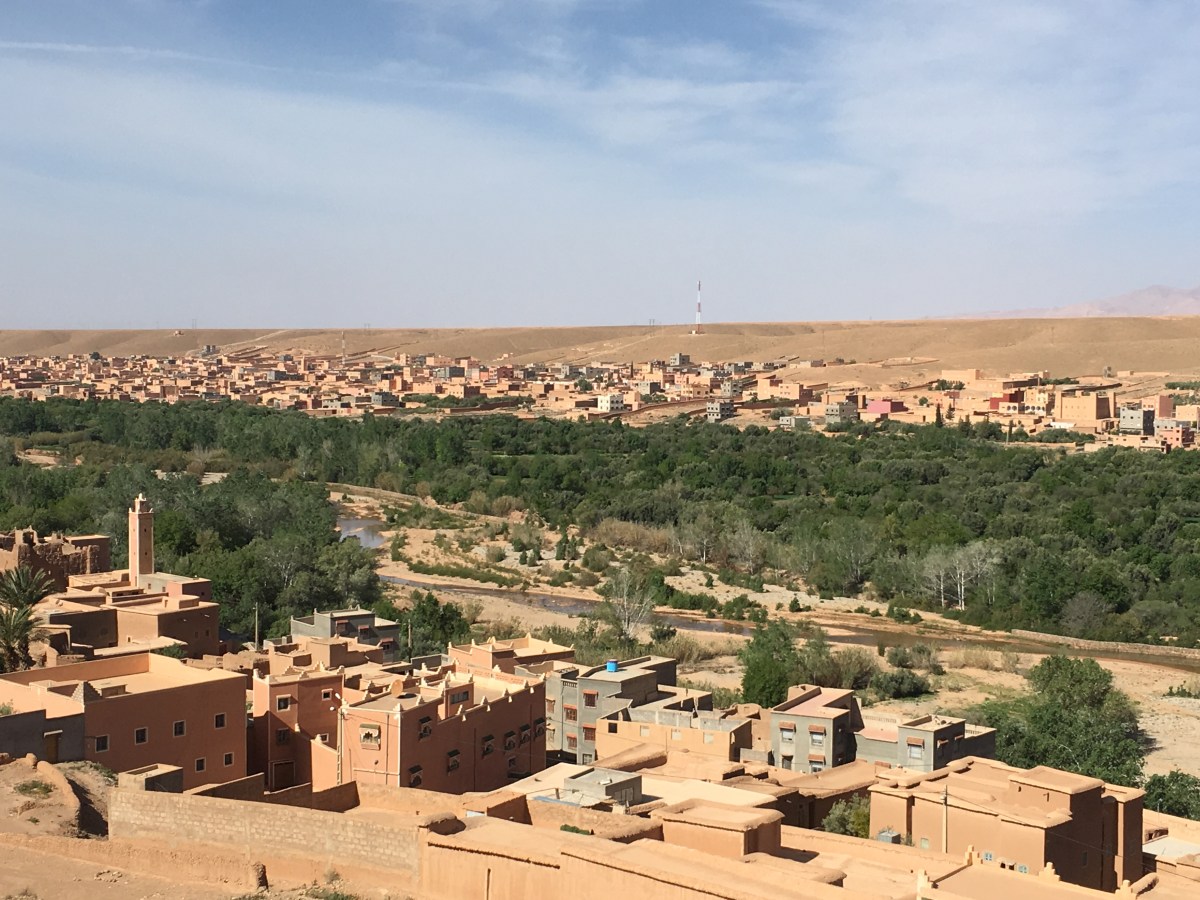
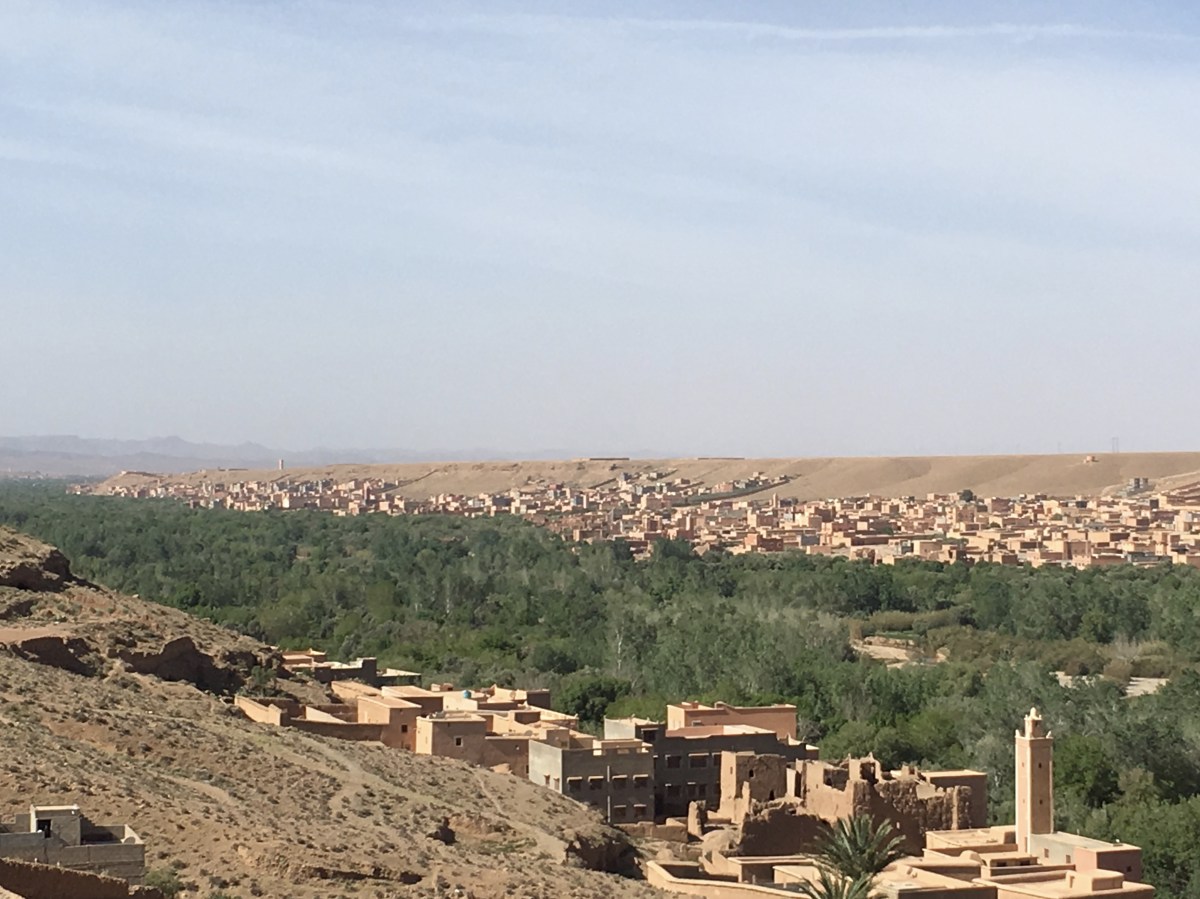
After Errachidia, we began to look for the Oases du Ziz, the land of the kasbahs.  We passed through a land rich with date palms, olive trees, and figs used to make Moroccan tequila.  We stopped to look over the oasis of date palms in the valley and the mudbrick towns or kasbahs.

The Ziz Valley marks the historically important Ziz River (Oued Ziz) and the passage through the High Atlas to the Middle Atlas.

fullsizeoutput_1bce2

Oases du Ziz

fullsizeoutput_1bce7

Oases du Ziz

IMG_5085

front (r to l): Christian, Theresa, Yulian, Tammy, Sue, Gabriel. Back: Rene (face covered) and Aziz.

IMG_5088

me at Oases du Ziz

IMG_5093

Oases du Ziz

IMG_5095

kasbahs at Oases du Ziz

fullsizeoutput_1bceb

kasbahs at Oases du Ziz

IMG_5101

kasbahs at Oases du Ziz

We stopped for a bathroom break at Restaurant Ennakhil, and many of our group got coffee.  People seemed to drink coffee at all times of day here.

fullsizeoutput_1bced

coffee break at Restaurant Ennakhil

We arrived at Hotel Ksar Merzouga close to 7:00.  We were ushered into oven-baked tents with no electric outlets, just a dim light in a colored lantern strung from the tent ceiling.

IMG_5105

our tent at Hotel Ksar Merzouga

fullsizeoutput_1bcee

tents at Hotel Ksar Merzouga

fullsizeoutput_1bcf2

tents at Hotel Ksar Merzouga

After checking in, we showed up in the dining room for a buffet dinner.  The salad selection was excellent: beets, green beans with sauce, tomatoes, aubergines, cold corn, and lentils.  I also had kafta tagine.  I opened the bottle of red wine I’d bought in Fez.  Susan had only a tiny glass, so I shared some with Chai and Yulia.  Father Anthony was about to have a glass but remembered it was Lent.

After dinner, we sat out by the pool for a bit then went into a big communal area lined with wool cushions and I drank another glass of wine.  We were waiting for a belly dancer and drum players, but they never showed up so I went to bed.  It got cold quickly as the sun went down, turning the fine sand icy underfoot.

fullsizeoutput_1bcf5

long shadows on the desert at Merzouga

I felt on the outside, which I often do in groups.  There was the clique of the four young people, Susan utterly disconnected, the Chinese girls huddled together, Father Anthony keeping to himself, and Edward and Elizabeth focused inward. I felt we had such a dull group that I might die of boredom before the tour was over. Everyone seemed utterly self-absorbed and no one ever asked anyone questions about themselves. I am not a fan of cliquish group dynamics. Luckily I was able to read my book, The Forgiven, in the dim light in my tent.

I don’t know why I ever go anywhere in a group.  I much prefer traveling with a single good friend, my husband, or by myself. 🙂

*Steps: 8,481, or 3.59 miles*

*Saturday, April 13, 2019*

**********************

“ON JOURNEY” INVITATION: I invite you to write a post on your own blog about the journey itself for a recently visited specific destination. You could write about the journey you hope to take in the year ahead.  If you don’t have a blog, I invite you to write in the comments.

Include the link in the comments below by Tuesday, March 17 at 1:00 p.m. EST.  When I write my post in response to this challenge on Wednesday, March 18, I’ll include your links in that post.

This will be an ongoing invitation, once on the third Wednesday of each month. Feel free to jump in at any time. 🙂

I hope you’ll join in our community. I look forward to reading your posts!


Share this:

  • Share on X (Opens in new window) X
  • Share on Facebook (Opens in new window) Facebook
  • More
  • Email a link to a friend (Opens in new window) Email
  • Print (Opens in new window) Print
  • Share on Pinterest (Opens in new window) Pinterest
Like Loading...
  • Europe
  • Hikes & Walks
  • International Travel

rome: continuing the “heart of rome” walk past the trevi fountain & the spanish steps

wanderessence1025's avatar wanderessence1025 February 16, 2020

After enjoying my gelato in the air-conditioned cafe for a good long while, I walked around a corner to get my first glimpse of the Baroque Fontana di Trevi, or Trevi Fountain.  It was built to celebrate the abundant water brought into the city by aqueducts.  Oceanus rides across waves in a chariot, pulled by horses and horn-blowing tritons, commanding the flow of water. A triumphal arch bursts with seashells, roaring sea beasts, and mermaids. Legend has it that if you throw a coin in, you’ll be sure to return to the Eternal City.  It must be thrown with the right hand over the left shoulder.

I was surprised by how the huge basin is squeezed into the tight tre vie, a meeting of three small streets.

I didn’t bother throwing a coin in as I already felt it was unlikely I’d return to Rome.

fullsizeoutput_1bed6

Trevi Fountain

One man was sitting in front of the fountain with his gnarled deformed feet stretched out in front of him, and a cup for donations at his side.  People were 6-7 deep around the front of the fountain.  It was impossible to get an unobstructed view.  I was able to get up to the edge from the sides and got a couple of decent shots there.

fullsizeoutput_1beda

Trevi Fountain

fullsizeoutput_1be65

Trevi Fountain

fullsizeoutput_18d91

Trevi Fountain

fullsizeoutput_1be6e

building near the Trevi Fountain

It was quite a walk after that to the Spanish Steps, past Sant Andrea Delle Fratte and another obelisk and past the Keats-Shelley Memorial House to the famous steps.

fullsizeoutput_1be71

fruit stand on the way through the Heart of Rome

In the square at the bottom of the steps was the “Sinking Boat” Barcaccia Fountain (1627-29).  The half submerged boat brims with water, depicting the urban legend of a fishing boat supposedly lost during a 1598 flood of the Tiber.  It supposedly ended up beached at this spot.

IMG_5889

“Sinking Boat” Barcaccia Fountain

The 138 curving Spanish Steps, one of Rome’s iconic sights, lead up from Piazza di Spagna, forming a butterfly shape as they fan out around three terraces.  They climb up a steep hill to the top, where another obelisk is framed between the two Baroque church towers of Trinità Dei Monti.  Azaleas were in bloom between the steps making it quite pretty.  The hordes of people made getting decent photos challenging.

Built in 1723 with French money, the steps are called Spanish because of the Spanish Embassy to the Vatican located here.

IMG_6523

Spanish Steps

fullsizeoutput_1bedd

Spanish Steps

fullsizeoutput_1be7b

Spanish Steps

IMG_5895

Spanish Steps

fullsizeoutput_1be87

Spanish Steps

fullsizeoutput_1be8a

Trinitá DeI Monti and obelisk

fullsizeoutput_1be84

looking down from the Spanish Steps to Piazza di Spayna

It was hot, so the climb up left me in a sweat.  I walked all over trying to find the hop-on hop-off bus.

fullsizeoutput_1be8d

Walking through Rome

fullsizeoutput_1bf00

Il Sistina

I walked past the Convento dei Cappuccini, which houses six crypt chapels where everything is made of human bones.  Between 1732 and 1775, resident Capuchin monks used the bones of nearly 4,000 of their departed brothers to create this macabre memento mori.  Each crypt is named after the type of bone used to decorate (skulls, shin bones, pelvises etc).

fullsizeoutput_1bf03

Convento dei Cappuccini

fullsizeoutput_1bf0c

Roman buildiing

Finally finding the hop-on bus, I took it back to the train station and meandered back to the Beehive Hostel.  I laid down in my comfortable room at the Beehive with the windows open.  Within minutes, I was asleep. An hour later, I woke up chilly, so I got under the covers and slept another hour.

At 7:30, I went downstairs to the cafe as Steve, the owner, originally from Denver, Colorado, made a delicious dinner: Beet, carrot and blood orange salad (also with onions and walnuts); Crostino with melted Pecorino cheese and sauteed mushrooms, Penna all’arrabbiata (slightly spicy pasta dish with tomato, garlic, red pepper flakes, and parsley), and biscotti for dessert. A 10€ donation plus a tip was suggested, plus 2€ per glass of wine (I had 2), so I left a 20€ total donation.

The people at our communal dinner were friendly and talkative: a German mother and her 17-year-old daughter, a young environmental scientist from California, a young lady from London, another from Germany who worked to empower women and who had lived in Ecuador for a year.  She lived in Sangolqui south of Quito, on the outskirts of the city, smaller and safer, and she recommended I consider it as a base when I go to Ecuador.  Finally, there was a pretty young woman from India who worked in film production. When I mentioned my son was a butcher apprentice in Denver, she said lately she’d been finding butchery quite fascinating as an artistic skill; she liked the way they prepared and cut the meat.

fullsizeoutput_1bee8

our dinner group at the Beehive Hostel

It was fun way to end my first day in Rome.  When I shared about my 7-year-separation and teaching abroad, people talked about how different marriages work.  I used my hands to show that before we separated, my husband and I were all jumbled up and intermingled, like a giant tangle with no boundaries, but after, we were like the picture below, coming together and going apart, sharing our lives but not all entangled:

∞∞∞∞∞∞∞∞∞

I went to bed close to 11:00 p.m.; I was fairly overwhelmed by my plan to visit the Vatican Museums the next day.  I wished I hadn’t committed and debated whether I should just forfeit the 34€ I’d already paid and call it a sunk cost.

*2nd half of day 1: Thursday, April 25, 2019*

**************

On Sundays, I post about hikes or walks that I have taken in my travels; I may also post on other unrelated subjects. I will use these posts to participate in Jo’s Monday Walks or any other challenges that catch my fancy.

This post is in response to Jo’s Monday Walk: Corte Pequena.

Share this:

  • Share on X (Opens in new window) X
  • Share on Facebook (Opens in new window) Facebook
  • More
  • Email a link to a friend (Opens in new window) Email
  • Print (Opens in new window) Print
  • Share on Pinterest (Opens in new window) Pinterest
Like Loading...
  • American Road Trips
  • Art Journaling
  • Chillicothe

art journal spreads: tiffany glass & road trip to nowhere

wanderessence1025's avatar wanderessence1025 February 14, 2020

This year, I’m going to start adding some of my art journal spreads to my blog.  I’m trying to experiment with more ways to make art from travel.  Making art journal spreads and doing watercolors are some of the artistic challenges I’m setting for myself. Also, I’m interested in collage and drawing, using either pencils, colored pencils, pens or markers, and making maps of the places I visit.

Below is my first art journal spread for my Road Trip to Nowhere. This depicts my first day of travel, from Virginia to Chillicothe, Ohio, where I stopped to visit Hopewell Culture National Historical Park.  You can see my “on journey” post here: on journey: virginia to cincinnati on a “road trip to nowhere”.  This day of travel was on September 1, 2019.

Hopewell Culture National Historical Park
Virginia to Ohio
Virginia to Ohio
fullsizeoutput_1c41b

Virginia to Hopewell Culture in Ohio – September 1, 2019

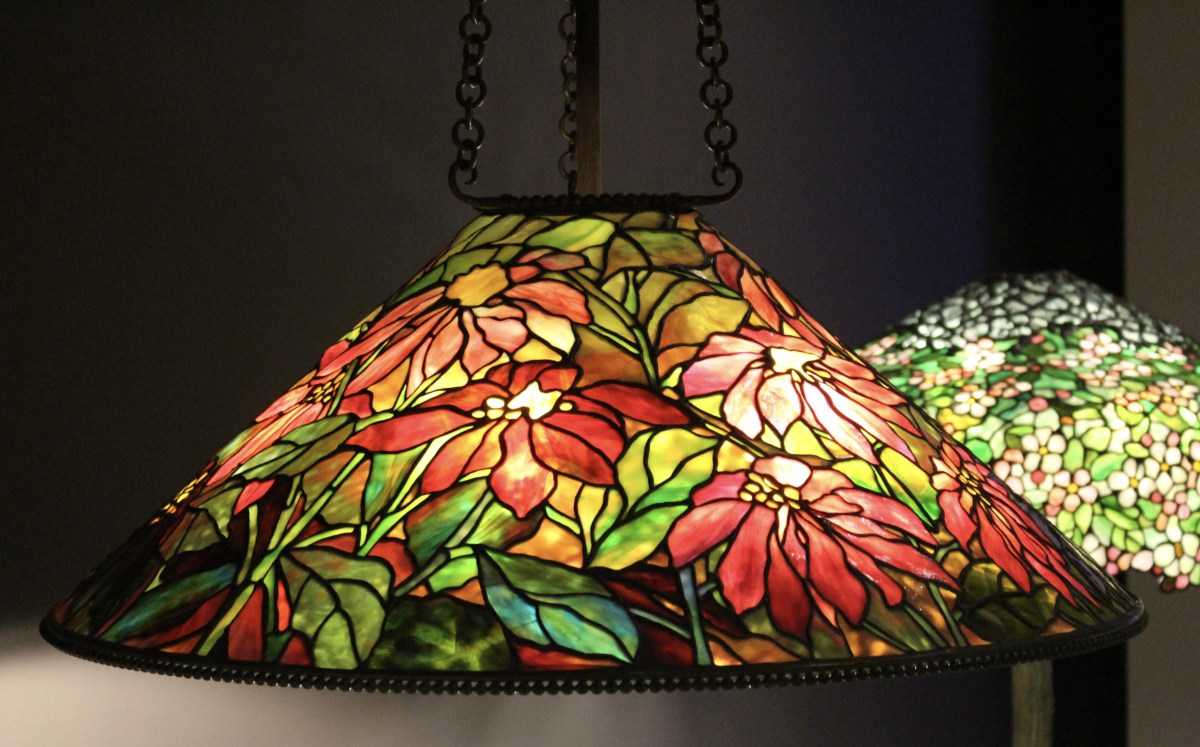
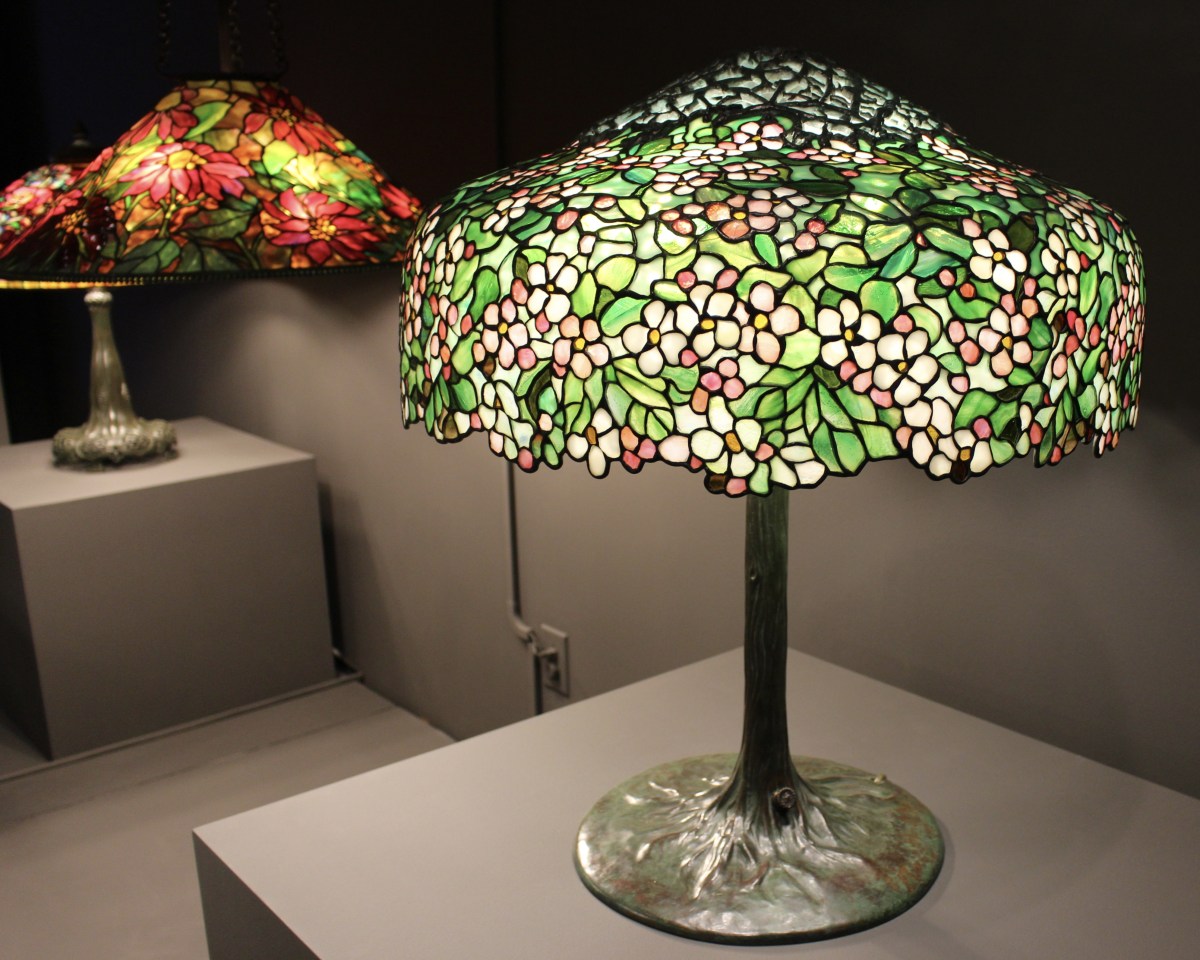
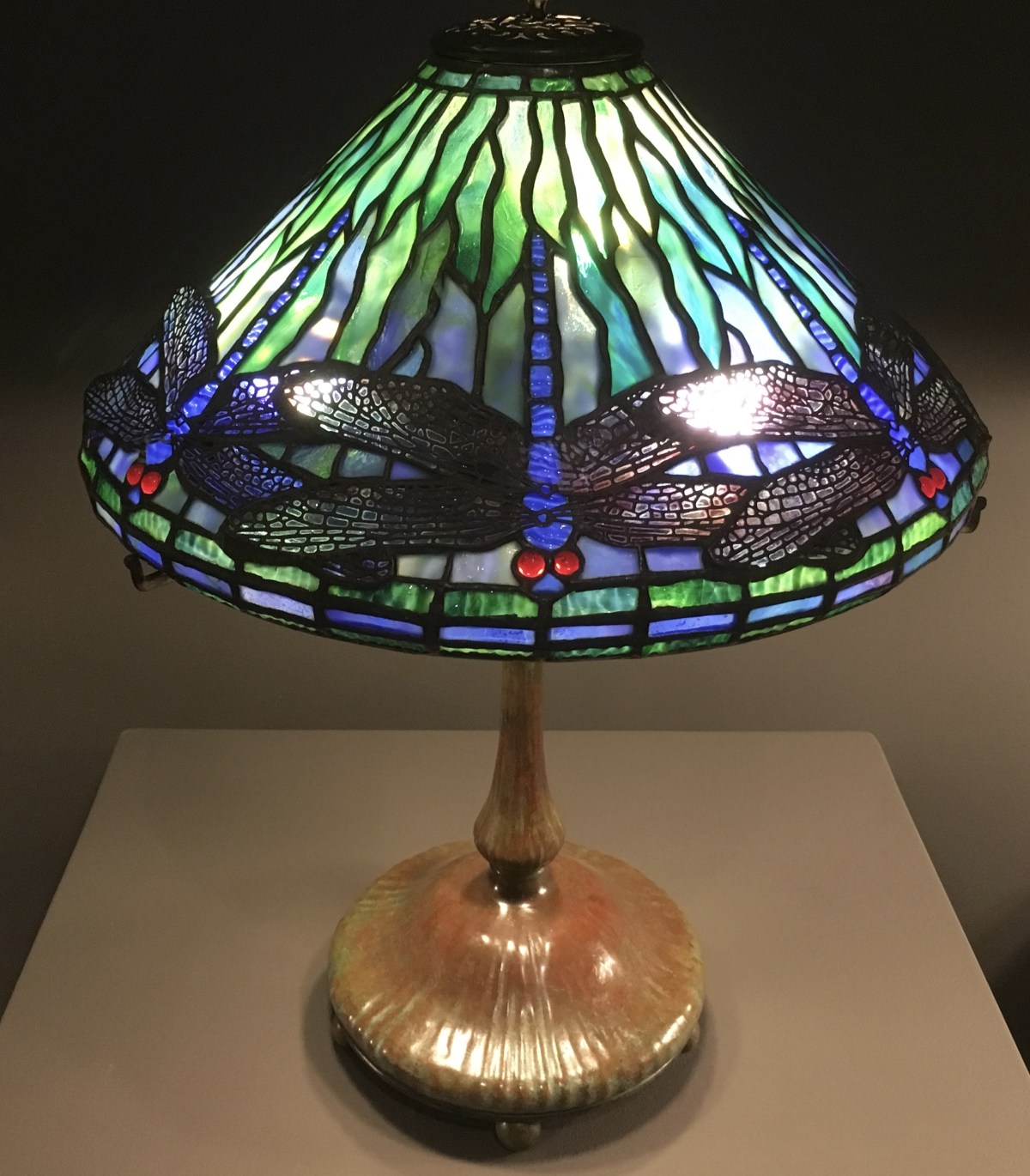
Second, I did a pencil sketch of a Tiffany lamp, based on an exhibit I saw at the Museum of the Shenandoah Valley on July 28, 2019.  After drawing the lamp in pencil, I outlined it in black gel ink, and colored it in with colored pencils and Midliner Creative Markers.  I haven’t yet written about this visit.

fullsizeoutput_1c410

Tiffany Lamp from the Museum of the Shenandoah Valley

Lastly, I made an art spread for the second day of my Road Trip to Nowhere, where I drove from Cincinnati, Ohio to Springfield, Illinois.  I visited the William Howard Taft National Historic Site in Cincinnati, and then drove through Indiana and Illinois to Springfield, where I visited the Lincoln Home National Historic Site. This was on September 2, 2019.  I haven’t yet written about this travel day.

Cincinnati, Ohio to Springfield, Il.
fullsizeoutput_1c413

Cincinnati, Ohio to Springfield, Illinois

I’m not totally happy with these spreads, especially the last one, which I feel is too busy.  I want to try to simplify and pare down on my next spread.

But I hope you’ll give me some leeway, as I’ve never been a visual artist, and until last year, I have never really drawn much of anything. 🙂

**********************

“ART JOURNAL” INVITATION: I invite you to post a journal spread on your own blog about your travels. You can do collage, watercolor, acrylics, stamps, drawing or stencils — whatever art form your heart desires.  These are my first art journal spreads and drawings, so I can only hope I’ll become more creative as I practice and play. I invite you to do the same!

If you’d like some ideas on creating an art journal, please see my page: on creating art from travels.  I actually don’t have many ideas yet, but I hope to add more as I experiment with different art forms.  Also, I would love to see any great ideas from the artists out there. Feel free to add a link to your own blog if you do bullet or travel journals of your own.

Include the link in the comments below by Thursday, March 12 at 1:00 p.m. EST.  When I write my post in response to this challenge on Friday, March 13, I’ll include your links in that post.

This will be an ongoing invitation, once on the second Friday of each month. Feel free to jump in at any time. 🙂

I hope you’ll join in our community. I look forward to reading your posts!


Share this:

  • Share on X (Opens in new window) X
  • Share on Facebook (Opens in new window) Facebook
  • More
  • Email a link to a friend (Opens in new window) Email
  • Print (Opens in new window) Print
  • Share on Pinterest (Opens in new window) Pinterest
Like Loading...
  • Africa
  • America
  • Asia

jude’s photo challenge: patterns

wanderessence1025's avatar wanderessence1025 February 13, 2020

Jude of Travel Words has challenged us to experiment with our photography using different photographic techniques or topics.  For February, she’s given us several aspects of patterns to focus on. Because I didn’t go anywhere this month where I could practice these techniques, I looked for images in my archives which show different composition choices.

Here’s from Jude’s challenge:

This month we are going to look at Patterns. Patterns can be found everywhere, in nature or man-made constructions. For a photographer, using patterns is key to a good composition.

They are made up of repeated objects, geometric shapes or abstract patterns, or colours and they may be random or ordered. Visual patterns in nature are often loose and organic – think of spirals, waves, rock formations, sand.

Being creative with patterns

Look for various types of patterns – squares, circles, triangles and so on. (2020 Photo Challenge #5).

bags of produce in Busan, Korea
plates in a Barcelona bar
peppers in Barcelona
radishes in Barcelona
pears in Barcelona
pears in Barcelona
sake barrels in Japan
Japanese flip-flops
Japanese flip-flops
Japanese socks
Japanese socks
Chihuly sculpture at Joslyn Museum in Omaha
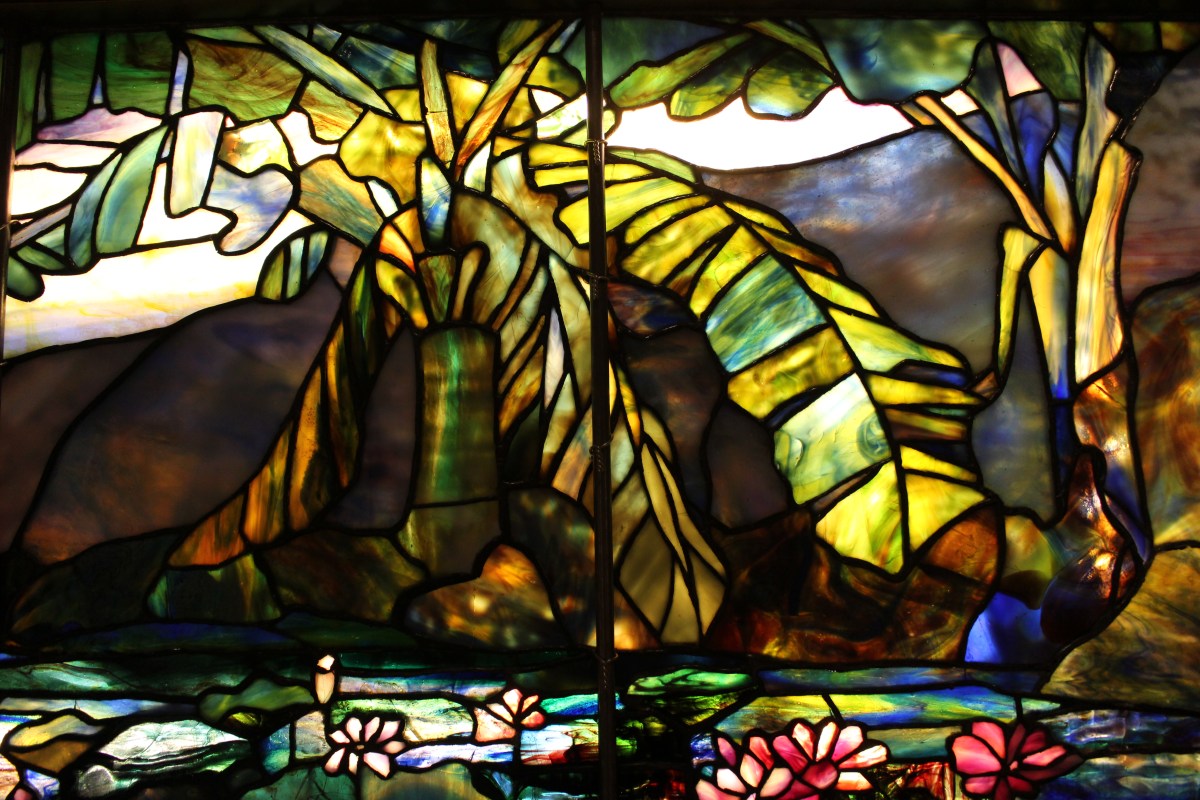
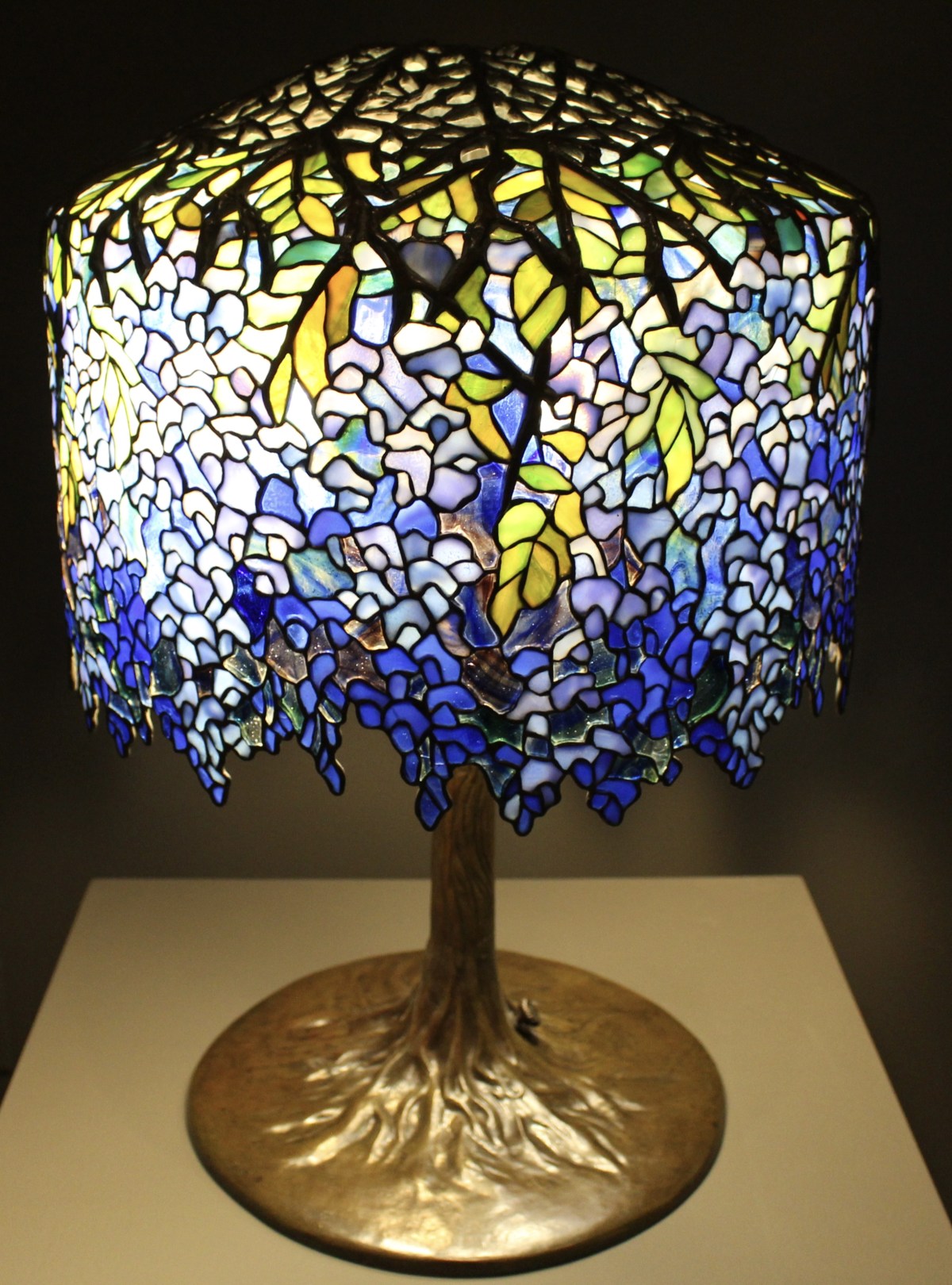
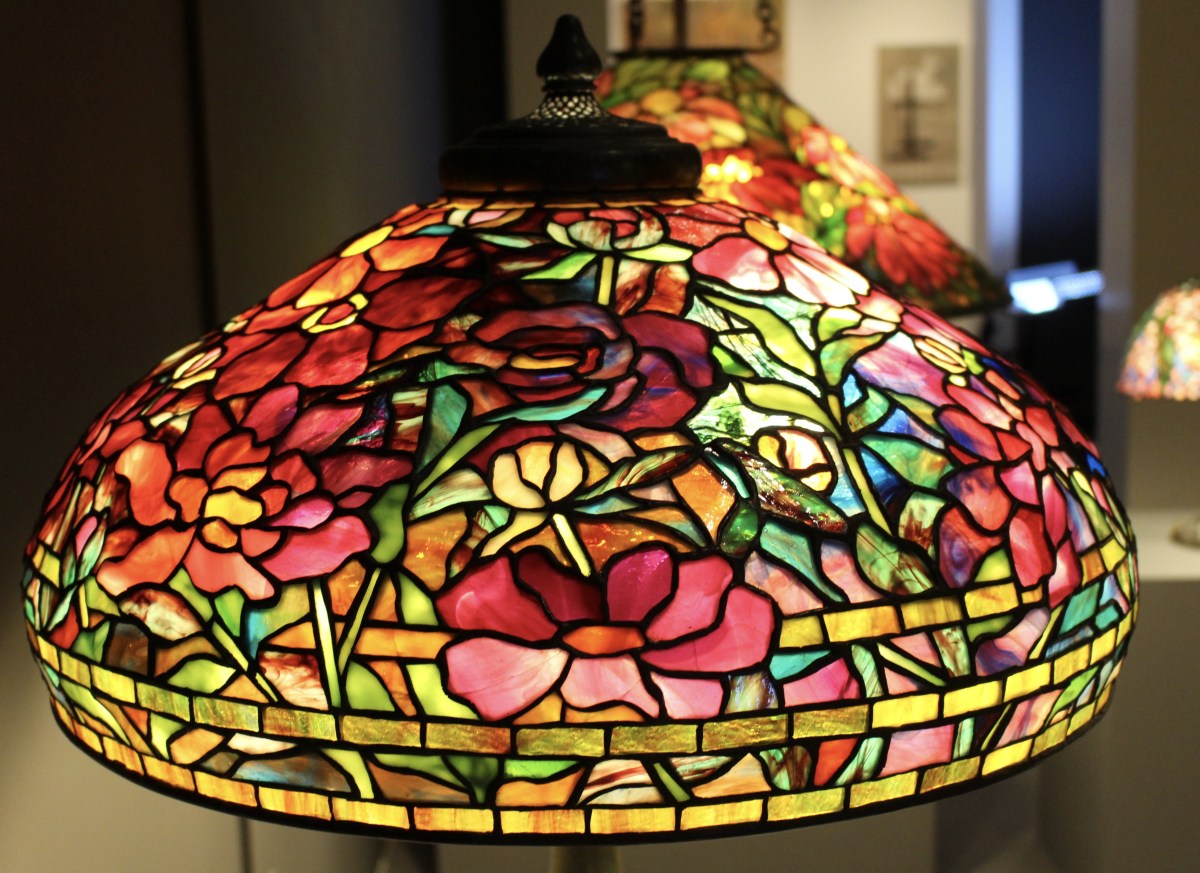
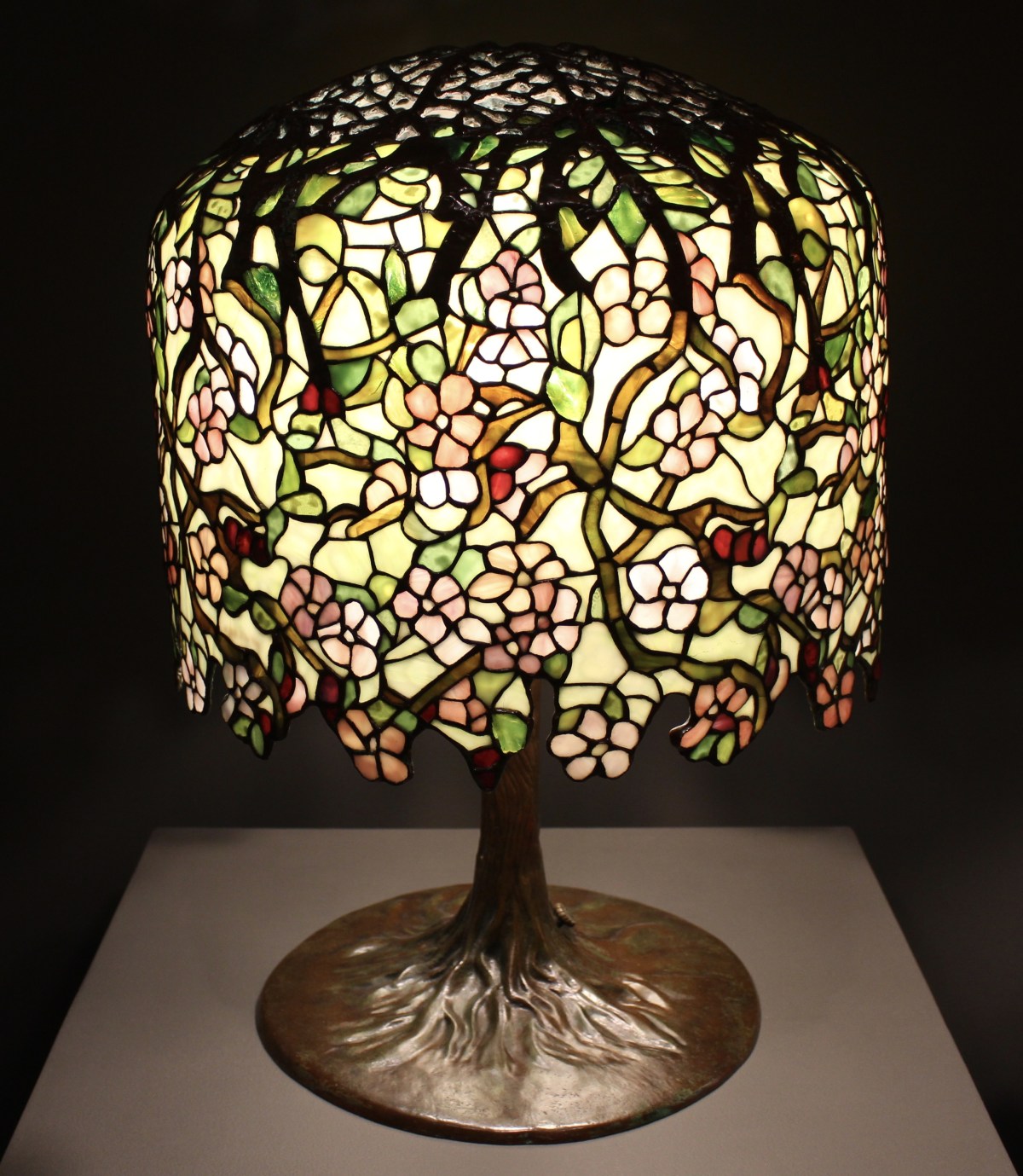
Tiffany lamps at Museum of Shenandoah Valley in Winchester, VA

Shoot from a different perspective. Look up, look down or shoot from a distance. (2020 Photo Challenge #6).

A painterly palette in Busan, Korea
Floating flowers from India
dyes in Fez, Morocco
Lotus blossom in Washington, D.C.

Break the pattern, disrupt the continuity in some way.

Boseong Tea Plantation, Korea
Suncheon Bay, Korea
Suncheon Bay, Korea
temple in Korea
temple in Korea
fans in Barcelona
fans in Barcelona
fans in Barcelona
fans in Barcelona
lanterns in Spain
lanterns in Spain
jellyfish in Baltimore, Maryland
bicycles in Yangshuo, China

Use pattern as a background for a more substantial subject.

fullsizeoutput_158e4

souq in NIzwa, Oman

fullsizeoutput_2c5f

Nepal

P1221900

pottery factory in Nepal

The most difficult part for me is the last part of the challenge: using pattern as background for a more substantial story.  Here I think of Steve McCurry, who is wonderful at capturing culture and people in the midst of patterns that identify the essence of that culture.

*********************

“PHOTOGRAPHY” INVITATION:  I invite you to create a photography intention and then create a blog post for a place you have visited. Alternately, you can post a thematic post about a place, photos of whatever you discovered that set your heart afire. You can also do a thematic post of something you have found throughout all your travels: churches, doors, people reading, people hiking, mountains, patterns, all black & white, whatever!

In this case, I am simply participating in Jude’s Photo Challenge on Patterns.  All are from my travels.

You probably have your own ideas about this, but in case you’d like some ideas, you can visit my page: photography inspiration.

I challenge you to post no more than 20-25 photos and to write less than 1,500 words about any travel-related photography intention you set for yourself. Include the link in the comments below by Wednesday, February 19 at 1:00 p.m. EST.  When I write my post in response to this challenge on Thursday, February 20, I’ll include your links in that post.

This will be an ongoing invitation, every first, second, and third (& 5th, if there is one) Thursday of each month. Feel free to jump in at any time. 🙂

I hope you’ll join in our community. I look forward to reading your posts!

the ~ wander.essence ~ community

I invite you all to settle in and read a few posts from our wandering community.  I promise, you’ll be inspired!

  • Sheetal of Sheetalbravon posted about her trip to Aurangabad to see the amazing, and very photogenic, Ajanta Caves.
    • FOMO (Fear Of Missing Out) at Ajanta Caves!

Thanks to all of you who shared posts on the “photography” invitation.

Share this:

  • Share on X (Opens in new window) X
  • Share on Facebook (Opens in new window) Facebook
  • More
  • Email a link to a friend (Opens in new window) Email
  • Print (Opens in new window) Print
  • Share on Pinterest (Opens in new window) Pinterest
Like Loading...
  • Europe
  • International Travel
  • Italy

rome: forgoing the colosseum & dipping into the “heart of rome”

wanderessence1025's avatar wanderessence1025 February 11, 2020

I welcomed my first morning in Rome with a “Buongiorno,” showered, and put on jeans; they would prove to be my undoing in the day’s heat and humidity.  I went directly across from Atos B&B to a cafe where I enjoyed a complimentary cappuccino, croissant and some red fruit juice, after which Gabriella walked with me for three minutes to The Beehive Hostel Rome.

I was debating whether to get the Roma Pass since I only had two days in the city, but Linda at The Beehive told me the pass didn’t allow you to skip lines, that you still had to reserve time slots online.  There were no slots open to reserve, so I was unable to do anything. I simply deposited my bags and headed out for the day.

I walked about two blocks to Stazione Termini and walked through until I got to Tourist Information, which wasn’t at all helpful.

On the street, a guy presented the City Sightseeing Roma bus, which I bought for 31€ for 48 hours.  They also sold me a timed entry ticket to the Vatican Museums for 34€, but the pass had no time on it and I didn’t really understand how it worked.  I felt foolish getting roped into that because I wasn’t sure I even wanted to go there with all the hordes of tourists.

I stood in a very slow-moving line to get on the bus because the woman was processing payments from customers.  They obviously needed a better system!  People like me who already had tickets should have been able to get on the bus right away.

Finally, the bus started moving and we went three stops, going around a church and then to the Colosseum.  I got off just past the Arch of Constantine.  Rick Steves had said the Palatine Hill entrance was best for shorter lines and WCs, but the line to buy tickets was super long, hundreds of people moving at a snail’s pace.

fullsizeoutput_1be72

Palatine Hill

fullsizeoutput_1be90

Arch of Constantine

fullsizeoutput_1be94

part of the Arch of Constantine

I stood in line for 45 minutes and moved a couple of feet. I could have twiddled my thumbs in that line for two days because I didn’t want to do anything else in Rome but see the ancient arena where gladiators fought to the death, or where doomed prisoners fought off bloodthirsty beasts.  However, I wasn’t so enamored of the idea that I was willing to forego everything else.

I finally concluded: forget it!  I could wander around outside the gates and see enough to be satisfied. I walked past the Arch of Constantine, then around the perimeter of the Colosseum.

IMG_6435

Colosseum

fullsizeoutput_1be99

Colosseum

fullsizeoutput_1be9a

Colosseum

IMG_6450

Colosseum

fullsizeoutput_1be9e

Colosseum

Following the crowds, I wandered up Via Sacra and past the Arch of Titus at the Roman Forum and around the back of the Palatine Hill to a small church.  Of course I was limited to what I could see through the gates.  I could barely see the Temple of Venus and Roma up on the hill overlooking the Colosseum, with its tall brick arch with a cross-hatched ceiling. Part of the Roman Forum, it was once the temple’s cella, or sacred chamber.  The Arch of Titus, built by the Emperor Domitian to honor his elder brother Titus, was said to be the inspiration for the Arc de Triomphe in Paris.  I couldn’t see much of the rest except some glimpses through the gates.

IMG_6457

Arch of Titus

fullsizeoutput_1bea2

Arch of Titus

fullsizeoutput_1bea4

small church

Through the fencing, I only had a peek at the Roman Forum, which in ancient times was a marketplace, religious complex and administrative center.

fullsizeoutput_1bea6

Roman Forum

Finally, I had enough and boarded the hop-on hop-off bus to go anywhere else.  The woman ticket taker told one man to wait for the next bus, but he insisted he was getting on THAT BUS, and he kept trying to push in front of me.  He kept saying “Don’t touch me!” to the woman.  What an asshole.  People in general were testy with all the crowds and the waiting.

The bus went by Circo Massimo and up to Piazza Venezia, where I got off because I saw a cafe where I might be able to use the bathroom.  It was close to the Teatro di Marcello, or the Theatre of Marcellus, an ancient open-air theater once known for song and dance performances; it was built in the waning years of the Roman Republic.  Julius Caesar cleared space for the theater, but he was murdered before construction began.  It was completed in 13 BC and formally inaugurated in 12 BC by Augustus, named after his nephew Marcus Claudius Marcellus, who had died in 23 BC. It originally held between 11,000 and 20,000 spectators, and was the largest and most important theater in Ancient Rome.

The theater was on the edge of the old Jewish ghetto, Ghetto Ebraico, and I saw they had some kind of Holocaust museum there. The Jewish community in Rome was one of the oldest in Europe, dating back to the 2nd century BC. Jews were confined in the ghetto from 1555 until the 20th century, due to a period of official intolerance ushered in by Pope Paul IV.

fullsizeoutput_1bea7

Teatro di Marcello

fullsizeoutput_1bea8

unknown dignified building

Found in the center of the Jewish ghetto was the Il Portico di Ottavia, built after 27 BC by Augustus in the name of his sister, Octavia Minor. The colonnaded walks of the portico enclosed the temples of Jupiter Stator and Juno Regina, as well as a library. The structure was used as a fish market from the medieval period up to the end of 19th century.

fullsizeoutput_1bead

Il Portico di Ottavia

fullsizeoutput_1beb0

Il Portico di Ottavia

Nearby was the restaurant Il Giardino Romano, where I sat under an awning and enjoyed bread, sparkling water, and fresh pasta with cheese, pepper and chicory.  It was super tasty! 🙂  In retrospect, this was the way I wished I’d spent most of my day, sitting at an outdoor cafe eating delicious food and watching people stroll past.

fullsizeoutput_19021

fresh pasta with cheese, pepper and chicory

From there, I turned on my GPS to lead me to Piazza Campo de Fiori.  I stopped in a cute shop where I bought a green and brown parreo and watched an older heavyset Italian woman with a blue streak in her blonde hair try on an exotic maxi dress.

fullsizeoutput_1beb3

Museo di Roma

fullsizeoutput_1be58

Ghetto Ebraico

fullsizeoutput_1be5a

walking through Rome

fullsizeoutput_1be5b

buildings in Rome

fullsizeoutput_1be5c

a little park

fullsizeoutput_1be5d

streets of Rome

I continued on until I reached Campo de Fiori, a bohemian plaza with a busy fruit and vegetable market and cafes lining the edges.  In the center of the square was a statue of Giordano Bruno, an intellectual heretic who was burned on this spot in 1600.

fullsizeoutput_1be62

Piazza Campo de Fiori

IMG_5874

statue of Giordano Bruno

At Piazza Campo de Fiori, I started Rick Steves’ “Heart of Rome Walk.”  I made my way slowly to Piazza Navona, Rome’s showcase square.  The long, oval piazza was built around AD80 by the Emperor Domitian.  I was first greeted at the southern end of the square by the Fontana del Moro, or Fountain of the Moor, designed by Giacomo della Porta in 1576.

At the center of the square was Bernini’s Fontana dei Quattro Fiumi, the Four Rivers Fountain, with its four burly river gods personifying the rivers Nile, Ganges, Danube and Plate, with an Egyptian-style obelisk in the center.  The fountain showed the Nile with its head covered, the Ganges with an oar, the Danube, who turned to admire the obelisk, and Uruguay’s Rio de la Plata, which tumbled back in shock and gazed upward at the nearby Chiesa di Sant’Agnese in Agone, or Church of St. Agnes.  The church was designed by Francesco Borromini.

fullsizeoutput_1beb6

Fountain of the Moor

fullsizeoutput_1beb9

Piazza Navona

fullsizeoutput_1bf10

Chiesa di Sant’Agnese in Agone

fullsizeoutput_1bebb

Piazza Navona

fullsizeoutput_1bebc

Four Rivers Fountain

fullsizeoutput_1bec2

Four Rivers Fountain

fullsizeoutput_1bec6

Four Rivers Fountain

fullsizeoutput_1bec8

Four Rivers Fountain

fullsizeoutput_1becb

“Heart of Rome” walk

I walked by the 2,000-year-old Pantheon, built by Marcus Agrippa in 27 BC.  After burning down in AD80, it was rebuilt by Domitian, then struck by lightning in AD110.   The current version, with its 40-foot single-piece granite columns and its triangular Greek style roof, was rebuilt by Emperor Hadrian between AD 118 and 125. Hadrian’s version was dedicated to the classical gods, but in 608, it was consecrated as a Christian church.  I didn’t go inside, but there is supposedly a domed room of perfect proportions to be seen there.  I regret that I missed the interior.

fullsizeoutput_1becd

Pantheon

fullsizeoutput_1bece

Pantheon

fullsizeoutput_1bed1

“Heart of Rome” walk

I continued my walk past the Senate building and San Luigi.  After walking past the Parliament, guarded by police or military men, I found a couple more obelisks. In front of the Parliament was a 6th century Egyptian obelisk taken as a trophy by Augustus after his victory over Mark Anthony and Cleopatra in Egypt.

Apparently, Rome has 13 such obelisks, more than any other city.

fullsizeoutput_1bed2

Parliament

In Piazza Colonna was a huge column from the second century. The decorative relief wrapped like a scroll around its length told in a sort of continuous narration the victories of Emperor Marcus Aurelius over the barbarians. After he died in AD 180, the barbarians began Rome’s three-century-long unraveling. Paul, one of Rome’s patron saints, topped the column that Marcus Aurelius once dominated.

fullsizeoutput_1bed3

Egyptian obelisk

At this point, I stopped to escape from the heat for a gelato.  It had a band of chocolate around the top of the cone, and was topped with walnuts. After this much-needed break, I was ready to turn a corner to the Trevi Fountain, continuing on my “Heart of Rome” walk.

IMG_6515

a refreshing gelato break

*Wednesday, April 24, 2019*

**********************

“PROSE” INVITATION: I invite you to write up to a post on your own blog about a recently visited particular destination (not journeys in general). Concentrate on any intention you set for your prose.

My intentions for my trip to Italy were determined before I left home. One was to use a different Italian word each day.  My word for today was “Buongiorno.” The other intention was as follows: Pick up any book you have on your shelf.  Turn to page 79.  Pick the 4th sentence on the page and write that sentence at the top of each day’s journal entry. Then brainstorm any ideas that come to your mind related to that sentence.  Write a travel essay using that sentence as your topic sentence. 

I must admit this intention didn’t work out so well for today, because this was the sentence I had written in my travel journal. “I chewed on the string every summer because I never had anything else to do out in right field.” ~ from a short story called “Love Story” from the collection GOOF And Other Stories by Sean Enright.  It’s a little difficult to write about being out in right field in a baseball game while you’re in Rome! Thus I altered the sentence and used a version of it to describe my frustration standing in line at the Colosseum. 🙂

It doesn’t matter whether you write fiction or non-fiction for this invitation.  You can either set your own writing intentions, or use one of the prompts I’ve listed on this page: writing prompts: prose. (This page is a work in process.) You can also include photos, of course.

Include the link in the comments below by Monday, February 24 at 1:00 p.m. EST.  When I write my post in response to this invitation on Tuesday, February 25, I’ll include your links in that post.

This will be an ongoing invitation. Feel free to jump in at any time. 🙂

I hope you’ll join in our community. I look forward to reading your posts!

Share this:

  • Share on X (Opens in new window) X
  • Share on Facebook (Opens in new window) Facebook
  • More
  • Email a link to a friend (Opens in new window) Email
  • Print (Opens in new window) Print
  • Share on Pinterest (Opens in new window) Pinterest
Like Loading...
  • America
  • Cedar Creek & Belle Grove National Historical Park
  • Hikes & Walks

cedar creek & belle grove national historical park

wanderessence1025's avatar wanderessence1025 February 9, 2020

In November, I visited Cedar Creek & Belle Grove National Historical Park in Middletown, Virginia.  This park was created by the U.S. Congress in 2002 with the mission to preserve and interpret the history of the area from the time of the first human settlement until today.

It seems the first people arrived in Virginia’s Shenandoah Valley around 10,000 years ago and lived on wildlife and plants.  Eventually they cultivated the land, growing a variety of crops.  Tribal warfare pushed out most American Indians before European settlers arrived.  In 1731, Jost Hite led the first of the new settlers, finding fertile soil and abundant water. They discovered that wheat flourished and made high quality flour.  By the late 1700s, 96% of farmers in the Valley were growing wheat to sell commercially, mostly to Great Britain.  During this Age of Grain, a few plantations were established. Hundreds of mills sprung up along the valley’s fast-flowing streams, which powered the wheels that turned the heavy millstones, grinding the grain into flour.

The Union and Confederacy fought over the Shenandoah Valley throughout the war.  But in 1864, the Union attempted to destroy the “Breadbasket of the Confederacy.”  President Lincoln aimed to devastate the Southern economy and General Ulysses S. Grant wanted the Valley to “remain a barren waste.” The Union systematically burned crops, mills, factories and two thousand barns, along with confiscating or killing thousands of farm animals, leaving residents with no food for themselves, let alone for either Confederate or Union soldiers.

fullsizeoutput_1be20

The Battle of Cedar Creek

On October 19, 1864, Confederate soldiers crossed Cedar Creek and the North Fork of the Shenandoah River to surprise sleeping Union soldiers.  The Confederates chased the Union soldiers north.  By late morning, The Confederates thought they’d won.  However, Union General Philip Sheridan was racing south from Winchester, determined to rally his stunned troops.  By sunset, the Confederates were defeated, and the Confederate Army of the Valley ceased to exist.  Over 8,600 Union and Confederate men were killed, wounded or captured in the second bloodiest of the Shenandoah Valley’s battles.

At the Visitor Contact Station, I was able to watch an active re-enactment of the battles on a topographical map with blue lights showing the Union troops and red lights showing the Confederates.

Battle of Cedar Creek
wheat farmer in Shenandoah Valley

I stopped to have a look at the Cedar Creek Battlefield, and saw a lone white house.  Probably built around 1800, the clapboard-covered log house known as the Heater House was the center of a prosperous 600 acre farm owned by Solomon and Caroline Wunder Heater. Although two of her sons died in Confederate service, Mrs. Heater, a native of Pennsylvania, was a Union supporter and frequently provided shelter and supplies to the federals. Her loyalty was ultimately repaired by a 1901 federal grant for some wartime damages.

fullsizeoutput_1be2a

Heater House

fullsizeoutput_1be31

Cedar Creek Battlefield

Thoburn’s Redoubt, consisting of 134 acres and part of the historic Bowman-Hite farm, was where the Union Army under Col. Joseph Thoburn encamped among the bluffs north of Cedar Creek.

The opening attack of the battle took place in these fields and woods around 5 a.m. on October 19, 1864. The Union troops, utterly surprised, were completely routed in the heavy fog and predawn darkness. Col. Joseph Thoburn’s attempts to rally his men failed, and he was later killed during the retreat through the streets of Middletown. The trail here covers part of the ground where Thoburn’s troops were positioned and then overrun by the Confederate assault.

fullsizeoutput_1be37

The Thoburn Redoubt Trail

Signal Knob, 1500 feet above the Valley floor, marks the northern end of the Massanutten Mountain Range. On October 17, two days before the battle, Confederate officers utilized the advantages provided by Signal Knob, where there was a longstanding signal station. From their viewpoint, they could see Sheridan’s army around Cedar Creek and could pick out all the units’ positions towards Belle Grove.  This gave them the advantage in the attack against the Union army in the first battle on the 19th.

fullsizeoutput_1be38

Signal Knob

A monument to the 128th New York Regiment was erected in 1907. These men had borne the brunt of the Confederate attack against their position around 6:00 a.m.

fullsizeoutput_1be3c

monument at Cedar Creek

Following the successful Confederate surprise attack, Union forces from the 8th and 19th corps formed battle lines across the woods and fields shown below, hoping to slow the overwhelming Southern assault moving in this direction. The fighting delayed the Confederate advance long enough for the rest of the Union army, on the other side of the Valley Pike, time to readjust their lines.

fullsizeoutput_1be3e

Morning Attack Trails

The Middletown Cemetery, on a knoll west of the village, was the only point Union officers believed they could slow the Confederate advance. From this high ground, General George Getty’s division, about 2,500 strong, repulsed two Confederate assaults. Frustrated, the Confederates massed 30 cannons, and with a third attack, they finally forced Getty to withdraw.

yQ4QhTcVRL2atuY3znvBCw

Mt. Carmel Cemetery

General Philip Sheridan arrived on the battlefield following his famous and dramatic “Ride” from his headquarters in Winchester.  Along the way, he ordered Captain (and future U.S. President) William McKinley to stop retreating units and direct them back to the fighting. At the end of his ride, near the point shown below, Sheridan rejected all suggestions to retreat and rode the length of the battle lines to restore his men’s morale. Soon after, he planned a counterattack.

fullsizeoutput_1be4f

Sheridan arrives

fullsizeoutput_1be53

Sheridan arrives

At 4:00 p.m., Sheridan’s reformed battle lines stretched almost two miles east to west, with cavalry anchoring both ends.  Their counterattack took them back over the fields they had earlier fled. The battle hung in the balance due to fierce Confederate resistance, but the Union struck hard and the Confederate line unraveled, turning their retreat into a rout.  Sheridan had snatched a “victory from the jaws of defeat.”

fullsizeoutput_1b0ec

barn near Union counterattack

Union counterattack
Union counterattack
Cancellation stamps
Cancellation stamps

Cedar Creek was a momentous Union victory and marked the end of Sheridan’s overwhelmingly successful campaign and a turning point in the war. Occurring on the eve of the presidential election, the victory assured Abraham Lincoln’s reelection three weeks later.  Within six month of his election, the Civil War was over.

At the end of the Civil War, the farms of the Shenandoah Valley were devastated.  No fences or cultivated fields were visible for miles.  Labor shortages continued due to the abolition of slavery and heavy fatalities of men of working age.  Food prices were inflated due to shortages.

After the war, Valley farmers returned to cultivating the land, turning to mixed farming, with a focus on wheat.  By 1900, wheat yields had increased 63%.

Before visiting the other part of the park, Belle Grove, I stopped for a lunch of a pulled chicken sandwich at the cute Shaffer’s BBQ and Market.

Shaffers BBQ
Shaffers BBQ
Shaffers BBQ
Shaffers BBQ
Shaffers BBQ
Shaffers BBQ
Shaffers BBQ
Shaffers BBQ
Shaffers BBQ
Shaffers BBQ
Shaffers BBQ
Shaffers BBQ

After lunch, I ventured to Belle Grove. As small family-owned farms were booming in the late 1700s, Isaac Hite Jr. began building Belle Grove on the 483 acres that his father had given him in southern Frederick County.  Within twenty years, Hite had increased his holdings to more than 7,500 acres and owned more than 100 slaves.  He lived here with his first wife Nelly Madison, sister of President James Madison.

Belle Grove was Union headquarters during the war, and was surrounded by hundreds of supply wagons, ambulances and tents.  As the Confederates advanced to the plantation manor house, the Union scrambled to evacuate them to safety. Most escaped capture, although the fighting was intense.

The Belle Grove Bank Barn was built in 1918 by J. Herbert Brumback, who owned Belle Grove from 1907-1929.  The traditional German style barn housed farm animals on the lower level and a threshing floor, granary and haymows in the upper level.

fullsizeoutput_1be43

Belle Grove

Belle Grove’s blacksmiths were mostly slaves, and they were skilled in many tasks: forging nails, hooks and horseshoes, making and mending farm tools such as axes, shovels, plows and hammers, as well as shoeing horses.  They also made and repaired items used in the house.  Eating utensils, candlesticks, hinges and door latches were common fabricated items.

FhYh7iJoRCKD2pxKqvuUHQ

Belle Grove Forge

v8SvqLmHTGamdudOYktmnA

cow at Belle Grove

Of the many Hite homes in the Valley, Belle Grove is the grandest and the only one open to the public. It is open for guided touring only, but not at the time of year I was there.

The Manor House was completed in 1797.  Around 1820, the west wing was added to increase living space on the upper level and work space in the basement.

9la7HXb3QJ+xUm1V8dG3DQ

Belle Grove

rAHPiHeJTdpyNTmdlJw

Belle Grove

fg9xBcHYQVyHO2PX%Hi43g

Belle Grove

fullsizeoutput_1be49

Belle Grove

fullsizeoutput_1be4c

Belle Grove

*Friday, Nov 8, 2019*

*11,075 steps, or 4.69 miles*

**************

On Sundays, I post about hikes or walks that I have taken in my travels; I may also post on other unrelated subjects. I will use these posts to participate in Jo’s Monday Walks or any other challenges that catch my fancy.

This post is in response to Jo’s Monday Walk: A Sally through the Salt Marshes.

Share this:

  • Share on X (Opens in new window) X
  • Share on Facebook (Opens in new window) Facebook
  • More
  • Email a link to a friend (Opens in new window) Email
  • Print (Opens in new window) Print
  • Share on Pinterest (Opens in new window) Pinterest
Like Loading...
  • Africa
  • Erg Chebbi
  • International Travel

poetic journeys: letter to the moroccan sahara

wanderessence1025's avatar wanderessence1025 February 7, 2020
                        Letter to the Moroccan Sahara

Dear Erg Chebbi,

It's that time
- listen -
when silence stirs,
after the vanishing roar
of the quads,
after the words 
of the tourists 
are muffled by 
tightly wrapped turbans 
against the onslaught 
of sand.

My day is done.
I shrug off the wind,
the sting of sand,
and admire your voluptuous
ochre brilliance
- fading -
as the sun drifts into
your sea of dunes.
I chew on your thorny plants,
dry grasses and saltbush,
manna in the desert.
I thirst for nothing.

Even after all the moments 
you've graced my life,
you catch me by surprise,
as you fling into the vast
canvas 
     of sky
          ... pinpricks ...
     of sunlight
that you hoarded by day.

They float into darkness
on the whippoorwill's song,
notes serenaded to the night,
and take their proper places
in the constellations,
like a musical score 
to an entrancing ballad.

The night deepens,
the sand chills.
The Egyptian jars
and desert warblers
have their heyday,
singing one thousand
and one nights,
promising not only Scheherazade,
but a long line of virgins,
another morning,
when they might 
shake their bellies
and throw off 
their impenetrable scarves.

With wonder and hope,
An anonymous dromedary

*Erg Chebbi is an extensive set of sand dunes that are part of the Moroccoan Sahara yet separated from it by a vast hamada (barren, rocky plateau).  It is situated near Merzouga.

IMG_5530

Erg Chebbi

fullsizeoutput_1b5ad

dromedary in the desert

*************************

“POETRY” Invitation: I invite you to write a poem of any poetic form on your own blog about a particular travel destination. Or you can write about travel in general. Concentrate on any intention you set for your poetry.

One of my poetry intentions for my trip to Morocco was this:  Write a letter poem. The poem can be to a town, the sky, a camel, the desert, a famous person, a part of one’s body, to myself, to an idea. Make up a name to sign with. You can write inquiries, or about little things that happen, or things you’ve seen, or made up things (Poetry Everywhere 86). Express affection, fear, curiosity or hope, outrage or gratitude, pride or shame. (Getting the Knack, “Letter Poems,” p. 24-36).

You can either set your own poetic intentions, or use one of the prompts I’ve listed on this page: writing prompts: poetry. (This page is a work in process). You can also include photos, of course.

Include the link in the comments below by Thursday, March 5 at 1:00 p.m. EST. When I write my post in response to this challenge on Friday, March 6, I’ll include your links in that post.

This will be an ongoing invitation, on the first Friday of each month. Feel free to jump in at any time. 🙂

I hope you’ll join in our community. I look forward to reading your posts!

Share this:

  • Share on X (Opens in new window) X
  • Share on Facebook (Opens in new window) Facebook
  • More
  • Email a link to a friend (Opens in new window) Email
  • Print (Opens in new window) Print
  • Share on Pinterest (Opens in new window) Pinterest
Like Loading...
  • America
  • District of Columbia
  • Photography

a japanese take on american landscapes: chiura obata at saam

wanderessence1025's avatar wanderessence1025 February 6, 2020

Chiura Obata (1885-1975) is one of the most important California-based artists and Japanese cultural leaders of the last century.  He received training in classical Japanese sumi-e ink painting in Tokyo, but began to integrate Western practices into his art-making after he immigrated to San Francisco in 1903.  He continued to experiment with different styles and methods throughout his career.

Today the artist is best known for majestic views of the American West, based on hiking trips to capture what he called “Great Nature.”  We went to see an exhibit of his work at the Smithsonian American Art Museum (SAAM) in December.

Chiura Obata was born Zoroku Sato in 1885, in Okayama, Japan.  He was raised by his older brother, Rokuichi Obata, a professional artist, who gave him the family name.  He chose a new first name, Chiura – which means “thousand bays.”  This was a common practice among Japanese art students.  His brother sketched a picture of him reading.

fullsizeoutput_1bd8c

Son Chiura Obata Reading by Rokuichi Obata

Obata’s childhood sketchbooks showed an early mastery of brush painting with watercolor and ink. Obata trained in the conservative nihonga (Japanese-style painting) rather than the impressionism that was popular at the time.  This method preferred subjects such as flowers, animals, landscapes and scenes from history and the theater.

fullsizeoutput_1bd8e

Teenage practice book – 1890s

In 1912, Obata married Haruko Kohashi, also an artist and teacher.  She was a master of ikebana, the Japanese practice of arranging flowers in which lines and layers convey moods and poetic messages.  In 1940, she published an ikebana instruction manual, which Obata illustrated.

Maiden of Northern Japan, 1931
Untitled (Magnolia in a Blue Square Vase), about 1930s
Untitled (Aloe and Daffodils), March 1937
Untitled (Narcissuses in a Boat), Feb. 1938
Autumn Weeds, ~ 1930s

Beginning around 1918, Chiura Obata created paintings to use as covers and interior illustrations for JAPAN, a travel magazine for American audiences and customers.

Plum Blossoms, cover of Japan magazine (Feb. 1931)
The Dawn of the New Year, cover of Japan magazine (Jan. 1925)
The Enthronement Drum, cover of Japan magazine (May 1928)
Osaka, the Industrious, cover of Japan magazine (Nov. 1925)

Obata returned to Japan in 1928 and transformed some of his watercolors into woodblock prints. Below is one of a progression of these prints of “Evening at Carl Inn” (1928-30).

fullsizeoutput_1bd9b

“Evening at Carl Inn”

Obata’s first solo show in 1928 led to wide demand for his work.  He was invited to teach in the Art Department at the University of California, Berkeley, in 1932. In 1947, he published a folder of prints reproducing watercolors of landmarks at the University of California, Berkeley, campus.

fullsizeoutput_1bd9c

Campanile (UC Berkeley), 1934

Below are some of Chiura Obata’s tools and materials: a paint box, an ink tray, pigment bottles, brushes, stamps, and minerals used to prepare the pigments.  He often mixed his paints using water collected from streams during summer hikes in the Sierra Nevada.

paint box
paint box
brushes
brushes
pigment bottles
pigment bottles

Obata was an avid traveler who loved to explore the natural beauty of California and other western states. He painted numerous watercolor and ink landscapes outdoors while camping and fishing with other artists.

fullsizeoutput_1bd9d

Evening, about 1930s

fullsizeoutput_1bd9f

Alma, August 6, 1922

fullsizeoutput_1b861

Mountain Stream in Autumn, Happy Isles, 1937

fullsizeoutput_1bda1

Mountain Mist (Gilroy Hot Springs), about 1930s

fullsizeoutput_1bda2

??

fullsizeoutput_1bda4

Grand Canyon, May 15, 1940

fullsizeoutput_1bda6

part of the World Landscapes Series, 1930

fullsizeoutput_1bda9

Life and Death, Porcupine Flat, 1930

fullsizeoutput_1bdad

Morning Breeze, High Sierra, 1945

fullsizeoutput_1bdb4

landscape on screen

I loved the artist’s drawings of interiors and his sketchbooks.

indoor-outdoor spots
interior and exterior
sketchbook
sketchbook

As a professor and founder of the East West Art Society, a Bay Area artist’s collective, he opened cross-cultural dialogue despite widespread prejudice against Asian Americans. In 1942, when the U.S. government succumbed to World War II fears, Obata and more than 100,000 West Coast Japanese Americans were forced into incarceration camps.  Obata created art schools in the camps to help prisoners deal with their displacement and imprisonment. Between April 1942 and May 1943, Obata produced more than a hundred drawings and paintings documenting the government’s forced removal of ~120,000 Japanese Americans from their home on the West Coast.

Departure from Berkeley, First Congregational Church, Berkeley, April 30, 1942
In the Train, September 24, 1942
Newcomers from Santa Anita, October 8, 1942
fullsizeoutput_1bdb8

Topaz War Relocation Center by Moonlight, about 1943

Obata responded to the U.S. atomic bombing of Hiroshima, Japan, in August 1945, with a trio of large watercolor paintings: Devastation, Prayer, and Harmony, showing a cycle of destruction and rebirth.

fullsizeoutput_1bdae

Devastation, 1945

fullsizeoutput_1bdb9

Harmony, 1946

At the end of the war, Obata was asked to resume his art professorship at the Berkeley campus, where he taught until his retirement in 1954.  The painting below captures the moment of his return home in November 1945 after more than three years of imprisonment and displacement.

fullsizeoutput_1bdaf

Dusk: East Bay Bridge, November 1945

*Sunday, December 15, 2019*

The exhibit will continue through May 25, 2020.

(Information about this exhibit came from signs at the exhibit at the Smithsonian American Art Museum.)

*********************

“PHOTOGRAPHY” INVITATION:  I invite you to create a photography intention and then create a blog post for a place you have visited. Alternately, you can post a thematic post about a place, photos of whatever you discovered that set your heart afire. You can also do a thematic post of something you have found throughout all your travels: churches, doors, people reading, people hiking, mountains, patterns, all black & white, whatever!

In this case, I was intrigued to visit the exhibit at the Smithsonian American Art Museum to see a Japanese-American artist’s take on American landscapes.  In addition, I’ve always loved Japanese paintings, and I love Obata’s sketches of the internment of Japanese-American citizens during World War II.

You probably have your own ideas about this, but in case you’d like some ideas, you can visit my page: photography inspiration.

I challenge you to post no more than 20-25 photos and to write less than 1,500 words about any travel-related photography intention you set for yourself. Include the link in the comments below by Wednesday, February 5 at 1:00 p.m. EST.  When I write my post in response to this challenge on Thursday, February 6, I’ll include your links in that post.

This will be an ongoing invitation, every first, second, and third (& 5th, if there is one) Thursday of each month. Feel free to jump in at any time. 🙂

I hope you’ll join in our community. I look forward to reading your posts!

Share this:

  • Share on X (Opens in new window) X
  • Share on Facebook (Opens in new window) Facebook
  • More
  • Email a link to a friend (Opens in new window) Email
  • Print (Opens in new window) Print
  • Share on Pinterest (Opens in new window) Pinterest
Like Loading...
  • American Road Trips
  • Delaware
  • New Castle

on returning home from delaware

wanderessence1025's avatar wanderessence1025 February 3, 2020

My trip to Delaware last June was marred by a case of identity theft. The day before leaving home, I had received a phone call from a number “spoofing” my bank’s phone number (which was entered as a contact in my phone). The person on the line identified himself as being with the bank’s fraud department; he told me someone had used my debit card twice in Atlanta, Georgia to the tune of $500 each time. After 45 minutes on the line with this person, who fooled me into believing he was from my bank, I found out through various notifications from the bank that I had in fact been talking to the fraudster! He had, while on the phone with me, stolen nearly $3,500 from my account from various places in Florida.

I had to stop by my bank on the way out of town to alert them to the fraud, but there was nothing I could do until the withdrawals had cleared.  Thus the situation hung over my head during my entire trip, and I couldn’t do anything about it until I returned home.  I was unable to fully relax and enjoy when I didn’t know the outcome of the fraud.

Luckily, my bank put the stolen money in my account fairly quickly as a temporary deposit. Finally it was resolved, but not until a month or two after I returned home. Apparently many other customers of our bank had been taken by the same scam. It was the “spoofing” of the bank’s phone number that fooled most people.

One of my intentions for my trip to Delaware was to take photos in black and white or sepia.  Since I never wrote a post featuring black & white photos, I picked some of my favorite below to convert.  The black & white lends a nostalgic air to the places I visited.

Another intention was to make a list of all the things I’d miss from my trip once I returned home.

  1.  I’ll miss wandering through the kitschy beach town of Rehoboth, with its salt water taffy, ice cream, and souvenir shops, and its boardwalk along the beach.  I’ll also miss eating the best crab cakes around at Woody’s in Dewey Beach.
fullsizeoutput_1c116

Dolle’s at Rehoboth

fullsizeoutput_1c117

kitschy Rehoboth

fullsizeoutput_1c118

Archie’s at Rehoboth

2. I’ll miss riding my bicycle around Cape Henlopen State Park, with its excellent bike trails through marshlands.

fullsizeoutput_1c119

bicycle at Cape Henlopen State Park

3. I’ll miss visiting the Biggs Museum of American Art in Dover, where I saw an excellent exhibit of African figures from the continent: “Spirit Revealed: New Works by Aaron Paskins.”  I loved finding cool art made from paper, especially one piece that looked like a found poem;  I’ve been trying to write some of those myself.

fullsizeoutput_1c11a

Biggs Museum of American Art

fullsizeoutput_1c11b

paper art at Biggs Museum

fullsizeoutput_1c11c

poetic paper art at Biggs Museum

fullsizeoutput_1c11e

flight of birds outside the Biggs Museum

4. I’ll miss visiting New Castle and learning about the three cultures that vied for dominance in the region: the Dutch, the Swedes, and the English.

fullsizeoutput_1c120

New Castle

5.  Lastly, I’ll miss walking around the beautiful gardens and grounds of Nemours Estate.

fullsizeoutput_1c122

Nemours Estate

There were still more places I wanted to visit in Delaware, but time ran out.  Since the state is so close by, I hope to get back there and revisit Dover and the First State Heritage Park, The Old State House, and the John Victrola Museum. I’d also love to visit one of the other wildlife refuges, like Prime Hook National Wildlife Refuge, and ride a bicycle again at Cape Henlopen State Park. I’d also love to explore more of Bethany Beach and the historic town of Lewes. Finally, I’d like to explore more of Wilmington.

I created a number of posts about my trip to Delaware, reflecting on specific themes for some of the days, and using 5 random nouns in some essays.

  1. the call to place: delaware
  2. anticipation & preparation: delaware
  3. on journey: delaware
  4. marshlands & american art in delaware
  5. the kitschy beach town of rehoboth, delaware
  6. delaware: new castle & old swedes church
  7. delaware: nemours estate
  8. poetic journeys: psychic at the beach

I visited Delaware from June 4-6, 2019.

*************************

“ON RETURNING HOME” INVITATION: I invite you to write a post on your own blog about returning home from one particular destination or, alternately, from a long journey encompassing many stops.  How do you linger over your wanderings and create something from them?  How have you changed? Did the place live up to its hype, or was it disappointing? Feel free to address any aspect of your journey and how it influences you upon your return. If you don’t have a blog, I invite you to write in the comments.

For some ideas on this, you can check out the original post about this subject: on returning home.

Include the link in the comments below by Sunday, March 1 at 1:00 p.m. EST.  When I write my post in response to this challenge on Monday, March 2, I’ll include your links in that post.

This will be an ongoing invitation on the first Monday of each month. Feel free to jump in at any time.
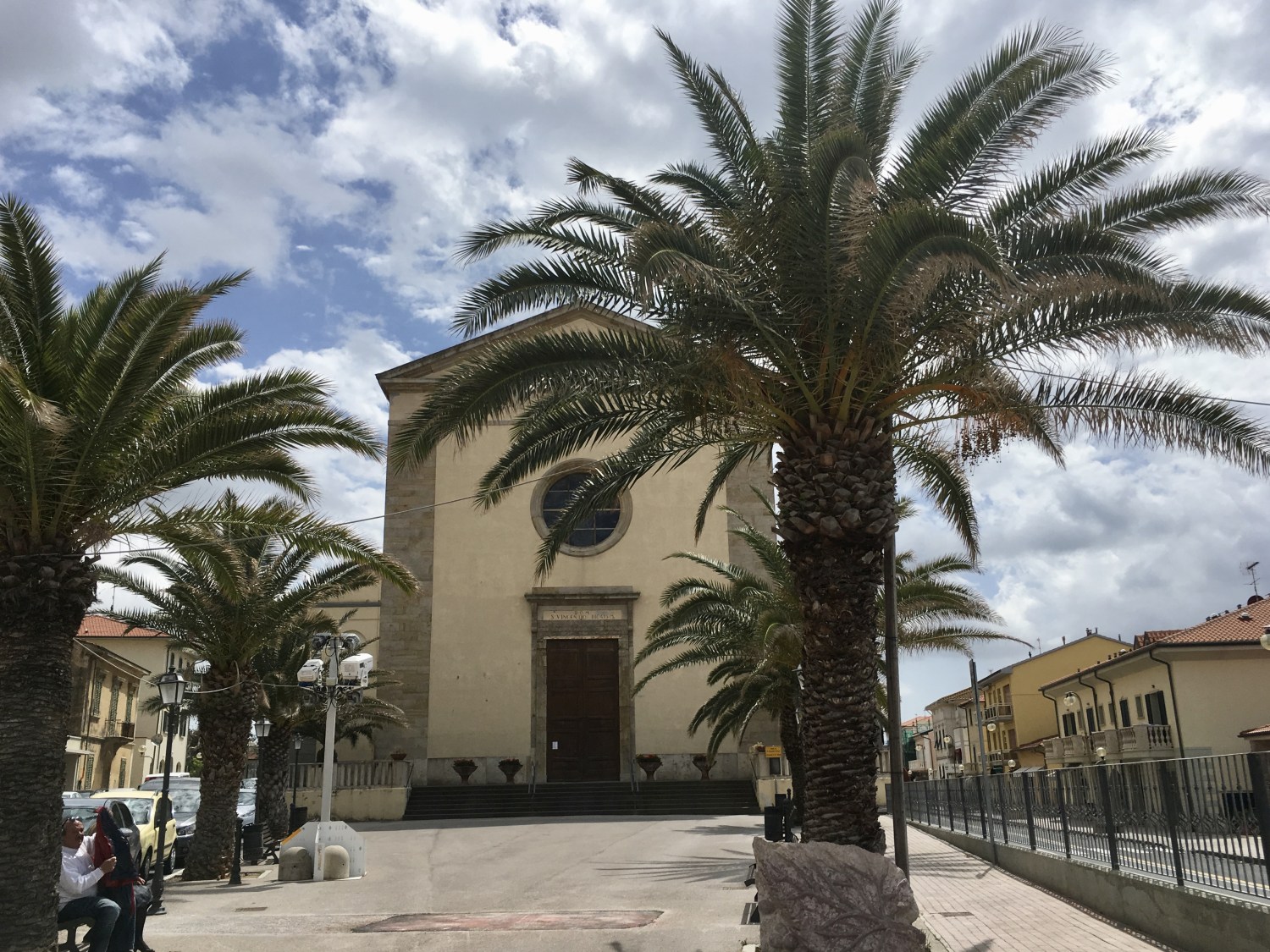
Share this:

  • Share on X (Opens in new window) X
  • Share on Facebook (Opens in new window) Facebook
  • More
  • Email a link to a friend (Opens in new window) Email
  • Print (Opens in new window) Print
  • Share on Pinterest (Opens in new window) Pinterest
Like Loading...
  • Africa
  • Fès
  • Fez

a whirlwind tour of fez, morocco

wanderessence1025's avatar wanderessence1025 February 2, 2020

Today, our local guide in Fez was Hashim.We started in Fez el-Jdid (the new medina of Fez), which is only 700 years old.  The paranoid Merenid Sultan Abu Yusuf Yacoub (1258-86) built the quarter as a political and administrative hub and used Syrian mercenary guards to isolate himself from his subjects.

Our first stop was the Royal Palace, Dar el-Makhzen, at the entrance to the grand square.  It wasn’t open to the public so we just looked at the imposing brass doors, surrounded by fine zellij (tilework) and carved cedar wood.  Lemon trees stood daintily off to the side.  The guards posed for pictures.

fullsizeoutput_1bc7a

Dar el-Makhzen (Royal Palace)

Dar el-Makhzen (Royal Palace)
guards at Dar el-Makhzen (Royal Palace)
the grand square
the grand square
Dar el-Makhzen (Royal Palace)

We walked next to the palace walls along the outer edge of the Jewish Quarter, or Mellah.  In the 14th century, Fez el-Jdid became a refuge for Jews. Mellah means “salt” and was called this because the Jews sold salt, in addition to jewelry.  This quarter offered the Jews protection and they in turn repaid the sultan with loyalty during conflicts.  The Jewish people were also protected by the sultans for their precious metal trade.  The old houses had open balconies of curved wood and wrought iron looking out over the streets, a contrast to Muslim styles. After the 15th century, Jews were not allowed to leave the mellah without papers, and they weren’t allowed to wear shoes outside the mellah.

Now there are only 200 Jews in the Mellah as most have moved to the Villa Nouvelle, or further afield, to France, Israel or the U.S.

fullsizeoutput_1bb99

Mellah

fullsizeoutput_1bb97

Mellah

Our guide drove us to a cemetery on a hill where we had a panoramic view of Fez nestled into its hills. People visit the cemetery on Fridays and Holy Days.  We weren’t allowed to enter it.

fullsizeoutput_1bb9b

cemetery overlooking Fez

fullsizeoutput_1bbbe

cemetery overlooking Fez

fullsizeoutput_1bbc1

cemetery overlooking Fez

IMG_5300

view of Fez from the cemetery

fullsizeoutput_1bba5

cemetery overlooking Fez

fullsizeoutput_1bba7

cemetery overlooking Fez

At a ceramics factory, we watched craftsmen making pottery and tiles.  They did a four-year apprenticeship.  One potter, age 34, had been a potter for 17 years.  He demonstrated how to make different shapes like a tajine and a candlestick. I wanted a beautiful bowl but it was $300 to buy and ship – too much! I was wracked with indecision and didn’t end up buying anything. I liked so much though, and I hoped I’d see cheaper ceramics in the market.  Sadly we didn’t have much free time in Fez for shopping.

ceramics at the factory
pretty bowl
pretty bowl
vase
vase
another vase
another vase
potters
potters
ceramics
ceramics
ceramics
ceramics
potter
potter

When we first went into the old medina, we walked around the residential area, which was very quiet with narrow lanes and mudbrick walls.  This part of Fez was founded in 805 A.D.

fullsizeoutput_1bbc2

residential area of Fez

fullsizeoutput_1bc7b

residential area of Fez

fullsizeoutput_1832c

petals in residence

We then walked through the medina, Fès el-Bali, tempted by olives and fruits.  We walked past the fruit and vegetable sellers and the meat sellers.  The Fez medina is full of labyrinthine lanes where it is easy to get lost; I guess that’s why our guide didn’t turn us loose.

fullsizeoutput_18d81

olives in the medina

IMG_4887

olives in the medina

fullsizeoutput_18330

pears in the medina

walking through the medina
lattice shadows in the medina
a canal in the medina

Some musicians in colorful dress marched through singing, drumming and playing cymbals.

fullsizeoutput_1bbfe

Entertainers in the medina

We headed for the Chouwara Tanneries, one of Fez’s most iconic sights – and smells. They handed us sprigs of mint to put over our noses, but it barely kept the horrible odor at bay. Strong odors of skin and dye wafted all around the tanneries.  Cow, goat, sheep, and camel are all used to make leather.

The tanning pits are surrounded by leather goods shops.  Each shop has a terrace with an overlook.  I bought an emerald green wallet, a mustard yellow wallet, and a deep green tote with turquoise suede lining.

IMG_4897

me with mint over my nose at the tanneries

fullsizeoutput_1bc12

Chouwara Tanneries in Fez

fullsizeoutput_1bc1d

Chouwara Tanneries in Fez

fullsizeoutput_1bc0f

leather bags in Fez

IMG_4908

Chouwara Tanneries in Fez

fullsizeoutput_1bc23

Chouwara Tanneries in Fez

We had a look through the doors of Qaraouiyine Mosque and University, one of Africa’s largest mosques and possibly the oldest university in the world.  This mosque complex is the spiritual heart of Fez and Morocco.  Established in 857 by Fatima al-Fihri, the daughter of a Tunisian refugee, and expanded by the Almoravids in the 12th century, it can accommodate 22,000 at prayer.  We observed it from the gates on Talaa Kebira and Place as-Seffarine.  Non Muslims are forbidden to enter.

fullsizeoutput_1bc0b

Kairaouine Mosque and University

fullsizeoutput_1b482

Kairaouine Mosque and University

Fès el-Bali is a crazy place to walk, because mule drivers and motorized vehicles push their way through the narrow walkways.  Mule drivers yell “balak” or “look out,” which is barely enough warning to avoid getting run down.

fullsizeoutput_18322

dried figs in the medina

IMG_4921

dried fruits in the medina

fullsizeoutput_1bc66

brass plates in the medina

IMG_4941

slippers in the medina

fullsizeoutput_1bc67

slippers in the medina

We dipped into the Islamic college: Medersa el-Attarine, founded by Abu Said in 1325 in the heart of the medina.  It’s a separate annex to the Kairaouine Mosque.  Halls for teaching and a modest masjid (mosque) flank the central courtyard. Multiple floors with dormitories surrounded the courtyard.  It showcases traditional Merenid artisanship: zellij (tilework) base, stuccowork, and cedar wood at the tops of walls and on ceilings.

Medersa el-Attarine
Medersa el-Attarine
Medersa el-Attarine
Medersa el-Attarine
Medersa el-Attarine
Medersa el-Attarine
Medersa el-Attarine
Medersa el-Attarine
Medersa el-Attarine
Medersa el-Attarine
stairway at Medersa el-Attarine
Medersa el-Attarine
Medersa el-Attarine
Medersa el-Attarine
Medersa el-Attarine
Medersa el-Attarine
Medersa el-Attarine
Medersa el-Attarine
Medersa el-Attarine
Medersa el-Attarine
Medersa el-Attarine

We then went to lunch on a terrace overlooking the town. We were served up salad, aubergine, green beans, beets, carrots, anise, lentils, and bread – all in little individual dishes. Susan and I shared a Kafta tajine.  I drank fresh orange juice, always a welcome treat in Arab countries. For dessert we had orange and banana slices sprinkled with cinnamon.  It was delicious.

lunch on the terrace

We stopped into a weaving shop where I bought three scarves: 1) a pink and black striped one; 2) a purple crinkled one; and 3) a blue-gray crinkled one. 🙂 We stopped in another shop selling jewelry, ceramics inlaid with silver, paintings, and lots of other stuff, but I didn’t buy anything.

fullsizeoutput_18312

Door in Fez

fullsizeoutput_1bc44

wedding party in Fez

fullsizeoutput_1bc6e

street art in the medina

fullsizeoutput_1bc7e

patisserie

fullsizeoutput_1bc74

two types of transport

Nicknamed the “Blue Gate” because of the blue zellij tile work on the outside, Bab Boujeloud is one of the newest gates of the medina.  It was built in 1913, and its color reflects the blue color of the city of Fez.

fullsizeoutput_1bc75

the blue gate of Bab Boujeloud in Fez

I felt like we didn’t do Fez justice.  The tour was mostly a waste, taking us to various shops to entice us to spend money.

When we got back to the hotel, Susan went out for a walk and coffee with the young clique, and I went for an hour-long hot stone massage at Hôtel Mounia.  Two Moroccan women massaged me simultaneously with warm oil, using hot smooth stones to rub over my body.  I wore tiny paper bikini underpants and nothing else, so I felt rather exposed! When I turned over on my back, one of the ladies grabbed my chubby belly and said in French “graisse.”  I said in English, yes, I know it is “fat,” but it’s not nice (“harram” – which actually means “sinful” but I didn’t know the proper word to use) to tell a woman that.  After the massage, I was covered in oil, so I had to go up and soak in a hot bath to wash the oil from my hair and body.

Later, I was sitting in the lobby trying to decide what to do, and Susan came back and suggested we go out for a pizza, which we did at a small hole-in-the-wall just down from our hotel. During dinner she told me how her grandfather was a butcher and their family lived for some time above the butcher shop.

*Steps: 11,340, or 4.81 miles*

*Friday, April 12, 2019*

**************

On Sundays, I post about hikes or walks that I have taken in my travels; I may also post on other unrelated subjects. I will use these posts to participate in Jo’s Monday Walks or any other challenges that catch my fancy.

This post is in response to Jo’s Monday Walk: Vaqueiros in Spring.

Share this:

  • Share on X (Opens in new window) X
  • Share on Facebook (Opens in new window) Facebook
  • More
  • Email a link to a friend (Opens in new window) Email
  • Print (Opens in new window) Print
  • Share on Pinterest (Opens in new window) Pinterest
Like Loading...

Posts pagination

Previous 1 … 35 36 37 … 69 Next
Blog at WordPress.com.
Let Me Bite That

Can I have a bite?

a pura vida year in costa rica

living abroad in Guanacaste

Lush Life Layers

Lake Garda Tourist

Susana Cabaço

Spiritual Insights & Personal Empowerment

Monkey's Tale

An Adventure Travel Blog

Journey with my Sketchbook

"My sketchbook is a witness of what I am experiencing, scribbling things whenever they happen." - Vincent Van Gogh

The Eternal Traveller

Remembering past journeys, recording current trips and planning for the next one!

Lookoom

Put pictures on your travel dreams

Still Restlessjo

Roaming, at home and abroad

The Creative Life Adventure

Living a creative life

Inside My Sling Bag

Living, Loving, Laughing, Learning and (Being) Lucrative

Introvert Awakenings

My path less traveled. Rediscovering self after surviving the abuse that almost sunk me. Goal of strengthening and thriving on my adult legs. 👣🙏🏻 #recovery #forgiveness
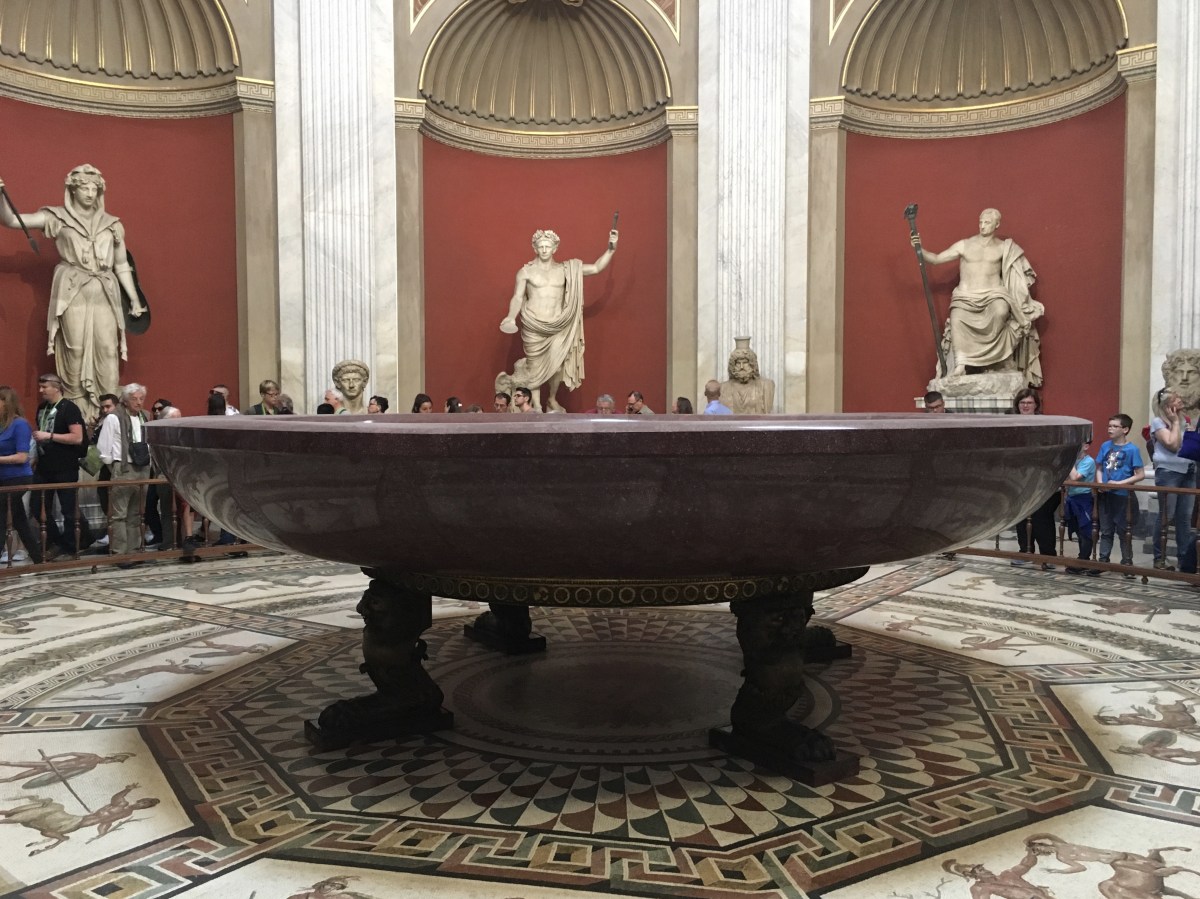
Changcha Travel Tales

LightWriteLife

I love light, I love to write, I love life - I create my words and images to capture the light in my life.

the rak's sphere

Phosphene's Write

Live your life!! Life is beautiful!!

Image Earth Travel

Independent Travel & Photography Stories

Nanchi.blog

Lookoom

Mettez des images sur vos rêves de voyages

Retire In Branson

Old Bird Travels Solo!

THE MATURE ART OF TRAVELLING ALONE. MY NEW EMAIL IS: OldBirdTravels@proton.me PLEASE LIKE AND SHARE AT THE BOTTOM OF THE POST!

P e d r o L

storytelling the world

Welcome

RECYCLE YOUR PAIN

Motivation

Jim's Travel Culture and History Blog

World travel culture and history

Charlotte Digregorio's Writer's Blog

This blog is for those who wish to be creative, authors, people in the healing professions, business people, freelancers, journalists, poets, and teachers. You will learn about how to write well, and about getting published. Both beginning and experienced writers will profit from this blog and gain new creative perspectives. Become inspired from global writers, and find healing through the written word.

Musings of the Mind

Come journey with me as we navigate through this thing called life

robynsewsthisandthat

This is where I share my passions

Saania's diary - reflections, learnings, sparkles

Life is all about being curious, asking questions, and discovering your passion. And it can be fun!

The Wild Heart of Life

Creative Nonfiction & Poetry

deventuretime

Avid adventurer, travel blogger, and experience seeker. Starting each morning with a desire to see the world through a different lens.

Stu's Camino

The Frugal Foodies

Feeding an Empty Belly and Starving Mind

The Lost-o-graph

photographs

Our travels and thoughts through photographs. It does not matter, sunrise or sunset, just have fun in between.

My Serene Words

seeking solace in the horizon of life and beyond

HANNA'S WALK

Walks Stories and Nature

One Girl, Two Dogs & Two Thousand Miles

Brawnerology

Everything Family Travel: Work Hard, Play Hard

ROAD TO NARA

Culture and Communities at the Heart Of India

MEERYABLE

Explore, discover and experience the world through Meery's Eye. Off the beat budget traveler. Explore places, cultural and heritage. Sustainable trotter. shareable tales of Meery is Meeryable
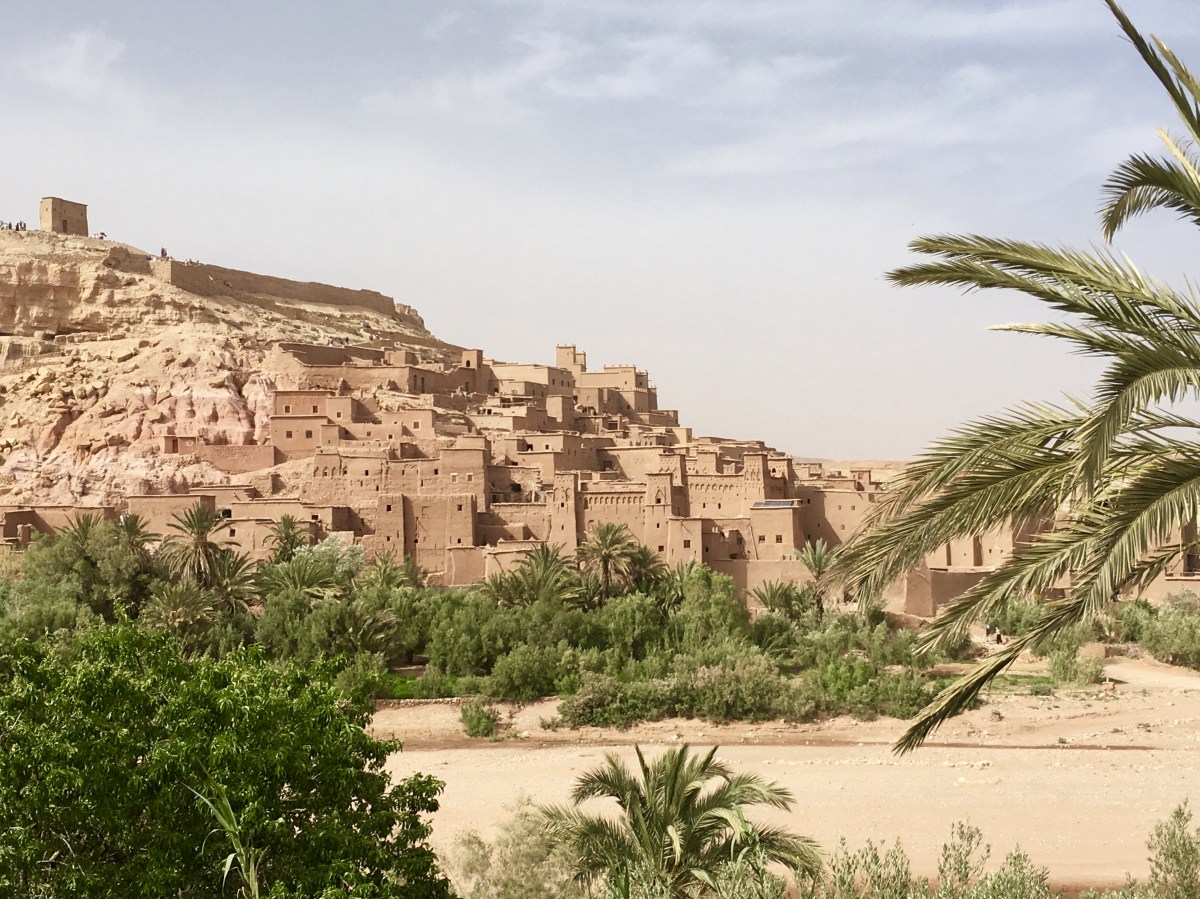
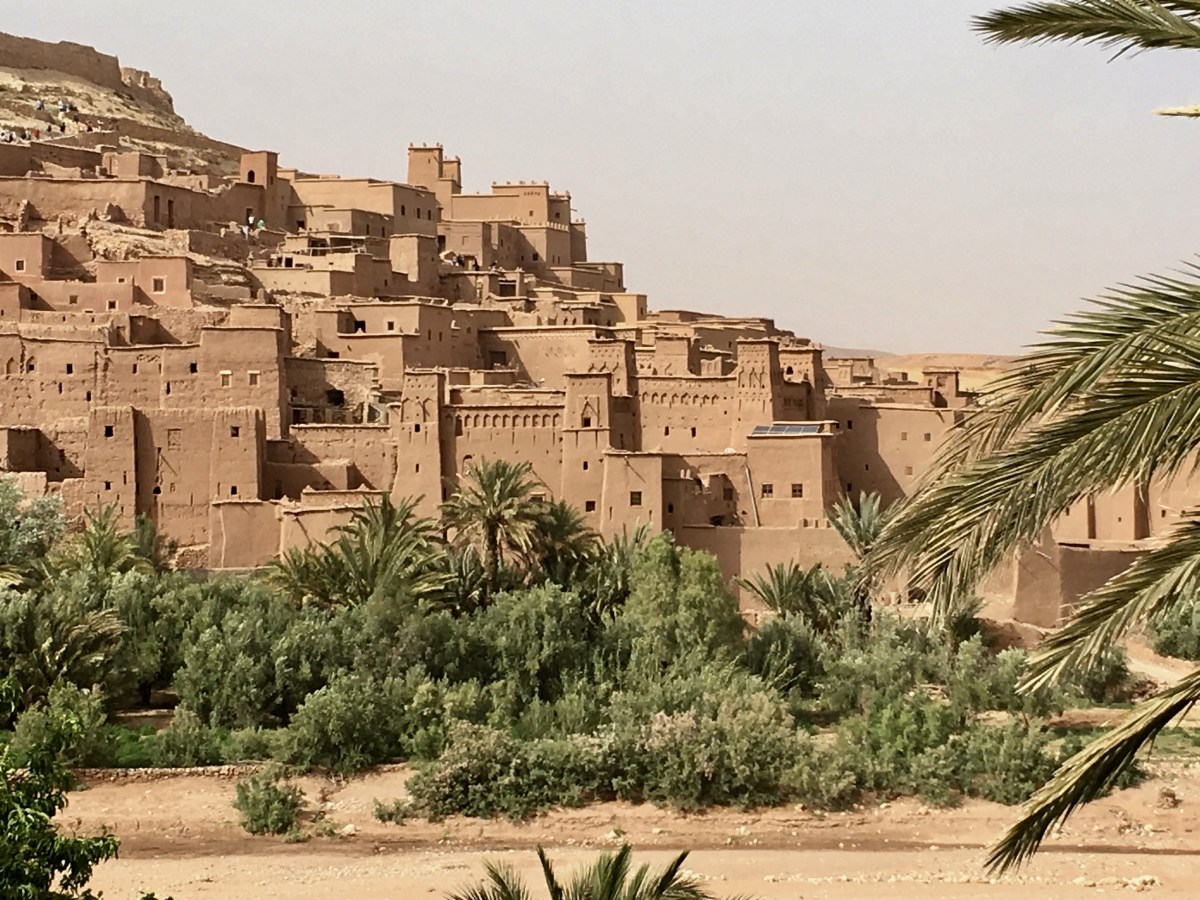
Poetry 365

citysonnet.wordpress.com/

photography, poetry, paintings

Poetry collection

Work by Rain Alchemist

Eúnoia

Following my heart, Daring to dream, Living without regrets

VICENTE ROMERO - Paintings

Still Smiling

Smiling through the good times and the bad

flaviavinci

John Wreford Photographer

Words and Pictures from the Middle East

~ wander.essence ~
Blog at WordPress.com.
  • Subscribe Subscribed
    • ~ wander.essence ~
    • Join 1,057 other subscribers
    • Already have a WordPress.com account? Log in now.
    • ~ wander.essence ~
    • Subscribe Subscribed
    • Sign up
    • Log in
    • Report this content
    • View site in Reader
    • Manage subscriptions
    • Collapse this bar
Loading Comments...

You must be logged in to post a comment.

%d