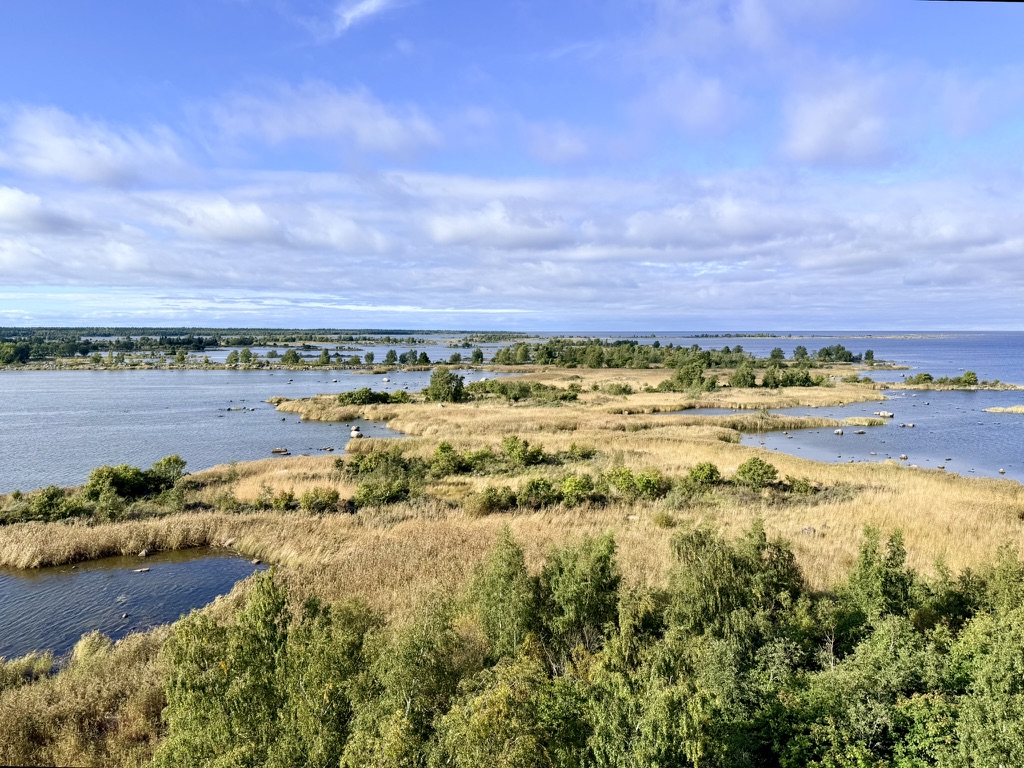

These posts cover our slow trip through the Scandinavian/Nordic countries from August 4 to October 30, 2026. I will be posting one long post a week about each area where we stay. I like to write one post about a particular place so that I can revisit our travels in one spot on my blog, according to location. I can also refer others to the post if they plan to travel to the destination and want ideas. I welcome you to read the entire post, read parts of the posts that interest you, simply look at the pictures, or not to read it at all. All who would like to come along are welcome.
You can find our itinerary here: anticipation & preparation: a slow motion journey through scandinavia.
**************
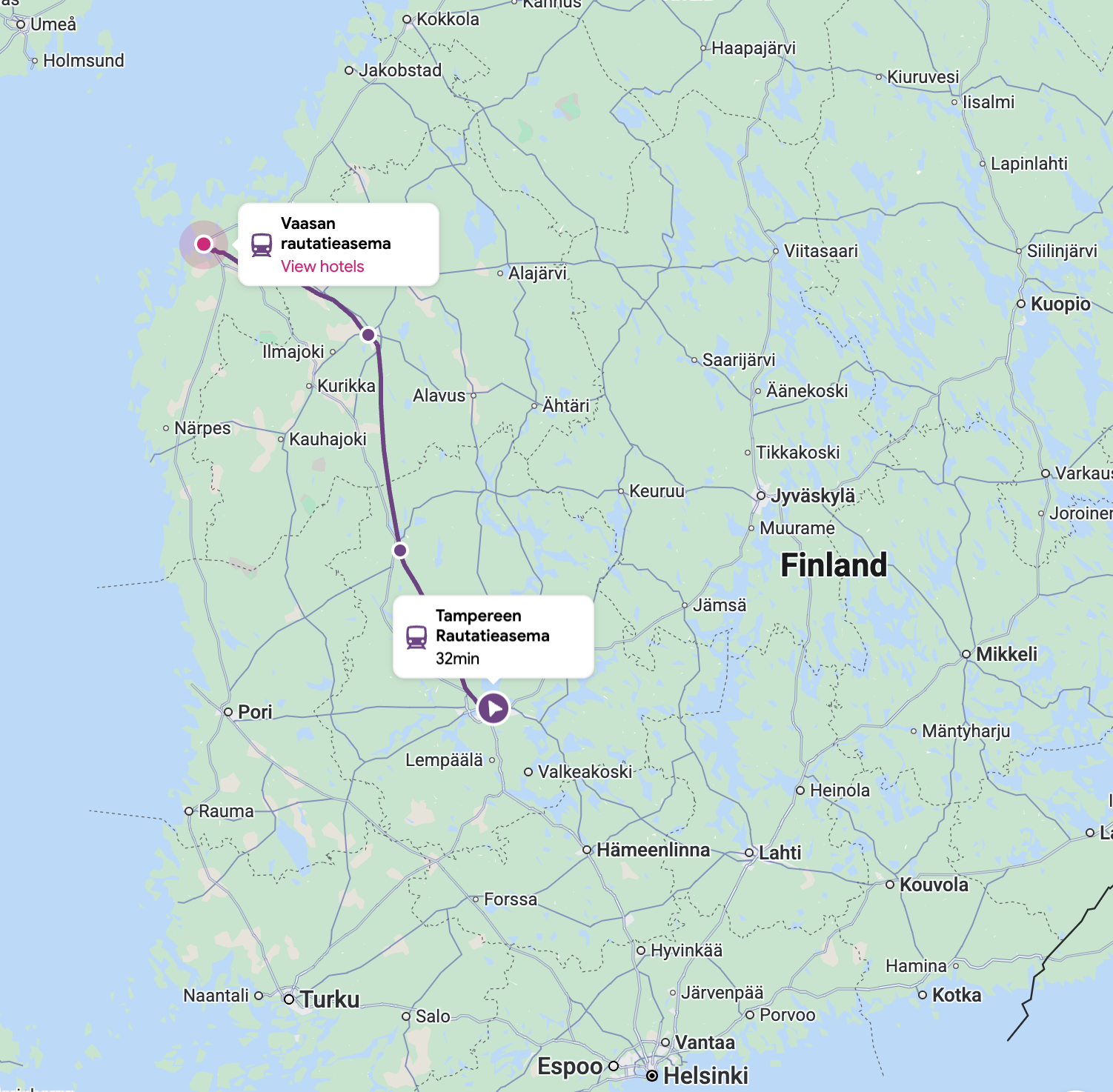
Sunday, August 30-Friday, September 4: This week we moved from Tampere to Vaasa, on the west coast of Finland.
Tampere to Vaasa, Finland
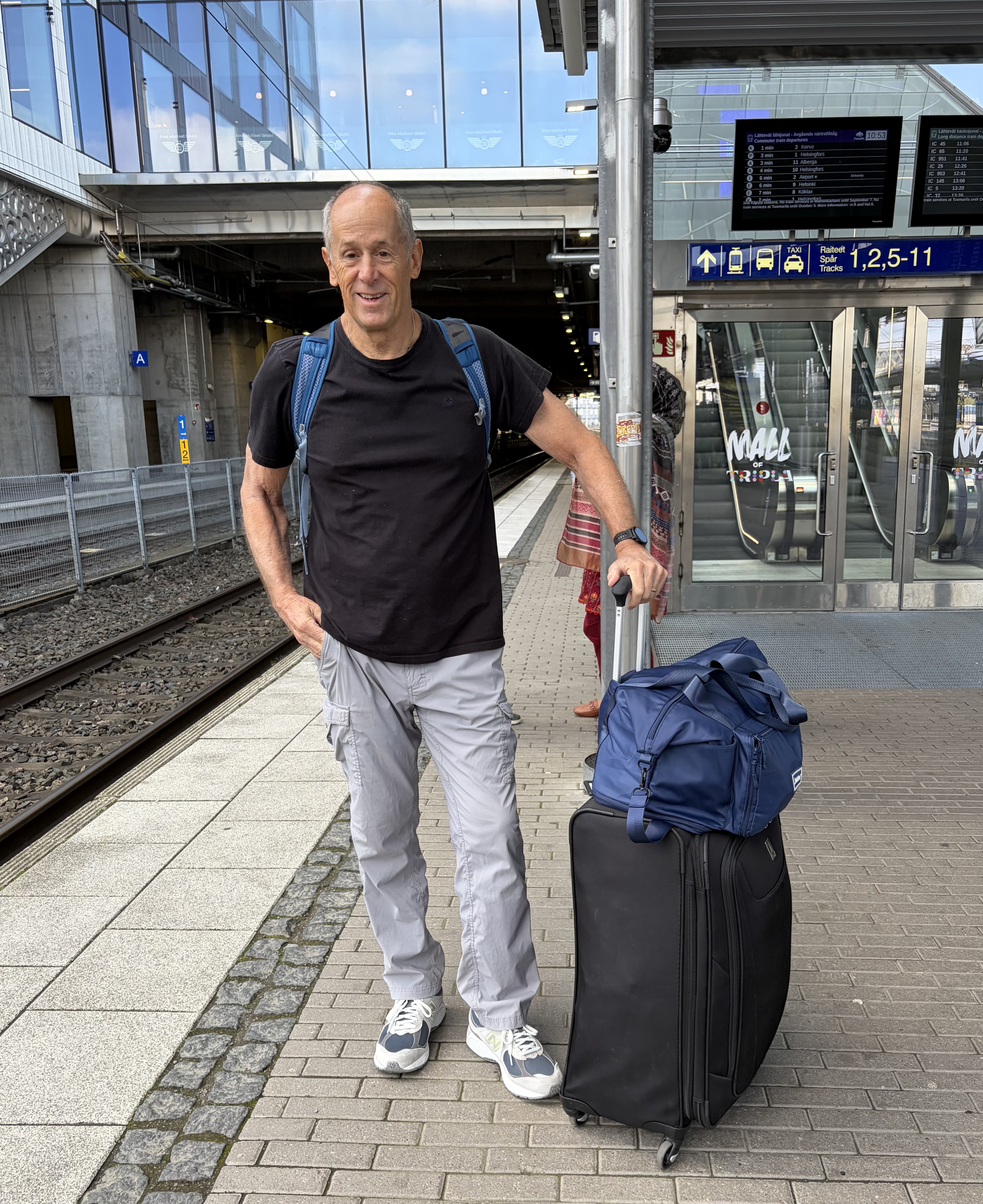
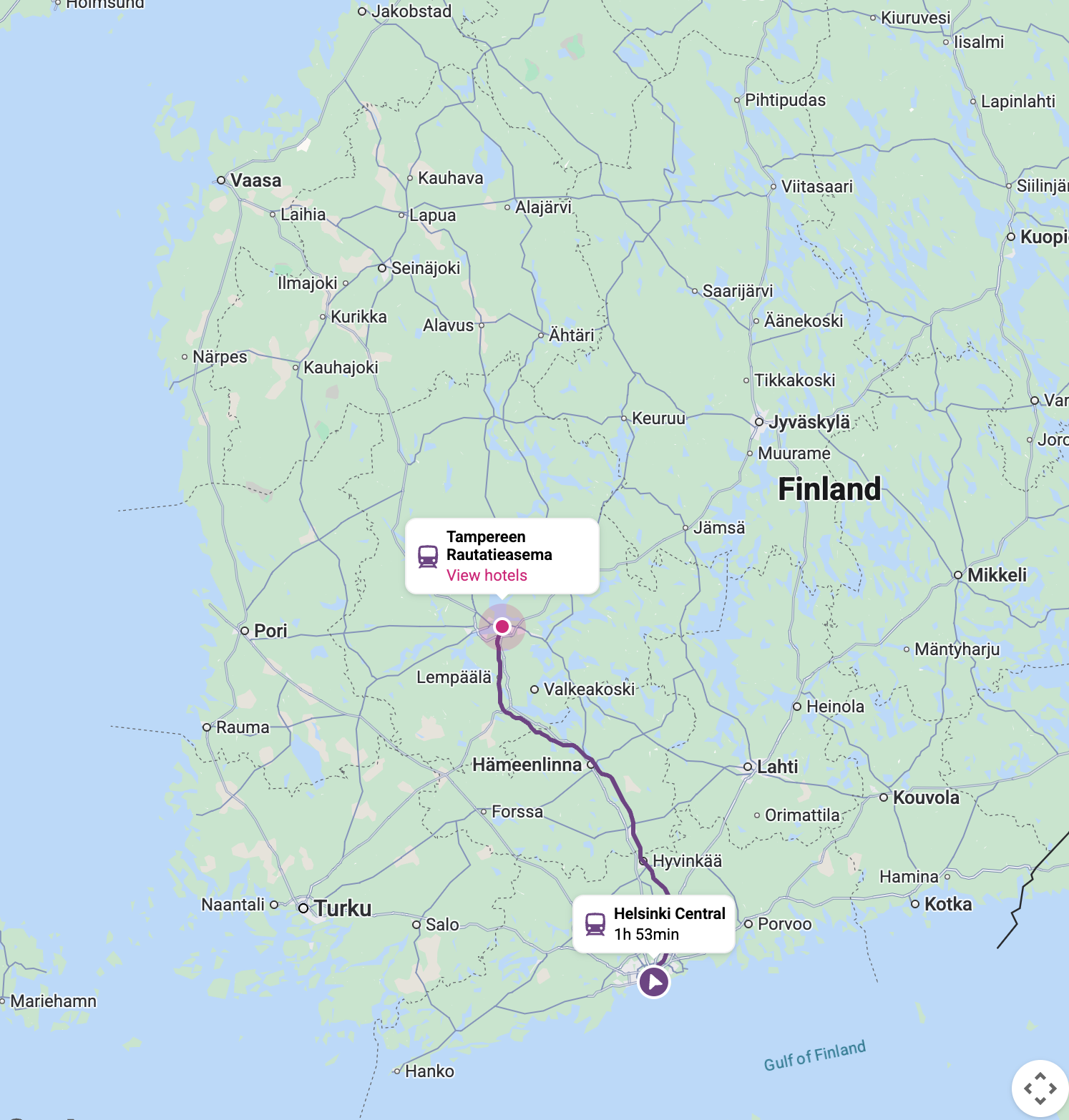
On Sunday at noon, we caught the bus from Pasila and took it directly to the Tampere train station, where we caught the 1:02 p.m. VR train directly to Vaasa, arriving at 3:17 p.m.
It seems the public transportation options in Vaasa are very limited because we had to walk about 17 minutes with our luggage to our Airbnb apartment.
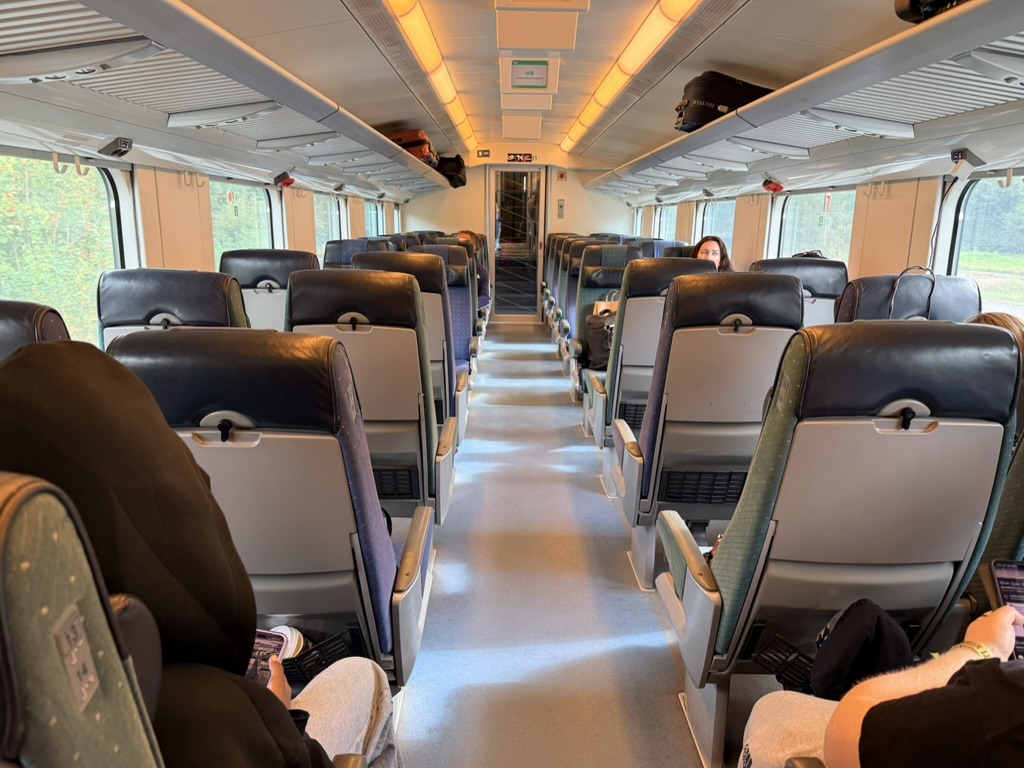
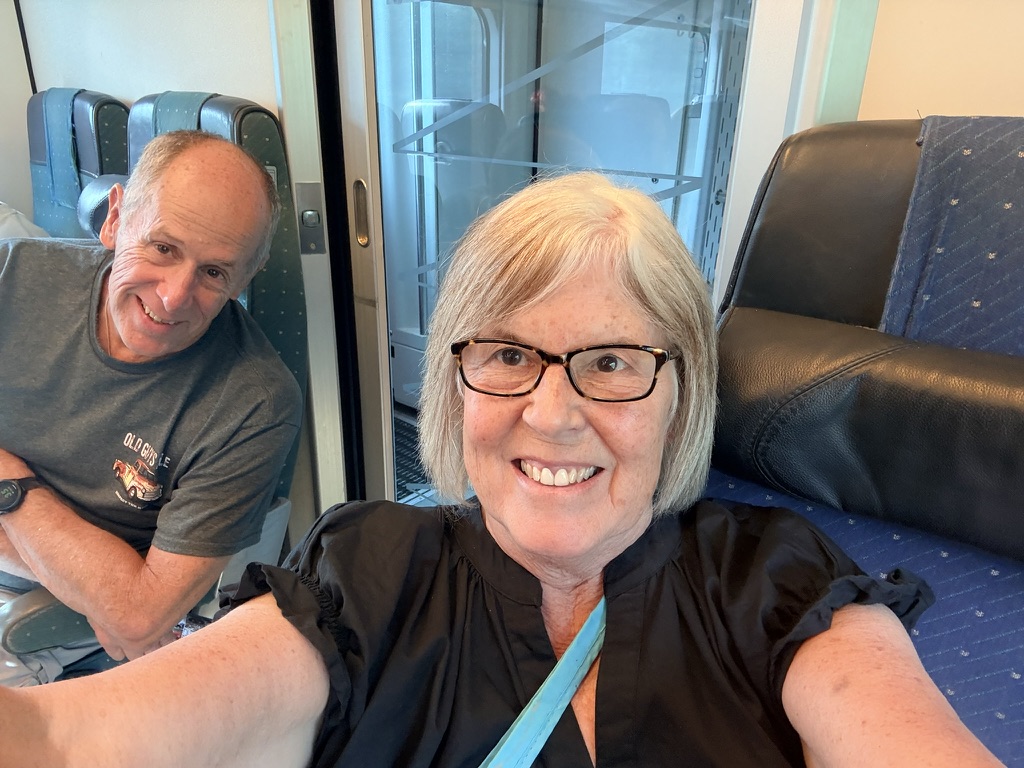
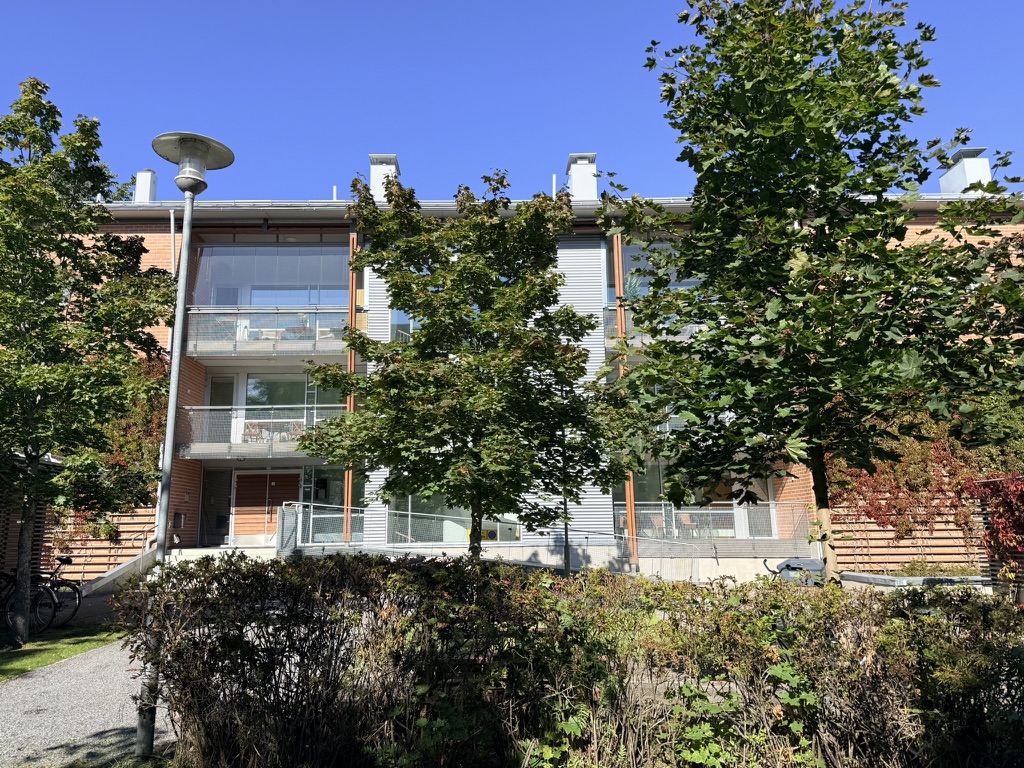
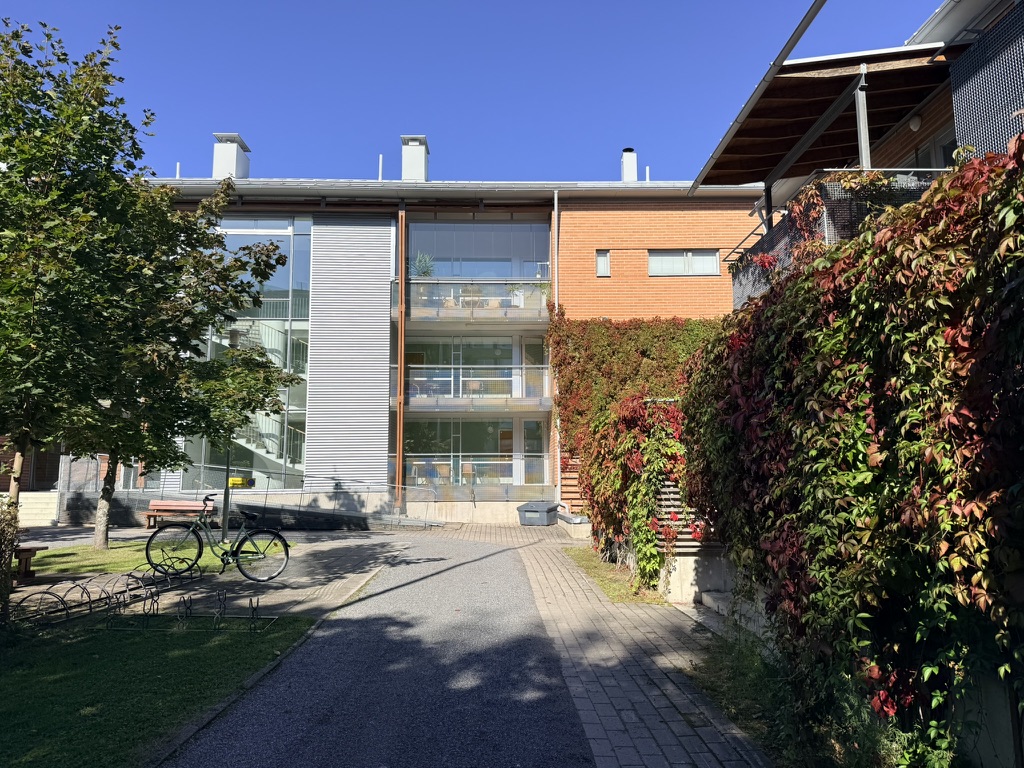
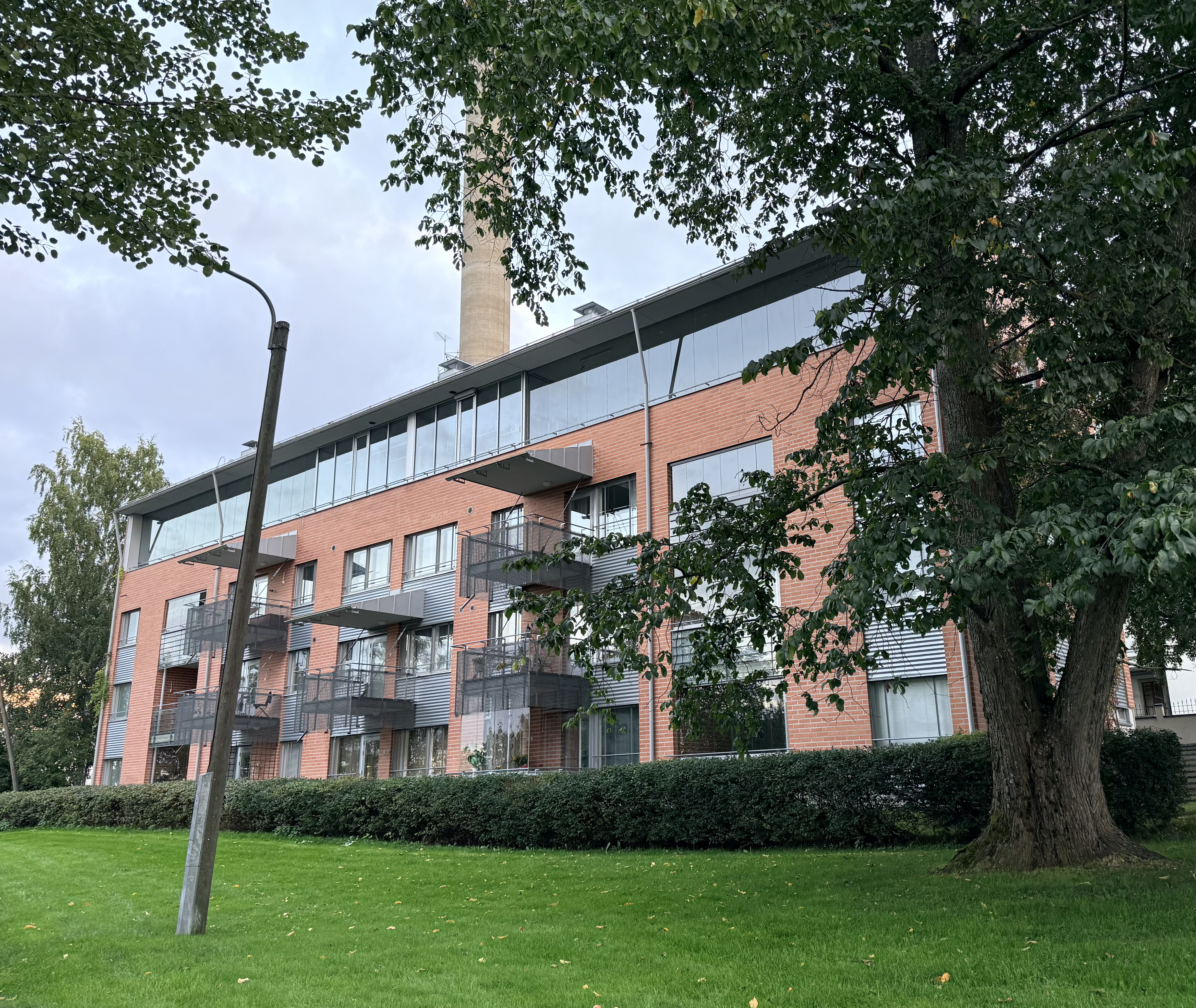
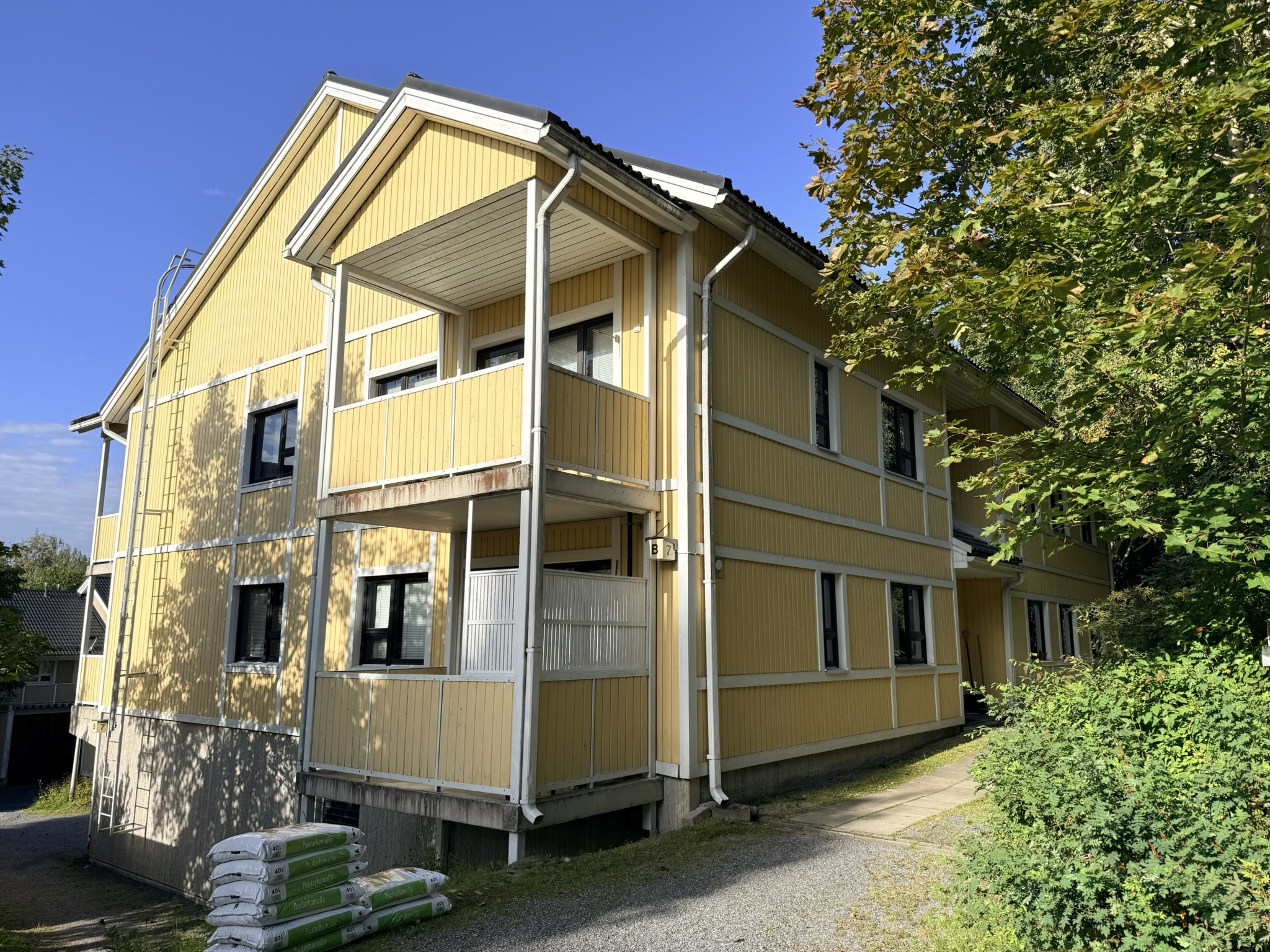
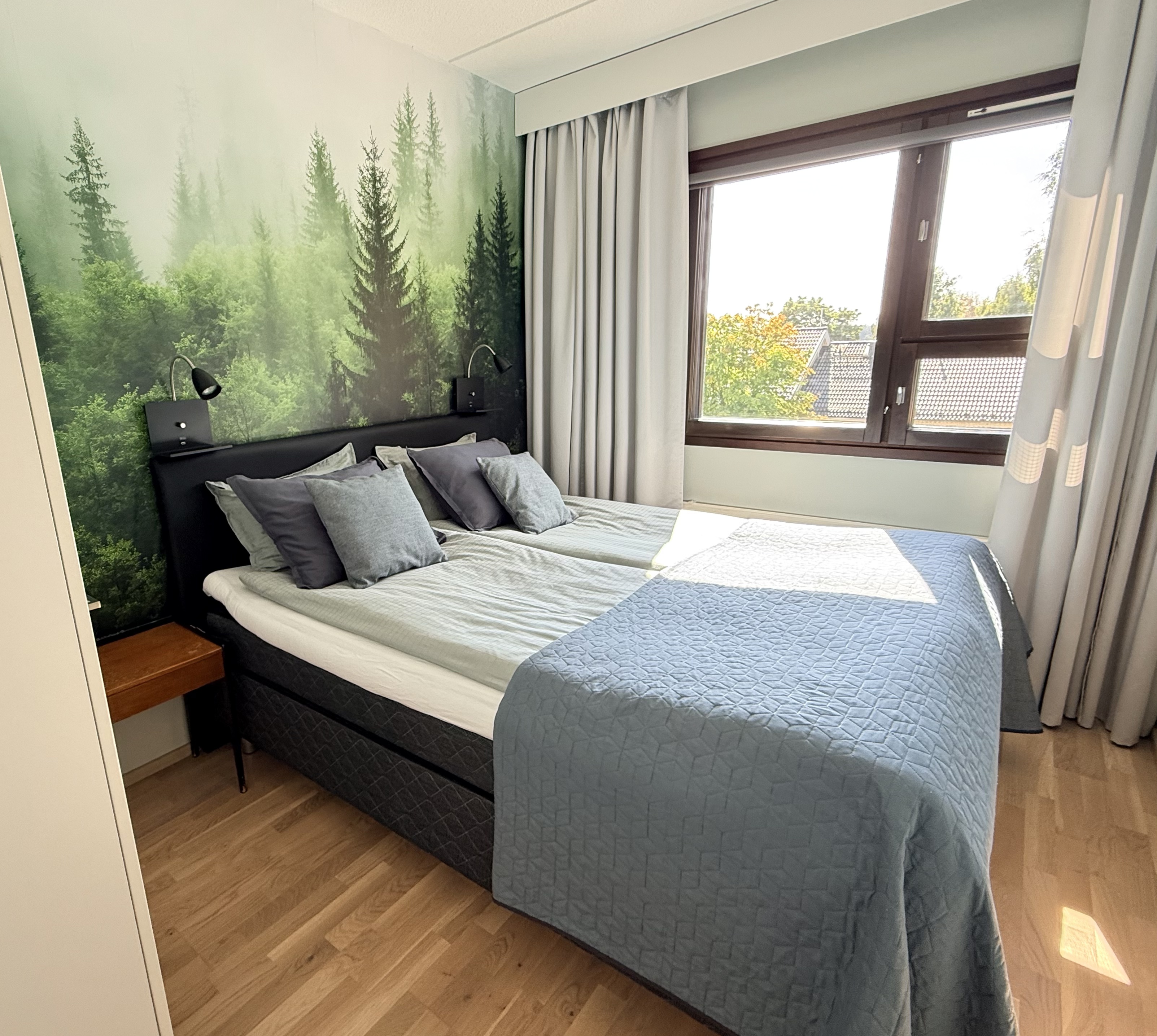
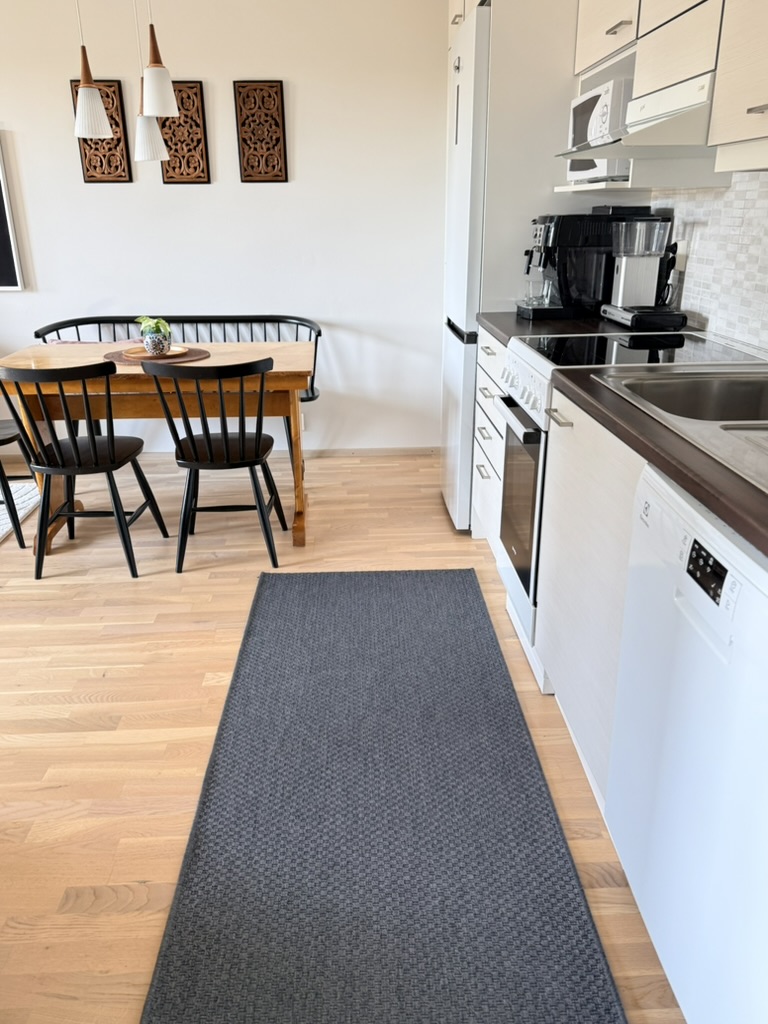
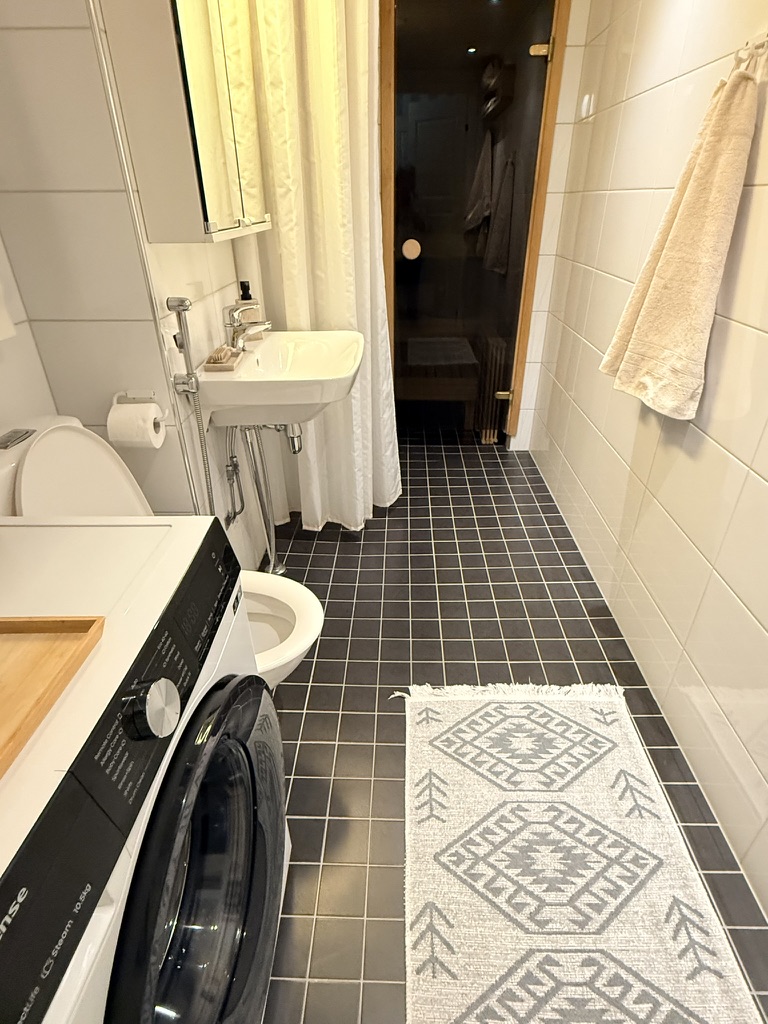
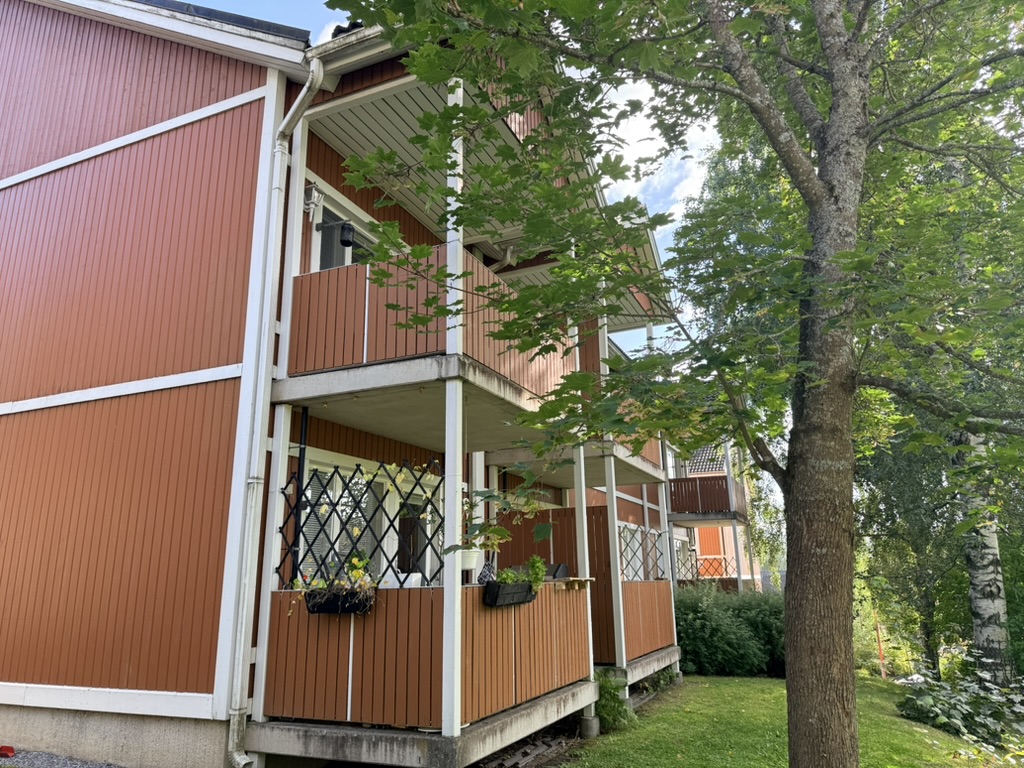
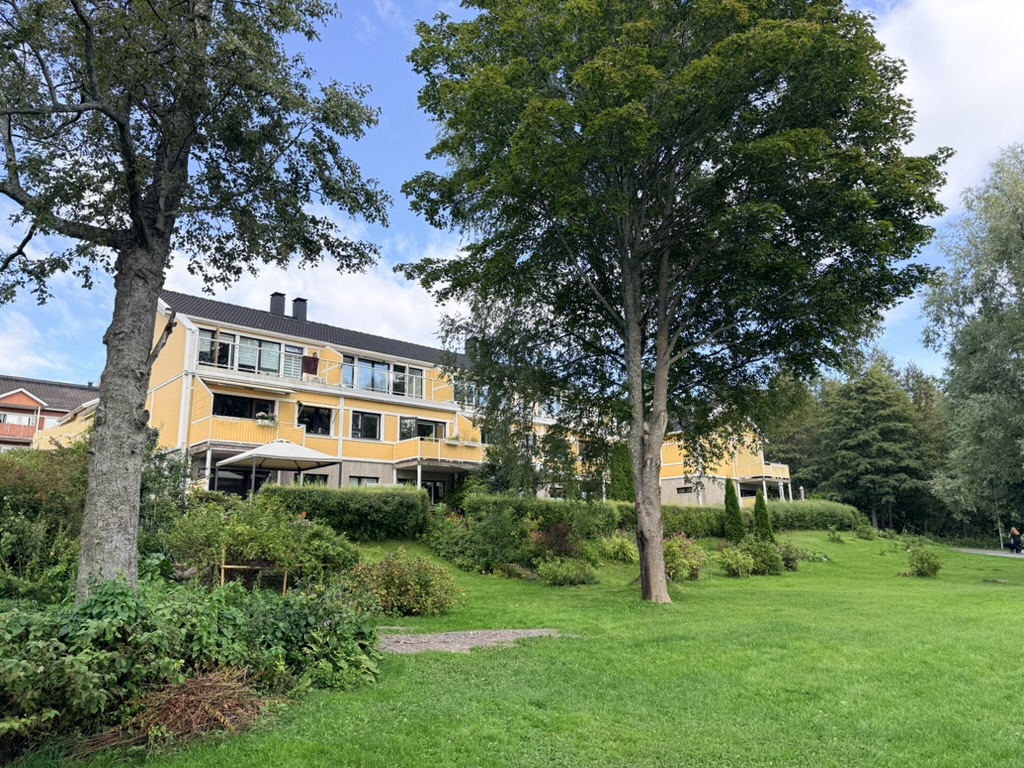
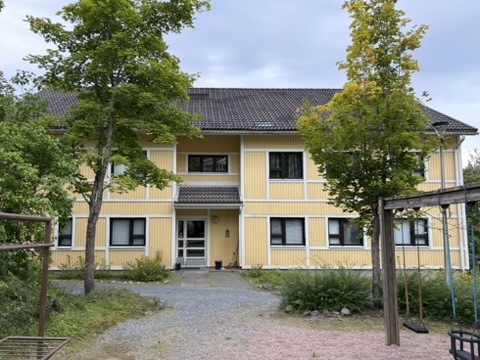
Our Airbnb apartment: Condominium in Vaasa; Kirkkopuistikko 1, Vaasa, Finland
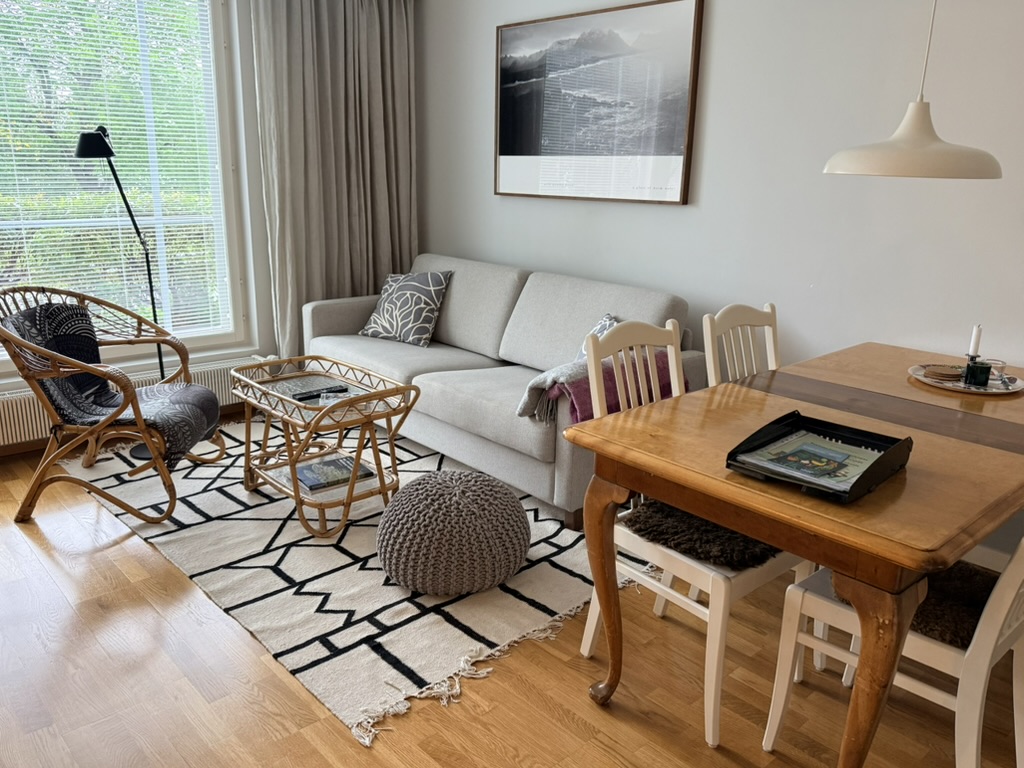
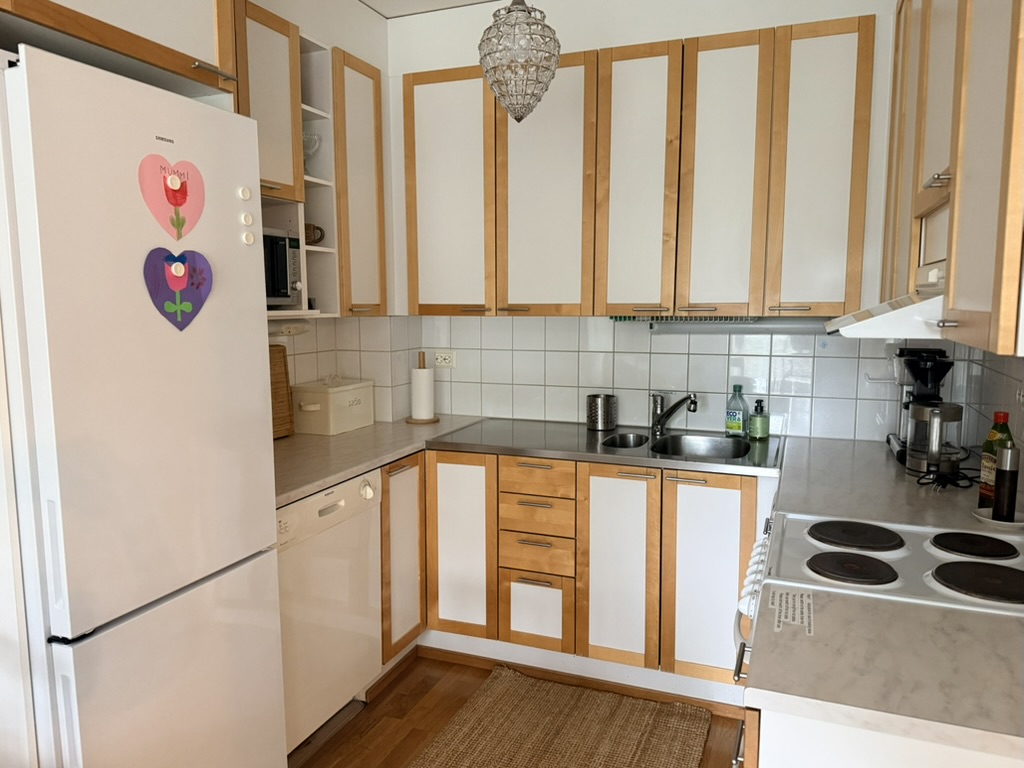
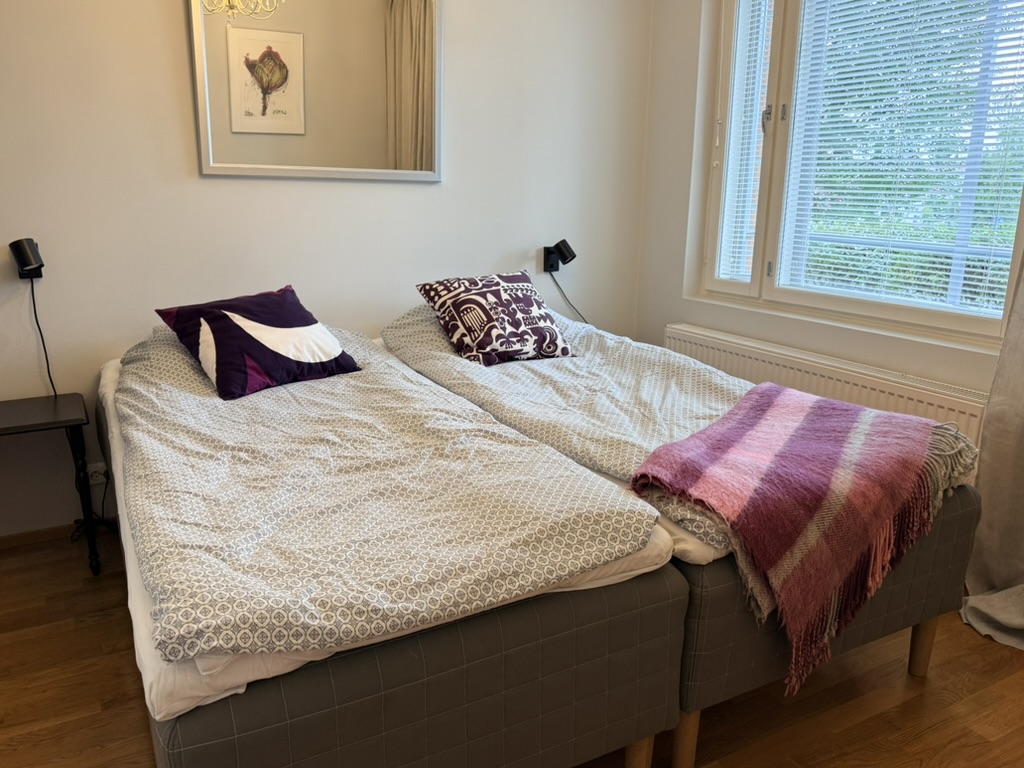
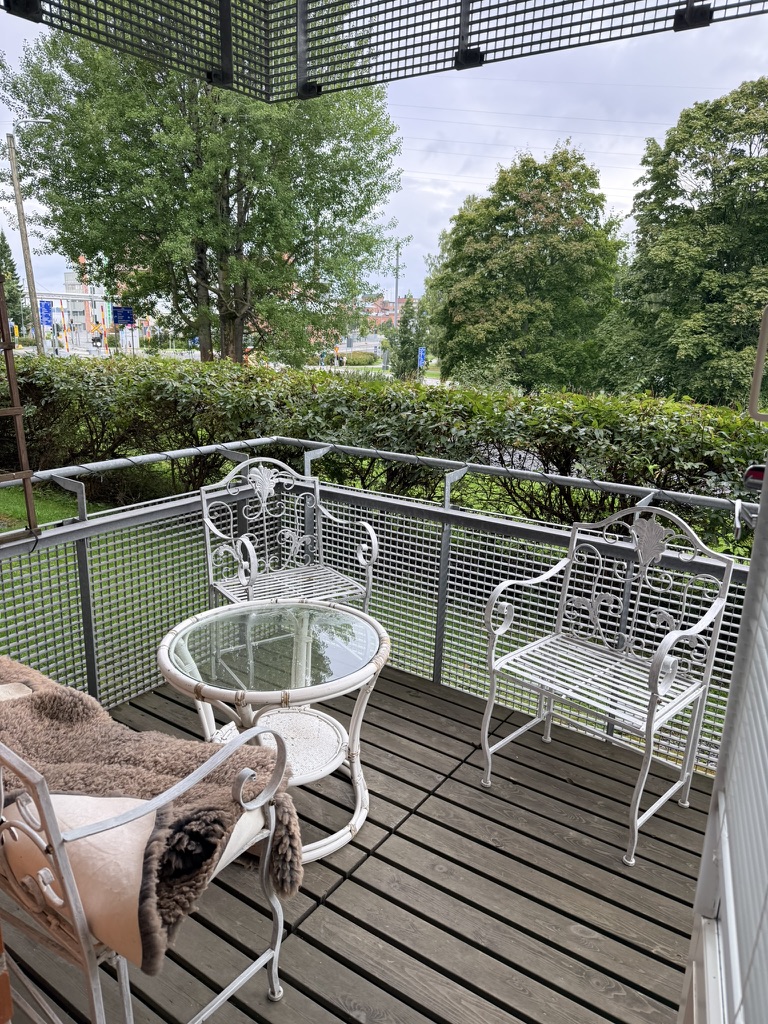
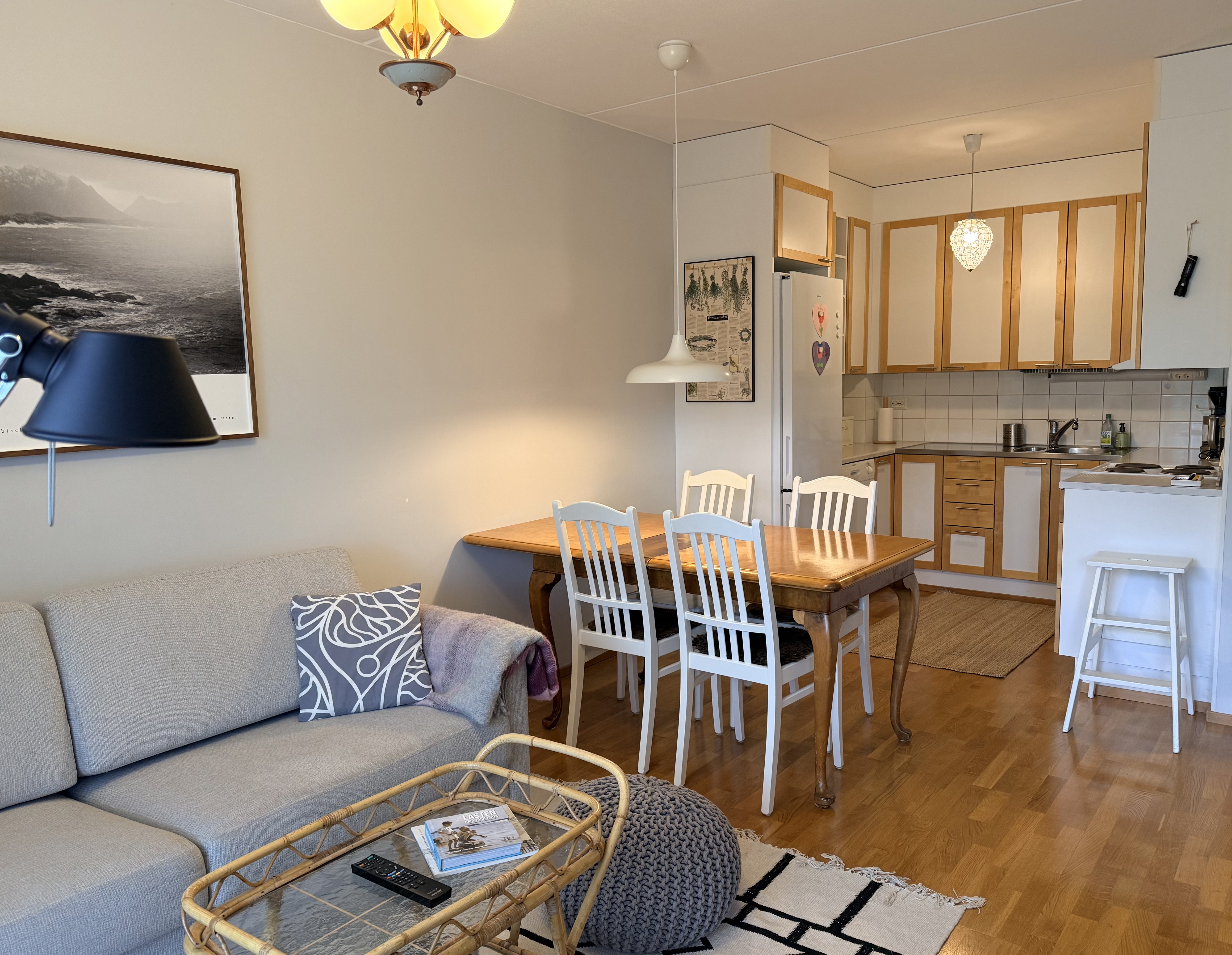
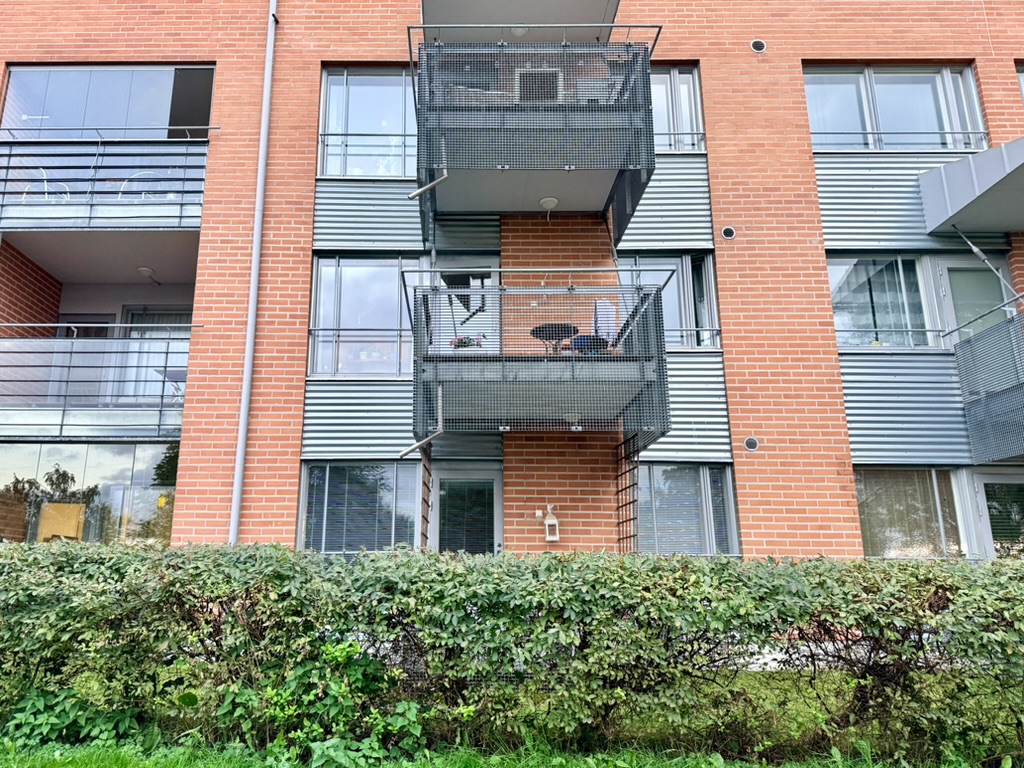
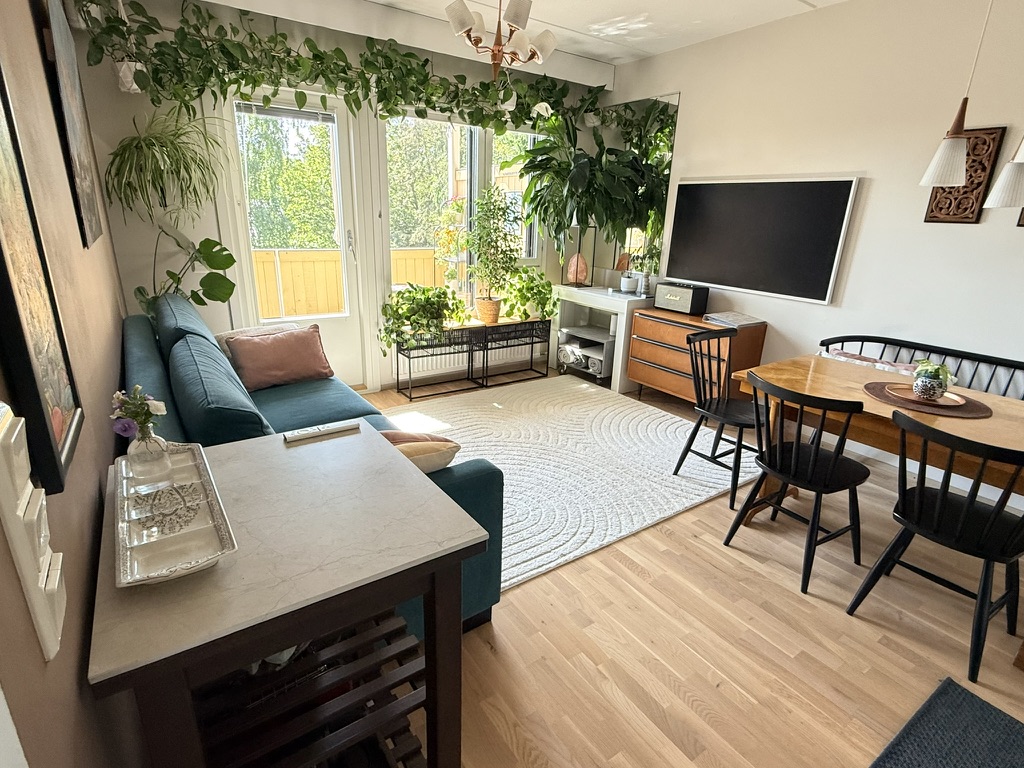
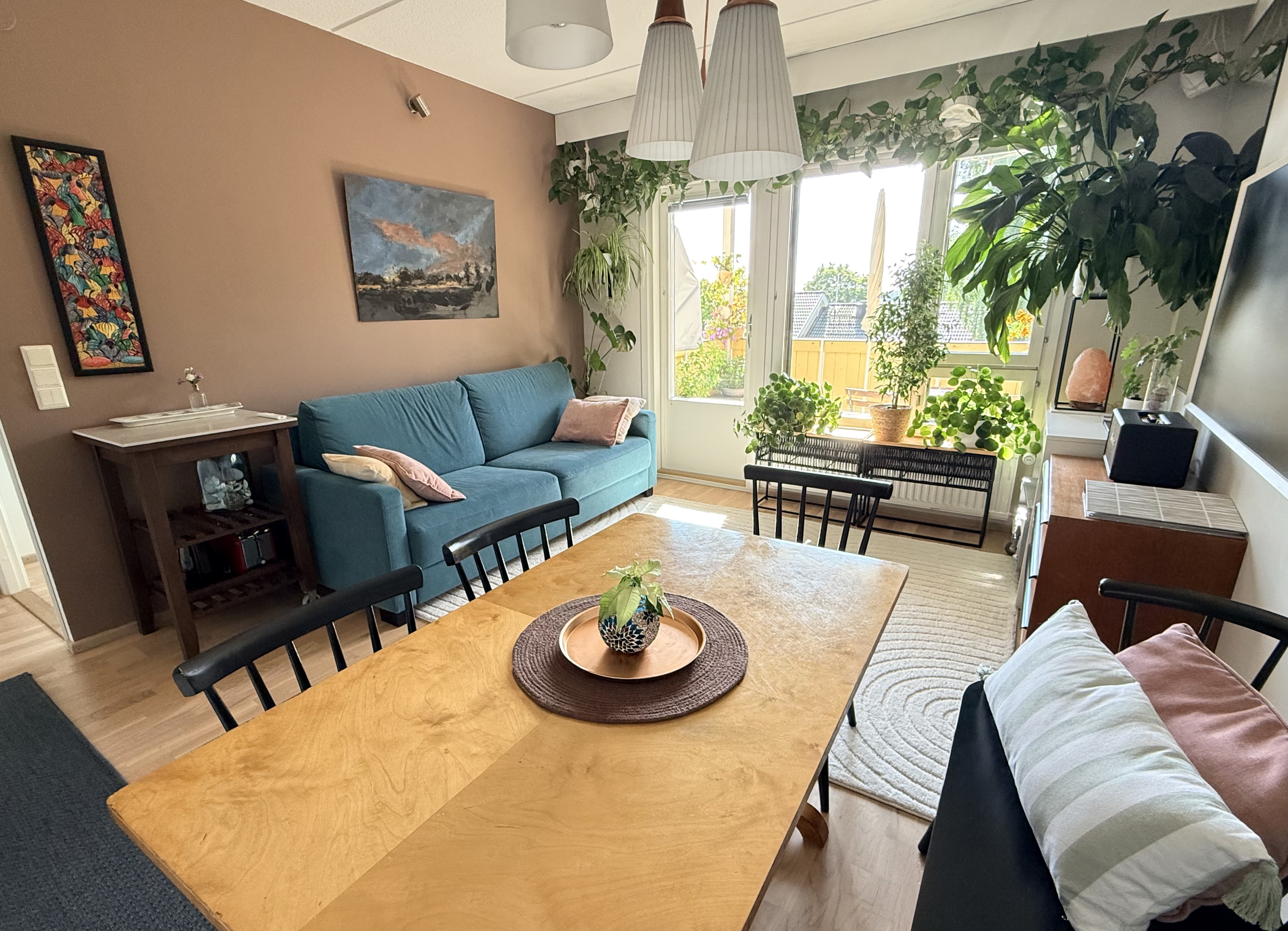
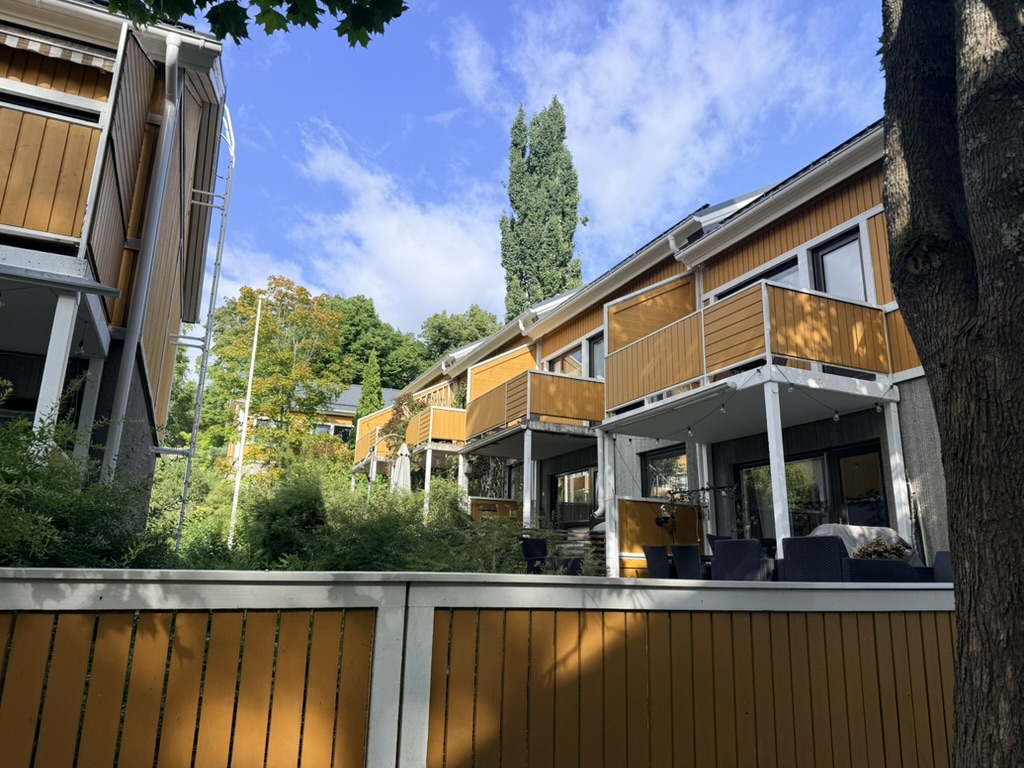
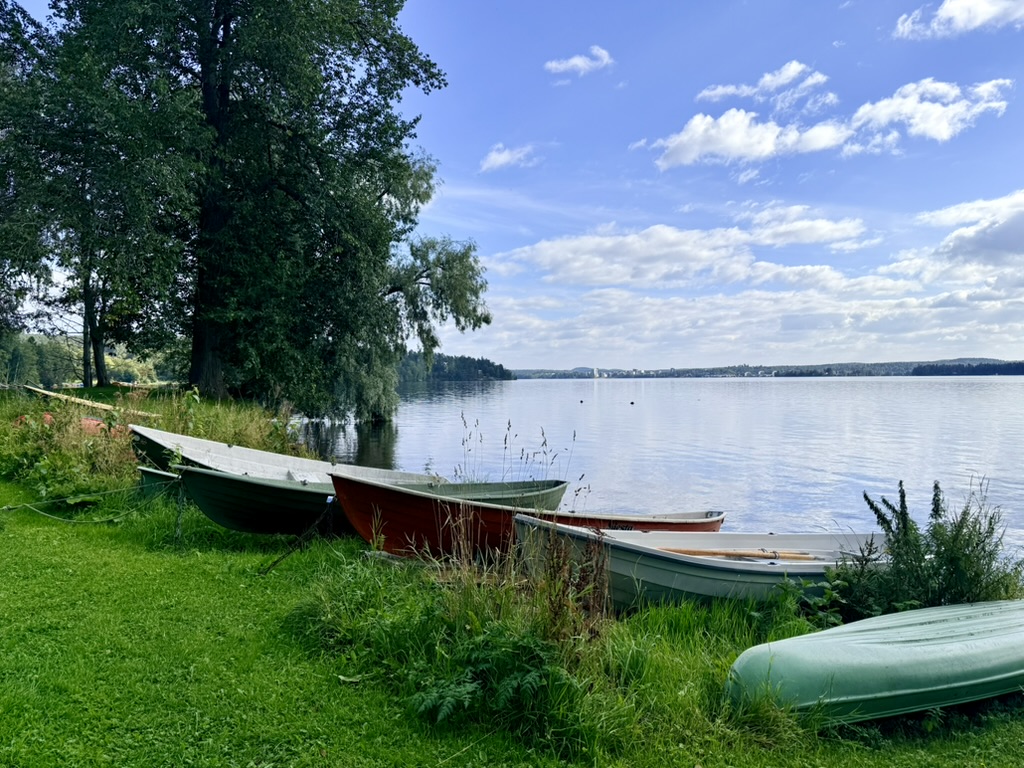
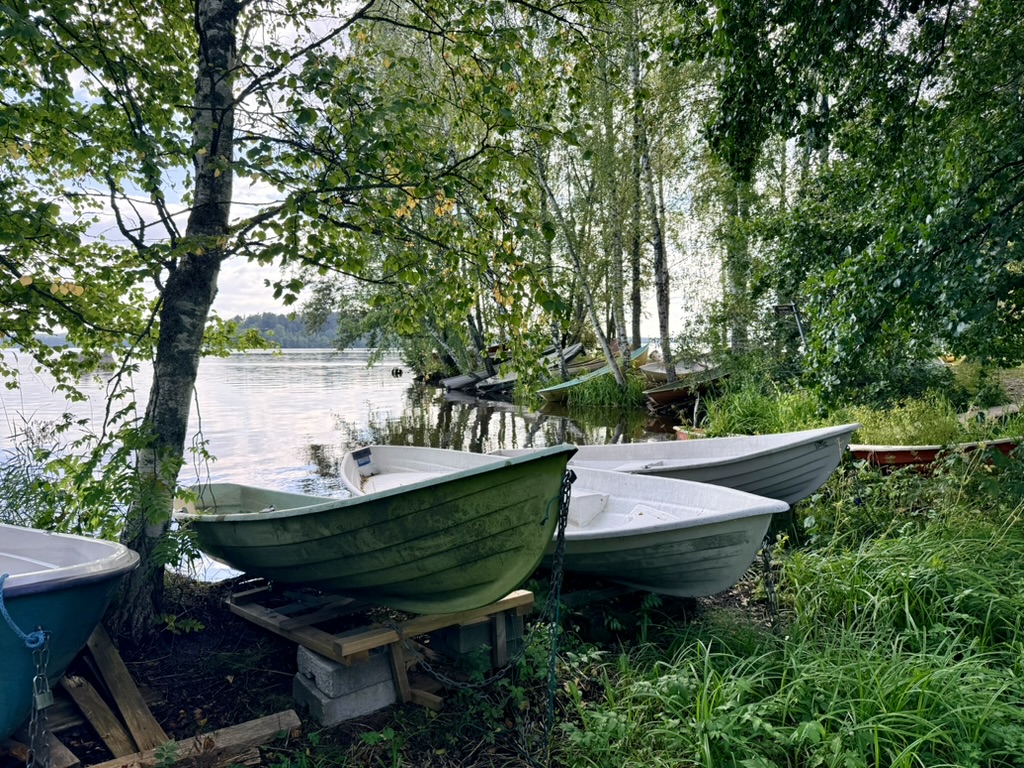
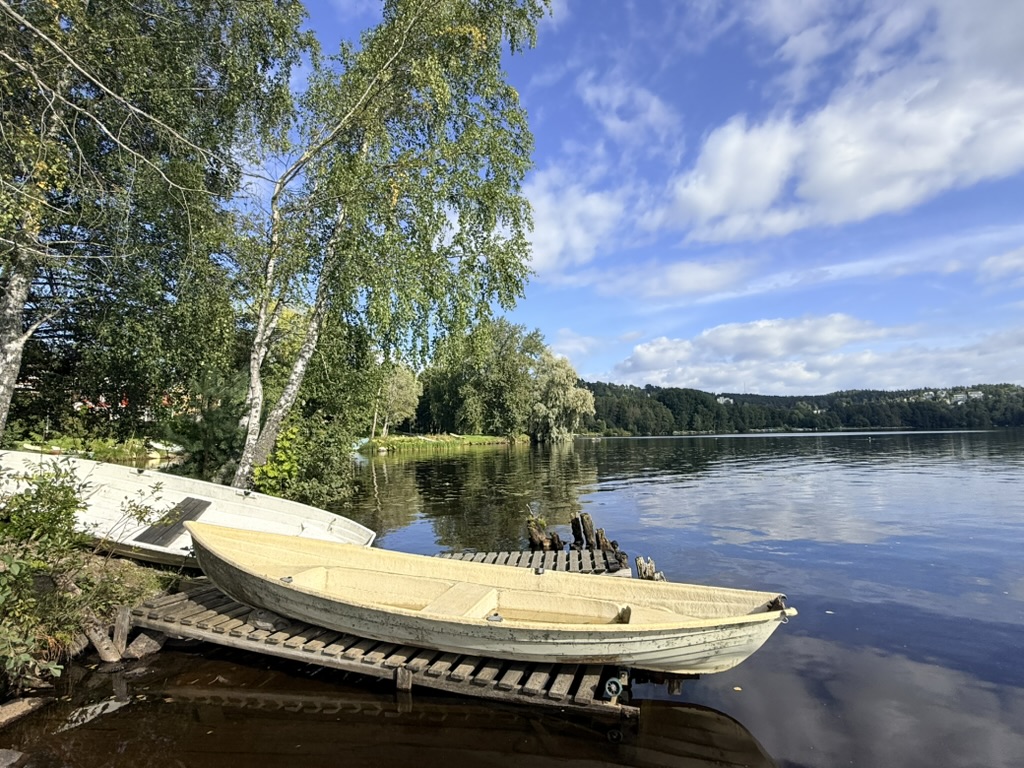
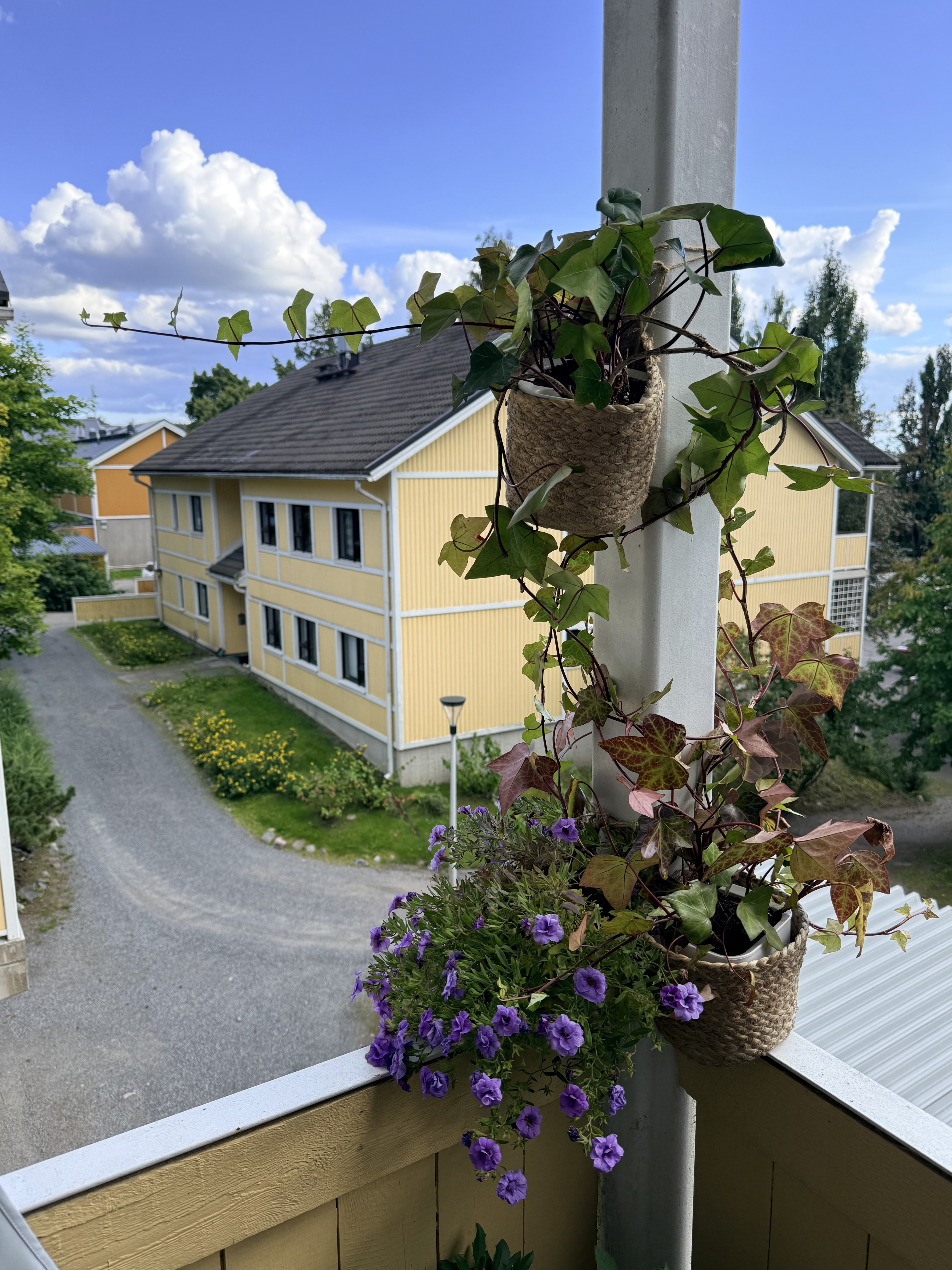
Our apartment in Vaasa is near a bay off the Gulf of Bothnia. It has plenty of light, a decent living area, kitchen and bedroom, and probably the largest bathroom we’ve had so far. It also has a sauna and a washing machine, but no dryer. Interestingly, every apartment we’ve rented in Finland has a bidet.
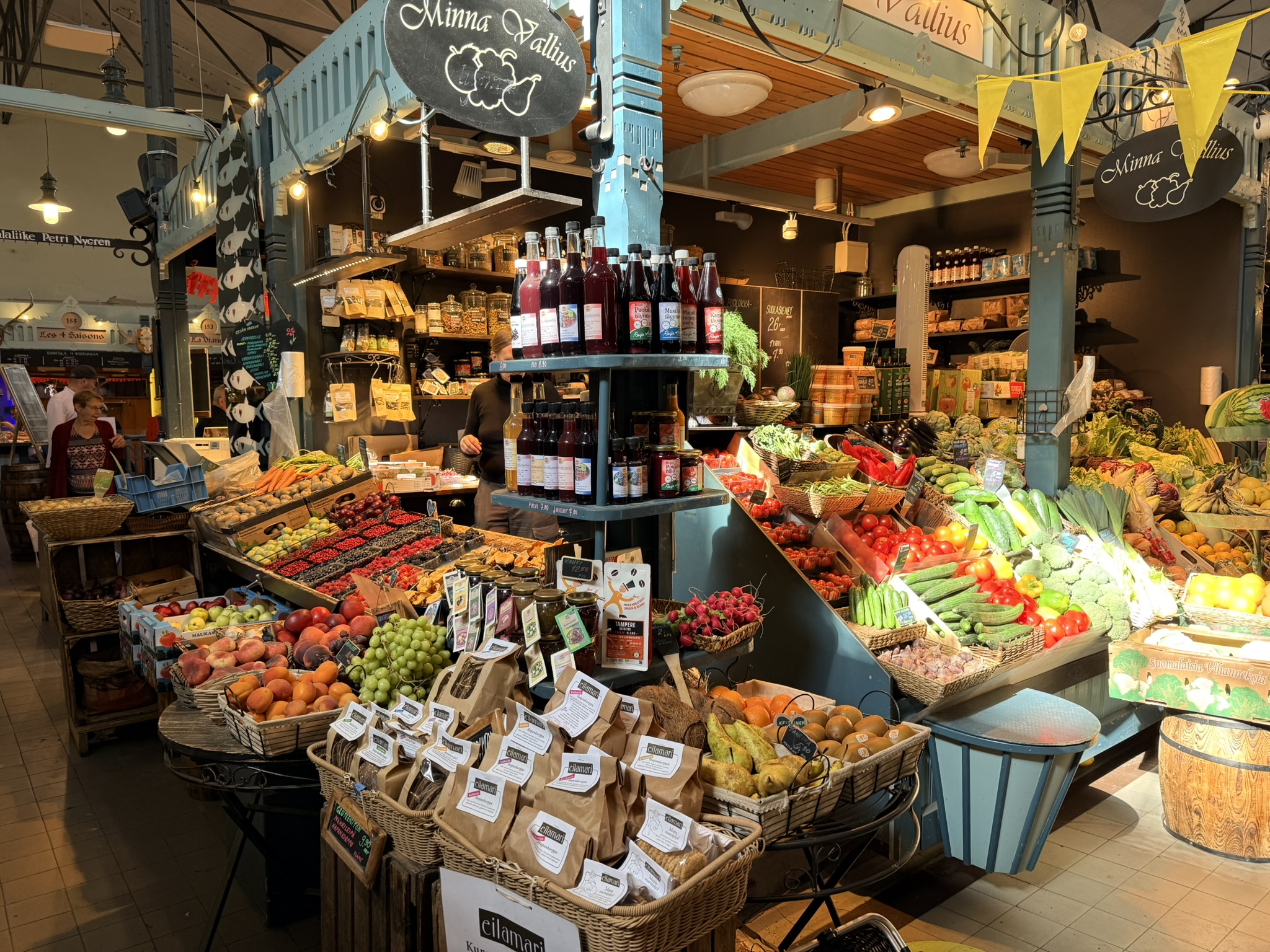
Visiting markets
It was cloudy upon our arrival in Vaasa, and of course we had no groceries so we had to go out to the nearest market, which was the modern City Market in the heart of downtown.
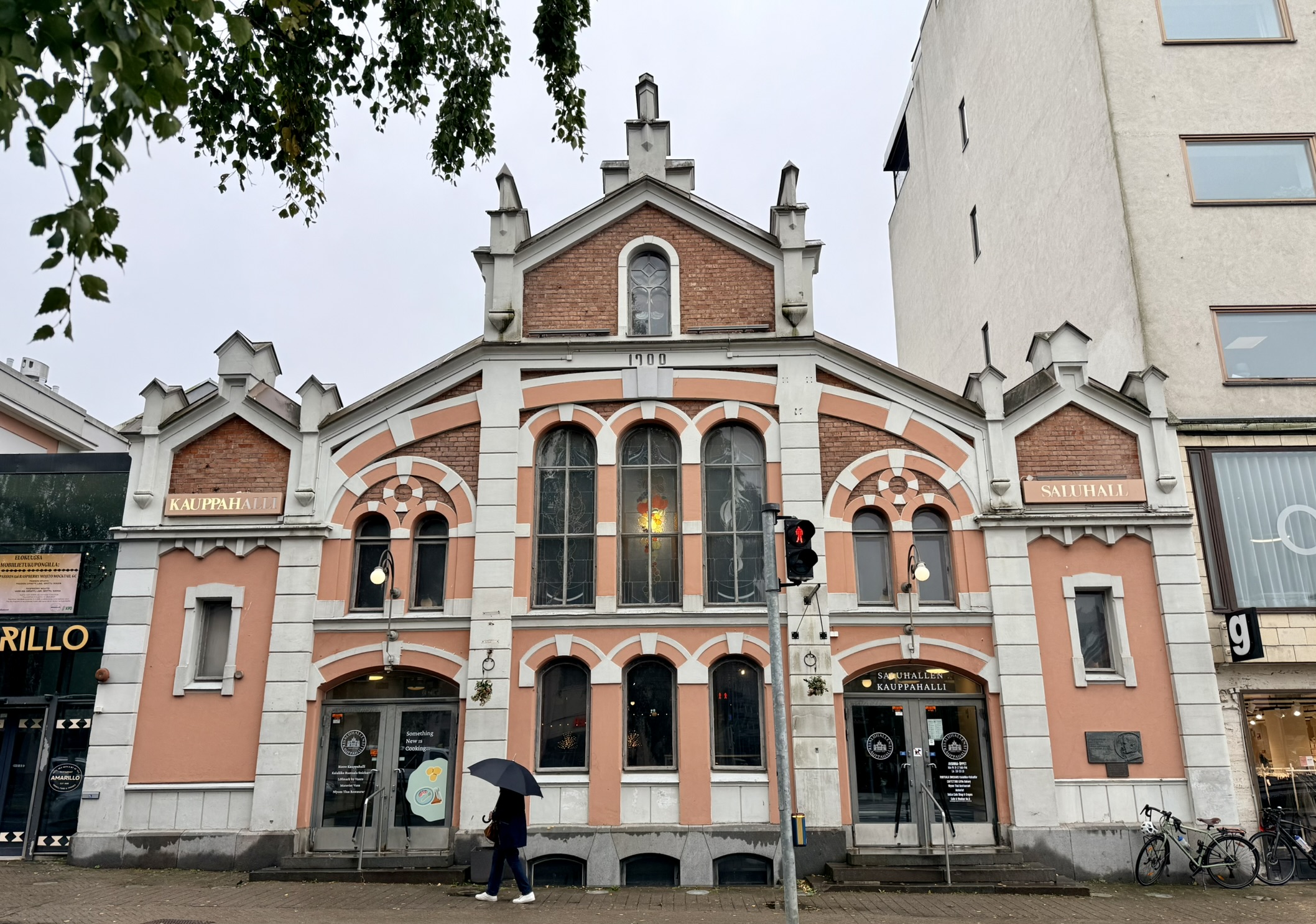
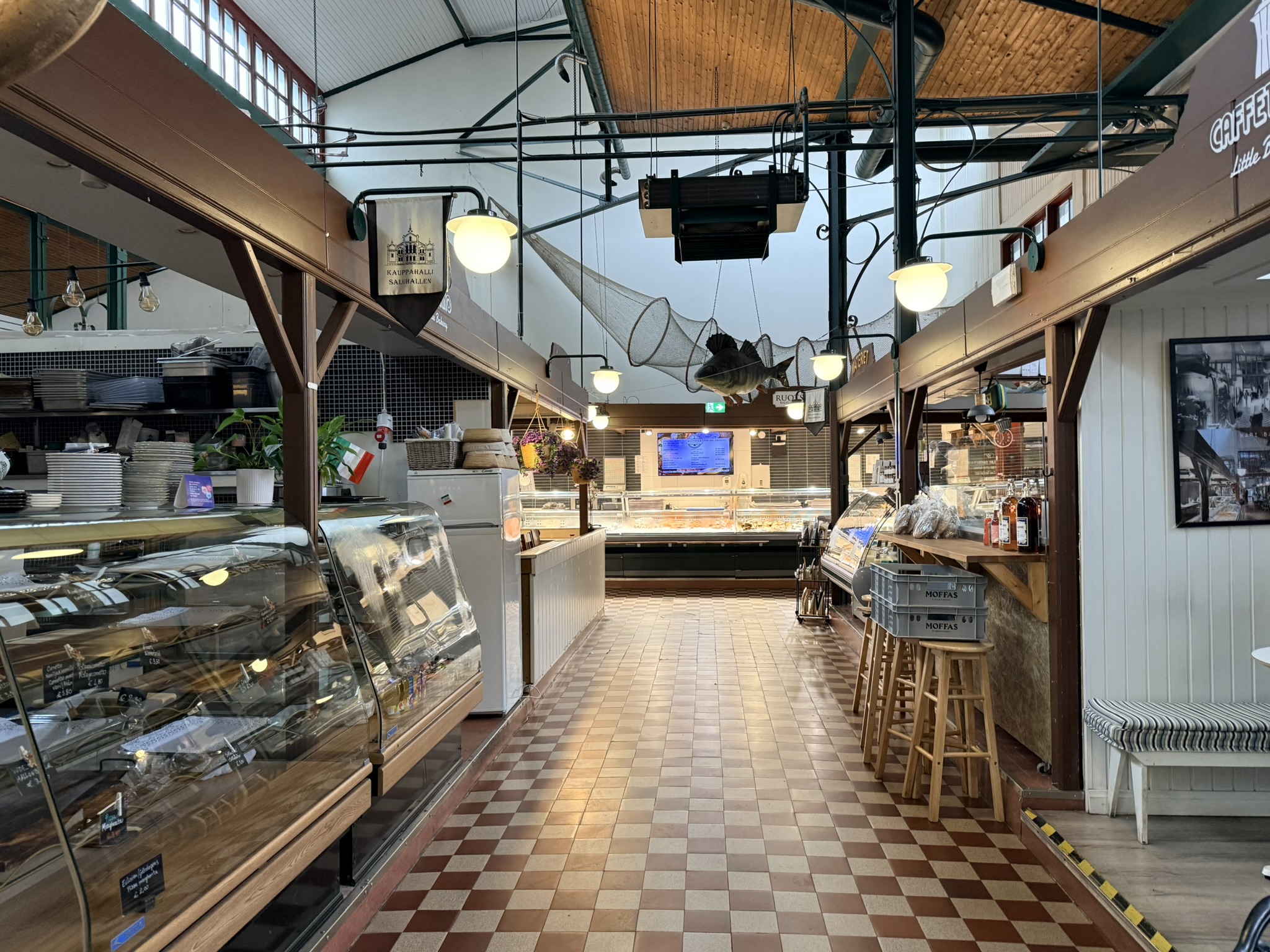
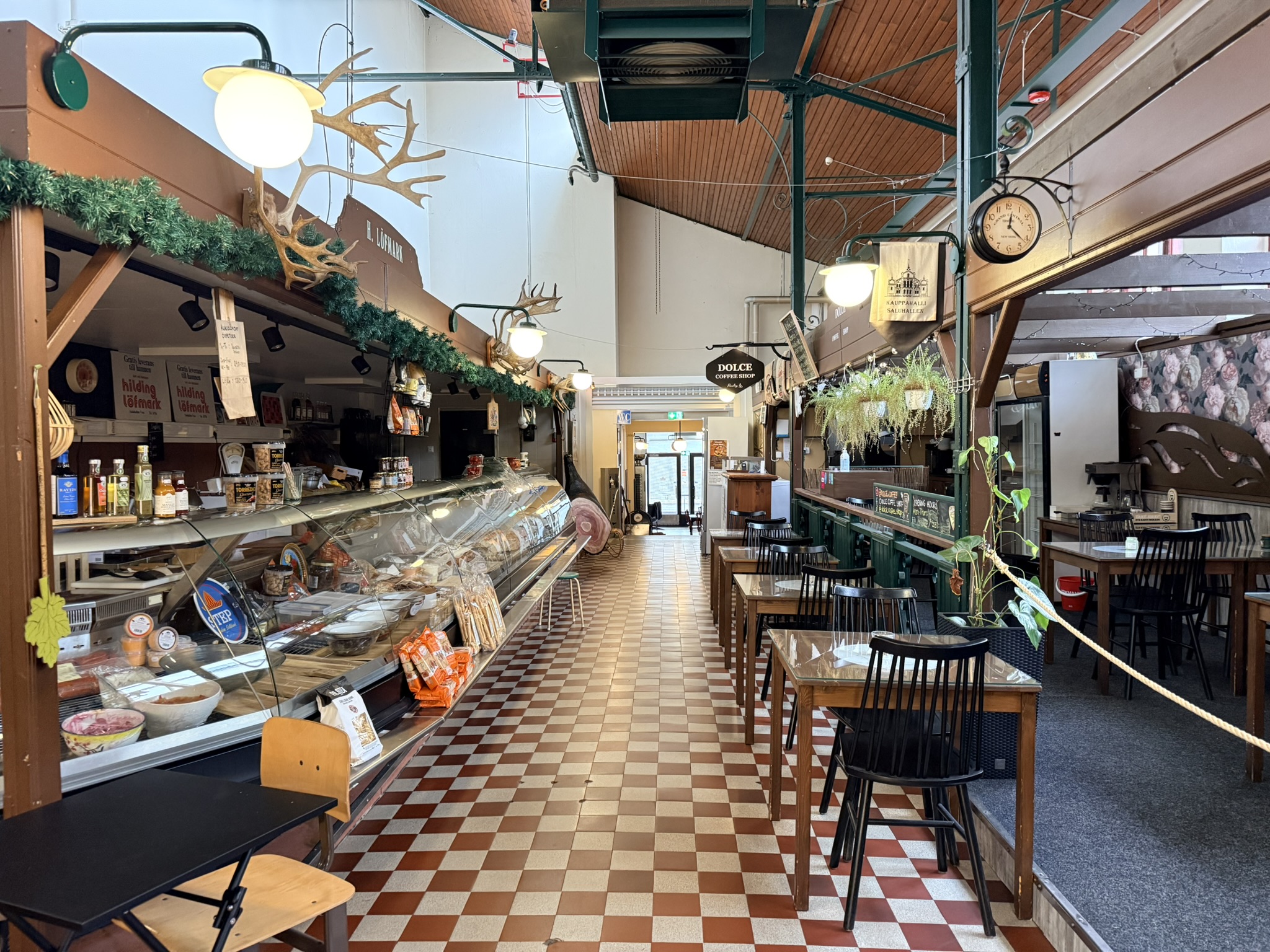
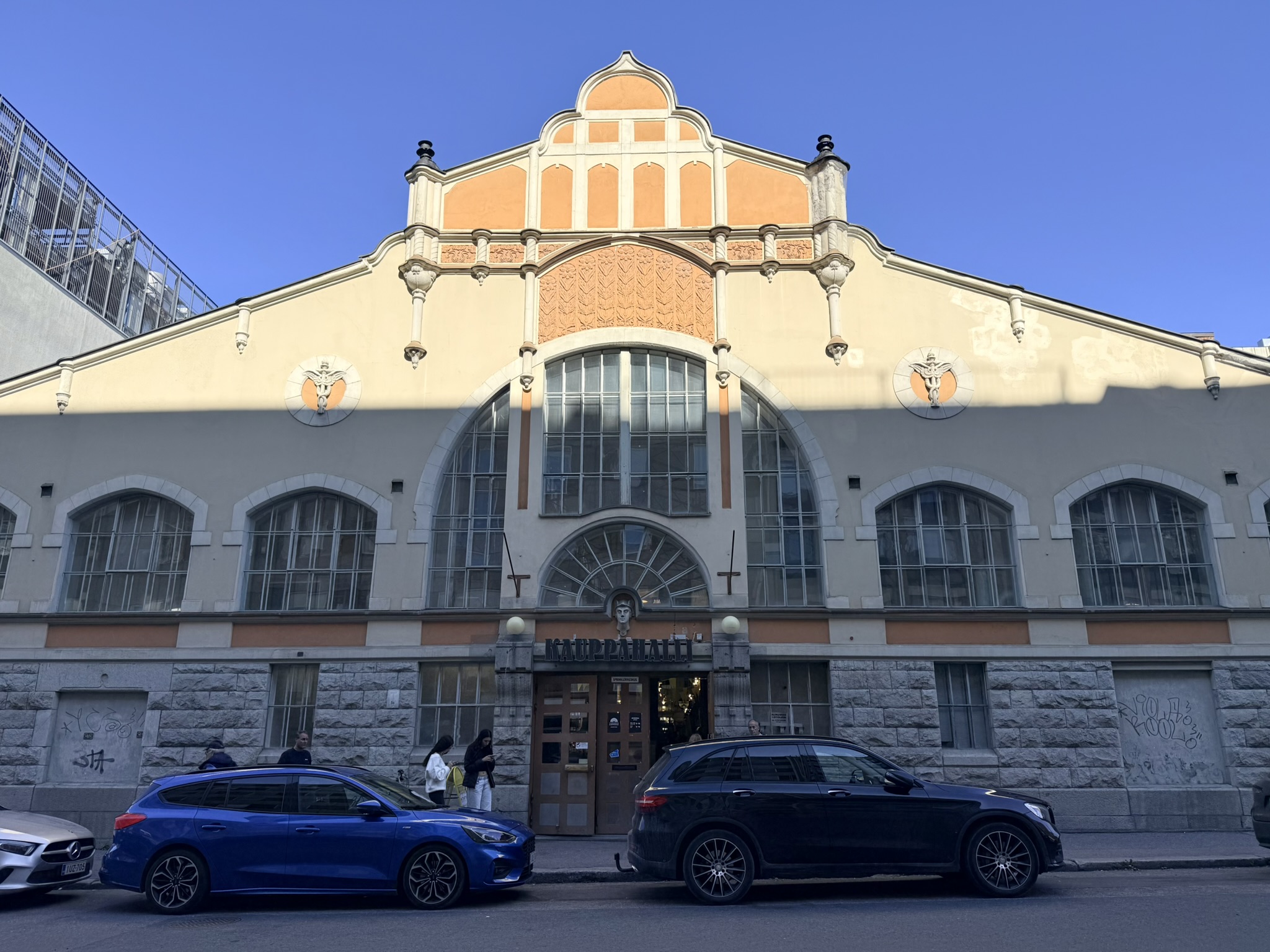
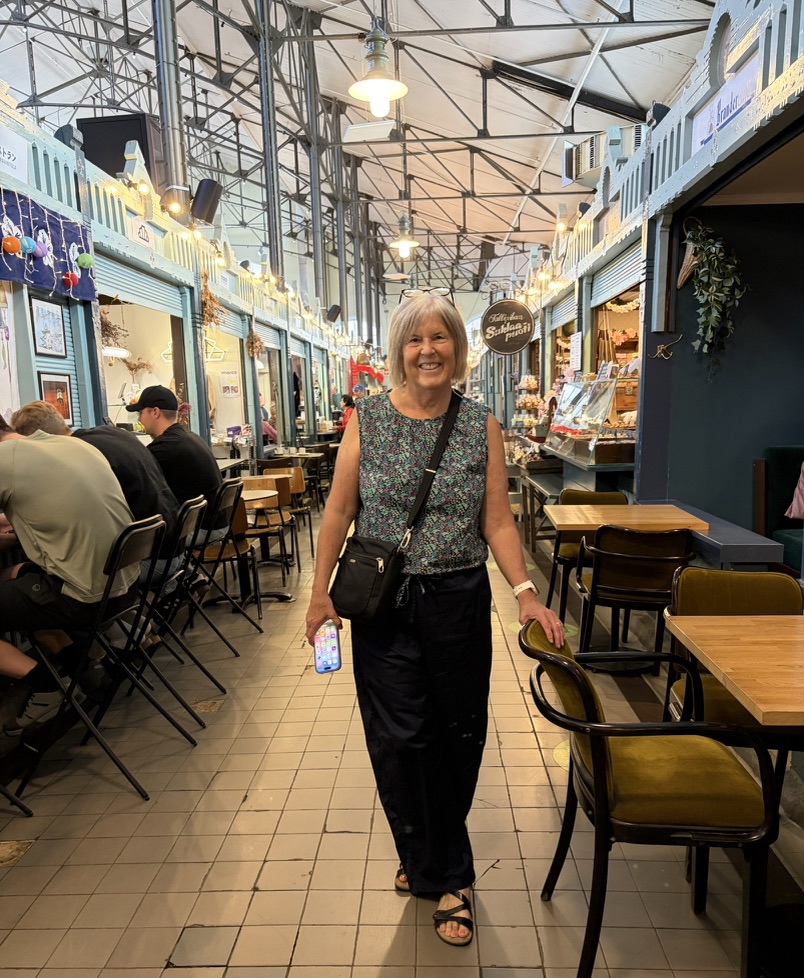
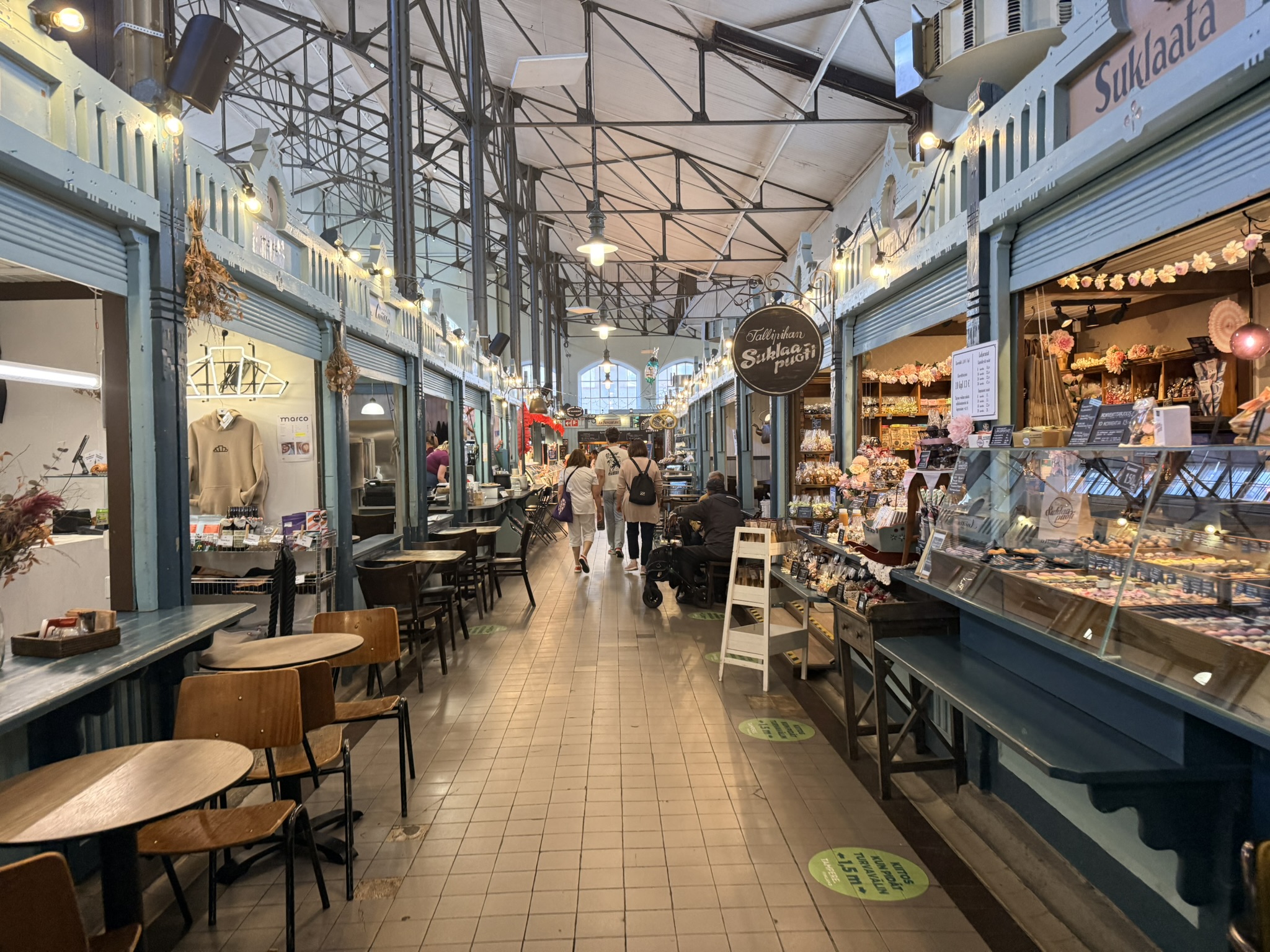
On Monday morning, we went to the Vaasa Market Hall, which was mostly empty. We don’t know if the modern City Market (which reminds me of a Target or Walmart in the U.S.), only a block away, has ruined the Market Hall, or if it was slow because it was a Monday. Many of the stalls seemed permanently vacated. It was a bit sad to see the old market hall usurped by the modern supermarket.
Vaasankauppahalli (Vaasa Market Hall) is a Gothic-style market hall in the city center. It includes only seven different shops, including the fish store Ruostsala Snickars and the café Wasa Konditori. It is much smaller in scale than the Tampere or Helsinki market halls. The lower hall was completed in 1902 and the upper hall in 1927.
Dining in
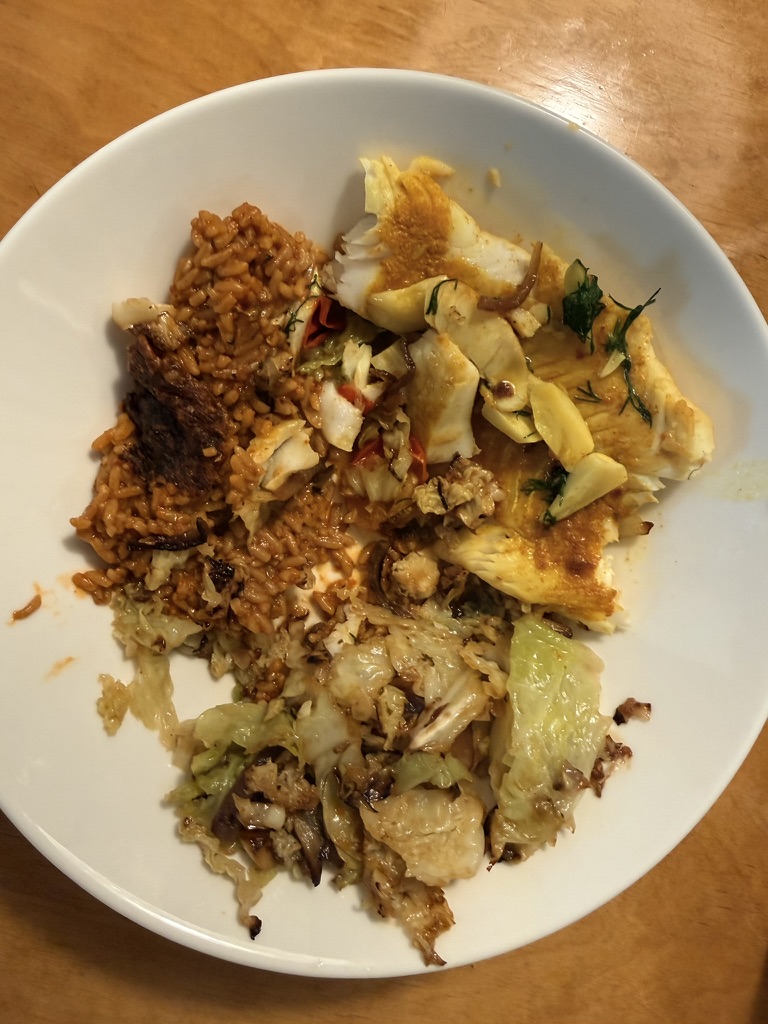
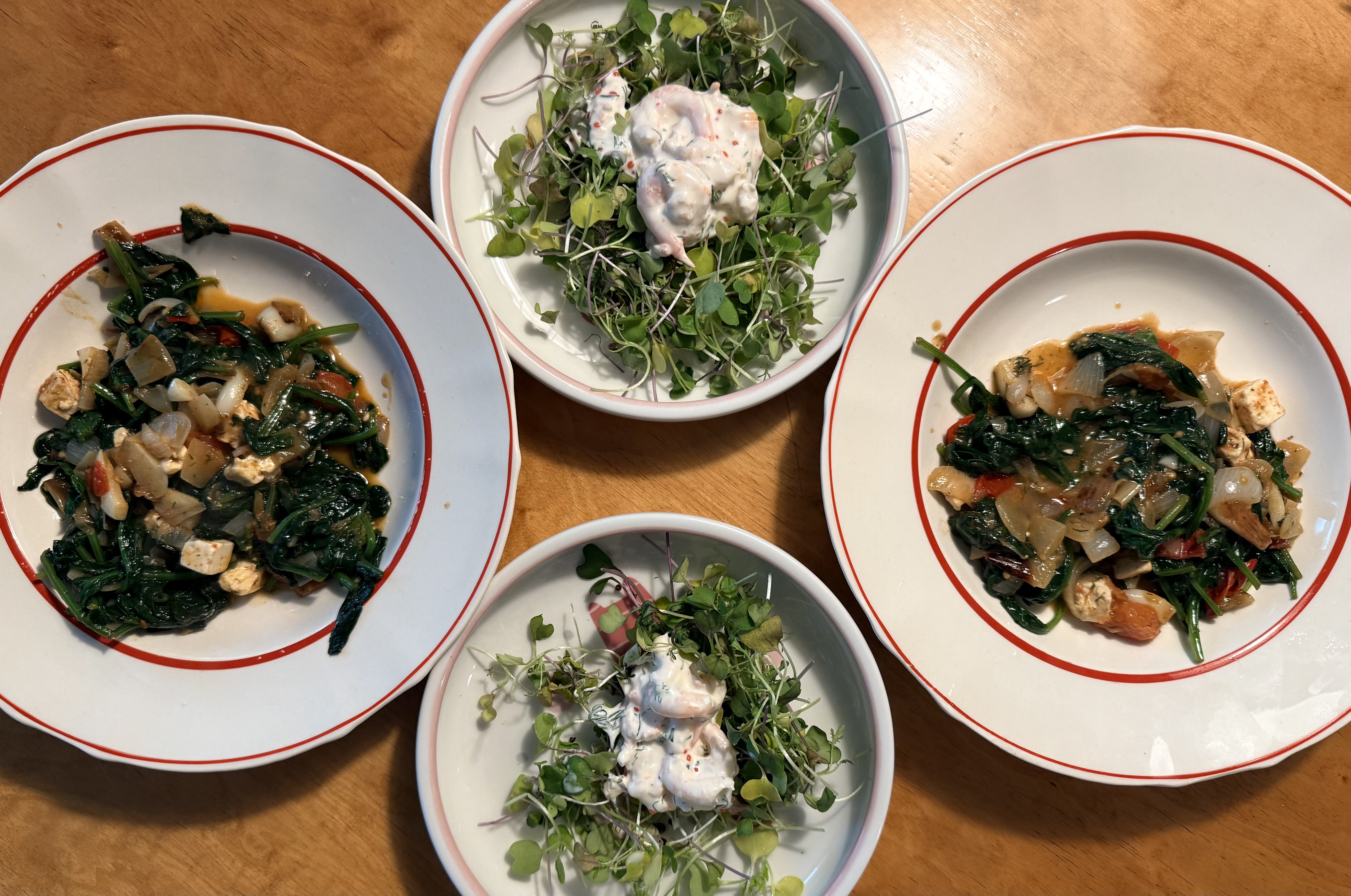
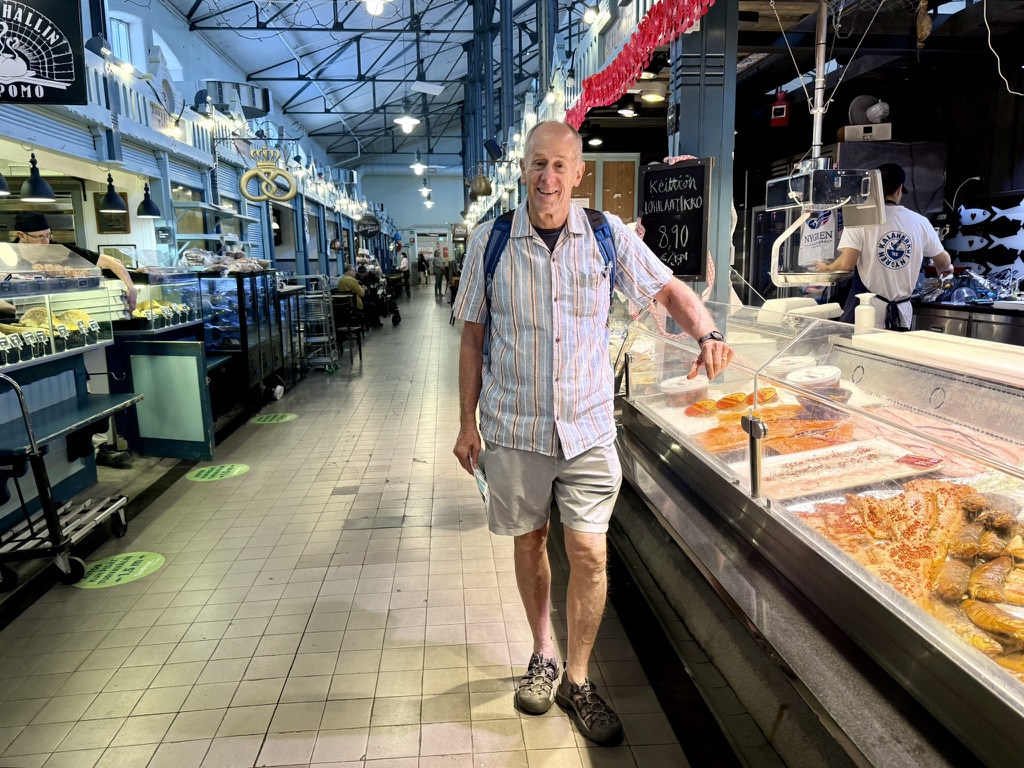
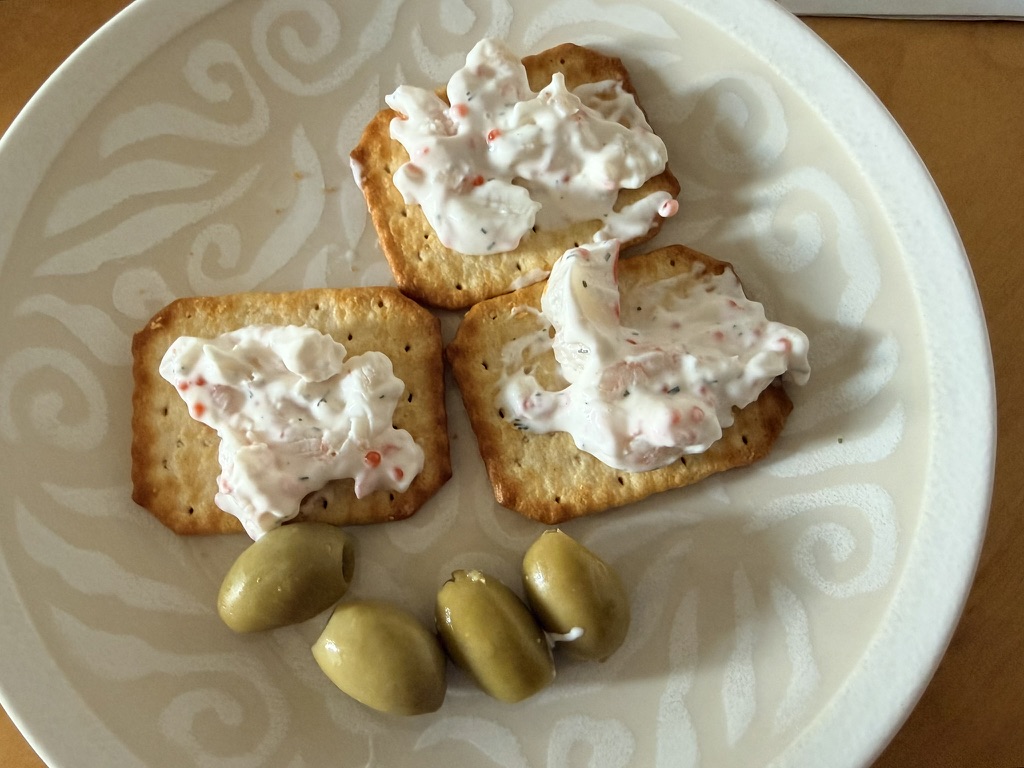
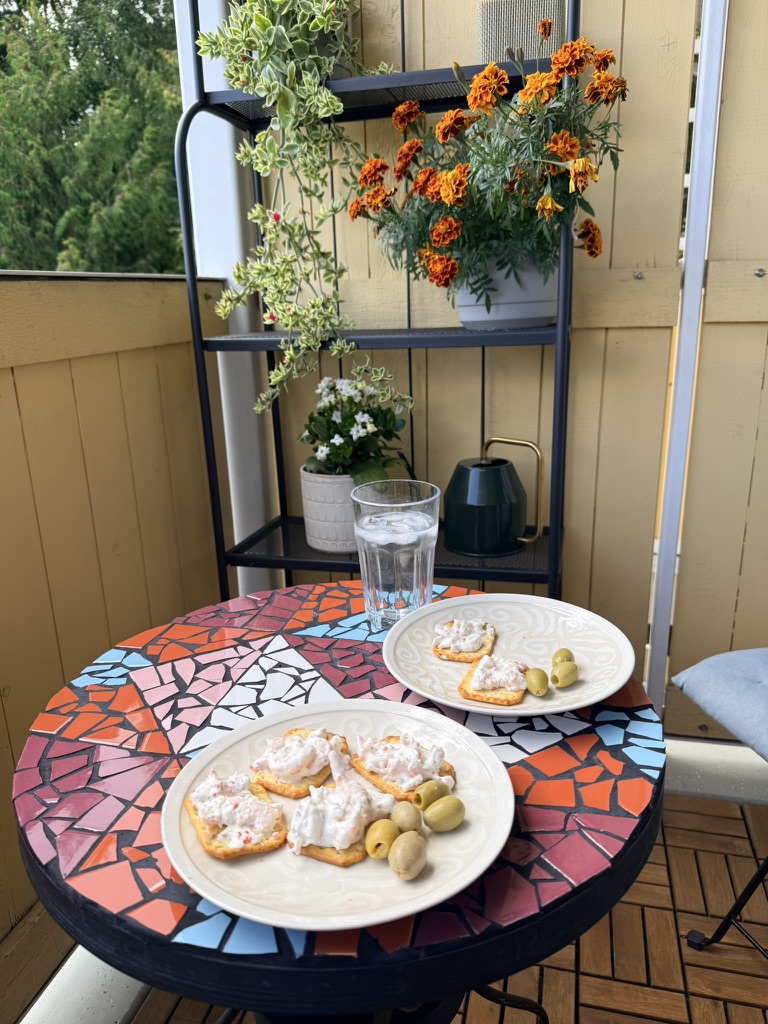
After picking up Arctic Char and pike perch at the Vaasa Market Hall, we cooked in, making the Arctic Char, cabbage with red onion, and Ben’s Original Thai Style Sweet Chili Rice. Another night, we repeated the same meal, except with pike perch, a flaky and moist white fish. One night we ate leftover mushroom soup we’d had for lunch accompanied by crackers with salmon spread and Brie. On our last night, trying to get rid of food before we moved to Turku, we had greens with Skagen, and sauteed spinach with cherry tomatoes, garlic and cubed cheese in chili oil. That concoction was actually pretty good!
Dining out
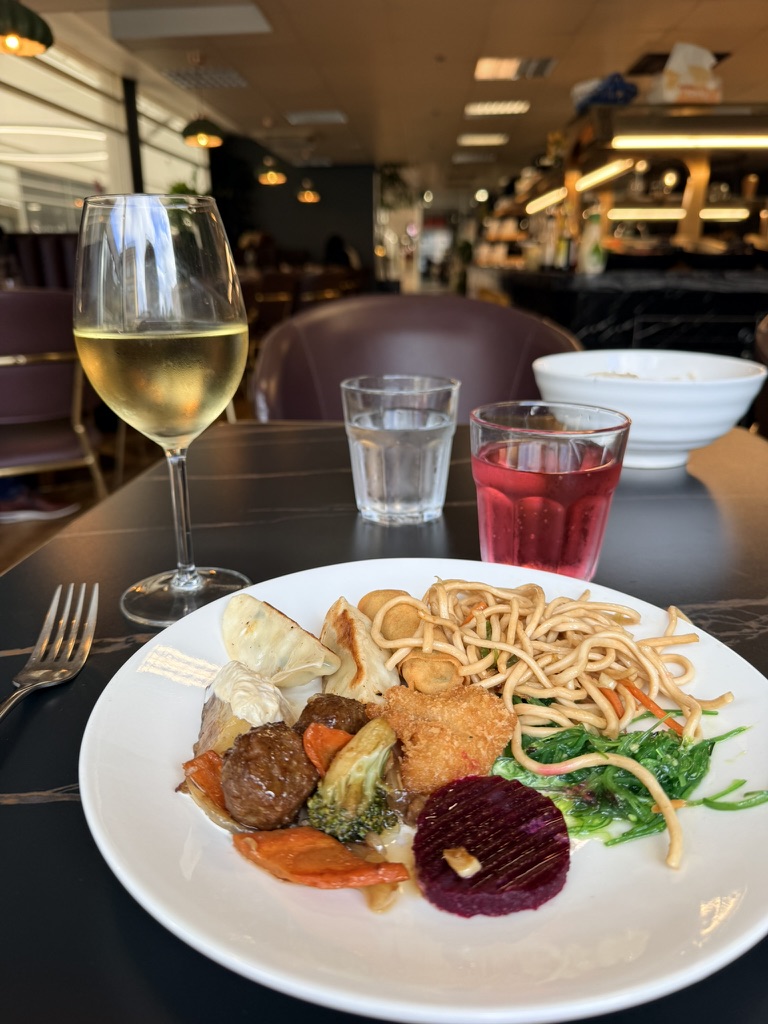
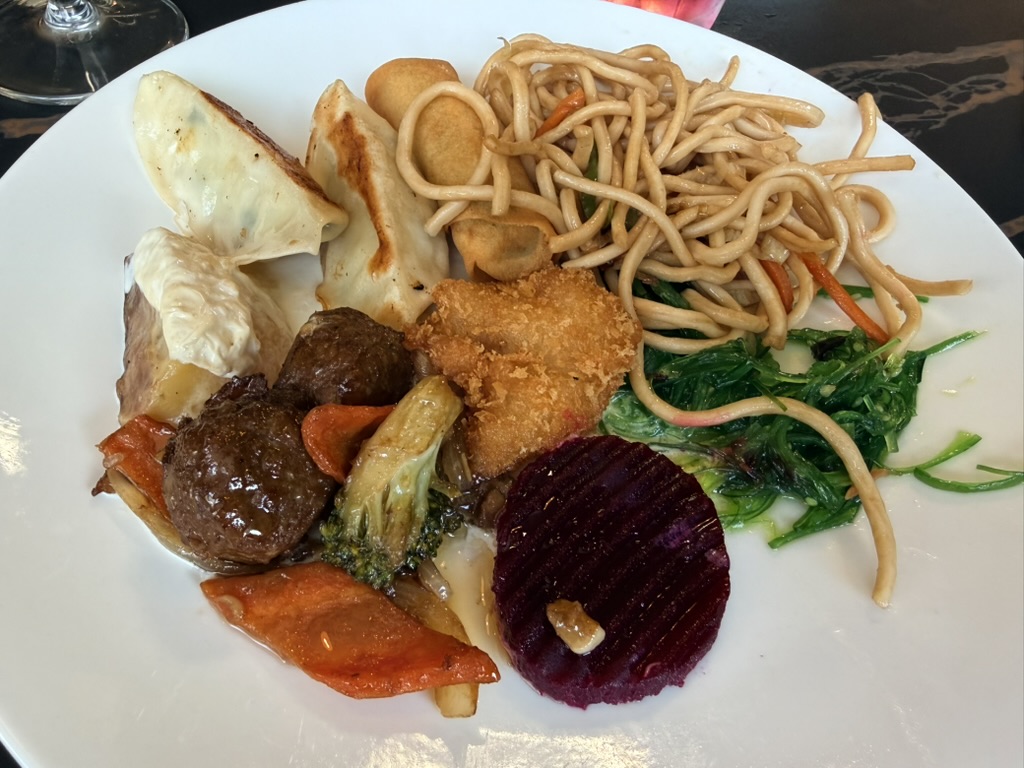
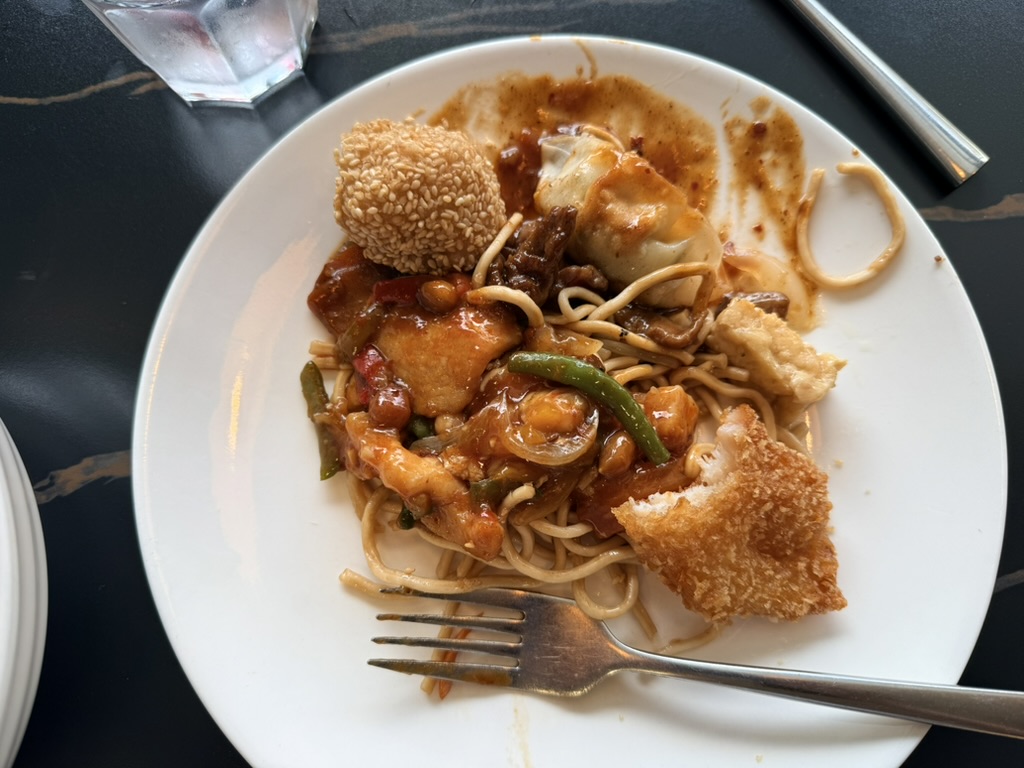
Dinner #1: For dinner on the day of our arrival, we went to Tom Yum Thai Restaurant for a buffet in a modern shopping mall downtown because we had to get groceries after. Also, it seemed most restaurants were closed on Sunday. The food was cold and not very good; it seemed they were in a hurry to close down for the night. And we usually know better than to get buffets. We can never eat enough to make it worth our while and the food is never hot enough. Oh well, we win some and lose some.
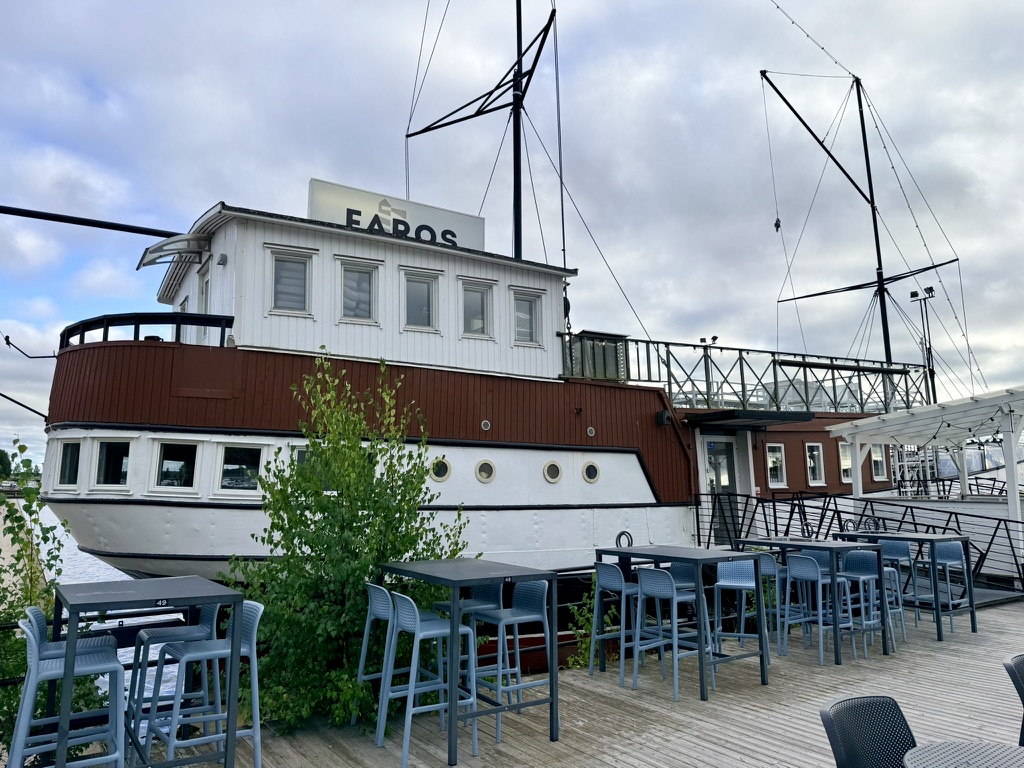
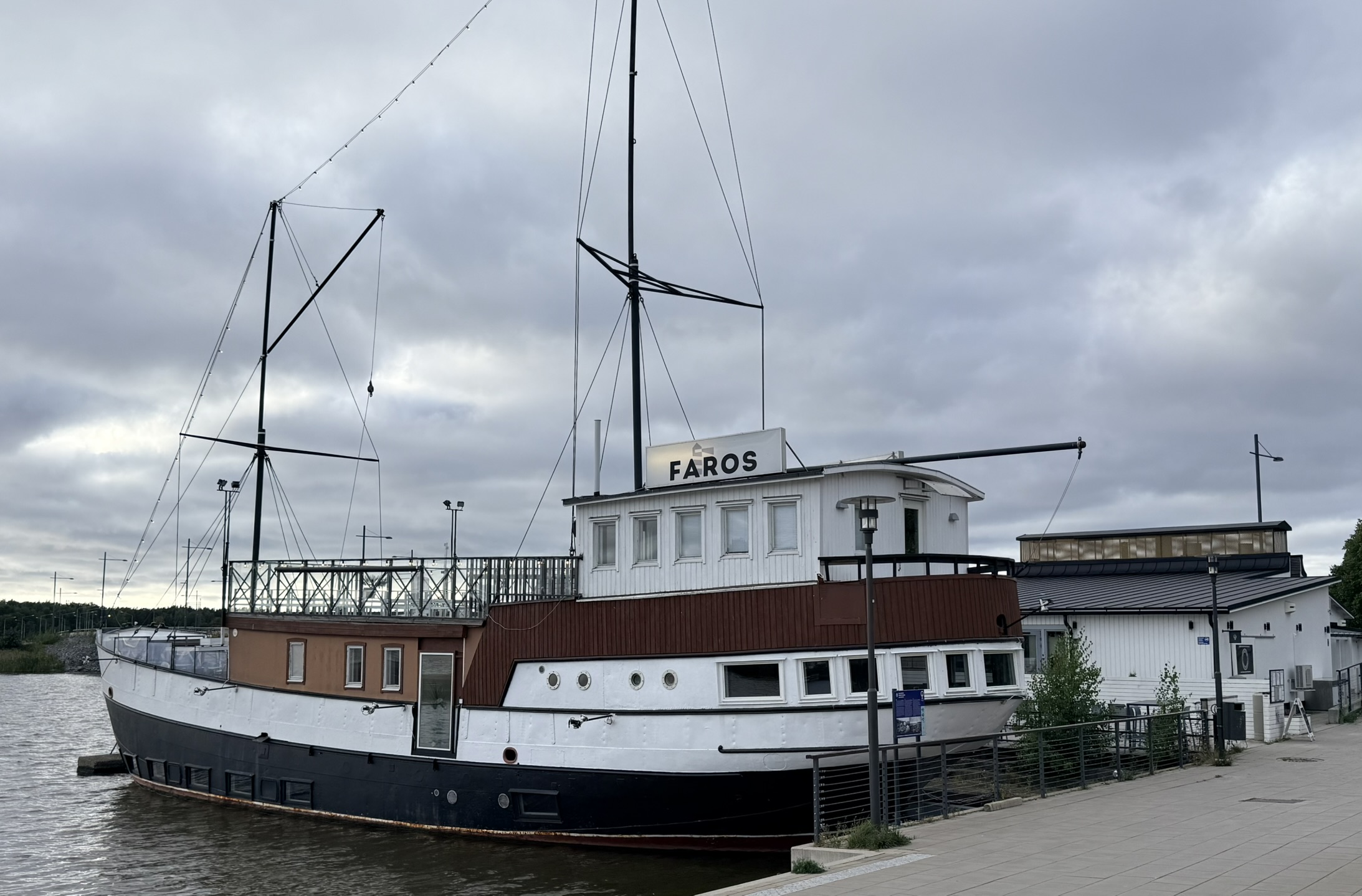
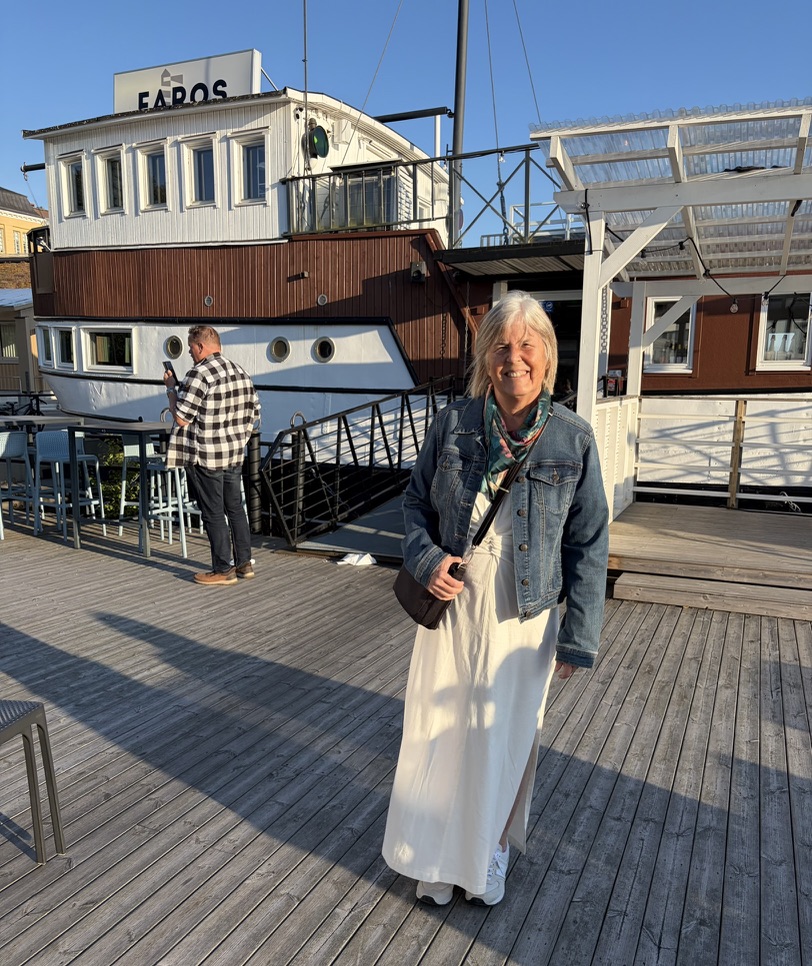
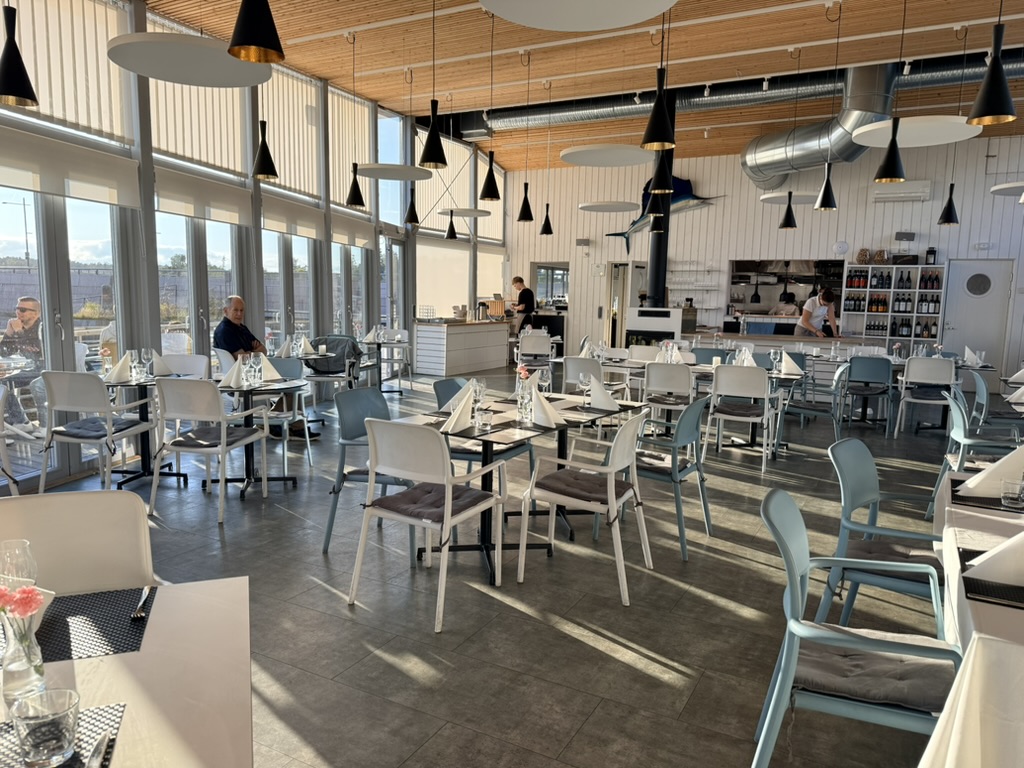
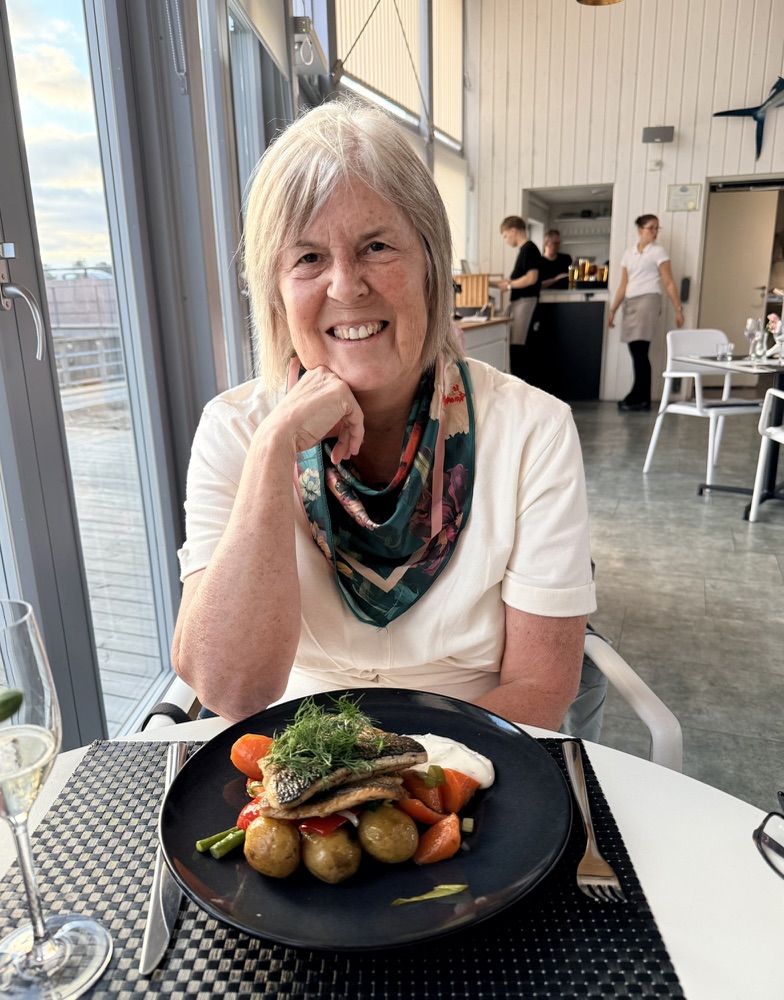
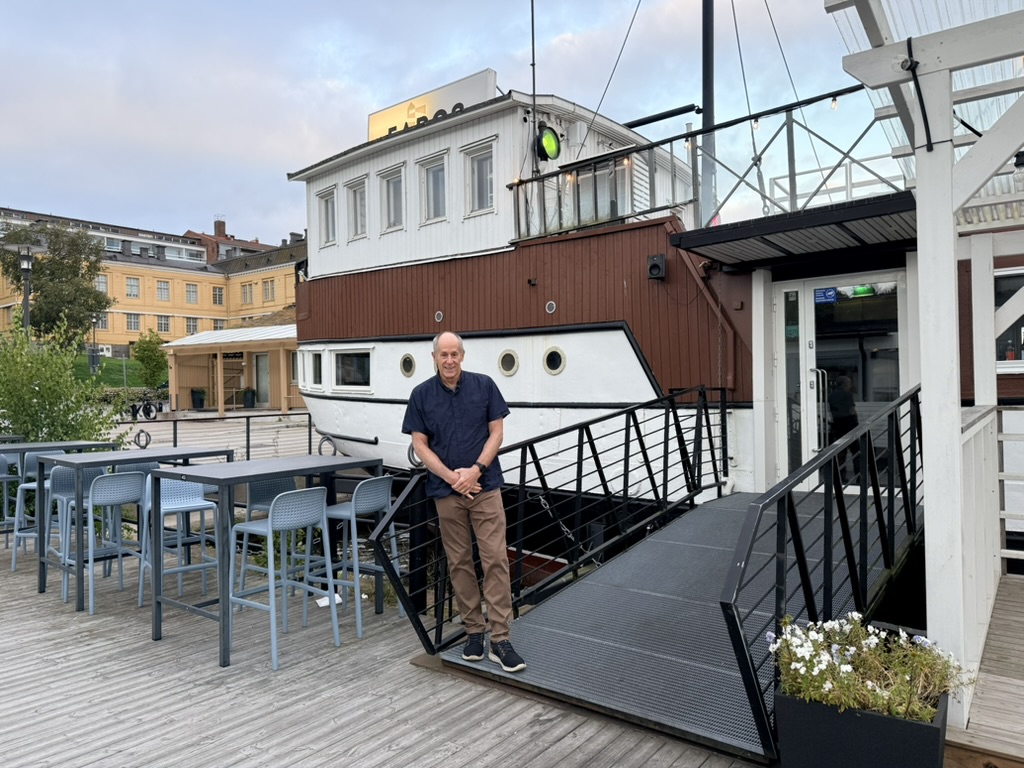
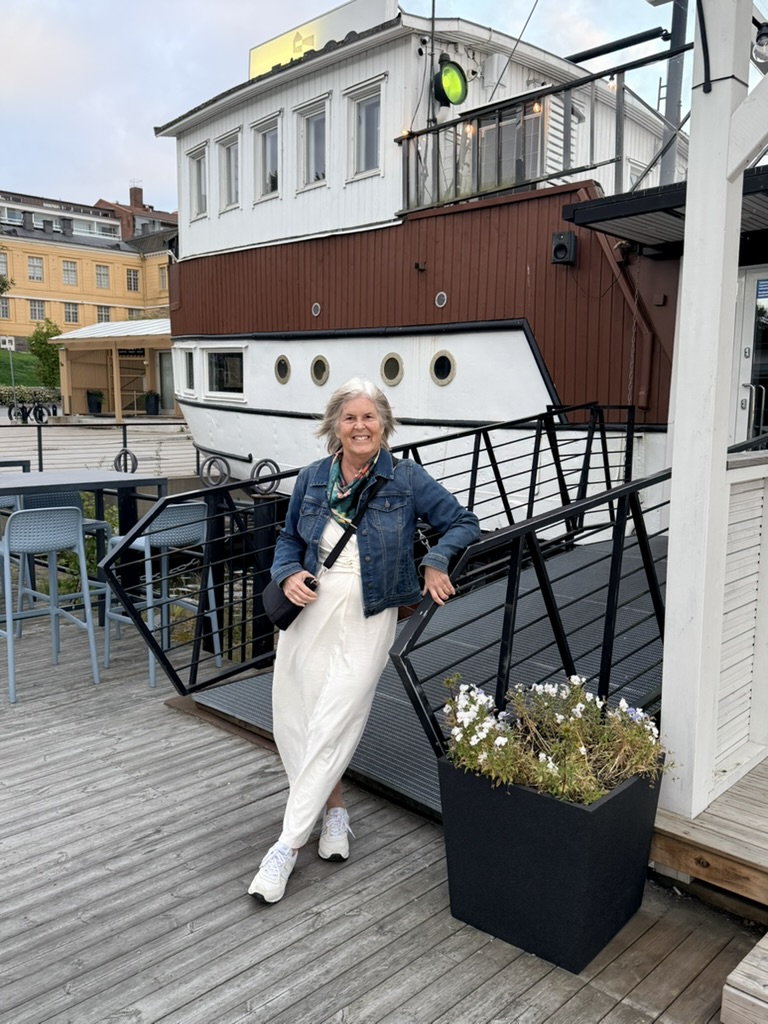
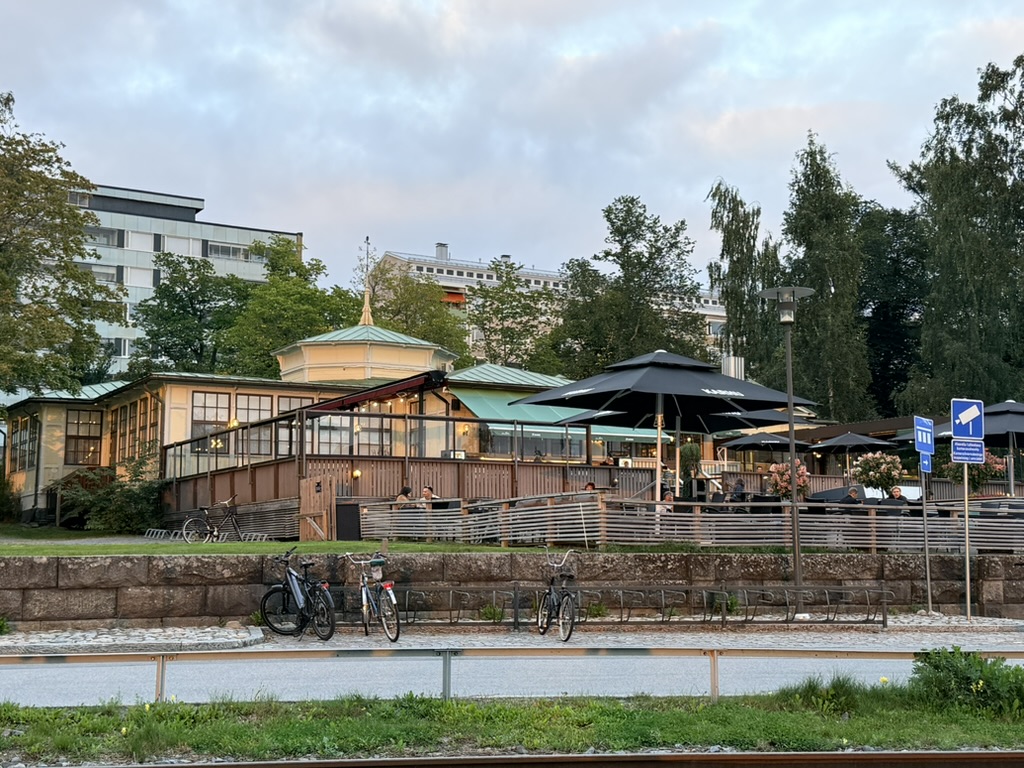
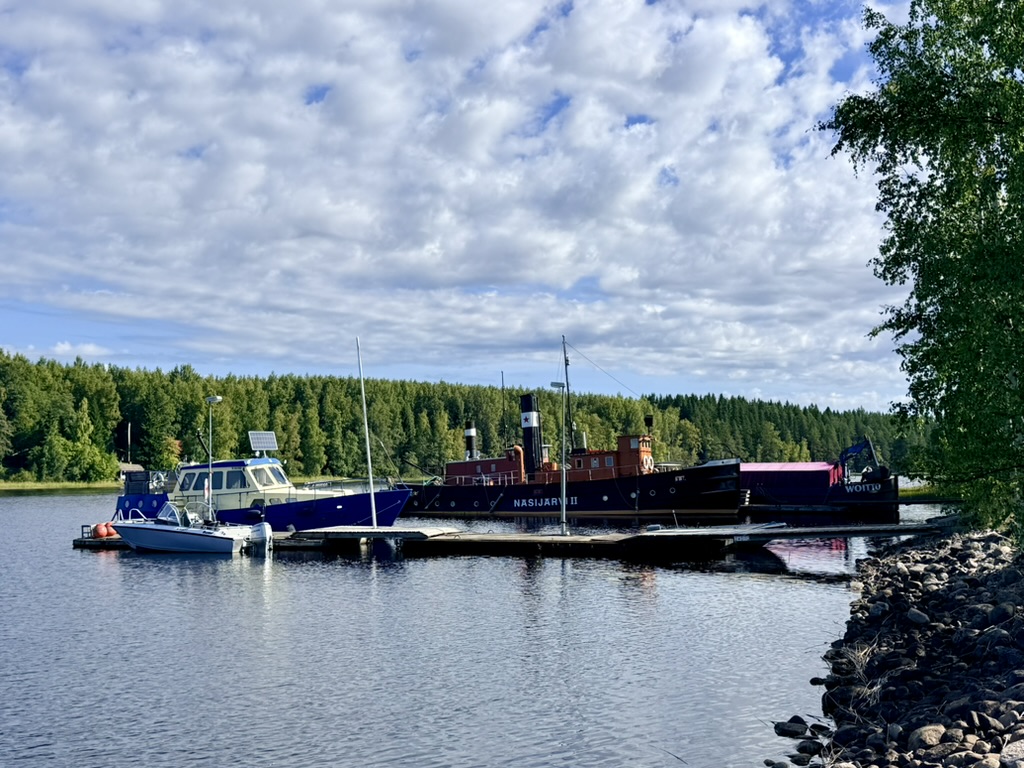
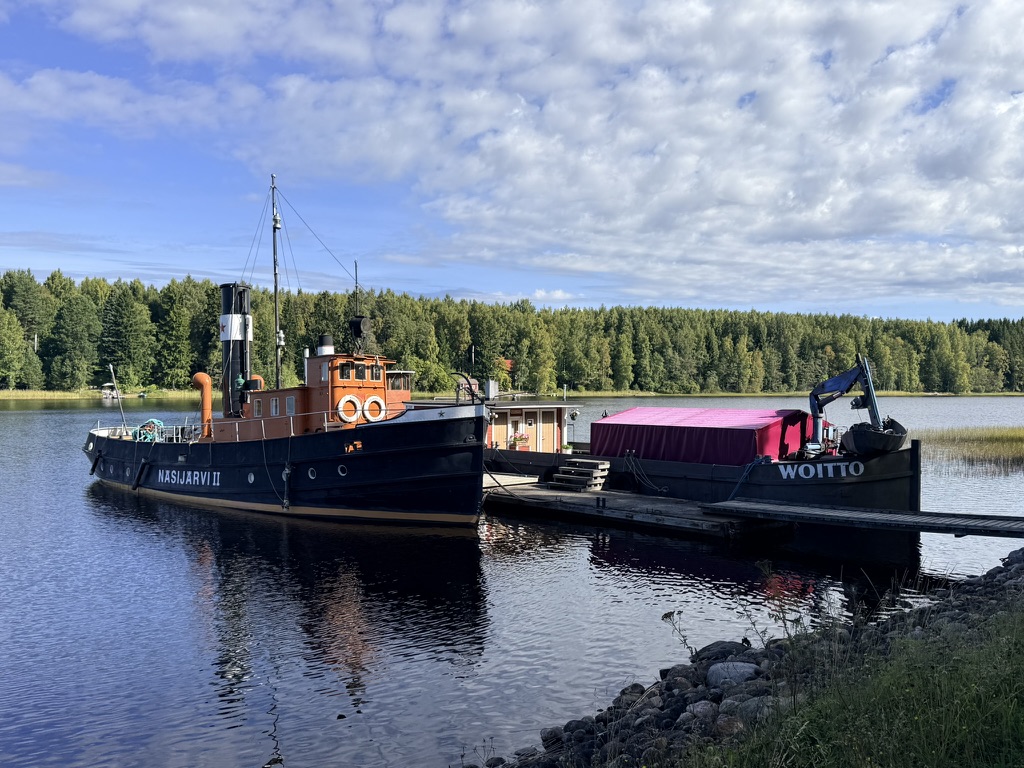
Dinner #2: Faros Restaurant Ship & Terrace is an old lightship that came to Vaasa in 1989 and has ever since worked as a restaurant. In 2018 the restaurant expanded and opened a second restaurant, FYR, on its adjacent terrace. FYR has high ceilings and a panoramic view of the sea.
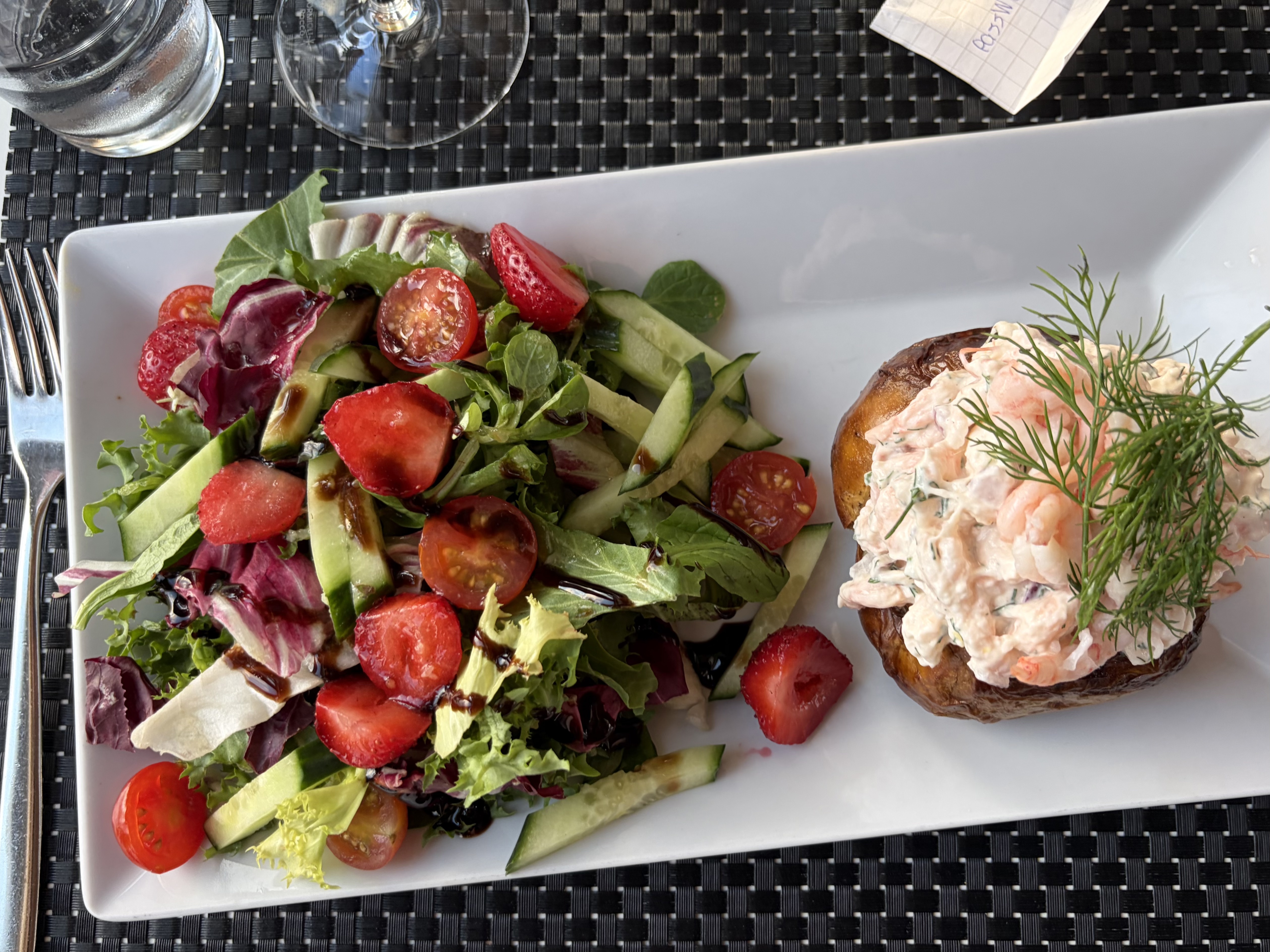
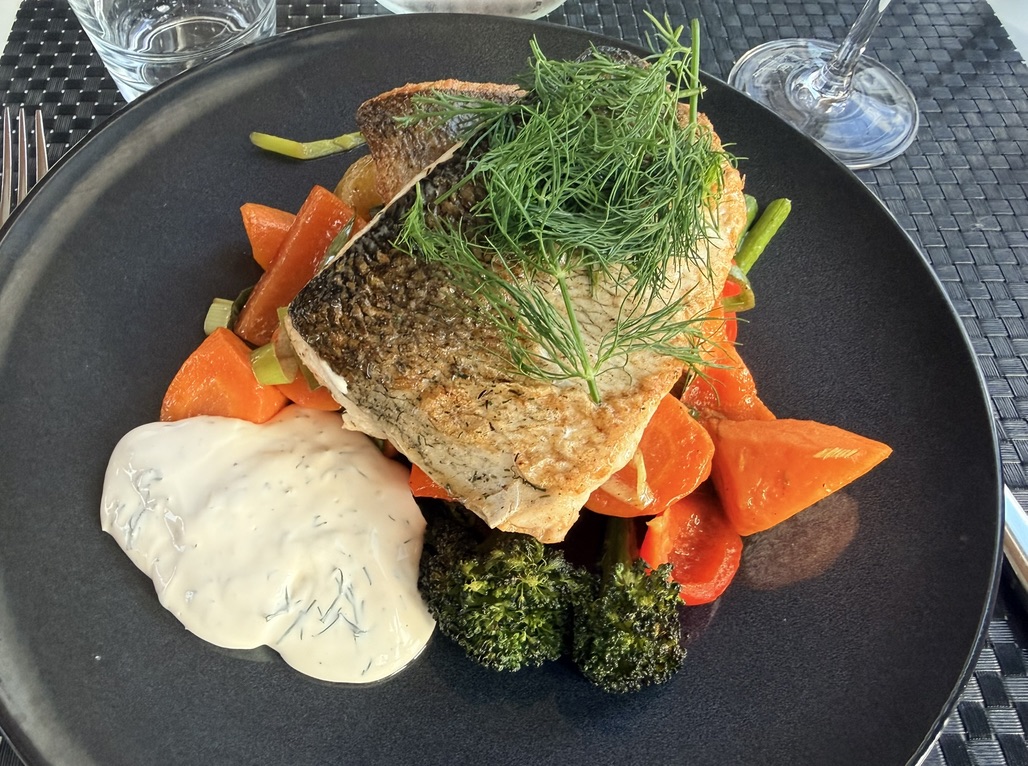
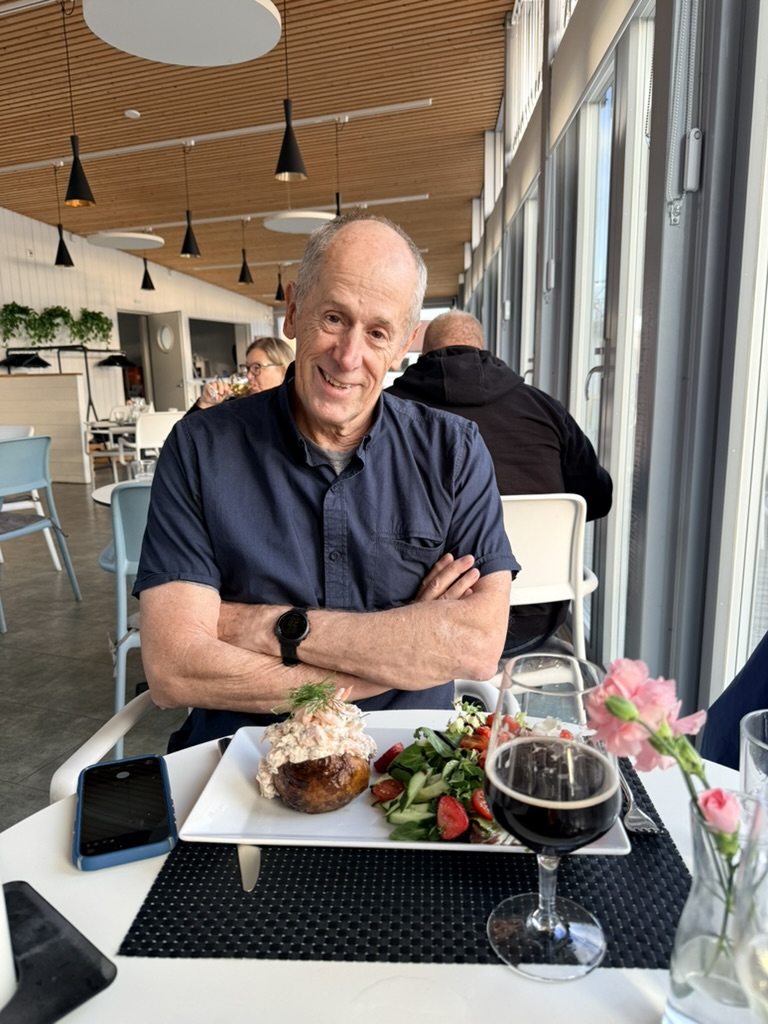
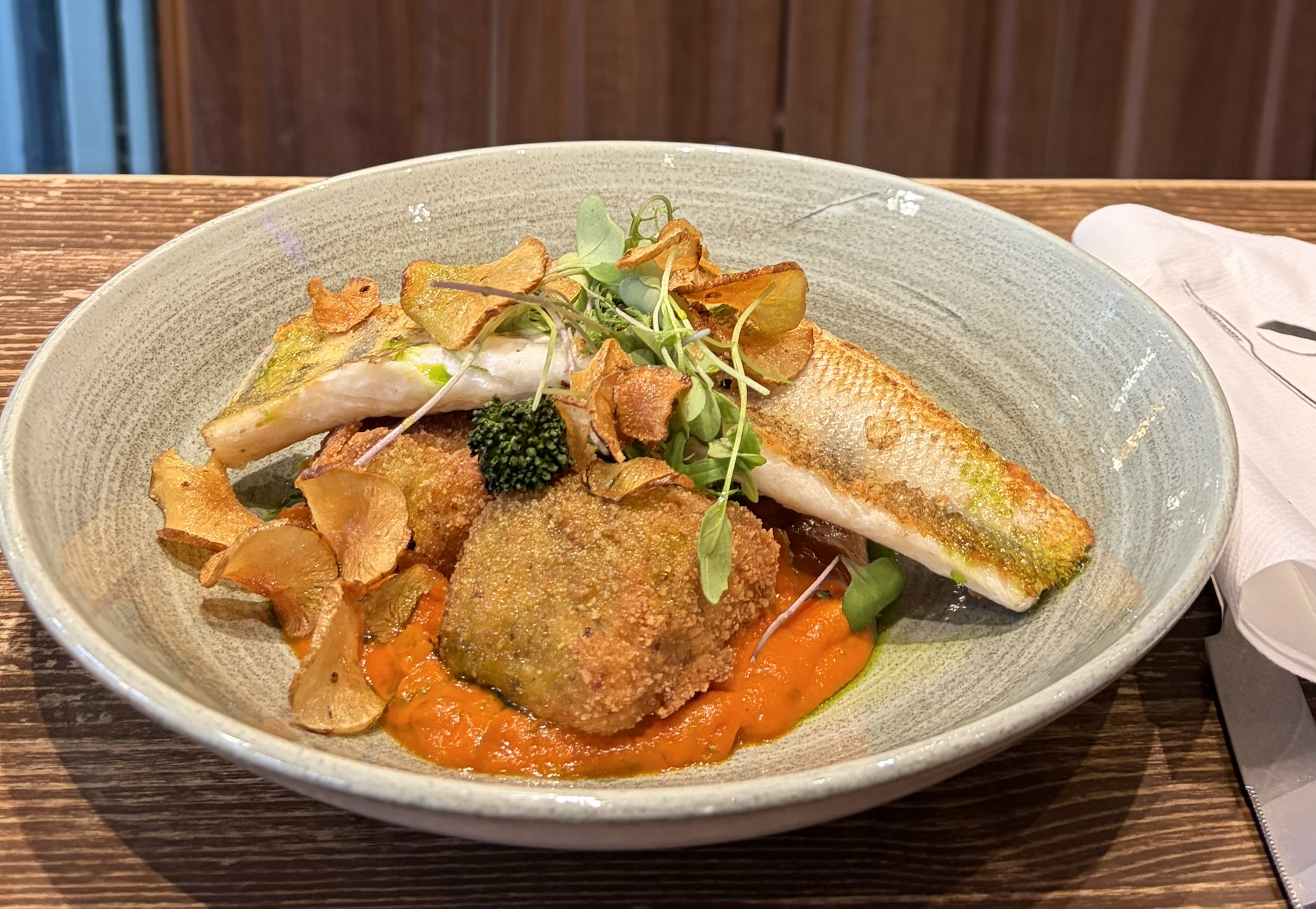
I wanted to eat on the ship, but it was closed for special events, so we ate at FYR. The menu was the same one as the ship menu. I had a Cava and Mike a beer, and Mike ate Baked potato with skagen and salad, while I had whitefish fillet, potatoes, dill crème fraiche and roasted vegetables. This was another one of our top dining experiences during our travels!
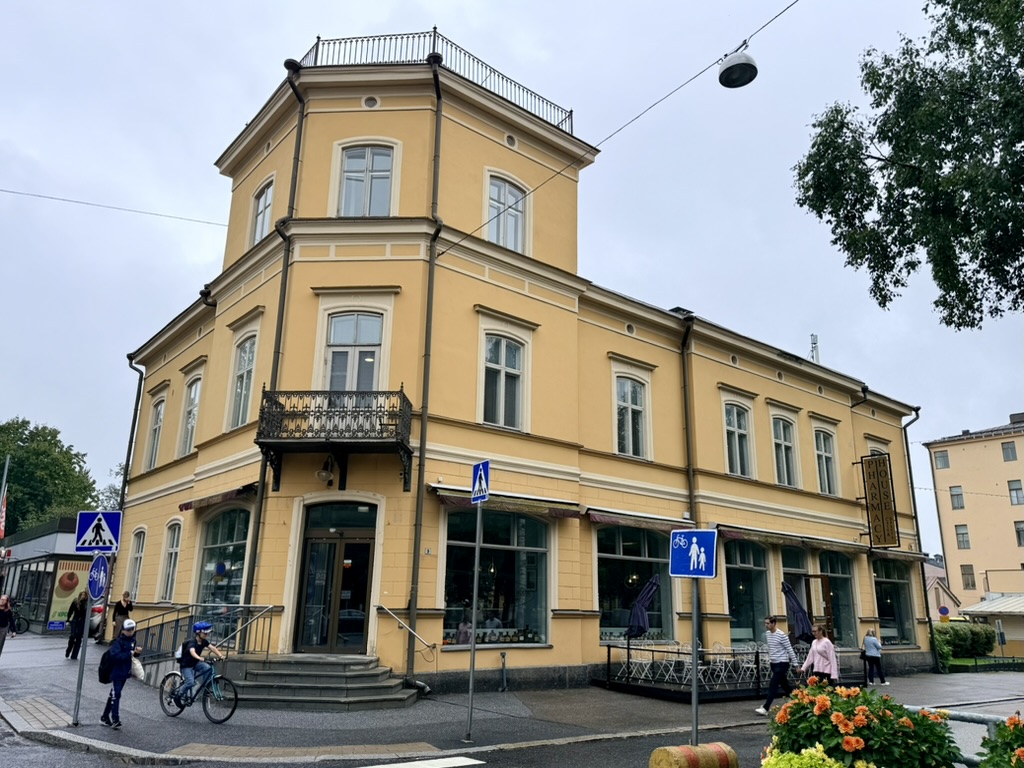
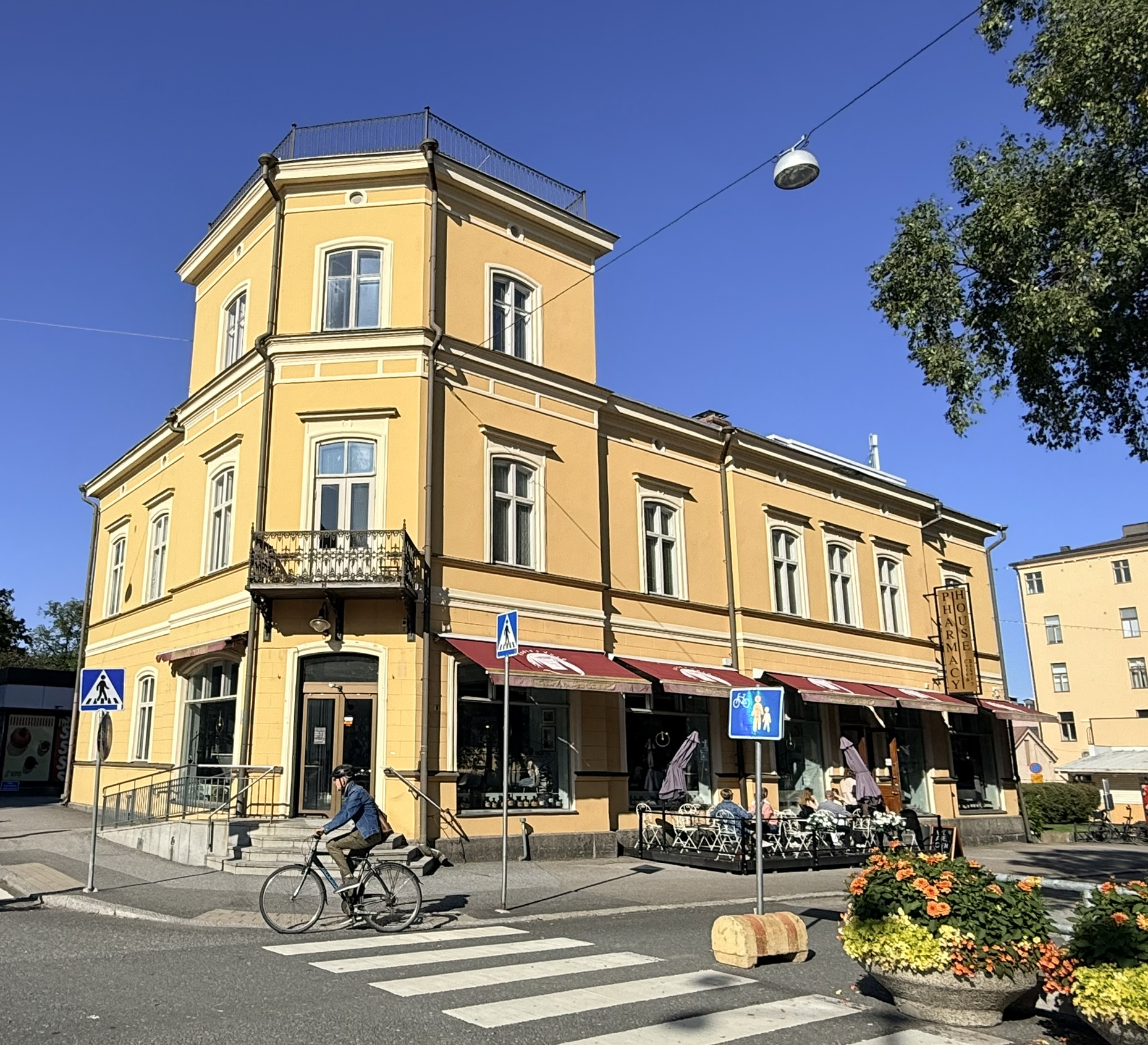
Lunch #1: For lunch, we stopped at Pharmacy House Café and Bakery where they had a salad bar for 14 euros. It looked good so we got that for lunch. We were loaded down with groceries from both the Vaasa Market Hall and the City Market, so we didn’t feel much like looking around too much for a lunch spot.
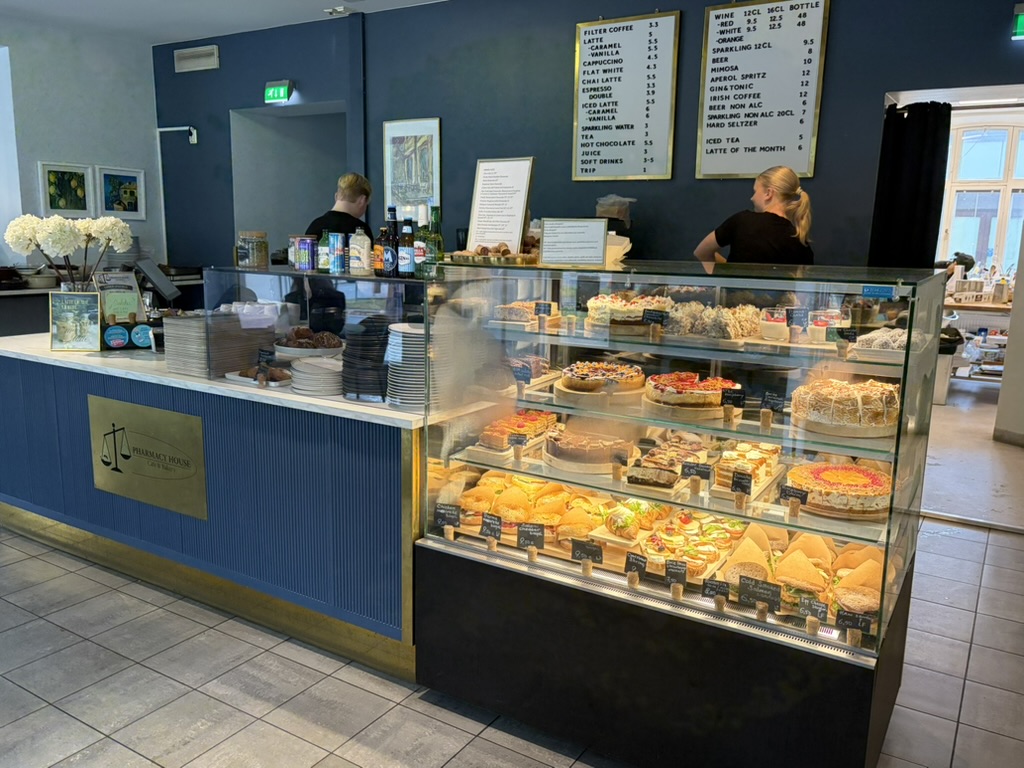
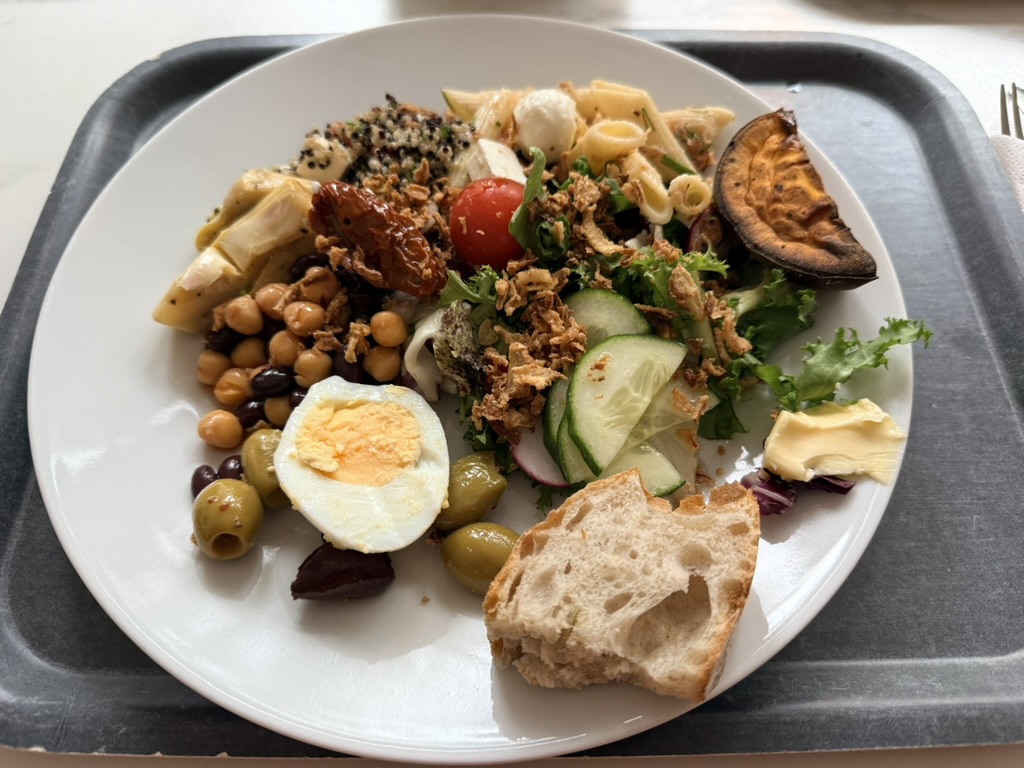
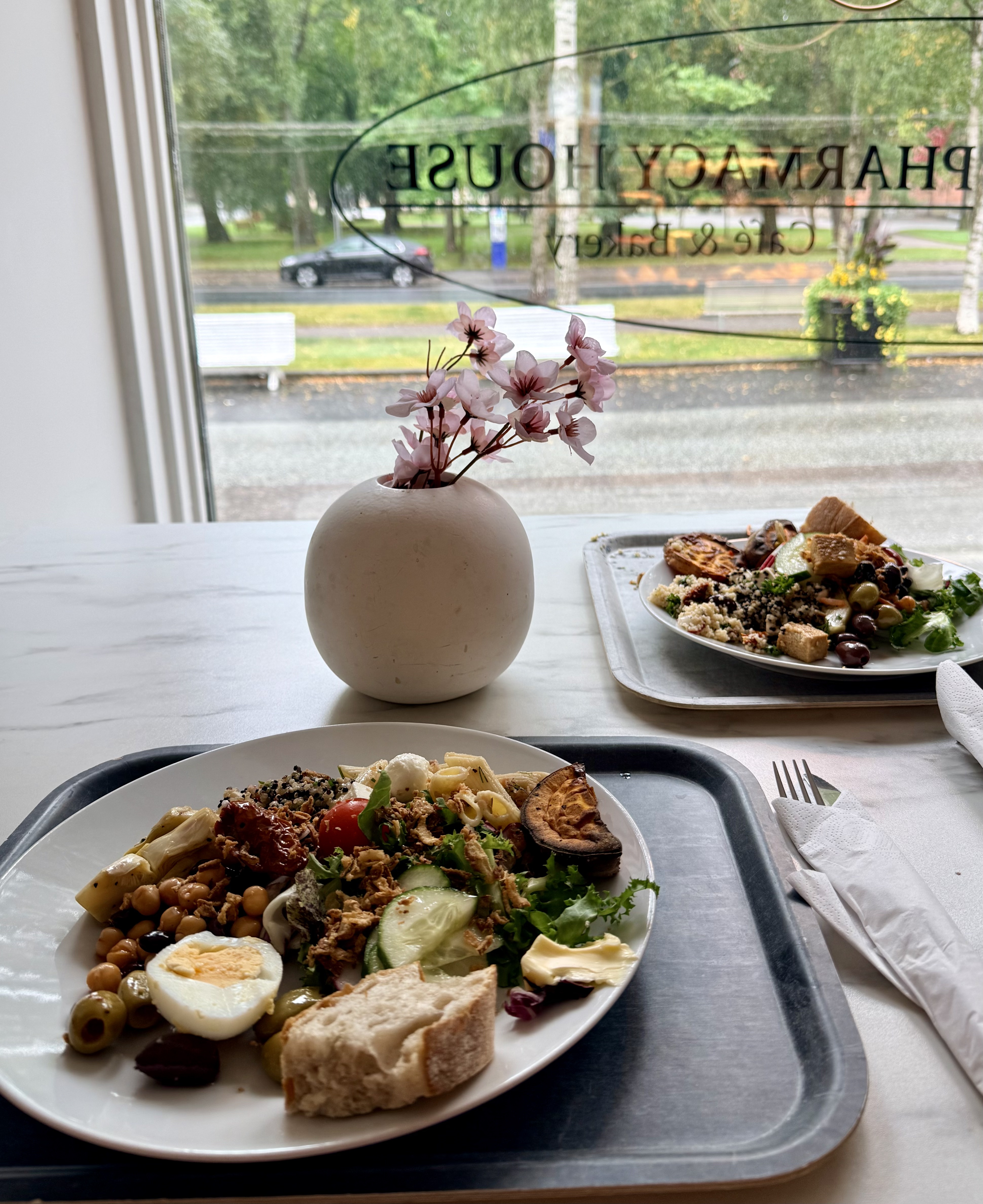
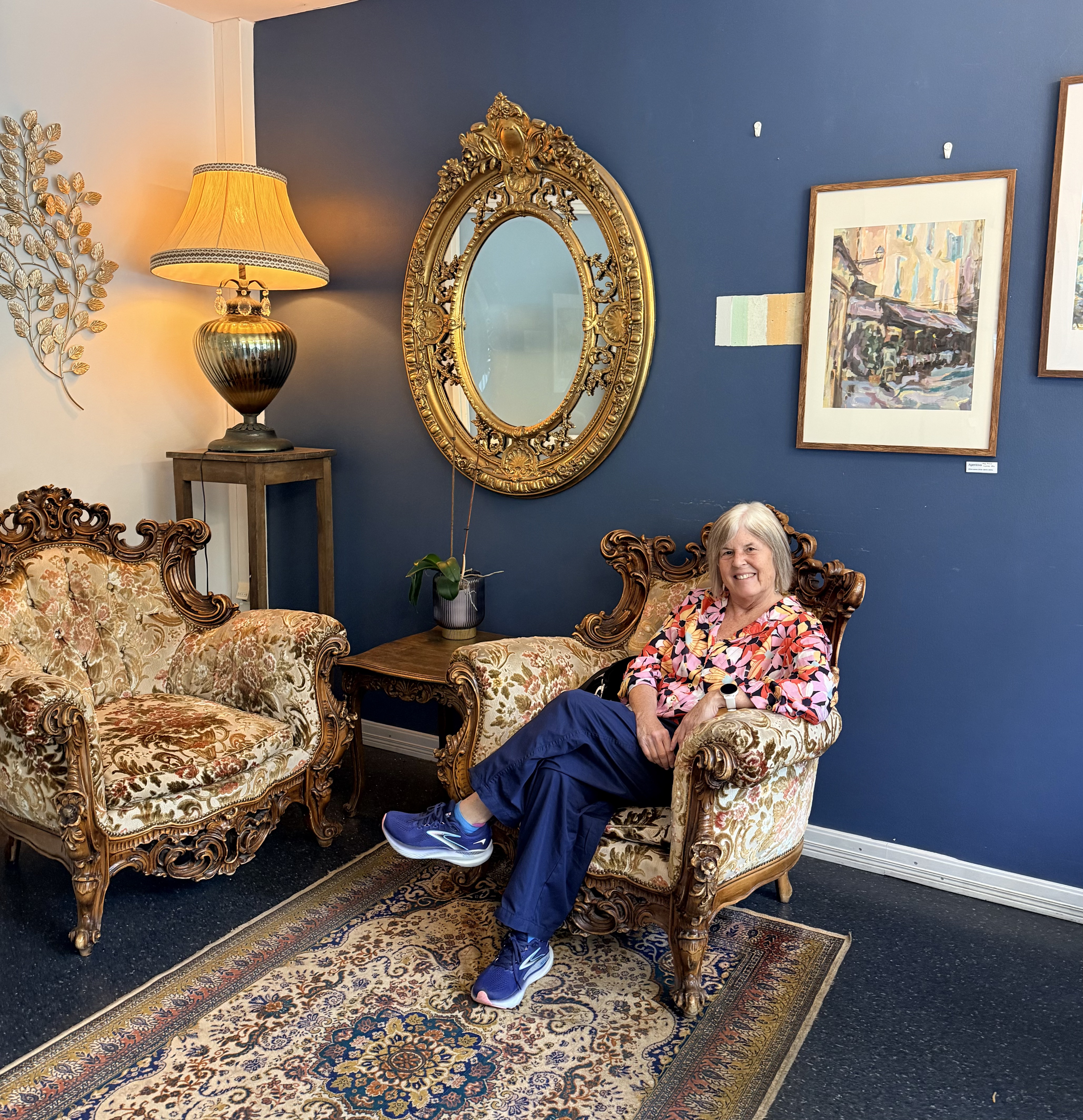
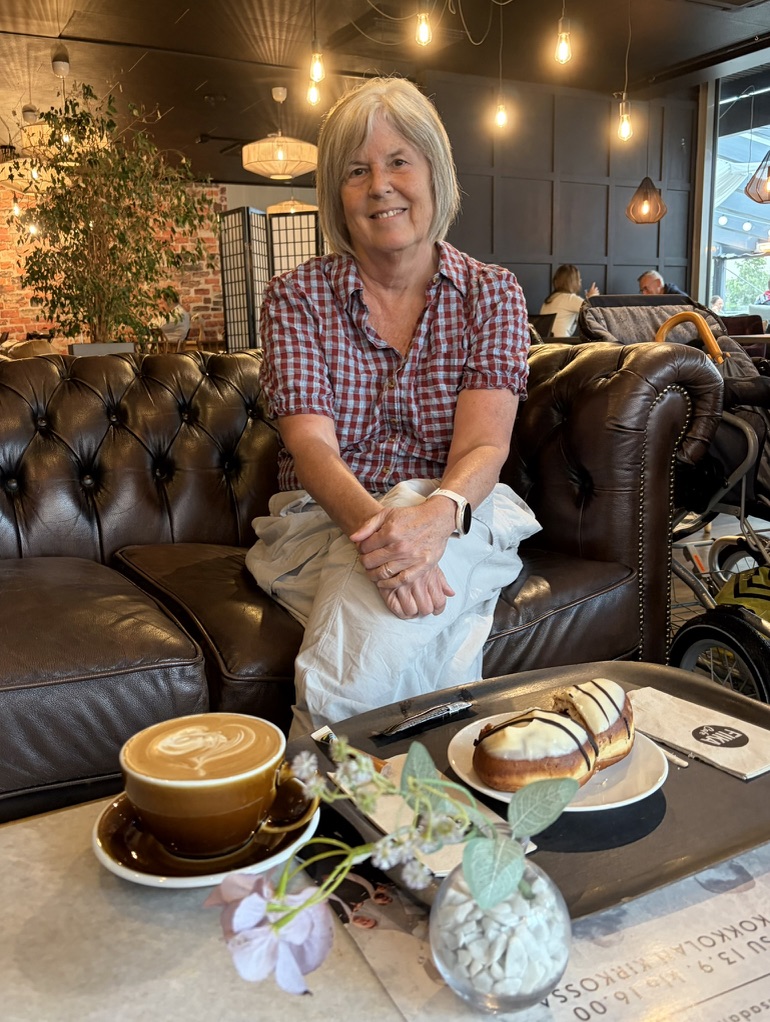
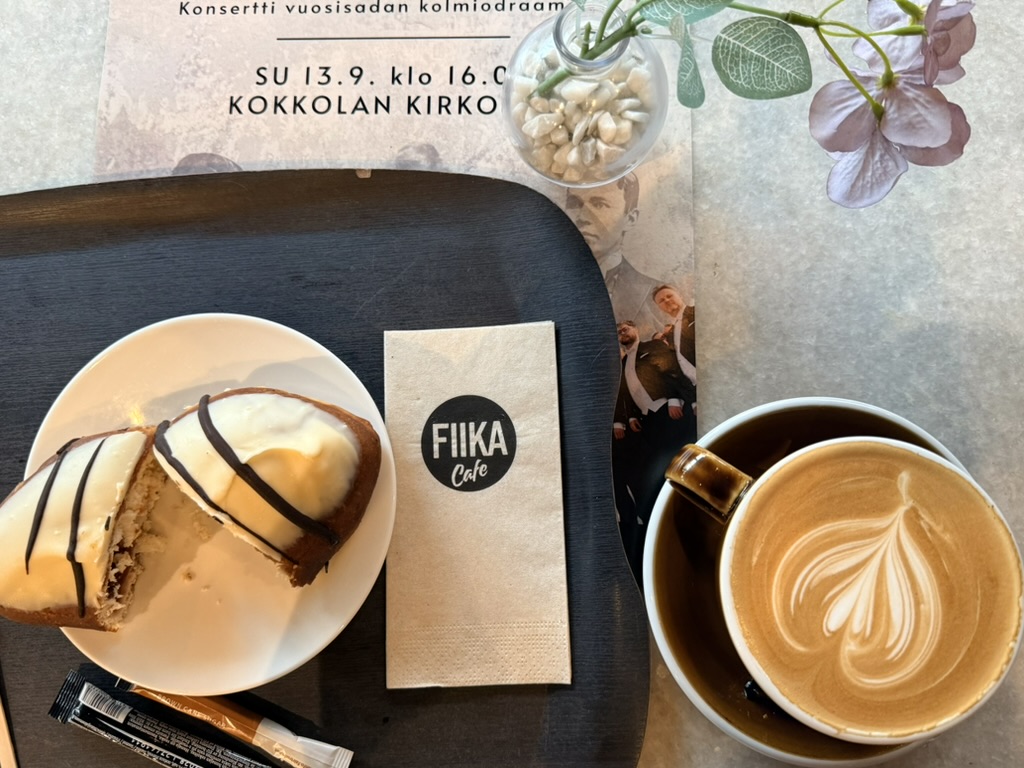
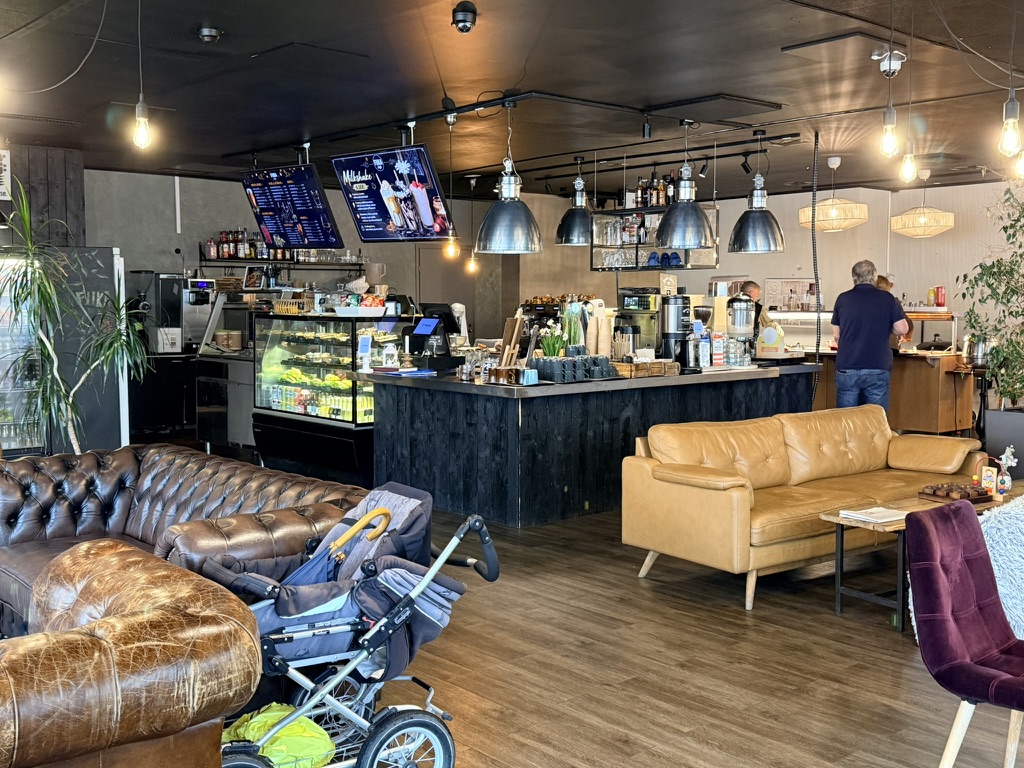
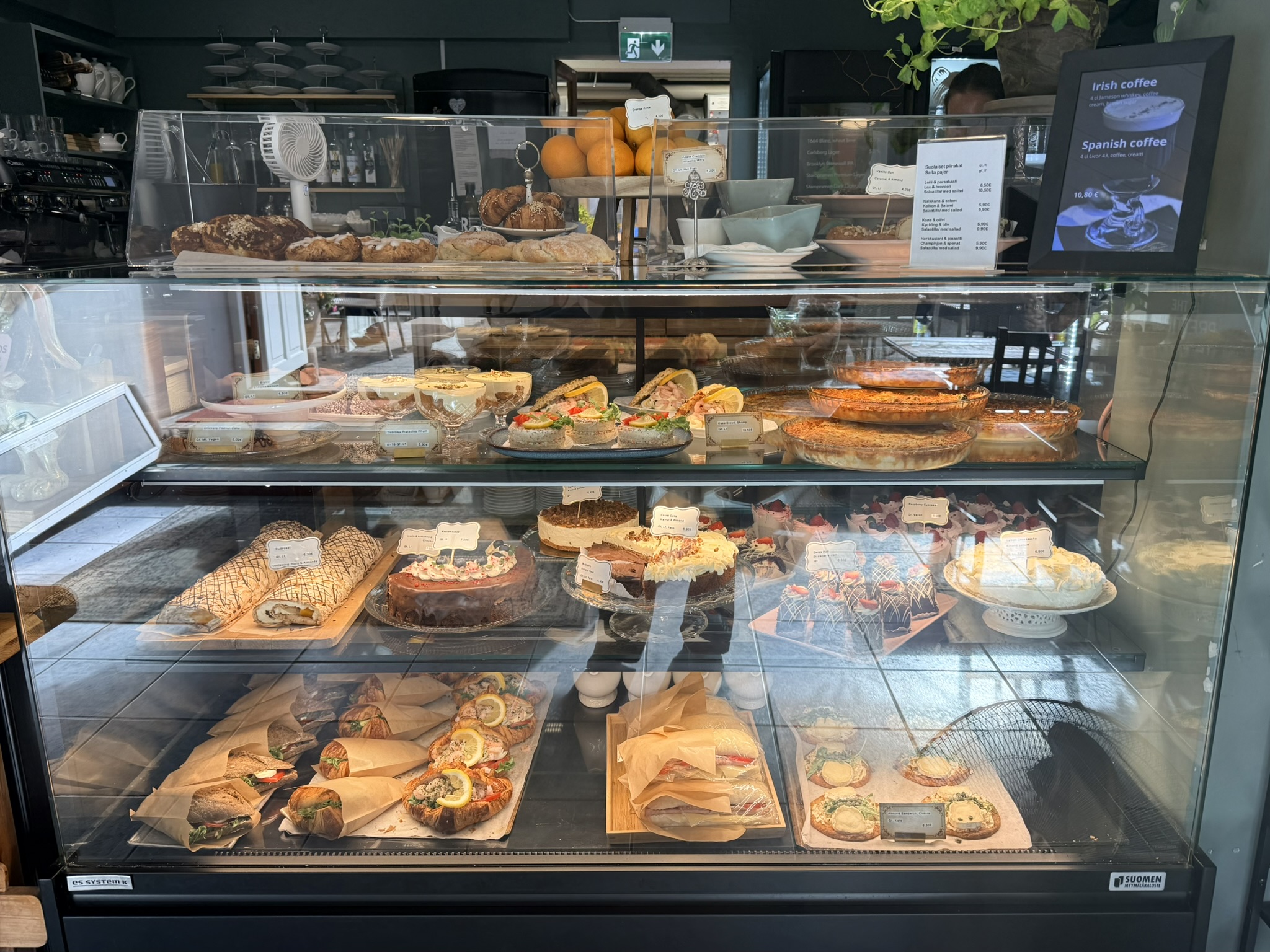
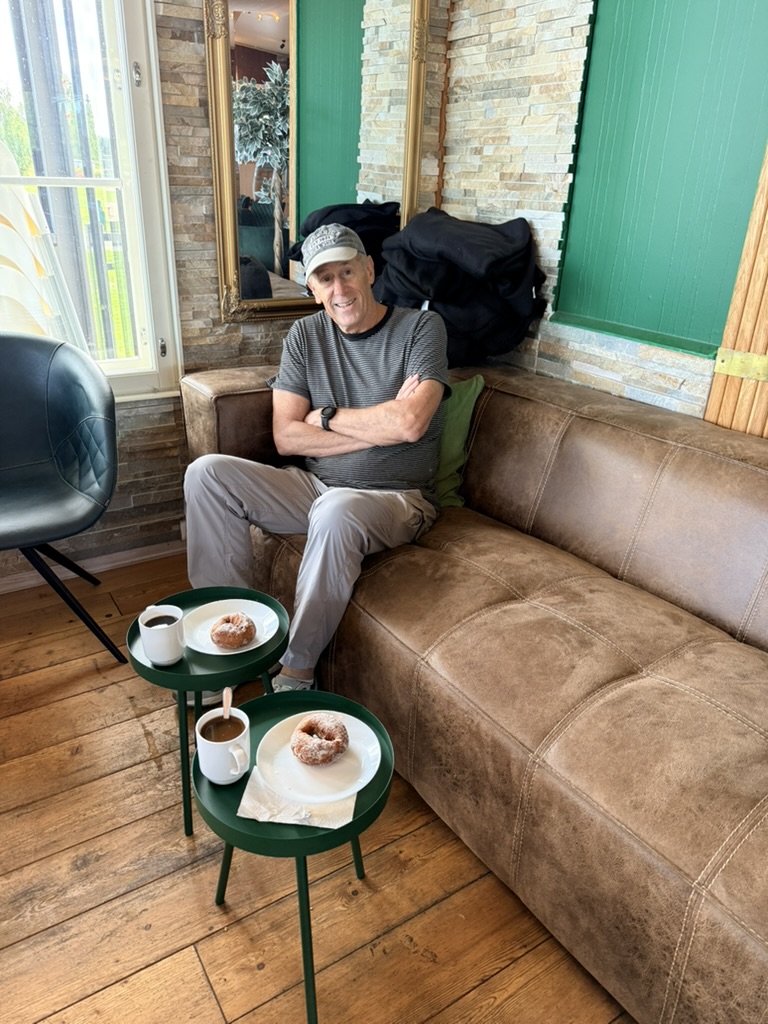
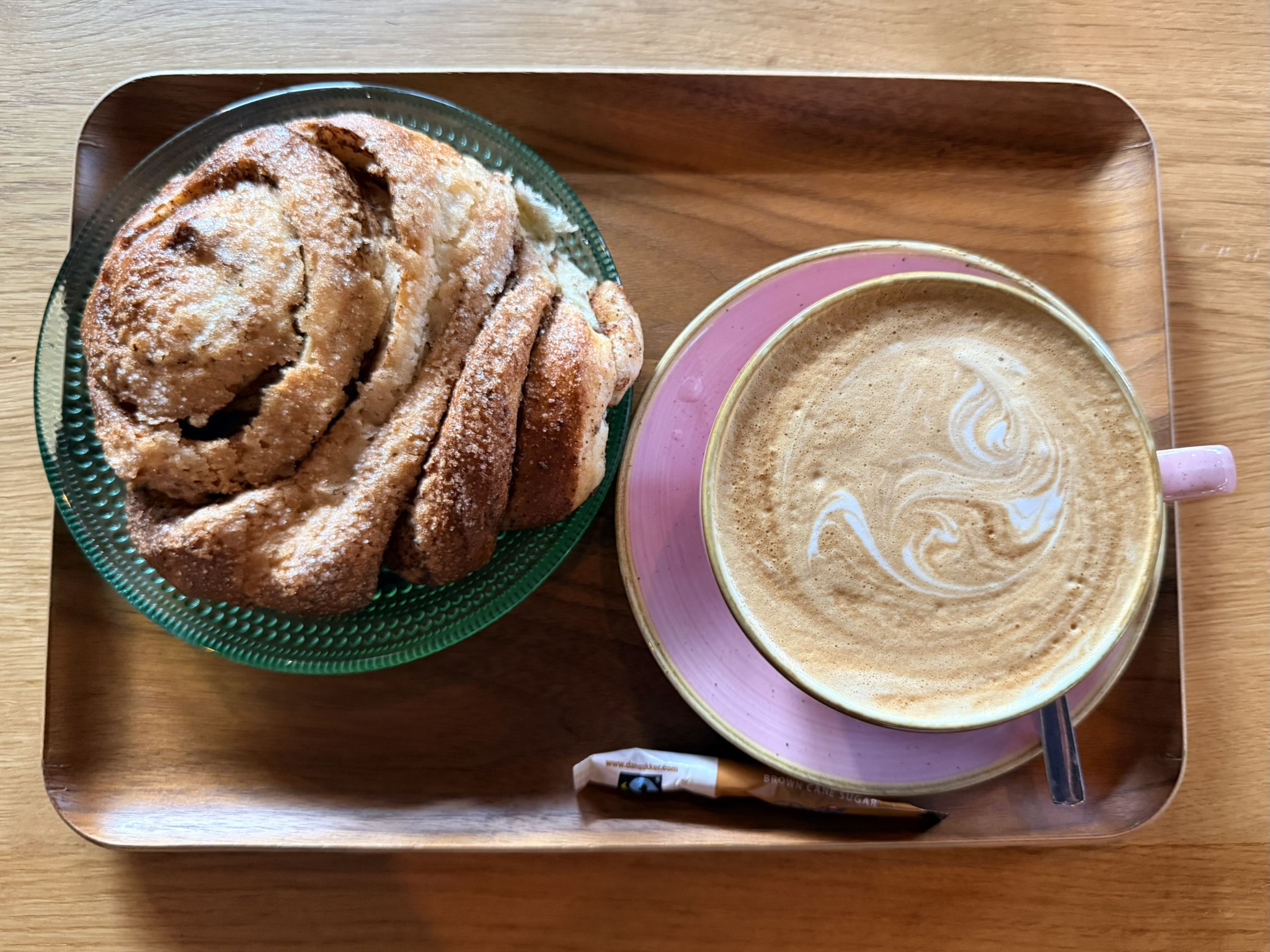
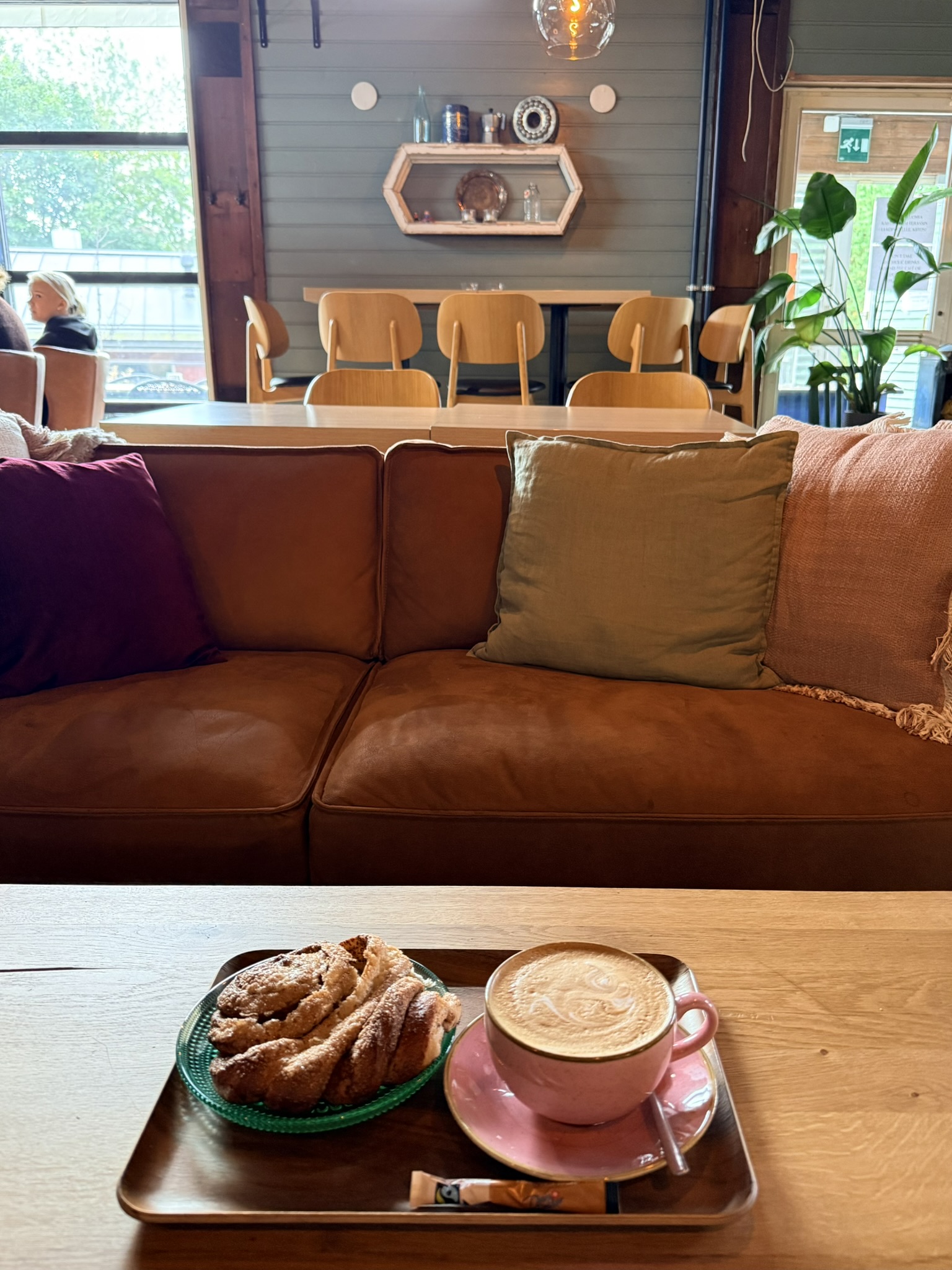
The one bad habit we’ve picked up is stopping for pastry and a latte each morning or afternoon. While in Jakobstad, we got out of the rain by stopping for a while in Fika Cafe. How can one blame us for coming in out of the rain?
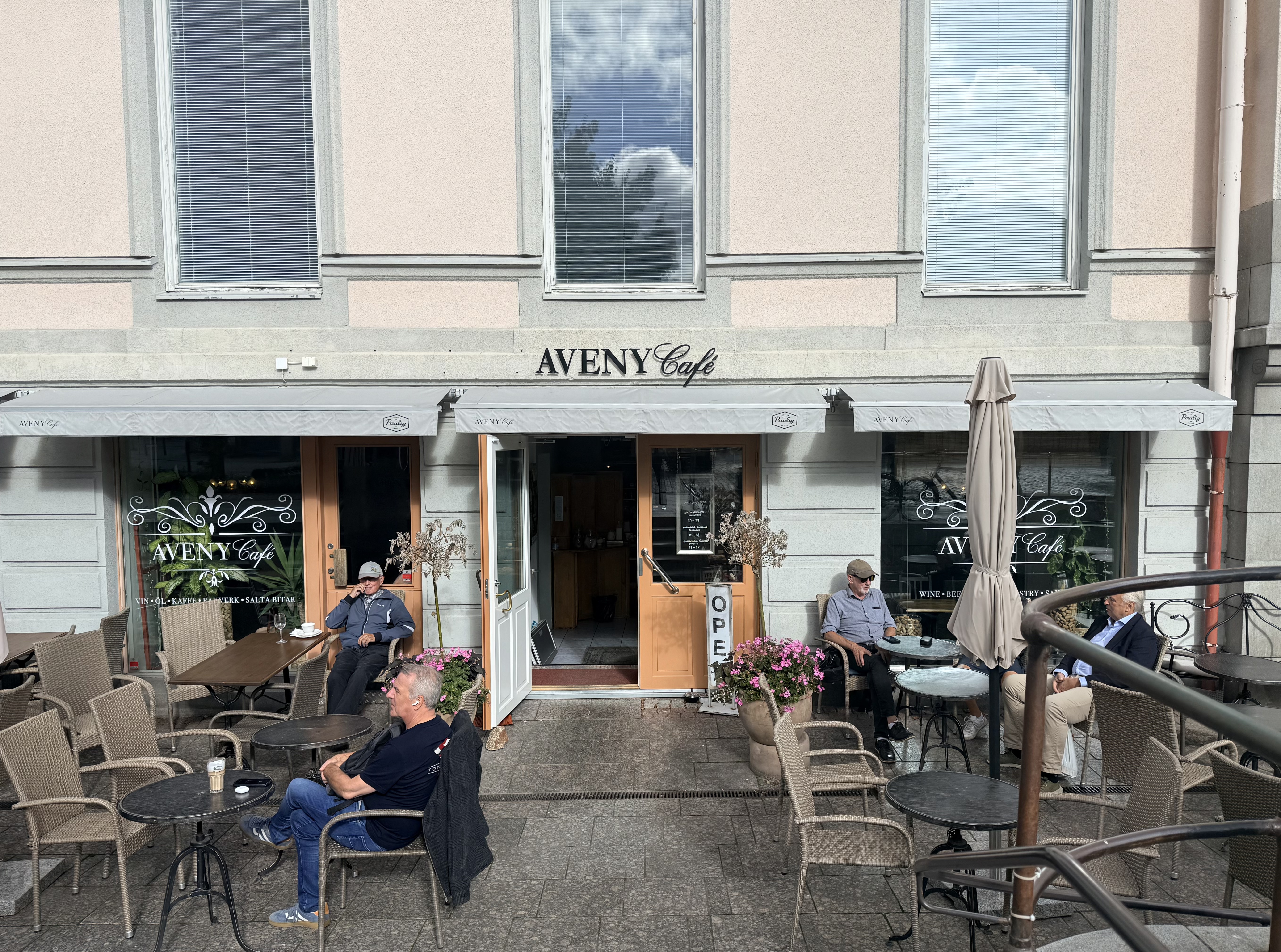
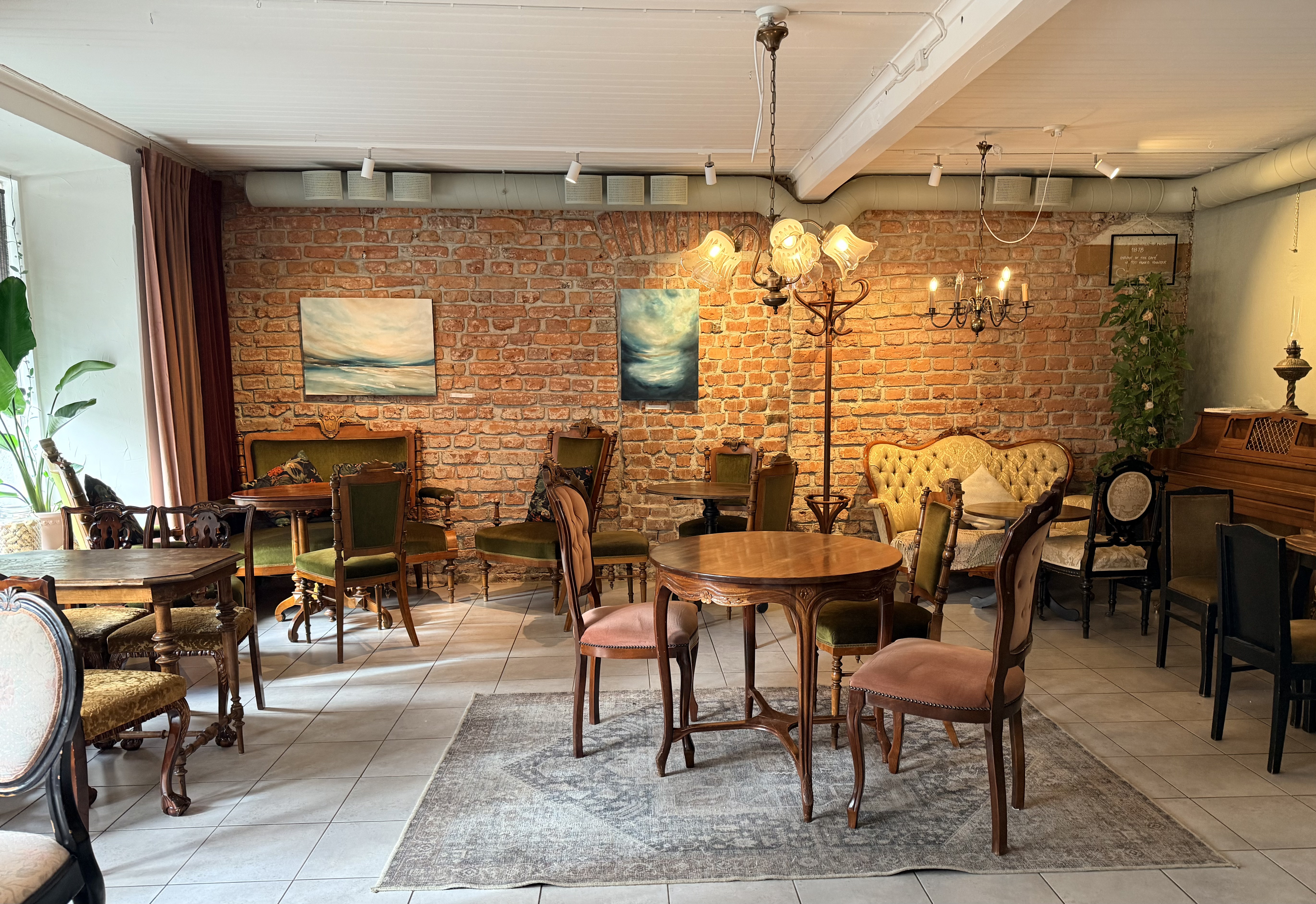
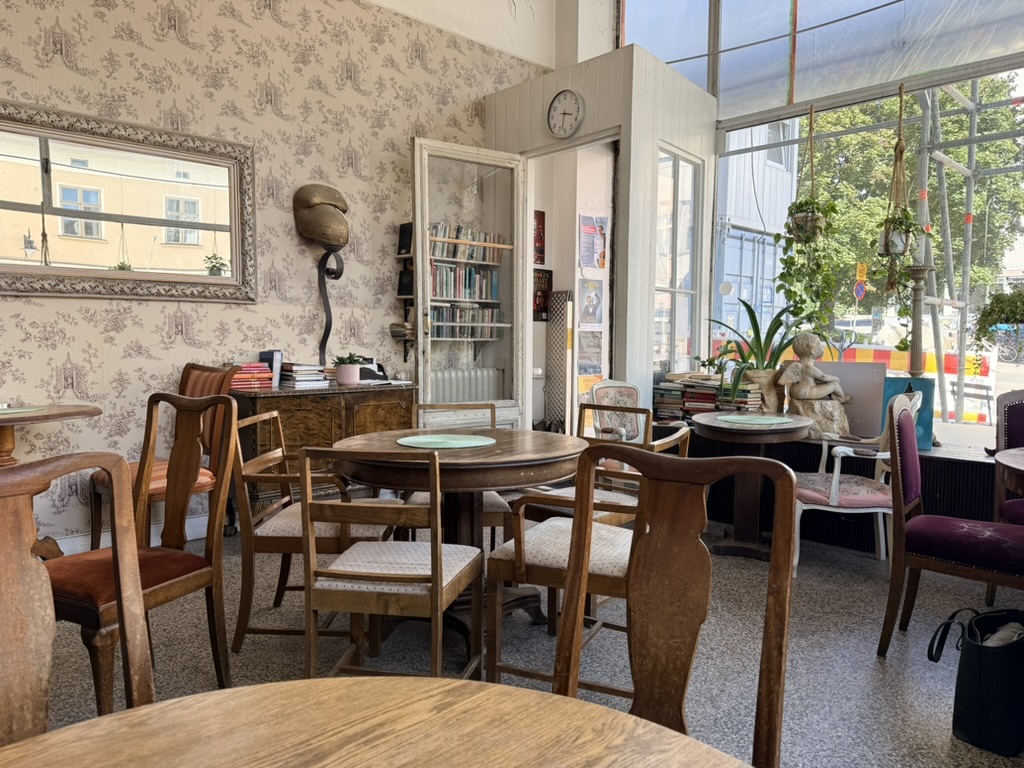
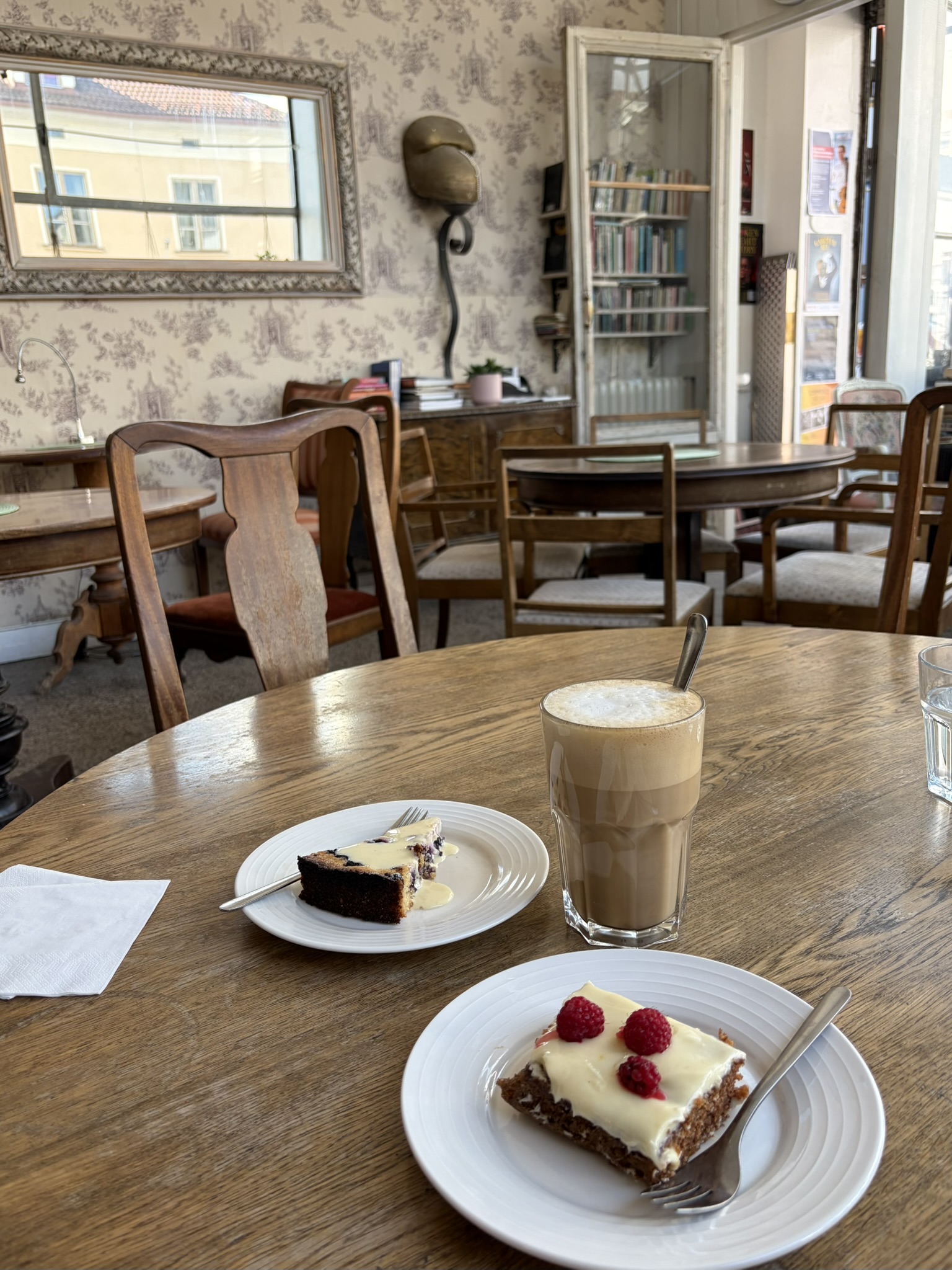
After zipping around on our scooters, we stopped at Aveny Café in Vaasa for more pastries and latte.
Activities and Sights in Vaasa
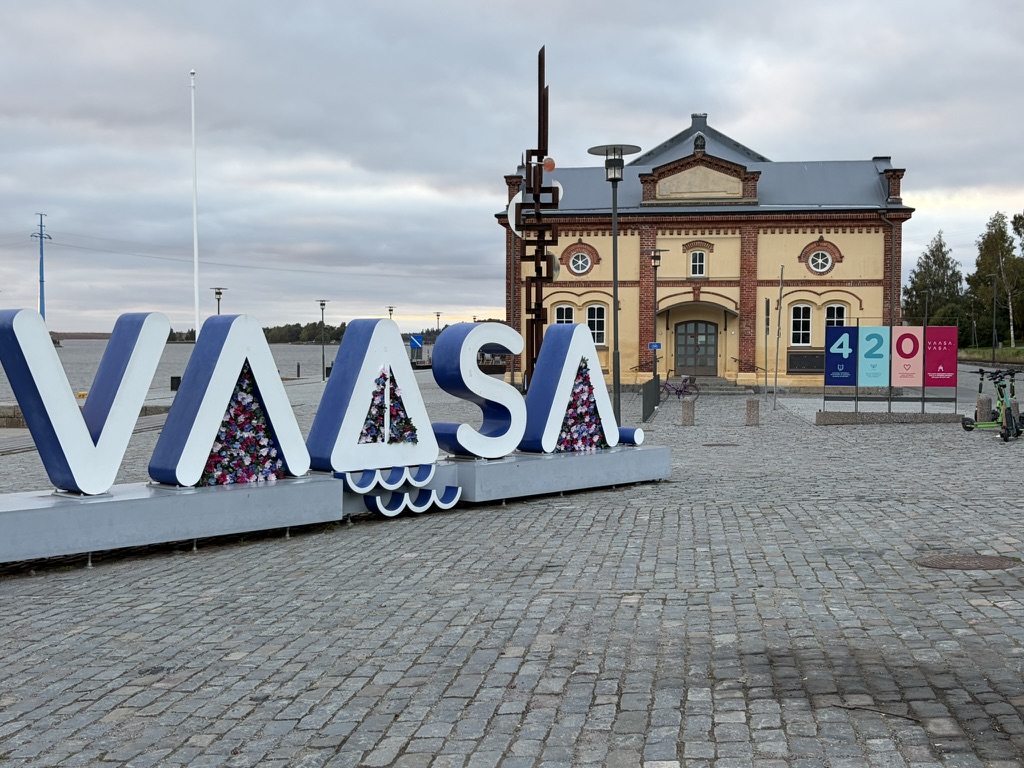
Vaasa is the provincial capital of Ostrobothnia, a province in western Finland located on the Gulf of Bothnia. After Vaasa was destroyed by fire in 1852, the city was moved closer to a better harbor location due to the rising land. Vaasa is a university city, a major port city and a significant center of Finnish-Swedish culture. In Vaasa, 62% of its 71,000 citizens speak Finnish, while 23% speak Swedish.
General City Sights
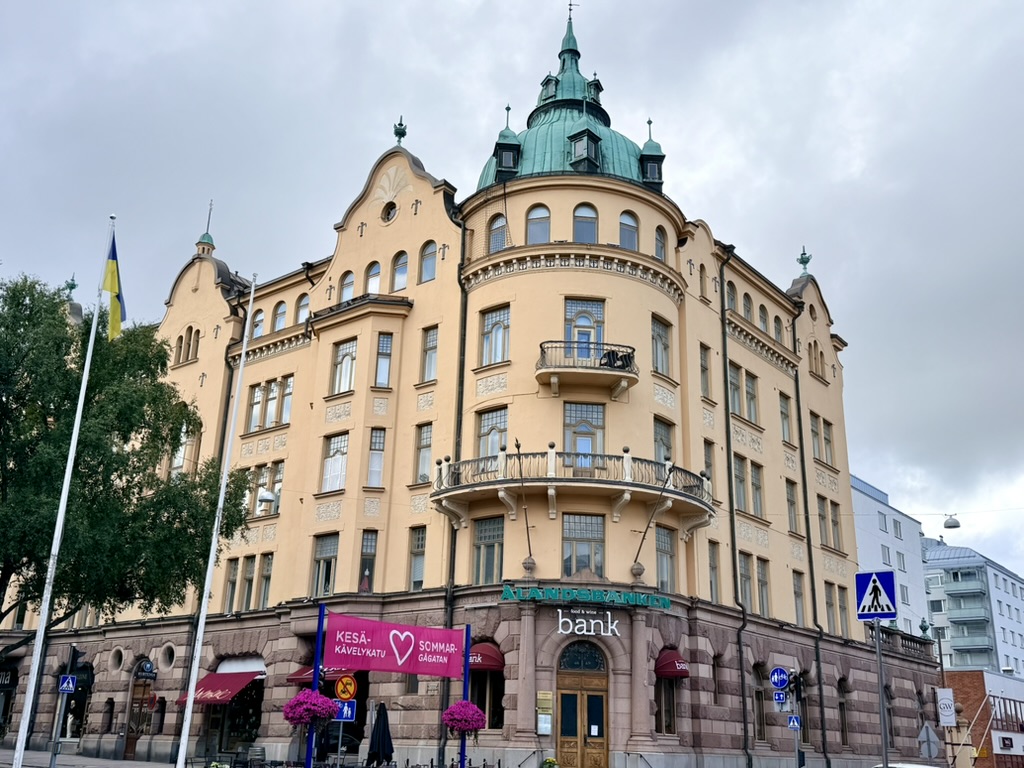
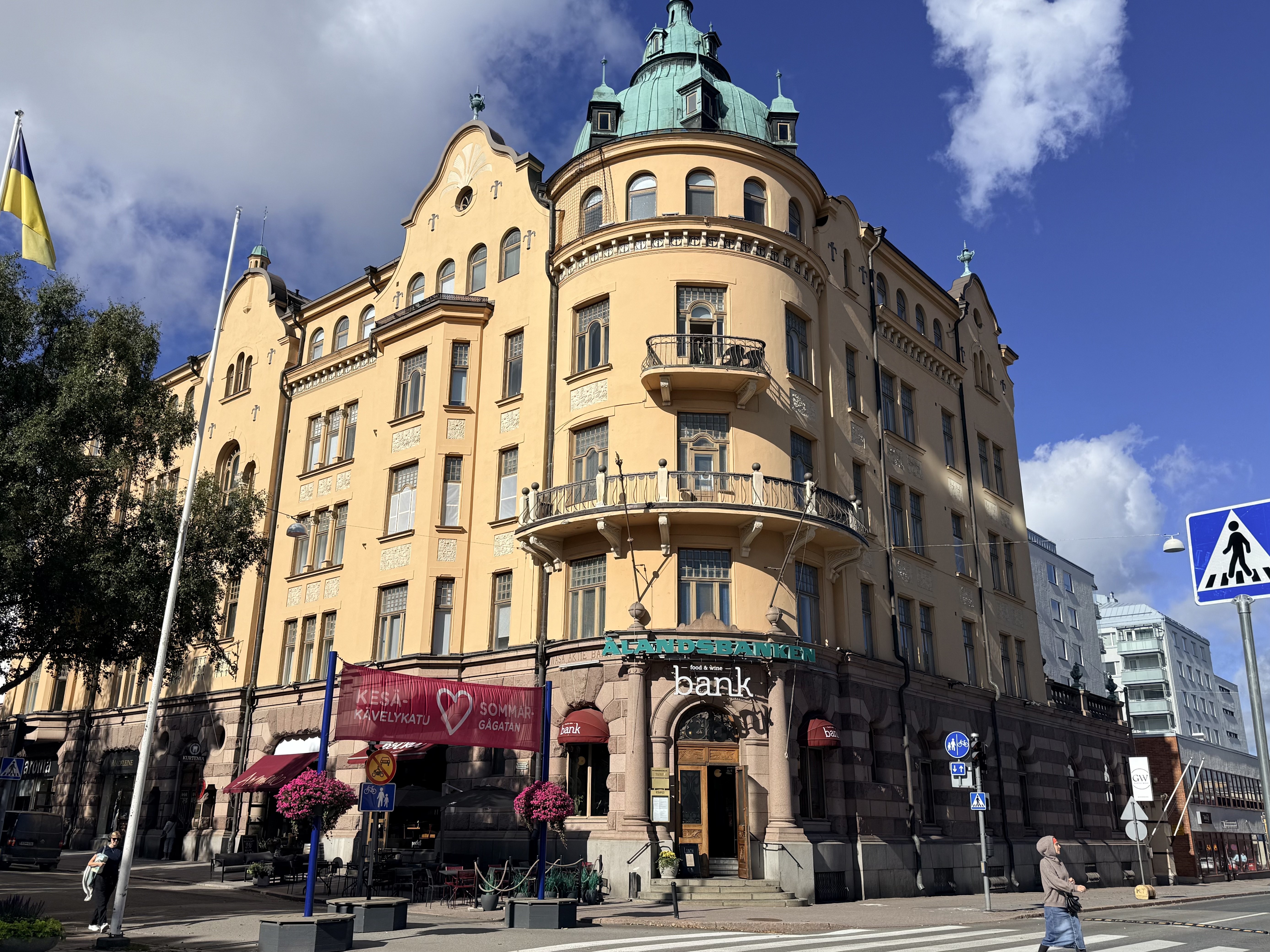
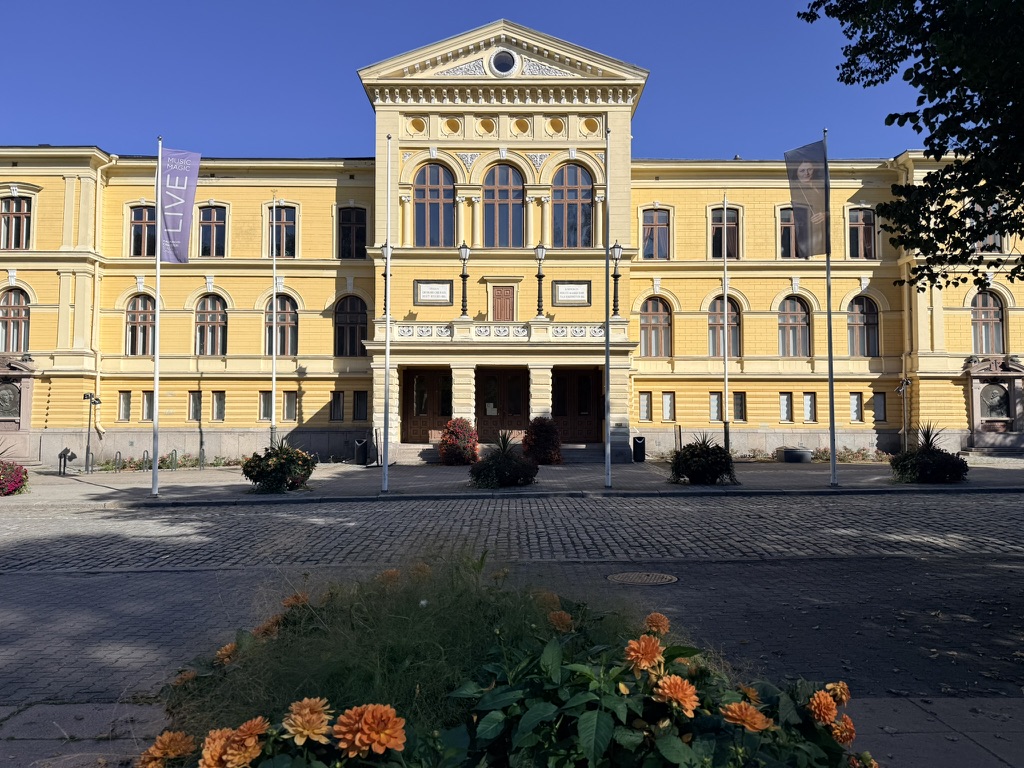
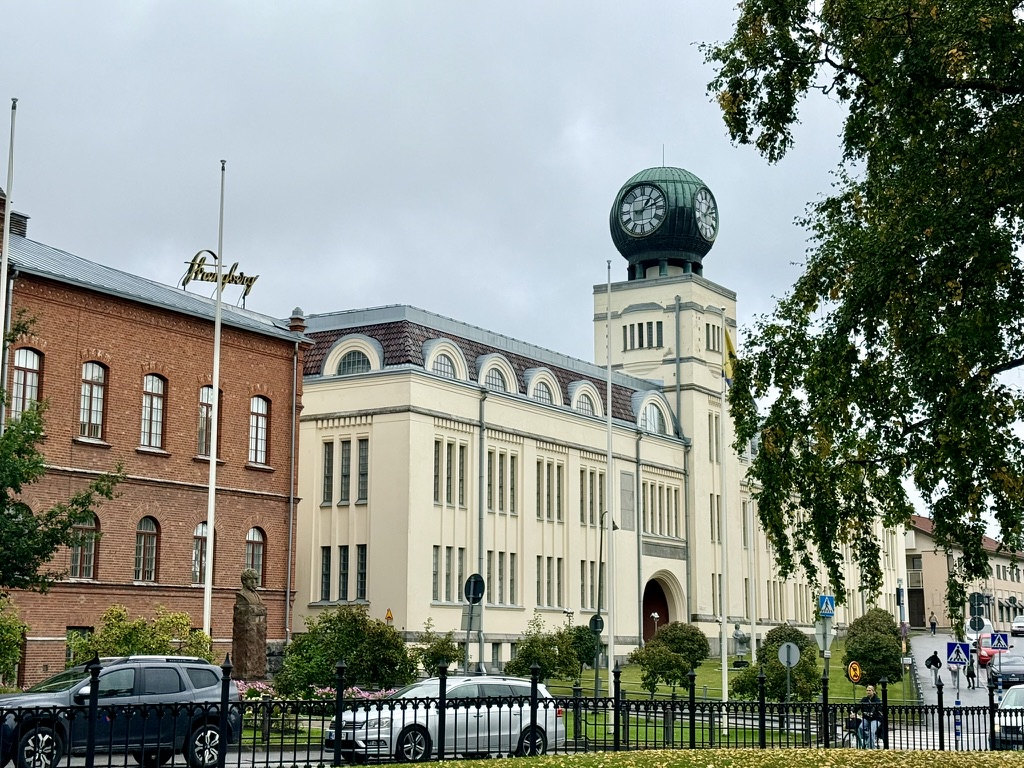
An impressive building in the downtown area is the former Vaasa Joint Stock Bank, now occupied by Bank Food & Wine. The restaurant offers modern, clean Scandinavian flavors in the middle of Vaasa.
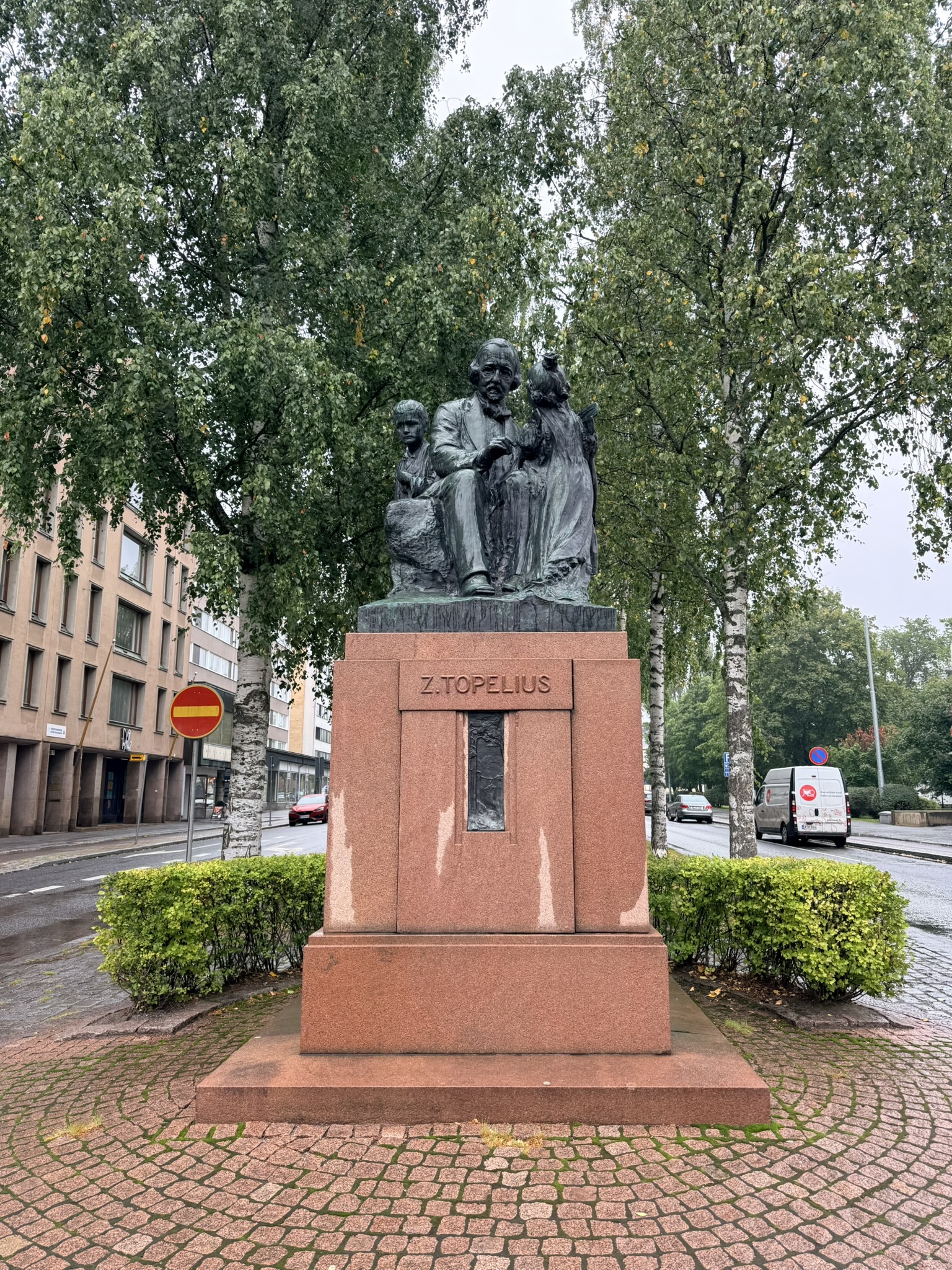
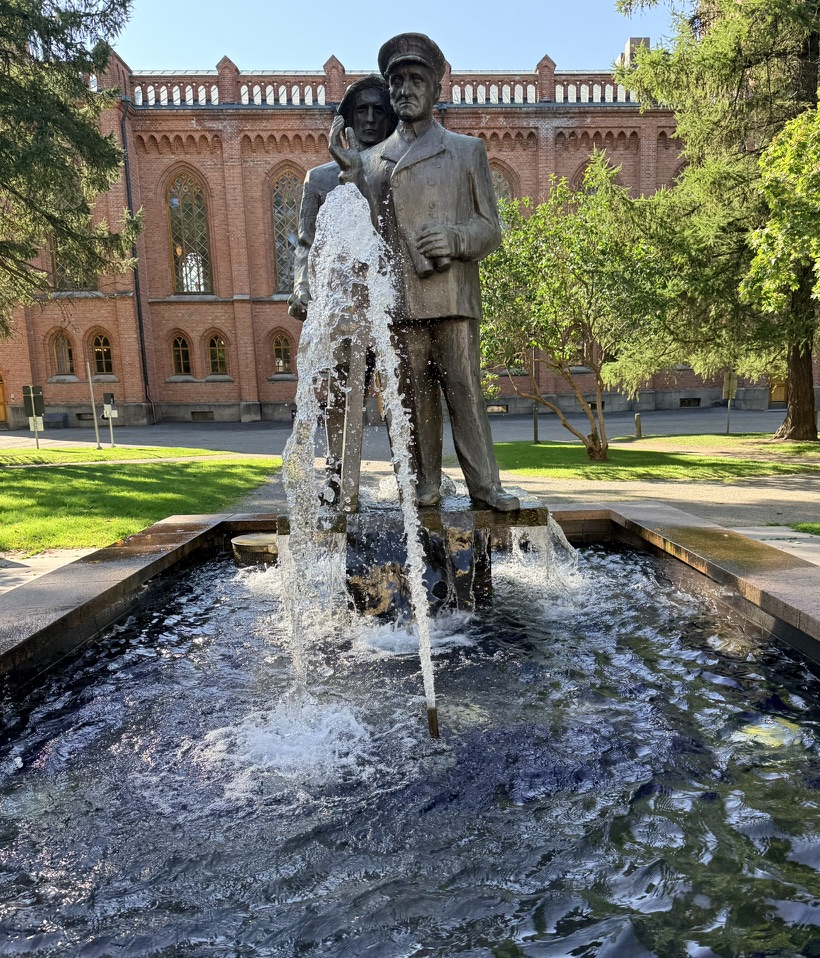
The Z. Topelius sculpture memorializes Zacharias Topelius (Jan 14, 1818 to March 12, 1898), a Finnish writer whose first language was Swedish. In modern-day Finland, both Finish and Swedish are official languages. Topelius today is known as a prolific writer of poetry, prose and children’s books.
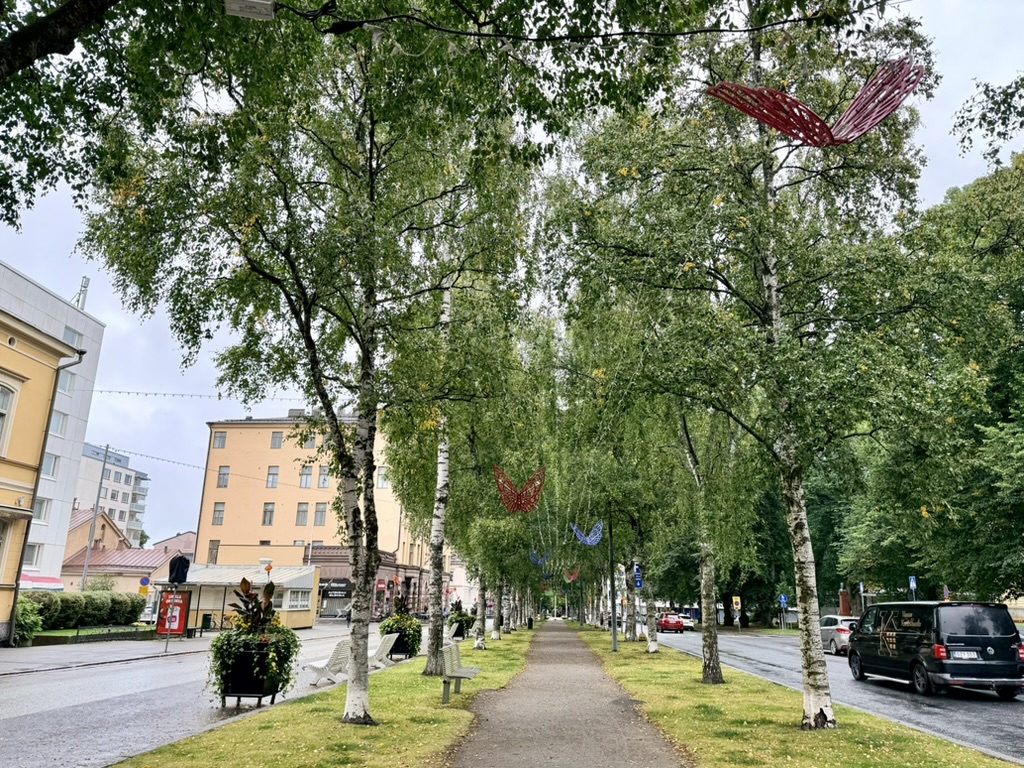
The city is laid out on a grid pattern with wide boulevards and tree-lined medians, so it is quite a pretty and easy-to-navigate city.
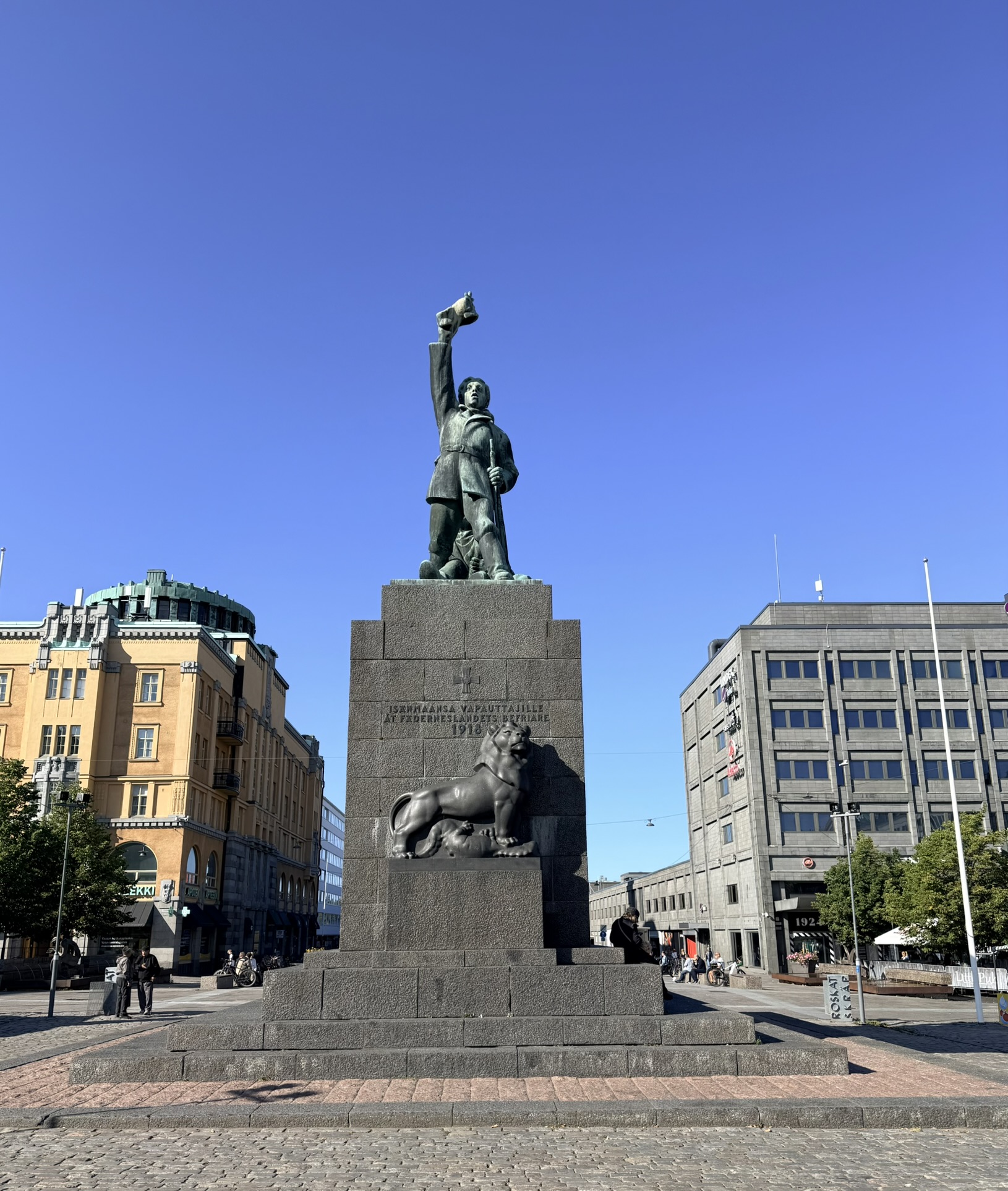
The Statue of Liberty is a monumental bronze sculpture complex located in the Market Square of Vaasa. The statue celebrates the victory of the Whites in the Finnish Civil War in 1918. It was unveiled in 1938.
A day trip to Jakobstad & the Kvarken Archipelago – of wine and gold wooden buildings
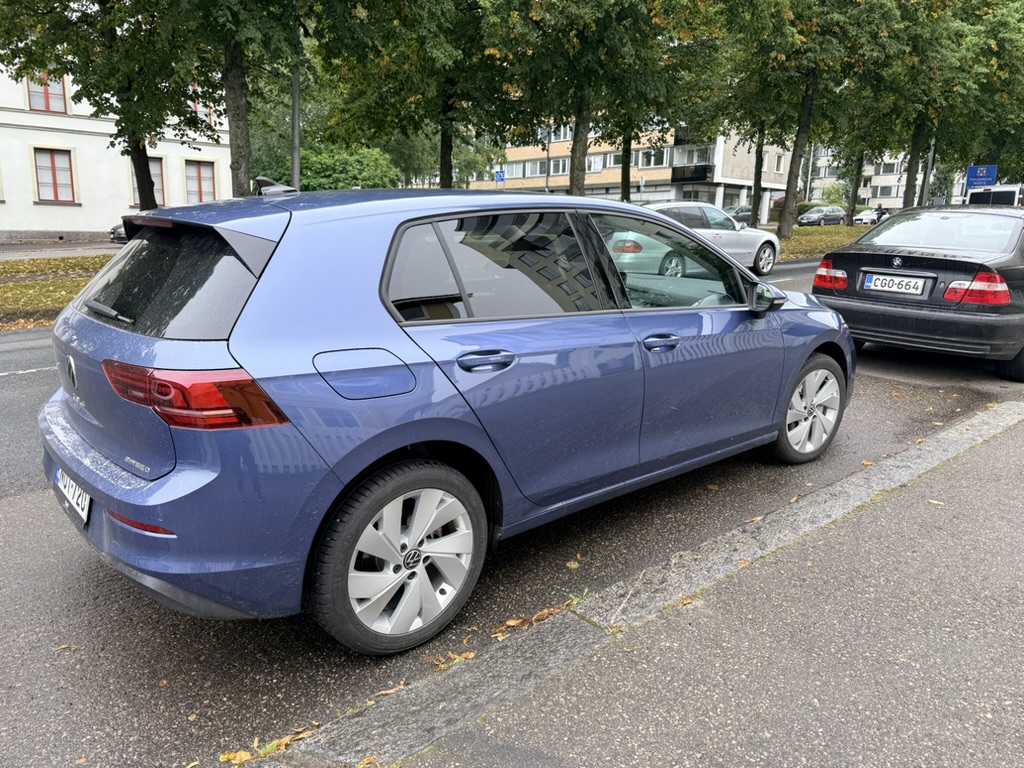
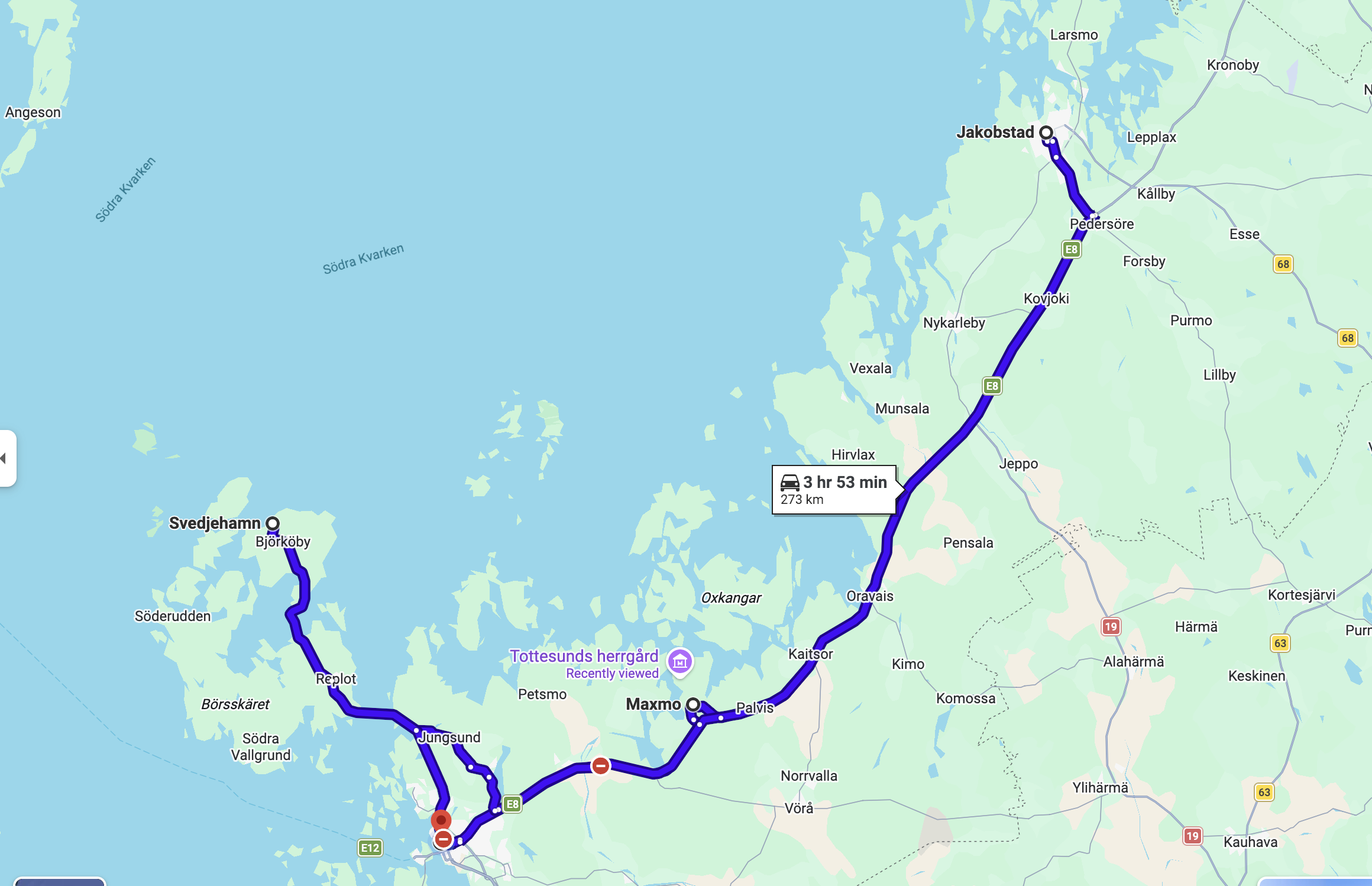
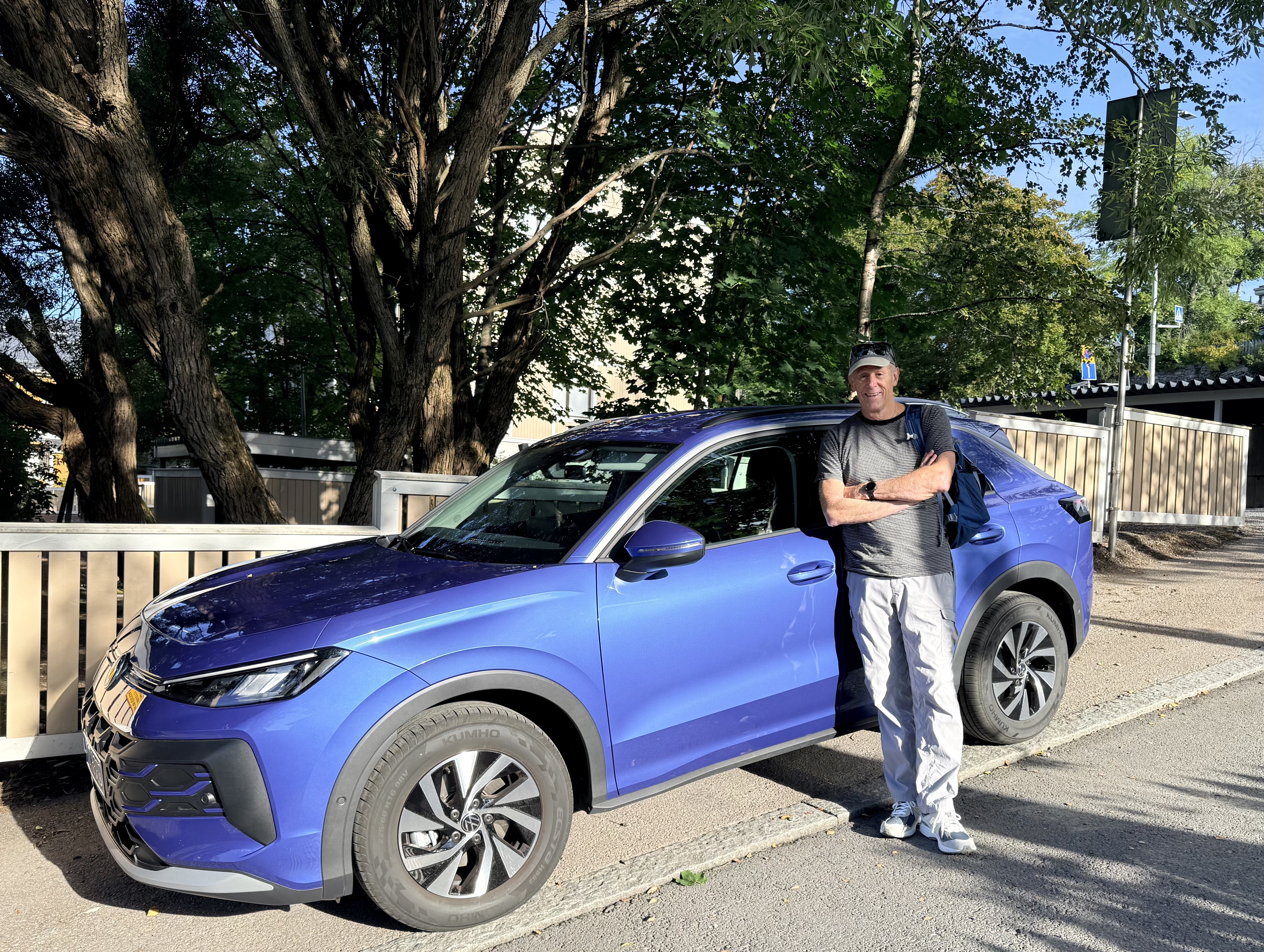
We rented a Volkswagen Golf for 24 hours so we could explore a town north of Vaasa, Jakobstad, as well as the Kvarken Archipelago.
Maxmo: Klemetsgårdarna
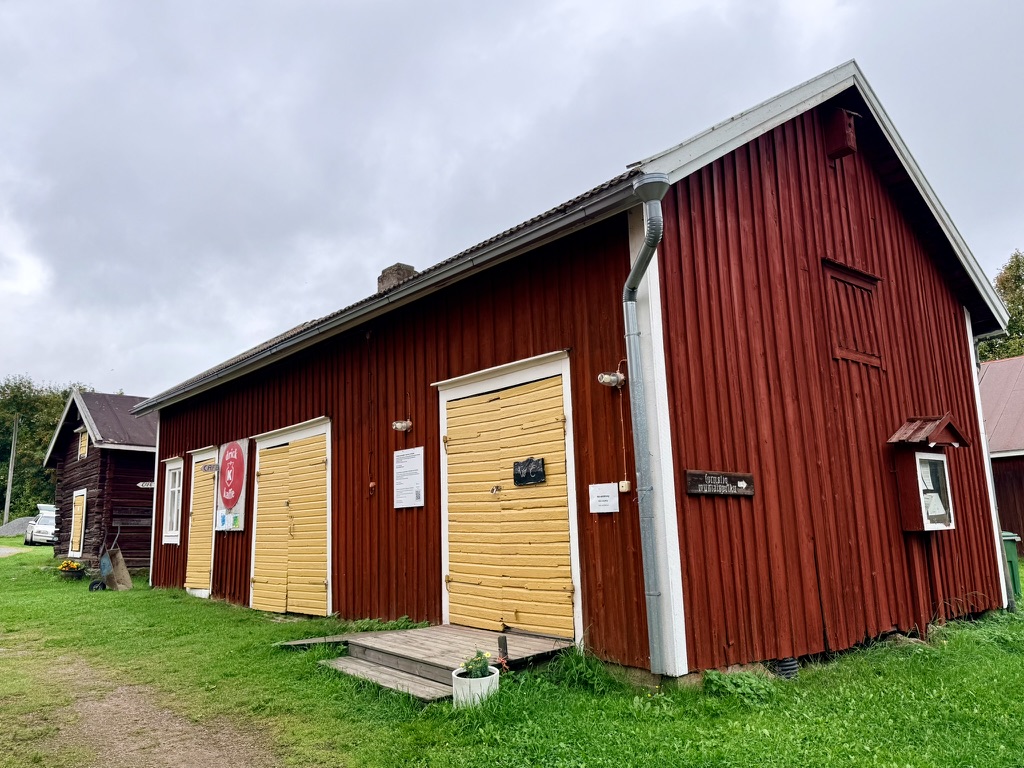
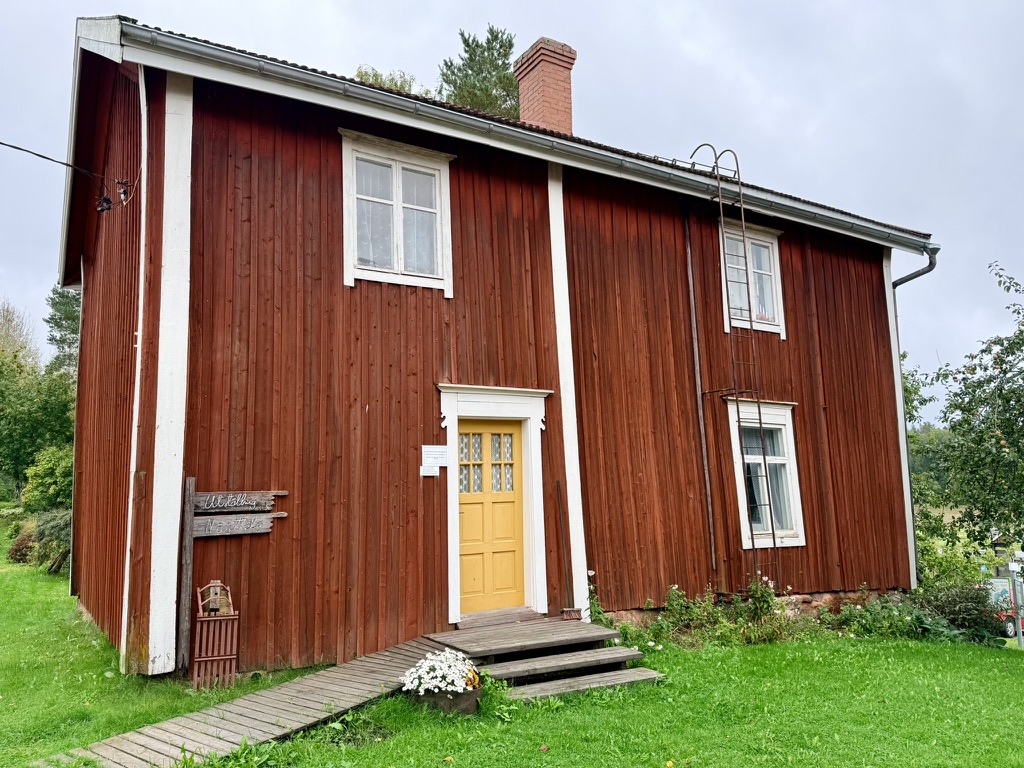
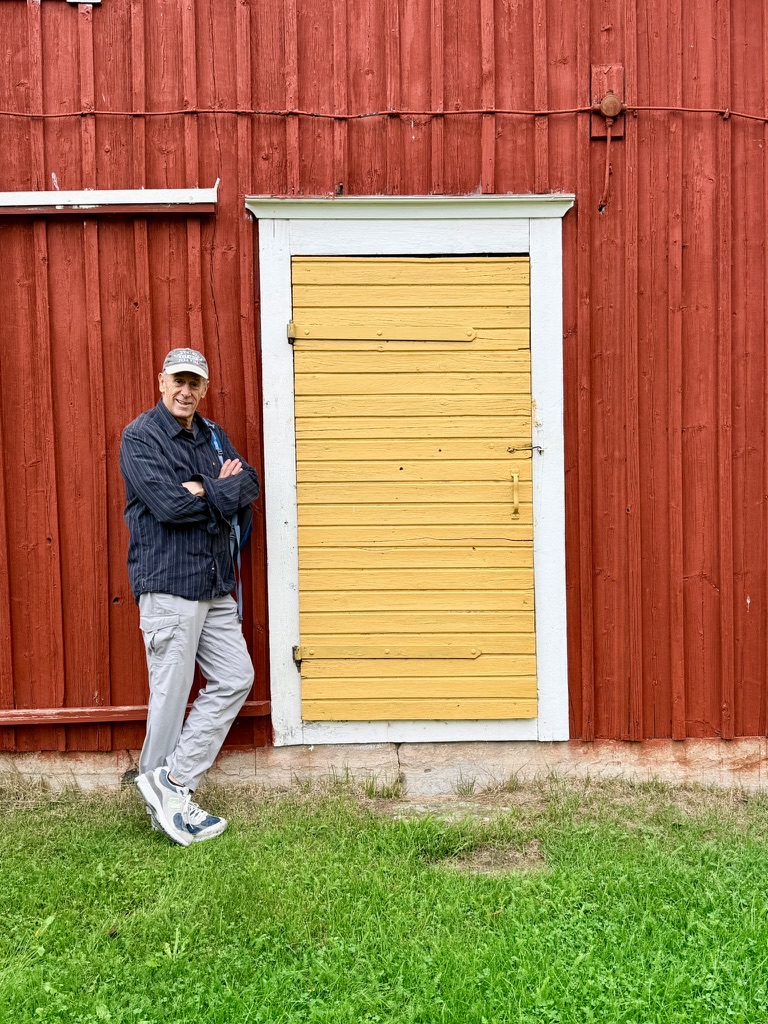
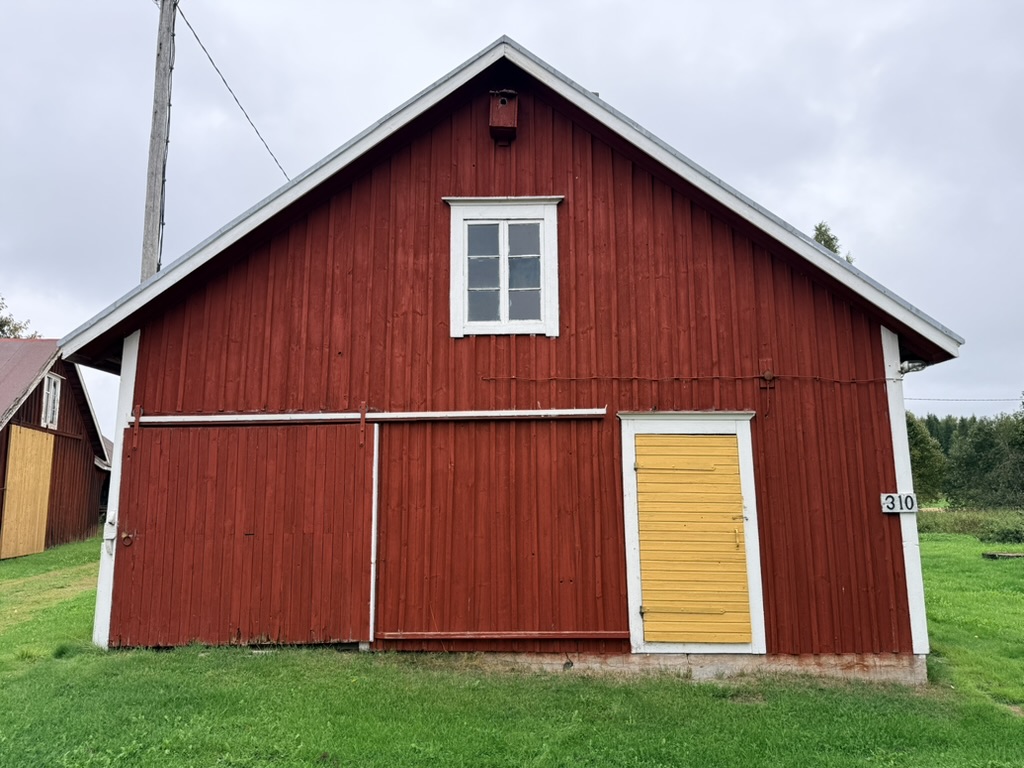
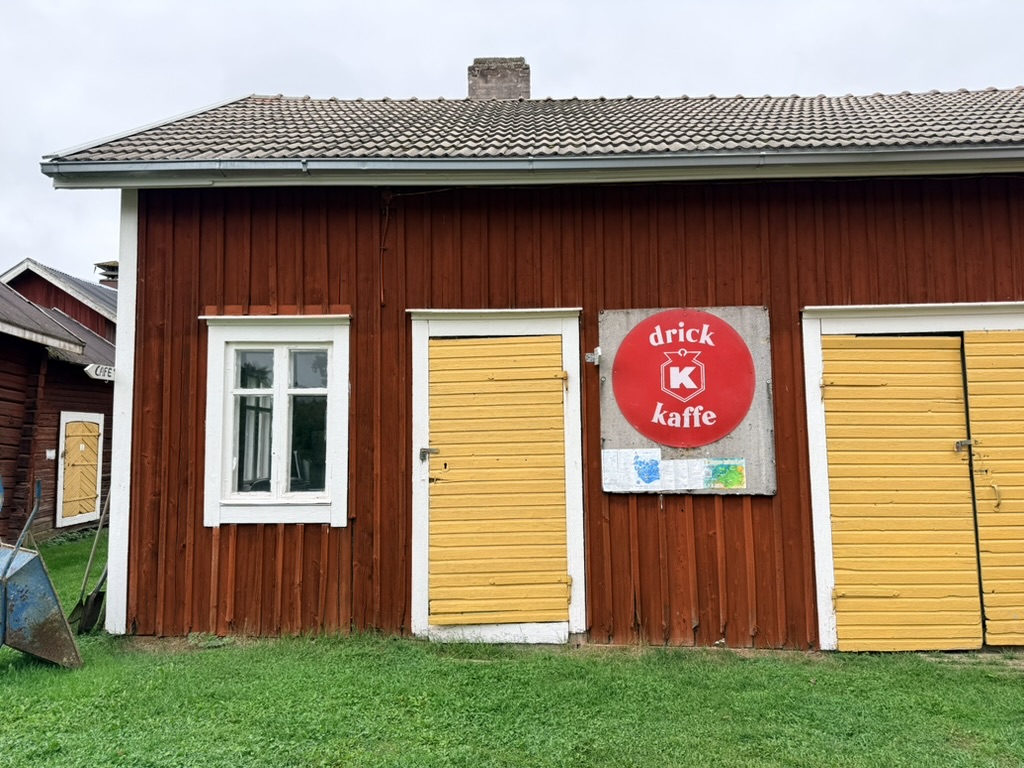
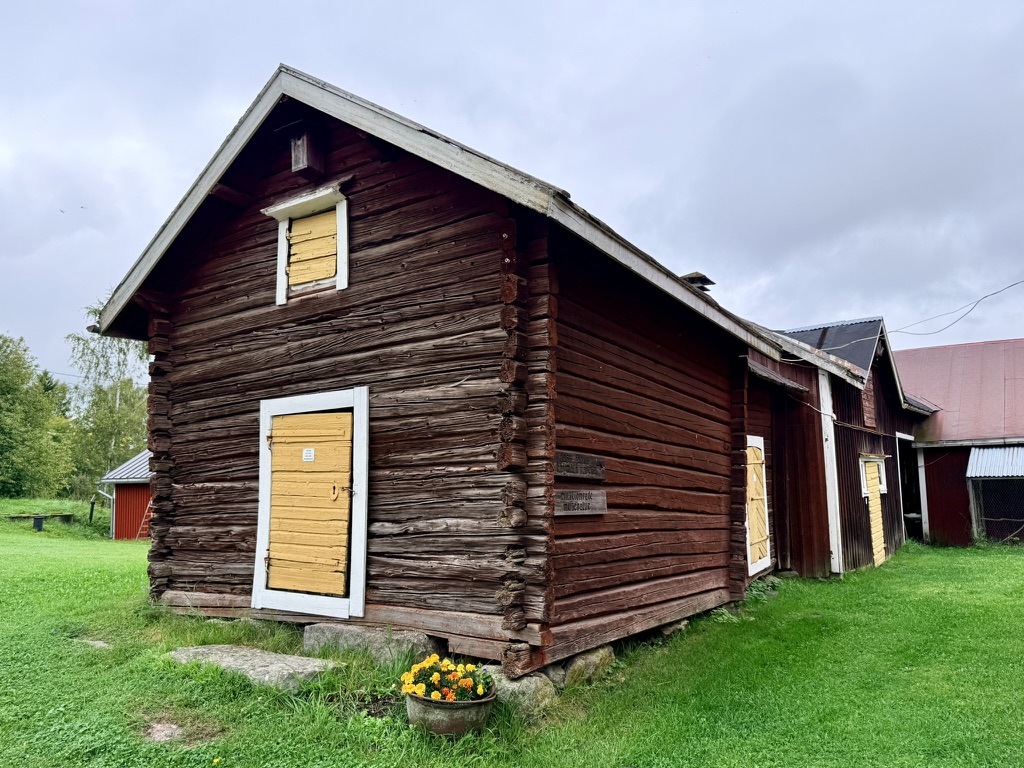
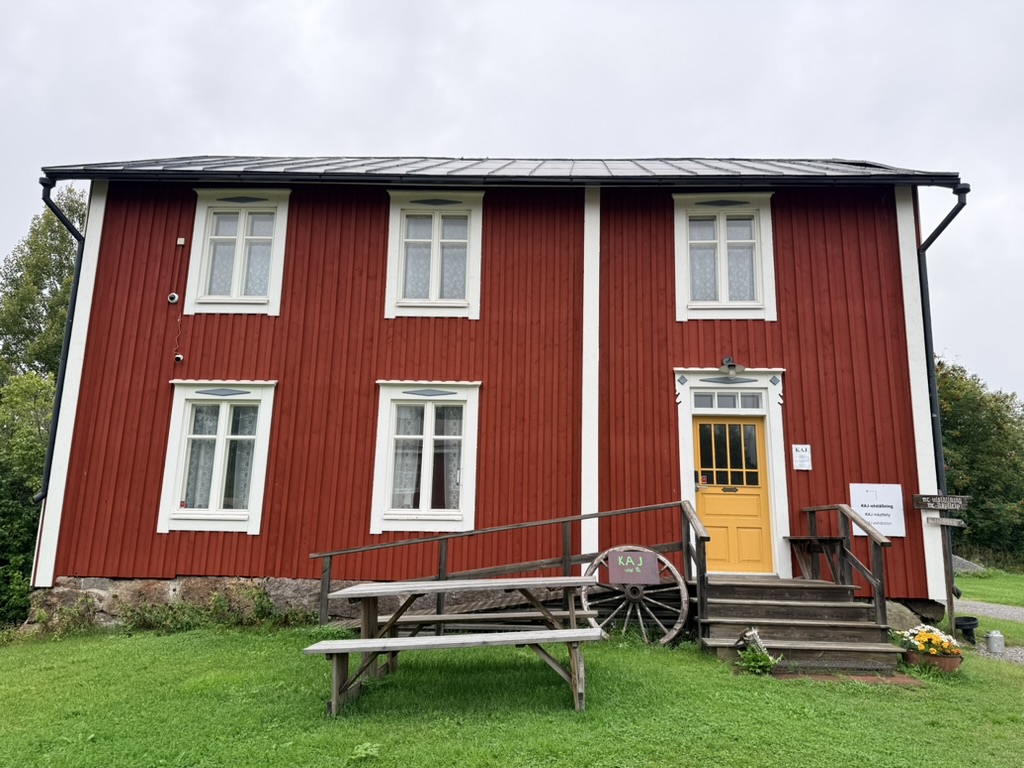
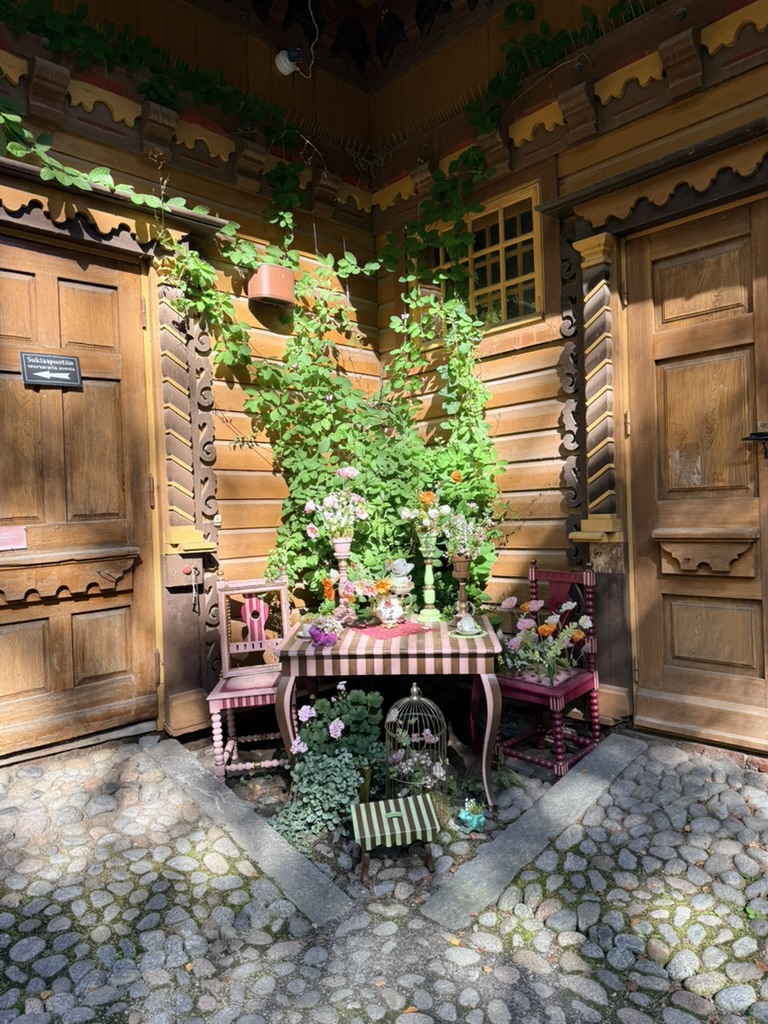
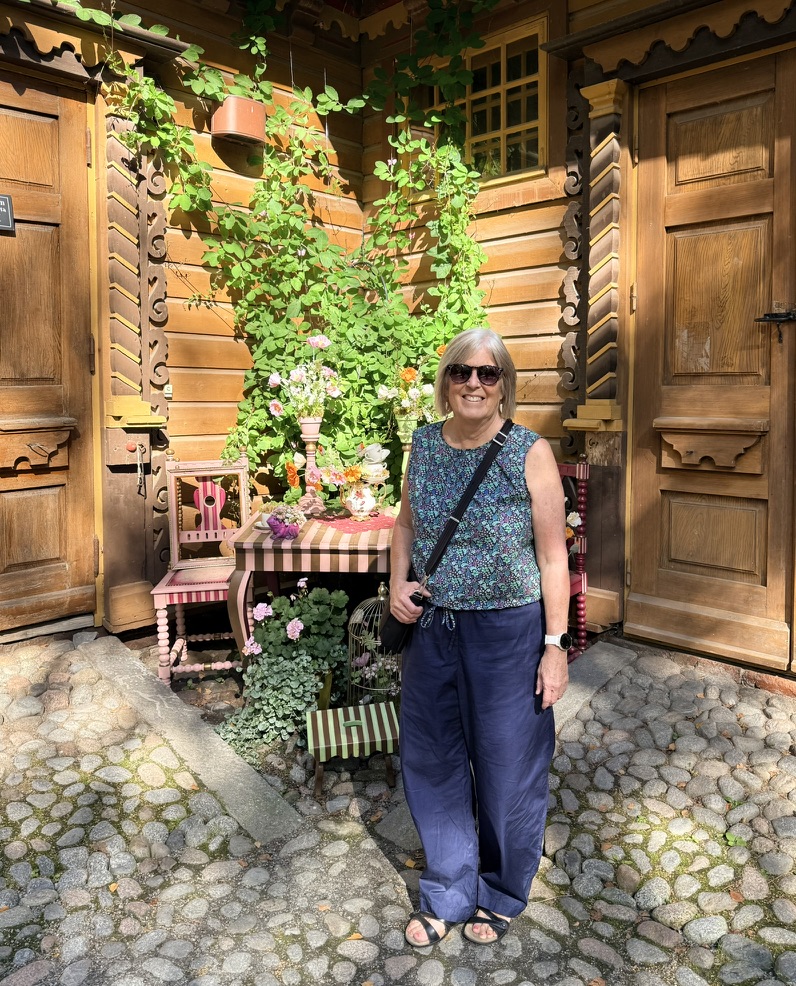
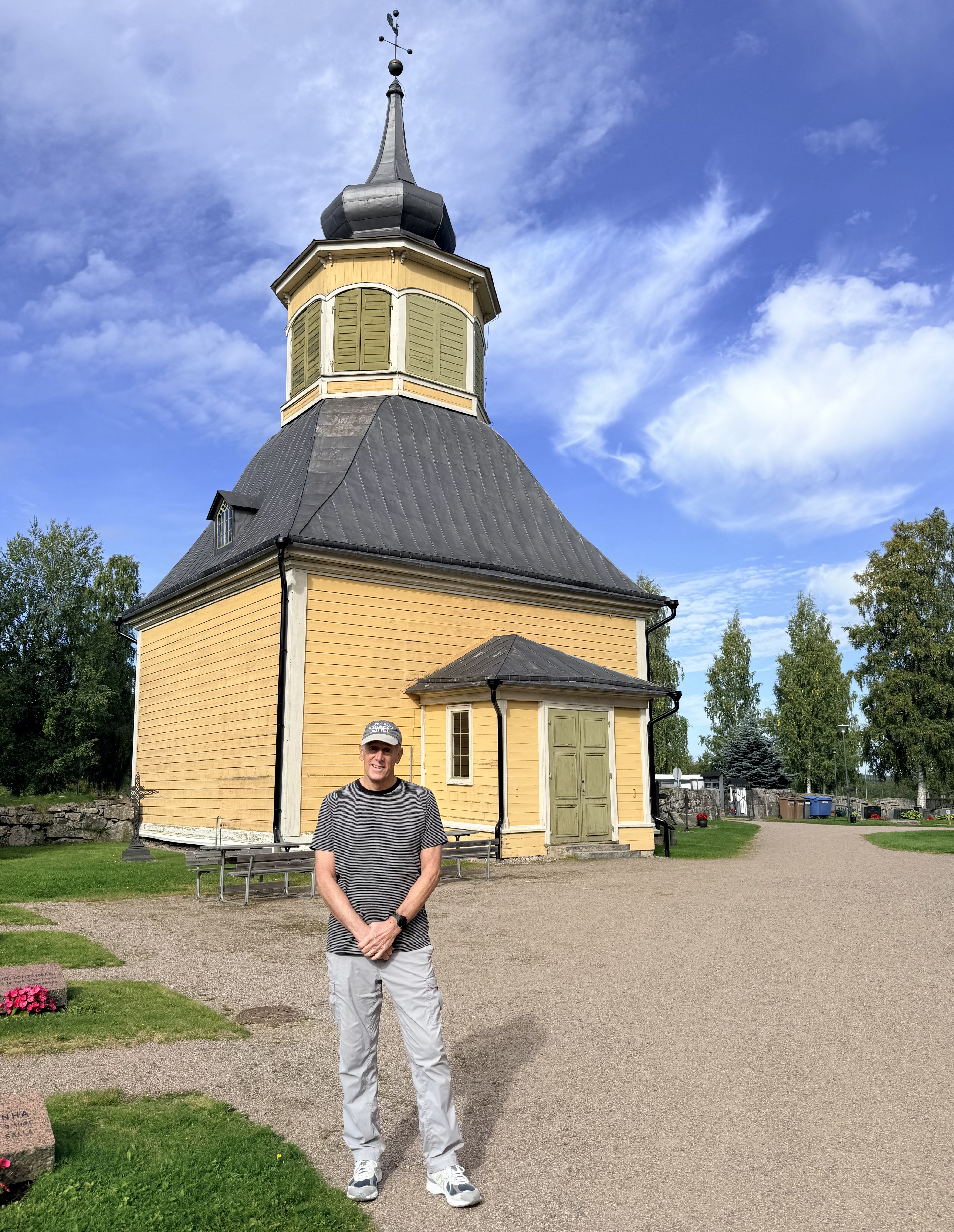
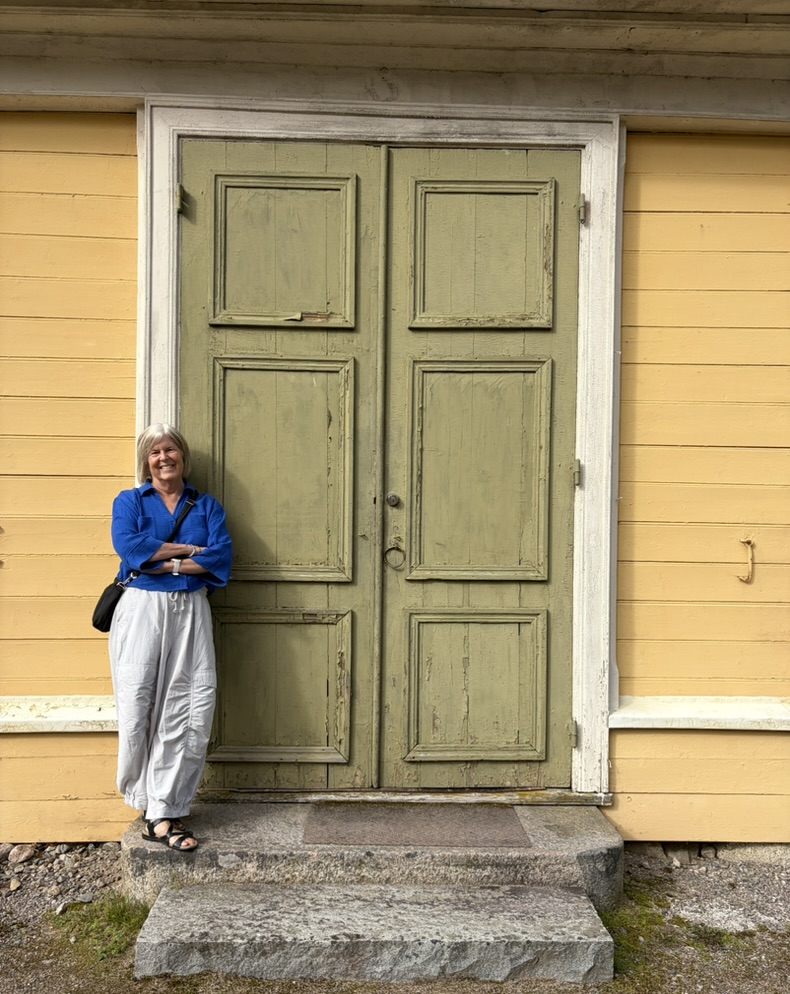
Outside the small town of Maxmo, we found the closed-for-the-season Klemetsgårdarna, a museum with a cluster of typical west Bothnian houses. The farm group, dating back to the 18th century, is preserved for visitors. Many of its residents had fled to Sweden during unrest during the Great War, so Klemets’ homestead stood empty. The oldest cottage dates to the 1730s and others were built between the 1730s and 1760s. We had fun posing in front of the yellow doors of the cottages.
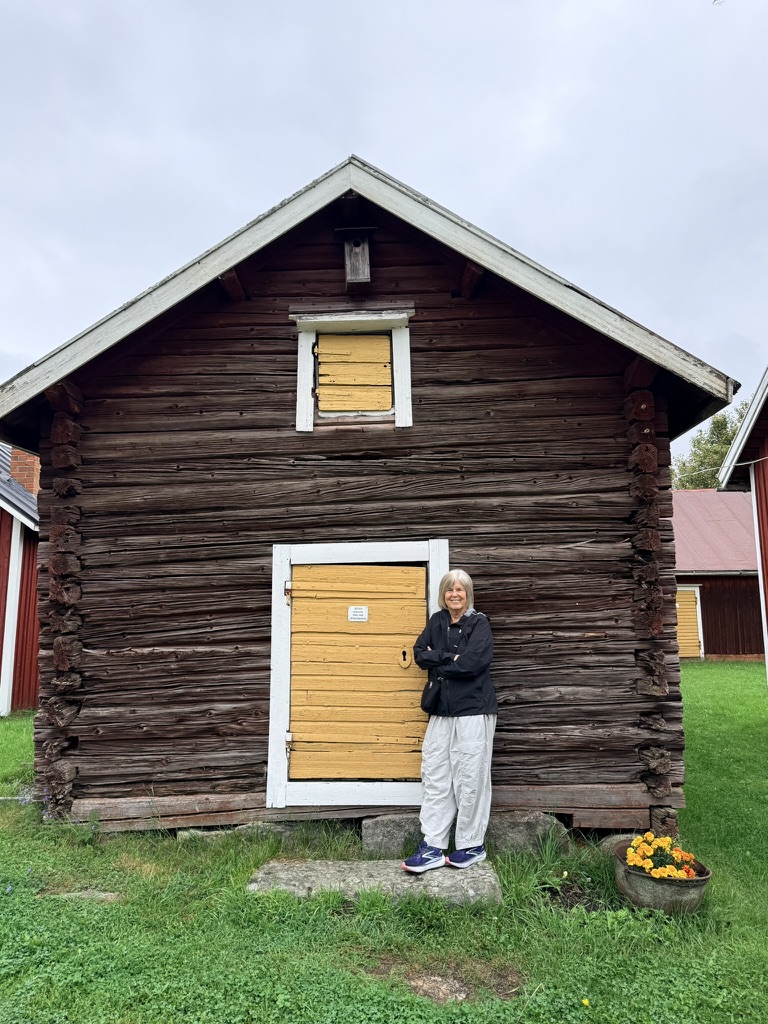
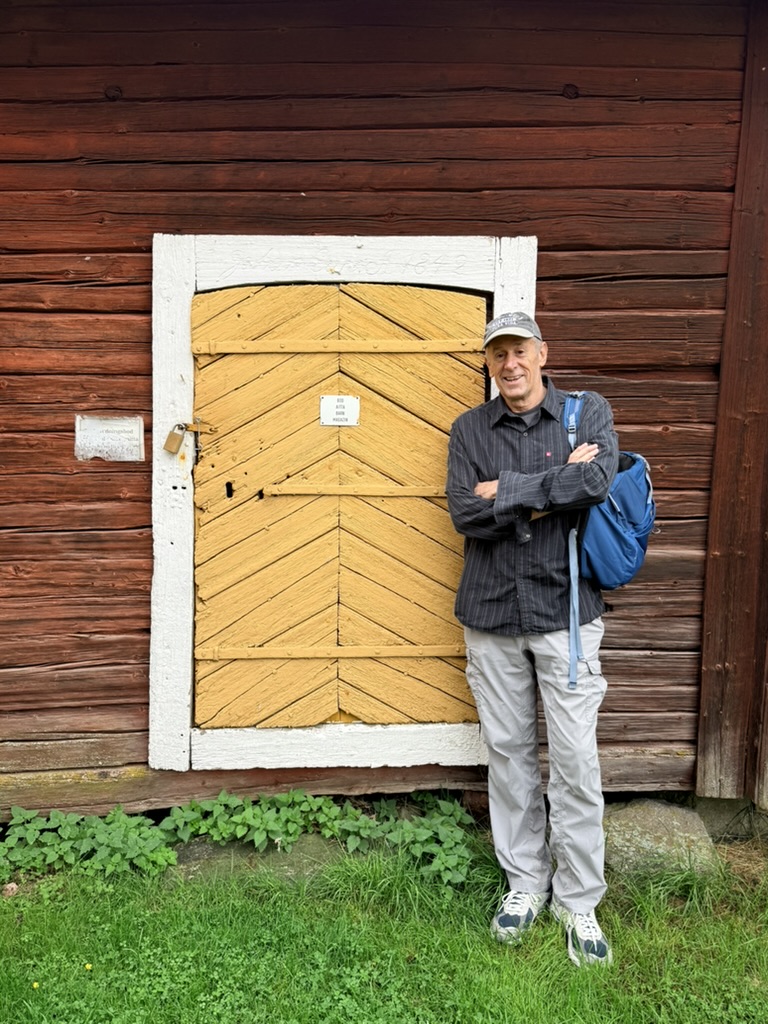
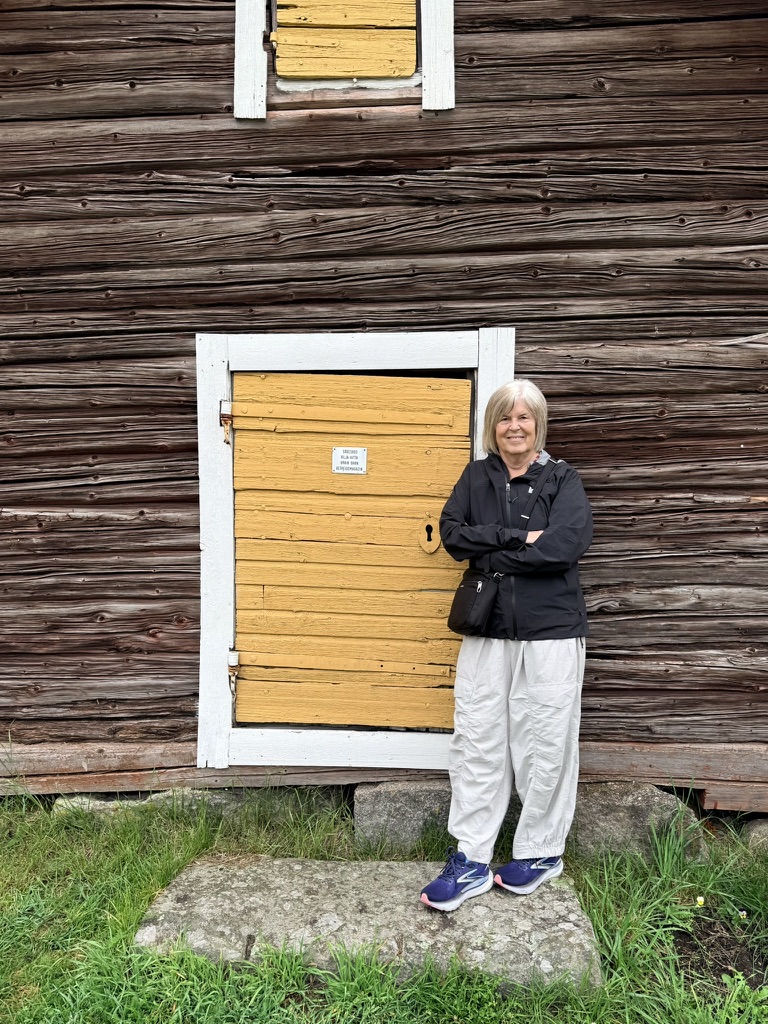
Jakobstad: Skata
Jakobstad (Pietarssari in Finnish), founded in 1652, has about 20,000 residents. The town is bilingual: 53% speak Swedish and only 30% Finnish. Industry drove migration in the town; by the end of the 18th century the city was Finland’s largest ship producer.
The city is a peninsula bordered by the brackish waters of the Bothnian Bay to the west, the mouths of two rivers to the east, and the freshwater basin of Lake Luodonjärvi. The town center has wide streets and esplanades separating city districts.
The city is the birthplace of the national poet, JL Runeberg.
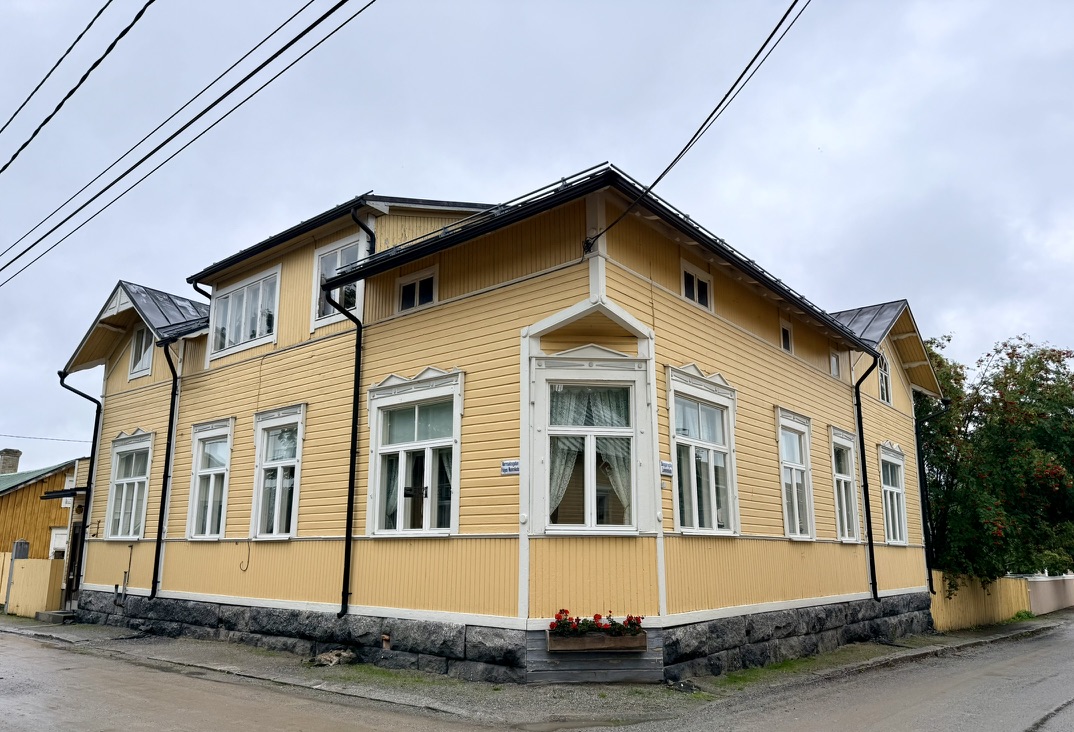
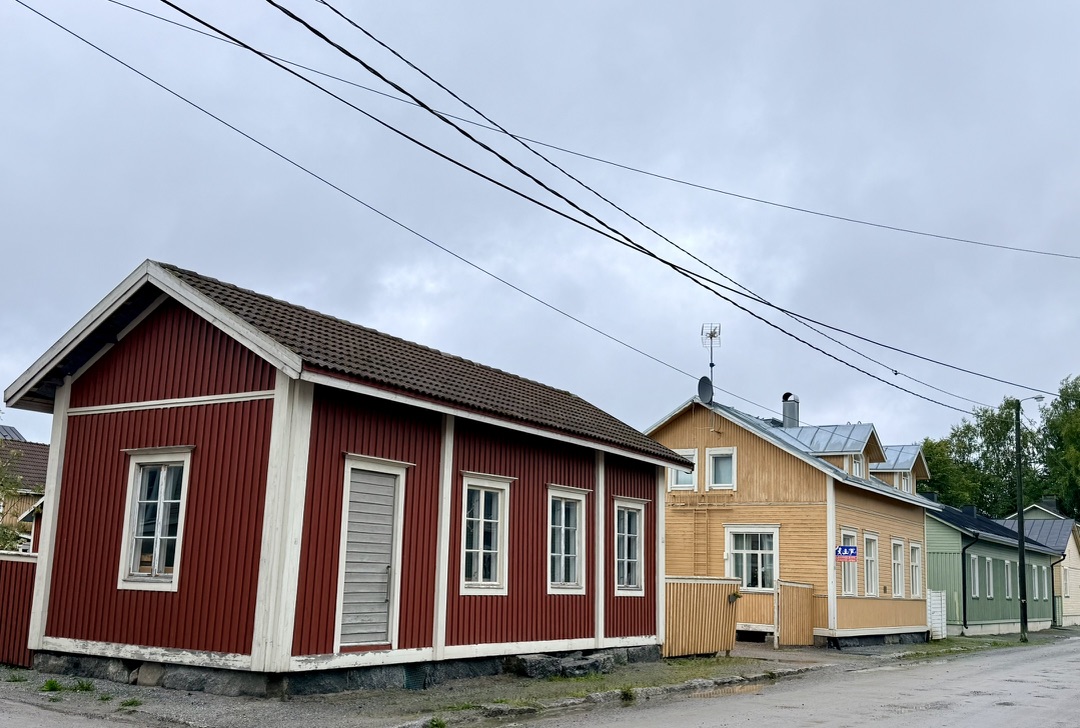
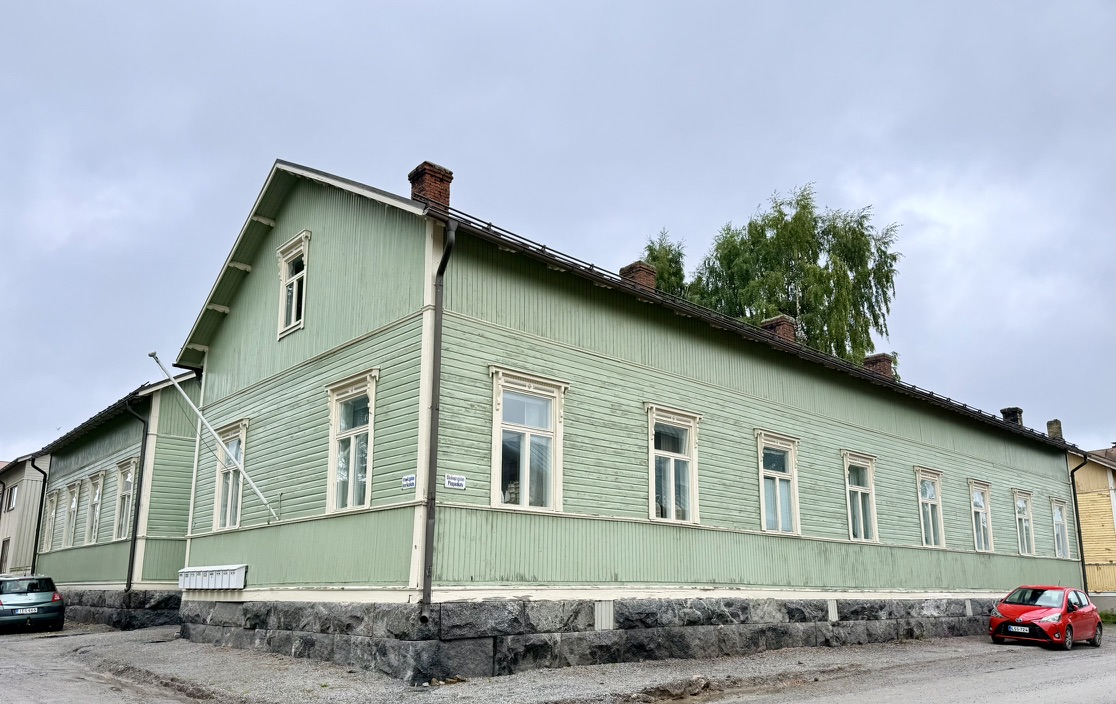
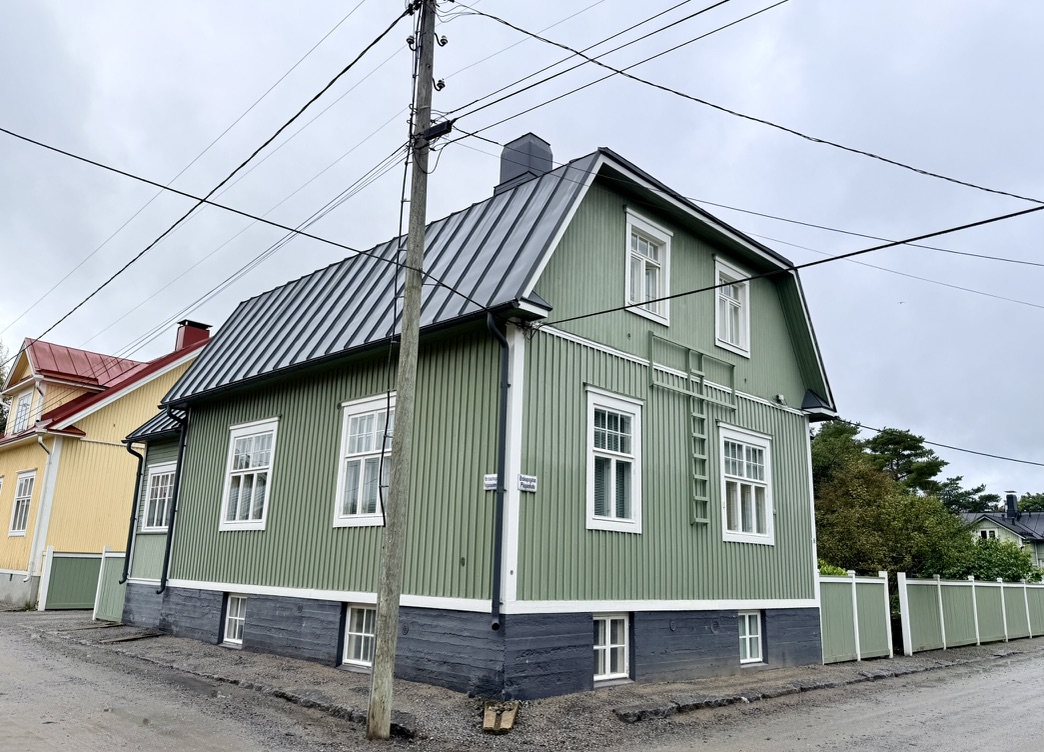
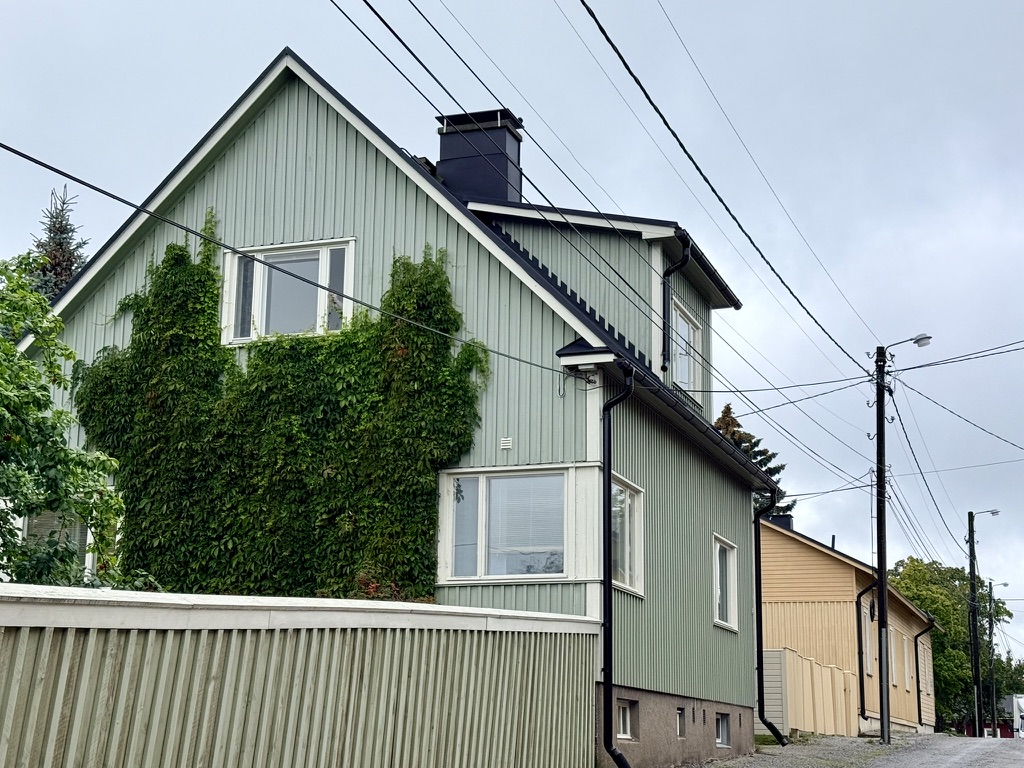
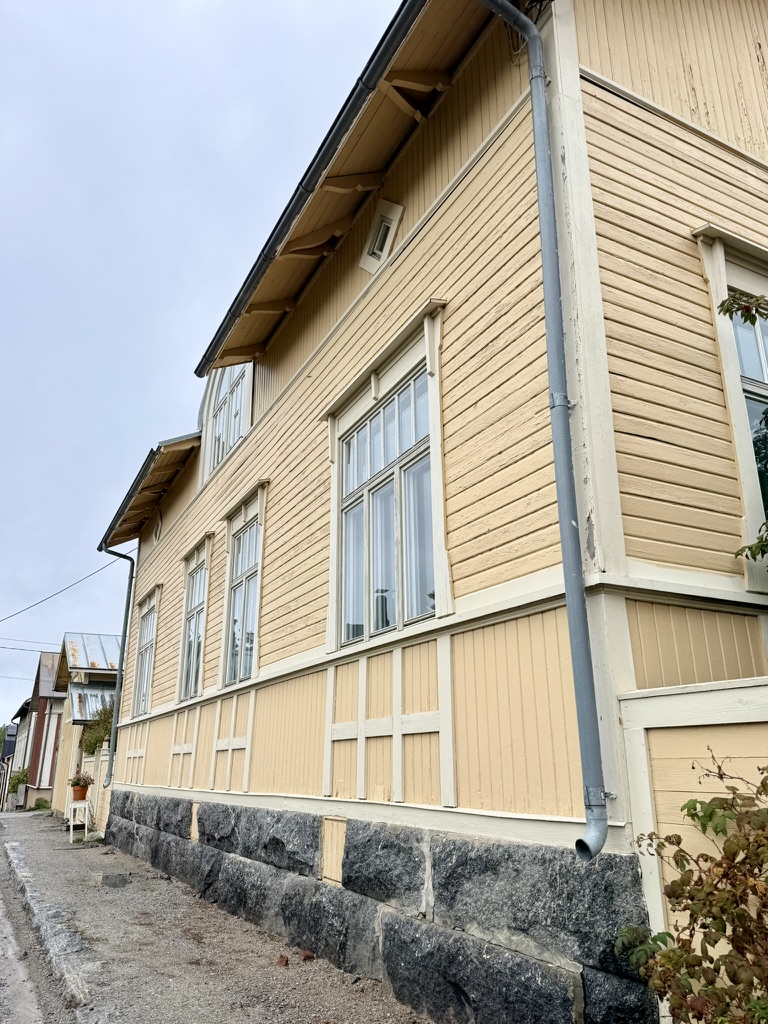
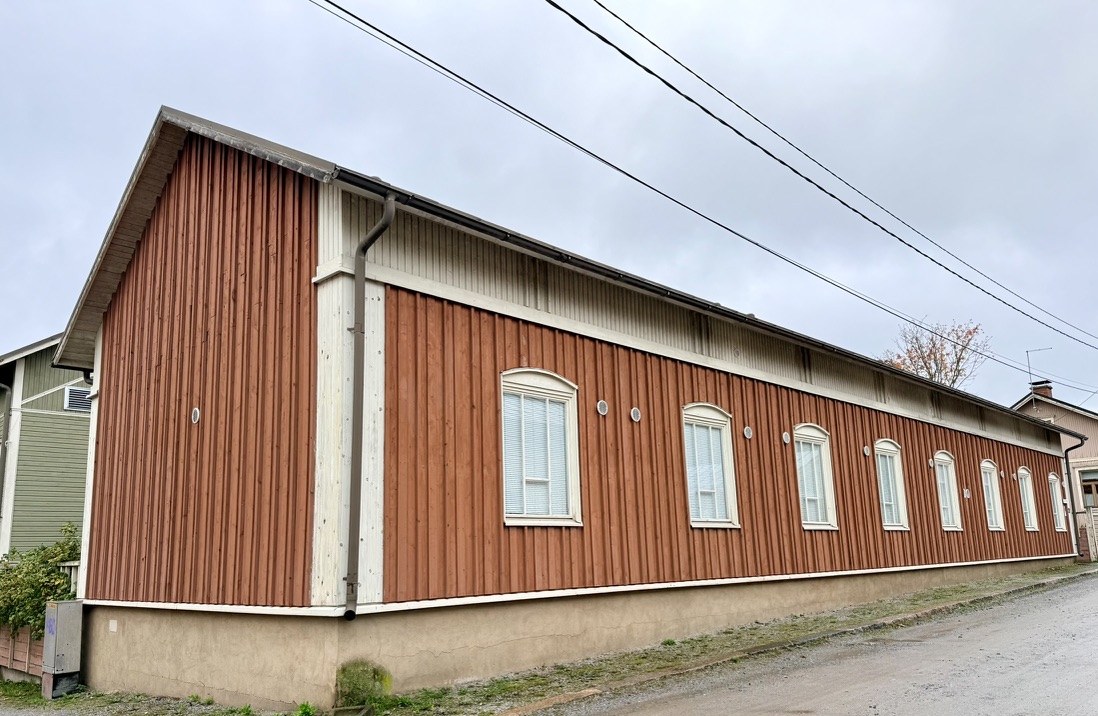
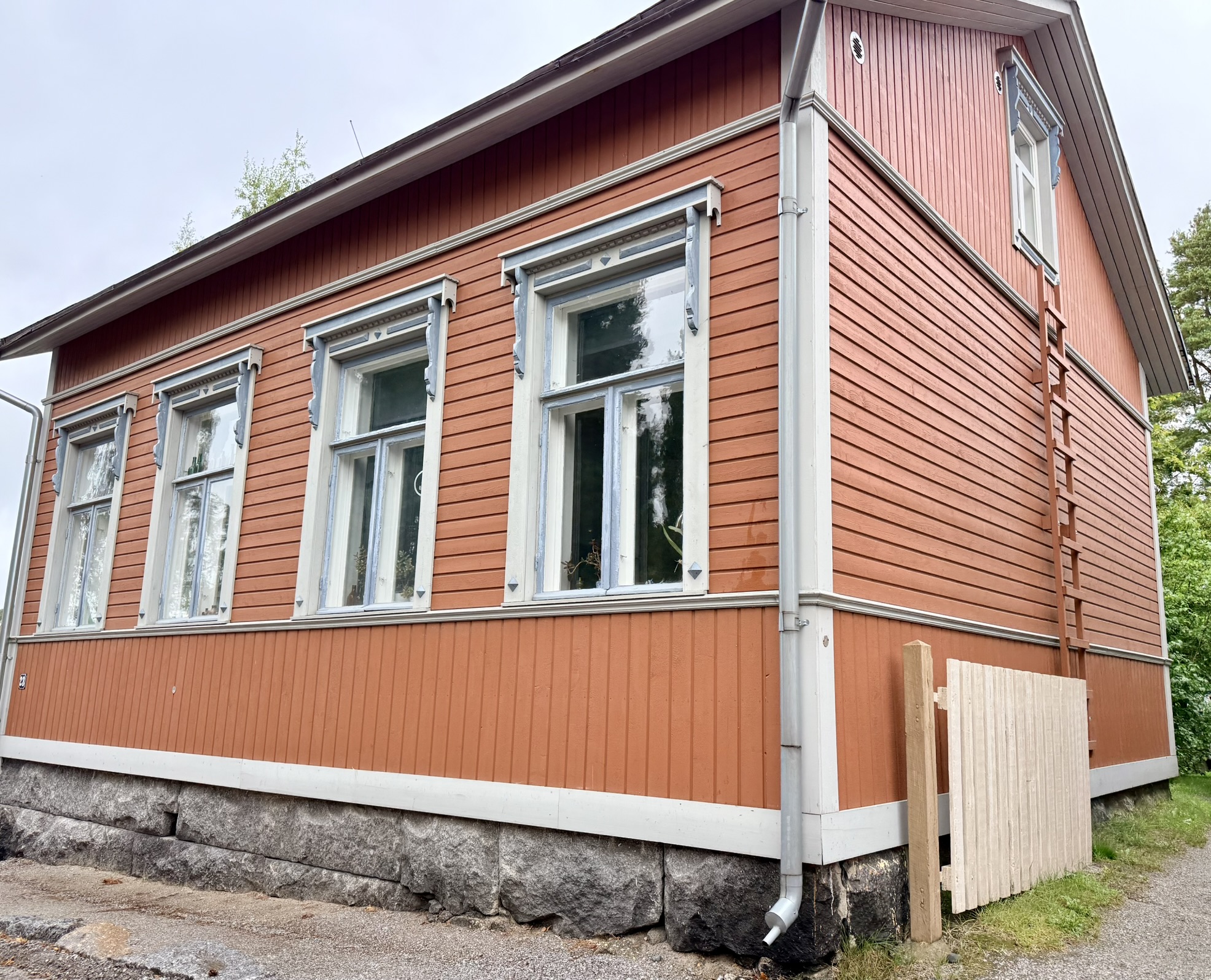
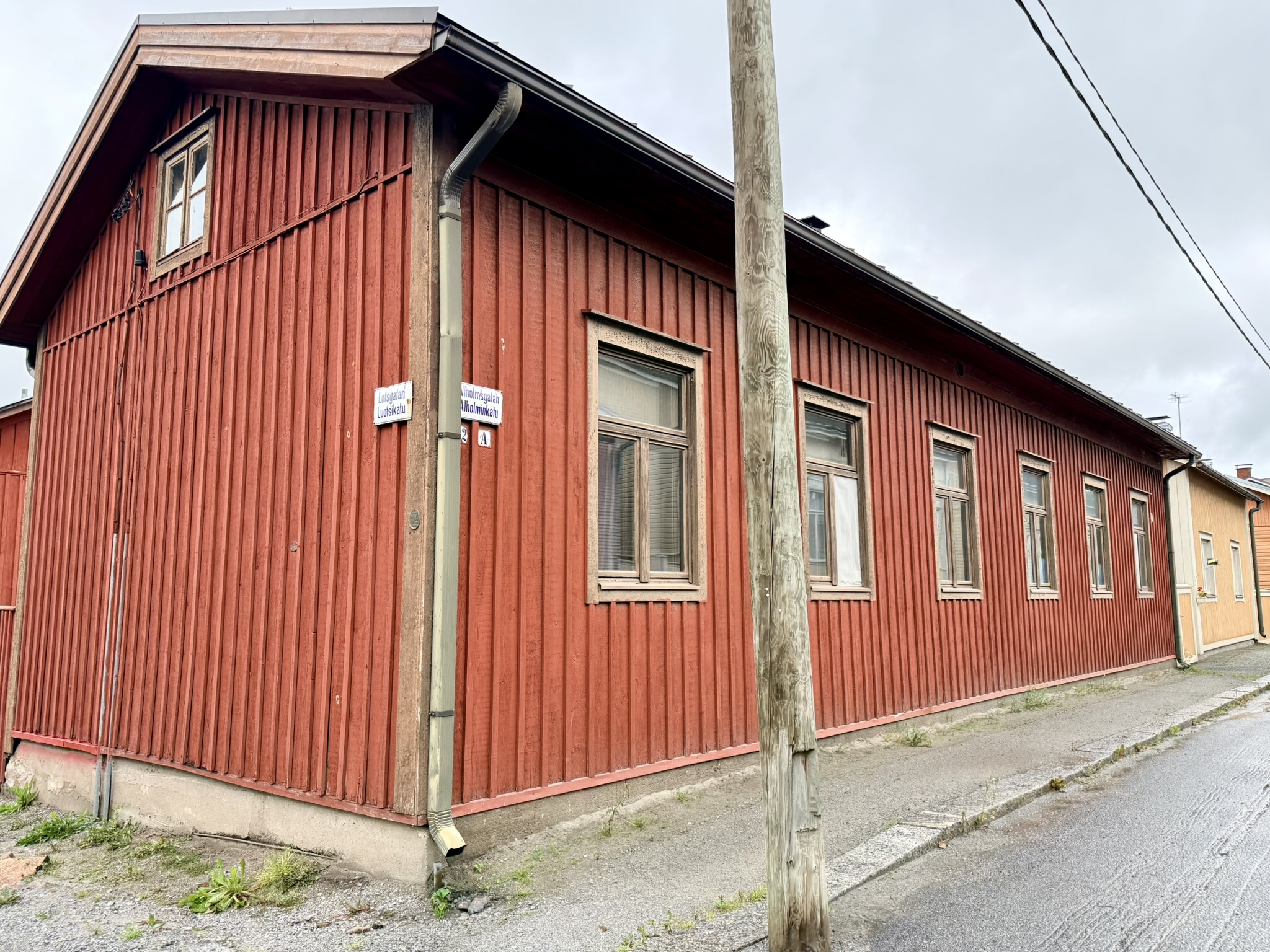
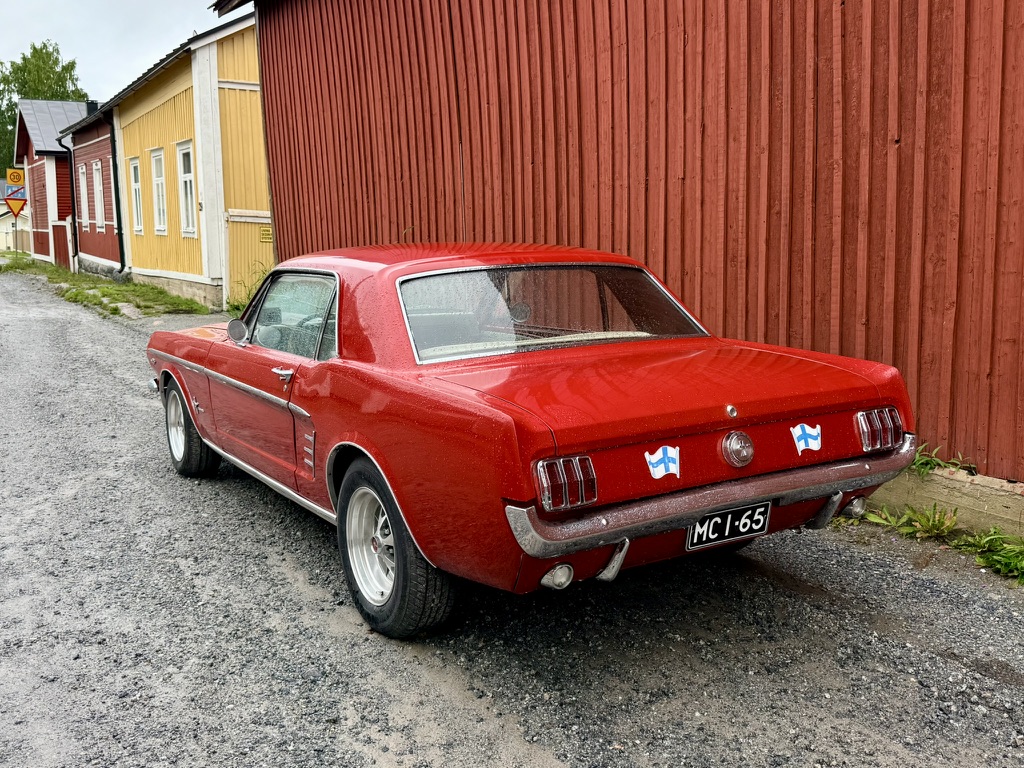
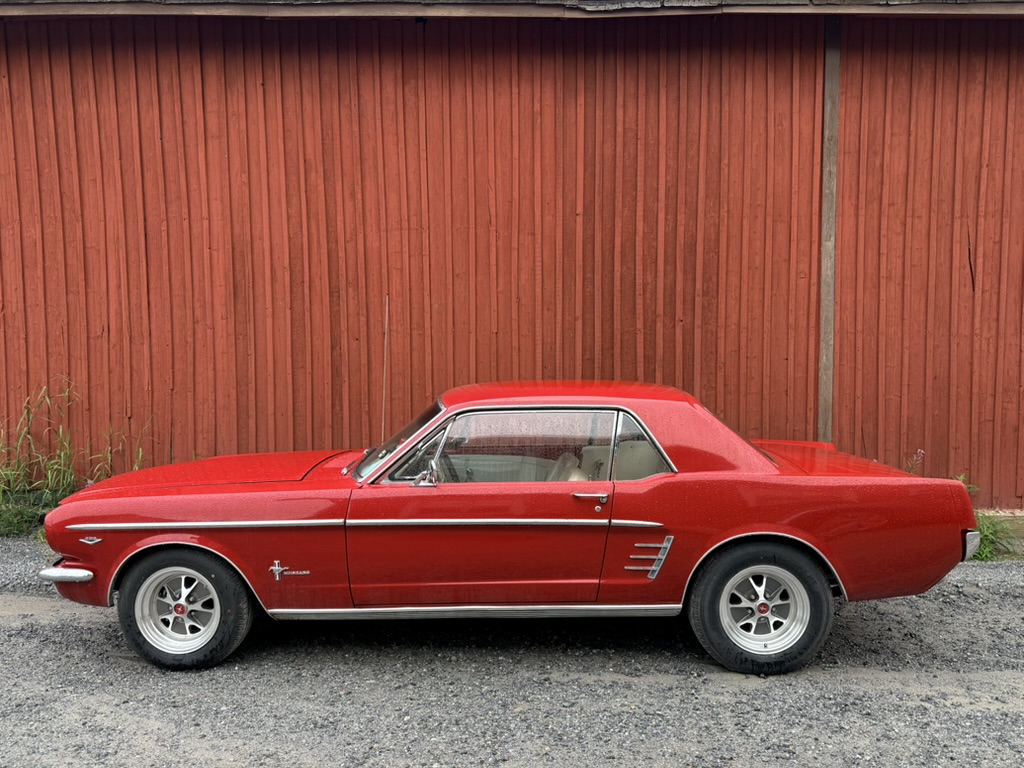
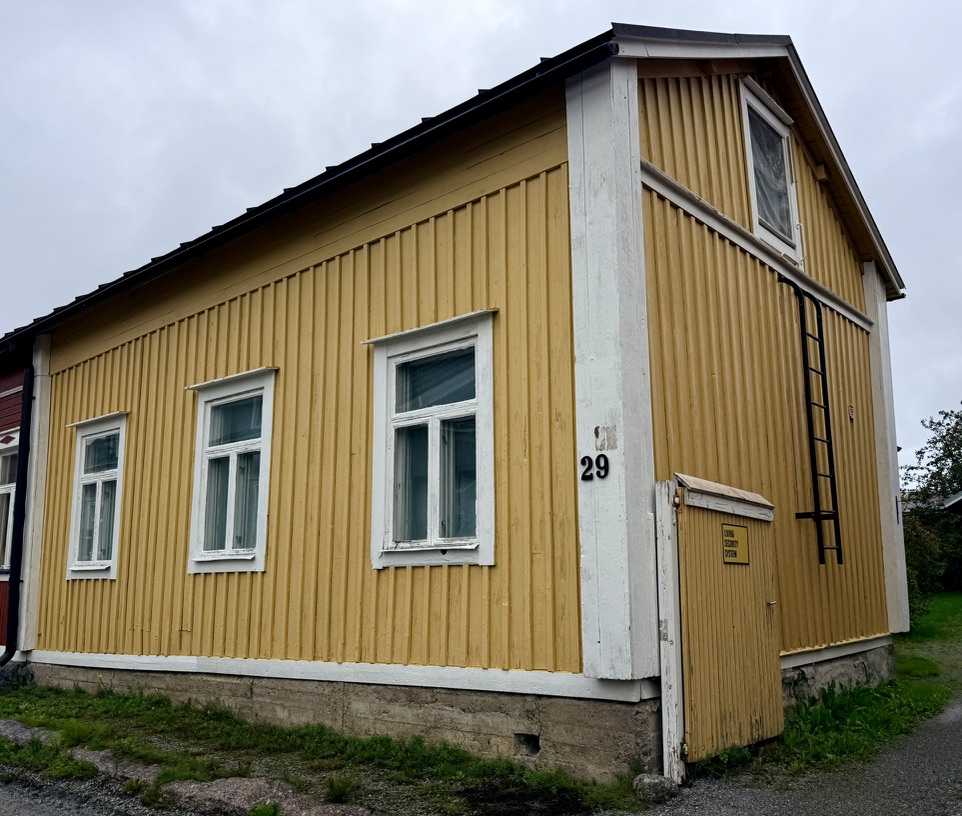
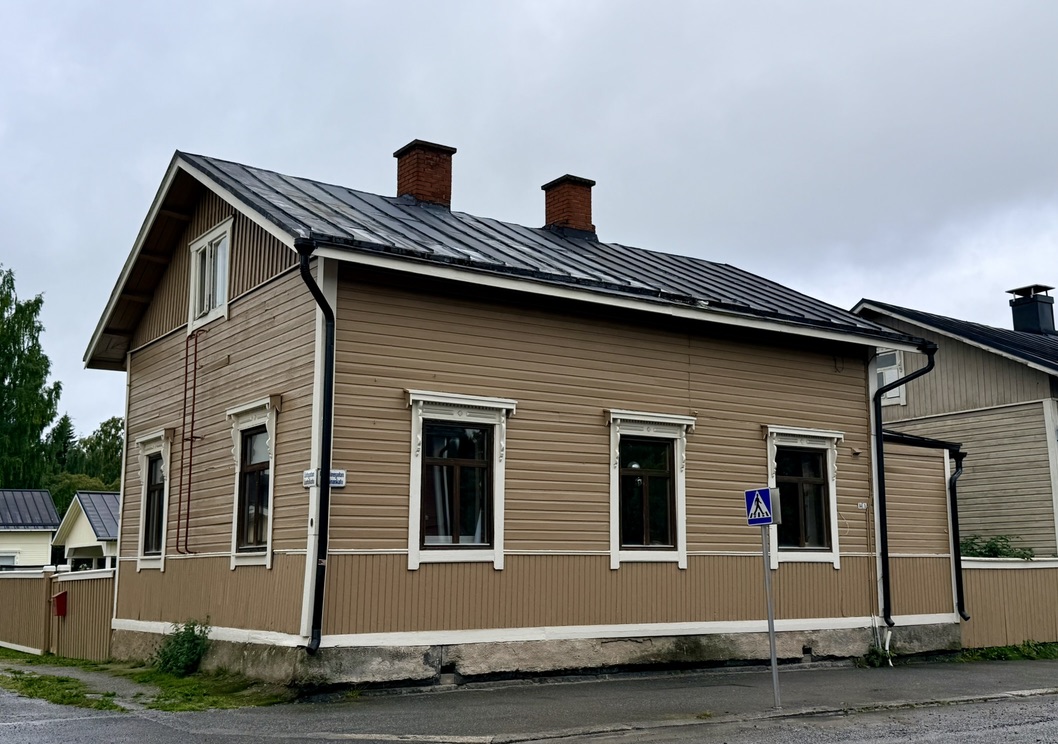
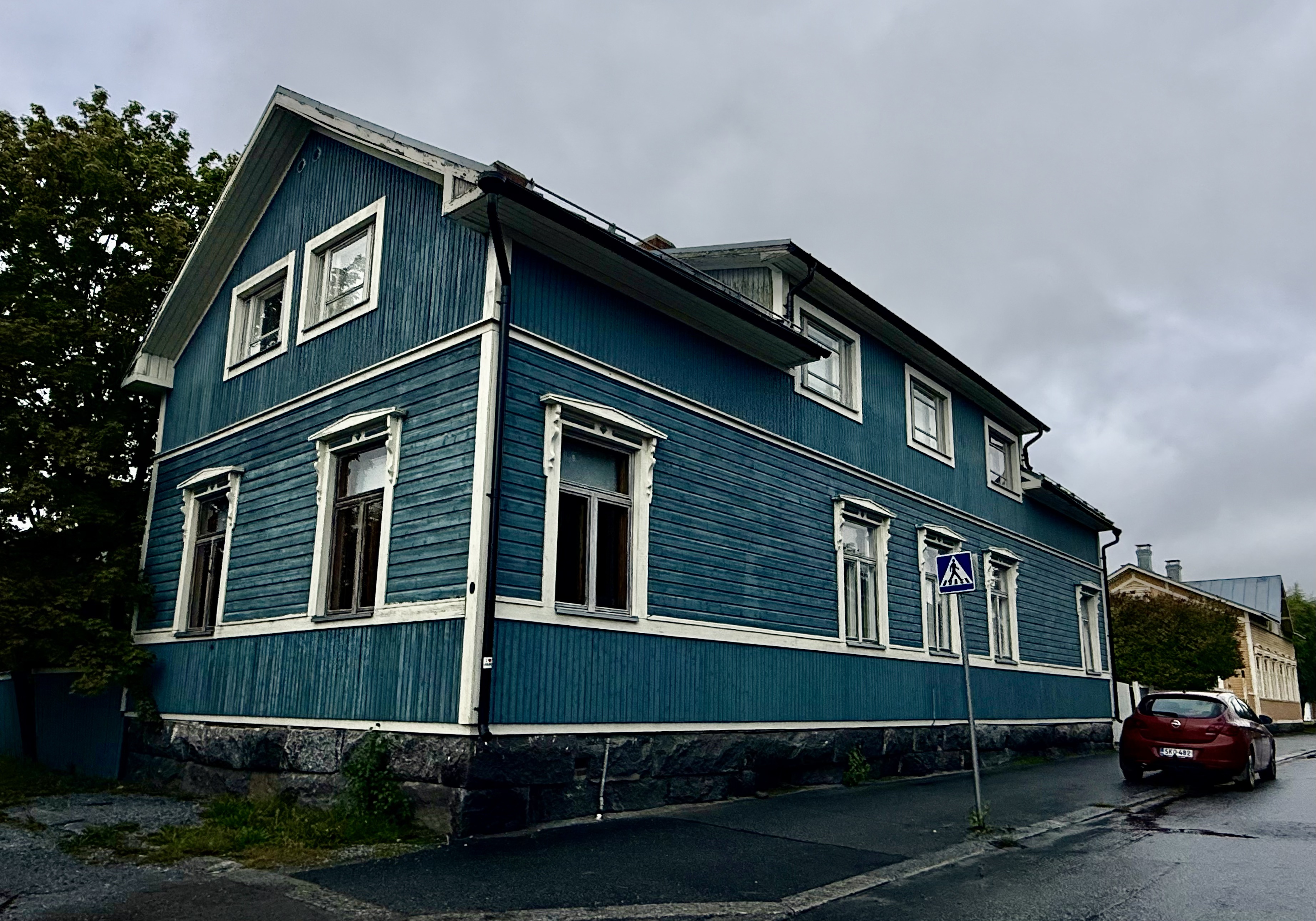
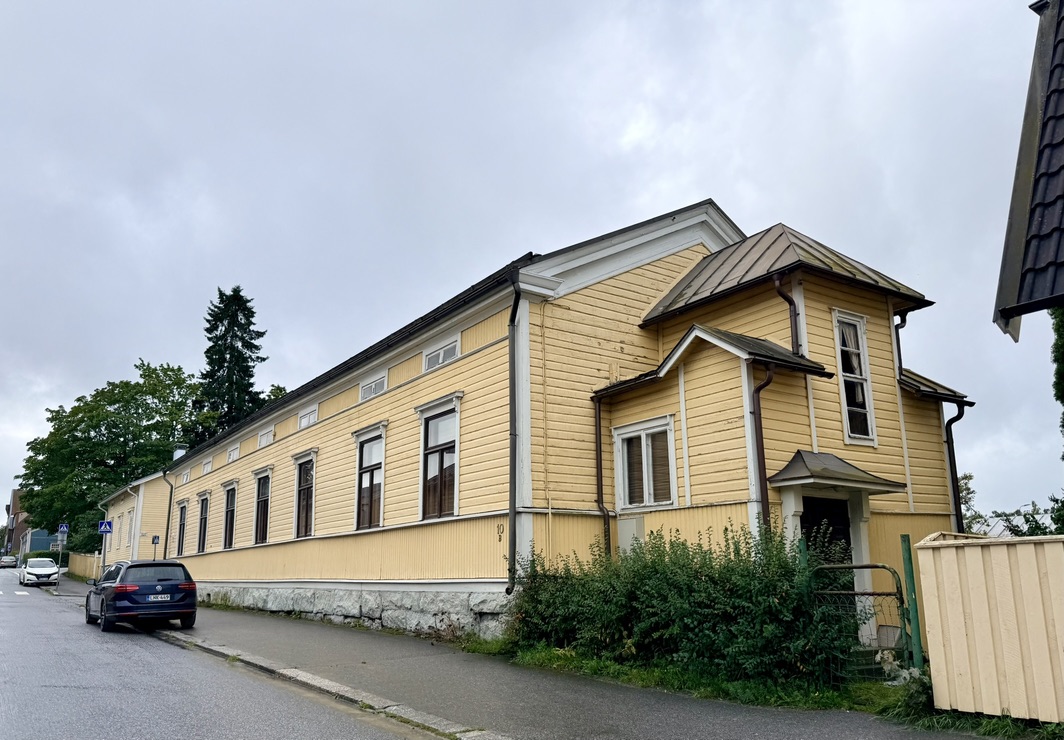
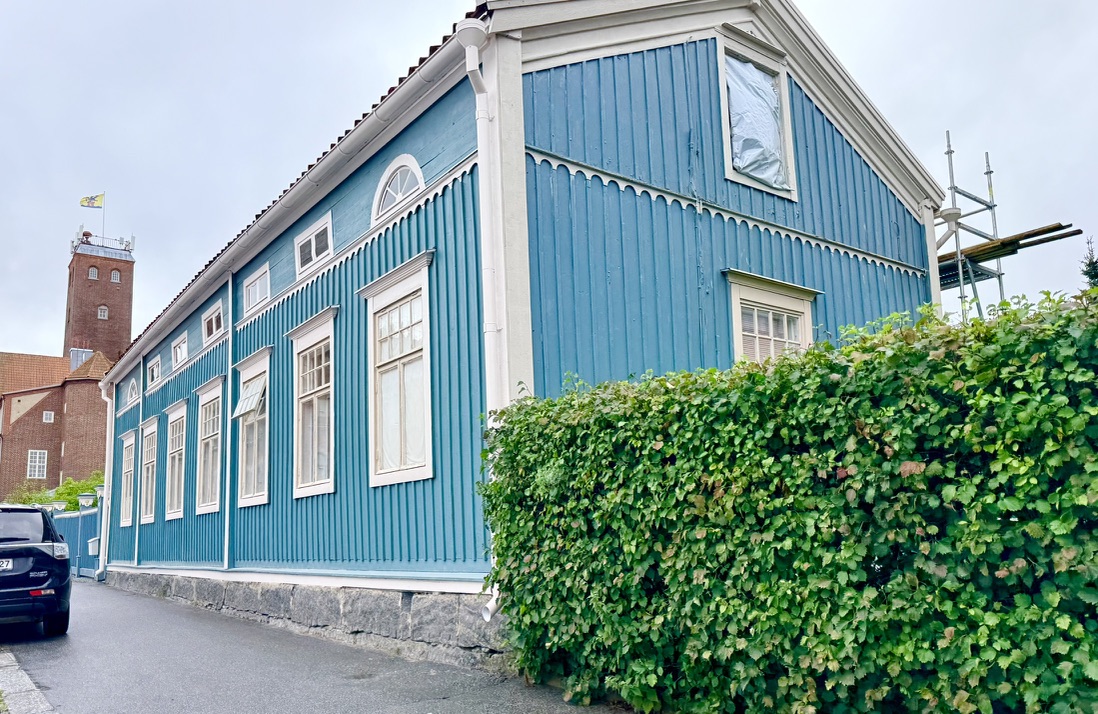
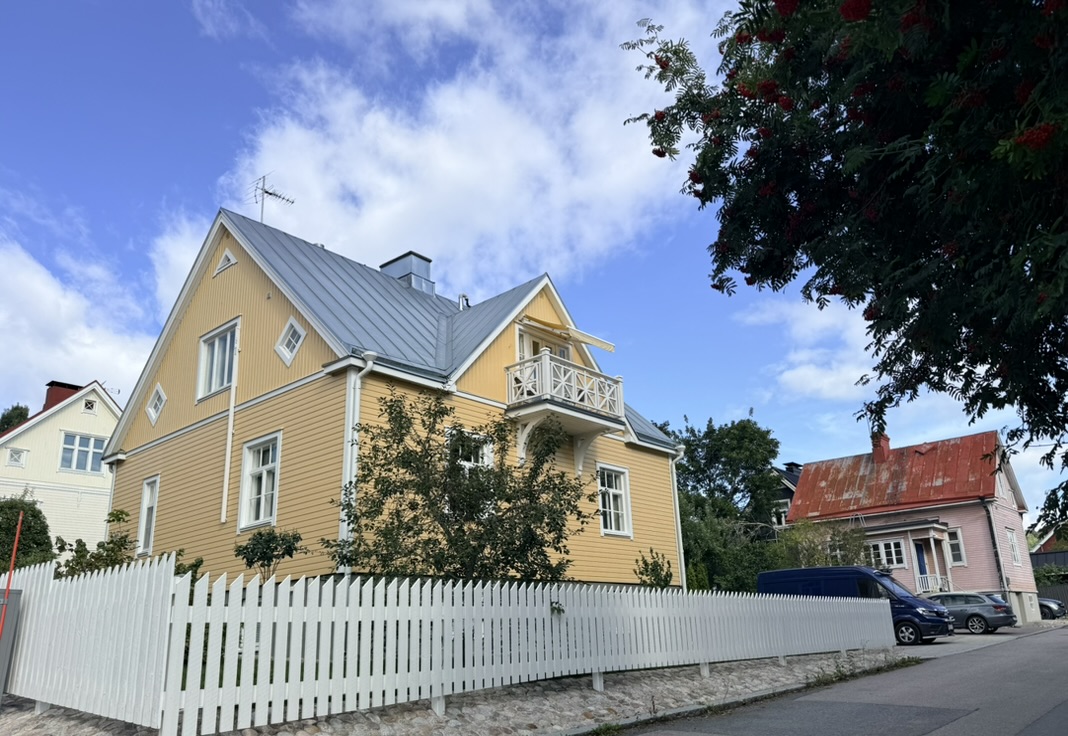
Skata is the largest continuous wooden housing district in Finland. With the exception of a few stone houses, it was the only one to escape the city fire of 1835. It has been a protected district sine 1981.
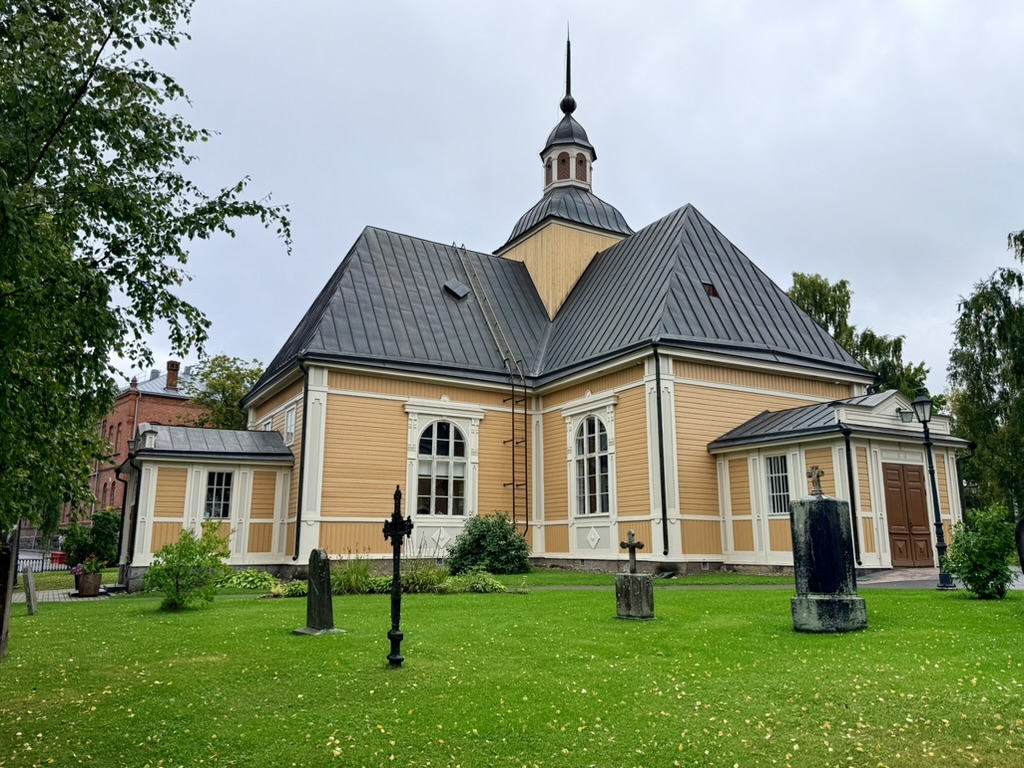
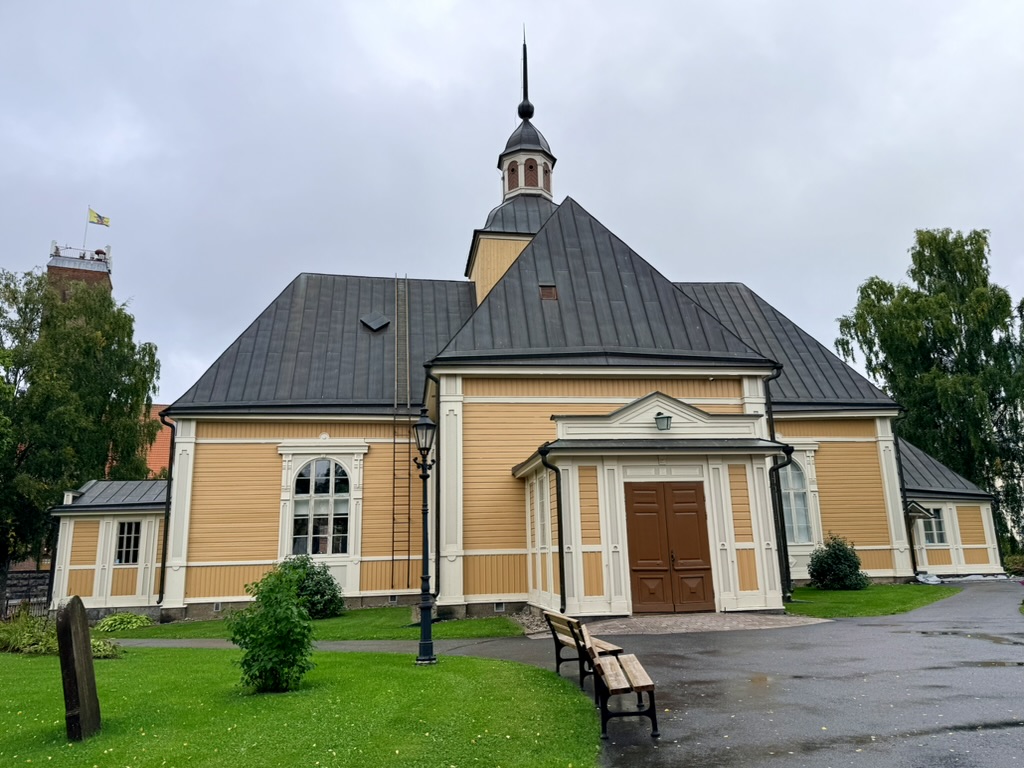
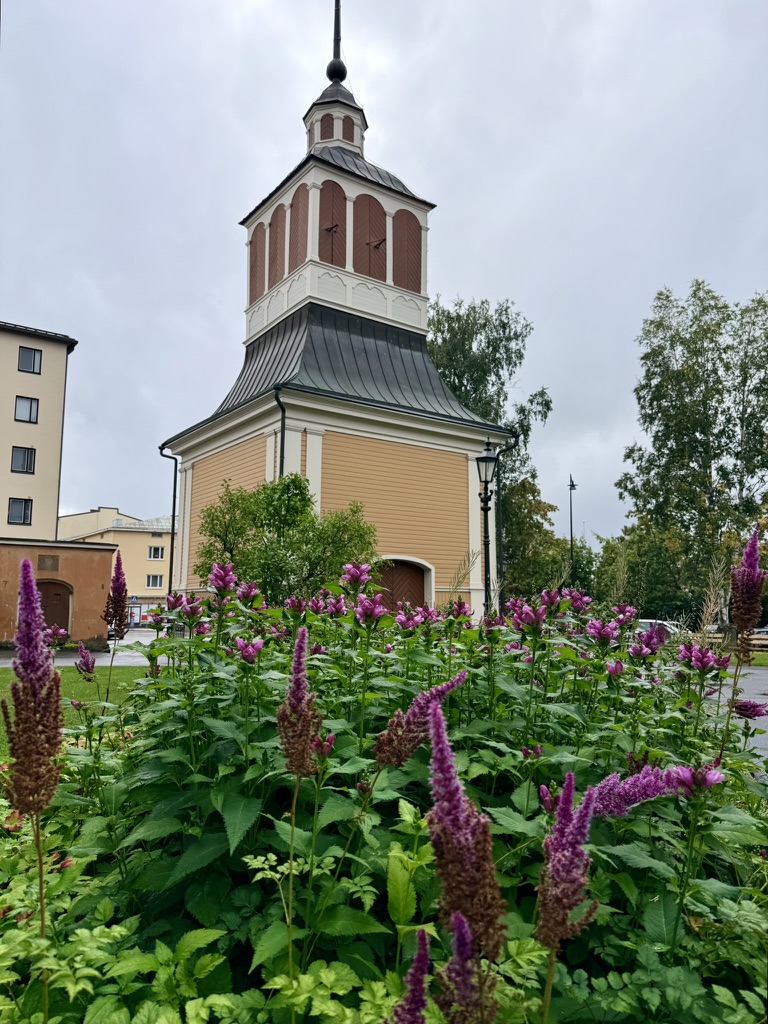
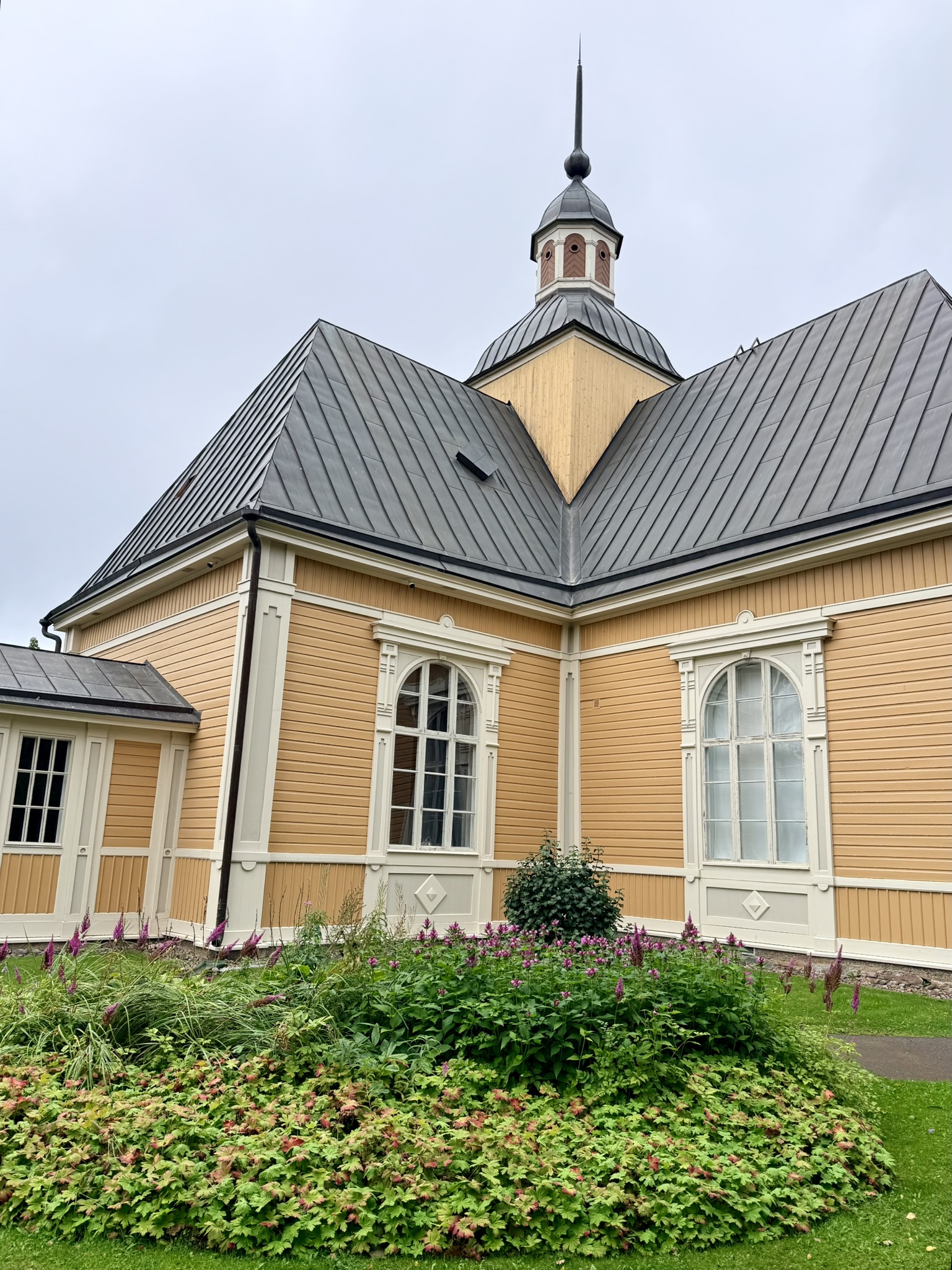
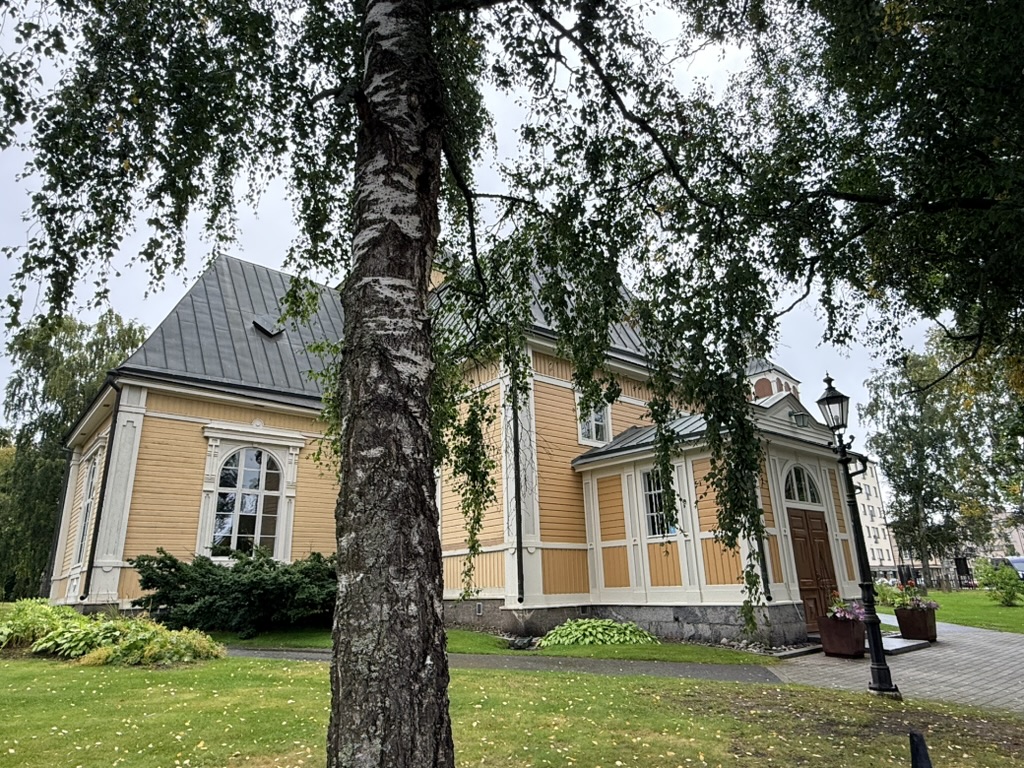
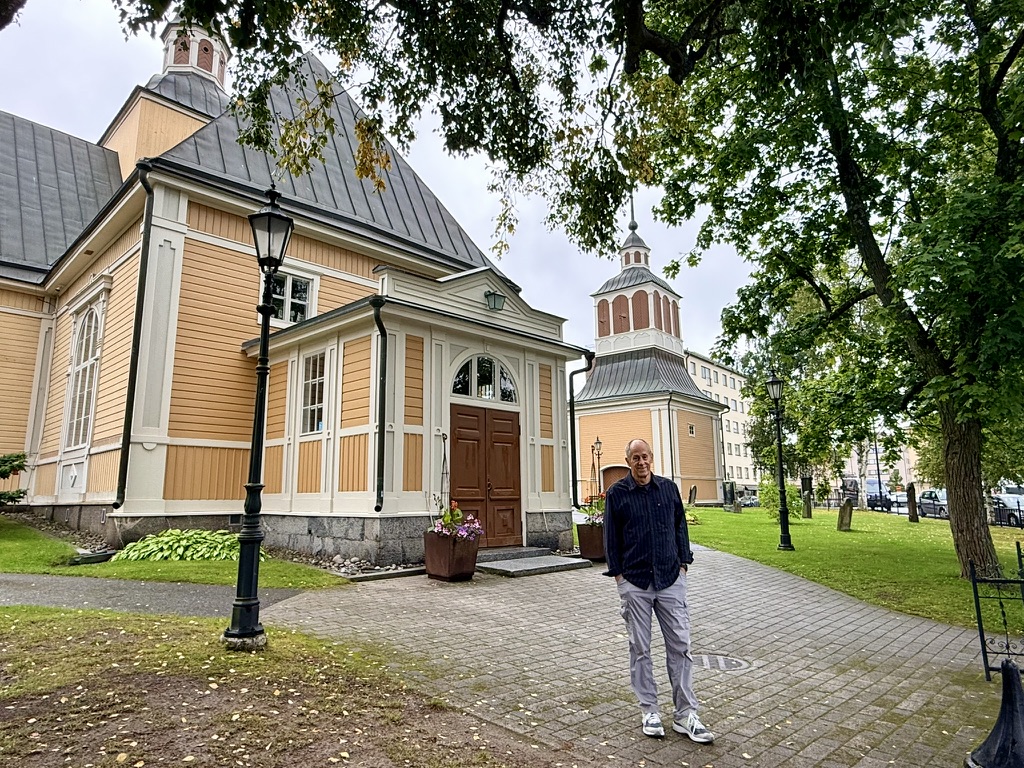
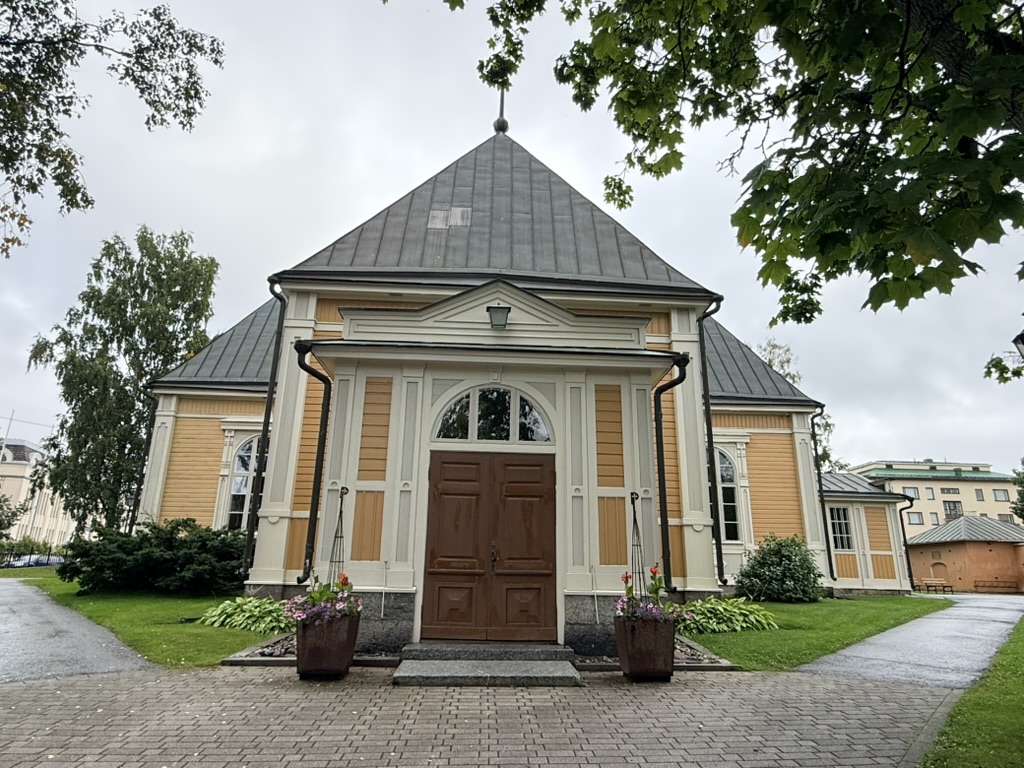
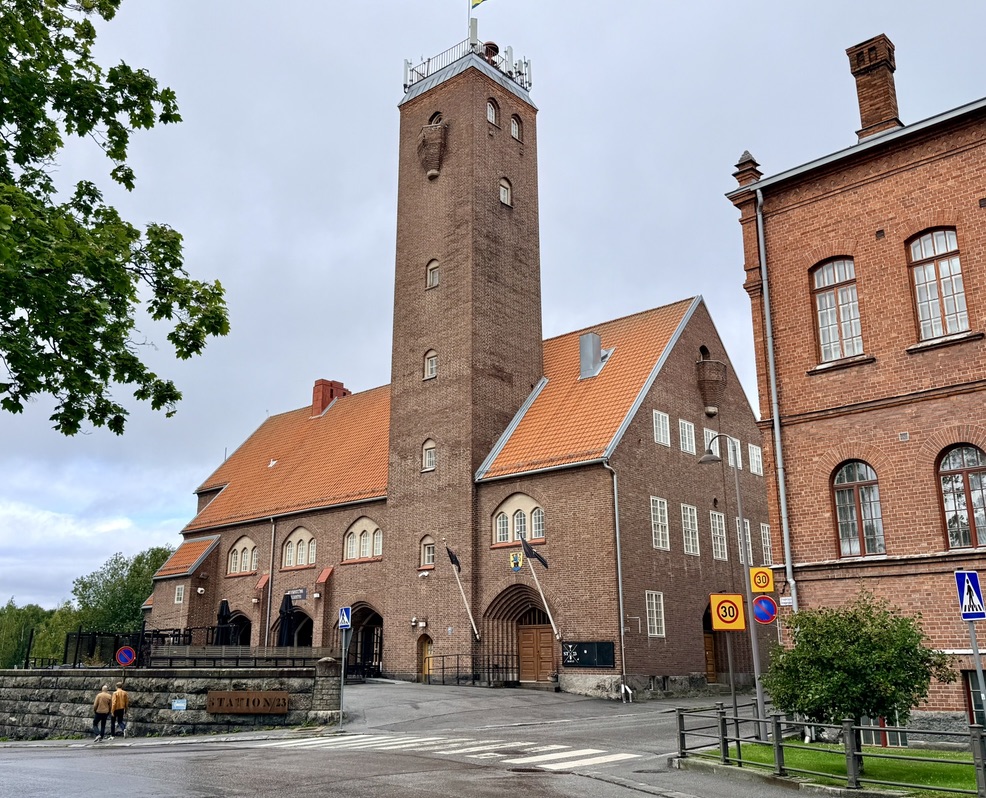
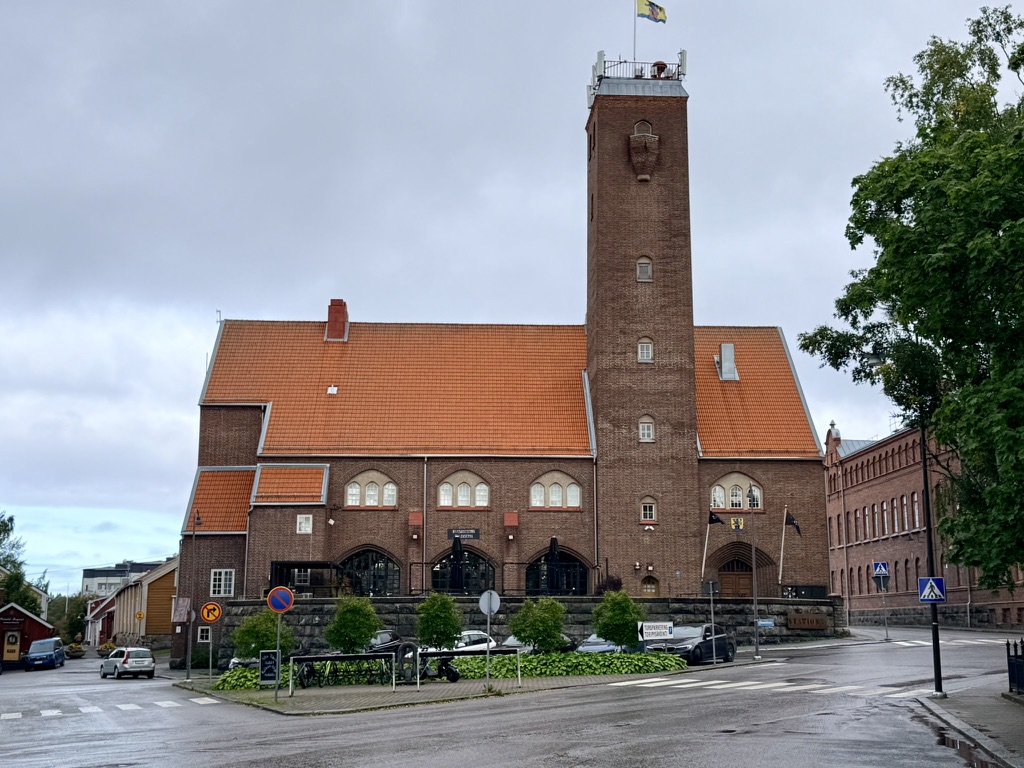
Jakobstad Church
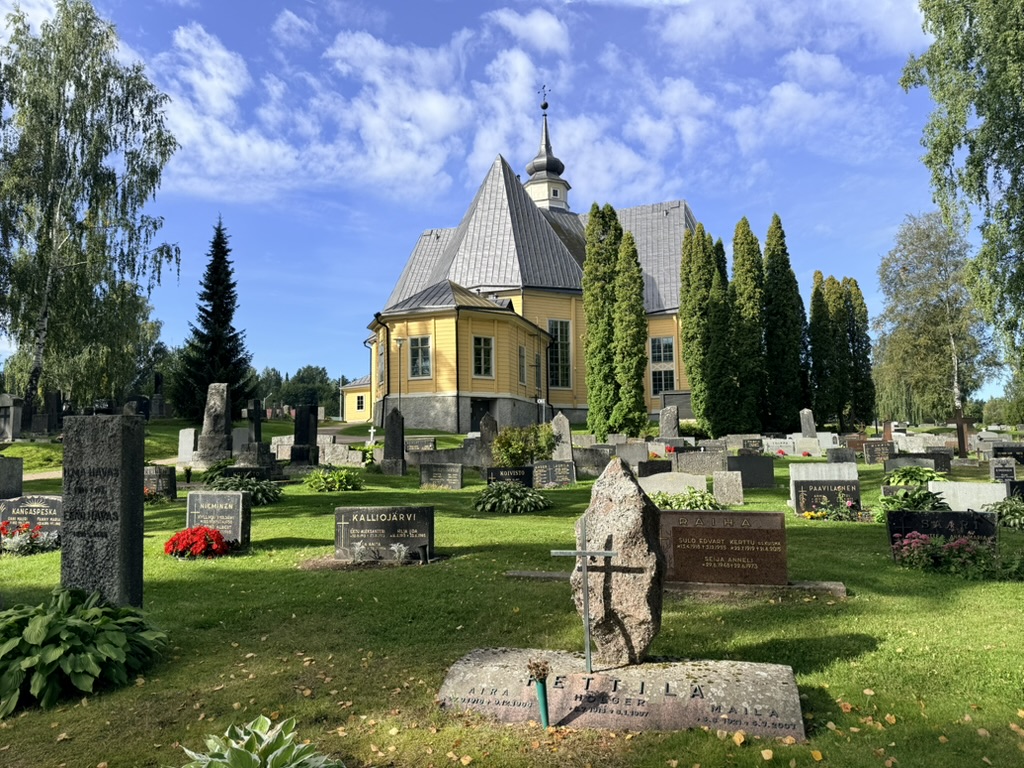
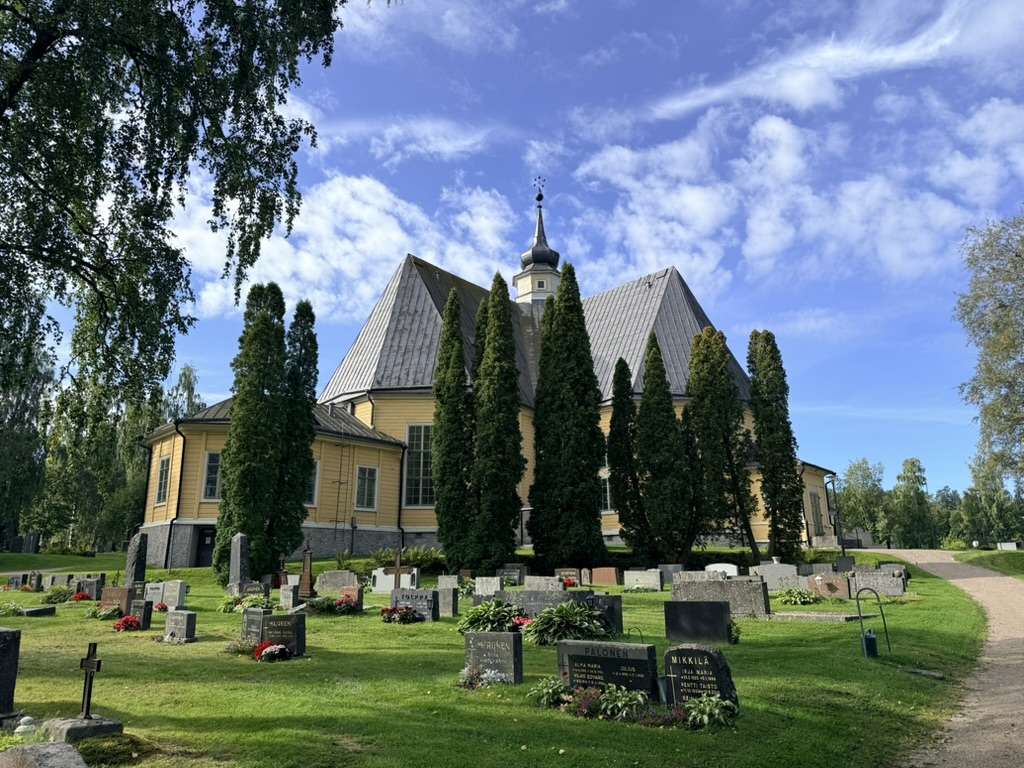
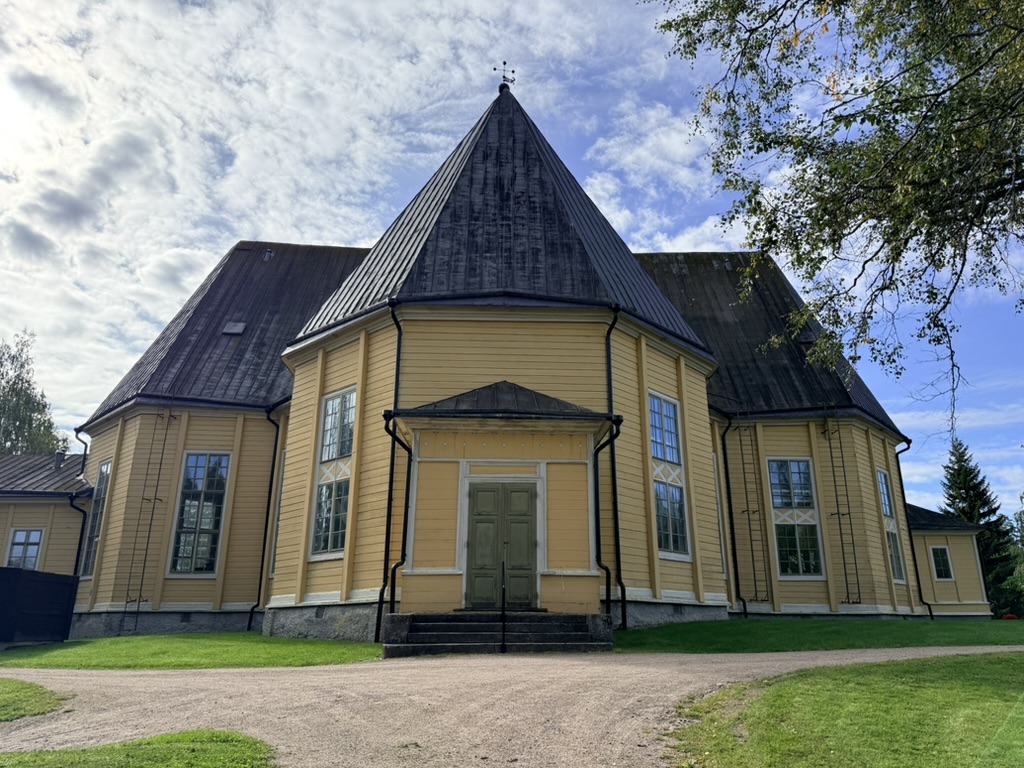
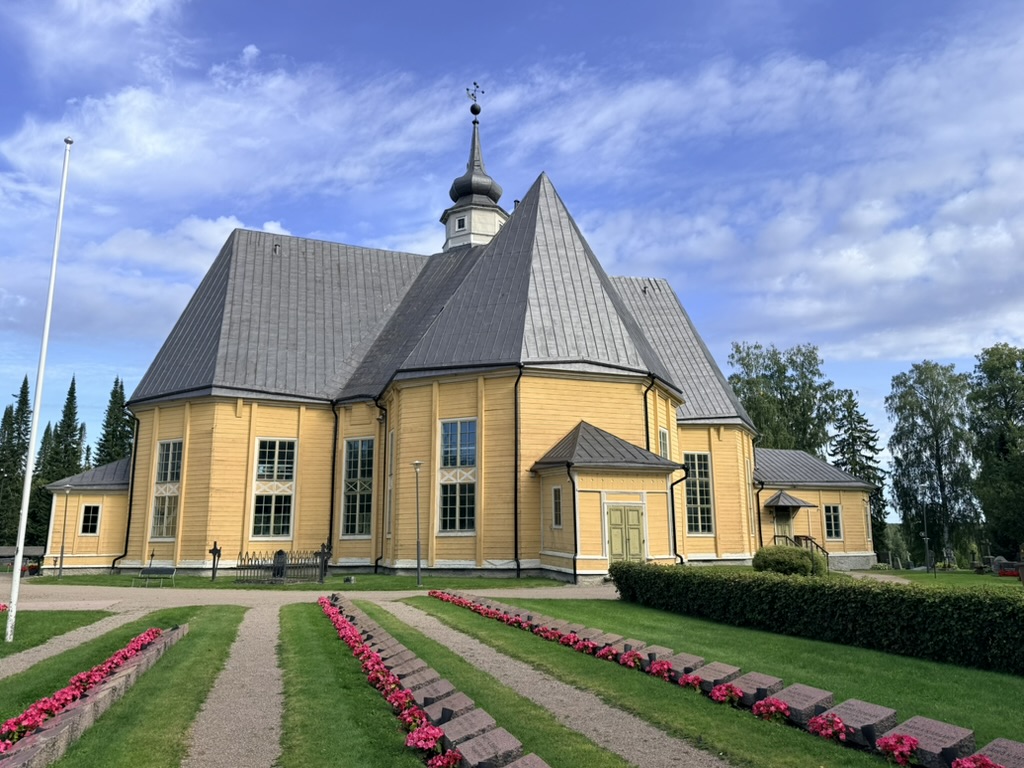
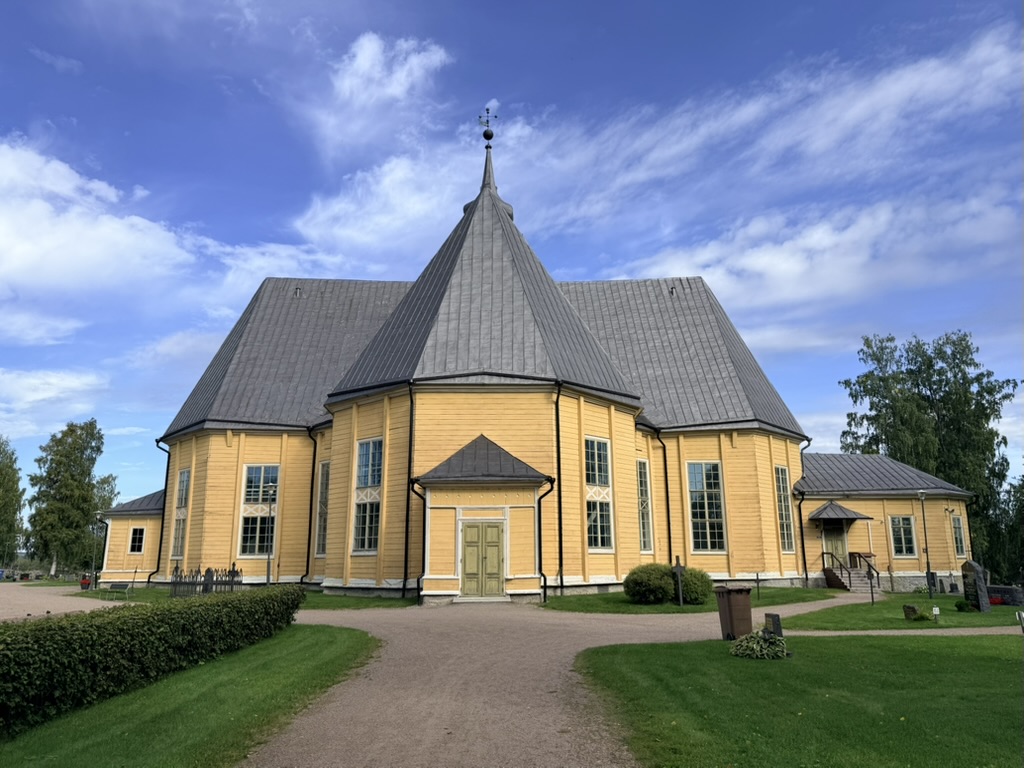
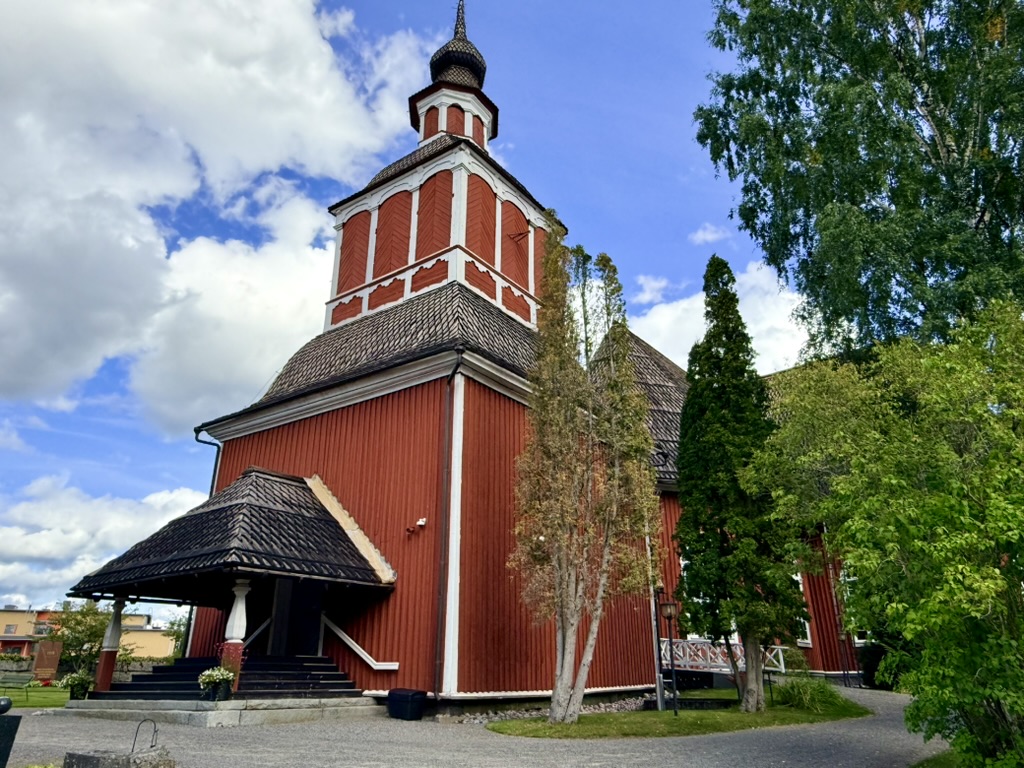
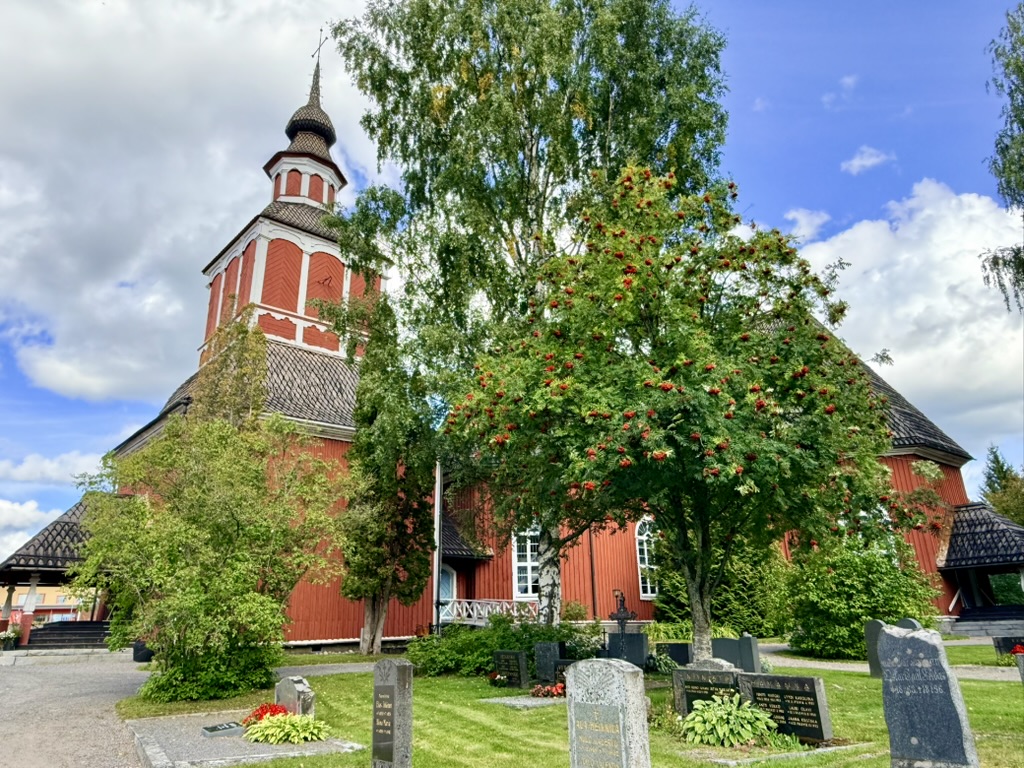
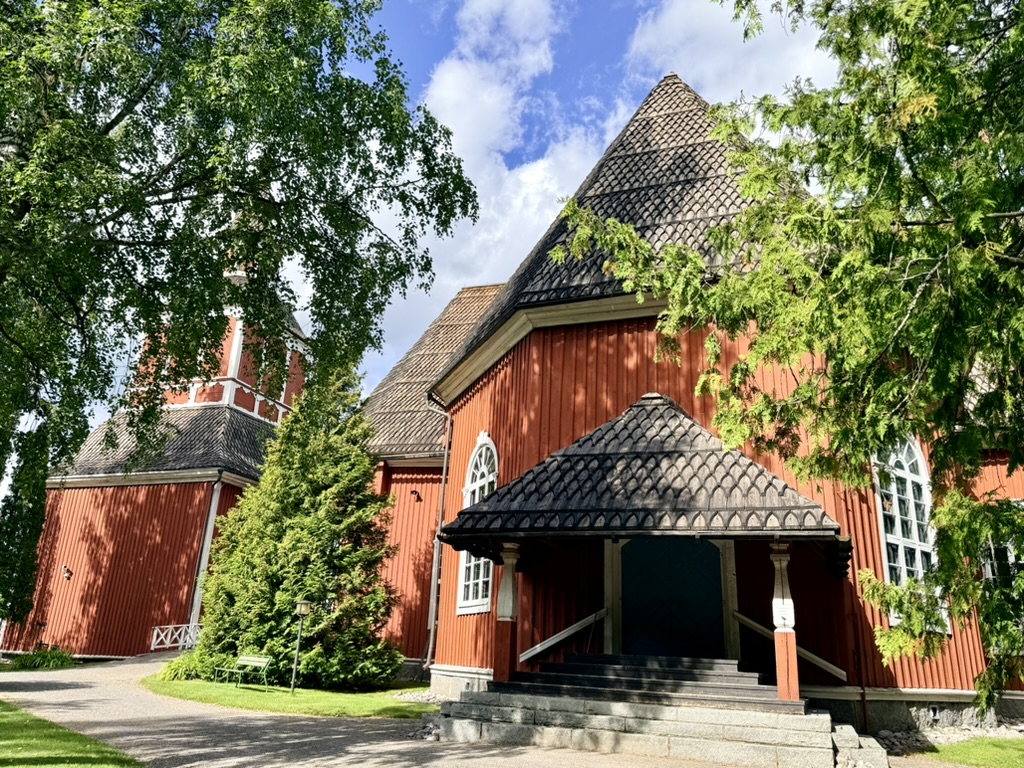
Jakobstad Church is a Lutheran church built in 1731; it was built of wood in the shape of a like-sided cross. It was one of the first churches in Finland built like a cross.
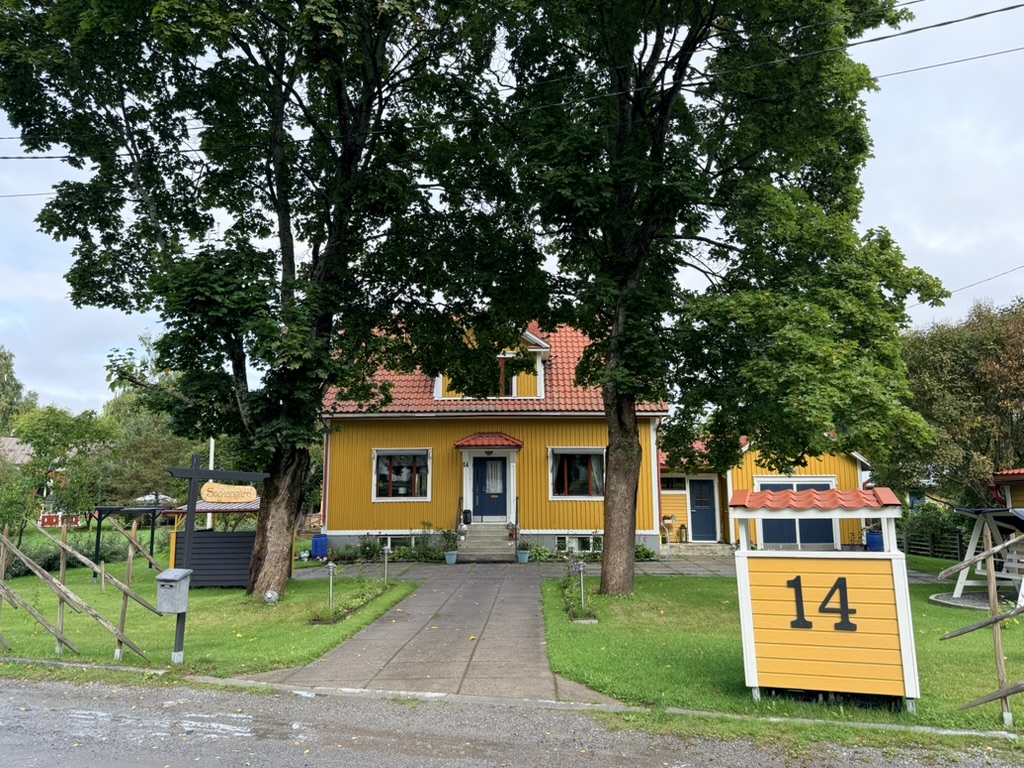
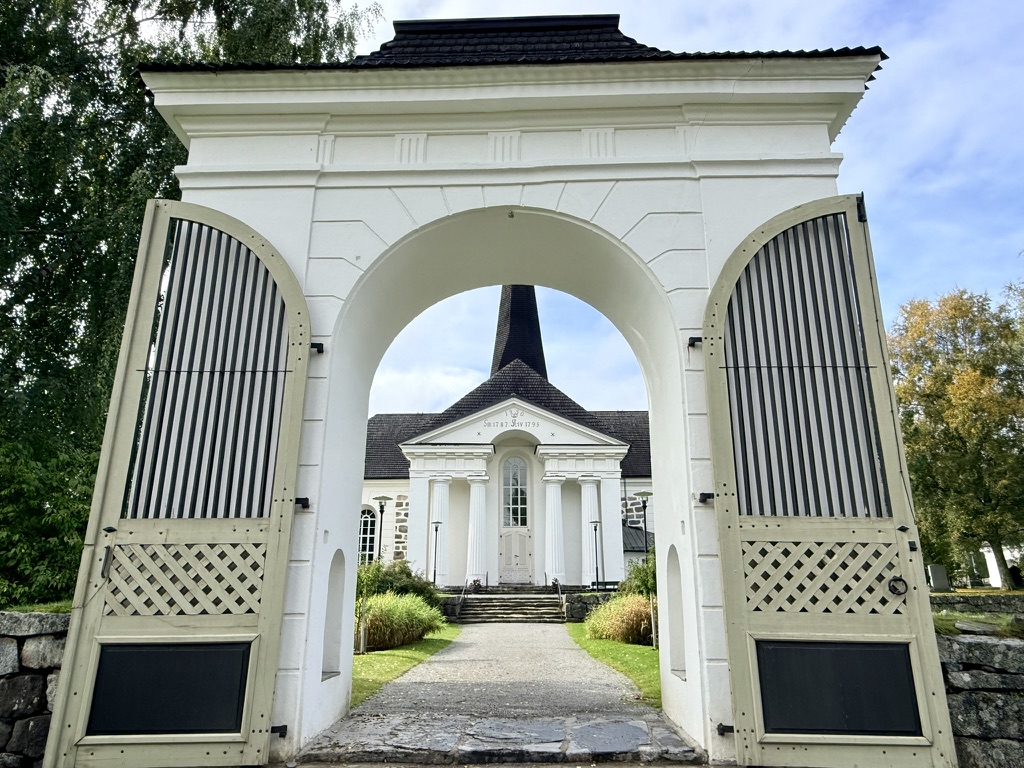
Pedersöre kyrka
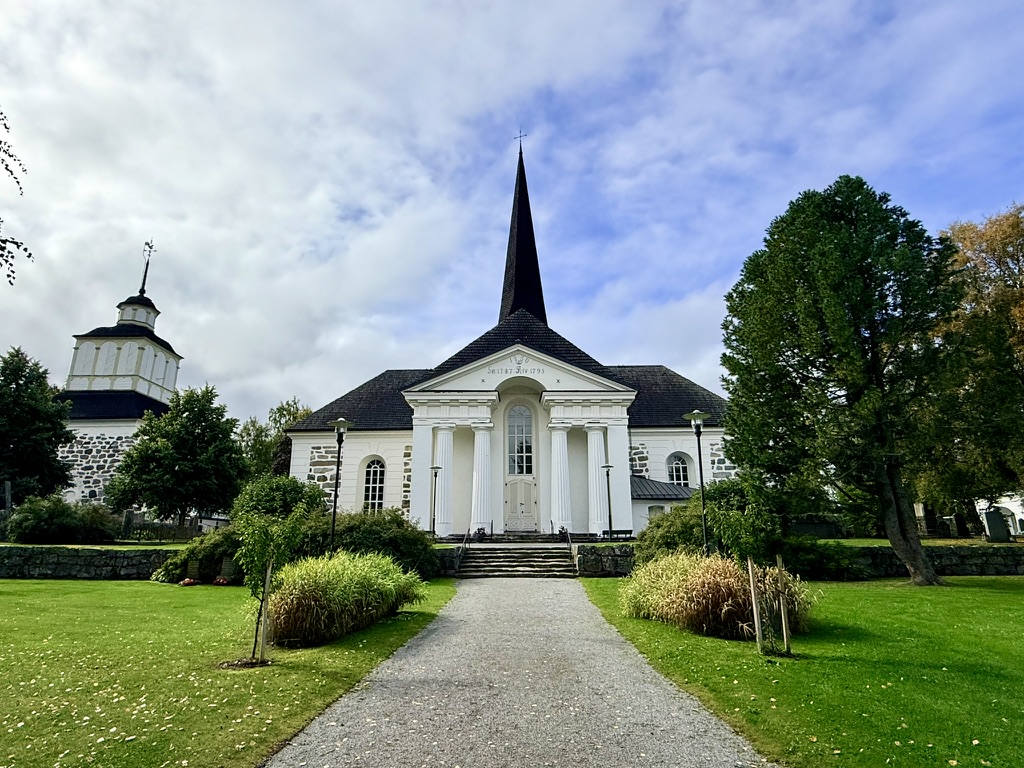
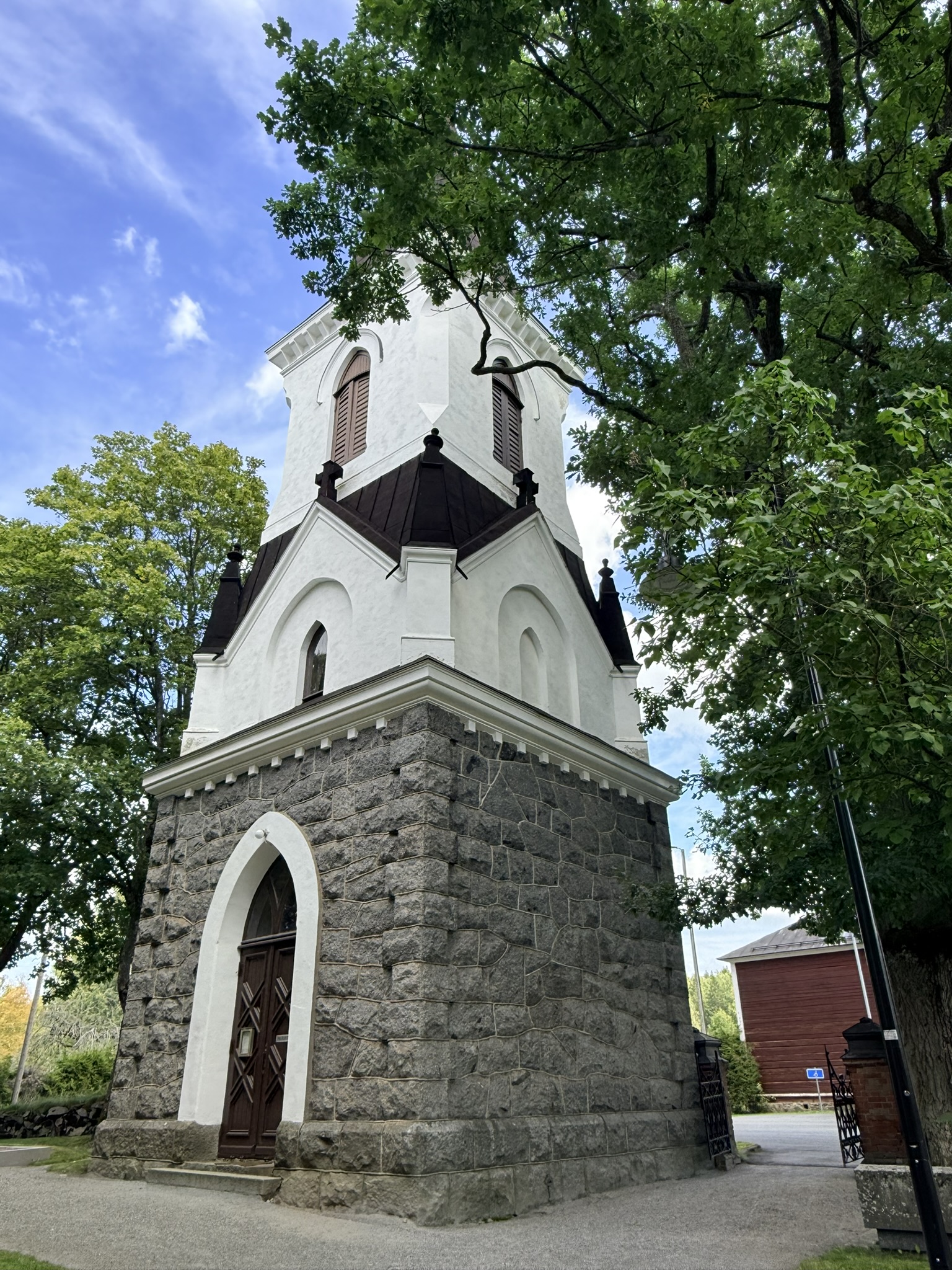
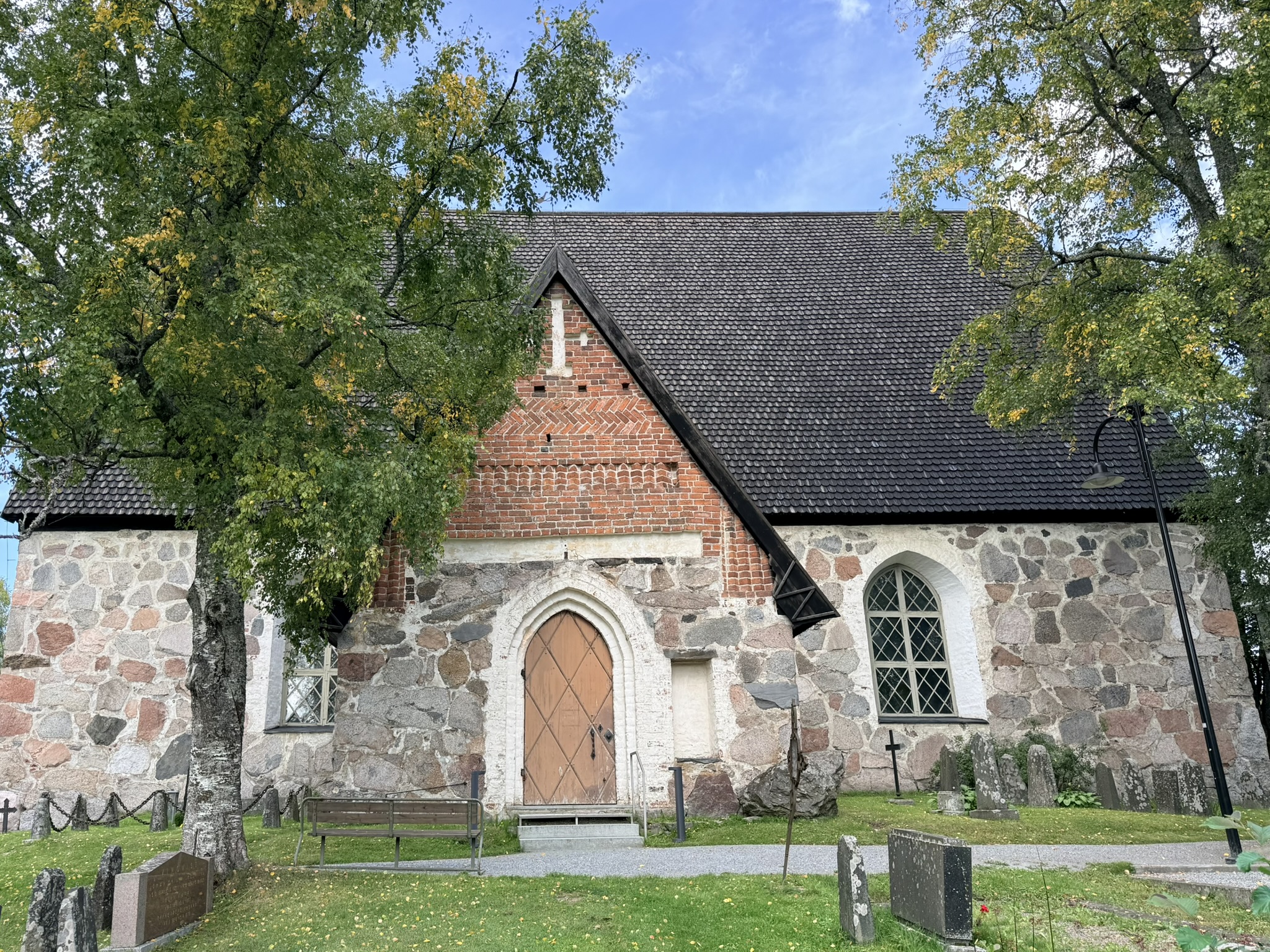
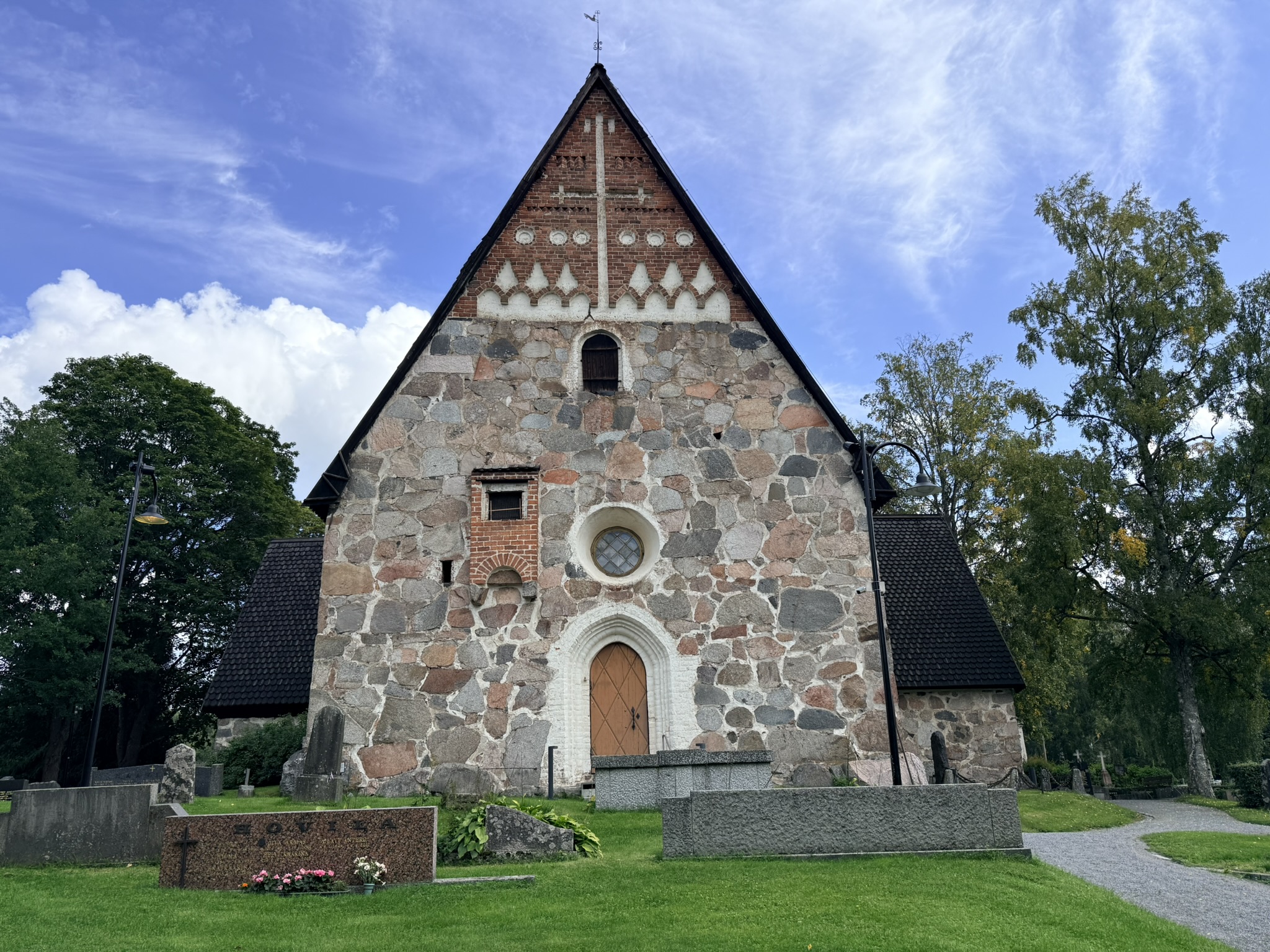
Pedersöre kyrka is one of the oldest medieval churches in Ostrobothnia. The church lost its medieval design when it was rebuilt into a cruciform church in the late 18th century.
It has a 65m high spire modeled on the tower of Storkyrkan in Stockholm from the 1490s. In July of 1985, the spire was destroyed in a fire, then completely renovated and reopened in Advent 1986.
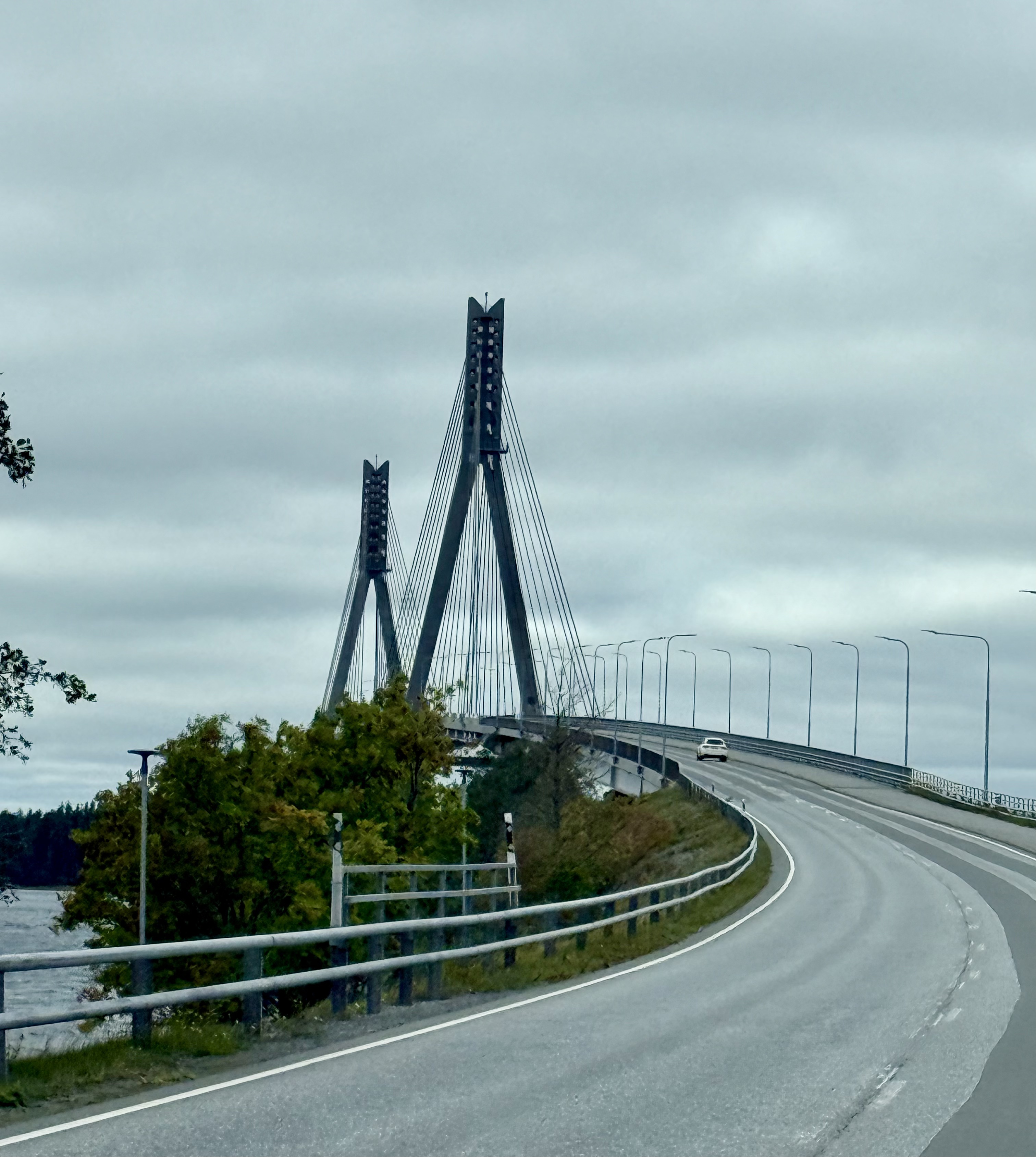
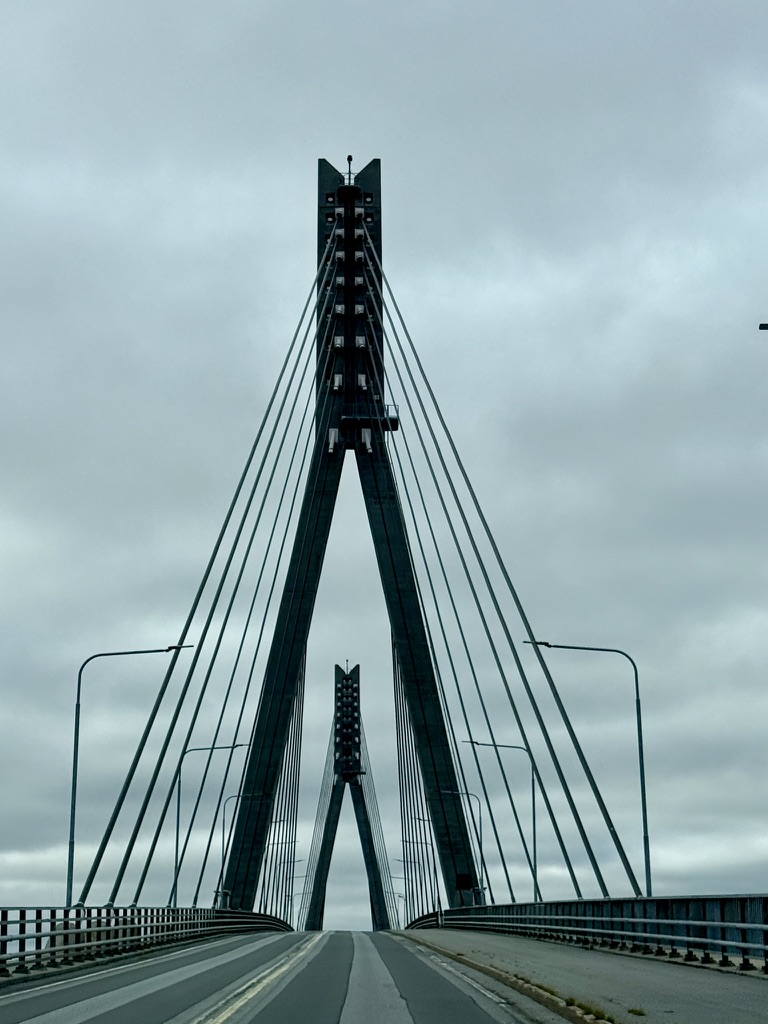
Replot Bridge
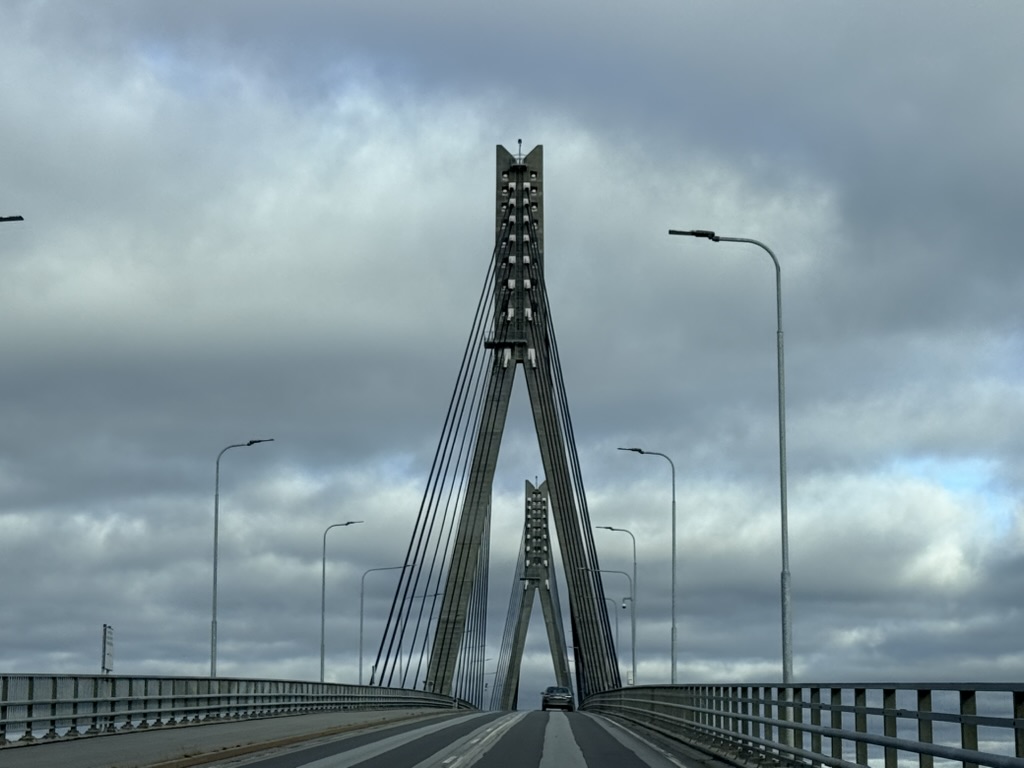
We drove over the Replot Bridge, a cable-stayed tuftform bridge connecting the island of Replot with the mainland in Korsholm, near Vaasa. It is 1,045 m (3,428 ft) long and it is the 2nd longest bridge in Finland. Its two supporting pylons are both 82.5m (271 ft) high. It was inaugurated in August of 1997.
Svedjehamn
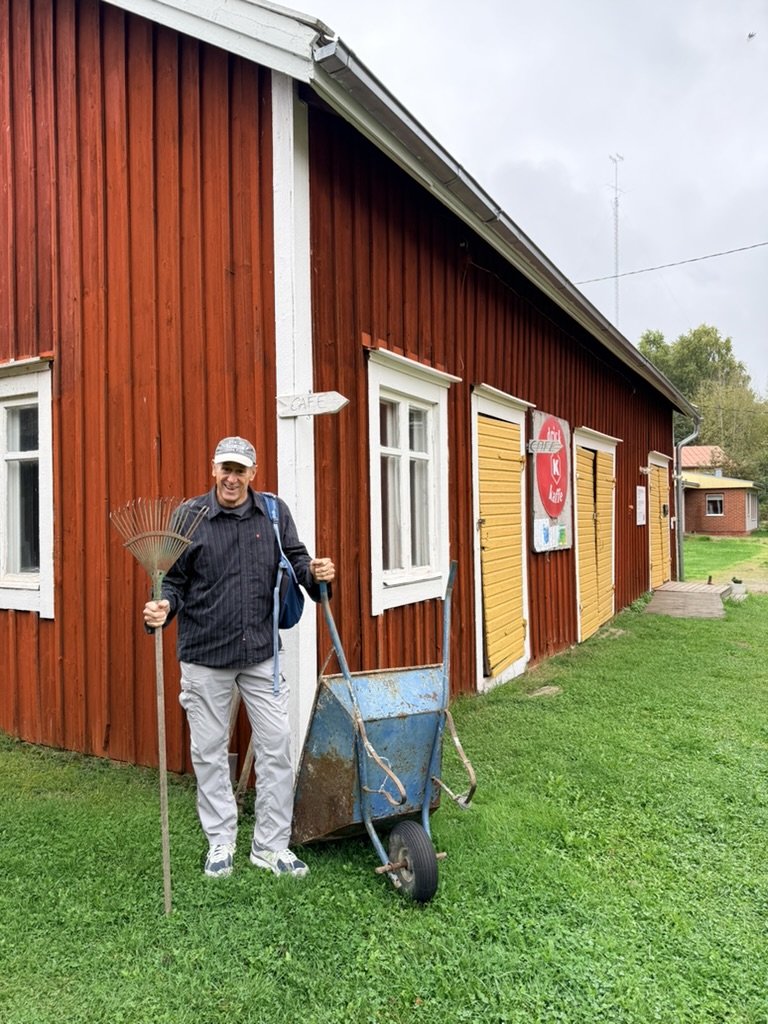
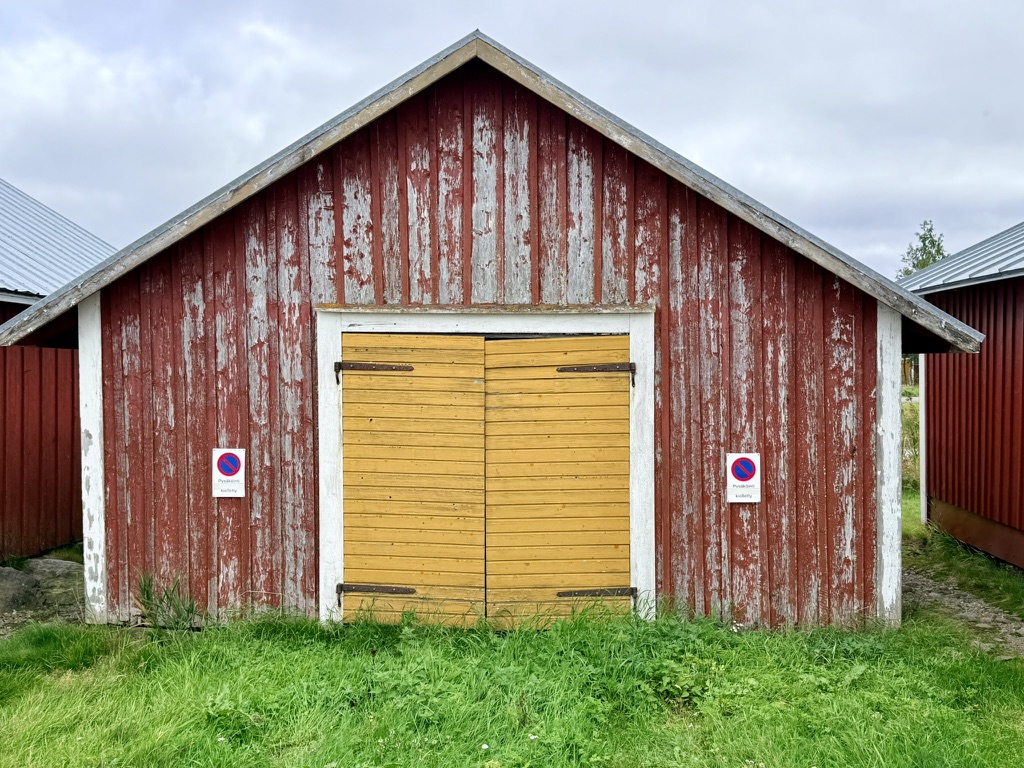
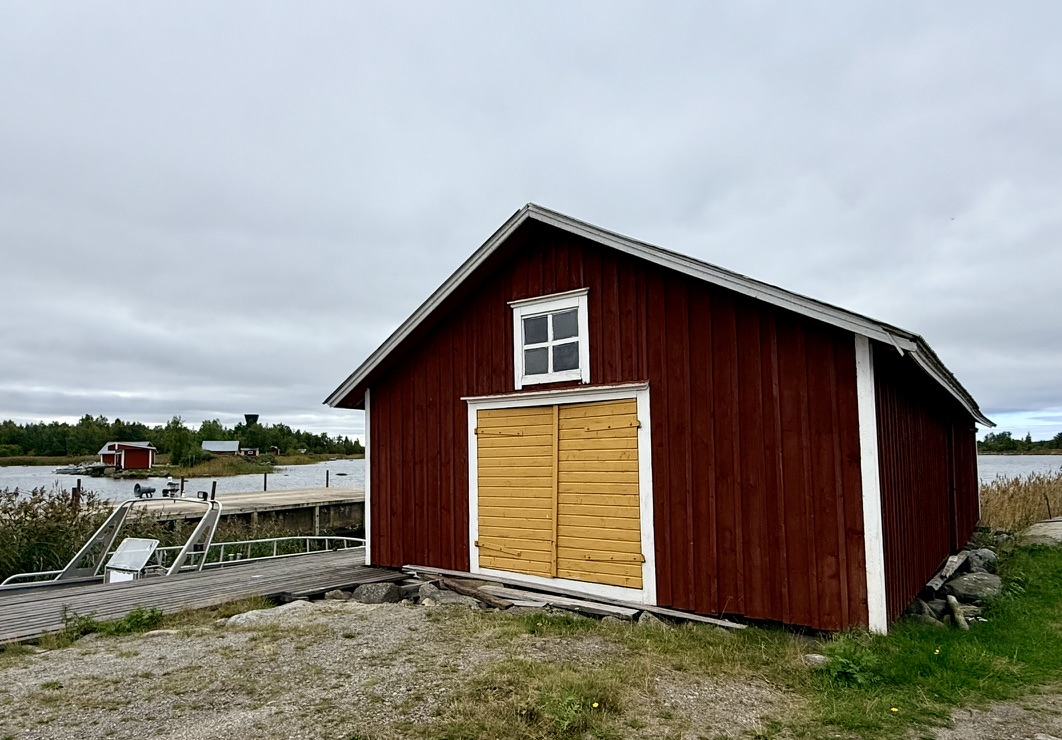
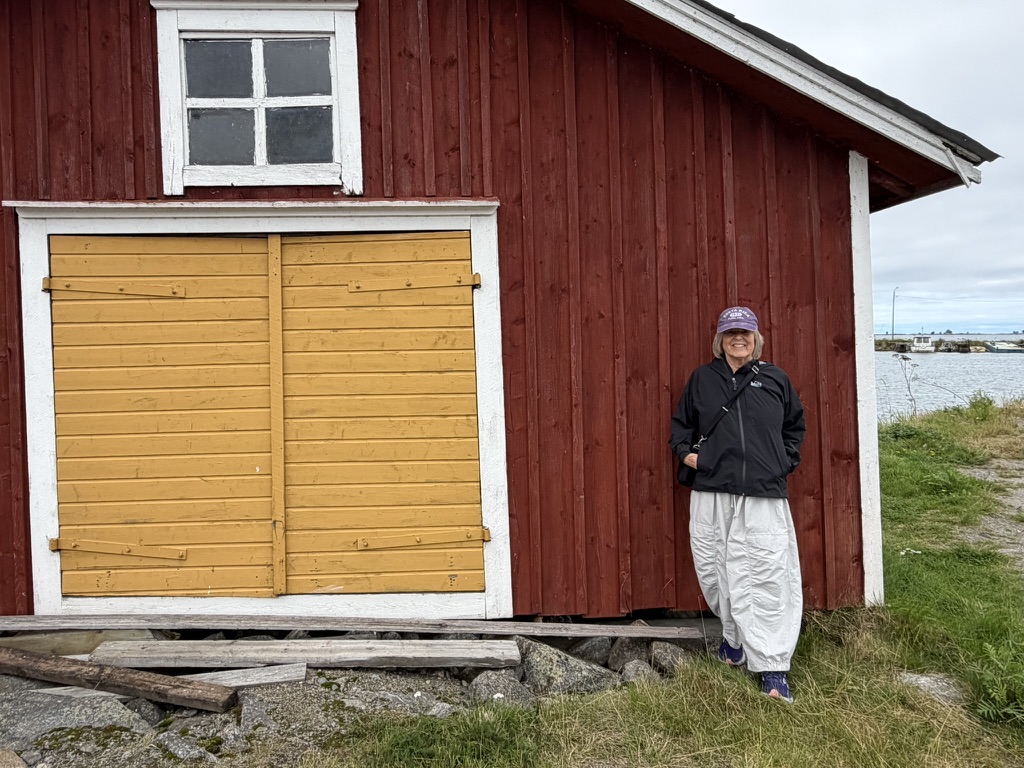
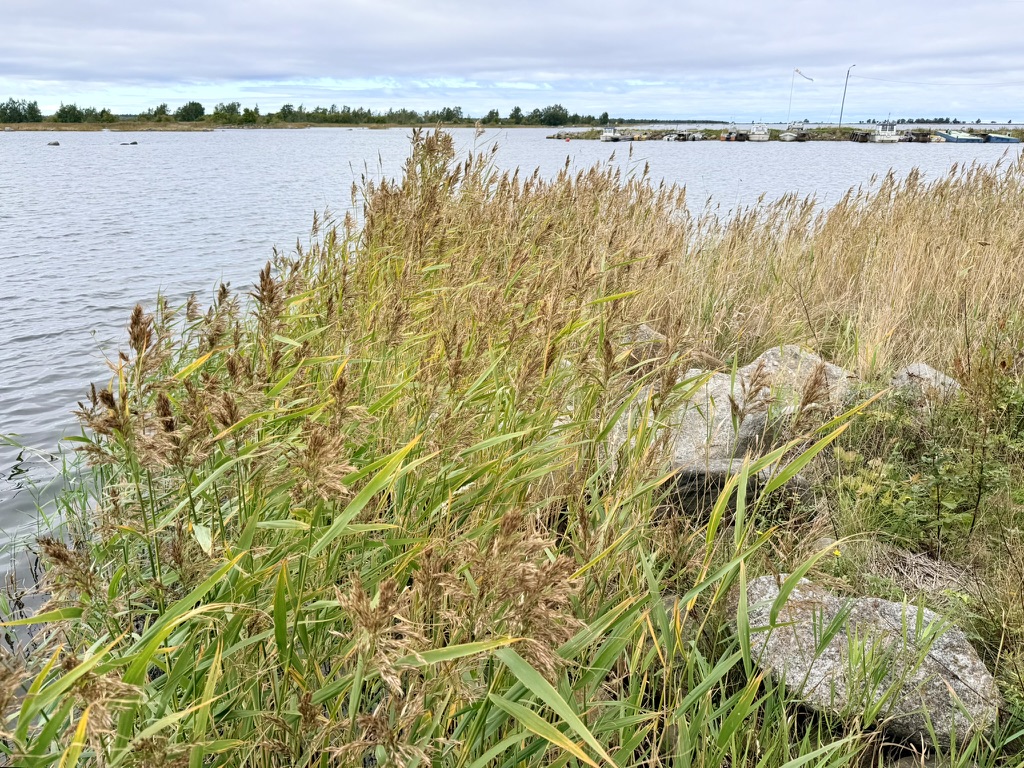
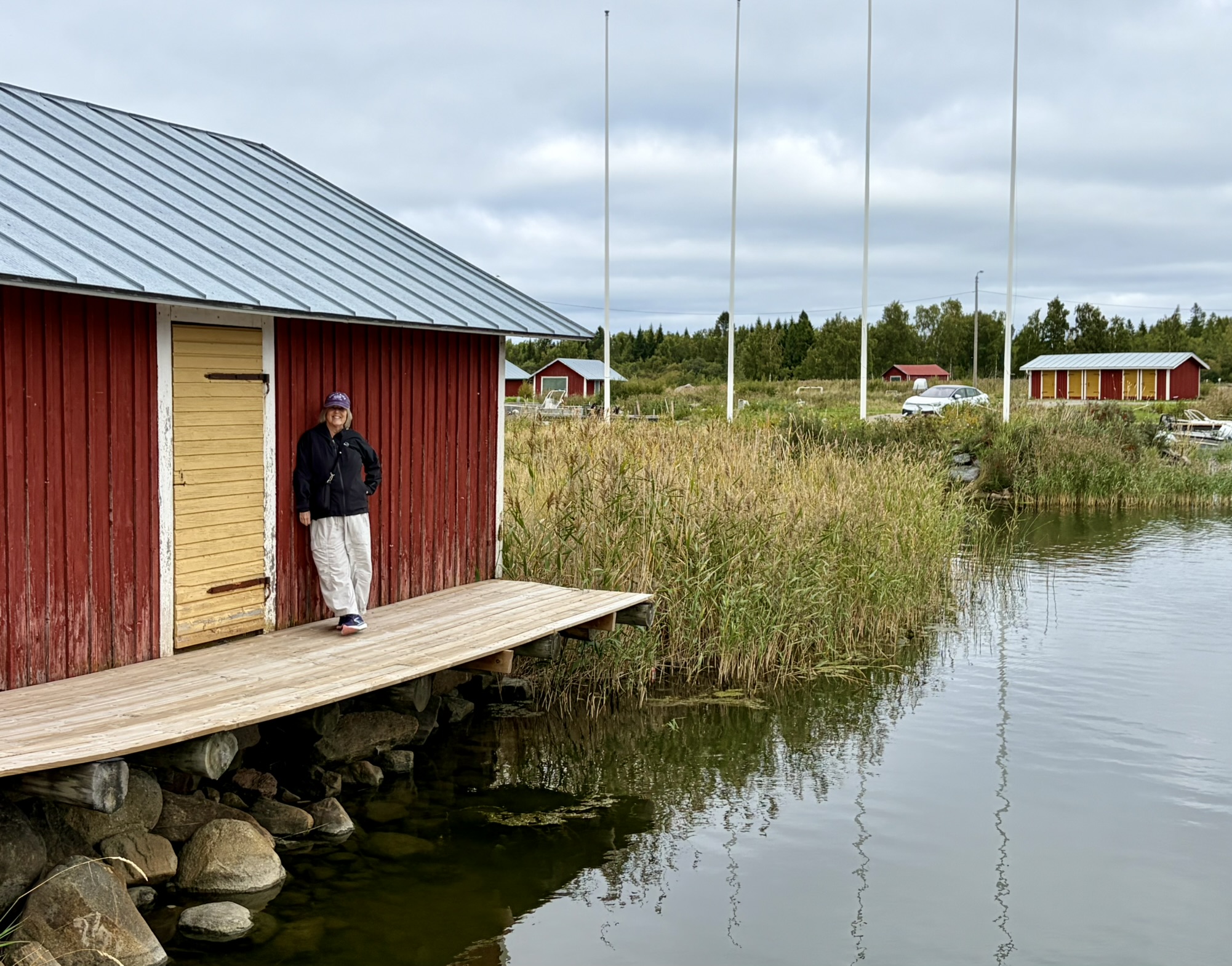
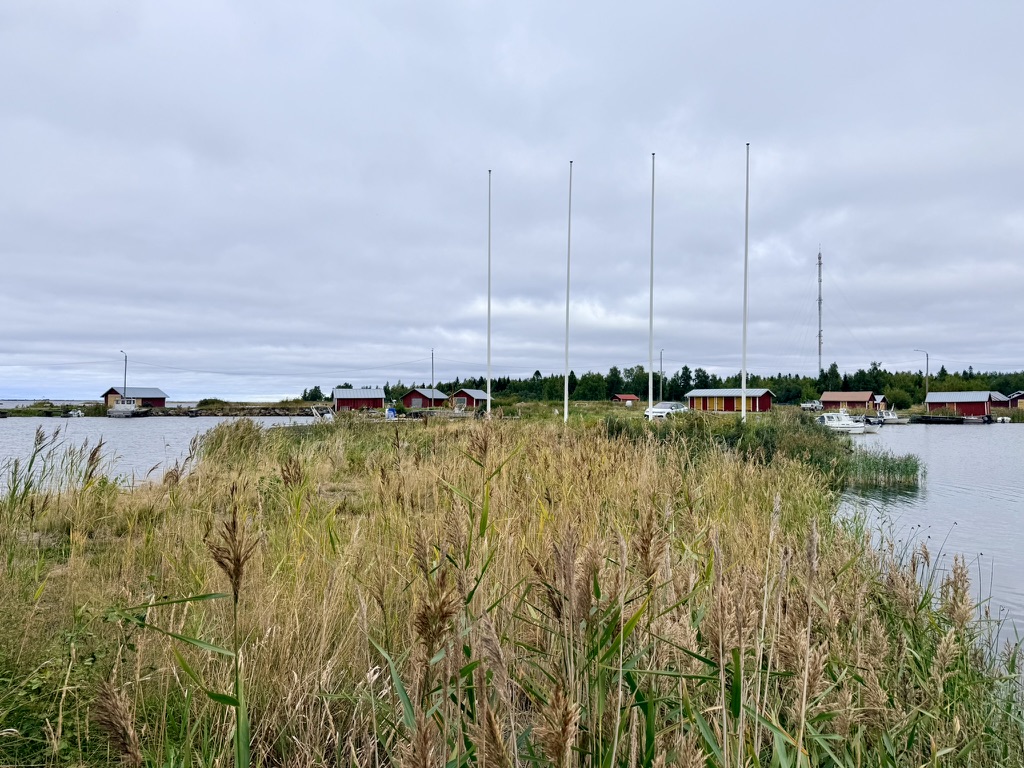
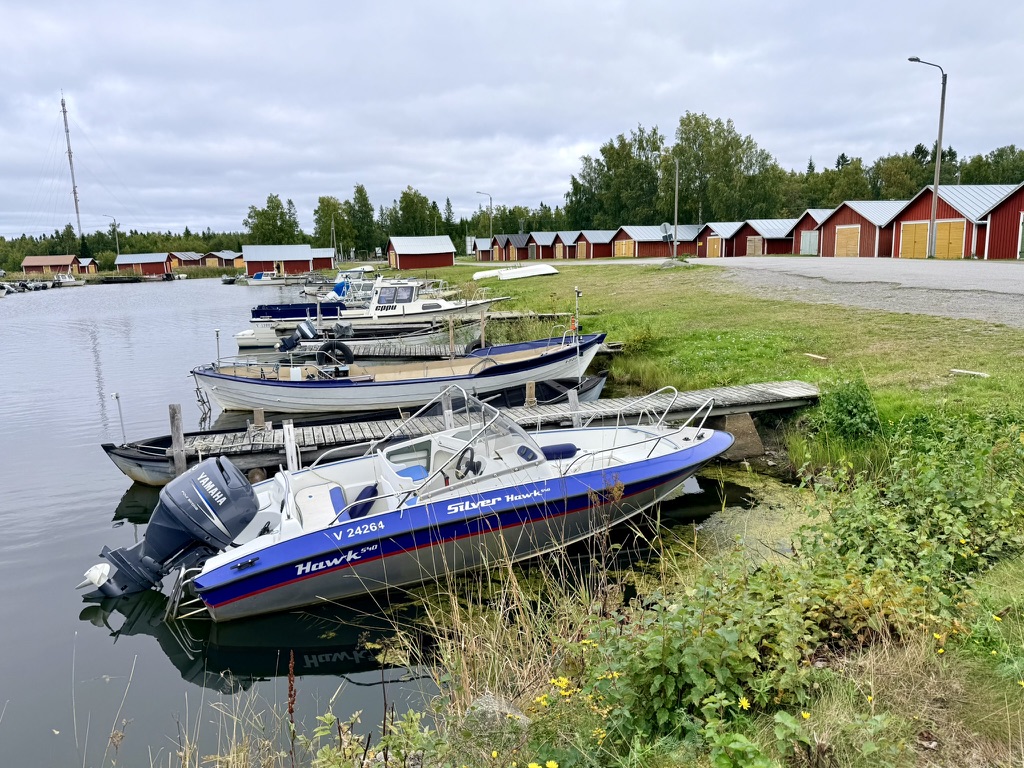
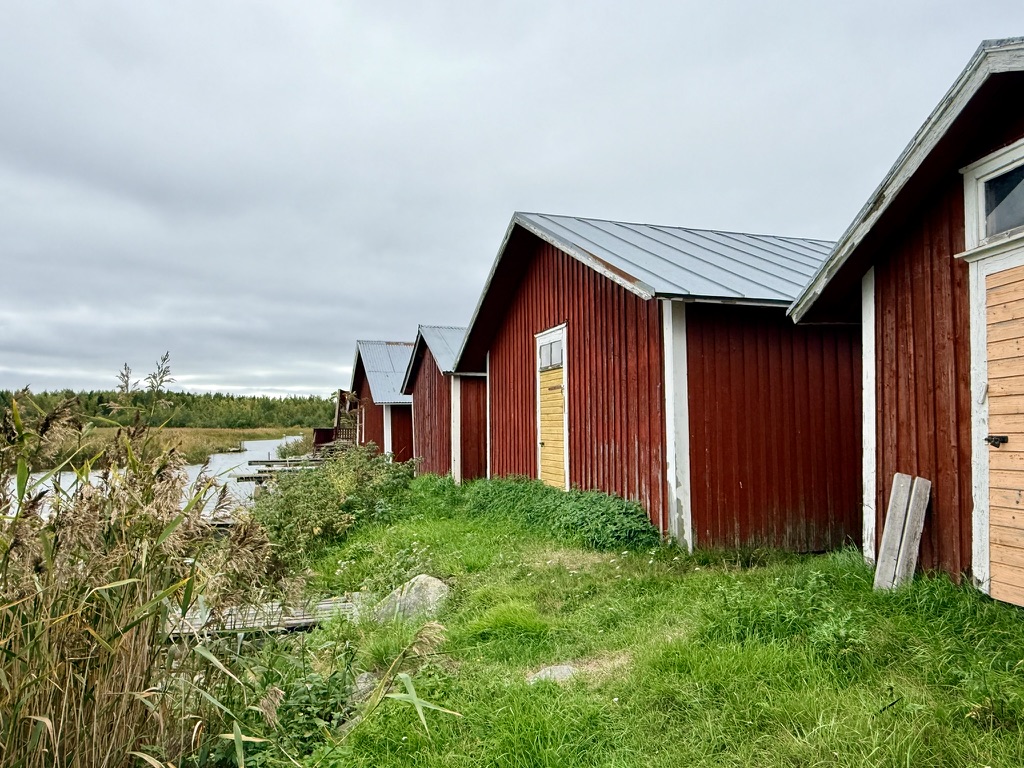
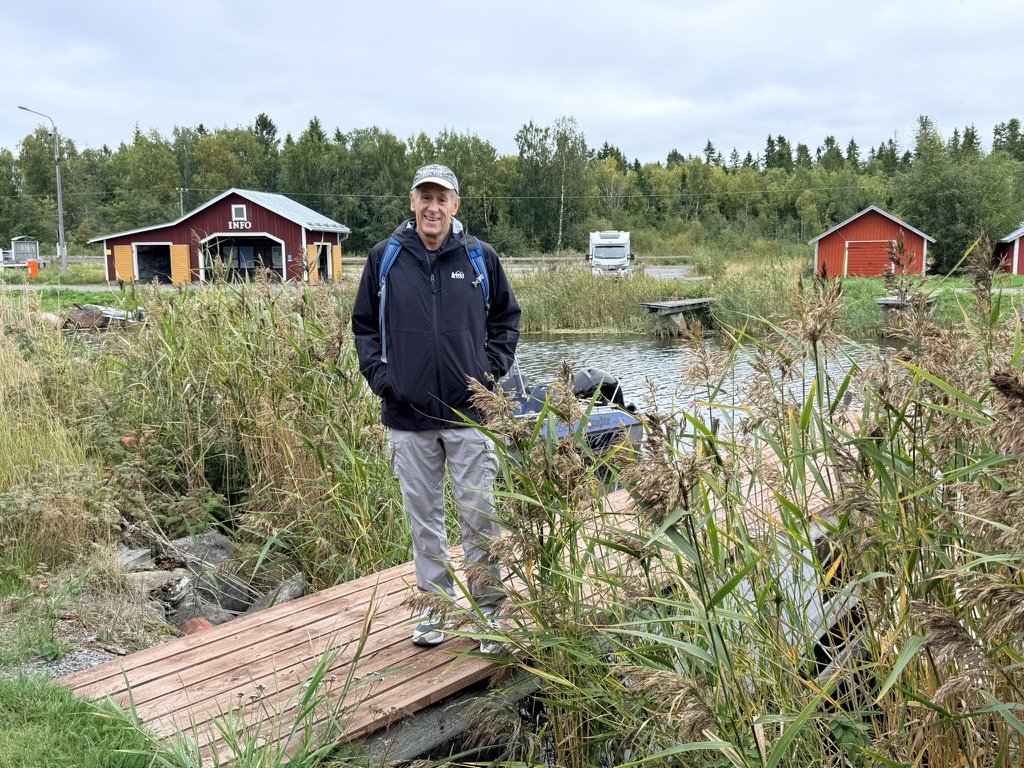
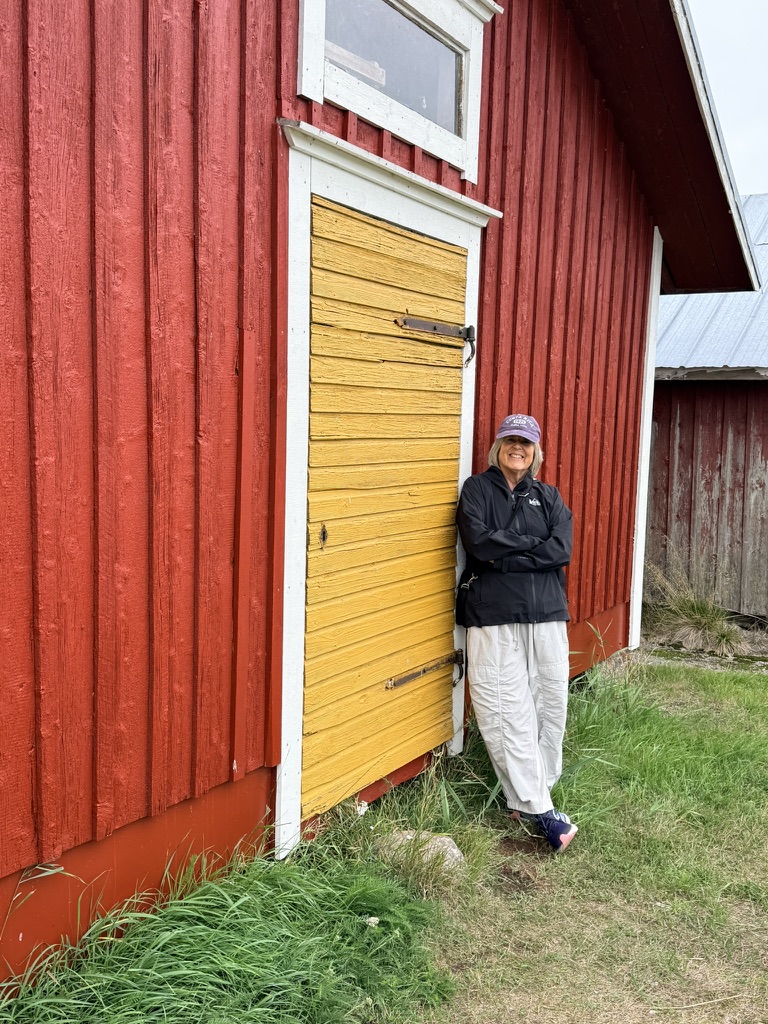
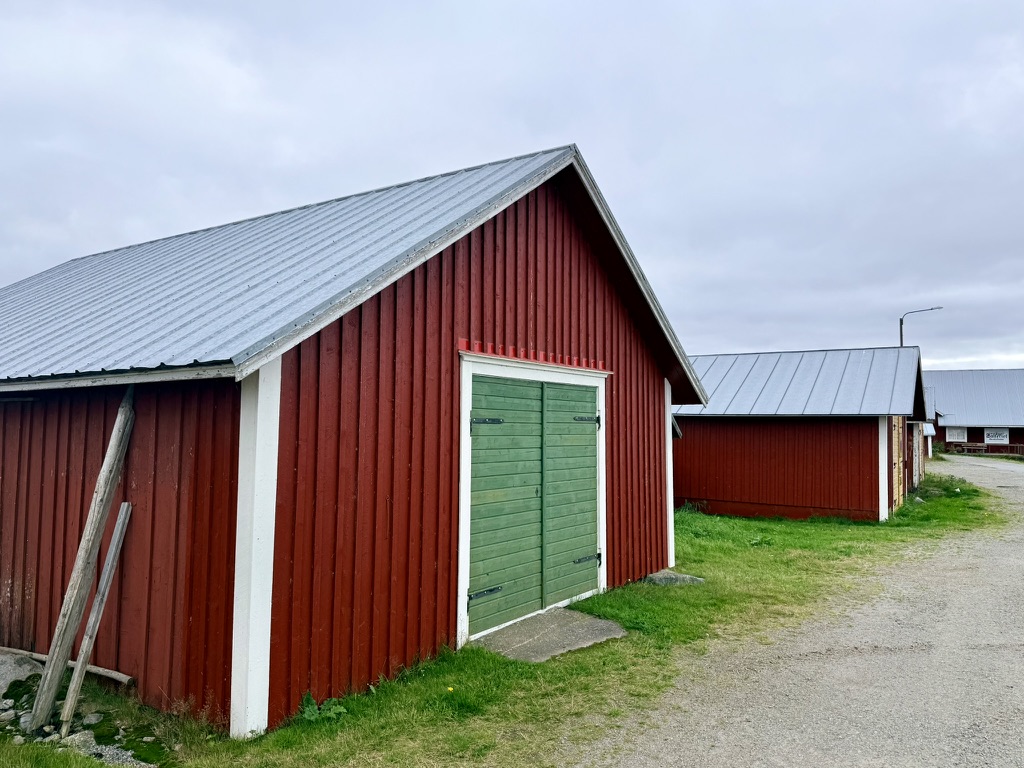
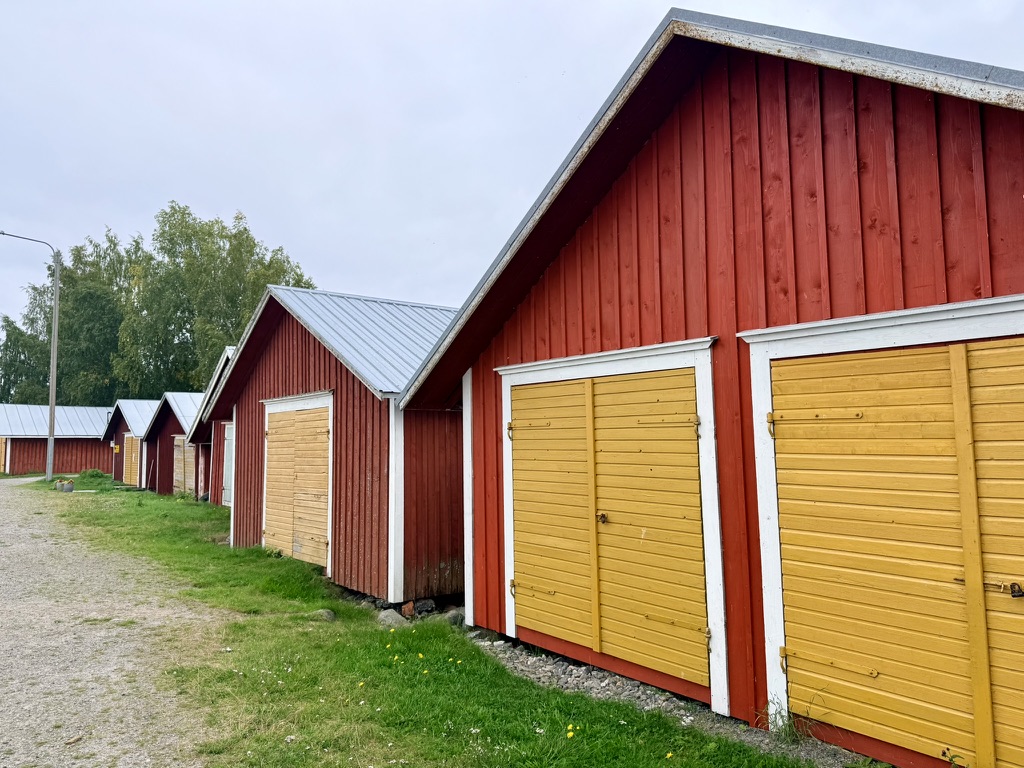
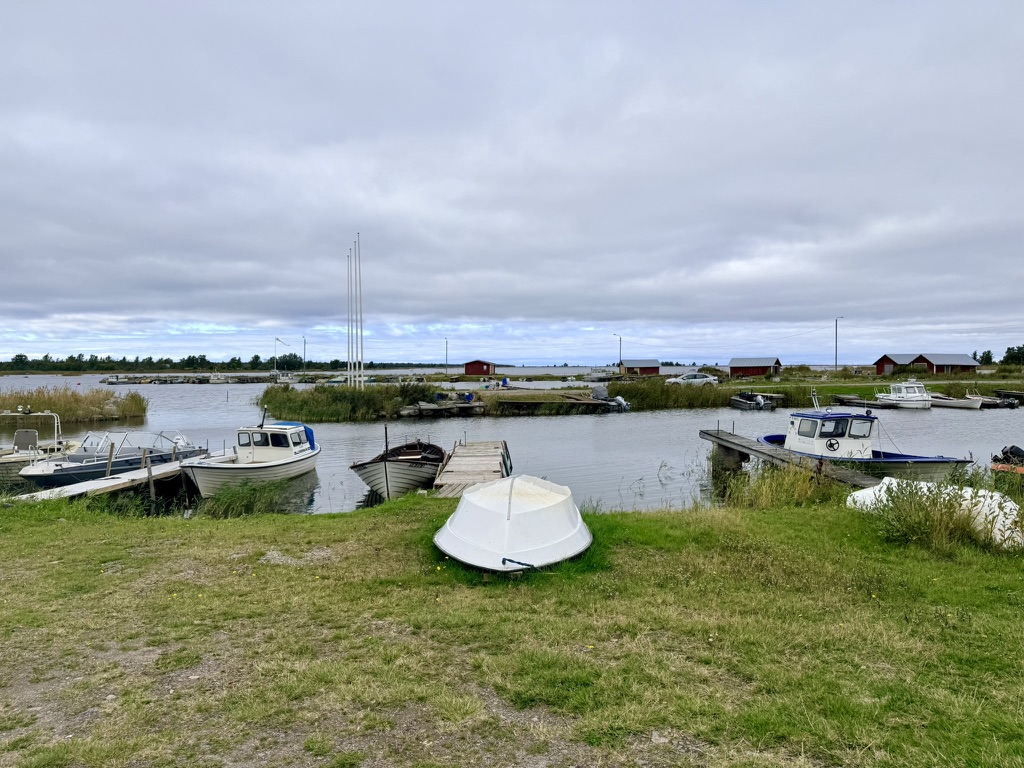
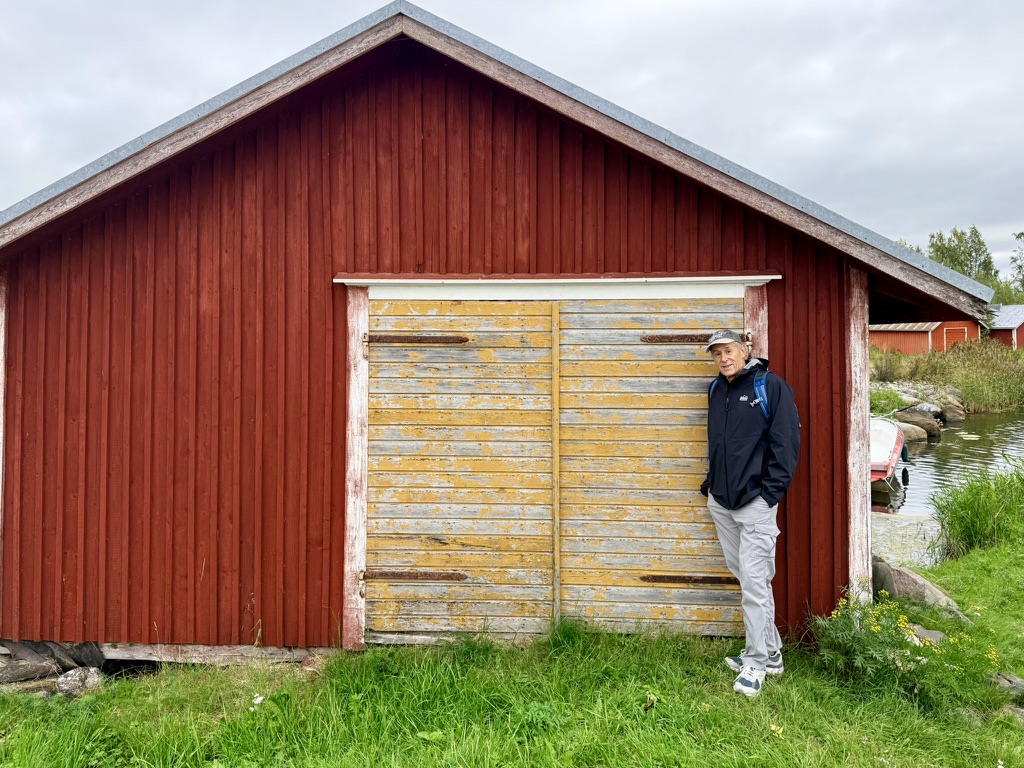
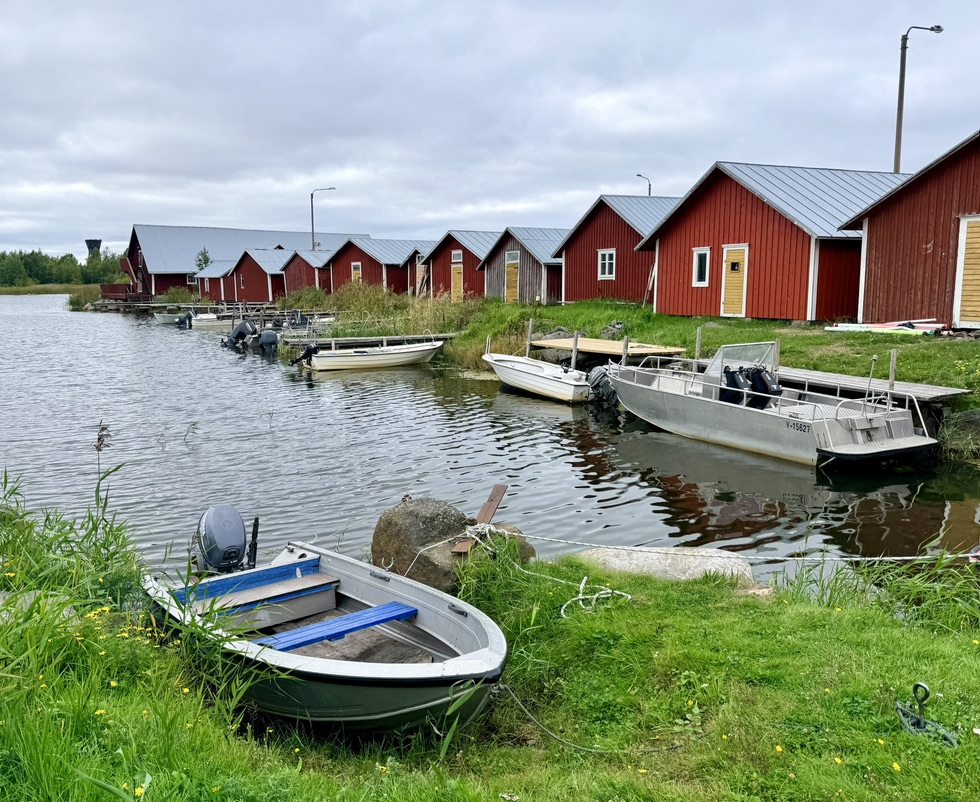
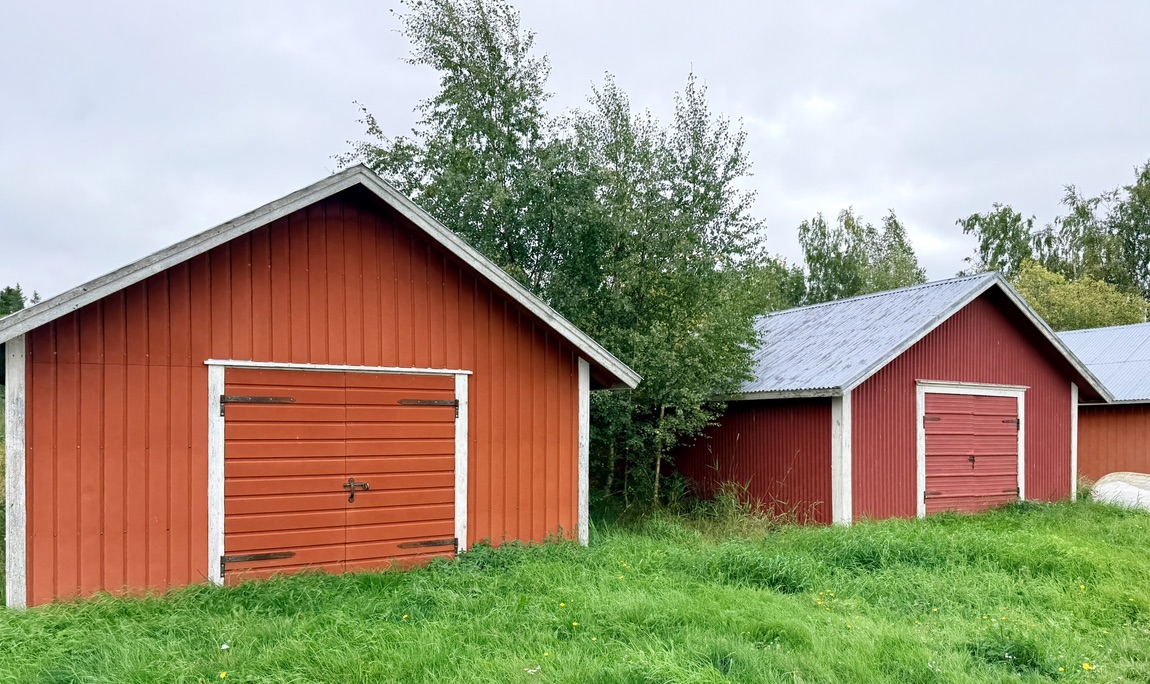
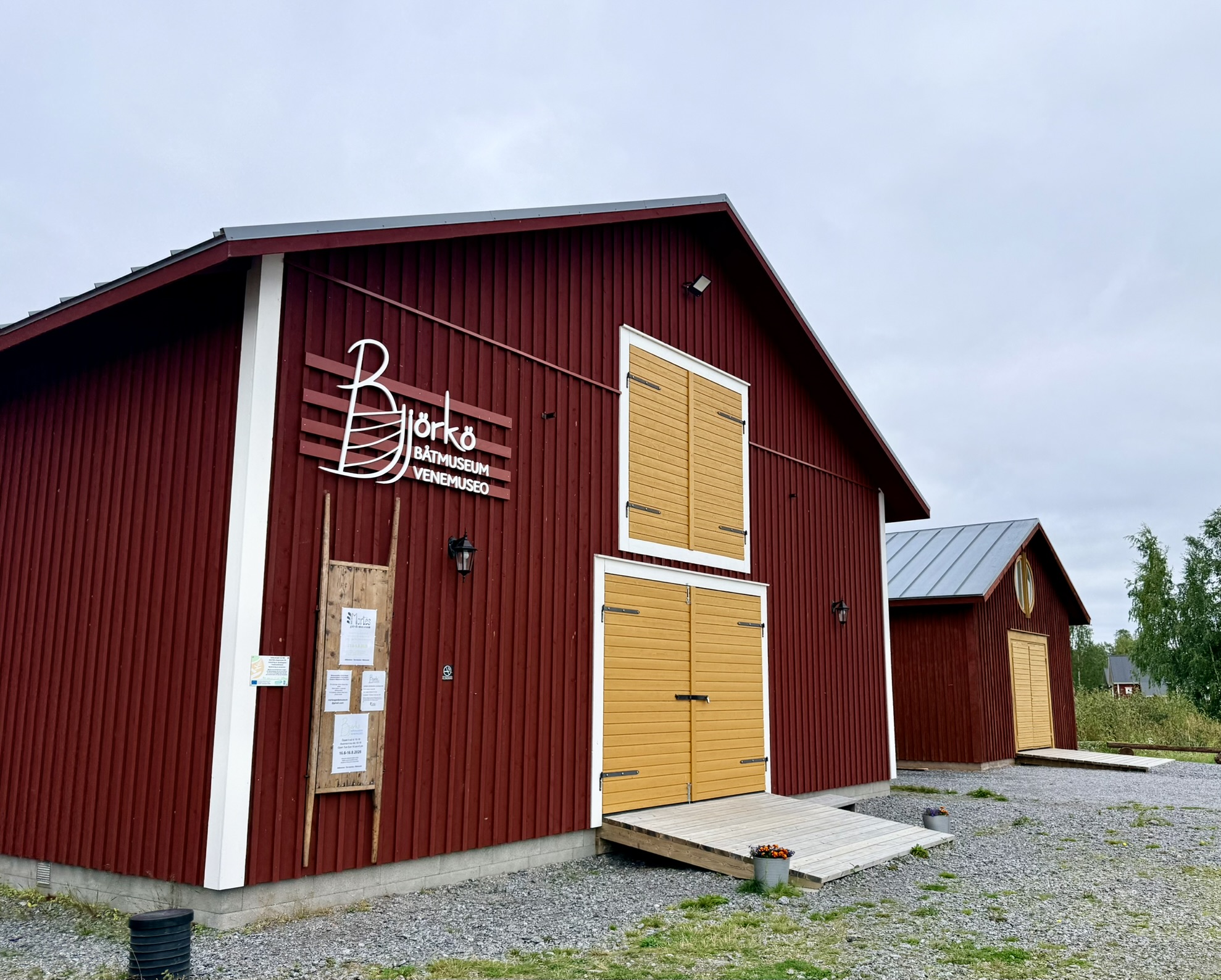
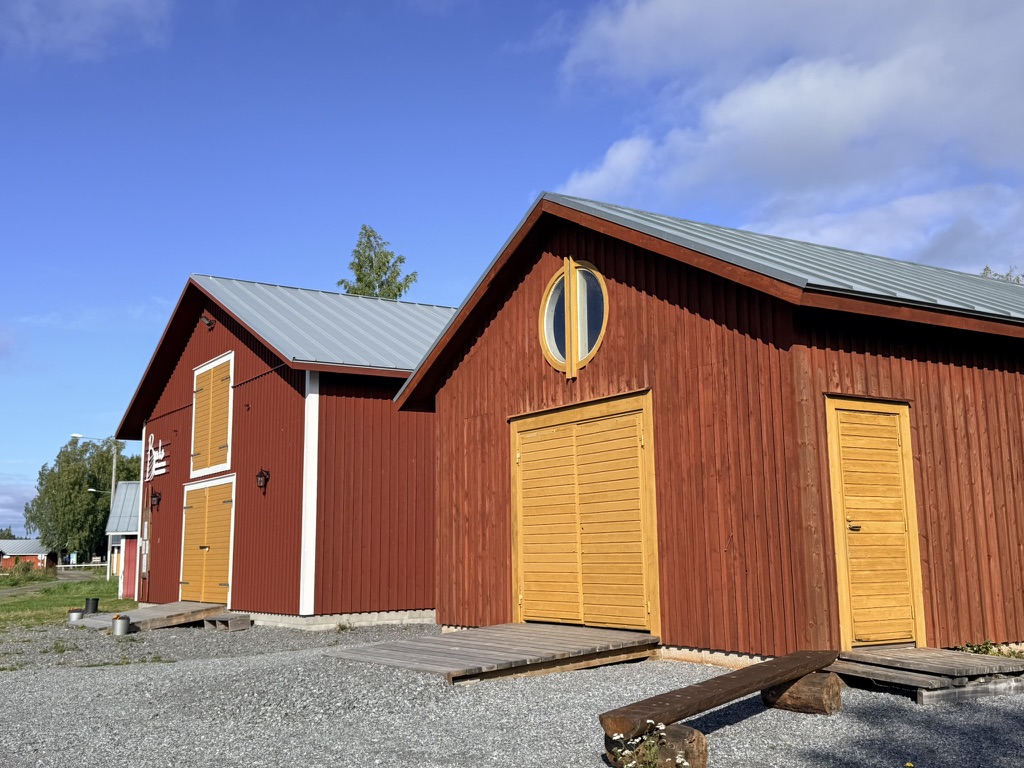
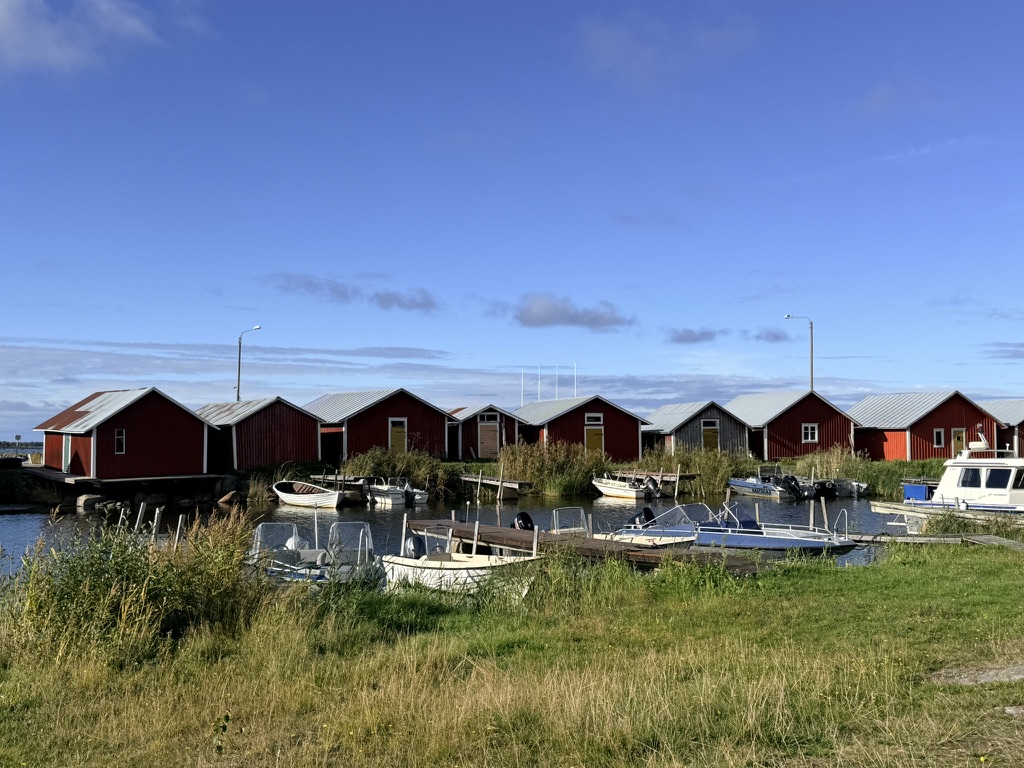
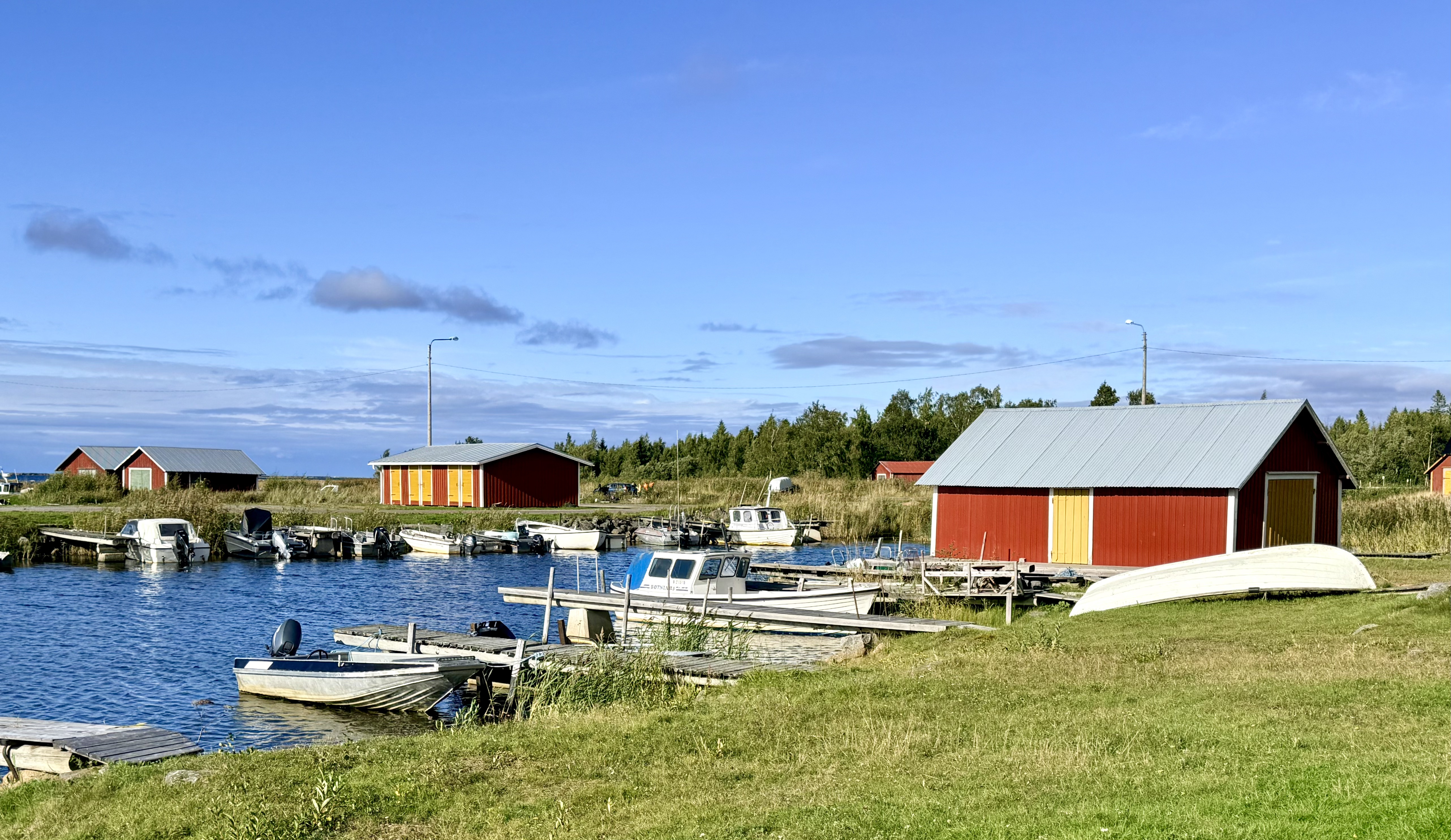
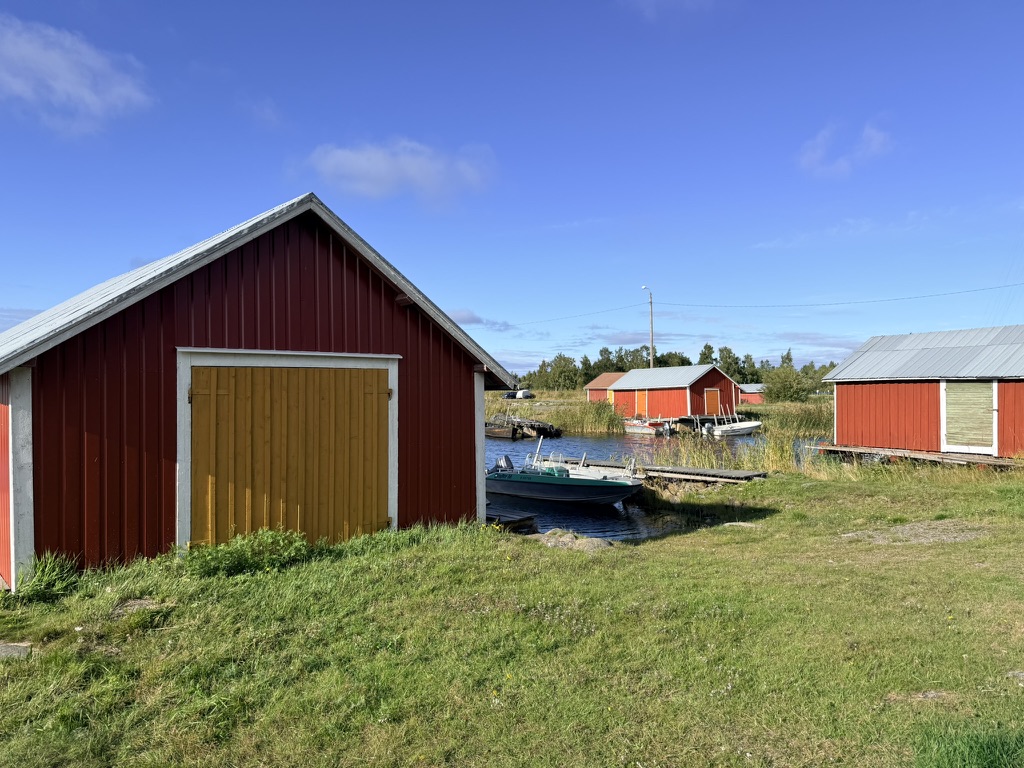
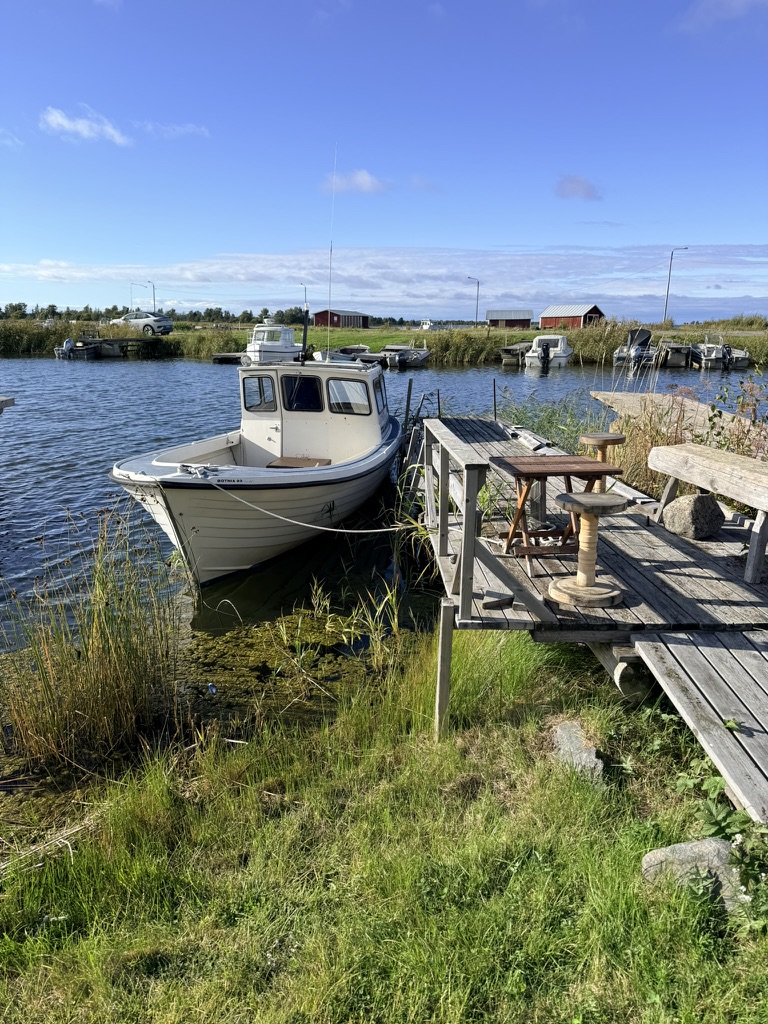
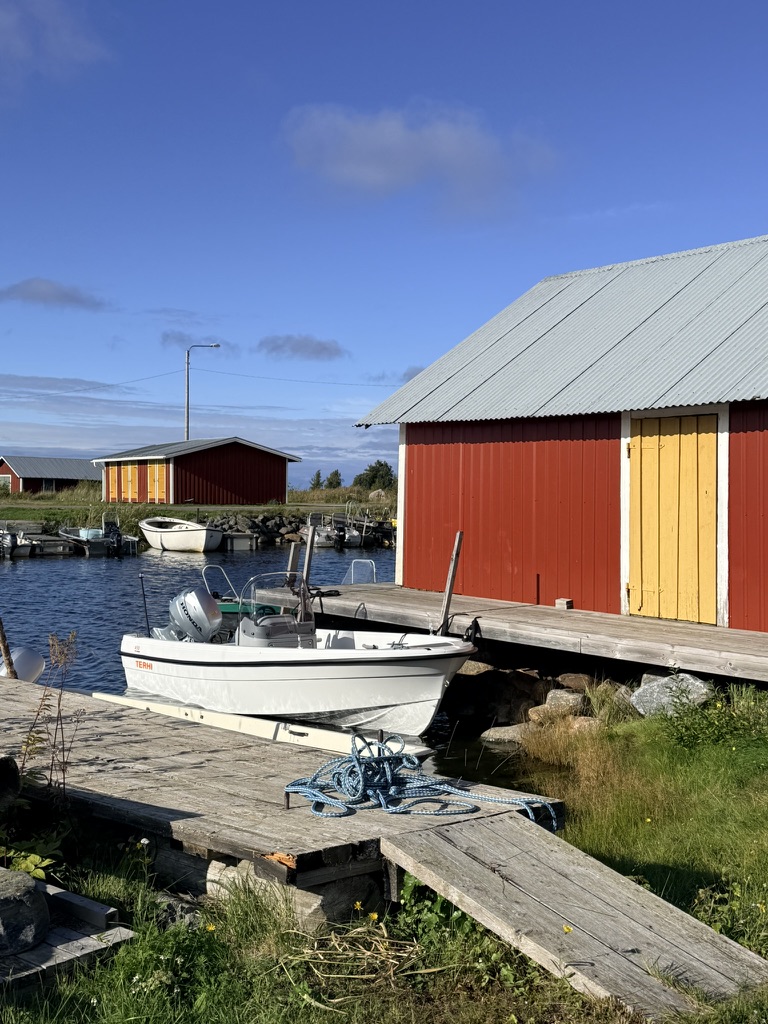
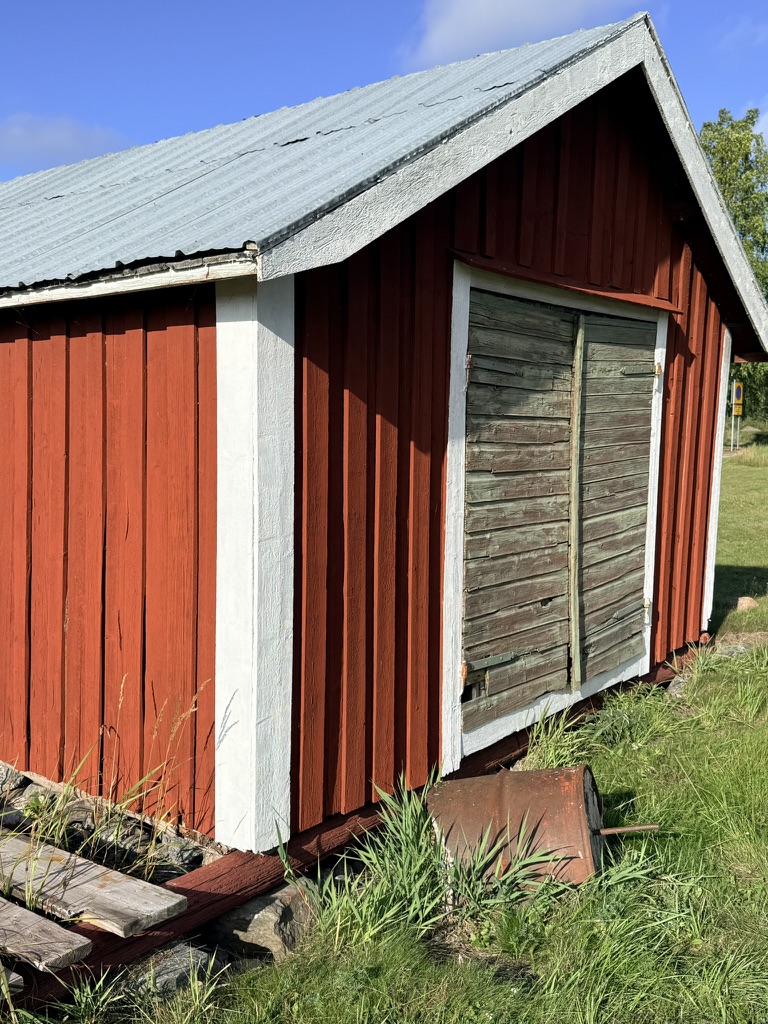
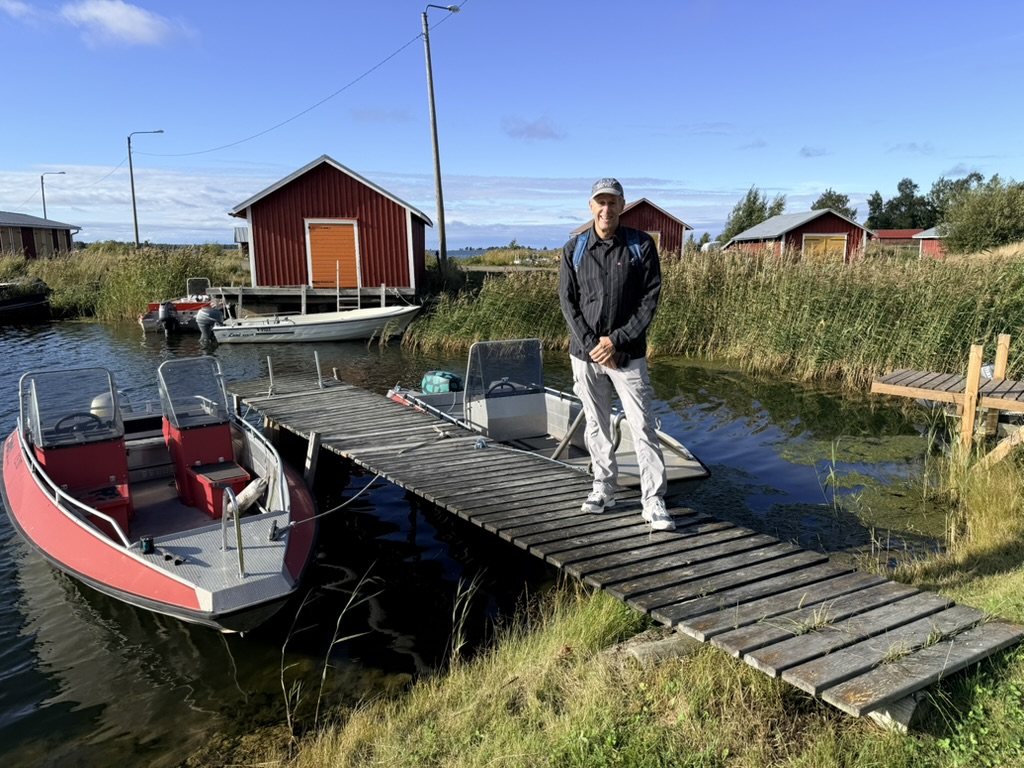
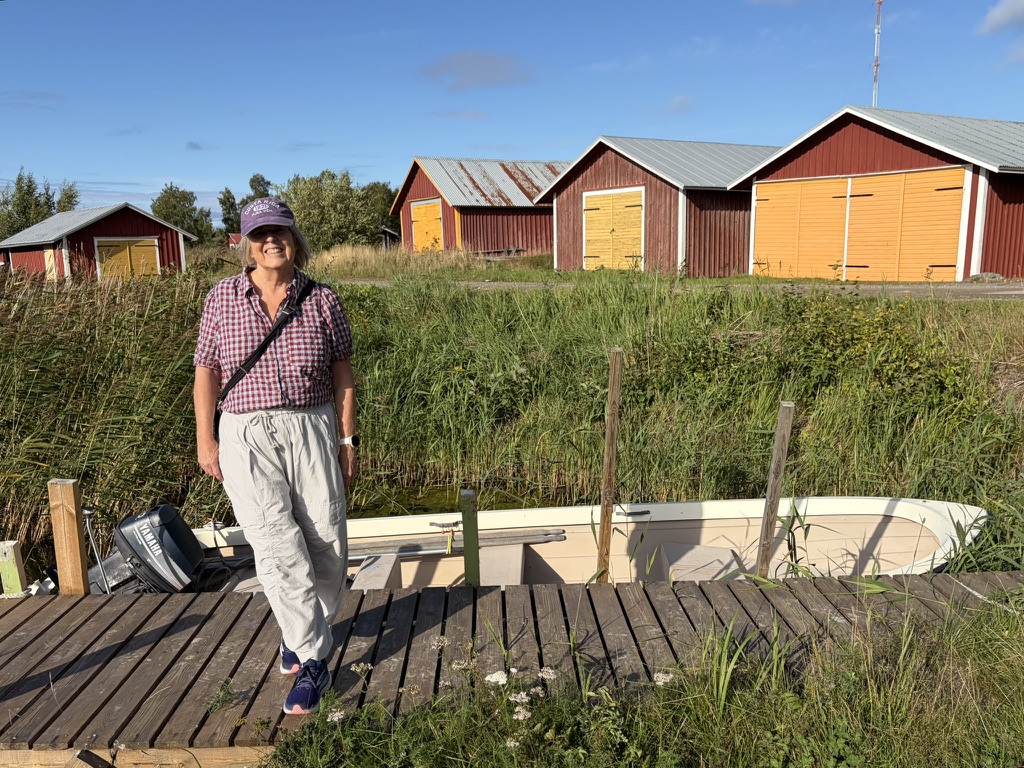
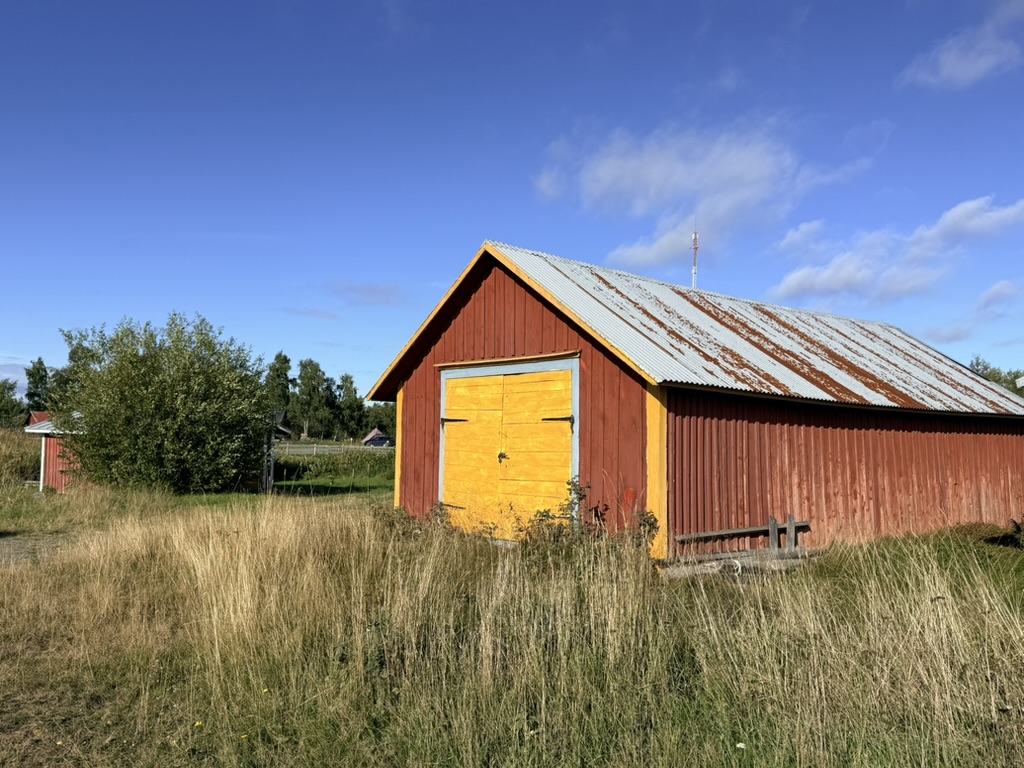
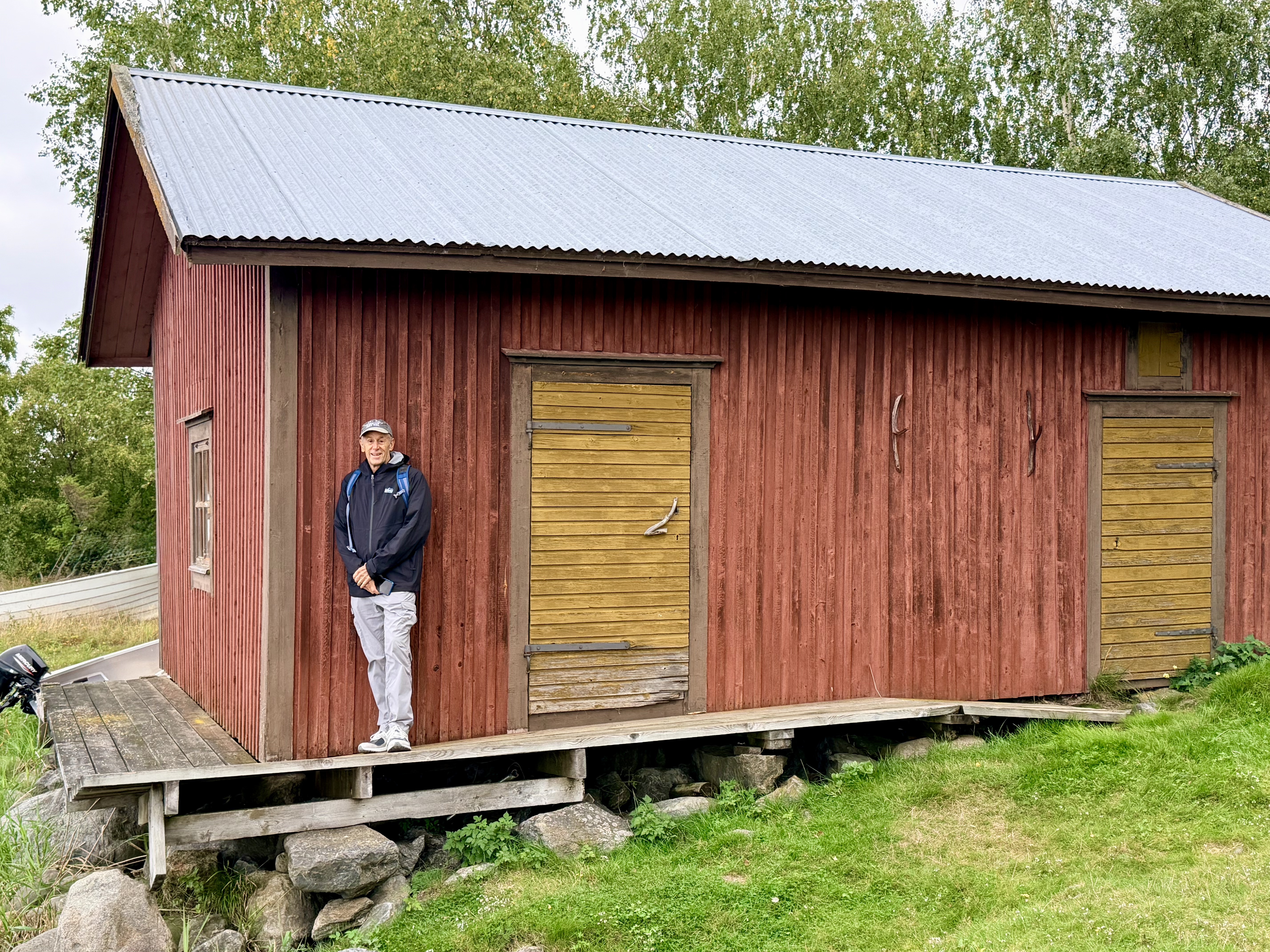
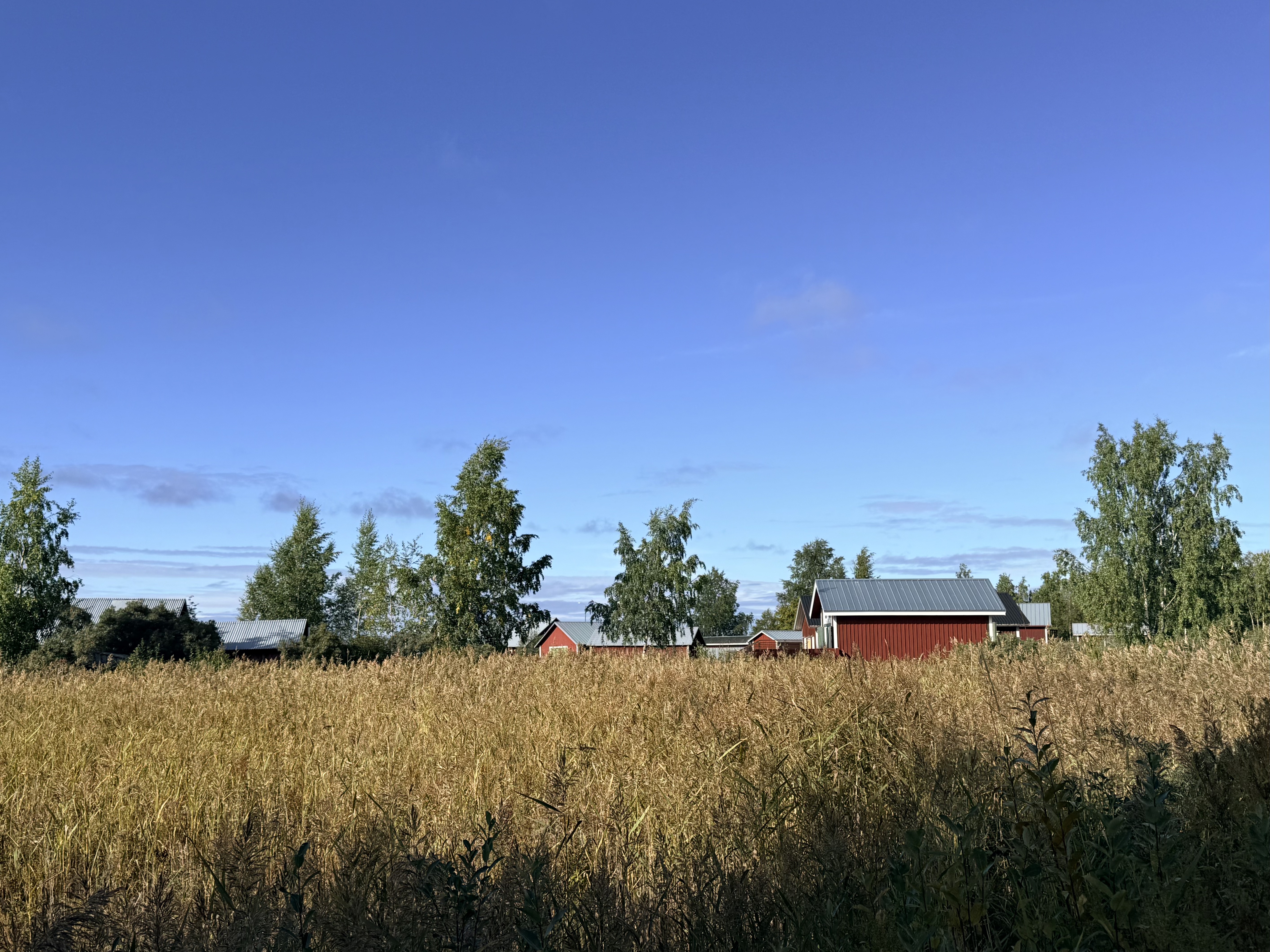
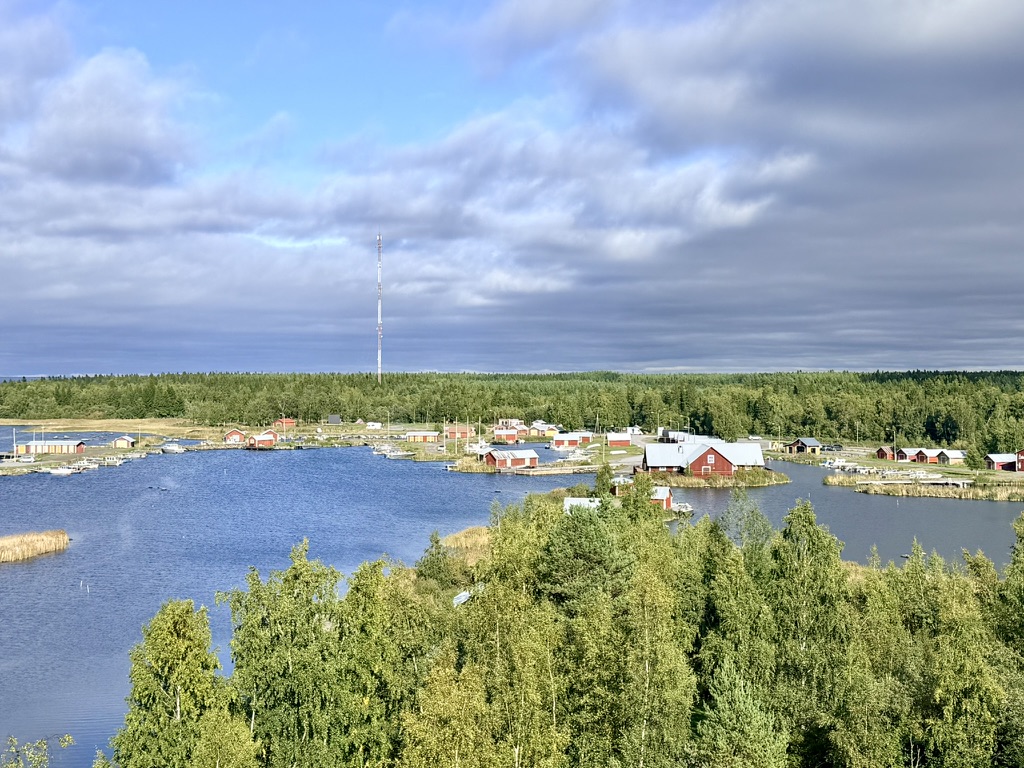
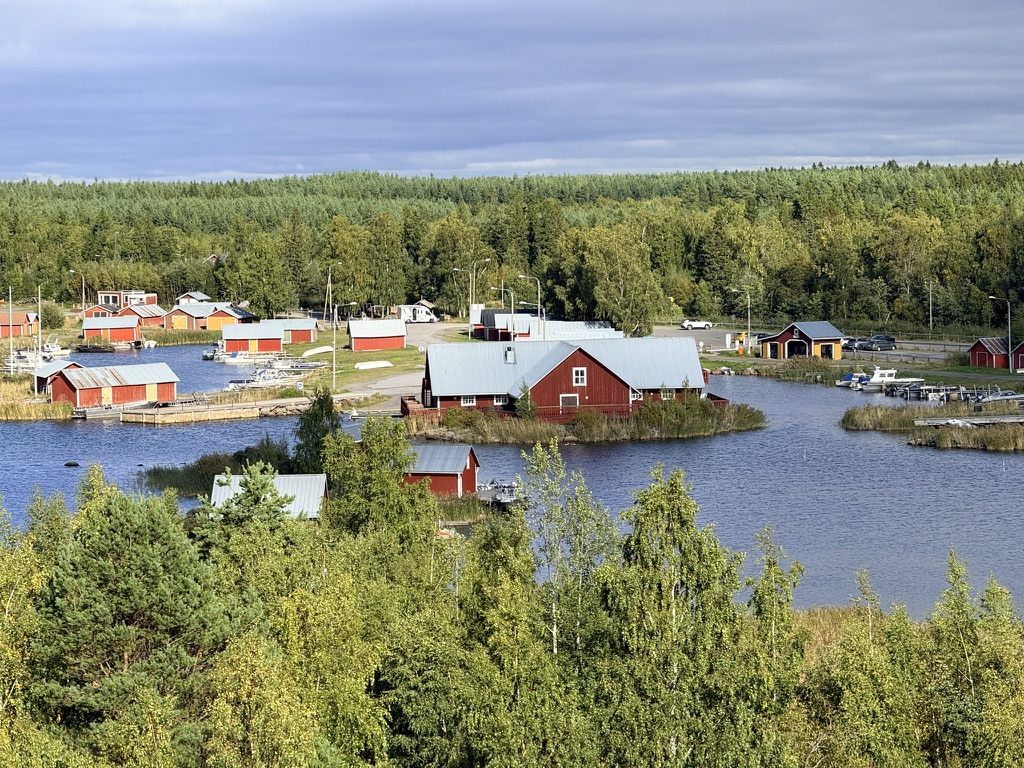
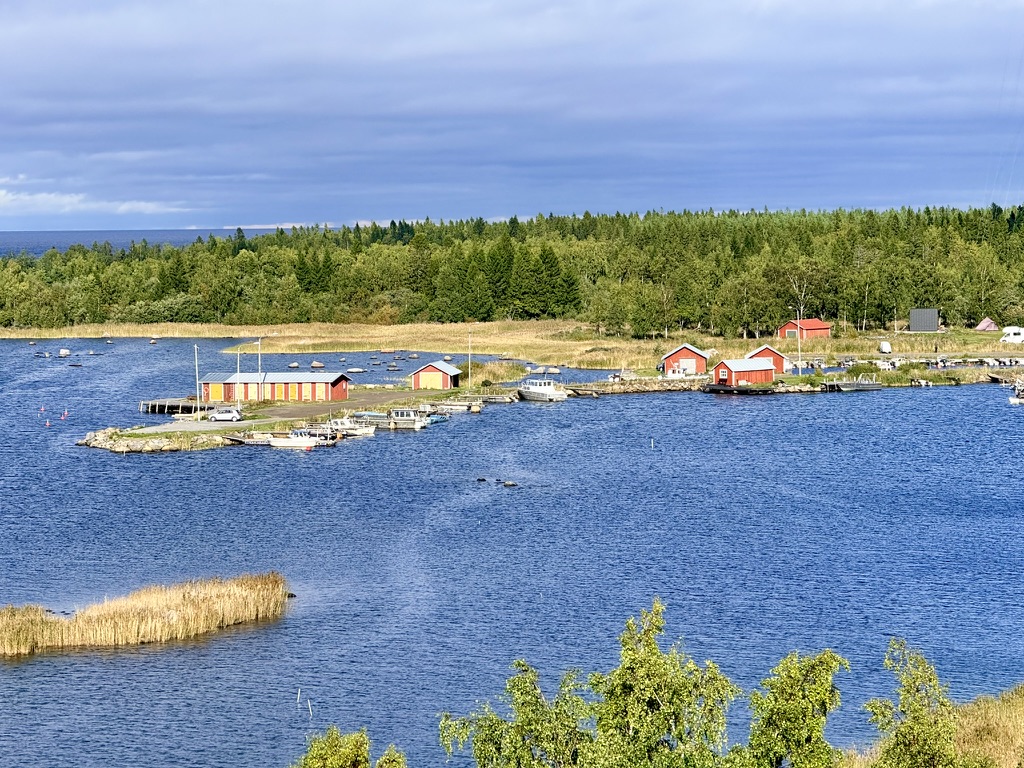
Svedjehamn is a picturesque little harbor with rust-painted boathouses on Björko’s north coast. We found this place to be atmospheric and photogenic; it reminded us of places we visited in Nova Scotia, Canada in 2022. Again, we loved posing in front of the golden doors of the boathouses.
The main fishing harbor was the village of Björköby back in the 1920s. However, the harbor became too shallow as a result of land uplift, and the villagers gradually moved their boathouses to the new harbor at Svedjehamn. These days Bodback and its old boathouses and storehouses are a museum area.
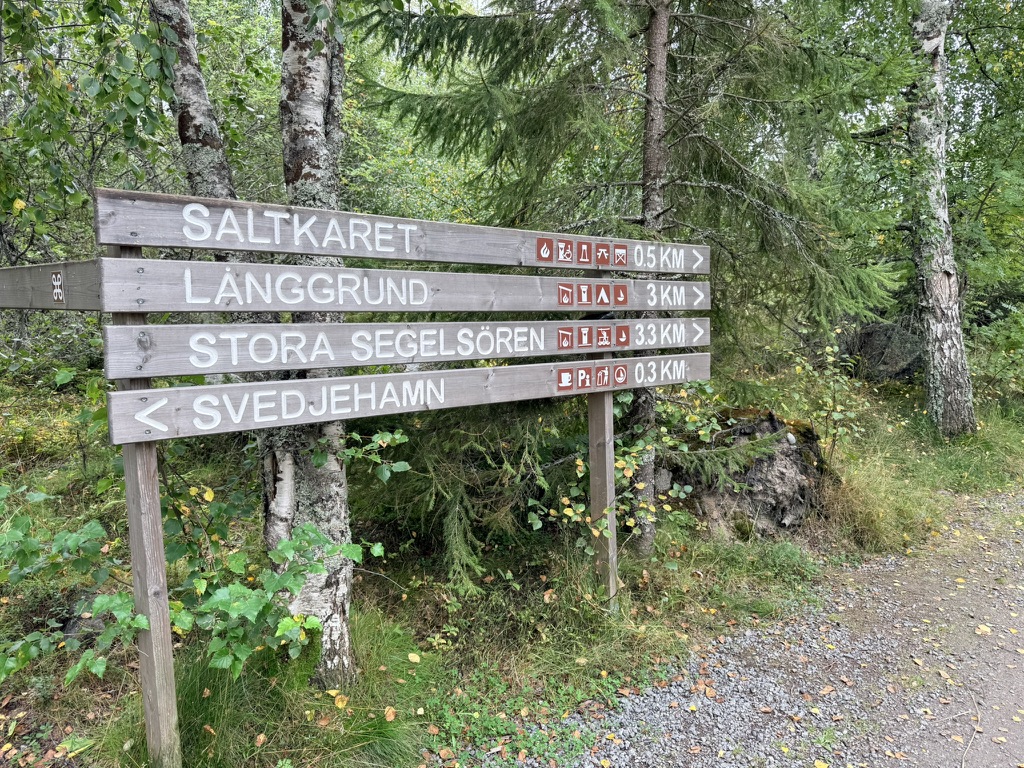
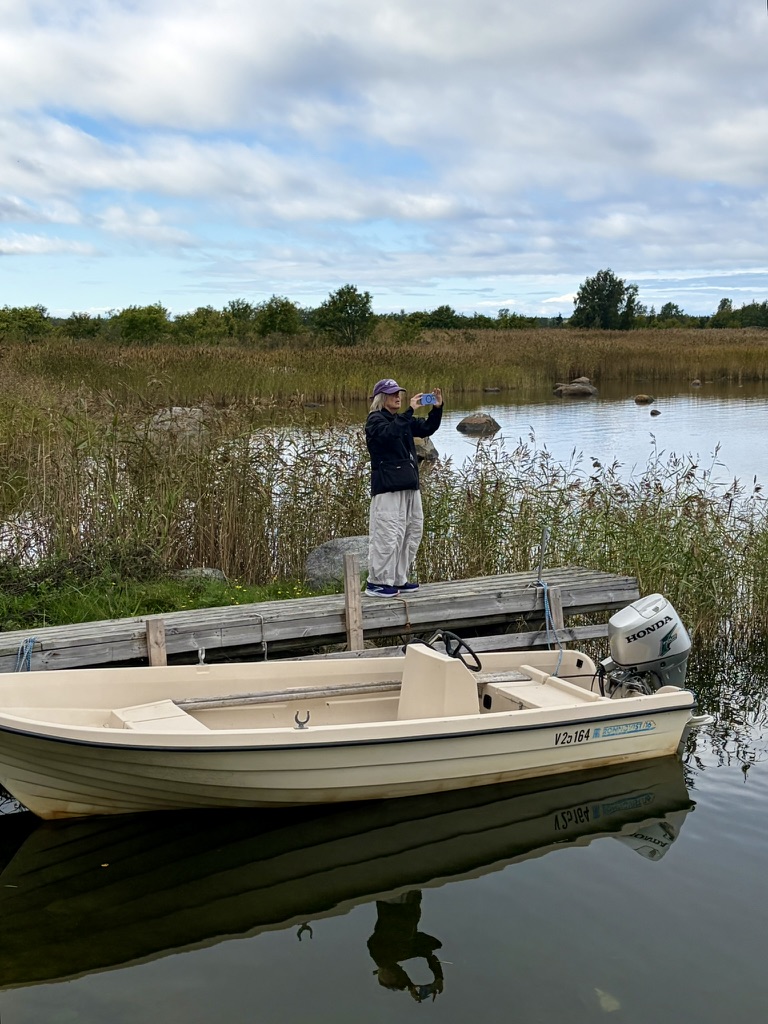
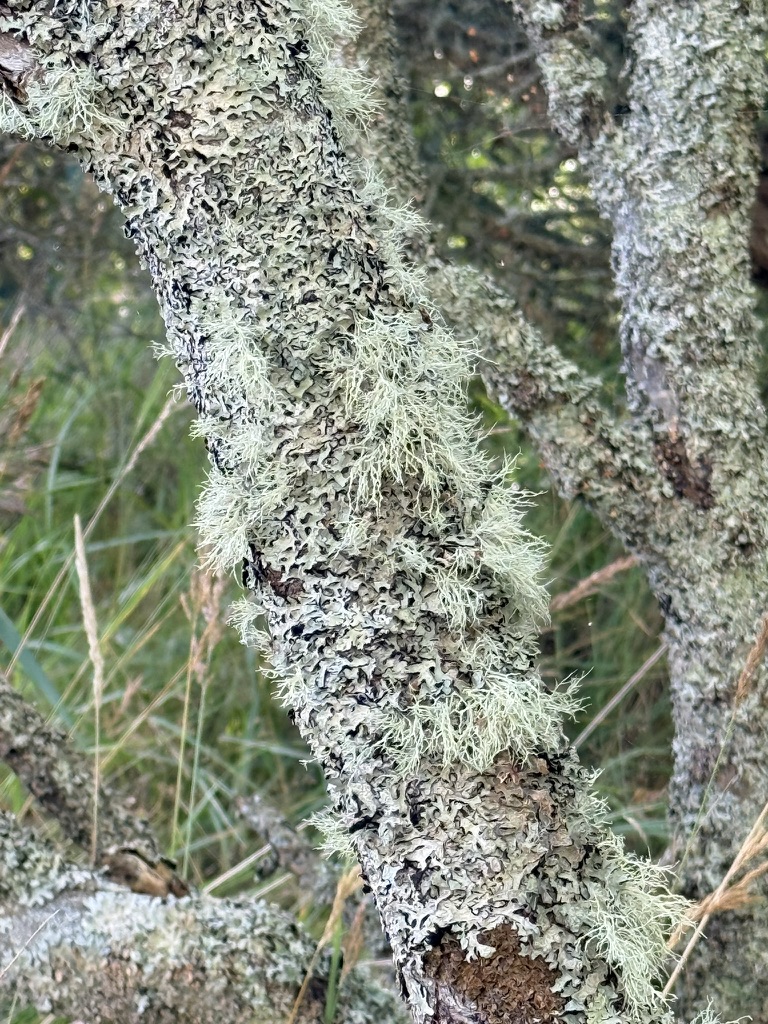
Kvarken Archipelago: the Bodvattnet Nature Trail
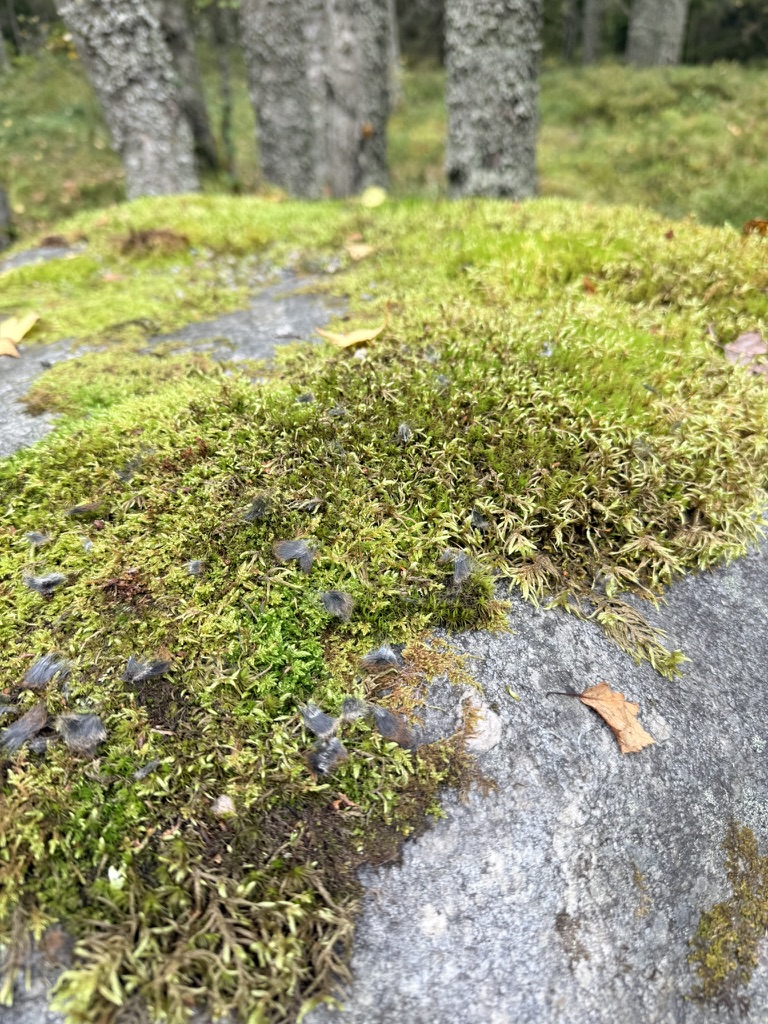
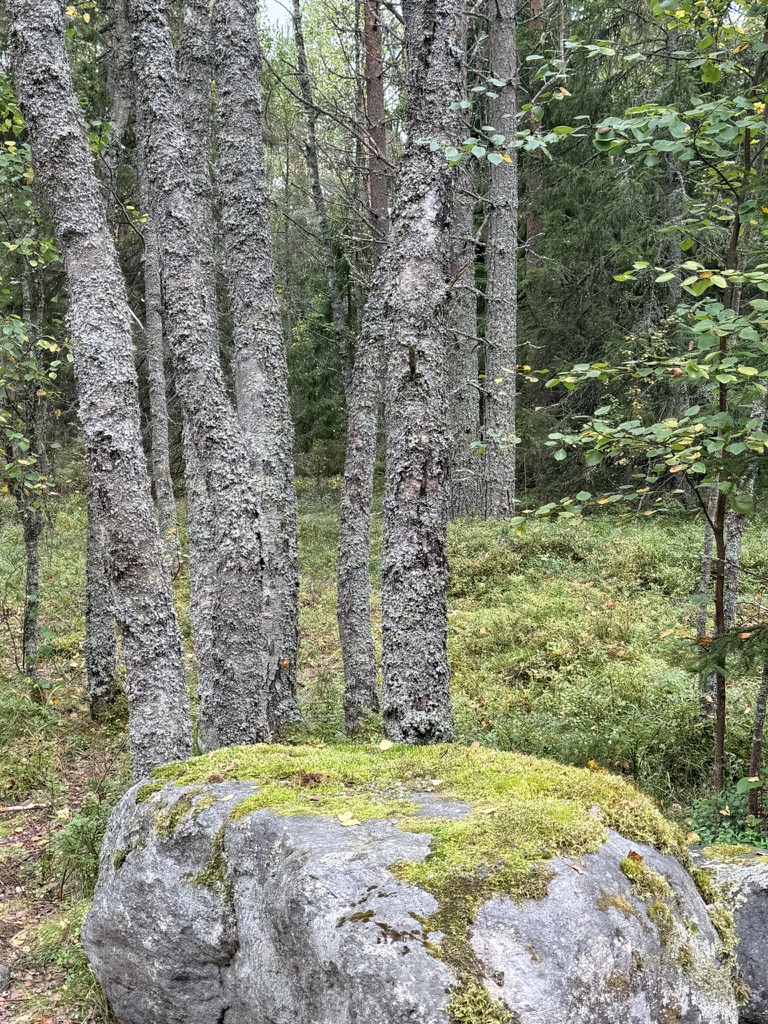
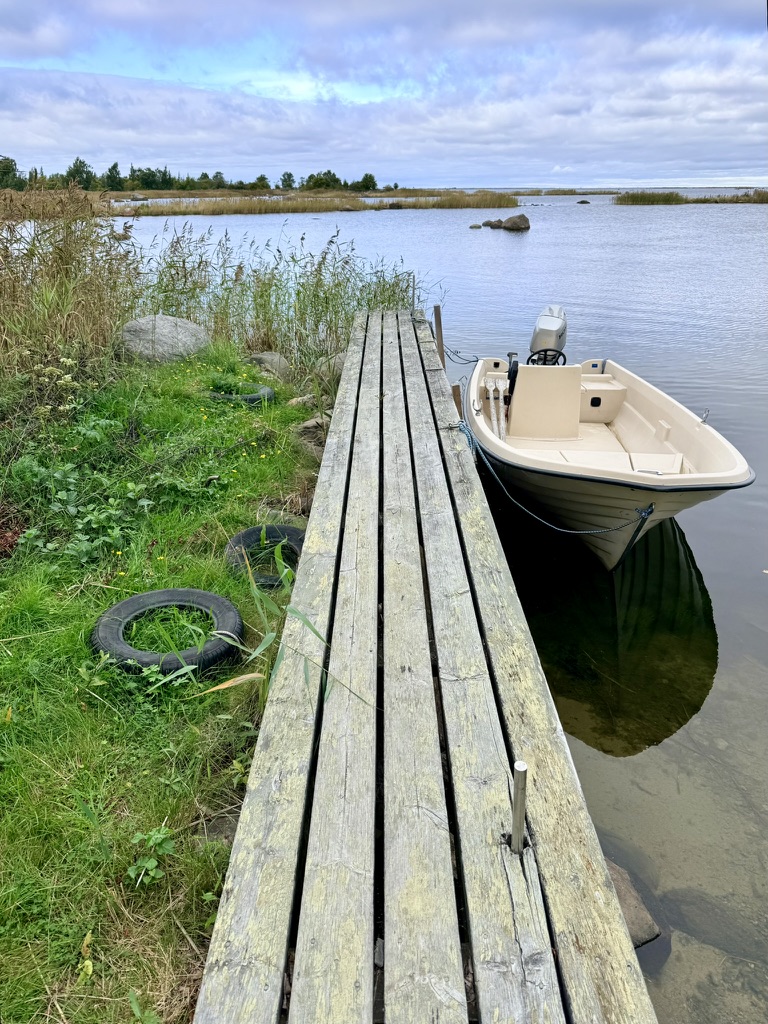
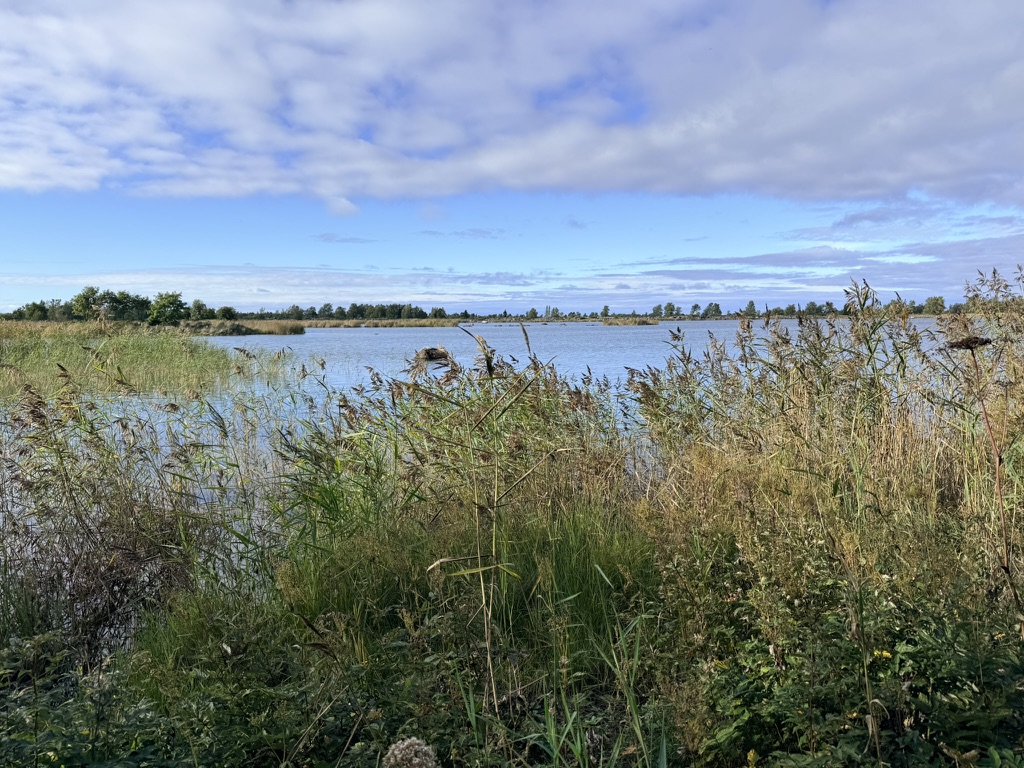
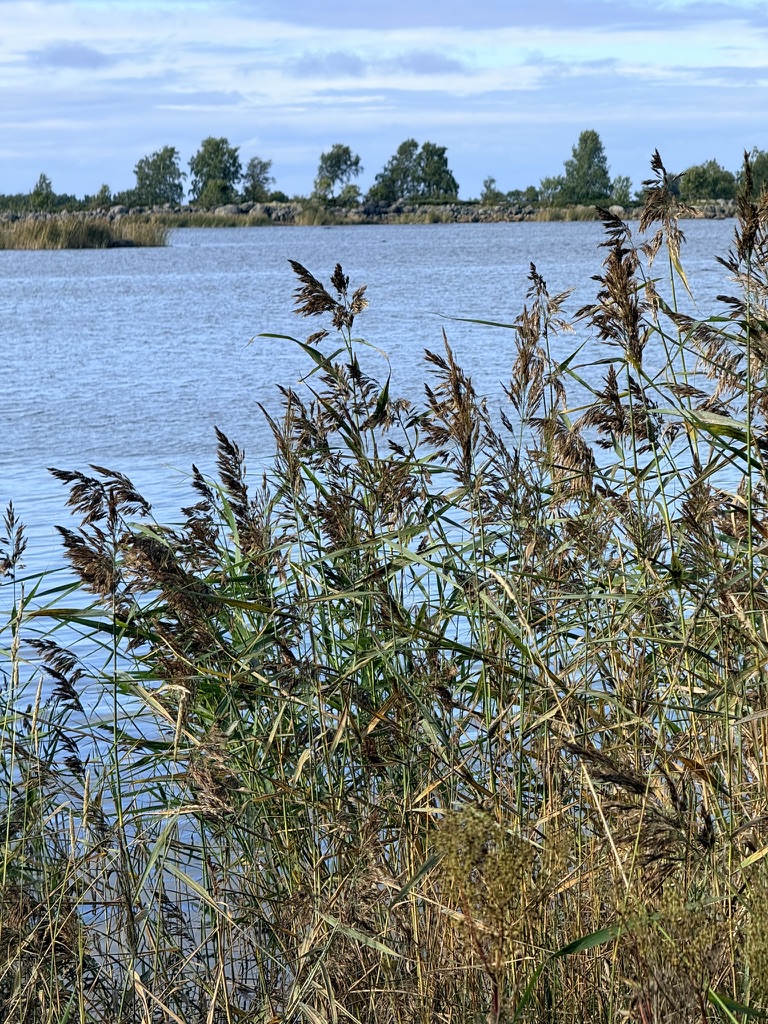
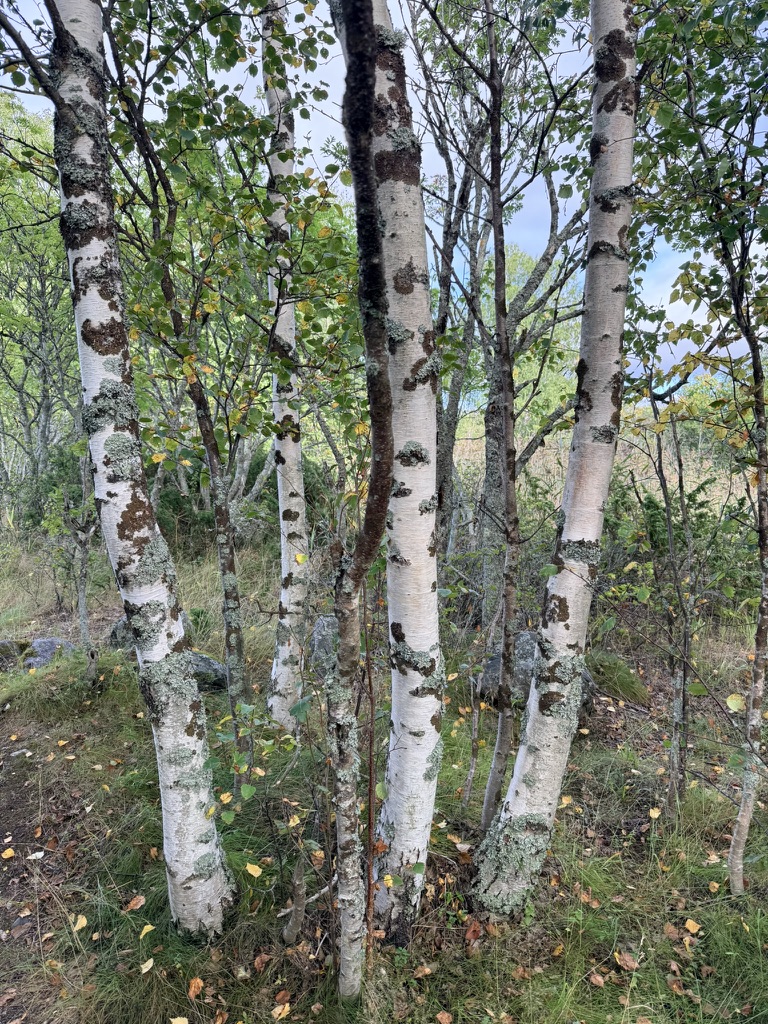
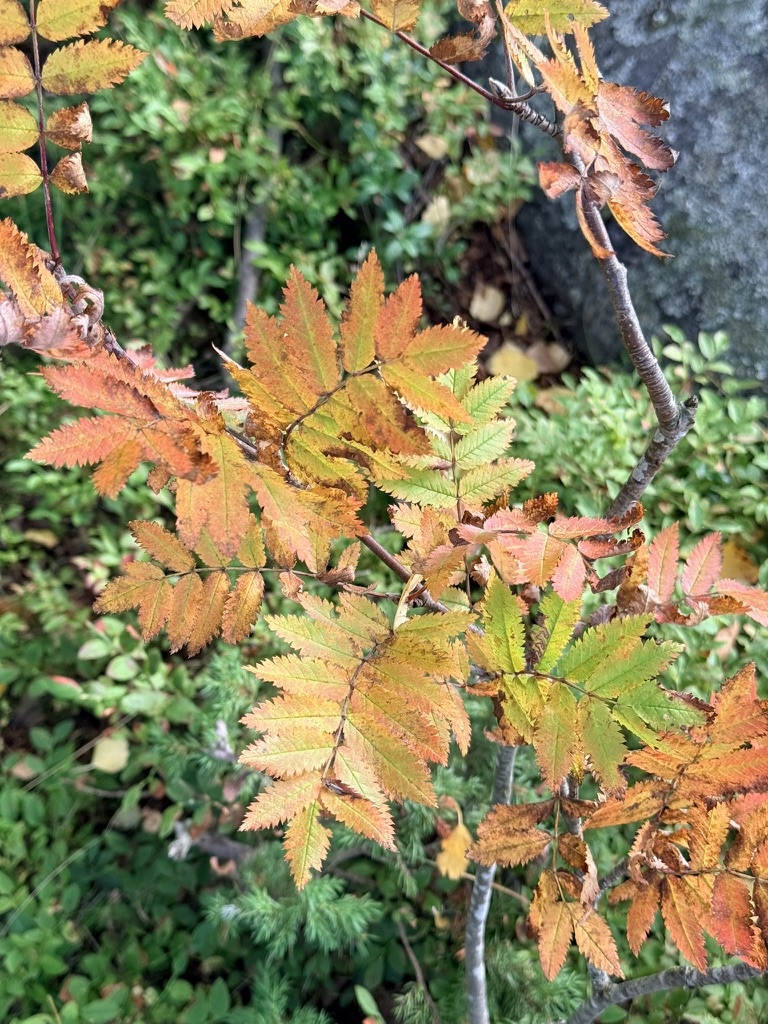
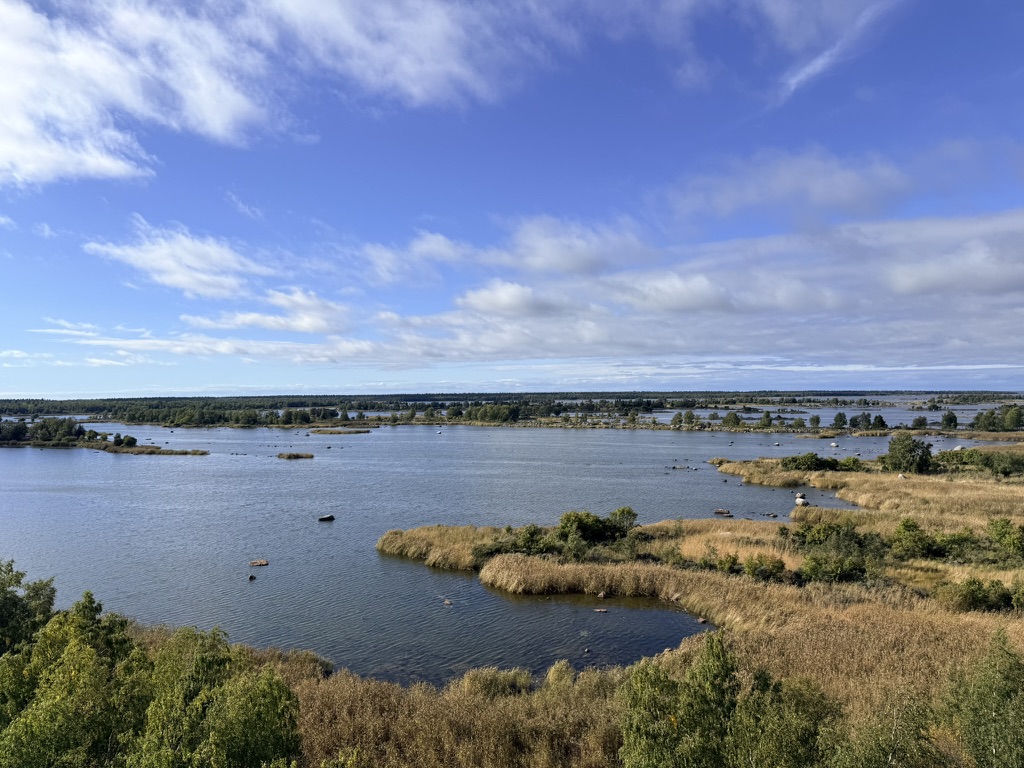
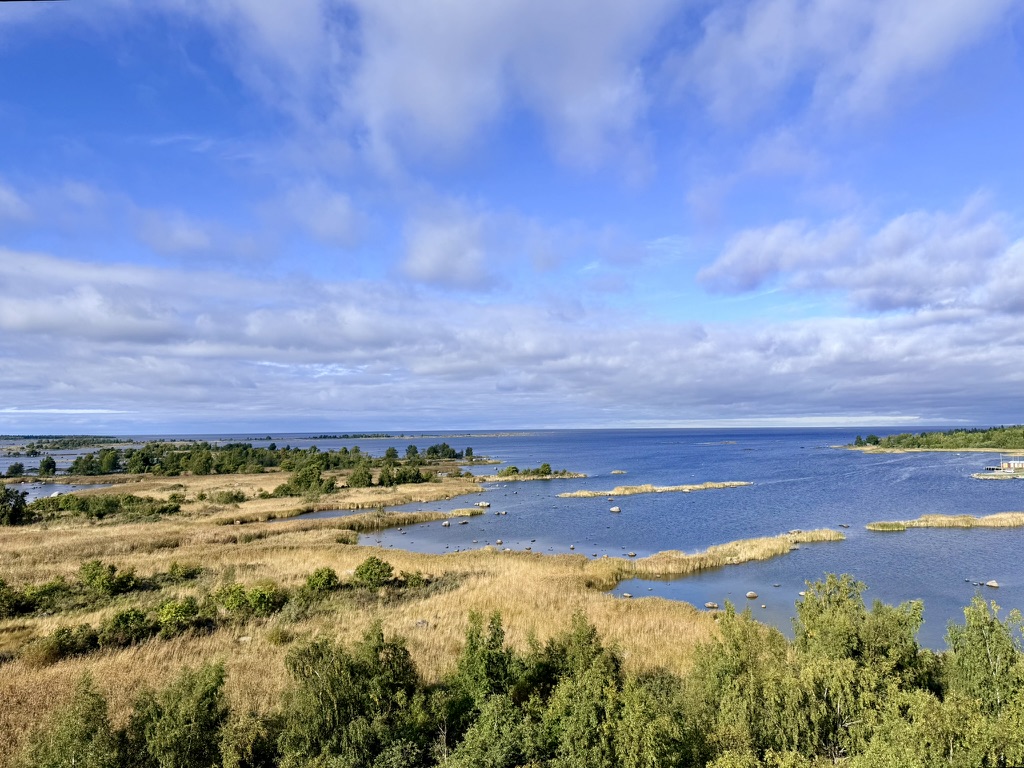
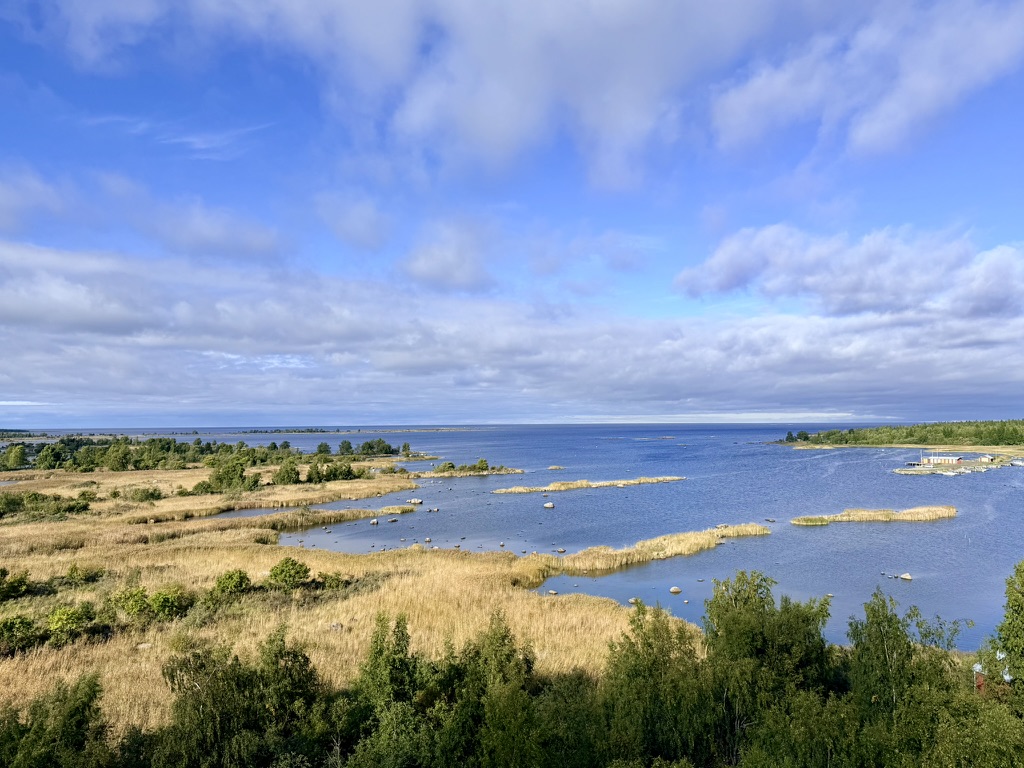
We walked a short distance on the 4km loop through the Kvarken Archipelago on the Bodvattnet Nature Trail. On the trail, former sea bays, De Geer moraine ridges and land uplift forests are evident. On the land uplift shores, plants take over land areas that have been under water since the last Ice Age.
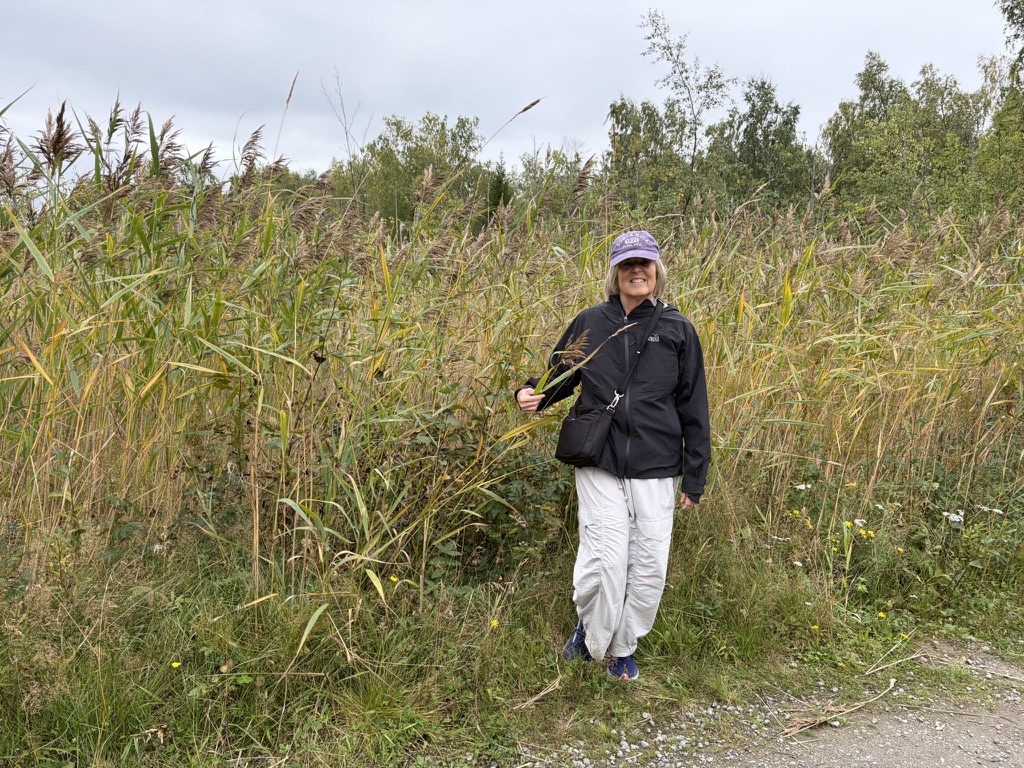
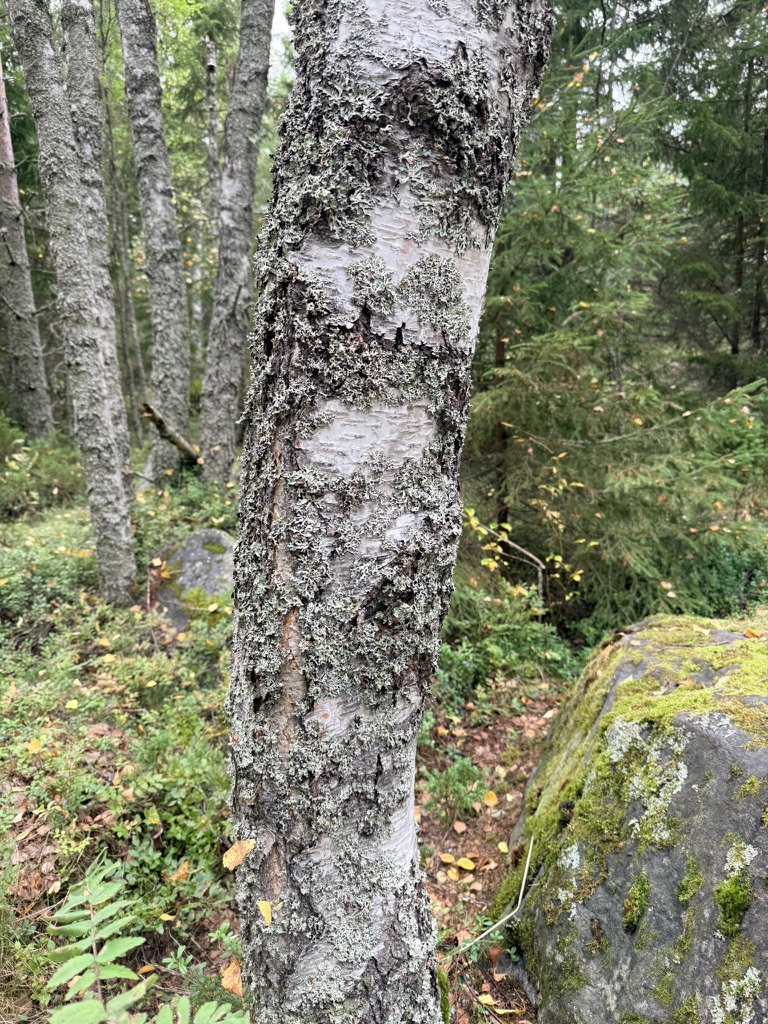
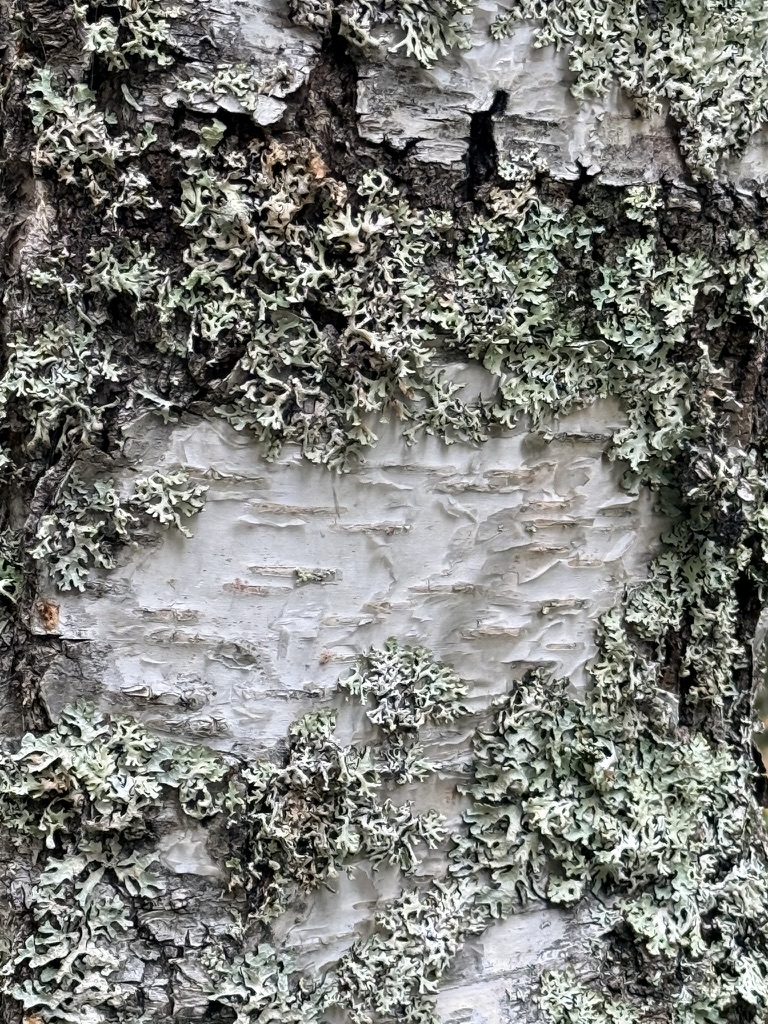
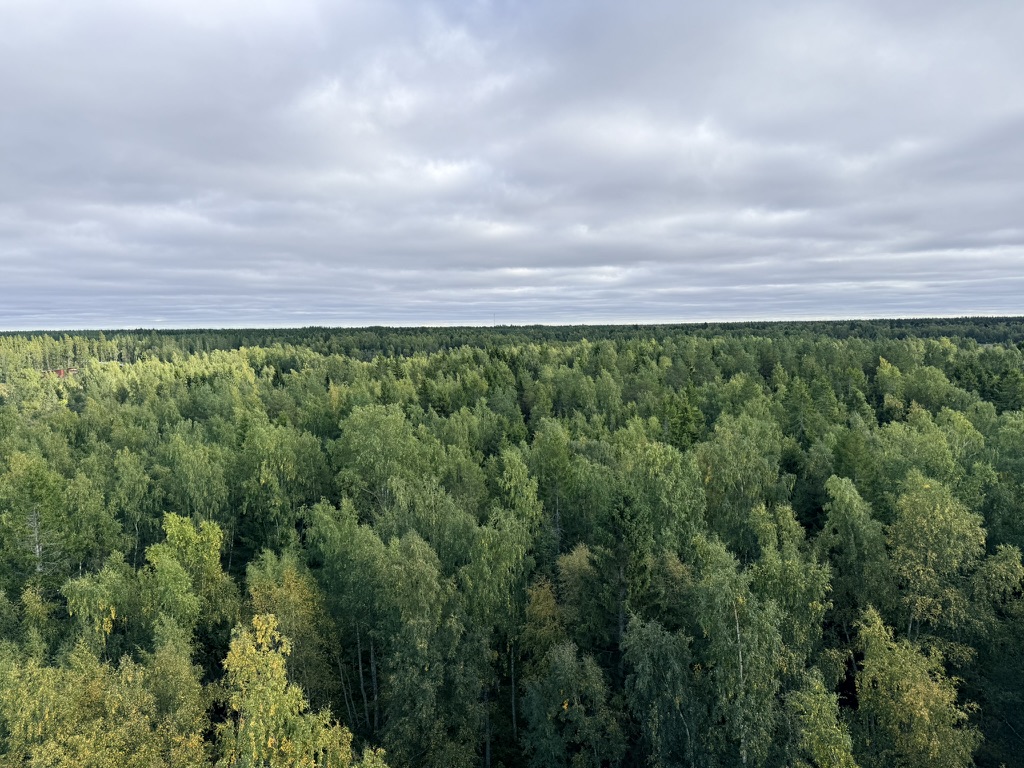
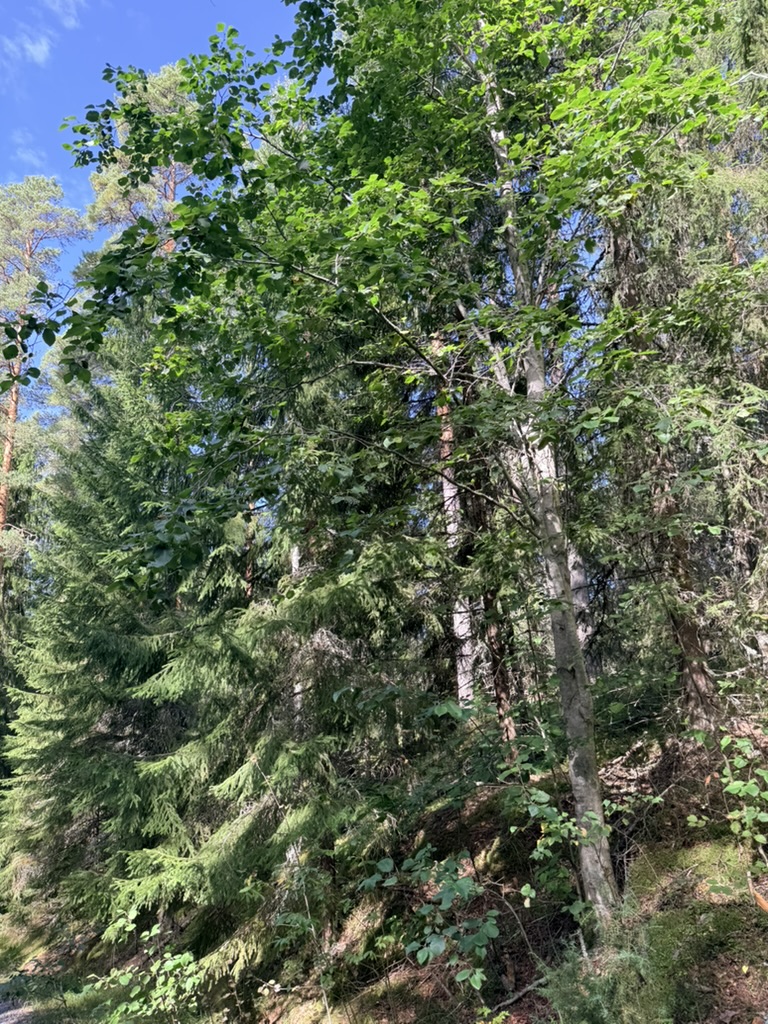
The plants grow in a specific order on the emerging land. Sedges and hay grasses grow on the shoreline. A little further away from the shoreline are bushes and grey alder. Birches and spruce forests grow on the highest land areas that have been above water the longest. Pine forests may also grow in the drier areas.
Kvarken Archipelago: Saltkaret Observation Tower
Kvarken Archipelago is Finland’s only natural heritage site on the UNESCO World Heritage List; it was added to the list in 2006. The area is unique because of the continuously and rapidly rising rocky archipelago formed by the Ice Age. The region’s land uplift is the best seen in the world due to its speed.
During the Ice Age, northern Europe was covered by a continental ice sheet. The center of the glacier laid in the Kvarken region, with an ice mass up to 3 km high depressing the earth’s crust by approximately 800-1000m.
In the final stages of the Ice Age, the margin of the melting continental glacier retreated north-westwards, creating ridges up to 5m high and up to 100m wide on the seabed, along the margin of the ice. These are known as De Geer moraines. They form the characteristic landscape of the World Heritage site, being reminiscent of an old-fashioned washboard, emphasized in the village by the fields cleared between the ridges and stone walls.
The land will continue to rebound gradually, at an increasingly slow rate over thousands of years. At Kvarken, the present rate of land uplift is 8-9 mm per year.
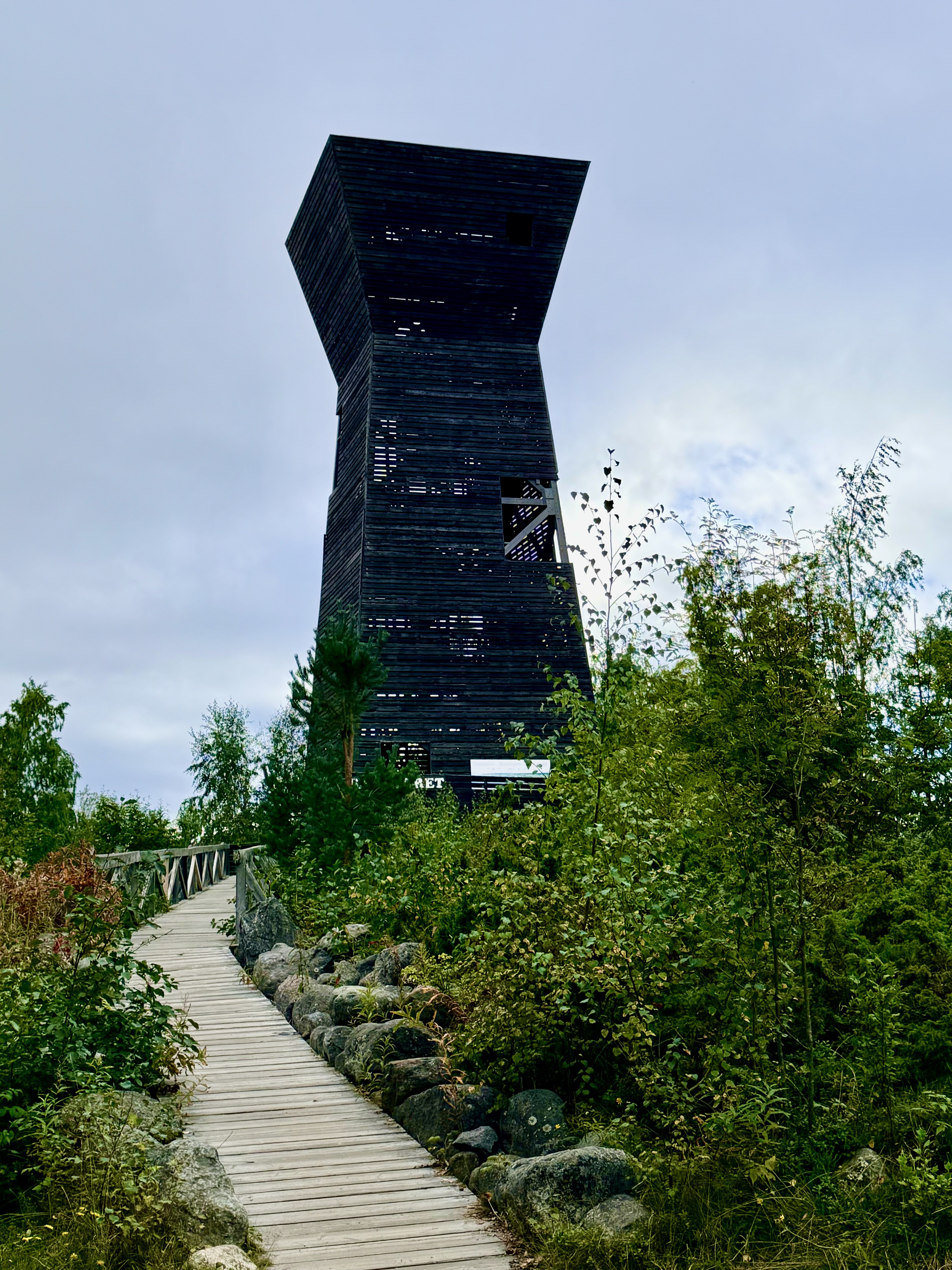
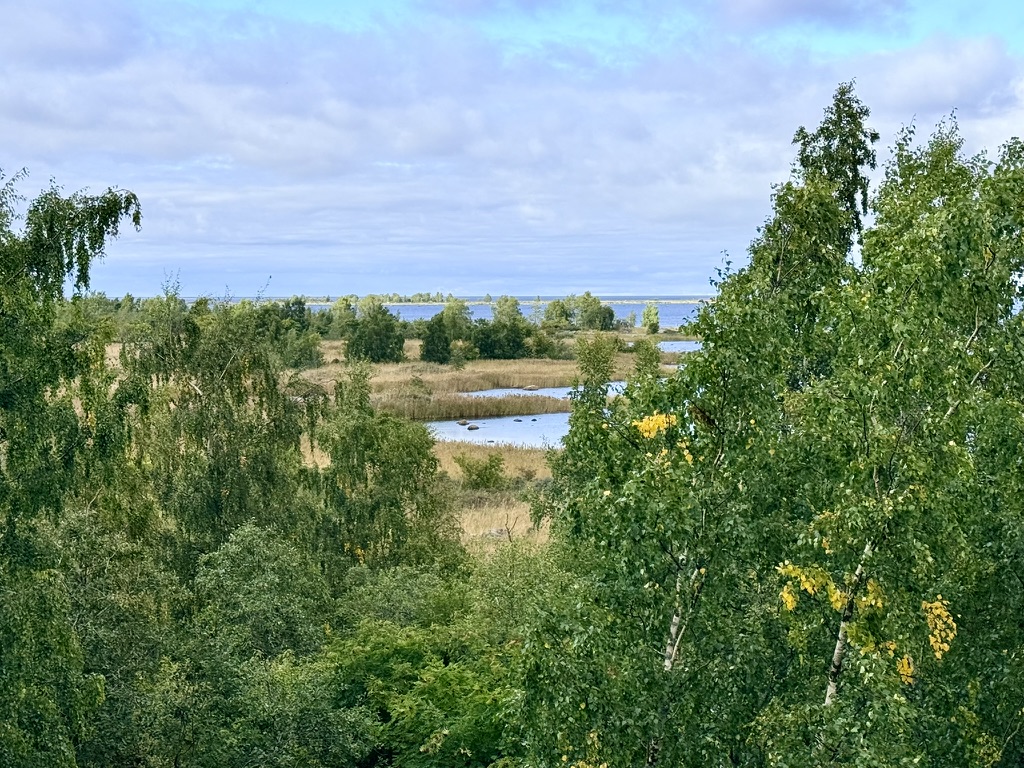
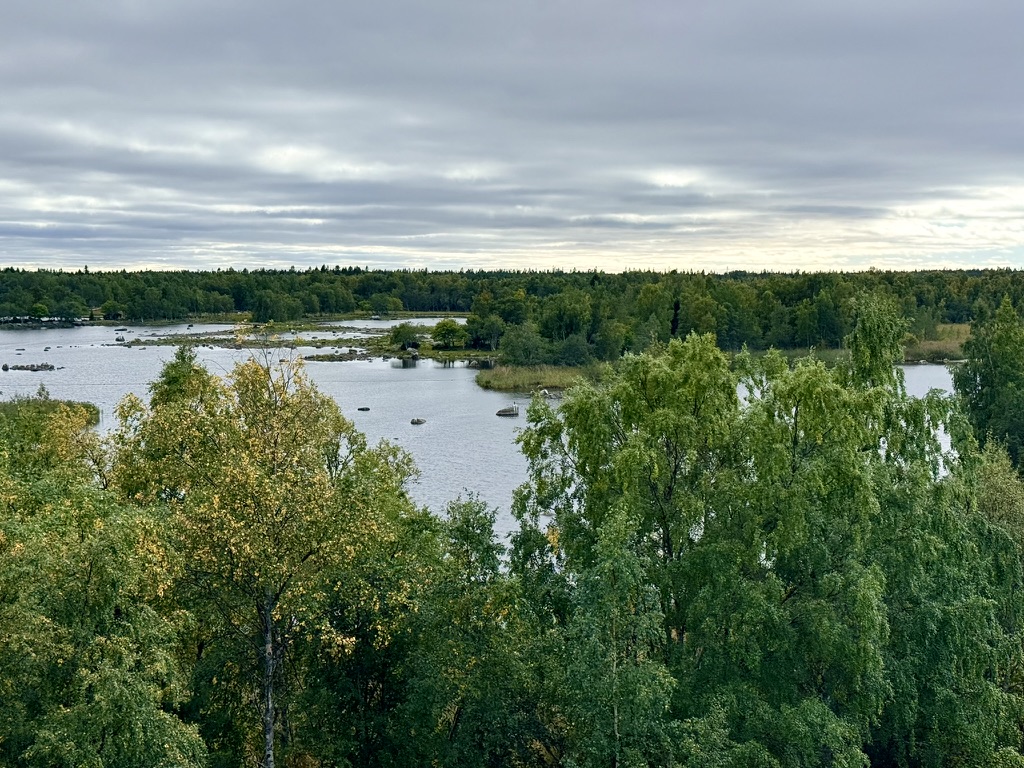
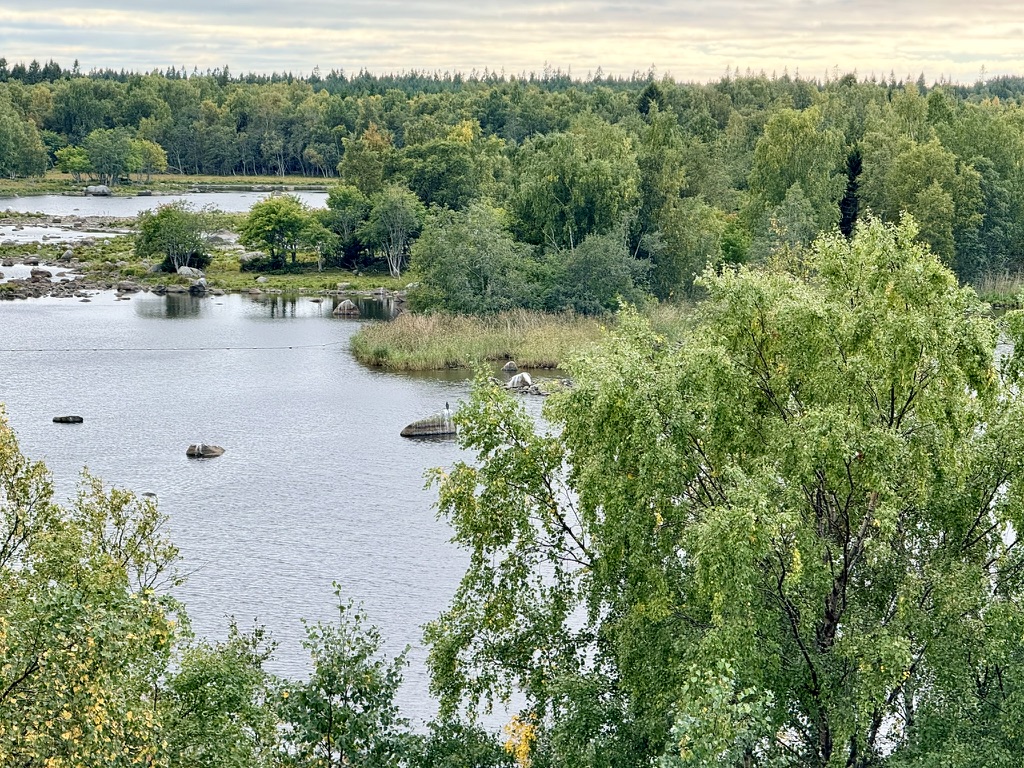
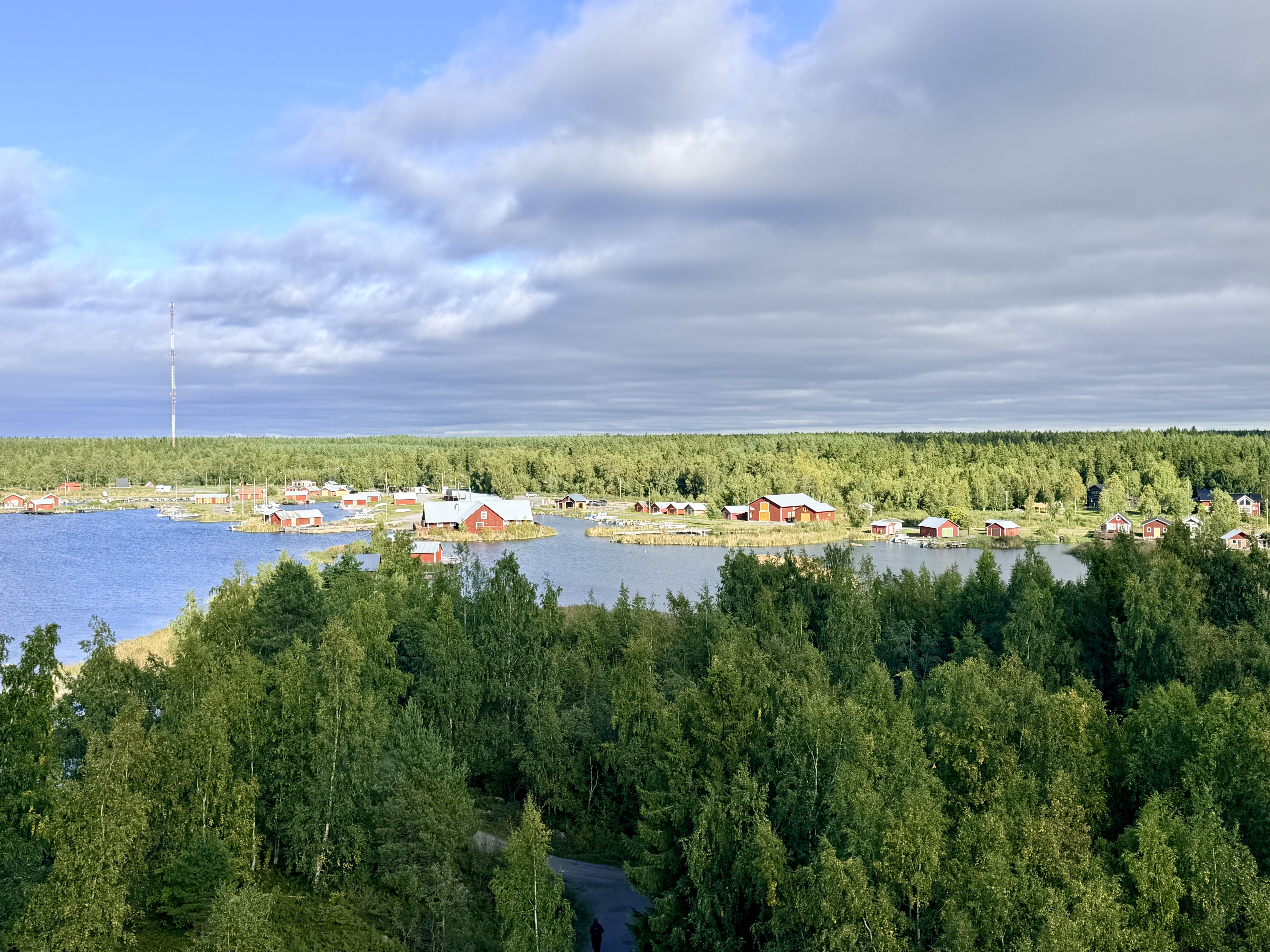
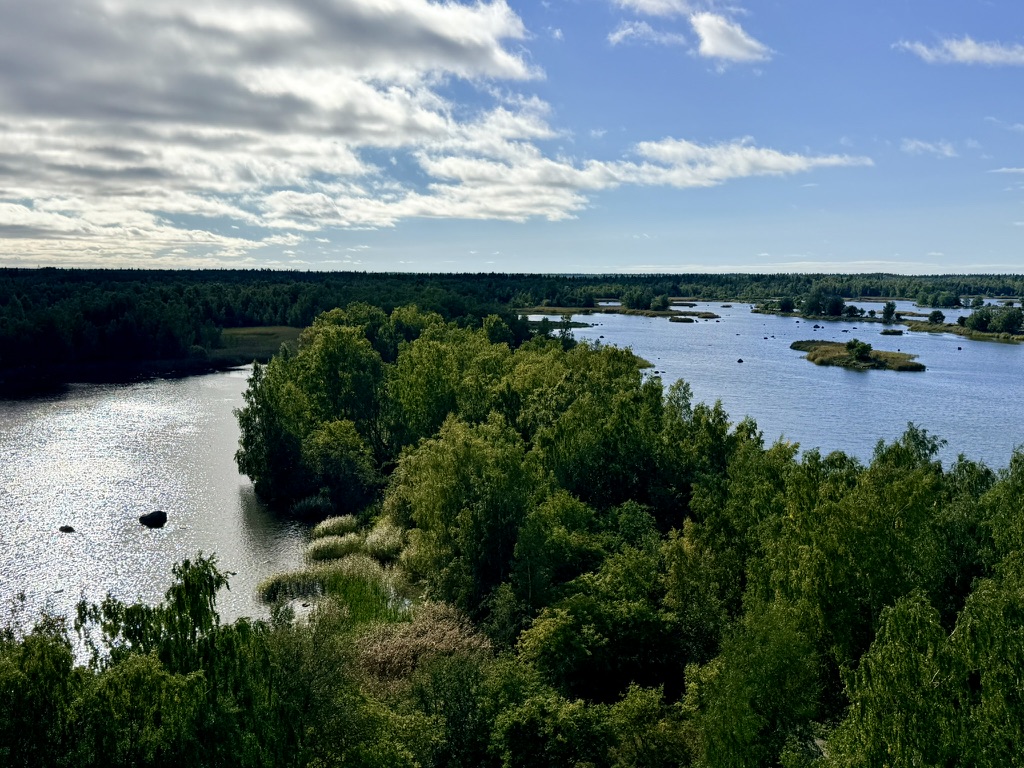
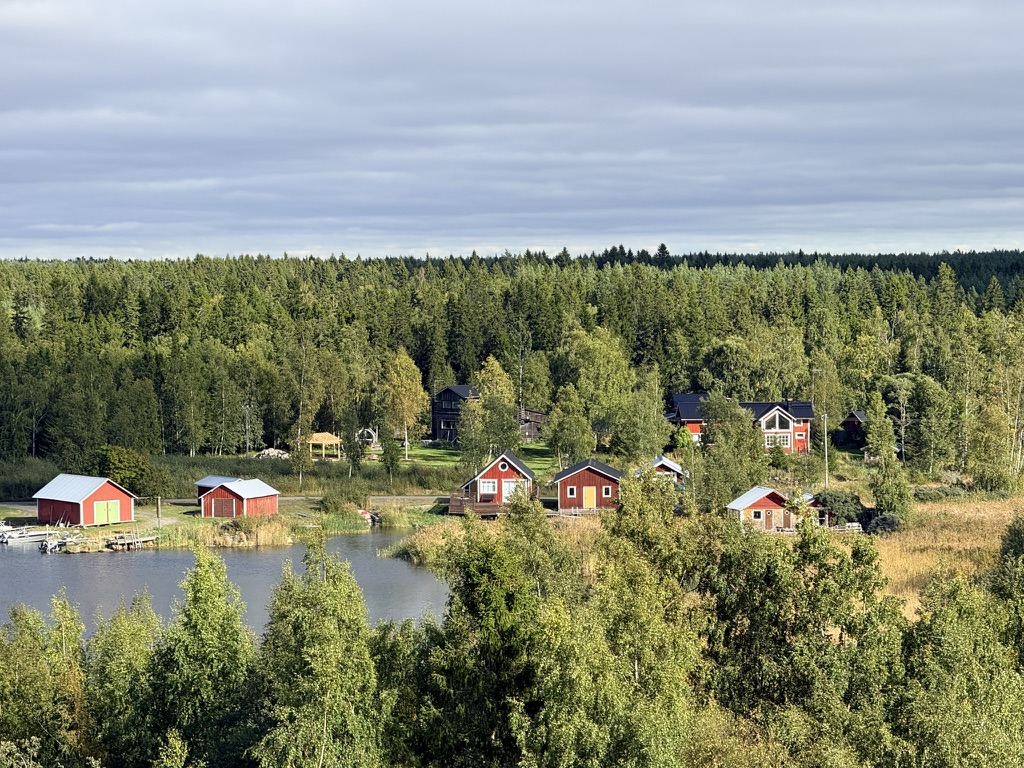
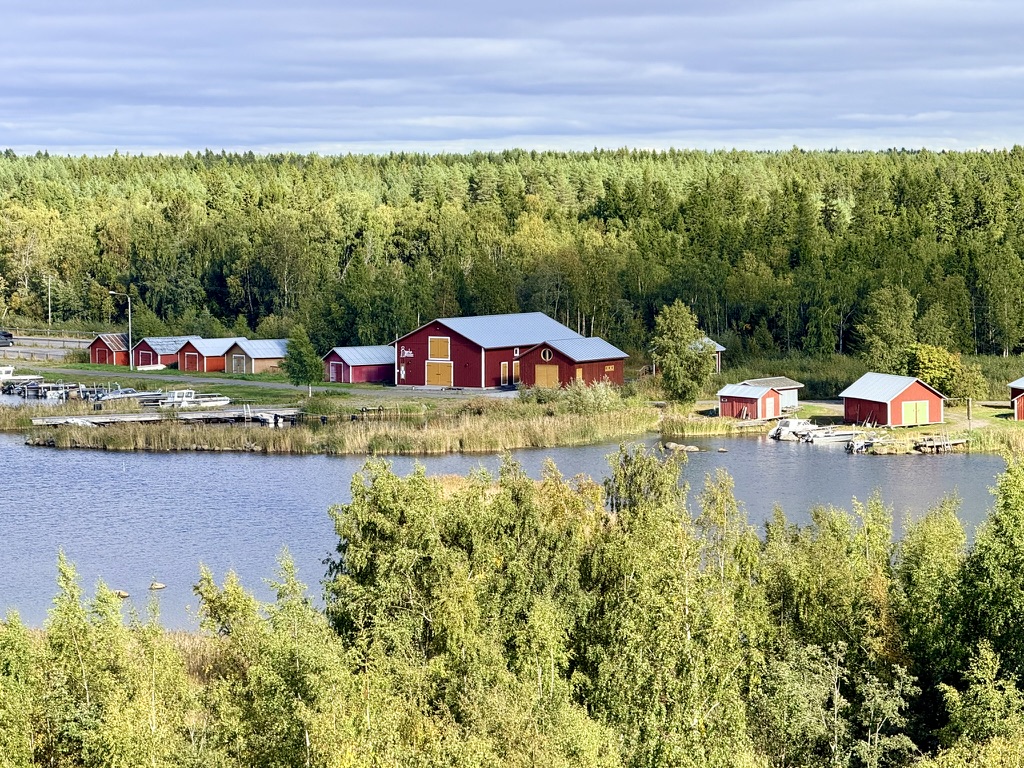
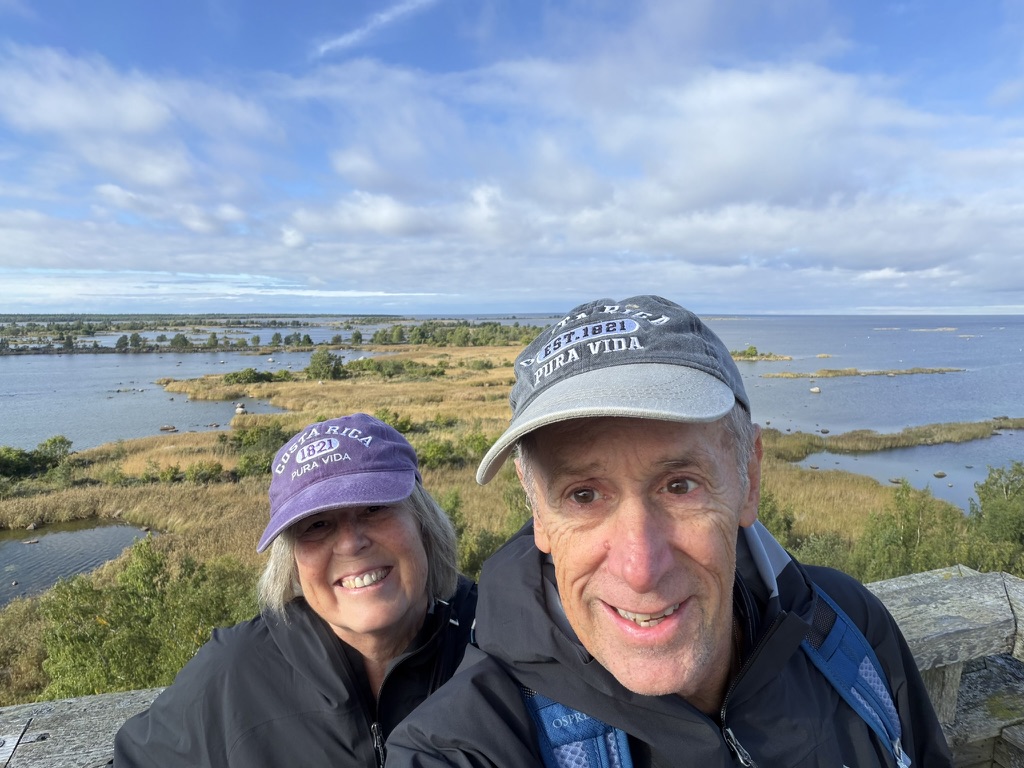
We climbed the Saltkaret Observation Tower which overlooks the De Geer moraines. The tower is 20m high, corresponding to around 2000 years of land uplift. About 2000 years ago (AD 1), the land was lower than now by around the height of the tower. In the next 2000 years, Kvarken – the shallow strait between Sweden and Finland – will be almost cut off. However, this process may be slowed down by climate warming, which is raising sea levels.
We loved the amazing views from this tower! When we reached the top of the tower, the sun came out, so it was especially beautiful.
Björköby Church & Björköby
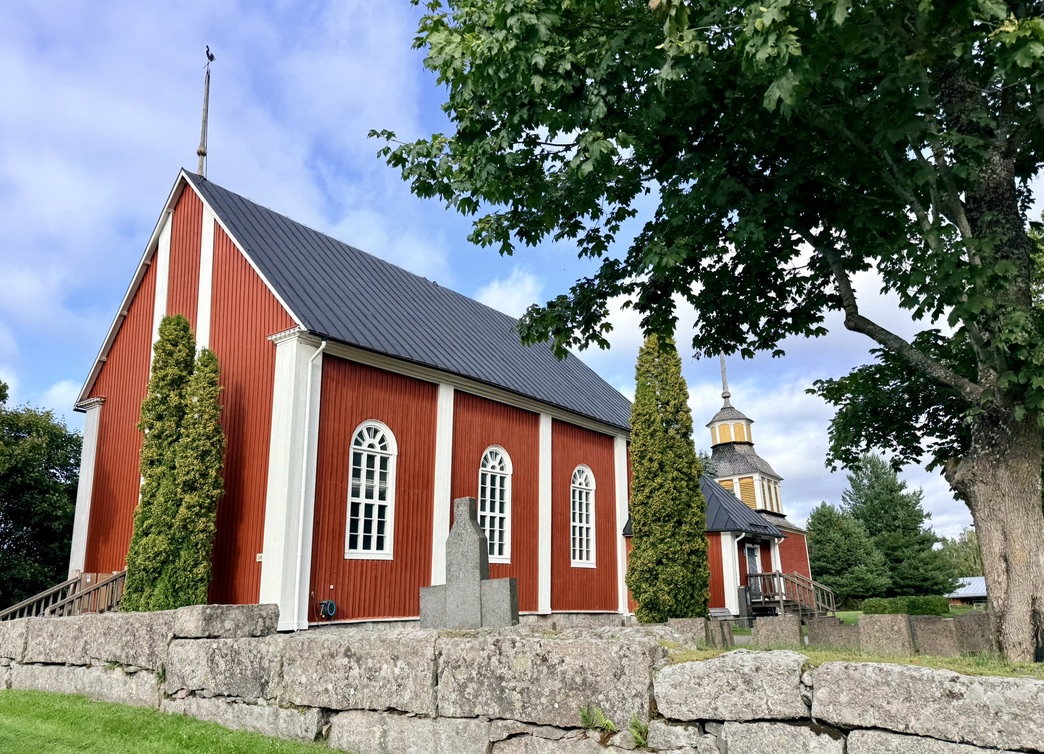
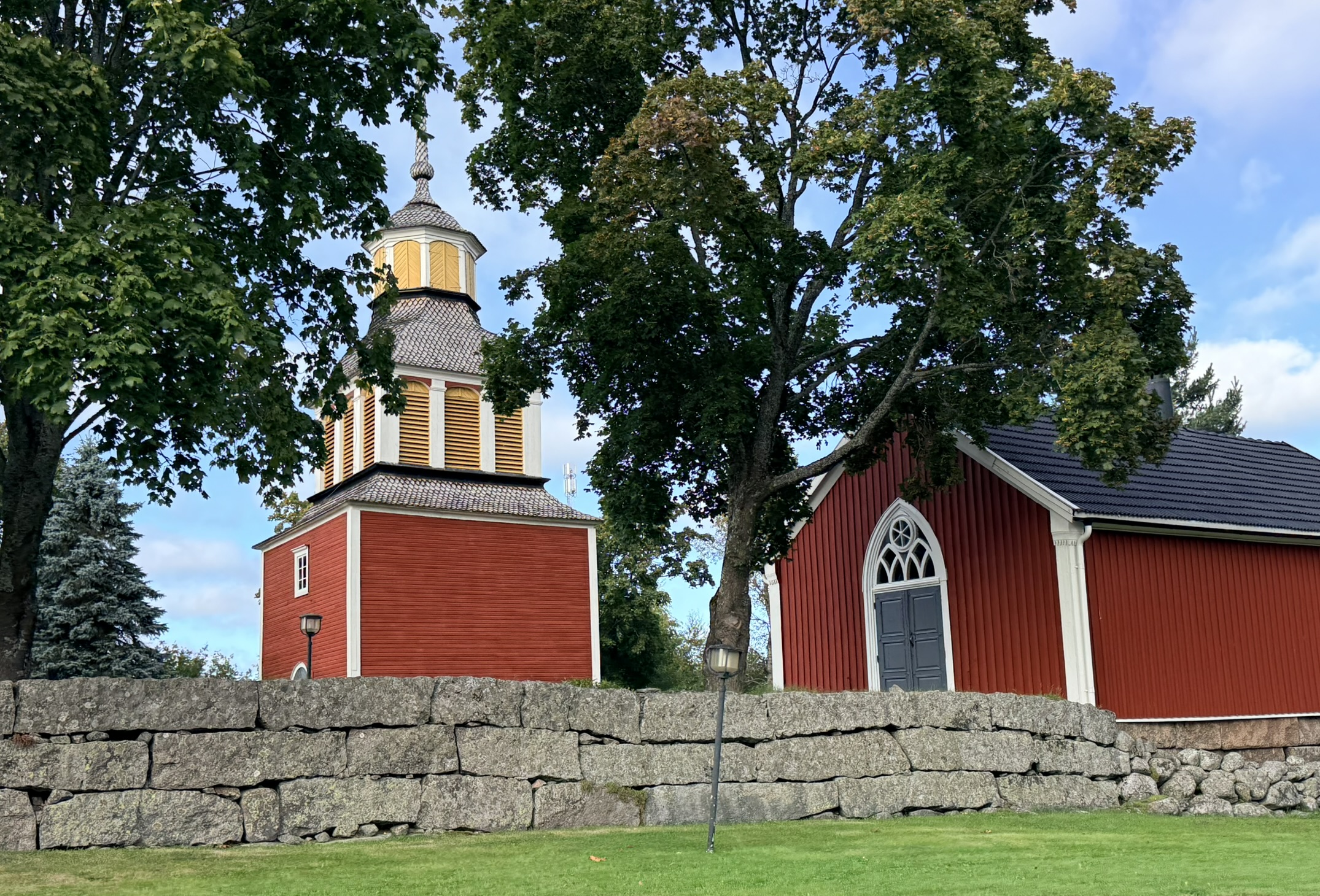
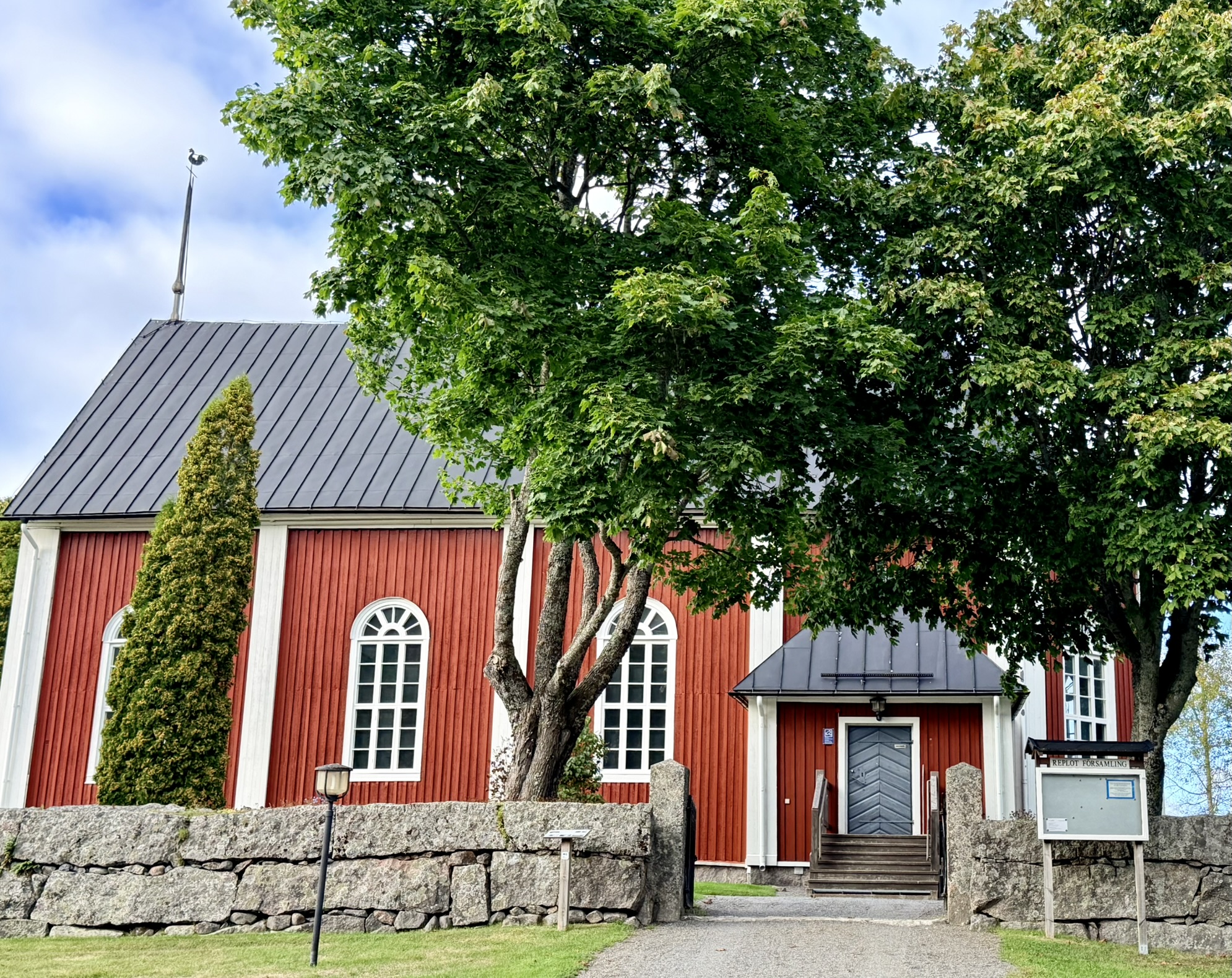
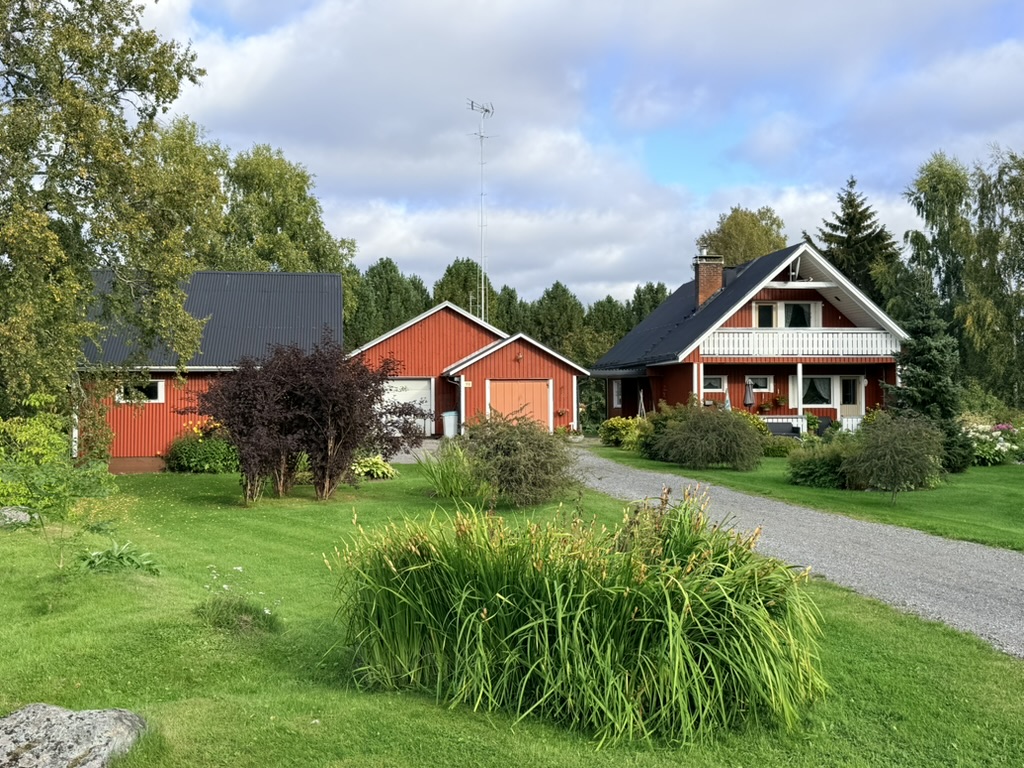
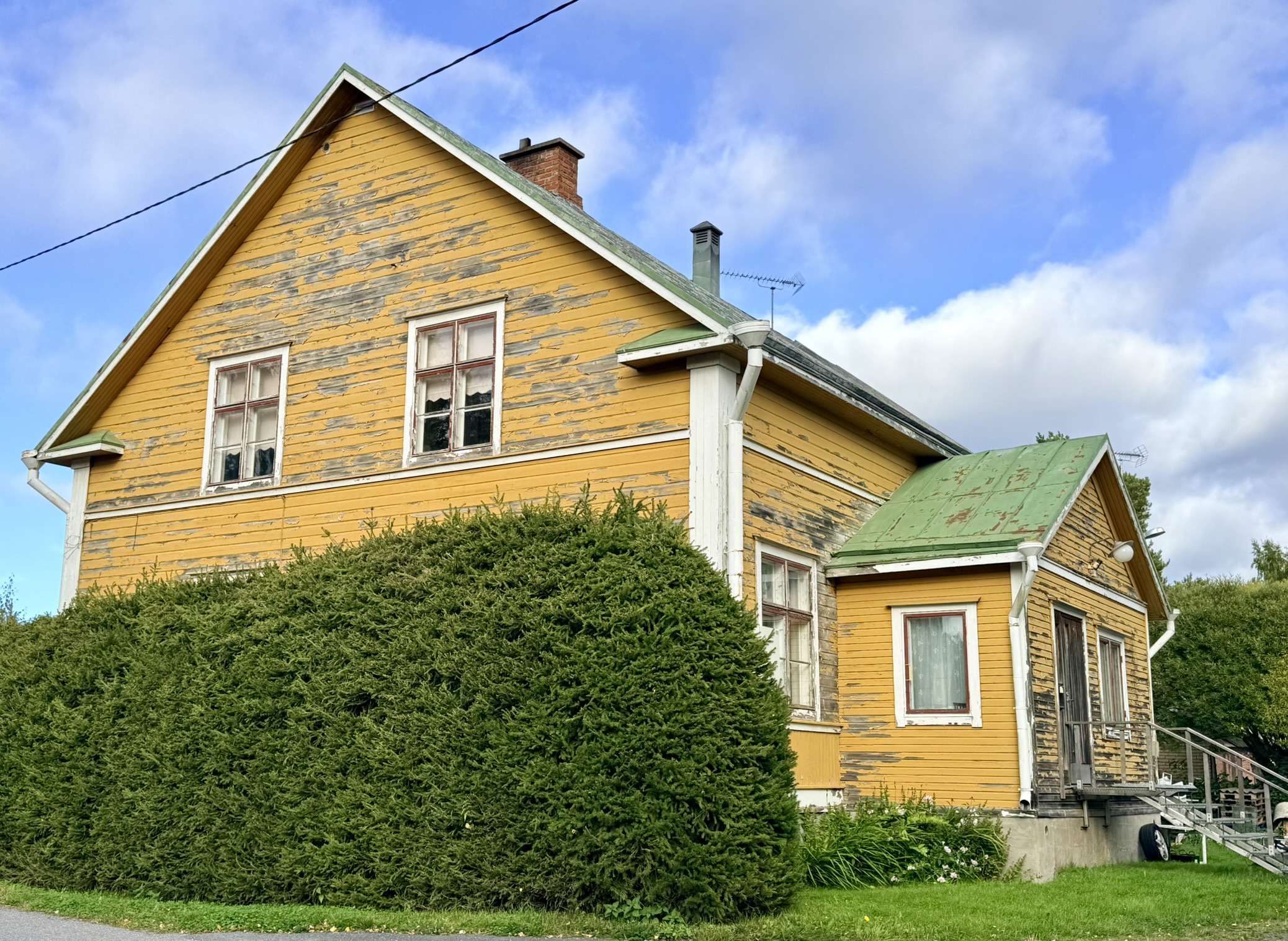
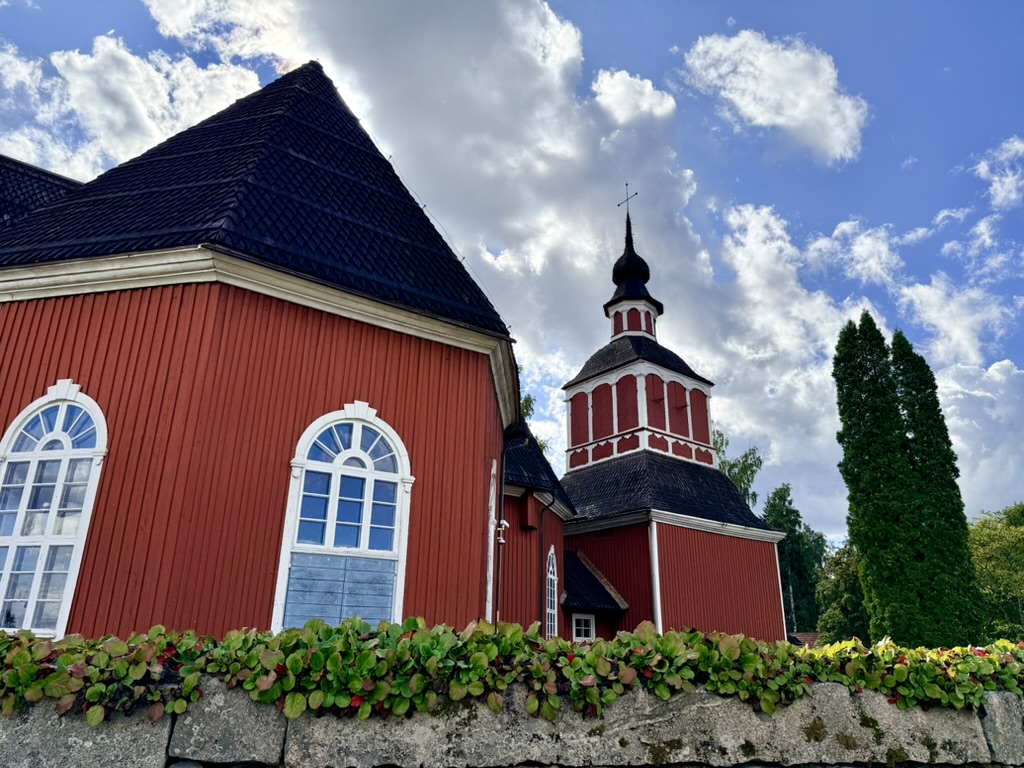
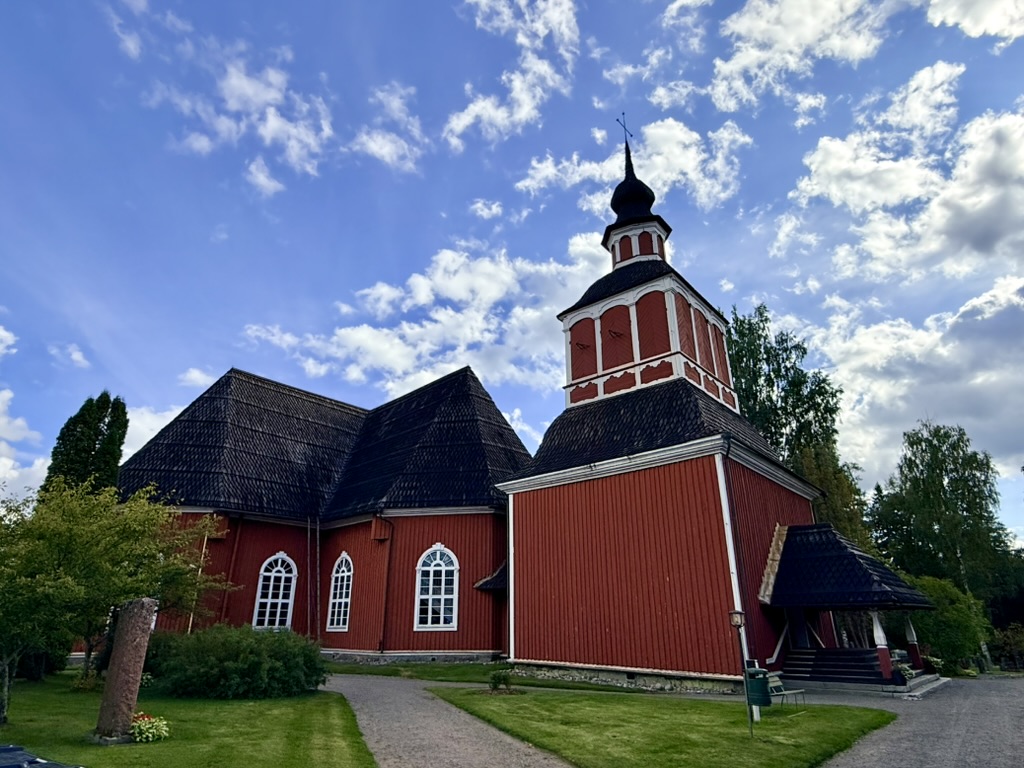
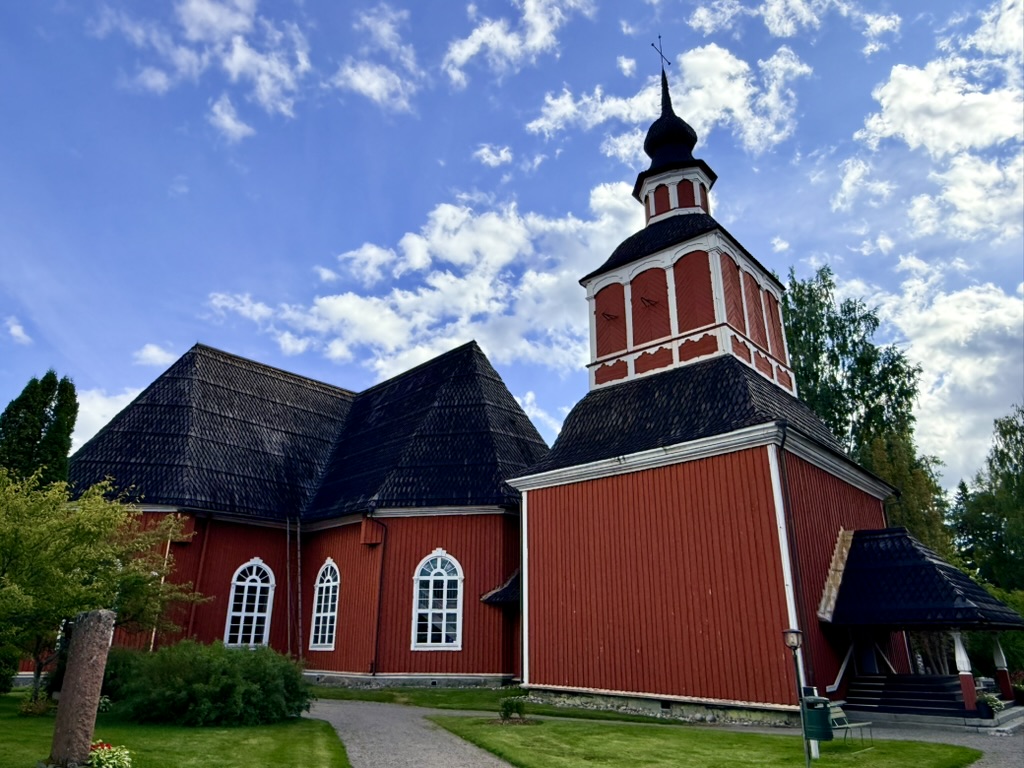
Björköby is a village on Björkö in Korsholm; the settlement has 294 inhabitants while the whole village has around 380. The pretty red Björköby Church was built in 1859 and was named Maria after Alexander II ‘s wife.
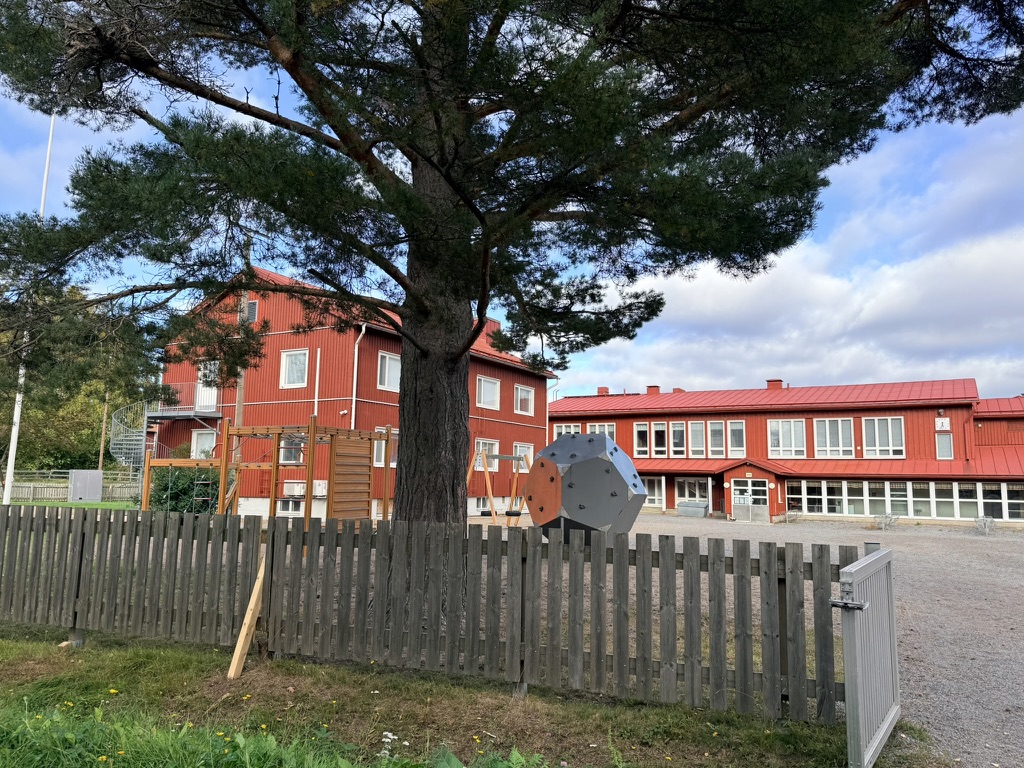
Ostrobothnian Museum (aka Pohjanmaan museo)
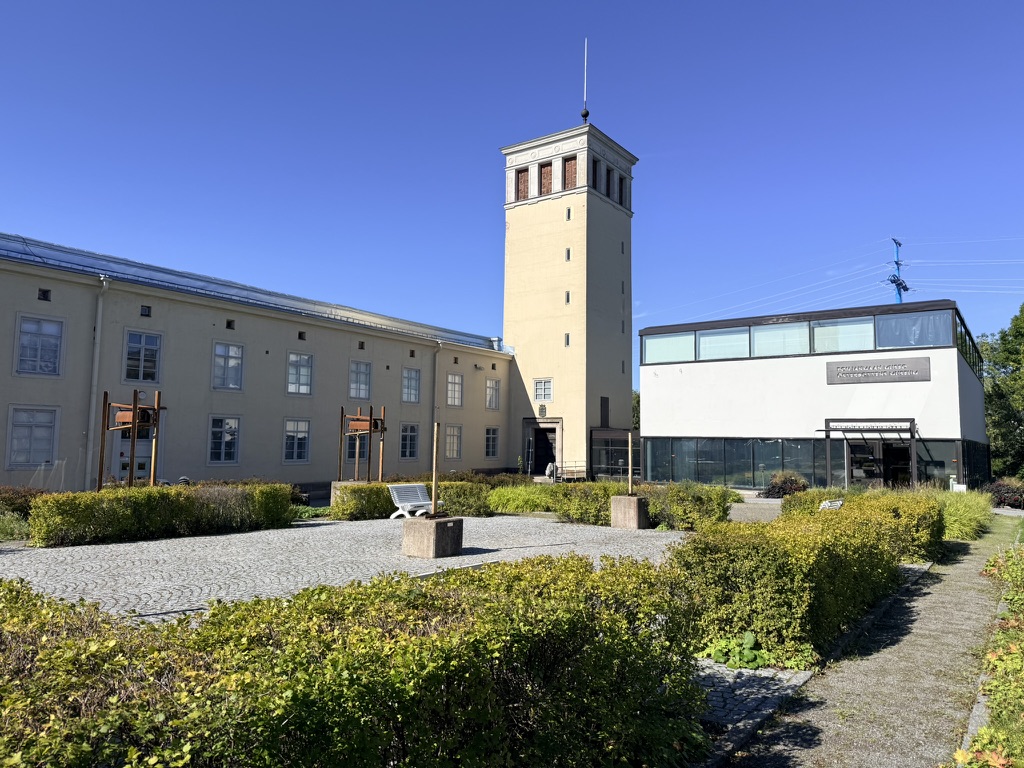
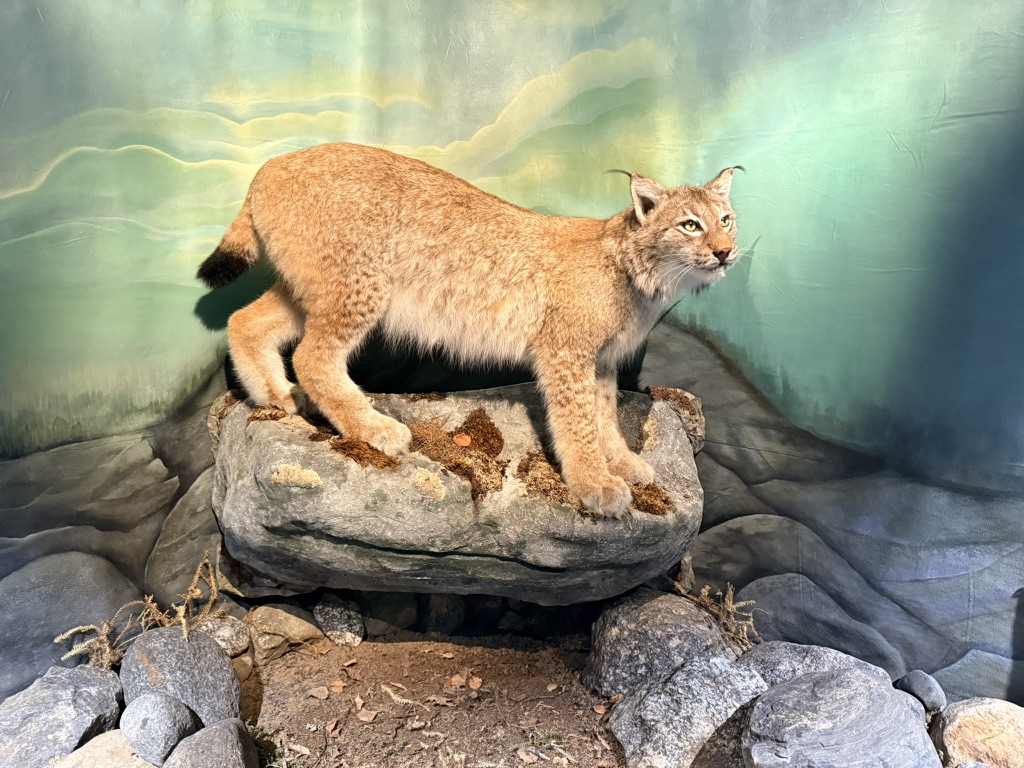
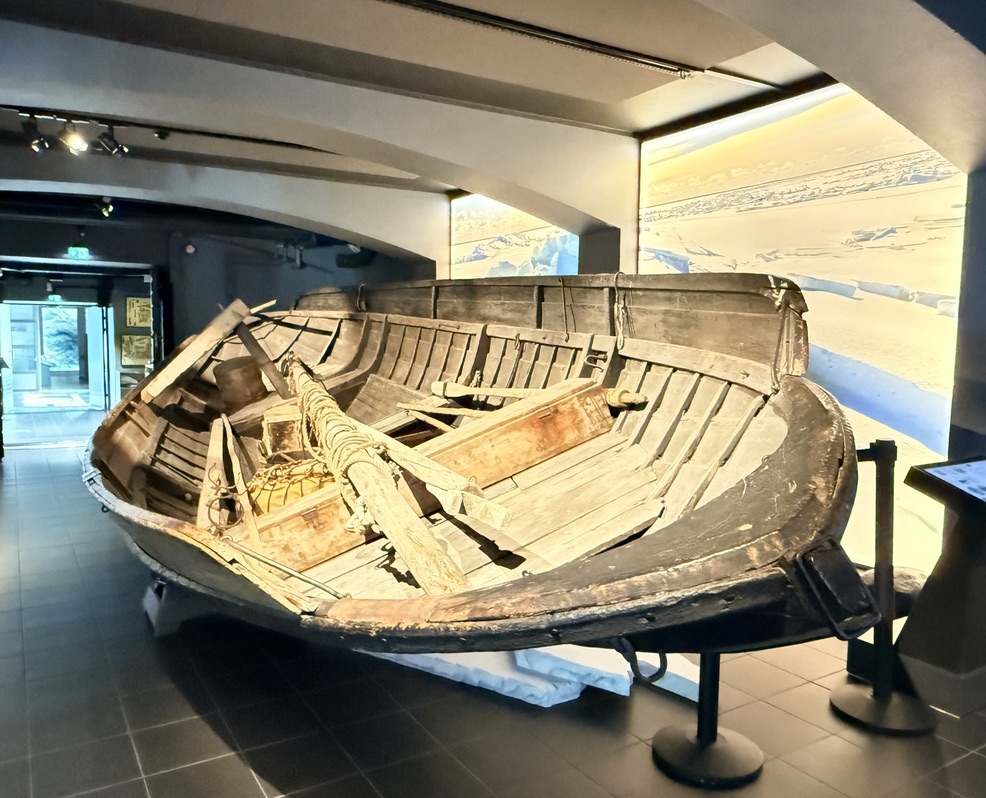
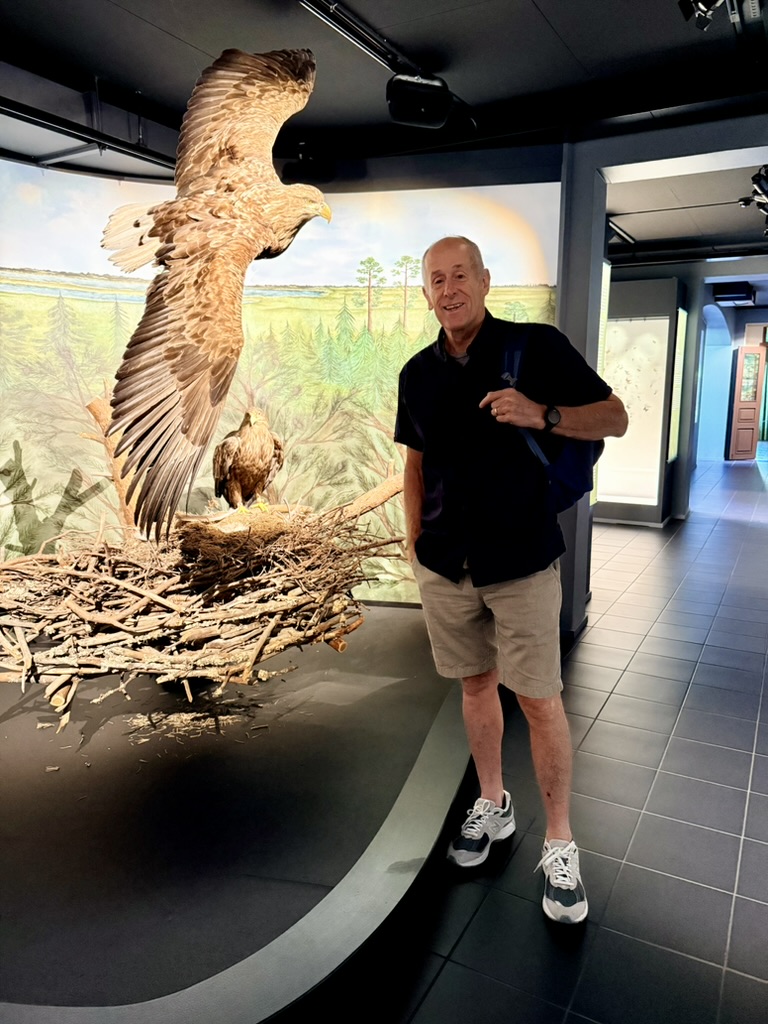
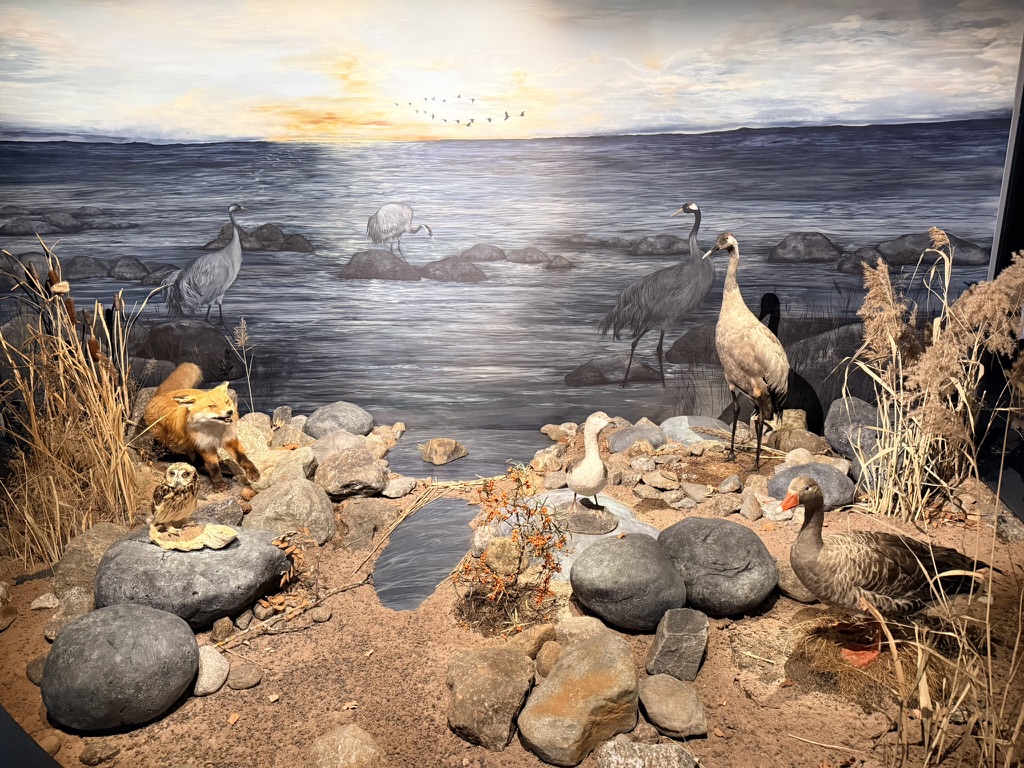
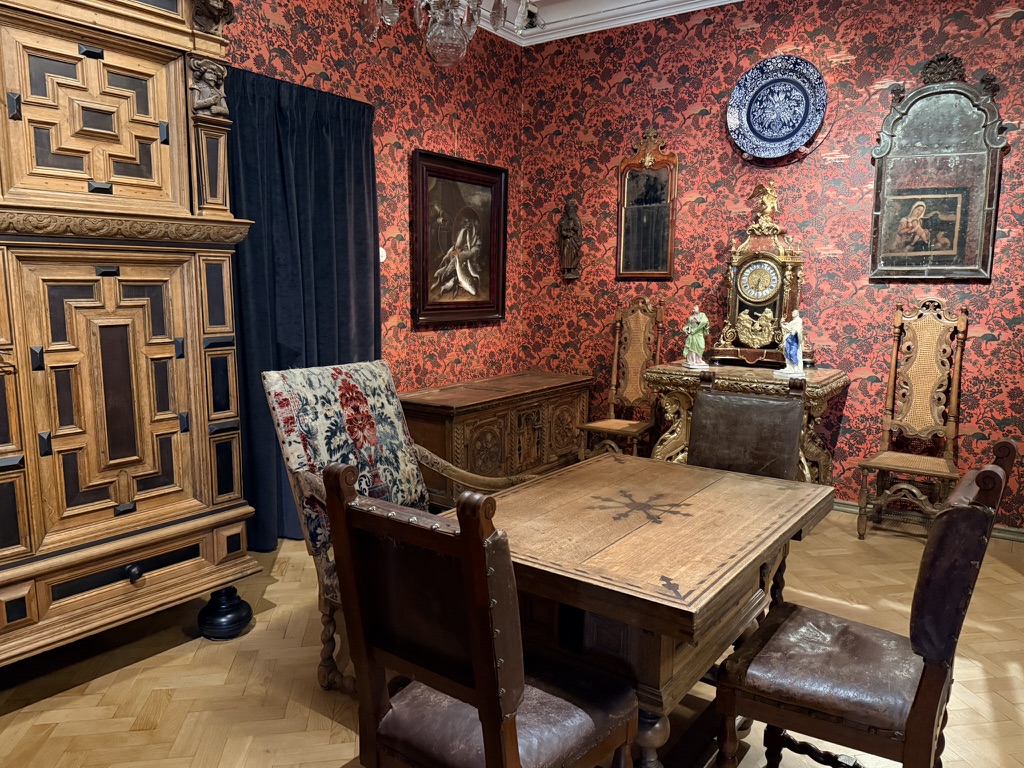
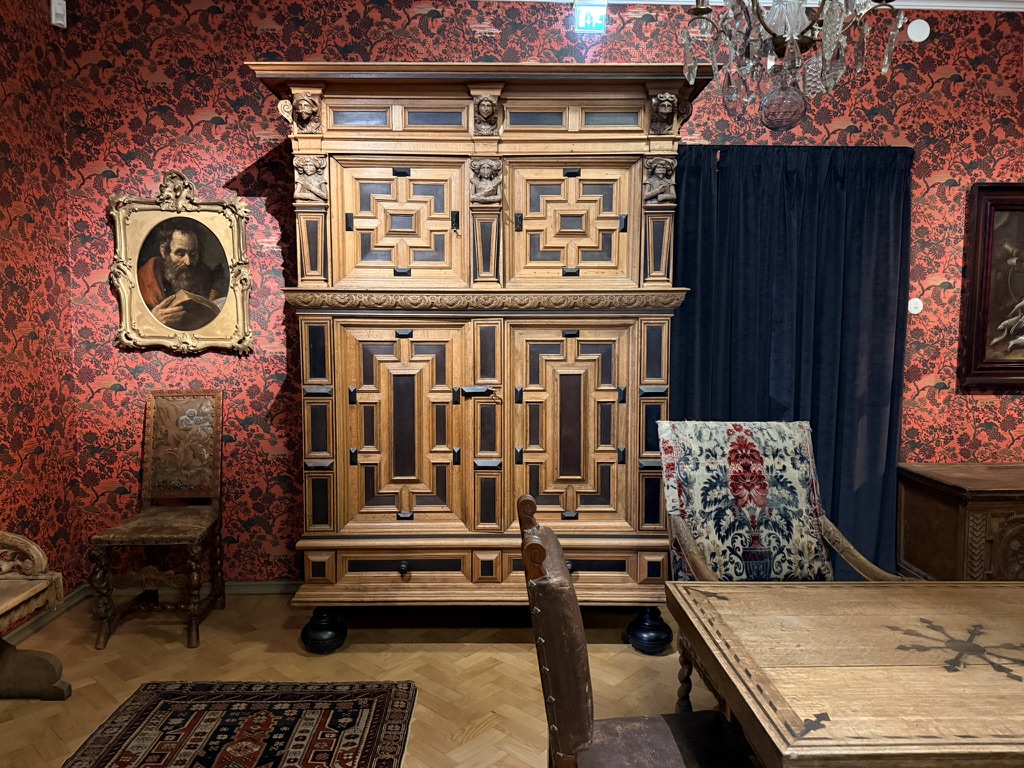
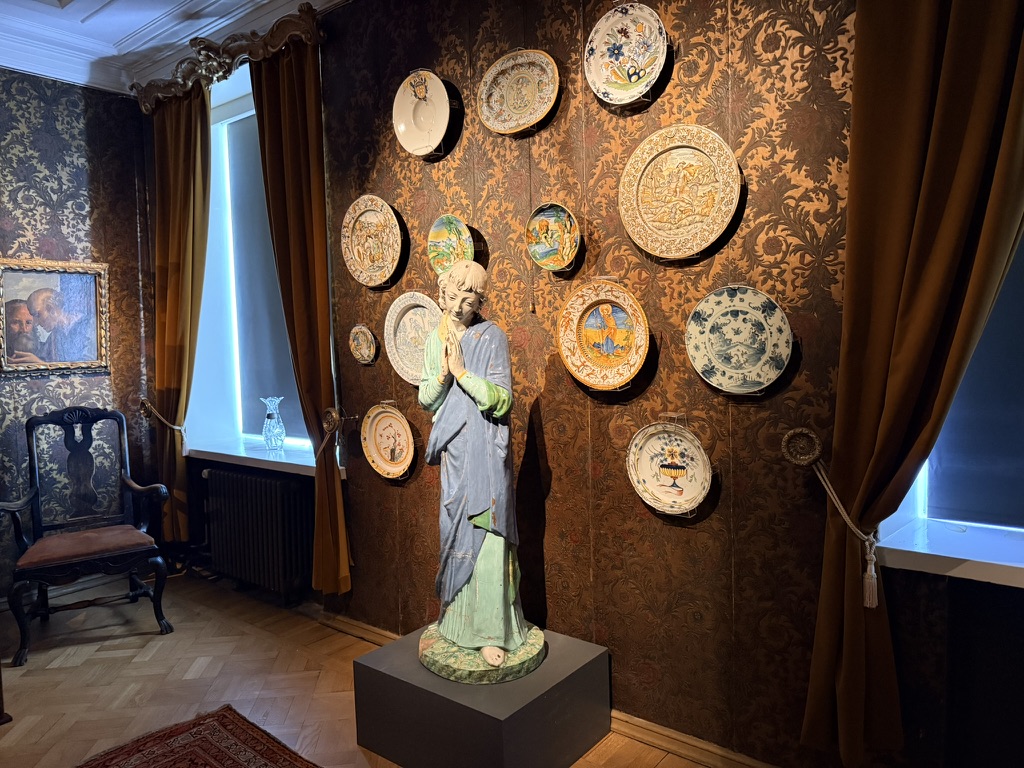
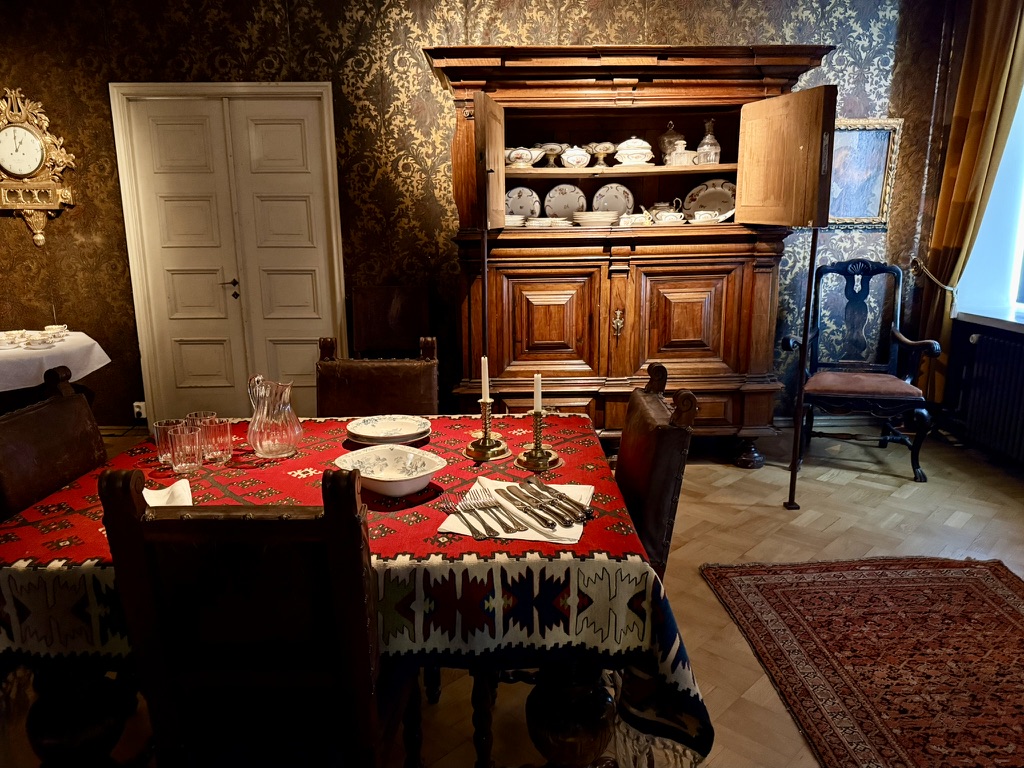
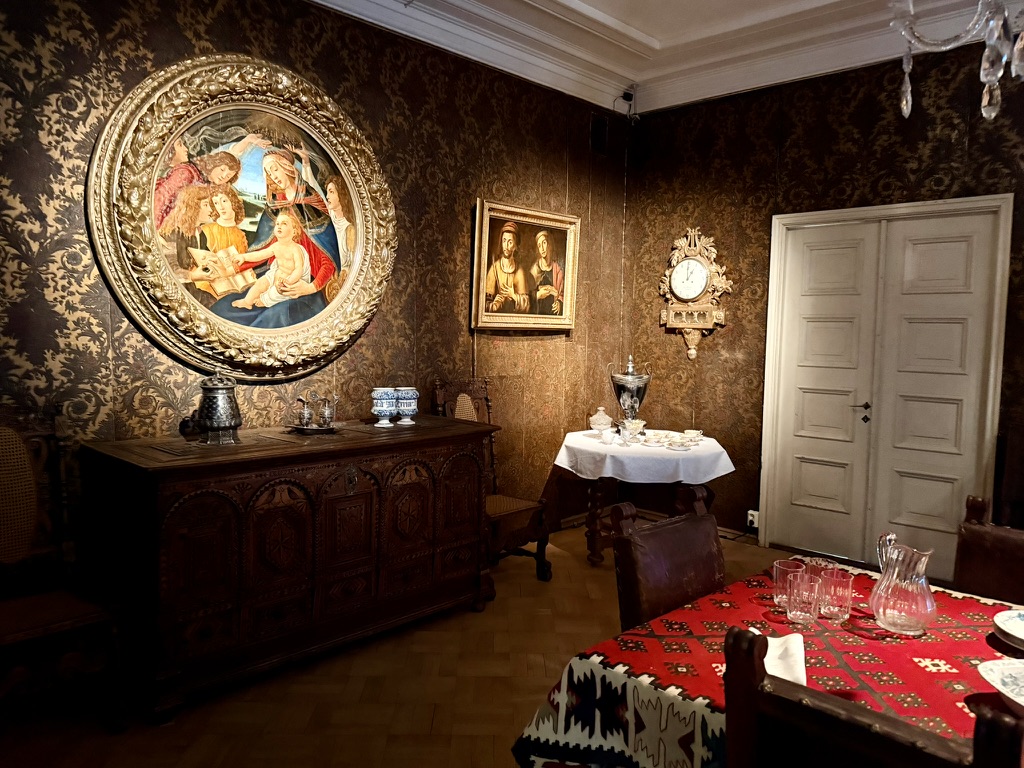
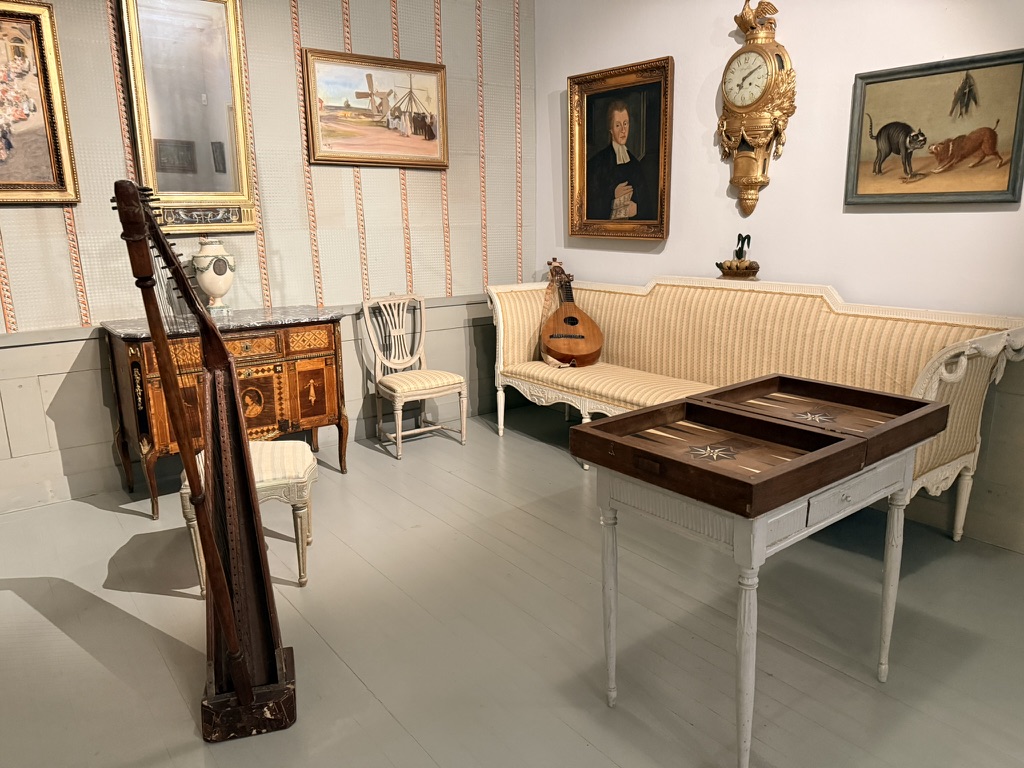
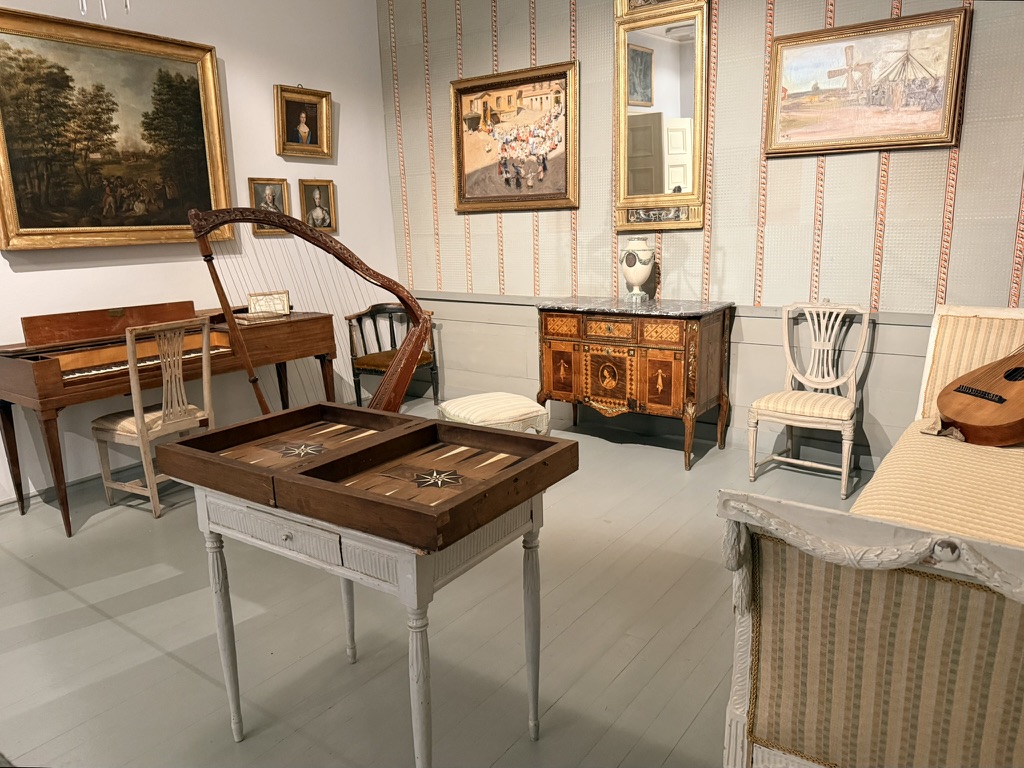
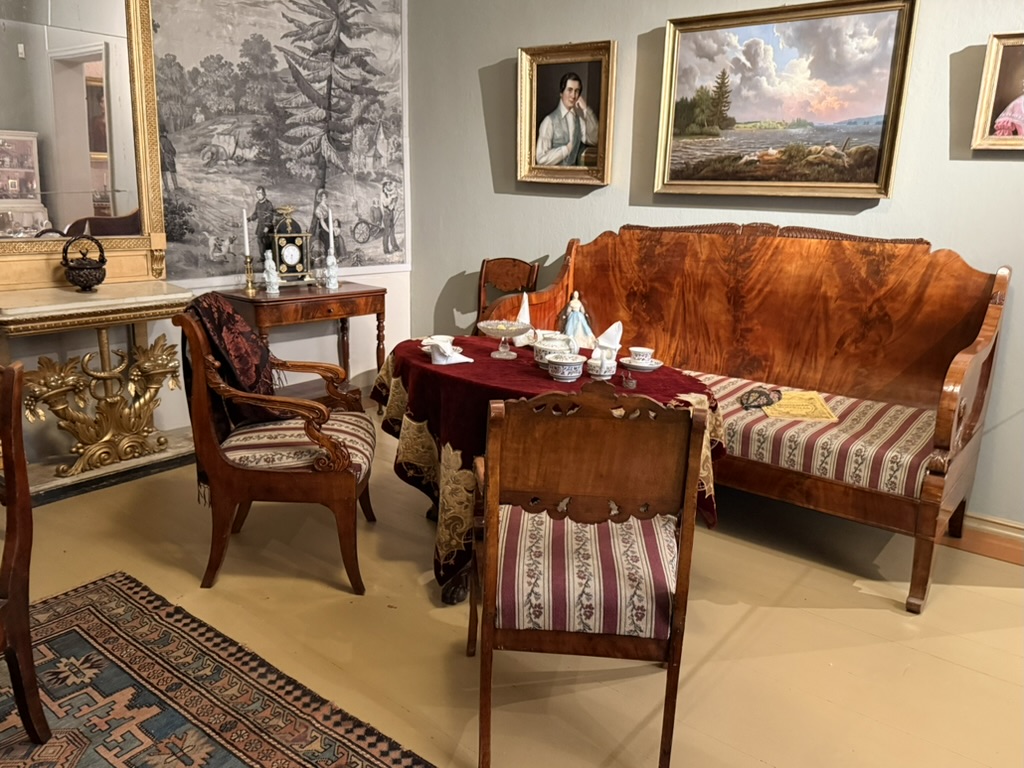
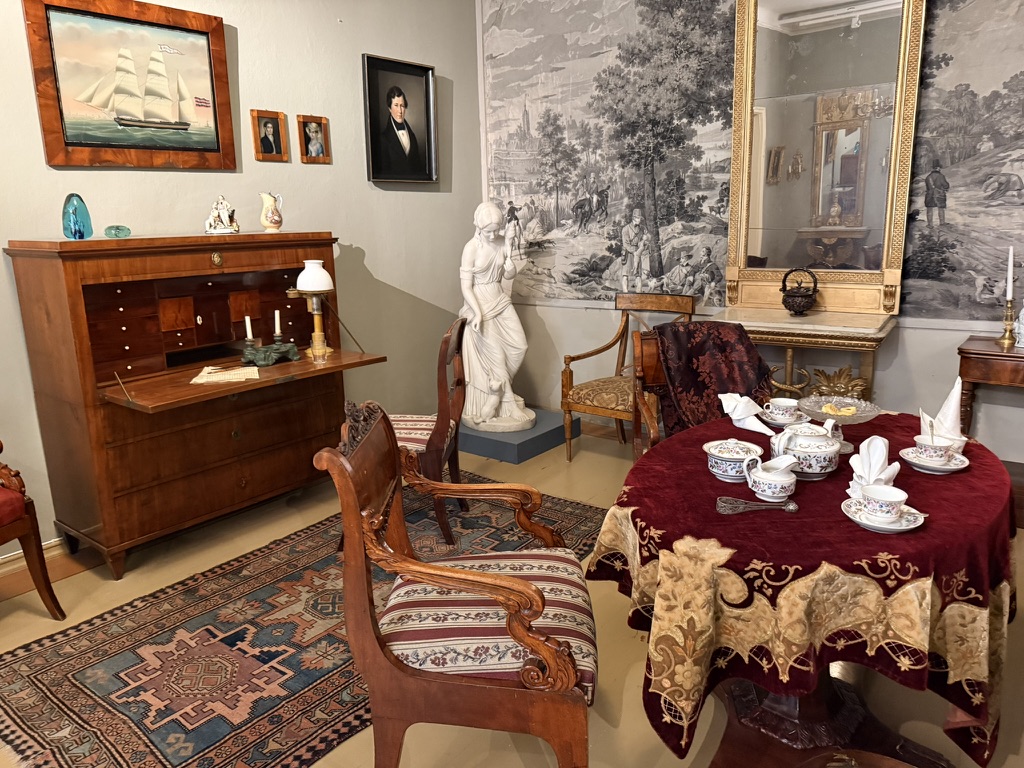
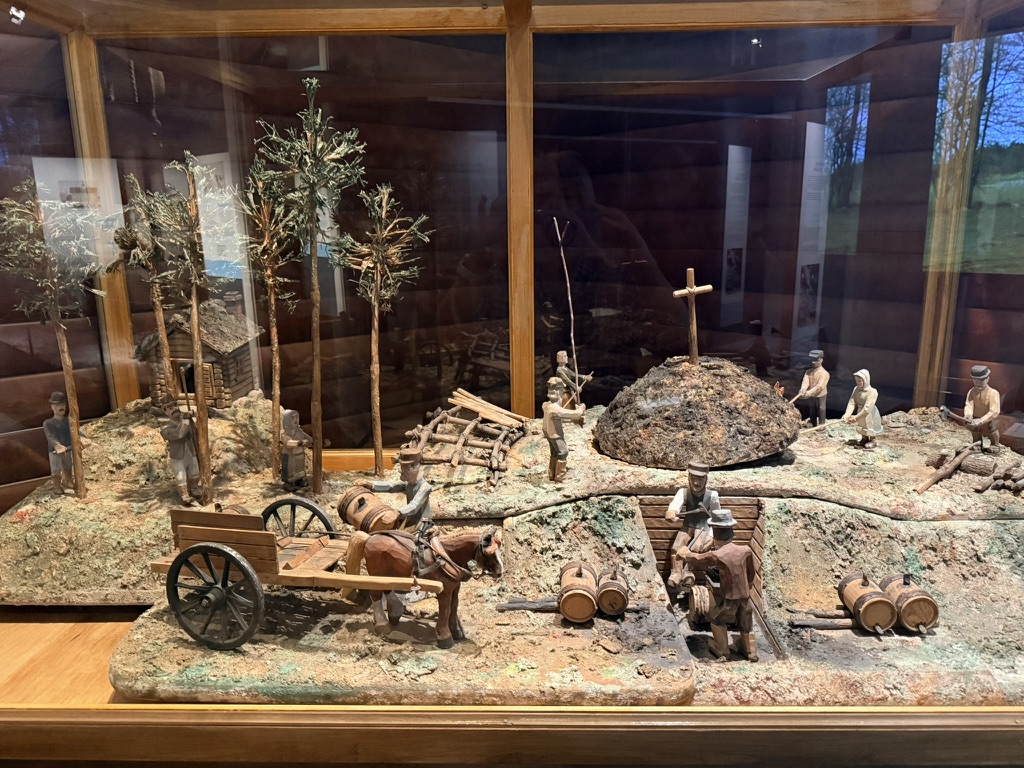
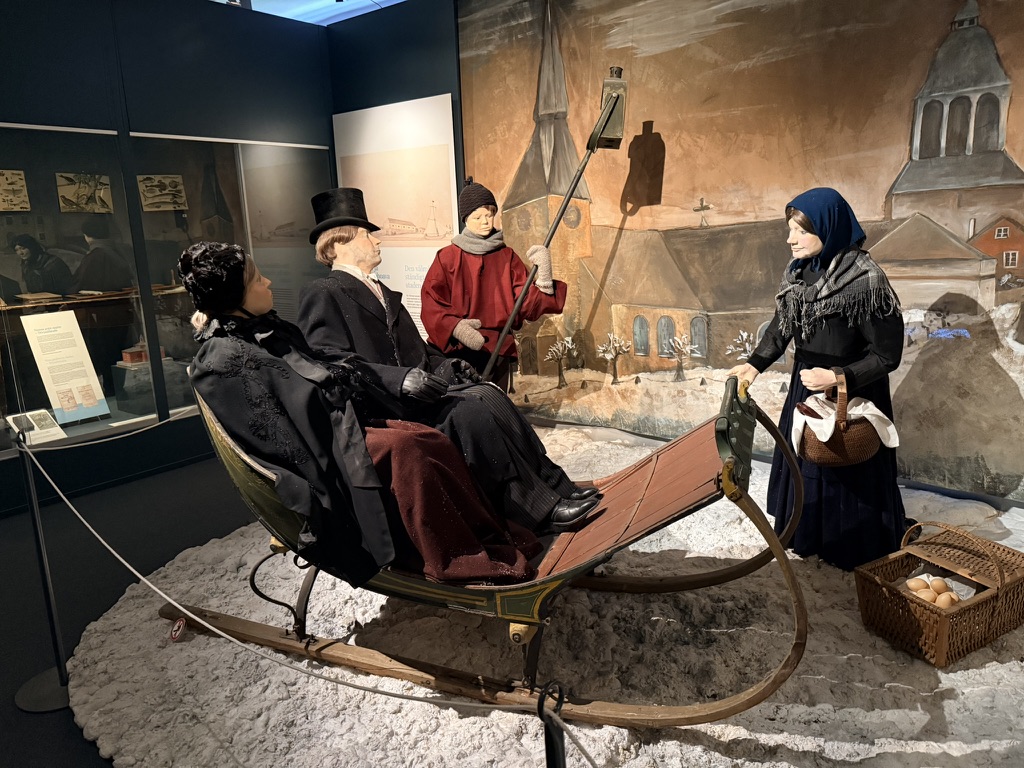
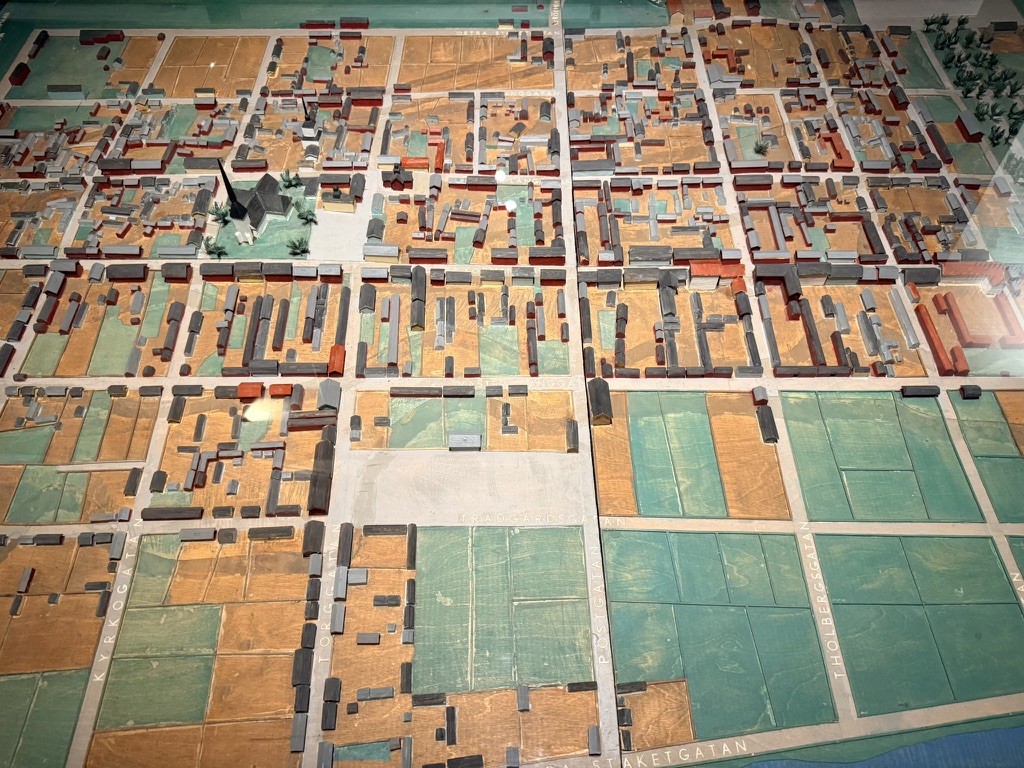
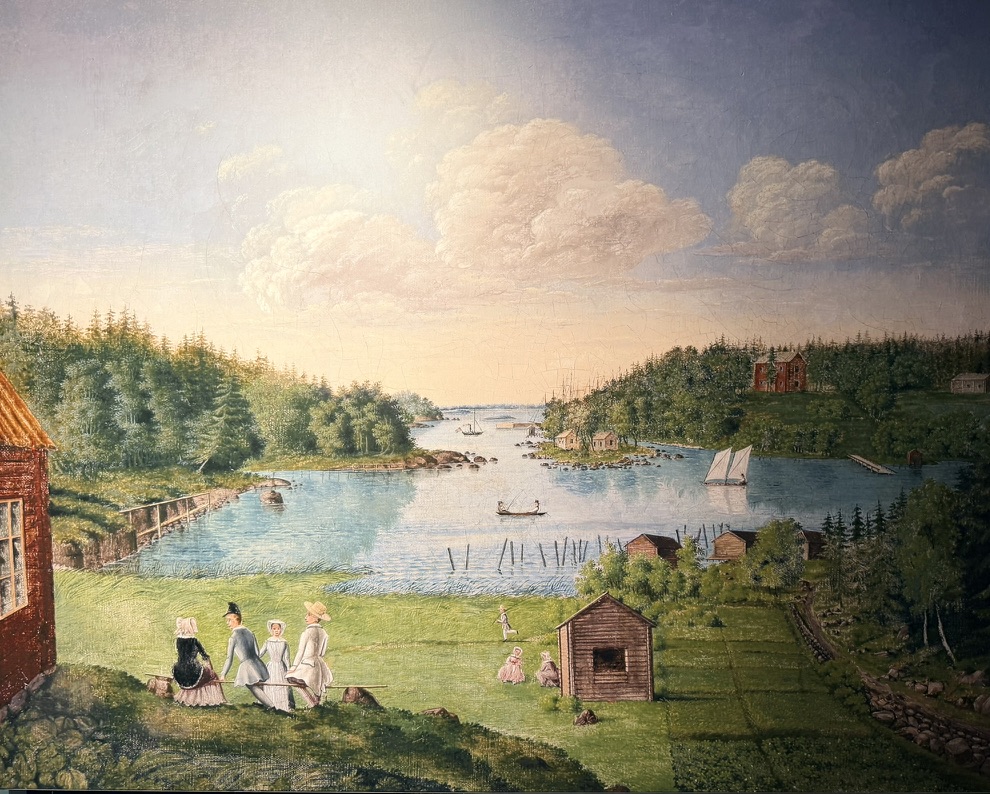
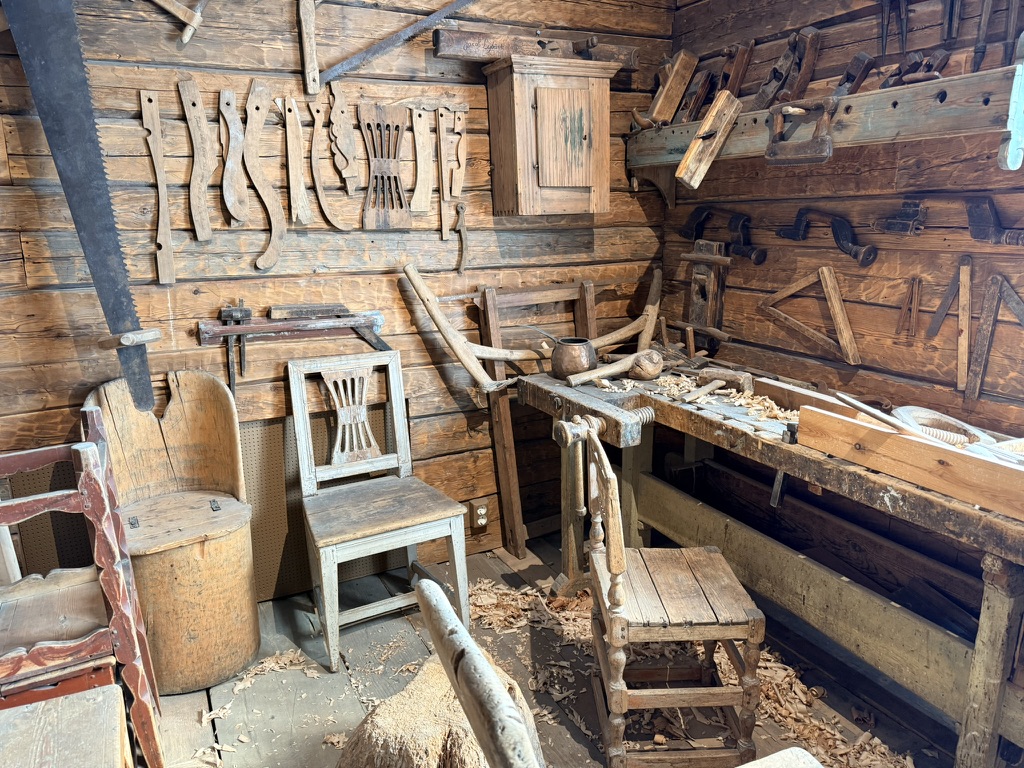
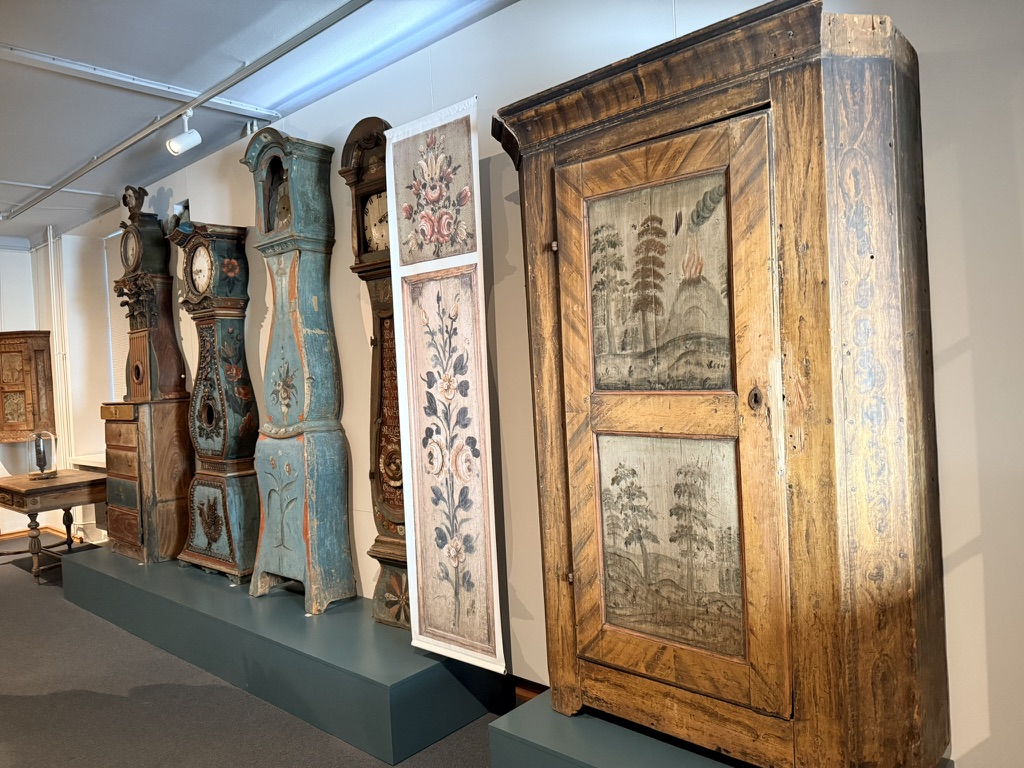
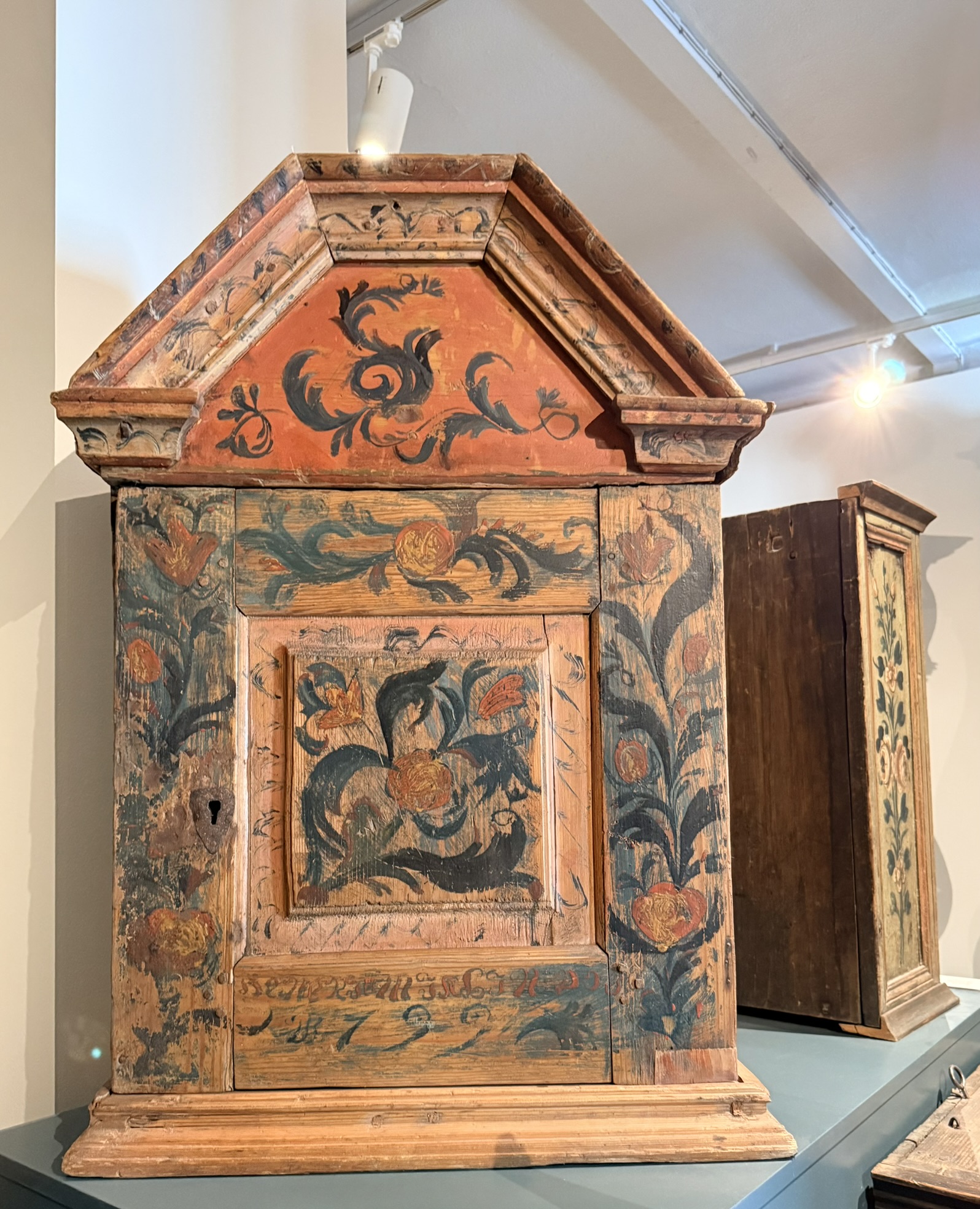
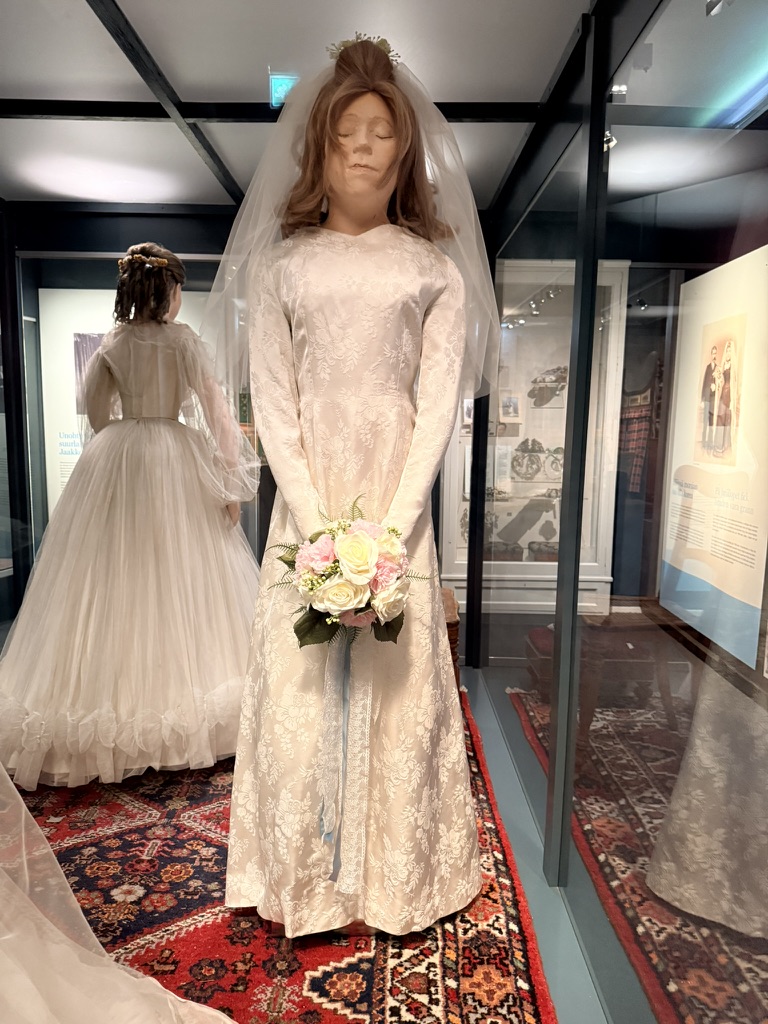
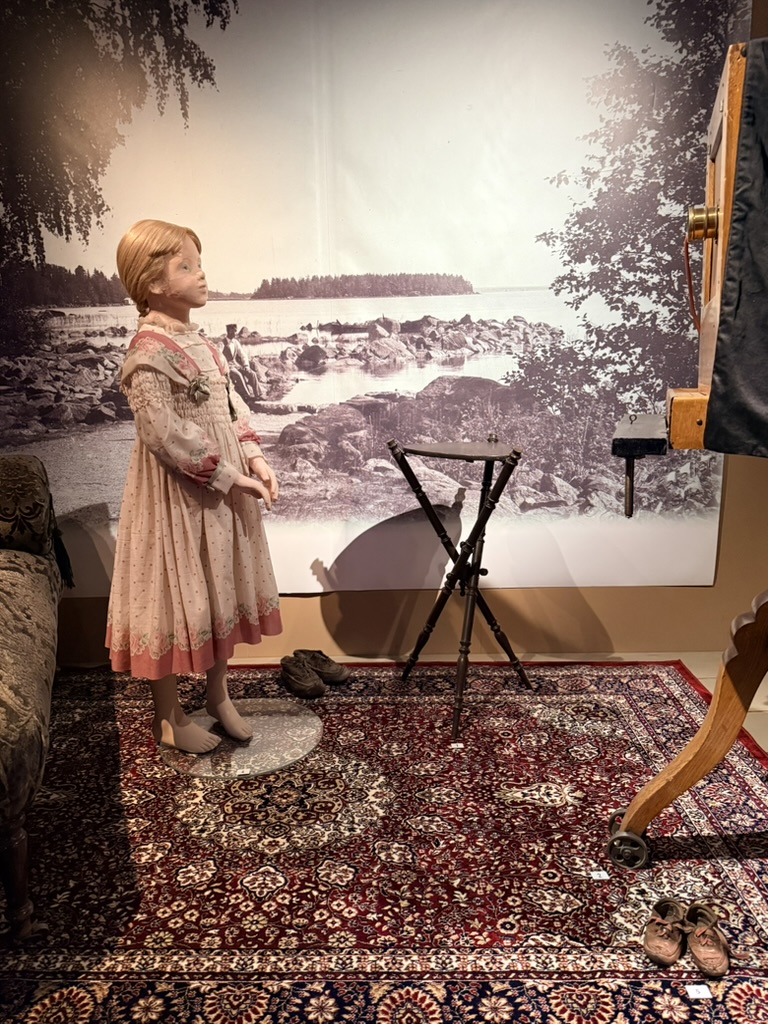
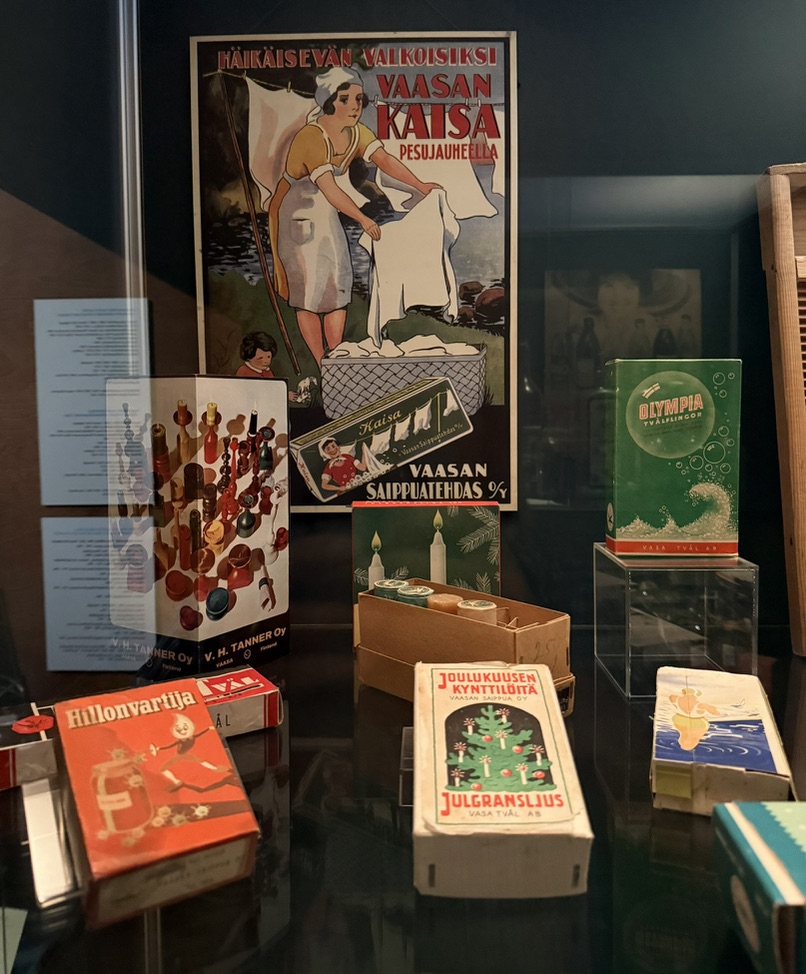
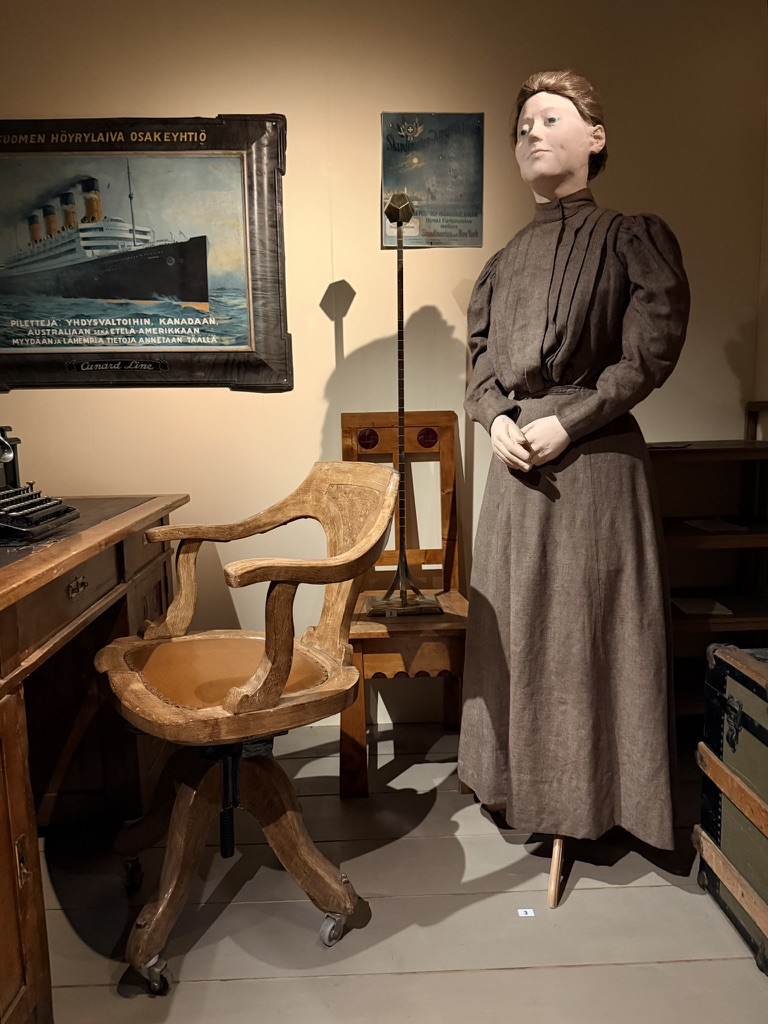
We went to the only museum open in Vaasa: The Ostrobothnian Museum (also known as the Pohjanmaan museo). The museum building was completed in 1929, and in 1967 a new modern exhibition wing was added.
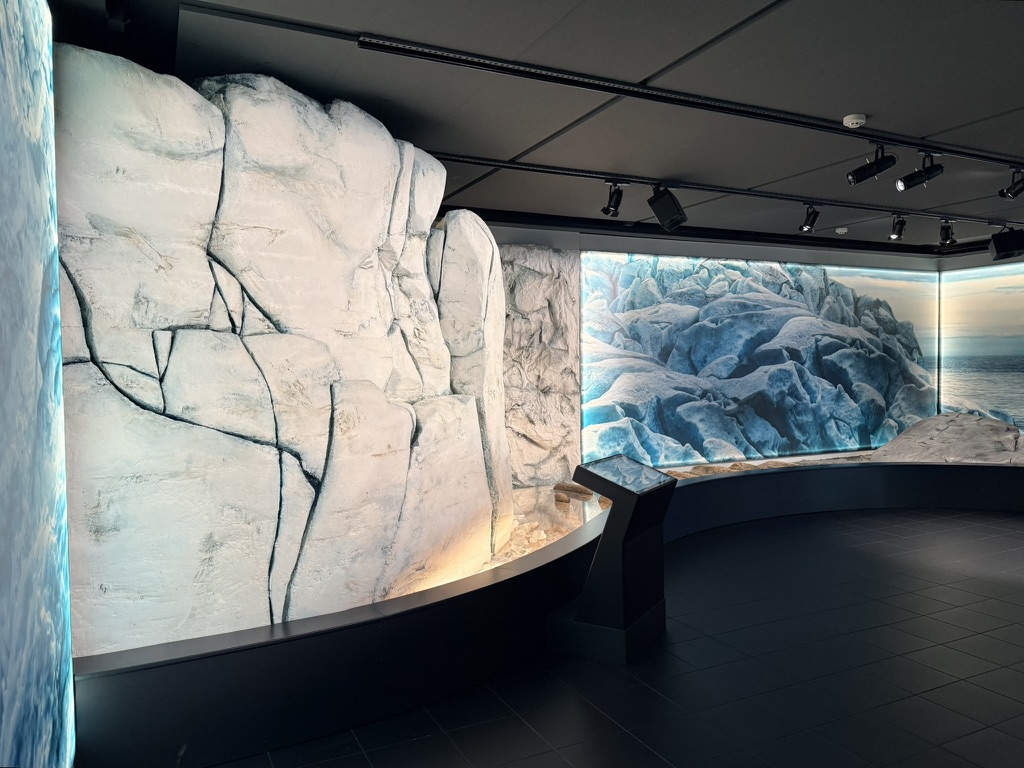
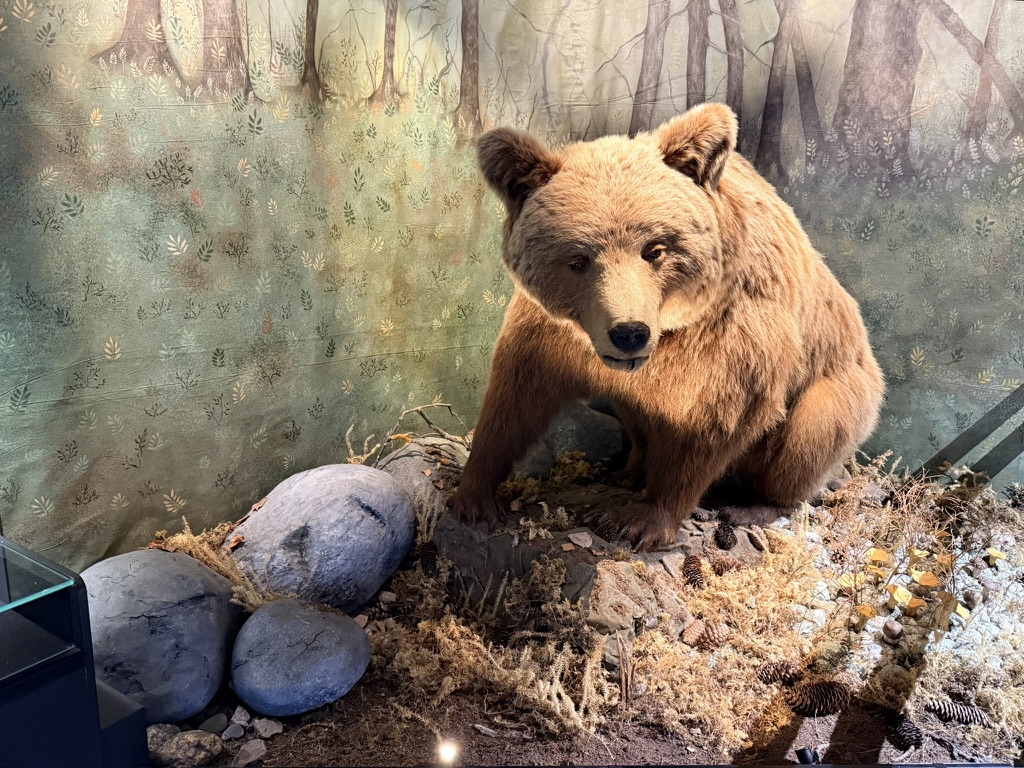
We started in the Terranova: the Kvarken’s Nature Centre constitutes the museum’s permanent natural science exhibition and demonstrates how plants and animals took over the new land arisen from the sea.
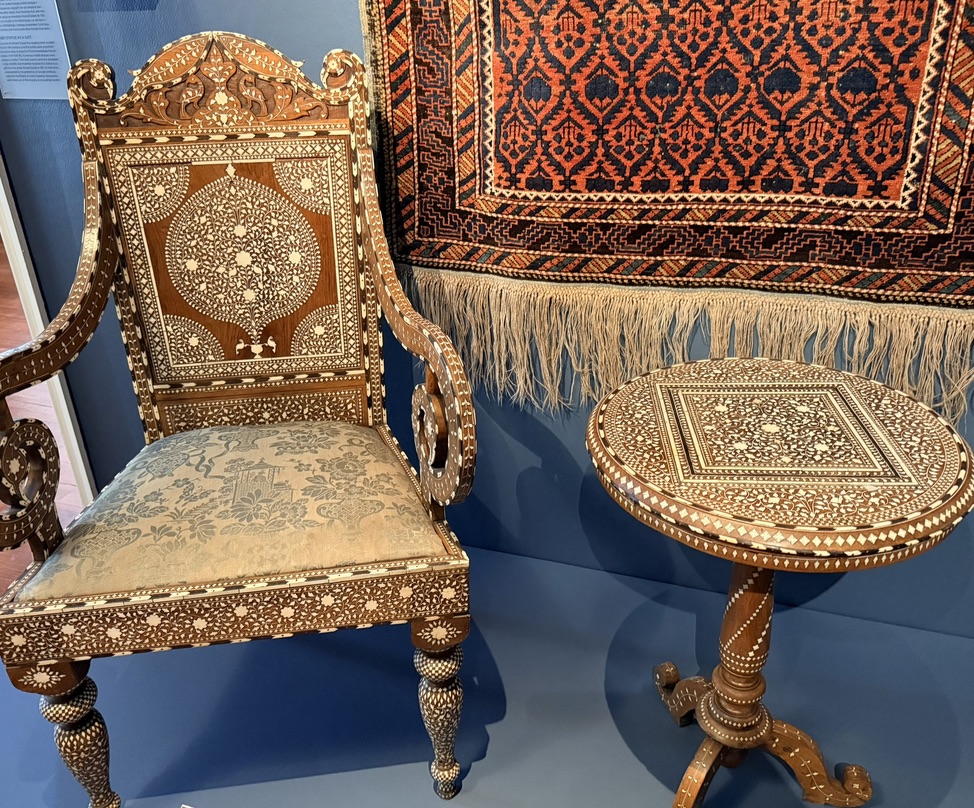
The historical basic exhibition offered stories and items from the Ostrobothnian peasant and merchant culture, as well as the history and folk art of Vaasa.
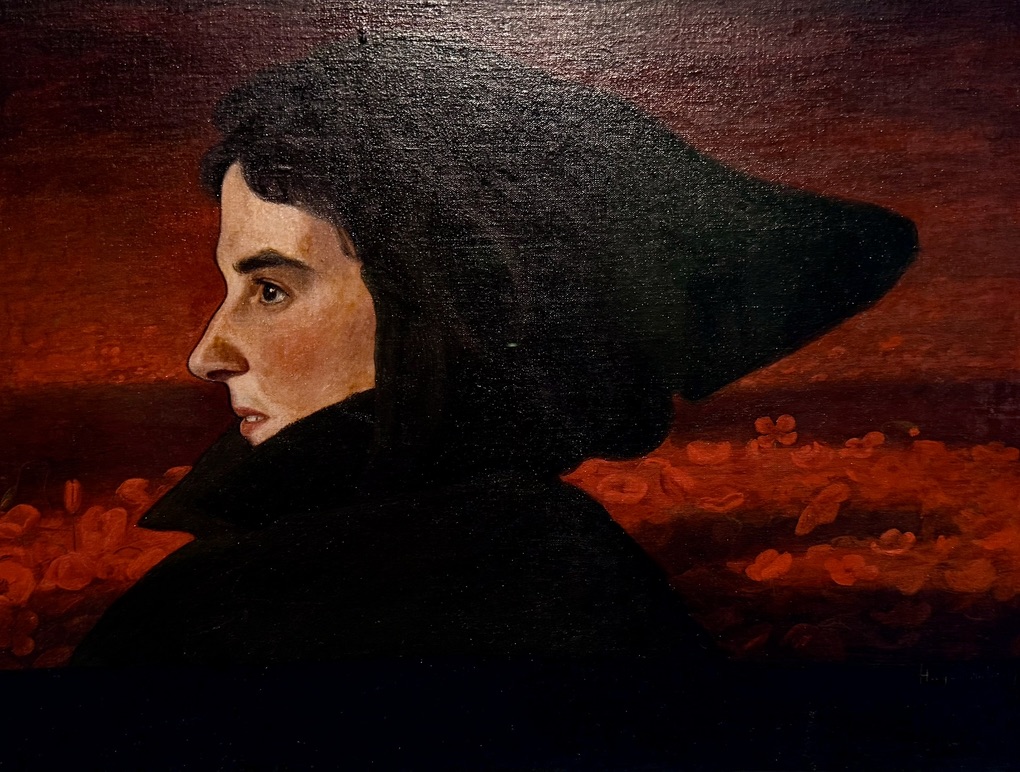
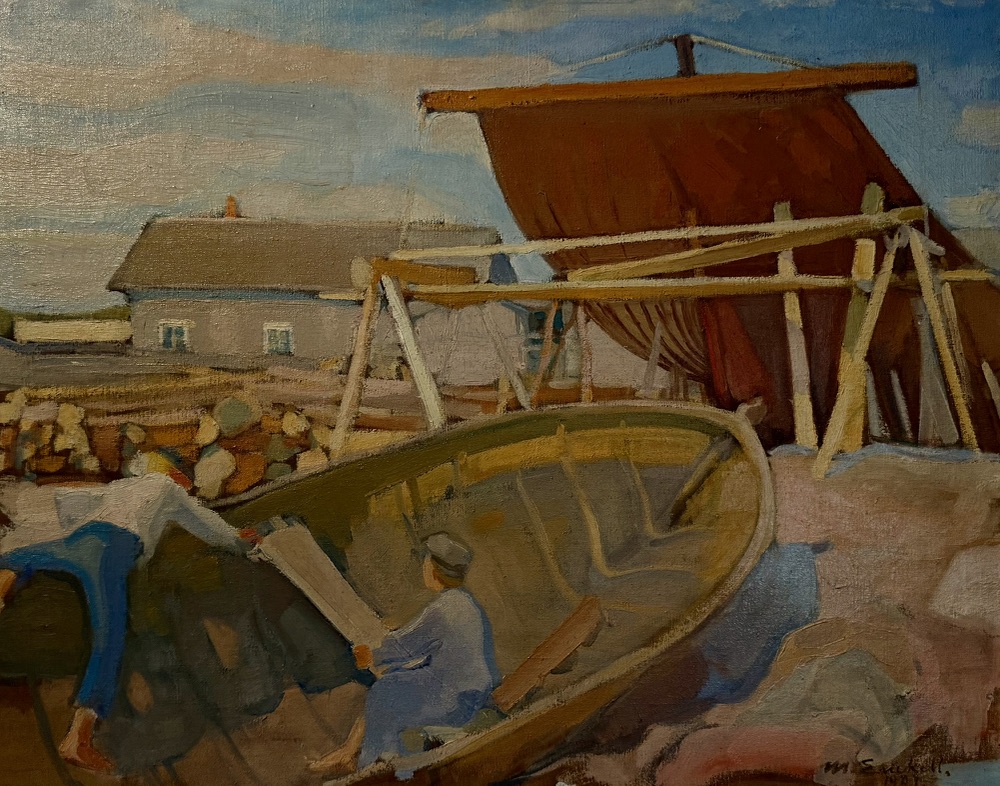
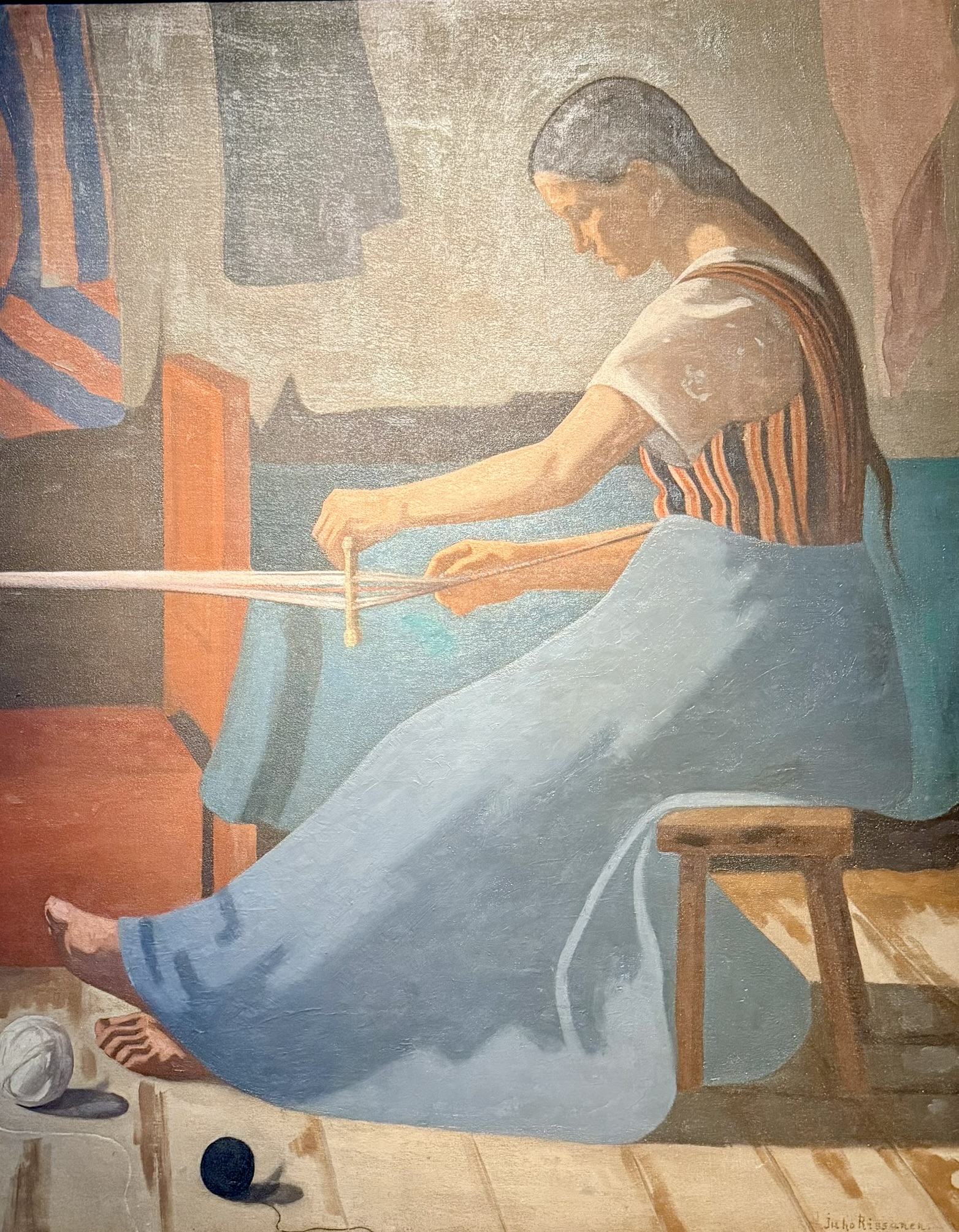
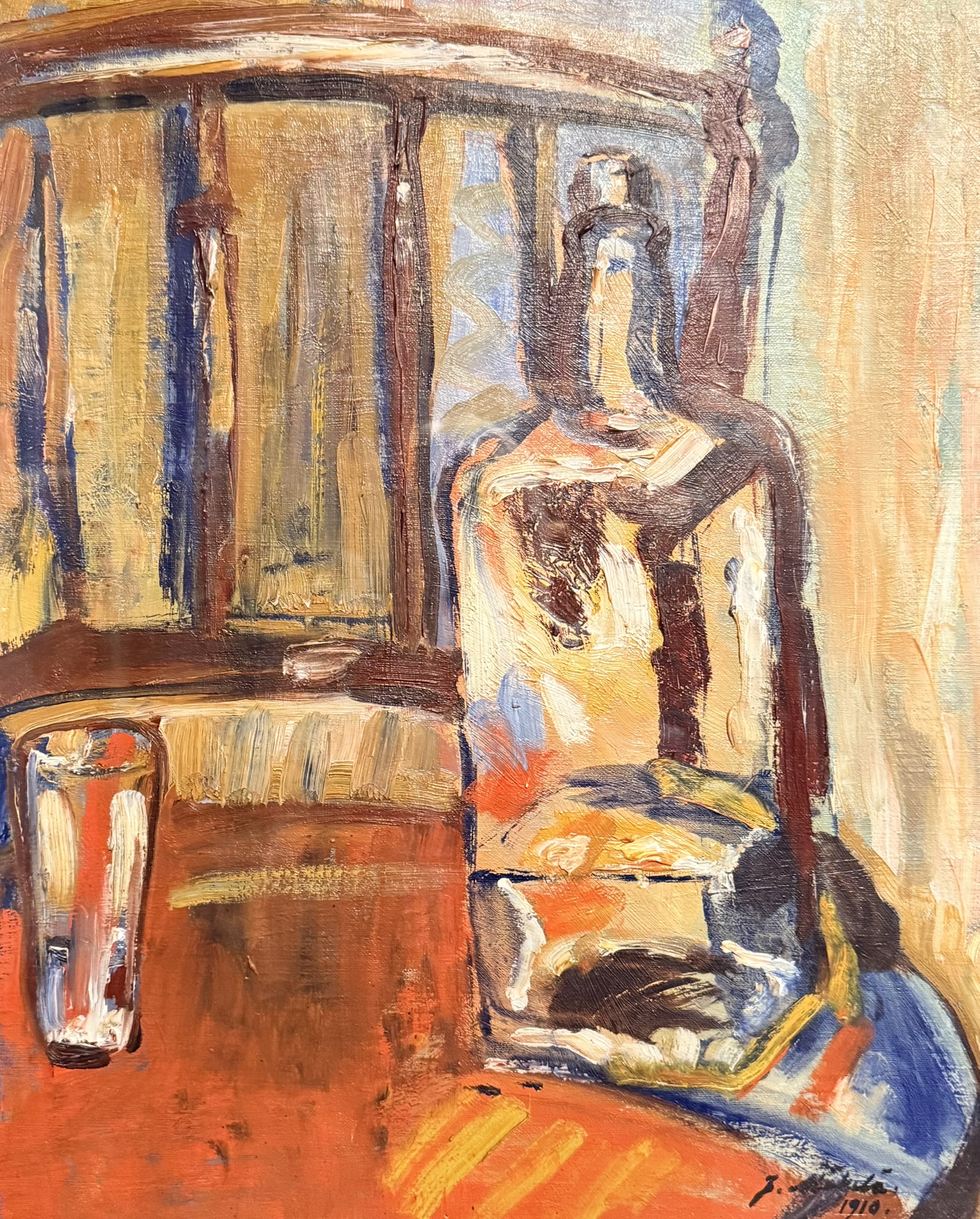
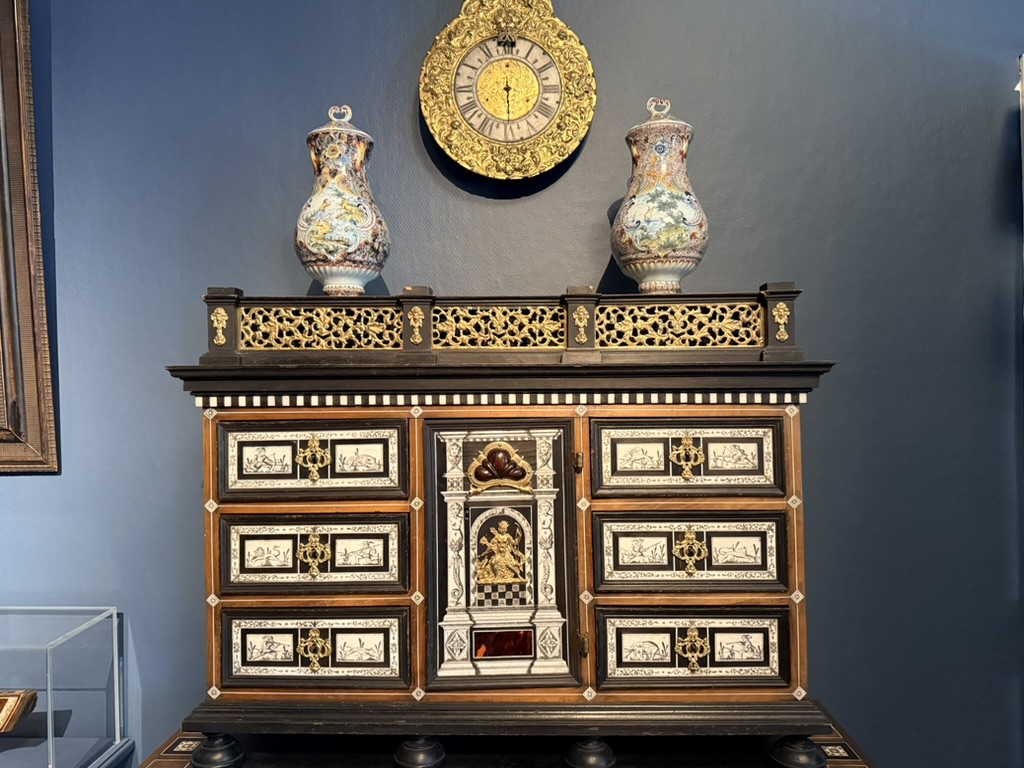
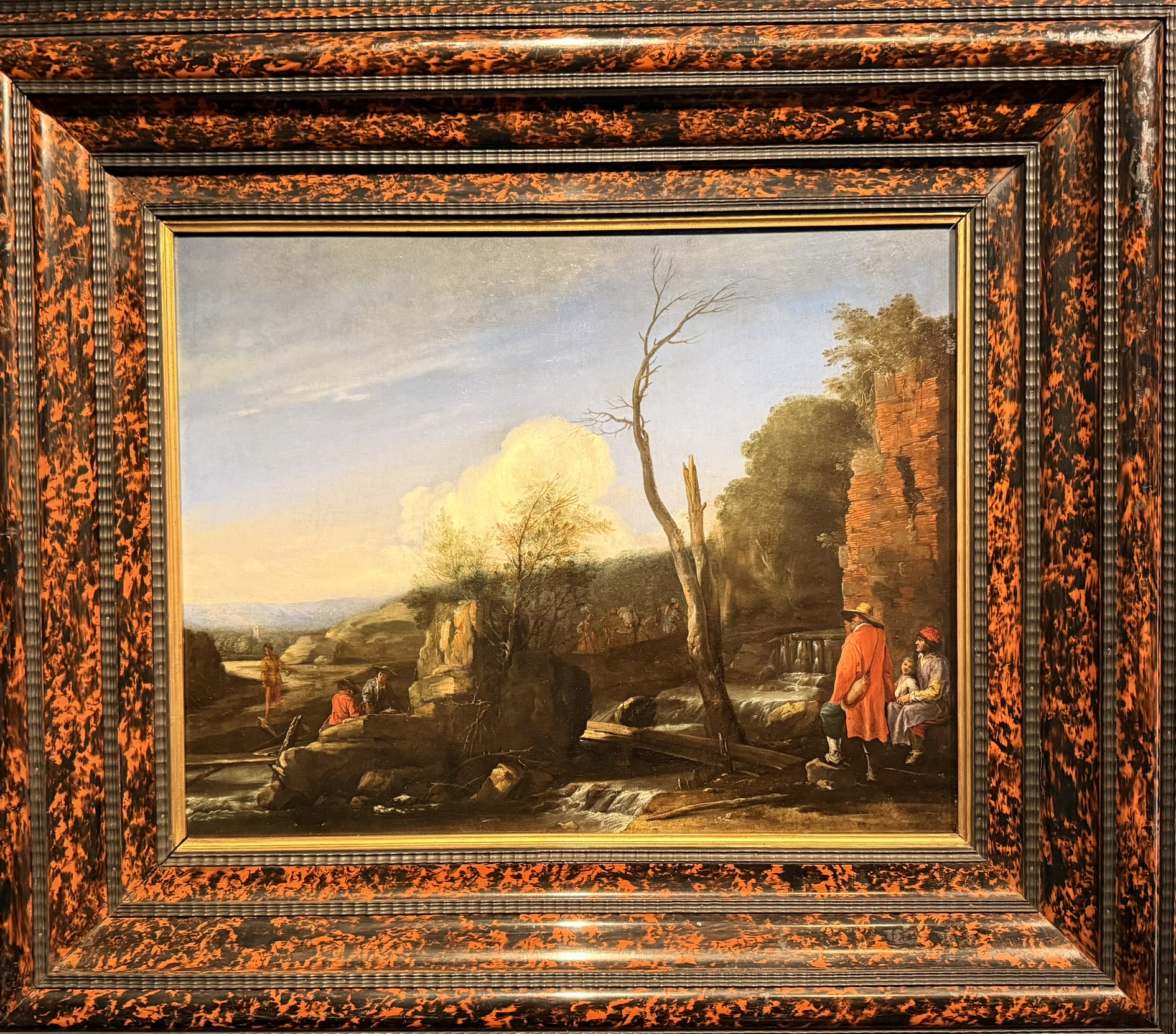
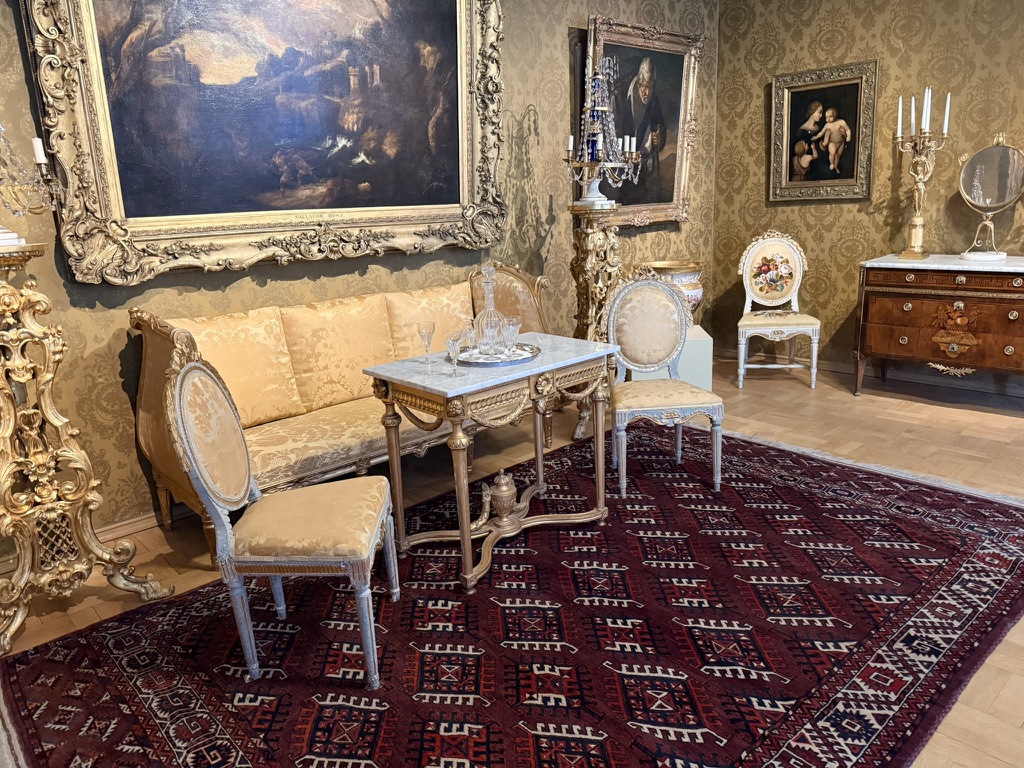
The Hedman collection consisted of art and antiquities. The nationally significant art collection included the works of masters from the golden age of Finnish art, as well as domestic impressionists and expressionists.
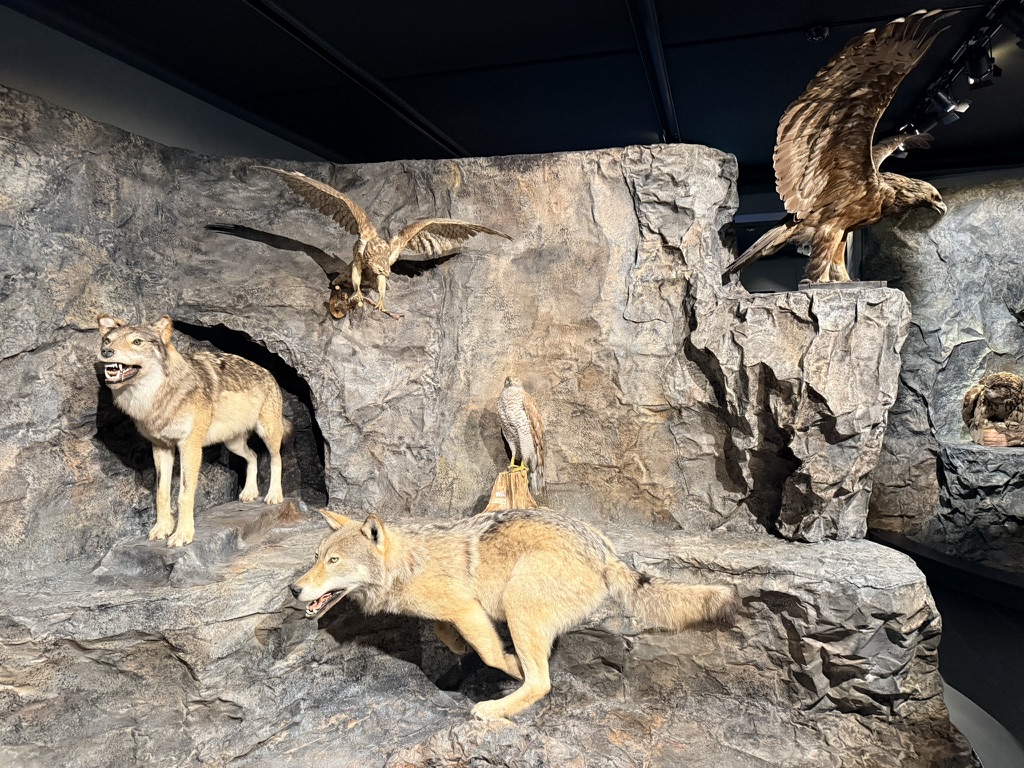
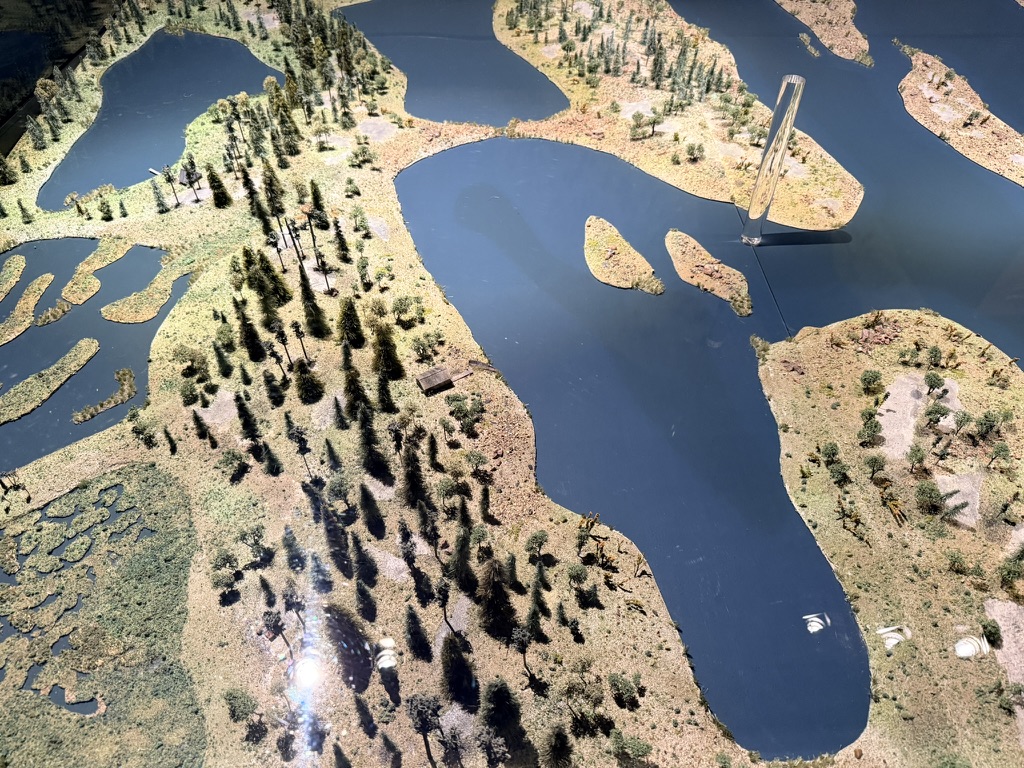
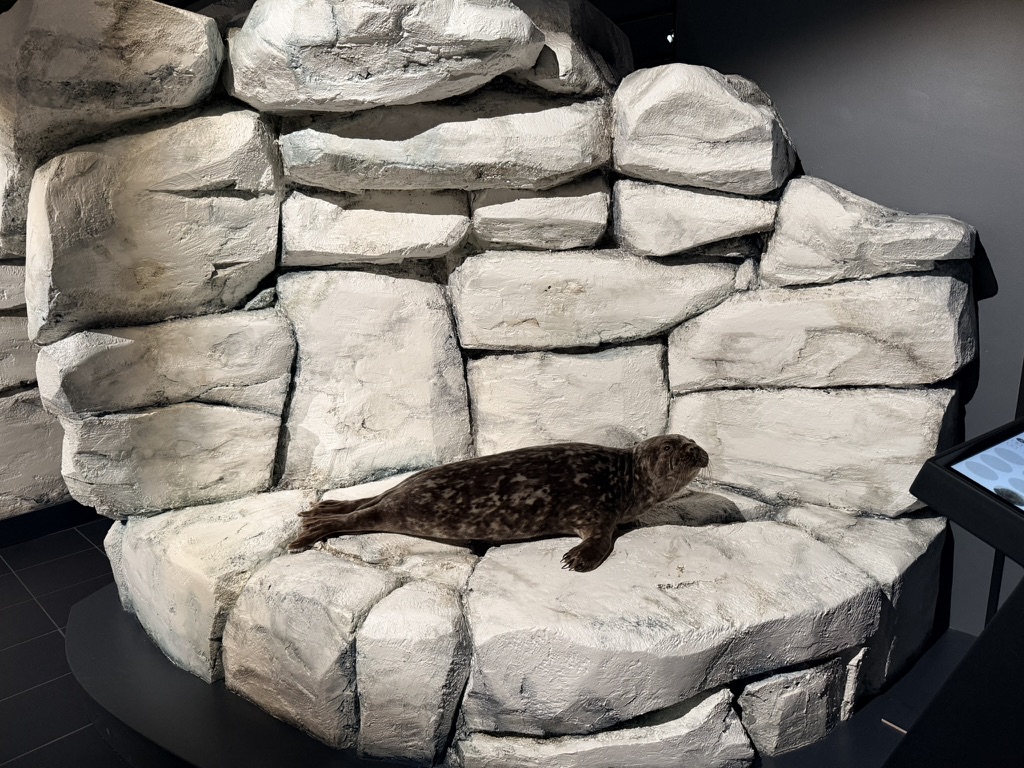
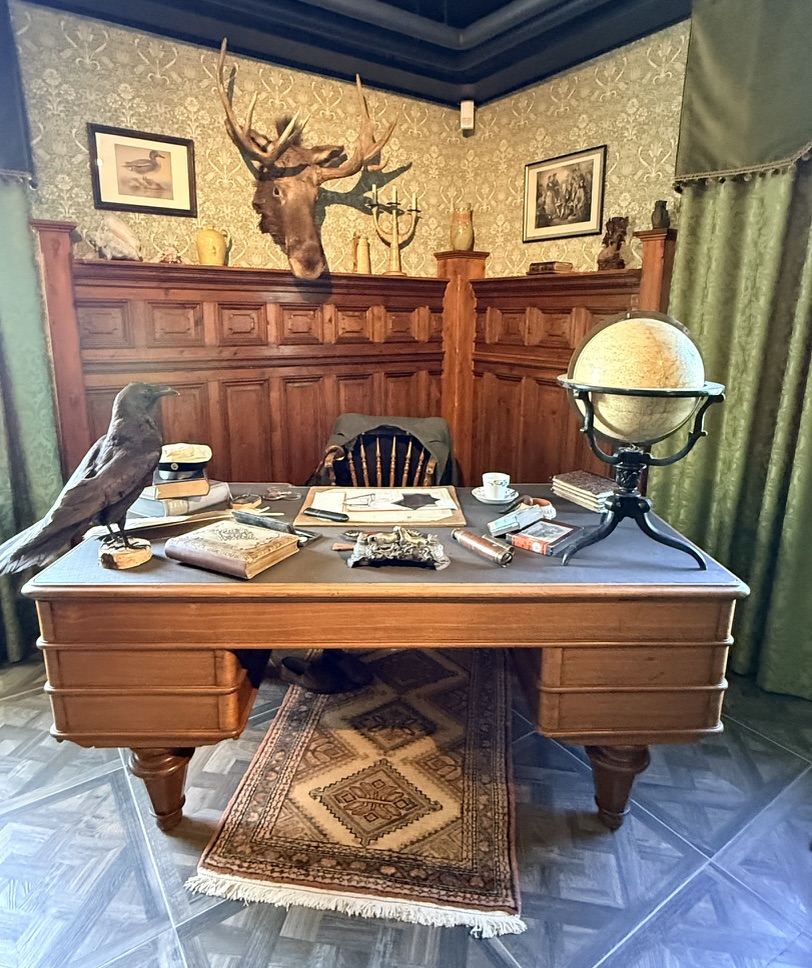
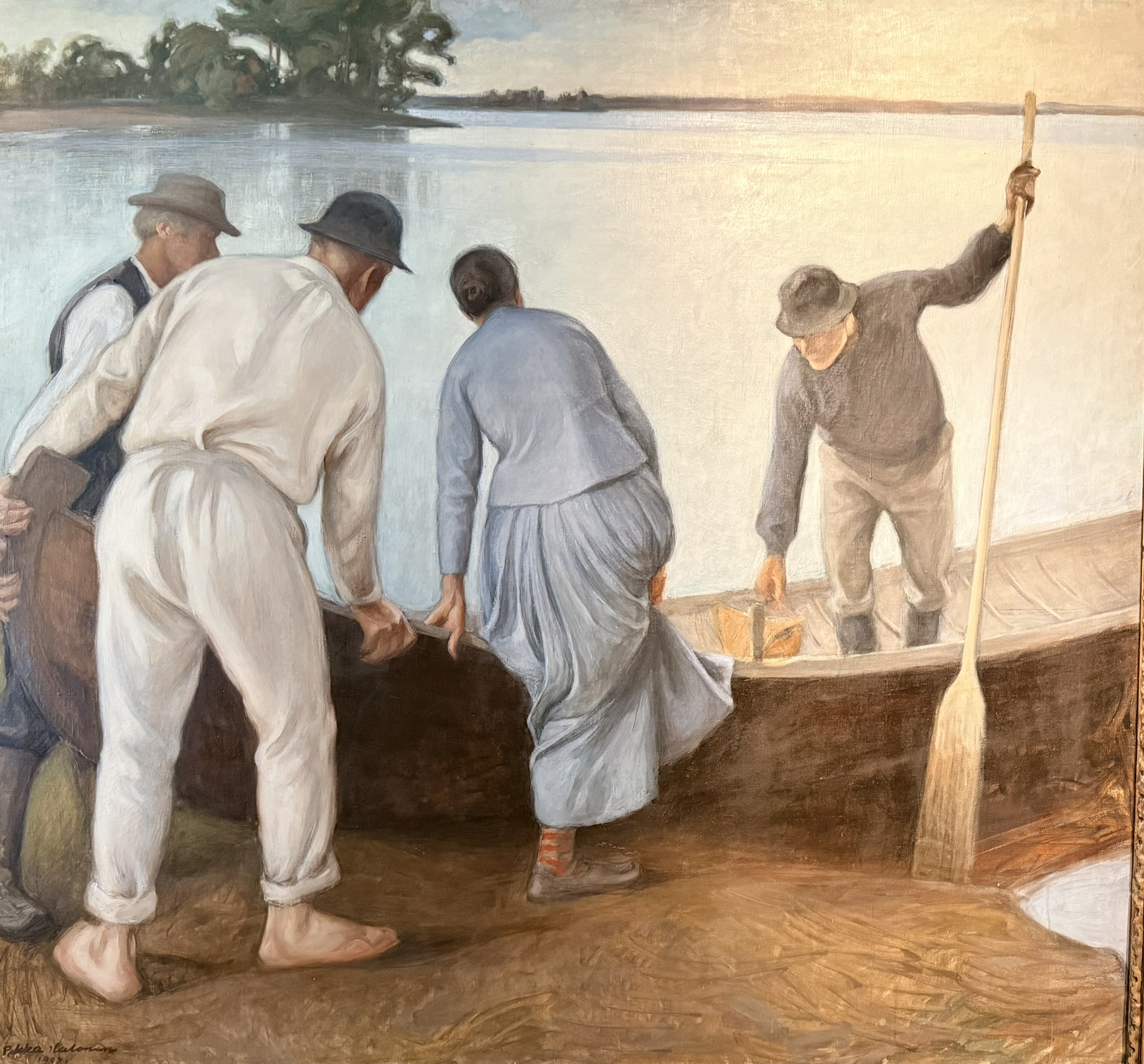
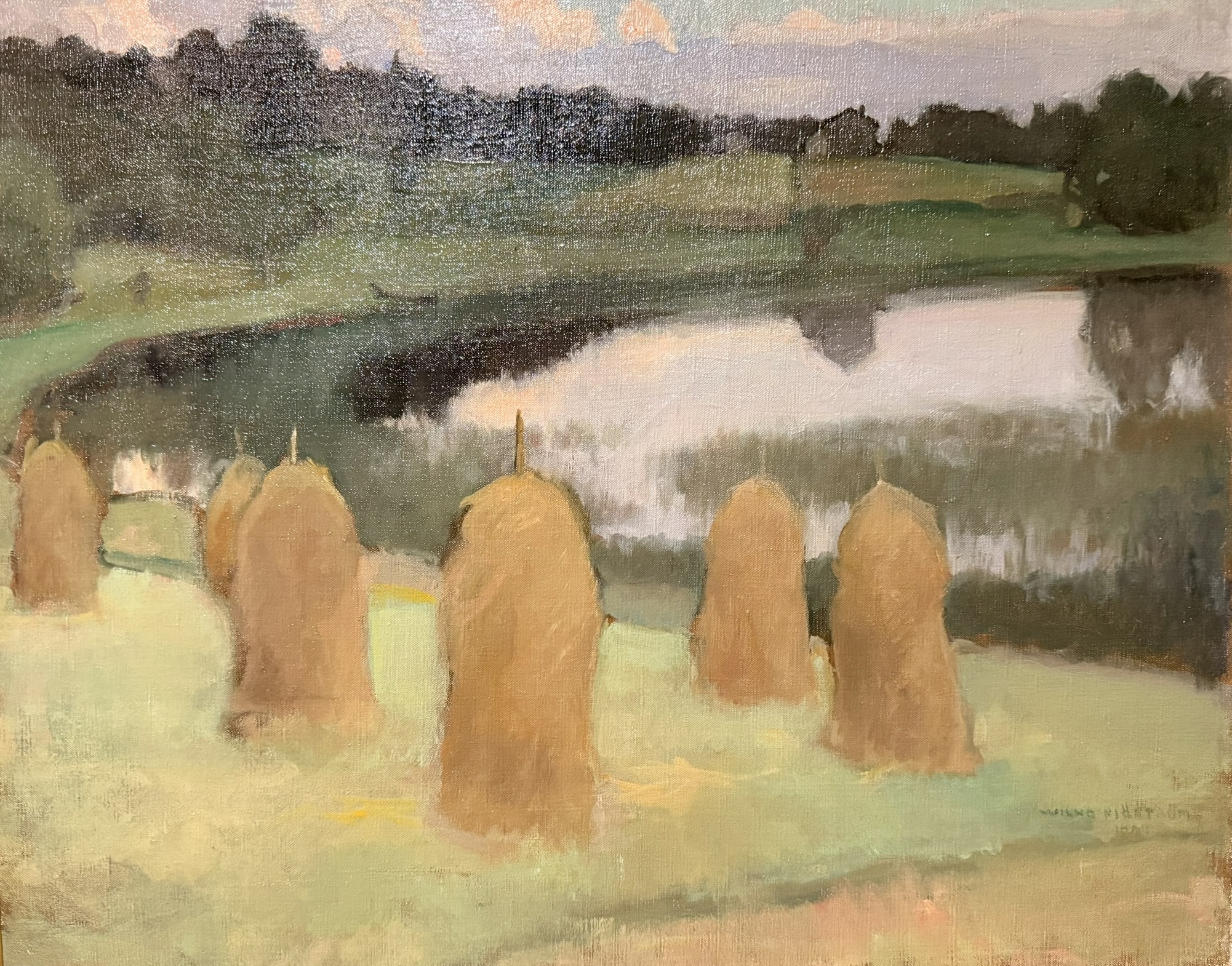
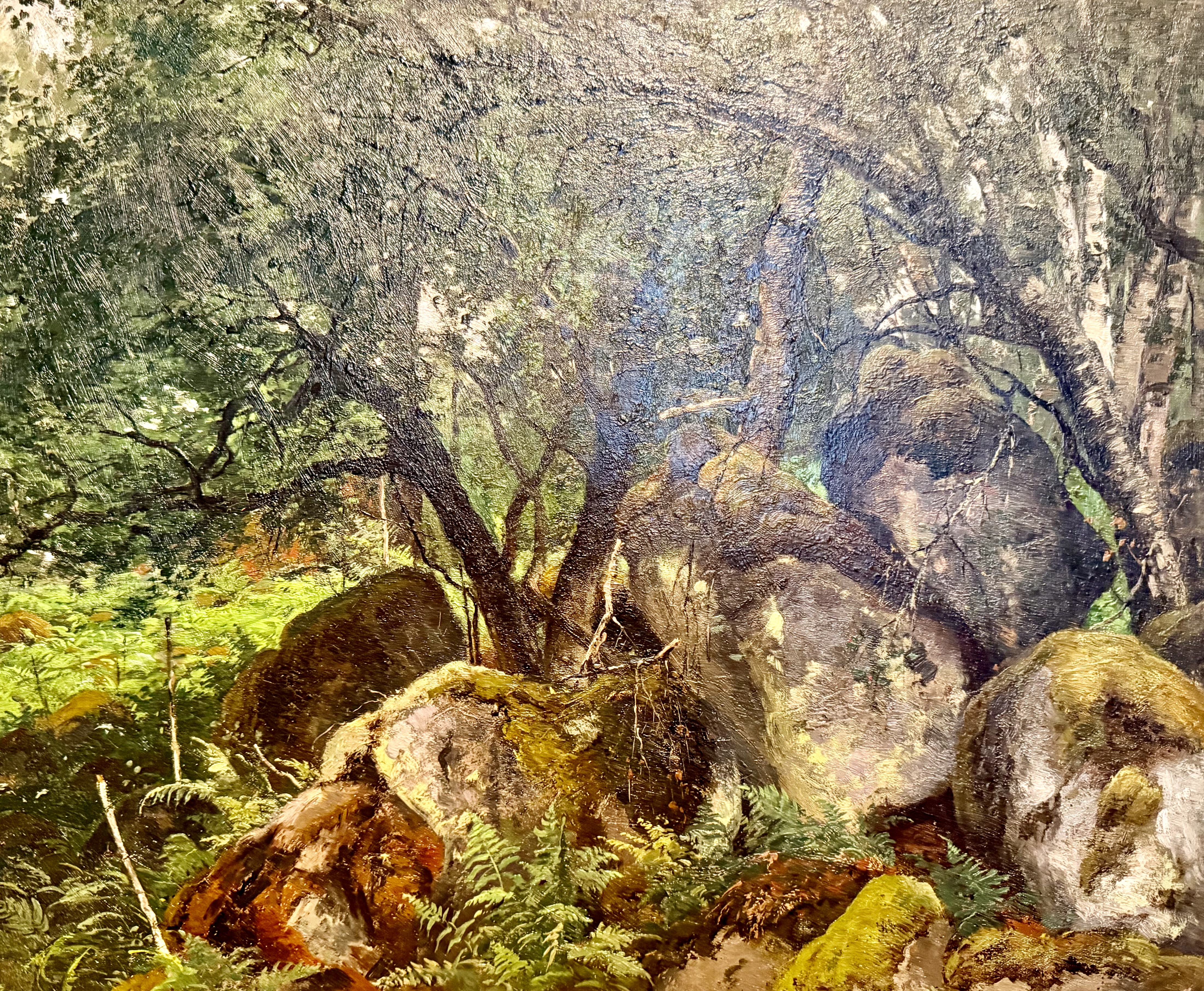
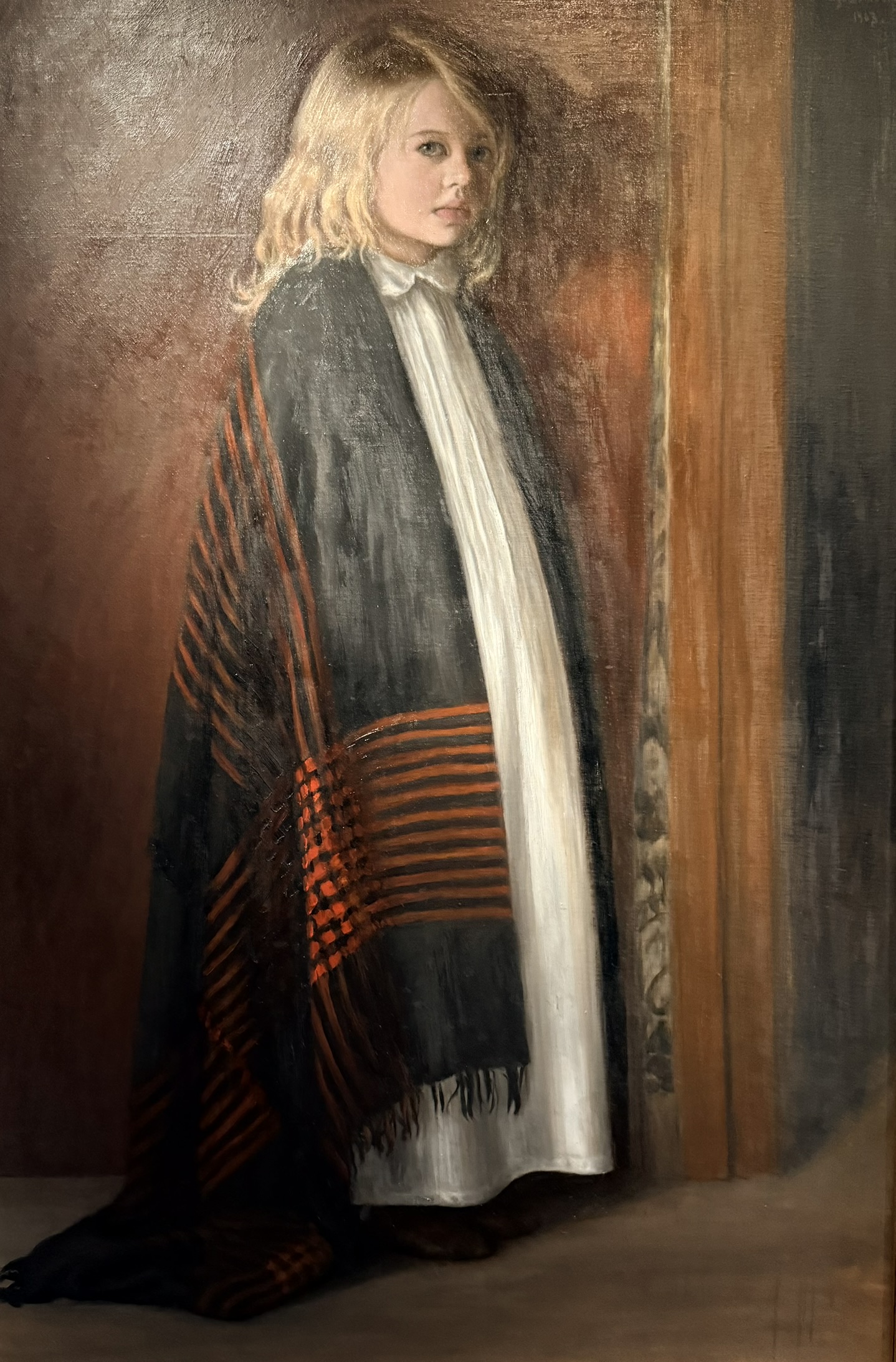
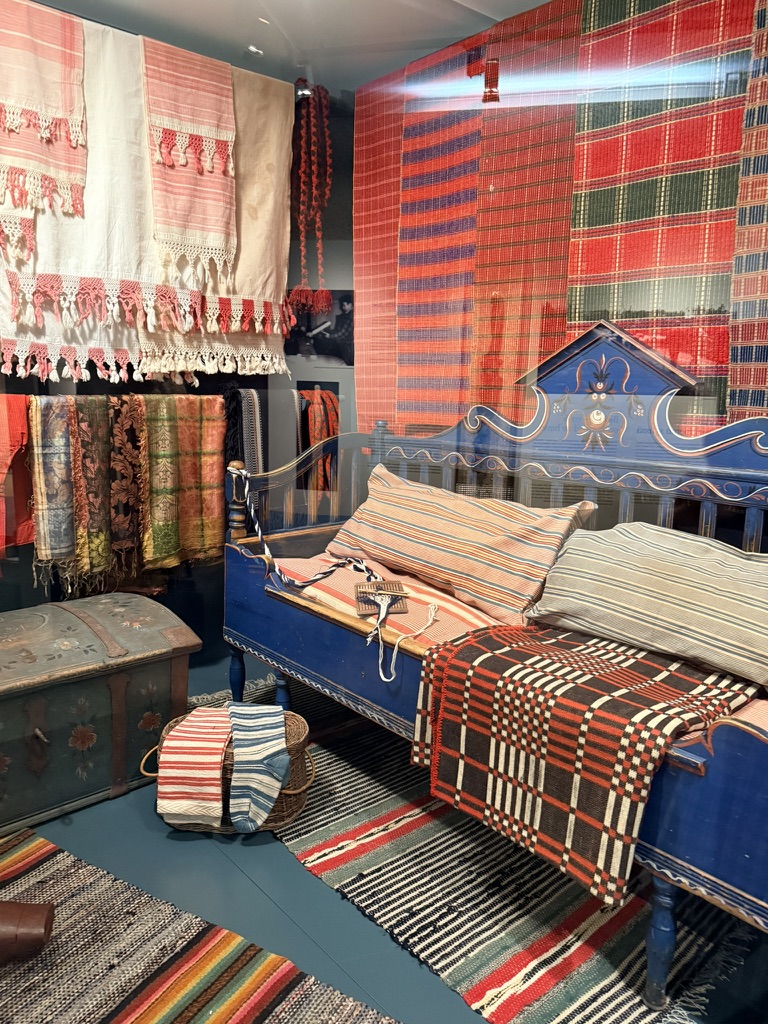
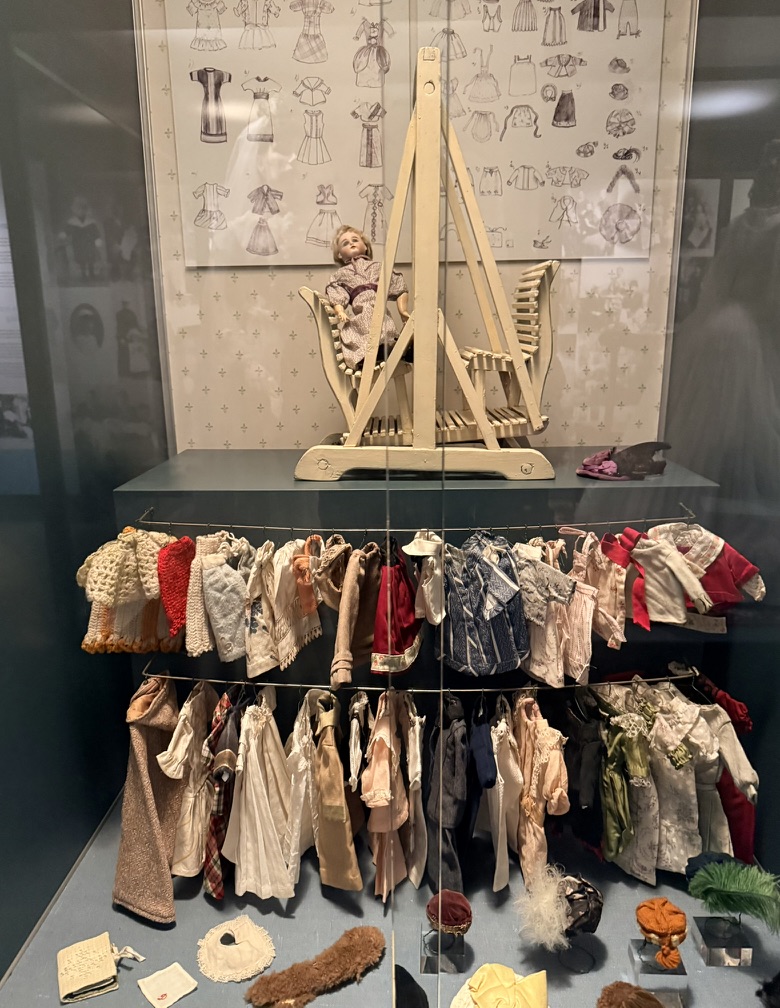
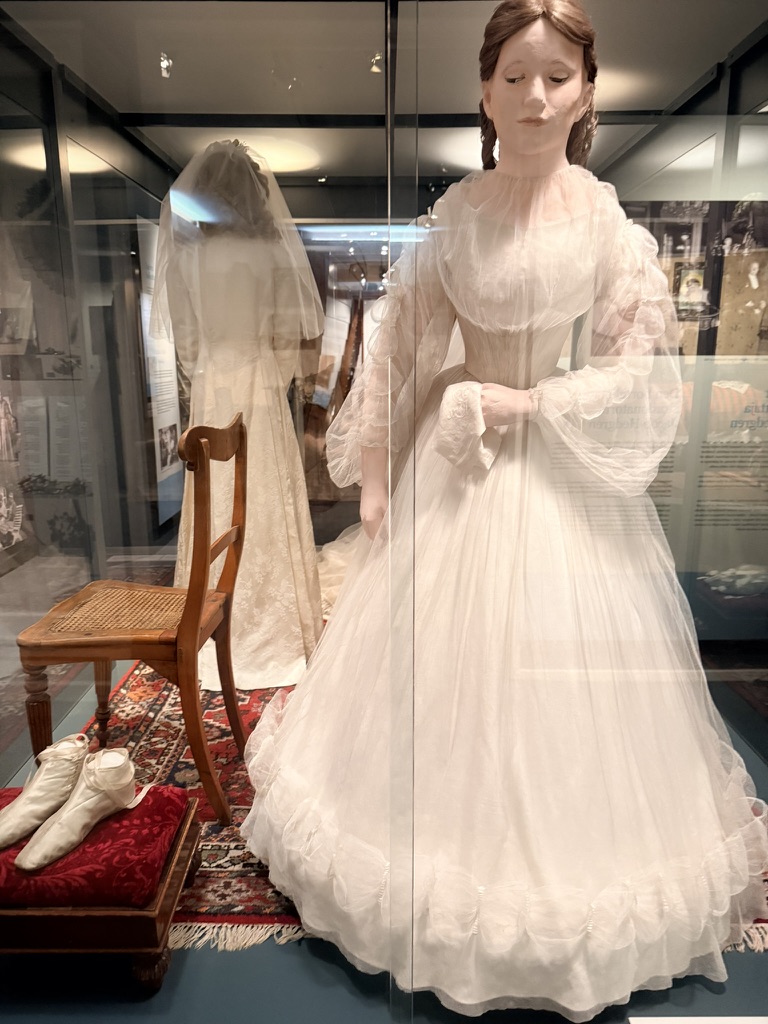
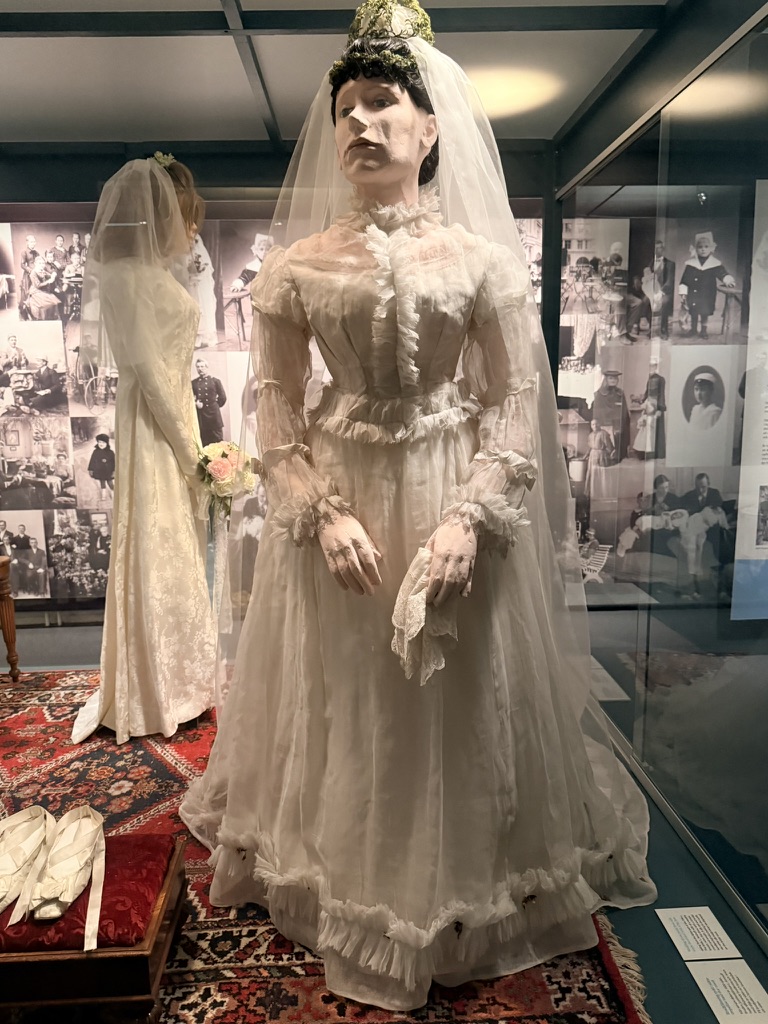
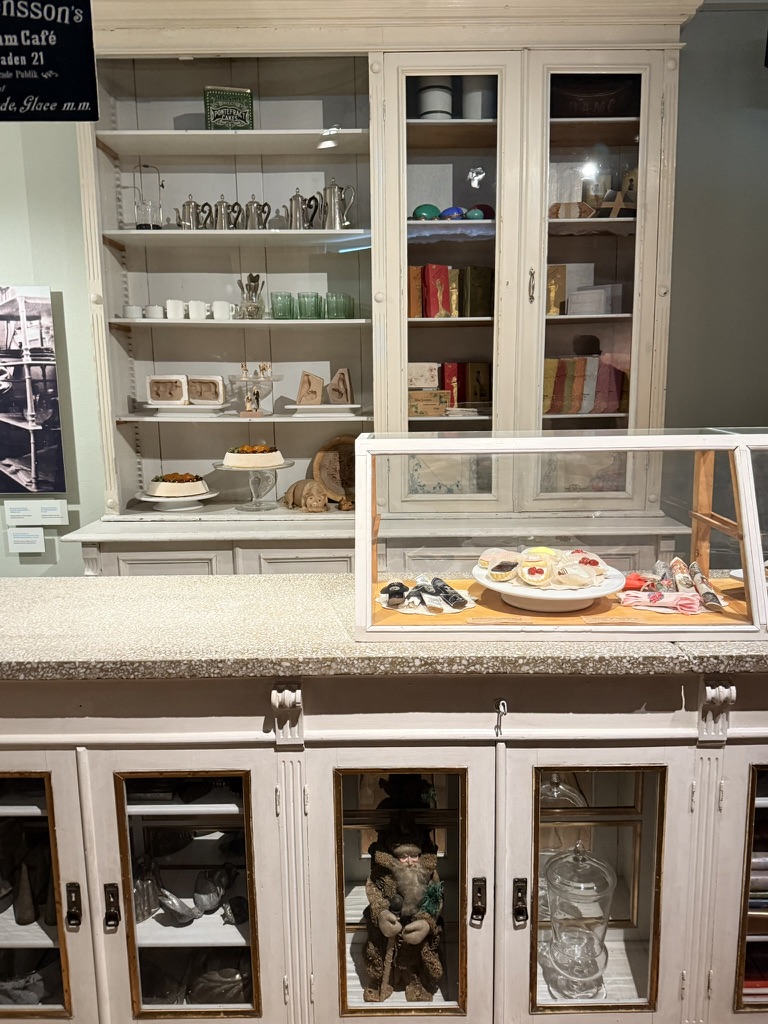
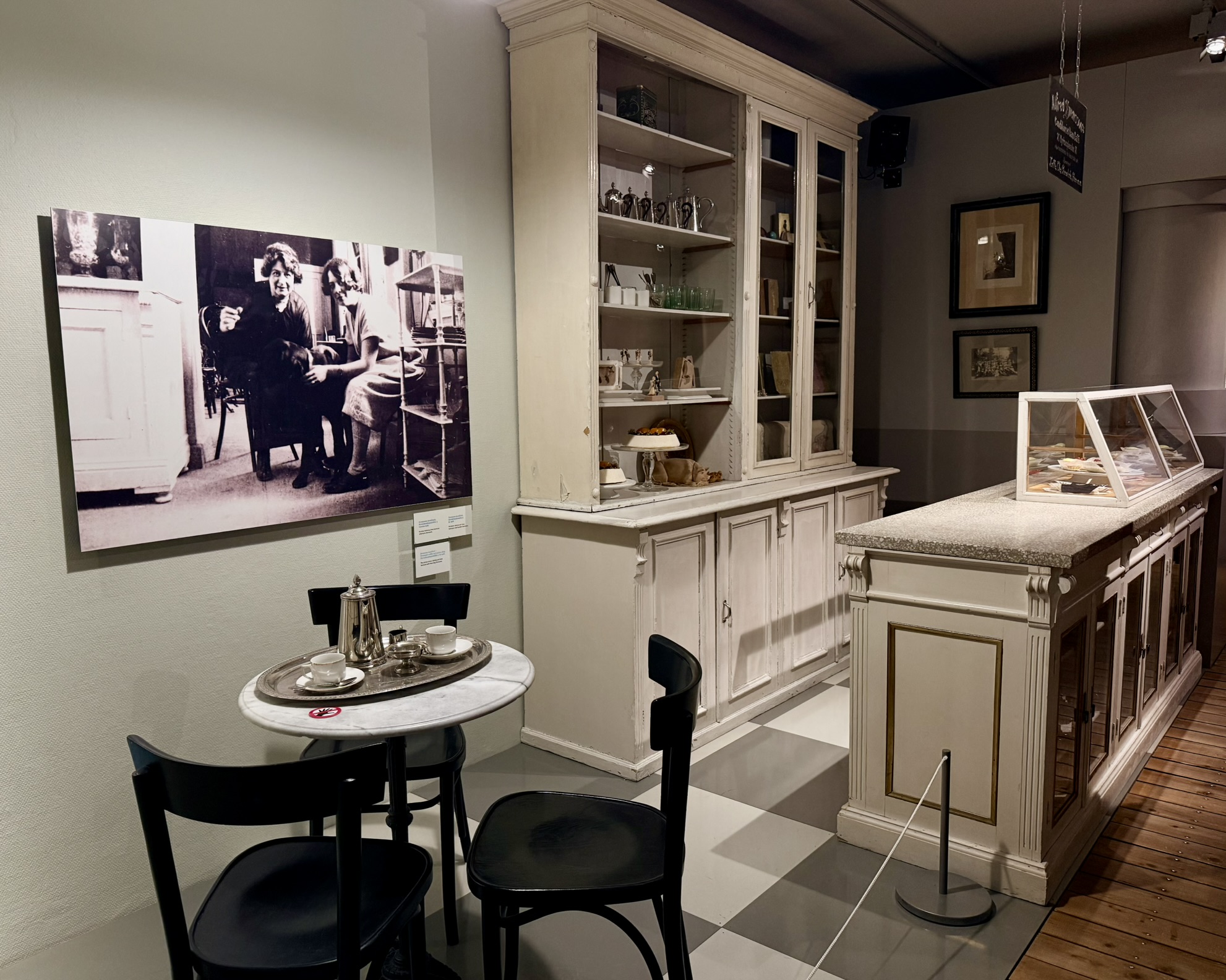
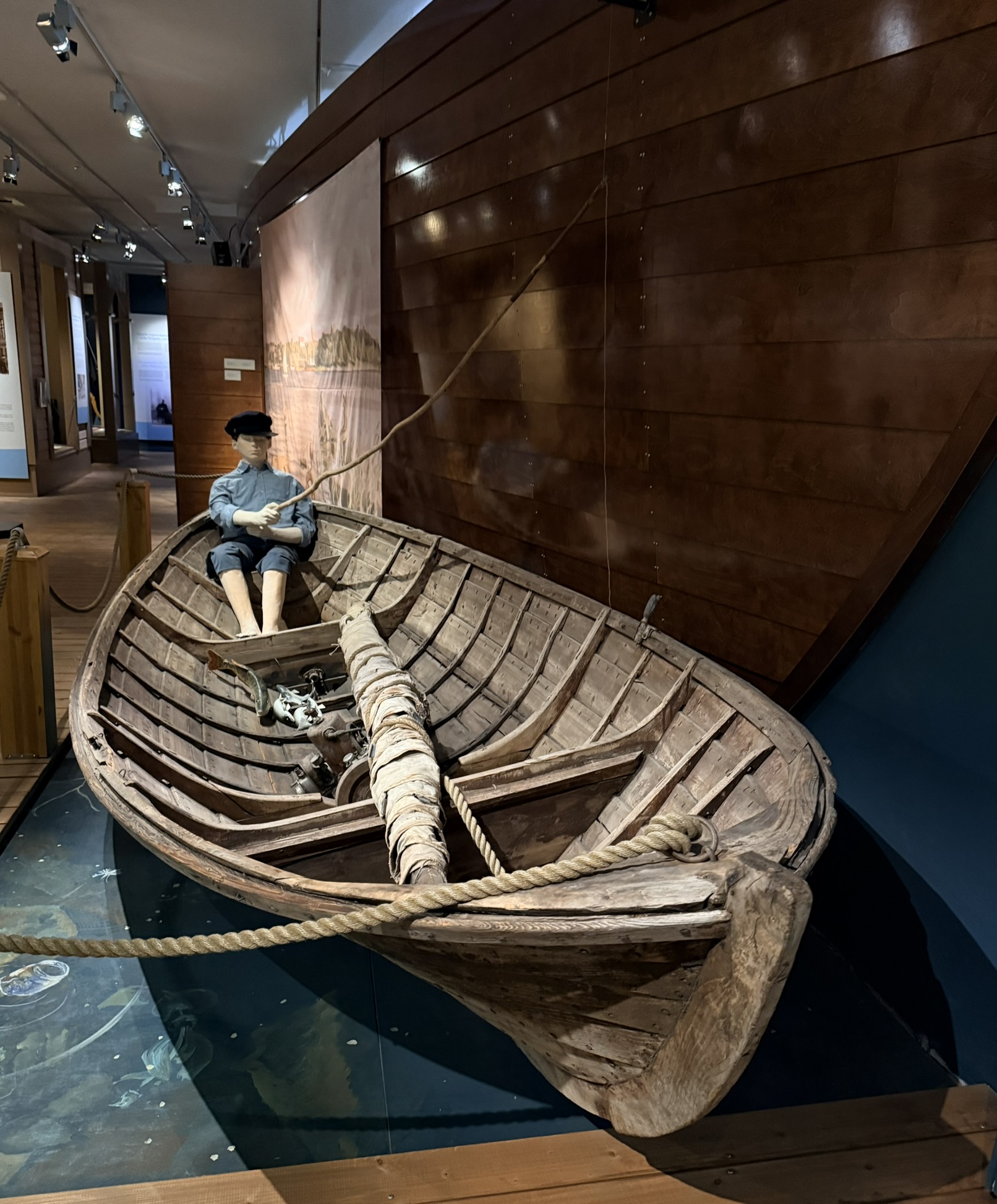
Trinity Church
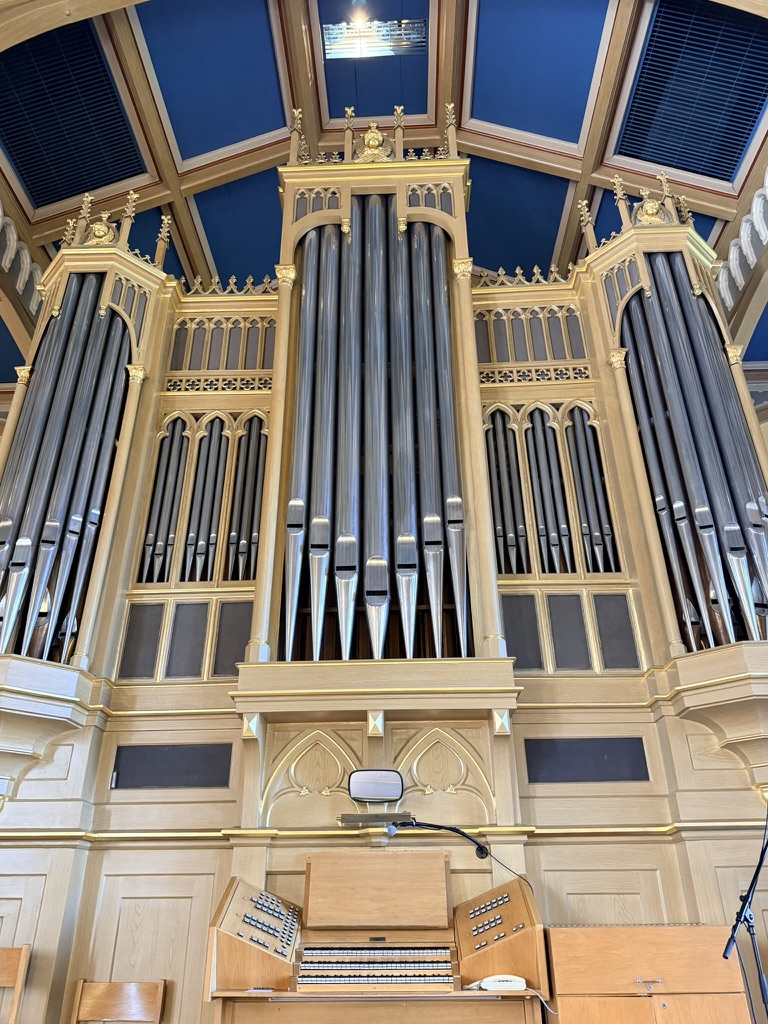
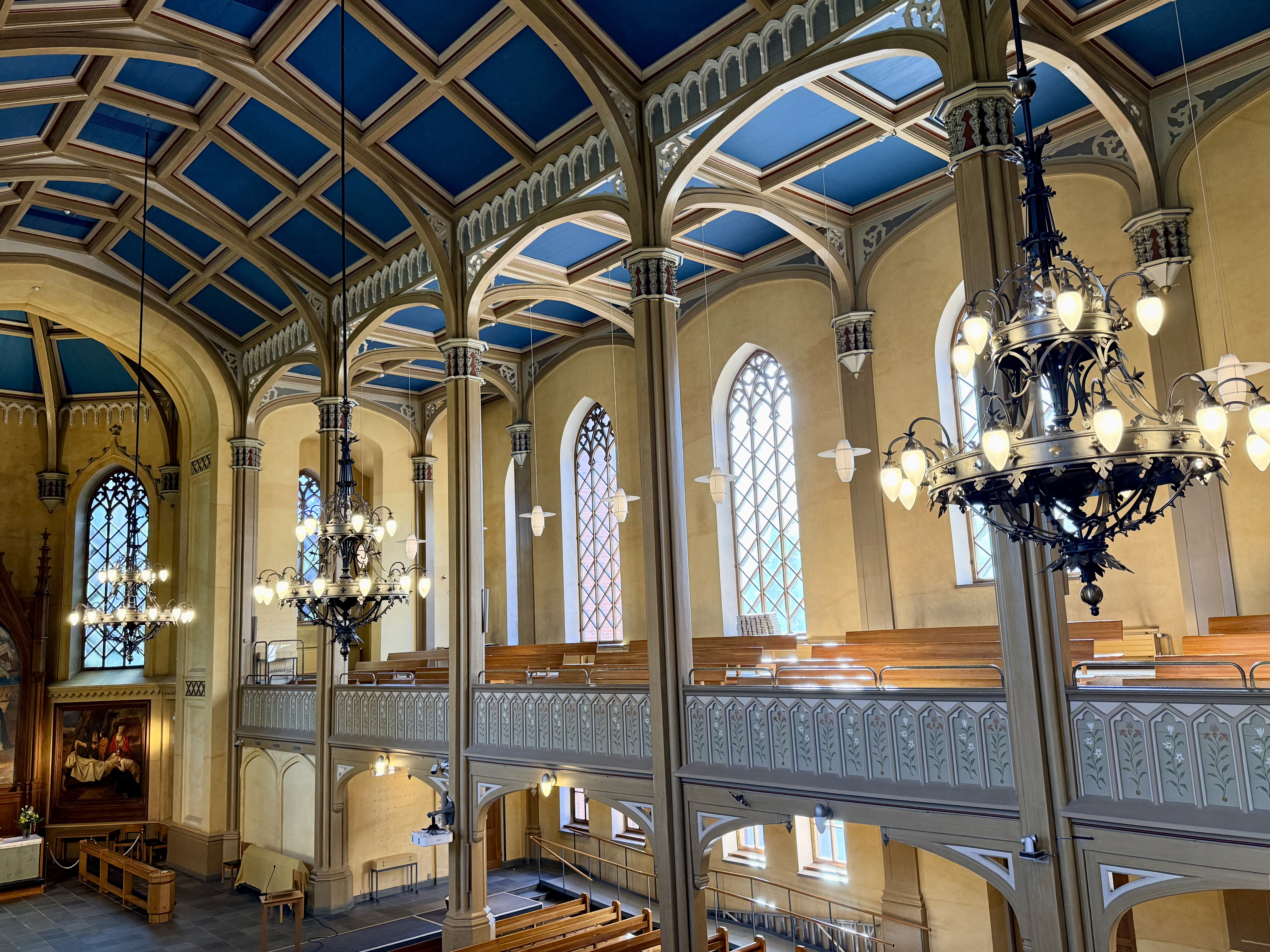
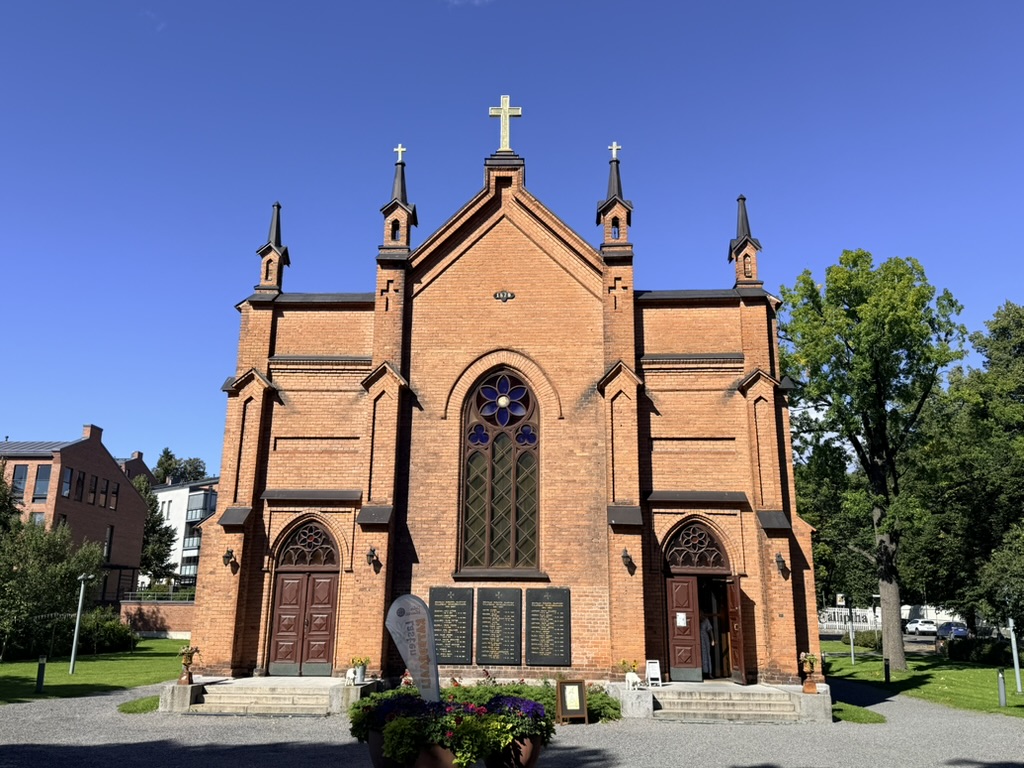
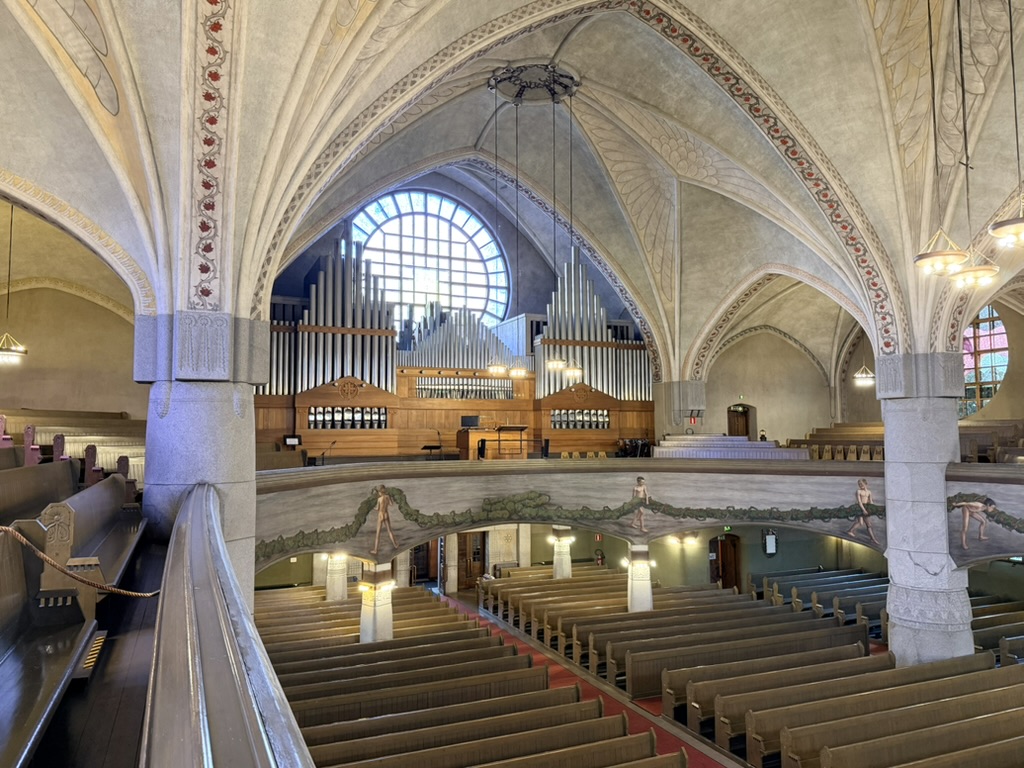
Vaasa Holy Trinity Church is a 900-seat red brick church in the English Gothic style. It was inaugurated on September 5, 1869.
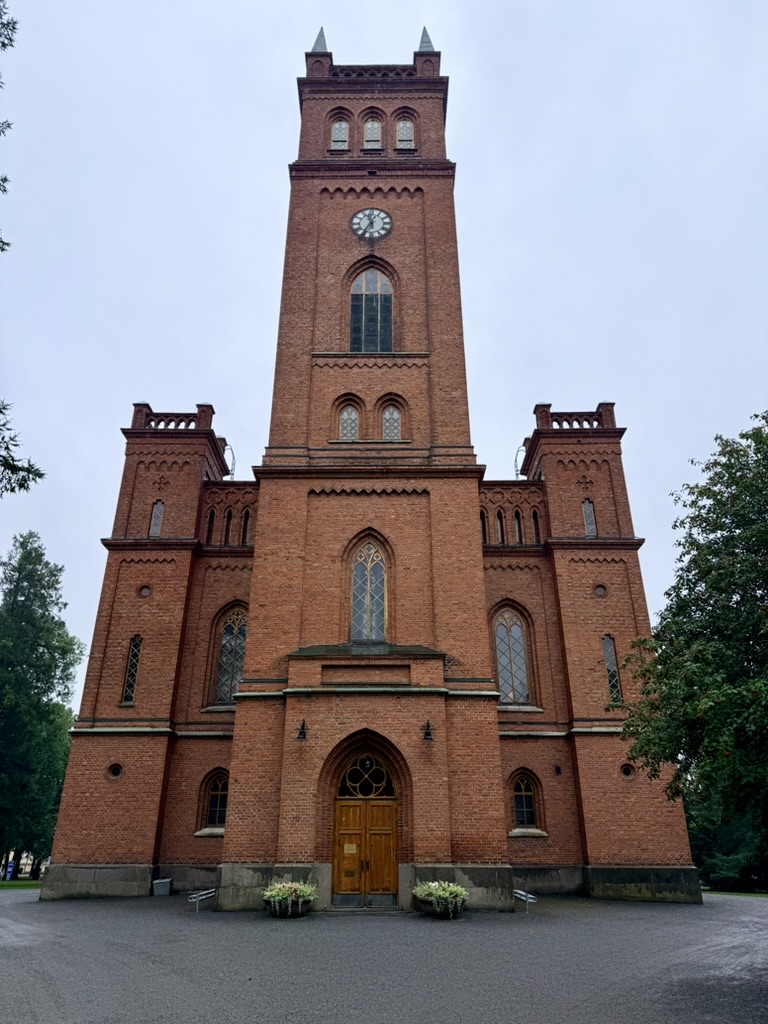
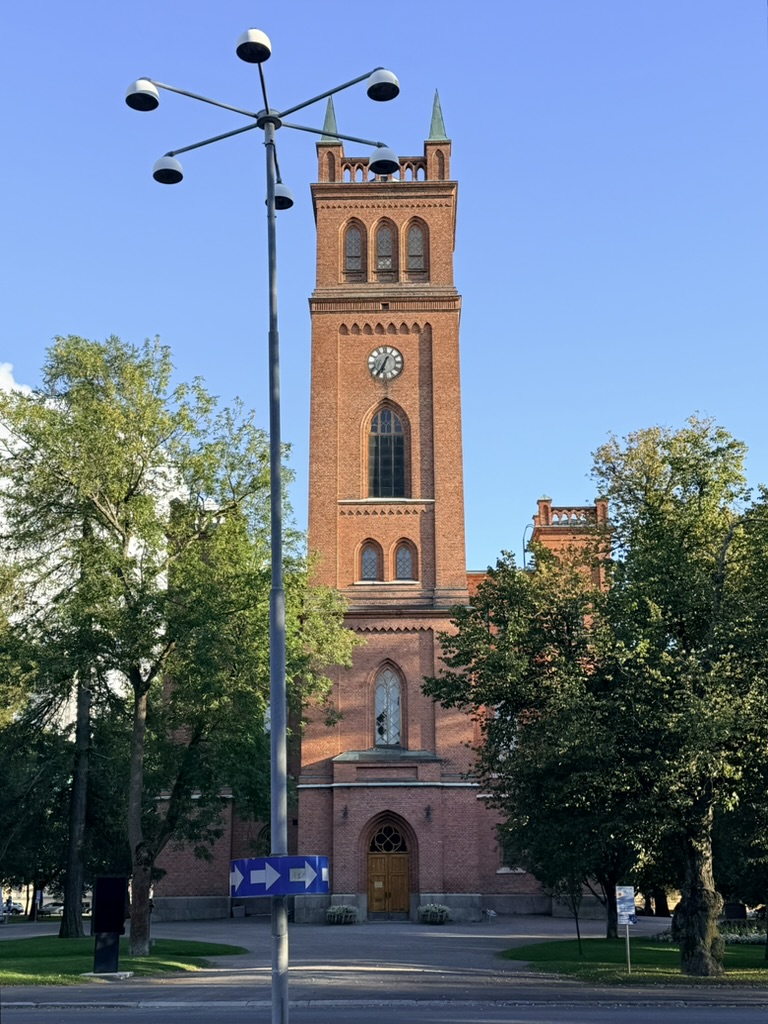
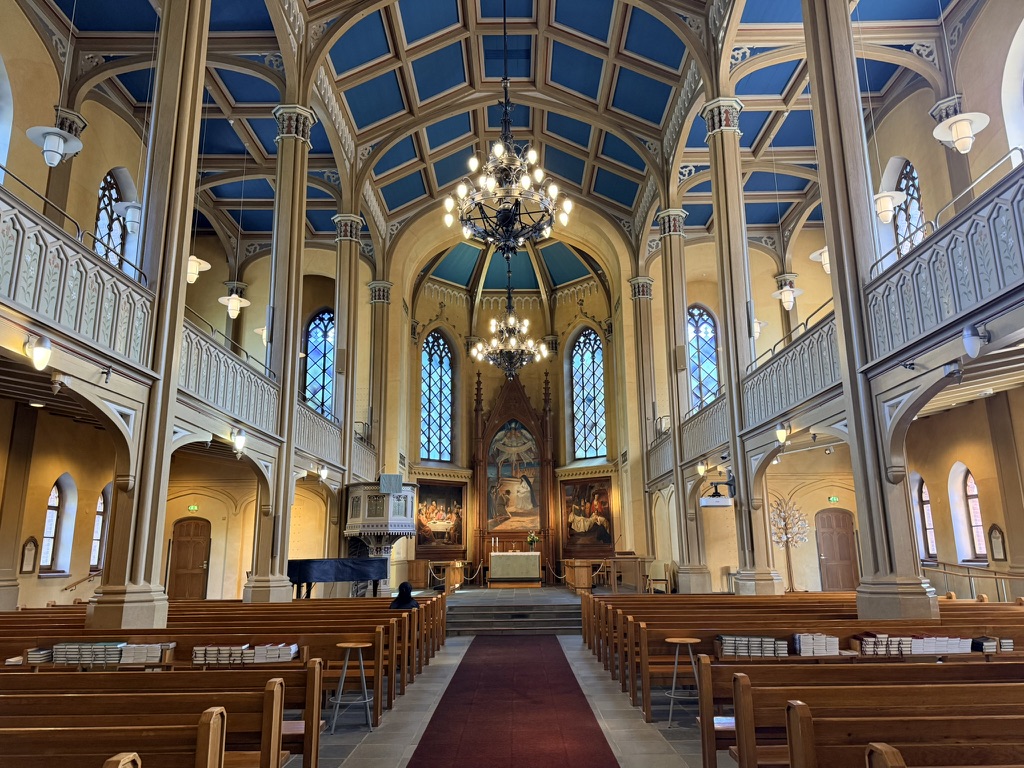
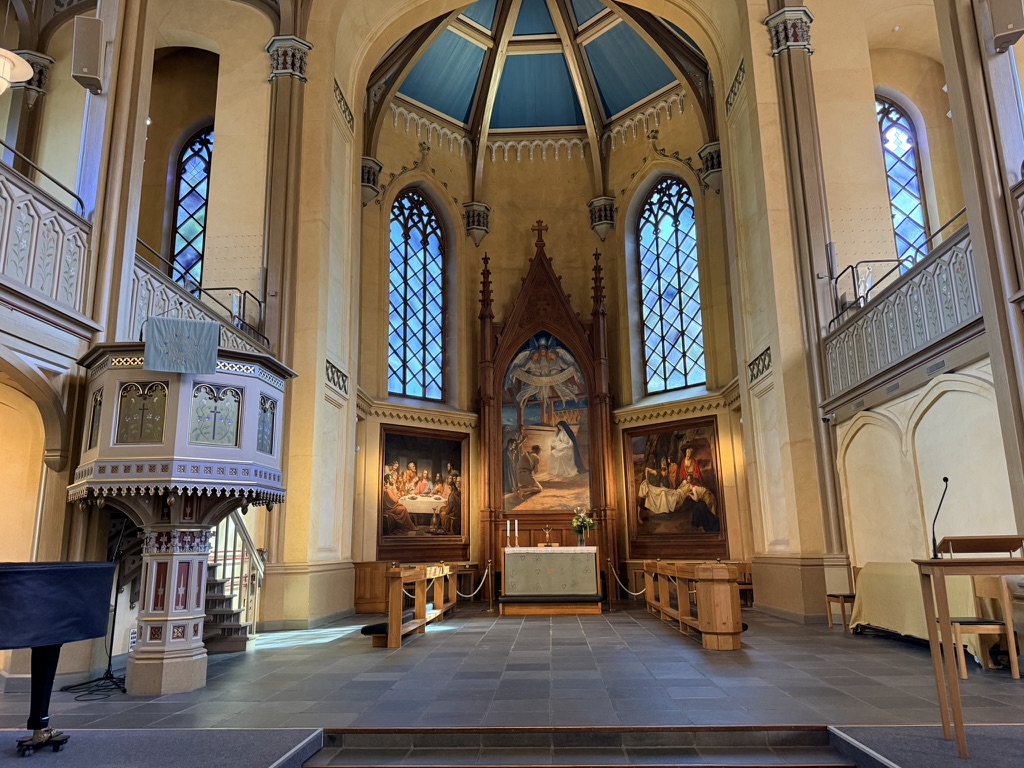
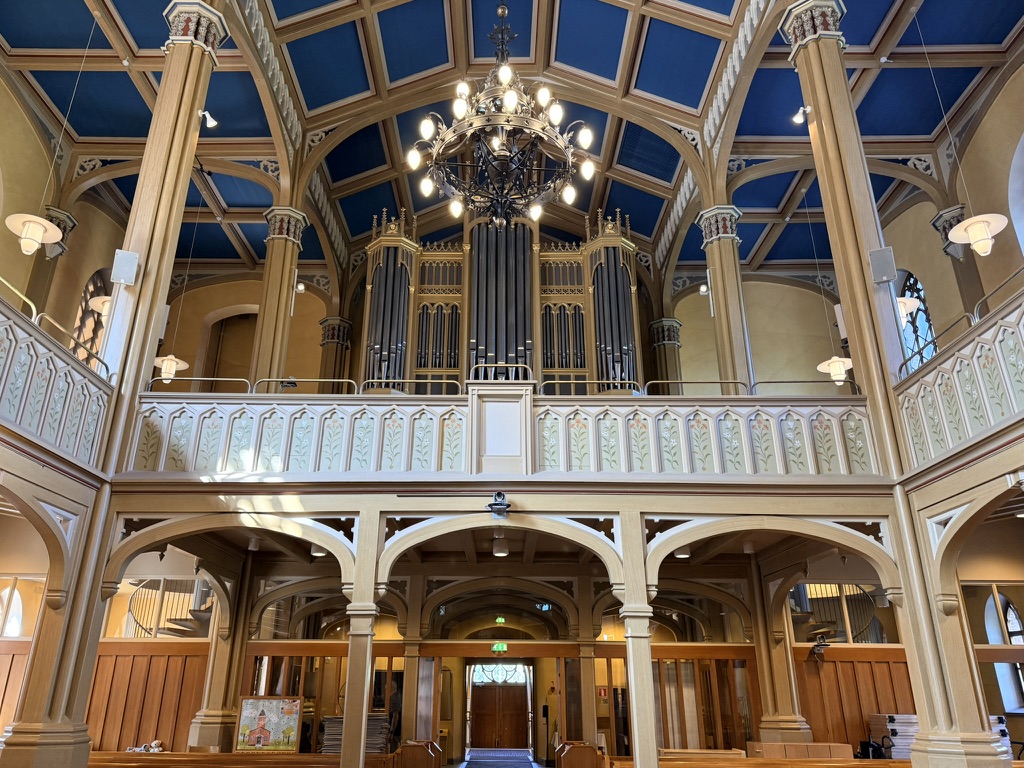
a stroll down City Bay Trail & University students in Vaasa
After dinner at FYR, we strolled back to our apartment along the City Bay Trail (Kaupunginselän reitti in Finnish, Stadsfjärdsleden in Swedish).
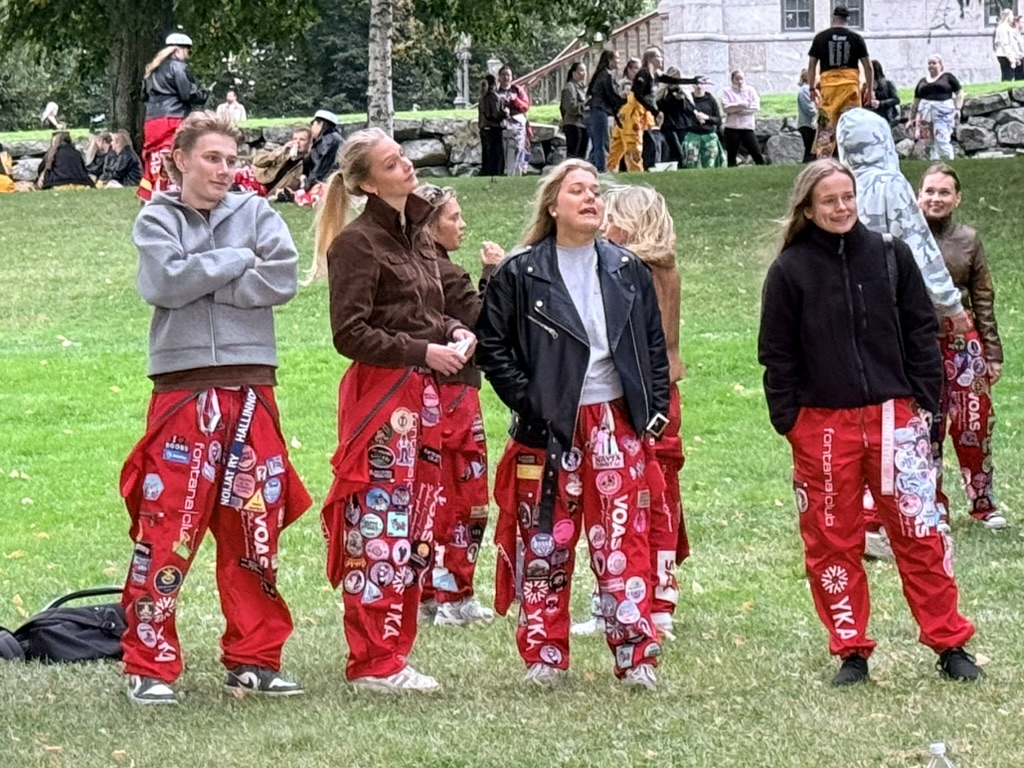
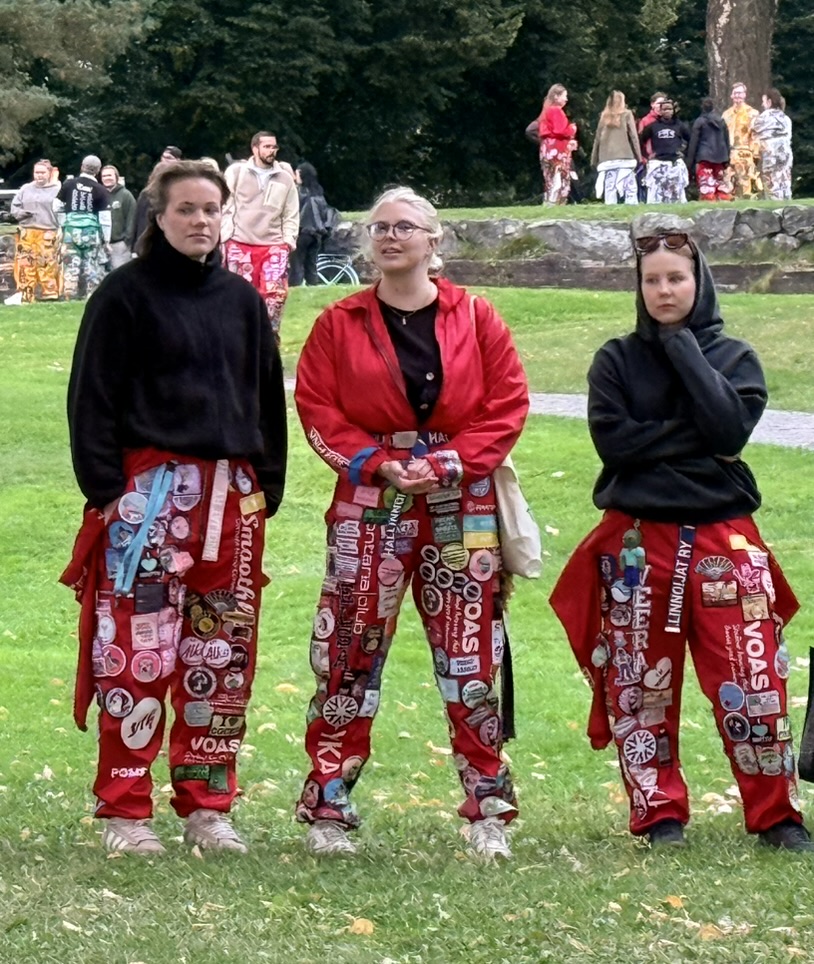
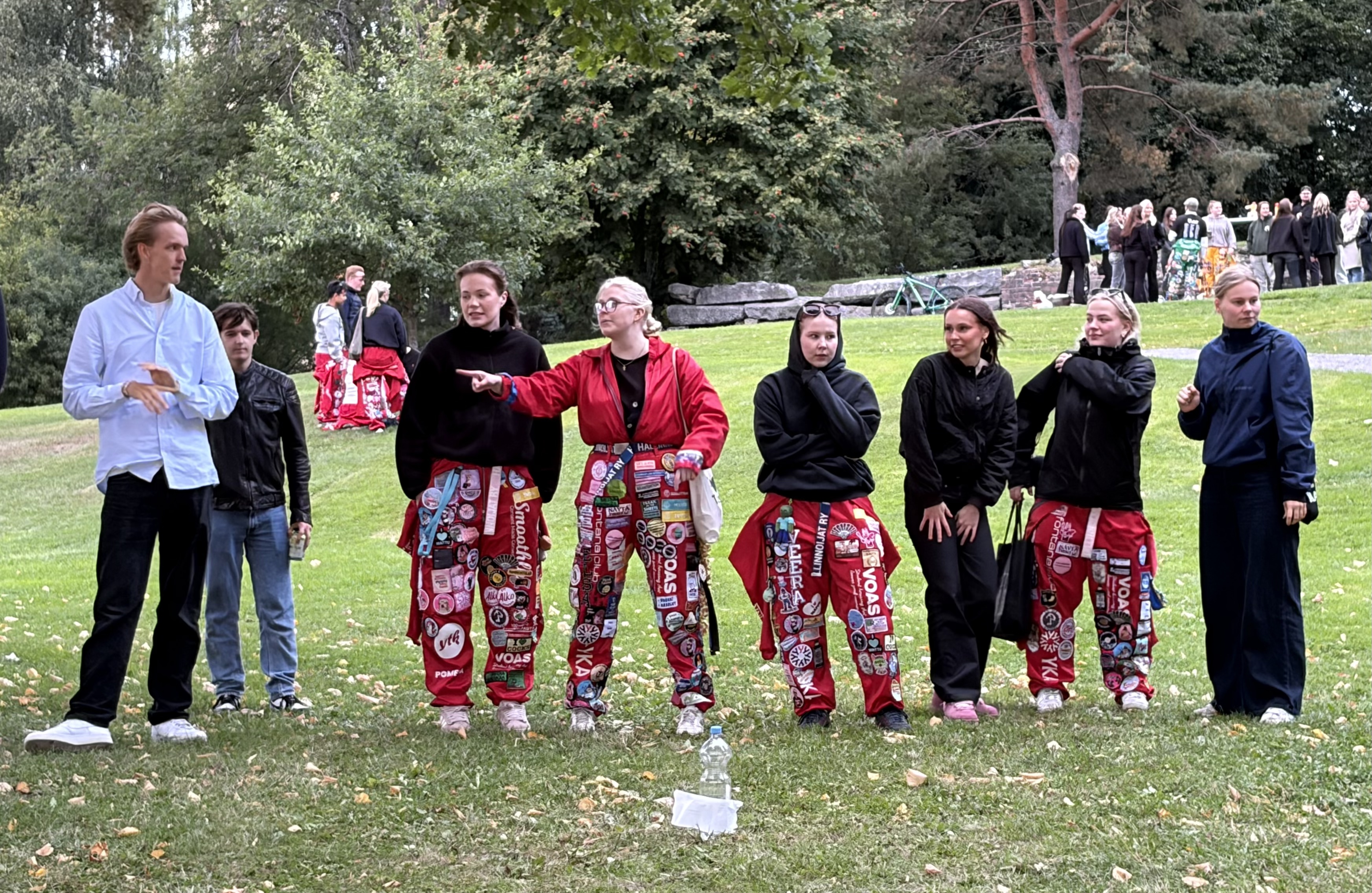
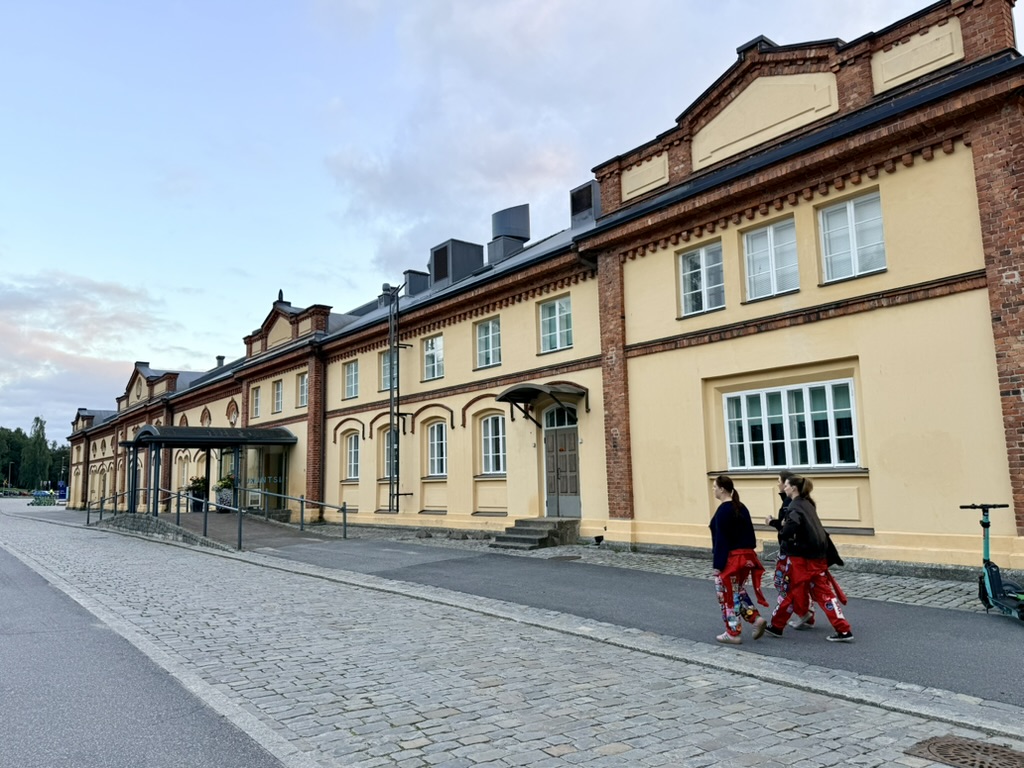
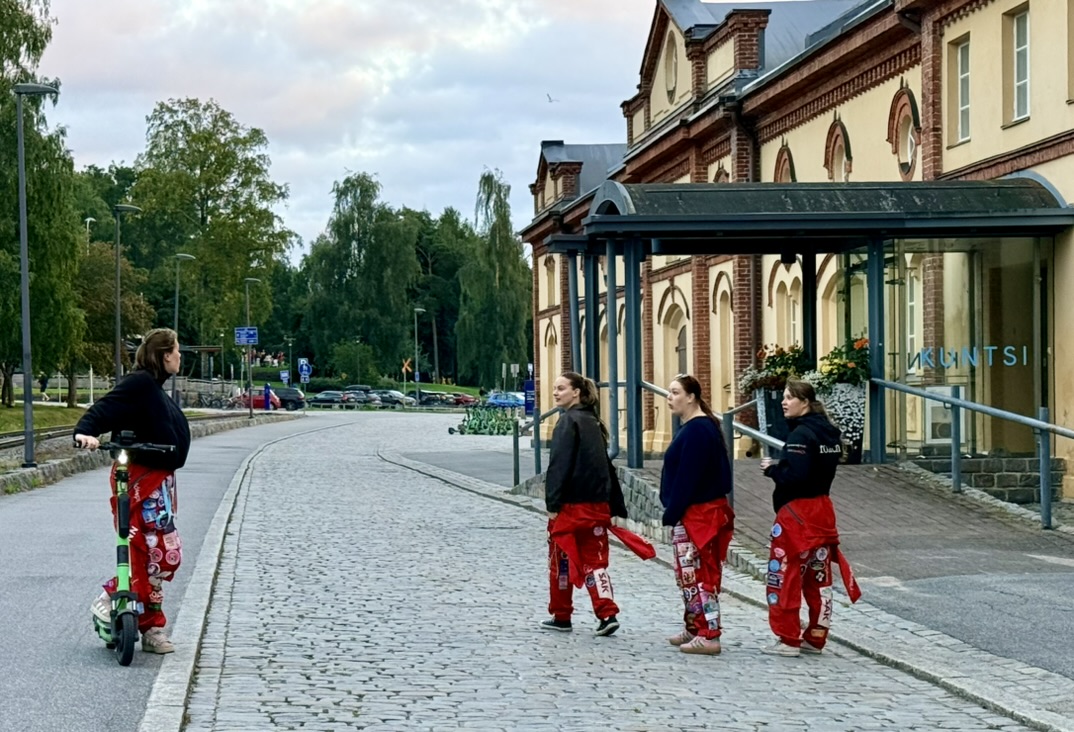
Vaasa is a major university town that boasts four (some sources say six) universities, so it has a youthful vibe. Degrees are offered in Finnish, Swedish and English, attracting a diverse local and international crowd. Apparently every 5th person in the city is a university student. We saw new students in groups playing bonding games. When school starts in September, many student associations organize their own “fuksi-kastajaiset” (Finnish) or “gulnäbbinstagning” (Swedish) involving a series of small competitions and challenges for the new students.
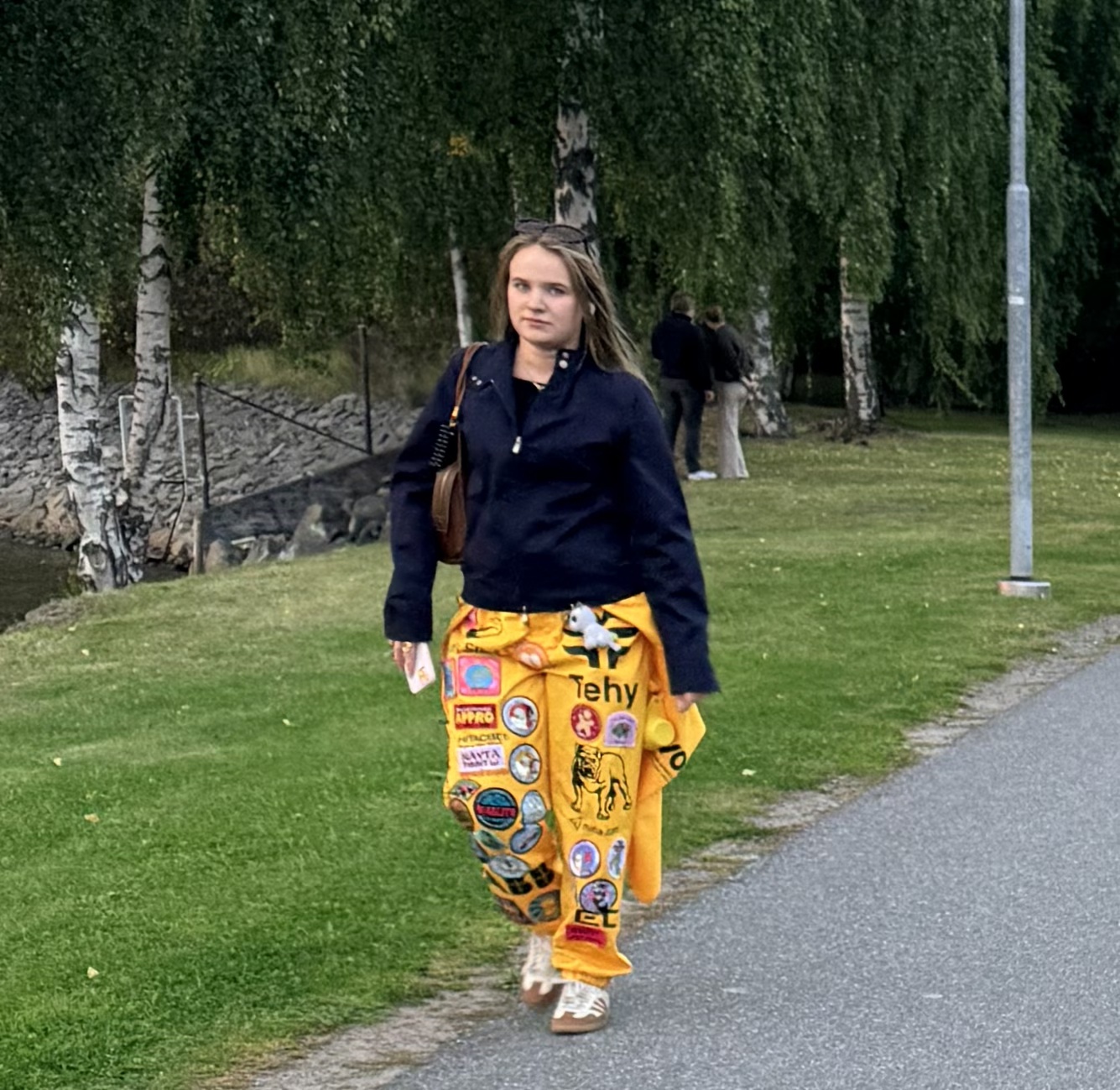
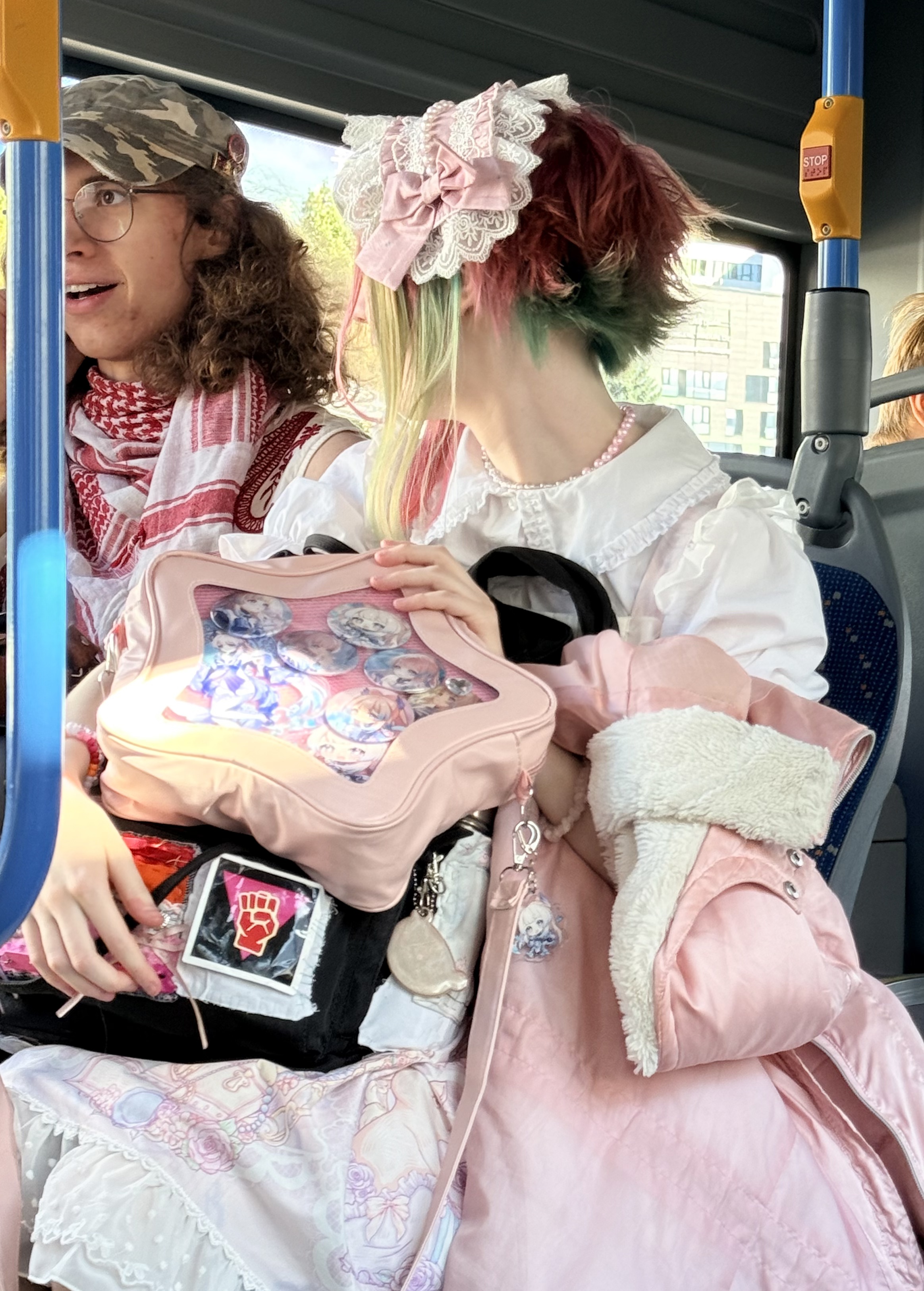
One trademark of student life at Finnish universities are durable overalls (called haalarit in Finnish or halare in Swedish) in bright colors decorated with imaginative patches and badges, intended to convey a sense of community. Students usually acquire these overalls during their first year of studies. The color depends on the university and the field of study. The overalls are plain when they are bought; they are a clear canvas onto which students can pour their personality. They usually get patches for participating in student events, then stitch or glue them onto the overalls. They become a cherished memory from their university years.
our first Ryde scooter experience
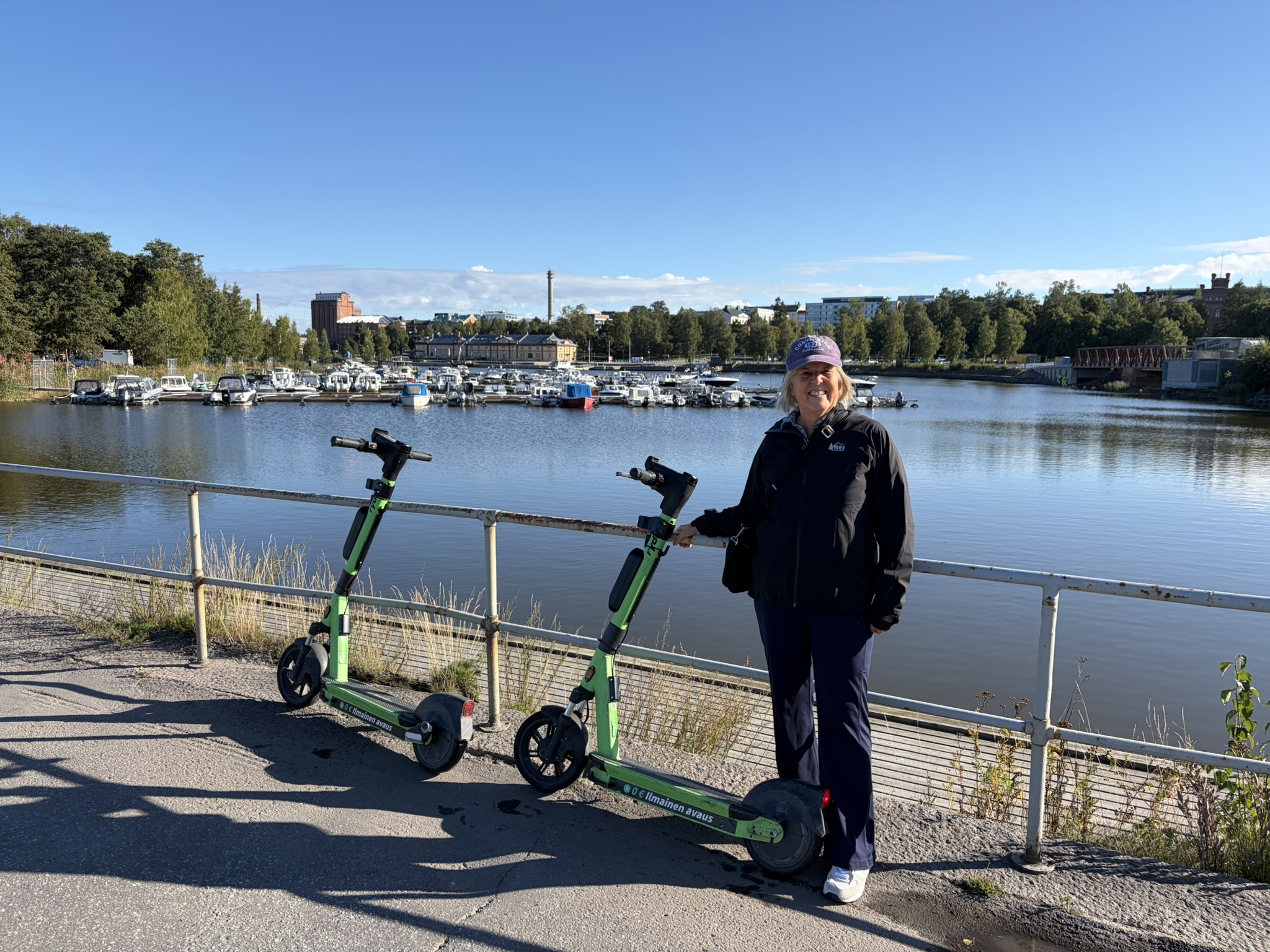
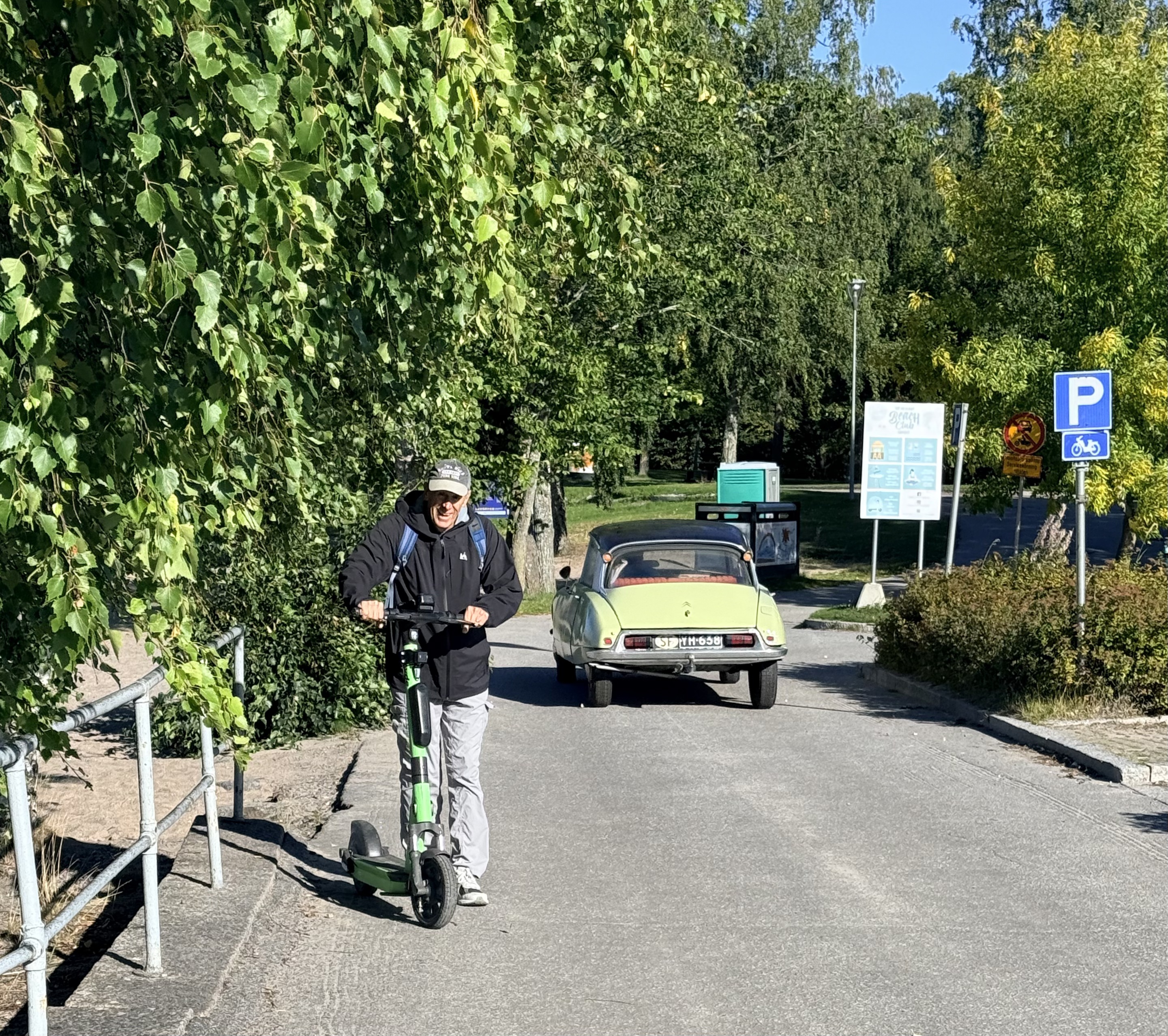
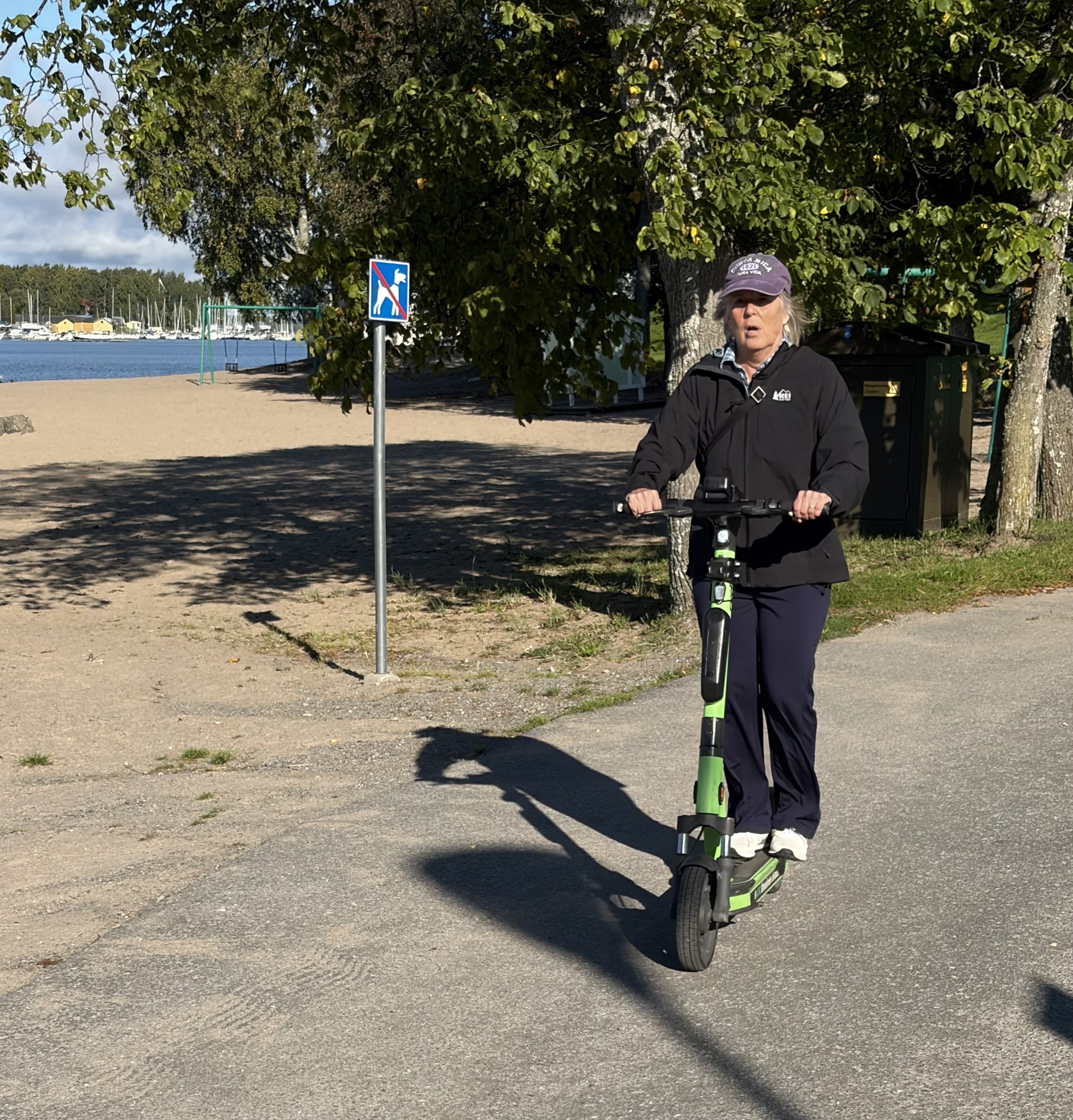
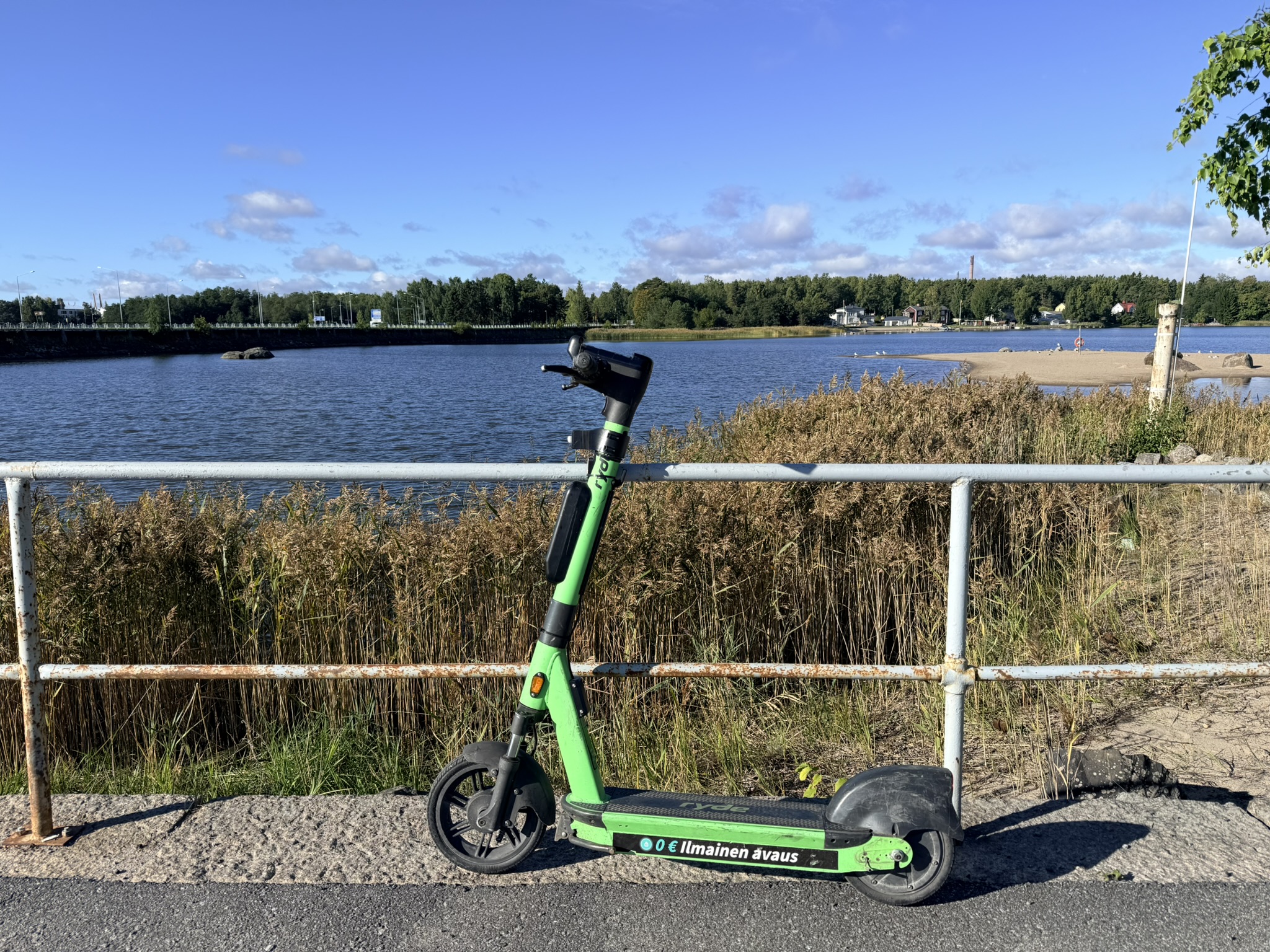
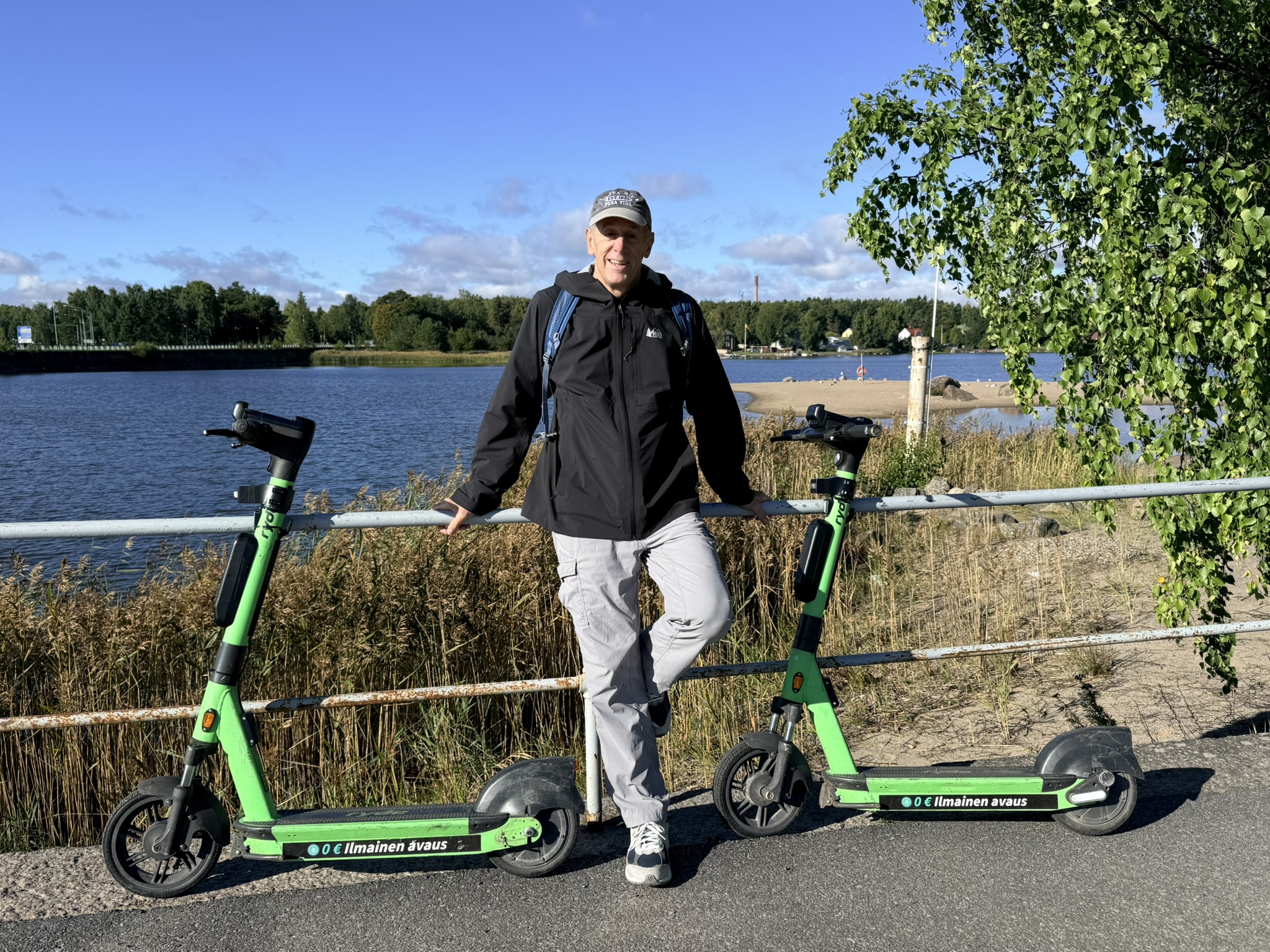
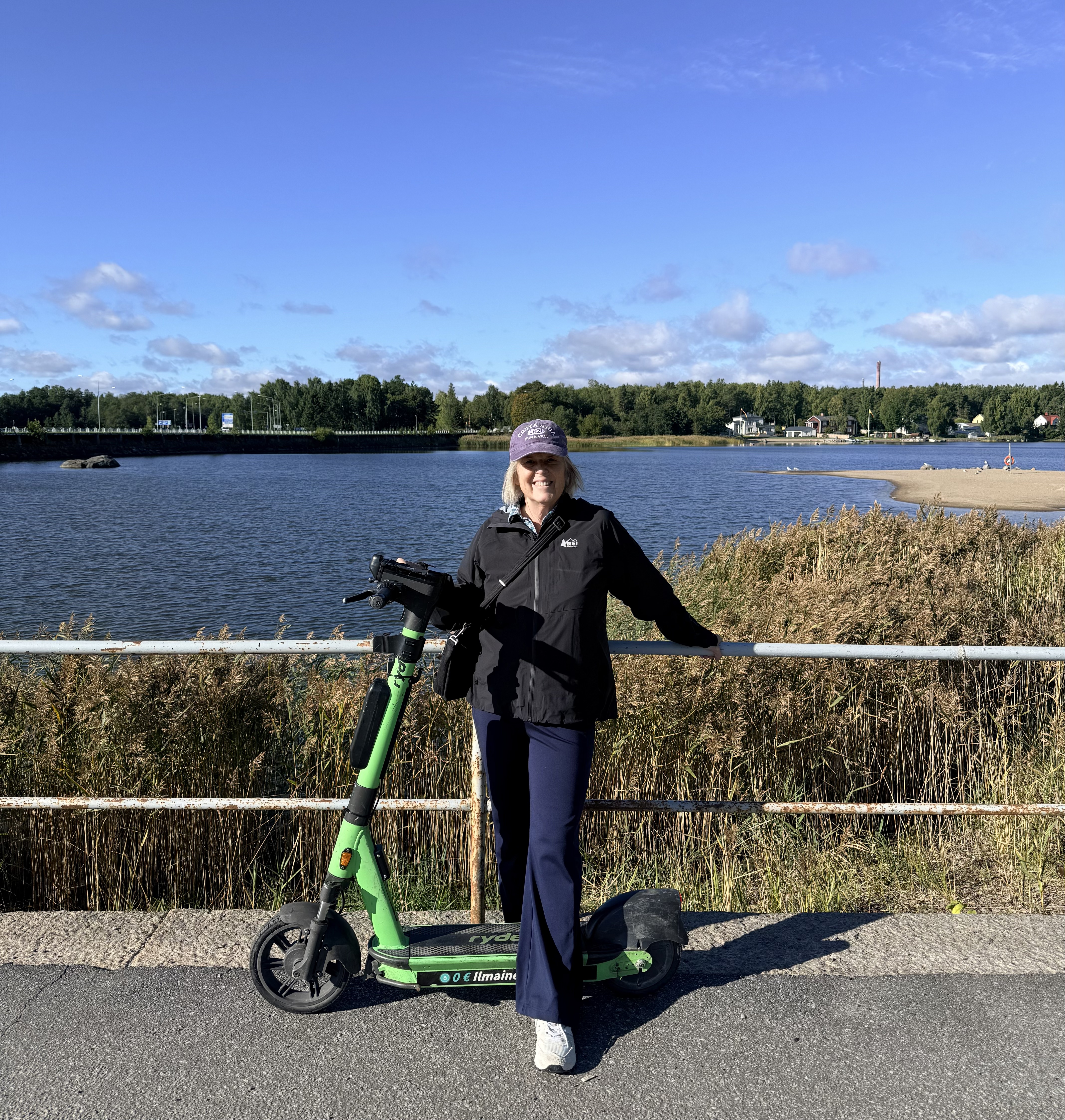
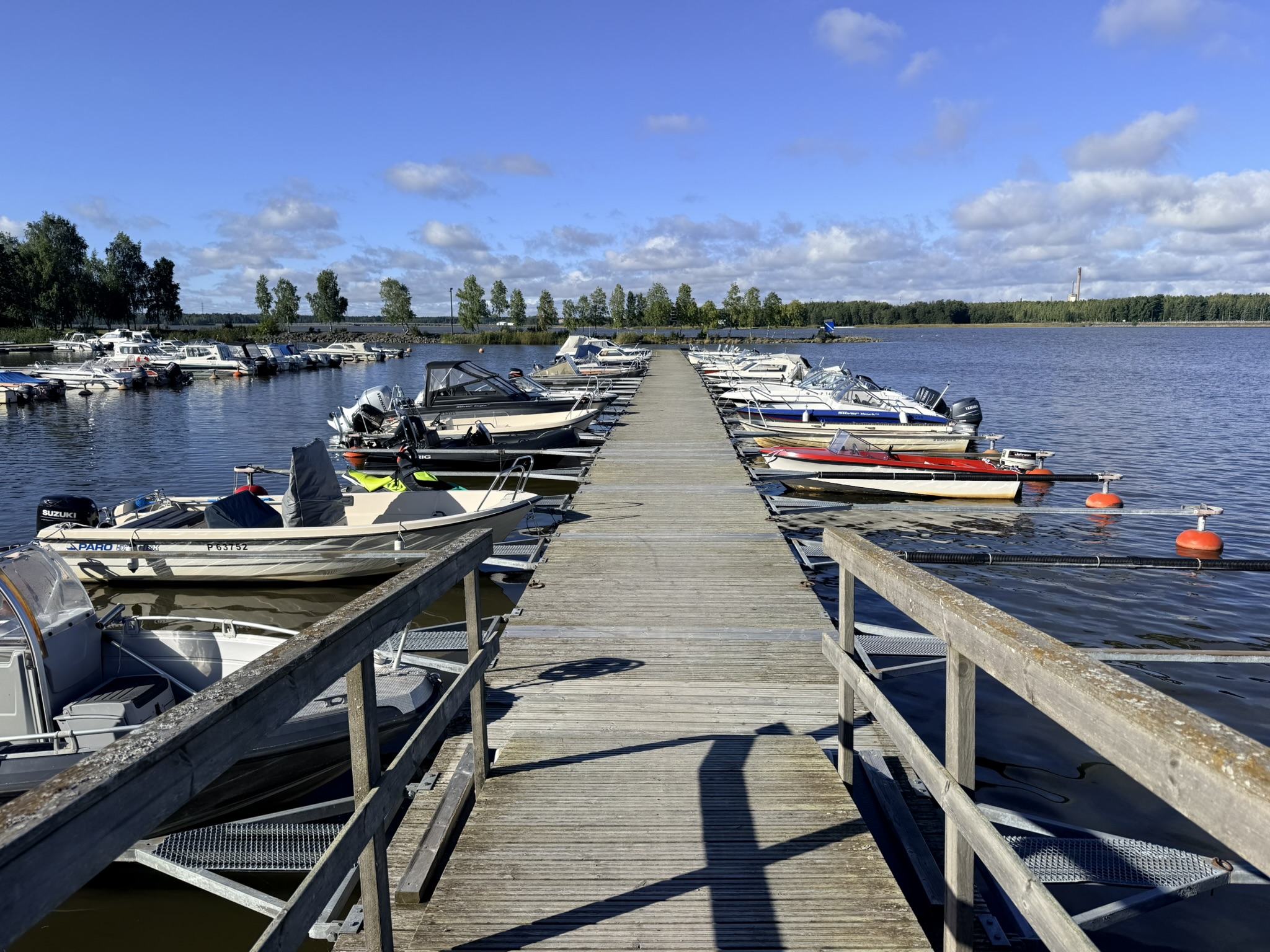
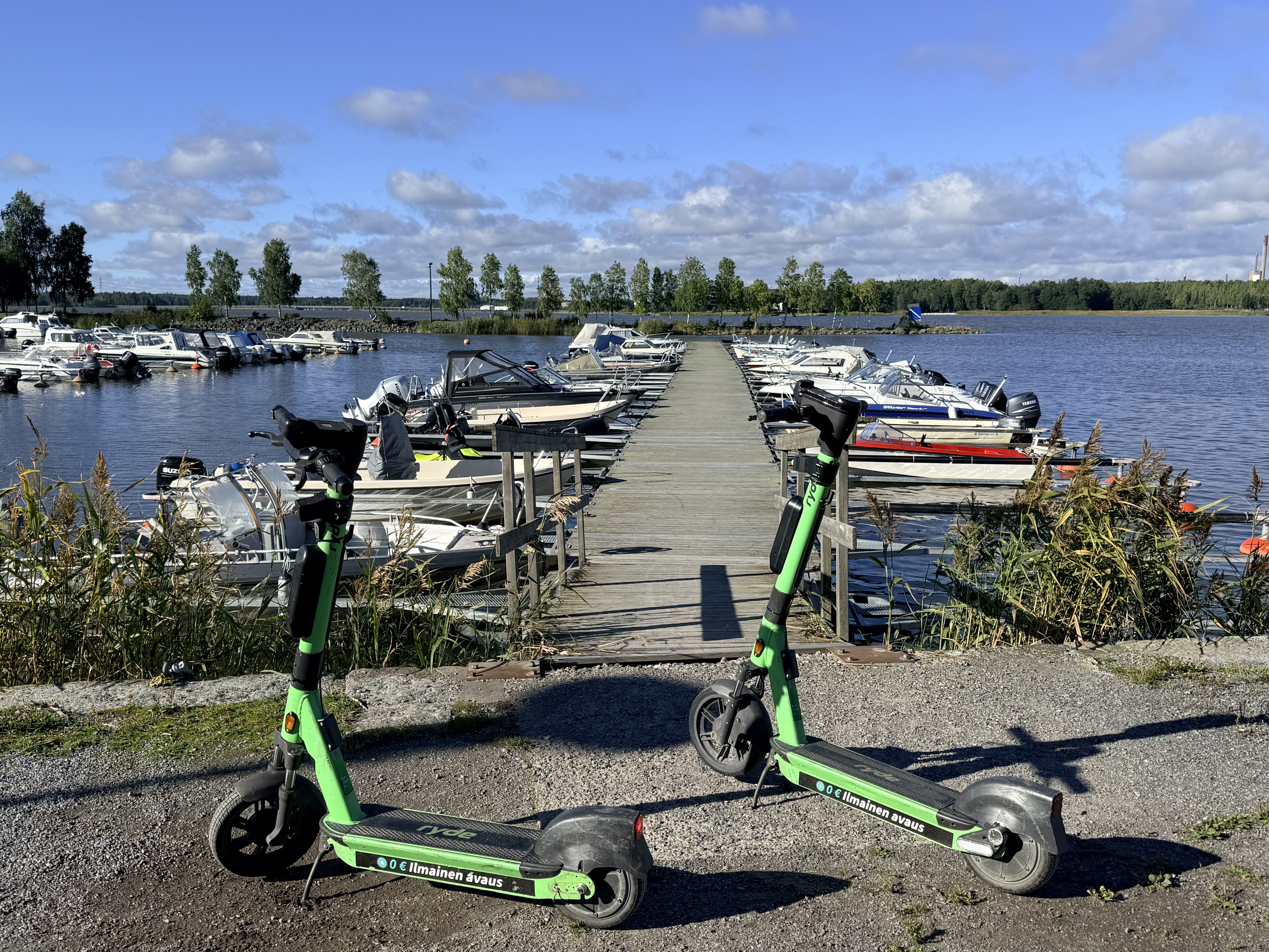
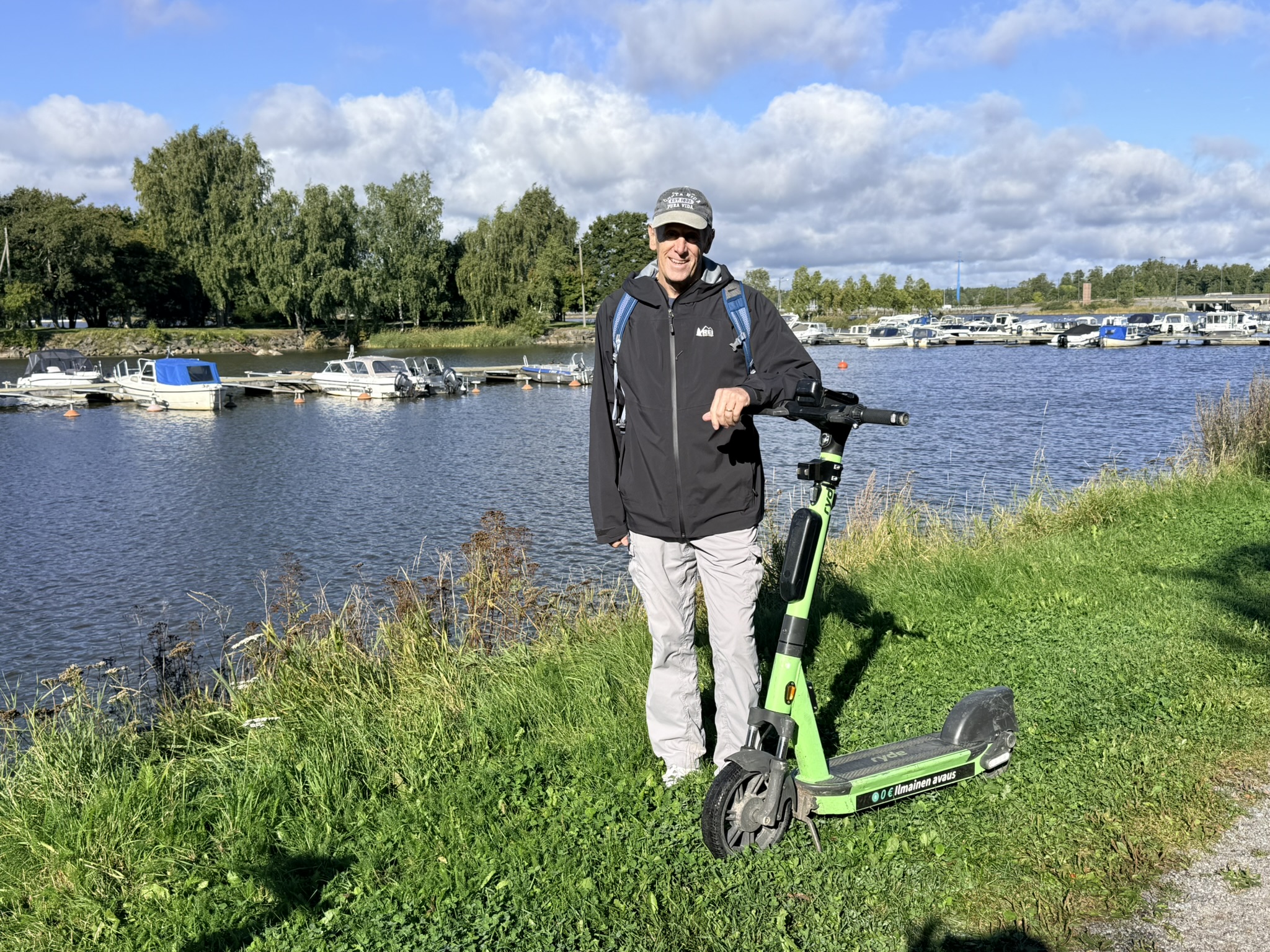
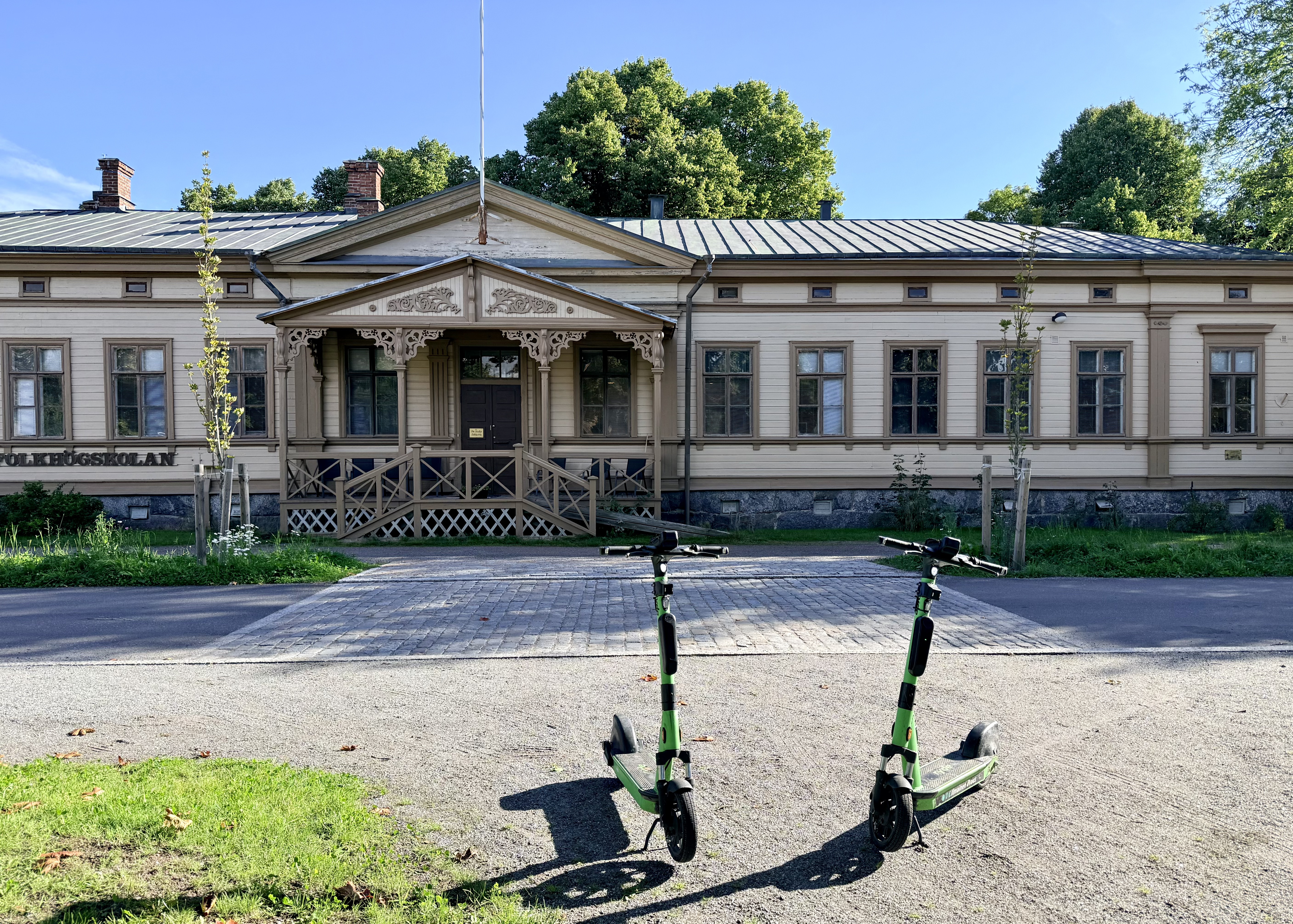
I was hoping I wouldn’t end up with broken bones or dead when Mike suggested we rent the Ryde scooters on which we saw the students zipping around town. Luckily, I got the swing of it rather easily. However, Mike did crash into me from behind early on and caught me before I hit the ground.
We rode first to Hietasaari island, where we saw the public sauna, Vaasan Pingviinit (swim club & sauna). We had read you could only pay with Mobile pay, which we cannot get because we are not Finnish or EU citizens. However, when we got there, we discovered we could have paid any number of ways. Sadly, we didn’t have our bathing suits with us.
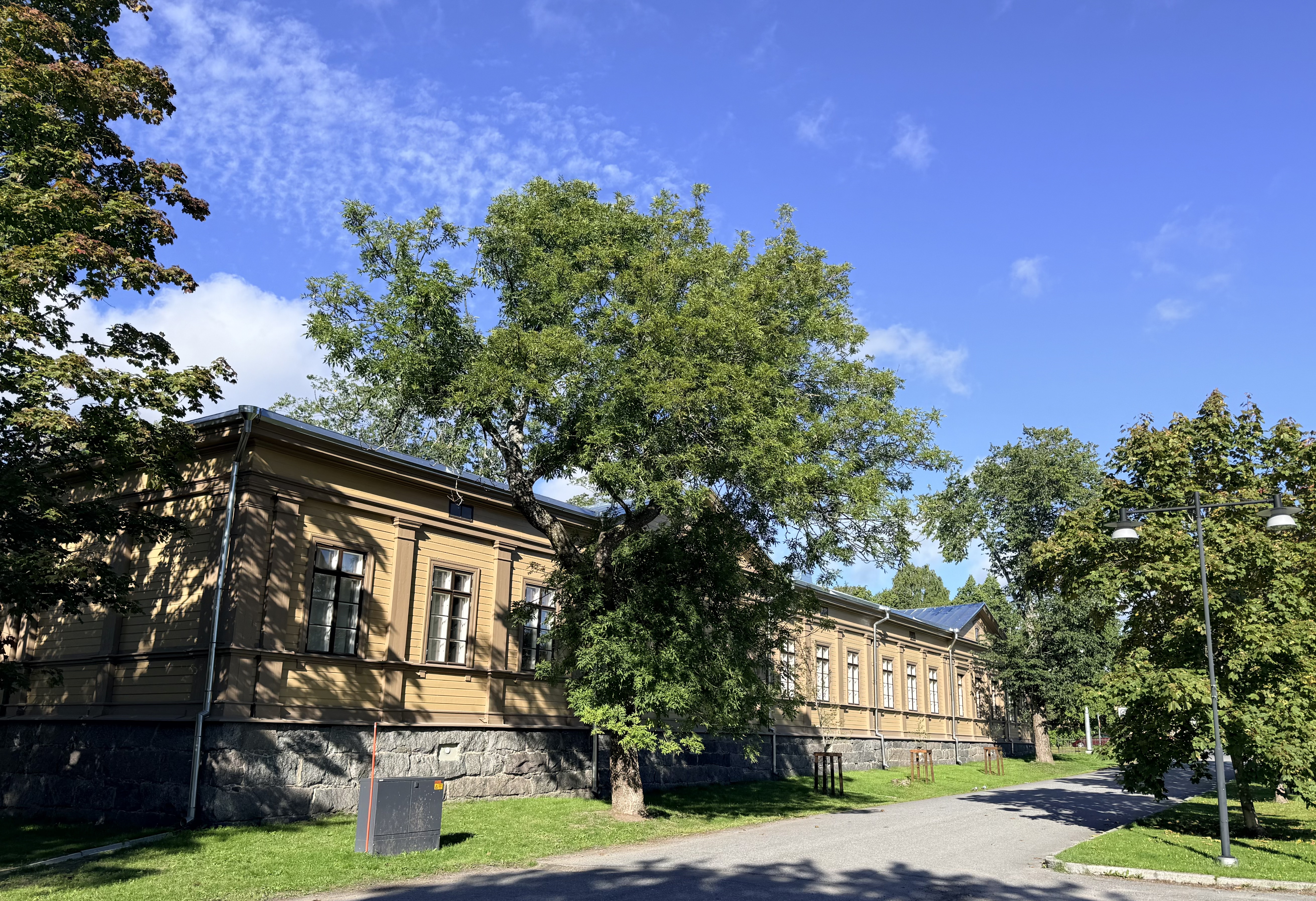
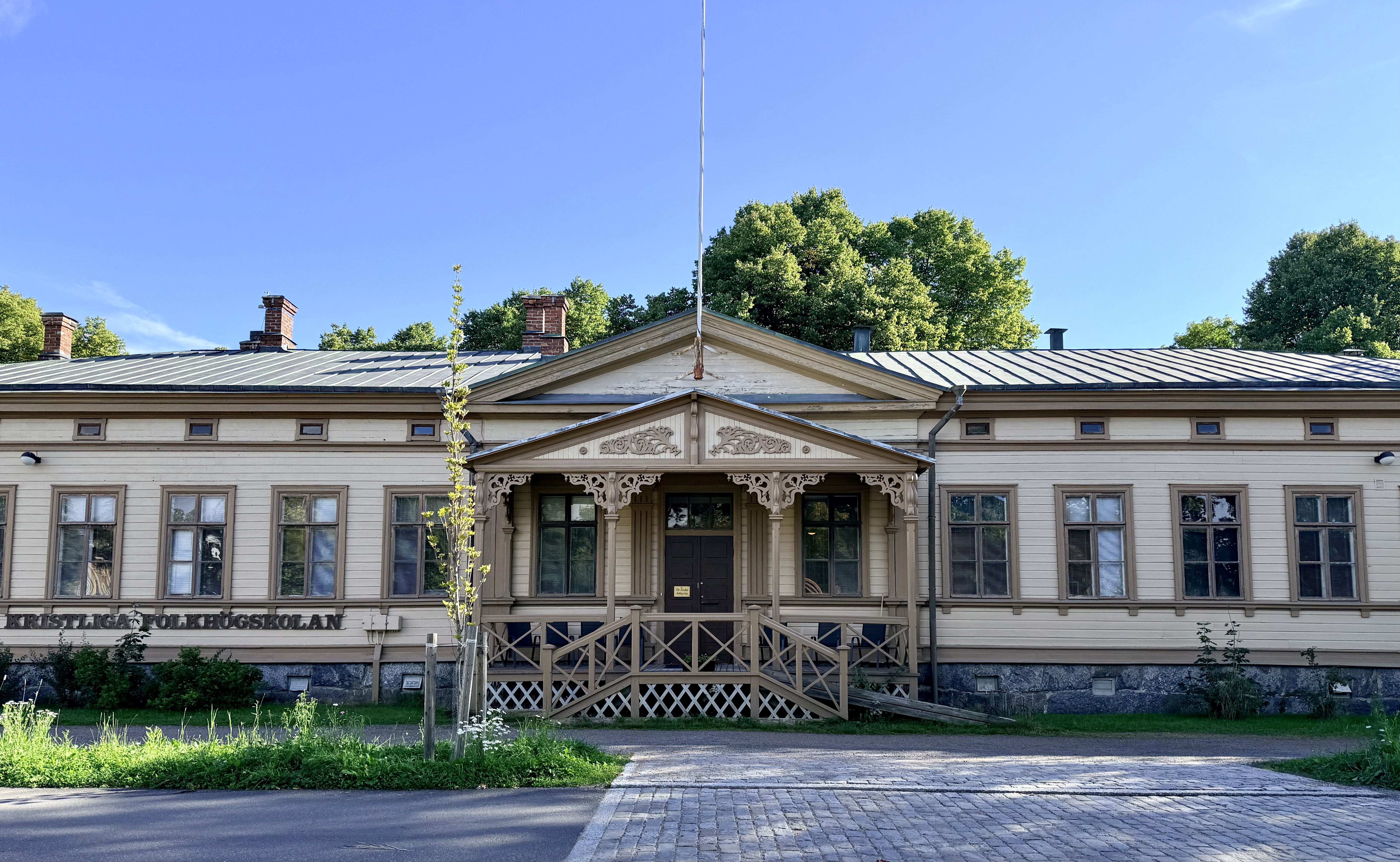
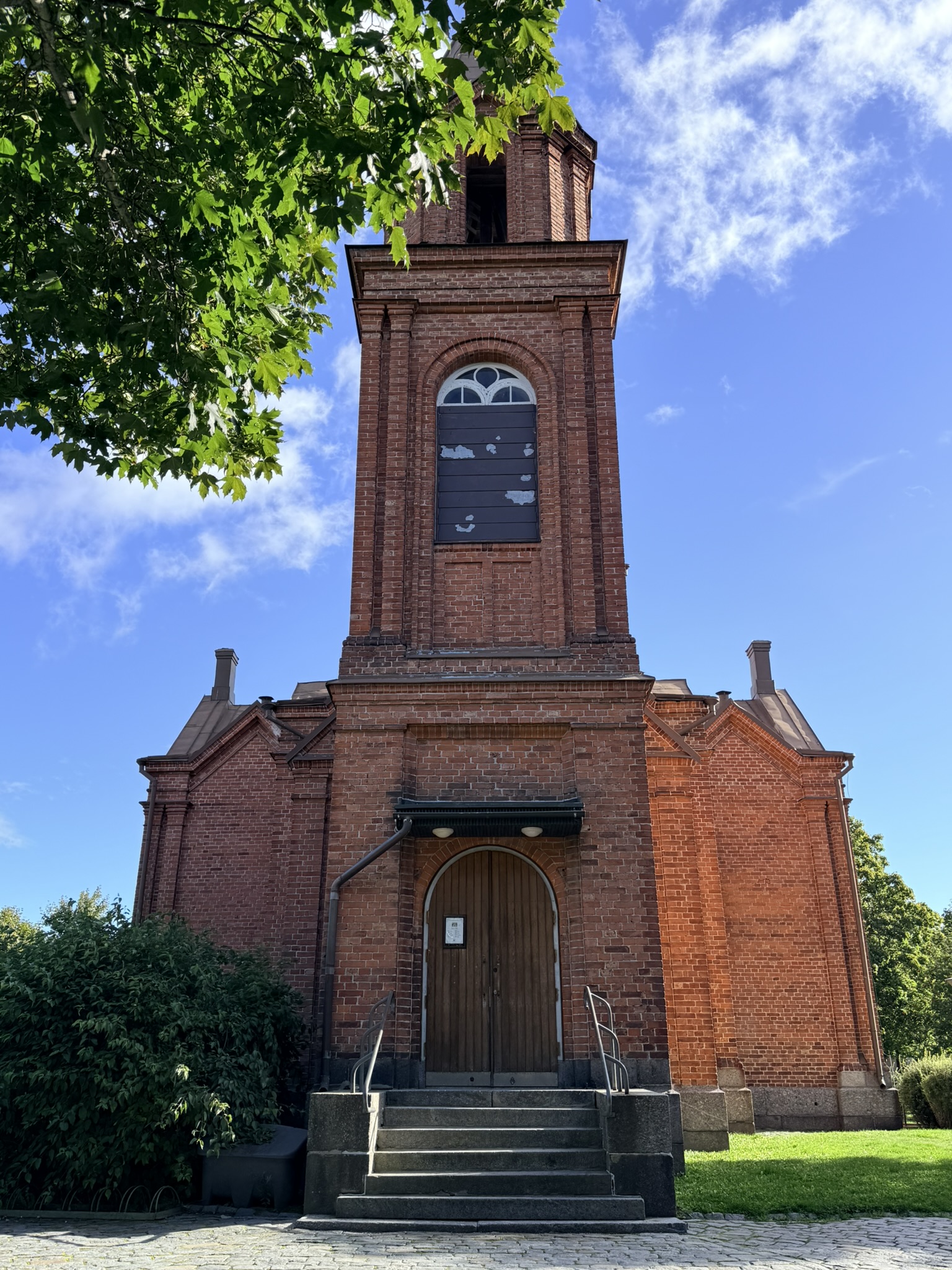
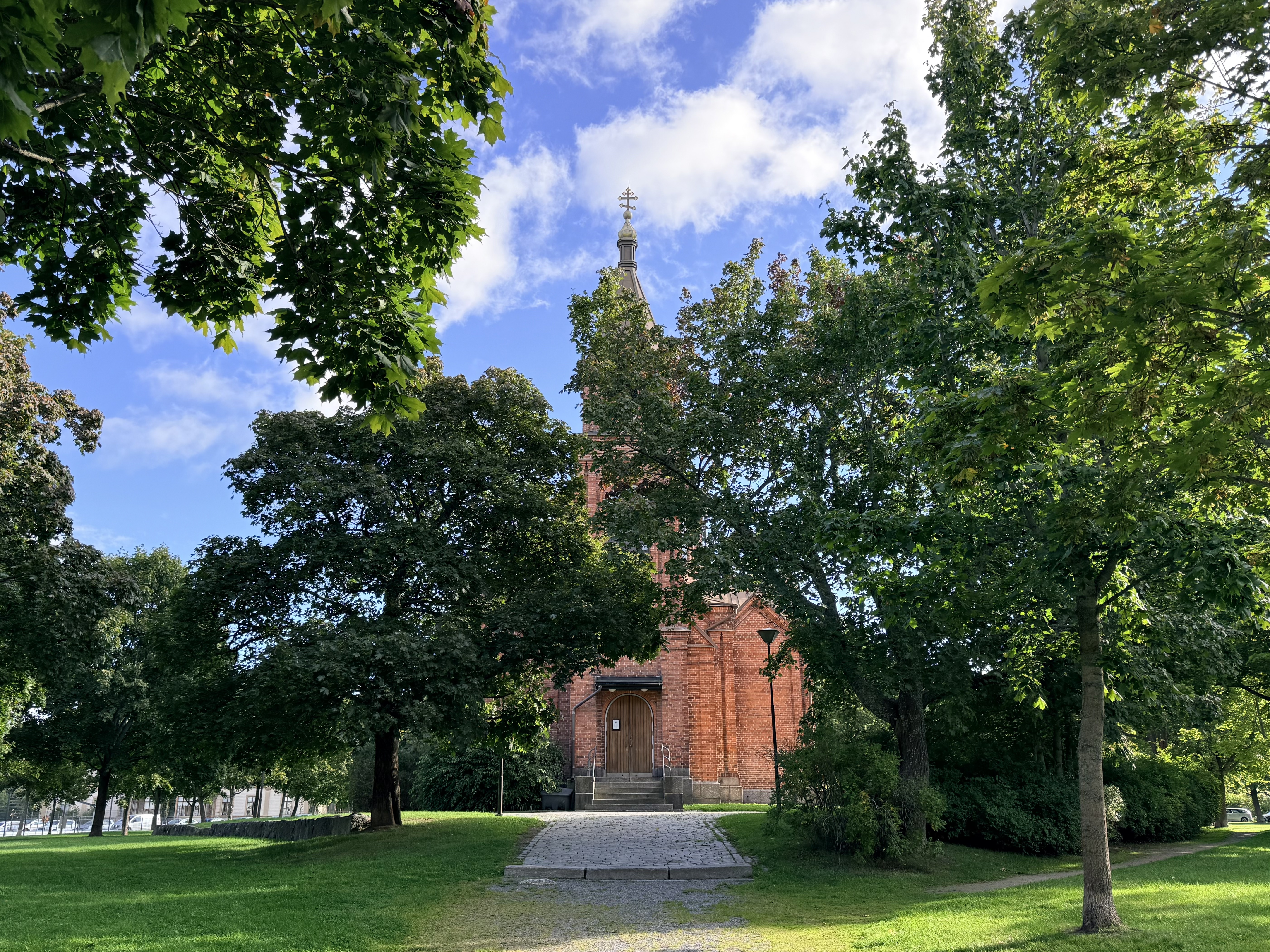
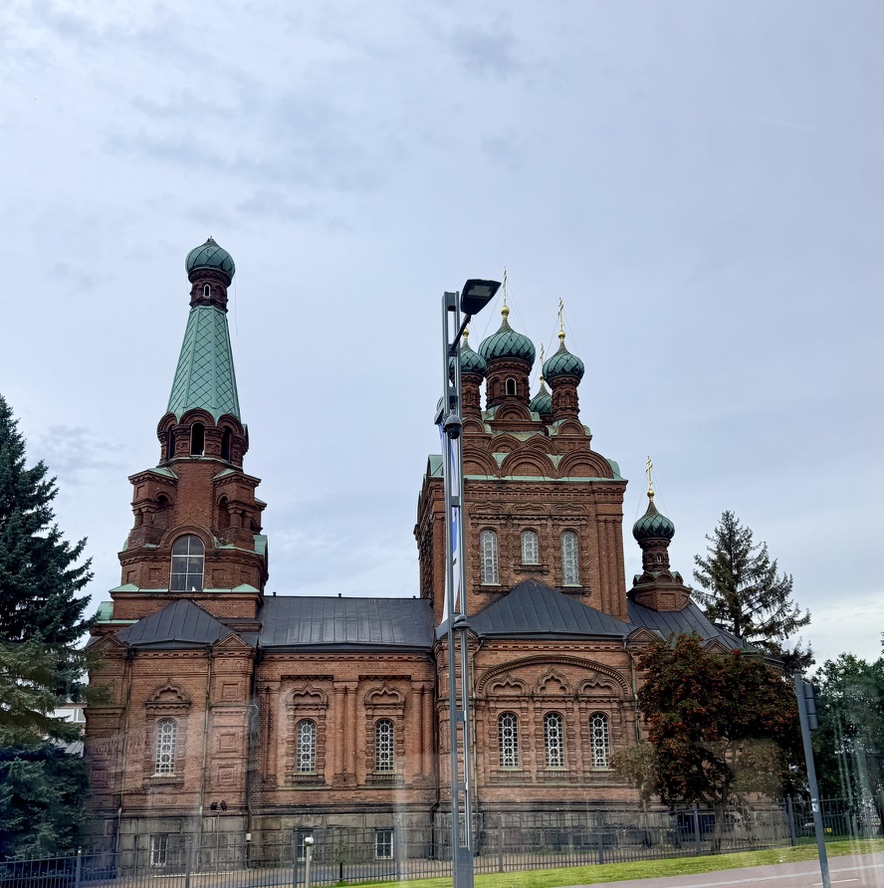
We rode by a marina and then to Pyhän Nikolaoksen kirkko (St. Nicholas Church), an Eastern Orthodox church in Vaasa. The church was surrounded by a well-preserved area of 19th century wooden barracks.
Homebody Stuff
Every morning, like clockwork, I continued to do my NY Times puzzles: Wordle, the Mini, Connections and Strands. In the evenings, we watched our regular shows: Sommerdahl, The New Adventures of Old Christine, AnotherSelf , Ted Lasso, Old Money, Trying, The Killing, Furious, Broadchurch and Ride or Die. We enjoyed watching The Summer Book based on the book of the same name by Tove Jansson, about a young girl and her emotionally-distant father staying on a Finnish island with the girl’s grandmother.
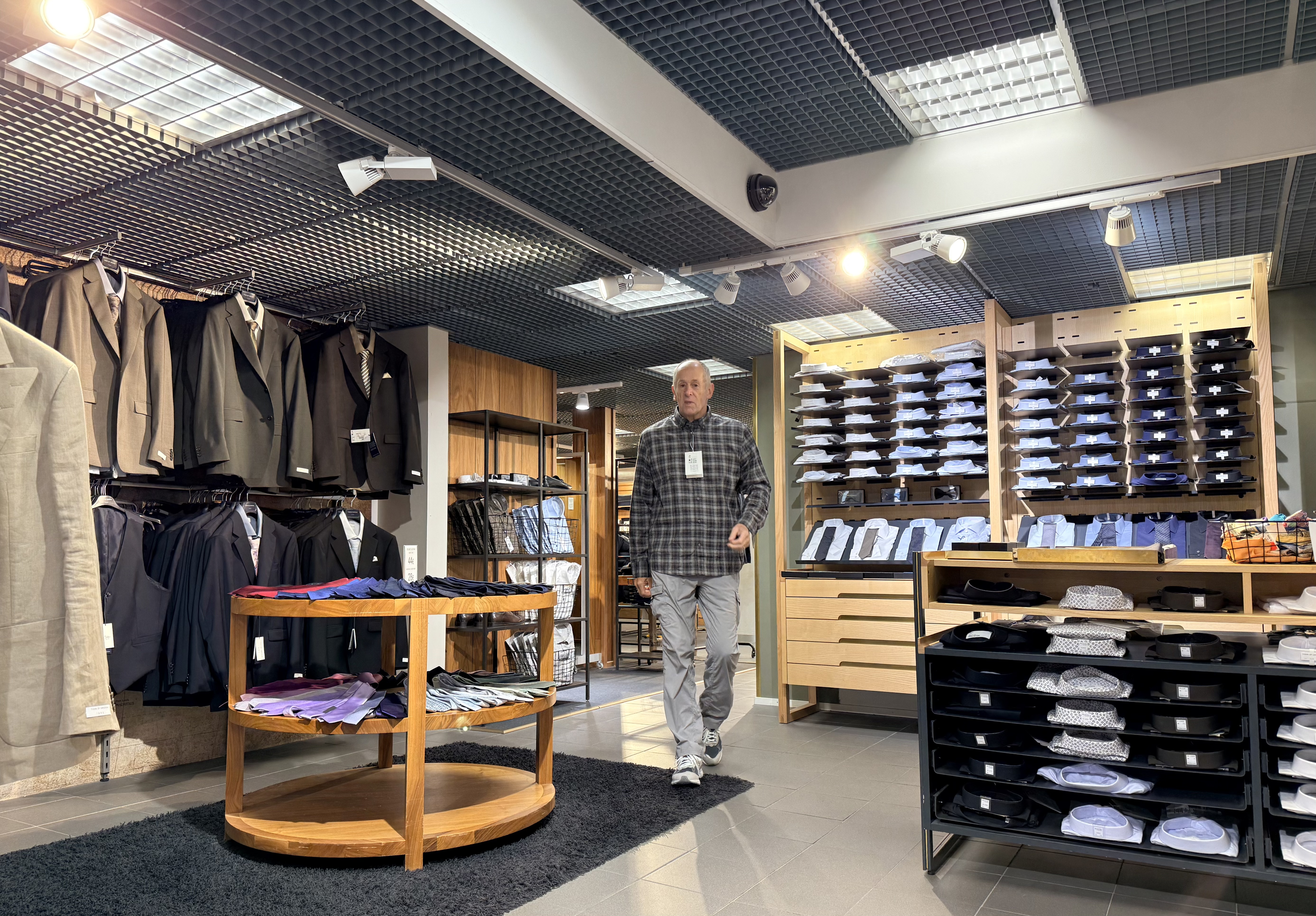
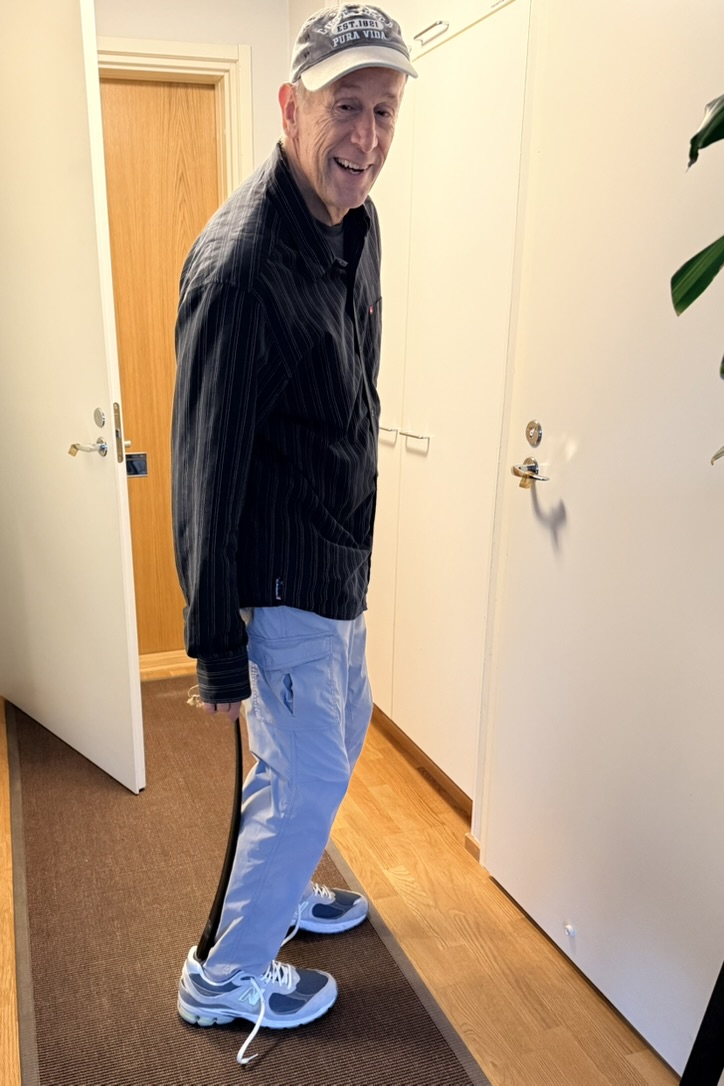
We did a little shopping one rainy day in Vaasa at a men’s store called Aukia. There Mike bought two pairs of pants and a flannel shirt. We returned there another day to look for a black long-sleeved shirt, which he found and bought.
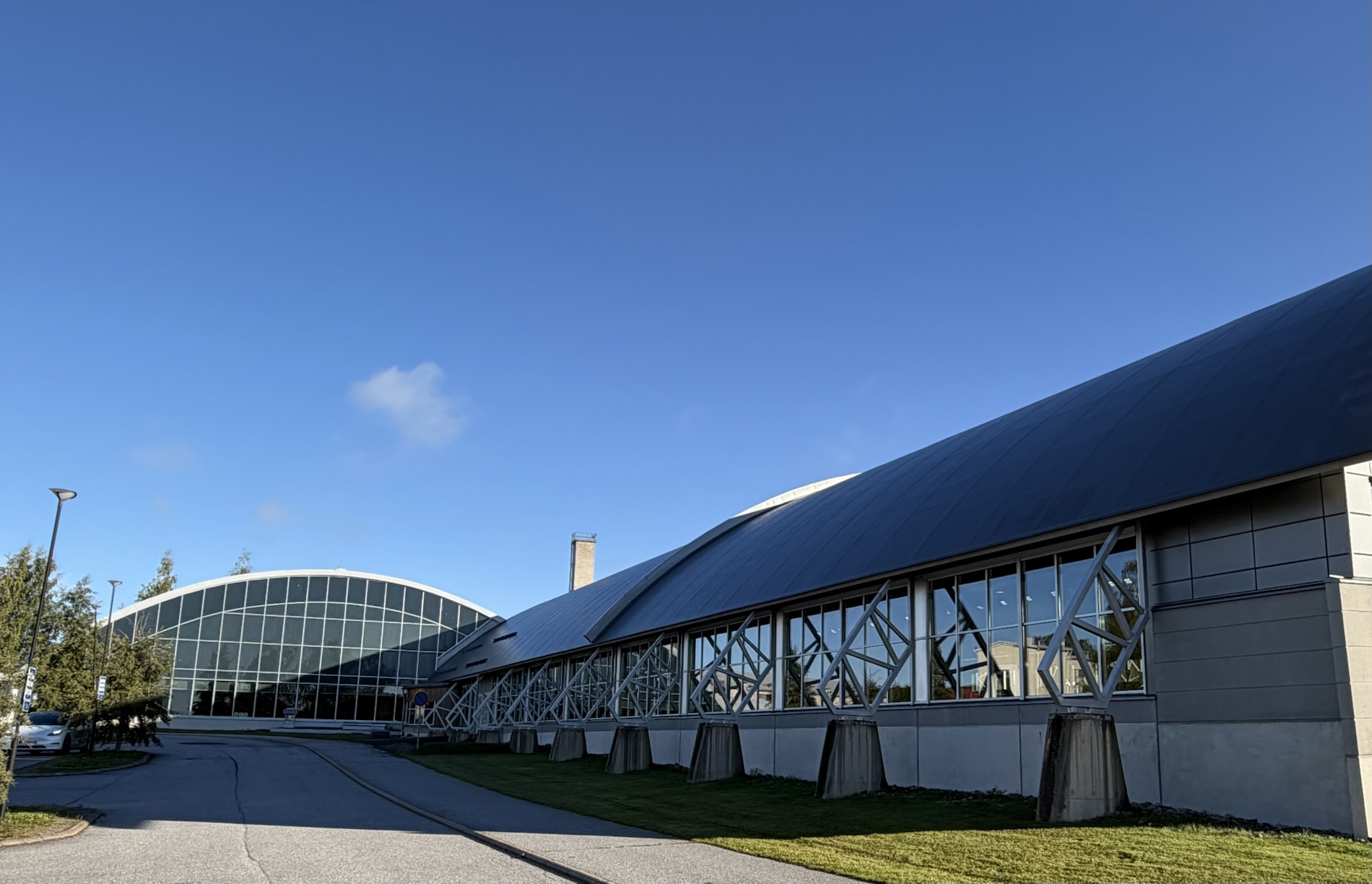
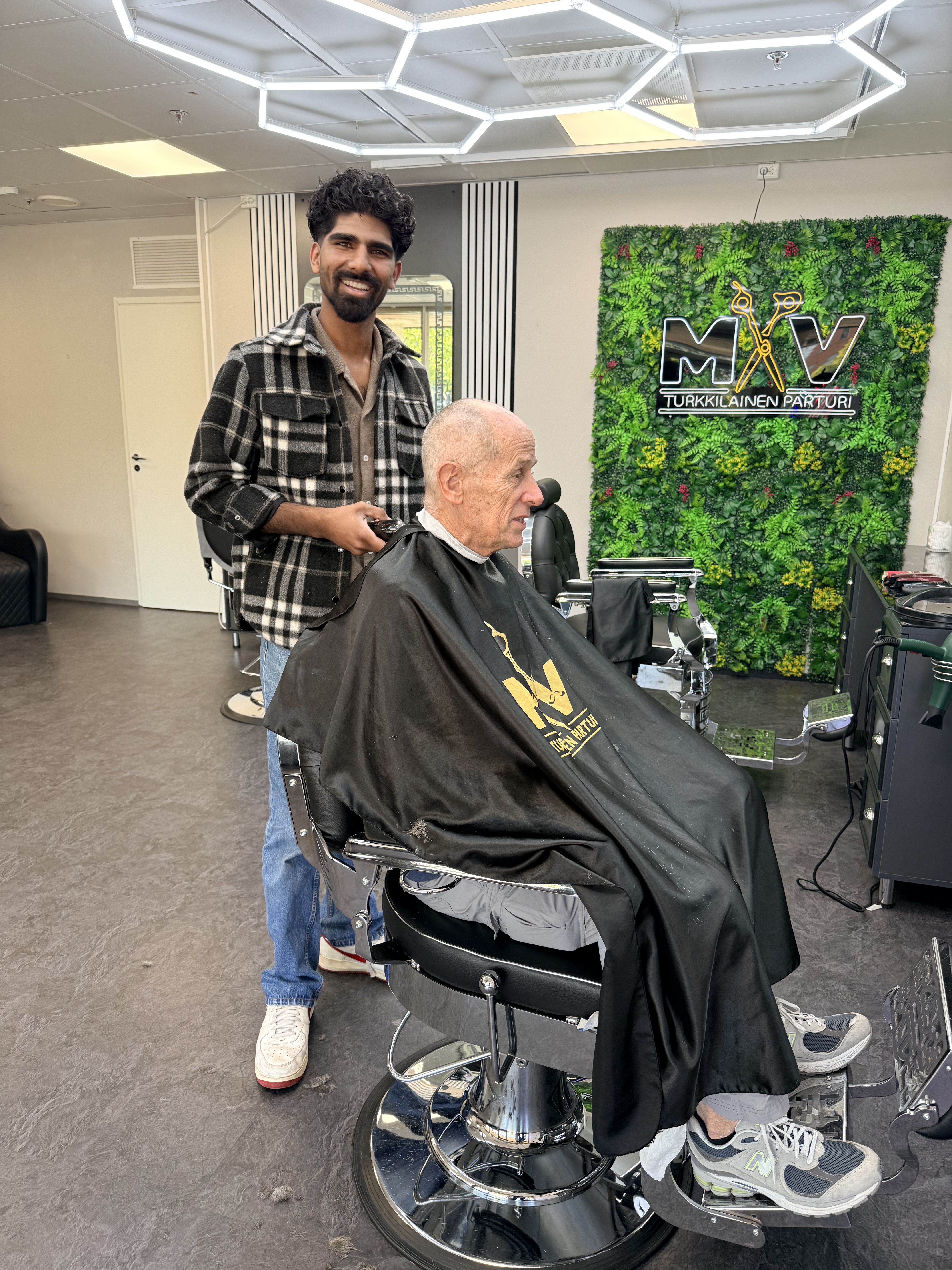
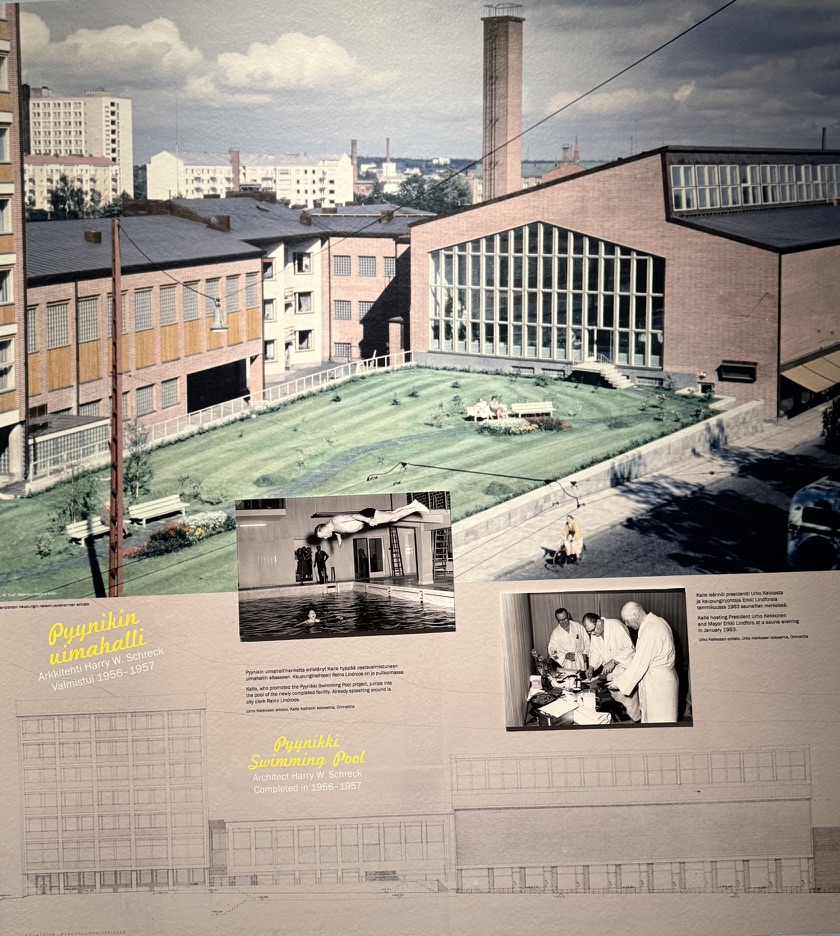
Mike went swimming the morning before we returned our rental car because the swimming facility, Vaasan uimahalli, was a long distance from the apartment. He also got a haircut our last afternoon in Vaasa by a Palestinian guy at Turkkilainen Parturi who said he’s a university student but doesn’t much care for his studies. He enjoys being a barber. We both thought, I’m sure his parents will be pleased to find out he wants to be a barber after spending thousands of euros on his education!
I’m in the midst of reading two books: Don’t Look Back by Karin Fossum and The Street of a Thousand Blossoms by Gail Tsukiyama. I find I’m not making as much time as usual to read, as I usually spend most of my time editing photos, writing my blog, reading up on places we visit, plotting out our transport options, and keeping touch with the family at home. We had a long chat with Alex after Jandira wrote a letter to her new boss about defining her role more clearly and she wanted our feedback on the letter.
Friday, September 4: On Friday, we made our way to Turku in Southwest Finland at the mouth of the River Aura.


You must be logged in to post a comment.