Friday, September 13: We arrived in Nagoya on the Shinkansen by 11:10 but it took us quite some time to find the express bus to Nagoya Airport. We walked to and fro on the sweltering pavement until an English teacher came along with his friend and led us to the barely noticeable bus stop. We took the bus to the tiny airport then waited there until a woman from the Information Desk called Toyota-Rent-A-Car to come pick us up. Finally, we rented a black Toyota Corolla Touring to drive to Takayama in the Japan Alps. The whole process was cumbersome, made worse by the oppressive heat.
Mike did a fabulous job driving our Toyota Corolla Touring rental car from Nagoya Airport through at least 30 tunnels on the Expressway to Takayama, and that on the left side of the road as well. I was a bit freaked out in the passenger side; it’s hard to get used to having the slow lane be on the left side of the moving traffic.
our rental car: Toyota Corolla Touring
Takayama
We arrived at our hotel, Ichinomatsu Japanese Modern Hotel, by 3:00. It had a lovely setting. Sadly we found from the receptionist that the old town of Takayama was about to close down for the night. (I actually read later it is open every day from 9-5).
We had to change our shoes multiple times while going to our room and then back outdoors. We put our street shoes in a locker, put on house slippers, then put on outdoor slippers to walk through the garden and then house slippers again to go to our room. It was quite a production.
Ichinomatsu Japanese Modern Hotel
Ichinomatsu Japanese Modern Hotel
our room at Ichinomatsu Japanese Modern Hotel
Takayama is famous for its Hida beef so Mike wanted to try a place he found highly recommended in a blog: Center4 Hamburgers. We could have driven our car but instead we decided to walk the 23 minutes to get there. Luckily we brought our umbrellas as the sky opened up and we were drenched by the time we arrived at the quirky cafe. The place was decorated with everything imaginable from Johnny Cash T-shirts to flour sacks, vintage signs and beat-up old-fashioned shoes. Johnny Cash songs serenaded us during our meal.
We sat beside two young families, a Filipino brother and sister and their spouses. The one young family – the Filipino brother & wife (part Filipino but didn’t look it) and 2 children (ages 1 & 4) – was from Vancouver. The Filipino sister and her husband were based in Manila. We chatted with them in the cozy quarters and Mike enjoyed a Hida beef burger 🍔 and I had an avocado burger (much cheaper and made with local beef but not Hida beef). All of it was delicious. Mike downed a pour of whiskey and I had a draft Kirin Ichiban beer.
Center4 Hamburgers
Center4 Hamburgers
Mike at Center4 Hamburgers
me at Center4 Hamburgers
Center4 Hamburgers
Center4 Hamburgers
Hida Beef Burger
Center4 Hamburgers
Center4 Hamburgers
Center4 Hamburgers
After dinner the rain had turned to a sprinkle and we walked back, admiring the shuttered town and looking forward to a daytime visit. We had to get back because we had reserved a half-hour slot at the hotel’s onsen at 8:30. We relaxed a bit and then donned our yukata for our allotted time slot.
We had a half hour and it was lovely but as the onsen was outdoors and the temps were in the high 70s, the hot bath was a bit much for me. I couldn’t take more than 15 minutes, so I returned to the room and promptly fell asleep on our nice firm bed.
me in my yukata
me in my yukata
Mike in his yukata
Mike in his yukata
the hotel onsen
the hotel onsen
the hotel onsen
me ready to get in the hotel onsen
the hotel onsen
Steps: 10,235. Miles: 4.33. Weather Takayama Hi 84°F, Lo 69°F. Partly cloudy.
Saturday, September 14: Ichinomatsu Japanese Modern Hotel had a fabulous breakfast. We had signed up for a half-hour time slot at 7:30 so we could get an early start. The breakfast this morning consisted of an omelette and different types of onigiri, a bit of salted salmon, radishes, cucumber, and miso soup.
the garden of the hotel with the breakfast room on the right
the garden at the hotel
looking through the garden at the onsen
the two ladies who served breakfast in shifts
breakfast, mostly omelette and onigiri
me at breakfast
Mike at breakfast
me in front of the hotel
Shirakawa-go
After breakfast, we drove through over 30 tunnels in the Japan Alps to visit the village of Ogimachi in Shirakawa-go, best known for farmhouses in the thatched gasshō-zukuri style. Its central settlement has some 600 residents and the largest concentration of gasshō-zukuri buildings, with over 110. It and two other villages, Suganama and Ainokura (in the Gokayama district of Toyama Prefecture) are UNESCO World Heritage Sites. Gasshō-zukuri means “constructed like hands in prayer,” as the farmhouses’ steep thatched roofs resemble the hands of Buddhist monks pressed together in prayer. The houses are designed to withstand the large amount of heavy snow that falls in the region during winter. On this day, it was sweltering, so it was hard to imagine snow ❄️ EVER!
The style of gasshō-zukuri architecture does not use any metal objects such as braces, clamps or nails in the building construction, and instead, ropes and ties made from straw (witch-hazel sapling) are used in the construction. While the roofs are thatched with hay, if properly maintained for protection from the fires made in a sunken hearth (fireplace), the roof can last between 40 and 50 years. The thatching on the roof is replaced with the help of all the villagers in a spirit of mutual support.
Ogimachi in Shirakawa-go
me on the bridge to Ogimachi in Shirakawa-go
Ogimachi in Shirakawa-go
Ogimachi in Shirakawa-go
gasshō-zukuri house in Ogimachi
gasshō-zukuri house in Ogimachi
gasshō-zukuri house in Ogimachi
gasshō-zukuri house in Ogimachi
gasshō-zukuri house in Ogimachi
gasshō-zukuri house in Ogimachi
gasshō-zukuri houses in Ogimachi
gasshō-zukuri houses in Ogimachi
gasshō-zukuri houses in Ogimachi
gasshō-zukuri houses in Ogimachi
gasshō-zukuri houses in Ogimachi
Ogimachi
gasshō-zukuri houses in Ogimachi
gasshō-zukuri houses in Ogimachi
gasshō-zukuri houses in Ogimachi
gasshō-zukuri houses in Ogimachi
gasshō-zukuri houses in Ogimachi
gasshō-zukuri houses in Ogimachi
gasshō-zukuri house in Ogimachi
gasshō-zukuri houses in Ogimachi
gasshō-zukuri houses in Ogimachi
gasshō-zukuri houses in Ogimachi
gasshō-zukuri house in Ogimachi
gasshō-zukuri house in Ogimachi
Mike in Ogimachi
gasshō-zukuri house in Ogimachi
me in Ogimachi
Ogimachi
Ogimachi
Ogimachi
Ogimachi
town of Ogimachi
a little cloth I bought to wipe my sweating face. It has the gasshō-zukuri houses on it.
gasshō-zukuri house in Ogimachi
The Myozenji Temple is the only temple and bell tower made with a traditional thatched roof. A temple of the Jodo Shinshu (True Pure Land) school, named in the first year of the Enkyo period (1744), was the dominant form of Buddhism in this area. Myozenji has a distinctive thatched main hall that dates to 1827. There is no other temple that has thatched roofing on the main hall, the living quarters and the bell tower.
The Shoromon Gate is the main gate of Myozenji Temple. Built in 1801, it is noted for its distinctive two-layered structure and high thatched roof. This design, invented by a local artisan, served as inspiration for the temple’s current main hall, which also features a thatched roof and was constructed 26 years after the gate. The Shoromon’s original temple bell was requisitioned for military use during World War II; its replacement, cast anew after the end of the war, hangs in the gate and is rung for ceremonies and on occasions such as New Year’s Eve.
On the left side of the gate stands a yew tree (Taxus cuspidata), which was planted to mark the completion of the main hall in 1827 and is designated a Natural Monument of Gifu Prefecture, while on the right side grows a cherry tree whose pink blossoms signal the coming of spring in Shirakawa-go.
Shoromon Gate
Shoromon Gate
Myozenji Temple
The Myozenji Museum now occupies the building which formerly housed the monks living at the adjacent Myozenji Temple. It is one of the largest gasshō-zukuri-style houses in the village. This structure was built in 1817 and is now a museum where visitors can learn about traditional life in Shirakawa-go. The museum building is one of the few houses of its kind in the area with plastered earthen walls, which are more fire-resistant than wooden walls.
One can observe the architecture of the traditional buildings, inspect the details up close and smell the aromatic smoke used to repel insects and protect the wood and thatched roof from damage.
We began upstairs in the four-level attic, which was used mainly for cultivating silkworms. Here we saw a variety of tools, kitchen utensils, ornaments, household implements, and other items that convey how the people of Shirakawa-go traditionally made a living. The attic also provides a look at the inside of the roof structure, which is secured by straw ropes and bindings (neso) made of witch hazel saplings. The foundation and first floor of a gasshō-zukuri-style house such as the Myozenji kuri were usually built by professional carpenters, whereas ordinary villagers would work together to assemble everything above the house’s lattice ceiling.
Myozenji Museum
attic of Myozenji Museum
attic of Myozenji Museum
attic of Myozenji Museum
attic of Myozenji Museum
attic of Myozenji Museum
view from the attic of Myozenji Museum
view from the attic of Myozenji Museum
attic of Myozenji Museum
view from the attic of Myozenji Museum
Mike in the attic of Myozenji Museum
attic of Myozenji Museum
attic of Myozenji Museum
architecture of roof
attic of Myozenji Museum
photo of people in village replacing the roof
view from Myozenji Museum
We had a silly photo taken of ourselves in the attic of the museum. 😂😂 Apparently the weird-looking stuffed doll they gave me to hold is a Hida Sarubobo Stuffed Doll. In Japanese, Saru means “monkey” while bobo means “baby”, so sarubobo is baby monkey. Traditionally, sarubobos are made by grandmothers for their grandchildren as dolls, and for their daughters as a charm for good marriage, good children and to ensure a well-rounded couple.
photo we bought in the museum
photo we bought in the museum
After viewing the attic, we followed a covered corridor into the main hall; the ornate interior is characteristic of Jodo Shinshu temples. Next to the main hall is the kuri, or living quarters of the head priest and his family. Its 330-square-meter first floor includes a large living room with an irori fireplace at the center. Above the fireplace hangs a hiama, a wooden board used to extinguish sparks rising from the fire, to dissipate smoke, and to prevent heat from dispersing throughout the house. The living room was where the family ate and spent time together sitting around the hearth in strictly prescribed seating order. The head of the household sat with his back against the thick post at the center of the building, symbolizing his role as the main breadwinner. His wife sat on the right-hand side and his firstborn son on the left, while the rest of the family had their places on the opposite side of the irori.
main hall
main hall
main hall
living room with irori fireplace
Ainokura
After leaving Shirakawa-go, we drove to the more remote and charming smaller village of Ainokura. We had a lunch there of cold soba noodles and tofu & vegetable tempura. It felt good to sit in a cool air-conditioned place. Then we wandered among more of the grass hut houses until we were exhausted from the heat and returned through another 20 tunnels on the Expressway to Takayama.
Ainokura
Ainokura
Ainokura
our lunch spot in Ainokura
map of Ainokura
Mike at our lunch spot
tofu & vegetable tempura
me eating lunch
Mike’s soba noodles
Ainokura
Ainokura
Ainokura
Ainokura
Ainokura
Ainokura
Ainokura
Ainokura
Ainokura
Ainokura
Ainokura
Ainokura
Ainokura
Ainokura
Ainokura
Ainokura
Takayama
Saturday night we ate white-bread sandwiches 🥪 from a convenience store because we’d eaten such a huge lunch in Ainokura. After dinner, since Takayama is known for its sake breweries, we went to the cozy and intimate Sakedokoro Tamotsu, a sake bar. The owner, Atsu, who spoke excellent English, gave us a tasting of three types of sake and then Mike ordered a glass of one type (he is holding the bottle in the photos). I got a Ginger Plum Martini: Homemade ginger Vodka,Local Plum, Dry Vermouth, Soda. It was a very strong drink and I sipped it (for once – I usually guzzle mixed drinks!) over a long leisurely visit with Atsu and his friend, Morimo. They bonded many years ago over music; Morimo plays guitar and is especially fond of American classics from the 60s and 70s, especially Little Richard and CCR. We talked with them for a long time and enjoyed the cozy atmosphere. A very special night.
Sakedokoro Tamotsu
Atsu at Sakedokoro Tamotsu
sake bottles at Sakedokoro Tamotsu
Mike holding the sake he tried
me at Sakedokoro Tamotsu with my Ginger Plum Martini
sake bottles at Sakedokoro Tamotsu
Sakedokoro Tamotsu
We returned in time for our 8:30 time slot in the hotel onsen, but once again, it was way too hot for me to enjoy for more than 10 minutes.
Steps: 8,711. Miles: 3.71. Weather Takayama Hi 84°F, Lo 76°F. Sunny.
Hida Furukawago
Sunday, September 15: We had another nice breakfast on Sunday morning; it was different from yesterday’s and I liked it except for the gristly chicken. We enjoyed a lovely view of the courtyard.
courtyard at Ichinomatsu Japanese Modern Hotel
our breakfast view
breakfast at Ichinomatsu Japanese Modern Hotel
We drove north about 20 minutes from Takayama to Hida Furukawago. The town is famous for its timber and local carpenters. A small canal, named Seto River (瀬戸川, Setogawa) and inhabited by carp, runs through the nicely preserved old town. The canal is lined by old store houses with white walls (shirakabe dozo).
First, we visited the town’s Festival Exhibition Hall. The Furukawa Festival is an annual event of the Ketawakamiya Shrine, situated in Furukawa-cho Kamikita. It is held once a year, every April 19th and 20th, during which the spirit of the deity is led from the shrine to the town of the ujiko (shrine parishioners), who make offerings and pray to it.
After traditional Shinto rituals are held at the main hall of the shrine, the mikoshi procession takes place with large numbers of parishioners joining in a splendid parade through the town. They leave the shrine on April 19 and return on the 20th. During the festival, the procession makes dozens of stops to perform the Japanese Shinto religious rituals and the Shishimai (traditional lion dance).
This is followed by the Okoshi-Daiko and yatai float events. Of these festival events, the Okoshi-Daiko and yatai float events were designated as National Important Intangible Cultural Properties on January 28, 1980. Then, they were included as part of the “Yama, Hoko, Yatai, float festivals in Japan” registered on the UNESCO Intangible Cultural Heritage List on November 30, 2016.
Miokuri are elaborately designed drawings and writings hanging from the rear of yatai floats. The 2004 Miokuri “Hosu” (shown below) is the work of calligrapher Seison Mozumi from Furukawacho in Hida City. The Miokuri was created in 2004 for the newly completed Zuiho Ruritai, a yatai built for the purpose of handing down the cultural heritage. Hosu is the brood of the Ho’o (phoenix). Another meaning is a youth expected to become an outstanding personage in the future, as it embodies the hopes for healthy growth of the children of Furukawa.
Miokuri “Hosu” at Hida Furukawago’s Festival Exhibition Hall
Miokuri at the Festival Exhibition Hall
Miokuri at the Festival Exhibition Hall
Miokuri at the Festival Exhibition Hall
some element of the famous festival
The Heisei Era’s Yatai (Zuiho-tai) was built for the purpose of preserving traditional artisanship. Among existing yatai floats, more than sixty years have passed since the most recent one was built, raising concerns that Hida no Takumi (the master craftsmen of Hida) might not be passed down to coming generations. Therefore, for six years starting in 1997, three generations, from the elderly to children, cooperated in creating this yatai.
We admired the intricate festival floats and watched a 20-minute movie about the festival. It looked wild; I’m surprised people don’t get crushed to death during it!
Heisei Era’s Yatai
One of the actual Festival Floats
Okoshi-Daiko (rousing drum): The origin of the Okoshi-Daiko is said to be the “wake-up drums” that went around to announce the start of the festival. Several hundred half-naked men carry around a frame-mounted turret on which a large drum of 80cm in diameter is perched. Drummers atop the drum beat it periodically as it makes the rounds of the town.
As the drum moves through the town, teams representing each neighborhood, carrying small drums called Tsuke-Daiko, lie in wait at various intersections to rush out and attack the turret as it passes by. The greatest glory for these teams is for their Tsuke-Daiko to gain the position nearest the turret; a mad scramble ensues as teams vie for that honor. In addition to competing with the other teams, they have to contend with the guardsmen attempting to prevent the Tsuke-Daiko from approaching the turret of the Okoshi-Daiko, resulting in a three-way offensive and defensive battle.
The young men of the Tsuke-Daiko teams encourage themselves by performing the “tombo” stunt, with one climbing to the top of a pole approximately 3.5 meters high, positioning the pole at his midsection for support and extending his arms and legs.
Okoshi-Daiko (rousing drum)
Okoshi-Daiko (rousing drum)
“tombo” stunt in the festival
During the Mikoshi (portable shrine) Procession, the deity is placed inside the mikoshi and borne through the town in a stately procession, accompanied by large numbers of parishioners as well as shishi, Tokeiraku, Maihime (young female shrine dancers), and gagaku performers. Alerted by the sounds of drums and Tokeiraku that the mikoshi procession is nearing, the parishioners spread lines of salt in the middle of the road along the mikoshi route, creating and purifying a path for it. The townspeople also sprinkle a line of salt in front of their homes, drawing branch segments from the main line to their entryway, enticing the sacred presence of the deity into their homes.
The Yatai (Festival Float) Parade highlights the nine Yatai festival floats. It is a a tranquil aspect of the Furukawa Festival. A legacy of craftsmanship is displayed on the floats in the wood carving, metal engraving, and Japanese lacquer work. On the evening of April 20th, every float is decorated with Japanese “Chochin” lanterns.
mikoshi
mikoshi procession
mikoshi procession
other elements of the Festival
other elements of the Festival
After learning everything there was to know about the Furukawa Festival, we then visited the Takumikan Craft Museum (飛騨の匠文化館, Hida No Takumi Bunkakan) built in October of 1989. It is dedicated to traditional Hida craftsmanship and was built by local carpenters using local lumber and traditional carpentry techniques (tongue and groove methods) that do not utilize nails, bolts, clamps or other metal fittings. It was built in the kurazukuri (clay-walled warehouse) style with slatted wooden cladding, to match the white-walled warehouse district by the Setogawa Canal. The large skylight on the roof, in the shape of a traditional lantern, is a symbol of the museum.
The museum exhibits traditional carpenter tools and the various types of woods used. Upon entry, we were told to sit at a large square table, where we were challenged to try to put together wooden puzzles and joints.
temple on the way to the other museum
musuem about building methods in Hida Furukawago
musuem about building methods in Hida Furukawago
musuem about building methods in Hida Furukawago
musuem about building methods in Hida Furukawago
musuem about building methods in Hida Furukawago
musuem about building methods in Hida Furukawago
musuem about building methods in Hida Furukawago
By this time it was pouring down rain 🌧️ ☔️ but we continued walking through the cute town with its carp-filled willow-lined canals. It actually felt better to have a cool rain than to suffer through another hot & humid day like all the days we’d had since we arrived in Japan.
We also enjoyed the box car Toyotas that EVERYONE in Japan, at least in the Japan Alps, seems to drive. They reminded us of the cars in the game of LIFE, the ones where you insert blue and pink pegs as you get married and have children.
canals with carp in Hida Furukawago
canals with carp in Hida Furukawago
canals in Hida Furukawago
temple gate in Hida Furukawago
temple in Hida Furukawago
temple in Hida Furukawago
canals in Hida Furukawago
canals in Hida Furukawago
funny box cars
shrine in Hida Furukawago
shrine in Hida Furukawago
another “Game of Life” boxy car
We dropped by the huge Honkoji Temple. It has an exquisitely crafted temple gate and the main hall is the largest wooden building in the wider Hida region.
Konkoji Temple
bell tower at Konkoji Temple
Mike at Konkoji Temple
me at Konkoji Temple
gate to Konkoji Temple
Konkoji Temple
Konkoji Temple
We dropped into a cute shop where the owner creates necklaces and key chains, etc. out of local woods. I bought a wooden necklace in the shape of a teardrop on a leather string. We enjoyed chatting with the artisan and another couple who was in the shop. Also, it felt good to get out of the rain for a bit.
cute artisan shop
us at the cute artisan shop
a Japanese couple and the artistan (R)
By the time we left there, the rain had become a spittle and we stopped for some pizza at a little restaurant. A Japanese family sat next to us and the little boy, who had never before met a Westerner, had a chance to practice a bit of English. After lunch, we wandered around the town as we made our way back to our car.
Hida Furukawago
Hida Furukawago
Hida Furukawago
Hida Furukawago
pizza place in Hida Furukawago
pizza for lunch in Hida Furukawago
Hida Furukawago
Hida Furukawago
Hida Furukawago
Hida Furukawago
Takayama
We drove back to Takayama so we could explore the Old Town of Takayama, which has been beautifully preserved with many buildings and whole streets of houses dating back to the feudal ages, when the city thrived as a wealthy merchant town.
Takayama gained importance as a source of high-quality timber and highly skilled carpenters during the feudal ages. For these resources, the city was put under direct control of the shogun and enjoyed prosperity considering its remote mountain location.
The southern half of the old town, especially the Sannomachi Street, survives in a particularly pretty state with many old homes, shops, cafes and sake breweries, some of which have been in business for centuries.
After our nice quiet time in Hida -Furukawago, it was a shock to be in Takayama because of the crowds. Also, it still was raining off and on, so between the people and the rain, it was hard to take photos.
Old Town Takayama
temple in Takayama
temple in Takayama
street in Takayama
a rare find: a deserted street in Old Town Takayama
We lost patience with the whole ordeal and decided to drop by our favorite little Sake bar from Saturday night, Sakedokoro Tamotsu. The owner Atsu had just opened up at 3:00. It felt good to get out of the rain. I ordered a frozen margarita and Mike a pour of the local sake. I couldn’t feel much from the margarita, so I ordered a glass of sake too. Later two 40- to 50-year old Kiwi teachers came in and started drinking too, Graham and Tai, and we had a fun time talking with them. They told us this was their first time in the northern hemisphere, surprising until we realized we’ve only been once to the southern hemisphere – to Ecuador in 2022. A young Japanese woman dentist came in to join as well, and that was about all the bar could fit.
Atsu in Sakedokoro Tamotsu
Mike drinks sake in Sakedokoro Tamotsu
Takayama is known for its ramen 🍜; it has a special kind of curly noodle. We left the bar in time to make it for a famous ramen place that opened its doors at 5:00, Menya Shirakawa Bettei. Waiting customers sat on outdoor benches until they could be admitted on a first-come-first-served basis. We got there just in time to get seats at the bar. Mike got Shirakawa dandan noodles with pork and I got a vegetarian ramen with boiled eggs. It was all delicious as advertised. We were surprised by how fast everyone slurped and gobbled down their ramen, making room quickly for the waiting people outside. We felt very slow by comparison.
popular ramen bar in Takayama
patrons sit on a bench outside and are served first come-first served
we got a spot at the bar
ramen chefs
Mike with his ramen
Mike’s ramen
me with my ramen
my ramen
On our way back to our hotel from Old Town Takayama we came upon Hida Kokubunji Temple. Its history goes back to the Nara period. On the grounds are the center foundation stones for a seven-storied pagoda and the foundation stones of Kondo Hall. Its scale affords an idea of the high level of skills wielded by Hida artisans in woodworking. The site is engraved with the history of Hida artisans stretching back more than a thousand years.
We were impressed by the Great Ginkgo of Hida Kokubun ji. The age of this tree is estimated to be 1,200 years, and it has been designated a national natural monument. The tree is 28 m in height, with a circumference of 10 m. In the past, it was believed that snow would fall when the leaves of the gingko fell, and the tree is cherished by local residents as a herald of the changing seasons.
Hida Kokubunji Temple in Takayama
Hida Kokubunji Temple in Takayama
Hida Kokubunji Temple in Takayama
ema at Hida Kokubunji Temple
ema at Hida Kokubunji Temple
ema at Hida Kokubunji Temple
Great Ginkgo of Hida Kokubun ji
Hida Kokubunji Temple
On our walk back we also passed through the very modern train station of Takayama.
Takayama’s modern train station
During the day walking around in my Tevas in the rain, I got two blisters on my two little toes and I could hardly walk. Plus I could feel a cold coming on; my head was about to explode. Somehow I hobbled back to our room, a good 30 minute walk, and relaxed until our 8:30 onsen time slot. I conked out quickly after our hot baths as my cold hit me full on. I had a miserable sleep between my sinus pressure, sore throat, and two blistered little toes! It never fails that I get sick at least once during our travels.
Steps: 11,836. Miles 5.01. Weather Takayama Hi 81°F, Lo 76°F. Showers.
The Nakasendo Trail: Tsumago-juku
Monday, September 16: We originally had big plans for Monday. We had to drive from Takayama and be in Nagoya by 5:00 to return our rental car. We had hoped to walk the Historic Nakasendo Trail. During the Edo Period (1603-1868), the ‘Nakasendo’ was an important route connecting Tokyo – then called ‘Edo’ – and Kyoto. Along the route, numerous ‘postal towns’ developed to provide services such as accommodation, food, transport and protection to travelers and merchants, who were of course taxed. Many of the towns accumulated great wealth as a result and today, several remain beautifully preserved.
Come along for a little drive through some of the Japan Alps.
We thought we got an early start but somehow we didn’t get to the first post town, Tsumago-juku, until noon. Not only was I feeling horrible but the heat was unbearable – so oppressively hot and humid. We wanted to see the two post towns AND do the walk between them, but between my blisters and my cold and the heat, I decided it would be just fine to drive to both post towns. It turned out there was no way we could have walked the 2-3 hour hike, visited both post towns, plus made it back to Nagoya by 5:00.
NAGISO Guide map found in Tsumago-juku Tourist Information Center
NAGISO Guide map found in Tsumago-juku Tourist Information Center
We stopped first at Tsumago-juku, home to traditional wooden inns that once hosted traveling samurai lords. It felt much like an open-air museum; the government designated it as a protected area for the preservation of traditional buildings. Modern developments such as telephone poles are not allowed in the town.
Tsumago-juku
Tsumago-juku
Tsumago-juku
Tsumago-juku
Tsumago-juku
Tsumago-juku
Tsumago-juku
Tsumago-juku
Tsumago-juku
Tsumago-juku
Tsumago-juku
Tsumago-juku
Tsumago-juku
Tsumago-juku
Tsumago-juku
Tsumago-juku
Tsumago-juku
me in Tsumago-juku
Tsumago-juku
Tsumago-juku
Tsumago-juku
Tsumago-juku
Tsumago-juku
Tsumago-juku
Tsumago-juku
The Nakasendo Trail: Magome-juku
Magome-juku (馬籠宿) was the forty-third of the sixty-nine stations of the Nakasendō connecting Edo with Kyoto in Edo period Japan. We stopped in this charming town after Tsumago-Juku, the other town bookending this stretch of the Nakasendō Trail.Before walking into the town, we enjoyed the views over the town and the Japan Alps.
view of Magome-juku
view over Japan Alps
view over Japan Alps
Magome’s buildings line a steep, cobblestone pedestrian road with rustic shopfronts and mountain views. I wish I’d been able to appreciate it more, but by this time of day, the heat was oppressive and I was feeling congested and miserable. We stopped into one of the only air-conditioned coffee shops we could find and enjoyed a nice long break while sipping and savoring a melon soda and an iced latte.
The town was a steady downhill from where we parked, which meant we had to climb uphill to get back to the car. Mike always takes good care of me, so he climbed back up to the parking lot while I walked downhill and met him as he drove the car to the bottom of the town. I wished I’d had more energy to take pictures as the town was quite photogenic, but I just didn’t have it in me. A number of the photos here are Mike’s.
Magome-juku
Magome-juku
Magome-juku
Magome-juku
Magome-juku
Magome-juku
Magome-juku
air-conditioned cafe in Magome-juku
our break to get out of the heat
cute little cafe
melon soda and an iced latte
Magome-juku
Magome-juku
Onward to Nagoya
After leaving, Magome-juku, we made our way back to Nagoya Airport so we could return our rental car.
Steps: 8,139. Miles 3.44. Weather Takayama Hi 91°F, Lo 70°F. Mostly sunny.
September 30, 2024: Welcome to our very belated September cocktail hour. I’m so happy you’ve dropped by. Although the weather in Virginia finally became the perfect fall weather, we weren’t here to enjoy it, and in fact, our summer stretched out to the end of the month in Japan and Bali.
I can offer you some hot sake and a Sapporo. Or even some cold sake. We can offer a Michelob Ultra or Hop Slam. I’ve now developed a liking for plum wine and soda water – yum. Soda or seltzer water is also available.
From Japan, and then returning to Japan from Bali on the final day of the month, I wish you “Kanpai (乾杯!)” which means “dry the glass” or “bottoms up.”
How are things going as we are fully in the midst of fall? Have you read any good books, seen any good movies, binge-watched any television series? Have you planned any adventures or had any fall getaways? Have you dreamed any dreams? Gone to any exotic restaurants, cooked any new dishes? Have you been surprised by anything in life? Have you enjoyed the simple things in life? Have you learned anything new, taken any classes or just kept up with the news? Have you sung along with any new songs? Have you undertaken any new exercise routines? Have you marched or otherwise participated in political protests? Have you been battered, or alternately, uplifted by any news?
We spent the first week in September wrapping up our preparations for our trip to Japan and Bali, Indonesia. We went to our final summer concert: Julieta Venegas – Mexican singer, songwriter, instrumentalist, and producer who specializes in pop-rock-indie music in Spanish – at Wolf Trap Center for the Performing Arts.
me with Mike at Wolf Trap to see Julieta Venegas
Julieta Venegas tickets
Julieta Venegas concert
We took off for |*Japan*| on September 9, arriving in |*Tokyo*| on the 10th on a mostly empty plane where we were able to stretch out and sleep. Once in Tokyo, I took Mike to visit the Sagamihara campus of Aoyama-Gakuin University and to show him my daily walk from the university to my Leopalace apartment, where I lived for one semester in spring/summer of 2017. We met my friend and colleague Graham and his Japanese wife Ako at a Thai restaurant near Fuchinobe Station. After parting ways with them, Mike and I walked around the covered shopping arcades of Harmonica Yokocho in Kichijōji. I took Mike to see Tokyo’s oldest established Buddhist Temple, Sensō-ji, and Ueno Park. We strolled down Ameyayokocho Shopping Street on a relentlessly hot afternoon. We also visited the adorable neighborhood of Monzennakacho, a place I’d never visited during my previous time in Tokyo.
me on a mostly empty United Airlines flight to Tokyo
me at Aoyama-Gakuin University – Sagamihara campus
Graham, Ako, me and Mike at a Thai restaurant near Fuchinobe Station
Sensō-ji in Tokyo 2024
Ueno Daibutsu in Ueno Park, Tokyo
Kiyomizu Kannondo Temple in Ueno Park, Tokyo
Tomioka Hachiman Shrine in Monzennakacho, Tokyo
restaurant in Monzennakacho, Tokyo
On the 13th, we took the Shinkansen to Nagoya, where we rented a car and drove through over 30 tunnels to |*Takayama in the Japan Alps.*| We visited the village of Ogimachi in Shirakawa-go and the more remote town of Ainokura, best known for farmhouses in the gasshō-zukuri style. Back for the evening in Takayama, we met Atsu, a Japanese man who spoke excellent English, at his tiny sake bar in Takayama and enjoyed drinks there. The next day, we drove north to Hida Furukawago and walked in constant rain around the canal-lined town and saw the excellent museum with its elaborate festival floats. Later that afternoon, we explored Takayama’s old town in the rain. When we left Takayama, we stopped at two towns along the Nakasendo Trail, Tsumago-juku and Magome-juku, on the way to Nagoya, where we returned our rental car. I got a bad cold from trudging around those towns in excruciating heat and humidity.
taking the Shinkansen to Nagoya
me at Ichinomatsu Japanese Modern Hotel in Takayama
Mike at Ichinomatsu Japanese Modern Hotel in Takayama
Gasshō-zukuri houses in Ogimachi in Shirakawa-go 2024
Gasshō-zukuri houses in Ogimachi in Shirakawa-go
Gasshō-zukuri houses in Ogimachi in Shirakawa-go 2024
Atsu at Sakedokoro Tamotsu in Takayama
Sakedokoro Tamotsu in Takayama
Festival Exhibition Hall in Hida Furukawago
Hida Furukawago
canals in Hida Furukawago
Konkoji Temple in Hida Furukawago
Atsu at Sakedokoro Tamotsu in Takayama
famous ramen shop, Menya Shirakawa Bettei in Takayama
Tsumago-juku
Tsumago-juku
Magome-juku
Magome-juku
On the 16th, we returned to |*Nagoya*|, where we visited Nagoya Castle and and the famous flea market held on the grounds of Ōsu-Kannon Temple in 97°F heat; there I bought a dress and two pairs of pants. We also visited the Tokugawa Art Museum and its water garden in Nagoya. We enjoyed a delicious grilled fish dinner near Ōsu-Kannon Temple.
Ōsu-Kannon Temple in Nagoya 2024
Nagoya Castle 2024
Nagoya Castle
Nagoya Castle 2024
Nagoya Castle
me at Ōsu-Kannon Temple Market
Ōsu-Kannon Temple Market
Tokugawa Art Museum in Nagoya
Tokugawa Art Museum in Nagoya 2024
Tokugawa Park
Tokugawa Park
Hioki Shrine near our hotel in Nagoya
Part 1 of our Japan trip on Polarsteps
fish meal at Shinpachi Shokudö Ösukannon Ekimae
dinner at Shinpachi Shokudö Ösukannon Ekimae in Nagoya
Thursday morning, September 19, we took the Shinkansen from Nagoya to |*Narita*|, where we spent the night in Wakamatsu Honten Ryokan and visited Naritasan Shinshoji Temple.
Taking the Shinkansen from Nagoya to Tokyo and on to Narita
views out the window of the Shinkansen
Naritasan Shinshoji Temple in Narita 2024
Naritasan Shinshoji Temple in Narita 2024
goodies in Narita
me at Wakamatsu Honten in Narita
Mike at Wakamatsu Honten in Narita
On September 20, we flew to |*Bali, Indonesia*| on Garuda Indonesia, a lovely airline. We stayed our first three nights in |*Jimbaran, Bali*|, where we explored the Bukit Peninsula, especially Nusa Dua and Museum Pasifika. We went with a driver through insane traffic to Pura Luhur Uluwatu to see the Uluwatu Kecak Dance, which was overcrowded and extremely disorganized. Finally, we went in search of batik at Krisna Oleh Oleh Bali, hung out at the Jimbaran Beach and, later, relaxed at the Movenpick pool.
Flying to Bali on Garuda Indonesia
views of Mount Fuji as we leave Japan
our flight path to Bali
flying above the clouds on the way to Bali
Movenpick Resort & Spa Jimbaran Bali
Movenpick Resort & Spa Jimbaran Bali
Mike and me at Movenpick Resort & Spa Jimbaran Bali
offerings for the gods
Museum Pasifika at Nusa Dua
Museum Pasifika at Nusa Dua
Museum Pasifika at Nusa Dua
Museum Pasifika at Nusa Dua
Museum Pasifika at Nusa Dua
Museum Pasifika at Nusa Dua
shrine along beach promenade at Nusa Dua
hotel at Nusa Dua
hotel at Nusa Dua
me at Uluwatu on the Bukit Peninsula
view from Uluwatu
monkeys at Uluwatu
me with Mike at Uluwatu
sunset at Uluwatu
Uluwatu Kecak Dance
Krisna Oleh Oleh Bali
Krisna Oleh Oleh Bali
me on the Movenpick grounds
Jimbaran Beach
Jimbaran Beach
Jimbaran Beach
the pool bar at the Movenpick
Jimbaran Beach at sunset
Jimbaran Beach at sunset
Mike at Akusuka Bali
fish tacos at Akusuka Bali on Jimbaran Beach
A driver drove us to the east side of the island, |*Sidemen, Bali*|, stopping first at The Klungkung Palace, where we got taken by touts selling sarongs, which we happily wore in our photos. We enjoyed massages at Alamdhari Resort & SPA. One morning, we took a 2 1/2 hour walk through the rice terraces surrounding our hotel, dipped into the pool, enjoyed a private yoga class, and relished another massage. We went on an excursion with a driver to Tirta Ganga (a royal water palace), a White Sand Beach (meh), and Tenganan Village (known for its double Ikat textiles).
Klungkung Palace
Klungkung Palace
Klungkung Palace
Mike at Klungkung Palace
me at Klungkung Palace
ceiling at Klungkung Palace
me with Mike at Klungkung Palace
Alamdhari Resort & SPA
Alamdhari Resort & SPA
Alamdhari Resort & SPA
Alamdhari Resort & SPA
Alamdhari Resort & SPA
streets of Sidemen during festival
Sidemen rice fields
Sidemen rice fields
Sidemen rice fields
Sidemen rice fields
Sidemen rice fields
Sidemen rice fields
Sidemen rice fields
Sidemen rice fields
Mike in the pool at Alamdhari Resort & SPA
pool at Alamdhari Resort & SPA
pizza at Alamdhari Resort & SPA
me with Mike at Alamdhari Resort & SPA
Alamdhari Resort & SPA
Alamdhari Resort & SPA
yoga at Alamdhari Resort & SPA
massages at Alamdhari Resort & SPA
Tirta Ganga
me at Tirta Ganga
Mike at Tirta Ganga
Mike at Tirta Ganga
Tirta Ganga
Tirta Ganga
me with Mike at Tirta Ganga
White Sand Beach
Lezat Beach Restaurant
Tenganan Village
Tenganan Village
Tenganan Village
me at Tenganan Village
Tenganan Village
Tenganan Village
making offerings at Alamdhari Resort & SPA
Alamdhari Resort & SPA
On September 26, we moved to |*Ubud, Bali*| for our last home-away-from-home, The Hava Ubud A Pramana Experience, to the west of Ubud’s center. We loved our visit to the Agung Rai Museum of Art (ARMA) in Ubud, which we had almost to ourselves. We enjoyed lunch at Café Lotus, right on the edge of the Ubud Water Palace. We relaxed for an afternoon by the hotel pool. We took a Gojek (like Uber) to the center of Ubud, where we wandered around Ubud Palace and the Ubud Water Palace; there, we had to dress up in a sarong and jacket. We visited Museum Puri Lukisan where we found, quite by accident, a Balinese dance performance. We enjoyed deep tissue massages at Sari Laba and went to a restorative yoga “Air Class” at Alchemy. Finally, we visited the Ceking Rice Terrace, aka Tegalalang Rice Terrace, a very touristy and rather confined set of rice terraces.
The Hava Ubud A Pramana Experience
streets of Ubud
streets of Ubud
me at La Luz Mexican Restaurant in Ubud
Mike at at La Luz Mexican Restaurant in Ubud
at La Luz Mexican Restaurant in Ubud
pool at The Hava Ubud
pool at The Hava Ubud
me at The Agung Rai Museum of Art (ARMA) in Ubud
Mike at ARMA
me at ARMA
ARMA
ARMA
ARMA
ARMA
ARMA
ARMA
ARMA
ARMA
ARMA
ARMA
ARMA
ARMA Resort
ARMA Resort
ARMA Resort
ARMA Resort
view of Ubud Water Palace from Café Lotus
me at Café Lotus
me with Mike at Café Lotus
Mike at Tygr Sushi
Tygr Sushi
me at The Hava Ubud
Ubud Palace, aka Puri Saren Agung
Mike at Ubud Water Palace
me at Ubud Water Palace
the king and queen at Ubud Water Palace
Balinese dancers
Museum Puri Lukisan
Museum Puri Lukisan
Museum Puri Lukisan
pool at The Hava Ubud
yoga studio at Alchemy
me on the grounds at Alchemy
Alchemy yoga studio
me at Ceking Rice Terrace
Ceking Rice Terrace, aka Tegalalang Rice Terrace
Our Bali adventure on Polarsteps
We left Bali at 12:20 a.m. on the 30th and returned to |*Narita, Japan*| on the morning of the 30th. We immediately took the Shinkansen to |*Kyoto*|, where we checked into the very nice Sakura Terrace The Gallery and wandered around the mysterious Gion area.
Back in Japan, on the Shinkansen to Kyoto, eating onigiri
Mount Fuji from the Shinkansen
me in Gion, Kyoto
Yasaka Shrine, aka Gion Shrine, in Kyoto
Yasaka Shrine, aka Gion Shrine, in Kyoto
Before we left for Japan, we watched shows on streaming services: Atlantic Crossing, Another Self, Grantchester, Maestro in Blue, Pachinko, Trying and Modern Family. I read 3 books this month, bringing my total up to 39/52, with my favorite being Fault Lines by Emily Itami and Black and Blue by Anna Quindlen.
I hope you’ll share how the year is panning out for you, and what plans you have as summer turns to fall.
September 9, 2024: I knew at the beginning of this year that I wanted to go to Japan and Bali, Indonesia in September-October. I was a bit shaken on New Year’s Day when I read about the 7.5-magnitude earthquake that rattled the Noto Peninsula in Ishikawa prefecture on the main island of Honshu in Japan, killing at least 241 people and damaging more than 75,000 buildings. On Tuesday, January 2, news headlines told of the Japan Airlines flight at Tokyo Haneda Airport that caught fire on the runway after colliding with a Japanese Coast Guard plane (the Coast Guard plane was en route to the Noto Peninsula to deliver relief supplies after the earthquake); miraculously all 367 passengers and 12 crew were safely evacuated, although 5 in the Coast Guard plane were killed. I was struck by the fact that all people onboard the Airbus waited patiently until they were told to evacuate in an orderly manner, which they all did. All the people on the plane survived. I could only imagine if such a situation happened in the USA, people would be in utter chaos as they all struggled to clamber over each other to get off the plane.
Since then, I’ve read about other earthquakes, predictions that a major earthquake will wreak havoc in Japan within the next 30 years, and typhoons. Still. Nothing yet has rattled my determination to go. I hope we won’t have problems of course, but I also think that if you are going to be in a natural disaster, Japan is the best country in which to be in one.
My original dream was to return to Japan (for my third trip) in order to walk a portion of the 88-temple Shikoku Pilgrimage Route, associated with the Buddhist monk, Kūkai (Kōbō Daishi) on the island of Shikoku. The standard walking course is 1,200 kilometers (750 miles) long and can take anywhere from 30-60 days to complete. Though the pilgrimage is traditionally completed on foot, modern pilgrims uses cars, taxis, buses, bicycles or motorcycles, and often augment their travels with public transportation. I never intended to walk the entire route, but only wanted to walk a portion just to get a feel for it. Plus, I love visiting Japan’s Buddhist and Shinto temples, and I thought I would love whatever portion I could muster.
I had walked the Camino de Santiago in September-October of 2018 and enjoyed it immensely, especially as I sent my backpack ahead for much of the walk. I ended up walking the entire 790km; besides the spiritual aspect, which was incredibly fulfilling, I felt like I had really achieved something special. Five years later, in July of 2023, I attempted to walk a portion of the Via Francigena in Italy (from Lucca to Rome), this time with my Slovakian friend Darina (who I’d met on the Camino), but between the extreme heat of Italy, the hilly terrain, and the inability to send my pack ahead in a cost-efficient or dependable way, I didn’t meet my goal of walking and ended up taking public transportation for a good portion of the walk.
Sadly, I had to accept that I would not be able to walk any sizable portion of the Shikoku pilgrimage because of its mountainous terrain, a dearth of accommodations, and the inability to transport my pack. Thus my plans mostly fell by the wayside, as I decided to explore other areas of Japan that I hadn’t seen on my two previous visits. However, on this visit, we will go to Shikoku and walk the first 10 temples, which are in a cluster near the east side of the Shikoku Island in Tokushima. This should take about 2 days.
Past visits to Japan
I went to Japan for the first time on the Lunar New Year in 2011 (February 2-4). I was living and working in South Korea at the time and went only to Kyoto, inspired by a book I’d recently read, Pico Iyer’s The Lady and the Monk. Since it was the Lunar New Year, it was super crowded everywhere, but I loved it nonetheless.
Kyoto, 2011
Kyoto, 2011
Kyoto, 2011
Kyoto, 2011
Kyoto, 2011
Kyoto, 2011
Kyoto, 2011
Kyoto, 2011
I went the second time to Japan to teach English for one semester at Aoyama-Gakuin University – Sagamihara from March 28 – August 8, 2017. The university is near Fuchinobe Station, on the JR Yokohama Line, in the southwest outskirts of Tokyo. During that time, I explored every bit of Tokyo that I could, plus I went to Mount Fuji and Hakone, Kamakura, Enoshima, Yokohama, Nikko, and many other places within the vicinity of Tokyo. On my last week, after my semester was over, I went in addition to Hiroshima, Miyajima, Nara, and Mount Koya, barely making it off Mount Koya just before a typhoon hit. I wrote a blog during my 4+ months there: catbird in japan: the land of temples and what nots. That blog also includes my first trip to Kyoto in 2011.
Shinjuku Gyoen National Garden in Tokyo
Tokyo
a couple at Sankeien Garden in Yokohama
Shimokitazawa in Tokyo
Shibuya Crossing
lion on a bicycle at Golden Gai in Tokyo
view of Tokyo Tower from the Mori Art Museum
bamboo garden in Tokyo
Nikko
Nikko
Hasadera Temple in Kamakura
Hiroshima
Hiroshima
kitties
Miyajima
Miyajima
Miyajima
The Great Buddha at Nara
deer at Nara
Naritasan Shinshoji Temple in Narita
Koyasan
Koyasan
Koyasan
Koyasan
Koyasan
Anticipation: Bali, Indonesia
My desire to go to Bali has been lying dormant in me for years. Each time I left Asia after my teaching stints, I looked into going to Bali, but it was always complicated and expensive to get there. I never ended up going. I have been enticed by photos I’ve seen of the temples, the rice terraces, the dramatic seaside views and the food. I’m not much of a beach person, but of course, we’ll have to go to some beaches, and do some yoga. I must admit I was also inspired by the book Eat, Pray, Love by Elizabeth Gilbert.
Also, I felt like if we were going all the way to Asia, we must make it worth our while, making the trip a nice long duration, and fitting in another country where I’ve never been (Although I’ve actually been to Indonesia for an afternoon from Singapore, I don’t count is as a country I’ve visited). Bali is of course nowhere near Japan after all; we have two 7-hour flights from Tokyo to Bali and back again. It’s like going to Europe from the U.S. in the middle of our 4-week trip to Japan.
Resources
In planning this trip, I’ve used Lonely Planet Japan and various blogs, including my own. I got some ideas from Peta and Ben at Empty Nesters on a Green Global Trek. Here is a list of some other online resources I used:
There are many wonderful books set in Japan. Here is my list. The ones with links and star ratings are the ones I have read. The ones in green are ones I own but haven’t read.
Japanese reference books
Books I’m reading or have read
Books on the Shikoku Pilgrimage
Japanese books I own
Japanese books I own
Japanese books I own
What you are looking for is in the library: A Novel by Michiko Aoyama
Our itinerary will be a bit complicated. We found that it was cheaper (and, surprisingly, less time in the air) to take direct round trip flights to Tokyo and then direct round trip flights from Tokyo to Bali (Denpasar). Because we didn’t like the idea of getting off of a 14-hour flight to Tokyo and then immediately taking a 7-hour flight to Bali, we decided to break up our Japan trip and go in the middle of it to Bali.
Our plan is to go to Tokyo first, where we’ll spend one day going out to my old haunt near Aoyama-Gakuin University – Sagamihara, where I taught in 2017, near the Fuchinobe Station. I want to show Mike the university and then walk the 30-minutes to my little apartment (IF I can find it after 7 years!). We also plan to meet my friend and colleague Graham and his Japanese wife Ako for lunch near Fuchinobe. After that, we may make a stop somewhere between Fuchinobe and Tokyo Station to visit a neighborhood or area on the outskirts of the largest city on earth. The second day, I’ll take Mike to a couple of my favorite spots in Tokyo, including Senso-ji Temple and Ueno Park. Since I’ve seen most everything in Tokyo I want to see, and since Mike doesn’t care much about being in the city, we’ll head the next day to the Japan Alps, taking the Shinkansen to Nagoya and then renting a car and driving to Takayama, where we’ll stay for three nights.
Here’s our itinerary in a nutshell. The Japan itinerary is in royal blue and the Bali itinerary is in red.
Days 1-3: Tokyo: Arrive at Haneda Airport. Visit my old university and neighborhood in Fuchinobe and visit Graham and Ako. Visit Senso-ji and Ueno Park in Tokyo.
Days 4-6: Takayama and the Japan Alps, including Shirakawa-gō, Gokayama, Suganma and Ainokura. We also hope to explore Kamikōchi and take a 3-hour walk from Kappabashi to Myojin-ike. There are several onsen towns around that I hope we can stop in for an onsen experience.
Days 7-9: Nagoya: On the way from Takayama to Nagoya, we want to stop and walk a portion of the Nakasendo Trial from Tsumago to Magome (a 2-3 hour walk). Then we’ll drop the car at Nagoya Airport. We’ll spend a day exploring Nagoya Castle and Ninmaru-en (a garden) and the Tokugawa Art Museum and Tokugawa-en (a garden). Finally, the whole point of our trip to Nagoya: we’ll spend time perusing the Ōsu Kanon Temple market, some other markets, and maybe visit the Nagoya/Boston Museum of Fine Arts.
Day 10: Narita: We’ll take the Shinkansen back to Tokyo and further east to Narita, where we’ll spend the night in a ryokan and, on day 11, take our 7-hour direct flight to Bali.
Days 11-13: Jimbaran, Bali. We’ll arrive late in Bali and go to stay in Jimbaran. We hope to go to the Pasifika Museum in Nusa Dua and then walk the 5km long beach promenade. That evening we’ll go to Ulu Watu to see the temple perched on sheer cliffs and watch the popular Kecak dance held on the temple grounds each night at sunset. Our last day, we’ll spend the morning at Jimbaran Beach and then go to the village of Seminyak with its boutiques, temples and spas.
Days 14-16: Sidemen, Bali. Stop in Klungkung Semarapura to see a palace. Rice field scenery. Three-hour round trip hike to Pura Bukit Tageh, a small temple with big views. Walks through rice fields. Visit Taman Tirta Gangga, a water palace. Hike in surrounding hills. On the way to Ubud, visit Mount Agung and Besakih Temple.
Days 17-20: Ubud, Bali. Tampaksiring, Gunung Kawi, Pura Tirta Empul in Manukaya Village (bathe in holy water). Explore Central Ubud: temples, art galleries, museums and markets. Pura Taman Saraswati (Hindu temple). Take a walking tour of Ubud’s rice fields. Campuan Ridge Walk. Museum Puri Lukisan. Tegallalang, Ceking Rice Terraces, other explorations around Ubud.
Day 21-24: Kyoto, Japan. I’ve been to Kyoto before (see above), but Mike hasn’t, so we will probably do many of the same things I did when I was here before. Shikoyogoku Covered Arcade, Nishiki Temmangu Shrine, Geisha district, The Philosopher’s Walk with temple stops along the way. Ginkaku-ji, Honen-in, Eikan-do, Nanzen-ji, Heian-jingu Shrine, rickshaw tour, Daitukuji, Kinkakuji Temple (Temple of the Golden Pavilion), Ryoan-ji (Temple of the Peaceful Dragon: famous rock garden). Take the Randen Railway Kitano lline to Arashiyama and walk the Path of Bamboo. Tenryuji Temple, Kiyomizu-dera Temple (veranda at sunset). Food markets at Teramachi-dori Street, Nishiki Food Market and Fushimi-inari-taisha Shrine (home of the infinite torii gates).
Day 25-27: Tokushima and walk the first 10 temples of the Shikoku 88-temple pilgrimage route.
Day 28-31: Okayama & Inland Sea surrounds. In Okayama, explore Korakuen Garden and Kibi Plain. Outside of Okayama, visit Kurashiki Bikan Historical Area, Naoshima Island, Bitchu-Takahashi.
Day 32-37: Kyushu. One day in Beppu, two days in Yufuin, two days at Mount Aso, back to Beppu.
Day 38: Fly from Oita to Haneda and stay in Yokohama.
Day 39: Metro from Yokohama to Haneda and fly back home.
All of this took a LOT of planning, too many hours to count. I made up a detailed spreadsheet in June and July with all the information about our six week trip to Japan and Bali, Indonesia with dates, locations, hotels, costs, costs and times of transport, etc. On the night of August 1, our power went out and was out for several hours. The next morning, when I got on my computer, my very detailed spreadsheet had disappeared. I found an early version of it, but all the information I’d entered, which I’d continually saved, had vanished. No matter where I looked all I found was the early version. Somehow I think the Autosave kept that earlier version when the power went out and erased the later version. I actually cried. I had put so many hours into that spreadsheet, including transportation to each destination: the train lines, the travel times, and the cost (I was trying to determine whether the Japan Rail Pass was worth the money). In August, I spent countless hours recreating the entire spreadsheet. In the end, I found it didn’t pay to use the Japan Rail Pass.
Finally, I have prepared two journals to take along, one for Japan and one for Bali.
Japan and Bali journals
At this point, all my plans are made, and hopefully, as you read this, I am on my way to Japan.
Thursday, January 17: Oman Air flight 331 flew in over the green Churia Hills of Nepal as the sun went down. Below were soft peaks with winding dirt paths etched into their surfaces. As we landed, the sun went down in a spectacular array of corals and lavender. We were on the ground in Kathmandu.
Kathmandu Guest House offered a free airport pick up. I spotted the sign, greeting the Nepali man with “Namaste,” head bowed and hands in a prayer pose. In Sanskrit the word is namah + te = namaste which means “I bow to you” – my greetings, salutations or prostration to you. The greeting helps one see the true divine spirit in everyone and meet them at the soul level. I loved this greeting and gesture of honoring another person and found myself wishing we all would great each other in this way.
I hopped into a dilapidated van, and we drove through the city to the tourist neighborhood of Thamel, where KGH, and practically every other guesthouse in Kathmandu, was located. We bounced along over potholes in the dirt roads. On the way through the smog and haze of the city, we heard a cacophony of honking horns. Colorful figures wrapped in yak’s wool blankets moved through the darkening sky under neon lights; some sat tending ramshackle shops or hunched over baskets of cabbages and tomatoes. Cars, brightly painted trucks and hordes of motorbikes clogged the roads. The city reminded me of many poor cities, but especially Delhi, Hanoi and Addis Ababa.
I headed directly to the garden restaurant for a glass of wine and some dinner. It was chilly, but I sat strategically under a heat lamp to keep somewhat warm. I ordered fish tikka and some garlic naan, all delicious.
After dinner, I wandered out into the streets of Thamel, where there were lots of Chinese and Korean tourists mingling with the Nepalis. And there were the expected Western tourists wearing their colorful woolen hats with ear flaps & tassels. Sometimes their hair was dyed platinum or hot pink or matted in dreadlocks. Sometimes their hair was just clipped up to their heads in a razzmatazz way. Either way, I didn’t think I had to worry about what my hair looked like here, as everyone looked a mess!
I wandered past shops selling singing bowls, thangka paintings, brass Buddhas and Hindu deities, pashminas, jewelry, Nepali crafts, embroidered handbags, books, maps, guidebooks, meditation and chanting CDs, carpets, scarves, and knock-off trekking gear. I heard the Tibetan Incantations that my friend Mona Lisa sent me before I came; she had told me I’d hear it everywhere on the streets of Kathmandu. I bought the CD from a shopkeeper for 250 rupees ($2.91). Other shops offered every kind of thing a tourist could ever want: money exchange, internet, SIM cards, photo printing, trekking, bicycling or rafting trips. This was the place of dreams; whatever dream you had, these vendors could supply. I wondered: could they give me the answers to my problems, the dilemmas of my life?
Flying into Kathmandu
Flying into Kathmandu
fish tikka and naan
me at the restaurant
Thamel
Thamel
Thamel
Thamel
Kathmandu Guest House
a carriage
Kathmandu Guest House
Kathmandu: Swayambhunath
Friday, January 18: After eating a great buffet breakfast in the chilly courtyard dining area of Kathmandu Guest House, I sat down over coffee with Uttam Phuyal and Lamichhane Dipak so they could help me plan my stay in Nepal. As I didn’t have any time to plan or even read anything about Nepal before I came, I relied on their advice as native Nepalis. They came up with a great plan, which included a city tour of Kathmandu today (Friday), a flight Saturday to Pokhara with a two night stay there, a return to Kathmandu on Monday, a drive to Nagarkot via Bhaktapur on Tuesday, a long walk from Nagarkot to Changu Narayan on Wednesday with a return to Kathmandu that night, and finally another day in Kathmandu. All this for the cost of $600, not including entrance fees to attractions, lunch, dinner or my stays at Kathmandu Guest House.
Our first day in Kathmandu, we started with Swayambhu (or Swayambhunath), a 5th century Buddhist stupa that is the source of Kathmandu Valley’s creation myth. Tantric Buddhists believe that an act of worship on this conical hill carries 13 billion times more merit here than anywhere else, according to the Rough Guide to Nepal. Though many tourists call it the “Monkey Temple,” the name minimizes its importance to Buddhism.
On the hilltop to the west of Swayambhu, at Manjushri Shrine, we encountered a wishing pool with a brass bowl in front of a Buddha image. If you tossed a coin and it went into the bowl, your wish was sure to be granted. I only had one coin in my possession. I made a wish, tossed the coin, and watched as it danced to the bottom of the pond.
At Swayambhu, we found artfully arranged slivers of coconut; Buddha’s three all-seeing eyes, two of which stand for world peace and one for meditation; and a completely solid white-washed dome, which symbolizes the womb. Monkeys flitted about on walls and the walkway and gathered for a small community meeting on the walkway. Pilgrims walked around the stupa in a clockwise direction, turning the prayer wheels around the perimeter. According to Rough Guide to Nepal, there are six thousand small prayer wheels around the perimeter of the hill.
My guide Buddhi told me that the colors of the prayer flags represented the five elements: earth, water, air, fire and sky. He told me Nepal’s people are about 75% Hindu, 15% Buddhist, and 5% Christians.
We came upon the gilt-roofed Harati Mandir, built to appease Harati (also known as Ajima), historically the goddess of smallpox, but now known as the goddess of all childhood diseases. Harati/Ajima is both feared, as the bearer of disease, and revered, as the protectress from disease (if appropriately appeased).
Around the edges of the complex were the ubiquitous tourist attractions: a cafe in Nirvana and healing bowls offered as solutions to the soul’s distress. A courtyard full of monuments held the gravestones of monks who have lived and died here. At the northeast corner was the Shree Karma Raj Mahavihar, an active Buddhist monastery with its big Buddha and numerous butter candles, which Tibetan Buddhists light much as Catholics do.
As nice as my guide Buddhi was, I found myself wishing I didn’t have a guide so I could spend time in a clockwise walking meditation around the stupa, turning the prayer wheels slowly. I had enjoyed these kinds of walking meditations before, especially using labyrinths in the Episcopal Church. I liked moving slowly on predetermined paths while trying to still the incessant chatter in my mind.
Courtyard of Kathmandu Guest House
flowers at Kathmandu Guest House
Kathmandu Guest House
a wishing pool near Swayambhu
Swayambhu
Swayambhu
coconut for sale
monkeys at “The Monkey Temple”
Buddha’s eyes on the stupa stand for world peace. The third eye is for meditation
the Swayambhu stupa
monkeys at “The Monkey Temple”
monkeys at “The Monkey Temple”
the Swayambhu stupa
cemetery of monks
Swayambhu
Buddha heads at Swayambhu
Shree Karma Raj Mahavihar
Shree Karma Raj Mahavihar
a monk splashes arcs of saffron paint over the stupa in a lotus-flower pattern
the steps to Swayambhu
an oversized vajra, a tantric symbol of power and indestructibility
the bullet shaped shikra of Anantapur
pilgrims and tourists rove around the stupa
colorful prayer flags representing the 5 elements of earth, water, air, fire & sky
pilgrims at Swayambhu
reclining Buddha
Kathmandu: Durbar Square
One of the eight Cultural World Heritage sites by UNESCO, Kathmandu Durbar Square is a cluster of ancient temples, palaces, courtyards and streets that date back from the 12th to the 18th centuries. The square is known to be the social, religious and urban focal point of Kathmandu.
We found Kasthamandap, an ancient open pagoda-roofed pavilion said to be Kathmandu’s oldest building and one of the oldest wooden buildings in the world. The name of Kathmandu probably came from this building. Buddhi told me it was built in the 12th century from the wood of a single tree. We passed the 17th century Trailokya Mohan, a three-roofed pagoda dedicated to Narayan, the Nepali name for Vishnu, and the 17th-century Maju Dewal atop a pyramid of 9 stepped levels.
At Kumari Chowk, we hoped to get a glimpse of Kathmandu’s Raj Kumari, the most important of a dozen or so “living goddesses” in Kathmandu Valley.
The Kumari is a prepubescent girl who is worshiped as the living incarnation of the goddess Taleju. Apparently the last Malla King of Kathmandu, the weak Jaya Prakash, lusted after Taleju. Offended, she told the king that he should select a virgin girl in whom the goddess could dwell. The Kumari is considered a Hindu goddess, but she is chosen from the Buddhist Shakya clan of goldsmiths. Elders interview Shakya girls between the ages of 3 and 5 and base their decision on whether she has 32 auspicious signs: a neck like a conch shell, a body like a Banyan Tree, etc. (Rough Guide to Nepal).
The young goddess lives a cloistered life inside the Kumari Chowk and is only carried outside on her throne during certain festivals. Her feet are never allowed to touch the ground. The goddess’s spirit is said to flow out of her with her first menstruation, at which time she is retired with a modest pension. Apparently, it’s hard for the Kumari to find a husband since legend has it that the Kumari’s husband will die young.
The Kumari courtyard was decorated with intricately carved windows and doorways. We were told upon our arrival into the courtyard that she was having something to eat, but we waited for a bit and she finally showed her face at the window, dressed in an auspicious red-colored coat, her eyes heavily made up. This Kumari had been in place since 2008, since she was 3 years old, meaning she was at that time about 8 years old. Sadly, it was strictly forbidden to photograph the Kumari.
Walking along, we came to another area chock full of temples — and pigeons. We saw a column topped with a gilded statue of King Pratap Malla. East of this column was the 16th century pagoda-style Jagannath Mandir. The struts supporting the lower roof of the temple contained numerous erotic carvings, quite common in Nepali temples. Other smaller temples surrounded the Jagannath Mandir. Cows lounged in the square among the pigeons, and a solitary monk stood silently, not moving, accepting donations in a bowl. Buddhi told me that monks don’t ever ask people for money, but just stand silently in the belief that people will give them alms.
At Taleju Mandir, which sits atop a 12-tiered plinth, we saw Kathmandu’s largest temple, erected in the mid-16th century by King Mahendra Malla, who made a law that no building could exceed it in height. This law was in force through the mid-20th century.
Finally, we went to the Old Royal Palace, usually called Hanuman Dhoka. A statue of the monkey-god Hanuman stood outside, installed by the 17th century king, Pratap Malla, to ward off evil spirits. The Hanuman idol was veiled to render his stare safe from mortals and he’d been anointed with mustard oil and vermilion paste (abhir) through the centuries.
We entered the courtyard through the brightly decorated Hanuman Dhoka (Hanuman Gate). The large central courtyard inside, called the Nassal Chowk, was the setting for King Birendra’s coronation in 1975. The brick wings of the southern and eastern walls date from the 16th century.
These sites at Durbar Square received significant damage due to the devastating earthquake of 2015 but most structures still remain.
It started to sprinkle and we heard claps of thunder. We headed back immediately to the car, where we hopped in just in time. As soon as we were in the car, driving toward the great stupa of Boudha, it began to pour.
on the way to Durbar Square
Trailokya Mohan Narayan Temple
Kumari Chowk
me under the window where the Kumari appears
Kumari Chowk: the top center window is where the Kumari finally appears for a showing
Kumari Chowk
Column of King Pratap Malla and the Jagannath Mandir
near Jagannath Mandir
cows and pigeons in the square
a monk stands silently seeking alms in front of Jagannath Mandir
one of the many temples in this complex
Chasin Dega
Kala Bhairab
Lion’s Gate to Taleju Mandir
Panch Mukhi Hanuman Mandir
Nassal Chowk, the interior courtyard of the Old Royal Palace (Hanuman Dhoka)
Chasin Dega
Kathmandu Valley: The Boudha Stupa
The great stupa at Boudha (also known as Boudhanath), guessed to have been built in the 5th century, was the biggest, most auspicious landmark along the ancient Kathmandu-Tibet trade route. One of the world’s largest stupas, Boudha is also the most important Tibetan Buddhist monument outside of Tibet.
The Boudha stupa commands veneration because it’s believed that it contains holy relics, perhaps part of the Buddha’s body (bones, hair and teeth) and possibly objects owned or touched by him, including ritual objects and sacred texts. Because the stupa has been sealed for centuries, no one knows for certain what is inside, but faith continues to draw pilgrims to this day.
Pilgrims come from all over the Himalayan region because of the Boudha’s powers to fulfill wishes and bestow blessings. People are allowed to climb up on to the stupa’s base. The stupa is elevated on three 20-cornered plinths of decreasing size; this establishes the idea of the stupa as a mandala, or meditation tool. The Buddha’s blue eyes are painted on four sides of the central spire, topped by the 13 steps to nirvana.
Buddhi and I walked clockwise around the huge stupa. We stopped into a studio where thangkas were painted. A good thangka takes hundreds — even thousands — of painstaking hours to do. I watched as an apprentice worked on one with fierce concentration.
There are four main types of thangkas: Wheel of Life, Buddha’s Life Story, tantric deities, and finally mandala drawings used in meditation. I was interested in these, so I did buy two of them, but not the outrageously expensive ones: a mandala and a wheel of life.
On one side of the stupa, we stopped into a room with a giant prayer wheel, where I was able to turn the wheel while saying a prayer for the thing I wanted most in this world. Then we climbed up into the Tamang gompa, where we had a good vantage point of the stupa.
From the balcony, we could see people climbing and walking atop the stupa, but Buddhi said that today was not an auspicious day to climb up on the stupa. Apparently the monks determine which days are auspicious and announce those days to the public; today wasn’t one of them, but that didn’t stop people from climbing up.
I commented on the pigeons that were like drab confetti sprinkled all over Kathmandu. Buddhi told me that while Europeans routinely poison pigeons because they’re nuisances, Buddhists believe all life is sacred. They value the lives of pigeons, as they do every life (I didn’t know if what he said about Europeans was true!).
We continued to make the circle around the Boudha, enjoying the colorful shops, the devout pilgrims turning prayer wheels and walking meditatively, the different perspectives of the Boudha, and warm wool gloves for sale along the way.
After wandering around the stupa, we ate lunch at Boudha Kitchen, where I had a delicious Momo and vegetable noodle soup and an order of Momos on top of that. It was too much food! It was delicious, although I took most of the momo order back to the hotel for a snack later.
After our lunch and long stop at the Boudha, we headed next to the cremation grounds of Pashupatinath.
The Boudha Stupa
pilgrims & tourists walk clockwise around the Boudha stupa
the Boudha with prayer flags
pilgrims & tourists walk clockwise around the Boudha stupa
the painted doors and walls inside Tamang gompa
The Boudha Stupa
back on the ground again: pigeons up close and personal
wollen gloves
a mandala thangka
Boudha Kitchen
Momo and vegetable noodle soup at Boudha Kitchen
Kathmandu Valley: the Cremation Grounds of Pashupatinath
Pashupatinath, a complex of temples, statues, and pilgrims, is Nepal’s holiest Hindu pilgrimage site. Buddhi took me directly to the public cremation grounds along the Bagmati River, which he told me was a tributary of the sacred Ganges in India. He also told me it was okay to take pictures, which I did because I found it fascinating. In Varanasi, India, it was strictly forbidden to take photos, so I saw this as an opportunity. If you think it might offend your sensibilities, then I might suggest you don’t read further (or look at my pictures)!
We found a spot along the east bank of the river across from Arya Ghat, the cremation area reserved for the higher castes: for prominent politicians, minor royals, and these days, anyone else who can afford it. We stood on a stone terrace studded with 15 great shivalaya (boxy linga shelters), erected to honor women who committed sati on the pyres opposite. Sati was the now-banned practice where a widowed woman threw herself on her husband’s funeral pyre. Other onlookers were positioned on a bridge over the river.
There were two cremations in progress. Buddhi told me that when a Hindu dies, the body must be burned on that same day. It takes about 3 hours for a body to burn, during which time the family stands and watches respectfully. After the body burns, the ashes are thrown into the Bagmati River. Sadly, the river itself was clogged with rubbish: plastic bags and containers and every other sort of debris you can imagine. I couldn’t understand why there wasn’t some effort by the Hindu community or by the government to keep such a holy place clean.
Both corpses were wrapped in orange-colored cloths, which Buddhi said was a spiritual color. The first body was taken down to the river by family members and the feet were washed. I couldn’t tell if the corpse was a man or a woman. Buddhi told me that the feet of the corpse were washed in order to purify the body, to wash away its sins. After the feet of the first were washed, the family of the second body carried it down to the river and performed the same ritual.
After the washing rituals, the two families carried both bodies under the bridge to the cremation pyres upriver, to the Ram Ghat, which was used for cremations by all castes. These two cremations were obviously of the lower castes since the bodies were burned here.
The bodies were put on two pyres. The families used yak tails to brush away the evil spirits and then placed marigold necklaces around the deceased’s necks. Then the families placed brush on top of the bodies and the eldest sons walked around the bodies seven times. Buddhi didn’t think these two bodies were related people, as there seemed to be two separate families gathered around each body and they didn’t seem to mingle. We watched in silence as they started to burn the bodies, but it was obvious it would be a slow process.
Before I came here, my friend Mona Lisa told me that when she spent five months living in Kathmandu, she used to come here to watch the cremations. It gave her a sense of calm to watch the way Nepalis accept and understand the cycle of life. As Westerners, we tend to treat death as something to be feared, whereas Eastern cultures see it as a part of the natural cycle. I didn’t feel upset watching these cremations as, over the years, I have become more accepting, and less afraid, of death. I found other cultures’ treatment of death as interesting, something I could learn from.
Buddhi pointed out the tall whitewashed buildings overlooking the river as dharmsala (pilgrims’ rest houses), for Hindus who were approaching death. He likened them to what we westerners know as Hospice.
After Pashupatinath, we headed back to Kathmandu Guest House, where I checked my emails, rested a bit, ate my leftover Momos from lunch, and then headed to the outdoor dining area for an Everest beer. I relaxed and read the book I brought along, What I Loved by Siri Hustvedt. So far, this book had been about the friendship between two men, art critic Leo and Bill, a famous artist. It also involved their wives, Lucille (Bill’s first wife), Violet (his second) and Erica (Leo’s wife) and the families’ sons: Matthew and Mark. This was the first night I’d picked up the book in Nepal, though I had been reading it for some time in Oman before I came here. I was shocked to come upon the death of Leo and Erica’s son Matthew in a freak accident at camp. It was funny how reading a book could color your experience of a place, and I was upset reading this turn of events in the book. Little did I know how disturbing it would become in the coming days.
fruits and vegetables for sale
the family washes the deceased feet in the Bagmati River
watching burials
one of many sacred cows along the riverbank
one of many sacred cows along the riverbank
Kathmandu Guest House courtyard
Arrival in Pokhara: The Pokhara Bazaar & Bindyabasini Mandir
Saturday, January 19: Saturday morning I got up early at Kathmandu Guest House for an 8 a.m. Yeti Airlines flight to Pokhara, the closest thing to a resort town in Nepal. Here the contrast between the high, sheer icy peaks of the Himalayas and the subtropical lush valley and lake shore of Pokhara was the most noticeable in Nepal. From Pokhara there was a clear view of the 8,000+ meter Annapurna and Manaslu ranges, just 25 km to the north. In addition, one peak of the 6,997 meter twin-peaked summit of Machhapuchhre (“Fish-Tailed”) dominated the skyline.
I arrived in Pokhara and was driven directly to the Pokhara View Garden Hotel, a sister hotel of Kathmandu Guest House (Pokhara View Garden Hotel). There was no view of Phewa Tal (Phewa Lake) from my hotel, but as I walked to my balcony I caught a glimpse of the garden below, the town of Pokhara, and the cloud-topped Himalayas. This was my first view of the Himalayas in Nepal.
I didn’t want to hang out in the hotel, so I headed immediately out to do a city tour of Pokhara. The first place we went was to the Pokhara Bazaar, a small old Newari market town along a former trade route from Butwal to Mustang. My driver dropped me at one end of what he called the Old Market, and I just walked along taking pictures. I found the old painted buildings and the businesses to be quite photogenic.
I came across two children concentrating seriously on their schoolwork. I asked if I could take their picture, and the little girl jumped up to pose. She looked so earnest, I couldn’t help thinking she was like I was when I was a kid. I used to be so studious, and took great pleasure in doing my homework to perfection.
After my walk down the market street, we climbed up a hill to Bindyabasini Mandir, a Hindu temple complex sitting atop a hill with sweeping views of Pokhara and the Himalayas. Bindyabasini is an incarnation of the Hindu goddess Kali in her bloodthirsty aspect. Apparently animal sacrifices are common here. Luckily I didn’t see any such thing going on while I was up there, but I did see a long line of people waiting with gifts for the deity.
flying into Pokhara
my room at the Pokhara View Garden Hotel
the view of the mountains from my balcony at Pokhara View Garden Hotel
Pokhara Bazaar
Pokhara Bazaar
an enticing little cart
this little boy and girl are working diligently in their schoolbooks
movie posters
two HIndu ladies walking down from the temple wearing auspicious red
a view of farms and haystacks as we walk up to the temple
a rather unique looking Hindu worshipper
view from Bindyabasini Mandir
lines of pilgrims waiting to present offerings to the goddess
Bindyabasini Mandir
making offerings
offerings for sale outside of the temple
pokhara: mahendra cave, seti gorge, a buddhist monastery & the regional museum
After leaving the Hindu temple, we continued on our “City Tour” of Pokhara, which, other than the Buddhist monastery, turned out to be one disappointment after another. The things the Nepalis called tourist attractions in Pokhara were a far cry from what the rest of the world called tourist attractions. I wished I hadn’t wasted my time and money seeing them on a “guided” tour. I only had a driver who barely spoke English, so there was no “guiding” being done.
First we went to Mahendra Cave. According to Mahendra Cave‘s website, this cave’s main attraction was that it was completely different from other gufa ( gufa being “cave” in Nepali). The other draw was that 95% of tourists visited it!! What a circular argument. It was popular because so many people visited it, and people visited it because it was popular. No reason was given for its popularity, nor did I find any reason for its popularity once I went there. We climbed down into it and it was barely lit. It had no walkways, so I found myself stumbling down a long twisted passage, tripping and stubbing my toes. And all this for what? There was absolutely NOTHING to see, mainly because there were no lights!!
The next stop was even better. The Seti River gorge was quite a sight to behold. Rough Guide to Nepal called it “dramatic,” but I didn’t see much dramatic about it. Hmmm. It would have been better to spend my time strolling aimlessly around the town of Pokhara and around the lake. Those activities were much more pleasant than visiting these “tourist sites.”
The best thing on this second half of the city tour was the Karma Dubgyud Chhoekhorling Manag Monastery. It was a Buddhist Monastery with both Nepali and Tibetan monks. What made it lovely was its colorful temple and the views of Pokhara from atop its hilltop location.
The Pokhara Regional Museum was okay; it was a small museum with displays on Nepali ethnic groups. The woman who took my money at the door acted like she was doing me a big favor allowing me on the premises.
After our tour, I asked my driver to drop me at a restaurant near lakeside so I could eat some lunch and enjoy the views of the lake.
the not-so-fabulous Mahendra Cave
the bridge over the Seti River Gorge
the steps that leave me breathless walking up to the monastery
Karma Dubgyud Chhoekhorling Manag Monastery
the view of Pokhara from the monastery
Karma Dubgyud Chhoekhorling Manag Monastery
Karma Dubgyud Chhoekhorling Manag Monastery
Buddha & friends
Buddha in the garden
display in The Pokhara Regional Museum
pokhara: lunch at the black & white cafe and a lakeside view
After the tour was over, I asked the driver to drop me at the Black & White Cafe near the lakeside so I could eat some lunch. I ordered the famous Nepali dish I’d heard all about: daal bhaat. Many Nepalis ate this as their only meal twice a day, every day of their lives. It consisted of rice, lentils, vegetable curry, some pickled relish.
After lunch, I walked along Phewa Lake toward my hotel, so I could relax a bit before my planned afternoon walk along the lake shore.
At a little lakeside shrine, I was intercepted by a Tibetan lady who appealed to me to buy some of her jewelry. She told me she was a woman without a country, without citizenship. I felt bad for her struggles. I looked at her jewelry, and if I had liked any of it, I would have bought something. But I didn’t particularly care for anything she had to sell. With all the people in Nepal who were asking for help, just as in India, I could not help everyone. I did try to buy things from locals, but my general rule was to only buy if I really liked something. Otherwise I’d have been handing out money every half hour or so, and accumulating things I didn’t need or want. I was not wealthy and I had to scrimp and save for every vacation. In so many parts of the world, everyone thought Westerners had money to throw away.
I returned to my hotel where I went out on my balcony to search for a view of the Annapurna Range. This afternoon, the mountains were shrouded in clouds. I did enjoy a view of the gardens and the town, and read a bit of my book, What I Loved, before I went out for a lovely walk around the lake.
the outside of the Black & White Cafe
a little shrine or temple on the lake
Phewa Lake
pretty boats all ajumble in the lake
pokhaha: a stroll around phewa tal & seeking shelter (& warmth) at moondance
In the afternoon, I met a young guide named Krishna who took me on a stroll through part of the town and along the shore of Phewa Tal (Phewa Lake).
Krishna was an amiable & easy-going young man who told me he was neither Buddhist nor Hindu, but Christian, a minority in Nepal. He pointed out birds along the way, and when we got to the lake, we walked silently, watching the paragliders ride the wind down to the lakeshore from Sarangkot. We saw ox and water buffalo and white egrets among the waterlogged water hyacinths.
Because the watershed was steep and fast changing, large amounts of sediment were carried down into the lake, which settled out, forming a delta that covered the western third of the lake. Water hyacinths started appearing along the lake edge a decade ago and continued spreading. Locals organized clean-up sessions in order to keep the water hyacinths from taking over.
We came across a Nepali movie being filmed. It was called Kale and was scheduled to be released in January 2014. A skimpily-clad man sat in a canoe on the lake being filmed. He reminded me of Daniel Day-Lewis in Braveheart, from what I could see from a small cliff above the shore.
We met a famous Nepali actor hanging out on his motorcycle at the top of a small cliff; with a large grin he asked jokingly if I thought he was handsome. I was taken aback and smiled. “Oh yes! Of course!” I said, though he was certainly NOT handsome. He was actually a little scary-looking. He said he played a fighter in the movie. His name was Sagar Ansari and he had been in other movies, including Kalapani, which he said I could buy in a DVD shop. Then he agreed to pose with me in front of the movie poster glued to the hood of their filming truck.
After that bit of excitement, we leisurely strolled back toward town as the sky grew increasingly ominous. As we approached town, we heard thunder and raindrops started dropping around us like prickly needles. I told Krishna I would see him the next day for another walk, and I dashed into Moondance for a drink and a light dinner. It was Happy Hour, so I got a free slice of pizza with a reduced-price Everest Beer. Santana’s 1970 rendition of “Oye Como Va” played on the sound system, while outdoors, cows mooed at full decibel as they leisurely sauntered by. A motorcycle pulled another motorcycle by rope past the restaurant as torrents of rain poured from a sky smudged with charcoal.
I sat next to a fireplace where the staff was trying to get a fire going, but it wasn’t really taking and wasn’t putting out much heat. I decided to linger longer, in hopes of getting warmer, and ordered some delicious bruschetta with feta on top.
I sat in the restaurant until the storm passed, and then I walked back to the hotel, where I tried to get comfortable in my room, which had no heat. Luckily there were extra blankets in the cupboard, which I piled on top of myself. I felt like I was sleeping under a heavy coat of armor. I didn’t even want to get out of bed to use the bathroom or brush my teeth, it was so cold.
I poked my head out from under the covers just enough to read my book, What I Loved, on my Kindle. The story was becoming increasingly disturbing as Bill & Violet’s son, Mark, compulsively lied about everything in his life; he was so charming, everyone believed everything he said. Mark, who was the friend of Leo & Erica’s son Matthew before he died, not only lied, but got involved with an artist named Teddy Grimes, who created horribly violent art filled with maiming and mayhem, as a statement about pop culture’s fascination with horror films. What was doubly disturbing was this artist’s creation of a myth about himself as a violent murderer in order to get publicity for himself and his art. Reality and myth and art were getting all tangled up in this book, which I found unsettling.
When I couldn’t take more of this story, I turned on the TV and watched episode after episode of the American TV series I’d heard a lot about: Homeland. I got caught up in several episodes and in the midst of the second one, at about 1 a.m., the electricity went out and I had to face a long night ahead trying to sleep in the ice-cold room.
colorful lodging along the way
a balcony covered in Flame Vine, or orange trumpet vine
another colorful restaurant
bicycles in Pokhara
Phewa Tal
lakeshore wetlands
The movie poster for Kale
me at Phewa Tal
me with Sagar Ansari
lakeshore wetlands
Krishna, my guide for today
lakeshore wetlands
a restaurant along the lake
boats on Phewa Tal
another bicycle
Moondance ~ where I come in out of the rain
flowers in a bowl outside of Moondance
bruschetta with feta and Everest Beer
boats on Phewa Tal
pokhara: the electricity dilemma, a stroll around town, & a little shopping spree
Sunday, January 20: Sunday morning I woke up to a room that felt like a walk-in refrigerator. On top of that, there was no electricity in the Pokhara View Garden Hotel. I walked out on the balcony, where the sun was shining and it was warmer than in my room. There, in front of me, were the gorgeous Himalayas: the Annapurna & Manaslu Ranges and one fin of the double-finned Machhapuchhre, nicknamed “Fishtailed.” There were no clouds or pollution obscuring the morning’s view. The snow-capped peaks loomed in the distance, a sharp contrast to the tropical valley of Pokhara, with its colorful buildings and its abundance of bright red poinsettia and orange trumpet vines.
After admiring the view for a bit, I threw on some clothes and went down to the front desk to inquire about the electricity. The guy who was always at reception told me there wouldn’t be any electricity for a while, probably until around 1:00 in the afternoon. I was flabbergasted. Why not?
He explained patiently that there was a schedule put out by the Nepal Electricity Authority, but the hotel didn’t have the current schedule so he couldn’t tell me for sure when the electricity would be back on. Apparently the NEA did what was called load shedding: cutting off the electric current on certain lines when the demand became greater than the supply. Rumor had it that this load shedding occured throughout the country in a rolling fashion for about 14 hours a day every day!!
I found this odd, because in Kathmandu Airport, there were signs spaced equidistant along the Arrivals corridor spelling out little-known facts about Nepal. One of the facts I remember went something like this: Nepal was second only to Brazil for its water resources. Wasn’t that great for hydroelectricity? Later, after I googled this, I found Nepal was not even on the top-9 list of water-rich countries. Brazil was in fact #1, but the Russian Federation was second. Canada was #3, the U.S. was #7 and India was #9 (FAO: Water-rich countries).
I supposed I didn’t notice this electricity problem in Kathmandu because at Kathmandu Guest House they had a generator, and most businesses in the tourist area of Thamel must have had generators too. Obviously, Pokhara View Garden Hotel was more of a budget operation, and there was no electricity to be had. They had a generator, but they only turned it on at certain times of day. The guy at reception assured me I could take a shower because there was hot water, but I told him I couldn’t wash my hair unless I could use a hair dryer. He told me I should try back at around 1:00.
I was supposed to go the World Peace Pagoda after 1:00 with a guide, so I had the morning just to wander. I did just that. I walked around the town taking pictures and enjoying the views of the Annapurna Range and “Fishtailed” and Phewa Lake and the colorful, funky shops. I bought a few unnecessary items: a pretty embroidered bag, some hiking pants, a bunch of books, a necklace and a top, all for about 9,000 Nepali Rupees, or over $100!! I always swear when I travel I am not going to buy ANYTHING, yet there I went again! There were so many cool things to buy in Nepal’s enticing shops, I couldn’t help myself.
I went back to the hotel to check on the electricity and to drop off my purchases, but still there was no power. When I looked at the Himalayas off the balcony again, I saw them in a different light. I walked back to town, where I found the Love Kush Restaurant, which advertised pumpkin soup. A bowl of hot soup sounded very good, so I enjoyed that along with some garlic toast.
Everywhere I went, I greeted Nepalis with “Namaste.” I also learned the word for “Thank you” today: “Danyaybat.” I kept getting tongue-tied and forgot the syllables every time I tried to say it. I am terrible with languages. Isn’t that sad for someone who teaches second languages to people?
After lunch I returned to the hotel to find the power was on, but my guide had arrived and it was time to go to the World Peace Pagoda. I guessed there would be no shower for me until that evening.
the amazing Himalayas
colorful houses and gardens with the World Peace Pagoda in the background
peeks at the Himalayas as I walk around town
a Nepali boy looking like a dragon
shops along the way
flower drapery
love the bright colors in Pokhara
Nepali woman sitting along the roadside
the Himalayas
the Himalayas in a different light
Pokhara
the Annapurna and Manaslu Ranges
Love Kush Restaurant
inside Love Kush
pokhara & the valley: devi’s fall, tashiling & the world peace pagoda
We started our trip to the World Peace Pagoda by making a stop at Devi’s Fall, where the stream that drains Phewa Tal flows into a channel and sinks underground. The sinkhole’s name is based on the name of a Swiss woman named Devin who drowned in 1961 while skinny-dipping with her boyfriend. The name Devi usually means “goddess,” so the name of the falls may be due to the Nepali’s tendency to deify everything. According to Rough Guide to Nepal, this may have been a story fabricated to warn Nepalis to “shun promiscuous Western ways.” I was under-impressed.
Next stop: the Tibetan settlement of Tashiling which had about 750 residents. I saw a demonstration of some women making yarn and weaving carpets, then I was shown around a showroom where someone was hoping I’d buy a carpet. I didn’t, much to their disappointment.
On our drive up to the World Peace Pagoda, we stopped numerous times to take pictures of the valley and the agricultural terraces. Mustard was about the only thing growing.
The World Peace Pagoda is a Buddhist stupa built to inspire peace. It’s designed to provide a focus for people of all races and creeds, and to help unite them in their search for world peace. A Japanese Buddhist organization, Nipponzan Myohoji, funded the monument and has a monastery nearby.
The view from the 1113 meter ridge where this stupa sits was a wonderful wide-angle panorama of the Himalayas with Phewa Tal and Pokhara in the foreground. At the far left was Dhaulagiri, in the middle was the Annapurna Himal and the pyramid of Machhapuchhre, and to the right were Manaslu, Himalchuli and Baudha.
After we walked around the World Peace Pagoda, we took a long walk down the mountain through chestnut forests to the lake below. We took a rowboat back to the Pokhara lakeside. After this, my guide and I parted ways, and I went back to the hotel to check again on the electricity. By this time, I was desperate for a shower. However, the electricity was still off.
I decided to get a massage at Seeing Hands, a massage place that employed blind therapists. I got a lovely massage for an hour. By the time I finished my massage, it was dark and as there was no electricity and no hot water, I took a cold shower in the dark. It negated the warm fuzzy feeling I got from the massage!
I returned to the hotel, where the generator was finally running. I took a hot bath and dried my hair and managed to feel human again. Then I took off for lunch at the Love Kush Restaurant, where all the patrons were huddled around a fireplace in the center of the room. I spoke briefly to a Greek man during dinner, but he really didn’t have much to say. Then I spoke to a nurse from Hawaii, about my age, who recently left Thailand, and her 29-year-old Thai lover, behind. She said he was feeling depressed and sorry for himself and all he wanted to do was sit around moping, so she broke up with him. She was a lively lady and I enjoyed our chat, even if briefly. She was getting ready to go trekking the following day in the Annapurna range.
Back at the hotel, I hunkered down under covers and read my Kindle story, What I Loved, by the book light. Luckily I slept better overnight; the next morning, I would get up at 5 a.m. to go see the sunrise at Sarangkot, where I hoped to find an astounding view of the Himalayas.
Devi’s Fall
a Tibetan woman in Tashiling
the golden mustard plants
view from the World Peace Pagoda
view from the World Peace Pagoda
World Peace Pagoda
view from the World Peace Pagoda
World Peace Pagoda
World Peace Pagoda
World Peace Pagoda
World Peace Pagoda
the view of the Himalayas, with Phewa Tal and Pokhara in front, from the World Peace Pagoda
Pokhara and the Himalayas
me having a leisurely ride
looks like a party boat full of friendly folks
Phewa Tal
Phewa Tal
Sunrise in Sarangkot
Monday, January 21: Sunday night, the hotel clerk told me that someone would knock on my door at 5 a.m. Monday morning. This unknown person was to wake me up so I could head with a driver up to Sarangkot, the ridge north of Phewa Tal, to see the sunrise. At 1590 meters, it was the most popular of the mountain viewpoints around Pokhara. The mountains appeared closer than from the World Peace Pagoda, at 1113 meters, but not as many of them were visible.
Luckily I had set my alarm. Had I depended on the hotel staff to wake me up, I would have missed the sunrise. I tossed on some clothes and went downstairs, where the reception area was dark and a person was snoozing in a sleeping bag on the floor. It turned out that I woke him up!! He hopped up, rushed around, and made phone calls to the driver, who had seemingly forgotten his commitment.
When he arrived, we drove quite a long way up the mountain in the dark and then walked up to a terrace with tables and chairs for viewing, along with lots of other tourists. I ordered a cup of coffee and tried to get in a good position. I figured out shortly that there was no one perfect position. One spot looked north, out over Pokhara Valley and the Himalayas. The other looked east, toward where the sun would rise. To the south was Phewa Tal and the town of Pokhara. To get a good view, I had to keep moving around, to wherever the best views were in the different light.
We stayed for quite a long time, enjoying each moment of the sunrise. Before sunrise, we could see the white peaks of the Annapurna Himal and Machhapuchhre, glowing and hovering above the pinpricks of light from the town in the valley below. As the sun rose, the snow-covered peaks gleamed like a smile. Once the sun peeked over the horizon, a rose-colored hue settled like a blush over the peaks. Breathtaking.
What is the good of your stars and trees, your sunrise and the wind, if they do not enter into our daily lives? ~ E.M. Forster
Annapurna Himal & Machhupuchhre before sunrise
Himalayas
Machhupuchhre, commonly known as Fish-Tailed
the first powdering of sunlight on the peak
Machhupuchhre, commonly known as Fish-Tailed
blushing mountain peaks
Machhupuchhre, commonly known as Fish-Tailed
the sun breaks over the horizon
…and colors the sky
me in front of Machhupuchhre, commonly known as Fish-Tailed
Himalayas
sunrise over Phewa Tal
sunrise over Phewa Tal
Farewell to Pokhara and back to Kathmandu
After seeing the sunrise at Sarangkot, we headed back to the hotel where I had hot coffee and an omelet. I was tired from waking up so early, so I took a hot bath, since ~ surprise, surprise! ~ there was hot water this morning. Sadly, I still wasn’t able to wash my hair because there was no electricity for the blow-dryer. On my balcony, I admired my last stunning, and unclouded, views of the Himalayas. I put my pajamas back on and climbed back into bed. I read What I Loved for a good long time and then napped for a bit longer.
When I got up again, I went out into town to continue the shopping spree I started the day before. I bought a necklace of silver, coral, turquoise and shell, some silver rectangular earrings with inlaid turquoise and coral, an amazing wooden Nepali mask to hang on a wall, and a book of short stories by Nepali writers. I also bought a backpack for the hike I would do the day after tomorrow from Nagarkot to Changu Narayan.
I returned to my favorite restaurant, Love Kush, and ordered the same sizzling grilled fish I had for dinner the night before. Some things are just that good. Then I walked back to the hotel to pack up all my newly purchased goods so I could fly back to Kathmandu.
I was scheduled for a flight on Yeti Airlines at 1:15, but there was not a single airplane in evidence at the airport. They told us the flight was delayed and they weren’t sure when it would arrive. They made the wait quite comfortable, as they invited passengers to go to the outdoor rooftop cafe for a snack. I was still engrossed in my book, so I took a seat, ordered an orange Fanta, and read my book in the warm sun while I waited patiently for the plane to arrive.
Travel can sometimes be a daunting challenge. In my early days of traveling, I used to get upset if things didn’t go exactly as planned. However, I had learned the slow and hard way that I had to LET GO!! I had to shrug off inconveniences, otherwise I would ruin my vacation.
In Nepal, I’d often been cold, especially at night, with little reprieve, no place to go to warm up. I’d endured no electricity, bad roads, lack of internet services, and flight delays. Either Nepal was not the hardship that India was, OR I was getting used to these inconveniences. I thought it was a good thing that I was learning to shrug things off and not get too upset by them.
The plane finally arrived at 1:45, at which time everyone piled into the aircraft. This time I made sure I was one of the first onboard because I wanted a left seat, so I could see the Himalayas from the air. I found one and I got some great views, although the mountains were hugged by puffy clouds at that time of day.
When I arrived back to Kathmandu Guest House, the first thing I did was take a long hot bath, wash my hair, and read my book again. Later, I went out to dinner at New Orleans restaurant. This restaurant, like all others I’d encountered in Nepal, had an outdoor courtyard dining area. In addition it had a heated room, partially open to the courtyard but with space heaters. I sat inside by the heater. I had a light snack and an Everest beer, and then went back to my room, where I got warm under the covers and dove back into my book. I had an early day on Tuesday, as I was going to Bhaktapur and then up to Nagarkot to spend the night.
one last view of the Himalayas from my balcony in Pokhara
last views…
lunch at Love Kush
inside Love Kush
sizzling grilled fish… delicious.
airplane view of the Himalayas
Bhaktapur, Nepal: harkening back to medieval times
Tuesday, January 22: This morning I bundled up and ate a breakfast of omelet masala, potatoes, chicken sausage, pancakes, broiled tomato and coffee on a wobbly table at the Kathmandu Guest House outdoor dining area. I had packed a few things into the new backpack I bought in Pokhara for the trip I would take today. With a driver, I would go to the town of Bhaktapur to explore. From there, we would drive to the mountaintop of Nagarkot, where I would see a sunset and sunrise view of the Himalayas. I would have a view of the Langtang Range, the western portion of a complex of mountains which also includes the Jugal Himal, home of Shisha Pangma, the fourteenth highest mountain in the world at 8,013 meters. After spending the night in Nagarkot, I would hike down to Changu Narayan, about a 4-5 hour hike, carrying my backpack. I tried to pack light, since I would have to carry my pack.
We took off through the perpetual haze of Kathmandu, bumping heartily over potholed roads. I saw ragged and faded Bollywood movie posters on walls, and businesses that looked like they’d seen better days: Rainbow Travels & Tours, the Titanic Dance Bar, Obsession, Everest Pizza, Royal Kawaliwy Food. I saw lime-colored buildings, black-helmeted Nepalis on motorbikes, the Civil Mall, a local market with blue tarps for roofs. I saw the gate to the Parliament and Supreme Court. I saw too many poor people to count, all dressed in brightly colored, but mismatched clothes. If nothing else, Kathmandu was a colorful and energetic place.
We arrived in Bhaktapur after about an hour. Now that we were escaping Kathmandu, the haze was lifting slightly and I saw a touch of blue in the sky. My driver, Raju, asked if I would like a guide through Bhaktapur. He had a friend he could call. I said sure, since I didn’t know anything about Bhaktapur and I only had a couple of hours.
We met Raju’s friend, whose name was Batu. After we were introduced we began our walk through the town, which was mostly pedestrianized, except for the motorbikes that managed to sneak in. Right away, Batu took to calling me Catty-mam (I think!), which sounded almost like Catty-man. I was startled every time he caled me this, but I never said anything. Usually, whenever anyone called me “mam,” I told them right away to please not call me that. I HATE it!! However, since it sounded like he was calling me either “Catty-man,” or some other unintelligible thing, I never said anything. 🙂
I had trouble understanding half of what Batu told me during our whole tour. I found myself wishing he would point me in the right direction and leave a wide berth between us. Plus, I loved to take my time and take a lot of photos, and I could tell he was irritated by this and wanted me to hurry along. I was happy to be rid of him after my tour was over.
Bhaktapur is known as the “City of Devotees” and was likely founded in the early 8th century. From the 12th to the 15th century, it was the capital city of all of Nepal. The inhabitants of the city protected it with a wall and city gates; these remained through the 18th century, thus preserving the city’s heritage and preventing it from turning into another sprawling city like Kathmandu. Shaped like a flying pigeon, the city spreads over an area of 6.88 square km and lies at 1401 meters above sea level.
The city was home to over 100,000 inhabitants, most of whom were peasants, according to the pamphlet put out by Bhaktapur Municipality. Other residents were businessmen, handicraft producers and public employees. The city was known for yogurt (jujudhau), black caps (bhadgaule topi), black saris with red borders (haku patasi), pottery and handicrafts. Inhabitants were either Hindus or Buddhists.
Bhaktapur was a “Living Museum,” according to the municipality, displaying the vibrant Newar culture. Anthropologists believed the Newars were descended from the Kirats, a legendary clan who ruled the Kathmandu Valley between the 7th century BC and the 2nd century AD. It has become a melting pot over time, as immigrants, overlords, & traders have mingled into the culture. They have many shared traits and a common language (Newari) and their religion is a complex mix of Buddhism and Hinduism (Rough Guide to Nepal).
Bhaktapur’s Newari architecture, with its terracotta-colored brick buildings and dark brown intricately carved wood doors and windows, harkened back to the medieval. Women washed in public taps, men in traditional dress lounged in covered loggias, and peasants sold baskets of vegetables. The Germans had instigated a long-term sanitation program and funded a long-term restoration of the town.
I was attracted to the shops with brightly colored merchandise and the narrow alleys with their herringbone-paved streets.
Straightaway upon entering Bhaktapur, Batu took me to a small temple hidden away in a small square. Since it took me awhile to get used to his thick Nepali accent, and even when I did get used to it I could still barely understand much of what he said, whatever he told me about this little hidden temple was lost.
We left the temple and proceeded down narrow winding lanes to Durbar Square….
Bhaktapur
an alcove near the hidden temple
holy statues near the hidden temple
Bhaktapur
the herringbone-paved streets of Bhaktapur
Bhaktapur
Bhaktapur
colorful shops
colorful goods
a Newar is known by the way he carries things, with a stick with two buckets attached
colorful shops
Bhaktapur
Nepali letters
inhabitants waiting for water, which only comes a couple of hours in a day
Coca-Cola doors
brightly colored goods for sale
wood carvings
a Nepali man relaxing at a little shrine
Bhaktapur
two Nepalis with movie posters
Bhaktapur’s Newari architecture
reflections
cotton drying
fun-loving puppets
fun-loving puppets
bhaktapur: durbar square
Bhaktapur’s Durbar Square had two claims to fame: 1) It was listed a World Heritage Site in 1979 and 2) it was used in the filming of ancient flashback scenes in the 1995 film Little Buddha. It lacked the architectural harmony of Kathmandu’s Durbar Square due to a 1934 earthquake that destroyed several of its temples. It also had never served as a commercial or social focal point to Bhaktapur, according to Rough Guide to Nepal. However, it was the main square of the city and was a mixture of stone art, metal art, wood carving, and terracotta art and architectural showpieces, according to Bhaktapur Municipality.
The Golden Gate, or Sun Dhoka, is said to be the most beautiful and richly molded specimen of gilt copper repoussé in the entire world. Repoussé is a metalworking technique in which a malleable metal is shaped by hammering from the reverse side to create a design in low relief (Wikipedia). The door is embellished with monsters and mythical creatures of amazing intricacy. The Golden Gate was erected by King Ranjit Malla and is the entrance to the main courtyard of the Palace of Fifty-Five windows.
Turning back from the Golden Gate, a doorway led through to Naga Pokhari, or “Snake Pond.” This was an early 16th century royal bathing tank. The waterspout was covered in thirsty animals in gilt copper, overlooked by two gilt nag figures standing clear of the water.
The 15th century Pashupati Mandir was the oldest structure in the square. The temple held a copy of the Pashupatinath linga, a complex symbol of Hinduism associated with Shiva, representing energy and strength. Its roof was embellished with wildly erotic carvings.
Next door stood the 18th century shikhara-style stone Vatsala Durga, built by King Jagat Prakash Malla in 1672. Shikhara refers to a rising-tower Hindu architectural style, which translates literally to, and resembles, a “mountain peak.” (Wikipedia/Lonely Planet Nepal).
The Chyasin Mandap, erected in 1990 to replace an 18th century temple destroyed in the earthquake, was known as the Pavilion of the Eight Corners.
We left Durbar Square to go in search of the Kumari’s house.
entrance to the Royal Palace & The National Art Museum
entrance to the Royal Palace & The National Art Museum
The Golden Gate ~ 1754 AD
The Palace of 55 Windows
The Pavilion of Eight Corners
Vatsala Durga
carvings
Erotic carvings on Pashupati Mandir
Durbar Square in Bhaktapur
Durbar Square in Bhaktapur
Naga Pokhari
gilt waterspouts writhing with thirsty animals
a nag figure looking over the bathing tank at Naga Pokhari
Durbar Square in Bhaktapur
Durbar Square in Bhaktapur
Durbar Square in Bhaktapur
inside the Palace of 55 Windows
Silu Mahadev
iddhi Lakshmi Mandir
bhaktapur: a mysterious courtyard & auspiciously-placed prayer wheels
Batu took me to a courtyard that I later wrote in my notes was a Buddhist monastery, home to the Bhaktapur Kumari. Apparently, the Kumari of Bhaktapur had greater freedom than her cohorts in Kathmandu and Patan. She could leave the house, play with friends, and visit school with other children. A Kumari is believed to be the goddess Taleju incarnate until she menstruates, at which time the goddess is believed to leave her body. Kumari means “virgin” in Sanskrit (Wikipedia).
According to Wikipedia: Kumari (children), eligible girls are Buddhists from the Newar Shakya caste (Buddha’s clan of origin) of silver and goldsmiths. She must be in excellent health, never have shed blood or been afflicted by any diseases, be without blemish and must not have yet lost any teeth. Girls who pass these basic eligibility requirements are examined for the ‘thirty-two perfections’ of a goddess. Some of these are poetically listed as such:
A neck like a conch shell
A body like a banyan tree
Eyelashes like a cow
Thighs like a deer
Chest like a lion
Voice soft and clear as a duck’s
In addition to this, her hair and eyes should be very black, she should have dainty hands and feet, small and well-recessed sexual organs and a set of twenty teeth.
The girl is also observed for signs of serenity and fearlessness (after all, she is to be the vessel of the fierce goddess Durga) and her horoscope is examined to ensure that it is complementary to the King’s. It is important that there not be any conflicts as she must confirm the King’s legitimacy each year of her divinity. Her family is also scrutinized to ensure its piety and devotion to the King.
After I returned home, when I tried to identify exactly what the name of this courtyard/temple was, I wasn’t sure after all that this place was really the Kumari’s home. I couldn’t find information or pictures anywhere online or elsewhere to verify this. So. I could say this: I thought this MIGHT be the place where the Bhaktapur Kumari lived. I never saw the girl here, as I did in Kathmandu, so I have no proof. At least I loved the red prayer wheel, and the other little prayer wheels lined up along the exit corridor.
In the courtyard, some TV celebrity (also unidentified) was being filmed by a man who looked like a professional camera-man. The celebrity, wearing traditional Nepali costume, told us he was doing a special for Nepali television. However, I didn’t write down what he said, so I forgot what the program was about.
inside the temple
a large red prayer wheel in a corner
a Nepali TV celebrity
bhaktapur: taumadhi tol
The graceful, five-tiered Nyatapola is Nepal’s tallest and most classically proportioned pagoda, and it dominates Bhaktapur. Since the pagoda was completed in 1702, all but priests have been barred from the sanctuary. Apparently, this is because its tantric goddess, Siddhi Lakshmi, is so obscure, that she has no devotees. Rather than being named for its goddess, it’s named for its architectural shape: in Newari, nyata means “five-stepped” and pola means “roof.” On the steep stairs going up the pagoda are five pairs of guardians: Malla wrestlers, elephants, lions, griffins and two minor goddesses. Each pair is supposed to be ten times as strong as the pair below (Lonely Planet Nepal).
I climbed up the steep and narrow-depth stairs, and the view from the top was dizzying. Coming back down was quite scary as the stairway was precipitous and had no handrails. I looked down on the square below and saw the more squat pagoda: Bhairabnath Mandir.
the five-tiered Nyatapola
one of the pair of elephant guardians
one of the lion guardians
Bhairabnath Mandir from the top of Nyatapola
elephant guardian
bhaktapur: potter’s square
At the Potter’s Square, or Kumale Tol, we found potters giving shape and size to lumps of clay. They made earthenware ranging from such household goods as pots, jars, stovepipes and disposable yogurt pots to cheap souvenirs such as animals and birds. As pottery in Bhaktapur is a family job, we saw entire families contributing to the work. Because this square catered to tourists, the potters had the incentive to continue to work with traditional methods, using hand-powered wheels or forming clay by hand.
families working at Potter’s Square
Potter’s Square
Potter’s Square in Bhaktapur
a potter using the traditional hand-powered wheel
Arrival in Nagarkot & Sunset Views of the Langtang Range
After our time in Bhaktapur, we drove up winding mountain roads for about an hour until we reached Hotel View Point in Nagarkot. As we drove up, I could see undulating hills indented with terraces. Many of the terraces were brown or bare because it was winter, but some were covered in yellow-flowering mustard. I was enamored by these terraces, which were so all-encompassing that they covered nearly every slope in the valley.
Nagarkot was not really much of a village. The primary reason for its existence was the views it offered of the Himalayas, most notably the panorama of the Langtang Range. The standard activity was this: enjoying the sunset and the sunrise over the mountains.
According to Wikipedia, Langtang Lirung is the highest peak of the Langtang Himal, which is a subrange of the Nepalese Himalayas, southwest of the Eight-thousander Shisha Pangma. Though not high by the standards of major Himalayan peaks, Langtang Lirung is notable for its large vertical relief above local terrain. For example, it rises 5500m above the Trisuli Gandaki to the west in only 16 km. It has a large South Face which long resisted climbing attempts. The list of the world’s highest 100 mountains puts it at number 99 (Wikipedia: Langtang Lirung).
When I arrived at the hotel, since I didn’t eat lunch in Bhaktapur, I had a wonderful lunch of Nepalese Vegetarian food: basmati rice, black lentils, vegetable curry, spinach green curry, pickle, papad (some kind of mushroom curry?), salad and curd. I topped this amazing lunch off with a banana lassi.
After lunch, since it was still a while before sunset, I took a walk down into the village, where I saw some interesting little shops and cafes.
I also saw, coming out of a wooded area, several women with huge bundles of sticks on their backs. They were being propelled forward at high-speed down the mountain by their heavy burdens. I tried to run to catch up and pass them, so I could take a picture of them from the front, but I couldn’t catch them, they were moving so fast. So all I got was a rear view of their bundles and their rapidly moving feet.
I passed one shop that sold those droop-bottom pantaloons, or whatever you call them, that all the Western hippies wear in Nepal. It always looked to me like they were carrying a load in their britches.
After my walk, I treated myself to an Everest beer on the terrace and then I got cozy in my room for a while before dinner, where I continued reading What I Loved by Siri Hustvedt. The book was so good at this point, I could hardly put it down; I read it every chance I got.
Finally, when I thought it was about time for the sun to go down, I climbed to Hotel View Point’s highest tower, accompanied by about 25 Chinese tourists. I was the only non-Asian person in sight. All the Chinese were wrangling for the best view with their fancy cameras. We all took pictures and I positioned myself at different spots around the hotel balconies, of which there were many, and took various shots, some of which are posted here. It was freezing cold!!
After the sun went down, a buffet dinner was served in the chilly dining room. I ate small pieces of fried chicken, lukewarm spinach, cold steamed cauliflower, broccoli and carrots, noodle soup in brass bowls (the only warm thing!), and some limp oily French fries. Believe me, it was not even worth taking a picture of this meal.
By the time dinner was over, I was so tired of listening to the Chinese, and I was so cold, that I went to my room and burrowed under as many blankets as I could pile on the bed from the cupboards in the room. Brrrrr. I planned to pass on sunrise in the morning because I already saw the amazing sunrise in Pokhara and one was fine by me, thank you very much.
the view during the drive up to Nagarkot
my room at Hotel View Point
Hotel View Point and the Langtang Range
Hotel View Point dining room
Nepali vegetarian food
The Langtang Himalayan Range
the balcony outside my room at Hotel View Point
Hotel View Point and the Langtang Range
funky business in town
Ladies carrying bundles of wood
scurry, scurry
Chill Out Restaurant
pantaloons with droopy crotches
the road
Nagarkot
Nagarkot
an Everest beer before sunset
sunset
sunset
Sunrise in Nagarkot
Wednesday, January 23: Someone was pounding on my door and yelling, “Sunrise! Sunrise!” Although I had no intention of getting up at sunrise this morning, I was now wide awake in my dark icy room. I knew I wouldn’t be able to go back to sleep since I was suddenly feeling the cold in my bones, so I figured I might as well get up to see what all the fuss was about.
I dragged myself out of bed, grabbing all the warm clothes I could find, and climbed to the top tower of Hotel View Point with the scores of Chinese. I found myself jostling with them for the perfect view of the Himalayas. I was pleasantly surprised that the mountains were not draped in clouds as they were last night, so we had a clear view of the snow-covered peaks.
After breakfast, I packed up my backpack and headed out for a 10 km hike down to Changu Narayan.
Langtang sunrise
breakfast time!
the mountains in full daylight
the hotel and the mountains
Hotel View Point
Terrace on Hotel View Point
the balcony outside of my room
a hike from nagarkot to changu narayan
I met my guide for the day, Prakash Bhattarai of Gurka Encounters. We began our hike from Nagarkot, at 1950 meters, at 9 a.m.
We first walked downhill for a couple of hours to Tellkot, passing terraces planted with mustard and wheat. Some terraces were simply brown dirt where farmers would plant potatoes and millet in the warmer seasons.
At points along the route, we could see views of the Himalayas, snow-capped like some apparition, with the terraced Central Hills in the foreground. There was a bit of haze in the air, so the view wasn’t perfect, but it was beautiful nonetheless.
We passed Nepalis squatting on the front stoops of their colorful painted houses, doors open, cleanly swept dirt floors inside and outside. These homes seemed surprisingly tidy. Goats and cows were tied to posts, dogs were barking, and chickens and roosters were crowing. The air was crisp and cool — a perfect day for hiking.
I had a small pack the size of a purse, and a larger backpack holding my overnight stuff. Lucky for me, Prakash offered to carry it for me through the whole hike. I should have insisted on carrying it myself; if I ever wanted to do the Camino de Santiago, I’d have to get used to carrying my own stuff! Admittedly, it was quite pleasant for me not to have to carry my pack. 🙂 I determined to tip him well for his hard work, which I did when we returned to Kathmandu.
It was lovely walking in companionable silence with Prakesh. I so enjoyed a walk out in nature without having someone constantly chattering. We passed one small Hindu temple that seemed off the beaten track.
At the end of our hike, around 1:00, we could see Changu Narayan, an ancient temple complex, perched on a 1541 meter ridge ahead of us. Our destination was in sight! Prakash told me we’d walked about 15 km, although Rough Guide to Nepal said this hike, all the way to Bhaktapur, was about 10 km.
This was one of my favorite days in Nepal, close on the heels of my lovely lake walk in Pokhara.
“God is at home. It’s we who have gone out for a walk.” ~ Meister Eckhart
terraces and the Himalayas
terraces and the Himalayas
terraces
the Himalayas rise like an apparition over the Central Hills
cows, terraces & mountains
hike from Nagarkot
“The home should be the treasure chest of living.” ~ Le Corbusier
Nepali home
Nepali home
ladies carrying bundles of greenery
a little Hindu temple in the hills
Central Hills
Central Hills
fields of mustard with Changu Narayan on the hill in the background
changu narayan & return to kathmandu
At the end of our 4 hour hike, we finally reached the ancient pilgrimage site of Changu Narayan in Kathmandu Valley. All morning I had been wearing a new pair of hiking shoes that I hadn’t quite broken in, and my feet were killing me! I was happy to see Changu Narayan because it meant I would be able to sit in the car for the drive back to Kathmandu.
We took a main street along the top of the ridge to the temple. Souvenir shops were plentiful and colorful.
Changu Narayan was one of seven World Heritage sites in the Kathmandu Valley; it had been listed by UNESCO since 1979. This beautiful painted temple was where Lord Vishnu was worshiped by Hindus as Narayan and by Buddhists as Hari Hari Hari Vahan Lokeshwor.
The temple sat in a quiet square of rest houses and pilgrims’ shelters. According to Lonely Planet Nepal, it was the valley’s oldest Vaishnava site, with a documented history going back to the 5th century A.D. The temple was said to have been reconstructed in 1700. The temple had some fine repousse work and carved painted struts supporting the roof. Most of the statues in the courtyard were related to Lord Vishnu.
The four entrances to Changu Narayan Temple were guarded by life-size pairs of animals such as lions, sarabhas, griffins and elephants on each side of the entrances. The ten incarnations of Lord Vishnu and the other idols were carved in the struts supporting the roof.
We didn’t stay very long at this temple, despite its beauty. I was tired and hungry and ready to return to Kathmandu for one more day of exploration. My guide Prakesh, our driver Raju and I rode back through Bhaktapur and then through Kathmandu’s chaotic traffic mishmash of motorbikes, rickshaws, and honking trucks with flowers in their windshields.
Back at Kathmandu Guest House, I ate a late lunch of Egg Chow Mein, which I polished off in its entirety because I was famished after that long hike from Nagarkot to Changu Narayan. When I checked into my room, I enjoyed a hot bath, put on my pajamas and continued reading my novel, What I Loved by Siri Hustvedt. I didn’t get up again until I finish the book. After, I got dressed to go out, but the novel’s disturbing story about a sociopath boy, Mark, and his murderous friend, Teddy Giles, weighed heavy on me.
I headed for dinner at New Orleans Cafe, where I sat next to a warm fire and drank an Everest Beer. Because of eating that huge plate of Egg Chow Mein for a late lunch, I was not very hungry, so I ordered a “small plate” of mashed potatoes. The plate was actually huge and heaped with mashed potatoes and mushroom gravy. It was delicious and filling, especially as, again, I ate every bite.
While enjoying my beer after demolishing my “small plate,” some live traditional music began on stage. I listened for a while, then headed back to Kathmandu Guest House, where, exhausted, I fell asleep.
colorful souvenir shops along the street to Changu Narayan
the temple of Changu Narayan
closer up to the struts with the 10 incarnations of Vishnu
a warm fire at New Orleans Cafe
New Orleans Cafe
Last Day in Kathmandu
Thursday, January 24: On my last day in Kathmandu, I decided I would wander around the streets of Thamel and do some shopping, have a nice lunch, check out the bookstore, take pictures, and top the day off with a traditional dinner and entertainment.
As I walked out to the street from Kathmandu Guest House, I met a kind young man who wanted me to hire his rickshaw for a little tour. I told him I would meet him in about two hours.
I did a lot of damage shopping for 2 hours. I bought a couple of beautiful necklaces, two yak wool blankets, a paper lantern, a colorful embroidered bag, and a bunch of books including Autobiography of a Yogi by Paramahansa Yogananda, The Guru of Love, Royal Ghosts and Arresting God in Kathmandu, all by Samrat Upadhyay, and a Buddhist Chanting CD. Luckily I bought that backpack in Pokhara so I could carry all my loot home to Oman. 🙂
Finally I met my rickshaw driver and he took me outside of Thamel to where the real Nepalis lived and worked. Thamel was quite “done up” compared to the rest of Kathmandu because it was a tourist area. The rest of Kathmandu was more chaotic and ratty. After our little tour, I grabbed a lunch of momos and fresh banana juice at The Roadhouse Cafe.
Finally I went back to my room and rested for a bit. I started reading Arresting God in Kathmandu, a book of short stories by Nepali writer Samrat Upadhyay. This was more appropriate for Nepal than the other book I’d been occupied with this entire trip, What I Loved by Siri Hustvedt. I finished that book yesterday evening.
I decided to go out to Thamel House, an old townhouse with a covered patio garden that served traditional Nepali and Newari food. I ordered the full course vegetarian set. The fixed price meal included the following:
ENTRY: Alu Tareko (Potato fried and prepared in traditional way) Momo (steamed dumpling with minced vegetables) Suruwa (soup ~ typical Nepali soup)
MAIN COURSE: Sada Bhuja (plain boiled Basmati rice) Kalo Dal (lentil prepared in iron pot with heated purified butter, garnished with herbs) Mis Mas Tarkari (seasonal mixed vegetables cooked in local style) Alu Tama Bodi (fermented bamboo shoot, beans & potato unique flavored and sourly in taste) Paneer ko Tarkari (cottage cheese cooked in a special way) Chyau ko Tarkari (mushroom curry cooked in a traditional way) Saag (Seasonal fresh green leaves boiled and sautéed with spices)
DESSERT Shikarni (Thick yogurt whipped and mixed with dry nuts and cinnamon powder)
While I savored each and every morsel of this delectable meal, I watched some Nepali ladies do a song and dance routine.
Finally, I returned to Kathmandu Guest House where I packed up my things for an early flight the next day back to Muscat. I said my goodbyes to Nepal. I didn’t know when, or if, I’d see the country again.
the meditative Buddha in the courtyard of Kathmandu Guest House
Kathmandu Guest House
Kathmandu Guest House
My rickshaw driver
woolly stuff
woolly stuff
Ohm.
Colorful shops in Thamel
Colorful shops in Thamel
Balloons anyone?
fruit vendors in Thamel
a little shrine
colorful yarns
old wood carvings
oranges and bananas
Streets of Thamel
busy streets
paper lanterns
bottle pusher
colorful rickshaw
a little temple hidden away
colorful bedding and doors
hangin’ out waiting for a fare
little temple
another hidden temple with bright yellow doors
me in the rickshaw
a temple with guard dogs
colorful shop
Ohm.
Momos for lunch
Traditional Nepali food
Entertainment at Thamel House Restaurant
good night and farewell to Kathmandu
**************
Saturday, January 26: On Friday, I arrived safely back to Muscat from Nepal to find my car battery was dead. 😦 I called AAA Arabia, who sent someone directly to start my car. Lucky for me! After arriving home in Nizwa 1 1/2 hours later, I unloaded all my stuff, unpacked, made a huge pile of laundry, and started loading pictures on my computer.
I got a surprise upon my return home: we had a holiday today for the Prophet’s birthday! I was thankful for the small favor. I was definitely not looking forward to returning to work.
As of this day, I had exactly five months remaining in Oman. I would make the best of it, but I was of the mindset to return home to the USA. I would use the next five months to explore the remainder of Oman, as well as revisit some favorite spots. I’d spend time with my friends and colleagues. I’d also start reading and planning for my upcoming trip in the summer to Spain and Portugal. I was thinking of omitting Morocco from my trip; maybe I felt this way because I was exhausted from travel at the moment.
I went to Nepal without much of a plan in January of 2013 because it was a last-minute trip.
My colleague, Mona Lisa, had spent several months in Nepal and loved it. She highly recommended the Kathmandu Guest House (Kathmandu Guest House), so I promptly arranged to stay there. I downloaded to my Kindle the Rough Guide to Nepal and Lonely Planet Nepal and started reading. Mona Lisa stocked me up with trekking essentials (which I wasn’t sure I would use since I didn’t plan to do any long overnight treks), a city map, a walking stick, and miscellaneous other essentials. She also sent me the link to some Tibetan incantations, music that would soothe my soul in Kathmandu, music that she said I would hear everywhere on the capital’s streets, music that would capture the soul of the place.
Kathmandu
Another colleague, Zida, told me she hated Kathmandu because of the filth, pollution and chaos, but she highly recommended Pokhara, which she said was stunning. I hoped the Kathmandu Guest House would help me book a flight to Pokhara, home of Phewa Lake, Mt. Machhapuchhare and Annapurna.
Pokhara
Here are some books about or set in Nepal; I read some of them (the ones with links and star ratings) after I returned home. The others are merely suggested reading:
The day after my boys left Oman on Saturday, January 12, 2013, the University of Nizwa finally announced that IF we worked REALLY hard invigilating final exams and marking papers during the week, we would get a semester break from January 17-25. I had been waiting for this announcement and was about to give up hope that we would get a break at all. I had researched six places I could visit if we got a chance to escape: Sri Lanka, Prague, Kathmandu, Morocco, Beirut and Zanzibar. When it came to decision time, Kathmandu had the best prices, the shortest flight, and the promise of cool, but not freezing, weather. So, on Sunday, I booked a ticket to Nepal for 166 Omani Rials ($432). I would fly out Thursday the 17th at 12:45 p.m.
I had just finished reading one of Pico Iyer’s travel essays from Video Night in Kathmandu: “Nepal: The Quest Becomes a Trek,” which, inspired me to visit Nepal, much as his Lady and the Monk inspired me to visit Kyoto, Japan in January 2011.
I had no plan and no idea what to expect. I hoped to bring home lots of pictures.
“Jordan has a strange, haunting beauty and a sense of timelessness. Dotted with the ruins of empires once great, it is the last resort of yesterday in the world of tomorrow. I love every inch of it.” ~ King Hussein I
The Dead Sea and Fun-loving Minako
Saturday, November 5: Nihad from the Jordan Tower Hotel picked me up from Queen Alia Airport, cigarette in hand. He had a face with grayish stubble and a mustache. I found throughout my trip that Jordanians love to smoke, and he was no exception. We drove through the quiet outer streets, through the sharp cliffs and hills topped with old and decaying granite houses, into the city center. Everyone was shopping for the Eid, and most of the shoppers were men; they were shopping for new clothes, food, electronics, you name it. These streets had a similar holiday vibe to our Christmas season: crowds and utter frenzy reigned. Male mannequins displayed western clothing in open-air shop entryways. Weathered men sold used and broken furniture on the asphalt streets. A huge traffic jam knotted the center of the city and no police were present to sort it out. Some enterprising young men got out of their cars and directed the traffic to clear up the tangled jam, while drivers honked and hollered in frustration.
At the hotel, my room wasn’t ready yet. I was anxious to get started exploring Jordan so I asked the advice of the hotel staff. They told me a Japanese girl was going to the Dead Sea so if I wanted to share a ride with her, the cost would be 25 JD. She would stay the night in the Movenpick, but I could go to another resort where they charged 15 dinar to use their facilities and swim in the Dead Sea. It sounded like as good a way as any to begin my time in Jordan.
Minako was a 30-year-old Japanese girl who lived in Tokyo but was originally from Okinawa. She finished her university studies and had worked at Accenture for 8 years. She’d decided to study medicine and was trying to find the right university. She had a boyfriend, but they had broken up 3 months before. I was sure that in Japanese culture, she was probably an anomaly, being 30 years old and not married. Minako was happy and upbeat and her mood was infectious. I loved this kind of person who was not at all shy and befriended everyone. I so wished I was like this myself, but I have always been more reticent and wait for other people to reach out in friendship.
She asked me all about my situation and found it quite amusing and “coo….” Though her English was excellent, she had the typical Asian problem with pronunciation of “l” and “r,” so every time she said “cool,” which was A LOT, she said “coo…” It was endearing. She found my marital situation interesting (my husband and I had been separated for four years and would remain so for three more years until 2014, when we would reconcile) and said, “I think your husband still loves you if he accepts what you’re doing.” I said I didn’t know about that. We took an immediate liking to each other.
me with Minako at the Jordan Tower Hotel
The Dead Sea is at the lowest point on earth, about 1300 feet below sea level, and has such high salt content (over 33%) that nothing but the most microscopic life forms can survive in it. It’s 42 miles long and 11 miles wide and lies in the Jordan Rift Valley. Its main tributary is the Jordan River; it borders Jordan to the east and Israel and the West Bank to the west. From the Hebrew Bible, it was likely that Jericho was just north of the Dead Sea. Somewhere, perhaps on the southeast shore, would be the cities mentioned in the Book of Genesis which were said to have been destroyed in the time of Abraham: Sodom and Gomorra (Genesis 18). The rich Biblical heritage of this area in Jordan literally took my breath away, even though I wasn’t a particularly religious person.
We shared the ride with Nihad to the Dead Sea, and made him stop at a number of spots along the way to take pictures of the views. We dropped Minako at the top-notch Mövenpick Resort & Spa Dead Sea.
view along the road to the Dead Sea
Minako and me
Nihad took me down the road a bit to the O Beach Hotel, which was nice in its own right. I paid my 15 dinar and changed into my bathing suit. I walked around admiring the views, the infinity pool stretching into the Dead Sea, the bar sunk into the infinity pool, the cushioned lounge chairs and umbrellas and cabanas.
Down on the beach below a small group of young people were swimming in the Dead Sea. It was little chilly, so I wasn’t too anxious to jump in. Feeling hungry, I ordered a glass of red wine and a turkey sandwich and relaxed on a lounge chair. The only annoying detraction were the flies, swarming all over the bar and all over me as I tried to relax; they were all over my glass of wine and my turkey and pickle sandwich. Luckily the flies didn’t seem to bite, but they were hugely annoying.
Finally, with some trepidation, I climbed in over the rocks and hardened calcified salt and dipped into the sea. It was very strange, the sensation of floating in this salt-dense sea. There was no need to tread water or to make any motion at all to stay afloat. My body immediately moved into a “sitting in a chair” position, and it was next-to-impossible to move out of this position. It was like the sea was an armchair and all I did was sink into it. No movement was required at all.
I made an attempt to swim a modified crawl, with my head above the water, but it was difficult to swim because my legs popped out of the water behind me. In addition, the water was a little choppy and I swallowed a mouthful of salt water, which was so thick with salt it was like a salt-water gargle. I also had a cut on my lip which burned from the salt-on-a-wound effect.
I didn’t stay in long because it felt too bizarre. When I got out, I had a slimy film all over my skin and I dipped into the ice cold infinity pool to wash off the salt water. It didn’t come off and actually the beads of water didn’t dry up in the sun.
An exotic Iraqi woman named Tonya approached me and told me she did massages. Always a sucker for a massage, I succumbed to the temptation for a half-body mud massage for 33 dinar. We went into an open air room with mats hanging over the opening for semi-privacy. When I lay face-down on the massage table, there was a mirror below that let me see the Dead Sea as I got my massage. After the lovely massage and cold shower, I met Nihad for my hour-long ride back to Amman.
first glimpse of the Dead Sea
O Beach Hotel
O Beach Hotel
O Beach Hotel at the Dead Sea
The Dead Sea
Massage parlor extraordinaire
flower petals
Tonya the Iraqi masseuse
O Beach Hotel
O Beach Hotel at the Dead Sea
Outside in Amman, the weather was cold and rainy, a total switch from the Dead Sea. I opted to eat a light snack of mushroom soup, bread and mint tea in the hotel and to sit in the common room writing notes about my day. I felt chilled, so I got cozy early in my room, where I cranked up the heat to toasty, toastier, toastiest. Outside my window, on the busy streets below, was a cacophony of noise that grated on my senses. People enthusiastically shopping for Eid were shouting, cars were honking, loud Arabic music was blaring. But worst of all there was a loudspeaker right below my window that repeated a sales pitch in Arabic that sounded like this: Blah blah blah, blablablablabla. Blah blah blah, blablablablabla. Blah blah blah, blablablablabla. Blah blah blah, blablablablabla. Blah blah blah, blablablablabla. Blah blah blah, blablablablabla. Blah blah blah, blablablablabla. Blah blah blah, blablablablabla.
All freaking night long.
Before Minako and I had taken off that morning, she had warned me, laughing her infectious laugh: “You’ll probably get my room. It was so noisy! I’ve never heard anything like it.” Without a doubt.
my room at the Jordan Tower Hotel
The King’s Highway to the Bedouin Camp at Petra
Sunday, November 6: I woke up at 2 a.m. to the same loudspeaker I heard when I went to sleep. Blah blah blah, blablablablabla. Blah blah blah, blablablablabla. Blah blah blah, blablablablabla. Blah blah blah, blablablablabla. Blah blah blah, blablablablabla. Unbelievable! Somehow I did manage to go back to sleep, but I was wondering how the owners of this shop, selling whatever “enticing” goods they were selling for whatever bargain price, could even stand this obnoxious announcement themselves. I couldn’t imagine this sound lured shoppers to buy anything!
Later I awoke around 4-4:30 to hear that the loudspeaker had stopped. Sweet heavenly relief! FINALLY that damn thing had quit its bellowing. I was beginning to think I was in some episode of the Twilight Zone. There was still a buzz of activity on the street below but it was a gentle buzz, like static. I rolled over and drifted off again….only to be awakened a half hour later by the call to prayer from the mosque! It never ended, this noise in Amman!
In the morning, I ate an omelet, cucumbers and tomatoes, bread and cheese, followed by hot coffee in the lobby. Our driver for today, Aboud, brought his tiny sedan, already carrying a Turkish couple, to the Jordan Tower Hotel. The Turkish couple, Emre and Zeynap, were friendly but Emre’s English was rudimentary. Zeynap’s was excellent. Of course I had to tell them how much I adored Turkey, how it was my favorite country ever, how I loved Cappadoccia and Istanbul.
The plan was to drive from Amman back to the Dead Sea where we would pick up Minako from the Mövenpick Resort & Spa Dead Sea. Then, all four of us tourists plus Aboud would take a long meandering drive along the King’s Highway. This drive would take about 11 hours, including numerous stops along the way, with the destination being Petra. The direct drive from Amman to Petra was only 3 hours, but we wanted to stop and see the sights along the way.
At the Movenpick, I ran in to find Minako and she took me out back to the magnificent view. She told me how she spent all yesterday afternoon relaxing by the pool and swimming in the Dead Sea. I asked her how she put up with the flies. She said, “Flies? What flies?” I told her I never had a moment’s relief from them at the O Beach Hotel.
Then I asked her if she had a massage or any spa treatments. “I didn’t have time!” she said. “I was only there one afternoon and overnight.” I said, “I was only at the O Beach Hotel for 2 1/2 hours and I had a massage!” She found that hilarious, that I managed to squeeze in a massage in my short time at the Dead Sea, while she was at her hotel overnight and “didn’t have time.” I guess it all boiled down to priorities. The rest of the day, she joked about this ridiculous situation.
Mövenpick Resort & Spa Dead Sea
Mövenpick Resort & Spa Dead Sea
Our route today was along the King’s Highway, a trade route of vital importance to the ancient Middle East. Aboud told us this road was the oldest road in Jordan, going back thousands of years. It began in Egypt, and stretched across the Sinai Peninsula to Aqaba. From there it turned northward across Jordan, leading to Damascus and the Euphrates River. The Nabataeans used this road as a trade route for luxury goods such as frankincense and spices from southern Arabia. The Highway has also been used as an important pilgrimage route for Christians as it passed numerous sites important in Christianity, including Mount Nebo and “the Baptism Site” at the Jordan River, where Jesus is believed to have been baptized by John the Baptist.
Our first stop was the Wadi Mujib Nature Reserve which was established for the captive breeding of the Nubian ibex, a desert-dwelling goat species found in the mountainous areas of Jordan, among other places. These goats were even found in Oman! We walked a bit down the canyon, or the Siq Trail, a gorge with a river that flowed into the Dead Sea. Guides called this place “Petra with Water.”
Wadi Mujib Nature Reserve
Wadi Mujib Nature Reserve
Wadi Mujib Nature Reserve
Wadi Mujib Nature Reserve
Wadi Mujib Nature Reserve
Wadi Mujib Nature Reserve
After we explored the canyon for a bit, we climbed back up a metal ladder and walked back to our tiny box of a car and squeezed in again. Our next stop was Lot’s Cave. In the hills east of Ghor as-Safi (ancient Zoar) a cave was found in 1991 with Early and Middle Bronze Age pottery inside. Speculation linked the finds with Abraham’s nephew Lot who, according to the Bible, moved to a cave in the hills above Zoar after Sodom and Gomorrah were destroyed.
We all know the story of Sodom and Gomorrah: Sodom and Gomorrah were two of the wickedest cities in the world. God therefore decided to destroy them both, but there was just one good family in the city, so God decided to save them. Lot and his family were told to flee the city, but not to look back. Unfortunately his wife looked back and was turned into a pillar of salt. After escaping, Lot and his daughters hid in a cave where they watched the awesome destruction of the wicked cities. This was apparently that cave.
me with Minako at Lot’s Cave
We climbed to the top of a small mountain overlooking the Dead Sea, where we found the aforementioned cave. We enjoyed an amazing view of the Dead Sea and the valley below. Breathless and tired, we climbed back into the car for a long drive to Karak.
R-L: Minako, Zeynab, Emre and Aboud
The ancient Crusader castle of Karak (or Kerak) was the setting for 12th century battles between the Crusaders and the Muslim armies of Salah-ad-Din (Saladin). Karak is only one in a long line of castles built by the Crusaders stretching from Aqaba in southern Jordan to Turkey in the north.
A particularly evil Crusader, Renauld de Chatillon, arrived from France in 1148 to take part in the Crusades. He took delight in torturing prisoners and throwing them off the walls into the valley 450 meters below. It is said he fastened wooden boxes over his victims’ heads so they wouldn’t lose consciousness before hitting the ground.
We entered through the Ottoman Gate and crossed a bridge over a dry moat. Karak sat impressively at the top of a large cliff. The castle itself was not that impressive, considering that only parts of walls were still standing, but the views were phenomenal, especially the golden valley below dotted with farmhouses, bushes and cloud shadows.
view from Karak
Karak
me at Karak
Karak
Karak
Karak
Karak
Karak
boys at Karak
Karak
Minako at Karak
Karak
view from Karak
After we explored the rest of the castle grounds, we met Aboud at a local restaurant called Al-Fid’a, where we had the most delicious food I’d had in Jordan so far: a Spanish omelet and lemon with mint and some lentil soup. Minako had a mixed grill with lamb and chicken. It was all delicious; the sun was amber-glowing and the air was as cool and crisp as a cucumber.
me at Al-Fid’a
lunch at Al-Fid’a
Our next stop was Jafar Bin Abi Taleb Shrine. Aboud told Zeynap, Minako and me that we needed to wear headscarves into the mosque, so we put some on. He told Minako, since she was wearing only shorts and tights, that she should put on an abaya, but she never seemed to find her way into one. She was so funny when Aboud told her to hurry out of the mosque so the Iman didn’t get angry. She did a hilarious high-step tiptoe out of the mosque.
Jafar Bin Abi Taleb Shrine
Jafar Bin Abi Taleb Shrine
Jafar Bin Abi Taleb Shrine
Jafar Bin Abi Taleb Shrine
Later, we drove further along the King’s Highway, where trees were permanently leaning in an easterly direction, due to the continual winds from the west. It was strange to see every single tree along this road leaning at 45 degree angles.
Our last stop was at a lookout point in the Dana Nature Reserve. This is the largest reserve in Jordan, with landscapes ranging from sandstone cliffs to the below-sea-level Wadi Araba. Of course, we didn’t have time for hiking in this reserve. The view alone was breathtaking. It looked like a fantasy landscape, otherworldly.
Dana Nature Reserve
Dana Nature Reserve
me at Dana Nature Reserve
We finally arrived in Wadi Musa as the sun was setting. Wadi Musa (Moses’ Valley) is the village that has sprung up around Petra. Aboud dropped Minako and me off at the Rocky Mountain Hotel, run by Jane and Atef. Jane was a pretty blonde New Zealander and Atef was her younger, and gorgeous, Bedouin boyfriend. They also owned the Seven Wonders Bedouin Camp, where I was due to stay on Tuesday night. My colleague from the university had sent three gift packages of Omani dates with me to give to the staff at Rocky Mountain, so I unloaded my bag and handed them over to Jane upon my arrival. Jane was a little stressed because she said there was no hot water in the hotel and she was trying to get the situation resolved. She thanked me for the dates and I said I’d tell Willem she liked them. Then she mentioned to me that she didn’t know why she got involved with someone ridiculously younger than her. “I would have been happy to just be business partners; I don’t need all these problems with a younger man.”
Rocky Mountain Hotel
my room at the Rocky Mountain Hotel
I settled in to my room to relax a bit while the staff gave Minako a ride to the Bedouin camp, where she planned to stay tonight. I told her I’d join her for dinner at the camp, making a stop along the way to buy a bottle of wine, around 7 p.m. A young and skinny Jordanian guy named Sammy picked me up and stopped to pick up a friend. He was yapping on his cell phone and sending messages the whole time he was driving. He picked up the friend and sent that friend into some hotel to buy the wine, instructing him numerous times that it should be red wine. The guy came back with a bottle of wine, but I could see it was clear. I protested, “No, no, that’s white wine! I want red!” As much as I was paying, 20 dinar, I insisted on getting what I wanted. Then they had to go on a circuitous route to find the red wine. Finally, they found me two half-liter bottles for 13 dinar each and I agreed that it was fine. We didn’t arrive at the camp until 8:30, and I feared Minako had given up on me!
At the Bedouin camp, I met Minako already halfway through her dinner. It was quite cold in the dining tent. I was so happy I bought a winter vest and heavy sweater in Muscat before I left! It was freezing. We shivered and huddled over our food, which was mostly cold salads, with some lukewarm chicken and rice and lukewarm lentil soup served buffet-style. Luckily the wine added some warmth to the meal, and we downed that quite heartily.
Wadi Musa on the way to the Seven Wonders Bedouin Camp
Wadi Musa on the way to the Seven Wonders Bedouin Camp
dinner at Seven Wonders Bedouin Camp
After dinner we went into another long rectangular tent where there was a nice fire in a metal grill. We brought the rest of our wine with us and ordered some shisha. Some Bedouin guys played a stringed musical instrument like a guitar and sang songs in Arabic. We smoked our apple-flavored shisha and drank our wine and warmed ourselves by the fire.
Minako told me she was not happy with her “room;” her tent was tiny, unheated, with no bathroom. She showed it to me, and it was in fact all of those things she described. In the center of the camp was one public bathroom, with two toilets and two showers, unheated. Much like a bathroom in an American campground. It was so cold, I decided then and there that I would cancel my reservation for the camp Tuesday night and just stay my third night in the Rocky Mountain Hotel.
Seven Wonders Bedouin Camp
me at Seven Wonders Bedouin Camp
The Ancient Rose-Red City of Petra
Monday, November 7:Petra was more awesome than I could have ever imagined. I had traveled extensively in the previous two years, and often I’d found that national treasures were a bit of a letdown because their “tourist attraction” aspect was so inescapable. I felt especially this way about the Taj Mahal. But Petra, even though tourists abounded, did not disappoint. Its natural beauty is so unreal and fantastical and its man-made imprints so classic and imposing that even pictures don’t do it justice. Just the magnitude of the sheer terra-cotta painted walls on the path leading to the surprising Treasury took my breath away. There was no easy way in or out of this hidden treasure, and the exertion was definitely worth every hard-earned step. I loved this place.
I started my morning with breakfast at the Rocky Mountain Hotel and in the lobby I met, purely by accident, Matt, a colleague from the University of Nizwa, where I’d just started teaching English in Oman. He had come alone to Jordan for the Eid, as I had, and he was planning to go back to Petra to climb to the High Place of Sacrifice. He said he could accompany me until he had to turn off to make his climb.
I was going for the first time and so was looking forward to taking it all in by myself. I loved going to a place like this on my own, with no one to distract me with chatter. I would take my time, soak it in, move at my pace and in my way. I was finding that I mostly preferred to travel this way, alone. I did enjoy meeting fellow travelers along the way, and I loved time with them if they had a certain zest for life and an adventurous outlook. The nice thing about traveling this way was that I was never tied to anyone and if I found someone difficult, boring or not to my liking, I could take off in my own direction and be done with them.
This was awkward. Matt was a nice guy but he talked nonstop. And he was a colleague so I didn’t want to be rude. The worst part of his talk was that a great deal of it was about sports. When Matt started talking about the Redskins and the Bills and God knows who else, I told him the same thing I tell everyone I know: I HAVE ABSOLUTELY NO INTEREST IN SPORTS! Did that stop him? NO! Funny thing, this. I find that most sports fanatics, even if you tell them you have NO INTEREST IN SPORTS, will keep talking about them ad infinitum as if you never said such a thing. Maybe they just don’t believe such a thing is possible, for a person not to care about sports.
Soon after the main gate to Petra, we came upon some men offering horse rides down a long path to As-Siq, the ancient main entrance. It was quite a long walk to As-Siq and I loved to ride horses, so I took one up on his offer. Matt walked on. I rode the little horse for a leisurely walk down the trail for about 3 dinar. I hopped off, and there was Matt waiting for me.
riding the horse to As-Siq
We walked into As-Siq, which is an impressive and breathtaking 1200 meter long, deep and narrow sandstone gorge. It towered over us up to 80 meters. This is apparently not really a canyon, though it looks like one. It’s really a rock landmass that was ripped apart by tectonic forces. We saw colorful rocks, bizarre-looking geological formations, agricultural terraces, and water channels cut into the cliffs (what we call aflaj in Oman). We saw tombs, facades, theaters and stairways carved into the rocky cliffs. The sunlight spilled like shimmery liquid into the gorge and highlighted parts of the high cliff faces, artfully gilding the already painted walls. It was stunning.
In the early morning there weren’t many tourists. I wished Matt would stop talking. I wanted to be silent, to soak it in, but there was this chatter, non-stop. I wished so much I was all alone. To contemplate, to linger, to appreciate the natural beauty and the history.
And oh, what a history. Petra is the ancient rose-red city of the Nabataeans, ancient Arab tribes who controlled the region’s trade routes, levying tolls and protecting caravans filled with Arabian frankincense and myrrh, Indian spices and silks, African ivory and animal hides. Profits from their caravan business enabled them to establish a powerful kingdom that stretched to Damascus and included parts of the Sinai and Negev deserts, effectively ruling the greater part of Arabia. This wasn’t an easy task as the region at the time was dominated by rival Greek factions, the Hasmonaeans and later the Romans. The city itself was built in the 3rd century BC by these enterprising people who carved palaces, temples, storerooms, tombs and stables from the cliffs.
Despite fierce battles to protect their independence, the Roman Empire annexed the Nabataean kingdom in 106 AD. Petra and the Nabataean kingdom managed to prosper for many more years until trade routes shifted and demand for frankincense declined as Christianity replaced pagan religions. Archeologists believe that several earthquakes, including a massive one in AD 555, forced the inhabitants to abandon the city. A Swiss traveler named Johann Ludwing Burckhardt rediscovered it in 1812.
I honestly didn’t know about the Nabataeans before I came to Petra, but I was impressed by their architectural and artistic sensibility. What they managed to add to an already beautiful and impenetrable landscape is of fairy-tale quality and explains why movie-makers picked this place as the setting for Indiana Jones and the Last Crusade. It’s simply unreal what they created here. Yet. They did indeed imagine it. And then they ran with this vision to chisel the towering rock facades into a city that lasted, and flourished, for hundreds of years.
As-Siq
As-Siq
As-Siq
As-Siq
As-Siq
As-Siq
As-Siq
As-Siq
As-Siq
As-Siq
We meandered along through the curvaceous As-Siq and I was waiting for the surprise of the Treasury. I could imagine it from pictures. And then, around a bend, there it was, looming before us, through a sliver in the gorge, yes, there was a slice. Al-Khazneh, the Treasury, with its Alexandrian Hellenistic columns, its unique Nabataean facade. I felt dwarfed by its height, its immensity, and struck by its proportions, by its elaborate carvings. It was carved in the 1st century BC as a tomb of an important Nabataean King. Some scholars believe it was later used as a temple. Locals believed, mistakenly, that an Egyptian pharaoh hid his treasure in the top urn, thus the misnomer “The Treasury.”
Al-Khazneh, the Treasury
At the Treasury, I couldn’t pass up the opportunity to get on a camel and have my picture taken. Part of the problem with traveling alone is that it’s difficult, if not impossible, to get pictures of yourself. I asked Matt if he would mind taking a picture of me on the camel, and he grudgingly did so. He also had me take a picture of one camel’s blanket that had The Bills on it.
me on a camel near Al-Khazneh, the Treasury
The Bills
After the camel photo shoot, we continued and the way broadened into the Outer Siq. This was the Street of Facades, with over 40 tombs.
camels in the Outer Siq
camels in the Outer Siq
enticing goods
Street of Facades
Then we came upon a 7,000-seat Theatre. To the left of that were the steps that led to the High Place of Sacrifice, a hill-top altar, where Matt planned to climb. We parted ways, saying we would meet for lunch later, and I headed further back into the depths of Petra.
Theatre
Across from the Theatre were the Royal Tombs, a set of tomb facades cut into the cliffs.
Royal Tombs
I continued to walk along a colonnaded street that used to be lined with shops toward the Great Temple and the Temple of the Winged Lions. At the end of the street, on the left, was the Nabataean temple known as Qasr al-Bint.
Petra
Great Temple
Petra
Petra
I kept walking until I came to an area where boys were offering donkey rides up the 800-step rock-cut staircase to the Monastery. I thought of this as a kind of adventure, to ride the donkey upstairs. There were magnificent views of the mountains as we climbed. Once he dropped me off, there was still plenty of walking to be done.
donkey ride to Monastery
me on the donkey
At the top was Petra’s second most famous attraction, Ad-Deir, or the Monastery. The proportions of this are much bulkier and gargantuan than the Treasury, whose columns are much more delicate and intricately carved. The architectural embellishment is much simpler than the Treasury. But it’s overpowering in its sheer magnitude.
Ad-Deir, or the Monastery
Ad-Deir, or the Monastery
After reaching the Monastery, I sat at an outdoor coffee shop, sipped some tea and took in the view.
me relaxing near the Monastery
near the Monastery
Ad-Deir, or the Monastery
After, I walked up to one of the viewpoints on a cliff top, where I could see the rock formations of Petra from above, Jebel Haroun, and even Wadi Araba. A Jordanian guy was sitting at the top playing some kind of guitar-like musical instrument. He did double-duty as a shopkeeper, selling jewelry made by local artisans.
Viewpoint
viewpoint with guitar player
view from viewpoint
On the way down from the Sacrifice View, I passed by the Monastery again.
Ad-Deir, or the Monastery
Finally, I had to walk down and this was the worst of all. Down the 800 steps was hard on my knees, and surprisingly painful to my toes. I was wearing Keds tennis shoes, and going down, my toes were jamming up against the end of these shoes. By about halfway down, with all the walking I did just to get to the area near the Theatre, plus the difficult walk down, my legs and toes were killing me. I thought someone would have to come and carry me out.
the painful walk down
painful walk down
cliffs at Petra
camels at the bottom
By the time I got to the bottom, I was starving and dead tired. I went into the only restaurant around which happened to charge an exorbitant 10 dinar for a buffet lunch. At the lunch counter, who did I find but Matt, who had haphazardly arrived. We sat at an outdoor table and ate lunch. I was hesitant to get up and walk again, because I knew the way out was still a long one.
buffet lunch at Petra
Finally, after eating, we wandered into the museum and there I bought two rings, one with amethyst and one in turquoise and coral. A little further on, Matt decided to go explore the Royal Tombs, and I continued on by myself. He was disappointed I wouldn’t go to the tombs with him because he wanted to share a taxi back to the hotel, but I didn’t care about the cost of the taxi. I was ready to go and I wanted some peace and solitude. I said it was best that we parted ways. I continued the long journey out, which seemed to take another hour at least.
walking out of Petra
walking out of Petra
walking out of Petra
kids in As-Siq
Finally, I hobbled out the entrance and hailed a taxi which I took to the Rocky Mountain Hotel. I could hardly move my legs. They were throbbing with pain. Pure misery.
After a warm shower and a nice nap, I ventured to the Mövenpick Resort Petra near the entrance to Petra and enjoyed a couple of glasses of wine. Then I went to the Oriental Restaurant, where I had a veggie pizza. I was tired and the wine made me sleepy, so I returned to the hotel so I could rest for my trip the next day to Wadi Rum.
A Day in the Red Desert of Wadi Rum & an evening at Little Petra
Tuesday, November 8: Yesterday while we were at Petra, my colleague Matt asked if I’d like to share a trip to Wadi Rum today. Since it cost 90 dinar (~$127) to take a car there alone, we agreed to share the trip and split the cost. He desperately wanted to go to Aqaba as well, in southern Jordan, but I had no interest in Aqaba nor did I have any interest in paying the extra 30 dinar to go there. Around 9 a.m., Atef’s brother Hussein came to pick us up and we were on our way.
It took about 1 1/2 hours each way to get there. When we arrived, after stopping several times to let herds of sheep cross the road, we climbed into the back of an ancient Nissan pick-up truck and begin our drive around Wadi Rum. Our driver was Najas, and that was all he turns out to be, just a driver. Not a guide of any kind. It was quite cold as we headed out into the desert, and I was bundled up in a sweater and my down vest. The sun was beating down on us and with the cool air combined with the sun, the weather was spectacular.
Our driver in Wadi Rum
Wadi Rum
Wadi Rum
The desert and mountain landscape of Wadi Rum were immortalized in TE Lawrence’s book Seven Pillars of Wisdom in the early 20th century. The film Lawrence of Arabia was partially filmed here and contributed not only to the legend of the man who took part in the Arab revolt but also shone a spotlight on Wadi Rum itself.
We began our exploration at Lawrence’s Spring, where Lawrence of Arabia reputedly washed during the Arab Revolt. The Arab Revolt took place from 1916-1918. It’s aim was to secure independence from the ruling Ottoman Turks and create a single unified Arab state spanning from Aleppo in Syria to Aden in Yemen. Young officer Captain T.E. Lawrence was sent by the British government in Egypt to work with the Hashemite forces in the Hejaz in October 1916. The British historian David Murphy wrote that through Lawrence was just one of out many British and French officers serving in Arabia, historians often write like it was Lawrence alone who represented the Allied cause in Arabia.
We stopped and looked up at the small mountain from which the spring supposedly flowed, but we didn’t climb up to see it. My legs were too sore from Petra yesterday. We wandered around in the desert and saw a Bedouin camp set up in the shadow of the mountain. A Bedouin boy sat under the shade of a tree with his camels. We also saw some Alameleh inscriptions on the rocks at the bottom. These were ancient rock drawings showing camels and wildlife.
Wadi Rum from Lawrence’s Spring
Near Lawrence’s Spring
Lawrence’s Spring
me in Wadi Rum
camels in Wadi Rum
Lawrence’s Spring
Lawrence’s Spring
Lawrence’s Spring
We hopped back in our crusty Nissan and headed to the Red Sand Dunes, where families were sitting and children were running and rolling down the hills. These deep red sand dunes seemed to catch fire on the slopes of Jebel Umm Ulaydiyya.
Red Sand Dunes
Red Sand Dunes
Red Sand Dunes
Next we went to Khazali Canyon, a deep narrow fissure in the mountainside, containing more rock inscriptions. One of the inscriptions here said “I miss my GMC car,” and I snapped a photo of it, since right before I left for Jordan I had put a 100 rial deposit down on a 2008 GMC Terrain in Oman. This canyon was beautiful with its red rocks and its walls that aspired to touch the sky.
Khazali Canyon
Khazali Canyon
me at Khazali Canyon
We drove all over the sand in our Nissan, bouncing along in the breezy sunlight. This desert was lovely with its red sand, its looming sculpted and weathered rocks, and the slant of light throughout the day. We spent 3 hours driving around and stopping at various sights. Before returning, we made a stop at the ruins of the Nabatean Temple, used by the Nabateans to worship ALLAT (Goddess). This temple was built on the ruins of Allat Temple of the AAD Tribe.
Wadi Rum
Wadi Rum
Nabatean Temple
It was stunning and I halfway wished I had arranged to spend the night in one of the Bedouin encampments. However, it was freezing cold at night in Jordan and I already cancelled my other Bedouin camp-out for tonight in Petra just for this reason.
Wadi Rum
We headed back toward Wadi Musa near Petra and stopped at the Petra overlook where we saw the folds of red stone that made up the Petra canyons below. It was amazing to see it from above and I was surprised it all looked so small from this height. From the canyon floor it was so overwhelming that it swallowed you up. But from above, we couldn’t even make out more than wrinkled folds of red rocks.
Petra overlook
Petra overlook
me at Petra overlook
Hussein and Matt
Petra overlook
Back at the Rocky Mountain Hotel, I felt hungry and was ready to go down to the Seven Wonders Bedouin Camp where I would meet two of my colleagues, David and Mario, for dinner. Hussein drove me to a little restaurant where I bought a delicious chicken schwarma and then he took me to see Little Petra, a short distance north of Petra. Wild and beautiful outcrops of rock, the color of pale honey, form what is called al-Beidha in Arabic, ‘the white one’. It was beautiful but I didn’t have much time as the sun was ready to set and I wanted to get to the Bedouin camp by sunset.
Little Petra
Little Petra
Little Petra
Little Petra
Little Petra
Little Petra
At the Seven Wonders Bedouin Camp, the Bedouin boys, including Atef from the Rocky Mountain Hotel, had built a toasty fire. I sat around the campfire with other travelers, then went inside a partially enclosed tent with a toasty campfire. There the Bedouin boys sang and danced and finally David and Mario arrived and we all sat and enjoyed the music. We had dinner then in the communal tent where David told his story that was every traveler’s nightmare, how he got to the airport in Muscat and tried to use the ATM, only to have the ATM eat his card, his only source of money for his trip!! Luckily he had his friend Mario along who was able to lend him money along the way.
Seven Wonders Bedouin Camp
A Brief and Blessedly Quiet Return to Petra
Wednesday, November 9: This morning I lounged in my warm bed at the Rocky Mountain Hotel and thought about what to do with my day. On my first day in Petra, I had to make a decision, without even knowing how much time it would take to see the place, whether to buy the one- , two- , or three-day pass. It was 50 dinar (~$70) to buy the ticket for one day, 55 dinar (~$77) for two days, and 60 (~$84) for three. Since I knew I’d be in Wadi Musa, the town next to Petra, for 3 days, I went ahead and got the ticket for 3 days, just in case. Yesterday, I went to Wadi Rum so I didn’t use my 2nd day pass.
This time, Matt would not be along as he had headed back to Madaba, home of Byzantine-era mosaics. So, this time I could go alone, soak in the ambiance and beauty that was Petra in peace and quiet, and make the long climb up to the High Place of Sacrifice.
I packed my bag, got a ride with a couple from the hotel down to Petra, rode the horse to the entrance, and walked through As-Siq again. This time, as it was later in the morning, the light was gorgeous, richer, the walls of the canyon more of a deep terra-cotta. I took my time, watched the people, absorbed nature’s striated paintings of color on the vertical rock faces. I looked up at the blue sky coming through the crevasses, the sunlight streaming in. I stepped aside to let the horse buggies clatter past. I took pictures in a different light and in fact I saw the place all afresh, silently, without incessant chatter about sports to mar my experience.
As-Siq
As-Siq
Treasury, Petra
Treasury, Petra
Again, by the time I got to the Treasury and then to the place where you start the climb to the High Place of Sacrifice, my legs were already tired so I took another donkey to the top. These steps were much steeper but not as far distance-wise, so I was at the top in no time flat.
taking a donkey to the High Place of Sacrifice
Petra
taking a donkey to the High Place of Sacrifice
taking a donkey to the High Place of Sacrifice
At the top of the High Place of Sacrifice, I had good views of Petra down below, but not as good as the views I saw near the other sacrifice lookout near the Monastery on Monday. The High Place was the venue for important religious ceremonies honoring Nabataean gods. It was perhaps also used for funeral rites.
High Place of Sacrifice
High Place of Sacrifice
High Place of Sacrifice
After wandering around a bit at the top, I walked back down the steep steps back to the Street of Facades, where I began the long walk back out of Petra, past the Treasury again, and down As-Siq and then took the horse again from the entrance to the main gate.
final shots of the Treasury
last glimpse of the Treasury
As-Siq
As-Siq
At that point I took a walk in the streets looking for the Red Cave Restaurant so I could have some lunch. The restaurant had walls of smooth stones and was spacious and cool and had local Bedouin specialties. I ordered some beef keftah with vegetables which was excellent.
Red Cave Restaurant
lunch at the Red Cave Restaurant
After lunch I looked briefly into the little gift shops and came away empty-handed. I caught a taxi back to the hotel, where I soon grabbed another taxi with a young lady from the hotel to the bus station. We got on the bus to Amman and rode for 3-4 hours until we reached the center of the city again. Luckily the Eid holiday was winding down and the noise level had subsided greatly.
At least this time it wasn’t raining in Amman, so I ventured out, at the hotel staff’s suggestion, to a restaurant called Hashem about a 10-minute walk away. There, in a dirty little alley, was a dirty little restaurant with plastic tables. The owner, noting that I was alone, stuck me at a table with a young couple from Spain. The Spanish couple was teaching in Palestine; he taught Spanish and she taught English. They were also in Jordan for the Eid. I ordered Jordanian foul: Fava beans, salt, garlic, green peppers, lemon. It was delectable. I ate it all, every last bite, soaking it up with my pita bread. For such a dive of a restaurant, the food was out of this world!!
When I arrived back at the hotel, I asked whether the staff was able to find anyone going to Jerash and the north tomorrow. In fact, he told me, two Italian men were going to Jerash and I could accompany them. Fun times!
Jerash, Ajloun and Umm Qais
Thursday, November 10: This morning I met my two traveling companions in the breakfast room at the Jordan Tower Hotel. Andrea and Guido, two Italian men from Genoa who were about my age, would be taking the trip with me to the north of Jordan. Guido spoke English quickly and with a thick Italian accent. He even sprinkled Italian words into the conversation randomly, so I was never quite sure what language he was speaking or what he was saying. Andrea, barely spoke any English at all. No matter. We would probably go our own ways once we got to our destinations. It wouldn’t matter if the two of them were speaking in Italian to each other all day long. I was used to this situation from living in Korea for a year, and at the time, in Oman.
Our driver today was Khalid, a handsome Jordanian who smoked heavily and whose teeth were quite rotten. We drove out of Amman and were in the car for about an hour, 51 km. In the car, Andrea told me in his limited English that I was “bella,” that my face was beautiful. Andrea was apparently a lifeguard and an artist, a photographer, and had exhibits in Genoa. Guido worked at a marina keeping it maintained and cleaned. Guido told about all his travels and his frequent trips to Mexico, where apparently he had a long-time girlfriend who got pregnant with another man. Guido apparently helped support her during and after this pregnancy, but he says he was not “with her” now. He said he’d never been married. I wasn’t sure I understand his whole story with all the convolutions and the mangled English.
Soon we arrived at Jerash, some beautifully preserved Roman ruins. Though excavations had been ongoing for 85 years, it was estimated that 90% of the city was still unexcavated. The city was at one time known as Gerasa and once was a thriving metropolis of 15,000 people. The city rose to prominence from the time of Alexander the Great (333 BC) and reached its peak at the beginning of the 3rd century AD, when it was ranked a Colony. It began to decline as trade routes shifted.
Hadrian’s Arch at Jerash
By the middle of the 5th century AD, Christianity was the region’s major religion and churches were being built right and left. After the Sassanian invasion from Persia in 614, the Muslim conquest in 636, and a crushing earthquake in 747, Jerash’s population dwindled to about a fourth of its former size.
We passed first by the Hippodrome where chariot races took place in bygone days. Then we came to the lovely Oval Plaza (Forum), unusual because of its oval shape and huge size (90 m long and 80 m wide).
the Oval Plaza (Forum) at Jerash
Jerash
Jerash
the Temple of Zeus at Jerash
Jerash
Jerash
Jerash
me with the Oval Plaza below
The Oval Plaza
the Temple of Zeus at Jerash
ruins at Jerash
Oval Plaza
Historians thought the Romans hoped to gracefully link the main north-south axis with the Temple of Zeus. The paved limestone plaza was surrounded by 56 Ionic columns. The Temple of Zeus sat on the south side of the Forum, and was currently being restored. We climbed around here for a while until we entered the South Theater, built to seat 5,000 spectators in the 1st century. Here some Jordanians were playing bagpipes and I got caught up in the festive mood and did a little dance.
theater at Jerash
theater at Jerash
Musicians in the theater at Jerash
We then took the long walk along the cardo maximus, the city’s main thoroughfare, also known as the colonnaded street. It stretched for 800 meters from the Forum to the North Gate and was still paved with the original stones. The stones were placed on the diagonal so chariots could easily negotiate them and we could still see the ruts worn by thousands of vehicles using this road.
cardo maximus
cardo maximus
cardo maximus
We walked up to the Temple of Artemis though a monumental gateway and a staircase.
Temple of Artemis
me at the Temple of Artemis
me at the Temple of Artemis
columns at the Temple of Artemis
We then went to see Our Lady of the Mount Shrine in Ajloun. Apparently, someone came upon this statue of Mary one day and the blessed lady was shedding tears of blood that were later analyzed to be human. We also saw the colorfully painted church at the site.
Our Lady of the Mount Shrine
Our Lady of the Mount Shrine
Our Lady of the Mount Shrine
Our Lady of the Mount Shrine
Our Lady of the Mount Shrine
Our Lady of the Mount Shrine
We then headed to Qala-at ar-Rabad, also known as Ajloun Castle, an Islamic military fort built in AD 1184-88 by the Arabs as protection against the Crusaders. The castle had fine views of the Jordan Valley and was one in a chain of beacons and pigeon posts that allowed messages to be transmitted from Damascus to Cairo in a single day. Mongol invaders destroyed it in 1260 and then it was rebuilt almost immediately by the Mamluks. In the 17th century, the Ottomans were stationed here, and then the locals used it. Earthquakes in 1837 and 1927 badly damaged the castle, but a slow restoration was progressing to bring the castle back to life.
on the way to Ajloun Castle
Ajloun Castle
Ajloun Castle
Ajloun Castle
Ajloun Castle
Ajloun Castle
Ajloun Castle
Ajloun Castle
Ajloun Castle
Finally we took the long drive to Umm Qais, at the far northwest corner of Jordan. There were ruins of the ancient Roman city of Gadara and an Ottoman-era village. At the edge of a hill, we enjoyed amazing views of the Golan Heights in Syria, the Sea of Galilee (Lake Tiberius) in Israel, the Palestinian Territories to the north, and the Jordan Valley to the south. Khalid did an amazing job of bringing us here right as the sun was setting. It brought tears to my eyes to see these places that the Arabs and Israelis have been fighting over for years and years. The history in Jordan blew me away, between the Romans, the Crusaders, the Biblical sites, and the present day struggles between Israel and Palestine.
Umm Qais
Umm Qais
Umm Qais
views of the Golan Heights in Syria, the Sea of Galilee (Lake Tiberius) in Israel, the Palestinian Territories to the north
me at the viewpoint
Umm Qais
Umm Qais
Umm Qais
me in Umm Qais
On the long drive back to Amman, Guido was talking again non-stop and at this time I was too tired to decipher what he was saying. At one point he asked me, “How is my English?” I told him I had a hard time understanding his accent.
Later in the evening, at the Arab Tower Hotel, I met my colleagues David and Mario. We planned to share a taxi to the airport. I found them both sprawled out on their beds passing the time. Our taxi driver arrived, and suddenly we were all piling our suitcases into the taxi. We took off to the airport to return back to Muscat, and back to work.
*Saturday, November 5 – Thursday, November 10, 2011*
********
Jordan was one of my top travel destinations ever, ranking in the top ten (in this order).
Camino de Santiago in Spain
Turkey
Oman
Jordan
Myanmar
Greece
Japan
Iceland
France
Egypt
*************************
“ON RETURNING HOME” INVITATION: I invite you to write a post on your own blog about returning home from one particular destination or, alternately, from a long journey encompassing many stops. How do you linger over your wanderings and create something from them? How have you changed? Did the place live up to its hype, or was it disappointing? Feel free to address any aspect of your journey and how it influences you upon your return. If you don’t have a blog, I invite you to write in the comments.
For some ideas on this, you can check out the original post about this subject: on returning home.
Include the link in the comments below by Sunday, May 31 at 1:00 p.m. EST. When I write my post in response to this challenge on Monday, June 1, I’ll include your links in that post.
This will be an ongoing invitation on the first Monday of each month. Feel free to jump in at any time.
the ~ wander.essence ~ community
I invite you all to settle in and read a few posts from our wandering community. I promise, you’ll be inspired!
Indra, of TravTrails, writes about her trip to the magical Bay of Fundy.
In January of 2008, I went on a study-abroad trip to Southeast Asia, part of my Master’s degree program in International Commerce & Policy at George Mason University. Singapore was our first stop. After about 5 days in Singapore, we went to Phuket, Thailand for a weekend and then on to Bangkok.
When I returned from our trip, we had to write a paper about our impressions of Singapore and another on impressions of Thailand. It was a good thing I was assigned to write this paper, otherwise I wouldn’t remember anything. I didn’t keep a journal but only took notes during our lectures. I apologize in advance for these horrible photos. I wasn’t much into photography in these early days of my travel. 🙂
I arrived a couple of days early, a Saturday, to explore Singapore. My classmate Juliana also arrived early, and on an open air Hippo bus tour, we saw Little India, Little China, and Arab St. After we finished, we figured we’d seen all of Singapore. What was next?
Orchard Parade Hotel
Outdoor cafes were steamy and uninviting in the soggy heat. There appeared to be no relief from the damp warmth, as eateries were in short supply. At the ultra-modern Meze lounge, described on the window-front as “Asian tapas,” we paid 15 Singapore dollars ($12.13) for a Tiger beer. We shared a plate of delicious Dim Sum dumplings. Hordes of young people walked the streets, but what were they doing? There seemed absolutely nothing to do but shop!
On Sunday, the day before our study abroad program was to start, Juliana and I found in our explorations a pristine, characterless faux-Western city filled with waves of young Asian faces. At the time, it was what I imagined Hong Kong must be like, but later I discovered Hong Kong has much more character. The city abounded with high-priced multinational businesses in one connected, shopping-mall-like maze of designer clothing stores, Starbucks coffee shops, 7-Elevens, five-star hotels, Hard Rock Cafés, and home furnishing shops. It was a melting pot of different nationalities, yet everyone spoke English. There were way too many American businesses to suit me. I frankly didn’t see the appeal.
The positives to the city were its lack of traffic congestion, its ethnic neighborhoods of Chinatown, Little India, and the Arab Quarter, its middle-class-looking housing projects, and its well-manicured green spaces brimming with bright flowers and textured leaves. At the ports of the city hundreds of red and yellow steel cranes tended to their offspring: huge shipping containers from all over the world. High-rise construction projects were in progress throughout the city. The skyline extended in every direction.
The humidity was oppressive in Singapore and it rained for some part of every day. It reminded me of Florida weather, which I hate. As Juliana and I ate an uncomfortable breakfast in the outdoor seating at the Coffee Club, two young women dressed in skimpy mini-skirts and glittery tops stumbled past, one holding up the other. Apparently they had just returned from a night-long clubbing excursion and were miserably drunk.
Little India, an ethnic neighborhood in Singapore, had Tamil and other cultural elements. The modest but colorful area of wall-to-wall shops, pungent aromas and Hindi film music was a relief from the prim and proper modernity of other parts of the city.
We passed the Sri Mariamman Temple, the oldest Hindu temple in Singapore, founded in 1827, with its colorful gopuram or tower with its wild plaster work images of bizarre Hindu deities, other figures and ornamental decorations. The tower tapered up towards to a molded ornamental ridge. Each level of tiers was slightly smaller than the tiers below, creating an illusion of height. Across from the temple were street vendors selling fragrant flowers that worshipers could buy as offerings to the gods.
Sri Mariamman Temple
street vendor across from Sri Mariamman Temple
Feeling hot and thirsty, Juliana decided she wanted a mango lassi, so we walked randomly into an Indian restaurant. A handsome young Indian man, The Straits Times spread out before him, asked us to sit at his table while someone made the drinks. He pointed to his name on the restaurant sign over his head: Madan’s.
When I asked him if he went to the Hindu temple we just passed on the street, he replied that no, he was Catholic. He asked what I was; I said a fallen-away Catholic, then an Episcopalian, and now nothing. Except that I found Buddhism appealing. He responded that he found Christianity the most moderate religion in that it accepts other religions. He believed Buddhism was too extreme; one can’t in reality give up the things of this world, such as eating and drinking. He thought Muslims were too extreme and they were taught to be intolerant and violent.
I asked him how old he was and he replied that he was 24. I said, “Juliana is 23!” Looking at me, he asked, “How old are you?” Juliana said, “Guess.” He said, “40?” I put my thumb up. He guessed again, “45?” I put my thumb up again and then said, “That’s okay, we’ll stop right there.” He said, “What is the secret of you looking so young? I hope I can look that young when I’m your age.” I thanked him and said I didn’t have any secrets.
As we drank our mango lassis, Madan told us he was Tamil. His father owned a spice factory and helped him open two restaurants. He was working on a business degree online through a London school. He told us his older brother got married in an arranged marriage. His older sister did too, to her mother’s brother (her uncle)! Madan was emphatic that he did not want an arranged marriage. He didn’t want to be married at all because he didn’t want someone to control him. At that moment, he said, a wife would be calling him and asking him where he was.
He said sometimes he went to church and saw a girl he was attracted to. It added excitement to his life because he looked forward to seeing her in church every Sunday.
He asked us if we feared for our lives because Americans carried guns and, in the news, Americans were always killing each other. He talked about Columbine and how students in American schools brought guns to school and shot each other. He thought it odd Americans should be allowed to have guns. I explained to him that we were a country of immigrants who came to America to escape oppressive governments and persecution. Americans distrusted government by nature and wanted to limit the power it had. We believe in the right to bear arms – it is a right conferred to us in our Constitution – in case we need to defend ourselves against a government gone awry.
Madan said he loved American movies, especially violent ones like The Terminator. He loved Arnold Schwarzenegger. He asked how Arnold was doing. I said I guessed he was doing fine, but that I didn’t keep up much with California politics. He discussed other American adventure/thriller/action movies.
He told us Asians in Singapore were always seeking to marry a lighter skinned Asian than they were themselves. It was considered a move up the social ladder. I asked him if he felt that way. He said he thought he would want to marry someone lighter skinned than he was, so his children would be lighter skinned.
We asked him if there were any fun things to do in Singapore and he suggested the bars and restaurants along Boat Quay. He couldn’t recommend a particular one because he neither went to bars nor drank. He handed me his business card, with “Madan Restaurant” on the front, along with his cell phone number. Then he asked for our emails, which we gave him. He said, “I want them in case I ever want to come to America.” As we got up to leave, he encouraged us to come back for lunch.
Madan’s in Little India
Madan’s
Little India
At a lovely teak-walled Indian restaurant where we ultimately stopped for lunch, the waiter brought out a bowl of rice, some large chips and a large rectangular banana leaf onto which he scooped three types of vegetables. He brought us towelettes to wipe our hands. We felt this all to be quite generous, until we got our bill. Whereas extra, unasked-for things would be complimentary in the U.S., everything was itemized and charged to us!
our lunch restaurant
We returned to the hotel for a rest before our group meeting that evening. On the elevator at 4:00, I encountered a scene I saw quite frequently in Singapore. A frumpy middle-aged American man was rubbing the long slender arm of a wispy, gorgeous Asian woman. He asked her, “What are you going to do now?” She rolled her eyes, looking bored. “Going home to sleep,” she answered. He looked so needy: “Love me! Love me!” his eyes seemed to say. I noticed this phenomenon throughout Singapore: frumpy middle-aged American or Australian men with beautiful, wispy Asian women.
In the evening, the other students from the study abroad program arrived and we attended a welcome dinner at the hotel.
Singapore: The Study Abroad Program, Singapore Press Holdings, Mount Faber Park, Masjid Sultan Mosque, Chinatown, Marina Bay and Merlions
On Monday, our study abroad program began in earnest under the tutelage of Associate Professor Ramkishen S. Rajan of George Mason University’s School of Public Policy in Arlington, Virginia.
The overview of our program was thus:
The School of Public Policy (SPP) Southeast Asia Study Abroad program focuses on two of the more developed Southeast Asian countries: Singapore and Thailand. Both are highly open economies which have been very successful in developing and growing rapidly by attracting large-scale foreign direct inflows and becoming significant global exporters in electronics and other areas. Both countries are also major tourist destinations. Both countries also experienced sharp slowdowns following the regional financial crisis of 1997-98 but have recovered since then and regained their economic vibrancy.
The focus of the program is to understand the trade and development experiences, paying attention to the key economic and political economy policy challenges facing these two countries and the larger Southeast Asian region in the 21st century.
At Singapore Press Holdings, Southeast Asia’s leading media organization incorporated in 1984, we learned from the Deputy Editor and Foreign Editor of The Straits Times that self-censorship was common among journalists as a result of government pressure. At the time, all newspapers, radio stations and television channels were owned by government-linked companies. The Sedition Act, in effect since British colonial rule, outlawed seditious speech, the distribution of seditious materials, and acts with “seditious tendency.”
Singapore Press Holdings
After our lecture, we went for views of Singapore from 116m-high Mount Faber Park, one of the oldest parks in Singapore. It was covered by a secondary rain forest with arenga palms, rhododendrons, bougainvillea, and Red Flame, Cassia fistula and Alstonia trees. Red-brick paths snaked through manicured gardens, pavilions, and look-out points with fantastic views over the Singapore Strait and onward to the Indonesian Riau Islands.
view from Upper Faber Point
A mural wall depicting scenes of local history could be seen at Upper Faber Point, the highest point in the park, where a tree was planted during the first Tree Planting Day.
Mural wall at Upper Faber Point
We found a three-meter-tall polymarble Merlion statue on Mount Faber’s Faber Point. The Merlion is a half-lion half-mermaid figure that is a well-known symbol of Singapore. Its name comes from the merging of the words “lion” and “mermaid.” The mermaid hearkens back to Singapore’s fishing heritage.
Merlion at Merlion statue at Faber Point
me on Mount Faber
view out the bus window
We visited Masjid Sultan Mosque, considered one of the oldest and most important mosques in Singapore. It was located in the Malay-Muslim Quarter of town. Its two-story high massive interior could accommodate about 5,000 faithful Muslims, with separate conference rooms and auditoriums to seat many more. It was decorated with handcrafted motifs, golden floral patterns and calligraphy. Several racist riots took place here in the 1950s.
Masjid Sultan Mosque
Masjid Sultan Mosque
Masjid Sultan Mosque
Malay-Muslim Quarter
inside Masjid Sultan Mosque
We then ventured to Chinatown to see the Thian Hock Keng Temple, erected in 1821 by Chinese seamen grateful for safe passage; it stood where Singapore’s waterfront used to be, before the land was reclaimed.
Thian Hock Keng Temple
Thian Hock Keng Temple
Our group then headed to Merlion Park, a basin surrounded by Singaporean buildings and restaurants at Marina Bay, where we took a boat ride.
The original Merlion was first built in 1972 as an 8-meter tall sculpture at the mouth of Singapore river. The body was made up of cement, eyes from small red teacups and skin from porcelain plates. It was relocated later.
Merlion Park
Merlion Park
view from boat at Merlion Park
view from boat at Merlion Park
Merlion Park
A day of lectures at Singapore Management University & the IMF-Singapore Regional Training Institute
On Tuesday, we attended lectures with a Director and Senior Lecturer of Finance at Singapore Management University and three speakers at the IMF-Singapore Regional Training Institute Office.
According to the university’s website, Singapore Management University (SMU) was internationally recognized for its world-class research and distinguished teaching. Established in 2000, SMU’s mission is to generate leading edge research with global impact and produce broad-based, creative and entrepreneurial leaders for the knowledge-based economy. The lecture took place in the Lee Kong Chian School of Business.
Singapore Management University
art at Singapore Management University
In the early afternoon, we listened to three speakers from the IMF-Singapore Regional Training Institute office, which served as the International Monetary Fund’s (IMF) regional training center for the Asia-Pacific region. It provided training on macroeconomic and financial management, and related legal and statistical issues, to government officials from 37 countries.
In the afternoon, we took a boat ride to Indonesia, but I don’t remember which island it was. We saw views of Singapore from the water, and then walked around the very poor Indonesian island.
the cranes of Singapore from the boat
Singapore from the boat
Indonesia
men playing a game in Indonesia
Indonesian island
a shop in Indonesia
In the evening a group of us went out and had our first experience of an Asian nightclub: the Ministry of Sound at Clarke Quay. It had a rotating dance floor and smoke rising from floor vents. The waiter kept intruding by sticking coasters under our drinks, on a glass table!
A Day at the Monetary Authority of Singapore, a Stop in Little India & a Night Safari
On Wednesday morning, we attended lectures at Singapore’s central bank, the Monetary Authority of Singapore (MAS). It promoted sustained, non-inflationary economic growth through appropriate monetary policy formulation and close macroeconomic surveillance of emerging trends and potential vulnerabilities. It managed Singapore’s exchange rate, foreign reserves and liquidity in the banking sector.
me at the Monetary Authority of Singapore (MAS)
My classmate Ryan, who became a close friend of mine during our Mexico Study Abroad trip in May of 2007, had arrived a couple of days late to Singapore. He hadn’t had a chance to explore the city outside of our lectures. Since we finished early today, the two of us headed to Little India and Clarke Quay to explore.
We sat outside at Clarke Quay to have a drink. Lying near the mouth of the Singapore River, the site of Clarke Quay was the center of commerce during the late 19th century. Today, Clarke Quay is still buzzing with life and activity, including a kaleidoscope of restaurants, wine bars, entertainment spots and retail shops.
me at Clarke Quay
In the evening, our group went on the Night Safari. We took a tram ride around the park and then walked along three trails in the forested park past 120 different spot-lit nocturnal species.
me at the Night Safari
Singapore: Lectures at ISEAS & a Dolphin Lagoon at Underwater World
On Thursday morning, we attended lectures with officials at the Institute of Southeast Asian Studies (ISEAS), dedicated to the study of social, political and economic trends in the region. The aim of the Institute was to nurture a scholarly community interested in the region and to engage in research within the fields of sociology, anthropology, political science, history and economics.
The intention was not only to stimulate research and debate within scholarly circles, but also to enhance public awareness and facilitate the search for viable solutions to the varied challenges confronting the region.
Institute of Southeast Asian Studies (ISEAS)
Luz, me and Johanna
After our lectures, we took the Singapore Cable Car from Mount Faber to Sentosa Island, which called itself “Asia’s Favorite Playground.” It had such attractions as Butterfly Park and Insect Kingdom, beaches, nature walks, spas and resorts, and Siloso Point.
me at Sentosa Island
view from Sentosa Island
At Siloso Point, we visited Underwater World and its Dolphin Lagoon, where we watched a dolphin show.
Dolphin Lagoon
After the show we explored the rest of Underwater World, walking among leafy sea dragons and Medusa jellyfish. Stingrays and 10-foot-long sharks swam around us as the travellator took us through the Ocean Colony’s submerged glass tubes.
me at Underwater World
In the evening, we had a dinner meeting with the group.
On Friday morning, I looked at Singapore out our hotel window for the last time ever, and we prepared to fly to Phuket, Thailand.
last view of Singapore from our hotel
me with Ryan waiting to leave
I couldn’t wait to leave Singapore, and looking back on all 32 countries and the numerous U.S. states where I’ve traveled, I’d say Singapore ranks at the very bottom.
*January 5-10, 2008*
*************************
“ON RETURNING HOME” INVITATION: I invite you to write a post on your own blog about returning home from one particular destination or, alternately, from a long journey encompassing many stops. How do you linger over your wanderings and create something from them? How have you changed? Did the place live up to its hype, or was it disappointing? Feel free to address any aspect of your journey and how it influences you upon your return. If you don’t have a blog, I invite you to write in the comments.
For some ideas on this, you can check out the original post about this subject: on returning home.
Include the link in the comments below by Sunday, April 5 at 1:00 p.m. EST. When I write my post in response to this challenge on Monday, April 6, I’ll include your links in that post.
This will be an ongoing invitation on the first Monday of each month. Feel free to jump in at any time.
Tuesday, November 4, 2011 marked my first (un)official day of the holiday known in the Islamic world as Eid al-Adha. This “Festival of Sacrifice” is celebrated by Muslims the world over to commemorate Abraham’s willingness to sacrifice his son Ishmael in obedience to God. Lucky for Abraham, God intervened and provided his faithful servant with a ram to sacrifice instead of his son.
The real Eid al-Adha didn’t actually start for a couple more days. To be honest, I didn’t even know which day it officially started. However, on this Tuesday, we had drenching rain showers and flooding, so the University of Nizwa cancelled classes at 2:00 pm and, as a follow-up, in a stroke of generosity, cancelled classes for Wednesday as well. I was thrilled because it meant our Eid holiday began one day early.
I wasn’t expecting any substantial holiday so soon after arriving in Oman, but since it was handed to me, I had to take advantage. I immediately booked a trip to Jordan for only 6 days, because it was impossible to get reasonable flights going out on the first couple of days of the holiday. I would leave Saturday, November 5 and return on Friday morning, November 11.
The Dead Sea, Jordan
Uncharacteristically, I hardly planned anything for this trip. I had planned to bring my Lonely Planet Middle East guidebook, but after my suitcases were all packed for Oman, I weighed them and found them to be over the baggage limit. I frantically removed about 10 pounds out of each bag. One of the things I removed was that guidebook.
On my other travels, I had read extensively about my destination, both fiction and non-fiction, and had been enriched by that preparation. This time, it all came upon me too quickly. I’d done almost nothing to prepare for this trip except talk to one of my colleagues, Willem, who recommended every place in Petra where I’d be staying: The Rocky Mountain Hotel and the Seven Wonders Bedouin Camp. From the owners of the Seven Wonders Camp, I got the name of the Jordan Tower Hotel in Amman. Other than that, I had NO plans.
camels at Petra
I figured a near-spontaneous trip like this, without my regular Type-A planning, might throw me for a loop, knock me totally off-balance. It might teach me to loosen up a bit, go with the flow. No matter. It would certainly be another unforgettable experience to add to many such over the the past year and a half.
If I had read any books set in Jordan, I might have read some of these:
West of the Jordan by Laila Halaby (Kindle)
Live from Jordan: Letters Home from My Journey Through the Middle East by Benjamin Orbach (Kindle)
The Confusion of Languages by Siobhan Fallon
Seven Pillars of Wisdom by Thomas Edward Lawrence
Married to a Bedouin by Marguerite van Geldermalsen
Appointment with Death by Agatha Christie
Cities of Salt by Abdul Rahman Munif
Story of a City: A Childhood in Amman by Abdul Rahman Munif
Forbidden Love by Norma Khouri
The Language of Baklava by Diana Abu-Jaber
The Cry of the Dove by Fadia Faqir
Willow Trees Don’t Weep by Fadia Faqir
Staircase of a Thousand Steps by Masha Hamilton
Shepherd of Solitude: Selected Poems 1979-2004 by Amjad Nasser
Hero: The Life and Legend of Lawrence of Arabia by Michael Korda
Desert Skies, Rebel Souls by M P Tonnesen (also Egypt & Israel)
The only movie set in Jordan that I saw before going was Captain Abu Raed, which was excellent. The others I might have watched had I had more time to prepare:
“ANTICIPATION & PREPARATION” INVITATION: I invite you to write a post on your own blog about anticipation & preparation for a particular destination (not journeys in general). If you don’t have a blog, I invite you to write in the comments. Include the link in the comments below by Thursday, February 27 at 1:00 p.m. EST. When I write my post in response to this challenge on Friday, February 28, I’ll include your links in that post.
This will be an ongoing invitation, on the 4th Friday of each month. Feel free to jump in at any time. 🙂 If you’d like to read more about the topic, see: journeys: anticipation & preparation.
I hope you’ll join in our community. I look forward to reading your posts!
the ~ wander.essence ~ community
I invite you all to settle in and read posts from our wandering community. I hope you’ll be inspired!
When I first arrived for my teaching job in Oman in September of 2011, I was determined to see as much of the region as possible during my time in the Middle East. My list included Jordan, Lebanon, Morocco, Egypt (again), UAE, Kuwait, and Qatar. I also would seek to travel to places easily accessible from Oman, such as Nepal, Sri Lanka and Ethiopia, places with direct flights from Muscat. As it turned out, I would never get to Lebanon due to unrest and travel warnings. While in Oman, I wouldn’t make it to Morocco, either, although I finally made it there in 2019. Neither did I make it to Kuwait, Qatar or Sri Lanka. And sadly, I didn’t make it back to Egypt.
the Monastery at Petra
Wadi Rum
Our first holiday, Eid al-Adha, was within a few months after I arrived in Oman in September, and I had determined that I would make a trip to Jordan. I was lured by photos I’d seen of the terra-cotta colored Petra ruins & the desert of Wadi Rum. I wanted to try floating in the Dead Sea. I was enticed to stay in a Bedouin Camp and visit the Roman ruins at Jerash. I had a few images in my mind of the city of Amman from a great movie I saw in the USA called Captain Abu Raed. My Jordanian friend Lina had already given me a feel for Jordanian hospitality and culture.
Jerash
Jerash
I would take off for my adventure to Jordan from November 5-11, 2011.
********************
“THE CALL TO PLACE” INVITATION: I invite you to write a post on your own blog about what enticed you to choose a particular destination. If you don’t have a blog, I invite you to write in the comments. If your destination is a place you love and keep returning to, feel free to write about that. If you want to see the original post about the subject, you can check it out here: imaginings: the call to place.
Include the link in the comments below by Wednesday, February 26 at 1:00 p.m. EST. My next “call to place” post is scheduled to post on Thursday, February 27.
If you’d like, you can use the hashtag #wanderessence.
This will be an ongoing invitation, on the fourth Thursday of each month. Feel free to jump in at any time. 🙂
I hope you’ll join in our community. I look forward to reading your posts!
My path less traveled. Rediscovering self after surviving the abuse that almost sunk me. Goal of strengthening and thriving on my adult legs. 👣🙏🏻 #recovery #forgiveness
This blog is for those who wish to be creative, authors, people in the healing professions, business people, freelancers, journalists, poets, and teachers. You will learn about how to write well, and about getting published. Both beginning and experienced writers will profit from this blog and gain new creative perspectives. Become inspired from global writers, and find healing through the written word.
Explore, discover and experience the world through Meery's Eye. Off the beat budget traveler. Explore places, cultural and heritage. Sustainable trotter.
shareable tales of Meery is Meeryable
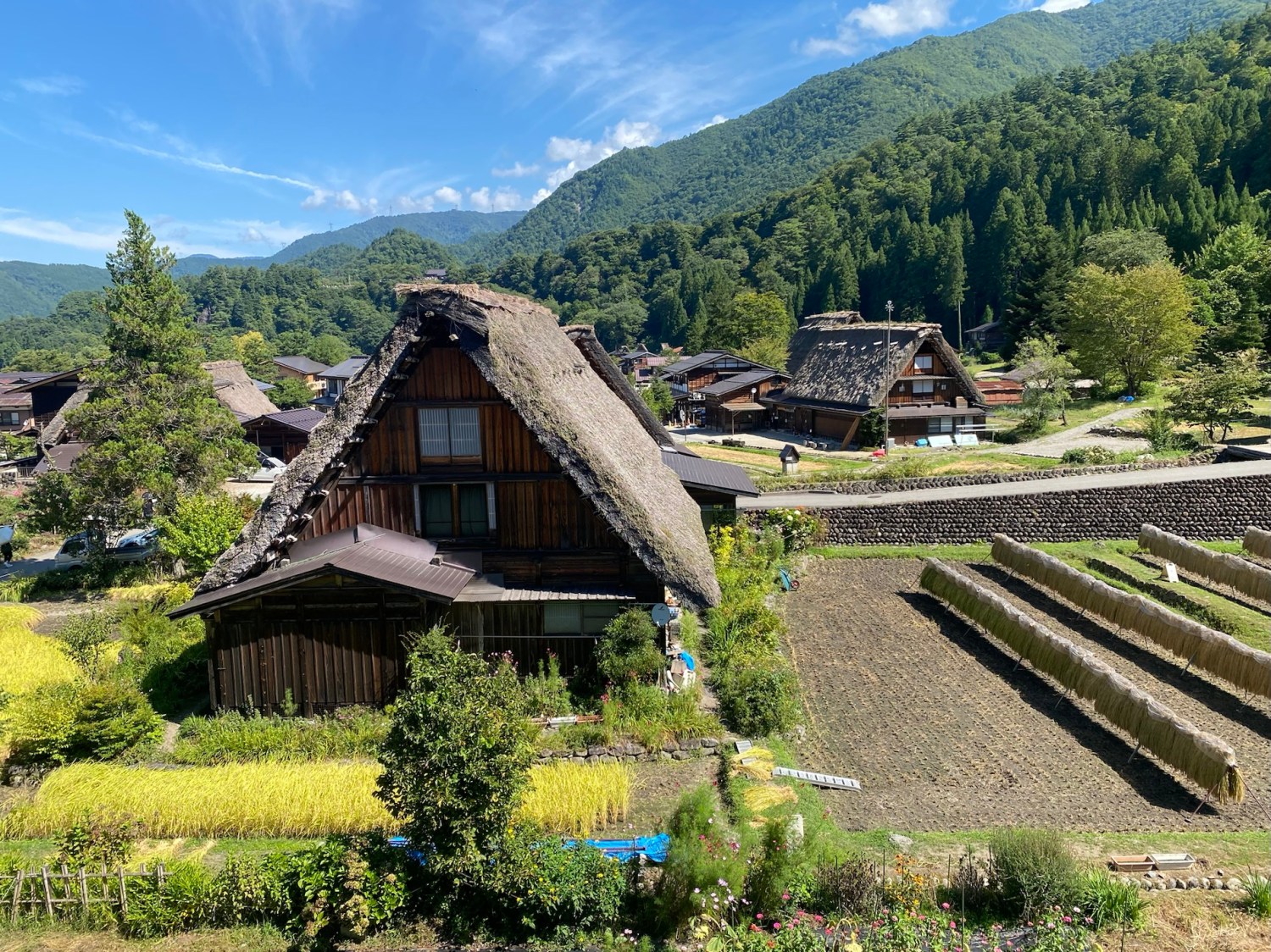

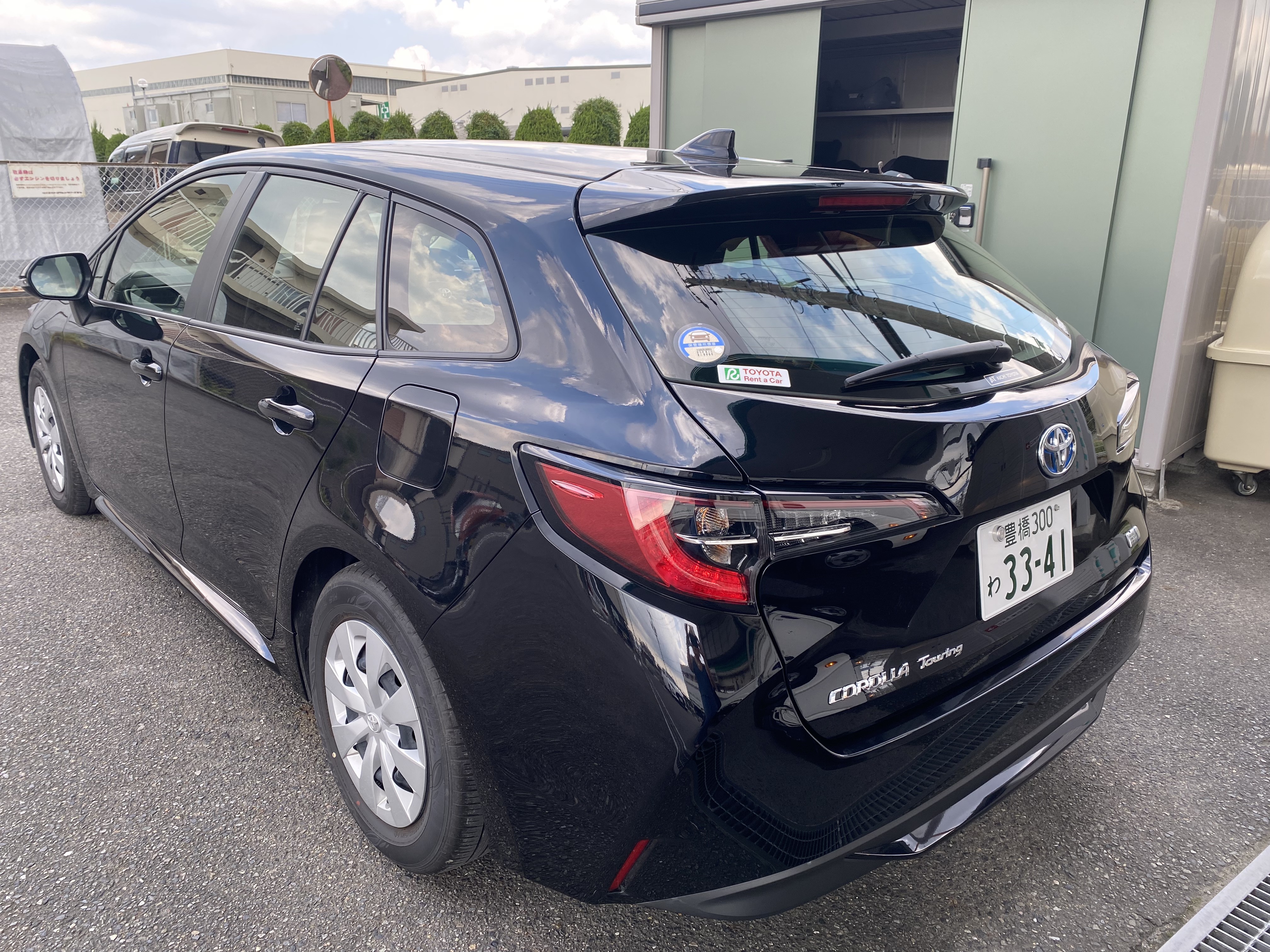


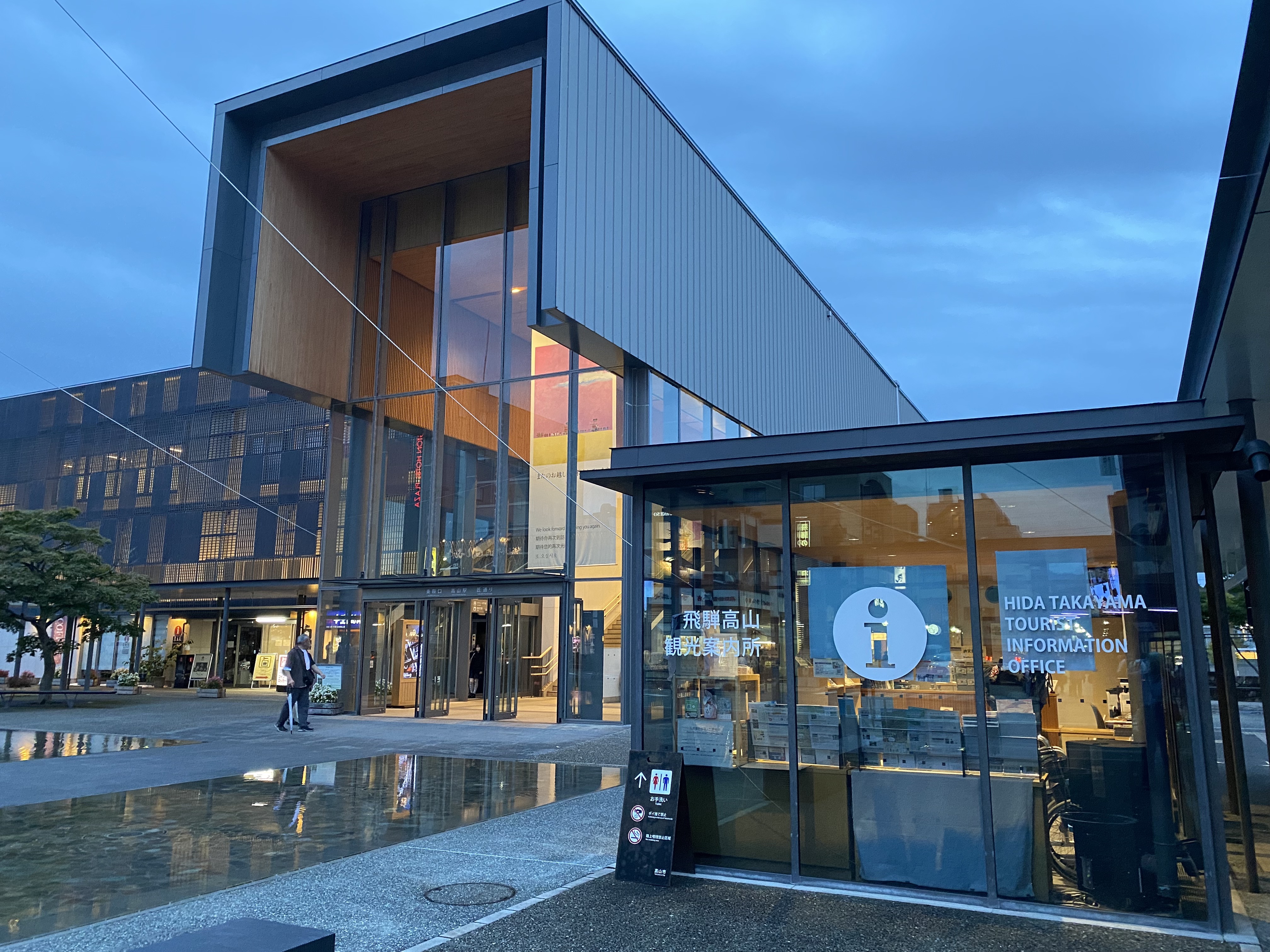


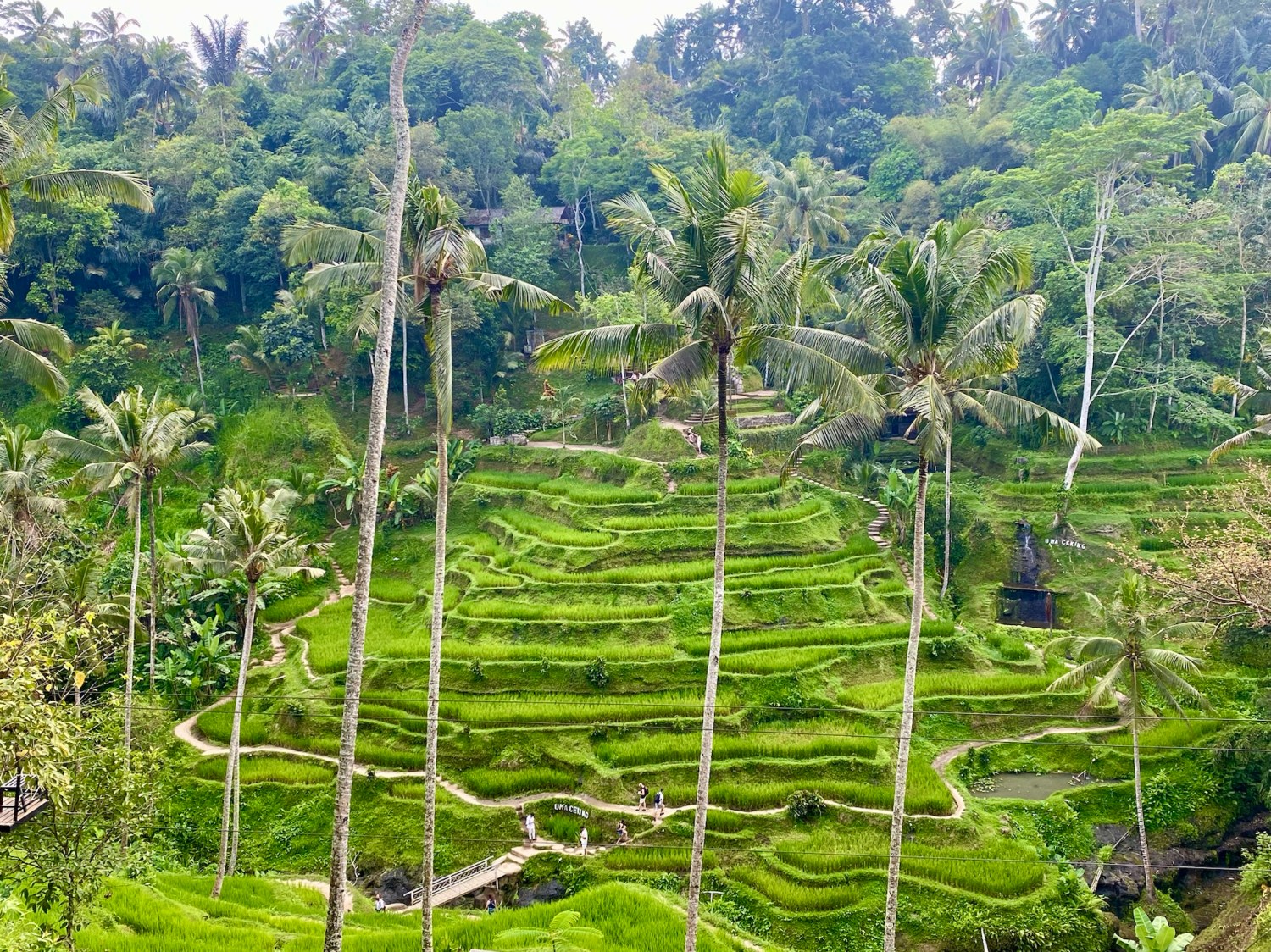


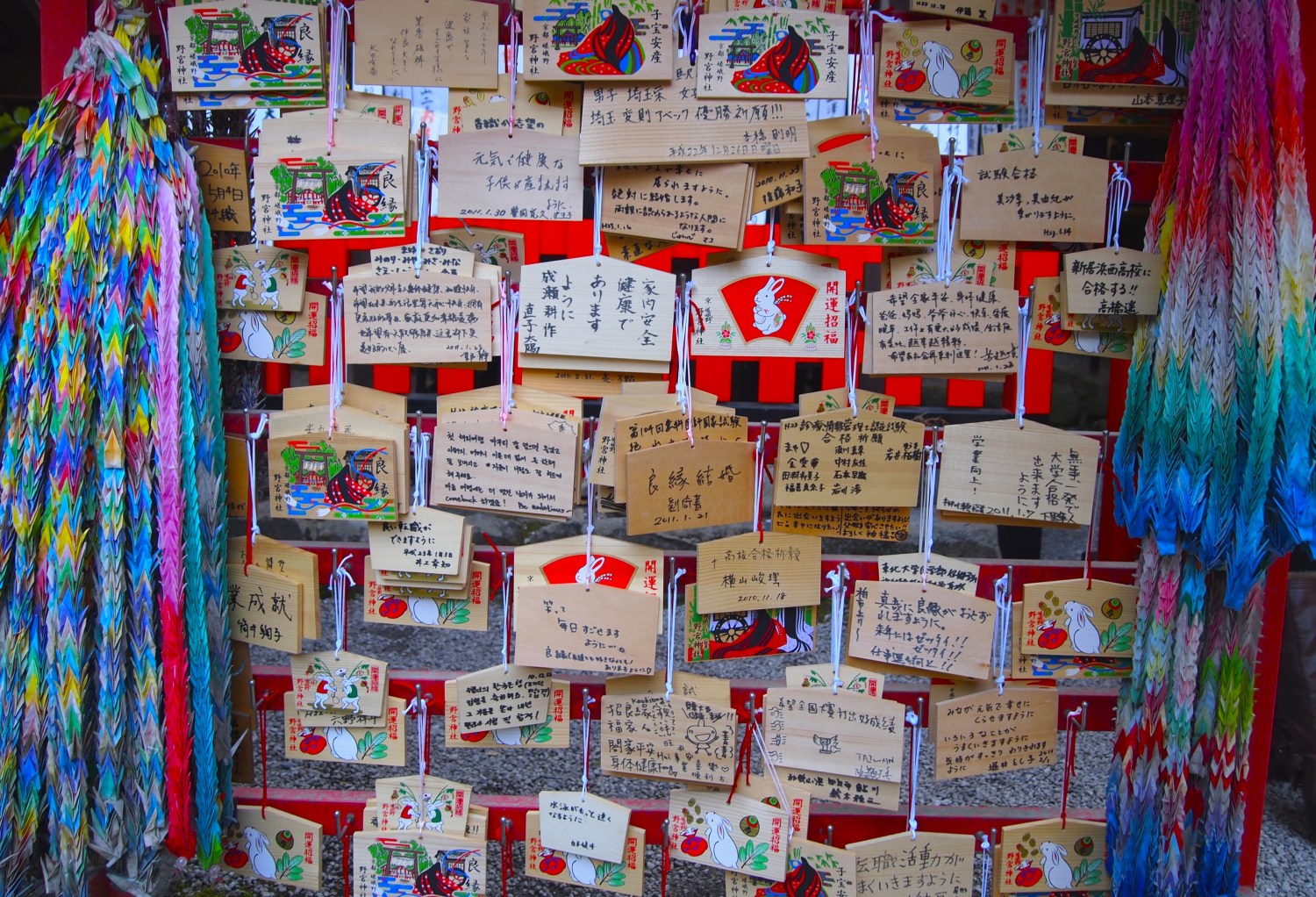


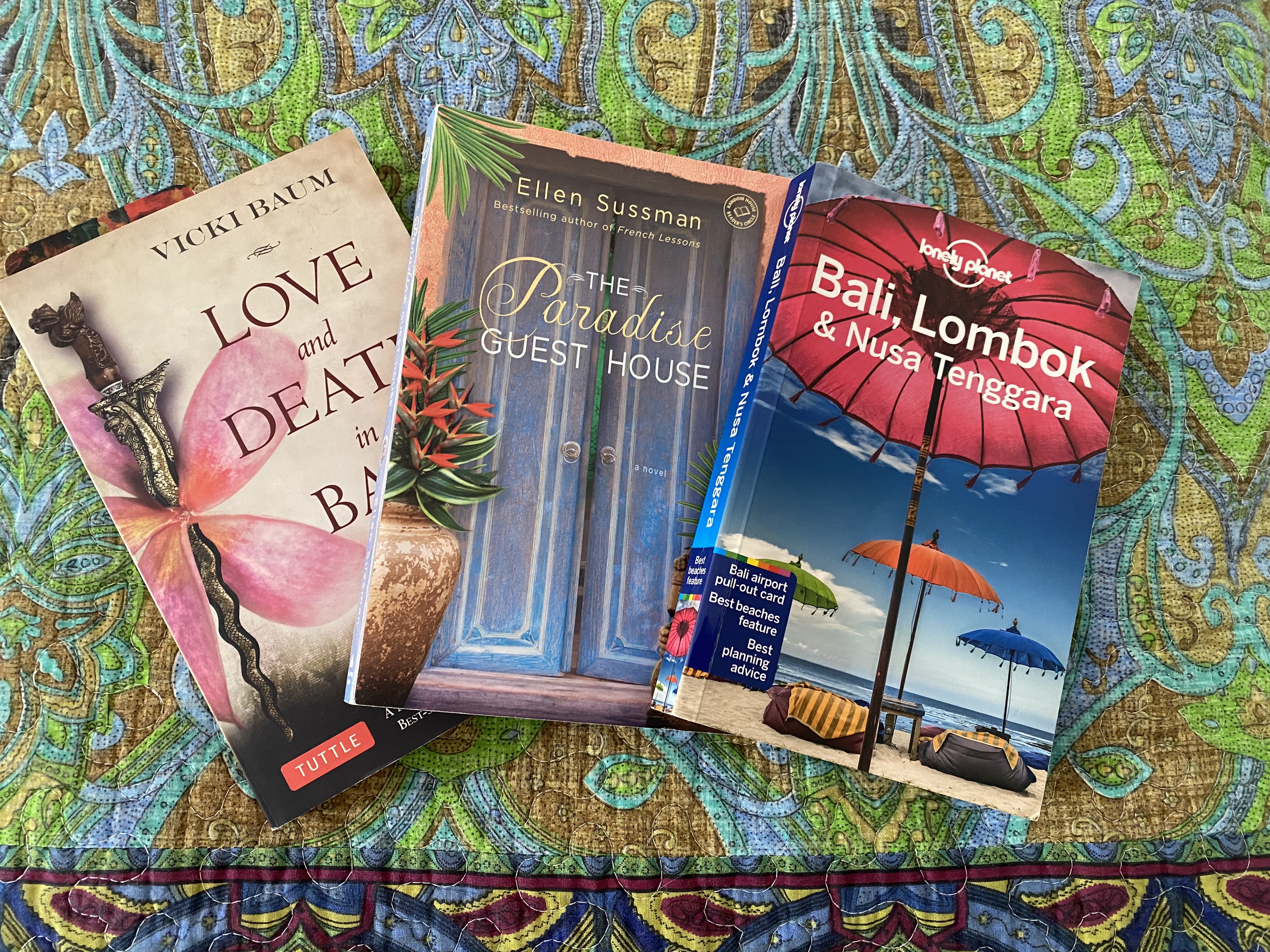
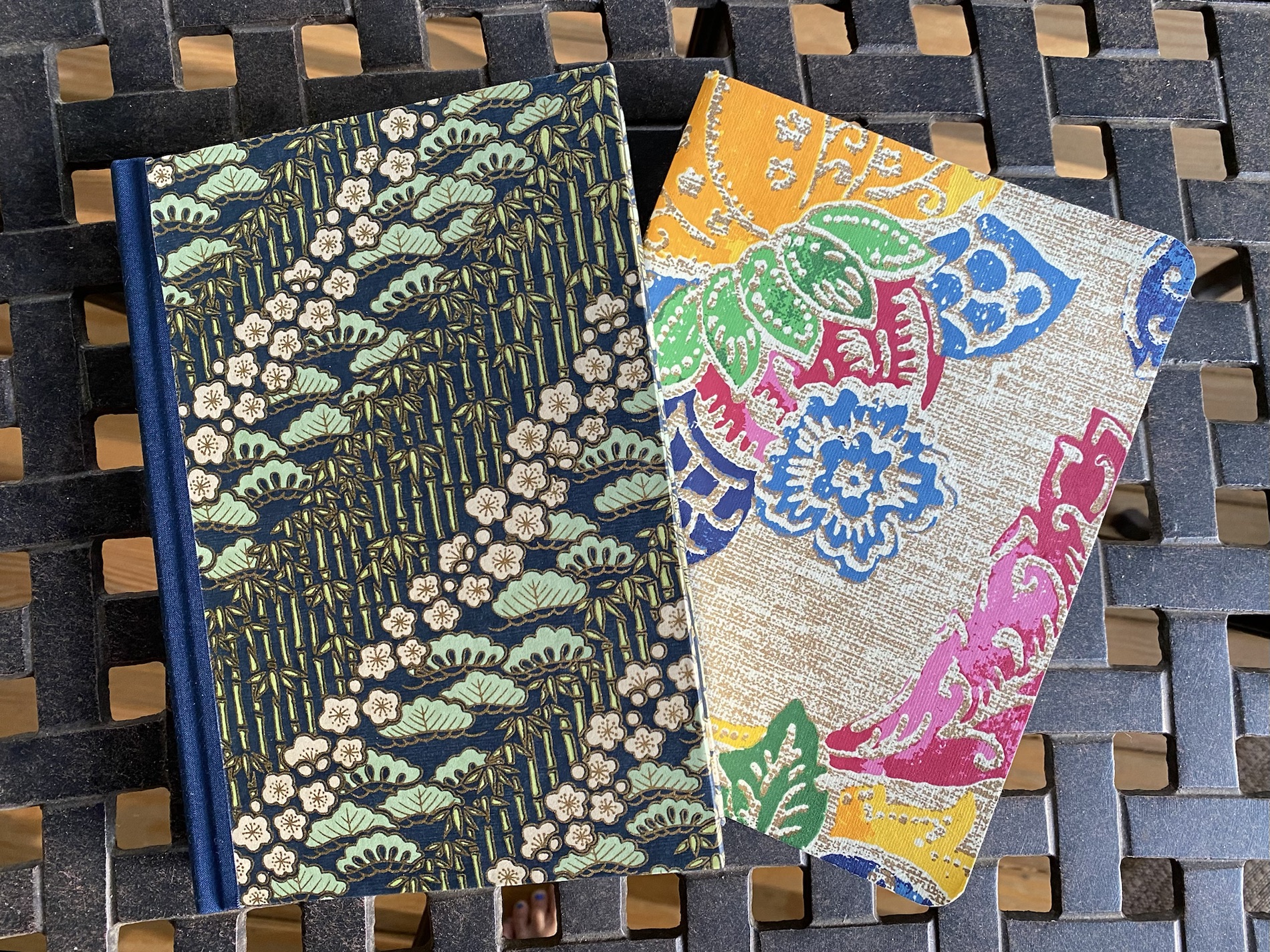
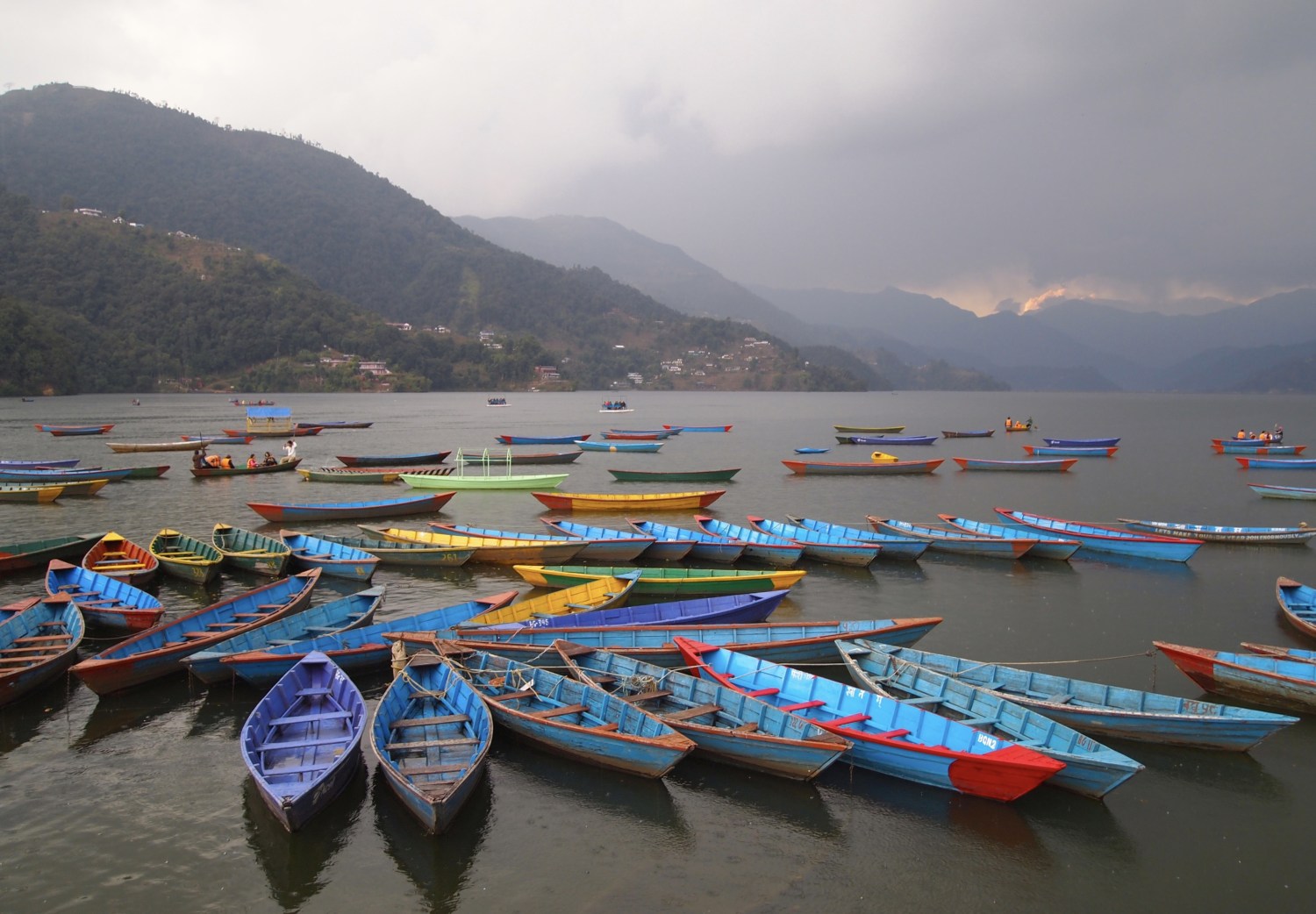


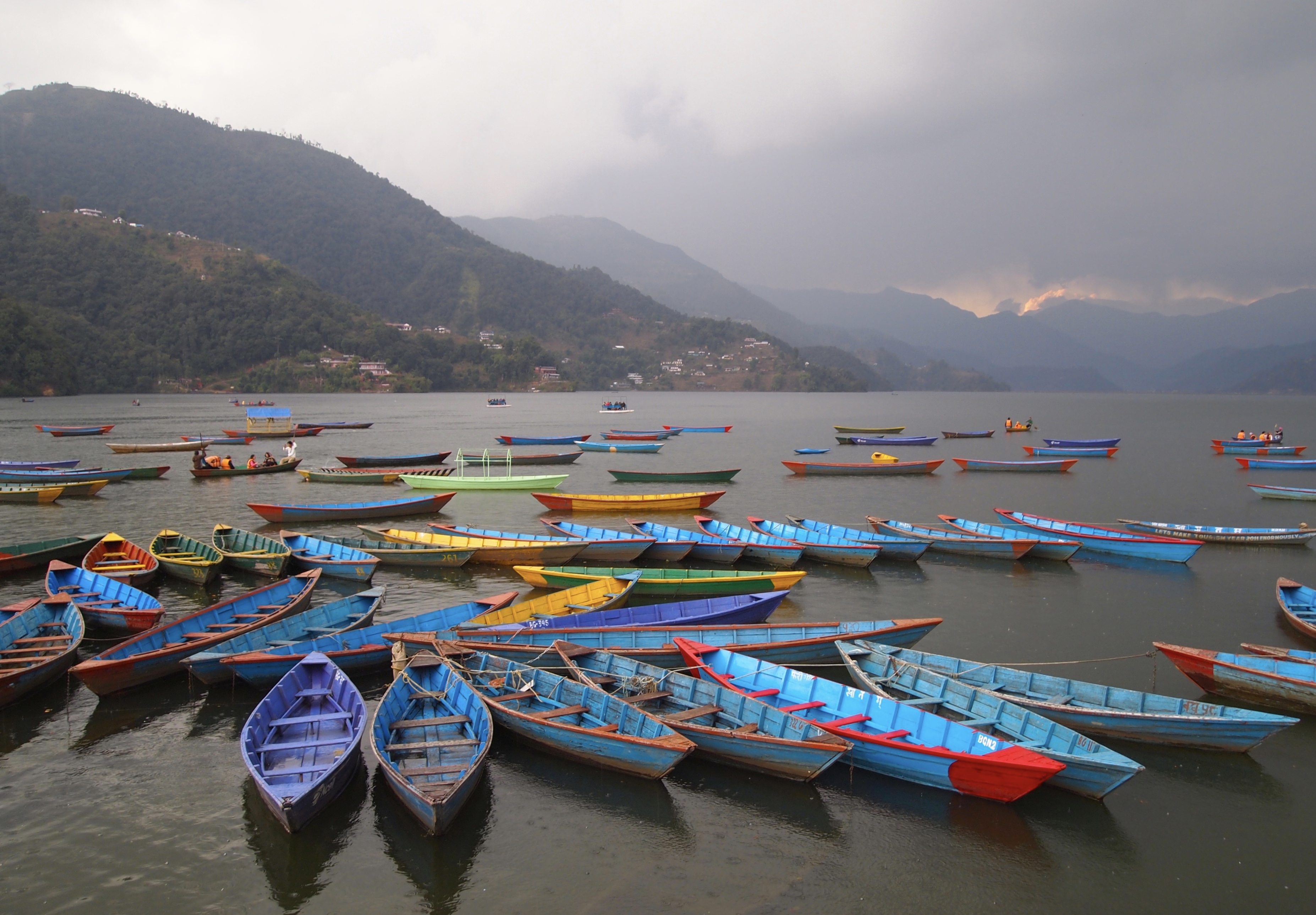


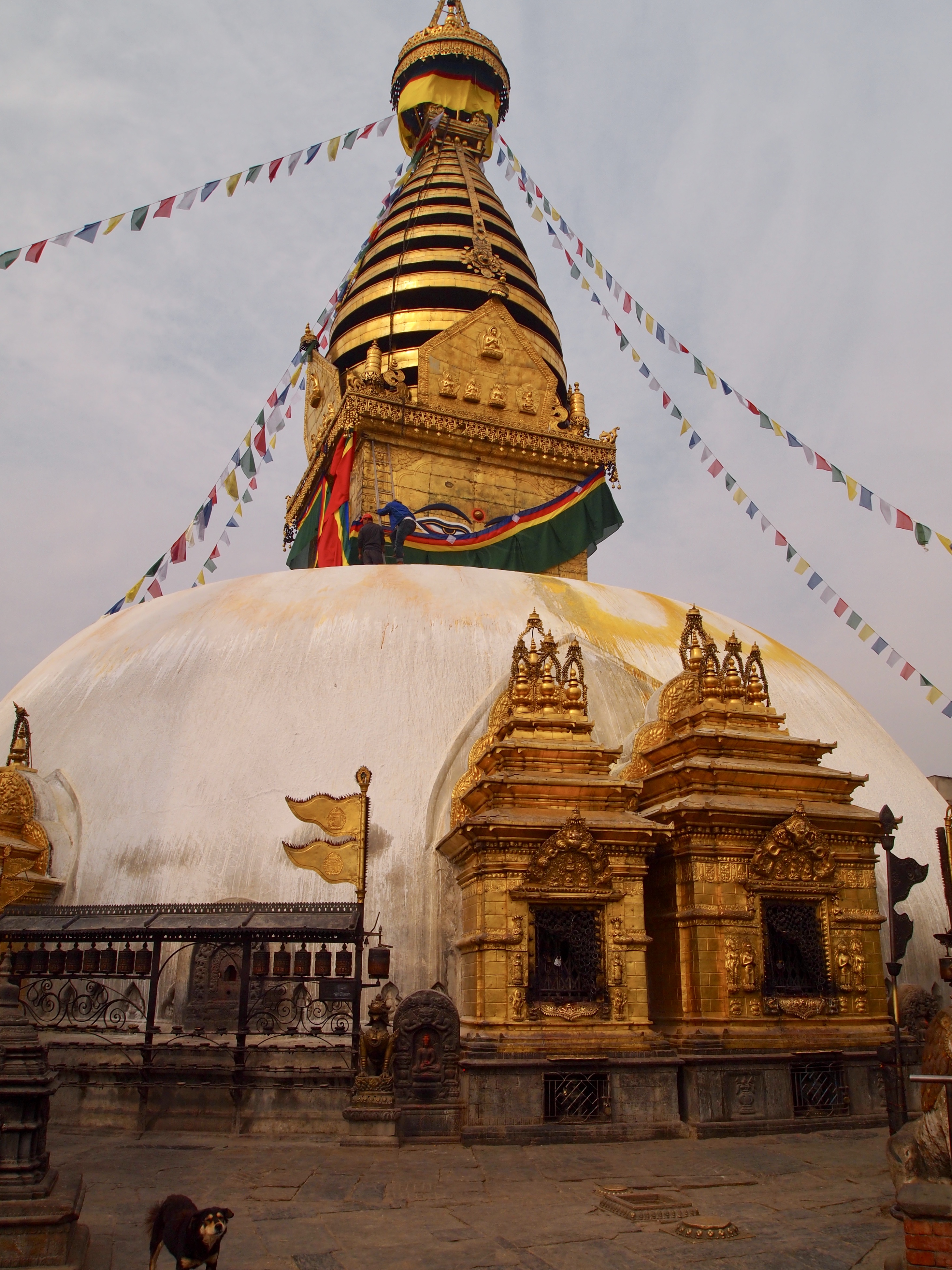

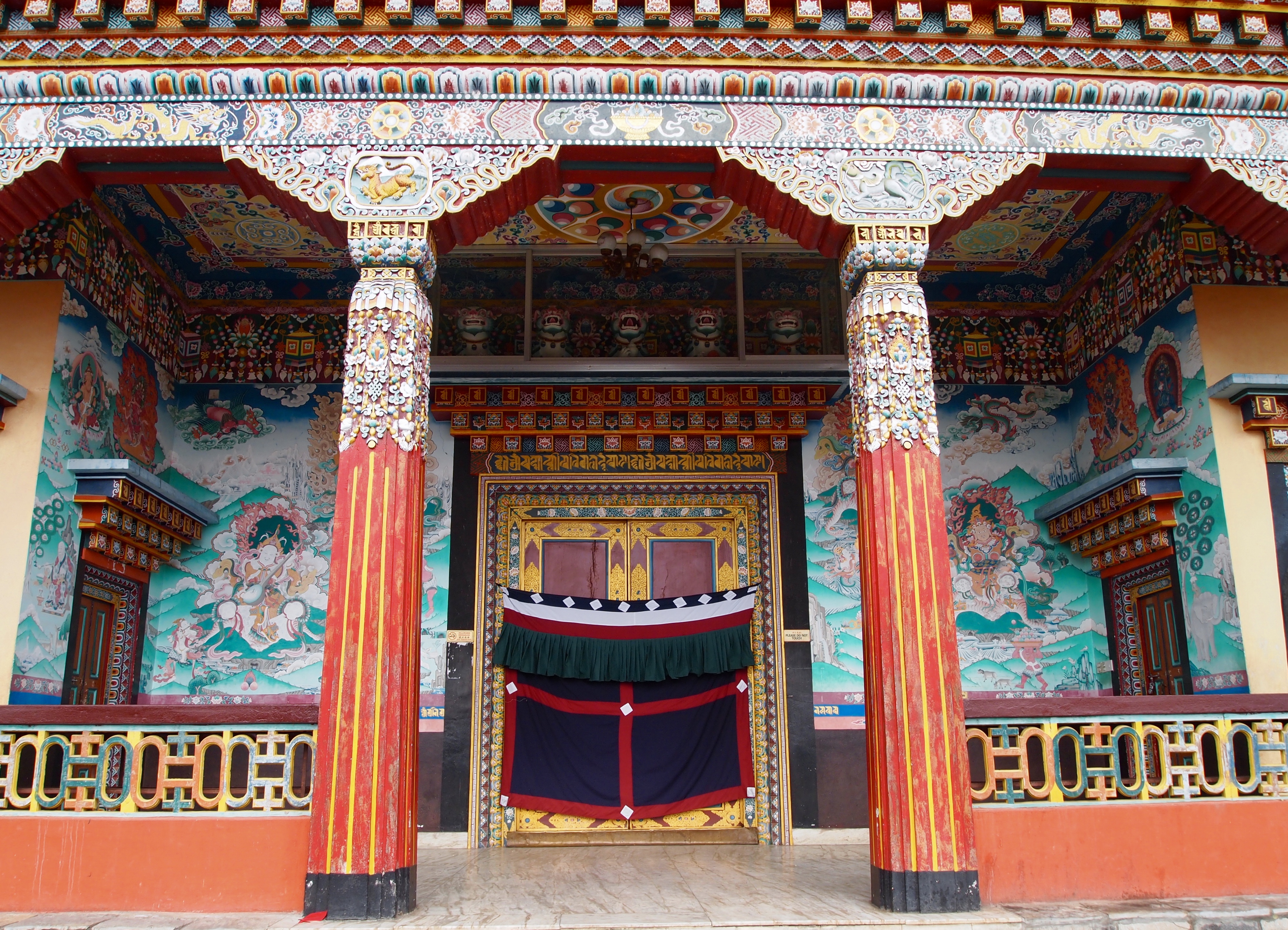
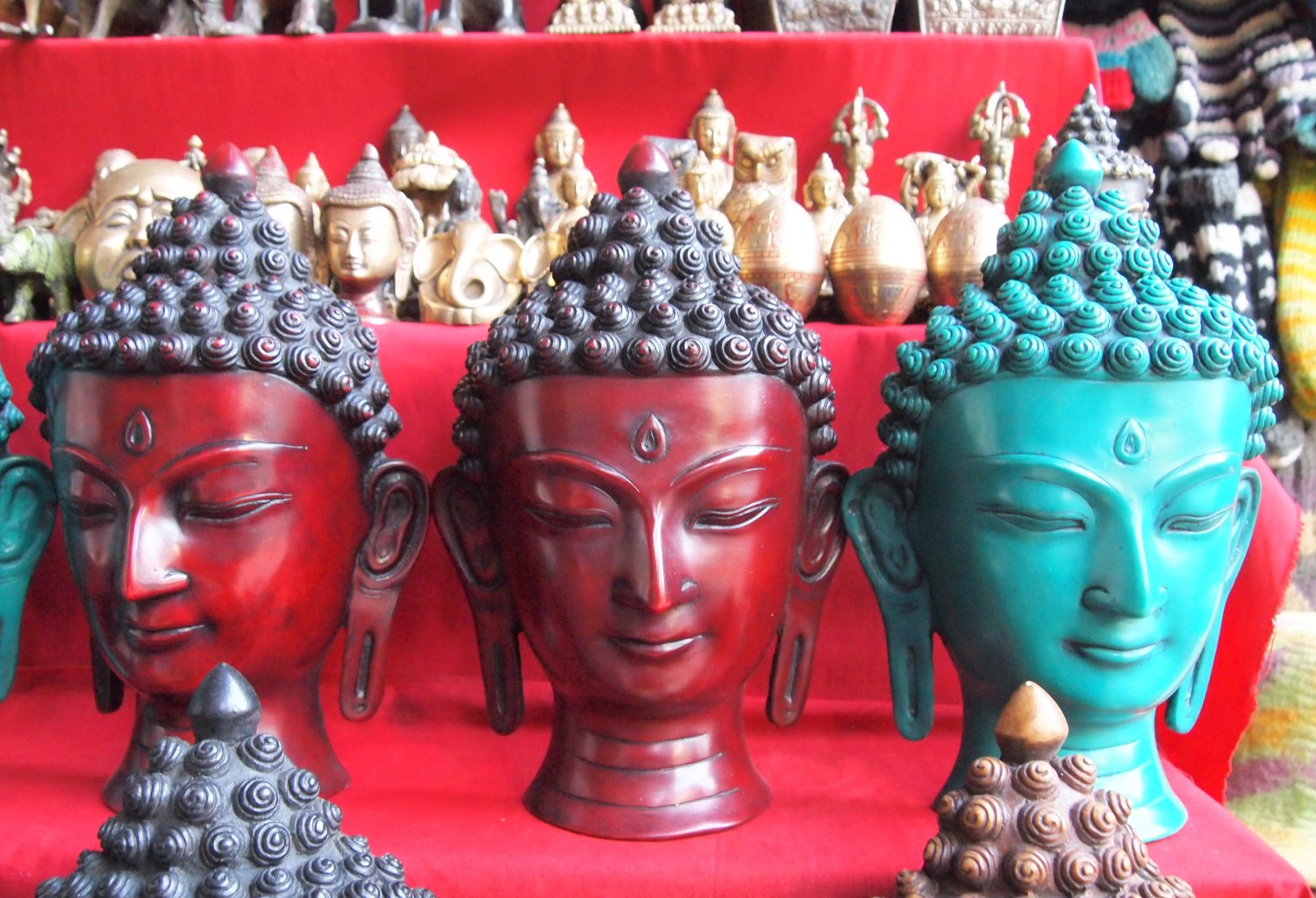


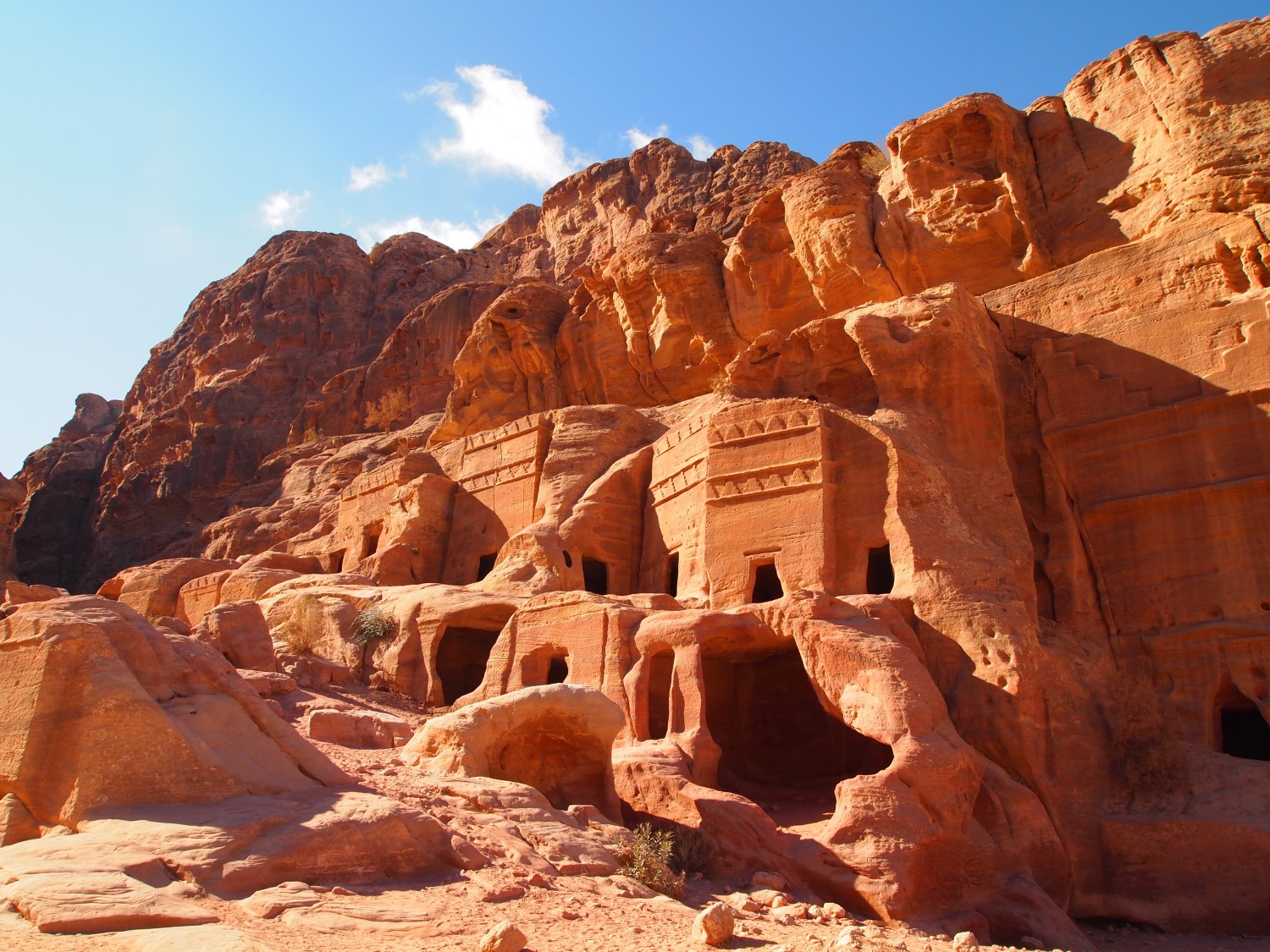









































 ~ wander.essence ~
You must be logged in to post a comment.