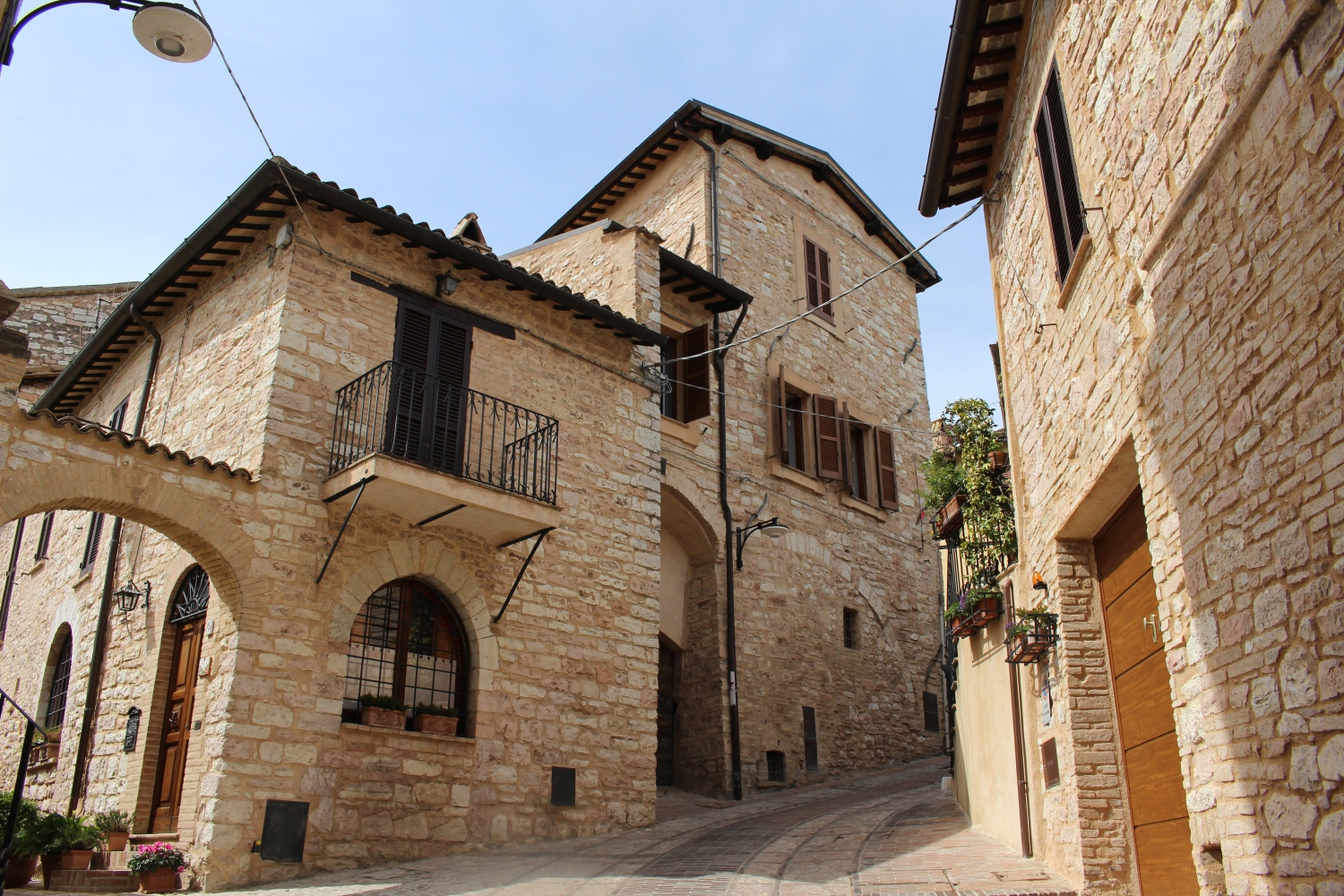
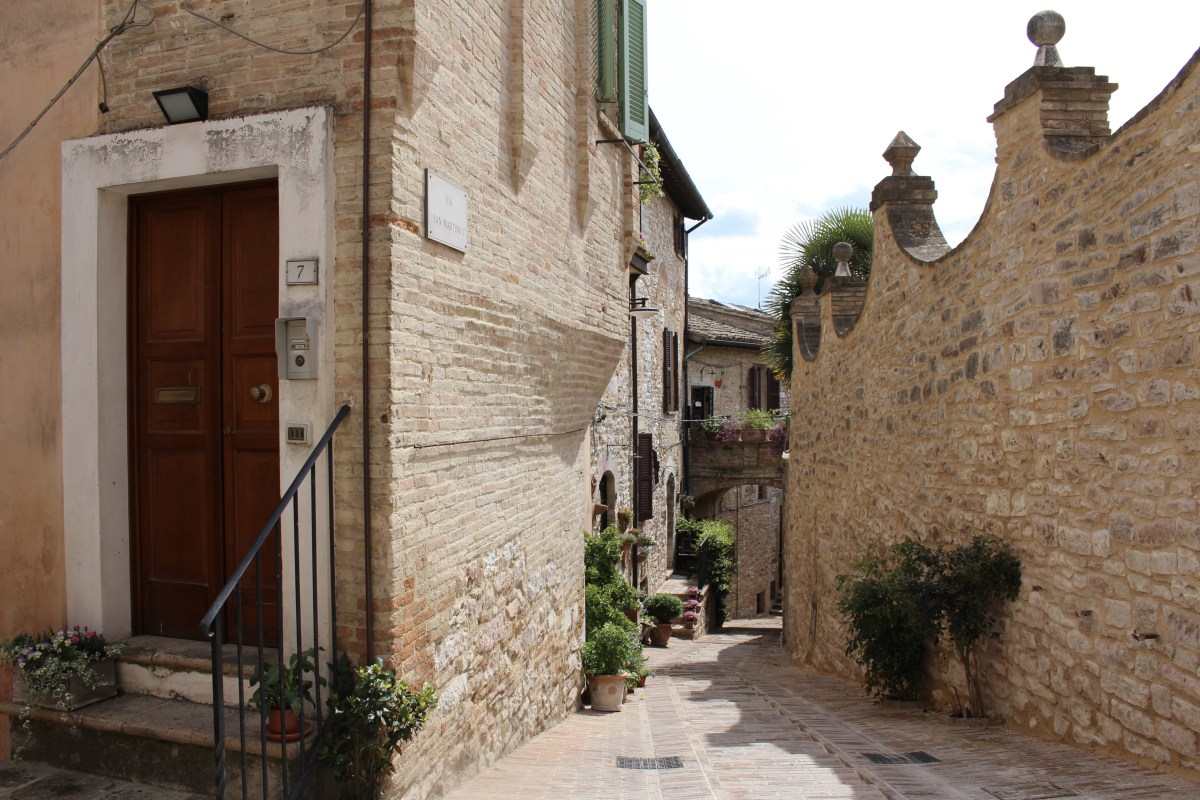
After our visit to Assisi, we drove a short distance to Spello, a hilltop town at the edge of Monte Subasio. The buildings of the town glowed with the warm rosy-beige tones of the local pietra rossa stone.
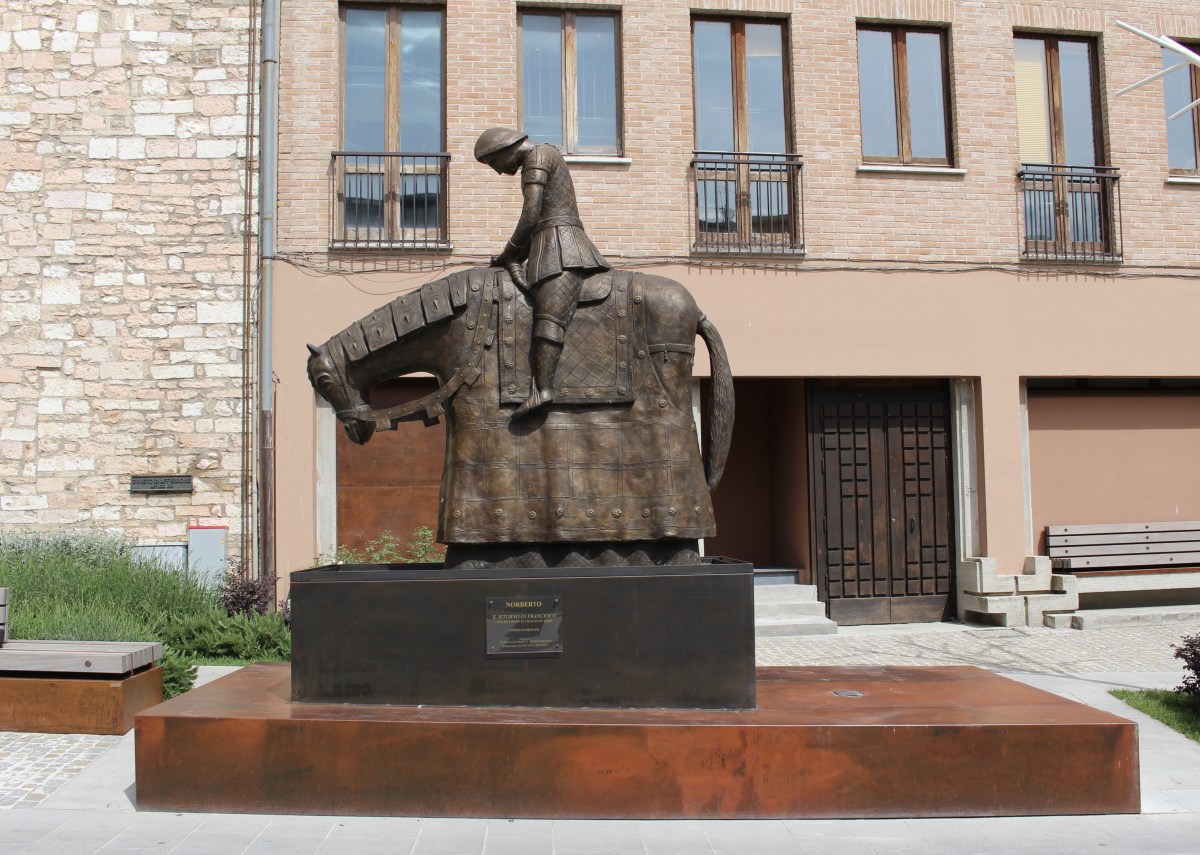
“The return of Francis” – bronze statue in Spello
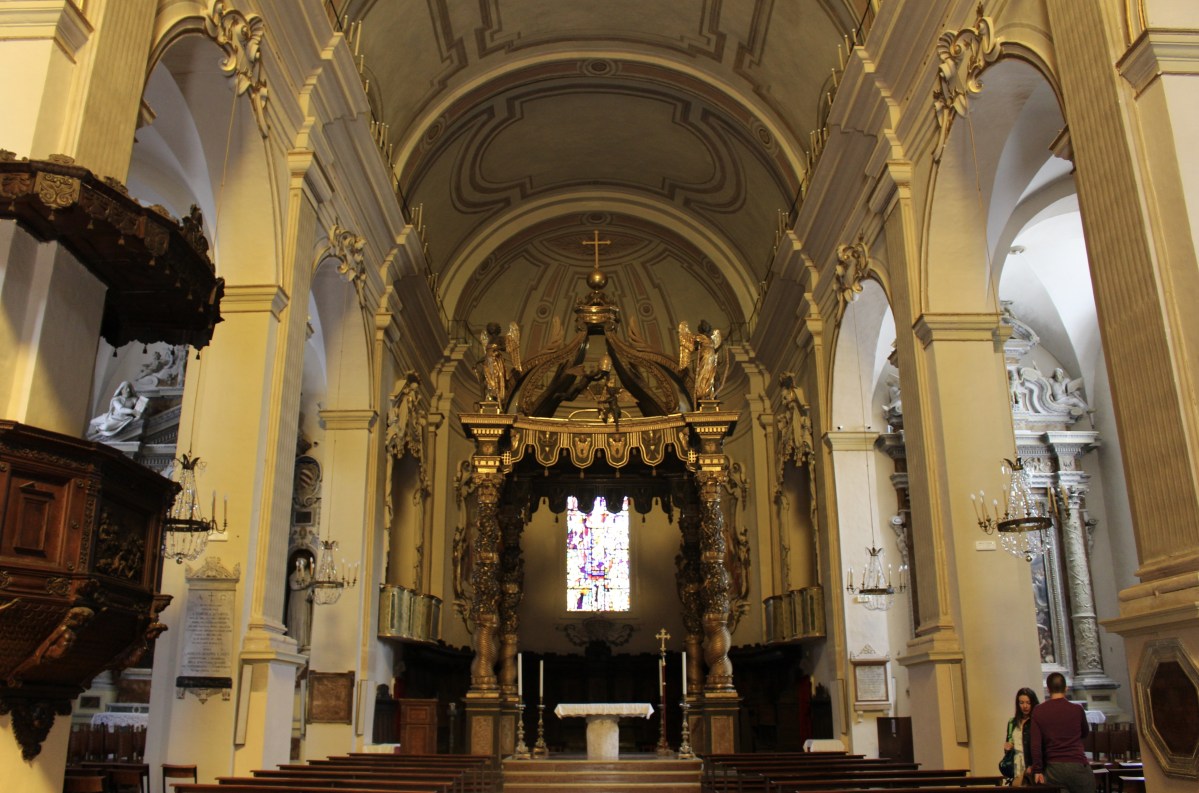
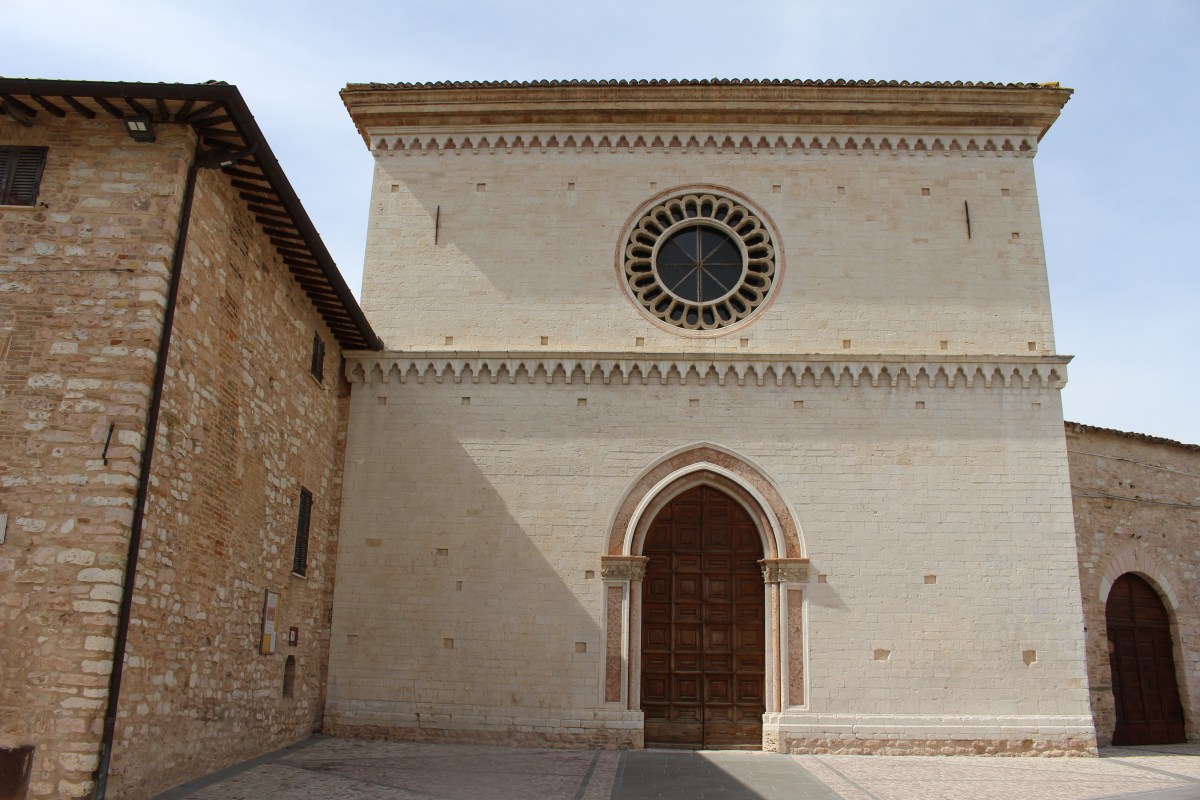
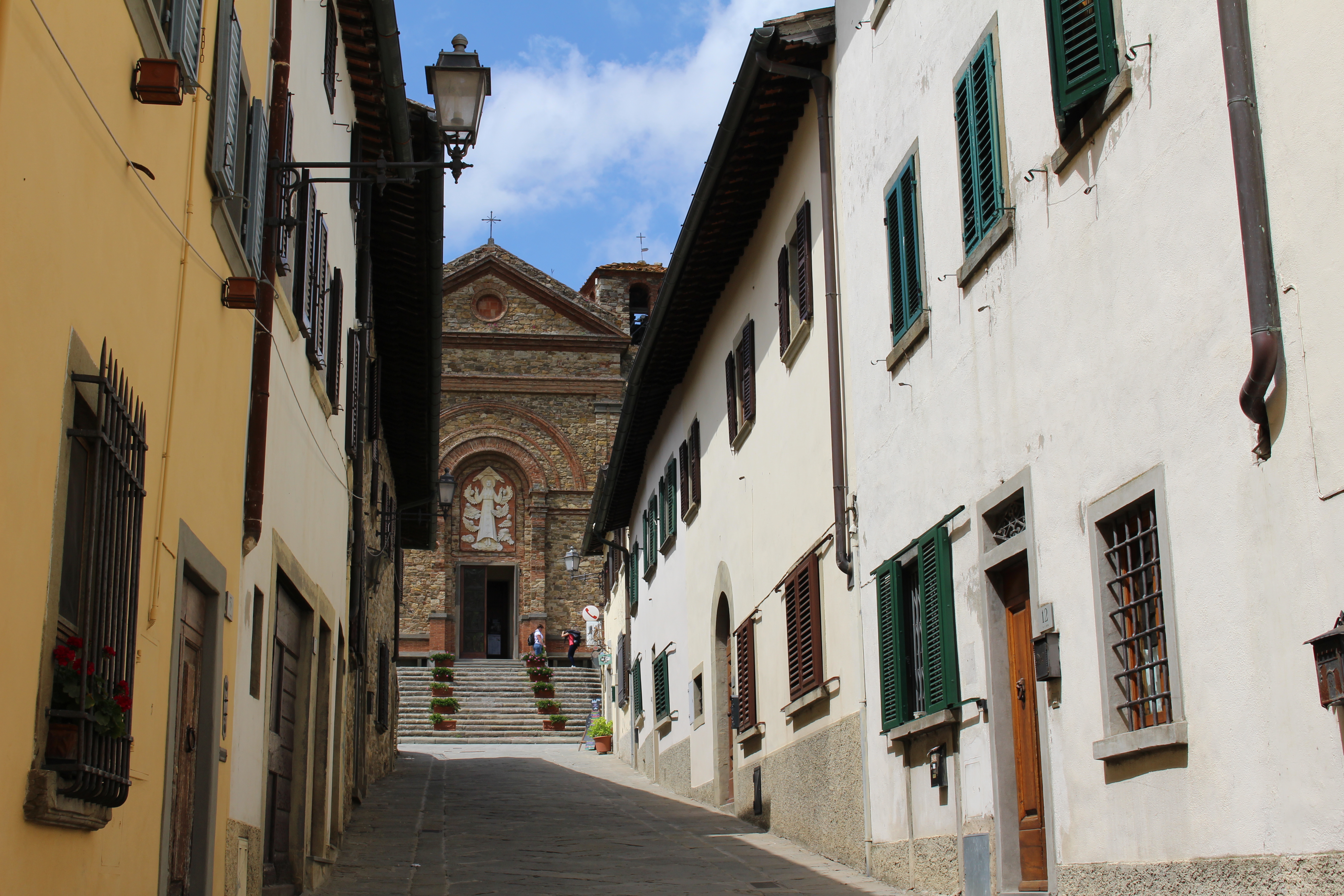
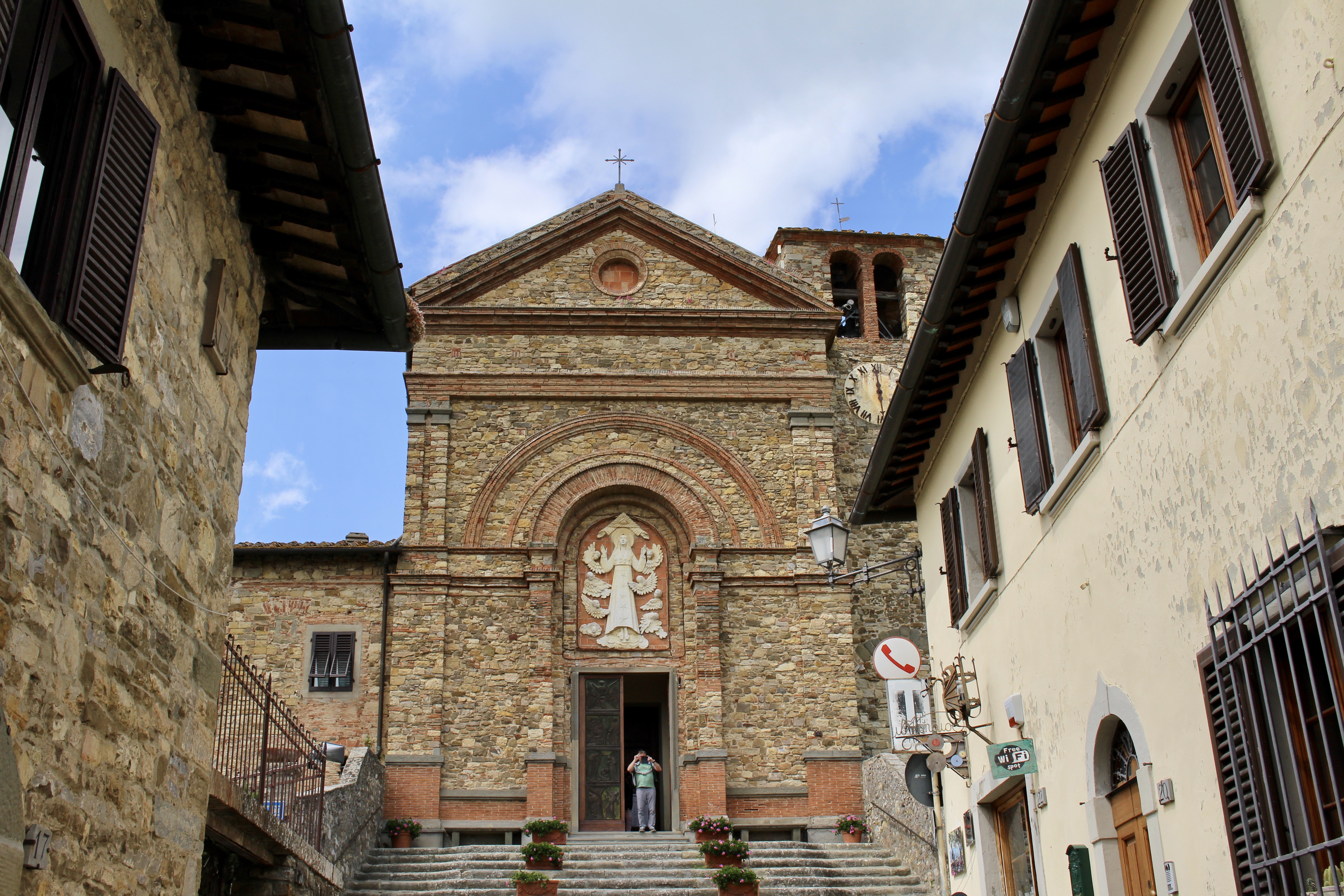
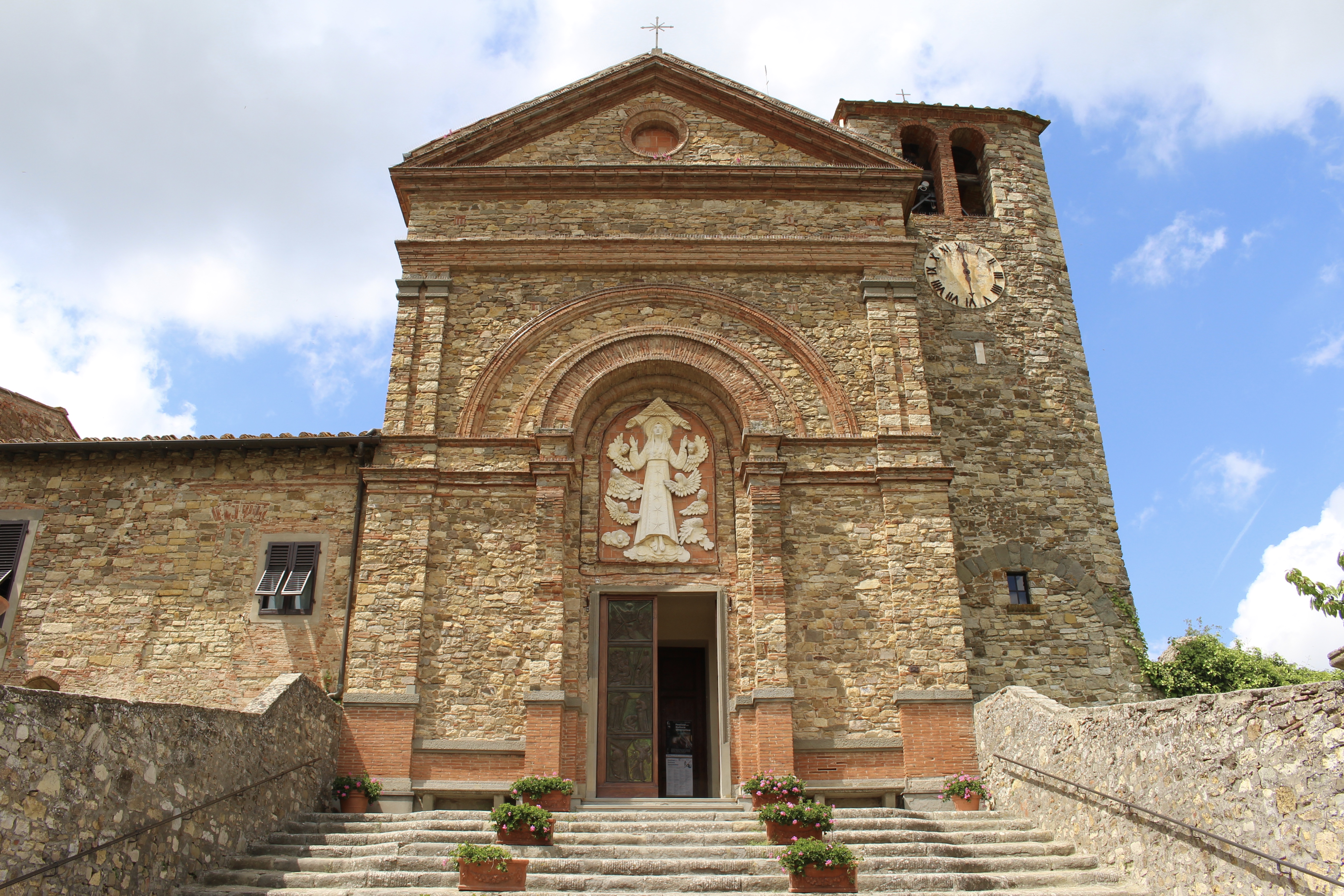
church in Spello
We walked all around the town in a big circle because we were only able to park for one hour. Some obnoxious Americans, two couples, were being very loud, tossing their Southern twangs in a free-for-all around us. We stepped up our pace to keep our distance from them.
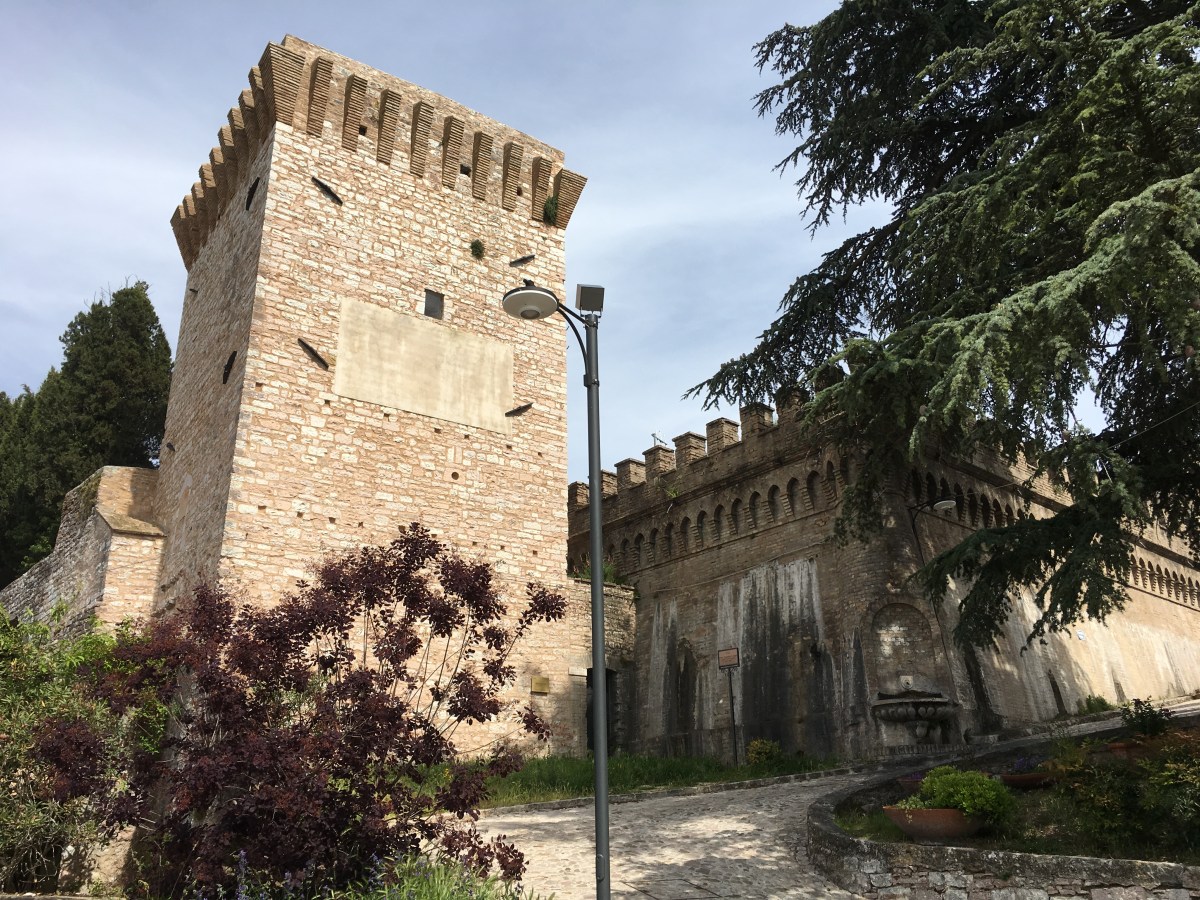
Spello
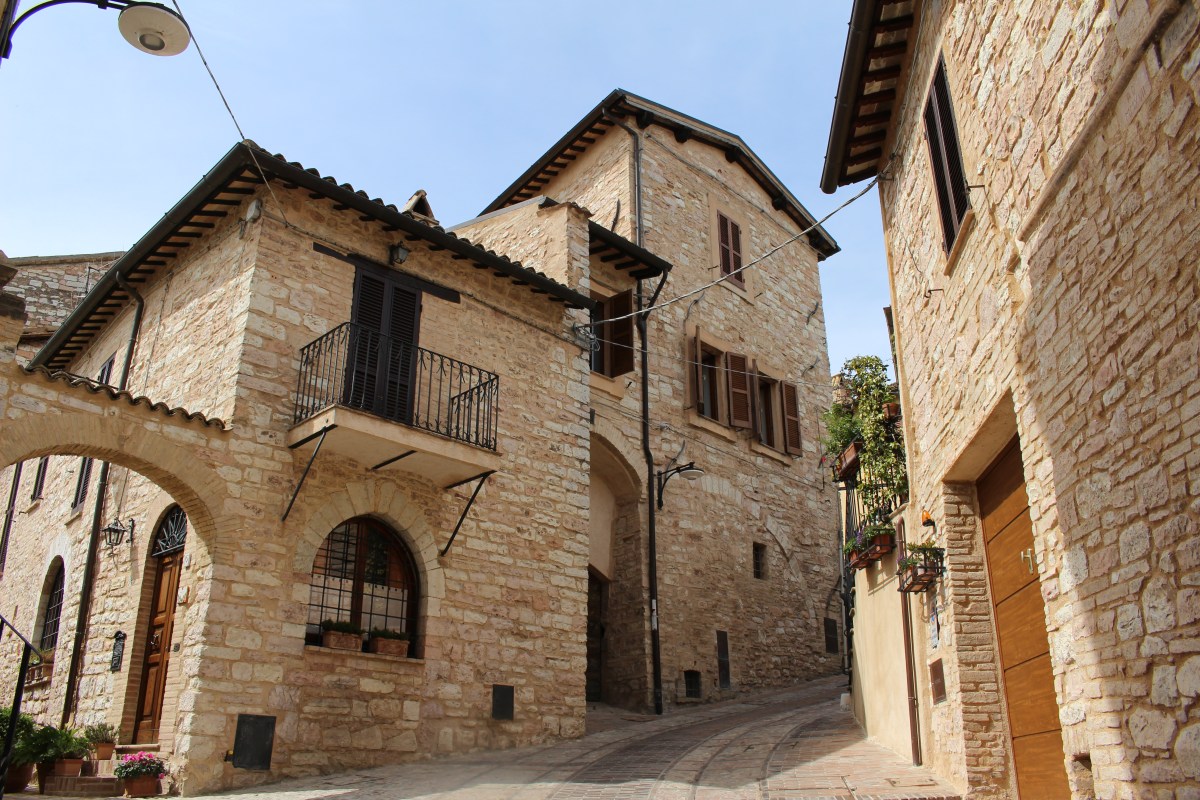
Spello
Spello
Spello
At the edge of town, we enjoyed a view over the Umbrian plain.
view from Spello
Spello
Spello
Spello
painting on arch in Spello
view from Spello
Spello
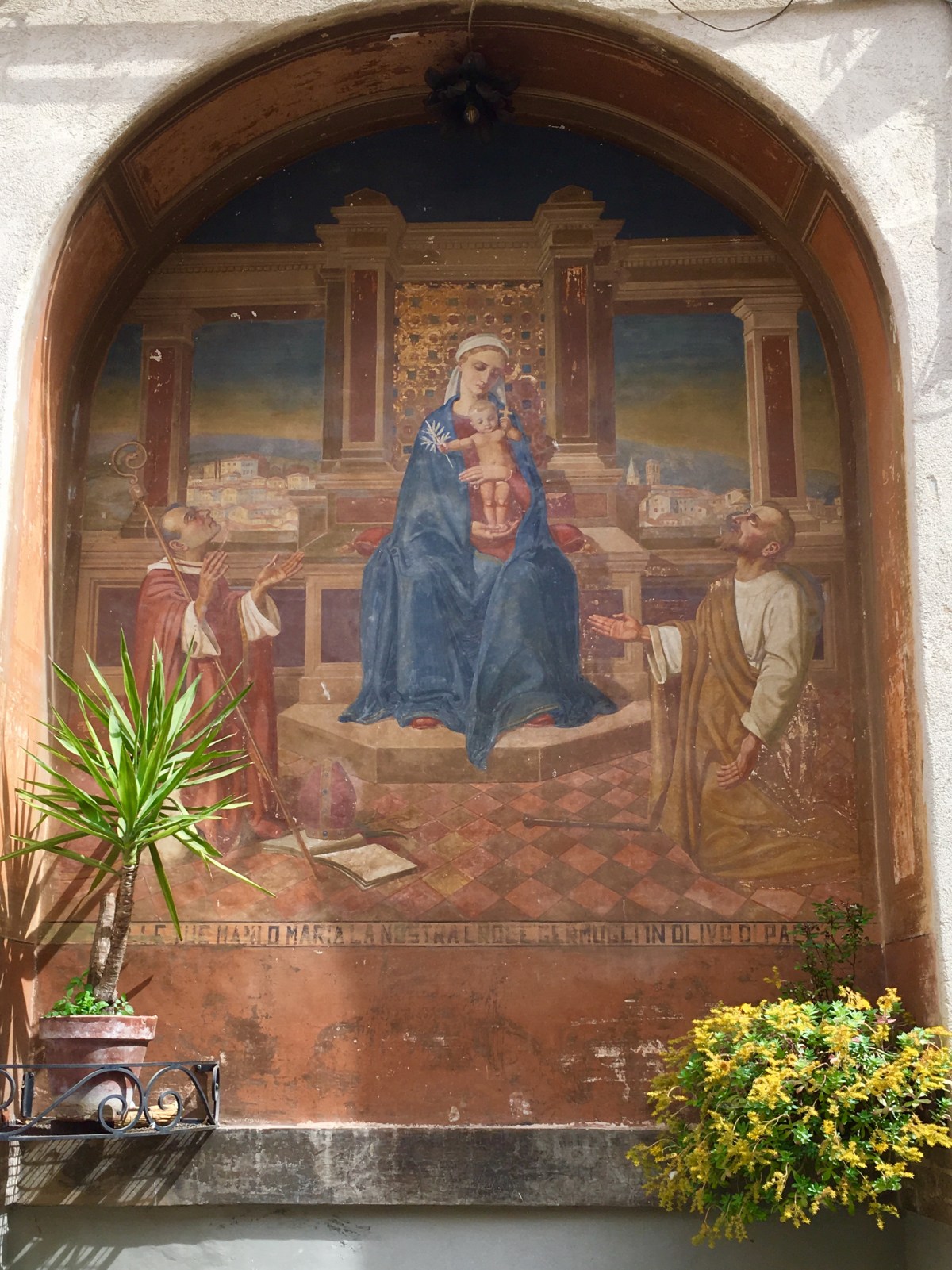
painting on a niche in Spello
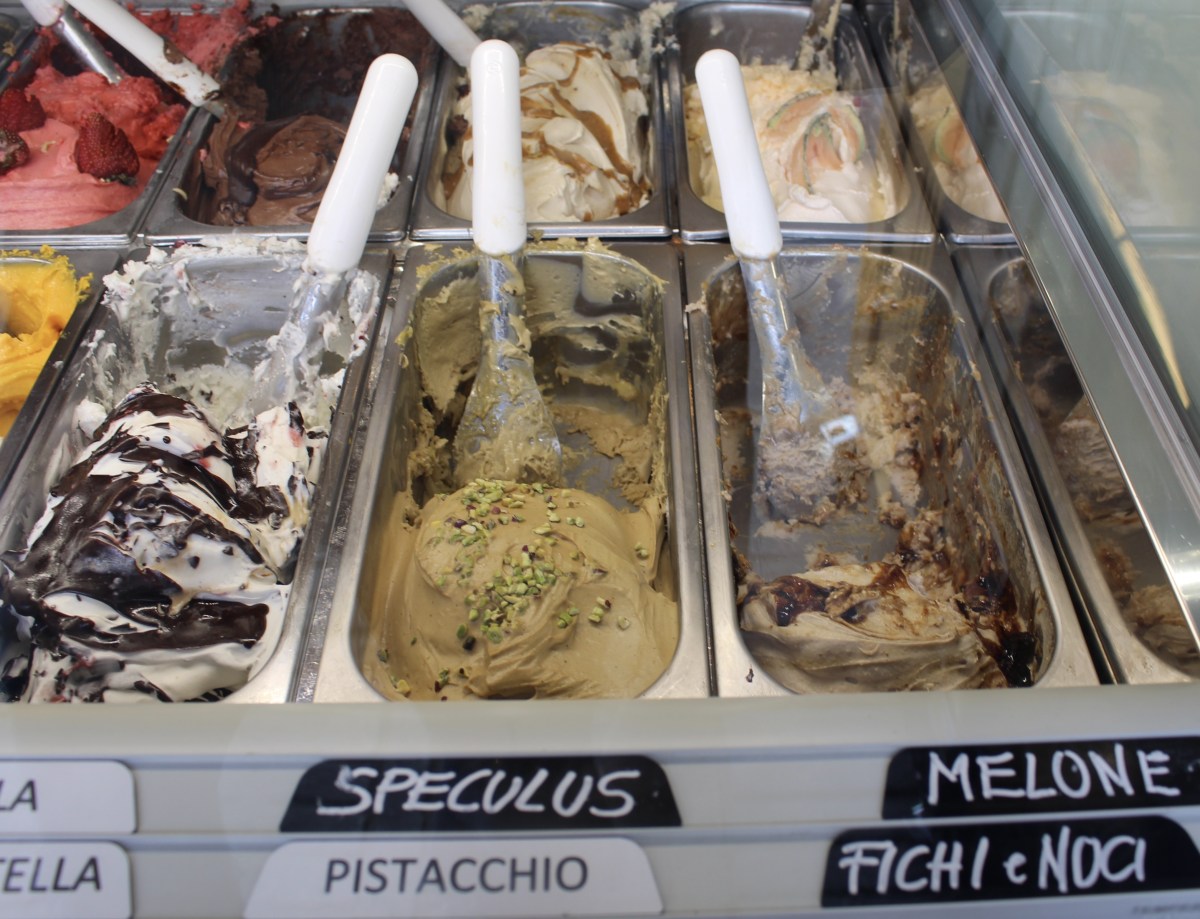
We stopped for a gelato after our walk. I had Amarena (black cherry) and Mike had Fichi e Noci (figs and walnuts).
gelato 🙂
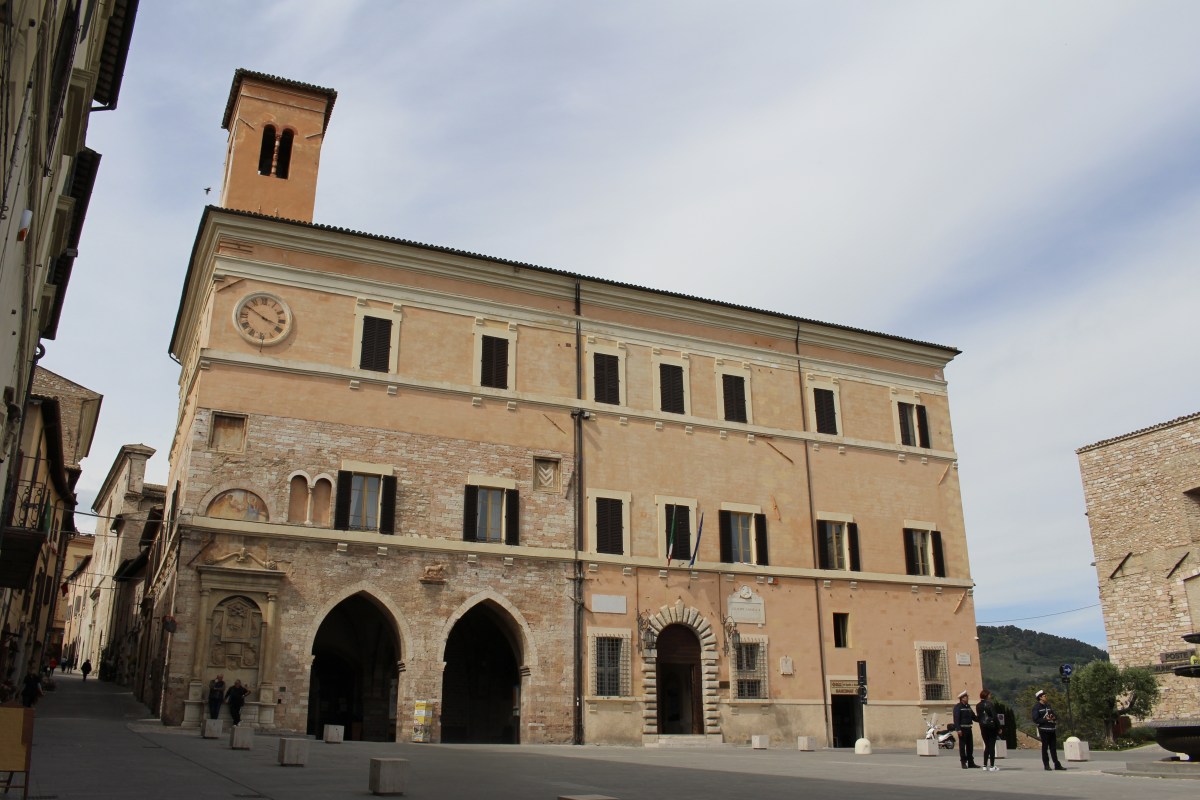
Spello
We returned to our Airbnb in Perugia and had wine on the patio. I took a long hot bath. Francesco came to replace some light bulbs that were out. We had snacks of cheese, prosciutto, and jarred Asparagi verdi (green asparagus).
Perugia Airbnb kitchen
Perugia Airbnb patio
Perugia Airbnb covered patio
Mike whipped up a dinner of tortellini with salsa fave e pecorino (sauce of fava beans and pecorino) and leftover sausage from lunch.
The following morning, we would leave Perugia and head to Orvieto by way to Spoleto.
I started my day in Sioux Falls, South Dakota by having biscuits and gravy for breakfast. It seemed hearty meals were called for in this part of the country.
My first stop was the Cathedral of St. Joseph. Its story began when Catholic missionary priests journeyed into what would become the Dakota Territory. The first of these was Father Pierre Jean De Smet, who began ministering in the region in 1838.
After numerous moves and changes, construction of the new Cathedral got underway by 1915. World War I hindered progress by creating a shortage of skilled workers and materials. The cathedral was finally completed and dedicated on May 7, 1919. The first Mass had already been celebrated in the unfinished cathedral on December 8, 1918.
There was a 9:00 Saturday mass in progress, so I slipped into the back and waited till the church had almost cleared out, then I took some photos.
Cathedral of St. Joseph
Children of Life Memorial
inside Cathedral of St. Joseph
inside Cathedral of St. Joseph
inside Cathedral of St. Joseph
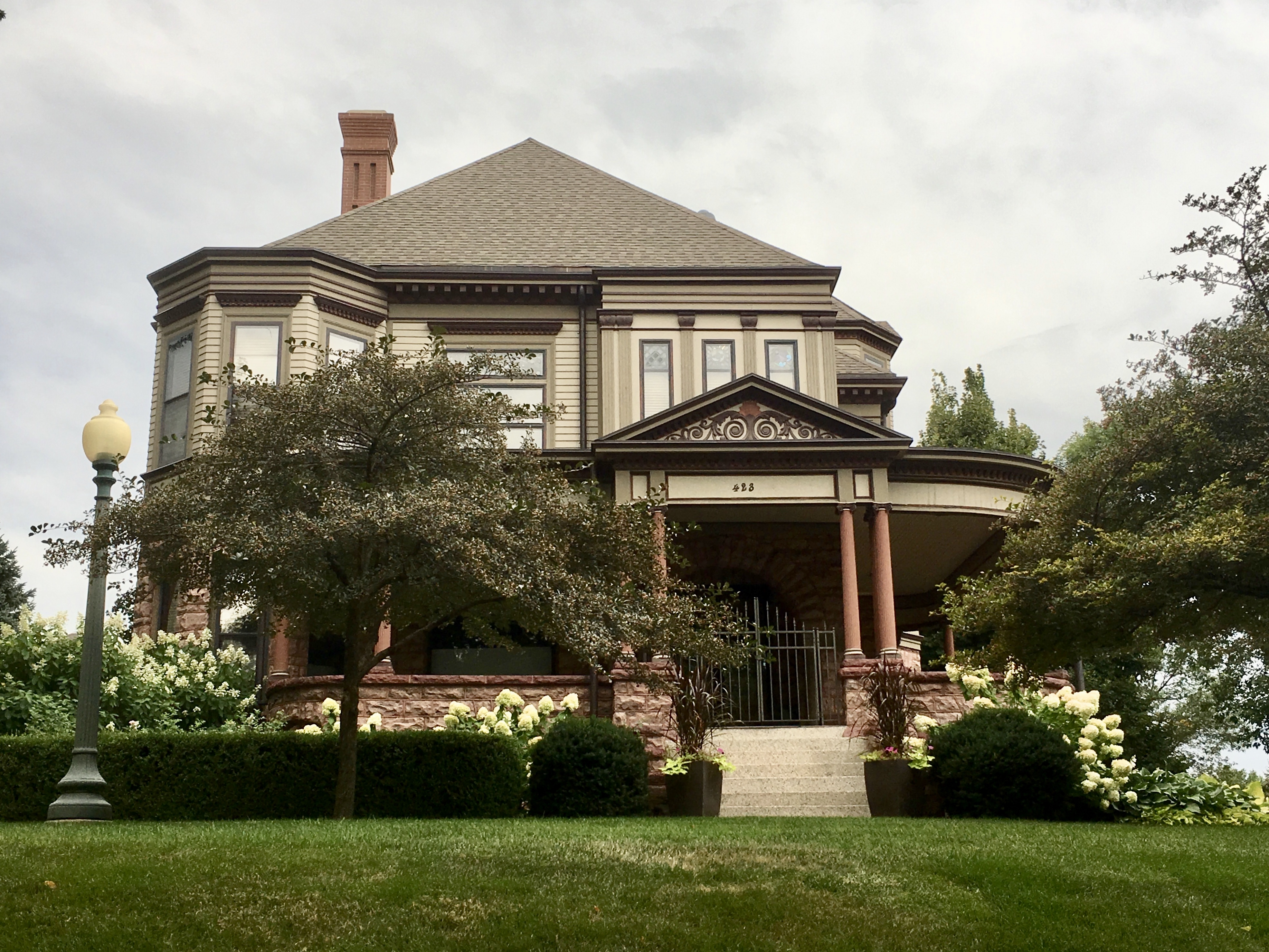
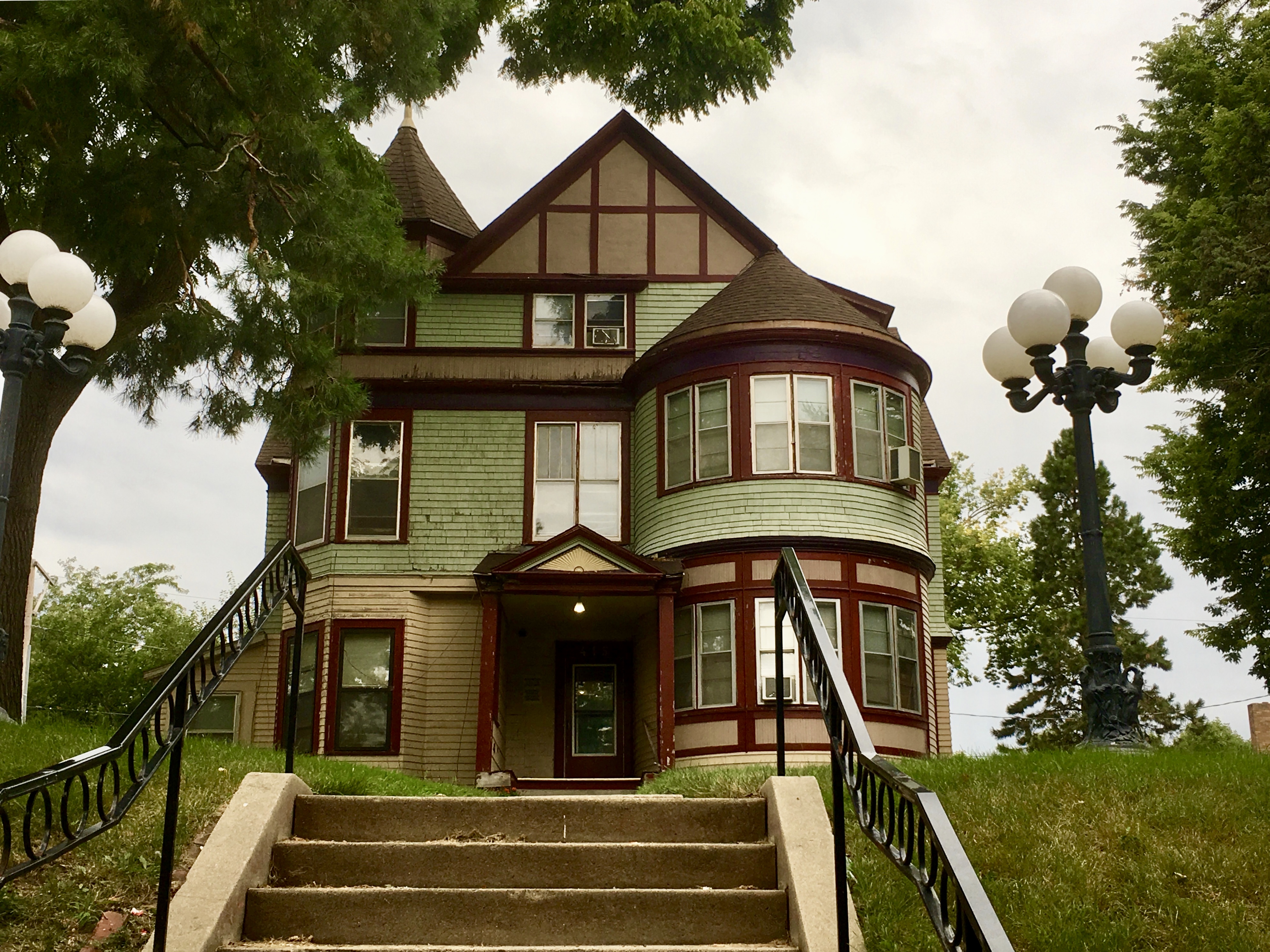
I had a brief walk in the St. Joseph’s Cathedral Historic District. In 1974, this neighborhood became the first historic district in South Dakota to be listed on the National Register of Historic Places. This old Sioux Falls neighborhood contains approximately 220 structures. Of these, 46 percent were built before 1900, and 85 percent were completed by 1920.
At a fenced yard a dog was barking viciously and flung himself at the high fence, his head popping up at the top. One board was missing from the fence; I was afraid he’d get out through there, so I hightailed it out of there.
Historic District Sioux FallsHistoric District Sioux Falls
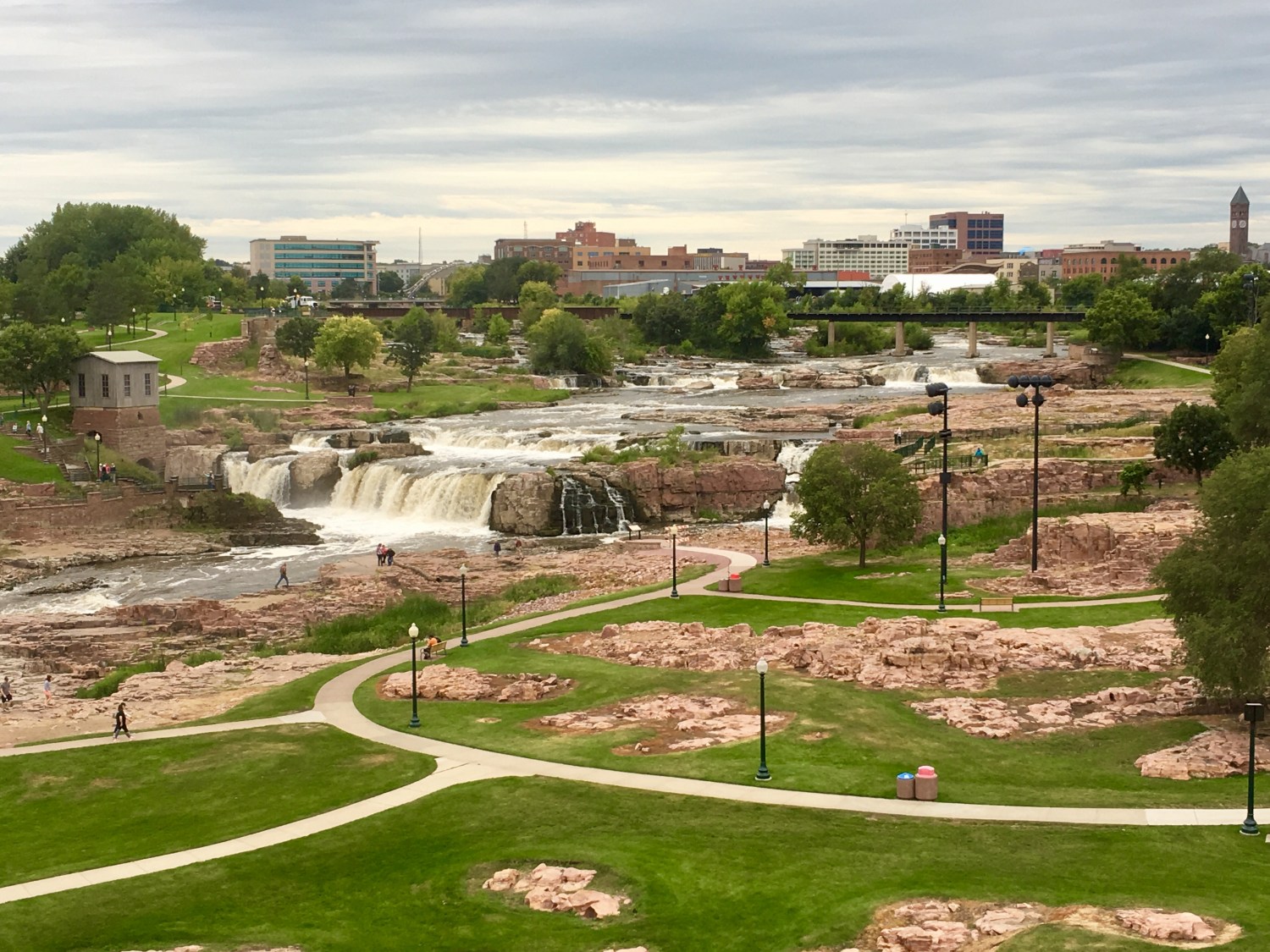
I arrived at Falls Park Visitor Information before they opened at 10:00. I went up to the five-story, 50-foot tall observation tower, then walked all around the 123-acre Falls Park. It was incredibly gloomy, but at least it wasn’t raining – yet.
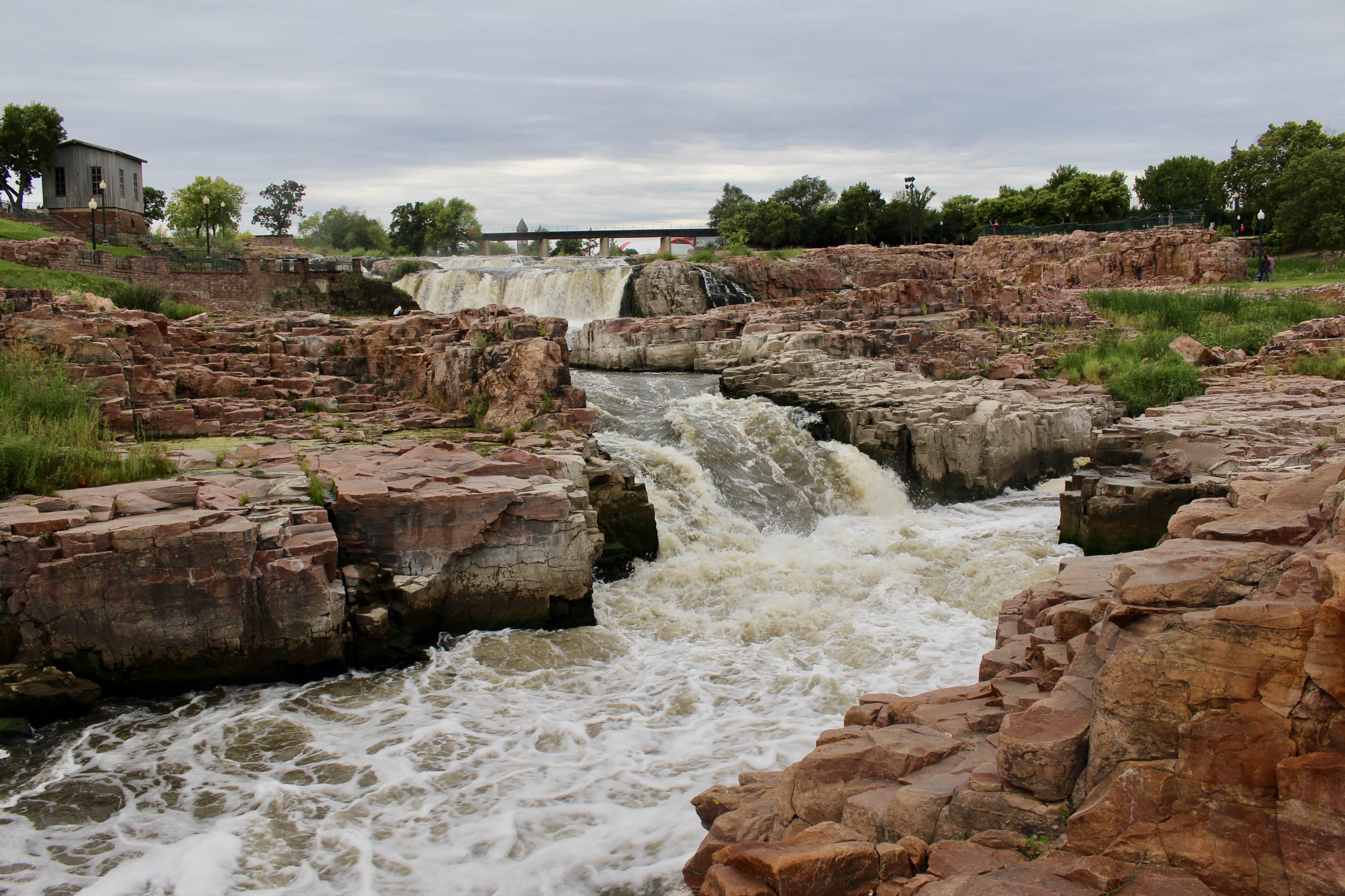
The Big Sioux River has been flowing in its present course here for over 10,000 years. Native Americans were the first to visit the falls and bring stories of them to European explorers. The Falls have been a highlight of recreation and industry since the city was founded in 1856. Many Sioux Falls historic buildings were made from the Sioux Quartzite including several buildings at Falls Park. The “pink rock” is the hardest rock second to diamond. The Sioux Quartzite is among the oldest rock exposed in South Dakota. It is very resistant to erosion.
Each second, an average of 7,400 gallons of water drop 100 feet over the course of the falls.
Falls Park
A man was saying rude things to people walking by, and it was disconcerting. He was causing a disturbance. Later, three police (two men & one woman) came and led him away, holding him on either side by his arms.
Another guy was using a remote control pick up truck on the rose quartzite.
Falls ParkFalls Park
Falls Park
Falls Park
Falls Park
American Farmer by Sondra Jonson
Monarch of the Plains
Falls Park
Falls Park
Falls Park
Falls Park
Falls Park
Falls Park
Falls Park
Falls Park
Falls Park
Falls Park
Falls Park
me at Falls Park
Falls Park
Falls Park
I walked around the remains of the seven-story Queen Bee Mill, built between 1879 and 1881 under the guidance of politician Richard F. Pettigrew. It cost $500,000 and it processed 1,500 bushels of grain each day. By 1883, the mill closed due to inadequate water power and a short supply of wheat. In 1956, fire destroyed the wooden roof and interior floors. The upper walls were later knocked down to prevent them from falling.
Queen Bee Mill
After leaving the Falls, I passed the Silver Moon Bar & Lounge on my way into downtown Sioux Falls, where I walked down Phillips Avenue for the SculptureWalk Sioux Falls, the largest annual exhibit of public sculptures in the world. The art is displayed all year throughout downtown Sioux Falls.
Sioux Falls, South Dakota
Sculpture Walk
Sculpture Walk
Common Thread by Fred Klingelhofer
Sculpture Walk
Kit Fox by Pokey Park
Beetle the Bear by Cedar Mueller
Surround by Hanna Seggerman
Vishnu Bunny Tattoo & Piercing
Protection by Jade Windell
High Five by Christine Knapp
Fulcrum by Dan Perry
Under Construction by Gary Hovey
State Theater
Movie bills at the State Theater
Local Perspective by Jason Richter
Spiral Dance by Harold Linke
The Government Building
Spectrum by Jeff Satter
Spiral Dance by Harold Linke
Corkscrew by Patricia VAder
State Theater
Shriver Square
All the World by Lee Leuning / Sherri Treeby
Sculpture Walk, Sioux Falls
downtown Sioux Falls
downtown Sioux Falls
Journey by Zach Schnock
Sculpture Walk, Sioux Falls
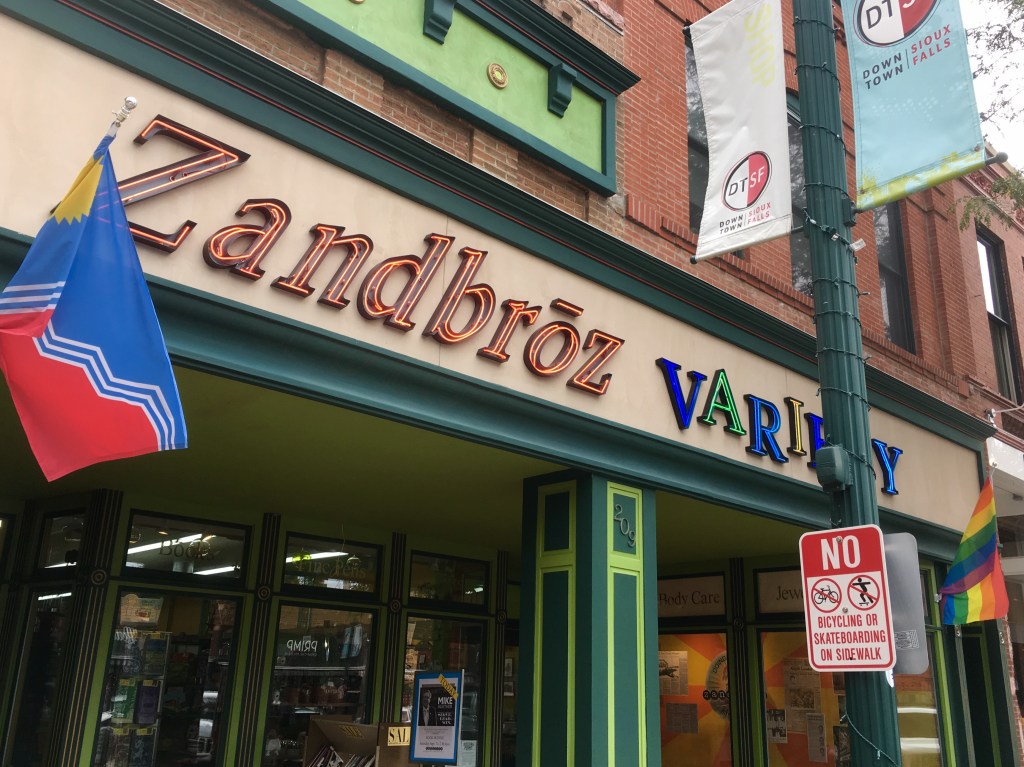
I popped into Zandbroz Variety, which sells soaps, books, pens, fine papers, cards, baskets, jewelry, gourmet foods, and many quirky things displayed charmingly in antique cupboards and vintage cabinetry from drug-store days. It was very colorful. The back area was once a soda fountain and coffee bar but at that time offered used books and vintage items for sale.
Zandbroz Variety
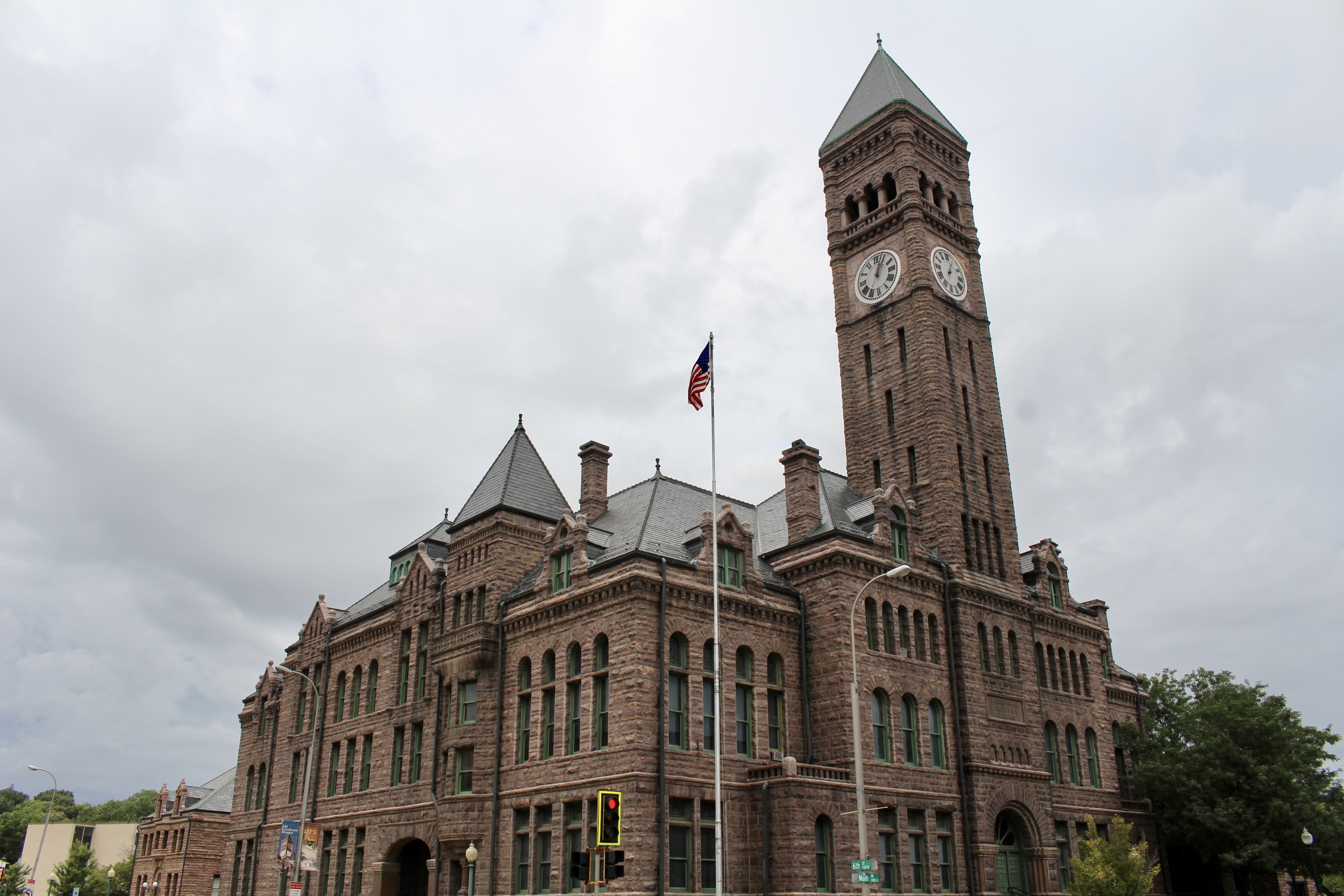
It was starting to rain by this time, so I went to the Old Courthouse Museum. The restored 1800s quartzite building featured three floors of regional history exhibits and sixteen historic murals.
Old Courthouse Museum
Let’s Ride: Vintage Motorcycles took a look at the history of motorcycles while featuring a variety of bikes from numerous manufacturers. By the 1910s, the motorcycle boom reached Sioux Falls.
Let’s Ride: Vintage Motorcycles
Let’s Ride: Vintage Motorcycles
Let’s Ride: Vintage Motorcycles
Let’s Ride: Vintage Motorcycles
Let’s Ride: Vintage Motorcycles
Let’s Ride: Vintage Motorcycles
Let’s Ride: Vintage Motorcycles
Let’s Ride: Vintage Motorcycles
World War I: The Great War was considered a war to end all wars. The Great War created many advances in technology, the medical field, and shaped military strategies. Local communities such as Sioux Falls became vital arteries in helping with the war effort. World War I became an unprecedented catastrophe that affected an immeasurable amount of people and shaped the modern world.
World War II: The Great War
World War II: The Great War
World War II: The Great War
World War II: The Great War
World War II: The Great War
The Tornado Tree showed the powerful effect of tornadoes. When a tornado went through the southern part of town, it destroyed the bridge that went over the river near 41st Street and the Mall.
The Fawick Flyer was a two-door model car built by local inventor Thomas Fawick.
Fawick Flyer
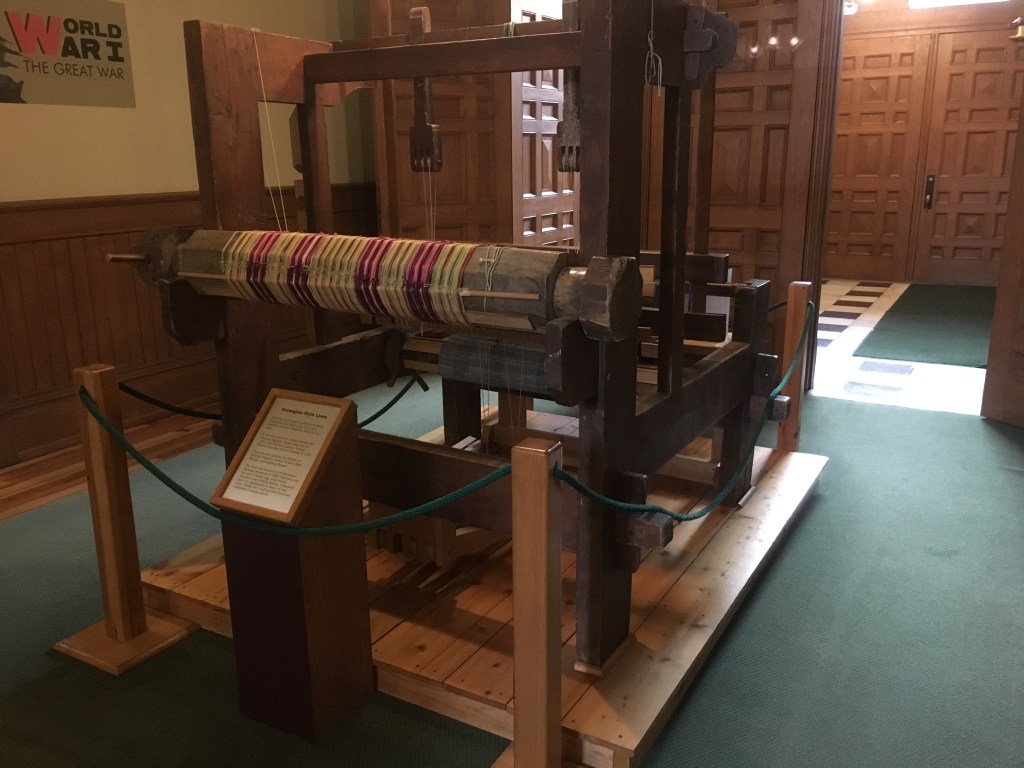
The Norwegian Style Loom is a four harness, counter-balanced, direct tie-up loom. It was hand-built by Anders Sorken and Rasmus Elgaaen. The loom was donated to the Siouxland Heritage Museum’s collection in 1988.
Norwegian Style LoomNorwegian Style Loom
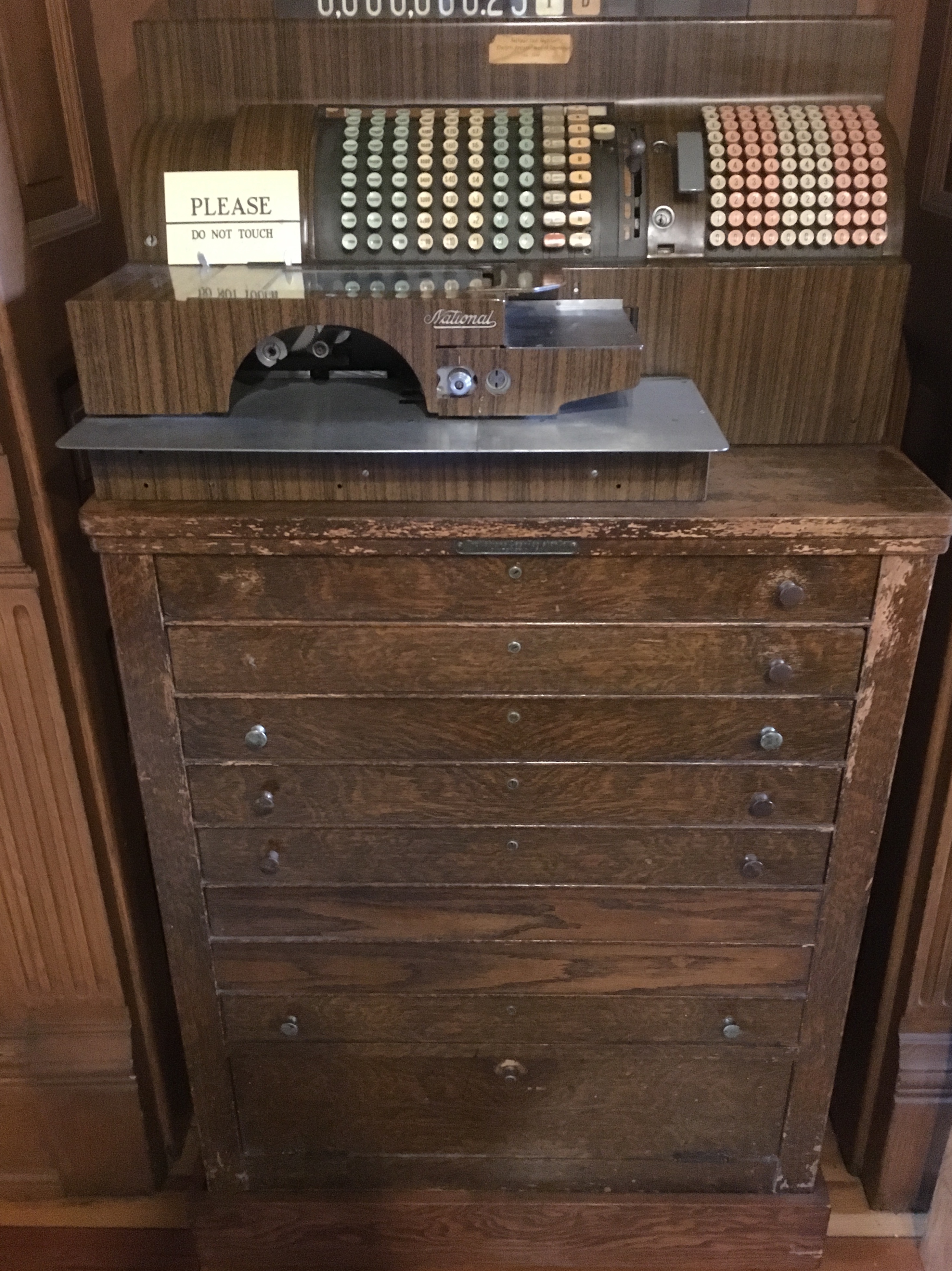
cash register
Tonics and Tools of Medicine examined early Sioux Falls medicine and the instruments that helped keep its citizens healthy. The people of 19th century Sioux Falls relied on doctors, drugstores, and some home remedies to get better, but without twenty-first century technology, early medical professionals relied on basic tools and different practices to treat their patients.
Tonics and Tools of Medicine
Tonics and Tools of Medicine
Tonics and Tools of Medicine
Tonics and Tools of Medicine
Tonics and Tools of Medicine
Tonics and Tools of Medicine
Tonics and Tools of Medicine
Tonics and Tools of Medicine
Theaters: Stage to Screen showcased the many theaters that once were in Sioux Falls. Many of them were built or remodeled for both stage and screen. Hollywood’s “Golden Era” in movies exploded, and America was mesmerized by film. These theaters flourished.
Theaters: Stage to Screen
The State Theater
Orpheum Theater
I especially loved the motorcycle exhibit and the Toys exhibit: it exhibited toys from the 1800s to the 1990s: Ouija Board (called Mystic Soothsayer), Barbies, Lincoln Logs, GI Joes, erector sets, matchbox racetracks, checkers, Clue, Lotto, Felt-o-gram, toy musical instruments, Tinker Toys, pull toys, wooden finger puppers, a pinball machine, Spirograph, Basic Microscope, Junior Doctor Kit, Chinese Checkers, Battleship, PacMan, Raggedy Ann and Andy, Pound Puppies, Mr. Potato Head, Pet Rocks, and Chatty Cathy. 🙂 There were so many toys I recognized from my childhood.
Toys exhibit
Toys exhibit
Toys exhibit
Mystic Soothsayer & checkers
Clue and Lotto
Junior Combination Board and The Game of Anagrams
American Bricks Construction Set, ca. 1940
FELT-O-GRAM and Building and Designing Set
ERECTOR set
GI Joe
Cowboys and Indians
Lincoln Logs
Tinker toys
musical instruments
Chatty Cathy
toddler toys
Wooden Finger Puppets
Spirograph and spirotot
Junior Doctor Kit, basic MICROSCOPE Set
Barbies and stuffed toys
Matchbox garage and racetrack
Mr. Potato Head
Disney Barbie Dolls
The artist who did the murals was Ole Runing, born in Norway in 1874; he immigrated to the U.S. in 1906. He spent two years on the sixteen murals and was only paid five hundred dollars. The murals depict the falls of the Big Sioux River in Sioux Falls and the Palisades rock formation near Garretson, South Dakota. Late in the project, he was aided by his son Elmer.
murals at the Old Courthouse Museum
murals at the Old Courthouse Museum
murals at the Old Courthouse Museum
This was a truly fascinating museum.
Information from the Courthouse Museum is taken from a pamphlet distributed by the Old Courthouse Museum.
I headed to the Japanese Gardens at Terrace Park, but it was raining and I was hungry, so I went to Burger King for a Whopper Junior with cheese, fries, and a Diet Coke.
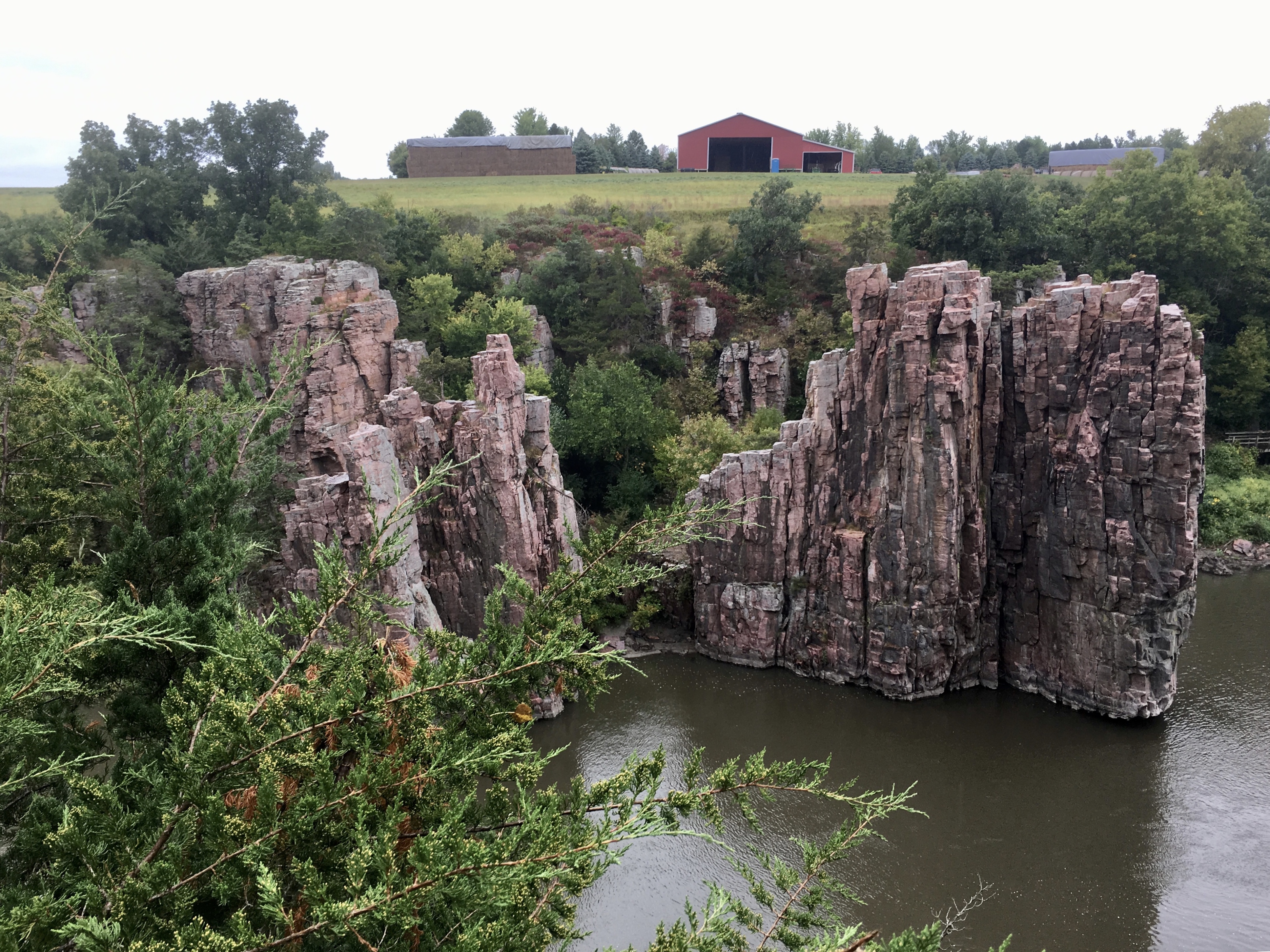
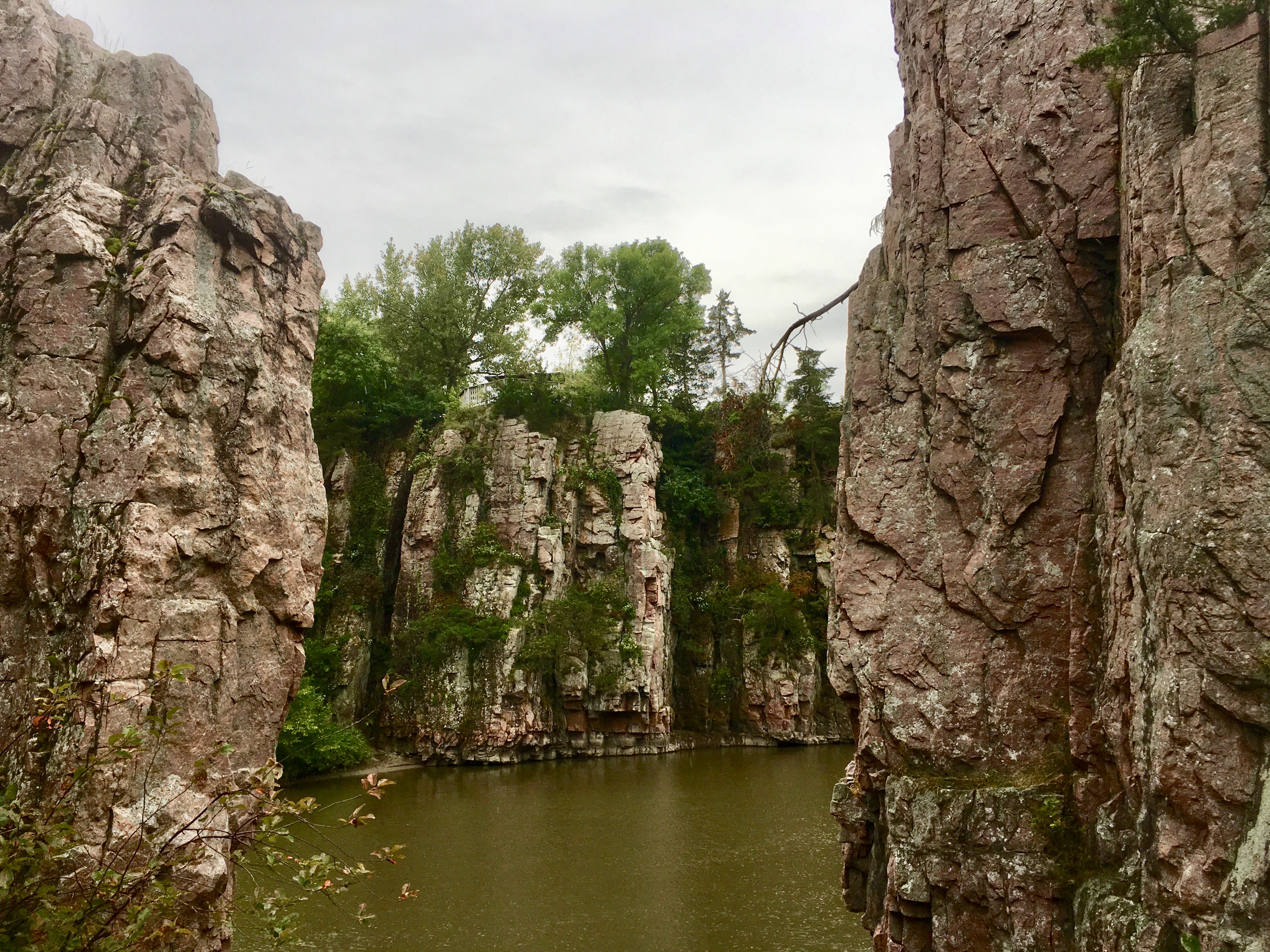
I drove east 30 minutes to Palisades State Park, passing Tucker’s Walk Vineyard. By then it was really raining, so I just went to the Balancing Rock Overlook then walked on the very short King and Queen Rock Trail.
The Split Rock Creek, which flows through Palisades State Park, is lined with Sioux quartzite formations varying from shelves several feet above the water to 50-foot vertical cliffs. Geologists estimate the Sioux quartzite spires in the park are 1.2 billion years old.
Palisades State ParkPalisades State Park
Palisades State Park
Palisades State Park
King and Queen Rock Trail
Palisades State Park
Palisades State Park
Palisades State Park
Palisades State Park
Palisades State Park
Palisades State Park
Palisades State Park
I drove over the 1908 Palisades Bridge. The steel bridge rests on natural abutments of Sioux quartzite.
1908 Historic Bridge at Palisades State Park
On the way back from Palisades, I listened to “Big Foot” by Johnny Cash about Wounded Knee. I seem to vaguely remember a book or movie titled Bury My Heart at Wounded Knee, that was required reading in high school or college. I felt I should read it again.
As I drove back, I worried that the Corn Palace wouldn’t be open the next day because it was a Sunday. I passed Augustana University: The Place for Possibilities. A sign said WRANGLE UP SOME RINGNECKS (whatever that meant!).
Then I decided I’d try to go back to Sioux Falls to the Washington Pavilion. However, they had all the roads around it blocked off for a big fair: The Sidewalk Arts Festival. I got tired of driving around looking for parking, so I drove out of the town and stopped at the Terrace Park and Japanese Gardens. The area known as Terrace Park is located on a bluff overlooking an ancient part of the Big Sioux River’s System of oxbows and overflow flood plain. This bluff is part of a series of bluffs that form the east side of the Big Sioux River valley.
It was pleasant enough but I wasn’t feeling good so decided to return to my hotel to rest.
Terrace Park & Japanese Gardens
Terrace Park & Japanese Gardens
Terrace Park & Japanese Gardens
Terrace Park & Japanese Gardens
Terrace Park & Japanese Gardens
Terrace Park & Japanese Gardens
Terrace Park & Japanese Gardens
Terrace Park & Japanese Gardens
I had stomach cramps for much of the afternoon, so I wasn’t yet hungry. I returned to my hotel to rest before dinner.
Later, I went to the colorful Guadalajara Mexican Restaurant, where I had my favorite chili relleno, a tamale, refried beans, rice and a Corona.
Guadalajara Mexican Restaurant
Guadalajara Mexican Restaurant
Guadalajara Mexican Restaurant
Guadalajara Mexican Restaurant
Guadalajara Mexican Restaurant
Chili Relleno and tamale
Guadalajara Mexican Restaurant
Back at the hotel, I talked to Mike, as I did every night of my trip.
After leaving DeSoto National Wildlife Refuge, at 11:00 a.m. I crossed the Missouri River again on 30W into “NEBRASKA…the good life.” The temperature was close to 80°F. I entered the town of Fort Calhoun, passed the Little Rascals Child Care Center and then arrived at Fort Atkinson State Historical Park.
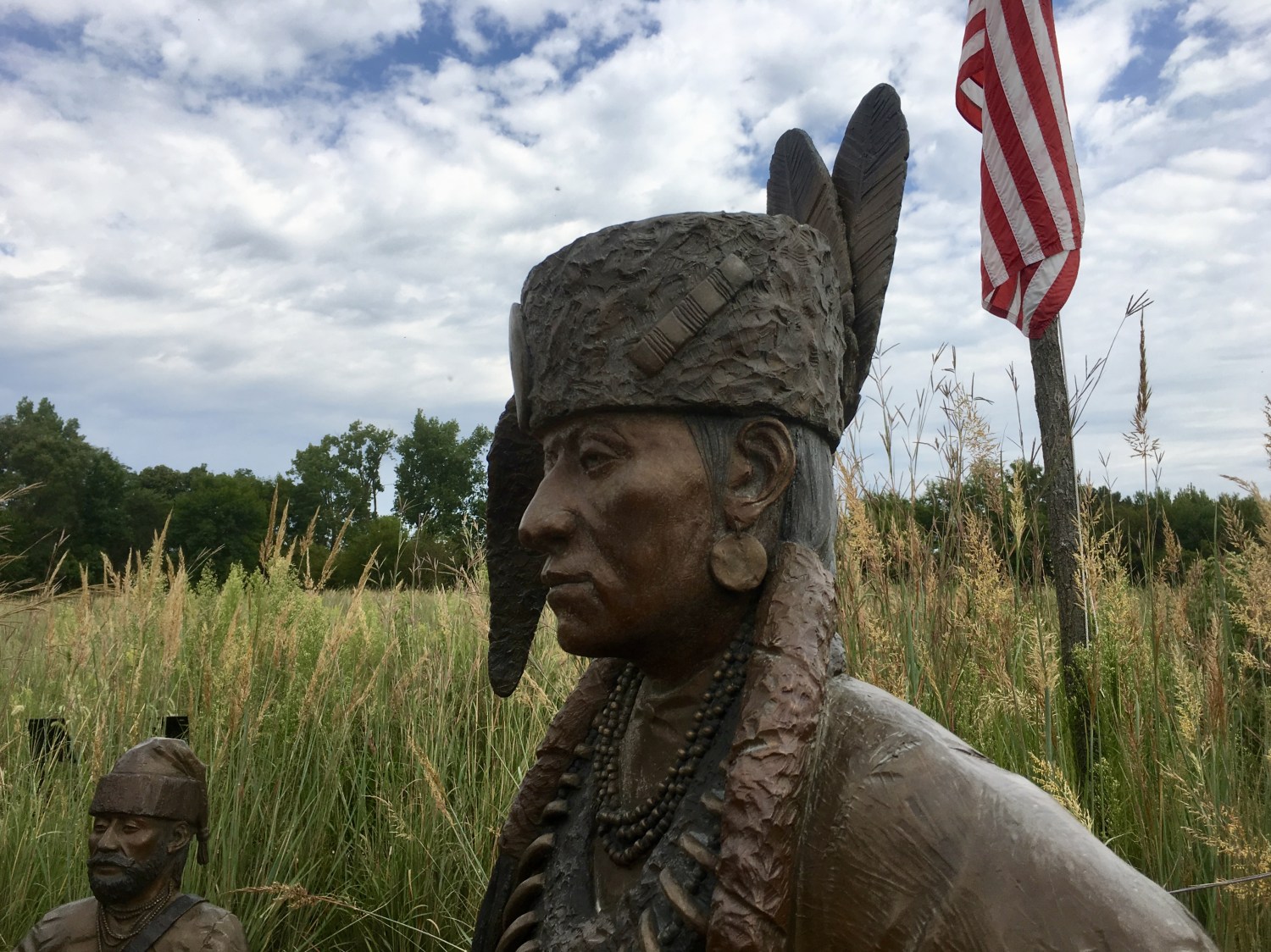
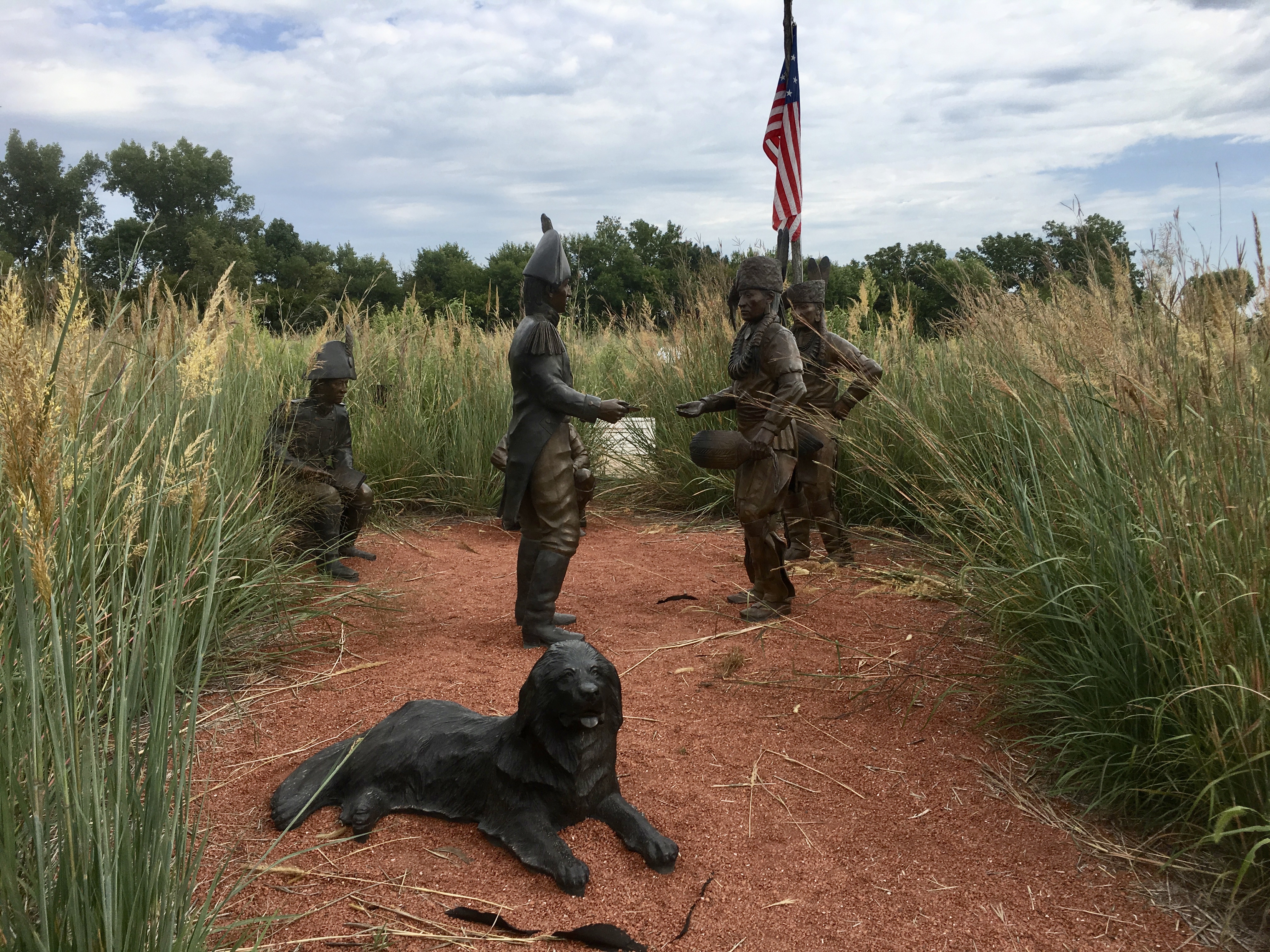
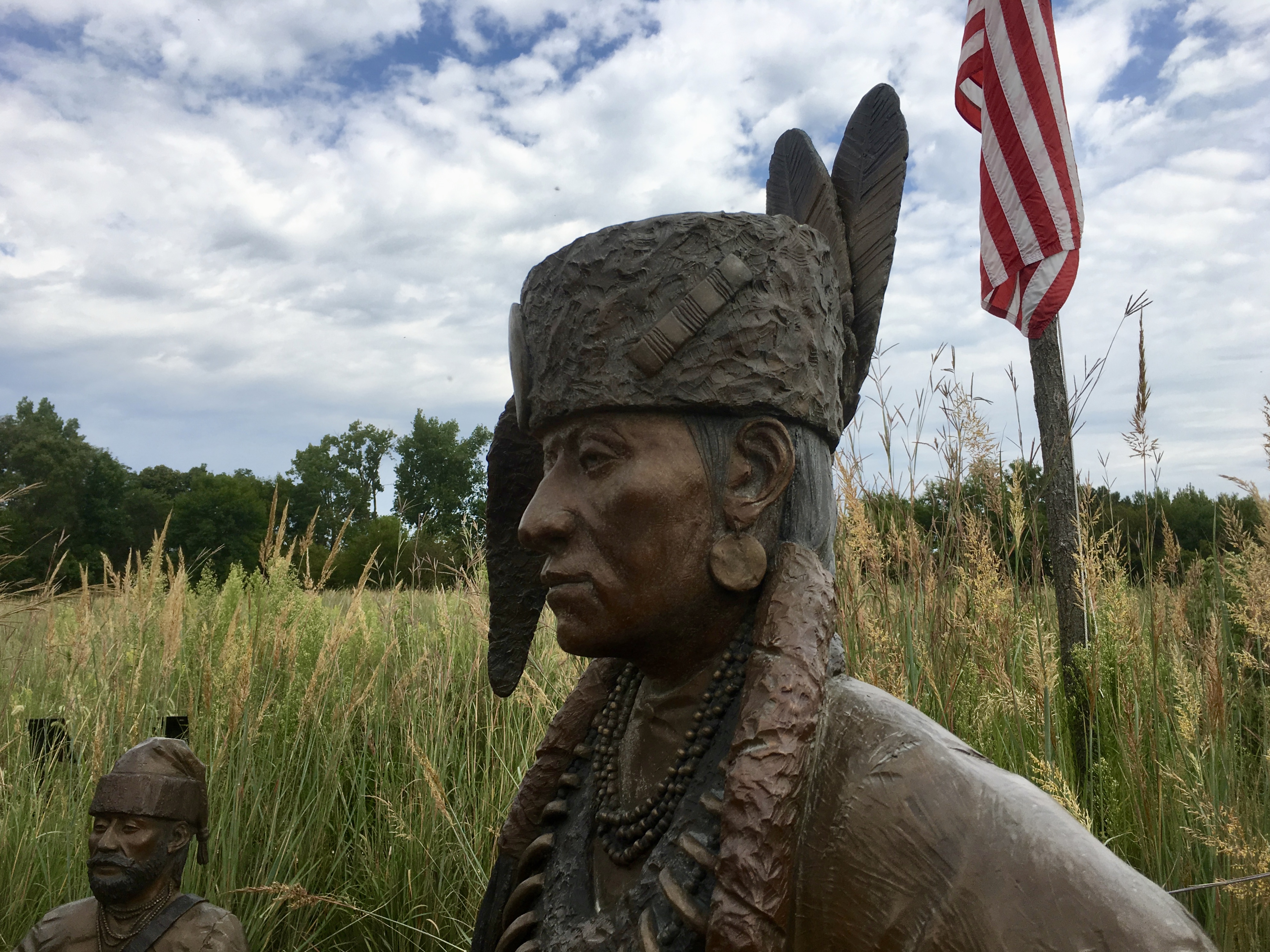
I was greeted by the “First Council” sculpture, a life-size creation which depicts the first official meeting on August 3, 1804 between the Lewis & Clark expedition and Native Americans. The bronze sculpture includes figures of Lewis and Clark, two Otoe-Missouria chiefs, an interpreter, and the expedition’s Newfoundland dog, Seaman.
During this meeting, William Clark wrote that they delivered a long speech to the Indians expressive of their journey and the works of their government and gave advice to them and directions on how they were to conduct themselves. He talked of President Thomas Jefferson’s hopes for peace and trading partnerships with the tribes. The chief also delivered speeches. All speeches had to be translated between English and the Oto and Missouri languages.
A demonstration followed in which Lewis fired an air gun that he said “astonished the natives.” Lewis and Clark presented gifts, including medals, cloth, gunpowder, whiskey and face paint. Before the Indians left, they smoked a peace pipe and shared food and whiskey with the American visitors.
“First Council” sculpture
Native American
“First Council” sculpture
“First Council” sculpture
“First Council” sculpture
“First Council” sculpture
Fort Atkinson was built in 1820 on the recommendation of reports from the Lewis & Clark expedition. Clark had noted in his journal that the site was a good location for a fort: “An establishment here would bring about peace and the means of keeping it.”
It was the first U.S. military post west of the Missouri River and, at its peak, it held nearly one quarter of the standing U.S. Army, approximately 1,200 soldiers. It was built to keep the Canadians, the French and the Spanish out of the territory, to protect the early fur trade and river traffic, and to build relations with Native Americans, who later burned the fort to the ground. It operated from 1820 to 1827.
The fortification consisted of a rectangular arrangement of one-story barracks fashioned of horizontal logs. The structure faced inward upon an enclosed parade ground with loopholes on the exterior walls. Four entrances were located near the center of the four walls.
Outside the fortification were located a large council house for negotiating with the Indians, a gristmill, a schoolhouse, sawmill, and other buildings. A brick kiln produced thousands of bricks. Fort Atkinson represented an important early step in opening the West.
The site was saved, recovered and rebuilt in the 1960s. I saw the Fort, Sutler’s Store, the flagpole and several reconstructed rooms including the quartermaster and the prison. The Powder Magazine was used to store black powder, which was used as a propellant in rifles, muskets and cannon. Because black powder was an explosive, the magazine was built with stone walls and placed in the center of the fort. In case the fort was attacked, the location made it a difficult target. If the powder exploded, the stone walls would direct the force upward, protecting the fort and the men.
flagpole at Fort Atkinson
quarters at Fort Atkinson
Fort Atkinson
signs to hang around prisoners’ necks
shackles at Fort Atkinson
solitary confinement boxes
Fort Atkinson
Fort Atkinson
Fort Atkinson
Fort Atkinson
quartermaster quarters
Fort Atkinson
Sutler Store
Powder magazine
Powder magazine
munitions in the powder magazine
Going back through the town of Blair, I passed a Hail Repair shop. I suspected storms on the Plains could be vicious, and that only confirmed my suspicions. On Highway 75N, I passed a Kingdom Hall of Jehovah’s Witness, a horse farm, a yellow farmhouse, more cornfields, and Lippincott Creek. Tom’s Well Service advertised that help was wanted. By 12:30, raindrops started bouncing off my windshield. The village of Herman, population 310, had an American Legion and Tekamah, with its population of 1,852, had a Suds R Us Car Wash. As sign reminded me that “Life Begins at Conception.” Cows grazed placidly nearby.
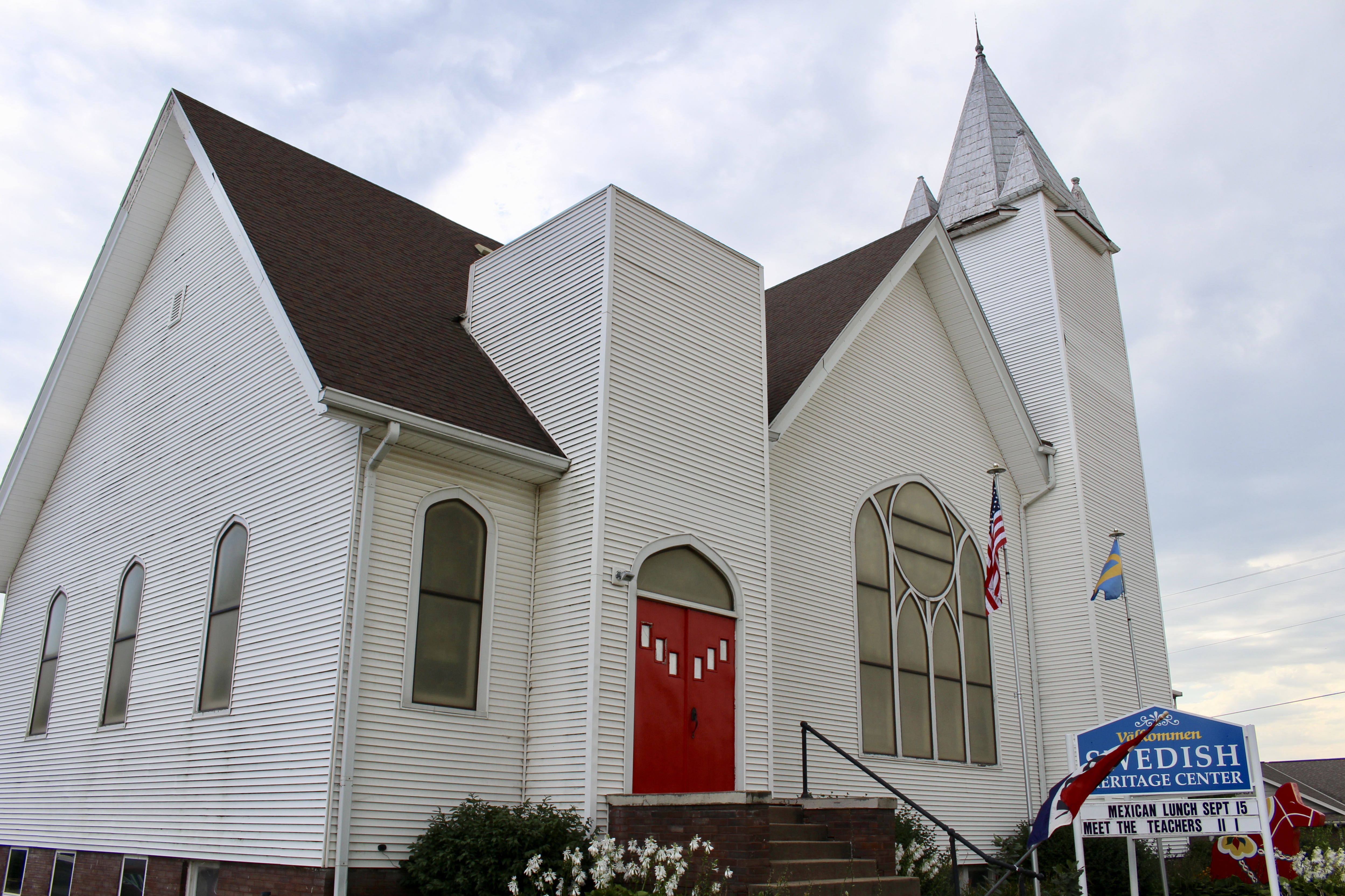
In Oakland, Nebraska, I visited the Swedish Heritage Center. The owner, a man close to 80, showed me clothes, photos, and wedding dresses from his extended family and the Swedish community. Swedish crystal, linens and needlework brought by the pioneers from their homeland was also displayed.
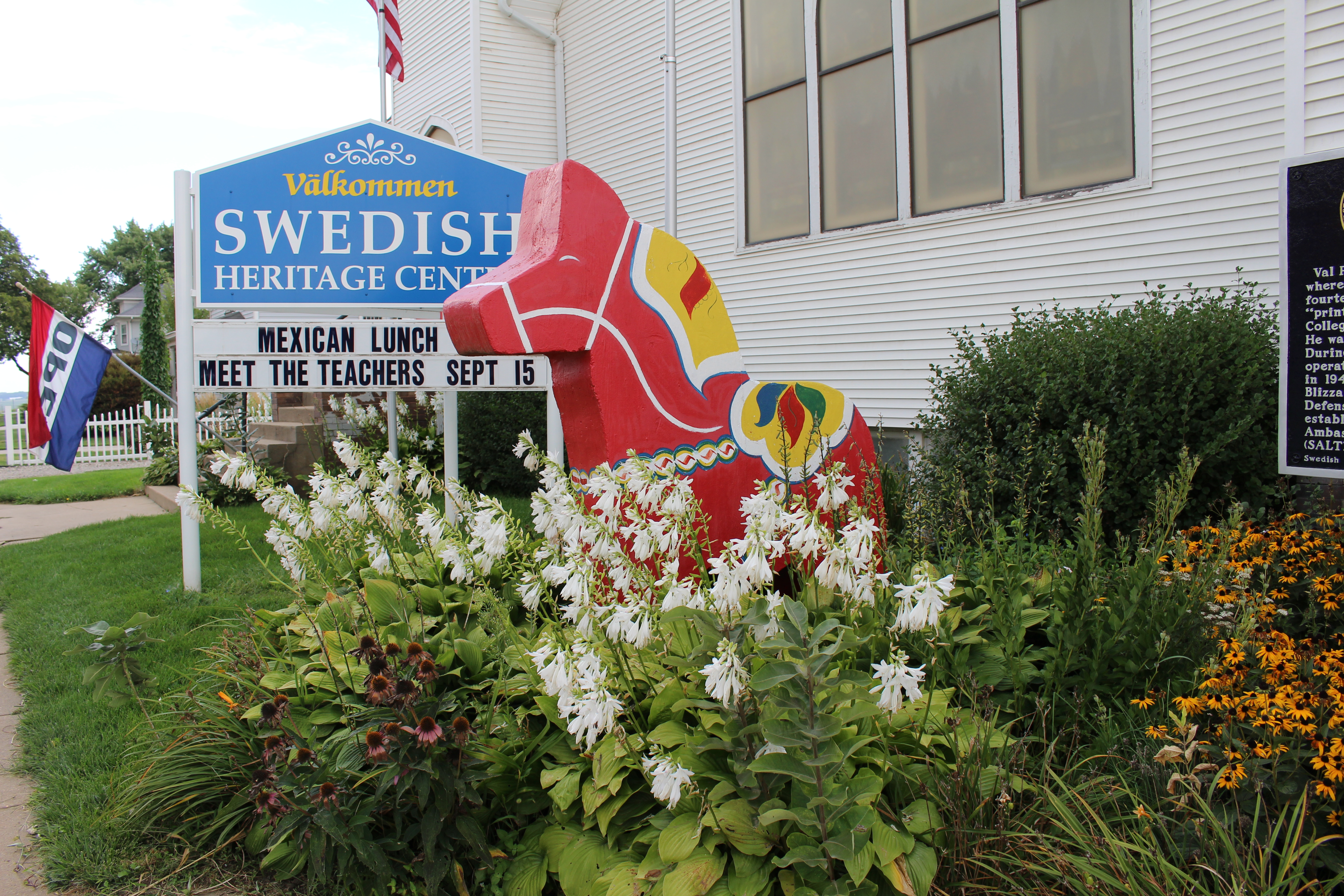
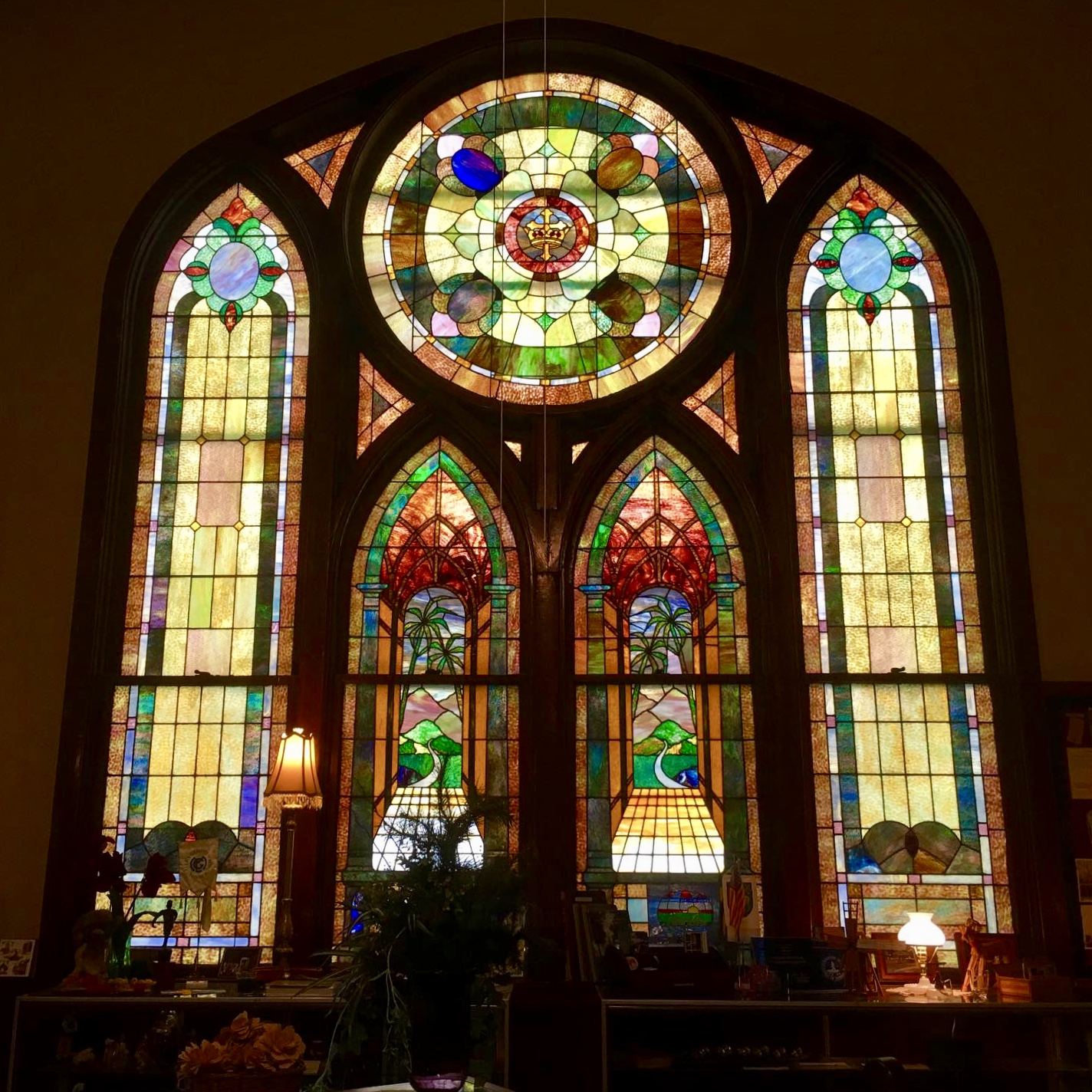
The Dahla horses are colorful red or black horses painted with flowers. They were pretty but at $69, I didn’t buy one. The center was in a church with pews still in it and beautiful stained glass windows. One alcove was a wedding room. An old stove was the centerpiece of a kitchen display, and a nursery had baby cribs.
The man played some hymns on what he said was a clavichord. He showed me the crafts he made: flowers and vases made from book pages and flowers made from corn husks. He revealed that he has been buying tamale husks from the Mexicans because the corn husks get moldy. I bought some note cards from him for $10. He would have talked my ear off if I’d let him, but I said I had to move on to Madison.
Swedish Heritage Center in Oakland, NE
Swedish dahla horse in front of the Swedish Heritage Center
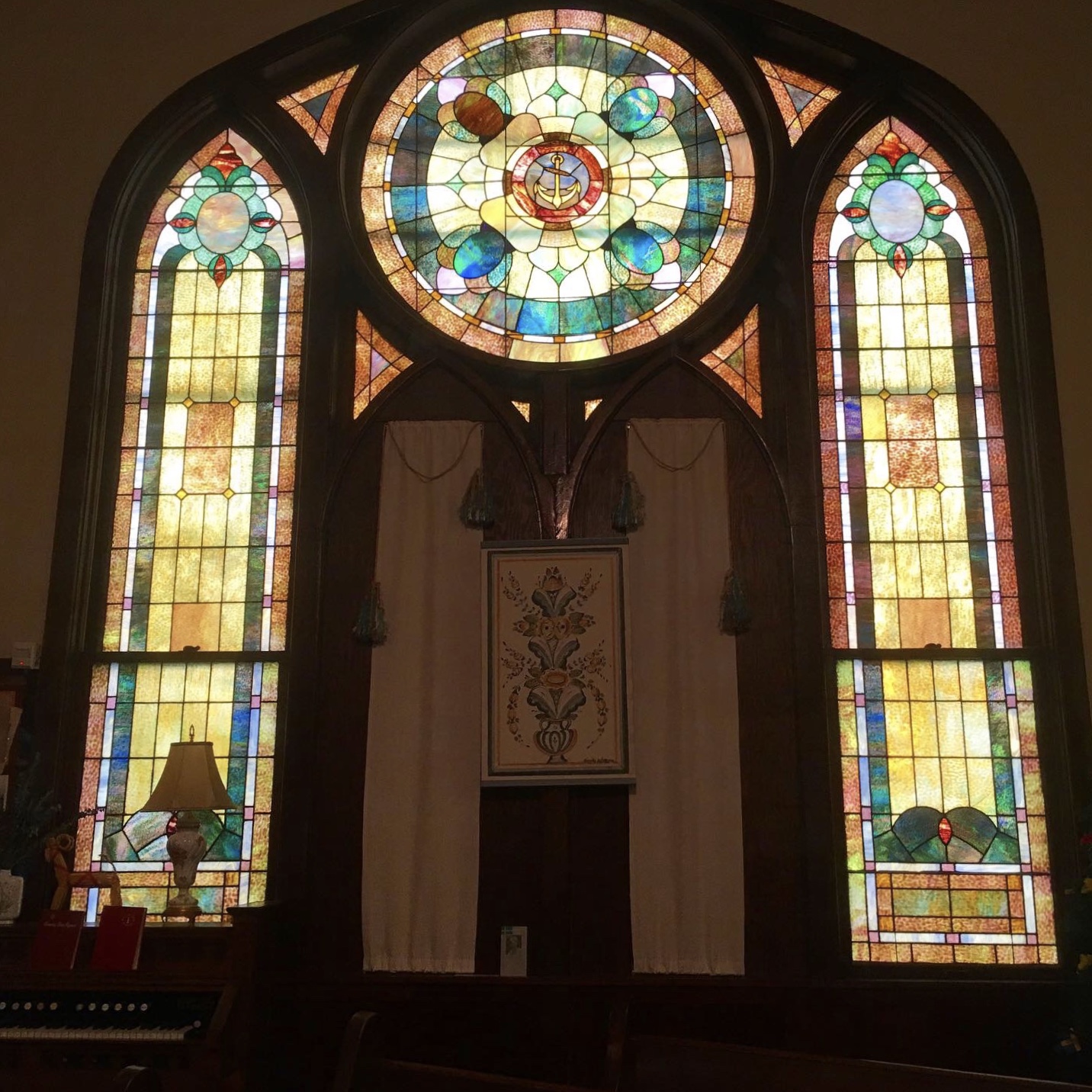
stained glass windows in the Swedish Heritage Center
stained glass windows in the Swedish Heritage Center
Swedish Heritage Center
baby cribs in the Swedish Heritage Center
Swedish Heritage Center
Swedish Heritage Center
Swedish Heritage Center
Swedish Heritage Center
wedding dresses in the Swedish Heritage Center
wedding shoes in the Swedish Heritage Center
wedding dresses in the Swedish Heritage Center
arts & crafts
arts & crafts
arts & crafts
stained glass window in the Swedish Heritage Center
painting in the Swedish Heritage Center
Book by Carl Larsson
The owner plays some music
It took me another hour to get to Madison, NE, driving 77S and then 32W through West Point amidst corn, corn, and more corn, barns, farms, silos, yellow flowers, gentle hills, red barns, sheep and a patchwork of greens. A huge congregation of cattle hunkered down at Hagdeon Feed Yards, and then lines of telephone poles led me through curvy rolling cornfields and clusters of trees.
I showed up at the Madison County Historical Society Museum to find it closed, but there was a phone number on the door. I called and waited for a woman to show up.
One display told the story of the Orphan Train riders, abandoned and orphaned children from New York City who were sent by trains to the Midwest and given new homes in communities, like Madison, throughout the Great Plains. The woman there told me about a reunion they had with the few people still alive from the orphan trains. Many had a difficult time because the families who adopted them wanted them only for farm labor. One woman had come by train with a special Raggedy Ann doll. Her new mother burned it as punishment when she misbehaved. The girl was heartbroken. An organization gave her one to replace the one she’d had and she was moved by that gesture.
Nebraska Off the Beaten Path also noted there was a sizeable pencil collection here, but it turned out there was only a pen collection (with business names on them). There weren’t “a zillion of them,” as the book had mentioned. The man who started the museum did so to save an old fire truck; he exchanged pens with other people. I had come across a large collection of pencils at the Mercantile in Omaha (see a walk around the old market in omaha, nebraska). It’s intriguing to me what people decide to collect.
Museum displays told stories about people from various wars. One girl was born after her father went to war; he was killed so she never met him. She wanted to find out about him, so researchers and reporters found out his fate.
There was another exhibit about some wealthy folks in town having to do with Deets Furniture.
bison head in the Madison County Historical Society Museum
Orphan Train Riders Reunion
photo of the orphan trains
Raggedy Ann gift to orphan
another doll from the Orphan Train
old timey things at the Madison County Historical Society Museum
carriage at the Madison County Historical Society Museum
fur coats and clothing at the Madison County Historical Society Museum
embroidery thread
porcelain eggs
pen collection
B&W photos of Madison County homes
B&W photos of Madison County homes
fire engine from the Madison Fire Department
Madison County Historical Society Museum
I finally left this small-time museum and the dying town of Madison. It was only another 22 minutes to Norfolk, Nebraska, the home of Johnny Carson, where I would spend the night.
After leaving Siena, we drove to Monteriggioni, a castle town with not much to it. The Castle of Monteriggioni was begun in 1213 and enclosed completely by walls. The expense and labor was paid for by Siena as a strong defensive bulwark against Florence’s expansion into the sensitive area crossed by the Via Francigena. The history of this town is filled with countless armed clashes with its rival Florence, which many times tried to destroy the walled hamlet.
Monteriggioni fell during the siege of 1553 by the imperial troops aligned with the Florentines, who bombarded the castle until it surrendered.
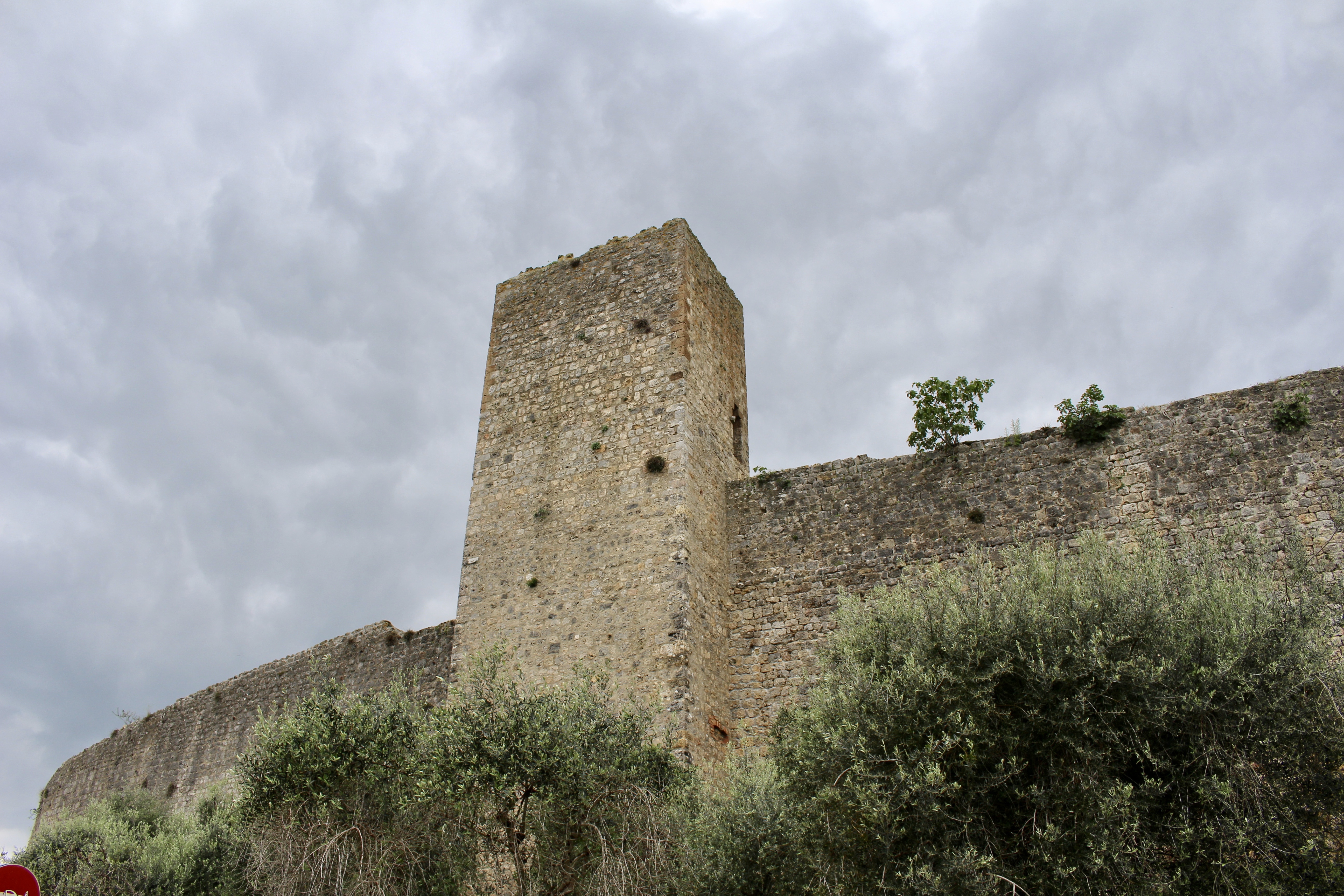
The Castle of Monteriggioni
The Castle of Monteriggioni
The Castle of Monteriggioni
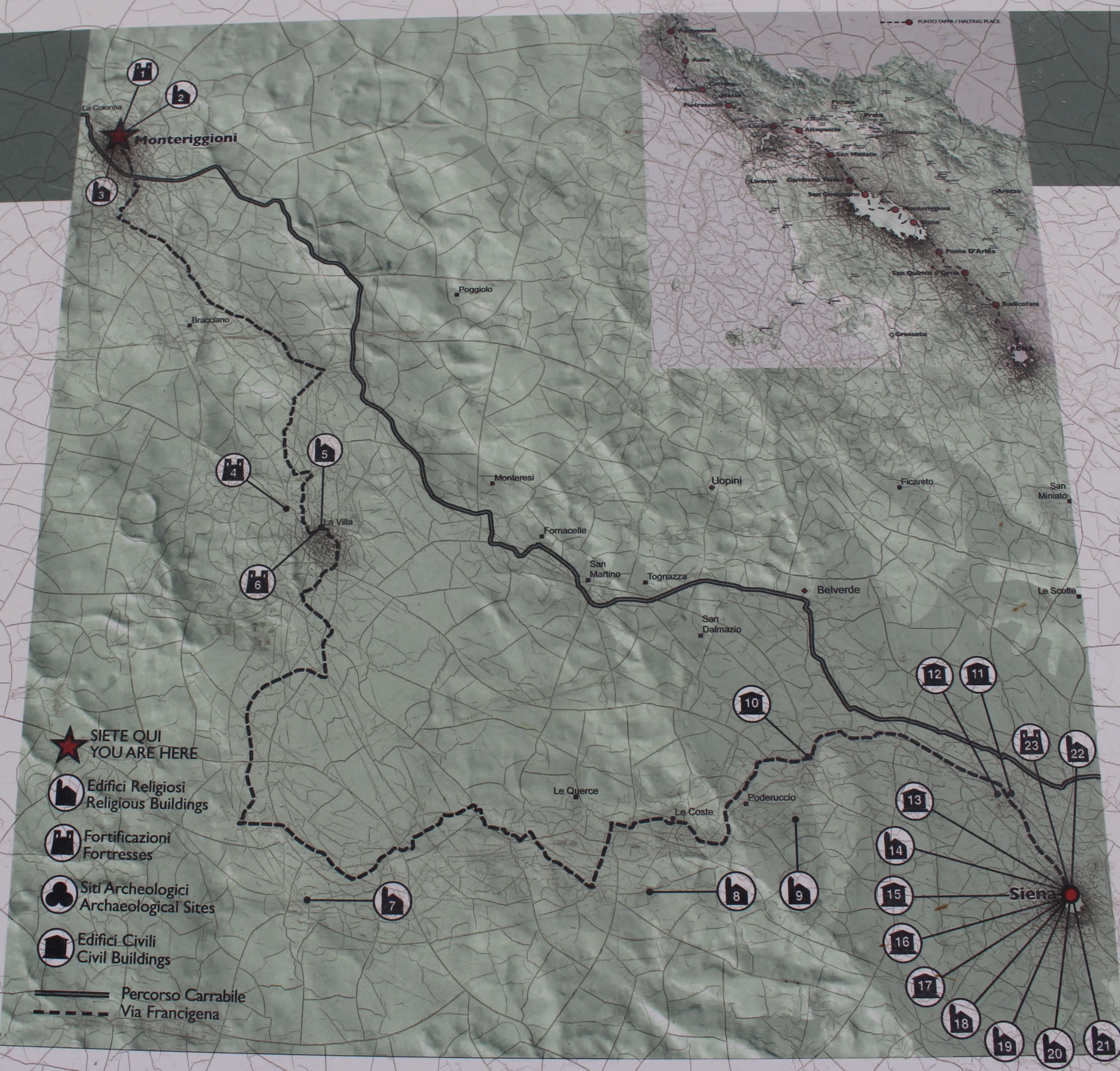
The Via Francigena in Tuscany goes over the Ciso Pass to follow mule tracks through forests and reminders of medieval times. The road goes past fortified villages and then descends to the Ligurian Sea at Sarzona; it continues alongside the Apuan Alps to reach the walls of Lucca. It then travels through the valleys of central Tuscany and crosses the Arno to the fortress of San Miniato. From here, past vineyards and olive groves, and following a path through the Elsa Valley, it reaches the 14th century towers of San Gimignano and medieval Siena.
It sounds much like the Camino de Santiago, and I noted that I should check it out for a future long-distance walk.
Via Francigena
We strolled through the town as rain threatened.
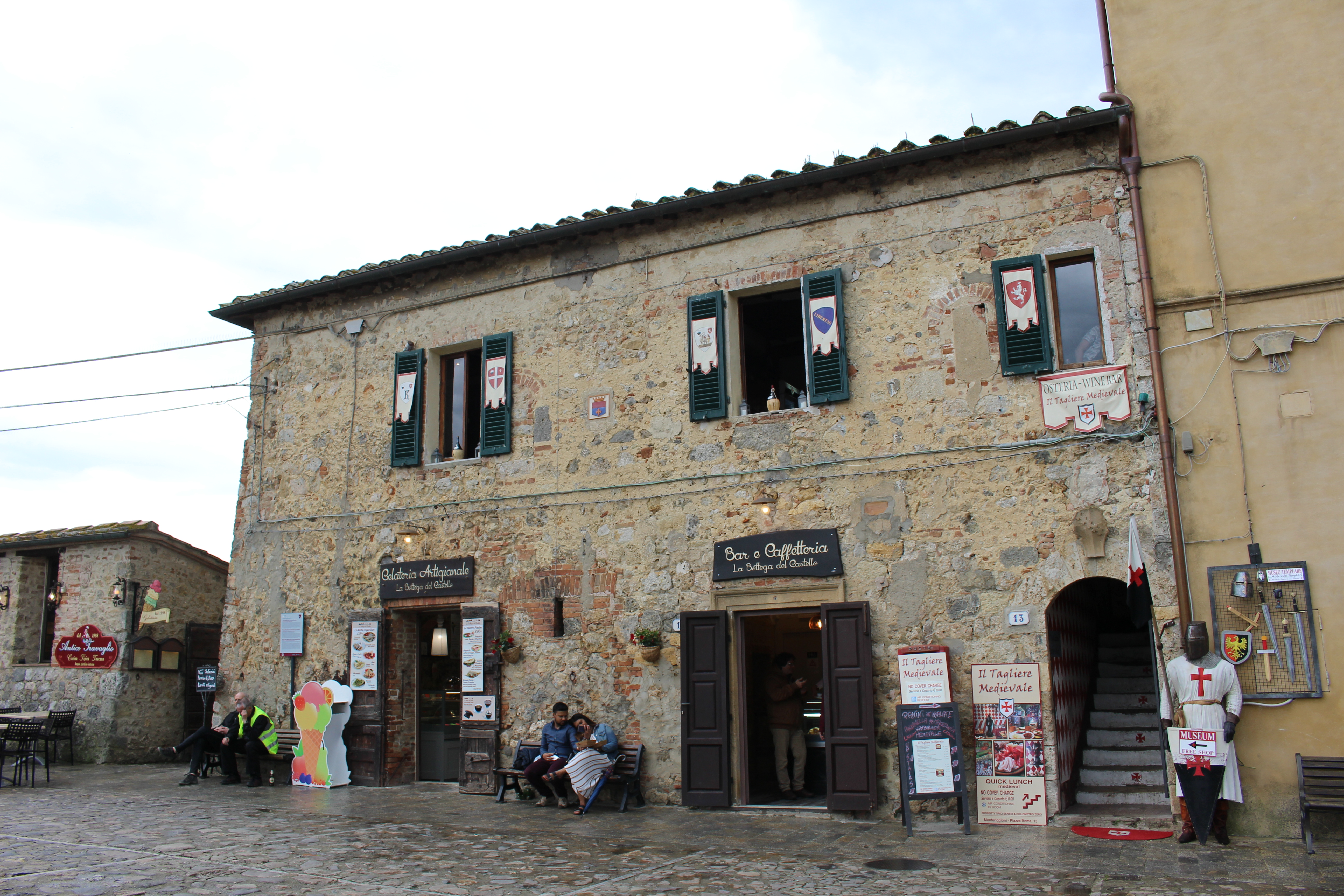
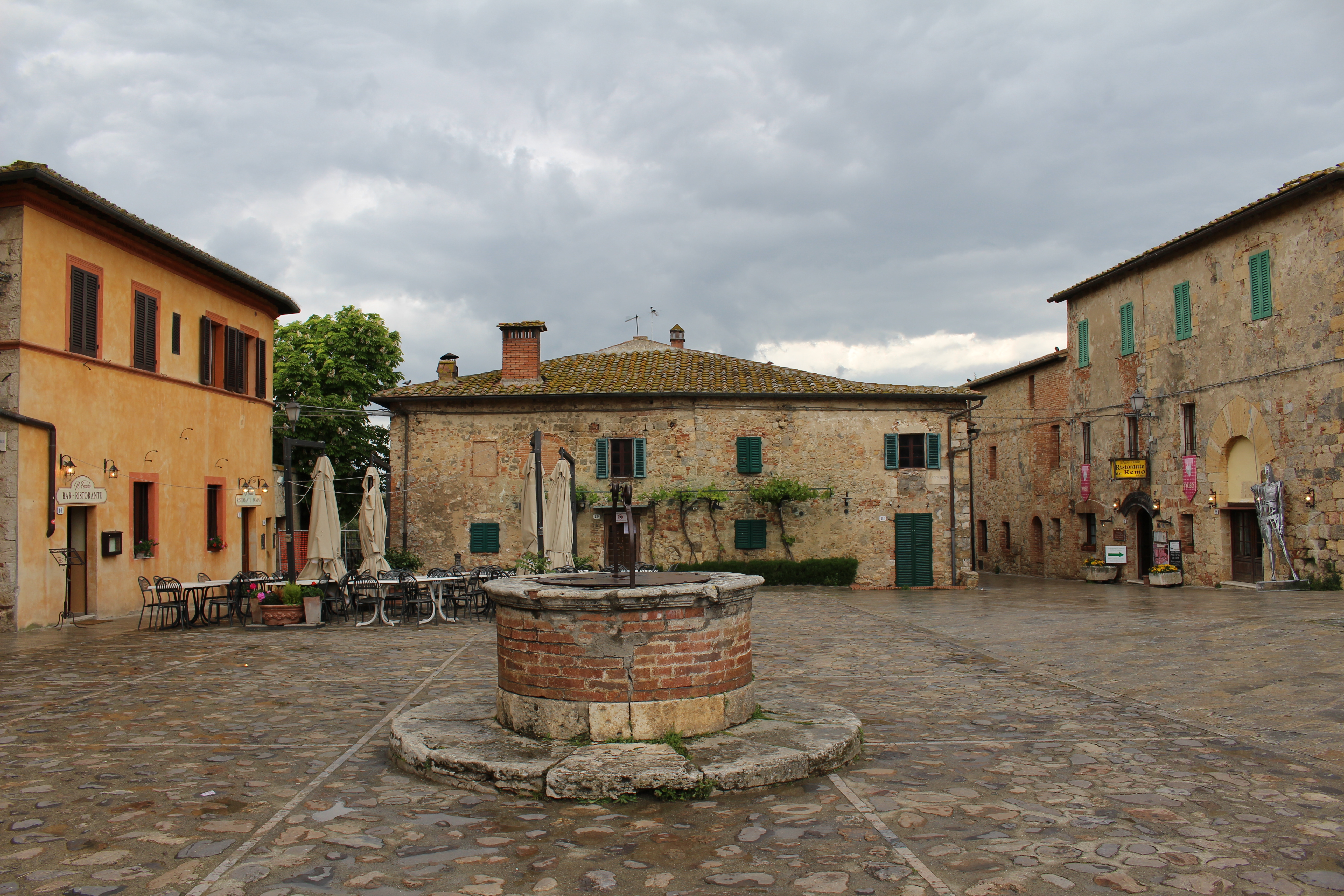
Monteriggioni
The Chiesa di Santa Maria, which dates back to the 13th century, was once the headquarters for a canonical community. It has Romanesque-Gothic features and is composed of a single nave with apse. There is a small round window framed in brickwork, a source of light on the inside, together with small side windows and the large Gothic window on the back wall.
Chiesa di Santa Maria
We dipped into a few shops; in one of them I bought a white t-shirt with a newsprint design on it for 25€.
Monteriggioni
Monteriggioni
Monteriggioni
Monteriggioni
We found one shop with some funky shoes.
funky shoes in Monteriggioni
funky shoes in Monteriggioni
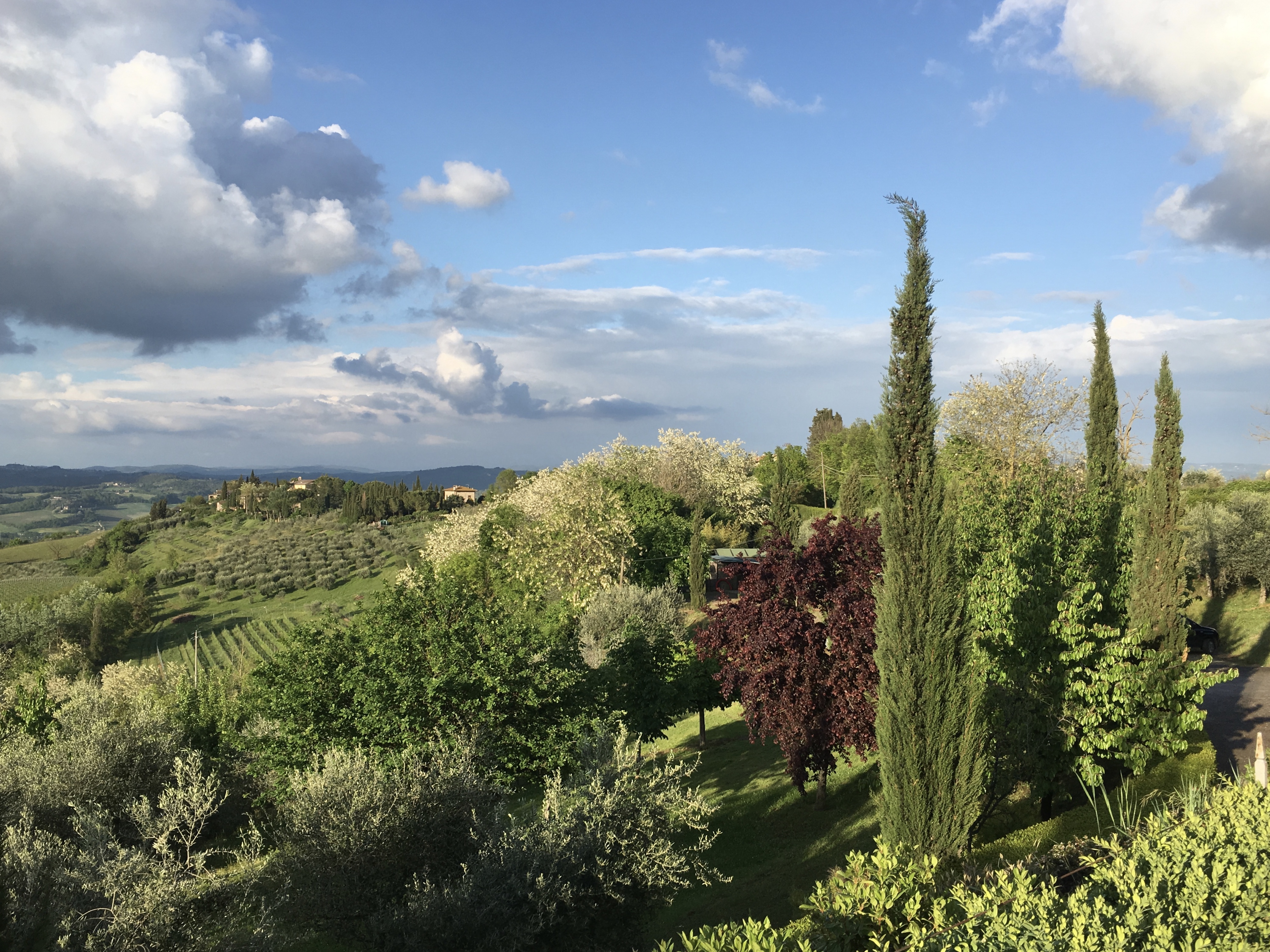
We drove back to our Airbnb at Castello di Fulignano and had wine and cheese and crackers and prosciutto, and then the sun started to come out. We strolled around the grounds to admire views of the Tuscan countryside.
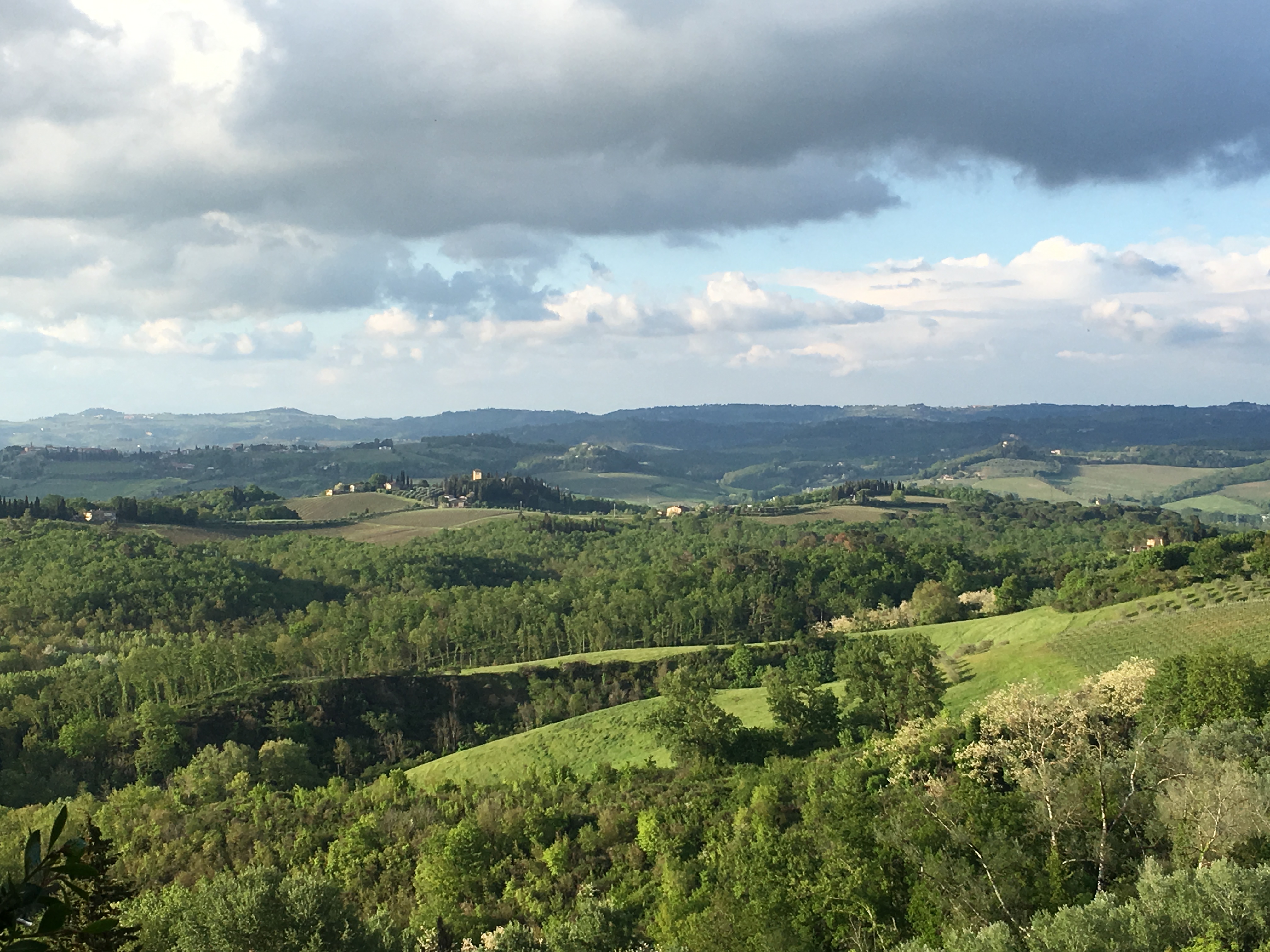
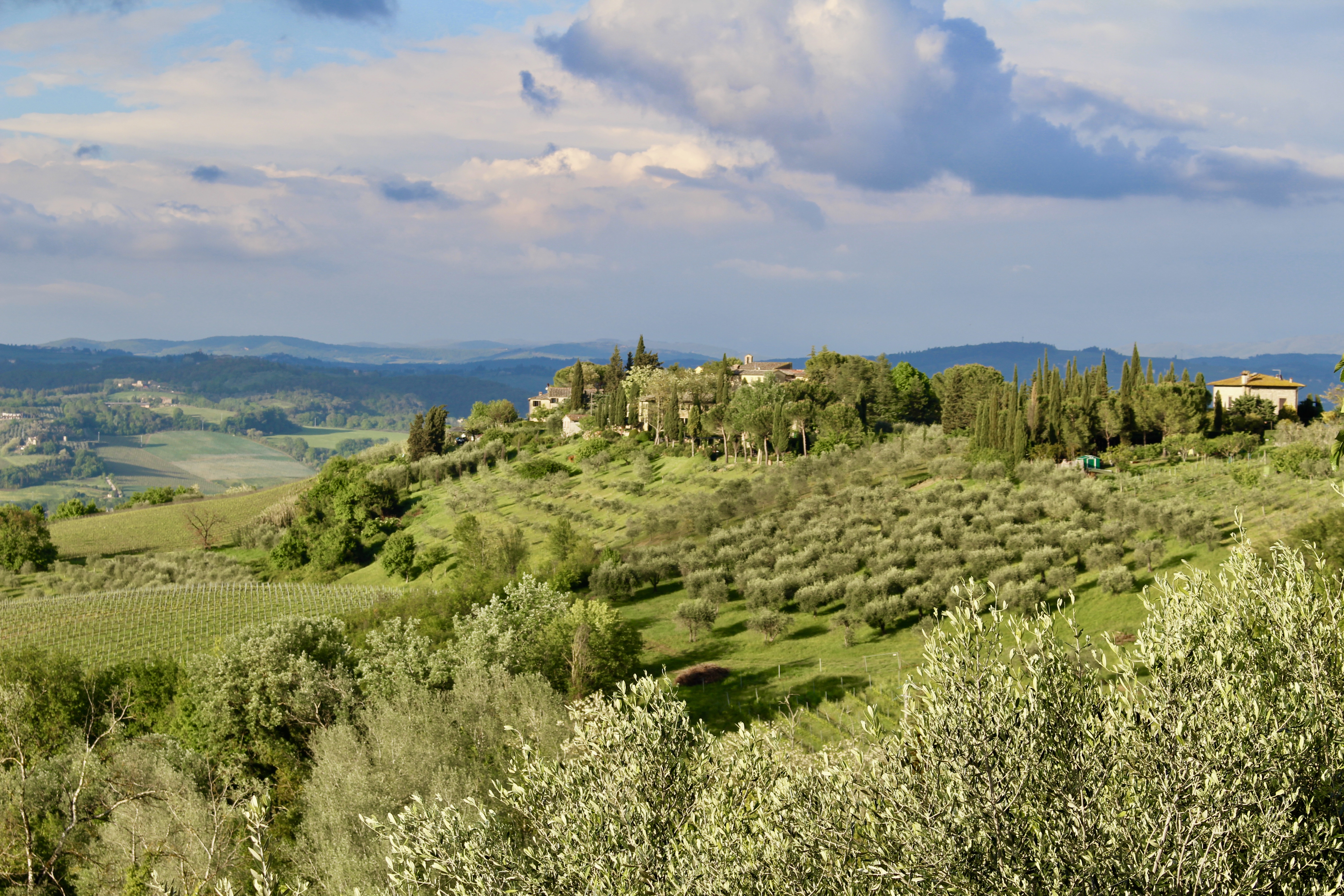
view from our Airbnb at Castello di Fulignano
view from our Airbnb at Castello di Fulignano
view from our Airbnb at Castello di Fulignano
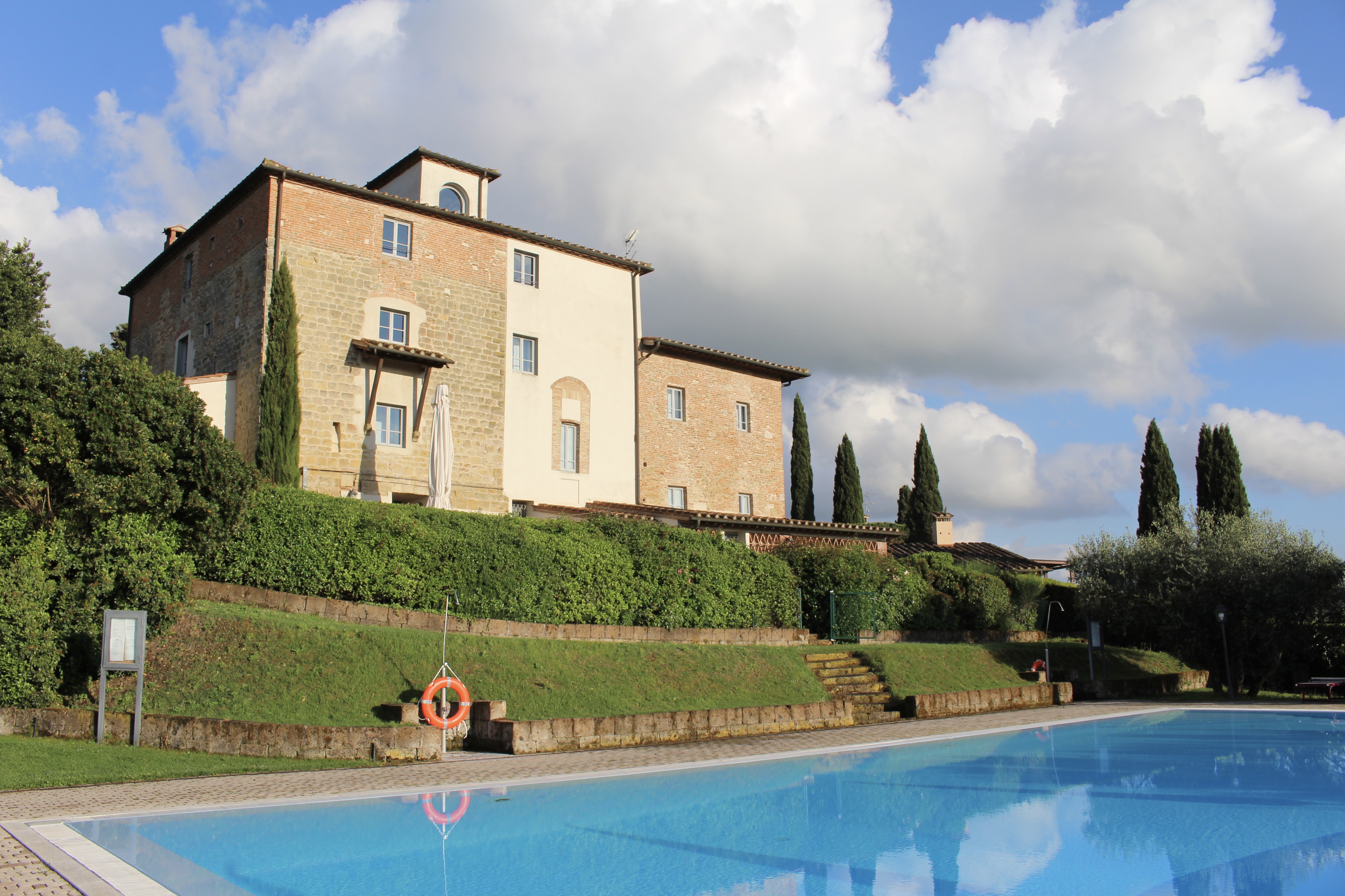
pool at Castello di Fulignano
view from our Airbnb at Castello di Fulignano
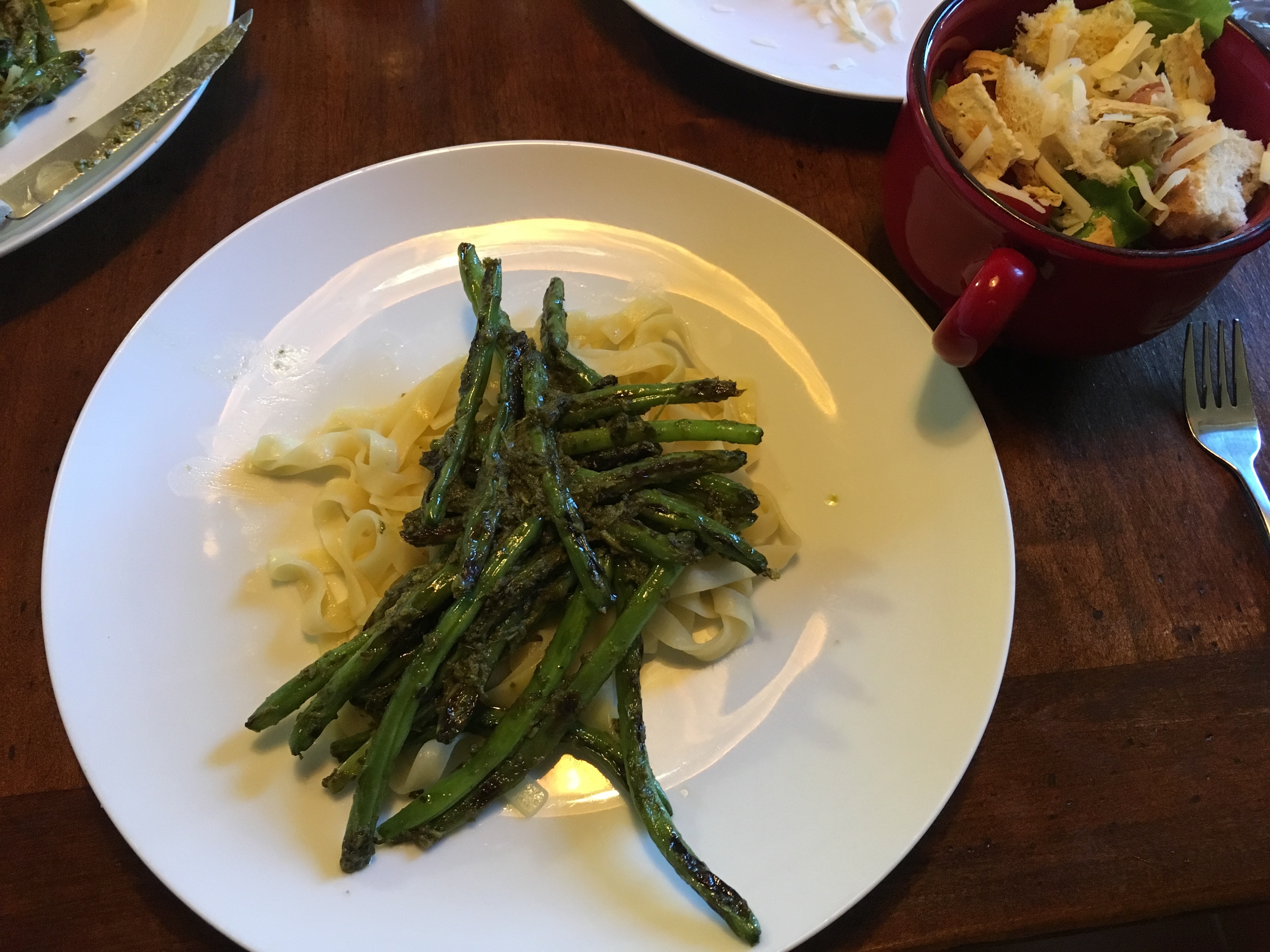
Mike threw together a gourmet meal: green beans, tagliatelle, pesto and cheese. It was delicious. He also made a salad with tomatoes and lettuce, garlic bread, leftover salami and cheese, but I was too stuffed with cheese and crackers to eat the salad.
green beans & Tagliatelle
looking out from Castello di Fulignano
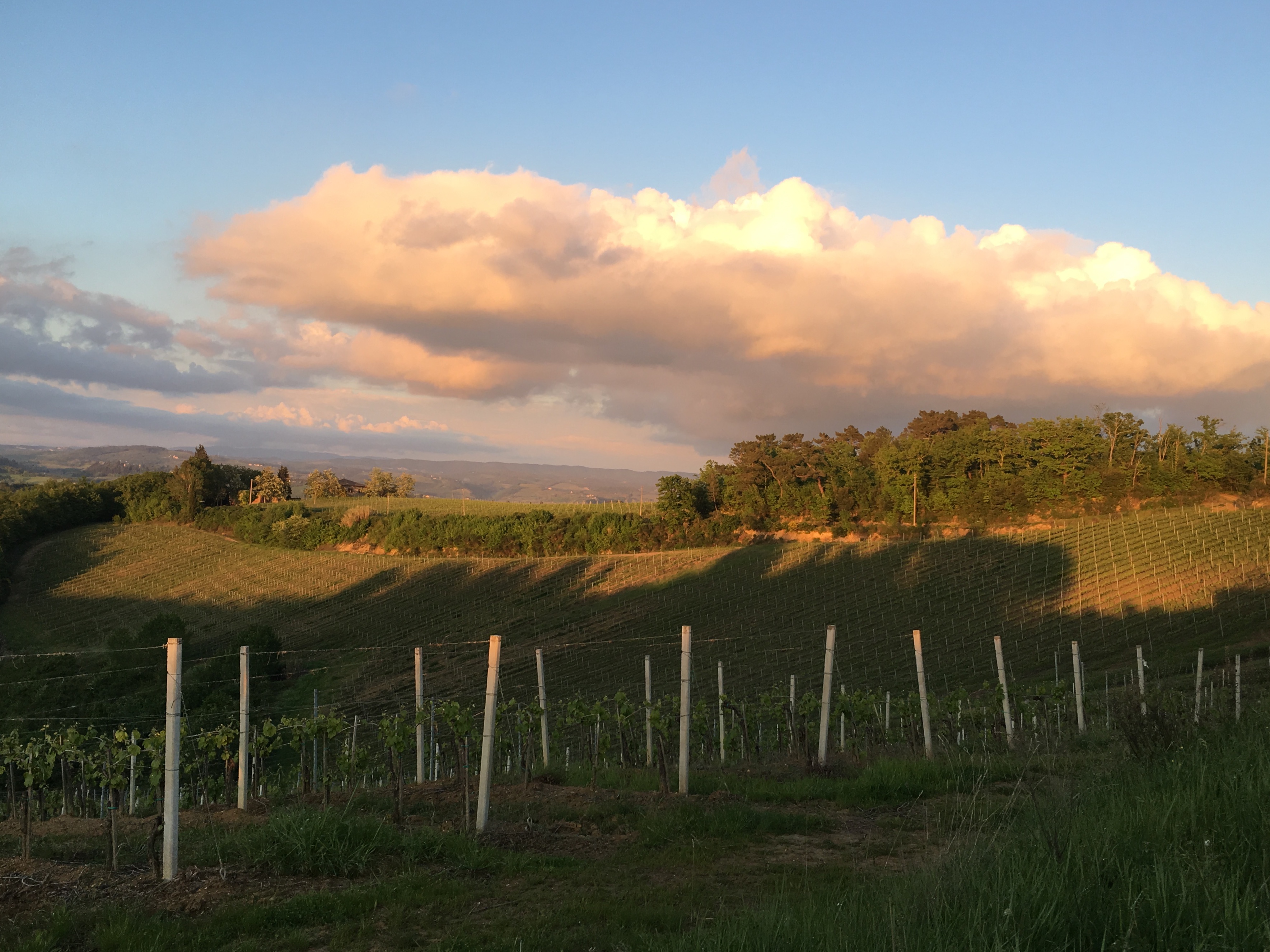
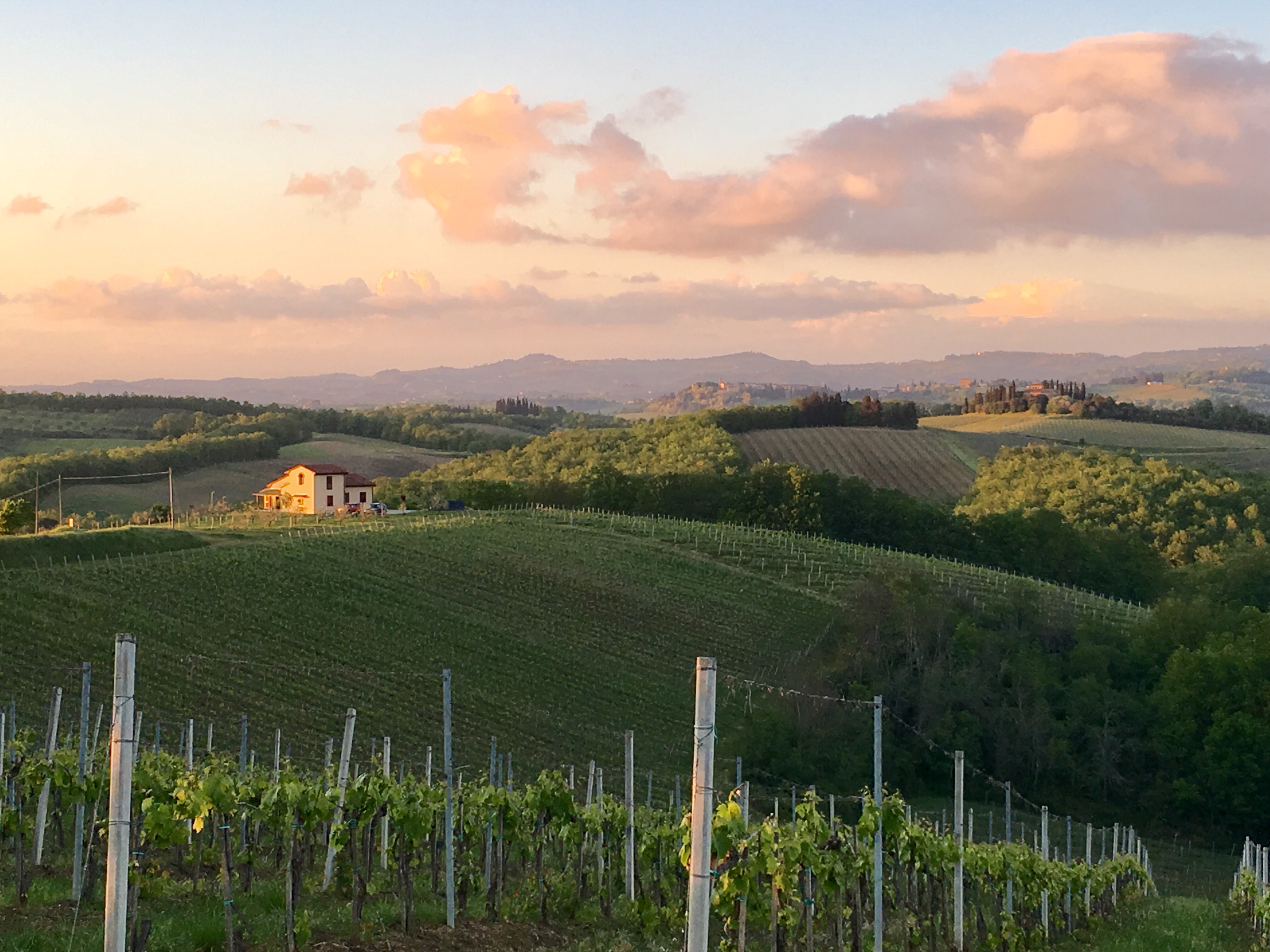
After dinner, we hopped in the car to go in search of some sunset pictures, hoping to find a view of San Gimignano from the west. We never found a good view of the town, but we got some nice shots of the countryside.
Tuscan countryside at sunset
Tuscan countryside at sunset
Tuscan countryside at sunset
Tuscan countryside at sunset
San Gimignano from afar
The next day, we would head to southern Tuscany.
*Steps: 13,001, or 5.51 miles (Sienna & Monteriggioni) *
Kawase Hasui (1883-1957) made a series of expeditions across Japan during his lifetime, sketching landscapes, cityscapes, and the nation’s historical and religious landmarks to prepare for his prints.
As I looked at these prints, I realized I had visited many of these places when I went to Kyoto in 2011, and when I was teaching English outside of Tokyo in 2017. Where I have pictures of the places from these prints, I have included them along with the print.
Kinkakuji Temple was first built as a villa in the late 14th century, but later was reconstructed as a Zen Buddhist temple in 1420. This print, created in 1922, captures the scene before a young monk burned down the three-story pavilion in 1950.
iKinkakuji Temple in Snow, from the Series Views of Japanese Scenery, 1922 by Kawase Hasui
Kinkakuji Temple, Kyoto, 2011
Kinkakuji Temple, Kyoto, 2011
Kiiyomizu Temple, literally, “the temple of clear spring,” was built in the 8th century atop a small mountain on the eastern side of Kyoto, offering a bird’s-eye view of the city. Here, Hasui depicts a temple hall leading to a vast veranda, where a lonely woman holding an umbrella gazes beyond the foliage-covered hills.
Rain at Kiyomizu Temple, from the series Souvenirs of Travel II, 1921 by Kawase Hasui
Kiiyomizu Temple, Kyoto, 2011
Kiiyomizu Temple, Kyoto, 2011
This print illustrates a shaded empty lane, where a lone woman in a kimono walks away from the viewer, recalling the former glory of the area as a home for powerful feudal clans.
Shimobonda Town, Kanazawa, from the series Souvenirs of Travel II, 1921
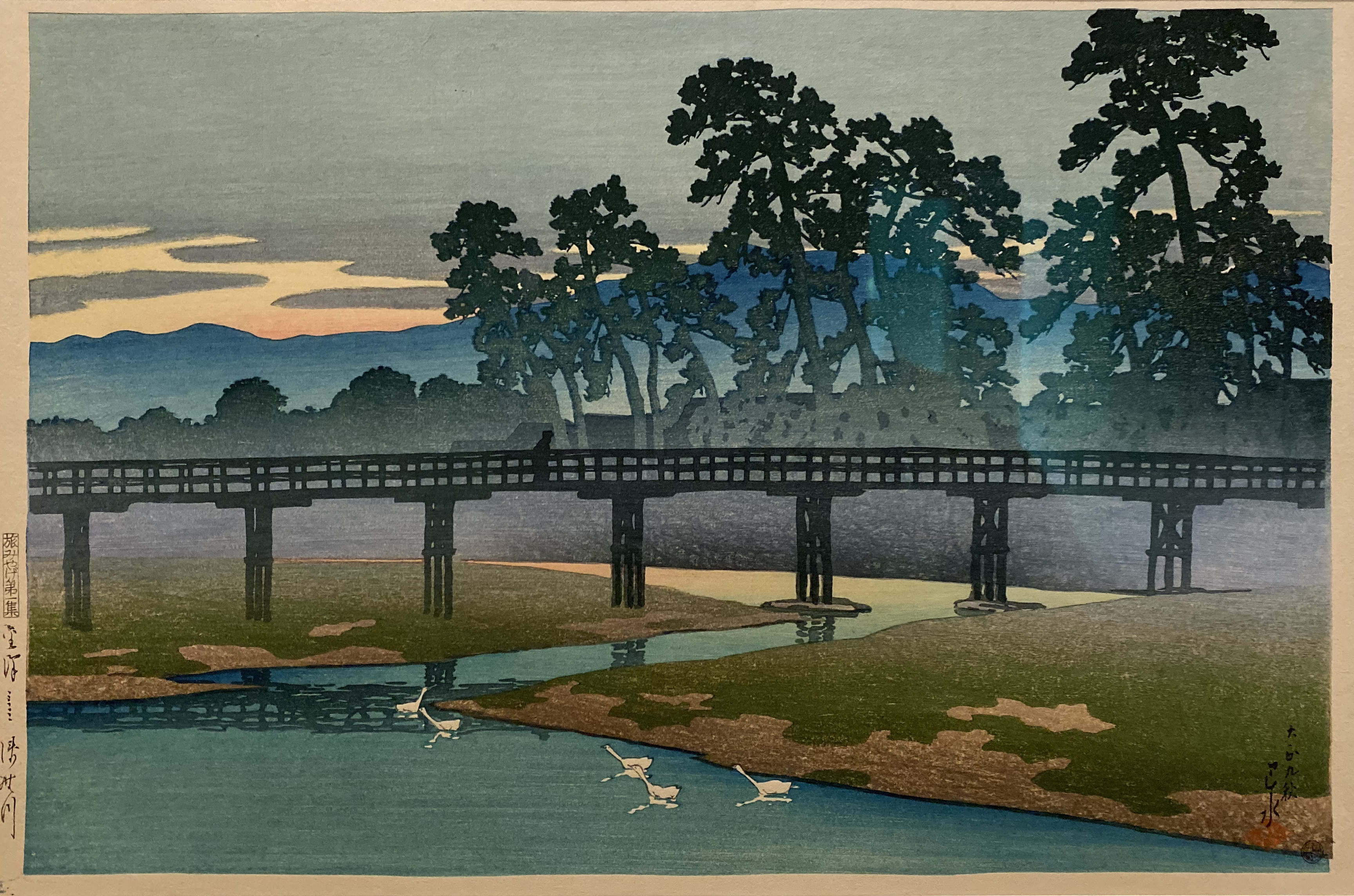
Asano River is one of the largest rivers in Kanazawa. The first bridge over the river was built in 1594. This print illustrates a picturesque view of a single man walking across a bridge at sunset, while a flock of geese frolics in the water below. Two years after Hasui produced this print, a disastrous flood washed away the bridge.
Asano River in Kanazawa, from the series Souvenirs of Travel 1, 1920 by Kawase Hasui
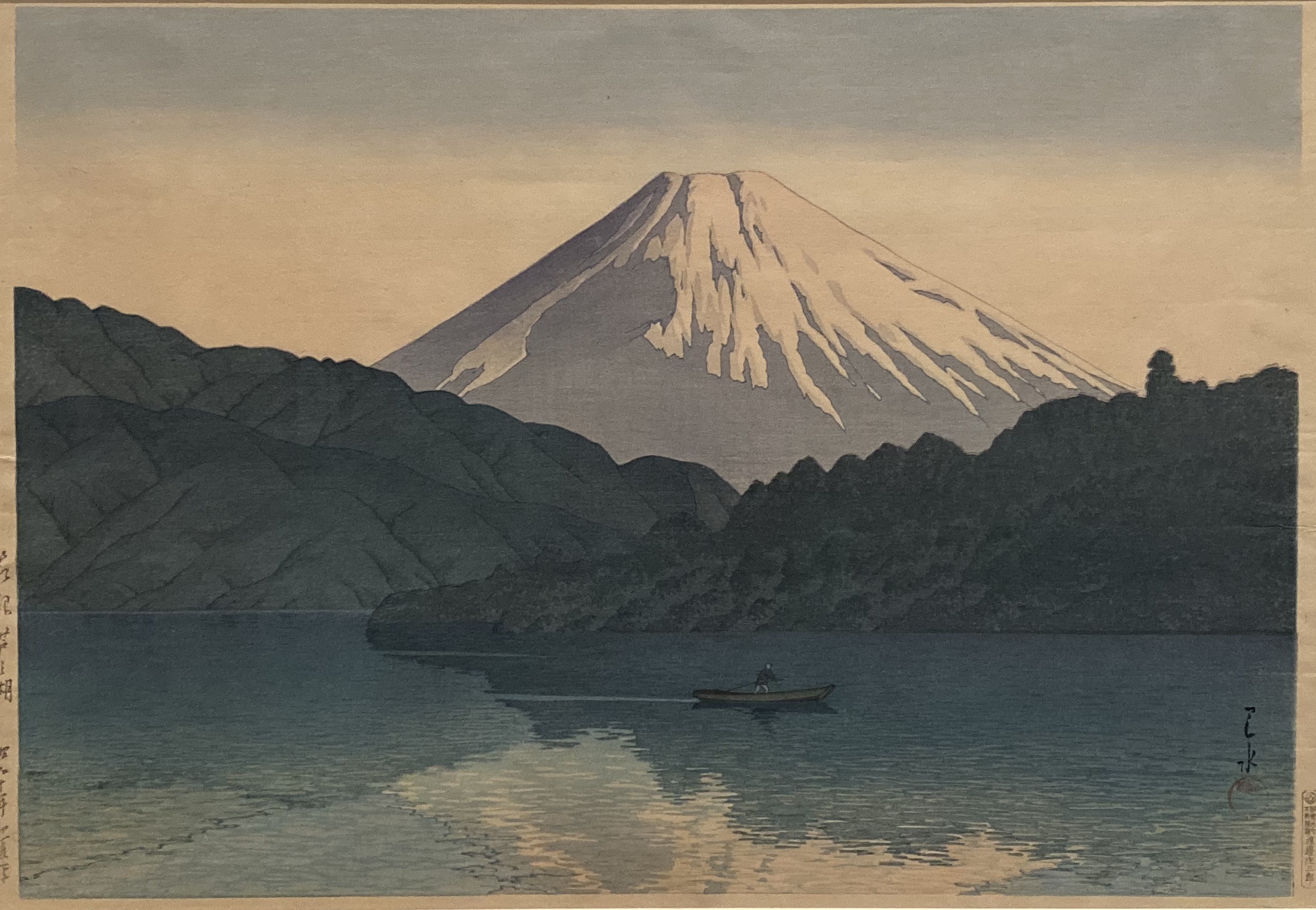
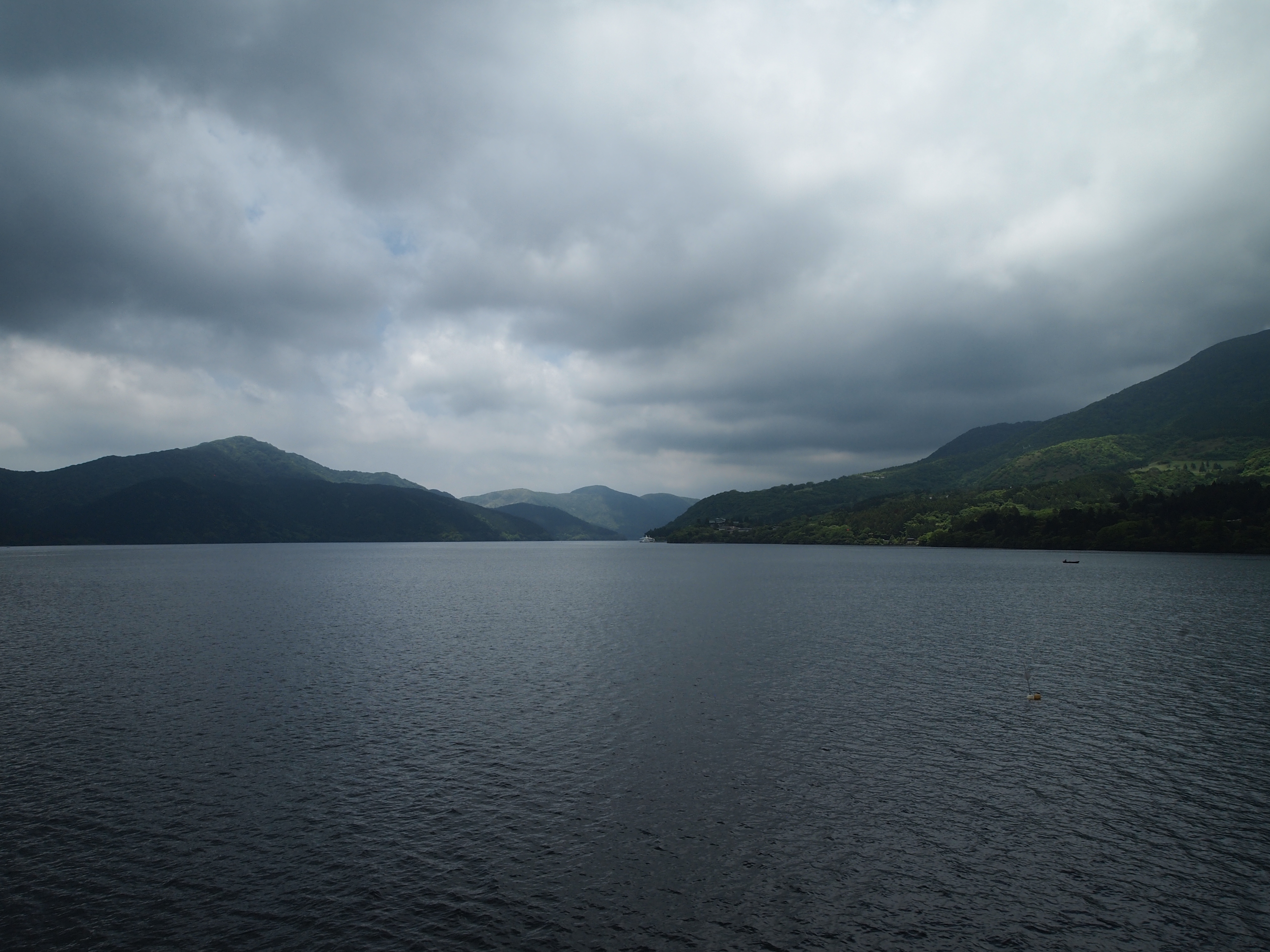
Lake Ashinoko, which translates as “lake of reeds,” was formed about 3,000 years ago following a volcanic eruption at nearby Mount Hakone. It is one of Japan’s largest and most scenic lakes, surrounded by hot springs, temples, shrines, and villas. Lake Ashinoko offers the best views of Mount Fuji when the weather permits. In this print, Hasui illustrates a snow-capped Mount Fuji soaring between the hills, with cedar trees and a glimmering sky reflecting in the water while a fisherman sails across the lake.
The day was very overcast when I was there, so I sadly had no views of Mt. Fuji, although I was able to see it on another trip.
Lake Ashinoko in Hakone, 1935, by Kawase Hasui
Lake Ashinoko, Hakone, 2017
Kikyo Gate, from the series Twenty Views of Tokyo, 1929, by Kawase Hasui
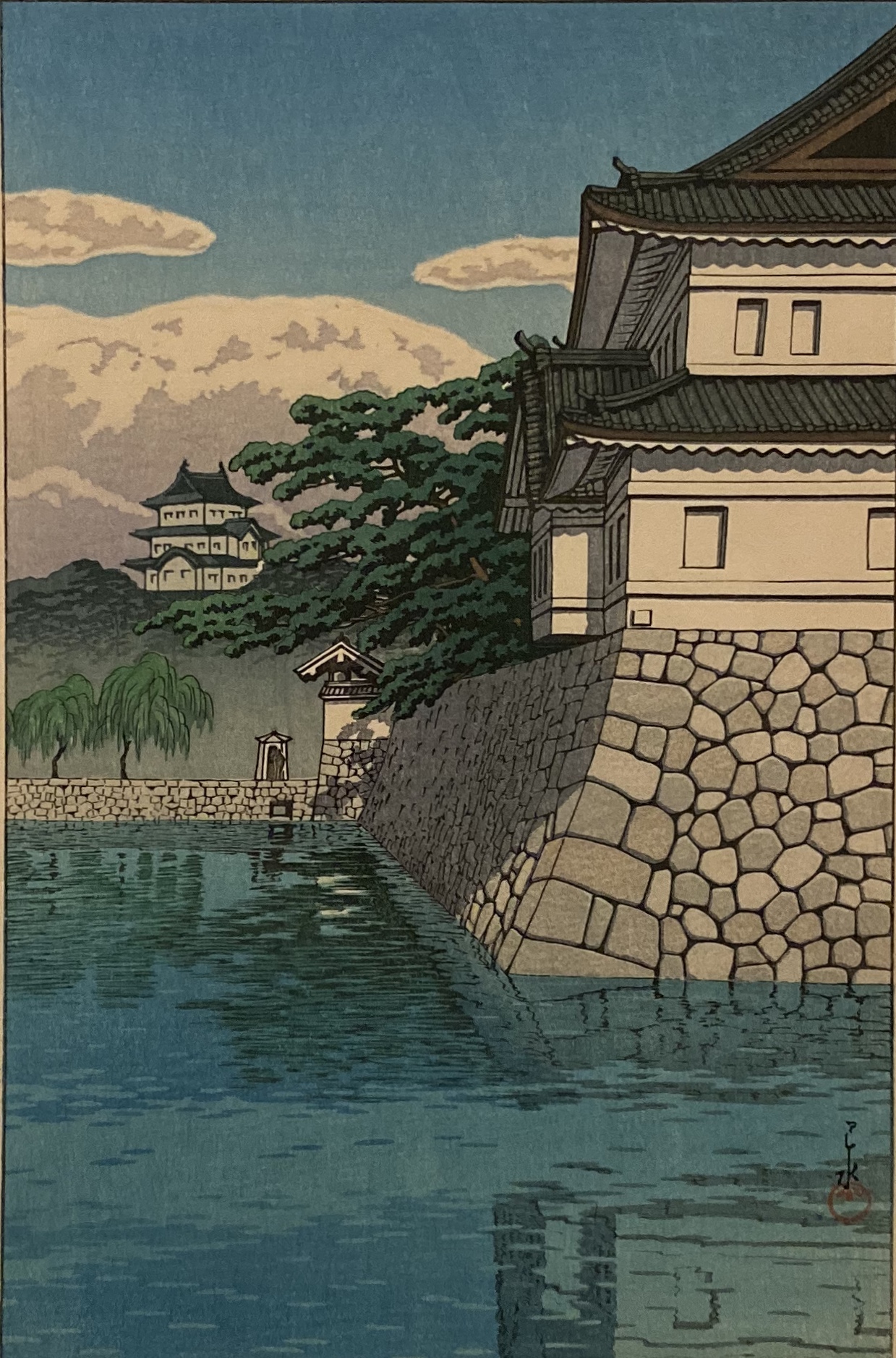
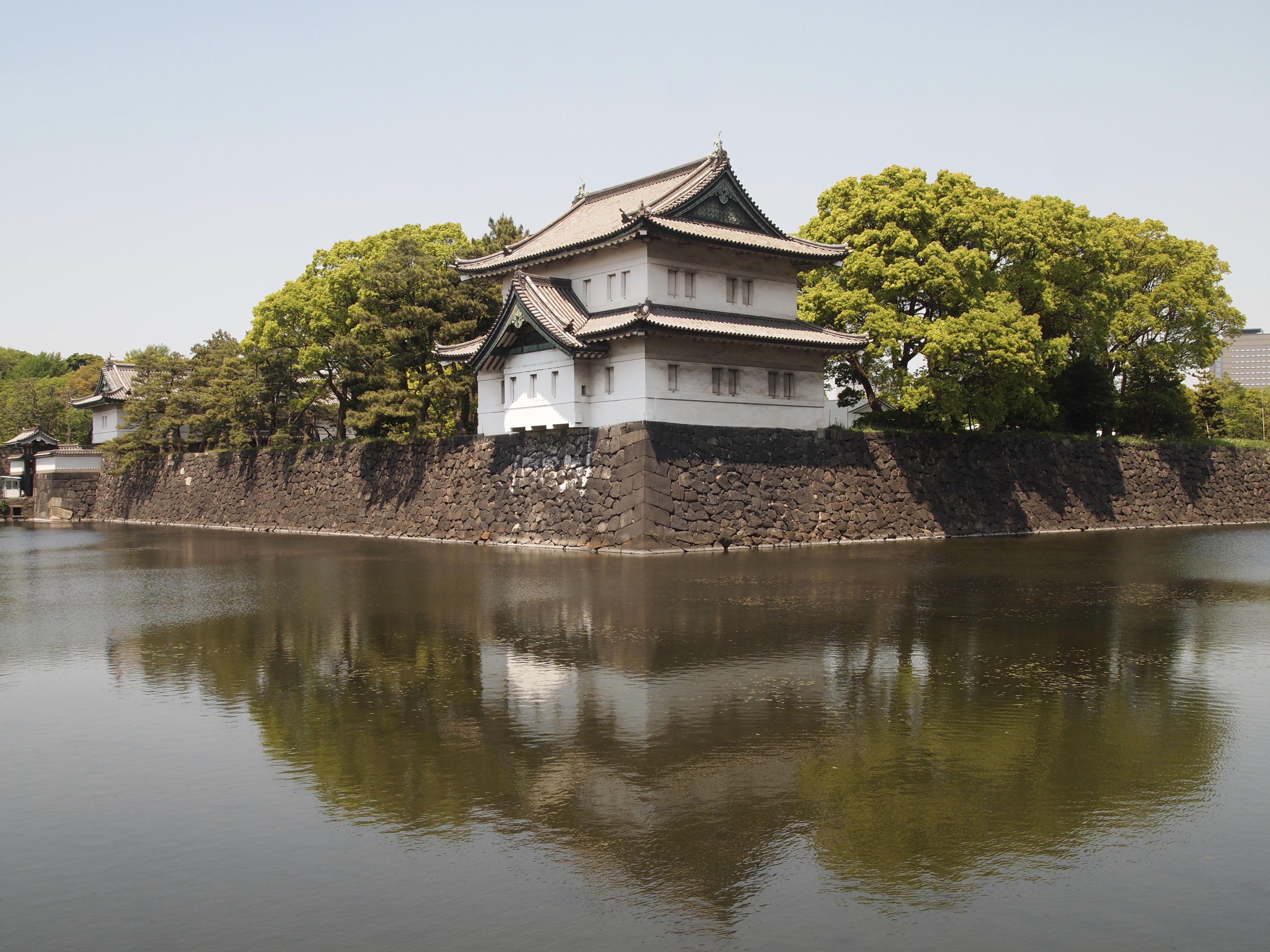
Otemon Gate, the main entrance of the East Garden of the Imperial Palace in Tokyo, opened to the public in 1968. Located at the city’s center, the East Garden occupies 52 acres and features gardens, a pond and a castle. In this spring scene, Hasui illustrates the outside of Otemon Gate, showing the willow trees lining the sidewalk.
A Spring Evening at Otemon Gate, 1952, by Kawase Hasui
Otemon Gate, Imperial Palace, Tokyo 2017
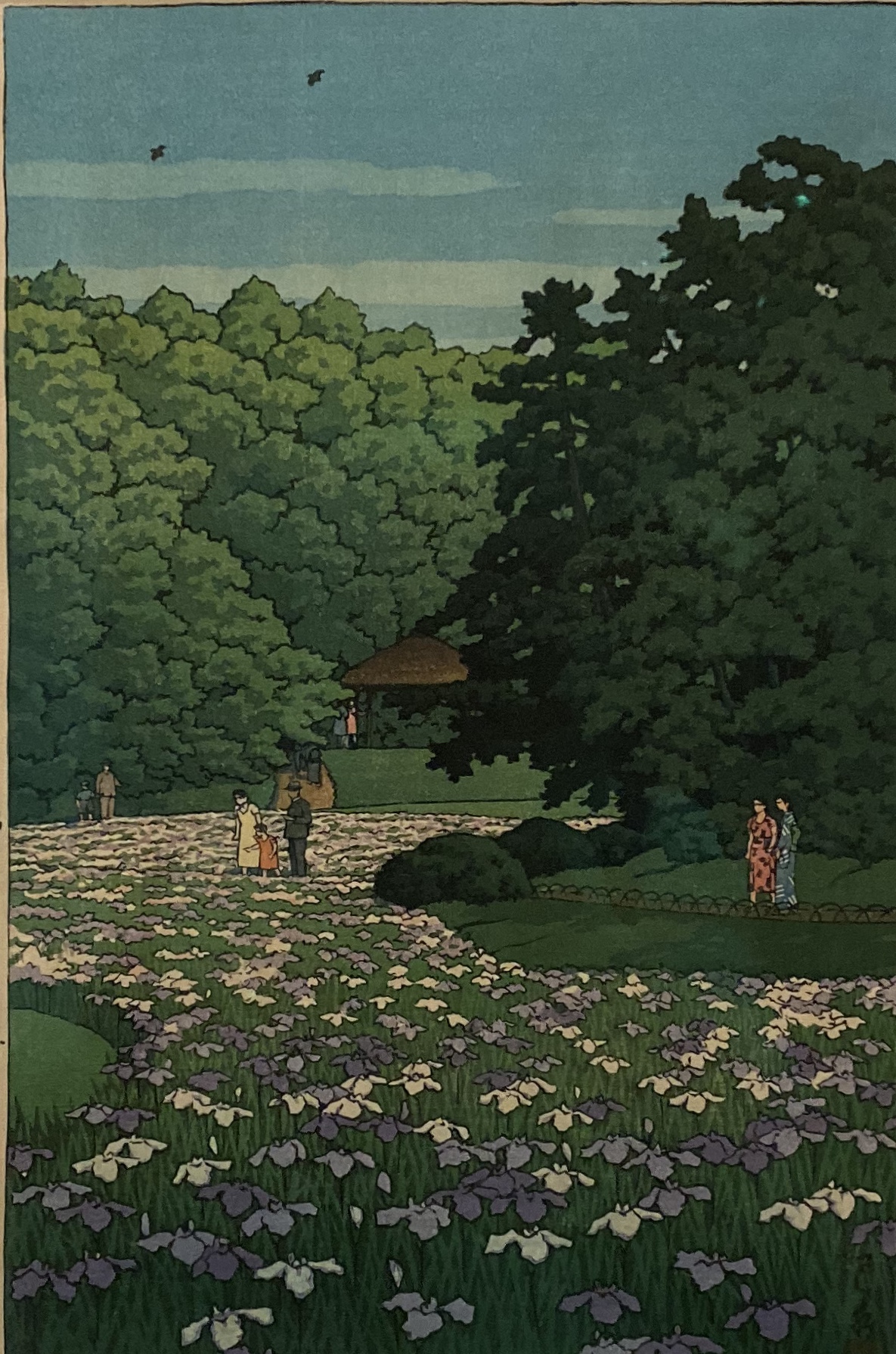
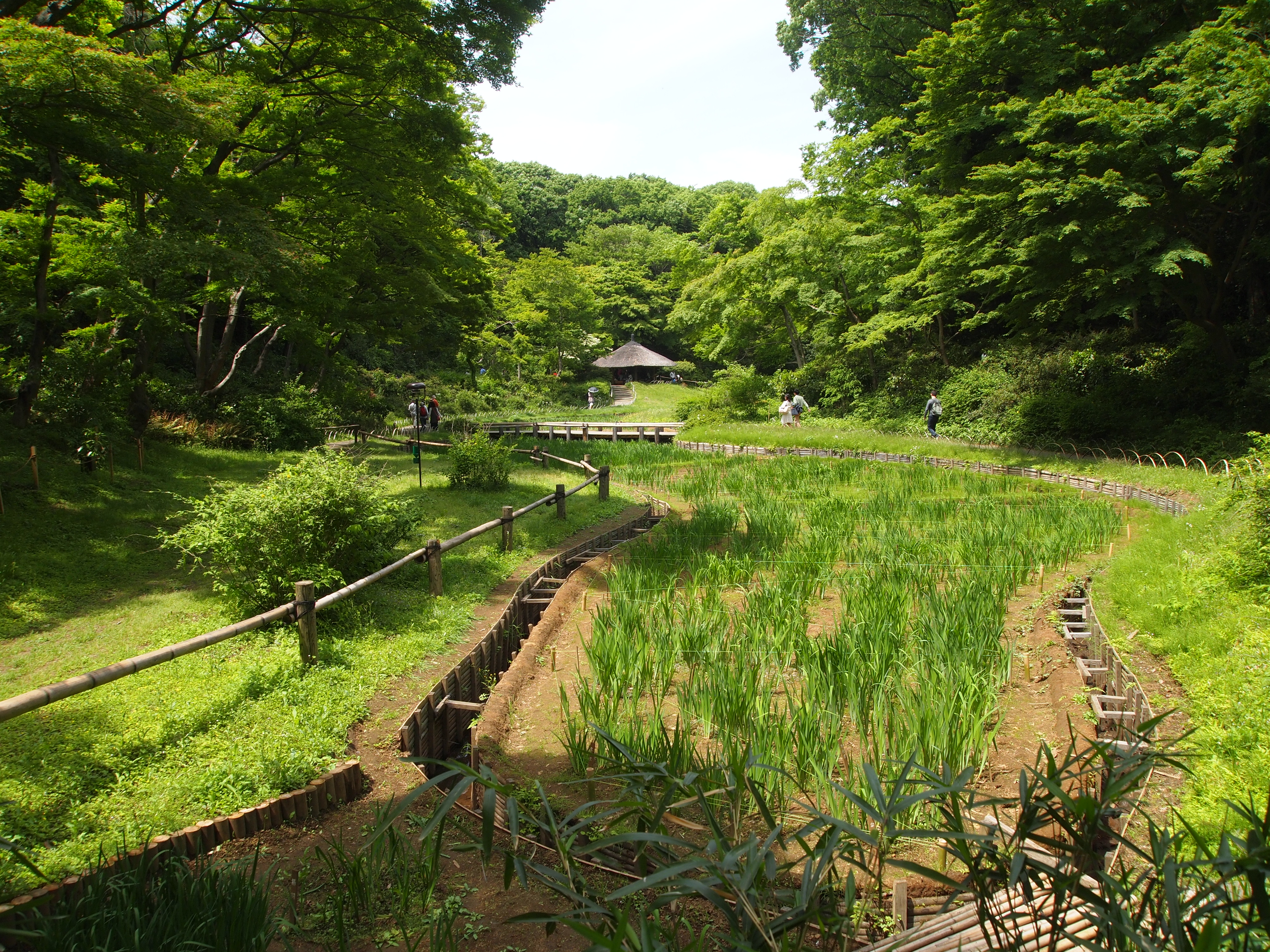
The Meiji Shrine was built in 1921 in memory of Emperor Meiji (1852-1912) and Empress Shoken (1849-1914). Encompassing 170 acres, the shrine is known for its combination of forests and an iris garden. Here, Hasui depicts purple and white irises in the foreground and visitors strolling around the garden.
Iris Garden at Meiji Shrine, 1951 by Kawase Hasui
Iris garden (not blooming) at Meiji Shrine
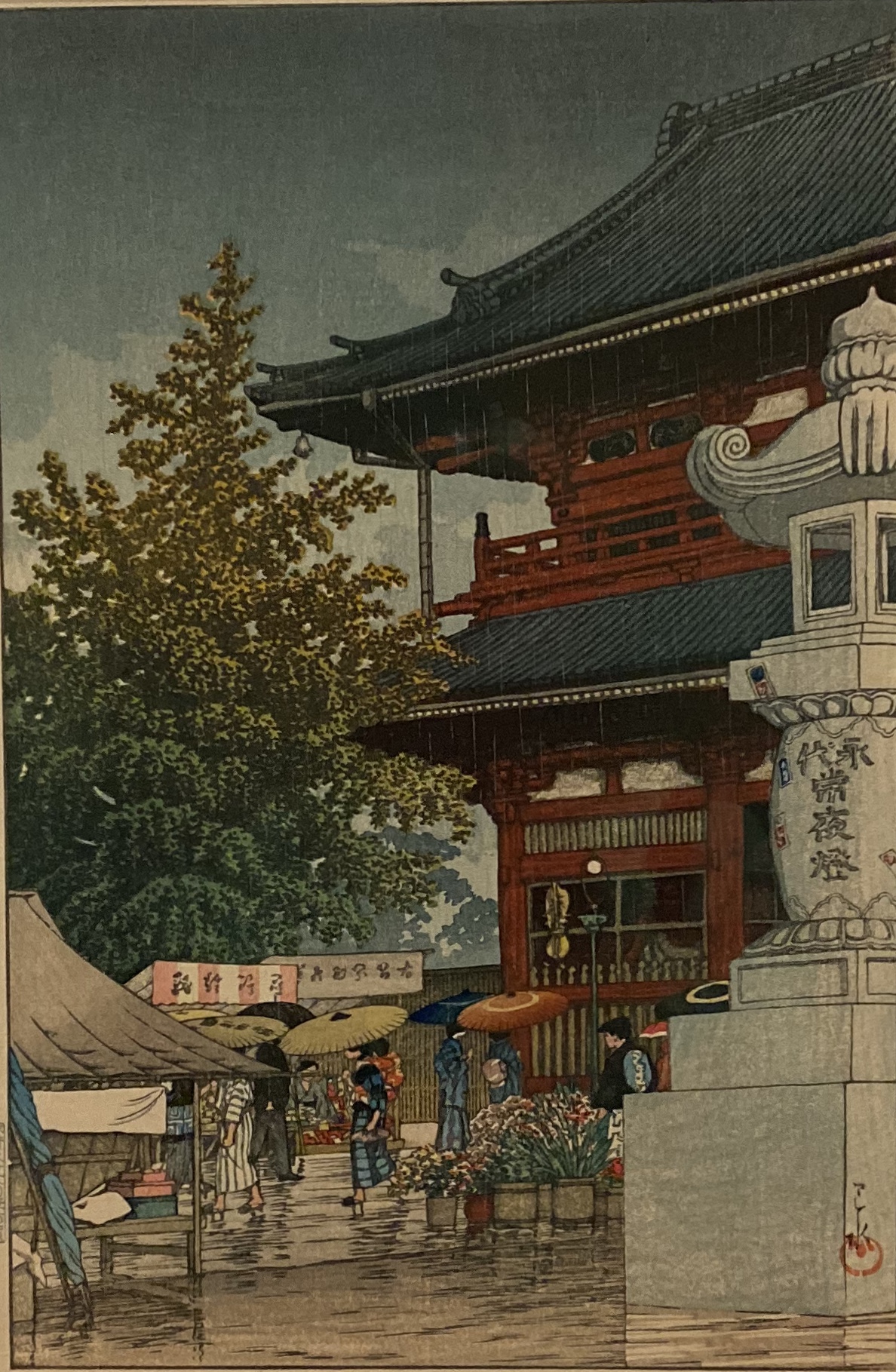
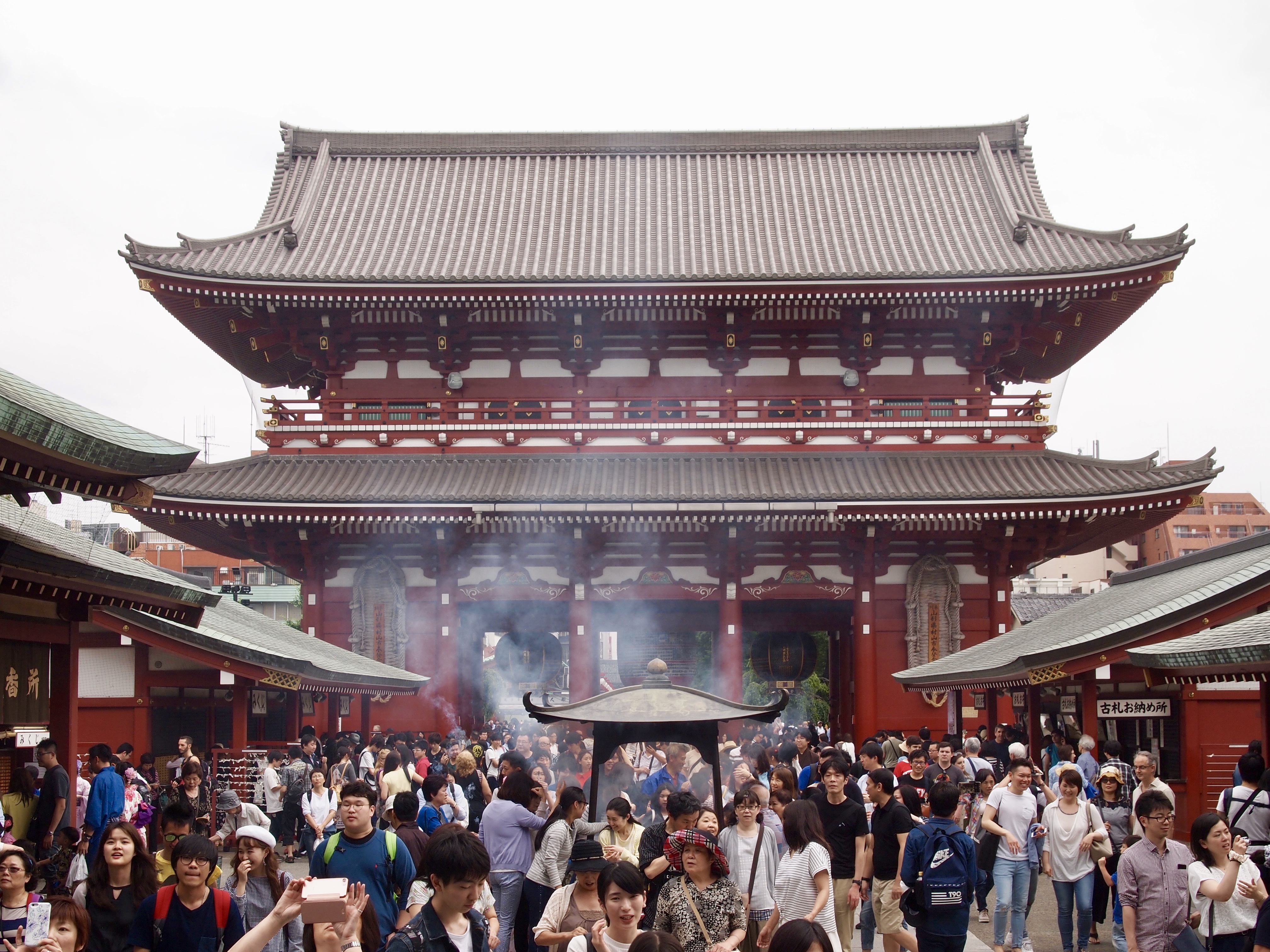
In this print, Hasui illustrates the corner of Asakusa Temple, on the eastern side of Tokyo. We see a huge stone lantern, and women in kimonos gathering inside on a rainy morning. The intricate details, from vibrant umbrellas to blooming flowers and yellow trees, reveal the artist’s expertise in depicting seasonal variations.
Rainy Morning in Asakusa, 1930 by Kawaase Hasui
Clear Sky After Snow, Asakusa Kannon Temple, from the series Twenty Views of Tokyo, 1926
Asakusa Temple, Tokyo, 2017
Kasuga Shrine is a Shinto site built in the capital of Nara in the 8th century. According to Japanese mythology, a god of thunder traveled on a white deer to Nara, followed by several treasured gods now enshrined here. After 1,200 years, the building has remained the same, with its vermilion columns, white walls, dark cypress-bark roofs, and surrounding green trees. Wandering deer, who inhabit the shrine and the nearby mountains, are believed to be sacred messengers of Shinto gods (kami).
Kasuga Shrine in Nara, from the series Souvenirs of Travel II, 1921 by Kawase Hasui
Kasuga Shrine
deer of Nara
deer of Nara
deer of Nara
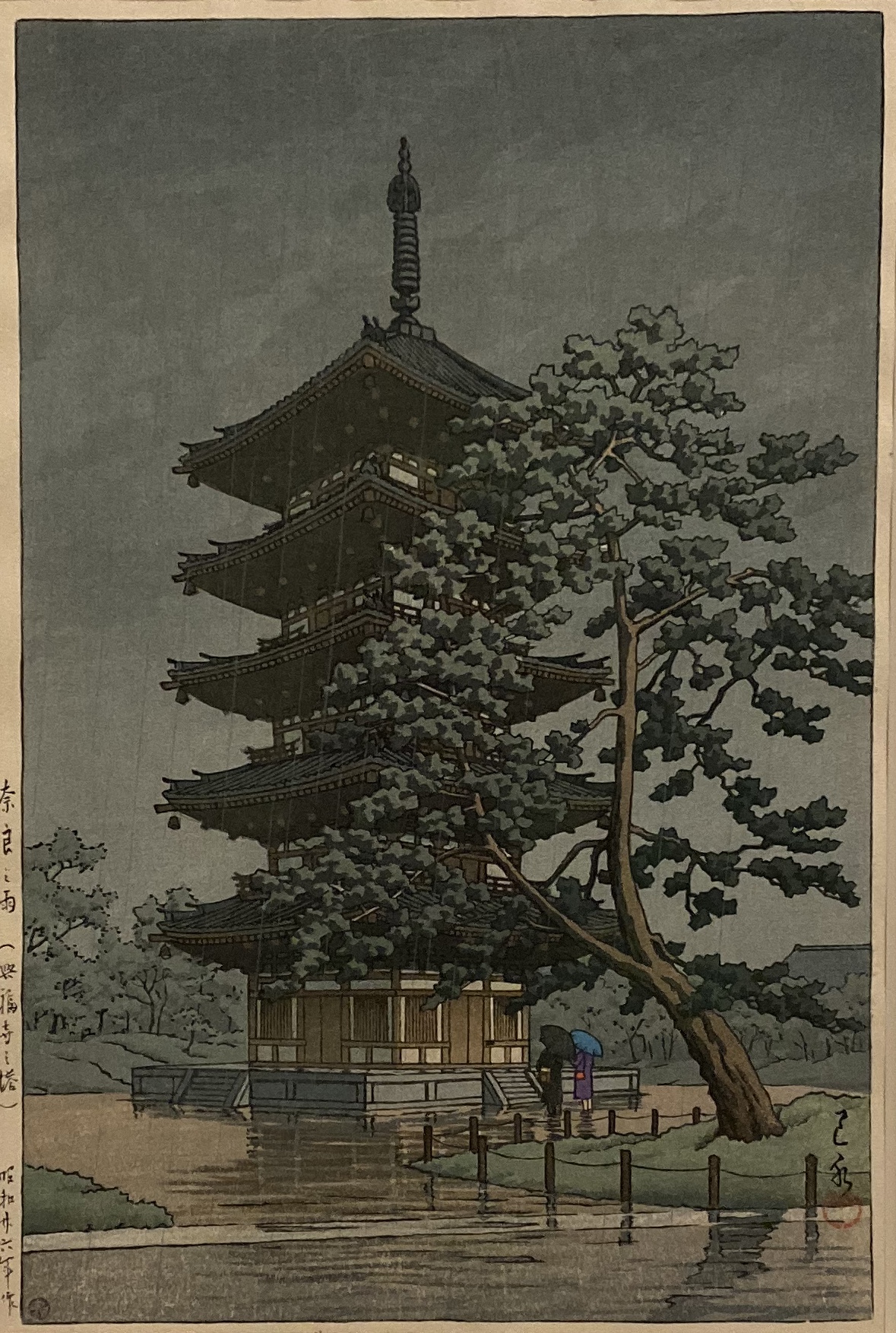
Rain in Nara (Tower of Kofukuji Temple), 1951 by Kawase Hasui
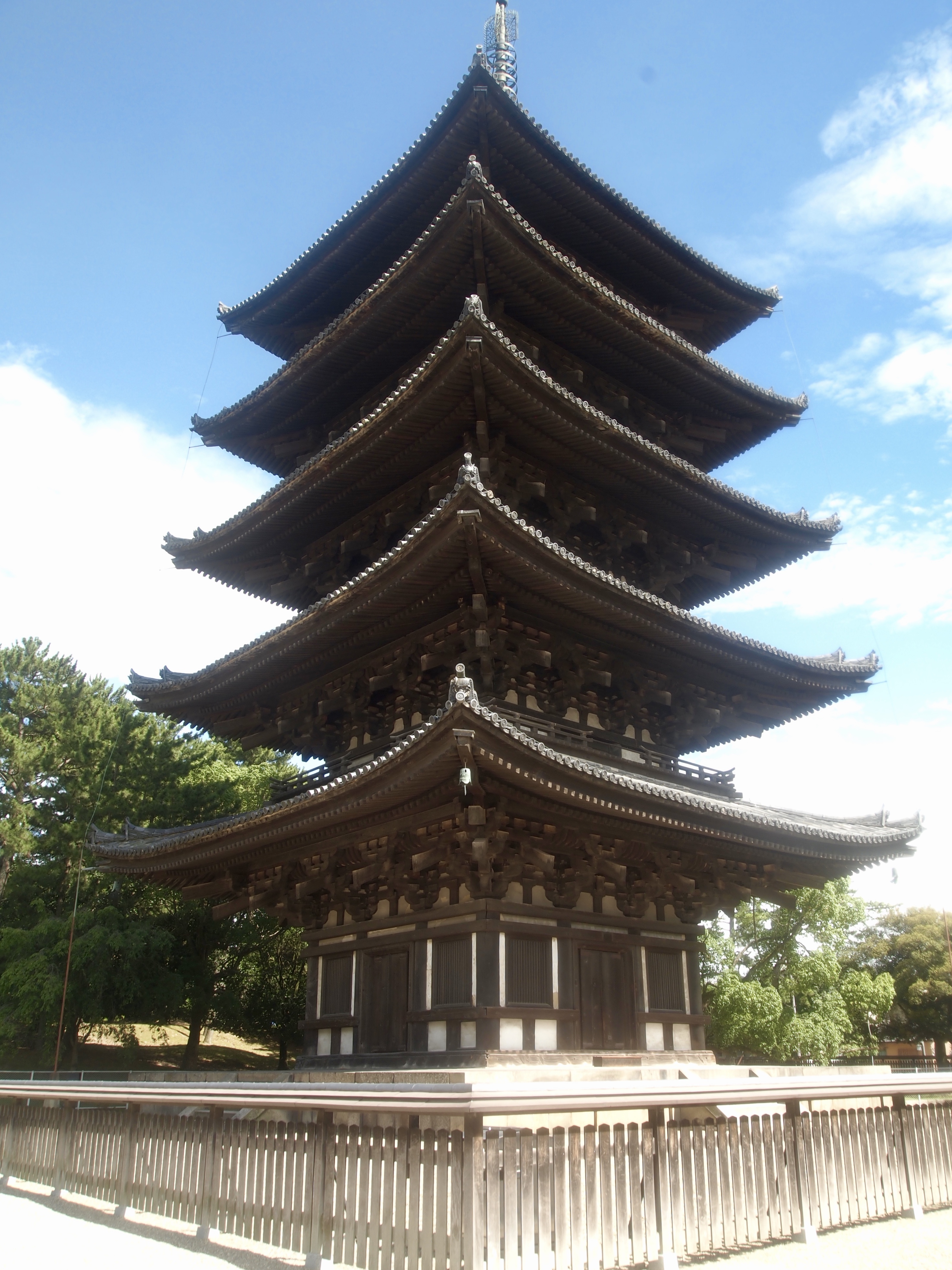
Tower of Kofukuji Temple, Nara, 2017
I saw a couple of other random pieces of art, then headed to my daughter’s house so we could leave for Charleston early the next morning.
Olpe (Pitcher), ca. 600 BC
Untitled (2004-7) by Jun Kaneko
Chloe, 2016, by Jaume Plensa
Robinson House
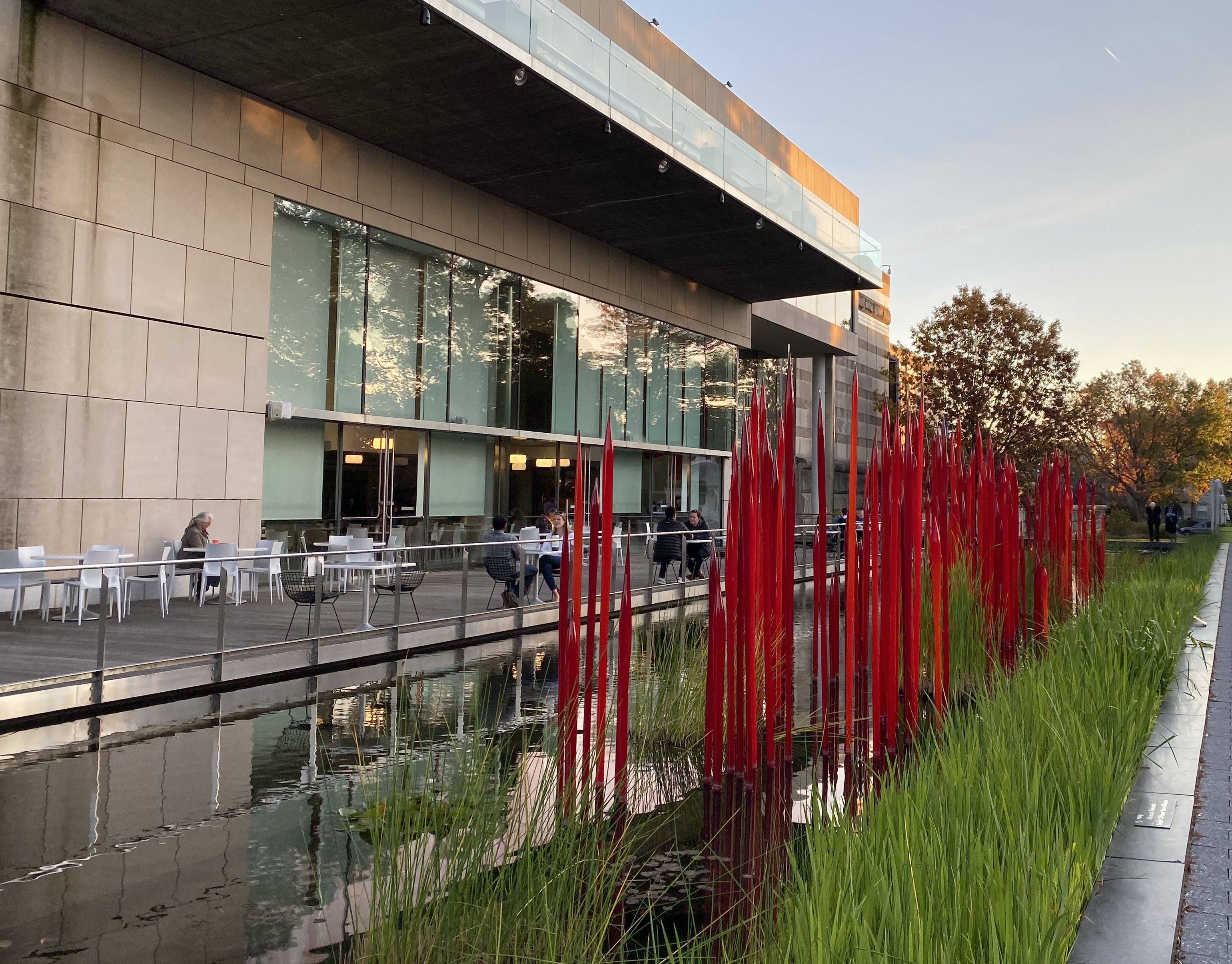
Virginia Museum of Fine Arts, Richmond, 2019
(All information came from plaques at the exhibit.)
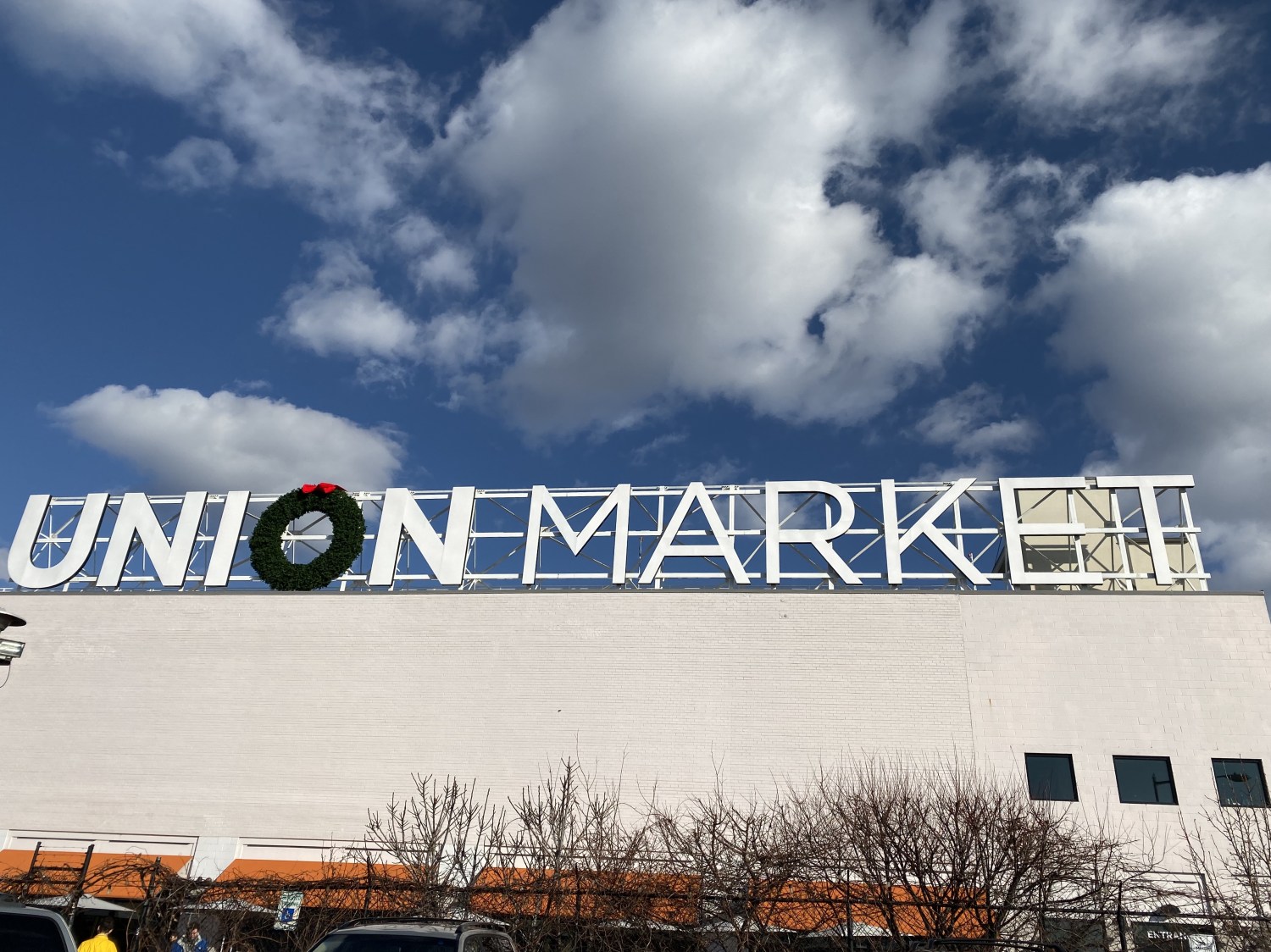
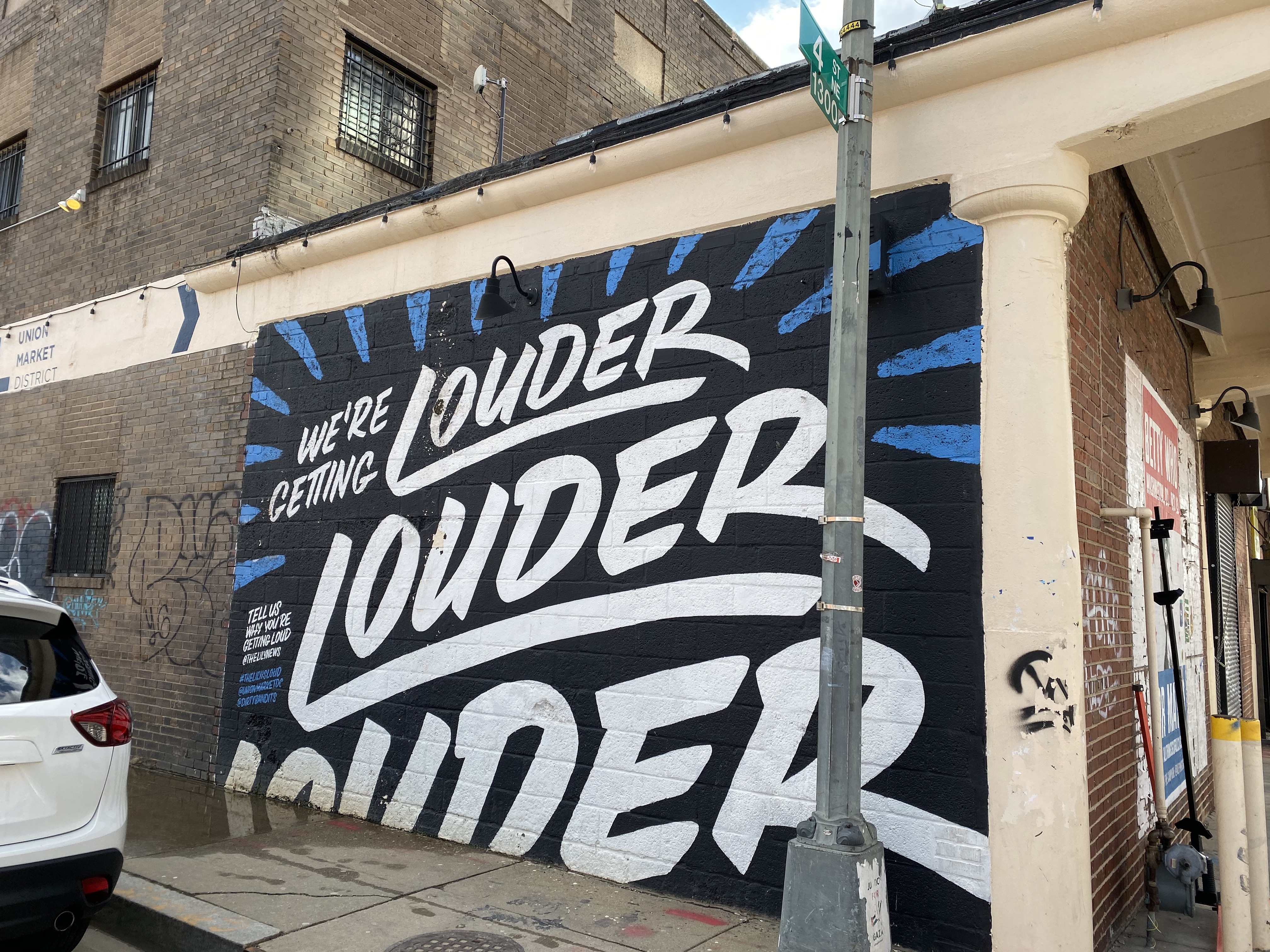
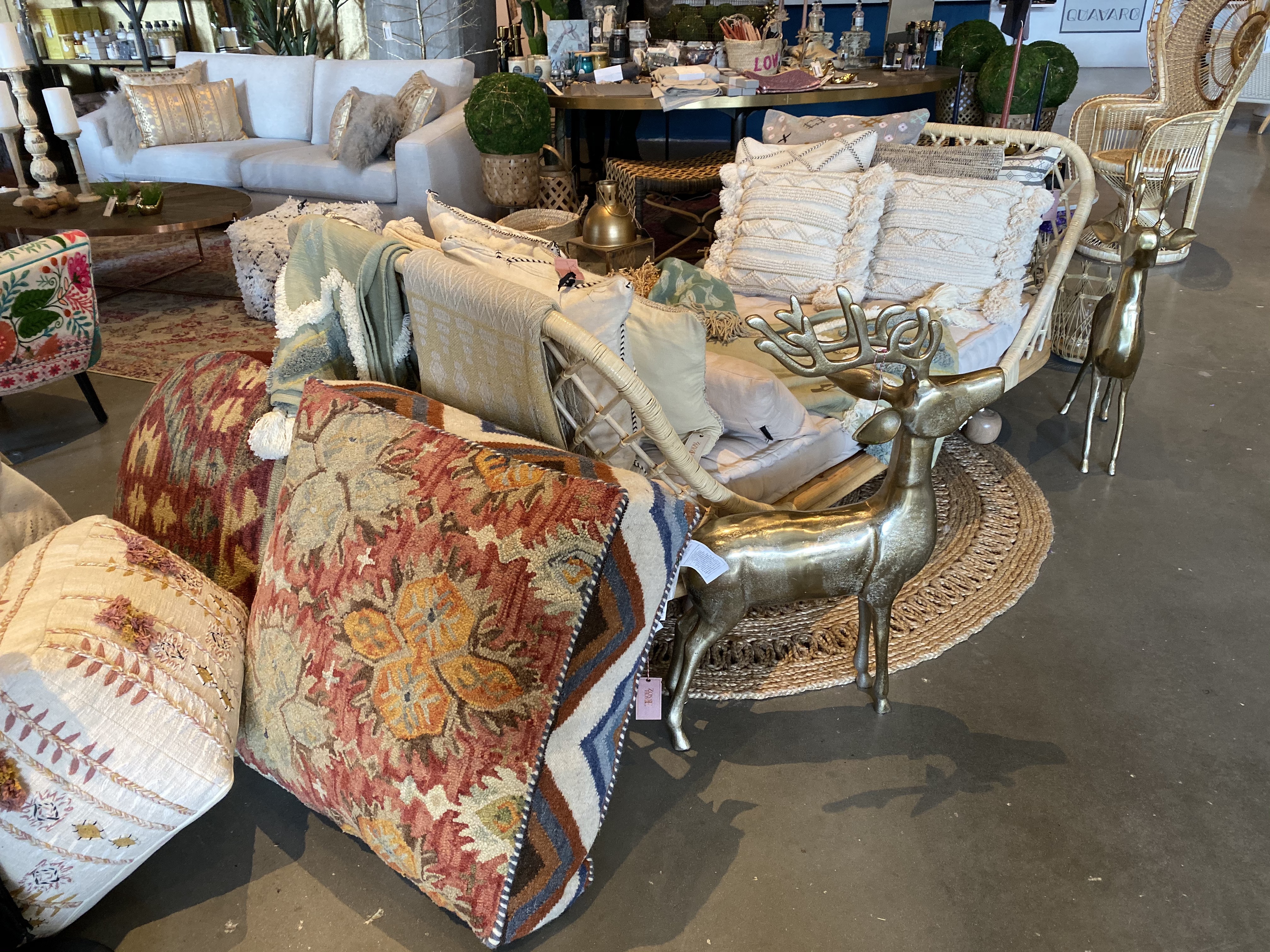
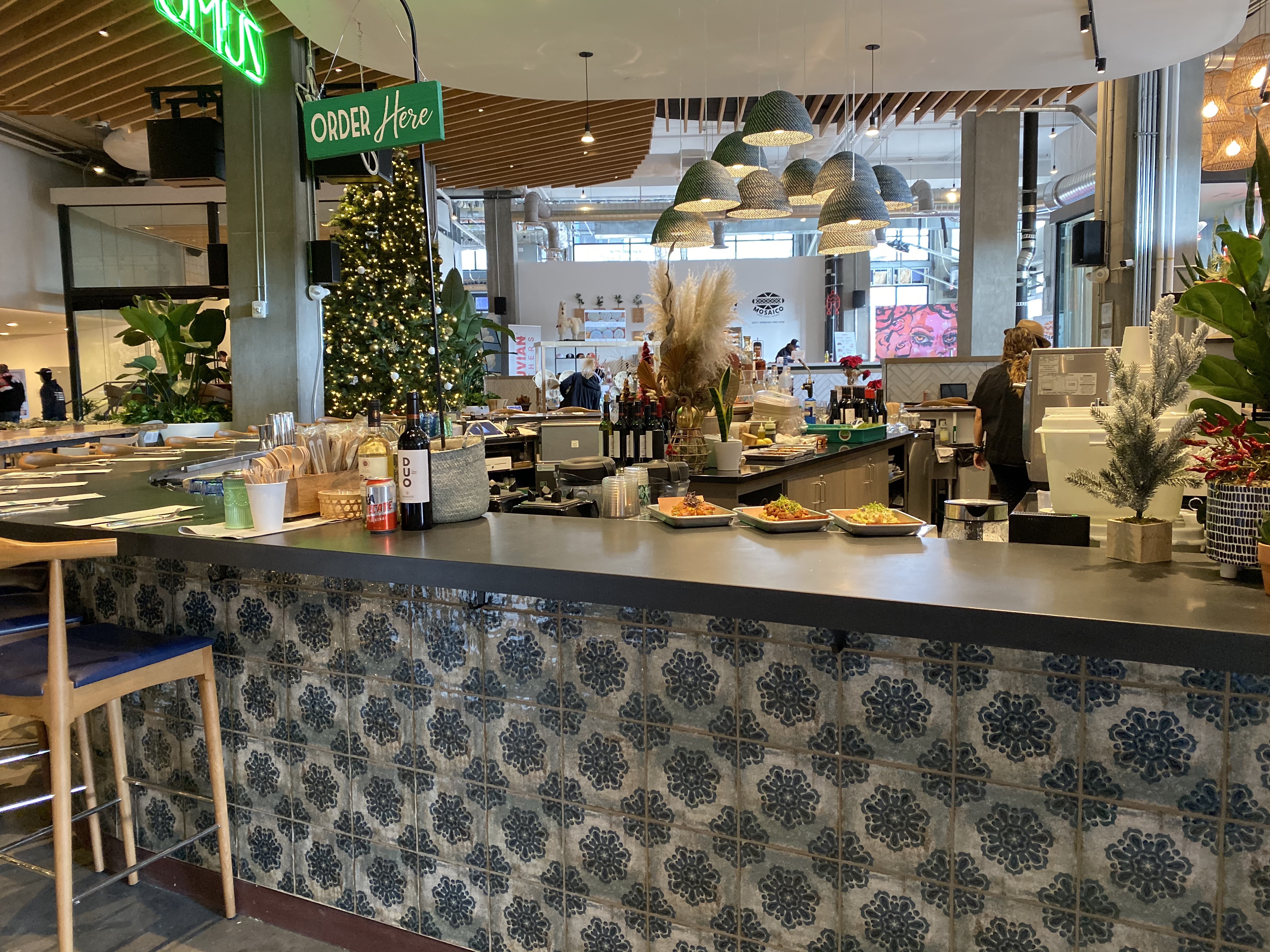
Last December 15, we went into D.C. to visit Union Market, as well as a couple of museums. We’d heard of it but we’d never been before, and we enjoyed the visit. It was a cool place with a lot of modern hip eateries. We tired a couple of great ones, TaKorean and Arepas. Yum!
Union Market
Christmas tree at Union Market
Union Market
Union Market
Union Market
Union Market
Union Market
Christmas tree at Union Market
tacos at TaKorean
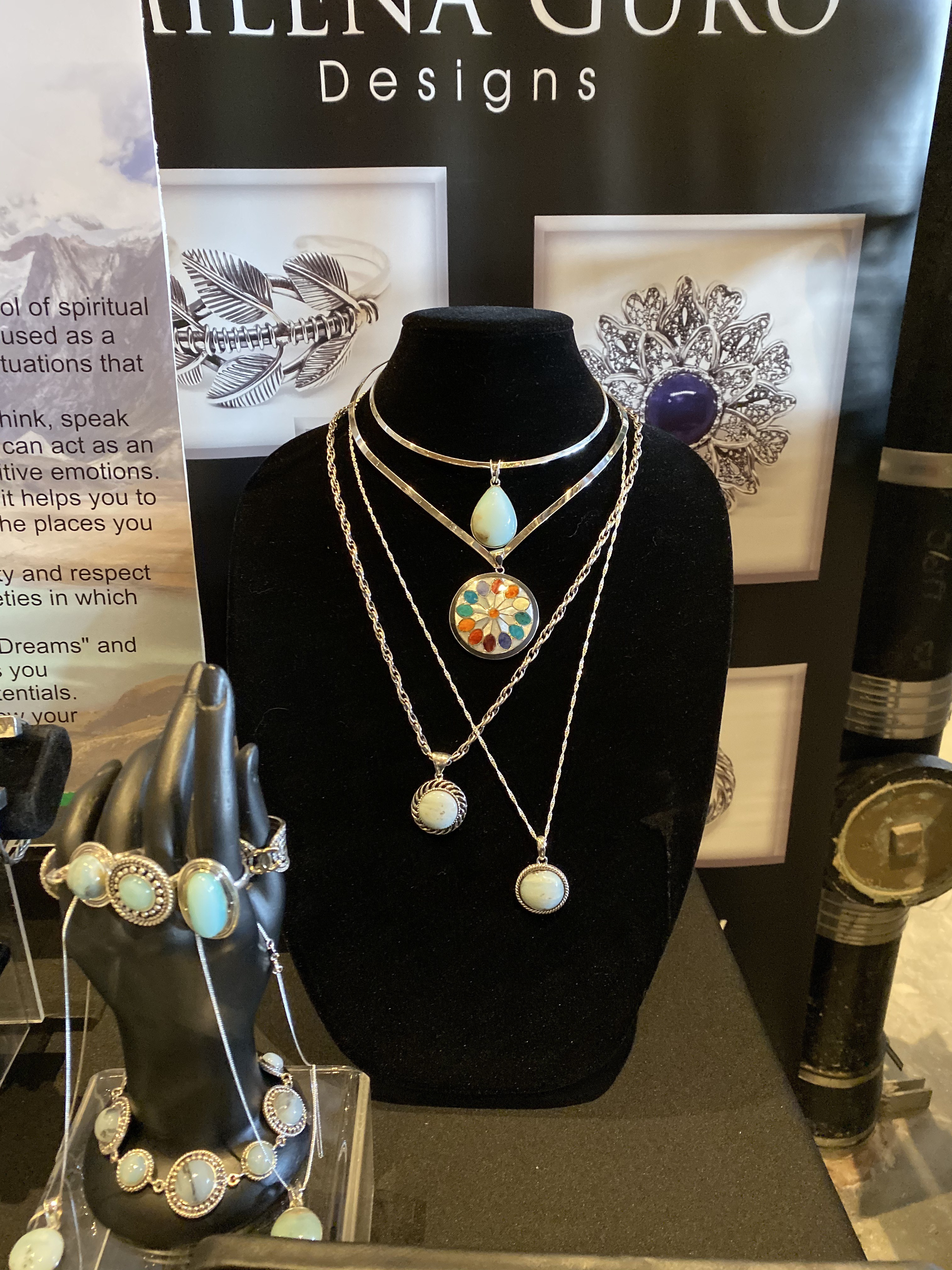
We also found the Latin American market nearby, La Cosecha. There, I found a beautiful necklace and some earrings from Peru. I convinced Mike they’d make a great Christmas present for me. 🙂
We slept in a bit and ate a breakfast, whipped up by Mike, of scrambled eggs with spinach and cheese, apricot juice, a sliced nectarine and espresso. Before leaving for San Gimignano, we walked around the ancient manor of Fulignano, in which our apartment was housed, leaving our Airbnb by 9:40.
manor of Fulignano
manor of Fulignano
pool at the manor of Fulignano
pool at the manor of Fulignano
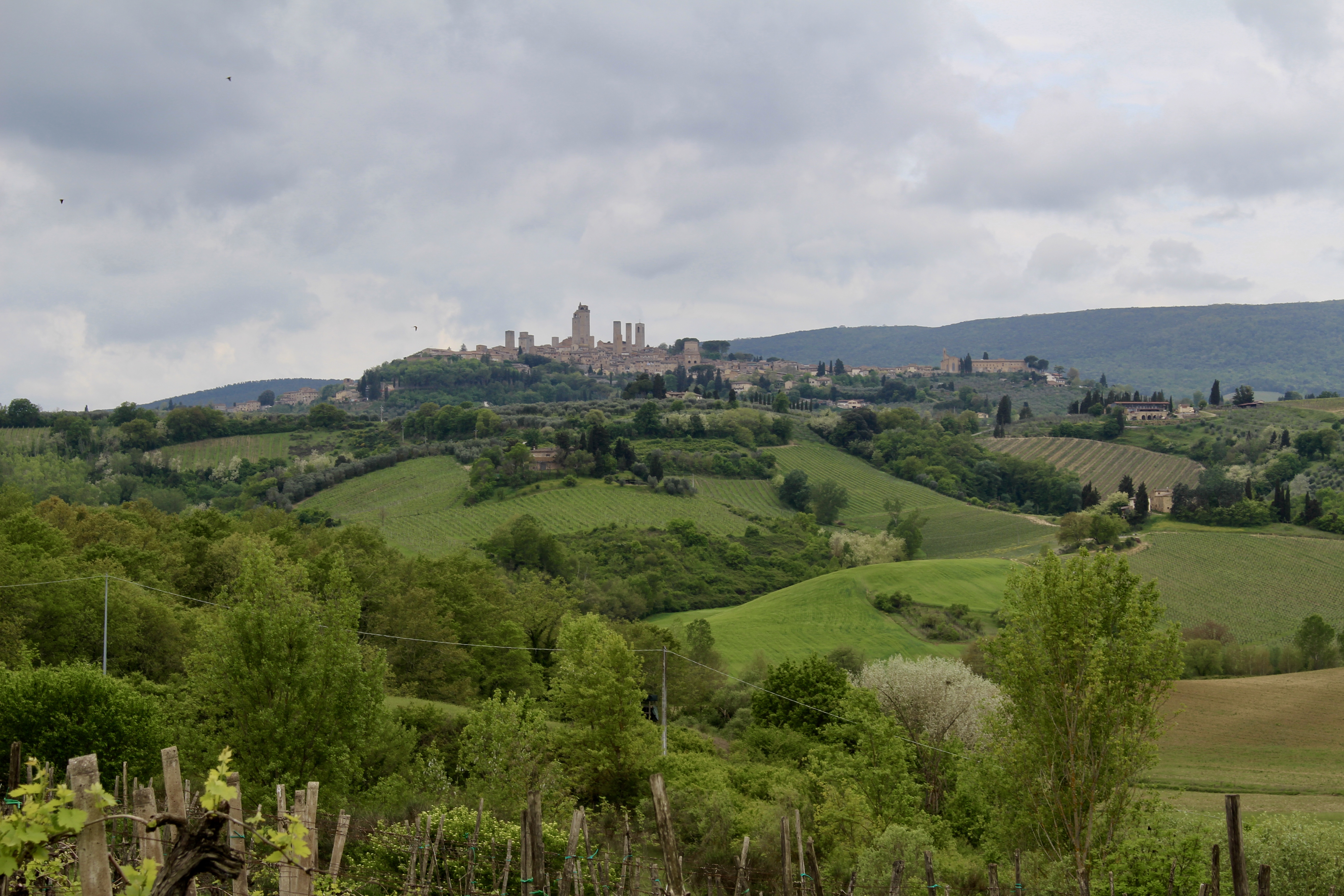
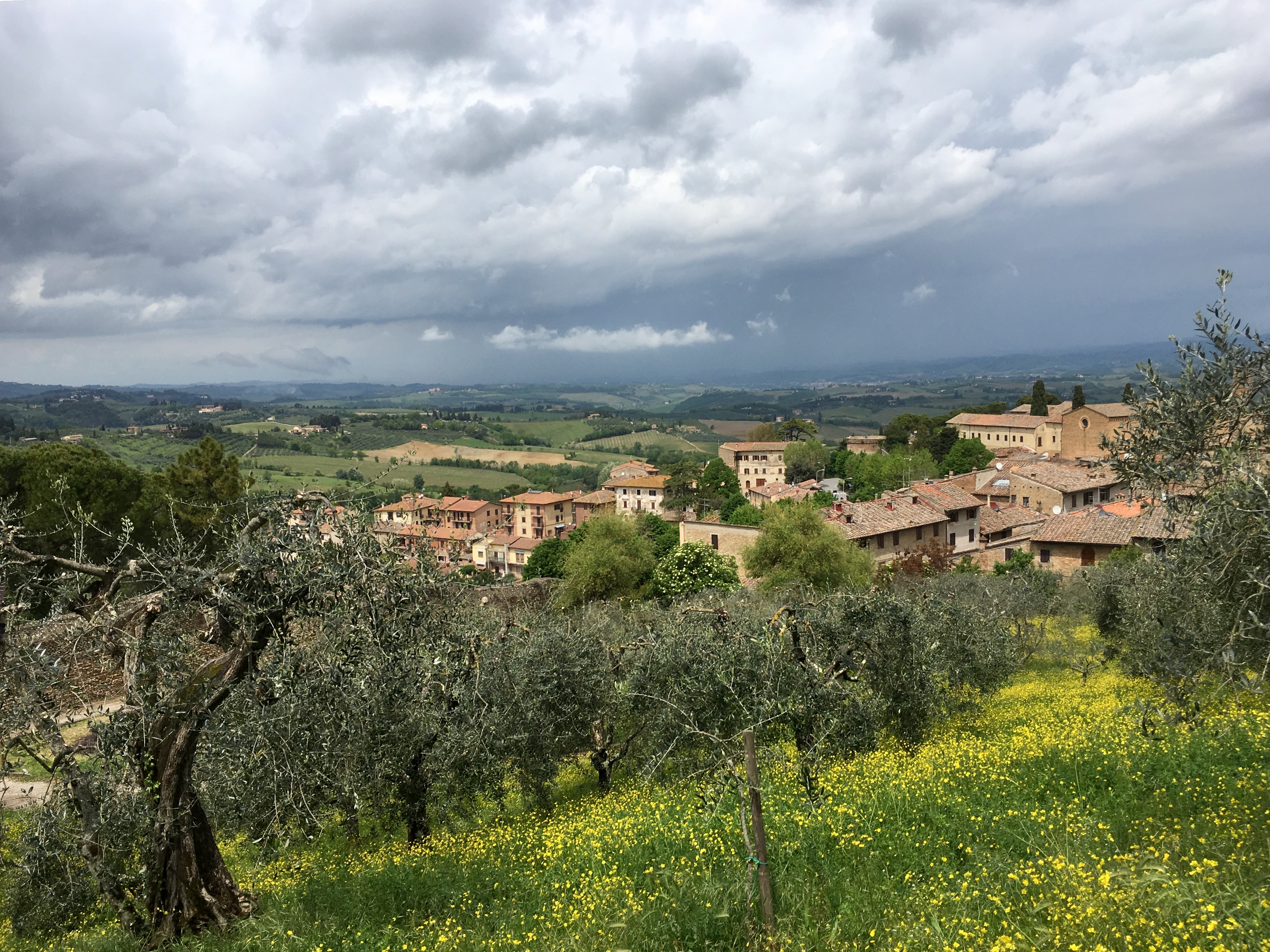
It was supposed to be cloudy all day and around 65°F. We hoped it wouldn’t rain. We drove along a dirt road lined with cypress trees, rolling hills, vineyards, and beautiful Tuscan homes. We could see in the distance the hilltop town of San Gimignano, with its many towers.
on the way to San Gimignano
San Gimignano from afar
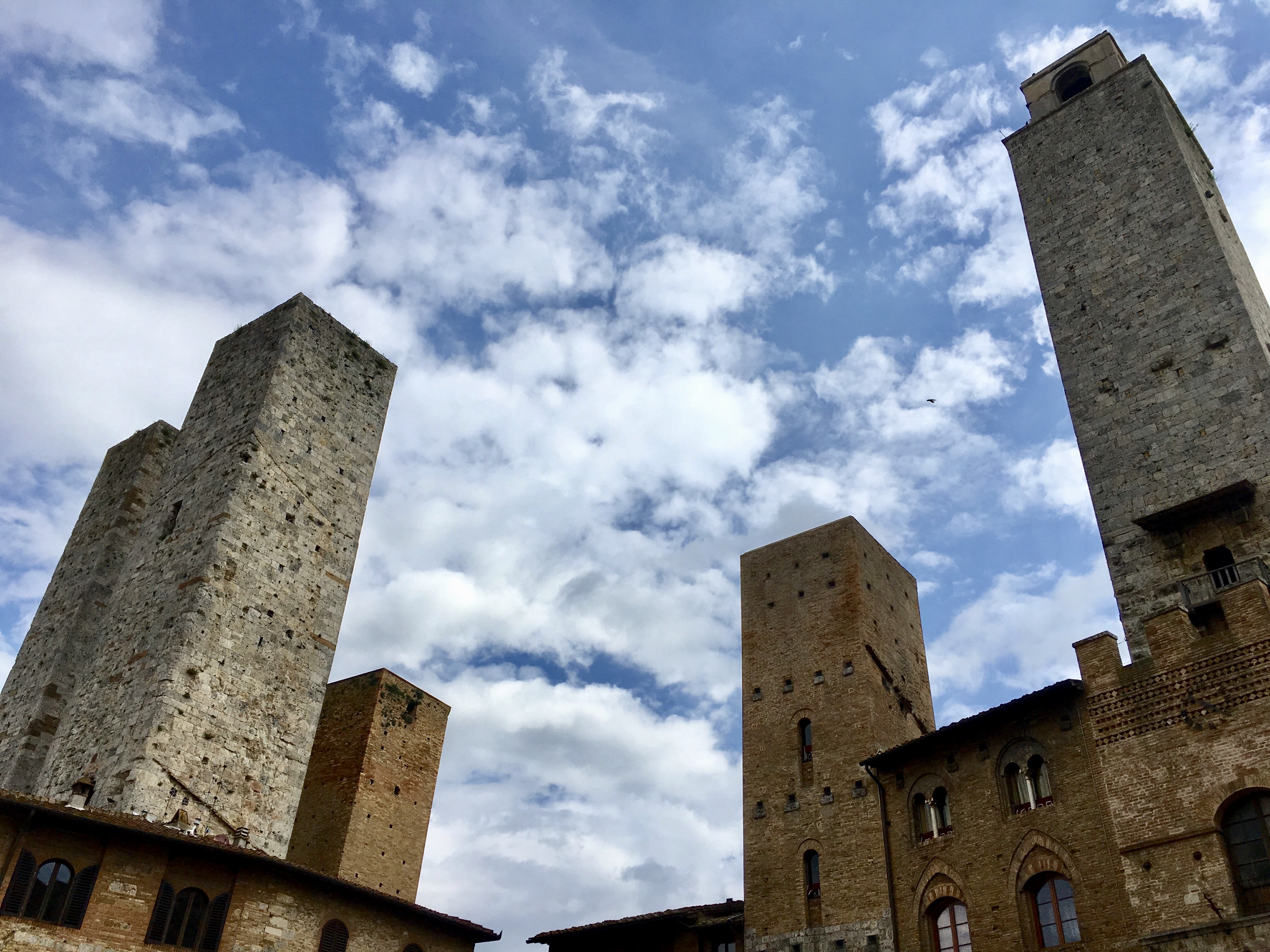
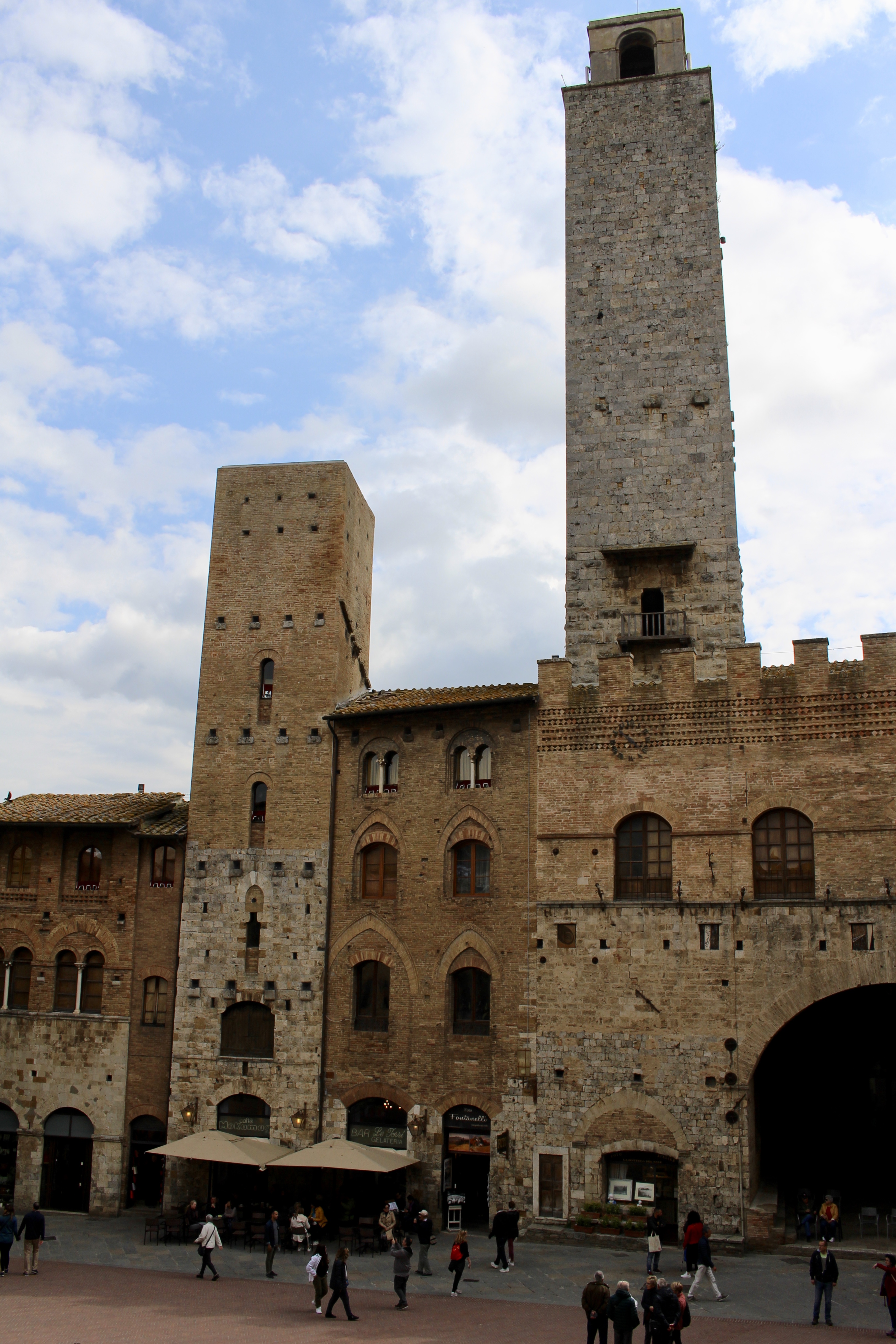
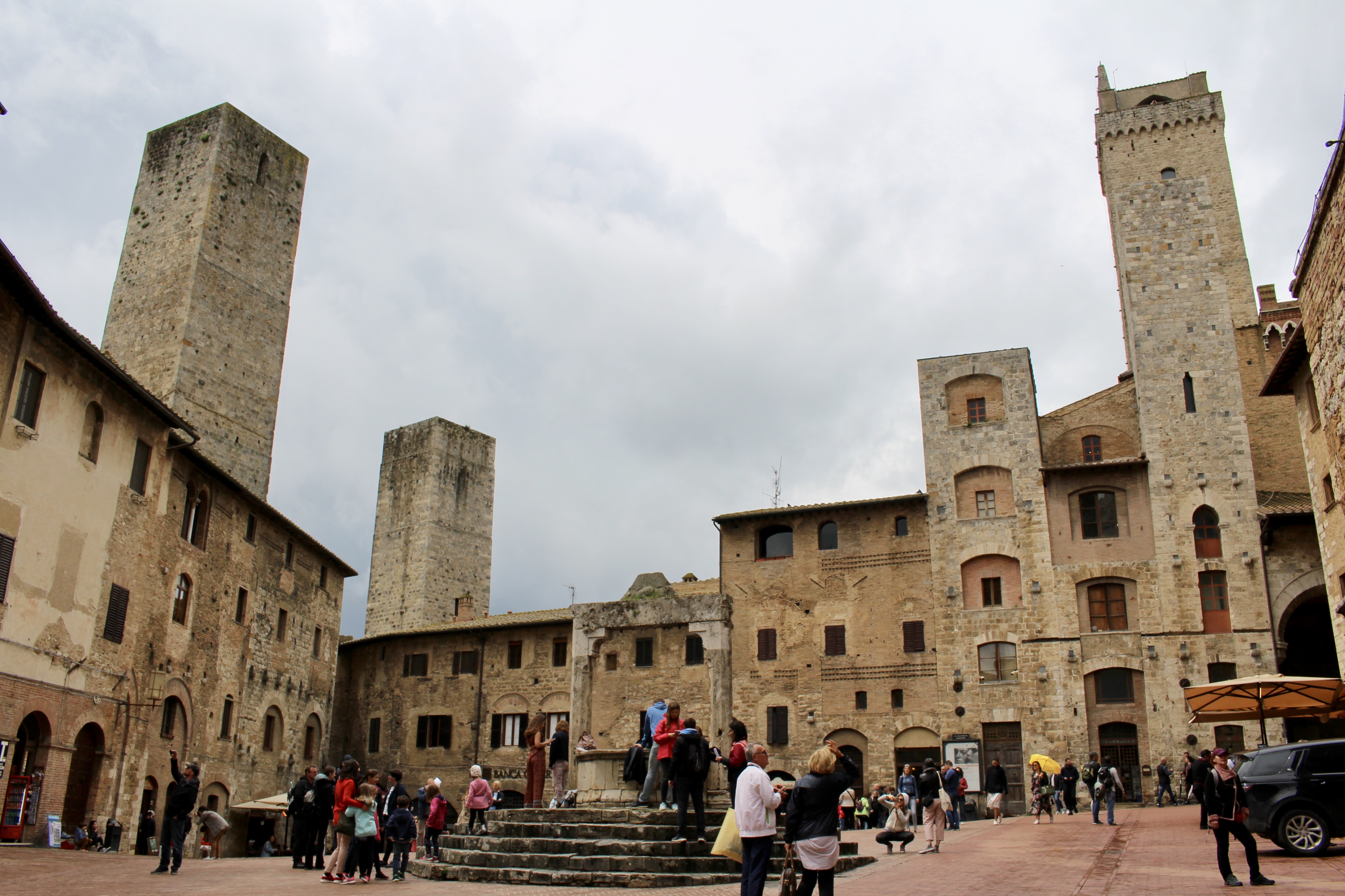
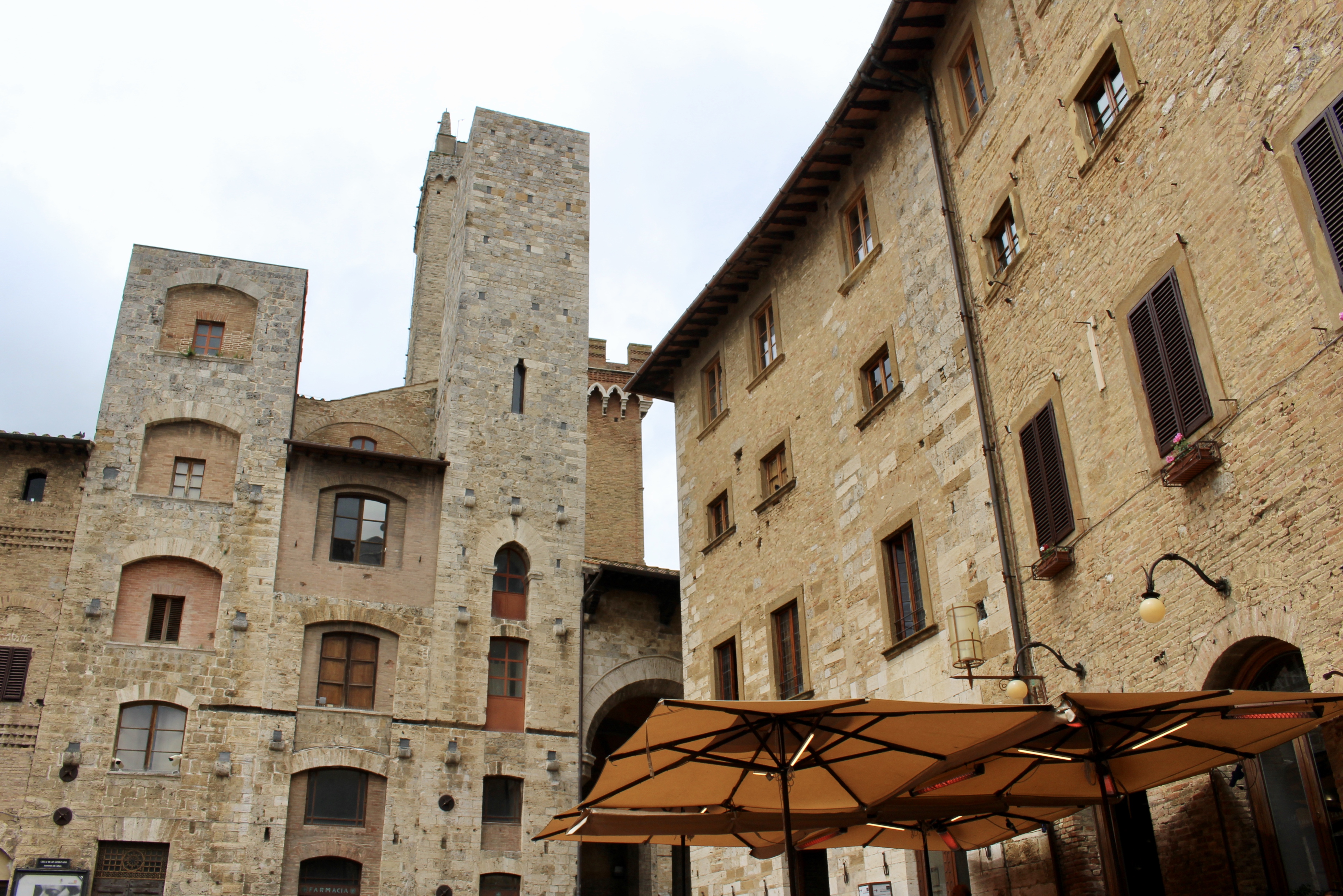
San Gimignano, 54km SW of Florence, is a hilltop town with 14 medieval skyscrapers. At the height of the Guelph-Ghibelline conflict (from the 12th to the 15th centuries), there were over 70 towers built partly for defensive purposes. They offered safe refuge and were used to pour boiling water over attacking enemies. The towers also bolstered the egos and flaunted the wealth of the owners, who competed to build the highest tower.
The plague of 1348 and the subsequent population decline dealt a severe blow to the trading economy of San Gimignano. The crisis led the governors to submit to Florence in 1353, but this didn’t help as the city suffered further decline and neglect. In recent years, the beauty of the town and its architectural and artistic importance have led to economic and cultural revival.
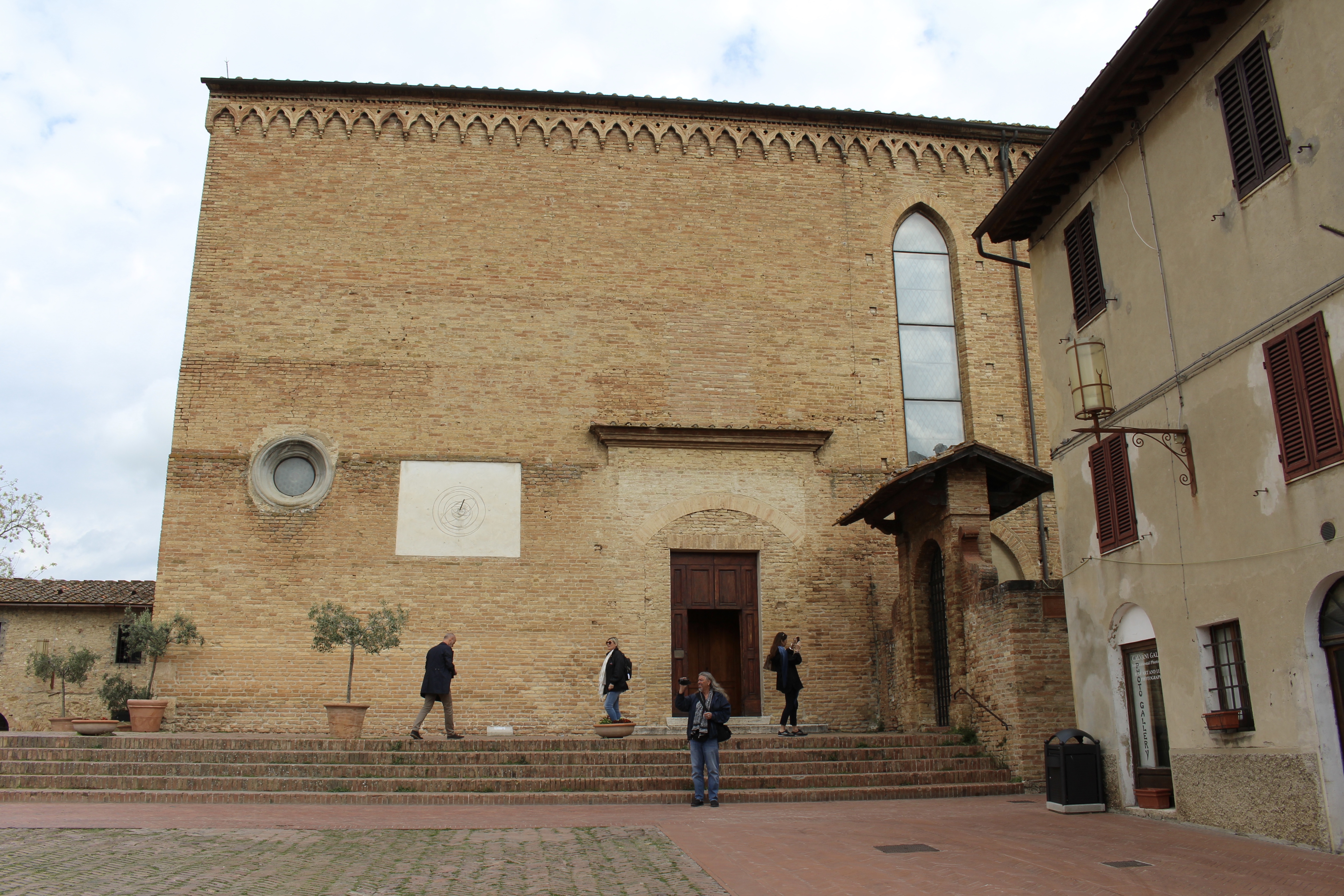
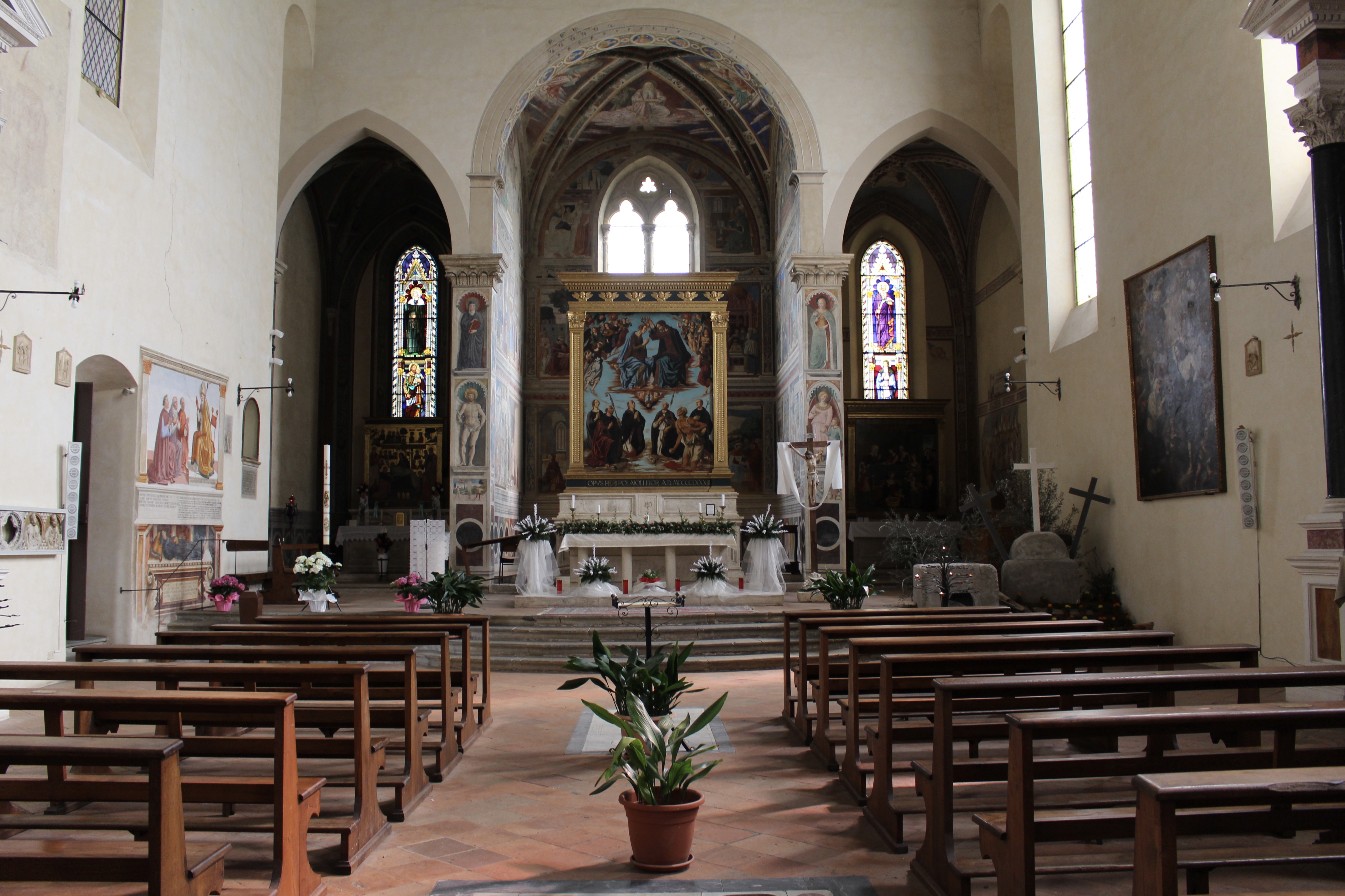
Upon parking in the town around 10:00, we went into the late-13th-century Chiesa de Sant’Agostino (Church of St. Augustine), the second largest church in town after the Collegiata. It is owned by the Order of Saint Augustine. Inside, Benozzo Gozzoli’s 15th-century fresco cycle (1464-65) depicted scenes from the life of St. Augustine, whose work was valuable in developing early Church doctrine. Augustine, like many saints, sinned often before finding God, but instead of suffering through deprivations and martyrdom, he focused on the reconciliation of faith and thought.
entering San Gimignano
a courtyard in San Gimignano
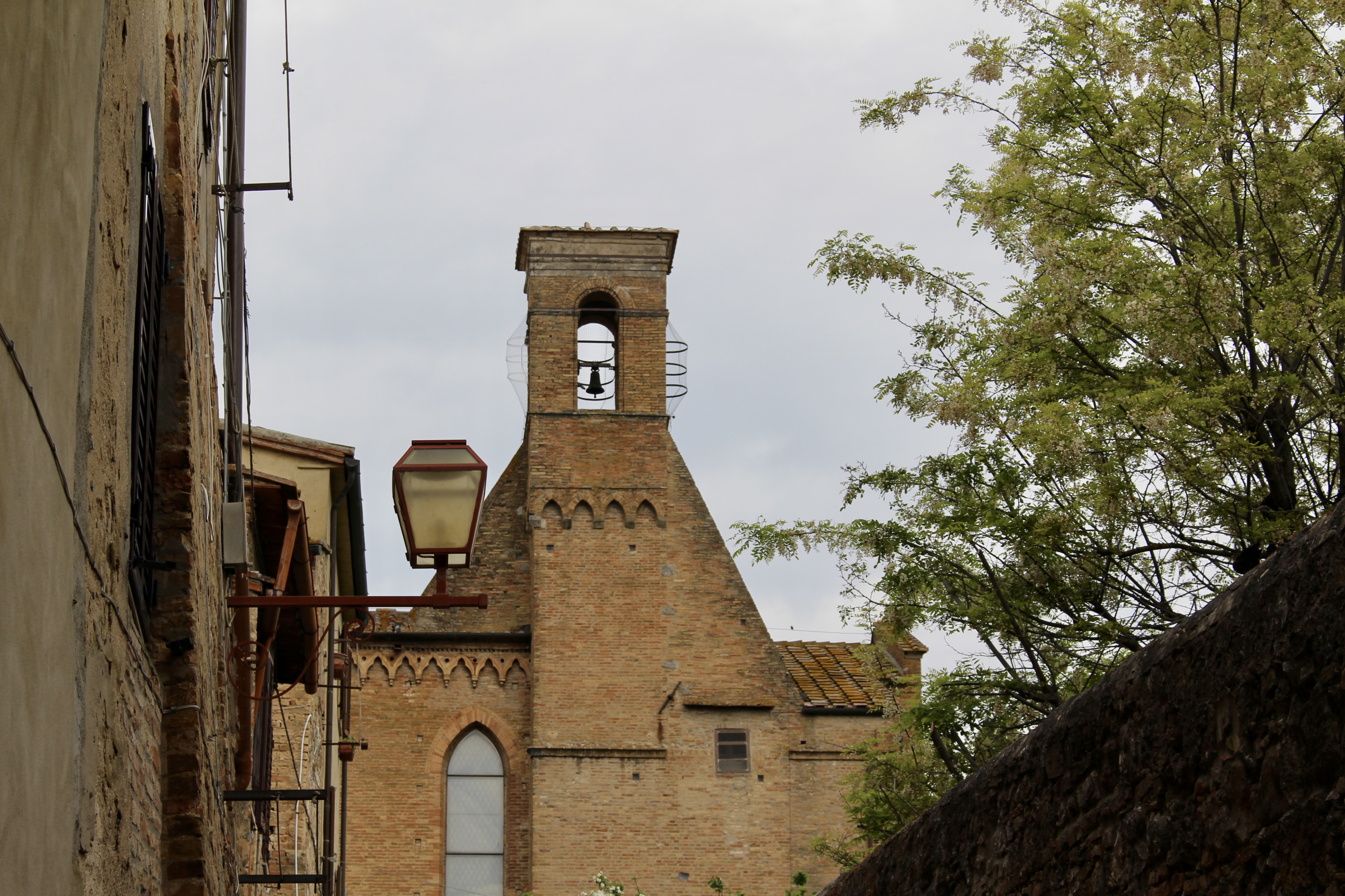
chiesa de Sant’Agostino
chiesa de Sant’Agostino
chiesa de Sant’Agostino
inside chiesa de Sant’Agostino
inside chiesa de Sant’Agostino
inside chiesa de Sant’Agostino
inside chiesa de Sant’Agostino
inside chiesa de Sant’Agostino
inside chiesa de Sant’Agostino
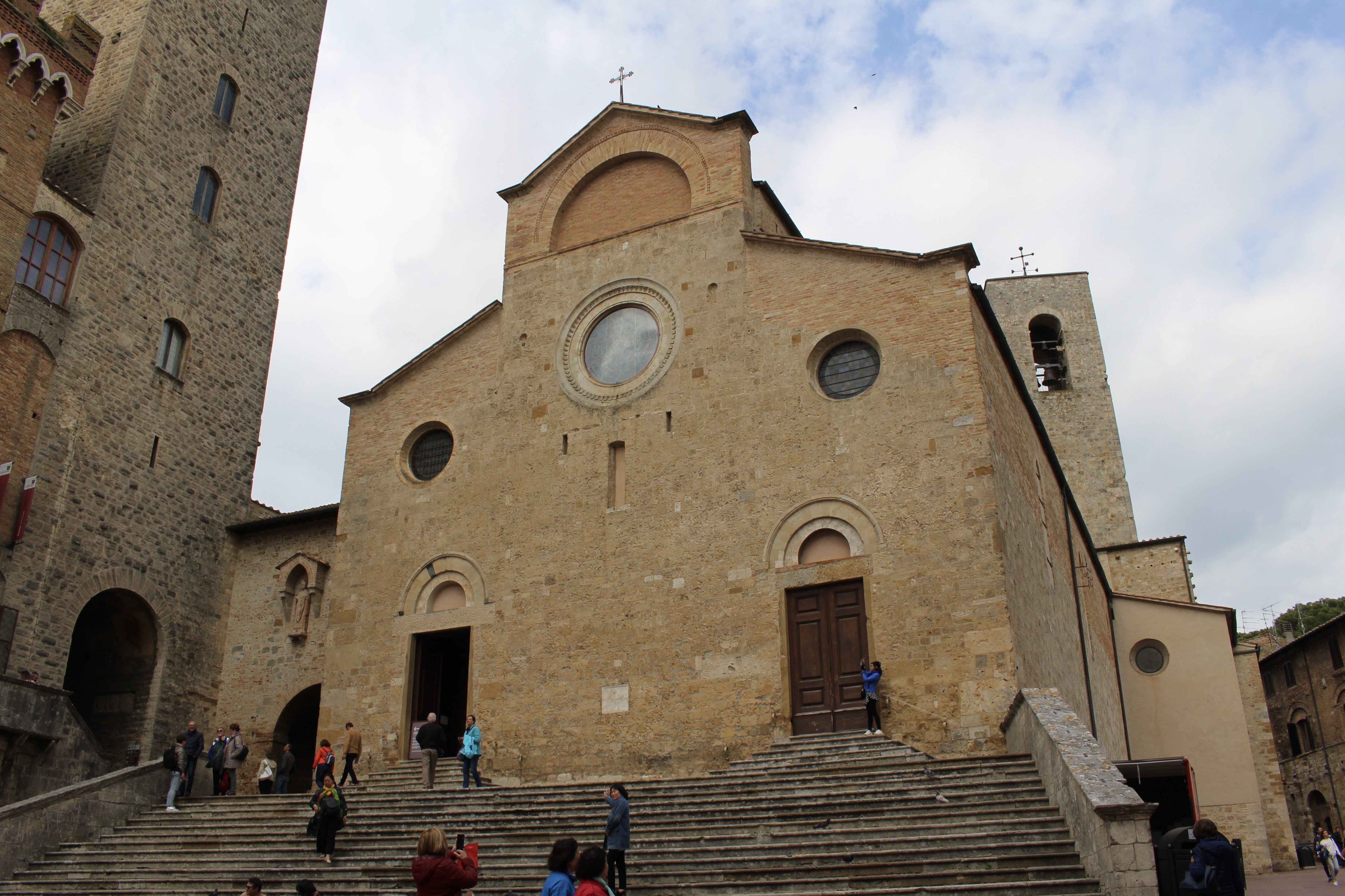
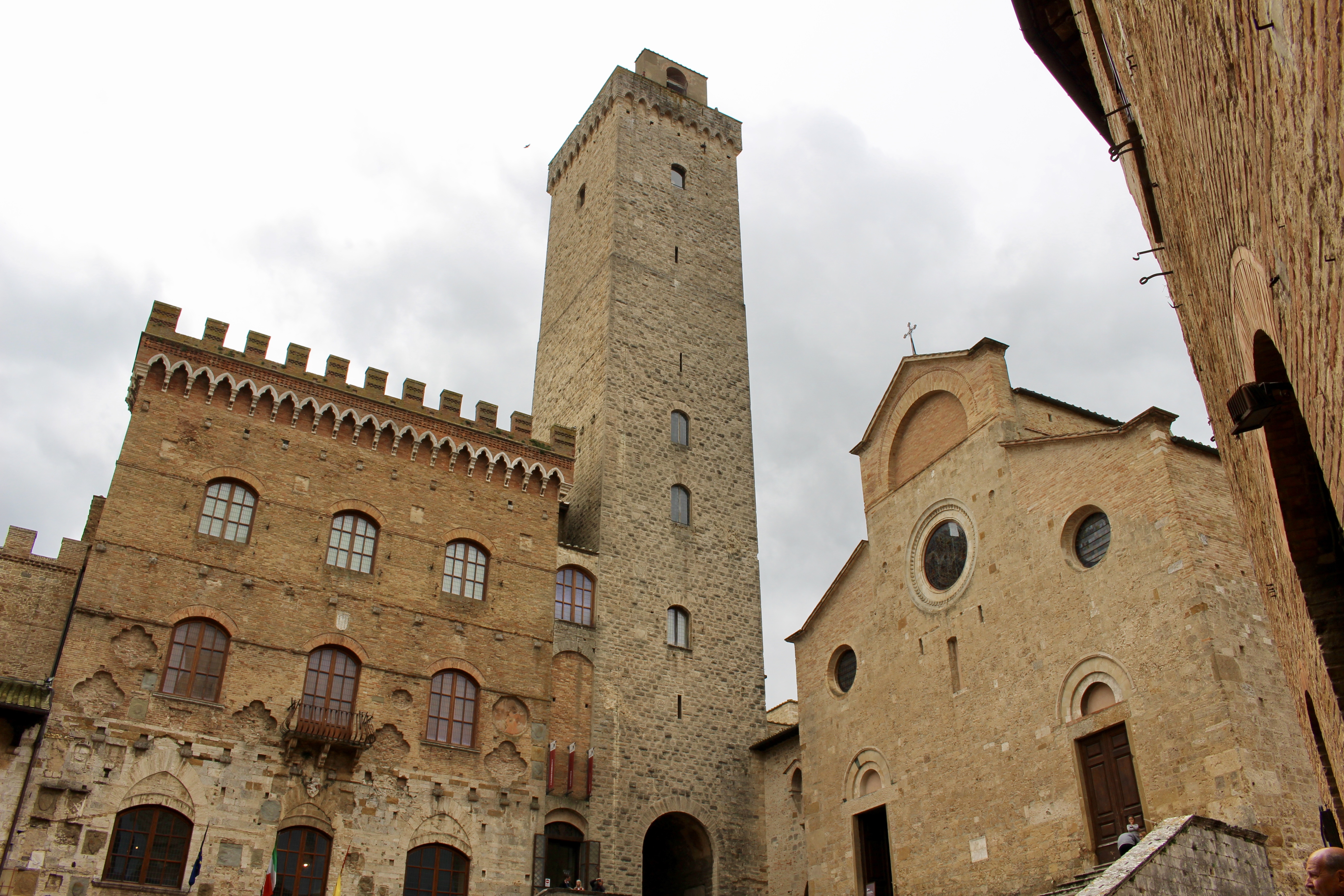
We walked past the Duomo di San Gimignano and the Palazzo Comunale.
Duomo di San Gimignano
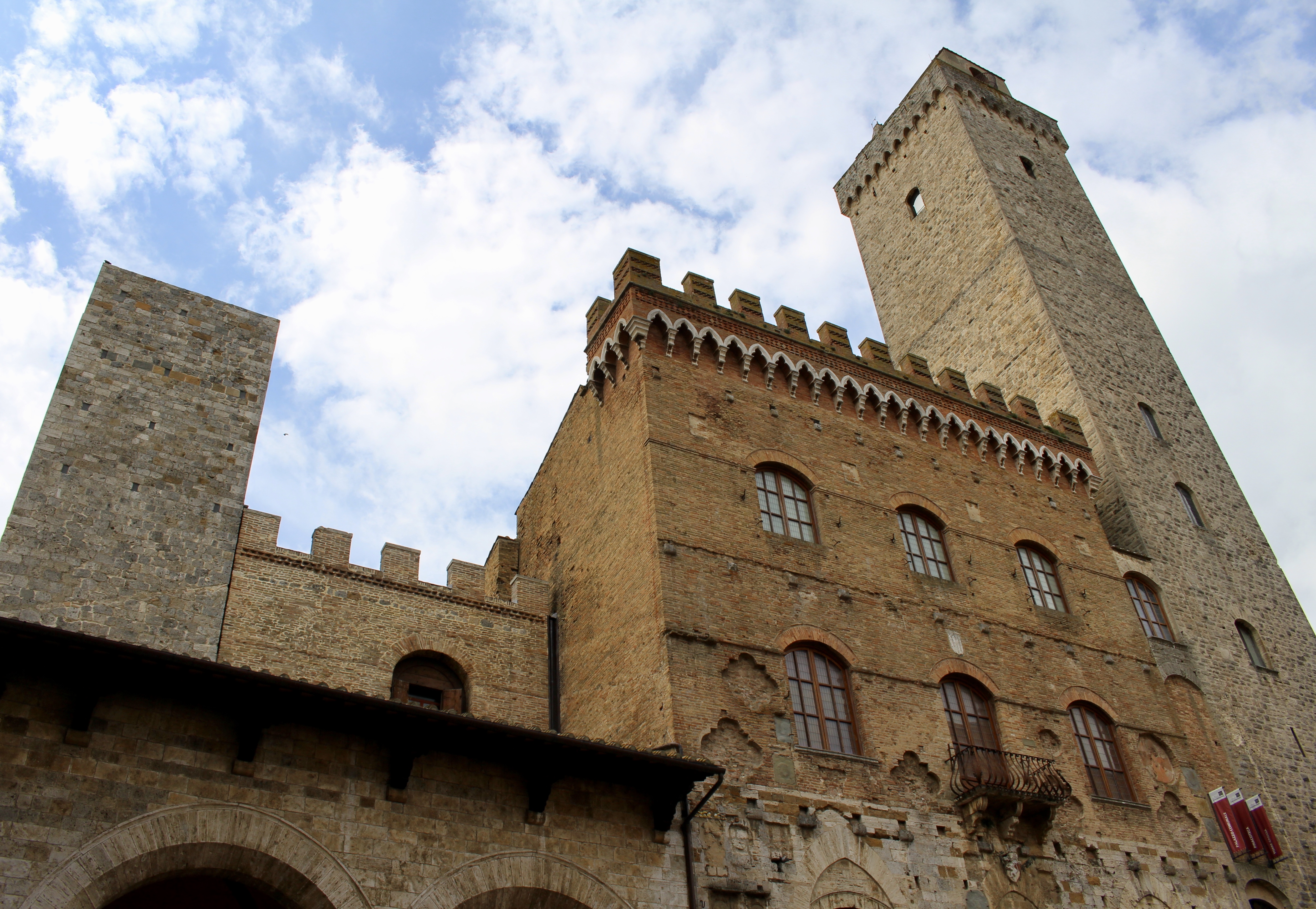
The 13th-century Palazzo Comunale has always been the center of the town’s local government.
Palazzo Comunale
towers of San Gimignano
towers of San Gimignano
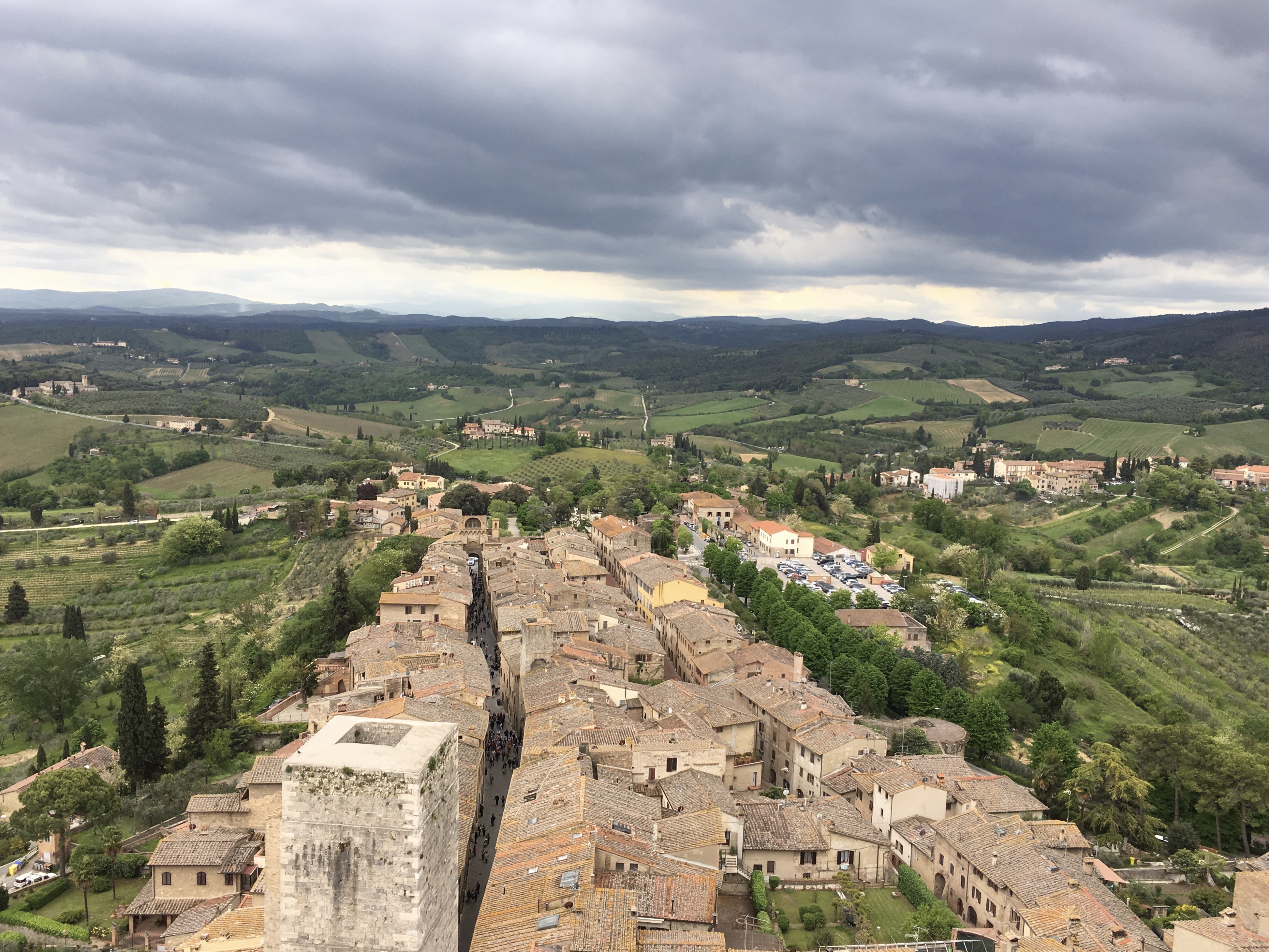
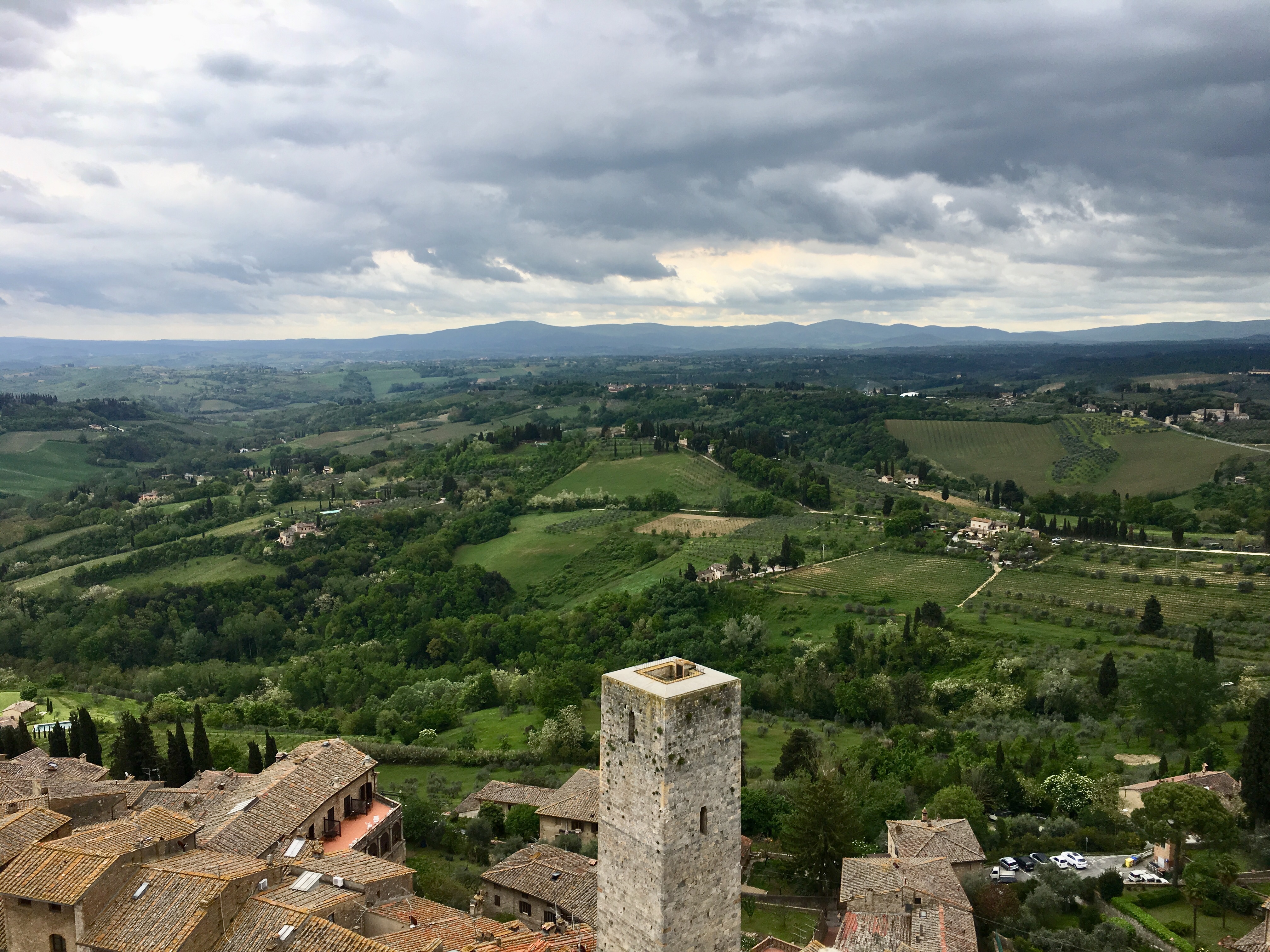
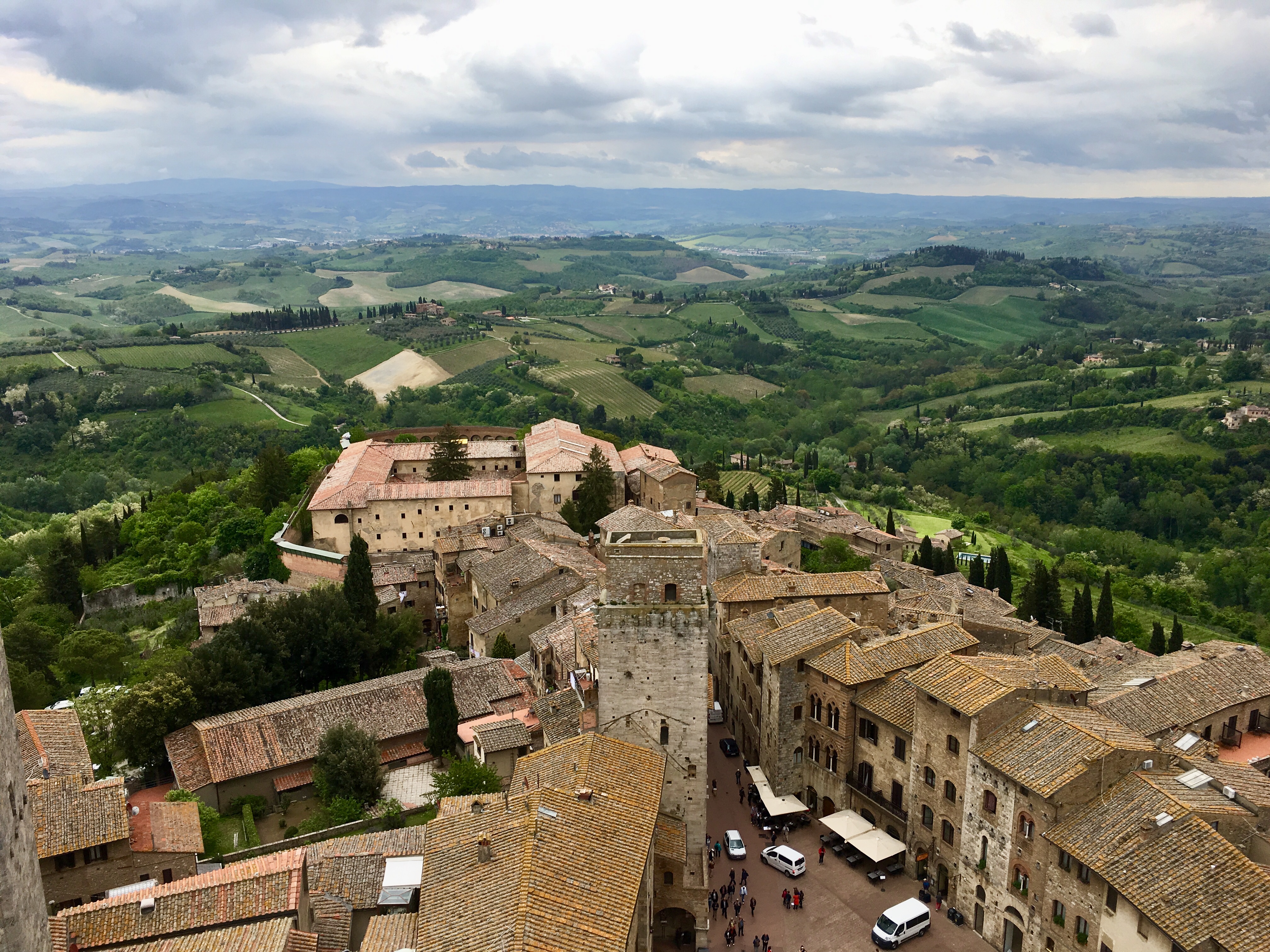
We went into the Musei Civici, where we climbed the 54-meter tall Torre Grossa, or Great Tower, for views of the town. The tower was built in 1311.
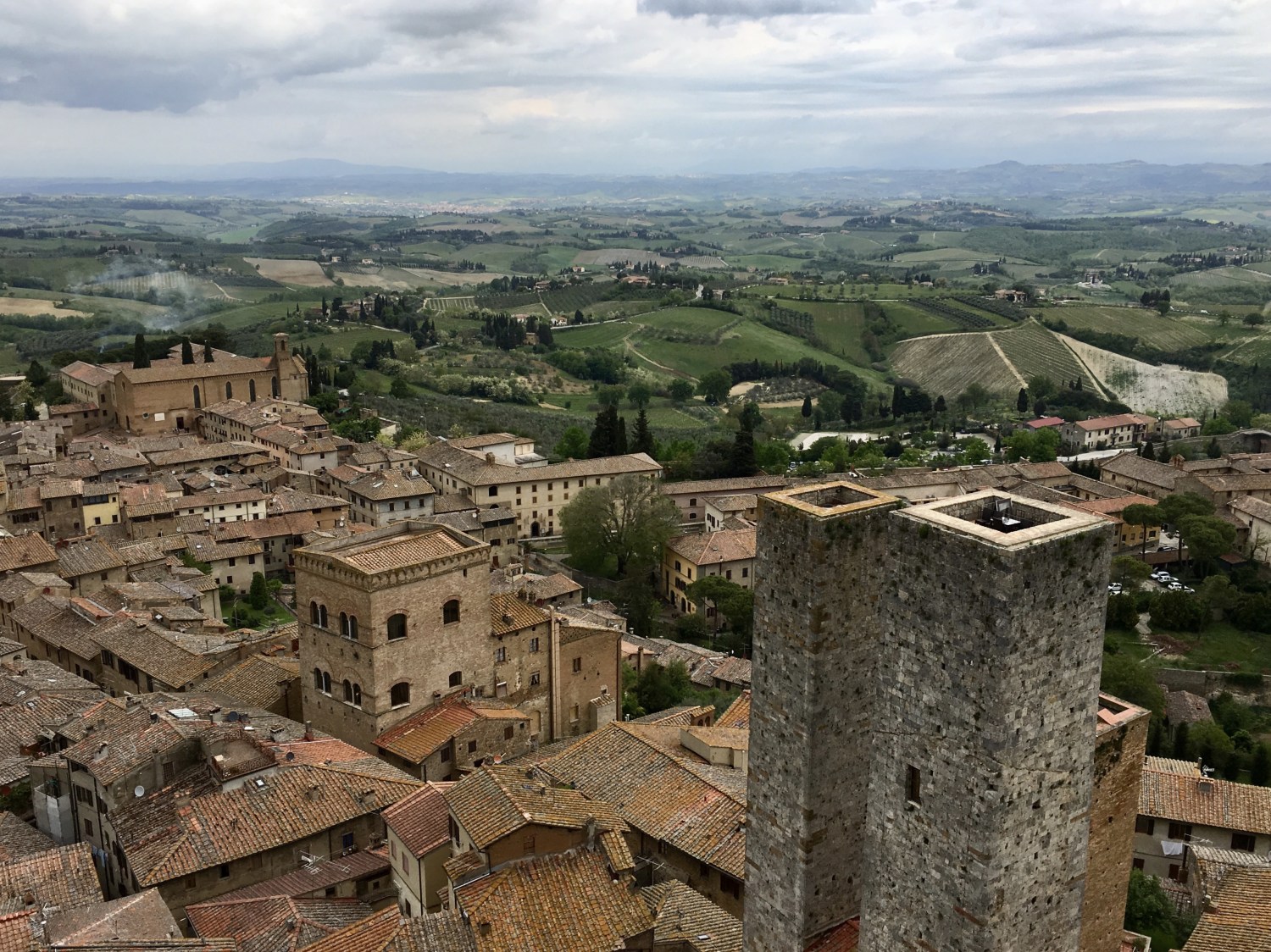
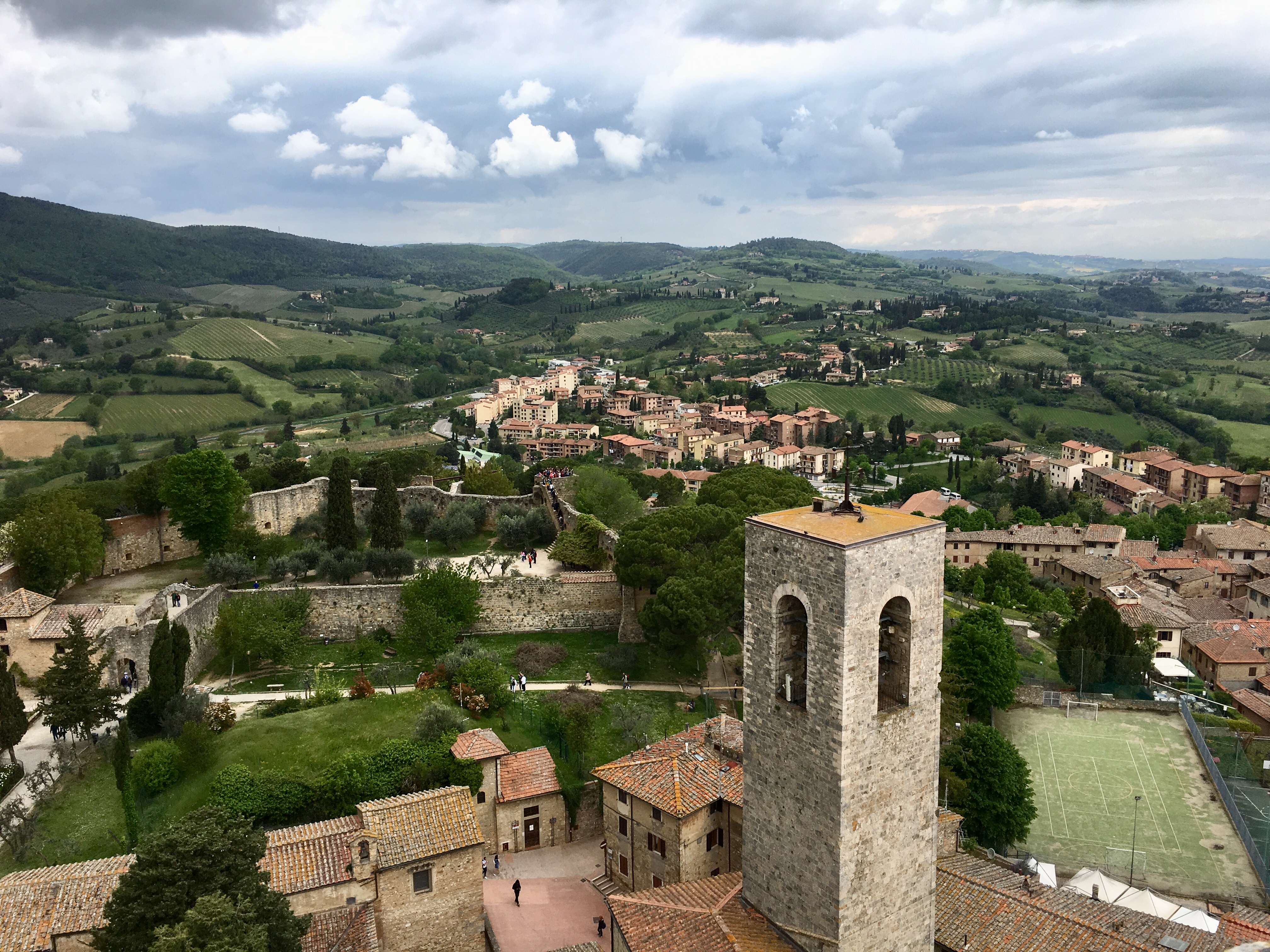
view of San Gimignano from Torre Grossa
view of San Gimignano from Torre Grossa
view of San Gimignano from Torre Grossa
view of San Gimignano from Torre Grossa
view of San Gimignano from Torre Grossa
view of San Gimignano from Torre Grossa
view of San Gimignano from Torre Grossa
view of San Gimignano from Torre Grossa
view of San Gimignano from Torre Grossa
view of San Gimignano from Torre Grossa
Then we wandered though the second floor of the Musei Civici, where we found paintings by famous Renaissance painters, Pinturicchio and Benozzo Gozzoli. In a small room off the stairway, we encountered risqué frescoes by Memmo di Filippuccio (1288-1324) depicting courtship, a shared bath, and the wedding of a young androgynous-looking couple, but I somehow missed taking photos of those. The main council chamber held a 14th-century Maestà by Lippo Memmi.
paintings in Musei Civici
paintings in Musei Civici
paintings in Musei Civici
paintings in Musei Civici
paintings in Musei Civici
paintings in Musei Civici
paintings in Musei Civici
paintings in Musei Civici
paintings in Musei Civici
paintings in Musei Civici
paintings in Musei Civici
paintings in Musei Civici
paintings in Musei Civici
paintings in Musei Civici
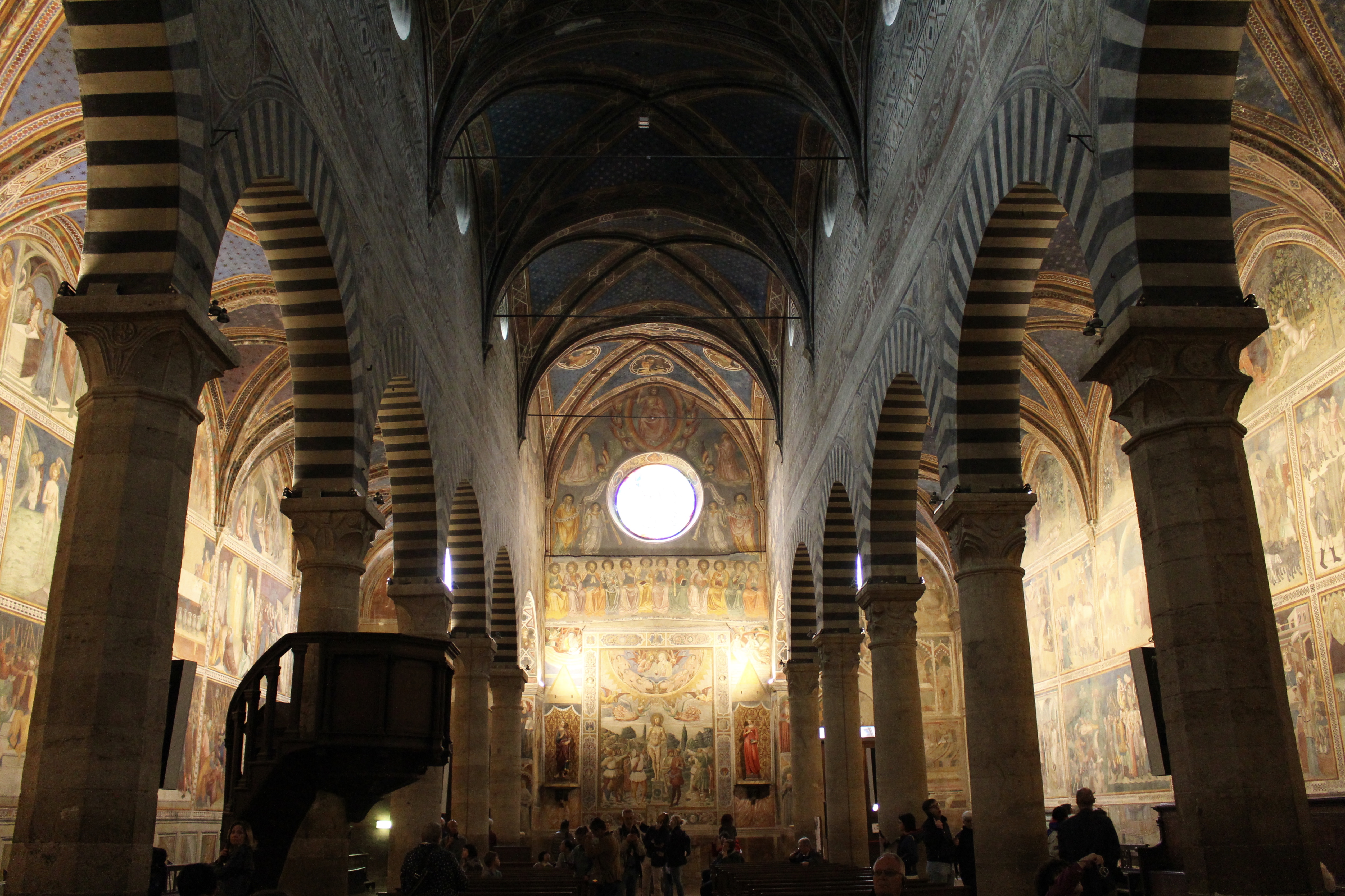
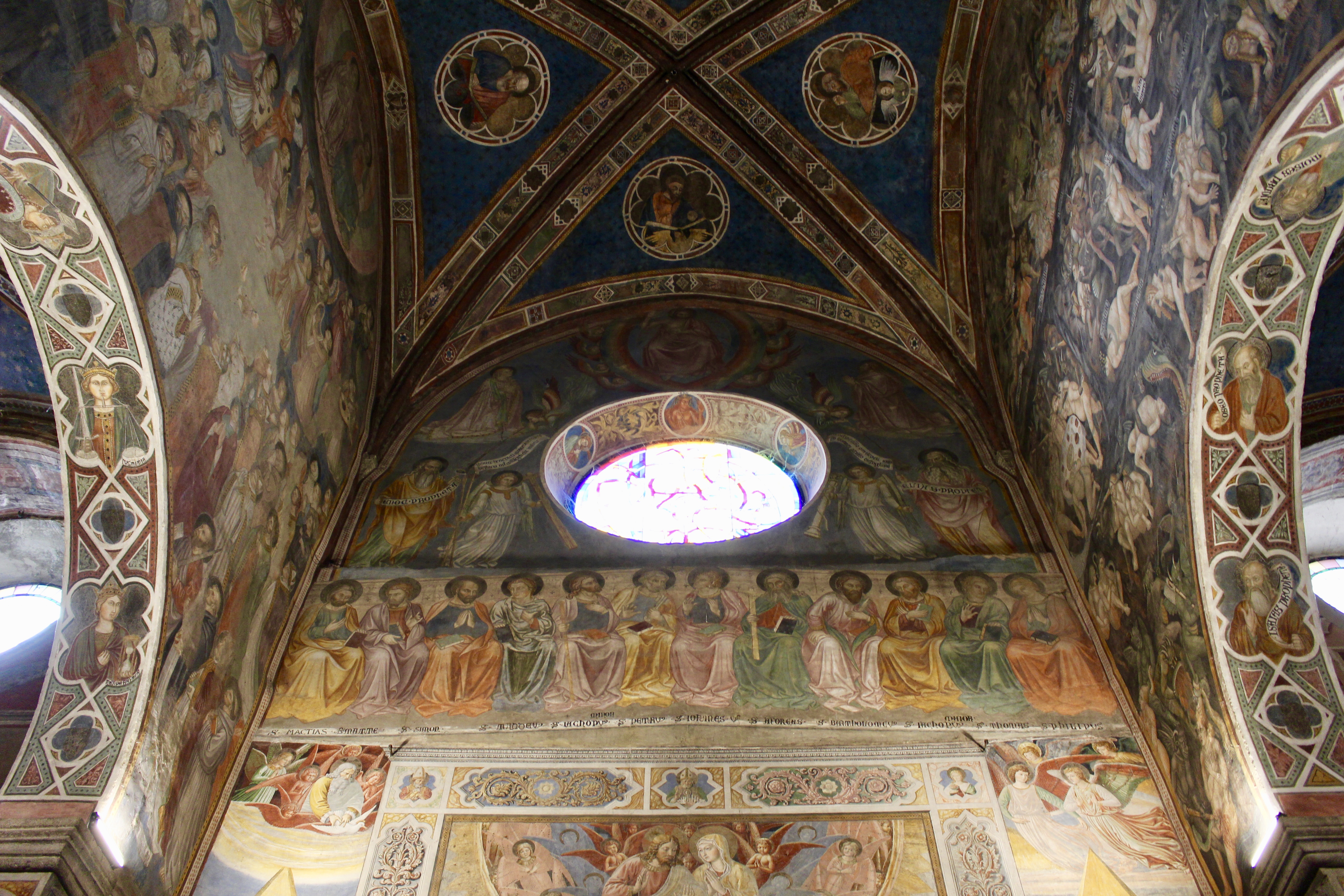
We went into the Romanesque Duomo di San Gimignano, also called the Collegiata di San Gimignano, full of fine colorful frescoes covering nearly every part of the interior. It was consecrated in 1148. Bartolo di Fredi’s 14th-century fresco cycle of Old Testament scenes is on one wall; the opposite wall shows the Life of Christ by 14th-century artist Lippo Memmi.
Duomo di San Gimignano
Duomo di San Gimignano
Duomo di San Gimignano
Duomo di San Gimignano
Duomo di San Gimignano
Duomo di San Gimignano
Duomo di San Gimignano
Duomo di San Gimignano
Duomo di San Gimignano
Duomo di San Gimignano
Duomo di San Gimignano
Duomo di San Gimignano
Duomo di San Gimignano
Duomo di San Gimignano
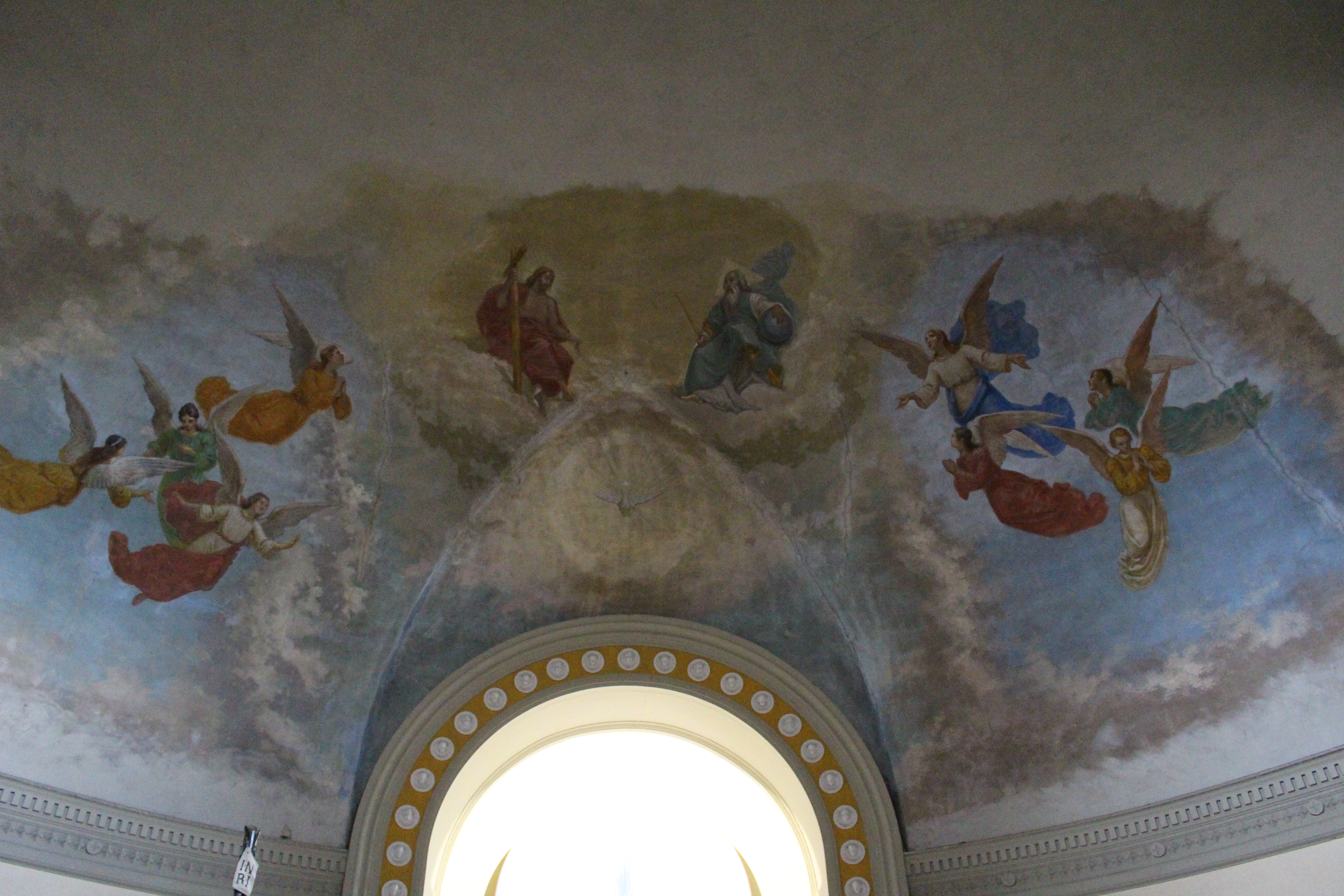
The Renaissance Capella di Santa Fina, and fresco cycle by Dominico Ghirlandaio, illustrates the life of St. Fina. The small girl had a terminal disease and repented of her sins, one of which included accepting an orange from a boy, by lying on a wooden board tormented by rats. At the moment of her death, yellow violas blossomed from the board.
Capella di Santa Fina
After visiting the church, it started raining, so we sought refuge in a cafe, where we enjoyed coffee, salty pastries, and a blueberry pastry with powdered sugar. When the rain let up slightly, we ventured out, bought umbrellas at a small shop, and wandered around under cover.
San Gimignano
San Gimignano
lavender shop
lavender shop
San Gimignano
San Gimignano
San Gimignano
San Gimignano
We walked through the Plaza della Cisterna.
Plaza della Cisterna
Plaza della Cisterna
San Gimignano
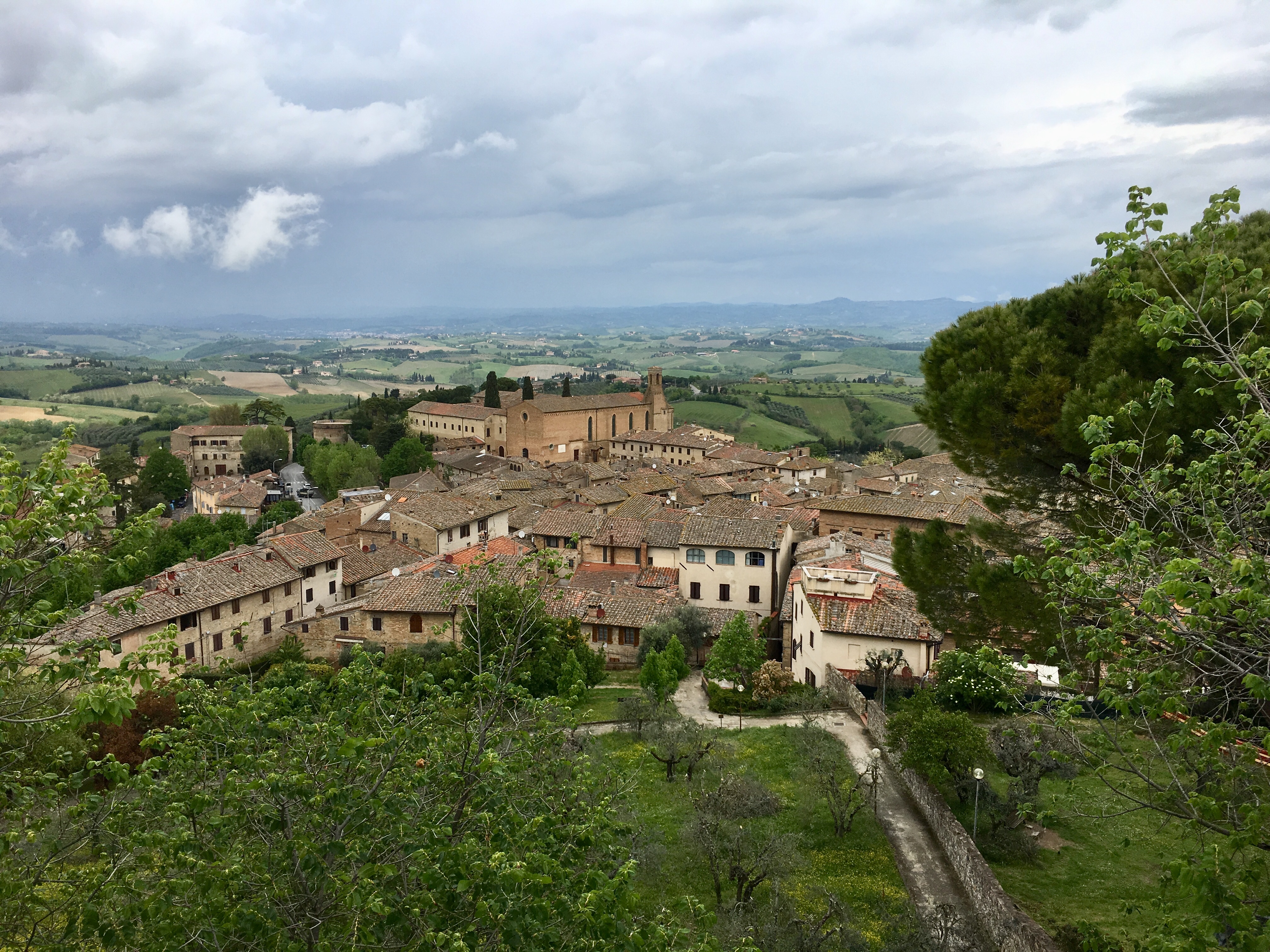
In our rambles, we stumbled upon the highest point in town, the medieval Rocca di Montestaffoli San Gimignano, a fortress dating from 1353, with a wonderful view over the town and the countryside.
Rocca di Montestaffoli San Gimignano
Rocca di Montestaffoli San Gimignano
Rocca di Montestaffoli San Gimignano
Rocca di Montestaffoli San Gimignano
Rocca di Montestaffoli San Gimignano
me outside Rocca di Montestaffoli San Gimignano
me outside Rocca di Montestaffoli San Gimignano
Back in town, we dipped into a few shops. We bought two black and white photos of little Fiats in the Italian countryside and a leather journal. Mike bought a very stylish black Italian jacket and two nice Italian shirts.
towers of San Gimignano
We left San Gimignano to drive to Volterra around 2:00.
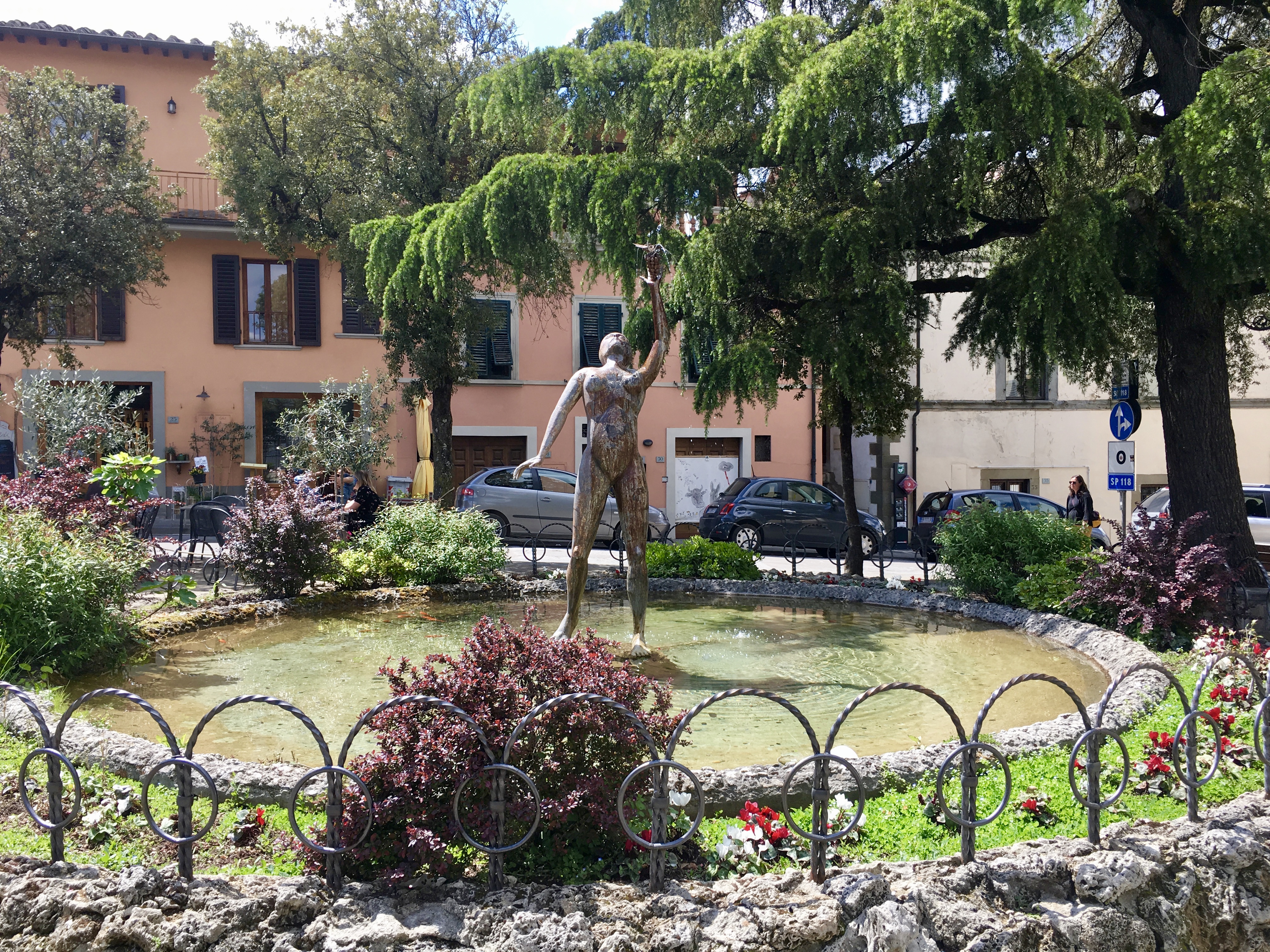
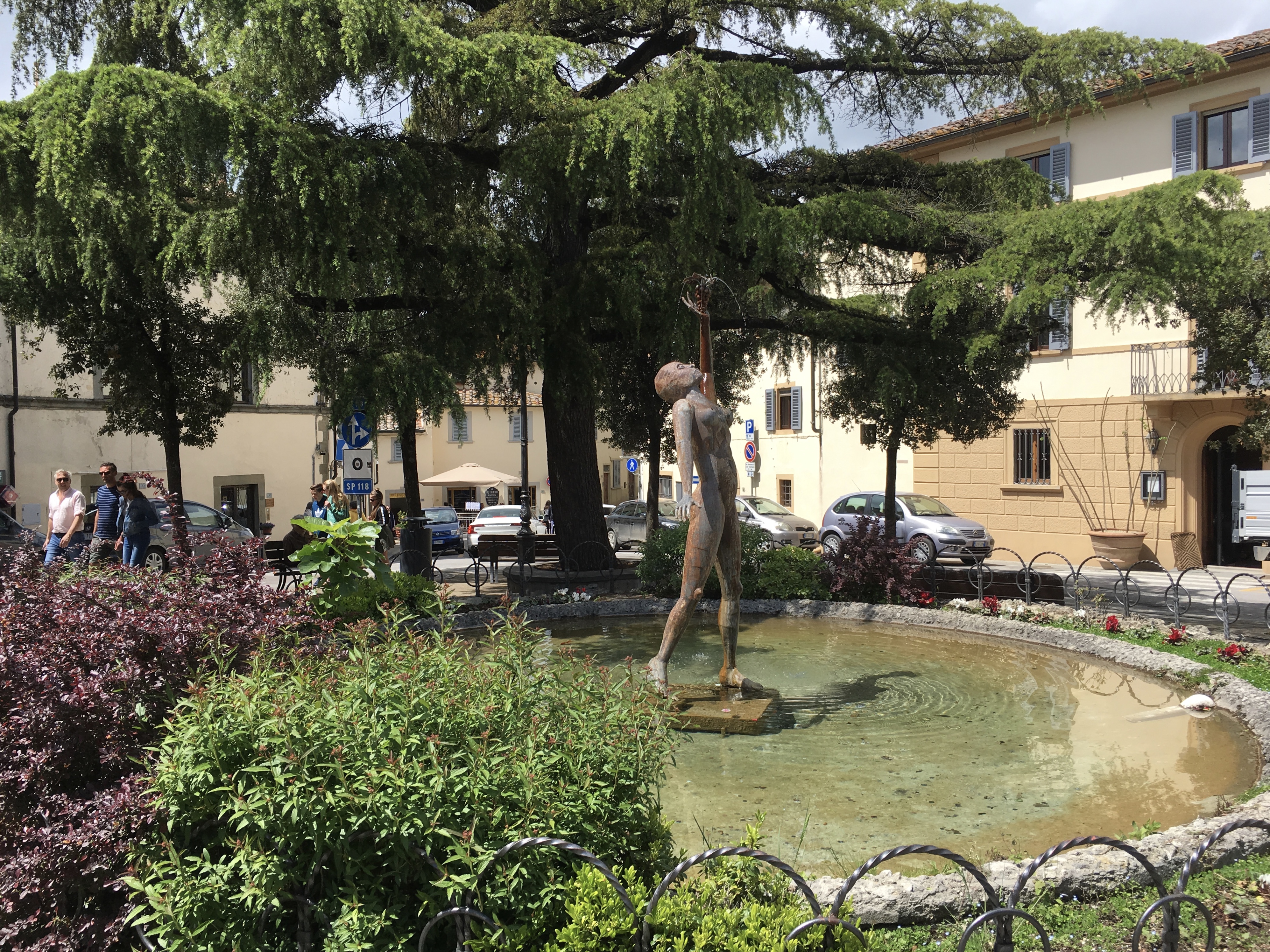
After leaving Greve in Chianti, we drove to Panzano in Chianti, halfway between Florence and Sienna, in Tuscany. A sculpture in a little pool cheerfully greeted us. I said to Mike a line that he hears quite frequently, “Ho fame,” or I’m hungry.
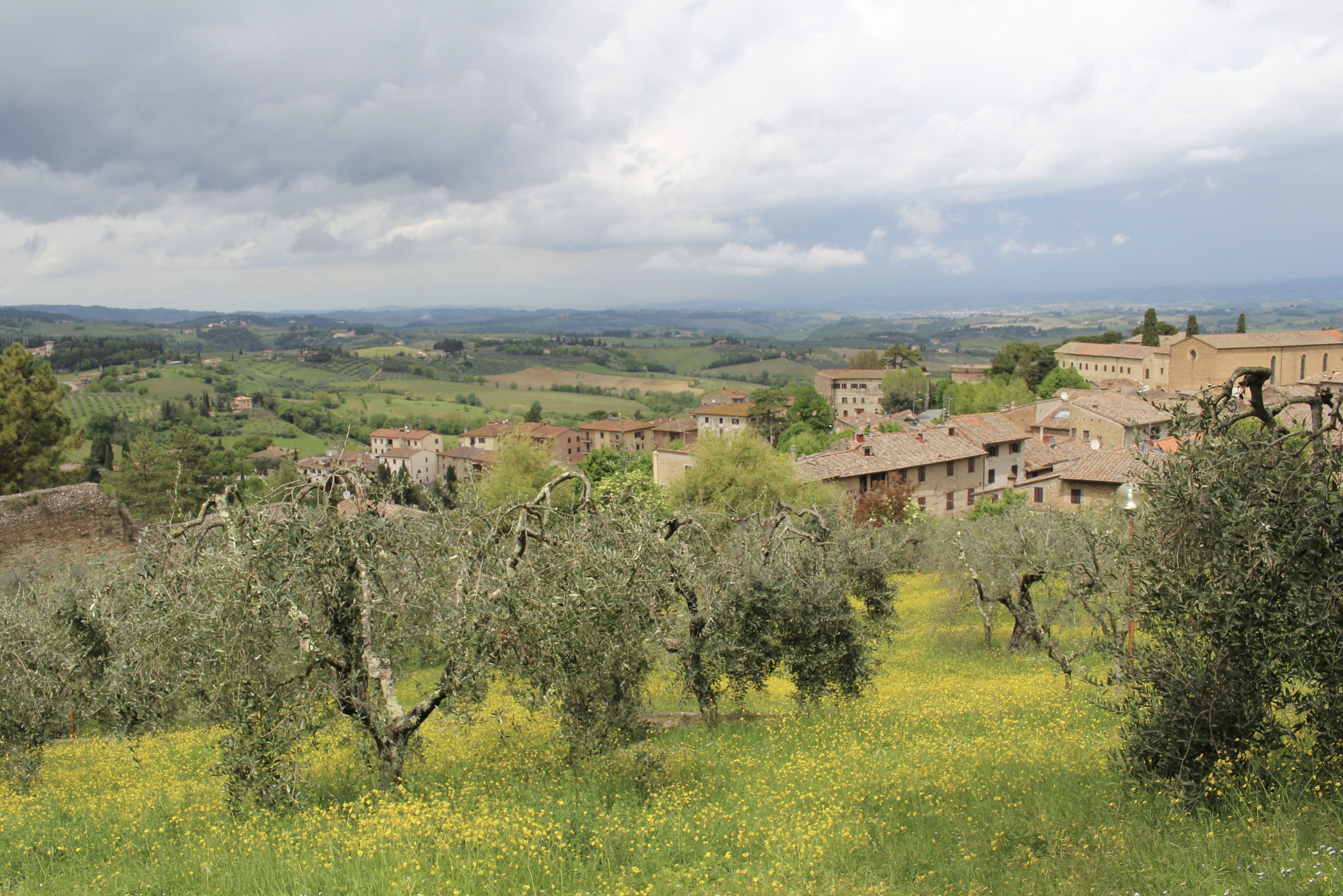
Panzano in Chianti
Panzano in Chianti
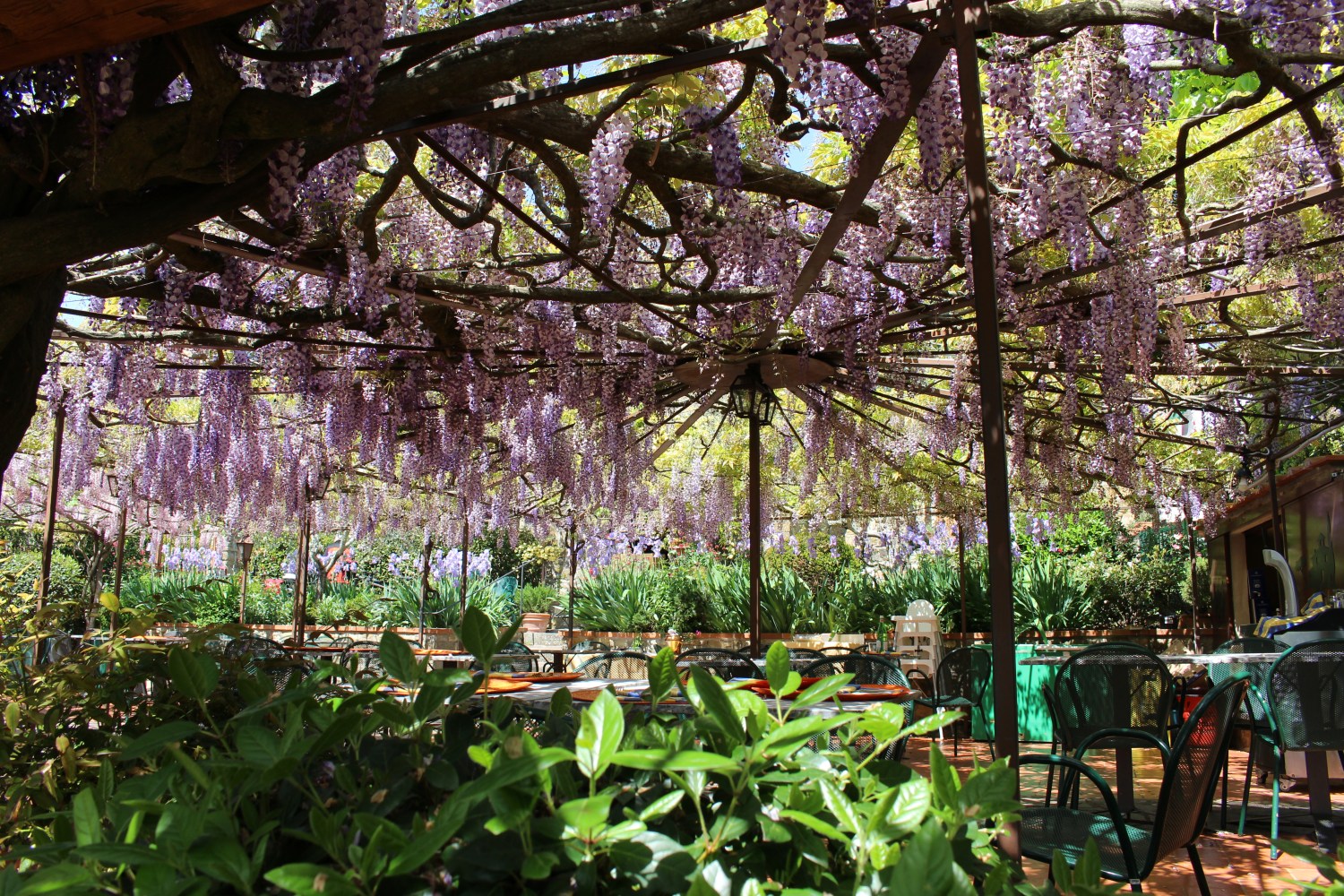
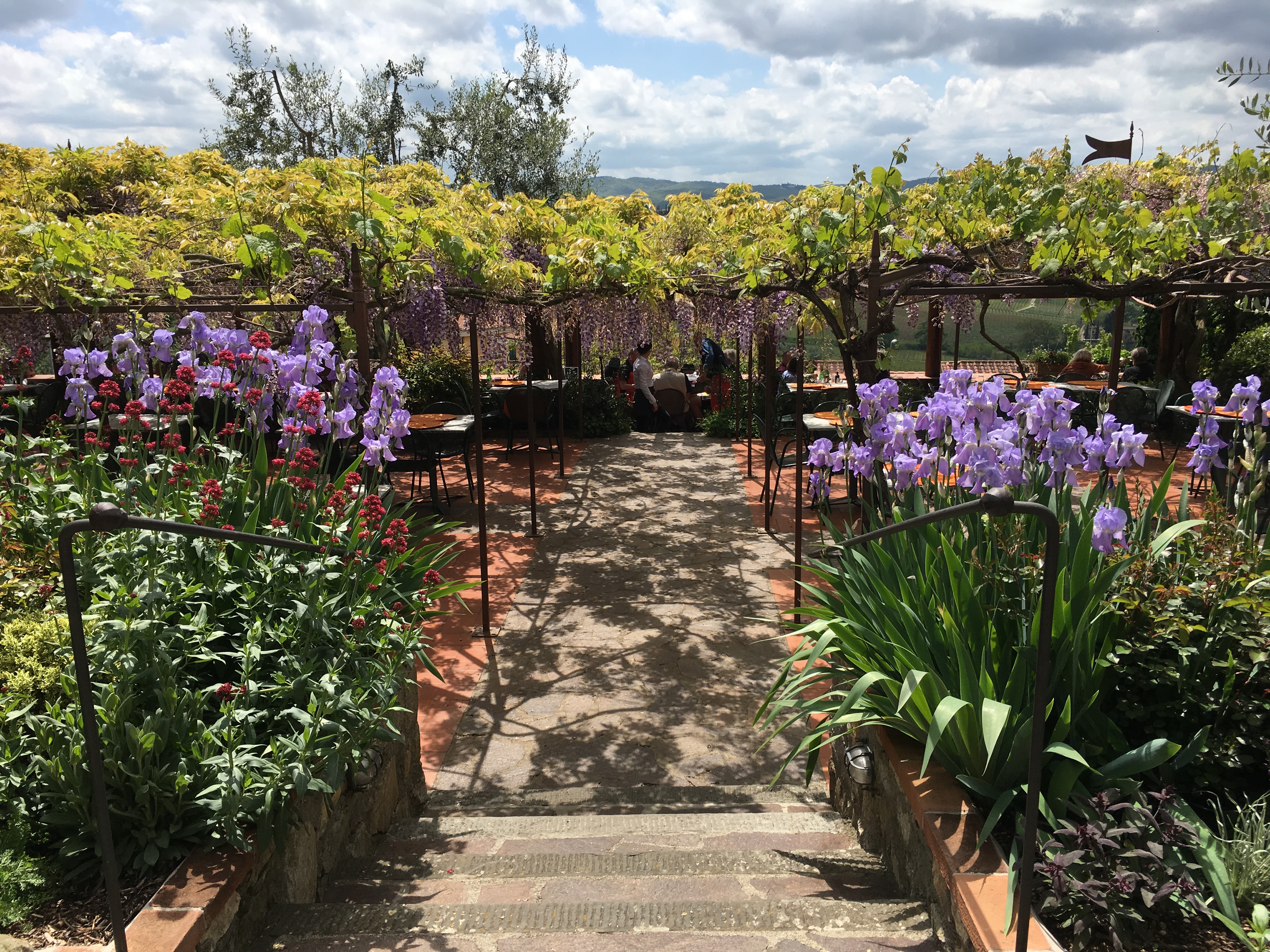
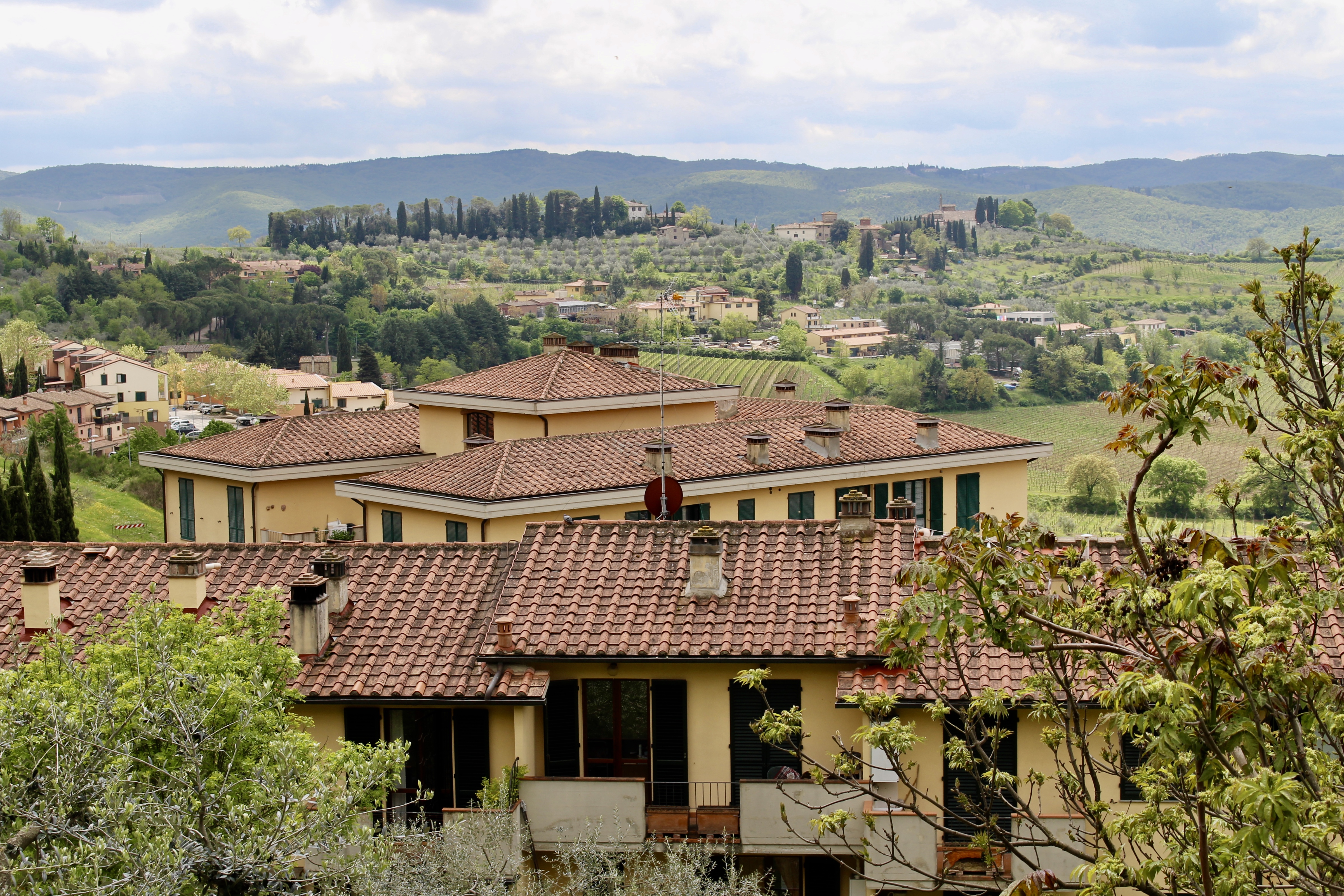
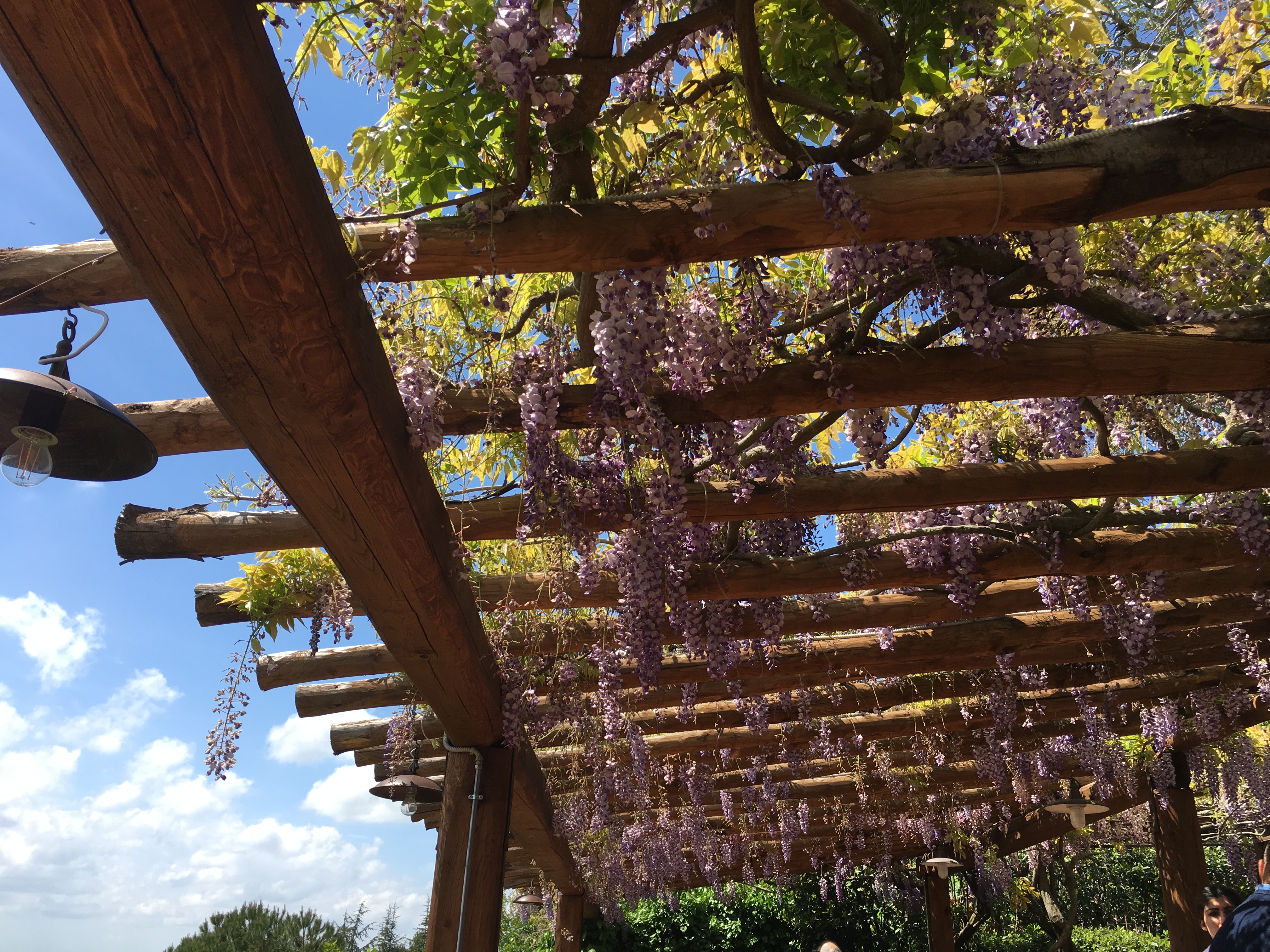
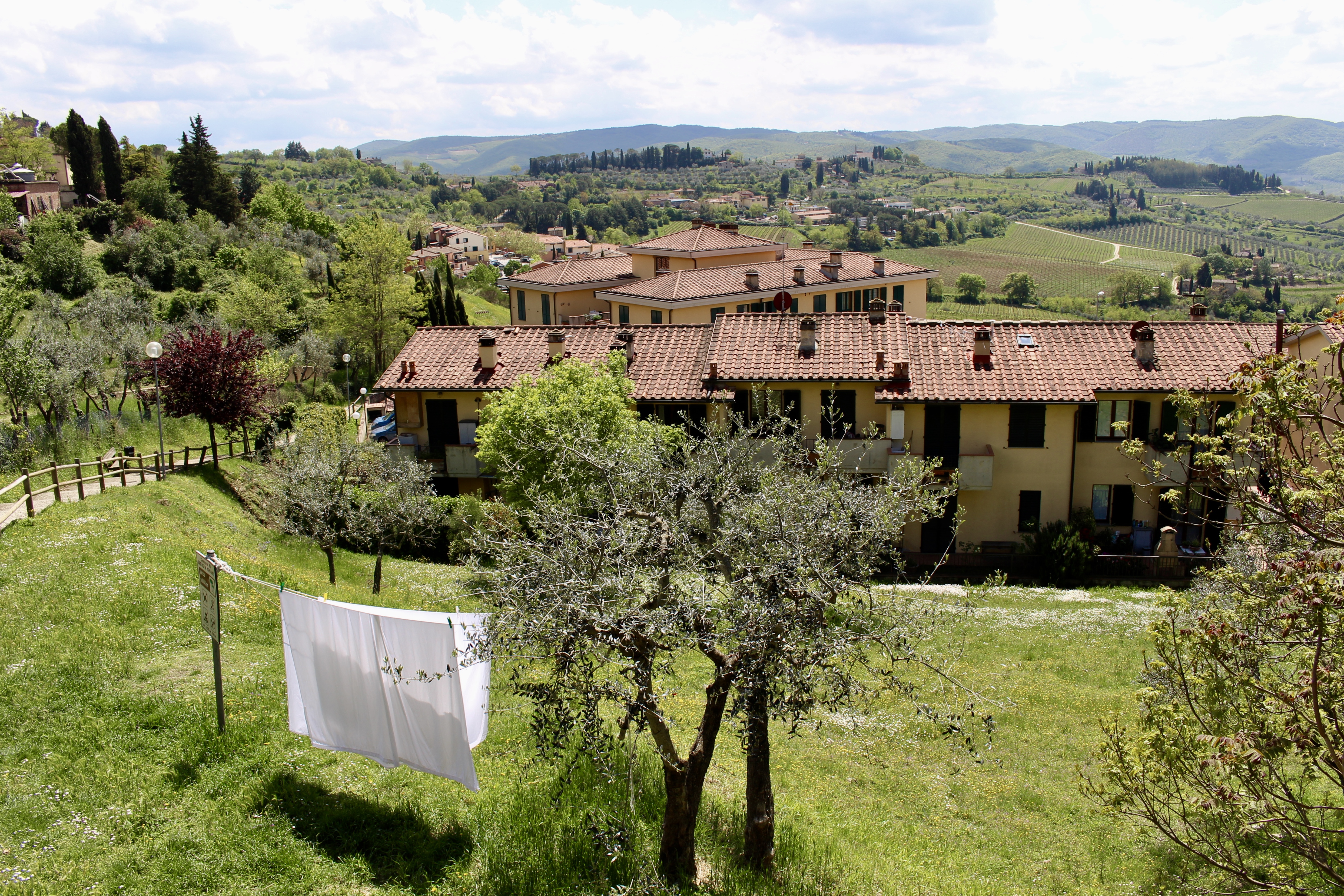
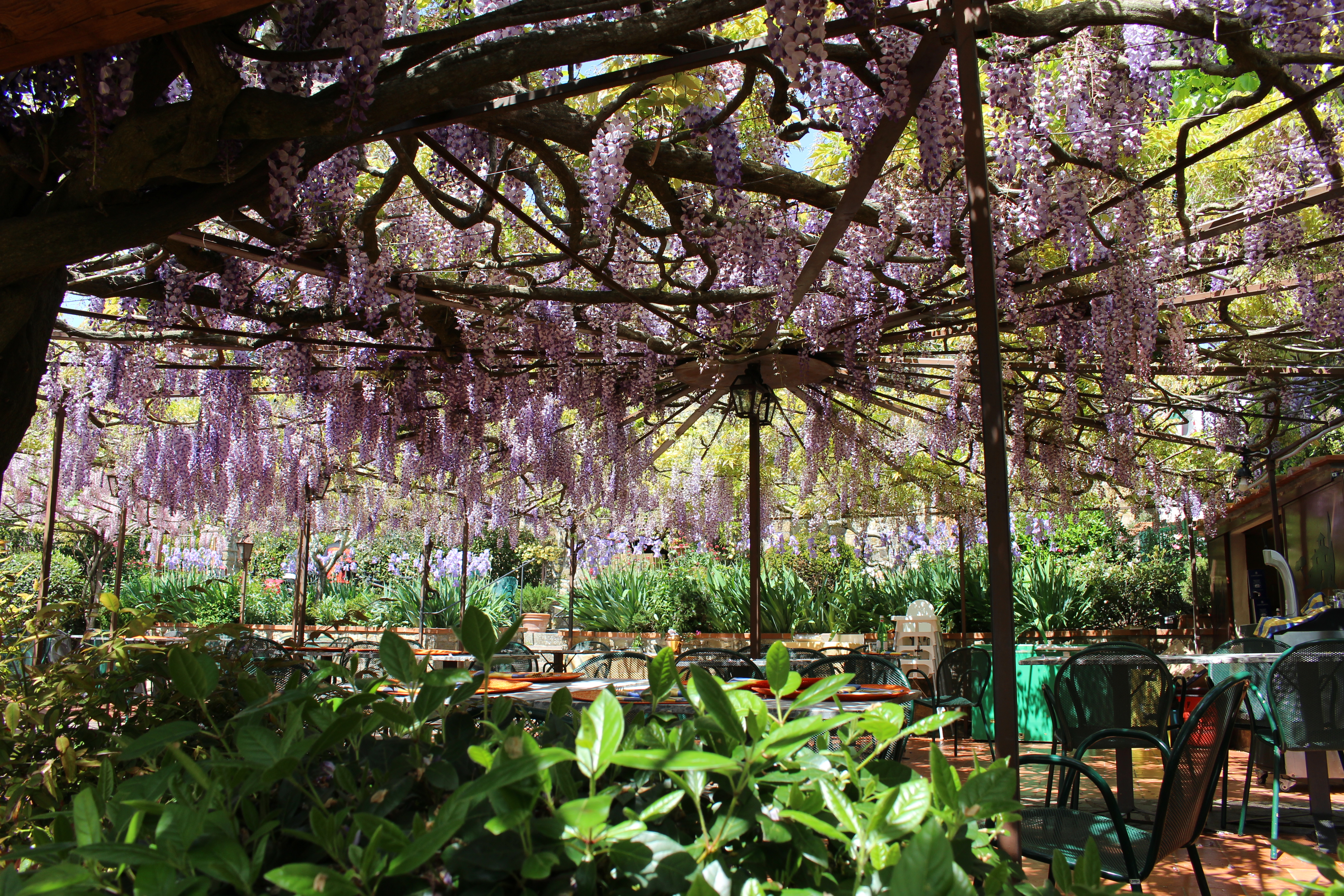
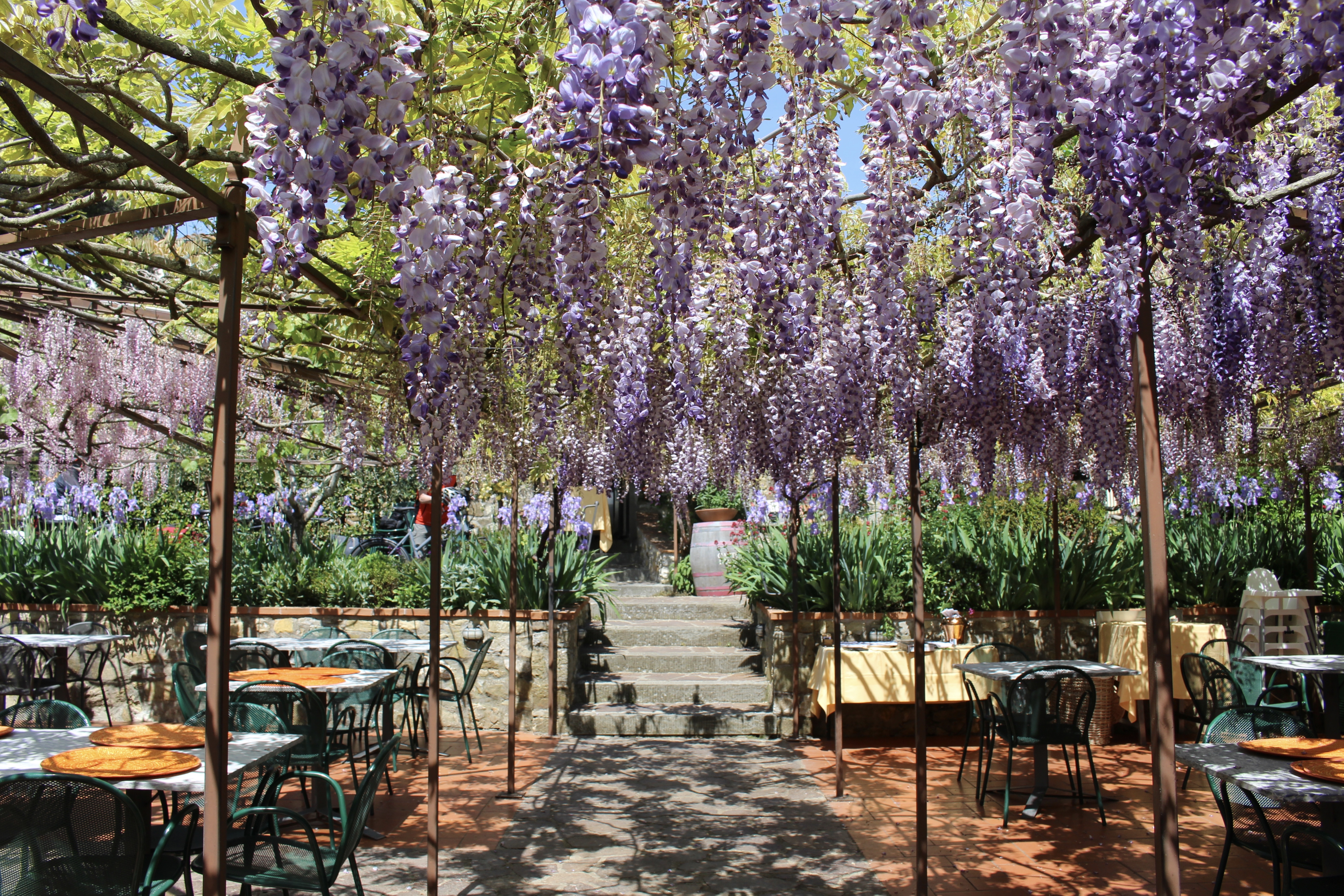
We found a lovely place to eat, Oltre il Giardino, under an arbor of wisteria, with magnificent views of the valleys of the Pesa and Greve Rivers. We sat for a long time, huddling against a chilly breeze, drinking “Terre di Prenzano” Chianti Classico, and eating Ravioli ricotta e spinaci a burro di salvia (Ravioli ricotta and spinach with sage butter) and risotto zucchine e ricotta. The pasta and wine did not seem to affect us, except to make us feel relaxed and satisfied, almost ready for a nap.
irises and wisteria at the restaurant
our view over Chianti
Mike under the sky of wisteria
floral bouquets
ravioli
wisteria arbor
me under the arbor
It was such a pleasant and charming place, with the wisteria dancing in the cool breeze, and the sun gleaming from blue skies over the rolling green hills below. It was as if we were drifting in a dream.
wisteria arbor
view over the countryside
wisteria arbor
wisteria arbo
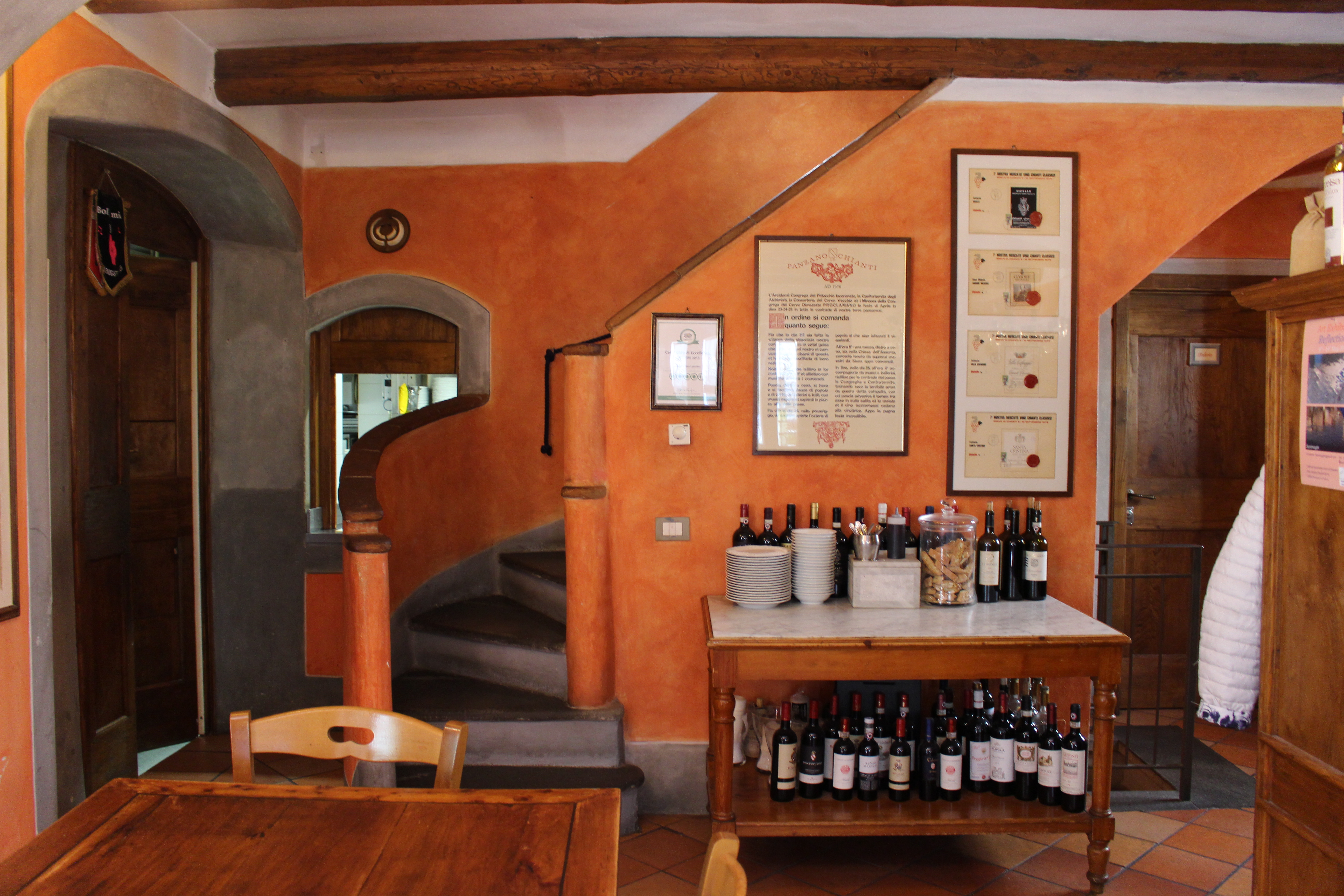
inside the restaurant
After lunch, a short stroll along Via Govanni da Verrazzanno took us to the Old Town Panzano Alto, still partly surrounded by medieval walls. The town’s 13th century castle is now almost completely absorbed by later buildings.
Old Town Panzano Alto
Old Town Panzano Alto
Old Town Panzano Alto
Old Town Panzano Alto
Old Town Panzano Alto
view from walls of Old Town Panzano Alto
view from walls of Old Town Panzano Alto
view from walls of Old Town Panzano Alto
view from walls of Old Town Panzano Alto
The hilltop church in the old town, The Church of Santa Maria (Santa Maria Assunta), was rebuilt in the 19th century on top of a medieval building. It incorporates what was once a tower for the long destroyed castle.
walking to The Church of Santa Maria (Santa Maria Assunta)
The Church of Santa Maria (Santa Maria Assunta)
The Church of Santa Maria (Santa Maria Assunta)
inside The Church of Santa Maria (Santa Maria Assunta)
inside The Church of Santa Maria (Santa Maria Assunta)
view from the steps of The Church of Santa Maria (Santa Maria Assunta)
walking back through the old town
walking back through the old town
walking back through the old town
the new town
the new town
a butcher shop in the new town
a butcher shop in the new town
a butcher shop in the new town
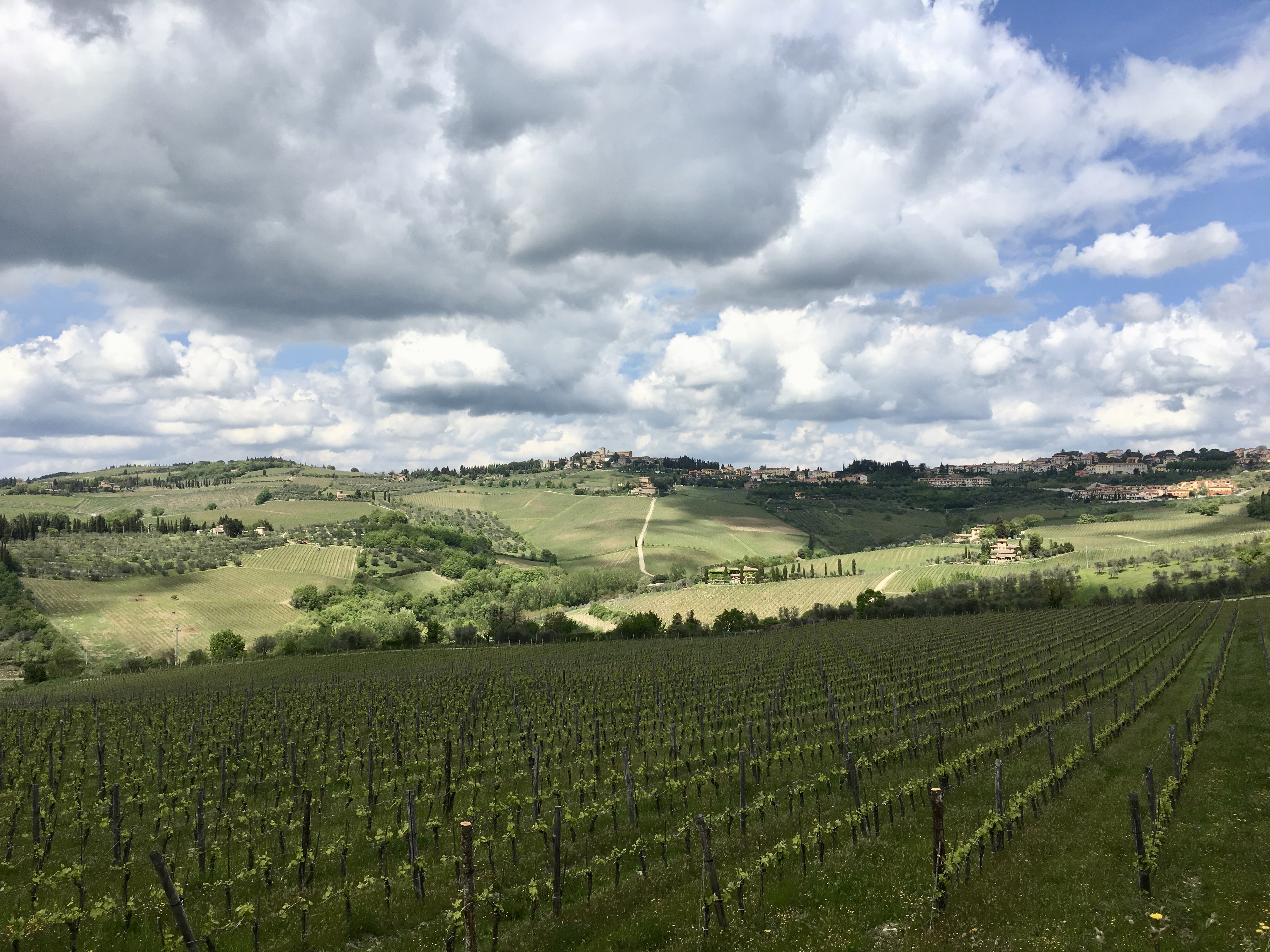
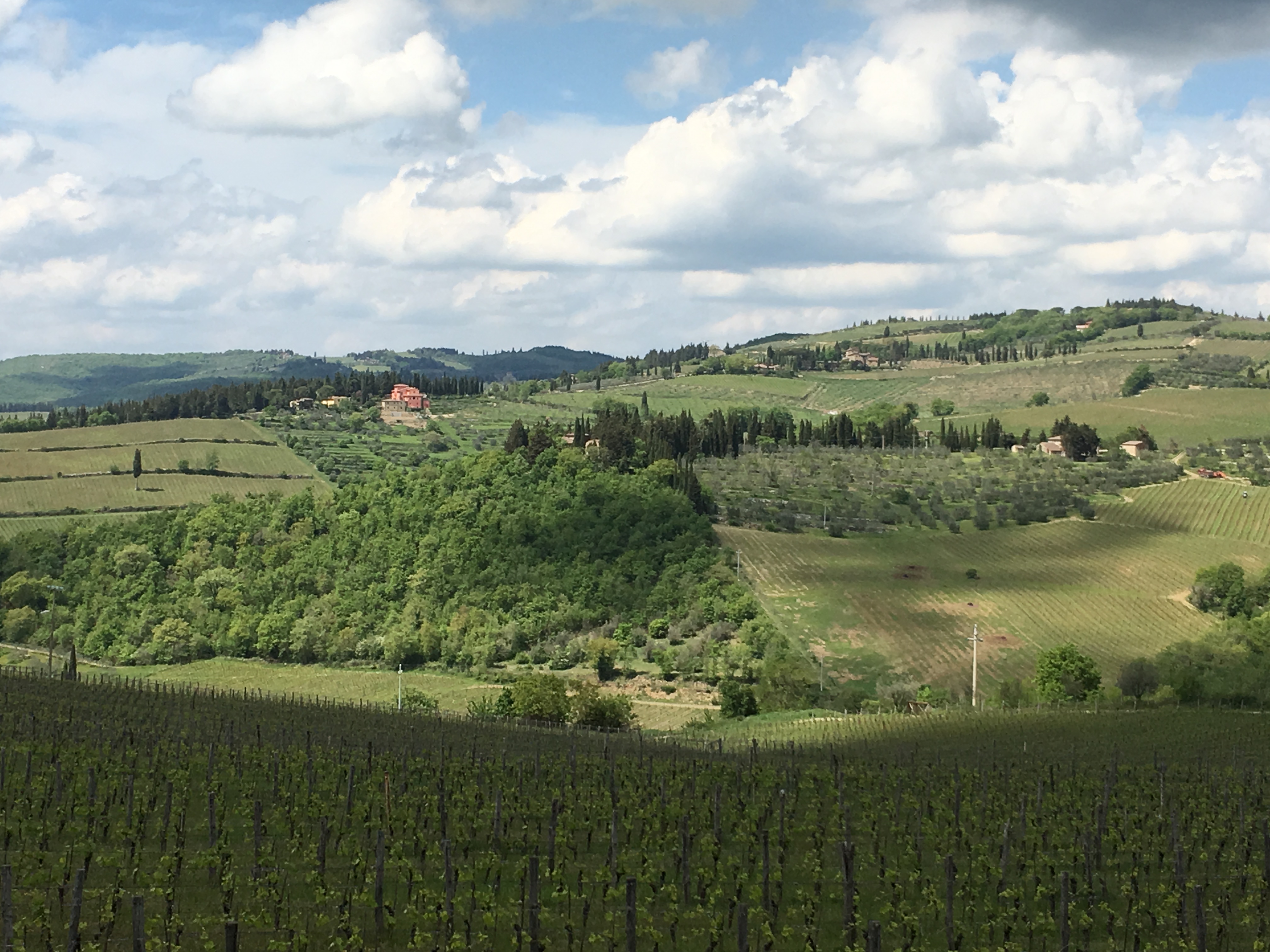
As we left the town of Panzano in Chianti, we pulled over to take pictures of the countryside with its neat lines of vineyards and cypress trees.
Views of Chianti from outside of Panzano in Chianti
Views of Chianti from outside of Panzano in Chianti
After leaving to Galleria dell’Accademia, we headed for Florence’s giant iron-and-glass covered central market. On our way, we stopped at an Italian men’s shoe store; Mike bought a pair of nice leather shoes, which he had to lug around the rest of the day.
We went directly to the upstairs portion of Mercato Centrale to its sprawling food court with trendy little stands and restaurants. The market had an aura of Florentine elegance, with its bountiful Tuscan cuisine. I took some photos of the cute toilets and the butchery shop for my son, who was at that time working for a butchery.
Mercato Centrale
Mercato Centrale
bathroom at Mercato Centrale
bathroom at Mercato Centrale
Mercato Centrale
We got a small snack to begin our grazing for the day at Selezione Formaggi di Qualità Dal: prosciutto, bread, cheese and olives.
prosciutto, bread, cheese and olives at Mercato Centrale
Outside, the San Lorenzo market lined the streets, with mostly leather goods, scarves and trinkets. I accidentally stepped on a painting some guys had laid on the ground. Oops!
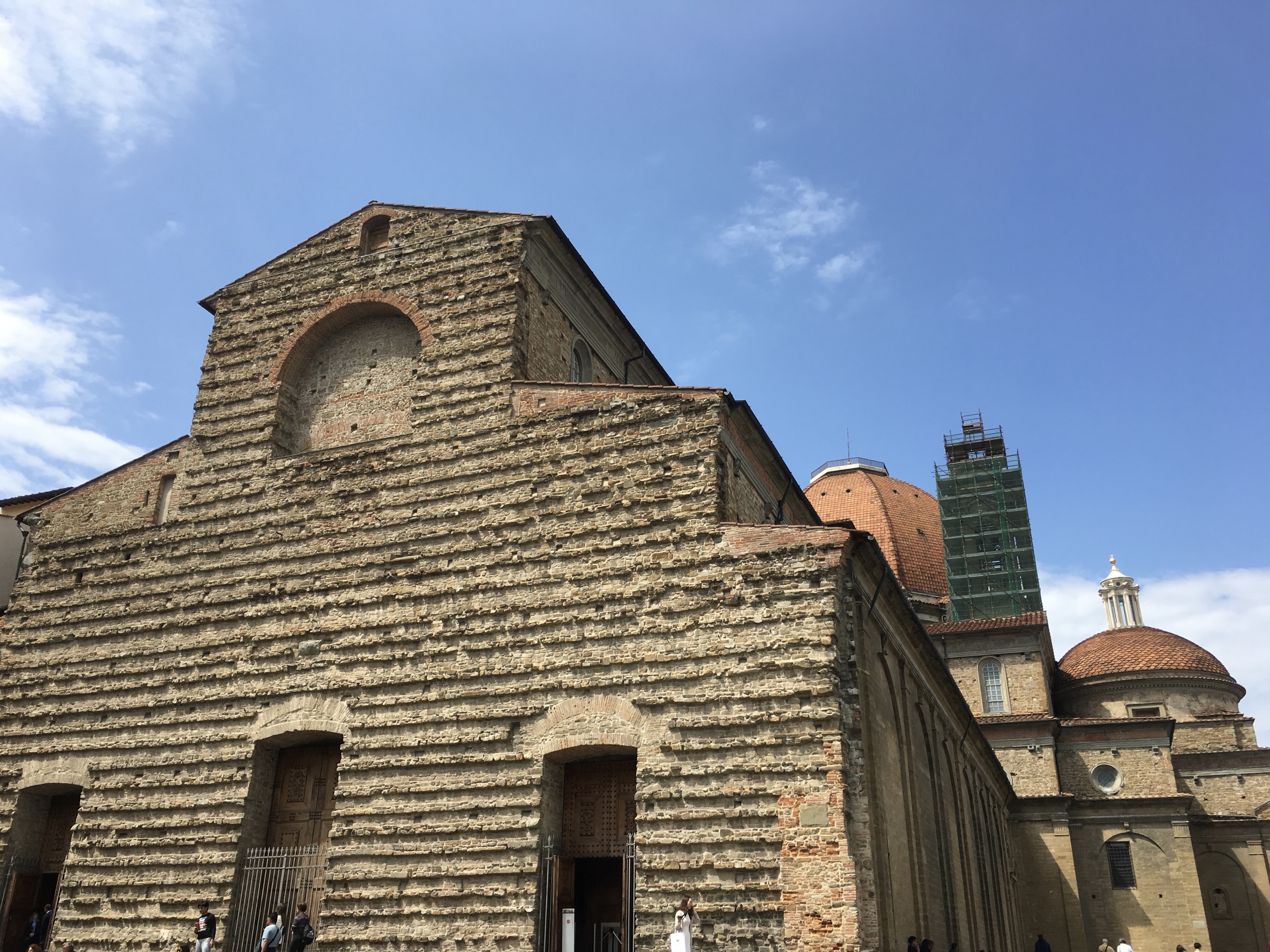
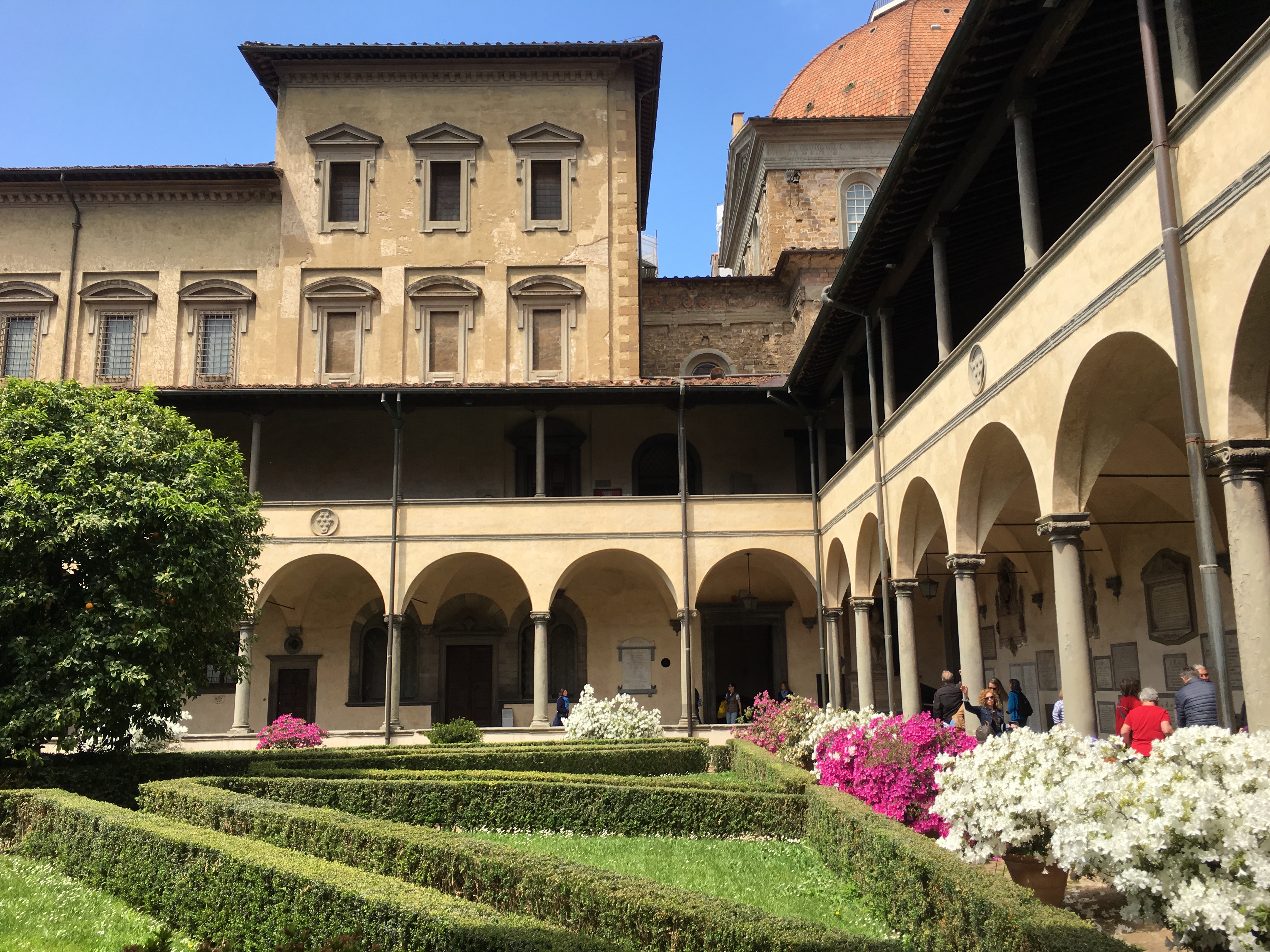
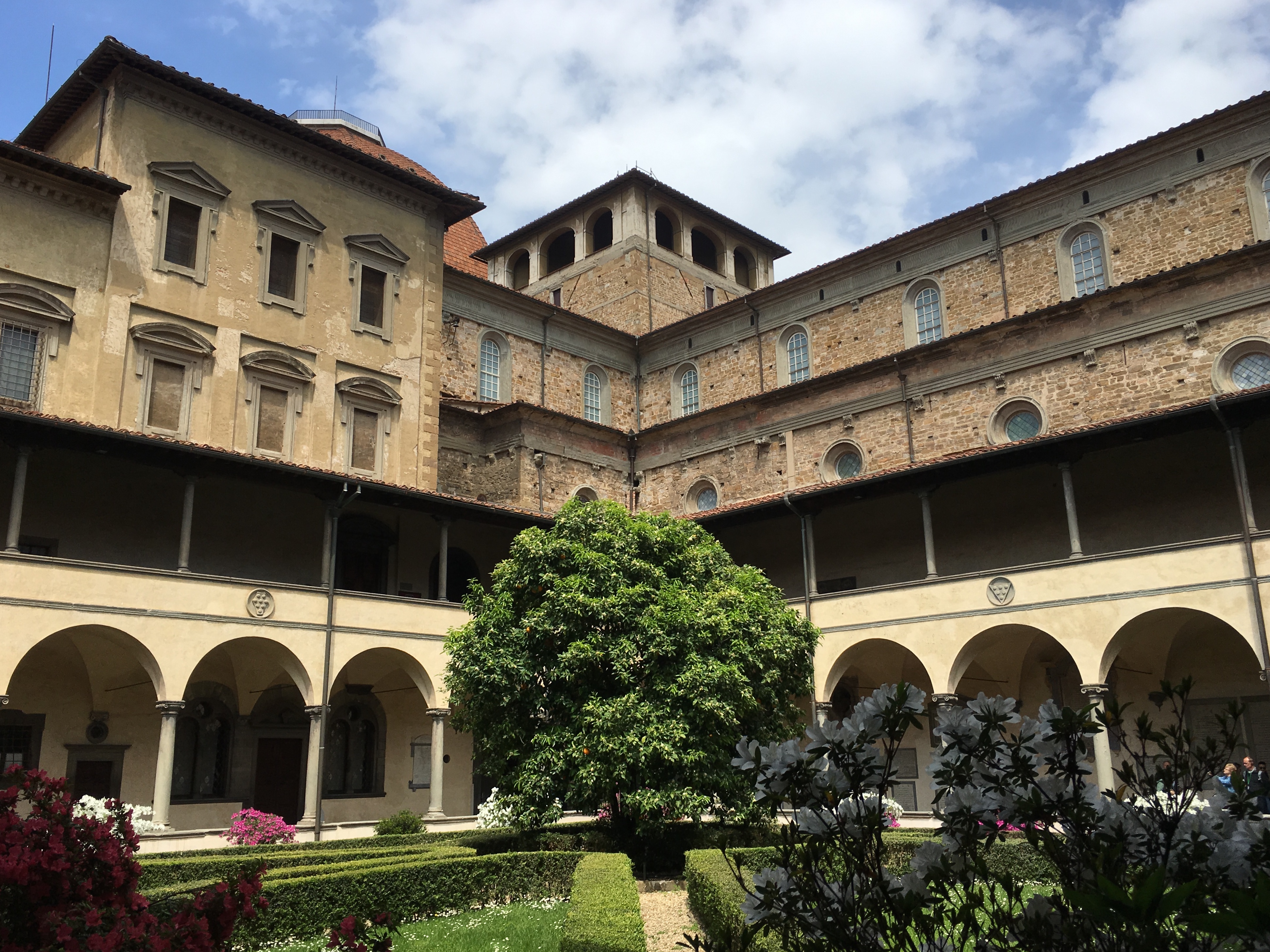
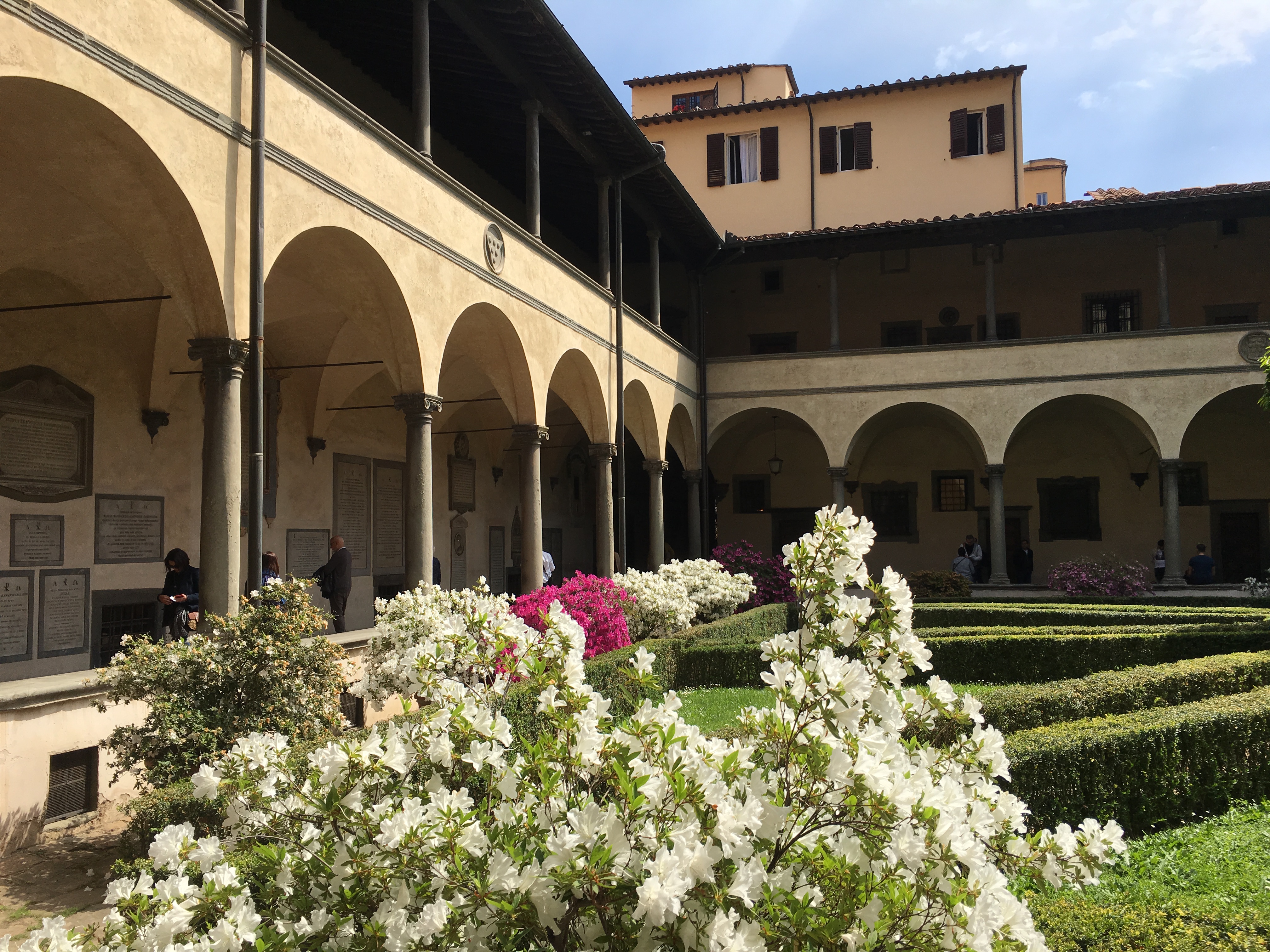
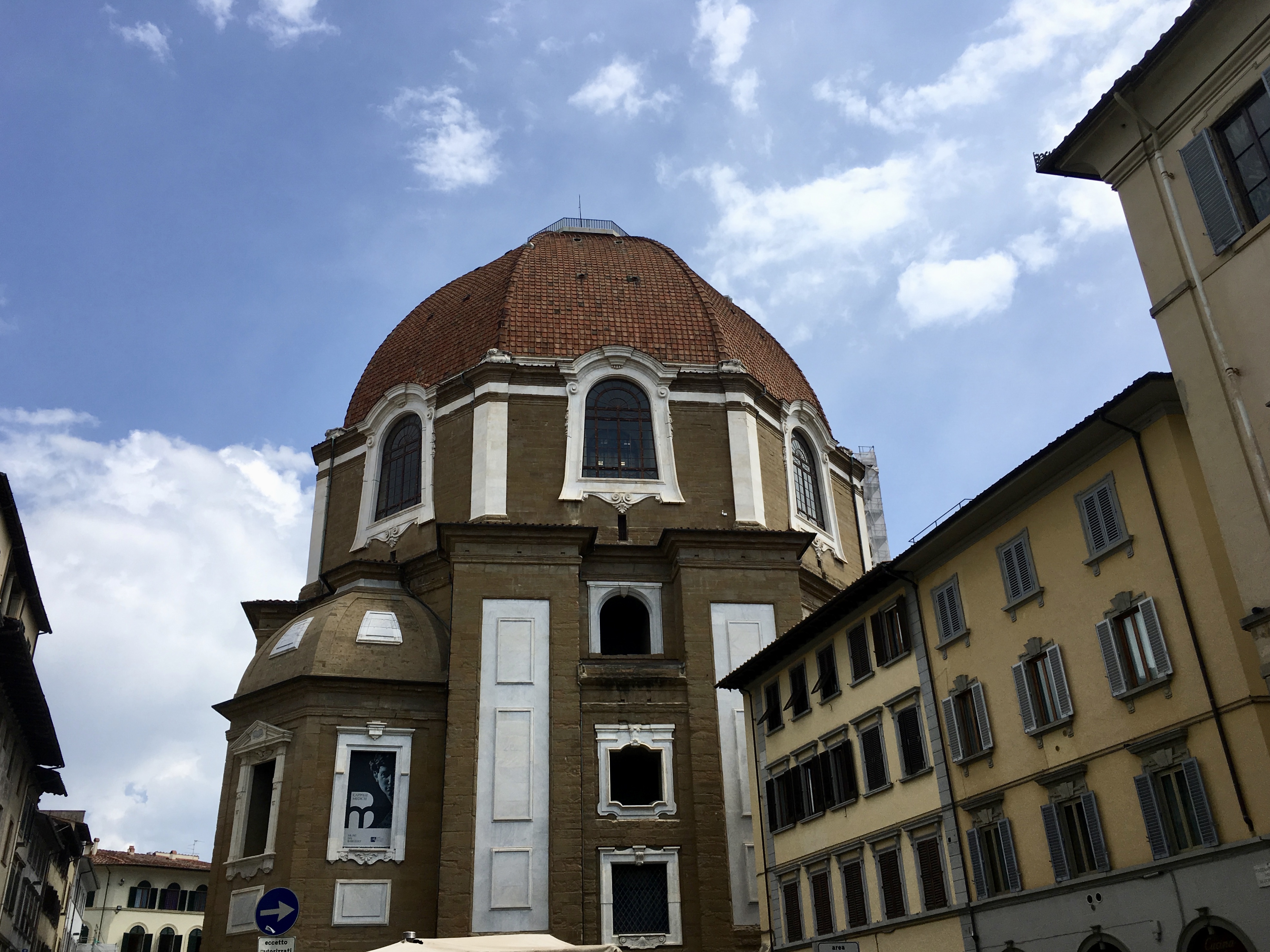
We stopped by the Basilica di San Lorenzo and went into its pretty cloister, but we didn’t go inside the church. Filippo Brunelleschi designed the basilica in 1425 for Cosimo the Elder, but he never lived to see it finished. This was the burial site of the ruling Medici family, who made their money in textiles and banking.
San Lorenzo Basilica
cloister at San Lorenzo Basilica
cloister at San Lorenzo Basilica
cloister at San Lorenzo Basilica
Mike at the cloister
me at the cloister
streets of Florence
We then strolled over to Basilica di Santa Maria Novella which was by the train station and not much to look at. The lower half of this Dominican church was completed mostly in the 14th century and its pointed arch niches and marble patterns reflect Gothic design. About 100 years later, yet another architectural style was added.
Santa Maria Novella
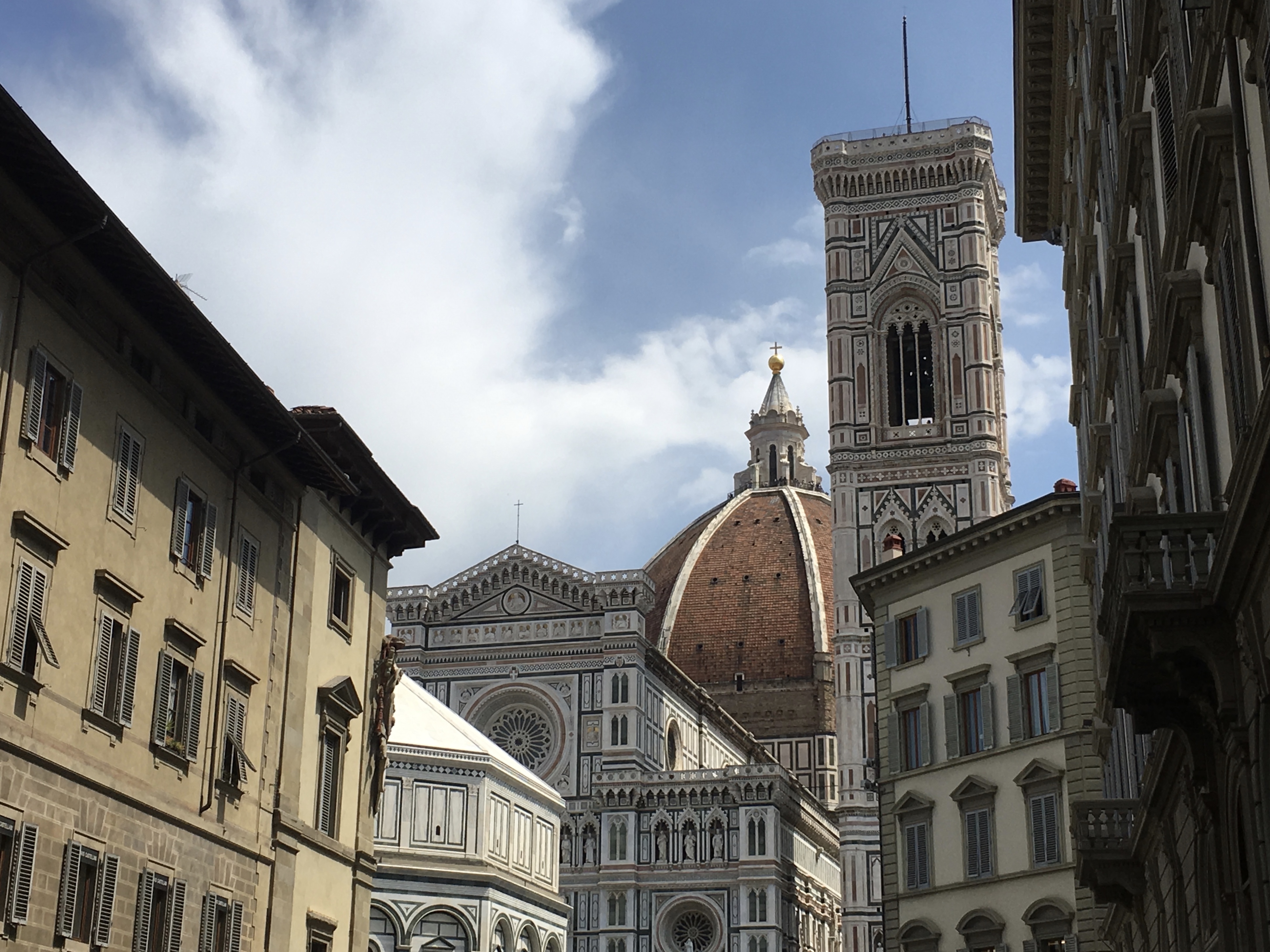
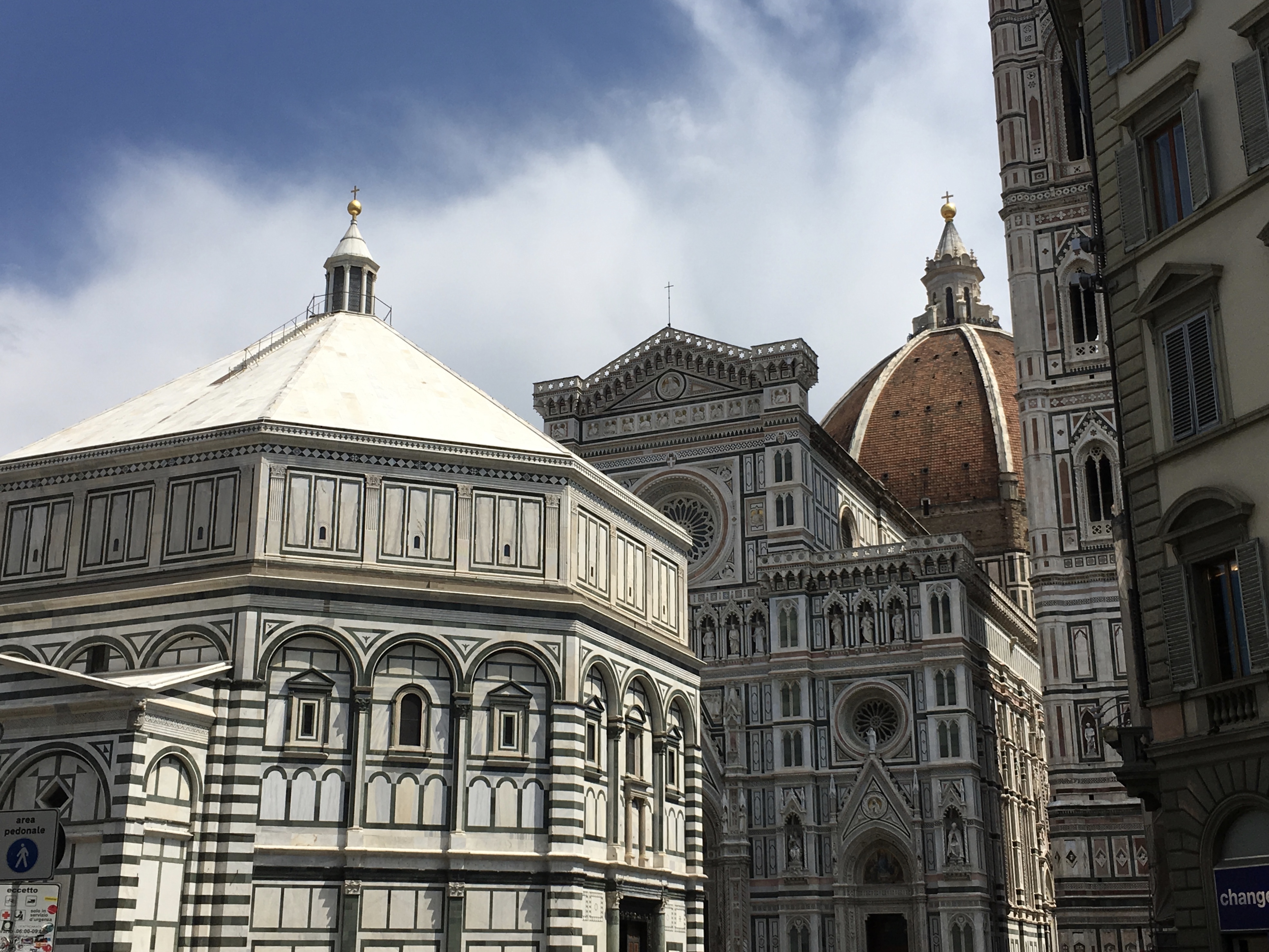
We were tempted by a gelato shop but managed to control our appetites. We paused again briefly at the Duomo.
gelato
the Duomo
the Duomo
At another little sidewalk cafe, we had a tomato and mozzarella sandwich, a bowl of Tuscan soup (tomato with lots of bread) and a Limone Schweppes. It was fun to eat and watch people walking by. We saw two couples divided by gender: the men frowned over a large unfolded map trying to decipher it; I imagined speech bubbles floating over their heads – “Thought is life” – while their wives stood obliviously chatting, relying on their husbands to figure it all out.
Chinese tour groups sallied past, led by guides waving yellow flags. A young man walked by dressed as if from 1920: linen shirt, vest, fancy shortish pants, bow tie, straw hat. It seemed as if he came from another century or like someone from right out of The Music Man; maybe he was a poet or writer. Another man walked past decked out in plaid blue pants, a blue shirt, a flowered blue scarf and a blue puffy jacket.
After lunch, we poked our heads in briefly to Bartolucci Florence, a shop dedicated to to wooden toys, and in particular, Pinocchio.
tomato and mozzarella sandwich
Tuscan soup
me as Pinocchio 🙂
Down the road from the cafe, I saw the Pandolfino sign, so I dragged Mike down to look at a shop I’d seen earlier that had been closed. It was still closed and a sign said it opened after 3:30.
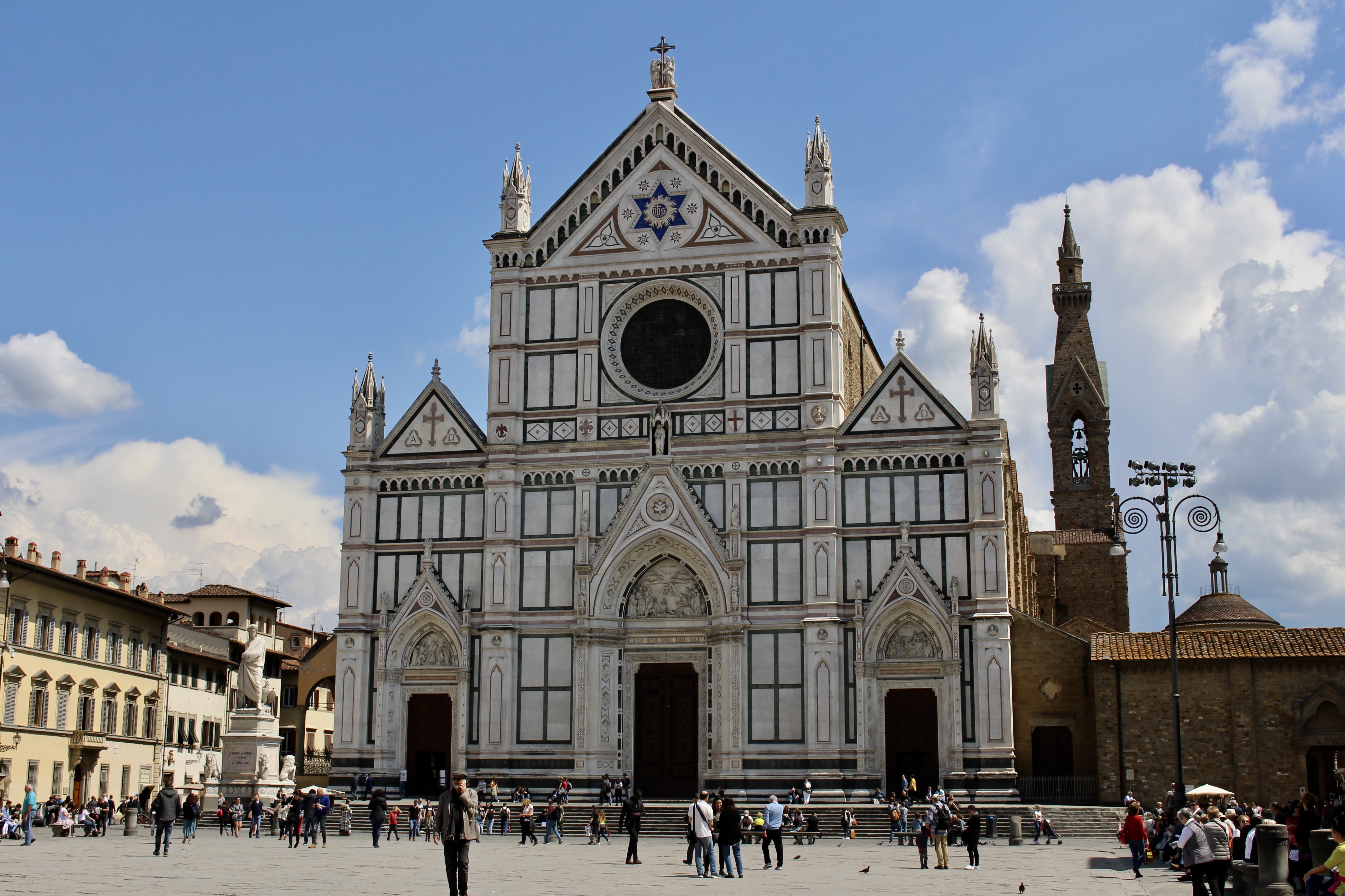
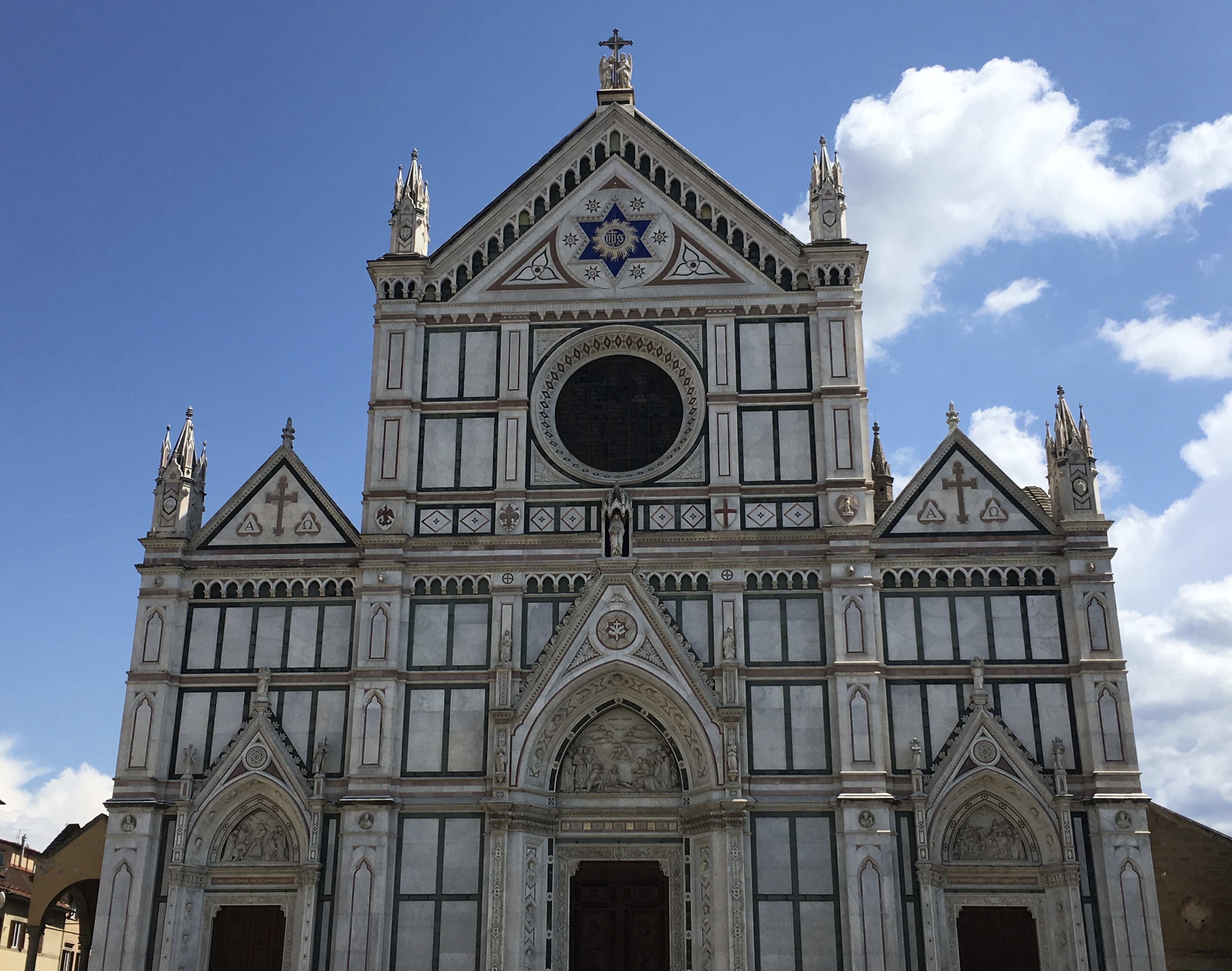
The Basilica di Santa Croce beckoned at the end of a big square. The 14th century Franciscan church holds the tombs of great Florentines: Michelangelo Buonarroti, Galileo Galilei, Niccolò Machiavelli, and composer Gioacchino Rossini. It has a busy 19th century Victorian neo-Gothic facade and faces a huge square ringed with tempting shops. We didn’t go inside, sadly missing the frescoes by Giotto in the chapels right of the altar.
Santa Croce Church
Santa Croce Church
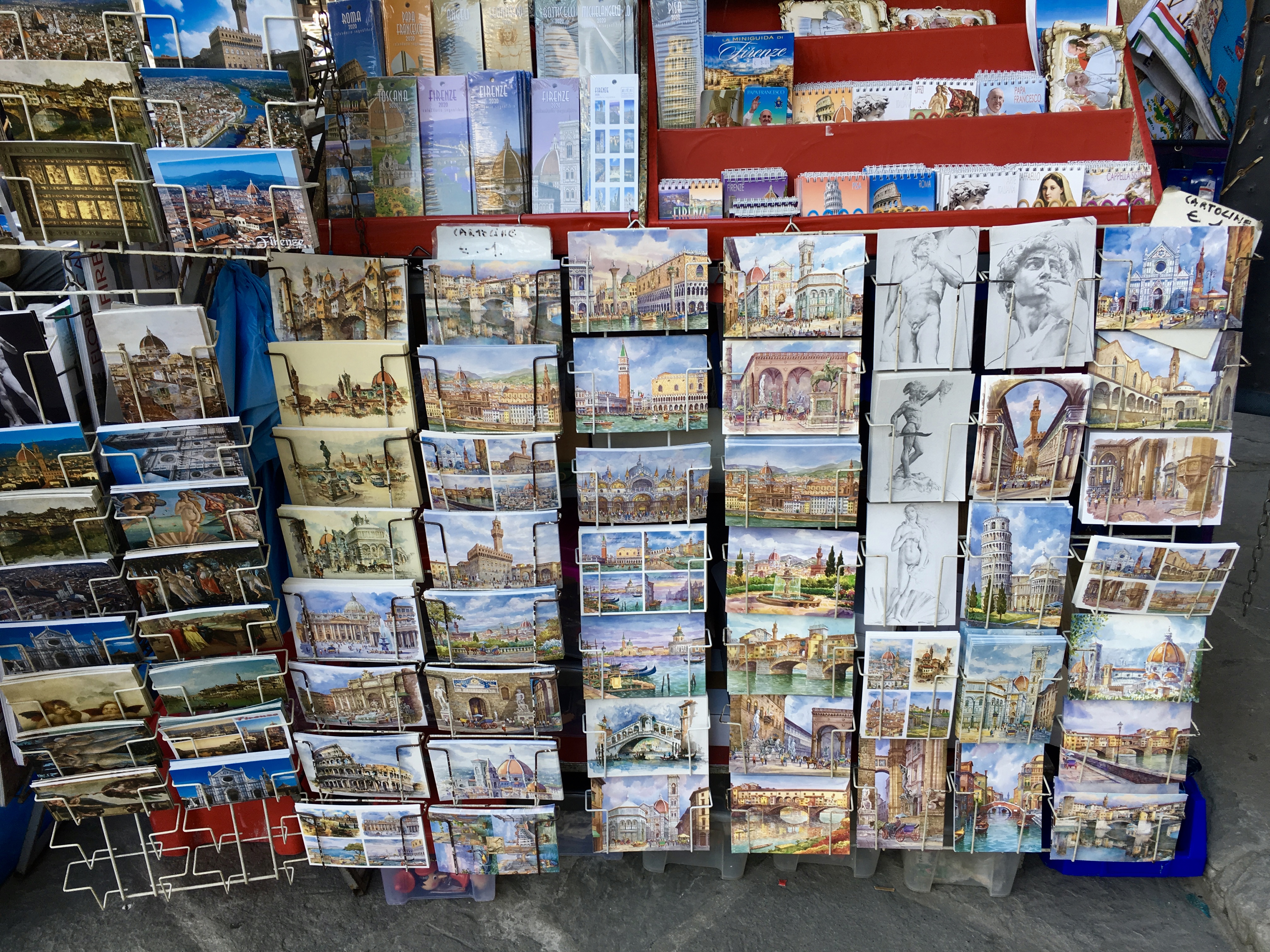
postcards in Florence
We found the little scarf shop I’d seen on the first day, Massimo Ravinale, with silk Italian scarves, and I bought two – one for $75 and one for $36. Both were exquisite. The prim and dapper salesman insisted on wrapping them in cellophane and wanted to put them properly in a fancy box, but when I refused, he insisted on a lovely bag. He was obviously frustrated, but I had to carry them all day and I didn’t want the additional burden of a box. He probably shook his head after I left: “Americana…”
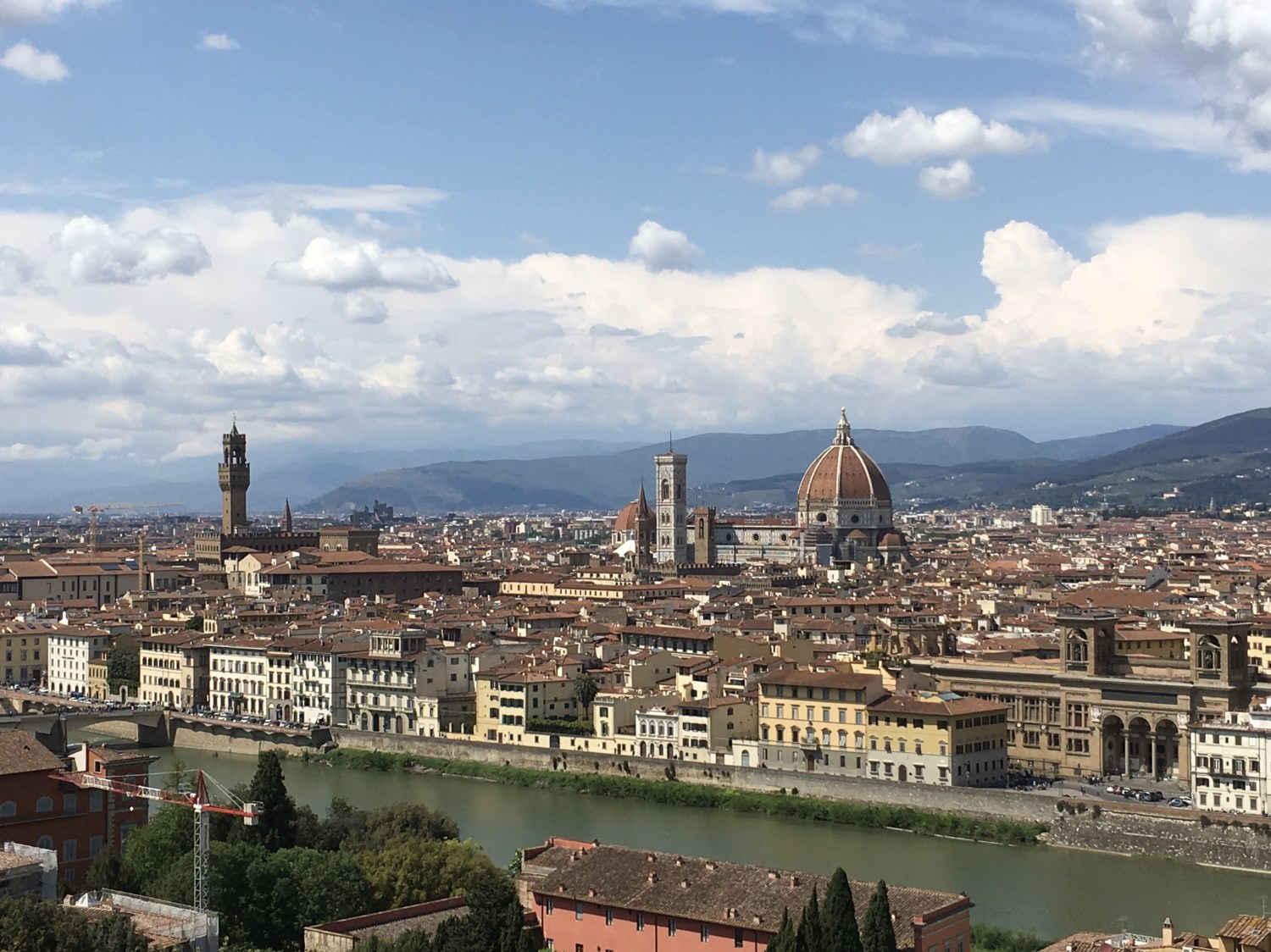
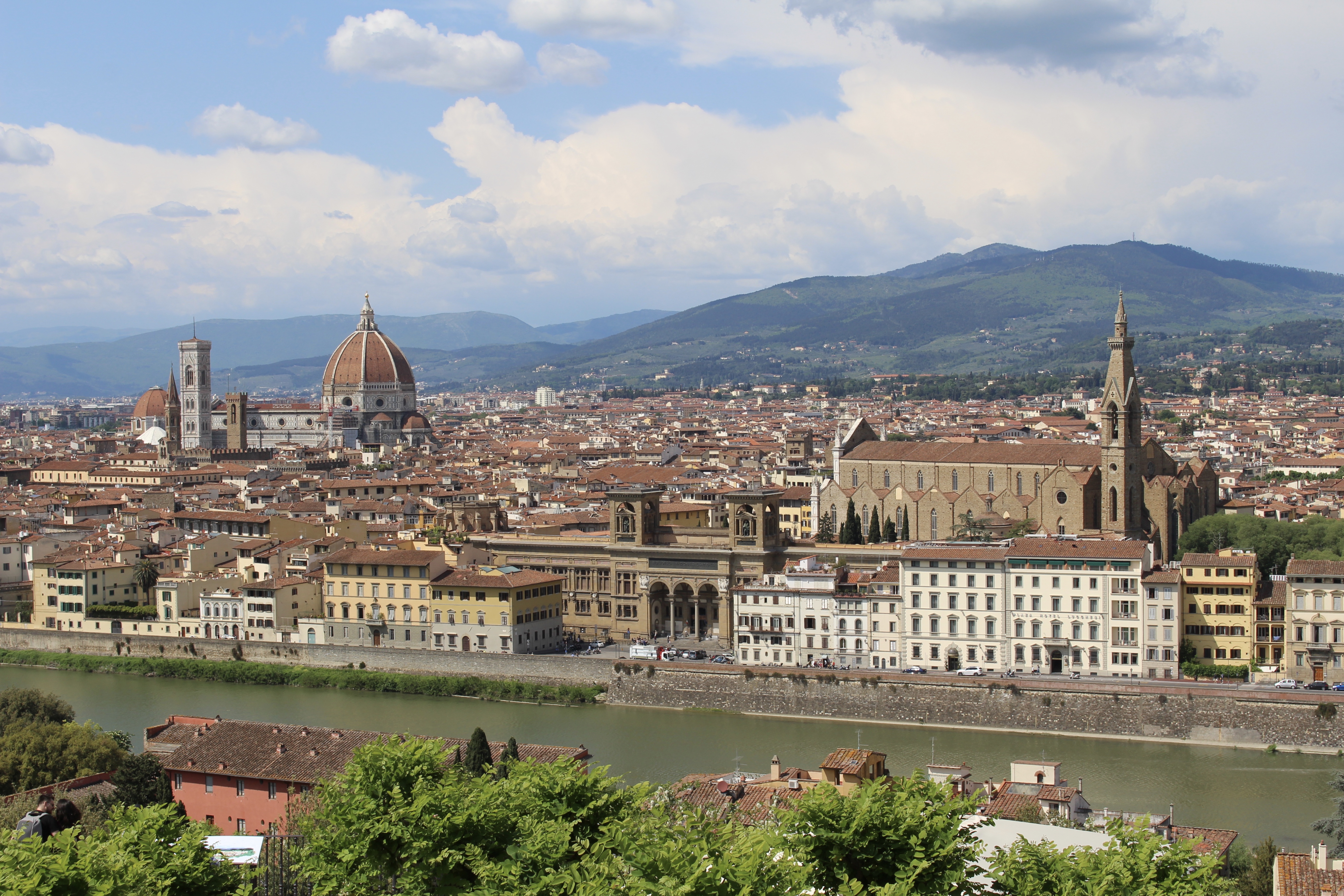
We rambled our way to the Arno River and debated whether to cross and climb to the Piazzale Michelangelo, with its bronze statue of David. We decided finally to go for it; we crossed the Ponte Alle Grazie, the bridge east of Ponte Vecchio, and climbed ever upward for views over Florence from the famous Piazzale.
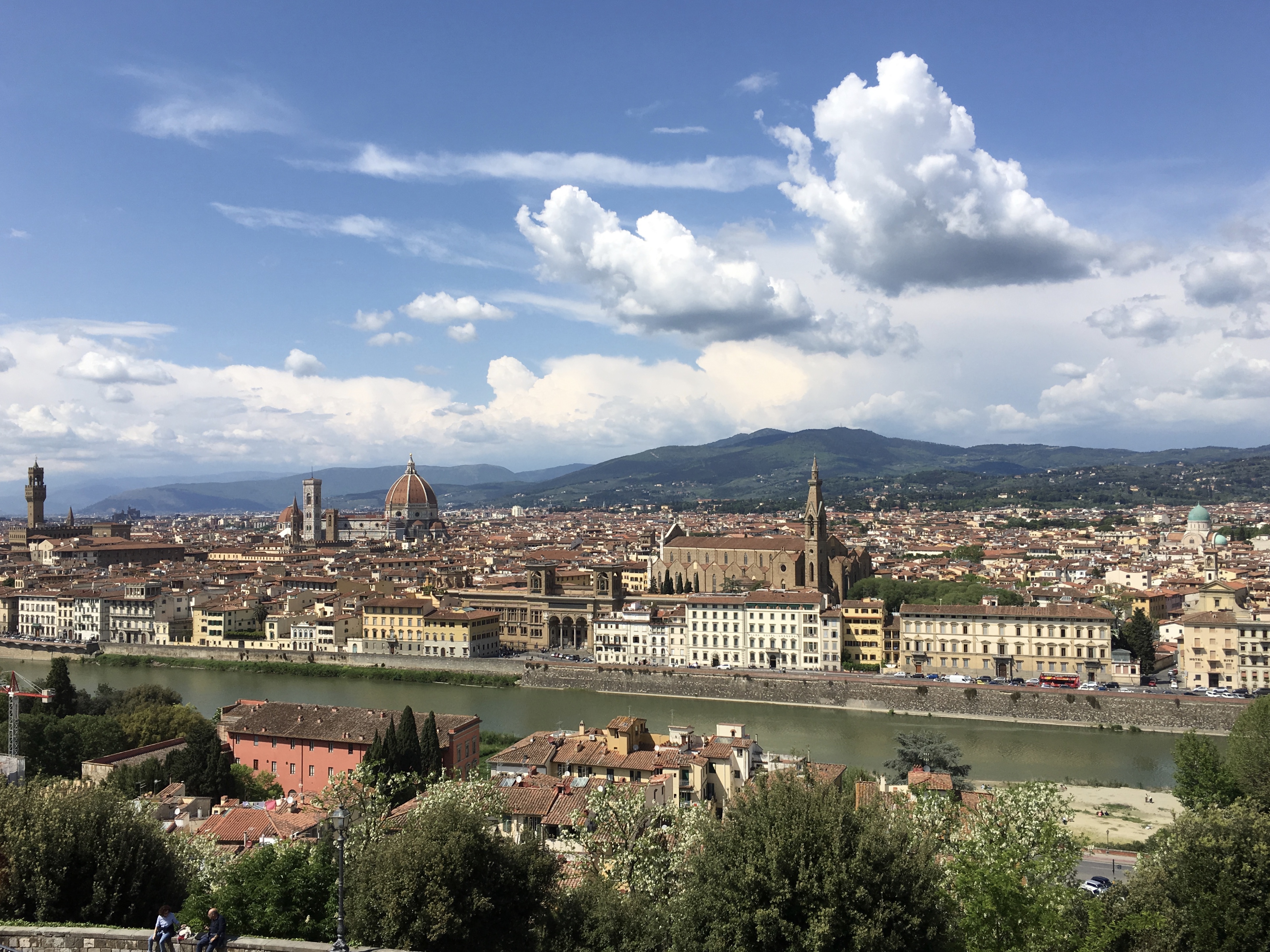
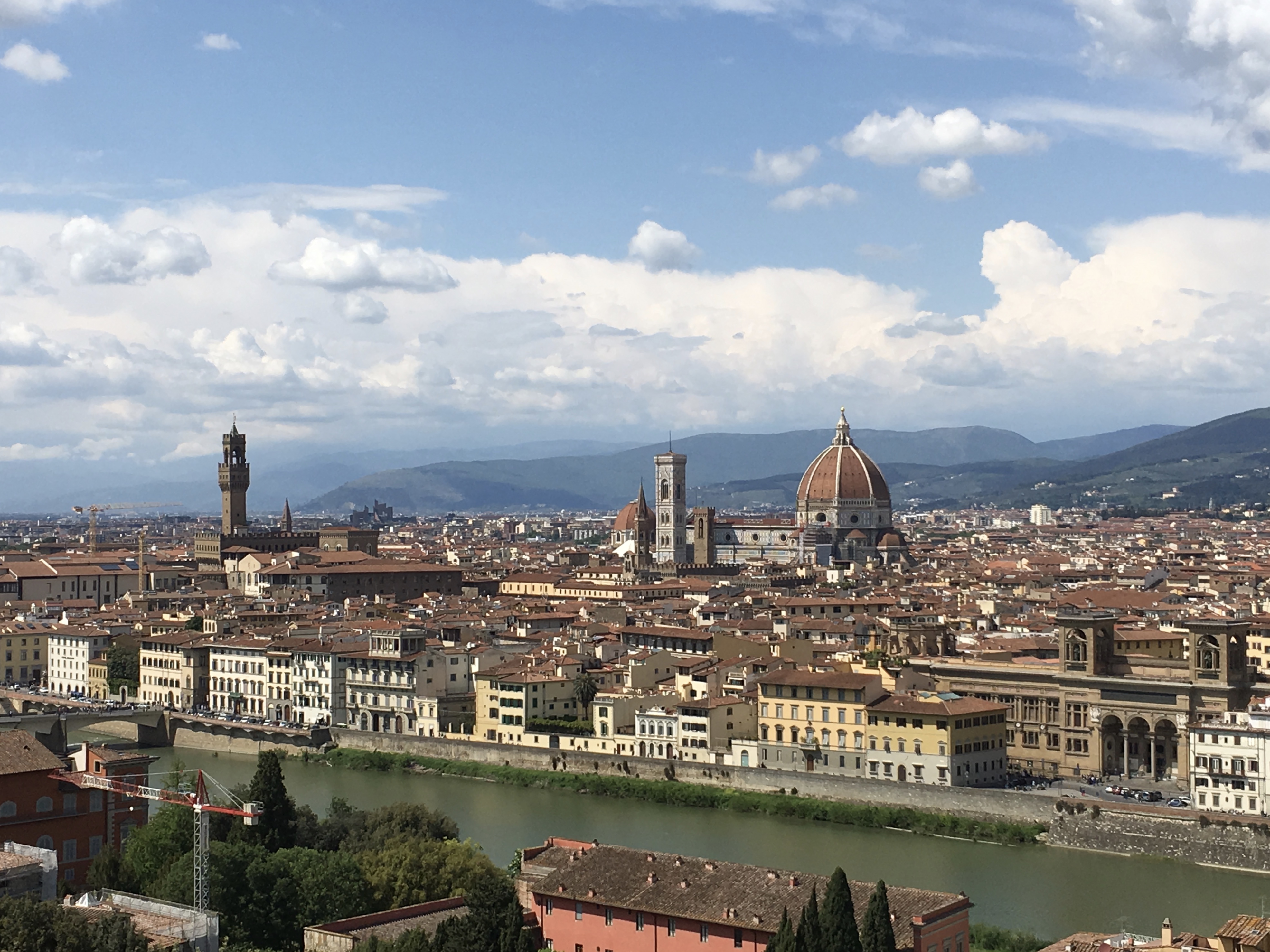
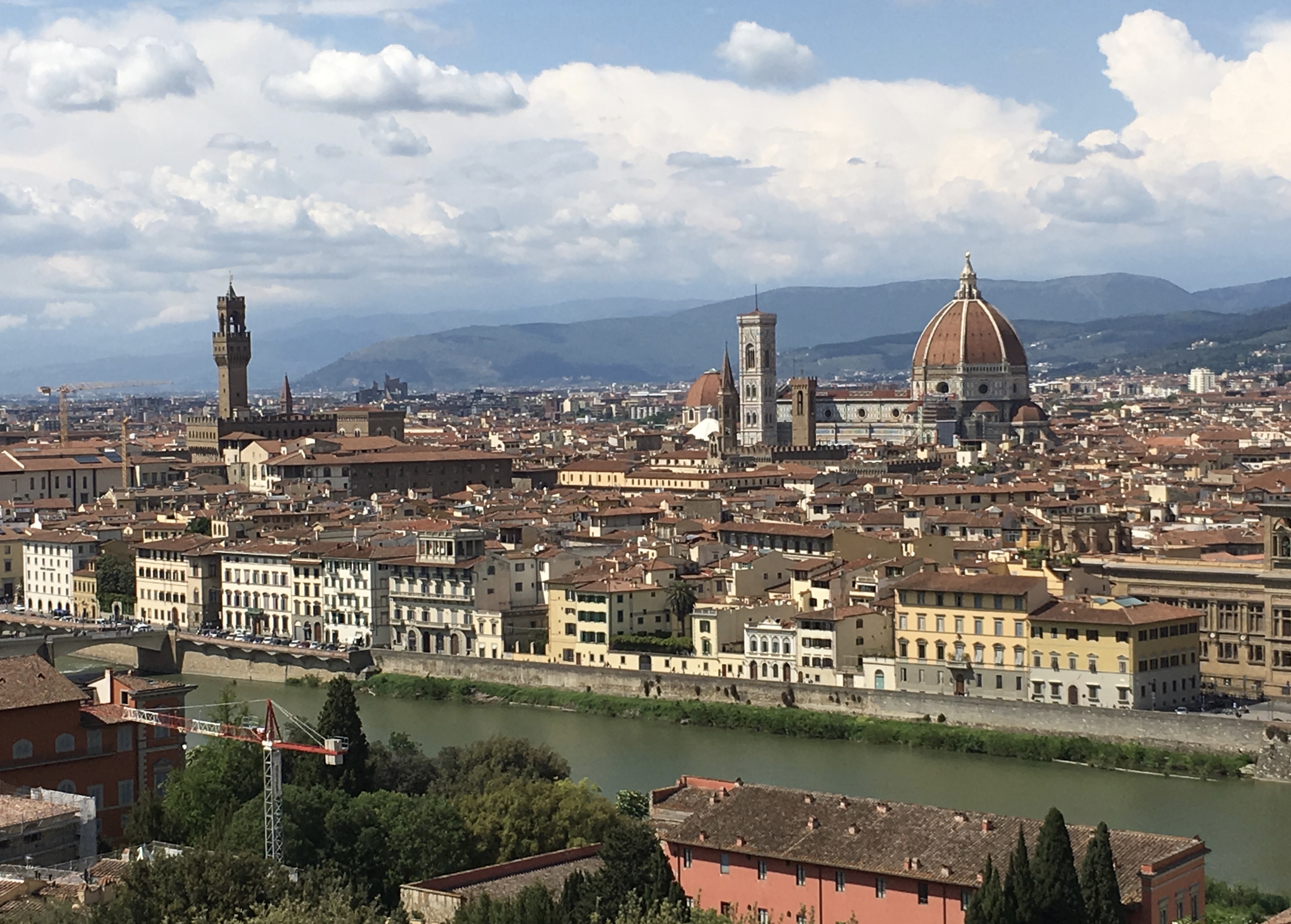
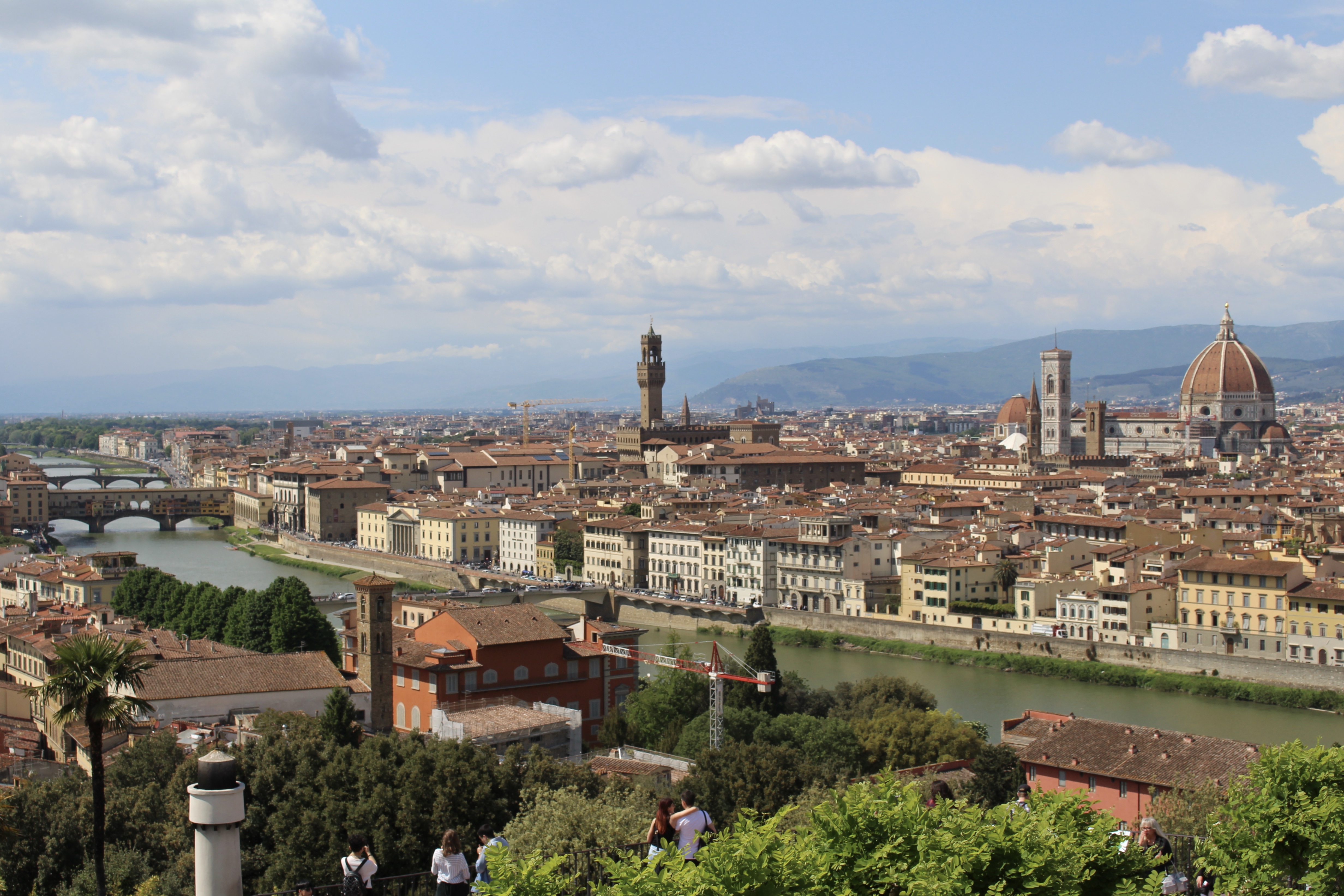
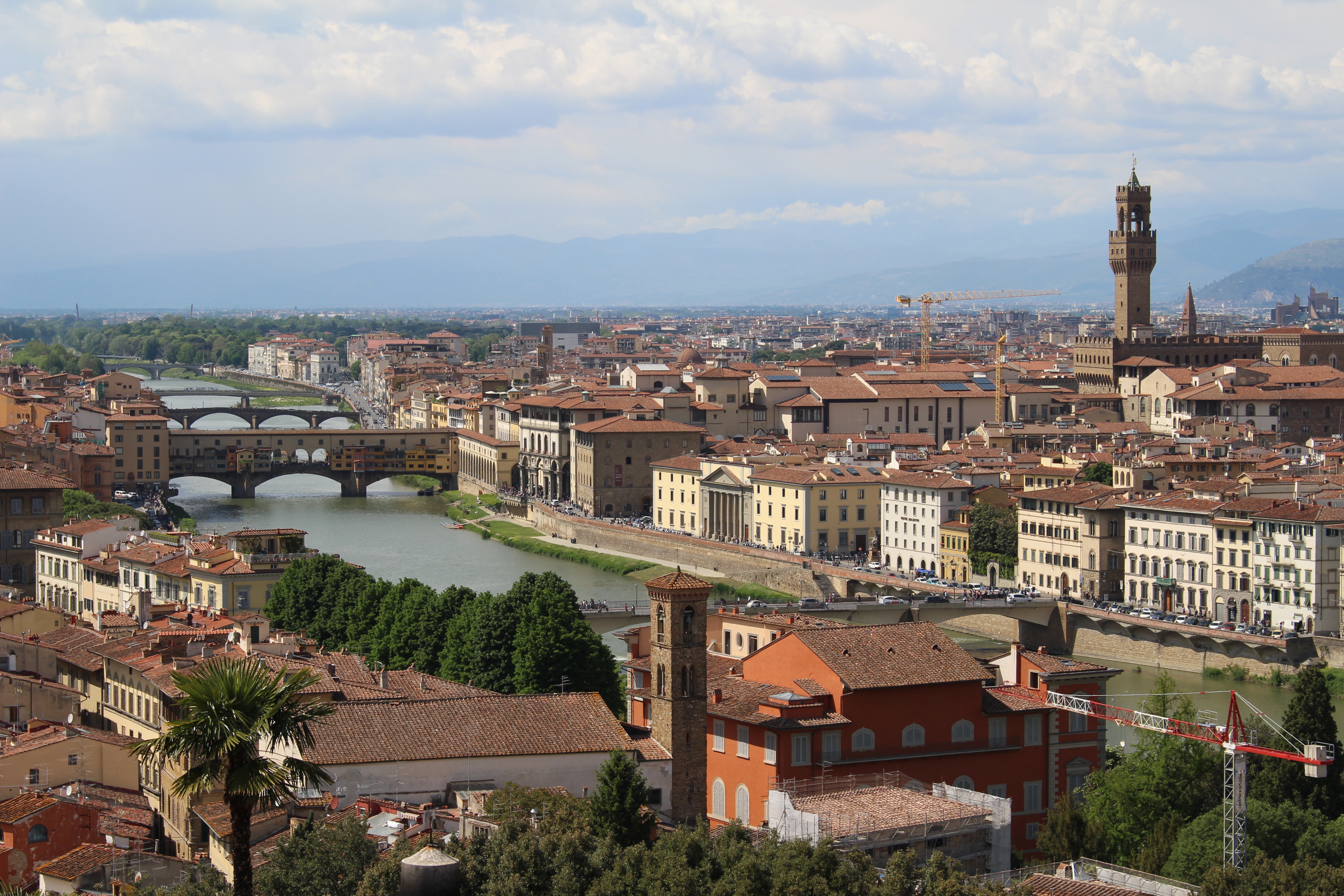
From the lookout, we had marvelous views of Florence and its surrounding hills.
view of Florence from Piazzale Michelangelo
view of Florence from Piazzale Michelangelo
view of Florence from Piazzale Michelangelo
view of Florence from Piazzale Michelangelo
view of Florence from Piazzale Michelangelo
view of Florence from Piazzale Michelangelo
view of Florence from Piazzale Michelangelo
Mike at Piazzale Michelangelo
Mike with a Fiat at Piazzale Michelangelo
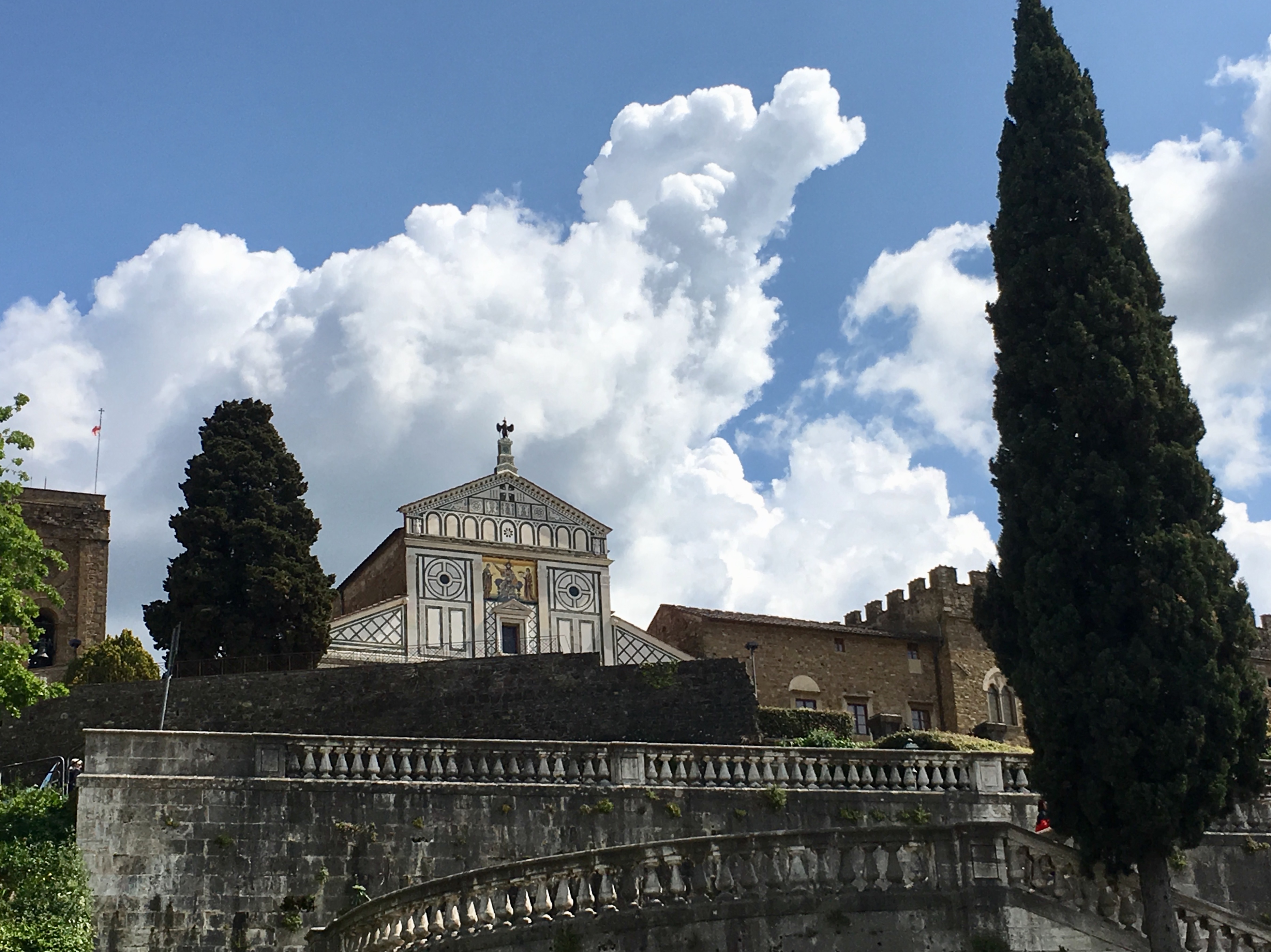
After enjoying the views, I walked uphill while Mike sat on a bench. I took a couple of photos of San Miniato al Monte, another beautiful church whose green-and-white marble facade is crowned with a 12th century mosaic topped by a gilt bronze eagle. The church is a fine example of Romanesque architecture and, dating from the 11th century, is one of the oldest churches in Florence.
San Miniato
We sauntered downhill, stopping at a rose garden, Giardino delle Rose, and an iris garden, Giardino dell’Iris. We enjoyed the collection of more than 350 kinds of roses and 2,500 varieties of irises along with a magnificent panoramic view. Within the garden was also a refined Japanese garden.
Giardino delle Rose
Giardino delle Rose
Giardino delle Rose
Giardino delle Rose
Giardino delle Rose
Giardino delle Rose
Giardino delle Rose
Giardino delle Rose
I wanted to go back to the shop near Pandolfino, but we were all turned around and getting irritable with each other. Finally we sat down near the Bargello Museum and found the street on the map. We went to the shop and it was still closed, despite the posted hours that said it should be open. Maybe it was closed because of the Labor Day holiday. It was so frustrating.
Exhausted, we started our long walk back to the apartment. We passed a crazy looking man wearing a furry coat below his knees, grimy fur cuffs around his ankles, and a bunch of stuff jangling around his waist. A girl with dreadlocks wearing dappled leggings that matched her dog climbed on a bus, carrying the dog.
streets of Florence
streets of Florence
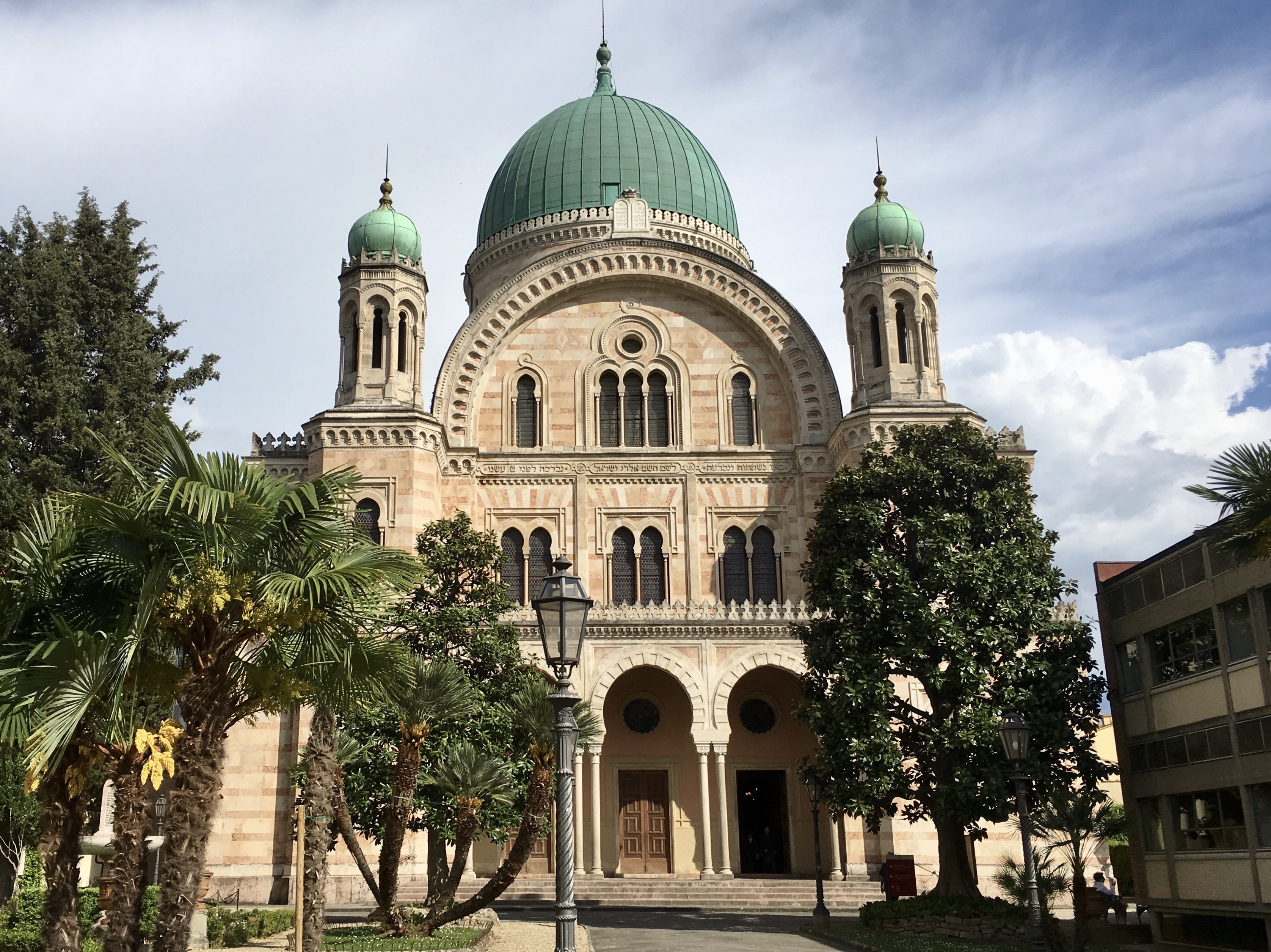
We walked past the Jewish Sinagogue with a Moorish design, which housed the Jewish Museum of Florence, but we didn’t go in.
Sinagogue & Jewish Museum of Florence
We continued the long slog back to the apartment, stopping for a beer and two little sandwiches (one spinach mozzarella and one with smoked salmon and greens), and a bathroom break.
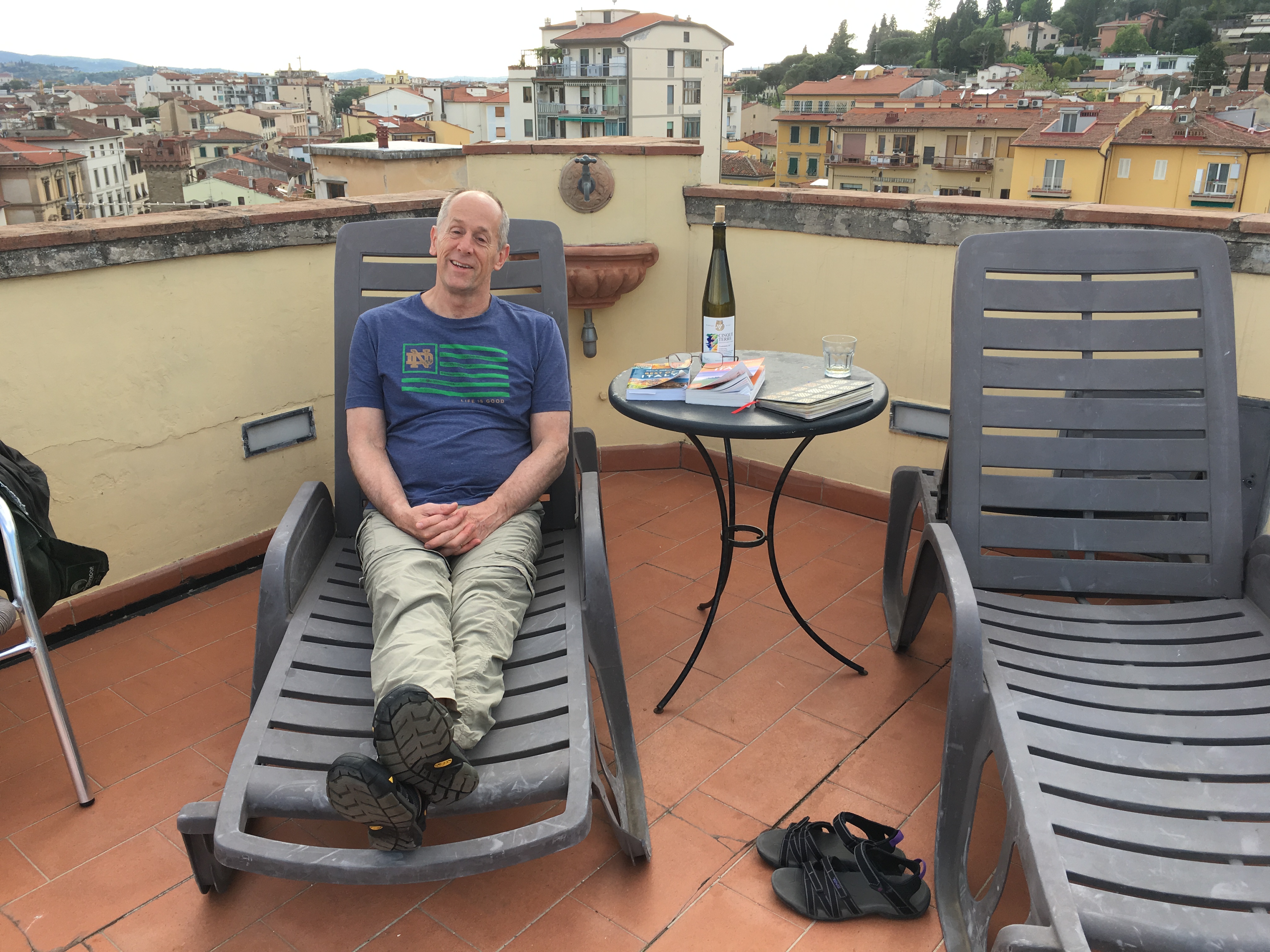
We sat on our terrace and had wine and crackers with cheese and prosciutto and enjoyed the warmth and sunlight. Mike make an excellent dinner of Tagliatelle and green beans and pesto. We had a side dish of cooked prepared spinach.
Mike on our “Terrace with a View”
Mike went out to get us gelato at Badiani, opened in 1932 by Idilio Badiani as a dairy and gelateria. The Pomposi family took over in 1993, renovating and expanding the space into a Florentine artisanal gelateria. Mike got himself a cup of strawberry and chocolate mousse and me a hazelnut stracciatella, a gelato variety with chocolate flakes. A perfect treat for our last night in Florence.
After a breakfast of blueberry yogurt, granola and raspberries in our apartment, we went out in hopes of catching the #11 bus into the historic part of Florence. Because it was Labor Day, buses weren’t running on a normal schedule so we had to walk the long haul after all. We stopped at a cafe for croissants and coffee.
the long haul walk into historic Florence
pretty tree
the long haul walk into historic Florence
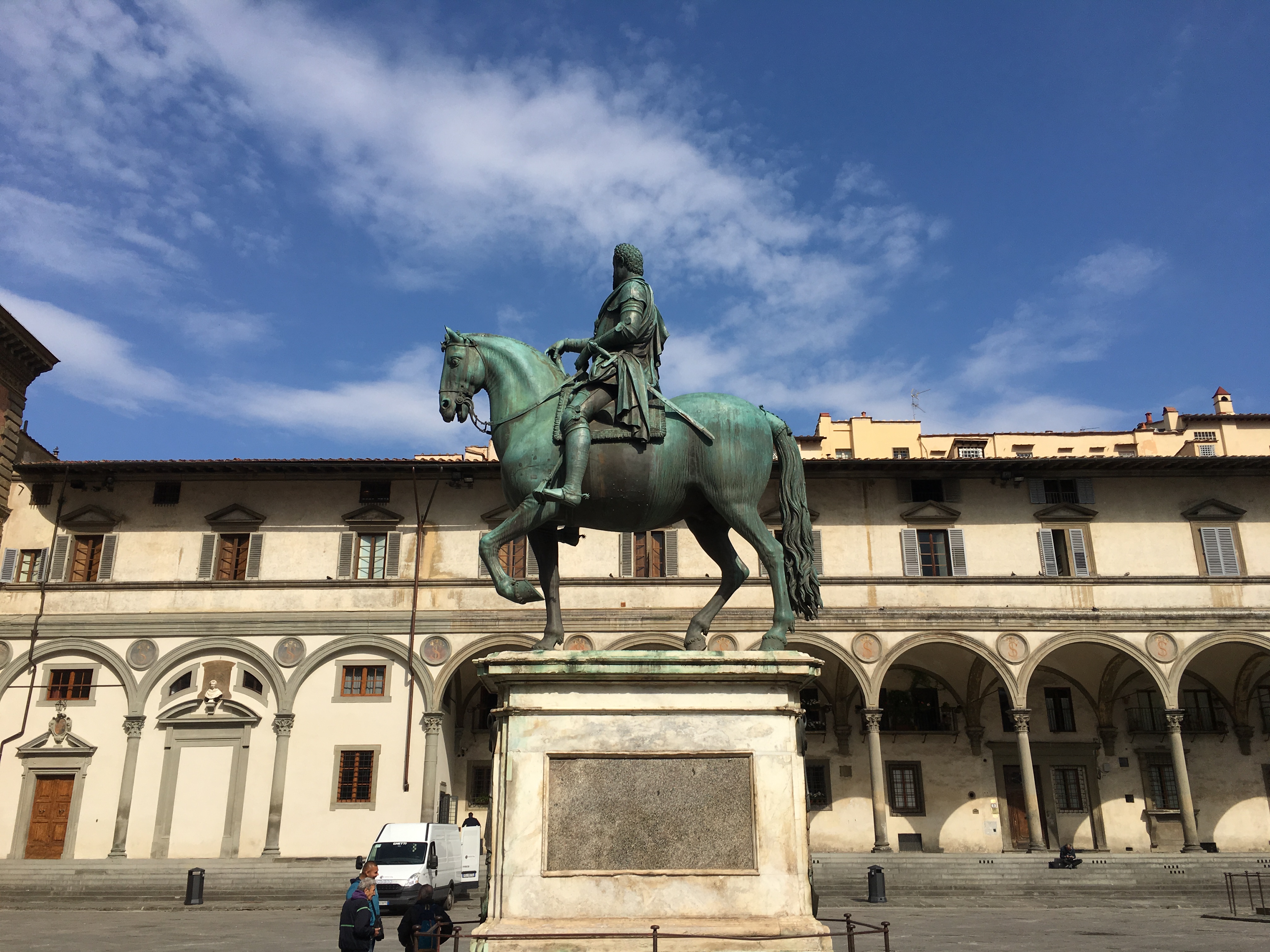
equestrian statue of Cosimo I
We had 10:15-10:30 tickets to Galleria dell’Accademia (Accademia Gallery) and we were able to get in right after arriving. Luckily it wasn’t too crowded. The gallery has a collection of Florentine paintings dating from the 13th to the 18th century. They were beautiful, but honestly, they all seemed to blend together.
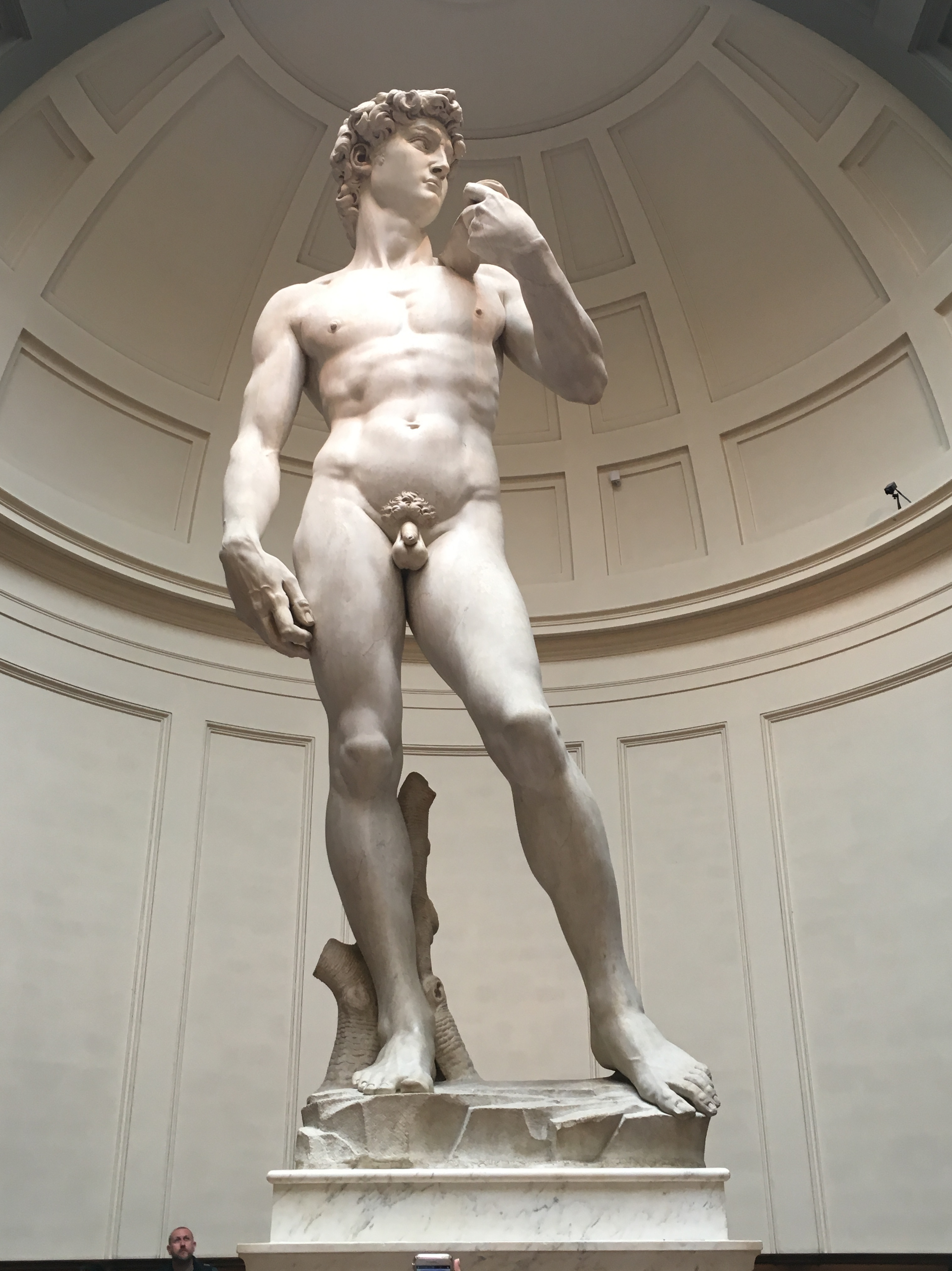
The museum houses Michelangelo’s David, the statue of the biblical shepherd boy ready to take on Goliath (or after he’d already taken him on). In 1501, Michelangelo Buonarroti, a 26-year-old Florentine, was commissioned to carve the large-scale David from a single block of marble.
In the Bible story, the Israelites were surrounded by barbarian warriors led by the giant Goliath. The young shepherd boy David stepped out to fight him, armed with a slingshot. He defeats Goliath. Seventeen feet all, he is the symbol of divine victory over evil, a new Renaissance outlook.
Scholars debate whether this representation of David is before or after his victory over Goliath. His sling is barely visible as though to emphasize that he owed his victory not to brute force, but to his intellect and innocence.
Michelangelo’s David
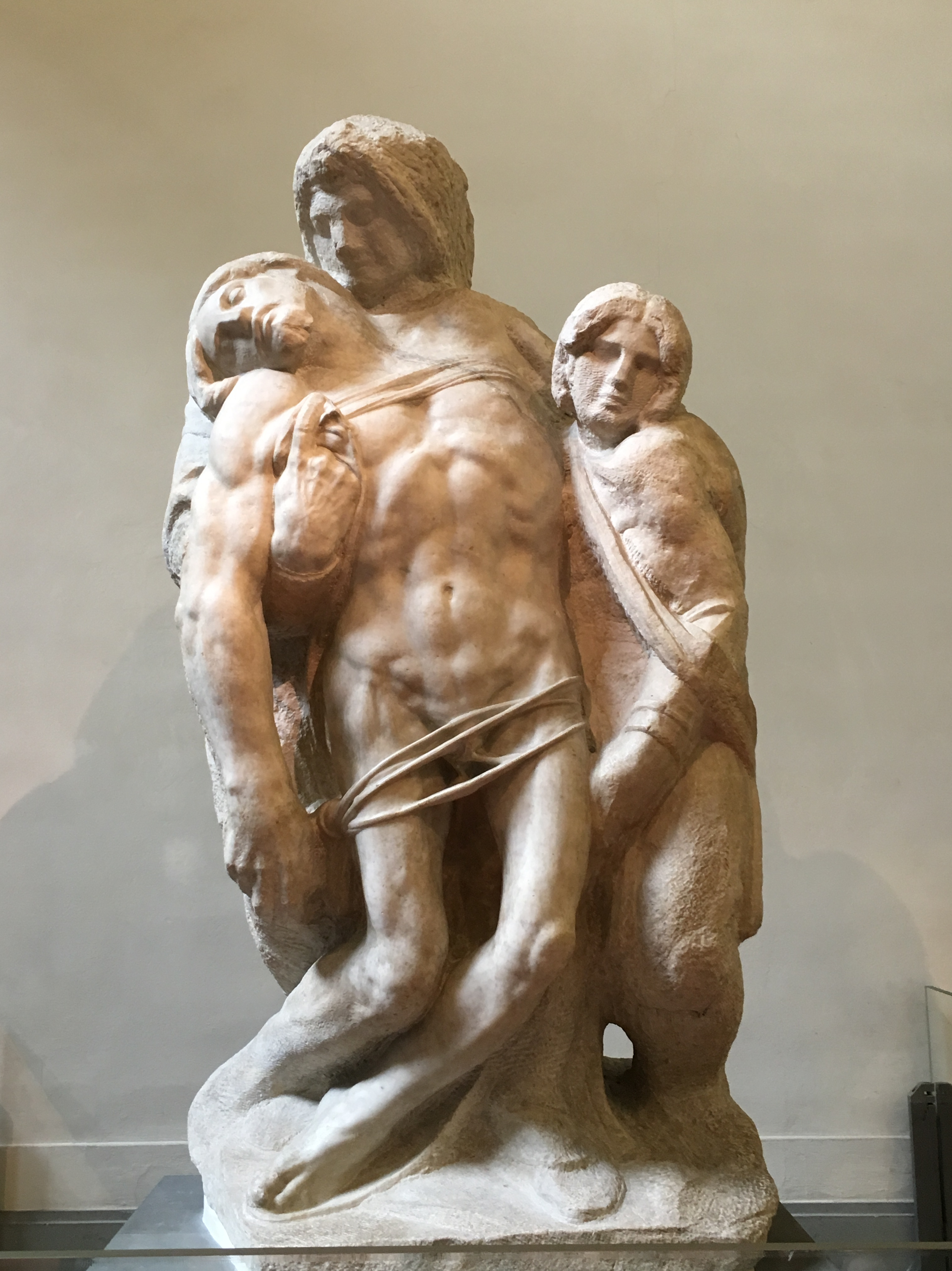
Other unfinished works were nearby, including statues giving support to the crippled tied in a rope in the Gipsoteca Bartolini gallery.
statues giving support to the crippled tied in a rope in the Gipsoteca Bartolini gallery
In the Nineteenth Century Hall, we found the Gallery of Plaster Casts by Bartolini and Pampaloni. The gallery presents the various types of celebratory, private, or monumental sculpture. The portraits (busts and medallions) belong to a fundamentally private dimension, which Bartolini explored with psychological sensitivity.
casts for sculptures at Accademia
casts for sculptures at Accademia
casts for sculptures at Accademia
casts for sculptures at Accademia
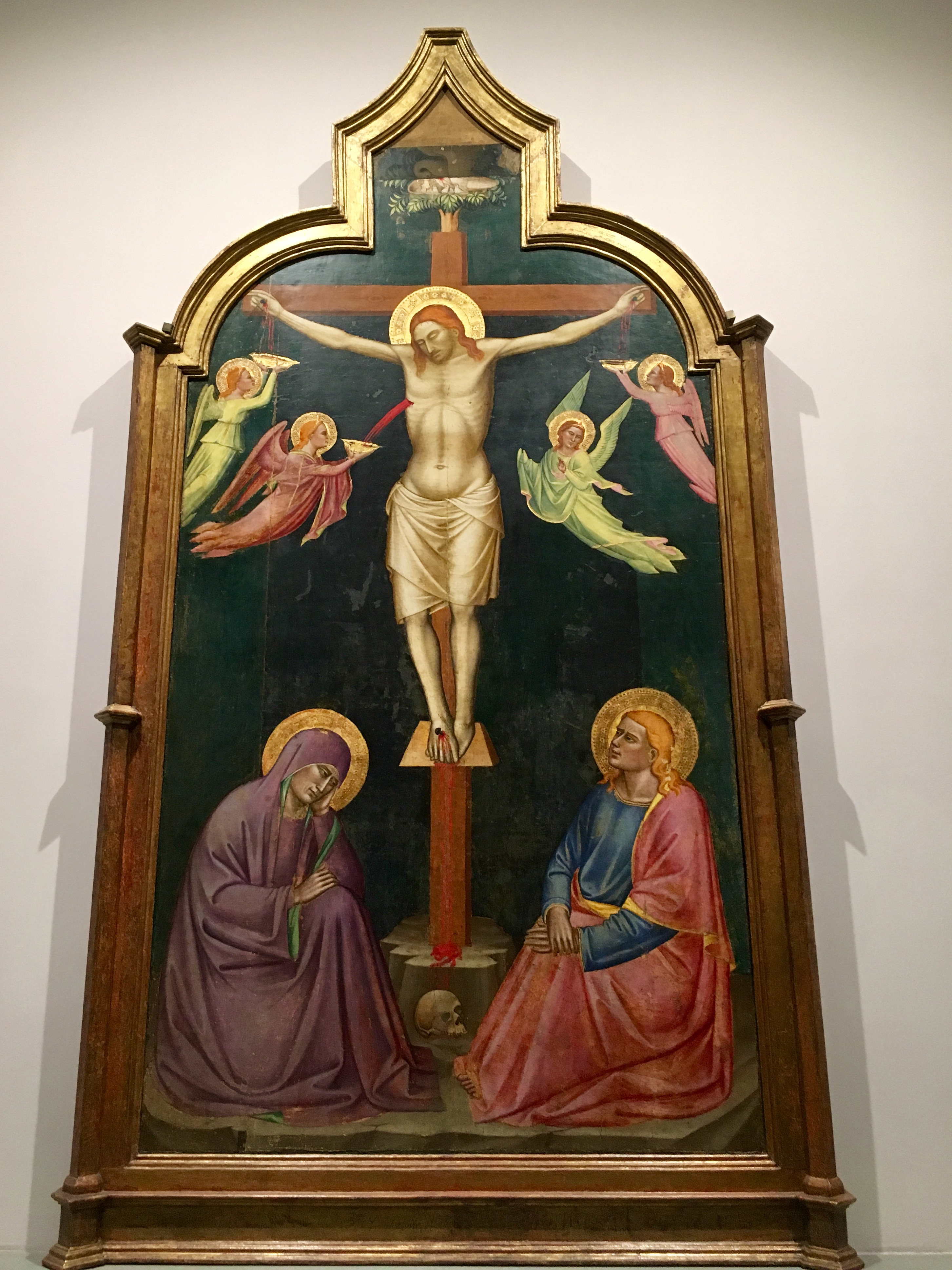
There are many religious paintings in the Gallery. Crucifixion with Four Angels, the Virgin, and Saint John the Evangelist was done by Jacopo di Cione. This is one of the rare works with a blue background instead of a gilded one. The background is still abstract and symbolic (blue was the color of divinity) and is still far from the naturalism of skies in Renaissance painting.
Crucifixion with Four Angels, the Virgin, and Saint John the Evangelist by Jacopo di Cione
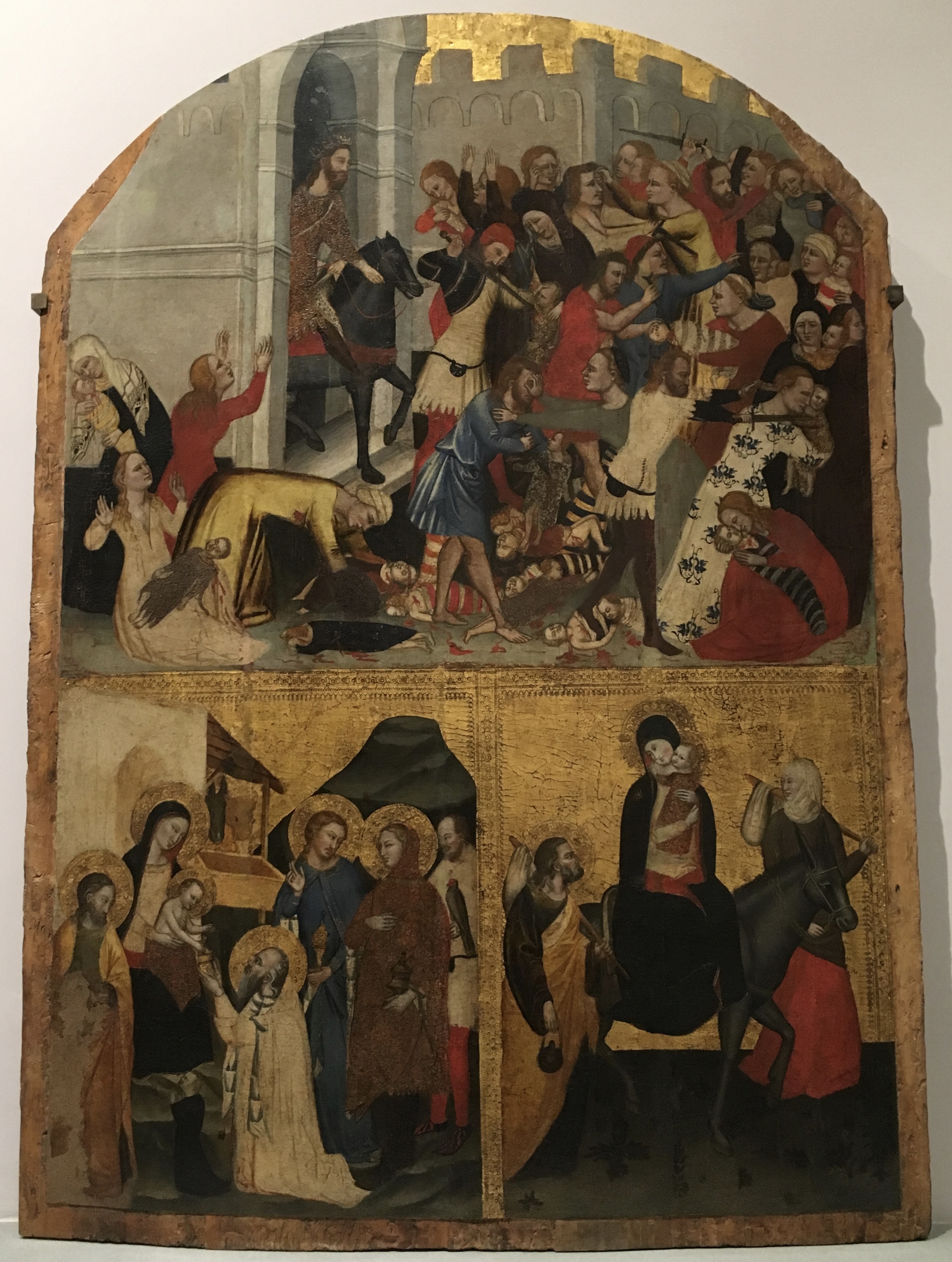
Massacre of the Innocents, Adoration of the Magi, Flight into Egypt was done by Bottega Di Jacopo Di Cione. The panel depicts three episodes from Christ’s childhood. The intent was to present the holy stories to the faithful with clarity and simplicity.
Massacre of the Innocents, Adoration of the Magi, Flight into Egypt by Bottega Di Jacopo di Cione
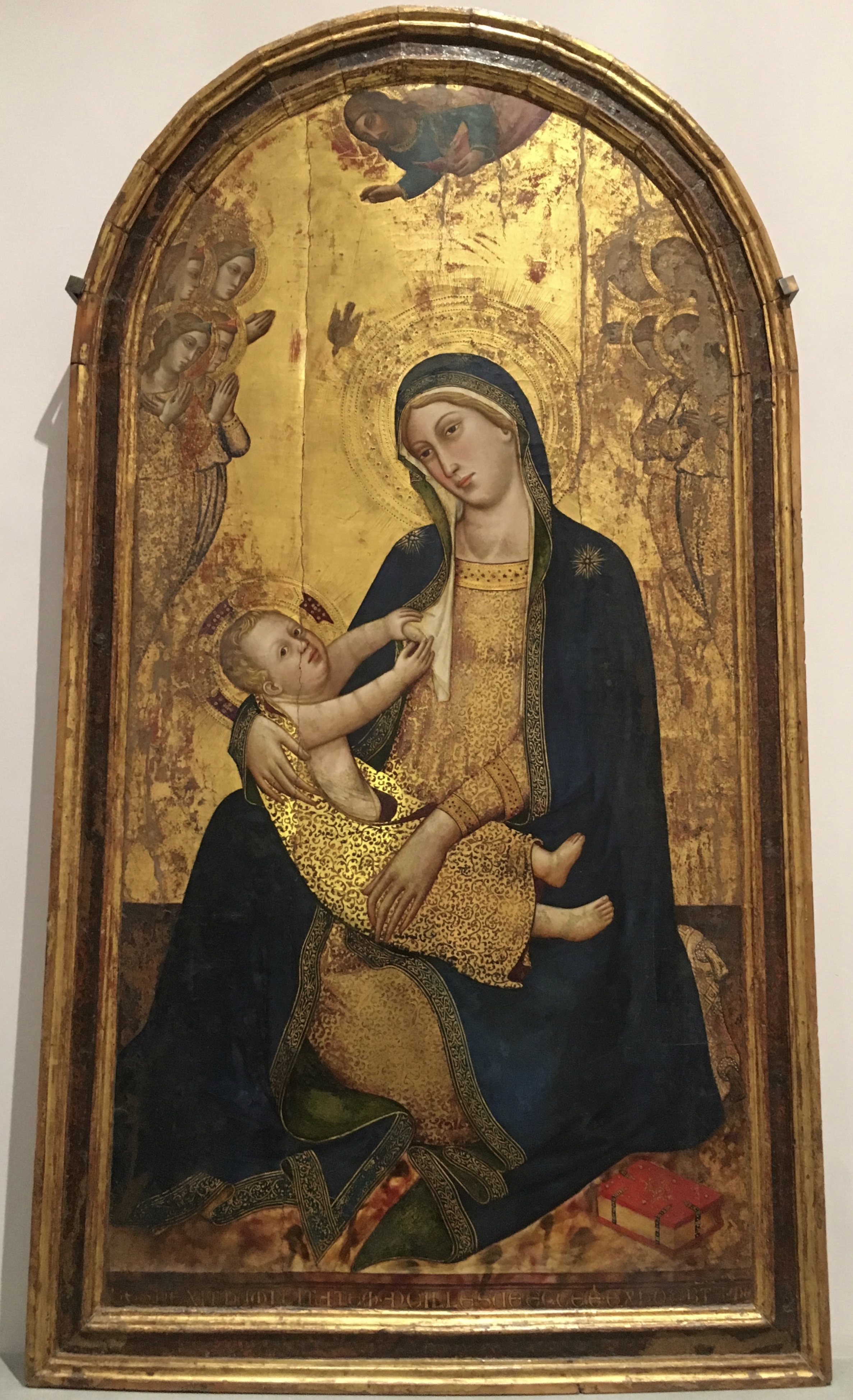
Virgin of Humility and an Angel was done by Don Silvestro dei Gherarducci (1360-1365). The title portrays the Virgin seated on the ground, often on a cushion, instead of on a throne as in a Maestà. The Virgin is almost always depicted holding the Christ Child, offering him her breast. The painter was a Camaldolite monk at a monastery in Florence, where he also painted illuminated manuscripts.
Virgin of Humility and an Angel
paintings at Accademia
paintings at Accademia
paintings at Accademia
paintings at Accademia
paintings at Accademia
paintings at Accademia
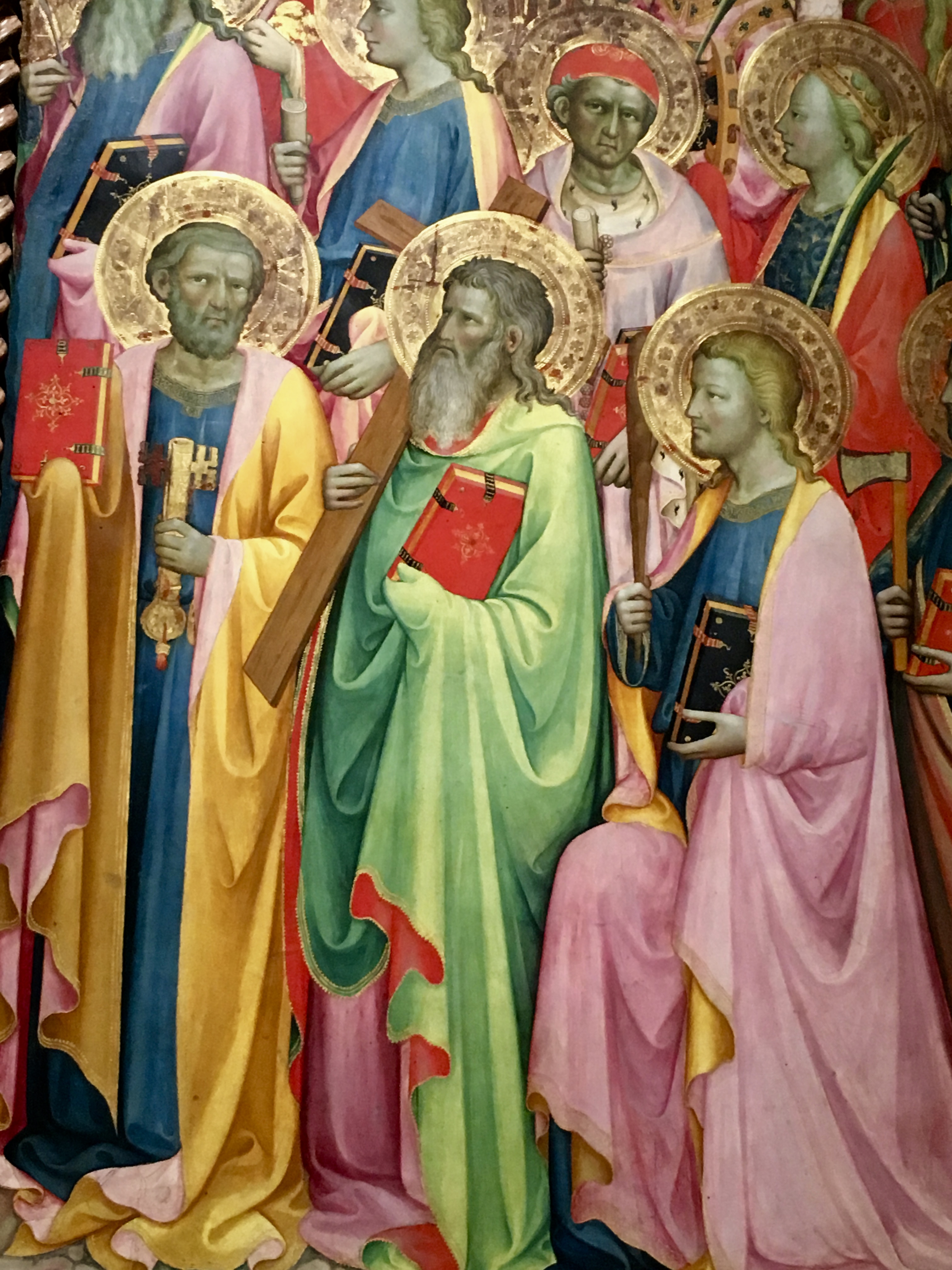
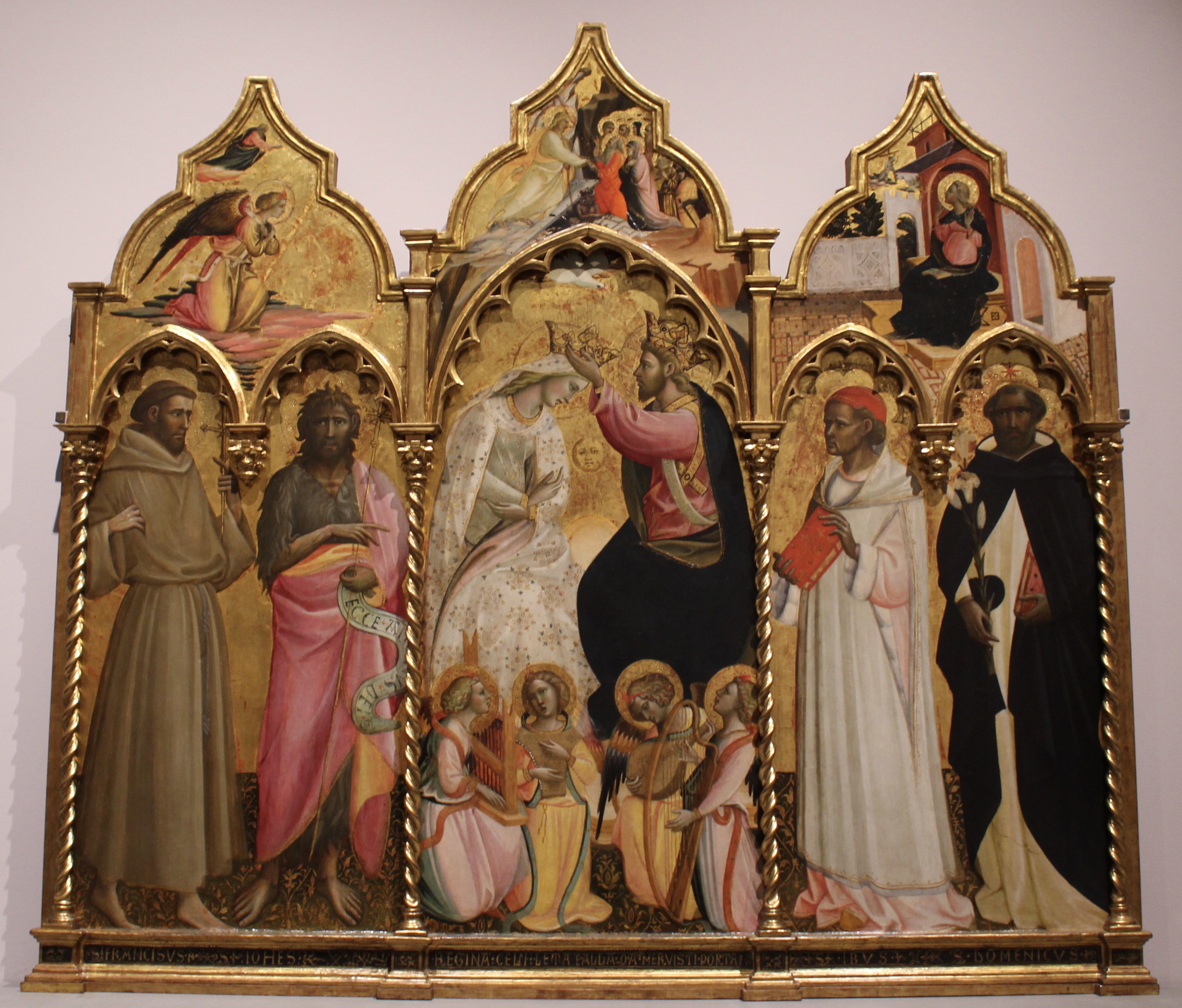
Coronation of the Virgin with Angels and Saints is a polyptych, a painting made of multiple panels united in a single complex by the frame. When divided into three parts, it is usually called a triptych. This one is from the Santa Mari di Le Campora monastery in Florence.
Coronation of the Virgin with Angels and Saints
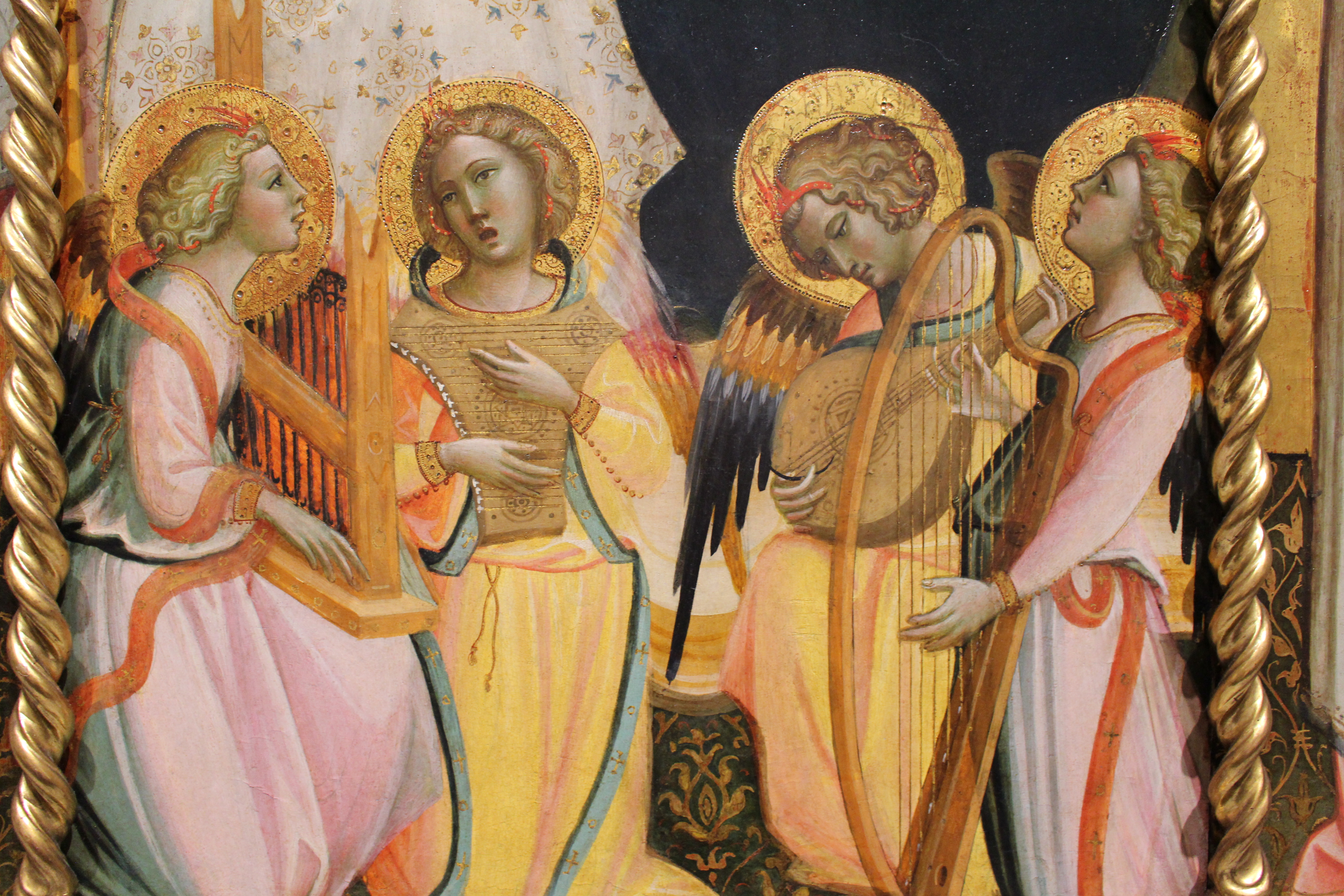
Coronation of the Virgin with Angels and Saints – detail
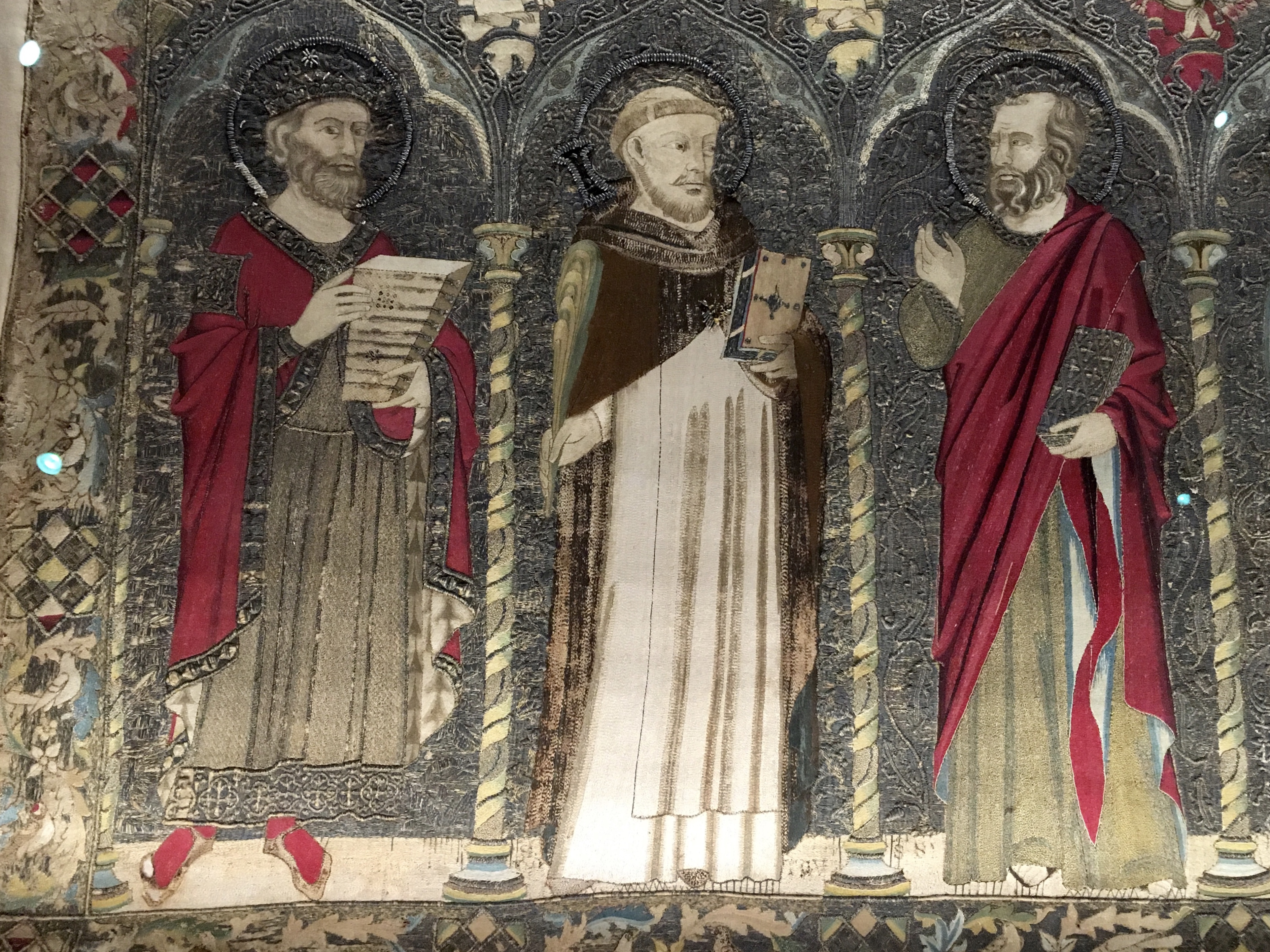
This piece bears the name of Jacopo Cambi, the embroiderer who stitched it. This decorated the front of the main altar in Santa Maria Novella church in Florence.
Accademia
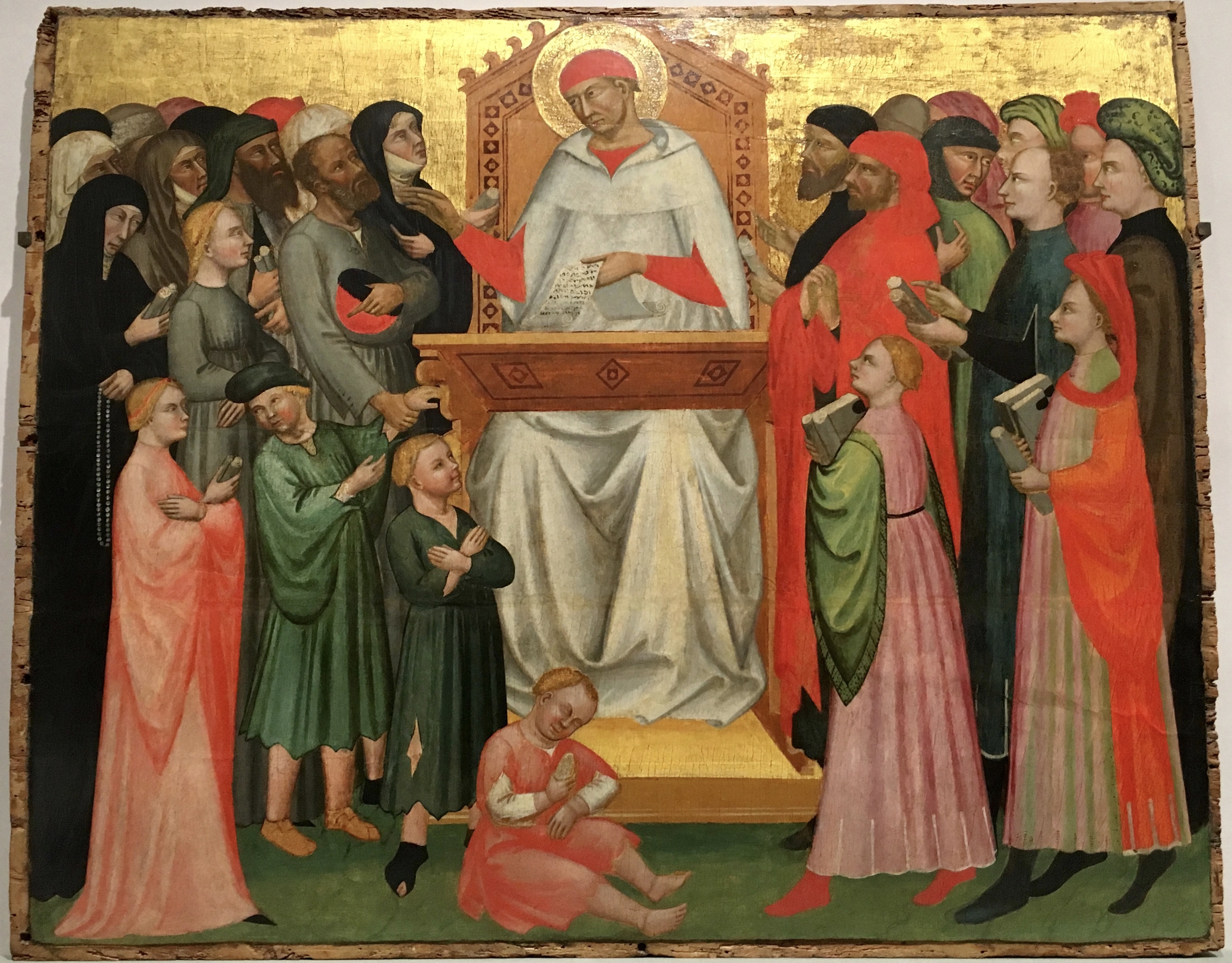
Saint Yves administering Justice (1405-1410) by Maestro di Sant’ivo depicts Saint Yves of Brittany as he administers justice to the poor, the orphans and the widows. The saint gives all his attention to the poor, ignoring the flattery of the rich. Canonized in 1366, Saint Yves is portrayed in jurist’s robes, which recall his activity as an ecclesiastic judge, and his commitment to protecting the rights of the weakest.
by Rossello di Jacopo Franchi (1377-1456)
Accademia
Incredulity of Saint Thomas with Prophets Jeremiah and Isaiah, by Giovanni di Francesco Toscani (1419-1420), illustrates a page from the Gospel where Saint Thomas meets the resurrected Christ, not recognizing him until he places his hand into the wounds.
Incredulity of Saint Thomas with Prophets Jeremiah and Isaiah, by Giovanni di Francesco Toscani (1419-1420)
Accademia
Accademia
Accademia
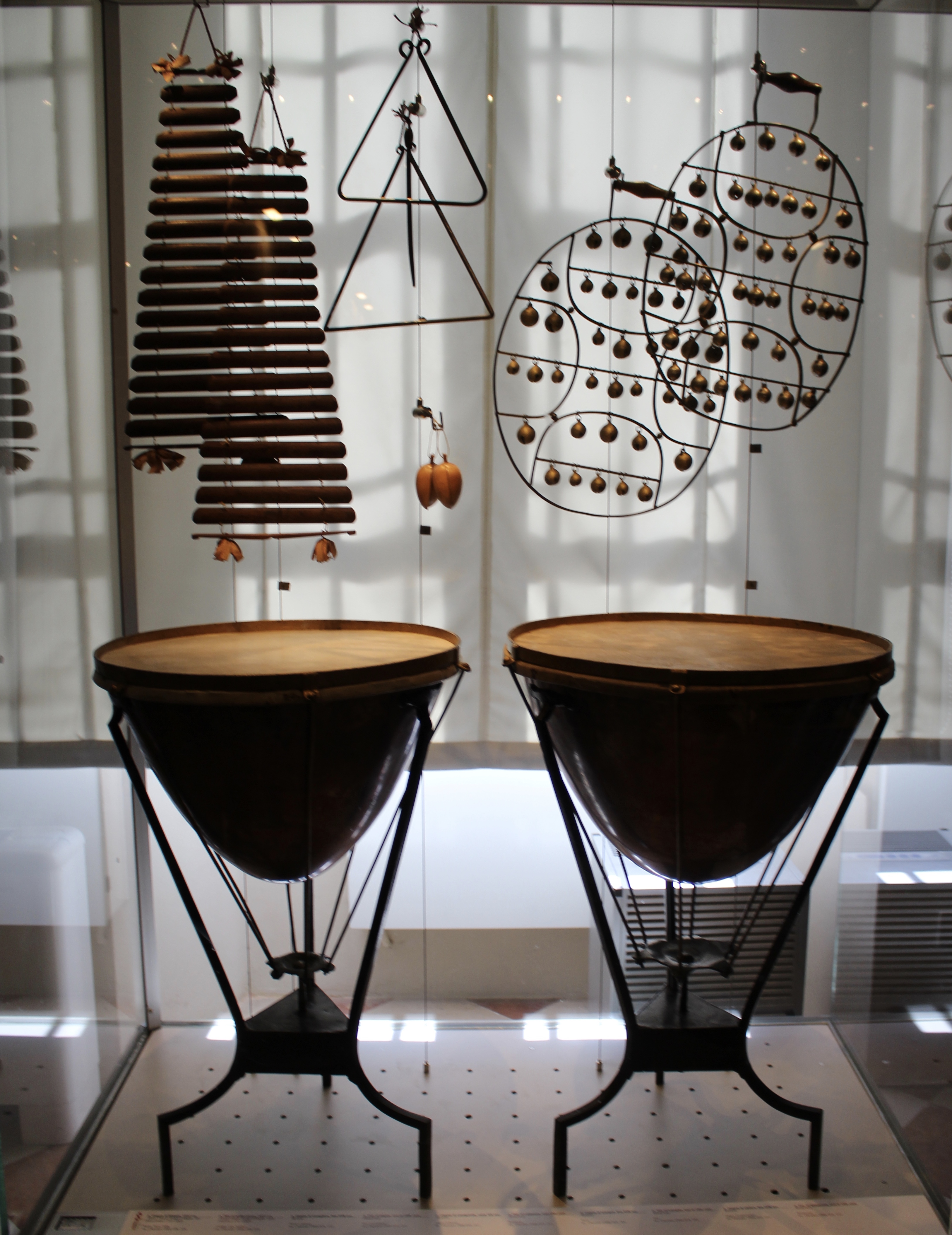
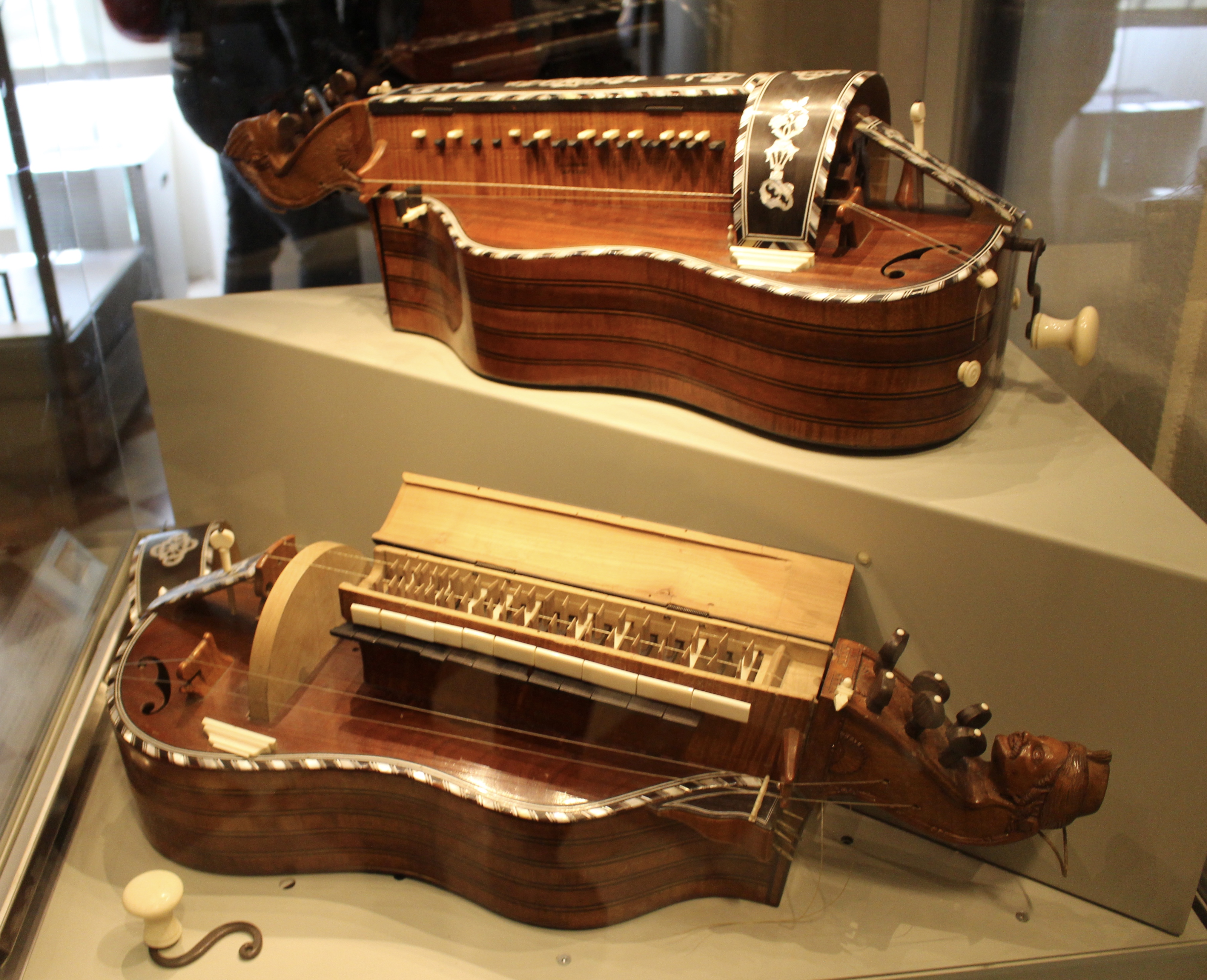
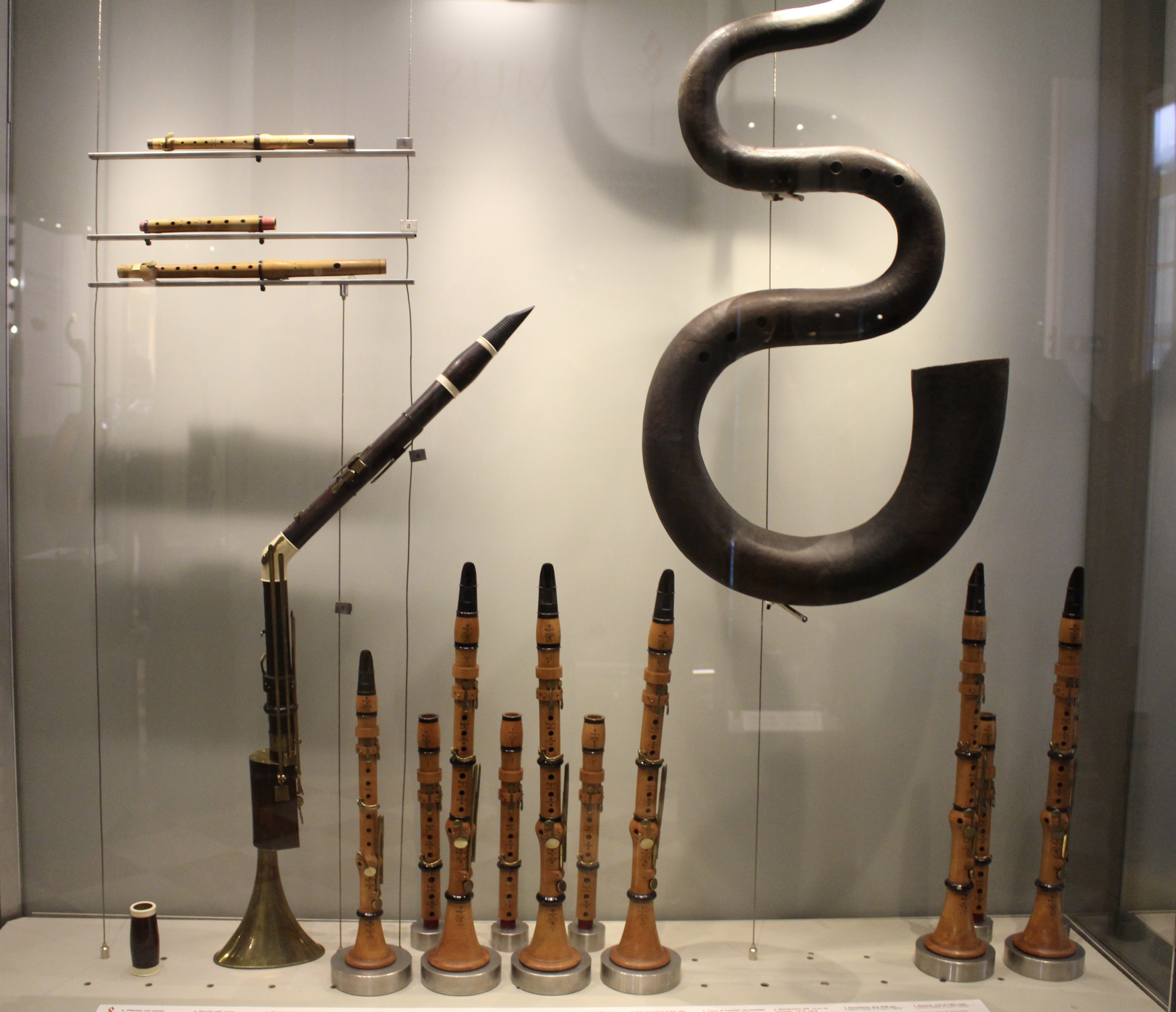
Finally, we saw musical instruments in the Collection of Grand Prince Ferdinando de’ Medici (1665-1713), son of Cosimo III. He combined a passion for art with a passion for music, collecting one of the most extraordinary collections of musical instruments in Europe over only a few years. These pieces are exhibited alongside 17th-century paintings depicting musical life at the court of Ferdinando.
musical instruments at Accademia
musical instruments at Accademia
musical instruments at Accademia
We left Accademia at 11:30, where we were released into the fresh air of Florence.
My path less traveled. Rediscovering self after surviving the abuse that almost sunk me. Goal of strengthening and thriving on my adult legs. 👣🙏🏻 #recovery #forgiveness
This blog is for those who wish to be creative, authors, people in the healing professions, business people, freelancers, journalists, poets, and teachers. You will learn about how to write well, and about getting published. Both beginning and experienced writers will profit from this blog and gain new creative perspectives. Become inspired from global writers, and find healing through the written word.
Explore, discover and experience the world through Meery's Eye. Off the beat budget traveler. Explore places, cultural and heritage. Sustainable trotter.
shareable tales of Meery is Meeryable














































































 ~ wander.essence ~
You must be logged in to post a comment.