I didn’t do much to prepare for my July of 2007 trip to Egypt as the opportunity came up quite suddenly and I didn’t have time. I had studied Arabic from the fall of 2005 through fall semester of 2006 (3 semesters) at Northern Virginia Community College, so at least I had some language skills and knew the Arabic alphabet. I was going to Egypt for an Intensive Arabic class, so this would serve me well.
The only guidebook I took along with me was The Rough Guide to Egypt (2005) by Dan Richardson and Daniel Jacobs.
my Arabic textbooks and Rough Guide Eygpt
I had been reading books in the years since 9/11 to inform myself about international relations, Islam, and the Arab world:
Longitudes and Attitudes: The World in the Age of Terrorism by Thomas L. Friedman
Islam: A Short History by Karen Armstrong
The Arabs: Journeys Beyond the Mirage by David Lamb
The Lexis and the Olive Tree by Thomas L. Friedman
Nine Parts of Desire: The Hidden World of Islamic Women by Geraldine Brooks
The Wisdom of Islam: A Practical Guide to the Wisdom of Islamic Belief by Robert Frager
Arabian Jazz by Diana Abu-Jaber
The Bookseller of Kabul by Åsne Seierstad
The Kite Runner by Khaled Hosseini
Reading Lolita in Tehran: A Memoir in Books by Azar Nafisi
In addition to these, I was of course reading textbooks about international relations, economics, and political conflict in my Master’s program in International Commerce & Policy.
If I had found the time, I could have read any of a number of novels or non-fiction books set in Egypt:
The Teacher of Cheops by Albert Salvadó
Lifting the Veil: Two Centuries of Travelers, Traders and Tourists in Egypt by Anthony Sattin
Café on the Nile by Bartle Bull
Palace Walk by Naguib Mahfouz
Gazelle by Rikki Ducornet
Down the Nile: Alone in a Fisherman’s Skiff by Rosemary Mahoney
The Map of Love by Ahdaf Soueif
The Alexandria Quartet by Lawrence Durrell
The Heretic Queen by Michelle Moran
The October Horse: A Novel of Caesar and Cleopatra (Masters of Rome #6) by Colleen McCullough
The Yacoubian Building by Alla al Aswany
The Cheapest Nights by Yusuf Idris
The Collar and the Bracelet by Yahya Taher Abdullah
The Trench by Abdul Rahman Munif
Death Comes as the End by Agatha Christie
Death on the Nile by Agatha Christie
Egypt on the Brink: From Nasser to Mubarak by Tarek Osman
The Looming Tower: Al Qaeda and the Road to 9/11 by Lawrence Wright
I might have also watched some movies set in Egypt. The ones on the list below that I did watch (indicated by a star rating) weren’t made until after I returned:
A friend of mine from Reston Runners, Jerry, who had worked many years for CARE, encouraged me to contact his close friend in Cairo, Mohsen, who would be valuable in introducing me to Ma’adi Runners and the Cairo Hash House Harriers. Jerry also gave me many recommendations of places to see and things to do, one of which was to ride a felucca on the Nile at sunset and to visit the Grand Cafe On the Nile.
taking a felucca on the Nile at sunset
Montazah Palace in Alexandria, Egypt
Arriving in Cairo on Egypt Air
************************
“ANTICIPATION & PREPARATION” INVITATION: I invite you to write a post on your own blog about anticipation & preparation for a particular destination (not journeys in general). If you don’t have a blog, I invite you to write in the comments. Include the link in the comments below by Thursday, July 25 at 1:00 p.m. EST. When I write my post in response to this challenge on Friday, July 26, I’ll include your links in that post.
This will be an ongoing invitation, on the 4th Friday of each month. Feel free to jump in at any time. 🙂 If you’d like to read more about the topic, see: journeys: anticipation & preparation.
I hope you’ll join in our community. I look forward to reading your posts!
It was May of 2007. I had just completed one year of my two-year Master’s Degree in International Commerce & Policy at George Mason University. During this first year, I had come to form in my mind the dream of working in the Middle East when I completed my Master’s degree in May of 2008. My dream was to get a job working on economic or human development issues, especially democracy building, women’s empowerment or freedom of the press, in the Middle East.
Before beginning my Master’s, I had studied Arabic from the fall of 2005 through fall semester of 2006 (3 semesters) at Northern Virginia Community College, and was curious to learn more of the language. One of my classmates at George Mason, who had been trying on Islam for size, had heard about a 1-month intensive Arabic class, in July of 2007, at Al-Azhar University under the auspices of a group in America called Al-Ameen Associates.
me at Al-Azhar University in July 2007
According to the Al-Ameen website “Al-Ameen Associates was established by Dr. James E. Jones and Matiniah Yahya M.Ed. in 1994 to provide high-quality consultation, education and counseling services.” Also, according to their website: “Dr. Jones is a professor of Comparative Religion at The Graduate School of Islamic and Social Sciences and an Associate Professor of World Religion at Manhattanville College. He has a M.A. from Yale Divinity School and a D.Min. from Hartford Seminary. Dr. Jones is the Director of the Al-Azhar Arabic Summer Immersion Program. Matiniah Yahya is a certified teacher with a Masters in elementary education and over two decades of experience as an educator.”
We would be staying in Muquttum, a suburb of Cairo. All I had to go on was the description of Muqattum from the Al-Ameen website:
“Housing is located in Muqattum which is outside downtown Cairo in a residential area. The area is quiet and it sits on a mountain. There is a breeze that is felt when there is no breeze any other place in the area. They say it is at least 5-10 degrees cooler than at the bottom of the mountain.
The building has four floors and we rent about half the building for our stay. On the first floor as you walk in, there is an open reception hall and security booth with 24-hour building security. There is a large gathering room, computer room and a room that will be used as a dining room. There is also an elevator for our use. There are small apartments on each floor. These apartments include: a living room area, equipped kitchen, 1- 2 bedrooms with storage space/closet and most have a balcony.
All apartments will have 2 people to a room which means apartments will house 2 to 4 people. Married couples will be placed in 2 person apartments first (these are limited) and the other students will be placed in same gender apartments. All rooms have air conditioning.”
So, based on the above description, I imagined a kind of oasis at the top of a mountain. Nowhere in the above description did it say there was greenery, yet somehow in my mind, the “Muqattum oasis” was filled with a sparse amount of green trees, some grass, some nice flowers swaying in the aforementioned breeze. I imagined the suburbs of America except with less greenery.
This trip cost me $2,000, which included flight, accommodation for one month, textbooks and our lessons at Al-Azhar.
I had recently separated from my husband but we were still living in the same house. It seemed like the best first step to moving out of the house.
Prior to all of this, what originally sent me to study Arabic, then International Commerce & Policy, were the 9/11 attacks and a seeking to understand the Arab world. I had been very sheltered in my little world, and was ashamed at my compete lack of knowledge. Since 9/11, I had been reading extensively and was trying to learn what I could. I had also written a novel, Scattering Dreams of Stars, in 2002-2003 (as yet unpublished) and one of my characters was an Egyptian man named Ahmed Hakim. This character surprised me by becoming one of the main characters in my tale. Since I didn’t know a single Egyptian person, all I had to go on were stereotypes; I wrote him anyway. Here are a few snippets from my novel about Ahmed:
Forehead and palms to the floor with scores of other men, moving in tandem like a massive wave, Ahmed Hakim prayed to Allah, asking for peace. He prayed for peace in the world, but peace of mind was what he truly wanted. He worried too much: about being singled out as a troublesome Egyptian-Muslim; about the possibility of war with Iraq; about the nagging symptoms that were surely signs of diabetes. It wasn’t a good time for Ian to turn up, with everything else that was going on in this screwed-up world.
********
When Lucie came home last night, she wordlessly made up with him, opening her body to him, and he explored it as if it were one of his maps. He became Ibn Battuta, the famous Moroccan explorer, hungry for expedition. He caressed her, trying to transport her to another place – the world in brown and blue, with smatters of green, the Red and Mediterranean Seas, the plateaus and deserts, valleys and deltas.
********
Ahmed believed his newspaper reading was essential to his understanding of his adopted country. He wanted his Egyptian blood to run though his veins in an American way. He wanted to belong, to be a true American, but the newspaper reminded him daily that he didn’t belong. He was an outsider and likely to stay that way for the near future.
Everywhere he went, people either looked at him suspiciously, or ignored him completely. Sometimes people spoke to him with a high false friendliness, as if he were grossly handicapped, his legs missing or half his face burned off, and they were determined not to notice. They used his skin, eyes, and hair as a barrier, to keep him at a distance. He didn’t want to be a mystery to them. He wanted to be transparent, true.
Going to Egypt for the month of July would give me immersion into the culture, introduce me to Egyptian people, and enable my husband and I to have a complete separation. It would also be my first experience living abroad. At that time, I wasn’t much of a traveler or photographer; neither did I write a blog. Of course, this trip would also enable me to visit the Pyramids, the Sphinx and the Eygptian Museum, but that wasn’t the main reason I was called to go.
camel rider at Khafre’s Pyramid
********************
“THE CALL TO PLACE” INVITATION: I invite you to write a post on your own blog about what enticed you to choose a particular destination. If you don’t have a blog, I invite you to write in the comments. If your destination is a place you love and keep returning to, feel free to write about that. If you want to see the original post about the subject, you can check it out here: imaginings: the call to place.
Include the link in the comments below by Wednesday, July 24 at 1:00 p.m. EST. My next “call to place” post is scheduled to post on Thursday, July 25.
If you’d like, you can use the hashtag #wanderessence.
This will be an ongoing invitation, on the fourth Thursday of each month. Feel free to jump in at any time. 🙂
I hope you’ll join in our community. I look forward to reading your posts!
the ~ wander.essence ~ community
I invite you all to settle in and read a few posts from our wandering community. I promise, you’ll be inspired!
Albert, of The Rambling Wombat, wrote a hilarious piece about getting a job in Papua, New Guinea in 1988.
It seemed it was impossible to get to our hotel in Sintra late Thursday afternooon. The GPS led us to one-way streets going the wrong way. We drove around in a huge circle and tried in vain to call the hotel for guidance. When we finally got through, we were informed that the GPS hadn’t caught up with the town’s recently altered street configurations.
We checked in at Chalet Relogio Guesthouse, and then walked downhill into Sintra-Vila proper. Sintra is a fairy-tale town with pastel-hued manors and villas; it has enticed, over the centuries, moon-worshiping Celts, castle-building Moors, and Portuguese royals bent on impressing with over-the-top palaces and gardens. Dewy forests teeming with moss and lichens grow with exuberance on the rippling mountains.
I had come here in July of 2013 on a solo trip and had experienced moments of wonder, especially at the Castelo dos Mouros. I had insisted my husband would love it. I couldn’t have been more mistaken. I hated it the second time around. Maybe we should never return to the same place twice.
That first evening was vaguely promising. It was gloomy but not raining, and we could see the 9th-century ruined Castelo dos Mouros up on the hill. It was the last view we would have of it. On clear days, to climb on its ramparts is to discover sweeping views from Sintra’s palace-dotted landscape to the gleaming Atlantic. However, there was no point in climbing it the next day when the fog was so thick we couldn’t see our own noses.
We shivered in the main square beside flaming patio heaters while imbibing in beer, Sangria and olives at Adega das Caves. We wandered around the town, admiring the Palácio Nacional de Sintra with its twin conical chimneys. We took a long walk to the non-touristy part of town to find Restaurante Sopa d’Avo, a local Portuguese eatery that I had loved in 2013. I ate the same thing I had five years ago and it compared favorably to the first: Leeks a Bras – “Leeks mixed with tiny French fries and involved in scrambled eggs.” The woman owner was thrilled that I’d returned to her restaurant after five years and that I’d written about her restaurant in my blog.
*********
Our only view of Castelo dos Mouros. This was my favorite place when I visited in 2013, but we didn’t bother to visit this time because of the fog. If you’d like to see my favorite place in Sintra in 2013, you can visit: sintra’s castelo dos mouros.
the only view we’d have of Castelo dos Mouros – courtesy of my husband
The Palácio Nacional de Sintra, a World Heritage Site of Moorish origins, was first expanded by Dom Dinis (1261-1325), enlarged by João I in the 15th century, then renovated again my Manuel I in the following century. We didn’t go inside this time, but if you’d like to read more about it, you can check out my account of my first visit in 2013: sintra: palácio nacional de sintra.
Sintra
Sintra
Palácio Nacional de Sintra
Sintra
Sintra center
Sintra
Sangria, beer & olives at Adega das Caves
Leeks a Bras as Sopa D’Avo
******
The fabulous breakfast spread at the Chalet on Friday morning didn’t lighten the dark mood that descended on me when we woke up to a blanket of thick fog. Intermittent rain made the fog doubly uninviting. We bundled up in layers and raincoats and went outside to try to catch a bus to Palácio Nacional da Pena. Several buses passed us by, but we luckily caught a ride with a tuk-tuk.
Rising from a wooded peak, Palácio Nacional da Pena can be the stuff of fantasy, with its carnival of onion domes, Moorish keyhole gates, and coral and lemon crenelated towers. According to Lonely Planet Portugal, “Ferdinand of Saxe Coburg-Gotha, the artist-husband of Queen María II, commissioned Prussian architect Ludwig von Eschwege in 1840 to build the Bavarian-Manueline epic.” I didn’t know who any of these people were, and by the time I was finished with the horrible experience of visiting here, I could have cared less.
We stood in a long line, not clearly marked, and found after way too long that this line was for people already possessing tickets. We tried to buy tickets on our phones and finally met with success, but by then we’d given up our spot in the ticket-possessing line and had moved to the non-ticket line. We moved back to the end of the ticketed-tourist line. Slowly we got in through the gate. Then we joined another slow-moving queue to walk through the palace, mainly just to escape the pouring rain. The crowds were herded through at a snail’s pace. There was no way to push through quickly, and no way to go back. We were stuck for the duration. The only thing I enjoyed was staying dry for the time we were inside.
When we finally escaped Pena Palace two hours later, we walked around the Parque da Pena, a garden filled with tropical plants, redwoods and ferns, camellias, rhododendrons and lakes. By then we were walking through a light drizzle. We saw swans, a Western Red Cedar, the Fonte dos Passarinhos, a High Cross, and Lake of the Shell.
It was nearly 3:30 by the time we got warm and cozy in a restaurant in town, Tasca Saloia, for a much-needed lunch.
A hoola-hooping busker entertained us as we walked toward Quinta da Regaleira. There we stood in another line, but luckily it wasn’t too long. There, we wandered through the dense foliage of the gardens, checking out fountains, grottoes, lakes and underground caverns. It was no longer raining, and the fog had lifted just a little, but we didn’t have much patience for sightseeing by this time.
Instead, we went to seek dinner at another place I’d eaten in 2013, Culto da Tasca, but sadly it was closed. On our way back to town, we dropped into Restaurante Apeadeiro, where we immediately turned away the bread, olives and cheese, which were never free offerings but ended up as items calculated on the bill. The owner snatched them away as if insulted. After that it took us forever to get waited on. A talkative English-speaking Portuguese guy next to us was full of advice about what we should order. We could only see the heads of the barmaids because the floor was sunken behind the bar. The barstools were so tilted they looked like they’d topple over backwards. An inebriated pregnant-looking guy in an orange t-shirt kept wandering into the bar from the back room and looking around absently and then plodding back. Mike and I started laughing and couldn’t stop.
In this strangely askew place, the meal was surprisingly good: garlic bread and soup for Mike and prawns fried in garlic with French fries for me. We slammed down nearly a whole bottle of wine and then caught a taxi in the rain back to our chalet.
I couldn’t wait to move on from Sintra the next morning.
******
If you’re curious as to how Palácio Nacional da Pena looks on a sunny summer day, you can check out my first visit in 2013: sintra: palácio nacional da pena.
Pena Palace
Pena Palace
Pena Palace
Pena Palace
Pena Palace
Pena Palace
Pena Palace
Pena Palace
Pena Palace
Pena Palace
Pena Palace
Pena Palace
Pena Palace
Pena Palace
Pena Palace
Pena Palace
Pena Palace
Pena Palace
Parque da Pena is a tropical garden filled swans, lakes and special monuments. The High Cross was built at the highest point on the Sintra hills on the order of San João in 1522. Ferdinand II replaced it with a larger cross, and when that was destroyed by lightning in 1997, it was finally replaced with a replica of the original in 2008. Lake of the Shell was probably built in the 16th century by monks and gets its name from a small niche overlaid by shells. The Western Red Cedar is a 35-meter-tall tree with a pyramidal canopy. The lower branches curve downwards toward the soil where they take root before suddenly returning to a vertical position. The tree was utilized by indigenous Indian populations on the northwest coast of America, with its roots used to make baskets and its bark clothing. It also took on medicinal and spiritual properties. Fonte dos Passarinhos, or Little Birds Fountain, is the entryway to the Garden of Camellias and the Queen’s Fern Valley.
Parque da Pena
High Cross
Parque da Pena
Lake of the Shell
Parque da Pena
Parque da Pena
Western Red Cedar
Parque da Pena
Fonte dos Passarinhos
swan at Parque da Pena
We were some very miserable tourists on this day.
Mike at Parque da Pena
me at Parque da Pena
After visiting Parque de Pena, we went back into town, where we had a lovely lunch at Tasca Saloia.
Sintra
lunch at Tasca Saloia
busker in Sintra
Sintra
Sintra
Quinta da Regaleira was created by Italian opera-set designer Luigi Manini under the orders of Brazilian coffee tycoon, António Carvalho Monteiro, also known as Monteiro dos Milhões (Moneybags Monteiro), according to Lonely Planet Portugal.
Walking through town in the evening and the askew Restaurante Apeadeiro.
a rare glow in Sintra
Restaurante Apeadeiro
*Thursday-Saturday, November 1-3, 2018*
*Friday steps: 20,222 (8.57 miles)*
**********************
“PROSE” INVITATION: I invite you to write up to a post on your own blog about a recently visited particular destination (not journeys in general). Concentrate on any intention you set for your prose. In this case, one of my intentions for my trip to Portugal was to pick five random verbs each day and use them in my travel essay: 1) try, 2) compare, 3) calculate, 4) experience, 5) slam. √
It doesn’t matter whether you write fiction or non-fiction for this invitation. You can either set your own writing intentions, or use one of the prompts I’ve listed on this page: writing prompts: prose. (This page is a work in process.) You can also include photos, of course.
Include the link in the comments below by Monday, July 8 at 1:00 p.m. EST. When I write my post in response to this invitation on Tuesday, July 9, I’ll include your links in that post.
This will be an ongoing invitation. Feel free to jump in at any time. 🙂
I hope you’ll join in our community. I look forward to reading your posts!
I left Castrojeriz in the dark at 7:00 after a breakfast of toast, jam and coffee in the crowded kitchen at Albergue Rosalía. Outside of town, I joined a broad earth track that ran alongside the Roman causeway and crossed a bridge over the río Odrilla. Almost immediately, I started climbing steeply. It was 41ºF, but I warmed up quickly with the climb up to Alto de Mosterlares. Just past a pilgrim shrine, we started our steep descent.
Castrojeriz to Alto de Mostelares (3.5km)
Leaving Castrojeriz
pilgrim shrine at Alto de Mostelares
The views over the flat Meseta with the harvest moon sinking on the horizon were magnificent, and quite daunting. The endless plain stretched away to the town of Frómista and even beyond.
Alto de Mostelares to Fuento del Piojo (3.9km)
Alto de Mostelares to Fuento del Piojo
Alto de Mostelares to Fuento del Piojo
Alto de Mostelares to Fuento del Piojo
It was soon cold again as the wind was gusting and biting. I was glad to have my fleece, which I’d considered tossing many times. I had also used my sleeping bag last night as it got down to 40° in the albergue.
Because the sun hadn’t risen above the mountain behind us, it was icy cold in the valley’s shadows. It was a long haul, 12km to the first town of Itero de la Vega.
I ran into “grit”-challenged Anna this morning. She had bought some new sandals and had decided to go ahead and walk to Frómista rather than take a taxi. I told her my shoes must be good because they have a big toe box. She said that sounded kind of creepy, like a serial killer: “Here’s my toe box, here’s my finger box.” 🙂
Alto de Mostelares to Fuento del Piojo
Alto de Mostelares to Fuento del Piojo
We passed the Ermita de San Nicolás (Chapel of Saint Nicholas) directly on the Camino before the bridge. The original pilgrim hospice was founded in the 12th-century and later a Cisterian monastery was added. The Ermita’s 13th-century buildings were restored by an Italian confraternity who used candlelight as the source of illumination, adding to a healing atmosphere. A ritual “washing of the feet” was supposedly offered here. Sadly, I missed it.
Fuento del Piojo to Ermita de San Nicolás (1.5km)
Fuento del Piojo to Ermita de San Nicolás
Fuento del Piojo to Ermita de San Nicolás
Ermita de San Nicolás
Ermita de San Nicolás
Before we reached Itero de la Vega, we crossed the río Pisuerga over the 11-arched Puente de Itero in the province of Palencia, or Tierra de Campos, an extensive agricultural area served by rivers and canals that irrigate the rich soils for cultivation of wheat, with some vegetables and vineyards. The river is a natural historical boundary between the kingdoms of Castilla and León.
Ermita de San Nicolás to Itero de la Vega (1.7km)
Puente de Itero
río Pisuerga
río Pisuerga
Albergue sign
Ermita de la Piedad
In Itero de la Vega, I stopped for a second breakfast — potato tortilla and coffee — at the bar, Puente Fitero. I saw the two Danish ladies, Marianne and Mette, Karen and Chun-Yu, a Korean lady I’d spoken with briefly, Haddas from Israel, and others. I also met another Danish lady, Sisse; we had passed each other on the Meseta earlier, back and forth. She thought she heard me speaking Danish to Marianne and Mette, and thought I might be Danish. I had to admit I didn’t know a word of Danish.
Itero de la Vega to Boadilla del Camino (8.5km)
Puente Fitero
Itero de la Vega
street art in Itero de la Vega
leaving Itero de la Vega
We walked on a wide farm track past the small village of Bodegas with a wind farm on the ridge beyond. Wine cellars, or bodegas, are hobbit-like structures built into the sides of hillocks. They’re used to store local wine in a relatively cool subterranean enclosure.
After we crossed the Canal Pisuerga, the farm track continued up a gentle incline.
Canal Pisuerga
Itero de la Vega to Boadilla del Camino
Itero de la Vega to Boadilla del Camino
At the top, I could see the village of Boadilla del Camino. It looked so close but was so far over a very rocky path.
Itero de la Vega to Boadilla del Camino
I finally checked into Albergue Titas in Boadilla del Camino, where Pablo, who had only one hand, said when he saw my passport: “Donald Trump! America First!” I shook my head and said, “No. He is not my president!” He helped me to phone ahead for an albergue in Calzadilla de la Cueza for the night of the 28th. It was hard to make reservations myself because of my pathetic Spanish, so I appreciated the locals who helped me out. I had hotels booked for the following two nights, after relatively short walks, 16km and 10km respectively. Villages on the Meseta are quite spread out; I didn’t want to miss out on a bed and have to walk another 10-16km! (Although, I wouldn’t walk; I’d take a taxi. I hadn’t had to do it yet, but I wouldn’t have hesitated to do so).
Albergue Titas was somewhat new and very small, only 12 beds. The other one in town, Albergue En El Camino was quite nice; I wished I had stayed there except I wouldn’t have met the helpful Pablo.
Boadilla del Camino (pop. 160) looked quite derelict and neglected. Apparently, it once had a population of 2,000 that served several pilgrim hospitals.
I went to look for some lunch at Albergue En El Camino, where I ate lentil soup, bread and limon y cerveza. I stopped to admire the fine medieval column, or Rollo, in the square complete with scallop shell motifs.
Boadilla del Camino
Albergue En El Camino
Albergue En El Camino
I walked around the 16th-century parish church of Santa María, but it was closed so I couldn’t go inside.
parish Church of Santa María
Boadilla del Camino
After updating my Instagram, I ordered pizza outside my albergue and sat with Karen and Simon from Britain, who I’d met in Atapuerca. I also met their married friends, Linda from Norway and Peter from England. We talked about their recent wedding and how she had proposed to him after he’d asked so many times, he gave up. I felt a bit on the outside, as they were all good friends, so I excused myself to collect my laundry.
It seemed I most often connected with solo pilgrims, as I found many of the married couples were too inward-focused. This would NOT prove to be the case with Karen and Simon in later encounters. However, I found this often with other couples.
Today’s stage in the Brierley guidebook was from Castrojeriz to Frómista, 24.9km, or 15.5 miles. That was simply too long for me. I was trying to keep my walks to 16-20 km, or maybe slightly over that. I kept my walk today to 20.2km by stopping in Boadilla del Camino. I met a number of other pilgrims at Albergue Titas, where I was staying, that were going on to Frómista but regretted not stopping here. I had learned my limit the hard way; the days I pushed over 20km were very hard on my knees and feet.
I felt a bit isolated in the evening as most of the people I’d been walking with went onward to Frómista. They would certainly leave me behind over the next couple of days with my planned shorter distances. I hoped Darina would catch up with me.
I saw my loved one still hadn’t unblocked me on social media, nor had he apologized, but he hadn’t been in contact with my husband either. I didn’t feel as bothered as I was before, but I was determined he would have to apologize to me. I honestly couldn’t connect with him at this point, so it was just as well to leave it alone.
Today’s walk was beautiful, but I was feeling a bit bored and homesick as well. I couldn’t wait to reach the halfway point. I still had 432.5km to Santiago, or 268.7 miles.
**********
*Day 22: Tuesday, September 25, 2018*
*31,001 steps, or 13.14 miles: Castrojeriz to Boadilla del Camino (20.2 km)*
You can find everything I’ve written so far on the Camino de Santiago here:
On Sundays, I post about hikes or walks that I have taken in my travels; I may also post on other unrelated subjects. I will use these posts to participate in Jo’s Monday Walks or any other challenges that catch my fancy.
Holly was our guide for the Aramak tour at Mesa Verde National Park from 8-12 a.m. Monday morning. The tour only covered Chapin Mesa. We headed straight for the Mesa Top Loop while she told us some of the history of Mesa Verde, which became a National Park in 1906. It became the first World Heritage Site in the U.S. in 1978. The park is not known for its beauty, she said, but for its cultural heritage, with the ancestral homes of 21 modern-day Pueblo groups that trace their ancestry back to these regions. Thus the park preserves a link from the past to the present.
Aramak tour
The flute player clan of the Hopi tribe says they came from Mesa Verde. It is surmised that people left because of overpopulation, drought, or stress on the society. Or it is also likely that this just wasn’t a good place to live anymore.
At the top of Chapin Mesa, we see burnt out skeletons of trees; Holly tells us a wildfire caused by lightning burnt 2,800 acres in 2002.
Our first stop was at the Pithouses and Pueblos (A.D. 700-950). The pitroom was used for ceremonies as well as cooking and sleeping. A hole in the roof allowed smoke to escape the pithouse. However, breathing may have still been difficult in these smoky, subterranean rooms.
Villages of this era had only one or two pitrooms. The slabs and floor cavities are typical of earlier pithouses; some villagers may have moved here in winter, finding the pitroom easier to heat than surface dwellings.
Pithouses
Pithouses
Holly told us about the vegetation on the mesa. She said the Utah junipers were infested by mistletoe, a parasite that kills the junipers. Juniper is absorbent and is used for bandages, diapers and John Wayne toilet paper, the packaging of which says “It’s rough! It’s tough! And it doesn’t take crap off anyone!” Juniper berries flavor gin and game meat, and are used to make ghost beads to protect people from bad dreams.
The pinyon pines have a sticky sap used for sealant. They were used to seal baskets used for carrying water and for healing cream. Needles are used to make tea. Pine nuts from pinyon pines are expensive because they only come out every 4-7 years.
According to Holly, the broad leaf yucca is not a succulent. The fibers were used as paintbrushes to decorate pottery and pre-threaded sewing needles. They were weaved to make sandals and plaited together to make rope and baskets. The root could be used as soap.
The Gamble Oaks in the canyon are only ten feet tall. There are no cottonwoods in the canyon because they need more water than is available.
Juniper
Broad leaf yucca
We saw an Anasazi kiva, or underground religious room. The small, circular hole in the floor is a sipapu, a symbolic entrance into the underworld – the Pueblo place of origin. The kiva had several functions: crafts workshop, social gathering place, and a chamber in which to plan or perform ceremonies.
Ceremonial chamber
Ceremonial chamber
We stood in the courtyard of an early pueblo village. By 850 A.D., most Mesa Verde people were living in surface dwellings instead of pithouses. Adjoining rooms may reflect a greater degree of cooperation required by an expanding population.
The walls were built by setting poles upright and weaving small sticks between them, then plastering the walls with mud – a technique called “wattle and daub.”
Three distinct villages are here; for at least 150 years, a succession of Pueblo farmers occupied this same plot of ground. The mesa top was not the ideal place to live as it had poor drainage and was exposed to harsh weather, with earthen rooms chilled over the winter by deep snow.
village at Mesa Verde
We saw a view of Navajo Canyon from the bus, but we didn’t get off.
Navajo Canyon view
We stopped at views for Cliff Canyon, Oak Tree House Cliff Dwelling, Fire Temple, Sun Temple and Cliff Palace. The cliff dwellings themselves were not built until the final 75-100 years of Mesa Verde’s occupation. For over 600 years, the people lived mostly on the mesa tops.
Cliff Canyon
Oak Tree House Cliff Dwelling
Oak Tree House Cliff Dwelling
Sun Temple atop the canyon
Fire Temple
Fire Temple
Fire Temple
Sadly, I was unable to visit Cliff Palace because it was closed until the following weekend. We were only able to view it from the overlook on the opposite side of the canyon.
Cliff Palace
We visited Sun Temple with its bread loaf stones. From above, the D-shaped symmetry of the temple is remarkable, especially its twin kivas. Such massive construction must have involved a community-wide effort. The structure was never completed; there is no evidence of a roof or roof timbers. Apparently construction stopped when the Anasazi people began to leave the area. Though the structure appears ceremonial, its exact function remains a mystery.
construction of Sun Temple
construction of Sun Temple
construction of Sun Temple
The natives here used hand and toe holds to carry corn in baskets from farms on the mesa top to the cliff dwellings. There was no evidence of death from falls. Residents here adapted to the environment.
At the end of our tour, we stopped for one final view of Cliff Palace, the largest of Mesa Verde’s cliff dwellings.
“PHOTOGRAPHY” INVITATION: I invite you to create a photography intention and then create a blog post for a place you have visited. Alternately, you can post a thematic post about a place, photos of whatever you discovered that set your heart afire. You can also do a thematic post of something you have found throughout all your travels: churches, doors, people reading, people hiking, mountains, patterns, all black & white, whatever!
You probably have your own ideas about this, but in case you’d like some ideas, you can visit my page: photography inspiration.
I challenge you to post no more than 20-25 photos and to write less than 1,500 words about any travel-related photography intention you set for yourself. Include the link in the comments below by Wednesday, July 3 at 1:00 p.m. EST. When I write my post in response to this challenge on Thursday, July 4, I’ll include your links in that post.
This will be an ongoing invitation, every first, second, and third (& 5th, if there is one) Thursday of each month (I’ve now added the second Thursday). Feel free to jump in at any time. 🙂
I hope you’ll join in our community. I look forward to reading your posts!
the ~ wander.essence ~ community
I invite you all to settle in and read a few posts from our wandering community. I promise, you’ll be inspired!
Jude, of life at the edge, captured some gorgeous sculptures in a serene and inviting setting at Barbara Hepworth Sculpture Garden in St. Ives.
Two long days of travel from Daeugu, South Korea to Istanbul, Turkey. My attempt to pack light meets with failure once again. I lug my suitcase five blocks to the Daegu metro on Wednesday morning. On the train, three Korean young ladies chat cozily. One is fingering the long red-dyed hair of another. When I step off metro at Dongdaegu, I am startled by screaming and yelling. The girls are pulling each others’ hair and hitting and slapping each other, screeching like wild monkeys. The Koreans on the platform are shocked into inaction. Finally two Korean men and a woman intervene and break them up. These girls are as dangerously violent as any men I’ve ever seen. I have NEVER seen this kind of behavior here; Koreans are usually so passive and reserved!
Onward. I catch the bus to Incheon. Four and a half hours through tri-color Korea: deep green, beige, and black. Green grass & trees, beige concrete skyscraper apartment buildings, and the black hair of all Koreans (oh, except that red-head and we saw what happened to her!). It hits me that what I so miss while living in Korea is color and diversity. So happy to be escaping, though only briefly.
At Incheon, I immediately catch the airport-free shuttle to Cargo Terminal A, where I am to pick up the package Mike mailed me from home in Virginia. A wild goose chase: hours of traipsing across huge expanses of asphalt from warehouse to warehouse in the middle of nowhere, sun pounding down, me drenched in salty slime. Why, why, why am I doing this?? I pay Customs 72,000 won, stuff the package contents into my already overstuffed suitcase, and catch the shuttle back to the airport where I wait three more hours for my flight at 11:55 pm.
FLY EMIRATES. All through the World Cup games, I was enticed by the Emirates ads on the periphery of the field. I board the double-decker airbus that could only be an Emirates over-the-top offering. Not so great for us bottom-floor economy passengers. The seats are tight and uncomfortable for overnight sleeping. But a surreal experience at first: a perfumed mist blowing into the cabin from above the storage compartments, a mesmerizing tinkling tune playing. Designed to put one into sleep mode, I think. A fitful night of sleeping beside a Korean mother and daughter. We arrive in Dubai at 3:45 a.m. I have 10 hours to kill in Dubai.
10 hours in Dubai… Enough to last a lifetime
At the Dubai airport, I find myself bedraggled and sticky; all attempts to clean myself up meet with failure. I try to exchange my Korean won for Turkish lira but they only have on hand 65 lira. I try to exchange for dinars, which I am able to do at an exorbitant price. I ask about dollars and they want to give me a measly $200 for 380,000 Won!! Should be more like $330. I keep my Korean Won in hopes of getting a better rate in Turkey.
Elevator banks at the Dubai airport
I ask three different people what time metro opens; I get three different answers. The airport is huge and gleaming and empty. Cavernous. Finally, I am standing at the information desk, asking about the Dubai city tour. A Japanese guy is standing beside me. The Arab woman tells us the city tour doesn’t start till noon, but I must be back at the airport by noon for my 2:30 p.m. flight to Turkey. The Japanese guy tells me he must catch the same flight to Turkey. The woman asks if we will see the city together (the Japanese guy and me). We look at each other. I say to him, what do you think? It might be a good idea, unless of course you want to go alone. We both shrug. He says sure, we can go out together. We both agree it will be nice to have some company to venture out into the strange city.
He introduces himself as Tomomi. He’s an architect and lives in Estonia. We get on the metro at 6 a.m. and head for Burj Al Arab, the tallest hotel in the world. As we sit on metro, I ask a bunch of questions and I find out that he went to Estonia for a girlfriend. The relationship didn’t work out over the long-term. He is returning from a month-long vacation in Australia, where he has gone diving and other assorted things with a friend. Now he is going to Turkey for 4 days to visit another friend and attend a wedding. He tells me he has a 5-year-old daughter who he takes to school each day and he sees one day of each weekend. The mother is not the original girlfriend who he followed to Estonia. He shows me an adorable picture of the girl.
Tomomi, a Japanese guy who lives in Estonia
The metro is air-conditioned, but I can feel the heat emanating from outside. We have a clear flat view of the city as we ride above-ground. All desert, sand-color everything. Heat rising. It is apparently 104 degrees Fahrenheit. Or more.
Dubai & Burj al Arab from the metro window
station in Dubai
We take a taxi from Mall of the Emirates metro stop to the Burj Al Arab. It’s a nice setting, palm trees and greenery around, but they won’t allow us in unless we have a reservation at the hotel restaurant. We take our pictures from outside the gate. It looks like a ship, sails filled with wind.
Burj Al Arab
me at Burj Al Arab in 2010
Tomomi, me and Burj Al Arab
grounds at Burj Al Arab
We walk several blocks to Jumeirah Medinat, a modern recreation of a traditional bazaar. It is hot and deserted; it is only 8 a.m. and it doesn’t open till 9:00. Another lovely setting, but a dead place. We wander about in the hot silence. Where is the chaos and the liveliness of a real Arab bazaar? It all seems like a fake version of the real thing. It’s like a person with no substance, no character.
Jumeirah Medinat
lantern at Jumeirah Medinat
Jumeirah Medinat
We take the metro directly to the Dubai Mall, where we see the aquarium, the fountain, and fancy pastries, and try our best cool off.
Aquarium at Dubai Mall
fancy pastries
Also, the entrance to Burj Khalifi, the tallest building in the world is in the mall, but they want 100 dinars to go to the 124th floor and it doesn’t open till 10:00 a.m. We satisfy ourselves by walking back into the street and looking at Burj Khalifi from the outside.
Burj Khalifi
By now, it is only 9:00. I have an iced coffee that costs a fortune and we wander about the mall, checking out the huge aquarium and then wandering into the Gold Souk when it finally opens. All I want to know is: Where are all the people?? There is no one anywhere!
Gold Souk
inside the Gold Souk
inside the Gold Souk
We take a taxi then to Bastakiya, where traditional courtyard houses can be found. The heat is unbearable and it is totally deserted. We see only two backpackers walking through. They look as miserable as we are. We happen upon a little courtyard art gallery, air-conditioned (??), or somehow cooler anyway. We linger there, poke around, sit on a bench, take a few photos. We see mainly decorative tiles, tiles with Arabic script, a pretty tree with coral flowers.
Bastakiya
Bastakiya
Bastakiya
me in the courtyard at Bastakiya
Tomomi & me at Bastakiya
We flag down a taxi to get to metro. We get ripped off, but we’re too tired to argue. Back on metro, back to the airport. Like everyone else, we stay encapsulated in our air-conditioned vehicles, grabbing any iota of cool relief.
The ~4 hour flight to Turkey is dandy. I sit beside a Turkish couple who are living in Johannesburg, South Africa. He works for Coca-Cola and she works for Proctor & Gamble. They are traveling to Turkey for four days for a wedding. They say this is the wedding season in Turkey and if you take a boat down the Bosphorus at night, you can see celebrations and fireworks all along the shore. The guy is keen on the Istanbul Archeological Museum. He says it is full of history, which he elaborates on in great detail. After our chat, I watch the movie Valentine’s Day, but I fall asleep before the end. After my long wild goose chase through the cargo terminals in Seoul and my traipsing through Dubai, I feel filthy. I can’t wait to arrive at the Big Apple Hostel for a shower…. 🙂
I arrive in Istanbul at around 6 p.m. on July 22. The currency exchange windows at Ataturk airport don’t want my Korean won, of which I have brought 380,000, for any amount. This frustrates me beyond belief; I was told by my Korean friends that Korea and Turkey are best of friends because of Turkey’s participation in the Korean War in 1950.
Also, in the 2002 FIFA World Cup in Korea, Turkey and Korea had a friendly soccer match; though Turkey beat Korea in the third place match 3-2, apparently there was a great show of respect by the Turkish team for the Koreans. The Koreans have not forgotten this… have the Turkish people? Or is the Korean won really that worthless? Isn’t Korea, after all, the 13th largest economy in the world now? Oh well, for the rest of my trip, I am forced to carry around my worthless 380,000 won and use my U.S. debit card (because despite Nongyhup Bank’s assurance I would be able to use my Korean debit card ~ with its Cirrus logo ~ in Turkey, no ATM machine would accept it!). Thank God I went to Cargo Terminal A at Incheon to pick up my package from home with my new U.S. debit card!!
This is the first time in my life I am met at the airport by someone holding up a placard with my name on it! I feel so special!! Haha… actually I had arranged with the Big Apple Hostel to have a pickup from the airport. The ride to Sultanahmet is lovely, along the Bosphorus, with views of the heavy cargo ship traffic. I love immediately the colorful homes, all terra-cottas, greens, corals, yellows.
driving into Istanbul from the airport
In the Sultanahmet area, we drive over bumpy cobblestones and I am all agape, looking at the stores and the beautiful things in the windows and on the streets. Colorful lamps, handbags with Ottoman and Byzantine designs, Turkish carpets. Ceramic tiles and plates. The ubiquitous evil eyes.
Up and down steep hills and finally I am dropped at the Big Apple Hostel, where I am to stay for three nights. I check in and go to my room on the second floor, a room with three bunk beds, for six people. Luckily there is no one there, so I am able to shower and lie down for a bit in peace. But eventually two sisters come in from Canada. They are shocked to see me, I can tell; taken aback by my age and maybe worried about sharing a room with me. I try to put them at ease, chit-chat. I ask them about Istanbul, about where they’re from, tell them where I’m from. Then three more girls from Tunisia, Egypt and Austria come in; they are attending an Anatolia Congress for Leadership and Entrepreneurship.
I put on my knit dress that feels like a nightgown(!) and go out to explore.
July 21-22, 2010
**********************
“ON JOURNEY” INVITATION: I invite you to write a post on your own blog about the journey itself for a recently visited specific destination. You could write about the journey you hope to take in the year ahead. If you don’t have a blog, I invite you to write in the comments.
I didn’t make any intentions in these days. I simply kept a journal and took photos (and not very good ones!) on my journey to Turkey in 2010.
Include the link in the comments below by Tuesday, July 16 at 1:00 p.m. EST. When I write my post in response to this challenge on Wednesday, July 17, I’ll include your links in that post.
This will be an ongoing invitation, once on the third Wednesday of each month. Feel free to jump in at any time. 🙂
I hope you’ll join in our community. I look forward to reading your posts!
the ~ wander.essence ~ community
I invite you all to settle in and read a few posts from our wandering community. I promise, you’ll be inspired. 🙂
Marsi, of Westward We Wander, wrote a wonderfully descriptive piece about the challenges of airports and dealing with airlines.
I started my day at 7:00, climbing a gentle uphill with Karen from New Zealand and Chun-Yu from Taiwan. They had met in St. Jean-Pied-de-Port at the beginning of their Camino. Karen had been worried about walking alone and she asked at her albergue if anyone would like to walk with her. Chun-Yu from Taiwan said he would accompany her. They had stuck together for the whole Camino and even slept in bunks beside each other. Karen was quite a bit older than Chun-Yu, so they were an unusual pair.
I had my headlamps on for a bit, but I didn’t need them for long because there was enough light leaving Hornillos del Camino. It was cold and gusty as we climbed up the Meseta and walked along.
Hornillos del Camino to Arroyo San Bol (5.7 km)
Hornillos del Camino to Castrojeriz
Hornillos del Camino to Arroyo San Bol
Hornillos del Camino to Arroyo San Bol
me on the Camino
cross
Hornillos del Camino to Arroyo San Bol
As we dipped down into San Bol, the light was gorgeous: a sweep of corals, golds, purples and blues. I couldn’t stop marveling over the sunrise, the light on the fields, and the pink color of the clouds. It was truly magnificent.
Hornillos del Camino to Arroyo San Bol
Hornillos del Camino to Arroyo San Bol
Hornillos del Camino to Arroyo San Bol
Hornillos del Camino to Arroyo San Bol
Hornillos del Camino to Arroyo San Bol
Hornillos del Camino to Arroyo San Bol
Hornillos del Camino to Arroyo San Bol
long morning shadow
I climbed out of the narrow Sanbol valley back onto the Meseta.
I met 18-year-old Anna from British Columbia doing the Camino because she took some kind of a test that revealed she had no “grit.” She wanted to prove she did in fact have grit, but she had encountered many obstacles. She twisted her ankle and had to rest four days in Logroño. Then she twisted it again. Today, she was grappling with big blisters. She was quite funny telling how she tallied up the people she knew and figured she really liked 40% of people, 40% were okay, and 20% were so annoying she couldn’t stand to be around them. She planned to take a bus the next day from Castrojeriz. She said last night in Hornillos someone stole all her underwear, so she had none at all.
After a long flat track with windmills in the distance under dramatic skies, we caught a glimpse of another classic pilgrim village tucked into a fold of the Meseta, Hontanas.
Arroyo San Bol to Hontanas (4.8 km)
Arroyo San Bol to Hontanas
Arroyo San Bol to Hontanas
Arroyo San Bol to Hontanas
Arroyo San Bol to Hontanas
Arroyo San Bol to Hontanas
At a café in Hontanas, a neat little town tucked into a dip in the Meseta, I sat with Anna and Karen and Chun-Yu and a Korean girl. I ran into Joan and Harold from Texas who I’d met back in Burgette after that long day over the Pyrenees. I had never learned their names but finally did today. They were also with us at that wonderful dinner in Muruzábal. Harold was dealing with major blisters but Joan had no problems except a pain in her calf. They were both on their second marriages.
I walked past the solid parish church of the 14th century Conception, dominating the tiny village square. It emanated an air of quiet reverence.
parish church of Conception
parish church of Conception
parish church of Conception
Santa Brigada
After Hontanas, I walked alone to San Antón where there are ruins of the ancient 14th-century Convento de San Antón. I passed under St. Anthony’s archway, Arco de San Antón, with recessed alcoves where monks left bread for pilgrims of old. Now pilgrims leave sheaves of wheat and messages.The enormous arch once supported a roof. Parts of the apse and the façade of the church, together with some main walls of the central nave, are still standing.
This was the ancient monastery and hospice of the Antonine Order founded in 11th century France and connected to the work of the hermit of St. Anthony of Egypt (San Antón Abad), patron saint of animals usually depicted with a pig at his feet. It was founded to care for those suffering from a disease similar to leprosy, known as St. Anthony’s fire. This was a fungal skin disease when often turned gangrenous and led to death. The members of the community wore a habit bearing the Greek letter tau (Ττ) on the front, which symbolized divine protection against evil and sickness. This symbol was increasingly worn as the Cruz del Peregrino (Pilgrim Cross). The monastery was dissolved at the end of the 18th century.
Hontanas to San Antón (5.6 km)
Hontanas to San Antón
Hontanas to San Antón
Hontanas to San Antón
Hontanas to San Antón
San Antón
San Antón
San Antón
San Antón
San Antón
San Antón
Just past San Antón, I stopped for some orange juice and watermelon at an outdoor cafe where a breeze sprinkled the air with notes of mellow classical music.
After my lovely stop at the café, I walked the rest of the way into Castrojeriz, a sleepy town with a declining population of 500. The residents of Castrojeriz boast of having the longest urban crossing on the whole Way. Ignoring the major cities, that might be the case. In fact the town is laid out along one long 2km winding road from start to finish. It has streets of imposing civil buildings and the Plaza Mayor, while the houses on Calle Mayor are examples of Castilian architecture.
Walking through Castrojeriz, I could see the 9th century Castillo, with Roman and Visigothic remains, and a scene of much fighting. These castle ruins sit on a hill overlooking the village. Castrojeriz rose to prominence during the reconquista and as a major stop on the medieval Camino with no less than eight pilgrim hospitals.
San Antón to Castrojeriz (Iglesia Santa María) (2.5 km)
San Antón to Castrojeriz
San Antón to Castrojeriz
At the entrance to the town, I stopped in the 14th-century Colegiata de La Virgen del Manzano, or Iglesia Santa María (collegiate church of Our Lady of the Apple). The church has a statue of St. James in pilgrim regalia festooned with scallop shells and a lovely statue of Our Lady. It has been renovated as a museum of sacred art.
Iglesia Santa María
Iglesia Santa María
Iglesia Santa María
Iglesia Santa María
Iglesia Santa María
Castrojeriz (Iglesia Santa María) to Castrojeriz (Plaza Mayor) (1.5 km)
castillo in Castrojeriz
I checked into the lovely albergue, Albergue Rosalía. It had single beds laid out under a tall ceiling with large wooden beams. It was a charming place, one of the better albergues on the Camino.
Albergue Rosalía
After my regular routine of shower and laundry, I walked up around the Iglesia de San Juan.
Castrojeriz
Castrojeriz
Castrojeriz
At a café in Castrojeriz, I had lunch with Rainer, a guy from Germany who had been walking around in his underwear when I checked into Albergue Rosalía. His bed was across from mine. He was quite the talker, but I honestly can’t remember what we talked about.
cafe in Castrojeriz
Rainer from Germany
In the evening, we enjoyed a lovely pilgrim meal at Albergue Rosalía, a kind of paella but with noodles rather than rice, accompanied by hummus, salad, wine and chocolate mousse with sprinkles. I enjoyed the company of Marianne and Mette from Denmark, Karen and Chun-Yu, Leli from Denver, Preethi from Canada, Kit from Toronto, and Rainer from Germany.
At the front, left to right, Rainer, Marianne & Mette, Chun-Yu and Karen
pilgrims at Albergue Rosalía
It was a stunning day all around, one of my top days on the Camino. I thanked God for the many small blessings: Mike’s text about our older son, the sunrise, the cold weather, the light, the windmills, the wind, the gorgeous convent ruins and the mystical music at the cafe near San Antón. I also asked God for forgiveness for my bitterness and anger over my youngest son. I was feeling nothing but love for the world by the end of the day.
**********
*Day 21: Monday, September 24, 2018*
*31,166 steps, or 13.21 miles: Hornillos del Camino to Castrojeriz (20.1 km)*
You can find everything I’ve written so far on the Camino de Santiago here:
The third week was by far the most difficult of my whole Camino. Though I found “angels” to direct me along the path, I was dealing with some major problems back home with my loved one, and felt demoralized and devastated by the whole situation. I felt much like the forlorn black-faced sunflowers I passed along the way.
We passed into Castilla y León, leaving the La Rioja region behind. We were heading into the dreaded Meseta. I was still struggling with the pilgrim stink, on myself and on other pilgrims, because of the relentless heat. I almost got run over by a truck in the town of Villafranca de Montes de Oca, a kind of truck thoroughfare. I walked in fog and in darkness, attending to haystacks, wildflowers, violet berries, patches of heather and ferns, small pine trees laced with spider webs, and fields of derelict sunflowers. I passed through unsightly industrial areas. I fell in love with early morning light, building-like haystacks, a rest area filled with totem poles, and Albergue Rosalía; I loved its single beds laid out under a tall ceiling with large wooden beams.
I had crazy times in the albergue in Atapuerca in a coed shower, laughing as I came out of the shower, bumping into the Aussies, Ray and Tony, in only their underwear.
I was disappointed that I accidentally missed a 4.9 km stretch of the Camino when I stayed at a hotel off the Camino and then got a ride with a fellow pilgrim that took me right past the town of Villamayor del Río, where I expected to be dropped off.
I continued to love stopping in churches, kneeling, and offering prayers for family, friends, fellow pilgrims, my country and the world.
As I walked and shared my struggles with other pilgrims, they shared intimately with me, about sons who were bipolar and had been repeatedly “locked up;” about lost sons and struggling sons; about the meaning of “grit;” about what was true and what wasn’t.
My third week, I connected with pilgrims with whom I shared a spirit of fellowship and laughter: Richard and Paul from Quebec; Tony and Ray from Australia; Simon and Karen from Britain; Anne from France, who was fearless about sleeping outdoors; Ingrid my old friend from Minnesota, who had fallen behind after pushing herself too hard; Glauco from Brazil who was walking for his two deceased sons and his wife’s ongoing pregnancy; Ludwig, who prayed in all the churches for Trump to have a stroke; David and Michelle, who believed that astronauts didn’t land on the moon, that the whole thing was staged. I met two Danish middle-school teachers, Marianne and Mette, who brought me much needed laughter. I met Karen and Chun-Yu, who had paired up for the duration of their Camino despite only meeting early on the Camino. I met Anne who was trying to prove she had “grit” but was confounded at every turn with twisted ankles and huge blisters. I met Joan and Harold from Texas, after not having seen them since Burgette.
I was ditched by some Virginians, Dick and his wife, for a planned dinner date in Burgos. A music festival pounded with loud music right outside my Burgos hotel. My whole time in Burgos, I felt devastated by horrible things my loved one said about me, and by his blocking of me from all social media. In Burgos, I lost my heart for my Camino and for life in general.
Darina from Slovakia had stopped off at Navarette for a week with some teaching colleagues and wrote to me periodically, but I didn’t see her during my third week. I found out through Instagram that the newlyweds, Claire and Matt, would be going to South Korea to teach with the English Program in Korea (EPIK).
I continued to be obsessed with collecting sellos (stamps) in my pilgrim credenciale. I loved the pilgrim meals where people shared their reasons for doing the Camino and where fellowship evolved among pilgrims. It continued to feel like life in microcosm, parallel yet removed from my actual daily life.
**************
On Sundays, I post about hikes or walks that I have taken in my travels; I may also post on other unrelated subjects. I will use these posts to participate in Jo’s Monday Walks or any other challenges that catch my fancy.
The coastal city of Peniche is a working port with expansive beaches used for surfing, diving, and kitesurfing. On a brief stop on our way to Sintra, we found a scenic harbor, white windmills, a lighthouse, chapels, rocky cliffs, long sandy beaches, surfers, beach goers, dunes with fences and grasses, and dramatic clouds. We also found expansive areas covered in Hottentot fig, an invasive plant native to South Africa but introduced into coastal areas to hinder dune-shifting and control soil erosion.
Peniche
Peniche
Peniche
lighthouse at Peniche
Peniche
Hottentot fig groundcover
Hottentot fig groundcover
cross at Peniche
strange rock formations
Hottentot fig groundcover
Peniche
Peniche
Peniche
Mike in Peniche
me in Peniche
The beaches and dunes of Peniche were particularly beautiful because of the strong breezes and dramatic clouds.
Peniche dunes
Peniche dunes
Peniche dunes
Peniche beaches
Peniche beaches
Peniche dunes
Peniche dunes
Peniche dunes
*Thursday, November 1, 2018*
*********************
“PHOTOGRAPHY” INVITATION: I invite you to create a photography intention and then create a blog post for a place you have visited. Alternately, you can post a thematic post about a place, photos of whatever you discovered that set your heart afire. You can also do a thematic post of something you have found throughout all your travels: churches, doors, people reading, people hiking, mountains, patterns, all black & white, whatever!
You probably have your own ideas about this, but in case you’d like some ideas, you can visit my page: photography inspiration.
I challenge you to post no more than 20-25 photos and to write less than 1,500 words about any travel-related photography intention you set for yourself. Include the link in the comments below by Wednesday, June 19 at 1:00 p.m. EST. When I write my post in response to this challenge on Thursday, June 20, I’ll include your links in that post.
This will be an ongoing invitation, every first, second, and third (& 5th, if there is one) Thursday of each month (I’ve now added the second Thursday). Feel free to jump in at any time. 🙂
I hope you’ll join in our community. I look forward to reading your posts!
the ~ wander.essence ~ community
I invite you all to settle in and read a few posts from our wandering community. I promise, you’ll be inspired!
Ulli, of Suburban Tracks, wrote a post with black & white photographs from his 1985 trip to Cairo, Egypt.
We arrived in Óbidos during a cold, rainy, and gloomy Wednesday afternoon in late October. Before settling into the medieval town, we drove outside of the town’s crenelated walls to explore Our Lord Jesus of the Stone Sanctuary, inaugurated in 1747, which loomed on the plain beneath the hilltop town. King João V commissioned the unusual hexagonal Baroque sanctuary in thanksgiving for his escape from an accident during which he invoked Our Lord Jesus of the Stone. Though the church seemed closed and quite deserted, we found the door open and went inside to explore.
Back inside the town’s walls, we wandered through the labyrinth of cobblestone streets and bougainvillea-adorned, whitewashed houses spiffed up with splashes of vivid yellow and blue paint. We stopped into several churches looking for the Igreja de Santa Maria Óbidos, but instead found ourselves in one that had been converted to a library.
The Moors had laid out the pretty streets of Óbidos, but they had abandoned the town by the time Dom Dinis (1261–1325) first showed the town to his wife, Dona Isabel, in 1288. When she fell in love with the town, the king handed it to her as a wedding gift.
To warm our bodies and souls, we dipped into a dark and cozy bar called Ibn Errik Rex. We sipped beers amidst arches and domes hand-painted on the walls and chatted with two Californians who had recently hiked to Machu Picchu. I told them I’d just completed the Camino de Santiago. We met a New Jersey guy who traveled often to visit his Brazilian girlfriend; they were vacationing together in Portugal. Mike had a long conversation with the owner about Portuguese history. The owner encouraged Mike to lift a wall flap on the wall to reveal a nude woman underneath. We used our iPhones not to telephone anyone, but to take photos of the atmospheric place.
At the restaurant, First of December, we enjoyed typical Portuguese food: sardines for Mike and Portuguese sausage for me.
Our Lord Jesus of the Stone Sanctuary
Our Lord Jesus of the Stone Sanctuary
ruins near the sanctuary
Óbidos
cobbled streets of Óbidos
bouganvillea in Óbidos
Mike in Óbidos
Óbidos
church converted to a library
Castelo in Óbidos
Óbidos
Ibn Errik Rex
inside of Ibn Errik Rex
me inside Ibn Errik Rex
inside Ibn Errik Rex
Mike reveals a secret
Ibn Errik Rex
Mike’s sardines
my Portuguese sausage
After we woke Thursday morning, we enjoyed a huge breakfast spread in our Airbnb. The sun was starting to peek out, so we strolled around the unprotected muro (castle wall) for sweeping views over the town and surrounding countryside. The Moors created the walls, but they’ve since been restored. The castelo (castle), with its foreboding edifice, towers, battlements and large gates, was created by Dom Dinis in the 13th century.
Strolling through the cobbled streets of the town, we admired rose-bordered windows, ivy-filled bearded-man-pots, and shops selling vintage toy vehicles, bags made of cork, and all manner of enticing souvenirs. A sign advised: “Be a unicorn in a field of horses.” We sampled bright red Ginjinha d’Obidos, a sweet alcoholic liqueur in little dark chocolate cups that we ate after gulping.
On our way out of town, we stopped to admire the 16th-century 3km-long aqueduct, used to transport water into town. The project was funded by the Queen of Portugal, Queen Catherine. She sold her lands that surrounded Óbidos to pay for the construction.
With our visit to Óbidos complete, we left the town behind to head south down the coast toward Sintra, with a planned stop in Peniche along the coast.
Walk around the muro
Walk around the muro
Walk around the muro
Walk around the muro
Walk around the muro
Walk around the muro
Walk around the muro
Walk around the muro
Walk around the muro
Walk around the muro
Walk around the muro
Walk around the muro
Walk around the muro
Walk around the muro
Walk around the muro
streets of Óbidos
streets of Óbidos
streets of Óbidos
streets of Óbidos
toy vehicles in Óbidos
streets of Óbidos
chocolate shop
bouganvillea in Óbidos
Mike in Óbidos
Óbidos aqueduct
Óbidos aqueduct
*Wednesday, October 31 – Thursday, November 1, 2018*
**********************
“PROSE” INVITATION: I invite you to write up to a post on your own blog about a recently visited particular destination (not journeys in general). Concentrate on any intention you set for your prose. In this case, one of my intentions for my trip to Portugal was to pick five random verbs each day and use them in my travel essay: 1) close, 2) wake, 3) telephone, 4) hand, 5) complete. √
It doesn’t matter whether you write fiction or non-fiction for this invitation. You can either set your own writing intentions, or use one of the prompts I’ve listed on this page: writing prompts: prose. (This page is a work in process.) You can also include photos, of course.
Include the link in the comments below by Monday, June 24 at 1:00 p.m. EST. When I write my post in response to this invitation on Tuesday, June 25, I’ll include your links in that post.
This will be an ongoing invitation. Feel free to jump in at any time. 🙂
I hope you’ll join in our community. I look forward to reading your posts!
I got a late start this morning because outside my hotel some drunk hooligans were playing loud pulsing music at 5:45 and seemed to be messing with parked cars on the street. The music suddenly quieted as they ran off; a policeman walked by, shining lights into the cars. Two drunk revelers stumbled by in wedding attire. I didn’t feel comfortable leaving in the dark with so much crazy action going on, so I waited until 7:15, still dark.
It was a long walk out of Burgos. I made my way out of the city in the dark, trying to keep to the convoluted path indicated by the yellow arrows. The route out of Burgos was more pleasant than the stretch into the city, absent any disagreeable industrial complexes or blighted suburban landscapes.
I would begin the Meseta and its endless crop fields in earnest today, and I was preparing myself for long hot days ahead.
Burgos to Puente de Malatos (1.4km)
Still within the city limits, I fell into step with with Glauco from Brazil. He didn’t speak much English, but as we walked out of the city he told me he was walking the Camino for his two dead sons. The first died at four days old; he was premature. The other died after ten months. He said that son was very strong. His wife was now five months pregnant. He had tattoos on each arm for each son and a tiny little baby onesie he carried with him. He and I cried together and I told him I’d pray for him, his wife and his new baby. We then walked companionably in silence out of the city.
leaving Burgos in the dark
leaving Burgos
church on the way out of Burgos
We walked through the cobbled streets past the Jacobean church of San Pedro de la Fuente and then crossed the río Arlanzón over the Puente de Malatos, or Bridge of Maladies.
Glauco and me – our elongated shadows
We continued through the parque El Parral and out a gate at the far end past a tiny chapel dedicated to the humble pilgrim saint from France, San Amaro de peregrino, who, on his return from Santiago, settled here and dedicated his life to the welfare of other pilgrims. He left a legacy of healing miracles. We passed through the King’s Gate, Puerta del Rey, and past the campus of Burgos University.
At some point along the way, Glauco and I parted ways as it was difficult for us to communicate beyond mere basics. I continued along a poplar plantation and noted the state prison’s watch towers on the far side of the river. I walked on a road over the río Arlanzón and then through a tunnel under a railway, and then crossed a bridge over the new autopista.
Puente de Malatos to Camino to Puente autopista (6.1 km)
Graffiti
The track wended its way under the A-231 and over the N-120 and río Arlanzón via the puente del Arzobispo. The track continued along the N-120 to a roadside cross (Cruceiro) at the entrance to Tardajos.
Puente autopista to Tardajos Cruceiro (3.1 km)
Fiat 500
The path, which passed close by the river, was bordered by poplars, alders and some ashes.
poplars along the river
When I reached Tardajos, I had a patata tortilla, orange juice and cafe con leche, my normal second breakfast. I was still feeling raw over the last three days’s struggles, but I felt like I wasn’t alone in my struggles. Everyone struggles with something, as I realized when walking with Glauco.
Tardajos
Tardajos
Tardajos
Tardajos
Tardajos
On leaving Tardajos on a local road, I finally had a conversation with Ludwig, who I’d met at Beilari in St-Jean-Pied-de-Port at the beginning of the Camino. He lived in California and was retired. I’d crossed paths with him many times, but we’d never chatted before. I always assumed he disliked me for some reason. He said he left Prague in 1966 and it was the best thing he ever did. He said in every church, he prayed that Trump would have a stroke so that he couldn’t tweet or talk and would sh*t all over himself. He found it unbelievable that so many people voted for him.
I parted ways with Ludwig in Rabé de las Calzadas, and we would never chat again. I was happy to have connected with him finally. After a couple more towns, I never saw him again. I don’t know if he gave up on his Camino, lagged behind me (unlikely) or passed me somewhere along the line.
Tardajos to Rabé de las Calzadas (2.4 km)
I passed quickly through Rabé de las Calzadas, which was simply one long street punctuated by a fountain with iron jets decorated with scallop shells.
fountain in Rabé de las Calzadas
I walked past the 13th century Iglesia de Santa Mariña, a church in Rabé de las Calzadas.
Rabé de las Calzadas
Rabé de las Calzadas
Rabé de las Calzadas to Fuente de Praotorre to Hornillos del Camino (8 km)
On the way out of town, I passed the tiny Ermita de Nuestra Señora de Monasterio, where a service was in progress, before heading up onto the Meseta.
Small church in Rabé de las Calzadas
Rabé de las Calzadas to Fuente de Praotorre
Rabé de las Calzadas to Fuente de Praotorre
Along the broad treeless plain to Hornillos del Camino, which included two steep inclines, I ran into David and Michelle from England, who I’d also met in St-Jean-Pied-de-Port. I was glad I wasn’t way behind everyone I’d started with.
I continued through the landscape of the Meseta with its sacred stones (piedras santos) and cereal fields stretching to the horizon. I smiled as I passed a bare-chested shepherd with his flock of sheep.
sacred stones (piedras santos) on the Meseta
neat haystacks
neat haystacks
shepherd & his flock
As we walked along the long hot trail, an Irish lady drove by in her car to promote her business, The Green Tree, at the far end of Hornillos del Camino, by handing out huge cold grapes to pilgrims. Those grapes were such a welcome and refreshing treat.
Fuente de Praotorre to Hornillos del Camino
I finally reached the high point on the Meseta. At the crest of the hill going into Hornillos was a guy playing guitar and singing. I gave him a couple of euros before descending steeply down what is known as the Mule-Killer Slope (Cuesta Matamulas).
Mule-Killer Slope (Cuesta Matamulas)
At the bottom of the descent, I walked along a quiet road that ran alongside the río Hormazuela.
Fuente de Praotorre to Hornillos del Camino
I continued on to Hornillos del Camino, checked into my albergue, Meeting Point, showered and did laundry. I found that I got my first blister on my left pinky toe. I was bummed because I’d been blister-free so far.
Then I walked to the far end of town to The Green Tree. The Irish lady’s self-promotion persuaded me to try out her café!
Meeting Point
Hornillos del Camino
On the way to The Green Tree, I stopped into the Gothic Church of San Román Plaza de la Iglesia.
San Román Plaza de Iglesia
The church was stunning inside. As always, I prayed for my Camino, my serenity, and my family.
Interior of San Román Plaza de Iglesia
Interior of San Román Plaza de Iglesia
Interior of San Román Plaza de Iglesia
I strolled through the quiet town of Hornillos del Camino with its small population of 60 people.
Hornillos del Camino
Hornillos del Camino
At The Green Tree, I enjoyed a goat cheese salad, hummus and pita, and a rosé spritzer. It wasn’t often we could find such healthy options on the Camino.
I ran into Michelle and David, who couldn’t find a room in town and were waiting for a taxi to take them two more towns along. David and Michelle joined me for lunch and David told me a long story. Glauco was there and joined us as well. David’s mother and father had him out of wedlock, so his mother’s sister and her husband adopted him. His biological mother and father later got married, but they didn’t want much to do with him. After many years of trying to have a relationship with his biological mother, he finally decided to cut them off. Later, when his mother was dying, she wanted to see him. He refused and she died. His biological father started writing to him with kindness, so he made an attempt to have a relationship with him despite not really caring one way or another about him. He was trying to do the kind thing because he could, and he and Michelle planned to visit his biological father on the Costa del Sol after their Camino.
I told them about my loved one and his “flat earth” thoughts and conspiracy theories, and they weren’t that shocked. David said many young people these days express these same concerns. Michelle said she believed that astronauts didn’t really land on the moon, that it was all staged. I felt somehow calmed by their sharing. I also found serenity in a poem I found in the café by John O’Donohue.
goat cheese salad, hummus, pita and rose spritzer
Wise words from John O’Donohue
Irish owner of The Green Tree and Michelle
Michelle and David
At the Meeting Point, we shared a pilgrim meal prepared by the owner, Omar, and his sister. They made delicious paella, salad, and lemon custard, accompanied by wine. I sat next to two Danish ladies, Marianne and Mette, who worked together as teachers in a middle school. I said, “Oh, you’re like Rita!” (from the Danish TV series of the same name). We had a lovely time all around.
paella
pilgrim meal at The Meeting Point
Mike sent me photos of the last two daily readings from One Day at a Time in Al-Anon. They somehow gave me peace about the situation with our loved one. I determined that I would keep walking and sharing and listening and learning. This was, after all, my Camino, my lessons to learn, my life, and I needed to simply keep walking my path and figuring out how to negotiate life’s challenges as they arose.
pages from One Day at a Time in Al-Anon
pages from One Day at a Time in Al-Anon
**********
*Day 20: Sunday, September 23, 2018*
*32,169 steps, or 13.91 miles: Burgos to Hornillos del Camino (20.5 km)*
You can find everything I’ve written so far on the Camino de Santiago here:
On Sundays, I post about hikes or walks that I have taken in my travels; I may also post on other unrelated subjects. I will use these posts to participate in Jo’s Monday Walks or any other challenges that catch my fancy.
My path less traveled. Rediscovering self after surviving the abuse that almost sunk me. Goal of strengthening and thriving on my adult legs. 👣🙏🏻 #recovery #forgiveness
This blog is for those who wish to be creative, authors, people in the healing professions, business people, freelancers, journalists, poets, and teachers. You will learn about how to write well, and about getting published. Both beginning and experienced writers will profit from this blog and gain new creative perspectives. Become inspired from global writers, and find healing through the written word.
Explore, discover and experience the world through Meery's Eye. Off the beat budget traveler. Explore places, cultural and heritage. Sustainable trotter.
shareable tales of Meery is Meeryable


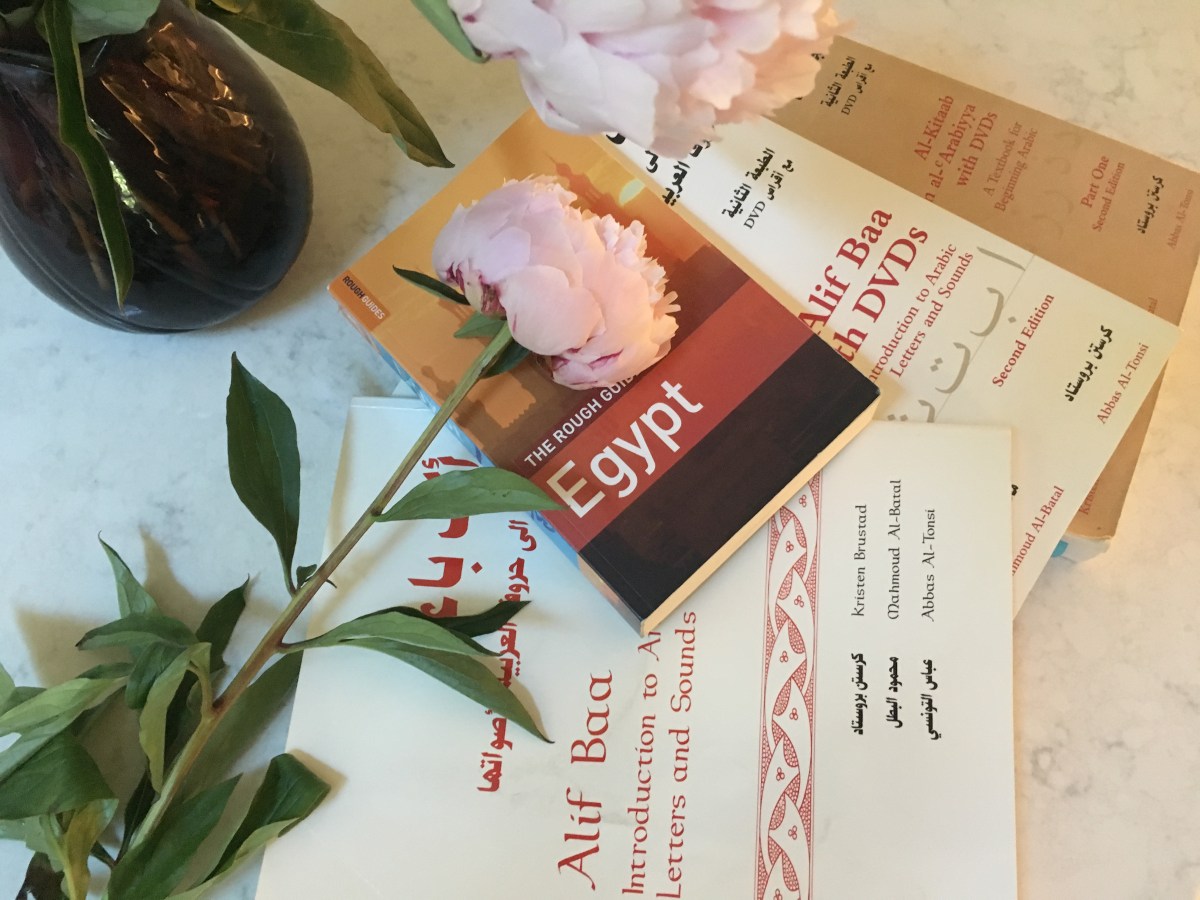
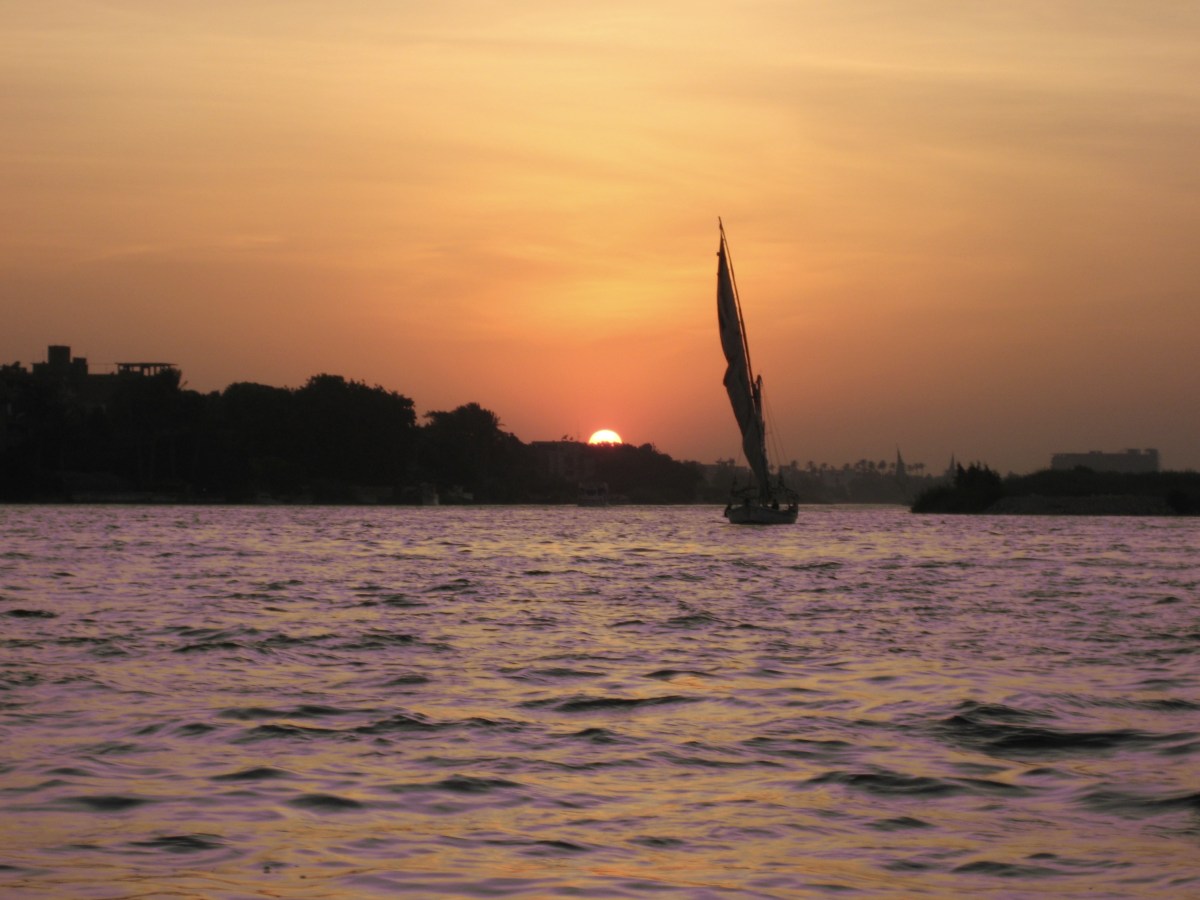
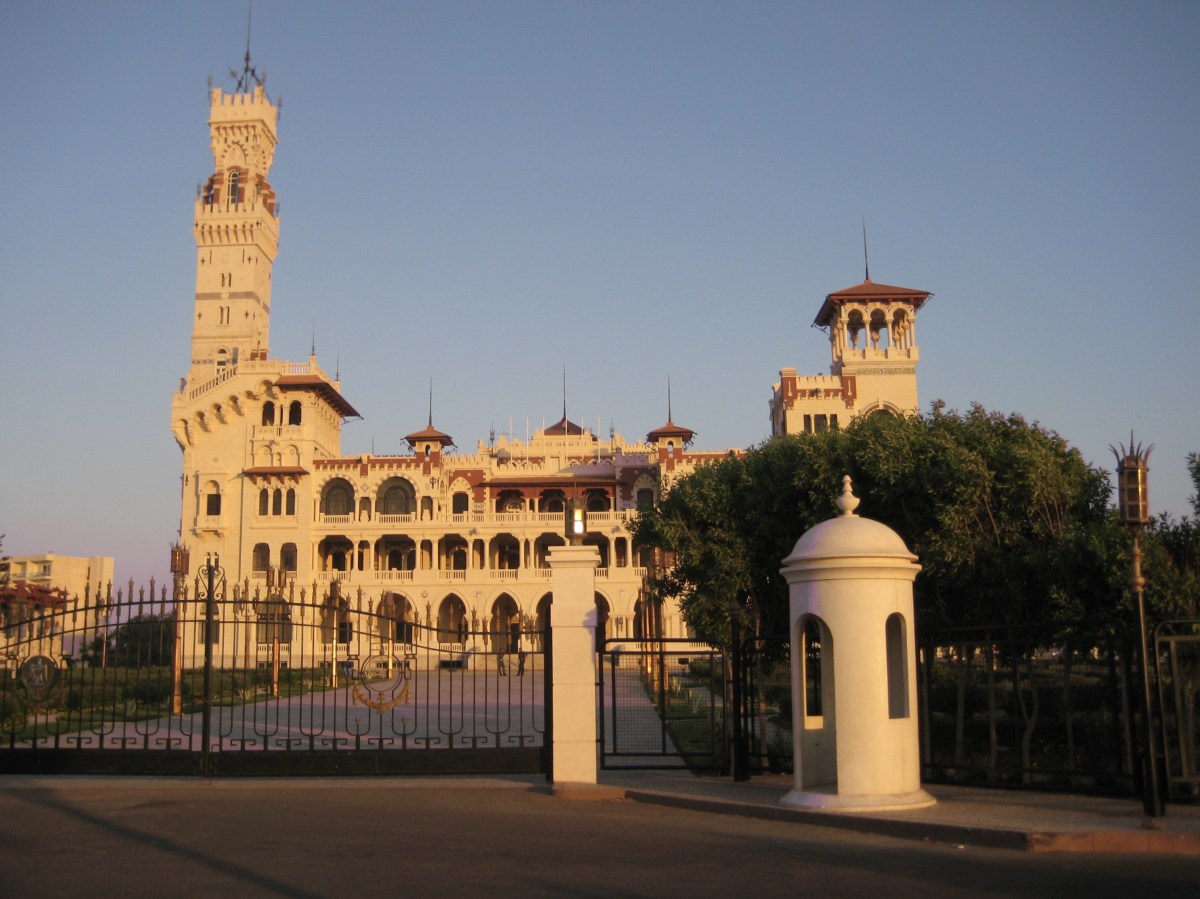
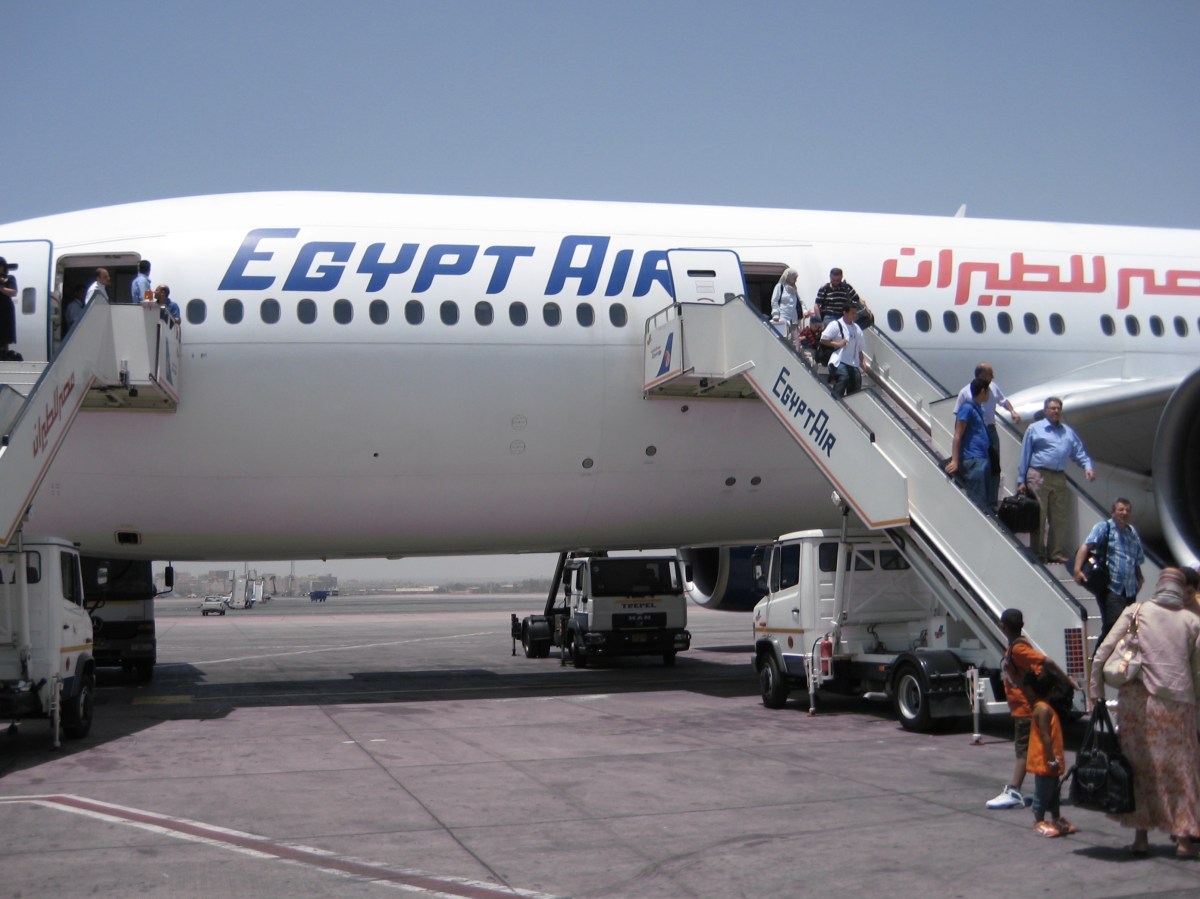
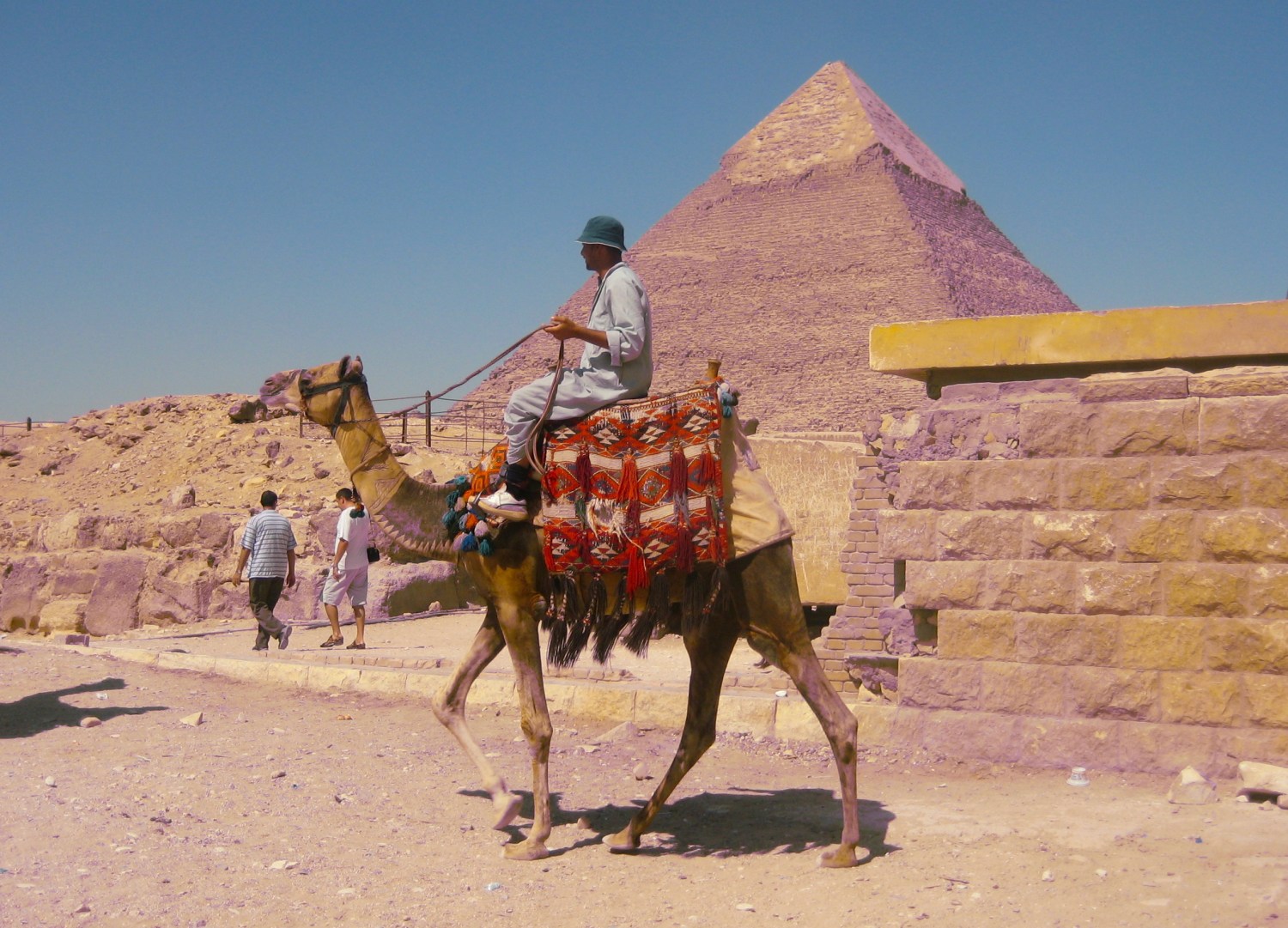
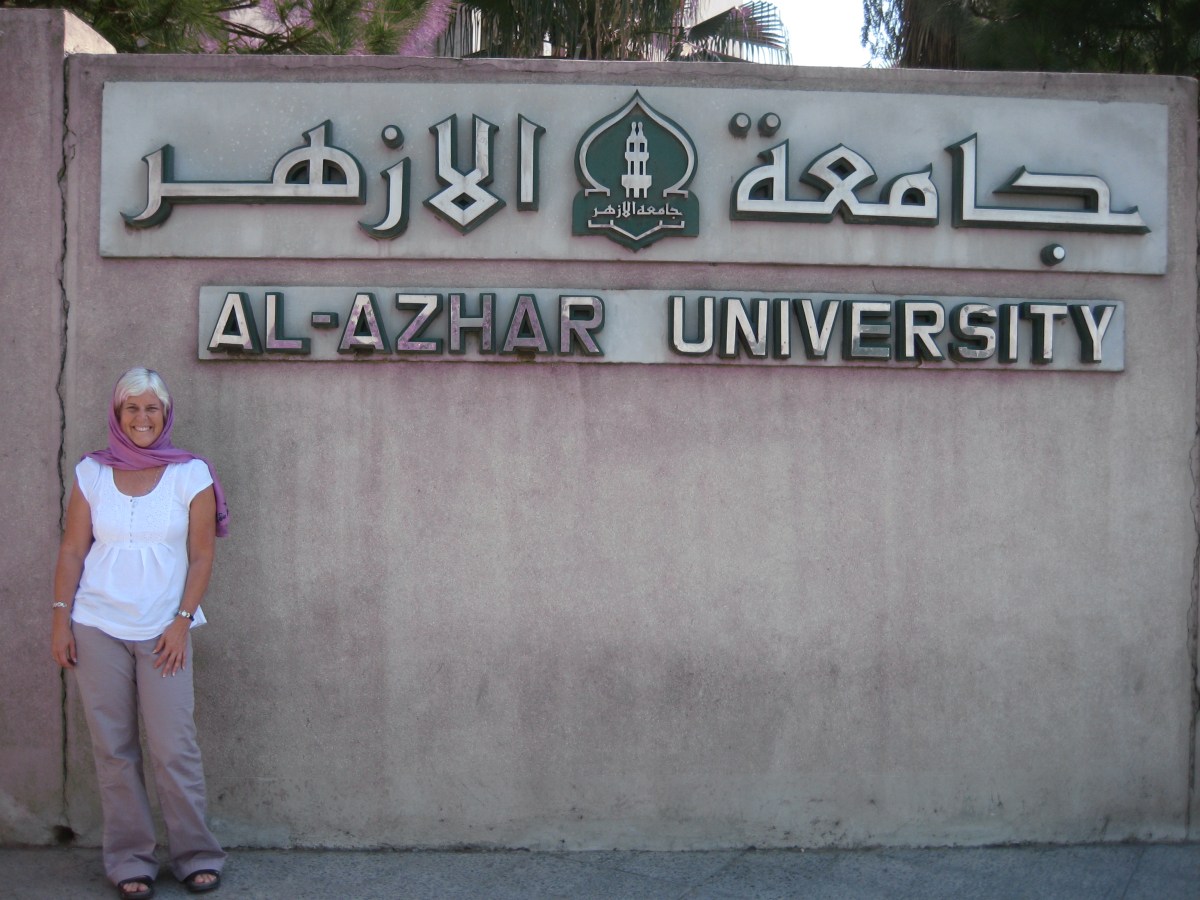

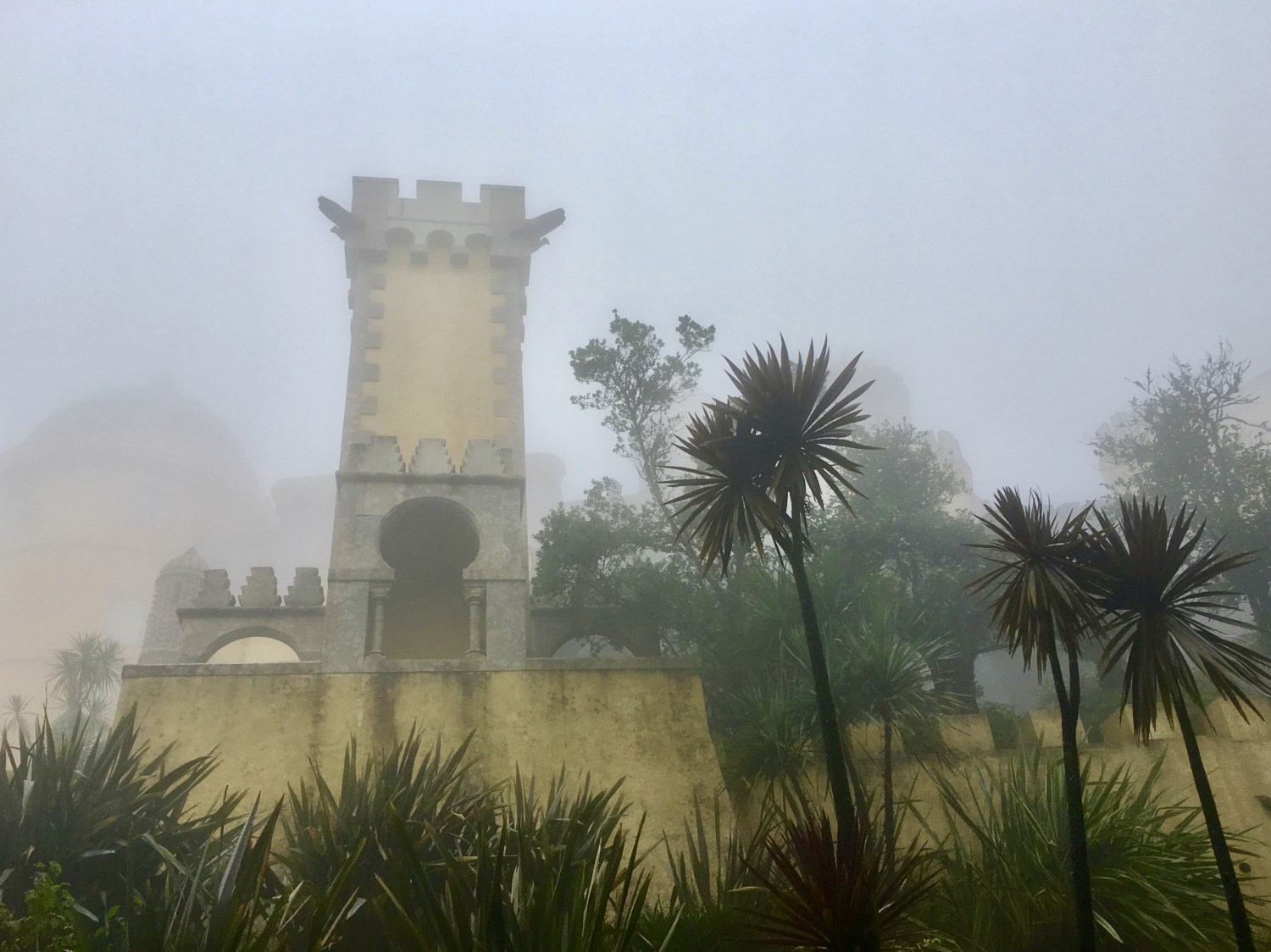


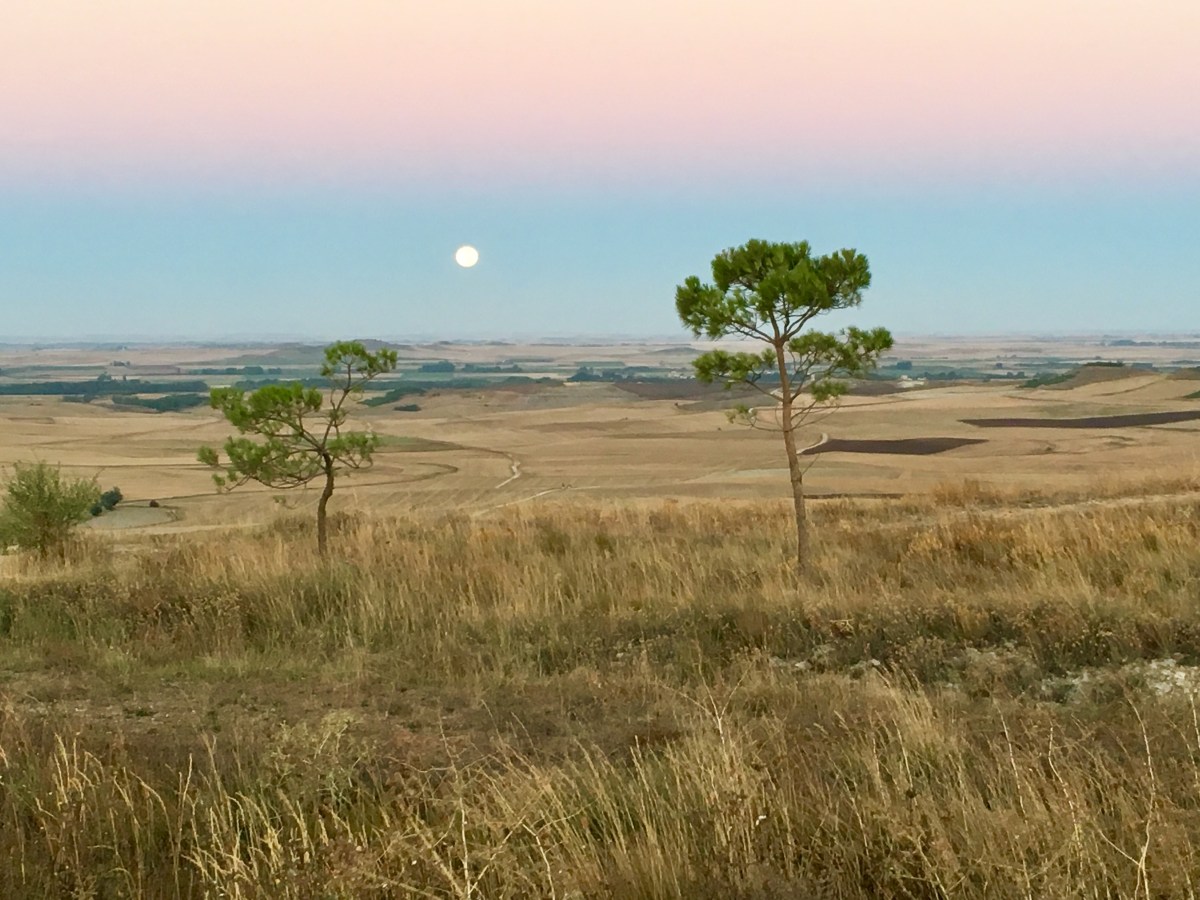
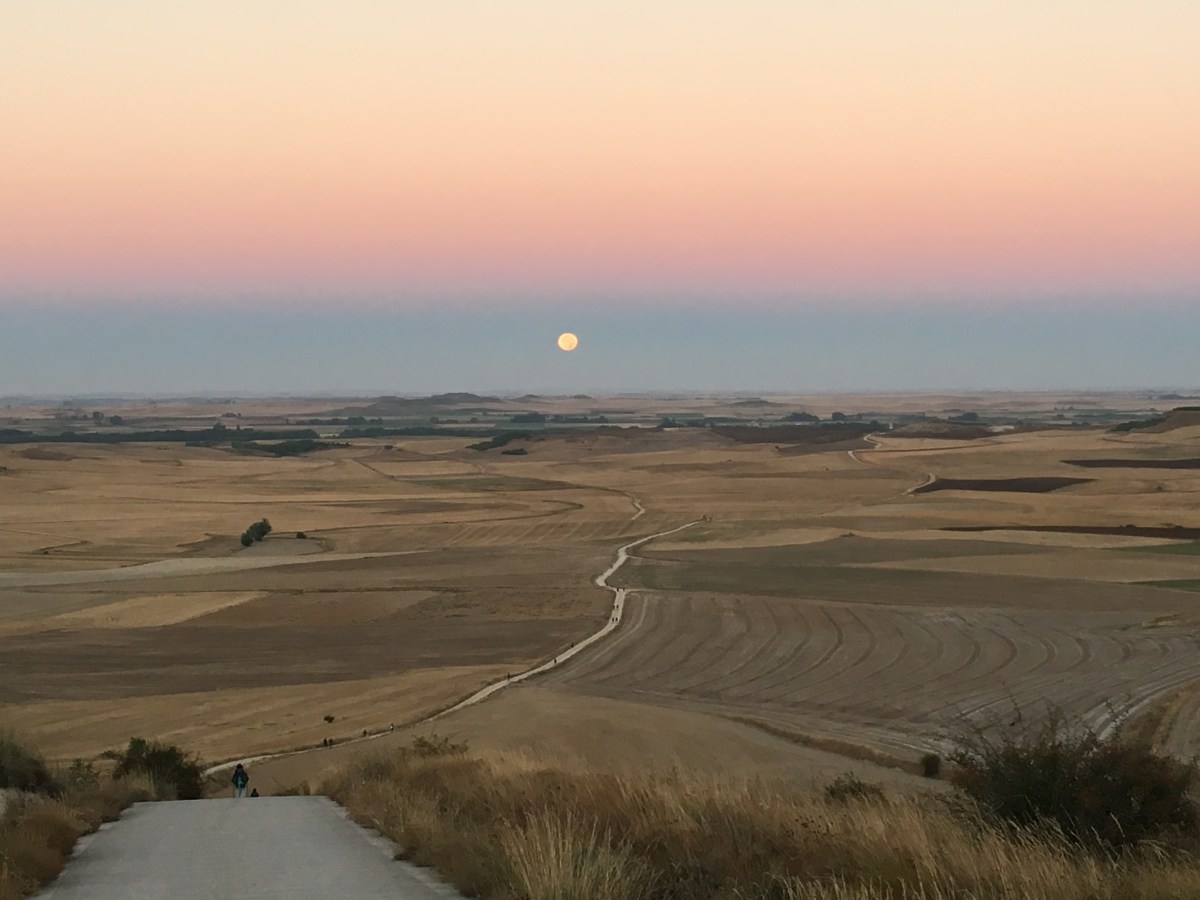
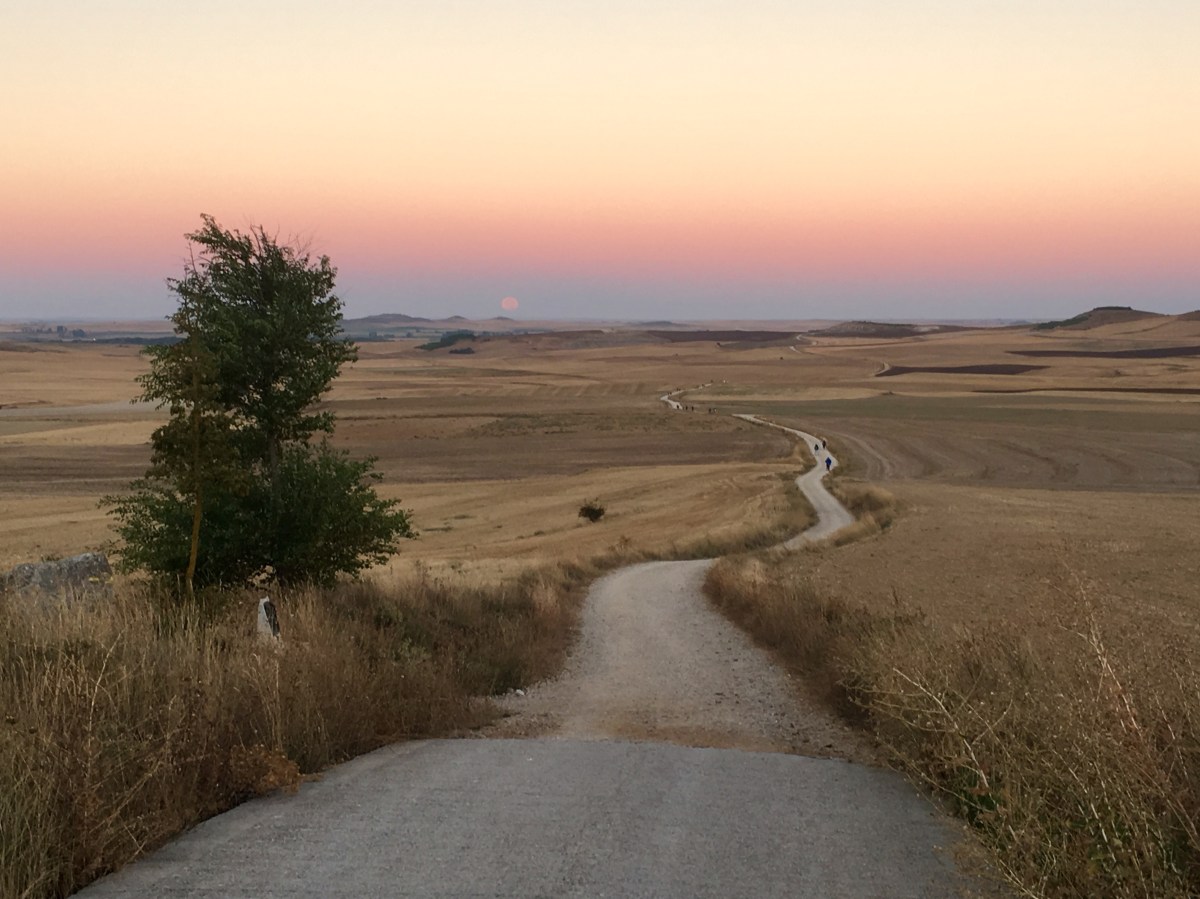
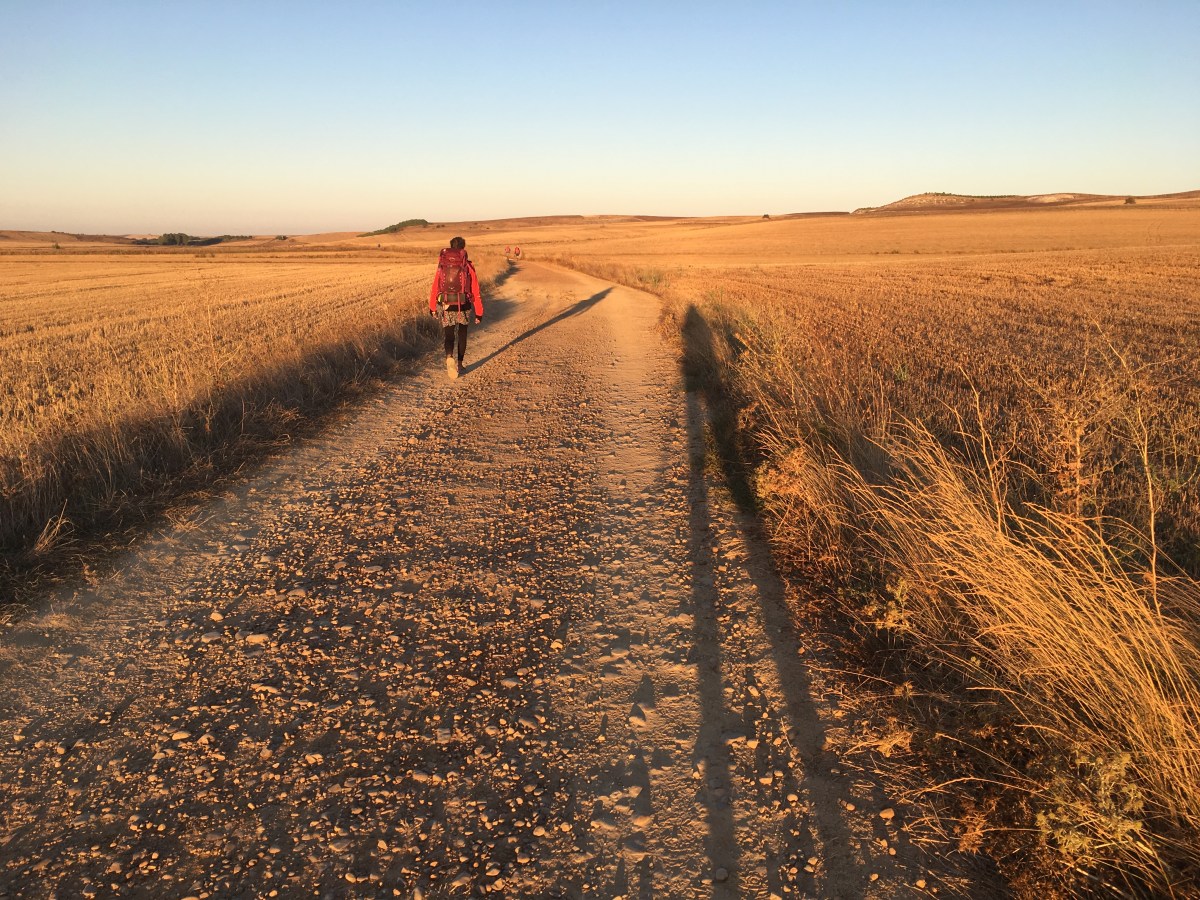


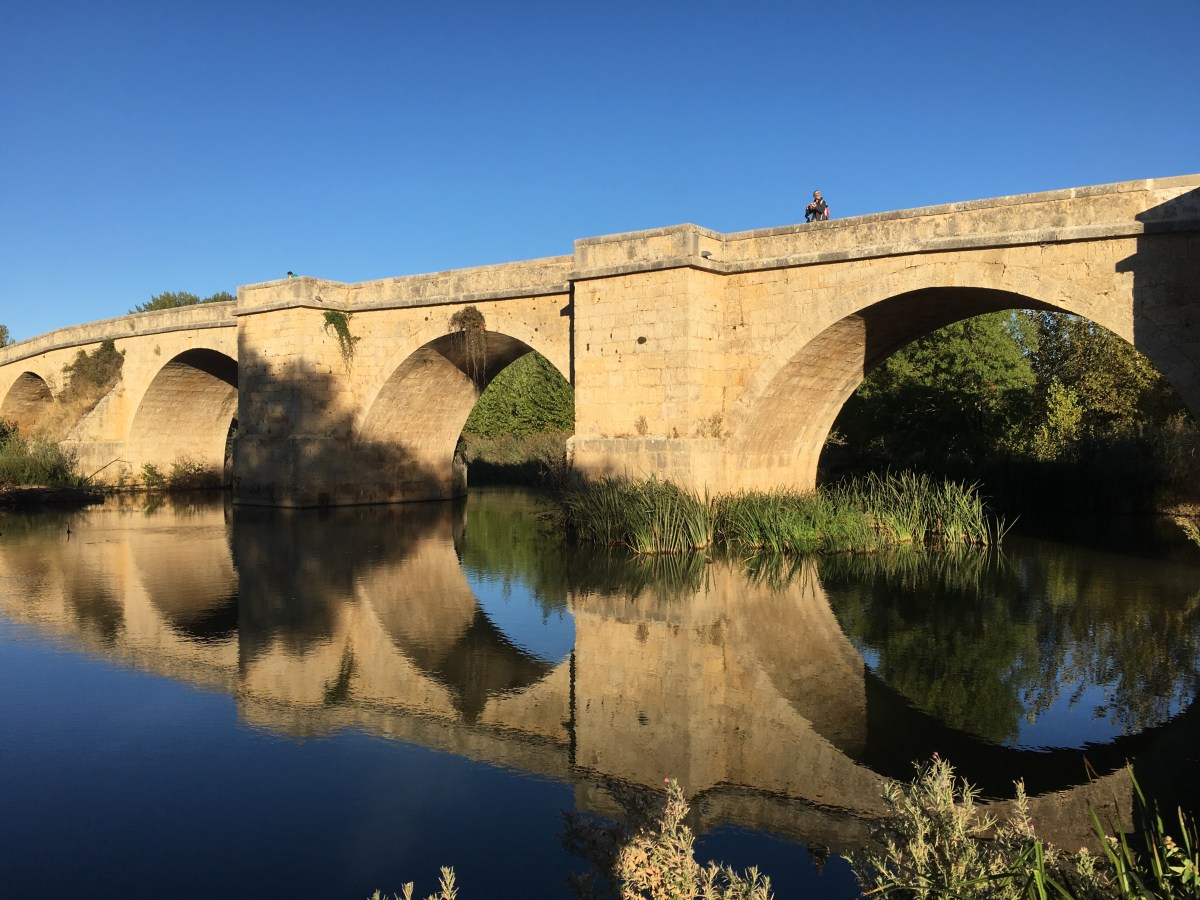
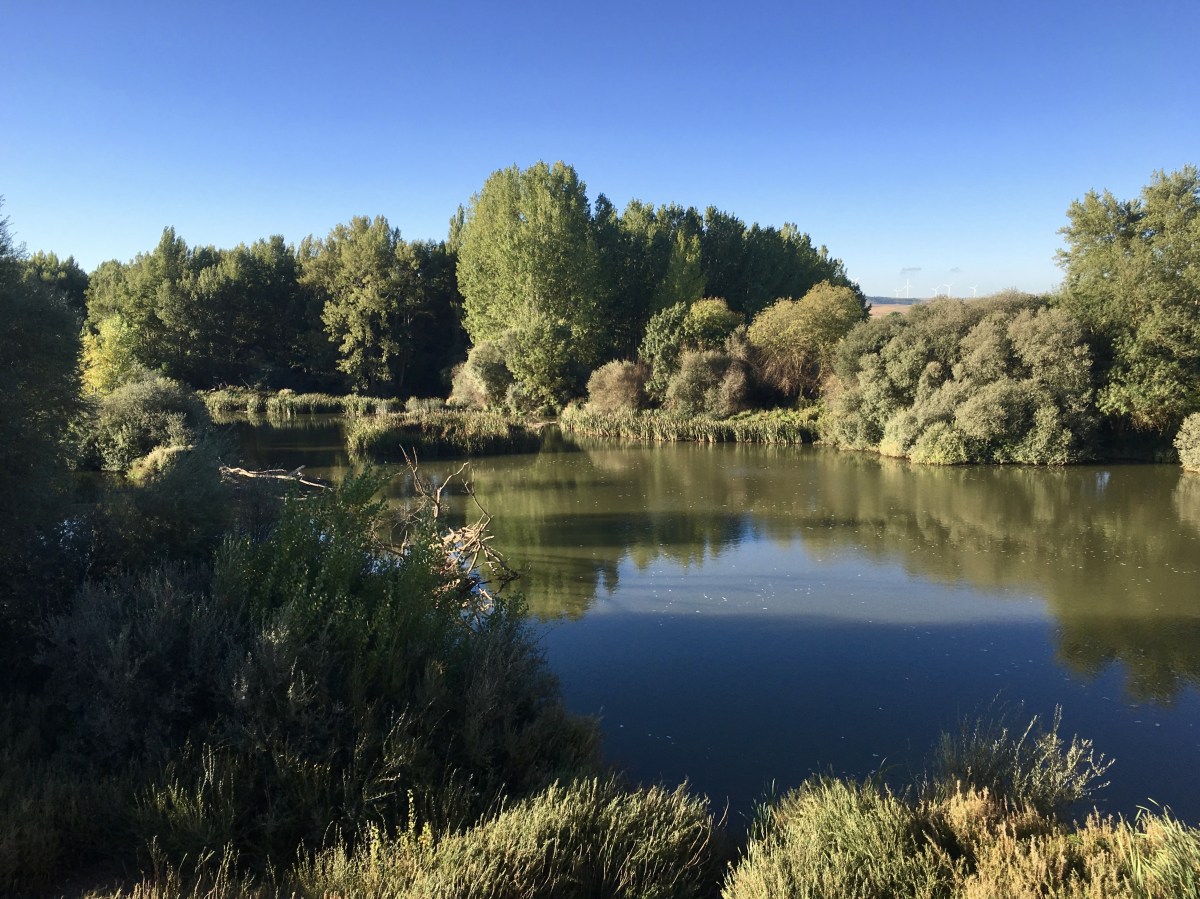


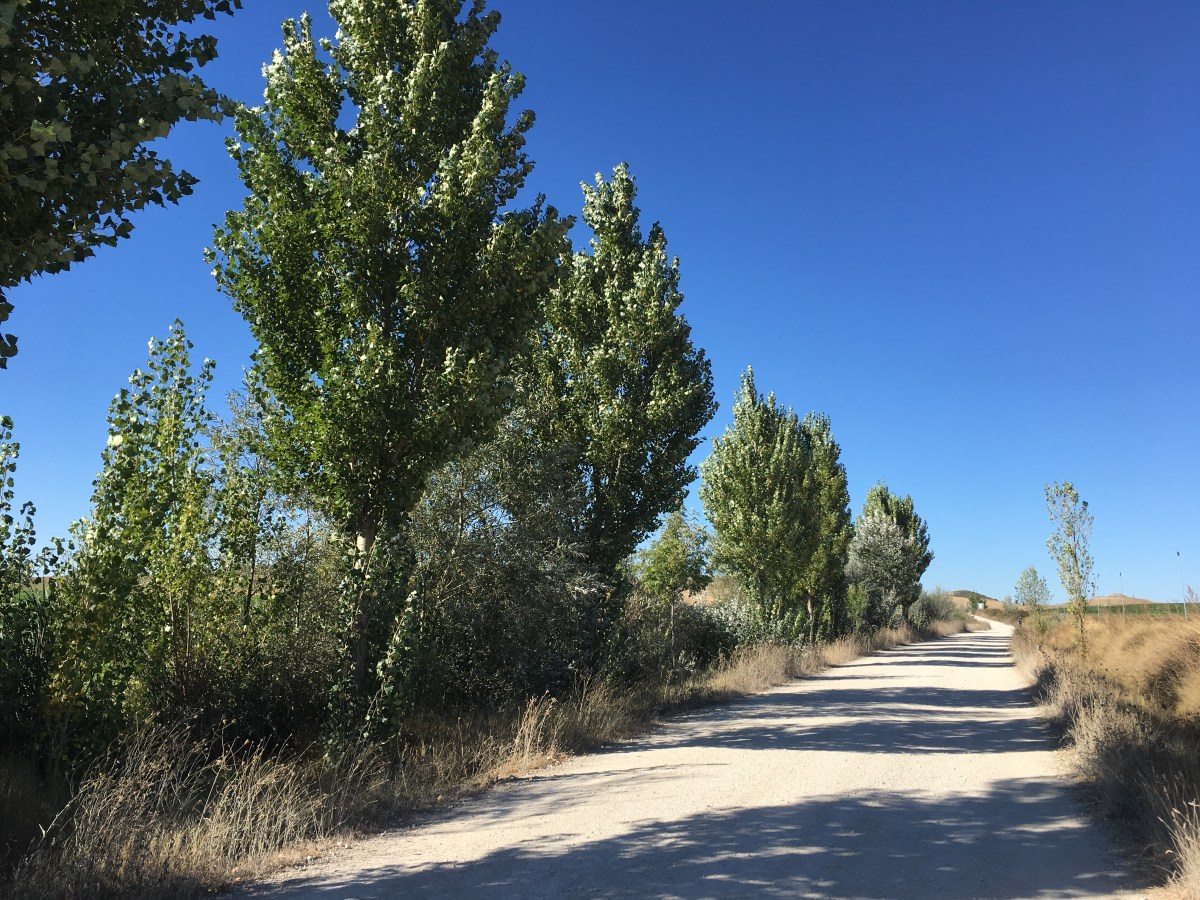
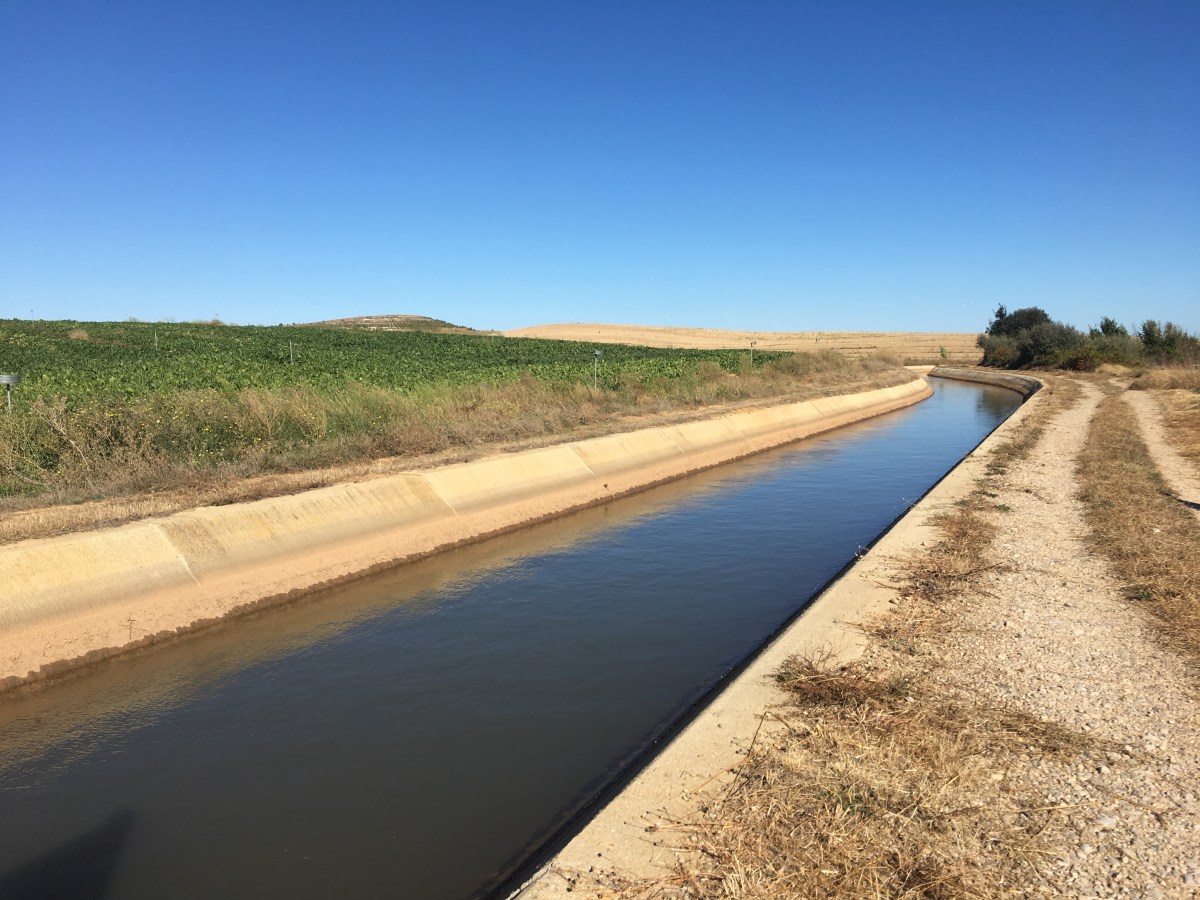
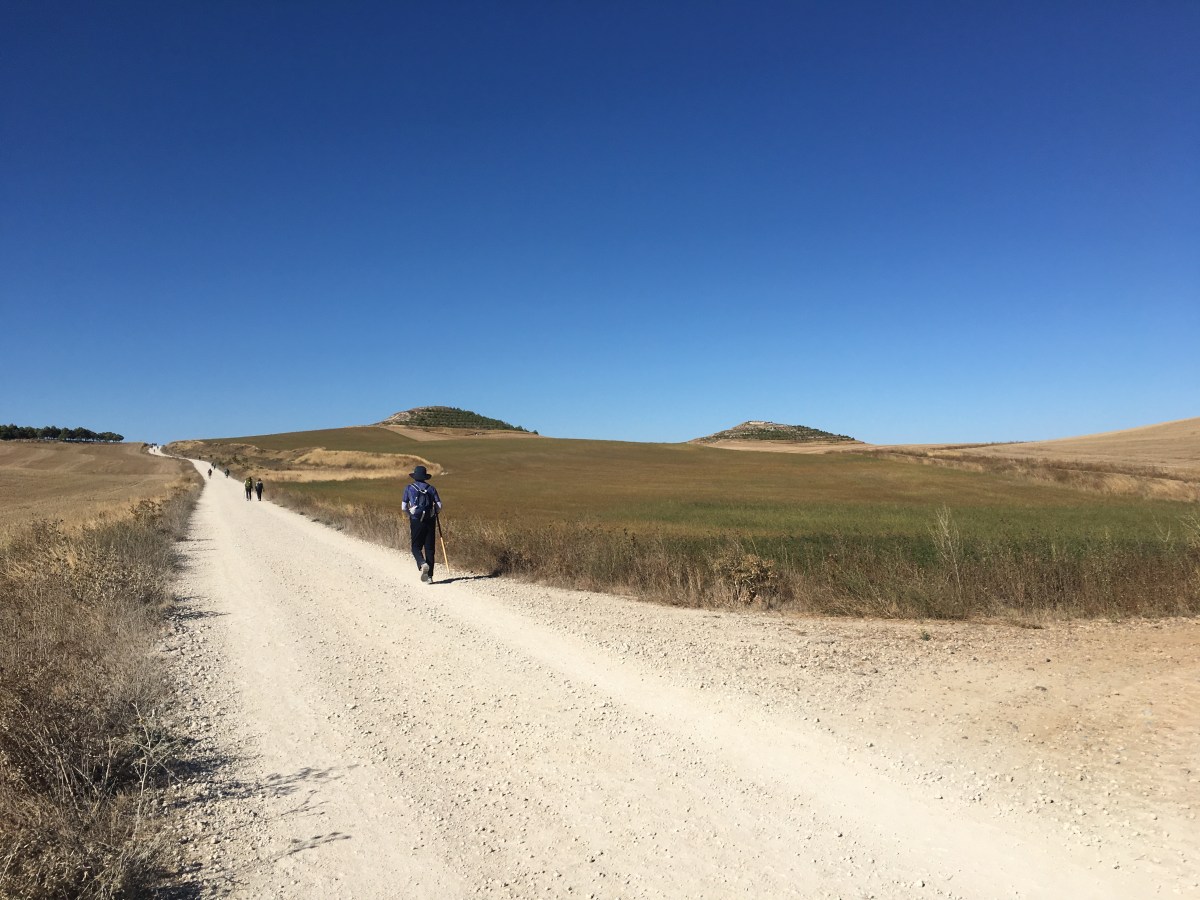

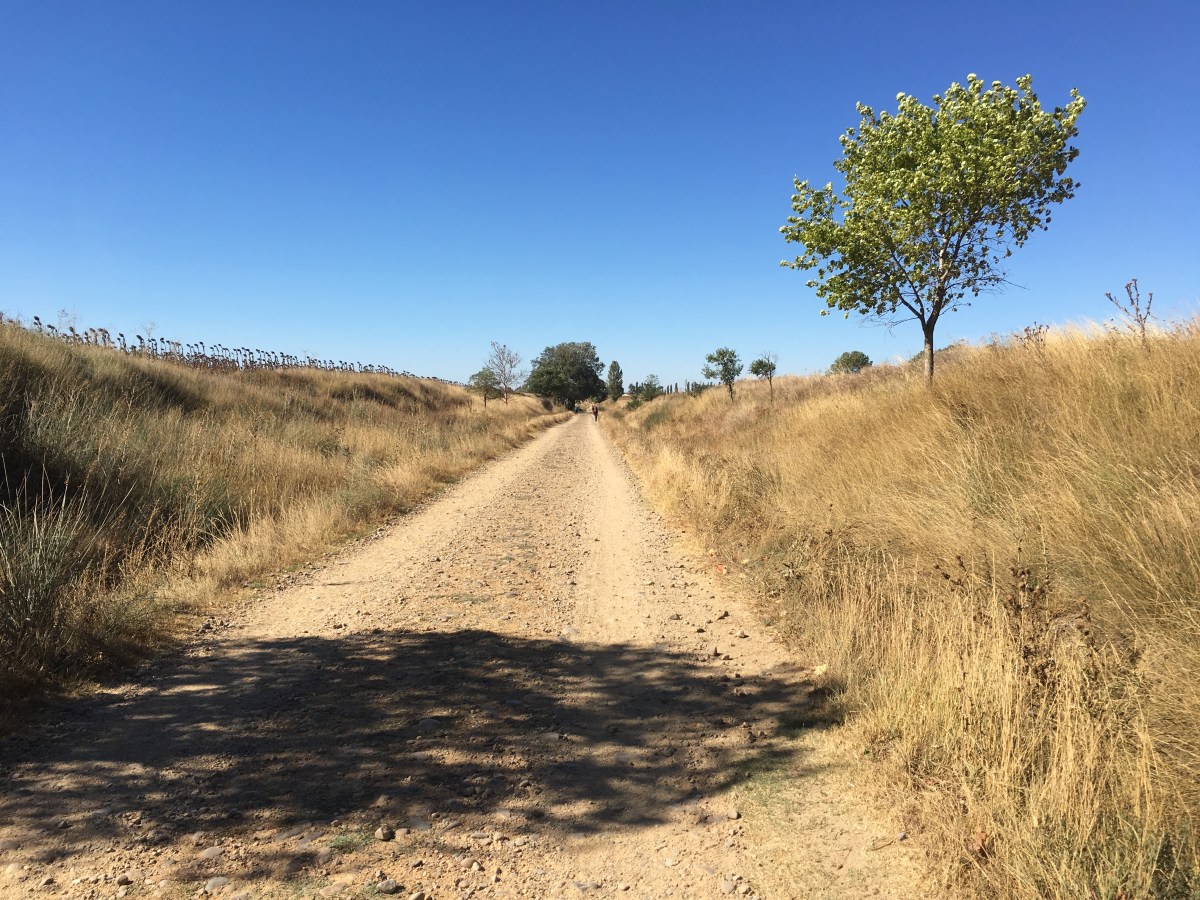


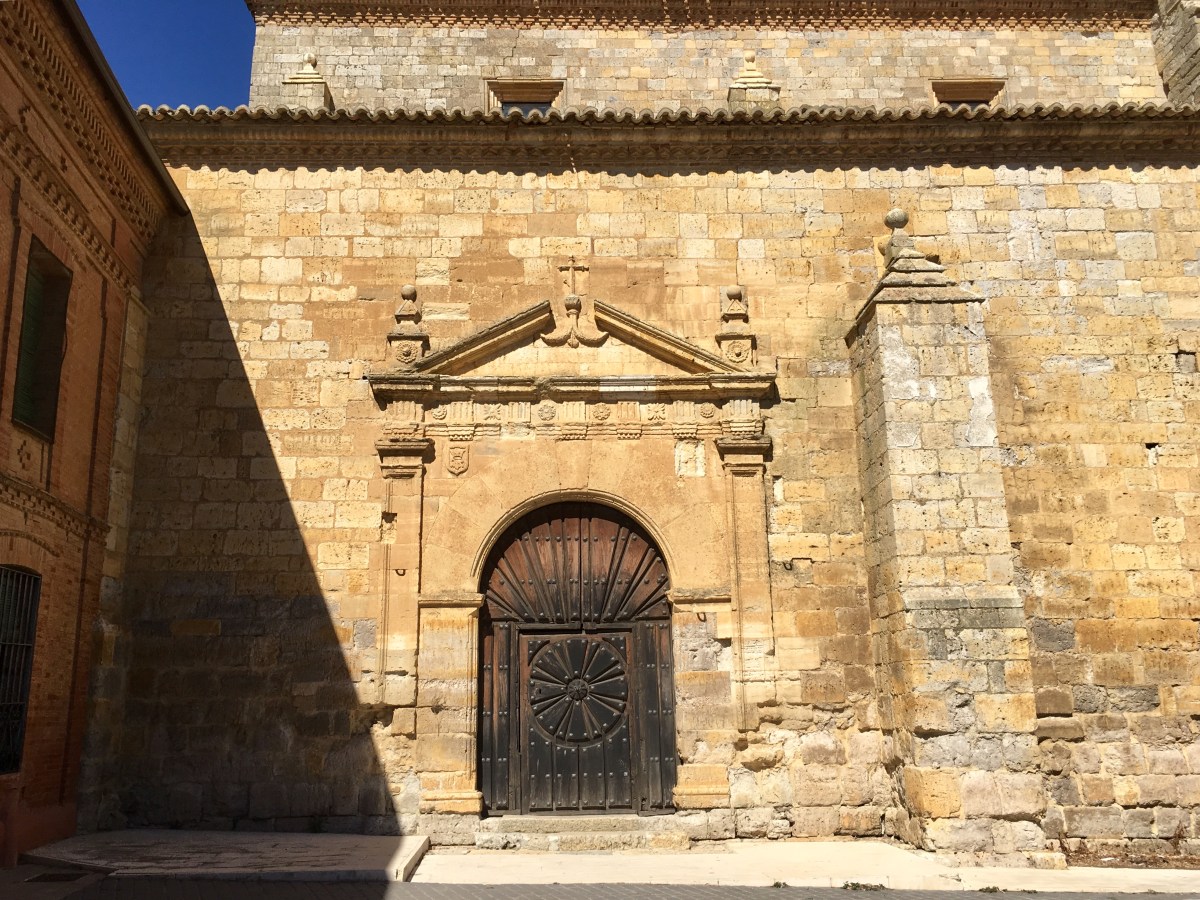
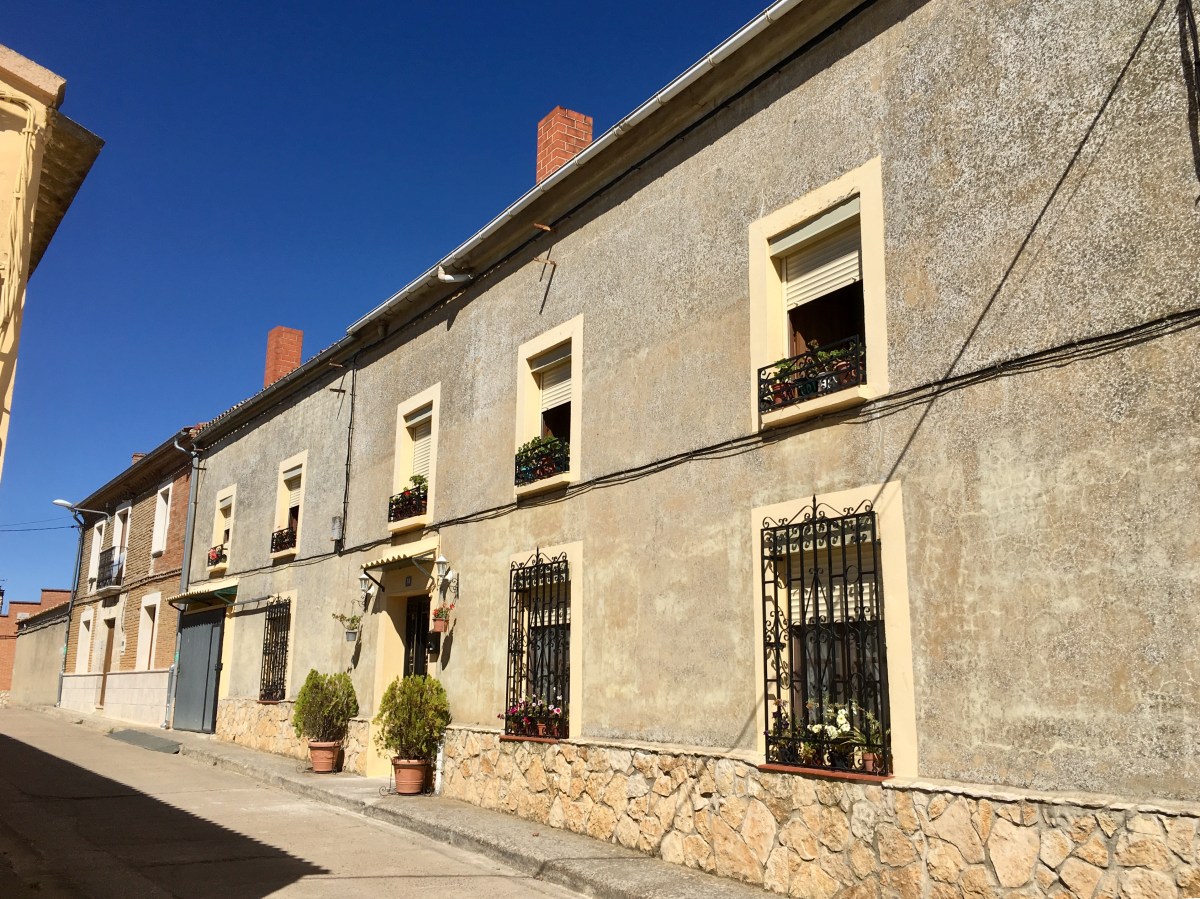
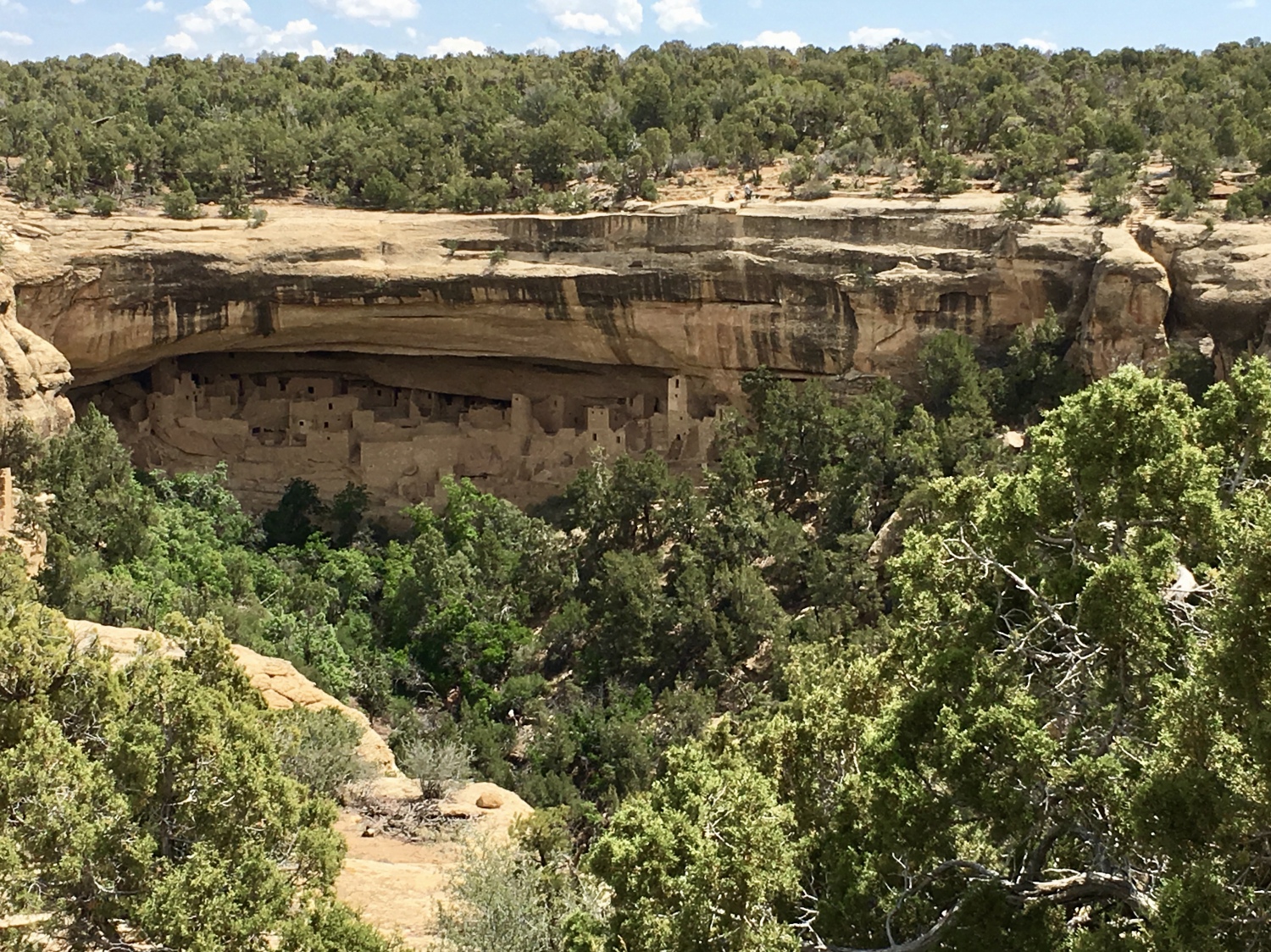
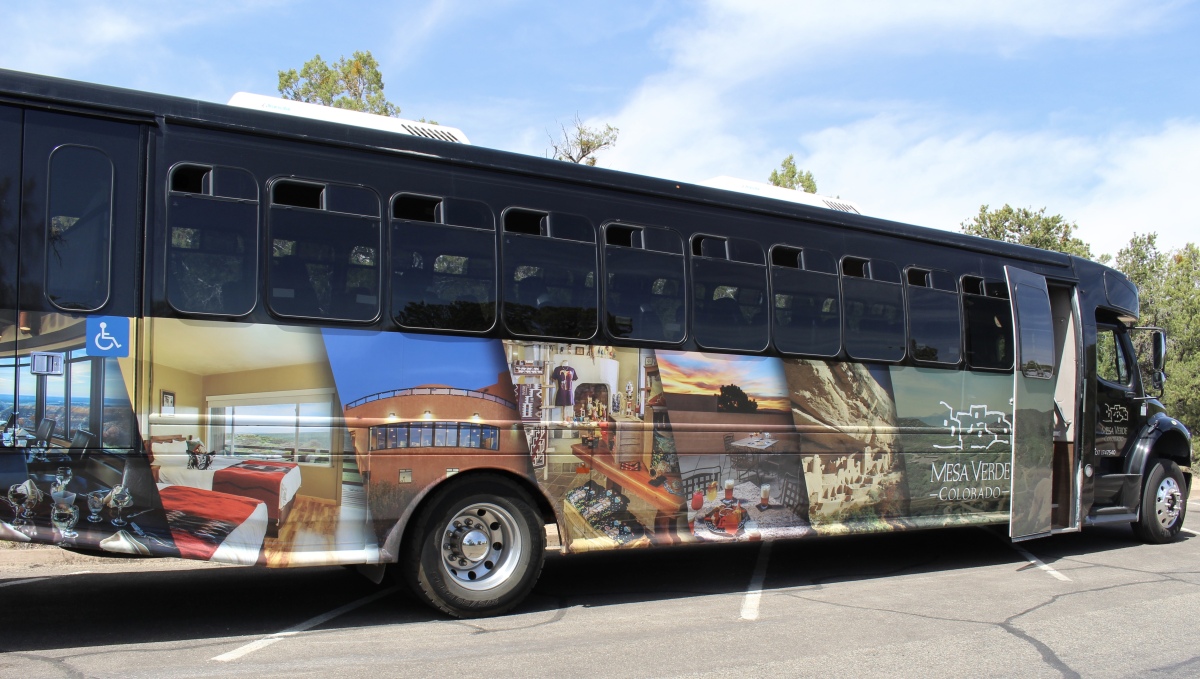
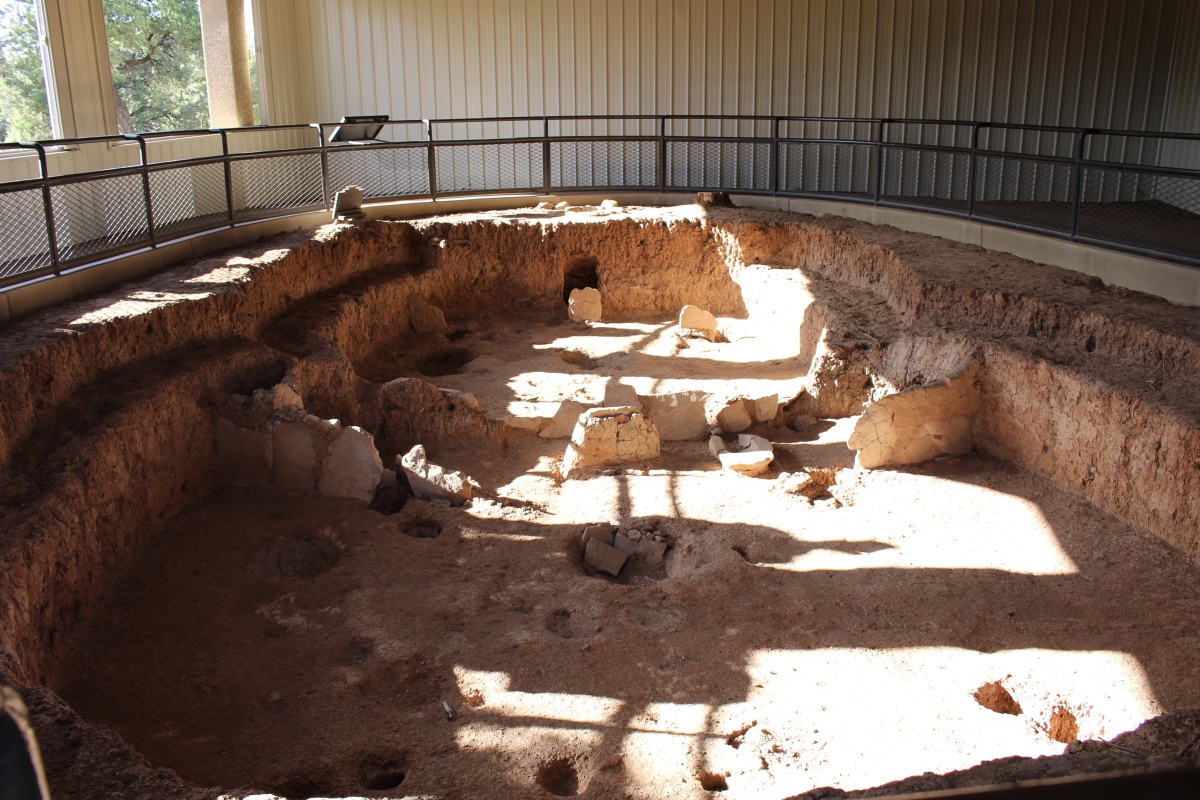
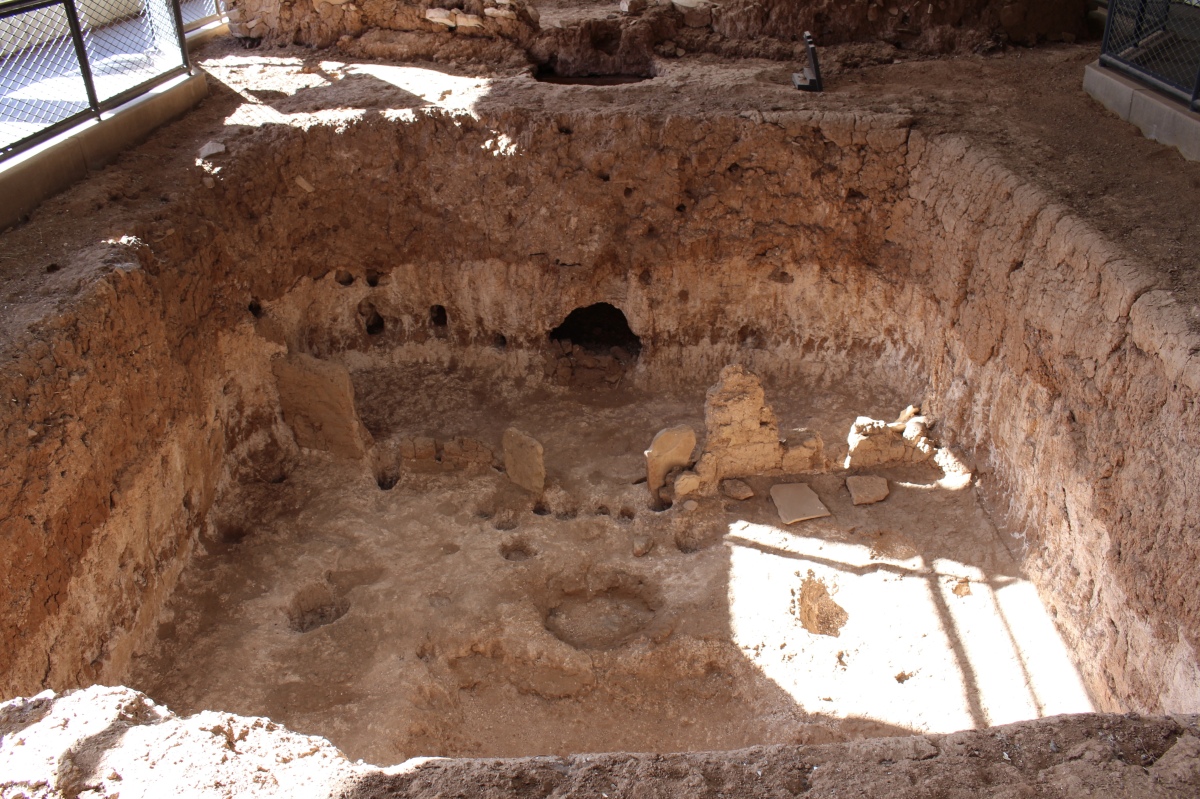


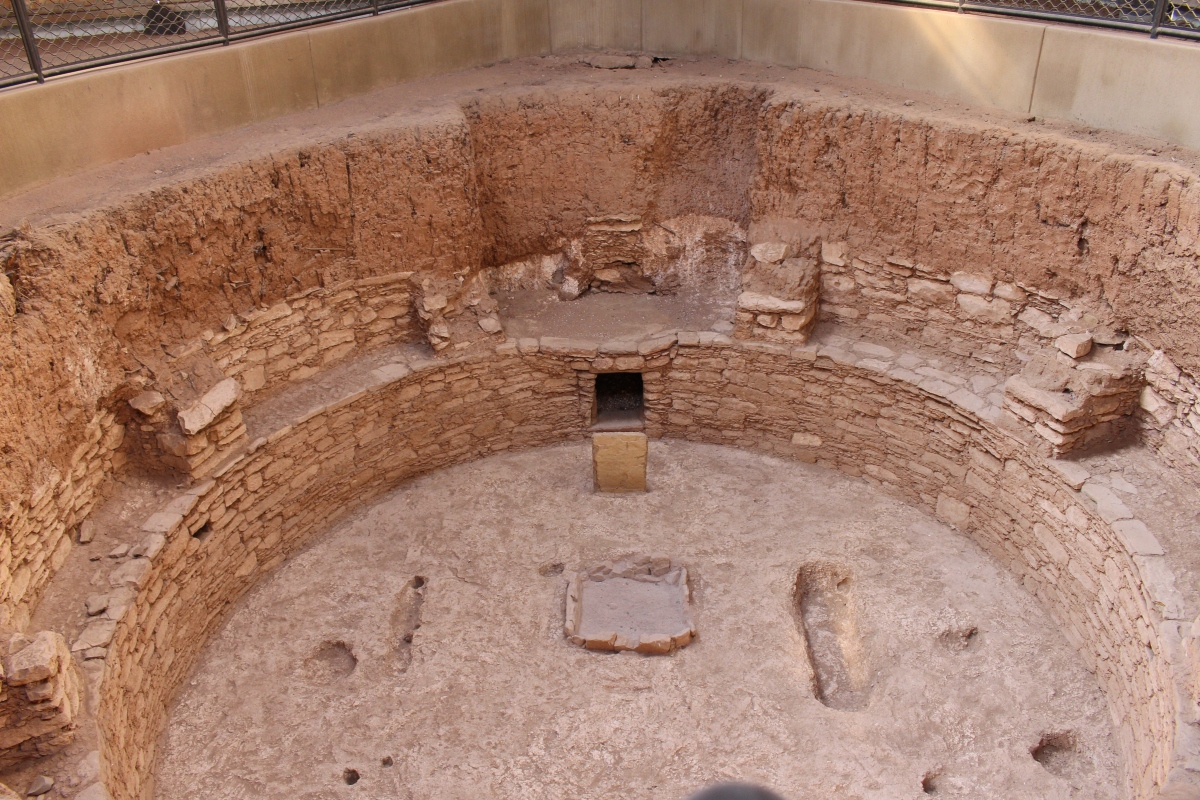
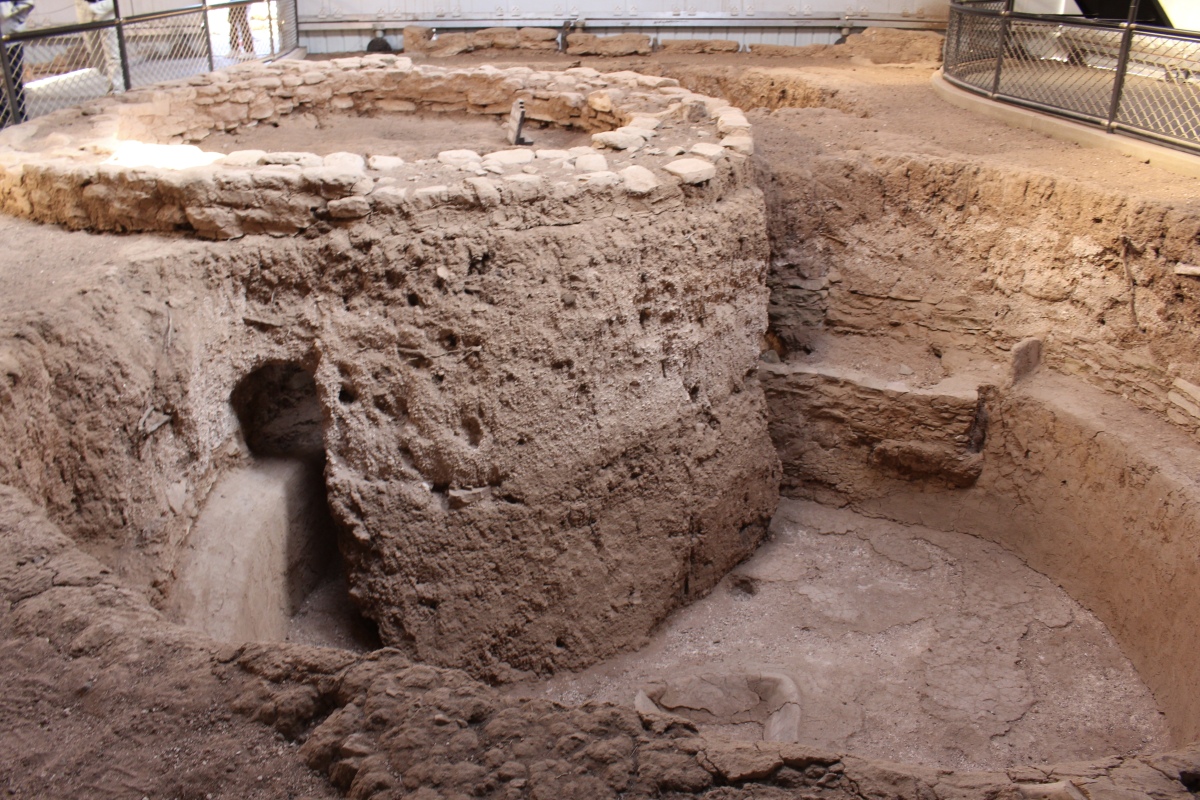
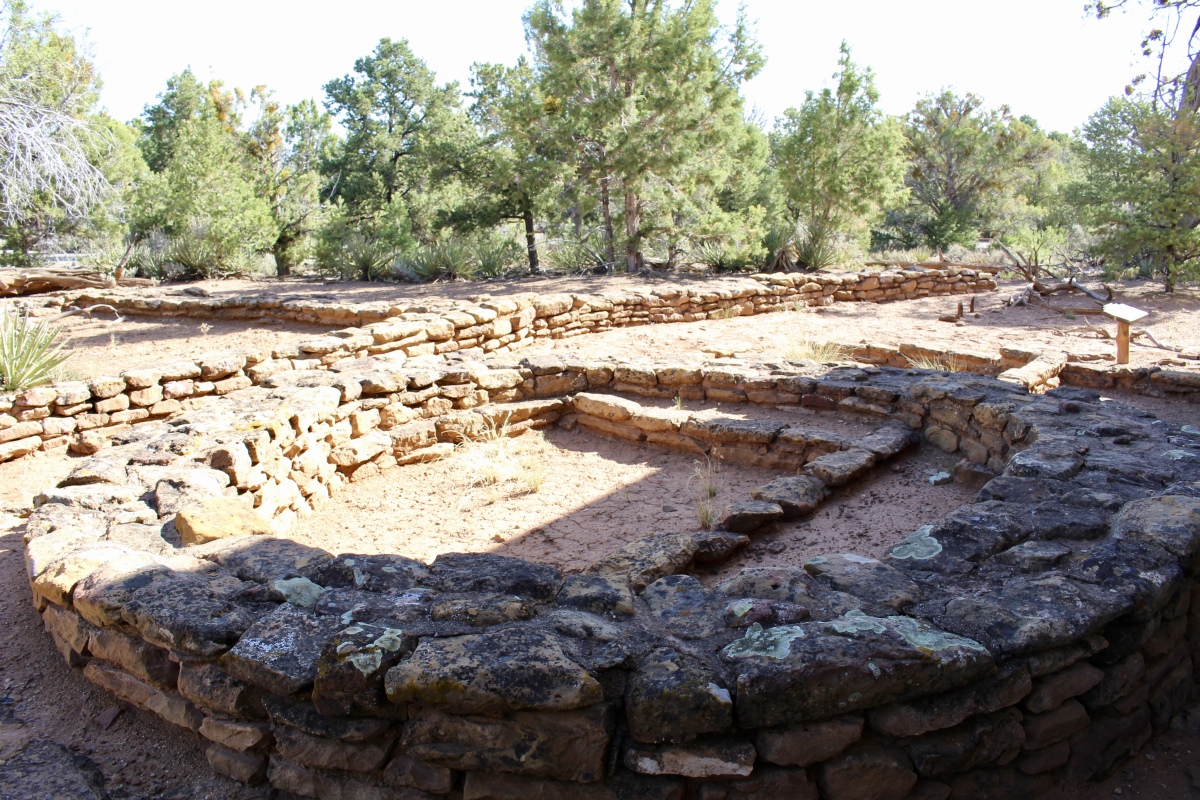
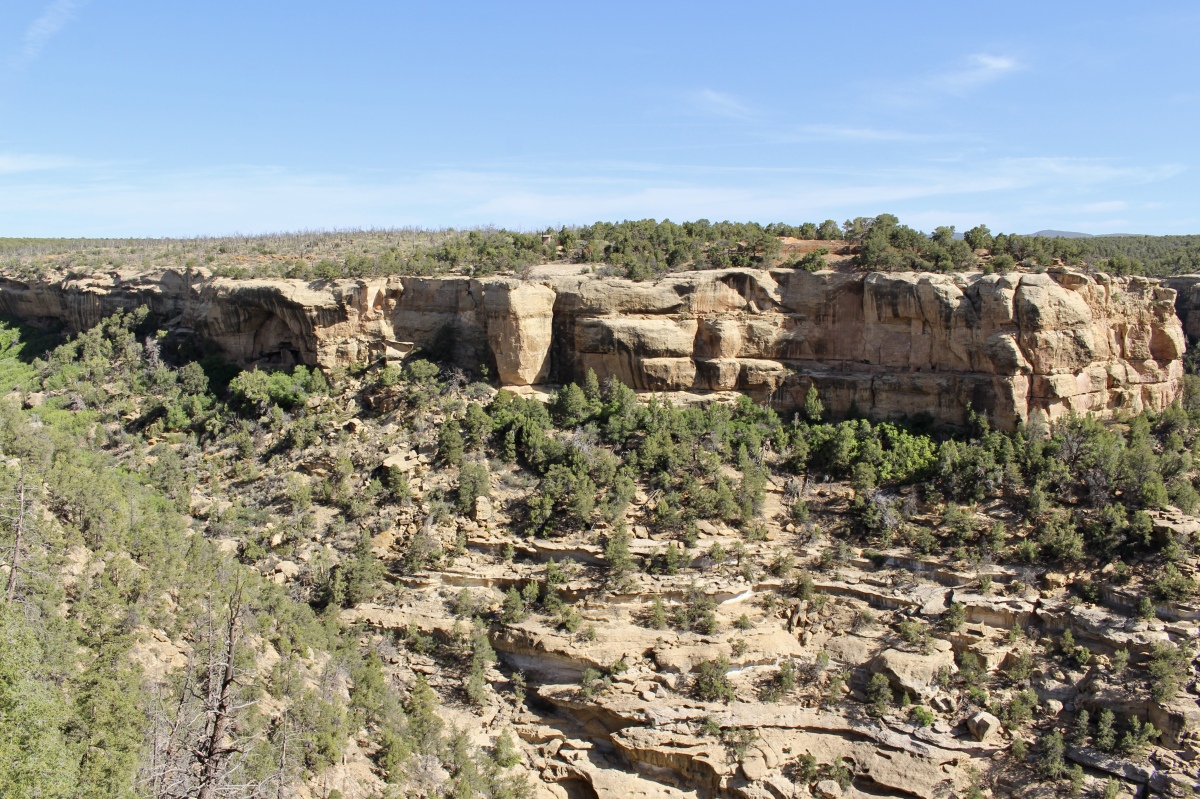
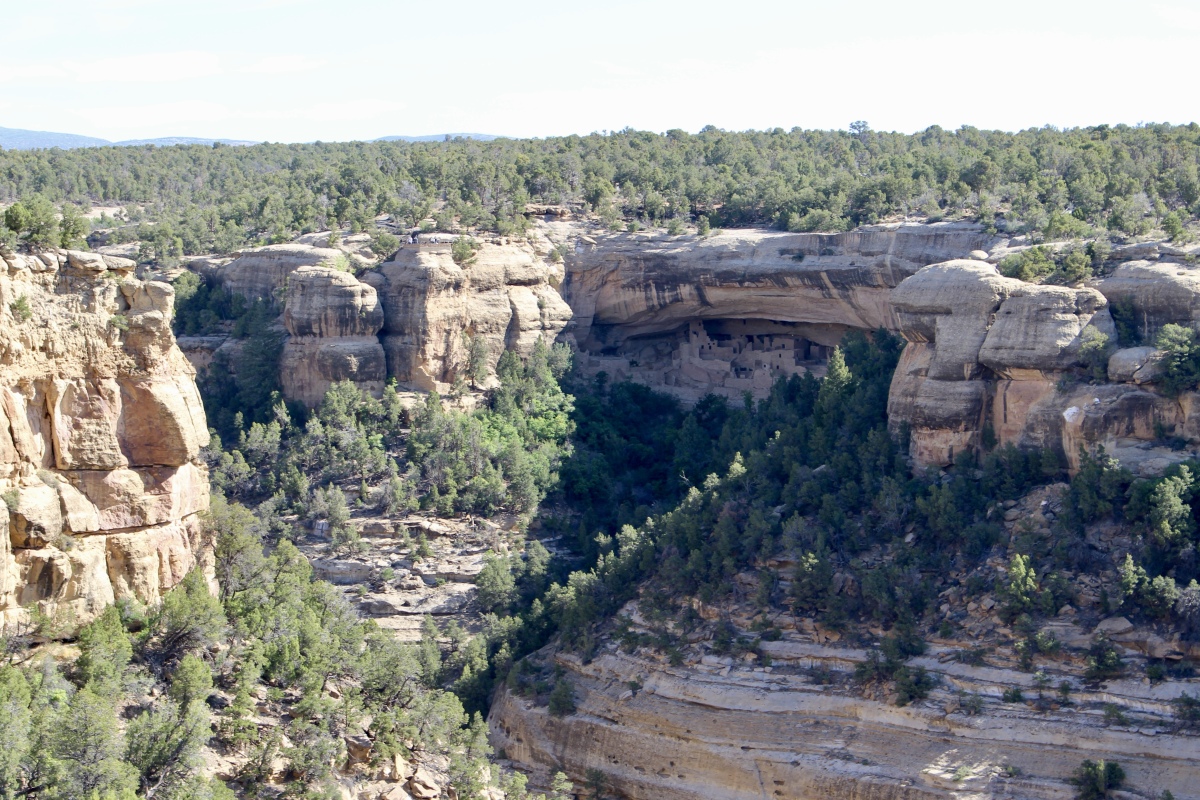
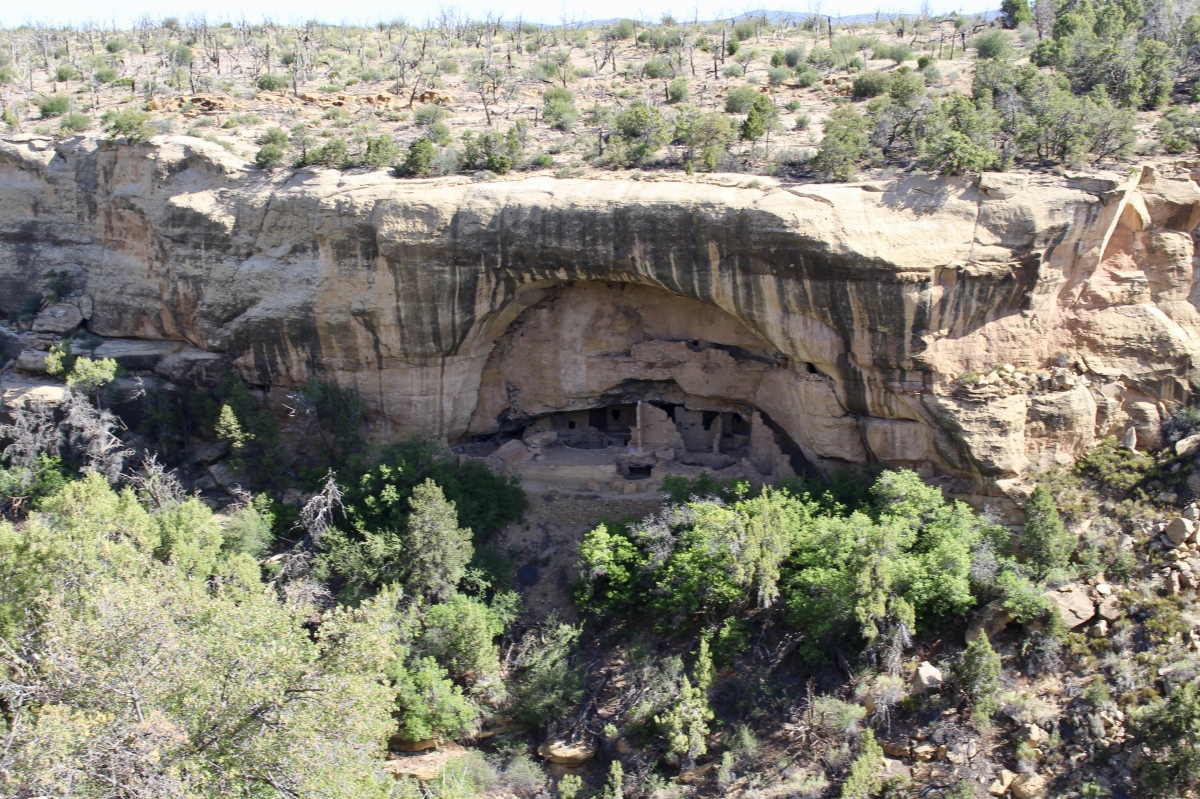
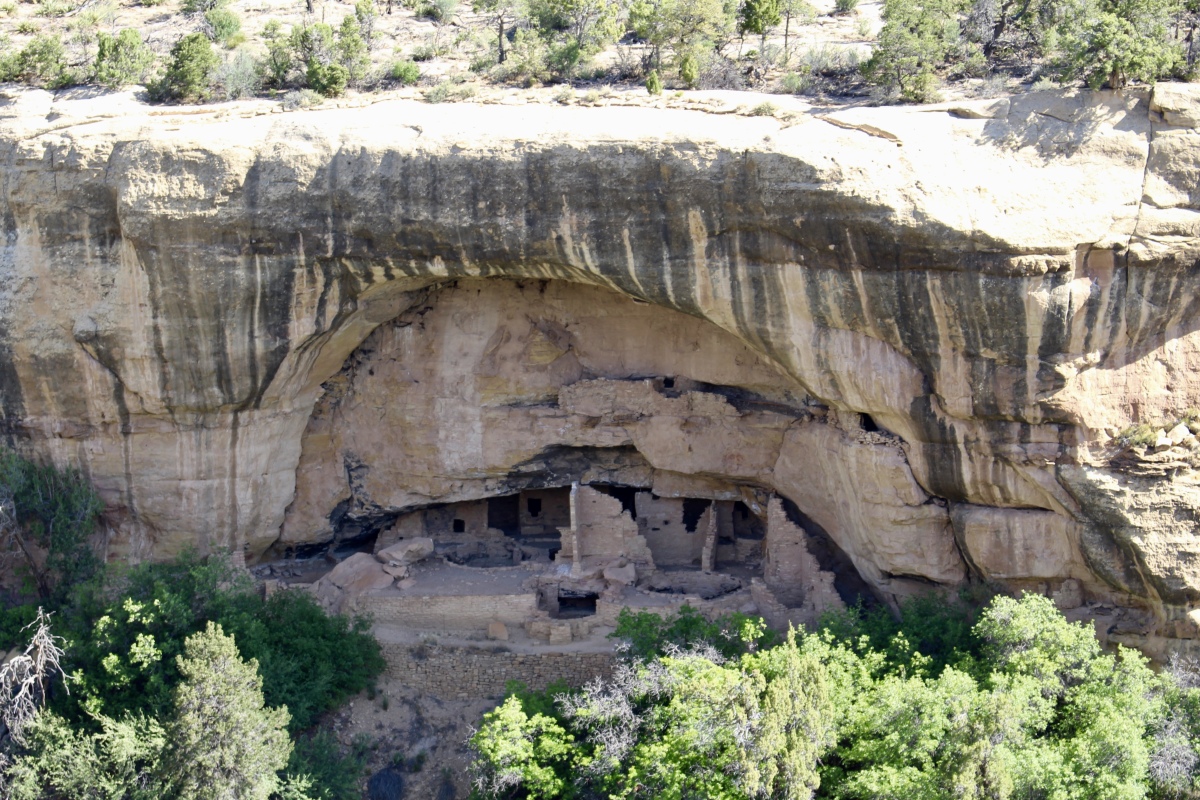
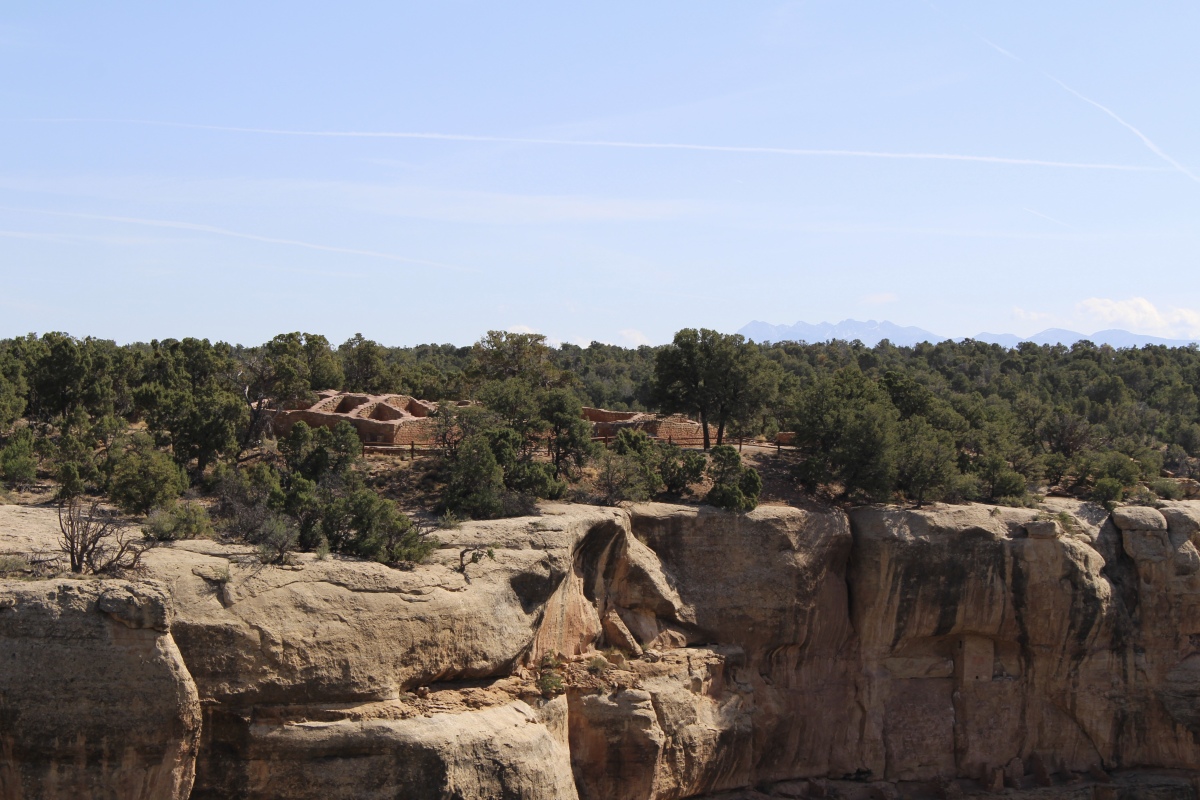

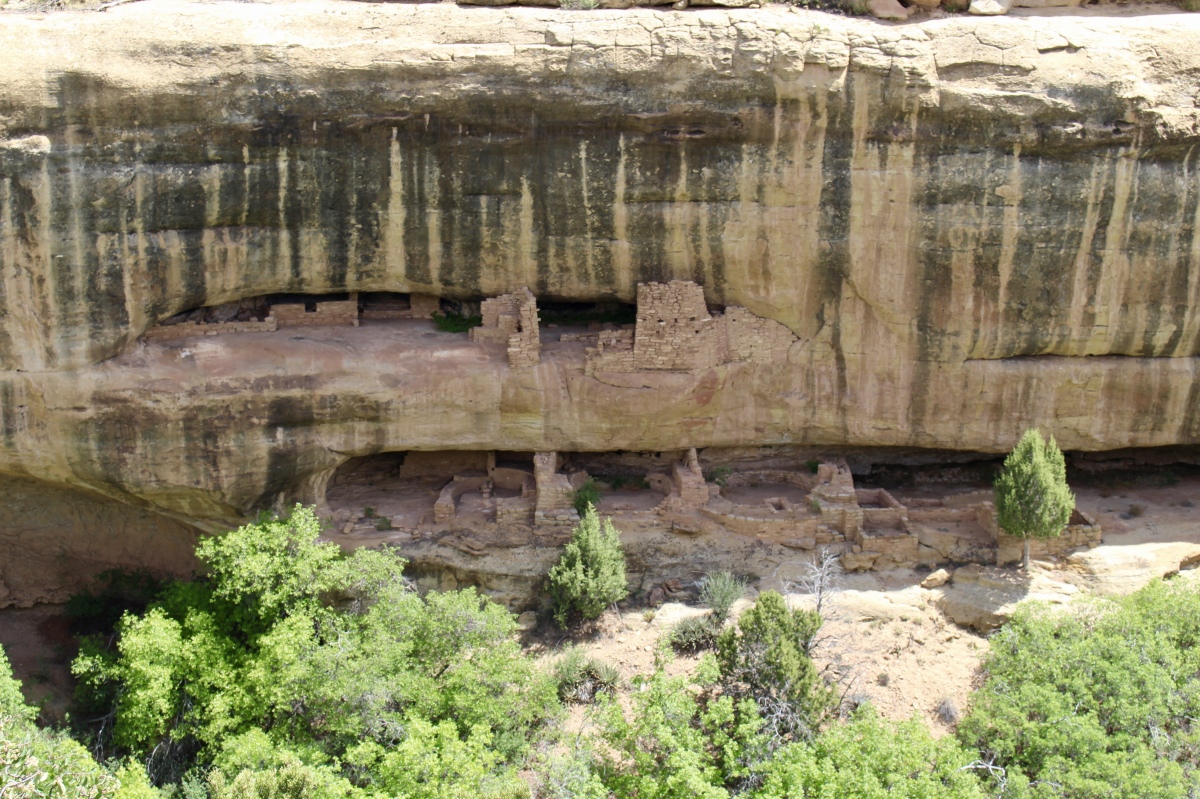
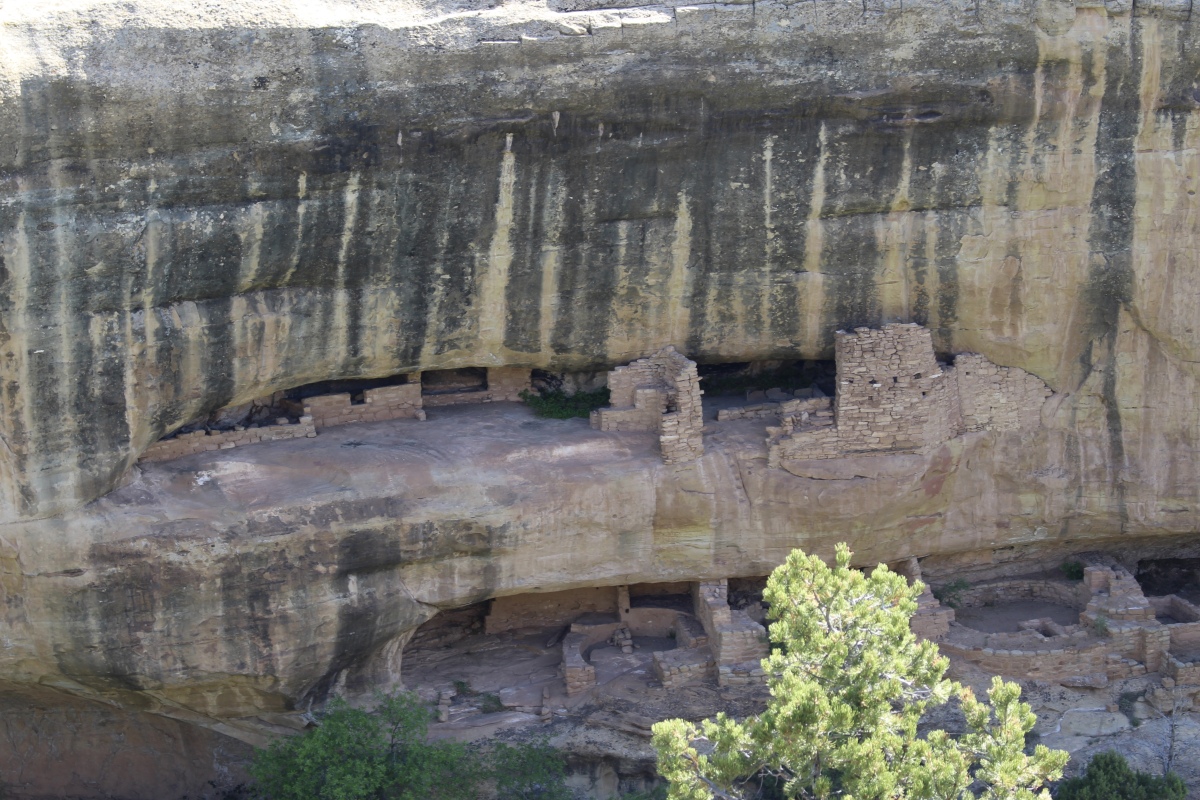
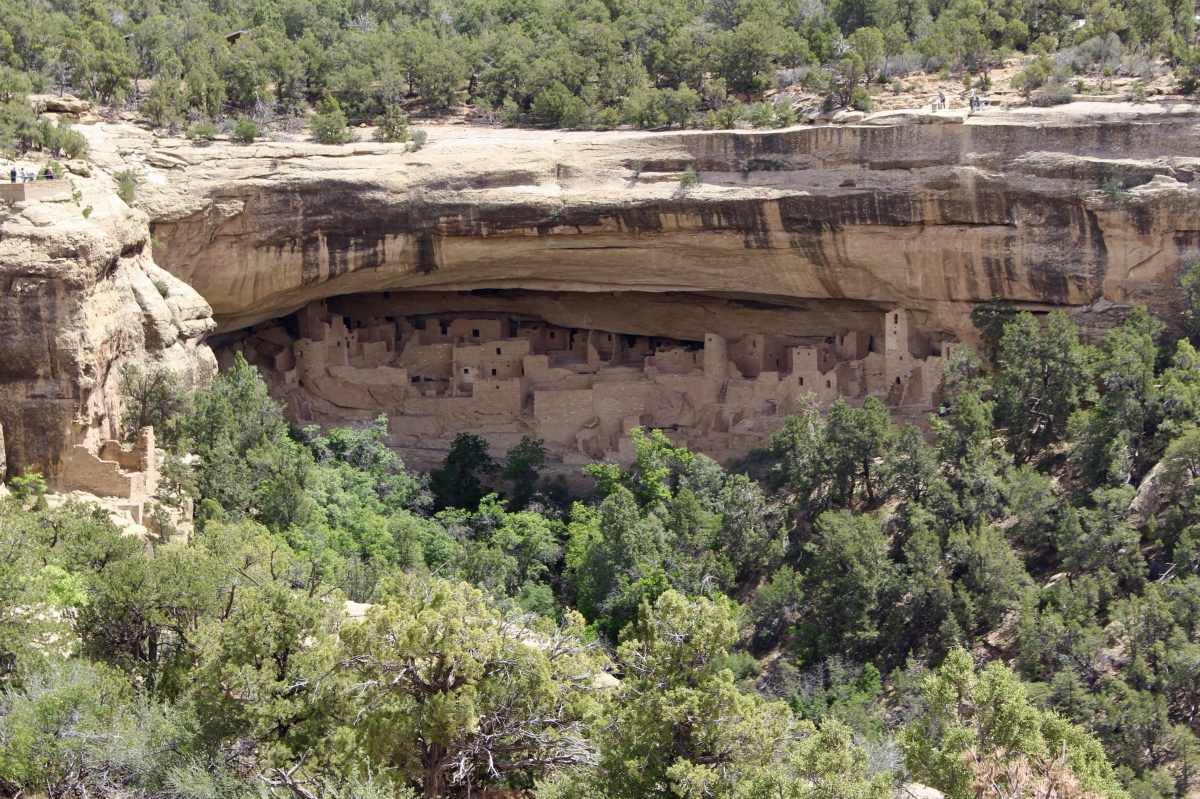


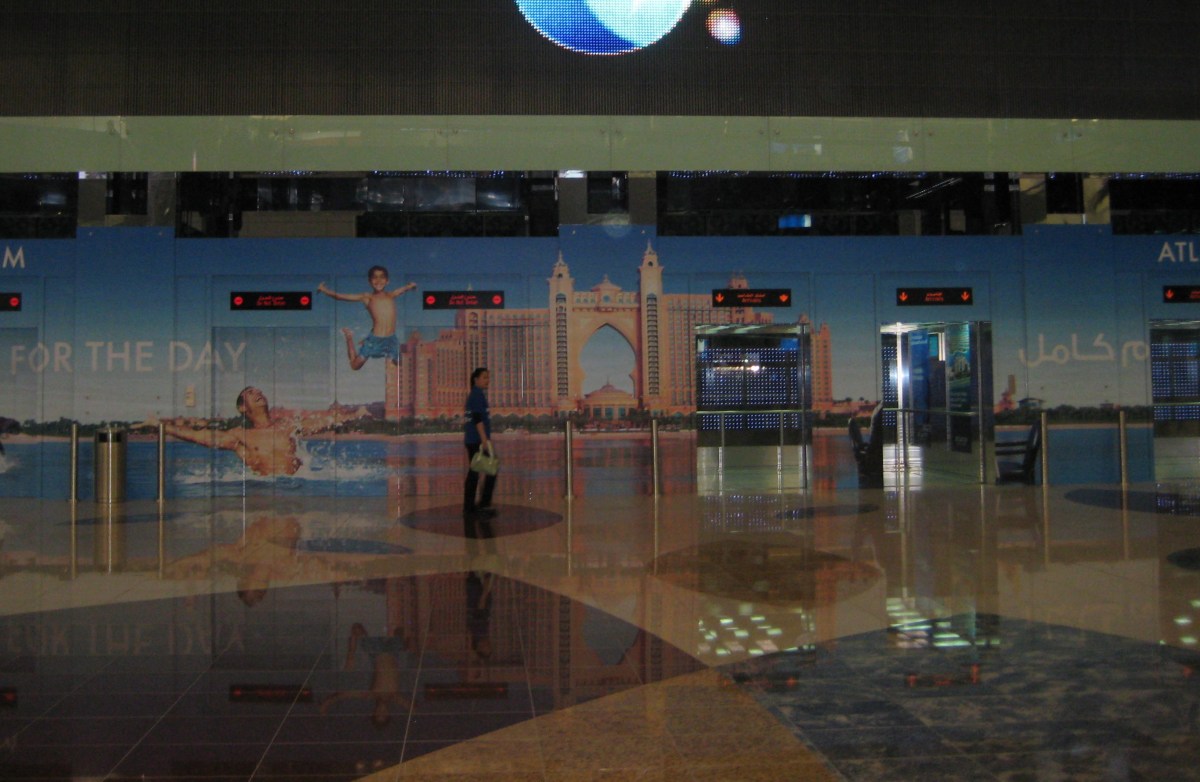


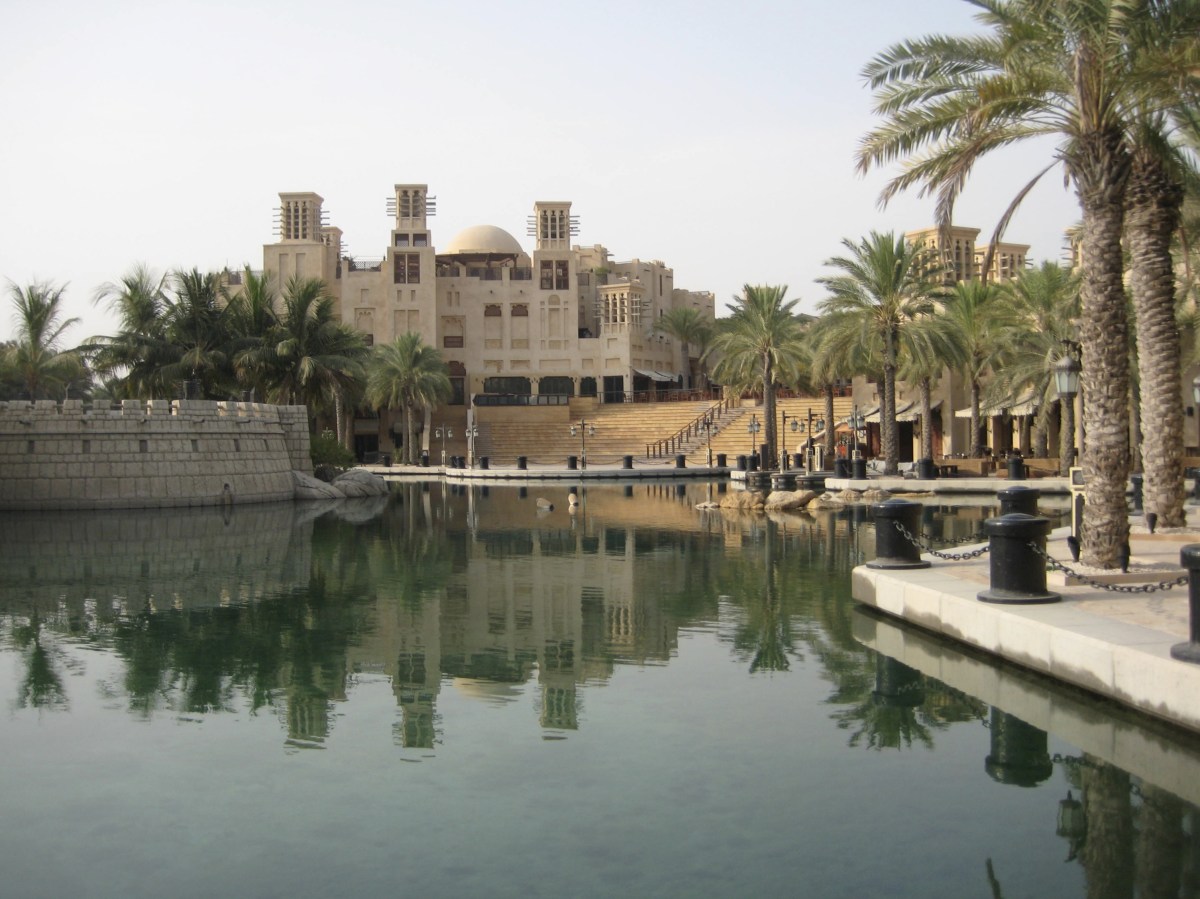
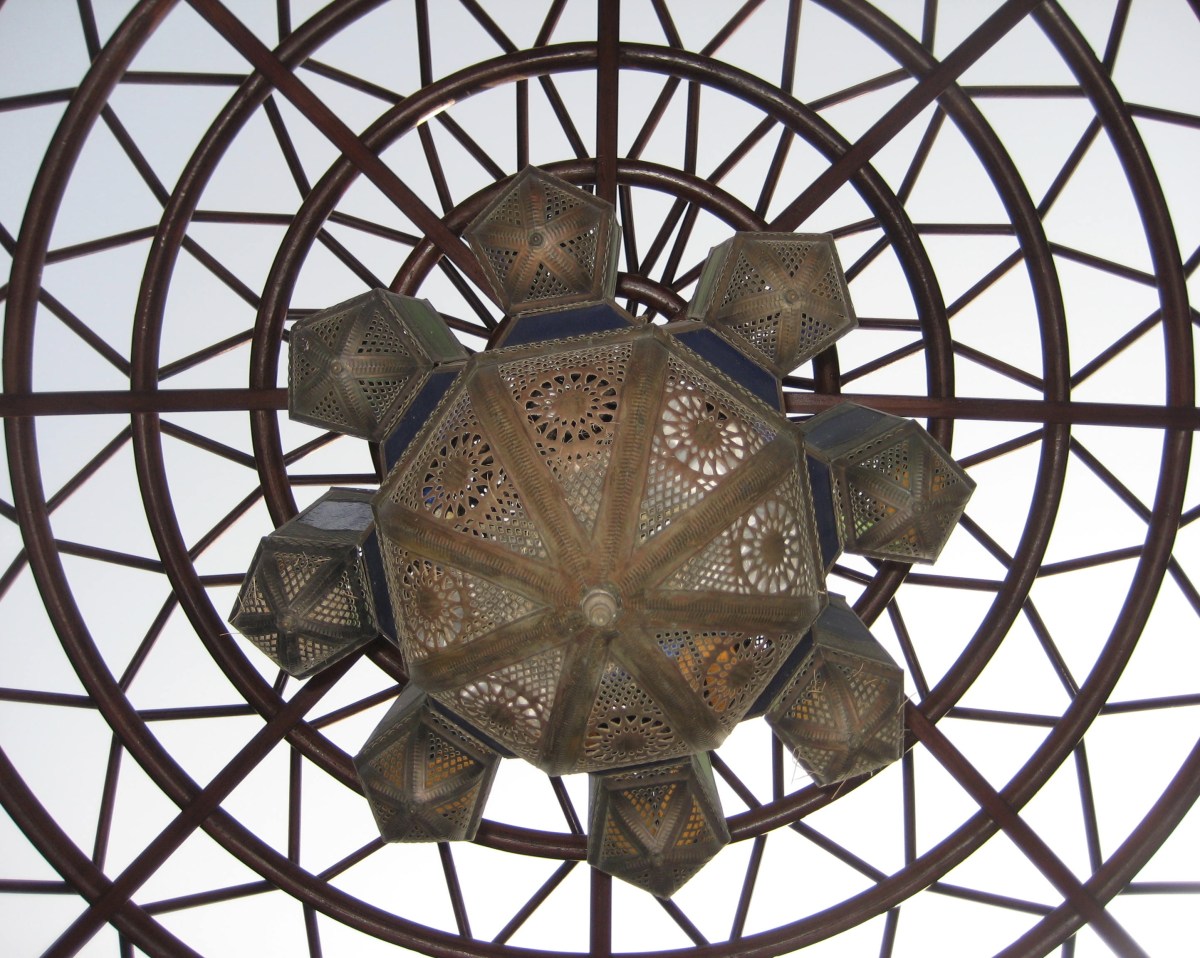

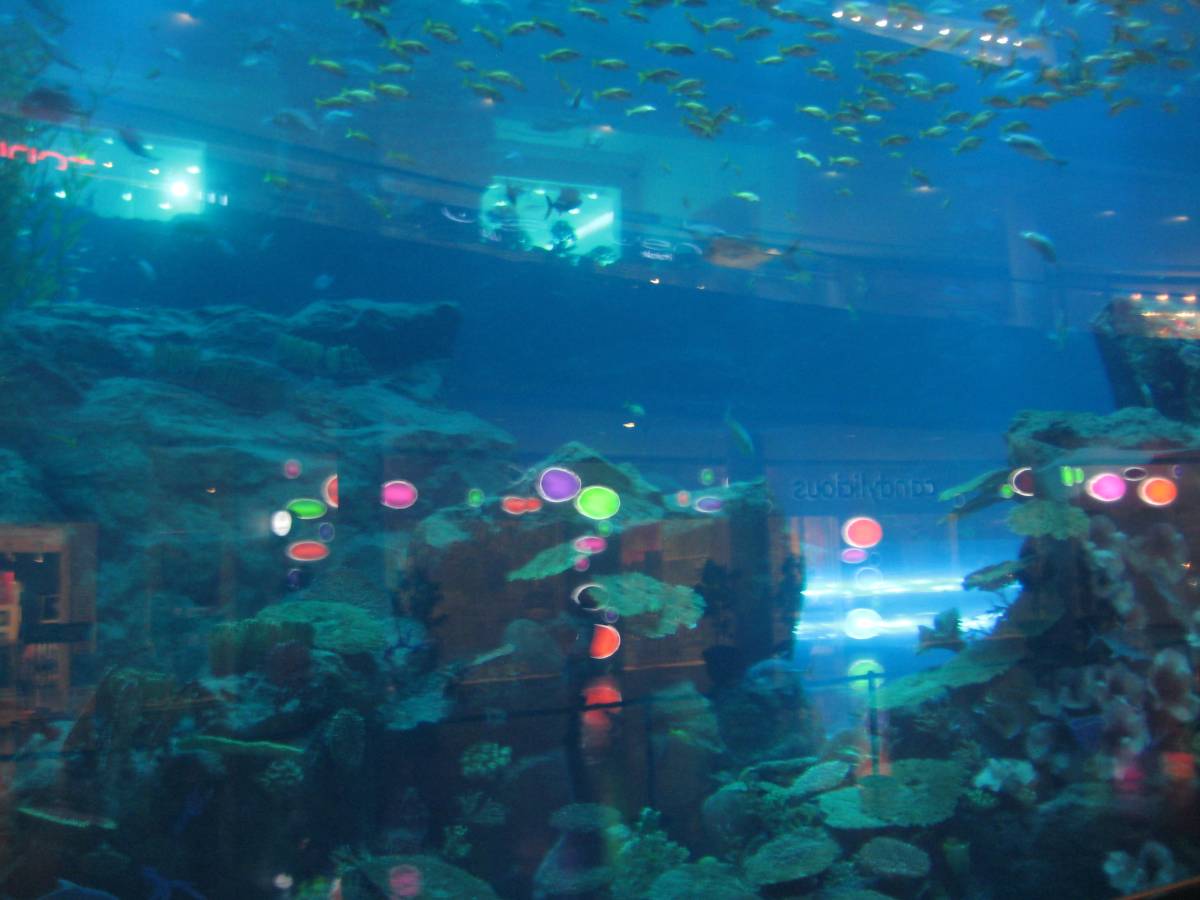


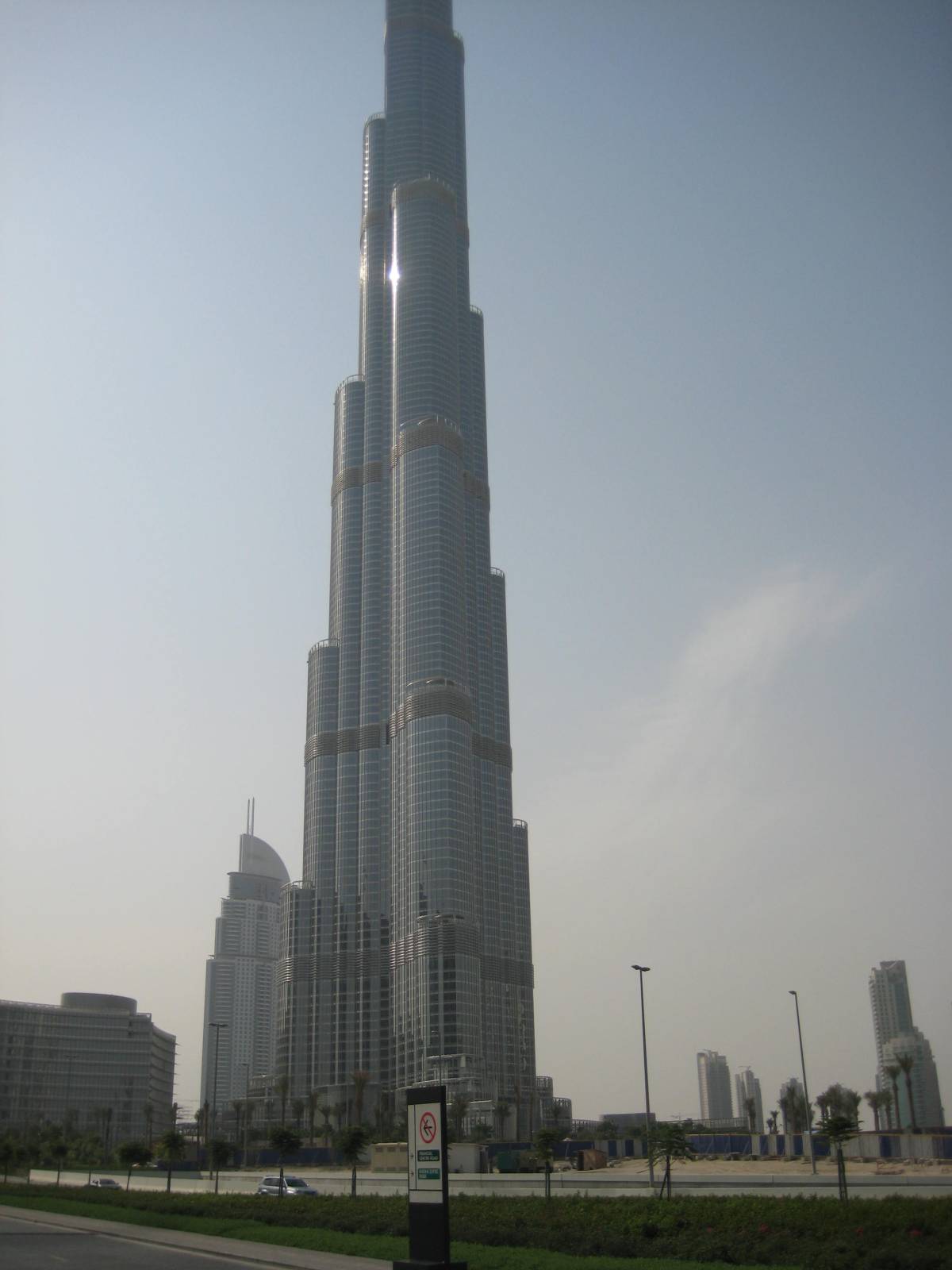


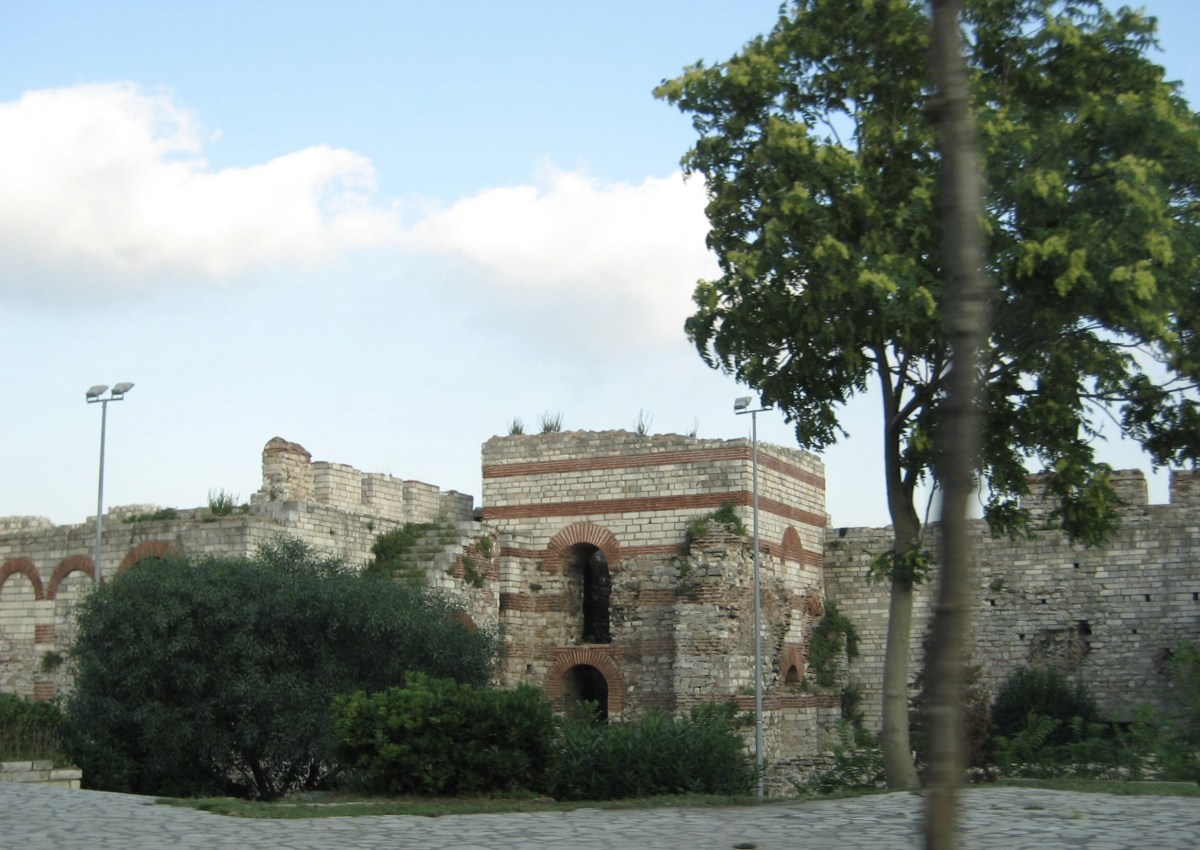
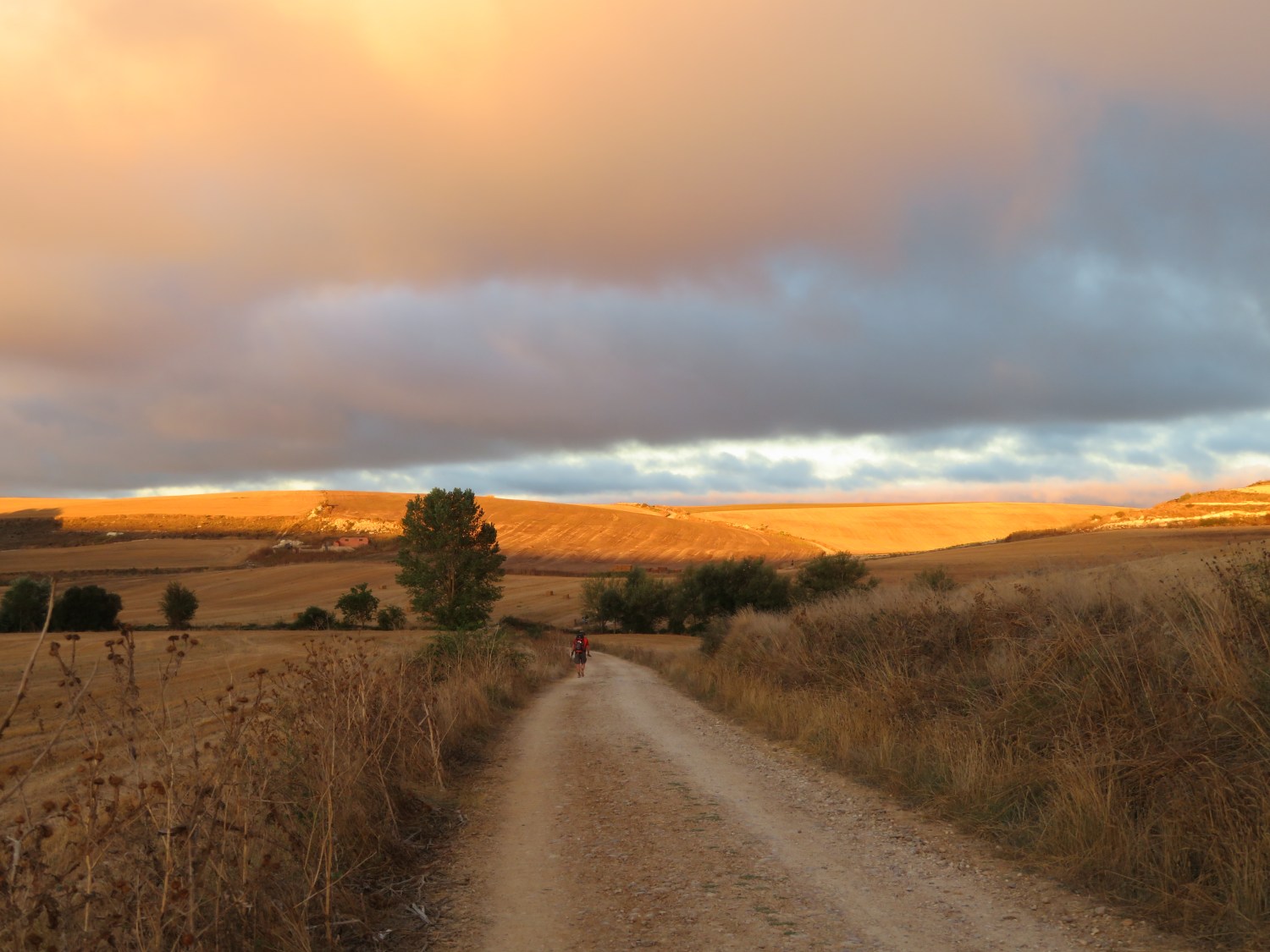
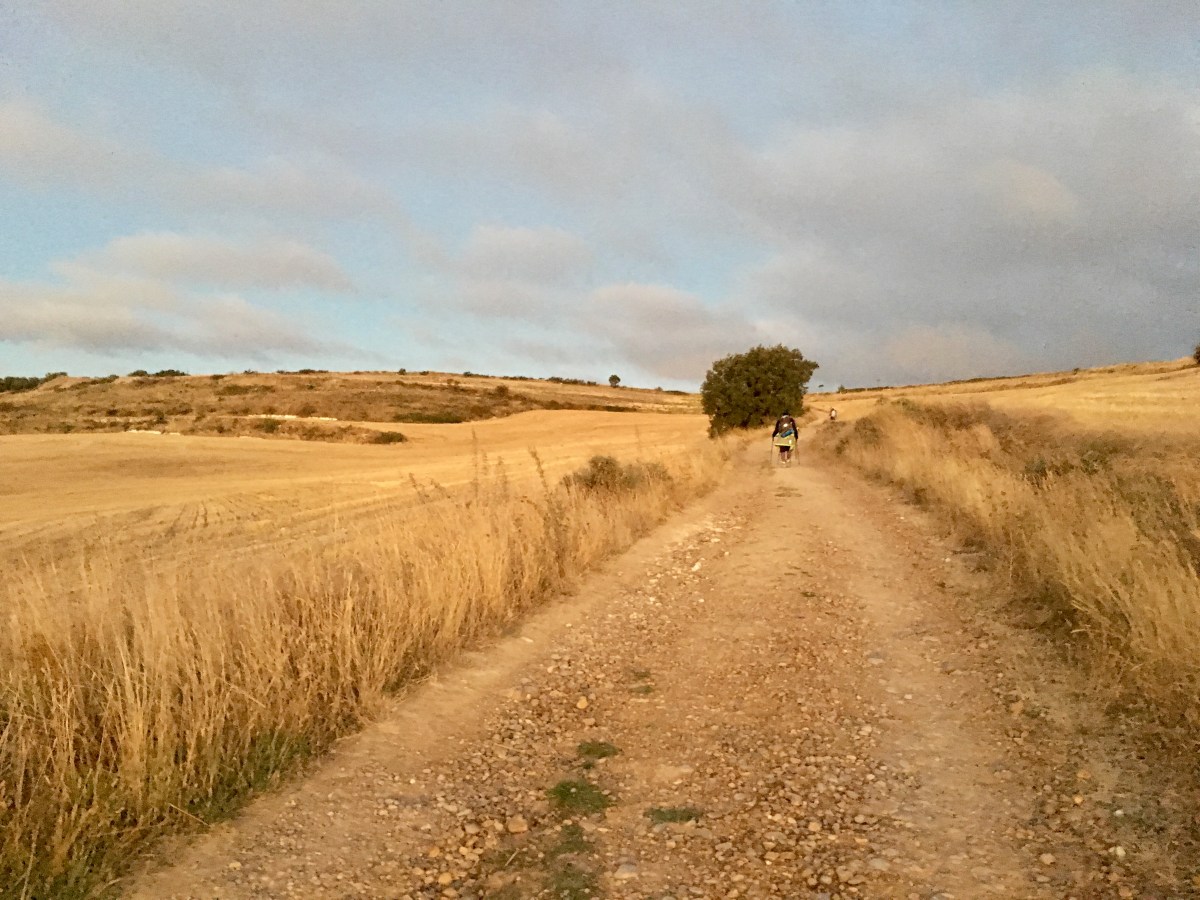
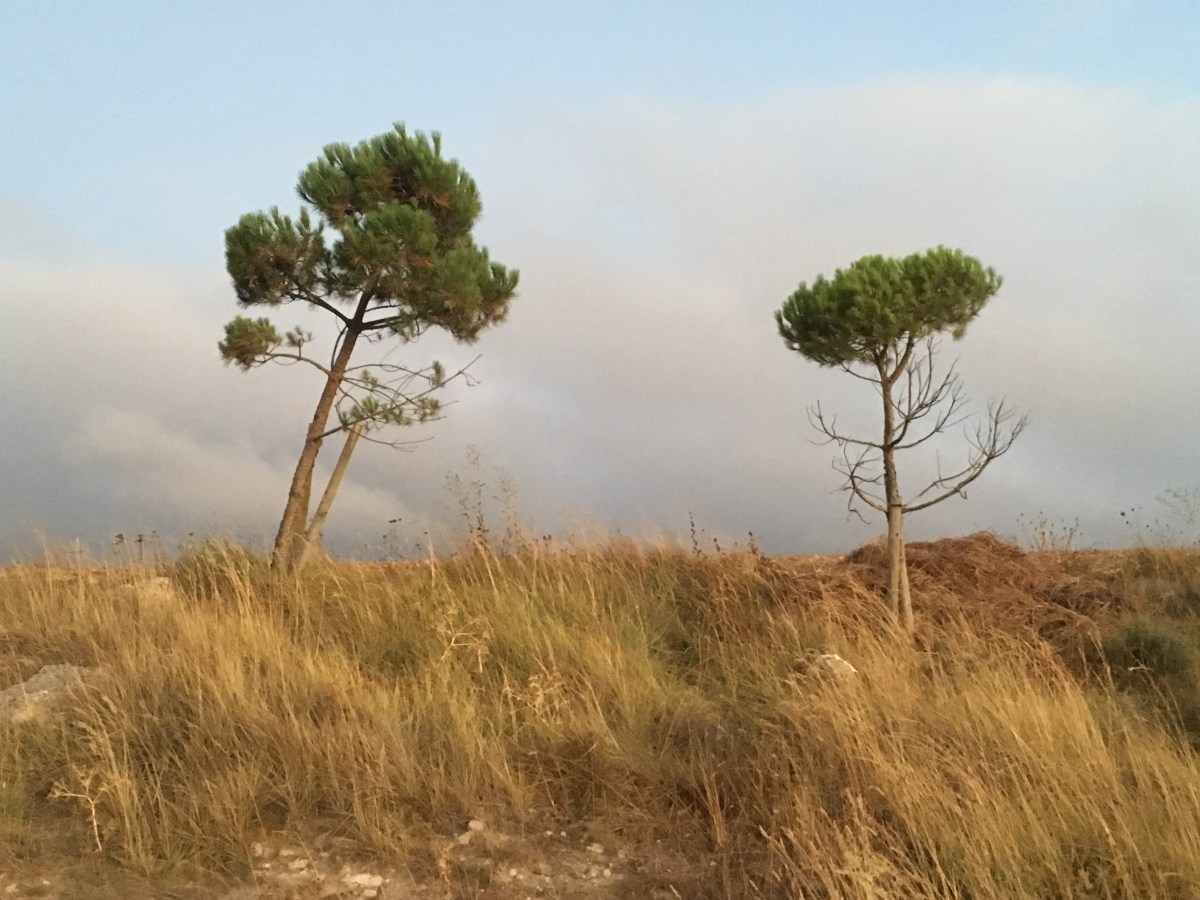

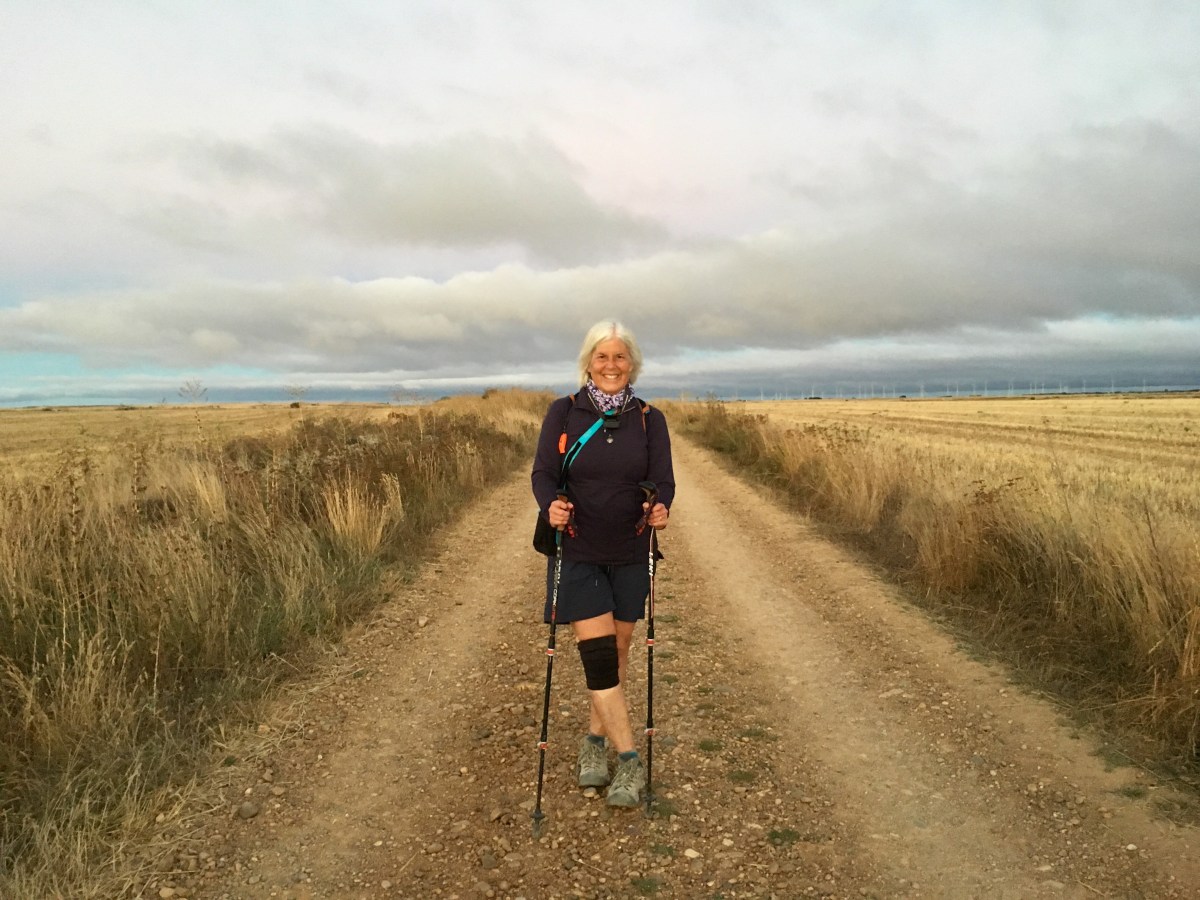
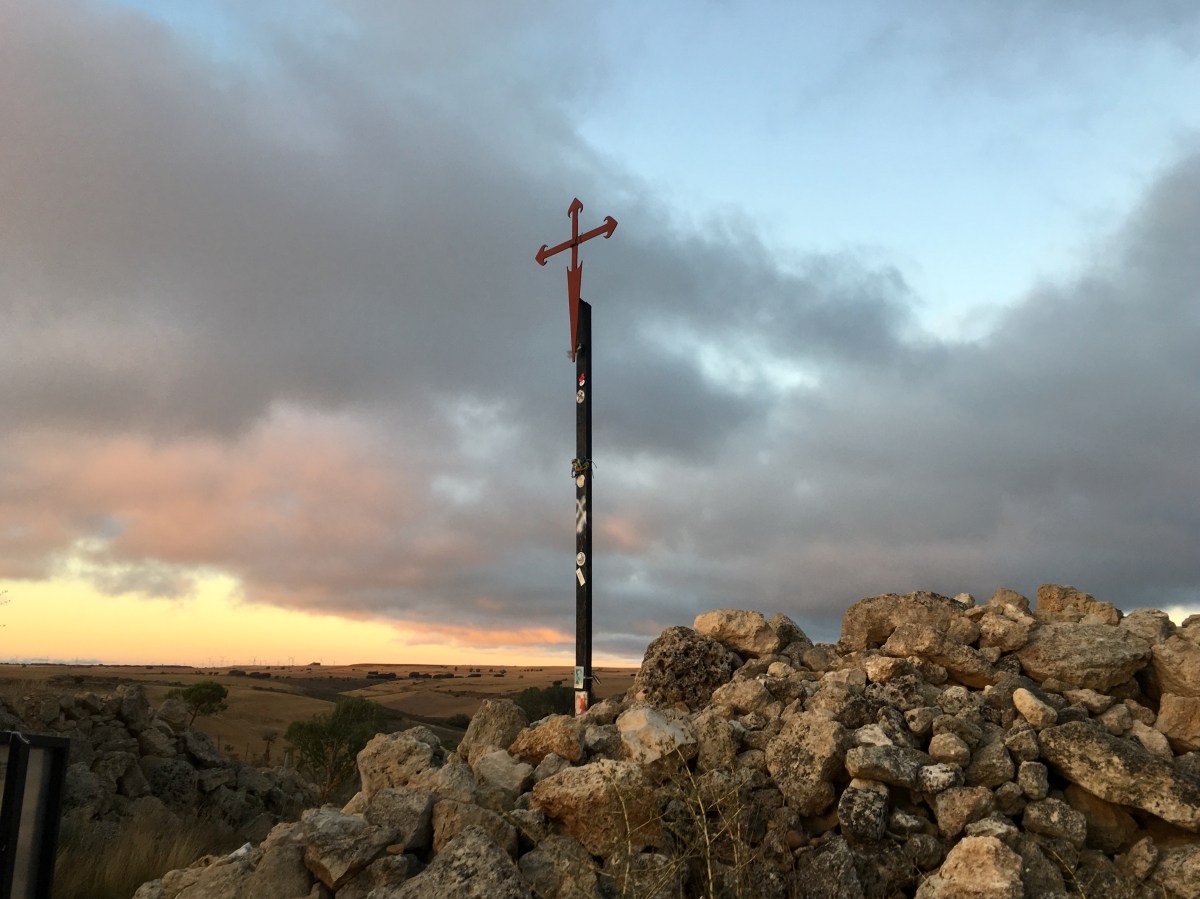
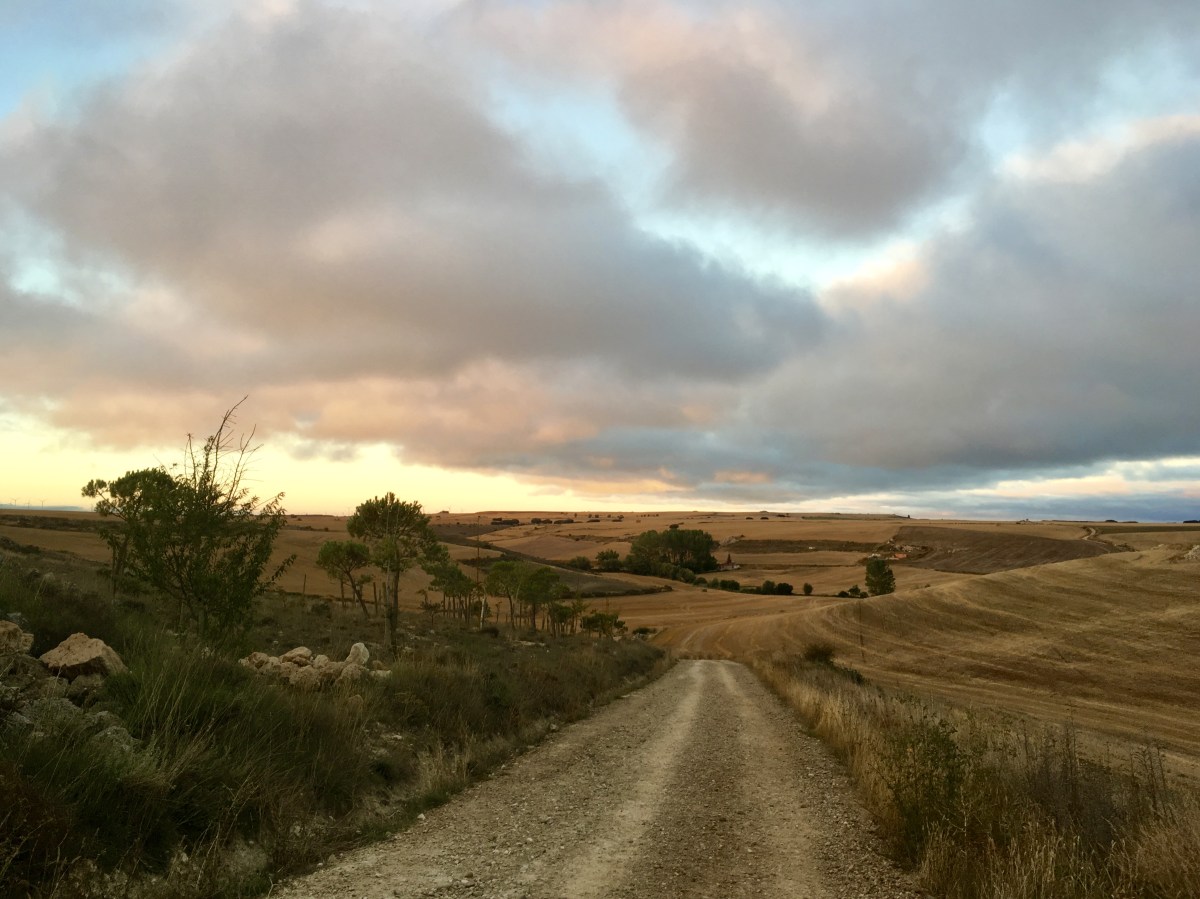
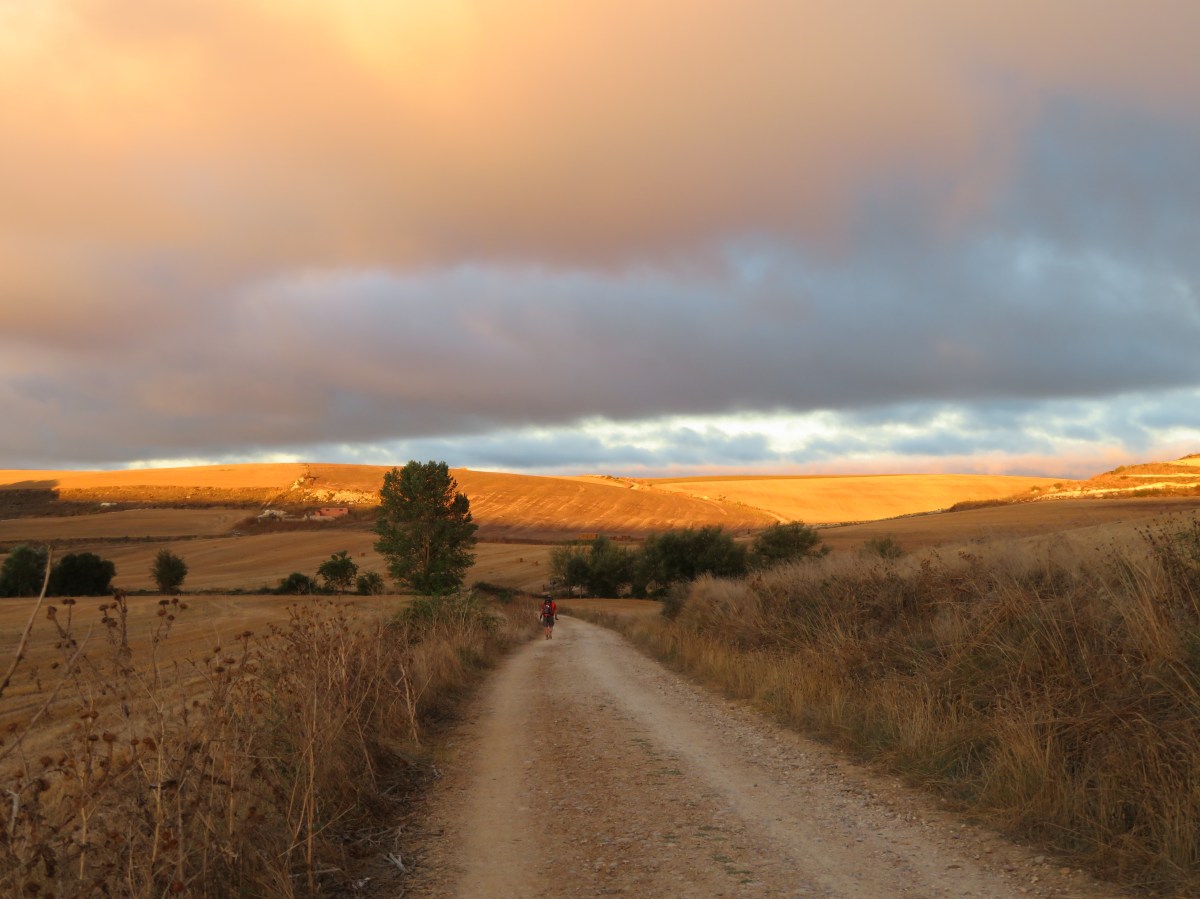


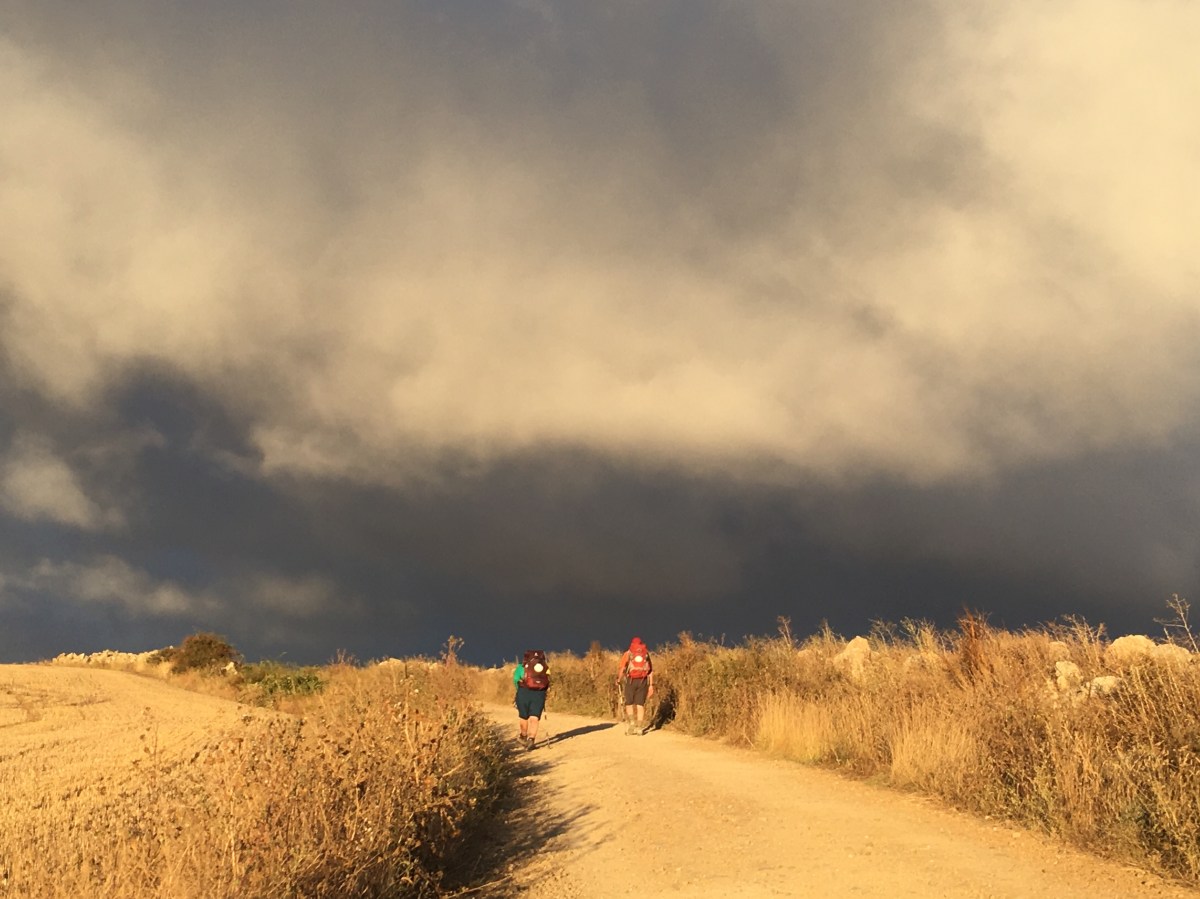
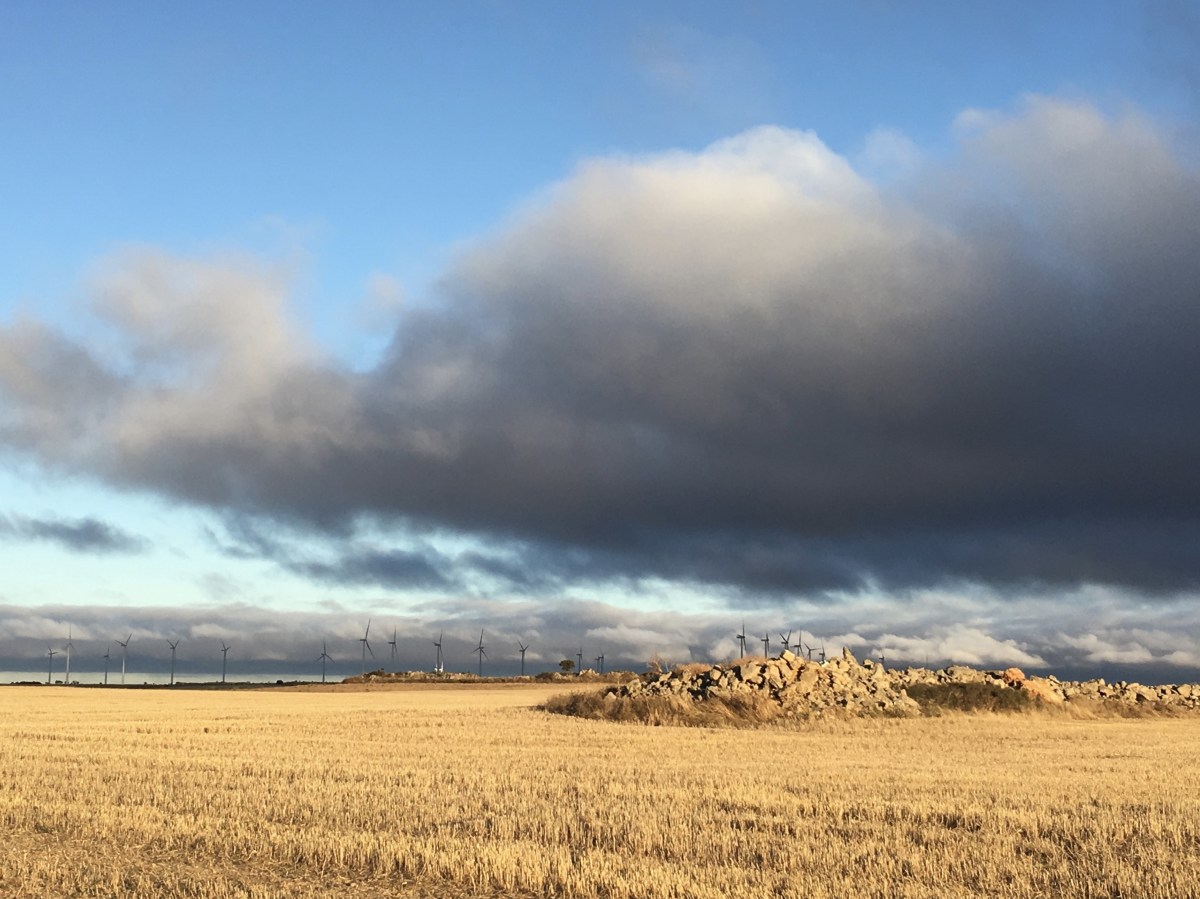
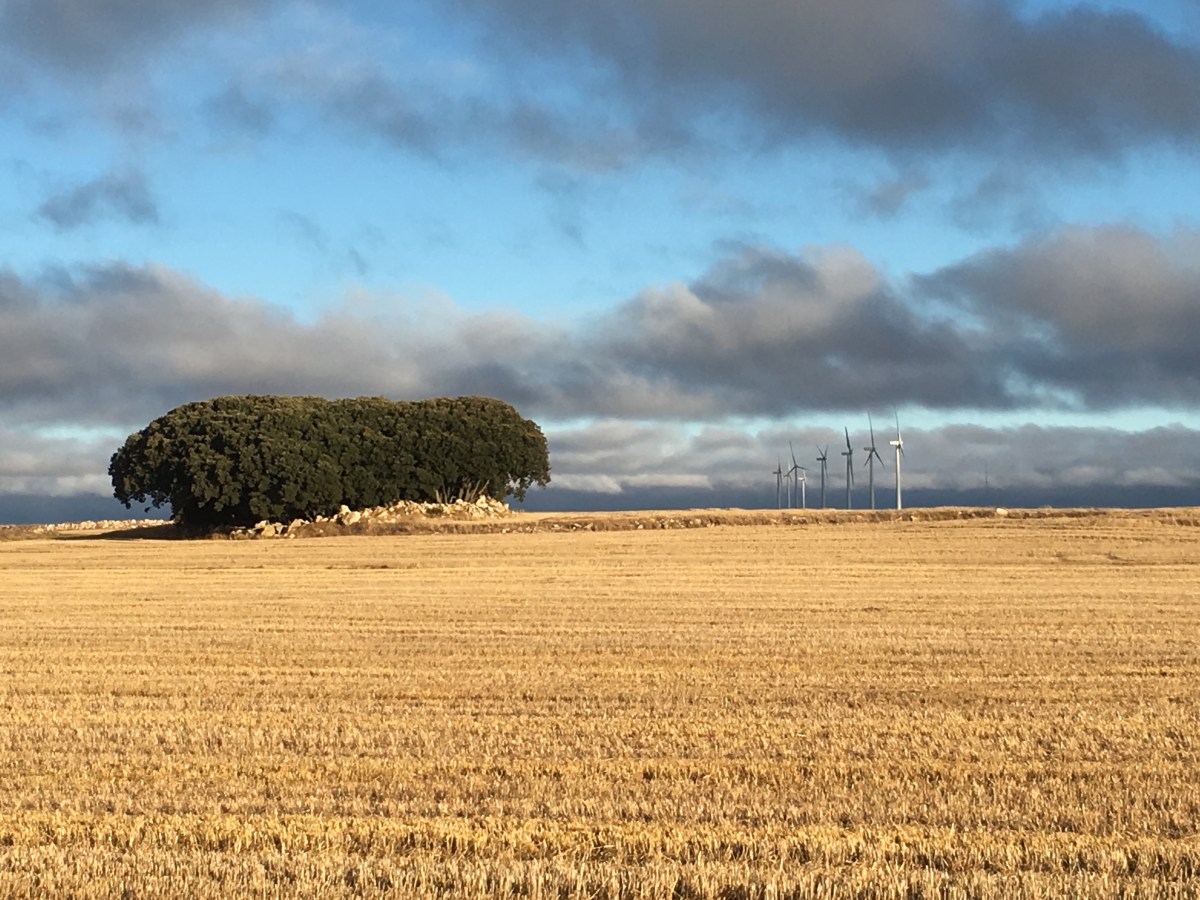


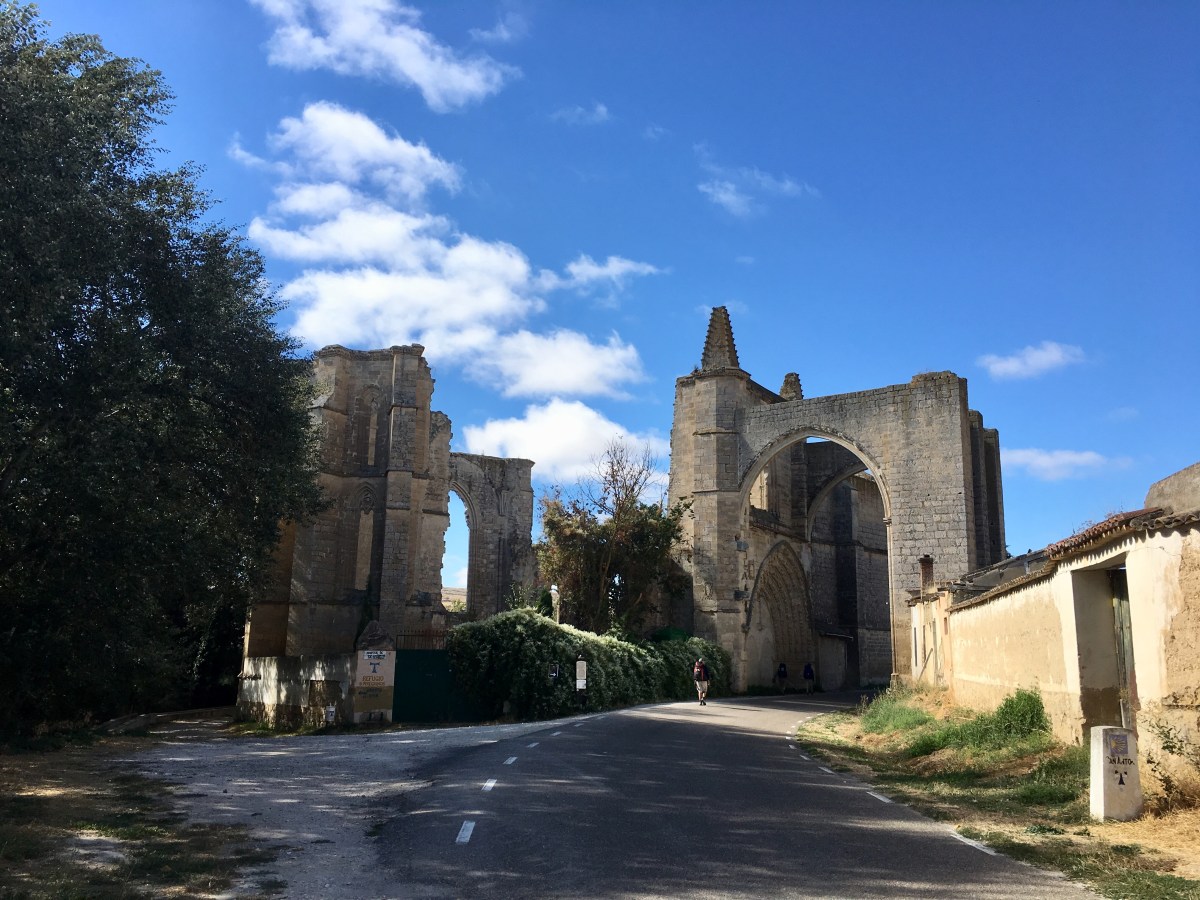

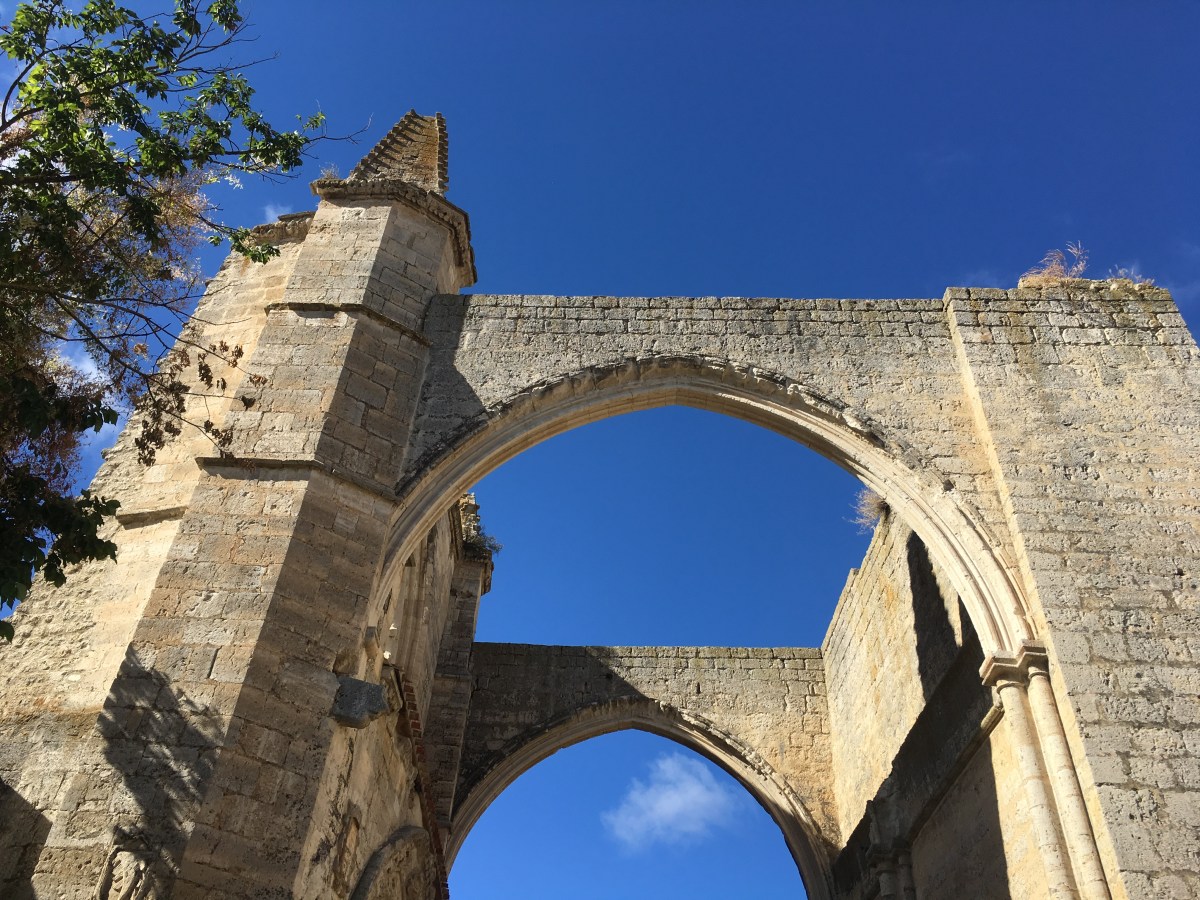


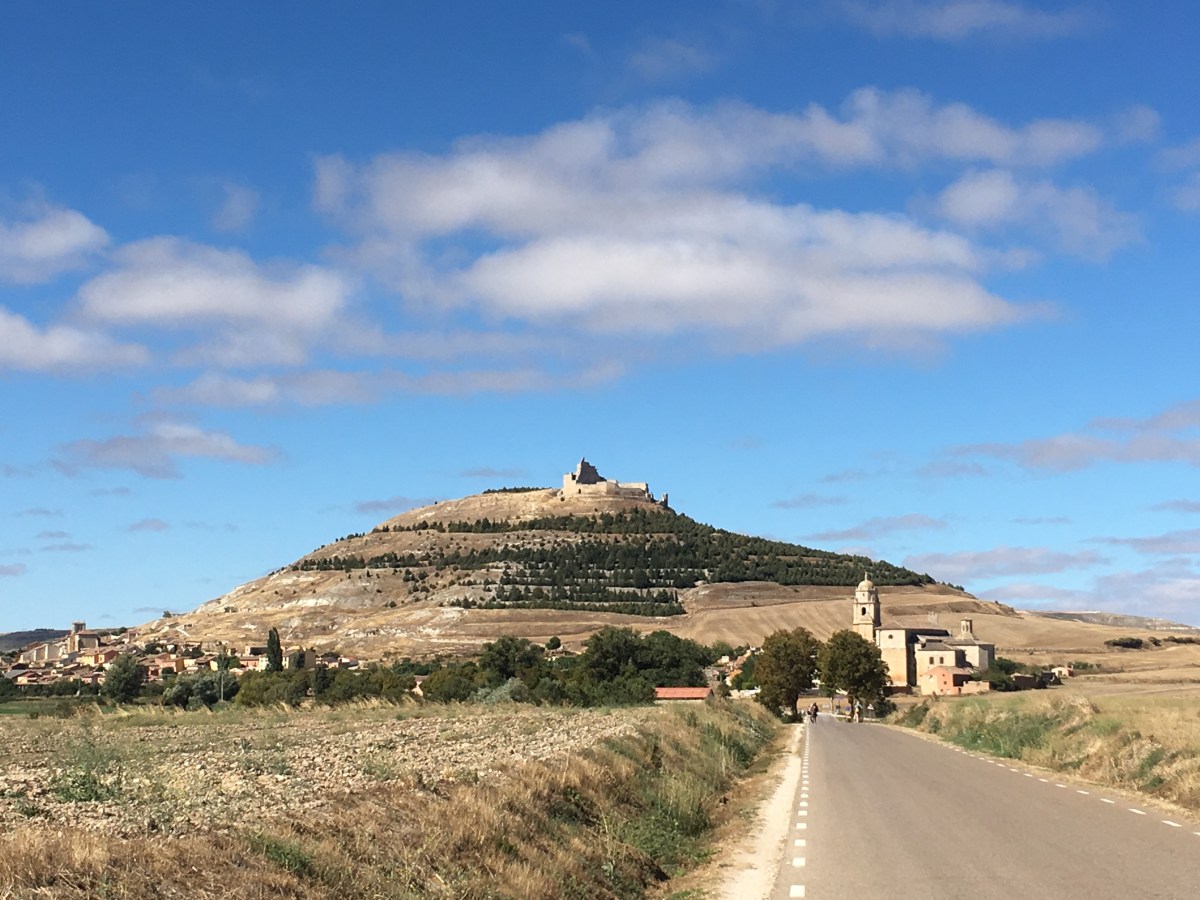

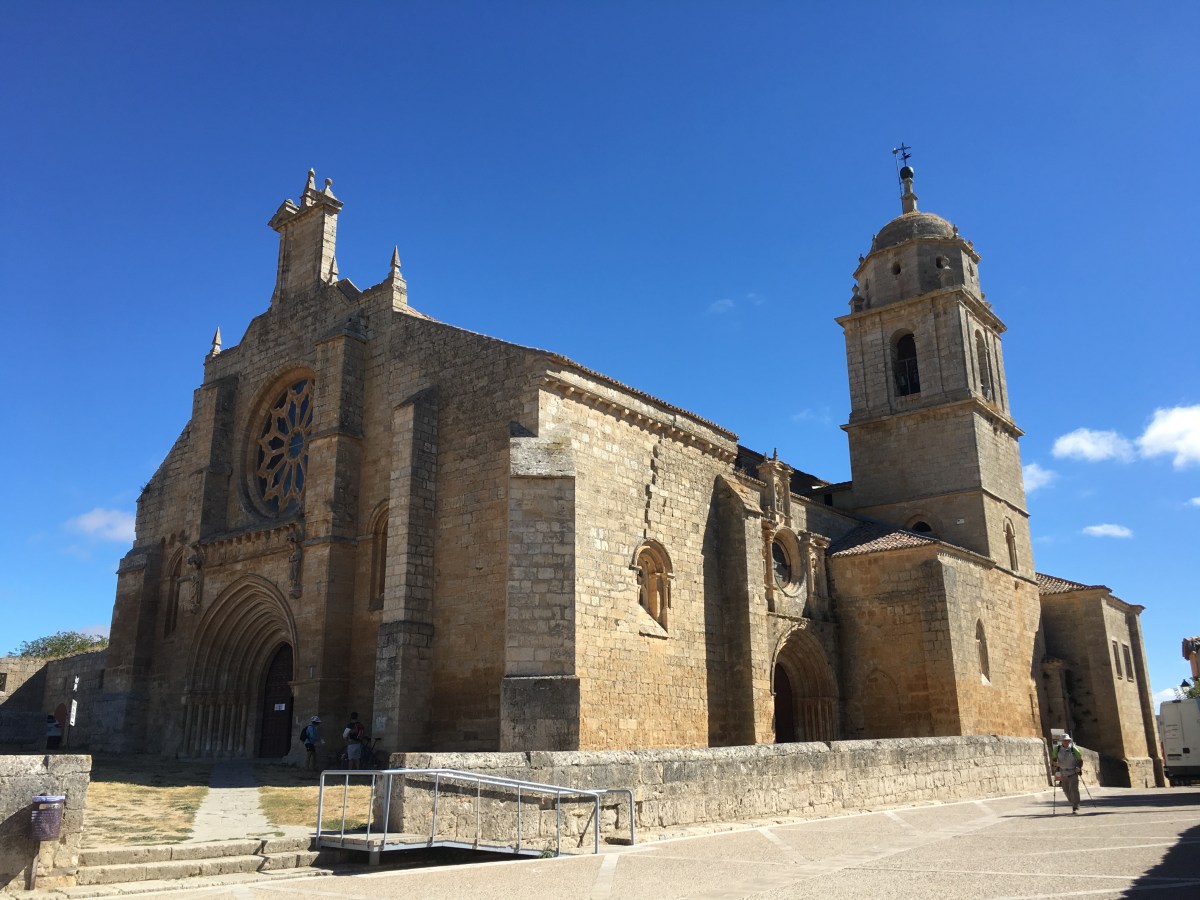


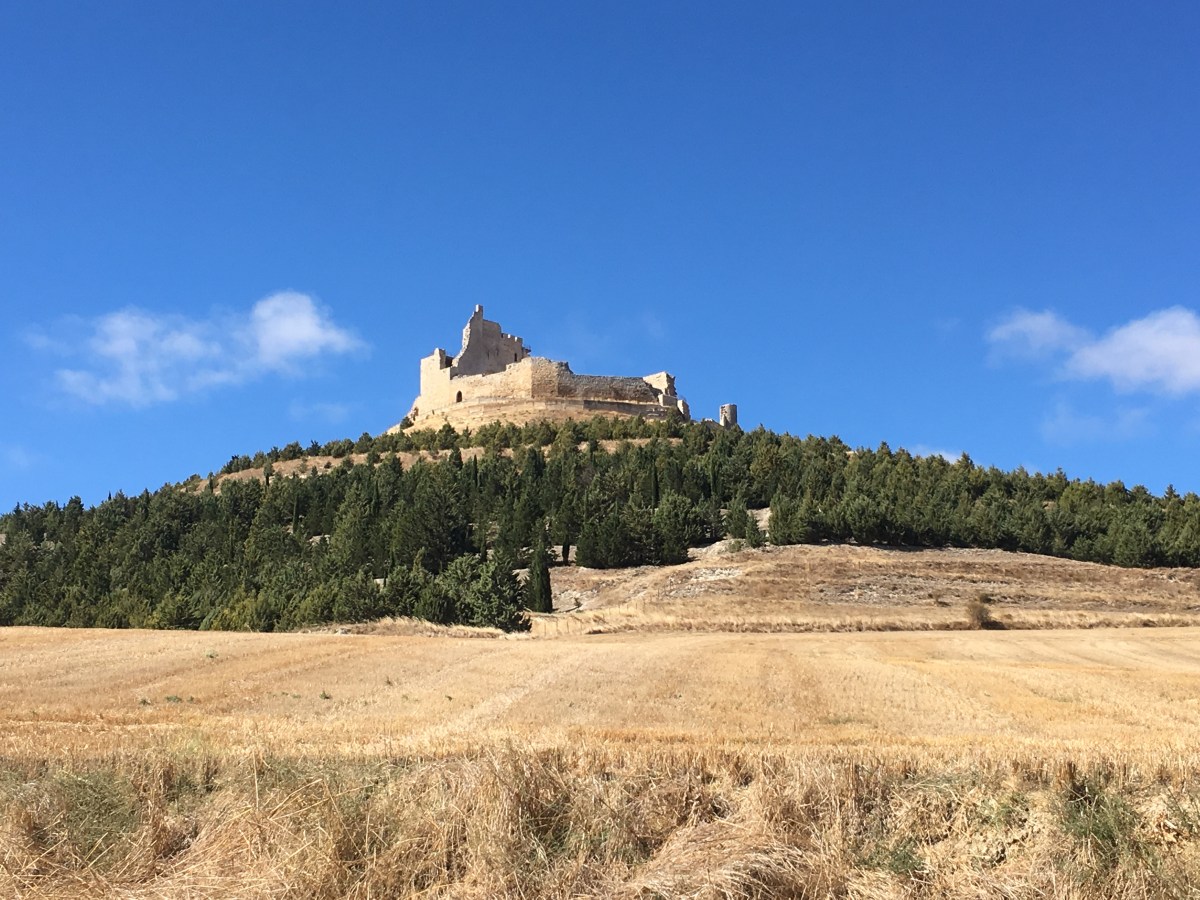
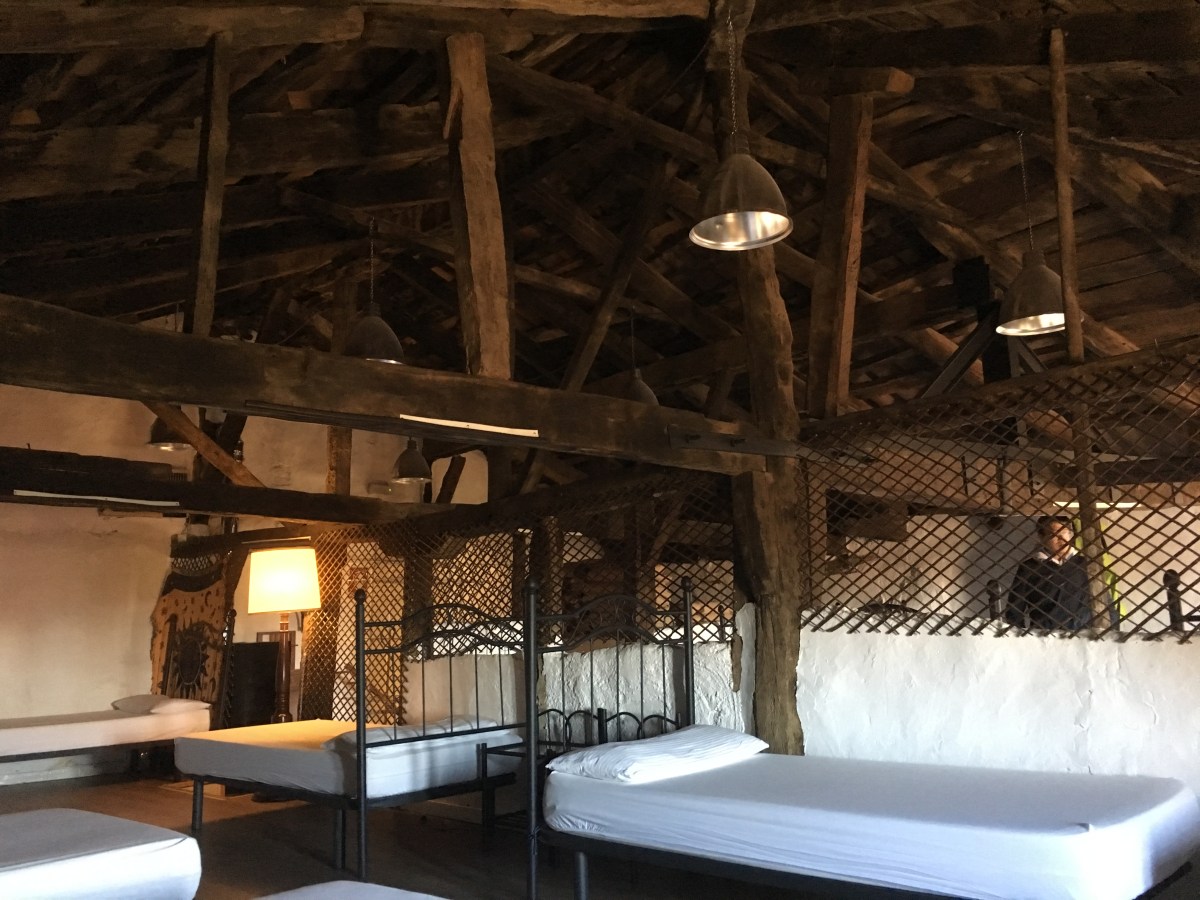


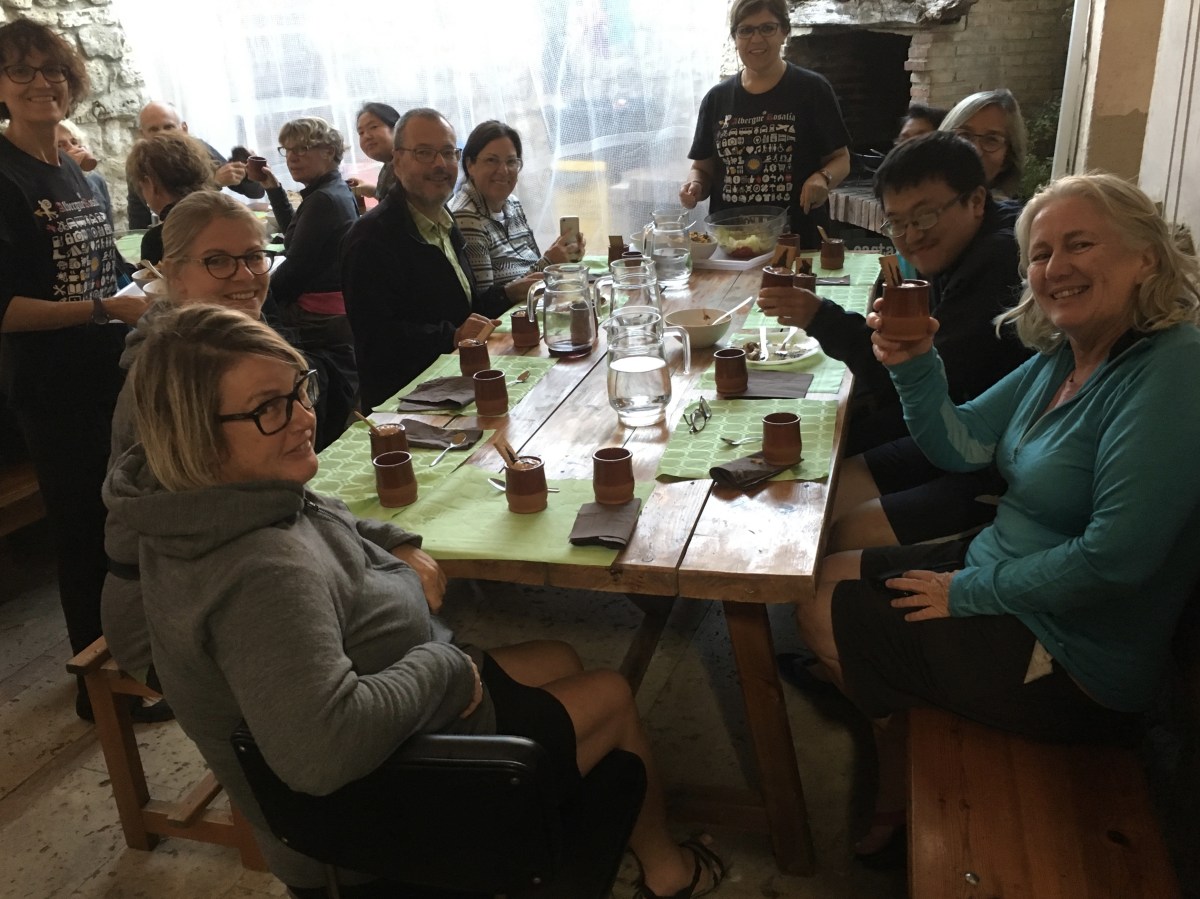
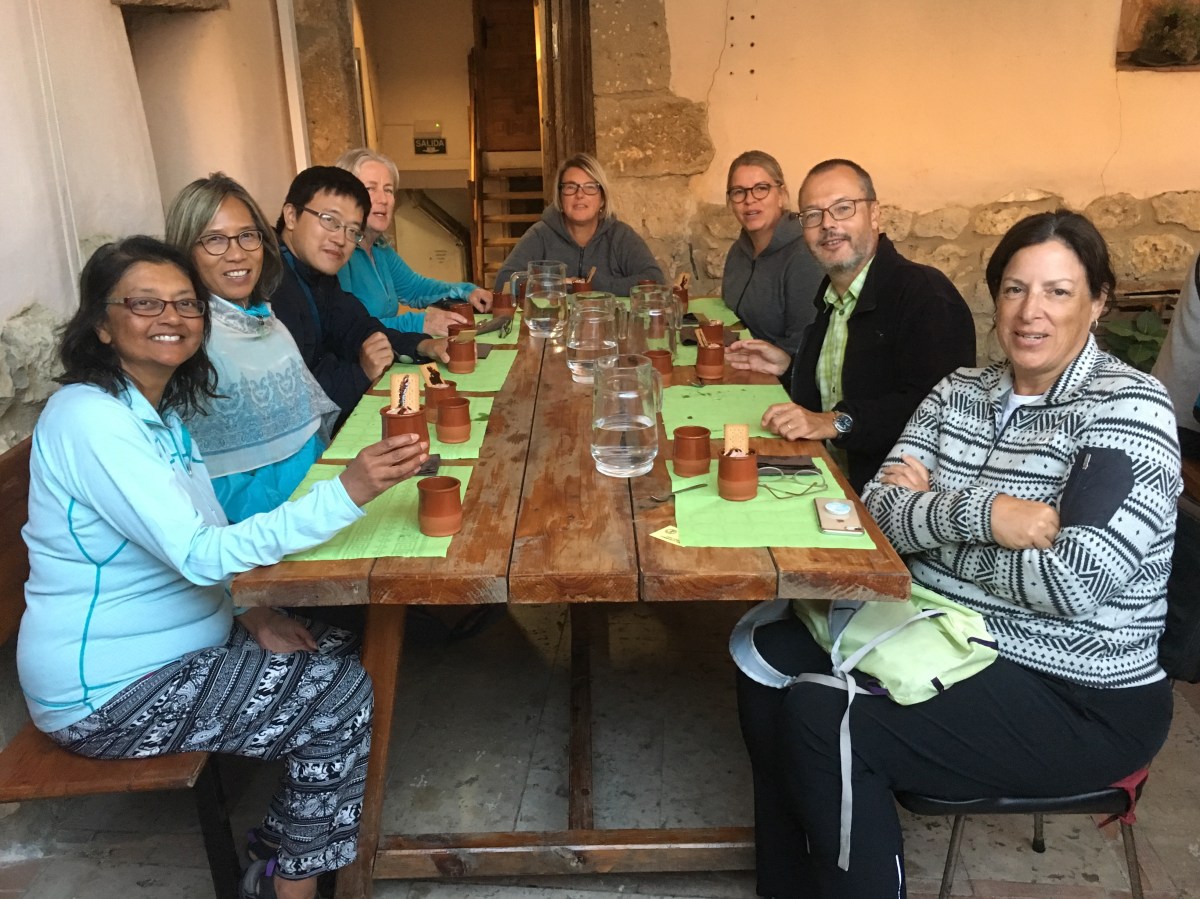

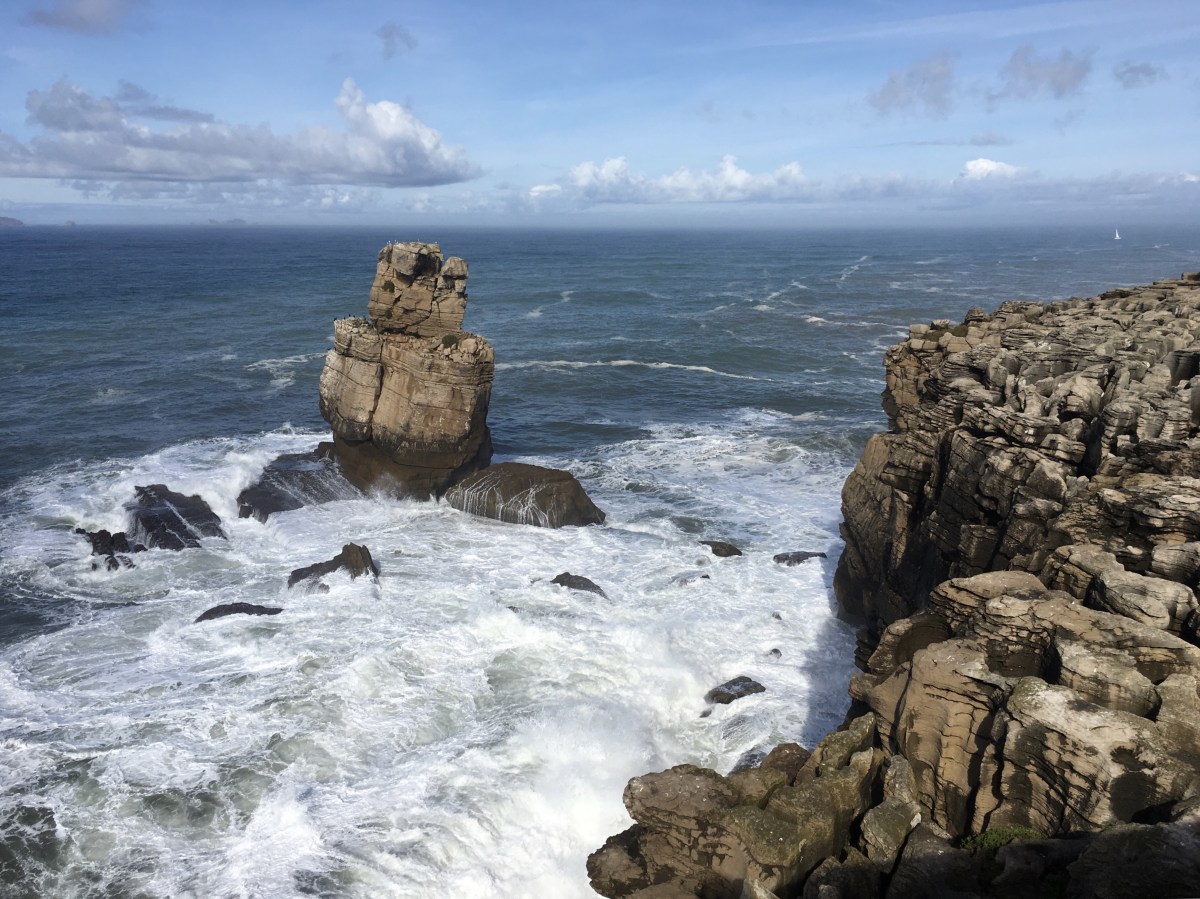
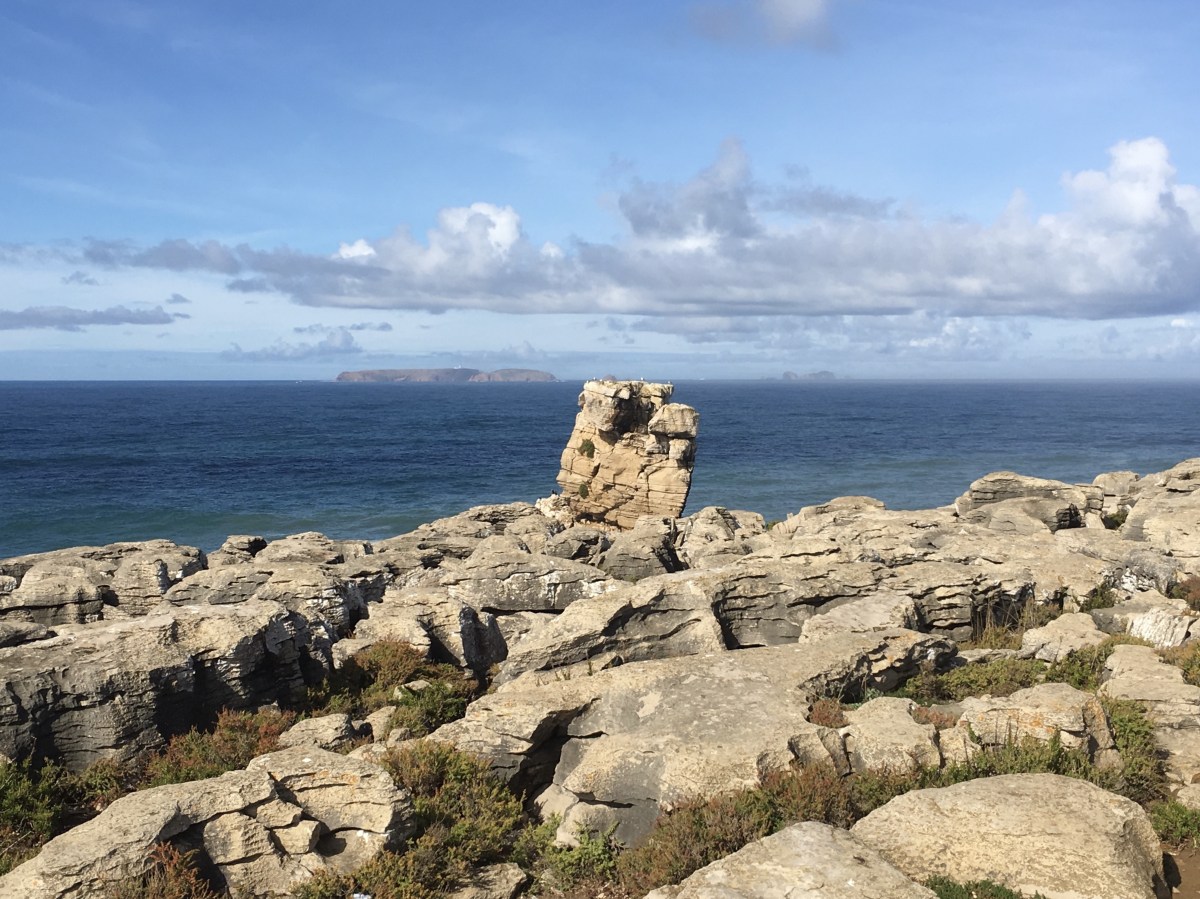
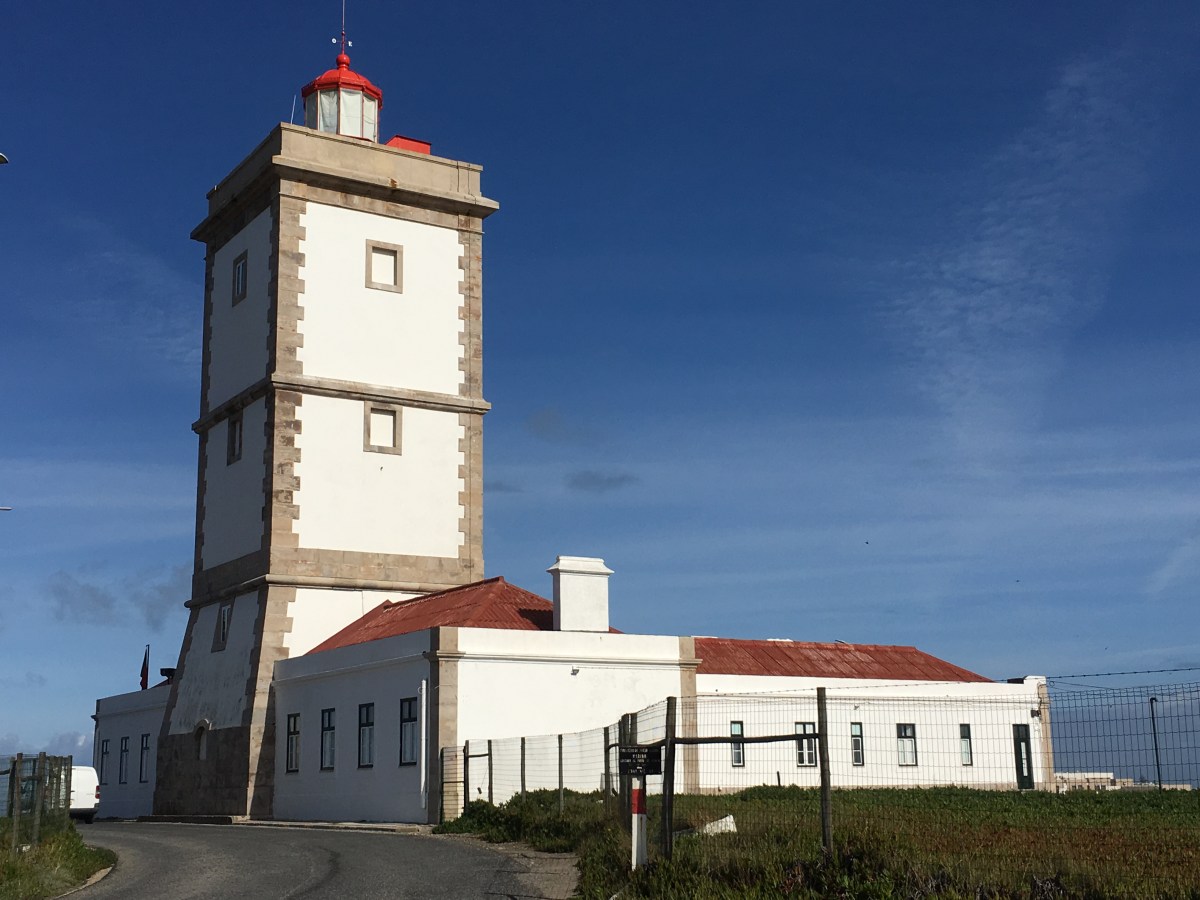


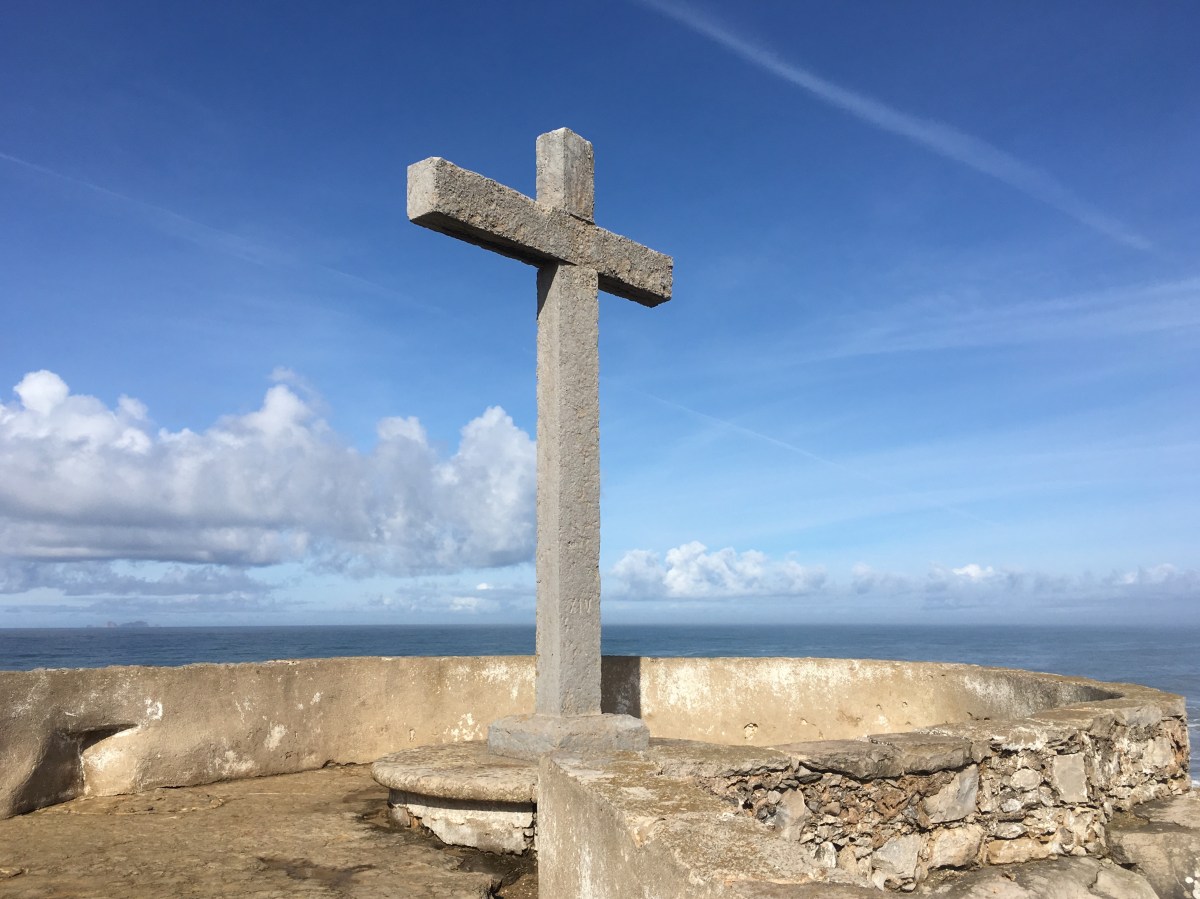
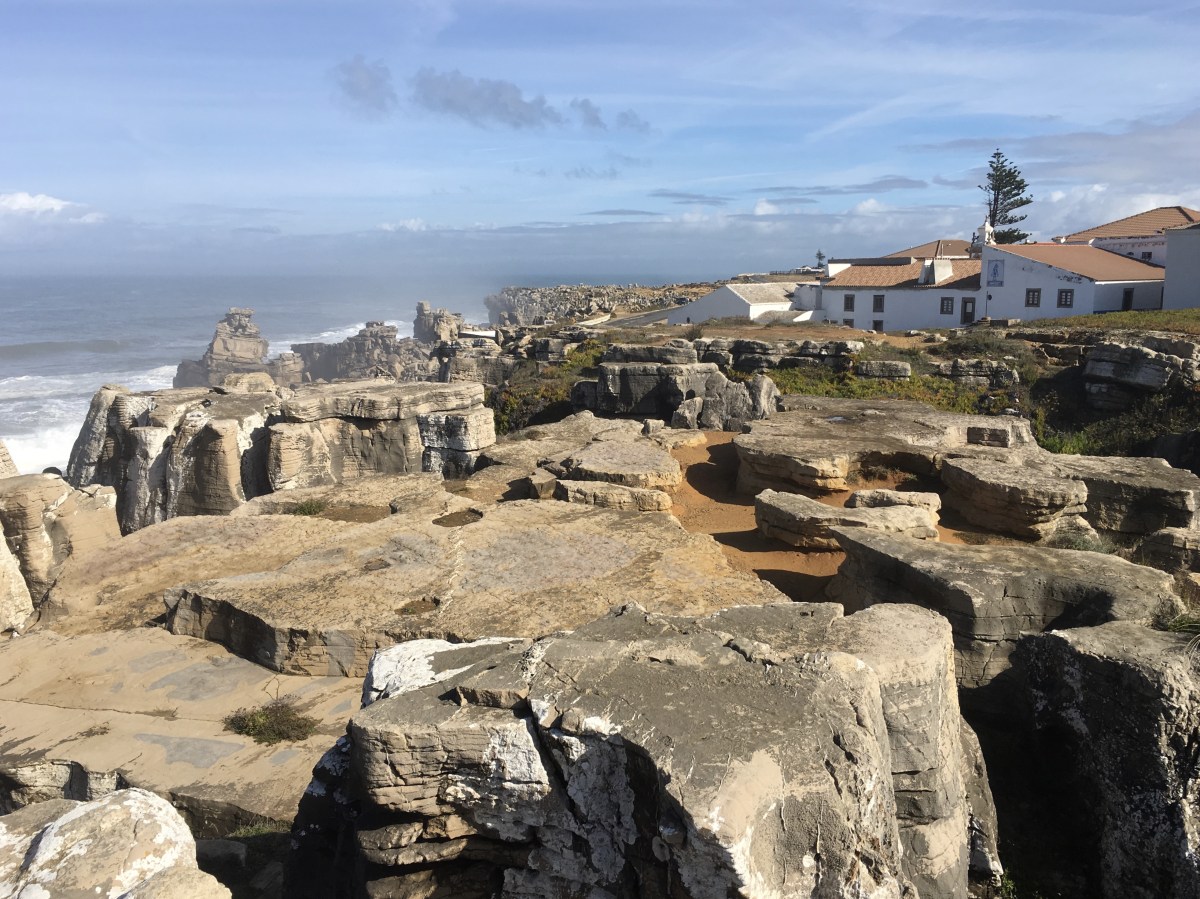
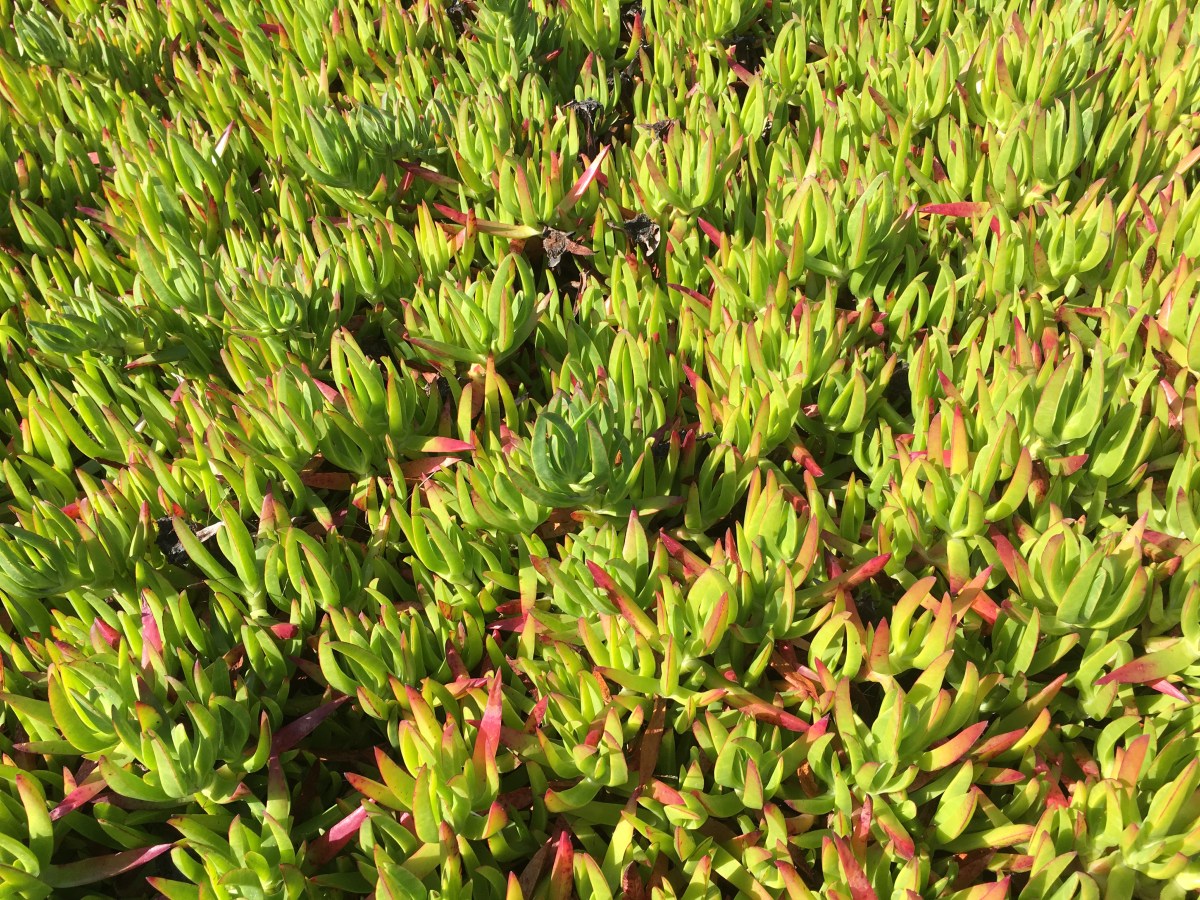
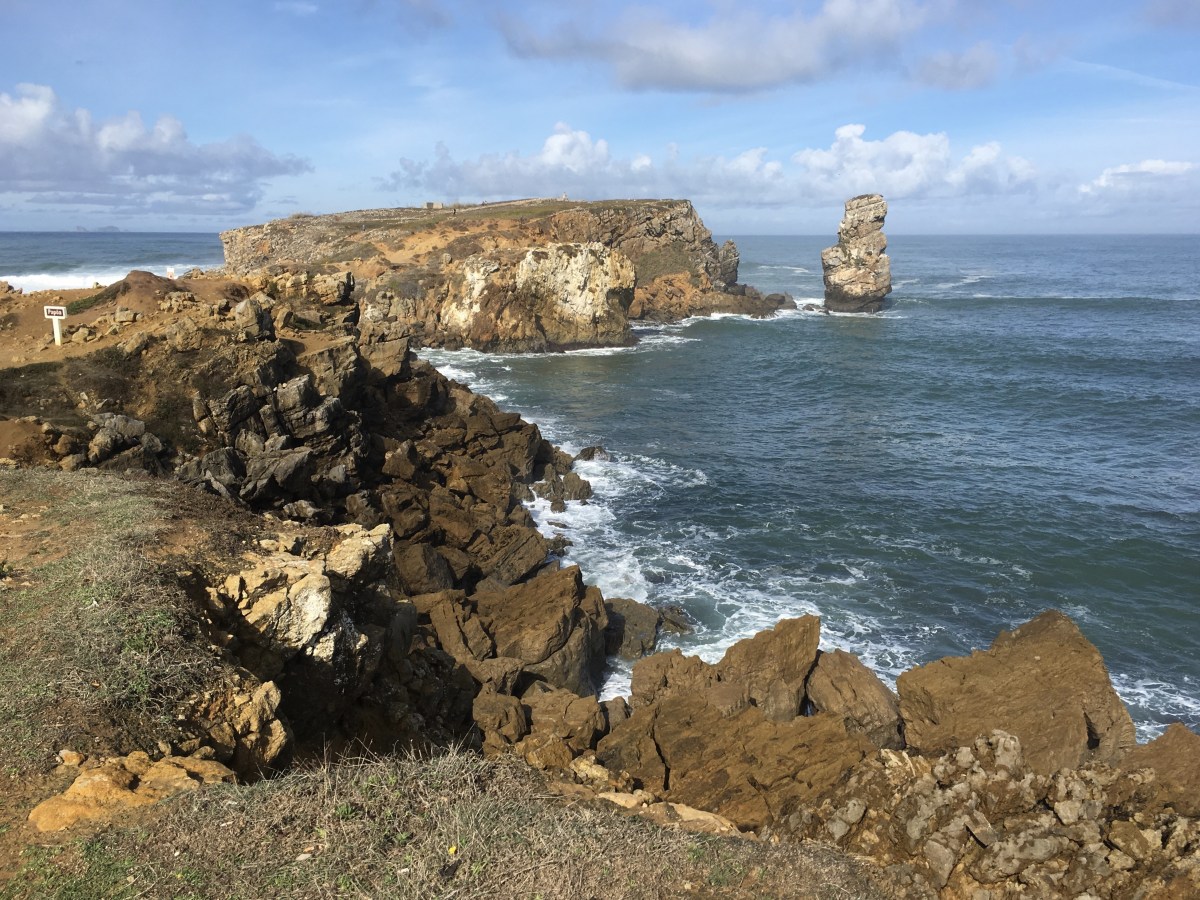
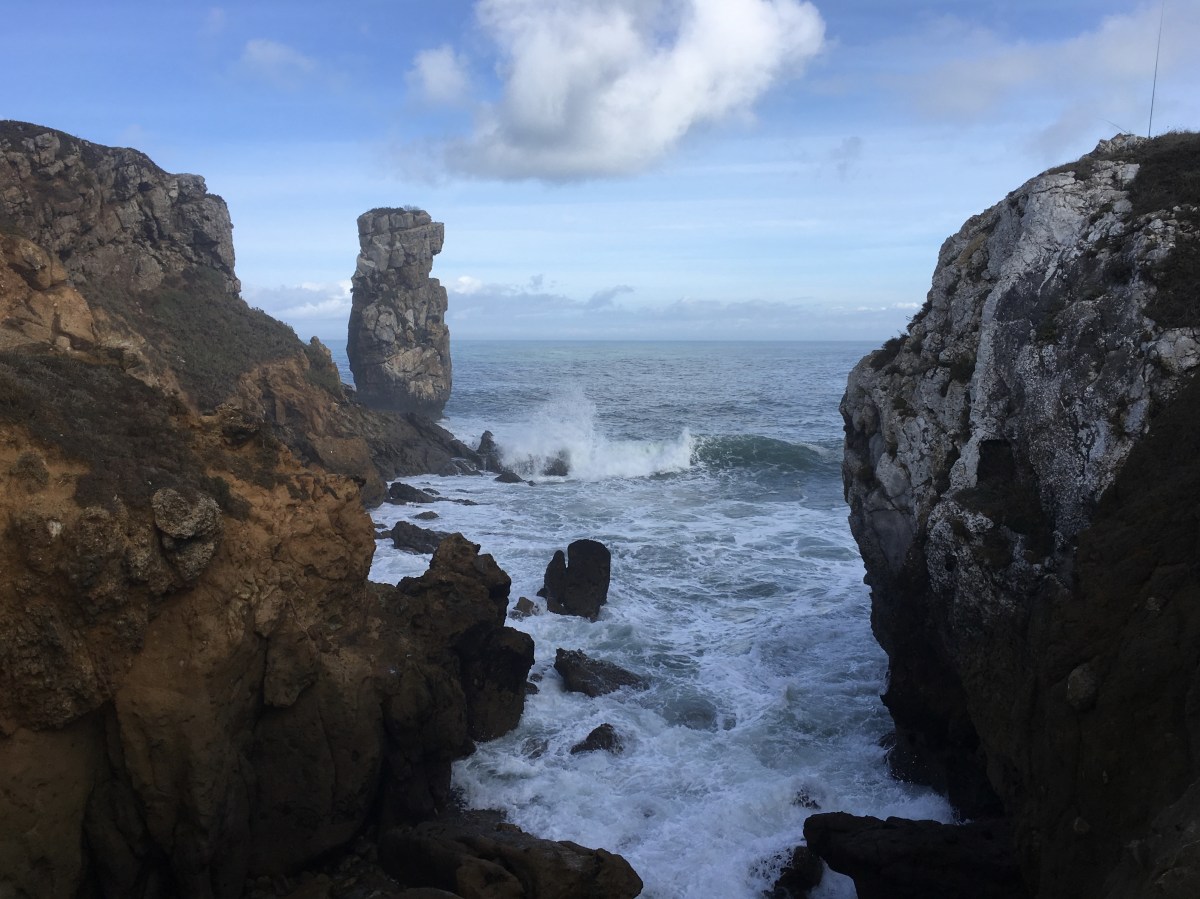


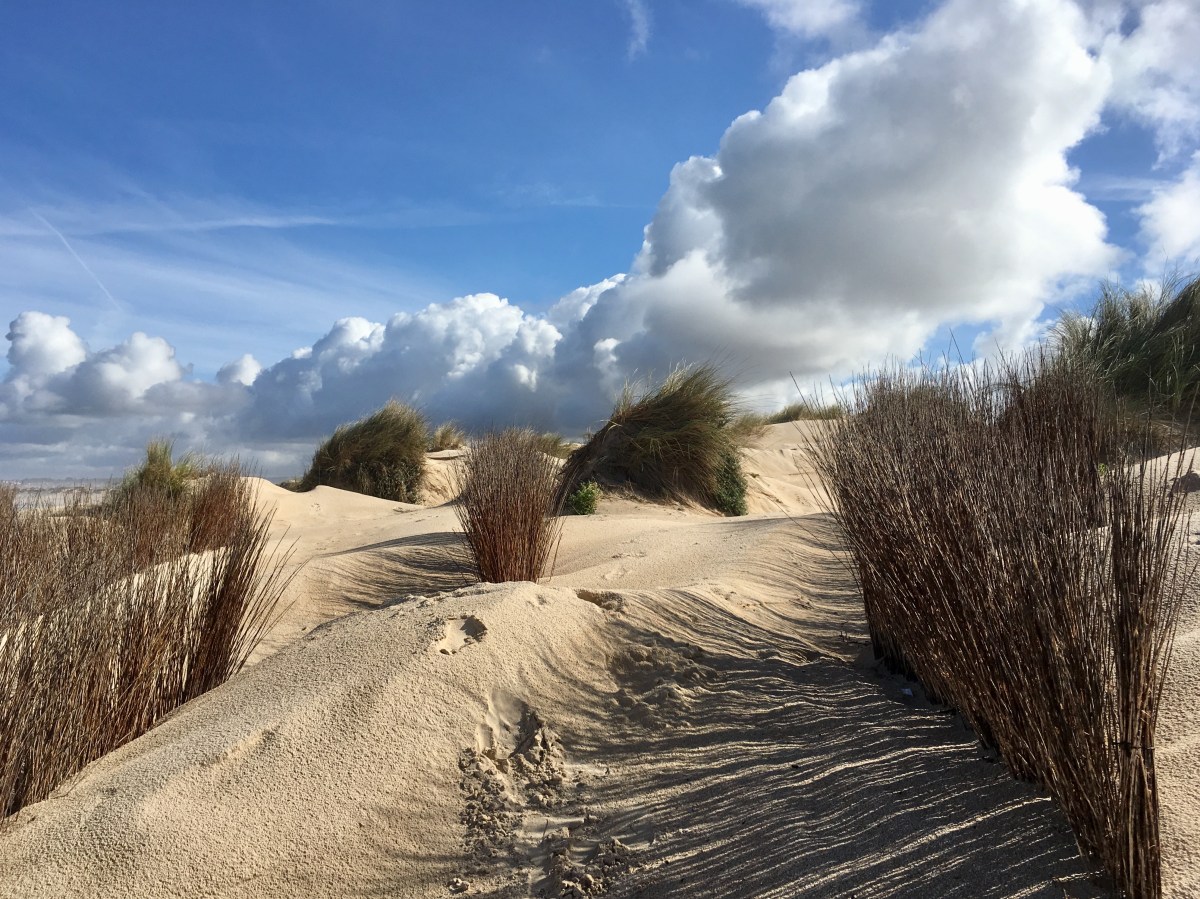
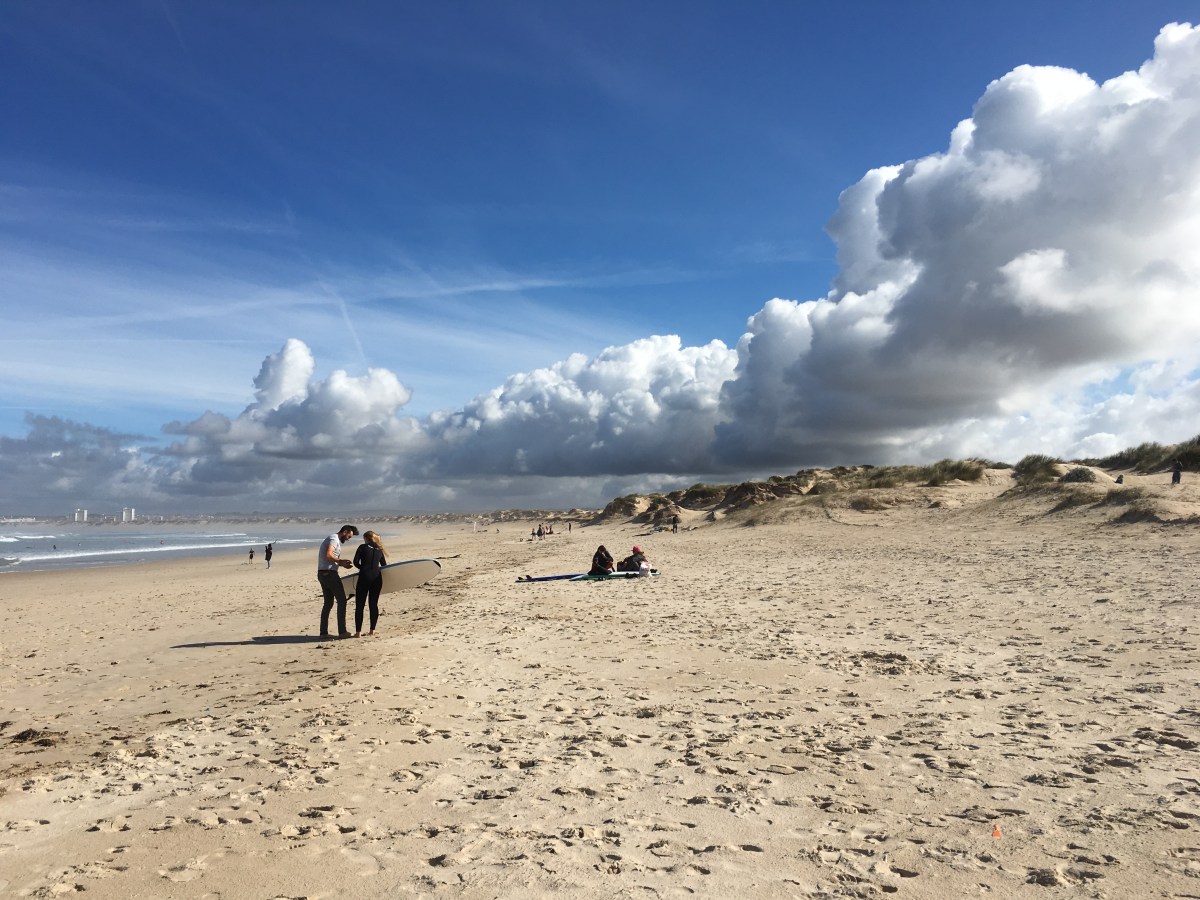

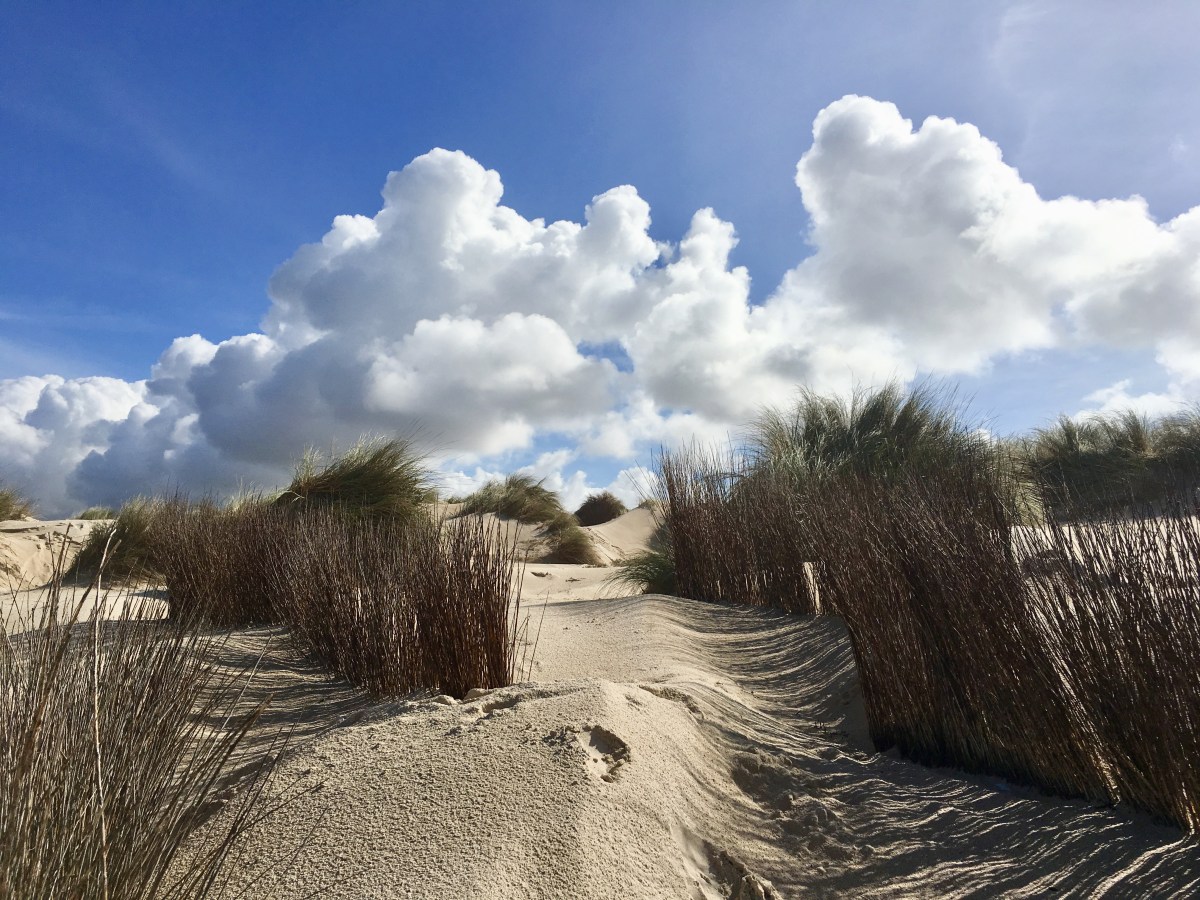
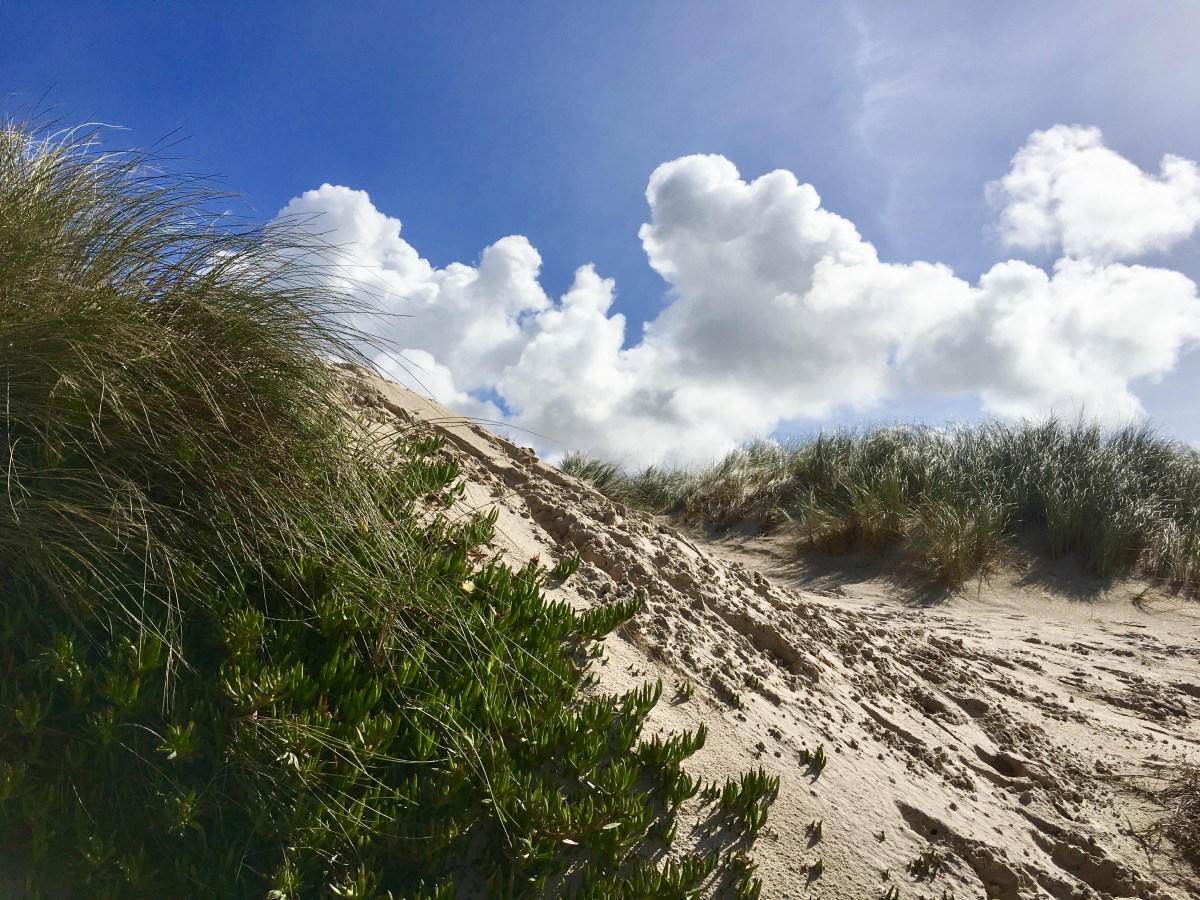


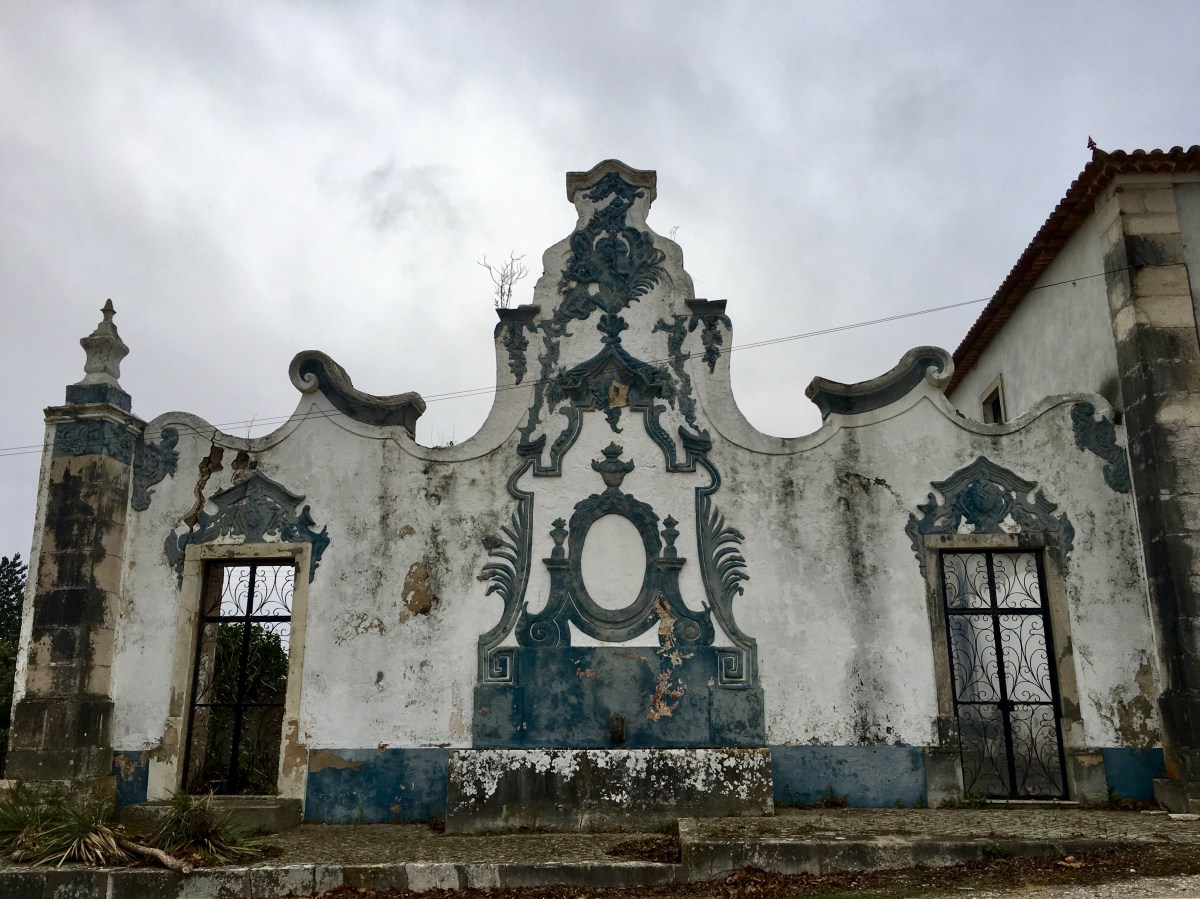
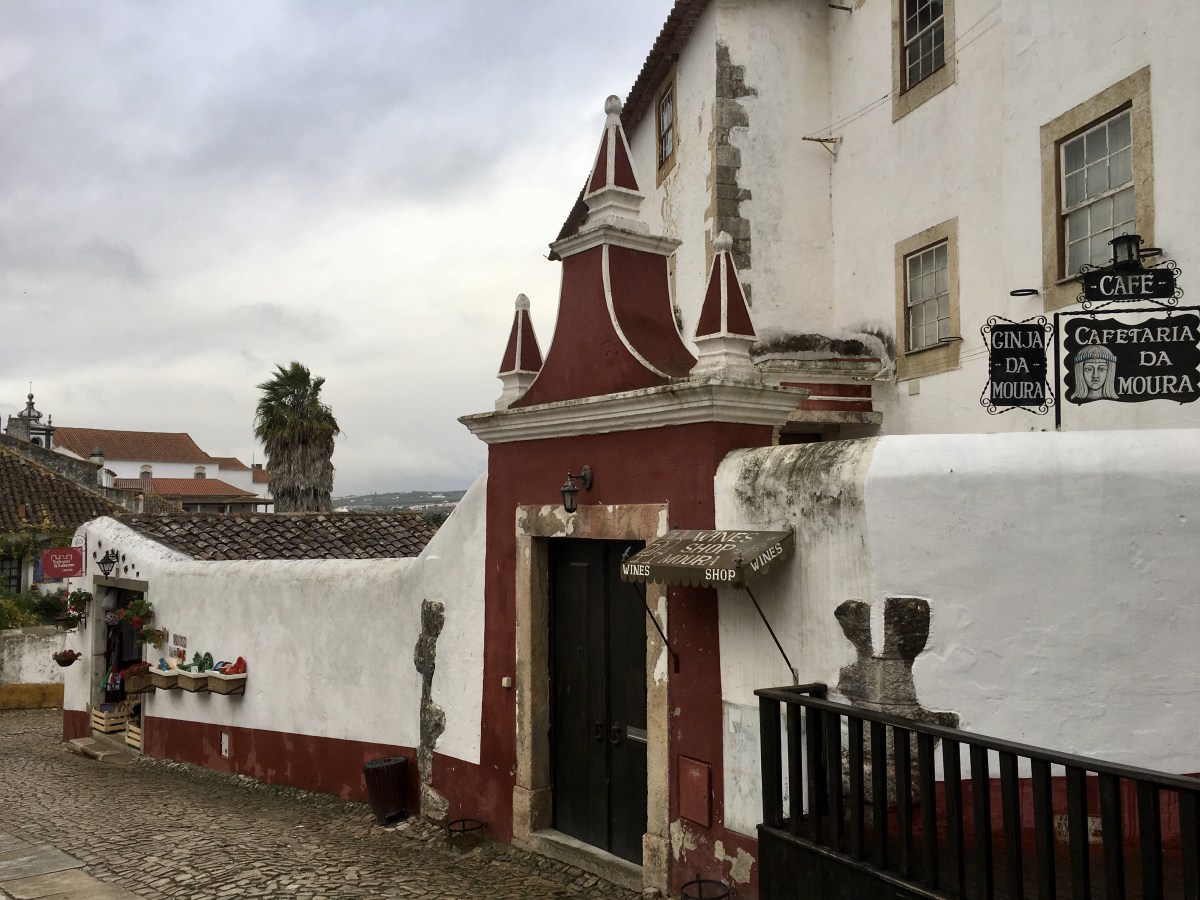

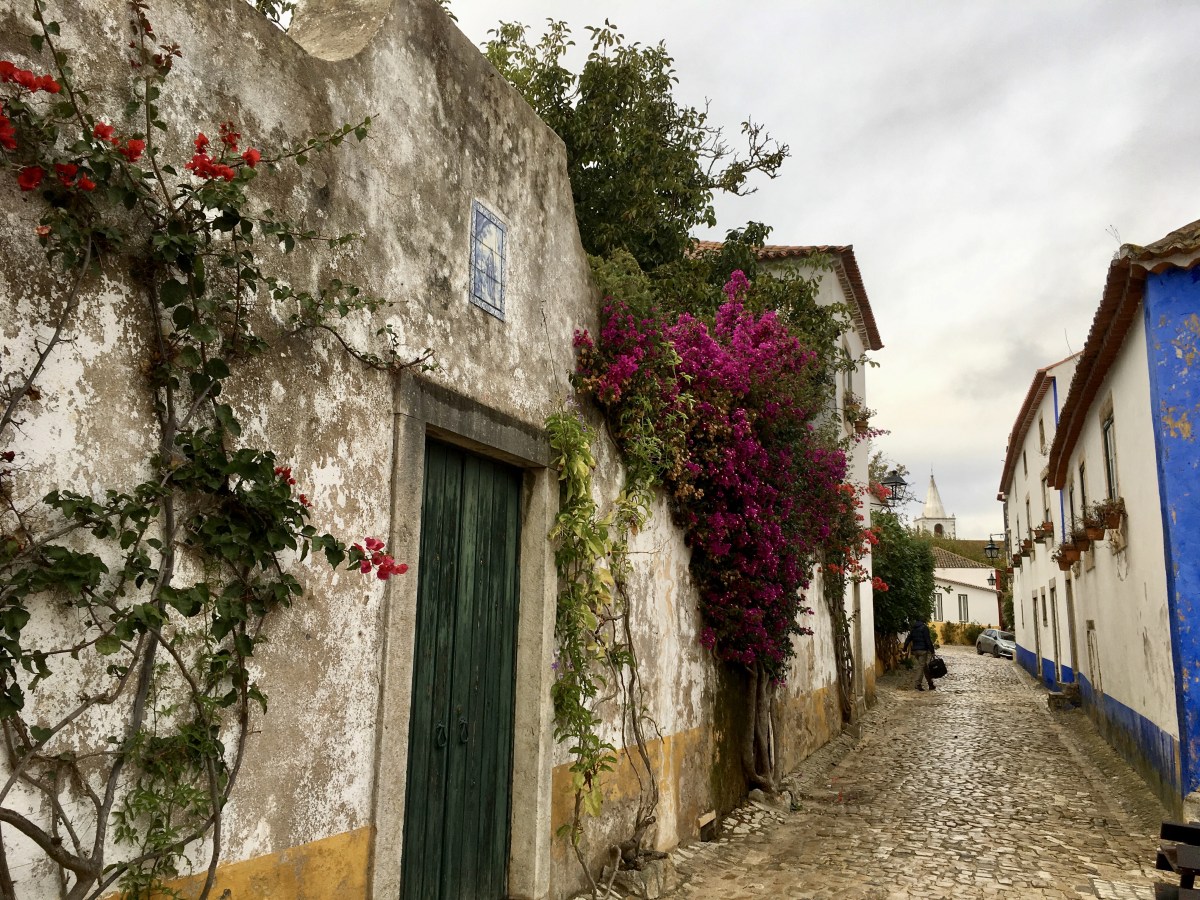
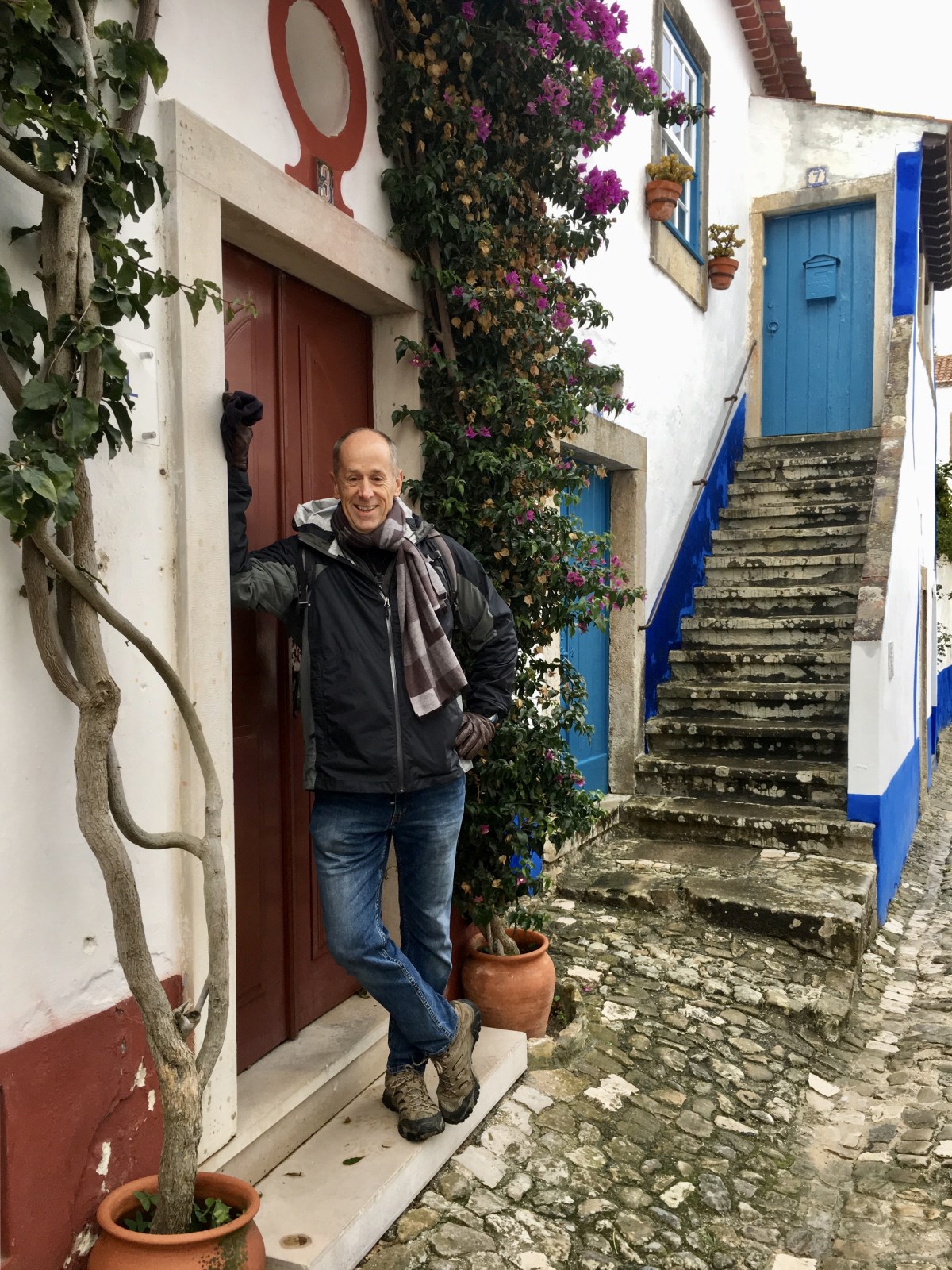
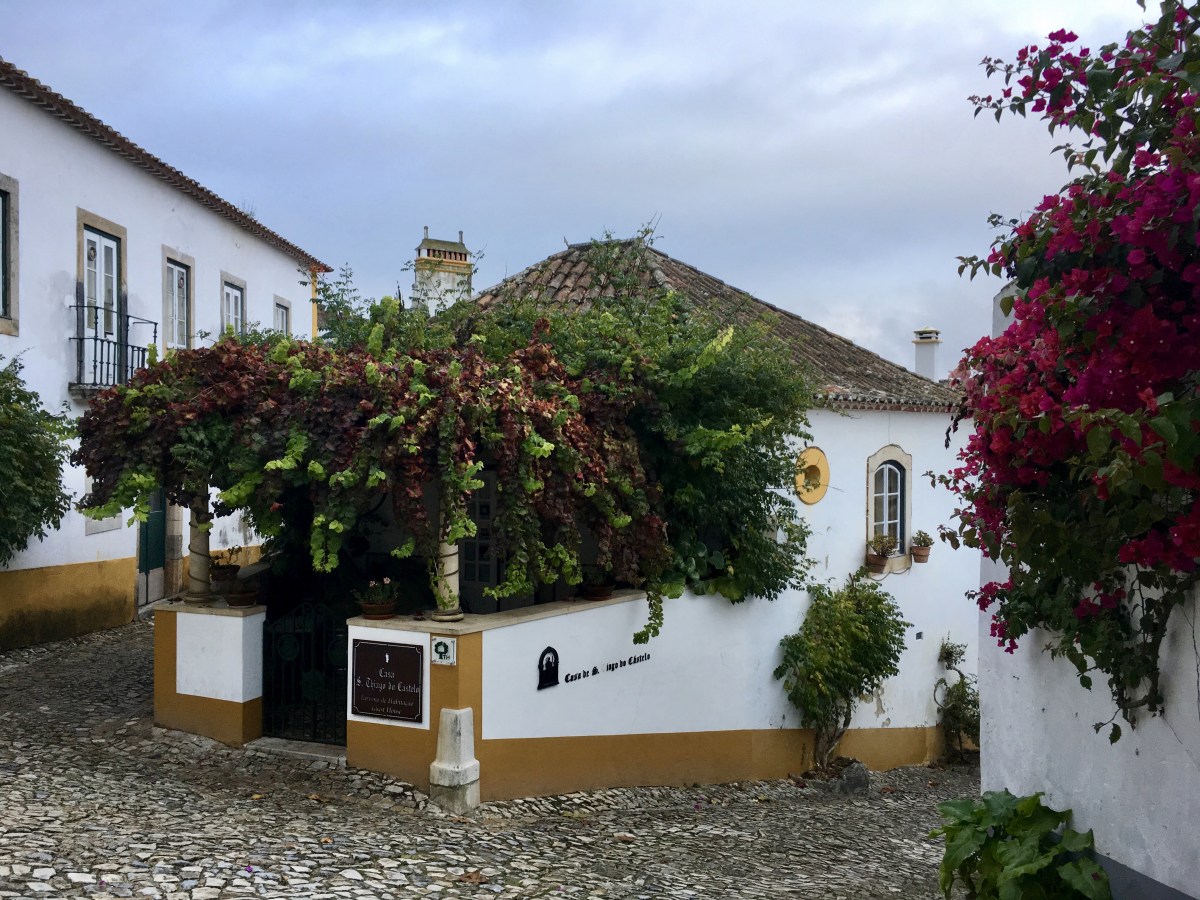
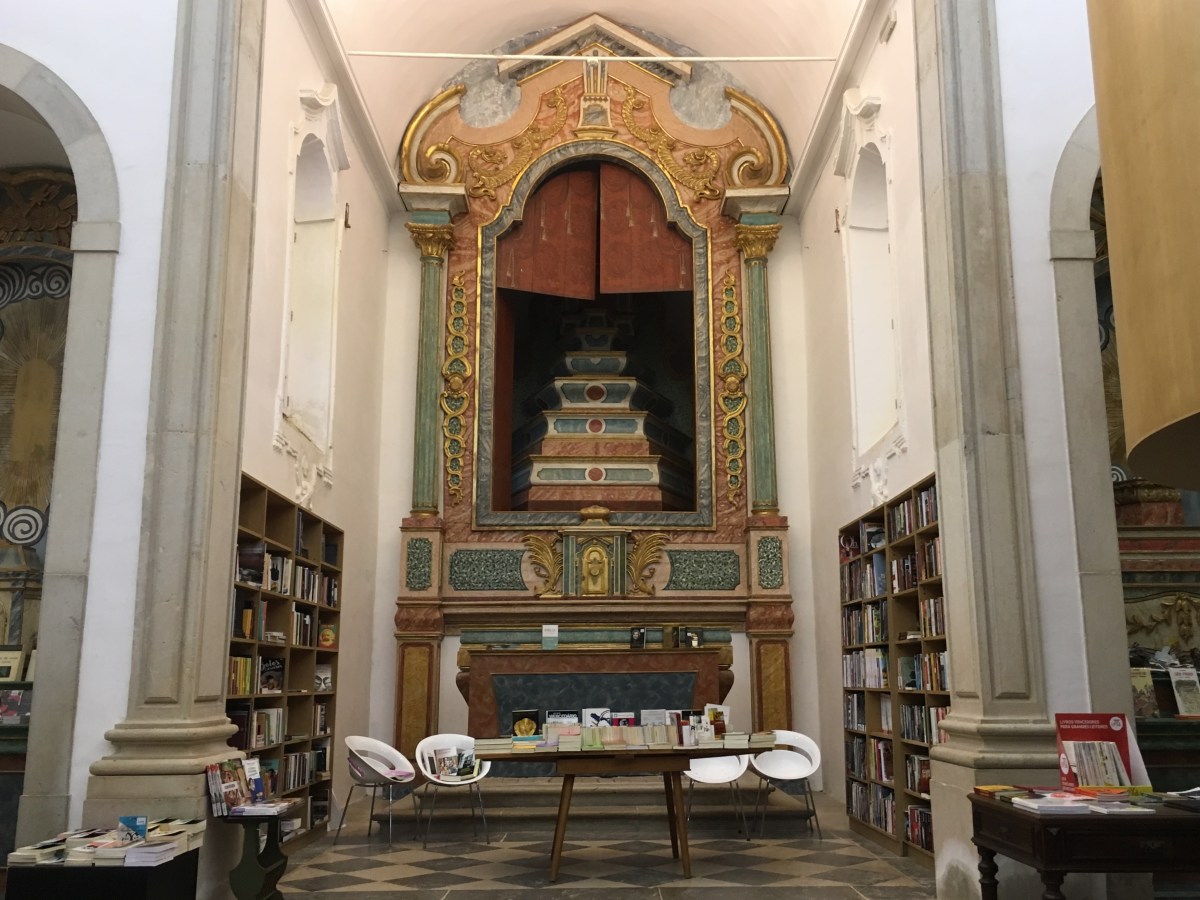

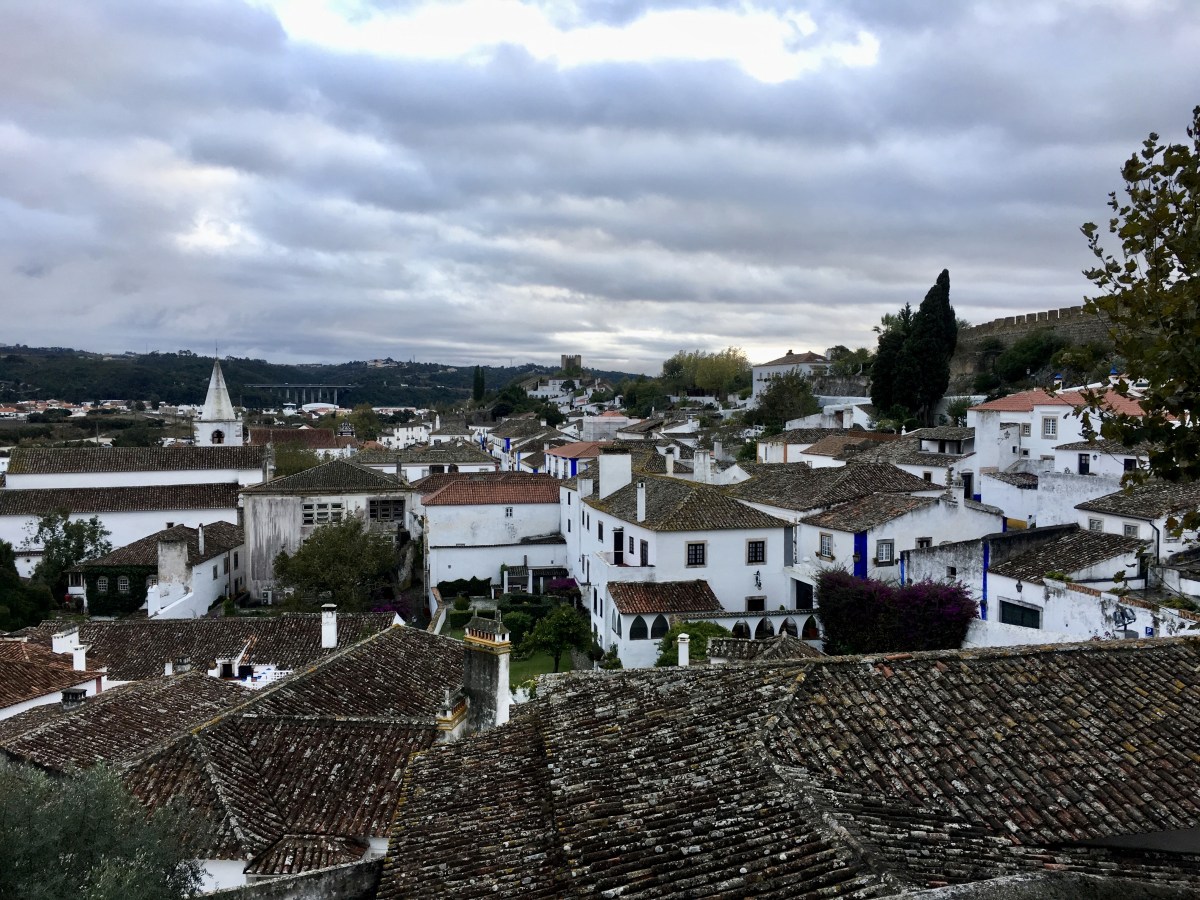


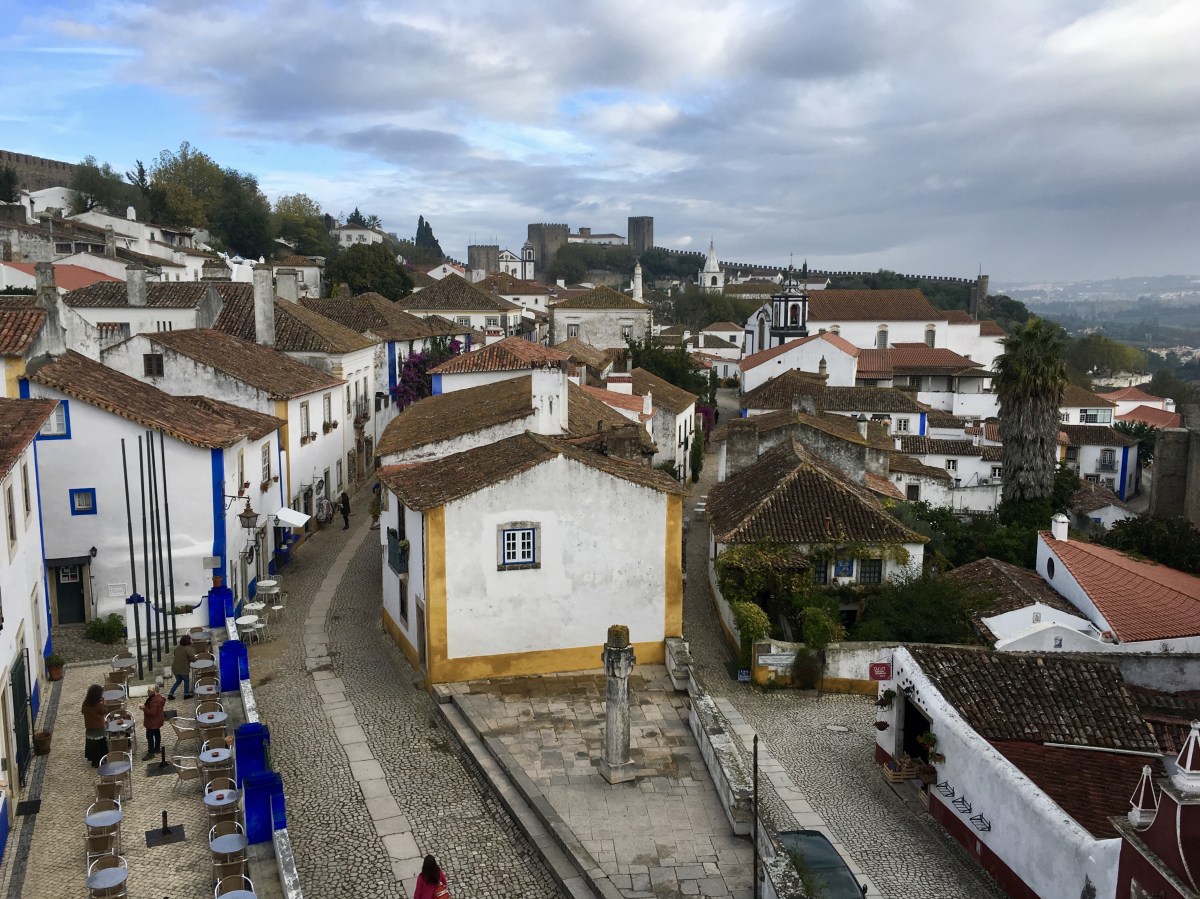
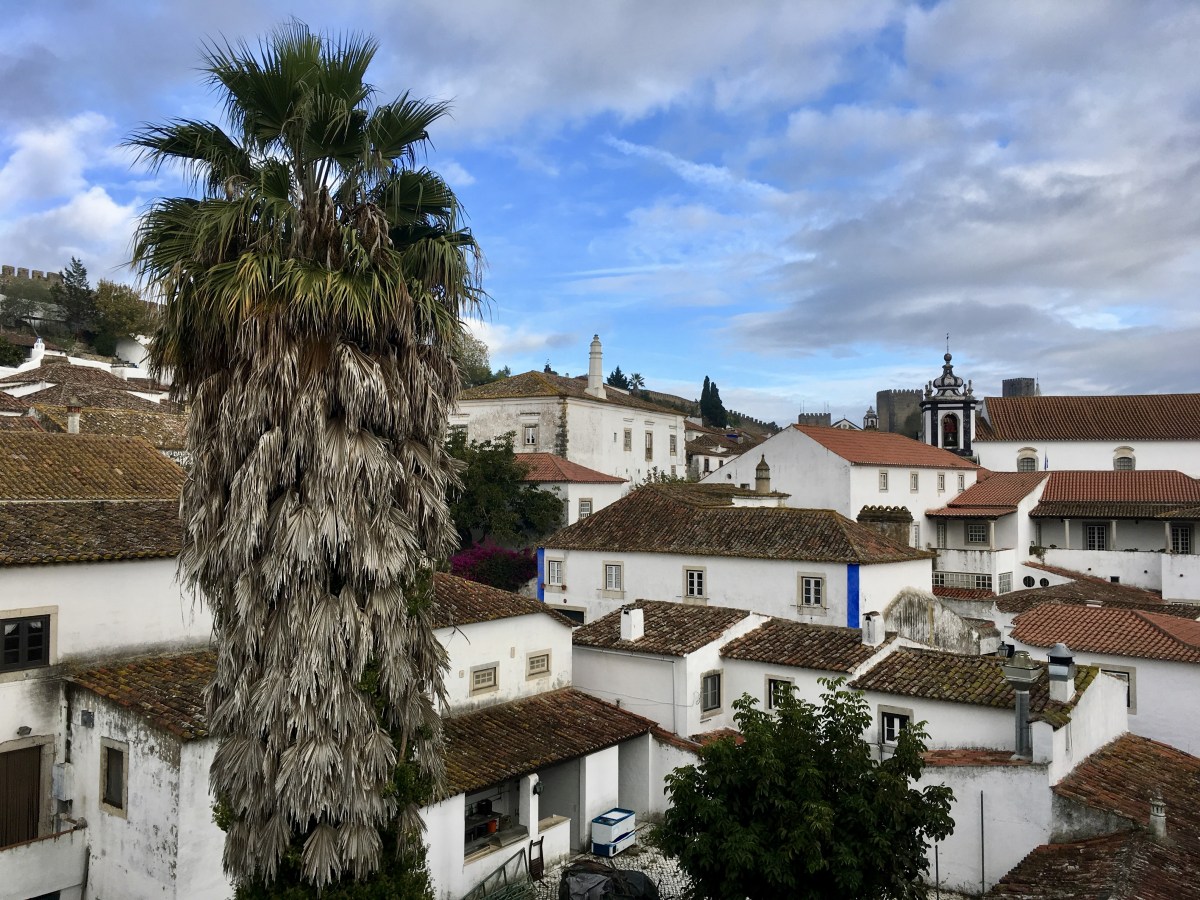
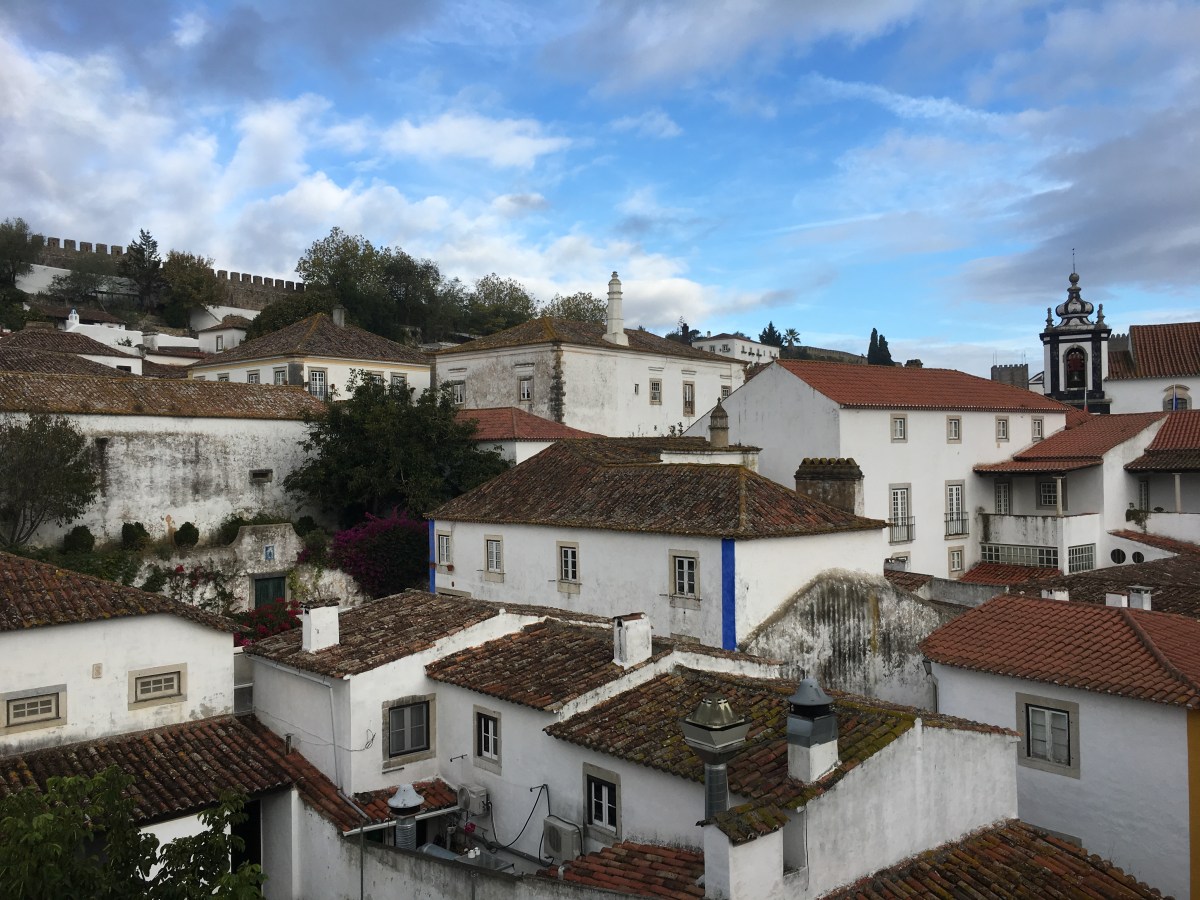


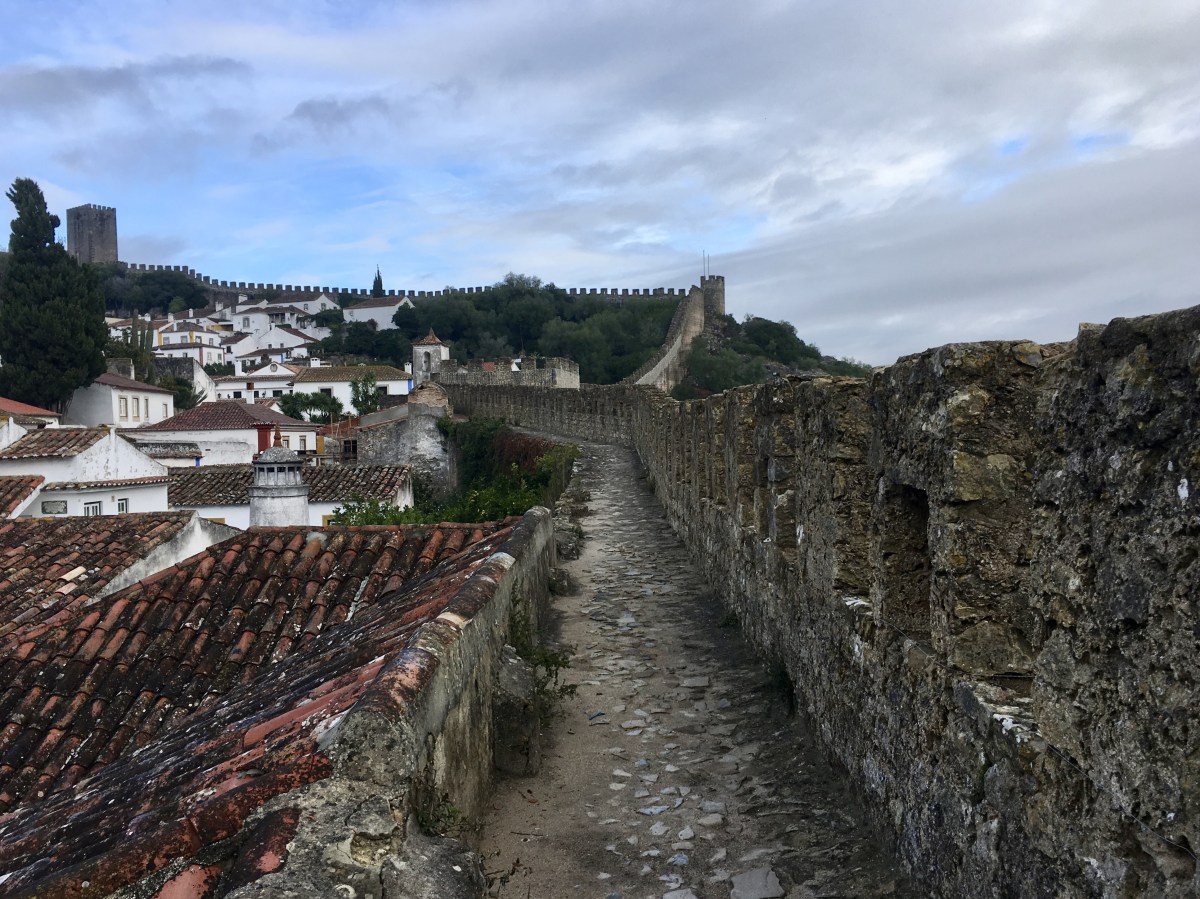

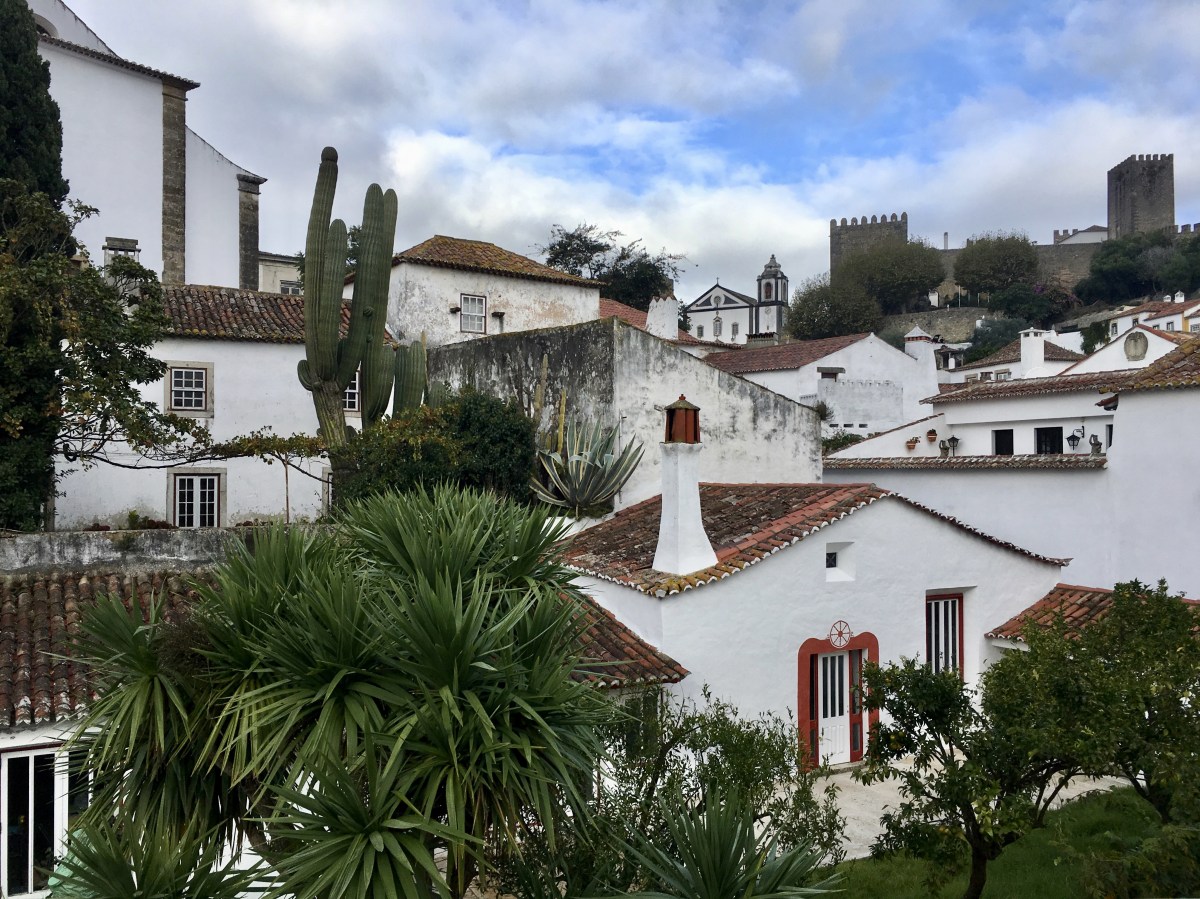

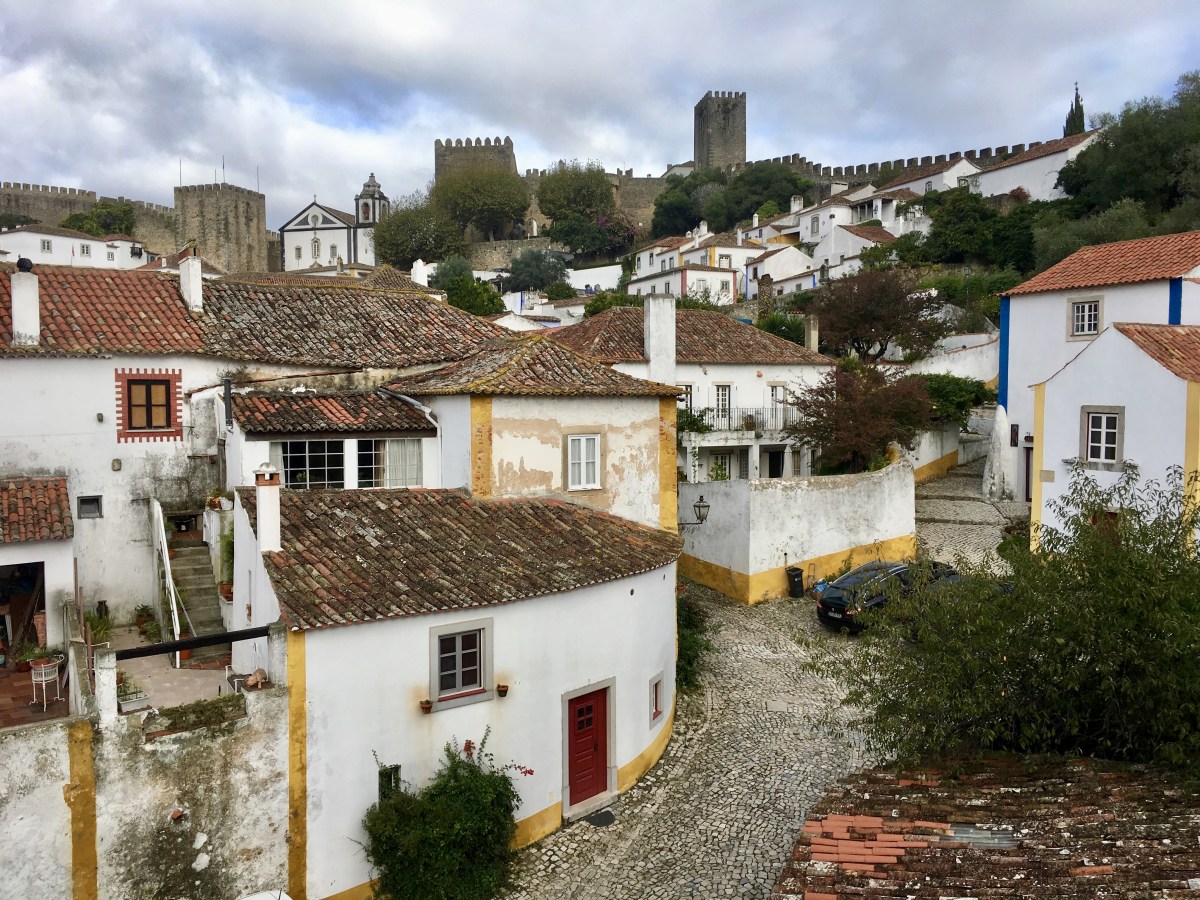

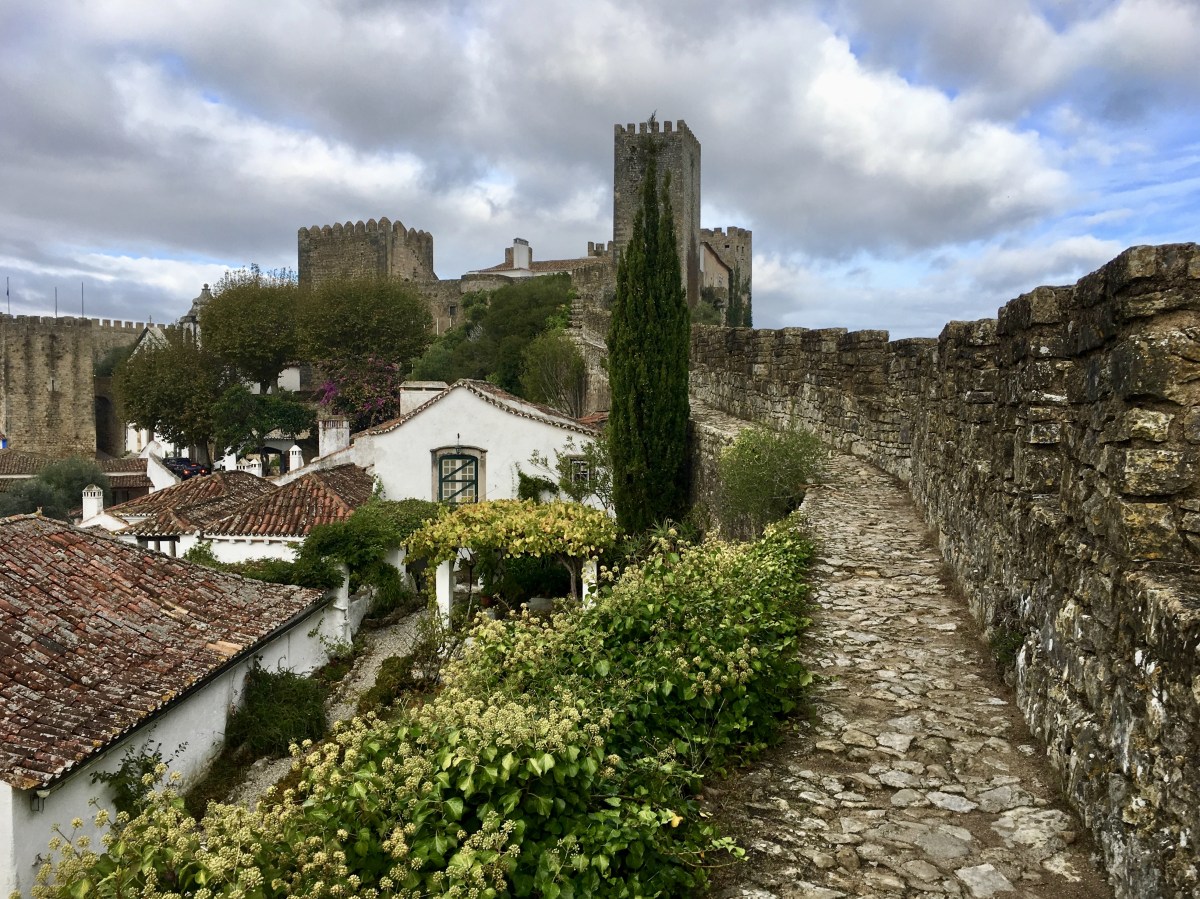
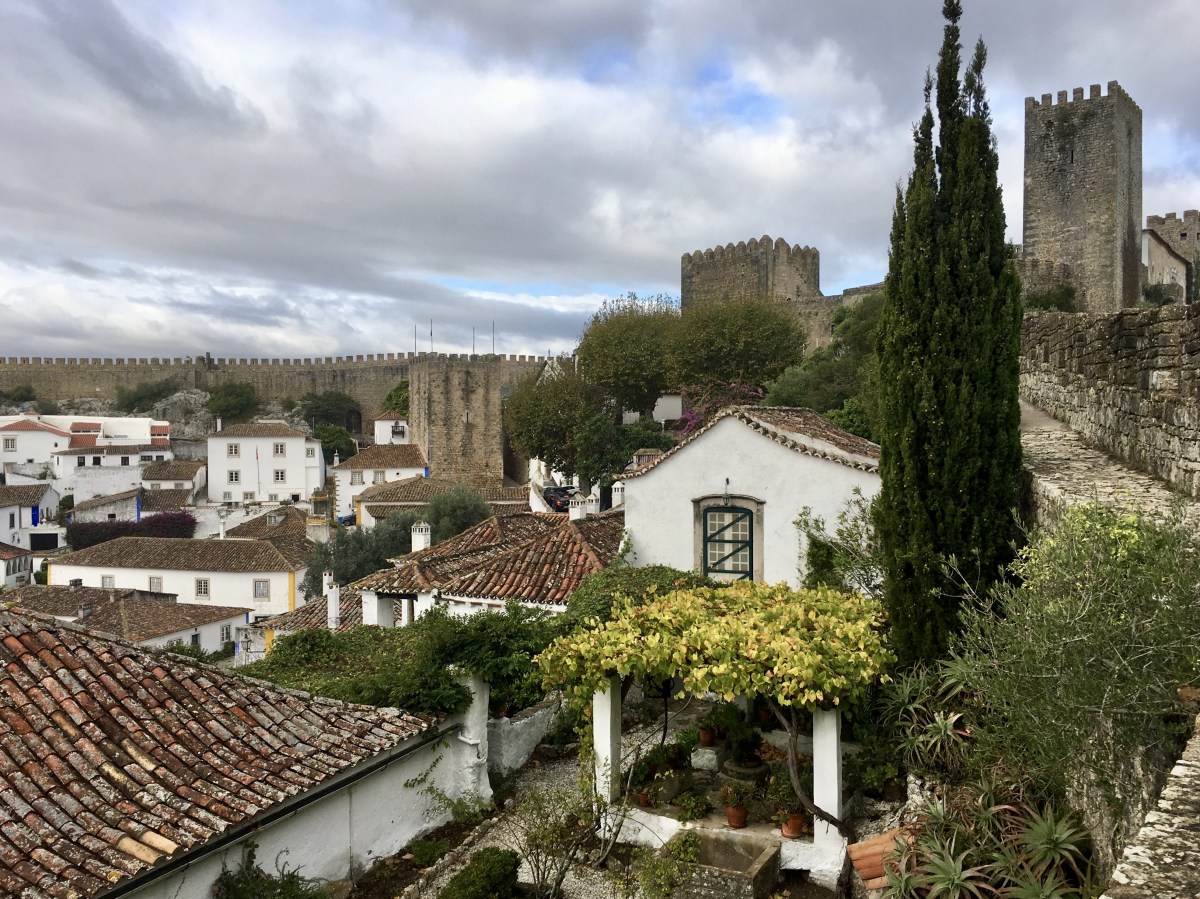
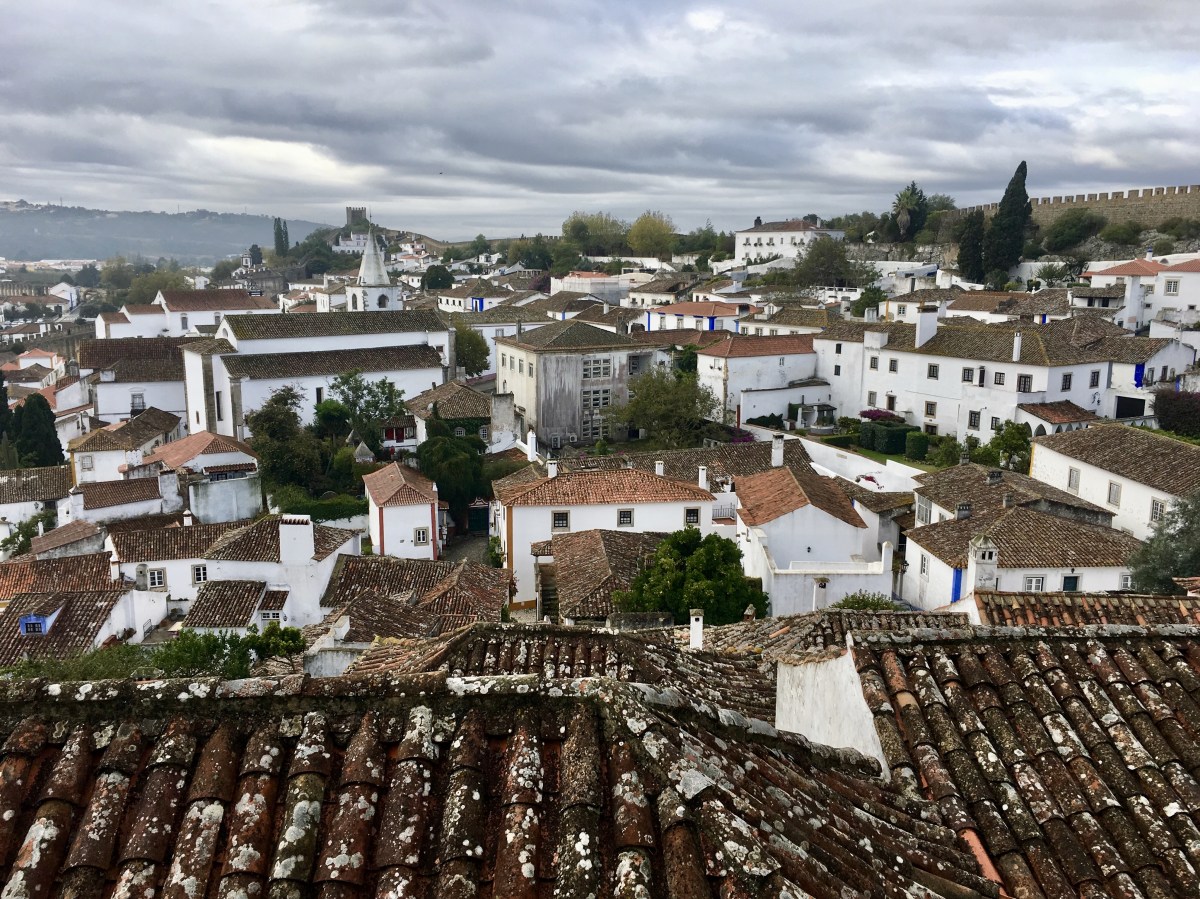
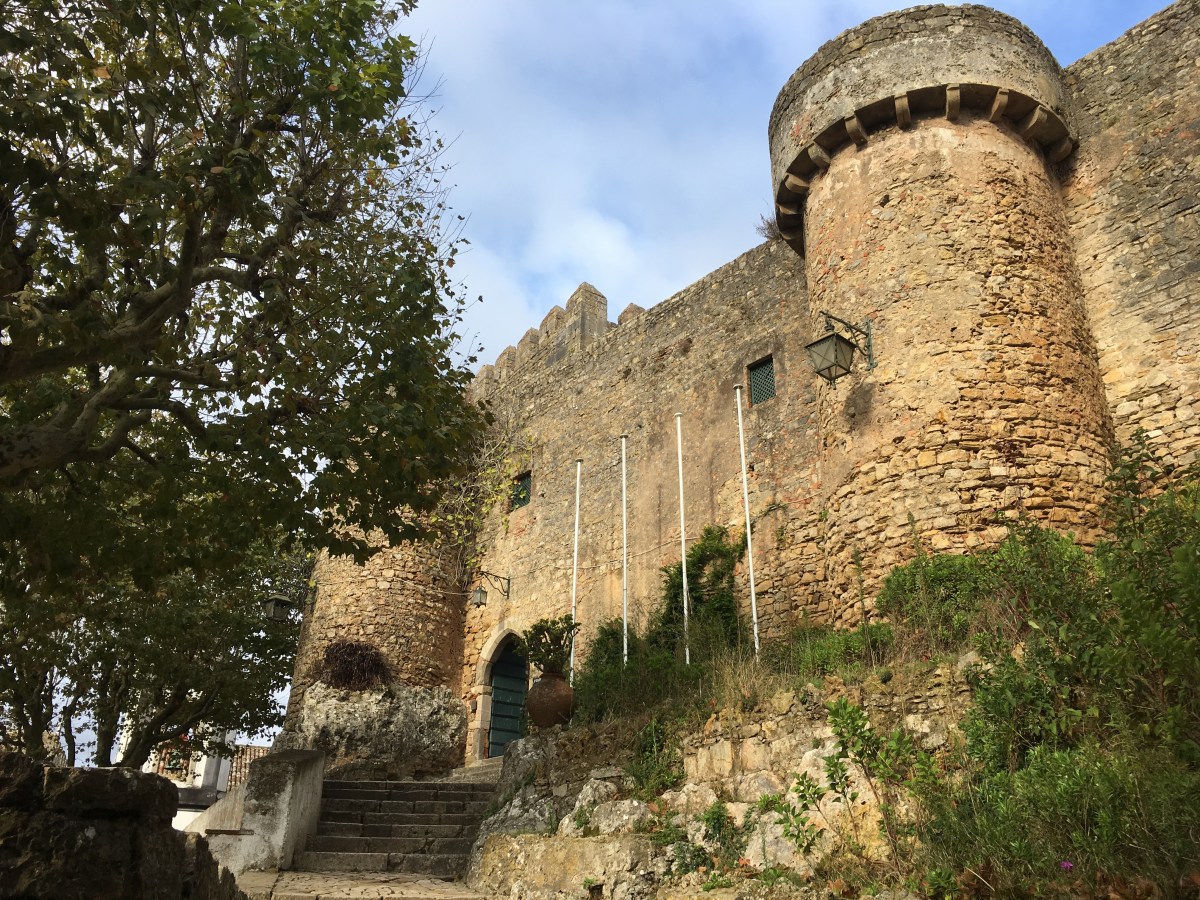
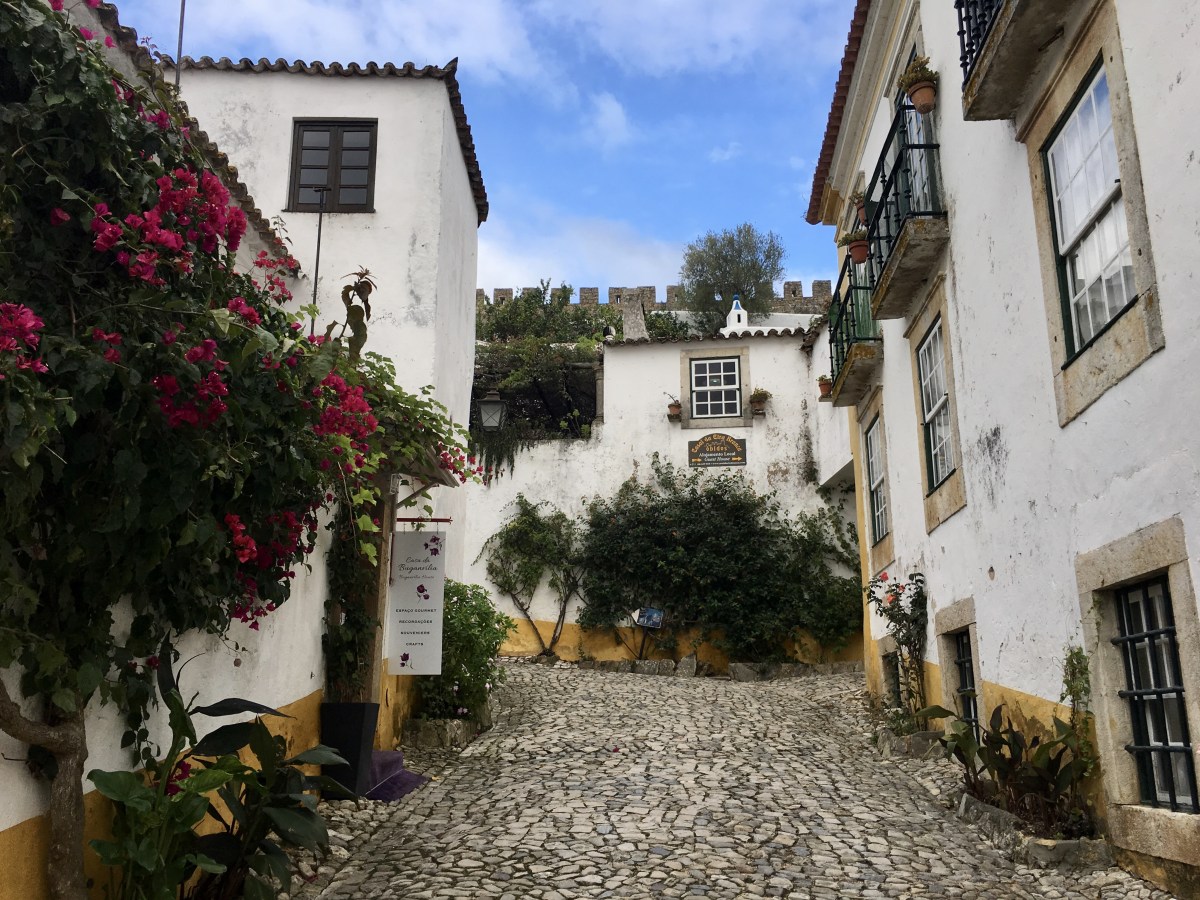
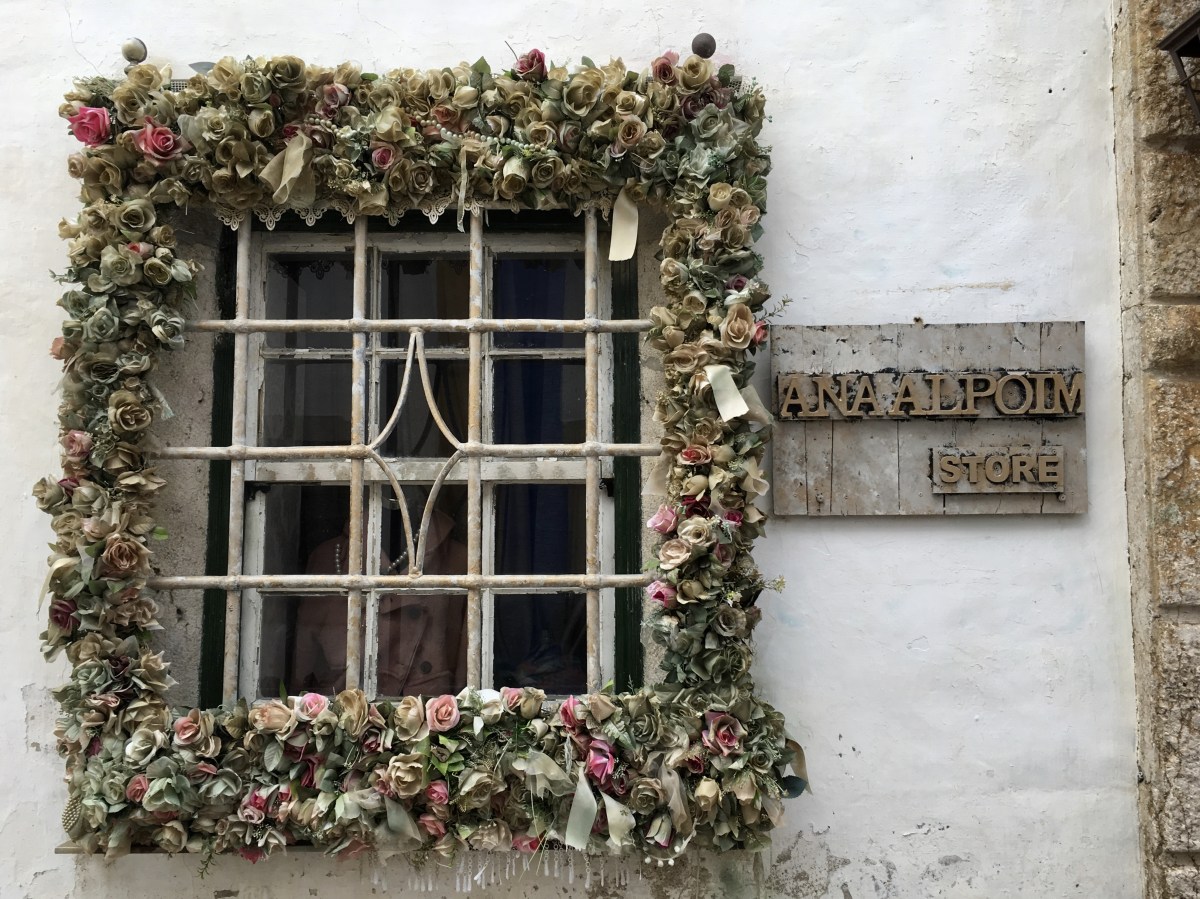
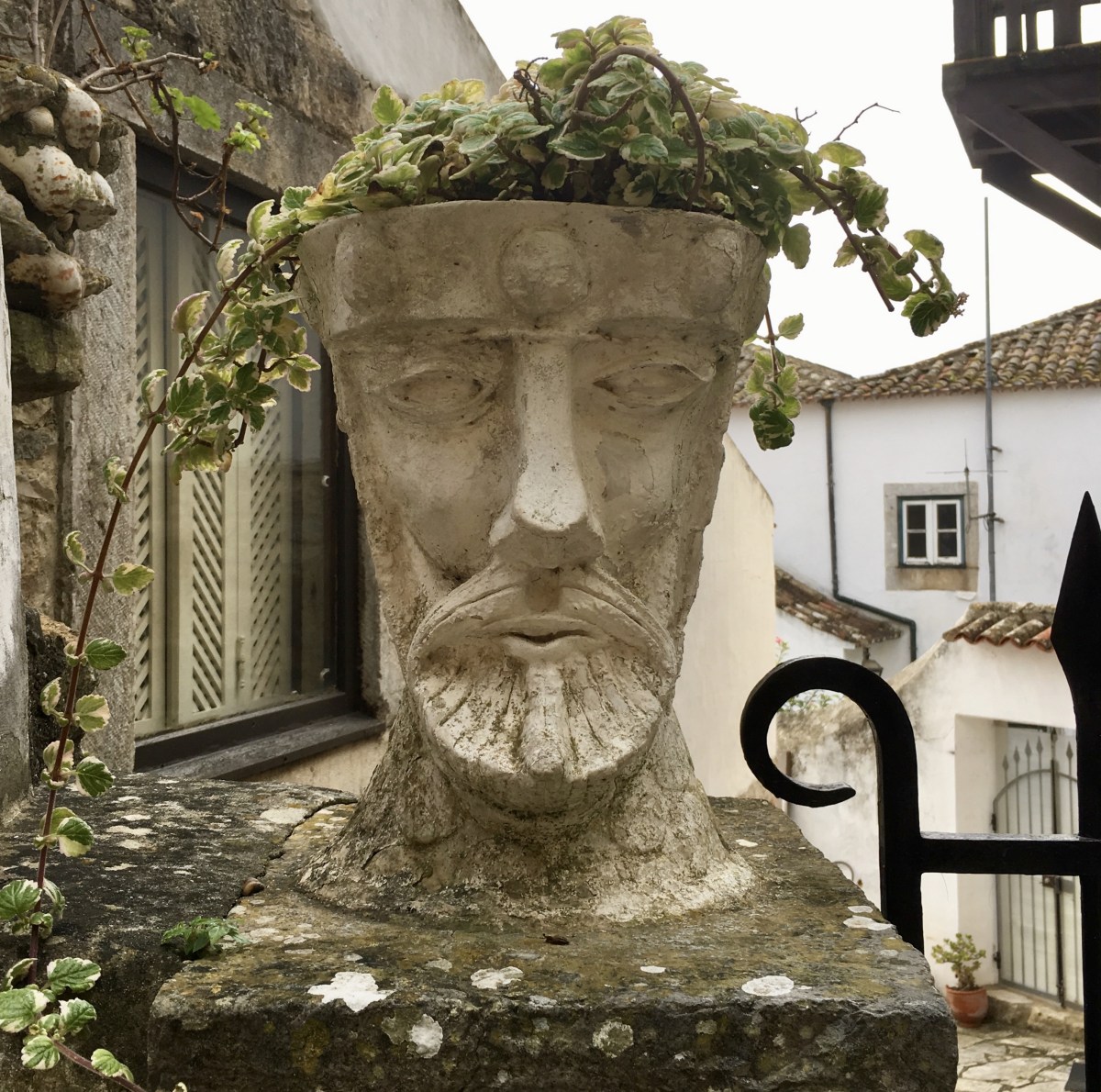
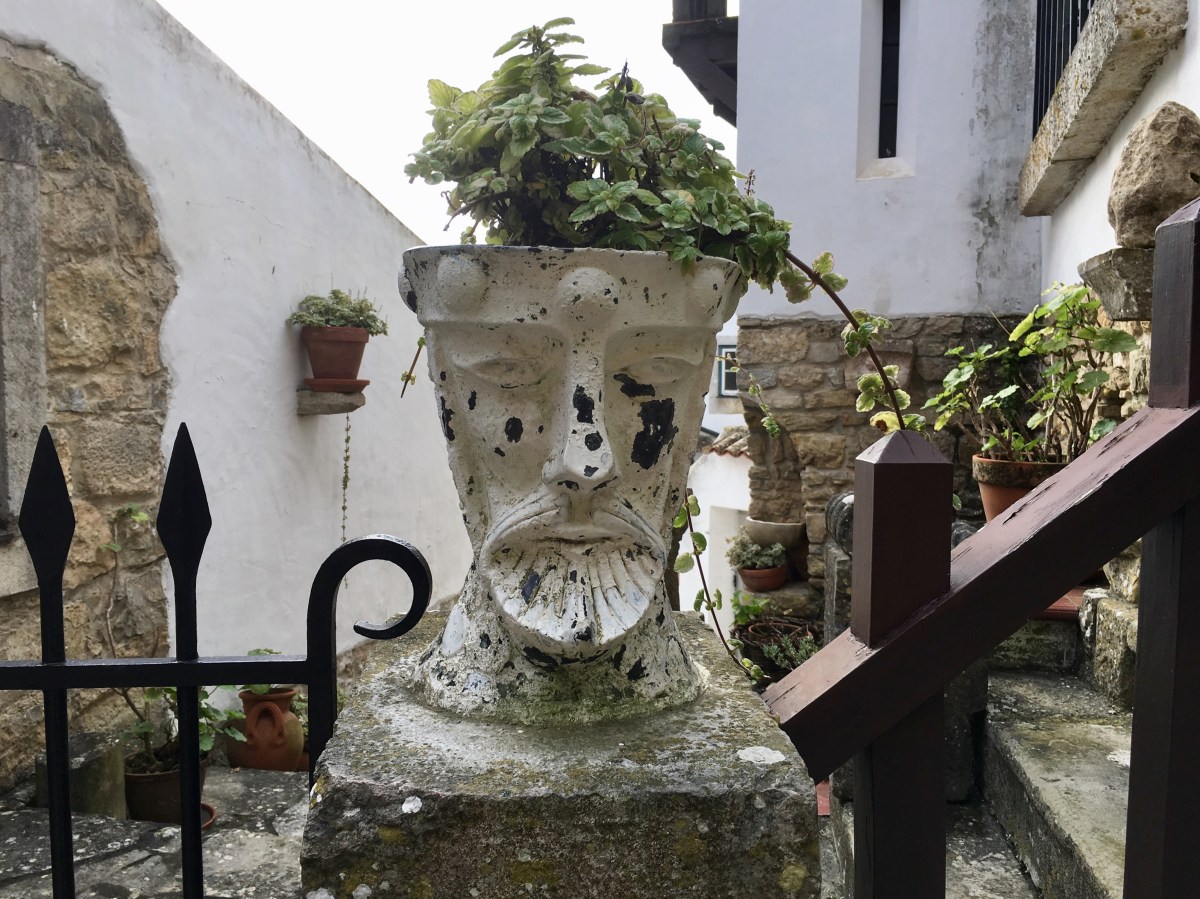
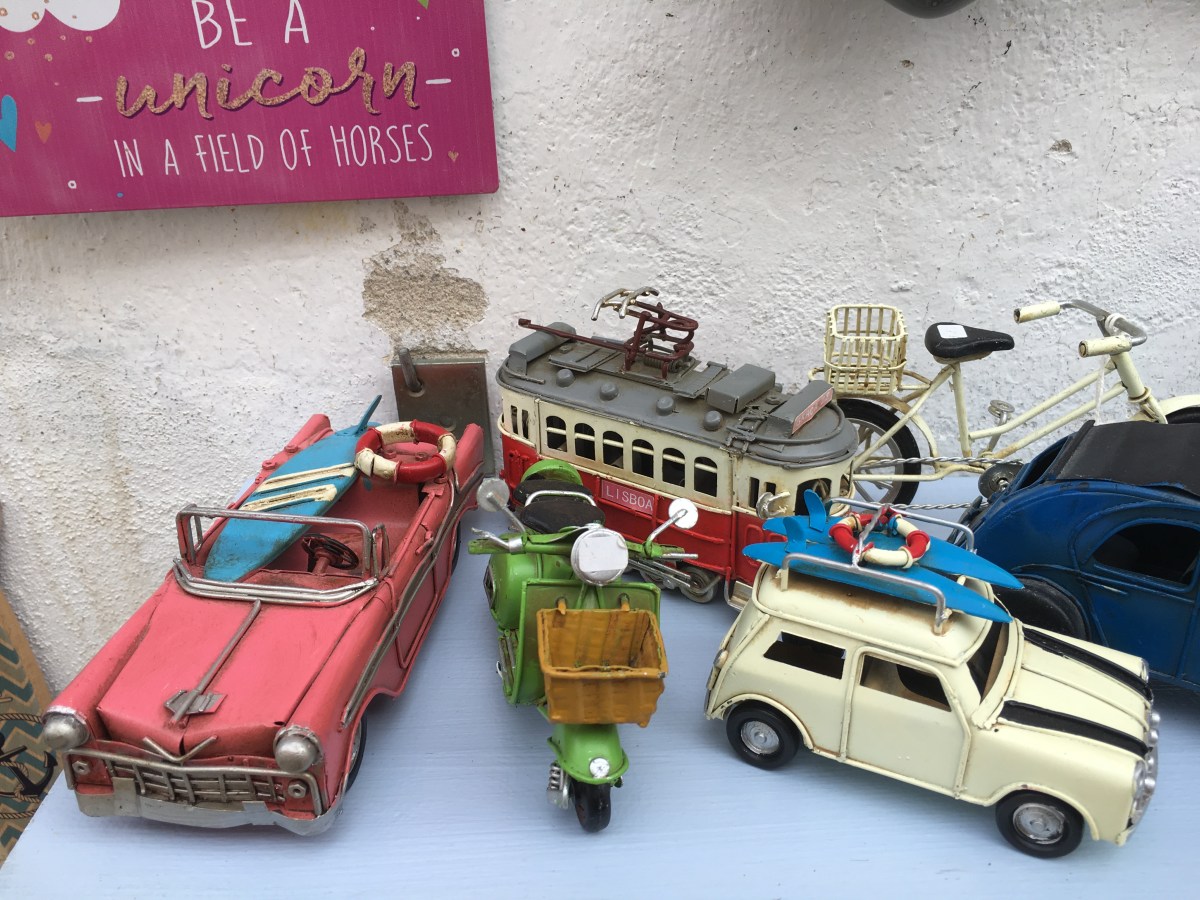
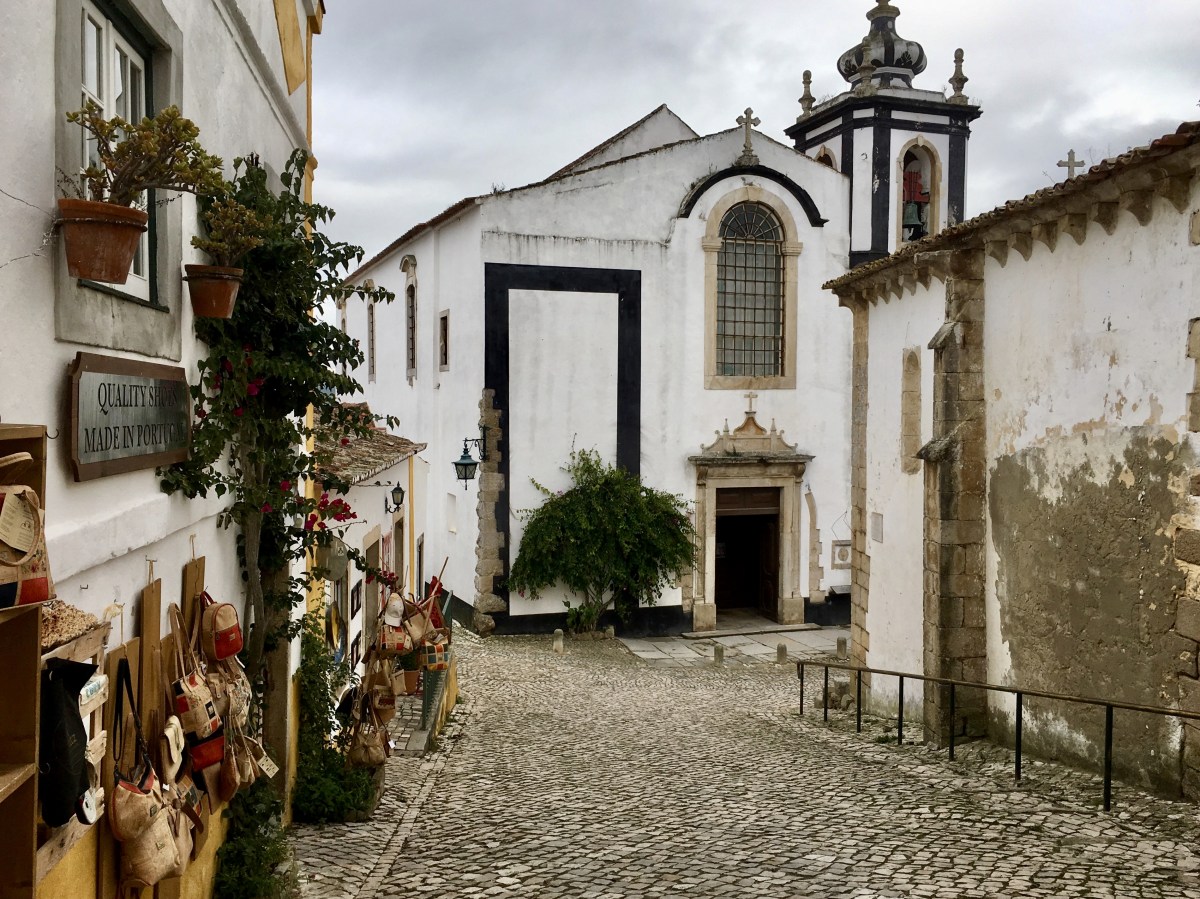
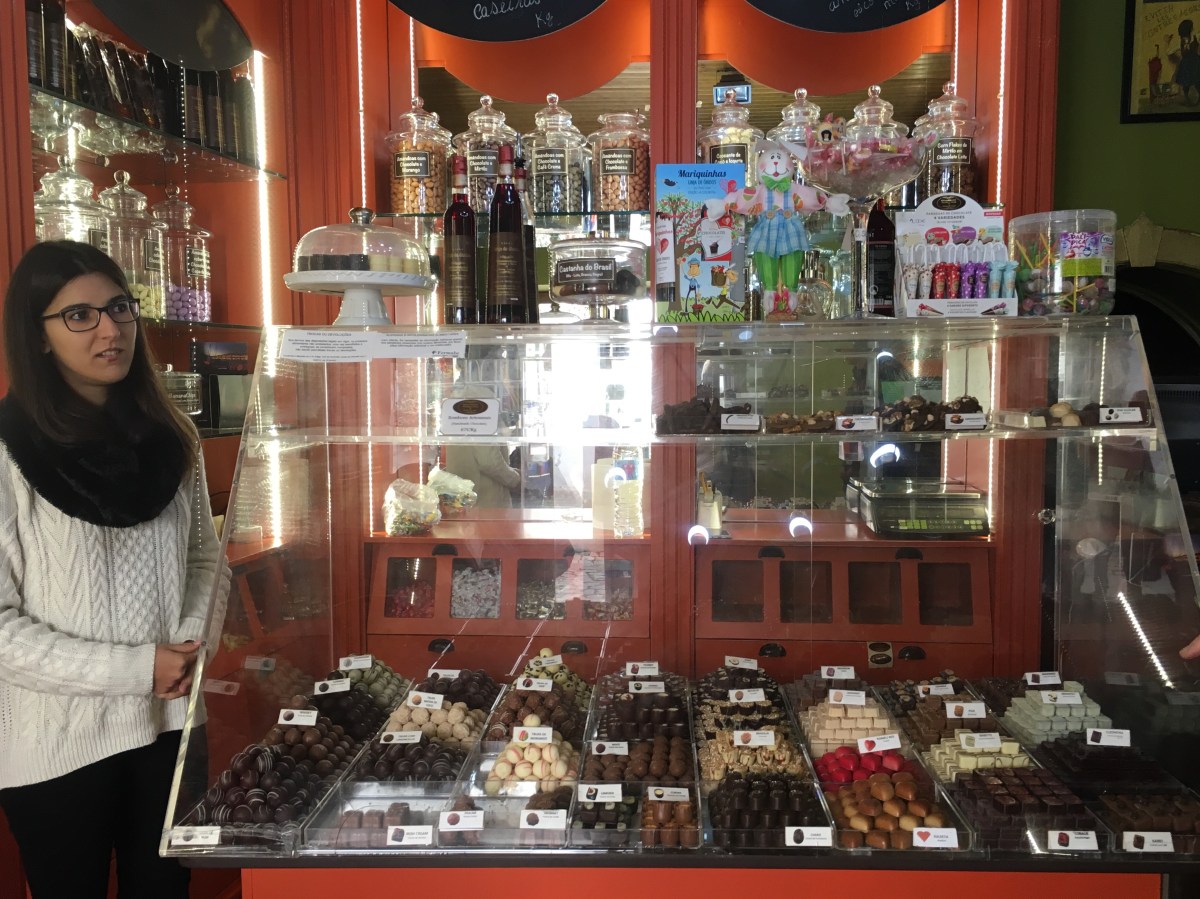
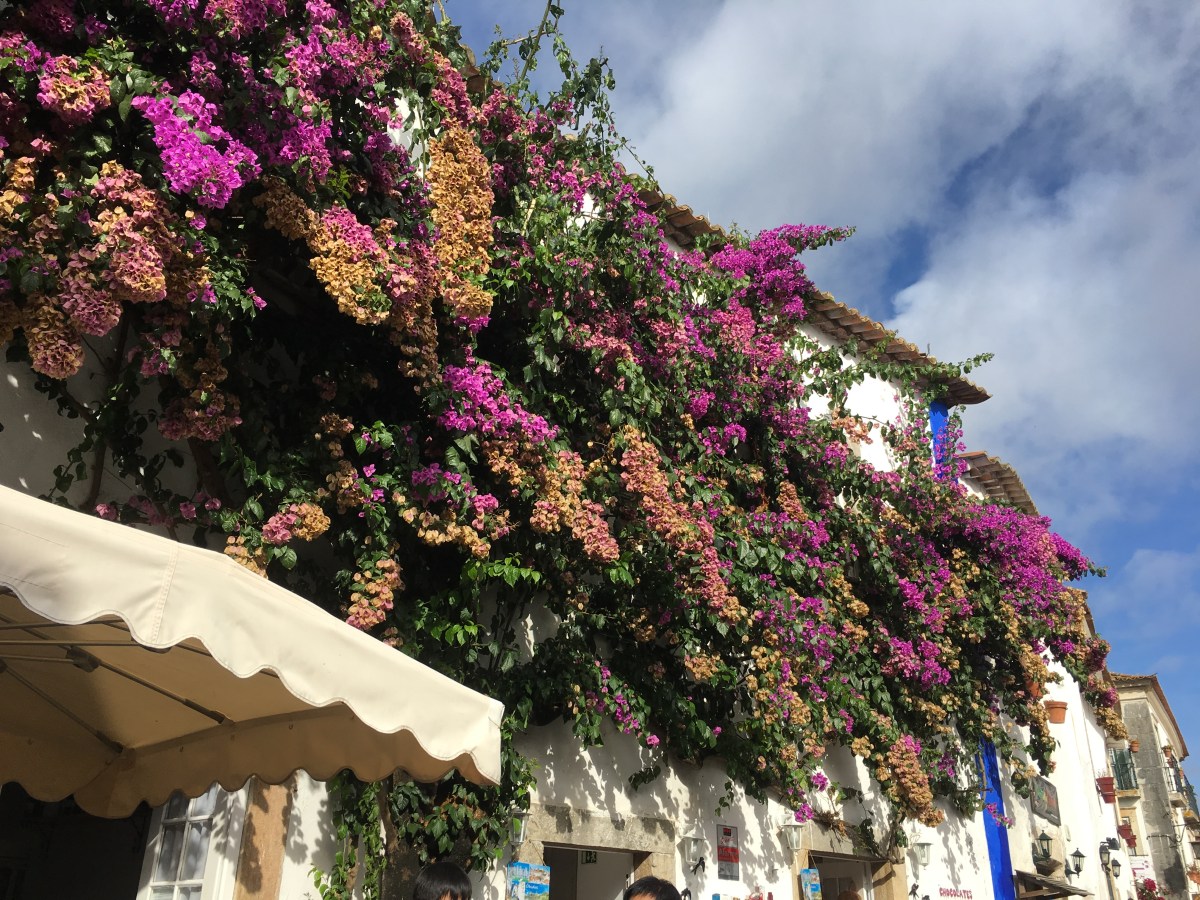
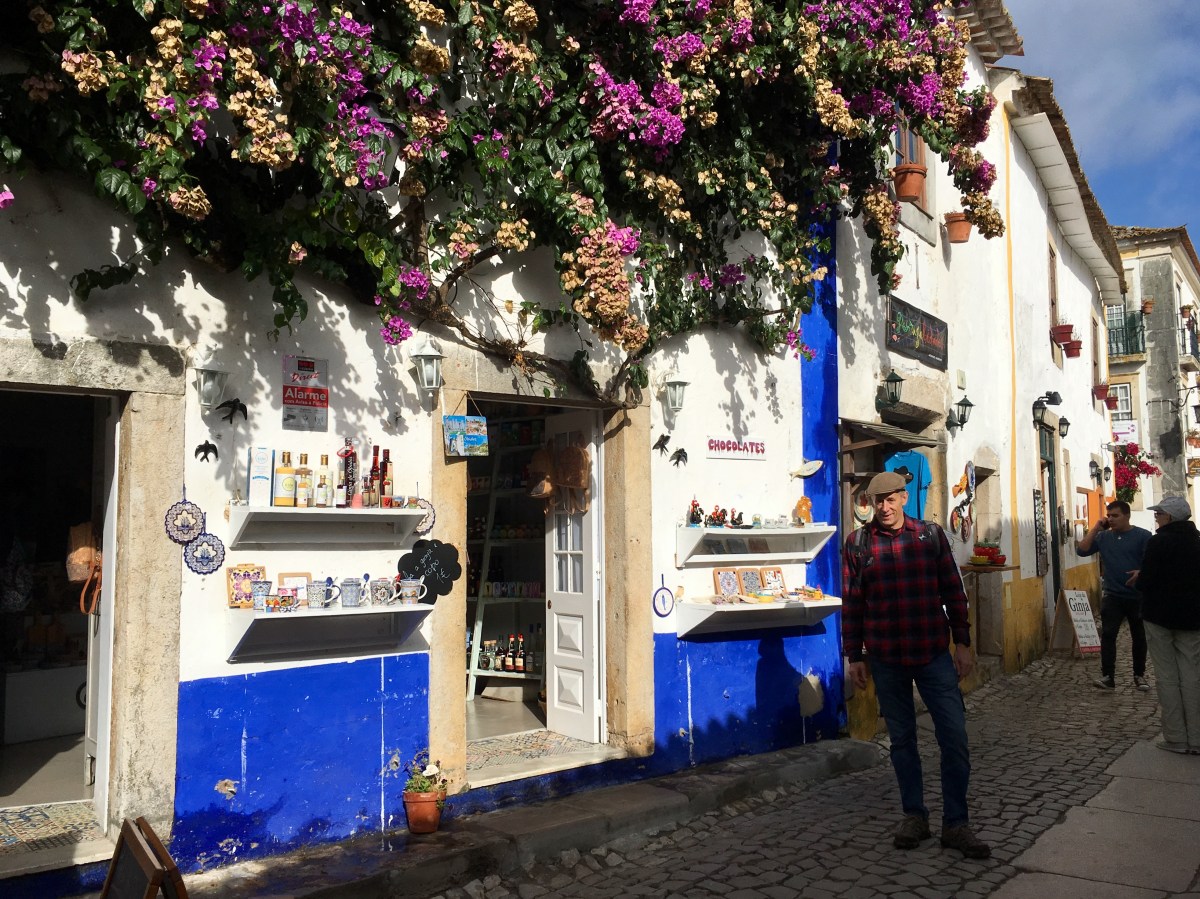


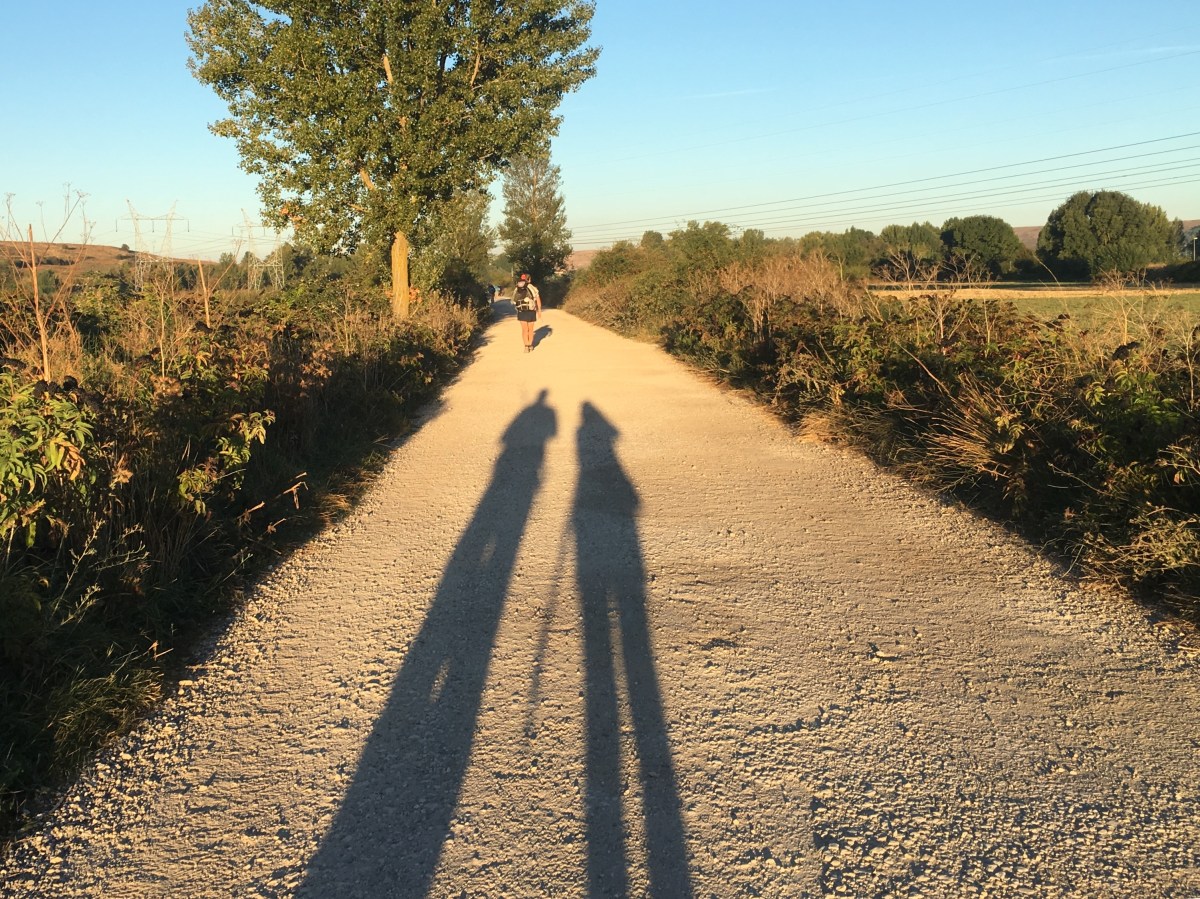
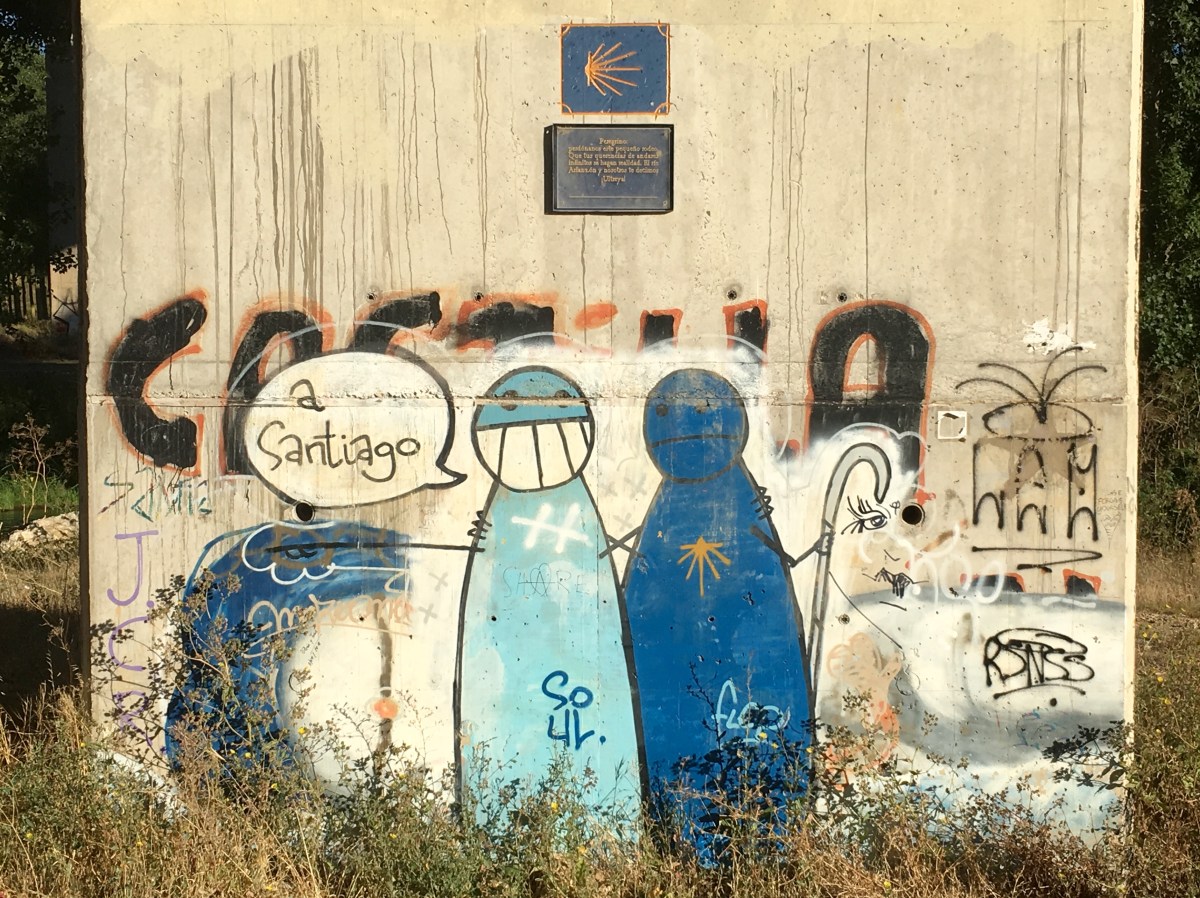


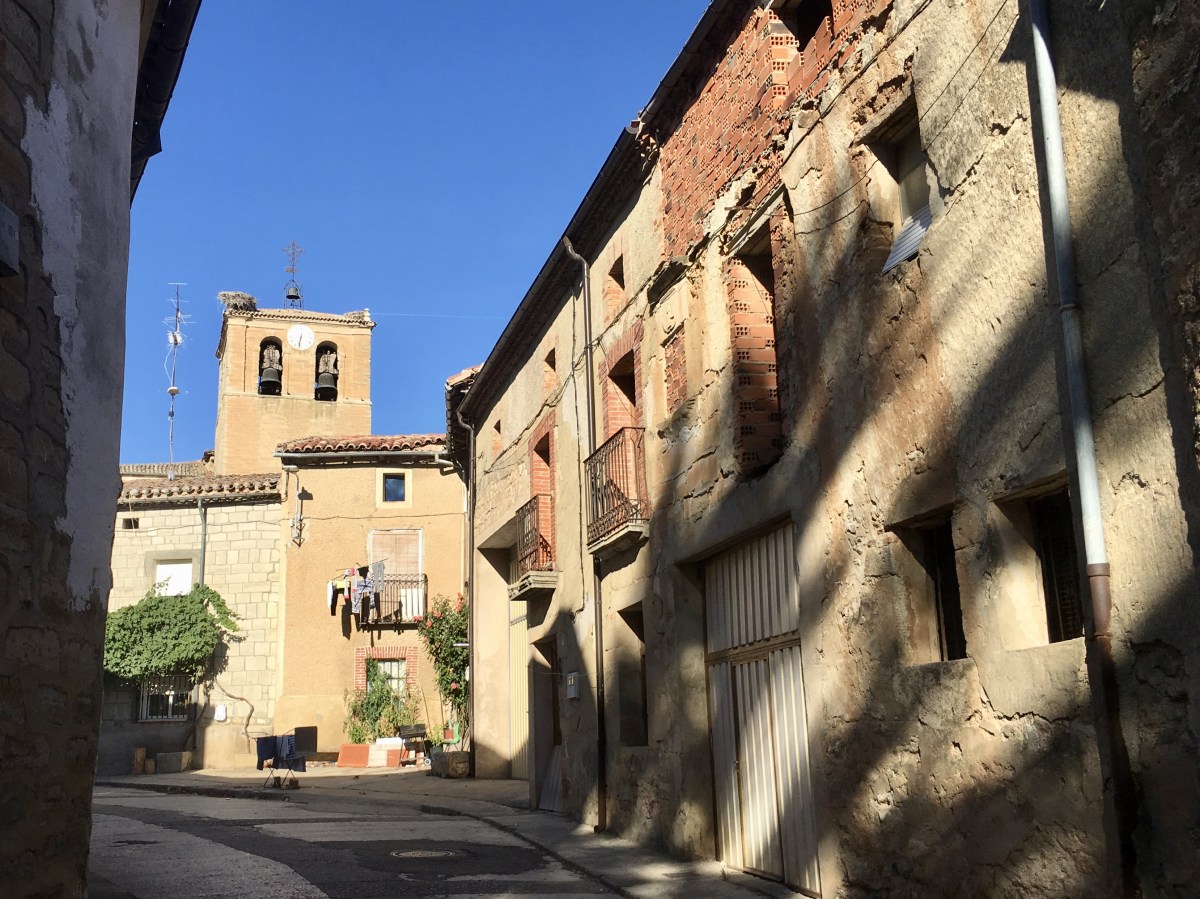
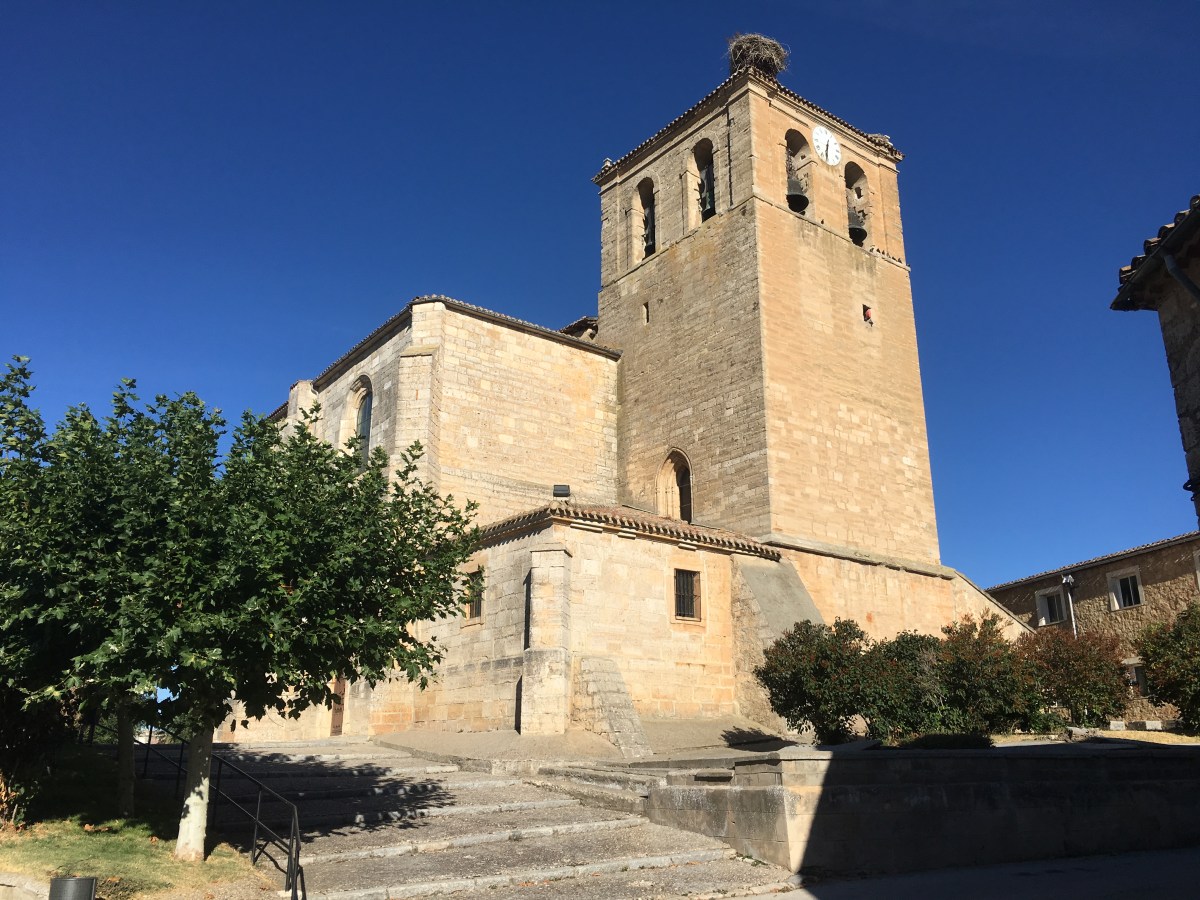


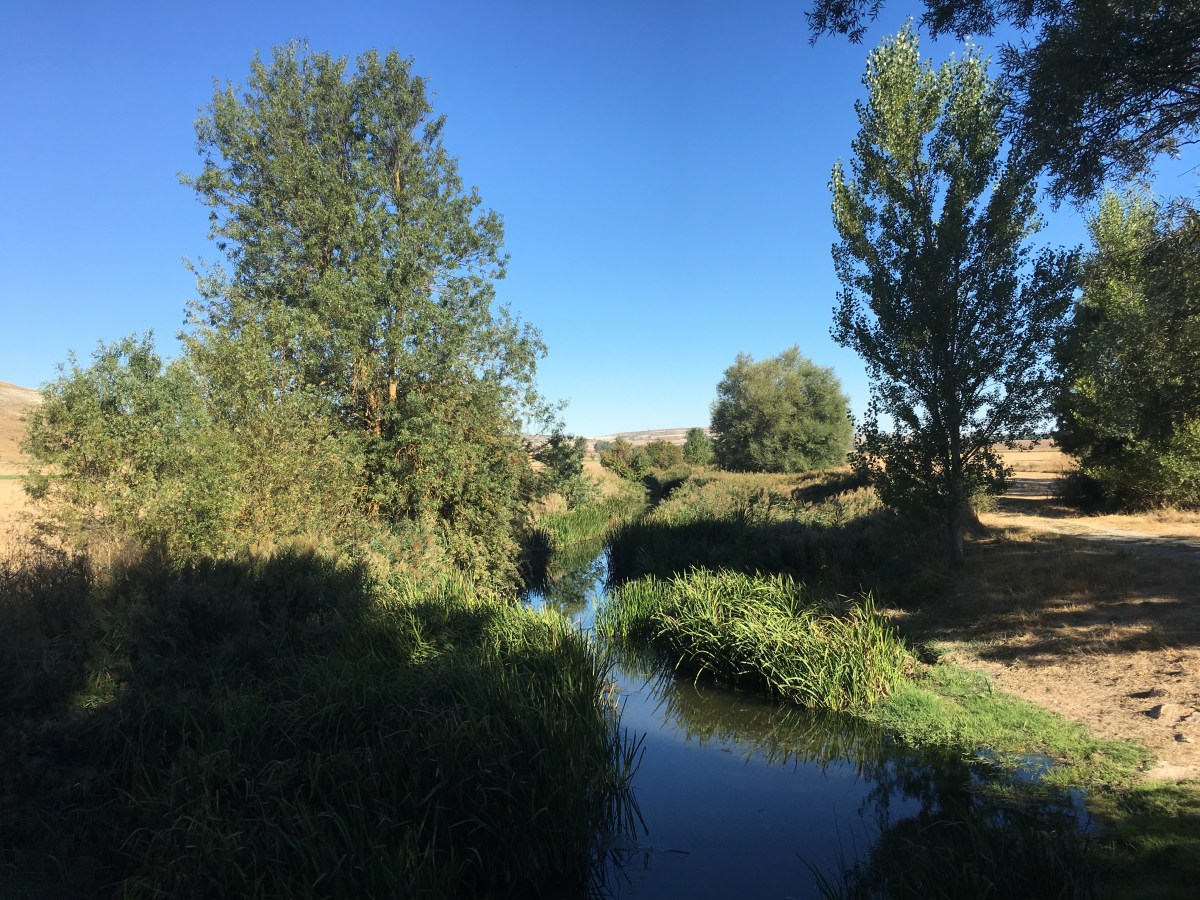
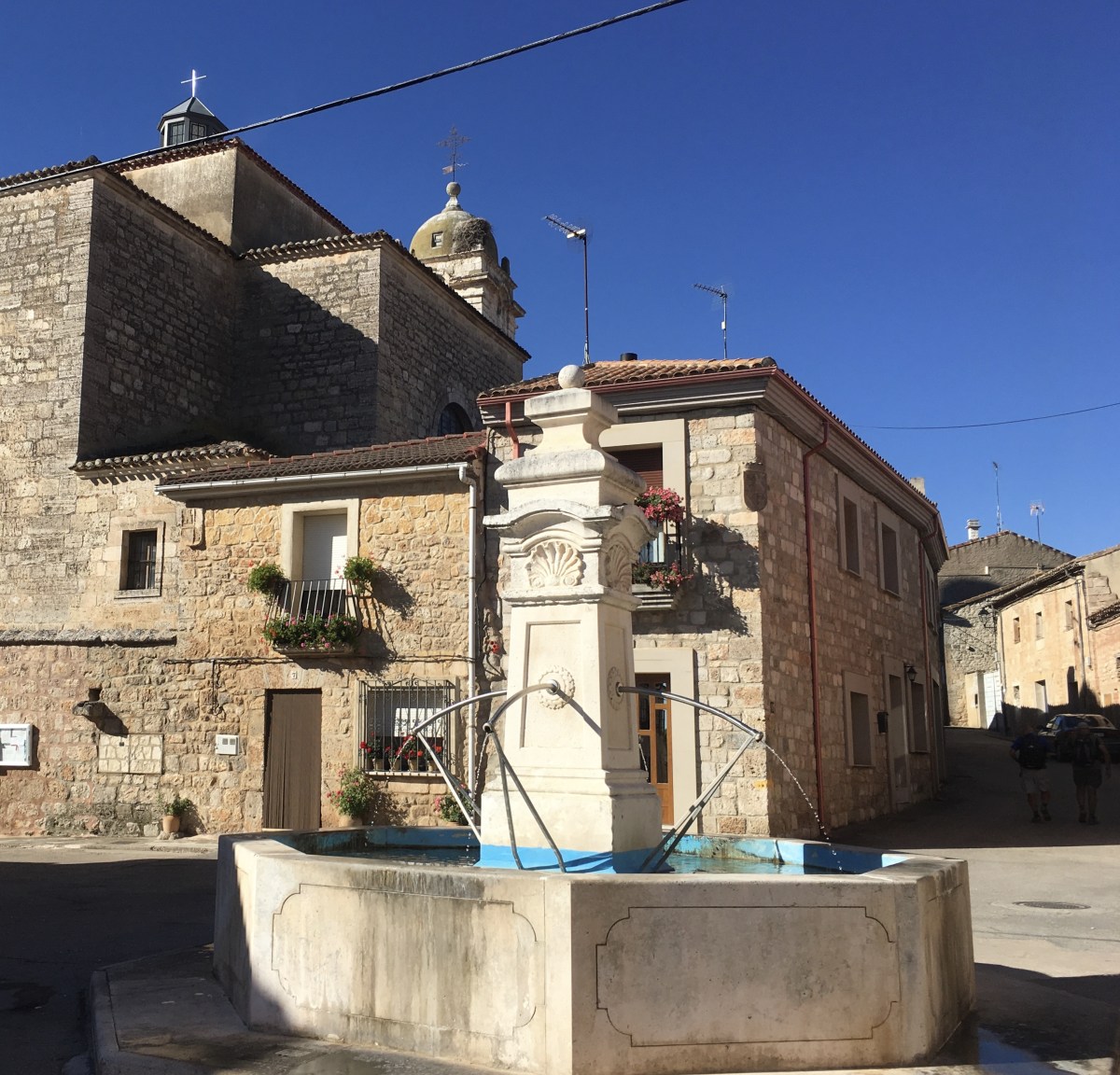


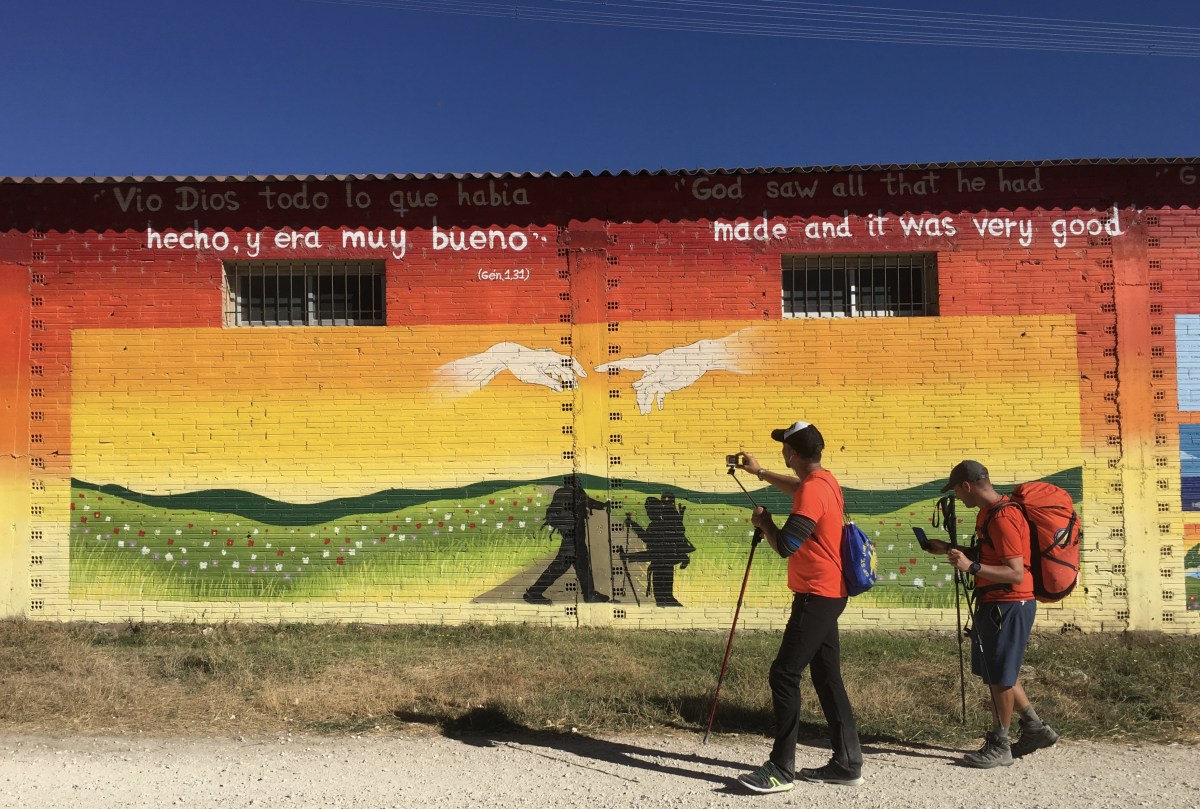
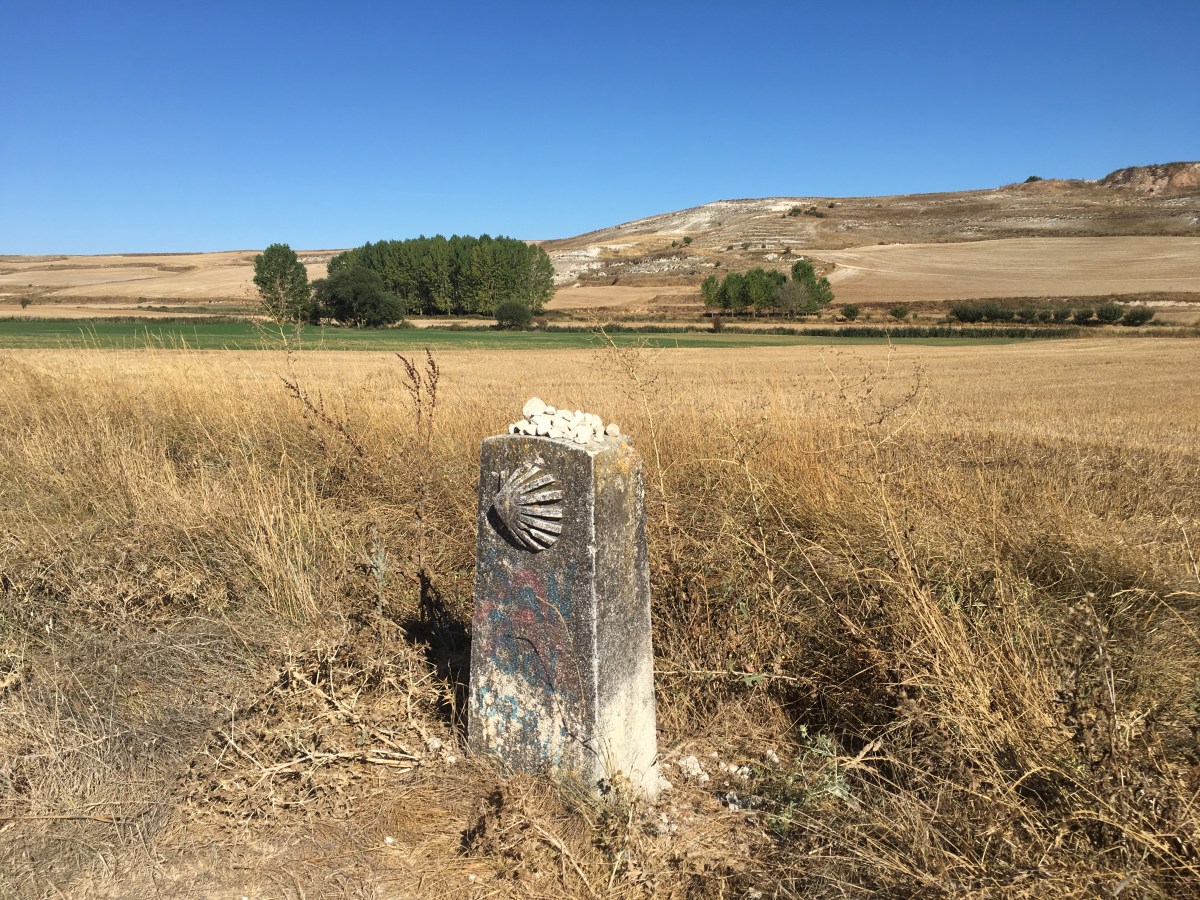
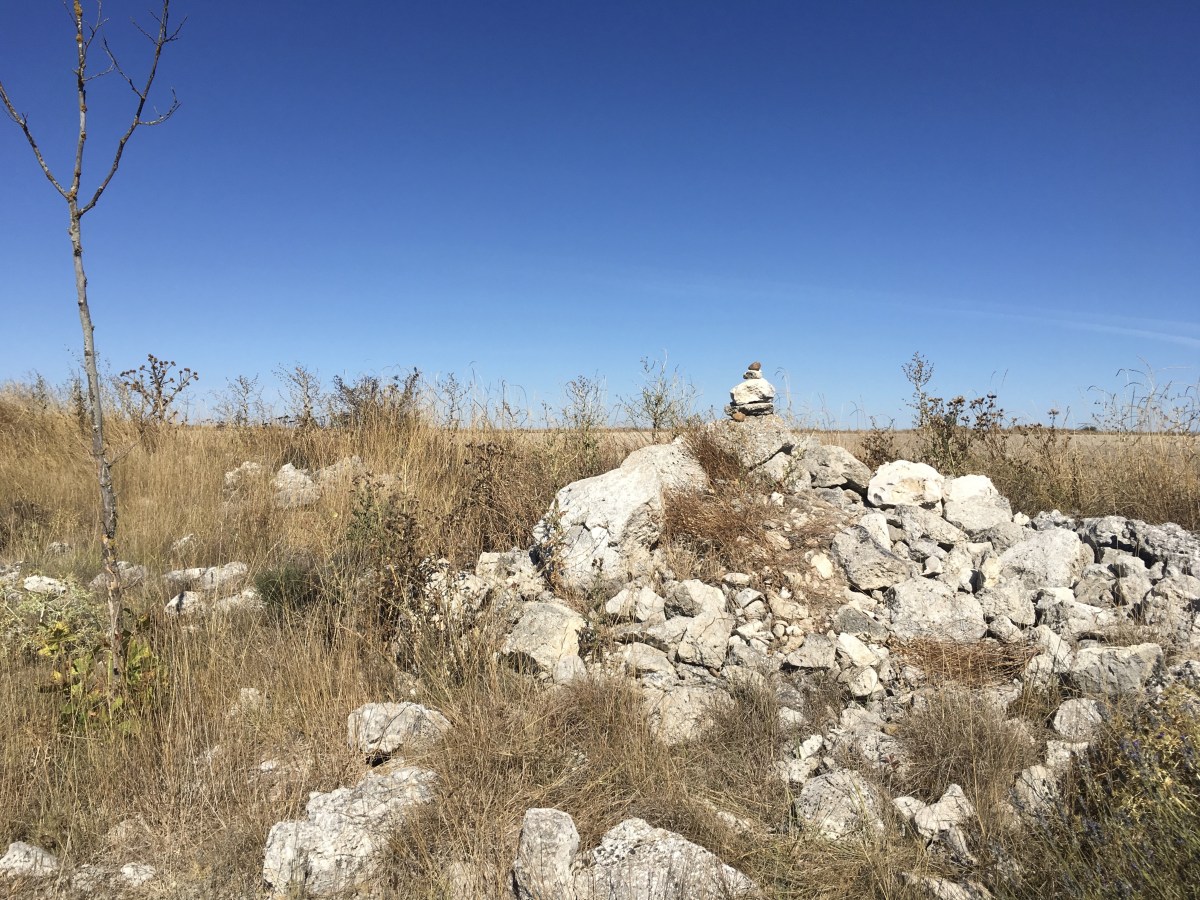
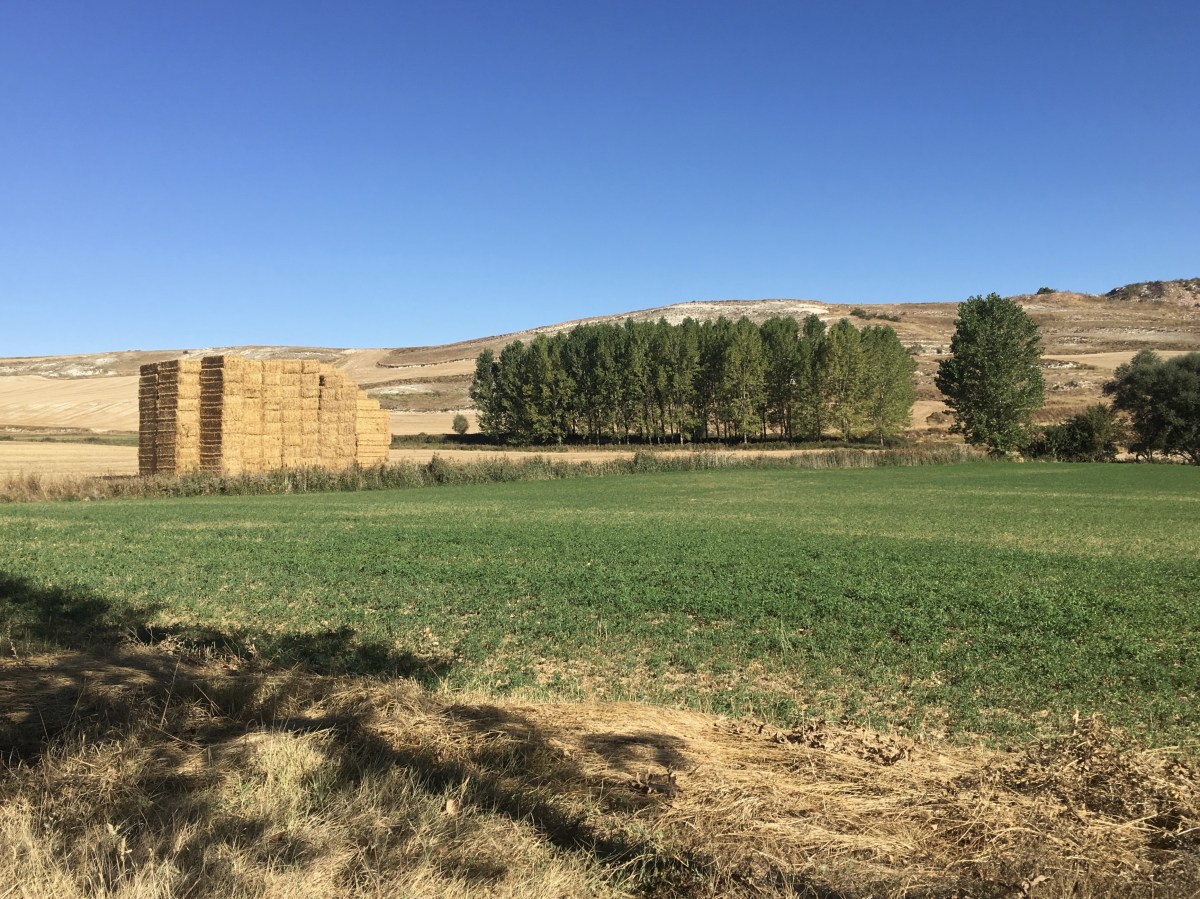

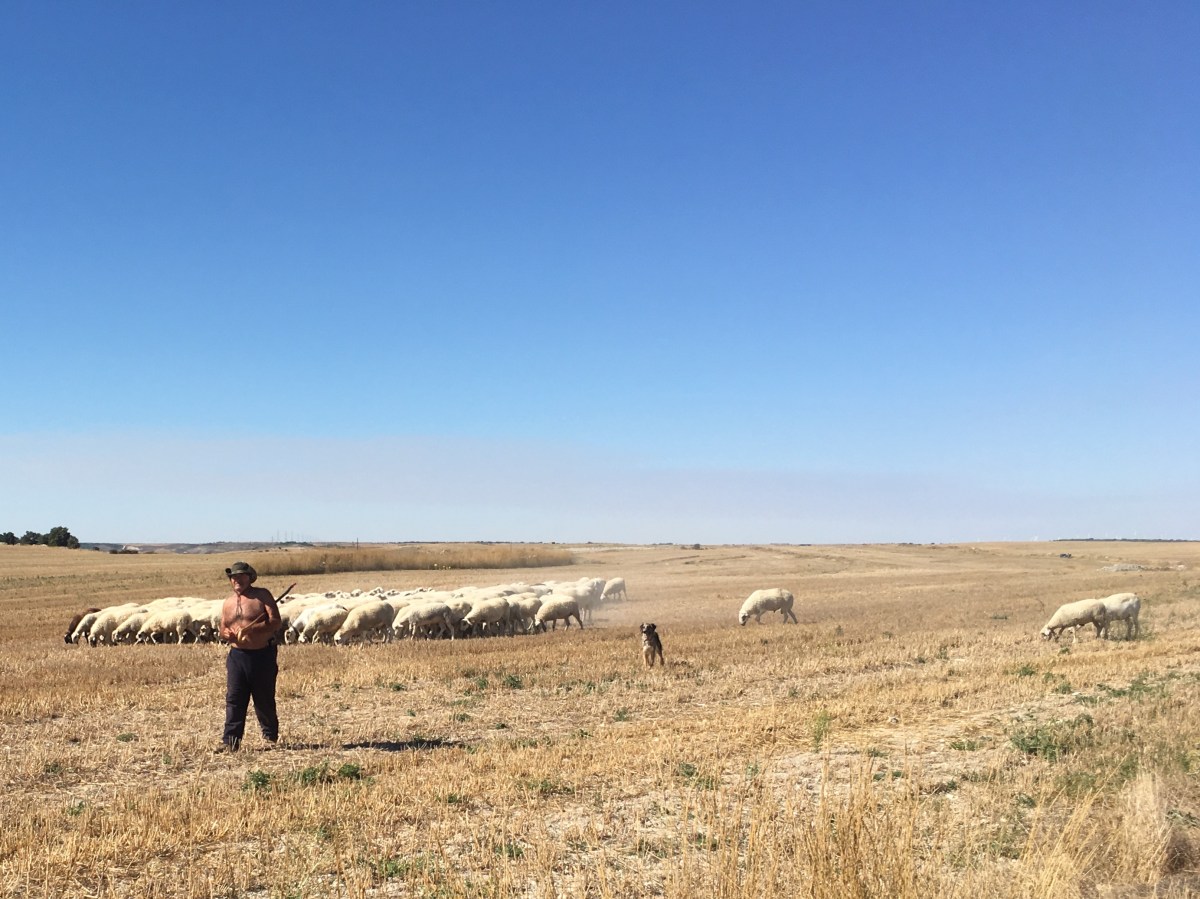

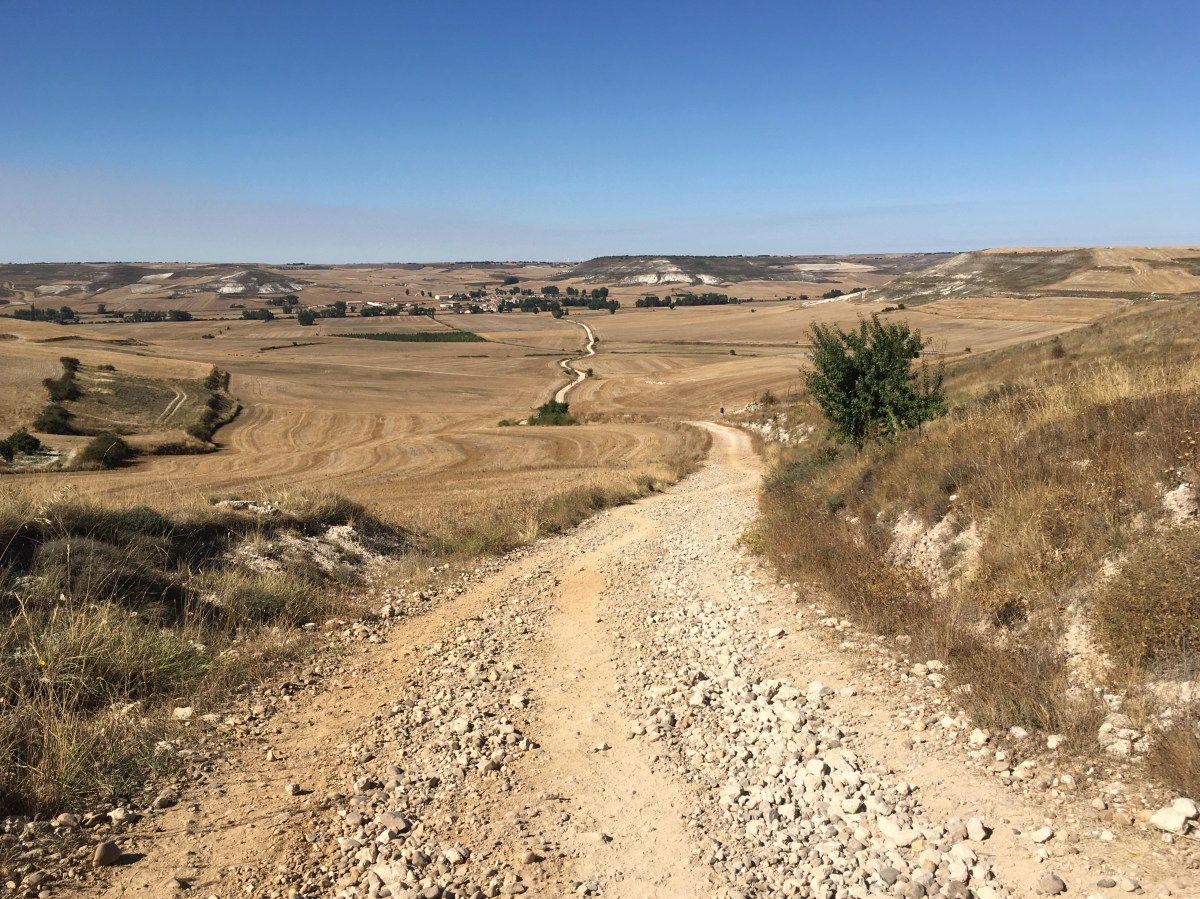


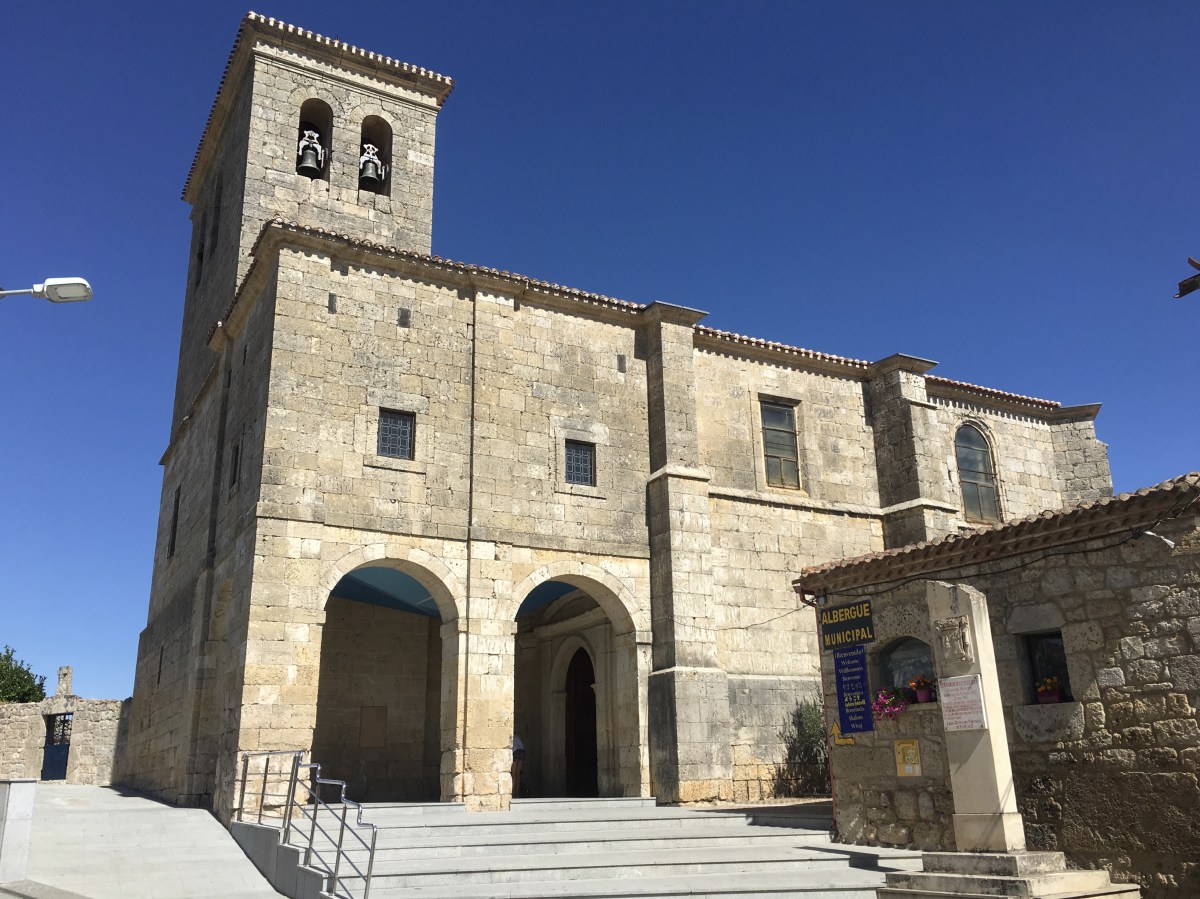


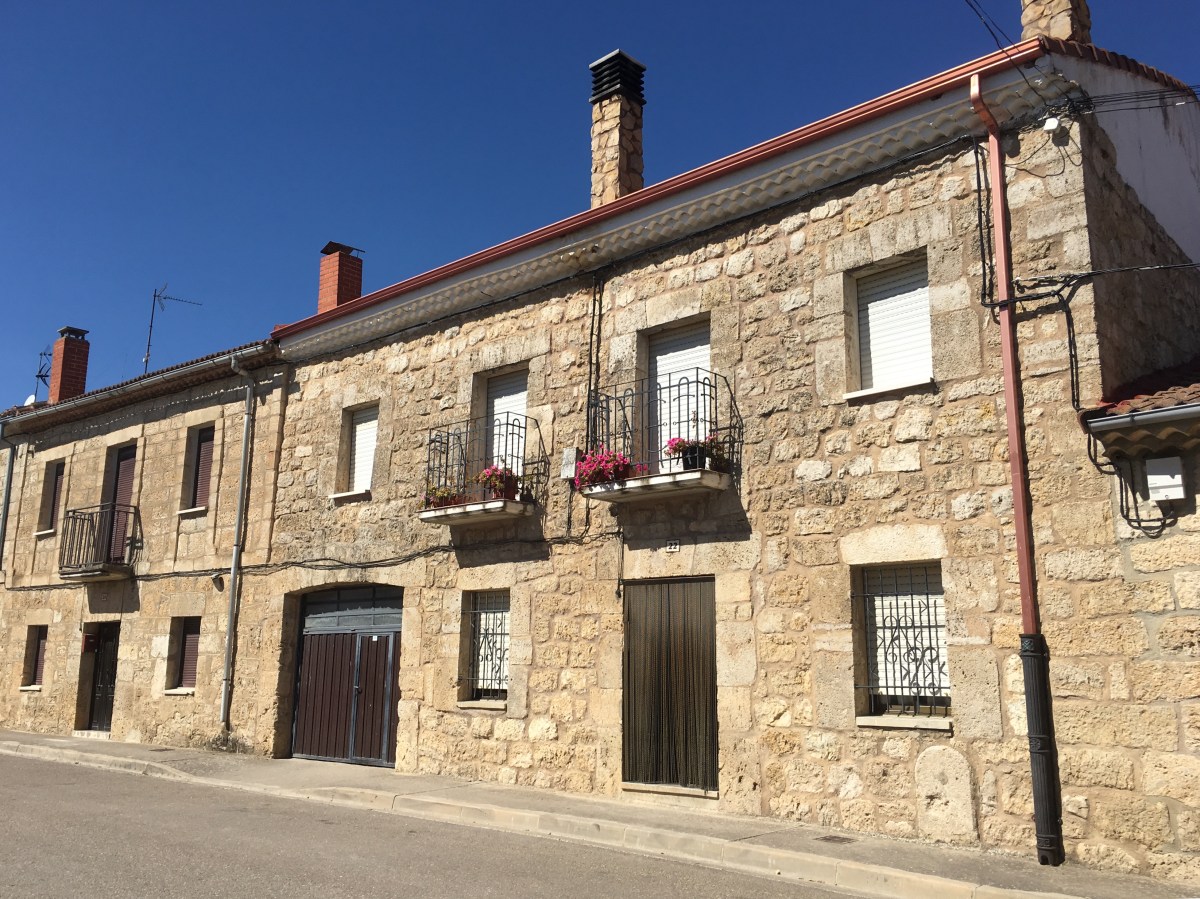
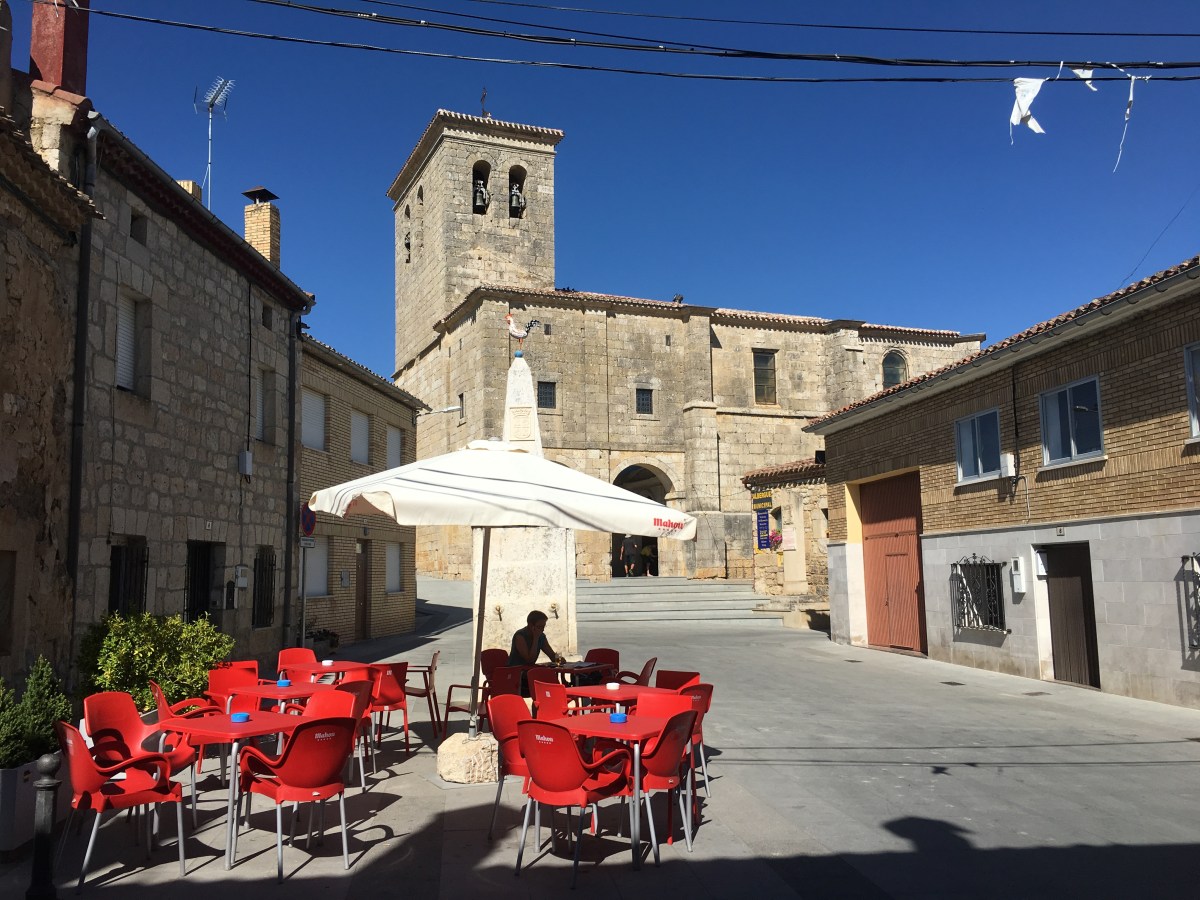


 ~ wander.essence ~
You must be logged in to post a comment.