Thursday, September 29: We checked out of our Airbnb in Halifax this morning which required quite a bit of packing and cleaning up.
We did a quick drive through Truro, known as “The Hub of Nova Scotia” because travelers go through it on the Trans-Canada Highway. It might have been an okay town to explore, but it wasn’t all that fetching from what we could tell.
Sackville, New Brunswick
Sackville was of interest to us because of the waitress from The Old Triangle Irish Alehouse in Halifax. Our waitress had gone to college in Sackville, an idyllic university town with stately homes and ivy-clad university buildings. Mount Allison University, founded in 1839, specializes in liberal arts education at the undergraduate level. It’s small, with a student population of about 2,400.
One of the things we learned in this small town is that when people cross crosswalks, they don’t bother to look to see if any cars are approaching. They just step boldly out into the crosswalk, deep in conversation with their friends, bringing cars driven by clueless Americans to a screeching halt. In the U.S. people generally try to catch a driver’s eye to make sure they’re seen before stepping out into a crosswalk.
We made it through the town without running over anyone and went directly for the Sackville Waterfowl Park.
Sackville Waterfowl Park
Sackville Waterfowl Park
What could be better than all these things at once: a sprinkling of fall colors, a boardwalk over marshland, a breeze tickling the marsh grasses, and gleaming birch trees? We found all of these at the Sackville Waterfowl Park about halfway between Halifax, Nova Scotia and Saint John, New Brunswick.
The Sackville Waterfowl Park has more than 3km (2 mi) of boardwalk and trails through 55 acres of wetlands that are home to some 180 species of birds and 200 species of plants. Throughout the park, viewing areas and interpretive signs reveal the rare waterfowl species that rest here.
At the interpretive center we learned that this area, once part of a vast salt marsh, was dyked and drained by Acadian settlers in the late 1600s to secure land for agriculture. A century later, immigrants from Yorkshire, England expanded drainage to access more farmland.
The park stands at the edge of the upper Bay of Fundy marshes, the largest wetland in Atlantic Canada. Natural wetlands are important water reservoirs, natural purification systems and wildlife habitats. The park was impounded and flooded in 1988.
The trails had some cute names such as Quack Trail, The Birches, Loosestrife Lane, Redwing Way and Minnow Overpass.
marsh grasses at Sackville Waterfowl Park
Sackville Waterfowl Park
Sackville Waterfowl Park
quirky trail names
Sackville Waterfowl Park
Sackville Waterfowl Park
Sackville Waterfowl Park
Sackville Waterfowl Park
Sackville Waterfowl Park
me at Sackville Waterfowl Park
Sackville Waterfowl Park
Mike at Sackville Waterfowl Park
Sackville Waterfowl Park
Sackville Waterfowl Park
Sackville Waterfowl Park
Sackville Waterfowl Park
birches at Sackville Waterfowl Park
Sackville Waterfowl Park
Mike
me at Sackville Waterfowl Park
Sackville Waterfowl Park
a covered bridge at Sackville Waterfowl Park
Sackville Waterfowl Park
Sackville Waterfowl Park
winding boardwalks
Sackville Waterfowl Park
Sackville Waterfowl Park
Sackville Waterfowl Park
It was such a lovely day, it was hard to force ourselves to get in the car to drive another couple of hours to Saint John.
On our way out of town, we stopped at a cute bakery where we bought a few sweets and savories.
Saint John, New Brunswick
We arrived at our Airbnb in Saint John around 4:00. It was an airy and roomy place, the top floor of a large house within a short walk of the downtown. The host’s father rented the bottom floor.
The apartment was actually lived in part-time by the hosts and they efficiently put their stuff away into locked cupboards when guests came to stay.
We enjoyed drinks on the back porch. Then we drove around to look for a grocery store. At Sobey’s we bought some goods to hold us during our four night stay: eggs, grape tomatoes, Fold-it bread, and creamer.
We ate in tonight but I don’t remember what we had. After dinner, we settled in and watched a couple of episodes of Virgin River on their huge flat screen TV.
Mike on the porch of our Saint John Airbnb
kitchen in our Saint John Airbnb
dining area
one bedroom (of two)
stairs leading to the first floor
living room
living room with exercise bikes
It was time for us to begin our explorations of the Bay of Fundy.
Monday, September 26: Since our power was finally restored Sunday night and since it was raining Monday morning, we enjoyed a leisurely breakfast and morning in our Airbnb.
We finally went at noon into downtown Halifax, where we went straight to Dharma Sushi for lunch. We enjoyed our delicious sushi and miso soup. Mike got the Monday Special: 6 pieces of spicy salmon roll, chicken teriyaki and 3 pieces of gyoza. I got Shrimp Tempura rolls.
Dharma Sushi
Dharma Sushi
Dharma Sushi
Dharma Sushi
We wandered over to the Art Gallery of Nova Scotia, which was closed despite the website saying they were open. We have encountered so many annoyances due to the hurricane. At least people should update their websites. Other people were also at the door, equally disappointed.
The Maritime Museum of the Atlantic
We spent a couple of hours at the Martime Museum of the Atlantic, which was luckily open and packed, since it was the only open place in town. The first thing we encountered was a large map of the 2022 Hurricane Season, with Fiona front and center. At that point, Ian hadn’t yet hit Florida.
Maritime Museum of the Atlantic
Atlantic Hurricanes This Year
Remembering Hurricane Juan
We saw a display of Theodore Tugboat and his friends in Halifax Harbour. Theodore Tugboat began in 1989 as a children’s TV series inspired by the Halifax waterfront. All the boats had their own personalities and roles in the harbor community.
Theodore Tugboat
Theodore Tugboat
Halifax Harbor is very deep and never freezes. The world’s largest ships can visit even in winter.
We saw a model of a British 74 gunship made by a French sailor captured during the Napoleonic Wars in the 1790s and held at the prison on Melville Island on Halifax’s Northwest Arm. It is made of carved and polished beef and pork bones, likely saved from the prisoner’s own dinner plate.
model of a British 74 gunship
A lifeboat or rescue boat was virtually unsinkable. It was self-bailing; the space beneath the deck was filled with cork in case the boat got holed or flooded. It was double ended to withstand rough surf. We saw small boats used around the coast and displays describing Nova Scotia’s proud sailing heritage.
boats in The Maritime Museum of the Atlantic
boats in The Maritime Museum of the Atlantic
boats in The Maritime Museum of the Atlantic
“Graveyard of the Atlantic”
East Southeast of Nova Scotia, far out to sea, a small golden arc called Sable Island breaks the blue Atlantic. It is shaped by storms. The same winds that threaten mariners create currents that build this island of sand. The shifting sands lie close to major sea routes in the North Atlantic. Fierce storms, treacherous currents, and obscuring fog have caused many ships to stray too close to its deadly shoals. For many sailors, this sandy island meant death and destruction. Since 1583, there have been over 250 recorded shipwrecks on Sable Island. The map shows locations of known wrecks.
Nova Scotia’s coastline has some of the highest concentrations of shipwrecks in North America. There are over 10,000 shipwrecks in Nova Scotian waters; some think the total may be as high as 25,000.
Sable Island
Graveyard of the Atlantic
The Halifax Explosion
On the morning of December 6, 1917, the French steamship Mont-Blanc, inbound from the Atlantic with a cargo of explosives, entered the Halifax Harbour Narrows. The Norwegian Imo steamed into the same confined channel. It was bound for New York to load food and clothing for relief of occupied Belgium.
In homes, schools and factories lining the Narrows’ steep shores, residents started a new day in a busy wartime port, lighting kitchen fires and making breakfast.
At 8:45 a.m., Imo‘s bow struck Mont-Blanc, tearing open the French ship’s hull and raising a shower of sparks. Fire broke out and spread quickly. Mont-Blanc‘s crew rowed hard in lifeboats for the Dartmouth Shore. A column of black smoke, with flames bursting through, attracted a crowd of spectators. The burning ship drifted towards Halifax, coming to rest at Pier 6.
Shortly before 9:05 a.m., Mont-Blanc exploded. In an instant, Mont-Blanc was transformed from a ship to a 3-kiloton bomb in a busy modern harbor. Adjacent areas of Halifax and Dartmouth were devastated. The shock front went through the town at great velocity. In the blast’s wake, fragments of Mont-Blanc from the size of a pebble to the size of a car mixed with rubble of wrecked ships, railways, houses, and personal belongings in the devastated zone. Windows shattered 100km (62 mi) away. People of all ages, genders, ethnicities, and social classes were affected in various degrees.
On December 7, the mortuary opened and thousands flocked to identify bodies. A blizzard dropped 40cm (16″) of snow. Over 6,000 people lost homes in the blast. Many people were blinded and survivors wore prosthetic eyes throughout their lives.
This was the greatest man-made explosion before Hiroshima, leveling 2 square miles of the city and claiming nearly 2,000 lives. At the museum, newspaper accounts and quotes from survivors are paired with everyday objects recovered from the rubble.
The Halifax Explosion
The Halifax Explosion
prosthetic eyes needed by many after The Halifax Explosion
The Halifax Explosion
“The Age of Steam” led to an era of reliable transportation of cargo and revolutionized transatlantic travel. One Nova Scotian, Samuel Cunard, used his initial experiences in steam as a launching pad for greater success on the world stage.
The Age of Steam
The Age of Steam
The Age of Steam
The Age of Steam
The Age of Steam
The Age of Steam
Titanic
The most memorable exhibit was on the Titanic. When the “unsinkable” ship sank in 1912, Halifax was the closest major port and became the base for the rescue and recovery operations. One hundred fifty victims were ultimately buried in city cemeteries. Displays include the ship’s only surviving deck chair, a section of wall paneling, a balustrade molding and part of a Newell from the dual starving staircase. Finally a handwritten log kept by the wireless operator in Newfoundland on the night the ship sank was on display.
When Titanic departed Southampton on April 10, 1912, her registered size and tonnage made her, for a short time, the largest ship in the world, in fact, the largest moving object yet created.
The victims were mostly men of all classes and the crew, women and children in third class.
Titanic‘s engineers, none of whom survived, kept her lights working almost to the end. She sank at 2:20 a.m. on 15 April, 1912. There were over 2,200 people aboard and only 705 survived.
Carpathia, a small cargo and passenger liner owned by the Cunard line, came to the rescue. She was 58 miles away. She was too far away to save those in the water, but her rescue of Titanic’s 705 survivors from lifeboats and their delivery to New York won world-wide acclaim. Carpathia took survivors to New York, while the dead would come to Halifax.
The Titanic
The Titanic
The Titanic
The Titanic
The Titanic
The Titanic
The Titanic
log from Newfoundland
The Titanic
The Old Triangle
Since it was still raining when we left the Maritime Museum, and no other museums were open, we headed straight for The Old Triangle, an Irish Alehouse. There I had a beer and Mike a whiskey and we nibbled on a plate of poutine (French fries, beef gravy, and cheese curds). We sat for a long time, chatting with the friendly waitress. I bought an Old Triangle T-shirt.
The Old Triangle
The Old Triangle
me having a beer at The Old Triangle
Mike at The Old Triangle
Poutine at The Old Triangle
After strolling a bit more, we drove all over Halifax, looking at the downed trees and the damage done by Fiona. Things were slowly getting cleaned up but we passed through many places with trees still downed and without power.
We finally ate the chicken/mashed potato/stuffing meal I had bought on Friday at Sobey’s. It was a late meal because we were still stuffed from the poutine earlier.
We watched two hilarious comedians on Dry Bar Comedy. One was Karen Morgan, a 50+ year-old with 3 kids. The other was Bengt Washburn, who was born in Salt Lake City but grew up in a “large” Utah town of 1,200 people. He was the 5th child in a “small” Mormon family of 7 children. He was in his late 50s with brown hair at the top and gray hair at the back and sides. He said, “Walking away I look like a grandfather and coming at you I look like a youngster.” We also watched Episode 6 of Season 1 of Bitter Daisies, a crime series set in Galicia, Spain.
Wednesday, September 28: Our waitress at The Old Triangle Irish Alehouse gave us a list of things we should do since we extended our stay in Halifax, being forced to cancel our Cape Breton plans by Fiona. Besides Wolfville and the Annapolis Valley, she recommended the Pennant Point Trail at Crystal Crescent Beach. It was just a little south of where we were staying in Spryfield. The provincial park is situated in Sambro Creek. It has three white-sand crescent beaches to enjoy with boardwalks to the first two beaches. The furthest of the three beaches on the trail, around a point, is a “naturist,” or nudist beach. Today was way too windy, foggy and gray for any naked folks, but the coastline was beautiful, from the natural debris like kelp and seaweed ribbons washed up on the shore to the ferns and vegetation to the waves crashing on the rocks. It was quite foggy when we started but by the time we returned the fog had lifted somewhat and the views became clearer. We loved this hike.
Crystal Crescent Beach
Crystal Crescent Beach
Crystal Crescent Beach
Crystal Crescent Beach
Crystal Crescent Beach
Crystal Crescent Beach
Crystal Crescent Beach
Crystal Crescent Beach
Crystal Crescent Beach
Crystal Crescent Beach
Crystal Crescent Beach
Crystal Crescent Beach
Crystal Crescent Beach
Crystal Crescent Beach
Crystal Crescent Beach
Crystal Crescent Beach
Crystal Crescent Beach
Crystal Crescent Beach
Crystal Crescent Beach
Crystal Crescent Beach
Crystal Crescent Beach
Crystal Crescent Beach
Crystal Crescent Beach
Crystal Crescent Beach
Crystal Crescent Beach
Crystal Crescent Beach
Crystal Crescent Beach
Crystal Crescent Beach
Crystal Crescent Beach
Crystal Crescent Beach
Crystal Crescent Beach
Crystal Crescent Beach
Crystal Crescent Beach
Crystal Crescent Beach
Crystal Crescent Beach
Crystal Crescent Beach
Crystal Crescent Beach
Crystal Crescent Beach
Crystal Crescent Beach
Crystal Crescent Beach
On the way back during the hike, I was getting warm so I took off my jacket in which I had kept my phone. I kept trying to put the phone in the side pocket of my leggings but I couldn’t find the pocket. I was baffled because I’d worn these pants many times and I knew they had pockets. Finally, I realized I had put my leggings on inside out!
me with my inside-out leggings
We drove back from Crystal Crescent Beach and saw some nice little coves with colorful boats.
little coves near Halifax
little coves near Halifax
Art Gallery of Nova Scotia
Maude Lewis
At our Airbnb, we showered and went into Halifax to see the museums that had been closed every day since Fiona. We went to the Art Gallery of Nova Scotia where there was a special exhibit about Maude Lewis (1901-1970), a local Nova Scotian who painted local scenes she knew of her life in Nova Scotia. She is one of Canada’s most beloved folk artists. She spent her entire life in areas of Digby and Yarmouth and she captured the spirit of maritime life.
Born with congenital disorders, Maude was physically small and frail. Medical experts now think, based on photographs and descriptions of how her condition worsened, she was born with juvenile rheumatoid arthritis. At the turn of the 20th century, few understood the degenerative and extremely painful nature of this condition.
Maude used her own tiny home as a canvas for her art. The actual house she lived in, renovated extensively, was on display in the museum and showcased Maude’s talents. She painted the doors and windows and nearly every interior surface. There was no electricity or running water. The large wood stove was used for cooking and was the only source of heat for the house.
The door to Maude’s house was always open, inviting travelers to stop to buy a painting, visit with Maude and her husband Everett, or snap a photo.
After her death in 1970 and Everett’s in 1979, the Maude Lewis Painted House Society of Digby took the initial steps to protect the Lewis home, but it quickly deteriorated. The Province of Nova Scotia purchased the badly decayed structure for the Art Gallery of Nova Scotia in 1984, and removed it from Marshalltown to save what remained of the structure and household items.
In the fall of 1996, the house was dismantled into 10 large sections and removed to a treatment site where initial conservation was completed. It was reassembled in the gallery and has been on exhibition since June 1998.
Maude Lewis developed a very particular vision of Nova Scotia, one that was nostalgic and optimistic. In a distinctive style, she consistently depicted her region. The harbours reflect the Annapolis Basin, St. Mary’s Bay, and the Bay of Fundy, with the distinctive high wharves needed to deal with the extreme height differences between high and low tides. She painted her countryside with the trees, flowers and animals found in Digby County. We see farmers and loggers in the familiar red woolen coats of rural Nova Scotia, and oxen with their distinctive Nova Scotian yokes.
She didn’t show parts of the province she didn’t intimately know herself. There are no scenes of Halifax, Cape Breton, or the villages and churches of the South Shores. She painted only the country she knew.
After Maude died, her husband Everett continued to paint his own scenes of Nova Scotia.
Art Gallery of Nova Scotia
Maude Lewis home
Maude Lewis
Maude Lewis home
Maude Lewis home
photo of Maude Lewis home before it was renovated
painting by Maude Lewis
painting by Maude Lewis
Hooked rugs of Deanne Fitzpatrick
Deanne Fitzpatrick is a fabric artist, rug hooker and writer based in Amherst, Nova Scotia. She is widely recognized as one of the world’s prominent modern rug hookers. Born in Placentia Bay, Newfoundland, she began making hooked rugs in 1990.
The 22 hooked rugs displayed were designed and created by the artist in 2016. Each of the images features saltbox houses that sit between crashing waves and windy skies, and illustrate Fitzpatrick’s relationship with, and ideas about, the notion of home. They often depict maritime geography and architecture.
Rug hooking has remained one of Nova Scotia’s most prominent and widely practiced art forms for generations. Hooked rugs often kept out drafts and brought comfort to a bare wood floor. In the past, local women would use old clothing scraps to create the rugs, which they sold to tourists.
Deanne Fitzpatrick’s hooked rugs
Deanne Fitzpatrick’s hooked rugs
Deanne Fitzpatrick’s hooked rugs
Deanne Fitzpatrick’s hooked rugs
Deanne Fitzpatrick’s hooked rugs
Deanne Fitzpatrick’s hooked rugs
Deanne Fitzpatrick’s hooked rugs
Miss Chef’s Wet Dream by Kent Monkman (b. 1965)
The two boats depicted in the painting Miss Chef’s Wet Dream represent the point of collision between European settlers and Indigenous Nations; the contrast between worlds is stark.
On the failing raft, Jesus Christ, Queen Victoria, and Marie Antoinette stand beside dreary men of the church and pilgrims. The pale characters sit alongside rats, showing the great divide between social classes of their time.
In the canoe, the figures are at the peak of health and vitality.
Monkman is from Fish River Cree Nation in Manitoba and currently lives and works in Toronto, Ontario. His work explores themes of colonization, sexuality, loss and resilience across a variety of mediums.
Miss Chef’s Wet Dream by Kent Monkman
Miss Chef’s Wet Dream by Kent Monkman
Miss Chef’s Wet Dream by Kent Monkman
Halifax Harbourfront
We intended to visit the Canadian Museum of Immigration at Pier 21, but we finished at the art gallery too late. Instead we strolled along the harbourfront boardwalk as the sun finally started to peek out of the clouds.
We saw the HMCS Sackville, Canada’s Naval Memorial, “The Last Corvette.”
A sailing ship floated by filled with passengers.
I enjoyed a Tidal Pool Wine at the Beer Garden, but it was pretty deserted, unlike on Sunday when it was packed and lively. Mike had a beer.
The sky was beautiful with blue skies punctuated by ponderous clouds.
Walking back up to the food street, we saw the Sailor Statue representing valiant young Canadians who served in both war and peace. It is symbolic of the thousands of sailors who were instrumental in the victory at sea and fitting acknowledgement to those who continue to maintain the peace.
Halifax Harbourfront
HMCS Sackville
Halifax Harbourfront
Beer Garden
me at the Beer Garden
Sailor Statue
pretty mural
We enjoyed a fabulous dinner on the patio at Antojo Tacos & Tequila. I had Chiles Relleno, cornmeal tempura batter poblano pepper stuffed with roasted corn, black beans, jalapeños, jack and cream cheese, smoked salsa, cotija and cilantro. Mike had Pork Carnitas Tacos: pork confit, pickled onion, roasted jalapeño sauce, cilantro. We shared a Sopa de Lima: Yucatan-style lime soup, shredded chicken, avocado, red onion, crispy tortilla. I was a bit disappointed in my chiles relleno so I insisted on ordering something else: Baja Fish Taco: Haddock in a crispy charcoal batter, crunch slaw, roasted red pepper sauce, citrus crema, and green onions. Delicious!
To top off our feast, we ordered a chocolate brownie dessert with dulce leche ice cream. 🙂
For my drink I had a Jon Like: jose curevo tradicional silver / hendrick’s gin lillet / cucumber / grapefruit / tonic. Yum! I have a real fondness for drinks with cucumber in them these days. Mike had a flight of 3 different tequilas.
It was an excellent ending to our time in Halifax.
Mike at Antojo Tacos & Tequila
Antojo Tacos & Tequila
Antojo Tacos & Tequila
Antojo Tacos & Tequila
my drink at Antojo Tacos & Tequila
Antojo Tacos & Tequila
Chile Rellenos
Pork Carnitas Tacos
Baja Fish Tacos
Chocolate brownie dessert
Me with Mike at Antojo Tacos & Tequila
We headed back to the apartment where we watched Virgin River and prepared to move on the next morning to New Brunswick.
Here’s a video of some live action from the sea and Halifax.
Friday, August 12, 2022: After leaving through the southern entrance of Cotopaxi National Park, we headed north, hoping to bypass Quito and make it to Otavalo. We got stuck in numerous traffic quagmires around Sangolqui. Once we got on the highway to the airport, it was smooth sailing. But 282N was the worst as we crawled along for well over an hour. It was a holiday weekend for 8 de Agosto and the road was a nightmare.
Hacienda Cusín
We finally arrived at 1:17 at Hacienda Cusín. We had made a reservation for a 2:30 lunch but they weren’t at all crowded so we were able to eat right away. The hacienda dining room was gorgeous, so rich and sumptuous, but the food was neither creative nor very tasty.
We had a quail eggs cocktail, a mixed salad and some bland stir-fry vegetables. Mike and I shared traditional green plantain soup with fresh corn and cassava. Mike had a grilled pork chop dressed with wild fruit sauce. We topped off our lunch with avocado ice cream.
Hacienda Cusín
dining room at Hacienda Cusín
lunch at Hacienda Cusín
lunch at Hacienda Cusín
lunch at Hacienda Cusín
lunch at Hacienda Cusín
lunch at Hacienda Cusín
lunch at Hacienda Cusín
lunch at Hacienda Cusín
According to the Hacienda’s website:
Purchased at an auction from Philip III, King of Spain by the prominent Luna family in 1602 (around the same time that Cervantes wrote Don Quixote), the original sheep farm comprised of two valleys and all the land between them and the lake – some 100,000 acres/50,000 hectares.
In the early 19th century, when Alexander Von Humboldt made his Ecuador explorations and Charles Darwin visited the Galapagos Islands, Hacienda Cusín, named after the mountain at the head of the valley, was the country home of a successful farming family. The often more than two-day horse-ride from Quito encouraged visiting family and friends to extend their visits. Cusín became an informal hotel, a home, just as it is today.
You can read more about the history of the hacienda here: Hacienda Cusín History. Apparently the sheep farm was reduced to a small farm by the 1964 Land Reforms. Cusín then became a 12-room hotel. A distressed property by 1990, Cusín was sold and extensive restorations began. Cusín’s main house today represents a 19th-century successful farming family.
After lunch, we spent quite a while strolling around the grounds and the buildings of the hacienda. The decor was gorgeous: painted wooden religious figures, Christ on the cross, vestments hung on the walls, a fabulous wrought iron staircase, colorful tiles on the walls, Tigua-style folk paintings in the library, lush gardens, a rose-filled fountain in the monastery courtyard, an amazing green multi-tiered fireplace, murals painted on walls inside and out, more religious vestments, and painted window wells. All enchanting.
Hacienda Cusín
Hacienda Cusín
Hacienda Cusín
Hacienda Cusín
Hacienda Cusín
Hacienda Cusín
Hacienda Cusín
Hacienda Cusín
Hacienda Cusín
Hacienda Cusín
Hacienda Cusín
Hacienda Cusín
Hacienda Cusín
Hacienda Cusín
Hacienda Cusín
Hacienda Cusín
Hacienda Cusín
Hacienda Cusín
Hacienda Cusín
Hacienda Cusín
me at Hacienda Cusín
We wandered to the stable and met the one white horse in the pasture. He snorted when he came eagerly to the fence and we didn’t offer him any snacks.
stable at Hacienda Cusín
white horse at Hacienda Cusín
Las Palmeras Inn
We finally left after I bought a scarf and we drove into Otavalo where we had a hard time finding Las Palmeras Inn, also a former hacienda. It was way up a hill on a bumpy potholed road tucked away in a rather decrepit neighborhood. We had met Cesar, the owner of both Hacienda Cusín and Las Palmeras, at Cusín, then we ran into him again at Las Palmeras. We introduced ourselves to the three resident llamas and two dogs, one of which, Quiera, was super cute and friendly.
According to the hacienda’s website, Las Palmeras Inn is a 150-year-old hacienda that represents the traditional vintage Andean house with cozy fire logs, adobe walls, wooden beams and tile roofs, along with palm trees in the garden. It is tucked in the Quichinche Valley, surrounded by lush mountains. Nearby are Imbabura Volcano (4,630m/15,190 ft) and Cotacachi (4,944m/16,220 ft).
Las Palmeras Inn
Las Palmeras Inn
our bedroom at Las Palmeras Inn
resident llamas at Las Palmeras Inn
Las Palmeras Inn
Las Palmeras Inn
dining room at Las Palmeras Inn
Our room got cold as soon as the sun started sinking, so we went to check out the garden at Cesar’s suggestion. The garden was abundant with herbs and vegetables. We walked all over the property and admired the many homes and cottages. Cesar’s home is on the property.
garden at Las Palmeras
garden at Las Palmeras
In a courtyard, we found a mural of Saint Isidore, the patron saint of farmers, peasants, day laborers and agriculture in general, as well as bricklayers. The dining rooms were beautifully elegant, but the place was a bit more laid back than Hacienda Cusín. In one dining room was a dome with a flying angel holding a guinea pig. I also fell in love with a painting of three women’s backs and their braided hair facing the viewer. The painting is similar to a Diego Rivera print I have at home.
Saint Isadore
an angel holding a guinea pig
my favorite painting
We didn’t go off the property in the evening but ate in the dining room. We had the typical Ecuadorian meal, but I don’t remember what we had.
The staff came to light the fire in the fireplace, which wasn’t nearly as warm and toasty as the woodstove we had at Hacienda Los Mortiños. It was freezing, so we bundled up under the blankets, along with the hot water bottles we found in our beds, and tried to keep warm all night. Mike tended the fire as best he could but it wasn’t putting out much heat anyway, so we just stayed in bed as much as possible.
Steps: 6,636; Miles: 2.79.
The Otavalo Saturday Market
Saturday, August 13: We woke up to sunshine and hopes of a warmer day. After enjoying a delicious breakfast at Las Palmeras, we strolled around the grounds a bit more and ran into Cesar. He walked around with us for a bit. He pointed out the volcanoes surrounding Otavalo, Cotacachi and Imbabura. He was very proud of his two haciendas and what they preserve of traditional Ecuadorian culture.
Las Palmeras
one of the volcanoes
Quiera at Las Palmeras
our room at Las Palmeras
llama as Las Palmeras
Mike at Las Palmeras
We caught a taxi to the Otavalo market because we figured parking would be difficult. It is one of the most important markets in the Andes. It is apparently the largest market in Ecuador and the largest market of its kind in South America.
The market’s history stretches back to pre-Incan times when traders emerged from the jungle on foot, ready to conduct business. Today, hordes of tourists from around the globe hunt for bargains alongside Ecuadorians.
Otavaleños are known for their exquisite weavings and have been exploited over the ages for their textile-making skills, by the Incas, the Spanish and eventually Ecuadorians. They are still exploited, but they are the wealthiest and most commercially successful indigena people in Ecuador, according to Lonely Planet Ecuador. They are able to live in relative comfort.
The taxi dropped us at Plaza de Ponchos, the nucleus of the crafts market. Saturday is the official market day and we had planned to visit here accordingly.
In the colorful open air marketplace, vendors sell handmade traditional crafts and other imported goods. Artisan crafts include woolen goods such as rugs, tapestries, blankets, ponchos, sweaters, scarves, gloves and hats, embroidered white blouses, hammocks, carvings, beads, Tigua and other paintings, woven mats, and jewelry made from tagua nut (aka vegetable ivory). We found plenty of regular clothing, trinkets and colorful handbags and backpacks.
I bought several more small paintings, a scarf, a painted tray, and believe it or not, another hat. Here again, I experienced a failure to communicate. I told the vendor, “Yo necesito un sombrero grande para mi caballo grande.” (I need a large hat for my big horse). I should have said “para mi cabeza grande” (my big head). Worse yet, I kept repeating the same mistake, even when Mike and the lady were laughing their heads off at me. What an idiot I am with languages!!
Otavalo Market
Mural at Otavalo Market
paintings at Otavalo Market
Otavalo Market
a pretty little entryway to a restaurant
Otavalo Market
a main square in Otavalo
colorful Otavalo
an old church in Otavalo
Mushroom pizza for lunch
We strolled on the outskirts of the market to a square with a bust of Rumiñawi: Pueblo Kichwa Otavalo. He was an Inca warrior born in the late 15th century in present-day Ecuador. He died on June 25, 1535. He was a general during the Inca Civil War. After the death of Emperor Atahualpa, he led the resistance in 1533 against the Spanish in the northern part of the Inca Empire (modern-day Ecuador). According to tradition, he ordered the city’s treasure to be hidden and the city to be burned to prevent looting by the Spanish. Although captured and tortured, he never revealed the treasure. Since 1985, December 1 is celebrated as a day of commemoration of his acts.
Rumiñawi: Pueblo Kichwa Otavalo
After shopping for a long while, we hauled our loot back to Las Palmeras. We enjoyed a drink on the front porch of the restaurant and relaxed a while.
Later, we took a taxi back into town to have dinner at a restaurant we’d seen earlier, Maytushka: Amazonian food. Mike had a strong shot and I ordered Tilapia Asad and yuca. The tilapia was huge and full of large spiky bones and I nearly choked on one. Mike ordered a Purungo sopa: (maytu caldo de galina criolla, yuca, arroz, limón y aji).
When we left the restaurant at 7:30-8:00, we felt on edge because it was dark and we had a hard time finding a taxi. Things seemed rather menacing as the town was shutting up all the market stalls. We hadn’t really gone out after dark much except in Cuenca, where we felt very safe, and in our Quito neighborhood. In Riobamba, we had the experience of being followed in a rather deserted area.
Maytushka: Amazonian food
Mike at Maytushka
soup at Maytushka
Tilapia at Maytushka
Steps: 10,395; Miles: 4.37.
The Journey Home
Sunday, August 14: We left Otavalo directly after breakfast, thinking we’d need to leave early because we’d encountered so much traffic on Friday due to the holiday weekend. However, today we didn’t encounter any traffic at all. The drive from Otavalo was on smooth new highways which were carved dramatically out of the mountains. The highway was modern and well-maintained compared to many other highways in Ecuador.
Because we misjudged the traffic, we got to the airport super early, at 10:30 a.m. We turned in our rental car and entered the airport so early we couldn’t even check our bags, so we were saddled with our luggage for an hour. I went wandering at the nearby gift shop to kill time. I bought Sarah a coffee mug and Alex some coffee.
Quito Airport
Quito Airport
Quito Airport
Finally, around 11:30, we were able to check our bags and go to the gate.
Our flight was on American Airlines 2162 from Quito (2:58 pm) to Miami (8:17 pm). What a long and boring travel day.
On the plane, Mike spent a long time talking to his seatmates, a 30+ something couple from Quito who were going on a vacation to Orlando. The woman spoke a little English but most of the conversation was in Spanish. I think Mike had fun speaking so much in Spanish since I will rarely engage with him when he wants to practice at home. Even I was able to contribute some to the conversation.
At 8:17 p.m., we arrived in Miami and had to catch a shuttle to Sleep Inn Miami Airport. What a dump. We settled in there right away since we had to wake up early for our morning flight to Washington.
Steps: 6,092; Miles 2.58.
Monday, August 15: Our flight was American Airlines 491 from Miami at 6:24 a.m. to Reagan National in Washington (9:00 a.m.) We woke up at 4 a.m. and rolled out of bed, not bothering to shower or anything. Mike had arranged an Uber to pick us up since it was too early for the hotel shuttle. The driver was a bit late, sending me into panic mode. Finally we got on our flight and made it home safely. We took an Uber to the house, where Alex had cleaned up nicely and was there to welcome us. He was supposed to have moved to a townhouse in Alexandria while we were gone, but he was still waiting for a mattress to be delivered. I went for a walk on the Glade Trail and did laundry all day. Mike had to work as soon as we got home.
leaving Miami in the dark
coming into Washington
Sadly, our trip to Ecuador had come to an end. We loved it, even the challenging parts, which always make a trip interesting and adventurous. 🙂
Steps: 13,648; Miles: 5.77.
Here is a short video of our time in Otavalo and to the airport.
Saturday, August 6: We spent four hours cruising north at nosebleed heights around curvy mountain bends on the PanAmerican Highway, from Ingapirca to Riobamba. The patchwork farmland and homesteads dotting the majestic Andes were serene yet dramatic.
Driving along the PanAmerican Highway to Riobamba
We got our first glimpse of Volcán Chimborazo as we approached Riobamba.
first glimpses of Chimborazo
first glimpses of Chimborazo
Riobamba
We checked into Casa 1881, where we met the friendly Santiago. He gave us the lay of the land on a photocopied map of the town, marking sites to see in purple Xs and circles, and we went out promptly to explore.
Casa 1881
Casa 1881
Casa 1881
Santiago at Casa 1881
We stopped at an encebollados stand, where we ate the famous soup of fish, potatoes, and corn while chatting in our pequito Spanish with the vendor, her daughter and her granddaughter.
encebollados stand
encebollados
the vendor and her granddaughter at the encebollados stand
The city has a strong indigenous presence displayed in the Saturday market, which we perused. The layout and architecture reflect the colonizing influences of the Spanish. Overall, though, the town had a derelict feel to it that was disappointing after having spent six days in lovely Cuenca.
In the afternoon, we happened upon a city parade with costumed dancers stepping to Latin beats from different areas within the province of Chimborazo. We asked some fellow spectators what it was all about and they said it was a kind of city celebration. Santiago later rolled his eyes and said these celebrations happen all the time. Even as a local, he didn’t know what this one was for.
See the video at the end of this post for live scenes of the city celebration.
Riobamba
Parque and Collegio Maldonada
Riobamba
Riobamba
Riobamba
Riobamba
Riobamba
Riobamba
Riobamba
Riobamba
Riobamba
Riobamba
Riobamba
Riobamba
Much of the city seemed rather ramshackle. It was my least favorite of the trip so far, especially as the reason we came, for the bikeride down Chimborazo, didn’t seem like it was going to happen. Our guide Eddie, of Spirit Mountain Biking, sadly got COVID. At that point, he was still trying to find an alternate guide and we’d told him if he felt okay, we’d go with him and all wear masks.
We were able to spy the white-topped Chimborazo from the streets of the town.
view of Chimborazo from Riobamba streets
We had dinner at a Spanish tapas place called Amona. I enjoyed Gambas al Ajillo (Shrimp Scampi) and Mike had Tablita de Picados (Jamon serrano, chorizo, queso tilsi, aceitunas, y pan). The proprietor in the cozy little restaurant locked the front door after every patron entered. Desperate children pressed their faces to the glass front door and made feeding motions, hands to mouths. On the way home in the dark, beside the deserted train station, a young man approached and started tailing us, but we turned abruptly and crossed the street. We looked back and saw him putting on a mask. It was disturbing and I felt uneasy in that part of town after dark.
Gambas al Ajillo at Amona
Tablita de Picados at Amona
Steps: 11,659; miles 4.93.
Riobamba to Baños
Sunday, August 7: Santiago prepared us a fabulous breakfast at Casa 1881: waffles, scrambled eggs, fruit galore, coffee. Afterwards, we drove a long mountainous road to Baños. Originally our plan was to bikeride down Chimborazo on the Sunday after we arrived in Riobamba (equal to today), but once we cancelled in June because of the protests, we lost our spot with Spirit Biking. We scheduled with Eddie for Monday (tomorrow), but he tested positive for COVID and hadn’t yet been able to find another guide. Thus we had two days in Riobamba with all our plans awry.
Our plan was to bicycle down through tunnels and past waterfalls in Baños. Lonely Planet Ecuador describes Baños as a “mixed bag.” There are steep gorges, waterfalls, dense forests. The town itself has “drab architecture, and an overcrowded backpacker-ghetto feel.”
There were many activities one could do in Baños, according to the guidebook. “Puenting” (crudely translated as “bridging”) is swinging from a rope tethered to two bridges. That was most definitely not appealing. There are thermal baths and massages to be had and all kinds of sports such as mountain biking, hiking, rafting, ziplining and partying. The ziplining places didn’t look appealing due to the ramshackle nature of not only the operations but also the surroundings. We were supposed to do the most popular mountain biking ride, “Rutas de Cascadas” to Rioverde. It is described as a “dramatic descent past a series of waterfalls on the road to Puyo, a jungle town 61km to the east.”
When we arrived in the town, we weren’t at all impressed. We just weren’t feeling the biking here. We drove down the “ruta” through five or six long dripping rudimentary tunnels and we barely saw any waterfalls. We felt relieved once we decided not to bother renting bikes.
Sometimes travel days are simply disappointing and there is nothing to do but take them in stride. Though the drive to Baños was a stunning one, everything about the area and the town itself seemed shabby and derelict. Though I do my best to find the positive in every place, I didn’t see anything enticing in this town.
The strange thing was that numerous people had asked us if we were going to Baños. “It will be so crowded on Sunday!” and “It’s a great place for ziplining!” and “You’ll love Baños, it’s beautiful!” I didn’t understand the enthusiasm.
The only saving grace was the roadside El Rancho Restaurant, where we enjoyed some coffee, fruit juice and tortillas de maíz.
El Rancho Restaurant
A little hut next to El Rancho Restaurant
Back to Riobamba
When we finally got back to Riobamba around 3:00, the town was dead because it was a Sunday. We sought out an ice cream spot Santiago recommended, Helados de Paila, and then wandered aimlessly taking pictures of each other wearing our Panama hats. Mike posed in front of a cool mural where a woman had her breast exposed and a cup of milk (breast milk?) that a hummingbird was drinking from. I posed in front of a mural with a rearing horse and the town of Riobamba with Chimborazo in the background.
Mike at Helados de Paila
Whiling the day away
Riobamba
Mike and the milk mural
Me with Riobamba & Chimborazo
Riobamba
Riobamba
We stopped at Parque la Libertad, built in 1920. It commemorated the 100th anniversary of the city’s independence.
The main church is La Catedral, on Plaza Mayor, built after the earthquake in 1797. The earthquake obliterated the city, which was later rebuilt about 14km from its original location. Parts of the modern cathedral are built using stones from the former city that was destroyed in that earthquake. The exterior mixed indigenous symbols with traditional Catholic elements in an effort to sway the indigenous population toward Catholicism. Inside the church was very modern and preparations for a concert were underway.
La Catedral
We found ourselves at one point under a street with umbrellas hanging overhead and a little pool of water in half a tomato (or apple?). Wandering further, we found a sushi restaurant across from Amona, the tapas place where we ate last night. We got sushi to go and ate it at the dining room table in Casa 1881. Santiago was surprised, “Is that sushi? Where did you get that? I didn’t know we had a sushi place here.” I started to think we had experienced more of the city than he had!
umbrellas in Riobamba
sushi in Riobamba
We cuddled up under blankets for an early night, not knowing until Eddie texted us late that night that we wouldn’t have to get up at the crack of dawn for our bikeride down Chimborazo. He was feeling too sick and couldn’t find an alternate guide. We were both disappointed and relieved. We were told the weather was often frigid and rainy atop the volcano, so we had been nervous about that. In addition, I had trouble breathing at the higher altitudes, and Chimborazo was the highest in Ecuador. Instead, we would drive to the volcano on our way to Latacunga on Monday.
Steps: 8,640; Miles 3.66.
Riobamba to Volcán Chimborazo
Monday, August 8: We left Riobamba at around 9:15 after meeting Eddie from Spirit Mountain Biking. He came by to meet us since he felt bad he’d had to cancel our ride due to COVID. We all stood outside and talked with our masks on and he brought us a Spirit Mountain Biking buff.
We drove to Volcán Chimborazo and were bowled over all the way. The day was sunny and blue, relatively warm and breezy. We stopped numerous times to take pictures of the volcano from every angle.
Volcán Chimborazo
Volcán Chimborazo
Volcán Chimborazo
Volcán Chimborazo
Volcán Chimborazo
Volcán Chimborazo
Volcán Chimborazo
The indigenous people in the area call Volcán Chimborazo “Taita” (Father). It is 6,310m (20,702 feet) tall and is Ecuador’s tallest mountain, a strapping giant topped by a massive glacier. Not only is the extinct Volcán Chimborazo the highest mountain in Ecuador, but its peak, due to the earth’s equatorial bulge, is also the furthest terrestrial point from the center of the earth, according to Lonely Planet Ecuador.
Volcán Chimborazo
Volcán Chimborazo
The volcano sits near a smaller volcano, Volcán Cariuairazo (5020m), within the Reserva de Producción Faunistica Chimborazo. It is called a ‘fauna-production reserve’ because it is home to hundreds of vicuña, a wild relative of the llama. Once hunted to extinction, they were imported from Chile and Bolivia in the 1950s.
We caught the elegant silhouettes of the vicuña as they grazed in the foreground of the great volcano.
vicuña at Volcán Chimborazo
vicuña at Volcán Chimborazo
vicuña at Volcán Chimborazo
vicuña at Volcán Chimborazo
vicuña at Volcán Chimborazo
vicuña at Volcán Chimborazo
vicuña at Volcán Chimborazo
We were mesmerized watching what seemed like a living breathing being. The clouds were like a thick fleece blanket caressing the peak in a sensual way. It was captivating to watch, this symbiotic relationship between cloud and mountain. We stopped several times, in awe of it all. (You can see the living and breathing volcano in the video at the end of this post).
Volcán Chimborazo
Volcán Chimborazo
Though we were supposed to bike down the volcano, we wondered if we were better served by driving after all. We were able to stop many times to take pictures, which we may not have been able to do on a bike. It was disappointing to miss the adventure, but it was amazing to see the volcano by car as well.
Entering the park
Visitor Center
Visitor Center
Visitor Center
We drove up to the access point for the Refugio Hermanos Carrel at 4,800 meters. Mike walked up a bit to the cemetery with gravestones marking people in recent years who have died trying to climb Chimborazo. Many monuments were scattered about in that barren landscape. One climber who died was Santiago Fabian Naveda Gonzalez: B. 6/25/1983 D. 12/22/2021.
Refugio Hermanos Carrel
Refugio Hermanos Carrel
Refugio Hermanos Carrel
Refugio Hermanos Carrel
one of many markers of climbers who were killed
Refugio Hermanos Carrel
We continued around the western side of Chimborazo on our way to Latacunga. This side is called the arenal (arena means ‘sand’) and it is very arid.
parting view of Chimborazo
the arenal
the north side of the volcano
Volcán Chimborazo to Latacunga
Before driving through Ambato, we stopped at a restaurant to grab some lunch. We were hungry because it was almost 2:00. I tried to ask the waitress about the menu in Spanish and she started laughing so hard she scampered away and sent her mother over to take our order. Apparently our Spanish speaking made us a laughingstock! I ordered a shrimp dish (shrimp in a garlic sauce served in a lettuce bowl) with rice and a tomato/red onion garnish. The mother misunderstood our order and brought two of the same dish, one for me and one for Mike, even though Mike had ordered a cheese “sandwich” only to find what he imagined would be grilled cheese was just a slice of cheese stuck inside a bun. We took away Mike’s cheese bun but were stuffed from eating the two large shrimp meals.
local restaurant
our shrimp meal x2
We had a long drive then on a confusing and convoluted route right through the center of Ambato. It took us forever to get out of that maze of heavily trafficked roads. When we finally arrived on the north side of that chaotic city, the drive became calmer again. We made it to Latacunga and settled into our cute hotel, Hostal Huasicama.
Steps: 4,912; Miles 2.07.
Here is a video showing the street celebration in Riobamba and some live views of Chimborazo.
Saturday, July 30: We took an early morning flight from Quito to Cuenca on LATAM Airlines, arriving around 10:00. Unfortunately, we hadn’t planned very well, because we couldn’t check into our Airbnb apartment until noon, so we had to sit around waiting at Cuenca’s tiny airport until 11:30, at which time we took a taxi to the Airbnb. The occupants, a family from Washington state, were a bit late checking out so we were standing in the hallway when they finally came out at 12:30. The host had told us we could drop our bags in the apartment while the cleaning people did their thing, so we did that and headed out for a quick lunch at Chill & Grill Express before embarking on a walking tour of the city with Gustavo Jiménez Morales, a wonderful tour guide recommended by our Airbnb host.
Our apartment was modern and well-appointed. It was right across the Río Tomebamba from the Old Town.
Our beautiful Airbnb apartment in Cuenca
Our beautiful Airbnb apartment in Cuenca
Our beautiful Airbnb apartment in Cuenca
Our beautiful Airbnb apartment in Cuenca
Our beautiful Airbnb apartment in Cuenca
After lunch, Gustavo took us to his apartment, situated in a building next door to ours. We met his daughter Camilla and her boyfriend Martín. Camilla graduated recently with a degree in architecture. I loved the colorful and cool decor in Gustavo’s apartment. Gustavo was once a veterinarian specializing in large animals; he had become a tour guide because he loves helping and meeting people and introducing them to his beloved city.
Gustavo, Camilla and Martín
Gustavo’s bookshelf
Gustavo led us on a walking tour of Cuenca’s Old Town (Centro de Cuenca). We crossed the bridge over Río Tomebamba from our temporary home in the New Town and strolled along the river, gurgling peacefully through a shaded park. We climbed an endless number of steps to the historic town where we admired the classic balconied buildings lining the street.
Mural on Gustavo’s apartment building
Río Tomebamba
our path to the Old Town
We walked along a high street from which we could view the New Town of Cuenca below. Gustavo pointed out relief carvings through the town. The first was of a woman who lost her young son and calls for him at night because she hears him crying. The headless monk relief symbolized how the “man of God” frequented whorehouses with a hood over his head so no one would recognize him. We saw the Art Extremo Museum and Cafe, a grim reaper-themed gallery, bar and nightclub. A statue in a small square represented a greased pole that children climb to get trinkets during Corpus Christi. We dropped into the shop of a man who cleans and repairs people’s Panama hats. We strolled through a park with beautiful green and yellow palms. Cuenca is a town filled with artistic flourishes.
balconies with flourishes
view of Cuenca
walking the hilltop streets of Cuenca
a woman calling for her son
headless monk relief
Art Extremo Museum & Cafe
animals on the rooftop
beautiful tiled building
Trompe-l’œil
the greased pole for Corpus Christi
the Panama hat cleaner
mural in Cuenca
more balconies
more balconies
Colonial-era buildings
more balconies
We wandered through the Hotel Alcazar with its gorgeous courtyard and gardens and then took a leisurely stroll through the flower market. Finally we reached the New Cathedral, which dominates Parque Calderón, the city’s largest plaza. Construction of the cathedral began in 1885. Its giant domes of sky-blue Czech tiles are visible from all over the town. The bell towers are a bit short because of a design error which made the intended height of the belfries impossible for the building to support.
gardens of Hotel Alcazar
the New Cathedral’s domes as seen from a nearby courtyard
more balconies
the flower market
the flower market
the flower market
another imposing building
We topped off our first half day in Cuenca by eating a light dinner at El Mercado. I enjoyed Langostinos Asados (grilled prawns). Mike had Berenjenas a la Mediterranea: roasted eggplants, baked tomato sauce, feta cheese, basil and sourdough bread. We shared the ubiquitous locro de papas (potato soup with cheese and avocado). And drinks of course.
Monday, August 1: Today was our first day in Cuenca on our own. Gustavo had gone to the beach with his family, so we wouldn’t see him again.
Cuenca’s historic center dates from the 16th century and is a UNESCO World Heritage Site. It is famous for its skyline of massive rotundas and soaring steeples, cobblestone streets, and geranium-filled balconies as well as its barranco (cliff) along Calle Larga. Many craft traditions are centered here, especially ceramics, metalwork and the famous Panama Hat.
Three cultures have made a mark on the city. When the Spanish arrived in the 1540s, they encountered the ruins of a great but short-lived Incan city called Tomebamba (Valley of the Sun). The Spanish proceeded to tear it apart, using the Incan stones in their own structures. Before the Incas, the indigenous Cañari people had lived in the region for possibly 3,000 years.
We first came upon the Church of San Francisco which towers over Plaza de San Francisco; it features the “cuenca” sign in the midst of a rather shabby street market; it is bordered by old arcaded buildings with wooden balconies. We ventured into the Casa de la Mujer, which houses over 100 craft stalls selling handmade musical instruments, embroidered clothing, baskets, jewelry, ceramics, ironwork, wooden utensils, guinea pig roasters and gaudy religious paraphernalia.
Cuenca’s barranco
Church of San Francisco
Church of San Francisco
“cuenca” sign in Plaza de San Francisco
relief mural in Casa de la Mujer
Inside Casa de la Mujer
Inside Casa de la Mujer
Inside Casa de la Mujer
Next to the flower market we’d seen Saturday, we found the stark white Church of El Carmen de la Asunción, founded in 1682. Inside its Santuario Mariano we found an over-the-top, rather showy interior. Gustavo had told us that Cuenca has 52 churches, one for every week of the year. The city is rich with colonial-era buildings.
Church of El Carmen de la Asunción
Church of El Carmen de la Asunción
Church of El Carmen de la Asunción
Church of El Carmen de la Asunción
We stumbled into Dos Chorreras Chocolateria with a cool vintage red car inside stacked high with chocolates and a colorful disco ball hanging overhead. A long bark canoe was filled with burlap bags of chocolate beans. We enjoyed churros and chocolate there.
Centro de Cuenca
Dos Chorreras Chocolateria
Dos Chorreras Chocolateria
Dos Chorreras Chocolateria
Centro de Cuenca
We intended to climb the towers of the New Cathedral, but they were closed for lunch. Instead we went shopping nearby at Mercantile Tosi. For once Mike bought more than I did; he found four shirts.
By the time we finished, the towers were open, so we climbed over 150 steps to the terrace for views over Cuenca.
New Cathedral
domes on the New Cathedral
Parque Calderón
domes on the New Cathedral
view of Cuenca from the New Cathedral
domes on the New Cathedral
After walking all over, we relaxed back at the apartment in the afternoon, sitting in the hot tub and drinking Mike’s famous traveling concoction of whiskey and ginger ale.
In the evening, we went to the charming Consuelo; it is housed inside the stunning La Casa del Parque. The beautiful Renaissance-style building was conceived in 1880 for one of the richest and most influential women in Cuencan society at the end of the 19th century: Hortensia Mata. Her family’s wealth was acquired through various activities such as the export of quinine, cocoa husks, and toquilla straw hats.
A later owner of the house, Mrs. Gladys Eljuri, decided to add touristic value to the house by converting it to an upscale gourmet center. It boasts everything culinary from cheese shops to fancy restaurants to a Dunkin’ Donuts.
La Casa del Parque, the building housing the food court, including Consuelo
We enjoyed an unusual meal of Maduro Asado con Queso (lima beans with cheese), Caldo de pollo (chicken soup), and mote sucio (“dirty mote” – the “dirty” comes form pork crackling and mote is a hominy-like grain). We couldn’t translate the menu, even using Google, and couldn’t communicate with the waiter about food items. We figured we’d just go with whatever we got.
We sat on a velvet couch with bunches of roses overhead, Spanish music playing and a painting of a woman nursing her baby with milk dribbling down her dress. It was such a cool atmospheric place and the food was offbeat but delicious.
A couple sitting nearby said they’d just opened a fondue restaurant in Quito and were visiting Cuenca. All of us marveled over the strange concoction the waiter brought to top off our meal: Espumilla, a kind of Ecuadorian dessert of merengue and ice cream cones with various toppings such as flaked coconut, blackberry marmalade and “grajeas” (sprinkles?). We had seen this dessert offered by street vendors all over Cuenca.
Consuelo
Consuelo
Consuelo
Consuelo
Consuelo
Maduro Asado con Queso
Caldo de Pollo
Mote Sucio
Espumilla
Steps: 12,158; Miles 5.15
********************
Tuesday, August 2: We started our day by going to the Museo del Sombrero de Paja Toquilla. It is a small museum where you can see the various processes used in making the famous hats. We loved the outdoor terrace looking over the Tomebamba, the new town, and beyond to the Mirador del Turi.
Cuenca’s barranco
Museo del Sombrero de Paja Toquilla
Museo del Sombrero de Paja Toquilla
Museo del Sombrero de Paja Toquilla
Museo del Sombrero de Paja Toquilla
me on the balcony of the Museo del Sombrero de Paja Toquilla
Mike on the balcony
view of Cuenca’s New Town from the balcony of the Museo del Sombrero de Paja Toquilla
View of Park Cajas from the balcony
Our next stop was Mercado 10 de Agosto, a colorful buzzing place with lots of activity. In abundance were colorful murals and every kind of fruit, vegetable and meat imaginable. We enjoyed wandering through and eating lunch in the upstairs food court.
Mercado 10 de Agosto
Mercado 10 de Agosto
Mercado 10 de Agosto
Mercado 10 de Agosto
Mercado 10 de Agosto
Mercado 10 de Agosto
Mercado 10 de Agosto
lunch at Mercado 10 de Agosto
lunch at Mercado 10 de Agosto
Mercado 10 de Agosto
Mercado 10 de Agosto
Mercado 10 de Agosto
Later in the afternoon, we stopped by the market again to peek under the escalators at the Limpias, sturdy women who clean out bad energy from souls. These women speak mostly Quechua, the ancient language family of the Incan Empire.
We watched this healing ritual for a bit then we sat in plastic chairs to partake. The Limpias whipped our faces, arms, necks and bellies with bundles of herbal plants. The scent was calming but the vigorous whipping was invigorating. The limpias made shushing sounds to scare away the bad energy. The “diagnosis” of what is wrong with your soul comes in the form of an egg that is cracked open into a cup. After breaking the egg, she showed it to us, but I wasn’t sure what it signified or what to look for. They then rubbed an intact egg all around our arms and bellies.
Next came a cleansing with alcohol. They sprayed it all over our bodies and into our palms and instructed us to put our hands over our noses to inhale the strong odor. Then they rubbed charcoal or ash on our foreheads as some kind of blessing or to keep bad spirits away.
It was a wild experience, but I have no idea if it succeeded in driving bad energy away. You can see the Limpias in action in the video at the end of this post.
the Limpias in action at Mercado 10 de Agosto
We stopped at a cooperative where I looked at Ikat shawls and scarves, but I only bought a pair of earrings and a colorful little bowl.
Gustavo had recommended we go the Museo Municipal de Arte Moderno, housed in a former home for the insane. Sadly much of the building was undergoing renovation today; we wandered through the rooms that were open and admired the beautiful paintings by children from ages 8-12.
Inlaid sidewalk with the outline of the Museo Municipal de Arte Moderno
Museo Municipal de Arte Moderno
paintings by children ages 8-12
paintings by children ages 8-12
paintings by children ages 8-12
paintings by children ages 8-12
paintings by children ages 8-12
paintings by children ages 8-12
Museo Municipal de Arte Moderno
Museo Municipal de Arte Moderno
a house: pretty in pink
one of Cuenca’s many churches
After our wanderings, we went to the airport to pick up our rental car, which we would keep for the next 12 days, a white Toyota Yaris. We drove directly to the nearby Homero Ortega Hat Museum, recommended by Gustavo, to see the Panama hats being made. We had both read about the process in The Panama Hat Trail by Tom Miller so there were no surprises. The museum was nicer than the one we’d been to earlier and of course I had to buy a vintage style grayish-blue hat. Mike forbid me to buy any more since I don’t wear hats often, but I rarely listen to his admonitions.
Homero Ortega Hat Museum
Homero Ortega Hat Museum
Homero Ortega Hat Museum
Homero Ortega Hat Museum
Homero Ortega Hat Museum
Homero Ortega Hat Museum
Homero Ortega Hat Museum
After the hat museum, we drove to Mirador del Turi to see views of Cuenca. On the way, we almost got broadsided by a huge truck barreling into a traffic circle. It stopped inches away without a sound, no squealing tires or anything. It was surreal, as if time stopped. I almost felt like we were killed and then continued on after a momentary lapse into a parallel universe. It was incredibly bizarre.
We saw the stark white church of Turi but the viewpoint was messy because of construction.
Church of Turi
Mirador del Turi
We stayed in for dinner and cooked up some of the potatoes, tomatoes, eggs and spinach we’d picked up at the market.
Steps: 9,056; Miles 3.84.
********************
Wednesday, August 3: Today we drove to Park Nacional Cajas, where we hiked around Laguna Toreadora. I wrote about it here: a day trip to parque nacional cajas.
********************
Thursday, August 4: On our last day in Cuenca, we walked along the Río Tomebamba in sputtering rain, finding some cool murals depicting Panama hats. It was a long walk to Cuenca’s most important museum, the Pumapungo Museum.
Murals along the Río Tomebamba
Murals along the Río Tomebamba
Murals near the Pumapungo Museum
We walked outdoors through the archeological park, where we saw extensive ruins of buildings believed to be part of the old Incan city of Tomebamba. Spanish conquistadors absconded with much of the stone to build Cuenca, so there wasn’t much left. The Incan city was constructed at the end of the 15th century. The site represents the history of the Cañari or the Inca.
Pumapungo Museum
Pumapungo Museum
Pumapungo Museum
Pumapungo Museum
Pumapungo Museum
Mike at the Pumapungo Museum
Pumapungo Museum
Pumapungo Museum
Me at the Pumapungo Museum
harvest at the Pumapungo Museum
Pumapungo Museum
Pumapungo Museum
Pumapungo Museum
Pumapungo Museum
Pumapungo Museum
Inside the museum, we found colorfully animated dioramas displaying traditional costumes of Ecuador’s diverse indigenous cultures, including Afro-Ecuadorians and their reconstructed houses from Esmeraldas province, the cowboy-like montubios (coastal farmers) of the western lowlands, several rainforest groups and all major highland groups including Cañaris and Cholas. Sadly all the information inside the museum was in Spanish only.
Pumapungo Museum
Pumapungo Museum
Pumapungo Museum
Pumapungo Museum
Pumapungo Museum
Pumapungo Museum
Pumapungo Museum
Pumapungo Museum
Pumapungo Museum
Pumapungo Museum
Pumapungo Museum
Pumapungo Museum
At the end we encountered five eerie tzantzas (shrunken heads) from the Shuar culture of the southern Oriente. The tzantzas are severed and specially prepared human heads used for trophy, ritual, or trade purposes. The meaning of Shuar is “man” or “human being,” but they are often known as “Jibaro” (savage). The community rejects this term as pejorative. They live in the southern part of the Ecuadorian and the northern part of the Peruvian Amazon region at 2,000m above sea level. There, dense vegetation and numerous waterfalls slowed penetration by outsiders for a long time.
tzantza from the Shuar culture
tzantza from the Shuar culture
Shuar culture
After leaving the museum, we stopped at Taita Café for an espresso and chocolate croissant.
We walked quite a long distance to see Church of San Blas on the east end of the historical center. It occupies what was once known as the “low neighborhood.” It is one of the city’s largest and the only one built in the form of a Latin Cross.
Church of San Blas
Church of San Blas
Church of San Blas
Church of San Blas
As a culinary finale, we headed to Guajibamba on Luís Cordero, known for its cuy (guinea pig). The courtyard restaurant with a relaxed atmosphere serves traditional Ecuadorian food, but our focus was the cuy, which Mike mostly ate. I ordered the Locro de Papas. The skin of the cuy was the best part, but overall it was much like eating quail or something like it, with little meat on the bones.
Guajibamba
courtyard at Guajibamba
The cuy meal
Mike eats cuy
We strolled back to Parque Calderón and took an elevator to the terrace of Negroni, where we enjoyed cappuccino, a chocolate mousse torte and wonderful views of the three blue domes of the New Cathedral. In order to use the bathroom, we had to step through a window.
rooftop veiw from Negroni
view of Parque Calderón from Negroni
Mike at Negroni
chocolate mousse torte at Negroni
view of the New Cathedral from Negroni
Finally, after a cloudy and rainy day, the sun came out and the weather was beautiful.
On the other side of Parque Calderón, we found the whitewashed ‘old cathedral,’ El Sagrario. Construction began in 1557, the year Cuenca was founded. In 1739 French explorer, geographer and mathematician Charles Marie de La Condamine’s expedition used its towers as a triangulation point to measure the shape of the earth. It is now deconsecrated and serves as a religious museum and a recital hall.
We wandered again through the flower market and to Calle Larga back to the Museo del Sombrero de Paja Toquilla where I bought a brown and tan striated hat, the third of my Panama hats. 🙂
flower market
my brown & tan hat from Museo del Sombrero de Paja Toquilla
Back at the Mercado 10 de Agosto, we bought more fruit from the same vendor from our first visit. We bought some bread from a bakery then walked back in the sunshine along the Río Tomebamba where we admired, for our last time, the barranco, where the city’s 18th- and 19th-century ‘hanging houses’ seem to float above the river.
view of the barranco along the Río Tomebamba
view of the barranco along the Río Tomebamba
view of the barranco along the Río Tomebamba
Back at the apartment, we did laundry, drank wine, fixed sandwiches and relaxed.
On the Wednesday during our week in Cuenca, we headed west to Parque Nacional Cajas. We drove the rental car we’d picked up at the airport the evening before, a white Toyota Yaris. When we stopped to buy some extra masks at a gas station, one of us did something to set off the car alarm and we couldn’t figure out for the life of us how to turn it off. We turned on the car, we turned off the car, we closed and opened both doors. Nothing worked. Finally we started driving through town, with the car alarm blaring away. We couldn’t figure out how to stop it and we felt like damn fools driving down the road. Finally we pulled into a parking lot, people glaring at us all around. Somehow the infernal noise stopped. We had no idea how we did it, and we resolved we’d have to go back to the airport the next day to have the rental agent check it out.
Gustavo had told us to take a sharp left at a sign for Laguna Llaviucu before we reached the actual park. We headed down the very steep and rough road. We bounced along for what seemed an eternity with no end in sight. Finally we turned around because we didn’t want to risk getting a flat on our car. Back at the top, we saw on the sign that it was 2.3km to the lake, and we’d probably gone 2/3 of the way, but by this time we’d had enough; we headed straight to the National Park.
the bumpy road to Laguna Llaviucu
cows on the road to Laguna Llaviucu
view from near the bottom at Laguna Llaviucu
Parque Nacional Cajas lies 30km west of Cuenca and encompasses 2,854 sq. km. of golden moor-like páramo (high altitude Andean grasslands) dotted with hundreds of cold lakes set in a bleak rough countryside.
a friend we met on the road to Park Cajas
The park, a place of water, sits at altitudes over 3,100m (10,170 ft), resulting in tundra vegetation that blankets the area. A network of 786 lakes, lagoons and ponds are connected by crystal clear streams. A carpet of sponge-like plants absorb water, releasing it slowly over weeks and months. We found spongy mosses, succulents, and the amazing straw grass that is mesmerizing to behold. High altitude scenic drives reach elevations as high as 4,310m (13,550 ft).
It is doubtful that the park’s name comes from cajas (boxes) because the lakes resemble them. It’s more likely it comes from the Quichua word cassa meaning “gateway to the snowy mountains.” It could also come from caxa, the Quichua word for cold.
Cold it was. We had multiple layers on, but we weren’t quite prepared mentally for the frigid temperatures. After checking in with our passports at the park’s information center, we started our hike around Laguna Toreadora. We walked counterclockwise but in retrospect, I wished we’d gone clockwise, as most of the climbing was on the south side of the lake. Because of the elevation, I got winded every time we had to climb.
Laguna Toreadora
Laguna Toreadora
Laguna Toreadora
vegetation at Laguna Toreadora
Laguna Toreadora
Laguna Toreadora
Laguna Toreadora
Laguna Toreadora
Laguna Toreadora
Laguna Toreadora
Laguna Toreadora
Laguna Toreadora
Laguna Toreadora
hike around Laguna Toreadora
succulents at Laguna Toreadora
Laguna Toreadora
Laguna Toreadora
Laguna Toreadora
Laguna Toreadora
Laguna Toreadora
vegetation at Laguna Toreadora
mosses at Laguna Toreadora
vegetation
hike around Laguna Toreadora
spongy mosses
spongy mosses
more mosses
more sponginess
Laguna Toreadora
Laguna Toreadora
Mike in the grasses
mosses
me in the grasses
Laguna Toreadora
Laguna Toreadora
Forests of “paper trees,” also known as Polylepis trees or Quinuas, are found in sheltered hollows and natural depressions. Polylepis trees have adapted to grow at higher elevations than almost any other tree in the world.
Polylepis trees
Polylepis trees
After a good three hours of hiking, we were chilled since the weather had been cloudy, blustery and cold. We huddled over steamy hot chocolate at the café and then drove up to Mirador Tres Cruces, which marks the continental divide where the drainage basin on one side flows to the Pacific Ocean and the basin on the other side flows to the Atlantic. The road to Guayaquil goes over this pass.
Mirador Tres Cruces
Mirador Tres Cruces
Mirador Tres Cruces
Mirador Tres Cruces
Llama crossing
We drove back to our Airbnb in Cuenca, where we rested and soaked in our hot tub. I hadn’t been feeling very good, so the nice soak felt delectable.
We were so exhausted that we barely managed to drag ourselves out to dinner at El Jardín in Hotel Victoria. The place was rather deserted and a little too formal for our taste. It overlooks the Río Tomebamba, but it was too dark to see the river by the time we arrived. I enjoyed Langostinos El Jardín and Mike had an empañada and Sopa de Cebolla. We got a great night’s sleep after our rugged and active day.
Mike at El Jardín
me at El Jardín
Langostinos El Jardín
a nighttime view of the Church of San Francisco
Steps: 12,849; Miles: 5.45.
Below is a short video of the live action at Park Cajas. I suggest watching on YouTube for the best result.
We had one more full day in Cuenca, and then we would drive our trusty Toyota Yaris north on the Pan American Highway.
After leaving Scotts Bluff, Nebraska on Monday afternoon, we crossed into the flat plains and farmland of Wyoming. Around us were fields of sunflowers, grassland and dried up corn. Rectangular hay bales squatted neatly in stacks and tumbledown places were scattered around and about.
Welcome to Wyoming
We entered La Grange, population 448, with 4,587 in elevation. Silos and small ranches dotted the countryside. The Frontier School of the Bible called out, but we continued on, crossing Horse Creek. Cattle grazed on grassland that lay at the foot of buttes to the north. Later we passed cattle yards.
Wyoming is the least populous state in the U.S., with a population of 577,737 in 2018. We drove through short dry grassland in Laramie County. Cheyenne, the state capital, was still 48 miles away. We had a long wait at some roadwork on 85; we had to wait for a car to lead us through the construction.
We arrived in Cheyenne (population 59,466) close to 4:00 and went straight to the Wyoming State Capitol. It is the seat of two of Wyoming’s three branches of government. Over the past four years, it had the first comprehensive restoration in its 130-year history.
Wyoming State Capitol
The Capitol was built in 1888 and expanded in 1890 and 1917. Over the decades, elevators; heating, ventilation, and air conditioning (HVAC); plumbing; and other systems were added, but many systems had begun to fail. The last major work done from 1974-1980 concealed the character of the historic rooms and failed to rectify infrastructure issues.
Wyoming State Capitol
In 2014, the Legislature authorized the Capitol Square Project which meant to: add or update life safety systems, replace failing building systems, and increase public access in the Capitol.
Listed on the National Register of Historic Places, the State Capitol now boasts marble floors, fine woodwork, stained glass, historic photographs, and a wildlife display.
Wyoming State Capitol interior
Wyoming State Capitol interior
Wyoming State Capitol interior
Senate Gallery
Senate Gallery
Senate Gallery
Wyoming State Capitol interior
Wyoming State Capitol interior
Wyoming State Capitol interior
Wyoming State Capitol interior
Wyoming State Capitol interior
Wyoming State Capitol interior
House Gallery
House Gallery
House Gallery
House Gallery
House Gallery
Wyoming State Capitol
On the grounds of the Wyoming State Capitol, we found some true Western sculptures.
Looking out from the Capitol
horse and rider
horse and rider
Elling William “Bill” Gollings, A True Cowboy Artist(1878-1932) Bronze by Jerry Palen
Wyoming State Capitol
We checked in at The Plains Hotel. Finished in 1911 as a truly modern facility, the Plains was the first hotel in America to have a telephone in every room. Many famous people have stayed here: presidents Harry Truman, Richard Nixon, and Ronald Reagan as well as Wallace Berry, Jimmy Stewart, Debbie Reynolds, and many more.
Rooms in the hotel are furnished in an “Old West” style complete with original artwork and photography by the state’s artists.
The Plains Hotel
The Plains Hotel
The Plains Hotel
The Plains Hotel
We wandered a bit around the town. We found a few of the twenty-five hand-painted 8-foot-tall cowboy boots. “These Boots are made for Talking” started as a joint project of the Cheyenne Depot Museum Foundation and the Downtown Development Authority. The nearly $100,000 raised when businesses sponsored the boots went to the Cheyenne Depot Museum Endowment Fund to benefit the museum.
Each boot was painted by one or more of the area’s talented artists. The project theme was “if this boot could talk, what story would it tell?” The two shown below are “Downtown Cheyenne” painted by various artists and bought by the Downtown Development Authority , and “Don’t Feed the Animals” by Jill Pope and bought by Pony X-Press Printing.
Downtown Cheyenne boot
Don’t Feed the Animals boot
Don’t Feed the Animals boot
The Wrangler
storefront in Cheyenne
Hello Darkness My Old Friend…
Cheyenne mural
The Lincoln Theater
We had dinner at Sanford’s Grub & Pub, which used to be an auto repair garage.
Sanford’s Grub & Pub
An elevator once used to take cars to an underground garage, and now takes customers to an underground bar. The place was jam packed with Americana: signs, gas pumps, the Blues Brothers, hot dogs, and any other kind of junk imaginable.
inside Sanford’s Grub & Pub
inside Sanford’s Grub & Pub
inside Sanford’s Grub & Pub
inside Sanford’s Grub & Pub
inside Sanford’s Grub & Pub
inside Sanford’s Grub & Pub
inside Sanford’s Grub & Pub
inside Sanford’s Grub & Pub
inside Sanford’s Grub & Pub
inside Sanford’s Grub & Pub
inside Sanford’s Grub & Pub
inside Sanford’s Grub & Pub
inside Sanford’s Grub & Pub
inside Sanford’s Grub & Pub
inside Sanford’s Grub & Pub
inside Sanford’s Grub & Pub
inside Sanford’s Grub & Pub
inside Sanford’s Grub & Pub
inside Sanford’s Grub & Pub
inside Sanford’s Grub & Pub
inside Sanford’s Grub & Pub
inside Sanford’s Grub & Pub
I had Jimmy’s Jammin’ Jambalaya and a margarita, and Mike had Cajun Cobb Salad with a Modelo’s.
Mike at Sanford’s
Jimmy’s Jammin’ Jambalaya
After dinner we wandered around the town and stopped into the Wrangler Western Store where I bought a Western motif cream leather bag (for Christmas) and Mike bought a plaid flannel shirt.
Wrangler Western Store
We would have the whole next day to explore more of Cheyenne.
On Saturday morning, I made coffee in my hotel room and ate a very sticky and decadent iced cinnamon roll. It was yummy but probably 1,000 calories!
It was a long slow walk to the American Visionary Art Museum in Federal Hill. It would have been a lot more enjoyable if I hadn’t hurt or twisted (or broken?) my left ankle the day before. It was a lovely sunny day.
American Visionary Art Museum
American Visionary Art Museum
Visionary Art, as defined by the museum, “refers to art produced by self-taught individuals, usually without formal training, whose works arise from an innate personal vision that revels foremost in the creative act itself.” It has to do with listening to the voices of the soul.
Fred Carter’s (1911-1992) paintings and woodcarvings reflected his take on encroaching environmental destruction, social injustices, and everything he loved and felt deeply about.
Mary Proctor, born in 1960, paints doors, covering them with spiritual images and messages with a jumble of buttons, fabric, mirrors, and other found objects.
Wayne Kusy, born in 1961, completed The Lusitania in 1994; it is 16 feet long and took 194,000 toothpicks and 2 1/2 years to complete. He specializes in 20th century ocean liners because he admires “the detail and prestige [they] had.”
Gary Larson words of wisdom
The Piano Family: Adagio, Amorosa, and Bucky, 2012 by Allen David Christian
by Fred Carter
Albert Einstein by Fred Carter
Martin Luther King, Jr. by Fred Carter
by Mary Proctor
The Lusitania by Wayne Kusy
The Lusitania by Wayne Kusy
The Lusitania by Wayne Kusy
I enjoyed Rick Skogsberg’s Can’t Lose Shoe Collection, a mix of painted new and found shoes and boots from 2014-2016.
Can’t Lose Shoe Collection by Rick Skogsberg
Can’t Lose Shoe Collection by Rick Skogsberg
Can’t Lose Shoe Collection by Rick Skogsberg
Can’t Lose Shoe Collection by Rick Skogsberg
Can’t Lose Shoe Collection by Rick Skogsberg
Can’t Lose Shoe Collection by Rick Skogsberg
Can’t Lose Shoe Collection by Rick Skogsberg
I enjoyed the museum’s quirky and thoughtful exhibits. The main one was “The Secret Life of Earth: Alive! Awake! (And Possibly Really Angry!)” timed to coincide with the 50th anniversary of Earth Day. The exhibition included little known facts about nature, information on how our diets and other individual behaviors influence our environment, the difference between weather and climate, the health and environmental price of using pesticides, the effects of a capitalist economy on the environment, positive solutions to many environmental problems, and even humor.
The Secret Life of Earth: Alive! Awake! (And Possibly Really Angry!)”
The Secret Life of Earth: Alive! Awake! (And Possibly Really Angry!)”
Mushrooms are the food of the gods. – Russian proverb
The Secret Life of Earth: Alive! Awake! (And Possibly Really Angry!)”
Rachel, 2015 by Peter Eglington
The Secret Life of Earth: Alive! Awake! (And Possibly Really Angry!)”
Guardian Spirits, 2019 by Judy Tallwing
White Spirit Bears, 2012 by Judy Tallwing
La Madre Tierra Herida (Mother Earth Injured), 2019 by Francisco Loza
La Madre Tierra (Mother Earth) by Macario Matias Carrillo
American Visionary Art Museum
American Visionary Art Museum
American Visionary Art Museum
In the Heart of the Woods, 2016 by Stephen Holman
In the Silence of the Sea, 2017 by Stephen Holman
Words for thought…
Words for thought…
At the Earth exhibit was a televised interview with Greta Thunberg by Trevor Noah. She commented about the U.S. conversation around climate change as if we “believe it or not,” whereas, where she’s from, it’s a fact. Smart girl!
There was an interesting exhibit of “Reverend Albert Lee Wagner: Miracle at Midnight.” It had been ongoing since July 1, 2017 and would leave the museum on June 5, 2020.
Born into great poverty in rural Arkansas to a family of cotton pickers, Wagner was first-hand witness to extreme prejudice and racial violence. Not until the family later moved north to Ohio did Wagner feel the freedom to speak out on the horrors he had witnessed and began making “story pictures,” accompanied by his hand-written testimony.
Especially saddened by the increase of black on black crime, Wagner evolved into a lover of all humankind, greatly concerned with our human condition.
There was an especially amazing huge painting: Flee from Egypt – Moses Parting the Red Sea.
Flee From Egypt (Parting of the Red Sea), 1975 by Reverend Albert Wagner
The title of the exhibit is from a transformative moment when house paint spilled on a floor board, forever changing an actively sinning Wagner as he prepared for his 50th birthday. Transfixed by the scene of pooling paint, he experienced a spiritual awakening (epiphany), forever ending his womanizing and kick-starting an intense period of religious service and art-making that would endure until his peaceful death at the age of 82.
by Reverend Albert Wagner
Noah and the Rainbow Sign, 1994 by Reverend Albert Wagner
Abraham and Lot, n.d. by Reverend Albert Wagner
Adam and Eve, ca. 1990 by Reverend Albert Wagner
Maya Angelou’s wise observation: “If one is lucky, a solitary fantasy can totally transform a million realities.”
Another fascinating exhibit was “Esther and the Dream of One Loving Human Family.” This features Esther Krinitz’s Holocaust survival story told through 36 hand-embroidered works. It pays tribute to humanity’s long history, past and current, of unjustly persecuted innocents and the dream of a world at peace.
“Esther and the Dream of One Loving Human Family”
My Childhood Home, 1977 by Esther Krinitz
Picking Cherries, 1996 by Esther Krinitz
Prelude to the Final Solution, 1992 by Esther Krinitz
Stefan’s House, 1992 by Esther Krinitz
We Find No Refuge, 1994 by Esther Krinitz
Also, there was work gathered from a partnership with Rwandan Tutsi genocide survivors and more. In this work, humanitarian and art activist Lily Yeh depicts Rwandan village life before, during, and after the 100 days of the Rwandan 1994 Genocide that left over 800,000 Tutsi men, women, elders and children murdered, mostly by brutal machete attack.
Lily Yeh’s Work with the Rugero Survivors Village, Rwanda
Lily Yeh’s Work with the Rugero Survivors Village, Rwanda
Lily Yeh’s Work with the Rugero Survivors Village, Rwanda
Prayer for Peace, by Apache Elder Judy Tallwing, is a painting infused with thousands of tiny glass prayer beads — each one a sincere focal point that Judy has used to pray for someone’s blessing or healing, other than for herself. Judy’s painting features two stylized stealth bomber military planes. Her message speaks to the essence of the Truth & Reconciliation mission. She explains, “The only way we will ever obtain peace in our own families, our communities,, and throughout the world, is if we rise above all the stealth or secret ways in which we act, and have acted, to secretly harm one another.”
Prayer for Peace, by Apache Elder Judy Tallwing
There was other quirky art found in the museum.
floating between the floors
Birds of Prey by Chris Roberts-Antieau
David R. Klein’s Pez collection began at the time of a surprise 40th birthday party when someone gave him a variety of gag gifts, among which was a Pez dispenser. Shortly after that, he came across a vendor selling a variety of Pez dispensers at a Pennsylvania flea market, and he began to collect them.
The Pez collection of David R. Klein (1955-2010)
The Pez collection of David R. Klein (1955-2010)
The Pez collection of David R. Klein (1955-2010)
I wandered over to an adjacent building and found these treasures between the two buildings.
Things on the grounds outside the Jim Rouse Visionary Center
Things on the grounds outside the Jim Rouse Visionary Center
Things on the grounds outside the Jim Rouse Visionary Center
Things on the grounds outside the Jim Rouse Visionary Center
Things on the grounds outside the Jim Rouse Visionary Center
Inside the Jim Rouse Visionary Center, I found painted screens, Fifi and friends from the Kinetic Sculpture Race, Leonard Knight’s Love Balloon, Andrew Logan’s Divine, and Devon Smith’s World’s First Robot Family.
Jim Rouse Visionary Center
Jim Rouse Visionary Center
by Pamela Smith
by Pamela Smith
Bra Ball, 2001-2003, by Emily Duffy
Bra Ball, 2001-2003, by Emily Duffy
Divine by Andrew Logan
Jim Rouse Visionary Center
Fifi from the Kinetic Sculpture Race
Jim Rouse Visionary Center
Devon Smith’s World’s First Robot Family
Devon Smith’s World’s First Robot Family
Jim Rouse Visionary Center
Jim Rouse Visionary Center
Bad Habits Die Hard by Chris Roberts-Antieau
Jim Rouse Visionary Center
Leonard Knight’s Love Balloon
Leonard Knight’s Love Balloon
Leonard Knight’s Love Balloon
The young lady in the gift shop suggested I walk ten minutes to the Cross Street Market in Federal Hill, where I could find a lot of eateries. Taking her advice, off I went, dragging my poor hurt ankle along!
After visiting the Baltimore Museum of Art, I went directly to The Walters Art Museum where I had a tuna sandwich in the cafe. (I wrote about the Baltimore Museum of Art here: the baltimore museum of art)
The Walters Art Museum has a striking four-story glass entryway. It is named for William Thompson Walters (1820 – 1894) and his son Henry (1848 – 1931). William was a leading investor in Maryland and Pennsylvania railroads before the Civil War.
Portrait of Henry Walters, 1938 by Thomas Cromwell Corner
The collection is the fruit of a half-century of conscious acquisition. The main collection covers 55 centuries from the antiquities to modern art.
William Walters appears to have been a religious man: in the 1860s he had compiled two albums of drawings on the theme of prayer.
The scene below by Eugène Delacroix is based on an incident recounted in three of the Gospels: a furious storm breaks out while Jesus and his disciples sail across the Sea of Galilee. To the disciples’ amazement, Jesus calms the wind and the storm, dramatizing the power of Christian belief.
Christ on the Sea of Galilee, 1854 by Eugène Delacroix
After the Civil War, when William T. Walters returned to Baltimore, he had lived abroad for nearly four years. The art in one gallery romanticizes foreign people and places encountered through the trading and colonizing activities of European countries and the United States.
An Arab Sheik, ca. 1870 by Léon Bonnat
Interior of a Mosque at Cordova, 1880 by Edwin Lord Weeks
The Slipper Merchant, 1872 by José Villegas Cordero
On the Desert, before 1867 by Jean-Léon Gérôme
Odalisque with Slave, 1842 by Jean-Auguste-Dominique Ingres
Hindu Snake Charmer, 1869 by Mariano José Maria Bernardo Fortuny y Carbó
Arab Fantasia, 1867 by Mariano José Maria Bernardo Fortuny y Carbó
Collision of the Moorish Horsemen, 1843-44 by Eugène Delacroix
Poultry Market, ,Tangiers, before 1881 by José Villegas Cordero
Toreros at Prayer before Entering the Arena, ca. 1870 by Jehan Georges Vibert
A recent acquisition at the Walters was Othello by Pietro Calvi. This sculpture depicts William Shakespeare’s tragic hero. Othello, a great warrior, secretly married Desdemona, a Venetian noblewoman, provoking jealousy among his peers. Othello’s supposed friend Iago used a silk handkerchief – Othello’s first gift to his wife – as evidence that Desdemona had been unfaithful; in a rage, Othello murdered her. Calvi captures Othello’s intense emotion: a tear falls from his eye as he contemplates the handkerchief.
Othello, modeled ca. 1868; this version executed ca. 1873 by Pietro Calvi
The work of contemporary French landscape painters was sought after by American collectors from the end of the Civil War onward, and the collections of William T. and Henry mirrored those of their East Coast peers. William acquired the work of the Barbizon School, whose members broke with tradition by working outdoors and taking inspiration directly from nature.
The Jungfrau, Switzerland, 1853-55 by Alexandre Calame
The Coming Storm, 1865-75 by Charles François Daubigny
Ploughing Scene, 1854 by Rosa Bonheur
Springtime, 1872 by Claude Monet
The Church of Eragny, 1884 by Camille Pissarro
View of Saint Mammès, 1880 by Alfred Sisley
Raby Castle, Seat of the Earl of Darlington, 1817 by Joseph Mallord William Turner
Landscape in Scotland, ca. 1878 by Gustave Doré
The Tulip Folly, 1882 by Jean-Léon Gérôme
A Roman Emperor: AD 41, 1871 by Sir Lawrence Alma-Tadema
The Terracew at Saint-Germain, 1875 by Alfred Sisley
Before the Race, 1882-84 by Edgar Degas
A Stream in the Adirondacks, 1859, by James McDougal Hart
The Walters has a remarkable collection called “Books of the Art Nouveau,” which captures the romance and whimsy of that era (1890-1910). Motifs include undulating vines, gardens of abstract flowers, and elegant maidens in billowing gowns.
Books of the Art Nouveau
Books of the Art Nouveau
Books of the Art Nouveau
Books of the Art Nouveau
I loved Lady with a Guitar; Boldini presents a woman lost in thought, resting her guitar on her thigh. Boldini uses loose, visible brushstrokes to capture details of the figure’s hair, jewelry, and costume.
Lady with a Guitar, c. 1873, by Giovanni Boldini (Italian, 1842-1931)
The museum had a special exhibit on the St. Francis Missal. In 1208, St. Francis sought direction for his life at the Church of San Nicolò in Assisi. Hoping for divine guidance, he opened the missal (a book containing the texts used in the Catholic mass throughout the year) on the altar three times at random and in every case, the text on the page urged renouncing earthly goods. This idea provided the foundation for the Franciscan order.
This is the very book consulted by St. Francis and his companions.
The Saint Francis Missal, ca. 1200
Walters Art Museum
Walters Art Museum
Walters Art Museum
Saint Clare
Walters Art Museum
Walters Art Museum
Walters Art Museum
Walters Art Museum
Saint Francis
The arrival of Christianity in Ethiopia in the early 4th century marked the beginning of the important role played by this African kingdom in the spread of the Christian faith. Following the conversion of King Ezanas around 324, the coins of his kingdom, centered in Aksum, were the first anywhere to carry the cross as a new and powerful symbol only a few years after Christianity was accepted in Byzantium under Constantine the Great.
Triptych with Mary and Her Son Flanked by Archangels, Christ Teaching the Apostles (Center); Scenes from the Life of Christ, Saints (Left and Right), Ethiopian, Early 16th century
Diptych Icon with Saint George, and Mary and the Infant Christ, Ethiopian, early 15th century
Triptych with Mary and Her Son Flanked by Archangels (Center); Crucifixion and Resurrection, Apostles and Saints (Right and Left), Ethiopian, late 17th-early 18th century
Walters Art Museum
Diptych Leaf with Mary and Her Son, and Archangels Michael and Gabriel, Ethiopian (Central Ethiopia), active 1445-80
Diptych with Mary and Her Son Flanked by Archangels (Left); Apostles and a Saint (Right), Follower of Fre Seyon, Ethiopian (Tegray), late 15th century
Walters Art Museum
The history of Russian art and culture is closely tied to the legacy of Byzantium. In A.D. 988, Grand Prince Vladimir of Kiev, in what is now Ukraine, chose the Orthodox Christianity of the Byzantine Empire over the Catholicism of Europe, at least in part because of reports of the grandeur of Byzantine churches.
The Orthodox Christian faith was thus brought to the Slavic lands (Ukraine, Belarus, and Russia) where it flourished, even during the turbulent period of Mongol (“Tartar”) rule (ca. 1240-1380).
Double-Sided Icon with the Presentation of the Virgin (front), Russian (Moscow?), early 17th century
Double-Sided Icon with the Virgin of the Burning Bush (back), Russian (Moscow?), early 17th century
Icon with the Virgin of the Burning Bush, Russian, 19th century
Throughout the Islamic world, Muslims share the same religious convictions, including the belief in one God, called Allah, and in the prophet Muhammad as the messenger of God. Unlike Christian churches, where images of holy figures may abound, Islamic religious buildings do not feature icons or other figural representations. Instead, interiors are adorned with the word of God, through written verses from the Koran and other pious sayings.
Mausoleum doors from Iran (Tabriz?), made by Qanbar ibn Mahmud, originally opened into the mausoleum, or tomb, of Imamzada Sulayman, the son of a spiritual leader in Iran, where one particular branch of Islam, called the Shia, flourished. The doors’ intricately carved and inlaid decoration is typical of the ornamentation in religious buildings and includes inscriptions in praise of Ali, cousin and son-in-law of the prophet Muhammad and the leader of Shia Muslims.
Mausoleum doors from Iran (Tabriz?), made by Qanbar ibn Mahmud
Walters Art Museum
By the 1430s in northern Europe, the elegance of the International Gothic style had given way to a style of realism.
The Crucifixion, 1537 by Peter Gärtner
Scenes from the Life of Saint Catherine of Alexandria, ca. 1430-50, German (Swabia)
Exterior of an Altarpiece with Saints Lawrence and Leonard, ca 1450, by Arguis Master
Walters Art Museum
Walters Art Museum
Portrait of King Louis XII of France at Prayer, 1500-10, by jean Perréal (design attributed to)
Adoration of the Kings, 1526 by William Stetter, German
Another exhibit was on European ceramics, objects made from clay hardened into a permanent form by firing at high temperature in a kiln. The pieces displayed here are glazed earthenware or stoneware. Beginning around 1515, a new approach to decoration known as istoriato (“painted with stories”) became popular. Depicting biblical and classical subjects, painters of istoriato treated a plate like a canvas to be covered with a narrative scene.
Virgin Adoring the Christ Child, ca. 1483 by Andrea della Robbia and workshop
Istoriato Ware
Istoriato Ware
Istoriato Ware
Snake-Handed Vases with Scenes from Genesis, ca. 1580-1600, Patanazzi workshop
The Agony in the Garden of Gethsemane, ca. 1525-35 by Santi Buglioni, workshop of
I found an exhibit on Saint Mary Magdalene. In the New Testament, Mary from the town of Magdala was one of Christ’s most loyal followers. Later tradition associated her with a reformed prostitute. The merging of these identities produced emotionally powerful images of a remorseful yet alluring young woman.
Saint Mary Magdalene, ca. 1625-35 by Giacomo Galli, known as Spadarino
The Penitent Magdalene, ca. 1635 by Guido Reni
In the exhibit “Late Baroque and Neoclassical Art in Italy: 1700-1800,” the baroque style of the previous century gradually took on greater lightness and grace.
This gallery, with its densely hung walls, gilded furniture, light-painted wainscot, and cove ceiling evokes the installation of art in an 18th-century nobleman’s palace.
The Adoration of the Sepherds, ca. 1615 by Bernardo Strozzi
Walters Art Museum
Walters Art Museum
One of the last things I saw in the Walters Art Museum was Adam and Eve (1515) from the Della Robbia worskshop. Here, the first two humans are depicted with ideal bodies that recall ancient marble sculptures. The snake has a woman’s face that resembles Eve’s. During this period, women were often described as untrustworthy, and this negative idea is reflected in the gender of the face of the snake.
Adam and Eve (1515) from the Della Robbia worskshop, Italian (Florence)
It was right after meeting Adam and Eve in the Garden of Eden that I took a tumble, stepping out over the bottom step of a marble staircase and suffering a wrenching left ankle twist. I yelled, “Sh*t!” and a young man came to help me up. What an embarrassing senior moment.
After dusting myself off, my stepmother called and asked if I had just called her. I said I must have accidentally dialed her when I fell. She had heard me thanking the guy who helped me up. I told her I’d fallen and she said that’s how she’d broken her ankle.
While talking to her, I hobbled around through Chinese snuff bottles of the Qing dynasty (1644-1911), which were made to hold snuff: a mixture of spices, aromatic herbs, and powdered tobacco. Valued for its stimulating effects and supposed medicinal benefits, tobacco had been introduced by Europeans to China in the 17th century. Inhaling tobacco as snuff was considered to be more genteel than smoking, which was outlawed in China. By around 1800, snuff was enjoyed at every level of Chinese society.
Chinese snuff bottles
I felt disheartened and in pain after that, so I left the art gallery and went to check in at Days Inn Wyndham Baltimore Inner Harbor. I waited in my room until an old friend from the past, Terry, came to the hotel to meet me.
We painstakingly made our way to Watertable, on the 5th floor of Renaissance Baltimore Harbor Place Hotel. I had a glass of wine, Harborplace Cream of Crab Chowder (delicious!), and we shared an entree of a Crab Cake dinner: 6 oz crab cake, fingerling potatoes, Chesapeake corn puree and roasted cauliflower, except I think we got roasted zucchini instead of corn puree.
Terry was my roommate at Riverside Hospital School of Professional Nursing in 1974. I hadn’t seen her since I dropped out of nursing school (deciding nursing wasn’t for me); she went on to become a nurse. She had contacted me through Facebook the week before I planned to go to Baltimore, and since she lived in Annapolis, and happened to be in a seminar in Baltimore on Friday, she met me there.
Terry wasn’t working at that time and was just doing locums (temporarily fulfilling the duties of another, like a substitute nurse).
She told me all kinds of stories about myself that I didn’t remember. She heard a story that I flipped a tall guy (perhaps my first husband Bill) on the dance floor, and I said I remember flinging him into a ditch after drinking too much tequila after a Busch Gardens party. 🙂
I told her Bill published two books, Mathews Men and The Ghost Ships of Archangel. She said she had gone to The Annapolis Maritime Museum to hear someone talk about Ghost Ships of Archangel. She didn’t think the lecturer she heard was Bill, but he had mentioned Mathews Men. I said it must have been Bill because he wrote Ghost Ships. She said she was confused and didn’t realize they were one and the same. I showed her his picture and she said, yes, that was him. It’s a small world sometimes.
She said she thought I was always so smart and for some reason she believed I’d become a successful lawyer. I said not at all; I hadn’t done much of substance with my life. I said I’d lived and worked abroad teaching English for a number of years, and the living abroad was the highlight of my life. She said I used to come in late to our dorm room and I’d say, “Read your notes to me,” and she did. Then we’d take a quiz in class and I’d get 10 points more than she did. I honestly didn’t remember that at all.
I told her that in my Master’s program in International Commerce & Policy at George Mason University, I read all assignments, took massive detailed notes and studied them assiduously and I got almost all As but one B. But I had to work hard!!
We shared stories about our children and our stories were eerily similar: mostly problems with under-motivated children who blame us for everything that’s gone wrong in their lives. One of her sons tragically committed suicide and the other is an acupuncturist who does just enough work to get by. Her son was verbally abusive to her, so she made him move out. He is brilliant but has always done the bare minimum. Her daughter doesn’t speak to her and blames her for all that’s gone wrong in her life.
I told her about calling the police on my youngest son and much later, helping him move in with his older brother. The younger was trying to get sober but the older was still drinking and the younger went ballistic and smashed up the apartment building including the older’s TV. I told the older to call the police on him but he wouldn’t. It was a real sh!tshow and we had to get the younger permanently out of the older’s apartment, long distance, as they both lived in Denver, CO.
I told her about traveling to Charleston with my daughter and it turned into a disaster because my daughter thinks I criticize her for everything.
I told her about walking the Camino de Santiago and she was very interested since she wasn’t currently working.
It was interesting to meet up with Terry after so many years had passed and to find out our situations, at least with our children, were similar. I felt sad for the loss of her son, and she said she would do things differently if only she could have him back again.
Little did we know that we would be under lockdown in a couple of weeks due to COVID-19.
We visited Chimney Rock National Historic Site while in Scotts Bluff, Nebraska. In the 1800s, this pointy rock was the most noted landmark along the Oregon, California and Mormon Trails.
Names for the rock have ranged from inspiring to vulgar. Native Americans, according to early fur traders, named the rock after the penis of the adult male elk. However, prim and proper Anglo-Americans preferred the more delicate “chimney.” It has also gone by other names such as “Haystack with a pole stuck in the top,” “Nose Mountain” by Warren Ferris- American Fur Trading Company, “The Smokestack,” “The Teepee” and “Wigwam.”
Chimney Rock
The Oregon Trail began as an ancient network of Indian footpaths and animal trails that crisscrossed the West. In the early 1800s, British, French and American fur trappers followed these paths as they hunted for beaver. After a fur trader found a wide pass across the Continental Divide in 1812, South Pass in Wyoming made overland travel with ox-drawn wagons possible, and the trail became the gateway to the West. The “fur trace,” wheel tracks along the Platte River and through the Rockies, began the Oregon Trail. Christian missionaries, eager to convert Indians, joined the fur caravans for safe passage.
Desperate farmers and businessmen, hit hard by economic depressions in 1837 and 1841, traveled West in search of opportunities. The idea of “Manifest Destiny” – that God intended the United States to stretch from coast to coast – made citizens feel it was their patriotic duty to go West.
In early 1841, the first emigrant wagon train set out from Independence, Missouri. They followed the old fur trace past Chimney Rock and Scotts Bluff. Chimney Rock was by far the most mentioned landmark in journals of over 300 settlers who moved west along the Oregon Trail.
Chimney Rock
Chimney Rock
Chimney Rock
Chimney Rock
Chimney Rock
The risk of long-distance wagon travel was high, yet traffic on the trail kept growing. The highway was not straight, smooth or direct, and many discouraged travelers turned around.
Wagon replica
Wagon at Chimney Rock
At first relations between Native Americans and emigrants were cooperative, but when the stream increased in 1849 due to the California gold strikes, tensions grew. By the late 1850s, Indians killed travelers and travelers killed Indians. Indian resistance continued into the 1880s. By then the Indians had suffered military defeats, settlers had claimed their most productive lands, treaties were made and broken, and most tribes were forced onto reservations.
When the transcontinental railroad was completed in 1869, the Oregon trail fell into disuse except as local trips. In 1978 Congress designated the old wagon road as the Oregon National Historic Trail.
Historic Trails, Alternates and Cutoffs
the trails through Nebraska
Legend for the map
The Lewis & Clark Trail is shown in cranberry on the map above. I have written about this extensively on my blog.
The California Trail, shown in orange in the map above, evolved as more than a quarter million people heeded the promises of California: Free land, gold, and adventure. By 1849, gold fever beckoned thousands of travelers, known as forty-niners, to California. They clogged the 2,000 mile California Trail, decimating grasslands, spreading cholera, and destroying plants and animals that Native Americans depended on for food; this led to increasing tensions with Native Americans. From Fort Kearny and South Pass in present-day Wyoming, the trail was a single cord, but it frayed after that, offering many paths to California.
By 1860, freight and mail companies, military expeditions, new settlements and trading stations, and thousands of travelers going in both directions transformed the California Trail into a road.
From 1846 and 1847, the start of war with Mexico, to 1869, over 70,000 Mormons traveled along the road west, what came to be known as the Mormon Pioneer Trail (shown in yellow on the above map). The trail started in Nauvoo, Illinois, went across Iowa, and ended near the Great Salt Lake in Utah. Generally following pre-existing routes, the trails took tens of thousands of Mormon emigrants to a new home and refuge in the Great Basin. From their labors arose the State of Deseret, later to become Utah Territory, and finally the state of Utah.
The Mormons had a different motivation than other emigrants. They wanted to maintain a religious and cultural identity in an isolated area where they could permanently settle and practice their religion in peace. Mormon leaders hoped to be insulated from harassment, antagonism, and persecution.
Congress established the Mormon Pioneer National Historic Trail, a designated corridor almost 1,300 miles long, as part of the National Trails System in 1978. This trail commemorates the 1846-47 journey of the Mormon people from Nauvoo, Illinois to the Valle of the Great Salt Lake.
Finally the Pony Express Trail, shown in purple on the map above, only lasted 19 months. After many less-than-ideal attempts to deliver mail across the continent, William H. Russell created the Pony Express. He and his two partners, who had great experience in hauling cargo and passengers, started a new firm, the Central Overland California & Pike’s Peak Express Company (COC & PP) – the official name of the Pony Express. It began mail service April 1860 between St. Joseph, Missouri and San Francisco, CA. Home stations were established every 75-100 miles (to house riders between runs) and smaller relay stations every 10-15 miles (to provide riders with fresh horses).
The company employed between 80 and 100 riders and several hundred station workers. Riders earned wages plus room and board. Hires ranged from teenagers to about age 40. Weight restrictions were strict. Riders had to weigh less than 120 pounds and carry 20 pounds of mail and 25 pounds of equipment.They also had to be “willing to risk death daily.”
Pony Express Advertisement
Horses were selected for swiftness and endurance. The company bought 400-500 horses, many thoroughbreds for eastern runs and California mustangs for western stretches. Horses averaged 10 miles per hour, at times galloping up to 25 mph. During this route of 75-100 miles, a rider changed horses 8-10 times.
Transcontinental telegraph lines were completed in October of 1861 and the Pony delivered its last mail in November of 1861.
Pony Express Route
*********
According to the National Park Service, Chimney Rock consists of “Brule clay (not “rock”) interlayered with volcanic ash and Arikaree sandstone.” Because the soft Brule clay is susceptible to erosion, it undermines the hard Arikaree sandstone (which does not erode easily), resulting in episodic changes that are unpredictable, such as rock falls.
There were many dangers along the Oregon trail, including rattlesnakes. They are still a danger here today.
Rattlesnake warning
In 1895, the United States Geological Survey calculated the elevation of Chimney Rock as 4,225 feet above sea level. The spire has lost about 30 feet in the last 150 years. Today the summit rises 470 feet above the North Platte River and measures 325 feet tip to base, with the spire measuring 120 feet.
In 1906, Ezra Meeker, who went west in 1852, retraced the Oregon Trail from west to east, again in an ox-drawn wagon. His efforts led to the formation of the Oregon Trail Memorial Association.
The Chimney Rock Cemetery was a later addition to the Historic Site.
Chimney Rock Cemetery
Chimney Rock Cemetery
Chimney Rock Cemetery
Chimney Rock Cemetery
Chimney Rock Cemetery
Chimney Rock Cemetery
In 1941, the 80 acres containing the site were transferred to the Nebraska State Historical Society. In 1956, Chimney Rock was designated a National Historic Site by the federal government.
Chimney Rock
Chimney Rock
bluffs at Chimney Rock
bluffs at Chimney Rock
Below is my cancellation stamp in my National Parks Passport for Chimney Rock National Historic Site.
Cancellation stamps for Scotts Bluff National Monument and the Oregon National Historic Trail (NHT), California NHT, Mormon Pioneer NHT, and Pony Express NHT for 9/22 and 9/23, as well as Chimney Rock NHS.
All information comes from brochures and signs created by the National Park Service.
My path less traveled. Rediscovering self after surviving the abuse that almost sunk me. Goal of strengthening and thriving on my adult legs. 👣🙏🏻 #recovery #forgiveness
This blog is for those who wish to be creative, authors, people in the healing professions, business people, freelancers, journalists, poets, and teachers. You will learn about how to write well, and about getting published. Both beginning and experienced writers will profit from this blog and gain new creative perspectives. Become inspired from global writers, and find healing through the written word.
Explore, discover and experience the world through Meery's Eye. Off the beat budget traveler. Explore places, cultural and heritage. Sustainable trotter.
shareable tales of Meery is Meeryable
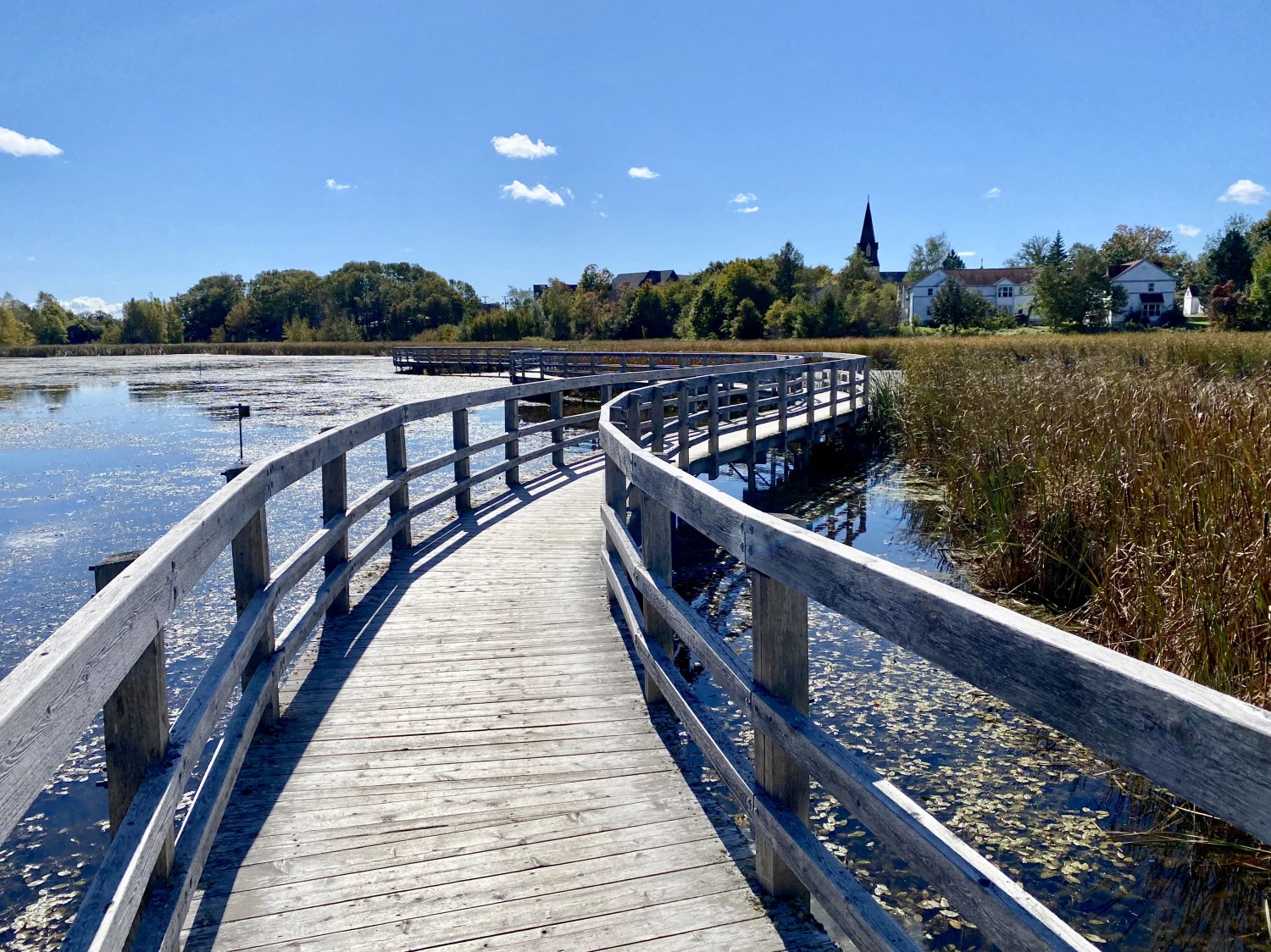


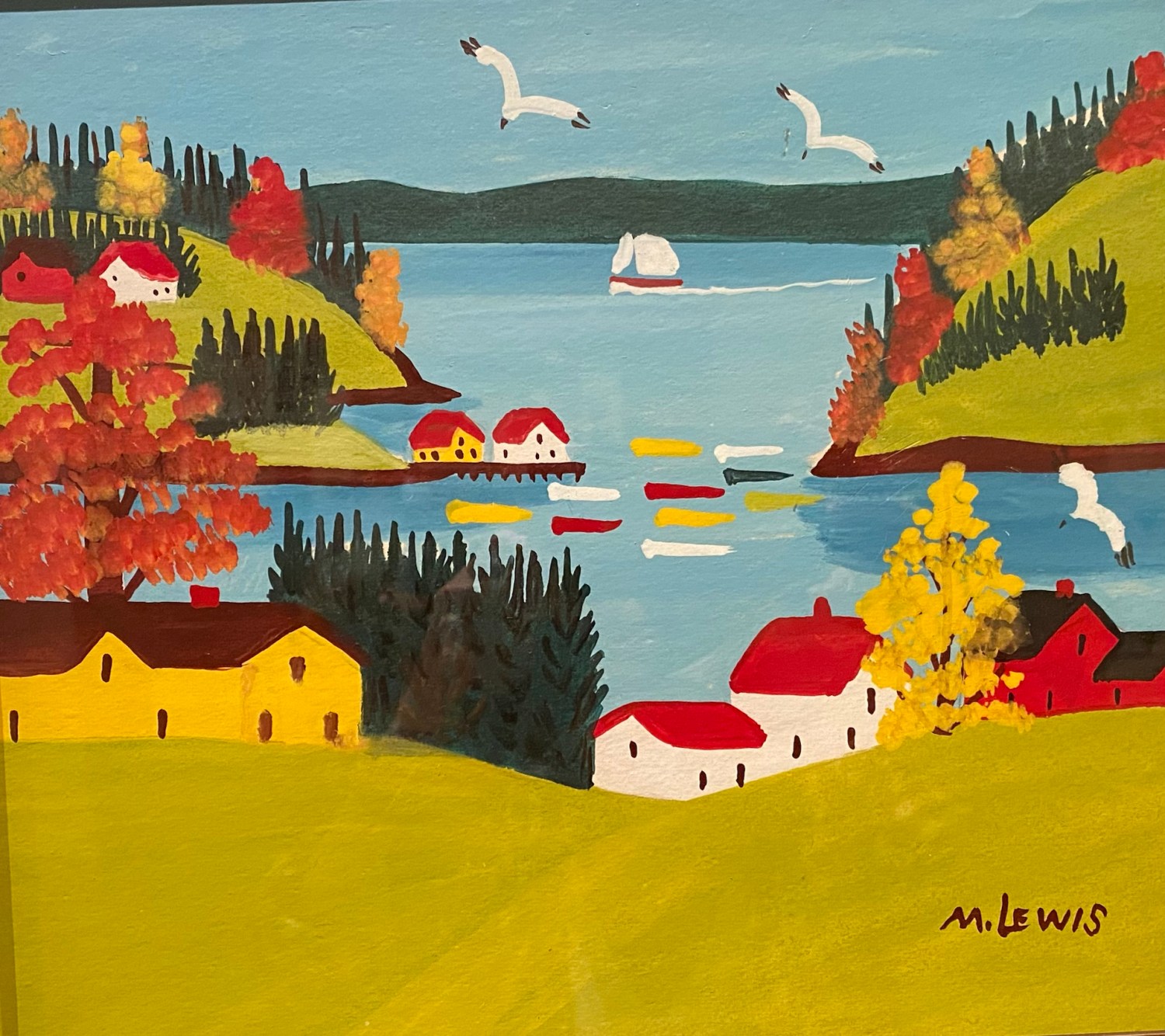


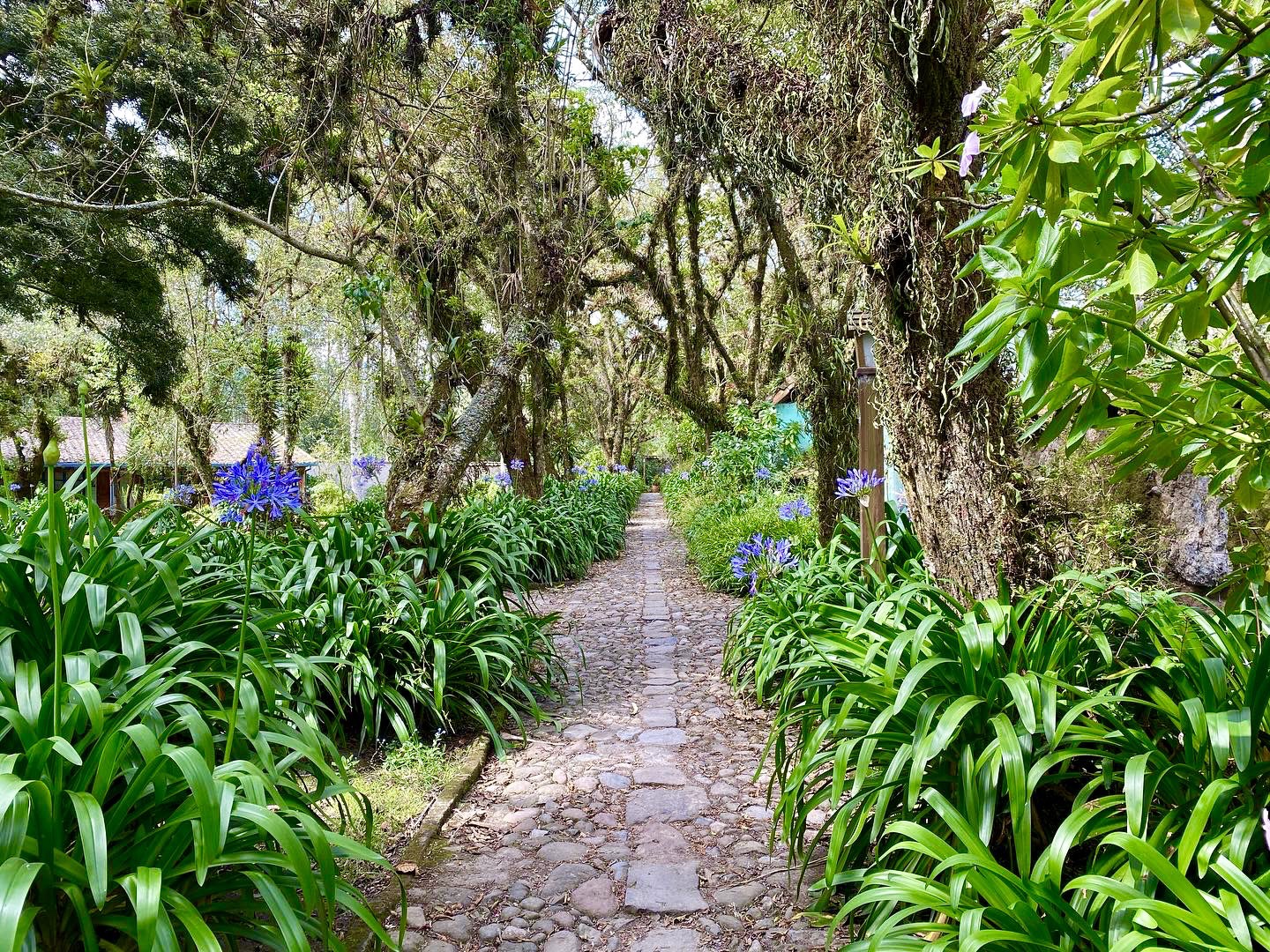


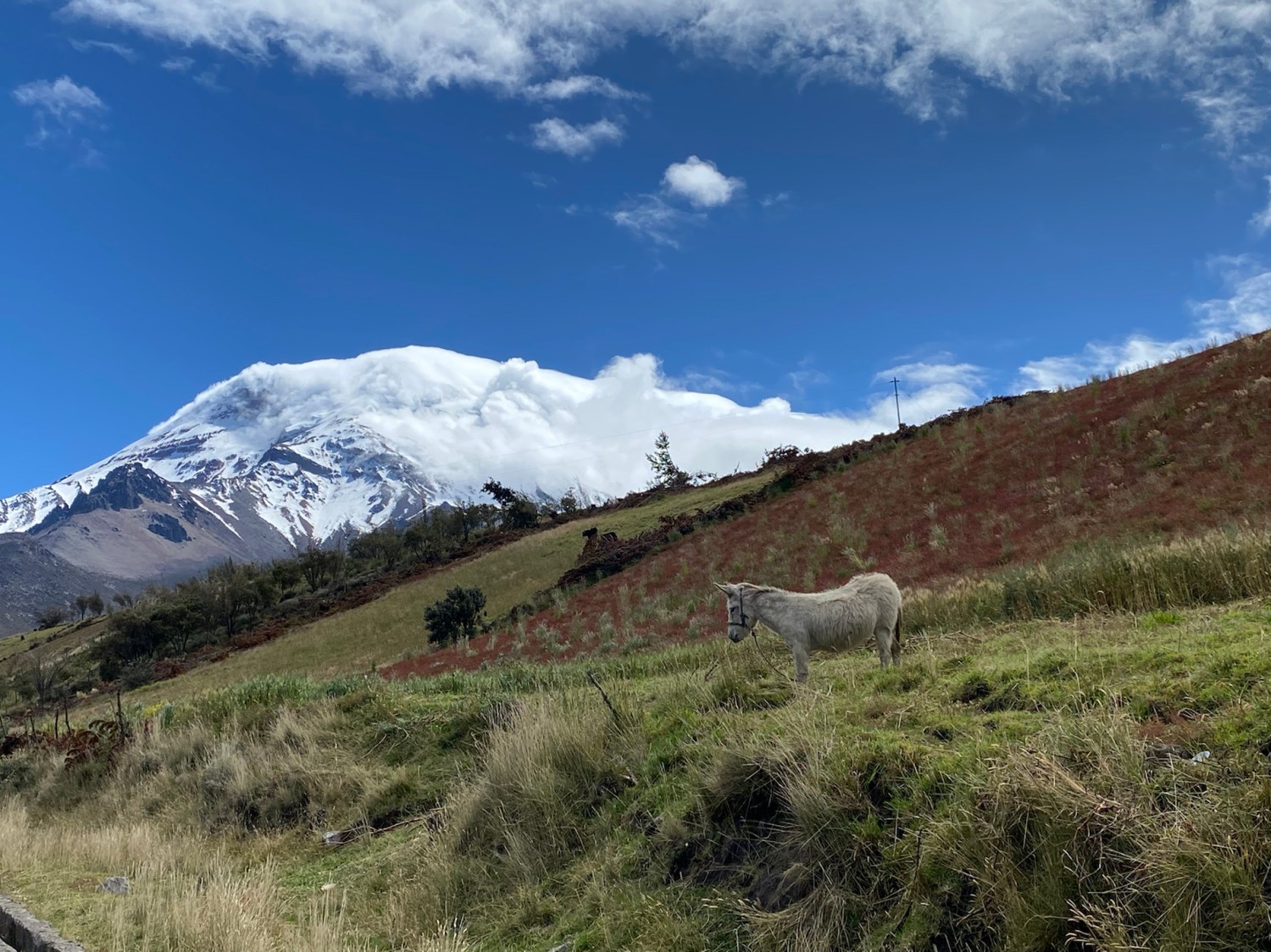


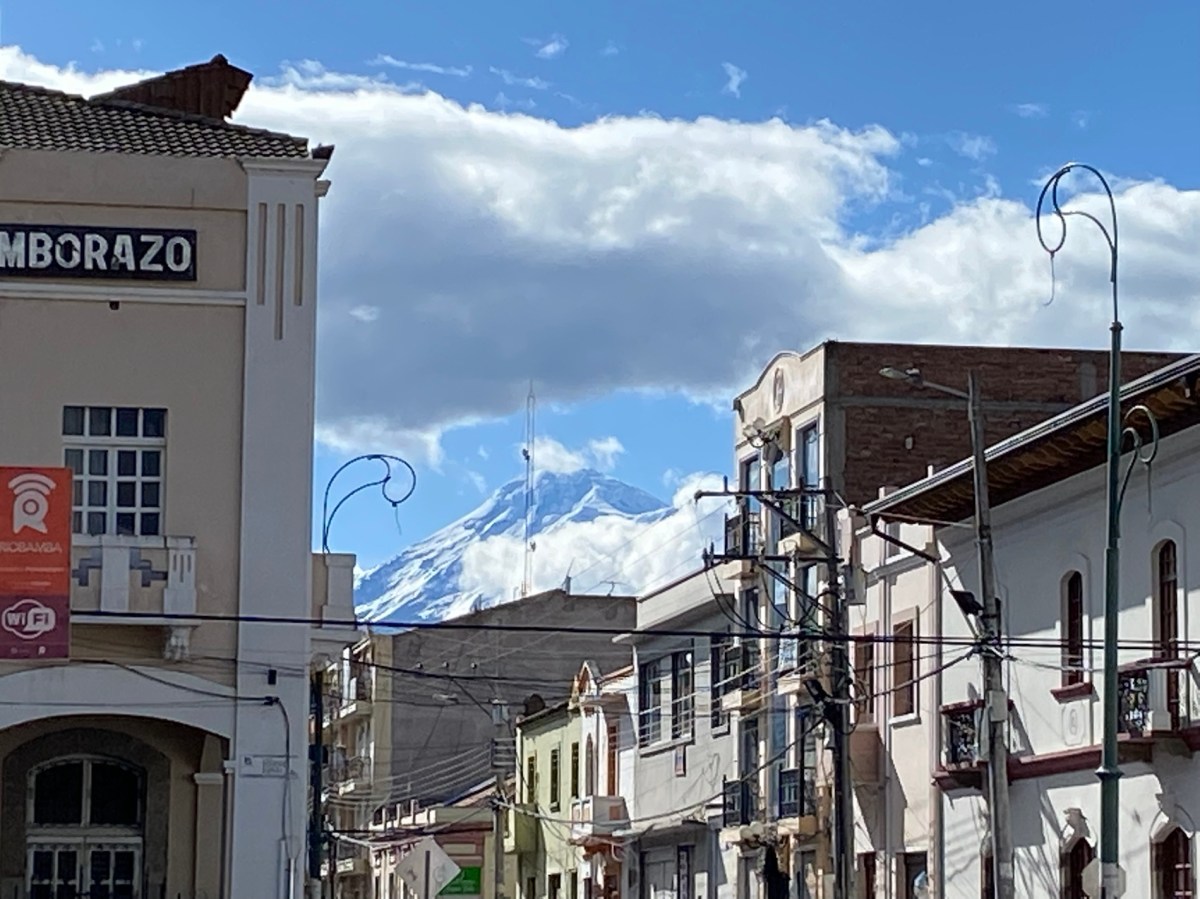


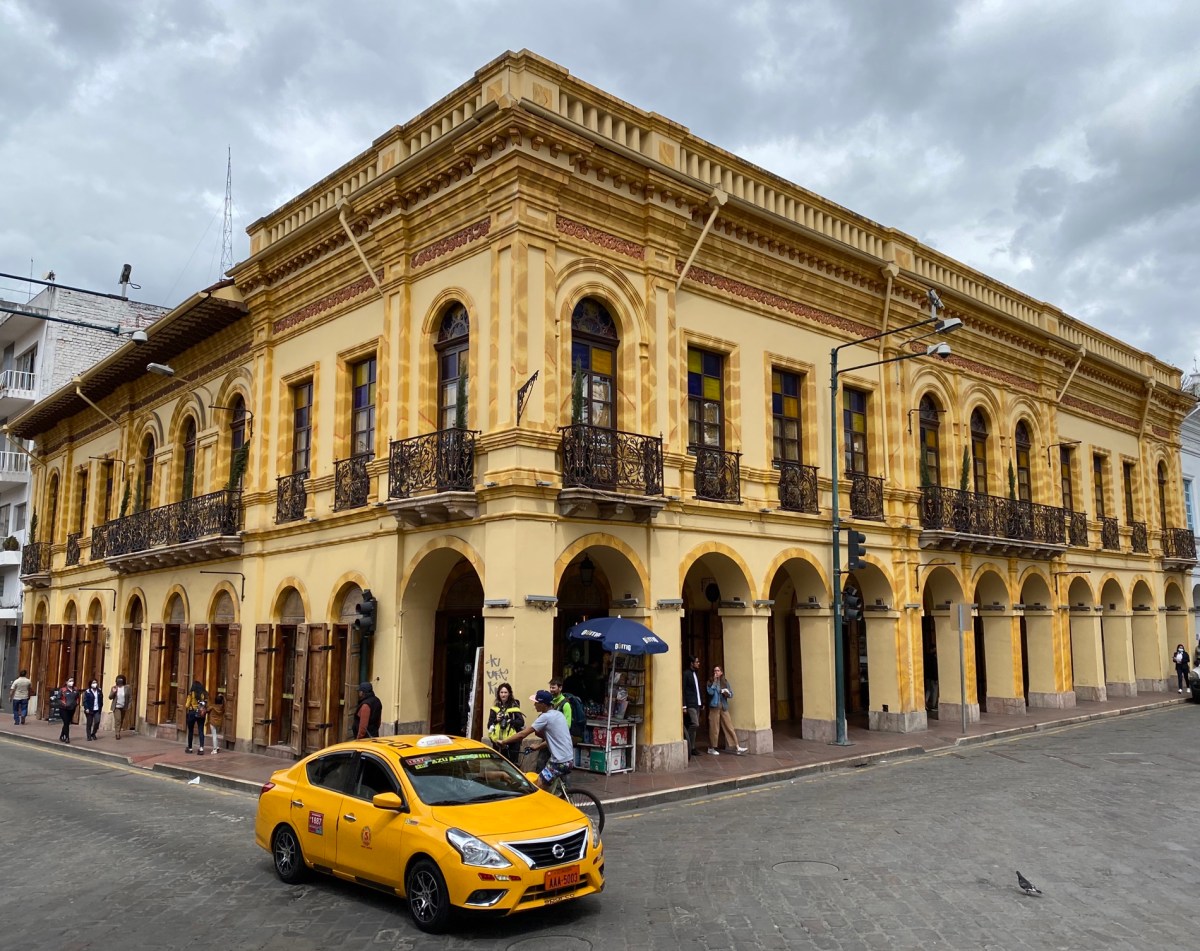


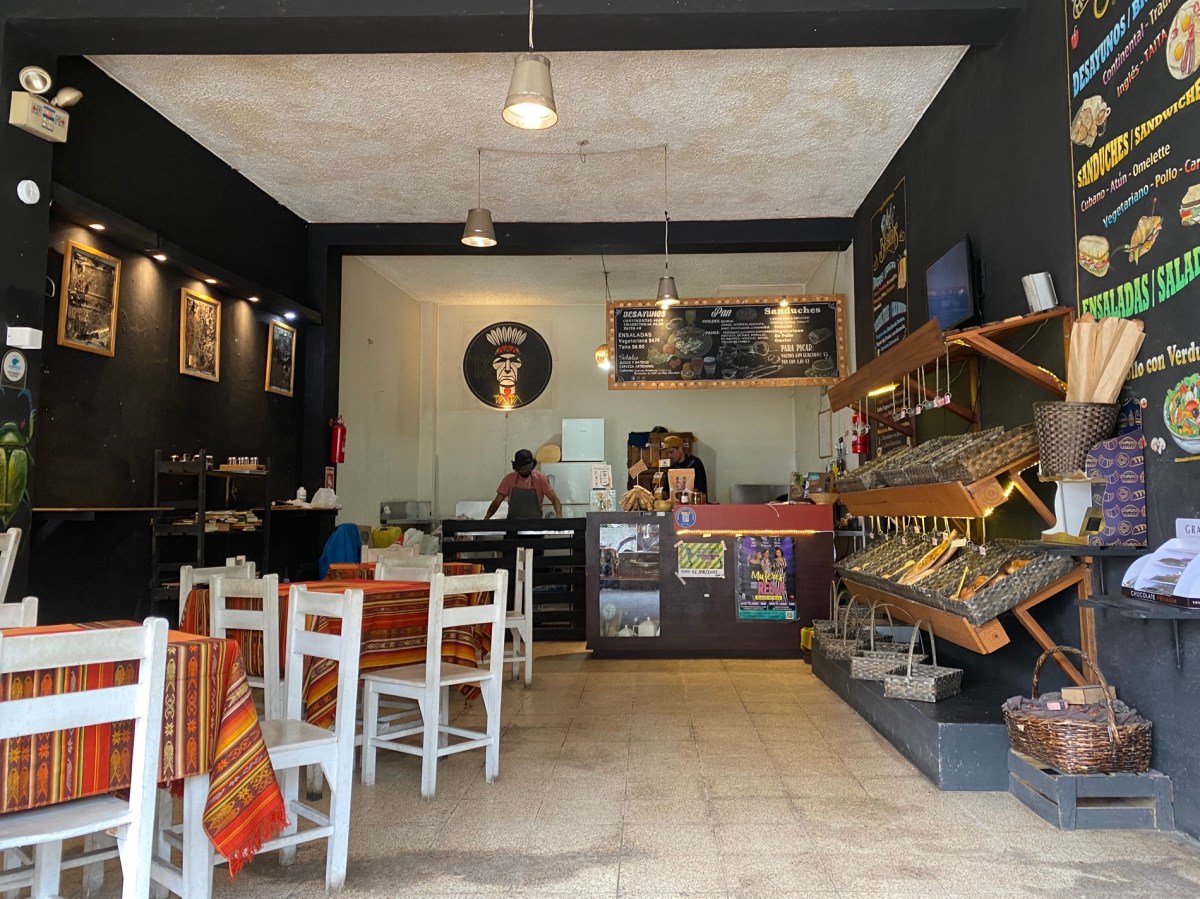


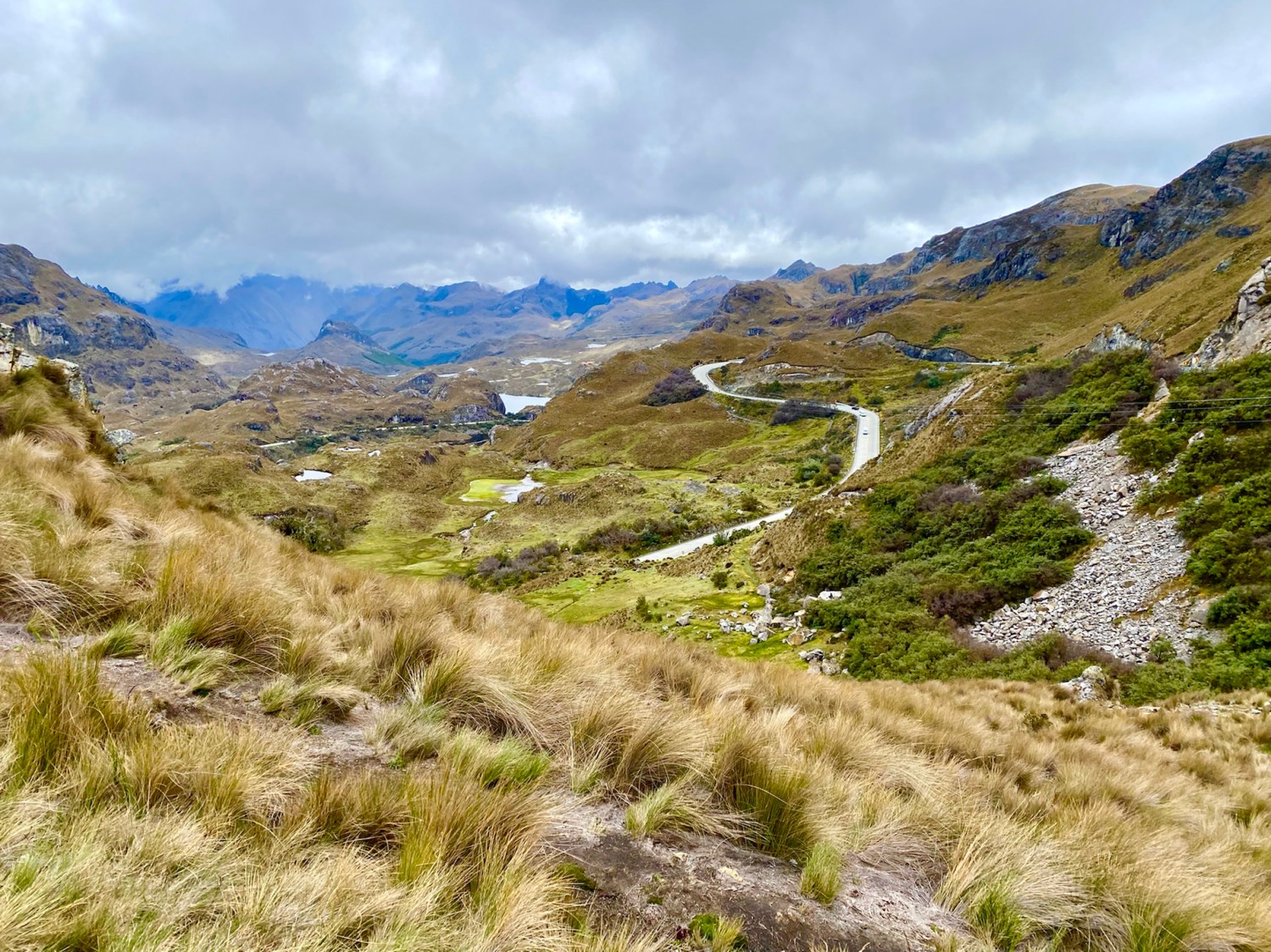


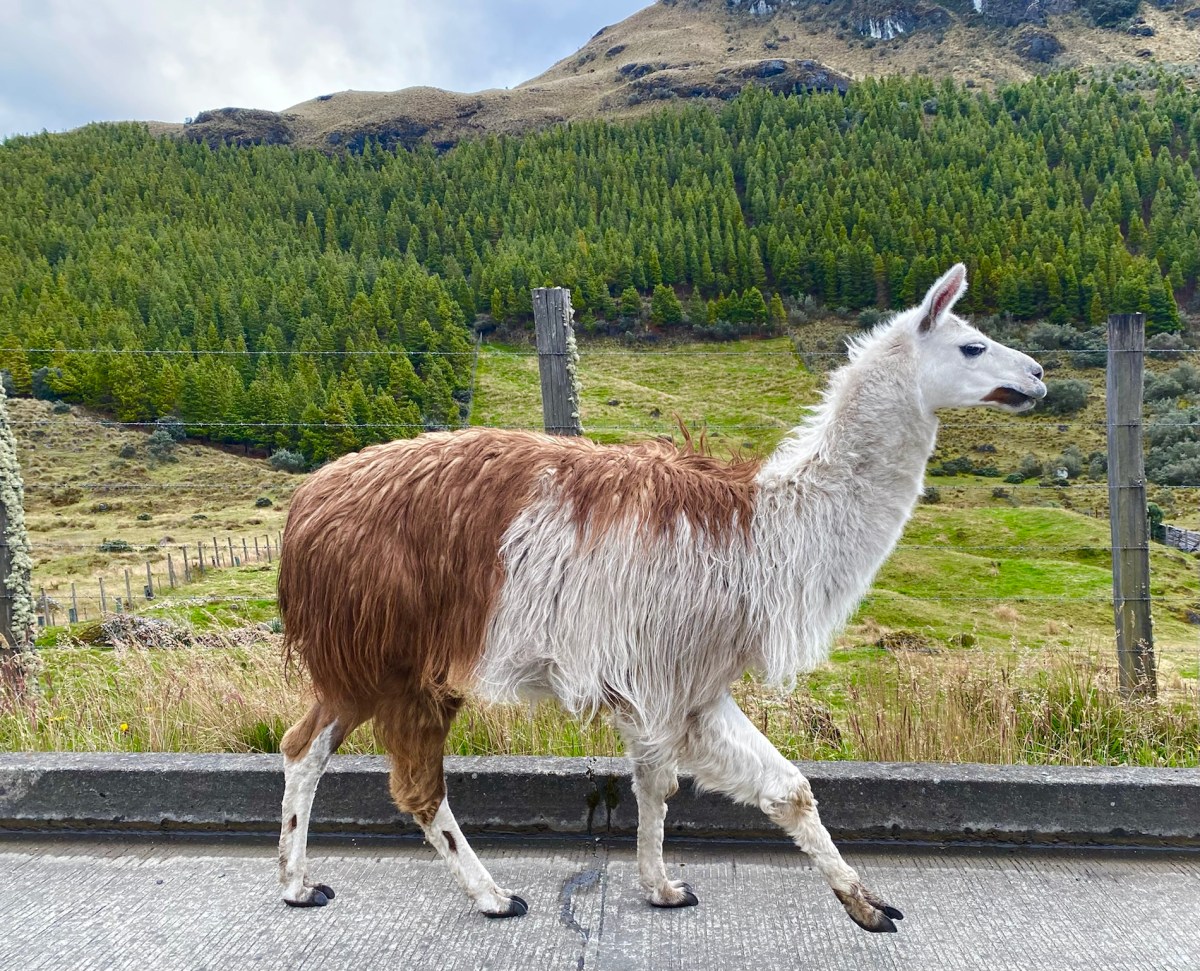


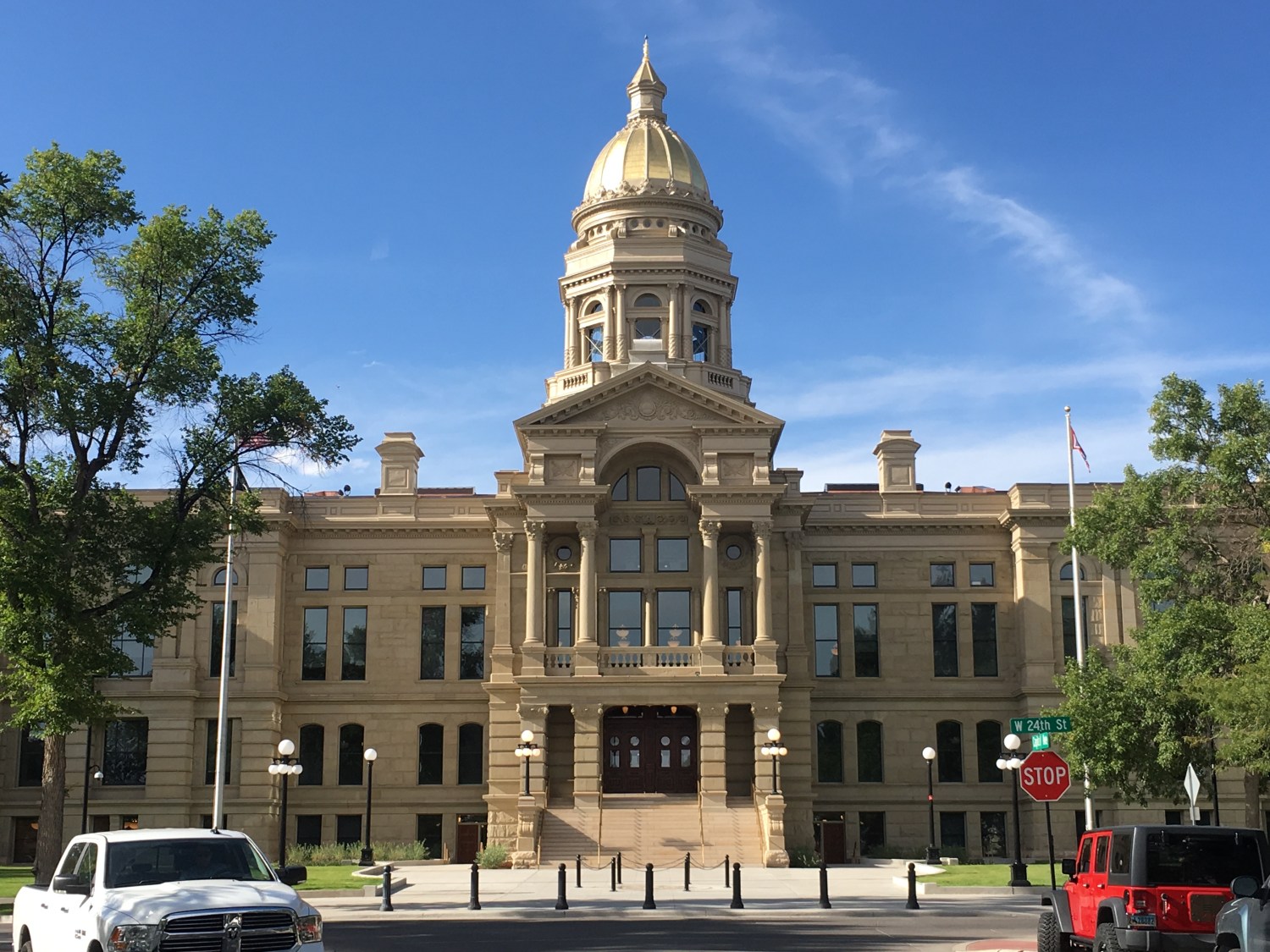


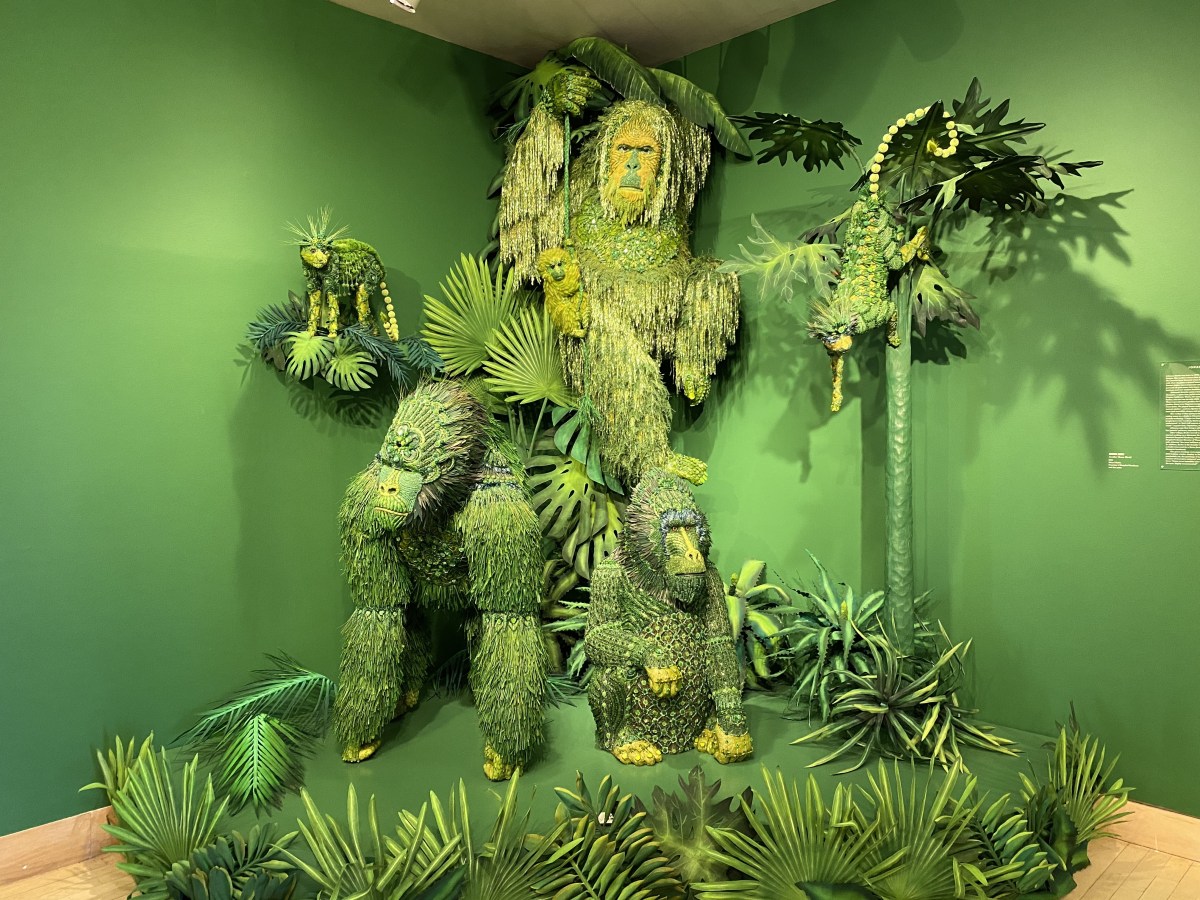


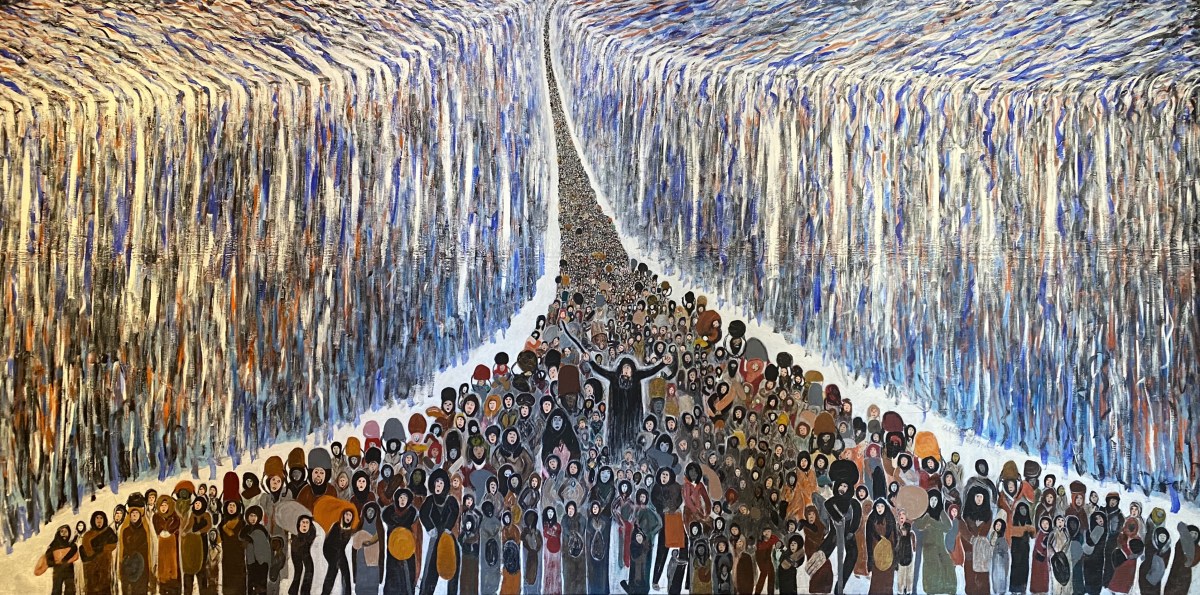


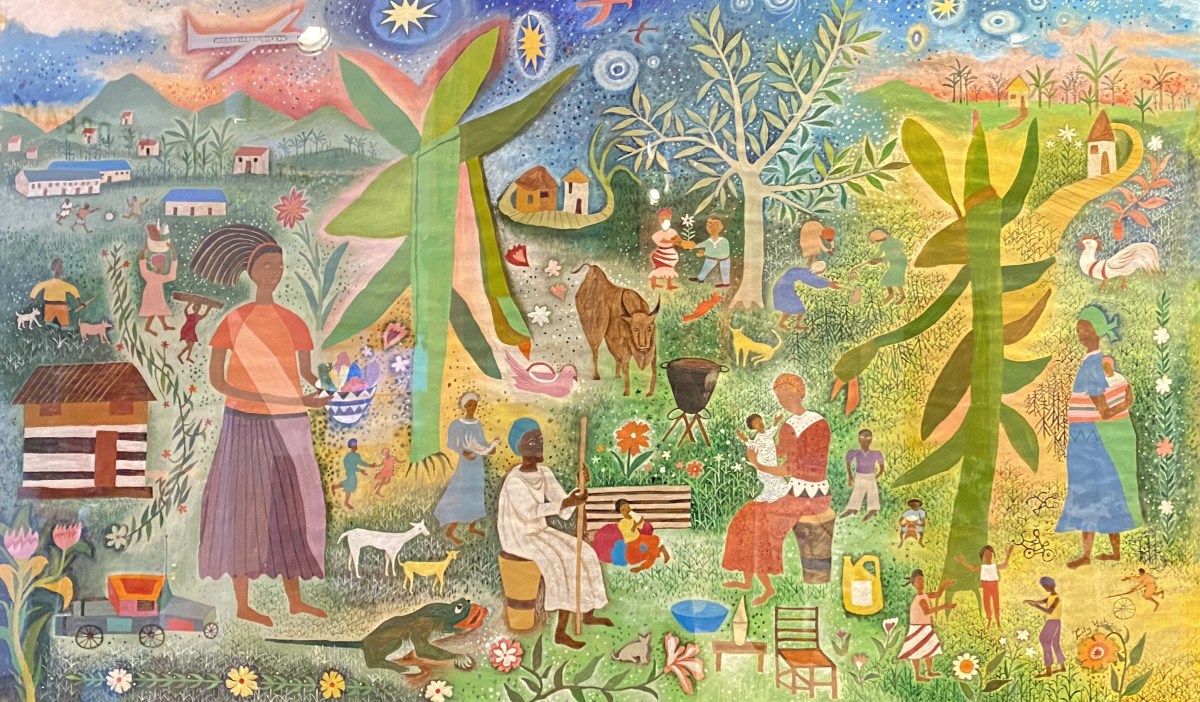

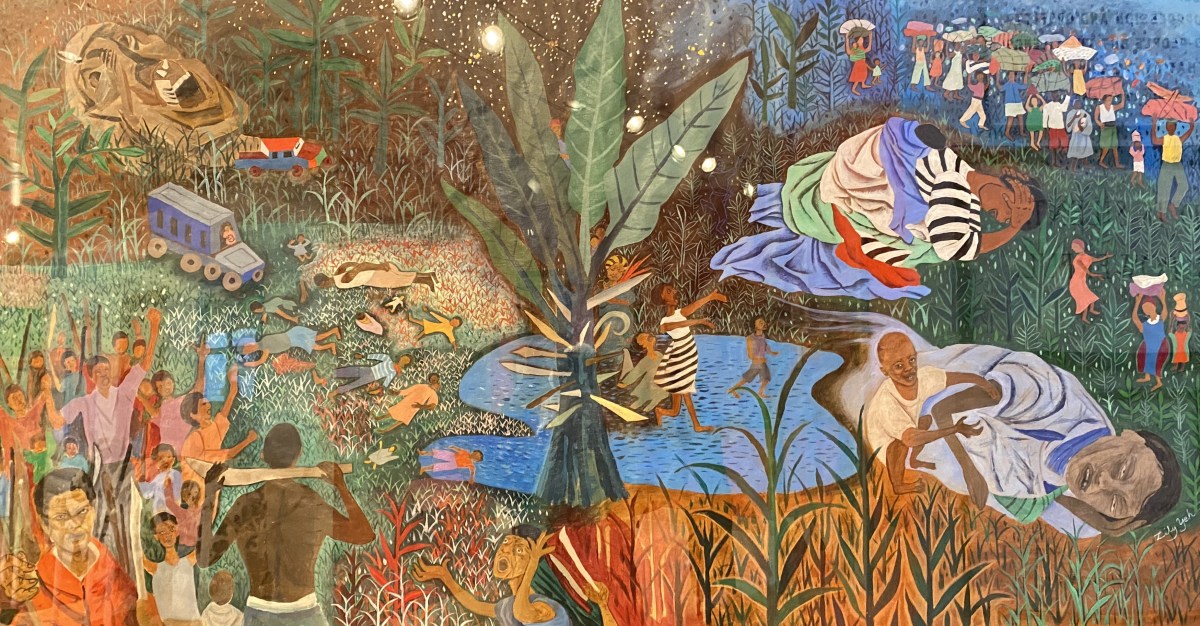


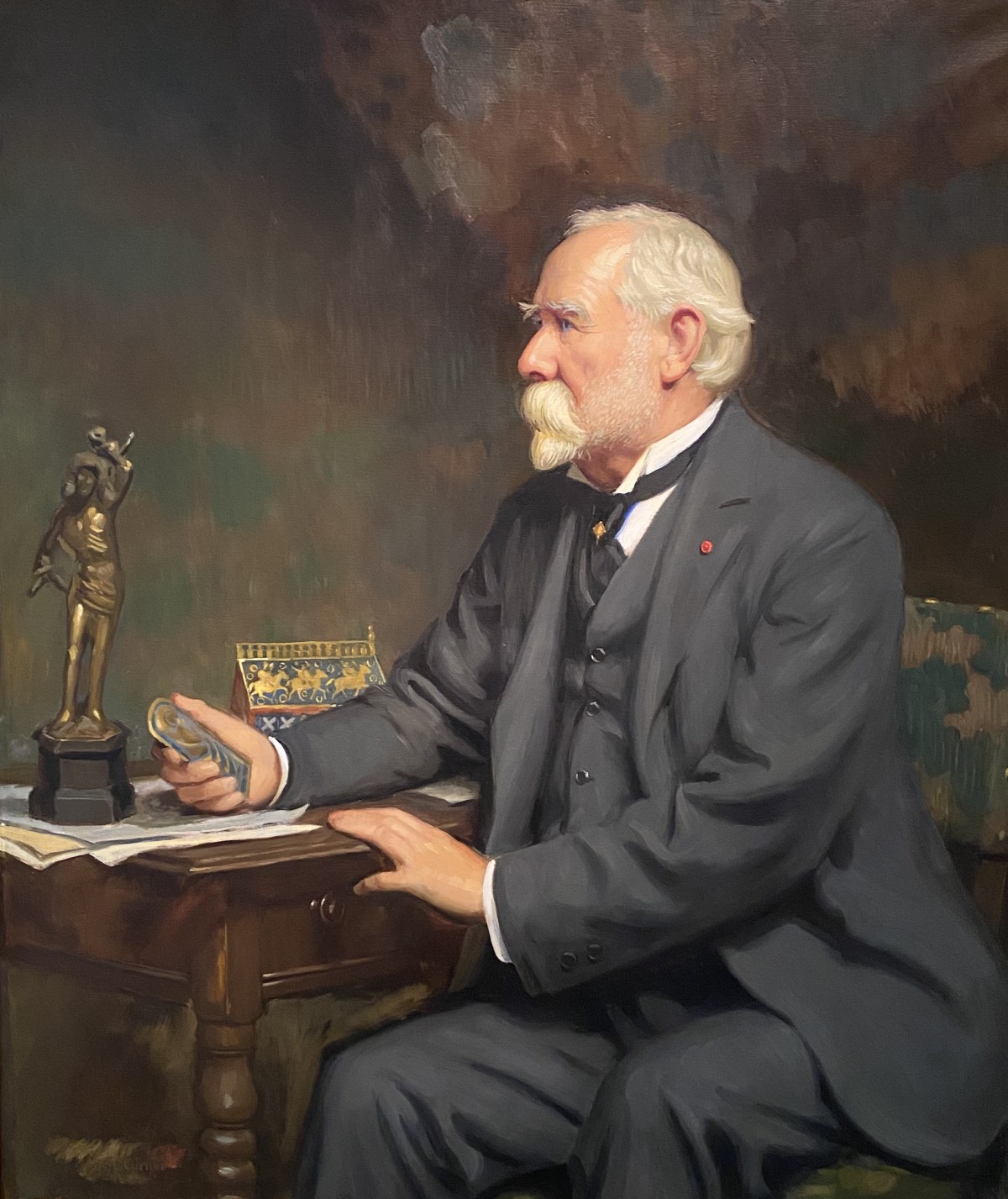
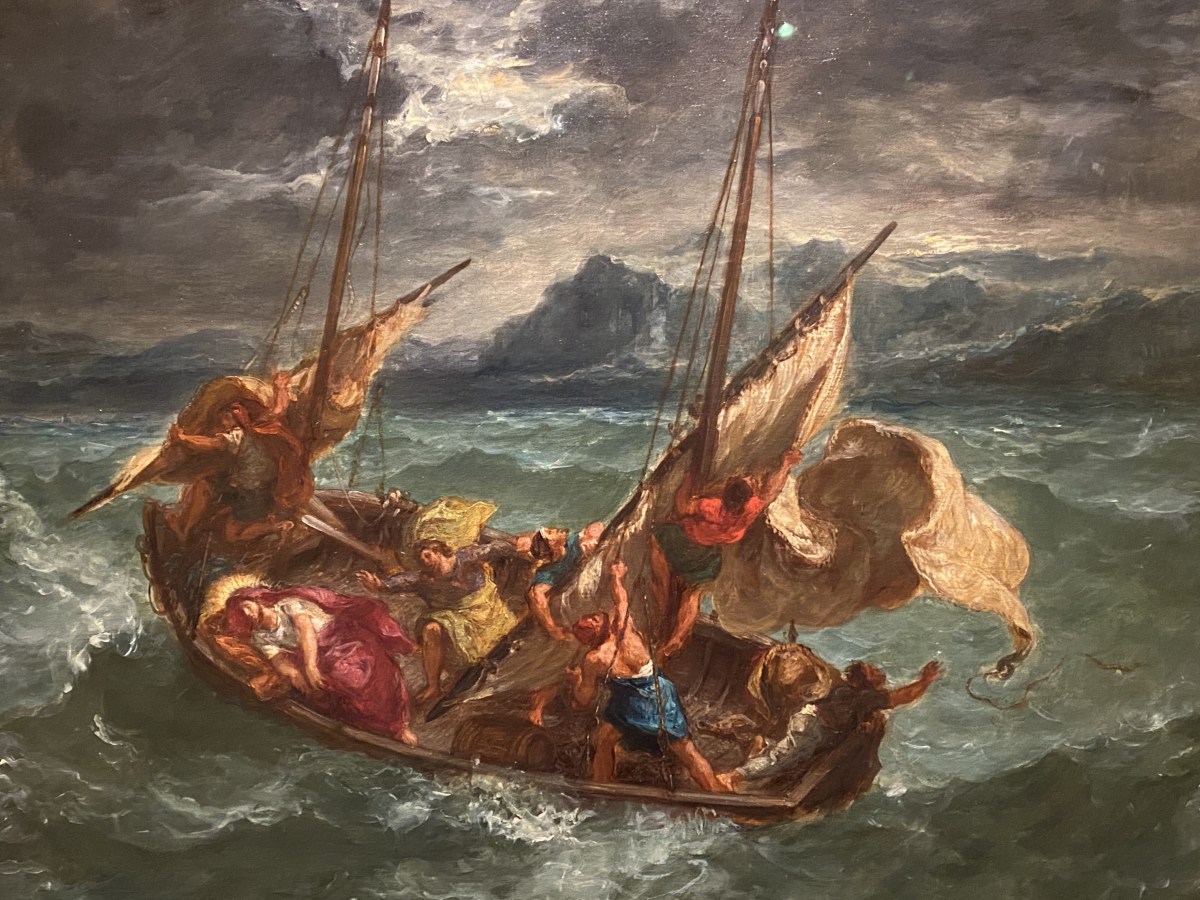


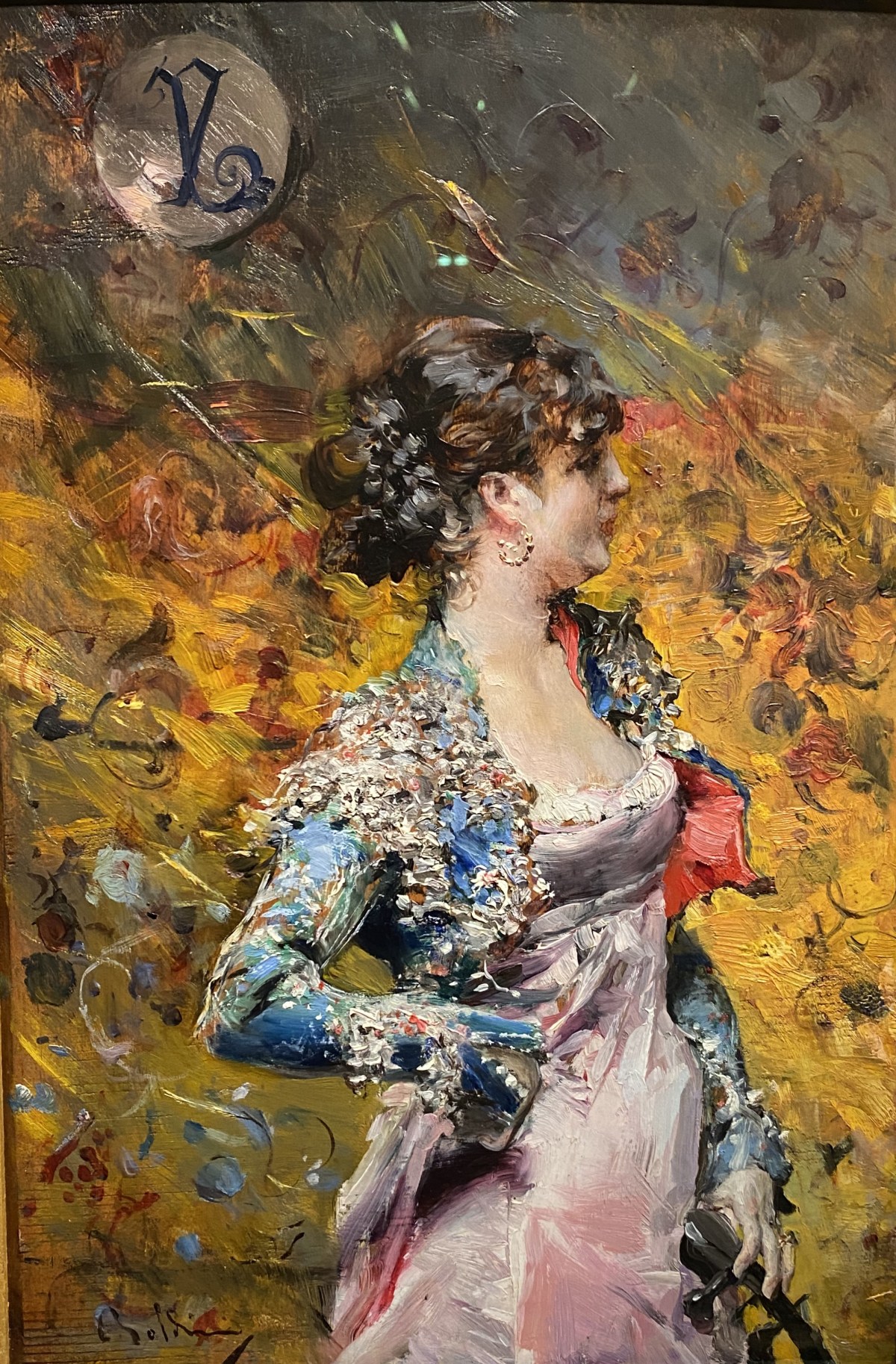


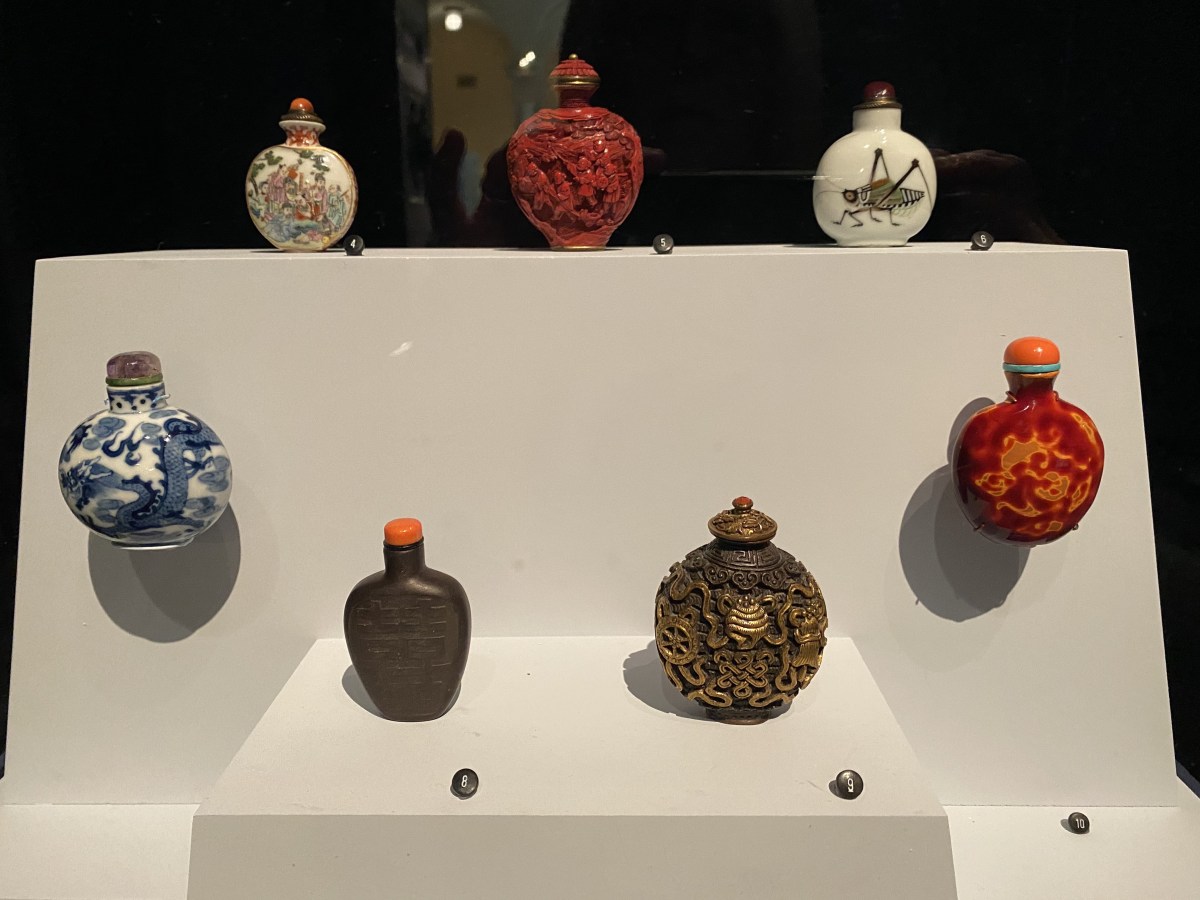
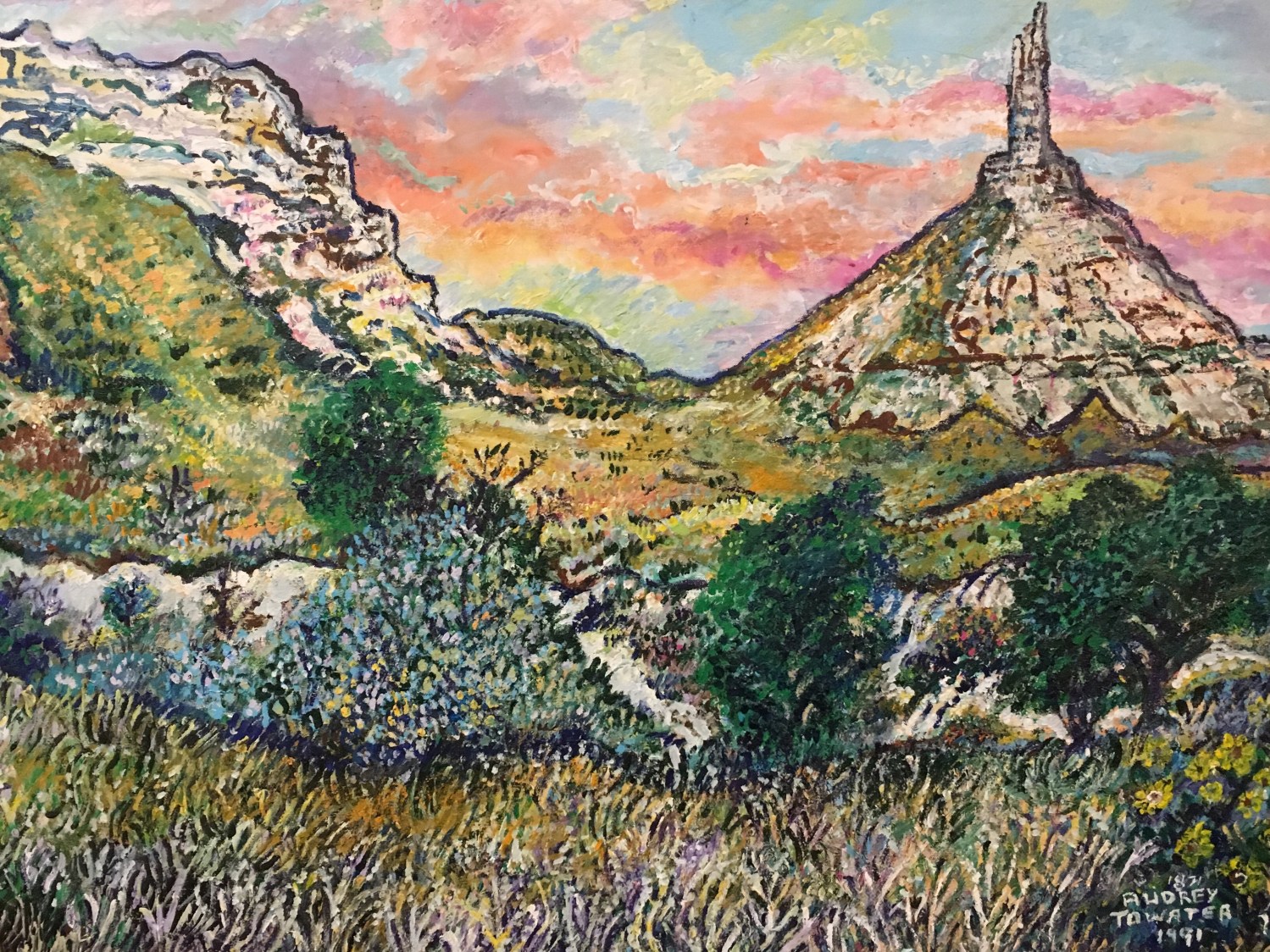
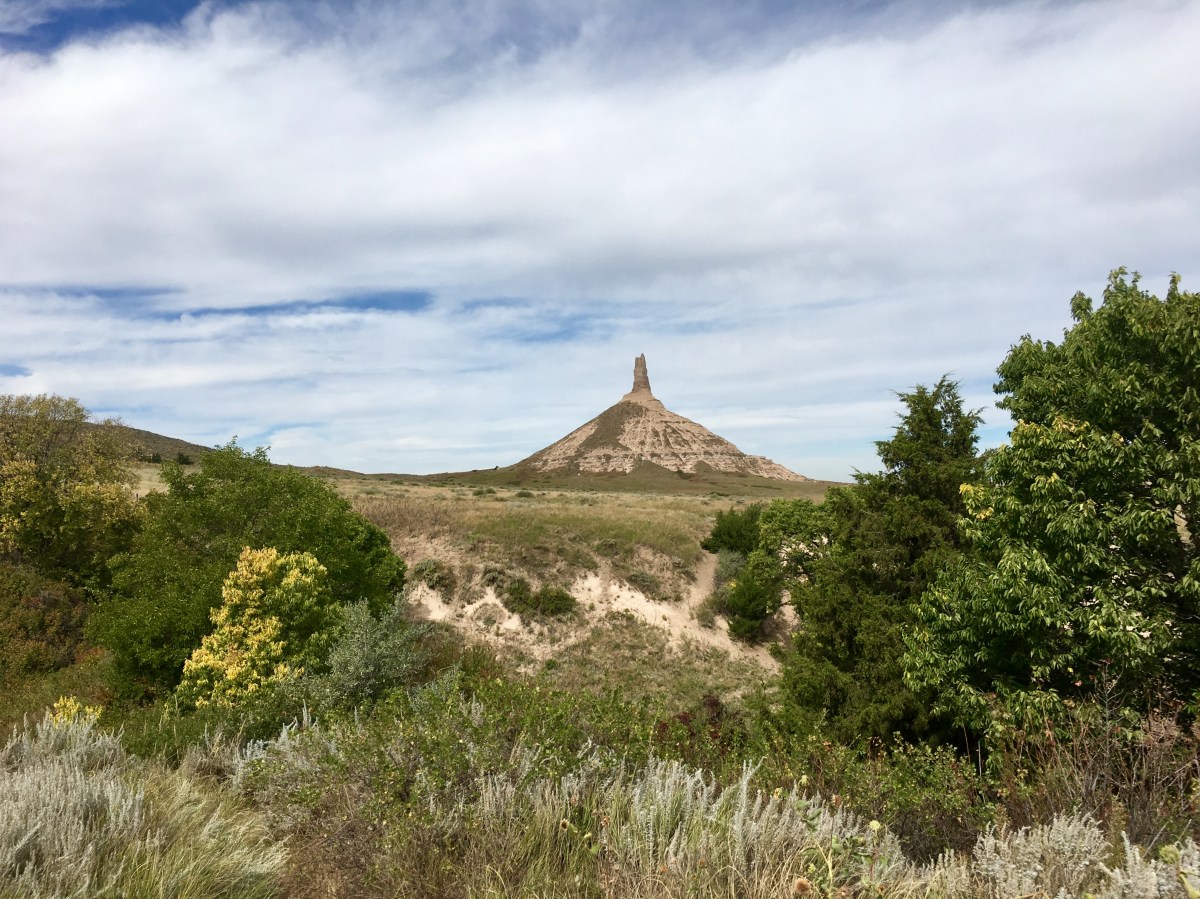


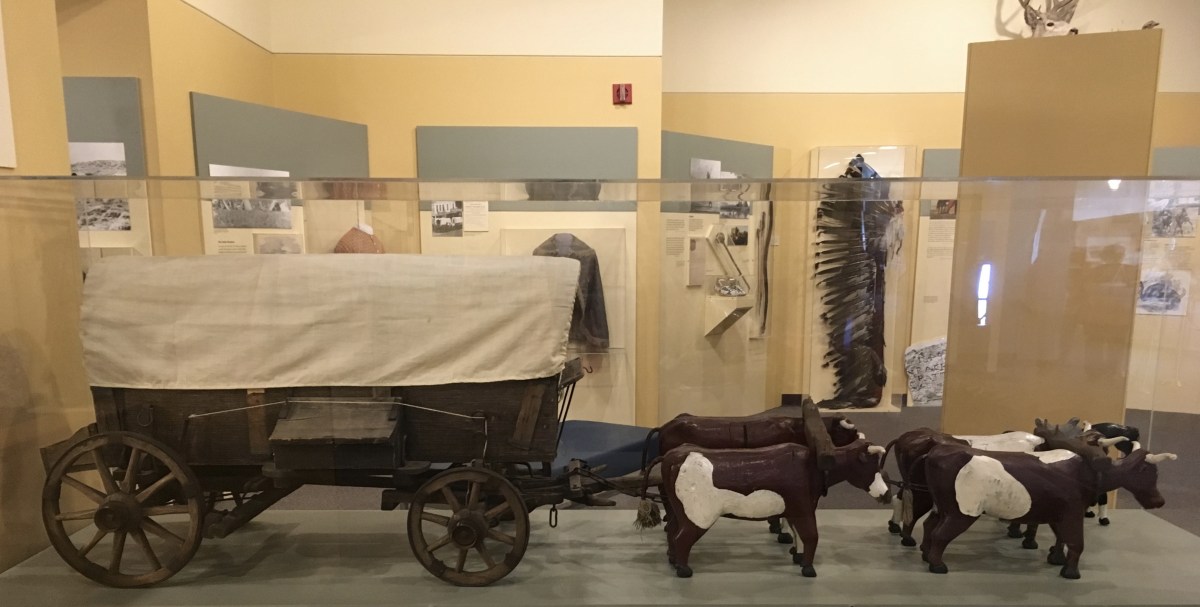
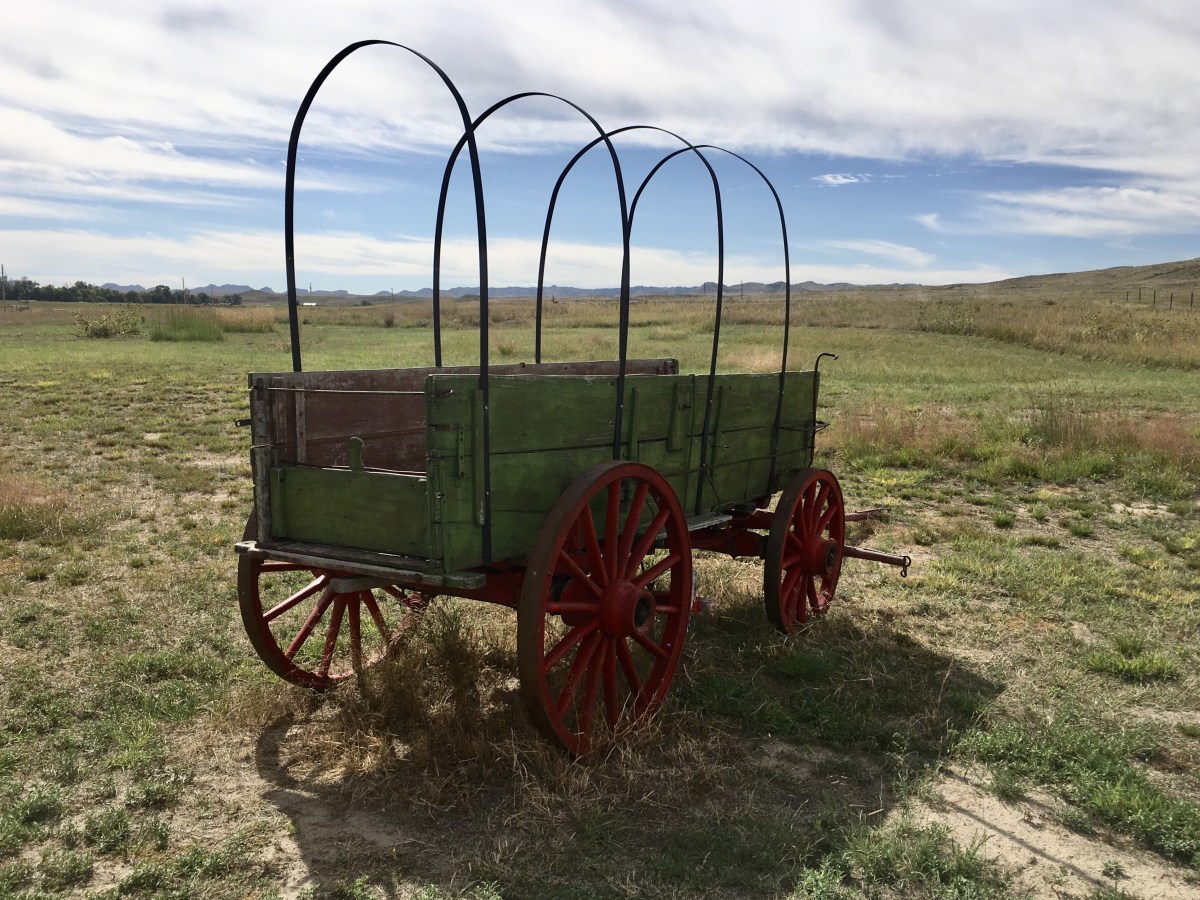


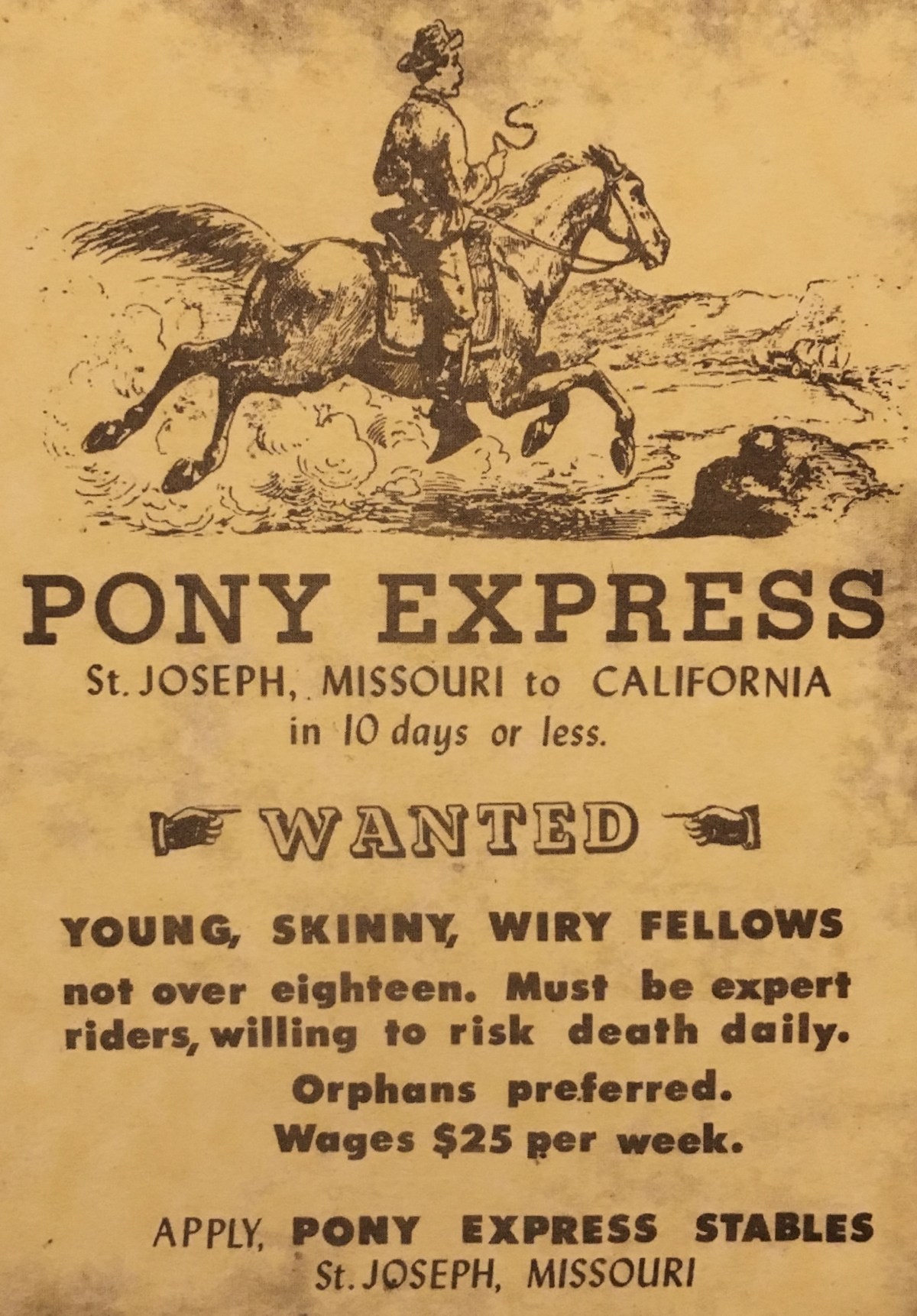
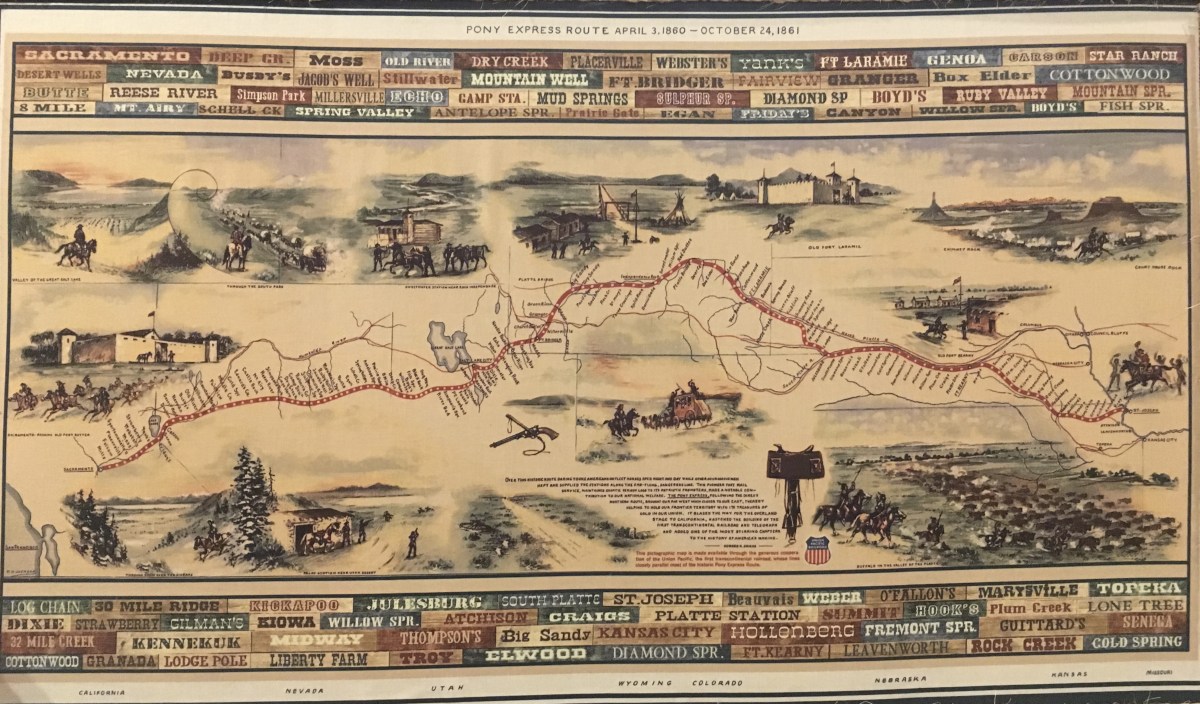


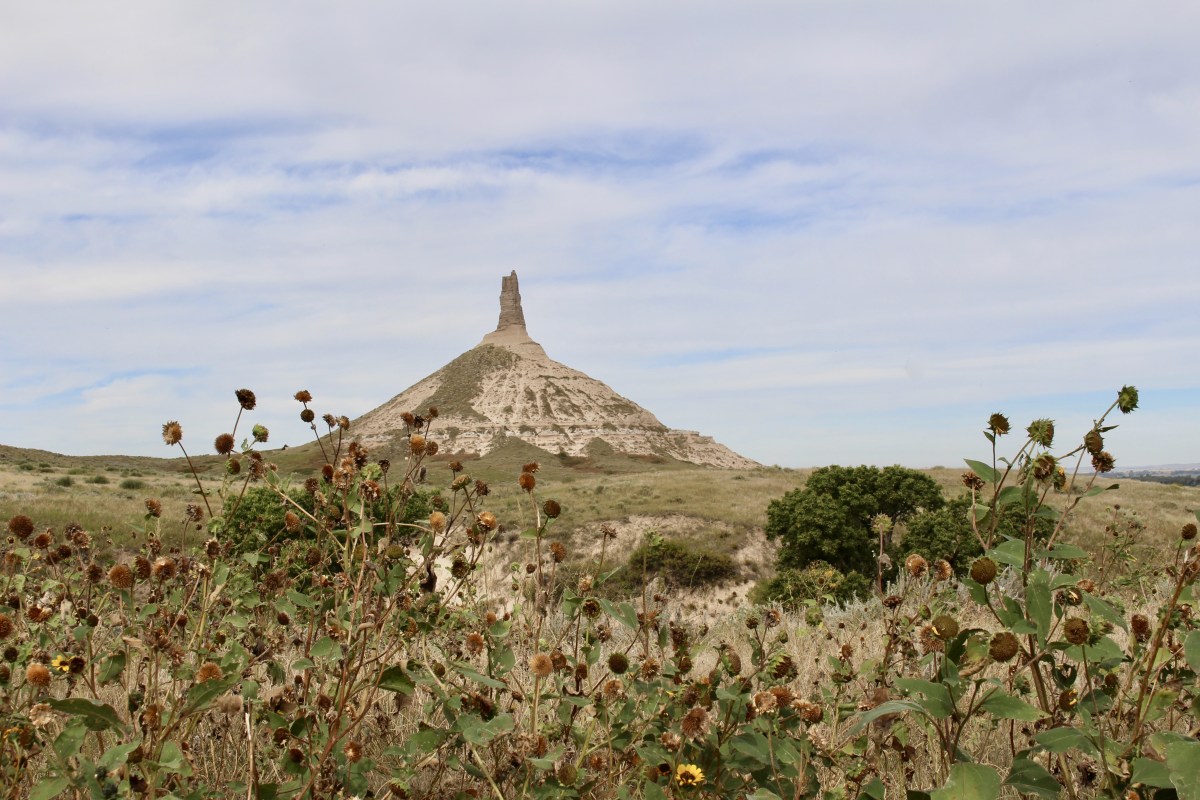
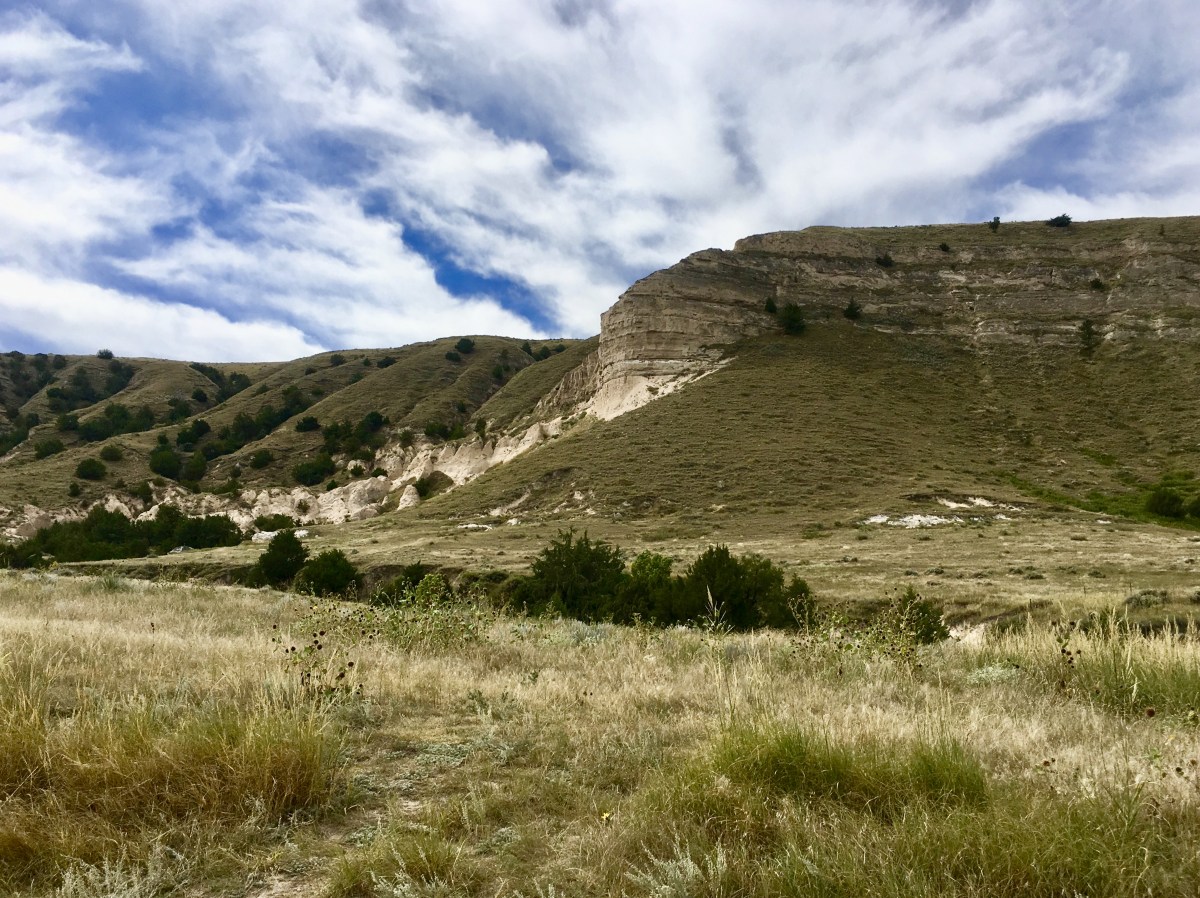


 ~ wander.essence ~
You must be logged in to post a comment.