
We stayed in Guatemala City for three nights (1 1/2 days) during our trip. Our first night on Wednesday, March 11, was after returning from Antigua and Lake Atitlán, before catching a flight to Flores, Petén. On that afternoon, we were able to explore one museum, Museo Nacional de Arqueología y Etnología (National Museum of Mayan Art: Archeology and Ethnology).
After visiting Flores and San Ignacio, Belize, we flew back to Guatemala City on March 16, where we stayed two nights. We had one day to explore two more museums: the Museo Popol Vuh and the Museo Ixchel del Traje Indigena, both on the beautiful campus of Universidad Francisco Marroquin.
Guatemala City: Museo Nacional de Arqueología y Etnología
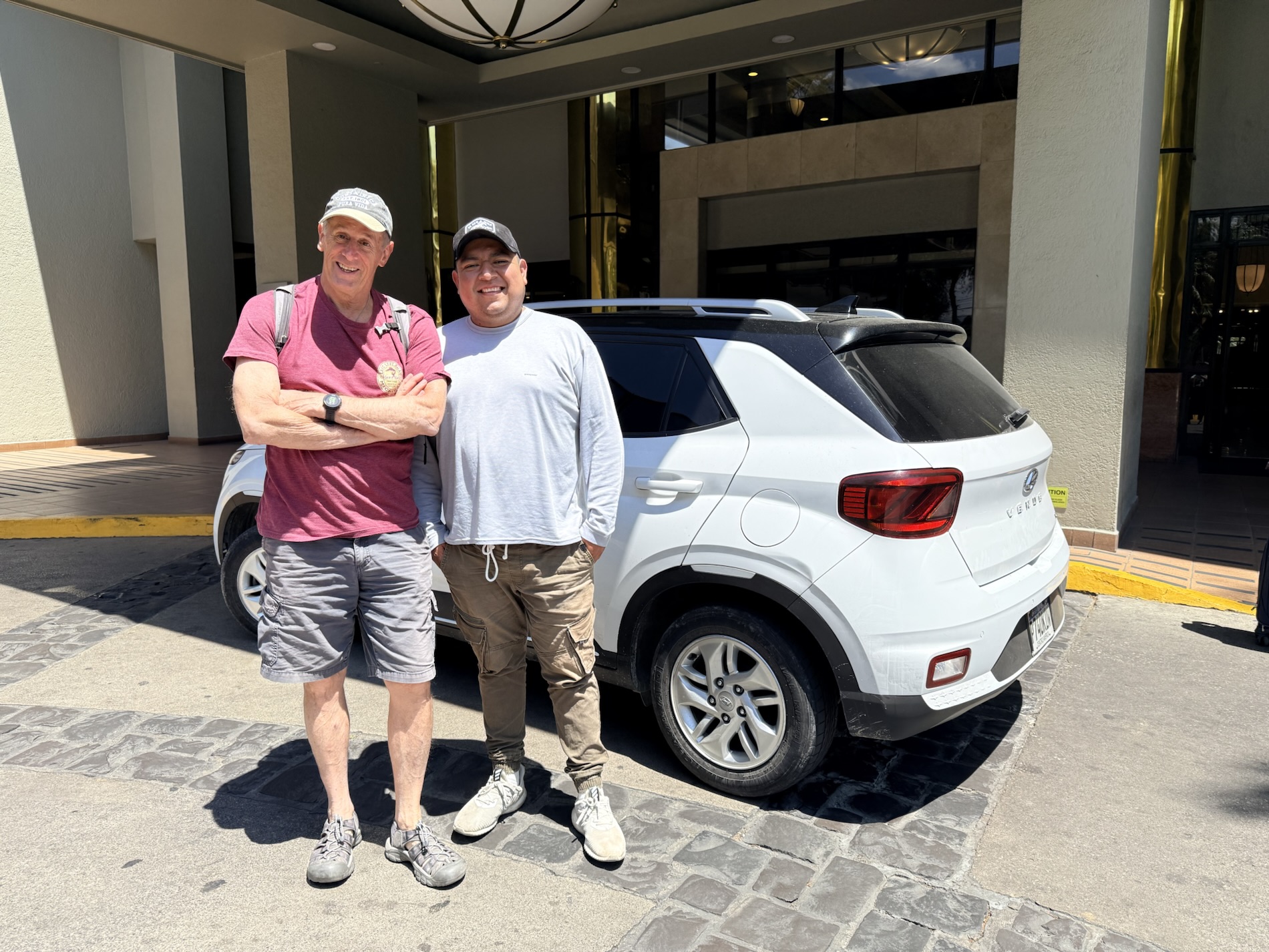
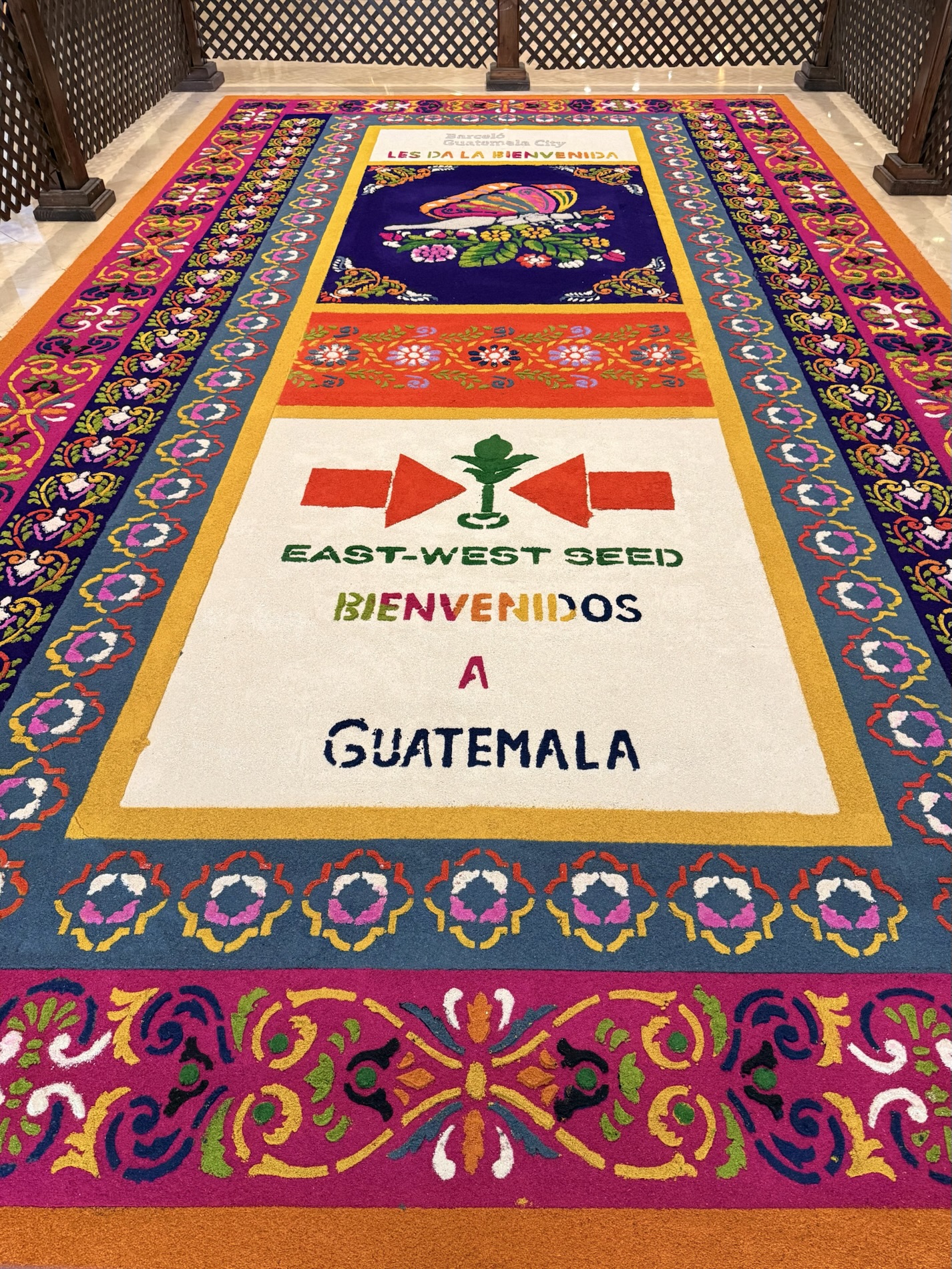
Wednesday, March 11: Our friendly hired driver Eliseo drove us 3 hours back to Guatemala City from Panajachel and we arrived at the Barceló Guatemala just before 1:00. We checked in and then immediately headed out.
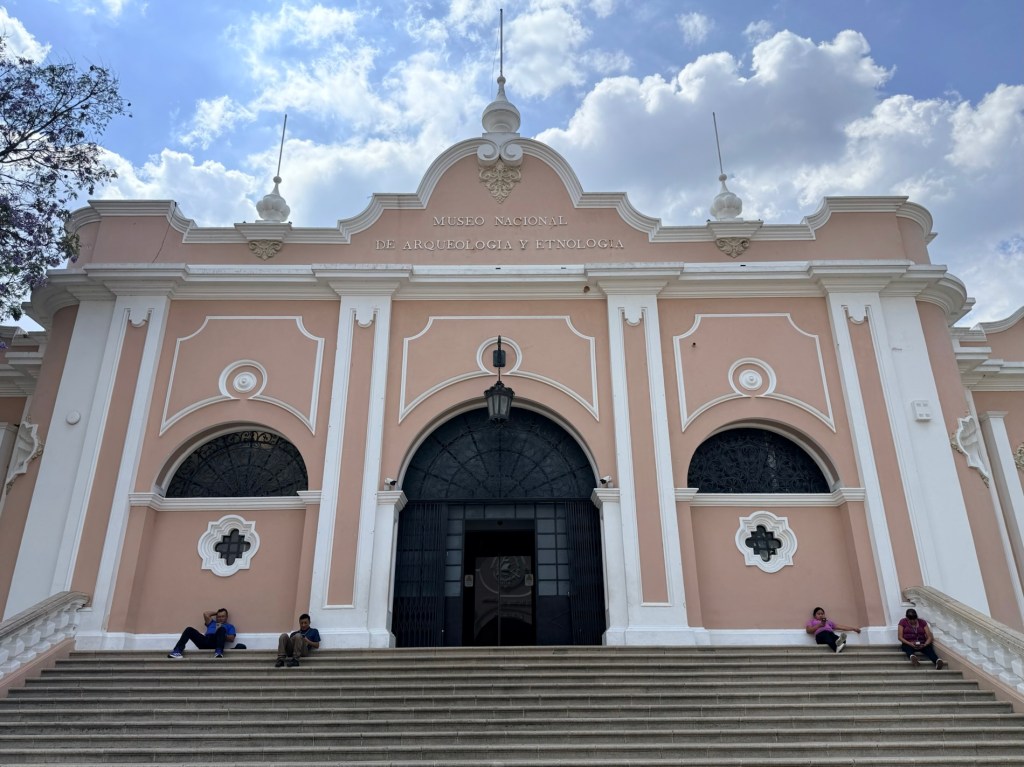
Our early arrival time gave us an afternoon to explore one museum, Museo Nacional de Arqueología y Etnología (National Museum of Mayan Art: Archeology and Ethnology).
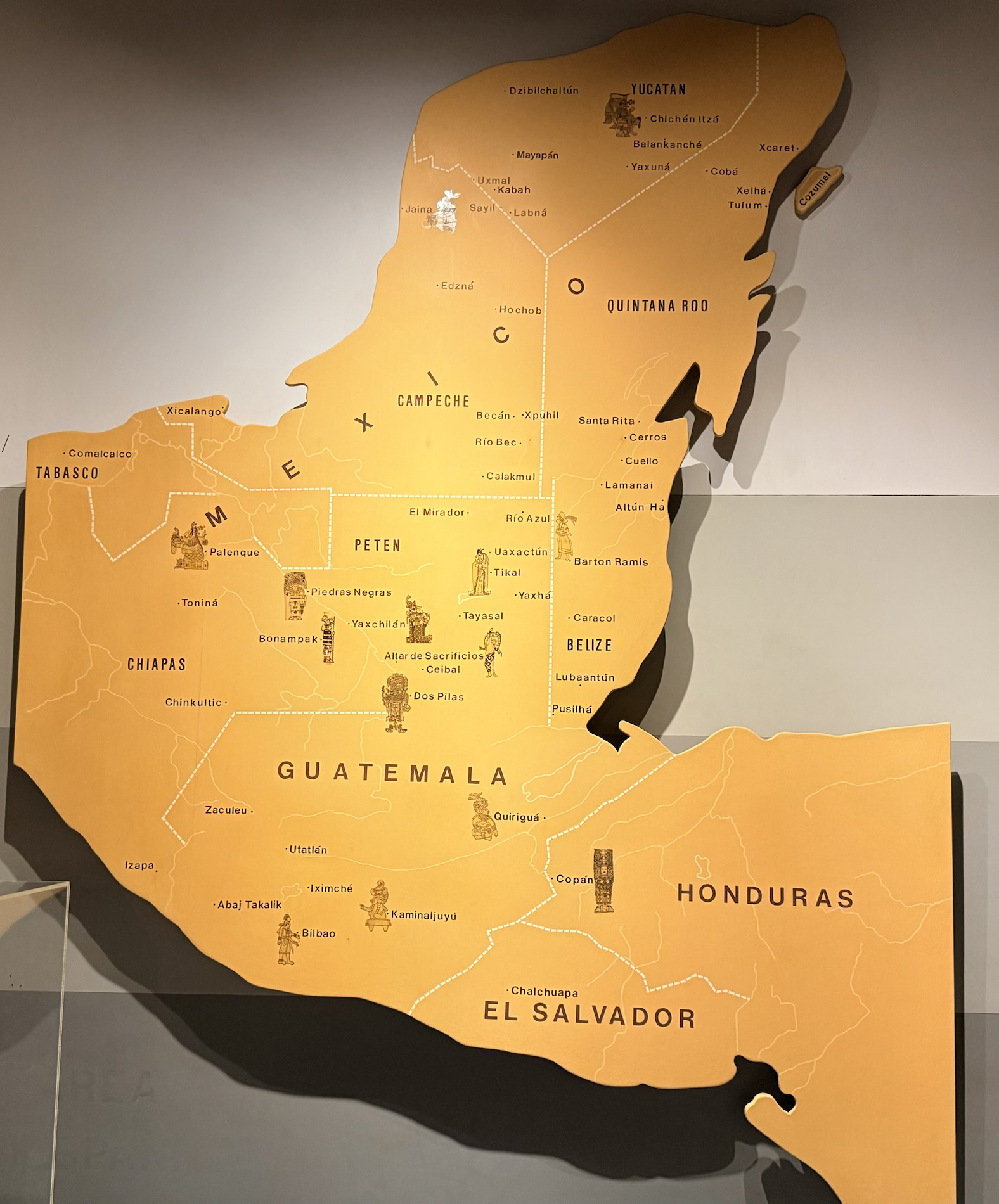
We learned about Mesoamerica, a cultural melting pot that started at the Sinoloa River in Mexico all the way to the Nicoya Peninsula in Costa Rica, depending on the period: Preclassic, Classic and Postclassic. Different pre-Columbian civilizations cohabited in Mesoamerica. Though they spoke many languages, they shared cultural traits. The Maya, Aztecs and the Olmecs shared practices and customs:
- grinding corn with ashes or lime
- use of grinding stones or metates
- use of carved obsidian tools
- making of pyrite mirrors
- similar clothing: sandals, turbans, feather costumes worn by warriors and use of blowpipes as weapons
- architecture: staggered pyramids, stucco flooring and coatings, Maya ball game fields, and steam baths, used for ritual and medicinal purposes
- buildings arranged around plazas
- complex organizational systems with clear social stratification and political heirarchies
The cultures boasted outstanding scientific developments: a glyph writing system, a numeral system, books or codices, calendars containing both 260 and 365 days, ritualistic use of paper and rubber, the flying pole dance or voladores, human sacrifice and self-sacrificial ceremonies, some widespread deities and a system of specialized markets.
The Classic Period (AD 250-900) revealed an abundance of hieroglyphic inscriptions that provided detailed information about ruling dynasties. They recorded historical events such as warfare, marriage alliances, and family relationships among Maya royalty.
The Late Classic Period (AD 600-900) was a period of great demographic growth with intense political rivalries among the principal cities of the lowlands.
Guatemala’s ancient Maya are known for continuous engagement in rituals, ceremonies, textile traditions, and gastronomy. These were transmitted through generations and blended with Spanish traditions.
In the museum, we found cultural artifacts such as polychrome vessels and plates, lintels, vessels with lids, a jaguar heads necklace (Post Classic 950-1524), mosaic masks, anthropomorphic figurines, mosaic vessels of jade from Tikal, along with obsidian and shell, zoomorphic bowls, incense burners with zoomorphic effigies, a huge crocodile sculpture, devil and jaguar masks, textiles and indigenous clothing.
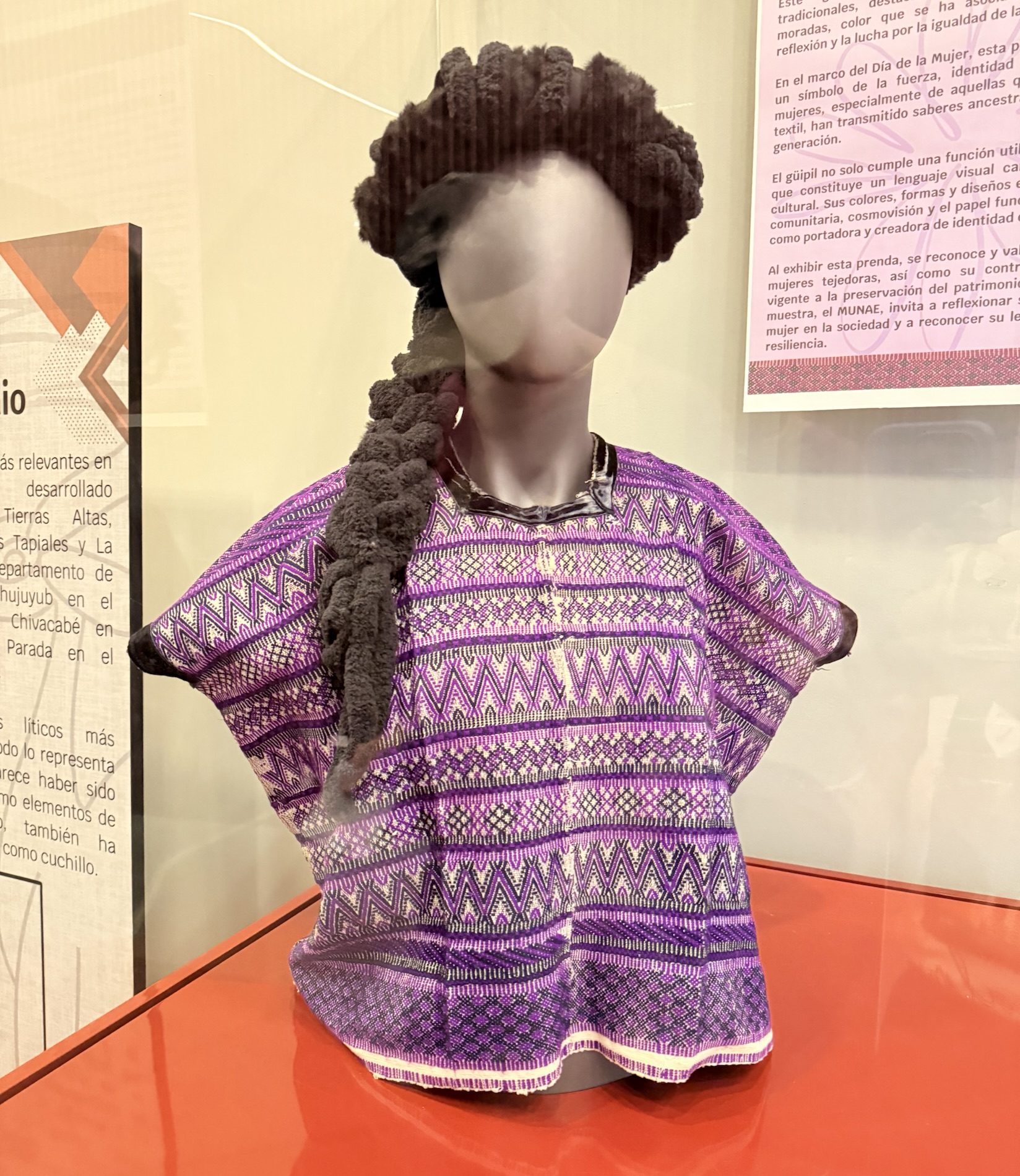
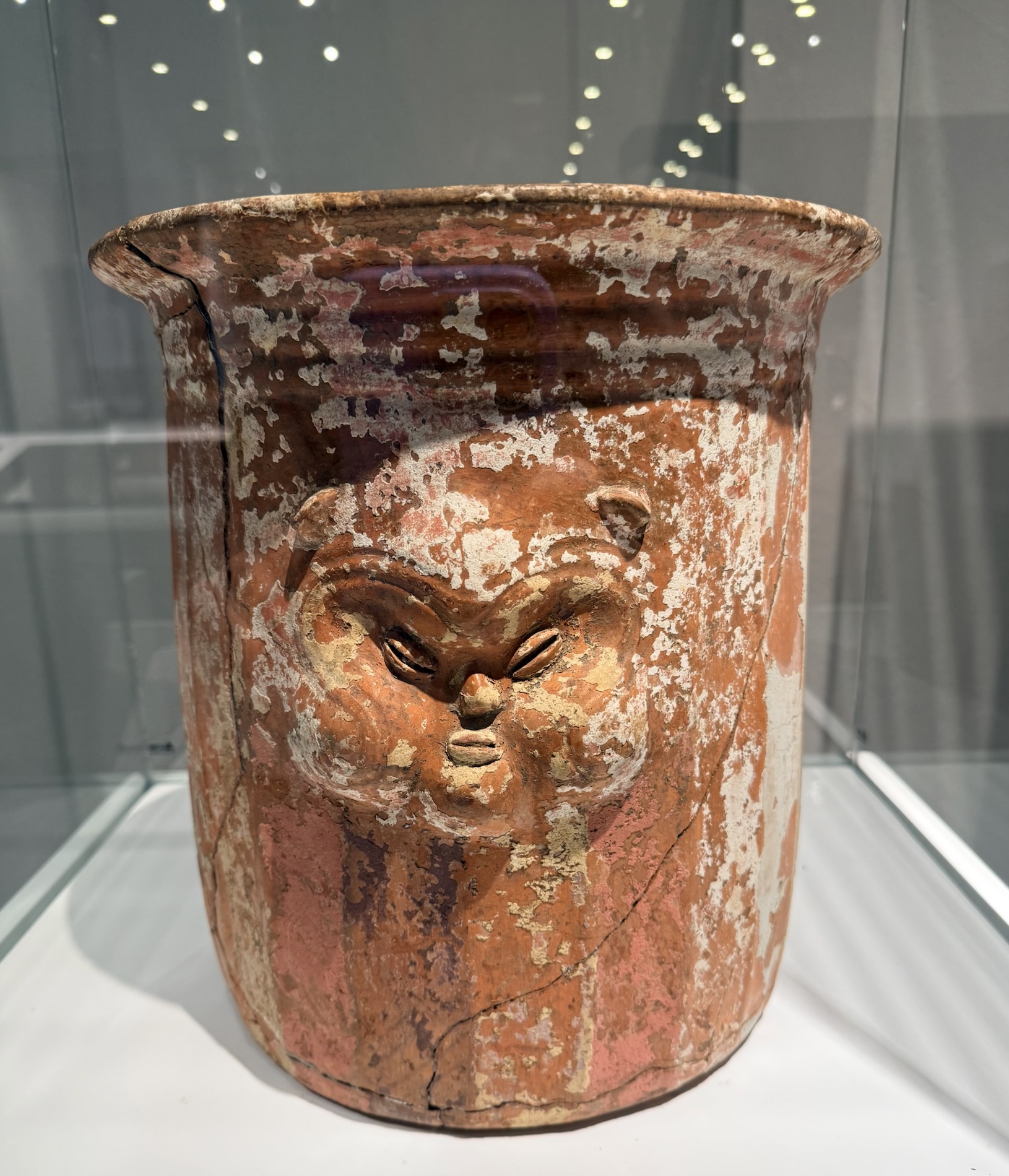
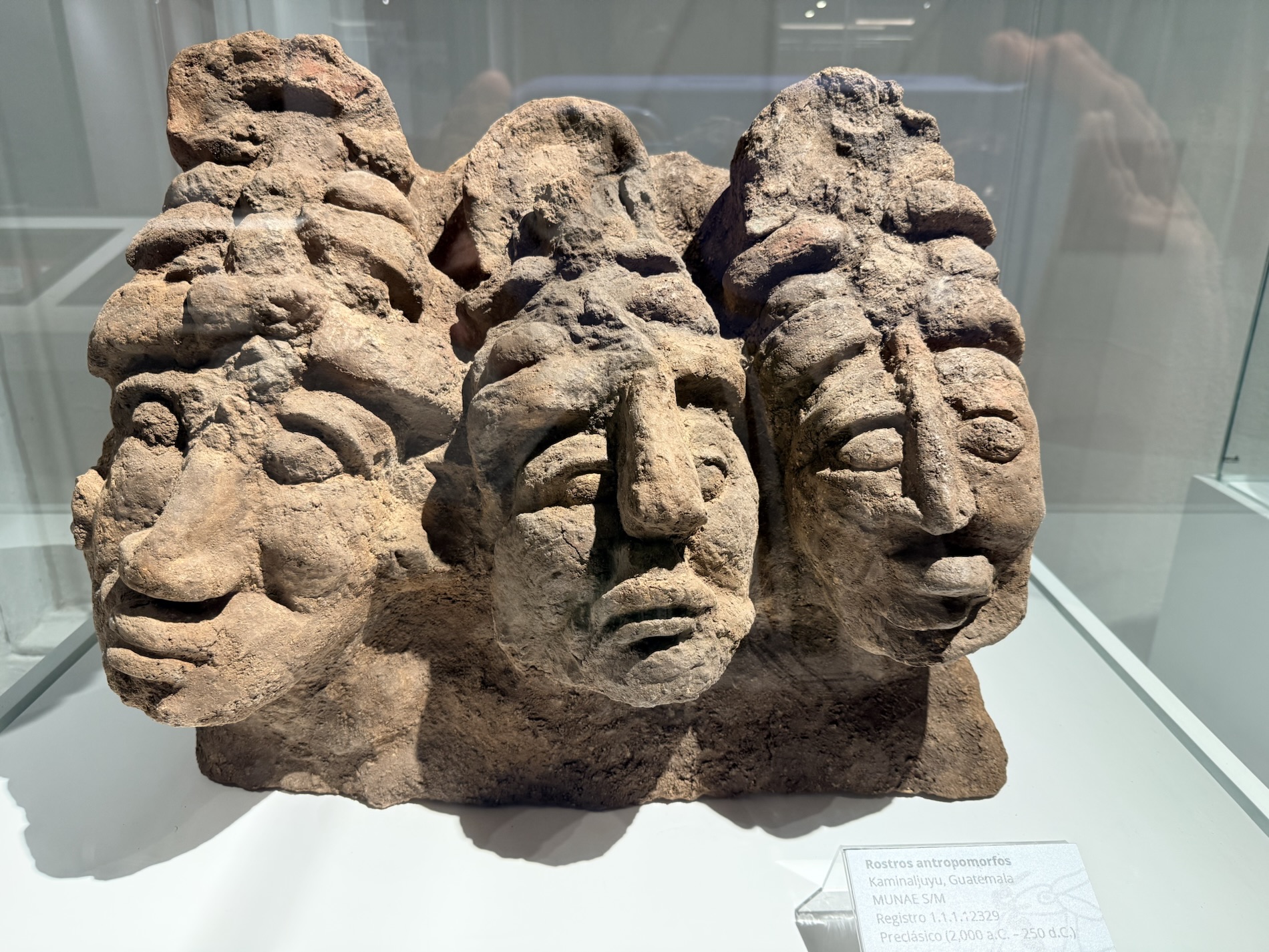
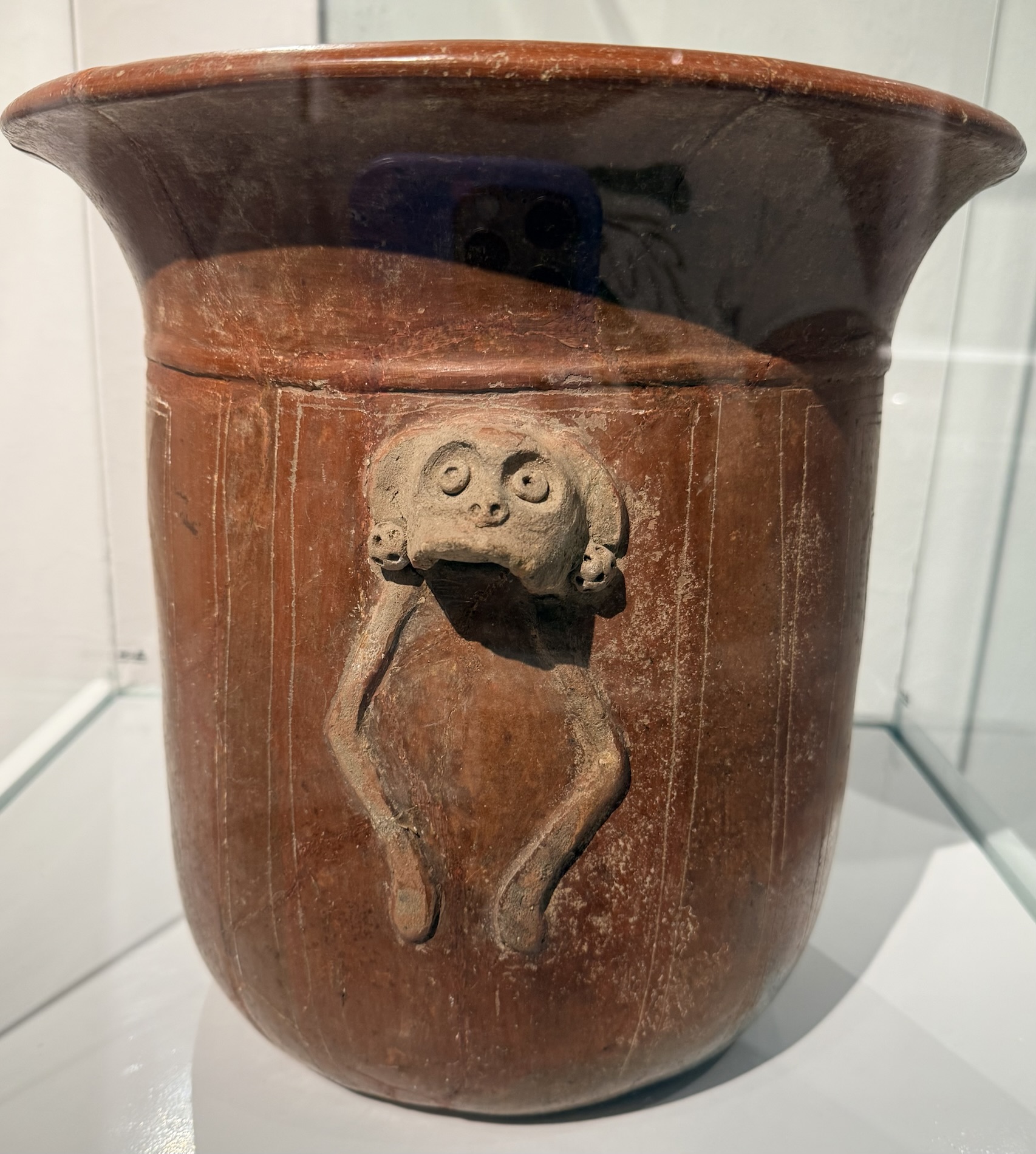
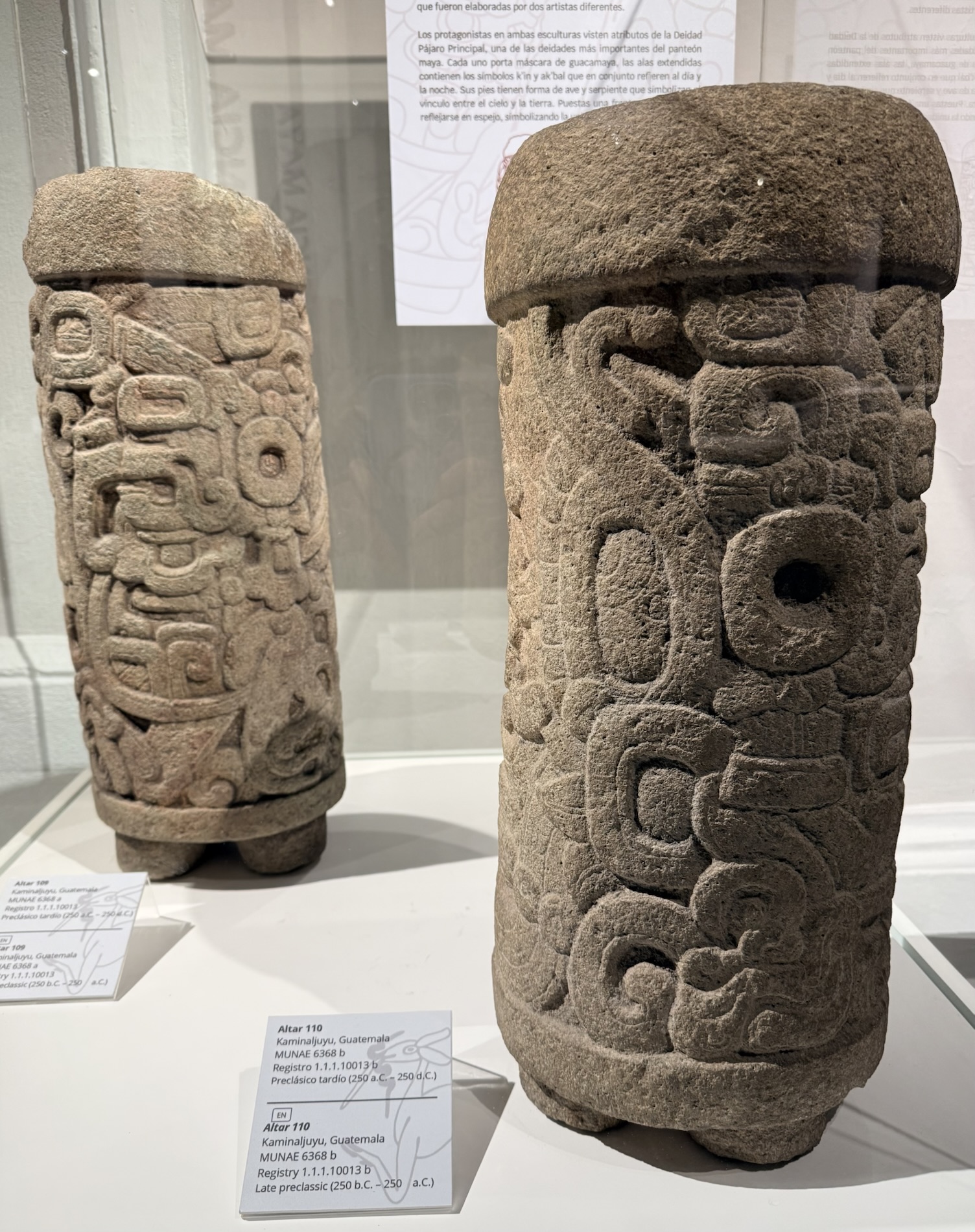
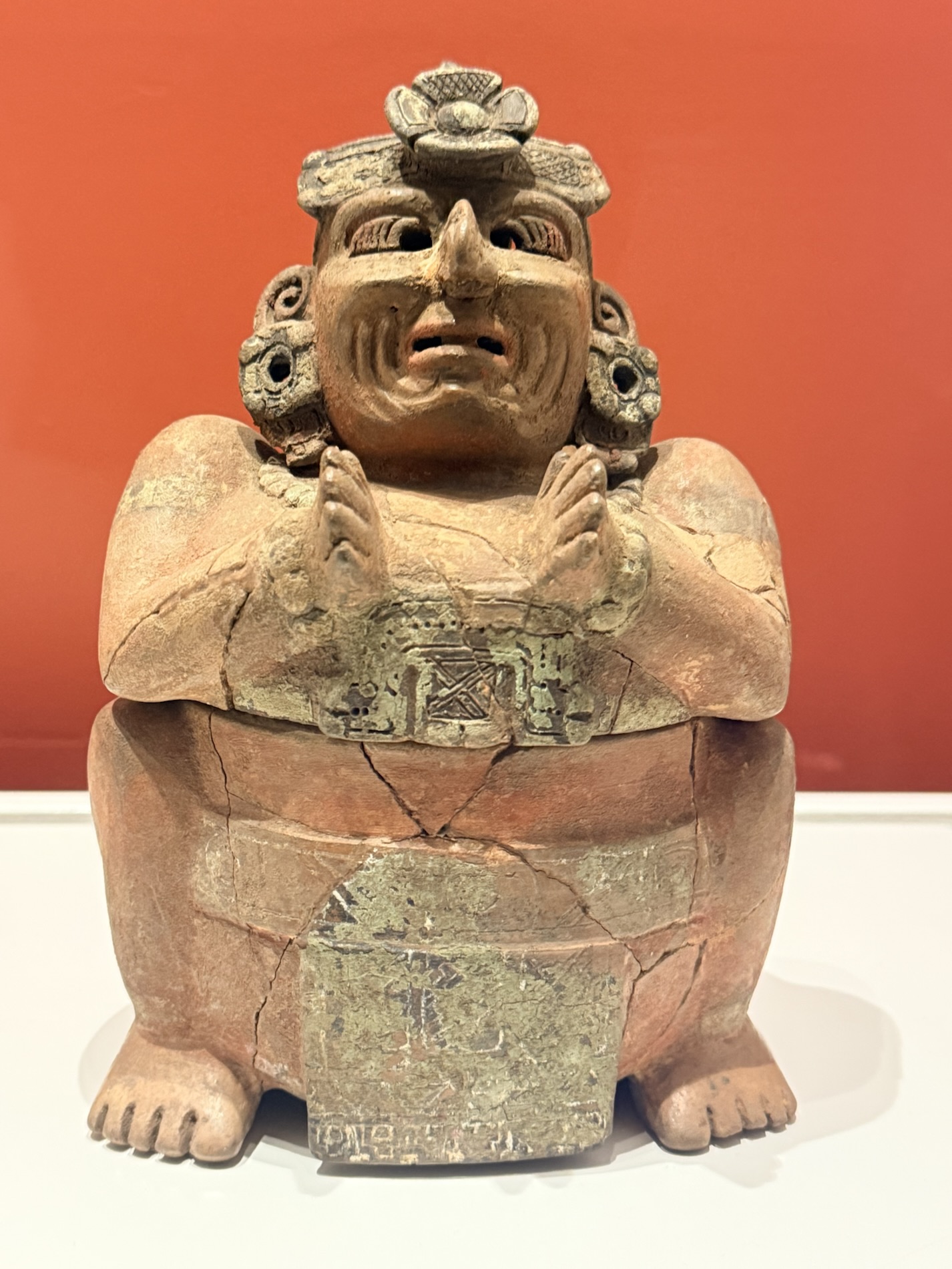
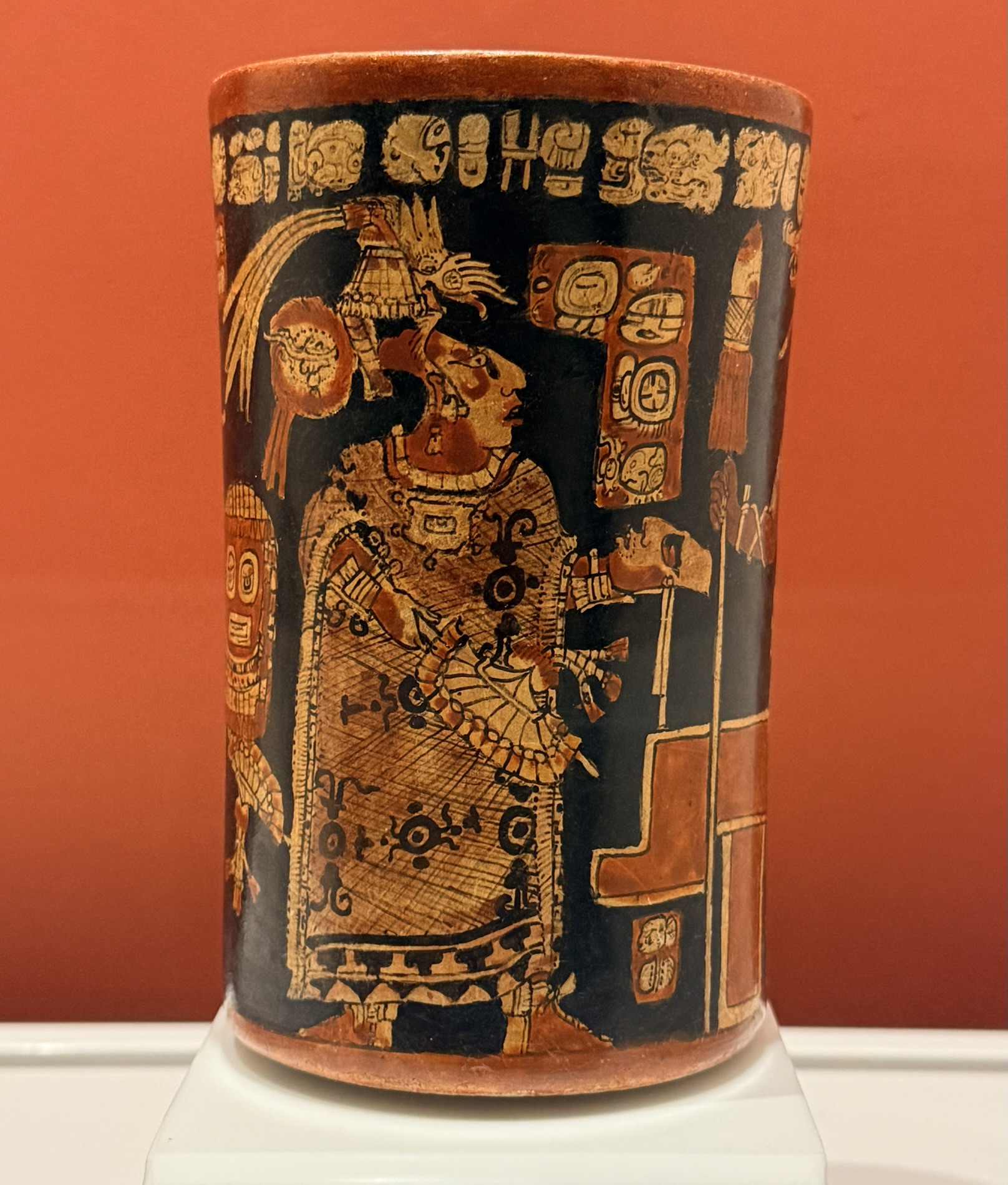
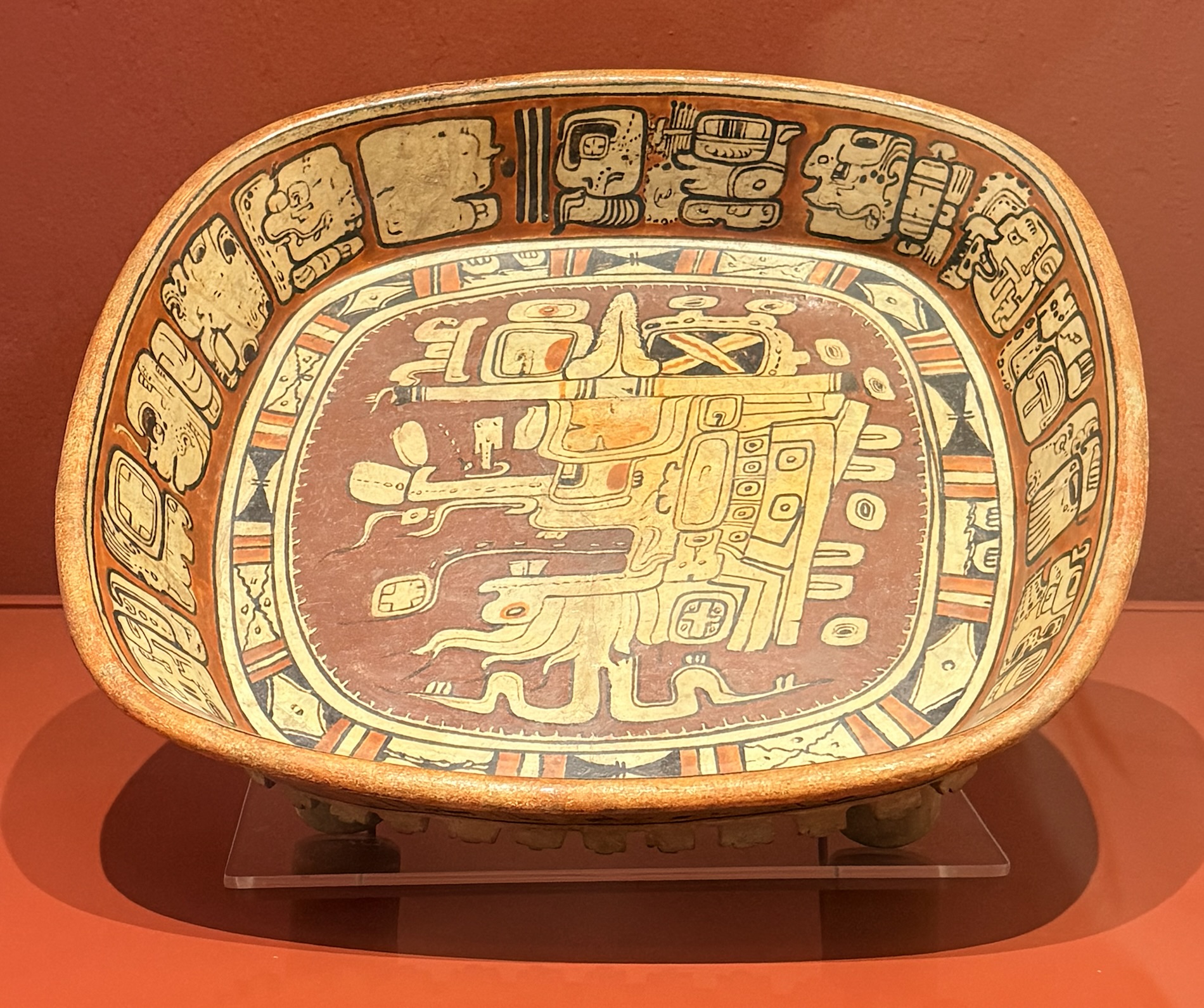
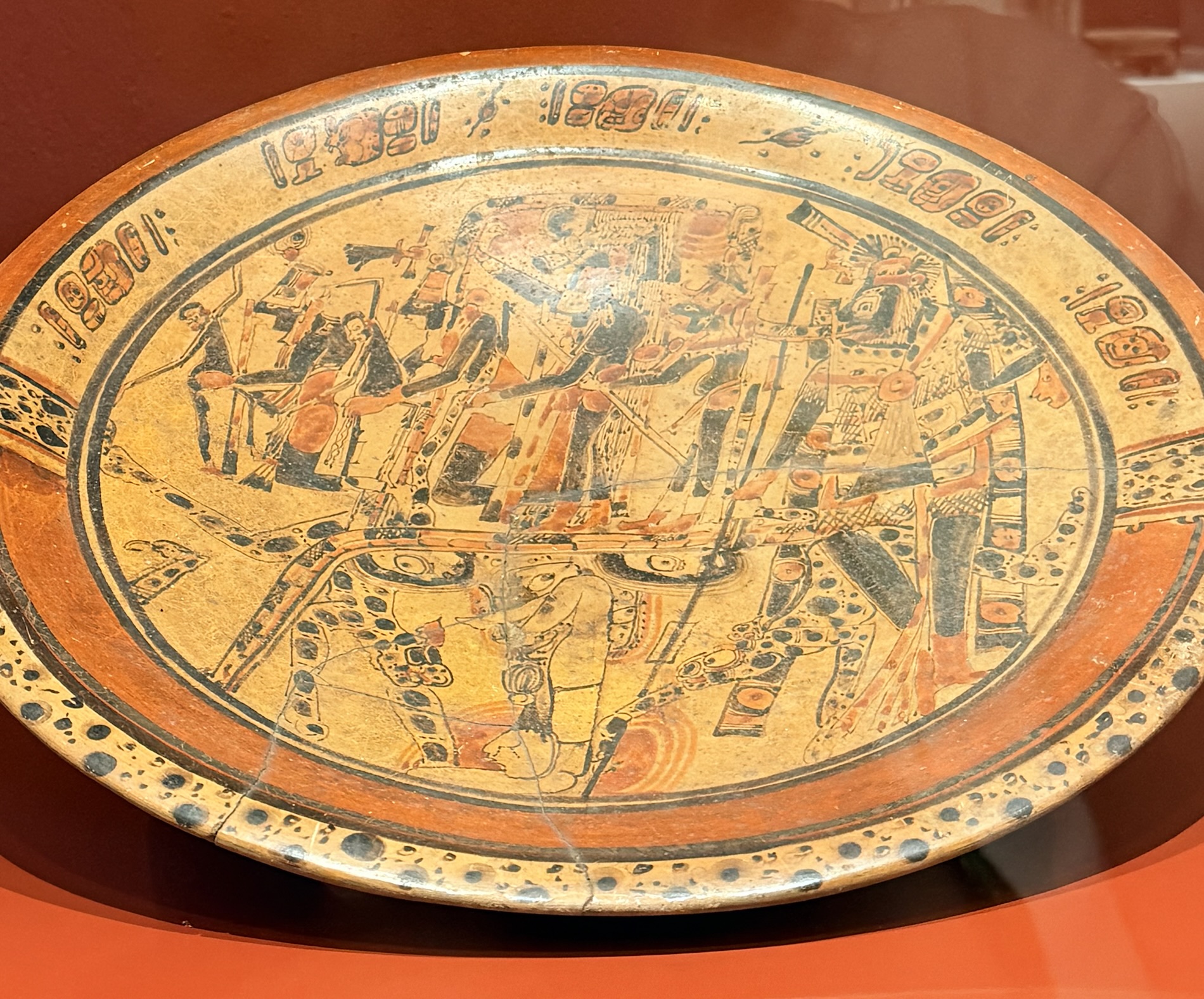
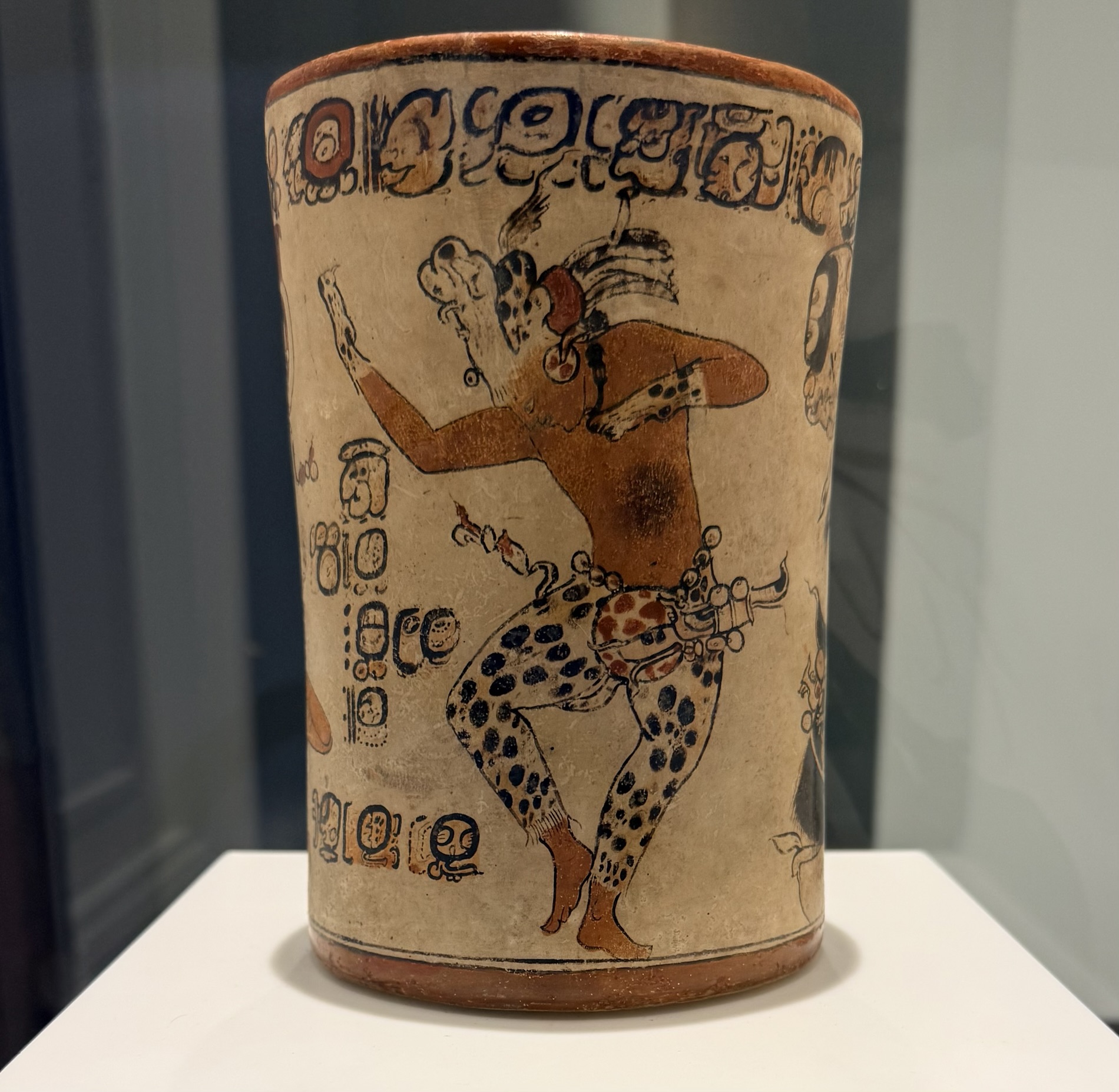
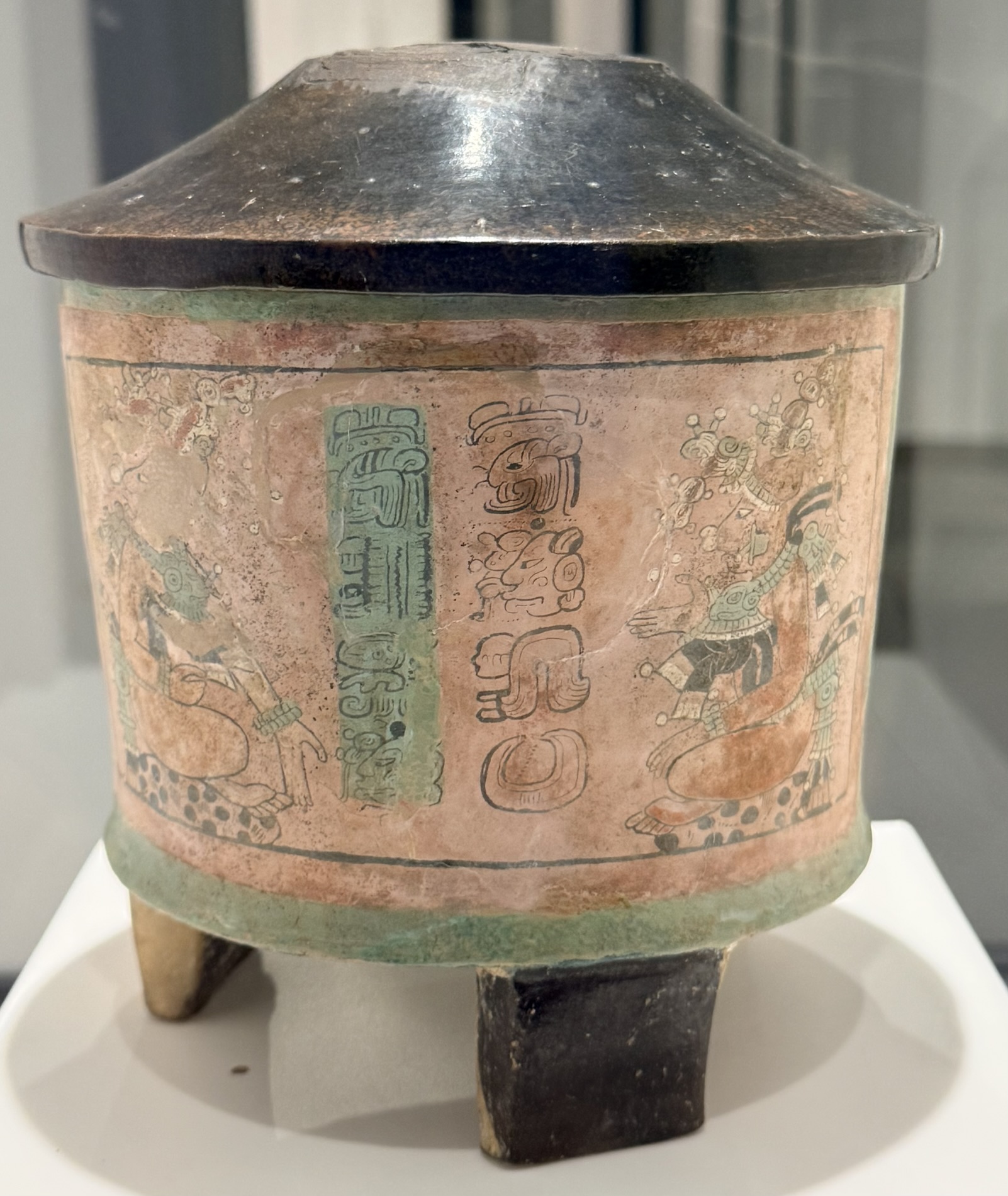
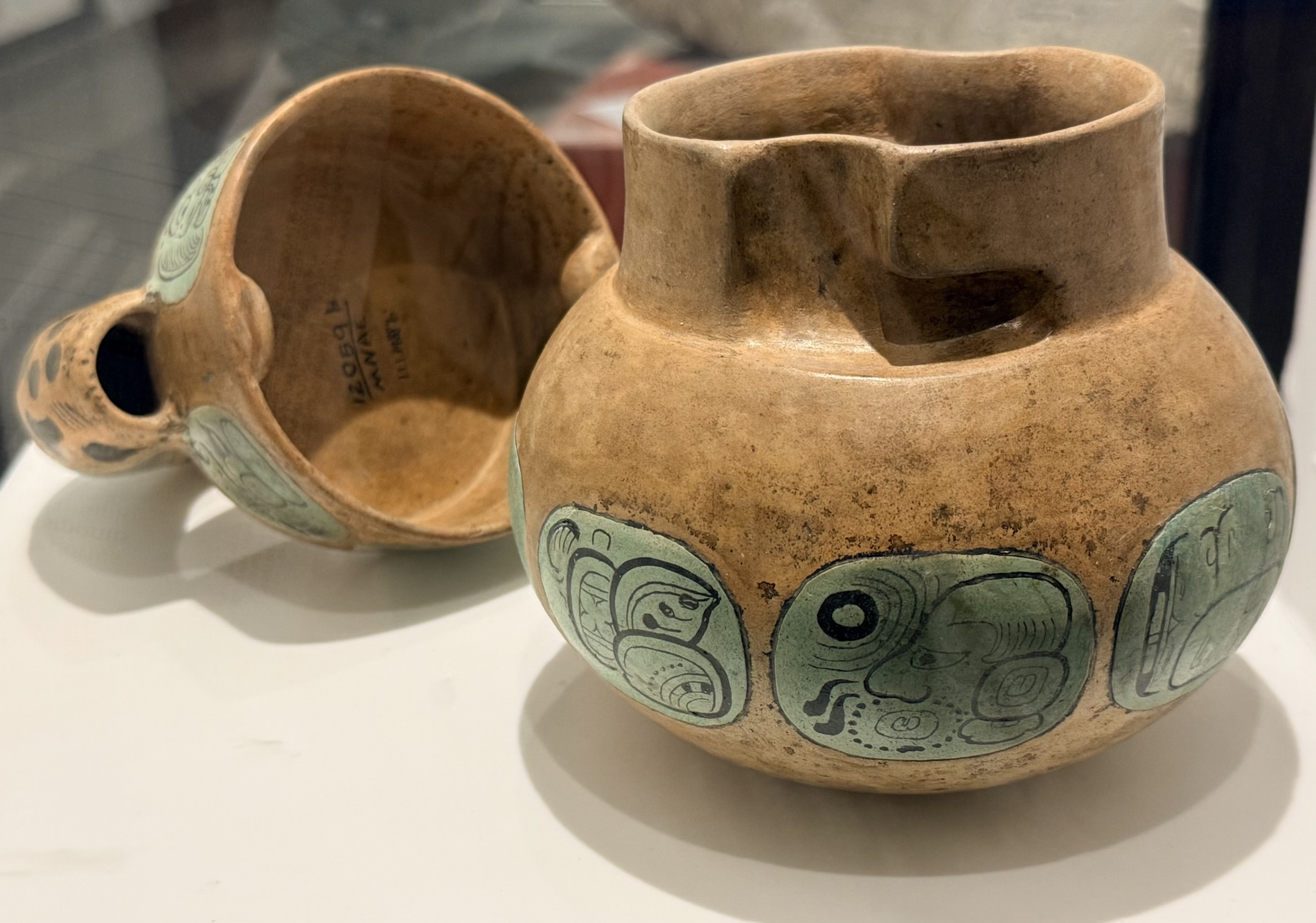
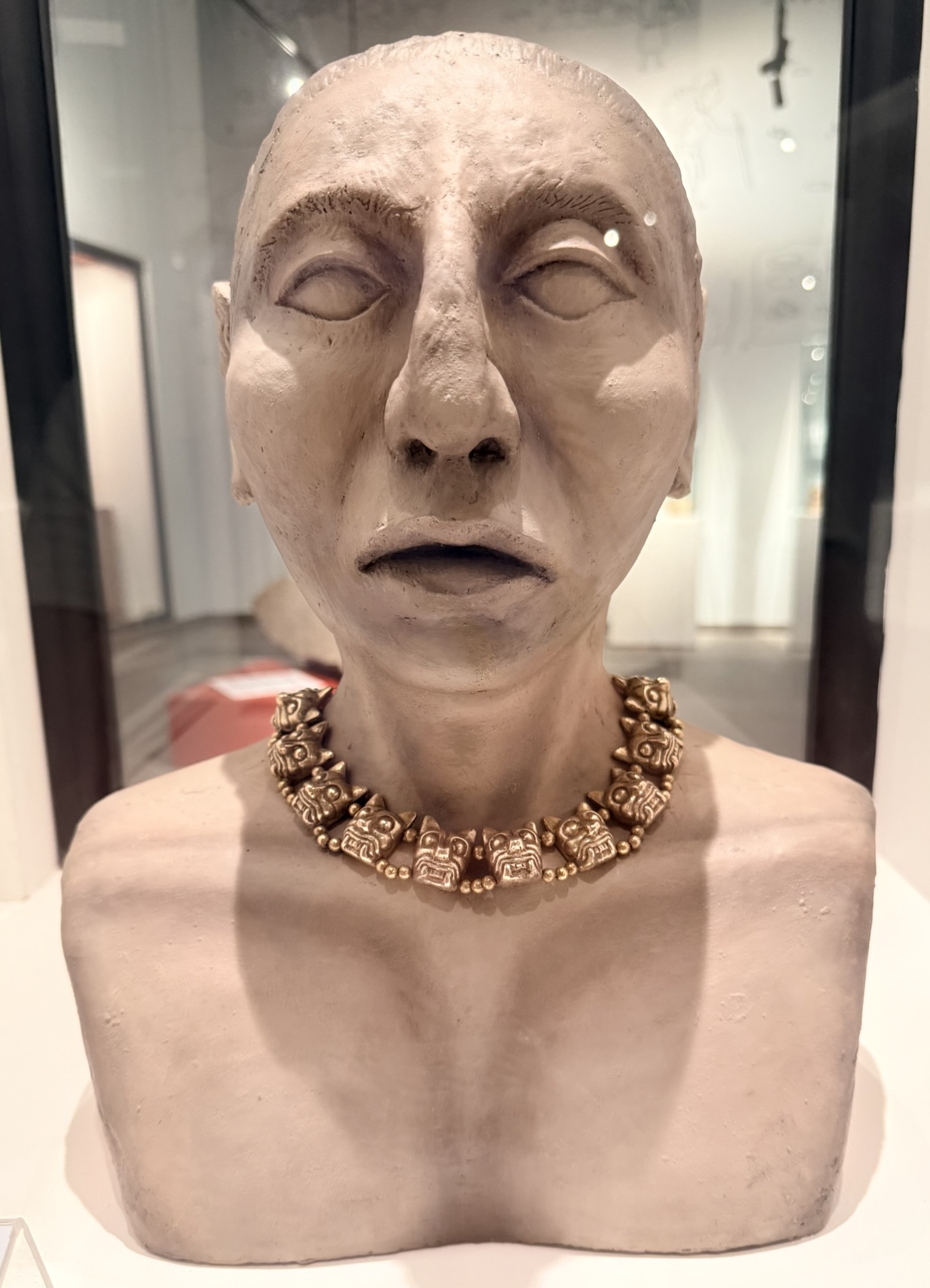
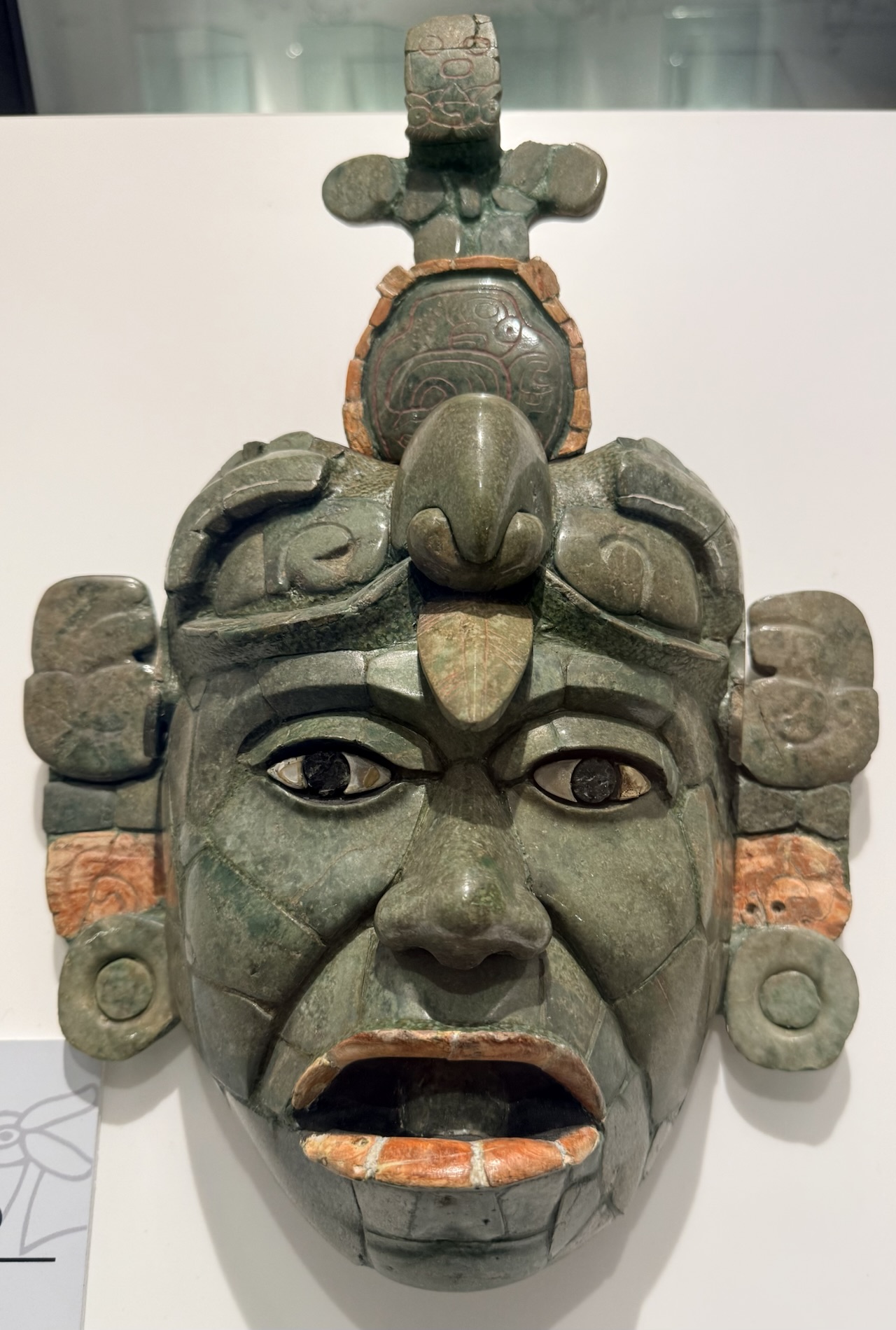
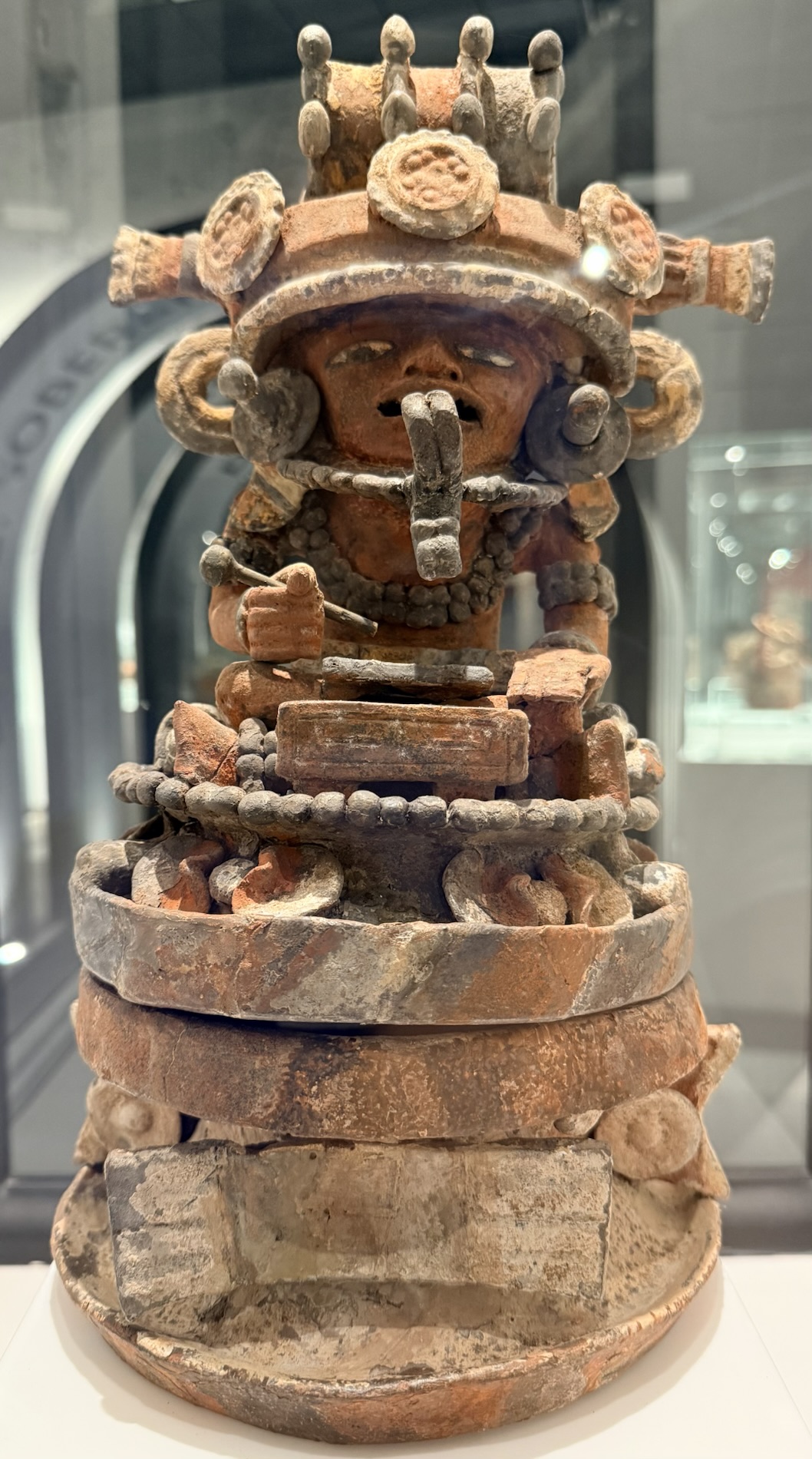
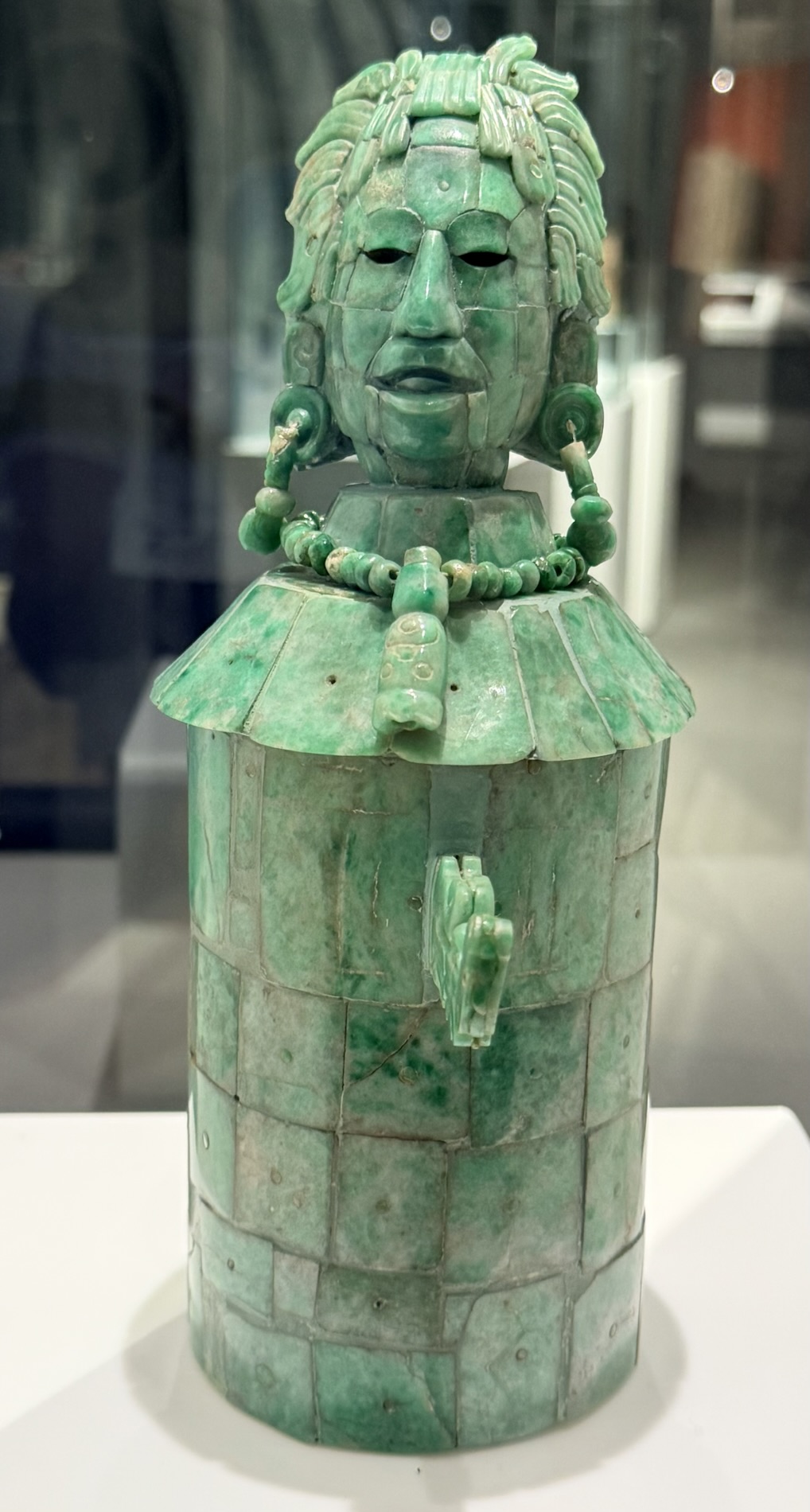
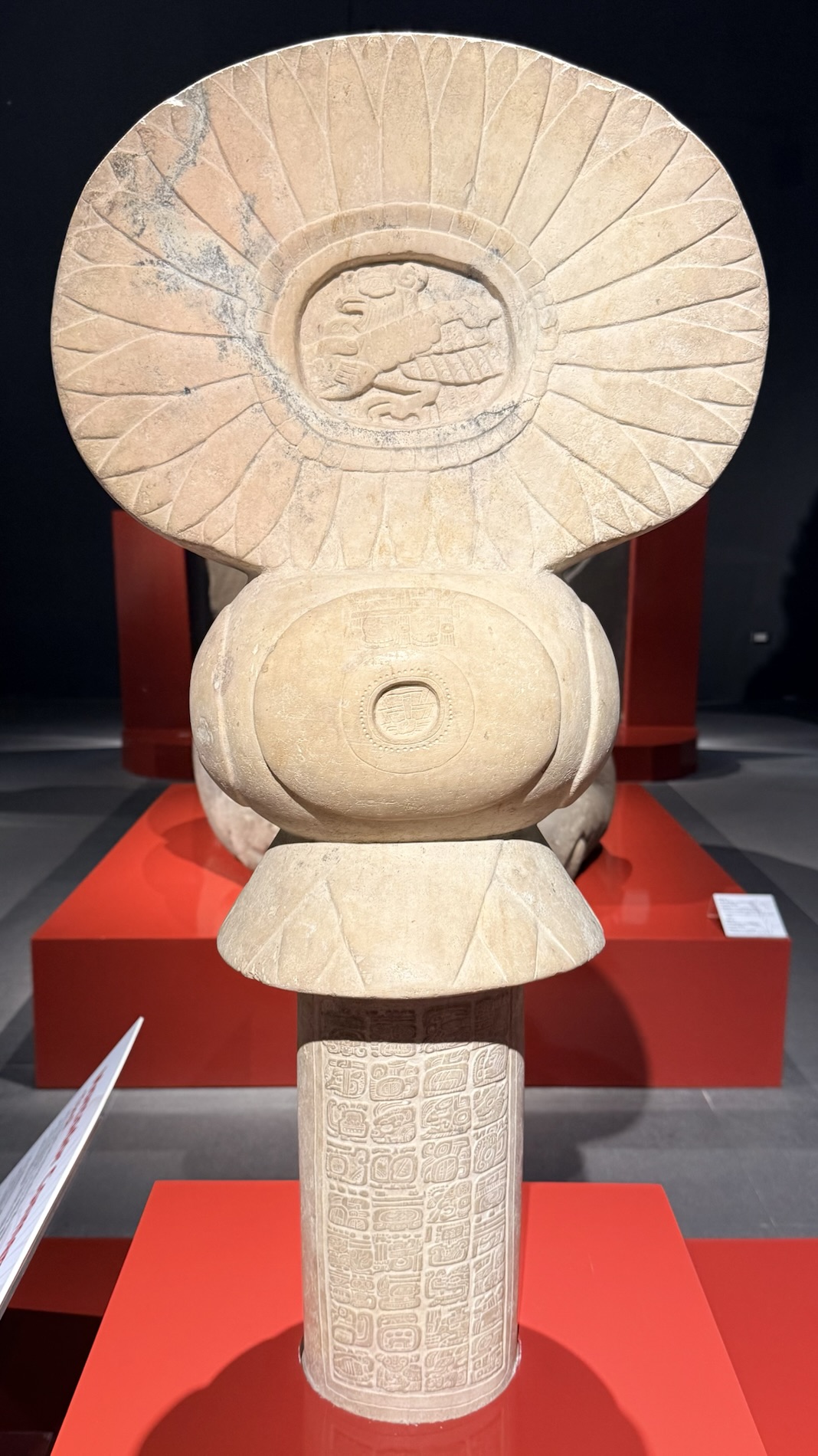
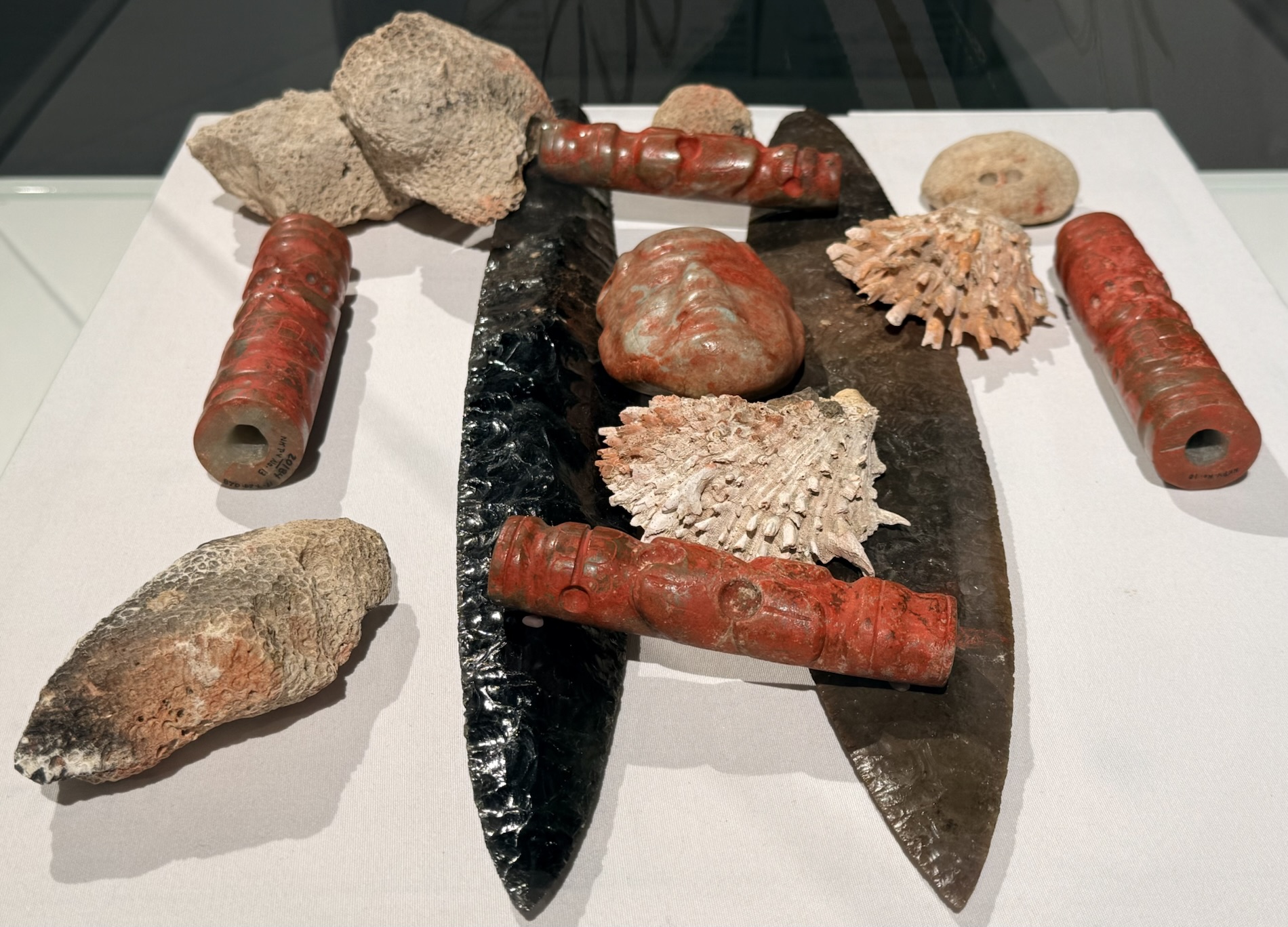
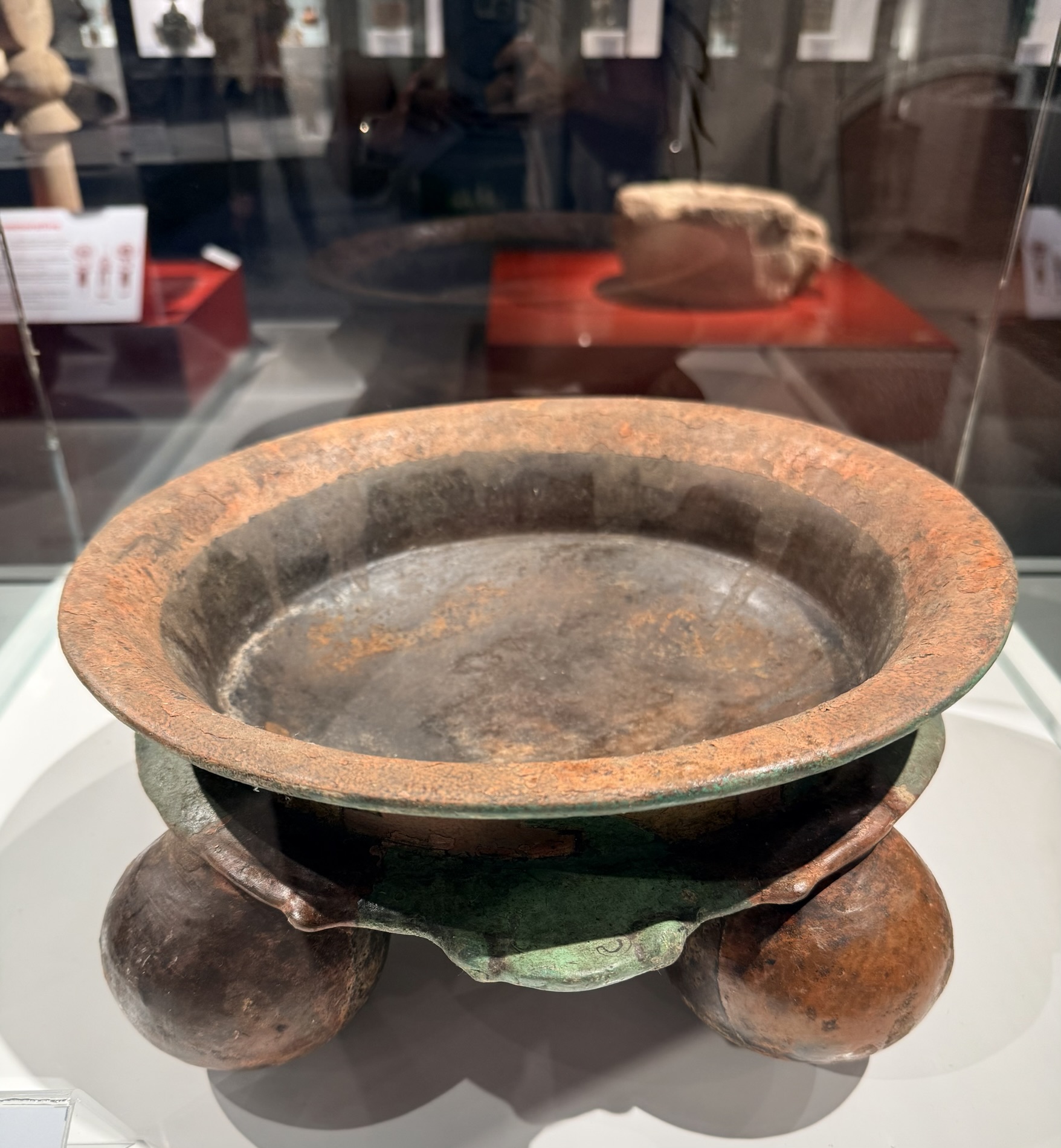
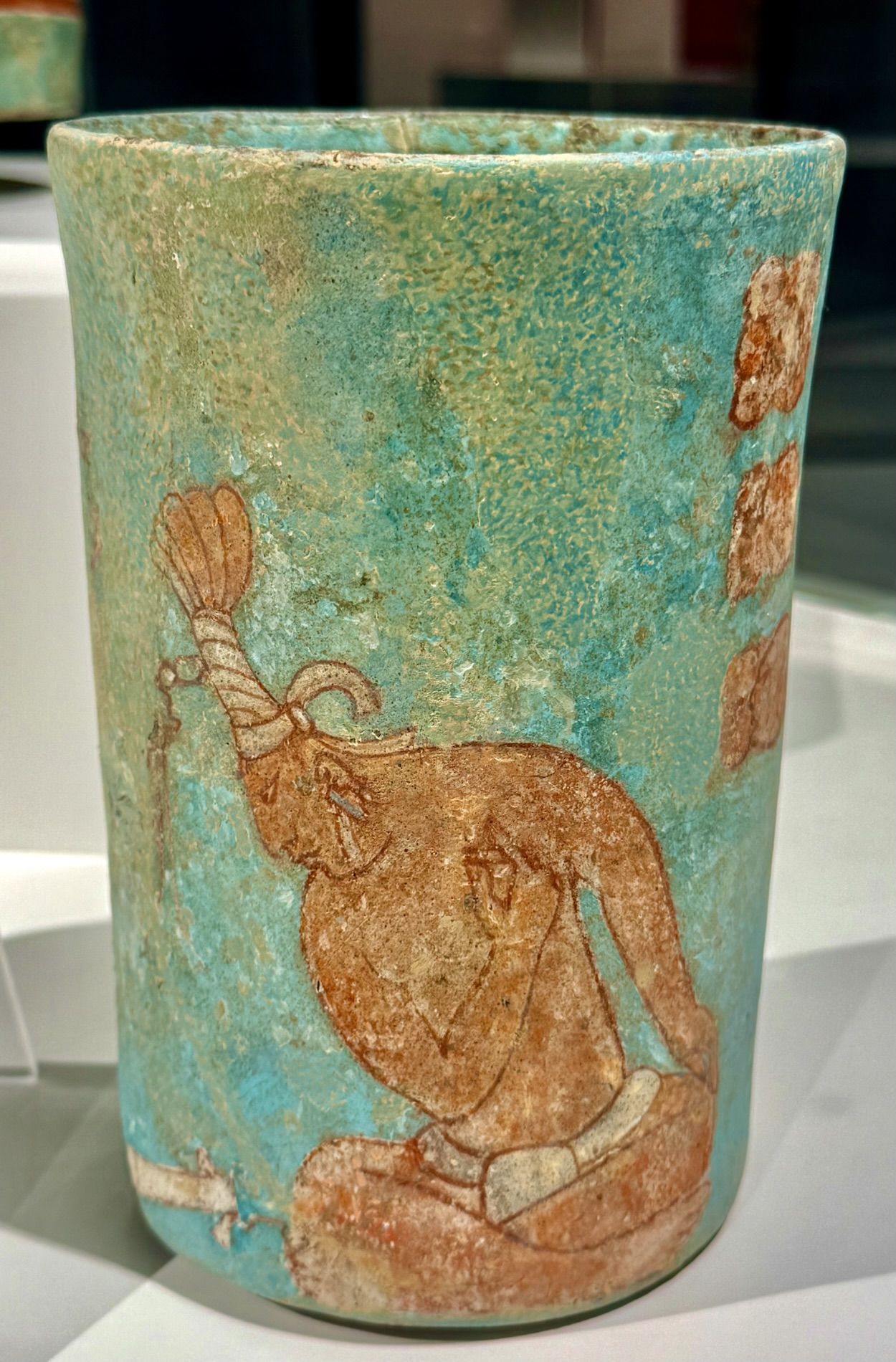
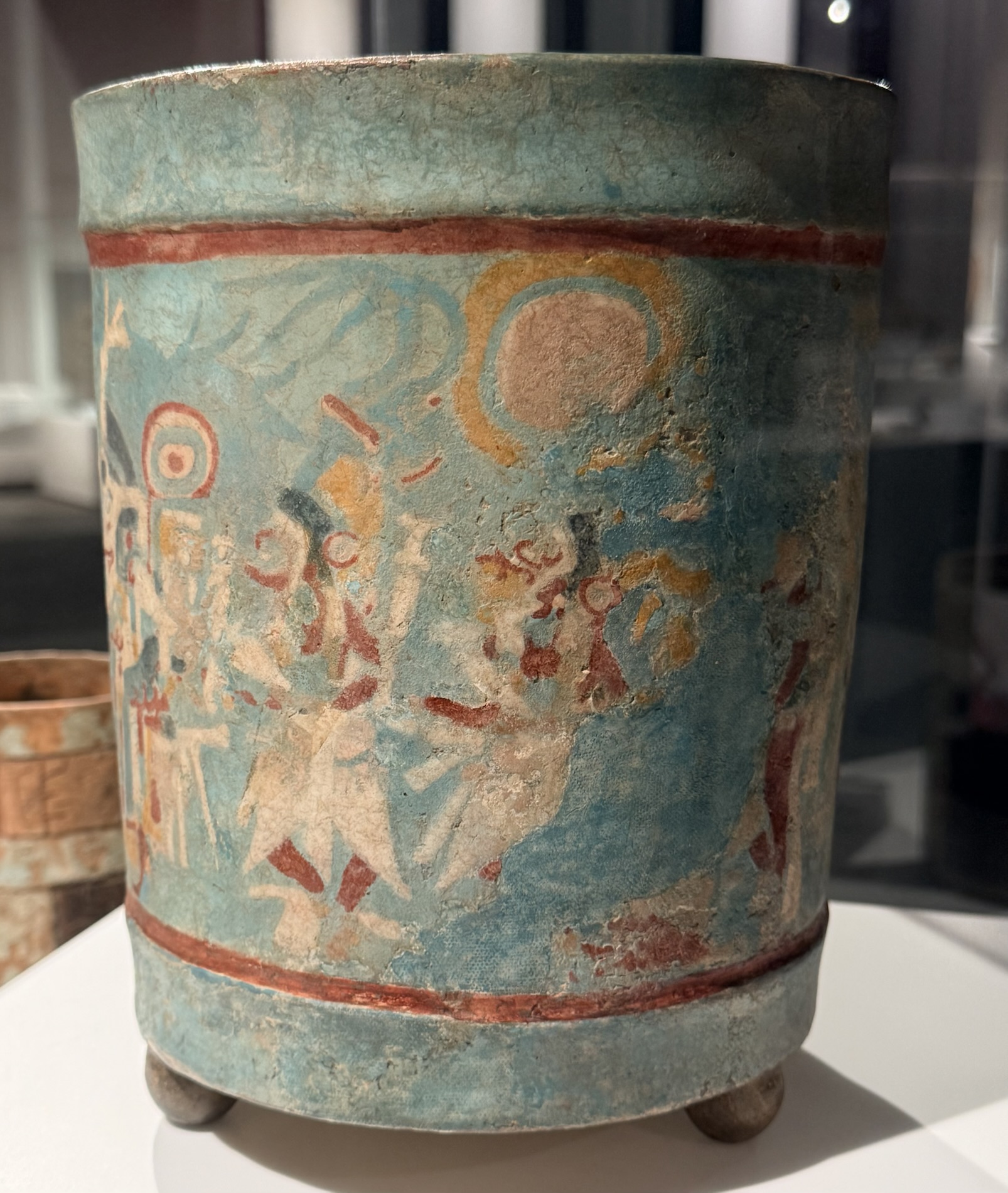
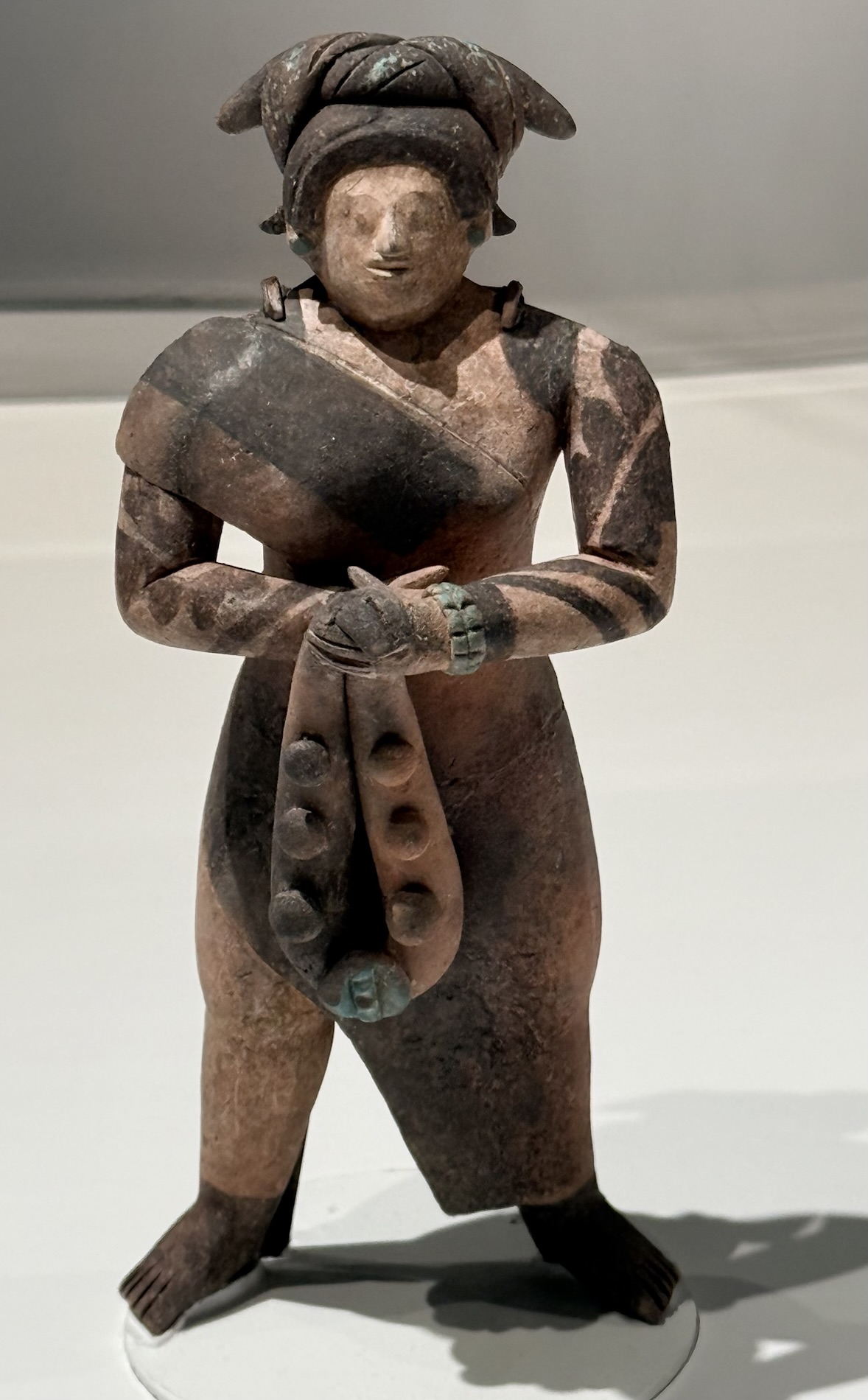
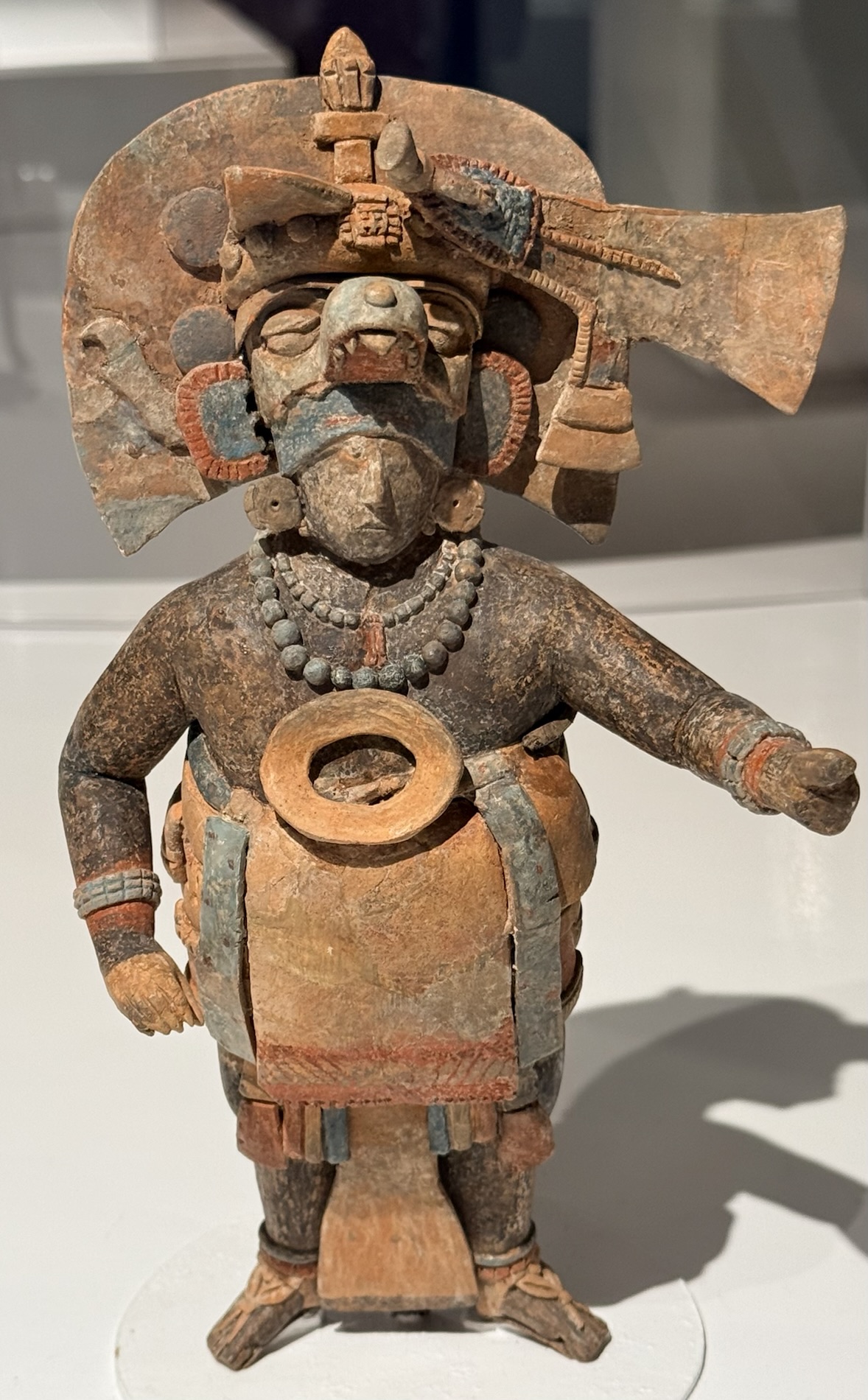
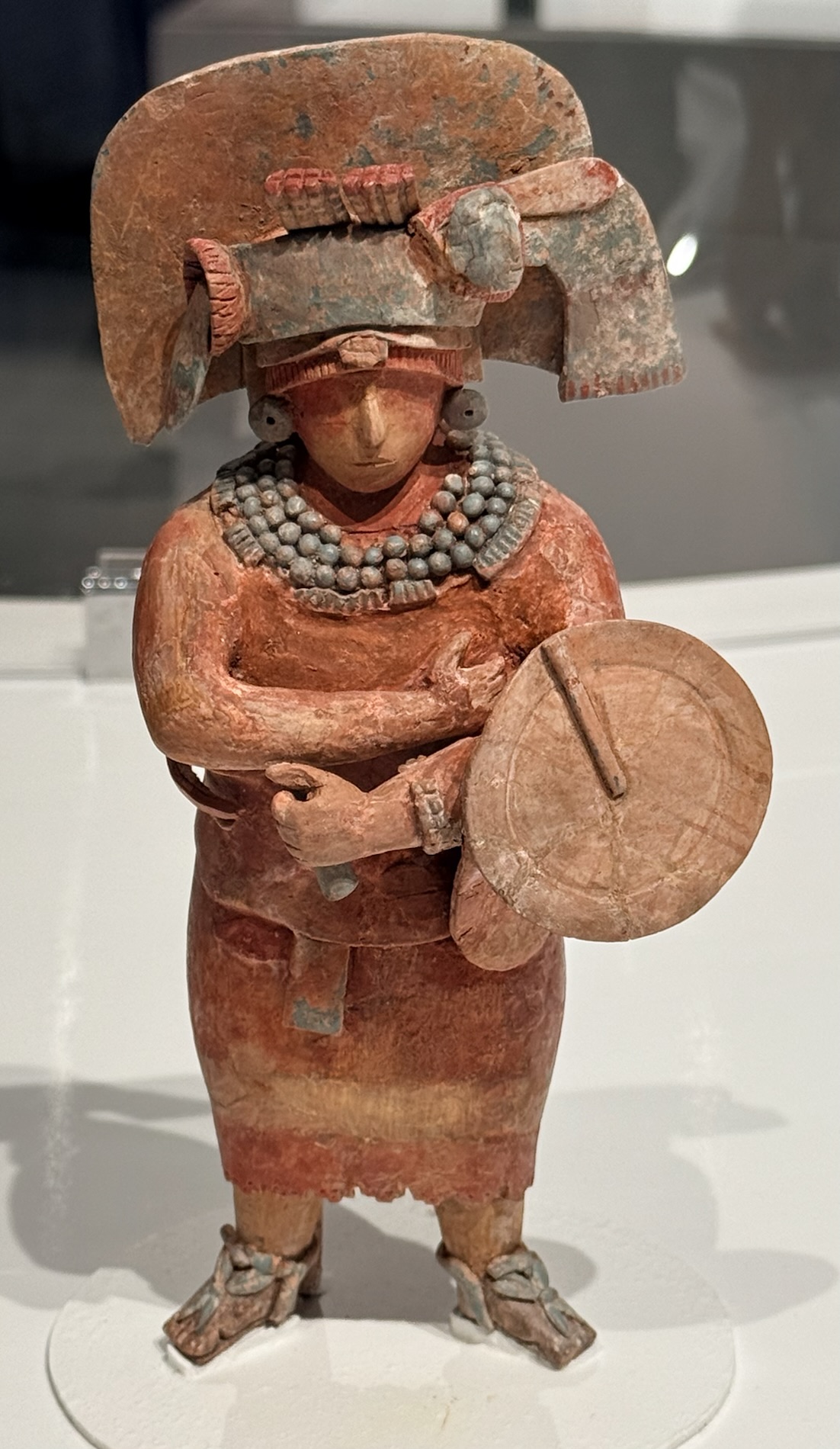
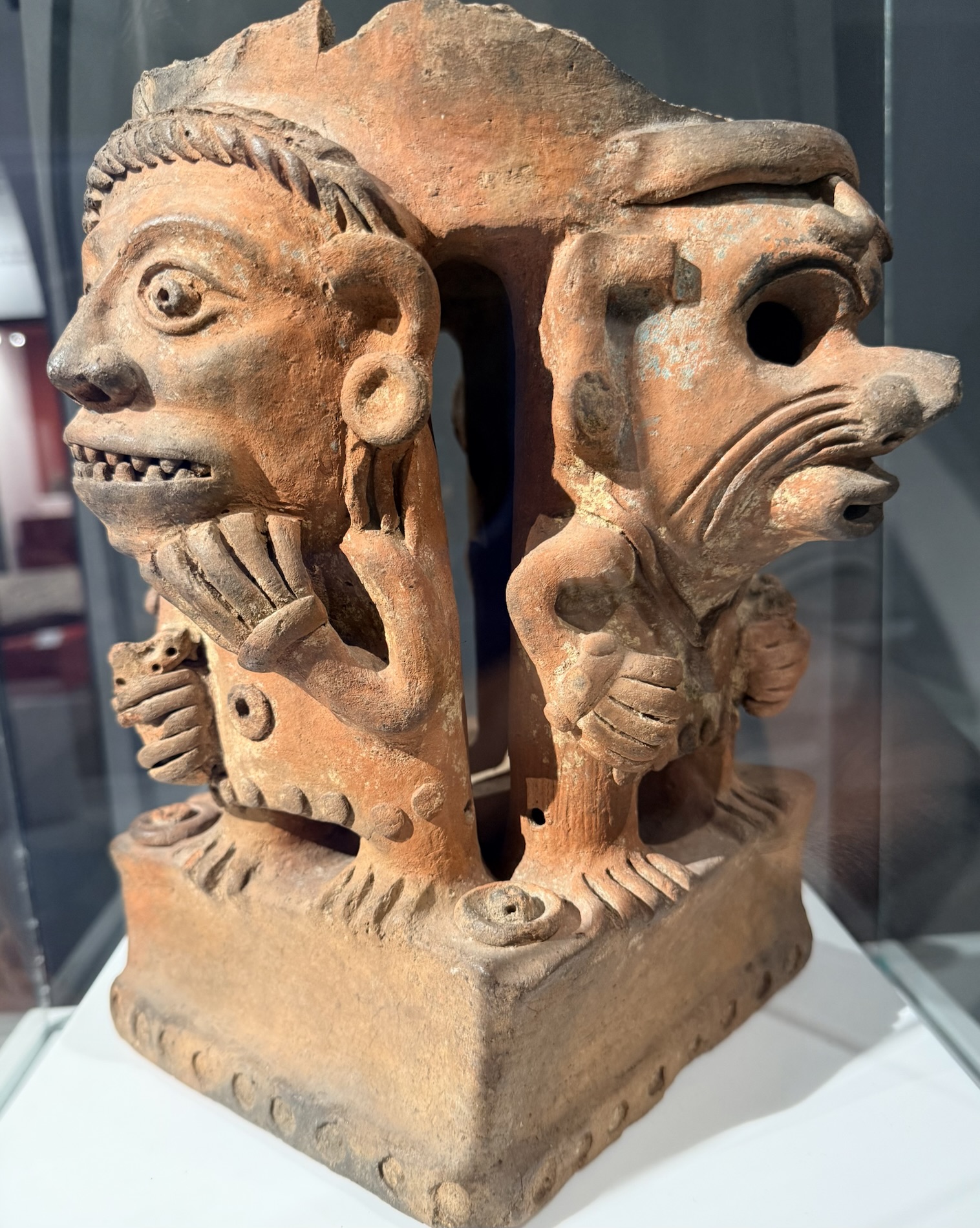
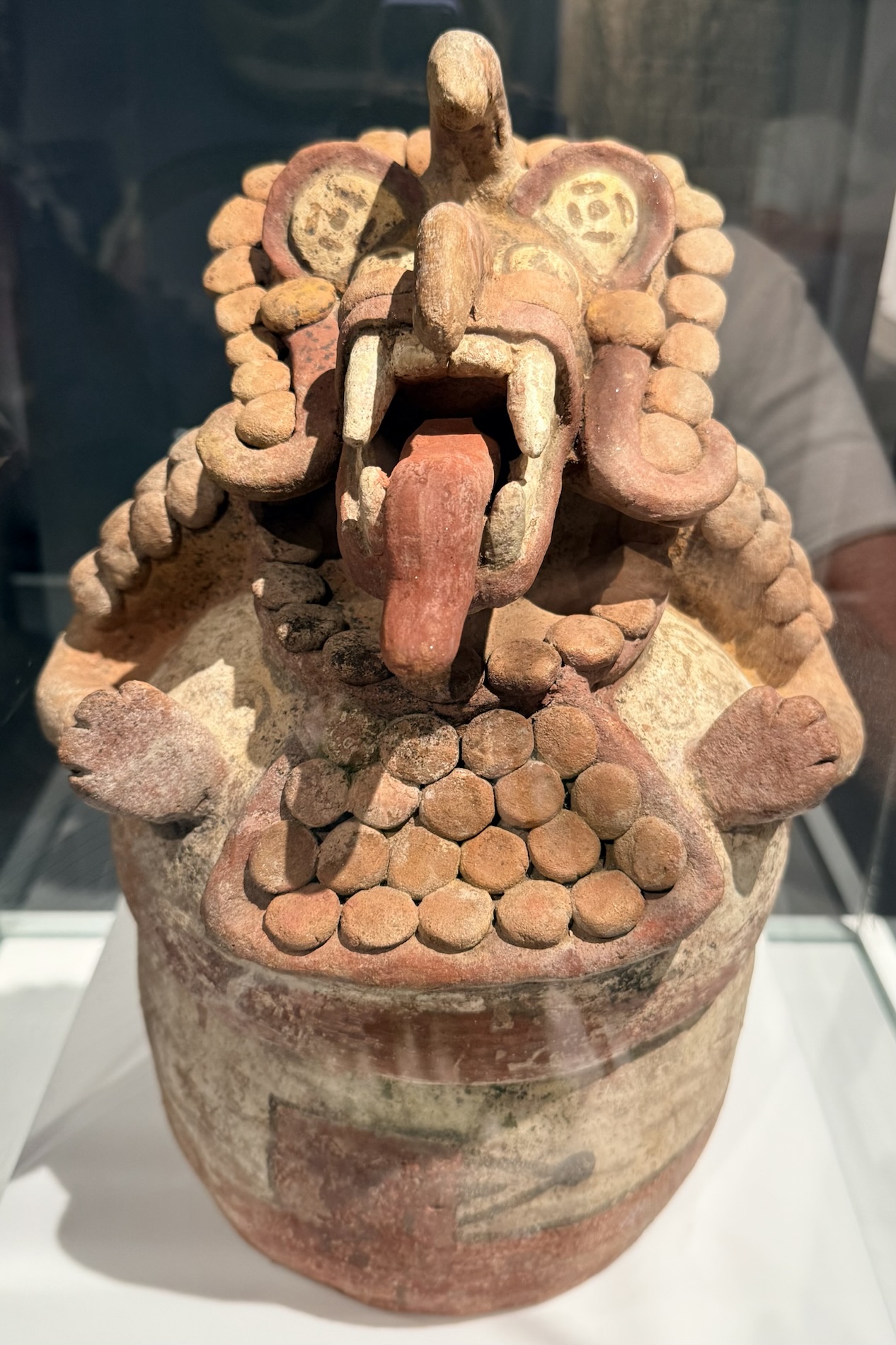
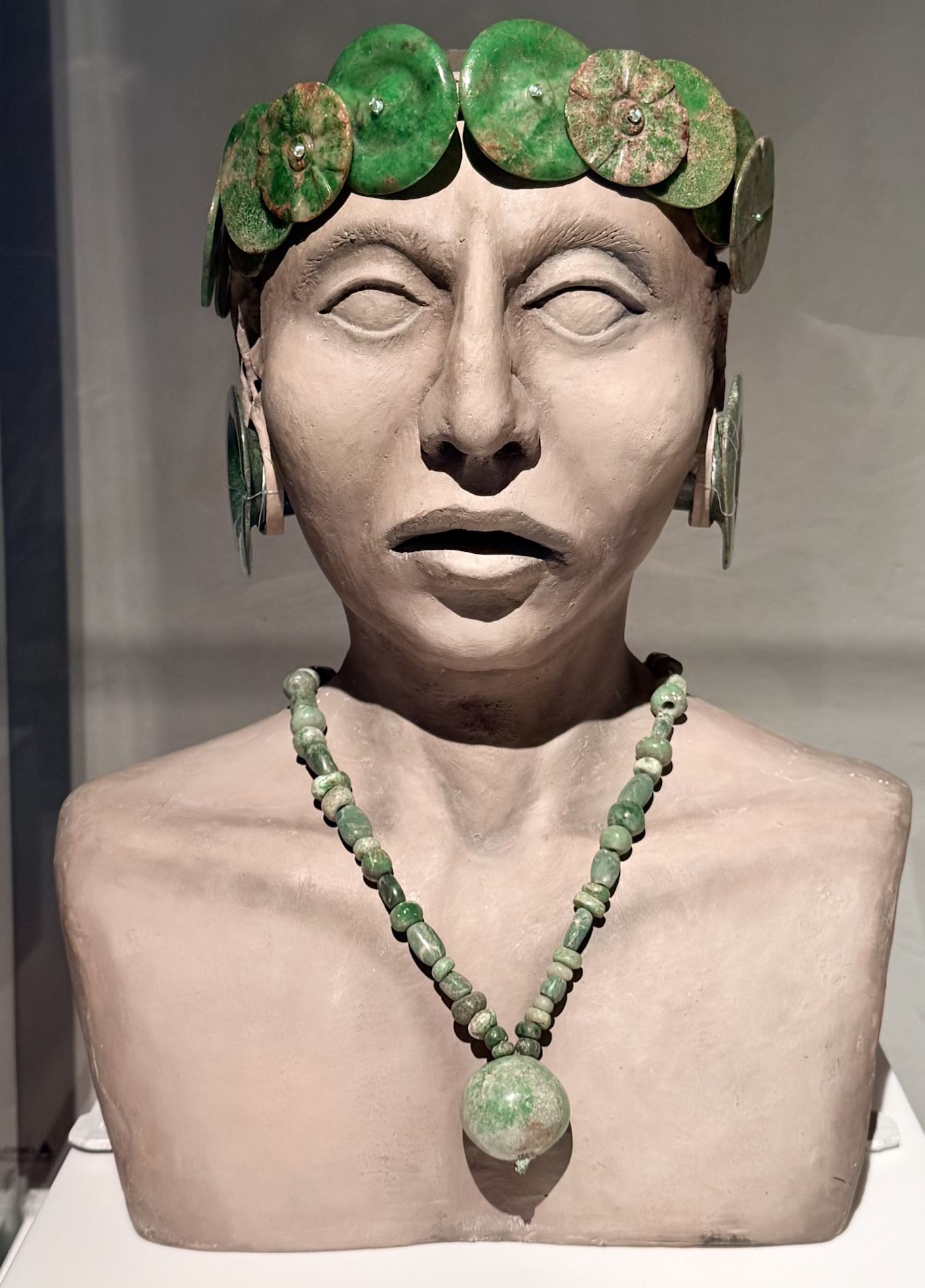
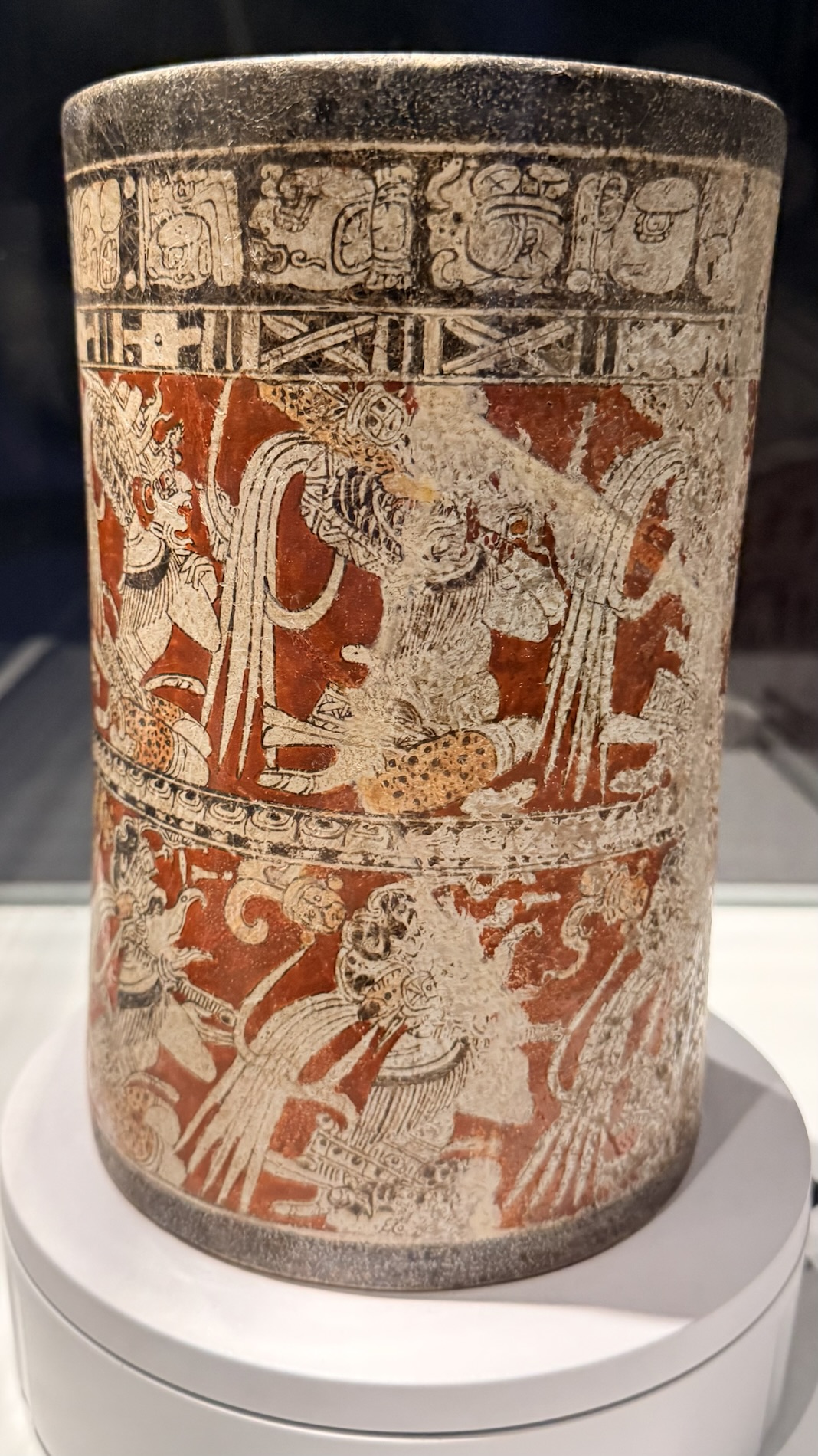
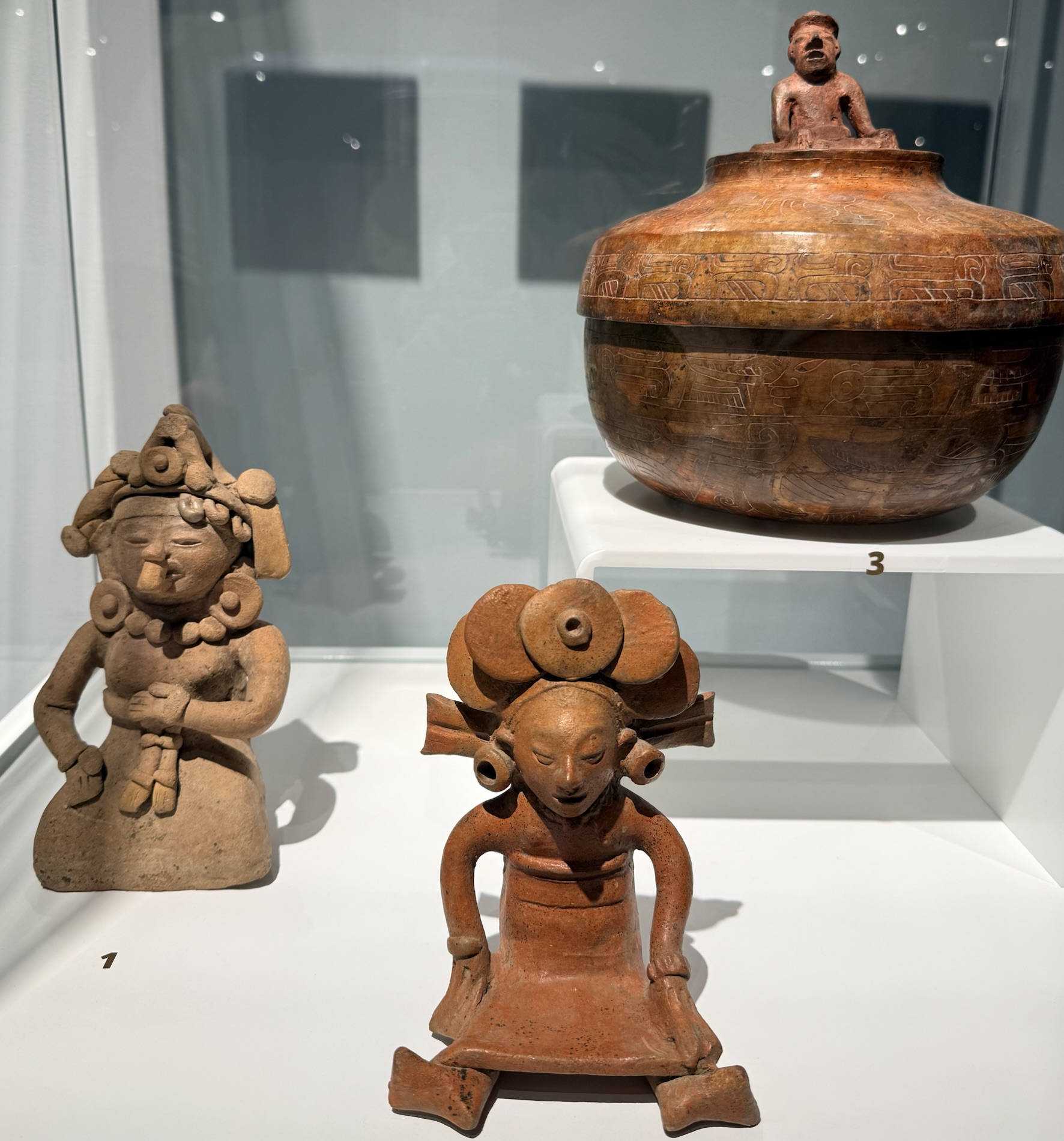
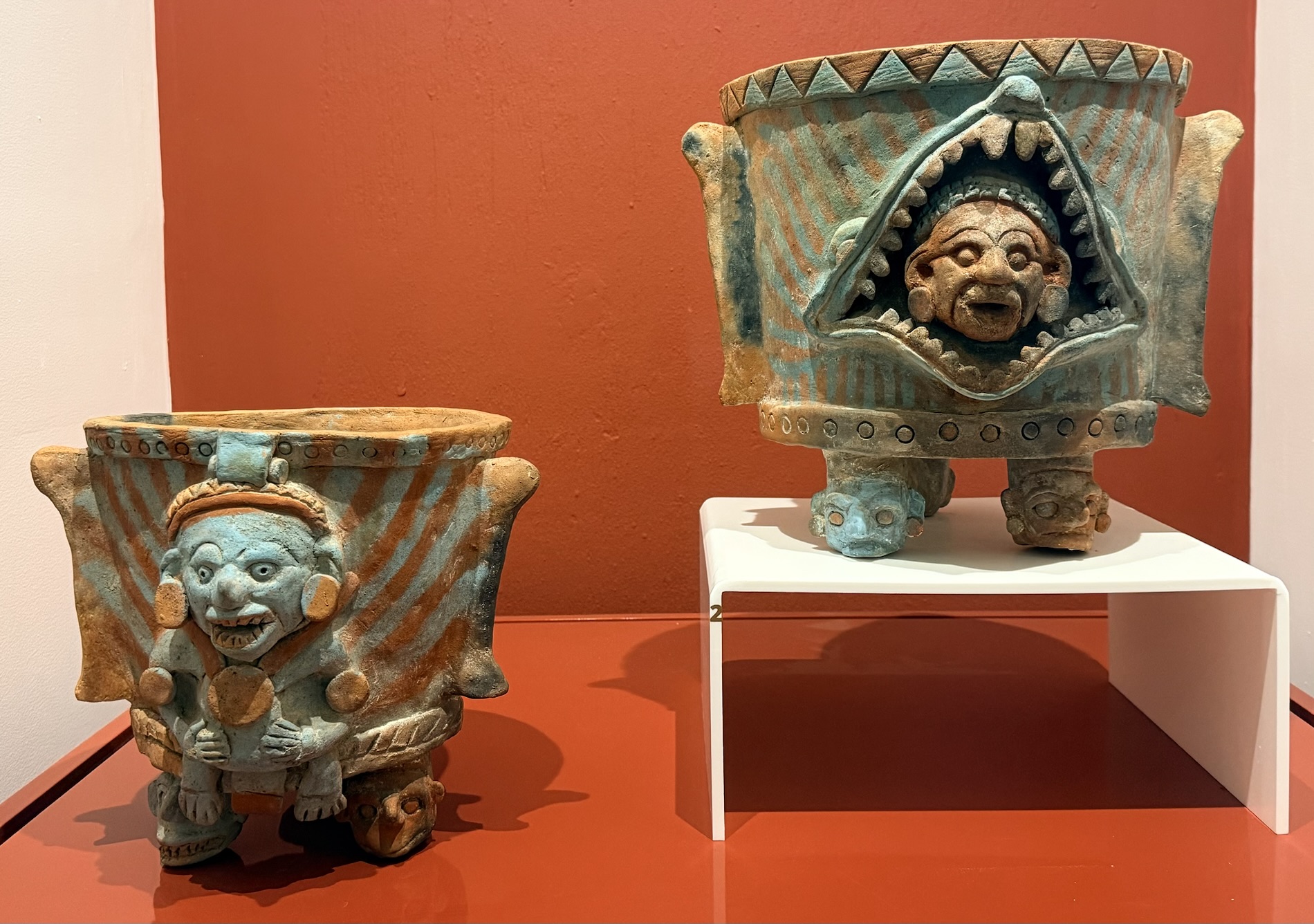
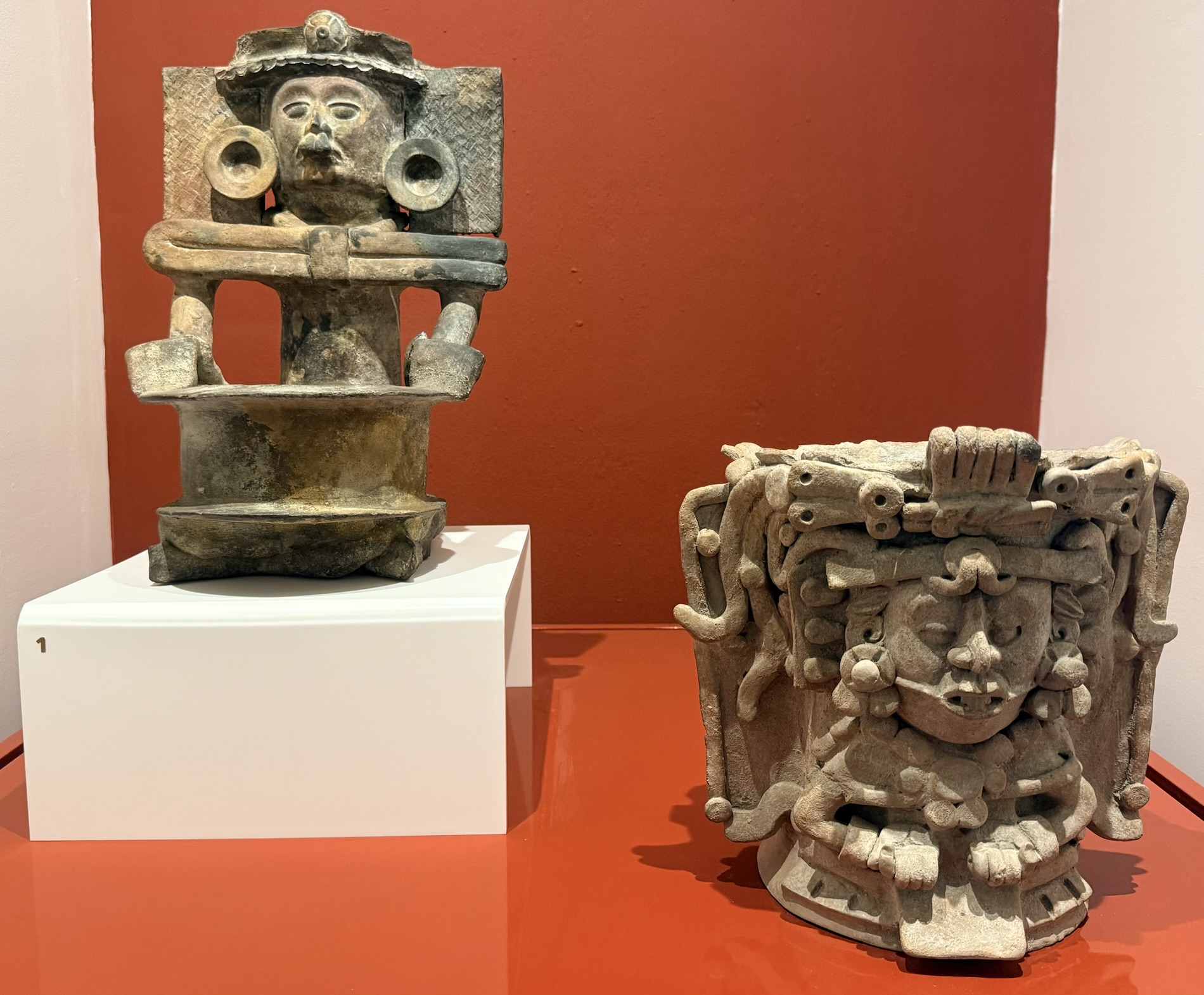
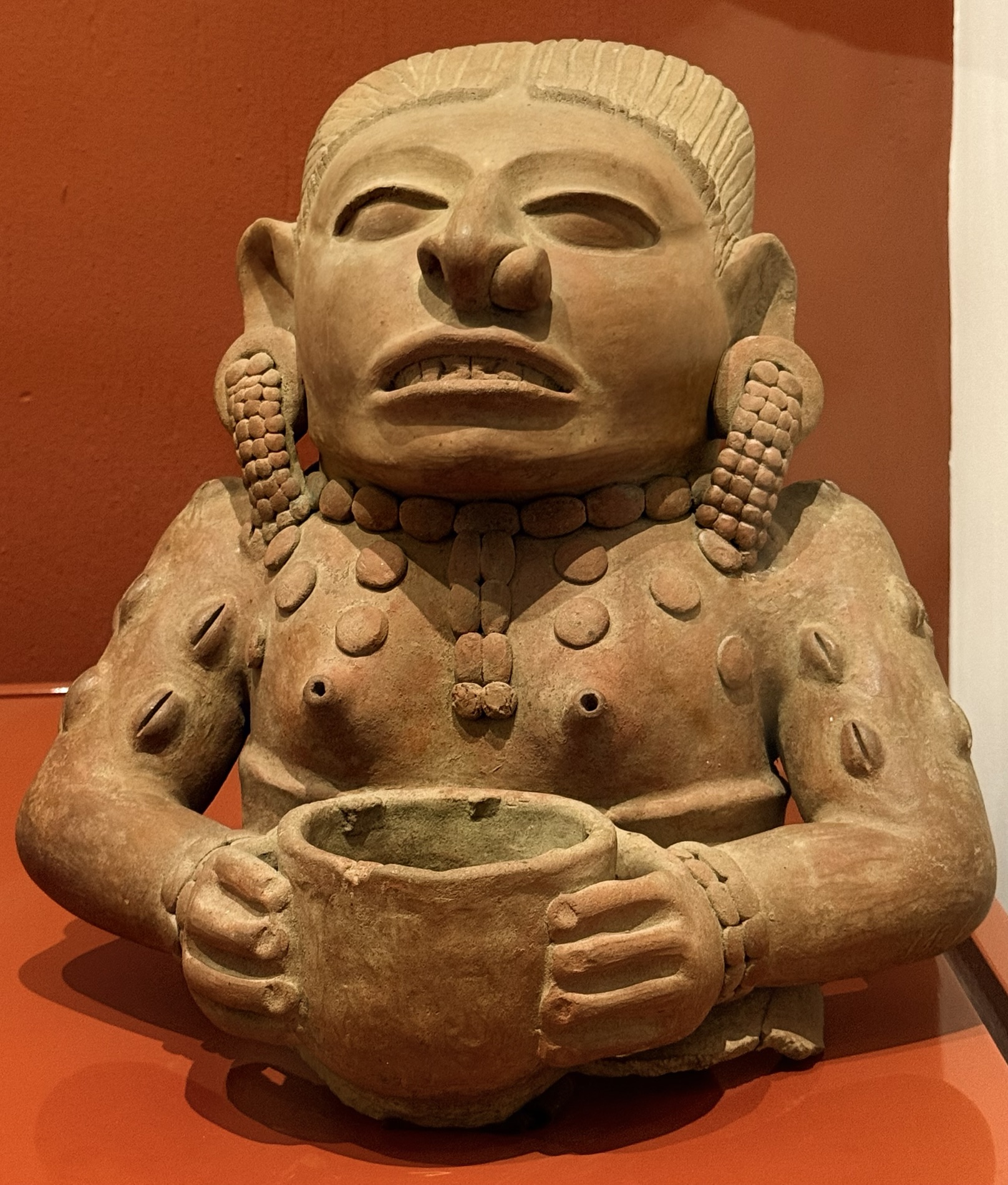
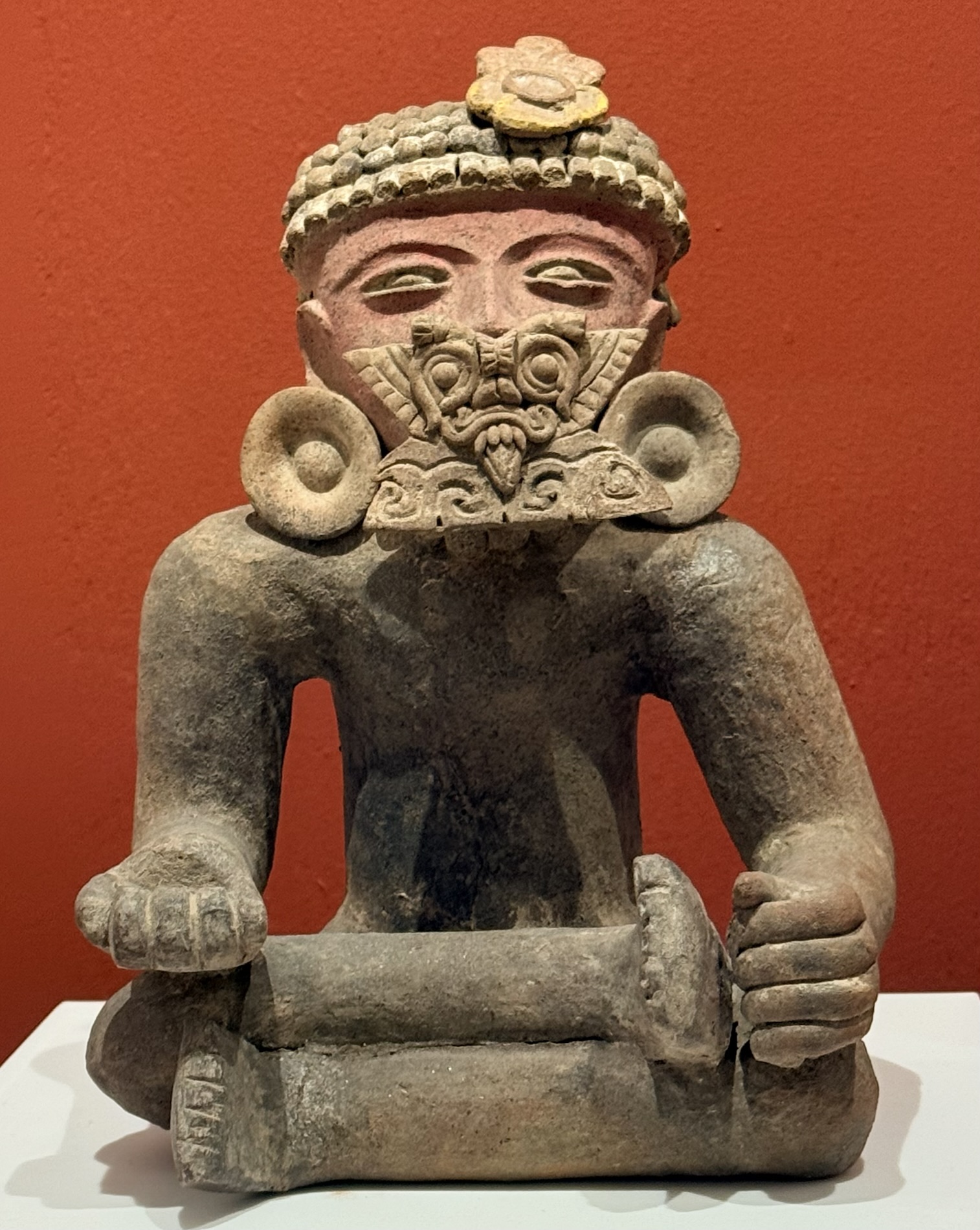
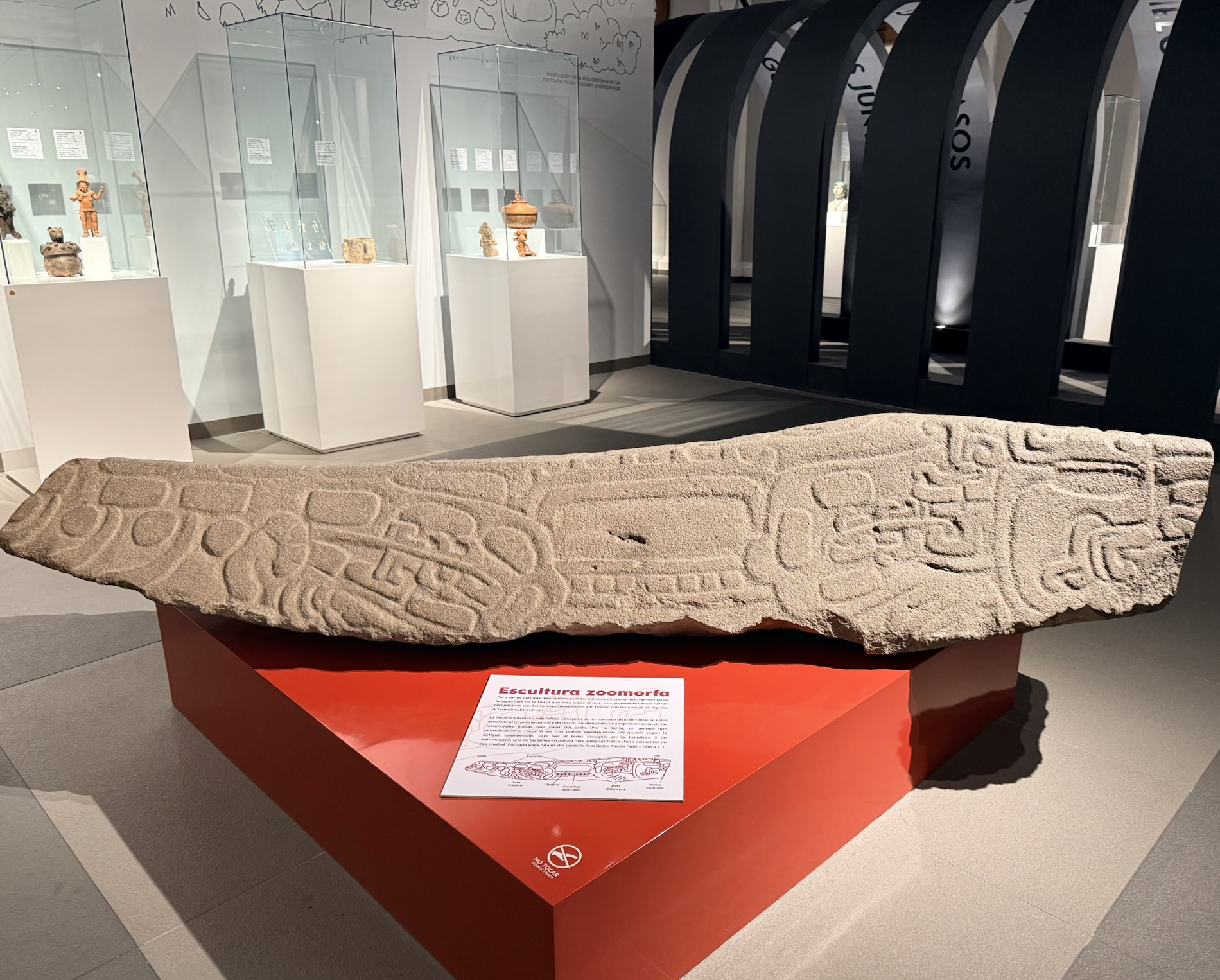
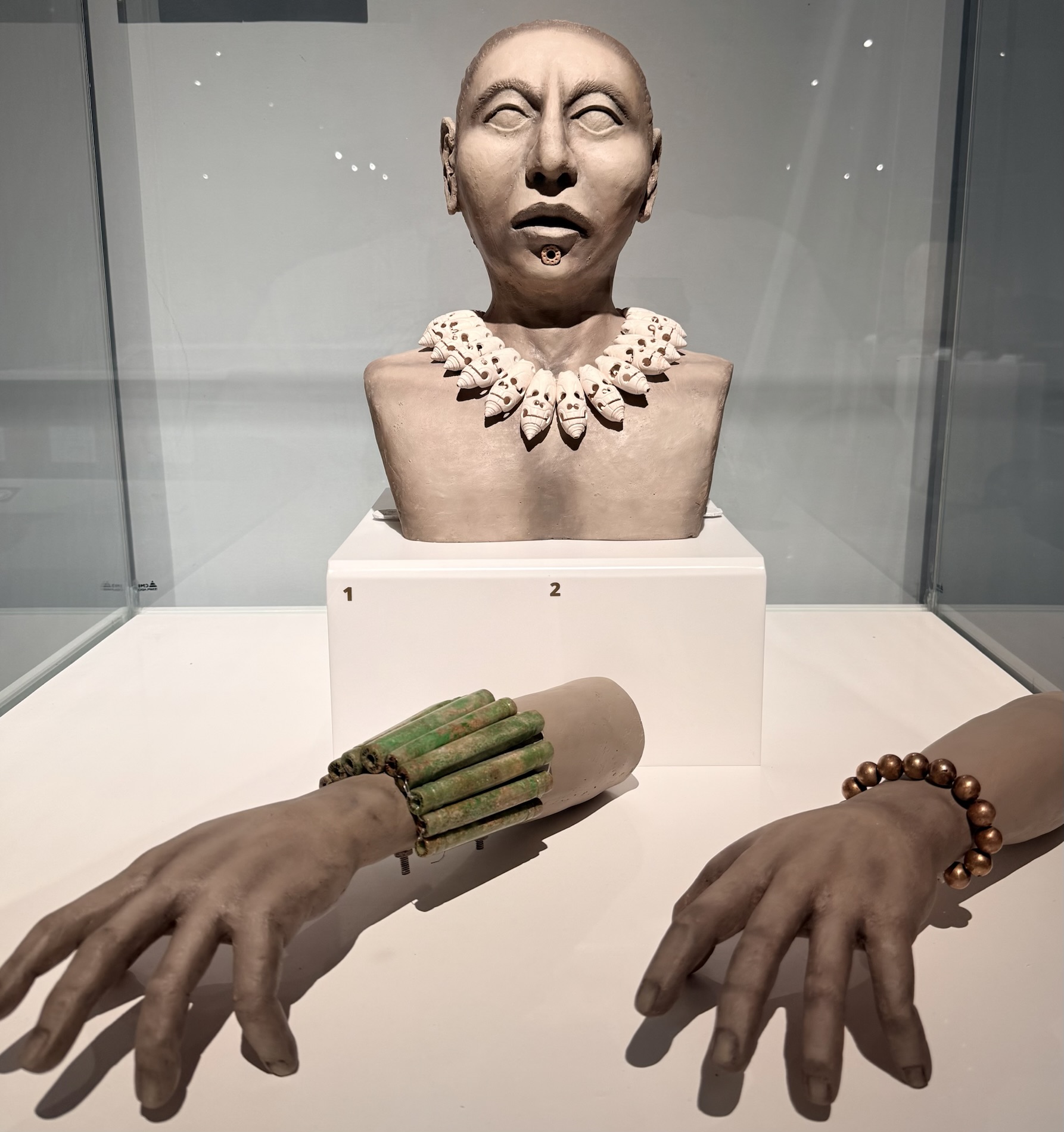
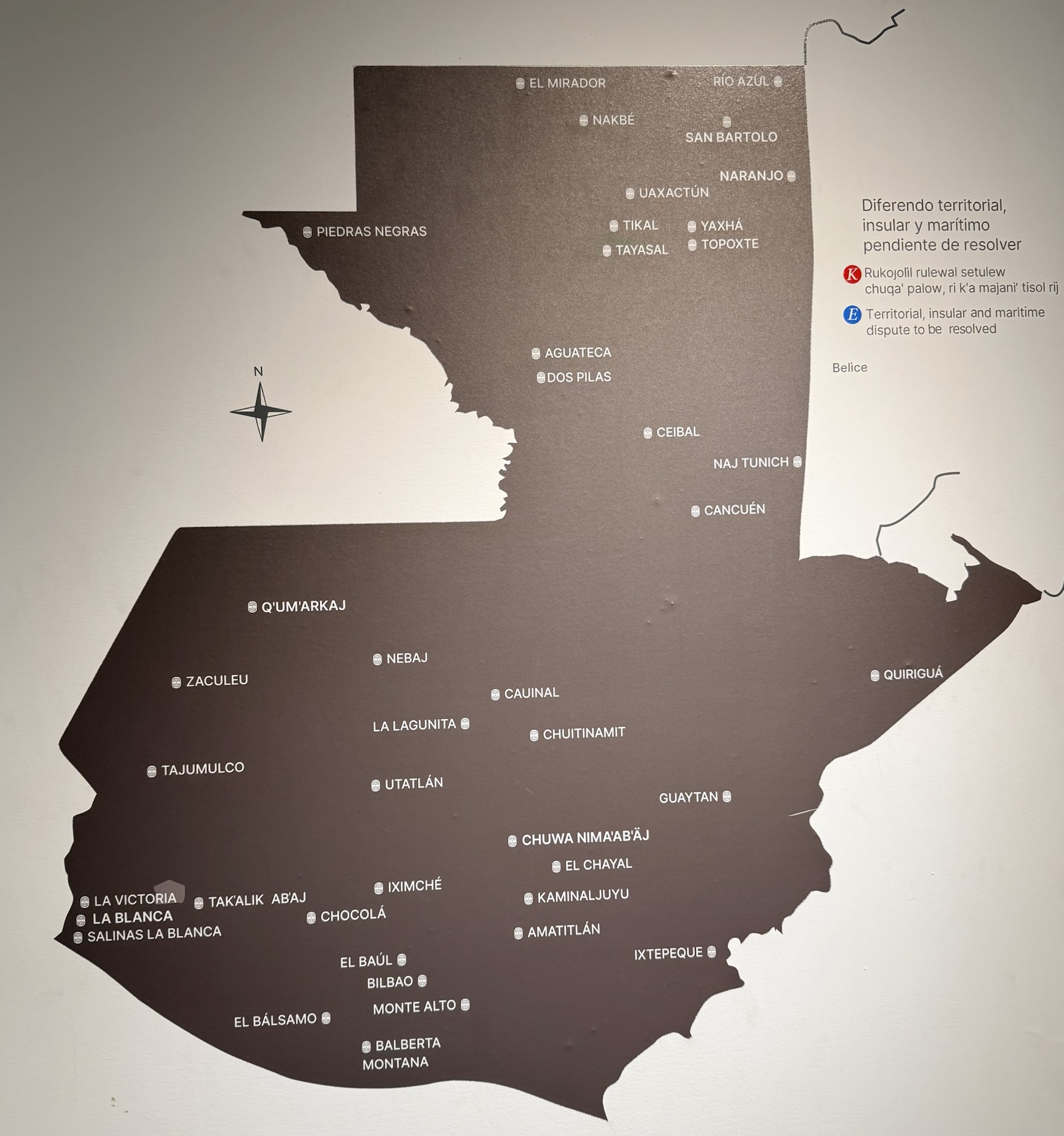
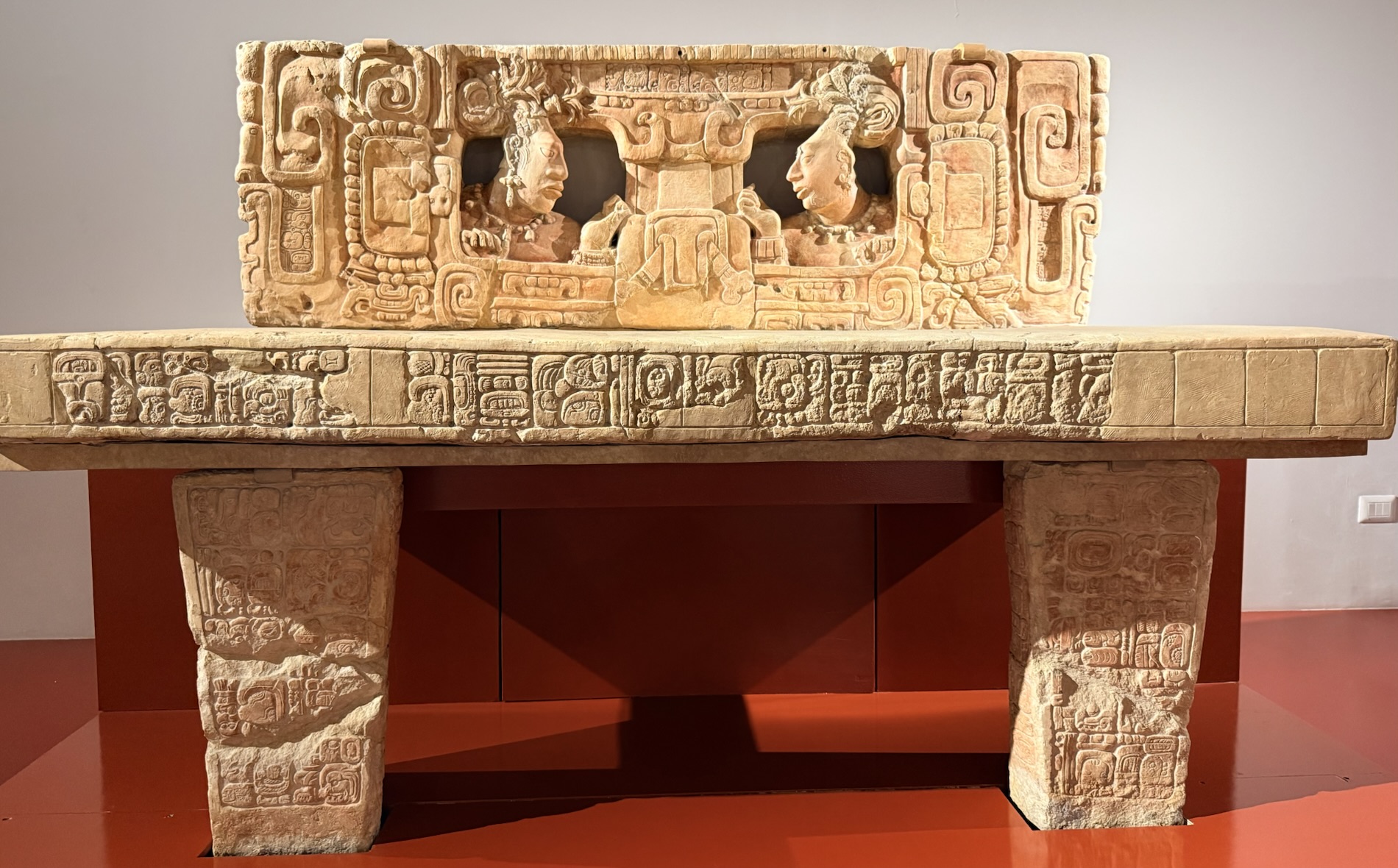
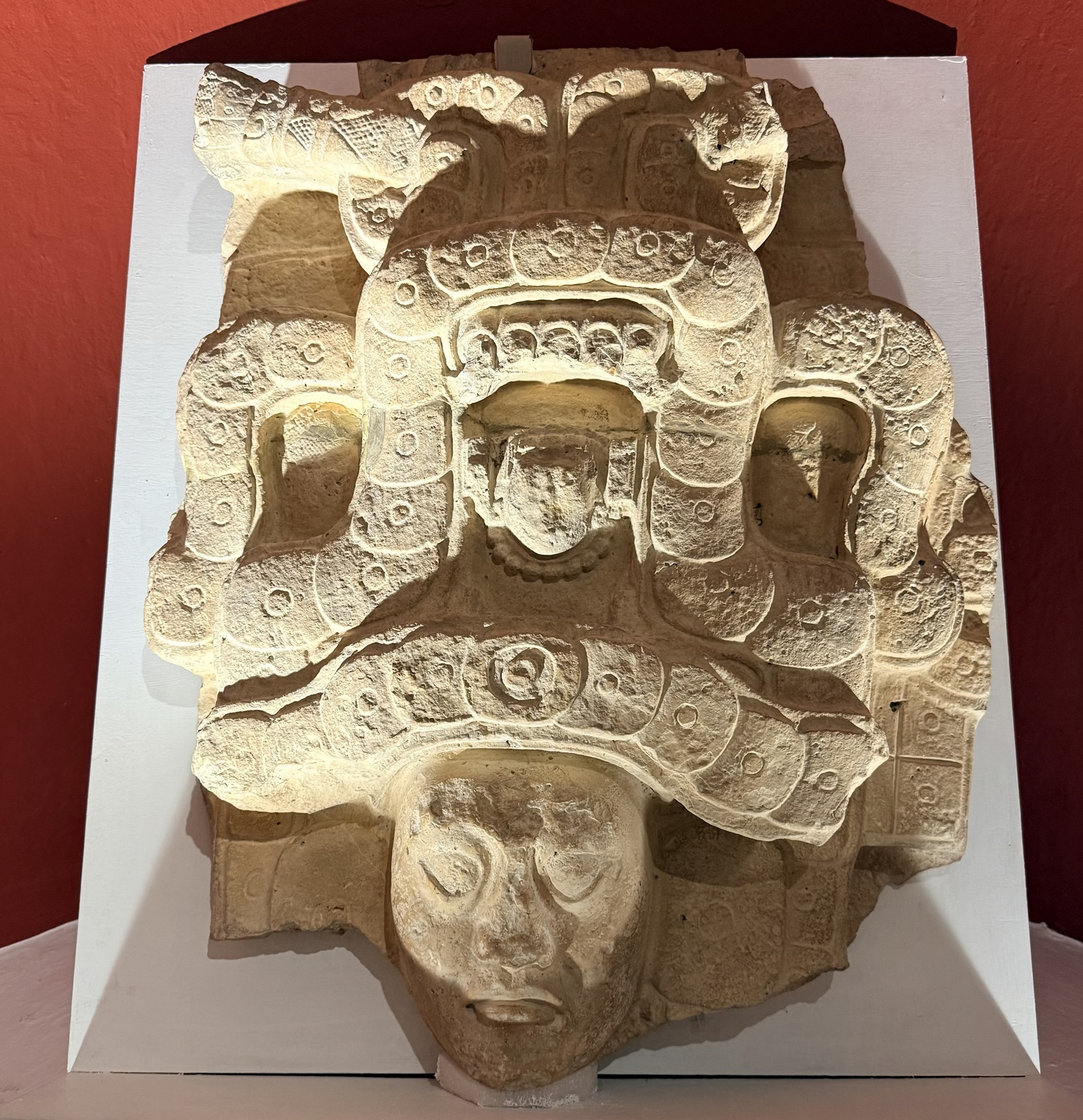
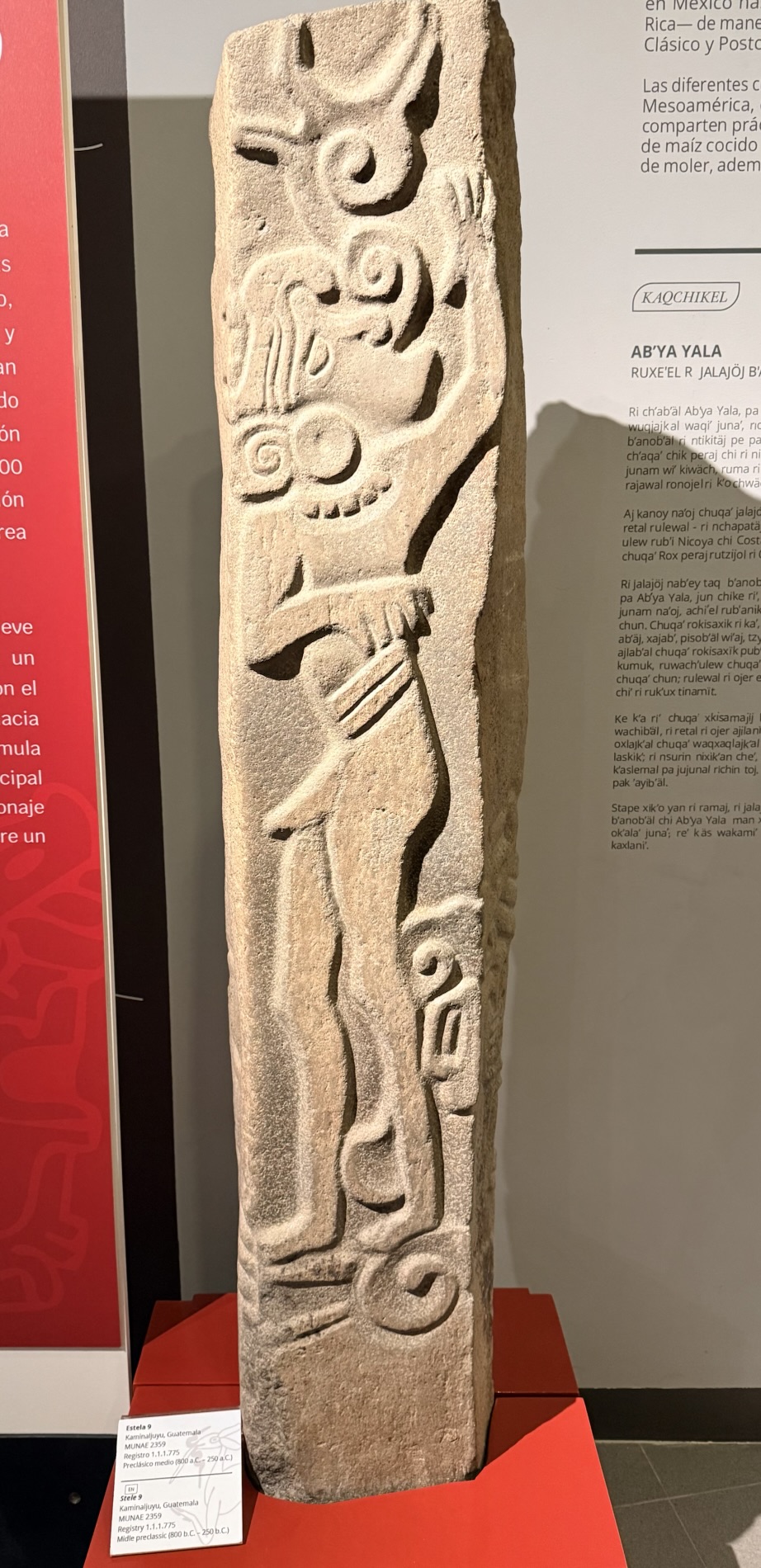
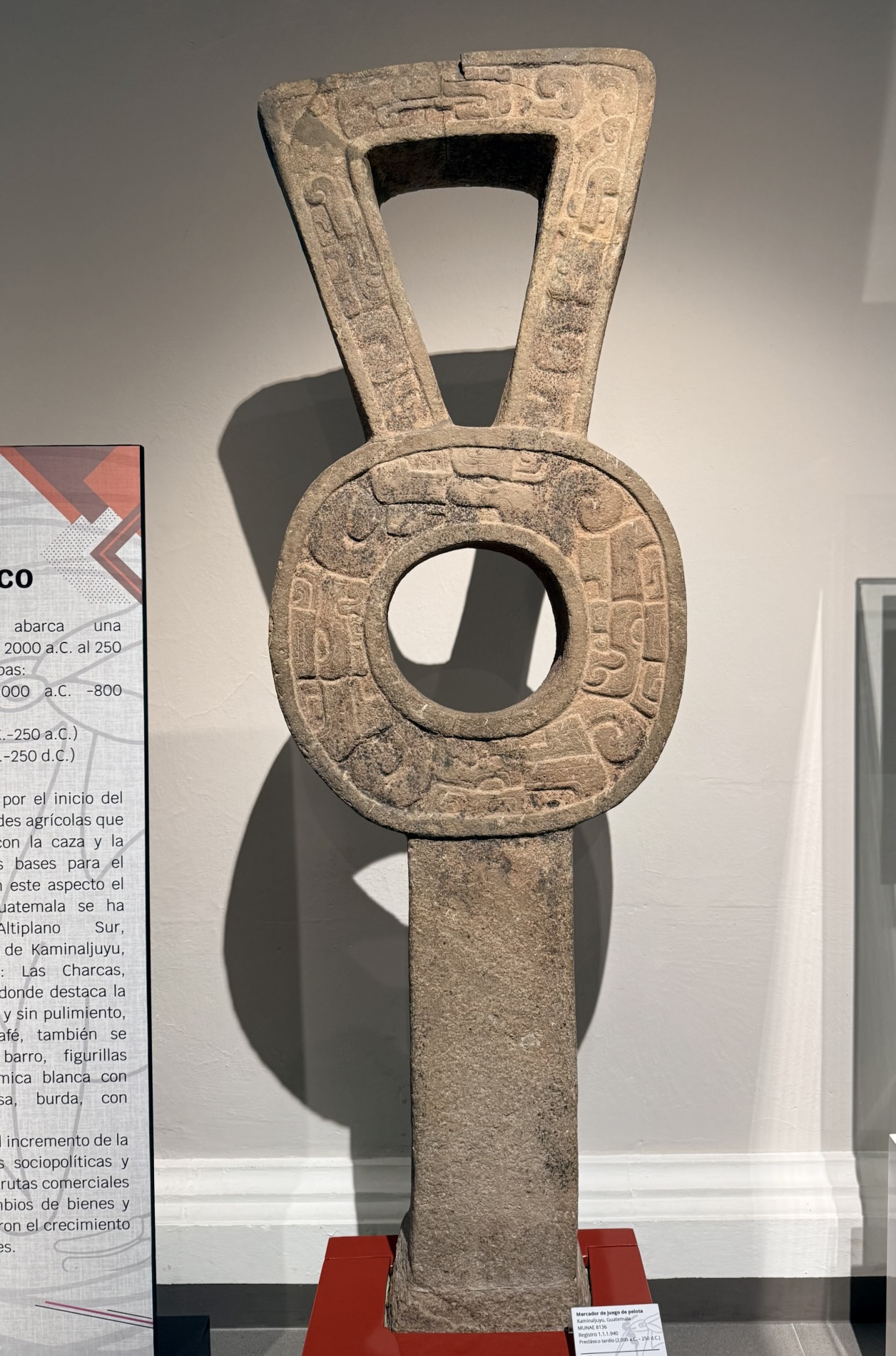
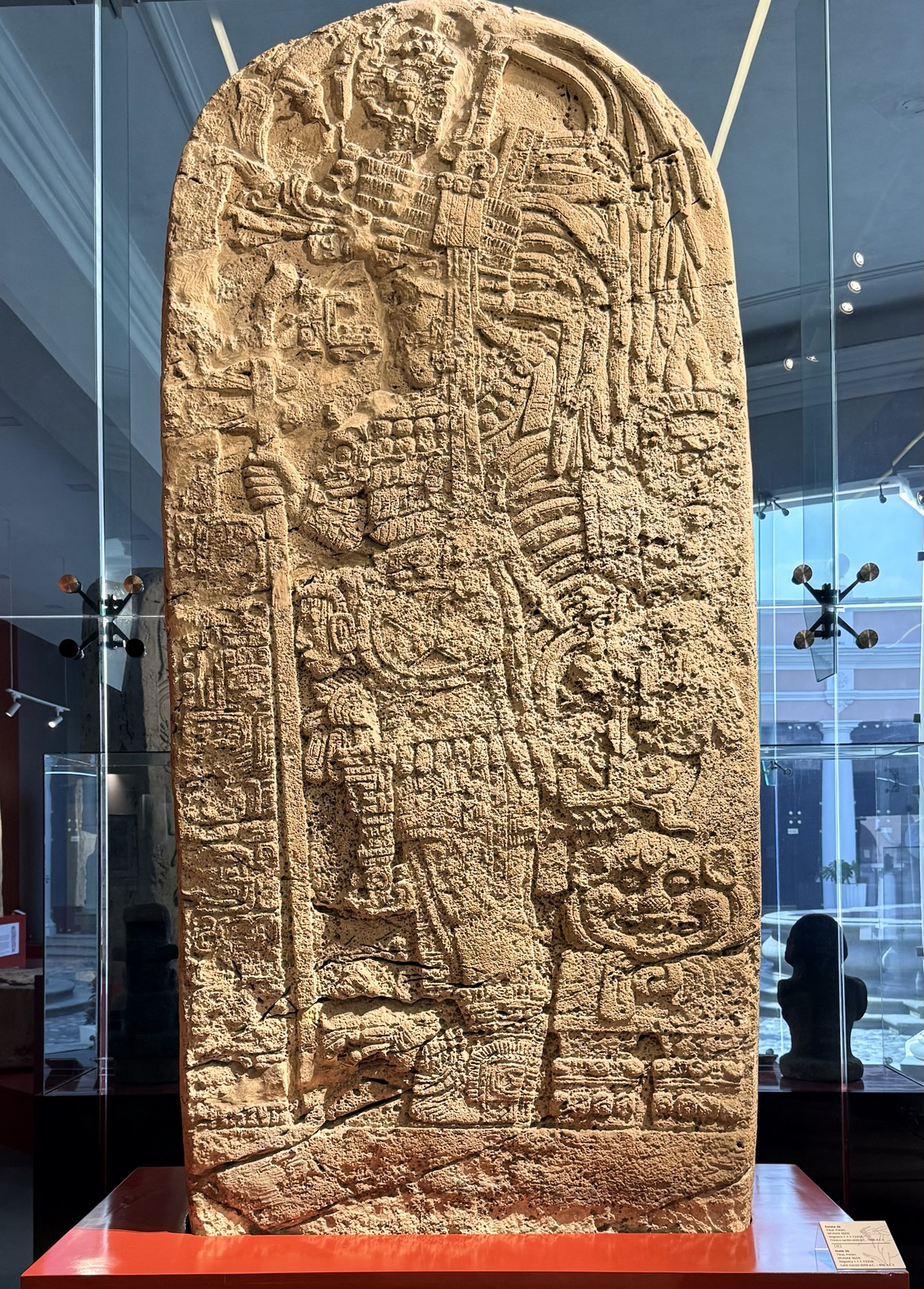
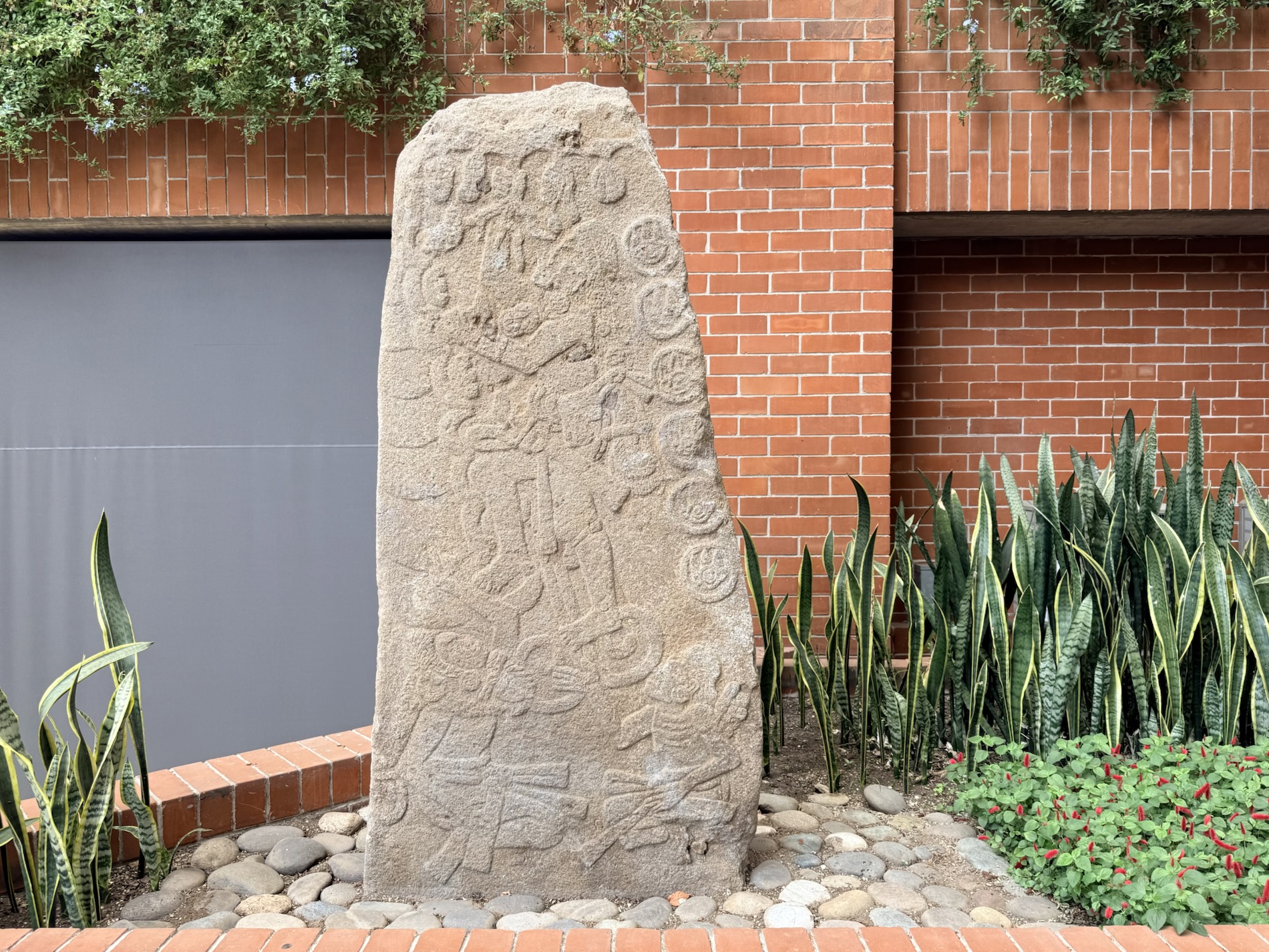
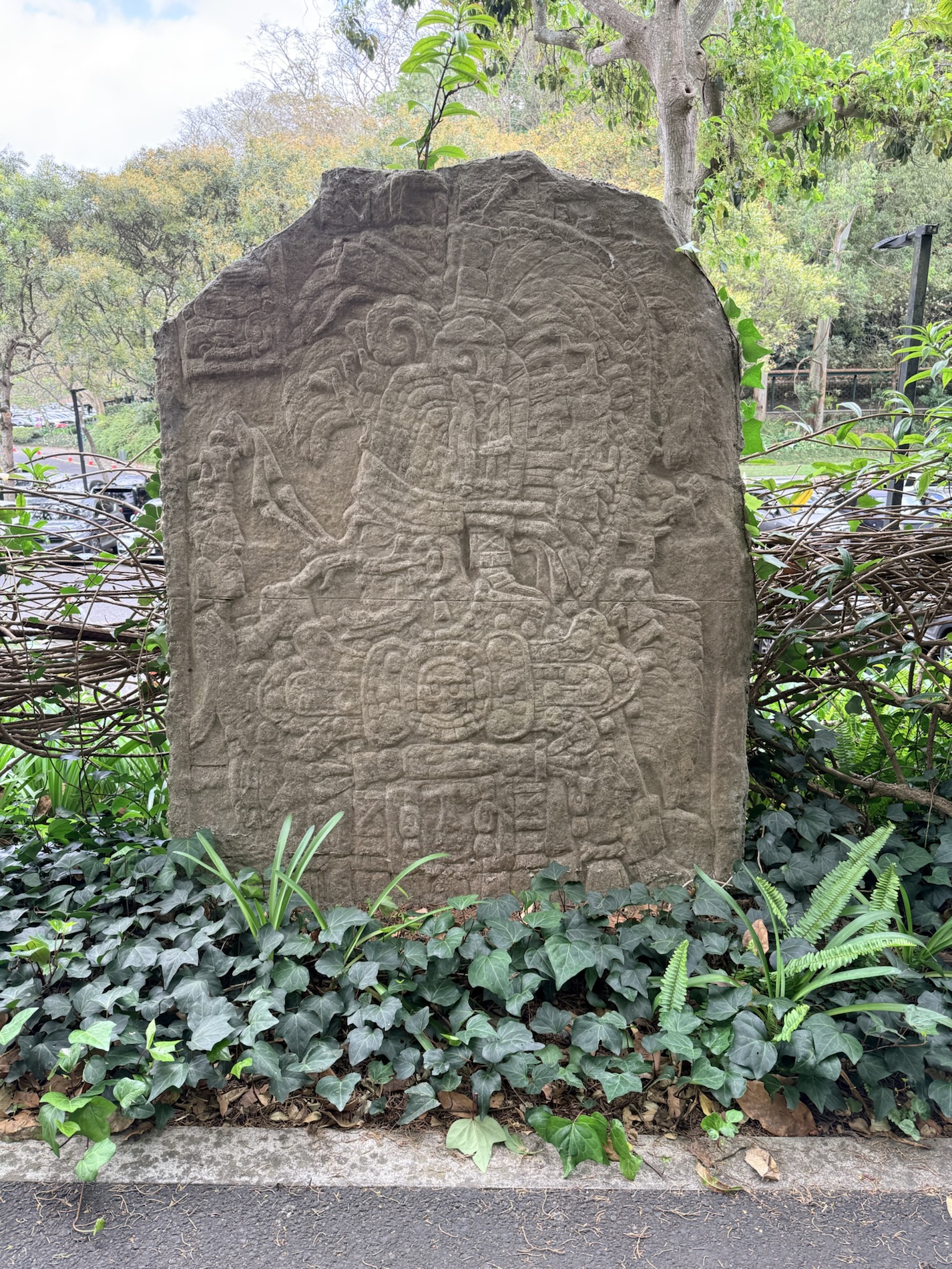
The museum has numerous stelae from various Mayan sites throughout the country and monuments from Tikal.
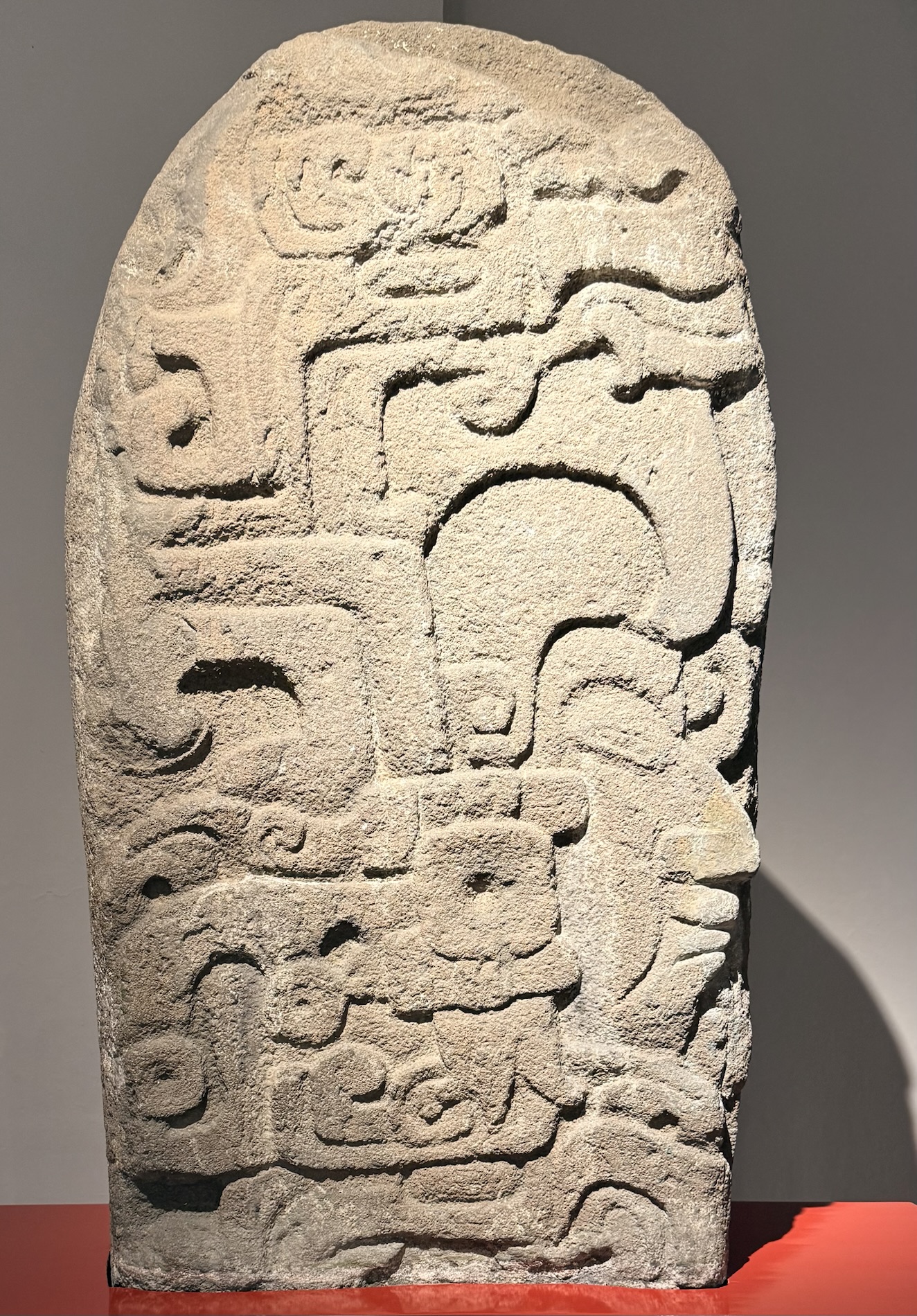
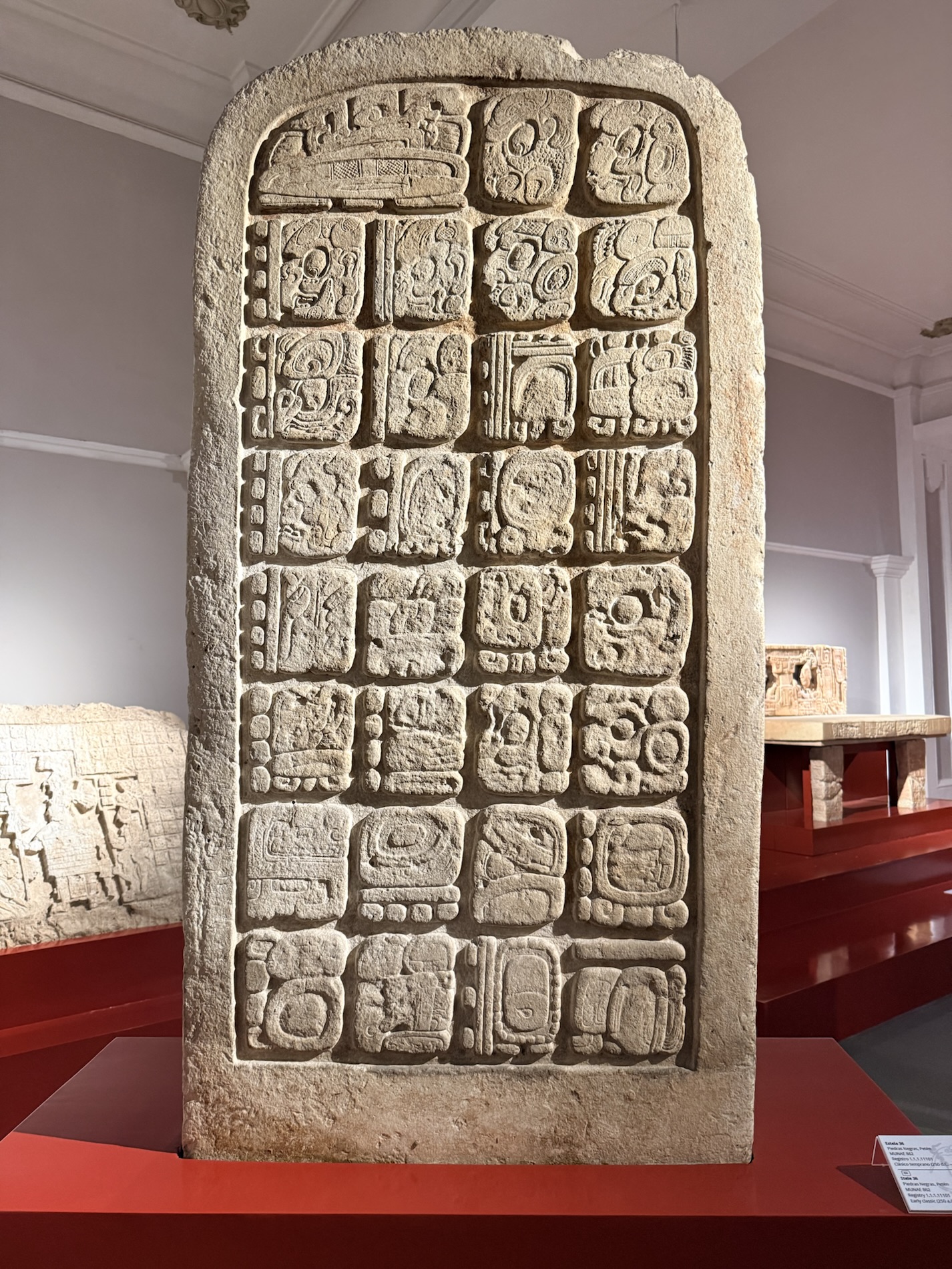
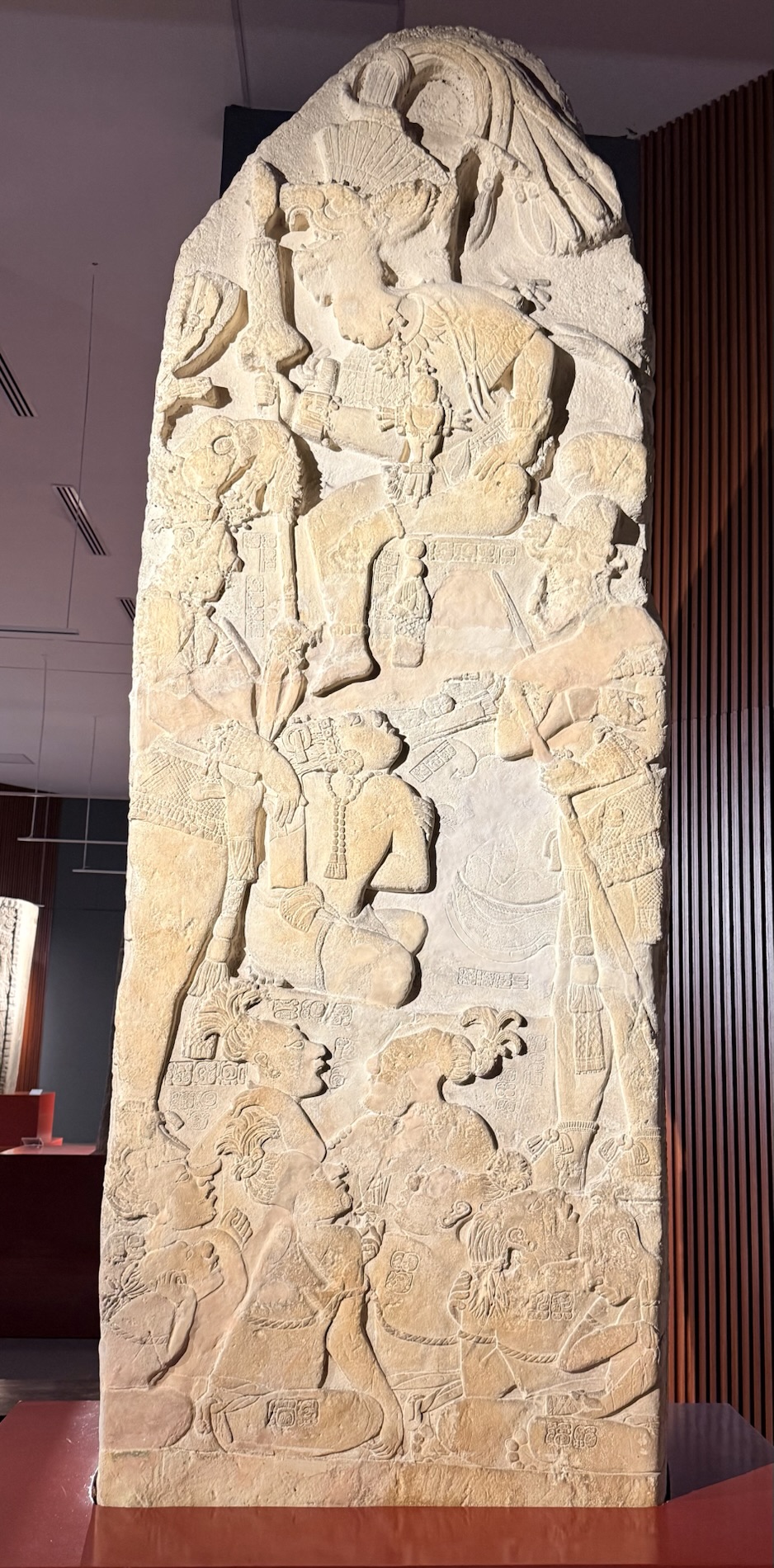
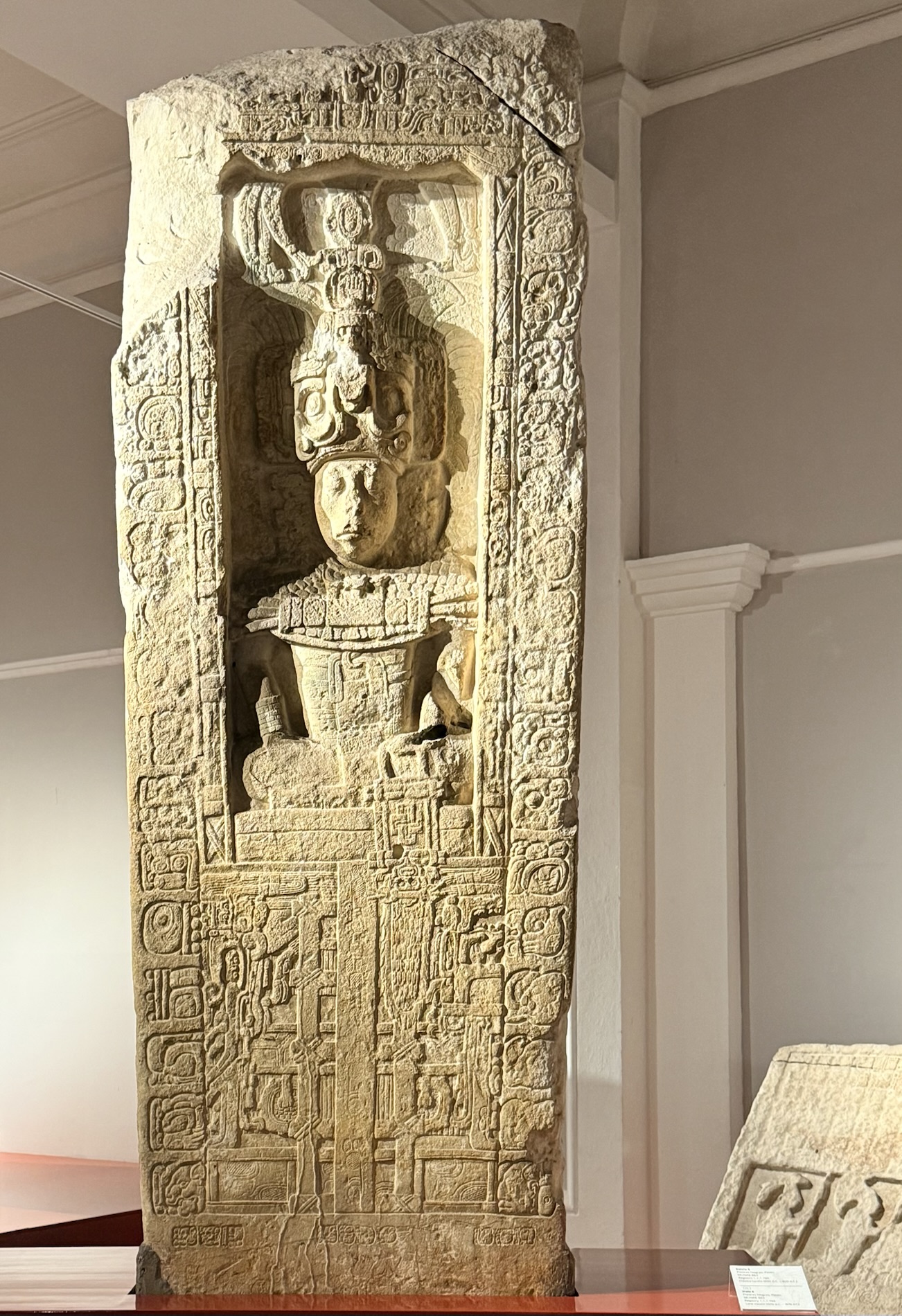
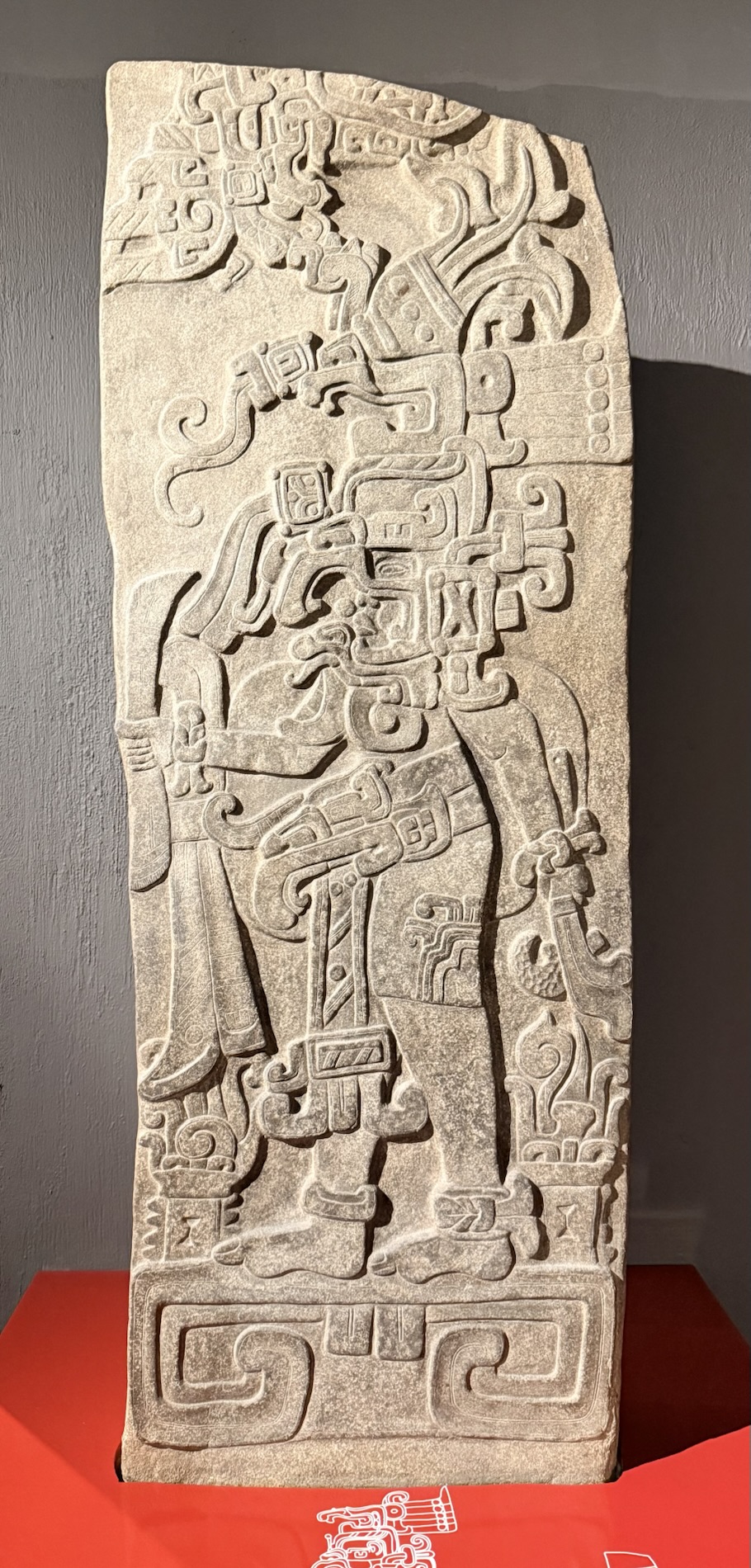
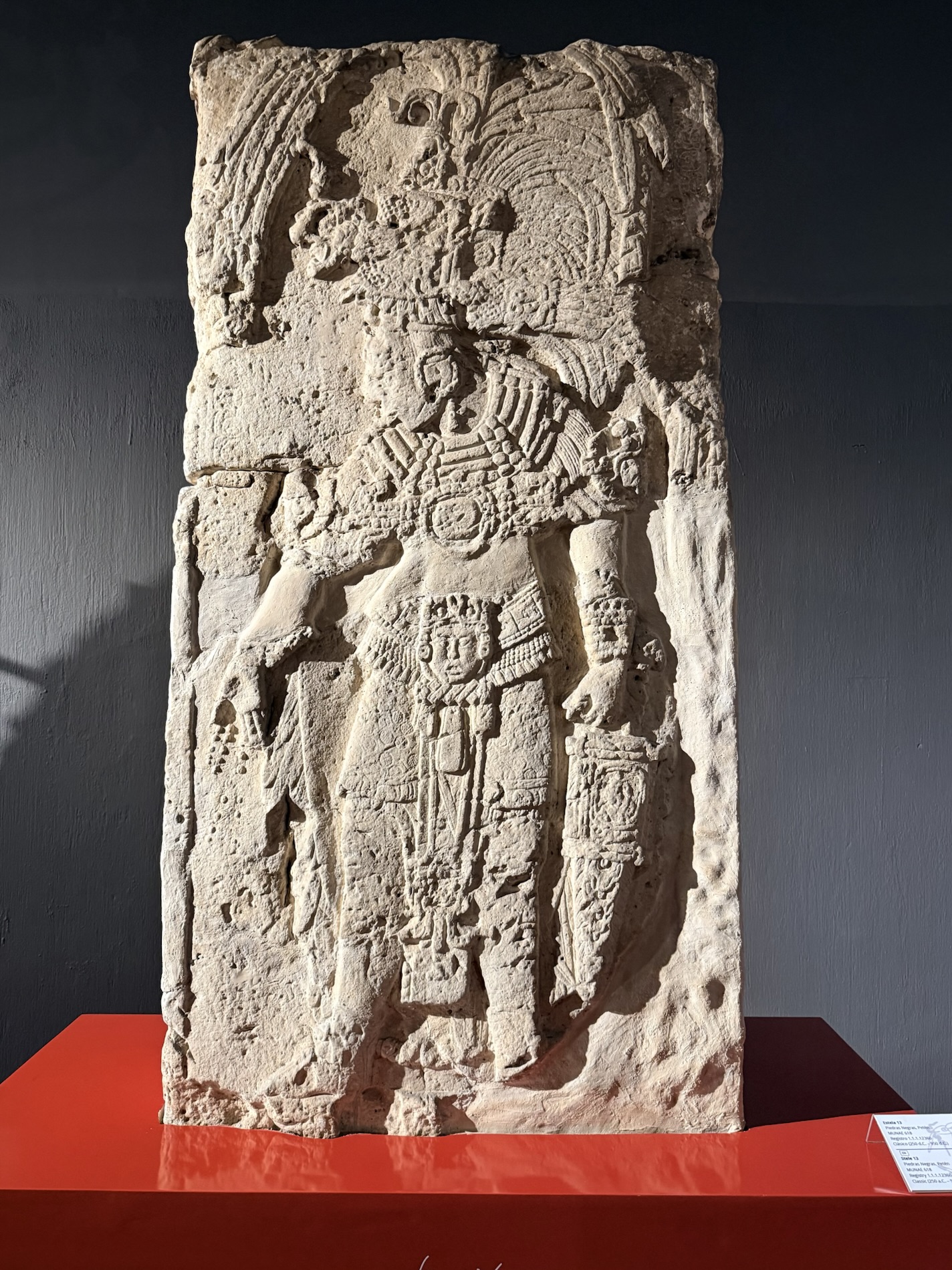
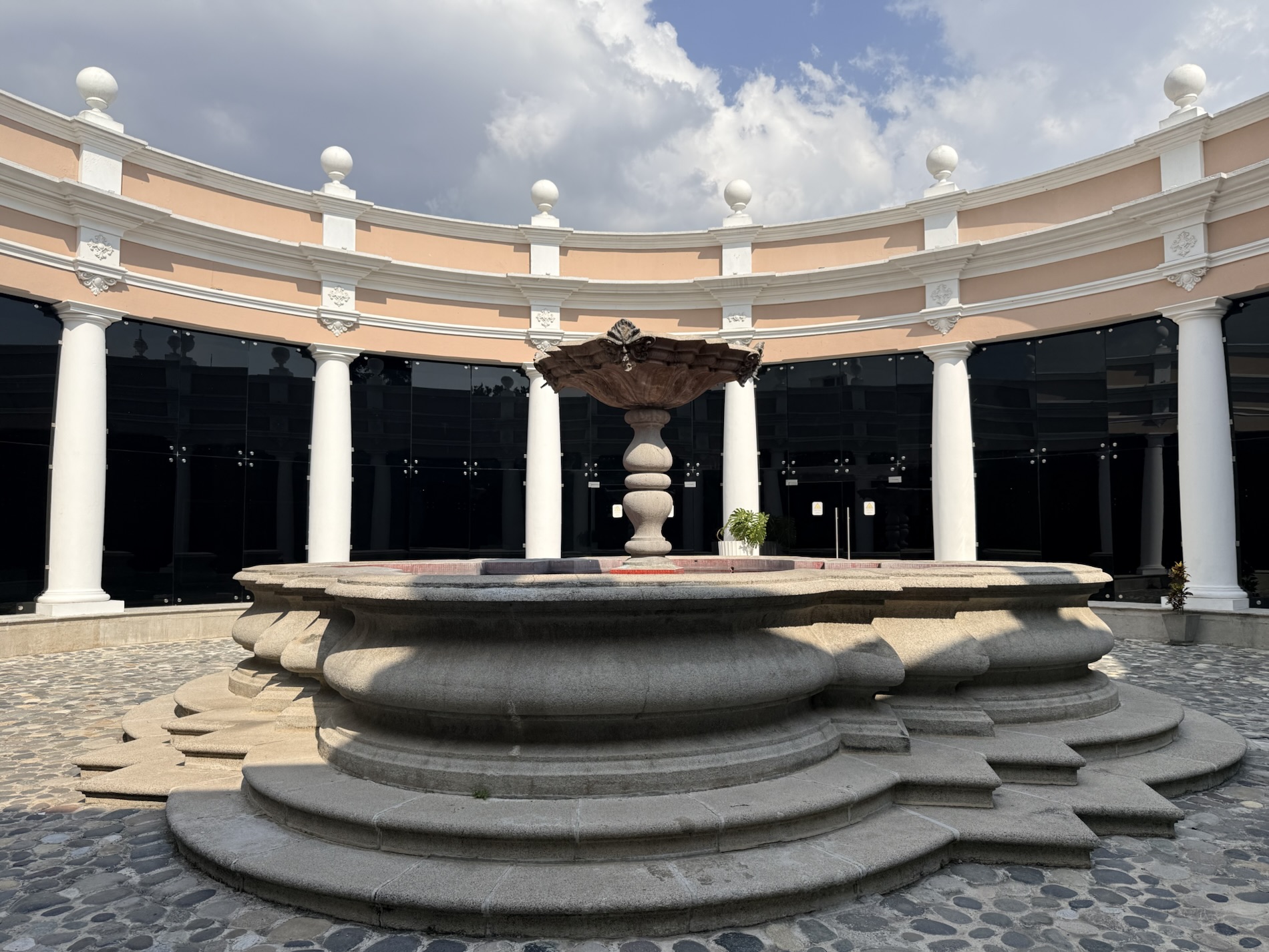
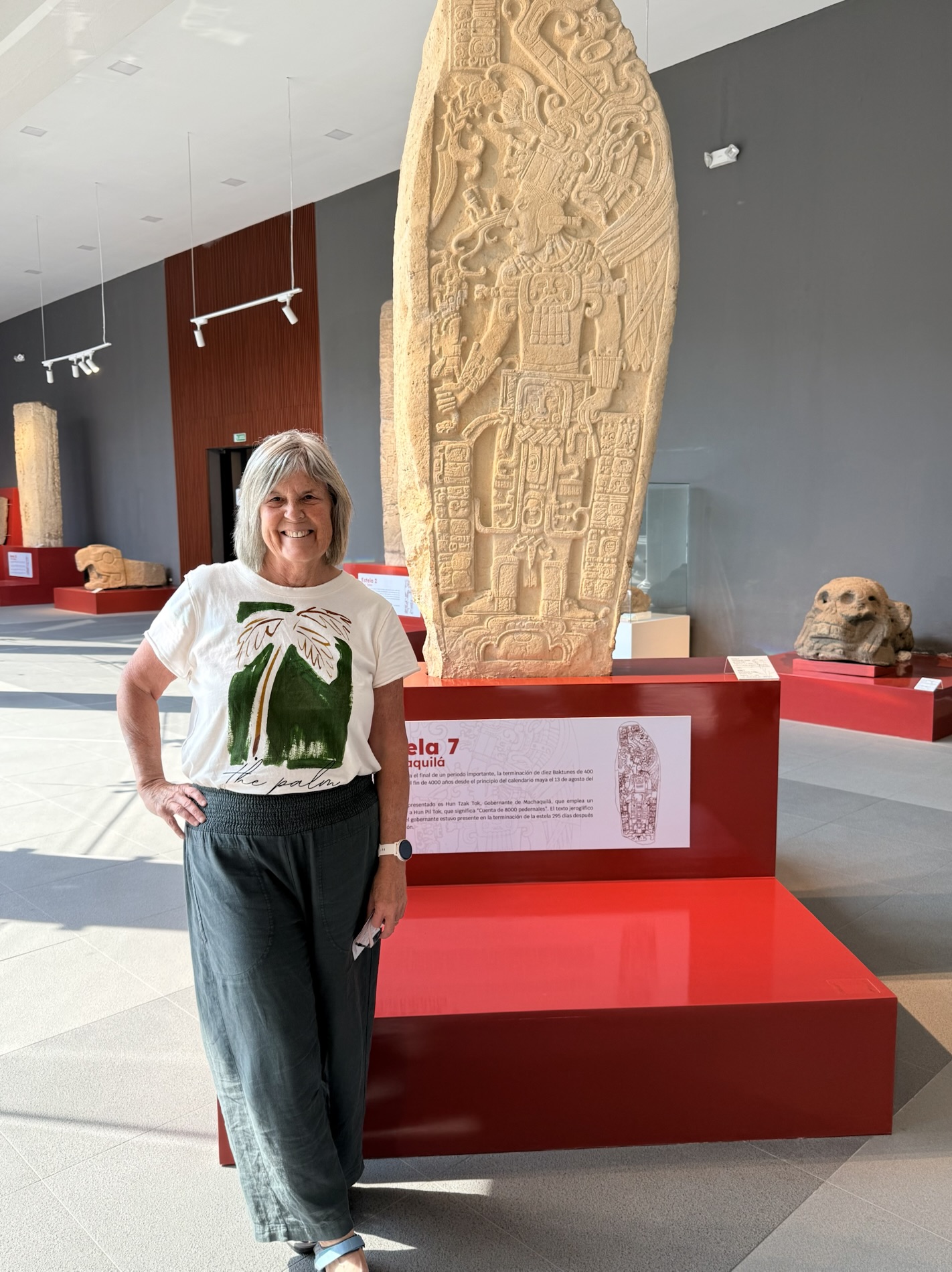
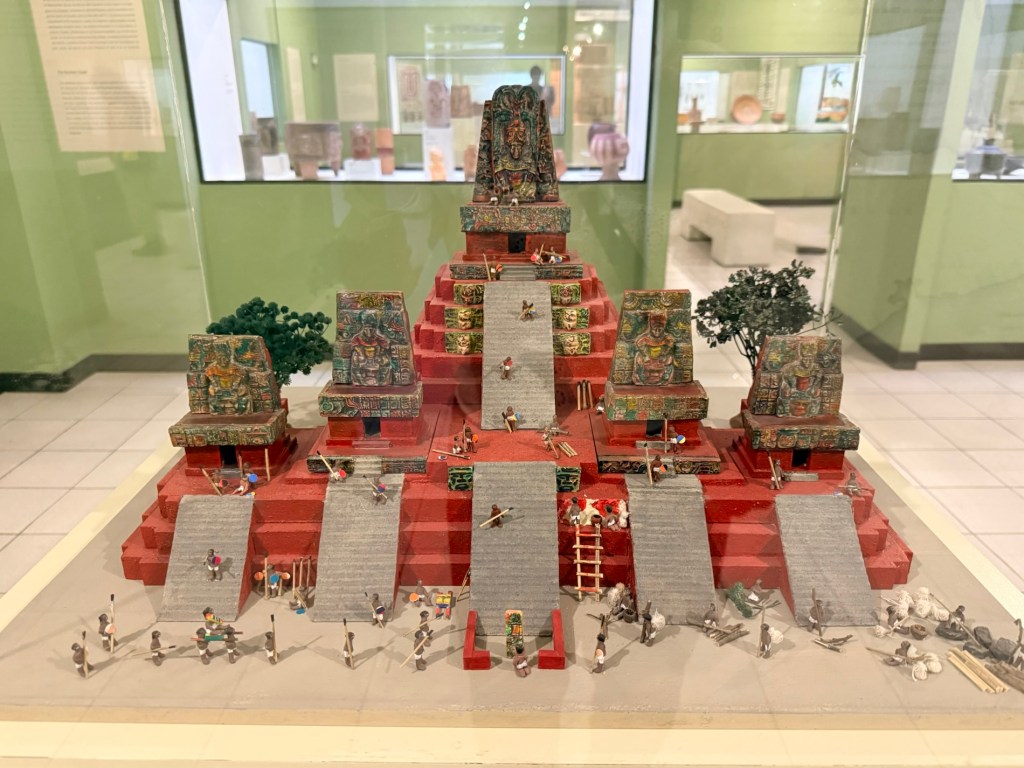
We were impressed by the huge model of Tikal: The City of the Voices. We saw this before we actually went to Tikal.
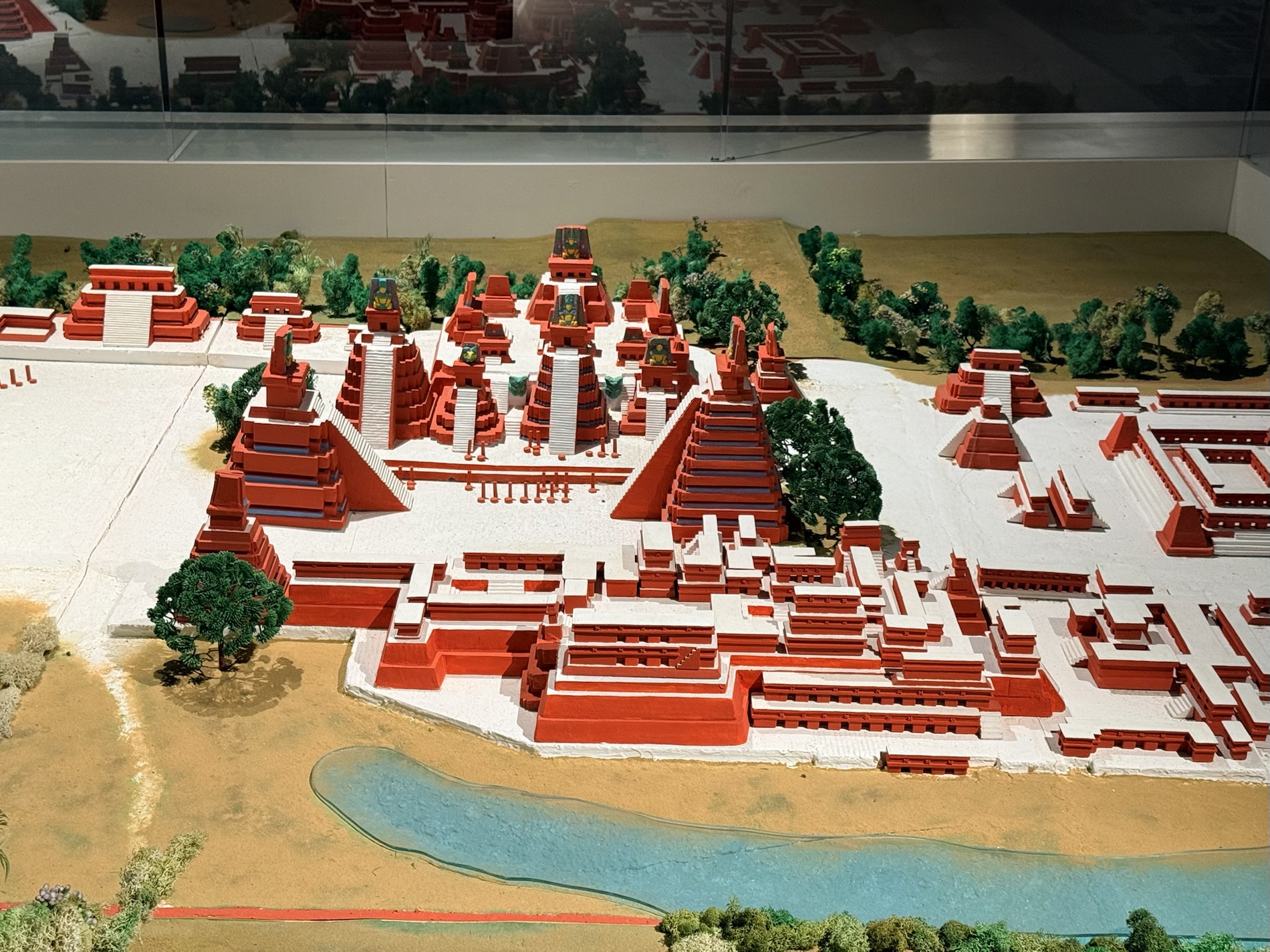
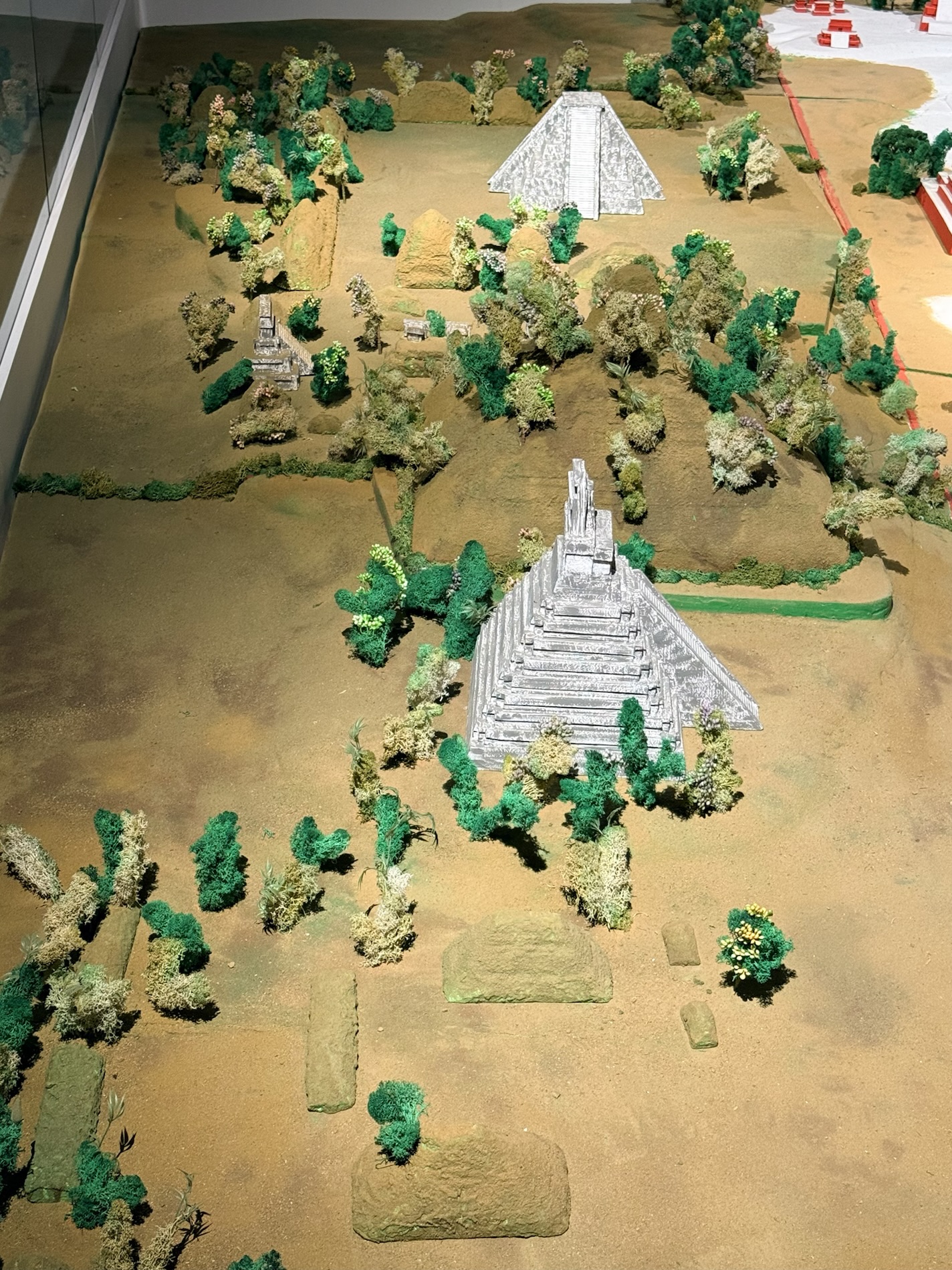
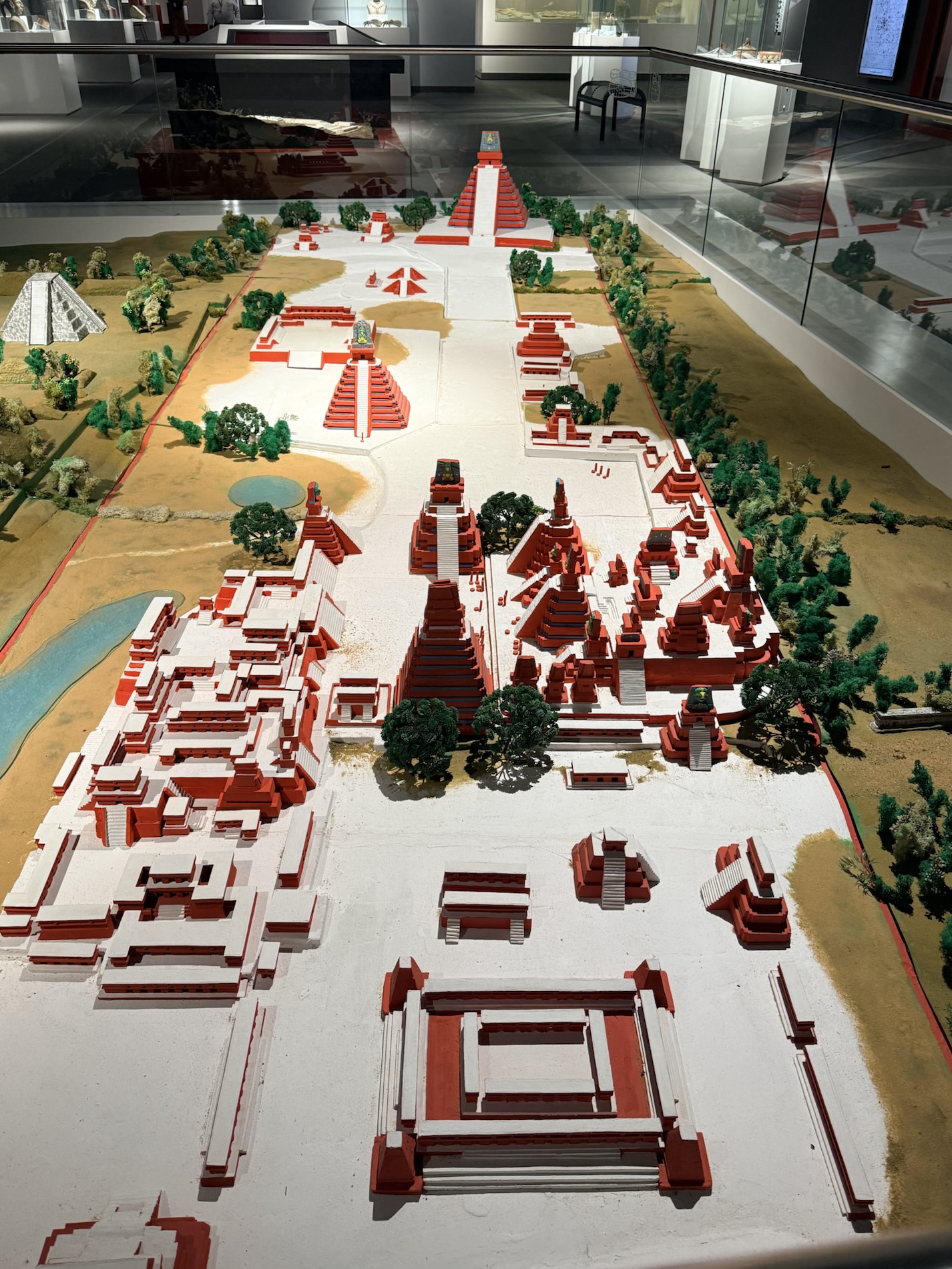
We learned about Jasaw Chan K’awil (682AD- 734AD), known for bringing about the resurgence of Tikal after defeating the commonwealth of Calakmul. His remains were found deep in the Great Jaguar Pyramid at Tikal, wrapped in fabrics and jaguar hide, surrounded by pyrite, metal mirrors, ceramic offerings and bone collections, seashells, pearls, and an ostentatious funerary jade trousseau.
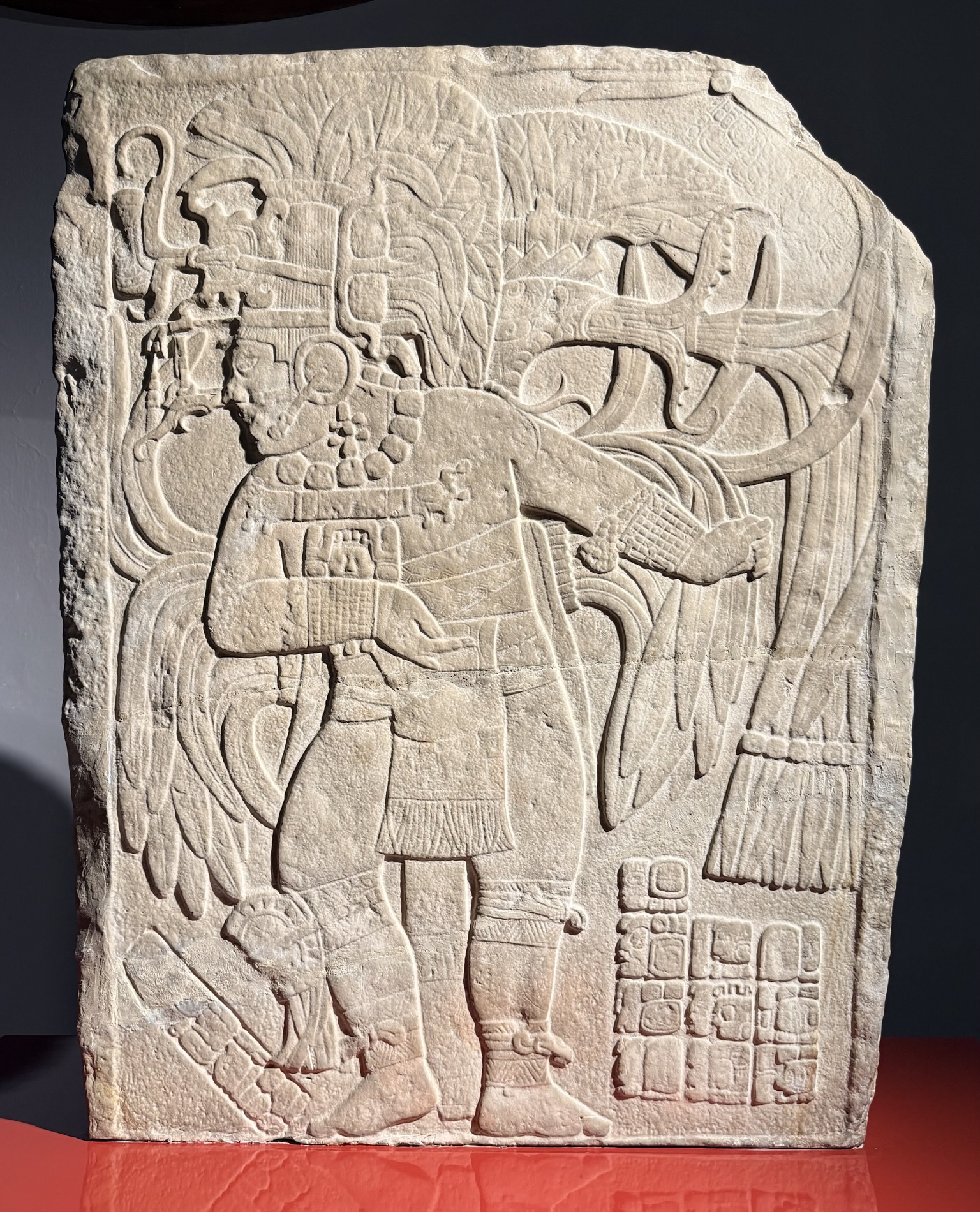
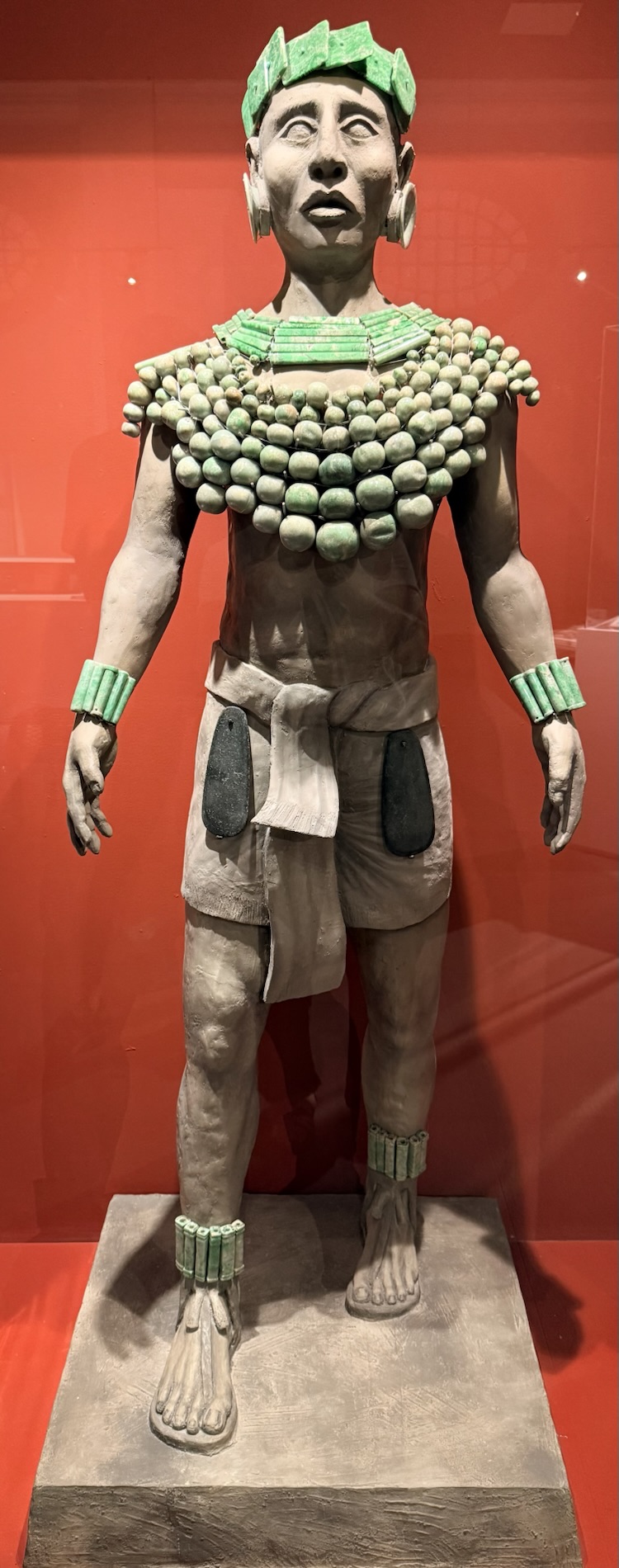
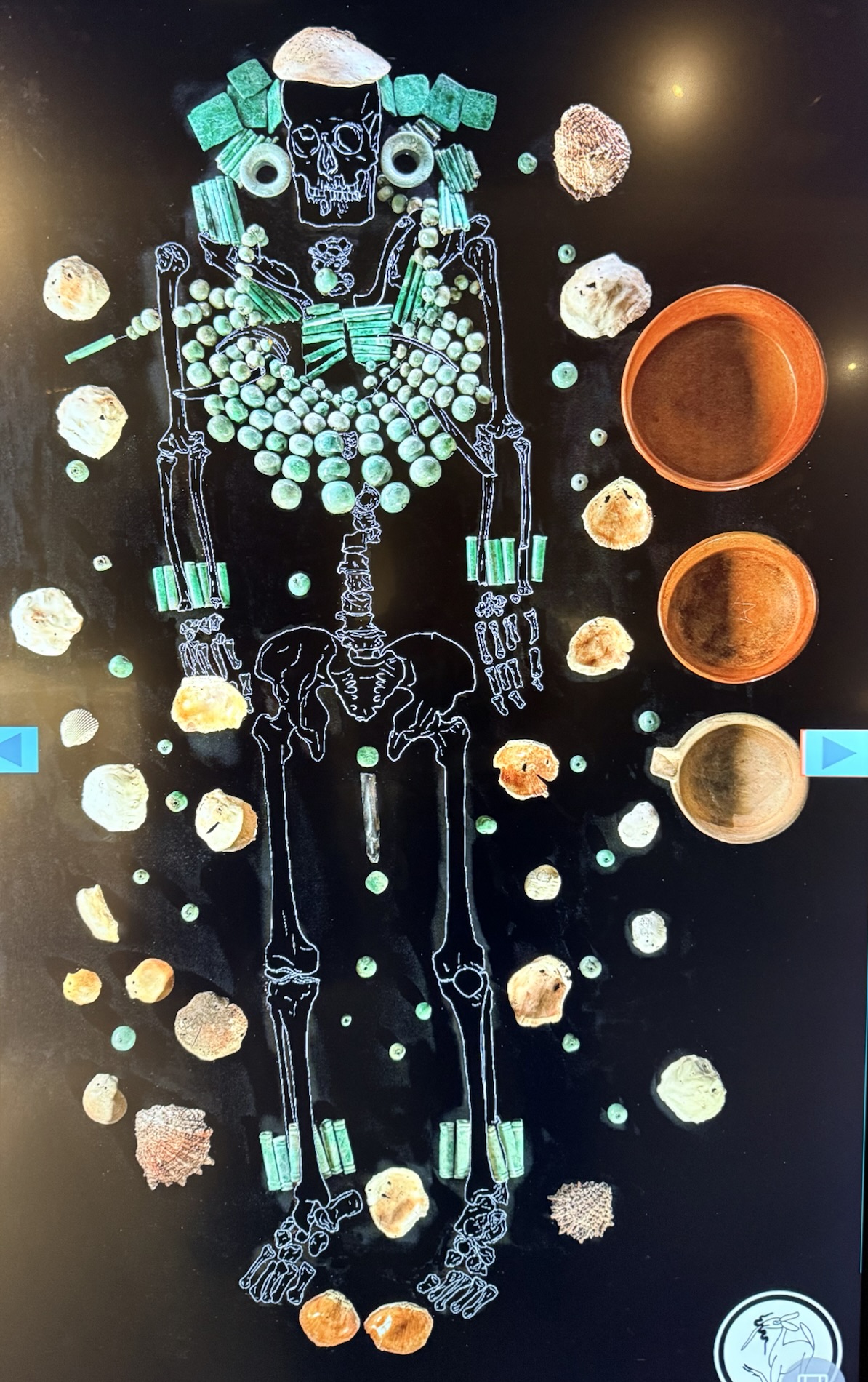
One section of the museum displayed cultural items such as clothing and masks.
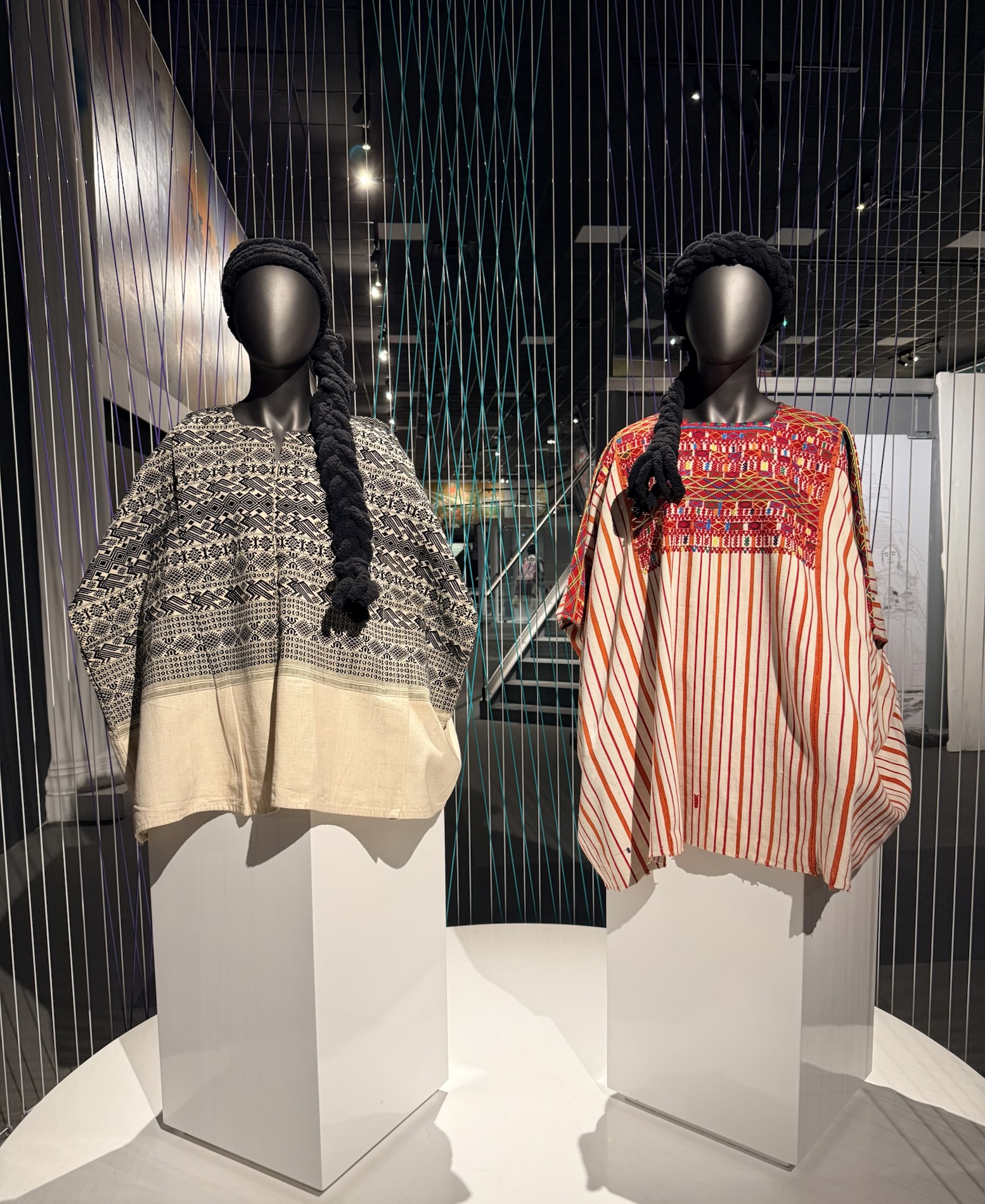
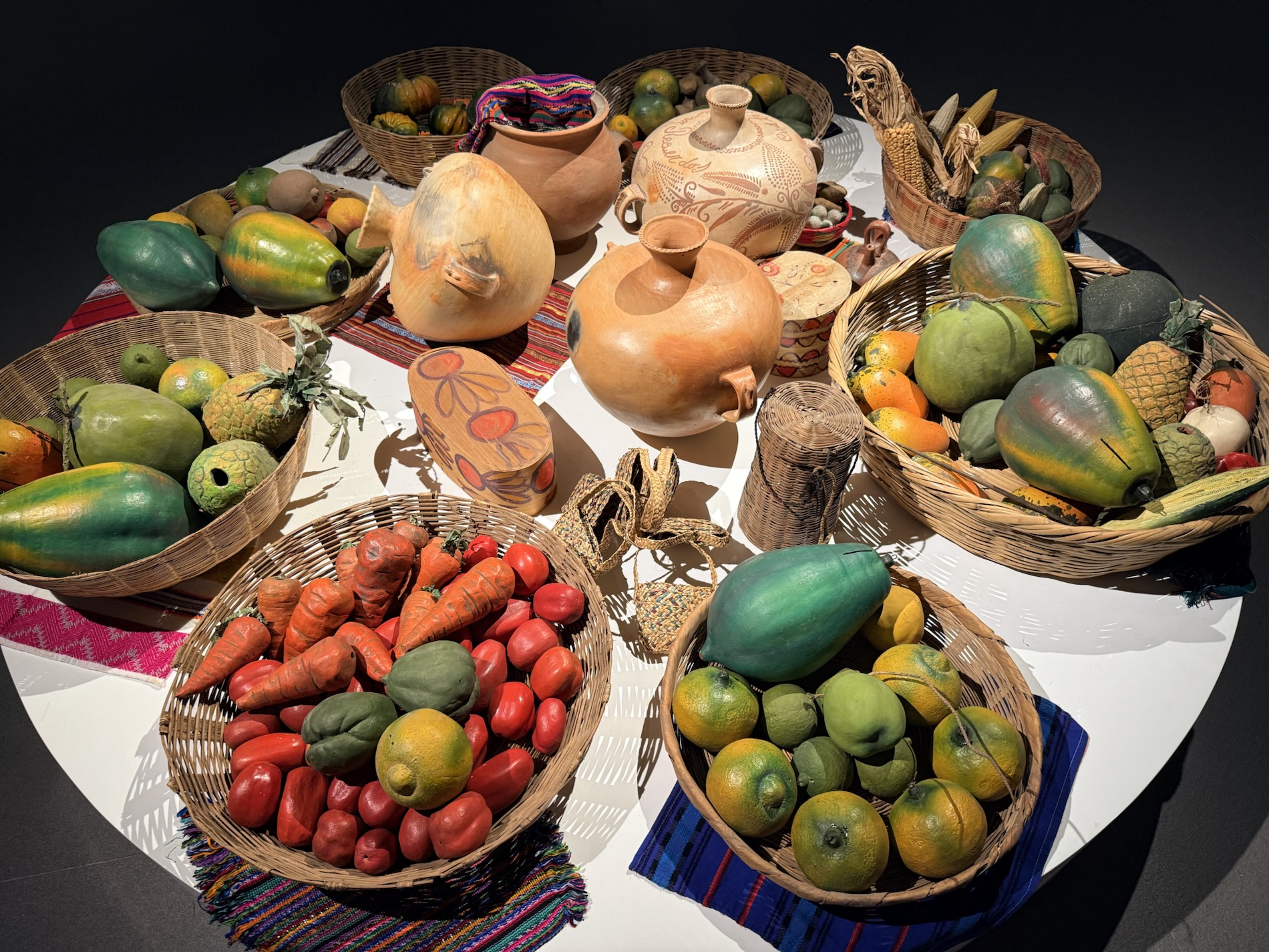
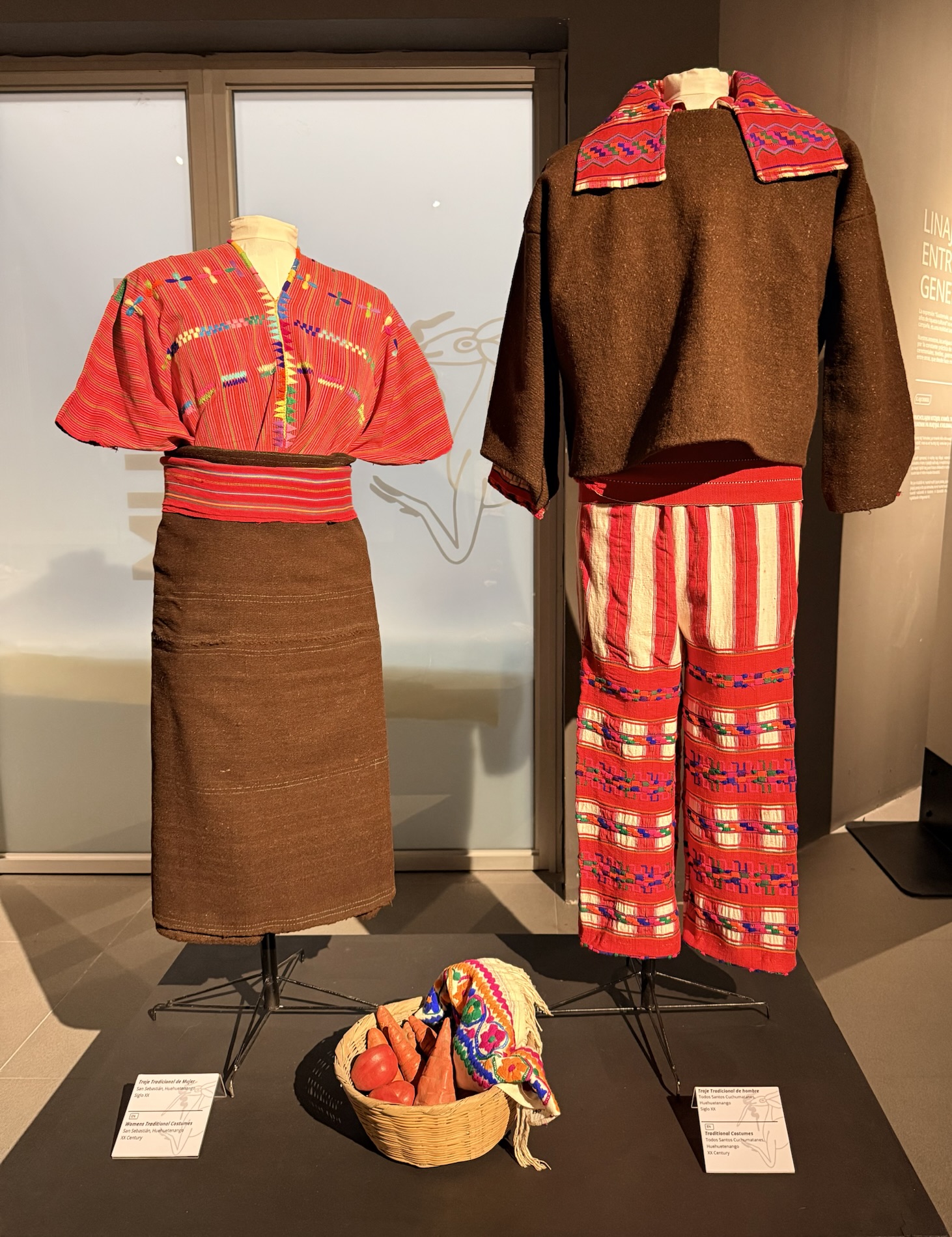
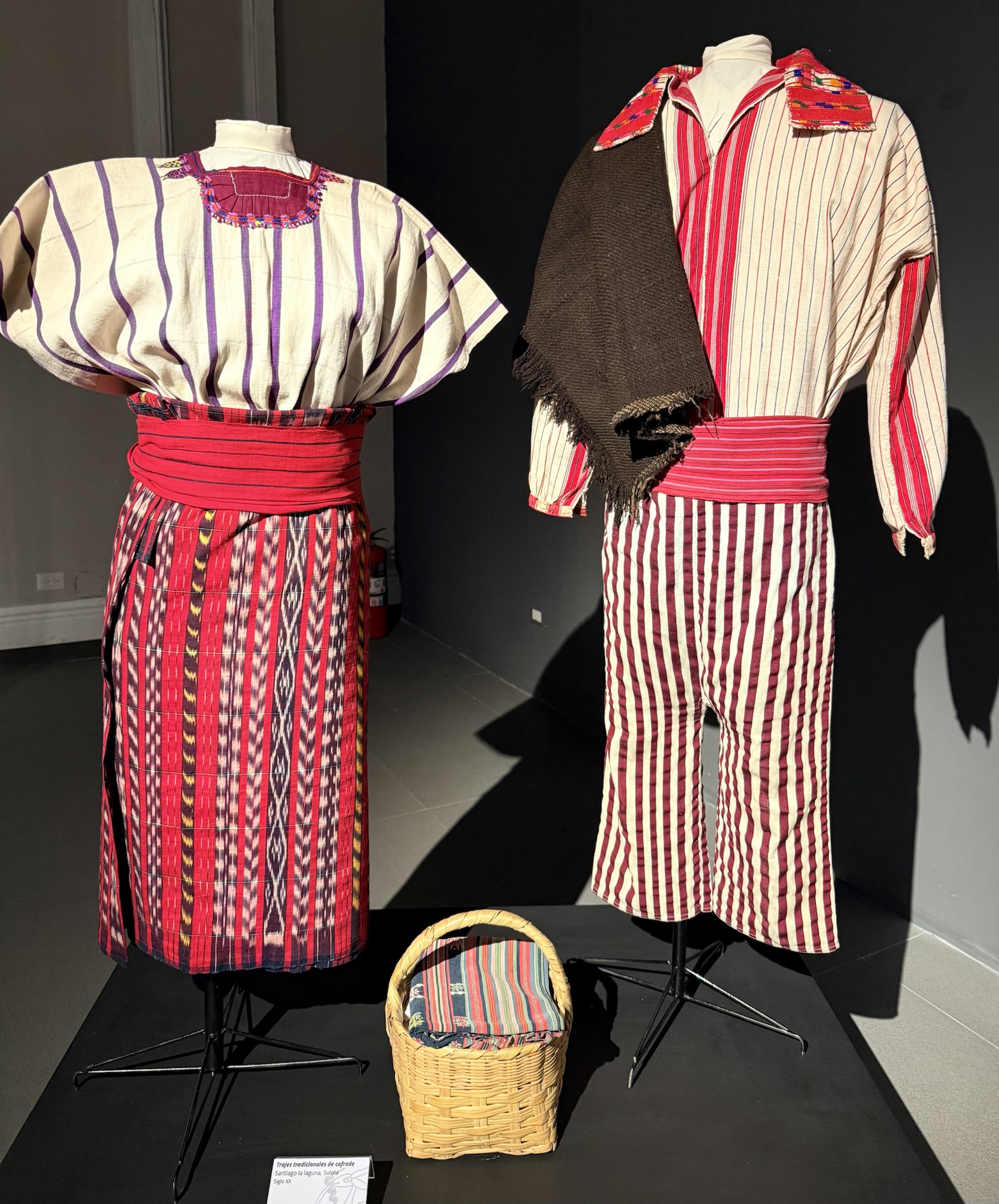
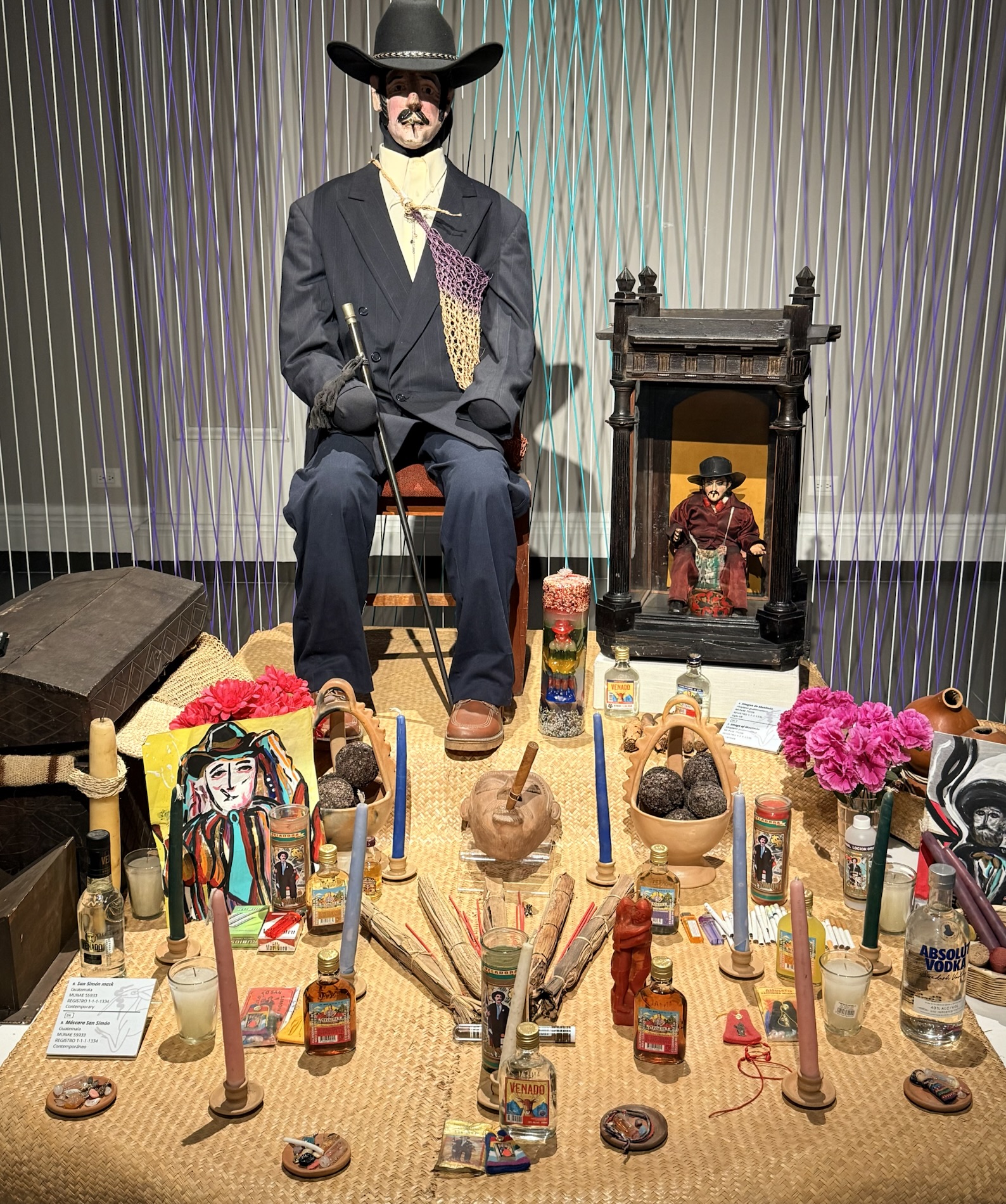
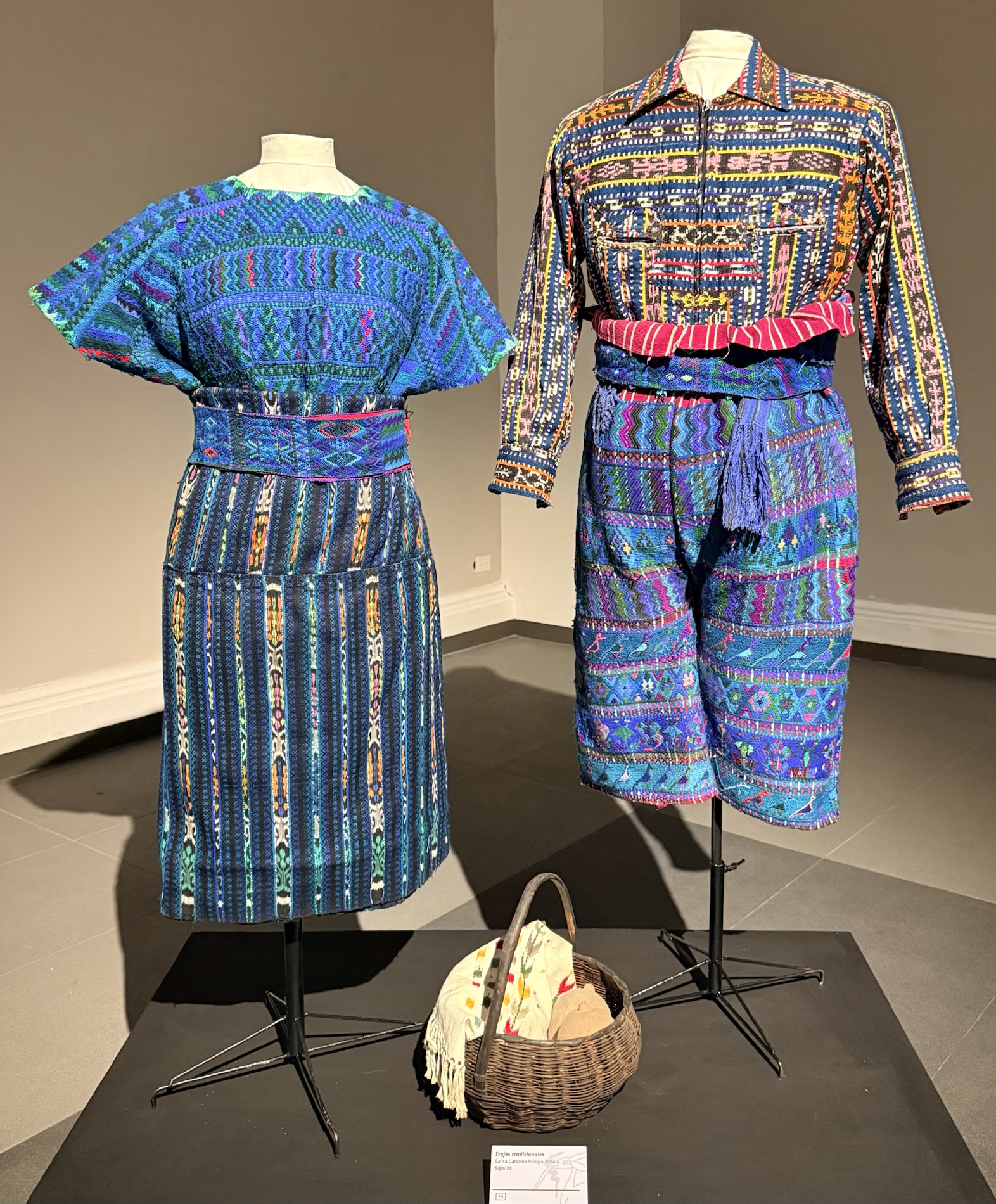
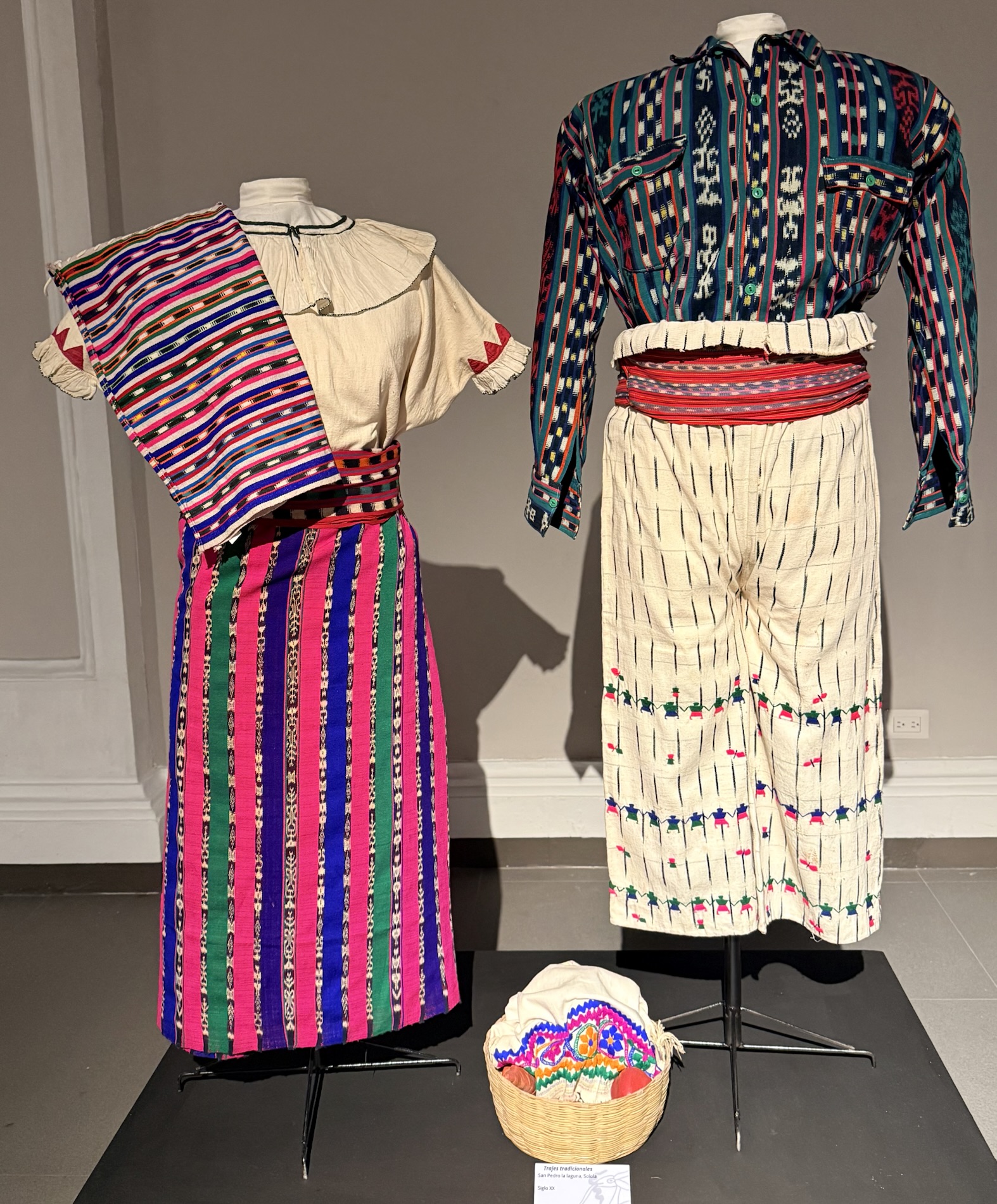
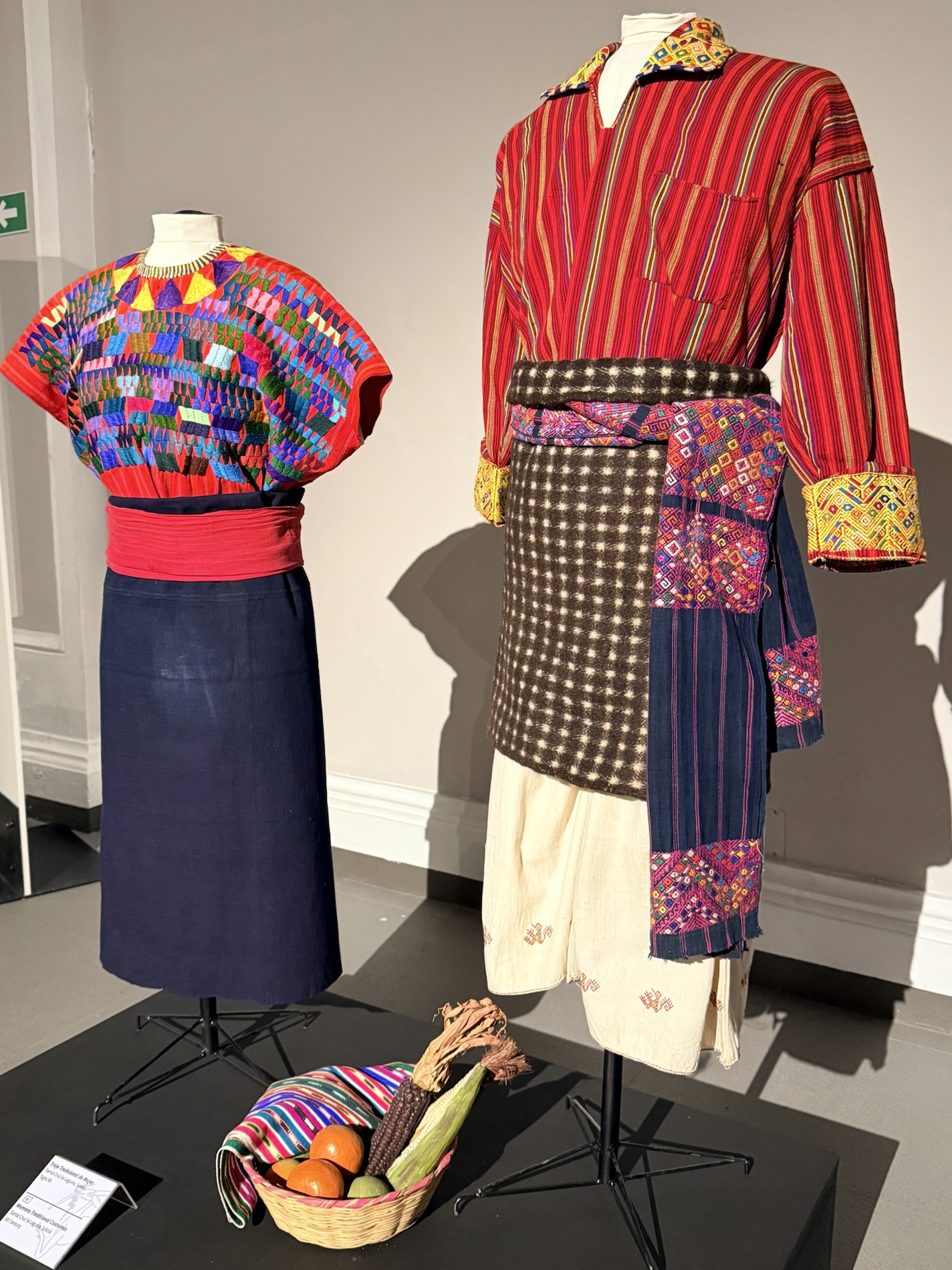
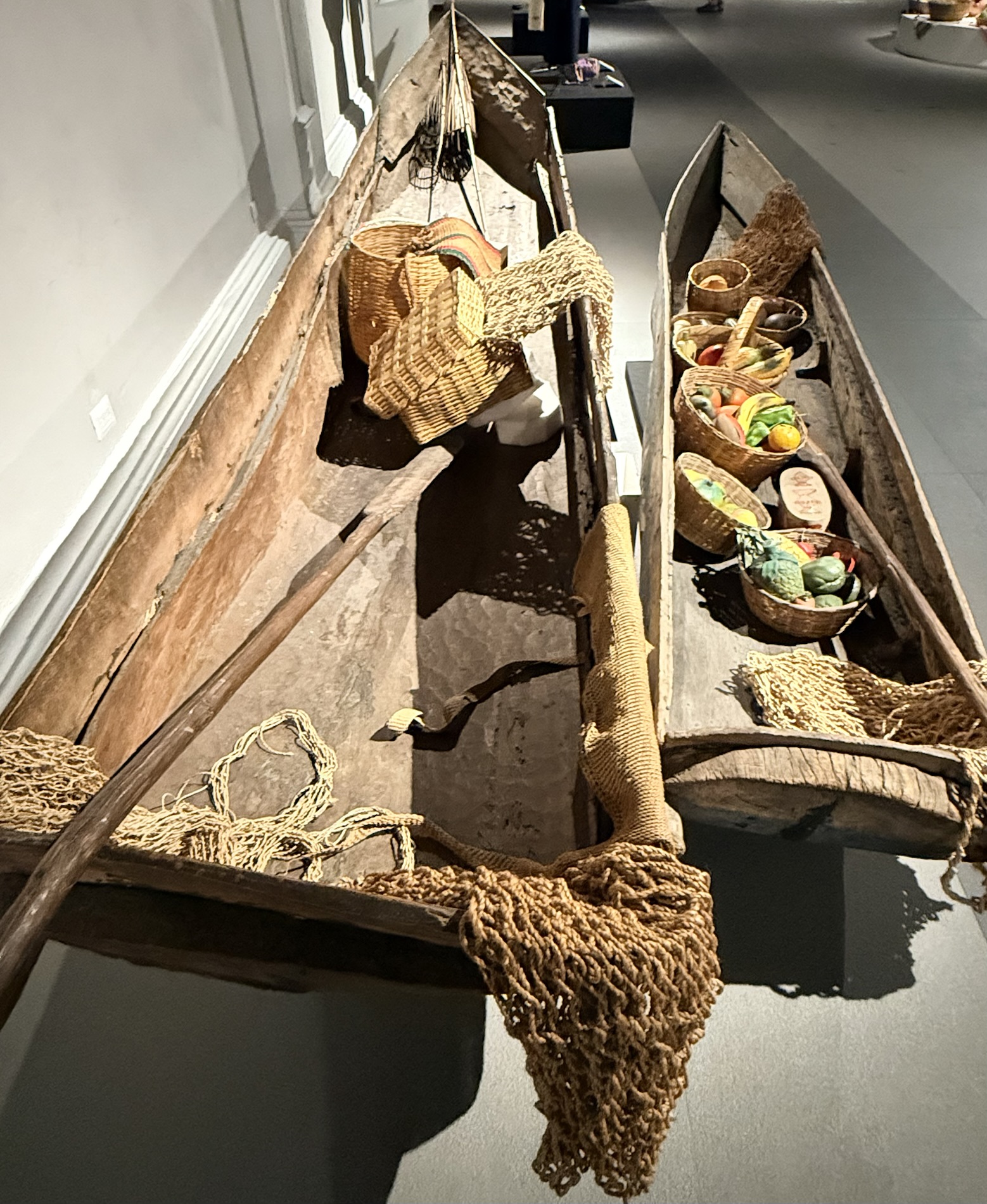
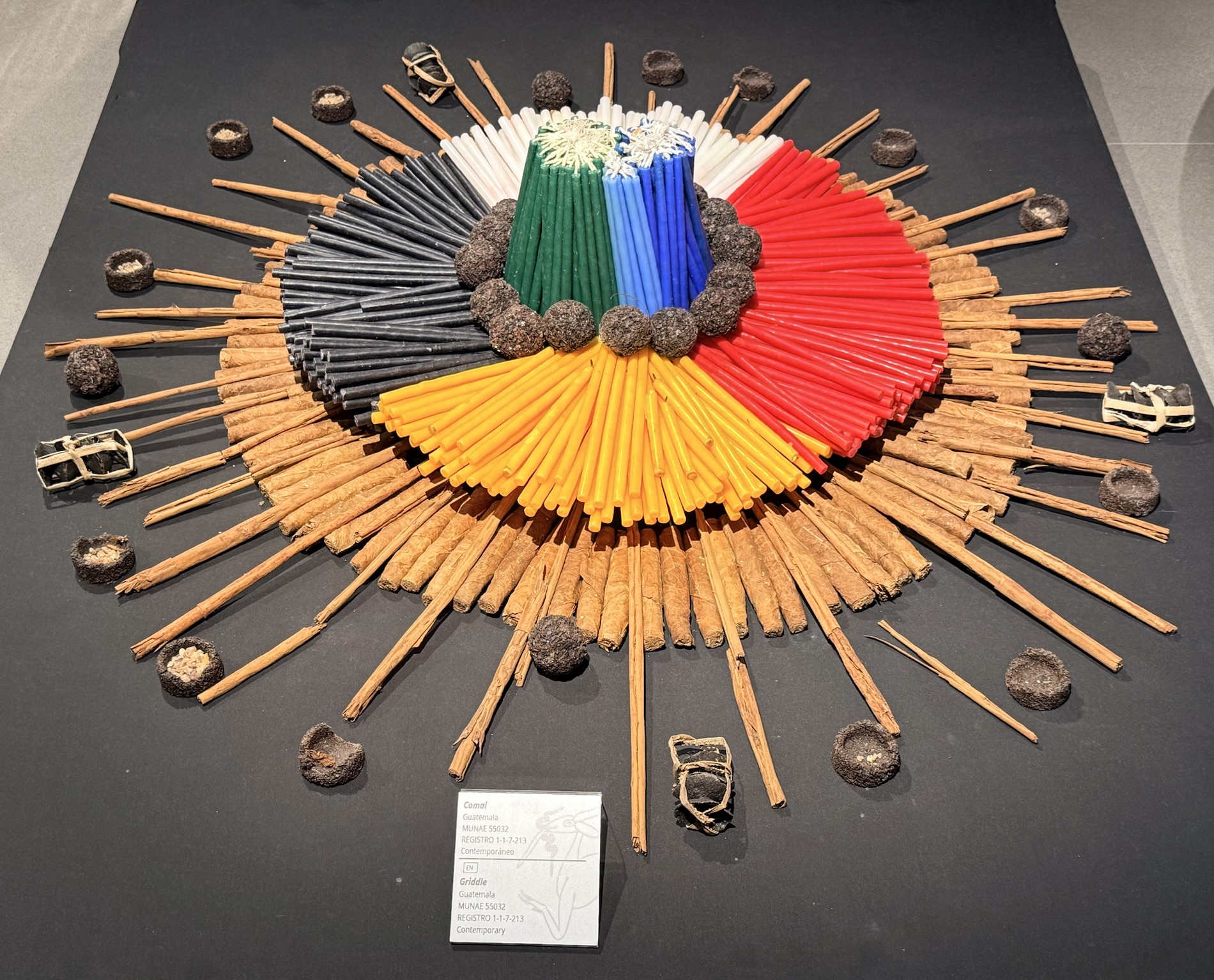
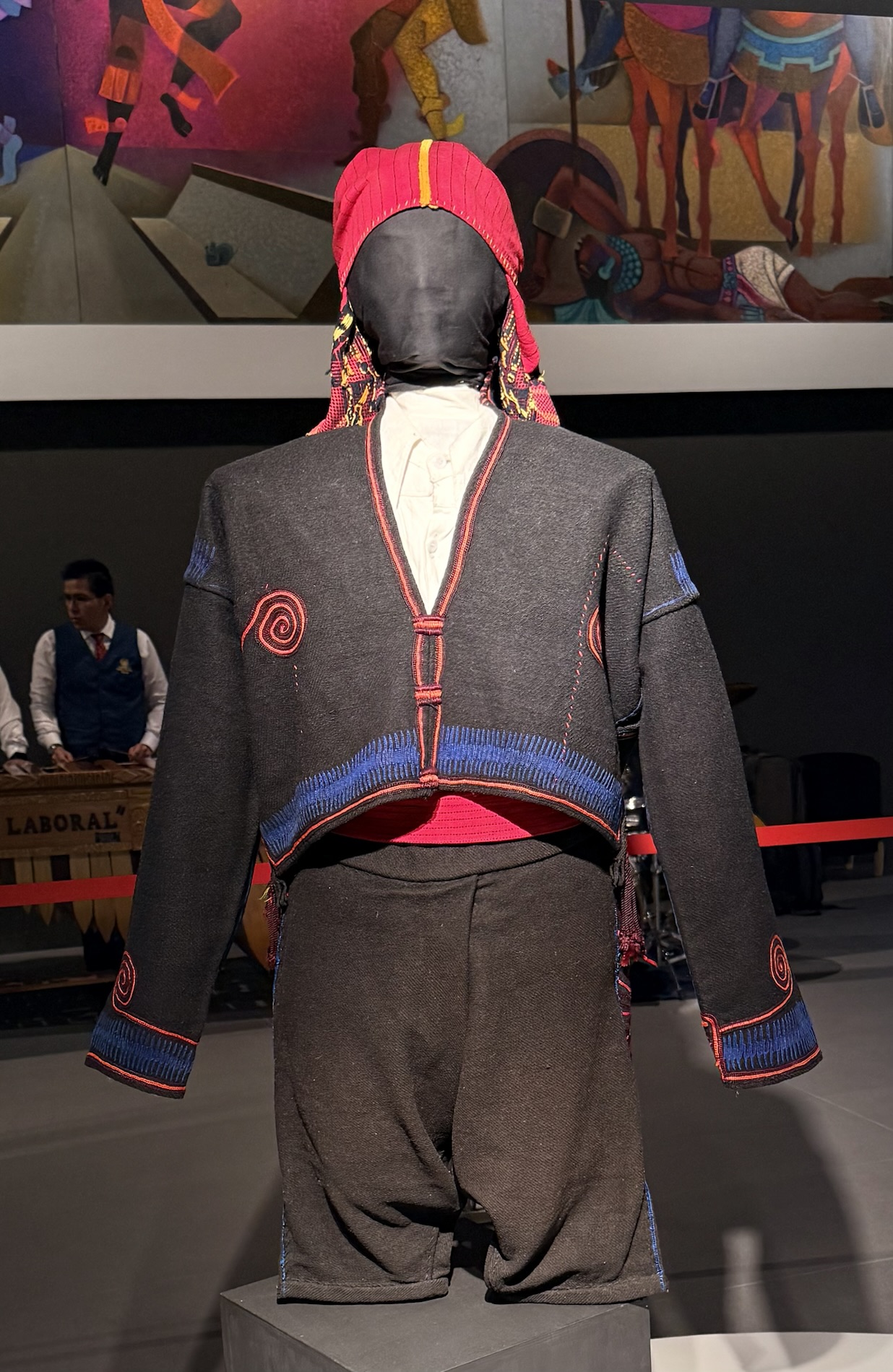
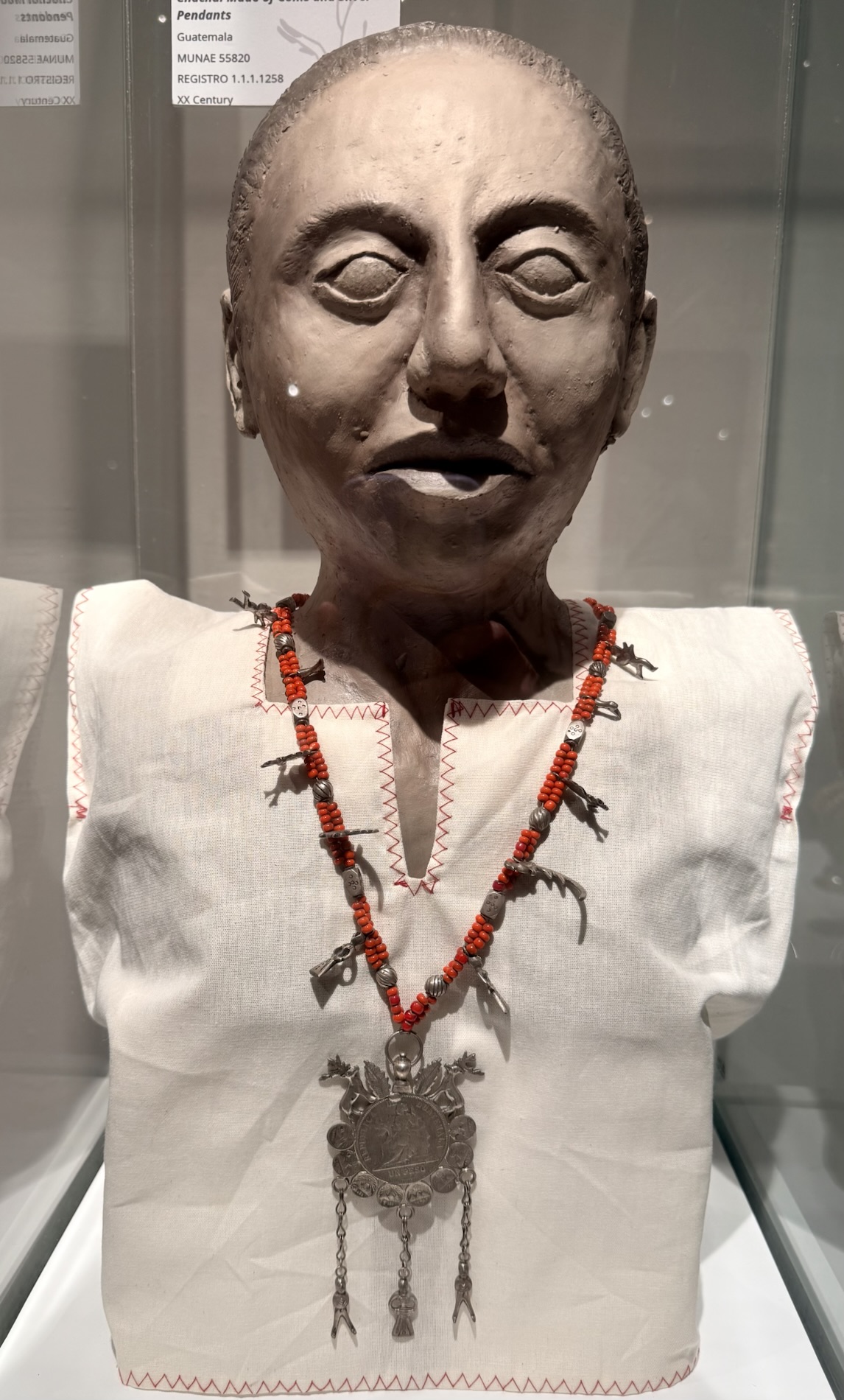
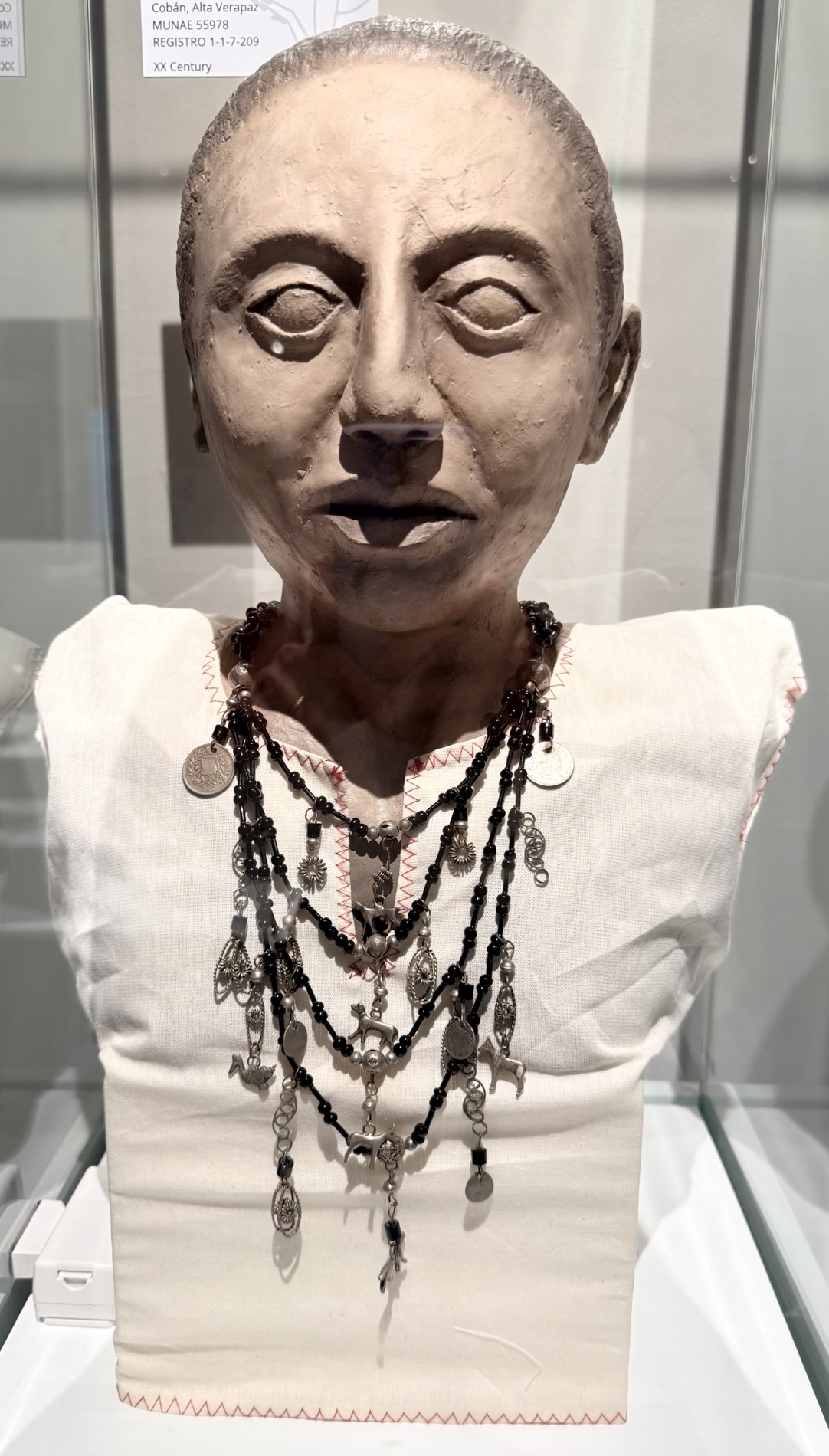
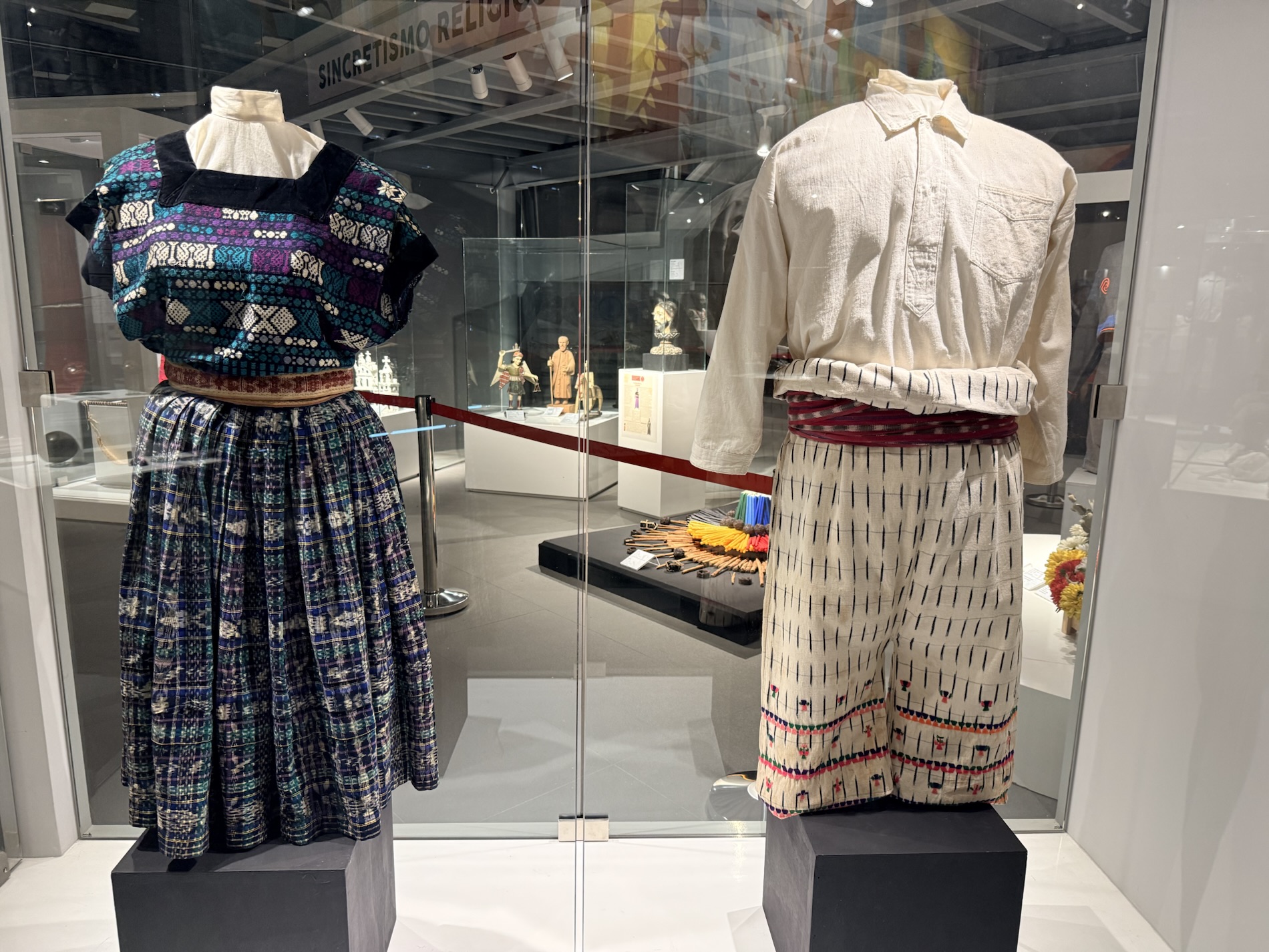
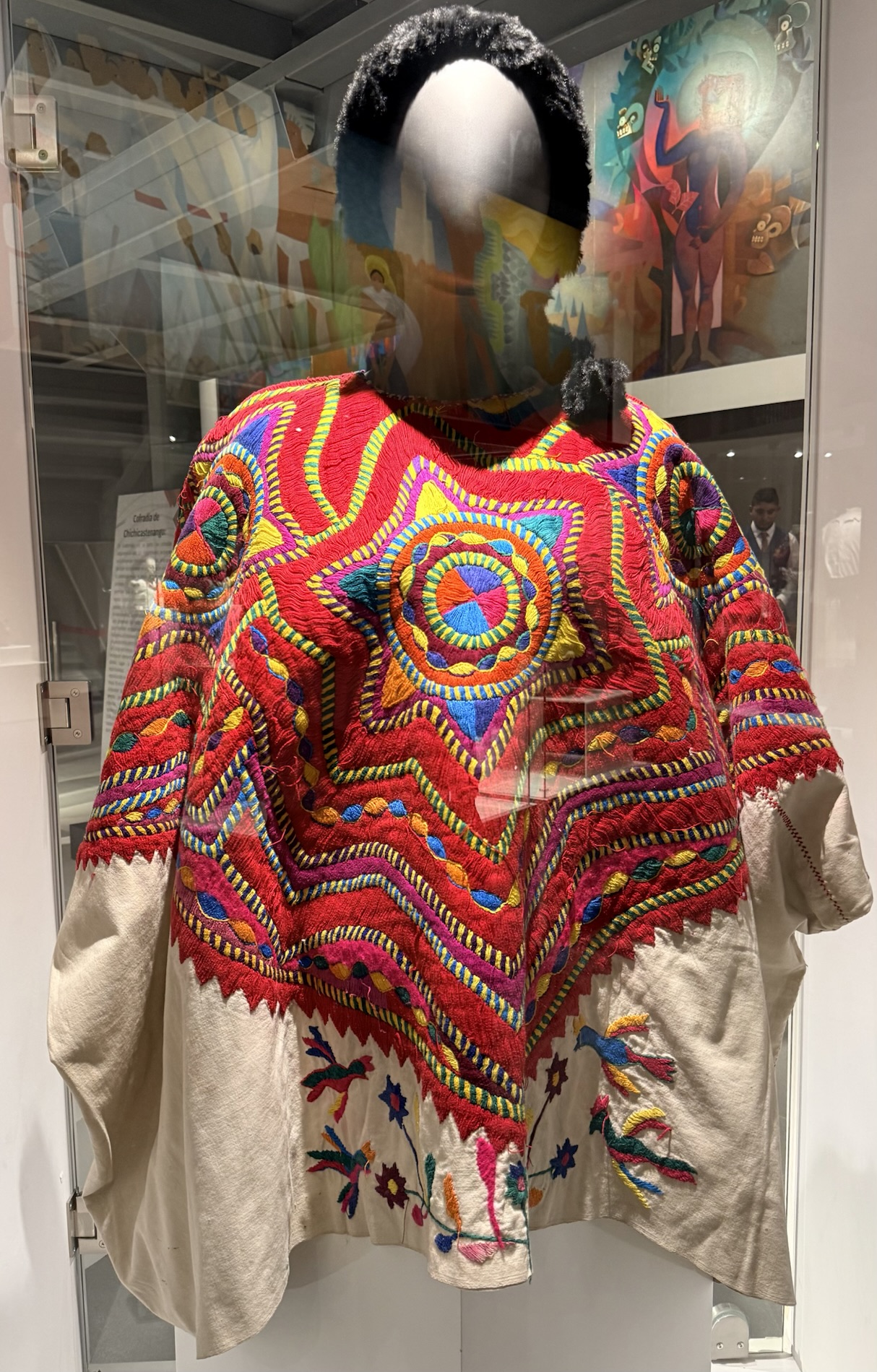
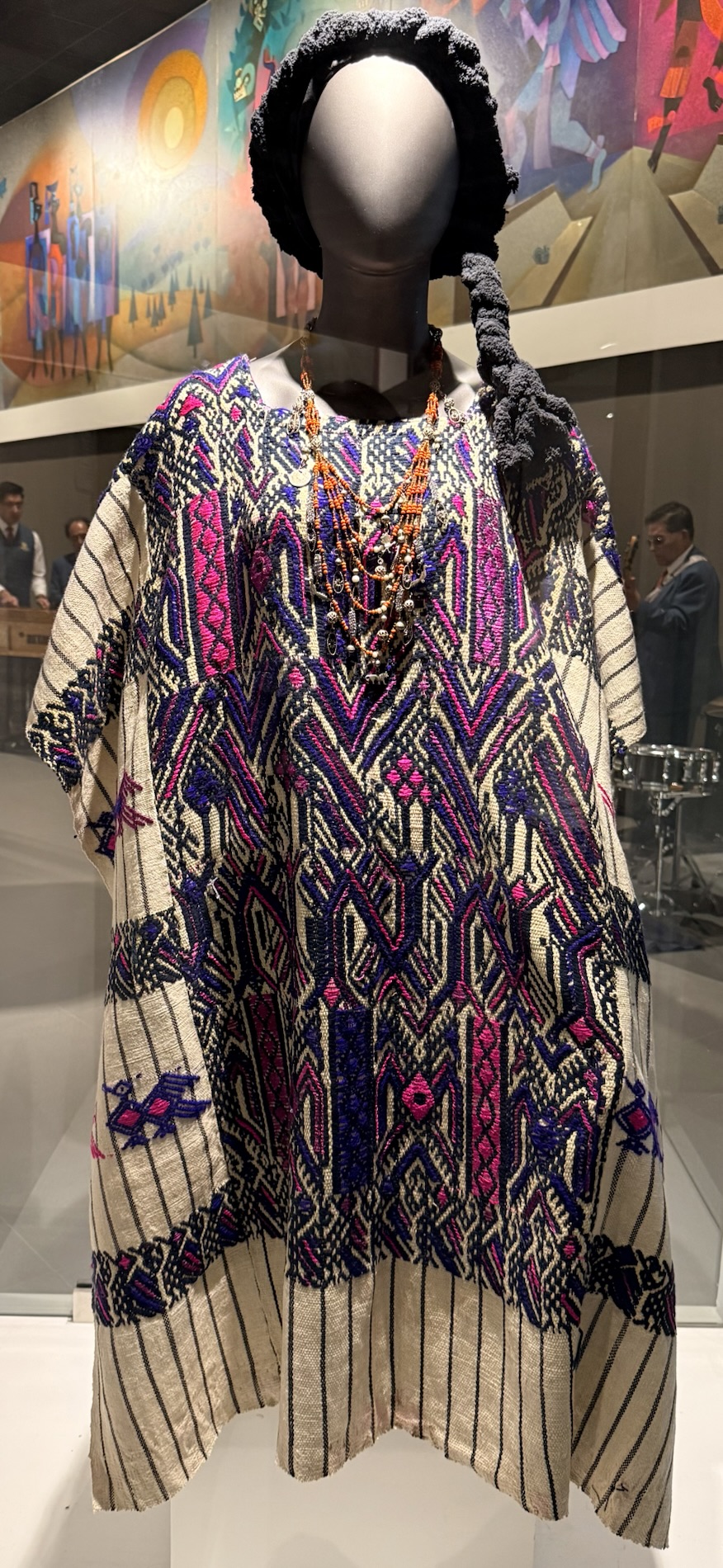
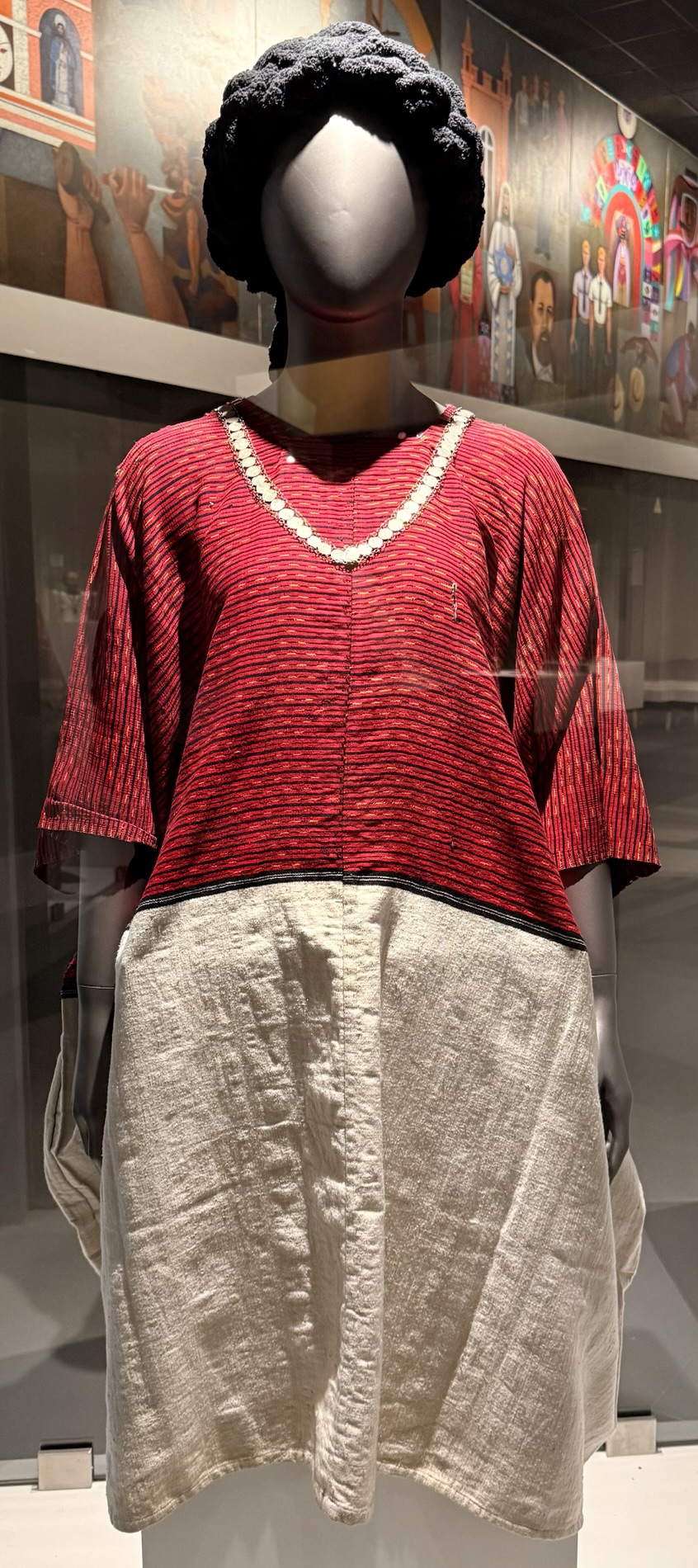
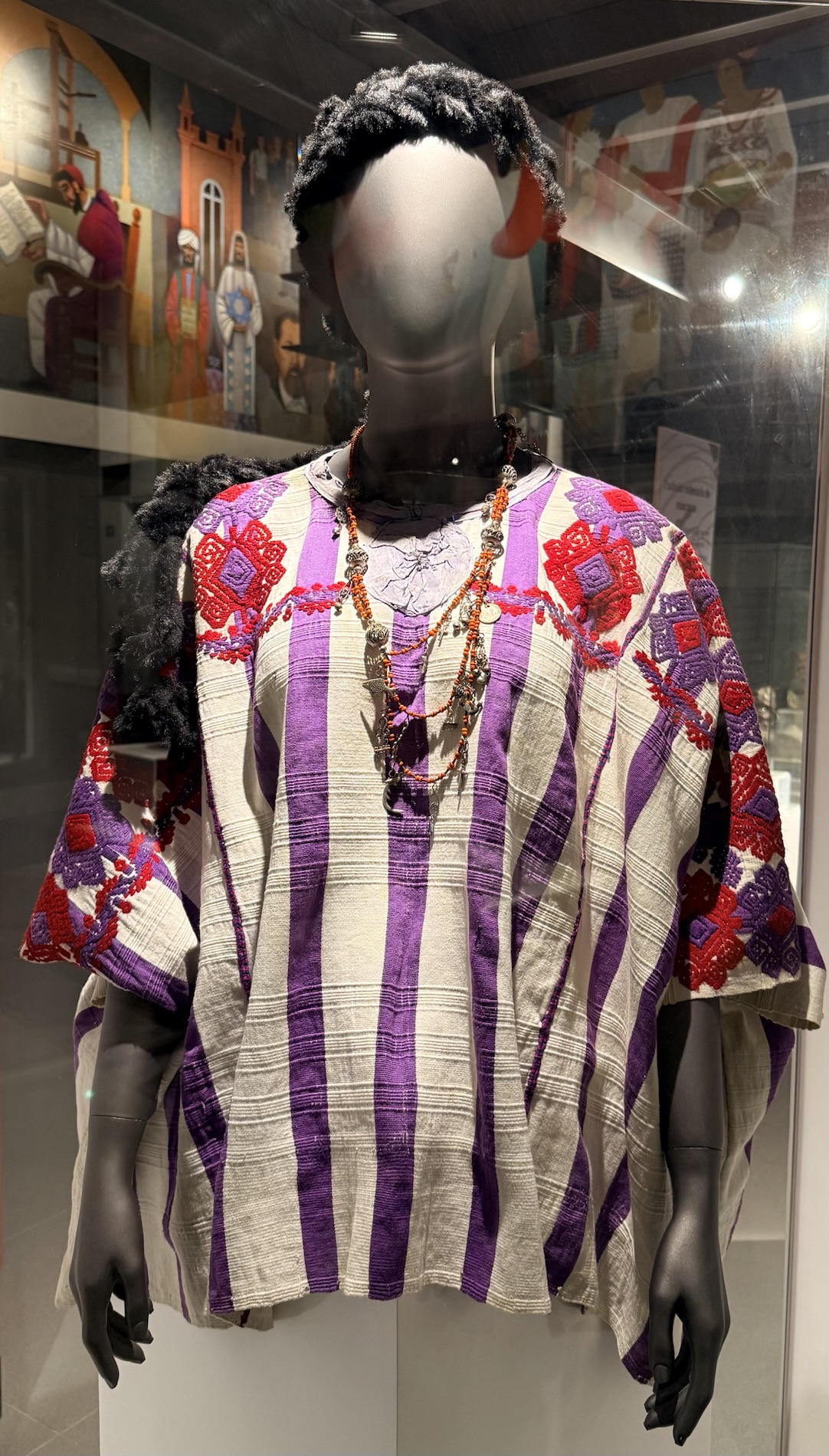
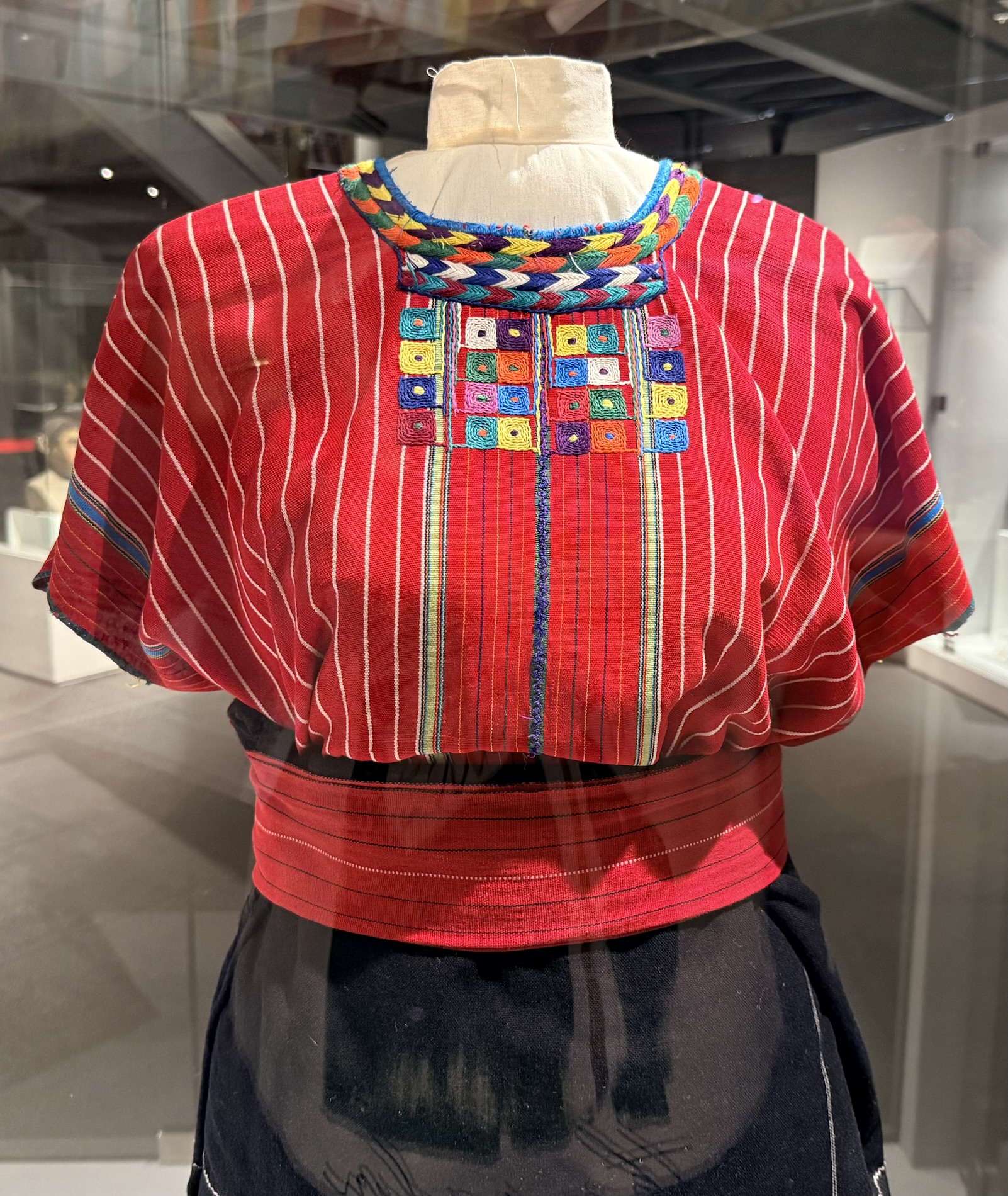
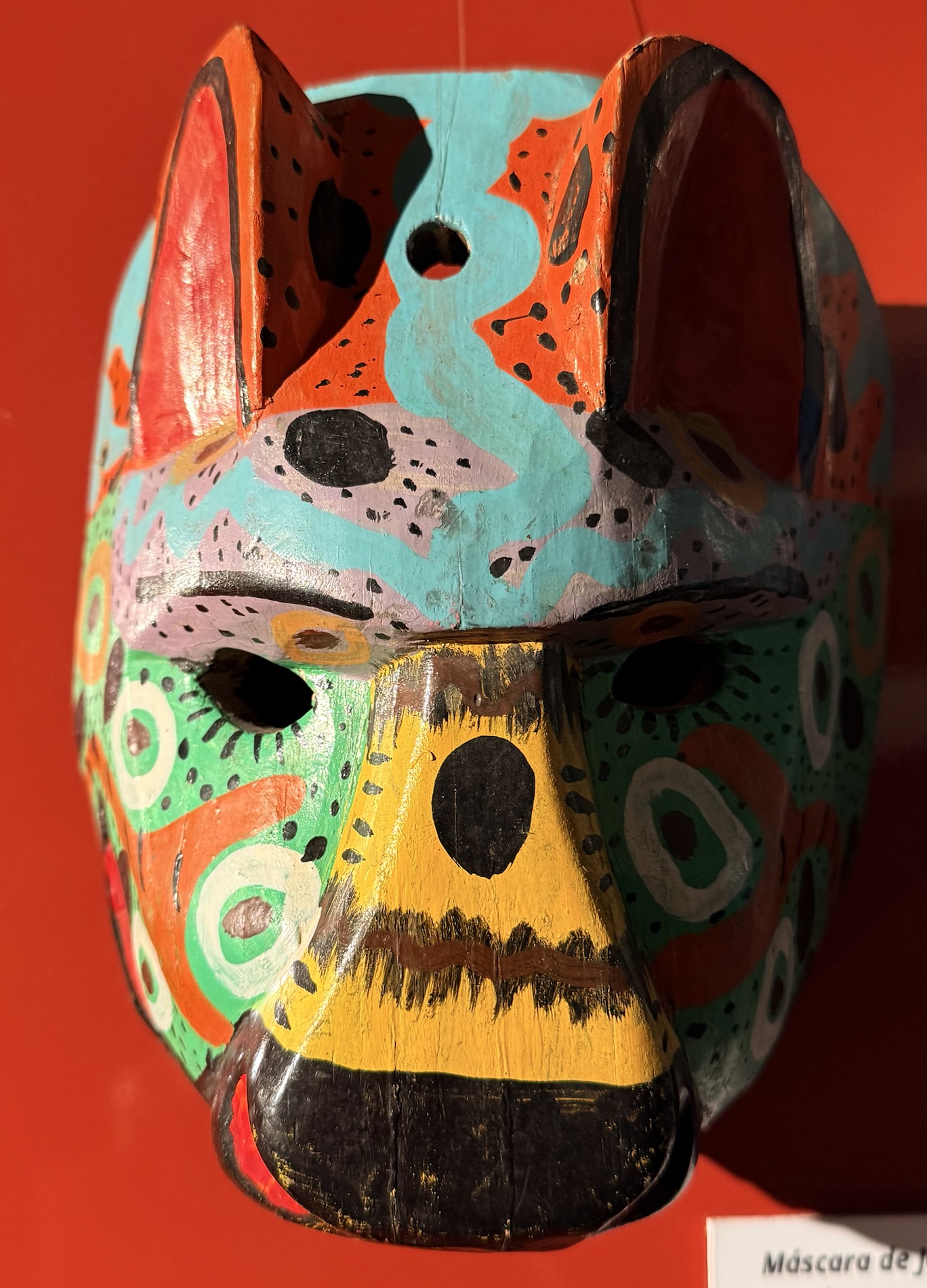
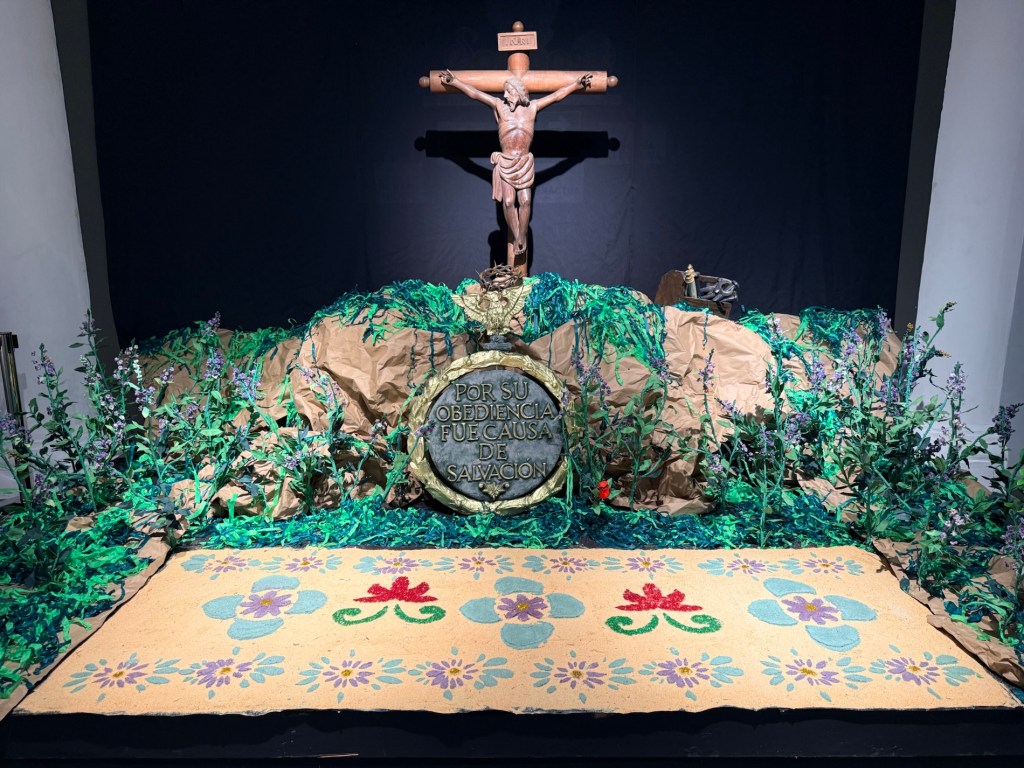
We learned about Semana Santa in Guatemala (Holy Week), which was inscribed as an Outstanding Universal Value by UNESCO on November 30, 2022. It represents a celebration of culture and religiosity in all 22 departments of the country as it has been celebrated for centuries.
Semana Santa contains multiple representations of ancestral Maya, Afro-descendent, and Mestizo worldviews, which have undergone numerous transformations and show the sociocultural diversity of Guatemala.
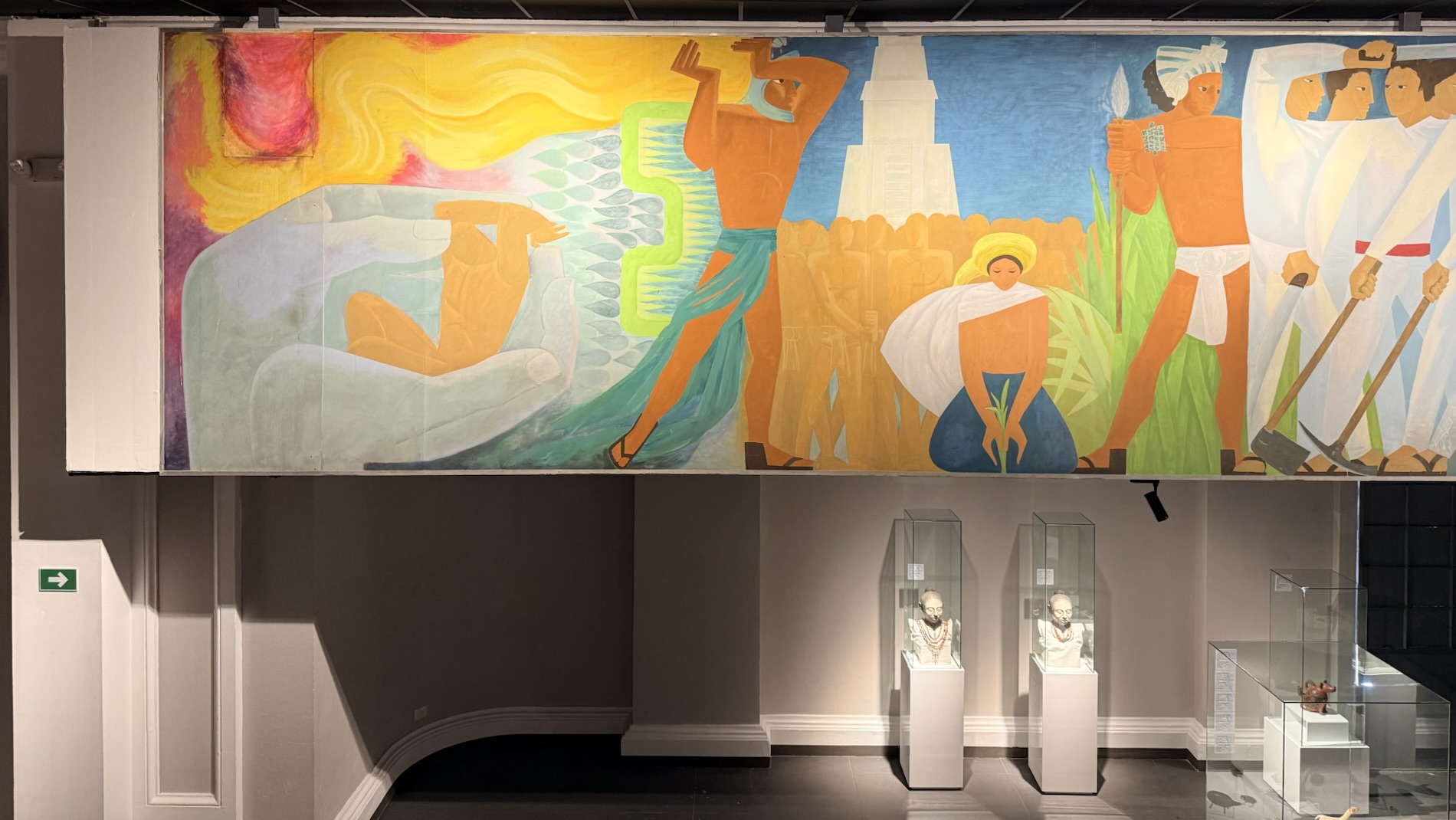
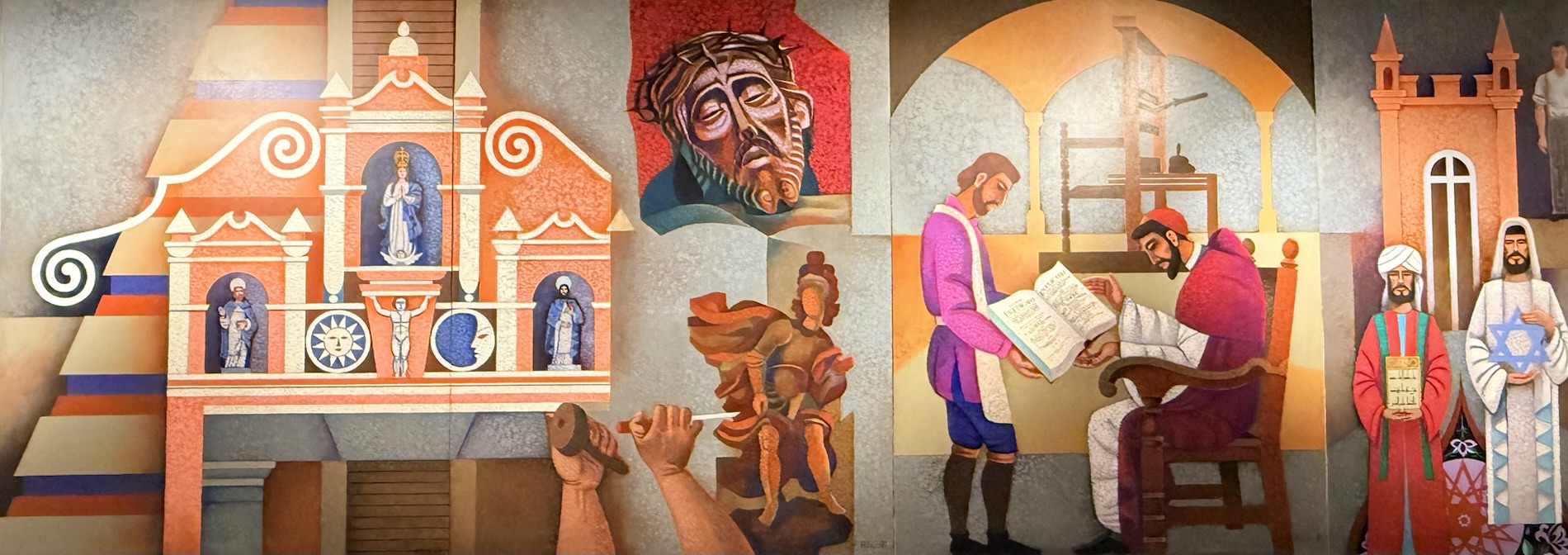
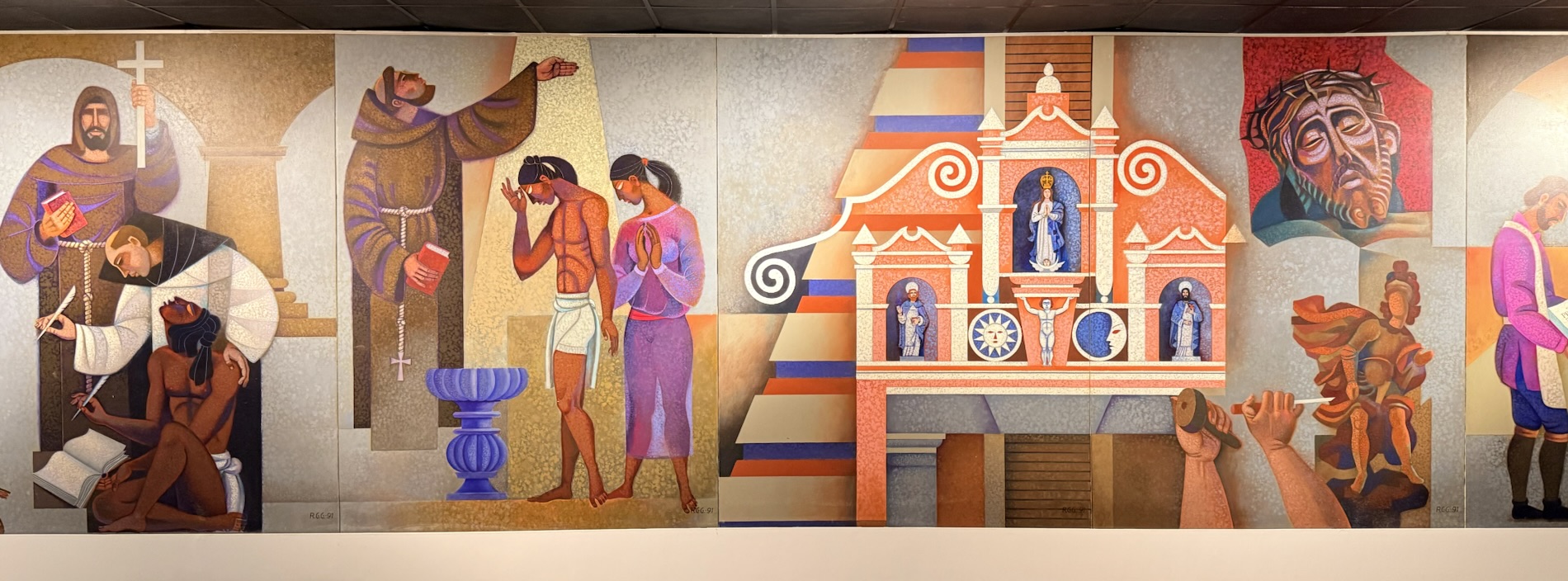
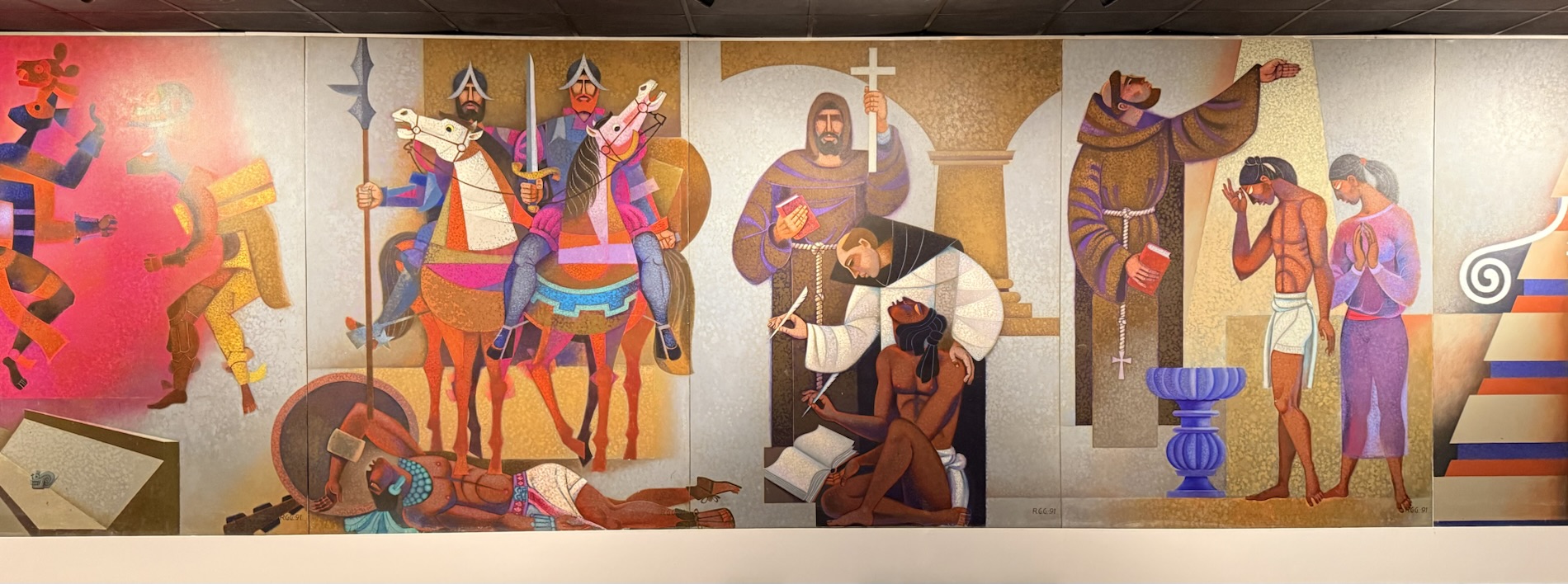
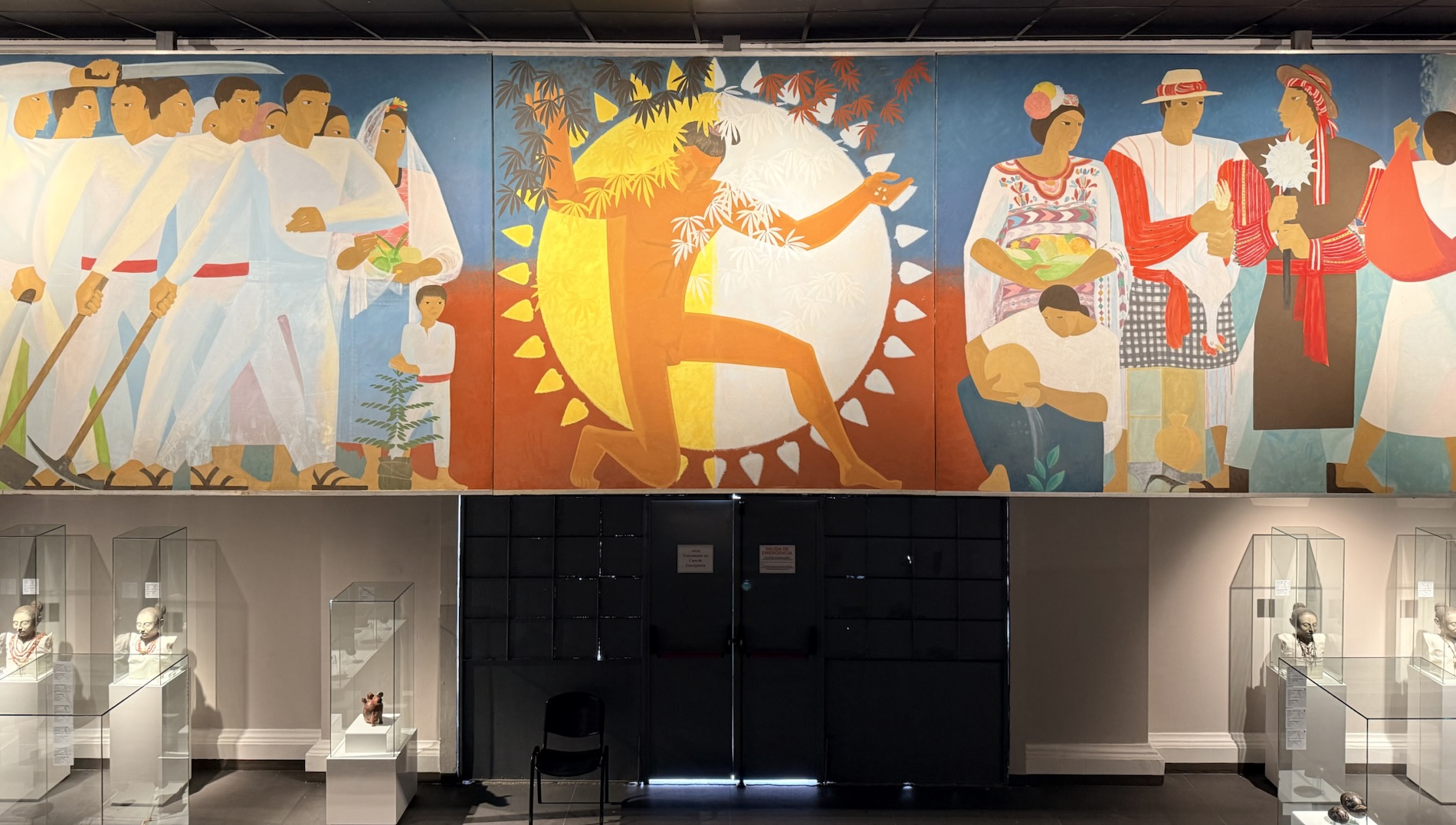
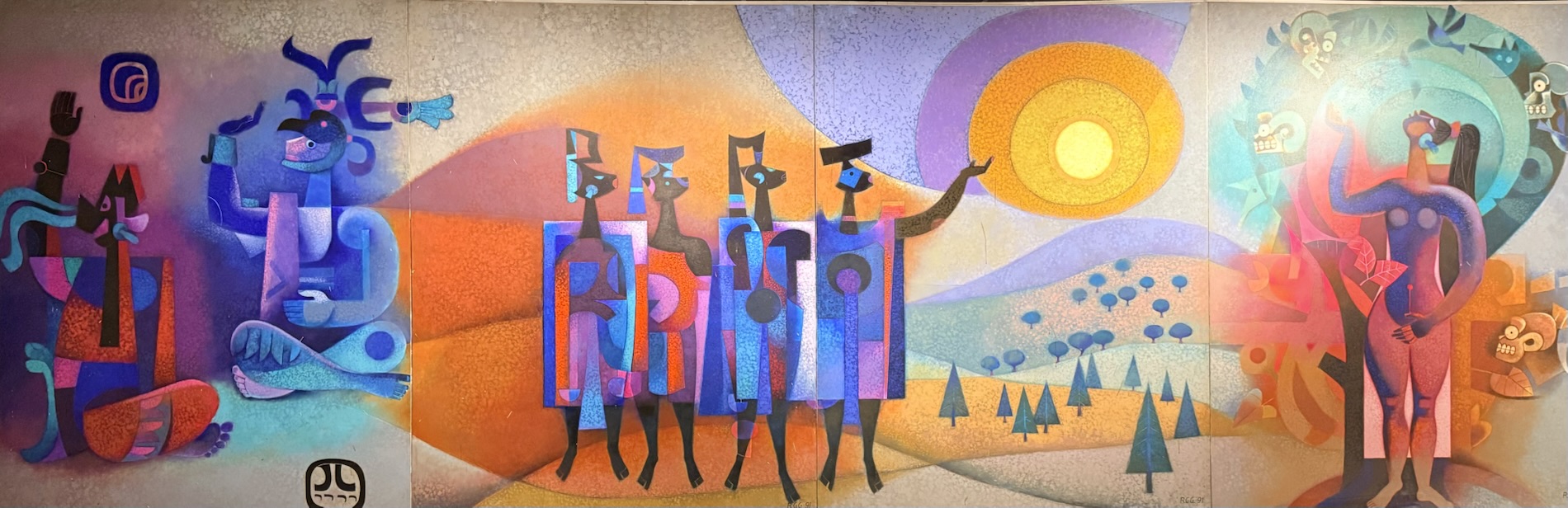
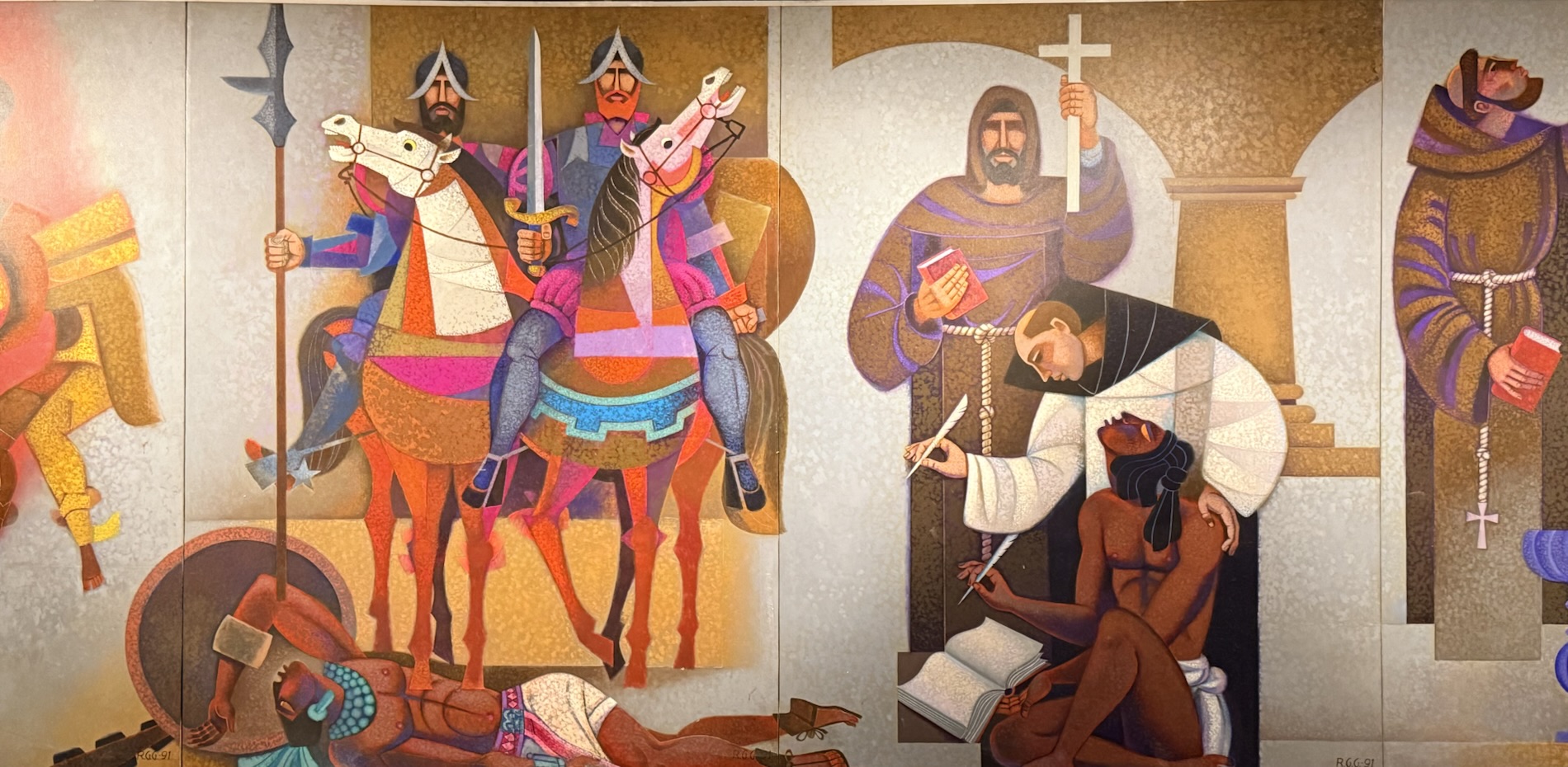
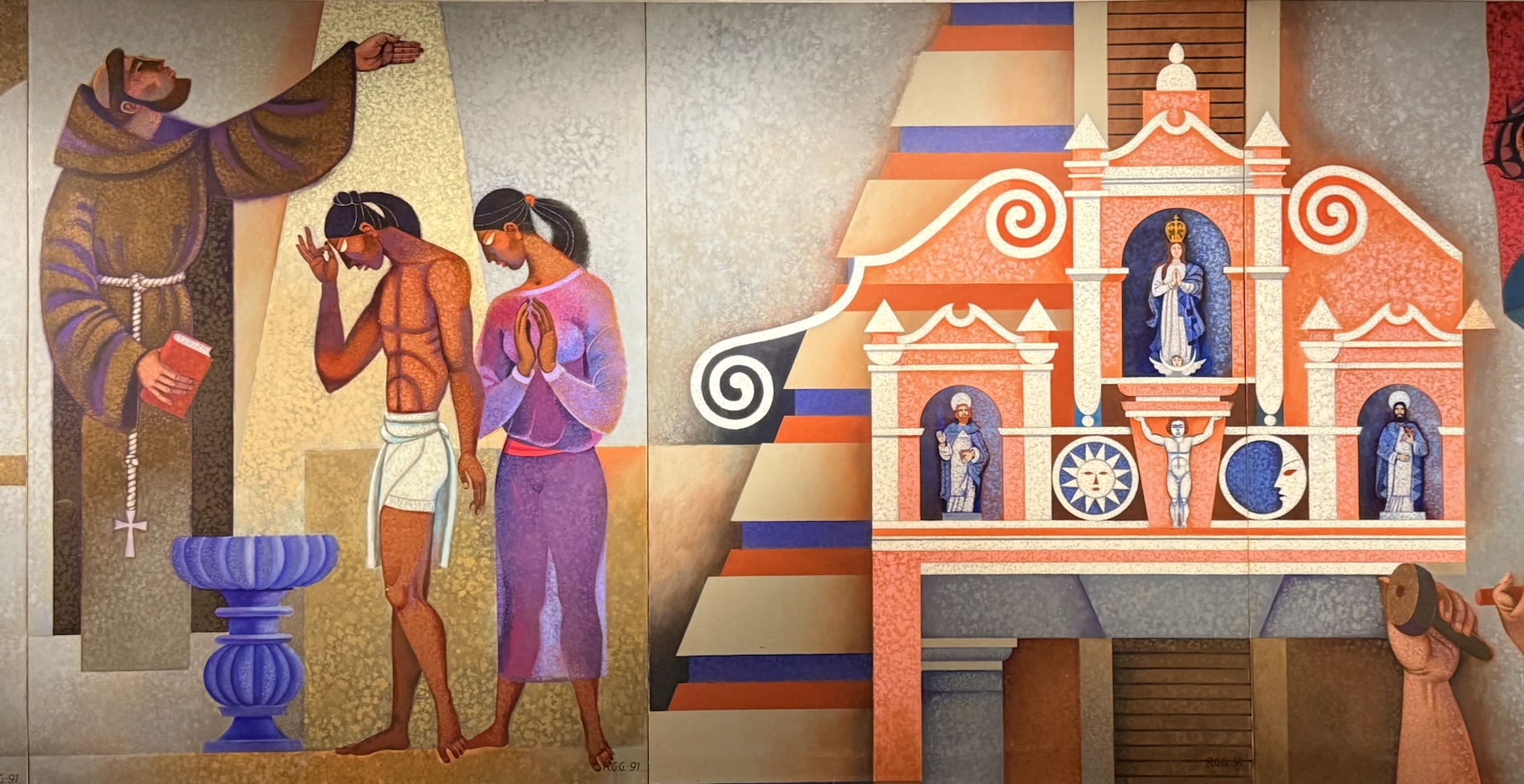
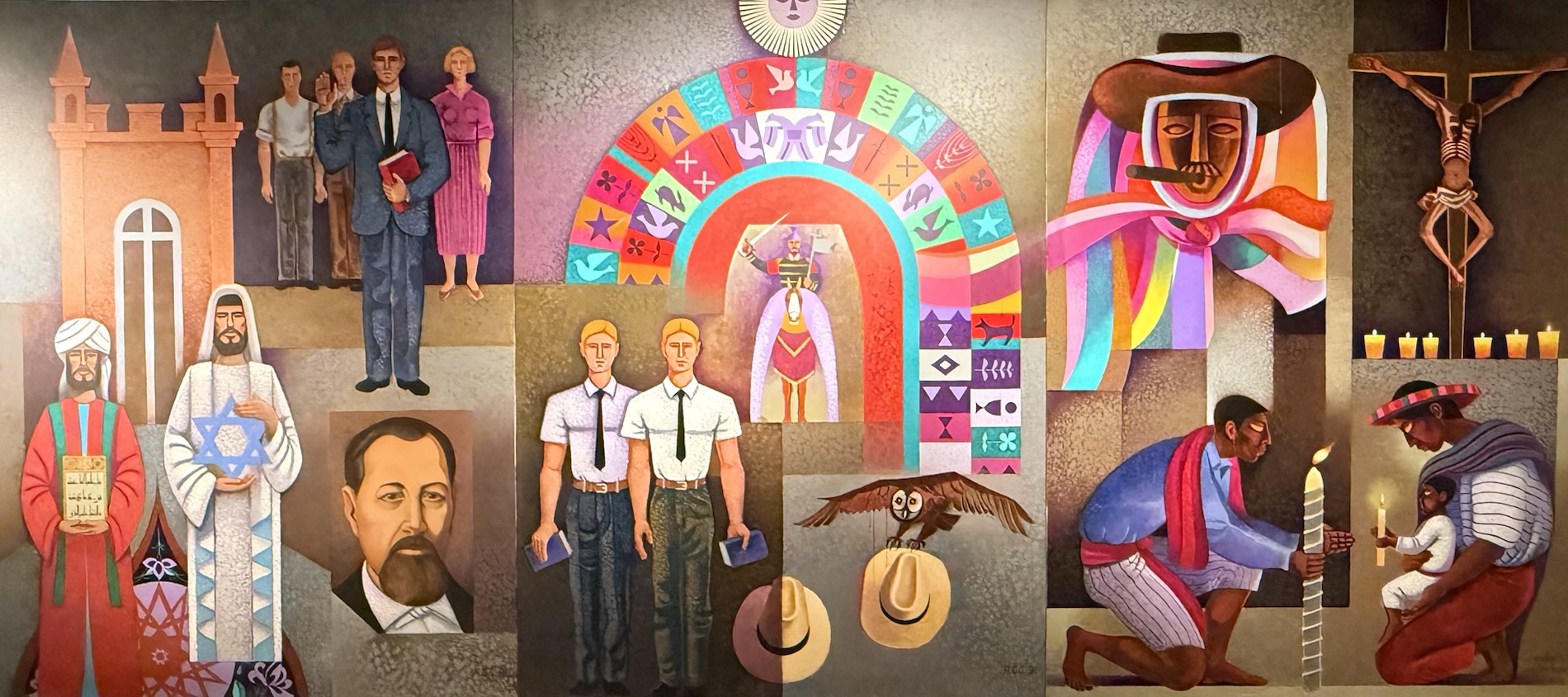
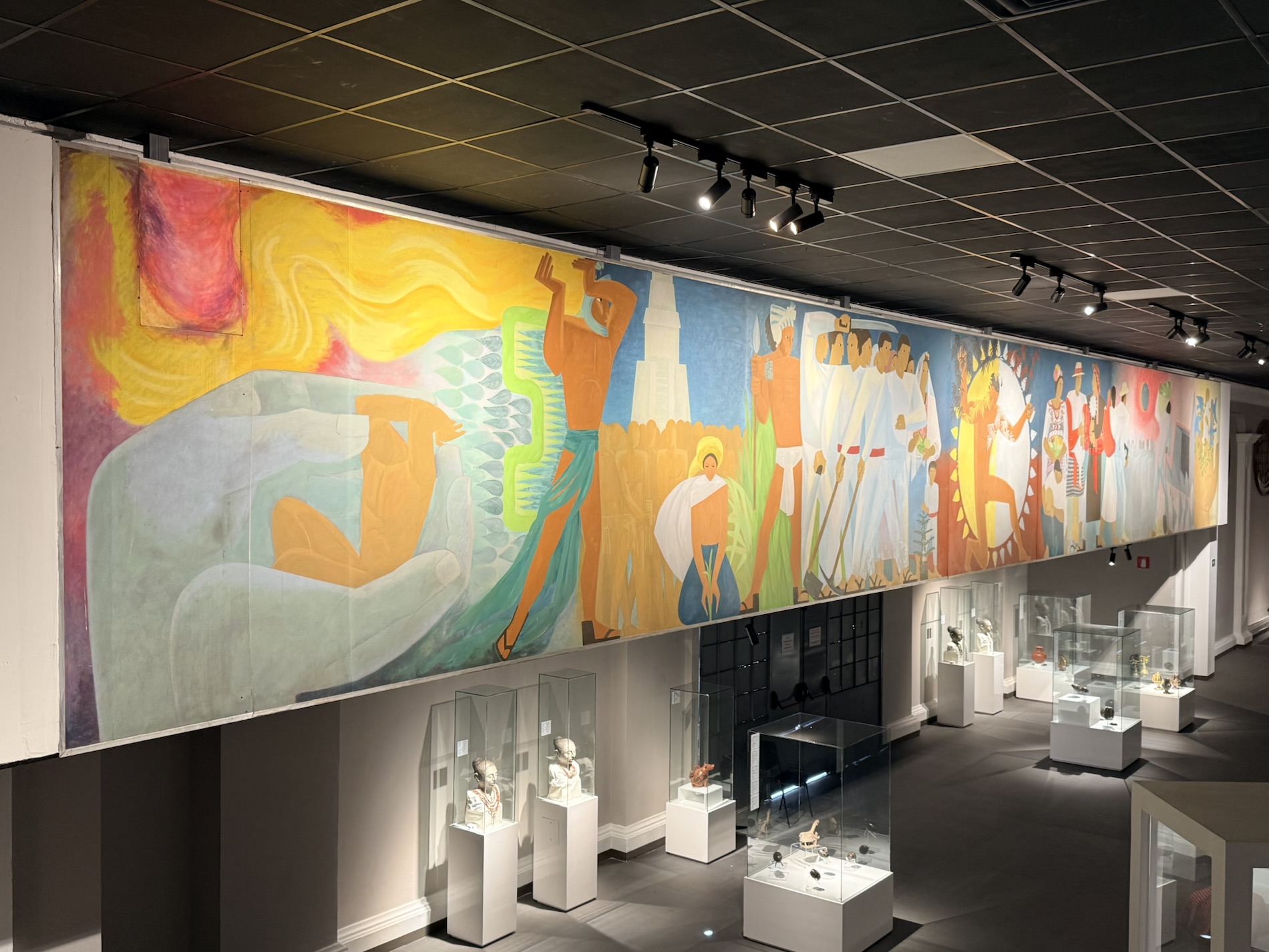
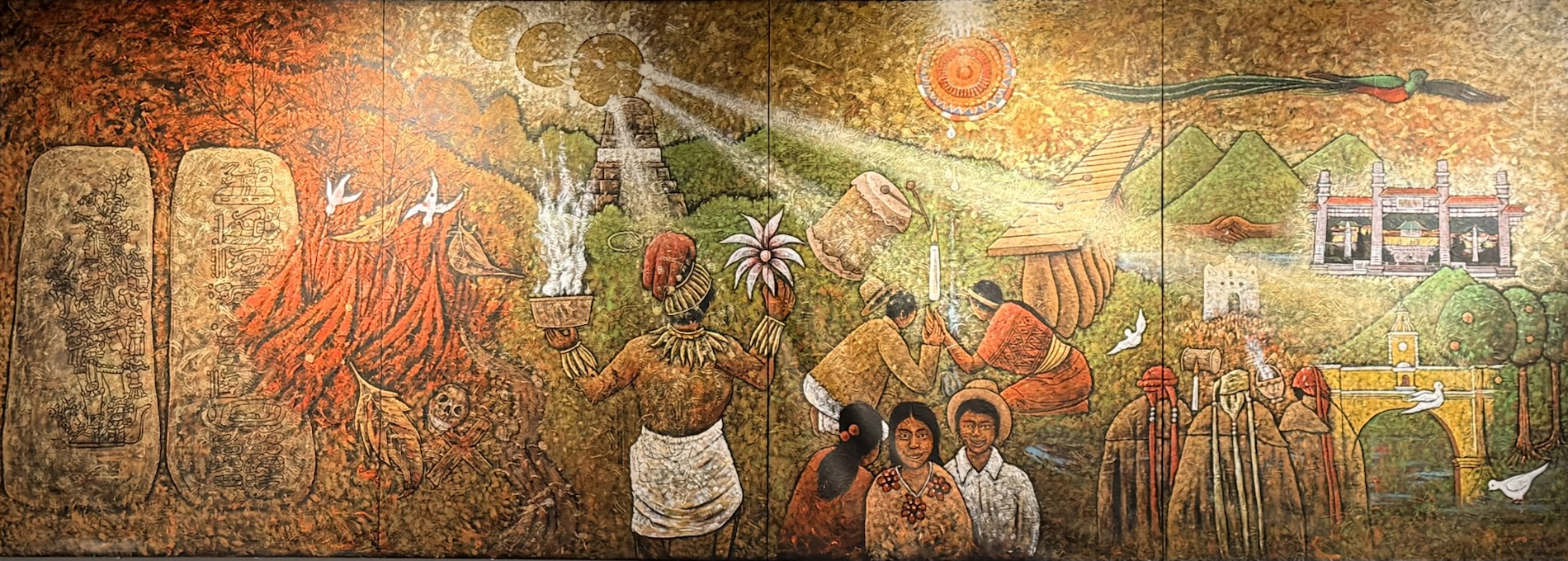
Encircling the final room in the museum are painted panels created by Roberto González Goyri which show “spiritual syncretism” based on the sacred book of the Maya, the Popol Vuh, the events of the Spanish conquest, and the fusion of present-day manifestations. Another panel shows the ancient Mayan world.
Kyoto Restaurant at Barceló Guatemala City
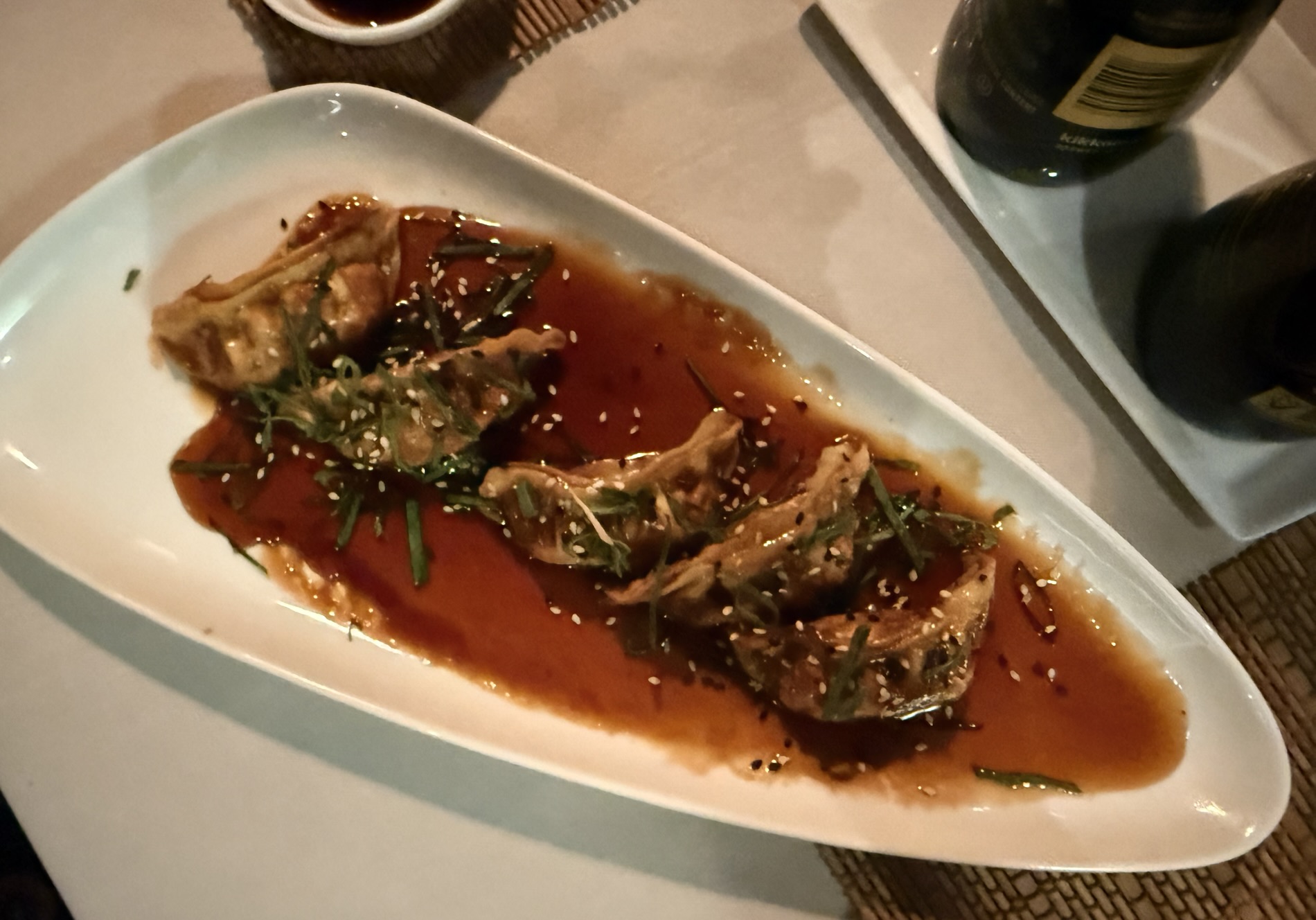
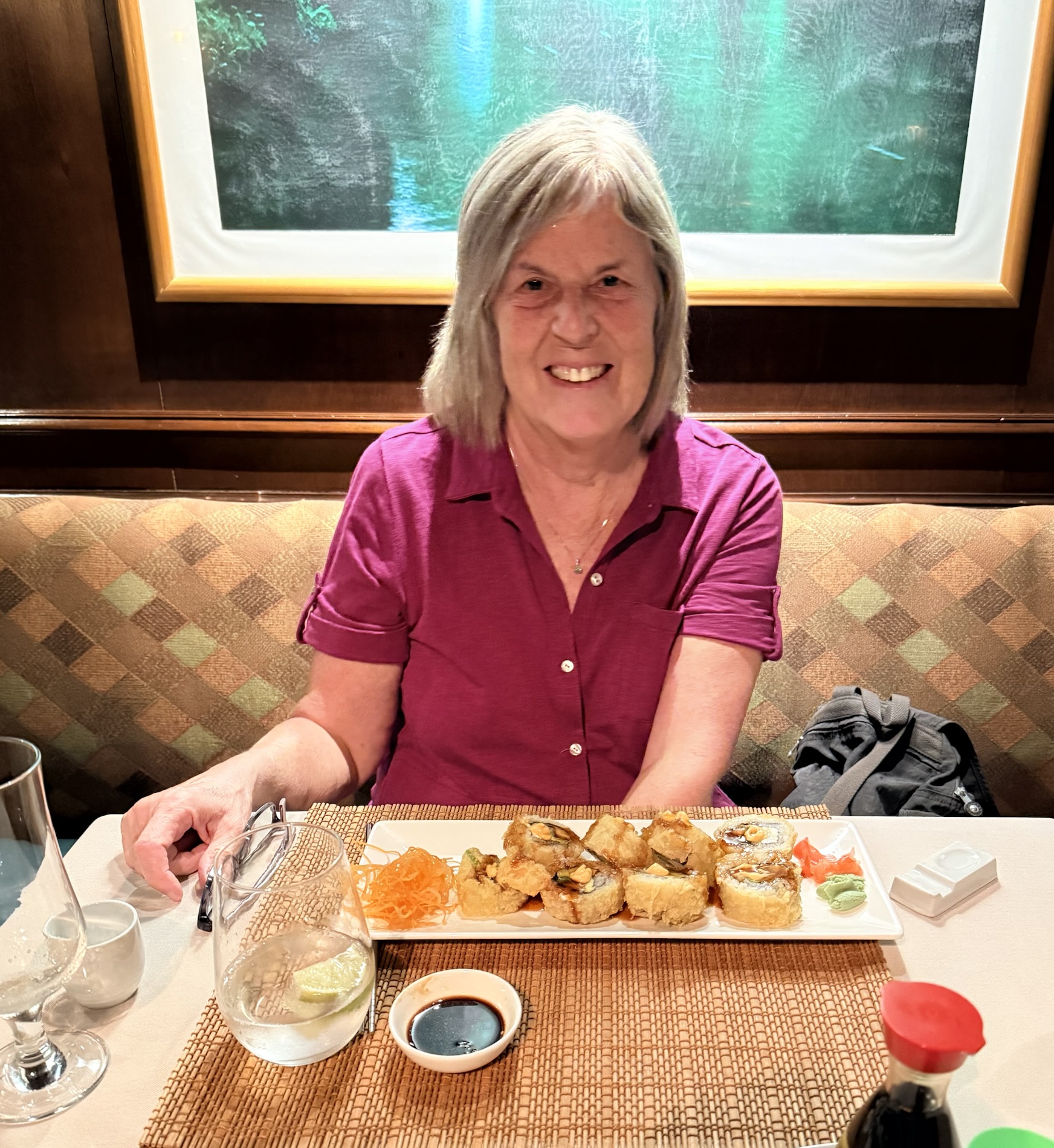
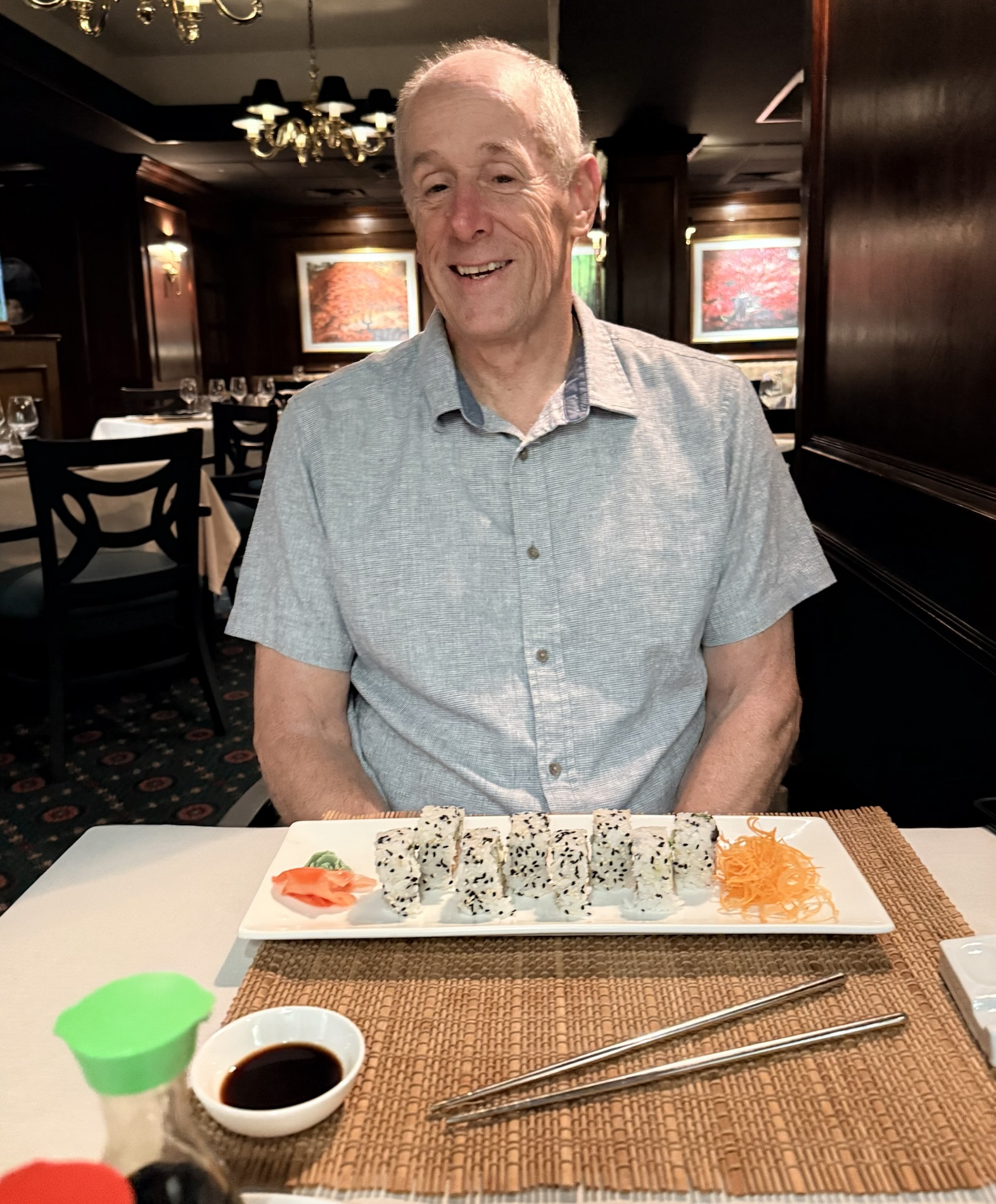
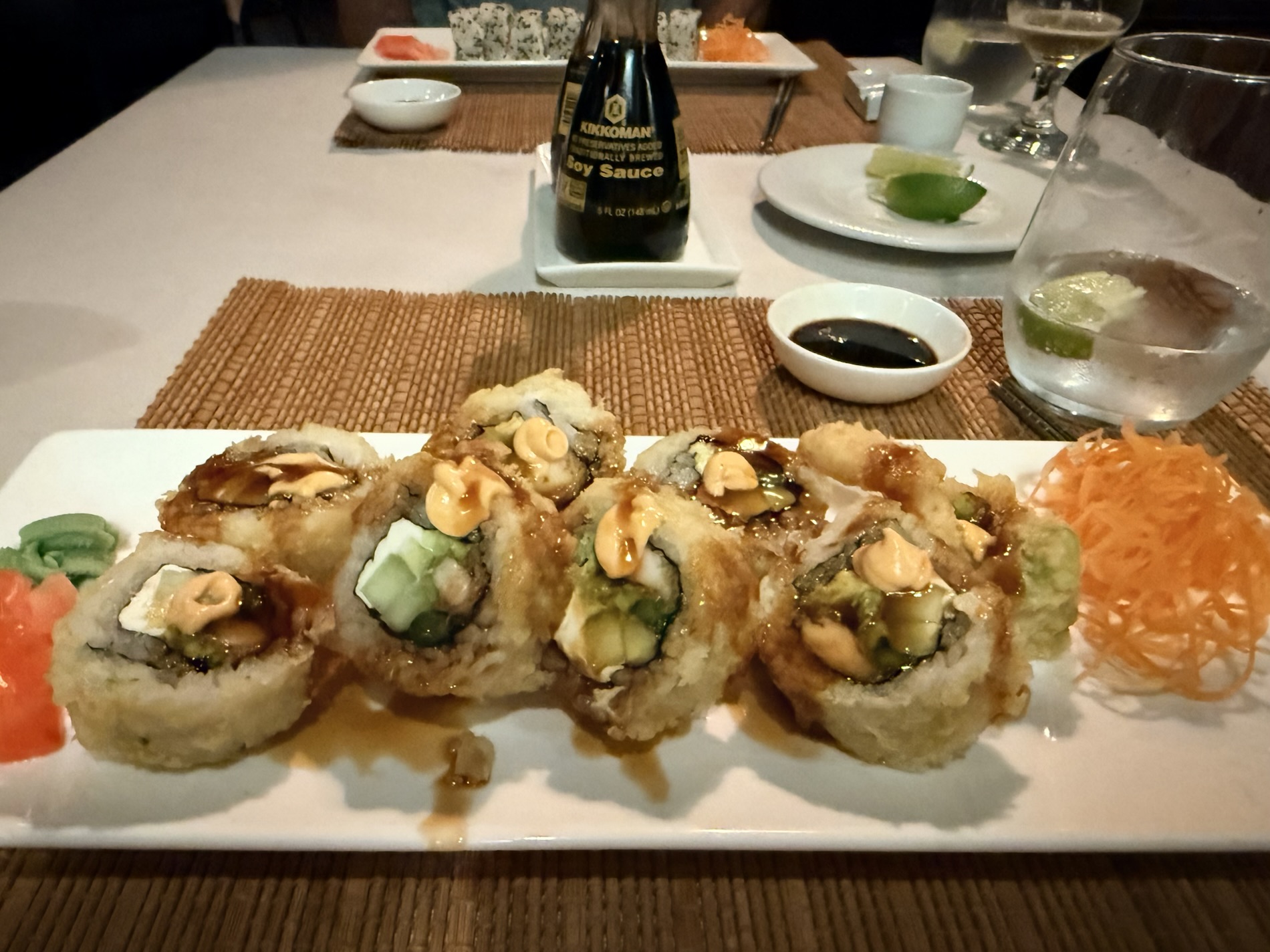
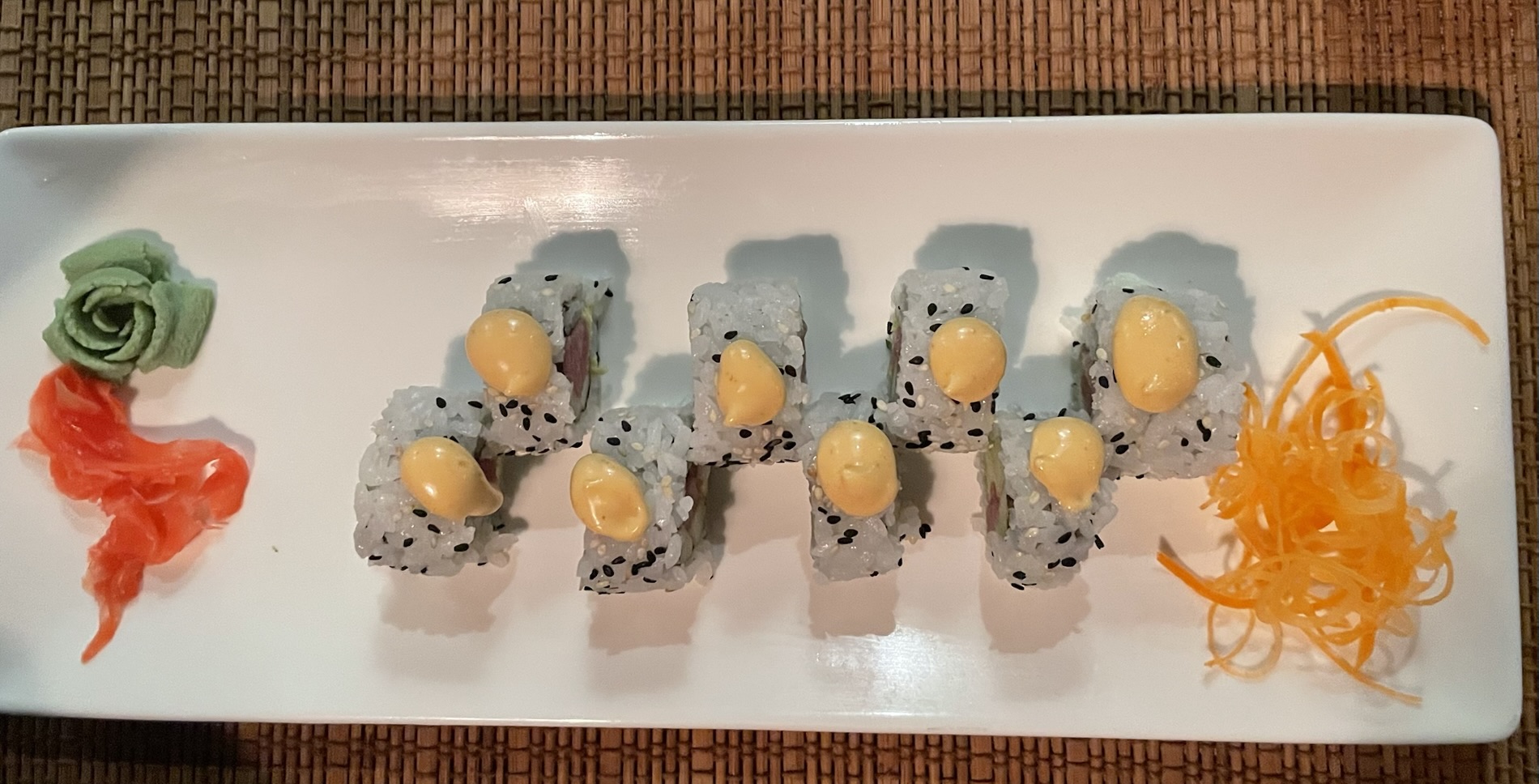
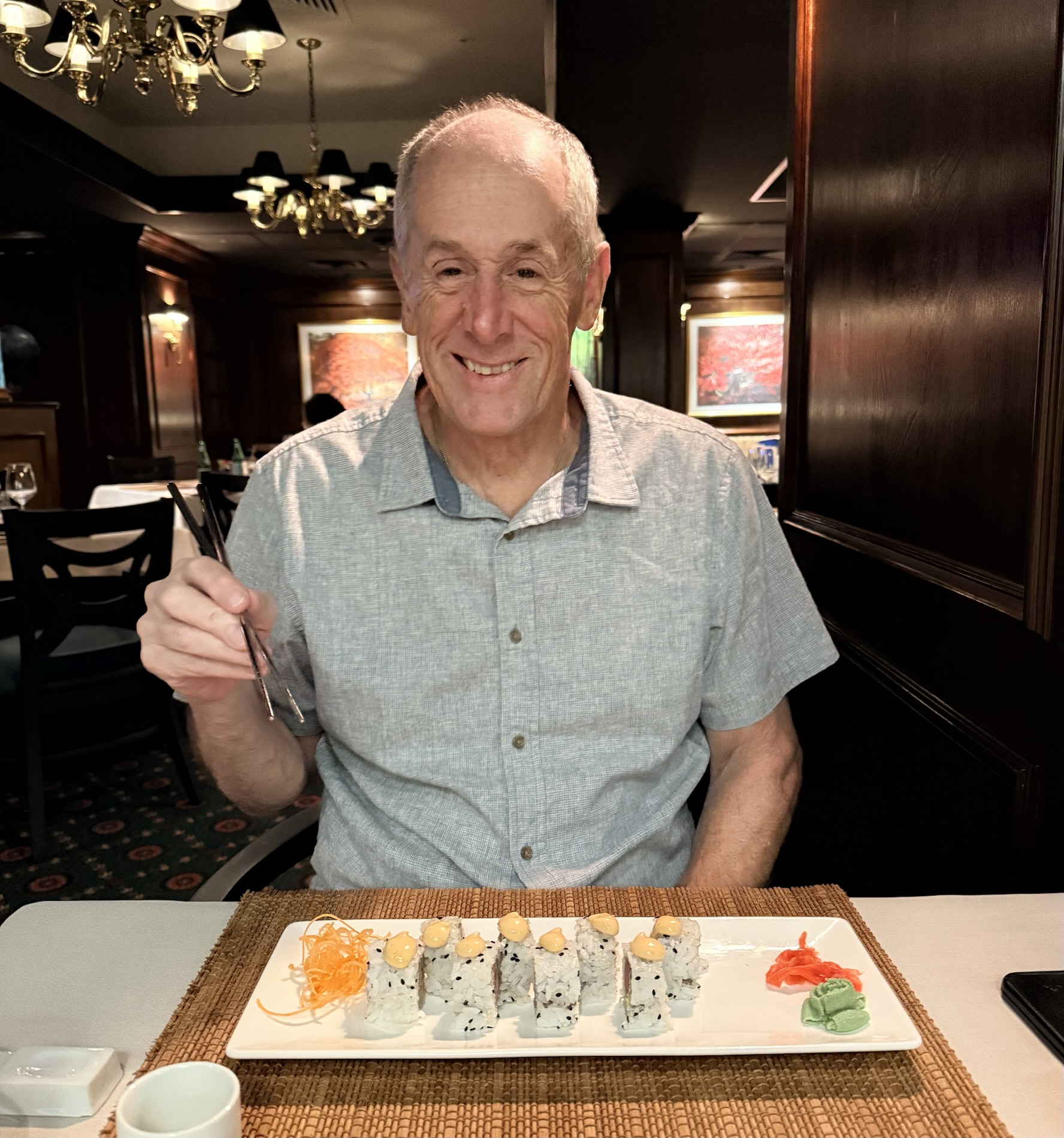
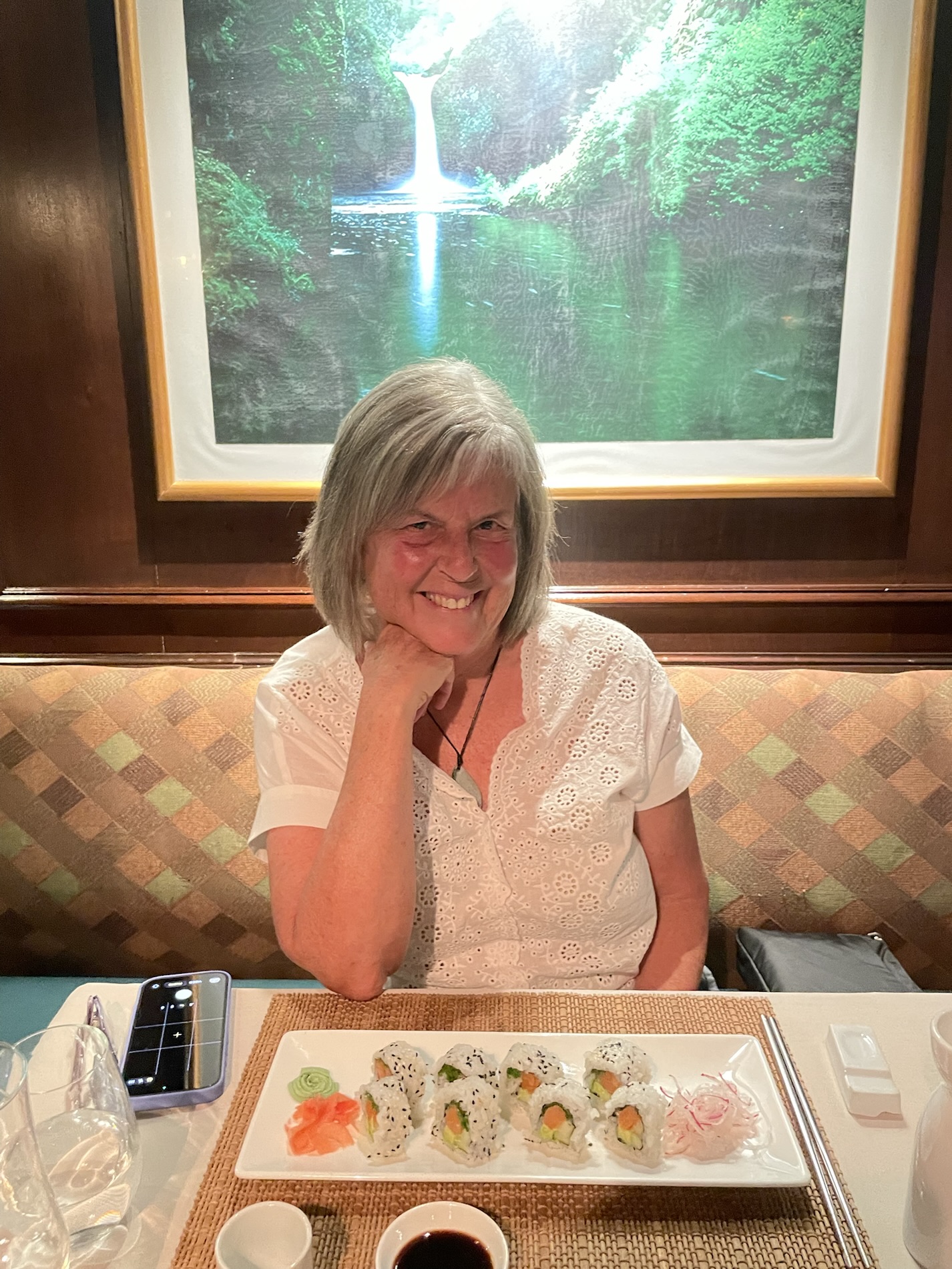
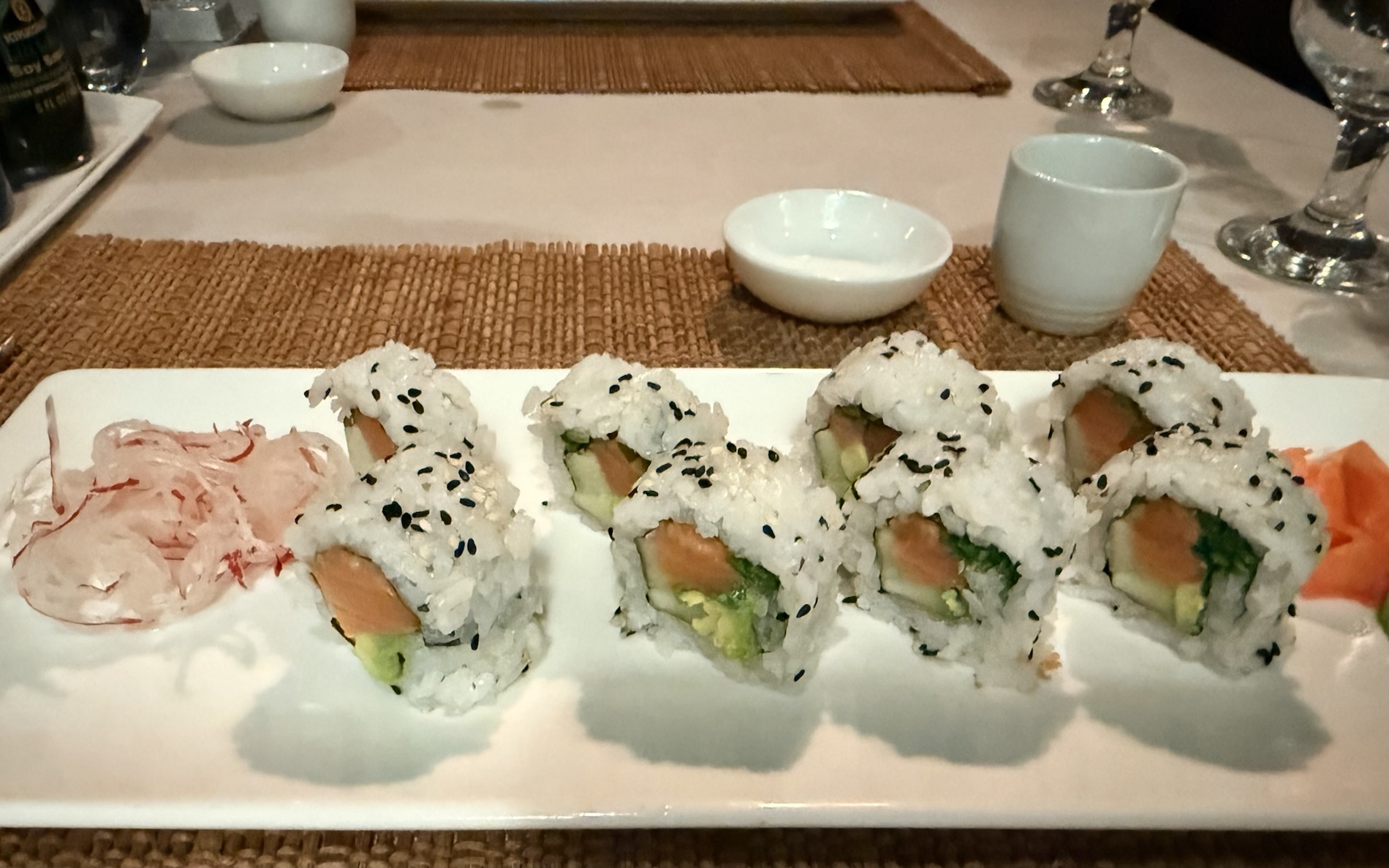
We enjoyed a wonderful dinner at Kyoto Restaurant in the Barceló Guatemala City, a huge hotel not far from the airport. We shared hot sake alternated with cold sips of Sapporo along with some gyoza. I had a King Dragon Roll (roll with tempura shrimp, crab meat, avocado, cucumter and masago with spicy mayo). Mike enjoyed the Spicy Tuna (roll with tuna, avocado, cucumber, and spicy mayo). My roll was heavy and I vowed when we returned to Guatemala City on the 16th, I would order the Spicy Tuna Roll that Mike had ordered.
Thursday, March 12: This morning, we flew to Maya Mundo International Airport in Flores on a 6:00 a.m. Avianca flight.
We were in Flores by 6:45. From there, we explored Flores/Tikal in Guatemala and San Ignacio/Xunantunich/Cahal Pech in Belize.
- what i learned in flores, petén & the mayan ruins at tikal
- a short jaunt to san ignacio, belize: a saturday market, an iguana project & the mayan sites of xunantunich & cahal pech
Guatemala City: Museo Popol Vuh
Monday, March 16: We arrived back in Guatemala City late at night on Monday, March 16 and didn’t waste any time going right to bed.
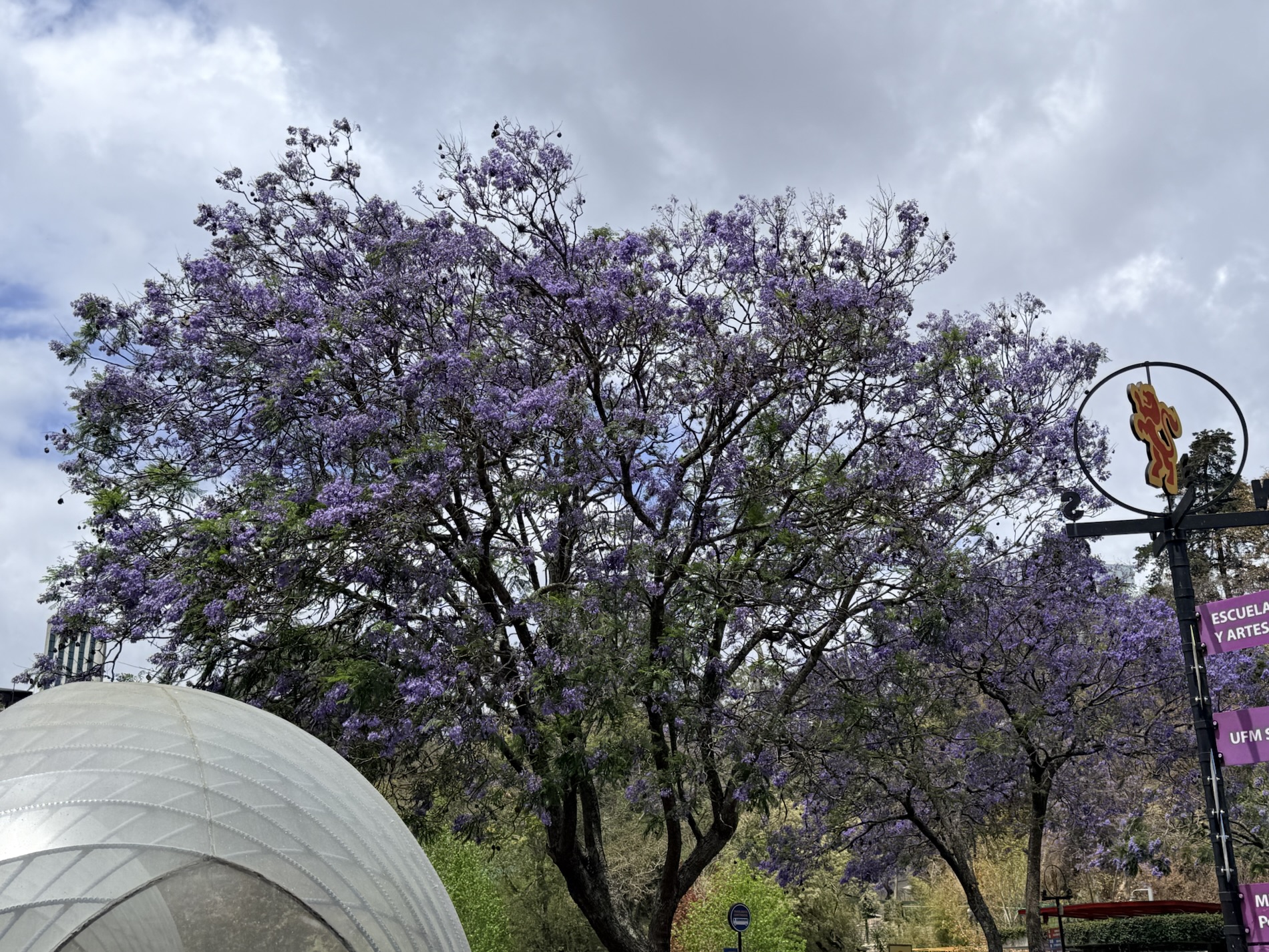
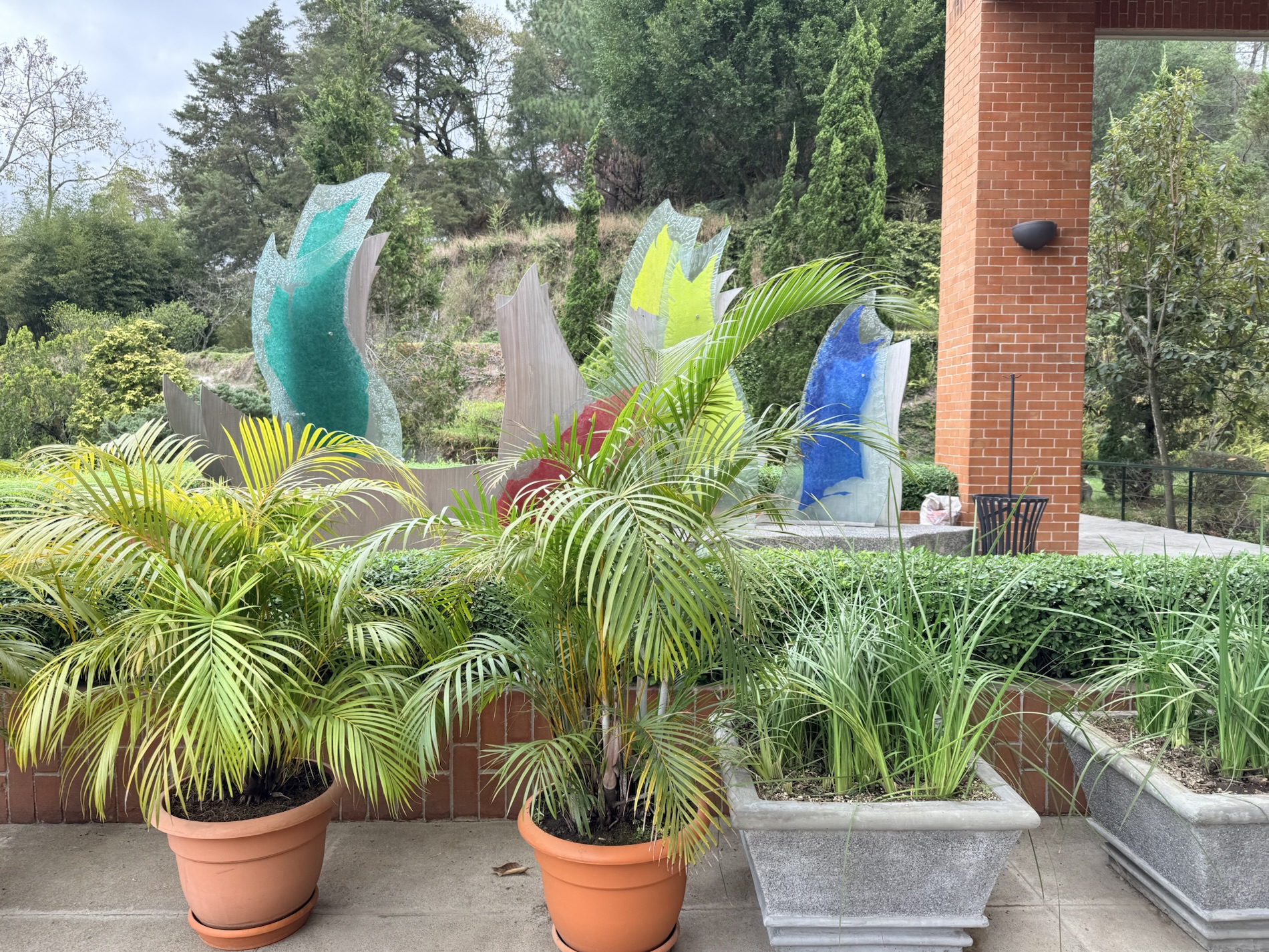
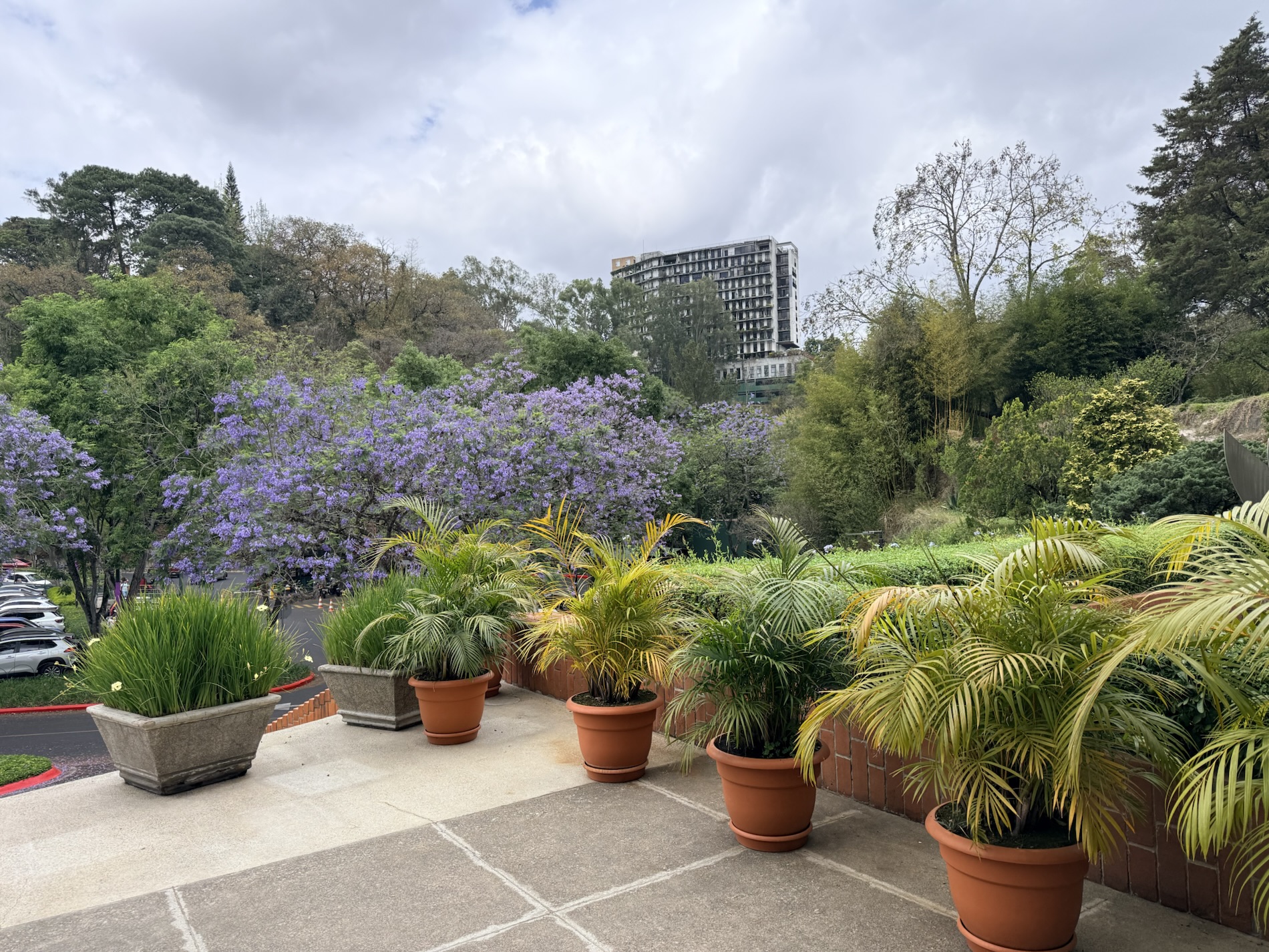
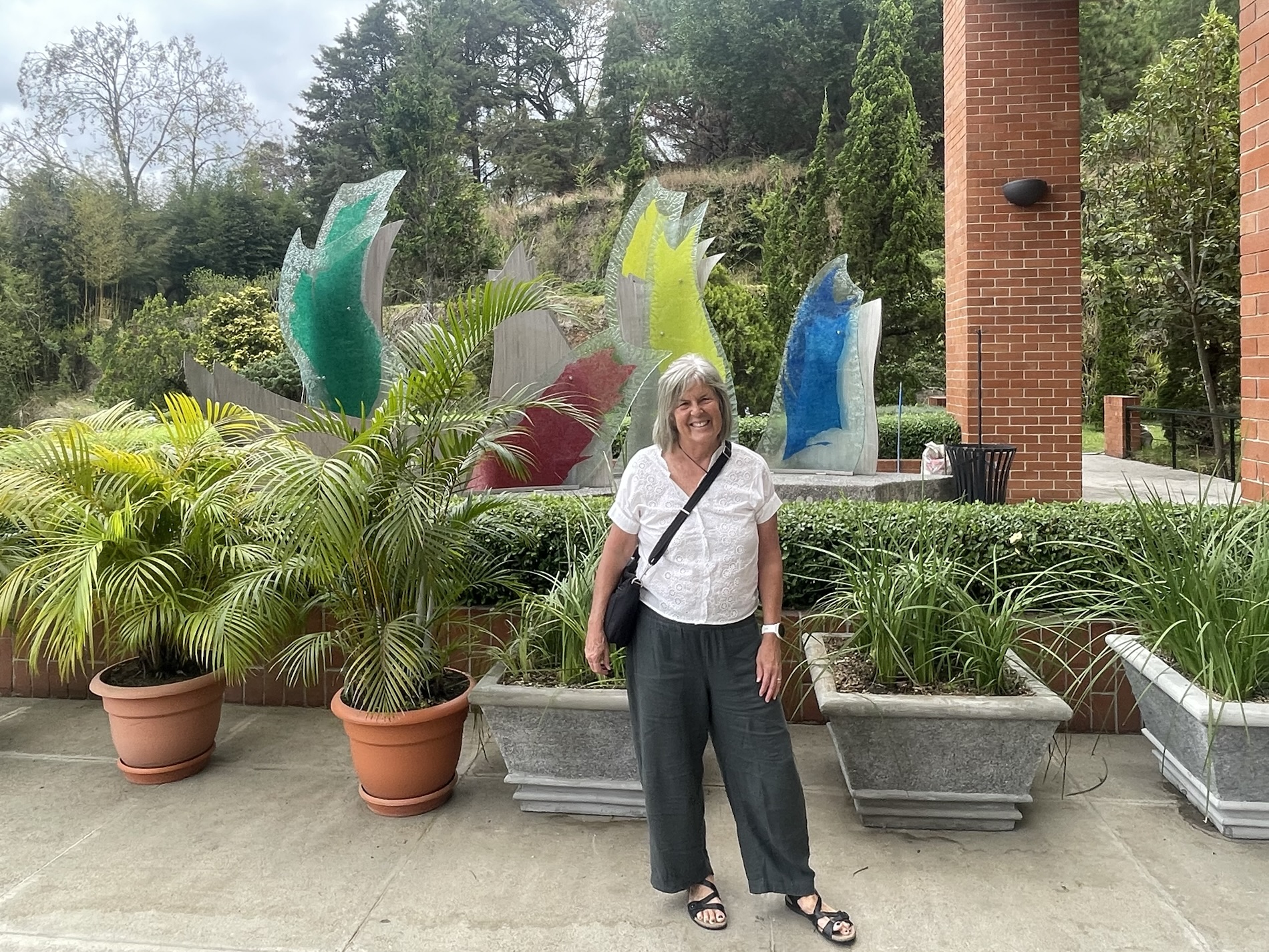
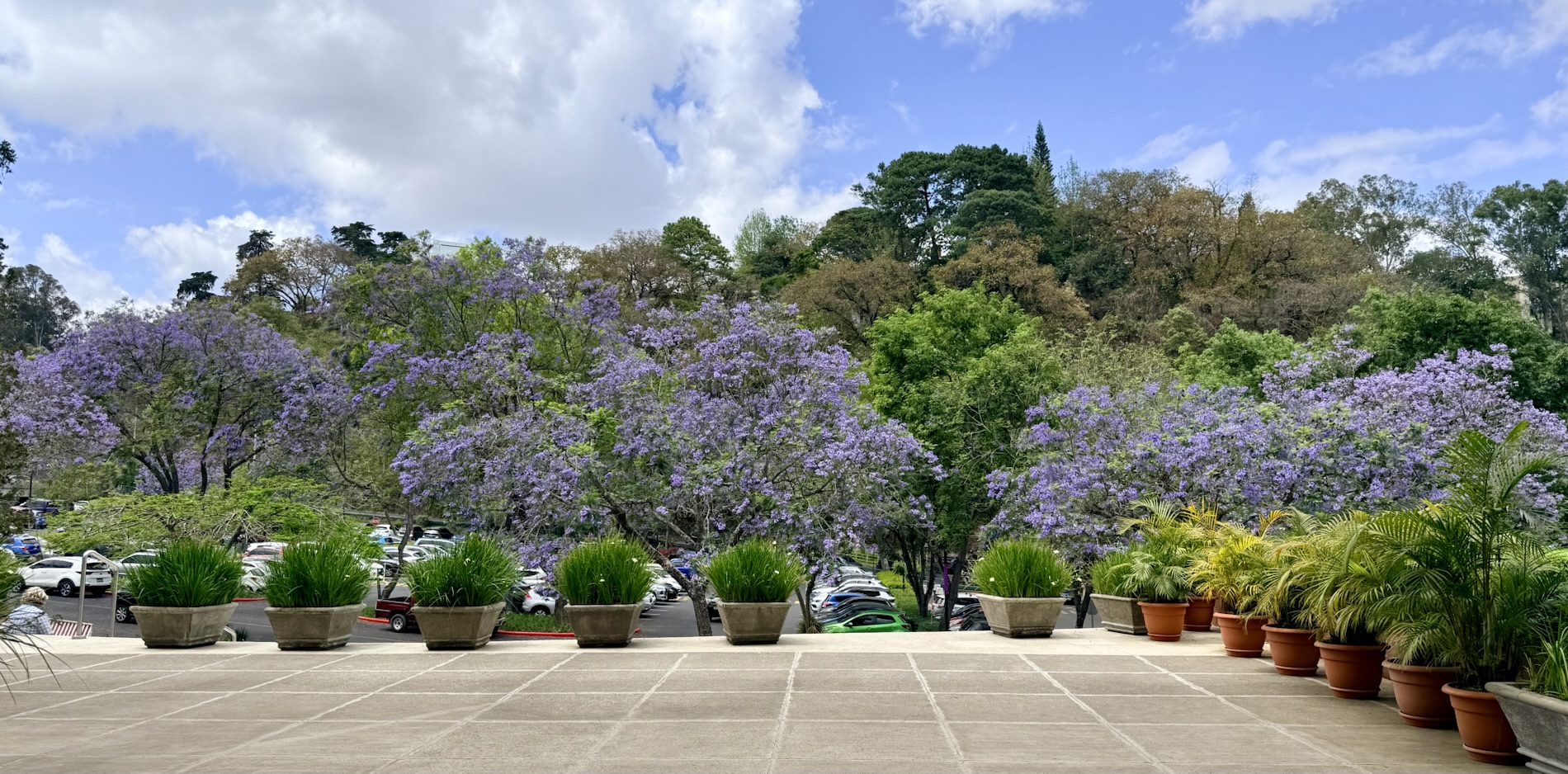
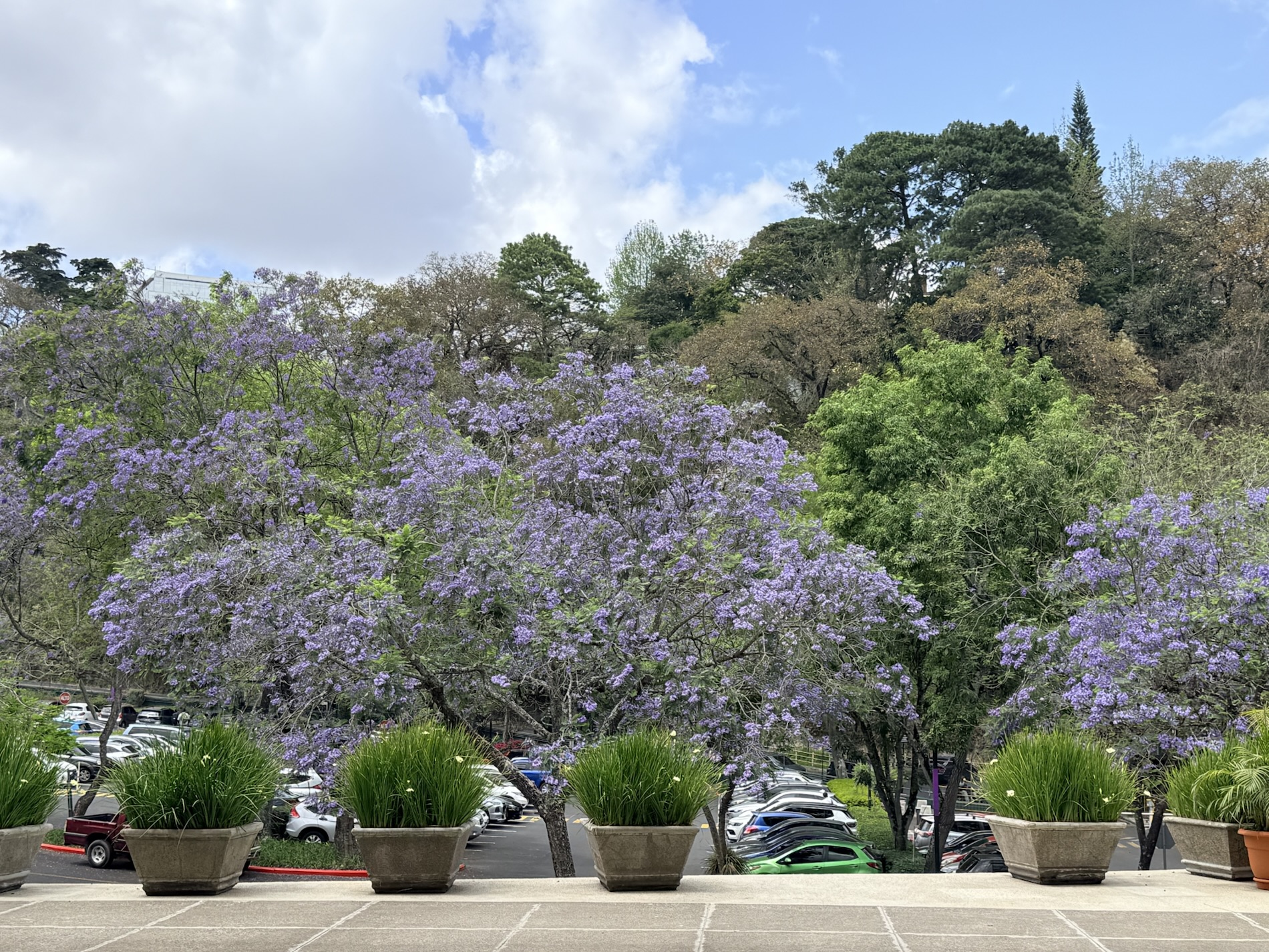
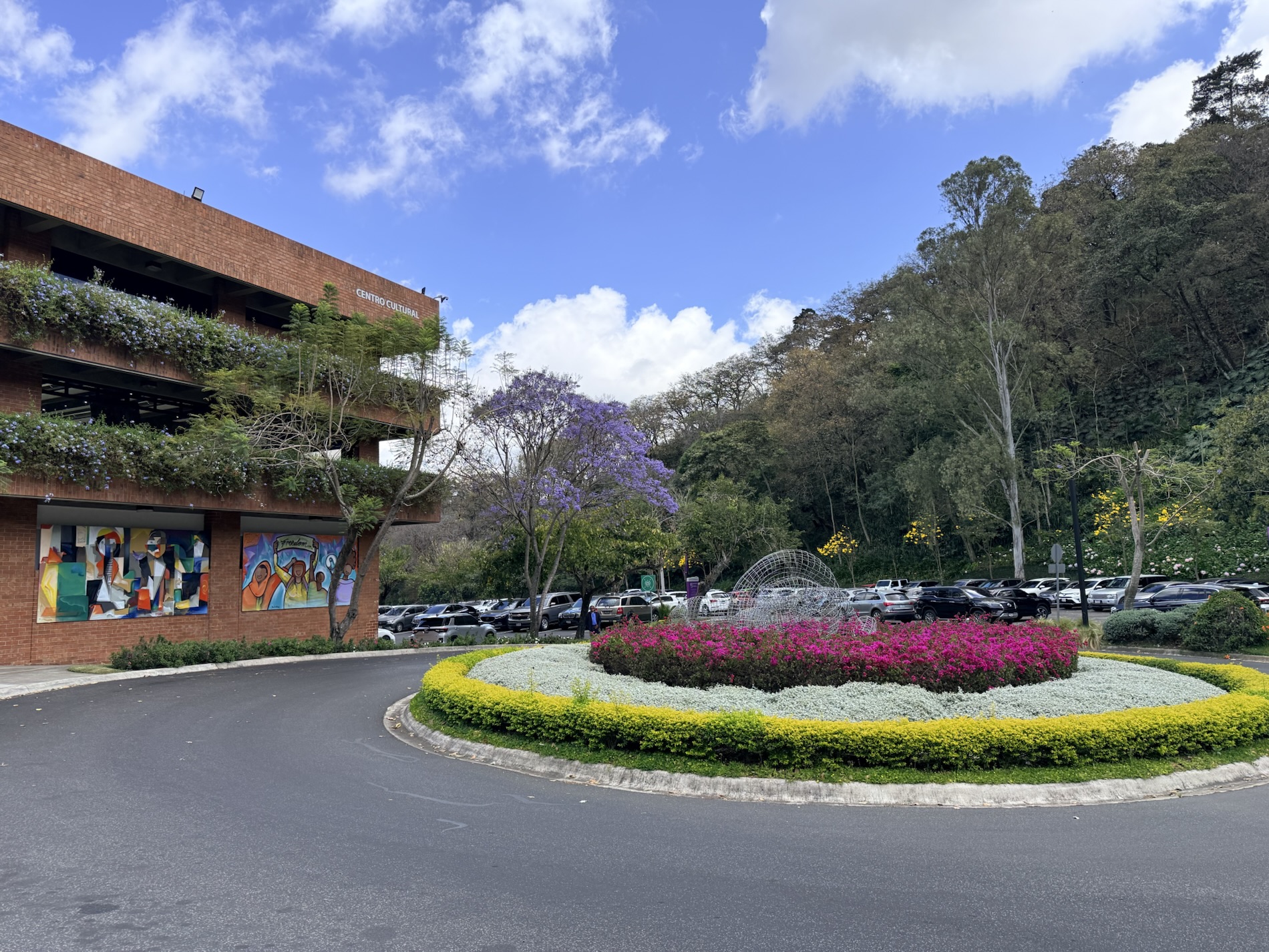
Tuesday, May 17: On our last day in Guatemala, we spent the morning going to two museums on the beautiful campus of Universidad Francisco Marroquin. We were greeted by jubilant hordes of jacaranda trees in purple bloom and greenery everywhere.
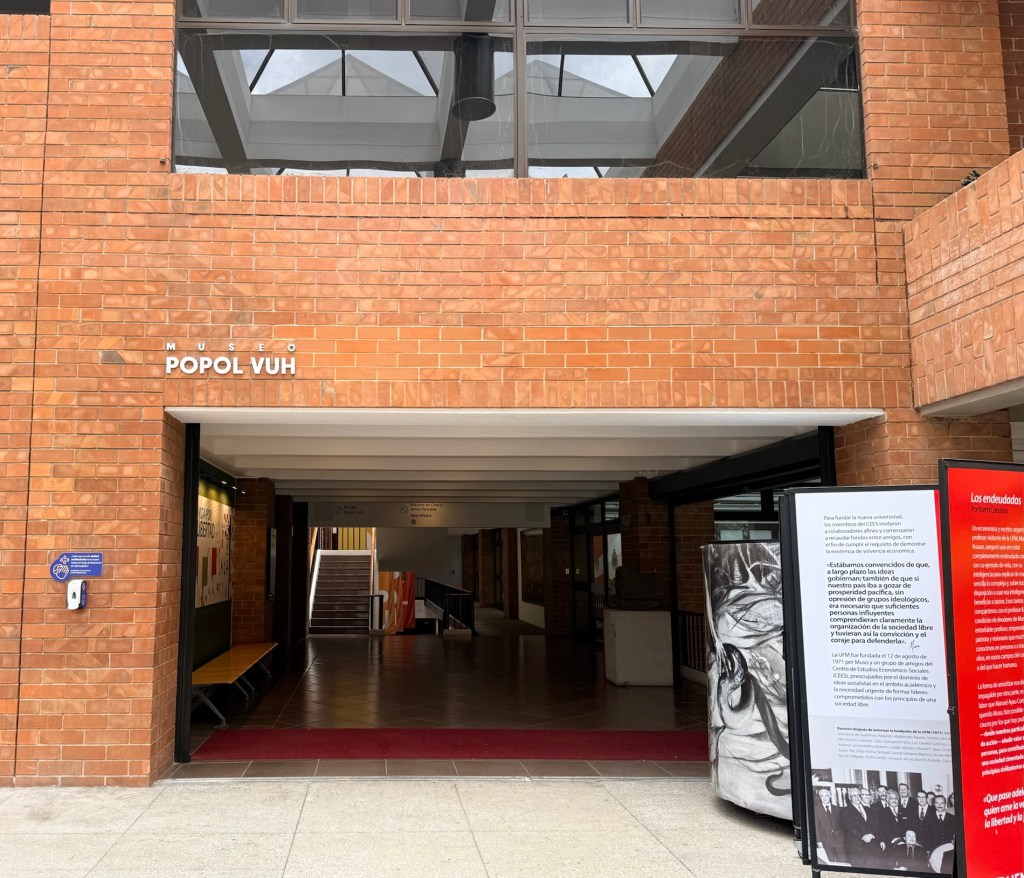
Museo Popol Vuh is one of the major collections of Maya art in the world. The museum is known for its extensive collection of pre-Columbian and colonial art of the Maya culture. It is named after the Popul Vuh, a book written soon after the Spanish conquest of Guatemala, that narrates myths and pre-Columbian history of the K’iche’, whose kings dominated a great part of the Western plateau of Guatemala. The collection at this museum includes many objects related to the narratives of the Popol Vuh book in which the Maya world was conceived as being populated by numerous gods and spirits that interacted with human beings. The Popol Vuh was originally preserved through oral tradition until about 1550, when it was recorded in writing.
“Beauty, Ritual, and Power”
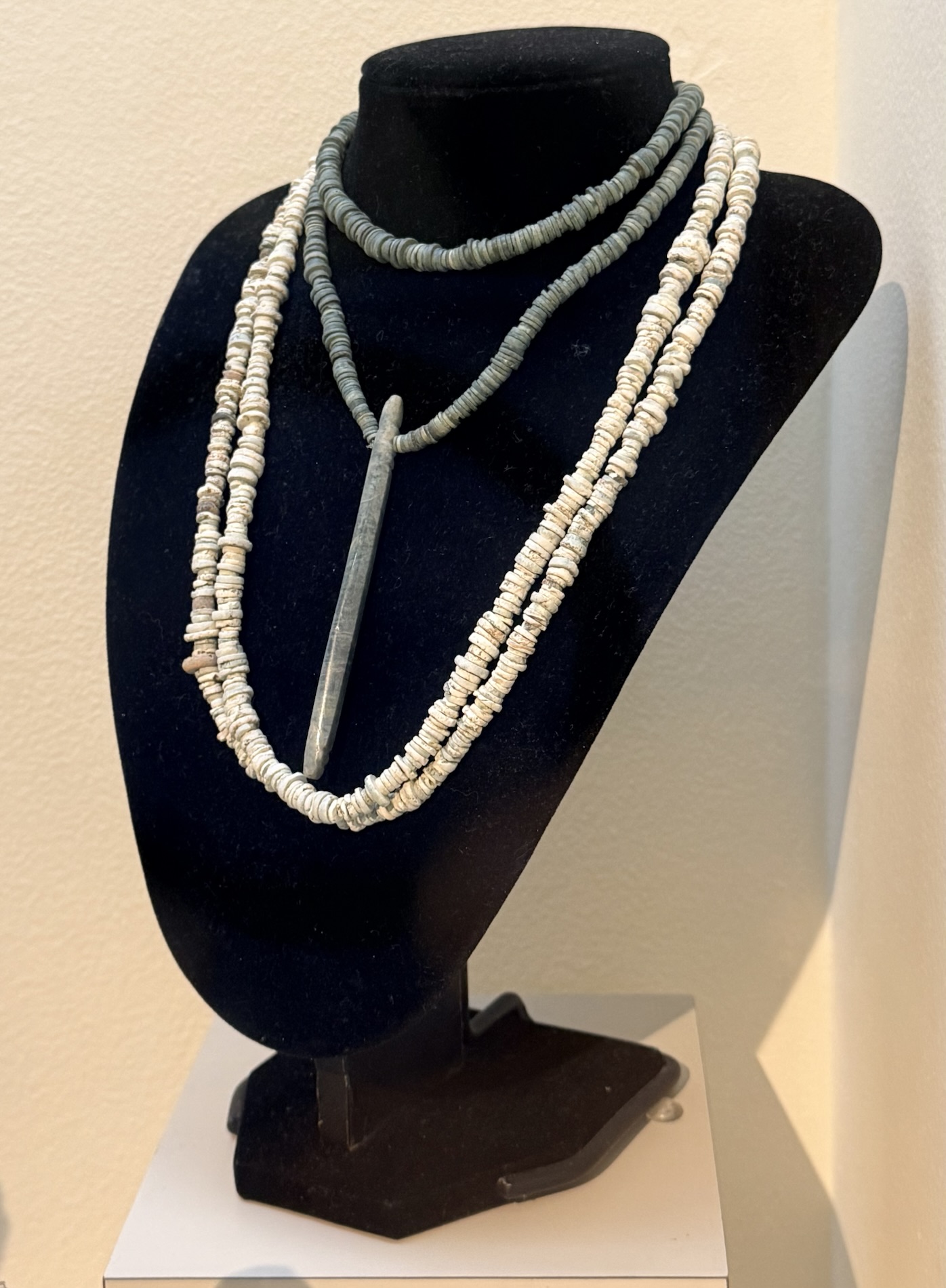
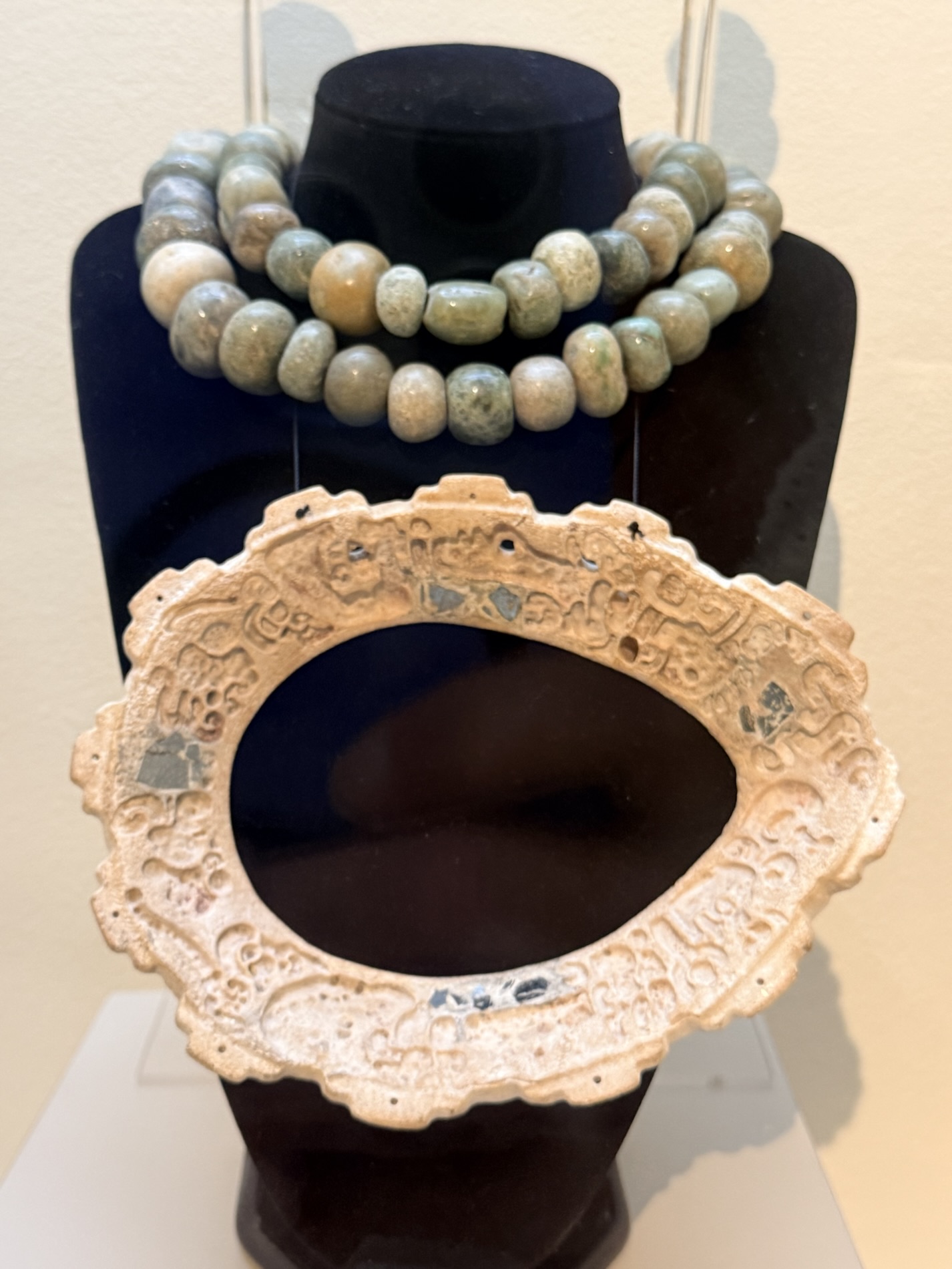
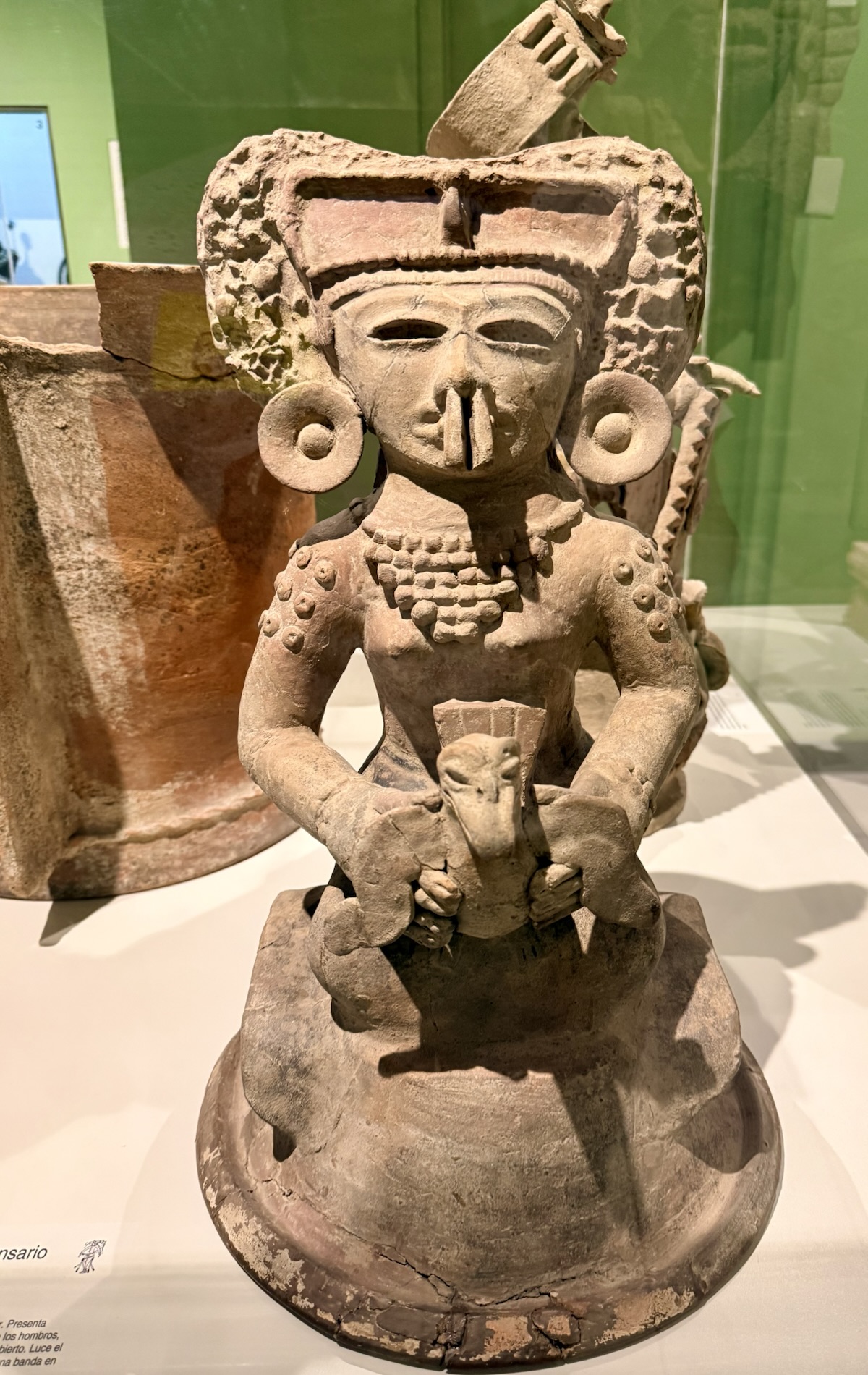
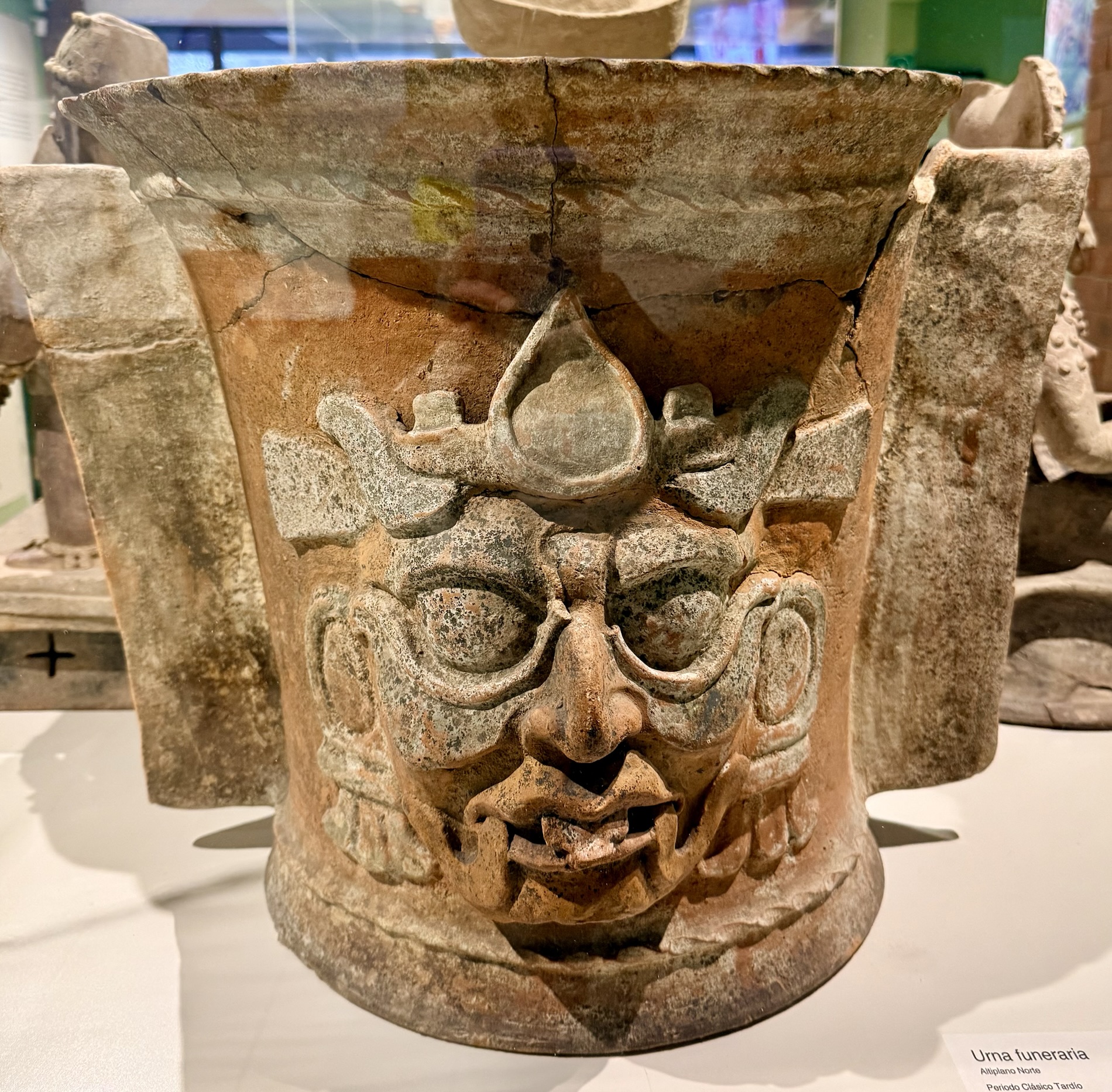
The main exhibit was titled “Beauty, Ritual, and Power,” focused on pre-Hispanic concepts or standards of beauty. For the Maya, beauty was closely tied to ideals of harmony, proportion and a connection with the divine. Physical appearance had a central role in this world.
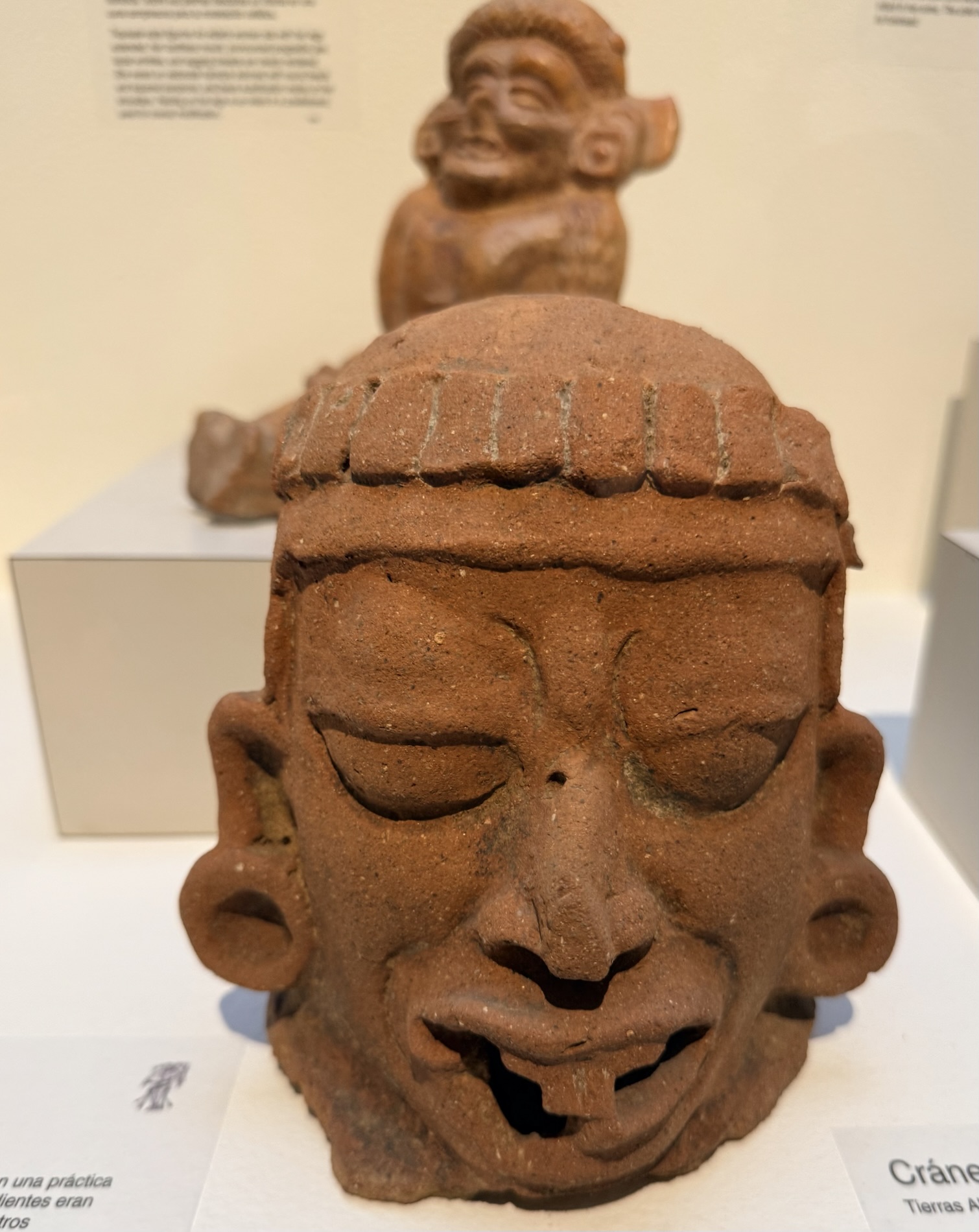
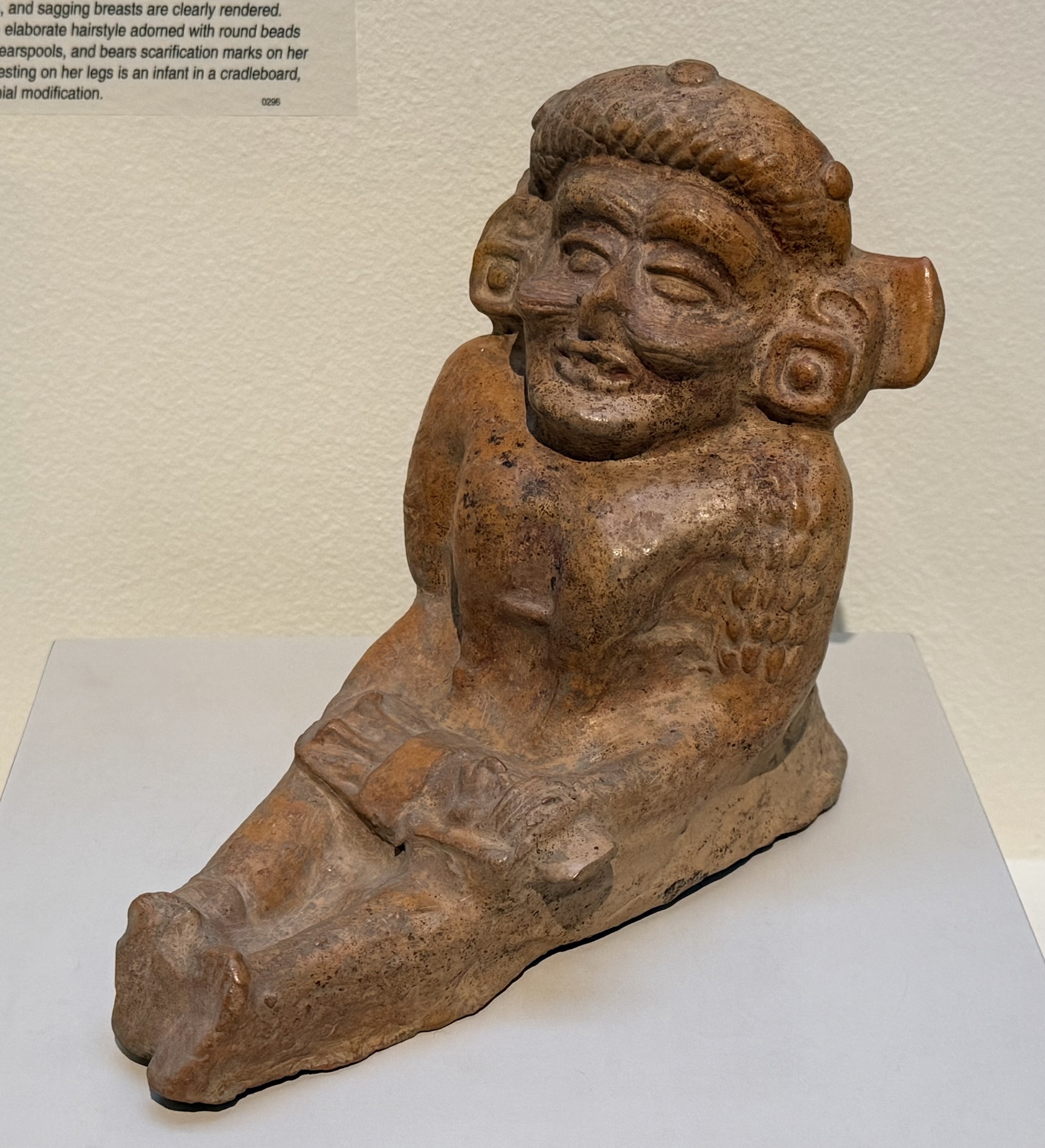
The pre-Hispanic Maya practiced a series of permanent bodily modifications to conform with their society’s ideals of beauty. Cranial modification was foremost, usually carried out in infancy by women using rigid tools such as a cradleboard or a pair of loose splints, accompanied by constricting bandages. Imagery shows this being performed by elderly women (possibly midwives), but colonial accounts suggest it was carried out by the mother. Women wore elaborate hairstyles to emphasize their cranial modification.
The Mayans also modified their teeth through filing and inlaying, typically performed on the most visible (labial) surface of incisors, and less frequently on the canines. Tooth filing was a deliberate abrasion of specific areas of the tooth to achieve distinct shapes. Some teeth were inlaid with precious stones or minerals. This practice dates to the early Preclassic Period and continued possibly for centuries, until the arrival of the Spanish.
Tattoos, marks and body painting were widely used; they marked people as brave and valiant because they were painful processes.
Bodily modifications and garments reflected prevailing ideals of beauty, religious beliefs, and ritual practices, as well as personal rank, wealth and prestige.
Ceramic figurines show what men and women looked like: most represented courtiers, members of royal families and nobility, or functionaries like priests, warriors, and ball players. Many are figures of women, often accompanied by children or animals. Some depict gods or personages dressed as gods; likely these had religious significance.
I was fascinated by this exhibit which showed me two things: that people have been modifying their bodies for centuries to meet some random ideas of “beauty” conceived by the societies in which they live; and that no matter what the time period, people have always stratified themselves into some kind of caste system, in which people are ranked by imagined hierarchies: in other words, people are always trying to make themselves better than others, and to dominate others they see as “other” or “lesser.” I don’t have hope that these aspects of human nature will ever change.
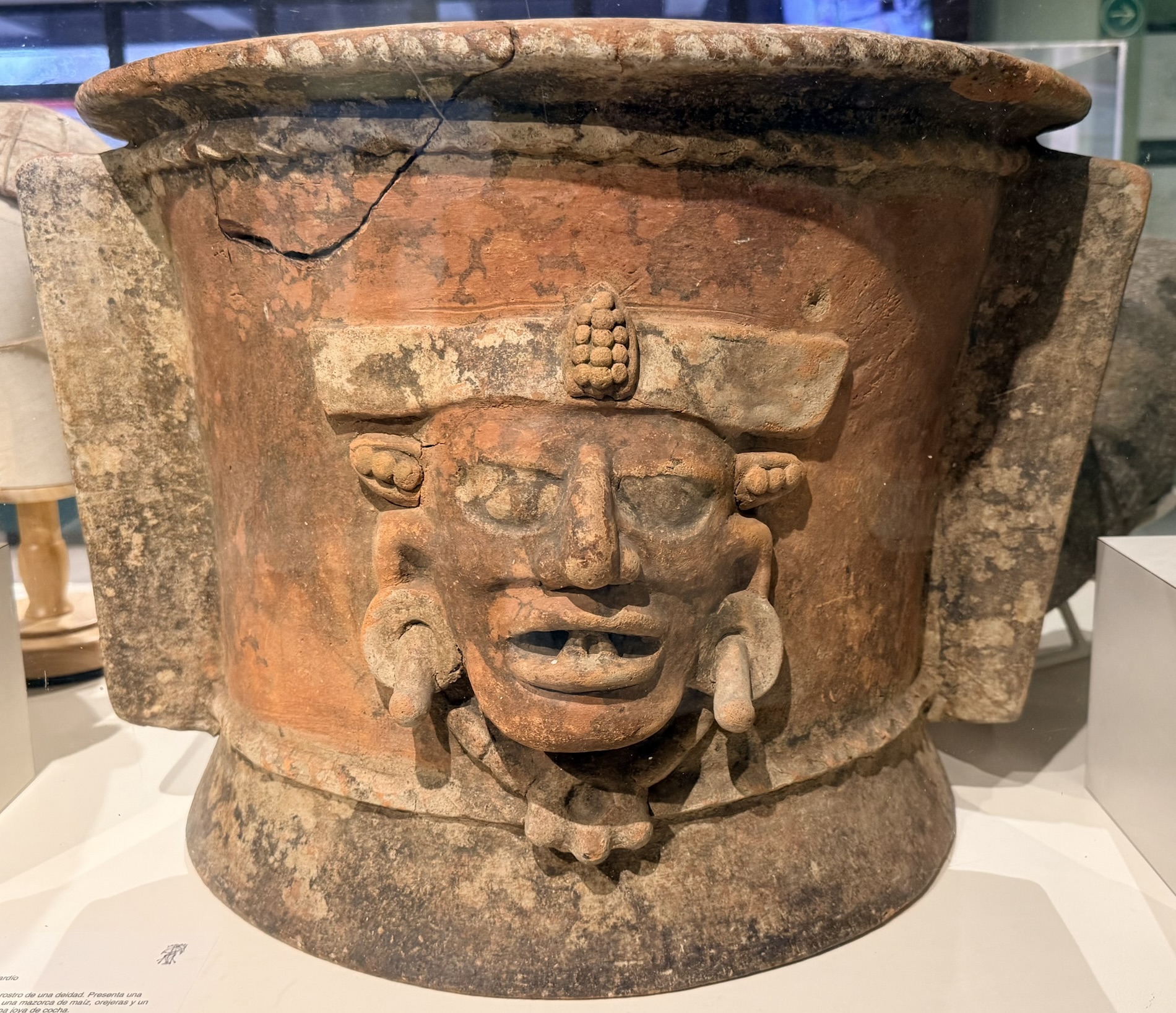
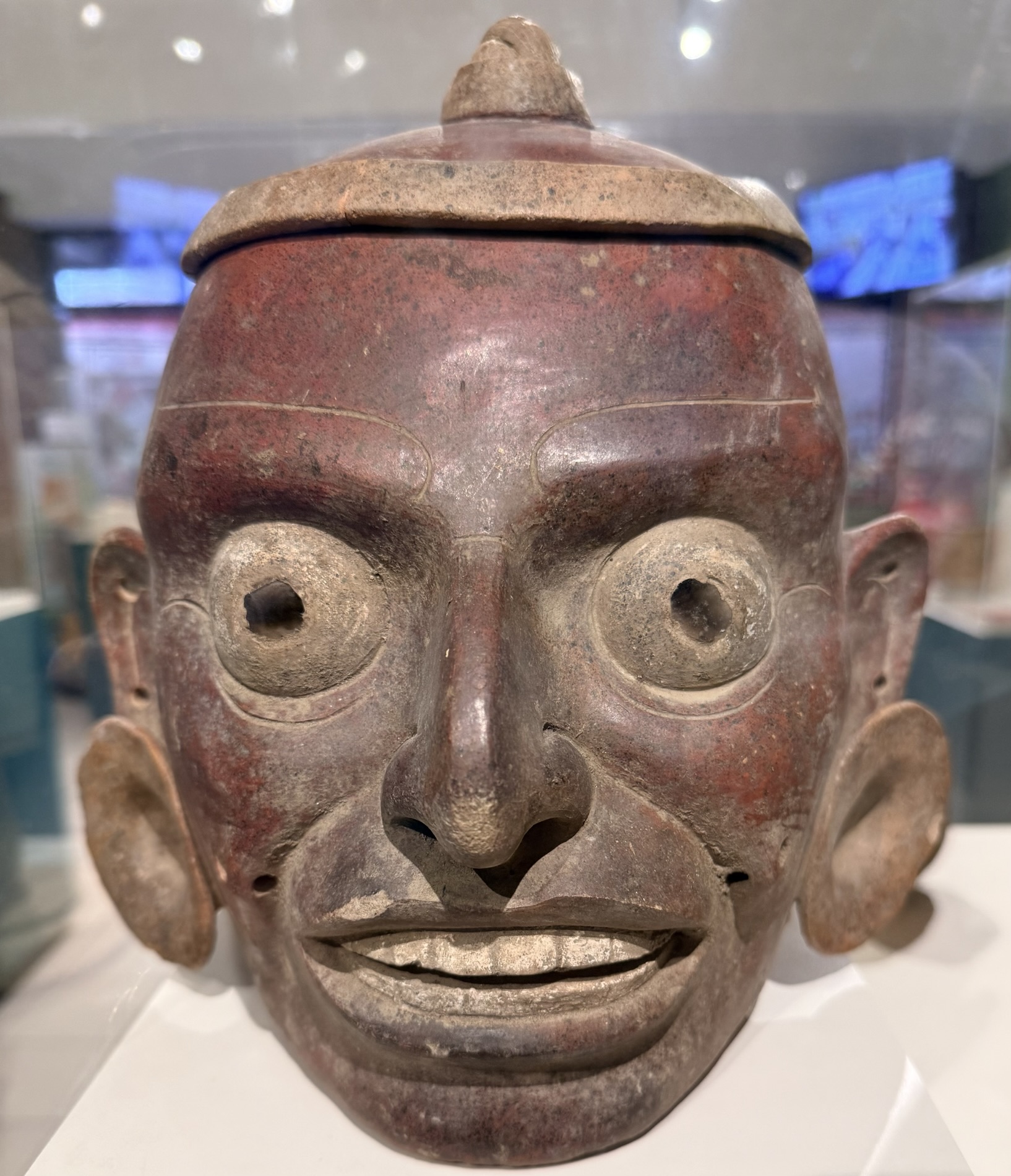
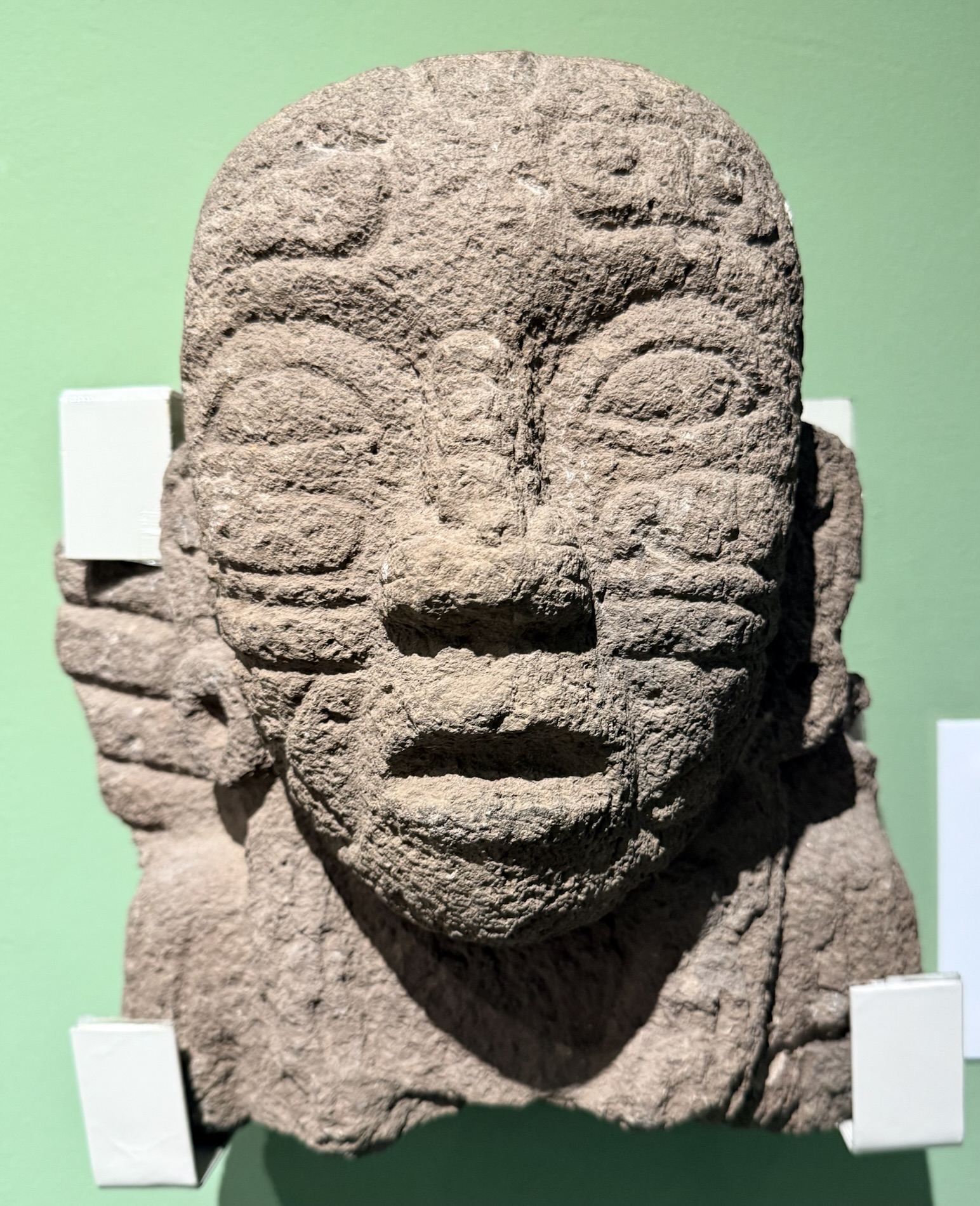
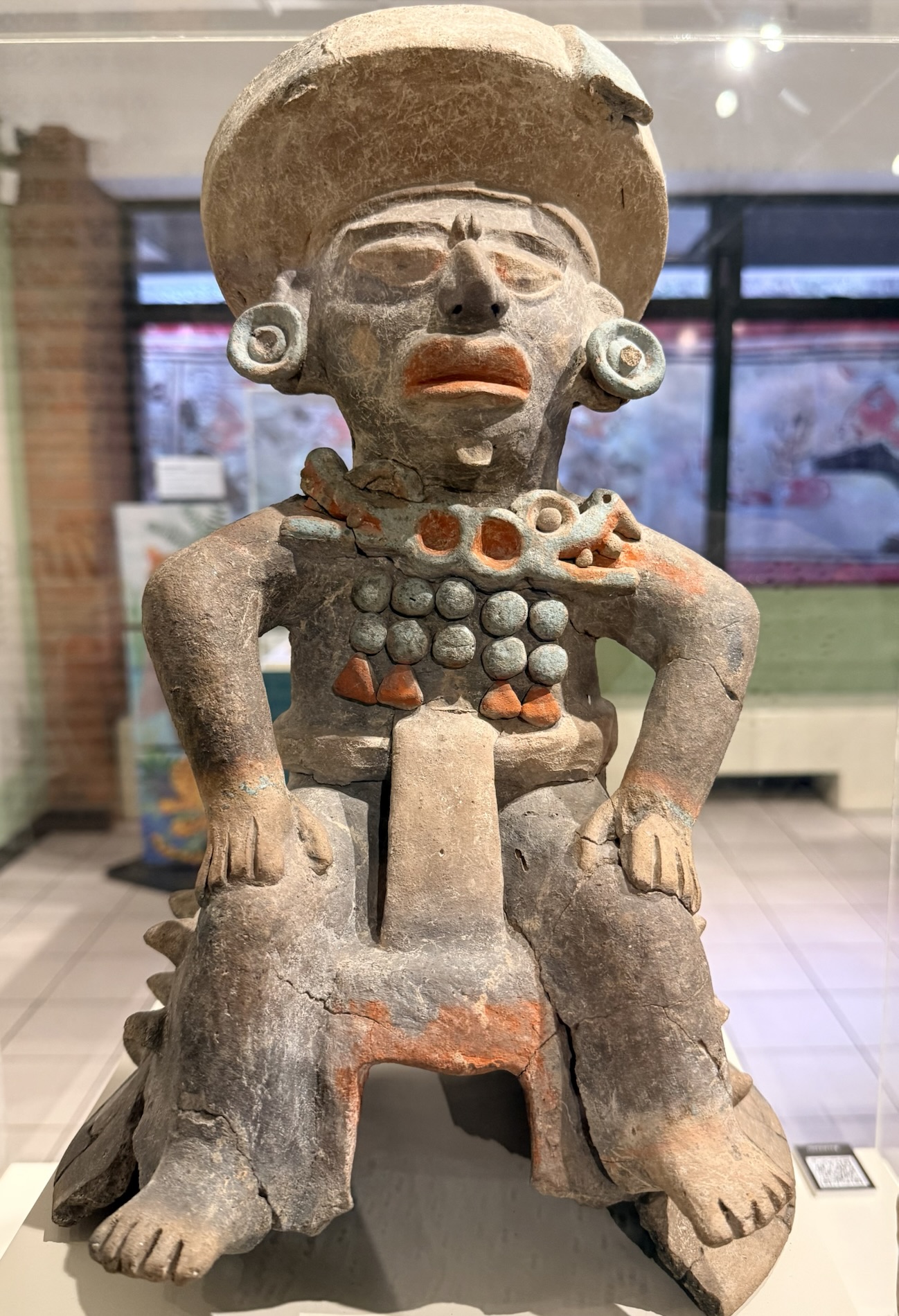
The Permanent Exhibit
The rest of the museum showed the Mayan culture through various periods.
Throughout the Early Classic Period, the urban center of Teotihuacan in the Valley of Mexico maintained close contact with the Maya Region. It influenced Tikal culturally and politically. The presence of a Teotihuacan governor in 378AD and immigrants from the city spread the culture to Tikal. Domestic and ceremonial ceramic objects attest to Teotihucan’s influence. Most significant were incense burners and tripod cylindrical vases decorated with Teotihuacan warriors, gods and figures.
By the end of the Preclassic Period, the city of Teotihuacan had become one of the largest cities in the world at the time.
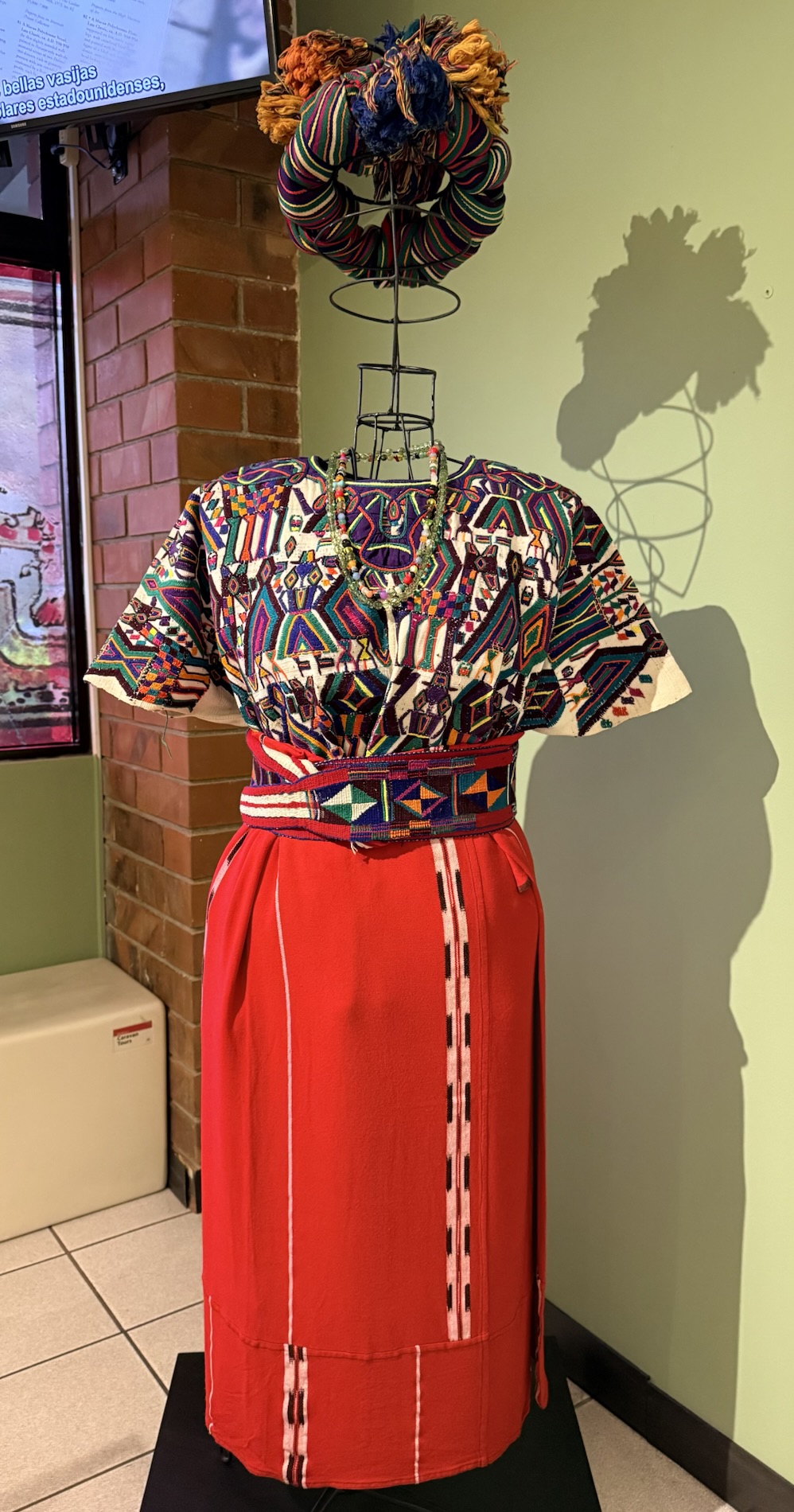
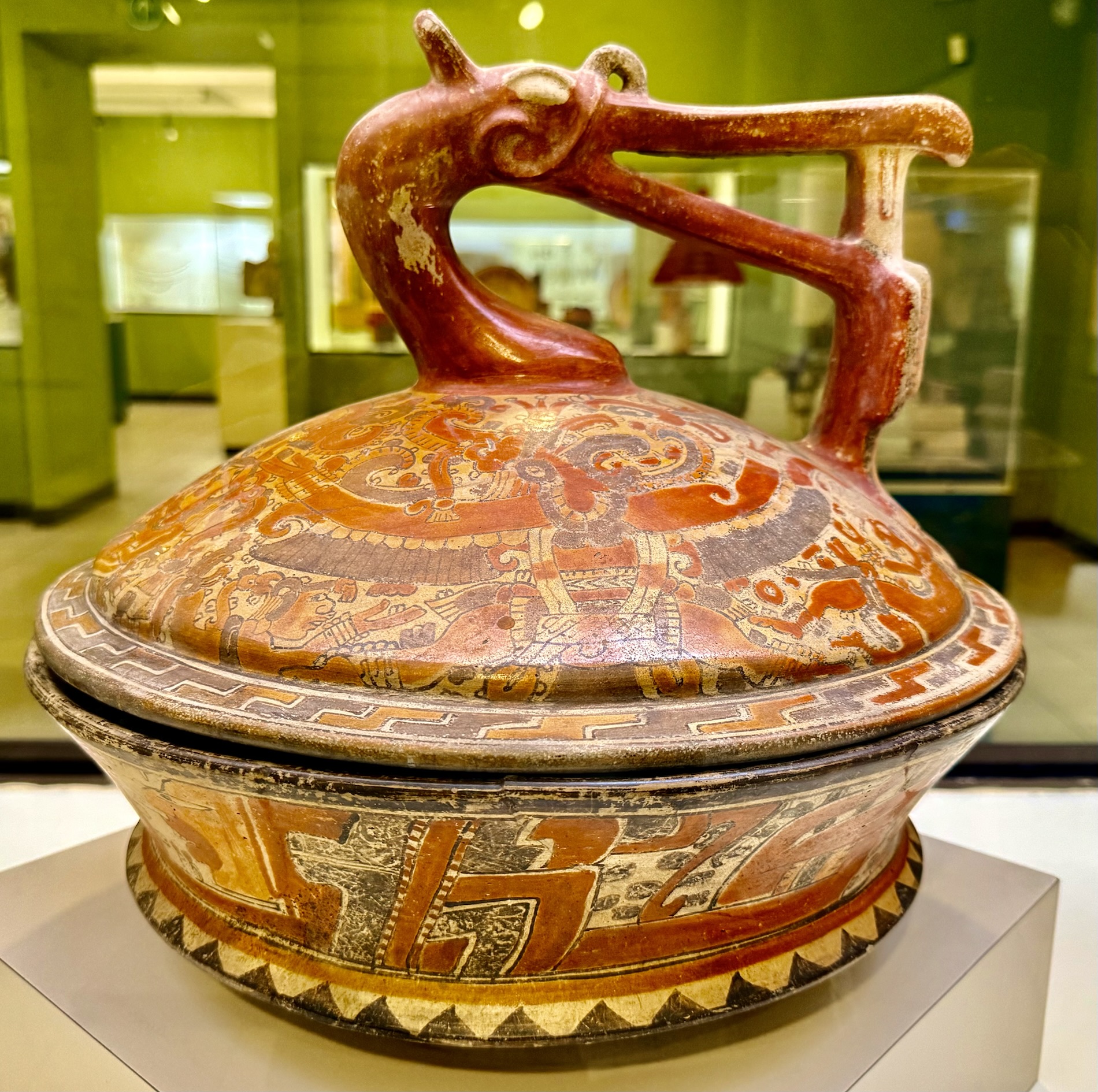
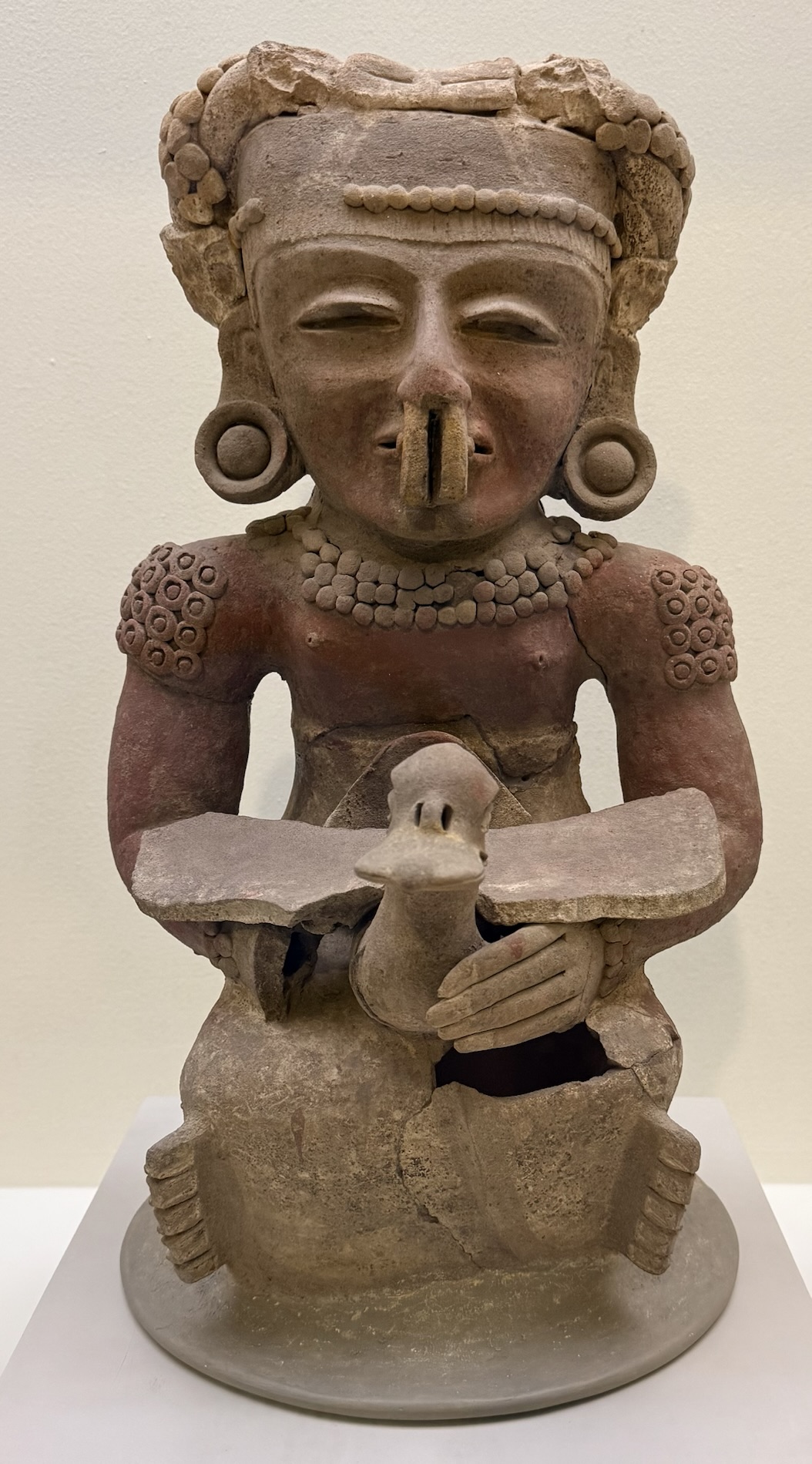
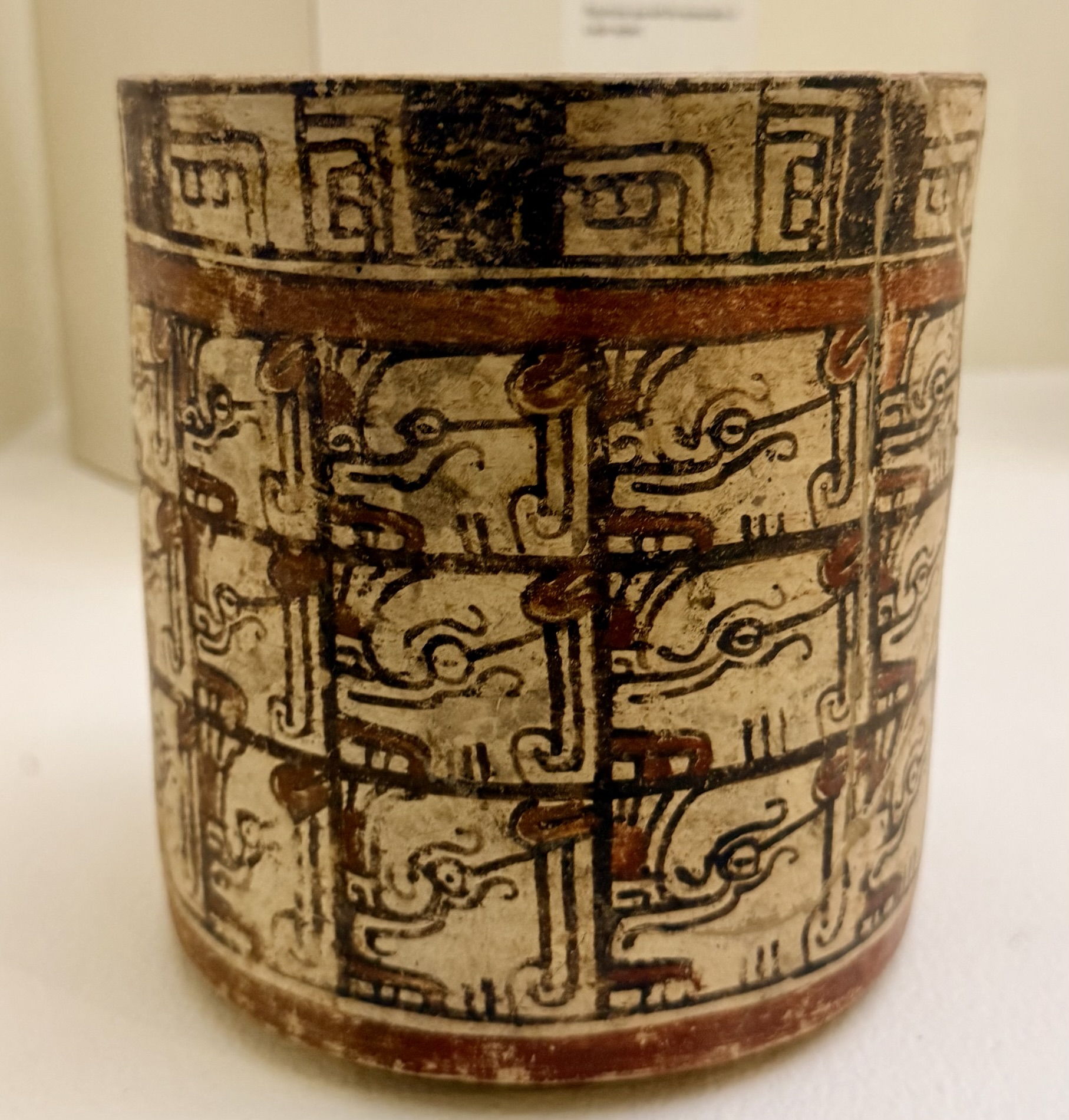
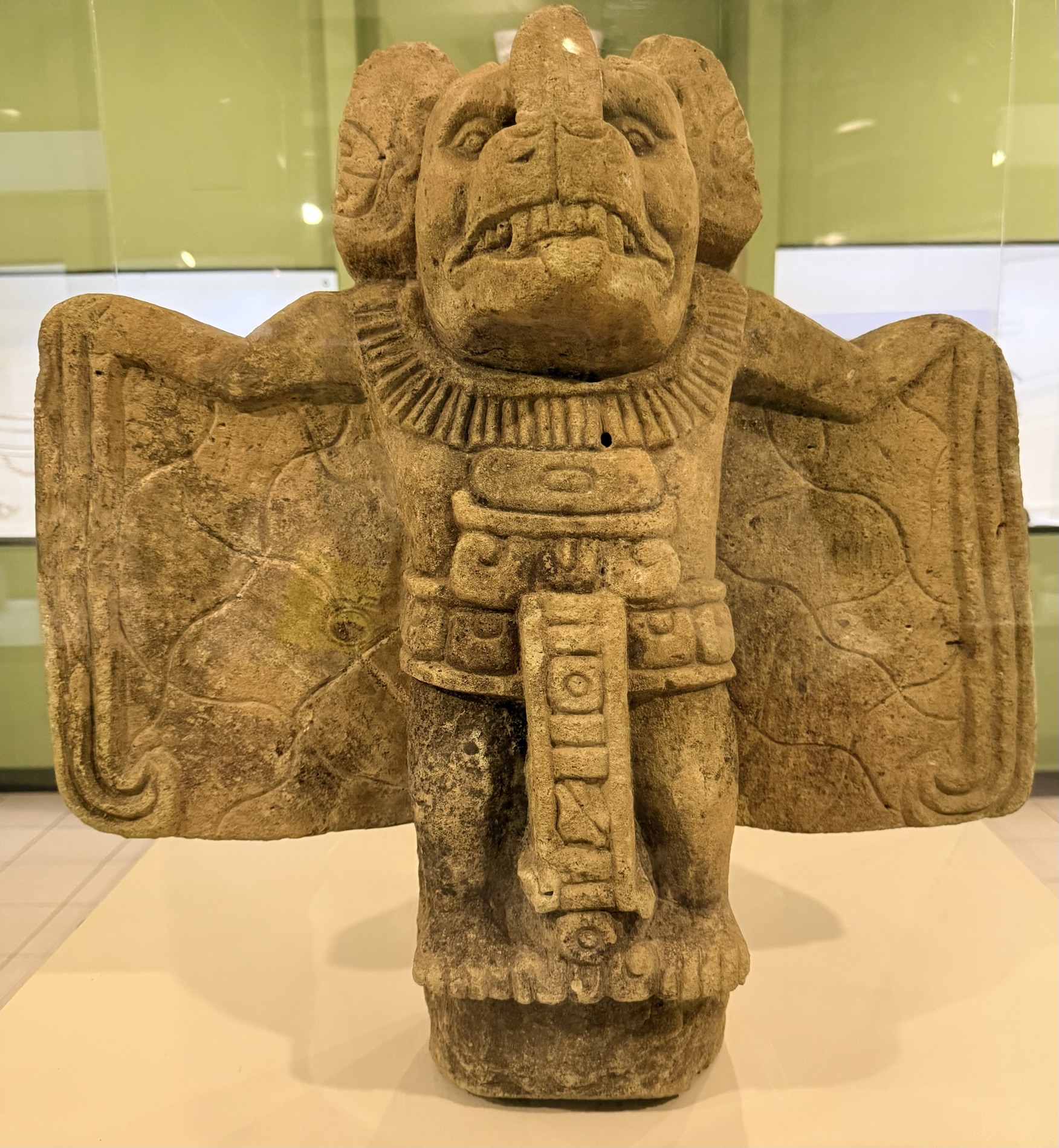
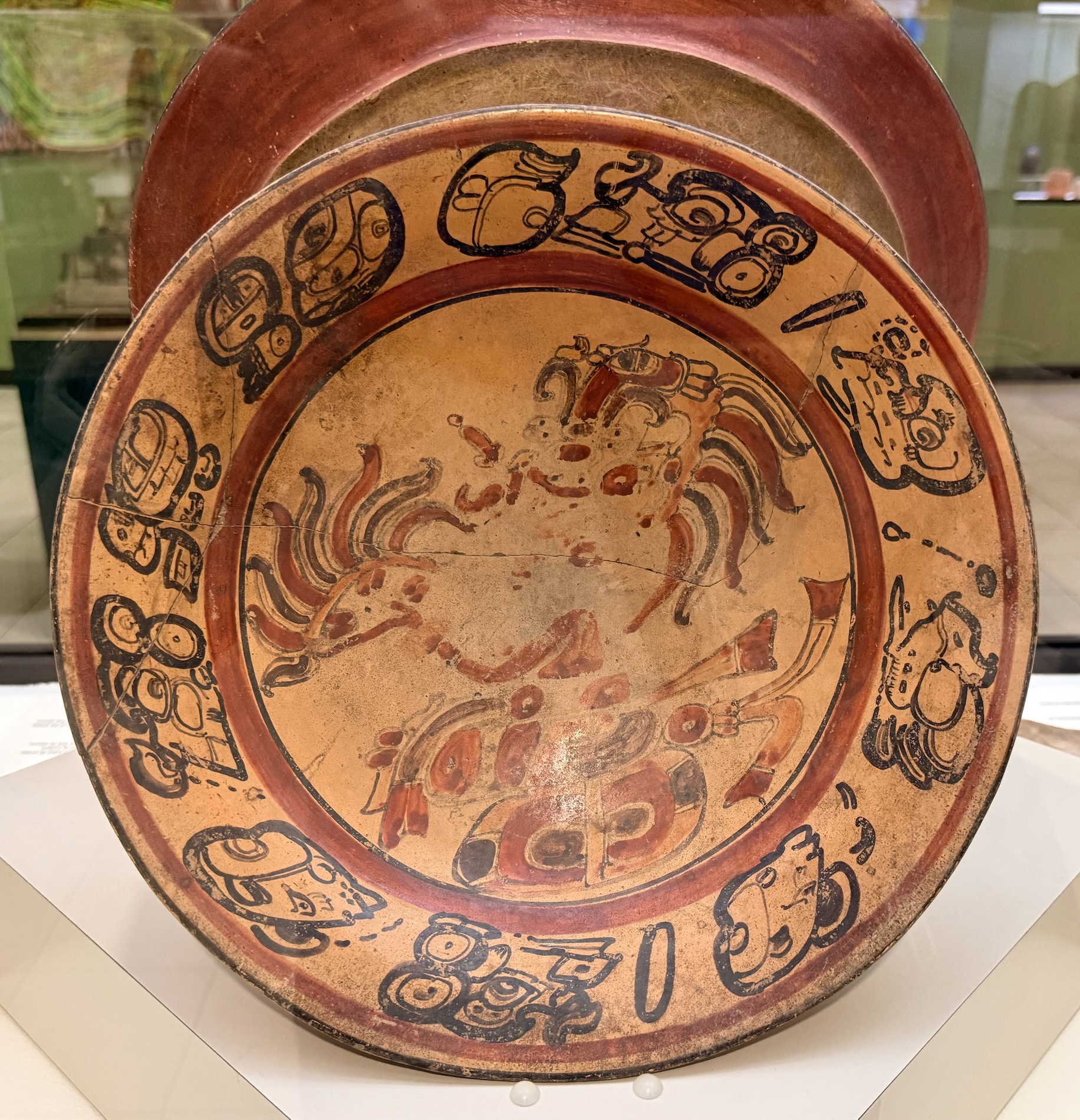
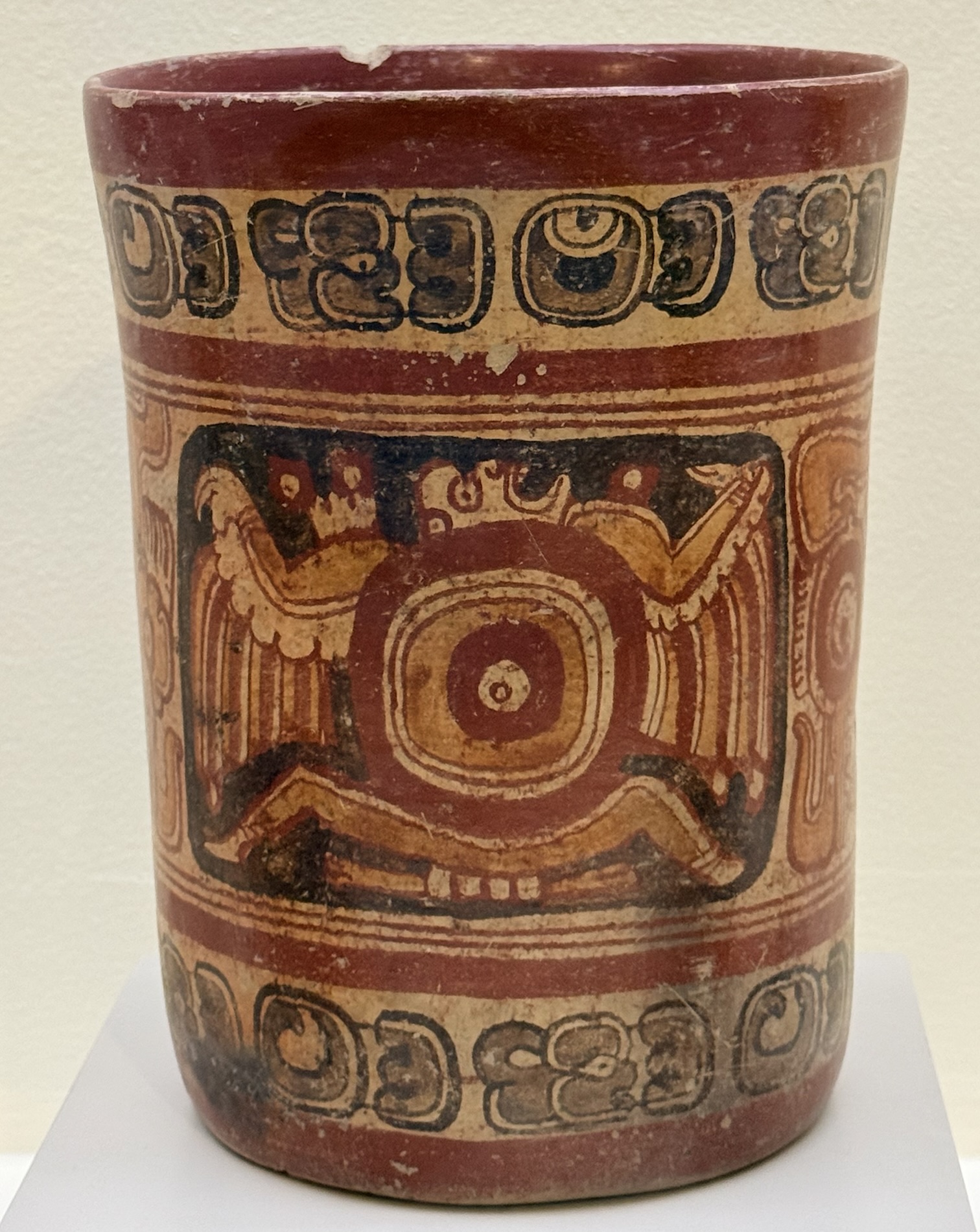
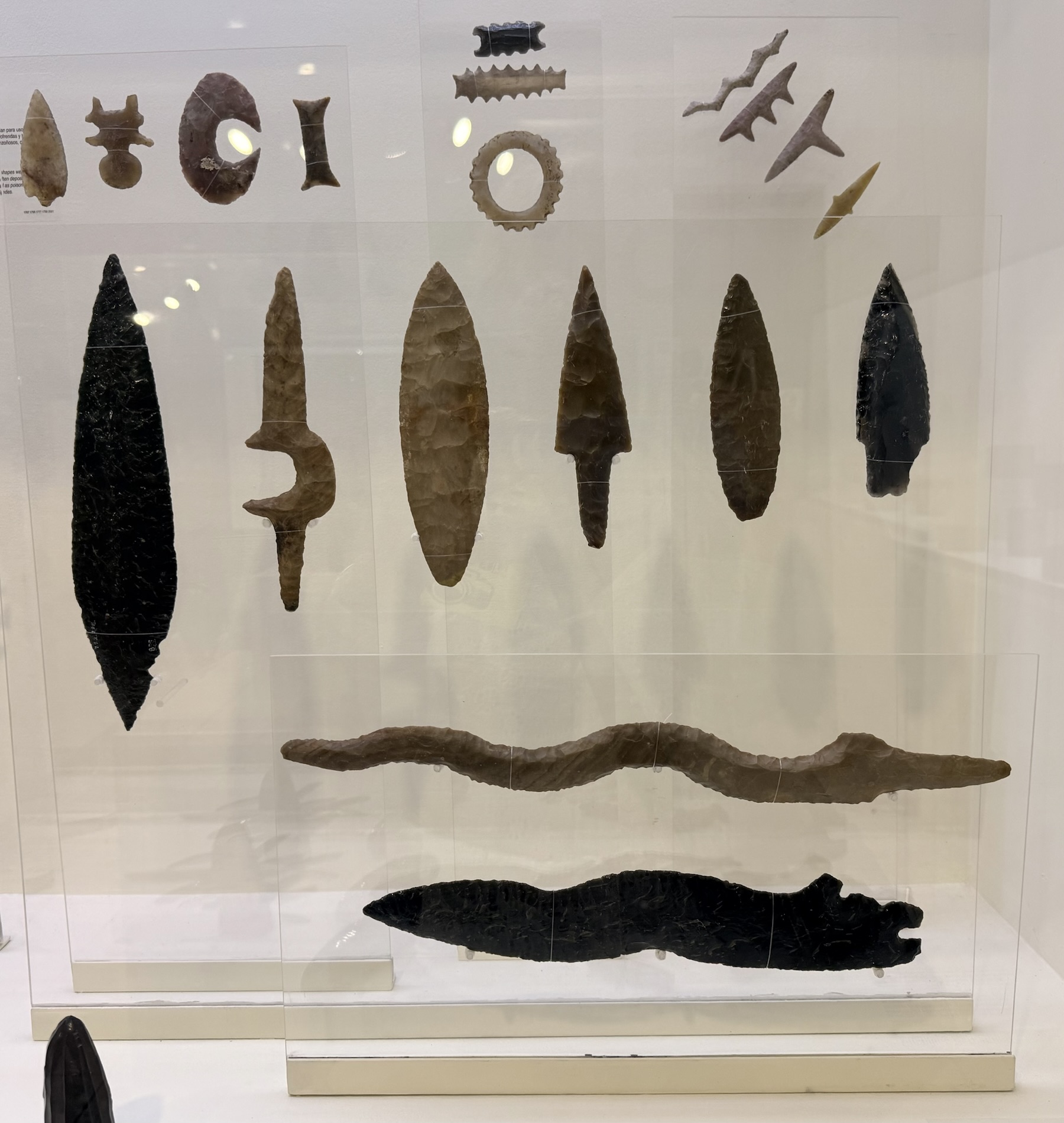
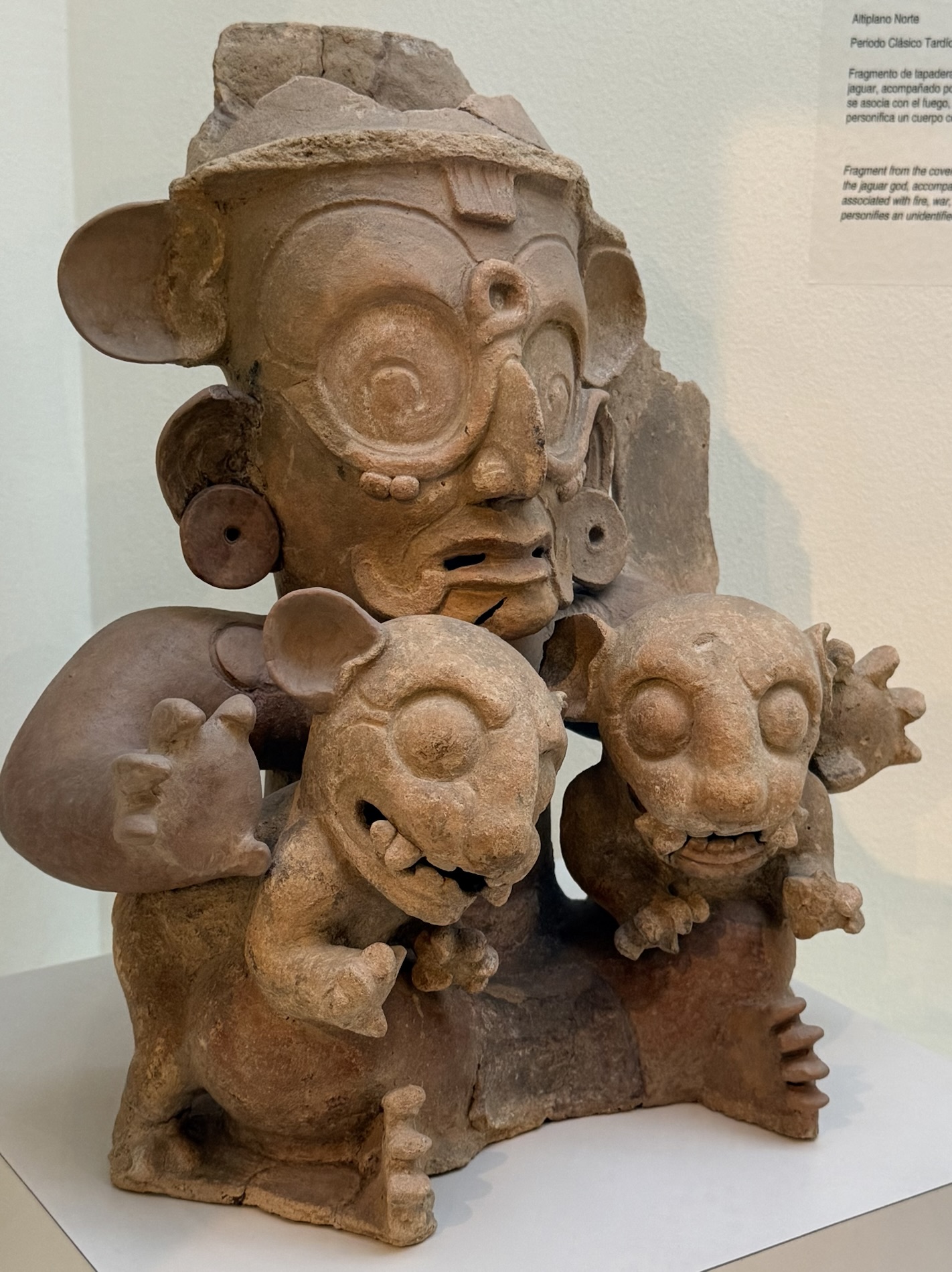
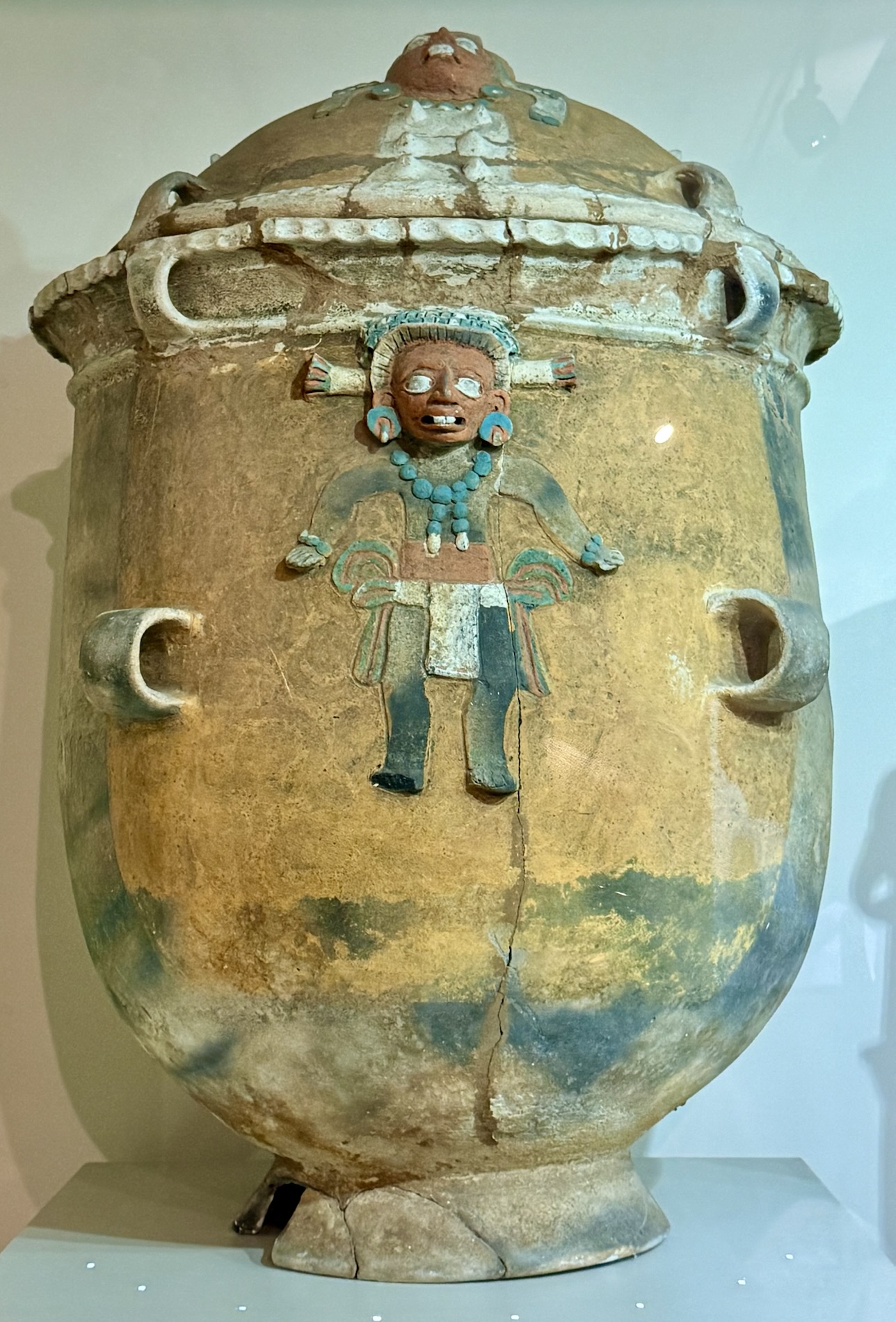
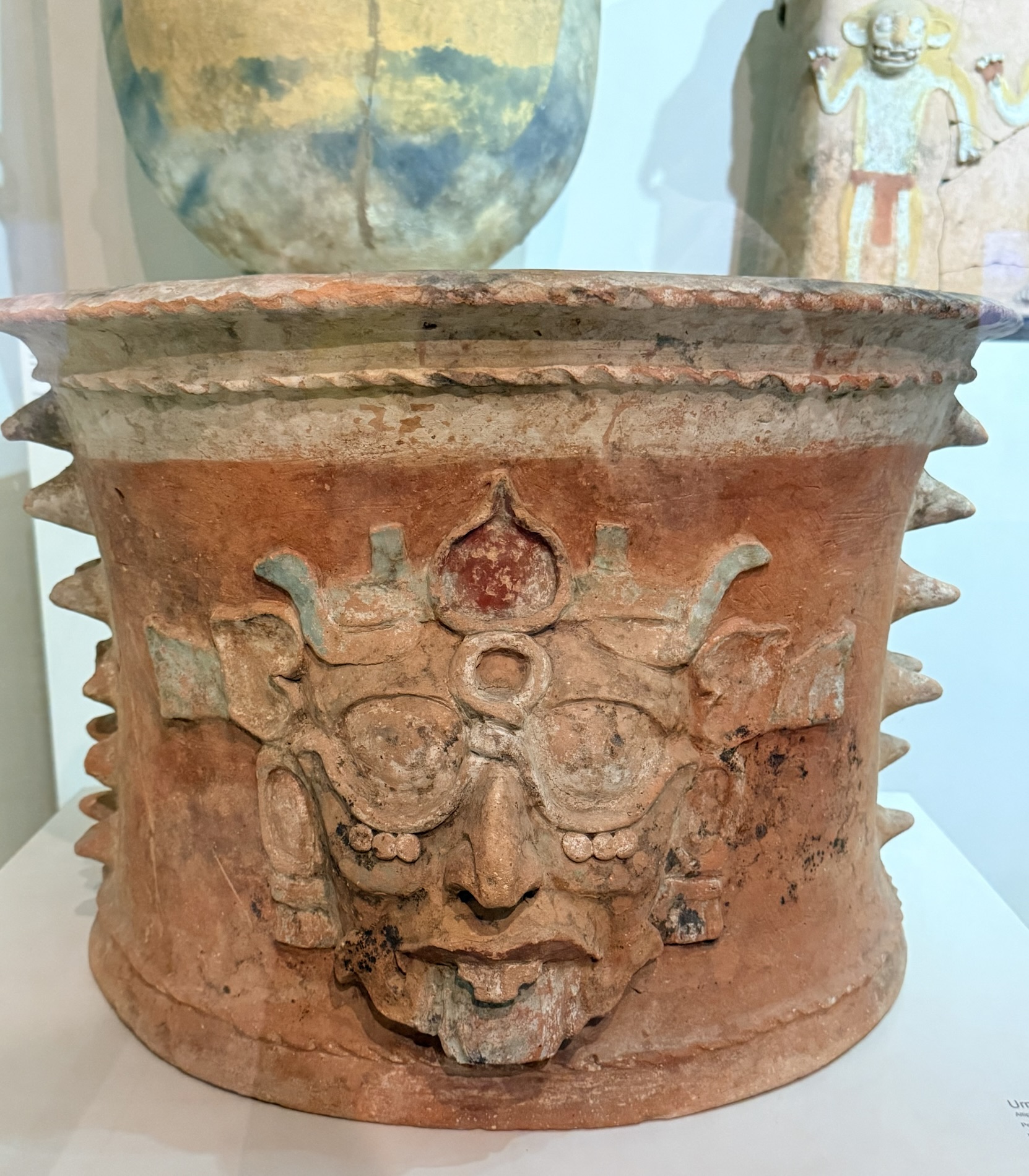
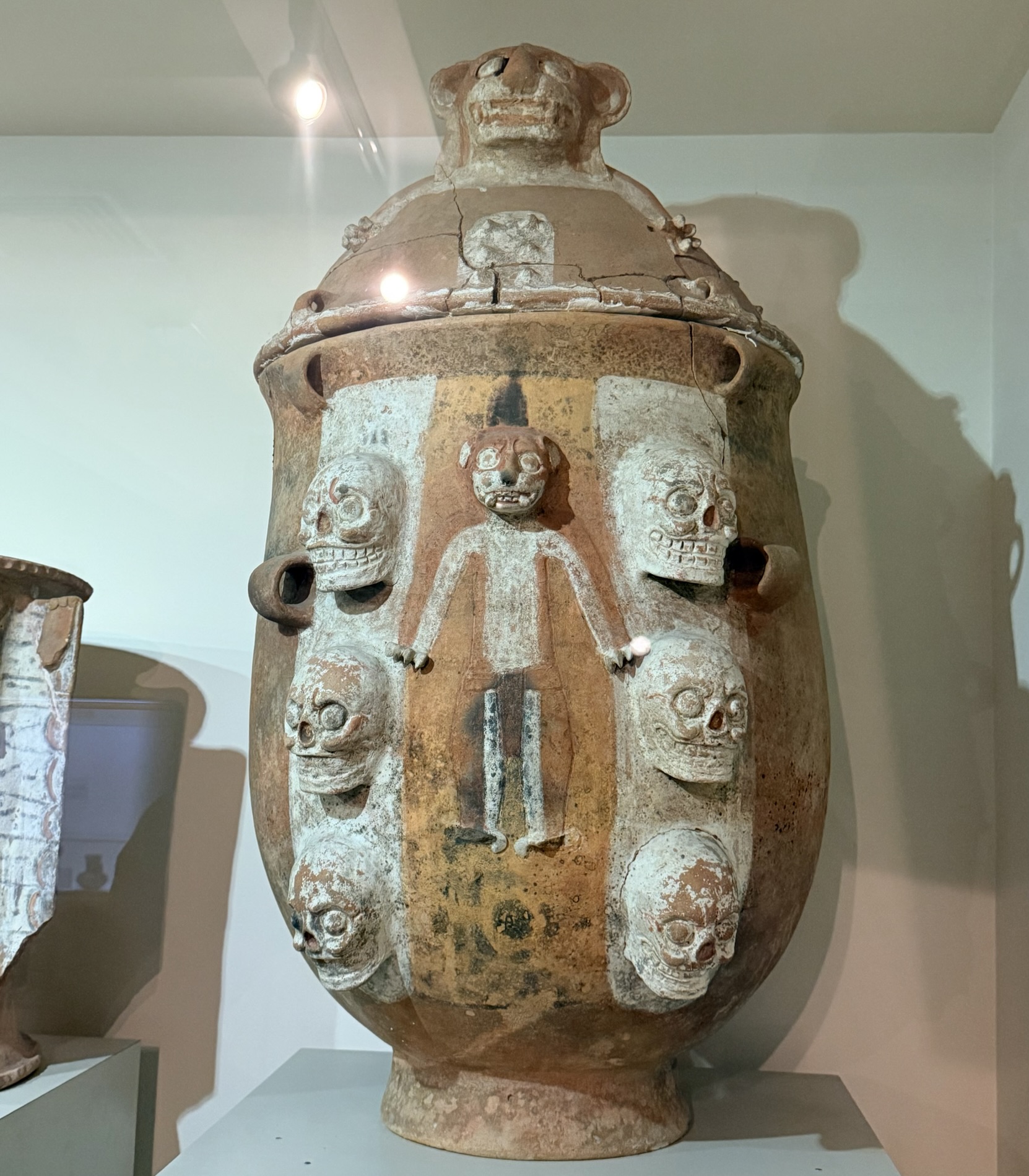
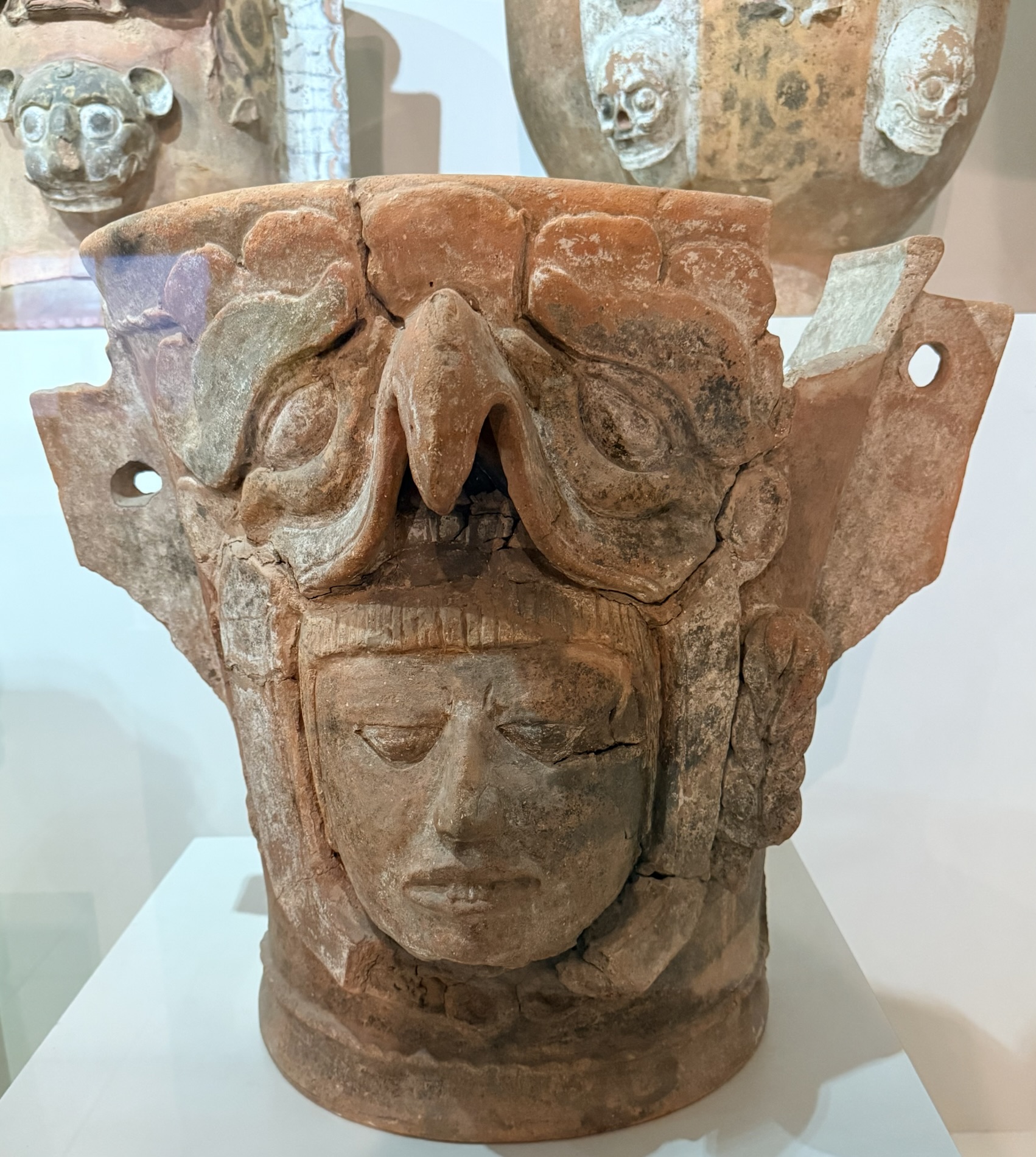
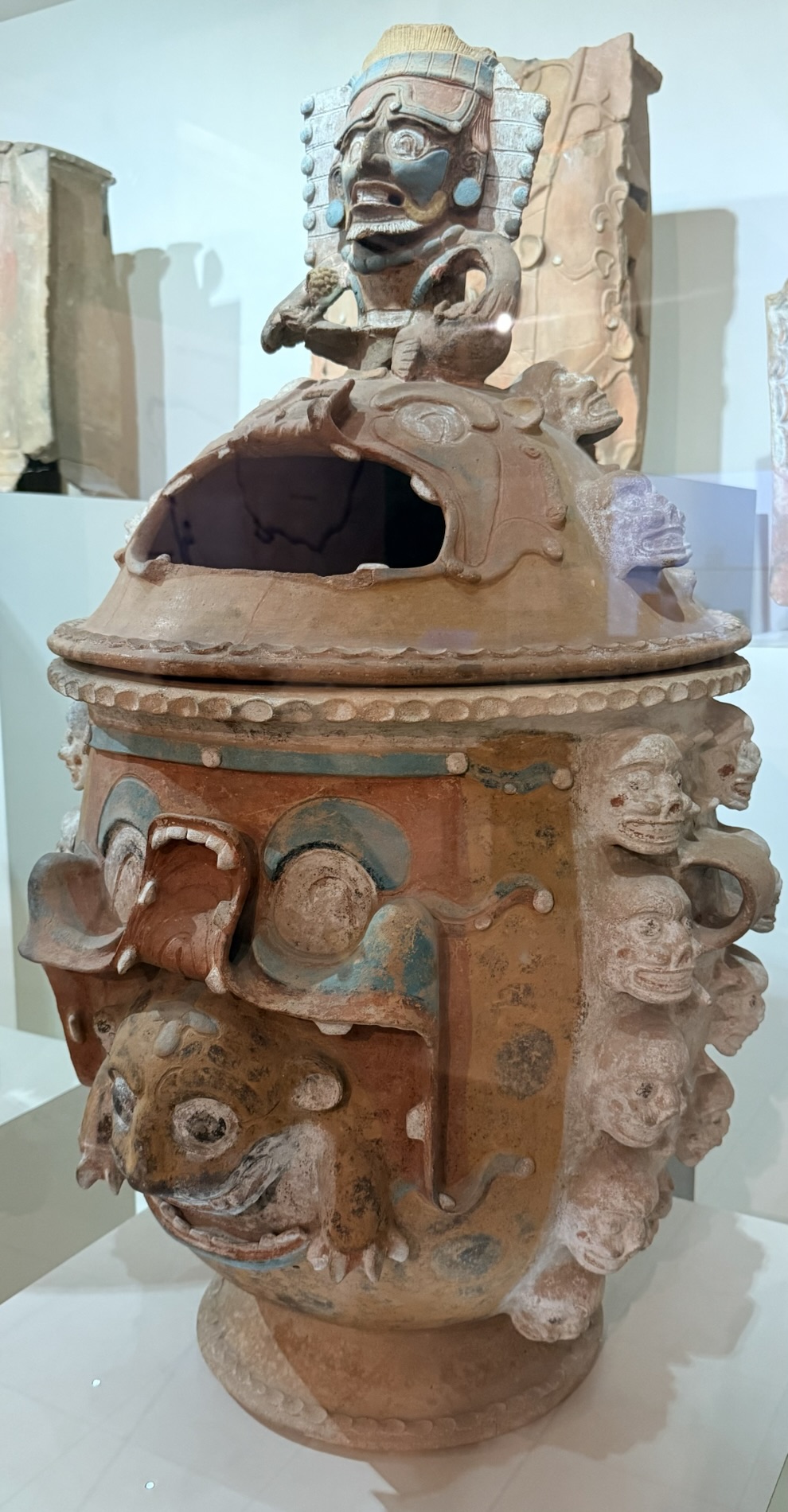
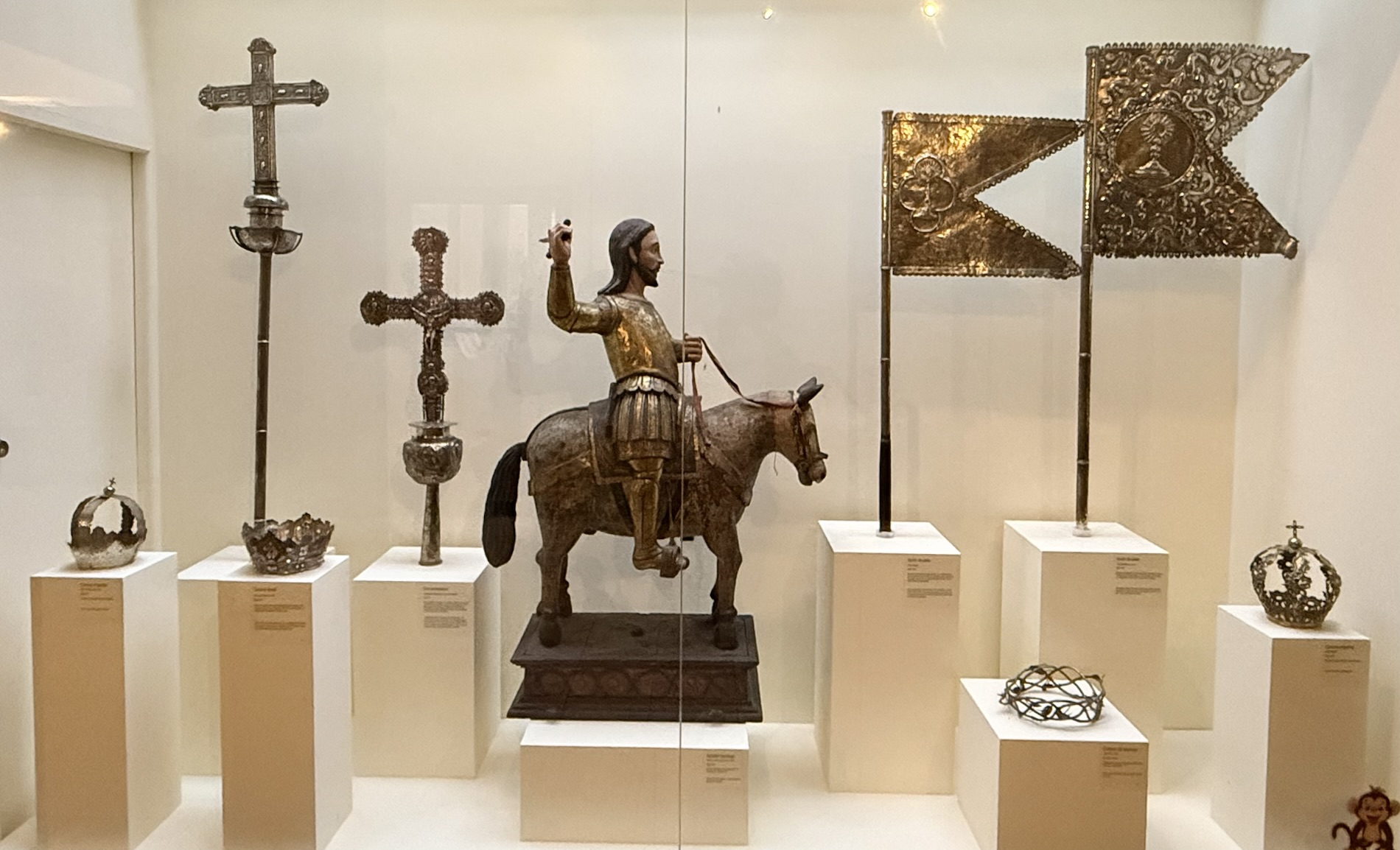
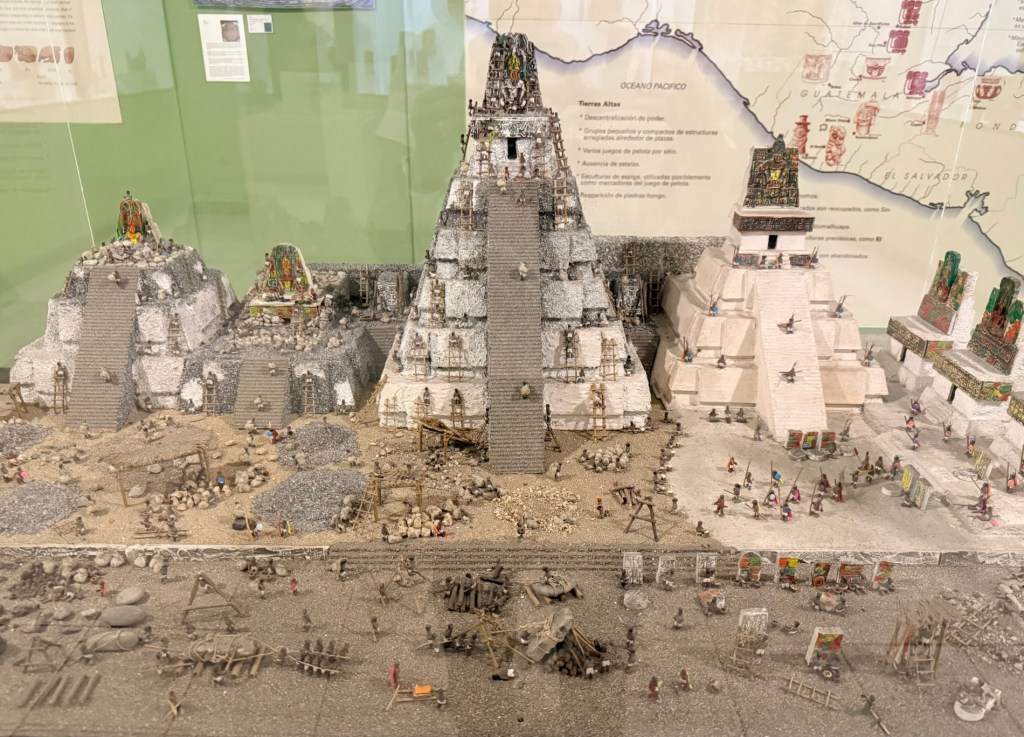
One diorama showed the building of Tikal, which required large numbers or specialized workers or artisans. These workers quarried stone, cut trees for wood, made lime, and transported materials to the building site. This was all done with human labor using stone instruments. Buildings were often built atop older ones. Temporary walls and stairs were built, and layers of fill were carried up and deposited in an orderly manner. Facades faced with cut-stone masonry were covered with stucco. Then decorative elements were added and buildings were painted in bright colors.
Río Azul in the northeast corner of Petén once belonged to the city state of Tikal. It may have served as a fortress or military outpost. There is also evidence it was a commercial center.
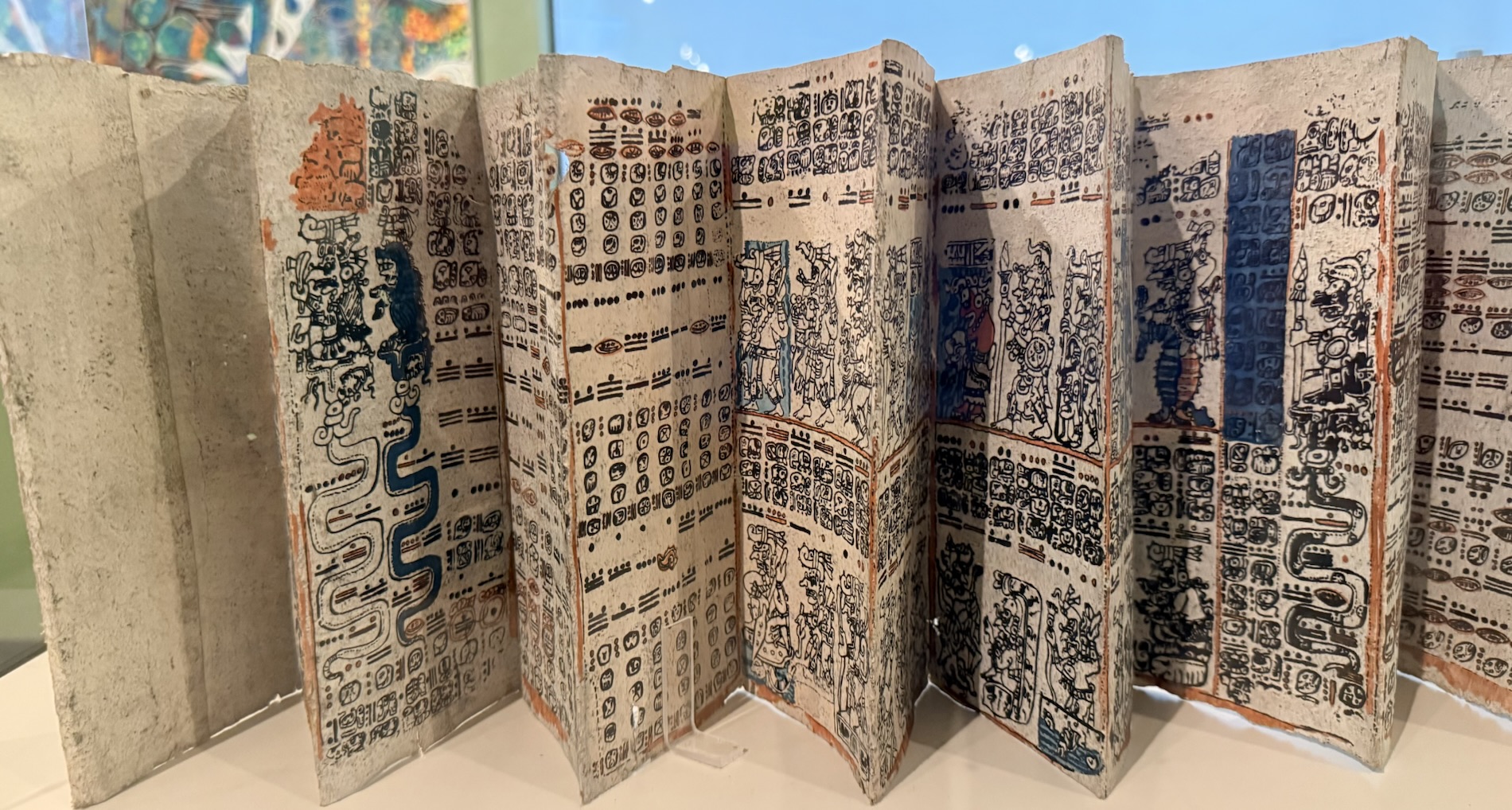
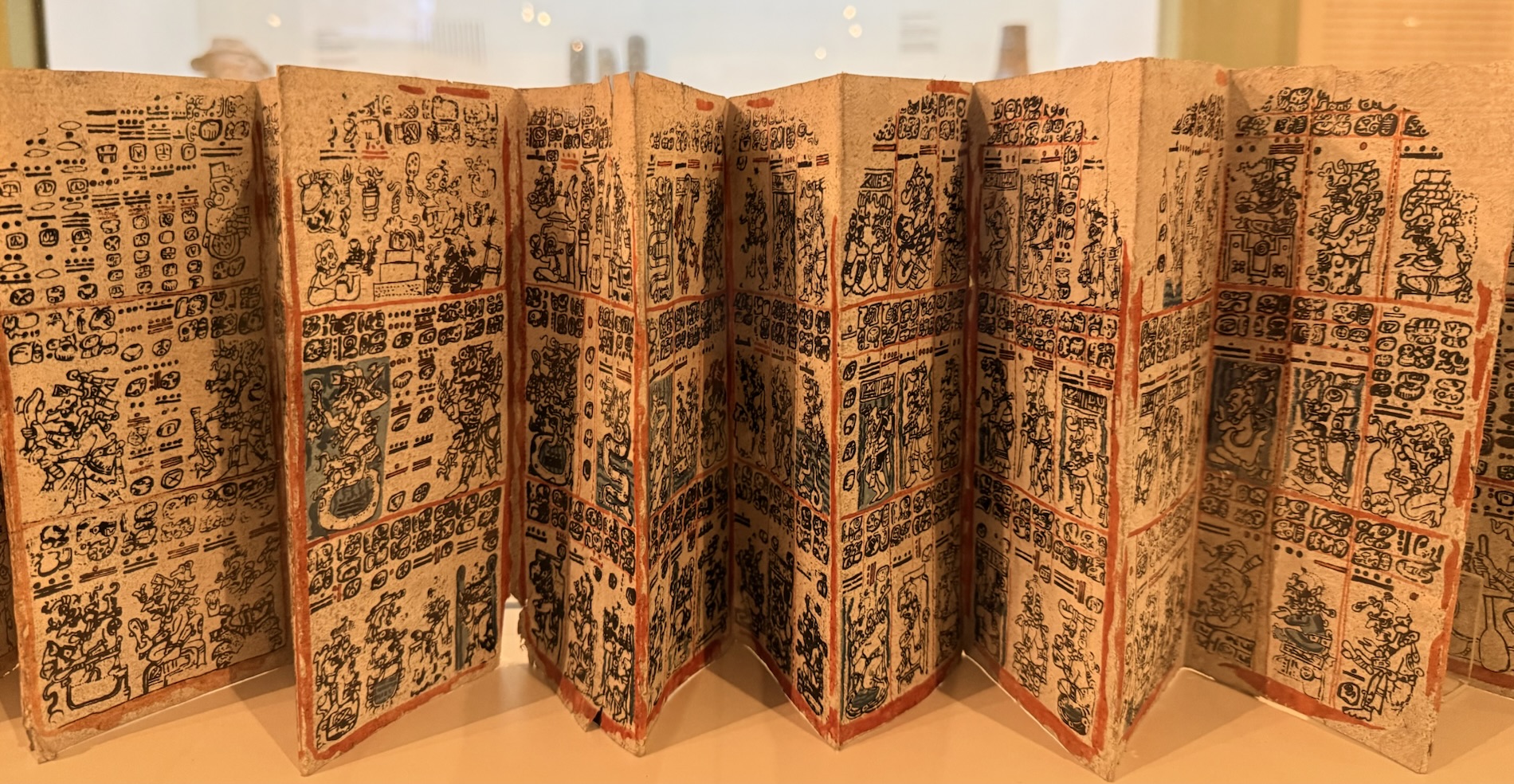
The ancient Maya made books from the inner bark of a native fig tree, called amate. Long strips of paper were made from processed bark, covered with fine layers of stucco and folded like screens, so it was possible to open the books and read several pages at once. The Dresden Codex is the oldest and finest example of the three Maya books still preserved from the the pre-Hispanic period. It is estimated to have been written in the 13th century. It includes a series of omens and calendars with predictions for each date based on the actions of the gods. Tables track the cycle of the planet Venus and solar and lunar eclipses, and prescribes rituals for celebrating the New Year.
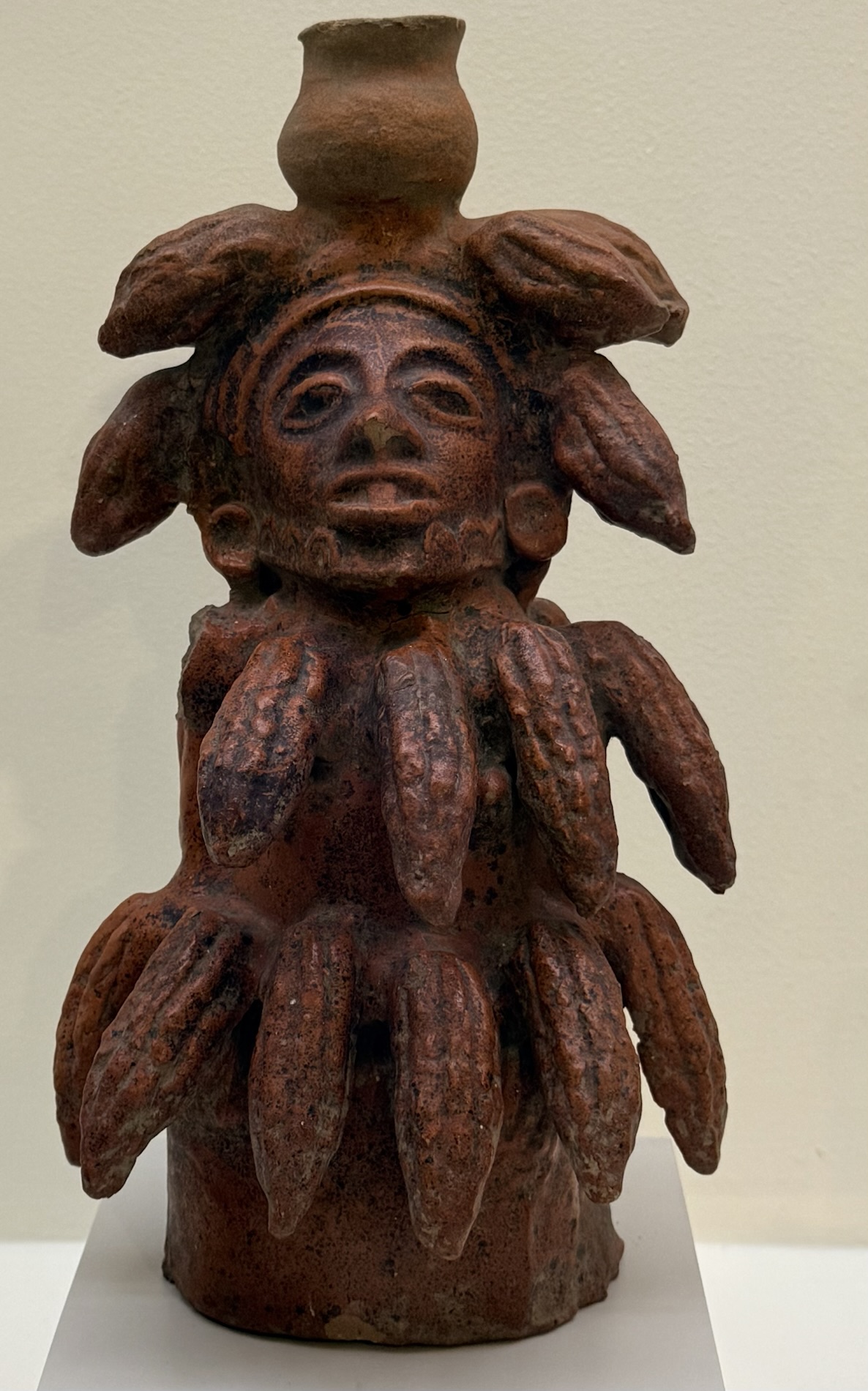
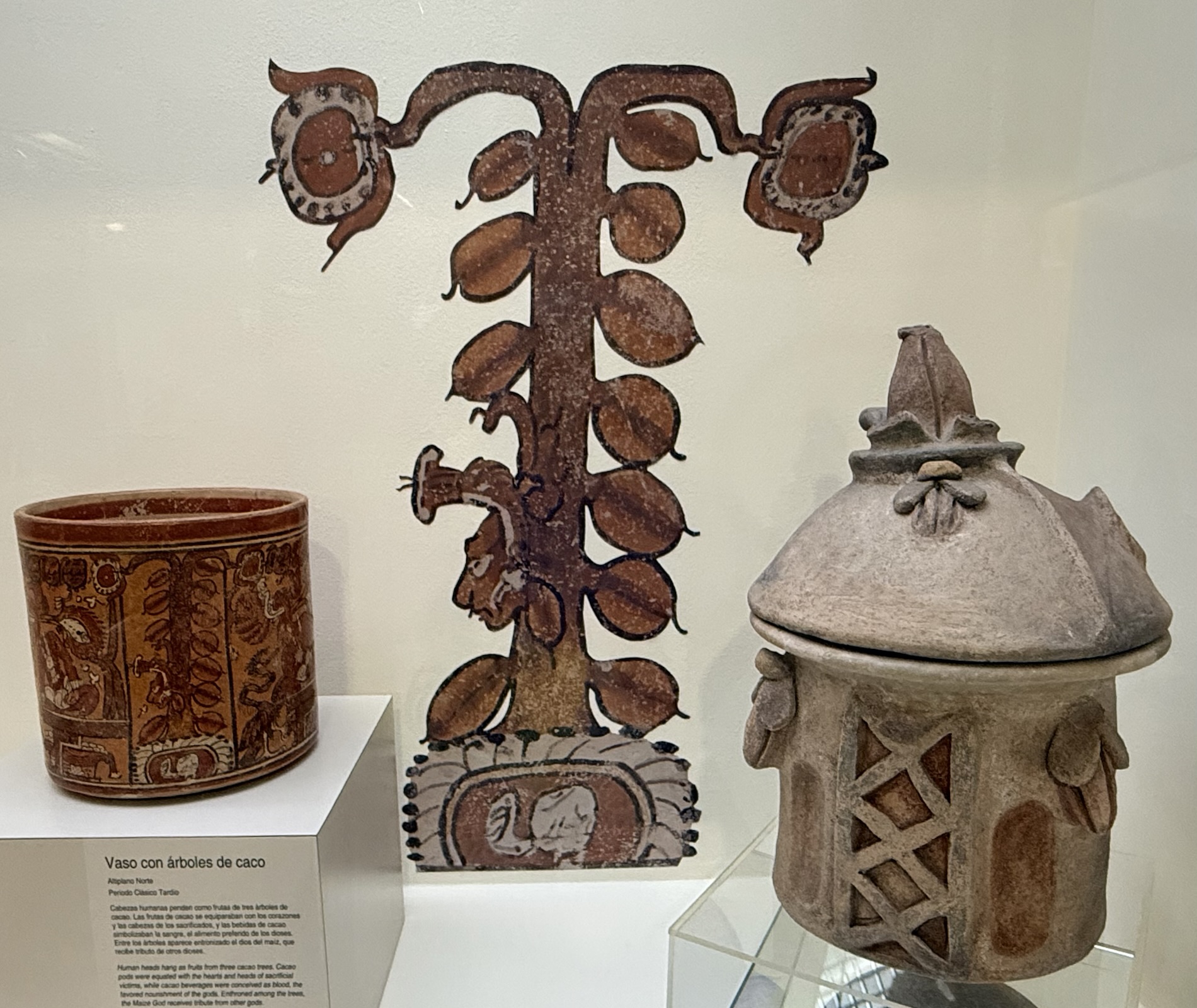
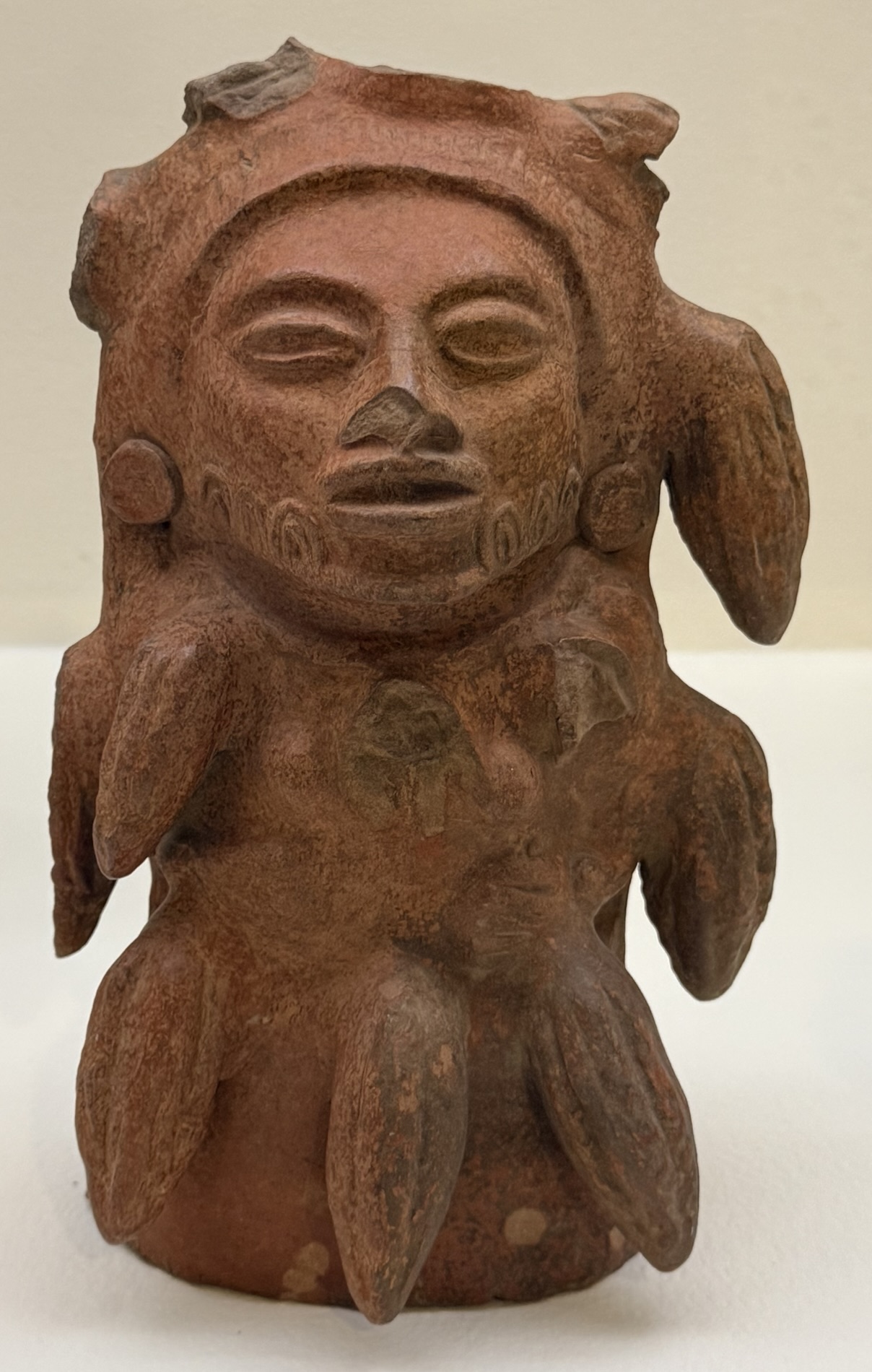
Cacao was one of Mesoamerica’s most prized products. Cacao gods and goddesses personified the cacao tree with abundant pods.
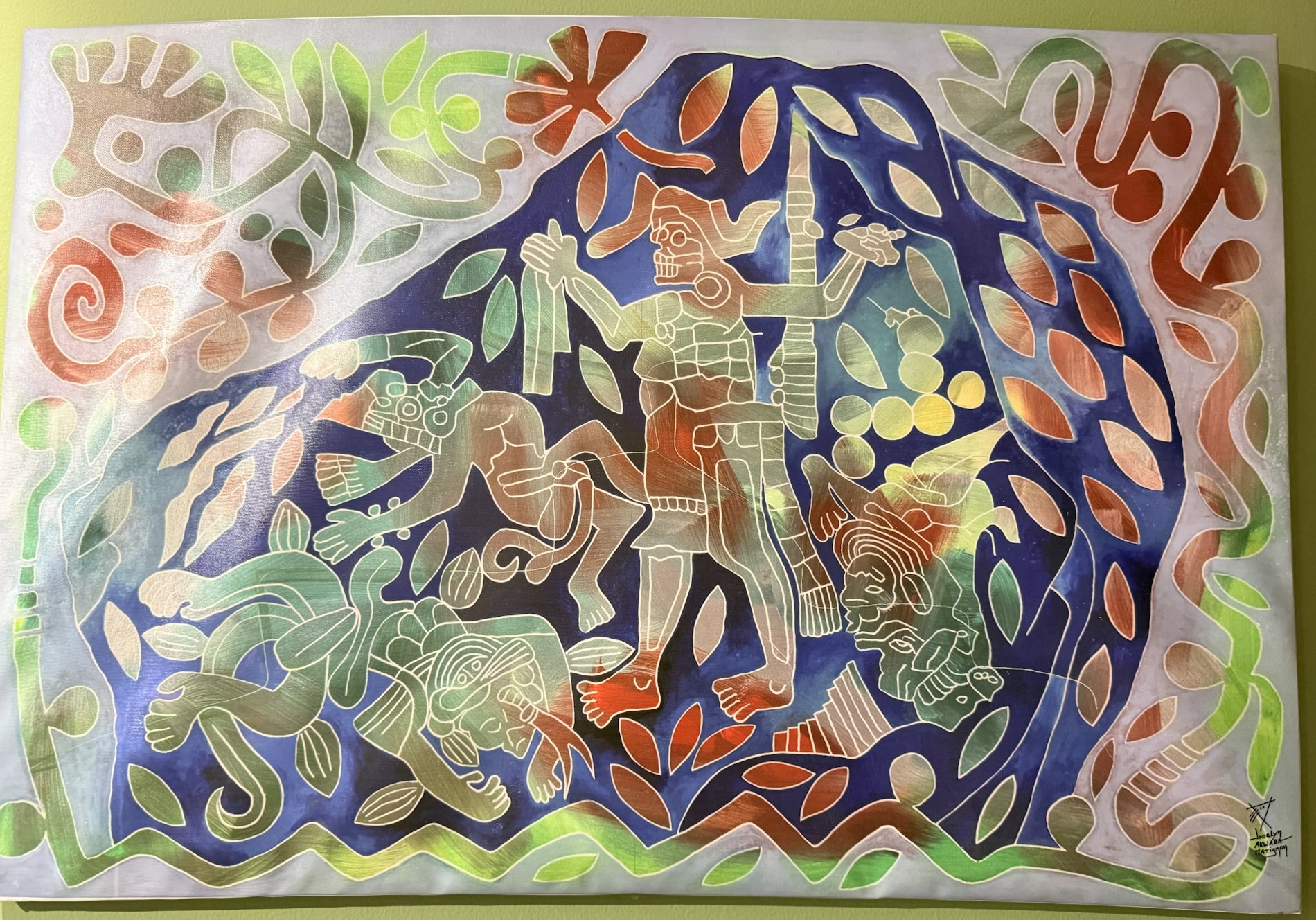
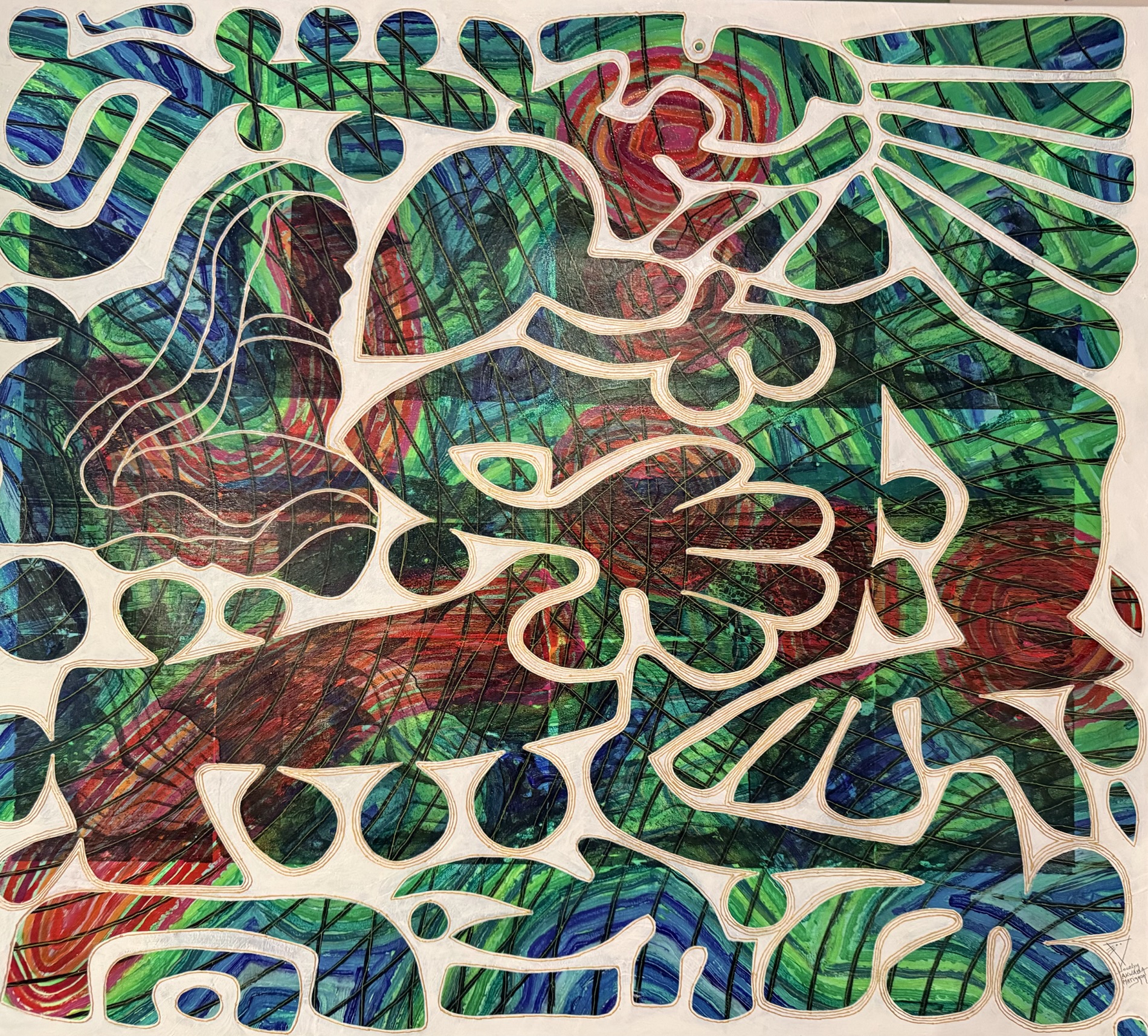
The museum had a display of artistic depictions of Mayan symbols on fabric that were quite beautiful.
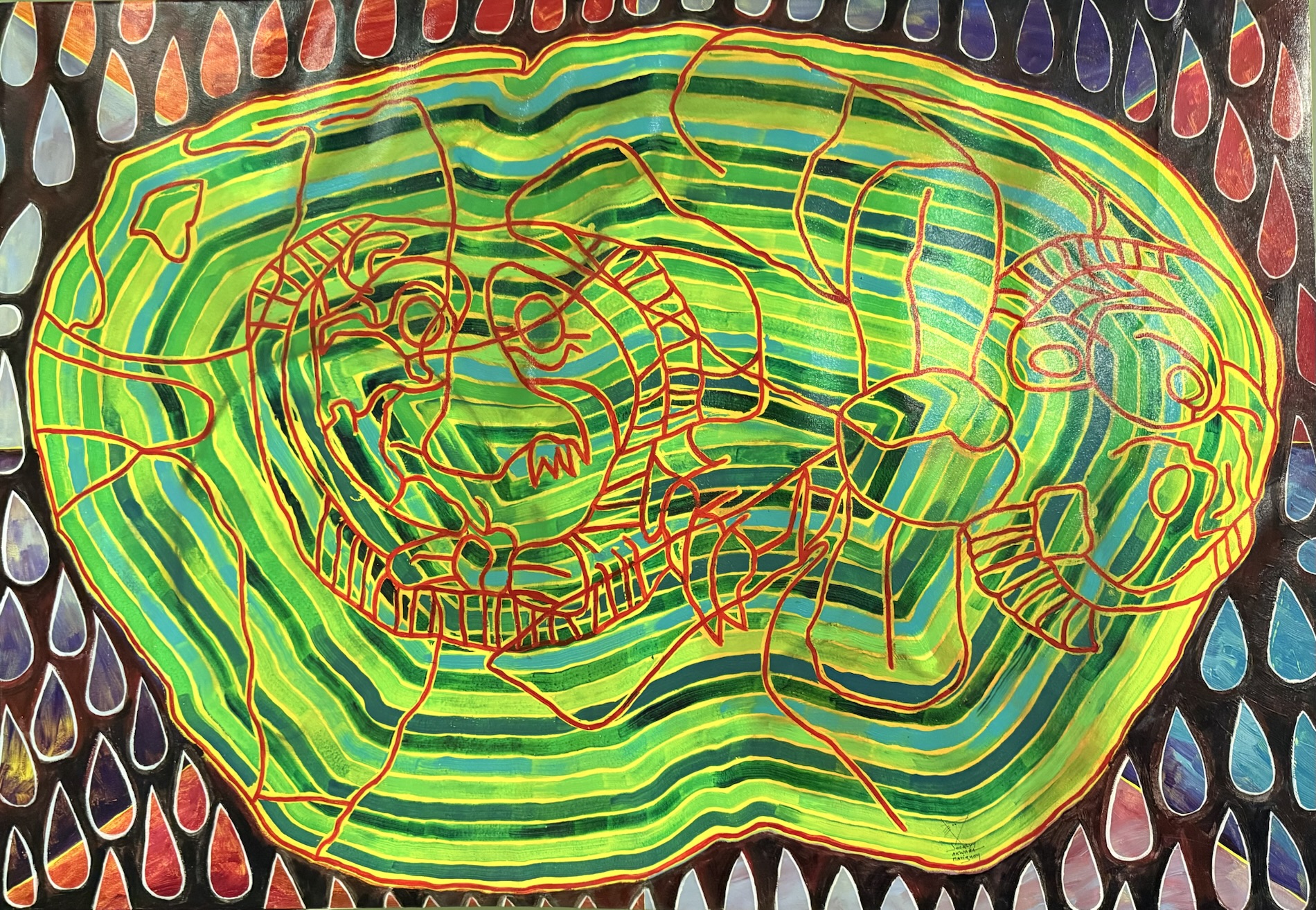
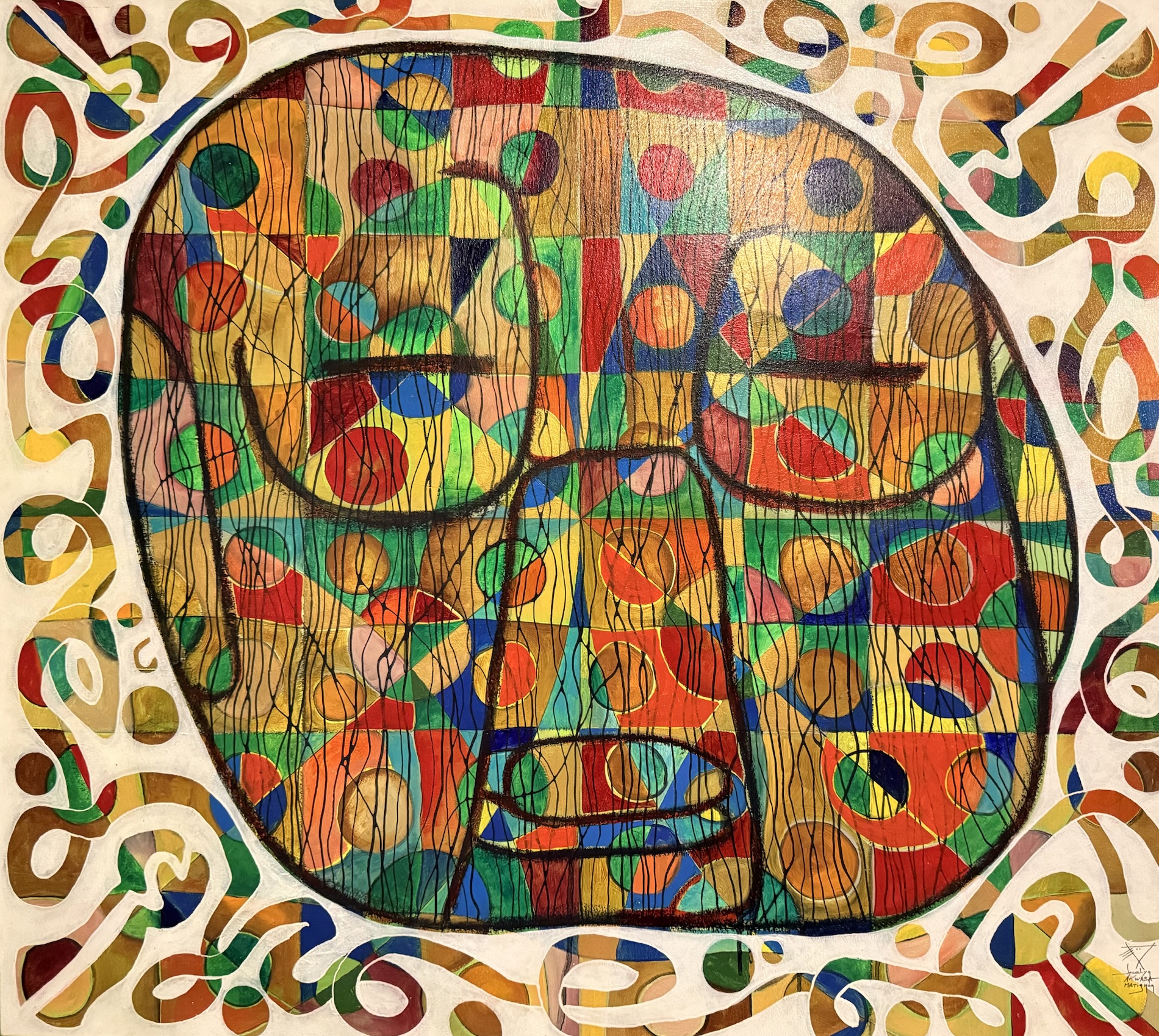
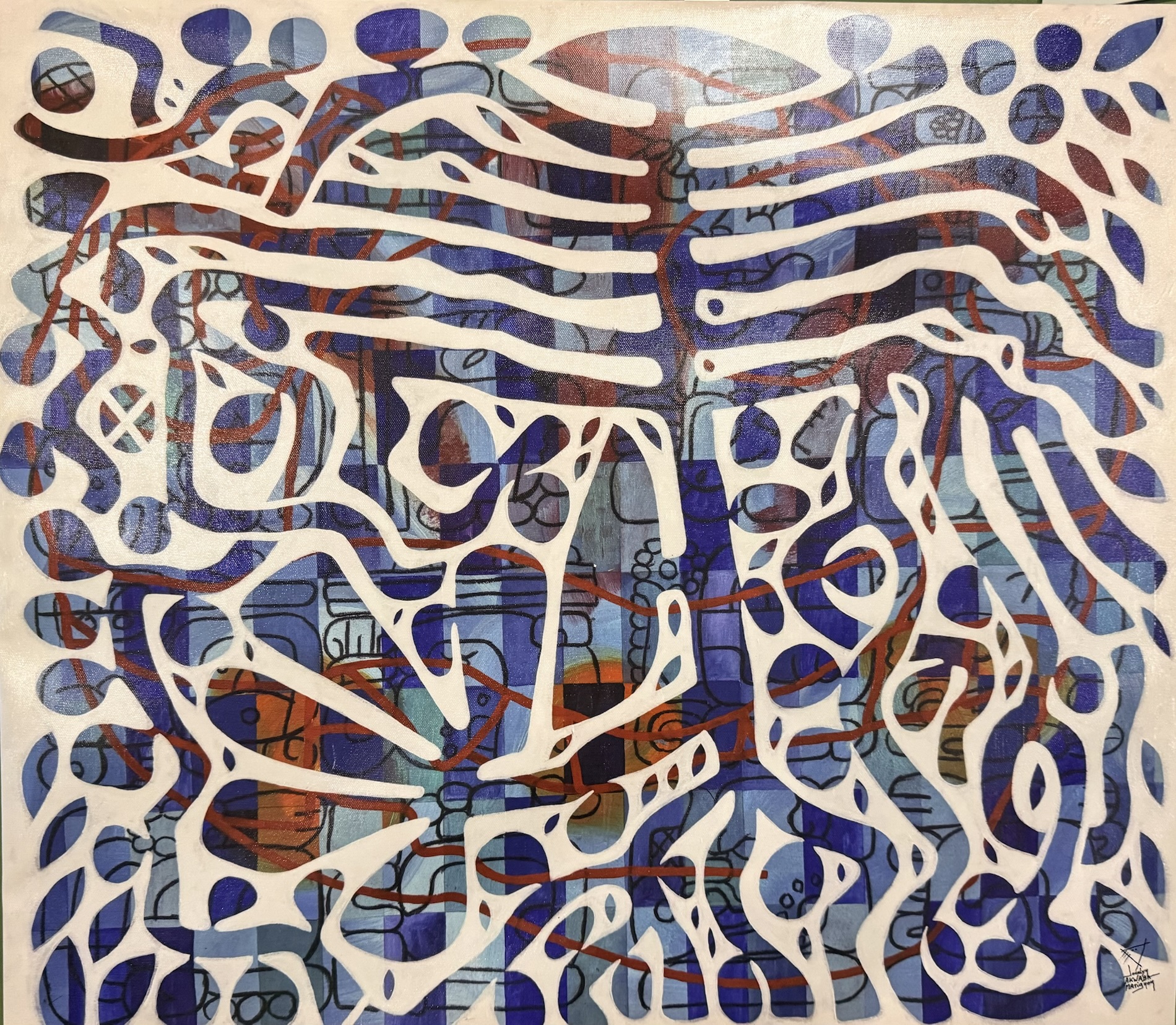
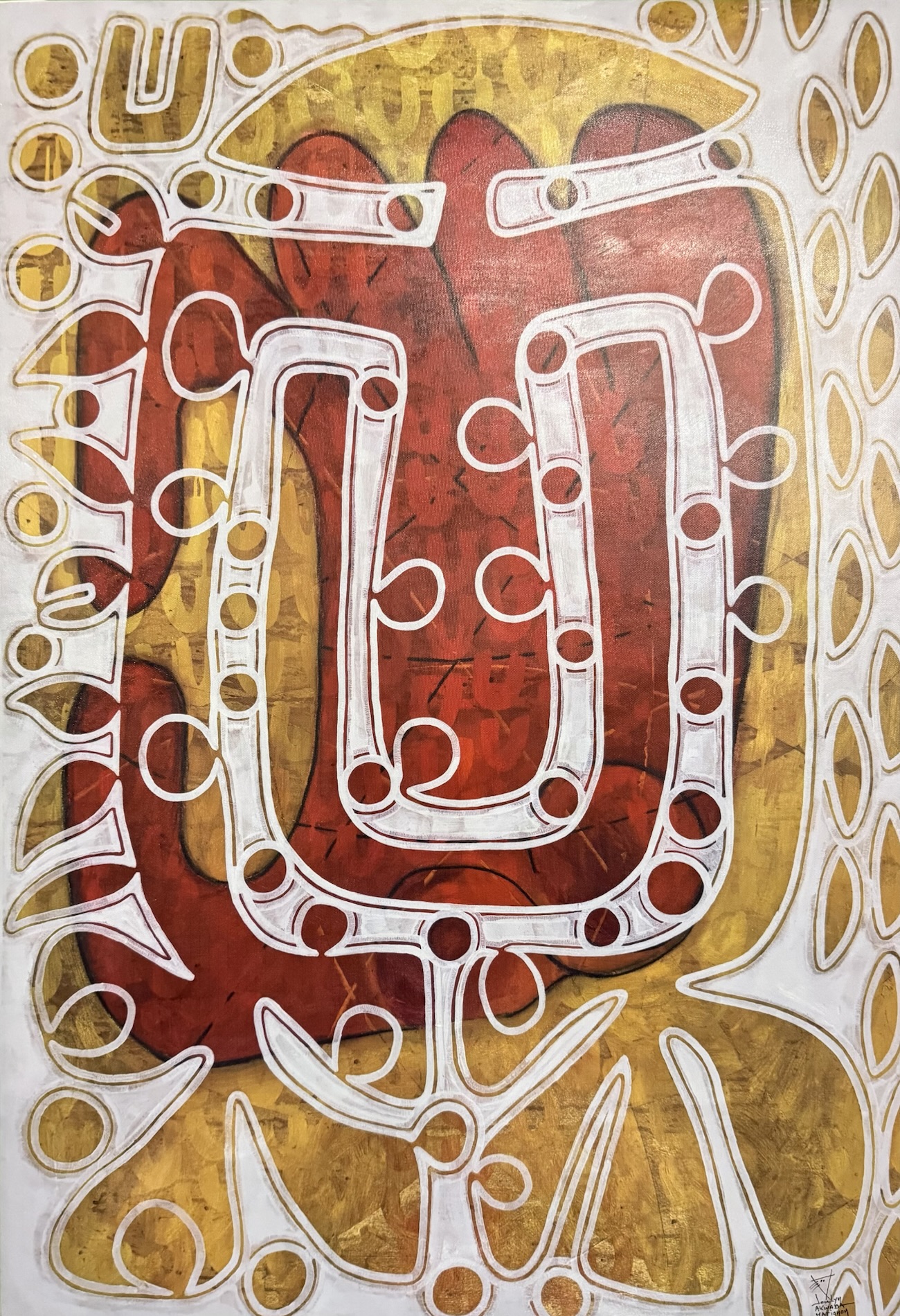
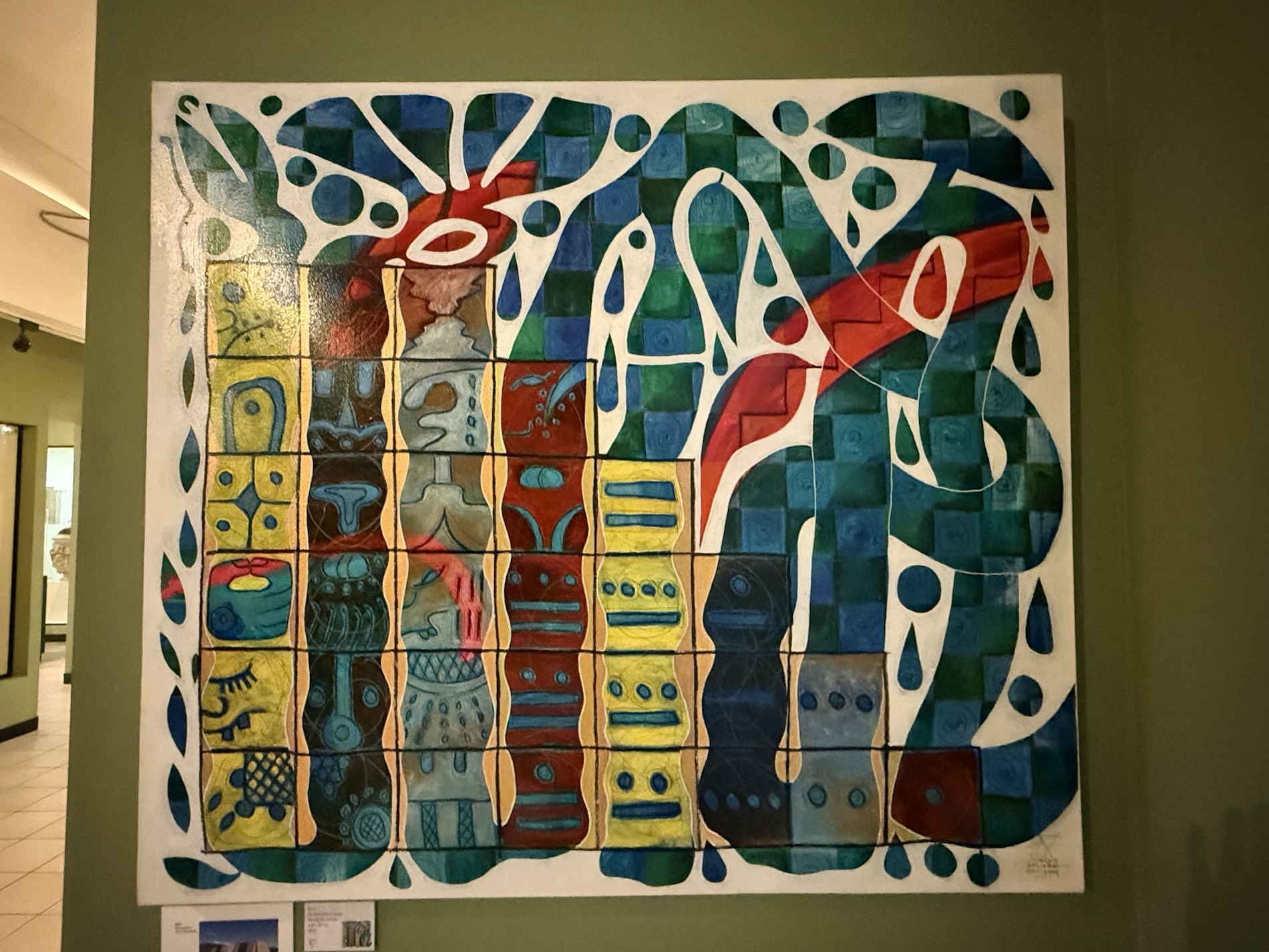
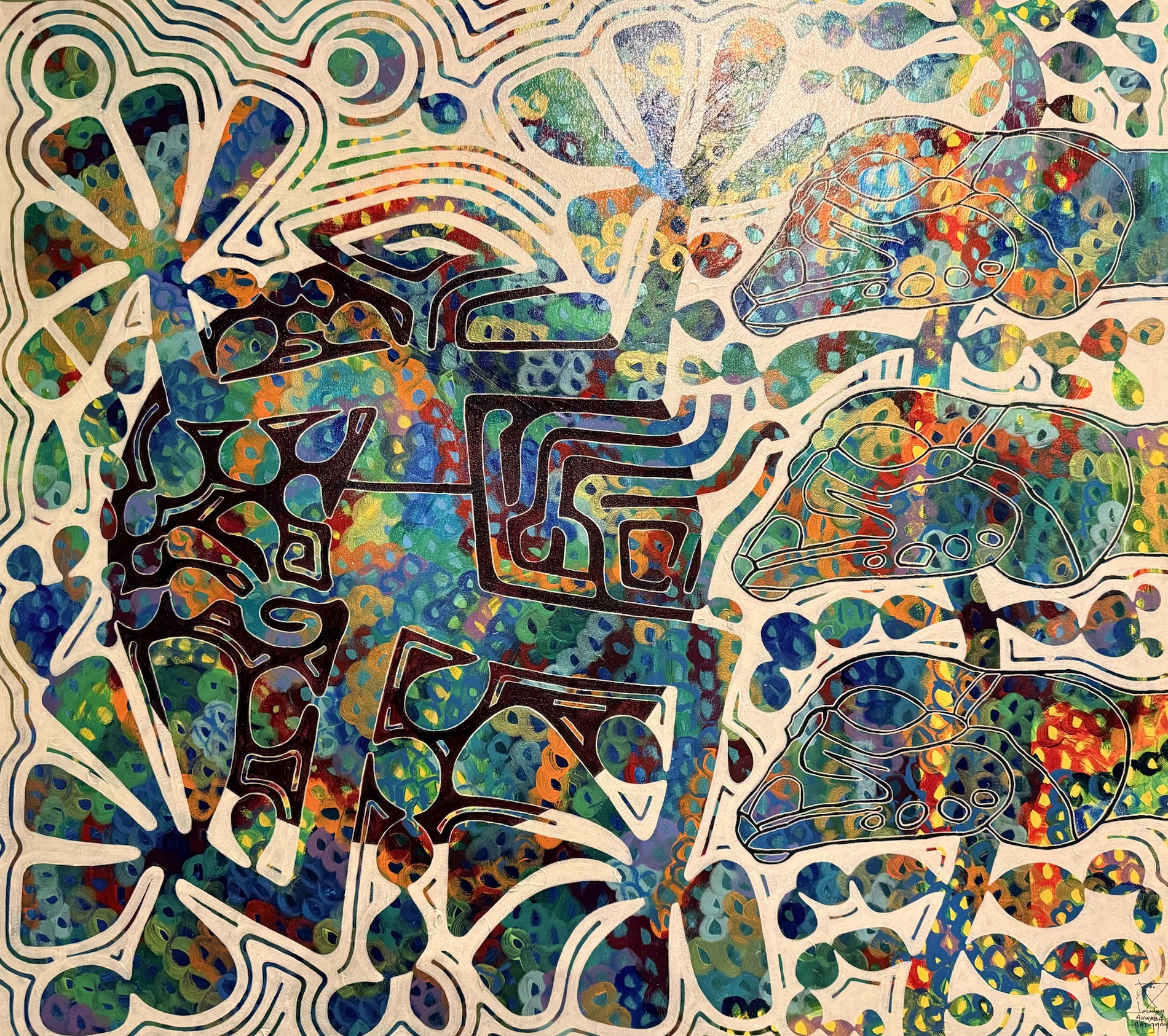
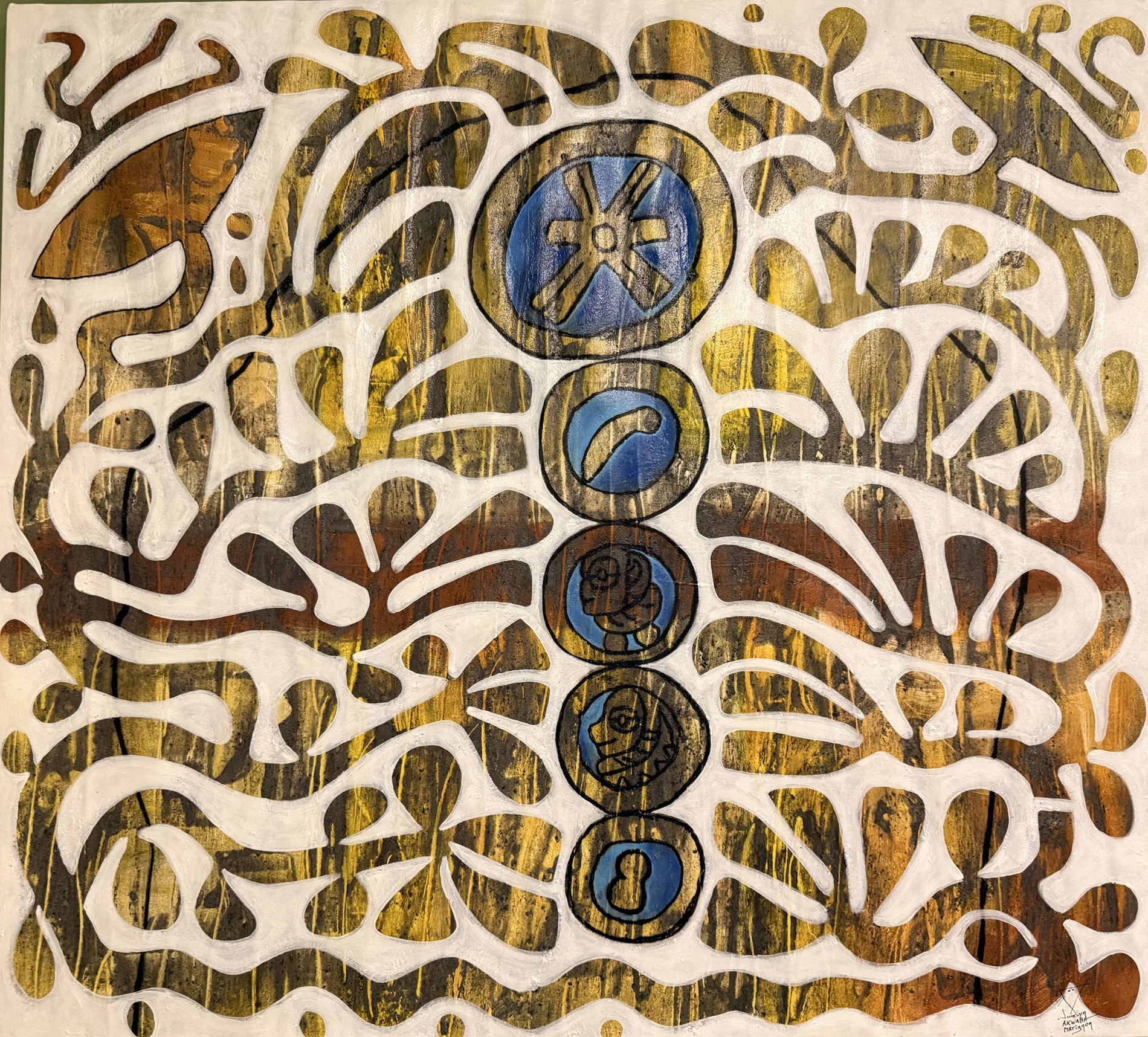
Before going to the Museo Ixchel, next door to the Museo Popol Vuh, we stopped at an outdoor student cafe where we gobbled down some Ramen noodles and admired the pretty campus.
Guatemala City: Museo Ixchel del Traje Indigena
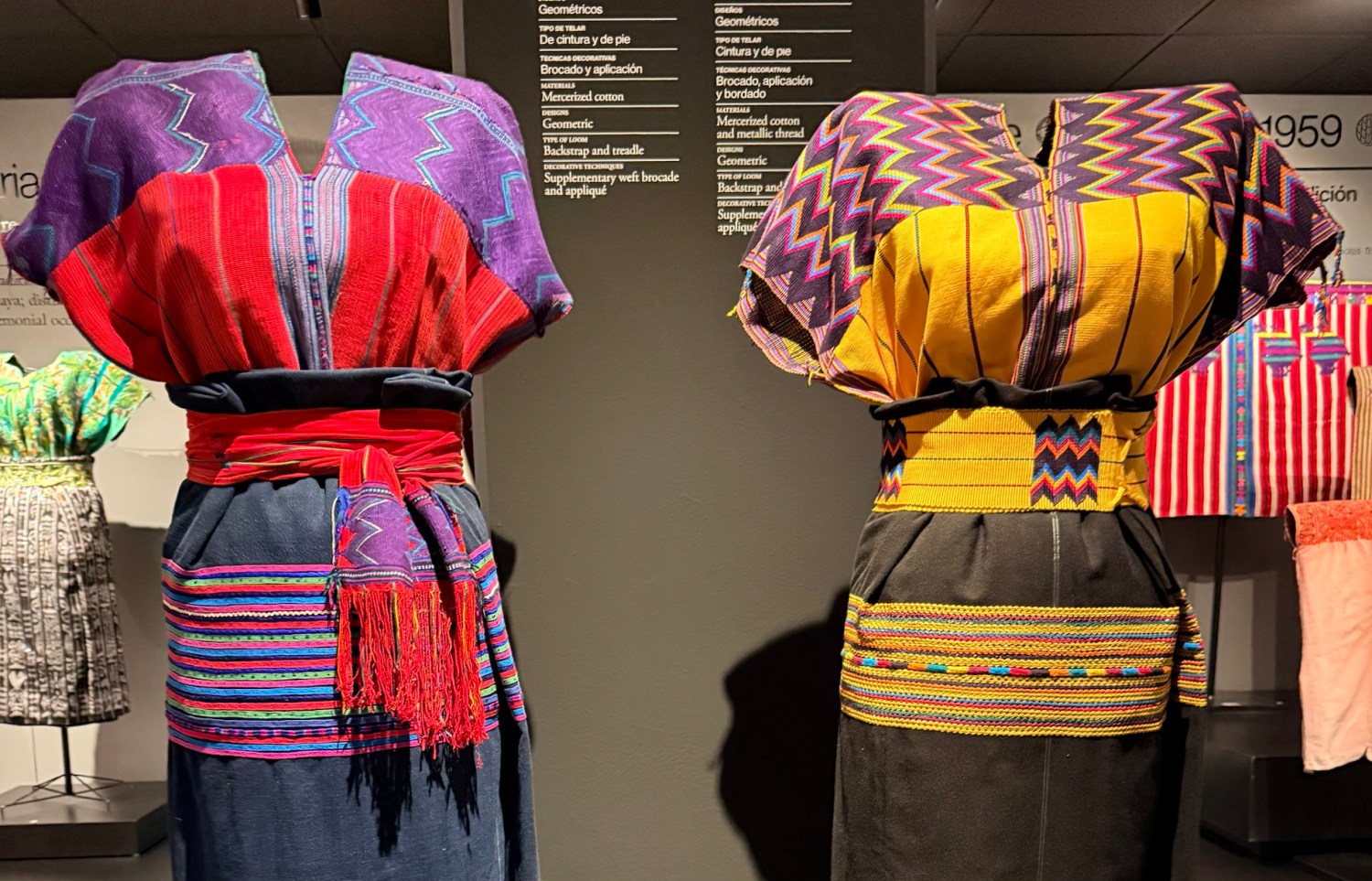
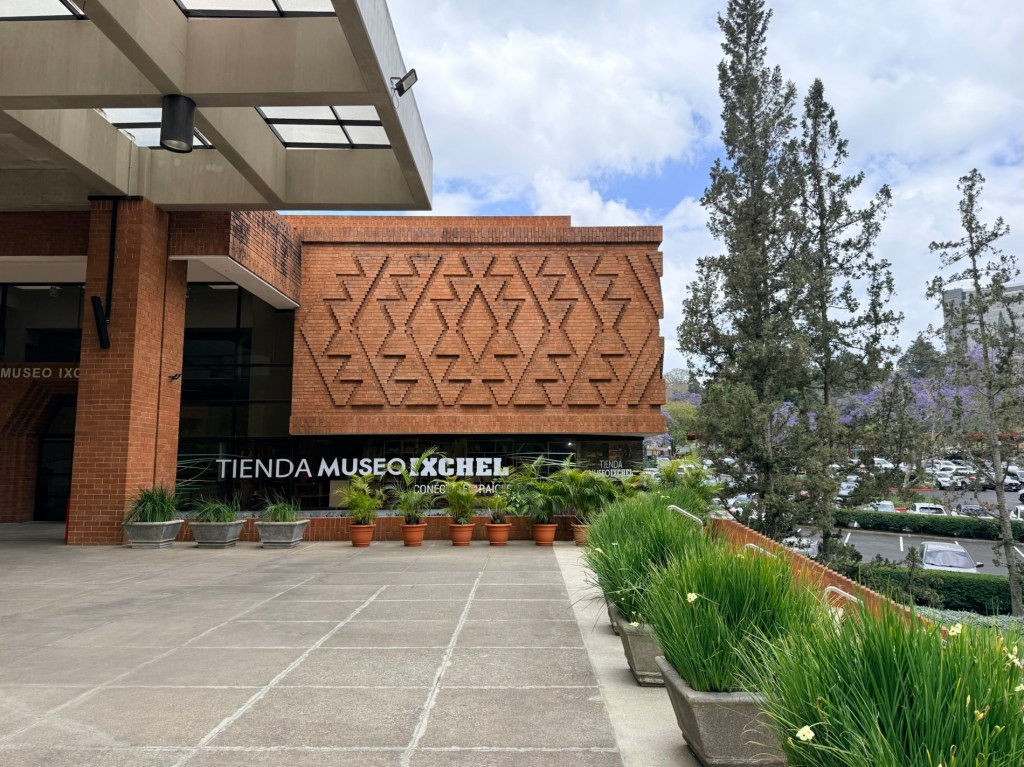
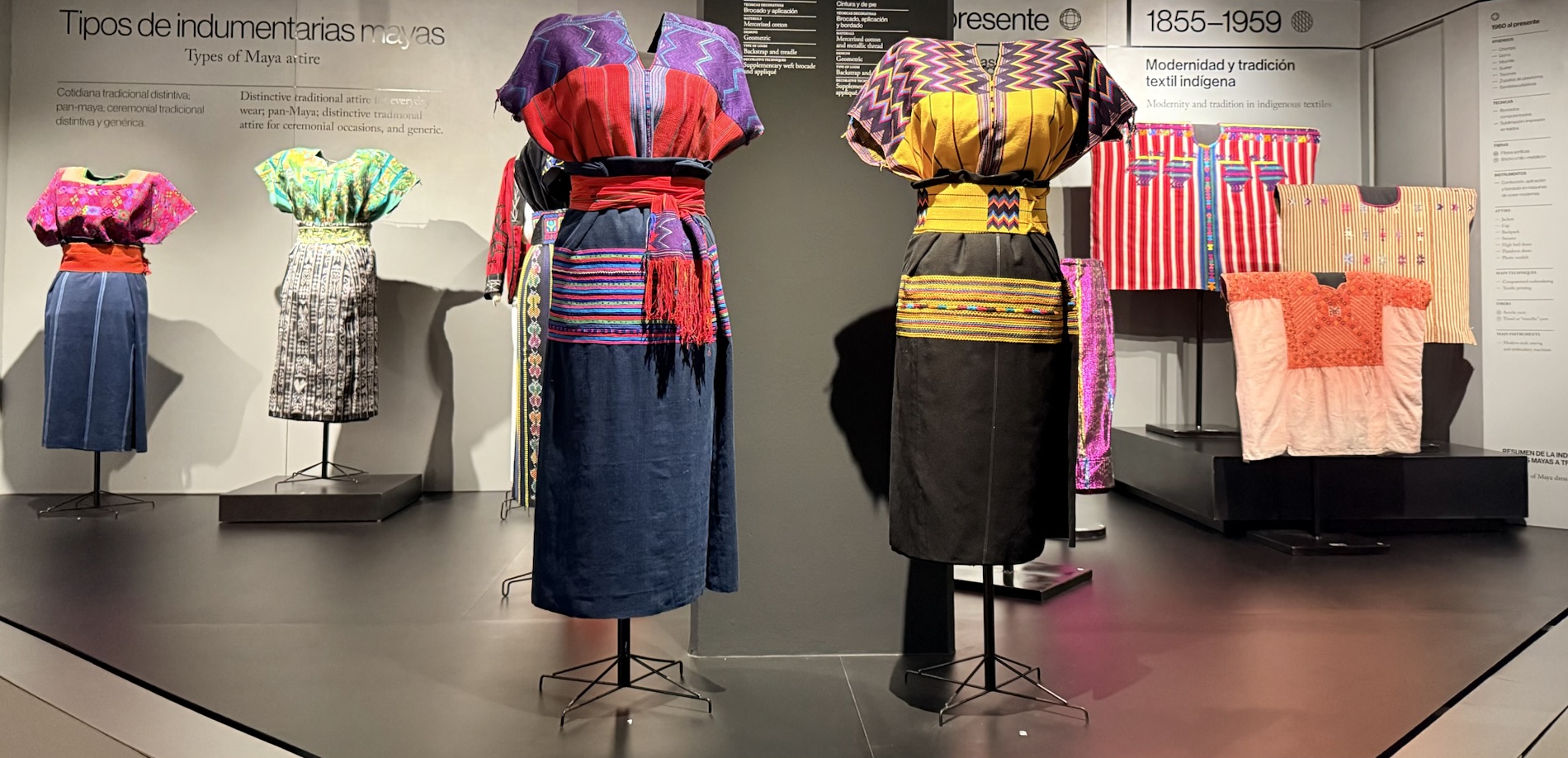
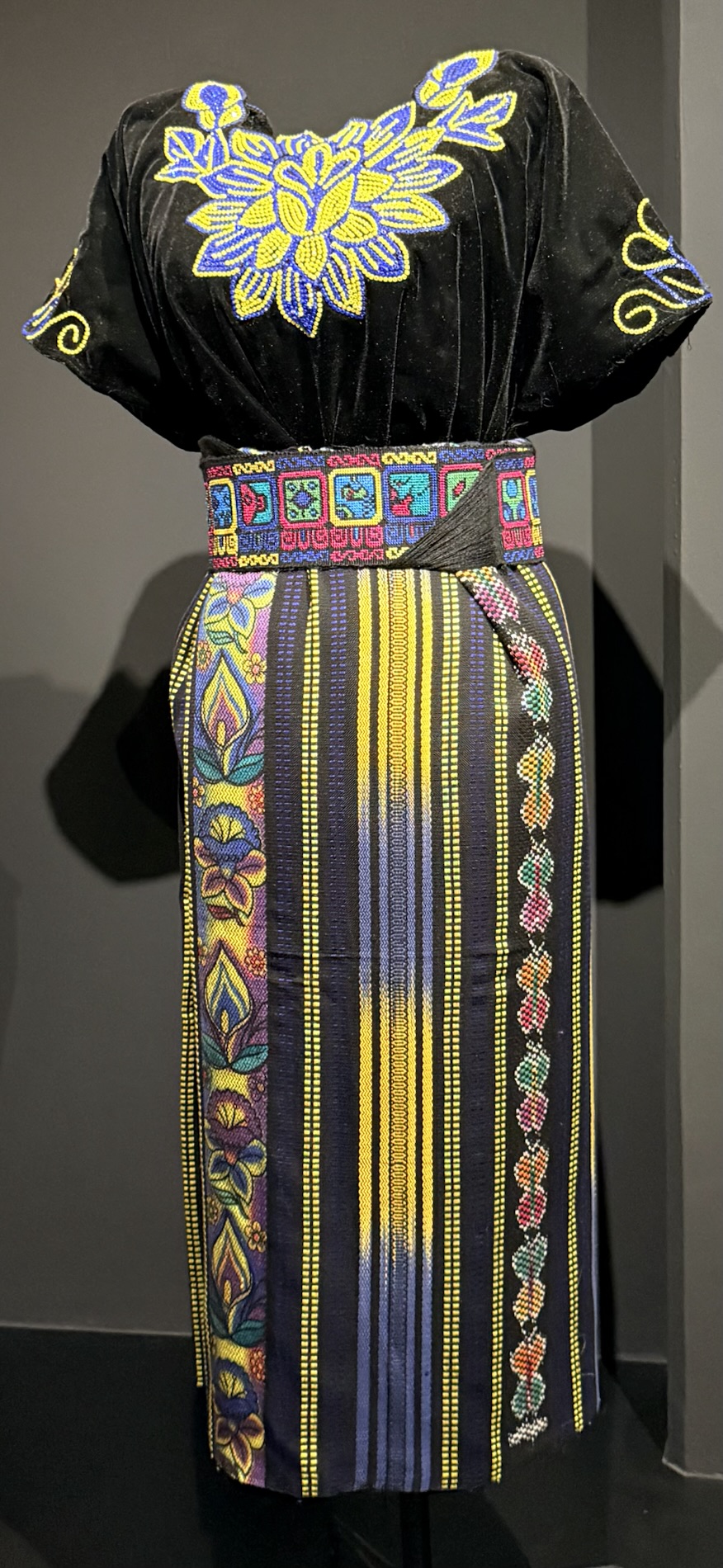
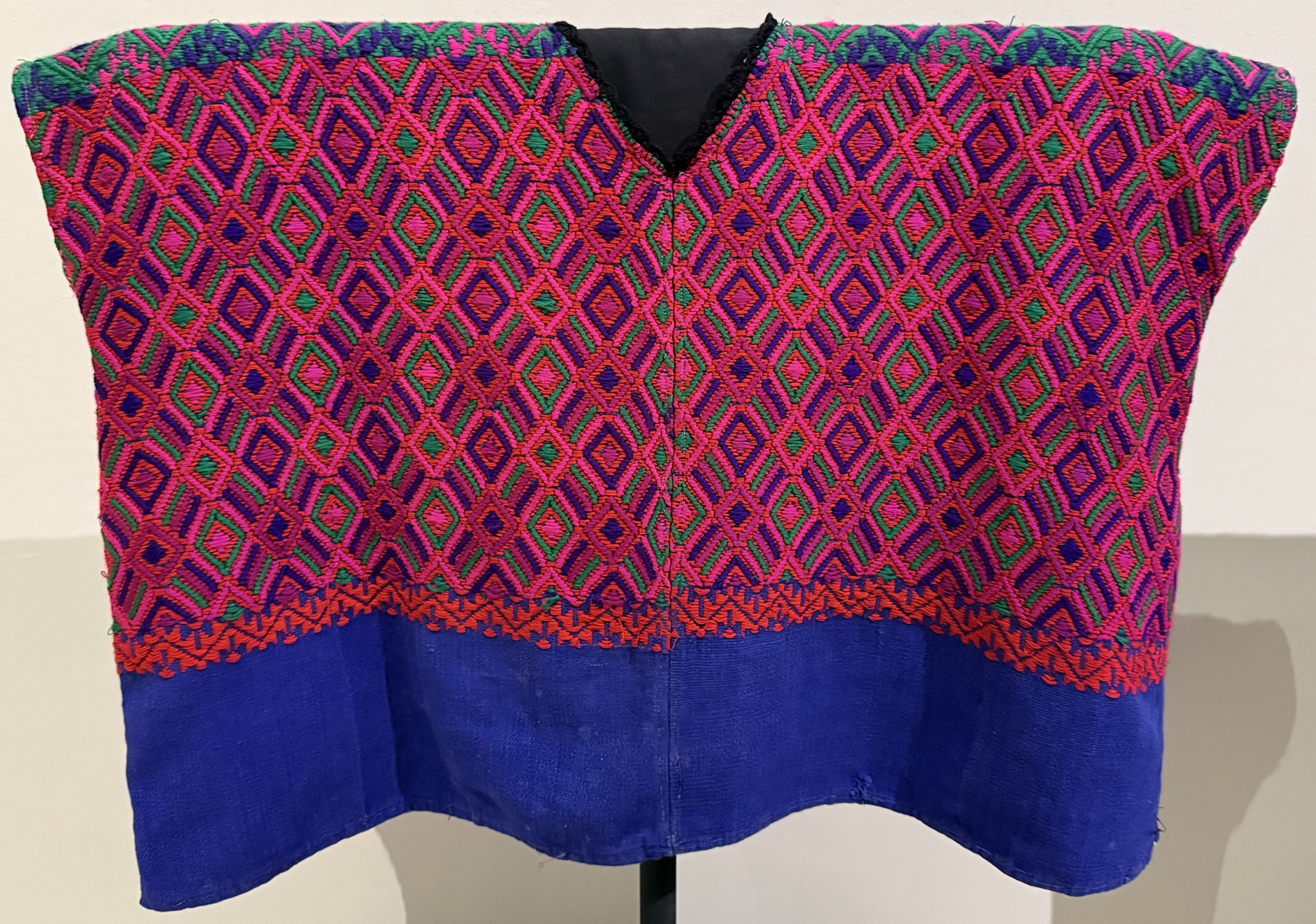
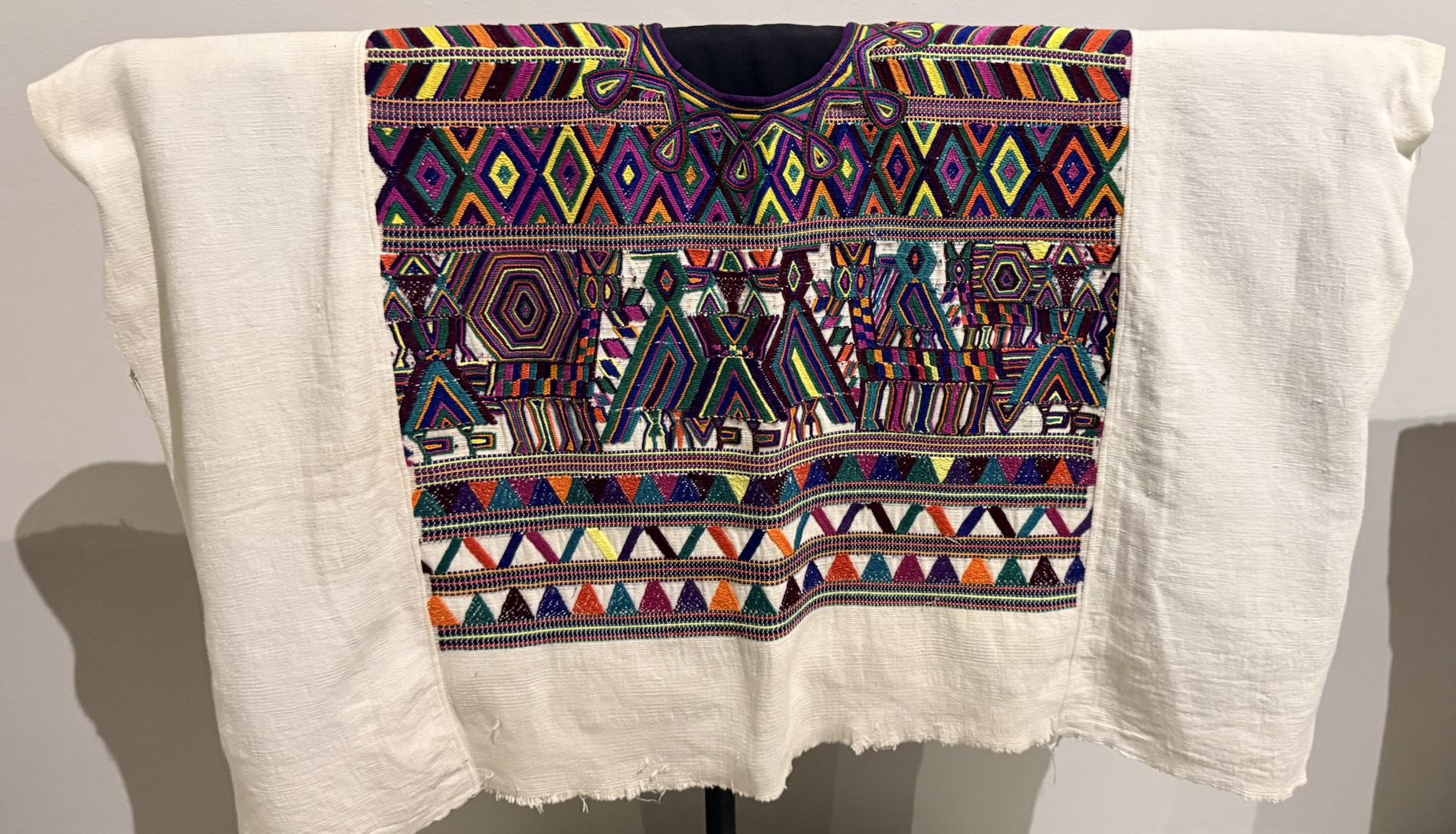
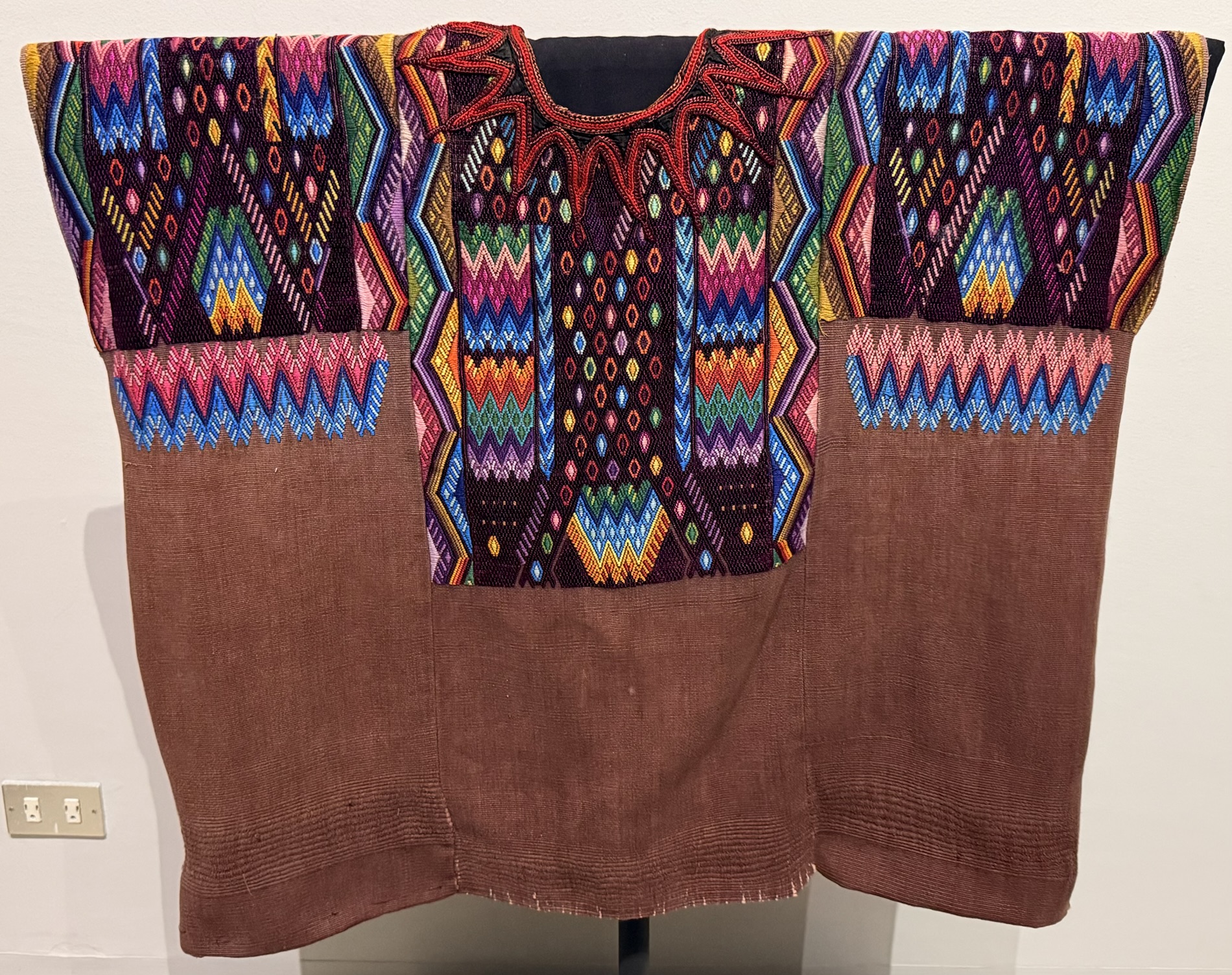
Museo Ixchel del Traje Indigena presents the evolution of Guatemala’s textile tradition from pre-Hispanic times to the present. It illustrates the origins, variations and continuities that the costume has experienced over time, as well as the weaving tools, materials and techniques. The museum’s four rooms present the history of Maya clothing and weaving in Guatemala going back to 200 BC. The collection comprises thousands of weavings.
Clothing reflects the way different eras, cultures and technological advances are linked to the construction of identity. Dress is considered a “second skin” that can denote heirarchy, economic standing of the wearer, whether from a village, municipality, region or country. The elite wore prestigious feathers such as those of quetzal birds and macaws, and fur from rabbits and hares. Jade was made into neck ornaments, earrings or earplugs, and pendants; they also used shells and other materials. The top ranks of the military wore garments of jaguar skin and capes from strips of bark.
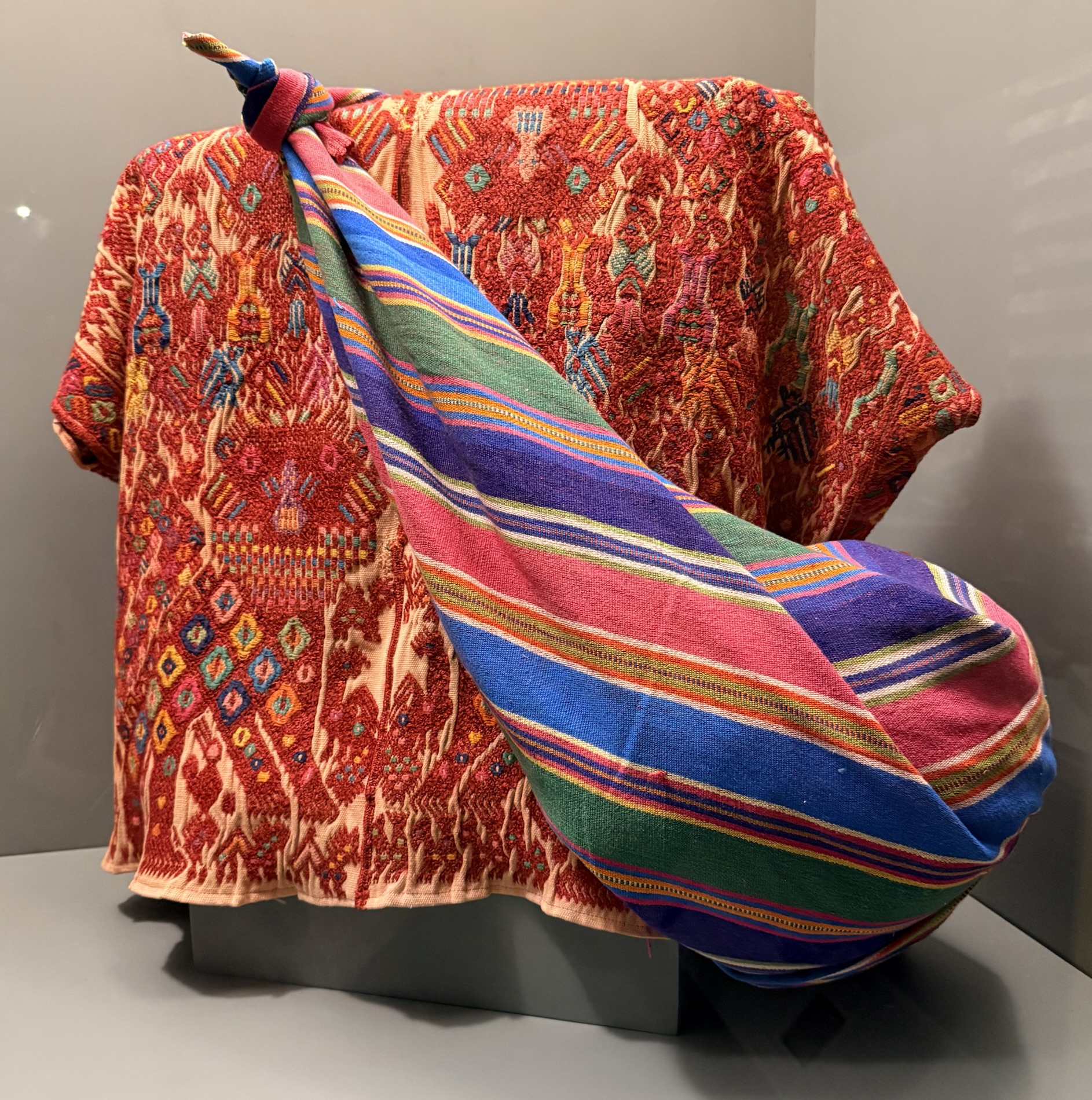
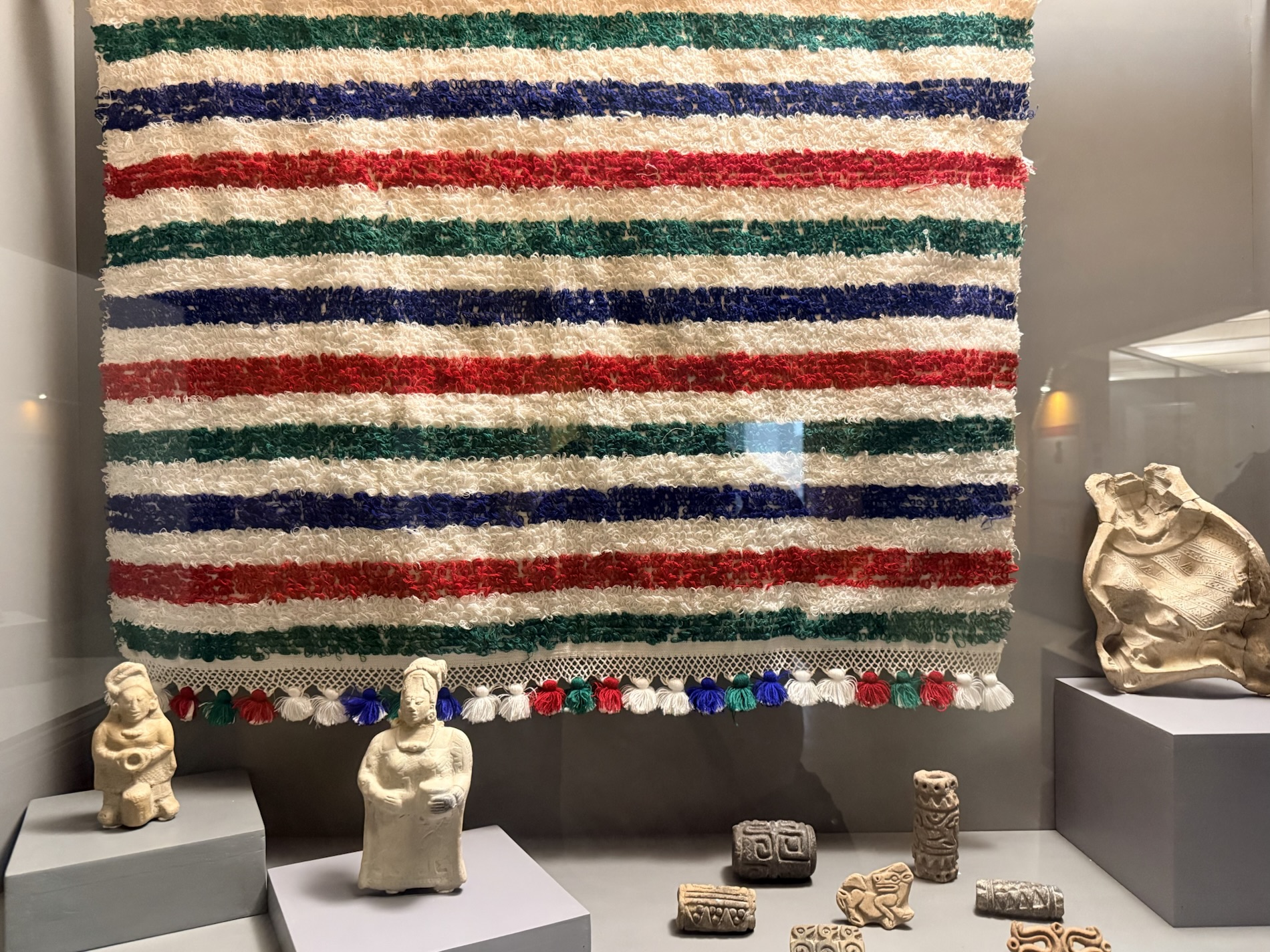
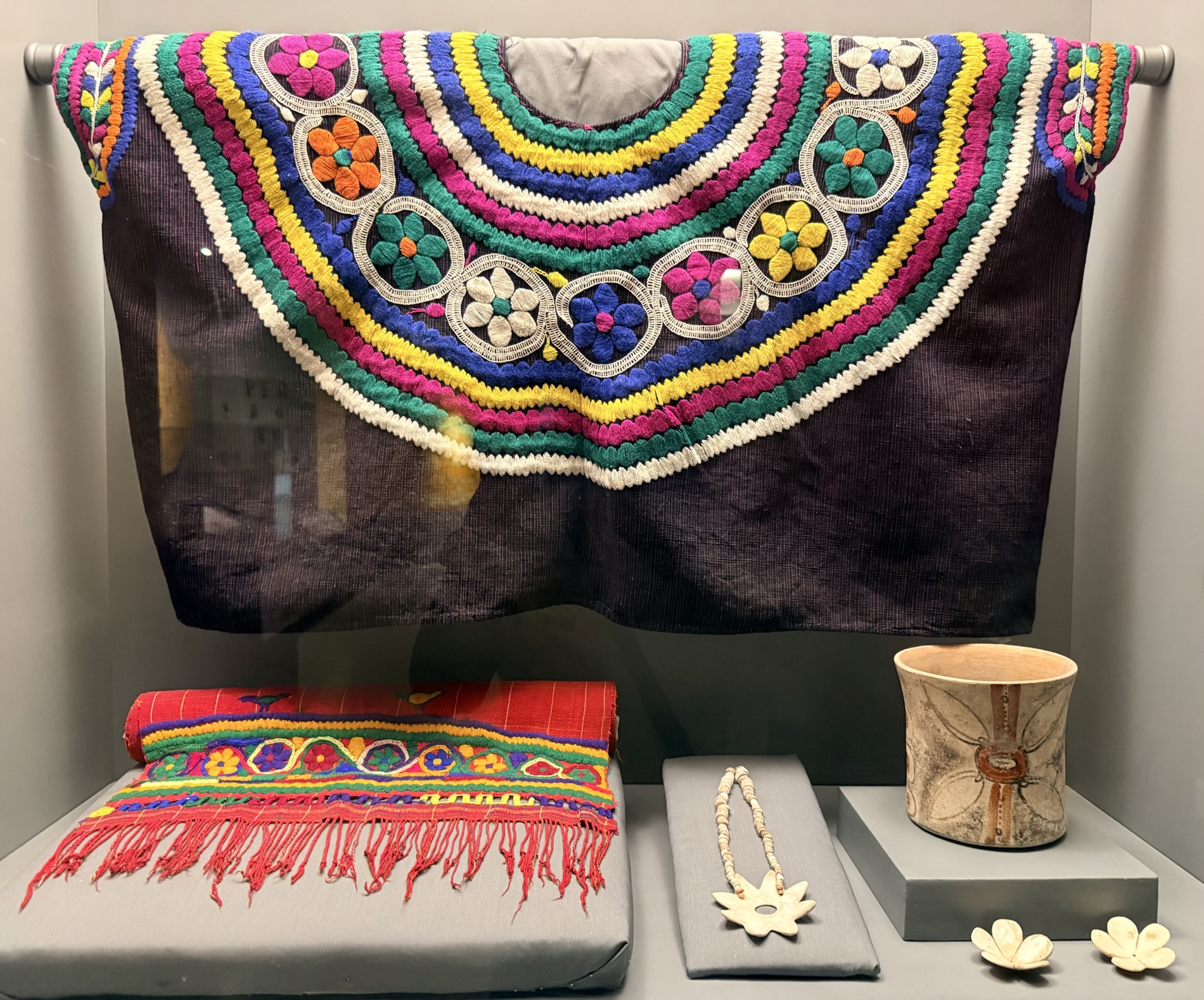
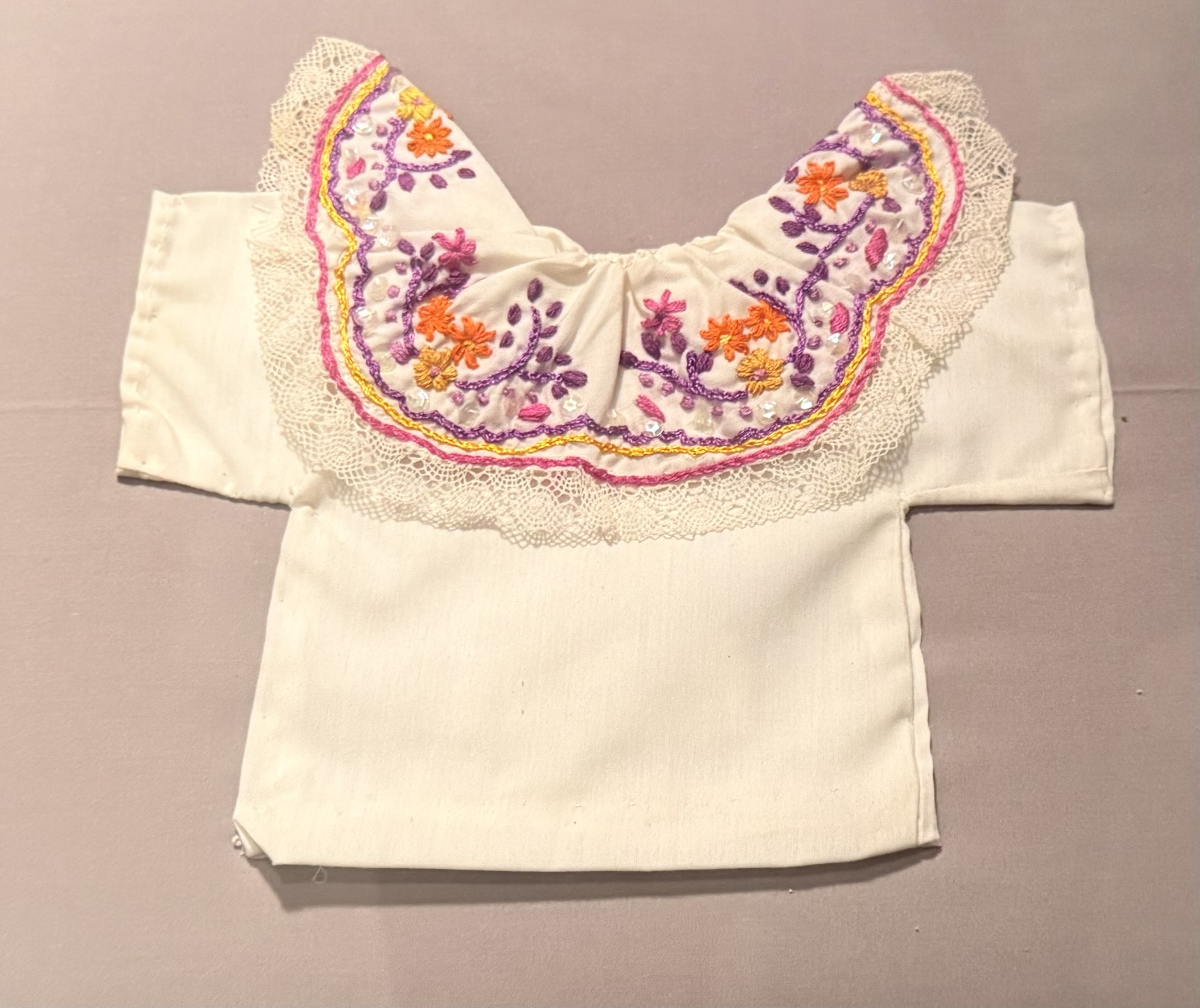
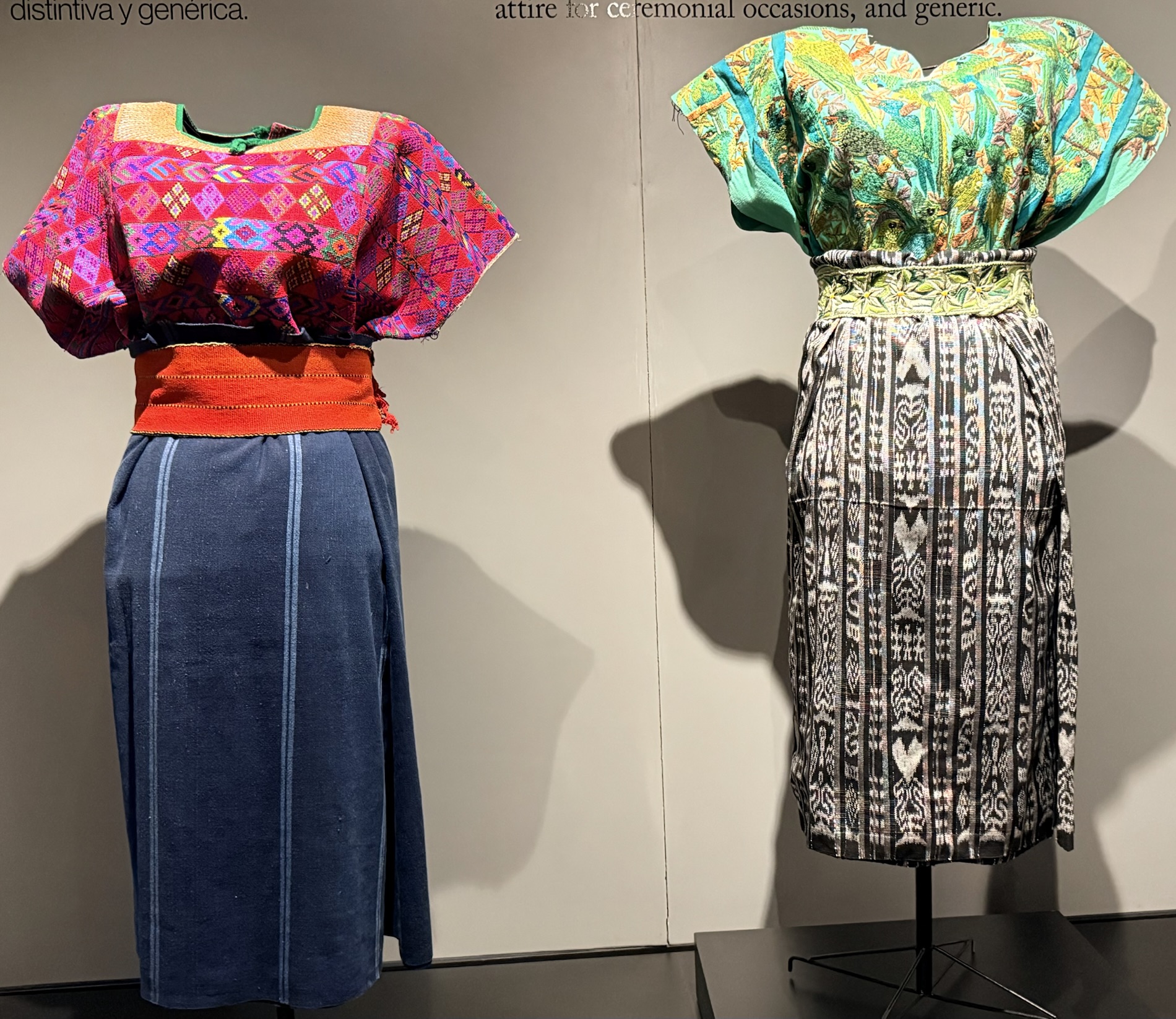
Men wore máxtlatl or loin cloths, hip-cloths, belts, military shirts (xicolli or xapot), and cotton cloths or capes; women wore skirts, hip-cloths, sashes, and huipiles or native blouses. Construction was simple: garments were not cut out but were simple squares or rectangles. The elite decorated their heads with complex headdresses and wore high-heeled sandals as foot wear.
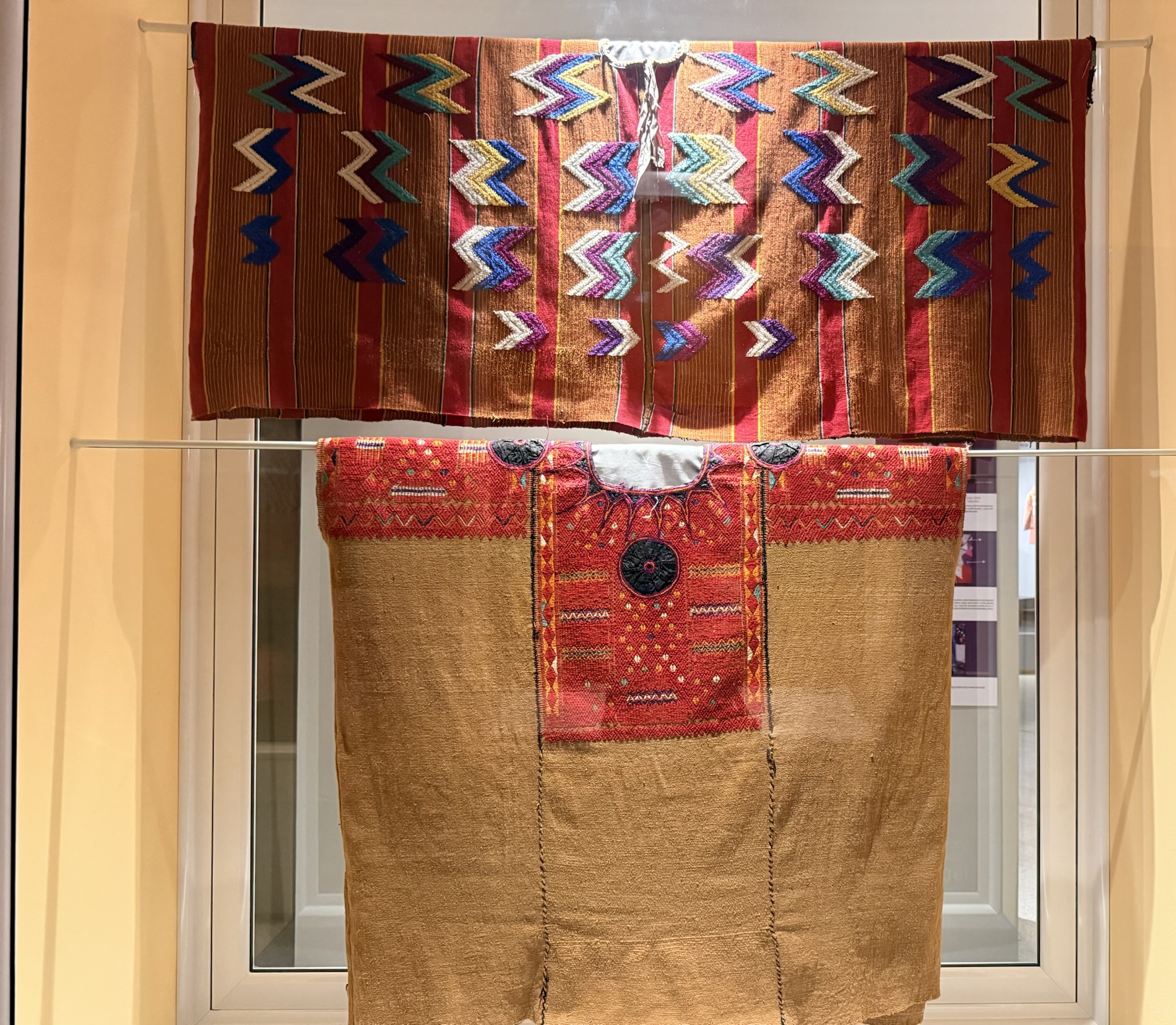
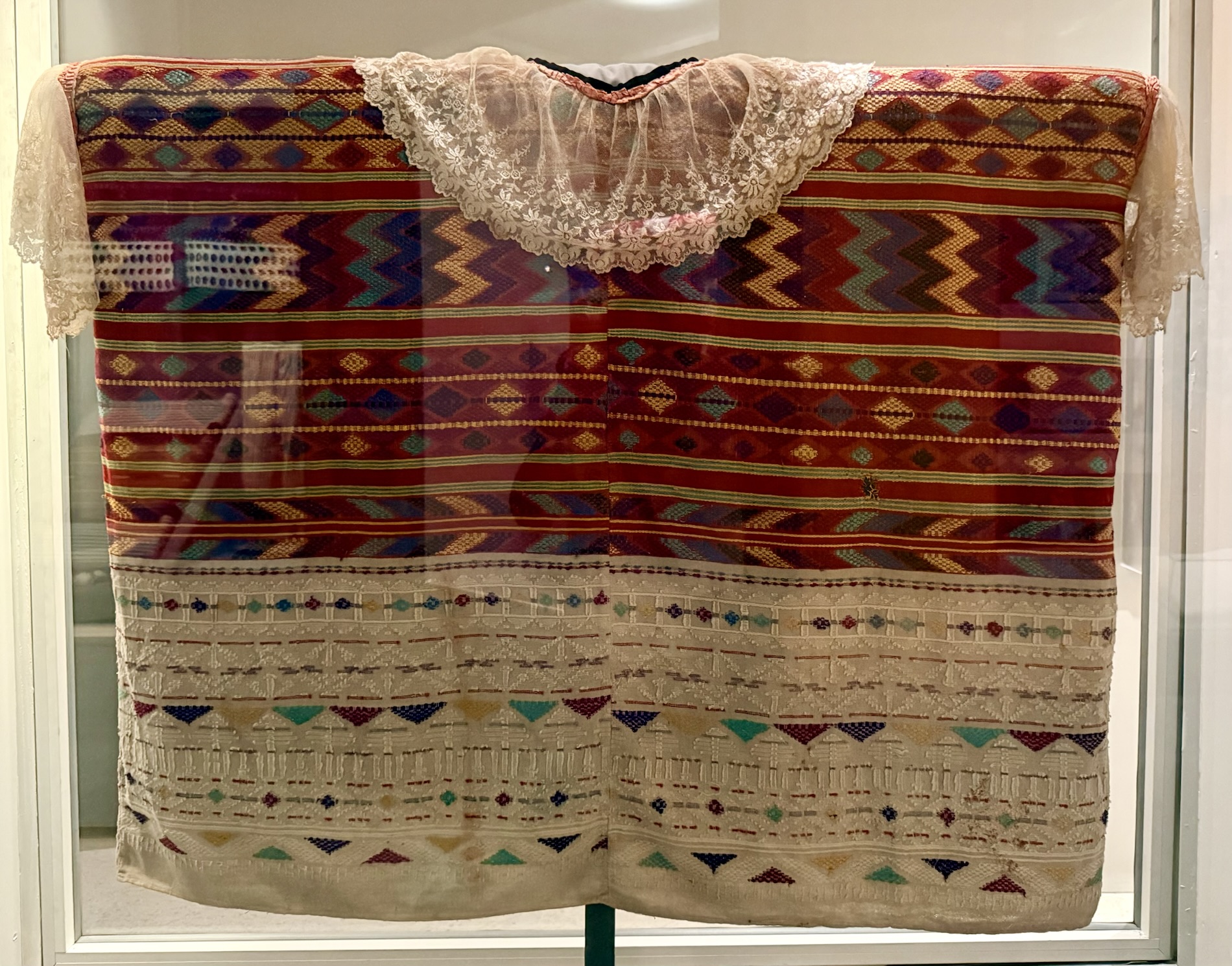
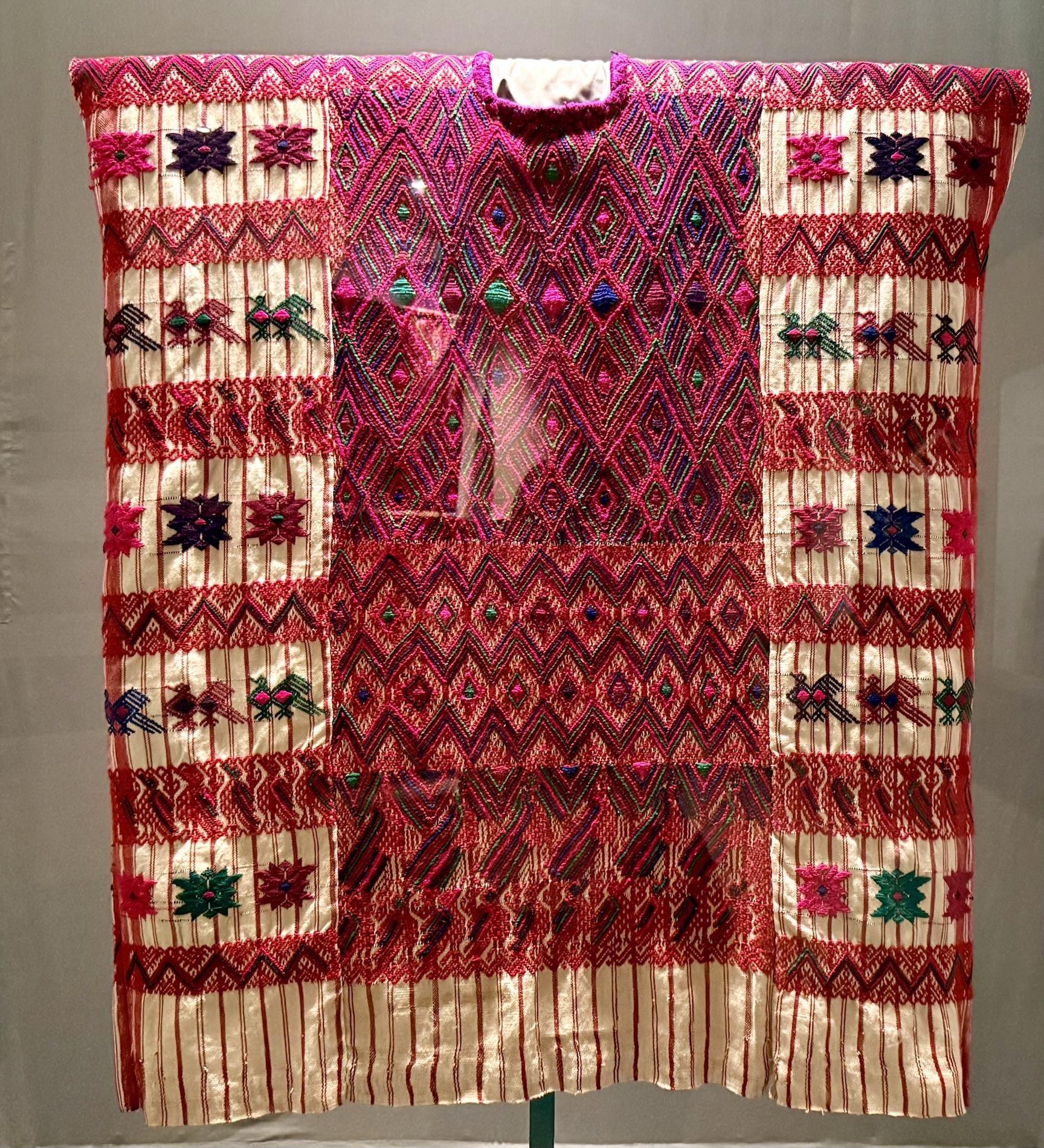
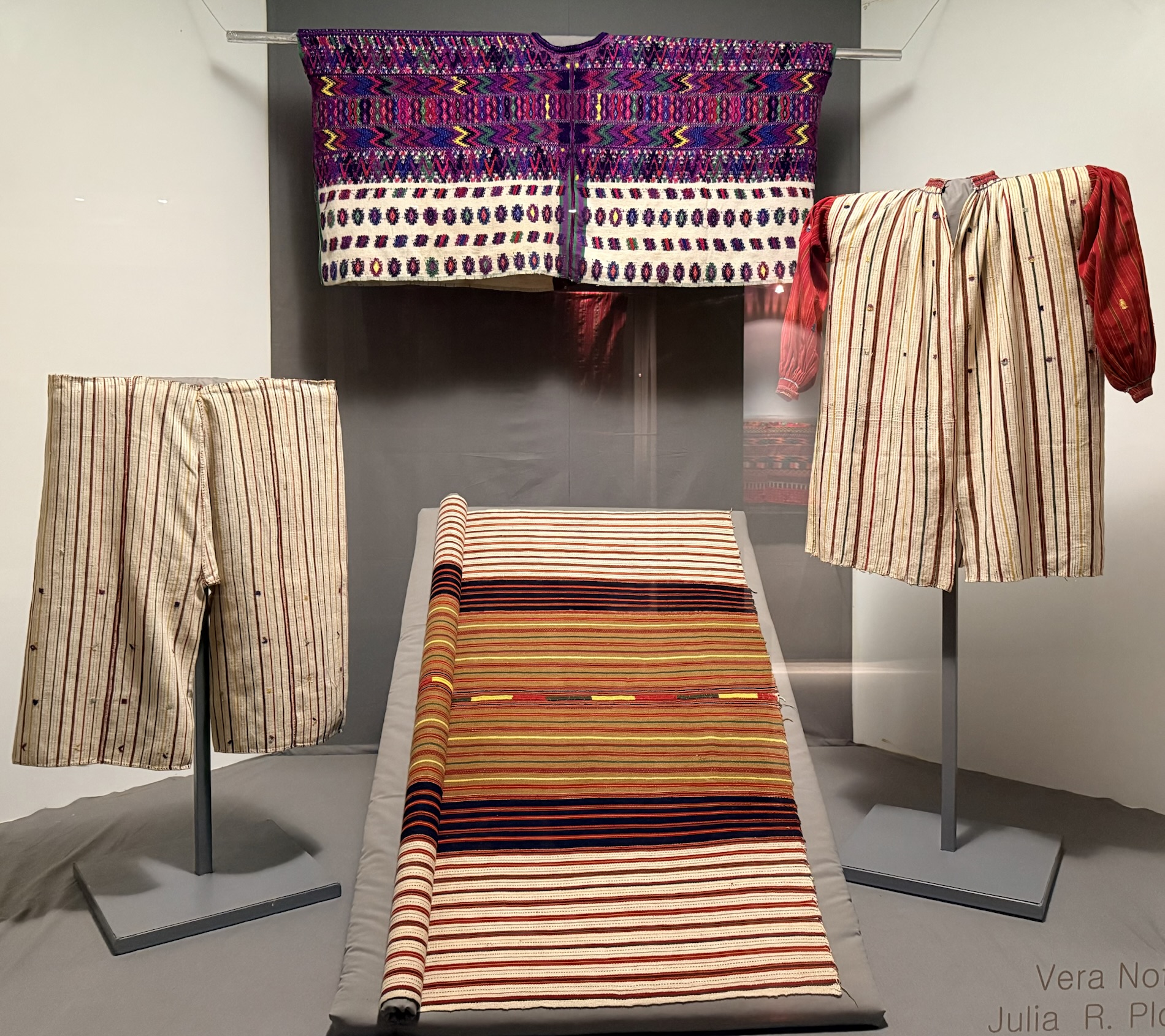
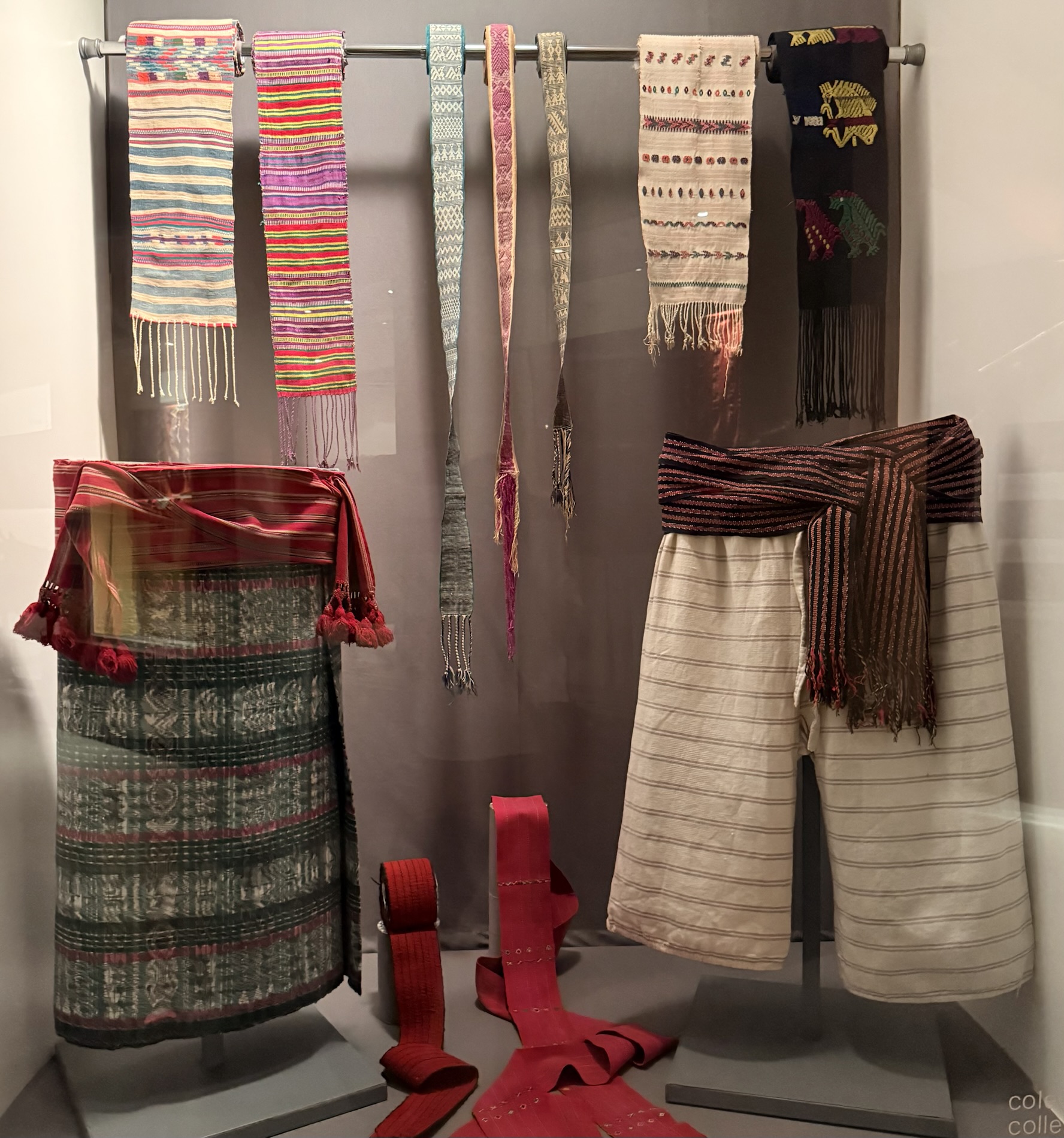
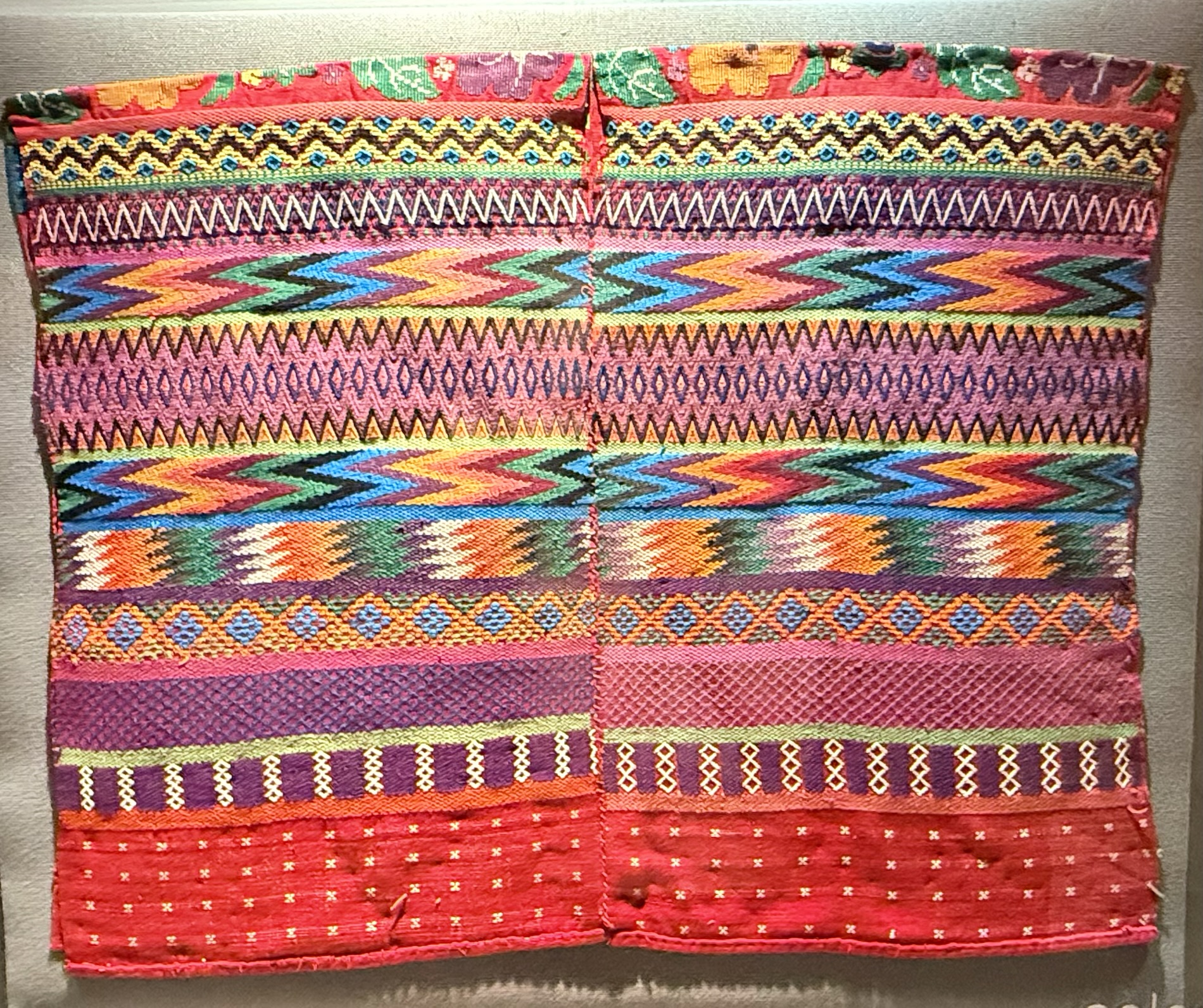
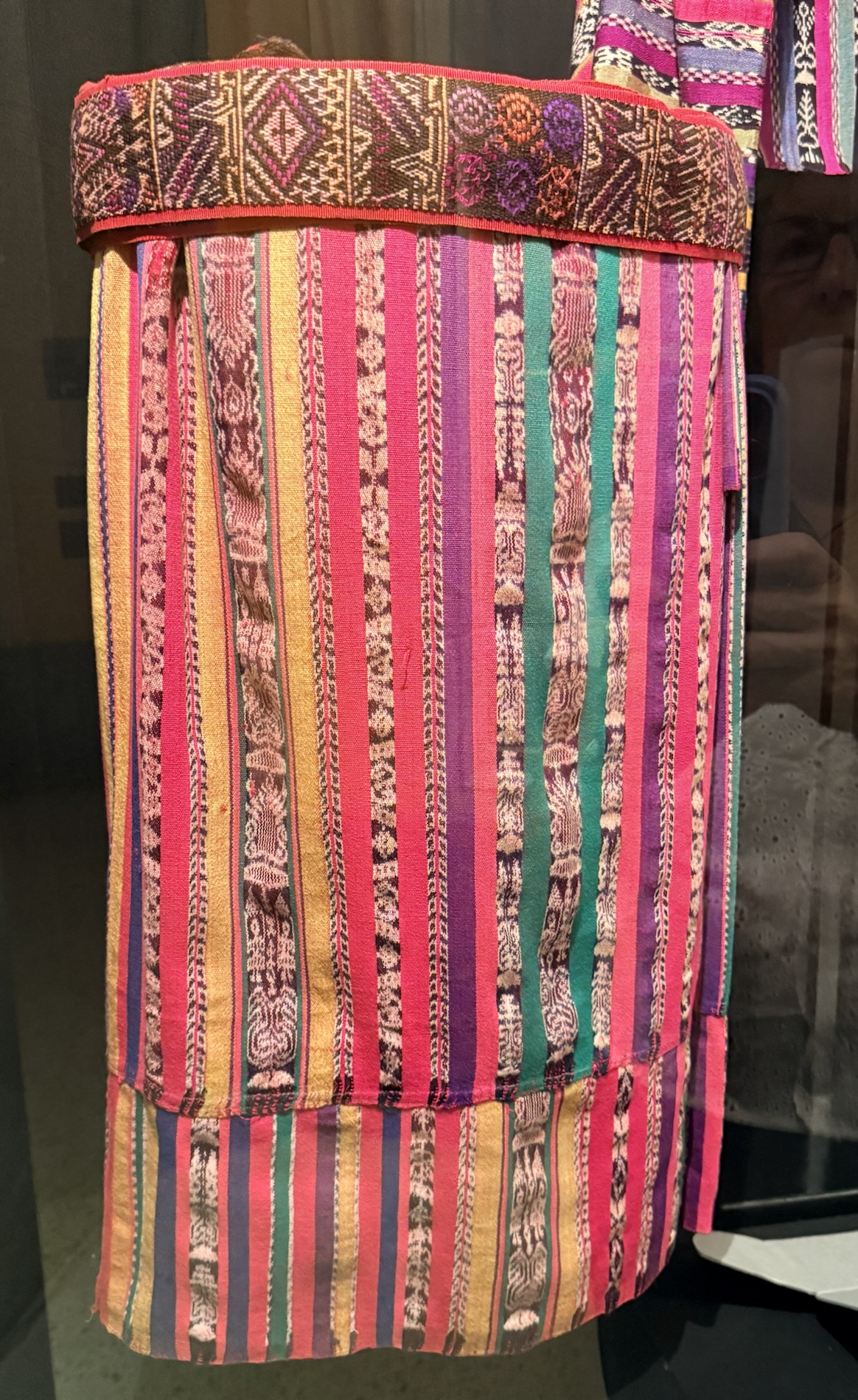
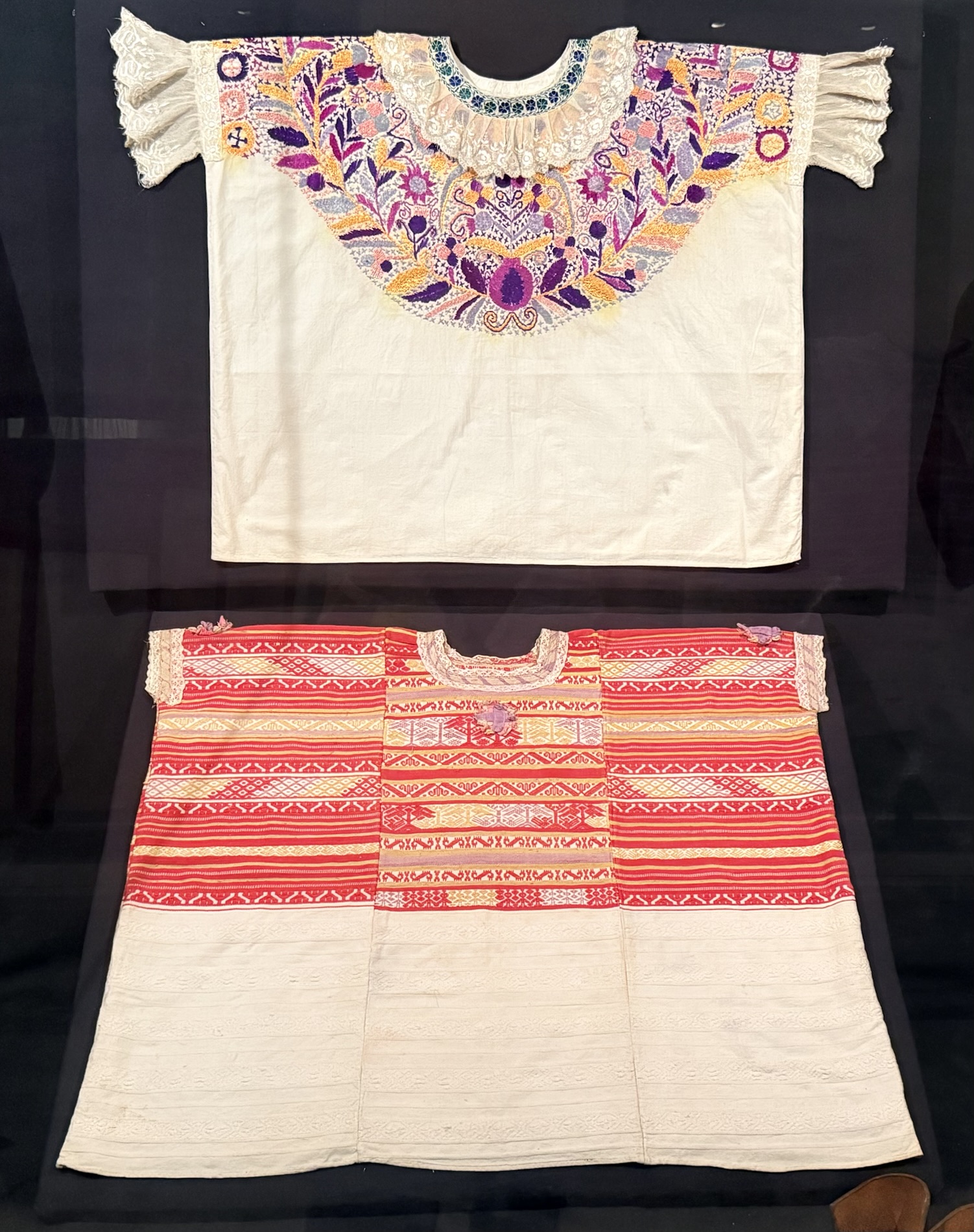
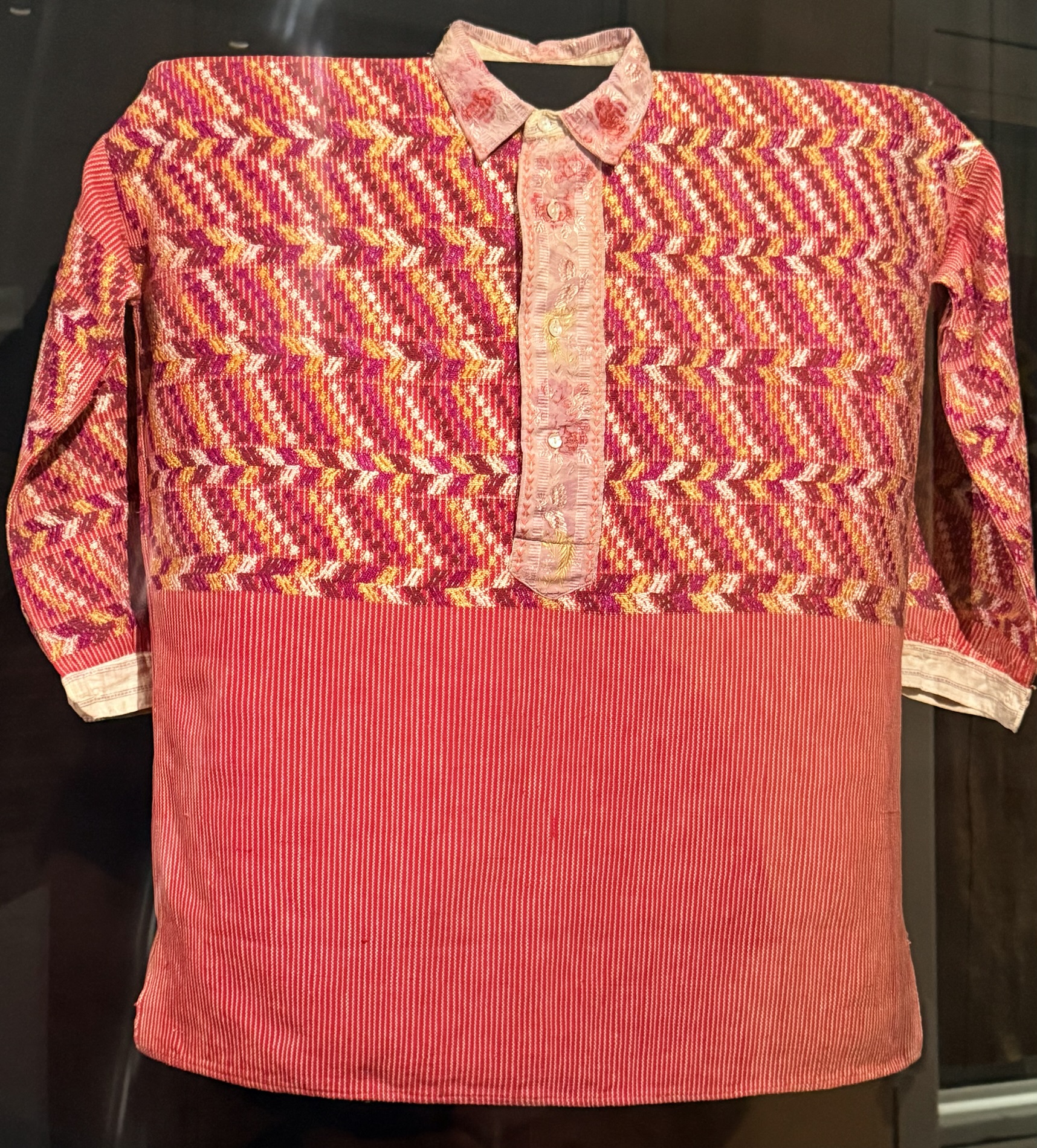
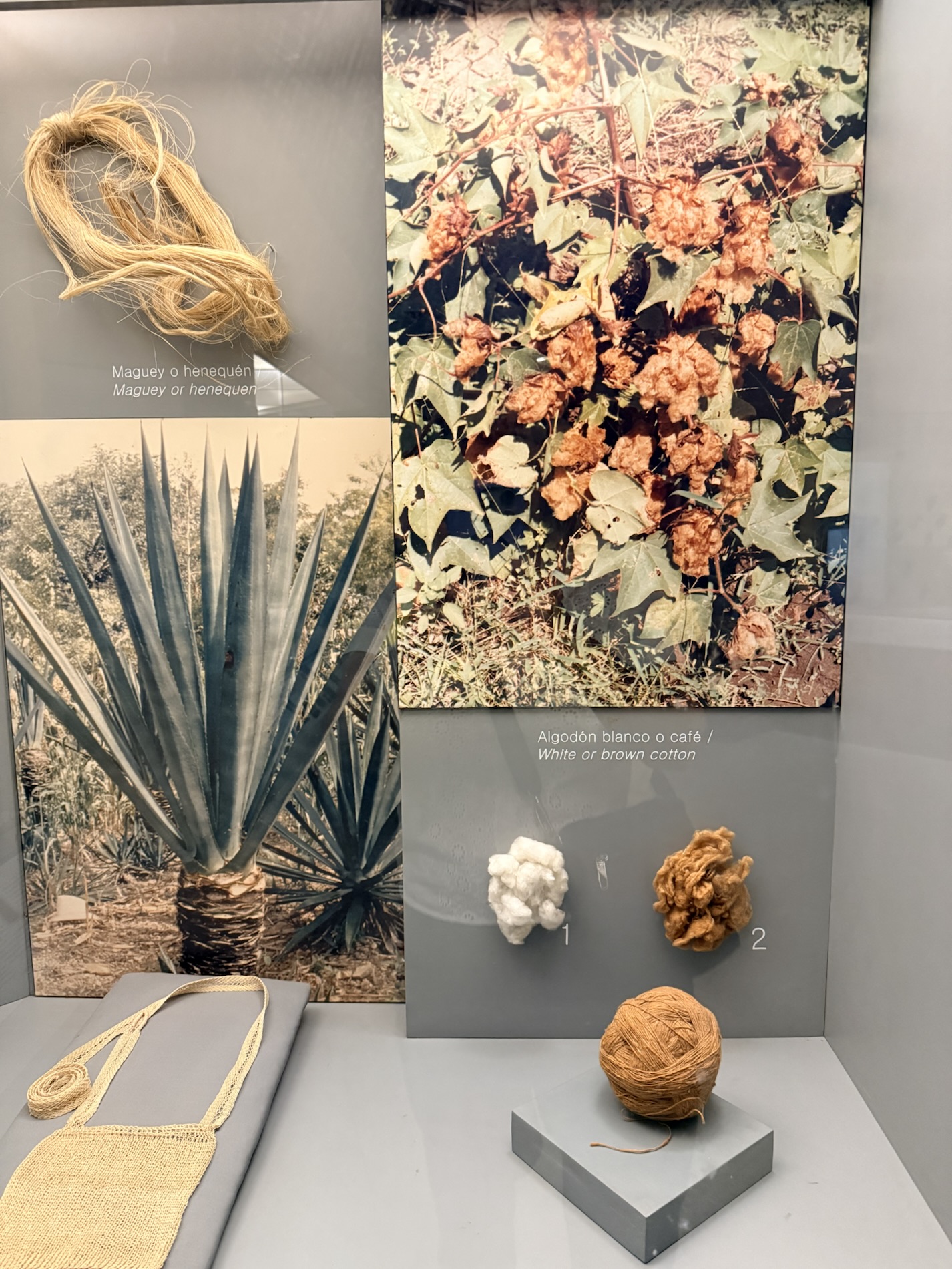
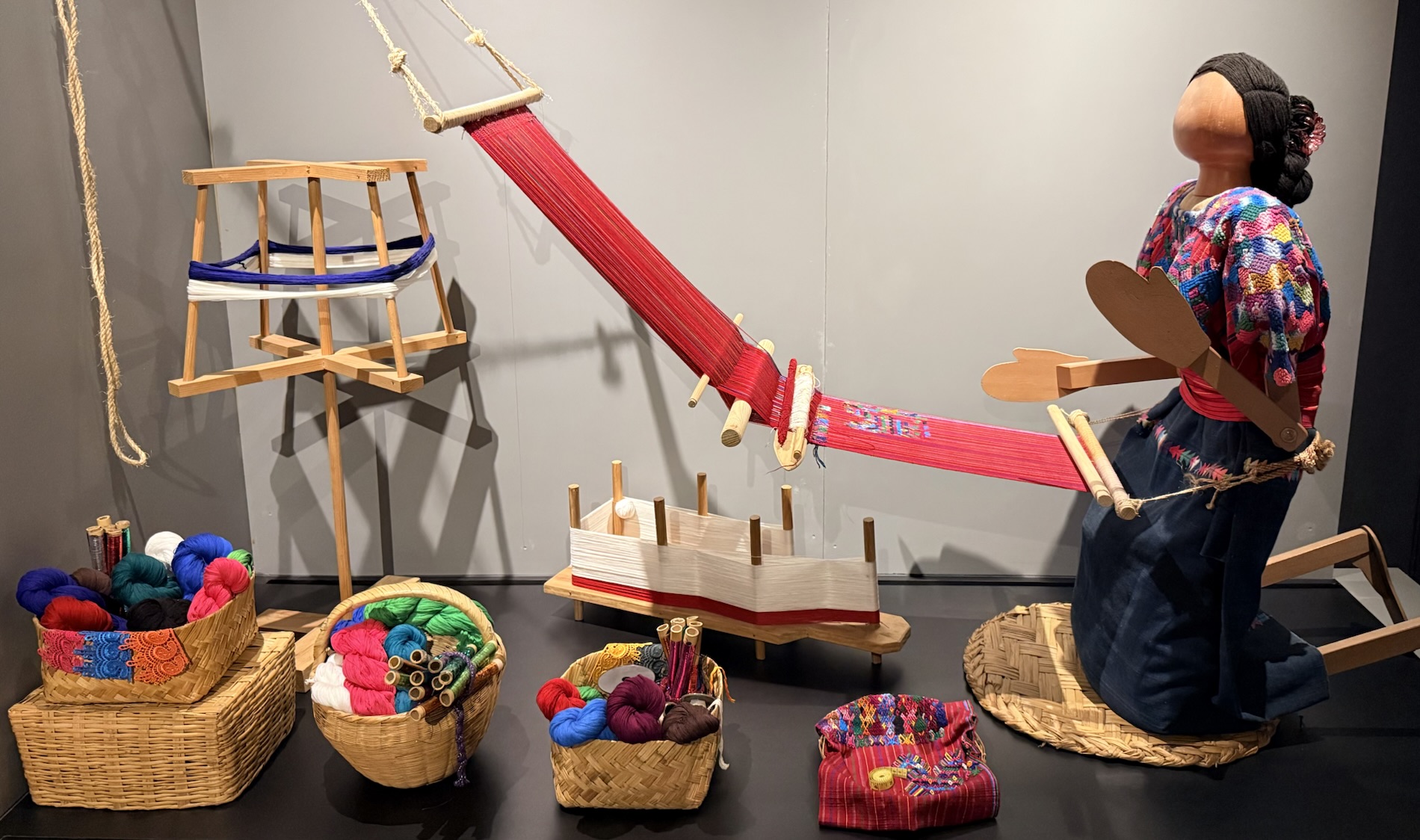
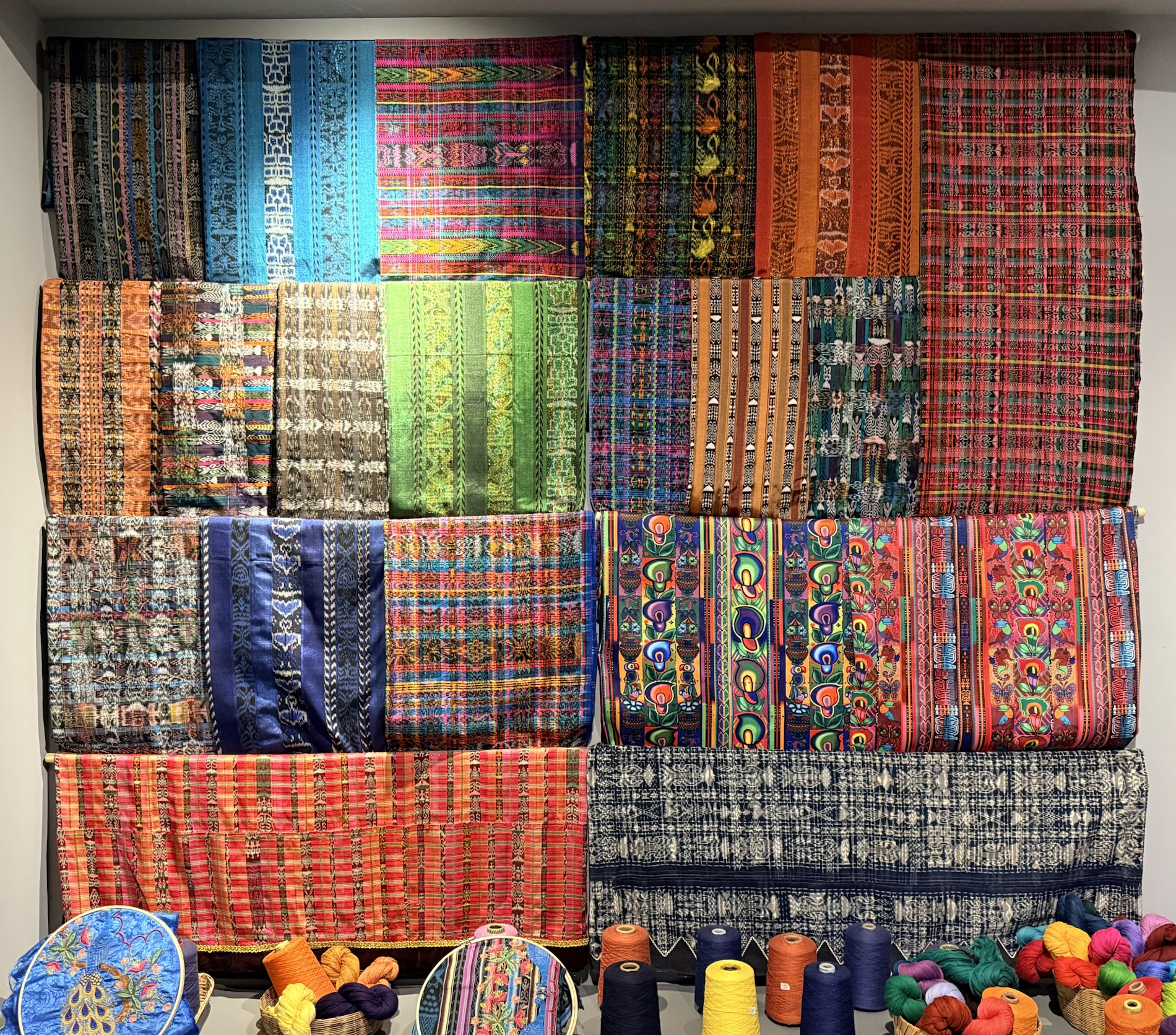
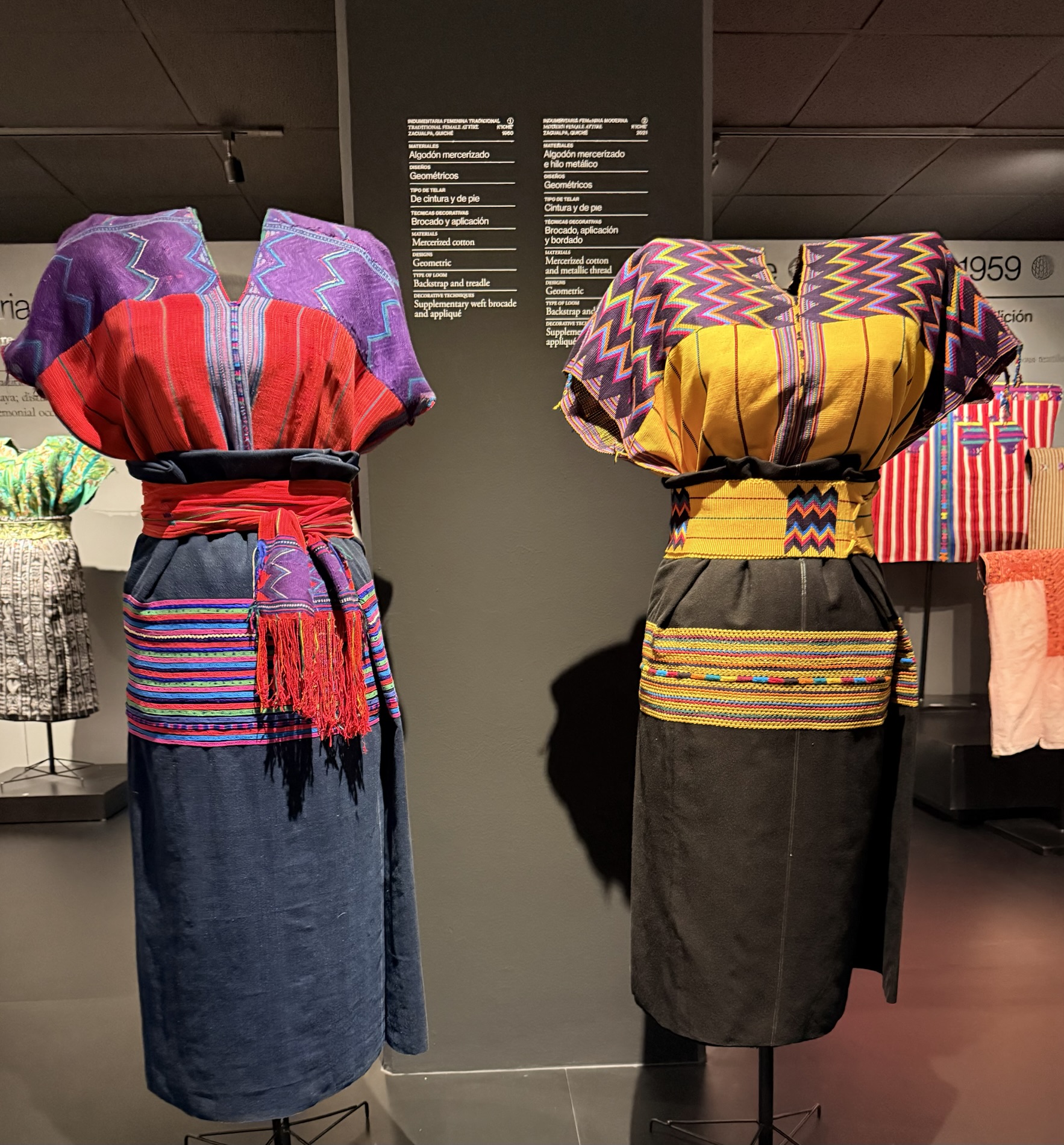
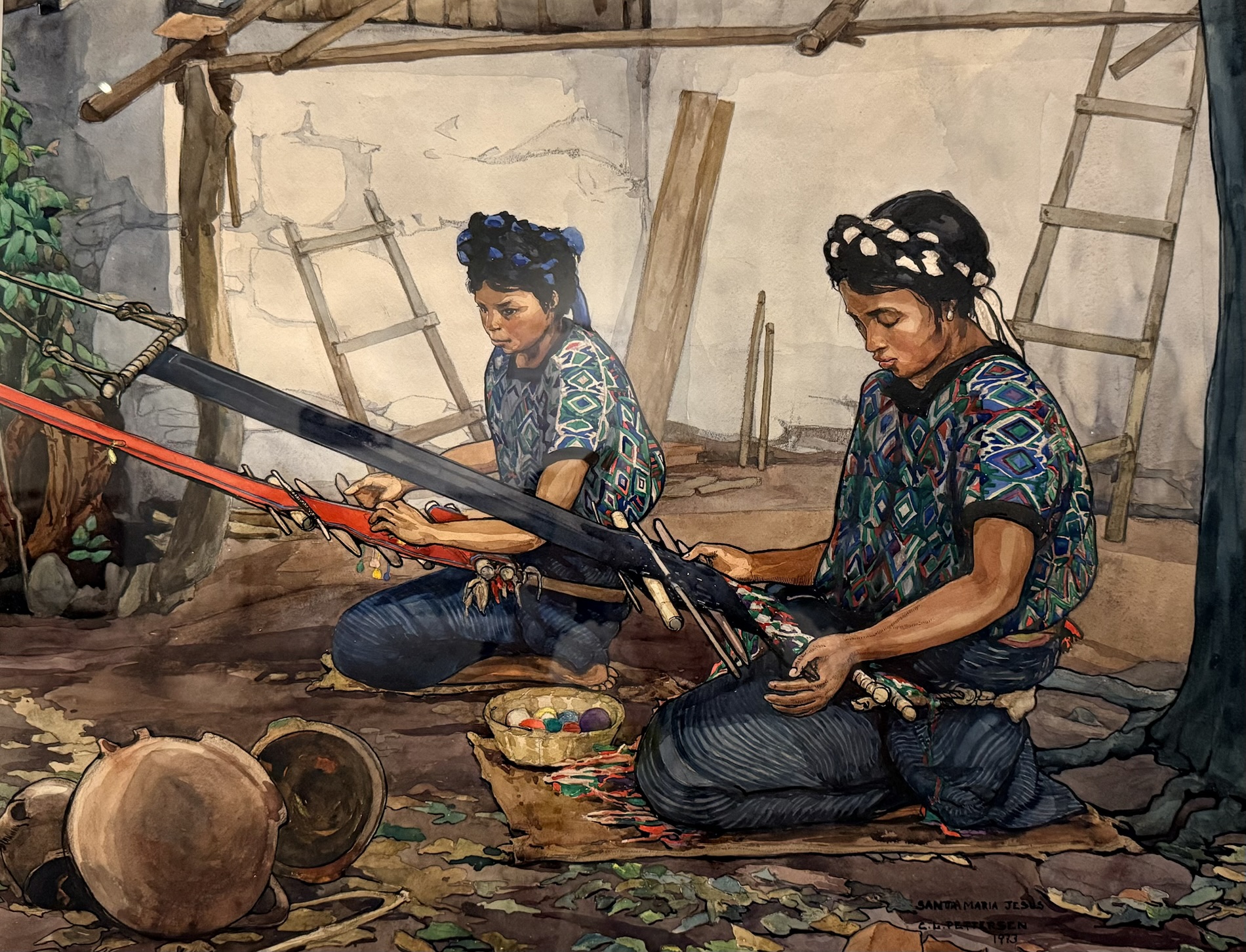
The key instrument in Mesoamerican tradition was the backstrap loom from 200 BC to 1531 AD. Cotton was the main fiber, as well as the fibers of agave. Dyes and colorings were extracted mainly from seeds, flowers, leaves, roots, bark, and fruit, with which threads were dyed or superficially painted.
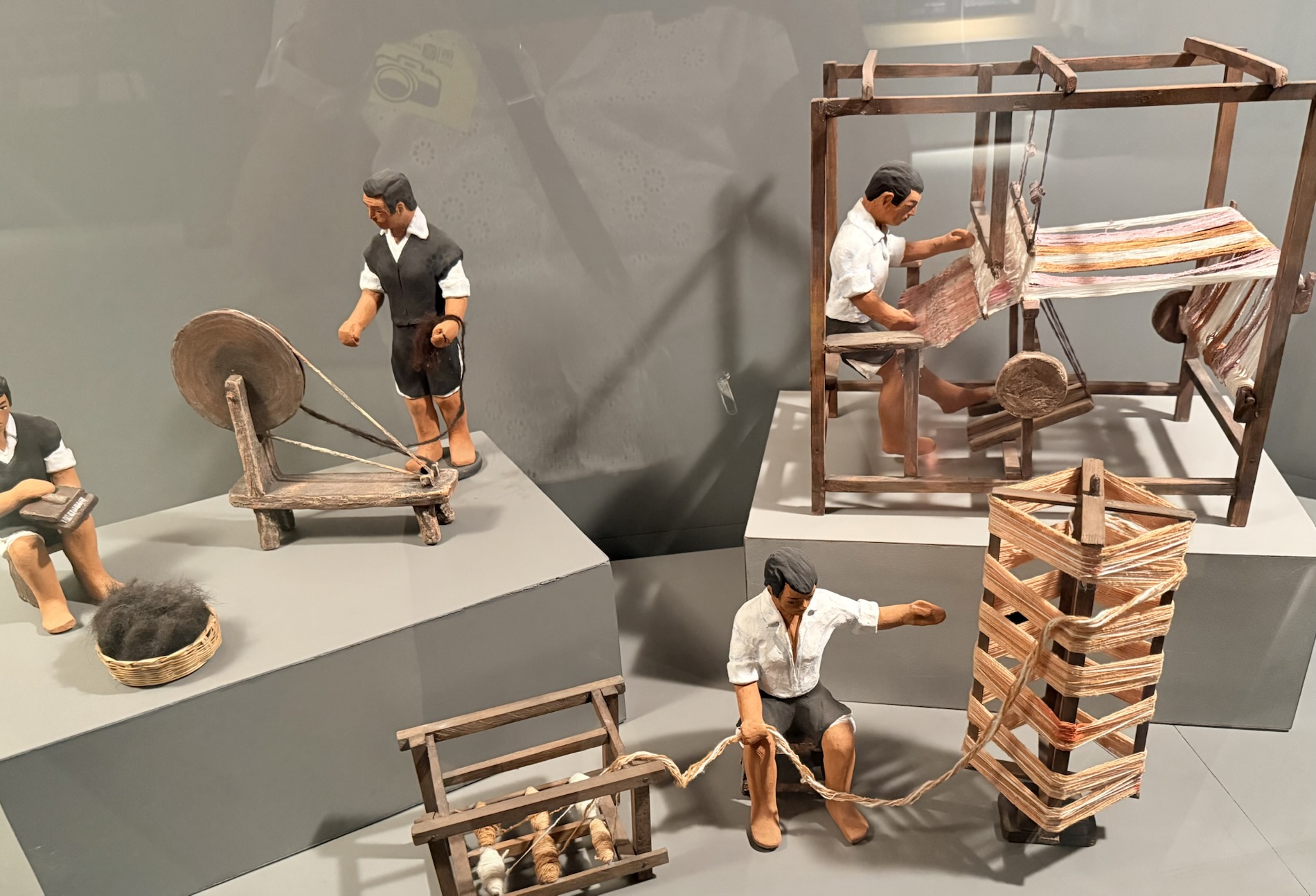
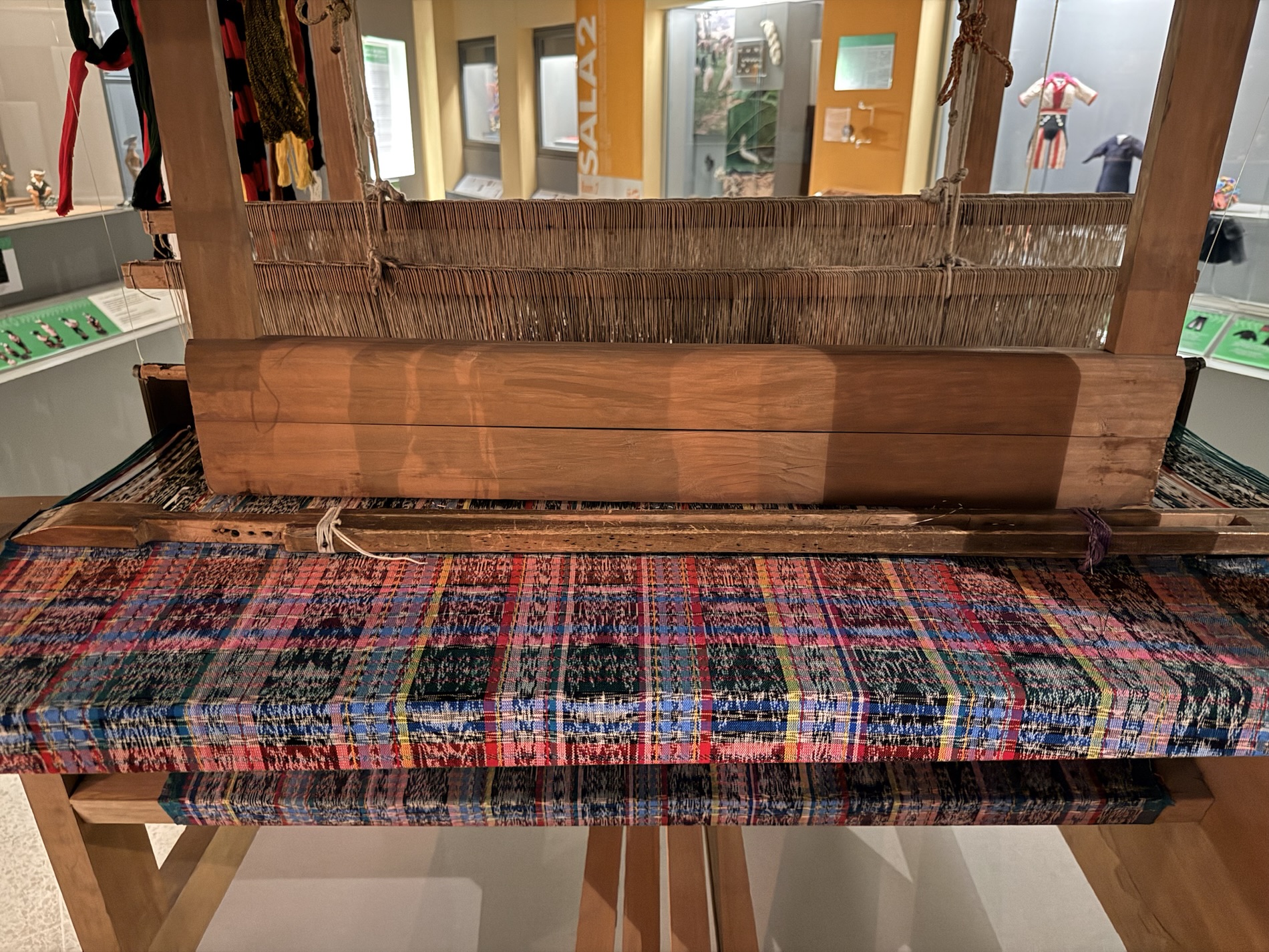
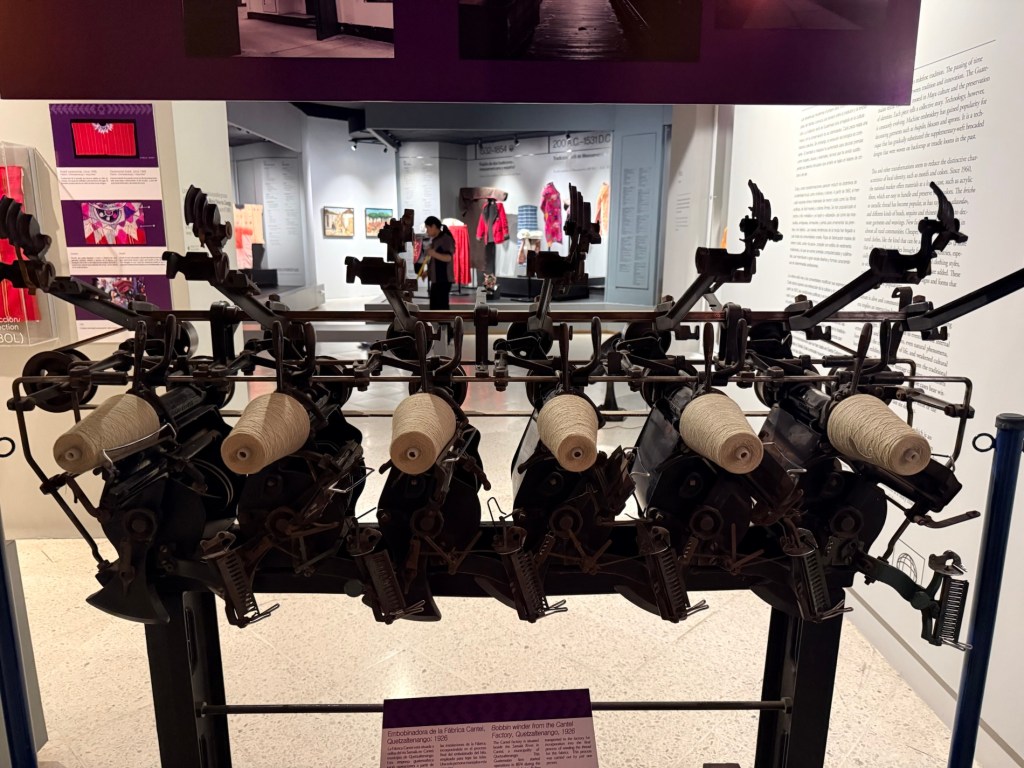
A bobbin winder from the Cantel Factory, Quetzaltenango (1926) was incorporated into the final process of winding the thread for the fabrics. This Guatemalan firm started operations in 1874 and was a major enterprise in the manufacture of thread and fabrics in Central America. The factory closed in 2008.
The Ixchel Museum’s collection includes examples from 126 towns and 30 hamlets, the majority of which are situated in the highlands of Guatemala.
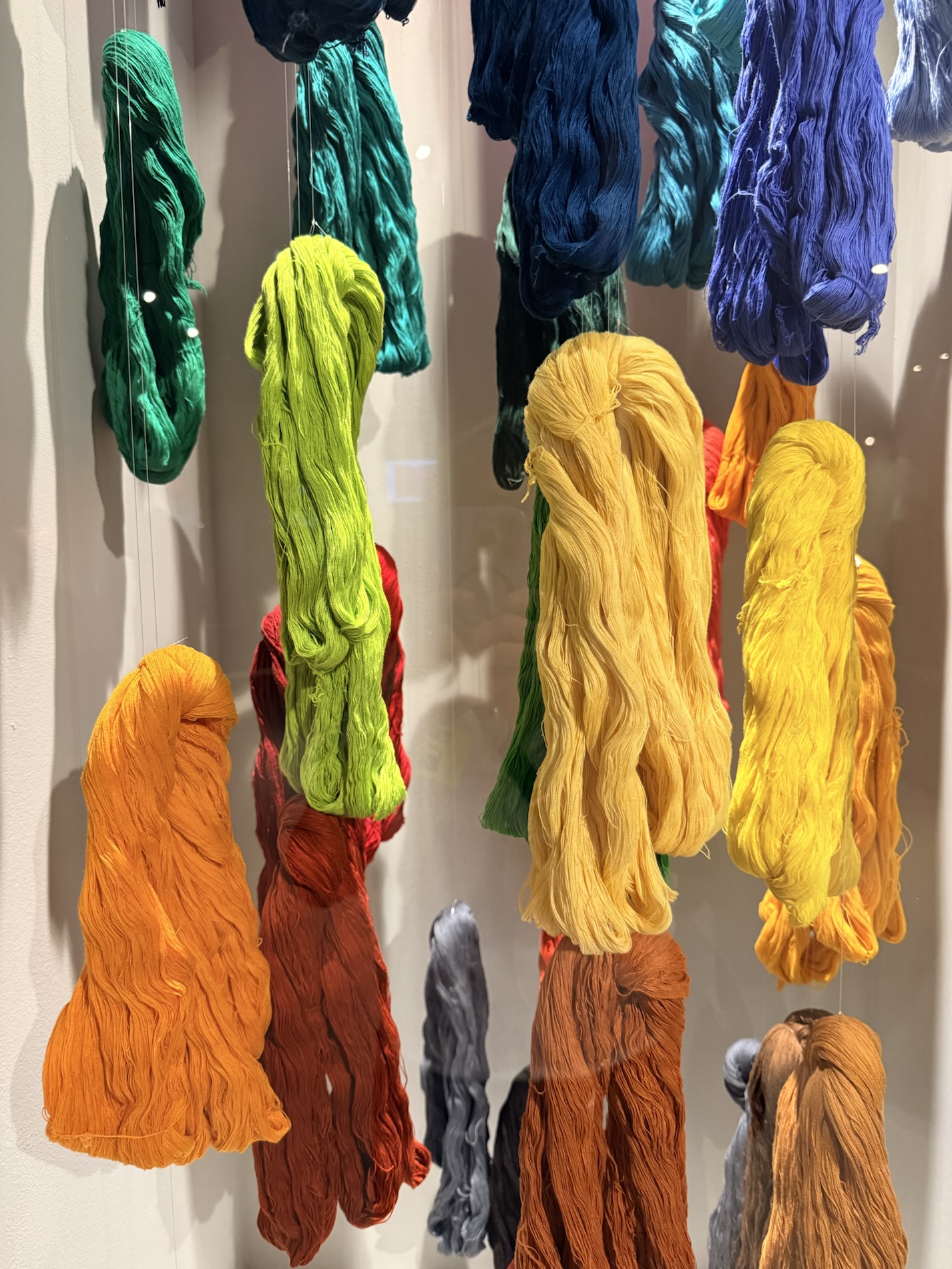
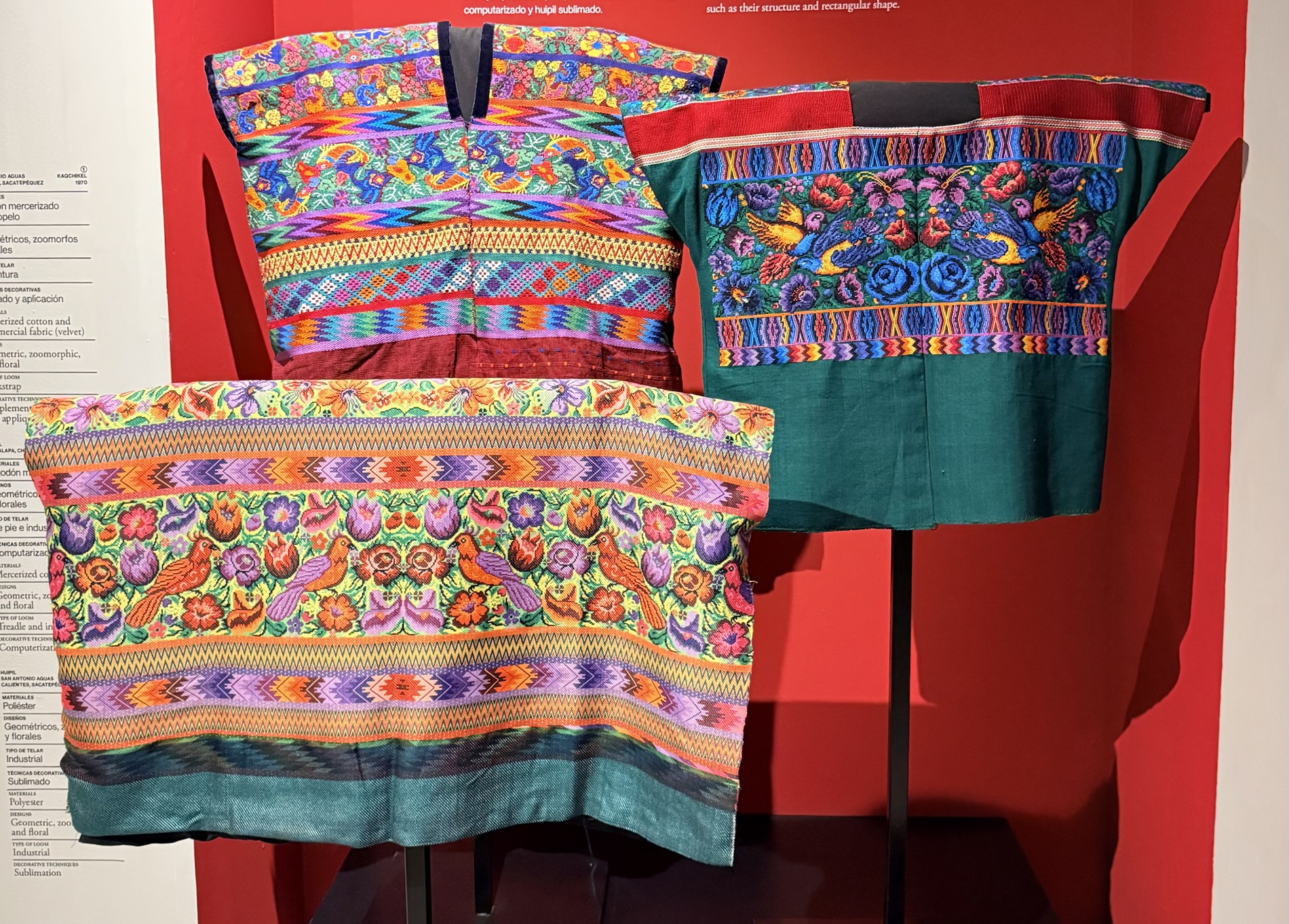
One display features the backstrap loom technique, which is an ongoing ancestral practice, as well as huipiles made with modern technologies. It also includes skirts made with the jaspe (ikat) or resist-dye technique, mostly designed by male weavers who use the treadle loom. These sets express the ethnic identity conveyed in traditional and ceremonial attire. They follow the display of threads, which in weavings take on a life and shape of their own. Threads have always been the key link to begin the weaving process. Together with the skilled hands of weavers, they give distinction and texture to each piece.
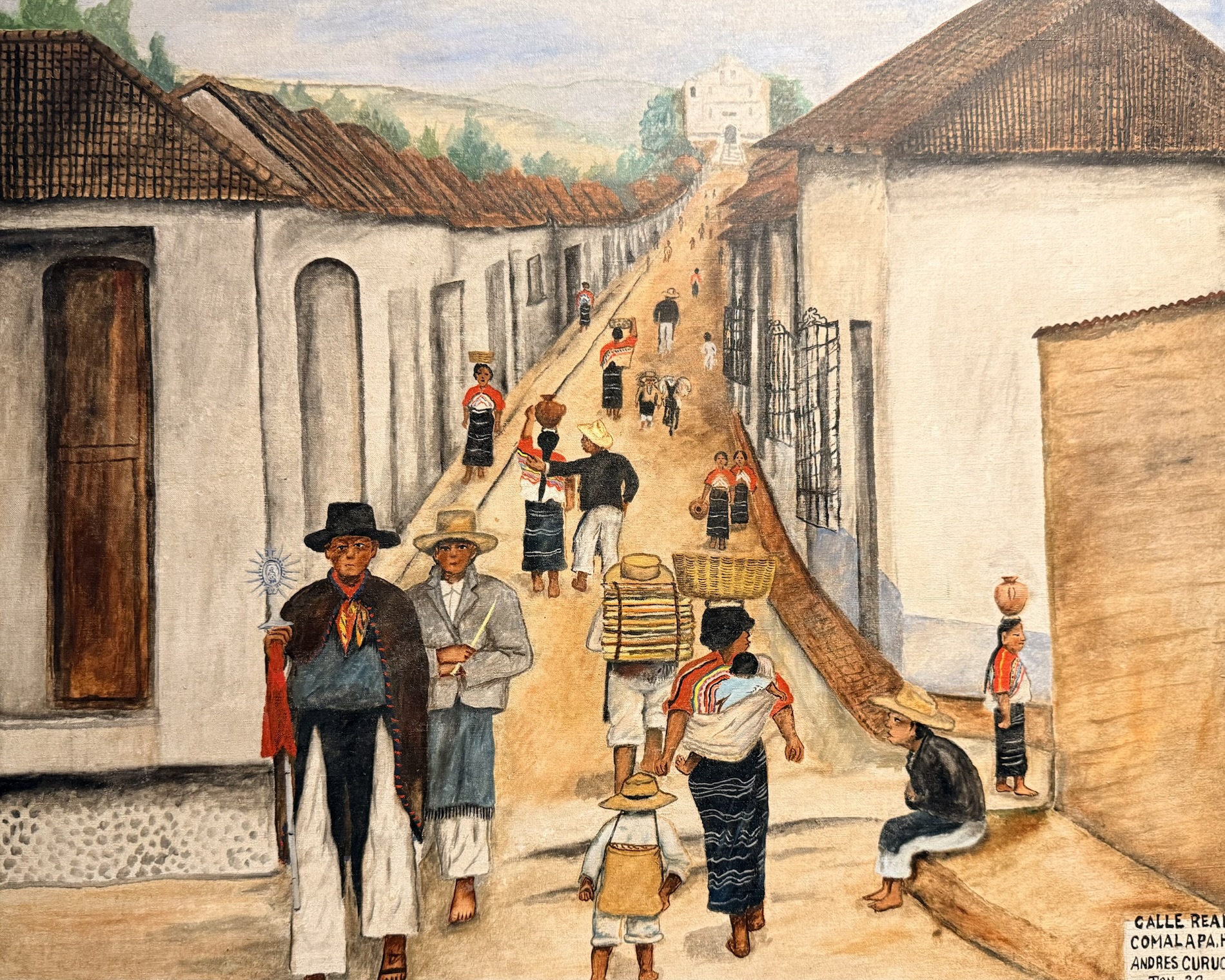
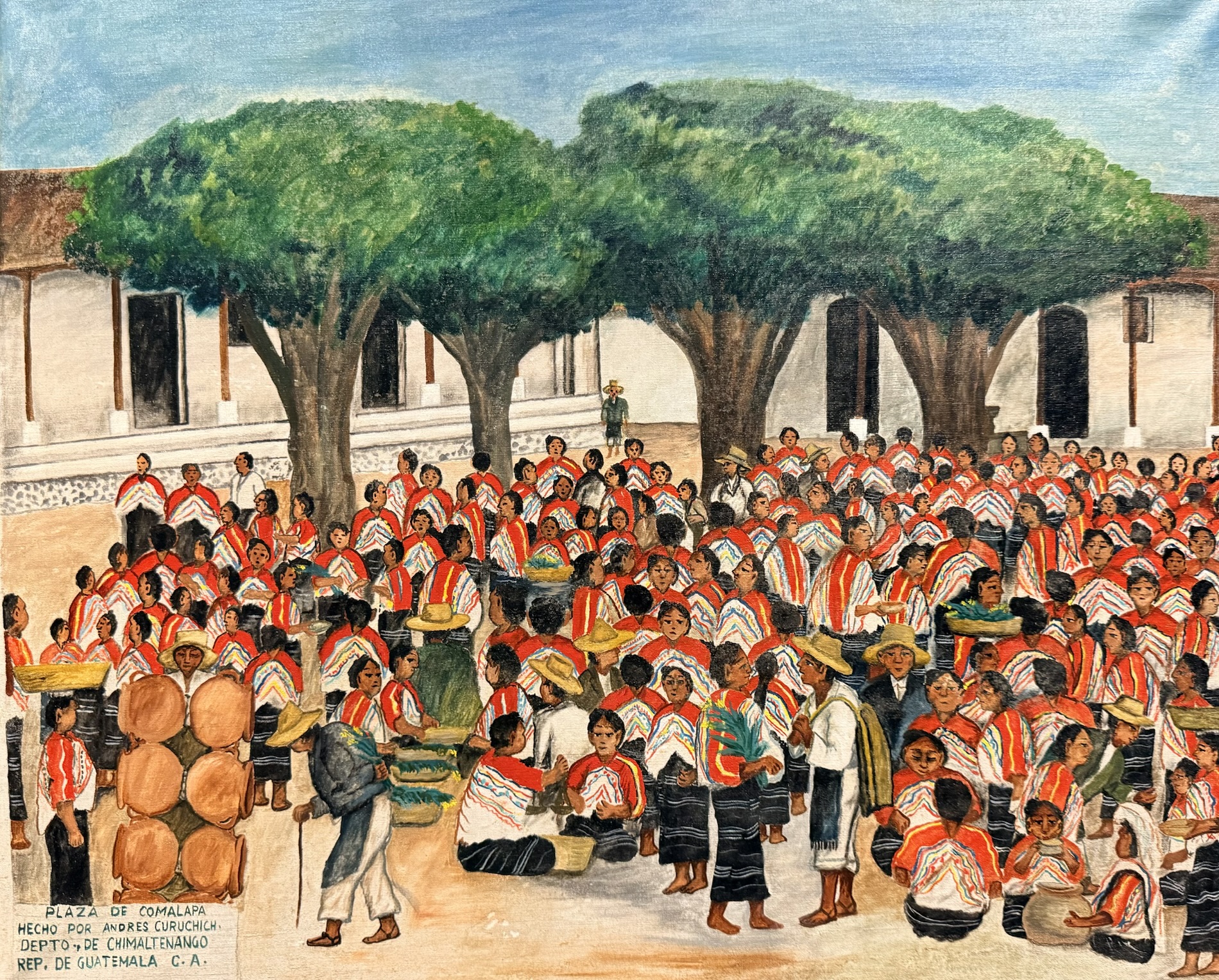
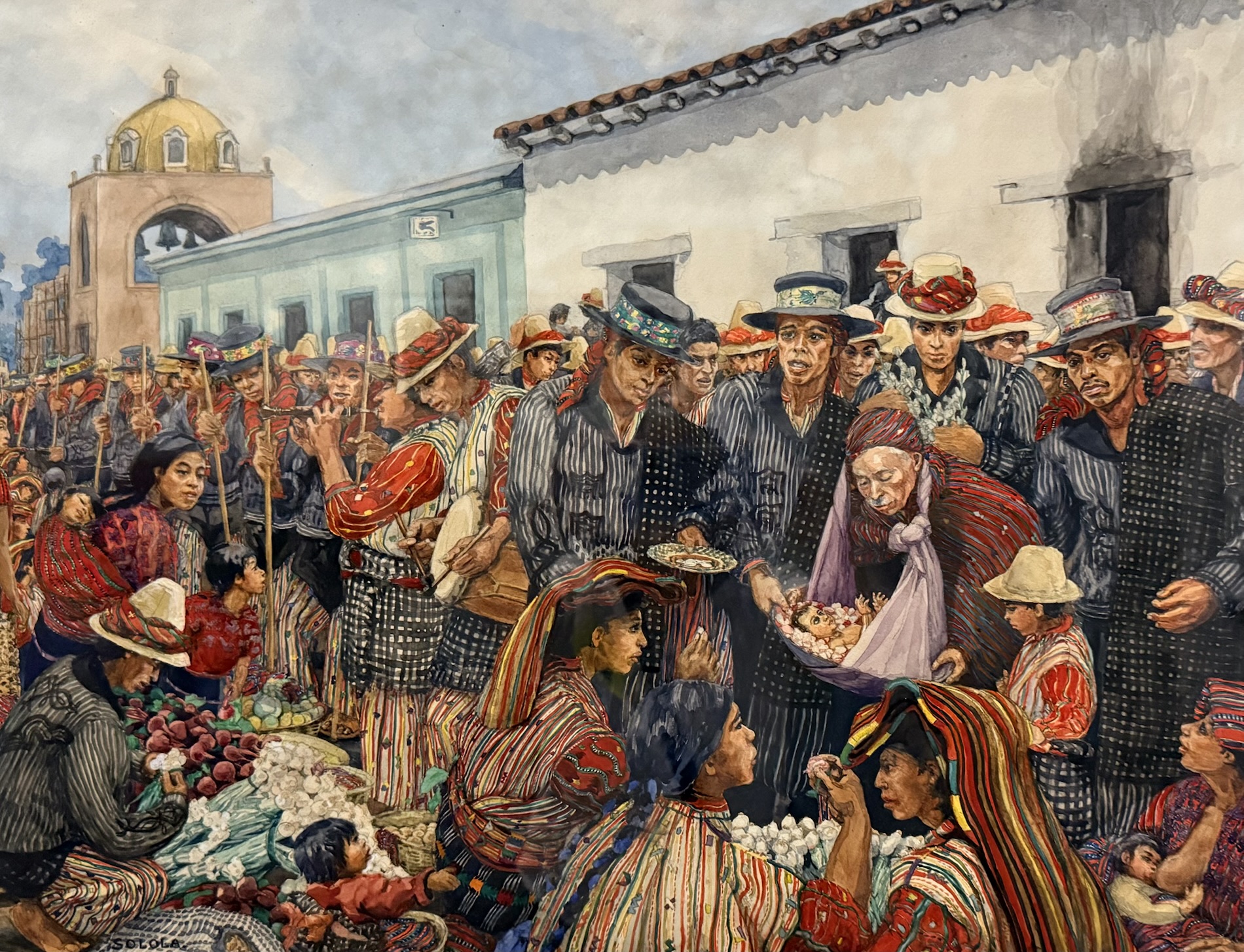
Andrés Curruchich (1891-1969) painted the traditions of his town, San Juan Comalapa, first on pieces of wood and gourds, and later on cotton cloth, using paints he prepared himself with vegetable and mineral dyes. Around 1960, the Guatemalan government recognized his merits by granting him the Order of the Quetzal. The paintings on display show the town and nearby villages, the Comalapan attire and different everyday and ceremonial activities from decades ago.
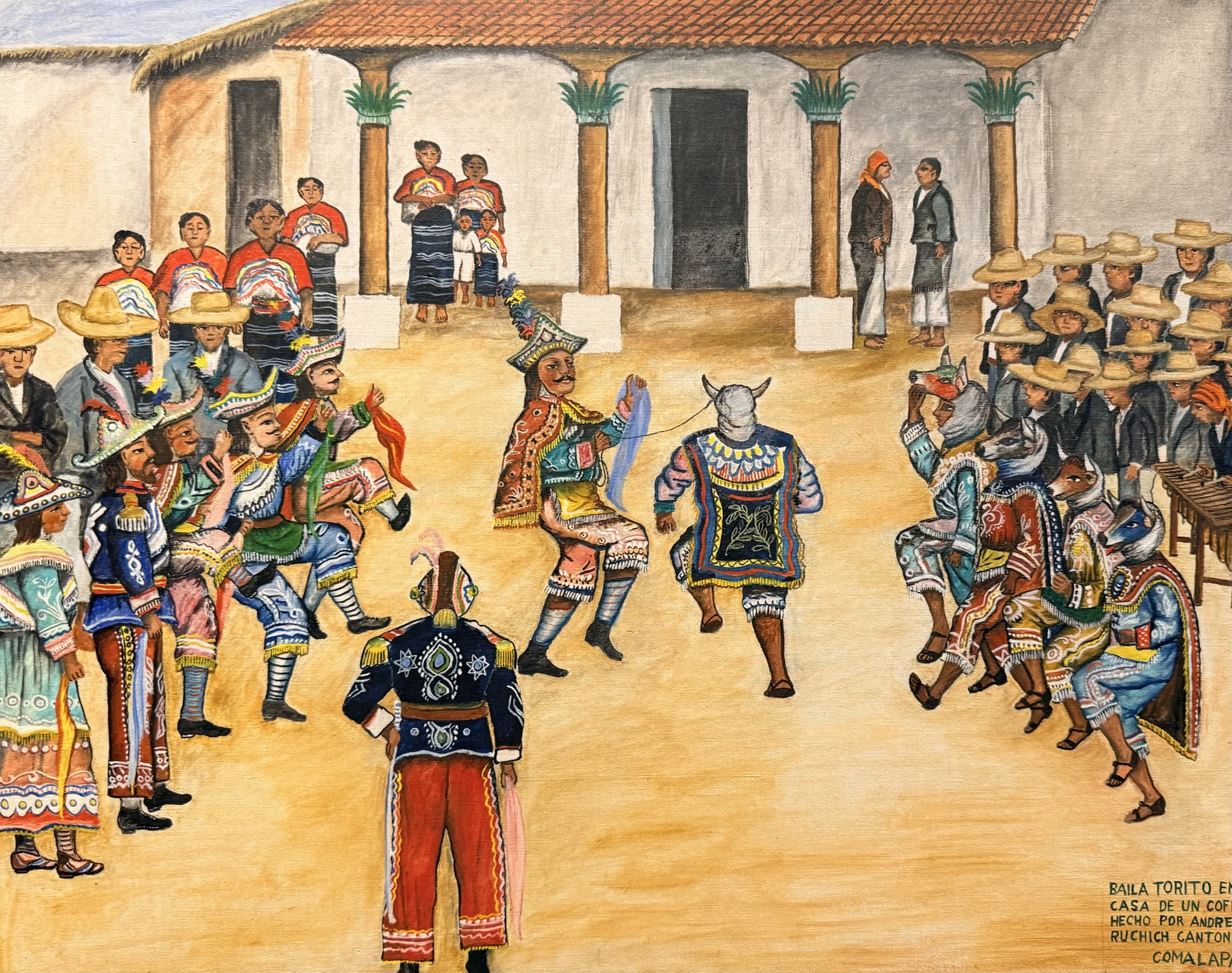
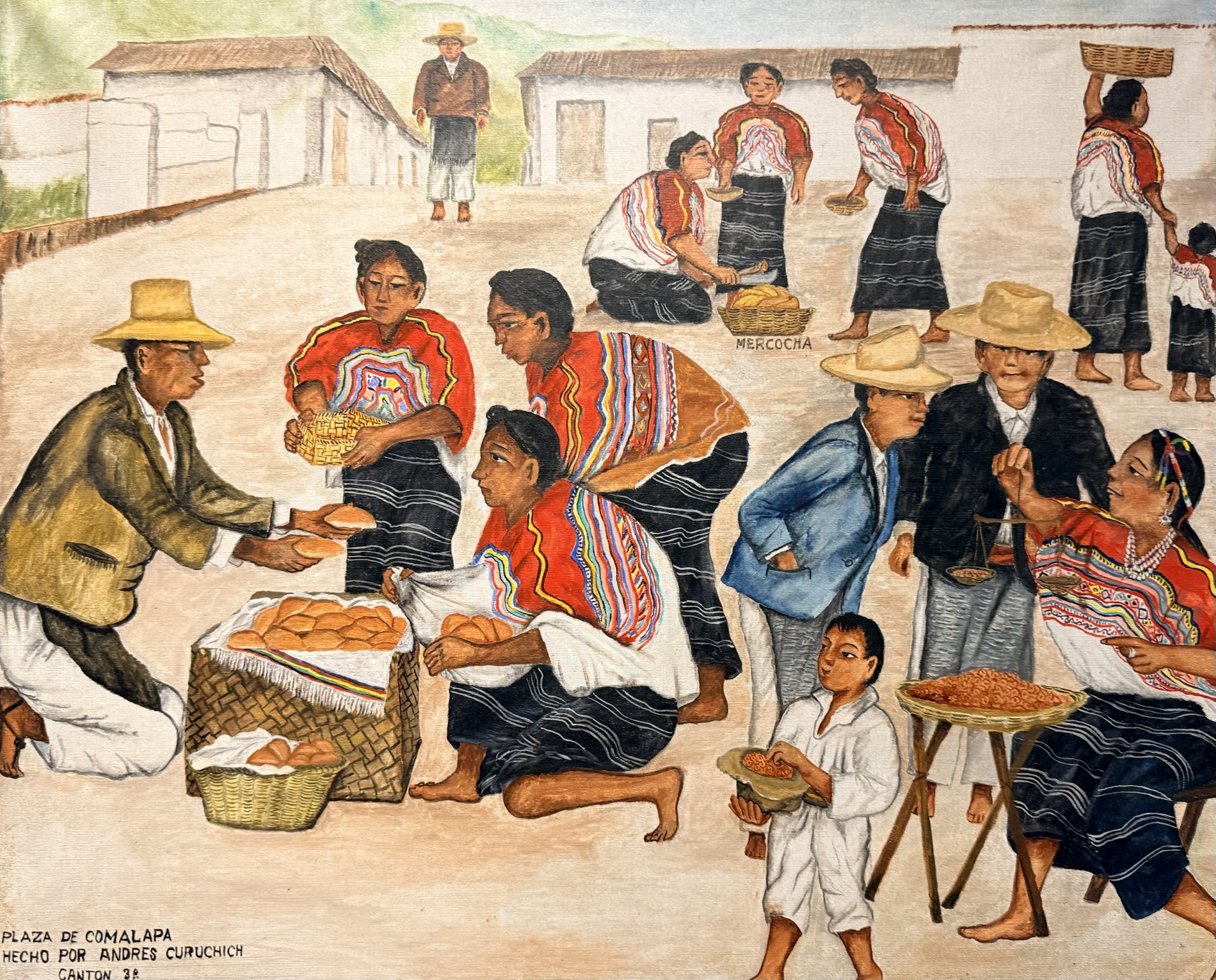
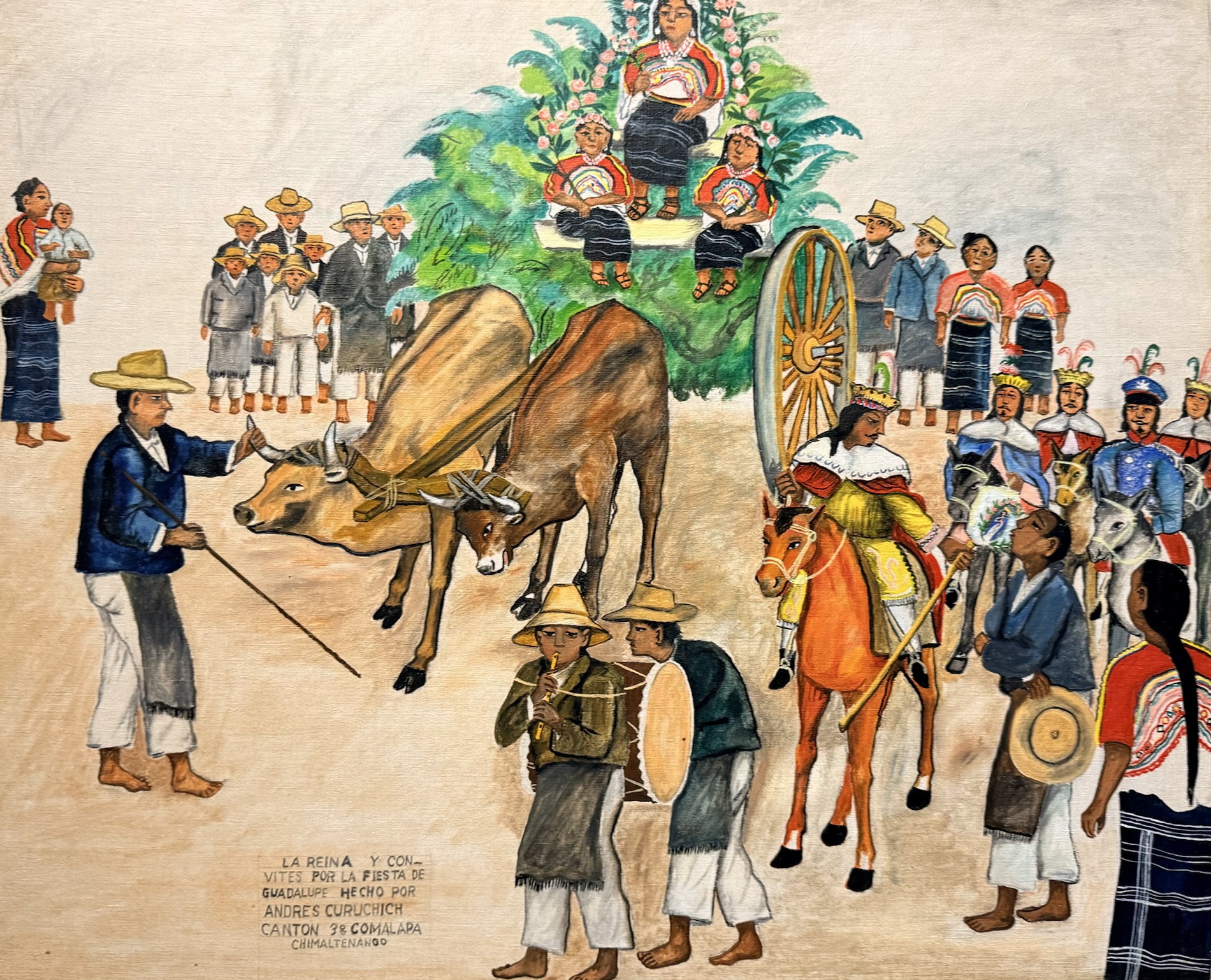
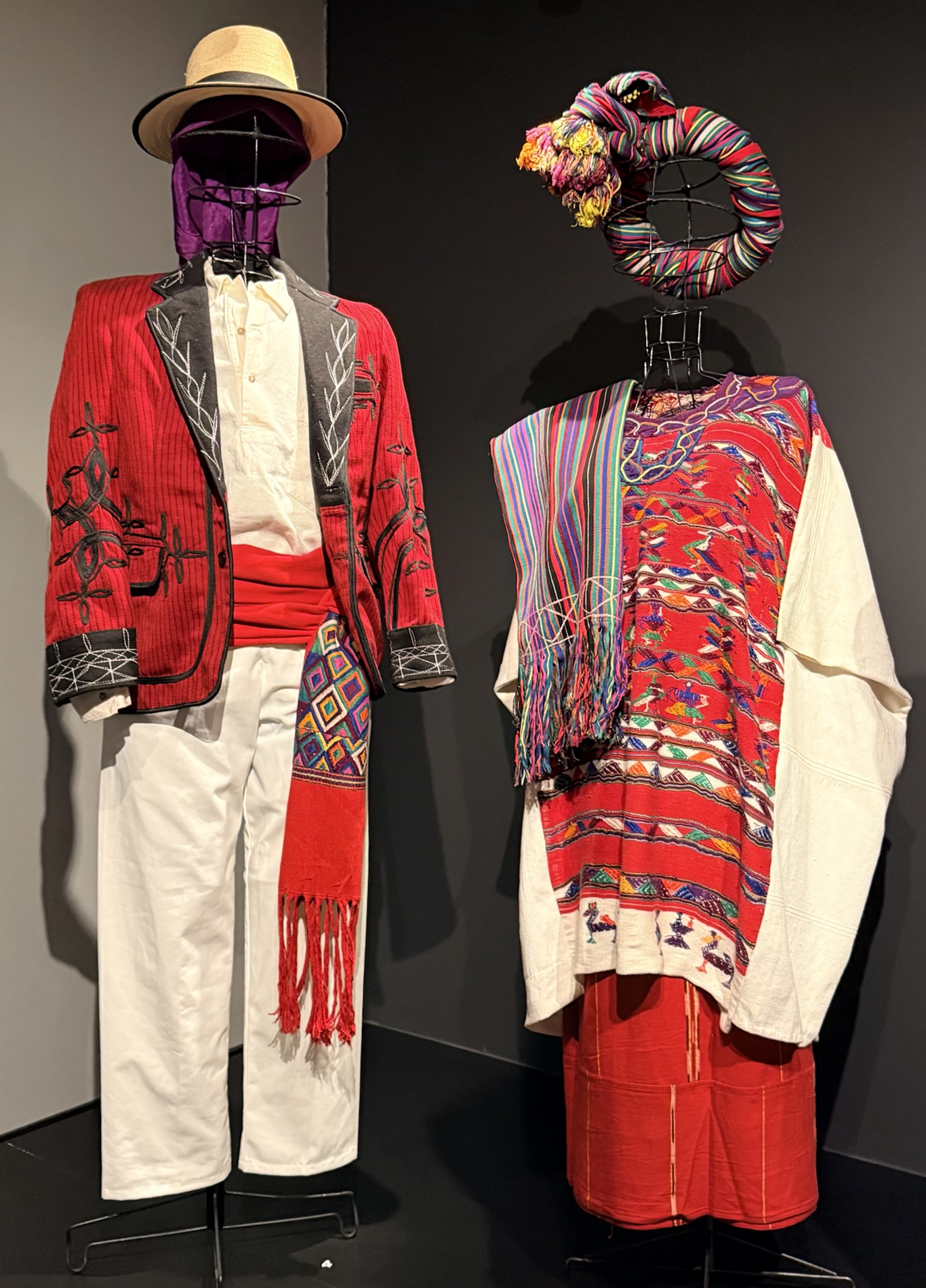
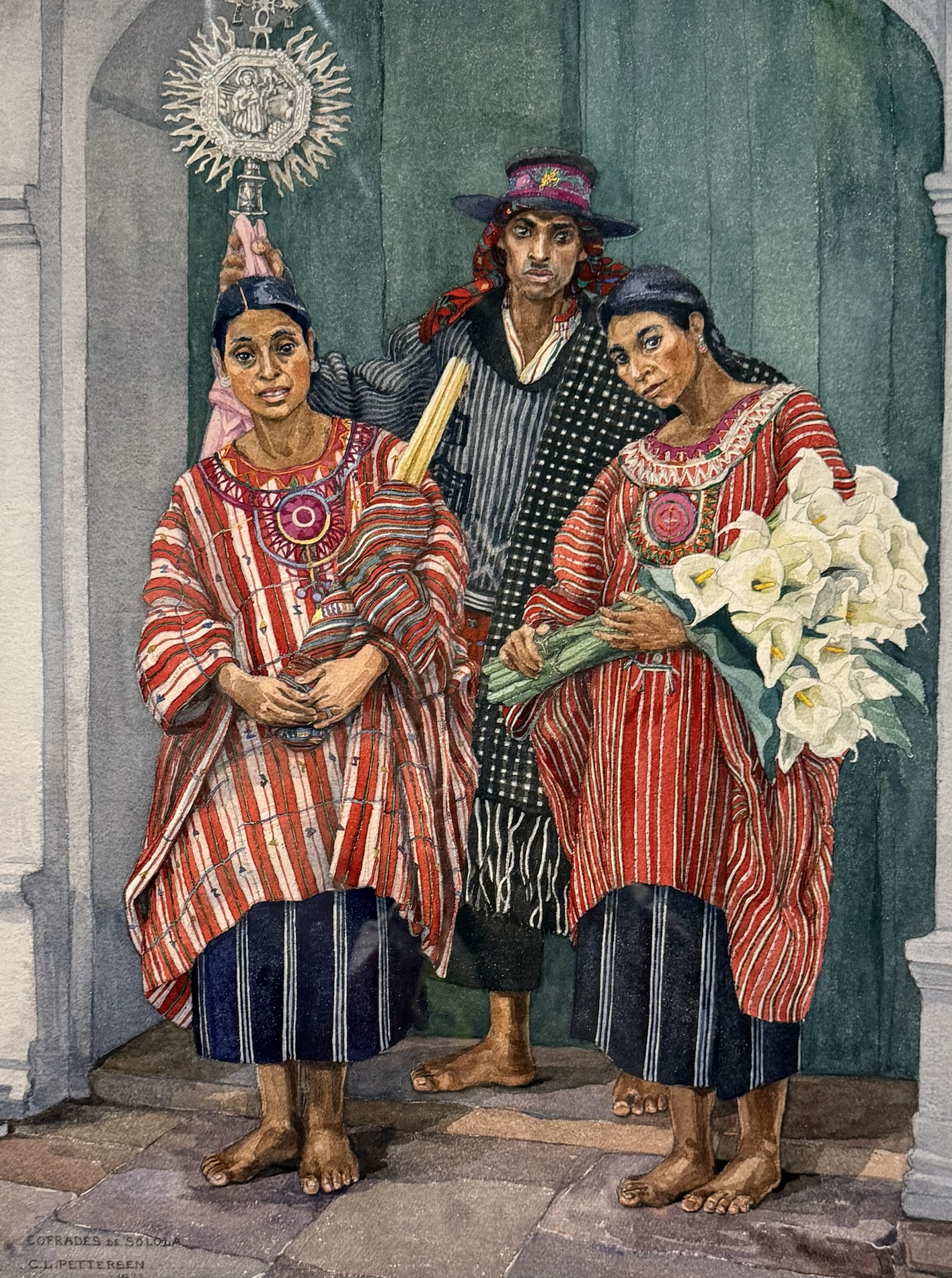
Another exhibit displays apparel worn by the cofradía members organizing religious ceremonies devoted to a patron saint, who is celebrated by a mass and then carried in procession through the streets on the feast day, accompanied by marimbas, dancers and the faithful. These rites, for which blessings will hopefully be received, help participants to bond with each other.
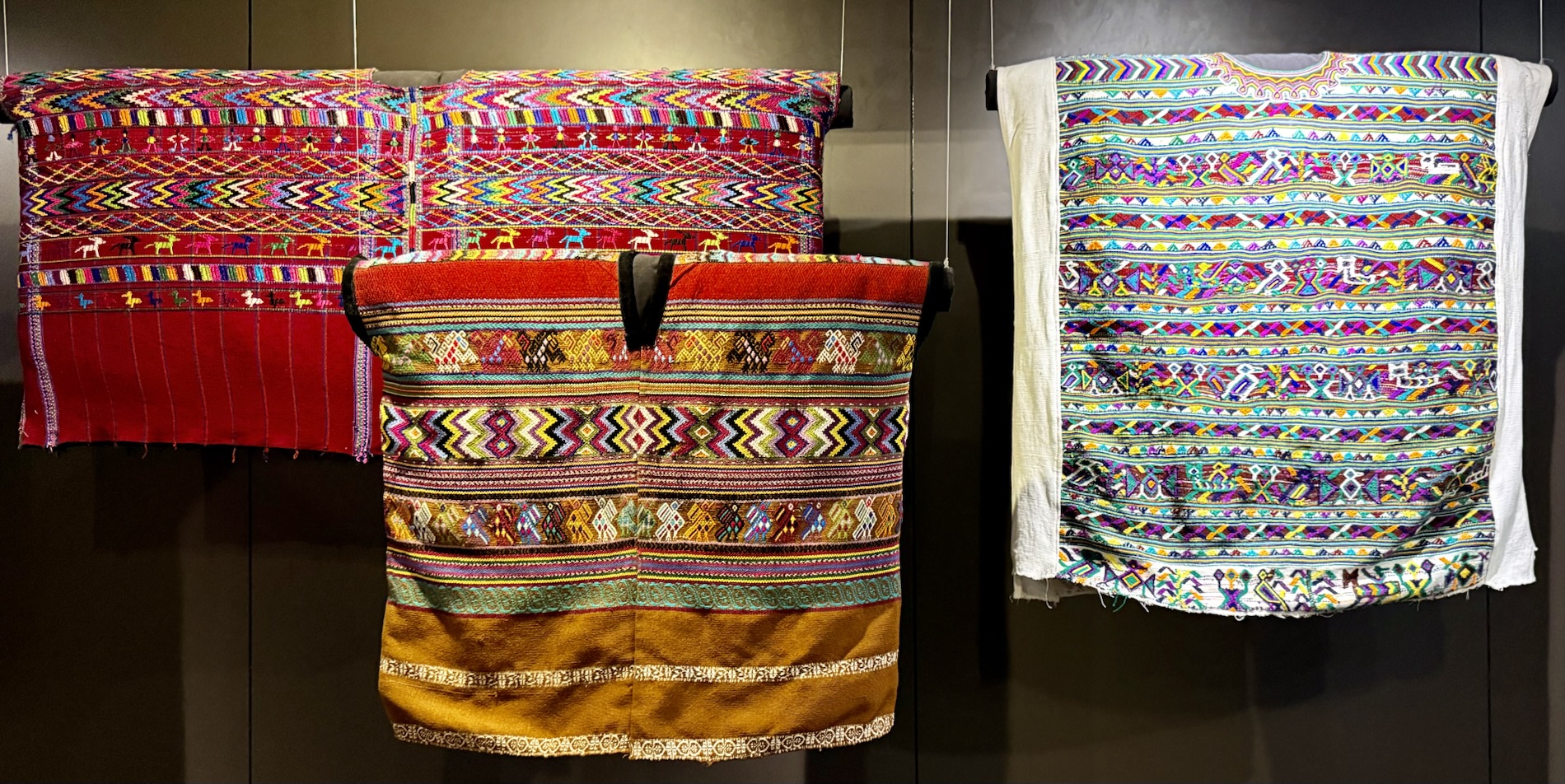
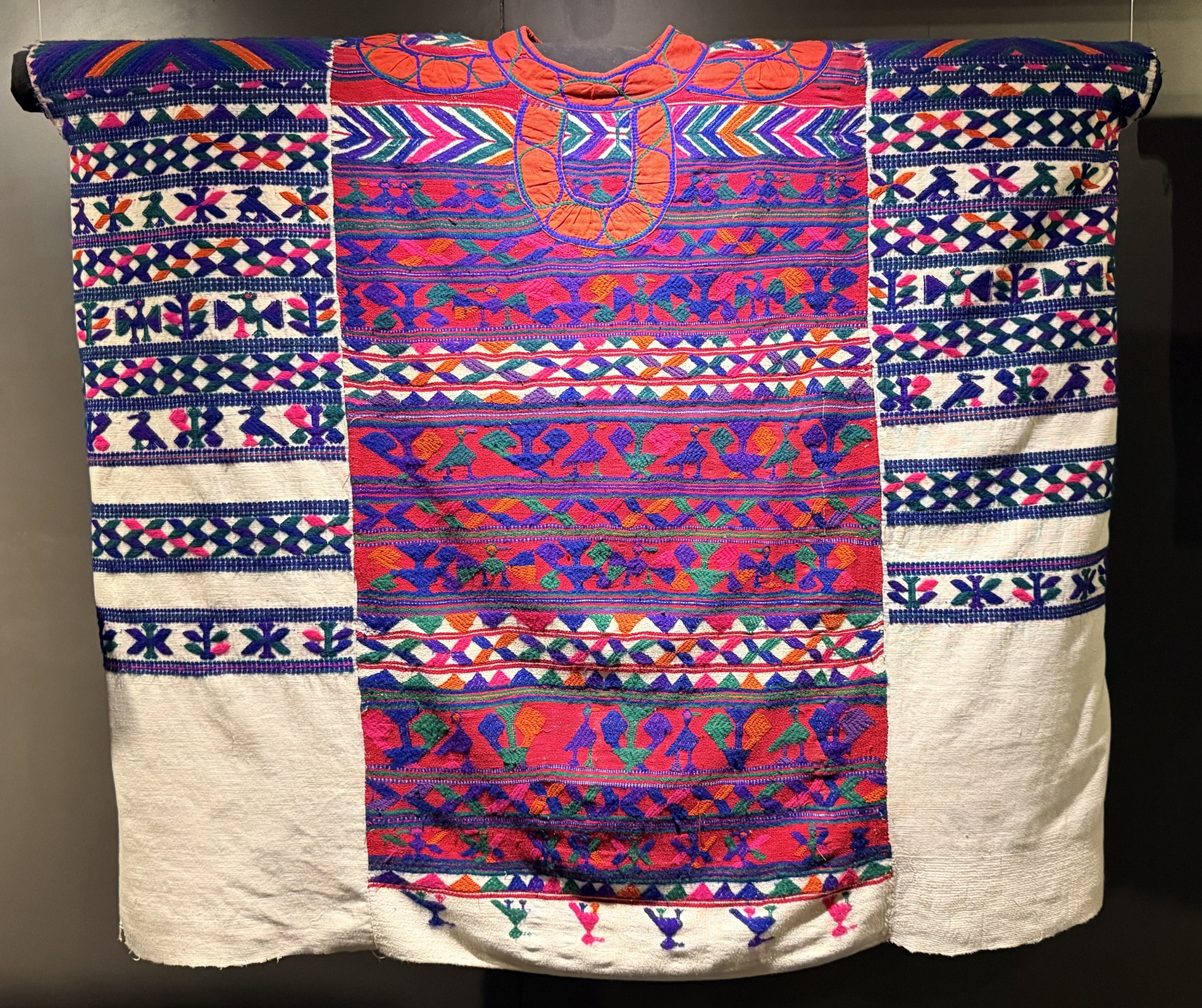
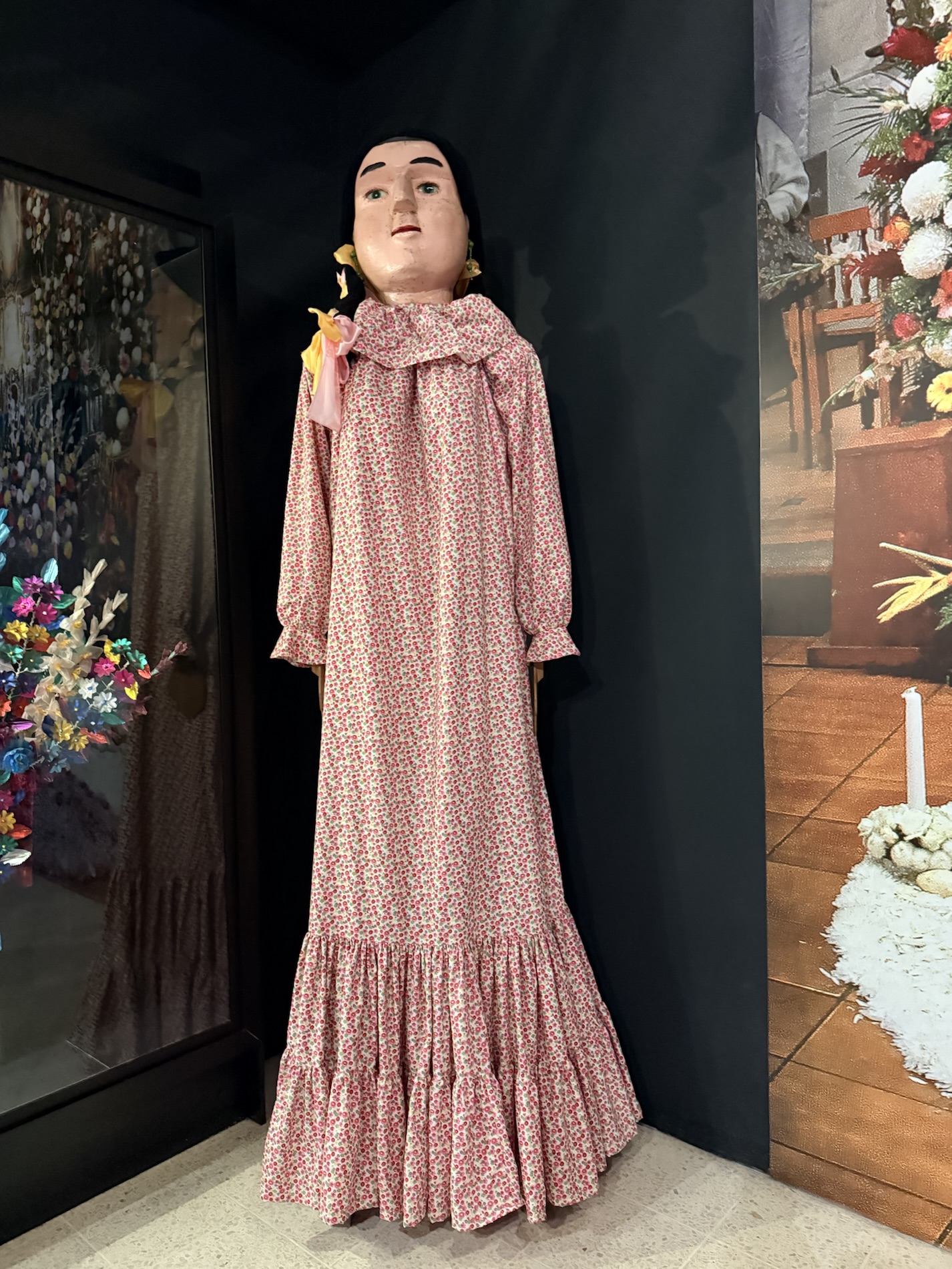
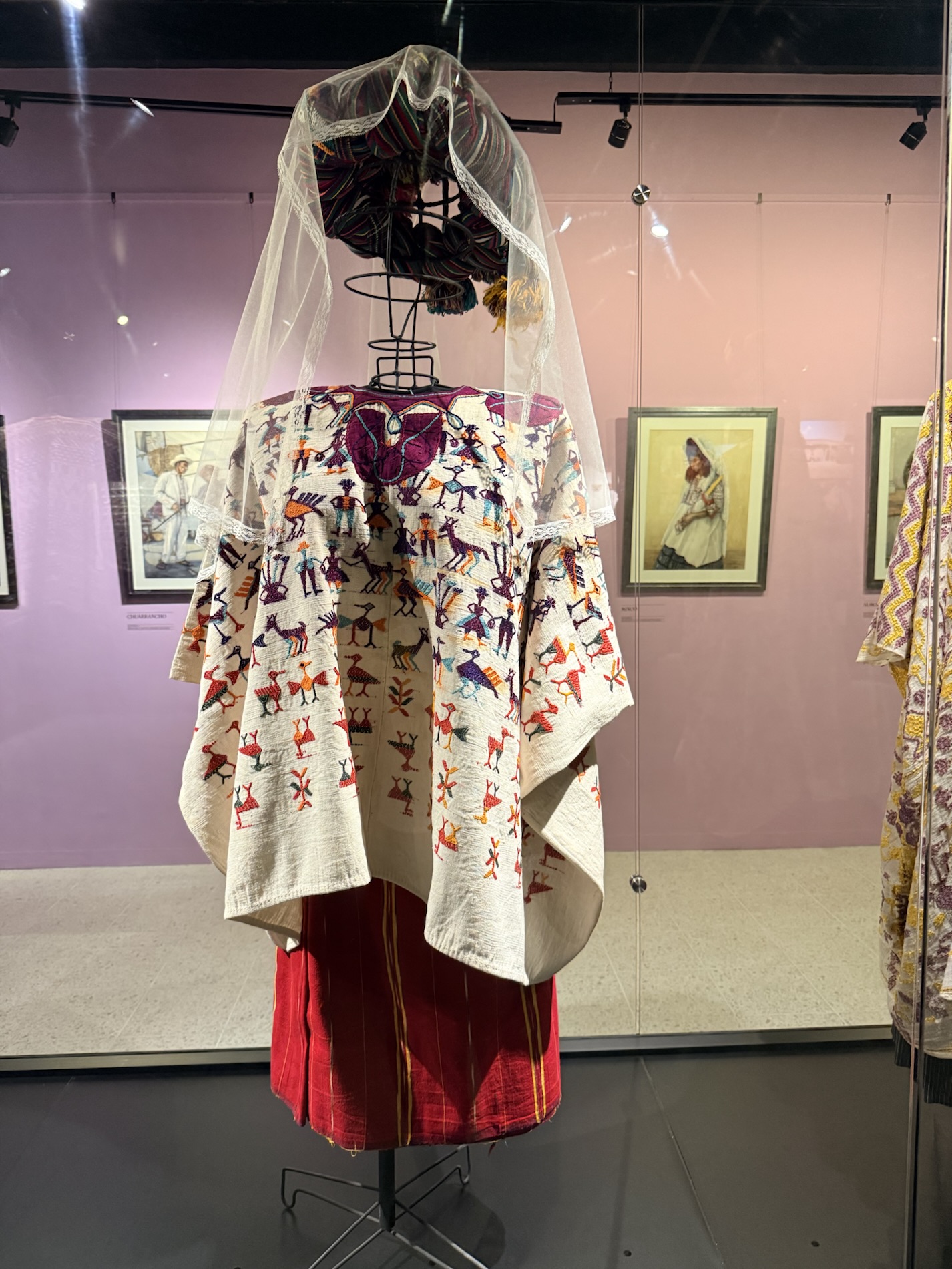
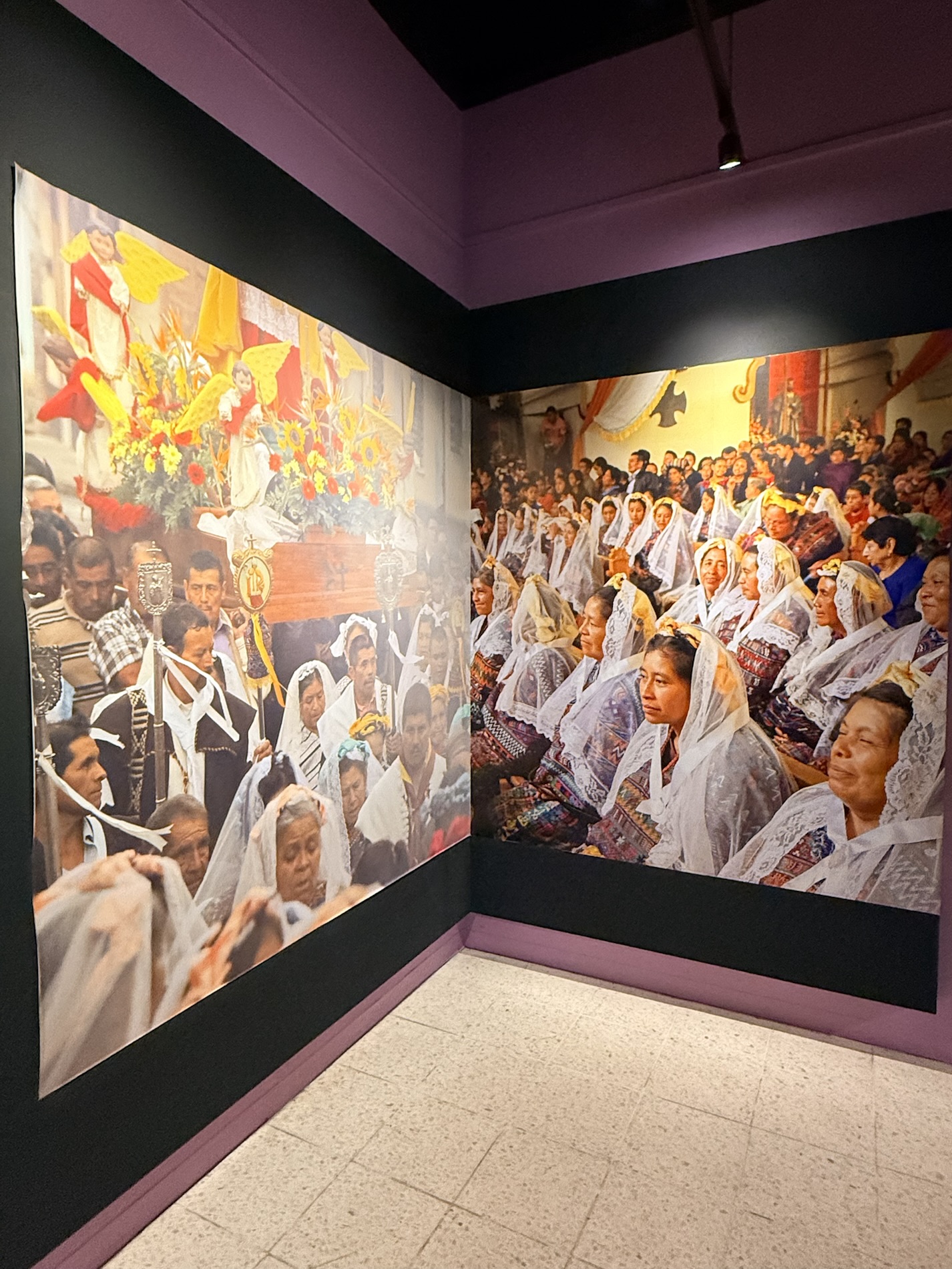
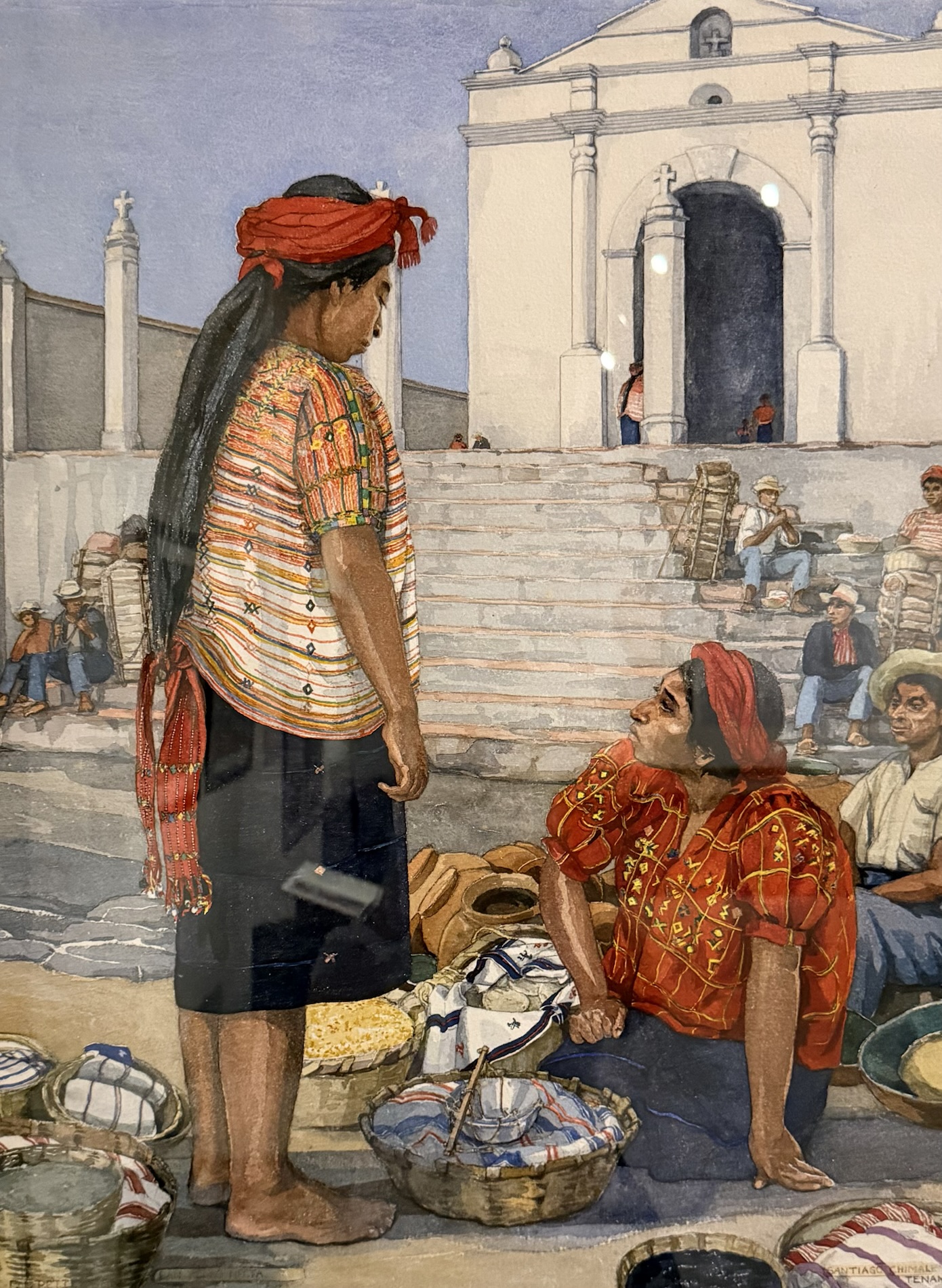
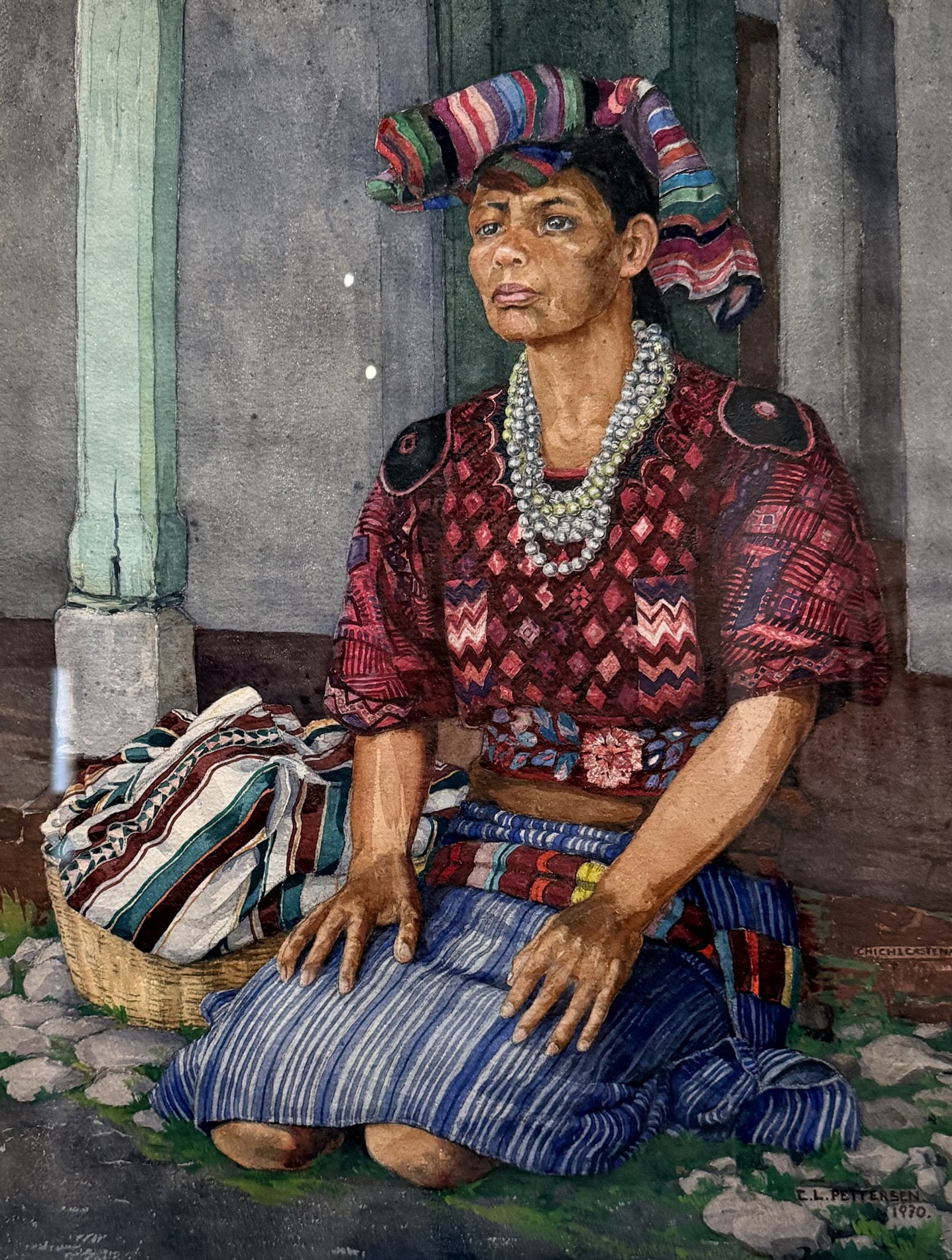
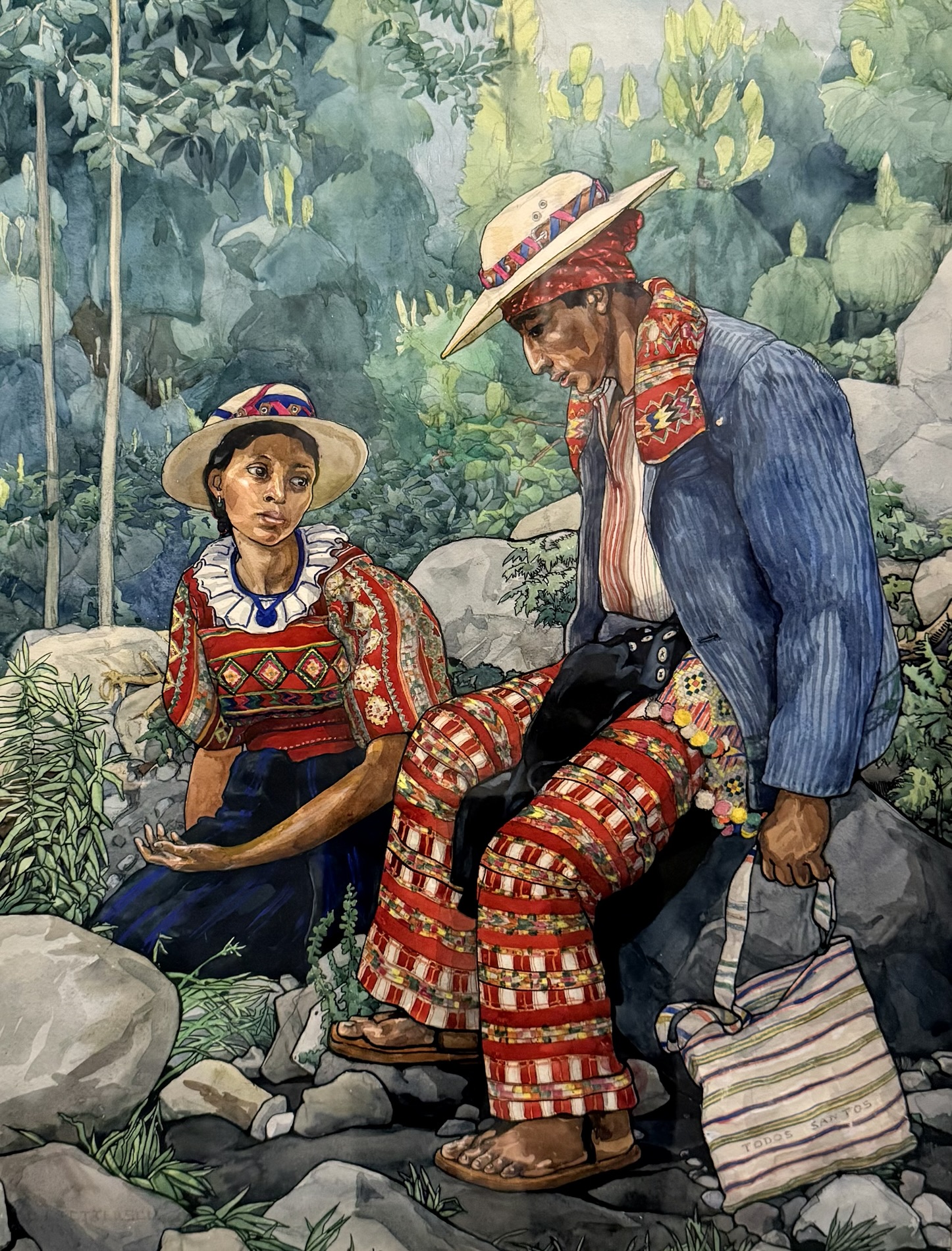
Carmen G. de Pettersen (Guatemala, 1900-1991) painted detailed watercolors in which she portrays people wearing ceremonial, cofradía, and everyday indigenous attire from different Guatemalan regions. Women and men are pictured in different locations, adorned with traditional silver jewelry and complemented with insignias and other luxury items. In addition to the paintings, some of the original garments depicted in the artist’s paintings are displayed.
Carmen Gehrke was born in 1900 in Guatemala. Her father was a London merchant and her mother was born in Mexico to German-Spanish parents. After going to London with her parents at the age of 4 and taking up painting, she returned to Guatemala in 1923 and a short time later married Leif Lind Pettersen (León), originally from Norway. They moved to a coffee and quinine plantation in Guatemala, where they lived the rest of their lives.
Seeing that the Maya textile tradition was changing rapidly, Carmen dedicated five years to a new project. She started it at the age of 70 after losing the sight of one eye. In a collection of 61 watercolors, she depicted the distinctive dress from communities mostly located in the Highlands of Guatemala. She documented the costumes worn between 1940 and 1975.
I especially loved these last two museums set on the beautiful university campus I learned much from both of them.
Dinner at Kyoto Restaurant
On our last night in Guatemala City, we ate dinner once again at the wonderful Kyoto Restaurant in the hotel. It was a good ending to our two weeks in Guatemala and Belize.
**Most information presented above was gleaned from the museum’s displays and informational plaques, which luckily were in English as well as Spanish.**
Discover more from ~ wander.essence ~
Subscribe to get the latest posts sent to your email.
 ~ wander.essence ~