After about two hours, we passed through an area that was more dry and arid than the first 2/3 of the drive. It was not nearly so pretty here, but it still had its charms, with the locals, dressed in mismatched colorful clothing, in continual motion along the dusty roads. Many of them were burdened with some kind of load, carrying firewood or sacks of grain on their heads or backs.
When finally turned off to Bishangari Lodge, the eco-lodge where we would stay, we had a very rough drive over a bumpy dirt track for about 15 kilometers. It was slow going, but this was where we saw rural Ethiopians prodding their livestock along, sitting outside their tukul huts, or just playing in the dirt. We also passed cool trees, cacti, flowers and birds. We even saw a goat having a bit of lunch up on a fallen tree.

drive to Lake Langano

pumpkins along the eway

drive to Lake Langano

drive to Lake Langano

drive to Lake Langano

drive to Lake Langano

drive to Lake Langano

drive to Lake Langano

drive to Lake Langano
Lake Langano
It turned out that Lake Langano would be my favorite part of Ethiopia.
Sunday, October 28: We stayed for 2 nights at the Bishangari Eco-Lodge at Lake Langano, Ethiopia. Here, we explored the wetlands, the beach and lake, the forest, an otherworldly pumice rock landscape and an acacia shrub zone replete with birds, horses and baboons. We ate the Menus of the Day, posted before each meal with curlicue writing on bark signs. We went birdwatching in the dewy forest as the sun rose, encountering multitudes of birds, Colobus monkeys, and baboons, as well as children walking to school with books in their arms. We got relaxing oily massages. We walked along the beach and then swung in hammocks beside the lake. We sat on the porch of our cabin and perused bird books, jotting down the birds we identified. We took a hippo-spotting hike where we didn’t spot any hippos, but we encountered a simultaneous sunset and moon rise over the wetlands in a glowing blue light. We watched the staff while the hours away playing checkers using bottle caps. And at the end of each day, we shared Gonder Ethiopian wine at the lovely Tree House bar with the sounds of birds twittering, chirping, chanting and singing all around us.
The weather was a fabulous 70 degrees Fahrenheit (21 degrees C) during the days. At night I burrowed under blankets and slept like I’d never slept before.
I was amazed by this landscape, especially as the light waned in the afternoon. We walked along the rocky surface, checking out the birds preening and flitting about along the lakeshore: pied kingfishers, spur-winged plovers, Senegal thick-knees, Great cormorants, Nyanza swifts.
Along the lake we wandered. We admired the birds, we stared out over a horizon heavy with gray clouds, we listened to the choppy waves hit the shore. We took pictures. Ed, being a veteran bird-watcher, knew his birds and educated me as to what was what. He pointed out a Great cormorant, a Senegal thick-knee and some spur-winged plovers.
After our afternoon of exploring the pumice stone area, the beach, and the lakeshore, we headed to the Tree House bar where we shared a bottle of Gonder Ethiopian red wine. We toasted to our safe arrival at the lake. We ate a dinner of mushroom soup, black olive salad, pan-fried fish served with French fries, vegetables and pasta, and a crepe Suzette for dessert. Cicadas chirped in the background, a musical serenade.

Bishangari Eco-Lodge

Bishangari Eco-Lodge

cabin at Bishangari Eco-Lodge

pumice stone ecozone at Lake Langano

beach at Lake Langano

pumice stone ecozone at Lake Langano

pumice stone ecozone at Lake Langano

pumice stone ecozone at Lake Langano

pumice stone ecozone at Lake Langano

pumice stone ecozone at Lake Langano

Lake Langano

me at Lake Langano

Ed at Lake Langano

pumice stone ecozone at Lake Langano

Lake Langano

pumice stone ecozone at Lake Langano

pumice stone ecozone at Lake Langano

beach at Lake Langano

beach at Lake Langano

massage hut at Bishangari Eco-Lodge

dining hall at Bishangari Eco-Lodge

Tree House

Tree House
Monday, October 29: This morning we woke up before dawn to go on a guided birdwatching stroll. While waiting for our guide near the lodge dining area, wild horses grazed near the lodge dining area.
Once our guide arrived, we spent two hours traipsing in the acacia zone by the lake and then through the forest. We crossed a big open field, and then wandered along the fringes of the forest. Yellow-fronted parrots flitted about in trees near the lake.
In the forest, we marveled at the huge gnarled ficus trees, and as we walked out into the open field, we come across a group of baboons romping around and grooming each other. We nearly stumbled into a hole dug by an aardvark, and up in the trees, we spotted three black & white Colobus monkeys watching us like spies.
A line of children dressed in colorful mismatched clothing, books under their arms, passed by us in the field on their way to school. One elderly gentleman accompanied his children on horseback.
We found scores of different birds. Most of them I wasn’t able to capture on film. Blue-breasted bee eaters flitted about on some bushes. Greater blue-eared starlings hopped about in the field. A red-headed weaver industriously built a nest.
Later, as we had breakfast at the lodge, Ed identified all the birds we saw on the walk: speckled pigeons, lemon doves, African paradise flycatchers, white-rumped babblers, Grey-headed bush shrikes, fork-tailed drongos, red-checked cordon bleu, white-throated seed eaters, African dusty flycatchers, Eurasian hoopoes, common red starts. And many more elusive little birds with colorful names.
After our morning of birdwatching, we each had an hour-long massage in the massage hut. It was wonderfully relaxing, except for the deep tissue kneading the masseuse did on my calves. They felt bruised and beaten after all was said and done.
After our massages, we took another walk along the lakeshore, where we saw a couple of scary-looking birds that appeared to be right out of some prehistoric age, Abyssinian ground hornbills, and they didn’t seem frightened of us at all. They just strutted their stuff confidently under the acacia trees and across the pumice rock.
A yellow-billed stork sat quietly on the lakeshore and a companionable little group of spur-winged plovers and Senegal thick-knees relaxed on the pumice stones.
This was the first time I had ever done any birdwatching, and I found it quite fascinating, especially as Ed knew his birds and had a book about birds of Ethiopia. I loved being out in nature at this place along Lake Langano.
In the evening, we went with our guide on a hippo-spotting walk. Sadly, we didn’t see any hippos. However, we did see a beautiful marshland, glowing acacia trees growing out of a pumice moonscape, and a simultaneous sunset and moonrise. All this while we were enveloped by beautiful blue light and a cool gentle breeze.
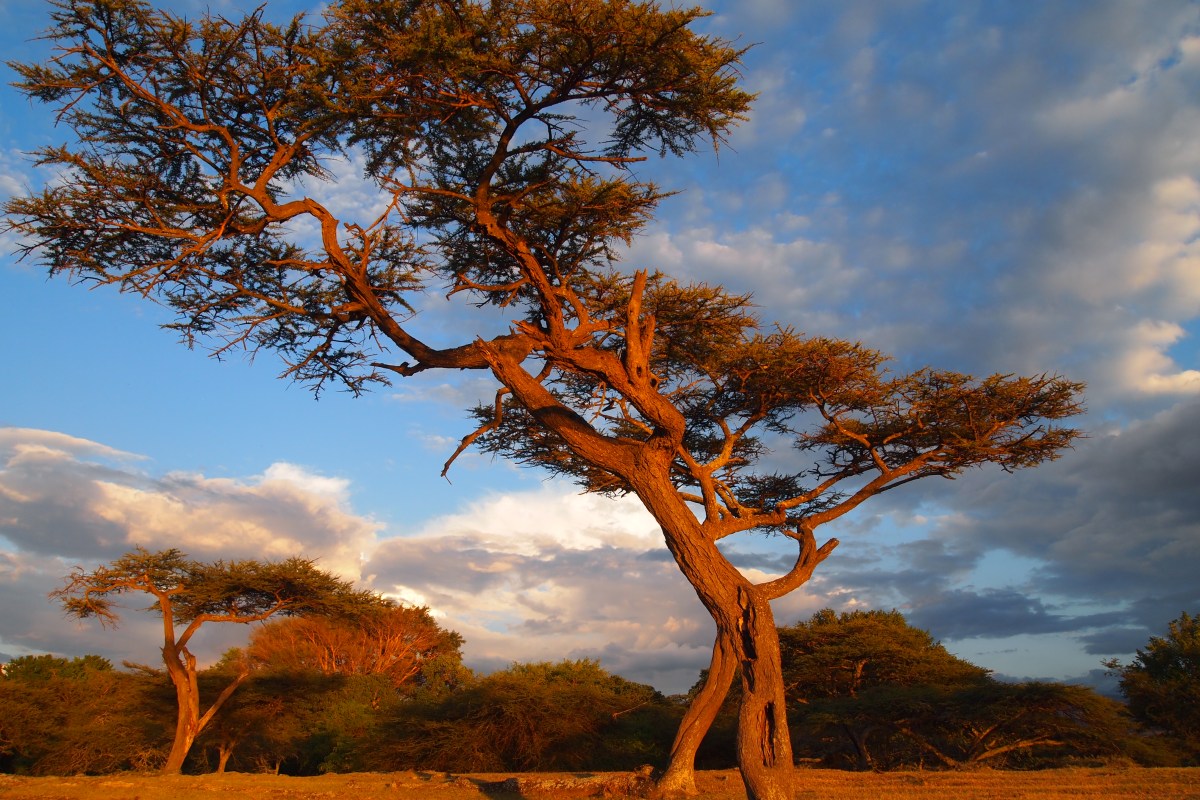
acacia trees at Lake Langano

acacia trees at Lake Langano


yesterday’s menu board at Bishangari

wild horses

wild horses

Lake Langano after sunrise

acacia trees

acacia trees

acacia trees

acacia trees

ficus trees

baboons

baboons

schoolgirls

Bishangari Lodge dining hall

books at Bishangari

a game

menu board for today

pasta for dinner

spiders in a web

Abyssinian ground hornbills

Abyssinian ground hornbills

yellow-billed stork

spur-winged plovers and Senegal thick-knees

spur-winged plovers and Senegal thick-knees

Lake Langano

Lake Langano

beach at Lake Langano

beach at Lake Langano

beach at Lake Langano

acacia trees

acacia trees

acacia trees

acacia trees

acacia trees

sunset at Lake Langano

sunset at Lake Langano

blue light at Lake Langano

blue light at Lake Langano

blue light at Lake Langano

sunset at Lake Langano

moonrise

blue light at Lake Langano
Tuesday, October 30: This morning, we packed up for our return trip to Addis Ababa. We ate a breakfast of omelets: Ed had an Ethiopian Omelet with tomato, onion, & chili, and I had an Omelet a la Bishangari, with mango, pineapple, banana and sugar. I was surprised it had more of a savory flavor than sweet. We drank fresh papaya juice and coffee. It was our last day here and I was sad to leave.
We took one last walk along the lake edge to check out the shorebirds. The day was crisp and breezy; the clouds were in fine form in a hazy blue sky. Ed was hesitant to cross outside of the fenced-in area of Bishangari Lodge, but I figured we went there last night and it was perfectly fine, so why not? He was afraid we’d be harassed by the locals for money or handouts. I wasn’t worried because I knew how to say no and how to ignore people who harass me. I was determined to cross no matter what he decided to do. In the end, he came along.
Our adventurous foray was richly rewarded. We saw speckled pigeons, little egrets, white and gray pelicans, cormorants, and ducks. They allowed us to approach them without flying away. We lingered for a long time, creeping silently closer. Finally, after most of them leisurely swam or flew away, showing no fear of us at all, we made our way back to the lodge. We met an olive baboon and strolled under more amazing ficus trees. Then we headed back on the road to Addis Ababa.
In the evening, when we returned to Addis Ababa, we ate a meal that Ed’s housekeeper / cook Kitay had prepared for us: injera, wat, cabbage & potatoes, lentils. We topped it off with some Montrouge Merlot. Later, Ed showed me pictures on his computer, but when I wanted to show him pictures of my time in Greece, he wasn’t really interested.
As there was really nothing to do in the evening, he suggested we watch a movie. Just as he was about to put it on, he said he needed to make a business call to the U.S. I waited. And waited. Finally I went upstairs to my room, and I heard him chatting away on Skype to his sons. He was heading back to the U.S. on Saturday, and today was Tuesday, so I figured the conversation would be short. It wasn’t. As a matter of fact, I gave up and got in my bed to read, telling him I was no longer interested in watching the movie. This was one time I wished I had the numbers of my colleagues from Oman so I could join them somewhere in Addis for some fun.

coffee at Bishangari

omelet for breakfast

checkers with bottle caps

locals playing checkers with bottle caps

shorebirds

acacia trees

acacia trees

egrets

Lake Langano

pelicans

pelicans

pelicans

pelicans

pelicans

shorebirds

me at Bishangari

ficus trees

me with the ficus

spider in a web

Tree House

baboon

on the road back to Addis

tukul huts on the road back to Addis

tukul huts on the road back to Addis
Addis Ababa
Wednesday, October 31: We got up at 6:00 a.m. so we could leave bright and early for the U.S. Embassy. Ed needed to do some work before we took off for sightseeing, so he brought me along to twiddle my thumbs and wait…and wait. From the embassy, after nearly two hours of waiting, we headed directly into the Entoto Mountains.
The Entoto Mountains, north of Addis Ababa, were the site of Emperor Menelik’s former capital. We admired the sprawling view of the city below. We passed donkeys carrying loads of eucalyptus, which the locals had cut branch by branch off the trees on the mountain, leading to soil erosion and deterioration of the forest. Some donkeys carried grass to sell to the locals who spread grass over their mud floors when they had guests. Women trudged up and down the mountain carrying loads of firewood on their backs. Apparently aid organizations were trying to find these women other means of livelihood, but it was obvious many women were still dependent upon this work.
Near the top of the mountain, we stopped at St. Raguel & Elias Historical Church. Inside the church were multitudes of brightly colored paintings that told bizarre stories. We saw paintings, as we did in every Ethiopian church, of St. George, the patron saint of the country. We saw the apostles meeting gruesome deaths. We saw the devil looking quite devilish. Ethiopia’s Christian stories are rich in legend, and these legends are told pictorially in these paintings. We found a saint who prayed for 7 years; though one of his legs had fallen off, he did have 6 wings. We saw Doubting Thomas. We saw a large painting of the miracles of Christ: here he healed a blind man, there he turned water into wine, and here he raised Lazarus from the dead.
After we drove down from the Entoto Mountains, we headed for lunch at the Lucy Gazebo Restaurant, attached to the National Museum of Ethiopia.
The outdoor Lucy Gazebo Restaurant was lush with tropical plants, decorative sculptures and Ethiopian art. I started with carrot soup and then ate a delicious chicken avocado pizza with tomatoes, peppers, mushrooms and cheese.

St. Raguel & Elias Historical Church

St. Raguel & Elias Historical Church

St. Raguel & Elias Historical Church

St. Raguel & Elias Historical Church

St. Raguel & Elias Historical Church

St. Raguel & Elias Historical Church

St. Raguel & Elias Historical Church

St. Raguel & Elias Historical Church

donkey in Entoto Mountains

streets of Addis Ababa

streets of Addis Ababa

Lucy Gazebo

Lucy Gazebo

Lucy Gazebo

pizza for lunch

decor at Lucy Gazebo

Lucy Gazebo
Next door, the National Museum of Ethiopia housed one of the most important collections in sub-Saharan Africa, according to Lonely Planet Ethiopia & Eritrea. The paleontology exhibit on the basement level showcased the extinct sabre-toothed cat Homotherium and the huge savannah pig Notochoerus.
The most interesting things were the two amazing casts of the 3.2 million year-old Lucy, a fossilized hominid discovered in 1974. One lay prone in a glass case and the other was standing. Her small frame was a reminder of how small our ancestors were.
Lucy was discovered in a dried-up lake near Hadar in northeast Ethiopia. This new species, called A. afarensis walked on two legs, which overturned earlier theories that our ancestors only started walking upright after they evolved larger brains.
According to one of the museum’s curators, the real bones, which were normally preserved in the museum’s archives, were currently on tour in the USA. Lucy’s tour began at the Houston Museum of Natural History; after Houston, she would travel to Seattle, Boston and back to Houston. Lucy’s pilgrimage was designed to let the international community know Ethiopia’s importance to the history of humans.
When I walked into the basement, one of the museum’s curators was opening the glass case that contained the casts of Lucy’s prone bones. He took one of the finger bones and handed it over to a group of young men who wanted to borrow it. This group was making a film showing primates’ connection to humans through Lucy and they wanted to borrow the cast finger bone for their documentary. This seemed quite crazy to me, as I could not imagine a curator at any museum in the USA taking out a piece of an exhibit and handing it over to someone to “borrow!”
The center of the ground floor of the museum showcased a collection of royal paraphernalia including Emperor Haile Selassie’s enormous carved wooden throne. On the walls of this central area were paintings of Ethiopia’s rulers, including Emperor Menelik, Emperor Yohannes, and of course Haile Selassie. Surprisingly, among these emperors was a painting of Colonel Mengistu Haile Mariam, the leader of the horrible Derg (Committee) that deposed Haile Selassie in 1974. Their destructive rule, including the Red Terror, lasted until 1991.
On the first floor, what we in America call the 2nd floor, was a colorful display of Ethiopian art ranging from early parchment to 20th century canvas oil paintings by modern artists, including Afewerk Tekle’s African Heritage.
Finally, on the top floor, we found a secular arts and crafts collection, including traditional clothing, weapons, jewelry, utensils and musical instruments.

National Museum of Ethiopia

National Museum of Ethiopia

National Museum of Ethiopia

National Museum of Ethiopia

National Museum of Ethiopia

National Museum of Ethiopia

National Museum of Ethiopia

National Museum of Ethiopia

Lucy

LUCY: The beginning of human mankind

Lucy’s Place in Nature

“Selam” – the earliest child

National Museum of Ethiopia

National Museum of Ethiopia

National Museum of Ethiopia

National Museum of Ethiopia

National Museum of Ethiopia

National Museum of Ethiopia

National Museum of Ethiopia

National Museum of Ethiopia

National Museum of Ethiopia
The ornate Holy Trinity Cathedral is believed to be the second most important place of worship in Ethiopia, after the Old Church of Saint Mary of Zion in Aksum, according to Lonely Planet Ethiopia & Eritrea. It also contained the huge Aksumite-style granite tombs of Emperor Haile Selassie and his wife, Empress Menen Asfaw.
The cathedral was a mixture of international styles and boasted a copper dome, slender pinnacles and interesting statues. Inside were some grand murals, rich stained glass windows and two imperial thrones of ebony, ivory and marble. In one of the large murals, Emperor Haile Selassie stood in front of the League of Nations asking for help against the Italian occupiers. They refused to help, except for Mexico, which became a long-lasting friend of Ethiopia.
In a cemetery surrounding the Cathedral were the remains of ministers who were killed by the Derg in 1974. Other remains include patriots who died fighting the Italian occupation from 1935 to 1941. Italy invaded Ethiopia in 1935, killing 275,000 Ethiopians with illegal mustard gas and bombing. In 1936, they captured Addis Ababa, and Emperor Haile Selassie fled the country. At that time the King of Italy was made Emperor of Ethiopia. Ethiopian patriots played a major role before, during and after the liberation campaign, which ended in May of 1941, when the emperor and his men took over Addis Ababa.
After our explorations of Addis, we headed back to Ed’s house where we relaxed a bit. Later, we went to an excellent French-ish restaurant called Loti. The restaurant had a lovely ambiance, with pressed leaves and dried flowers decorating the walls, a colorful poinsettia and artsy plates. We had some red wine and munched on crackers made of oats, barley and sesame seeds, dipped in a delicious guacamole dip. I ordered tilapia assay: tilapia with cabbage, peppers, tomatoes, carrots and potatoes. For dessert, we indulged on pumpkin pie with ice cream.
The owner, Mani, walked around to greet all the patrons. She told us she studied in the U.S. on a USAID scholarship and she was proud of her education. She had created a beautiful restaurant and was rightfully proud of her achievement.

Holy Trinity Cathedral

Holy Trinity Cathedral

Holy Trinity Cathedral

Holy Trinity Cathedral

Holy Trinity Cathedral

Holy Trinity Cathedral

Holy Trinity Cathedral

Holy Trinity Cathedral

Holy Trinity Cathedral

Holy Trinity Cathedral

Holy Trinity Cathedral

Holy Trinity Cathedral

Holy Trinity Cathedral

cemetery at Holy Trinity Cathedral

cemetery at Holy Trinity Cathedral

cemetery at Holy Trinity Cathedral

cemetery at Holy Trinity Cathedral

Loti

me at Loti

Ed at Loti

dinner at Loti

Mani, the owner of Loti
Thursday, November 1: On my last day in Addis, Ed had to work at the embassy all day. He arranged with his guard to have a friend of his drive me around all day for around $35. The guide, whose name I’ve now forgotten, was such an easy-going and likeable guy, I ended up having a great time.
He began by taking me to the Makush Art Gallery. I was determined to buy a piece of Ethiopian art. The day before, while I was twiddling my thumbs at the embassy, someone told me this was the place to go. I found out very quickly that Makush was an upscale gallery and the prices were quite high. This trip hadn’t cost me much money and I still had $200 left in my budget. I ended up spending all of it on two pieces from this gallery.
After tossing my two paintings into the back seat, we drove through the streets of Addis, teeming with dusty and obviously poor residents wearing colorful but mismatched clothes. The streets were dirty and slightly chaotic. Corrugated tin stalls lined up along every street; people were trying to eke out a space to make a living. It seemed there was no rhyme or reason to the layout of this city. There seemed to be no center of town. It was urban sprawl everywhere.
We arrived at the octagonal St. George Cathedral, conceived to commemorate the 1896 defeat of the Italians in Adwa. It was commissioned by Emperor Menelik and was dedicated to Ethiopia’s patron saint, St. George. With the help of Armenian, Greek and Indian artists, the cathedral was completed in 1911. Its neoclassical style contrasted sharply with the colorful murals inside.
We drove to the Ethnological Museum, set in Haile Selassie’s former palace, and surrounded by the lush grounds of Addis Ababa University. Right outside the entrance to the museum was a spiral staircase that led to nowhere. The Italians placed one step here for every year that Mussolini held power, beginning from his march to Rome in 1922. The symbol of the Ethiopian monarchy, a Lion of Judah, sat atop the stairs, a symbol of the eventual defeat of the Italians by Ethiopia.
Ethiopian artifacts and handicrafts were displayed in the order of the human life cycle, beginning with Childhood with themes of birth, games and rites of passage, followed by Adult themes of beliefs, traditional medicine, war, hunting and even pilgrimages. Death and Beyond showcased burial structures and tombs.
Also preserved intact in the museum were Haile Selassie’s bedroom, bathroom and changing room. On the 2nd floor was some amazing religious art, especially diptychs, triptychs, icons and crosses. In another cave-like room sat a collection of musical instruments, put in the dark to preserve them from the ravages of light and to showcase them in an ethereal way.
We ate lunch at the Lime Tree Restaurant. After lunch, my guide convinced me to try wheat grass juice. It didn’t sound very appealing to me, but he assured me it would improve my health considerably. I tried it and was surprised to find it was actually quite delicious. And I had to say, I felt much better for the rest of the day, and throughout my long overnight trip back to Muscat.

Makush Art Gallery

Makush Art Gallery

Makush Art Gallery

streets of Addis Ababa

streets of Addis Ababa

my guide today

St. George Cathedral

St. George Cathedral

St. George Cathedral

St. George Cathedral

St. George Cathedral

St. George Cathedral

spiral staircase to nowhere

Ethnological Museum

Ethnological Museum

Ethnological Museum

Ethnological Museum

Ethnological Museum

Ethnological Museum

Ethnological Museum

Ethnological Museum

Haile Selassie’s bedroom

Haile Selassie

Haile Selassie’s uniform

Haile Selassie’s bathroom

Haile Selassie’s bathroom

Ethnological Museum

Ethnological Museum

Ethnological Museum

musical instruments in the Ethnological Museum

Ethnological Museum

Ethnological Museum

Ethnological Museum

Ethnological Museum

Lime Tree Restaurant

Lime Tree Restaurant

lunch at Lime Tree Restaurant

lunch at Lime Tree Restaurant

wheat grass juice

wheat grass at the Lime Tree
*October 25-November 1, 2012*










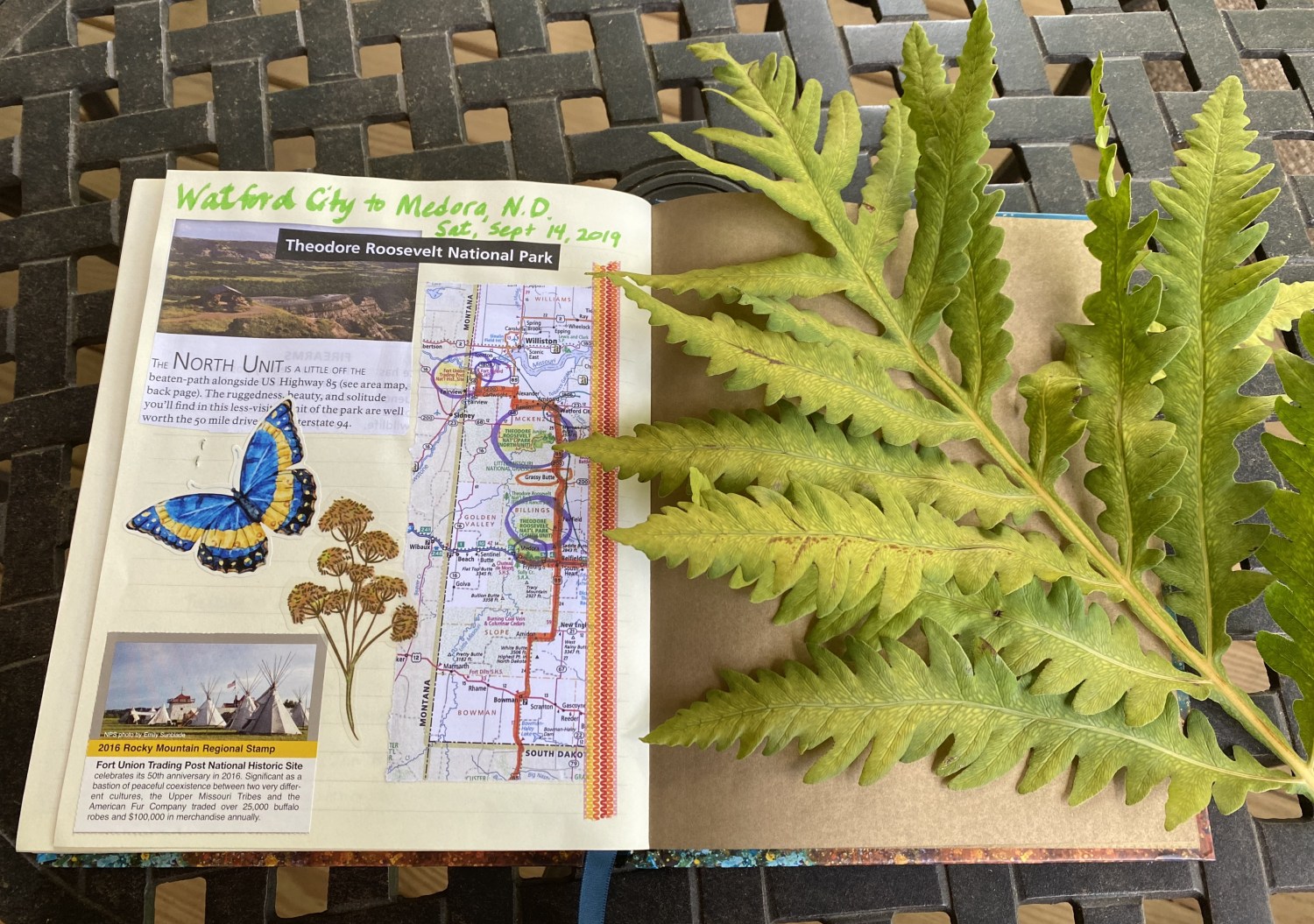


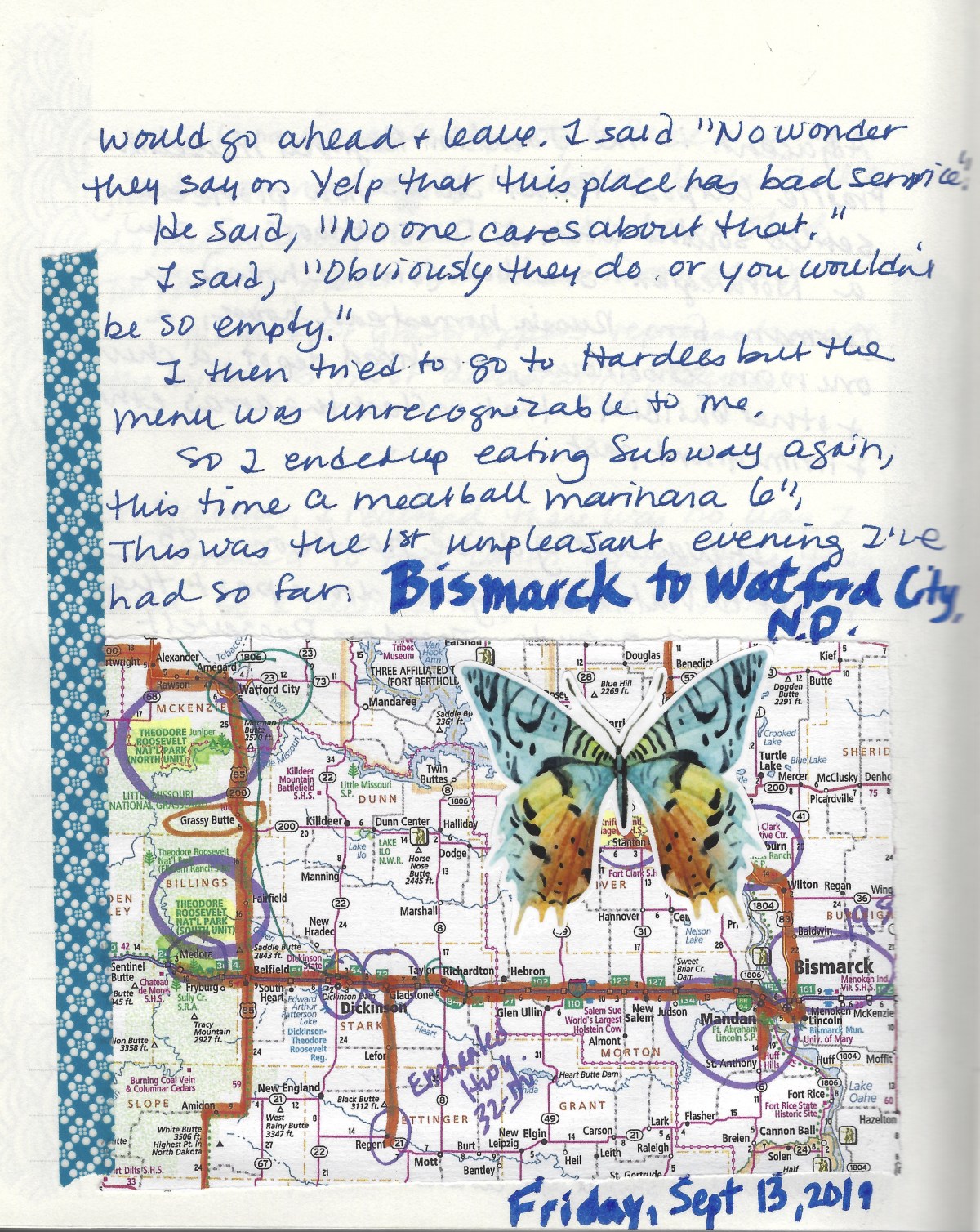


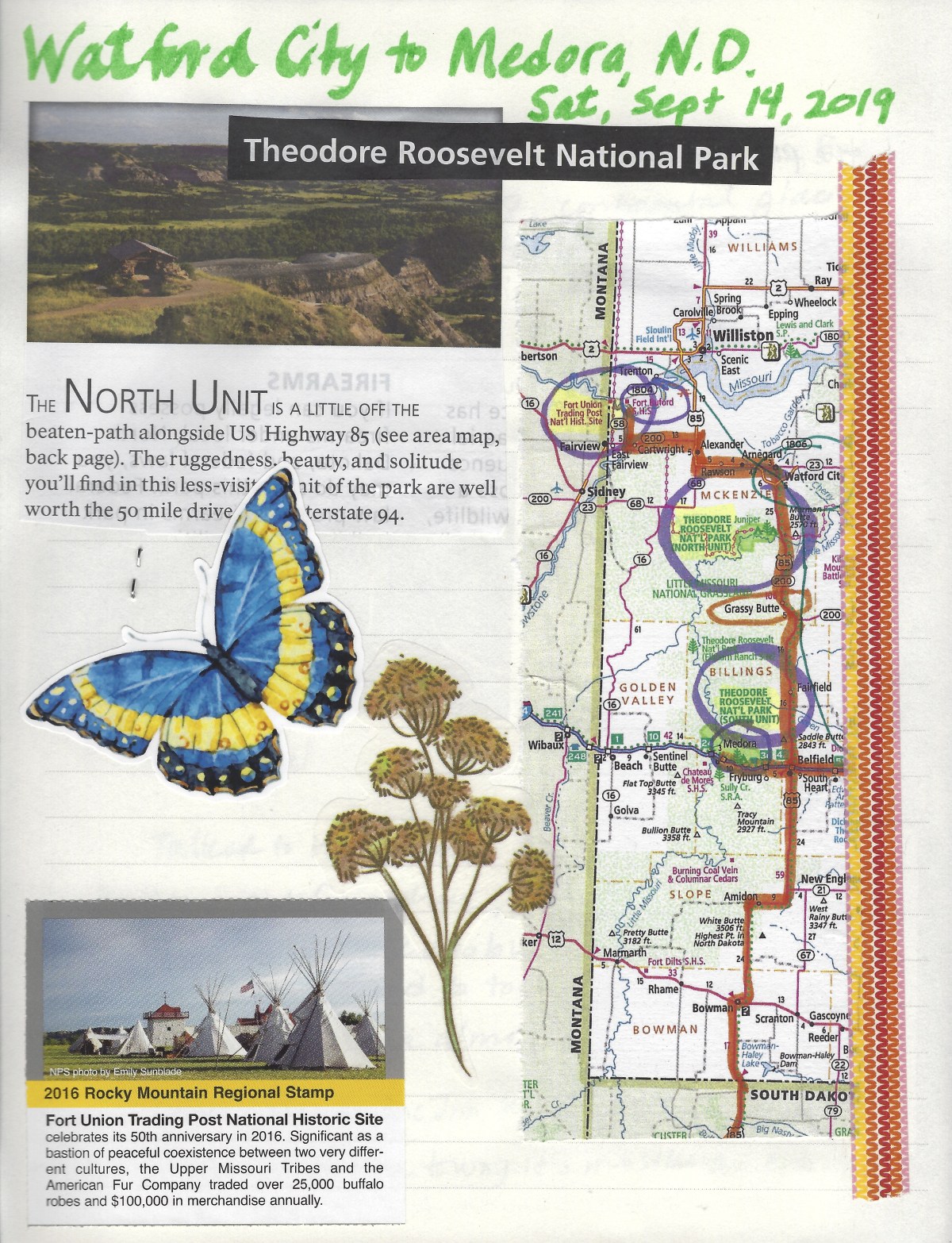 I filled up my first journal, and I still would be traveling from September 15-October 4. It turned out I would fill up two more journals. :-)




















 ~ wander.essence ~
You must be logged in to post a comment.