In twenty-nineteen, I: Cracked a molar and suffered through a root canal and new crown. Took my first-ever drawing class, a found poetry class, a watercolor class and a bullet journal class. Went on a Midwestern Triangle Road trip (Louisville & Lexington, KY and Cincinnati, OH), with side trips to Indiana and Illinois to visit my sister. Went on a tour with G Adventures all over Morocco, then met Mike in Italy to visit Rome, the Cinque Terre, Florence, Tuscany and Umbria. Went on a short road trip to several towns in Delaware. Took an epic road trip, where I drove 7,505 miles across America to the Great Plains and explored Nebraska, South Dakota and North Dakota, with dips into Wyoming and Colorado. Sampled too many restaurants to count in Charleston, S.C. with my daughter. Read 56 books out of my goal of 50, with my top three being Dalva by Jim Harrison, The Fall of a Sparrow by Robert Hellenga, and In Country by Bobbie Ann Mason (My Year in Books 2019). Published 174 posts on my blog.
In January, I: Suffered through a 2-hour root canal on my #14 molar. Suffered again the next day while my dentist drilled my tooth down, made a mold for a crown, and put a temporary crown on. Had a permanent crown put in. Enjoyed staying inside and cozy during a snowstorm with 9″ of accumulation, another snowstorm, and sub-freezing temperatures. Walked through Vienna neighborhoods and brown woods and around lakes under metal gray skies. Enjoyed a sushi and sake night out. Finally got blinds for three of our back windows, after many years without any. Learned about drawing: about perspective, planes, basic shapes, contour lines, shading, depth of field, and relationships among objects in a grouping. Booked a two week adventure in Morocco with G Adventures. Started planning trips: the “Midwest Triangle trip” and trips to Morocco and central Italy. Enjoyed the movie If Beale Street Could Talk, and read 7 books out of my goal of 50 for the year, my favorites being Jane Smiley’s Barn Blind and Christopher Castellani’s The Saint of Lost Things.

a Sunday walk in Vienna, Virginia

a cloudy walk around Lake Newport

sushi night out – Jan 11

snow days, Jan 15

snow days, Jan 15

my drawing class at the Torpedo Factory in Old Town Alexandria, Virginia 1/16

a face with planes 1/16

Drawing planes 1/16

Drawing shapes & contours 1/23

Drawing shapes & contours 1/23

Drawing shapes & contours 1/23

Drawing shapes & contours 1/23

lunch after drawing class at Mai Thai

walk in neighborhood woods

mossy tree

drawing groupings in relation to each other 1/30

drawing groupings in relation to each other 1/30

drawing groupings in relation to each other 1/30

drawing groupings in relation to each other 1/30
In February, I: Wept while leaving the movie theater after watching the devastating and hearbreaking movie Capernaum. Attended an exploratory service at the Unitarian Universalist Church in Reston, where the minister encouraged white people to open up conversations about racism with others. Enjoyed dinners at Kobkun Fine Thai Cuisine and bartaco. Enjoyed the Japanese movie Shoplifters that explored the nature of assembled families. Continued my drawing class until one was cancelled because of snow and one was missed because of traveling. Celebrated my husband’s 65th birthday with my sister-in-law at the Greek restaurant, Nostos. Drove to Indiana amidst silos, barns, cows and farmland, where I visited the Lincoln Boyhood National Memorial and the George Rogers Clark National Historical Park. Visited my sister at her new mid-century modern home in Murphysboro, Illinois and explored local eateries in Carbondale. Drove to the Garden of the Gods in the Shawnee National Forest on a springlike day, and took a walk amidst whimsically-shaped rocks. Felt inspired by my sister’s artwork and her various collections, including artistic cigarette cards and early editions of classic books. Got caught up watching Michael Cohen’s testimony before the House Oversight and Reform Committee. Got hooked on the TV series Happy Valley. Drove in icy rain from Murphysboro to Louisville, Kentucky, where I visited Churchill Downs Racetrack and felt inspired to attend the Kentucky Derby sometime in the future. Read 6 books out of my goal of 50 for the year (bringing my total to 13), my favorites being Christine Mangan’s Tangerine and Elizabeth Berg’s The Year of Pleasures.

still life in drawing class

my Feb. 6 drawing

walk in Old Town Alexandria after drawing class

bridge over the Ohio River in Louisville, KY

Driving through Indiana

Lincoln Boyhood Home

Lincoln Boyhood Home

Lincoln Boyhood Home

part of the living history at Lincoln Boyhood Home

silos in Indiana

George Rogers Clark National Historic Park

George Rogers Clark National Historic Park

Garden of the Gods in the Shawnee National Forest, Illinois

Garden of the Gods in the Shawnee National Forest, Illinois

Garden of the Gods in the Shawnee National Forest, Illinois

Eateries in Carbondale, IL

brie topped with cranberries and green onions

scrambled eggs, biscuits and gravy and veggies

Long Branch

my sister’s house in Murphysboro

my sister’s artwork

my sister’s cigarette cards collection

Churchill Downs, Louisville, KY

Churchill Downs, Louisville, KY

Churchill Downs, Louisville, KY

Churchill Downs, Louisville, KY

Churchill Downs, Louisville, KY

fancy hat from Churchill Downs
Also in February, I: Began a Found Poetry class, where we created Erasure, Black-out, and Cut-out poems, as well as Sentos.

Erasure poem

Blackout poem

Cut-out poem part 1
In March, I: Learned about bourbon and the Lewis and Clark expedition at the Frazier History Museum. Felt grateful for the controversial boxer’s fight against racism at the Muhammad Ali Center in Louisville, Kentucky. Enjoyed mural art in Louisville and especially in Cincinnati, Ohio. Enjoyed a blast from the past at Cincinnati’s American Sign Museum. Learned all about the history of slavery and enslaved people all over the world at the National Underground Railroad Freedom Center. Took a long walk through downtown Cincinnati, along and across the Ohio River on the Roebling Suspension Bridge, to Covington, KY. Tried to stay warm at Krohn Conservatory, Cincinnati Art Museum, and Findley Market in a cold snow-rain mixture. Marveled over stained glass and amazing mosaics at St. Mary’s Cathedral Basilica of the Assumption in Covington, KY. Ate decadent foods like Cincinnati chili, biscuits & gravy, and chicken & dumplings too many times to count. Learned more than I ever wanted to know about the breeding of stallions at Claiborne Farm in Lexington, KY. Tasted bourbon several times, both at the Evan Williams Bourbon Experience in Louisville and again at Town Branch in Lexington. Invited my friend Susan over for dinner so we could plan our Morocco trip. Wrapped up my drawing class. Welcomed my friend and colleague Graham, who taught with me in Japan, for a visit and took him on a grand tour of Great Falls, Gettysburg, and Antietam, all in one day. Ate injera, split lentils, yellow peas, collard greens and chickpea stew with Graham at Enatye Ethiopian Restaurant. Watched the foreign movies Everybody Knows and Transit. Finished two more books, my favorite being Calling Me Home, bringing my total to 15 books out of my goal of 50.

Frazier Museum

Muhammad Ali Center

Street art in Louisville

American Sign Museum in Cincinnati

American Sign Museum in Cincinnati

National Underground Railroad Freedom Center

Ferris Wheel Cincinnati

walk along the Ohio River in Cincinnati

John A. Roebling Suspension Bridge, Cincinnati

Krohn Conservatory

Artworks Cincinnati

Artworks Cincinnati

Stained glass in St. Mary’s Cathedral Basilica of the Assumption in Covington, KY

St. Mary’s Cathedral Basilica of the Assumption in Covington, KY

Skyline Chili

home in Clifton Gaslight District, Cincinnati

Art Deco movie theater in Cincinnati

stalliion at Claiborne Farm, Lexington, KY

Claiborne Farm, Lexington, KY

War Front

Mike and I at Secretariat’s grave

Colville Covered Bridge near Lexington

Town Branch

Home cooking at Ramsey’s

My final drawing class

my last drawing in class

me with Graham at Great Falls, VA

Gettysburg, PA

Antietam, Maryland

Antietam
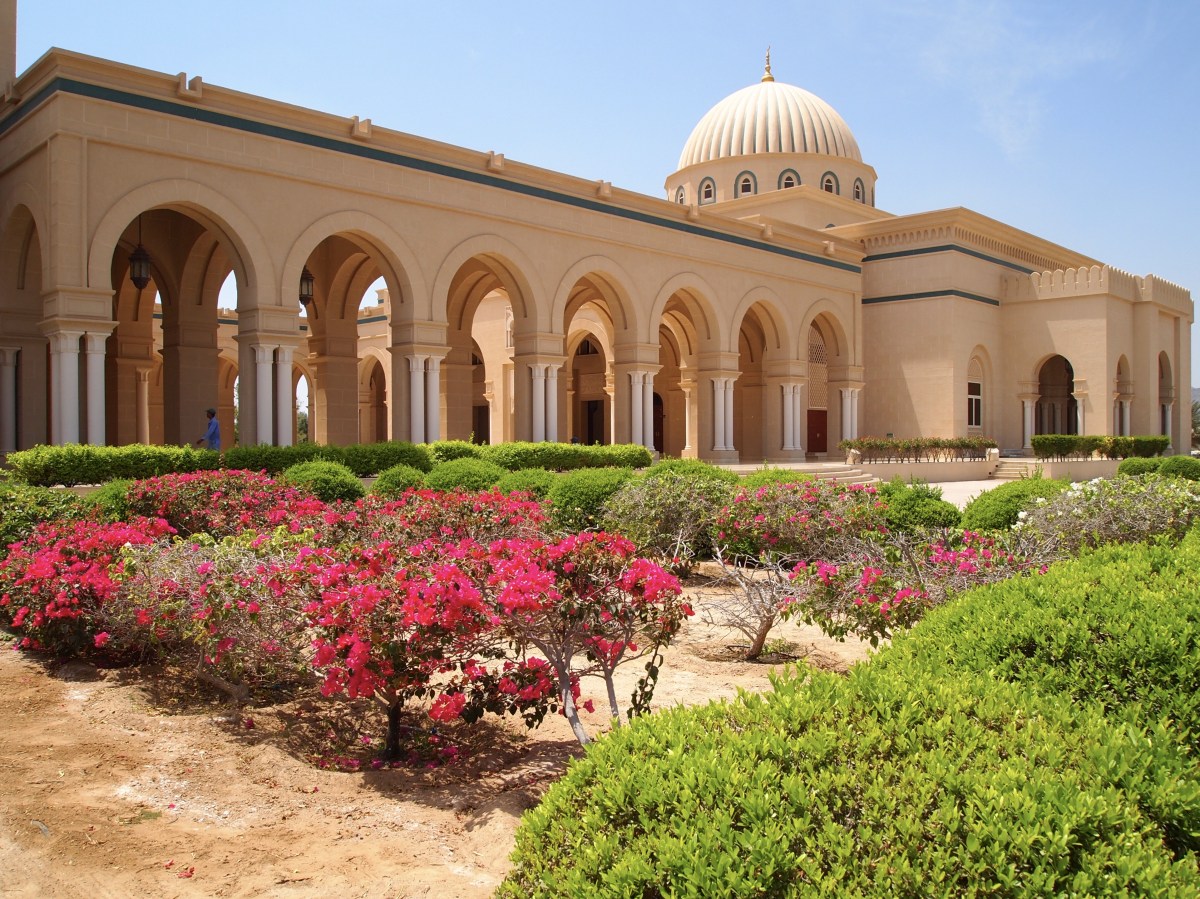
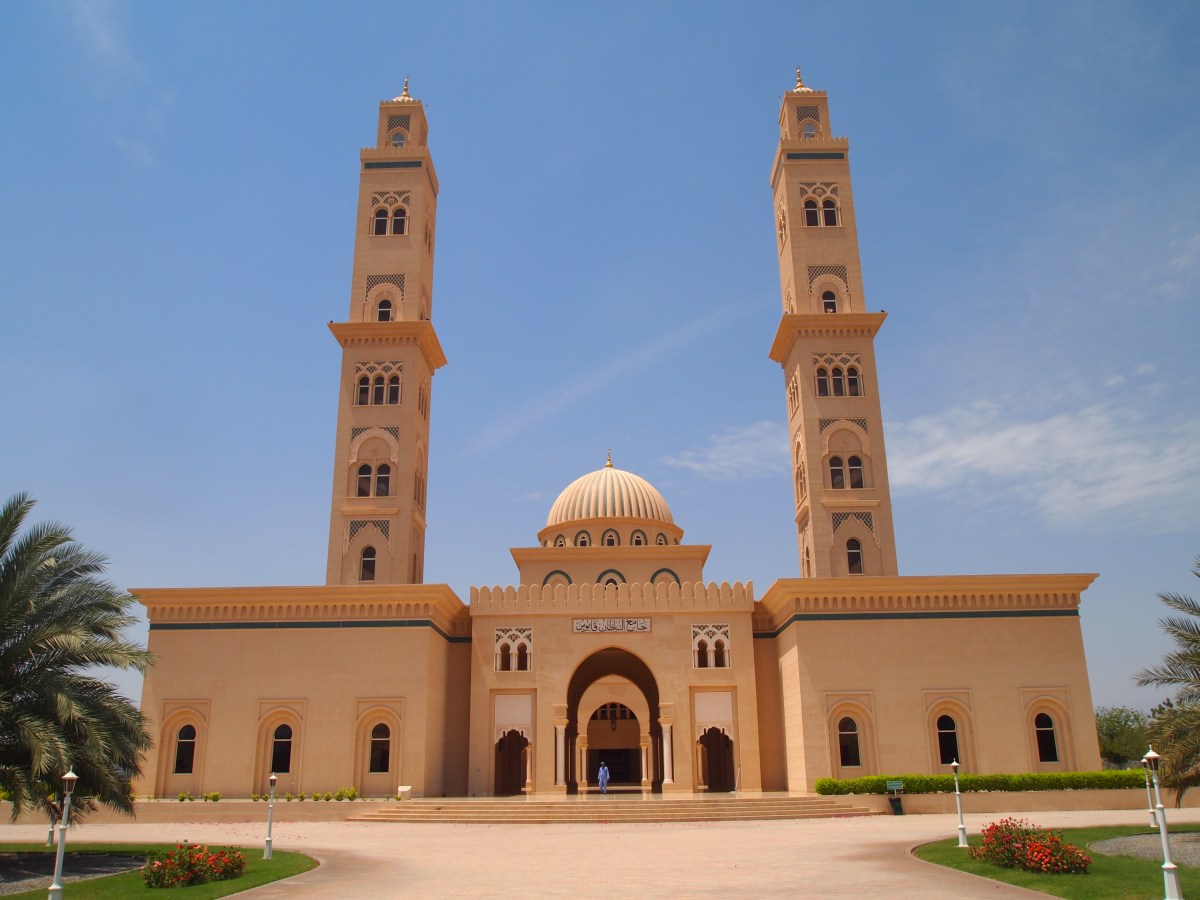
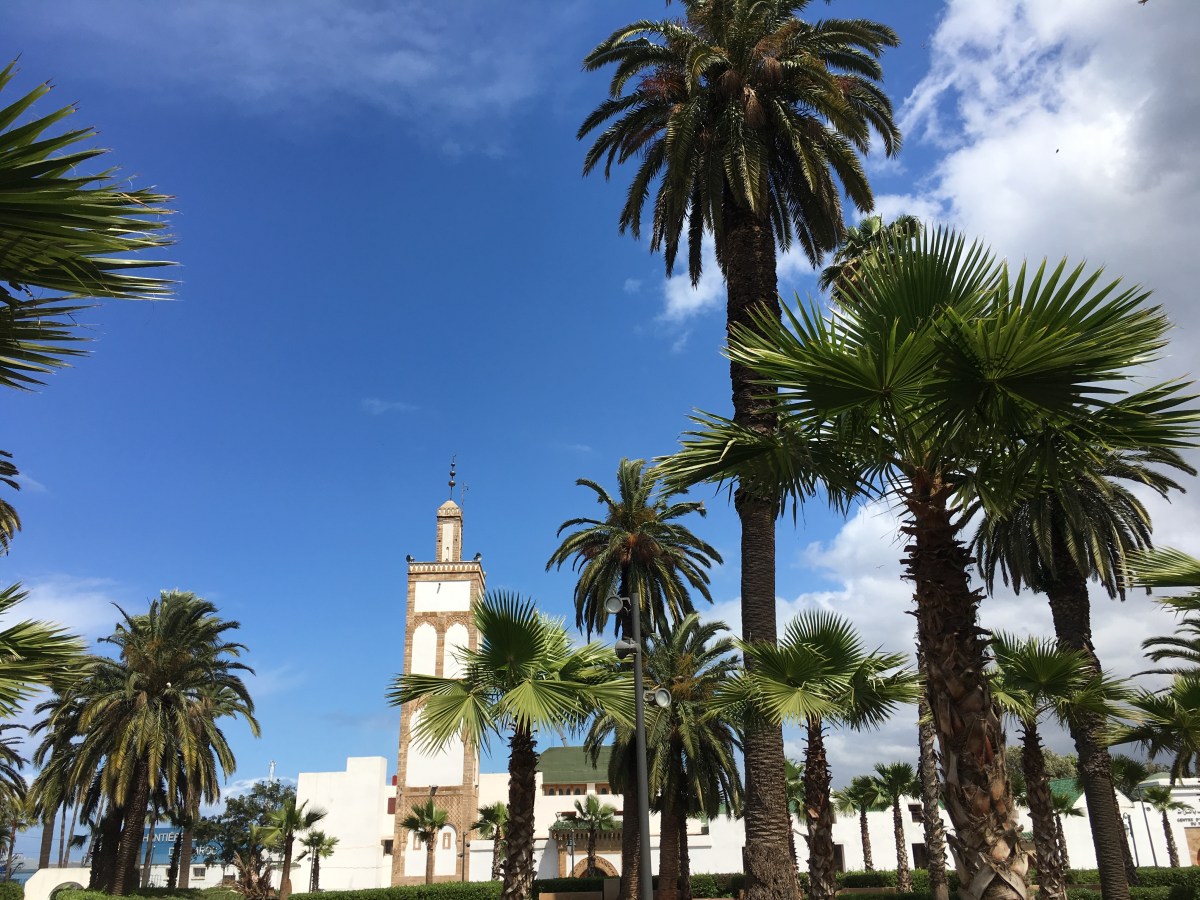
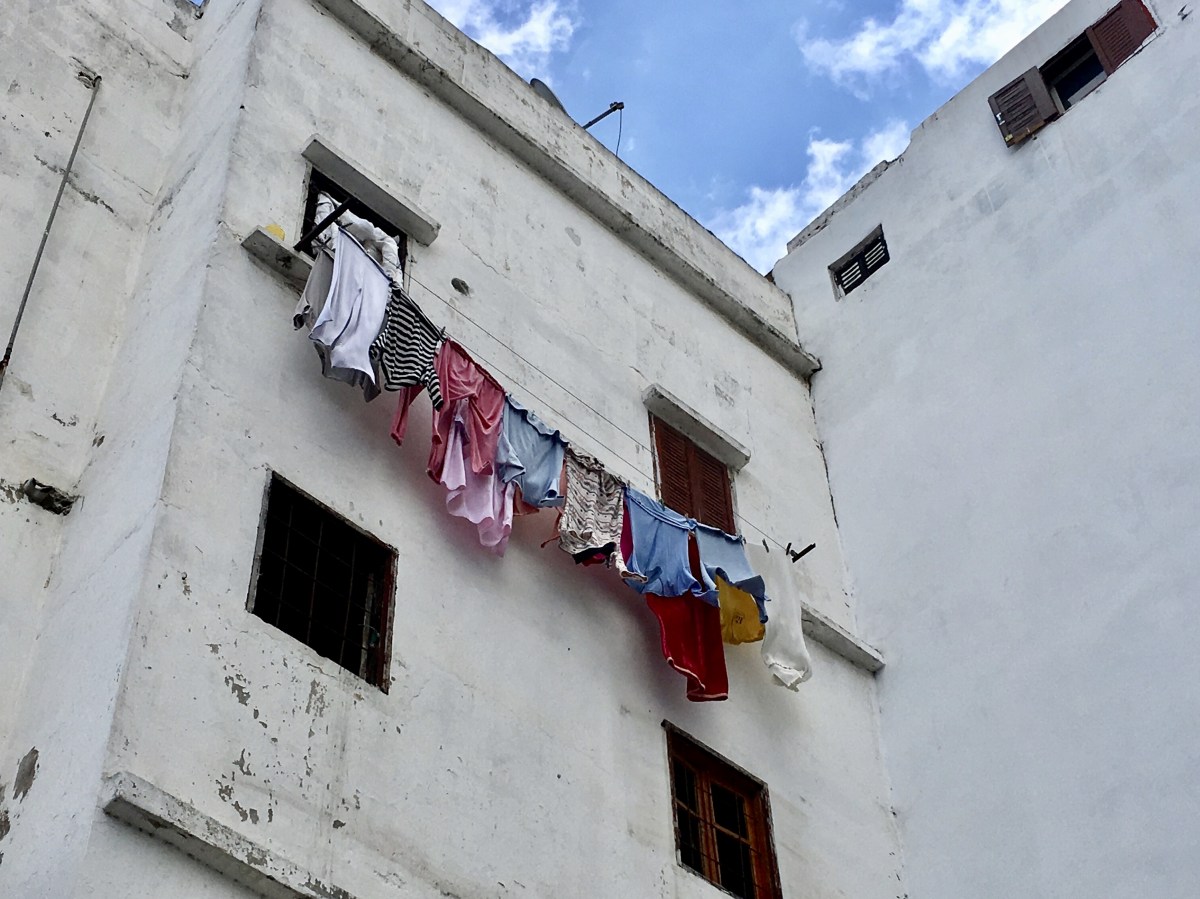
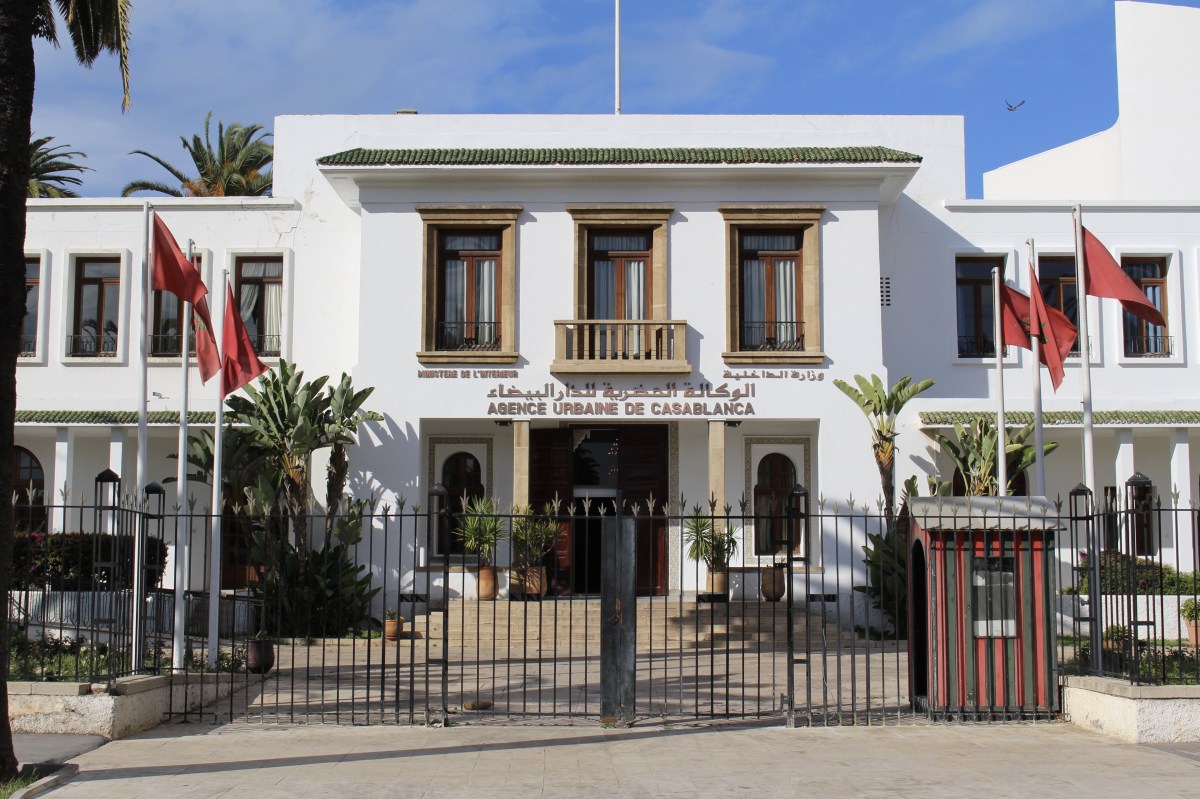
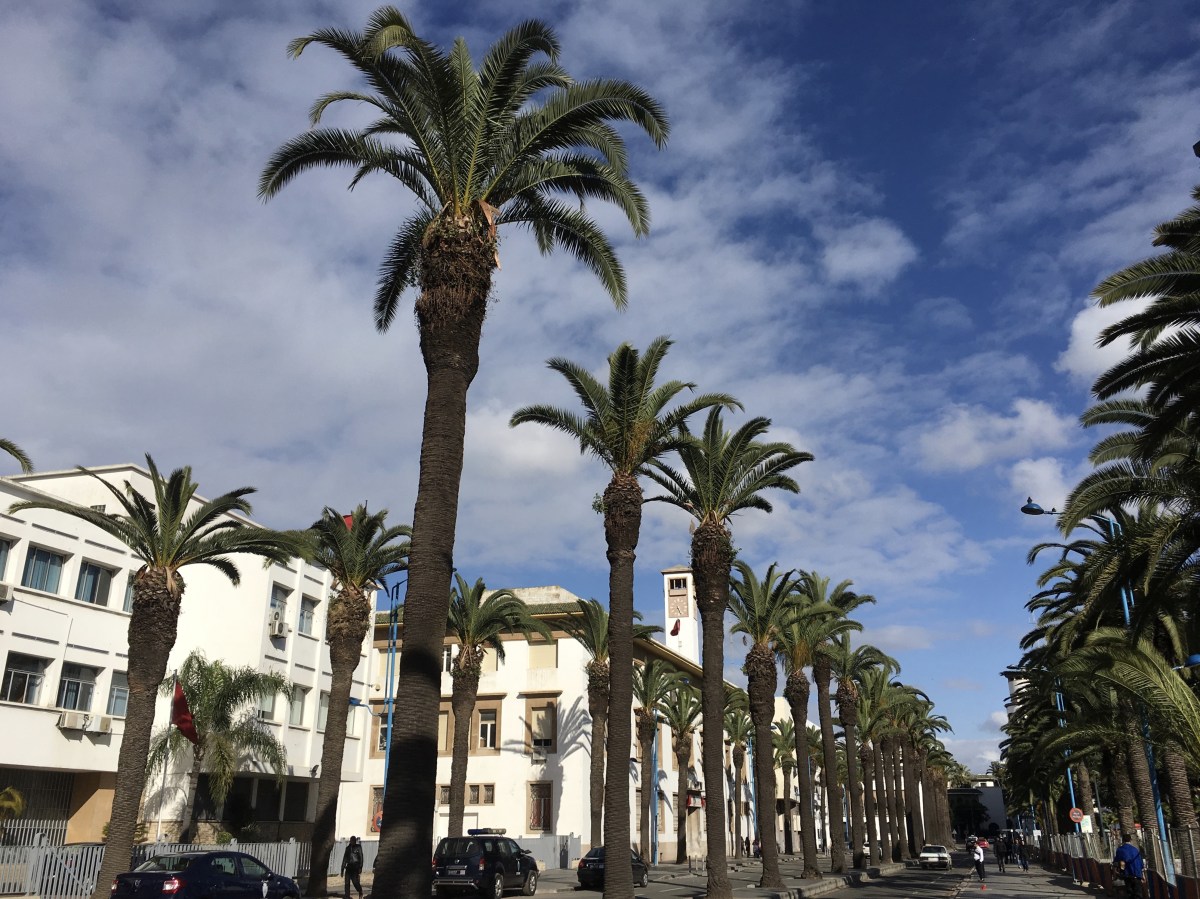
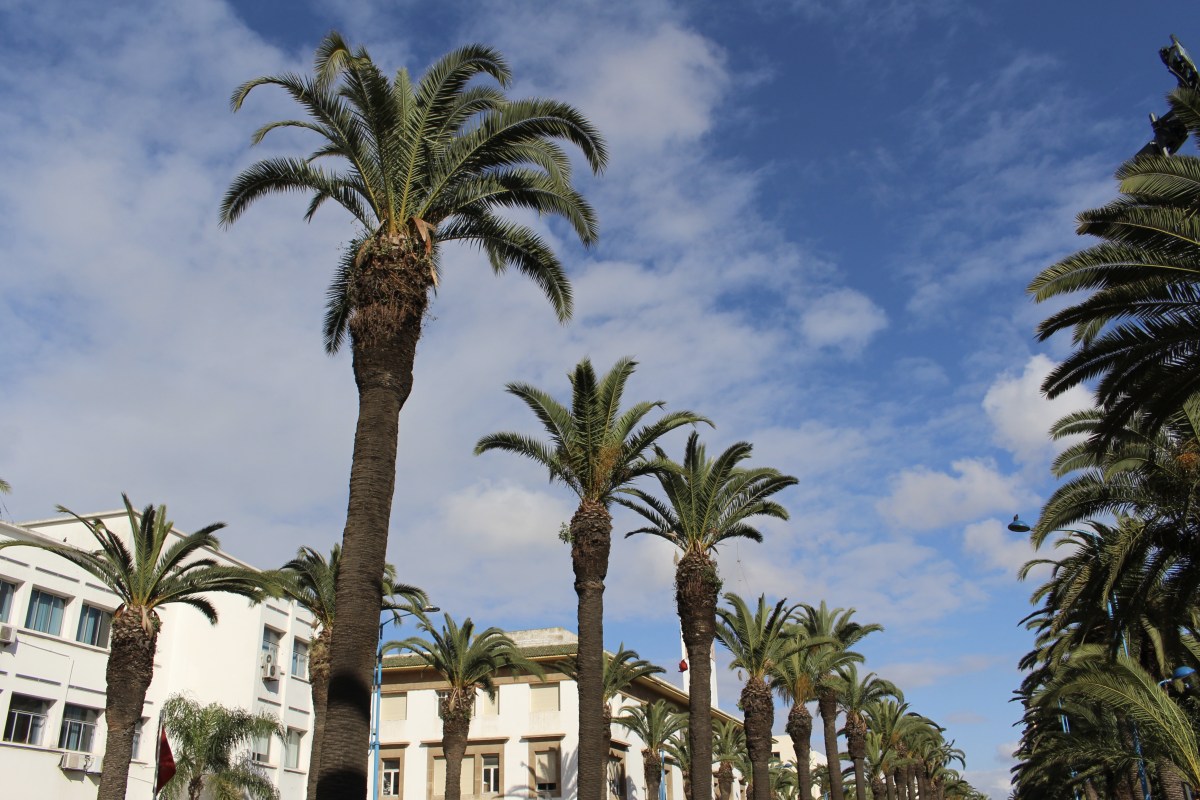
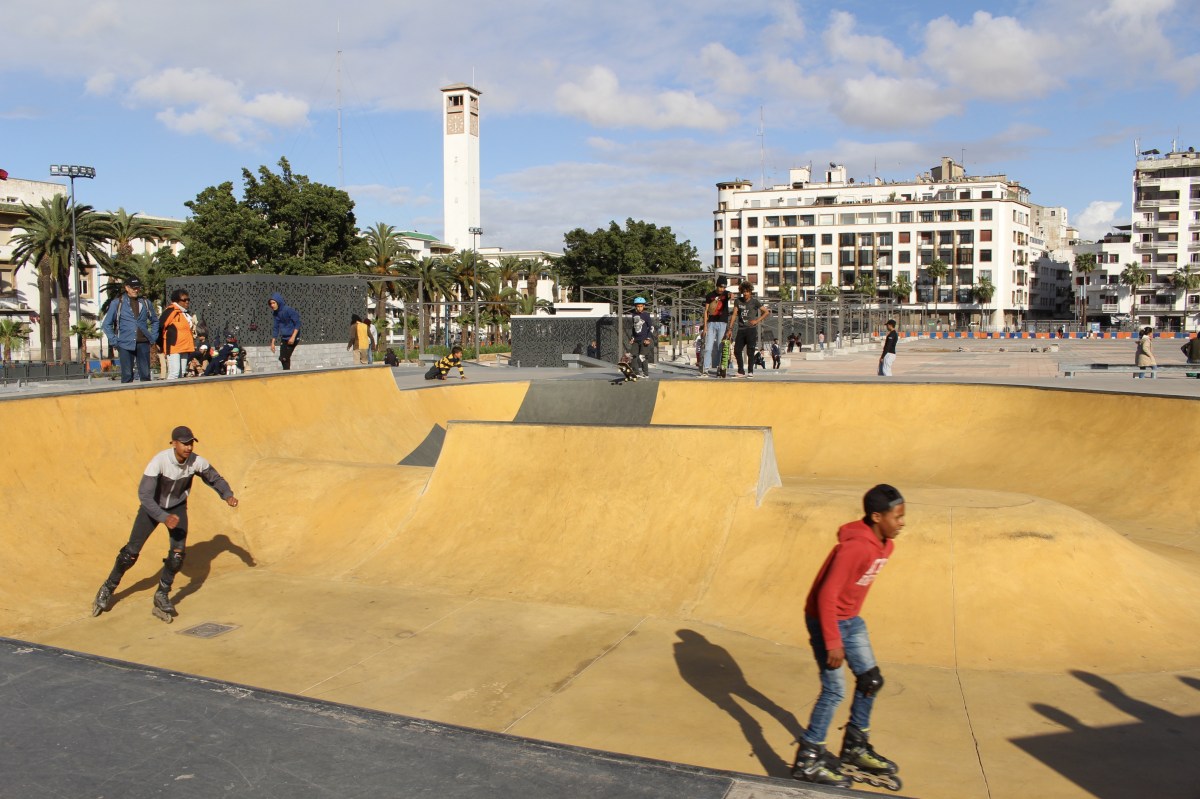
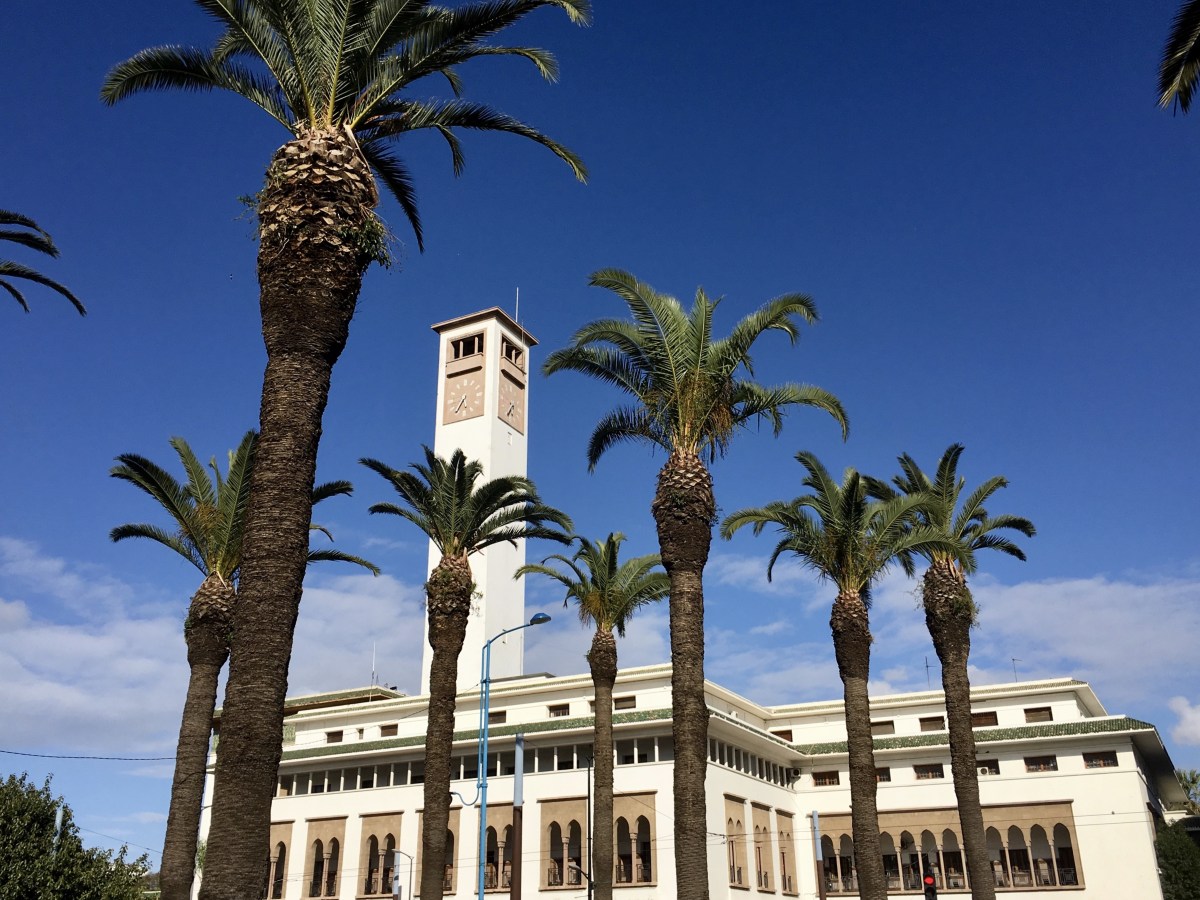
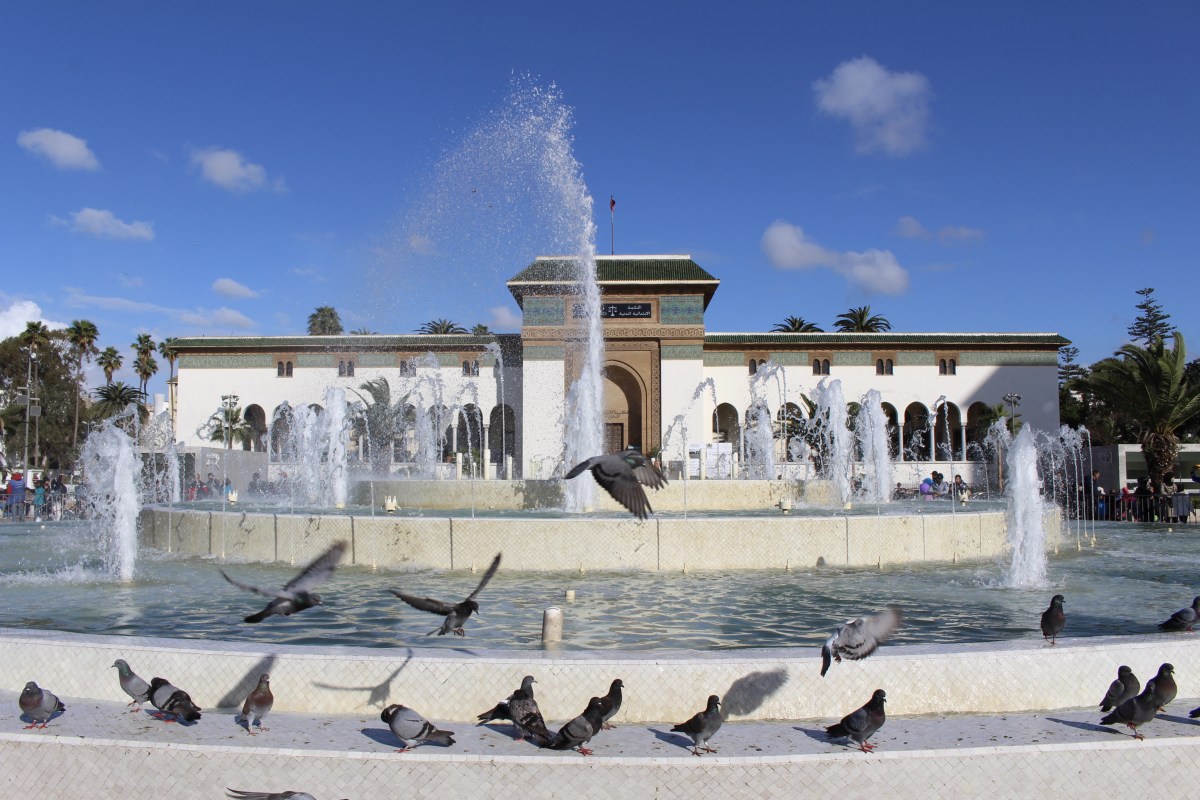
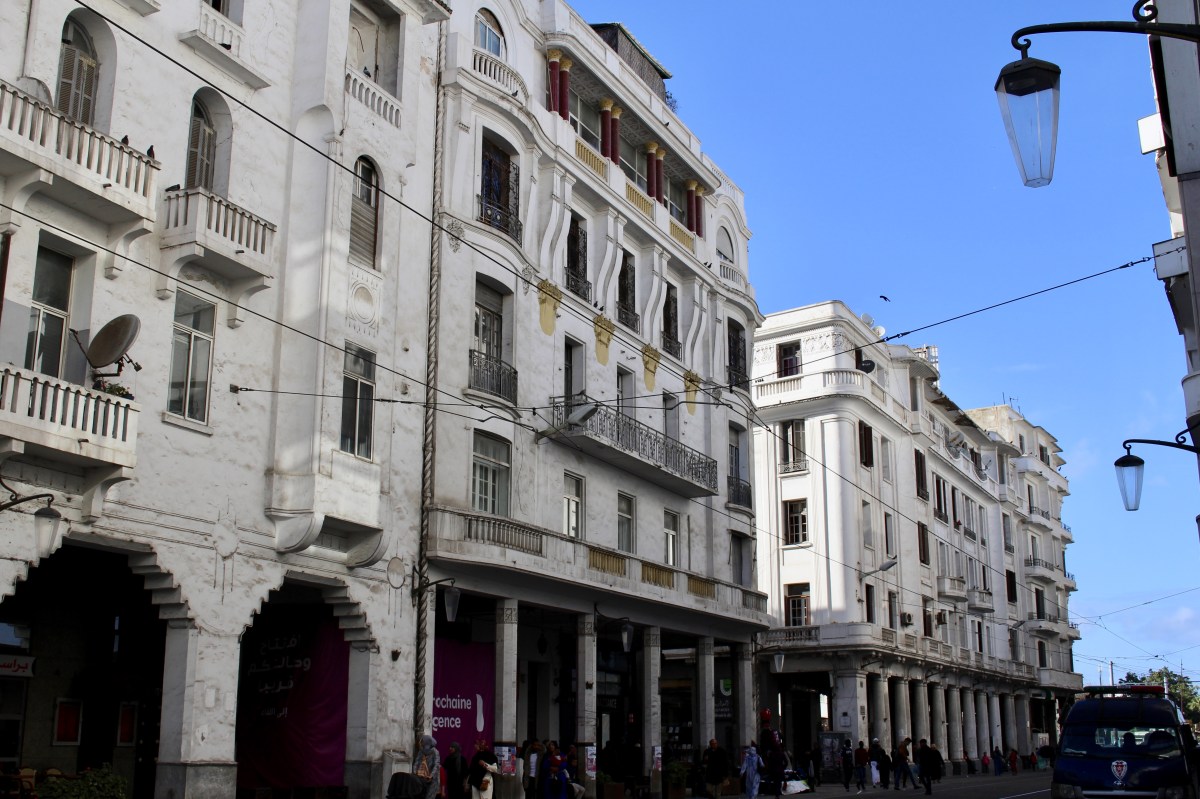
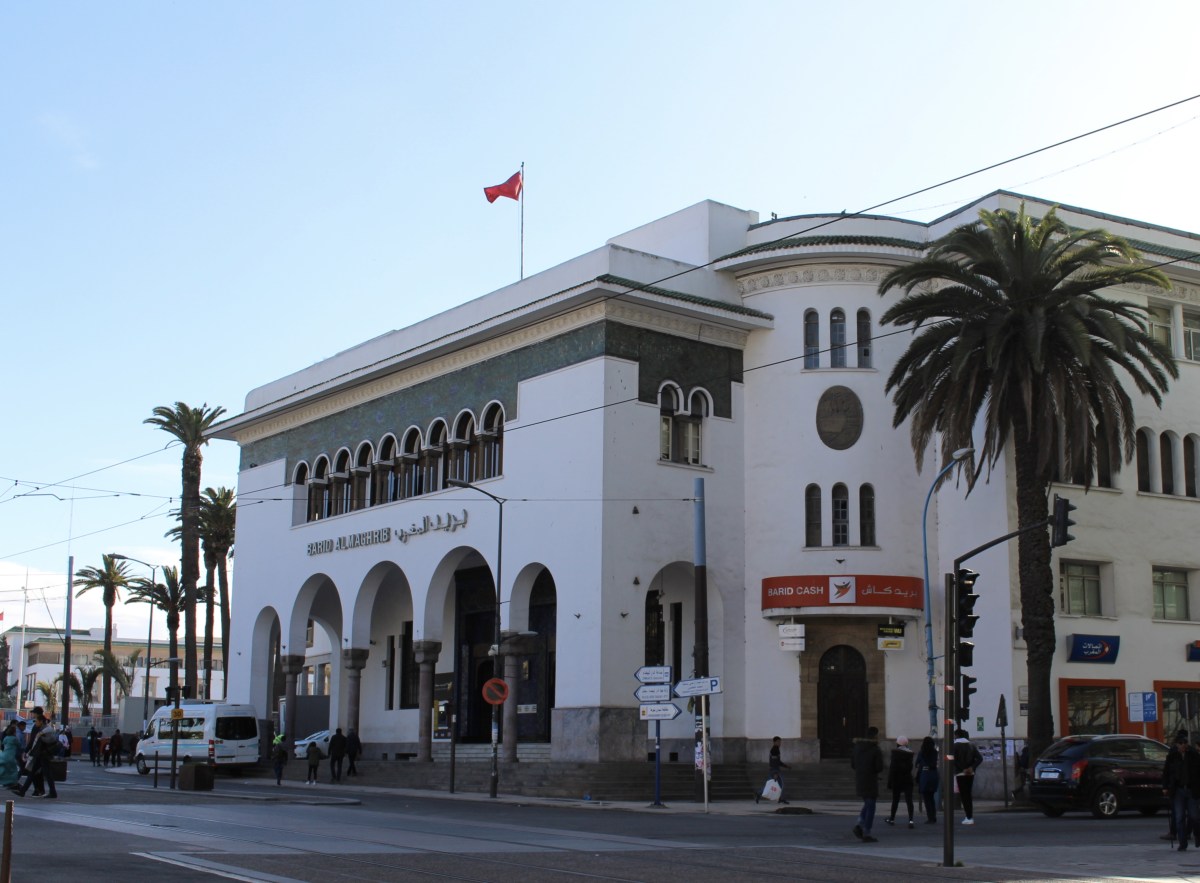
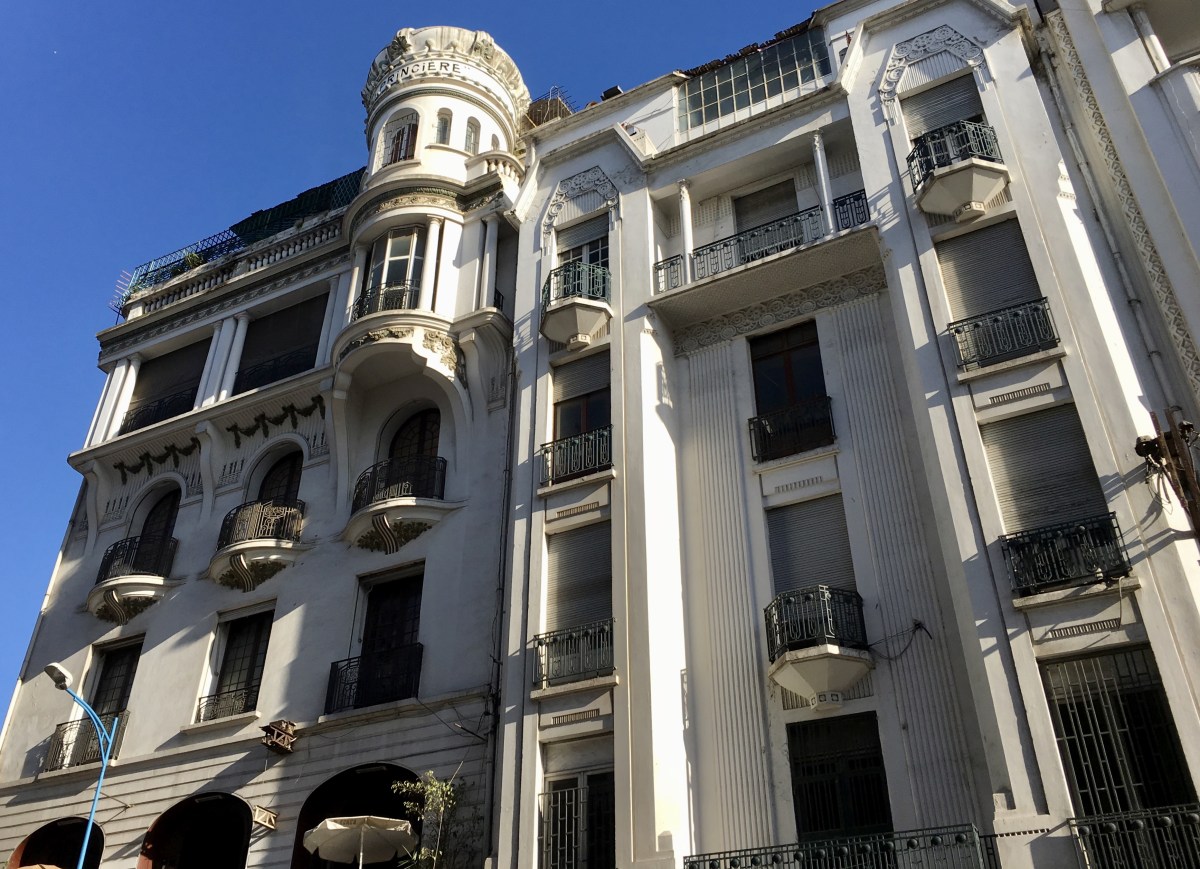
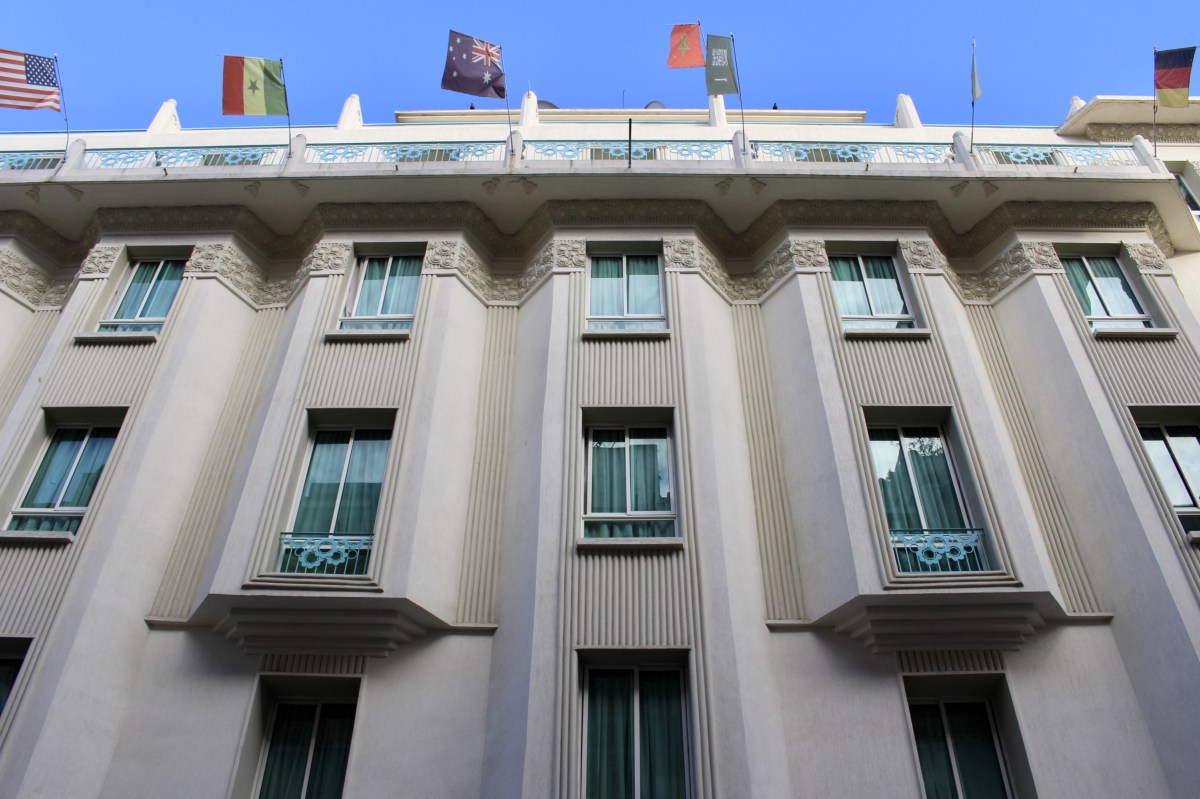
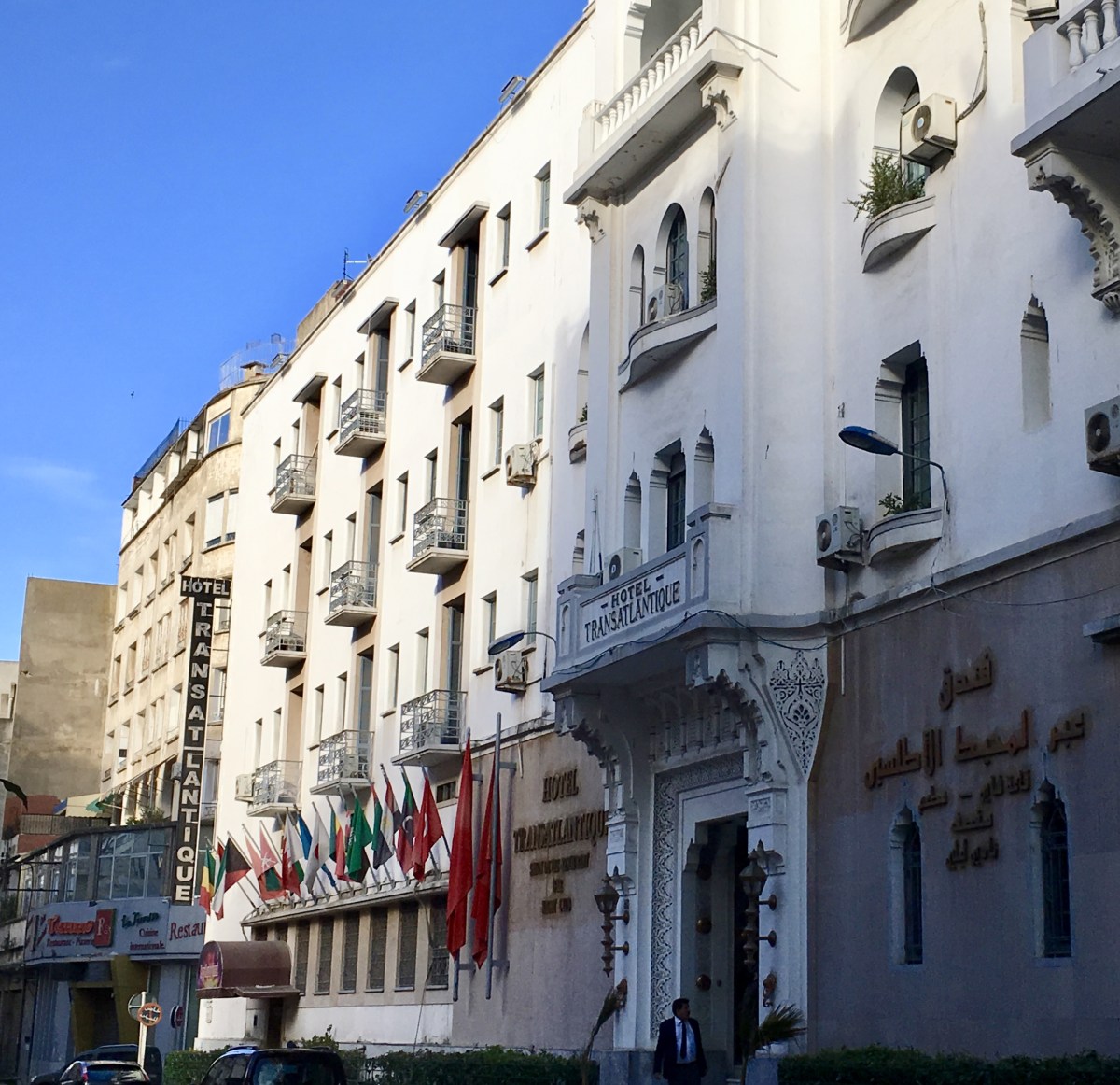
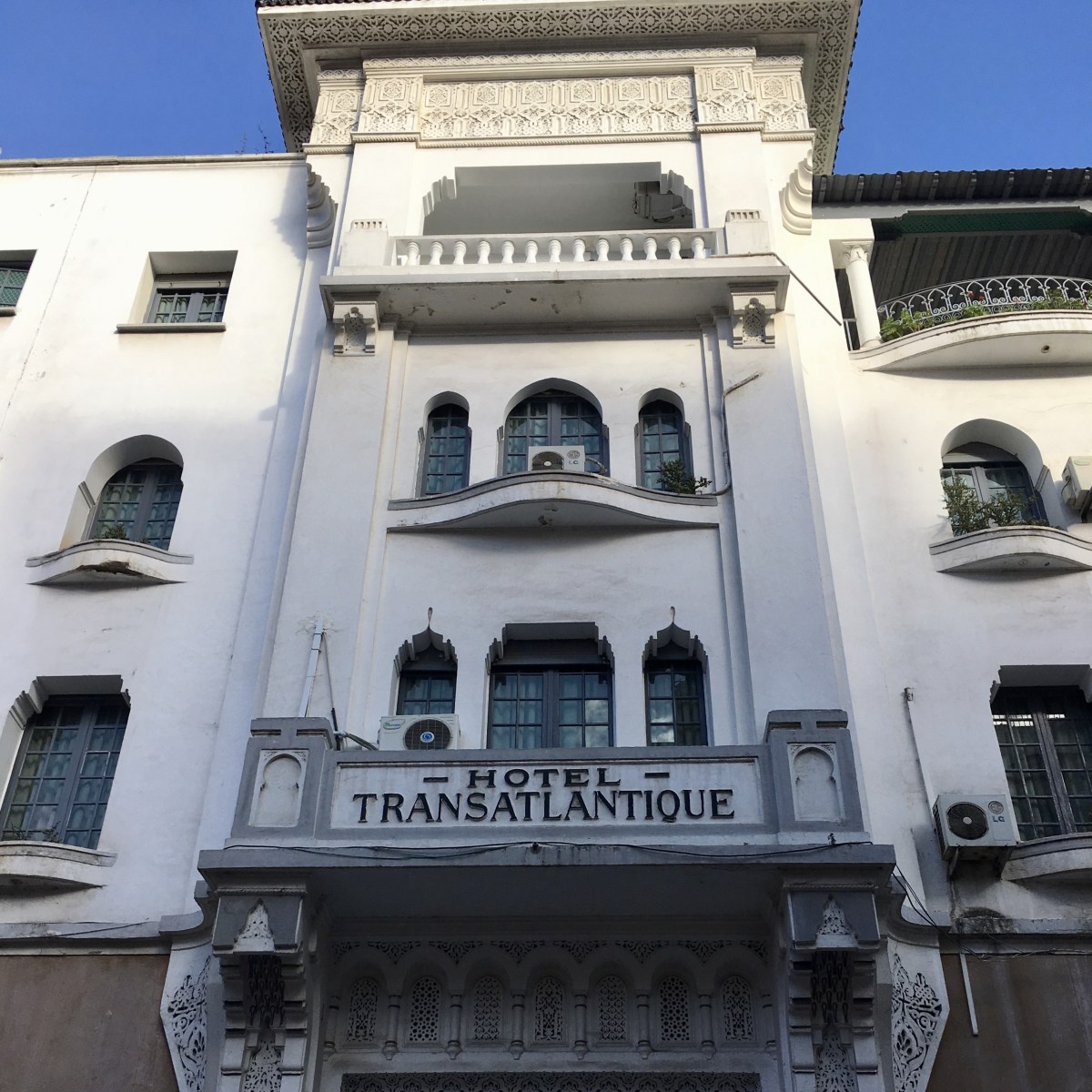
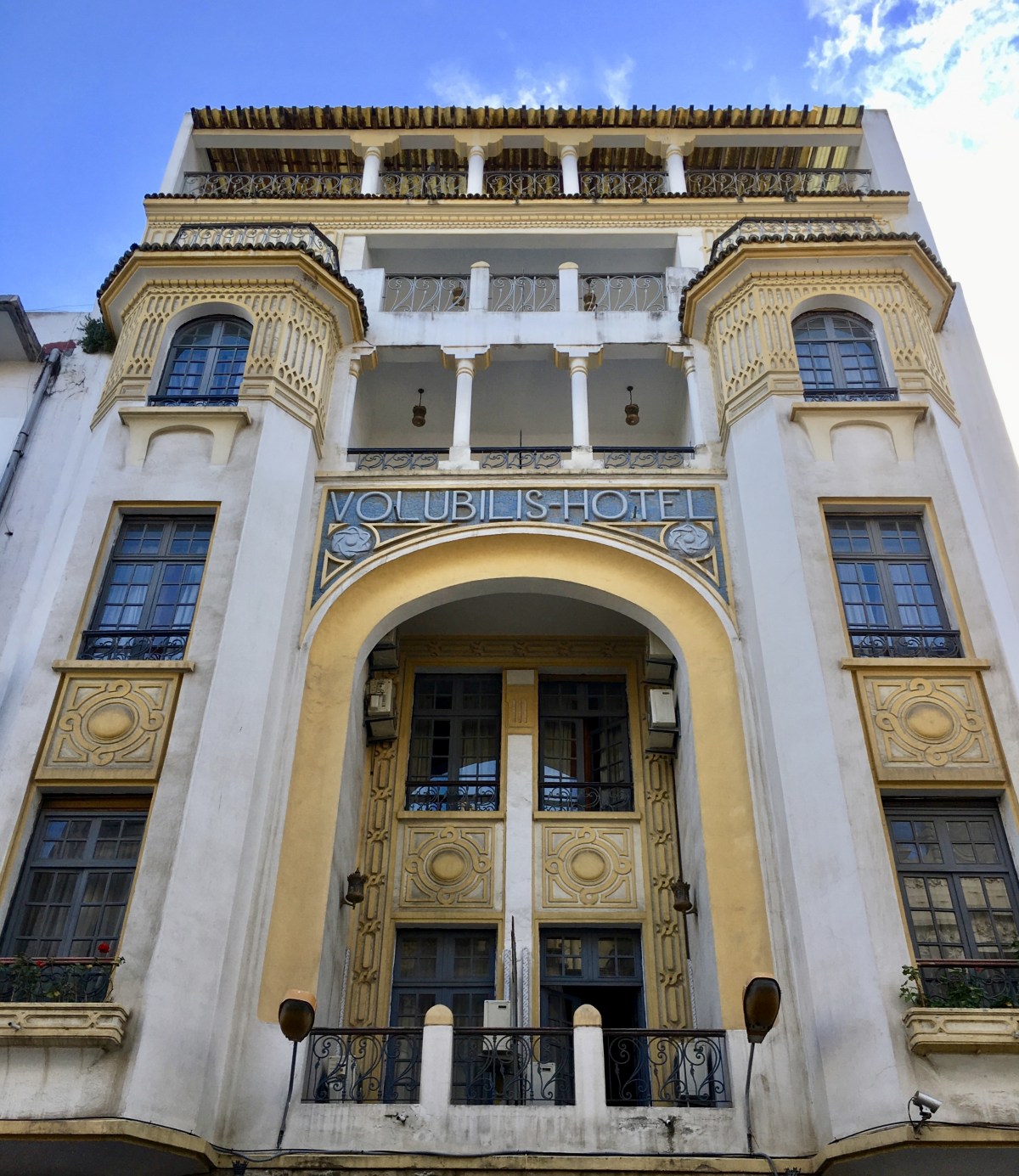
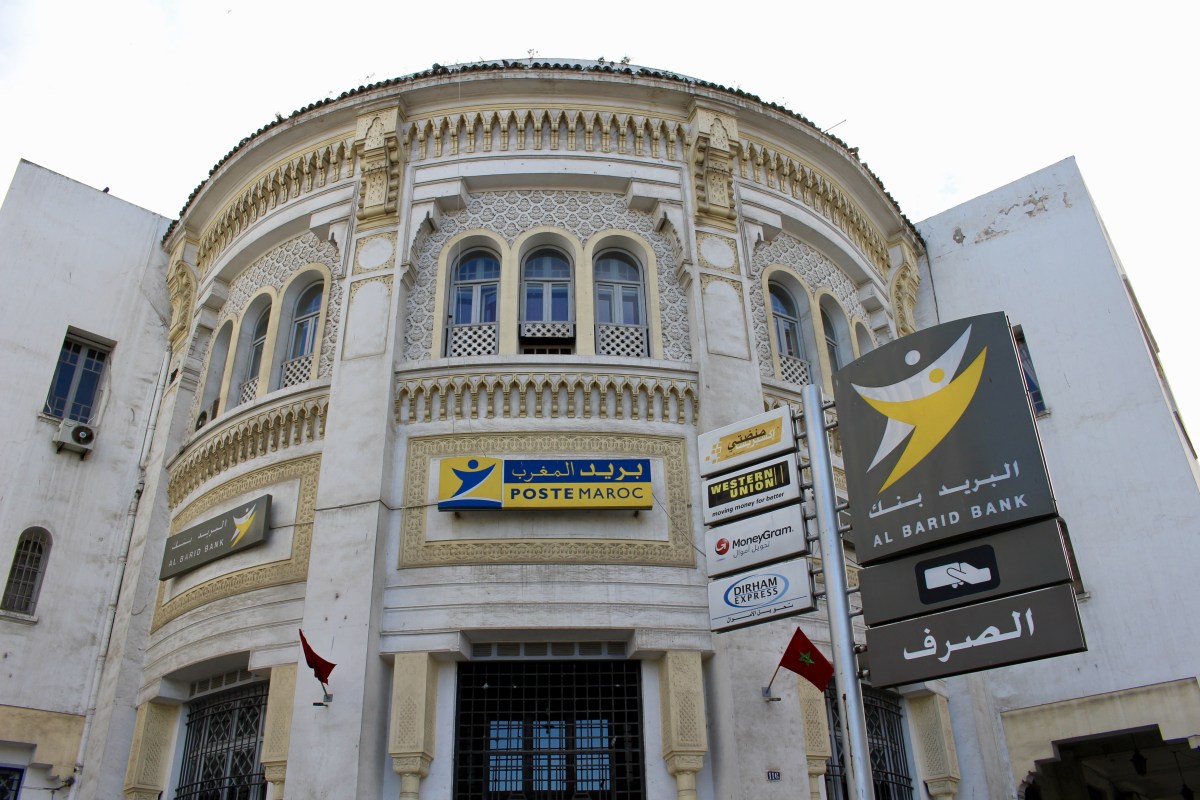
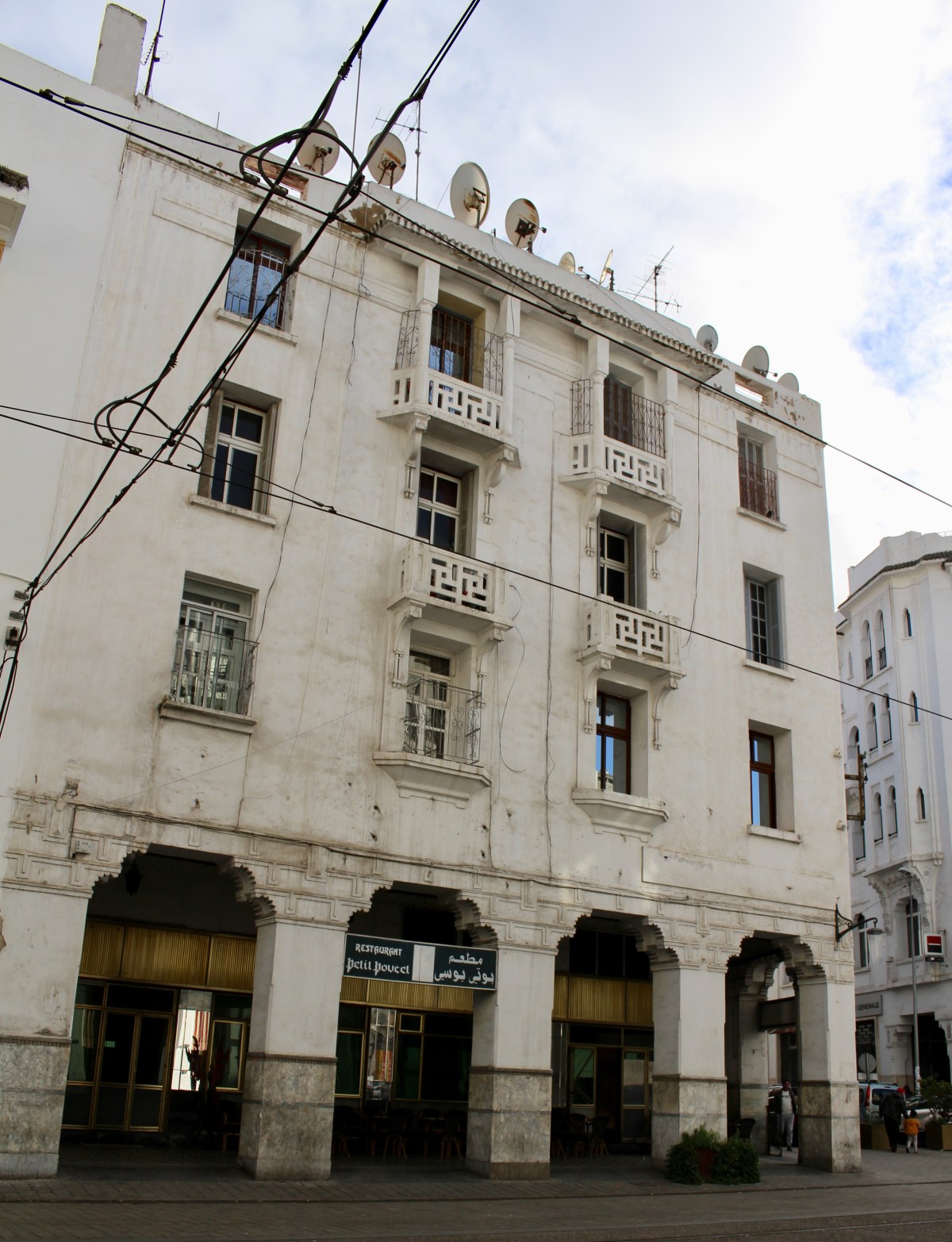
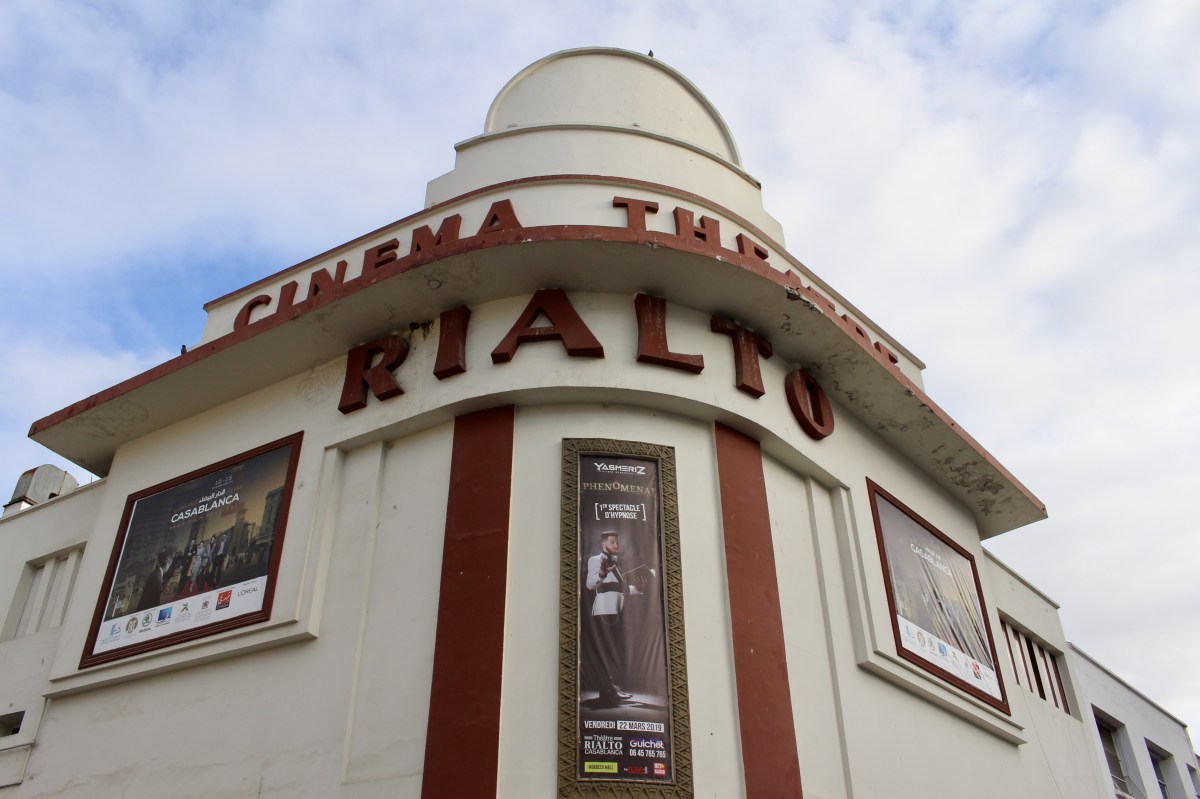
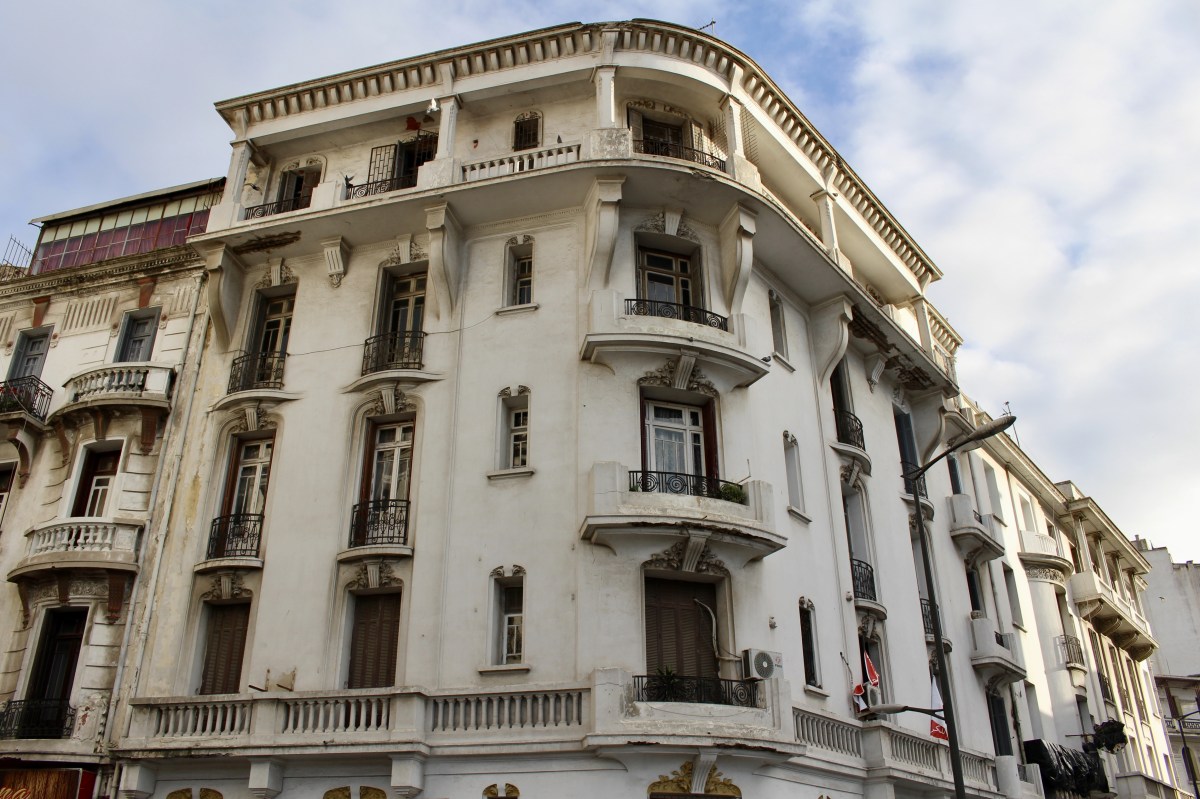
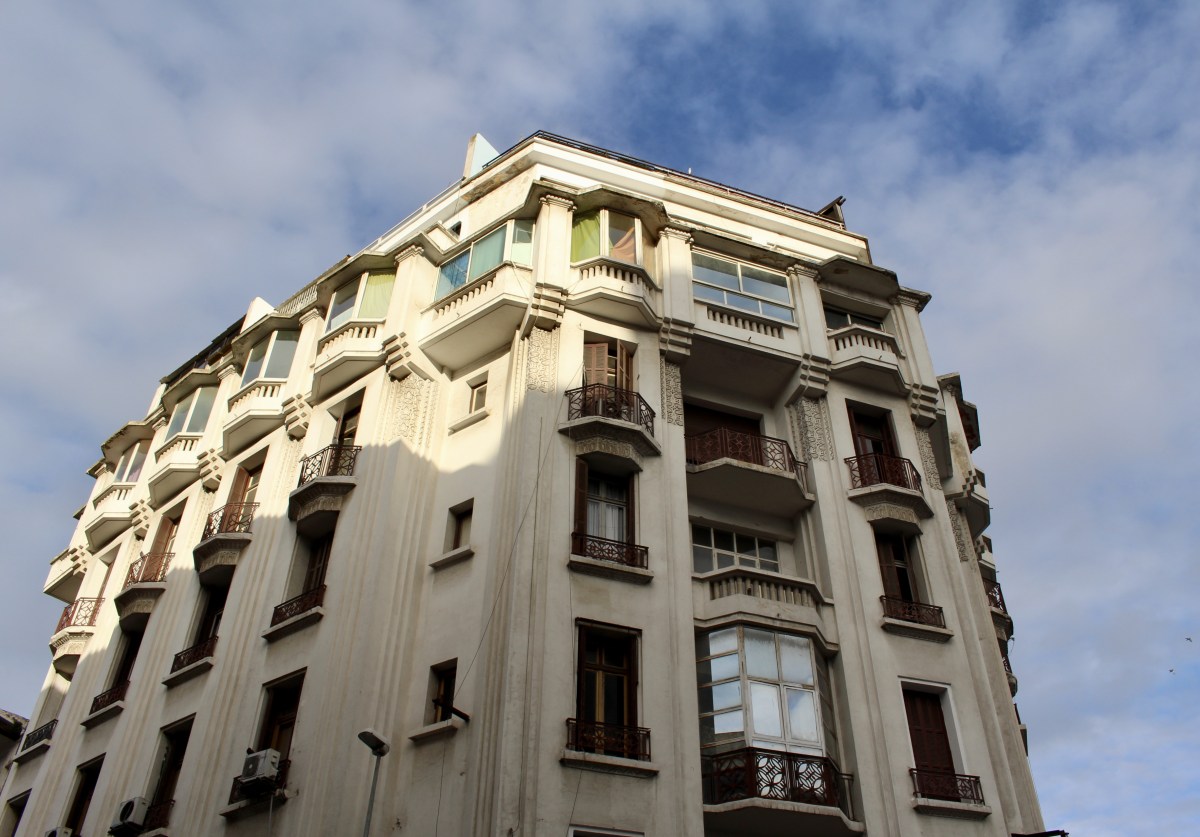
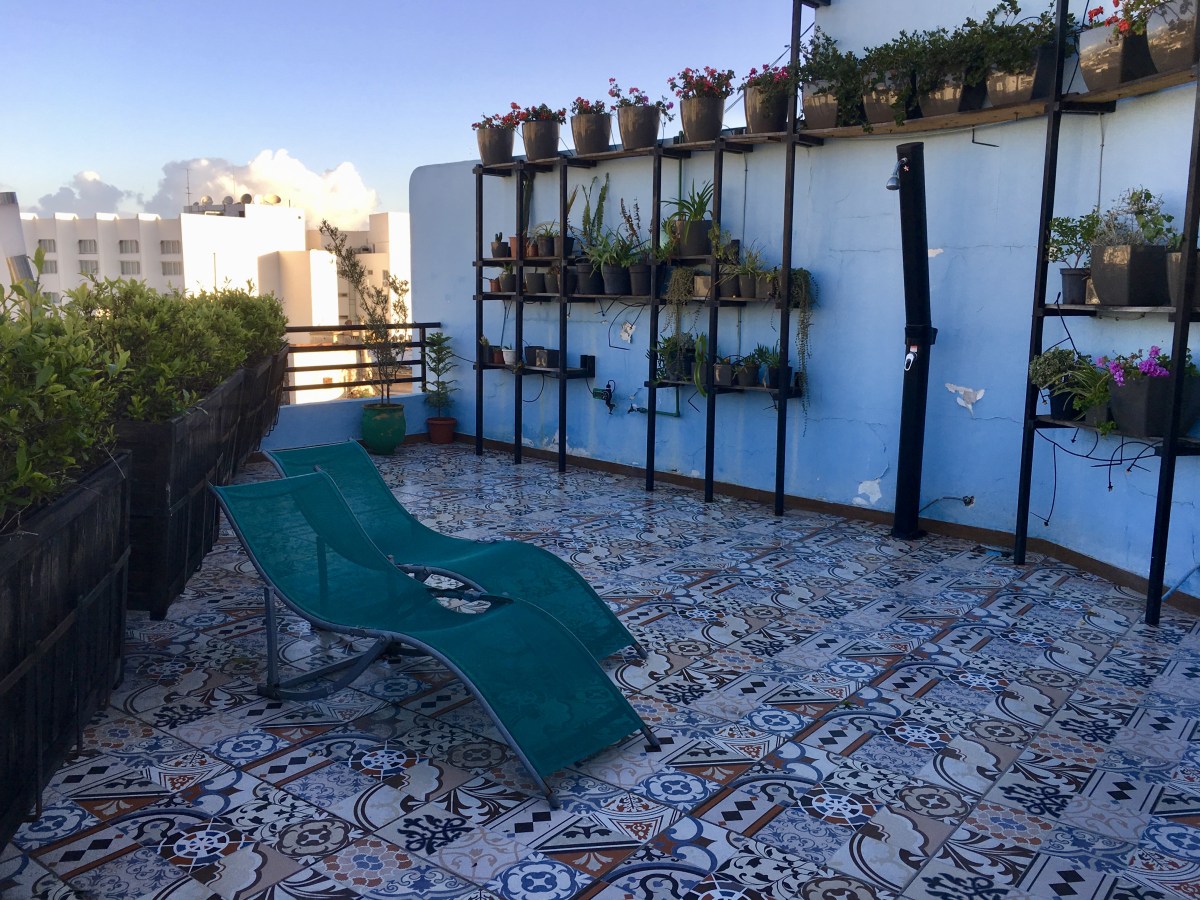
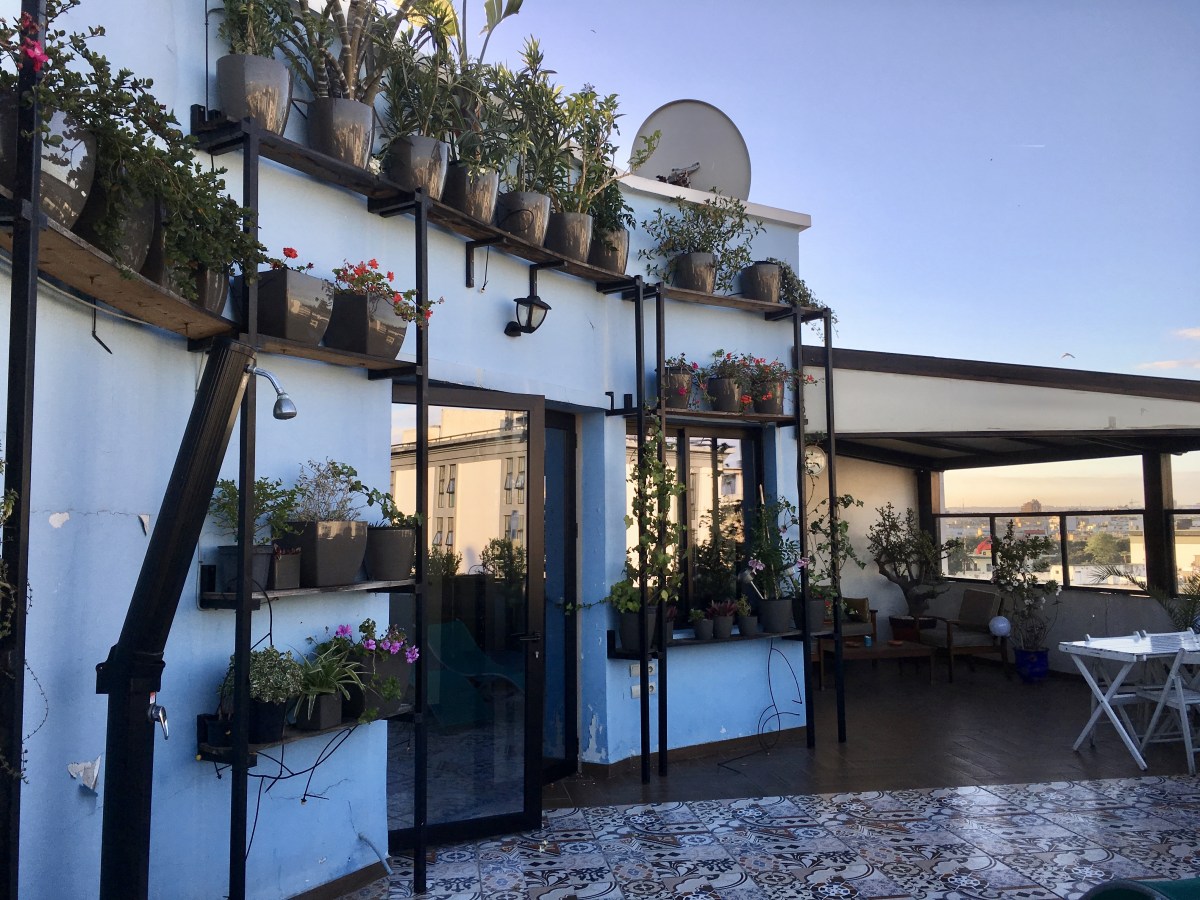
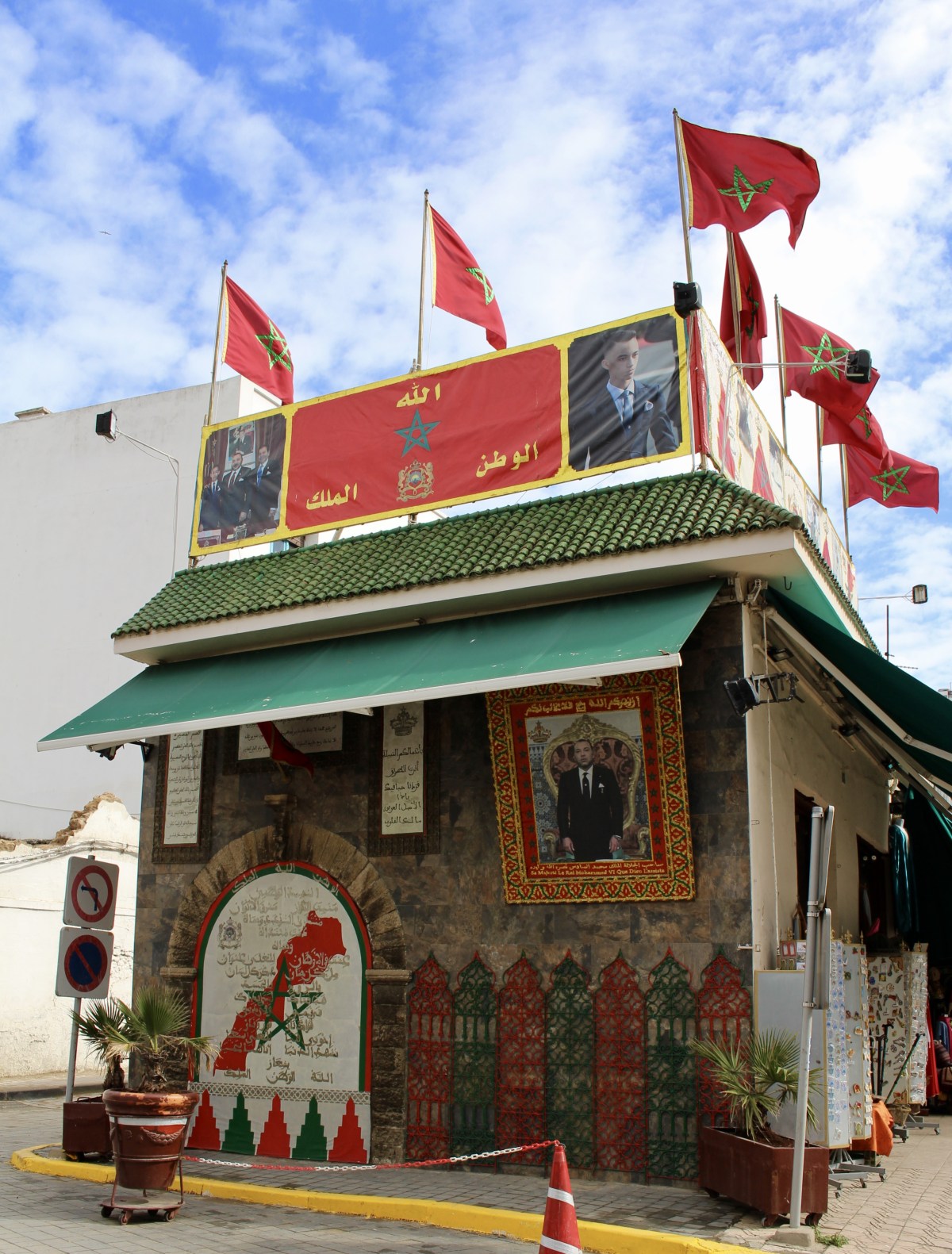
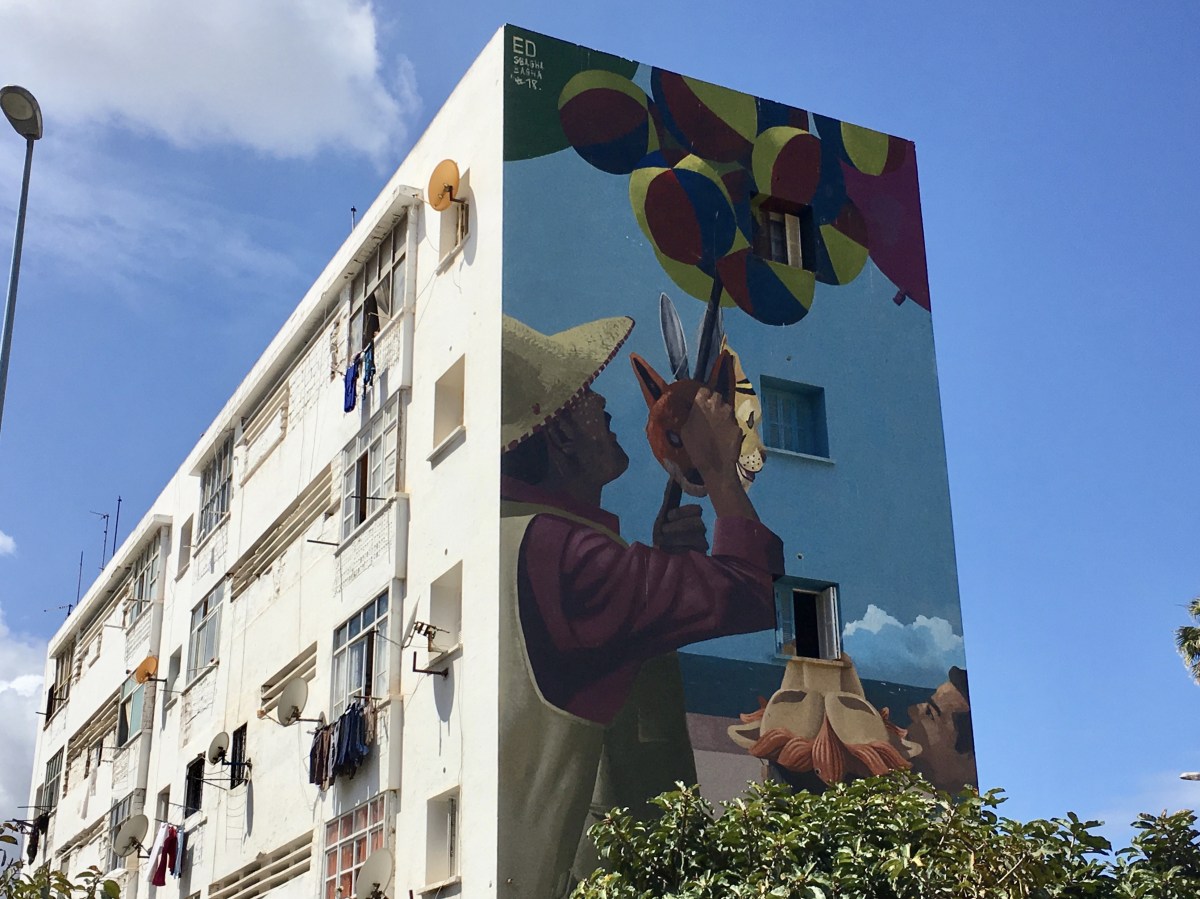
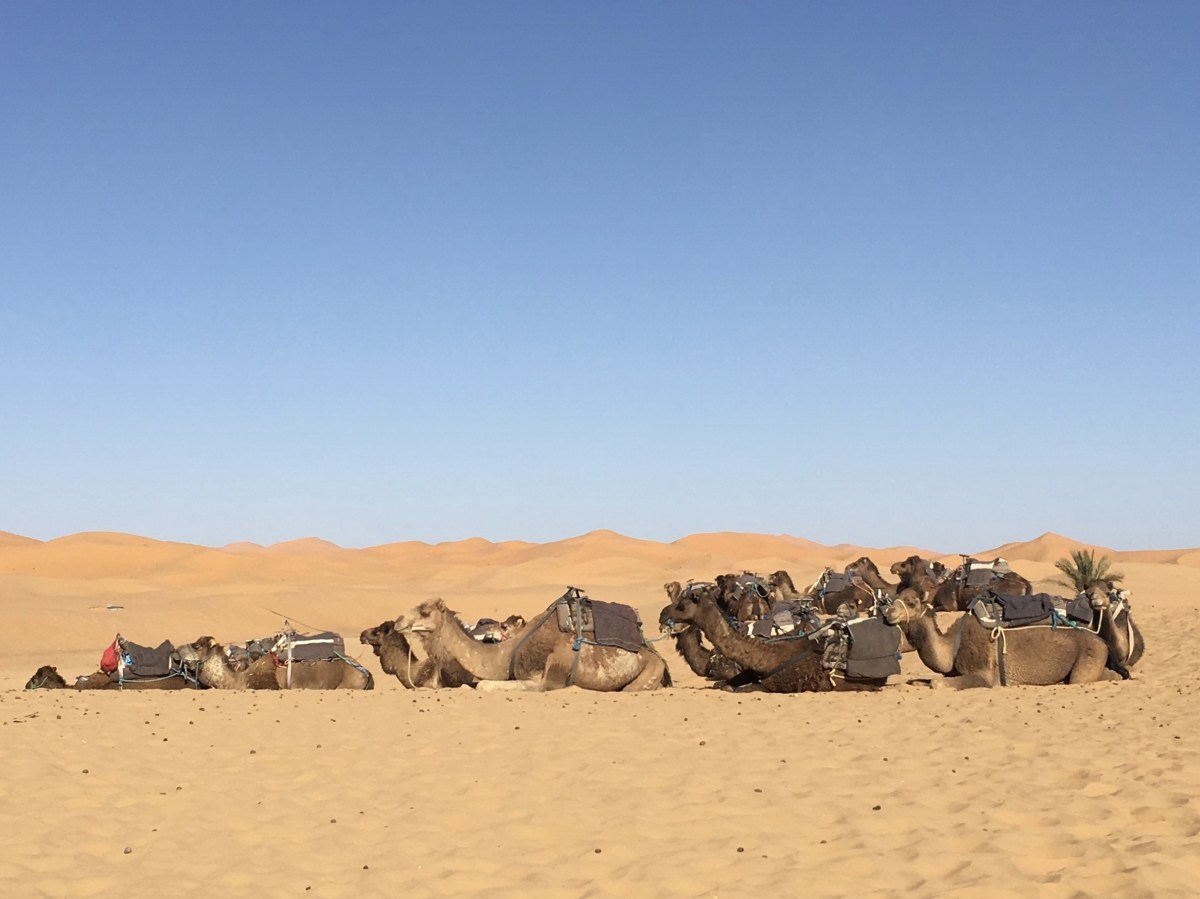
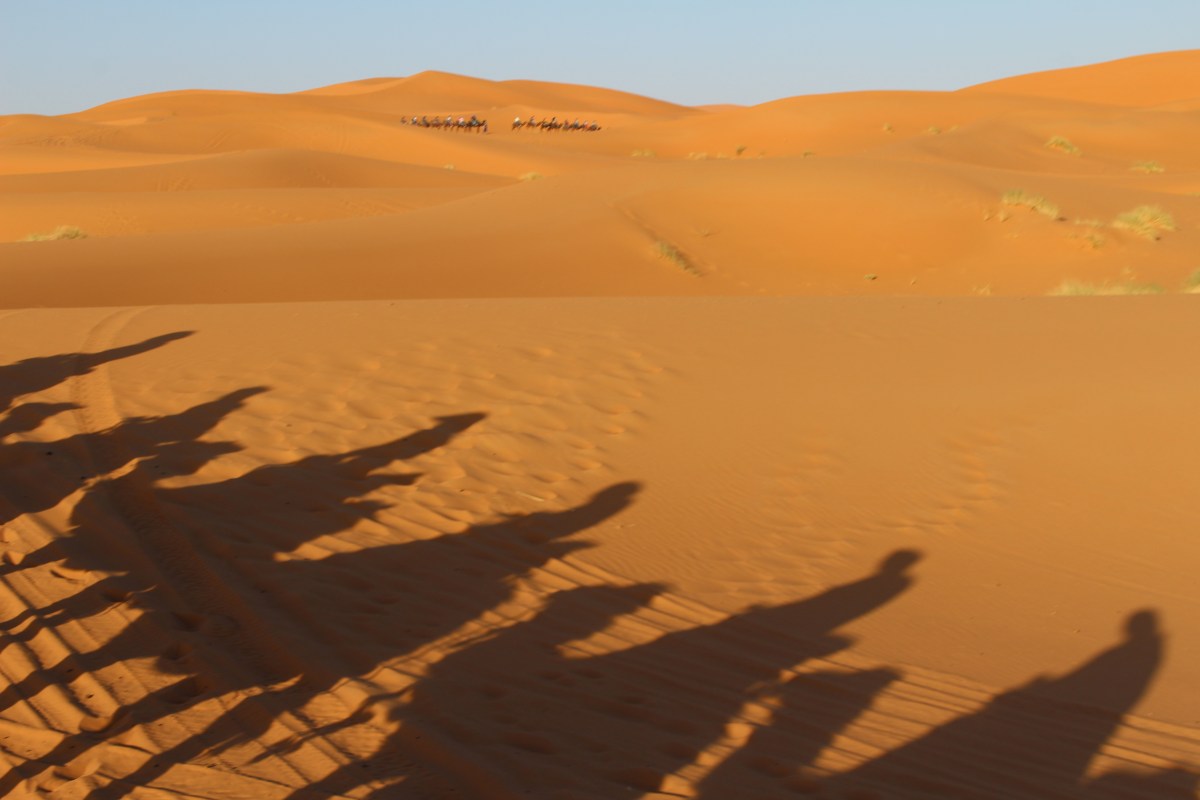
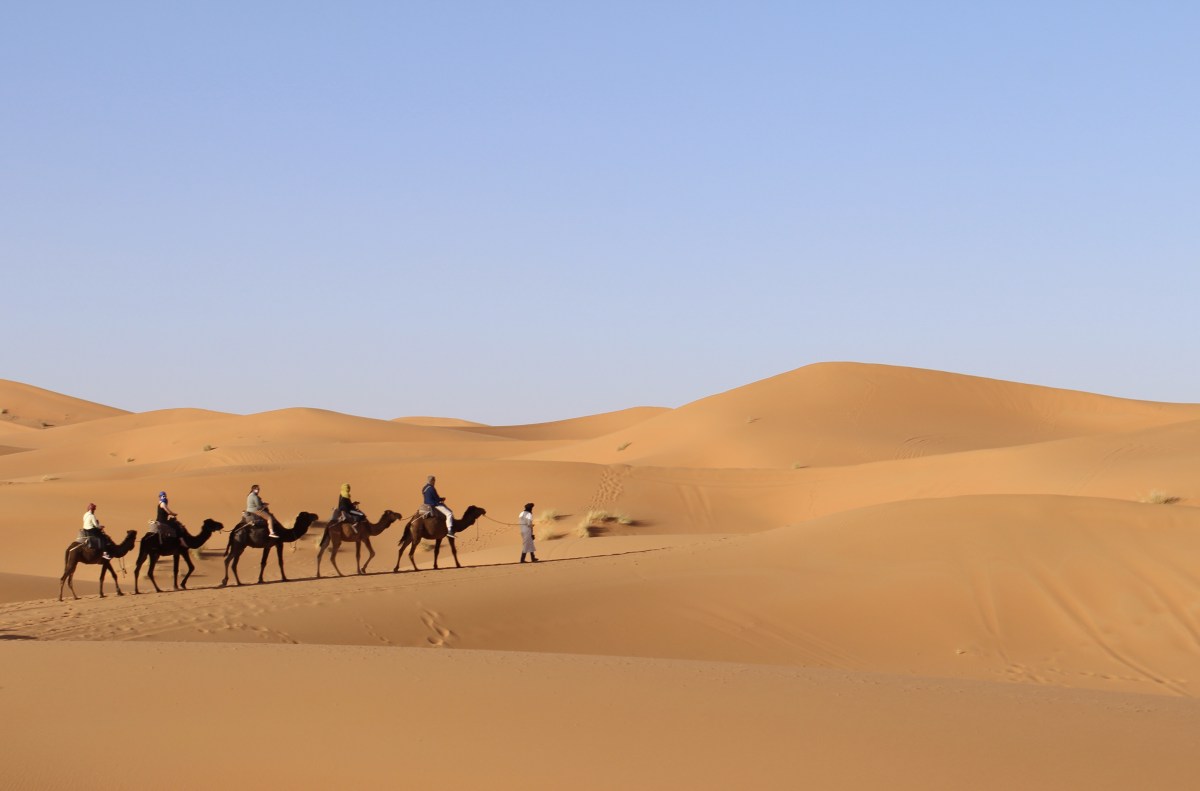
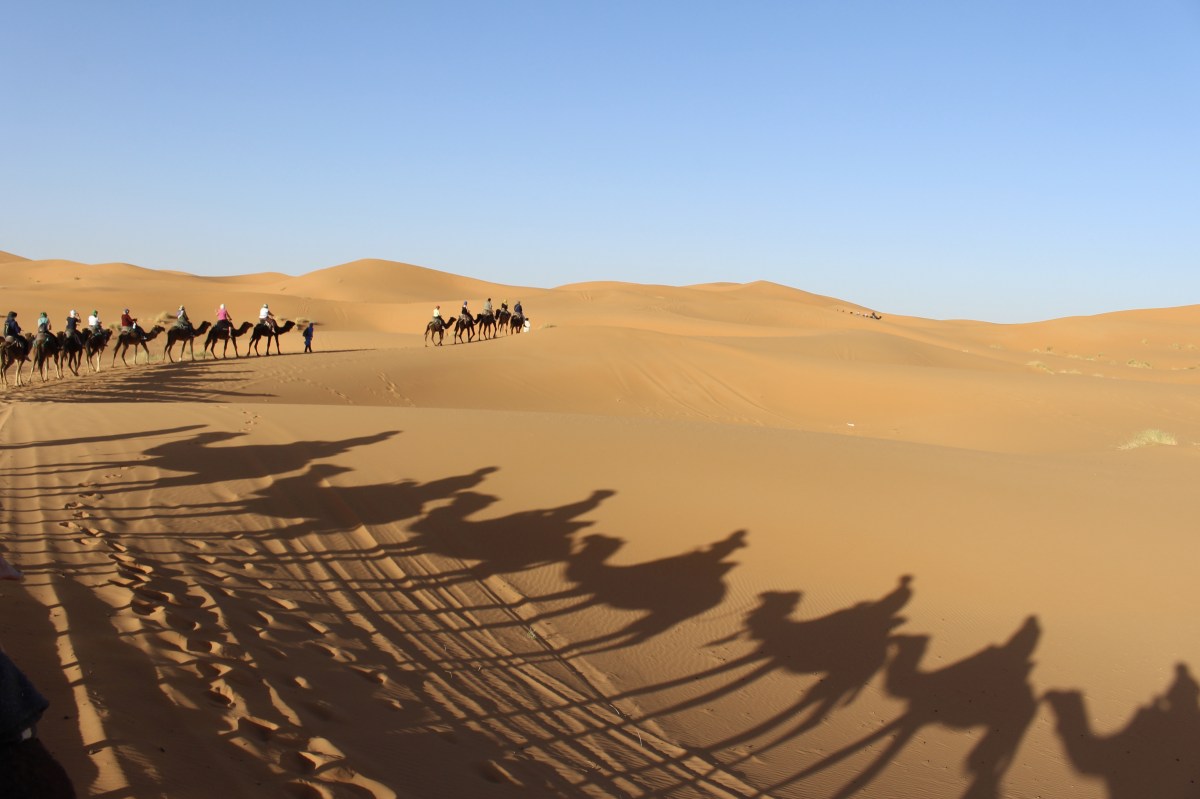
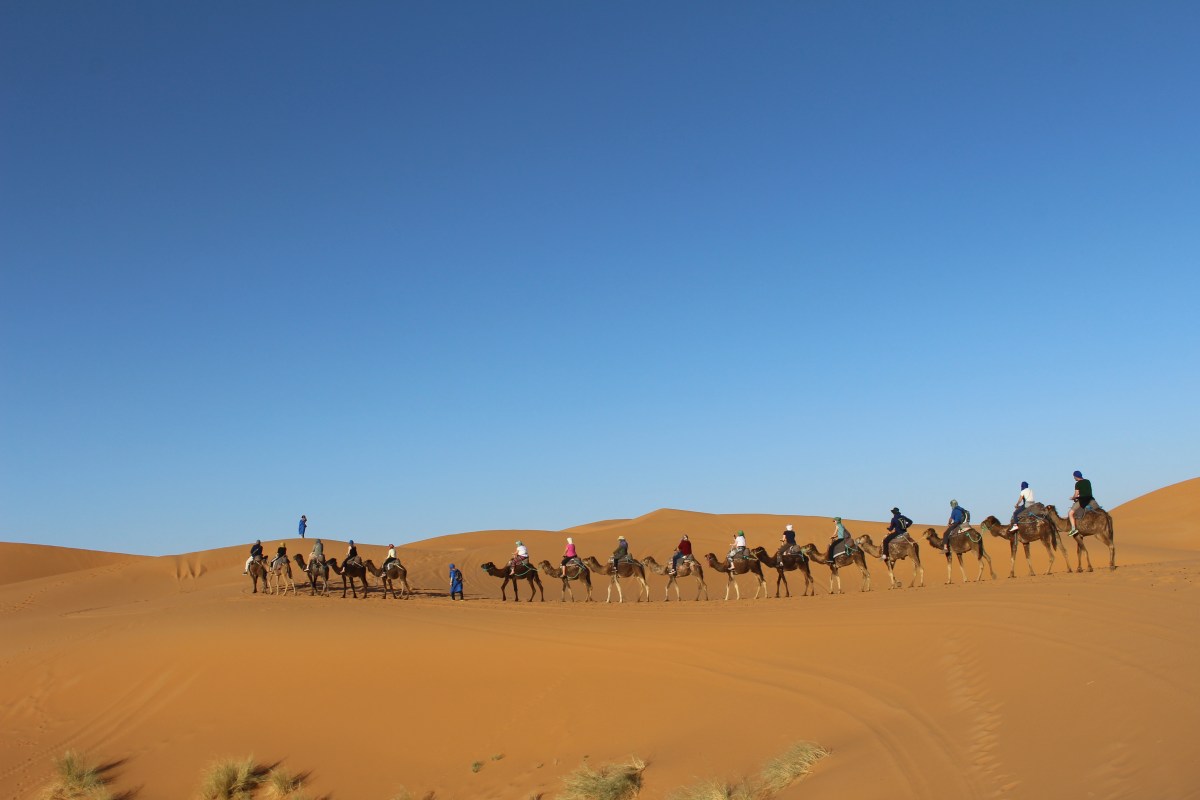
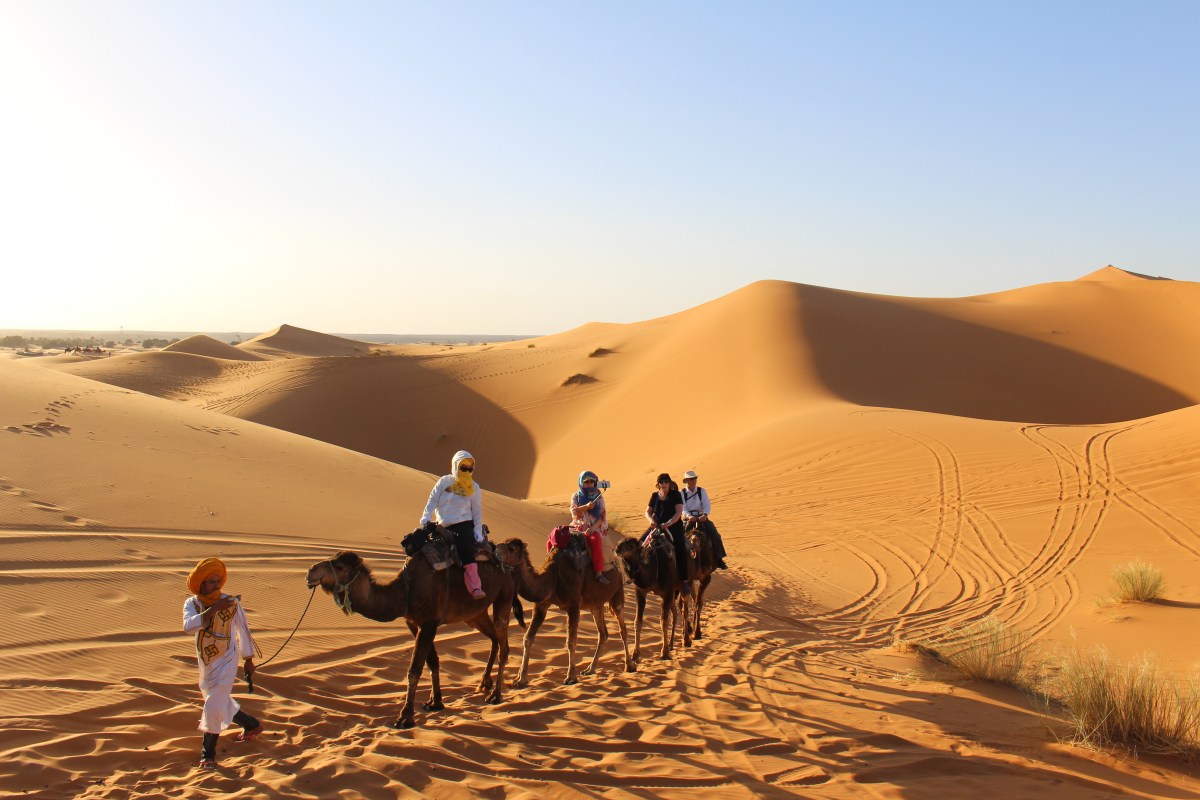
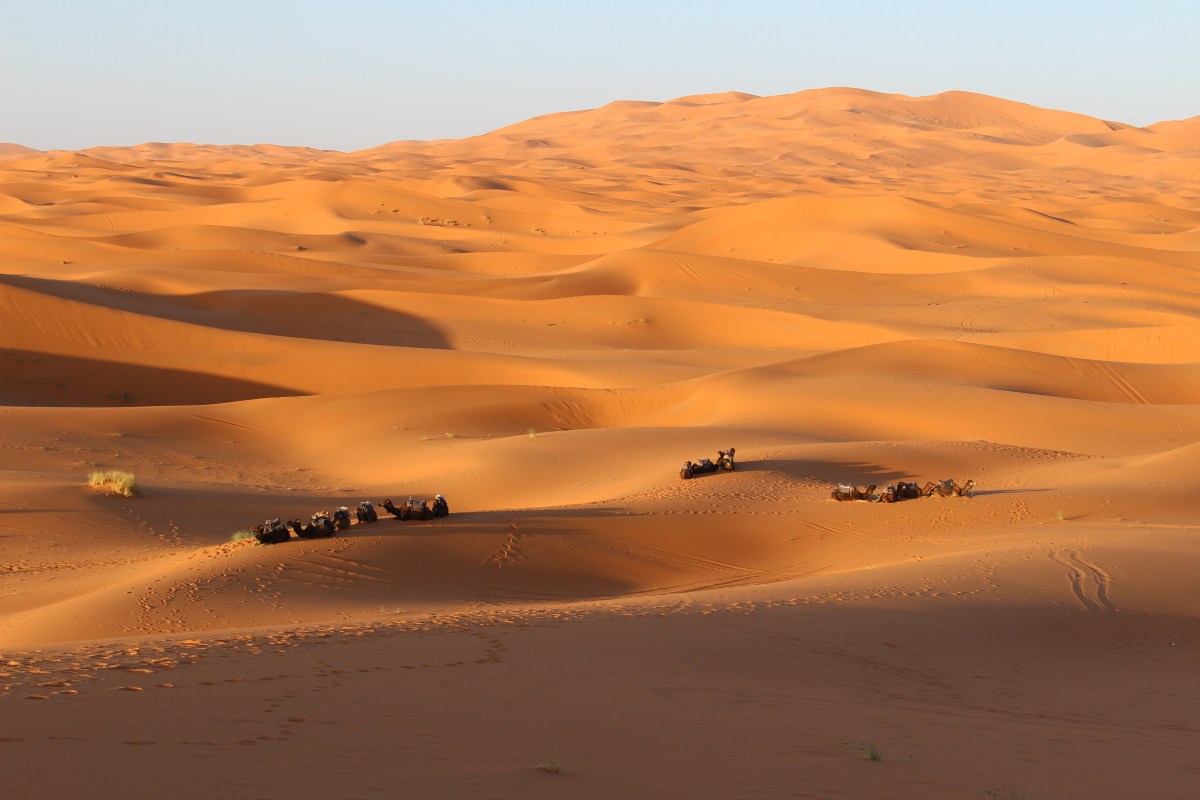
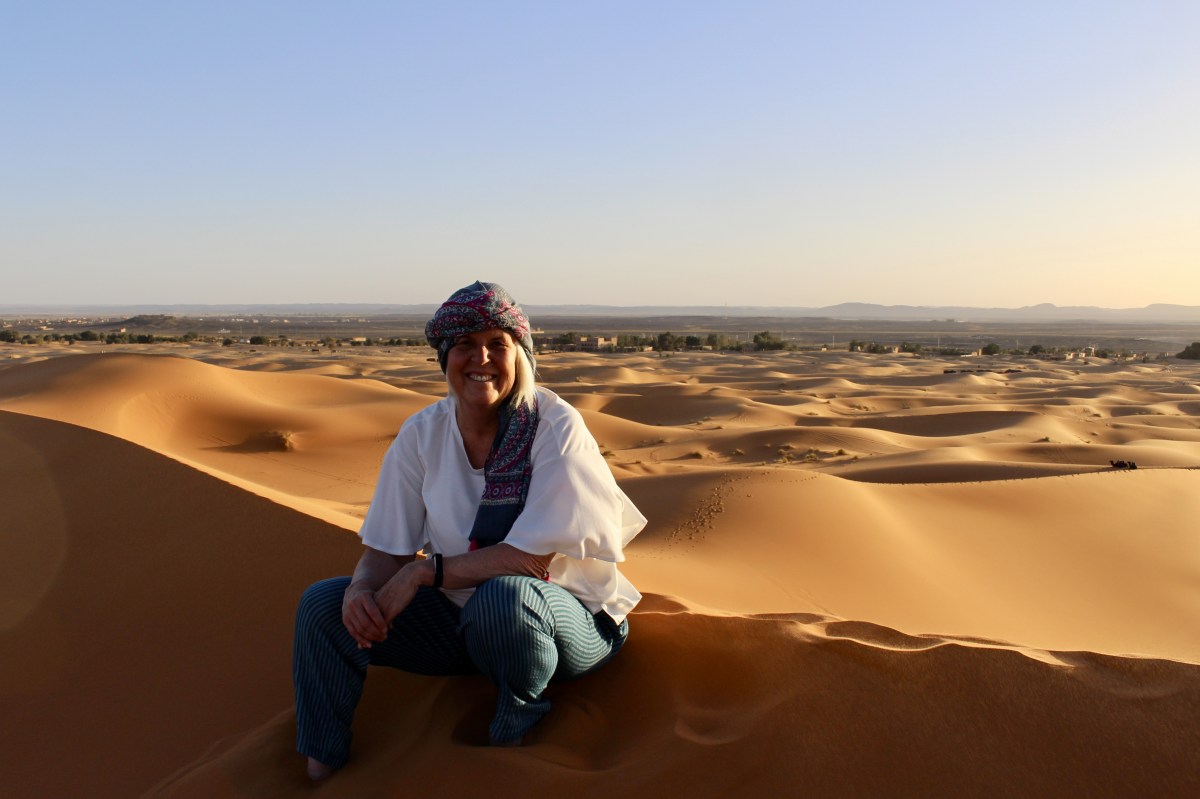
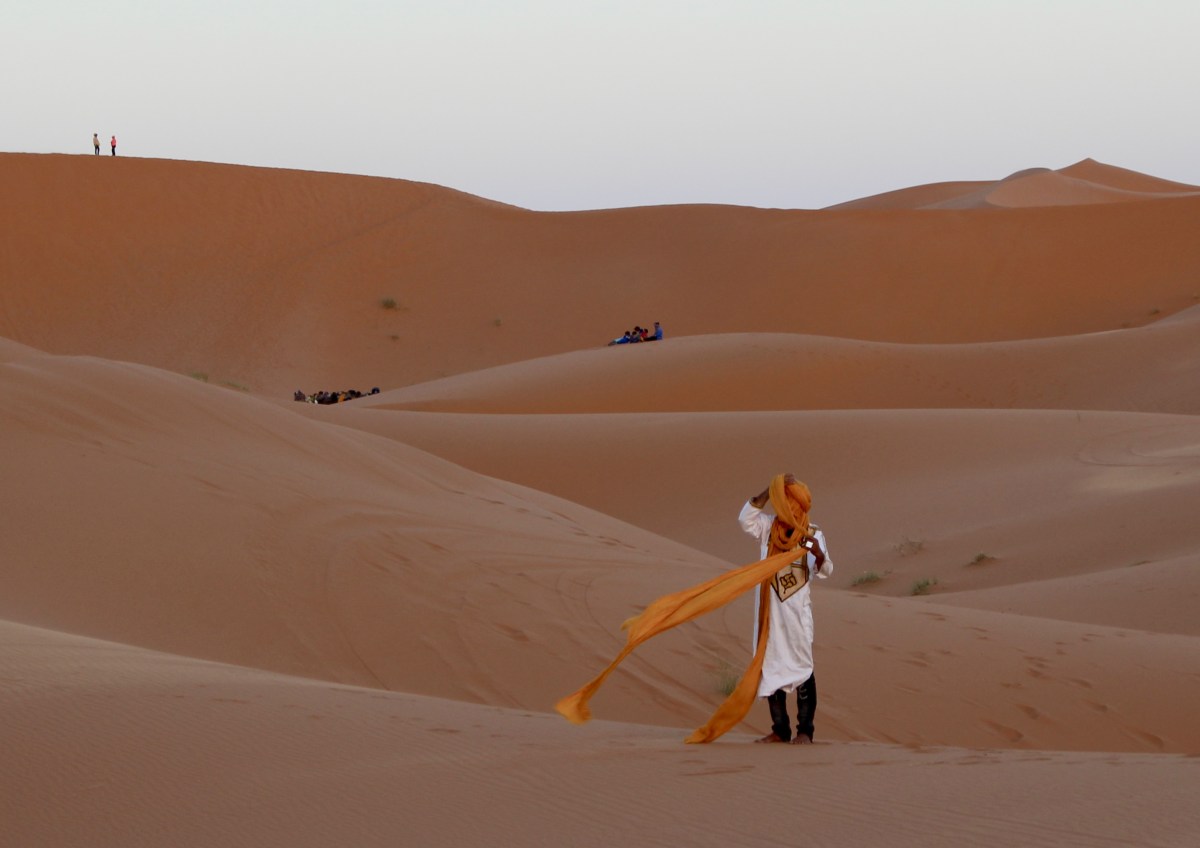
In April, I: Visited Meadowlark Gardens to see spring in bloom. Traveled to Morocco with G Adventures. Shared a dinner of chicken tajine and kofta squala with my friend Susan in Casablanca. Visited the world’s third largest mosque, Hassan II. Took a petit taxi to Rick’s Cafe of movie fame. Walked through shantytowns to an upscale French restaurant on the sea, Cabestan. Said goodbye to the satellite dishes of Casablanca and joined our 14-person G-Adventures tour group, with Aziz at the helm. Looked across the Strait of Gibraltar from Tangier and were told if Moroccans could swim they’d all escape to Spain. Wandered through the medina of the blue city, Chefchaouen, painted blue in the 1930s allegedly to keep mosquitoes away. Found oranges in plastic tubs bobbing about in water flowing from a hose and over the top of the tub. Visited the Roman ruins of Volubilis in the fertile plain near Meknès, admiring mosaic floors in houses called House of the Nymphs Bathing and House of the Acrobat. Held mint to my nose to smother the horrible smells of the Chaouwata Tanneries in Fes. Enjoyed a hot stone massage. Saw an entire military caravan parked along the road, its soldiers scattered on the plain “watering” the bushes, on a 10-hour drive to Merzouga. Enjoyed an amazing picnic lunch at Gorges da Ziz, in a landscape that resembled Oman’s. Slept in a tent in Merzouga and had to run across icy sand in the middle of the night to use the toilet. Took a camel ride at sunset in the Sahara. Listened to Berber singers in El Khorbat. Took a lovely walk through an oasis at Tinghir. Climbed into the village of Aït Ben Haddou, used as a setting in films such as Gladiator, Babel, Kingdom of Heaven and Game of Thrones. Walked through apple orchards and a burbling stream to Armoud in the High Atlas Mountains while donkeys carried our bags. Played a charades-type game where we had to get others to guess animals and actions such as “bungee jumping.” Fell in love with the blue boats of Essaouira on the coast. Almost got run over by motorcycles and trucks in the Marrakech medina.

Cherry blossoms at Meadowlark Gardens

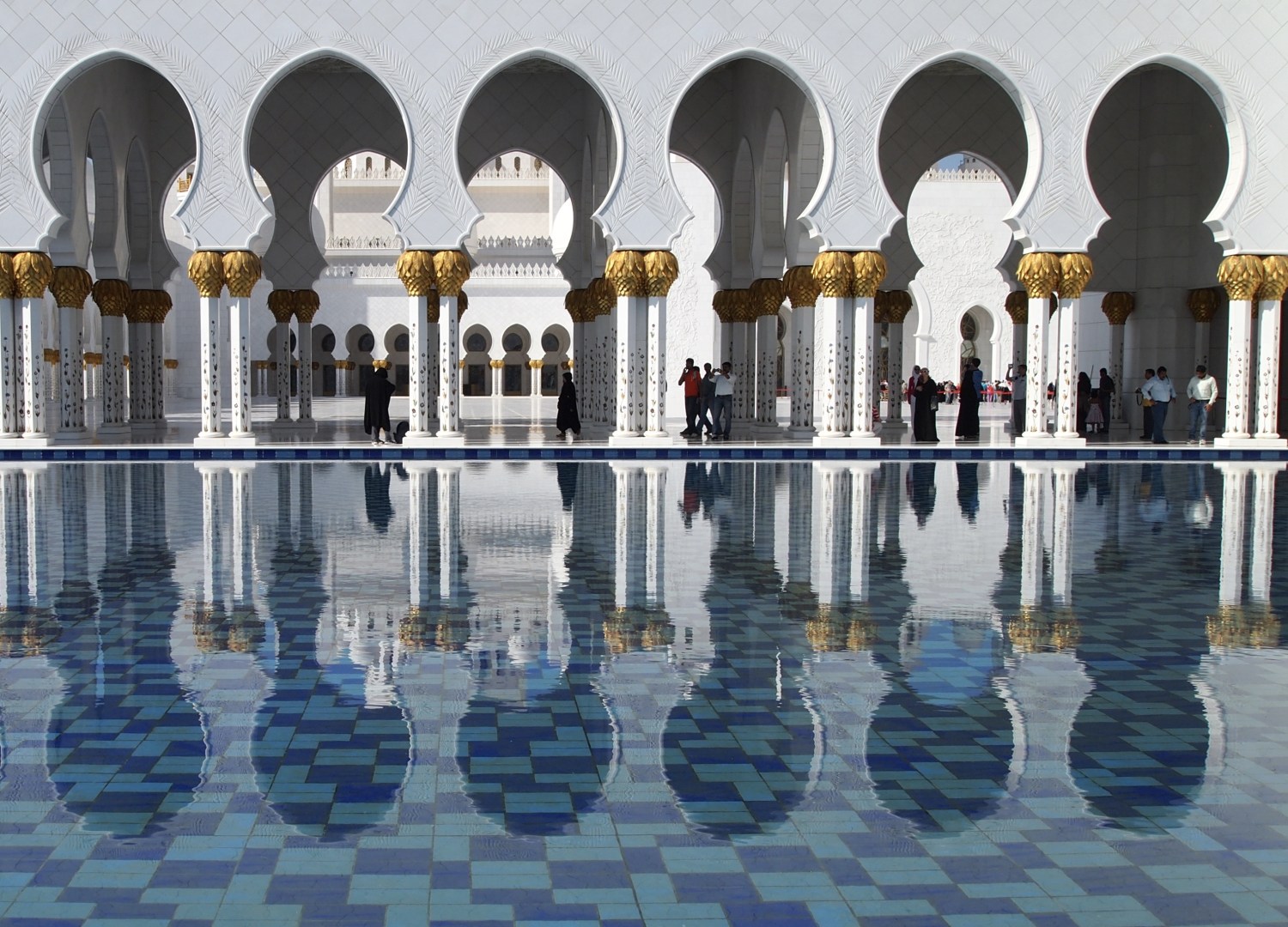
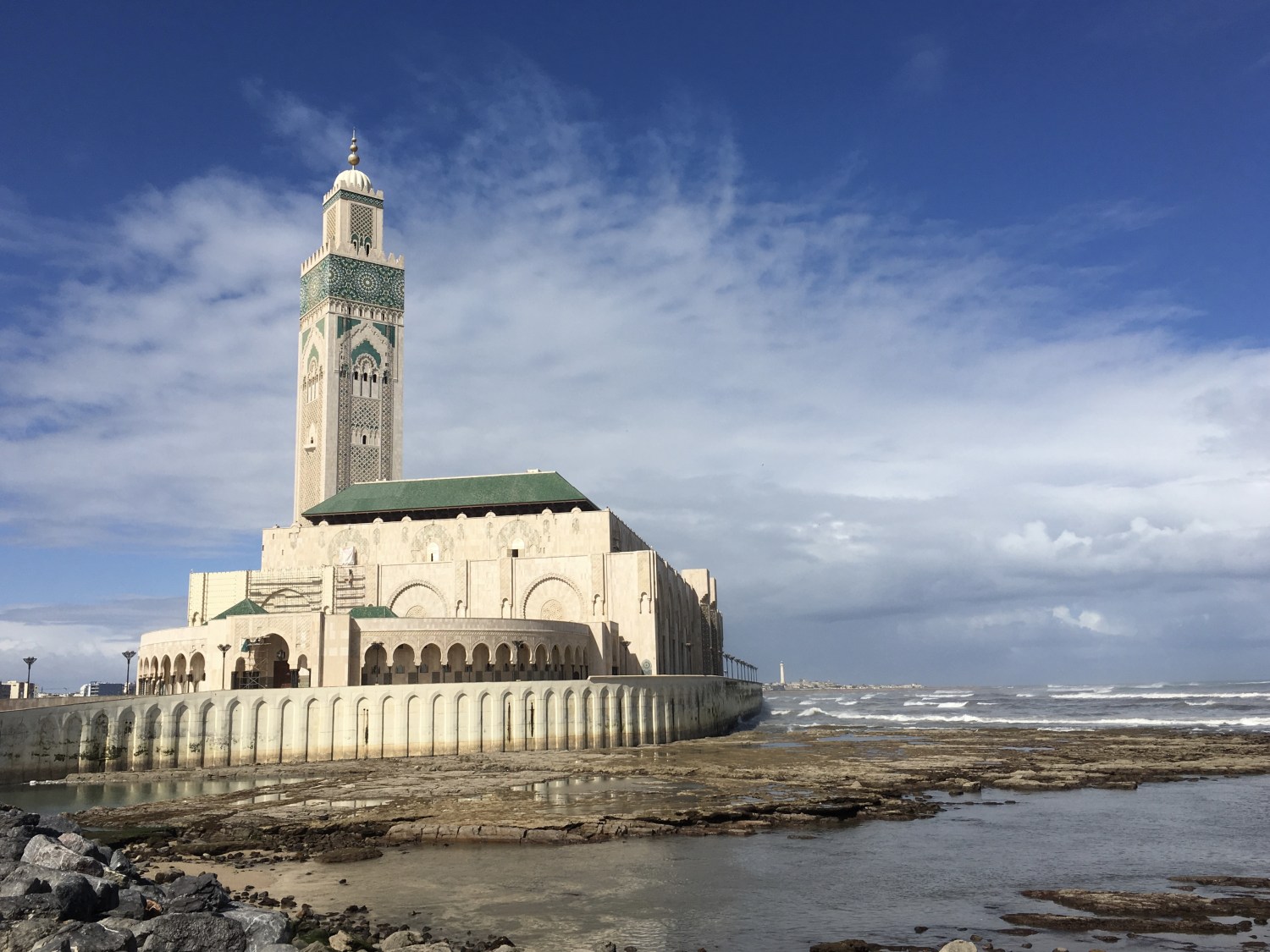
Hassan II Mosque in Casablanca

me at Hassan II Mosque

Tangier

Drive from Tangier to Chefchaouen

Kasbah in Chefchaouen

Chefchaouen

Chefchaouen

Chefchaouen

Volubilis

Olives in Fez

holding mint to my nose at the Fez tanneries

Fez tanneries

picnic at Gorges da Ziz

Gorges da Ziz

me at Oases du Ziz

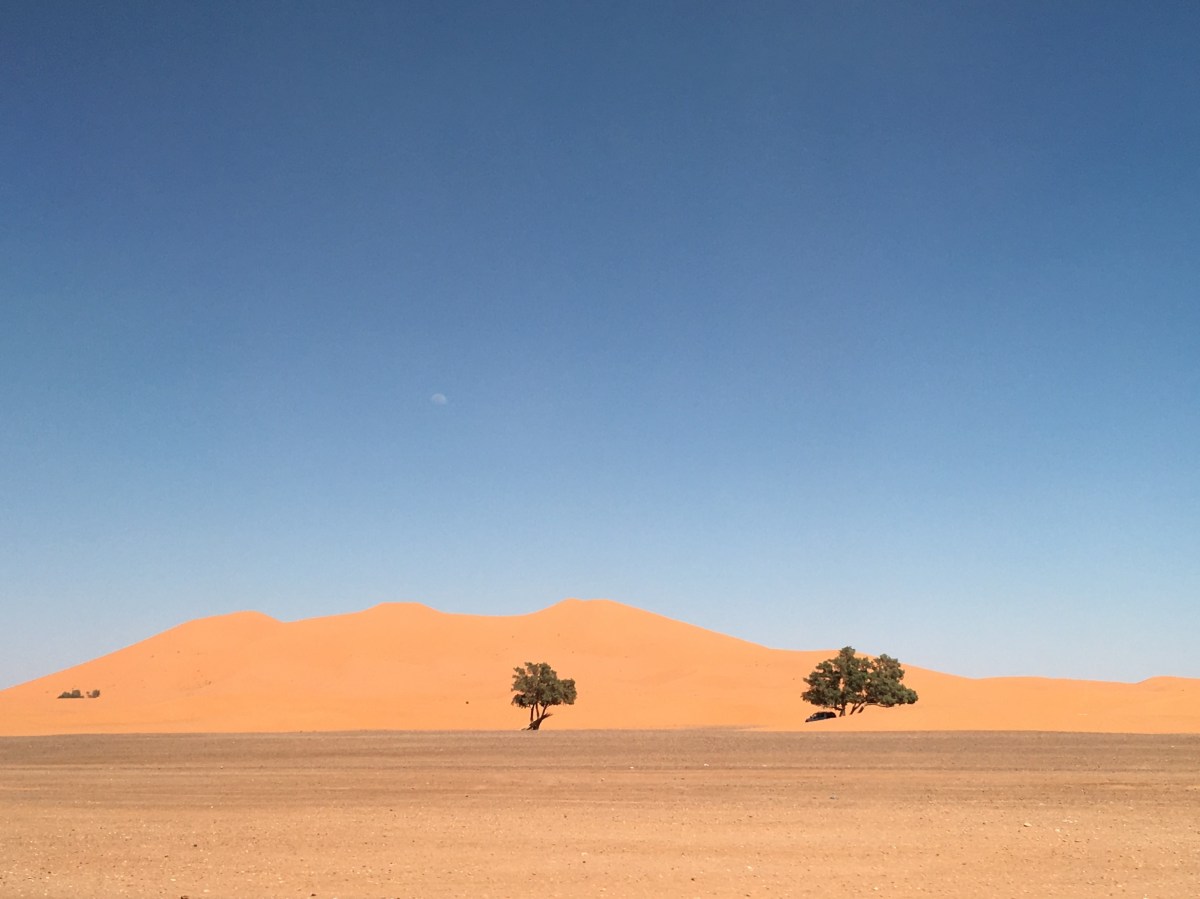
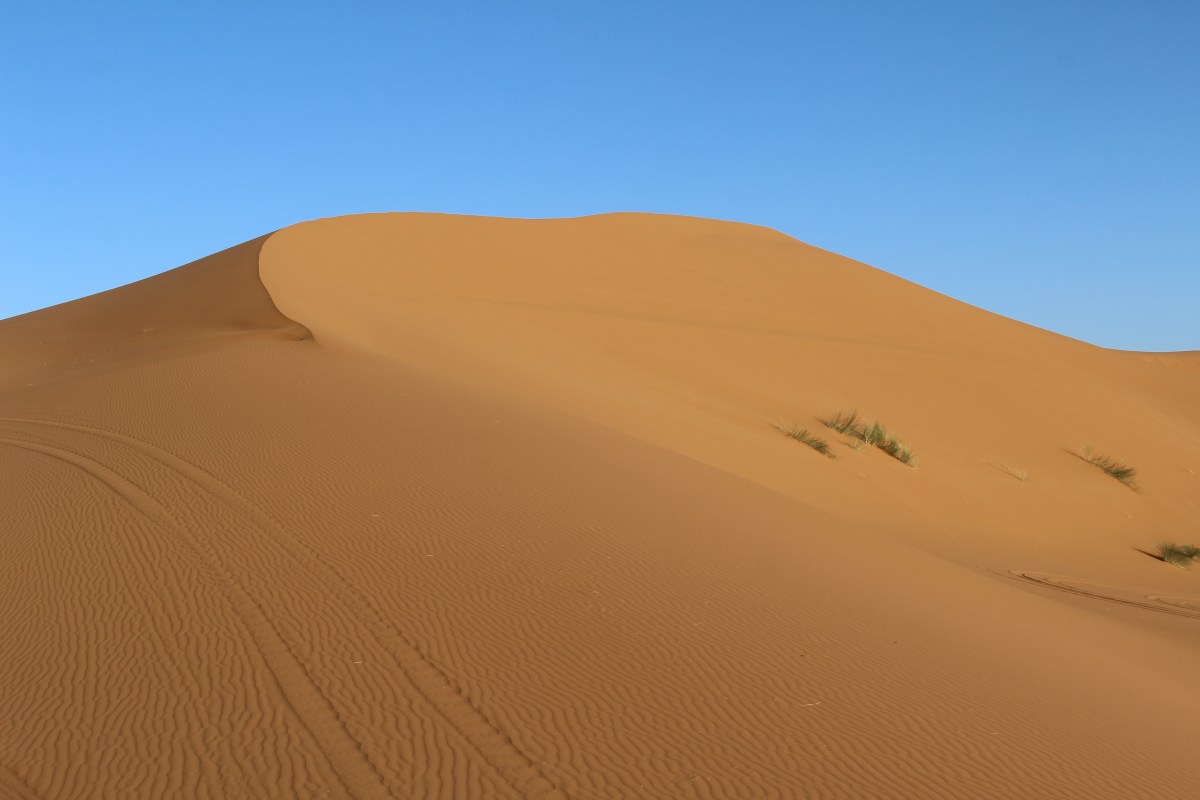
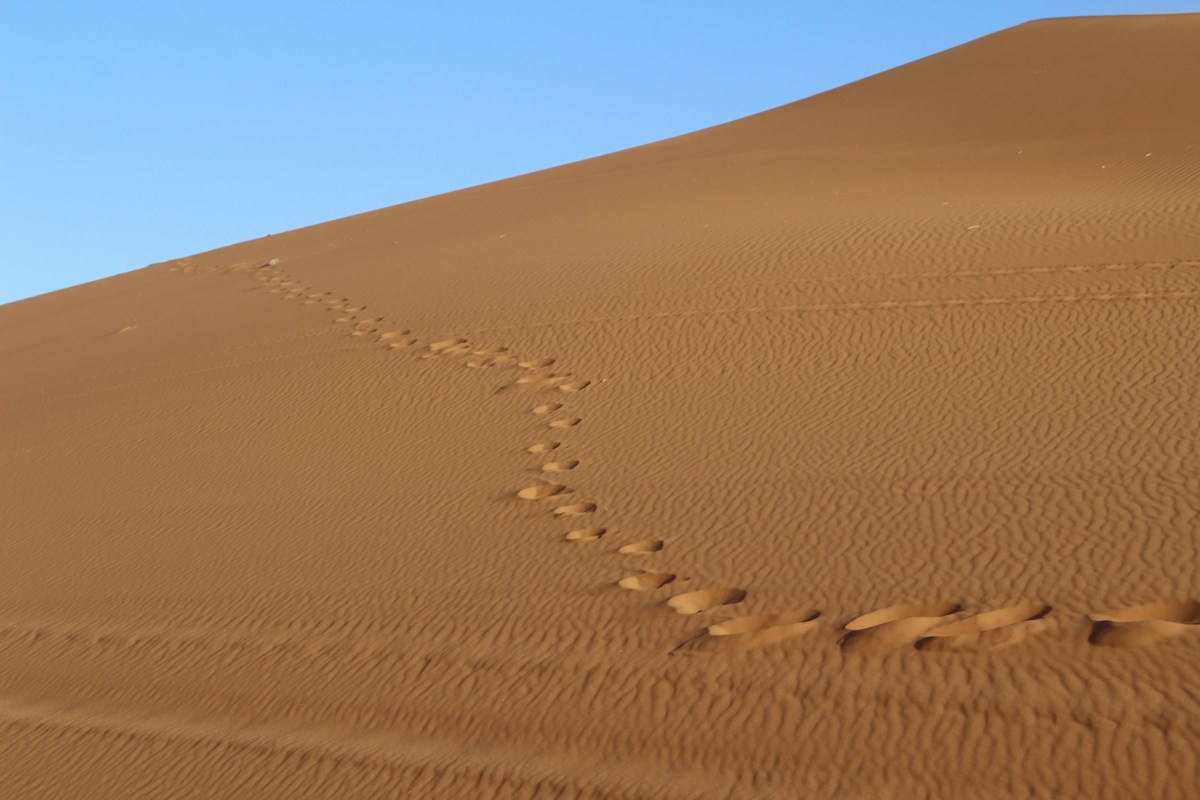
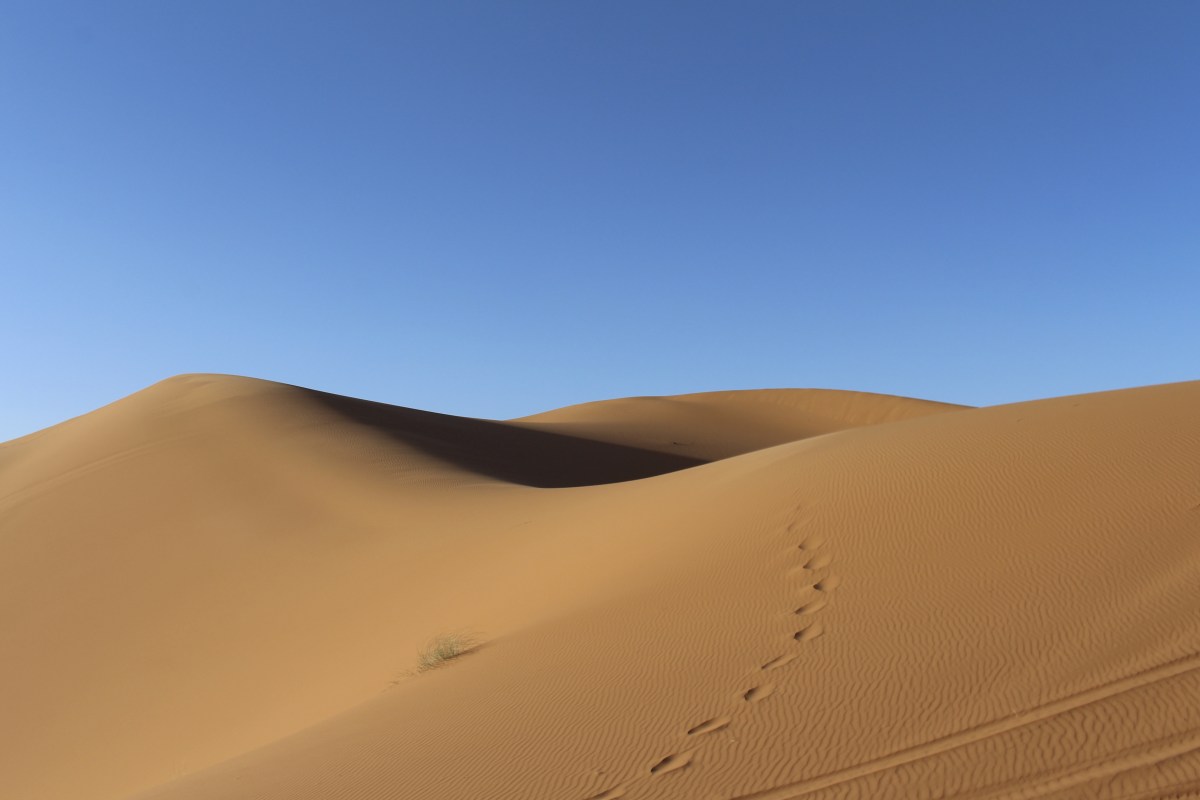
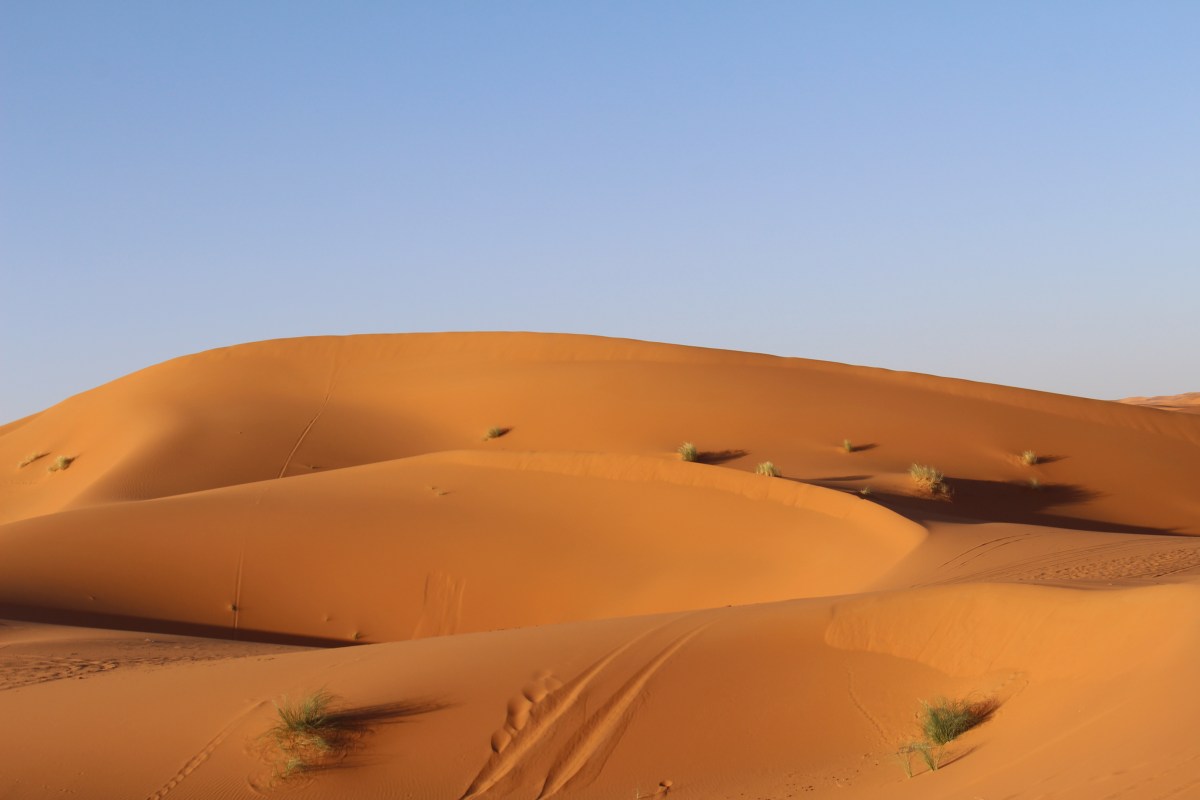
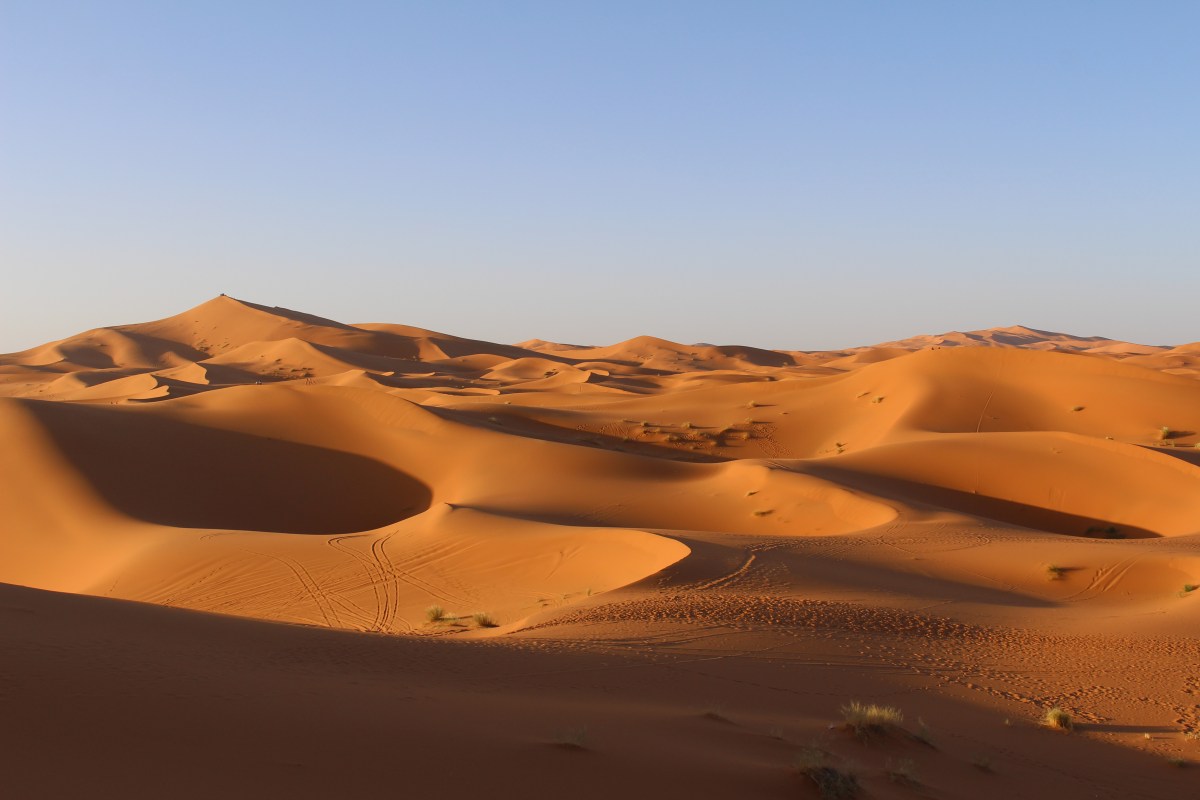
Sahara desert at Merzouga

Sahara desert at Merzouga

Sahara desert at Merzouga

Sahara desert at Merzouga

me in the Sahara

singers in Elkhorbat

oasis at Tinghir

oasis at Tinghir

oasis at Tinghir

Ait ben Haddou

Ait ben Haddou

me in Aroumd

Aroumd in the High Atlas

Argan

Essaouira

Essaouira

cacti in Marrakech

hats in Marrakech

rugs in Marrakech
Also in April, I: Went to Rome on my own and then met my husband to explore other parts of Italy. Stood in an endless line at the Colosseum in Rome and finally gave up after a half hour when we’d only moved a few feet. Ate a lunch of pasta, cheese and chicory in the Old Jewish Ghetto. Followed the Rick Steves’ “Heart of Rome Walk” to the crowded Trevi Fountain, the crowded Pantheon and the crowded Spanish Steps. Shared a delicious dinner with other guests at the Beehive Hostel. Traipsed through room after room after room of the Vatican museums in a herd of people, with promises of the Sistine Chapel at every turn. Squeezed into the Sistine Chapel with hordes of other noisy tourists, where a guard shushed the crowds constantly. Enjoyed a delicious tortellini in beef broth at Ristorante Regina. Met Mike at the airport where we got upgraded to a Mercedes rental car. Drove up the coast highway to La Spezia, from where we explored the Cinque Terre towns of Monterosso al Mare, Vernazza and Manarola, encountering huge roadblocks on the only open trail. Wandered around the more relaxing town of Portovenere, just outside of the Cinque Terre, and wished we’d just lingered there. Held up the Leaning Tower of Pisa, just like all the other tourists. Climbed the Torre Guinigi in Lucca, with its grove of ilex trees growing at the top. Explored the famous Italian paintings at the Ufizzi Gallery in Florence, thinking by the time I had finished that all the religious paintings were starting to look alike. Was blinded by gold and jewelry at the Ponte Vecchio. Got lost trying to find the Piazzale Michelangelo. Followed Rick Steves’ “Renaissance Walk” in reverse, coming face to face with the stunning Duomo. Had delicious pizza at Pizzaman, as well as a sumptuous dinner of tortellini pecorina di fossa al tartufo (“Fossa cheese” ravioli with fresh truffle) at Osteria delle Tre Panche near our Florence Airbnb.

Trevi Fountain in Rome

Spanish Steps in Rome

Colosseum in Rome

Pantheon

Castel Sant’ Angelo in Rome

me at Monterosso al Mare in the Cinque Terre

Monterosso al Mare

Vernazza

Vernazza

Portovenere

Chiesa di San PIetro in Portovenere

Manarola

Manarola

me with the Leaning Tower of Pisa

Leaning Tower of Pisa

Leaning Tower of Pisa

Duomo in Lucca

view from the Torre Guinigi in Lucca

Duomo in Lucca

Duomo in Florence

Ponte Vecchio in Florence
In May, I: Shuffled through Accademia in Florence, coming face-to-face with Michelangelo’s 17-foot-tall David. Ate bread, cheese and olives in Mercato Centrale. Tried to turn down a shopkeeper’s attempts to fancily wrap my new scarves Italian style, but he would have none of it. Finally found Piazzale Michelangelo, after getting lost trying to find it the first time; there, found amazing views of Florence and its Duomo. Visited Montefioralle, the mapmaker Amerigo Vespucci’s hometown. Stared down stuffed boars outside Macelleria Falorni, the famous butcher shop in Greve in Chianti. Lunched under a wisteria arbor in Panzano in Chianti, with amazing views. Encountered a cadre of charming Fiat 500s at a club meeting in Asciano. Drove all over looking for lines of cypress trees in the Tuscan countryside around San Quirico d’Orcia. Was awestruck by the frescos depicting the life of St. Francis in Assisi’s Basilica di San Francesco. Climbed towers in Castellina in Chianti, the skyscraper town of San Gimignano, Siena and Orvieto. Climbed up to castles in Assisi and Spoleto, where I admired a huge Roman aqueduct, Ponte delle Torri. Tried to enjoy the fog-enshrouded town of Civita di Bagnoregio with hordes of Chinese tourists.

Michelangelo’s David at Accademia

Accademia

Florence

Panzano in Chianti

near our Airbnb outside San Gimignano

our Airbnb outside San Gimignano

San Gimignano

cloister in San Gimignano

me in San Gimignano

San Gimignano

road going to Volterra

on the way to Siena

Duomo of Siena

Duomo of Siena

Mike overlooking Siena

Tuscan countryside

sunset near San Gimignano

Fiat 500 Club in Asciano

Fiat 500 Club in Asciano

Fiat 500 Club in Asciano

Asciano

on the way to Montalcino

shoe planters in Montalcino

outside San Quirico d’Orcia

view from Bagno Vignoni

outside Bagno Vignoni

Tuscan countryside near San Quirico d’Orcia

Tuscan countryside near San Quirico d’Orcia

Perugia

Basilica di San Francesco in Assisi

Ponte delle Torri in Spoleto

view from Orvieto

view from Orvieto

Duomo in Orvieto

me having wine in Orvieto

Civita di Bagnoregio
After arriving home from Italy in May, I: Welcomed my eldest son, who came home from Denver to be the best man in his friend Colin’s wedding. Welcomed my youngest son, who boomeranged home again and enrolled in a 7-month course in massage therapy. Read 3 books out of my goal of 50 for the year (bringing my total to 18), my favorite being The Forgiven by Lawrence Osborne. Went to Politics & Prose bookstore to listen to my daughter’s father, Bill Geroux, give a talk about his new book: Ghost Ships of Archangel: The Arctic Voyage That Defied the Nazis. Enjoyed the movies The Mustang and the Biggest little Farm.

the groomsmen at Colin’s wedding; Alex (2nd from left) was best man

Bill Geroux’s book talk at Politics and Prose
In June, I: Got frauded by a fraudster out of $3,500 from my bank account. Filed a claim for the fraud and got a temporary credit while the bank investigated. Took a mini-road trip to Delaware. Walked the boardwalk in Rehoboth and ate fish tacos for lunch. Rode a bicycle 12 miles through Cape Henlopen State Park. Admired the imaginative African figures of Dover sculptor Aaron Paskins at the Biggs Museum of American Art. Was shadowed by an iron flock of birds stopped in mid-flight. Drove around the Bombay Hook National Wildlife Refuge, where I was attacked by flies, and where I saw egrets, a black slithering snake, and a little fox. Walked around Historic New Castle where I got a tour of the Courthouse. Walked around the shaded cemetery at Old Swede’s Church in Wilmington. Admired the impressive gardens at Nemours Estate. Celebrated Father’s Day with a vegan brunch prepared by my youngest son. Walked along the canal and the Maryland side of Great Falls on a hot summer day. Explored exhibits on Vietnam and some of the permanent collection at the Smithsonian American Art Museum (SAAM), and then ate Pho at a Vietnamese restaurant in Chinatown. Met my friend Susan at Meridian Hill Park in D.C. and then had lunch at The Bulletin. Went to the movies to see Non-Fiction (annoying “talking heads” movie) and The Souvenir (too long and slow-moving). Finished six books out of my goal of 50 for the year, bringing my total to 24. My favorites were The Fall of a Sparrow and O Pioneers!

Rehoboth, Delaware

Dolles at Rehoboth, DE

beach at Rehoboth, DE

bicycling in Cape Henlopen State Park

Cape Henlopen State Park

Biggs Museum of American Art in Dover, DE

Biggs Museum of American Art in Dover, DE

Bombay Hook National Wildlife Refuge

Courthouse at New Castle, DE

Immanuel Church in New Castle

Old Swede’s Church in Wilmington

Nemours Estate near Wilmington, DE

Nemours Estate near Wilmington, DE

Adam and Mike at an all-vegan Father’s Day brunch prepared by Adam

Great Falls, Maryland side

flowers at Great Falls

Smithsonian American Art Museum

gate to Chinatown in D.C.

Meridian Hill Park in D.C.
In July, I: Finished reading guidebooks on Nebraska and the Dakotas and started plotting out my September “Road Trip to Nowhere.” Watched the movies Echo in the Canyon, Wild Rose, Late Night, Maiden, The Farewell, and Hampstead, most enjoying Wild Rose and Maiden. Shared Ethiopian food with my youngest son. Enjoyed Vietnamese food at EastWind and Mexican at Anita’s. Visited the Museum of the Shenandoah Valley in Winchester, Virginia where I enjoyed exhibits Ghosts of a Forgotten Landscape: Paintings by Sally Veach; Tiffany Glass: Painting with Color and Light; and Art in the Halls, which featured steel and wooden sculptures that celebrated reptiles and amphibians, including snakes, salamanders, lizards, turtles, and even some mythological beasts. Finished 7 books, the best of which was An Italian Affair by Laura Fraser, although to be honest, none of them were that great; this brought my total to 31 books out of my goal of 50 for the year.

Lake Newport in Reston, VA

hydrangea

coneflower

coneflower

pretty in pink

deer along the W&OD bike trail

Enatye Ethiopian food

my youngest son at Ethiopian

Museum of Shenandoah Valley

Art in the Halls at MSV

Art in the Halls at MSV

Tiffany Glass: Painting with Color and Light

Tiffany Glass: Painting with Color and Light

Tiffany Glass: Painting with Color and Light

Tiffany Glass: Painting with Color and Light

Tiffany Glass: Painting with Color and Light

“Ghosts of a Forgotten Landscape”

“Ghosts of a Forgotten Landscape”

Glen Burnie Gardens at MSV

Glen Burnie Gardens at MSV

Glen Burnie Gardens at MSV

Glen Burnie Gardens at MSV

Old Town Winchester, VA

Old Town Winchester, VA
In August, I: Took an online class about “Bullet Journaling for the Writer.” Visited Merrifield Garden Center, a kind of artist date, to learn about grasses. Walked around Burke Lake, Lake Newport, and Lake Anne. Ate dinner at P.F. Chang, where I got the fortune: “A friend will bring you a big surprise soon.” Had dinner with our son at Momo House. Went to core conditioning classes at Oak Marr Rec Center, in futile attempts to control the growing girth around my middle. Tried some new restaurants: Pampa Sazõne and Eerkins Uyghur Cuisine. Experimented with new dishes using fresh produce from local farmers’ markets. Took a 2-day class, “Jumpstart in Watercolor,” where I learned some basics about watercolor. Saw the movies Where’d You Go, Bernadette and Blinded by the Light, loving the latter. Finished 5 books, bringing my total for the year to 36/50; my favorite by far was Dalva by Jim Harrison.

grasses at Merrifield Garden Center

grasses at Merrifield Garden Center

Bullet Journal

Burke Lake

forest around Burke Lake

cool car around Lake Anne

mushroom around Lake Anne

butterfly near Lake Anne

Bullet Journal

my (husband’s) front garden

dessert at Pampa Sazõne

my fish taco creation

watercolor from my class

watercolor

watercolor of mountains

layered watercolor
In September, I: Saw the biggest ball of stamps in the world at Boys Town in Omaha. Met a giant nose and Elvis strumming his guitar next to a pink Cadillac. Went up and down the Missouri River, trying to learn all I could about the Lewis & Clark expedition from 1804-1806. Saw Johnny Carson come to life in Norfolk, NE. Spent time among the grasses at Spirit Mount Historic Prairie. Watched the Big Sioux River tumble through rosy quartzite formations in Falls Park in Sioux Falls, South Dakota. Saw the murals made of corn at the World’s Only Corn Palace with the theme of “Salute to Military.” Walked through the Ingalls Homestead and admired the quarter section Pa Ingalls claimed under the Homestead Act. Came face to face with a lot of farm equipment all over the Dakotas and Nebraska. Climbed the 75-foot tall Joseph N. Nicollet Tower while being pelted with rain and assaulted by wind. Saw the emotional film about the voyage of the replica ship Hjemkomst Viking Ship in Moorhead, MN. Met the World’s Largest Buffalo and stood in the geographical center of North America. Visited the International Peace Garden, which straddles North Dakota and Canada. Learned about the strong Scandinavian influence in the Dakotas. Drove along the Enchanted Highway and saw eight quirky scrap metal sculptures. Visited Theodore Roosevelt National Park, the Badlands, and the Black Hills. Saw a few bison at all these places, but not as many as I’d have liked. Looked for E.T. around Devils Tower National Monument and saluted our greatest presidents at Mount Rushmore. Rode a jackalope at Wall Drug. Saw what’s been done so far in the painstaking process of carving the Crazy Horse Memorial out of a mountain. Went horseback riding at Custer State Park. Tried on colorful cowboy boots for size in Cheyenne, Wyoming. Hiked with our oldest son near Fort Collins and the Flatirons Trail in Colorado, topped off by beer at New Belgium Brewing. Got a tour of Red Cloud, Nebraska and learned all about Willa Cather.

Boys Town, Omaha, NE

Fairmont Antiques & Mercantile in Omaha, NE

Missouri River at De Soto National Wildlife Refuge

First Council statue at Fort Atkinson State Historical Park, NE

Swedish Heritage Center, NE

Yankton, South Dakota

Spirit Mound Historic Prairie

Ponca State Park’s Towers of Time

Falls Park in Sioux Falls, SD

Sioux Falls, SD

Palisades State Park, SD

The World’s Only Corn Palace, Mitchell, SD

“The Prairie is My Garden” by Harvey Dunn at the South Dakota Art Museum

Terry Redlin’s paintings at the Redlin Art Center in Watertown, SD

Hjemkomst Viking Ship Replica at Hjemkomst Center in Moorhead, MN

Fargo, ND

me with the wood chipper from the movie Fargo

me with the World’s Largest Buffalo in Jamestown, ND

me at the International Peace Garden straddling North Dakota and Canada

Scandinavian Heritage Center in Minot, ND

Knife River Indian Villages National Historical Site

Knife River Indian Villages National Historical Site

Lewis & Clark Interpretive Center in Washburn, ND

Fort Mandan, ND

North Dakota Heritage Center in Bismarck, ND

Bismarck’s Art Alley

The Enchanted Highway in North Dakota

Fort Union Trading Post National Historic Site

cannonball concretions at Theodore Roosevelt National Park

Theodore Roosevelt National Park

cannonball concretions at Theodore Roosevelt National Park

bison at Theodore Roosevelt National Park

Theodore Roosevelt National Park

Devil’s Tower in Wyoming

Tatanka: Story of the Bison

Sturgis Motorcycle Museum and Hall of Fame, South Dakota

silos near Wall Drug, South Dakota

Badlands National Park

Badlands National Park

me on the jackalope at Wall Drug

Mount Rushmore National Memorial

Crazy Horse Memorial

Chapel in the Hills, SD

trail ride in Custer State Park

trail ride in Custer State Park

Needles Highway in Custer State Park

painted bison in Custer, SD

Wildlife Loop Road, Custer State Park

Art Alley in Rapid City, SD

Toadstool Geologic Park, NE

Toadstool Geologic Park, NE

Scotts Bluff National Monument

me with painted boot in Cheyenne, Wyoming

Rocky Mountain National Park, CO

Rocky Mountain National Park, CO

Alex and me at Arthur’s Rock at Lory State Park near Fort Collins, CO

Mike and Alex at New Belgium Brewing, Fort Collins, CO

Flatirons Vista Trail near Boulder, CO

Ogallala, Nebraska

Buffalo Bill at Fort Cody in North Platte, Nebraska

Willa Cather’s home in Red Cloud, NE
In October, I: Visited my sister in Murphysboro, Illinois for the second time this year. Visited a sliver of a town, Makanda, and ate too many meals to count during our time together. Watched the movie Downton Abbey at a theater where the seats reclined. Drove halfway home, stopping in Greeneville, Tennessee to see the Andrew Johnson National Historic Site, where I learned about our first impeached president; here, I held hopes that our current president would resign in the face of impeachment proceedings against him. Returned home after my “Road Trip to Nowhere,” after having driven 7,505 miles across country and through Nebraska, South Dakota and North Dakota, and visiting our son in Denver, Colorado. Paid my respects at the wake for my friend Karen’s mother. Watched the movie Pain and Glory directed by Pedro Almodóvar. Gobbled down Mexican food and margaritas at Señor Tequila’s, where colorful enamel faces watched from the walls. Suffered through all the unpleasantness of a colonoscopy, which I’d put off for three years. Visited the National Gallery of Art to see an exhibit on pastels and ate lunch at Luzmila’s Bolivian Restaurant. Met my old friend and colleague, Ed, who I worked with at the State Department in 2007, at Circa in Clarendon, after not having seen him for two years. Celebrated my 64th birthday by hiking at Mary’s Rock on the Appalachian Trail, having a Greek dinner at Nostos with our friends Karen and Michael, and enjoying a quiet family dinner at home. Enjoyed walking through forests of oranges, yellows and reds. Finished 7 books, bringing my total to the year to 43/50, with my favorites being My Ántonia by Willa Cather, Anything Is Possible by Elizabeth Strout, The Personal History of Rachel Dupree by Ann Weisgarber, and The Horizontal World: Growing Up Wild in the Middle of Nowhere by Debra Marquart.

my sister’s artwork

my sister’s living room

Makanda

Andrew Johnson Cemetery

Andrew Johnson Cemetery

dinner at Señor Tequila’s

enamel face at Señor Tequila’s

pastels at National Art Gallery

Study of Flesh Color and Gold (1888) by William Merritt Chase

tree sculpture at Sculpture Garden

me at Luzmila’s Bolivian Restaurant

me at Mary’s Rock

Mary’s Rock hike

portrait of birthday gal with yellow leaves

Mike at Mary’s Rock

Mary’s Rock

Mary’s Rock

overlook along Skyline Drive

honey for sale

me in front of our house on my birthday weekend

Karen, me, Mike and Michael at Nostos

Reston fall colors

gourds at Whole Foods
In November, I: Walked around Meadowlark Gardens on a stunning fall day. Went to Baltimore to celebrate my little sister’s 60th surprise birthday, and got totally sloshed on one dirty martini. 🙂 Walked amidst falling leaves everywhere in Northern Virginia. Took a class at the Writer’s Center on “Exploring Our Five Senses,” which wasn’t at all enlightening. Voted a straight Democratic ticket in Virginia and helped turned our state legislature blue. Visited Cedar Creek and Belle Grove Plantation near Winchester. Walked along Waterfront Park, Rainbow Row and the Battery in Charleston, ate a LOT of southern cooking, and took a boat ride to Fort Sumter with my daughter, Sarah. Got hooked on the TV show This Is Us, after Sarah introduced me to it in Charleston. Found out while in Charleston that my son had stopped attending his massage therapy classes because he was going through a “hard time,” and he’d arranged to take a leave of absence until January, which infuriated me and ruined the rest of my November. Celebrated with Mike 31 years of marriage (less our 7 year separation) by having an Italian dinner at Luciano’s. Withdrew the invitations I’d earlier extended to my siblings and daughter to host a Thanksgiving celebration because of my disheartened spirit over our son. Felt slight relief when my son took the exam for his course (MBLEx – Massage & Bodywork Licensing Examination) and passed. Saw the movies Frankie, Harriet, and A Beautiful Day in the Neighborhood, all of which I enjoyed. Read 3 books, my favorites being Rescuing Patty Hearst: Growing Up Sane in a Decade Gone Mad and The Invention of Wings, bringing my total for the year to 46/50.

Meadowlark Gardens

Cedar Grove Plantation

cow at Cedar Grove

The Arthur Ravenal Bridge in Charleston

Fort Sumter

Fort Sumter

Crab cakes at Poogan’s Porch

Basic Kitchen in Charleston

Padrones with shrimp at Chez Nous

Sarah at Chez Nous

Shrimp & Geechie Boy Grits at Husk

Old City Market Charleston

Pineapple Fountain in Charleston

Rainbow Row in Charleston

Magnolia Plantation & Gardens in Charleston

Magnolia Plantation & Gardens in Charleston

Oaks at Charles Pinckney National Historic Site

walk around Burke Lake

walk around Burke Lake

Mike and I on our anniversary

walk around Lake Newport

Lake Newport

November leaves

Lake Newport

Thanksgiving dinner
In December, I: Saw the movies A Beautiful Day in the Neighborhood, Parasite, and Knives Out. Celebrated our son’s 27th birthday at Enatye Ethiopian Restaurant. Ate dinner out at Season 52, Big Bowl, Bollywood Bistro, and Anita’s Mexican Restaurant. Bid adieu to my son, who went off to a 10-day Vipassana meditation retreat in Massachusetts, and enjoyed having the house to ourselves. Found my son to be a changed, more mellow person after his retreat, and I hoped he would continue his meditation practice indefinitely. Explored Union Market, where we ate Korean tacos and Latino food, and discovered the Latin American market, La Cosecha. Went to the Smithsonian American Art Museum (SAAM) to see exhibits on “Picturing the American Buffalo” and “Chiura Obata: American Modern.” Celebrated the impeachment of Donald Trump, but still felt disheartened because our Senate holds a majority of Republican sycophants, so he won’t be removed from office. Celebrated Christmas with our son and my sister-in-law. Finished 10 books, my favorites being In Country, I’m Off Then: Losing and Finding Myself on the Camino de Santiago, and Stolen Lives: Twenty Years in a Desert Jail, bringing my total for the year to 56 out of my goal of 50 books.

ramen at Shin Se Kai Ramen Bar

a walk at Lake Newport in Reston

Holiday characters on paddle boards at Lake Anne in Reston

Dinner at Big Bowl

Dinner at Señor Tequilas

Union Market

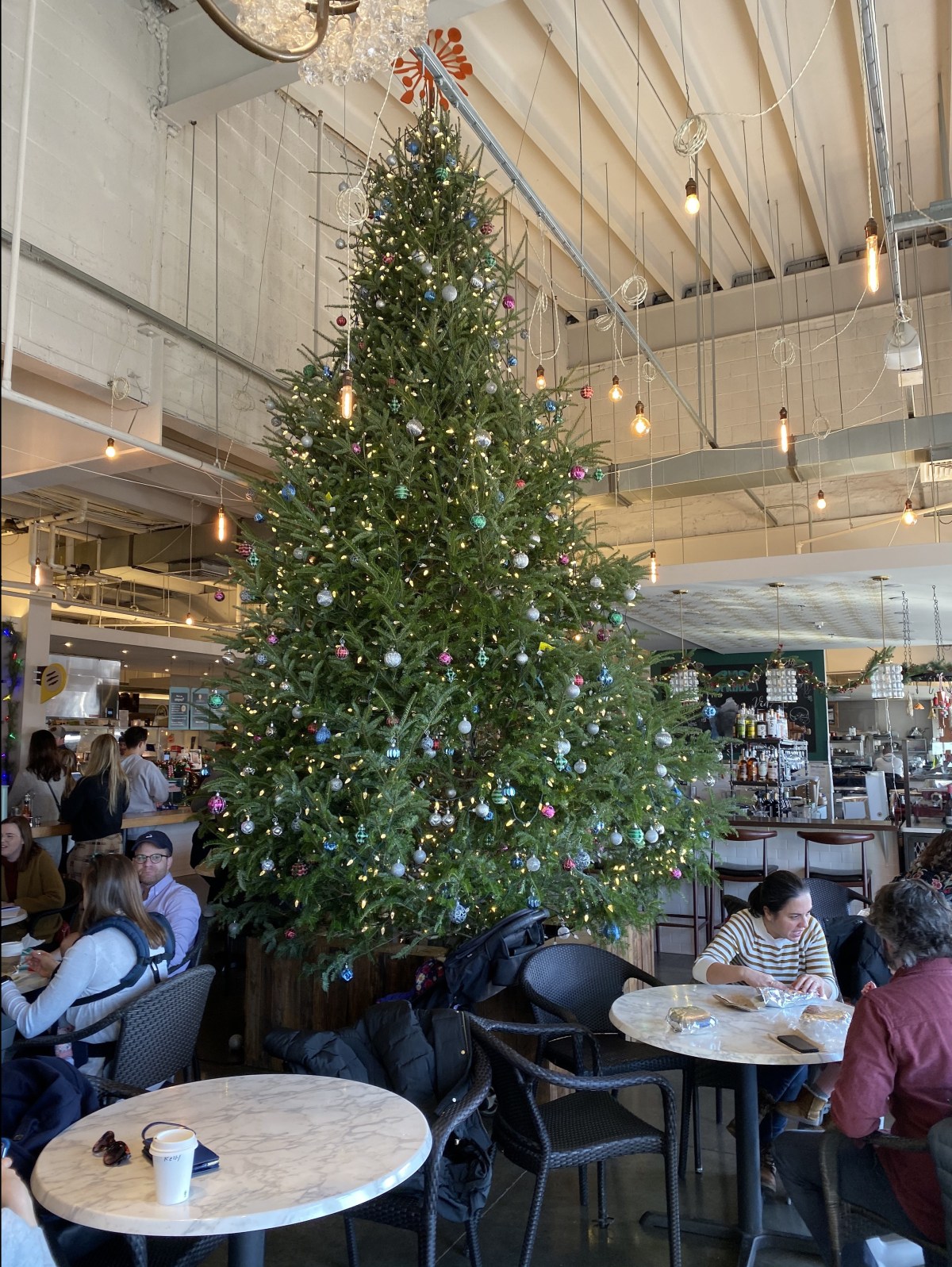
Christmas tree at Union Market

Union Market

Union Market

Union Market

Union Market

La Cosecha, Latin American Market

La Cosecha, Latin American Market

Painting by Chiura Obata at SAAM

Painting by Chiura Obata at SAAM

Trump Impeached!

“American Buffalo” by George Catlin

our Christmas brunch

me with Adam

my reading list from August to December, 2019 – colored in are the ones I read

me with Mike and our small Christmas tree
Overall, we survived our third year of the Trump Presidency (barely), and one of my wishes is that the traitor-in-chief will either resign, be removed from office, or be voted out handily in our 2020 elections. I had a great time on all my adventures, including extensive travels and forays into journaling, drawing and watercolor.
Overall, it was a wonderful year, with a few setbacks along the way. Overall, I’m grateful for all the lessons learned, even the tough ones.
**********
Here are some of my previous years’ recap posts. I now wish I had one for every year of my life, as they serve as great reminders of my adventures, joys and tribulations in years past!
twenty-eighteen
twenty-seventeen
twenty-sixteen
Sadly, I didn’t do one in 2015. 😦
twenty-fourteen
twenty-thirteen
weekly photo challenge: my 2012 in pictures



















































 ~ wander.essence ~
You must be logged in to post a comment.