
“Words are not for such things.” (said by mountaineer Knut Vole as quoted by Paul Watkins in The Fellowship of Ghosts)
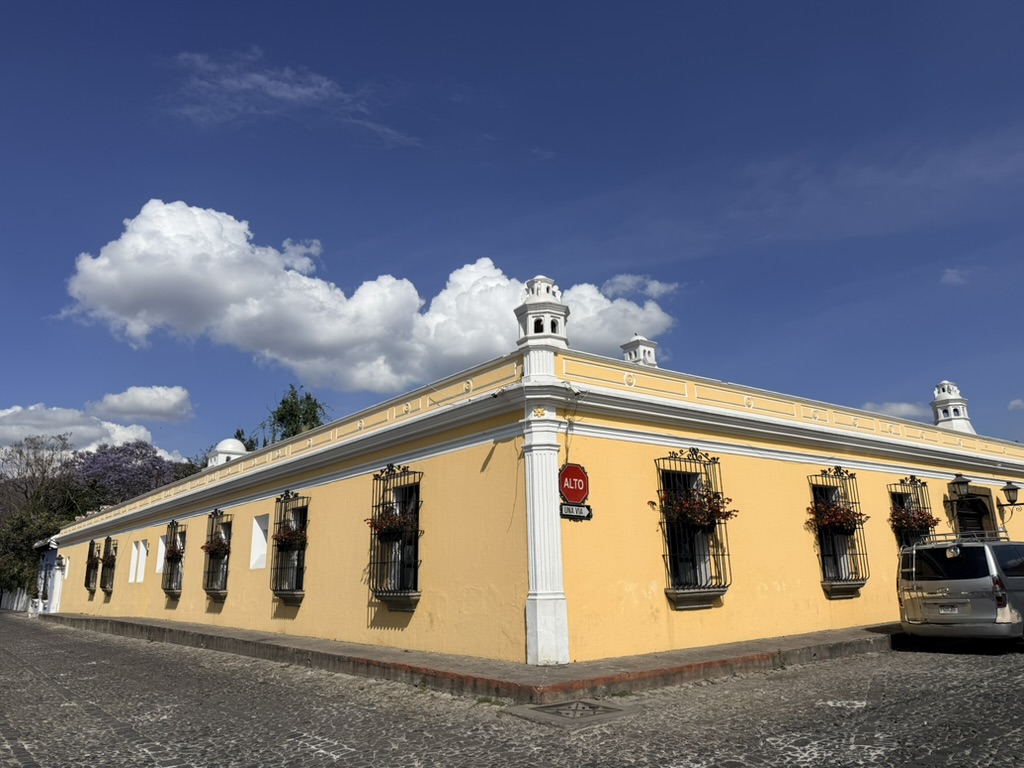
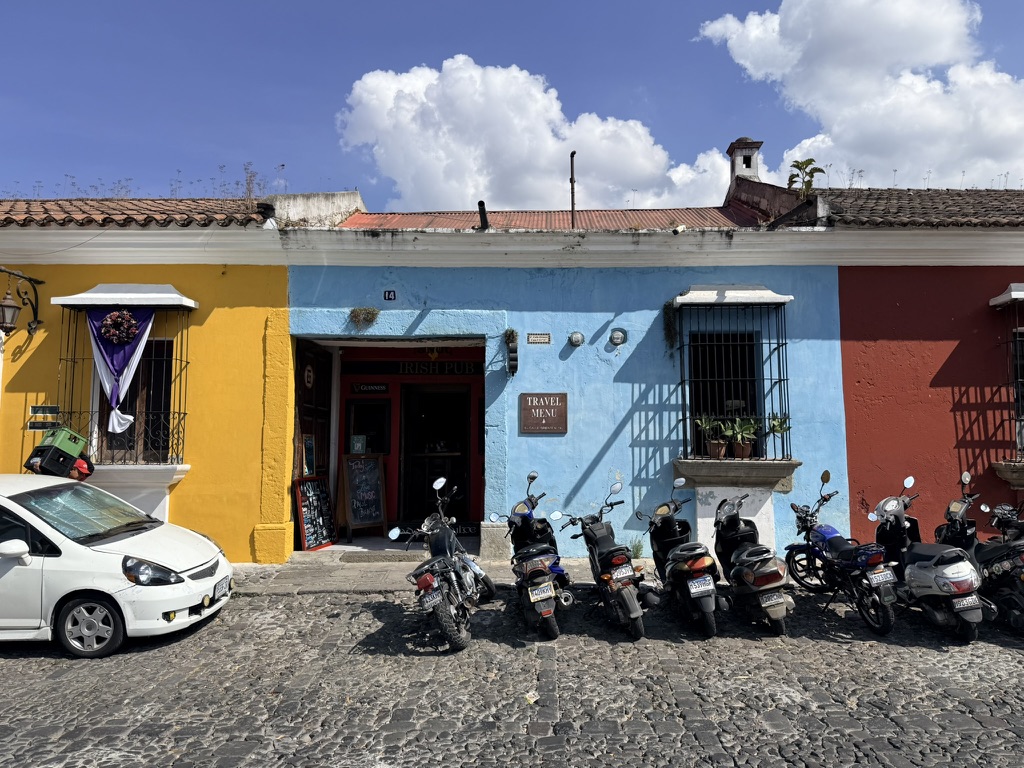
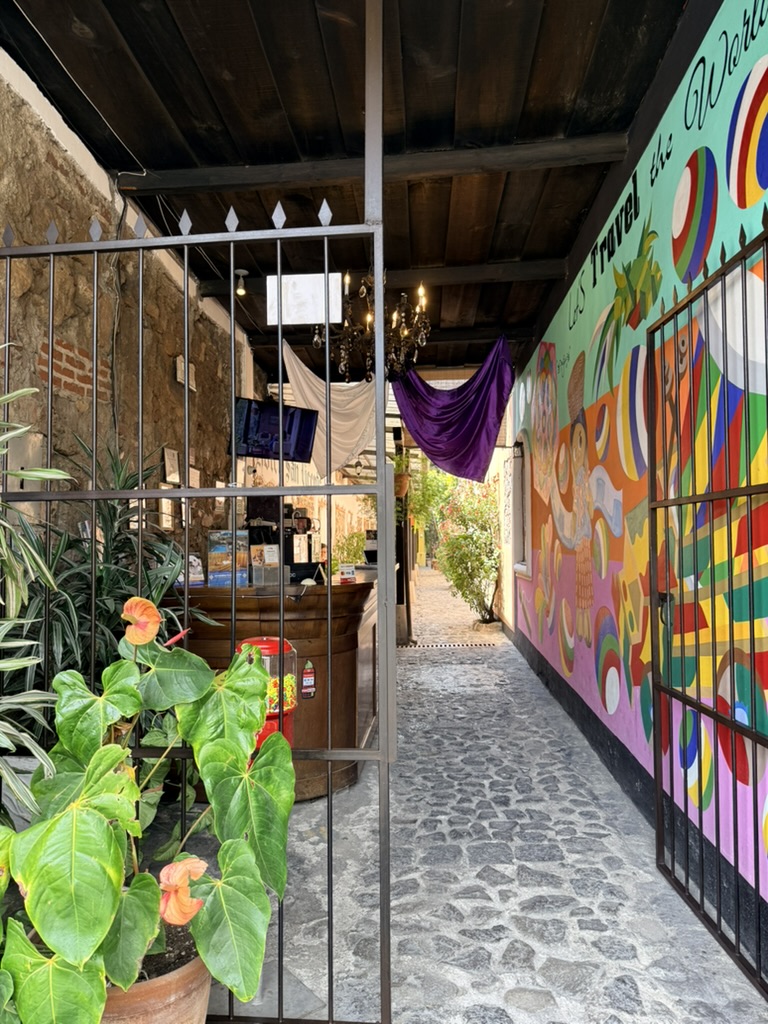
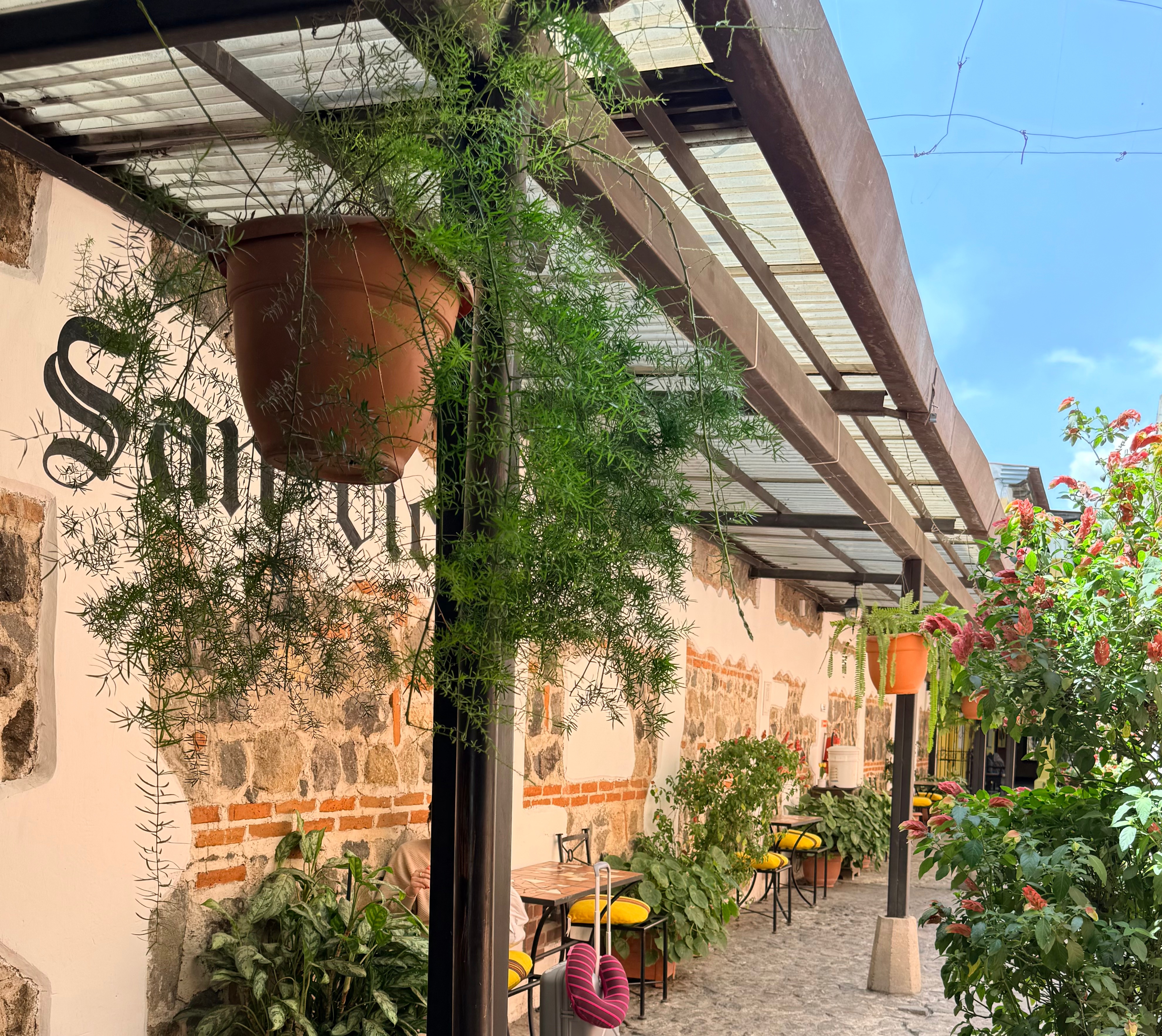
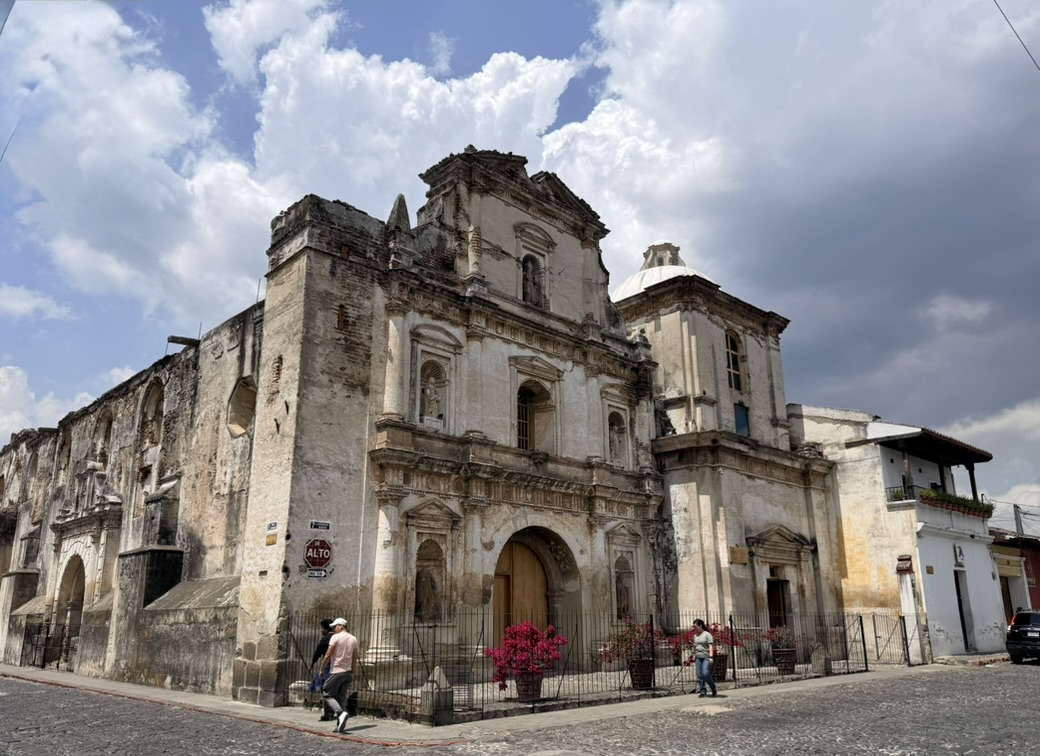
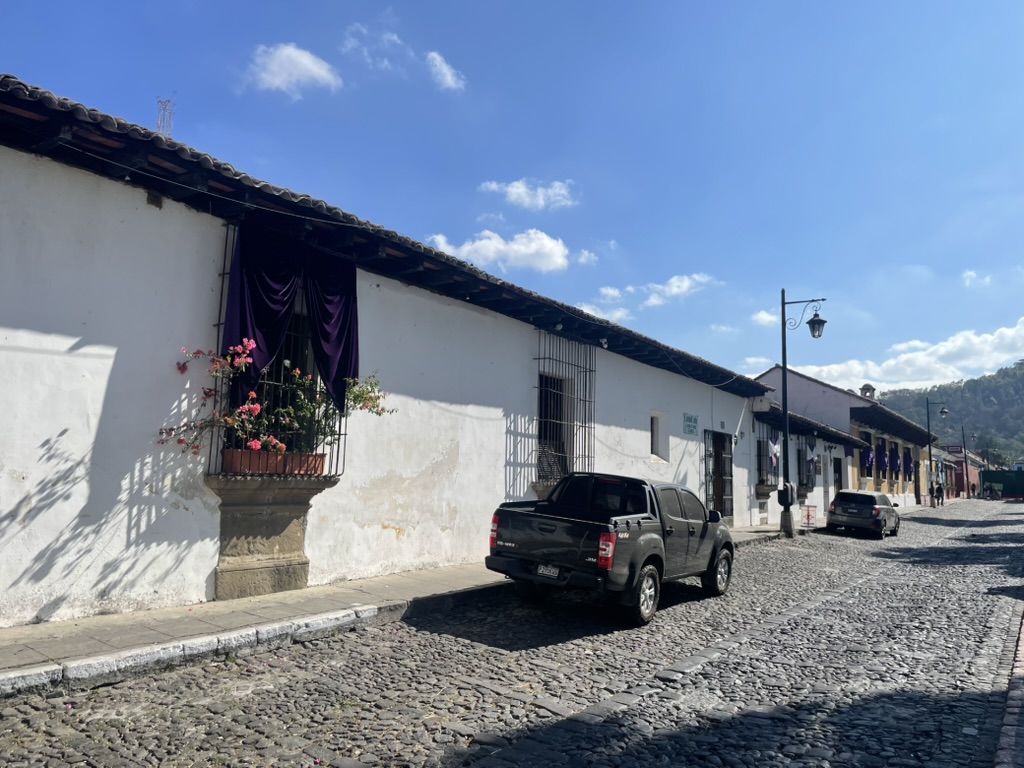
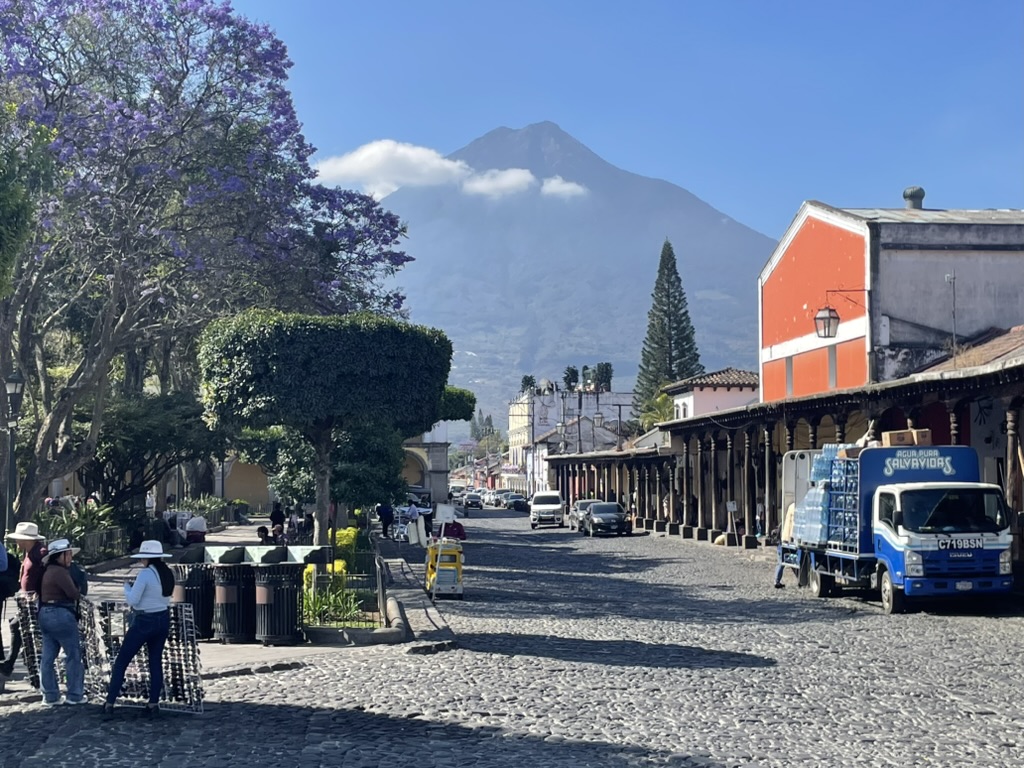
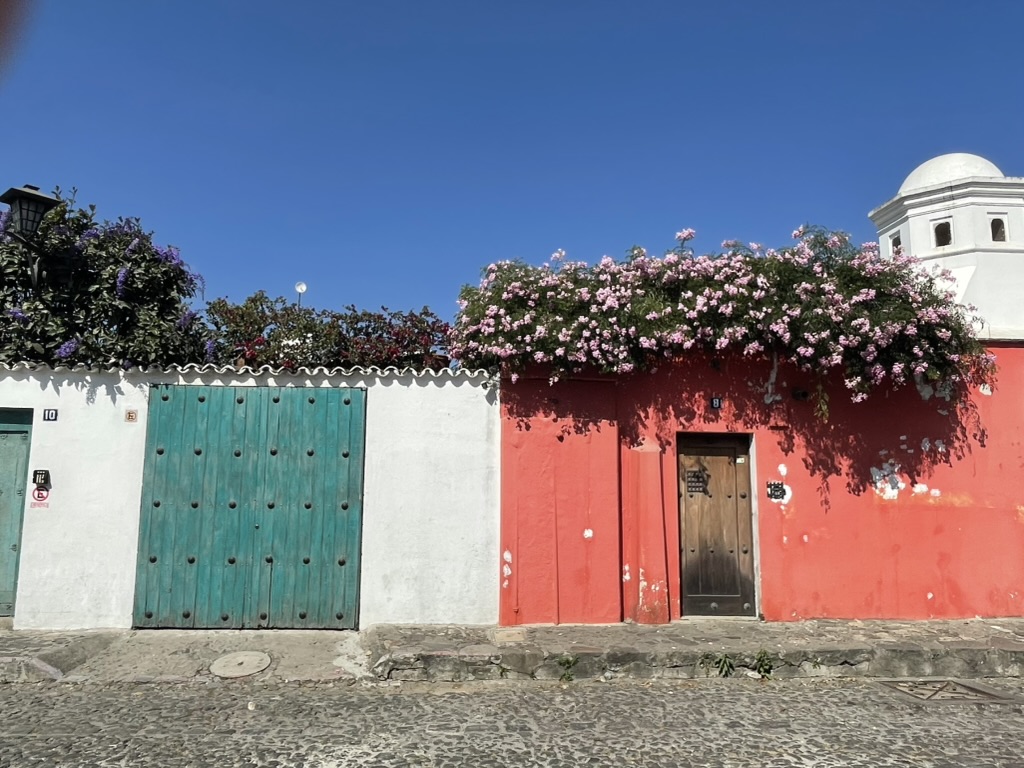
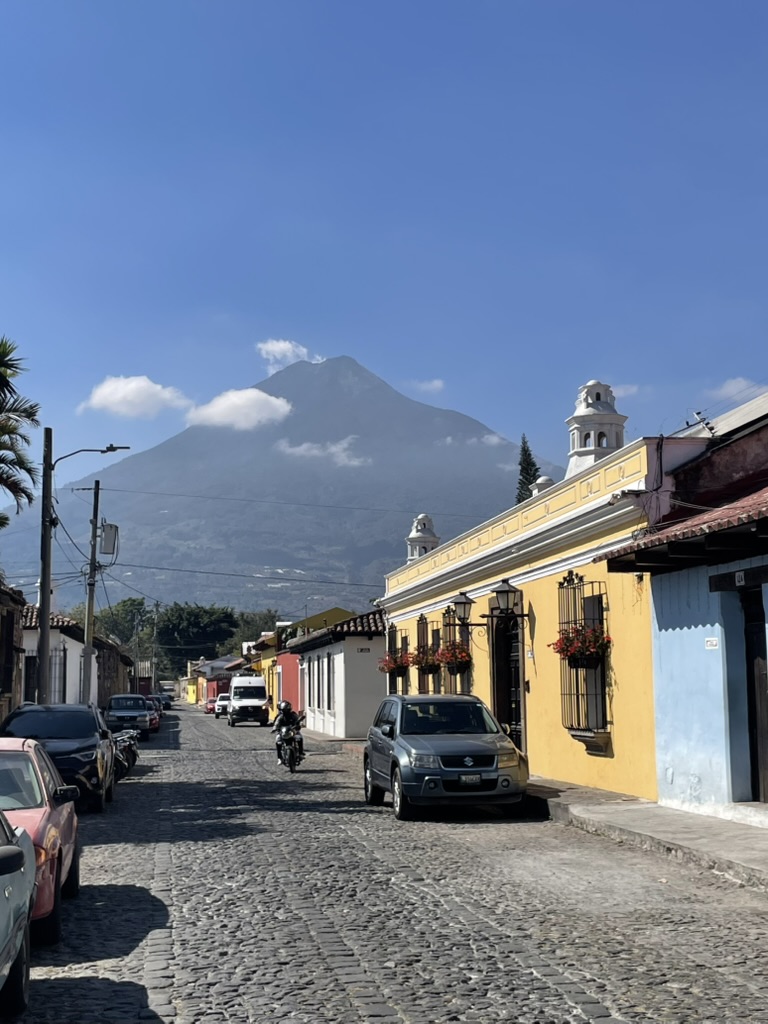
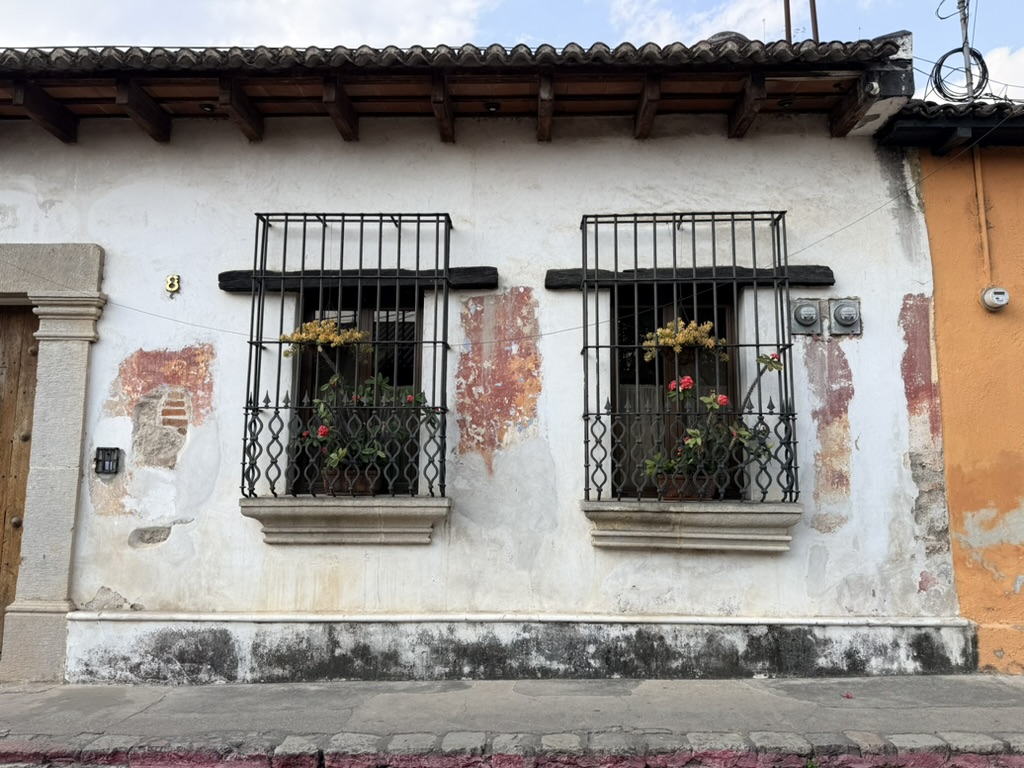
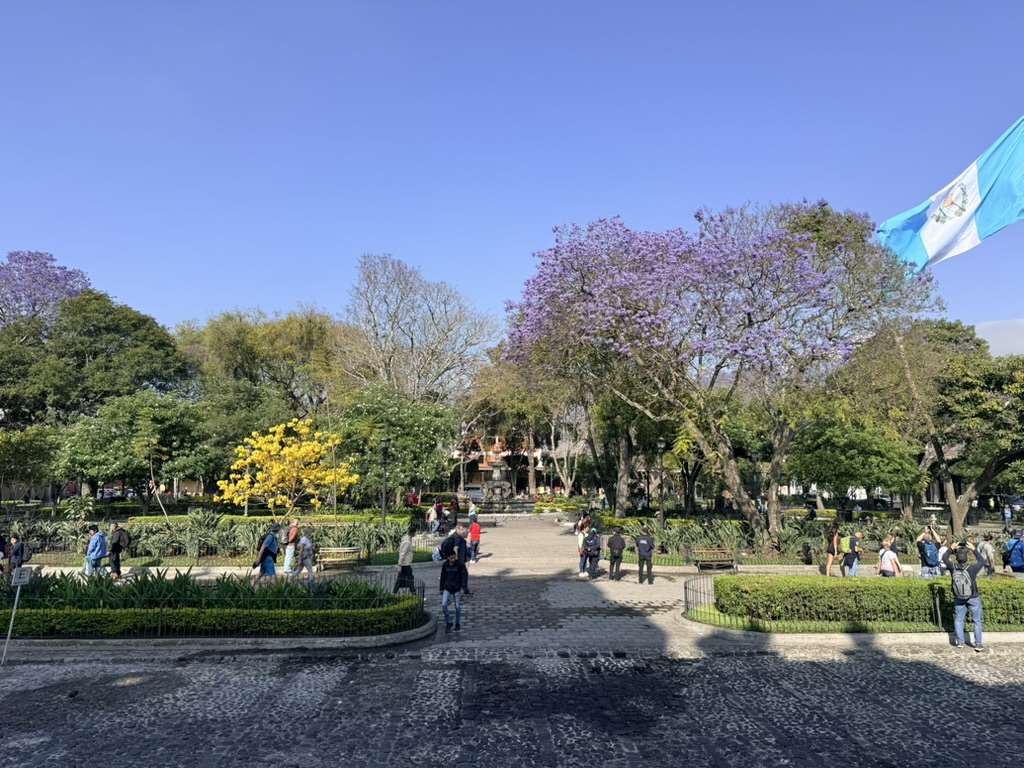
In the central highlands of Guatemala sits an enchanting town of cobblestoned streets lined with Spanish colonial mostly one-story buildings with bland edifices hiding ebullient and colorful courtyards. Framed by green mountains and three looming volcanoes, the town of Antigua contains a mix of preserved ruins – ex-convents and monasteries – and modern-day establishments, including charming restaurants, local and artisanal markets, and churches with vibrant communities and strong survivor instincts. It was designated a UNESCO World Heritage Site in 1979.
Antigua: Capital of the Captaincy General of Guatemala
Antigua reminded me of several other Spanish colonial towns such as Granada and León in Nicaragua; it even looked a bit like a flattened-out San Miguel de Allende in Mexico. But in reality it is, or was, much more. It served as the capital of the Captaincy General of Guatemala for 230 years, from 1543-1773; this was an administrative division of the Spanish Empire which included present day Costa Rica, Nicaragua, Honduras, El Salvador, Guatemala and the Mexican State of Chiapas. Its reach was far and wide. Much of Antigua’s Baroque-inspired architecture is from that period.
The additional pleasure offered by Antigua is in its weather. Being in the central highlands, the weather is cool at night (~50-60F) and warm and dry (low-to-mid 80s) in the afternoons. Not a smidgeon of humidity was felt, making it a dream destination for me.
Cuaresma (Lent) in Antigua
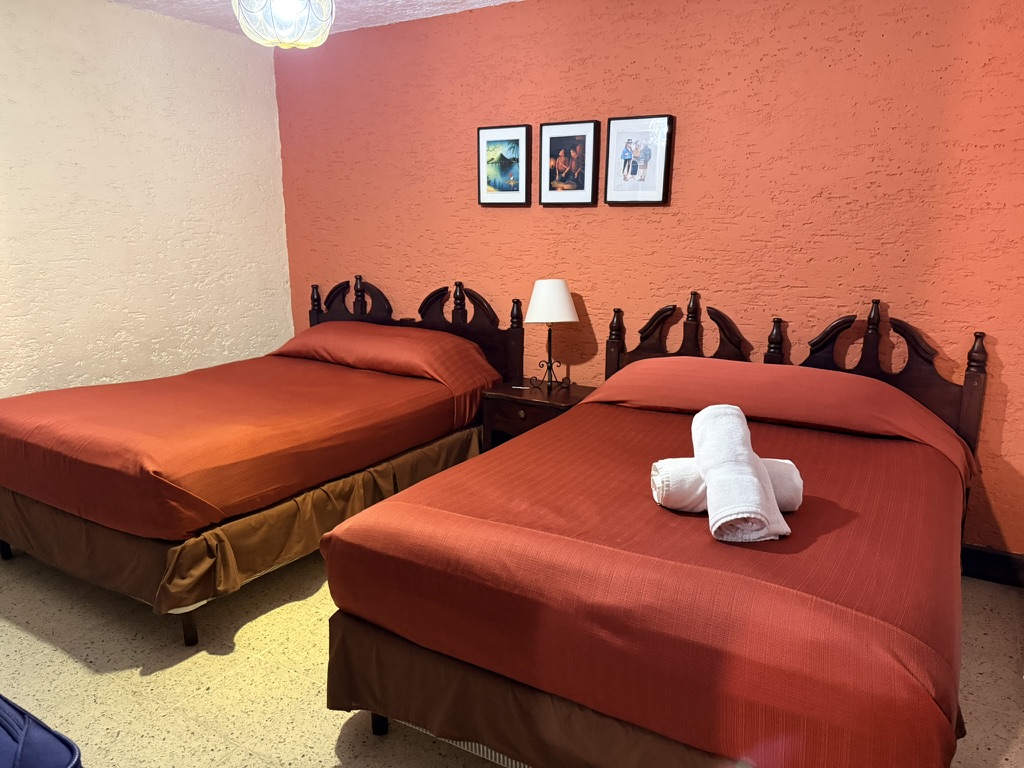
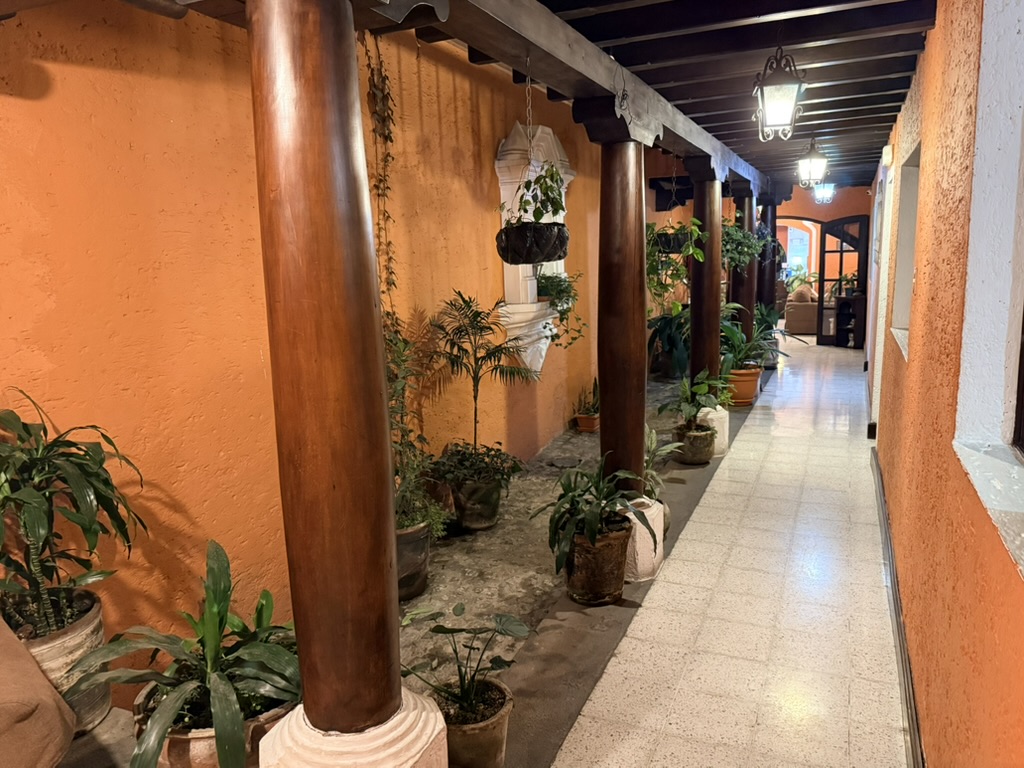
Antigua’s character dawned on me slowly, with sound bites reluctantly offered by our private driver from Guatemala City on a late Wednesday afternoon in early March, right after we’d arrived in the country. The driver was mostly taciturn during the nearly 1 1/2 hours it took us to escape Guatemala City at rush hour in gridlocked traffic. Only as we broke ranks with the city and escaped in darkness onto the mountain roads leading to Antigua did he start to talk. What I heard were enthusiastic Spanish words: “alfombras de aserrín,” “procesiónes,” “domingo,” “cuaresma,” and “velaciones.” I caught and understood the words “carpets,” “processions” and “Sunday” and I got the gist that long processions occurred on Sundays that went on for hours. I wasn’t sure what the carpets were until we checked into our hotel, Hotel Posada San Pedro, which our friend Carol had recommended after her visit to Antigua some 35 years ago. The hotel didn’t look like it had been upgraded much during that time period. The hotel did however have one of the carpets alluded to by our driver.
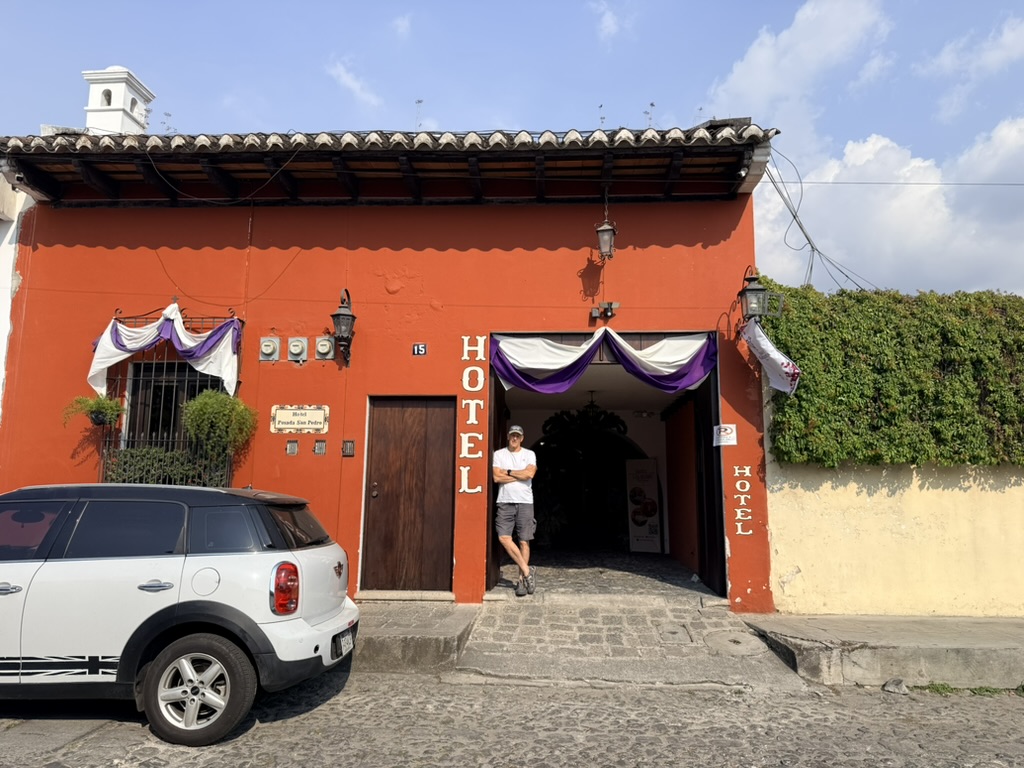
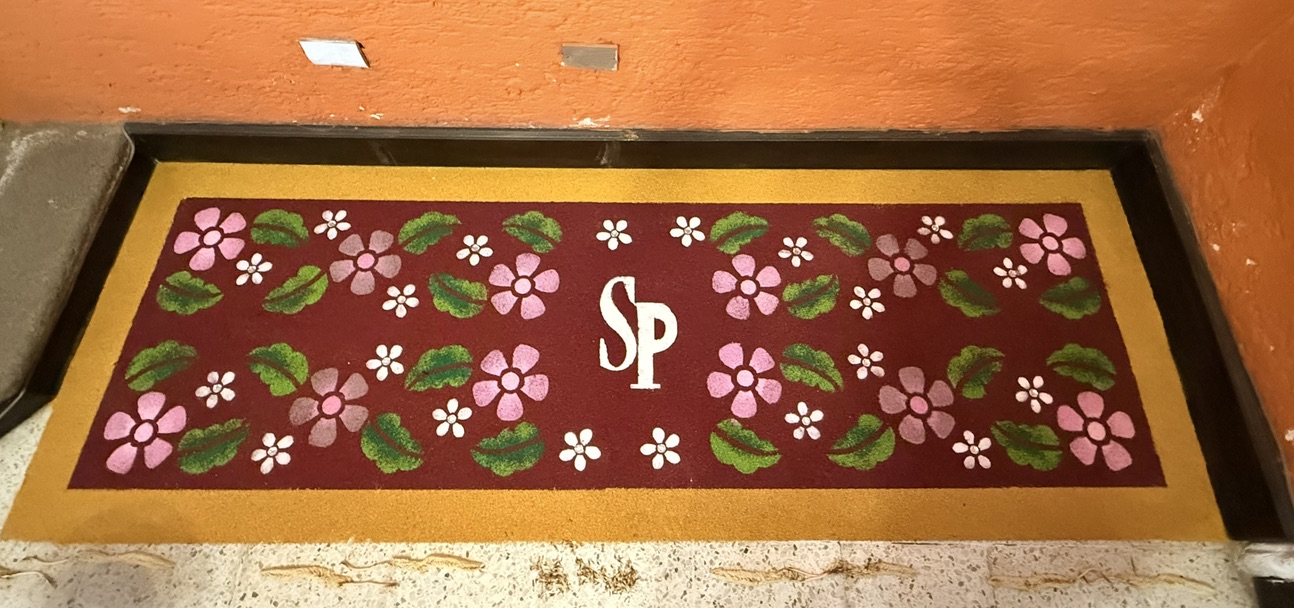
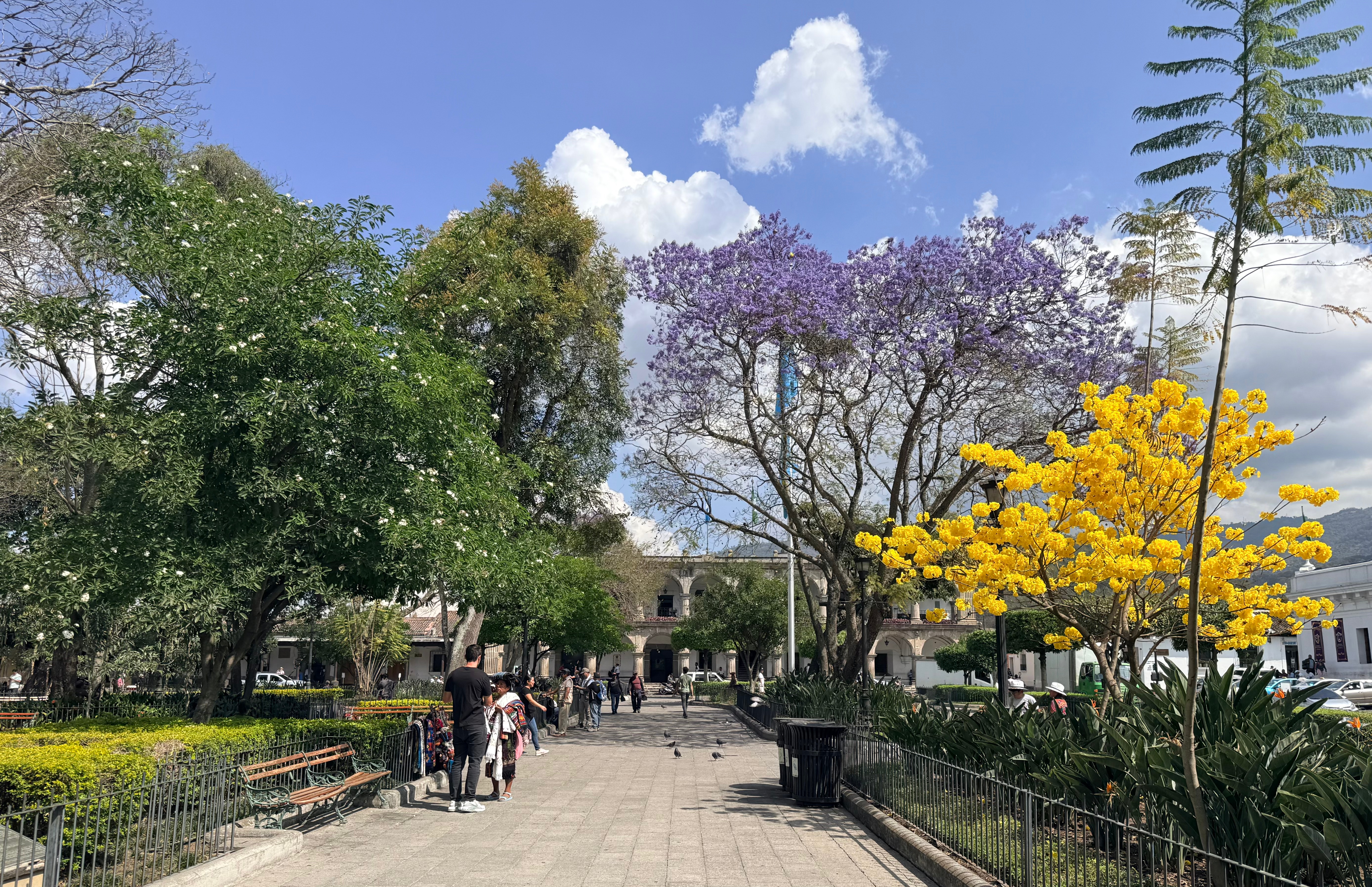
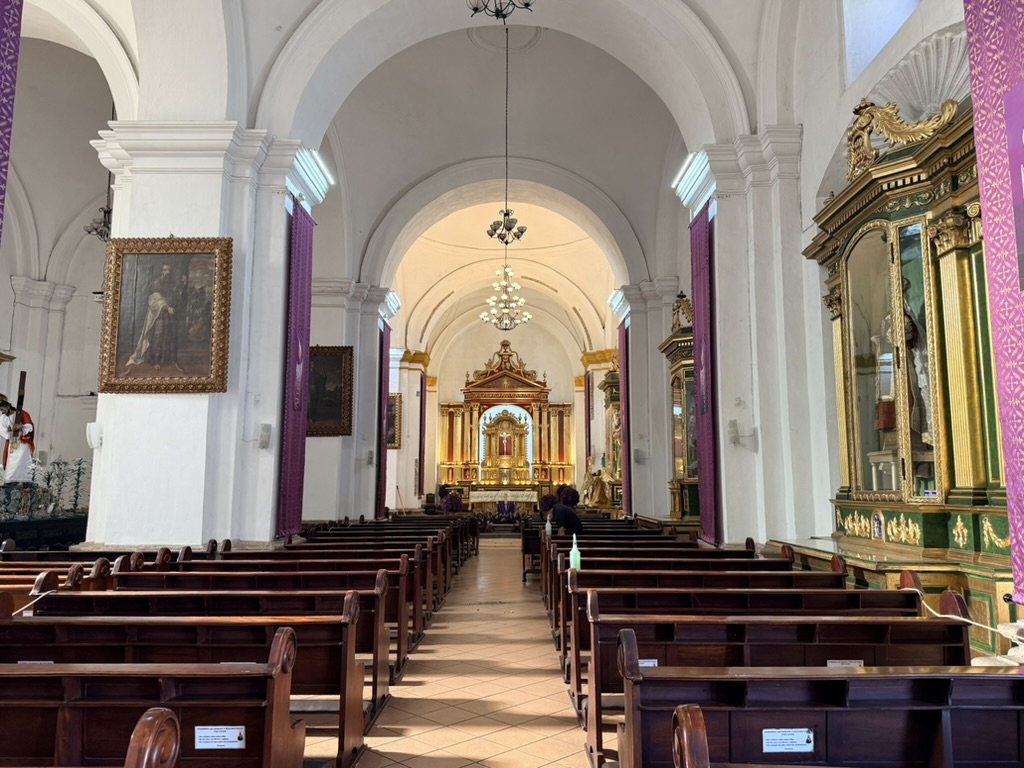
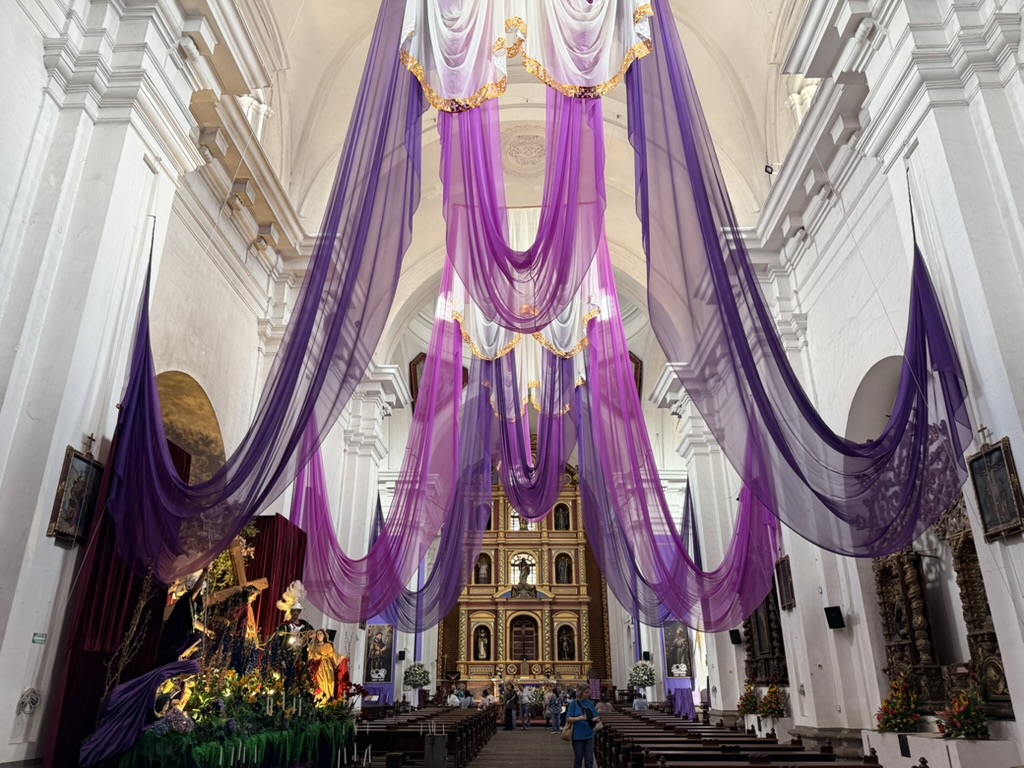
I finally figured out that Antigua is a place that takes the Lenten season (Cuaresma) seriously. Things apparently gear up during Semana Santa, or Easter Week. We decided after being in Colombia during Semana Santa in 2024 that we’d never again travel in Latin America during Easter Week. But it was special to be in Antigua during the Lenten season. Everything was draped in purple – statues, icons, church interiors, crosses, windows – as a symbol of mourning and anticipation of Christ’s passion. Even the jacaranda trees knew the right time to unfurl their purple blossoms. The liturgical color represents penance, mourning, humility, and spiritual reflection leading up to Easter.
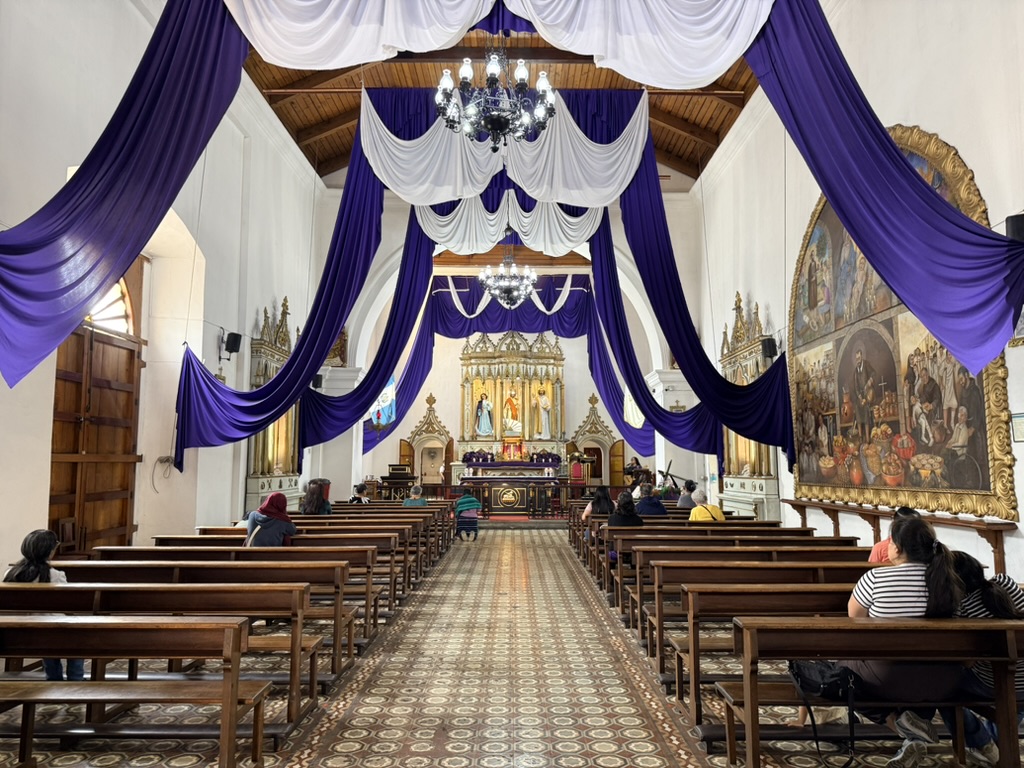
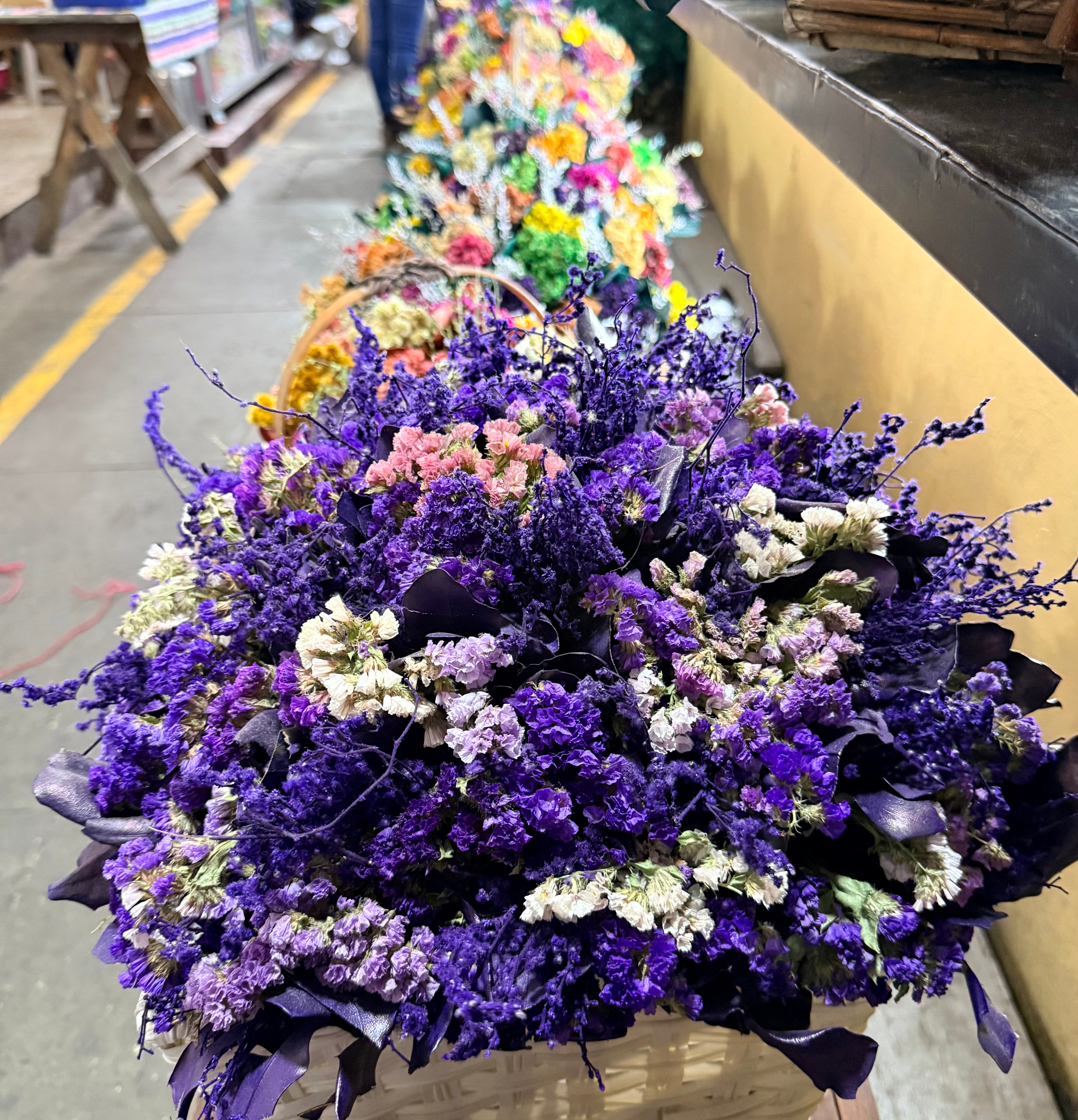
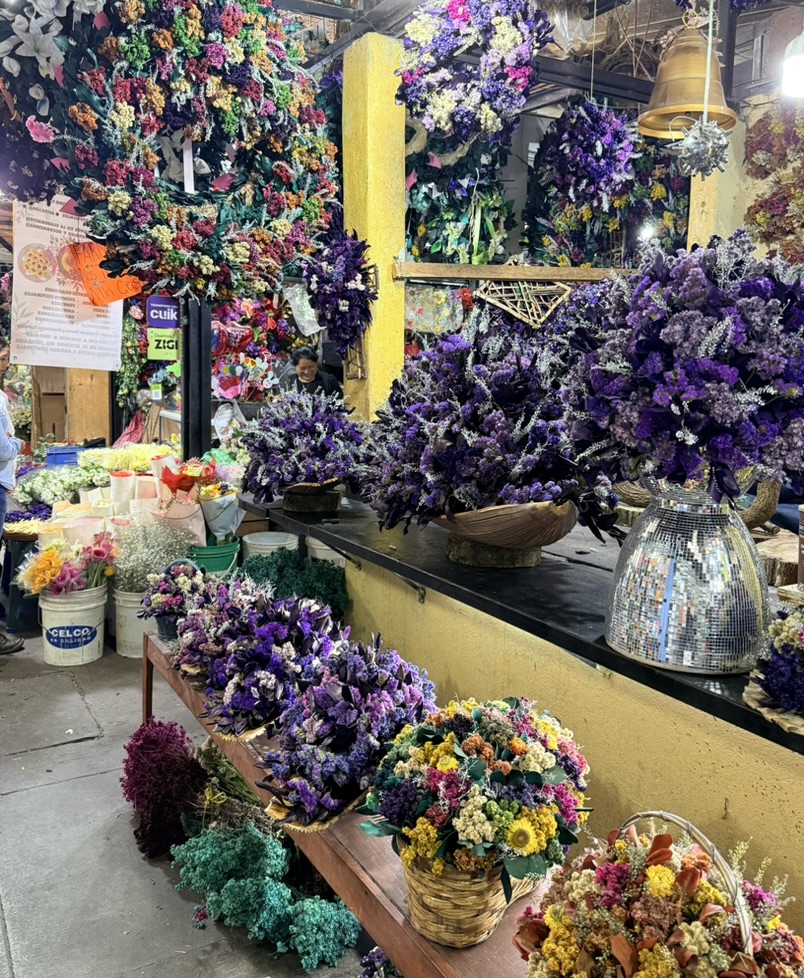
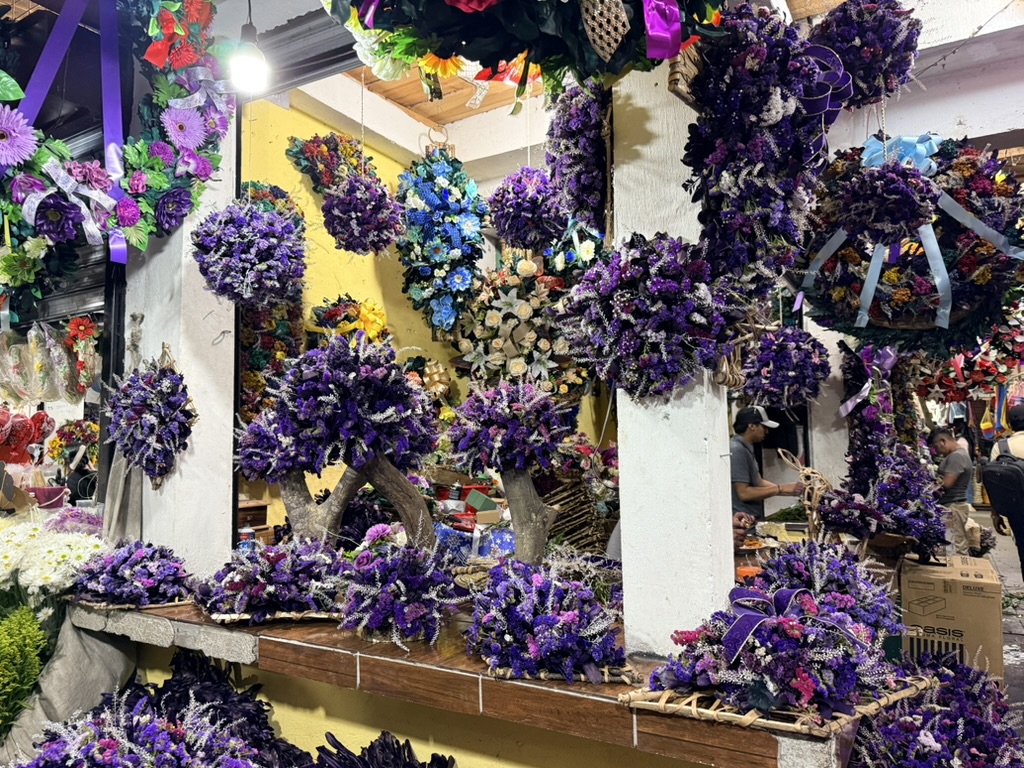
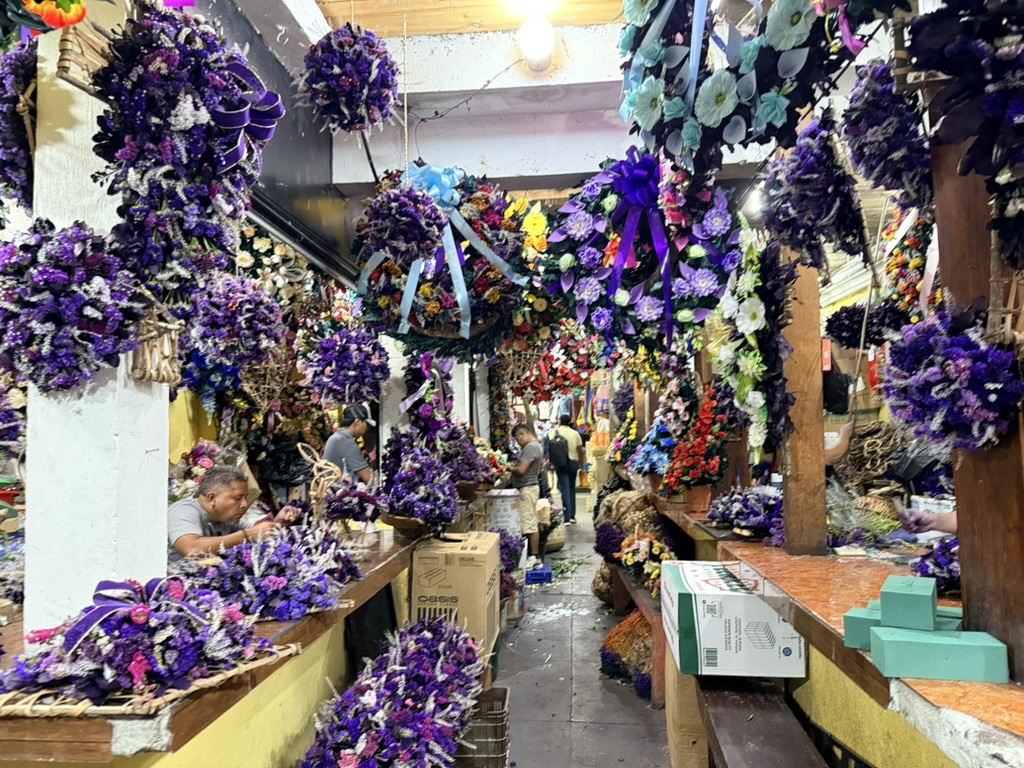
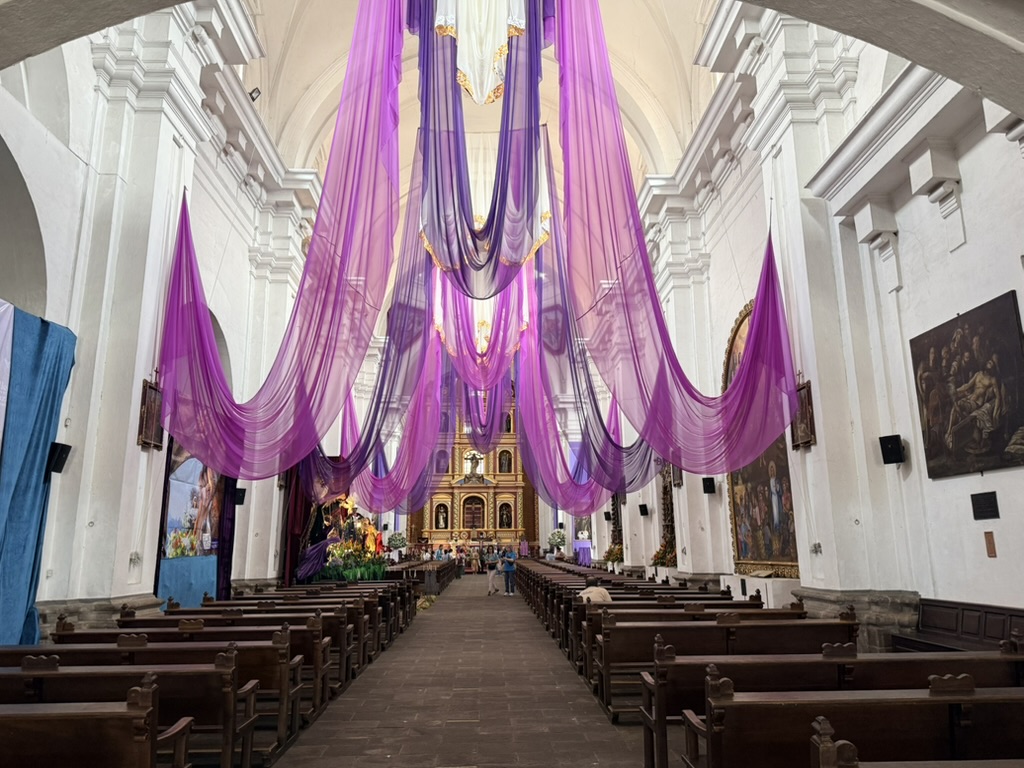
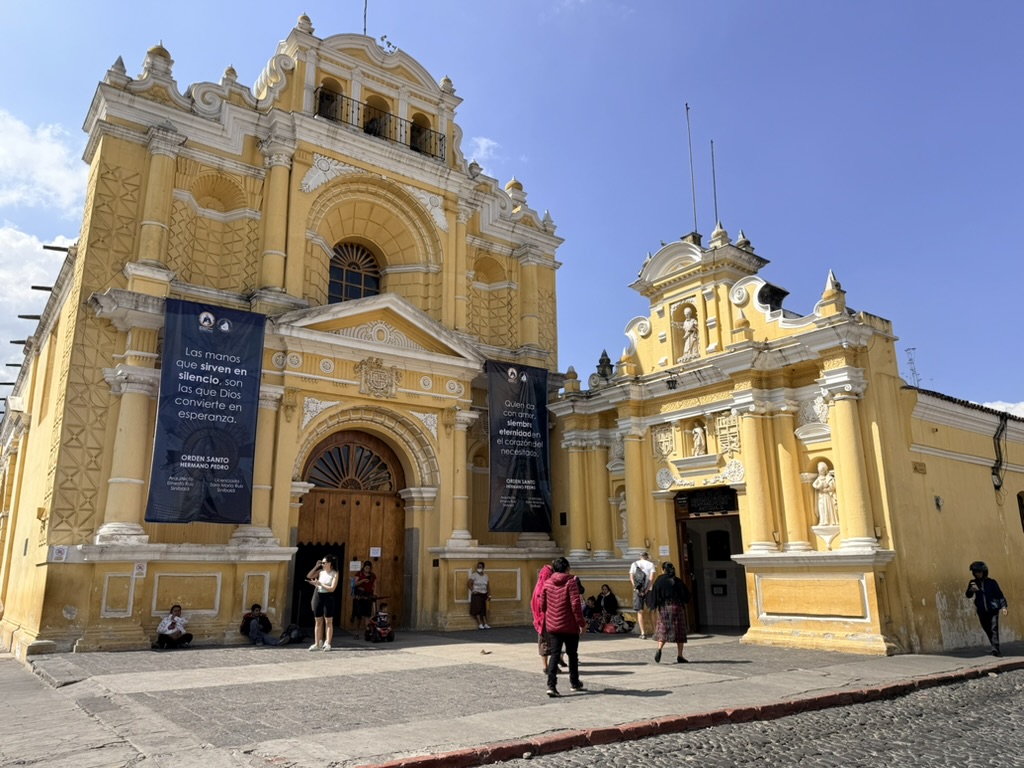
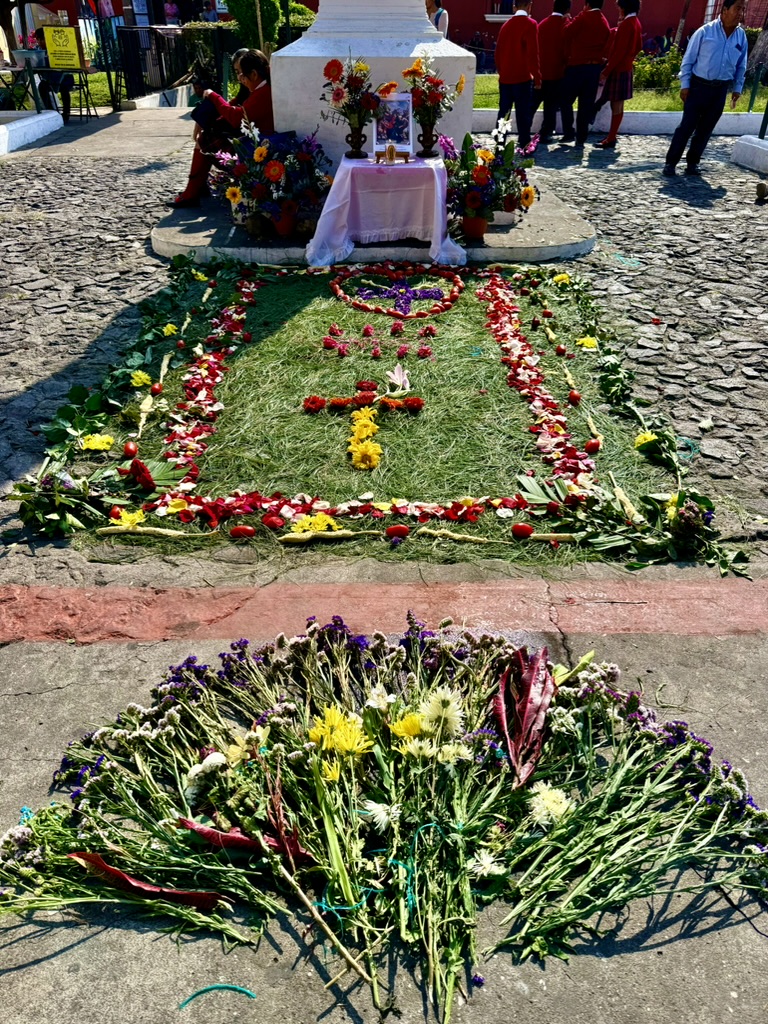
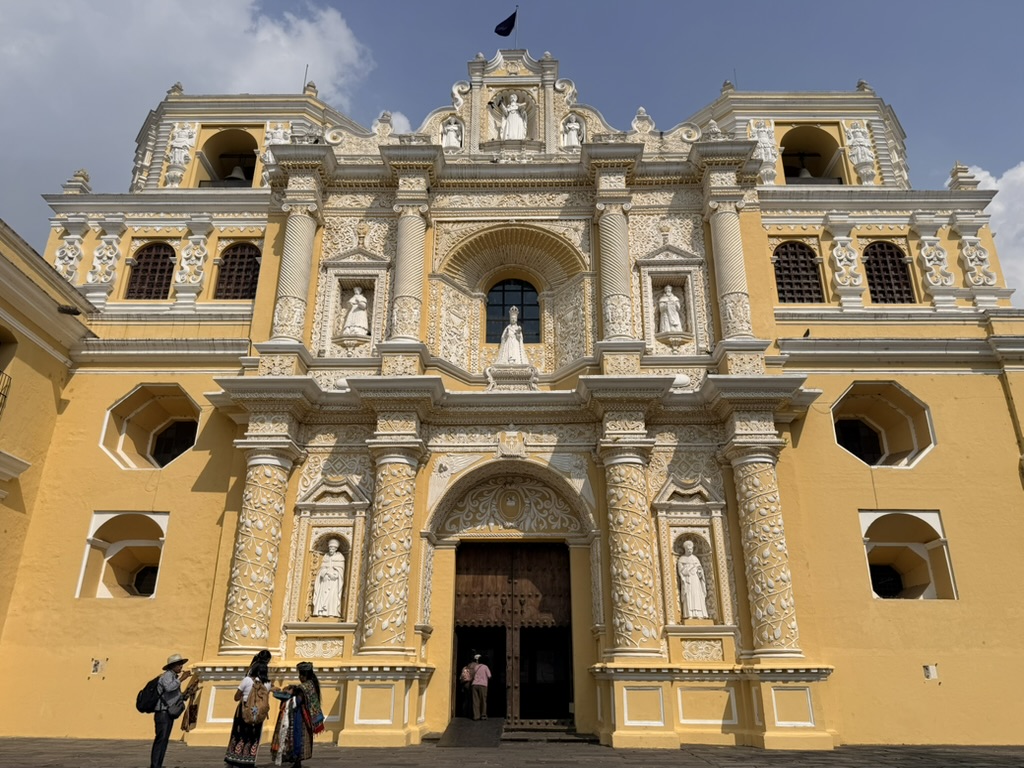
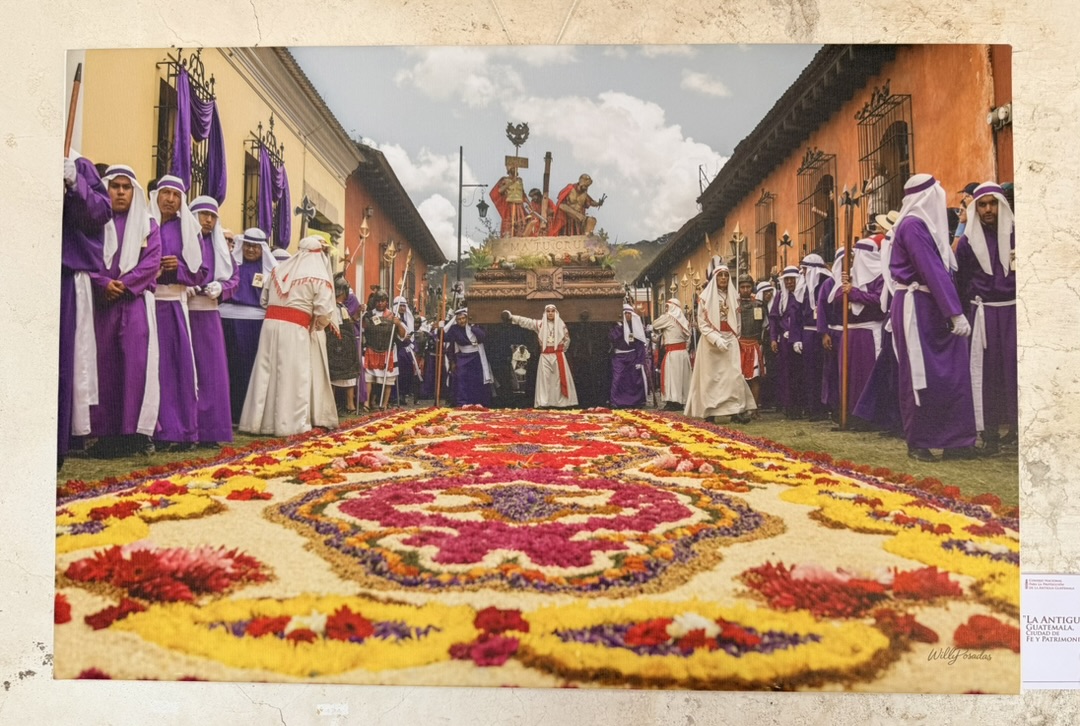
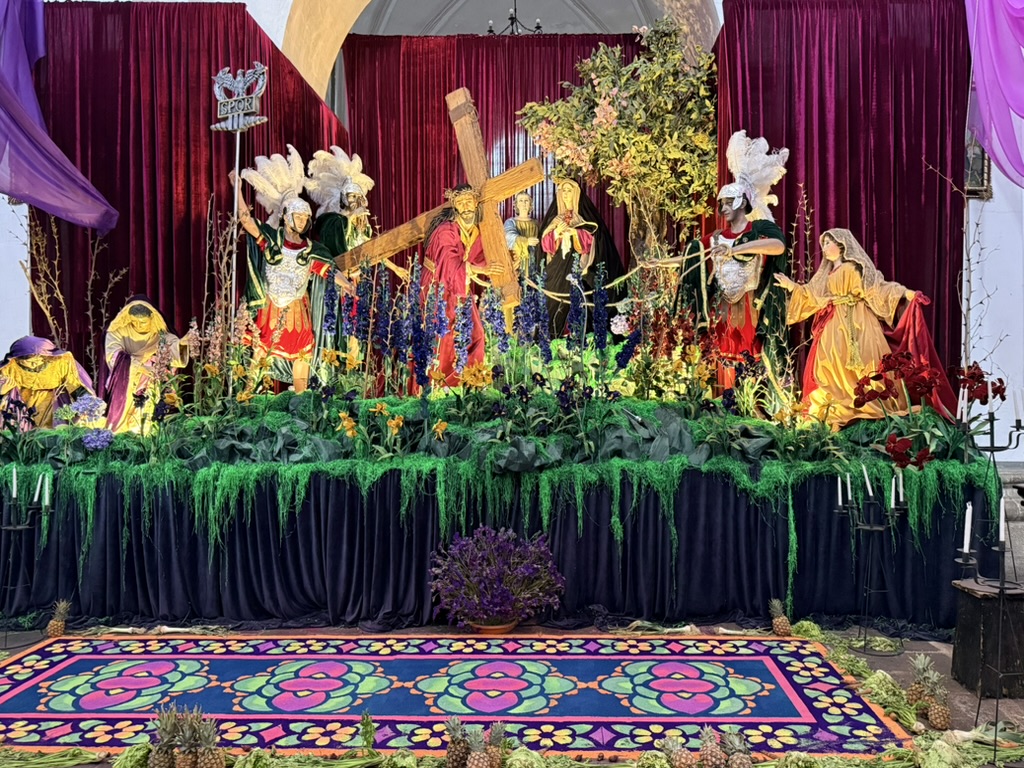
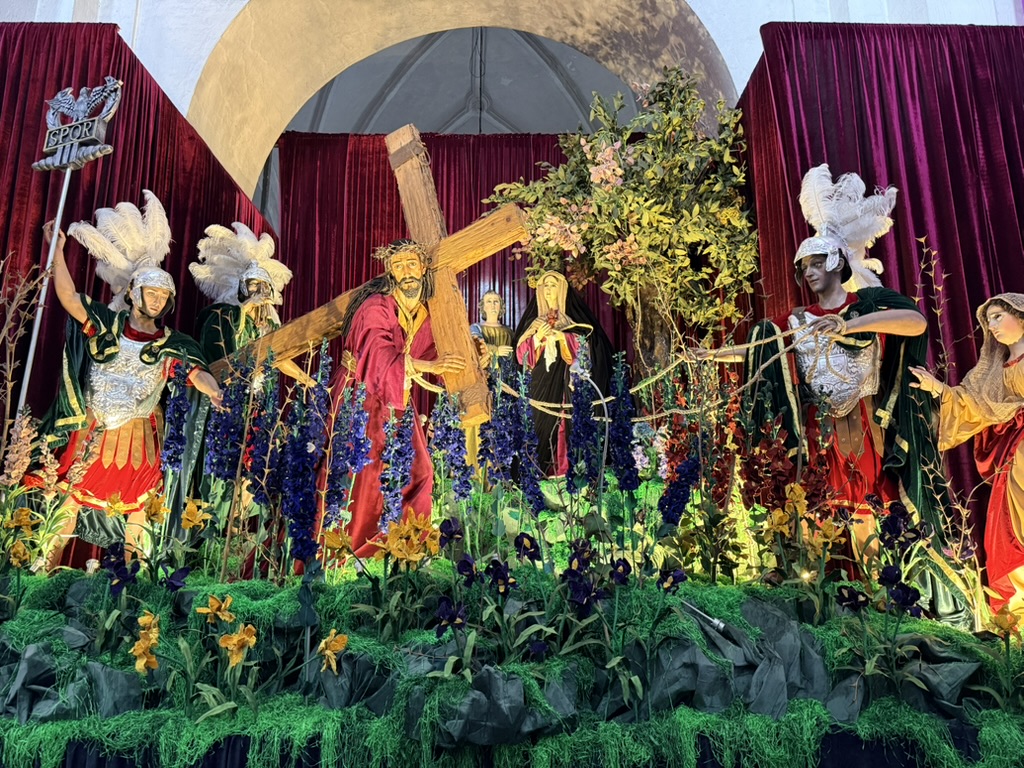
Specific churches organize velaciones (vigils) every Friday during Lent. Velaciones are deeply spiritual events in which specific churches create a “vigil” – an artistic display of statues, candles, and floral arrangements – that invites the public to reflect on specific religious themes. On Friday of our stay, in front of the gorgeous yellow Baroque Iglesia Merced, we found children dressed as Roman authorities standing somberly around a beautiful alfombra asserín, or sawdust carpet. These carpets are ever-present throughout Lent in Antigua.
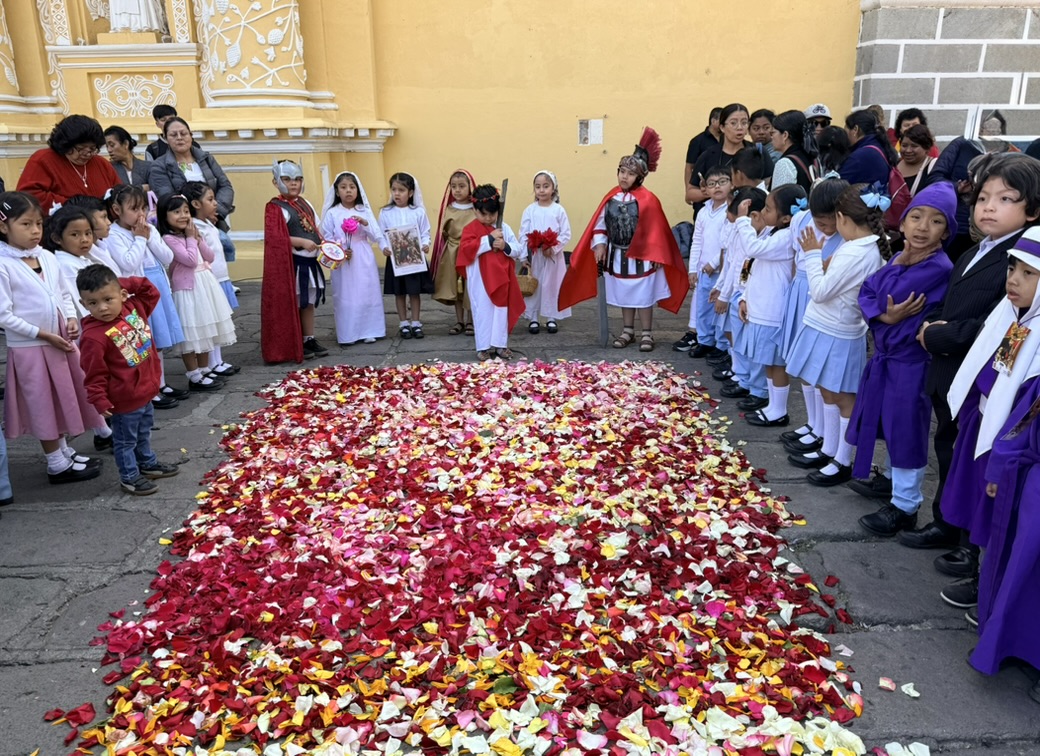
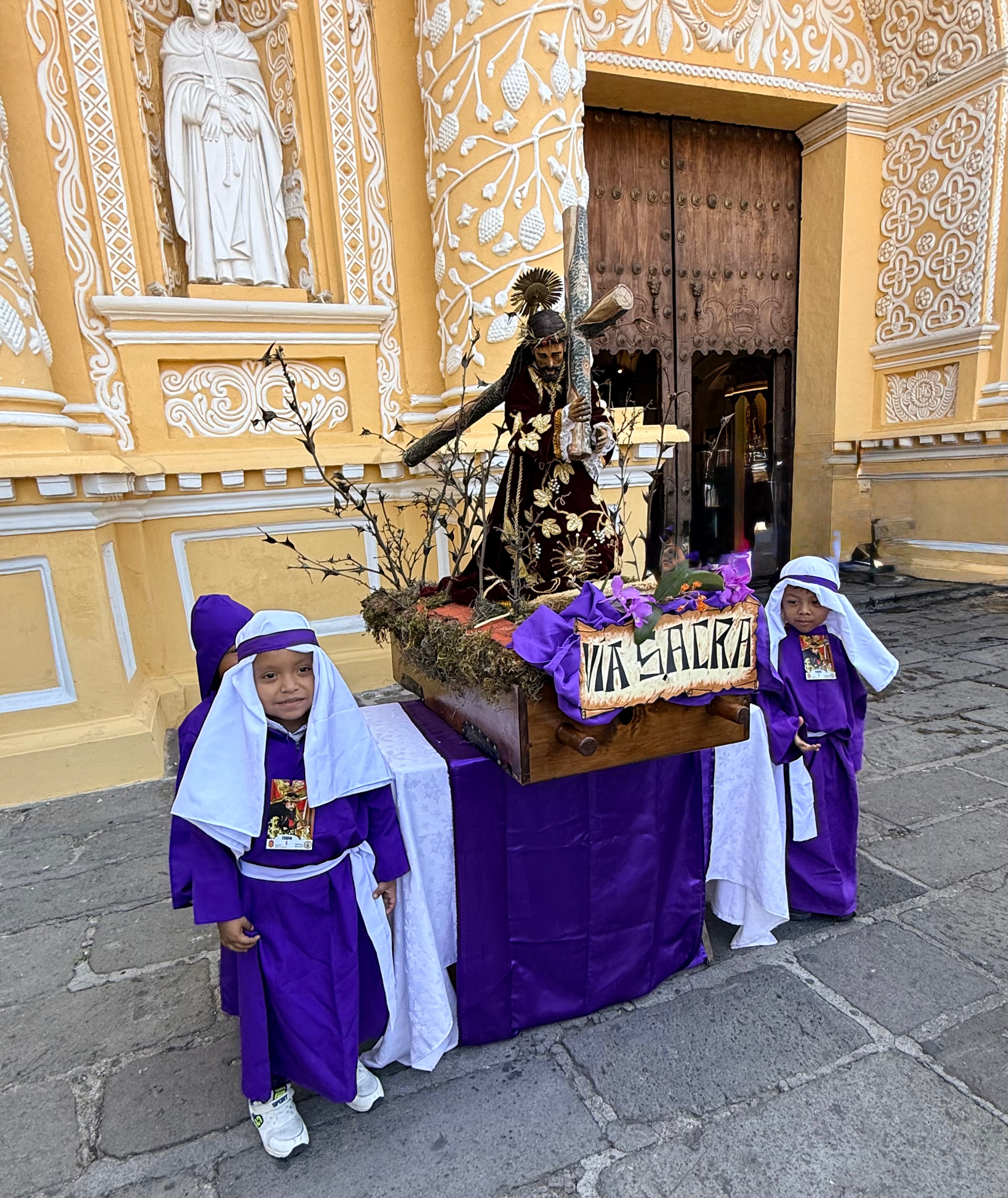
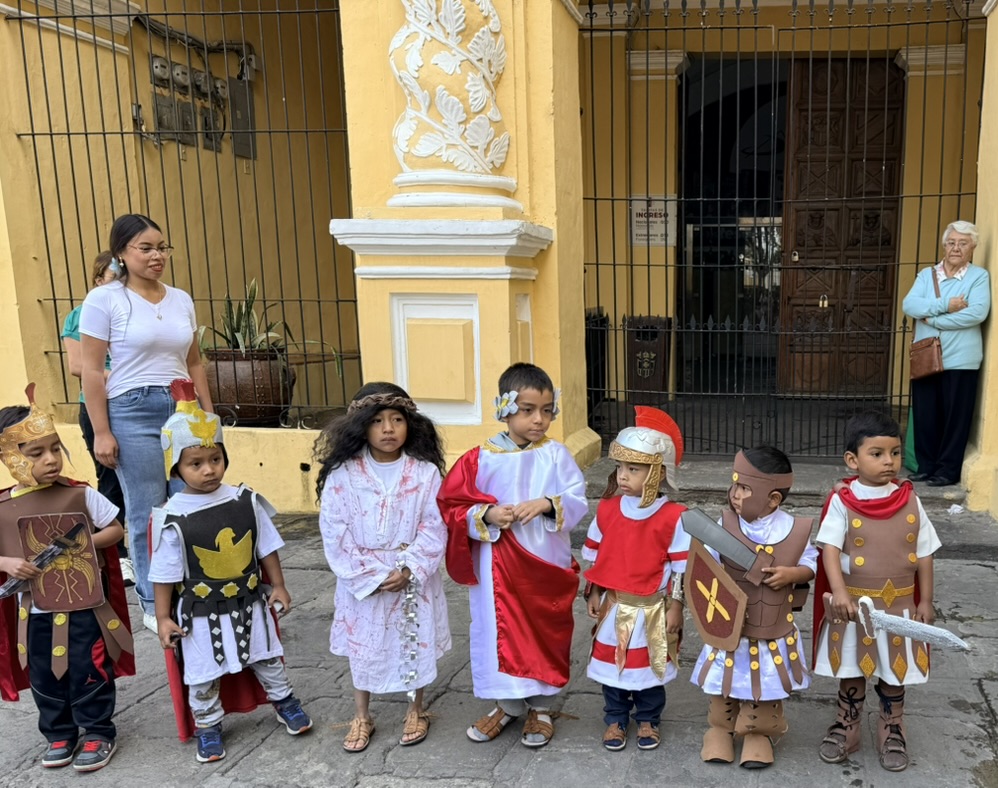
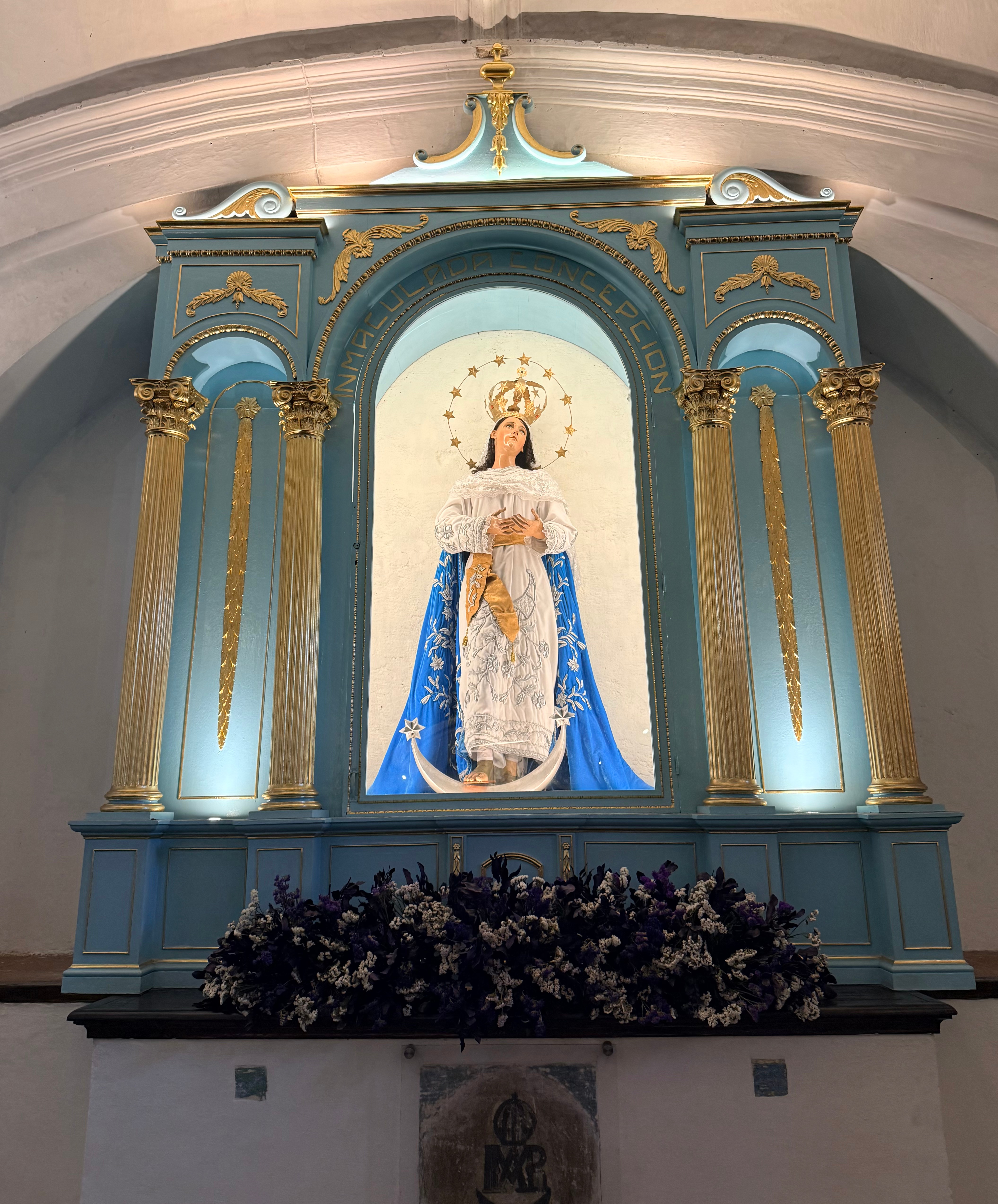
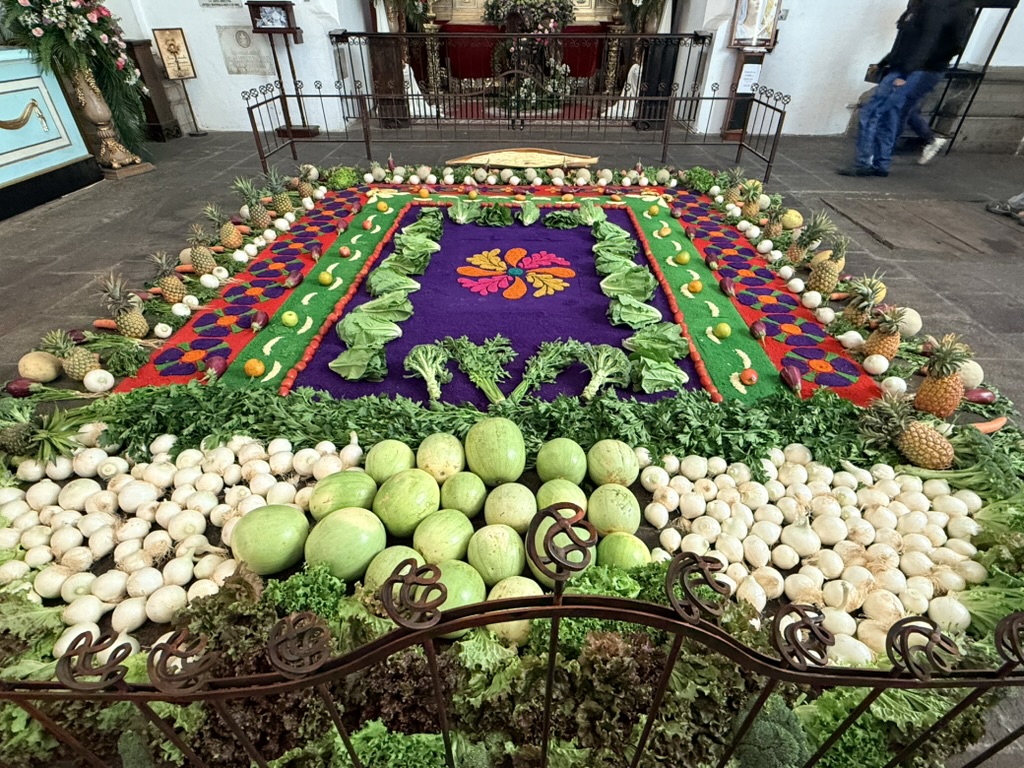
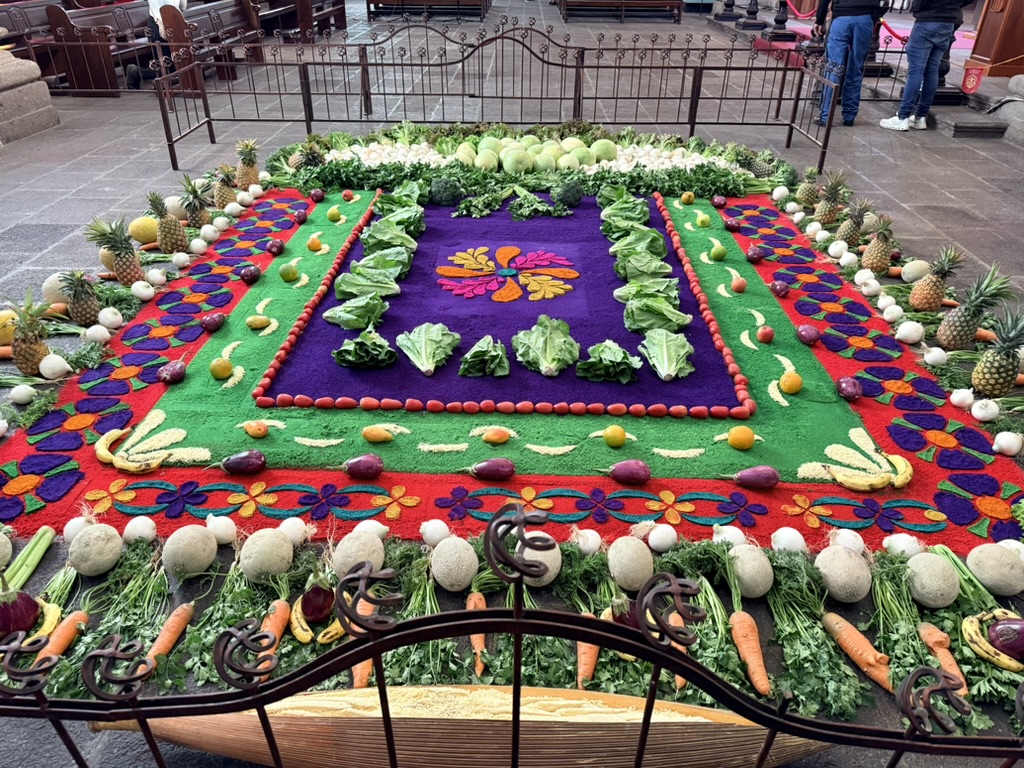
The Alfombras de aserrín are elaborate sawdust carpets made of colored sawdust, flowers and flower petals, fruits, vegetables, rice, colored earth, ashes, pine needles, fragrant corozo palms and other organic materials. They are created inside churches, on sidewalks, inside hotels and restaurants, and on the streets. They are meant to greet a religious procession that walks over them, destroying them in an instant. Carpets may reflect religious themes, elements of nature, geometric patterns and sometimes even humor or political views.

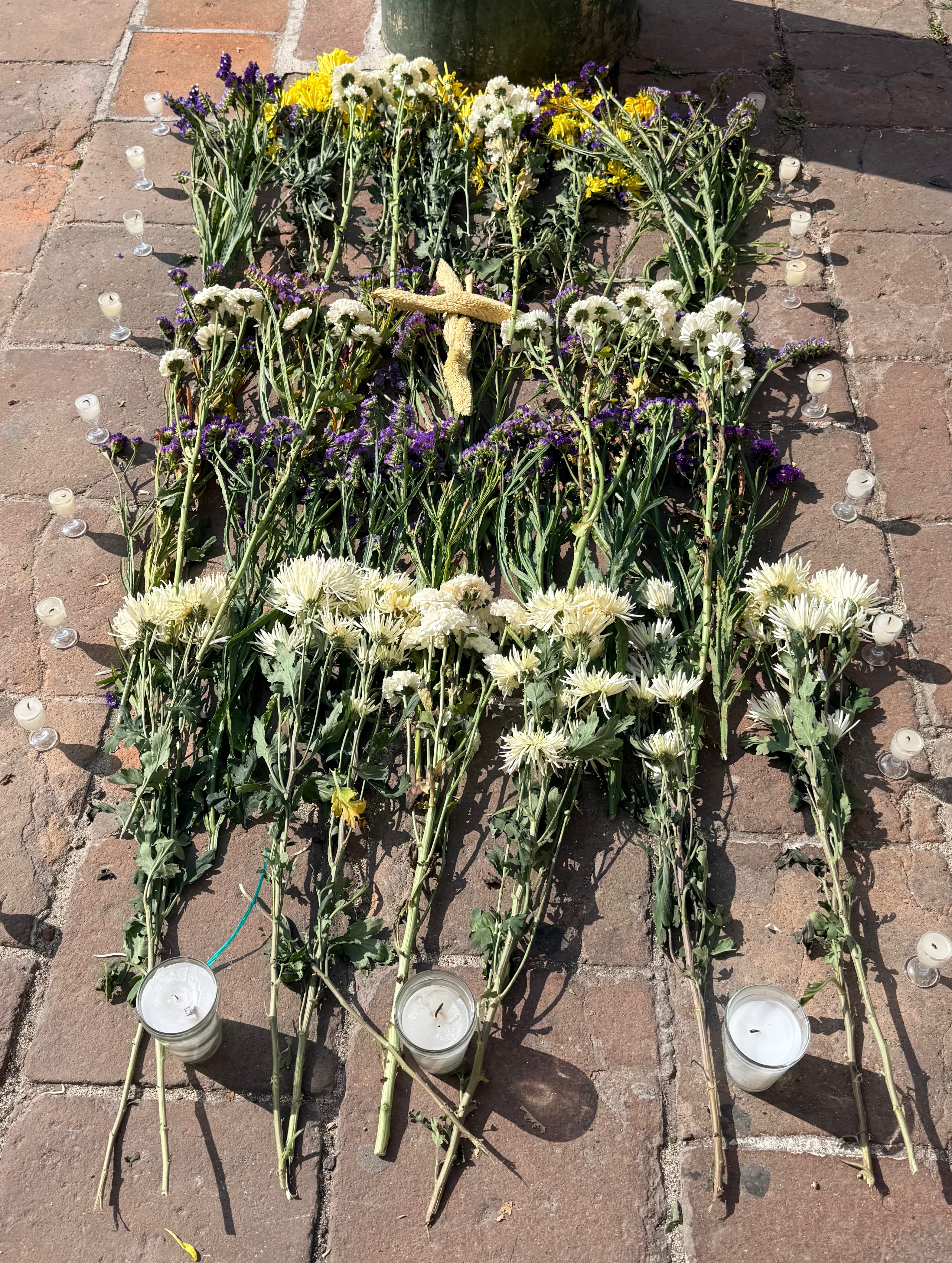
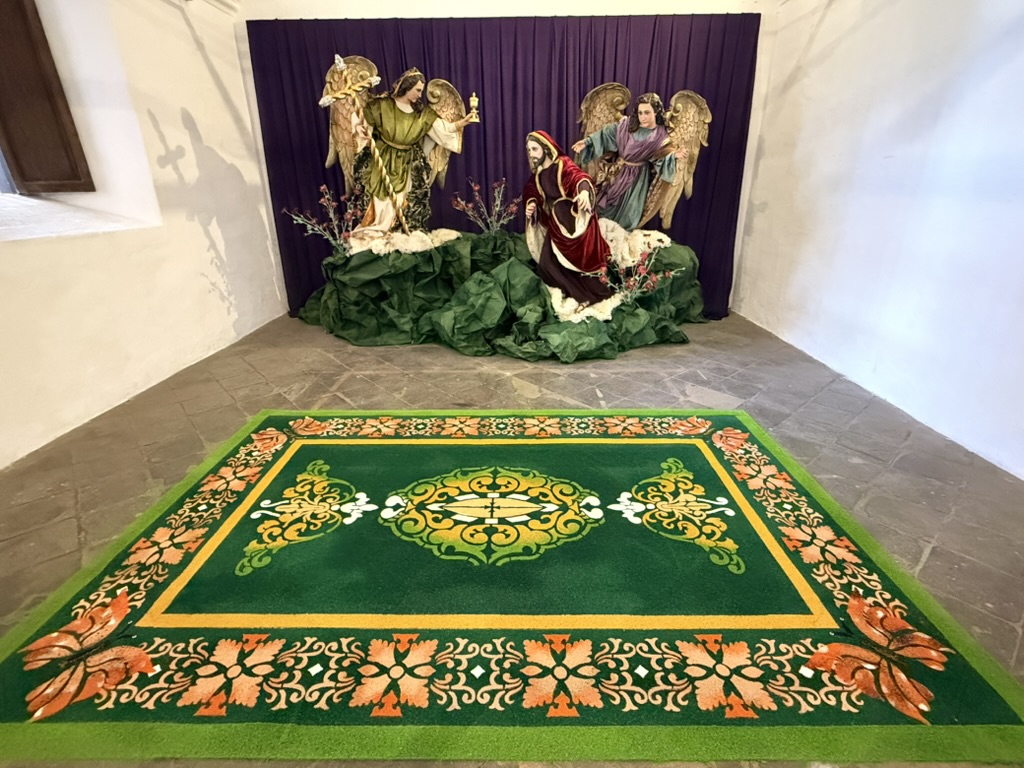
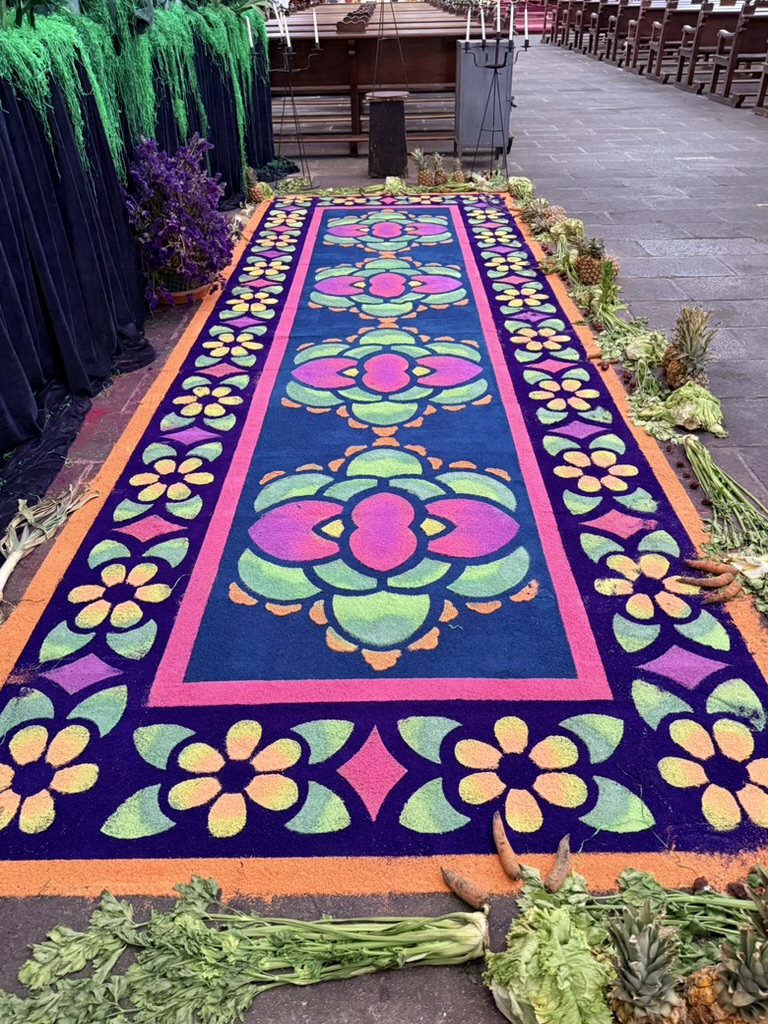
Every Sunday during Lent, a major hours-long procession departs from a different church to portray biblical scenes from the Passion of Christ. We weren’t in Antigua on a Sunday, so we missed seeing one of these processions.
On penitence, mourning and prayer
We found penitants “walking” on their knees up the aisle of the beautiful Iglesia Merced, clutching the end caps of the pews as they inched along. Whenever Mike and I go into a church, we sit on a pew and say prayers. Despite the fact that I don’t consider myself religious in the way of organized religion, I do believe in the power of prayer. I watched the penitents scoot up the aisle, knowing they must be in pain, and offered up prayers for these unknown Guatemalans. I also prayed for our continued safe travels, for the halting of endless wars, especially the ongoing Ukrainian war and the current war against Iran (a completely unnecessary war), and for an end to the hatred that infests the world and that our feckless leaders enflame. I prayed for our family members, and especially for my youngest brother, who entered the hospital the day before we left for Guatemala because he was experiencing pain in his leg and hadn’t realized, because he is practically blind, that one of his toes had turned black. He suffers from many ailments (poor kidney function, diabetes, heart disease, and excessive weight). He is barely ambulatory and doesn’t leave his house much because of all of his issues. I feared he would have to have his toe amputated, and was surprised to find out from my sisters that he’d already had toes amputated on his other foot years ago!
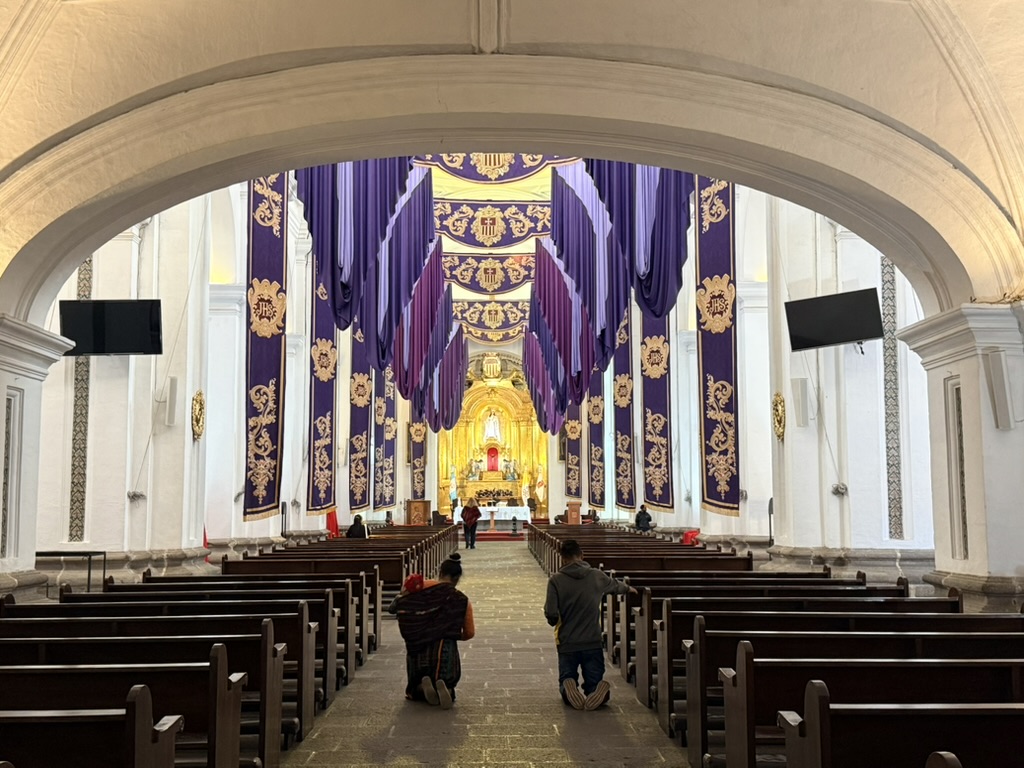
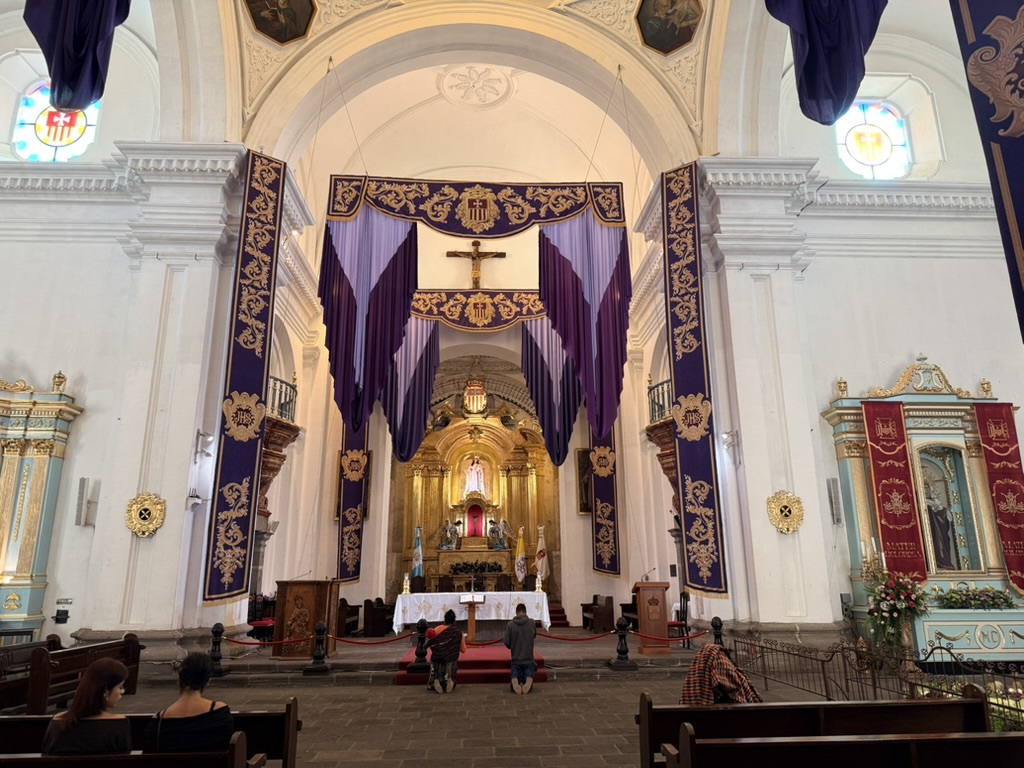
Words are not for such things, so I held the people I care for in my heart for a while. While I was at it, I also offered up prayers for a woman who lost her baby right in front of us on Thursday in front of a coffee shop in Antigua.
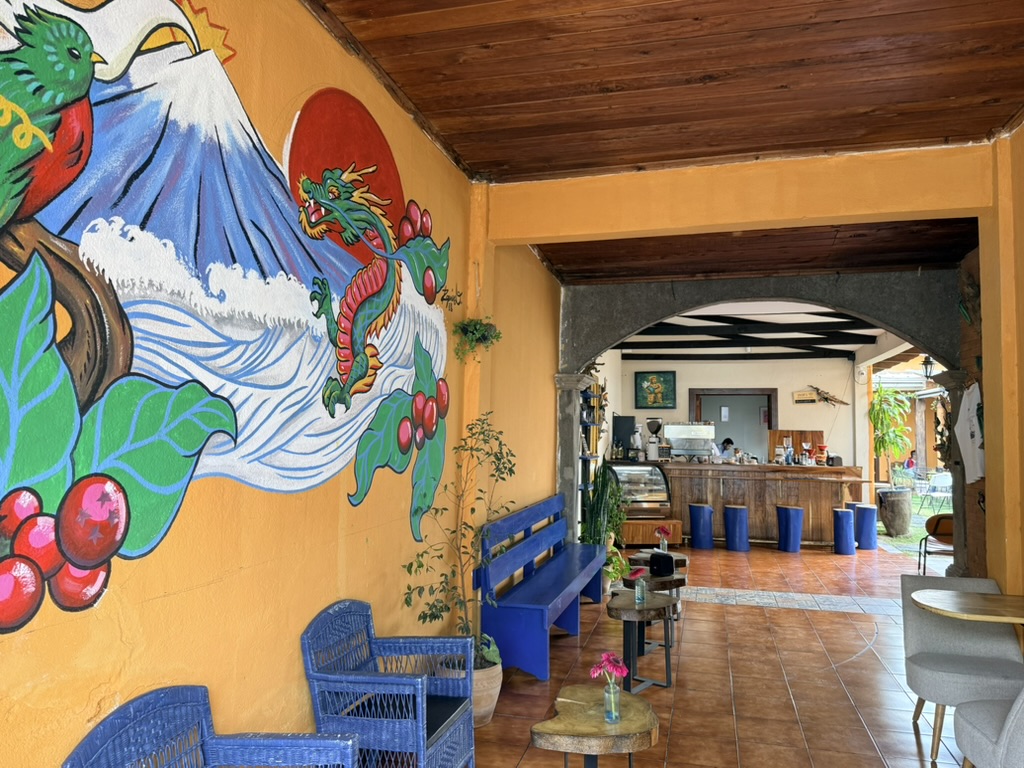
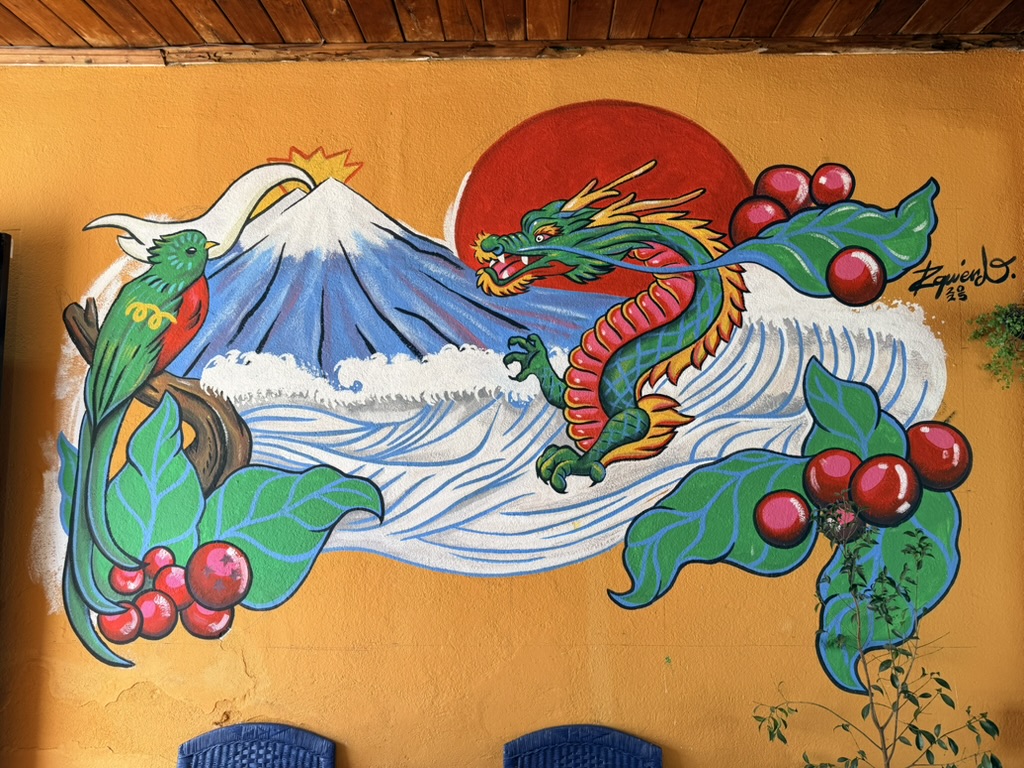
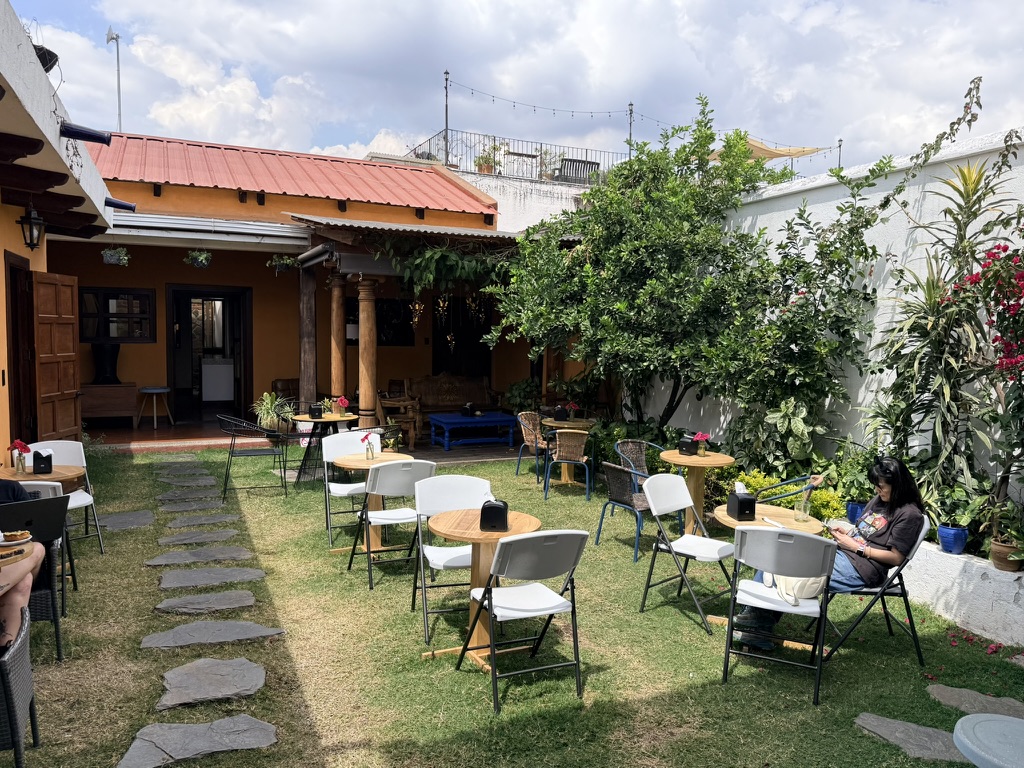
On Thursday, our first full day in Antigua, we were heading to the Mercado Local when my nephew Seth (my sister Joan’s son) texted to let us know he could meet us at any time. I looked on Google Maps for a nearby coffee shop and told him to meet us at Al Tueste Coffee House, just a block away. When my brother’s problems took him to the hospital, I had informed my sister Joan that I would be partly incommunicado for the next two weeks due to our trip to Guatemala. Surprised, she said, “Seth is going to Guatemala!” I wanted to know when, where and why, and all she could tell me was that he was going to climb a volcano with some friends as his last adventure before his baby girl is born on May 26. It turned out he would be in Antigua the same days we were there; Thursday was the only possible day we could meet because he was to climb Volcán Acatenango on Friday and Saturday, and we would leave Antigua on Saturday morning.
Mike and I went into the café to wait, and immediately an ambulance pulled up and paramedics jumped out and raced past us. Confusion reigned as a woman rushed out from the kitchen of the café holding a baby, surrounded by the paramedics. They took the baby into the ambulance and immediately began CPR, but we could see that it was too late. The baby died or might have already been dead (maybe from SIDS?) and the mother was weeping, hysterical and inconsolable. It was devastating to be right there witnessing a mother lose her baby. How cruel life can be.
Seth and his friend Joel walked in as all this was happening, and we quickly went back into the courtyard to give the family privacy and to get out of the way. We were all shaken but eventually had some coffee and asked about Seth’s adventure. He and Joel and two other old friends would climb 5,000 feet with a guide on Friday, set up camp at 3:00 p.m., then relax for the night. At 3:00 a.m. on Saturday, they would hike to the summit of Volcán Acatenango where they would be able to see the neighboring Volcán Fuego, one of the world’s most active volcanoes, emit ash, smoke and molten lava. The volcano is consistent in its shows; it spews molten lava every 15-20 minutes.
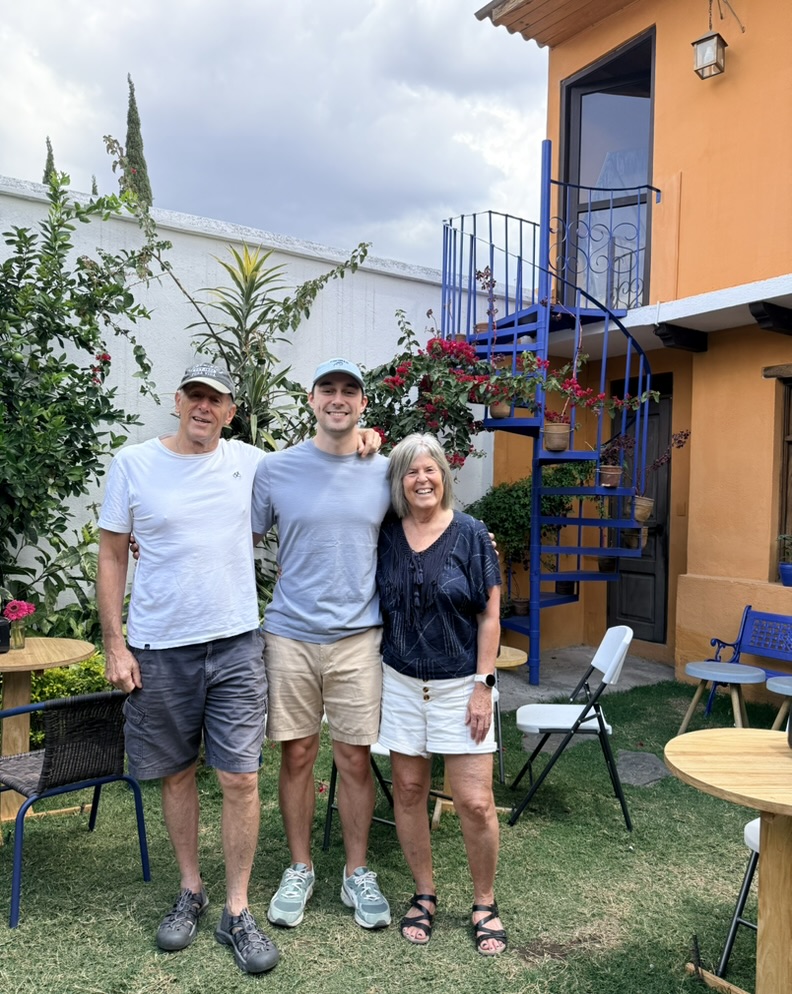
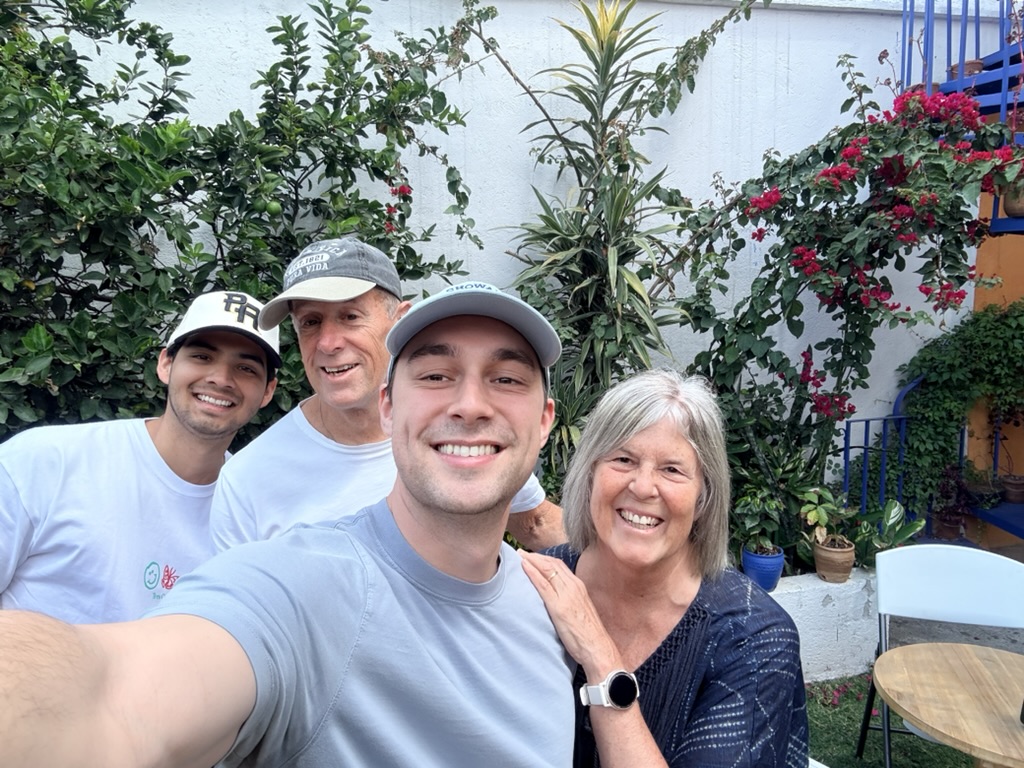
Later, I told my sister what happened and that Seth had been there to witness a baby’s death. She was concerned about how this affected Seth since he has a baby girl due at the end of May. I said we were all shaken, but he didn’t seem to think it was a bad omen for him. But later, when he returned home and Joanie asked him about it, he said, “We will never speak of it again.”
As mountaineer Knut Vole said at one time (as quoted by Paul Watkins in The Fellowship of Ghosts): “Words are not for such things.” He was referring to the majestic landscapes of Norway, but there are many things in life for which words are not sufficient.
Volcanoes and earthquakes
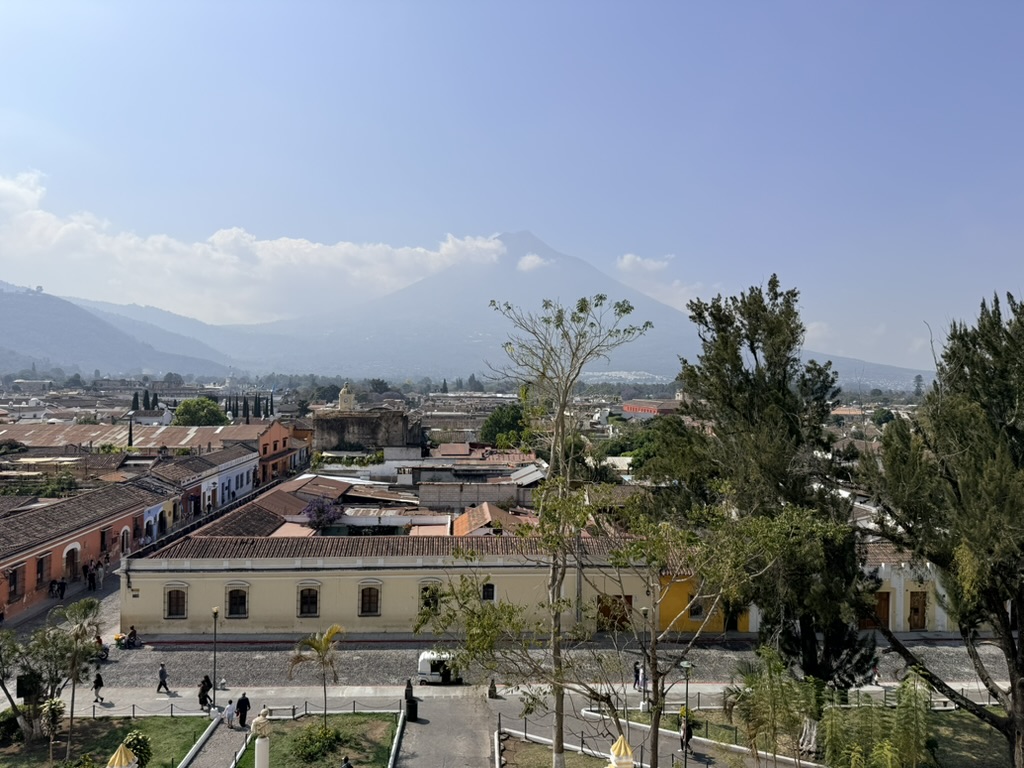
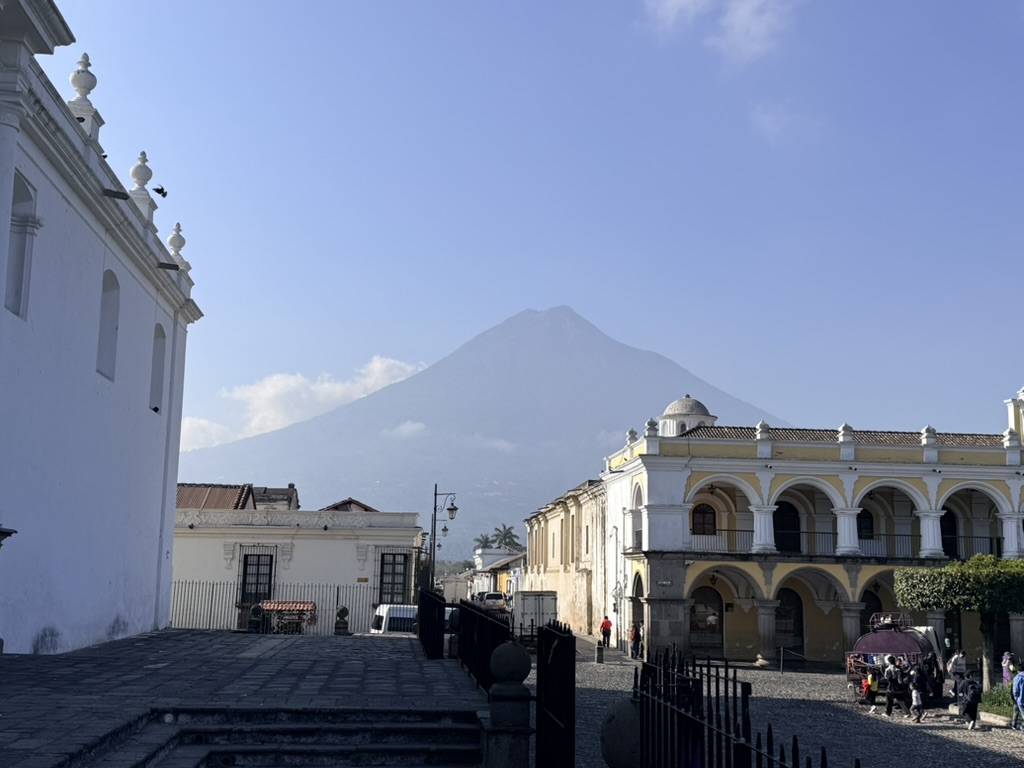
Words are not for such things as a town like Antigua that is surrounded by treacherous nature. There are three volcanoes around it: the very active Volcán Fuego, the dormant/active Volcán Acatenango, and the dormant Volcán de Agua, the most prominent volcano viewed from Antigua’s central plaza, arches and rooftops.
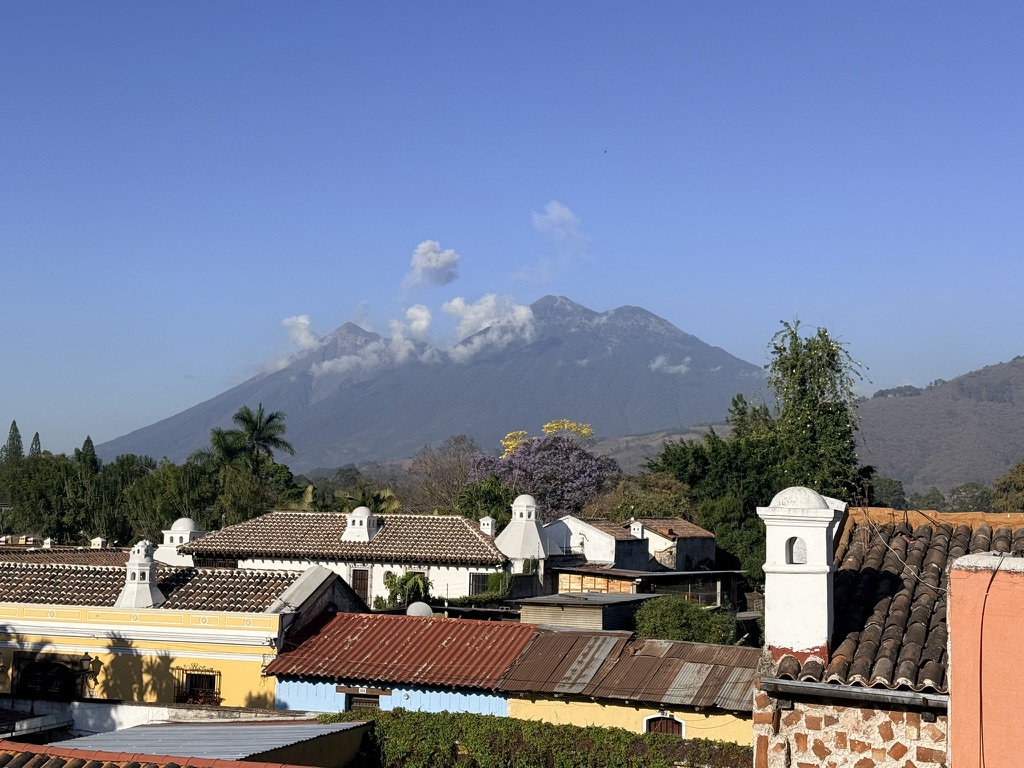
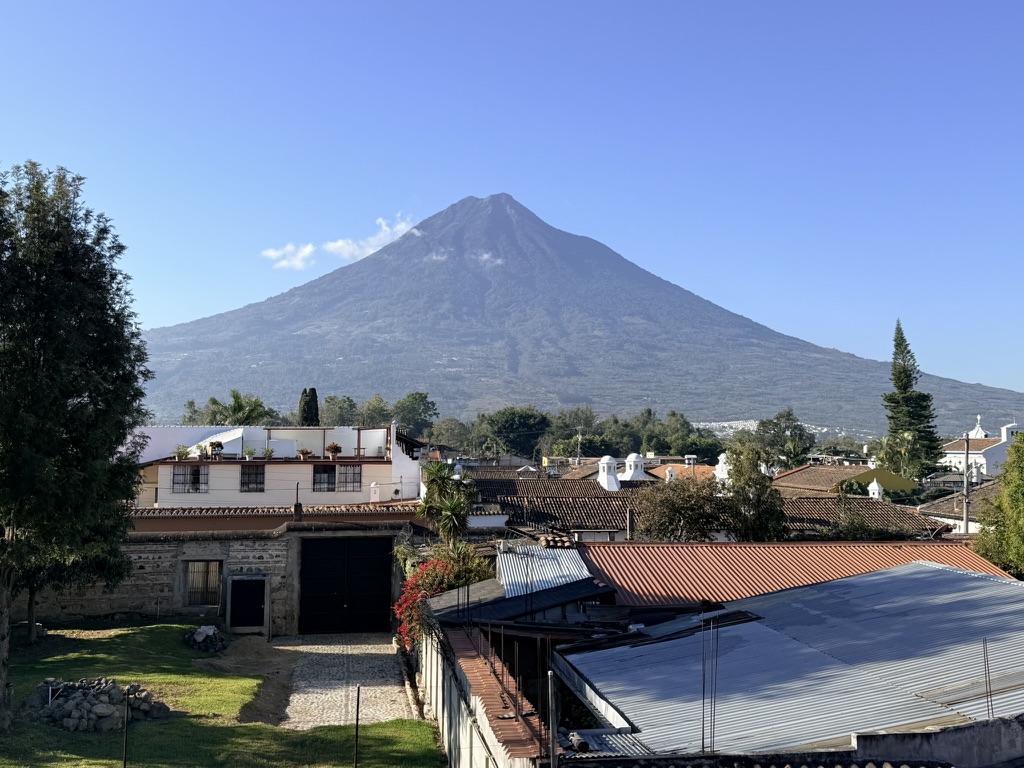
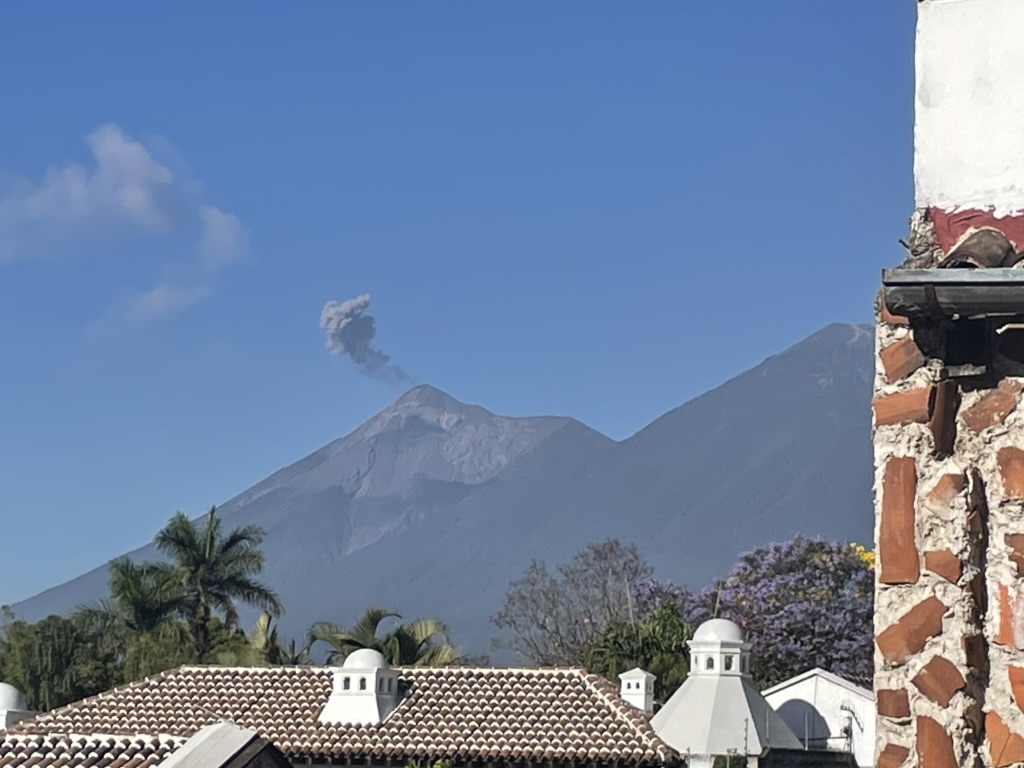
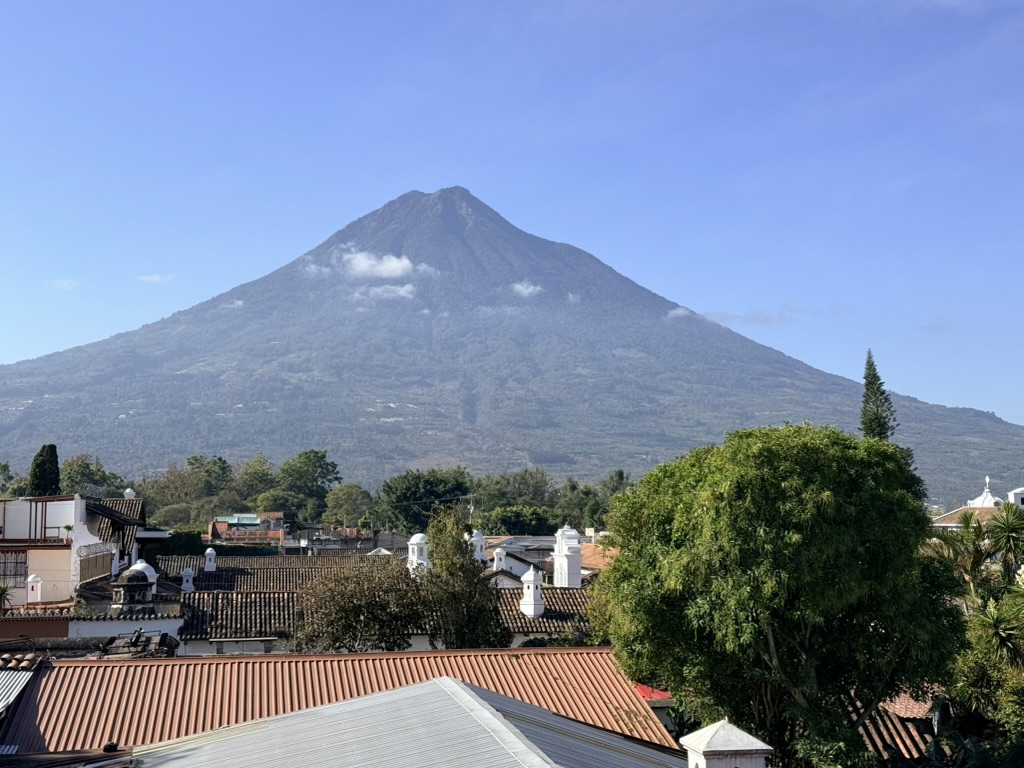
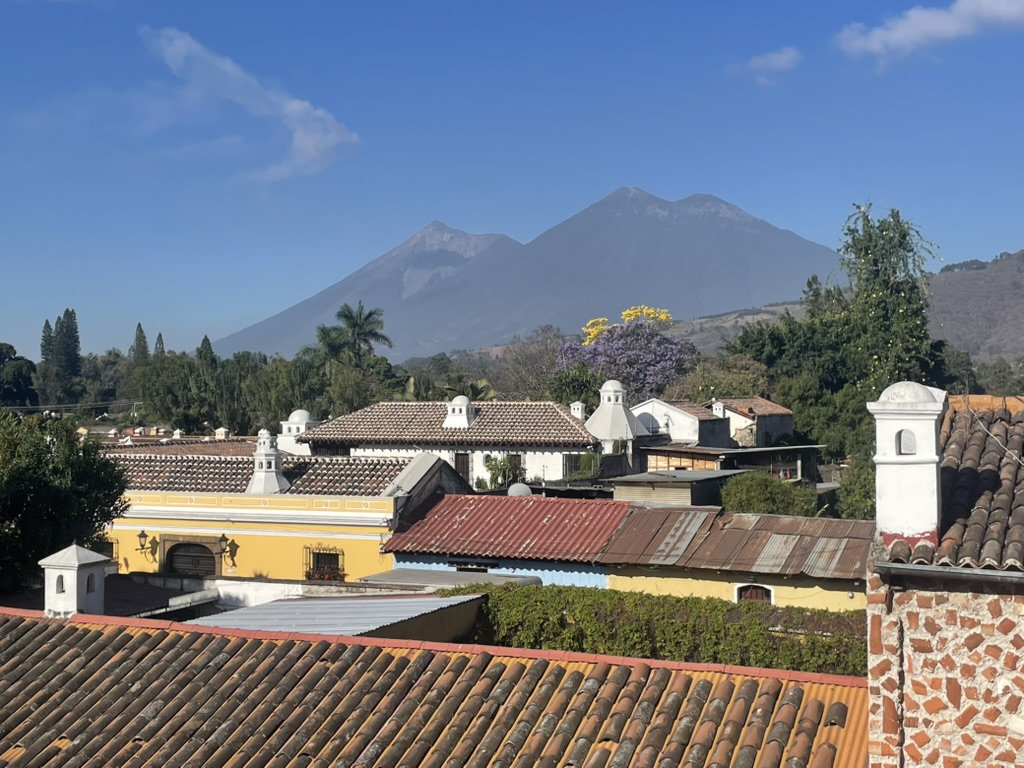
Volcanoes are not the only threat from nature. The country lies in a major fault zone known as the Motagua and Chixoy-Polochic complex, which cuts across Guatemala and forms the tectonic boundary between the Caribeean plate and the North American plate. In fact, Antigua has suffered numerous earthquakes in its history, one of which was the end of its tenure as capital of the Captaincy General of Guatemala.
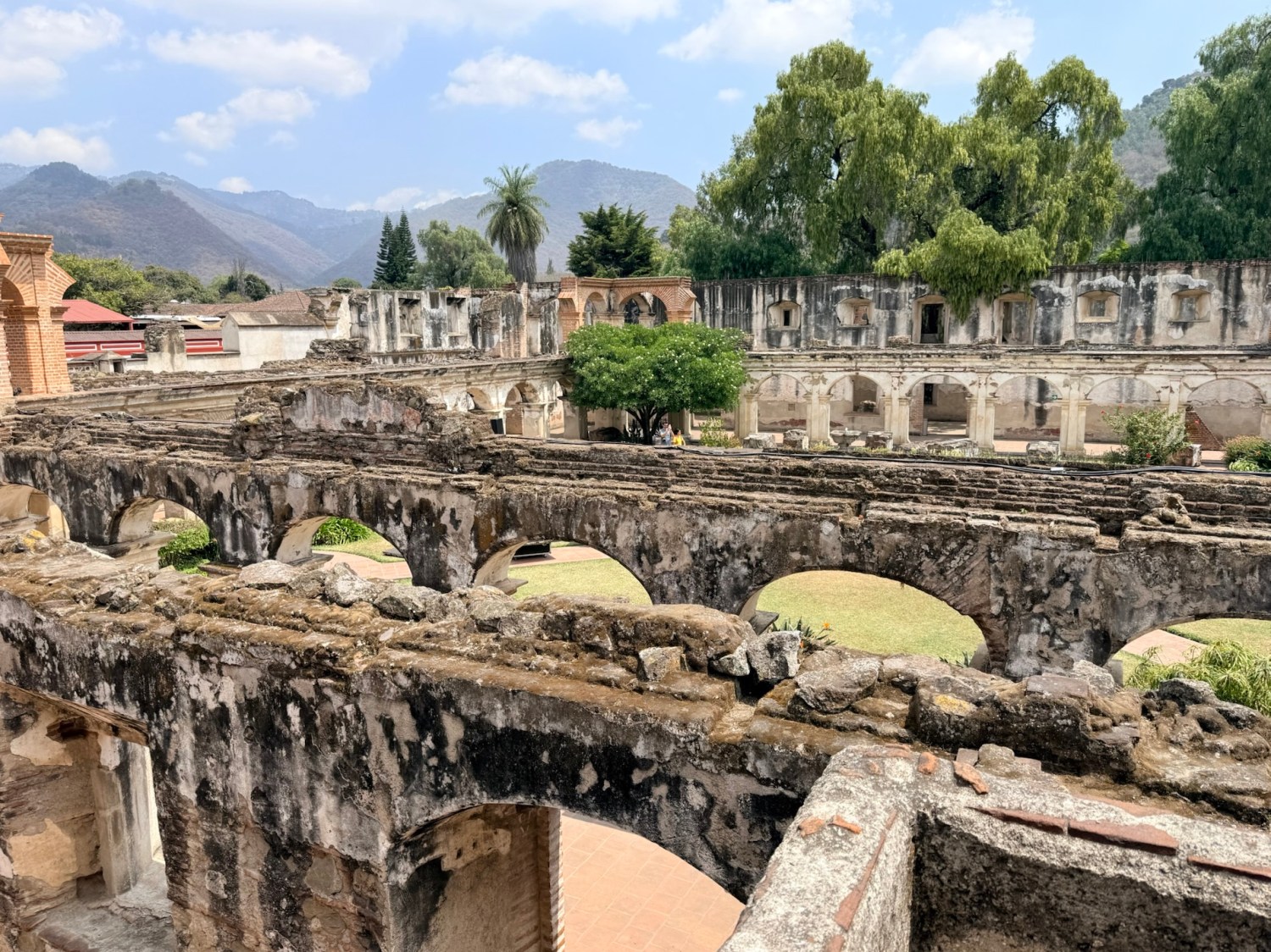
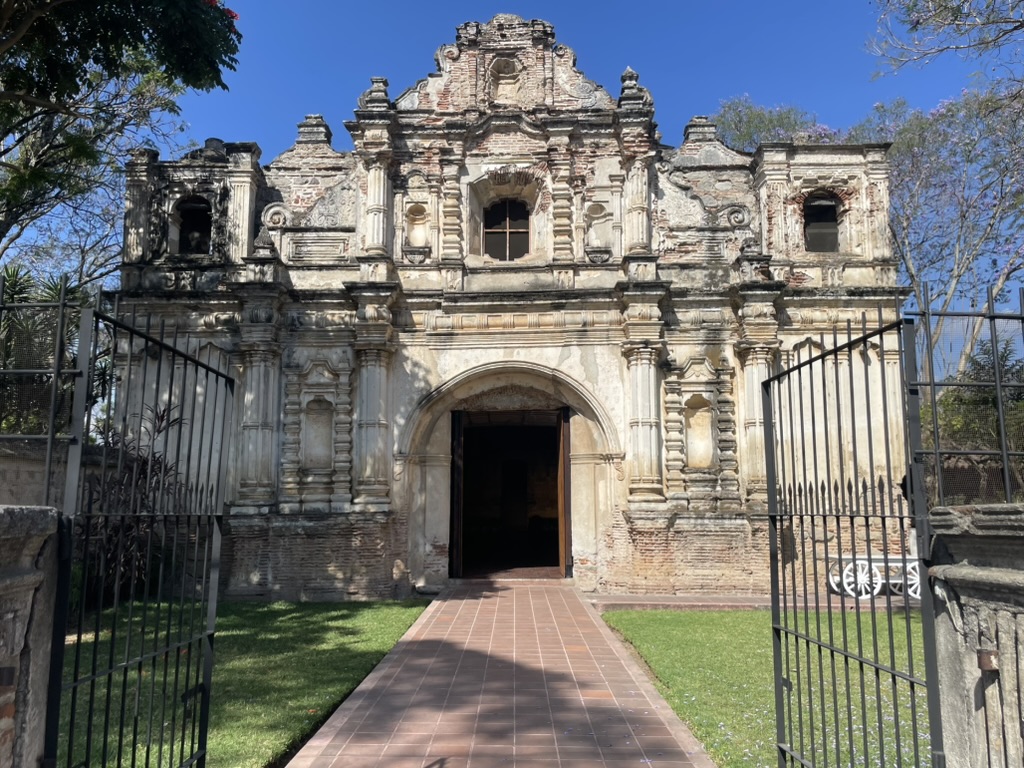
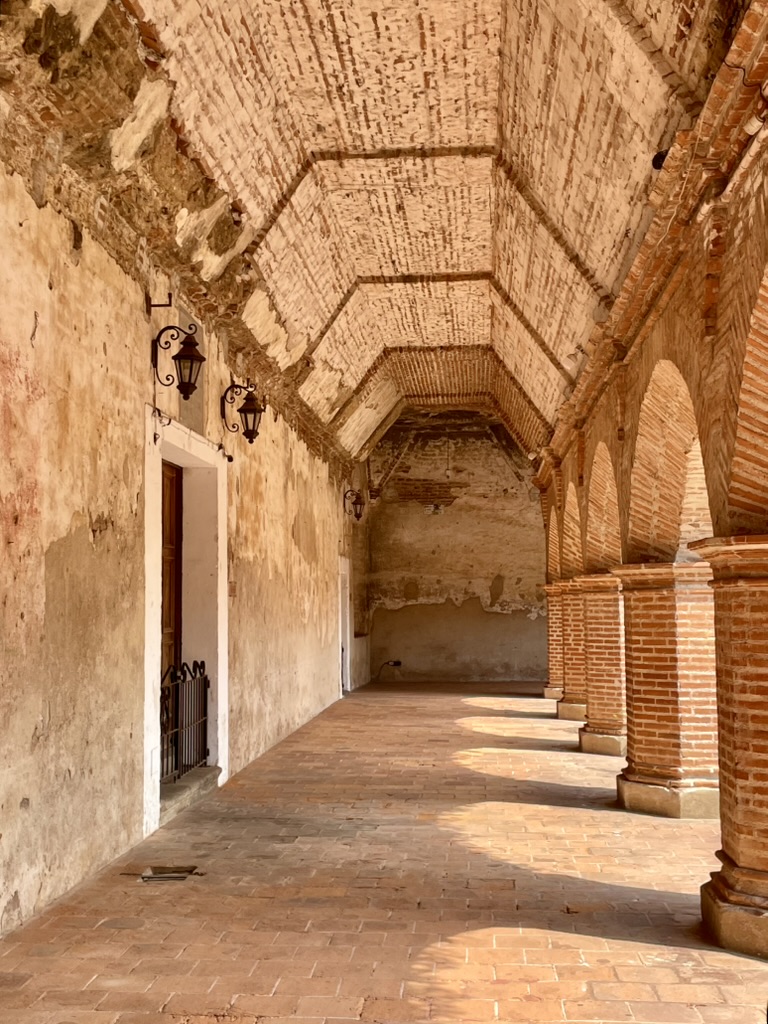
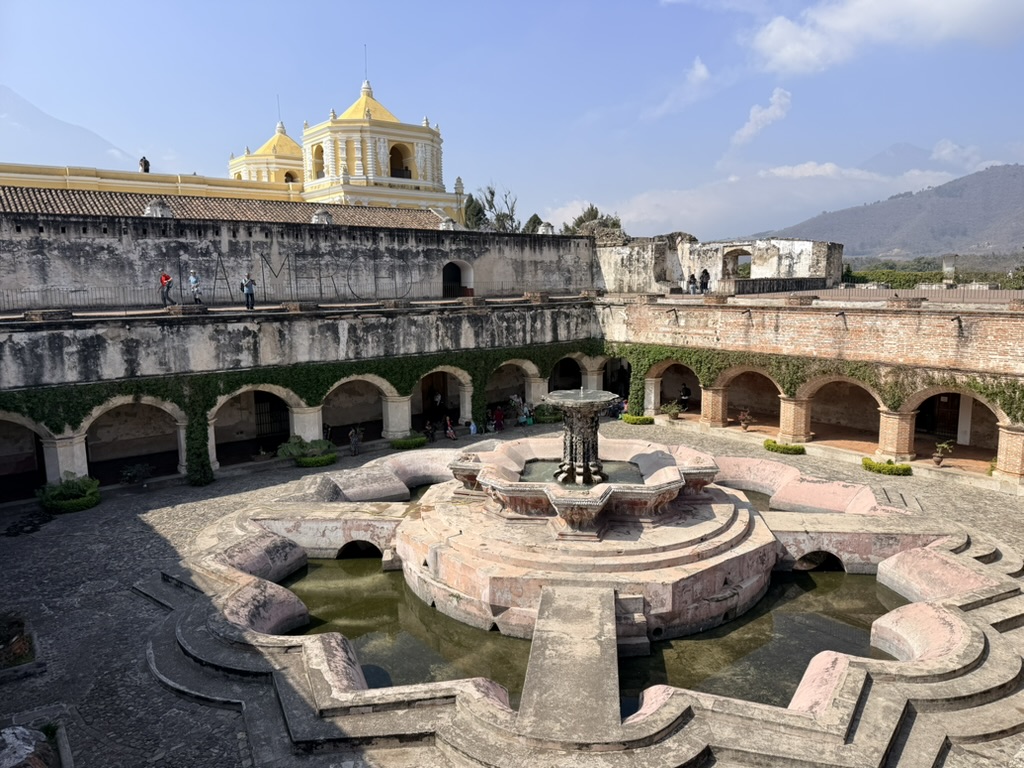
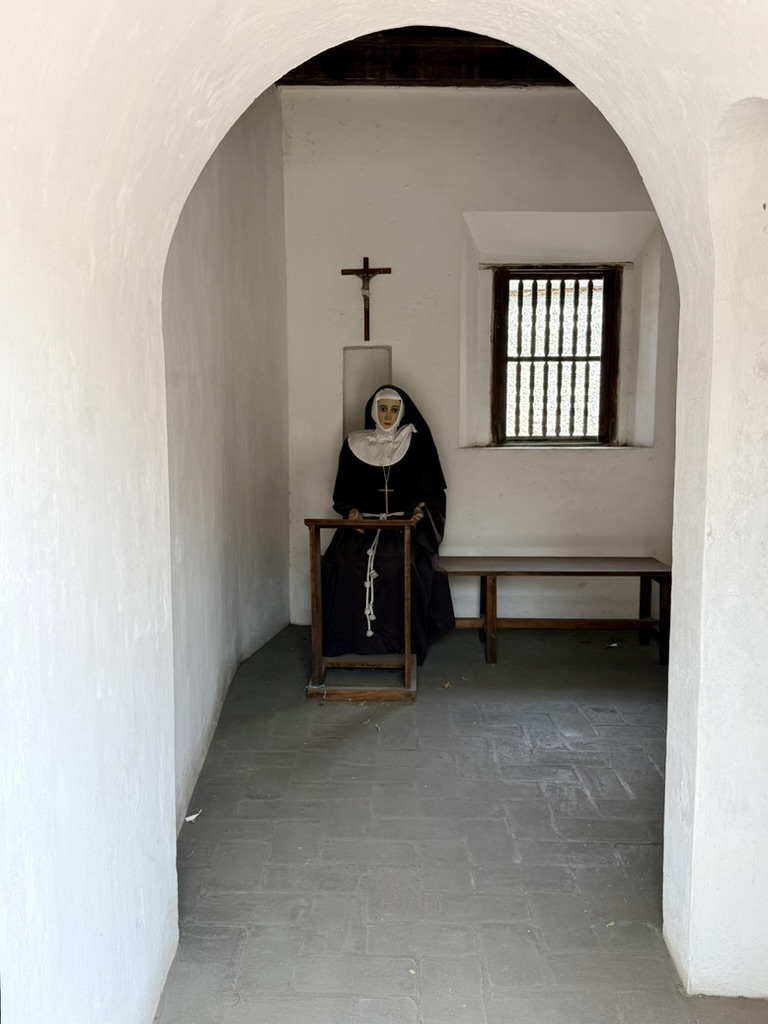
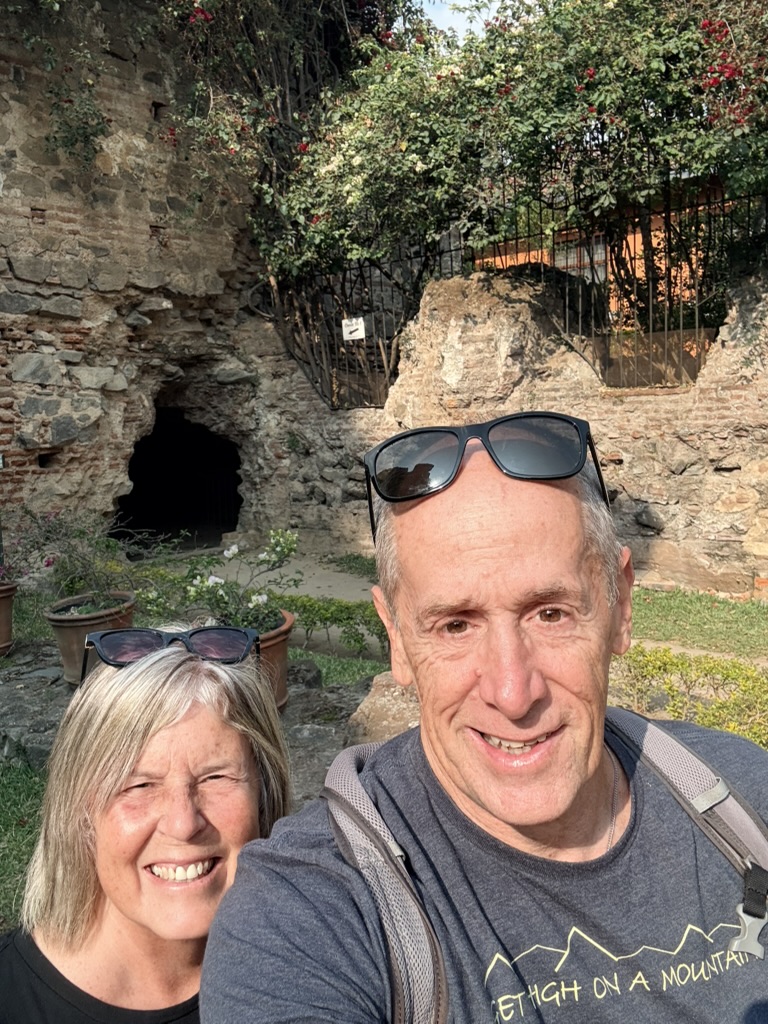
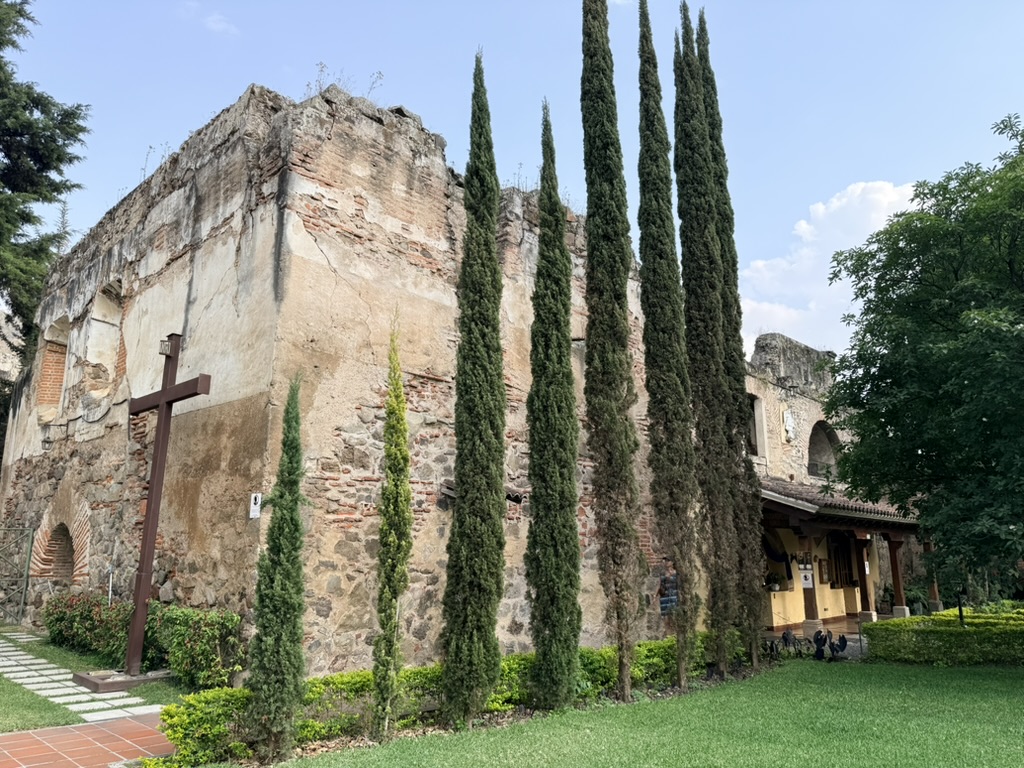
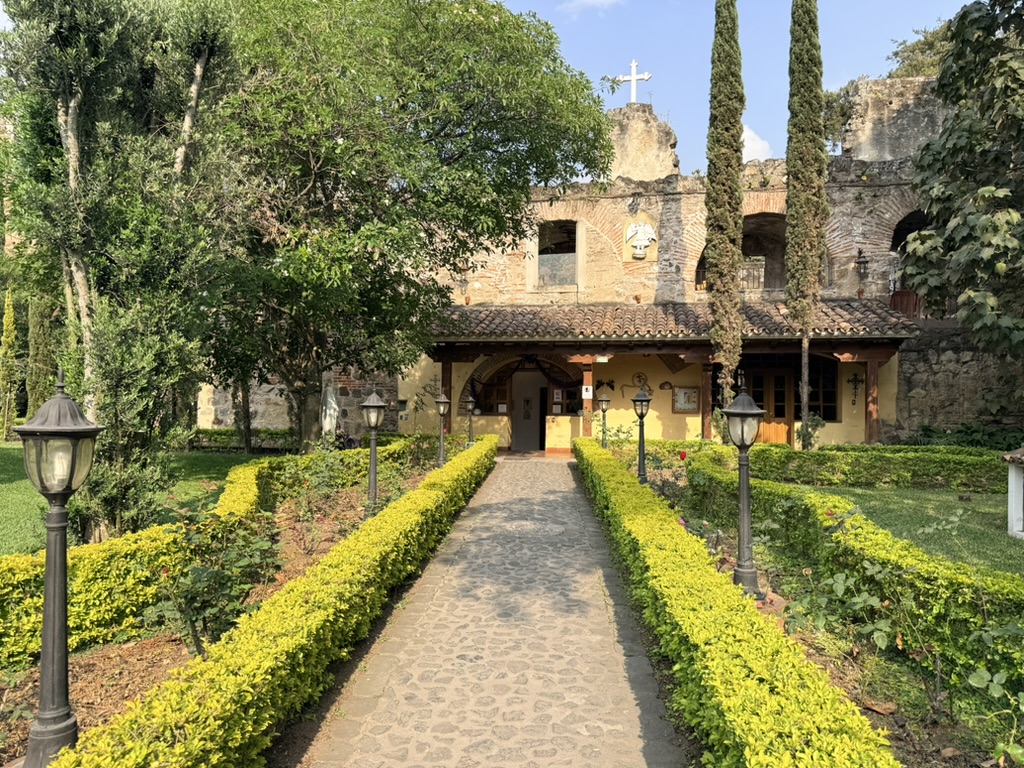
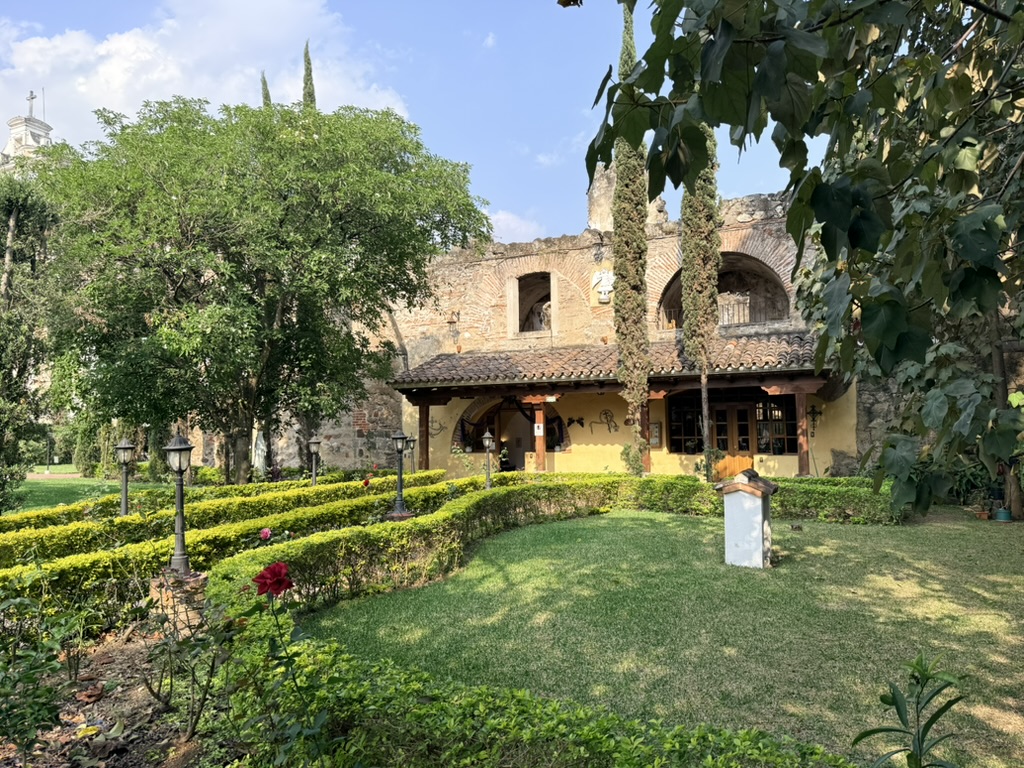
On September 29, 1717, Antigua was hit by a 7.4 magnitude earthquake. This earthquake badly damaged the two-story Iglesia y Convento de Santa Clara, commissioned by the Franciscan order in 1699. It was established as a religious retreat for 46 nuns belonging to the Order of Saint Clare, otherwise known as the Poor Clares. The nuns had a strict devotion to prayer, penance and extremely humble living conditions. After the 1717 earthquake, the nuns were displaced to another town while repairs took place over 17 years. In August of 1734, the nuns were able to return and remained 39 years until the 1773 earthquake destroyed the convent once again. It was occupied by squatters until 1944, when it was reclaimed by the state.
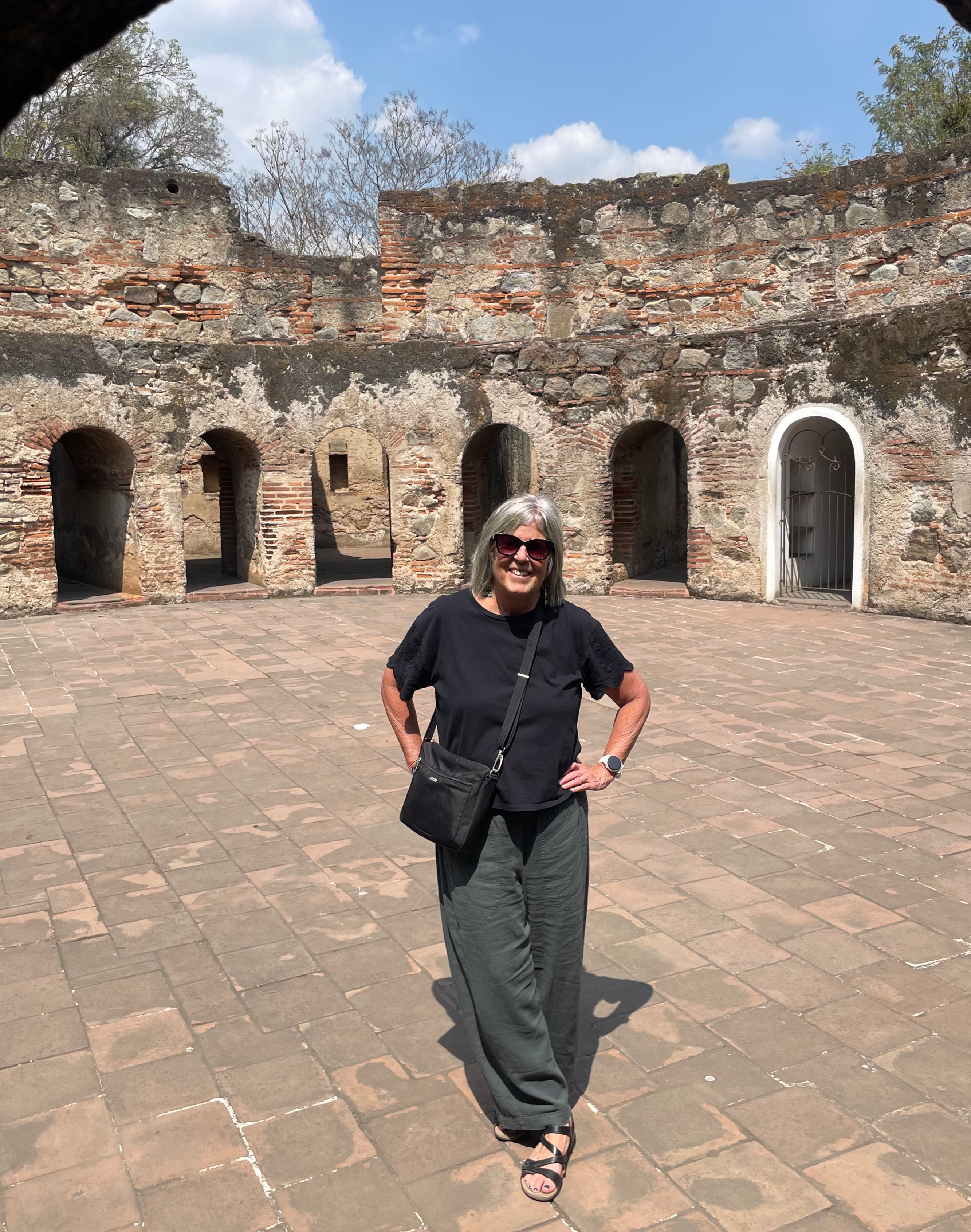
We visited this gorgeous and atmospheric ruin late Friday morning. The grounds were punctuated with flowering bushes and the grounds were manicured and verdant. Other people must think so too, as a wedding was being set up during our visit.
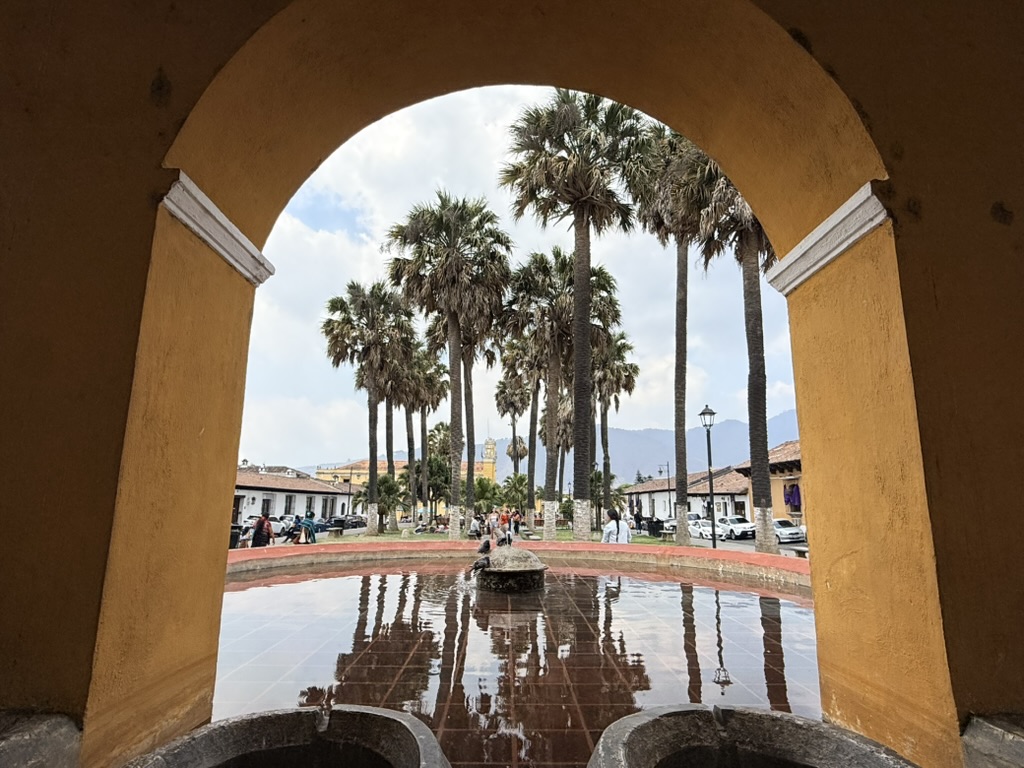
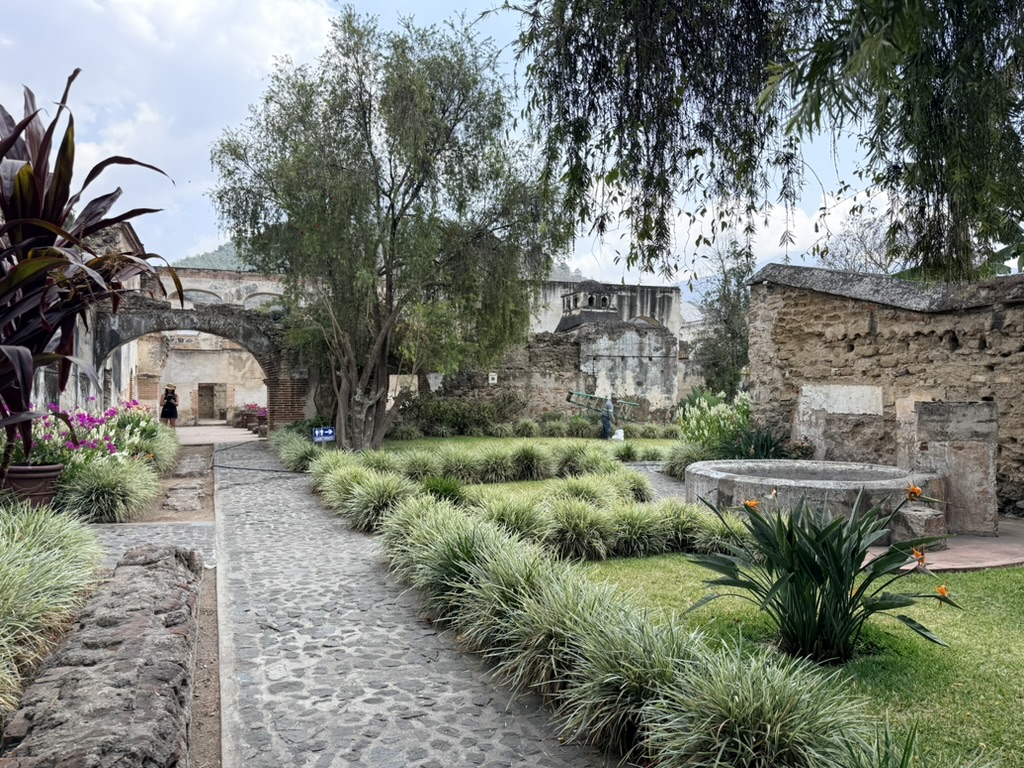
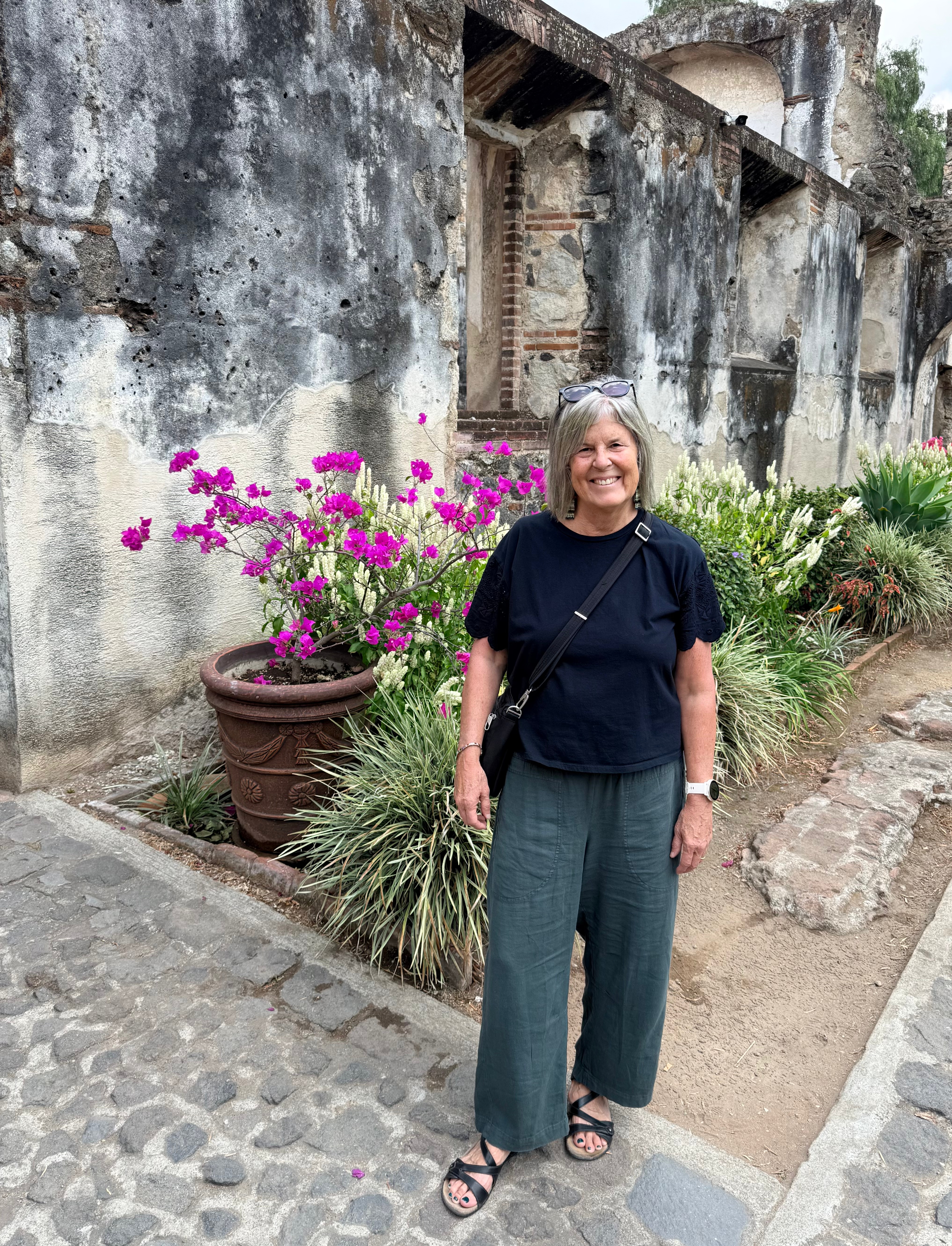
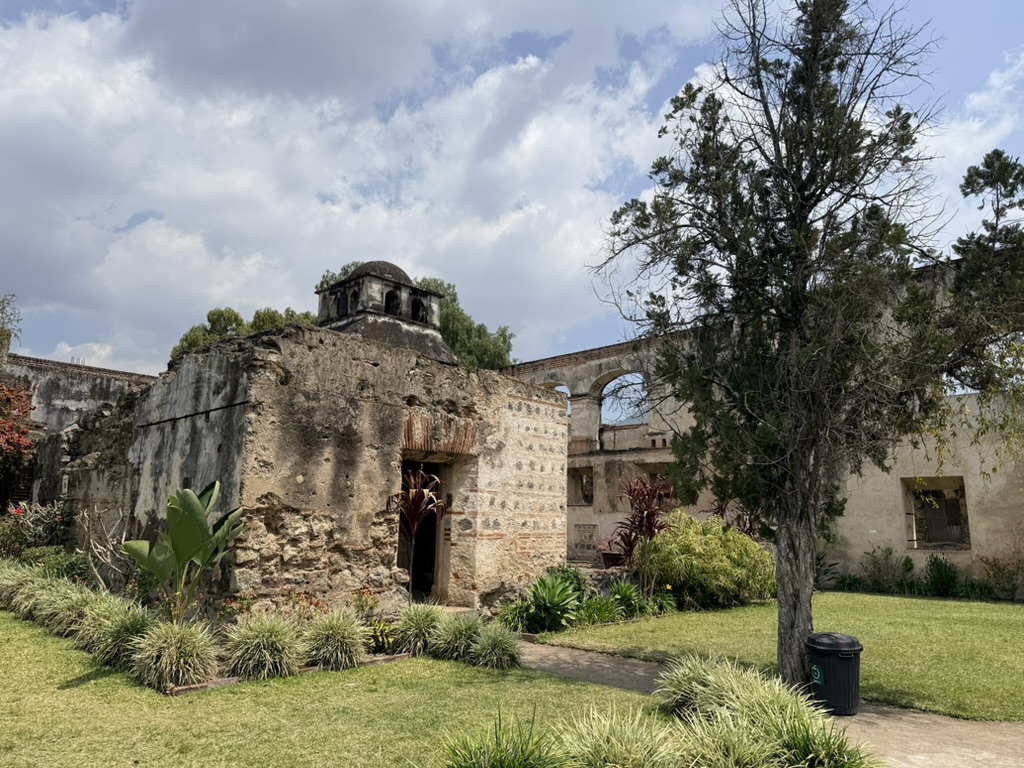
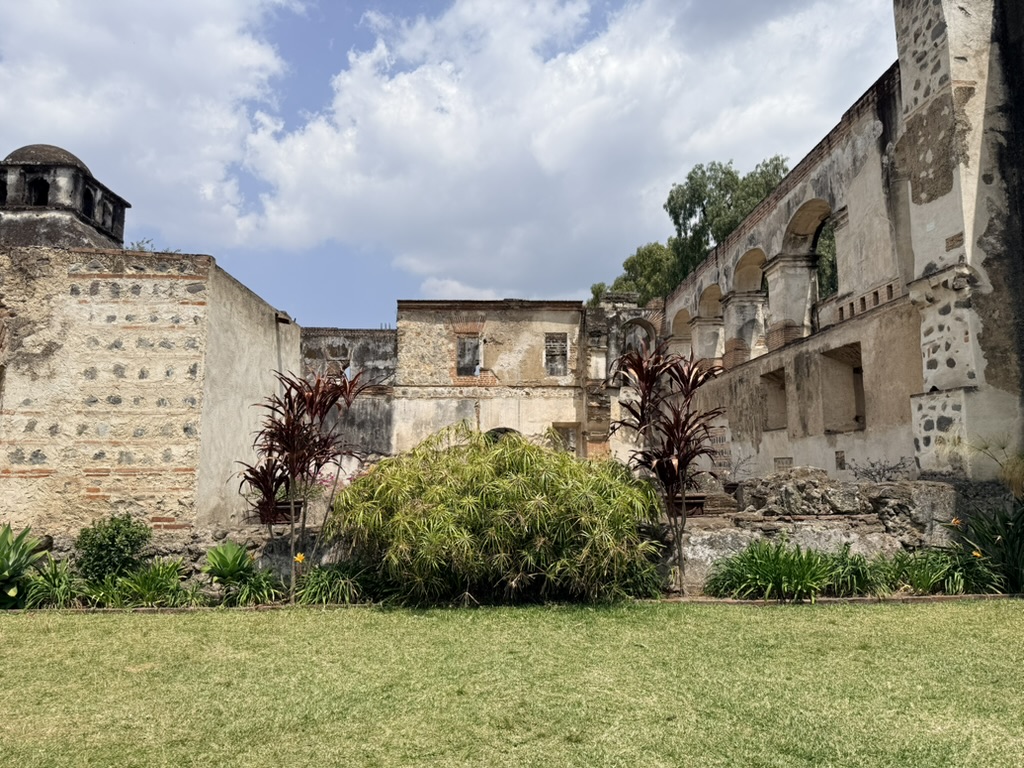
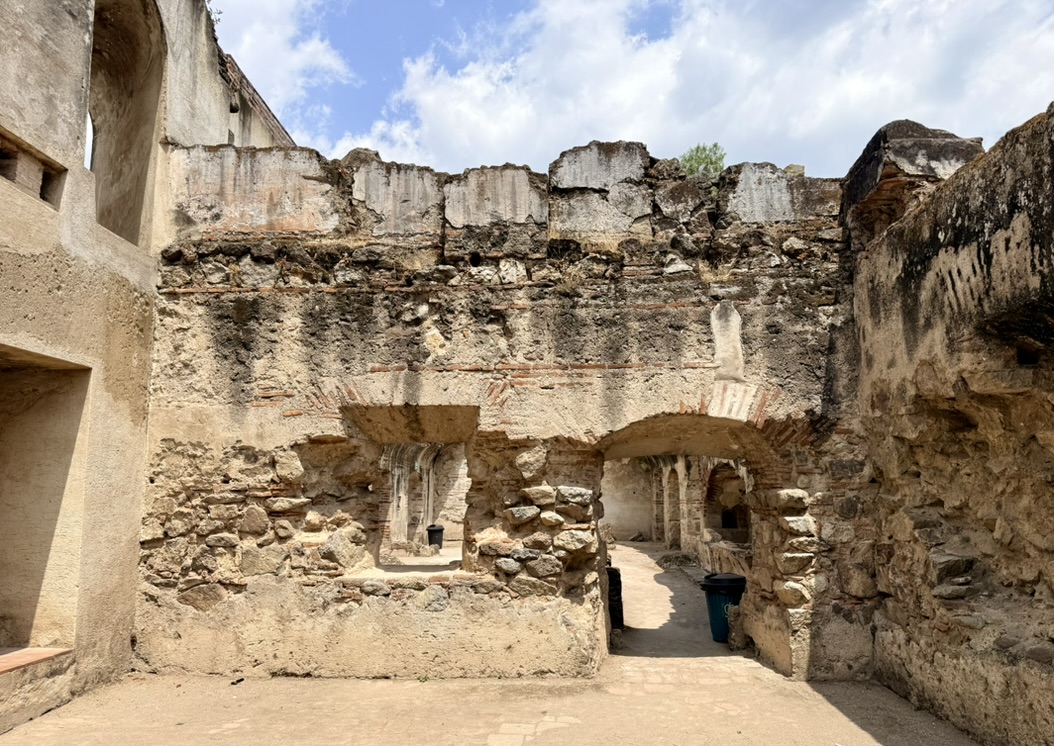
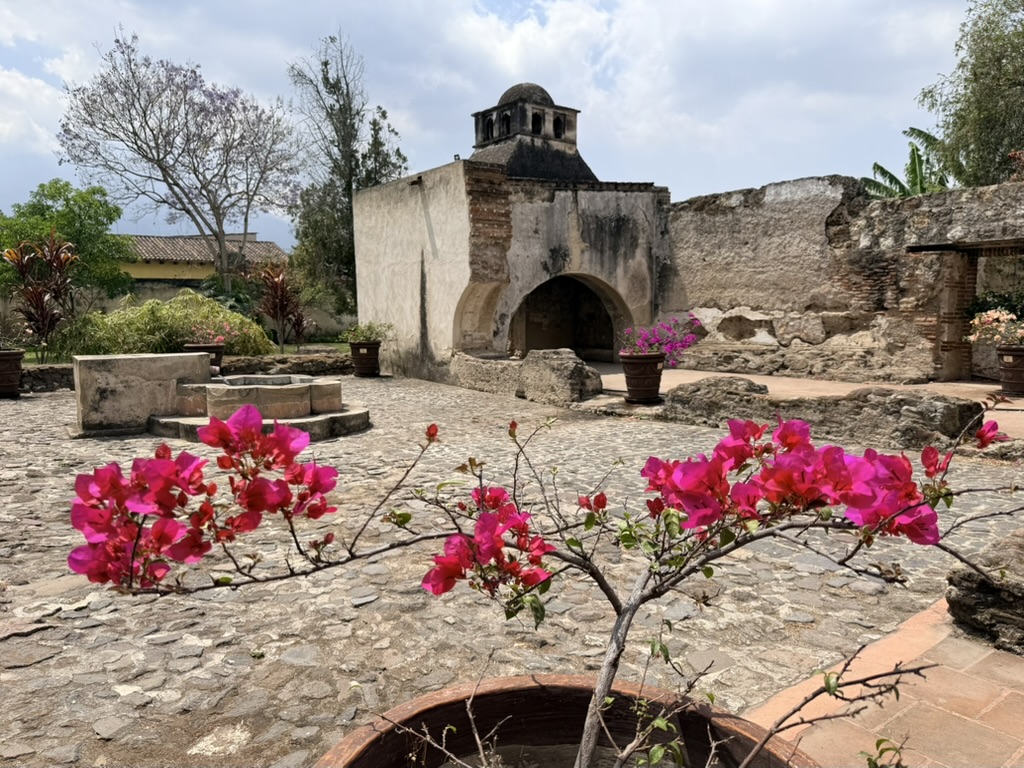
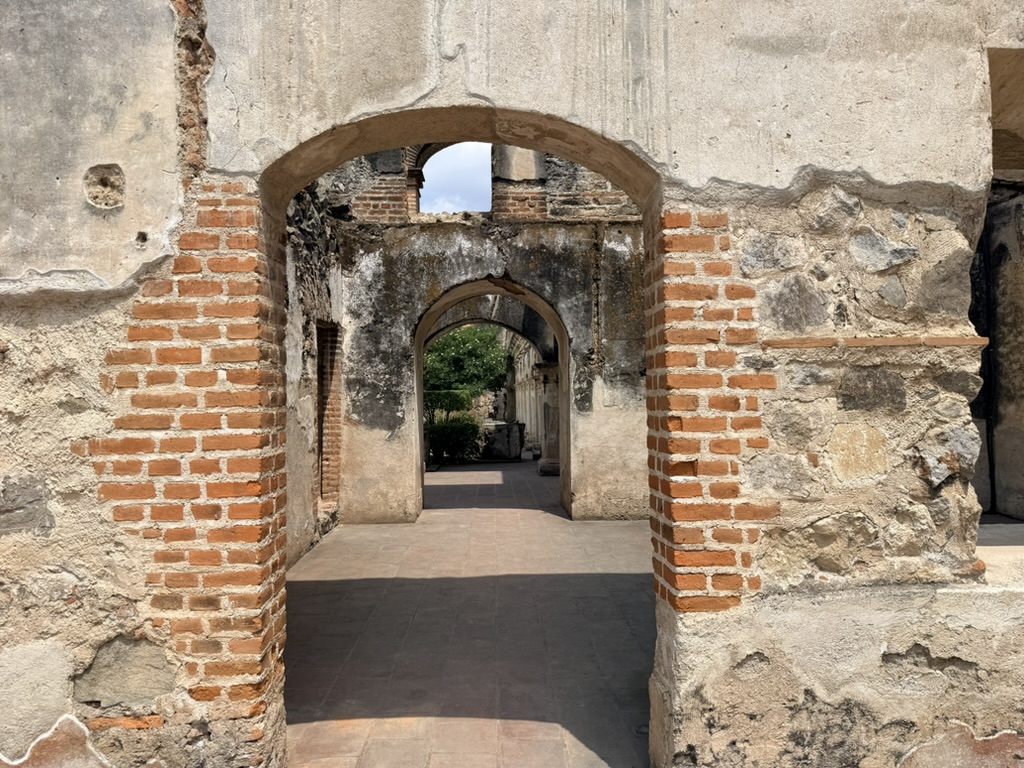
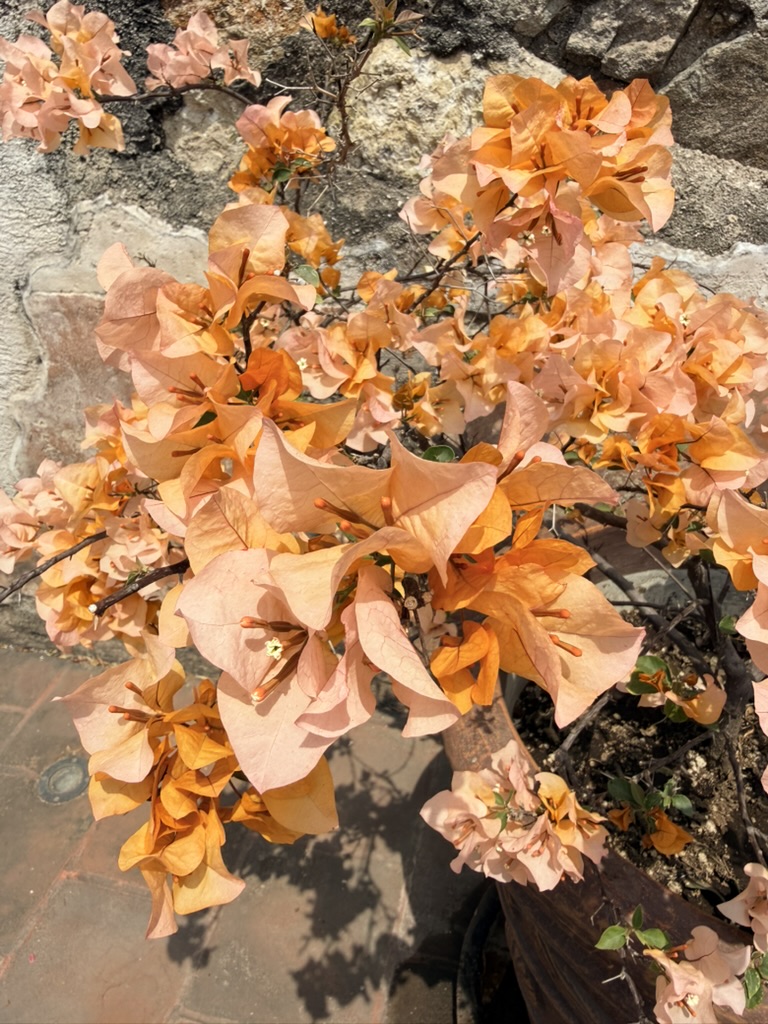
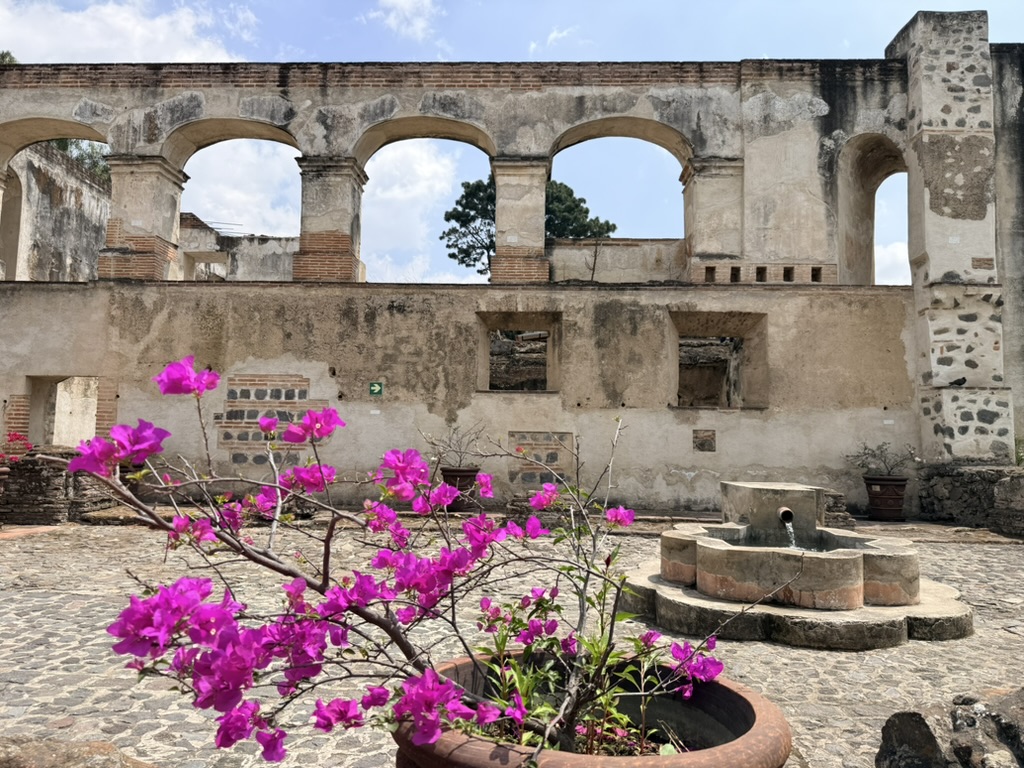
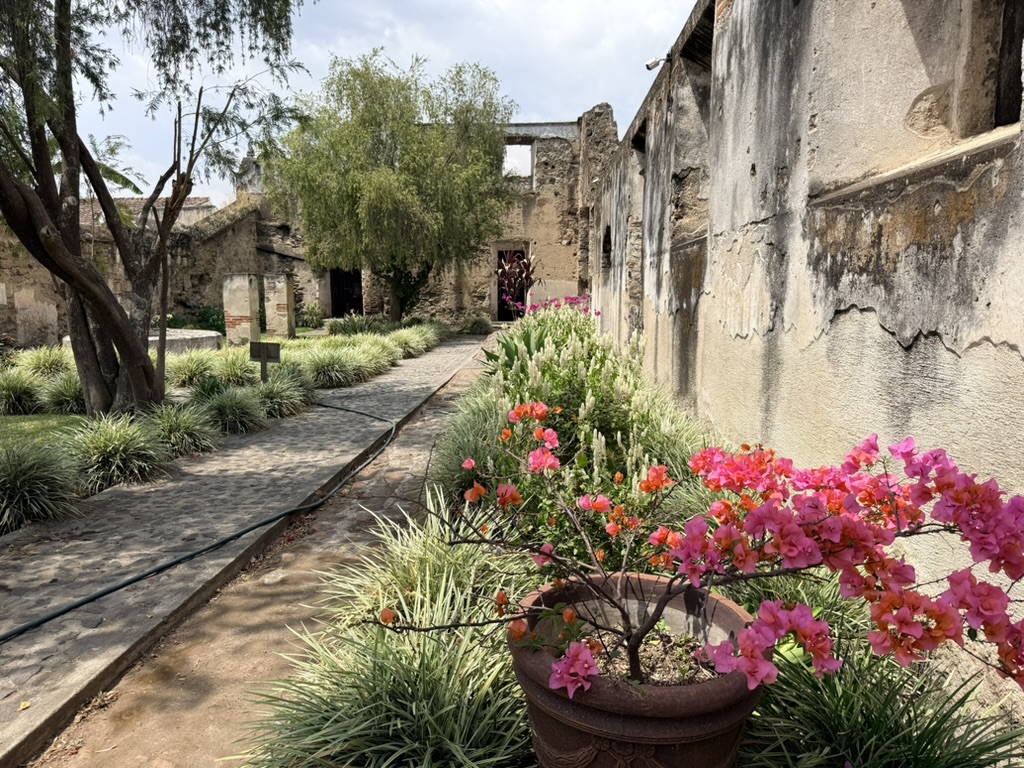
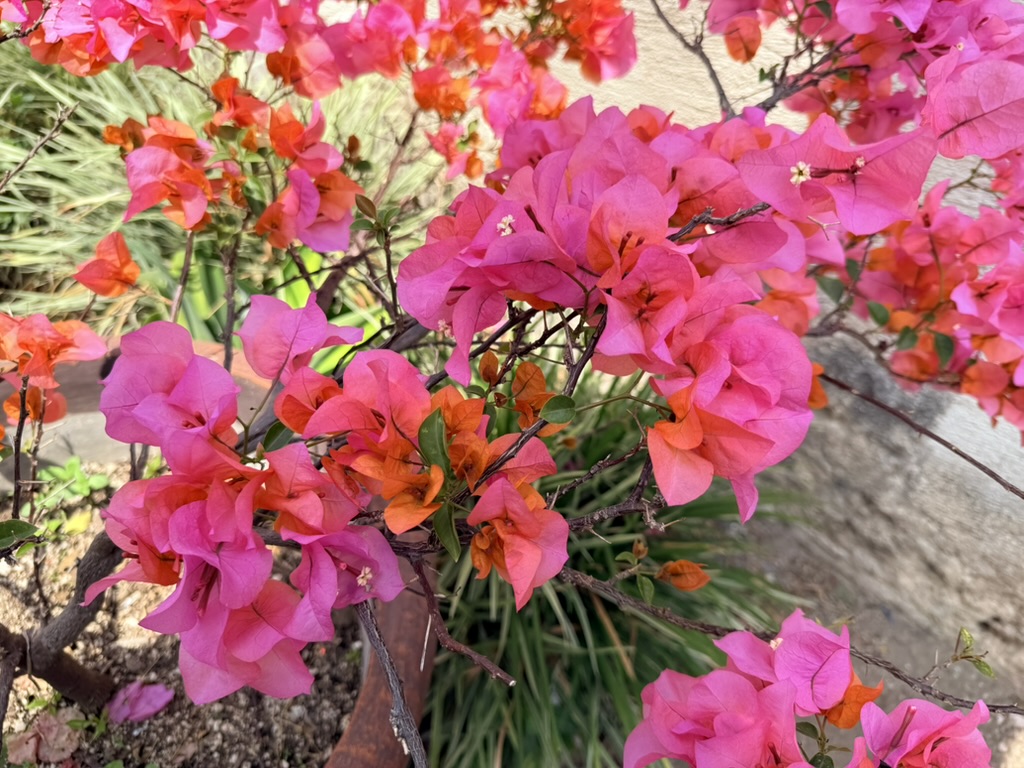
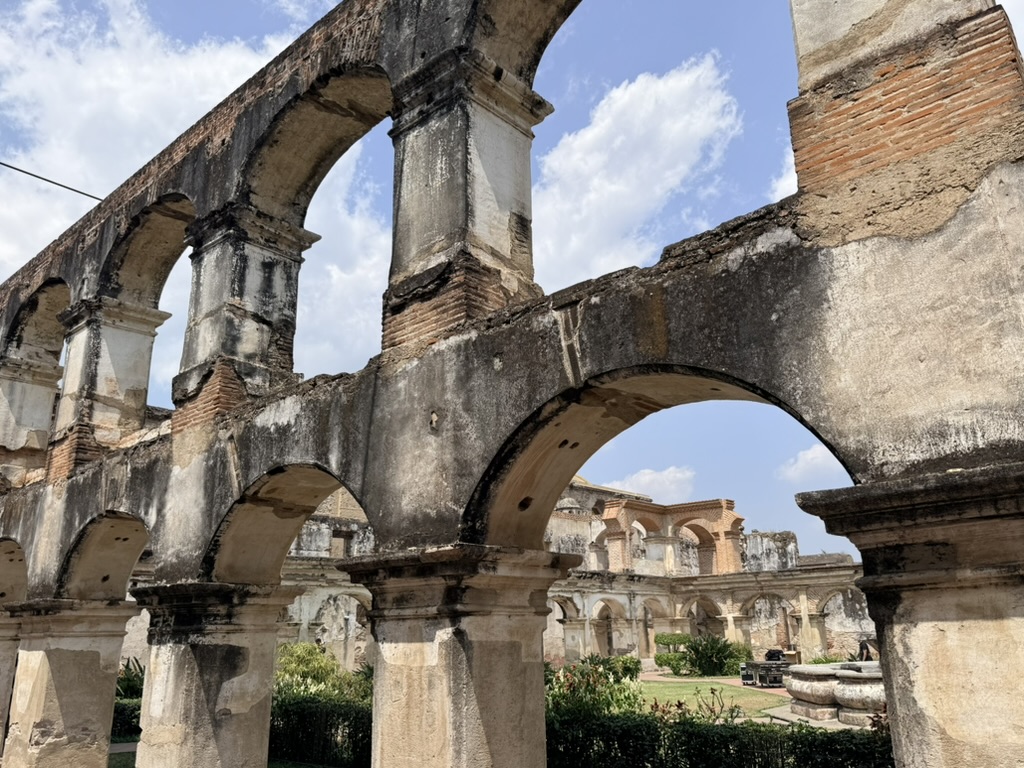
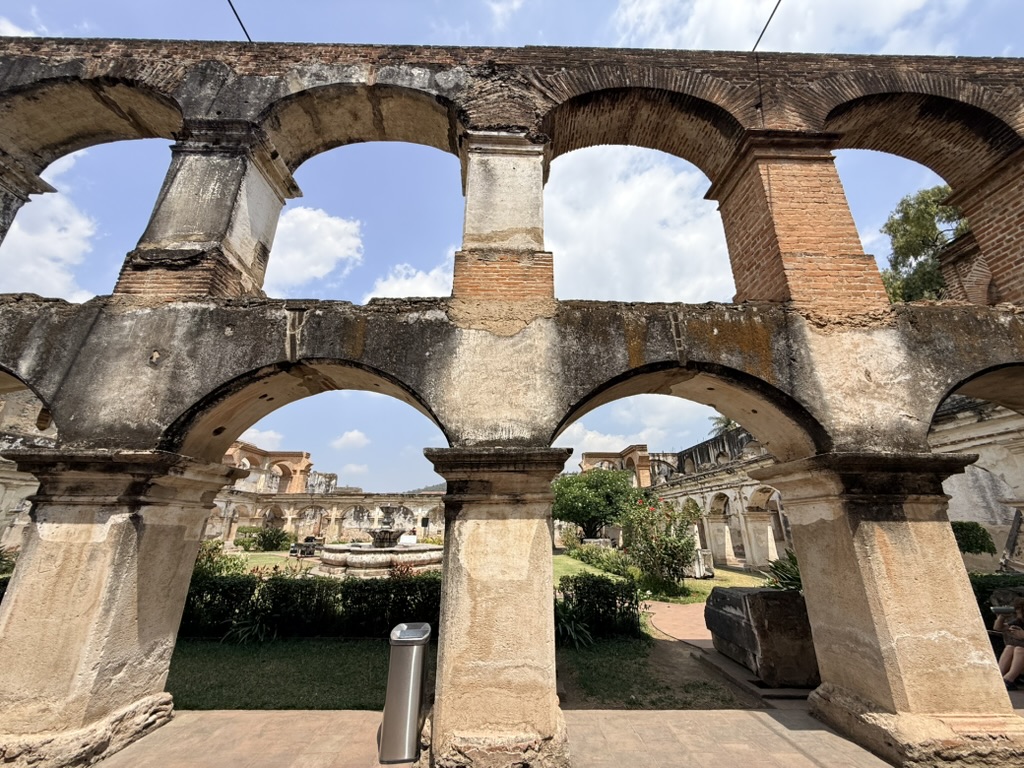
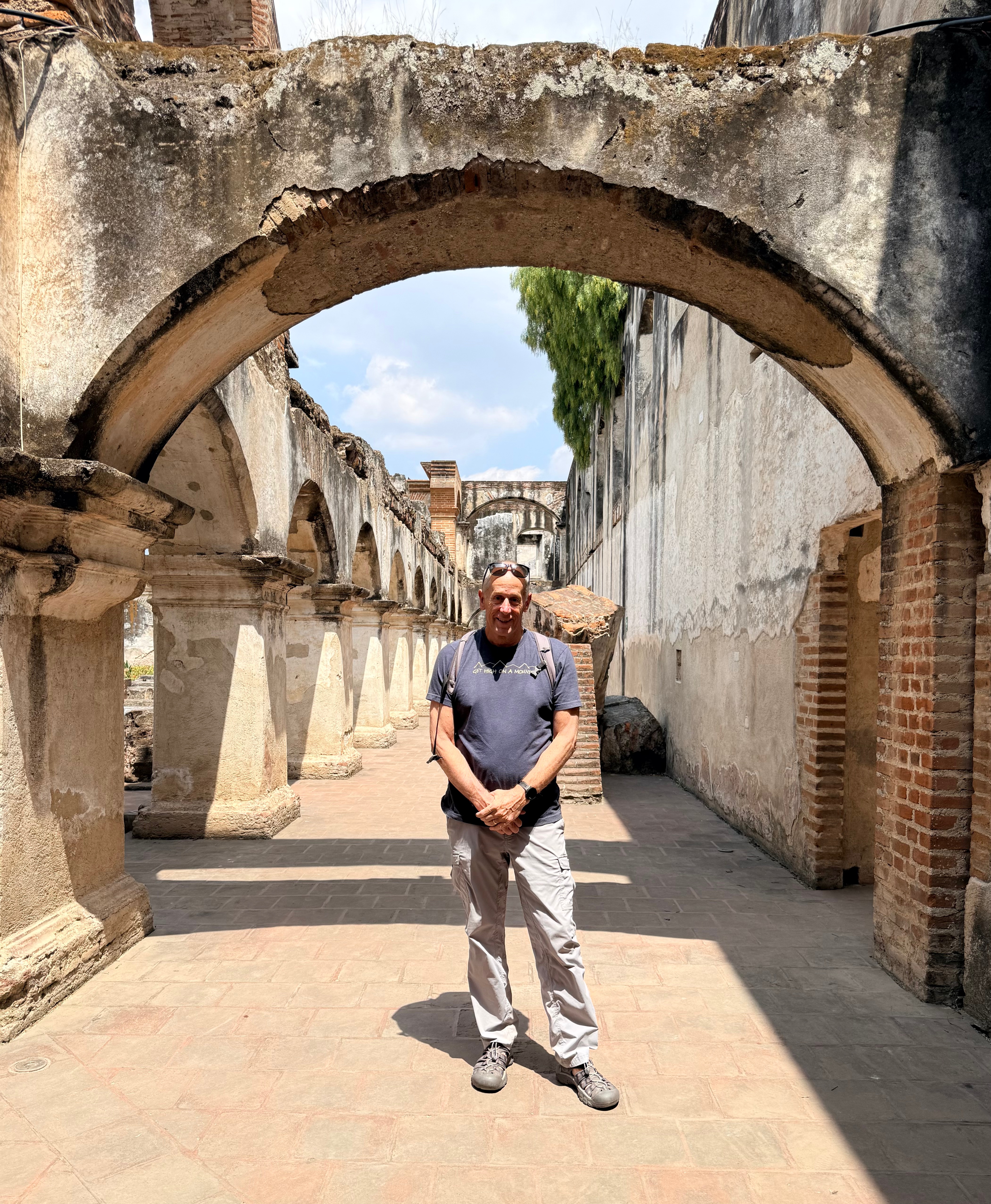
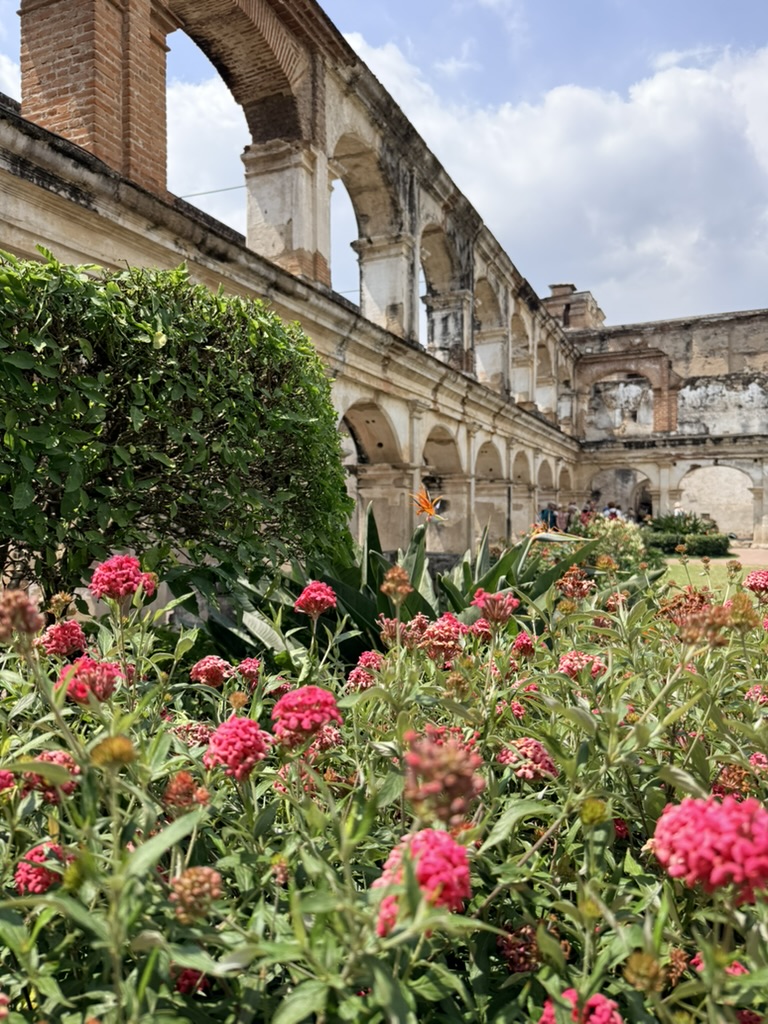
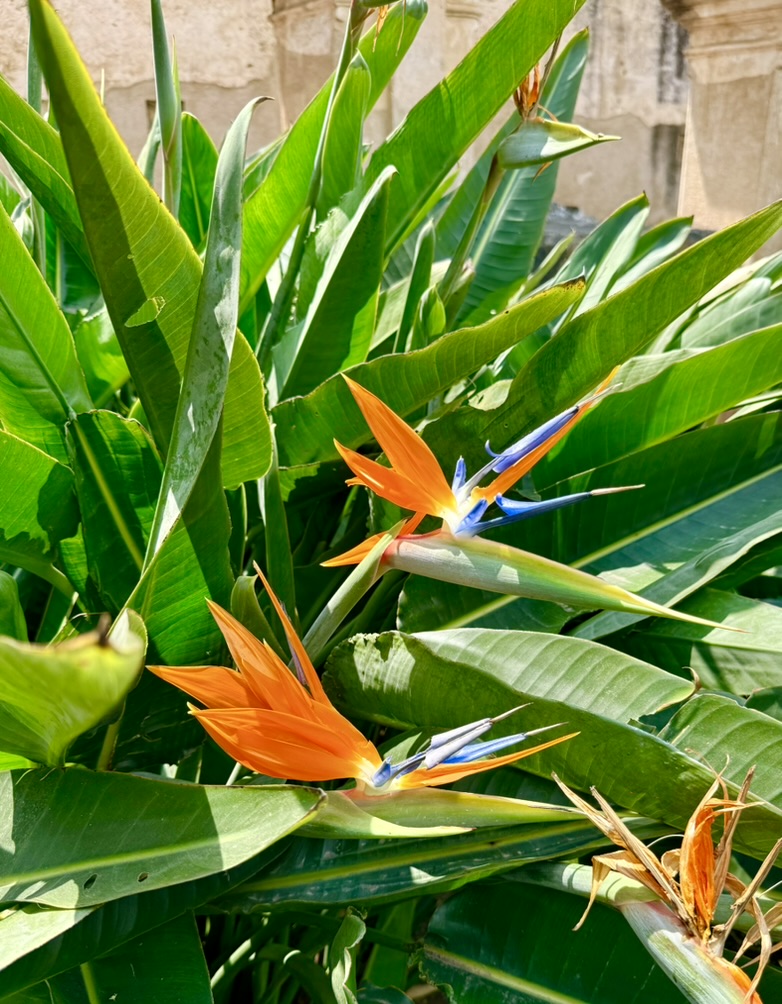
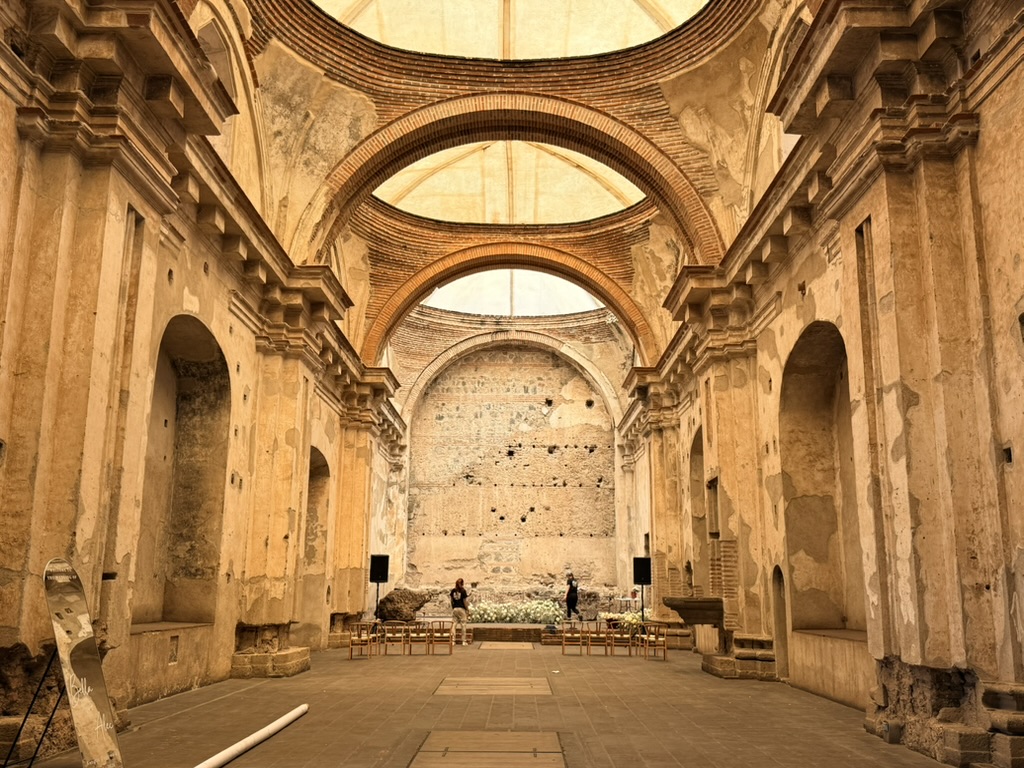

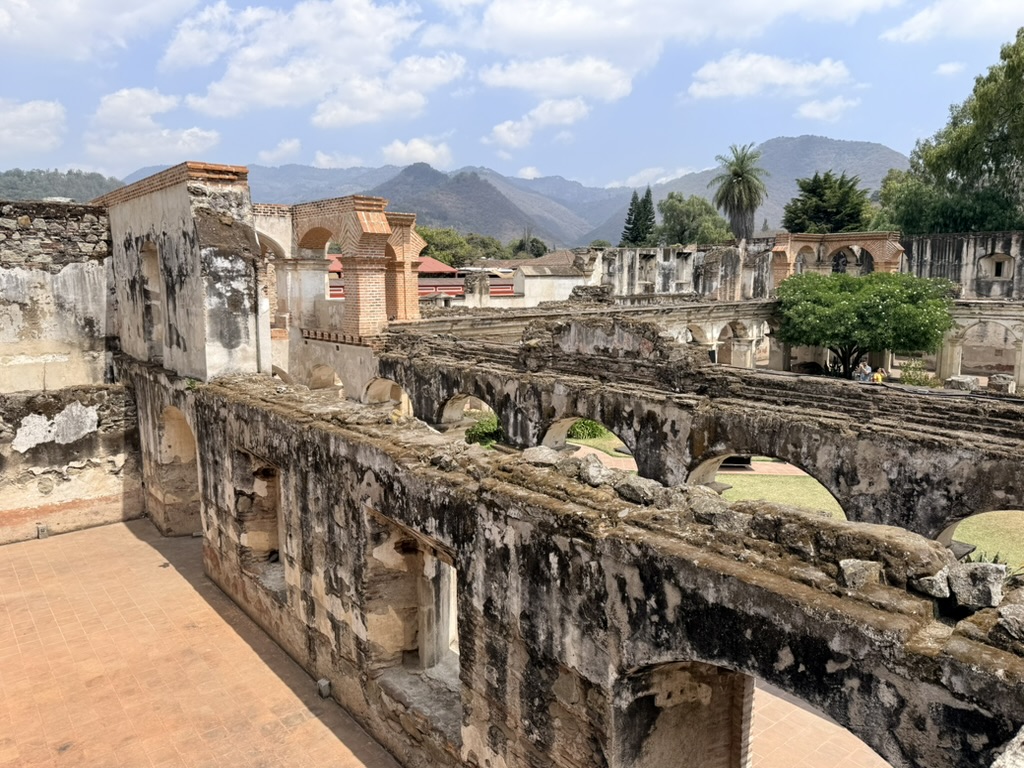
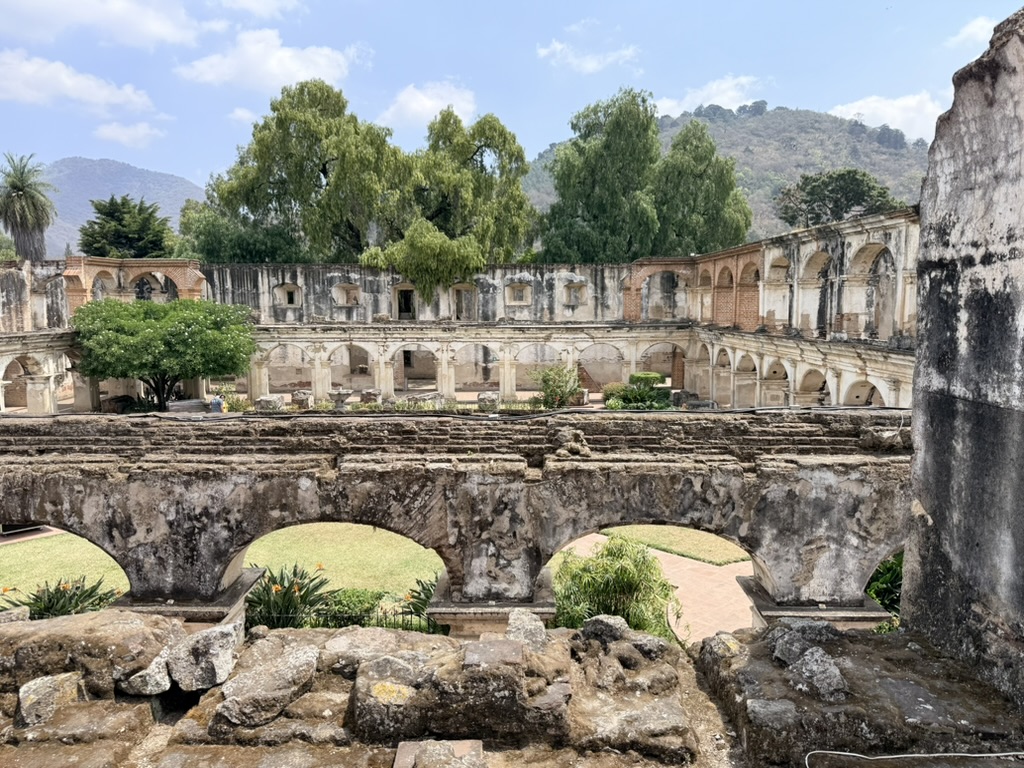
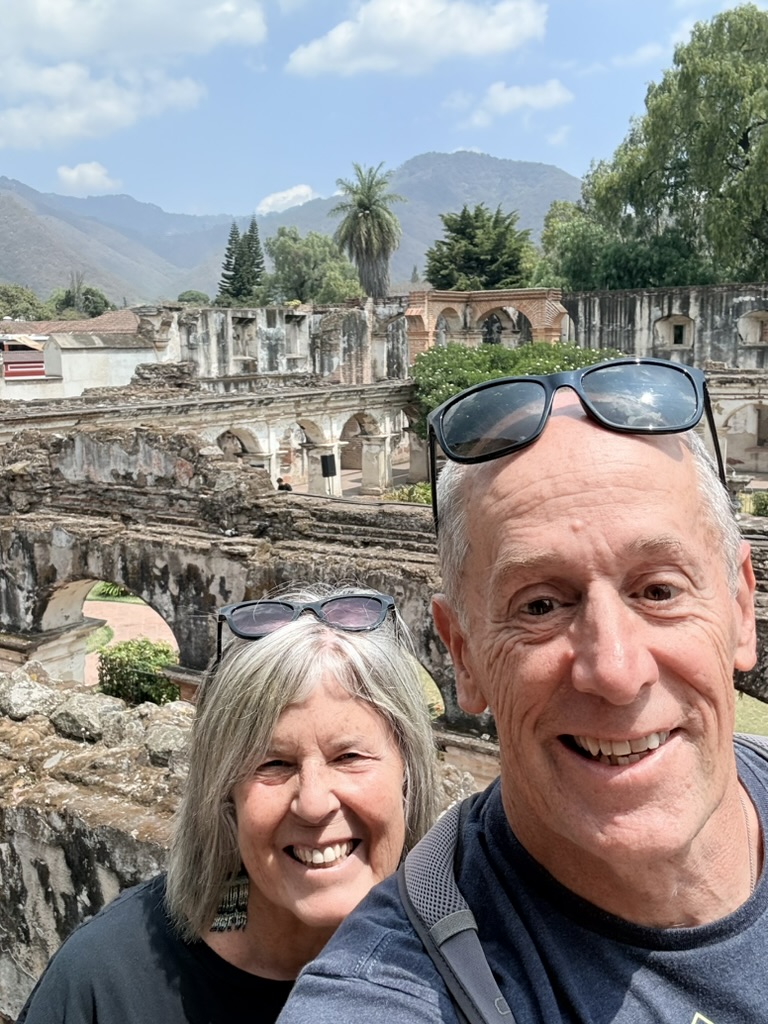
There was another earthquake in Antigua in 1751, but not much is known about it. The worst and biggest was on July 29, 1773. It was a 7.5 magnitude quake that was part of a sequence of quakes that started in May of that year. Called the Santa Marta earthquakes because the series started on the feast day of Saint Martha, it killed 500-600 people immediately. Another 600 died as a result of starvation and disease. After the earthquake, the Spanish authorities decided not to rebuild the town. In 1776, the capital was moved to what is now Guatemala City. Because nothing new was built for a long time, the ruins of Antigua were preserved for centuries, creating the town’s mix of the bygone with the modern.
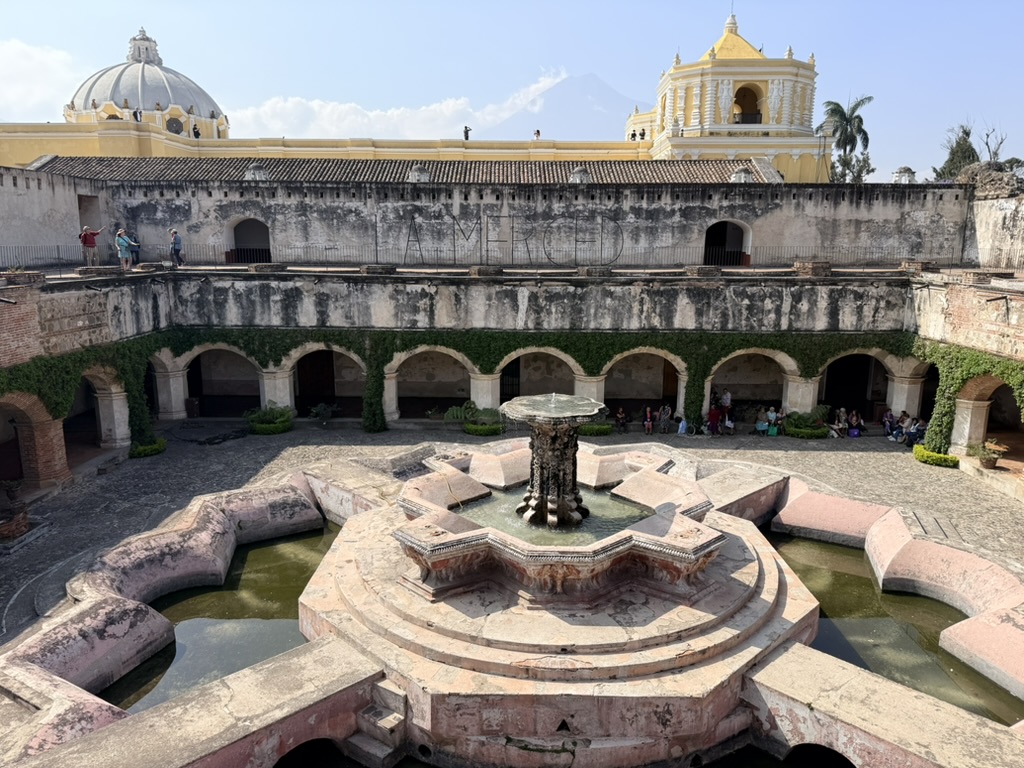
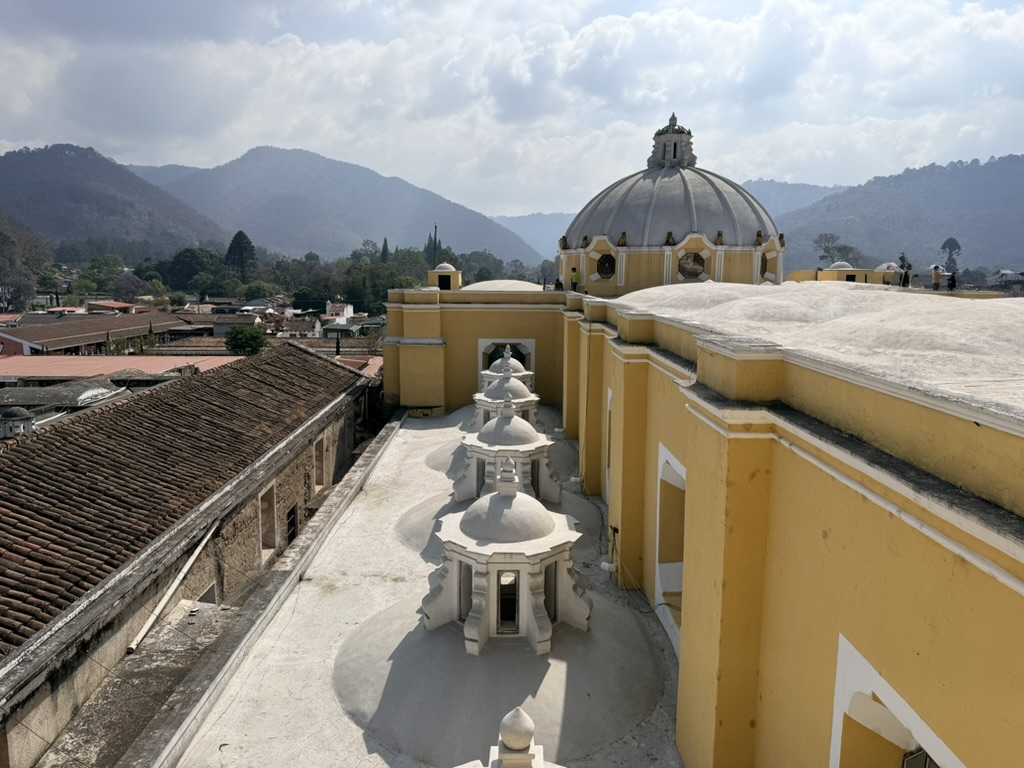
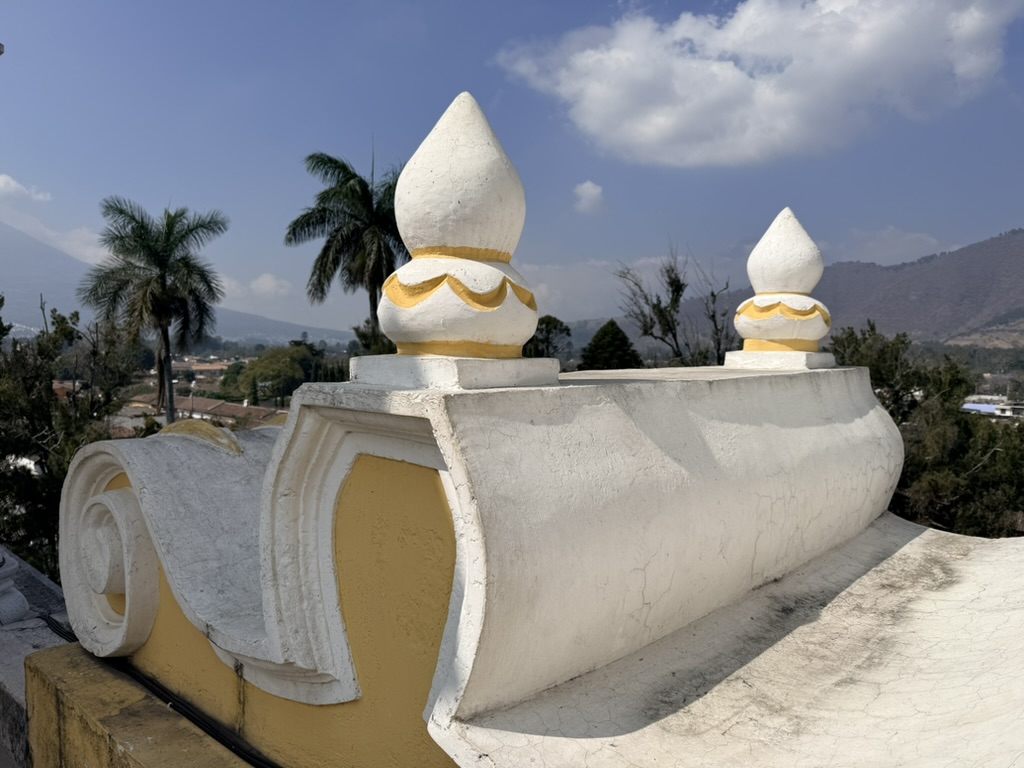
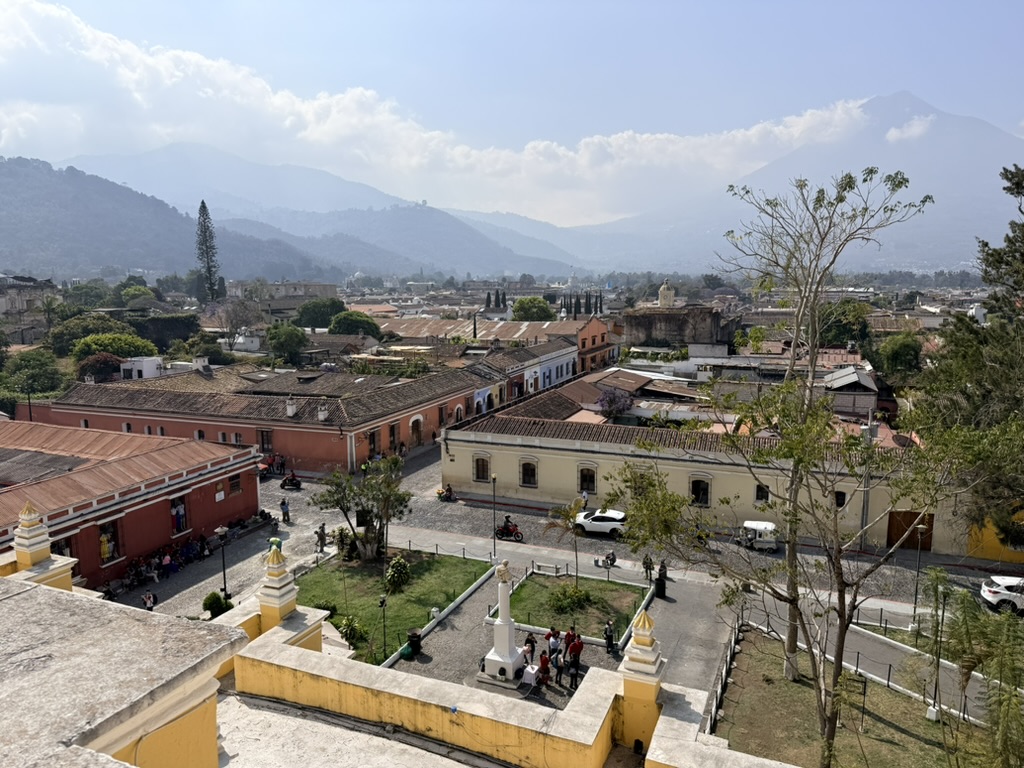
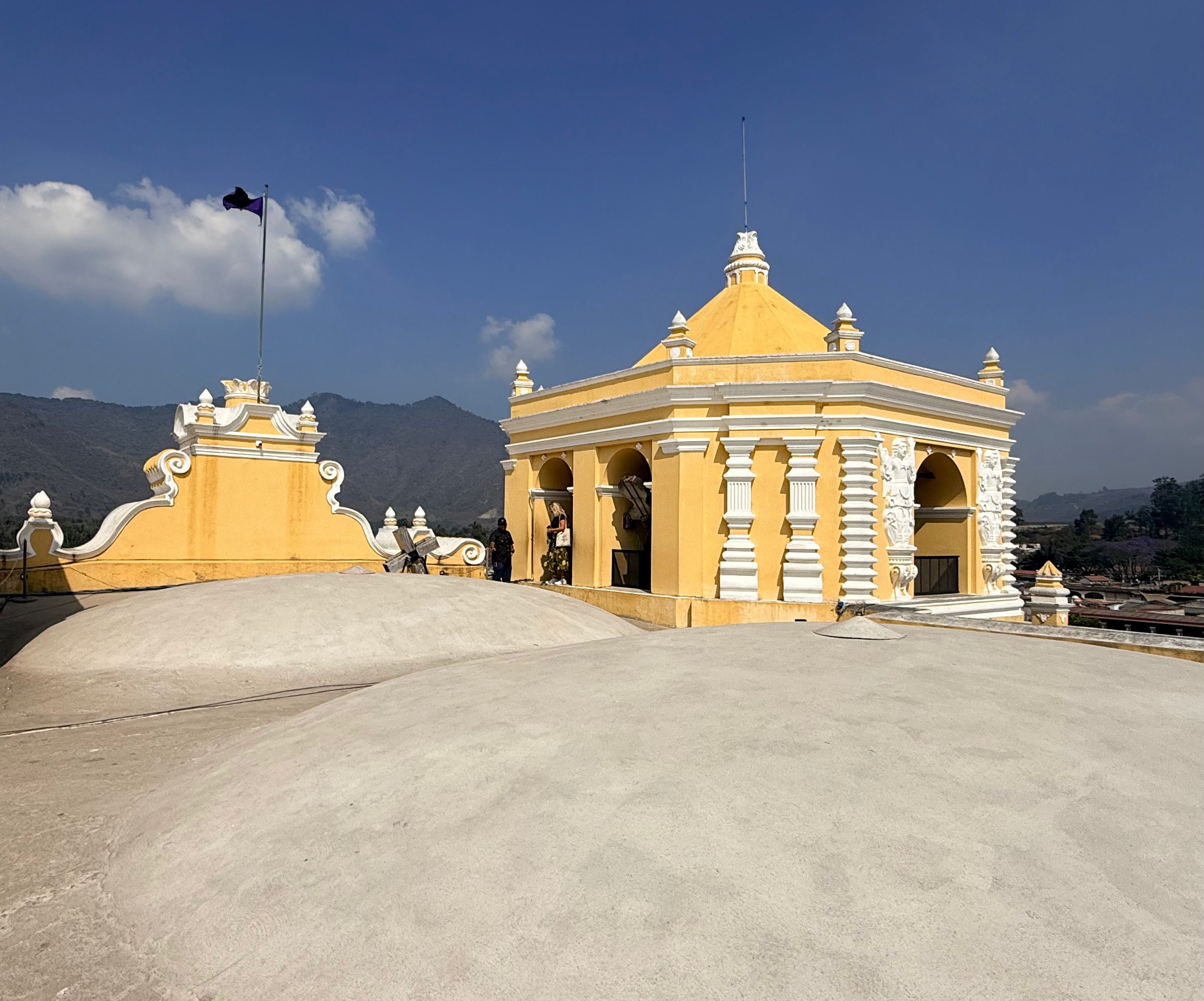
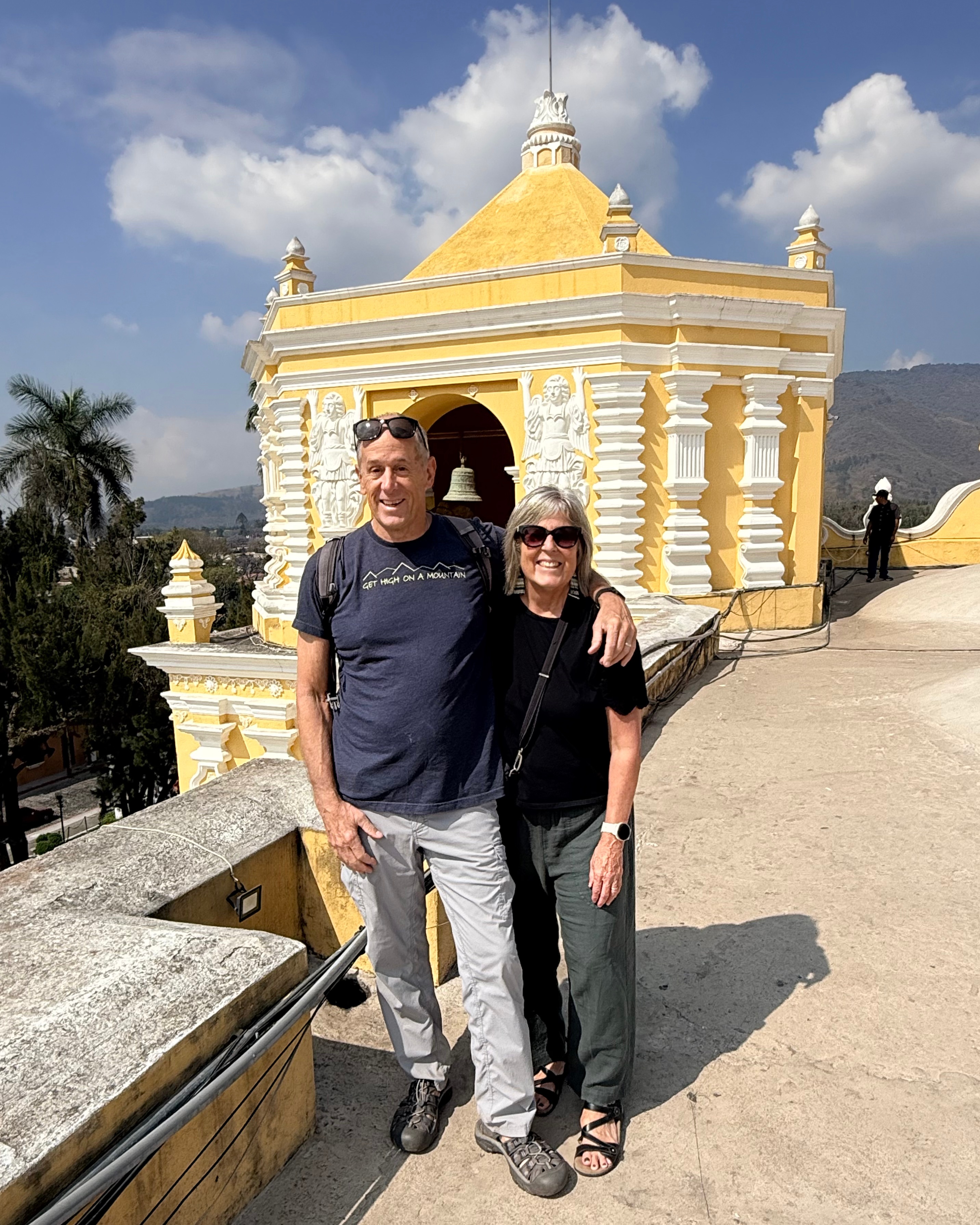
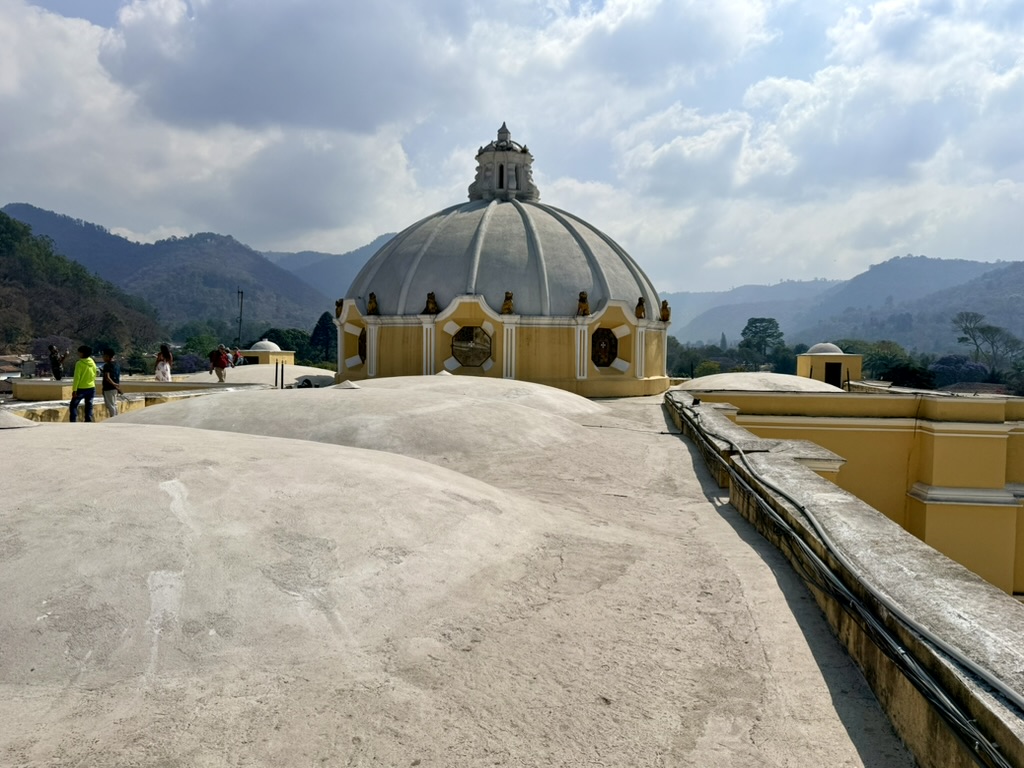
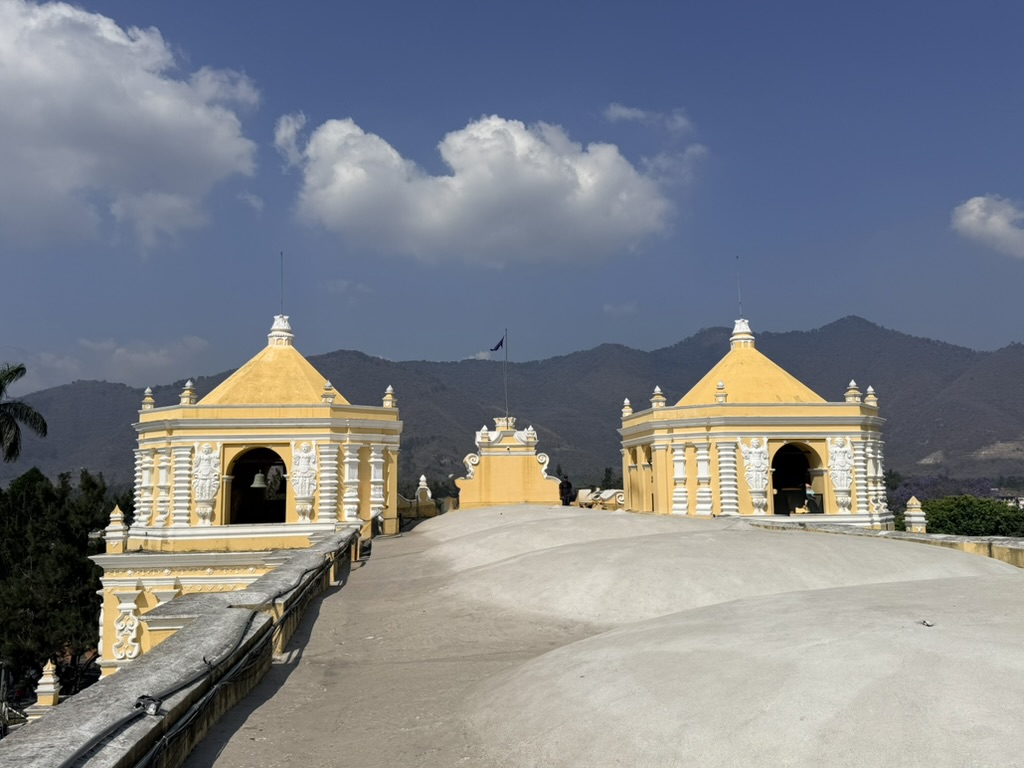
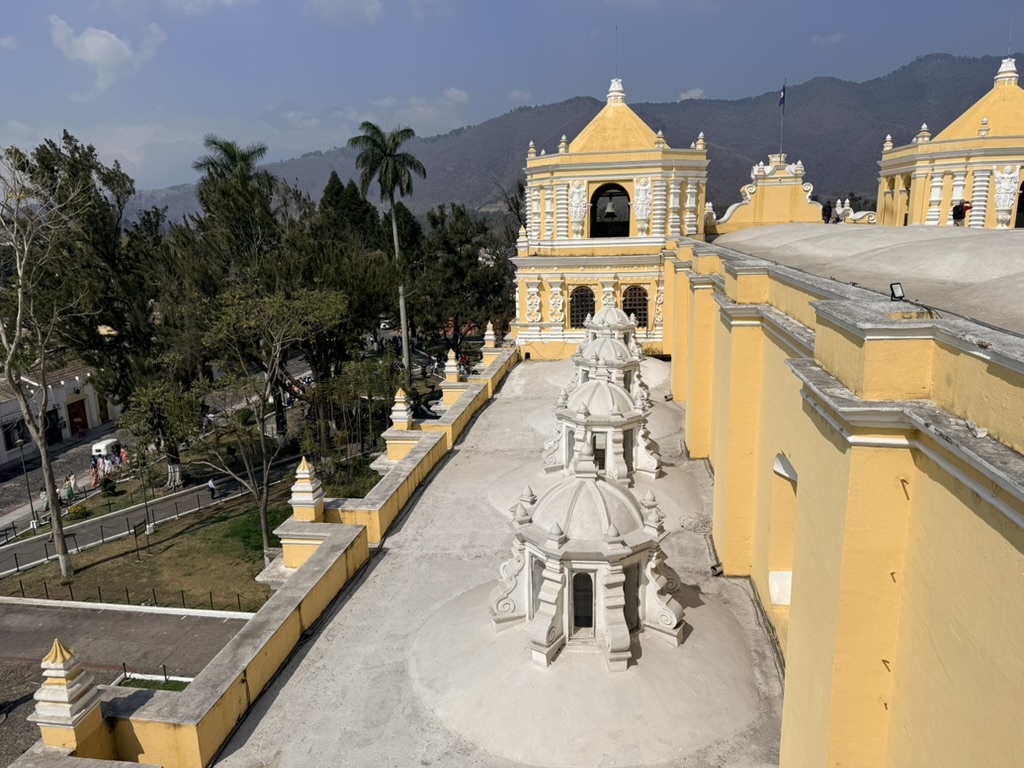
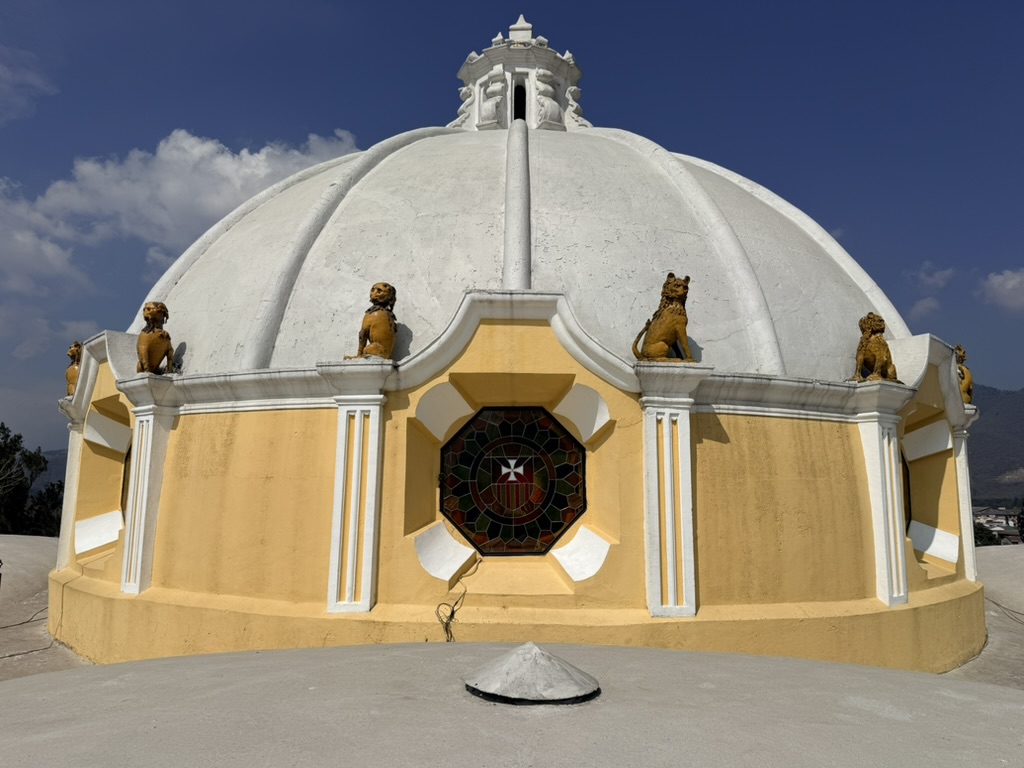
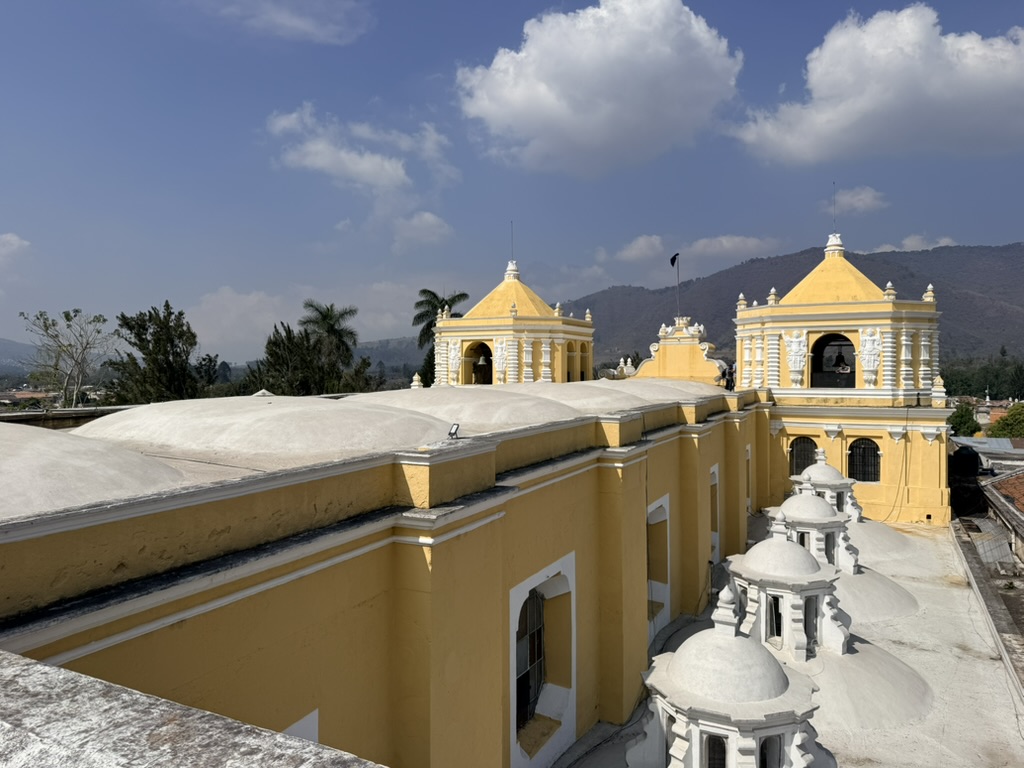
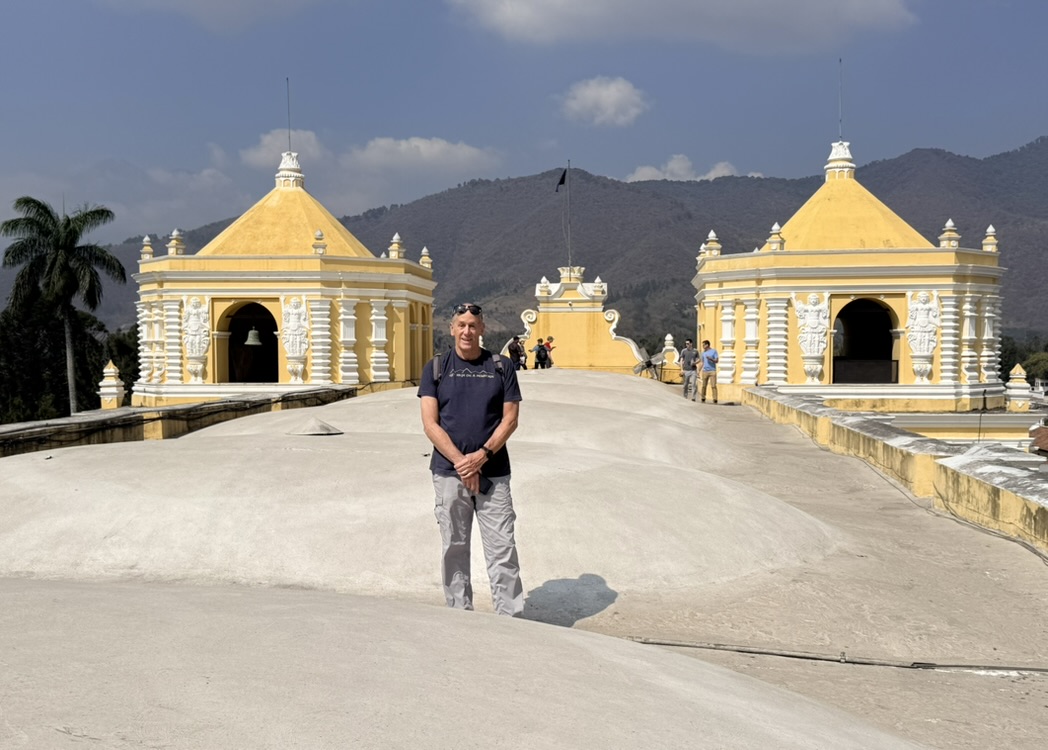
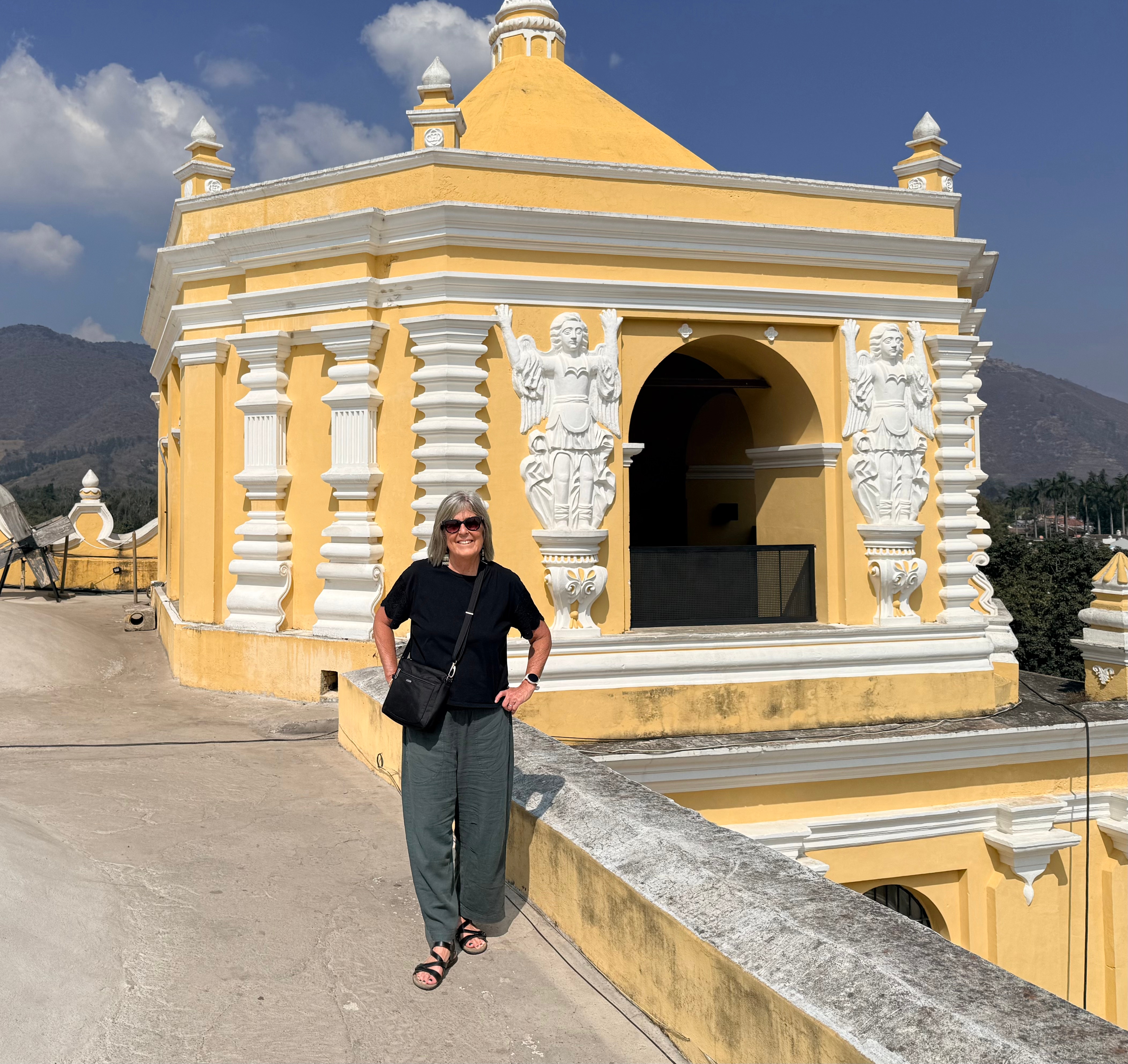
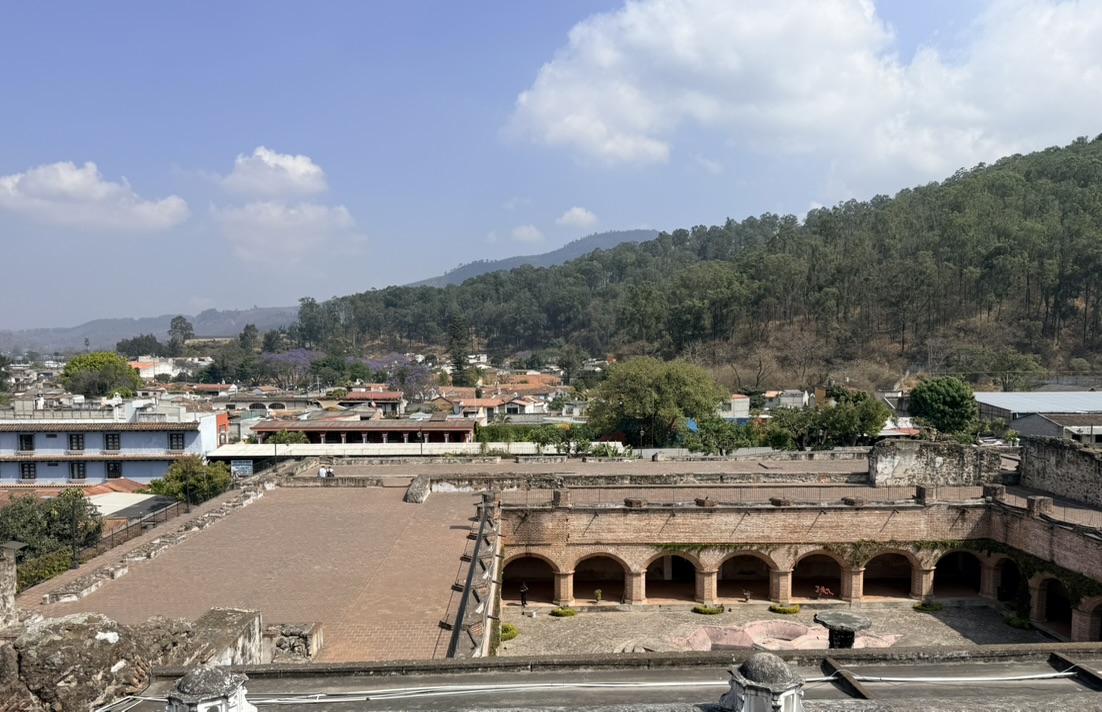
The striking yellow Iglesia y Convento de Nuestra Señora de la Merced (Iglesia Merced) was one church that was NOT destroyed. The thick-walled structure was built to withstand earthquakes and is still in good shape after three centuries. Only the church is still in use, and it is possible to go to the rooftop to see views of Antigua and the surrounding volcanoes.
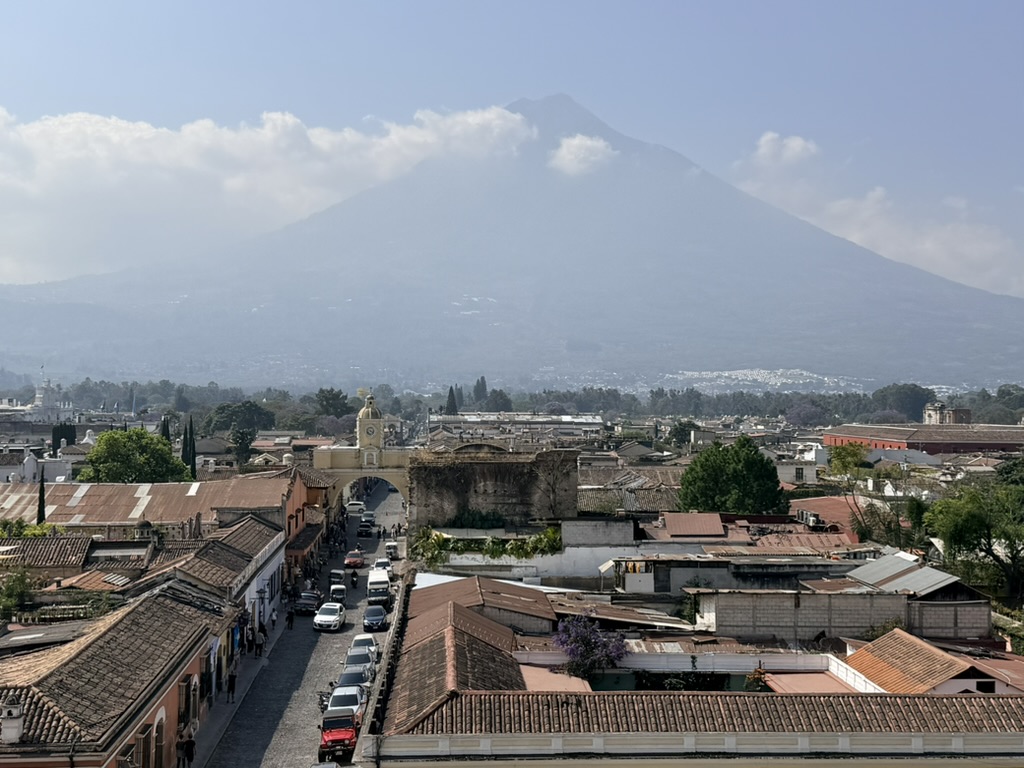
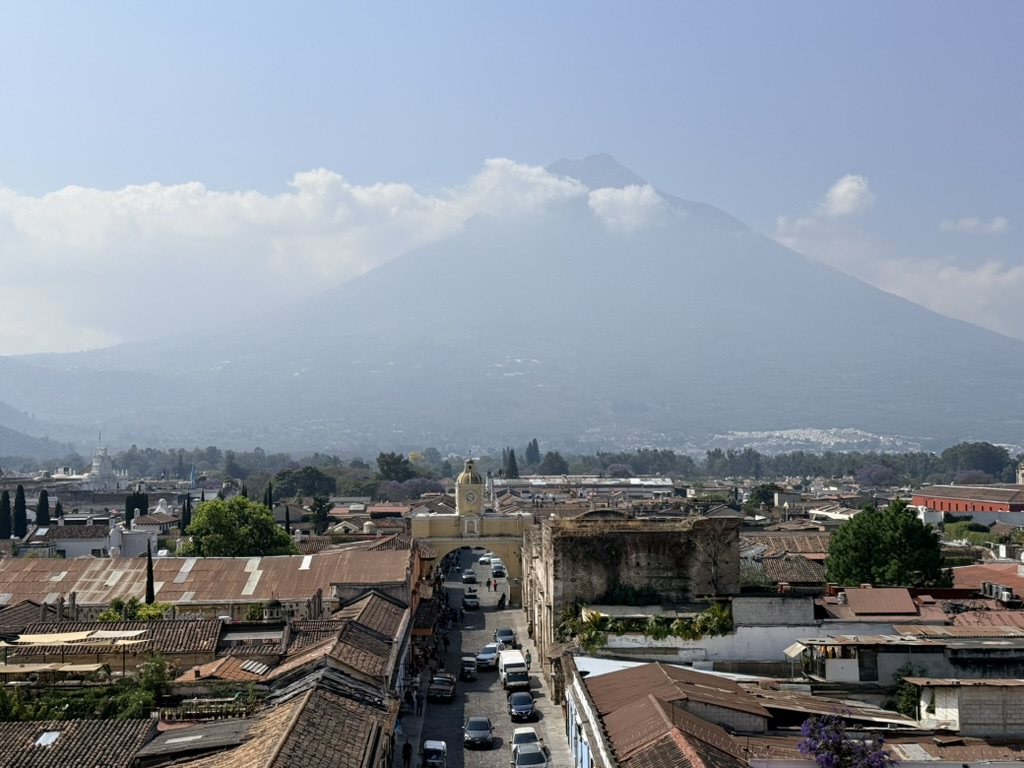
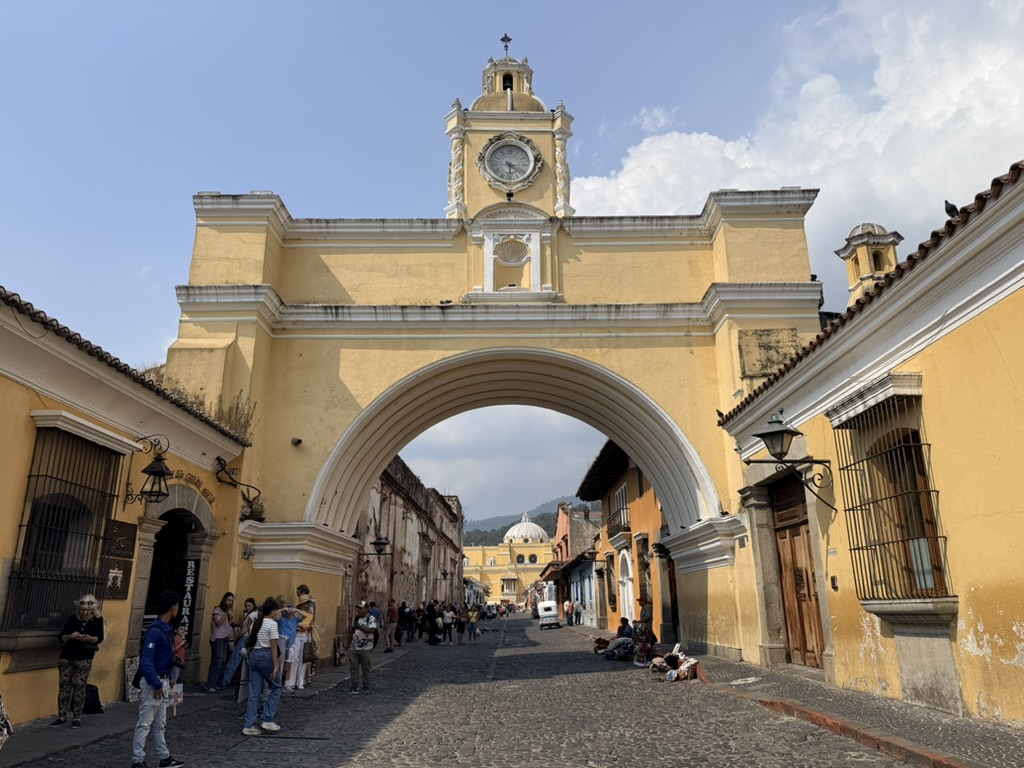
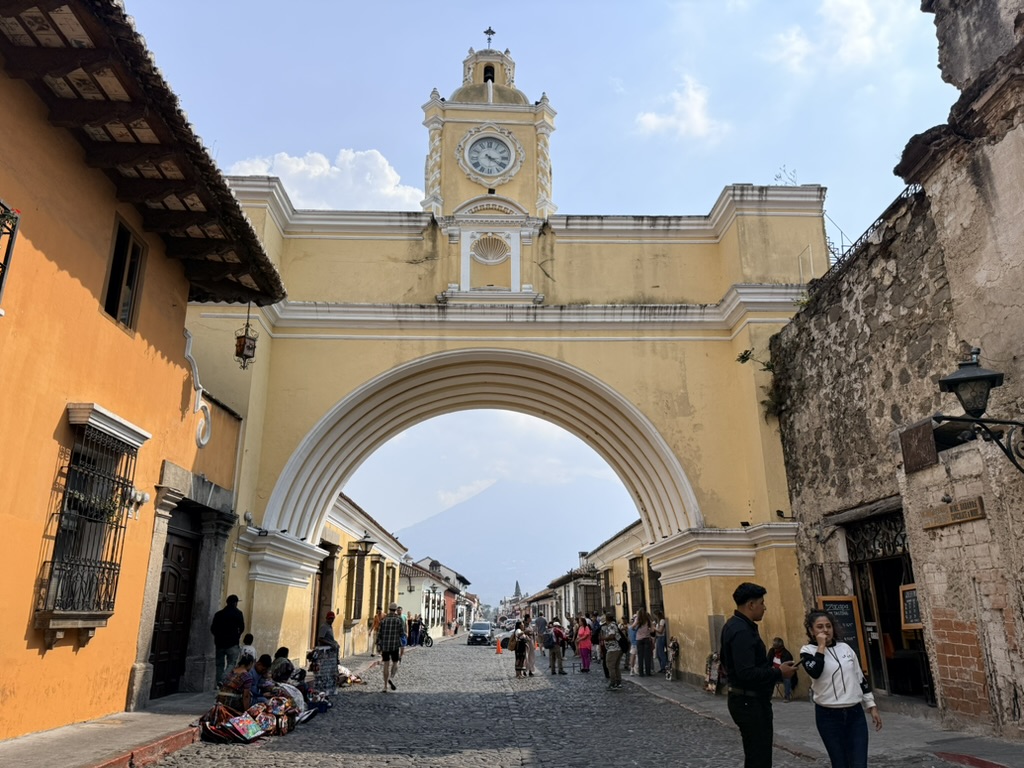
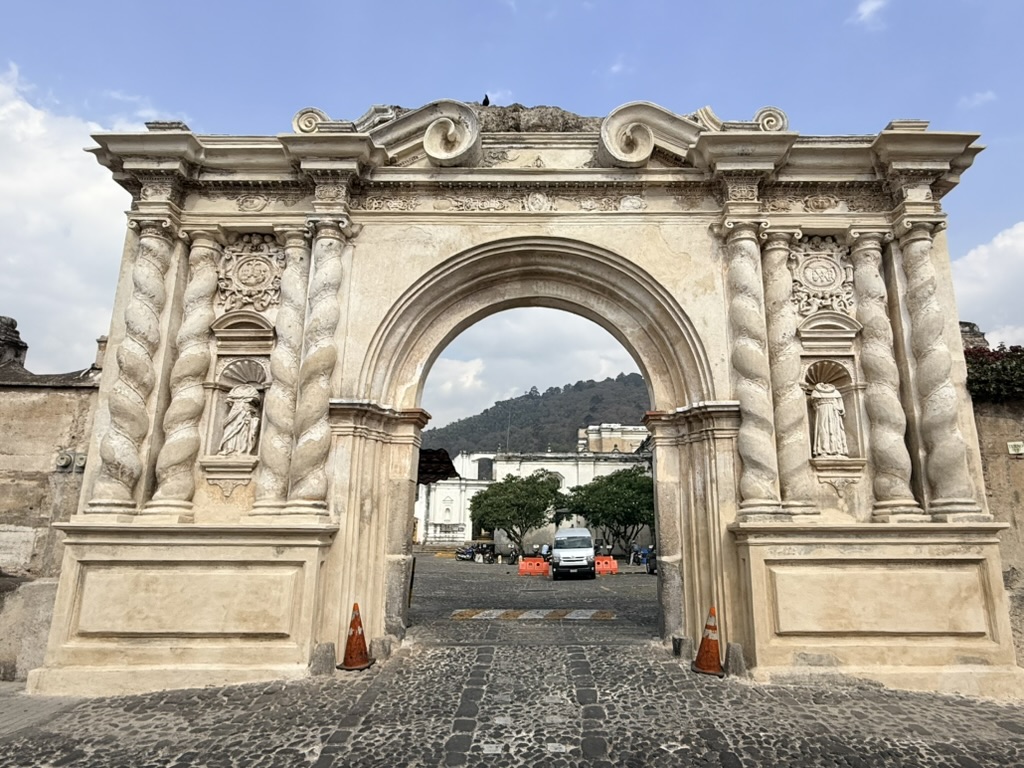
Another landmark, the Arco de Santa Catalina, which frames Volcán Agua, was likely damaged but survived the 1773 earthquake. It was built in 1694 to enable the nuns from the Santa Catalina convent to cross the street without being seen. The clock tower was added in the 19th century.
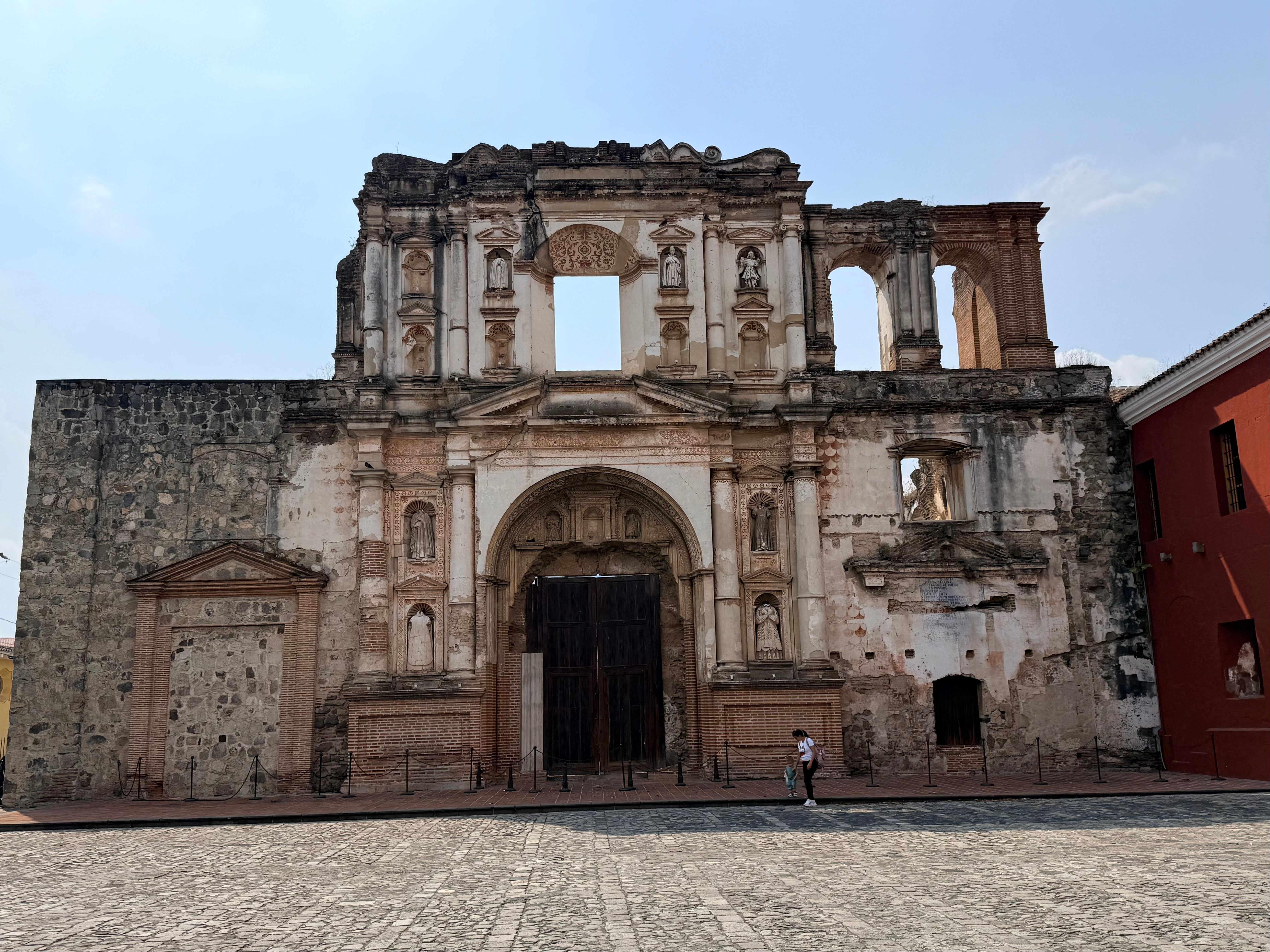
The Antigua Colegio de la Compañia de Jesús, a monastery established in 1626 and built between 1690-1698, saw its Jesuit order expelled in 1767. Six years later, the great earthquake left it in ruins. The complex was eventually reborn as a cultural center.
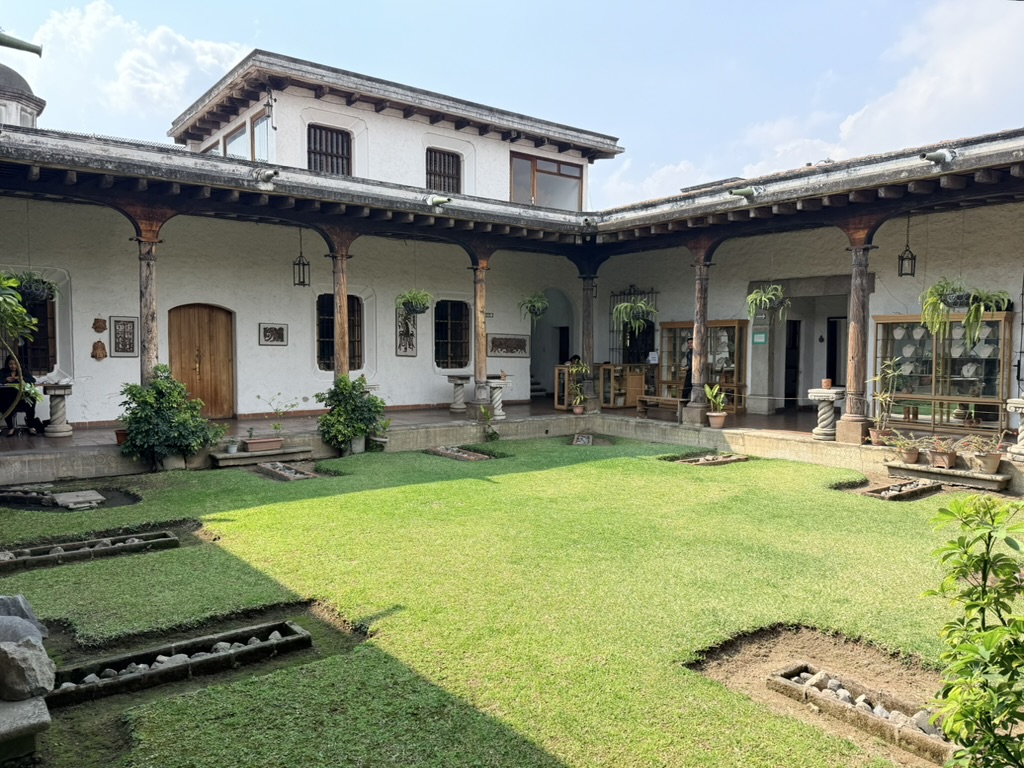
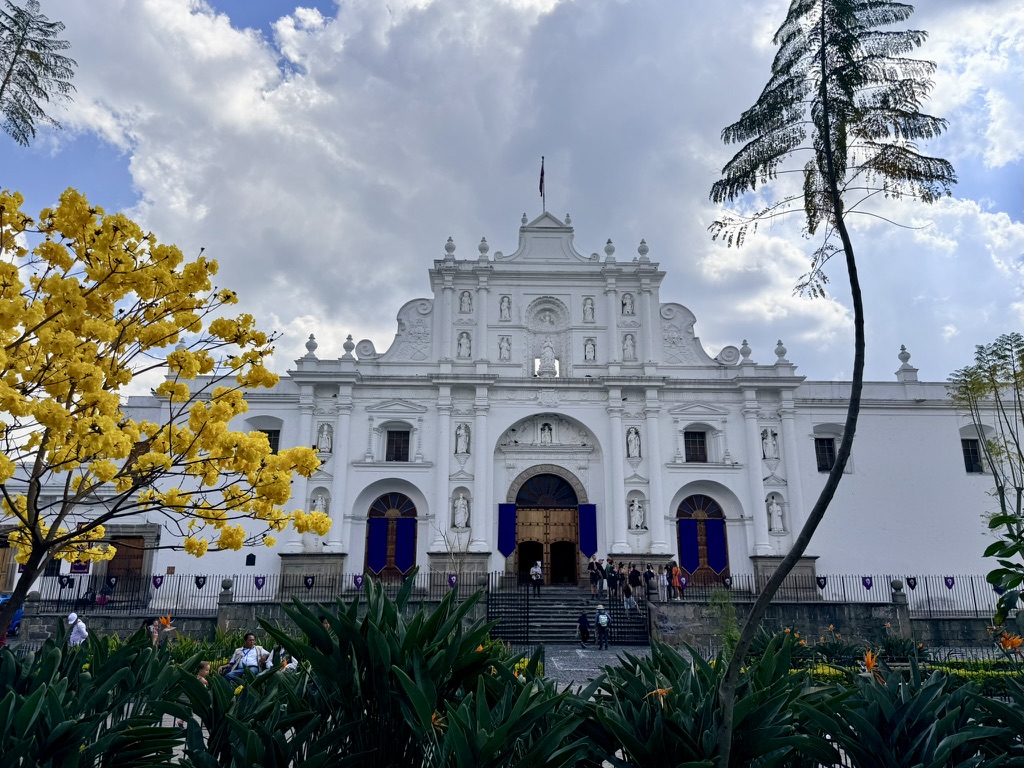
Destroyed in the 1773 earthquake was the Catedral de San José, which stands next to Parque Central. Begun in 1545, it was destroyed by the earthquake and was only partially rebuilt over the next century.
Also destroyed in the earthquake was the Ex-Convent and Church of Nuestra Señora del Pilar de Zaragoza (Capuchinas), consecrated in 1736. It was the last convent (Order of Capuchin Poor Clares) founded in the city. The nuns followed maximum rules of poverty, penance and fasting and had to subsist on alms provided by the faithful. The building was designed so all of its interior could be seen completely from a central point, the orchard. Most of the time, the nuns were confined to their cells, inside of which they each had a bed, a small table and a chair. The common art themes in the now partially restored convent include Jesus Christ, the Virgin Mary, angels, apostles and saints.
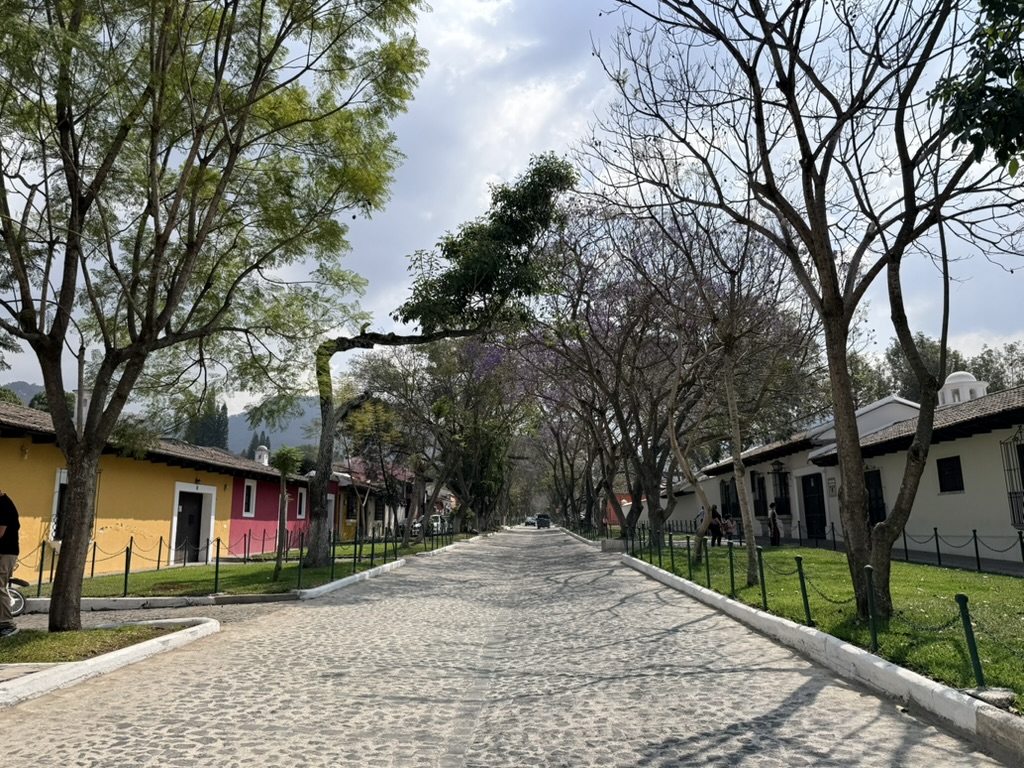
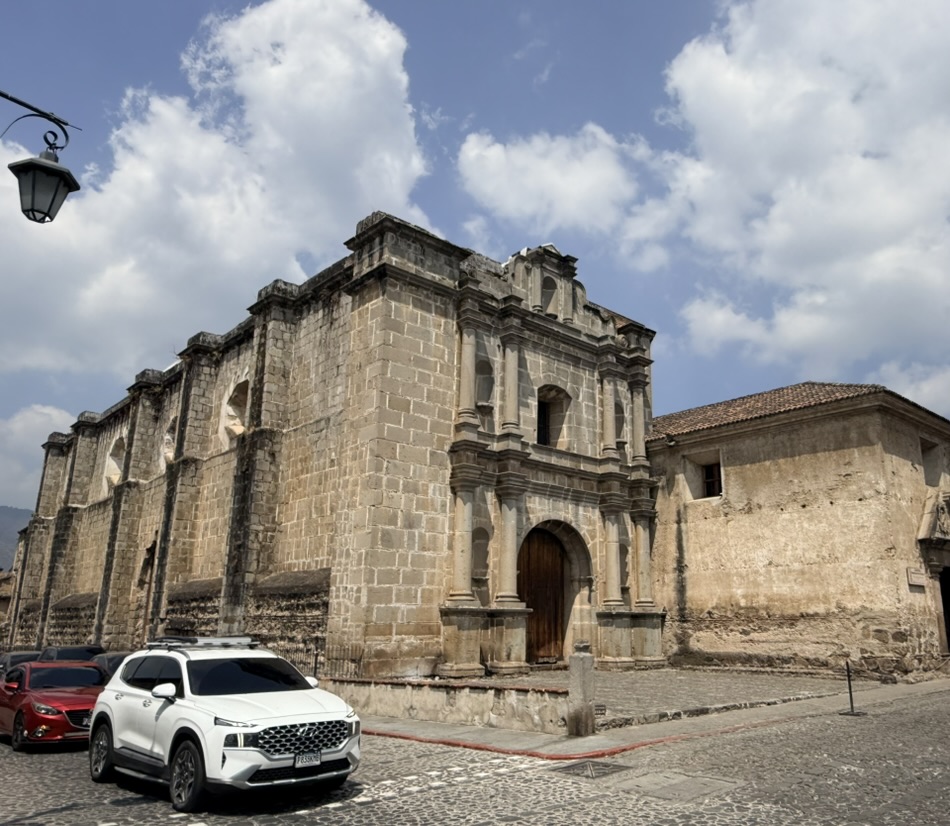
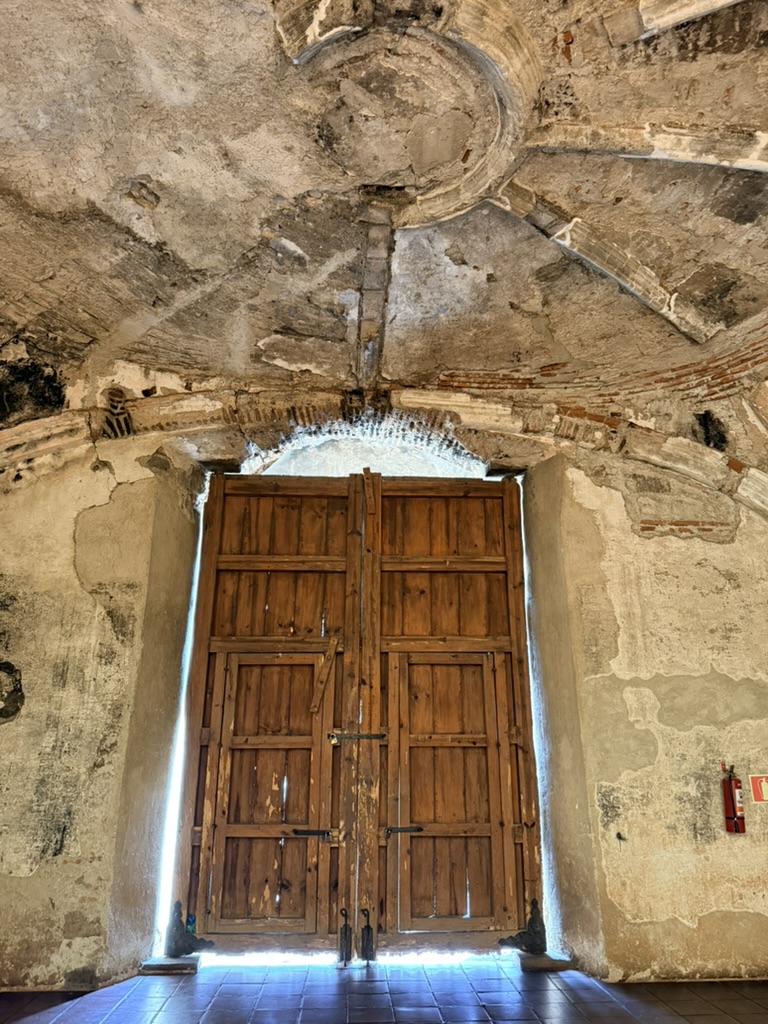
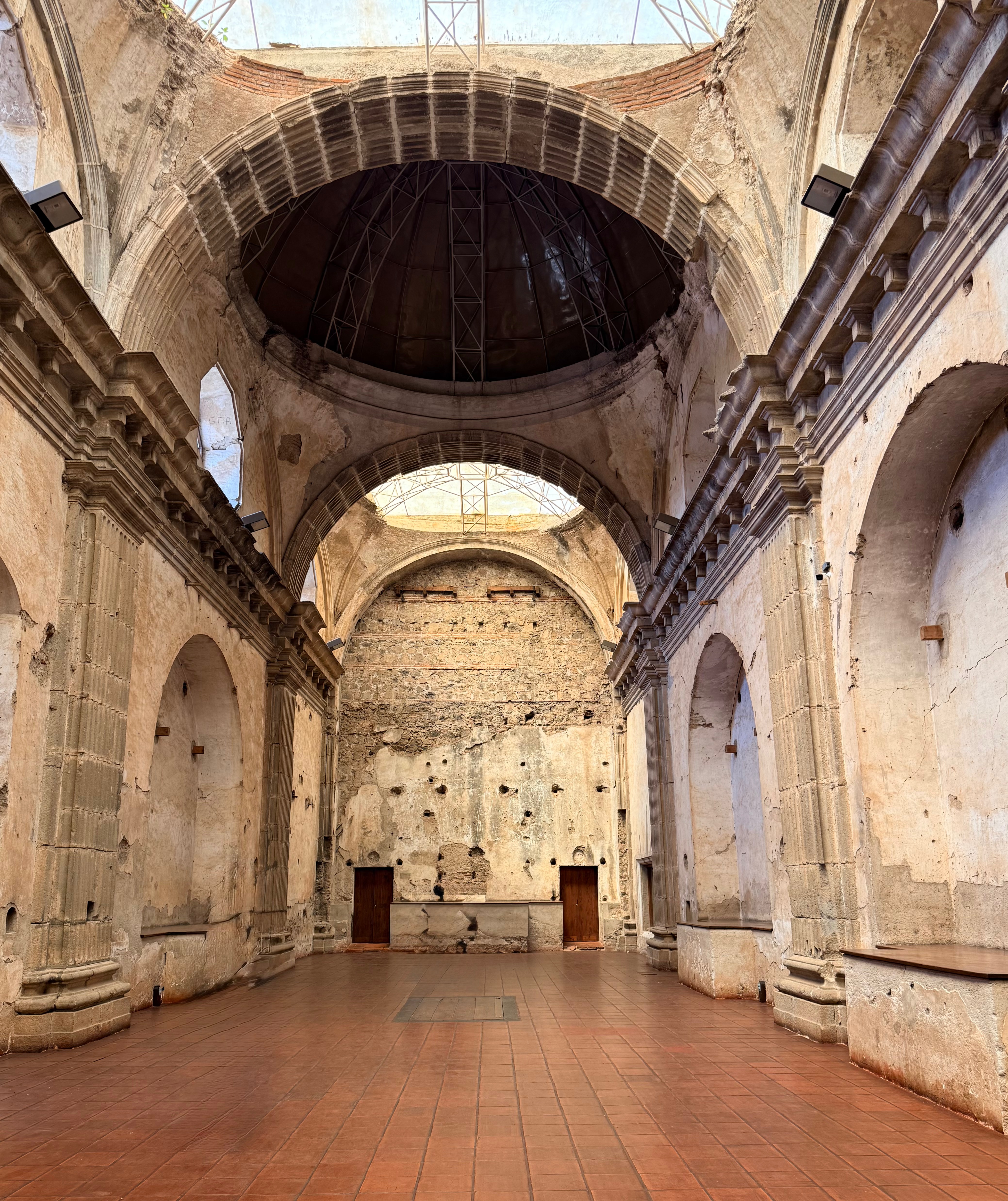
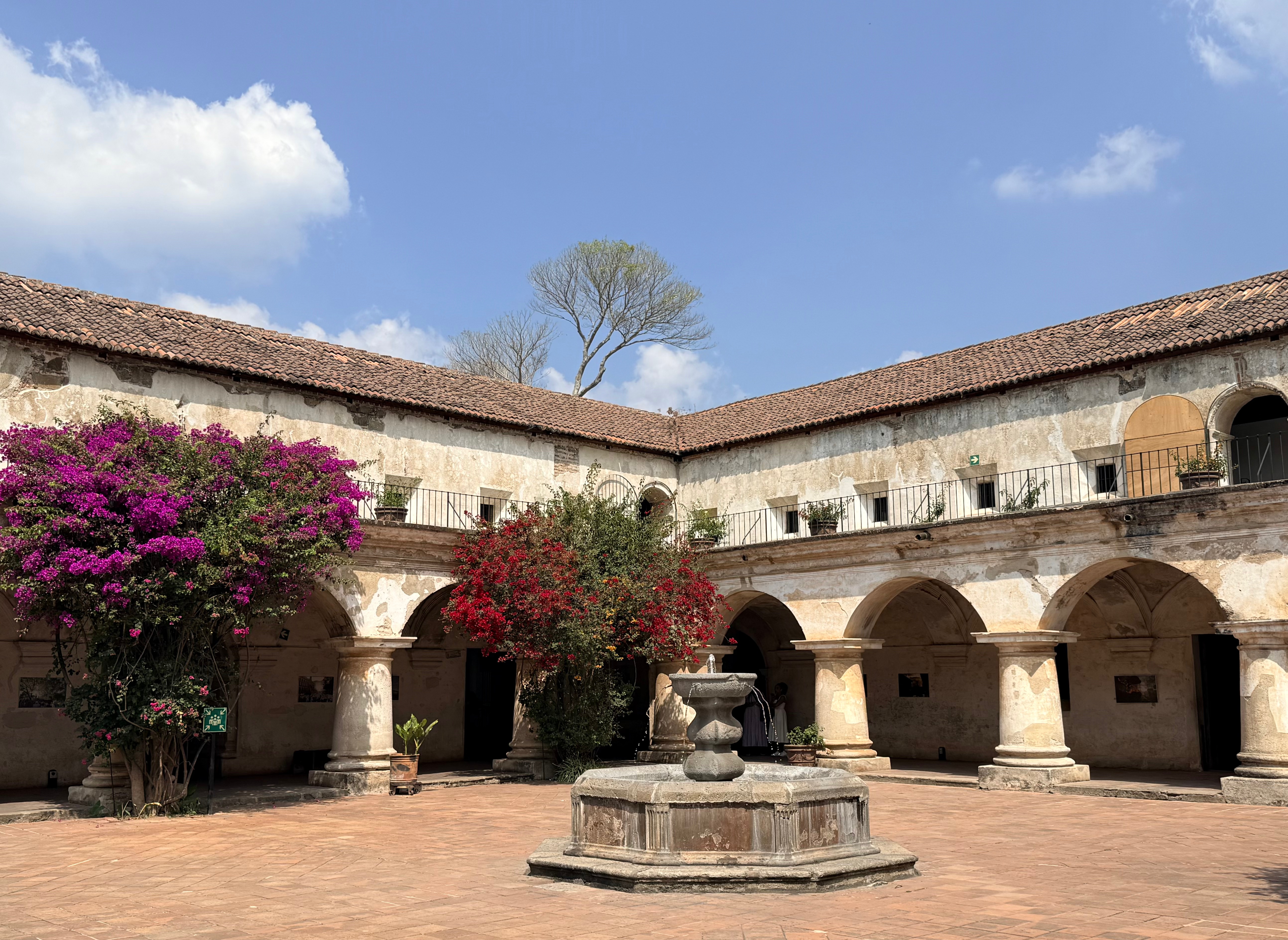
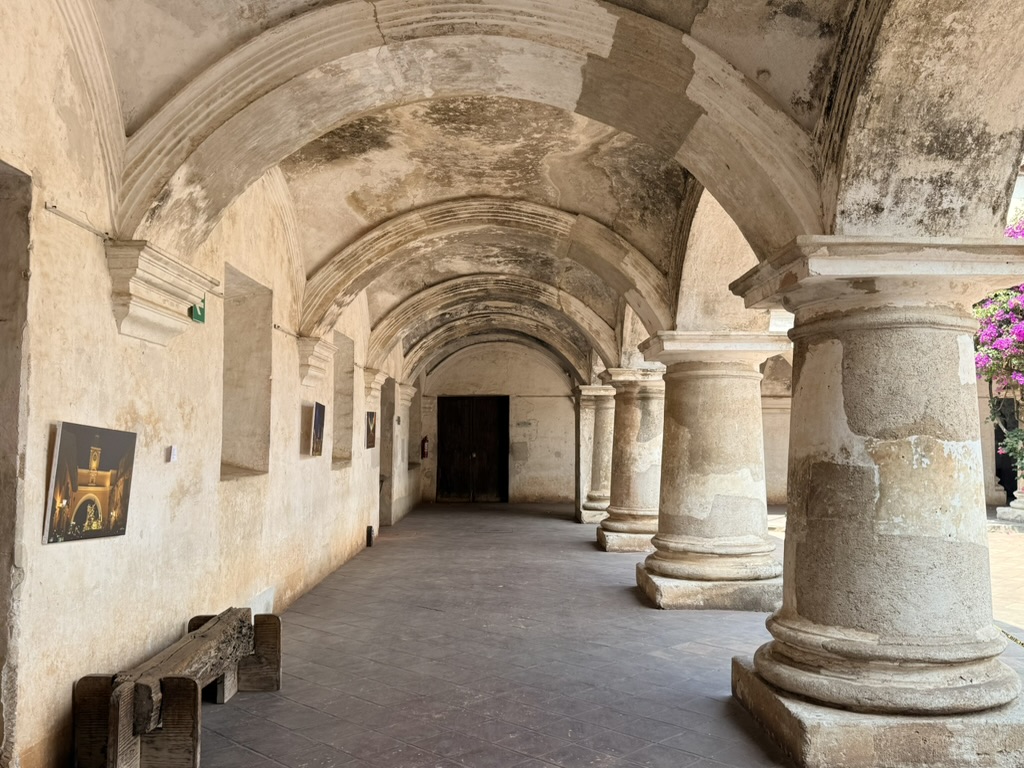
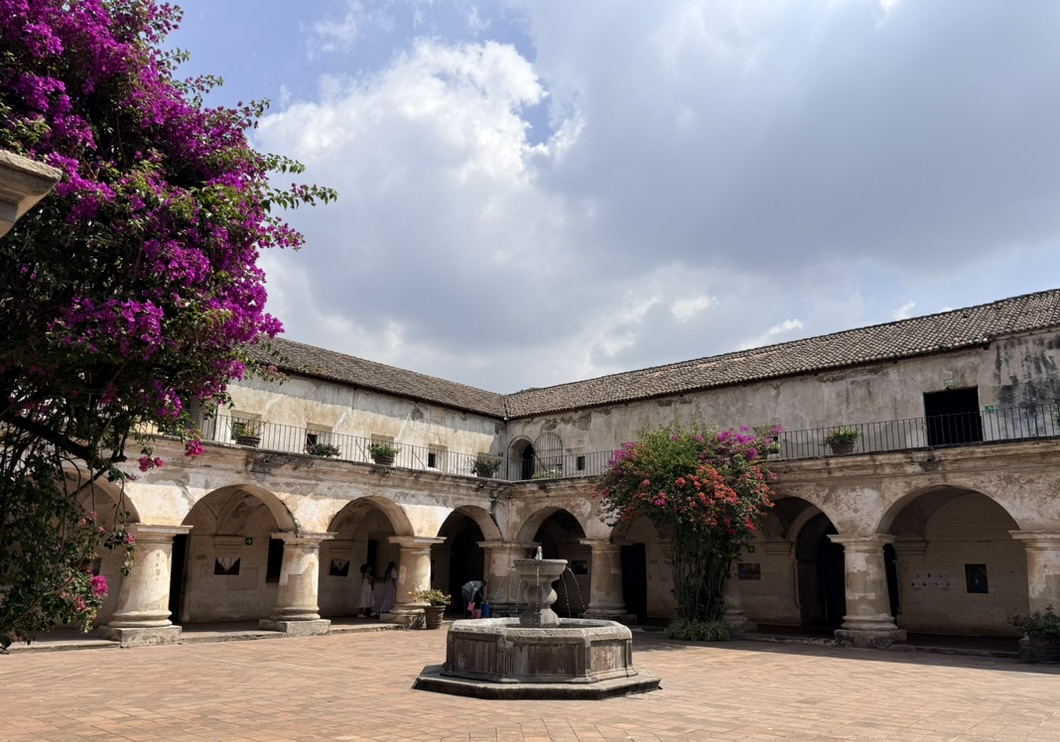
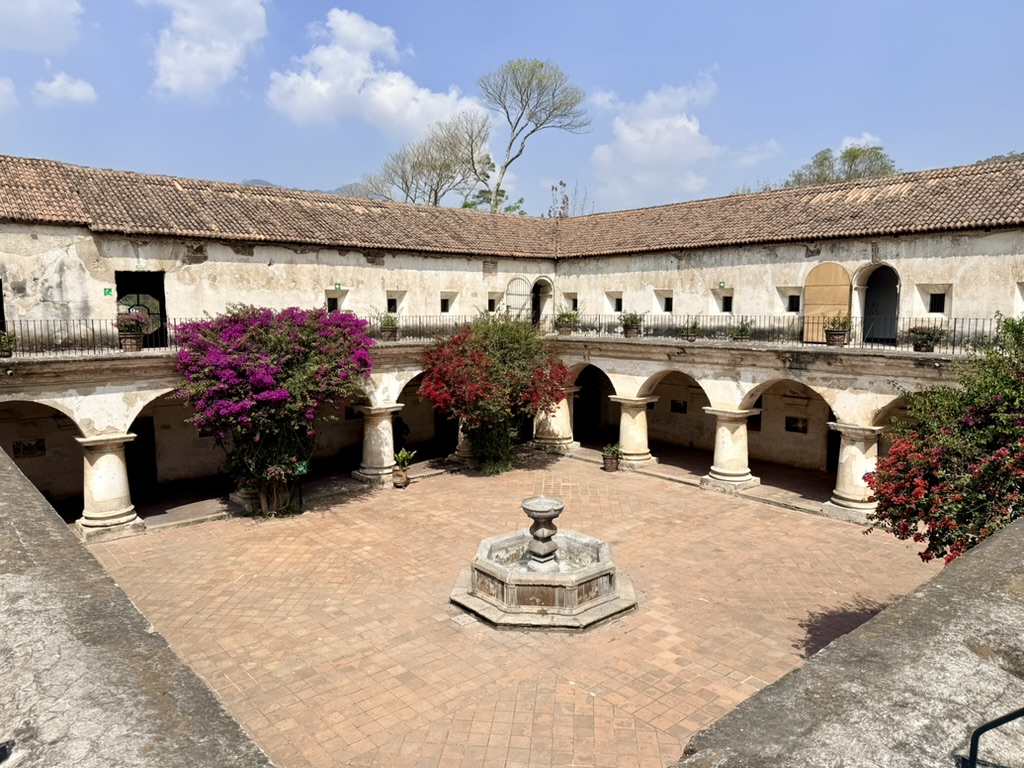
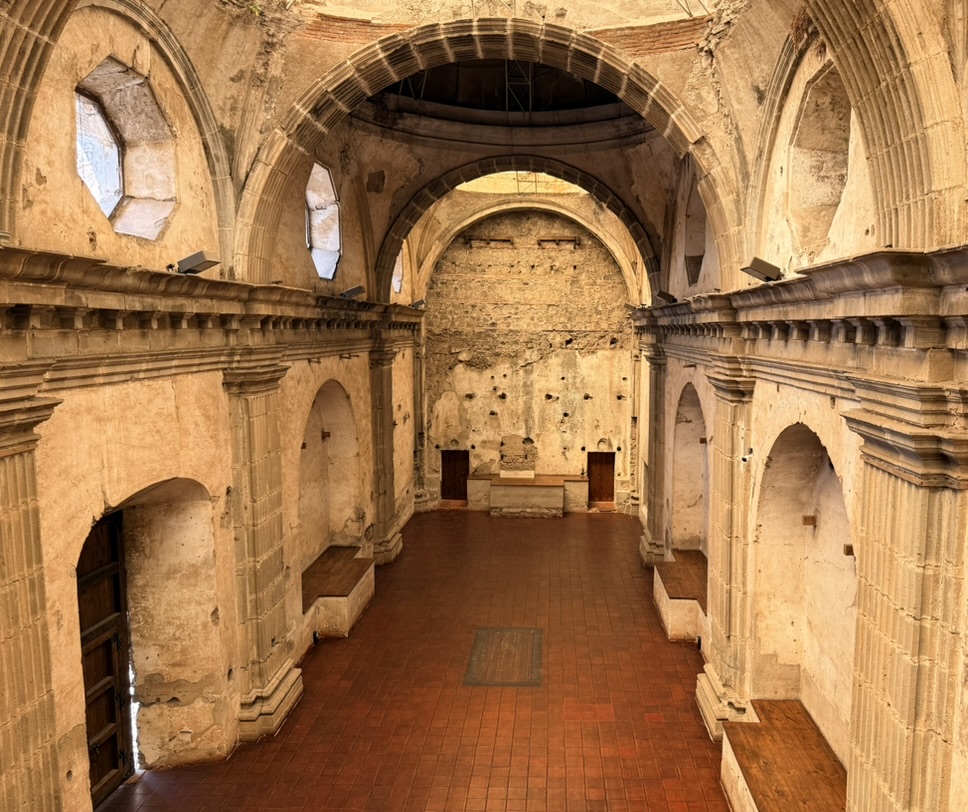
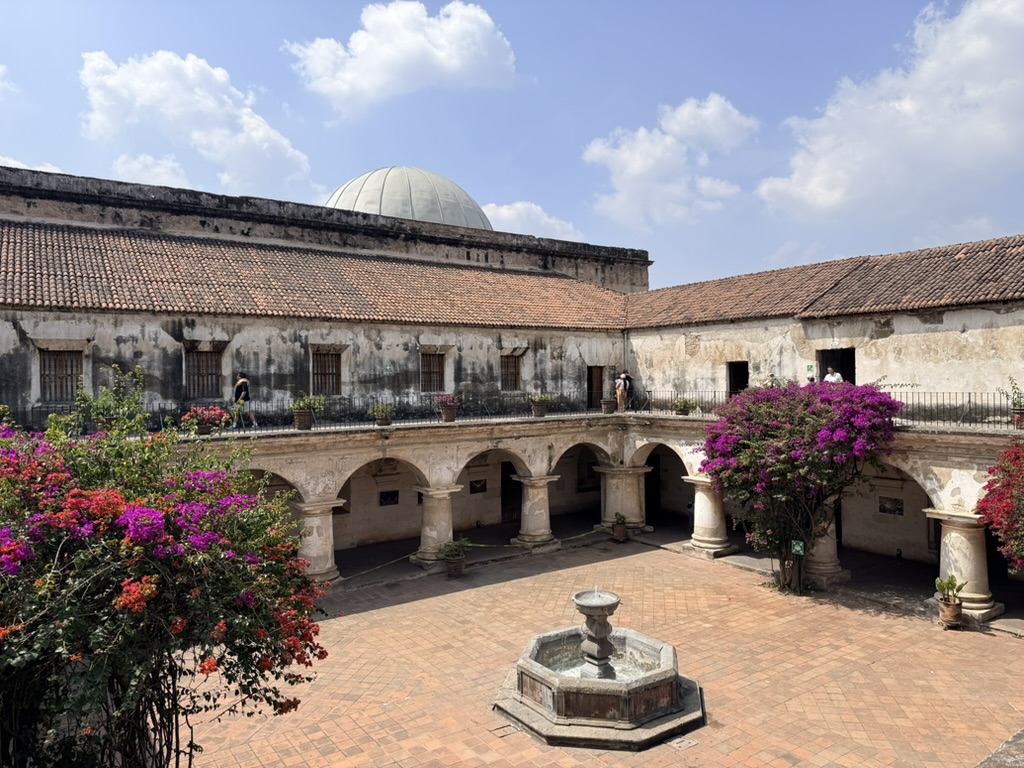
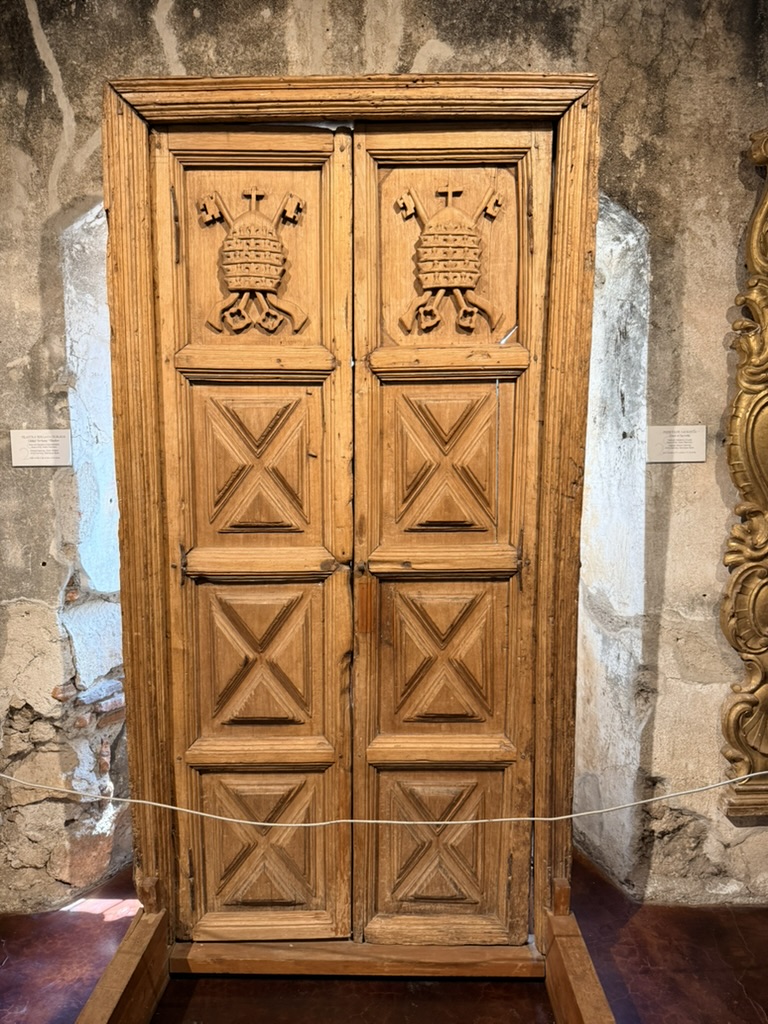
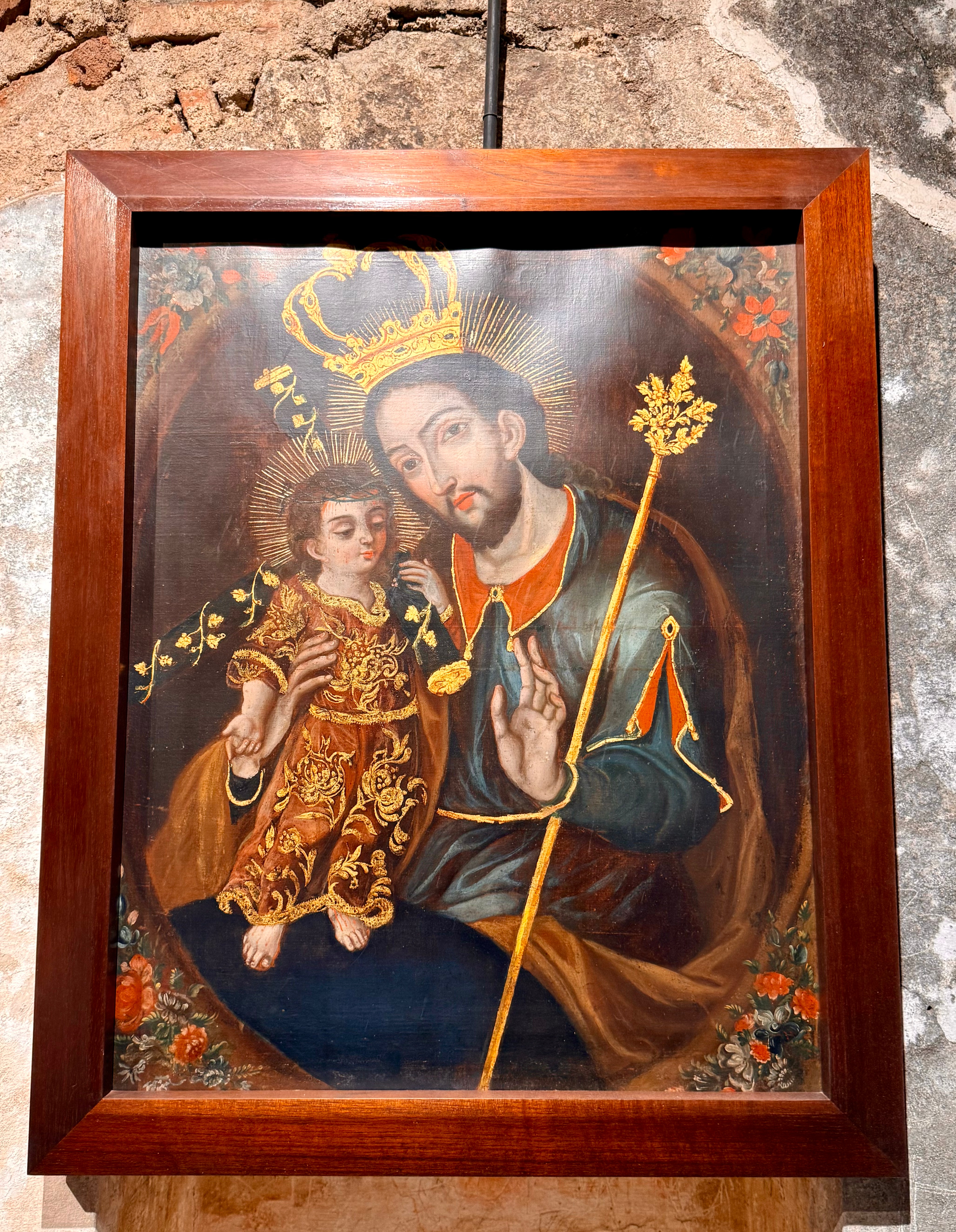
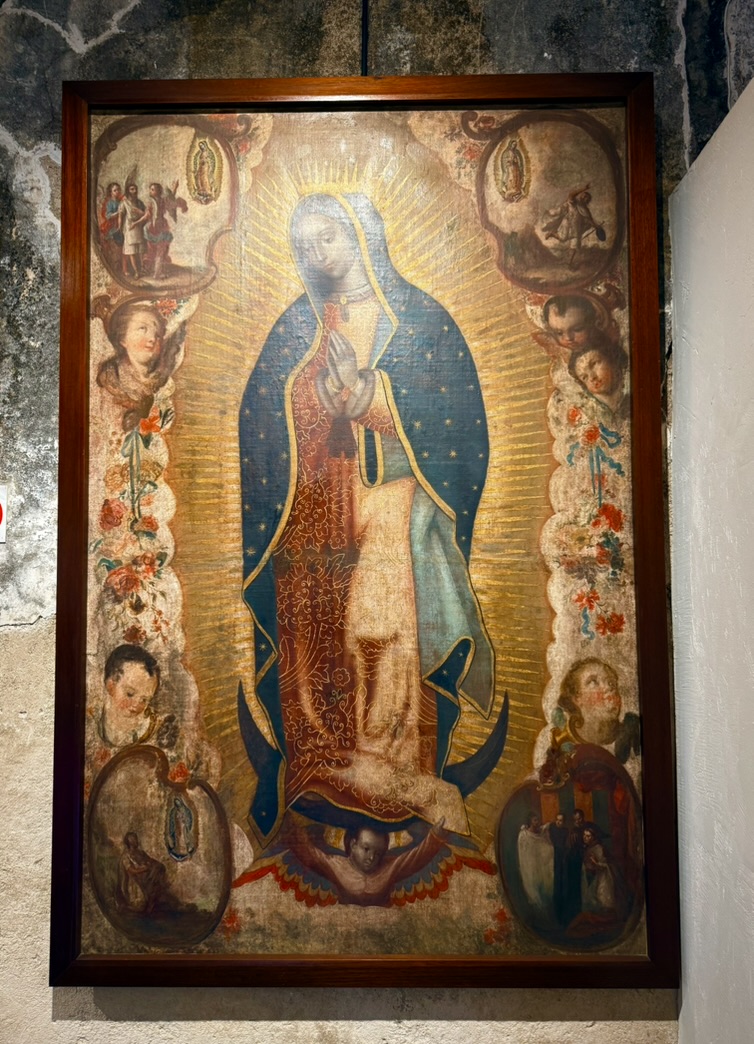
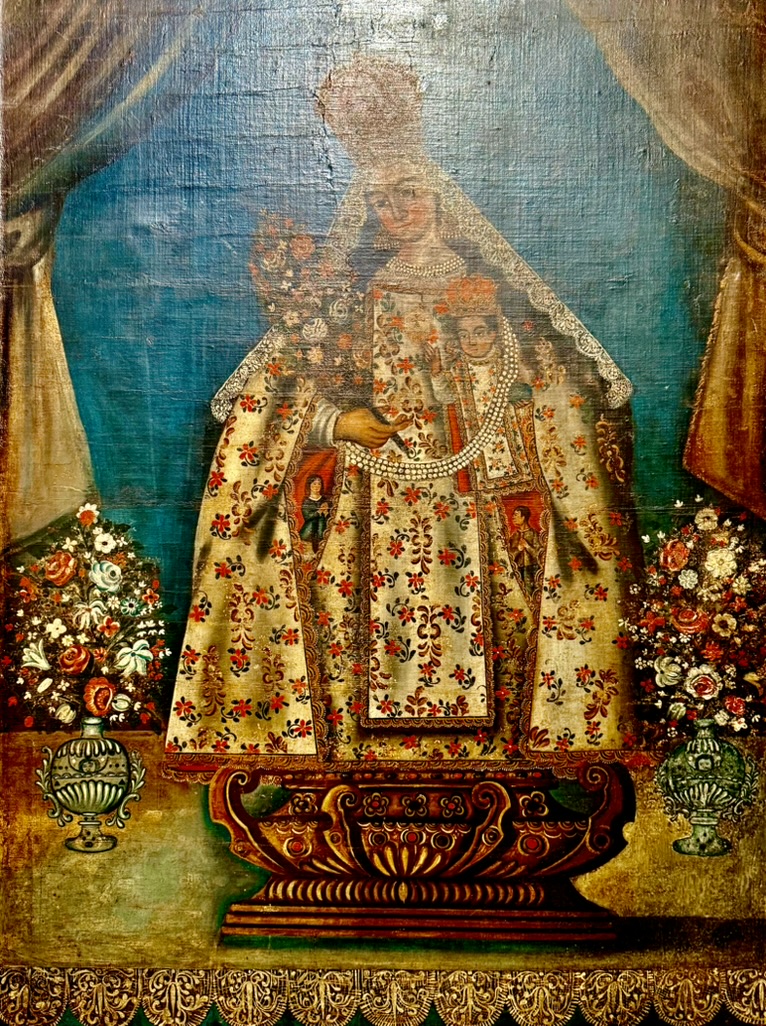
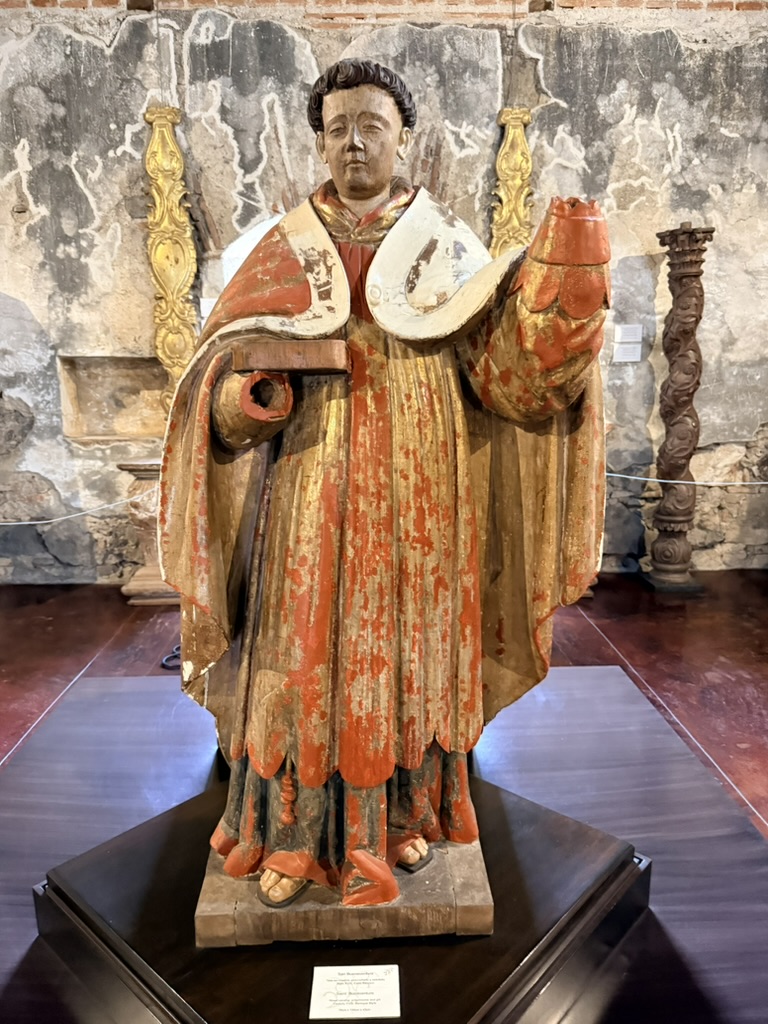
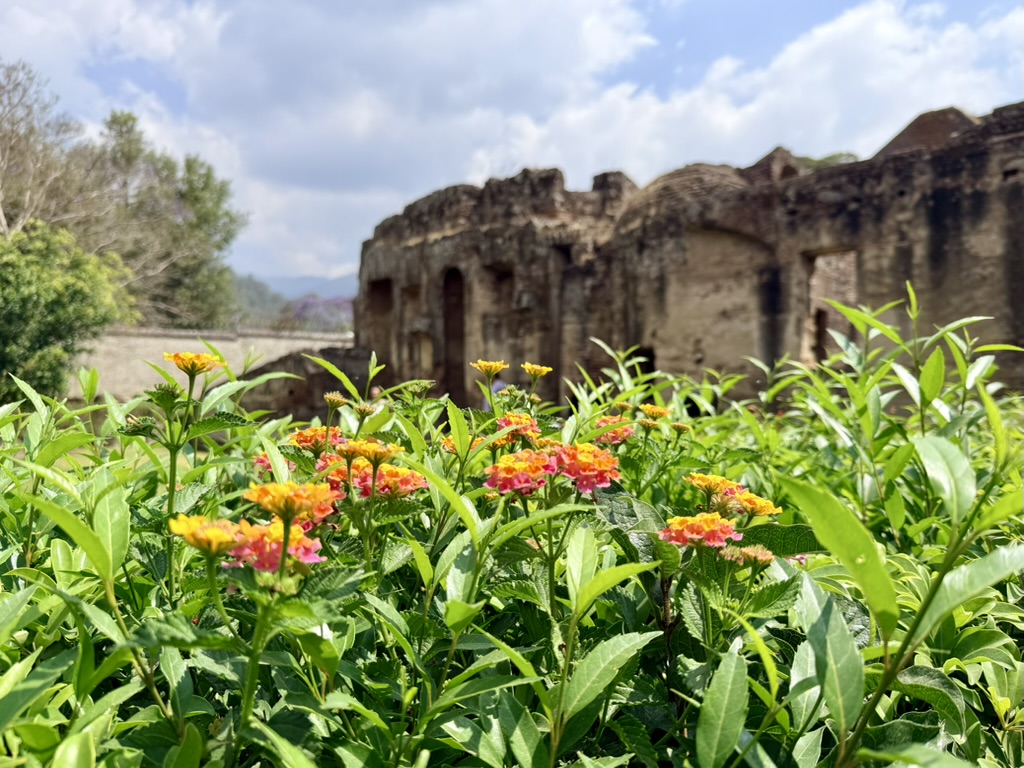
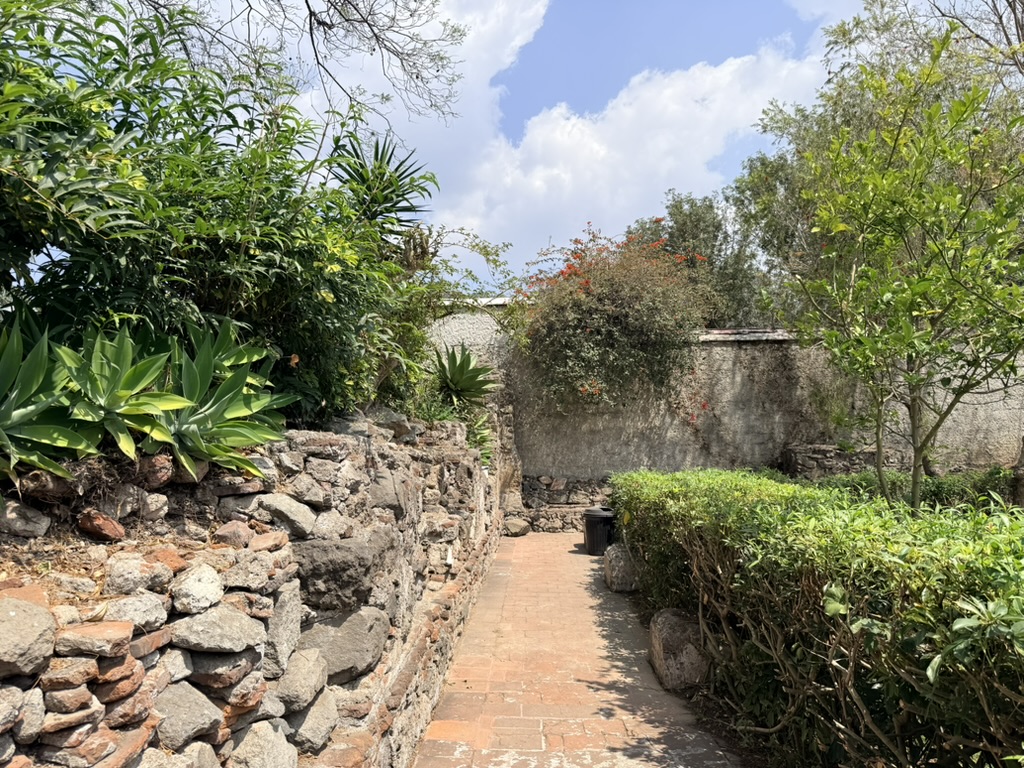
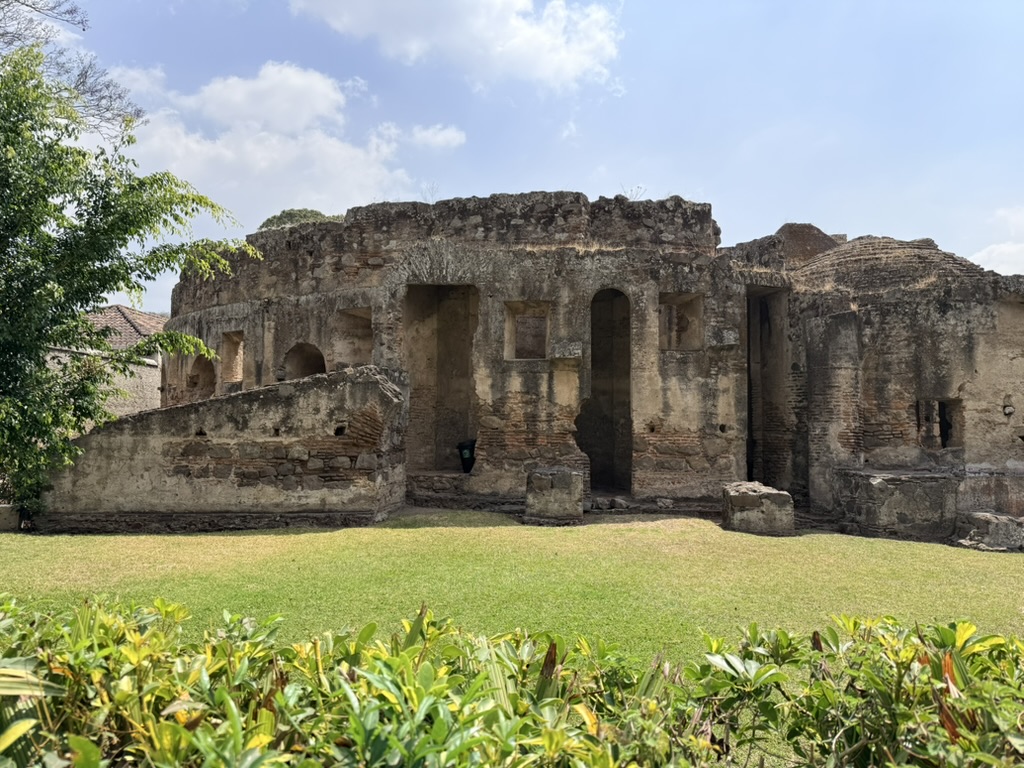
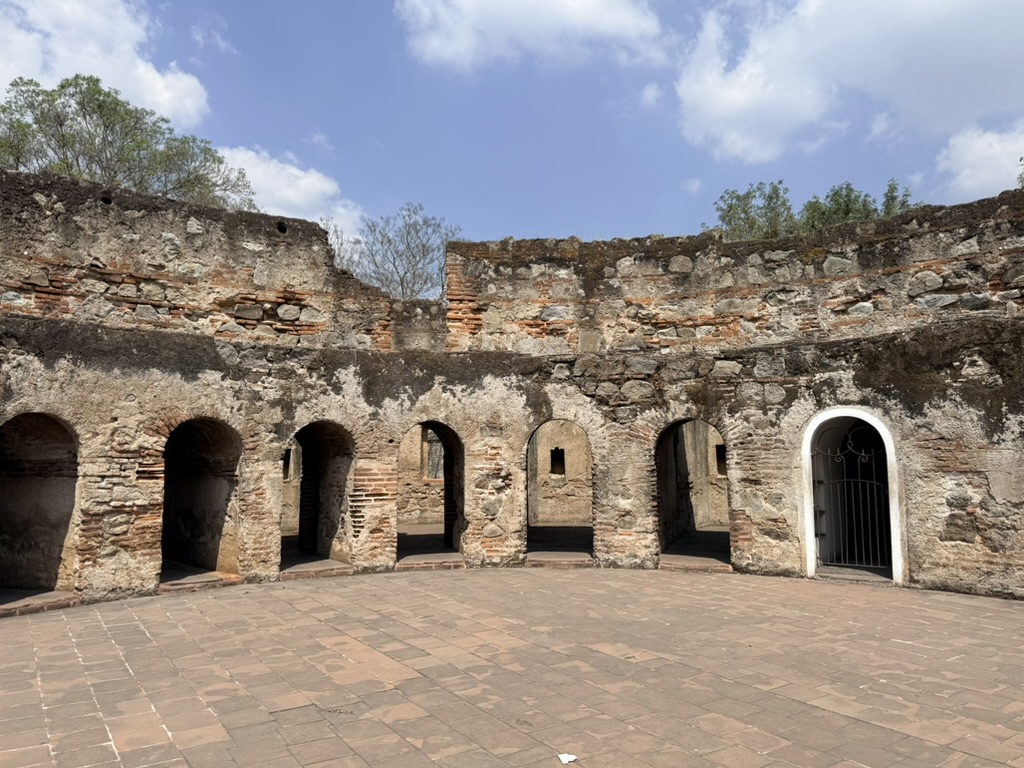
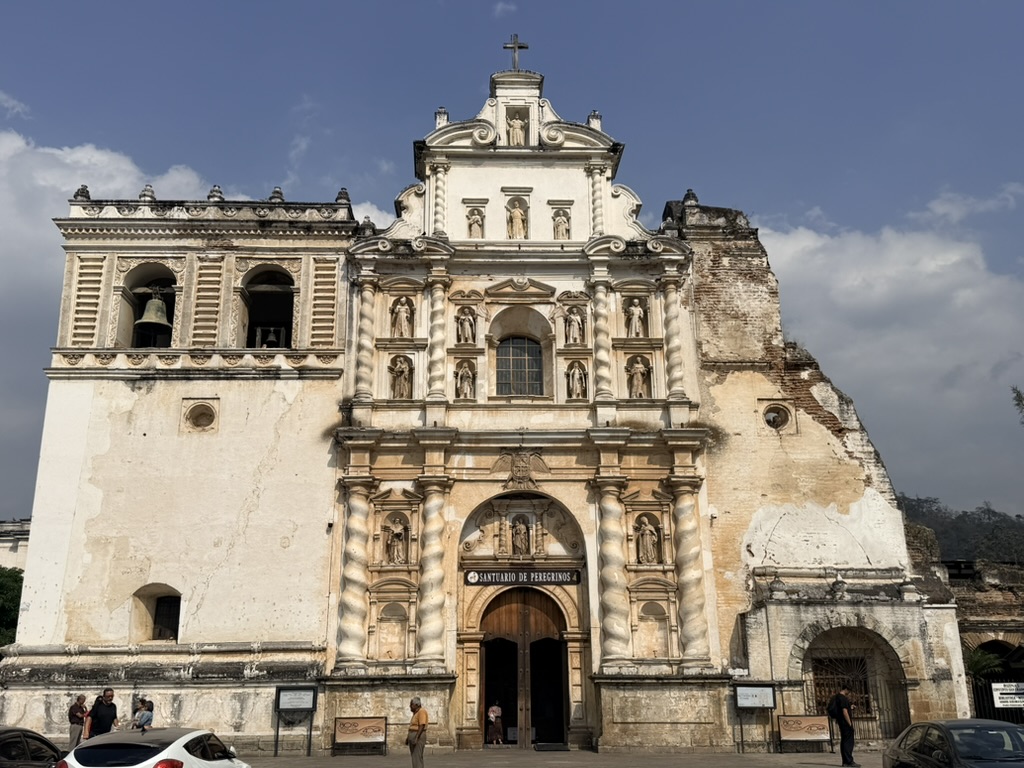
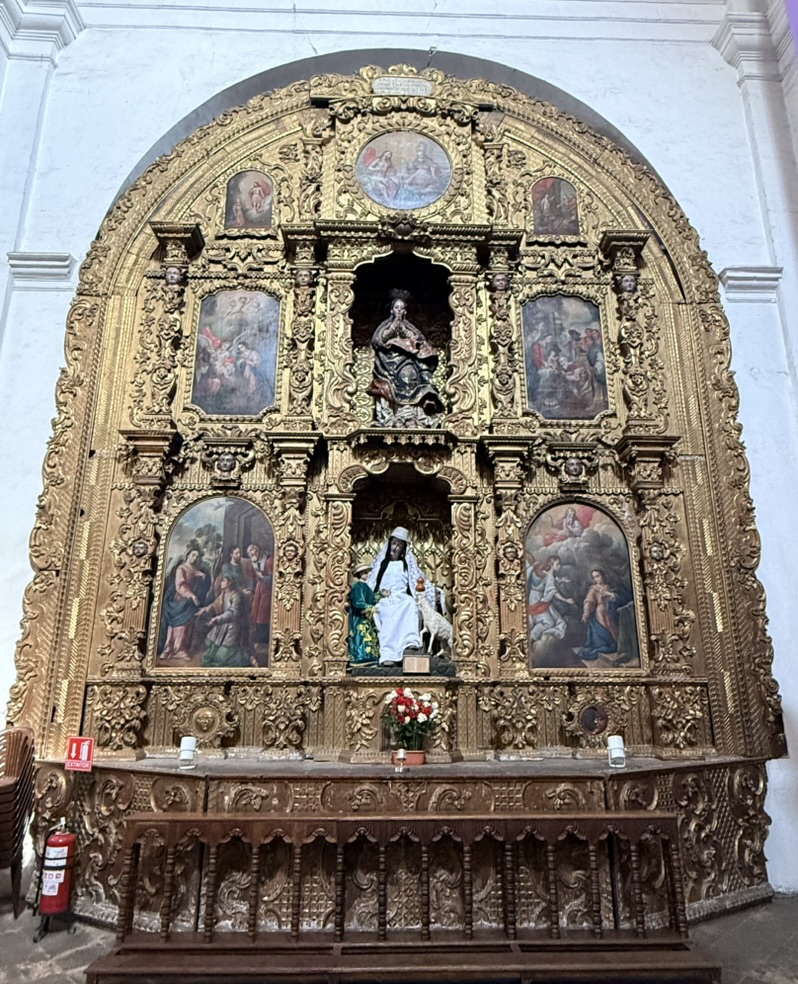
The Church and Monastery of San Francisco el Grande was originally founded in the 16th century. The historic church is still an active Catholic church and is famous for housing the tomb of Saint Hermano Pedro (Brother Peter), Central America’s first saint (canonized in 2002), making it a major pilgrimage destination. He arrived in Guatemala from the Canary Islands in 1651 and devoted his life to caring fot the sick, the homeless and the abandoned. He established the first hospital in the Americas dedicated to serving the poor. He died in 1667 and his tomb inside has been a pilgrimage site ever since.
However, the attached original monastery complex remains in evocative ruins after it was destroyed by the 1773 earthquake. We walked all around the grounds of the ruined monastery on our last afternoon in Antigua. It seemed the most ruined of any others we saw.
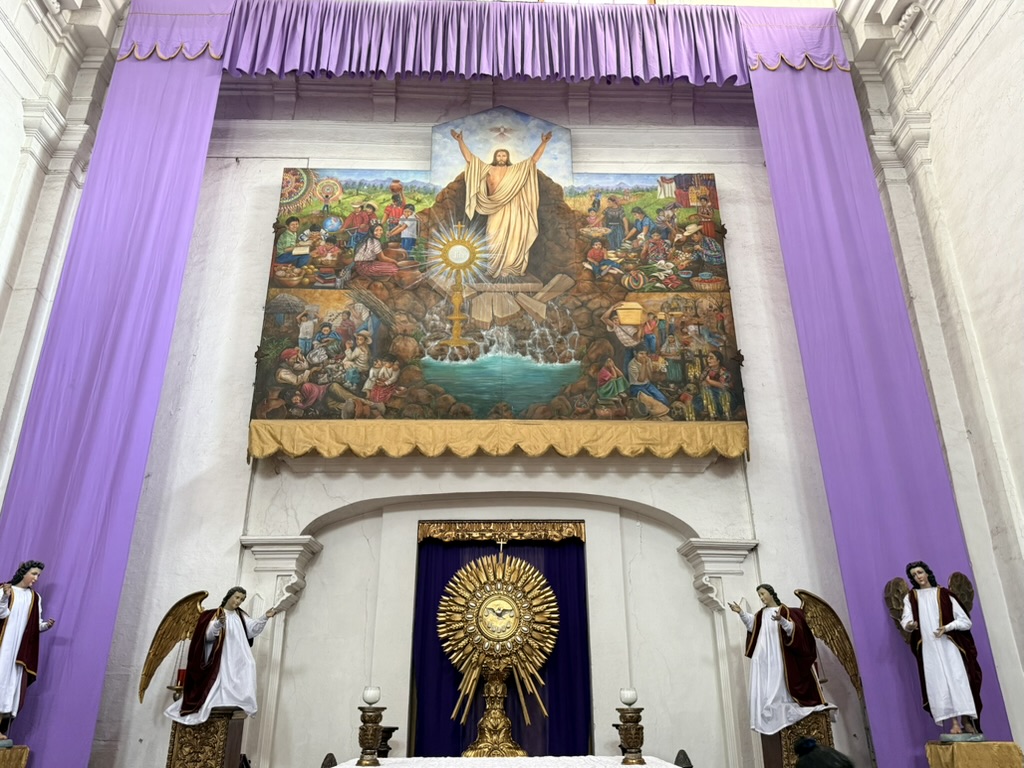
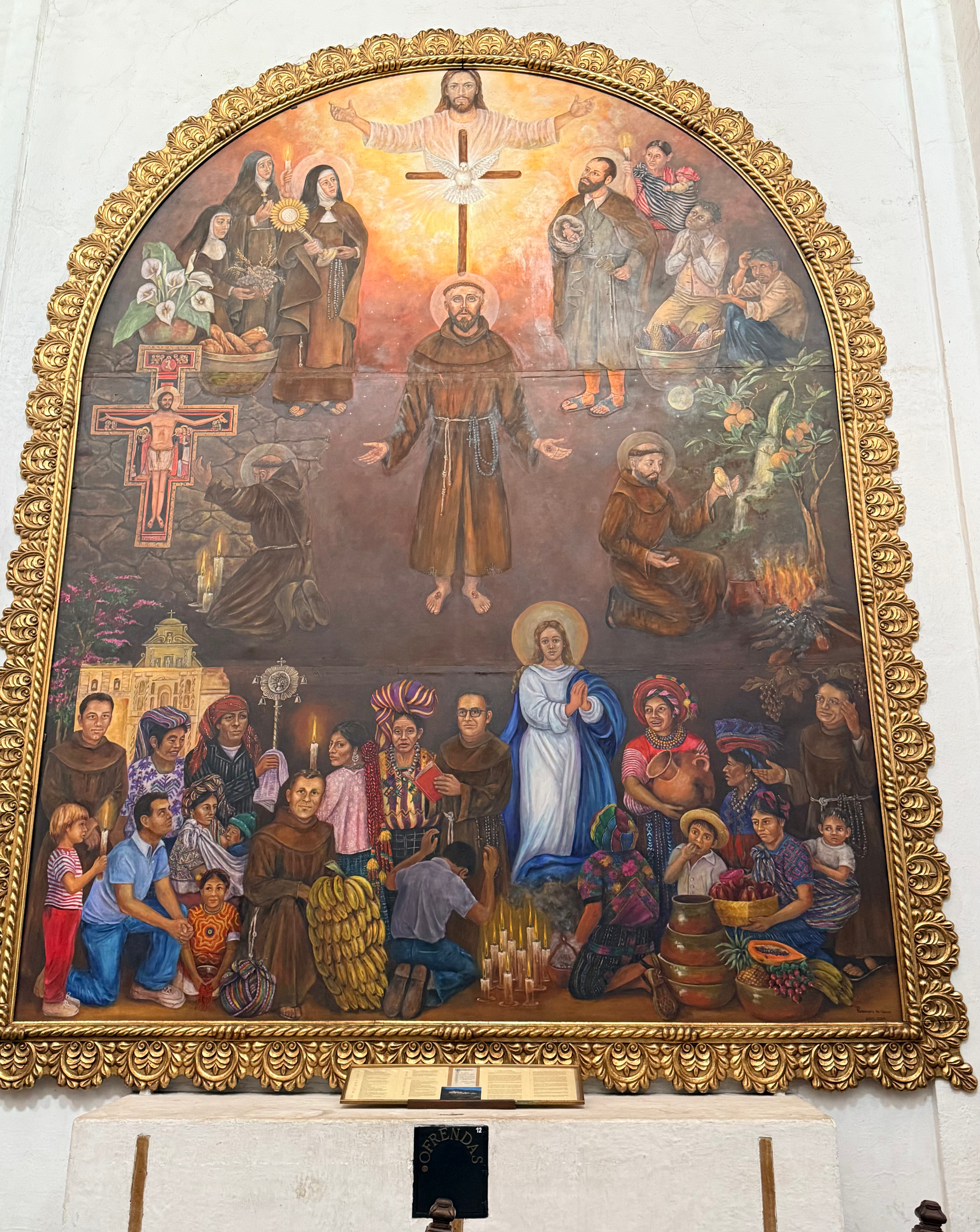
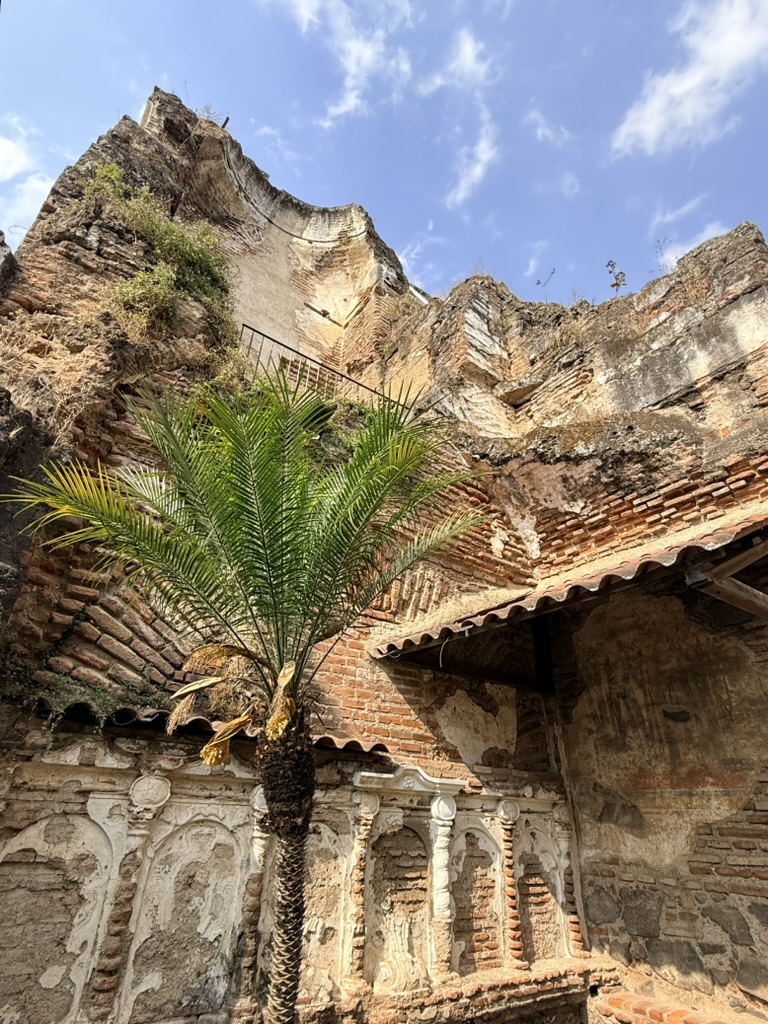
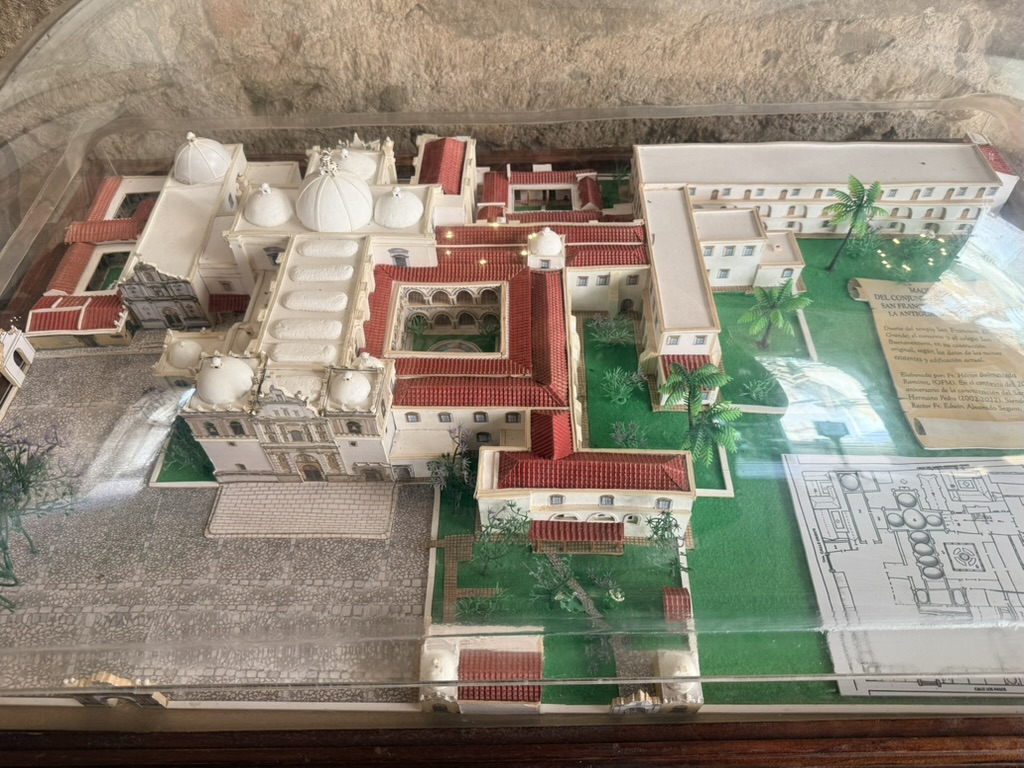
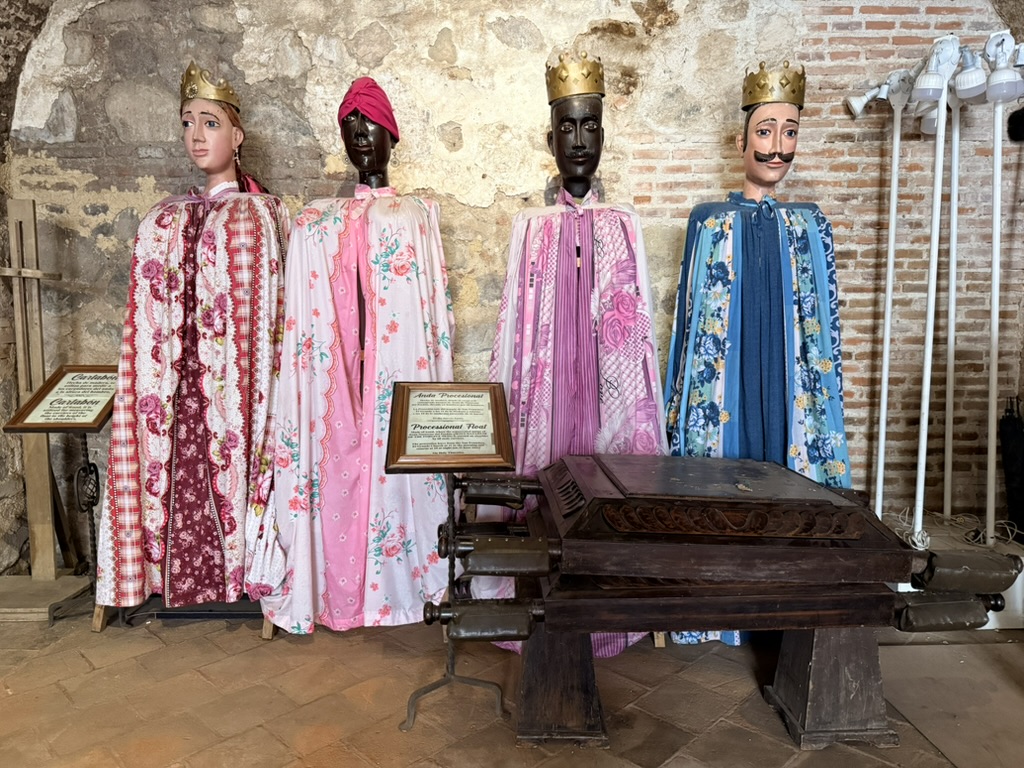
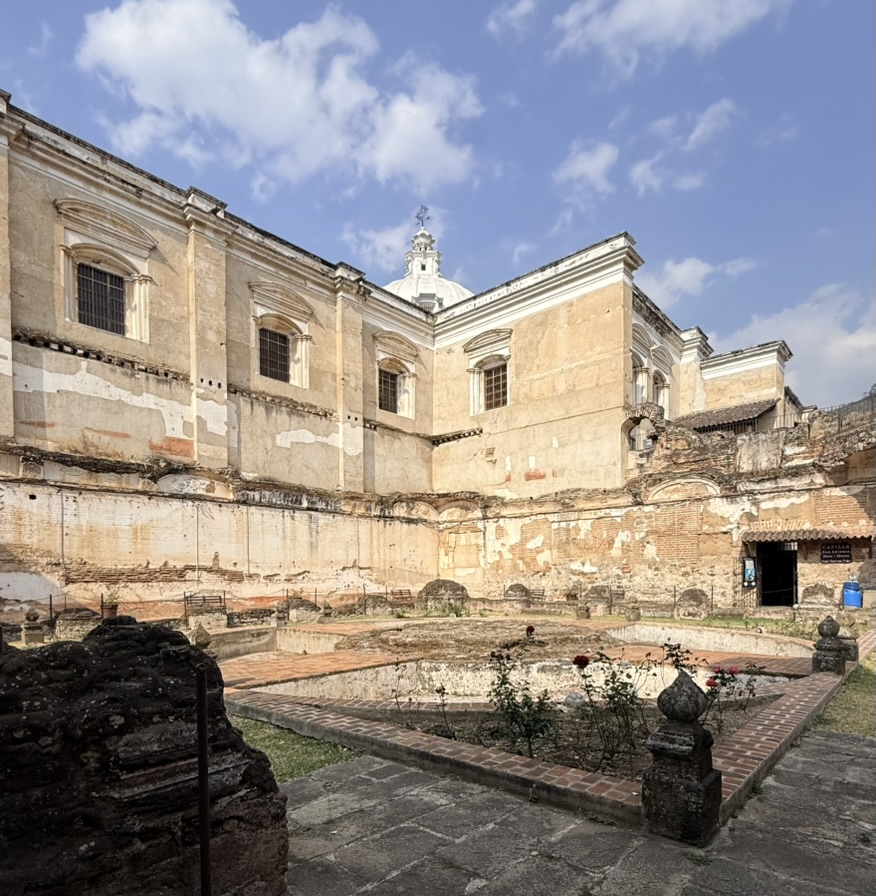
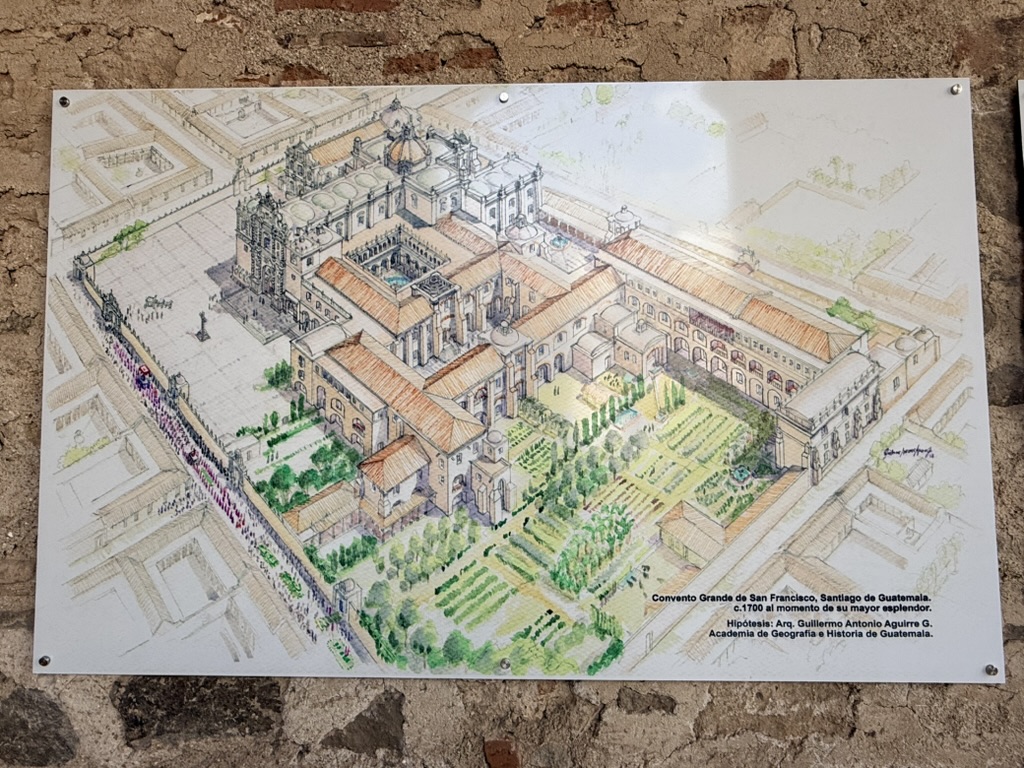
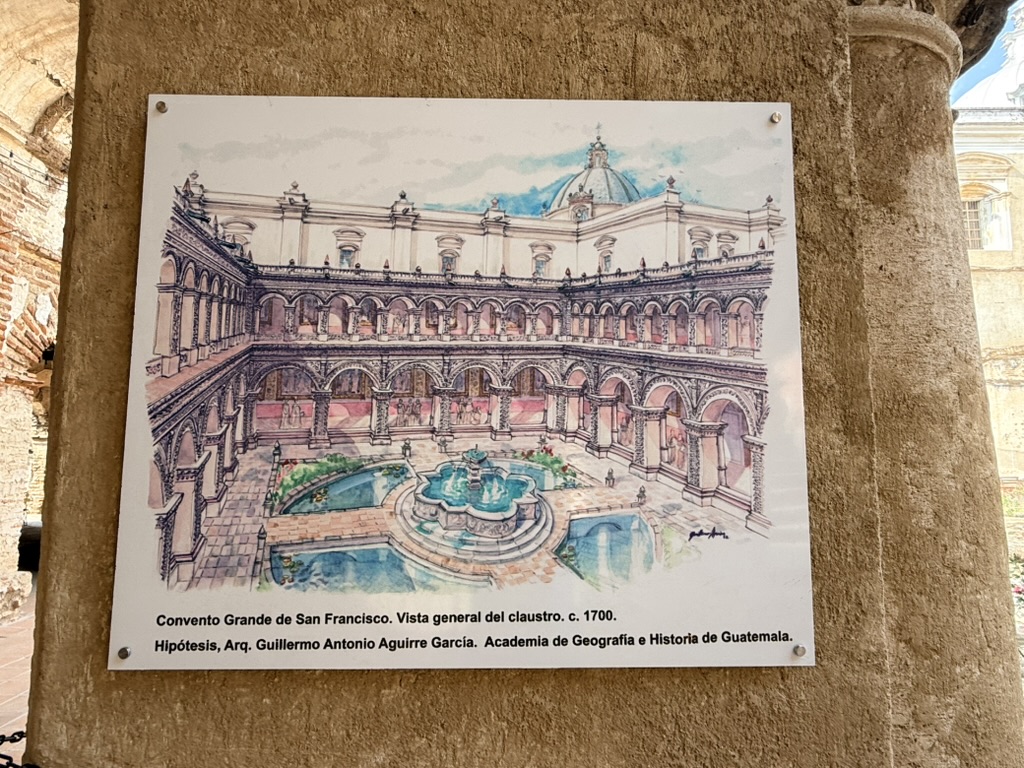
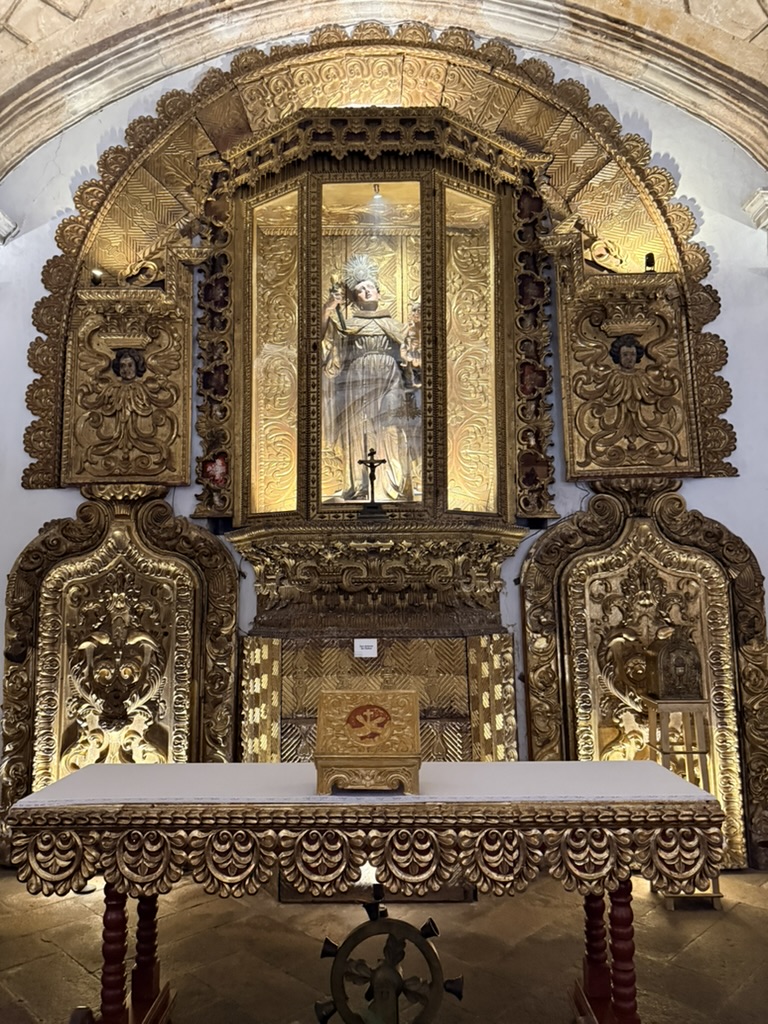
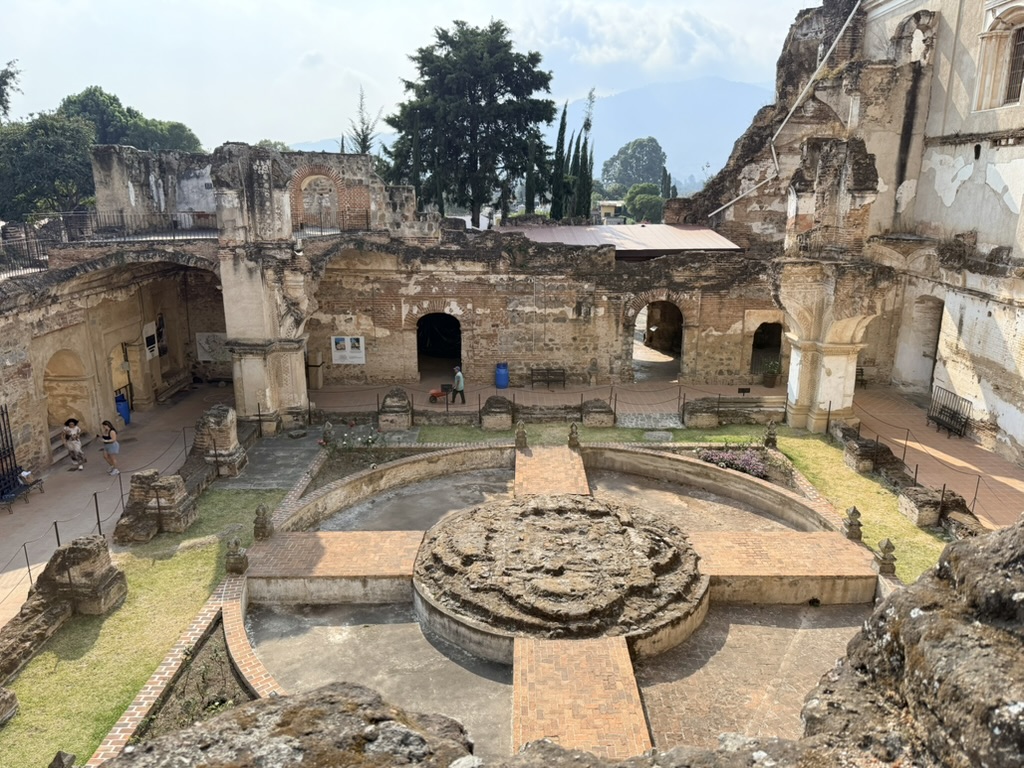
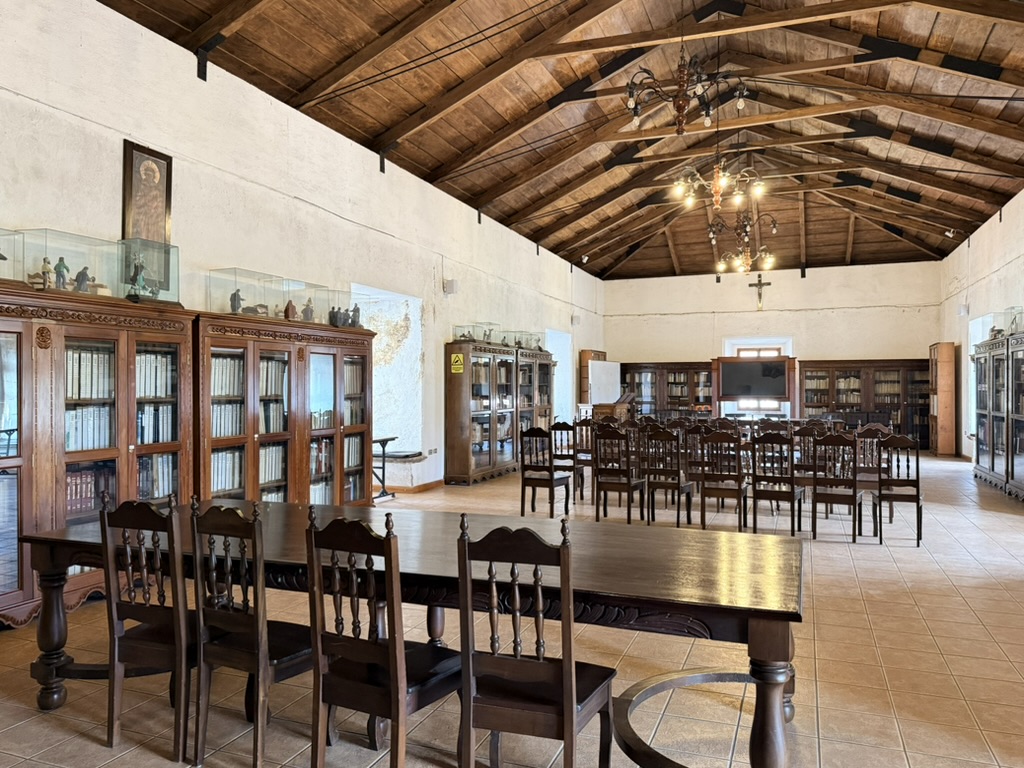
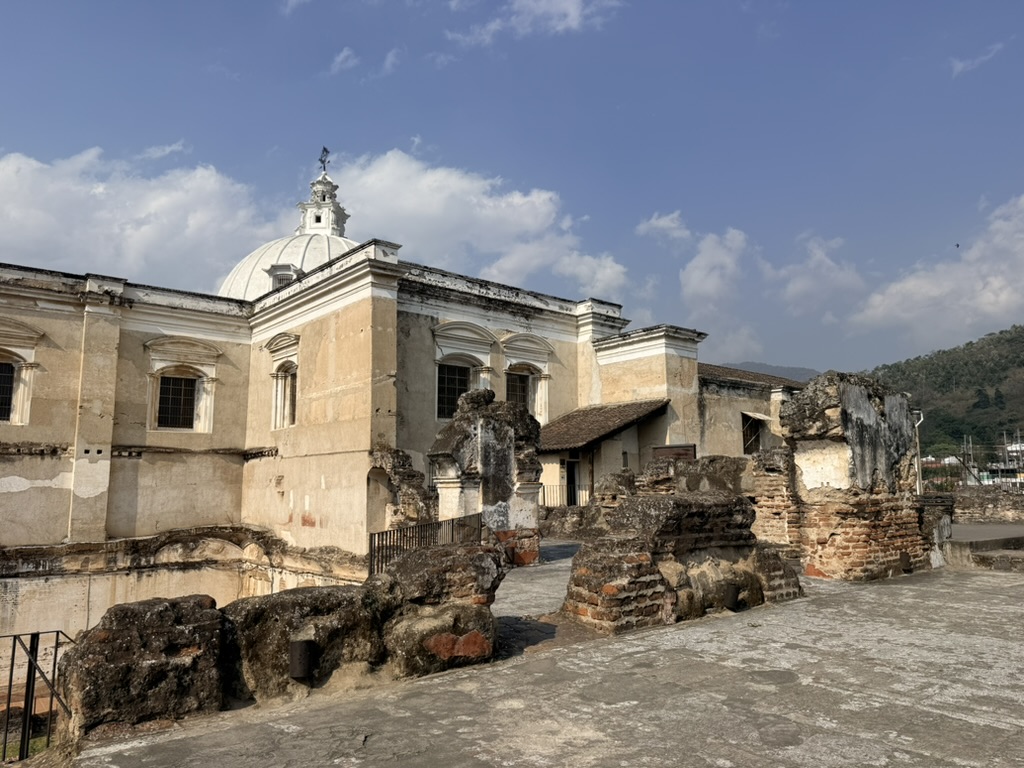
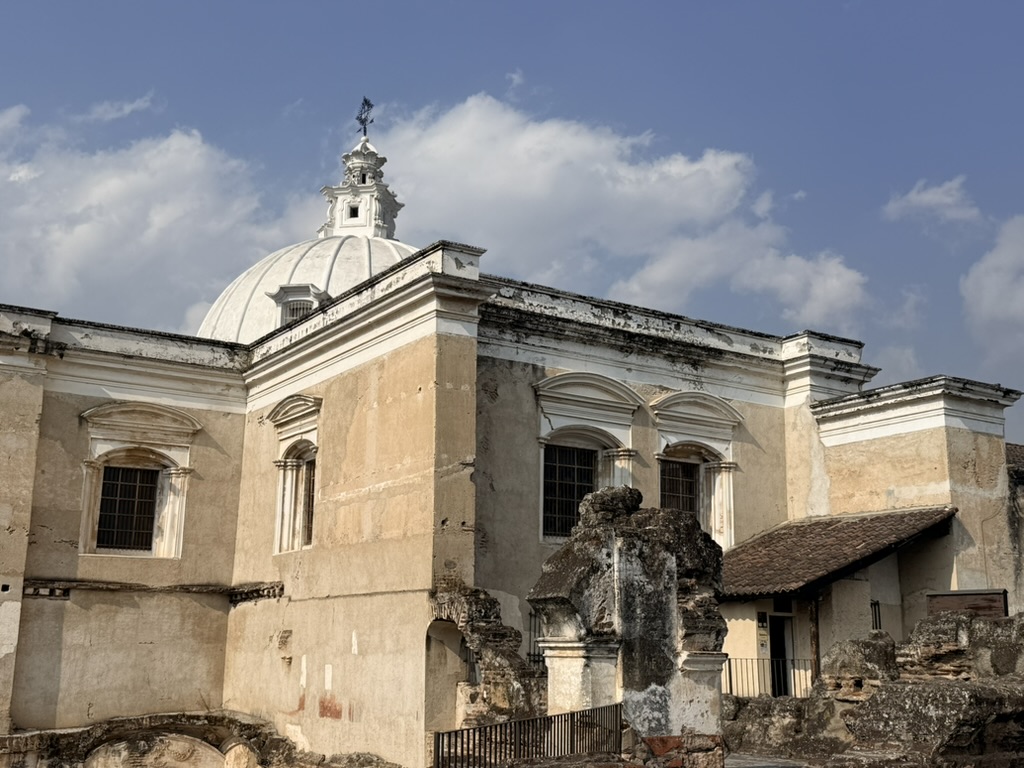
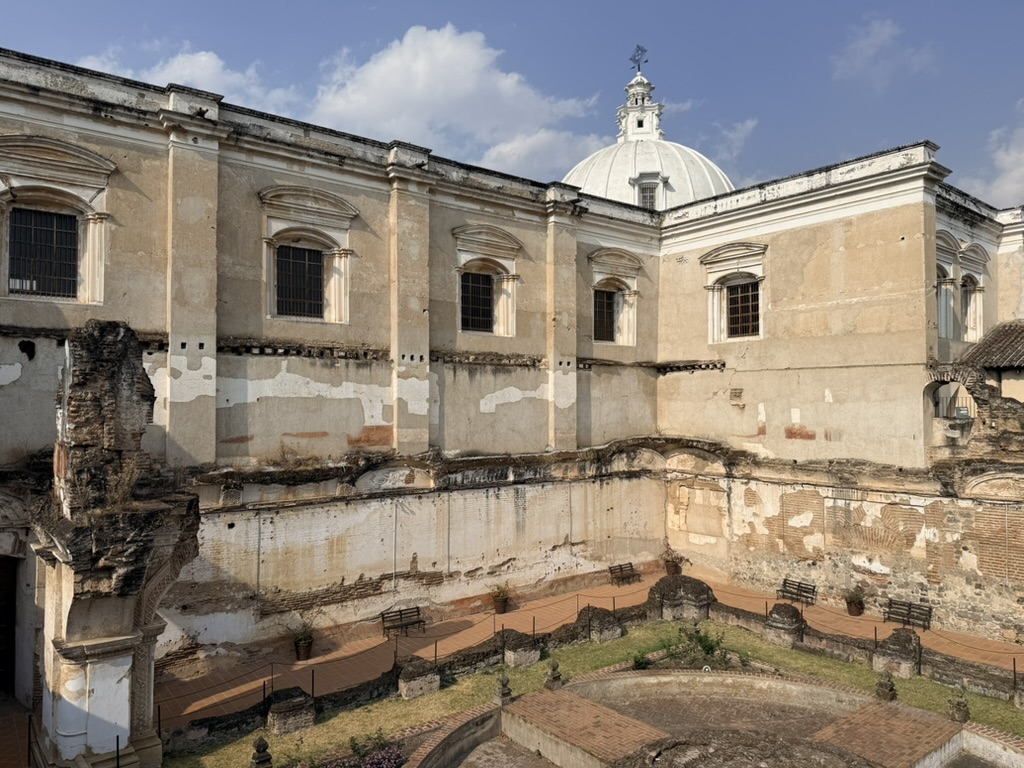
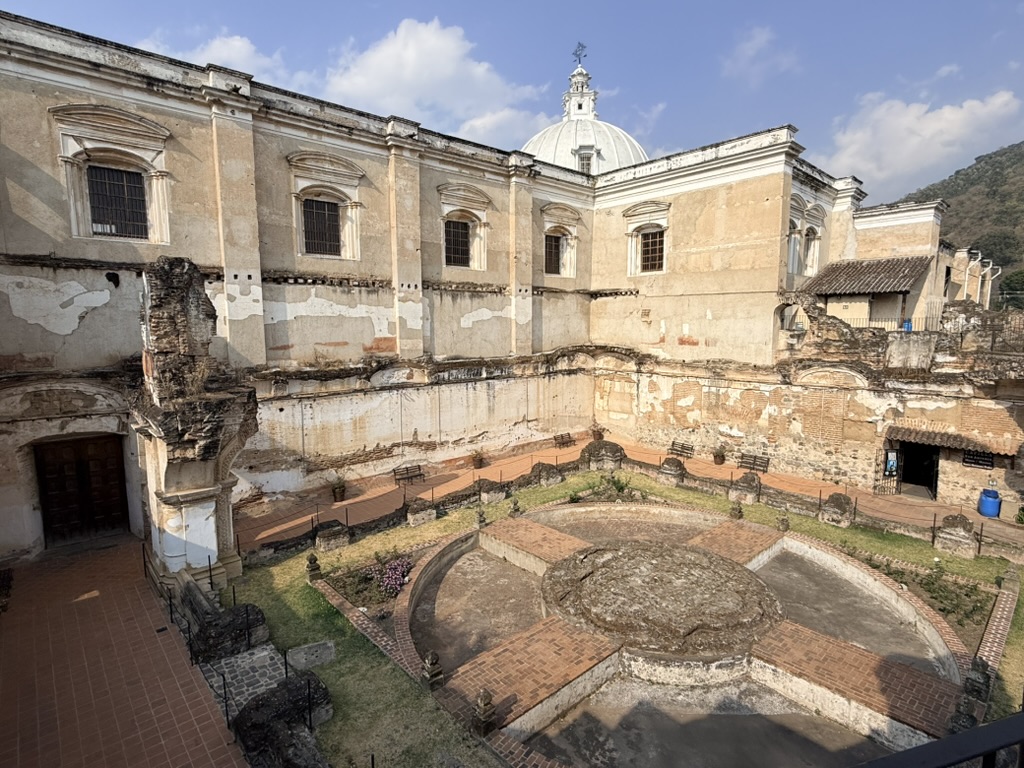
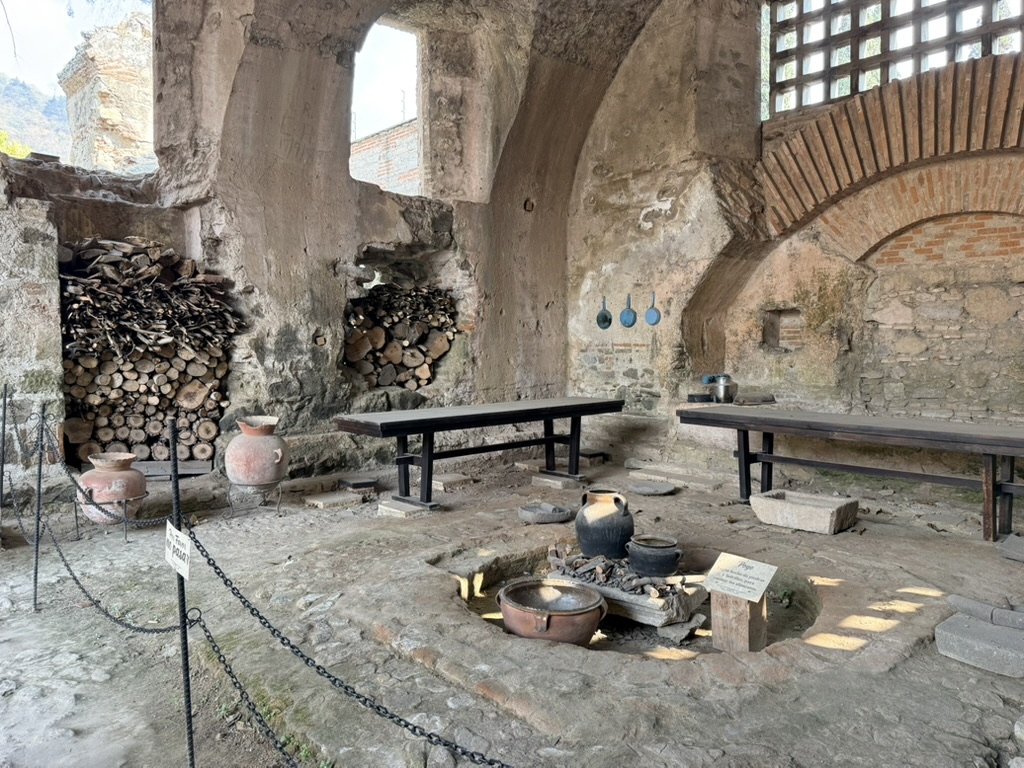
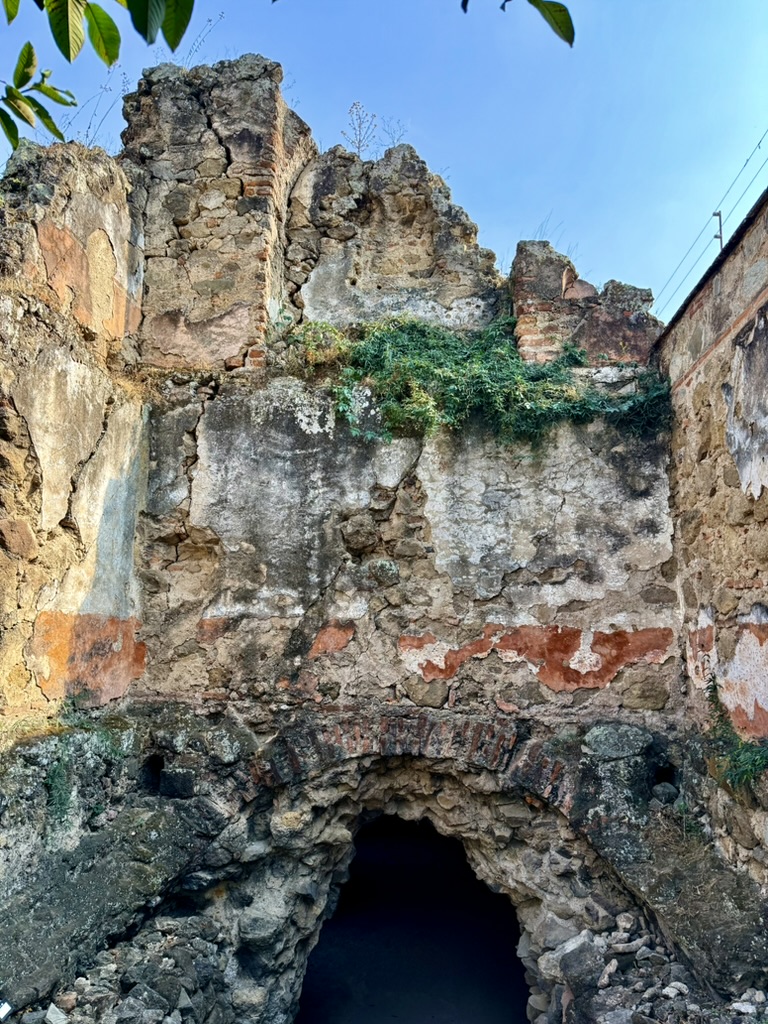
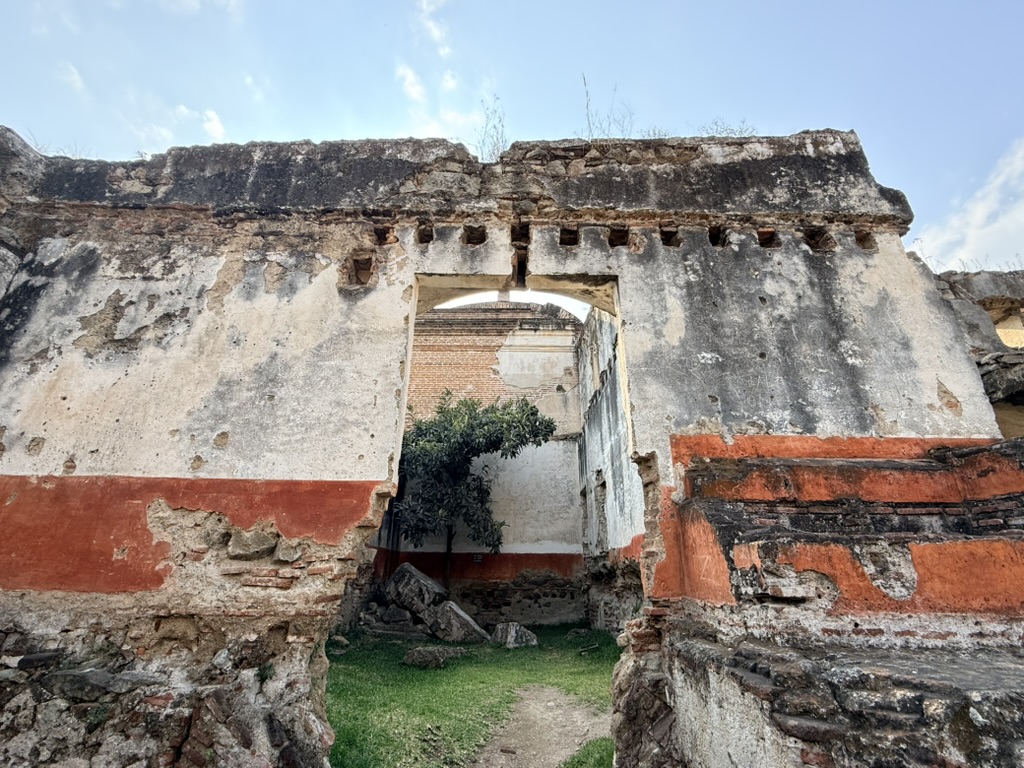
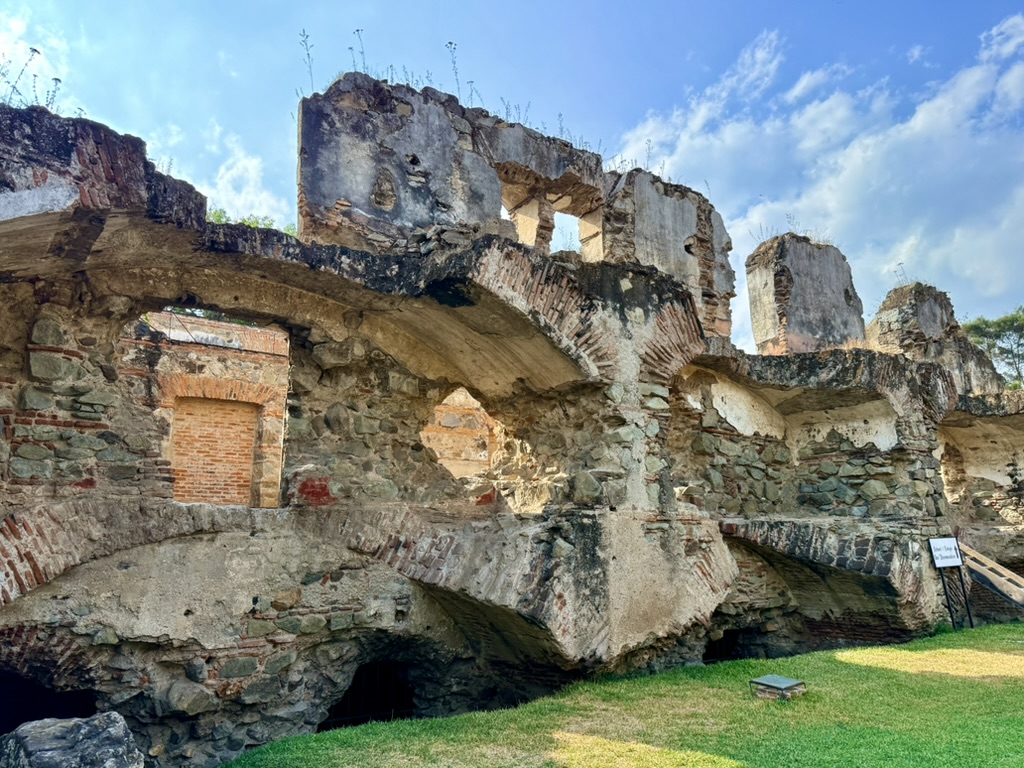
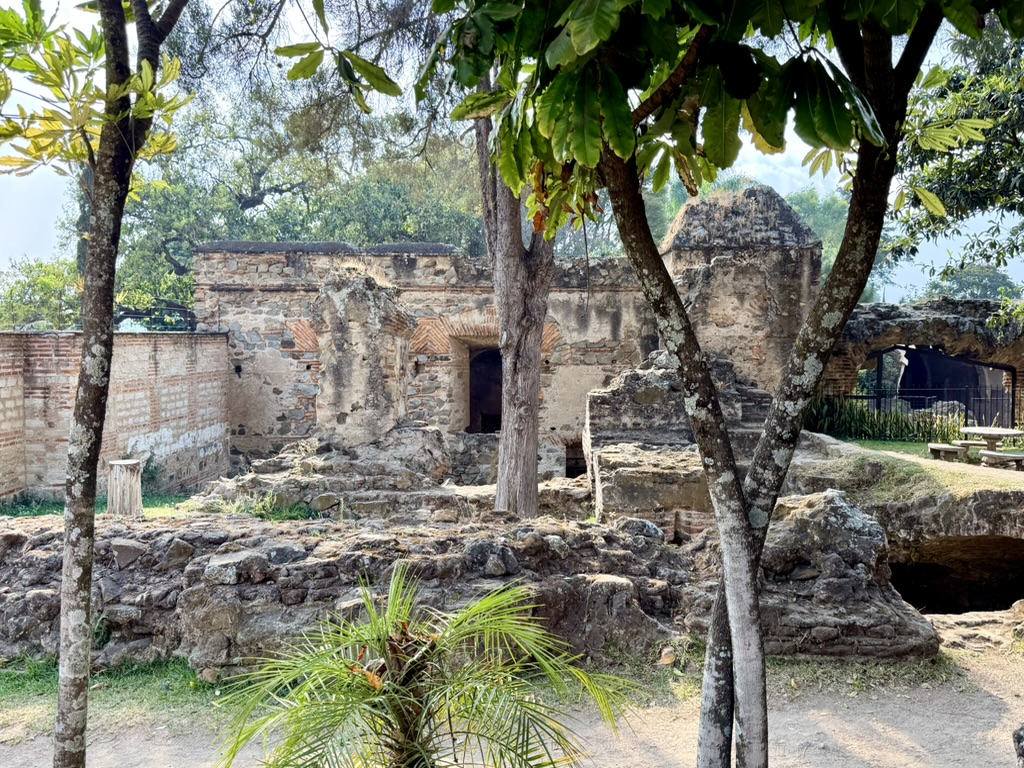
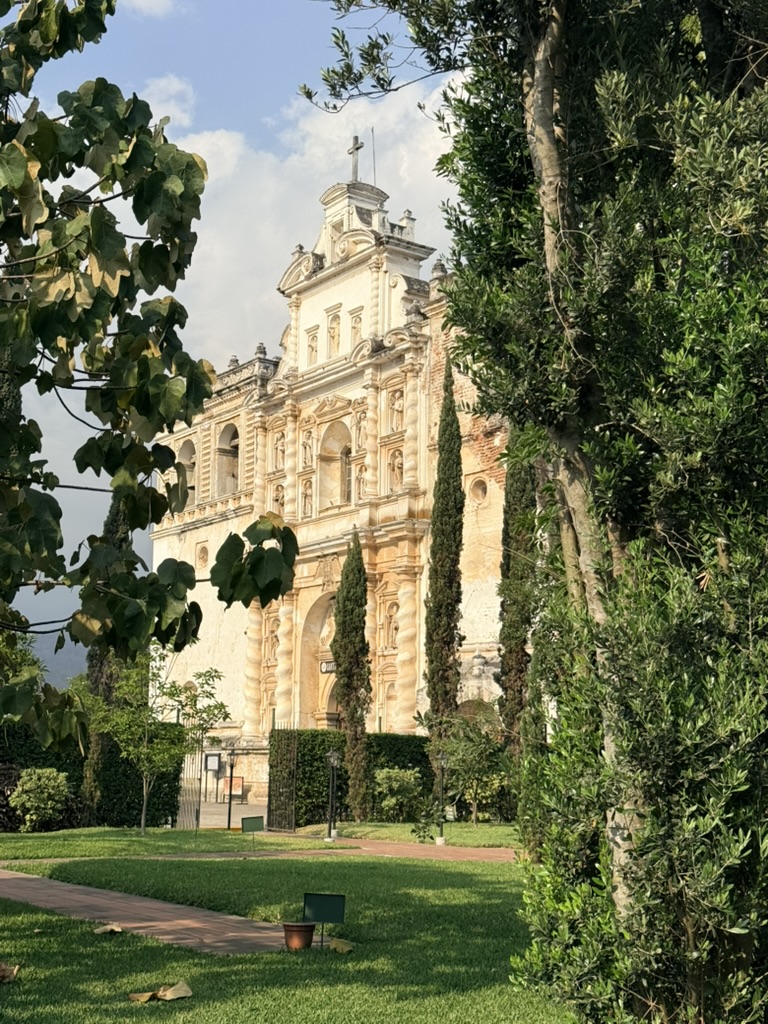
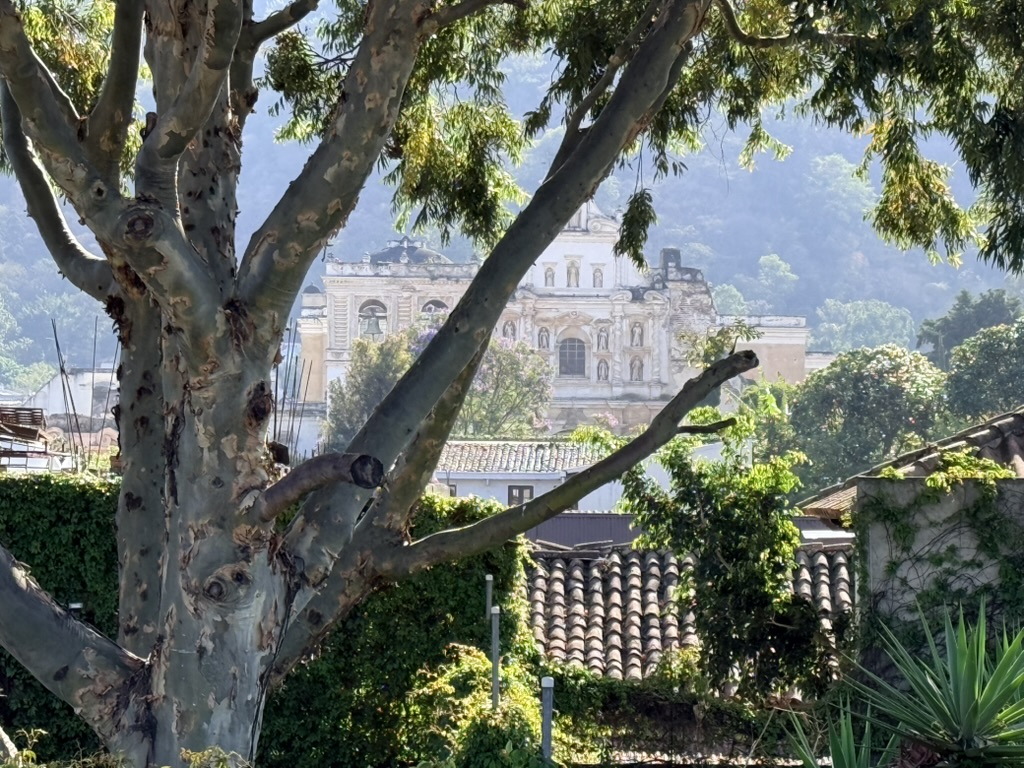
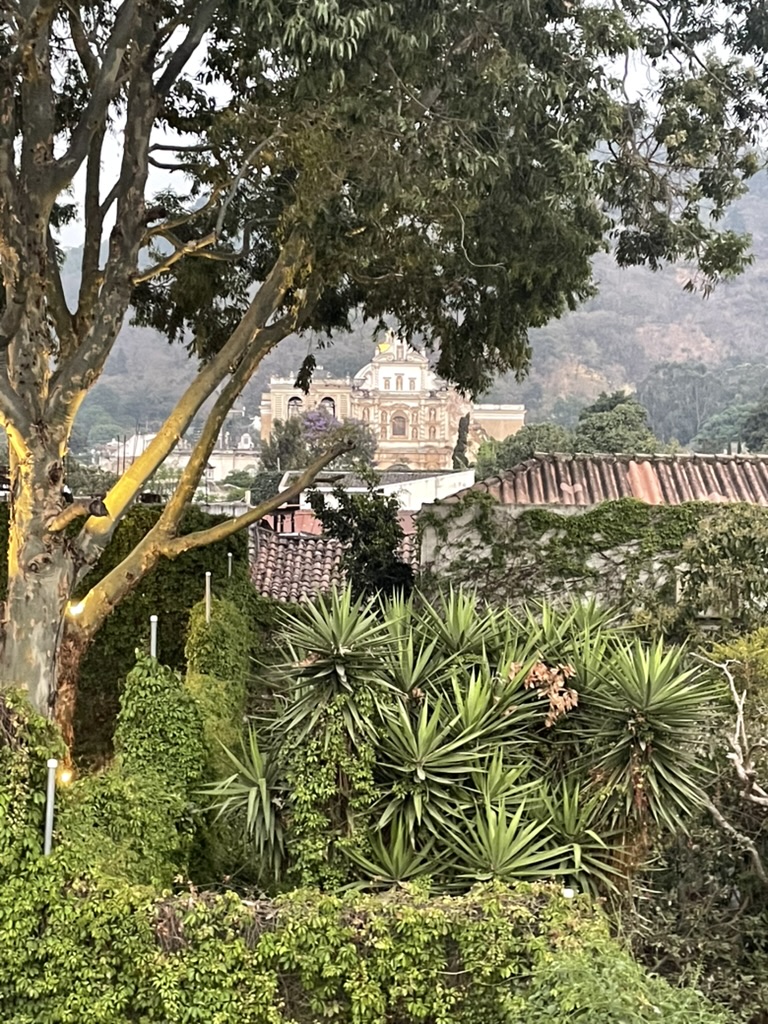
Again, words are not for such things. How were so many devout people and their monasteries and convents felled in one earthquake?
What is striking in Antigua is that these ruined convents and monasteries are beautifully preserved in this town that goes on with contemporary life all around them. Time marches on and life goes on. Yet history is preserved. This is the way it should be.
Humor, vibrancy, color, textiles, coffee & foods of Antigua
Finally, humor, vibrancy, color, textiles, coffee and distinct foods arose out of the ashes of Antigua.
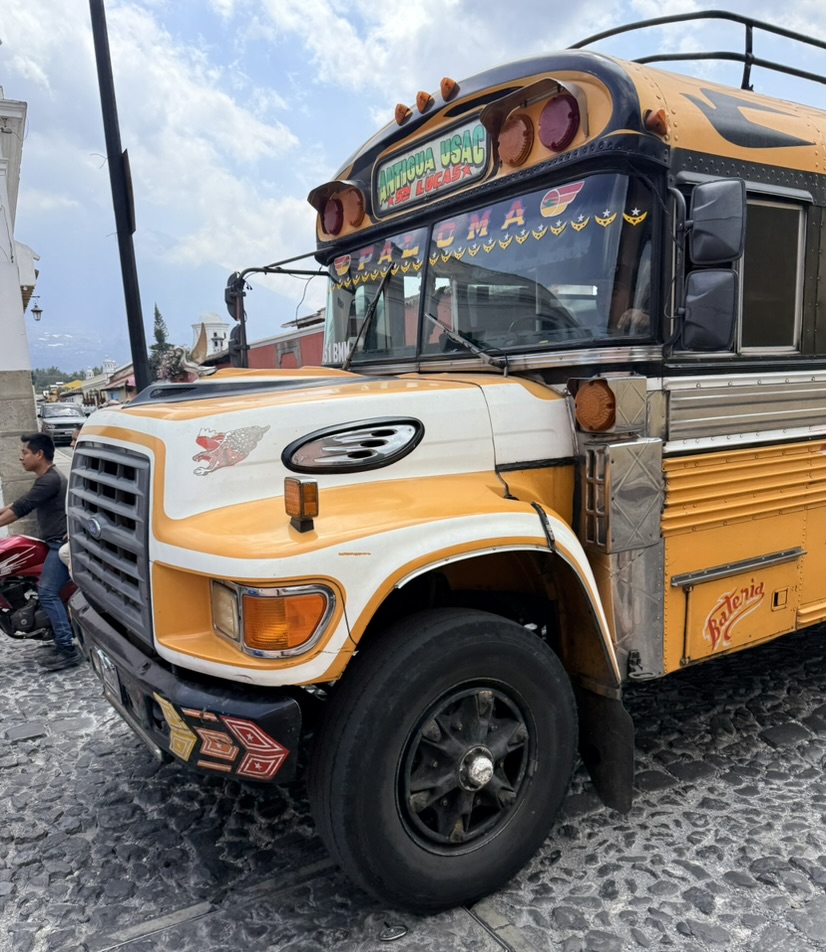
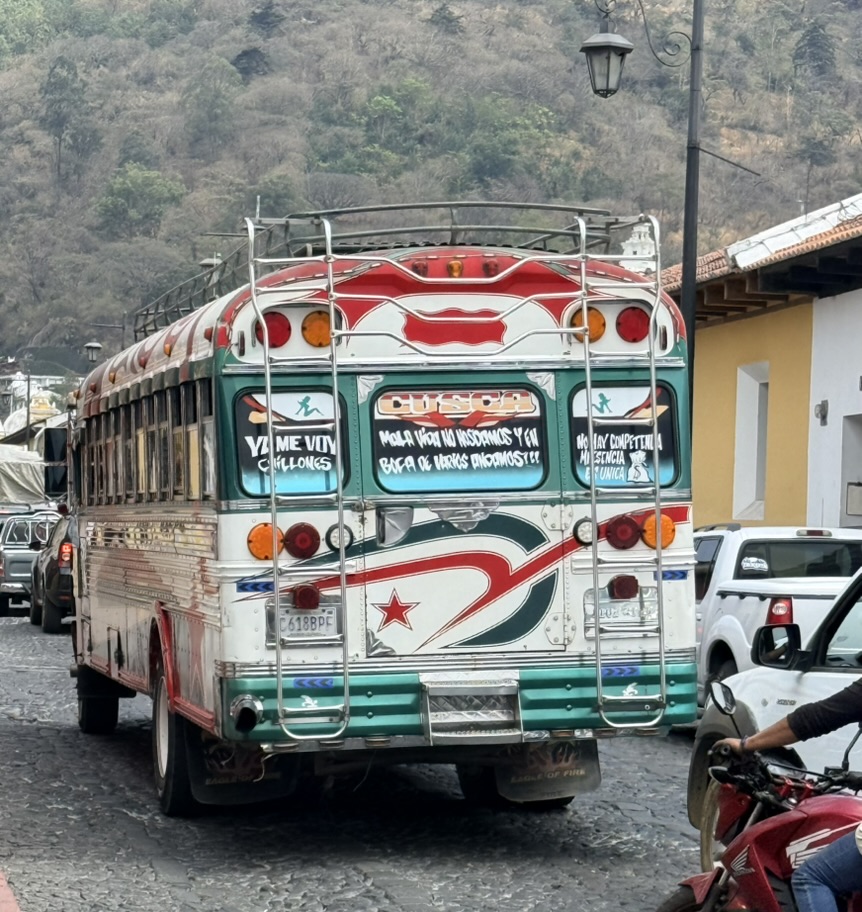
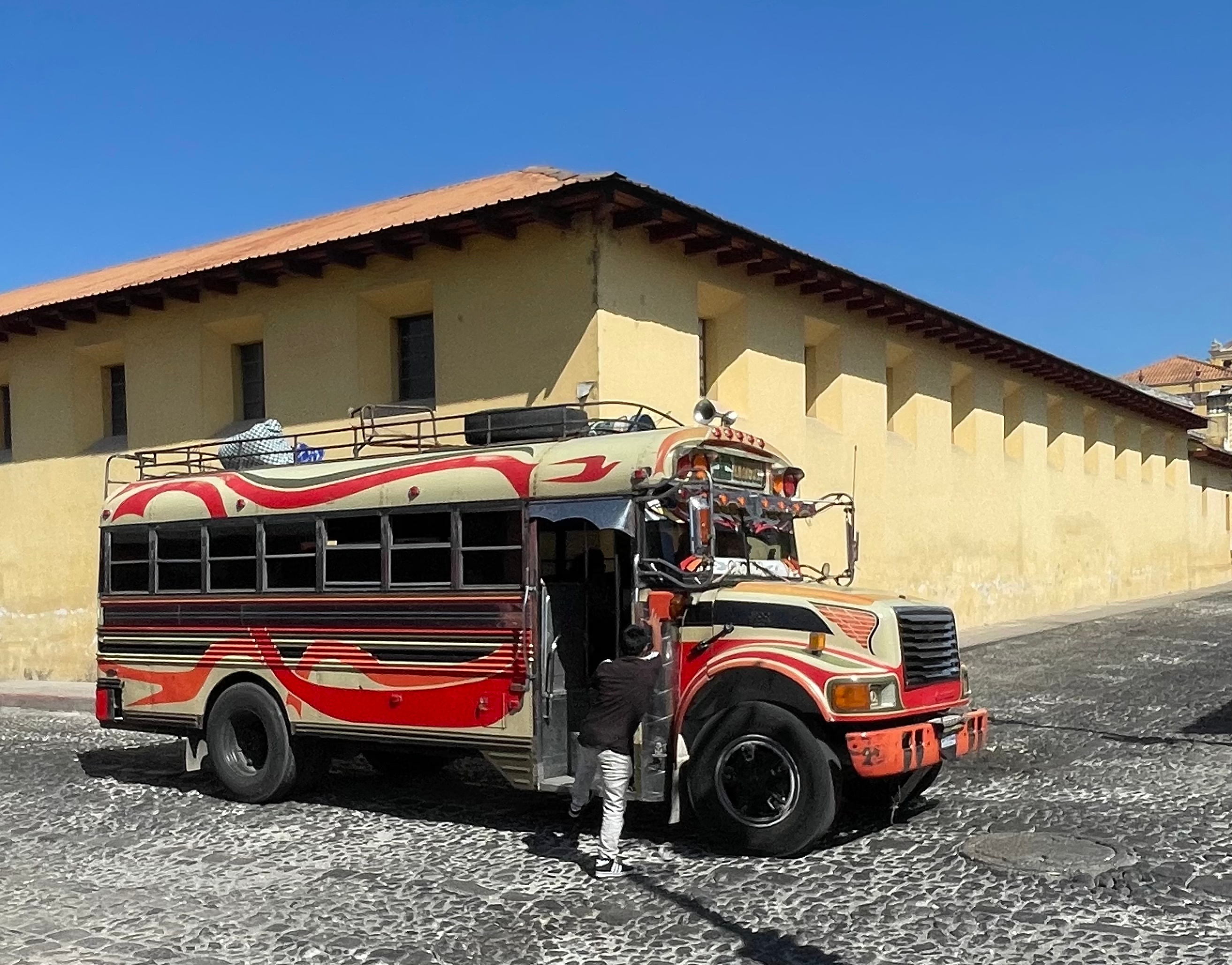
Humor is found in the so-called chicken buses buzzing around the town. These are repurposed school buses that offer cheap transport to residents and visitors alike. Each bus is specially named and decorated with personal flourishes such as hood ornaments resembling swans, eagles, horses, and even busty females. Each bus is named after a woman and the ultimate destination is written above the front window. Bright lights line the outside of the buses. An assistant stands in the open door, yelling out destinations and collecting money.
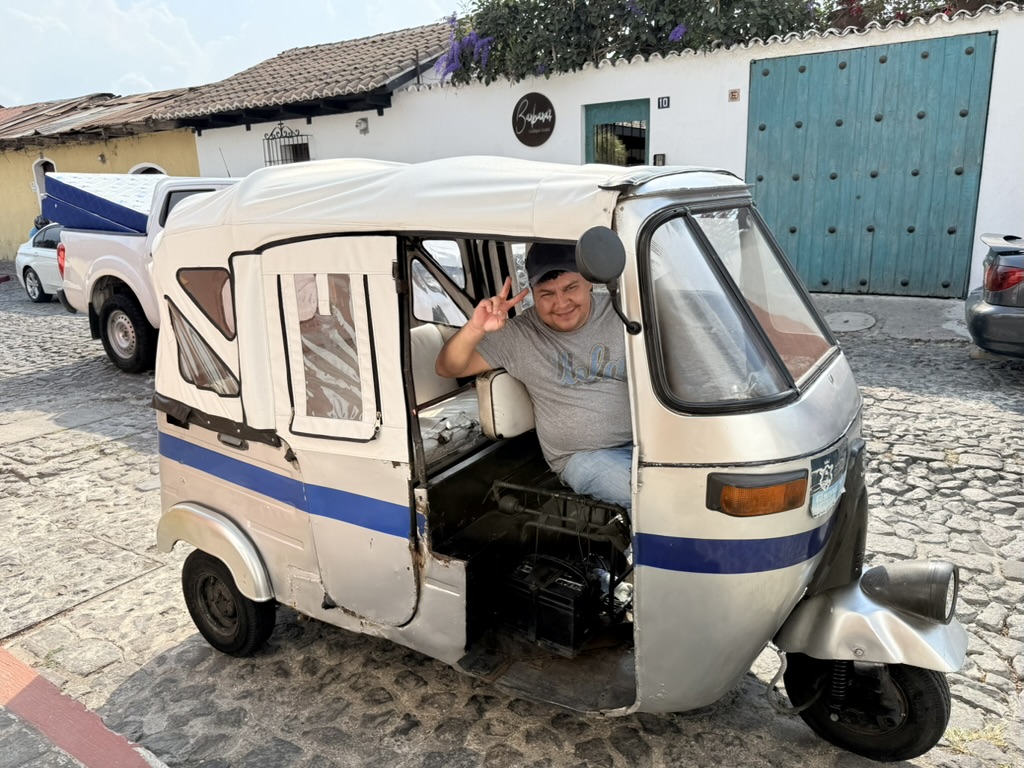
Tuk-tuks are abundant and in one ride back to our hotel, the driver got into a jubilant race with another driver as we bumped frantically along on the cobblestone roads.
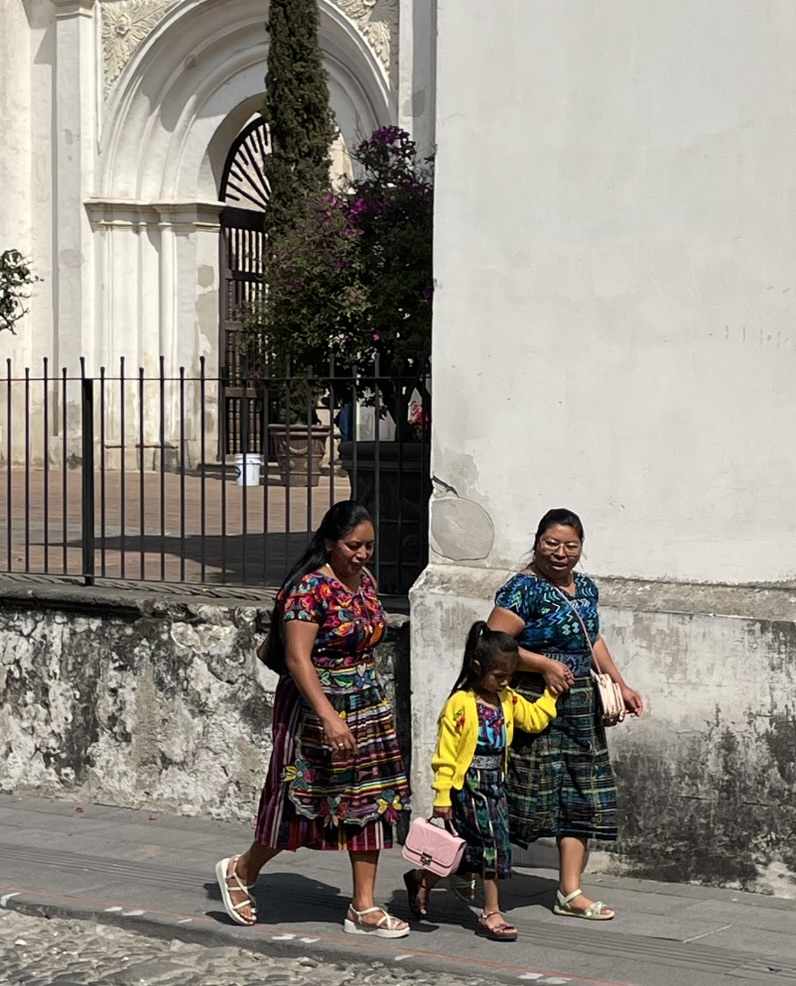
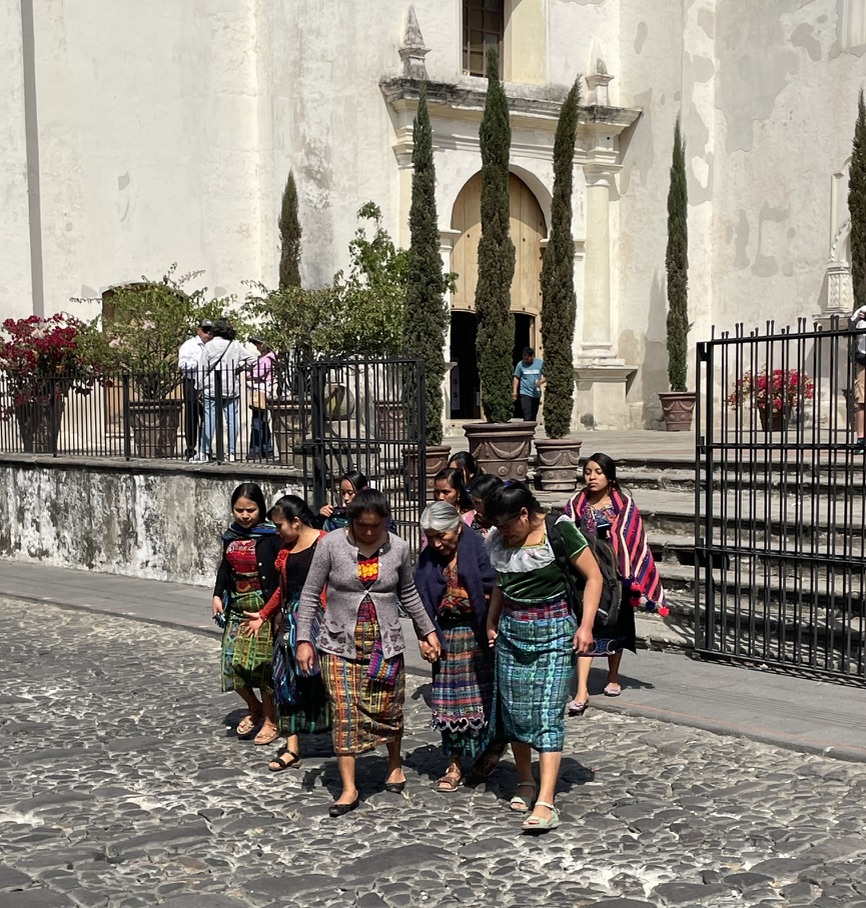
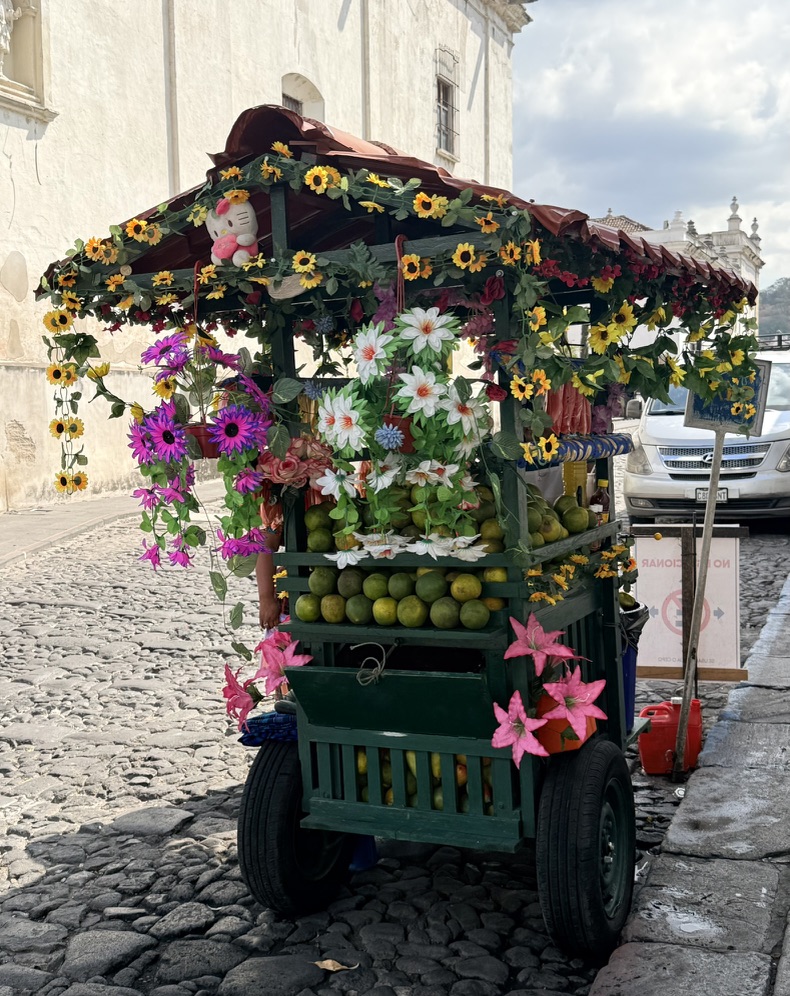
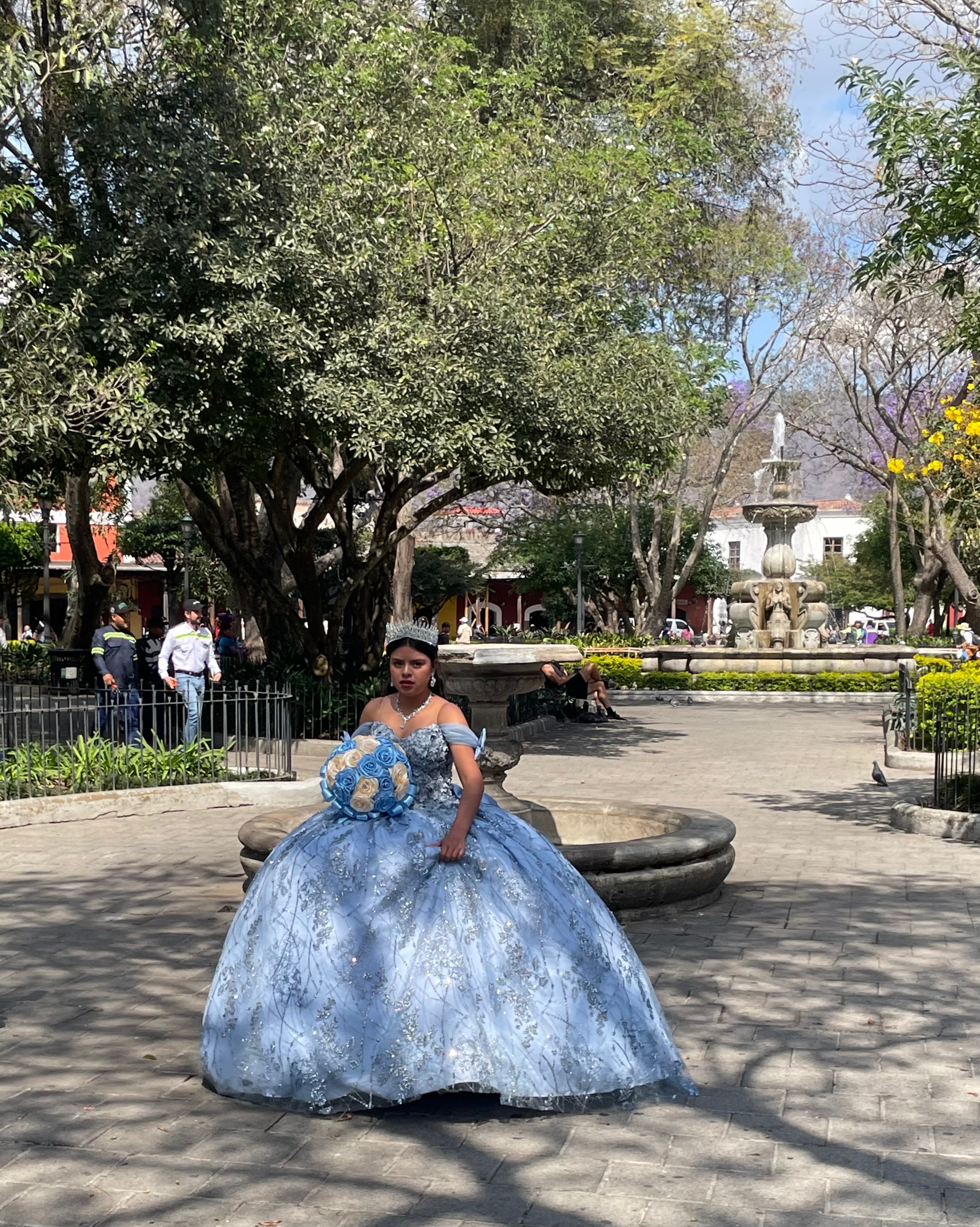
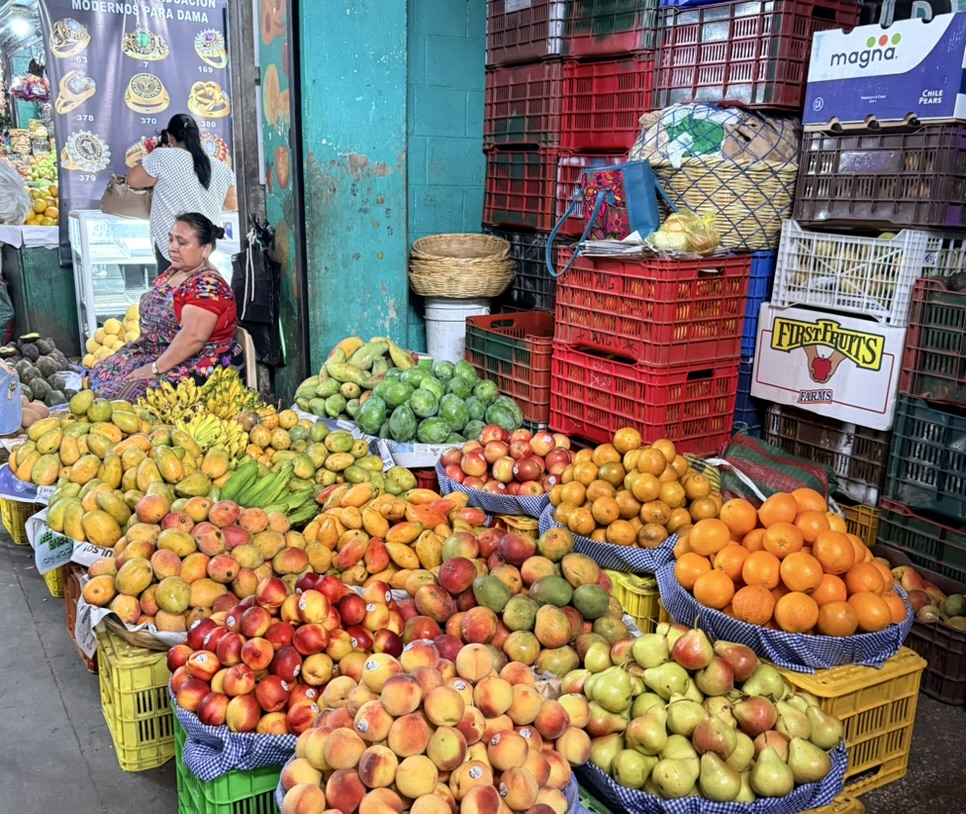
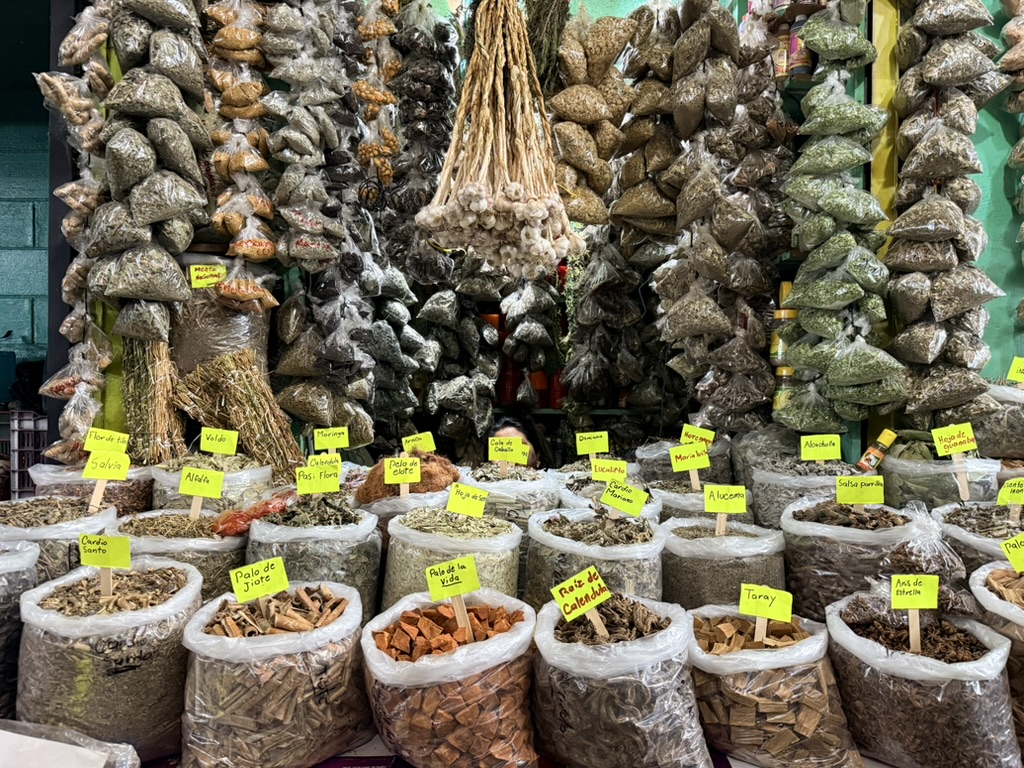
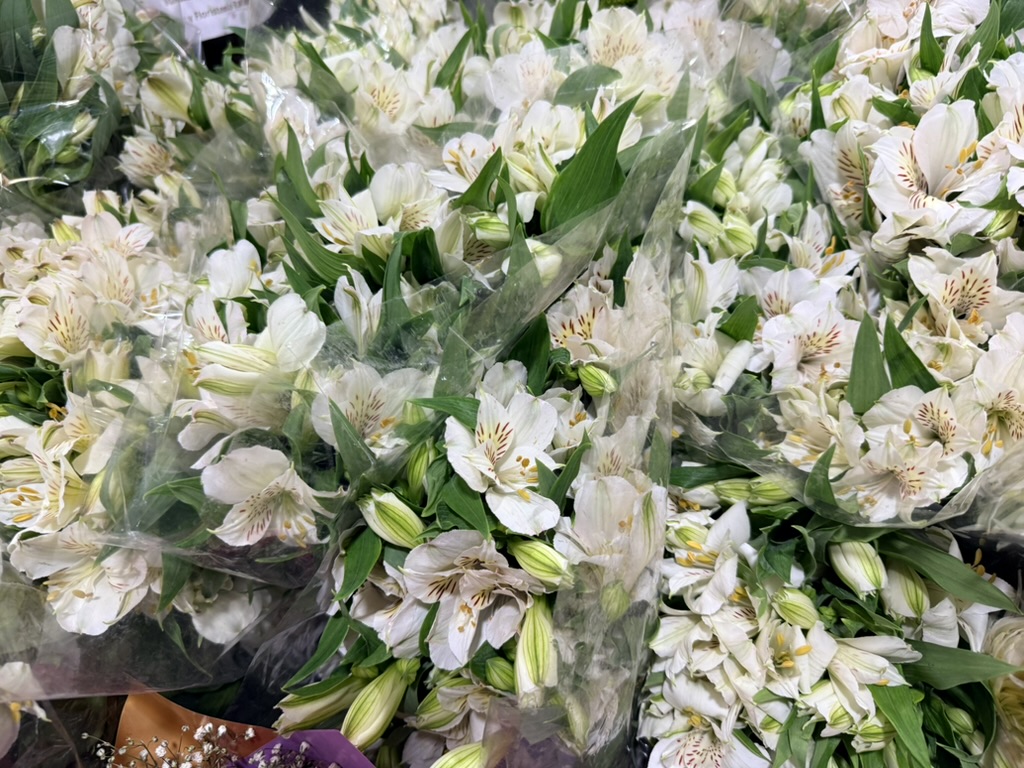
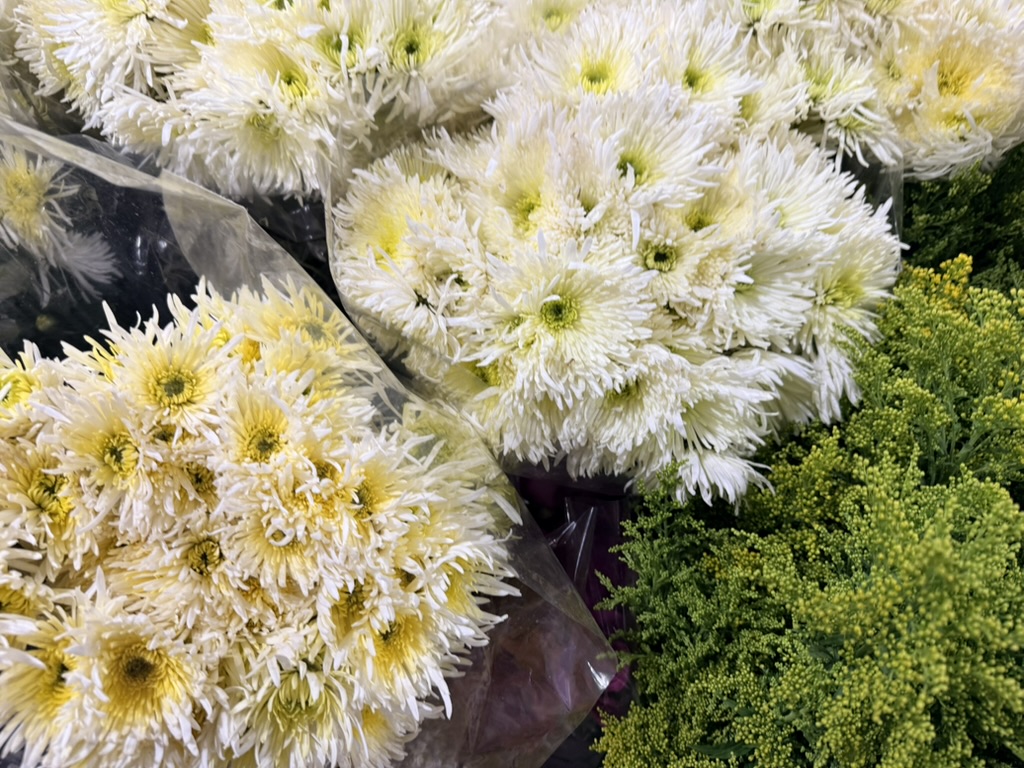
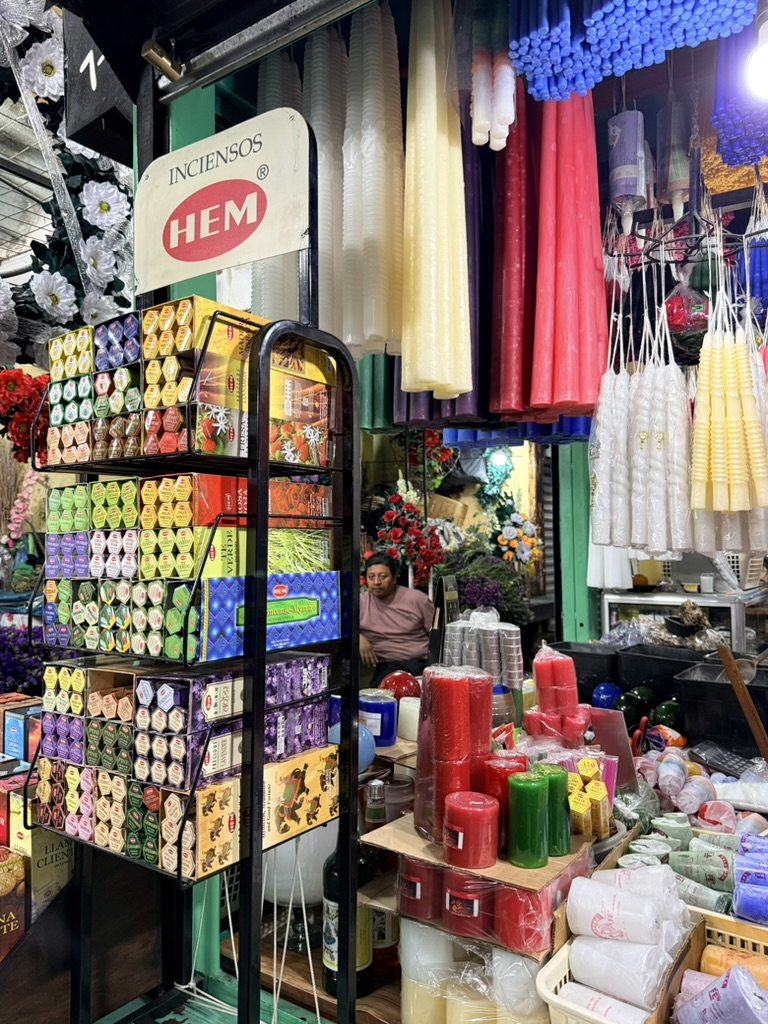
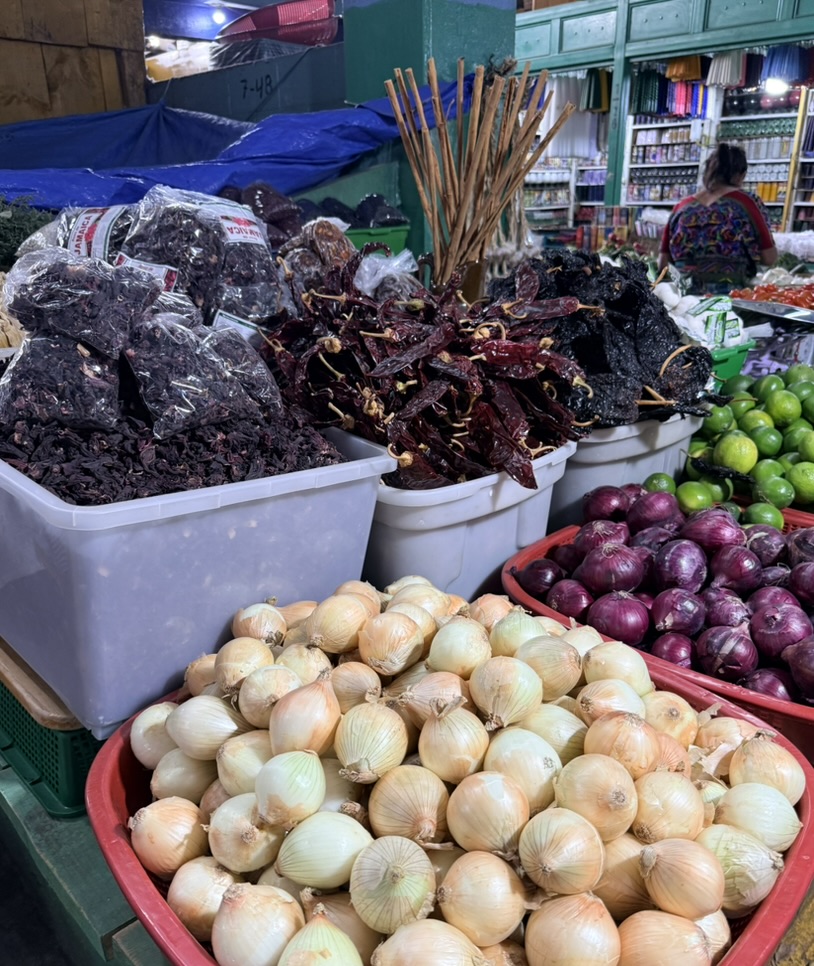
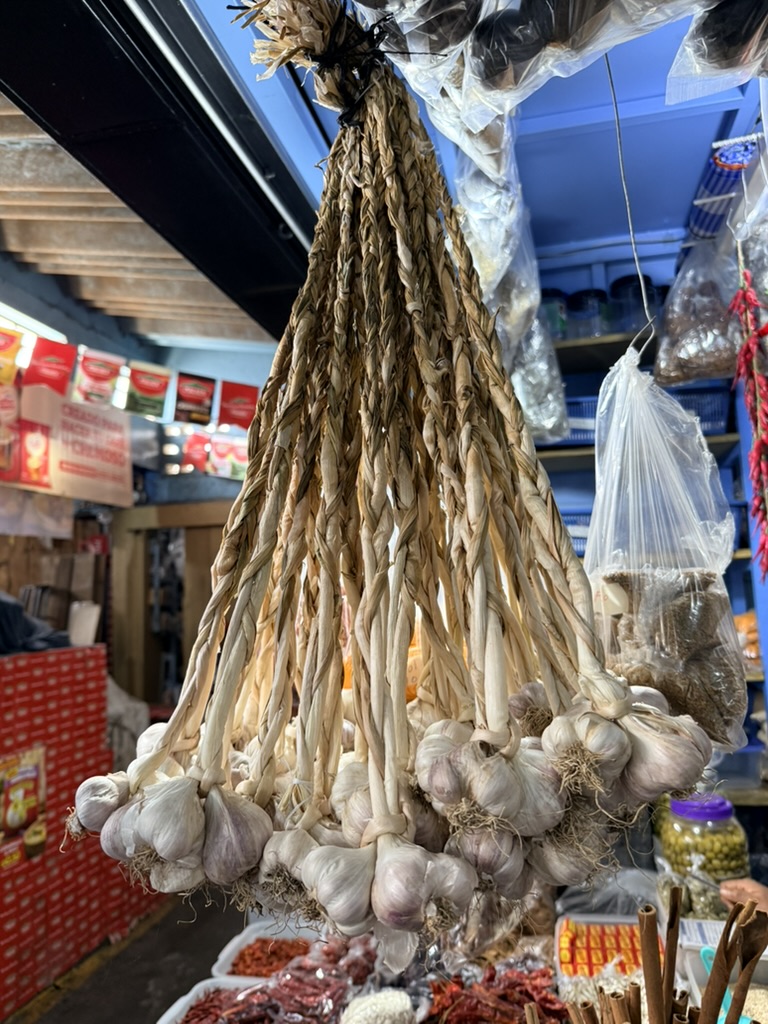
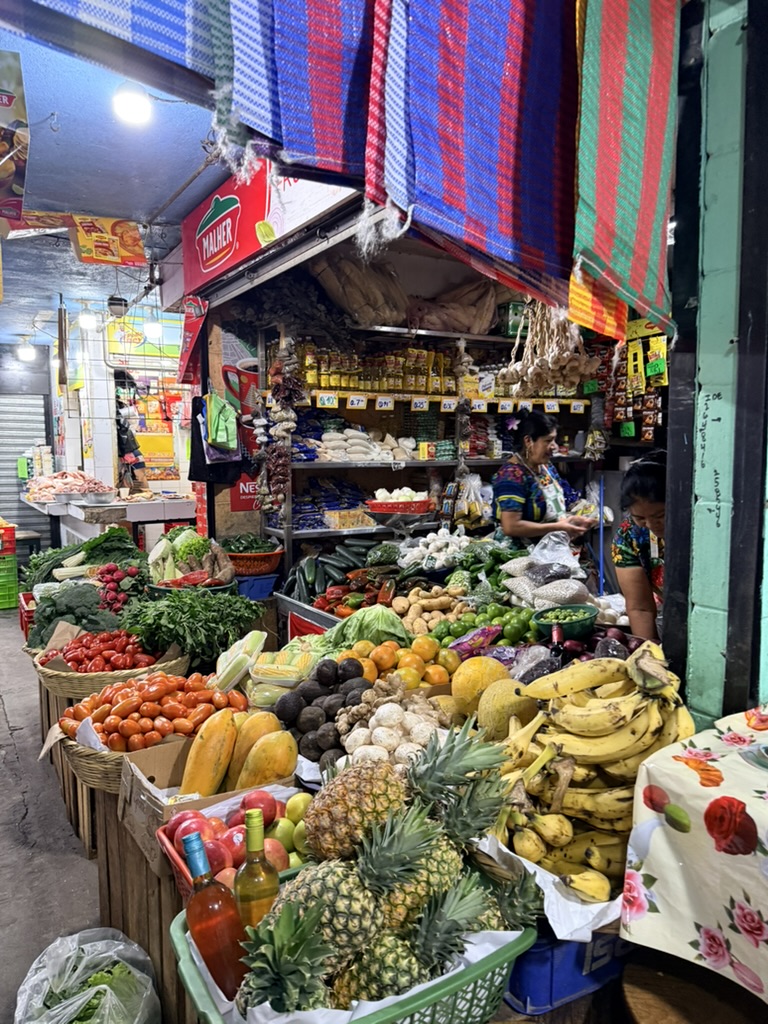
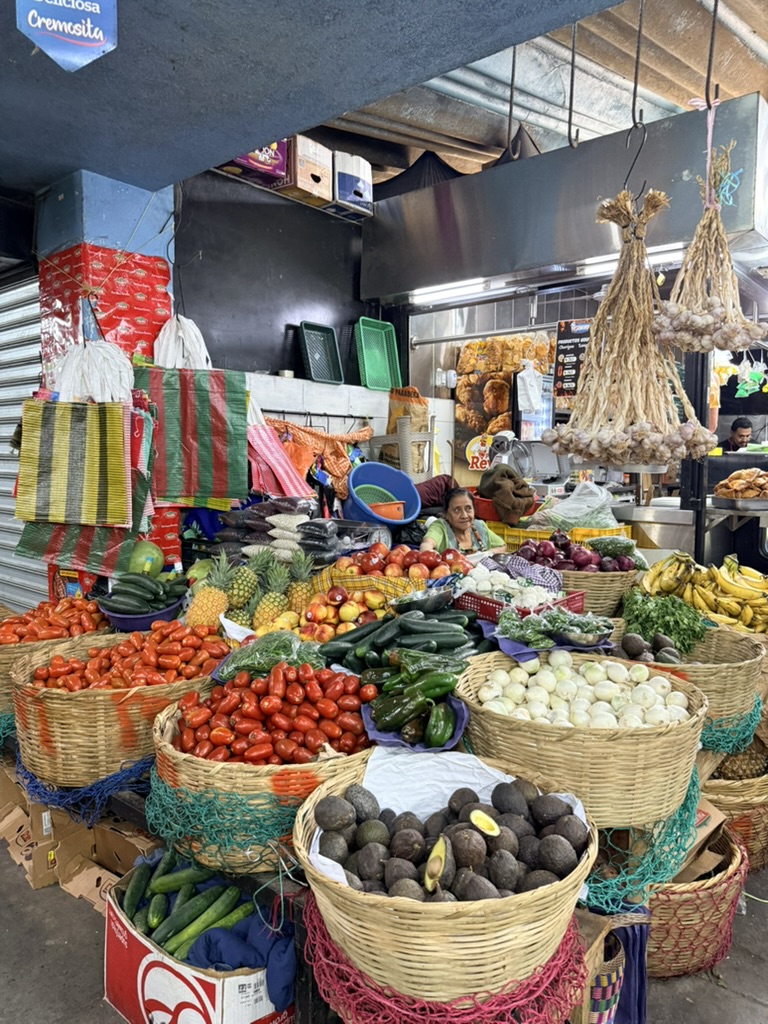
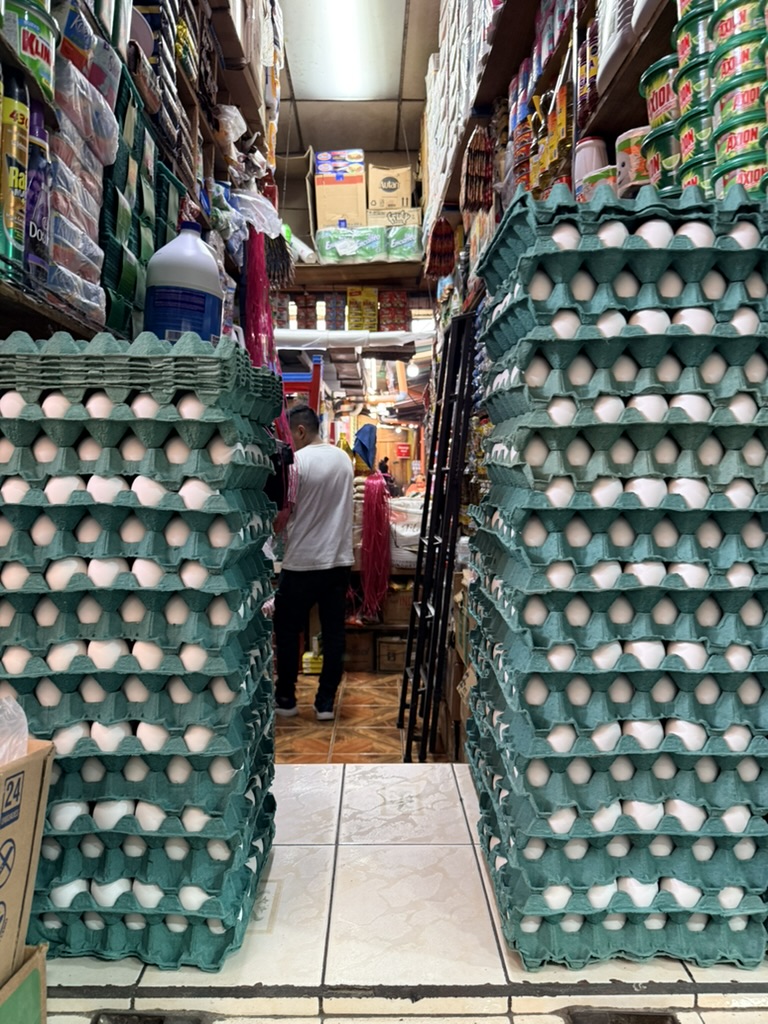
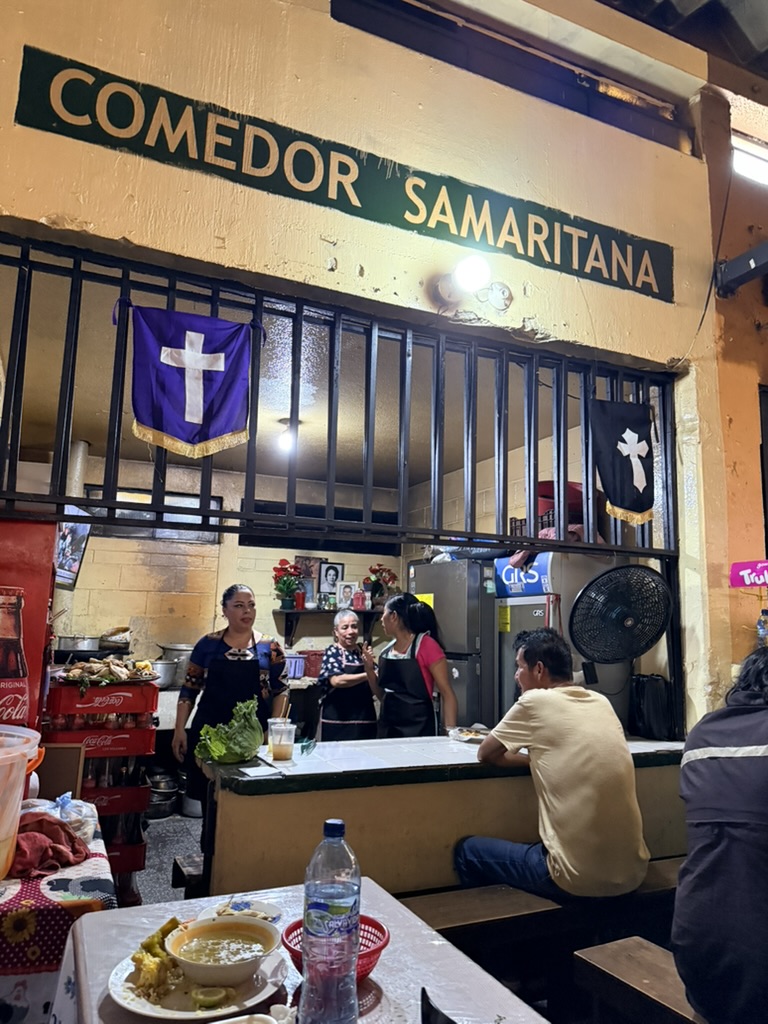
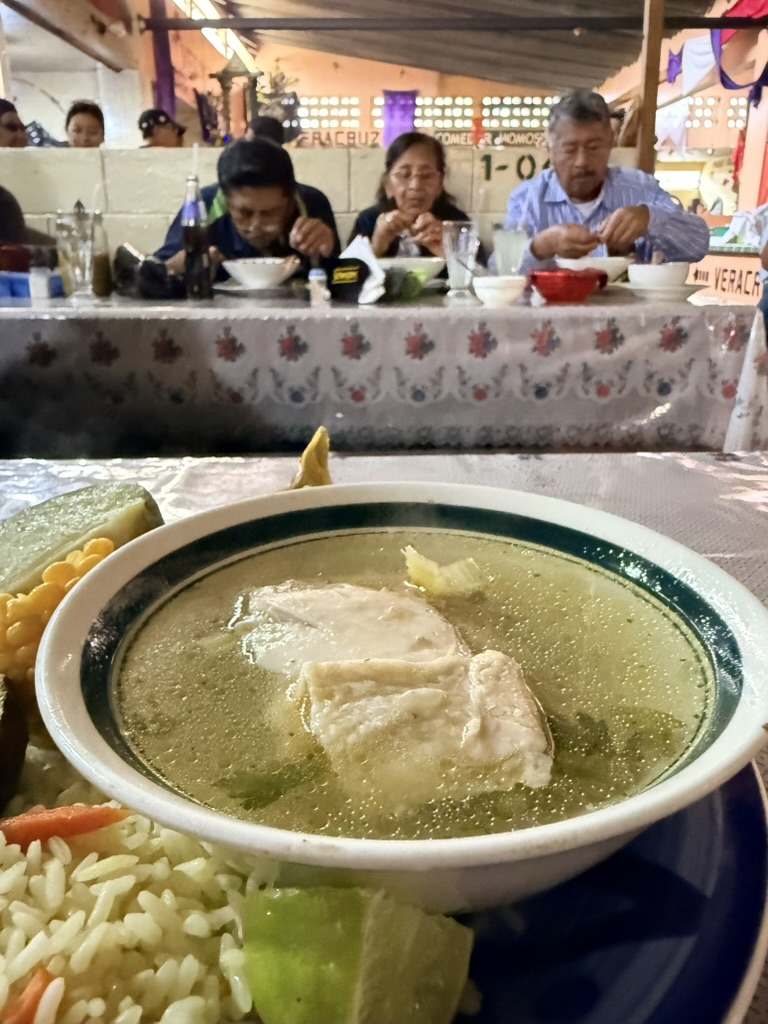
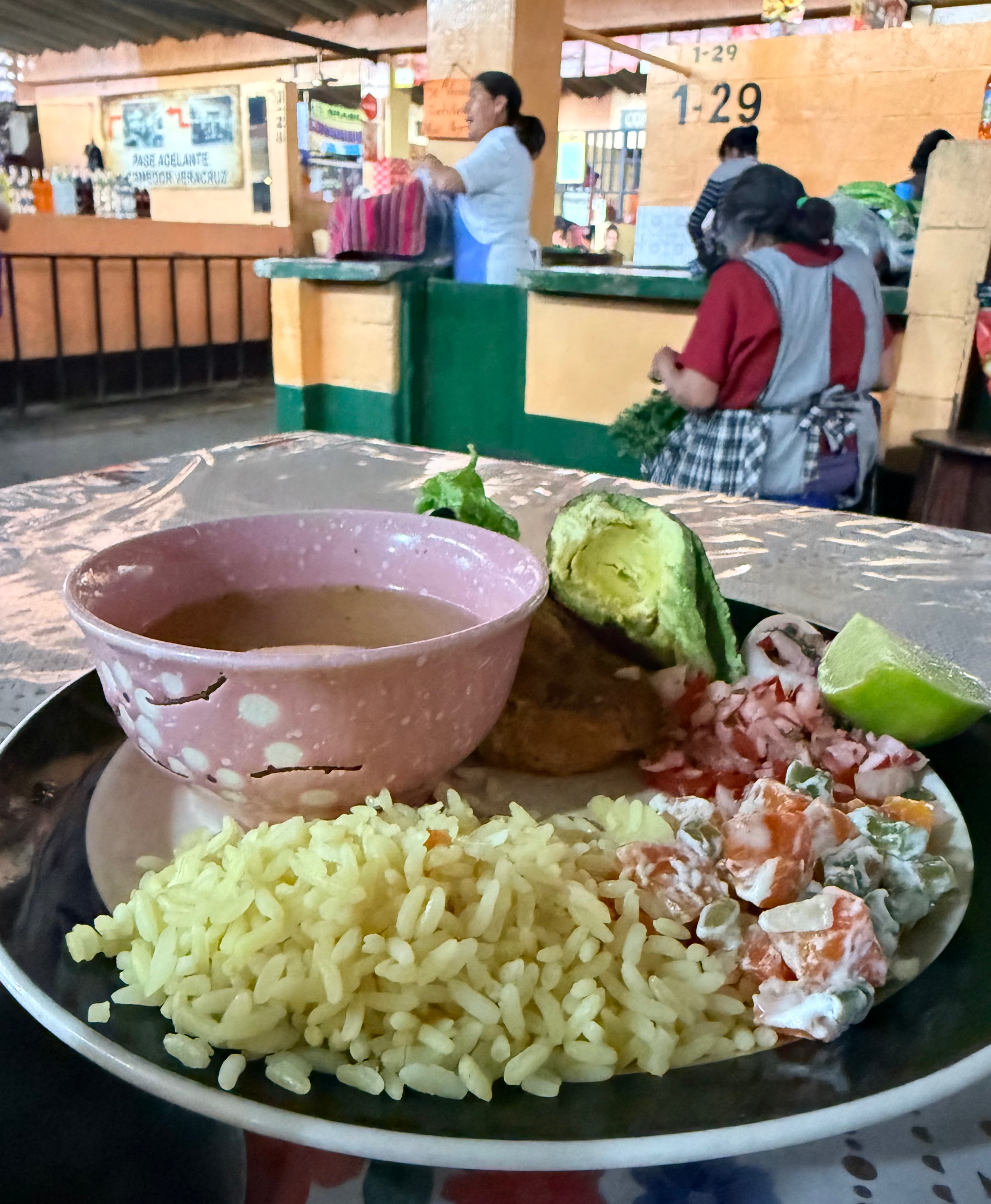
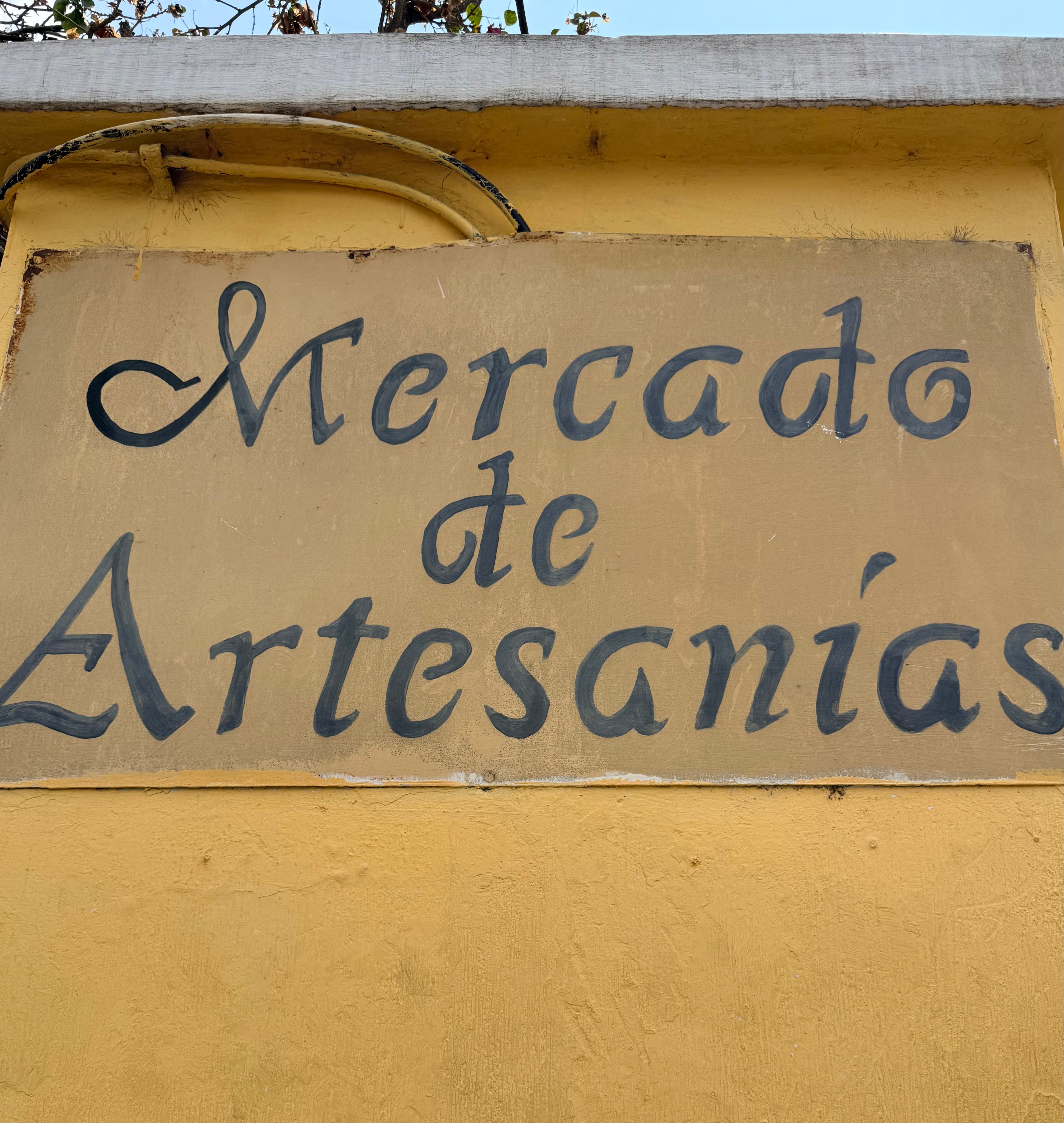
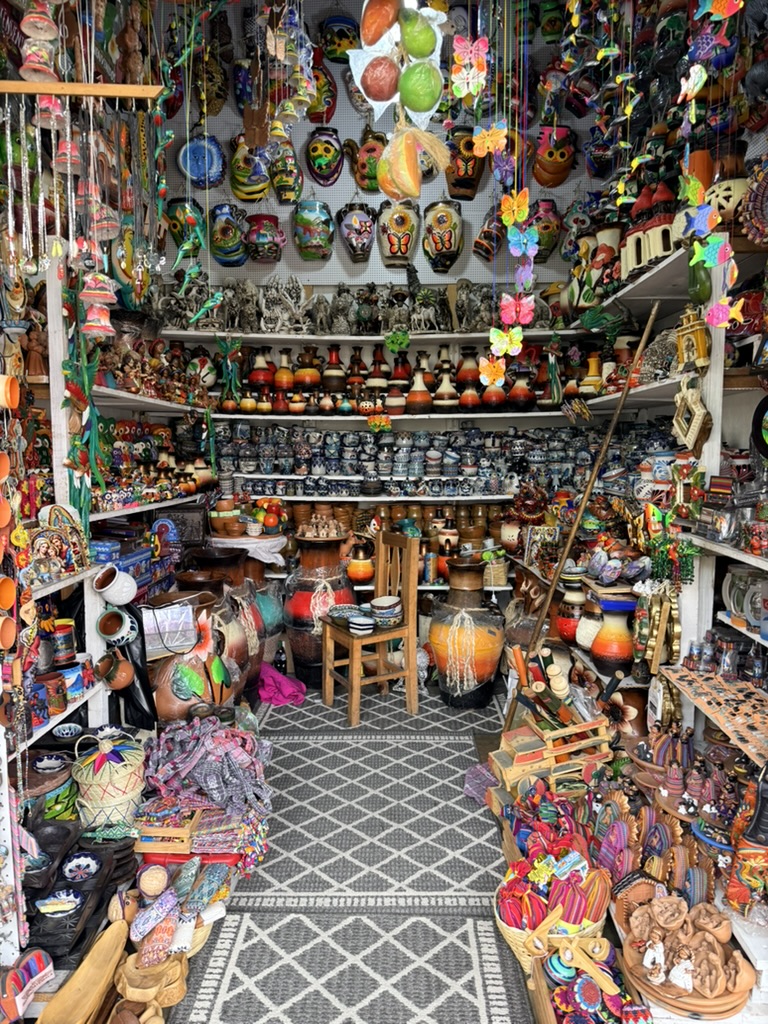
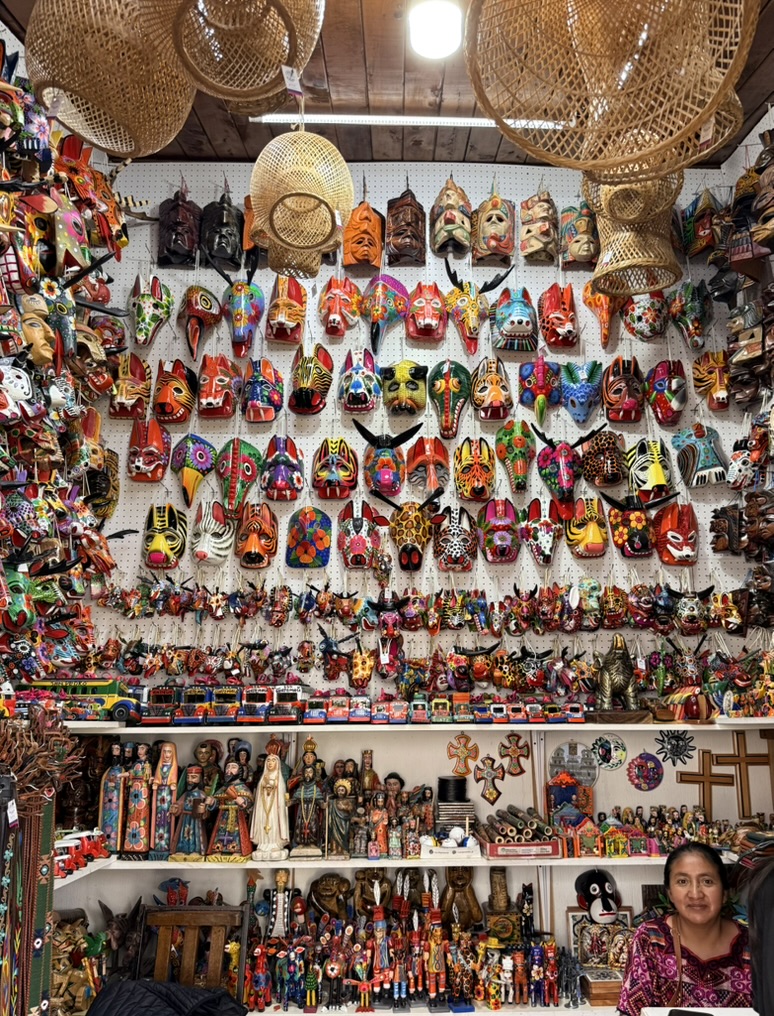
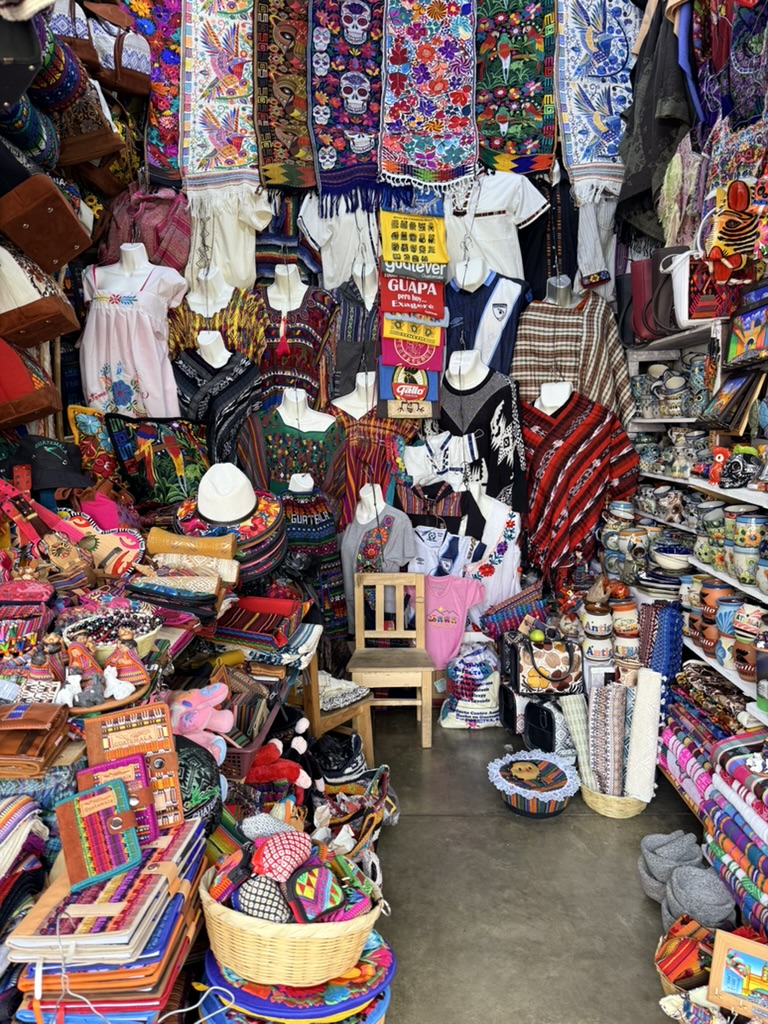
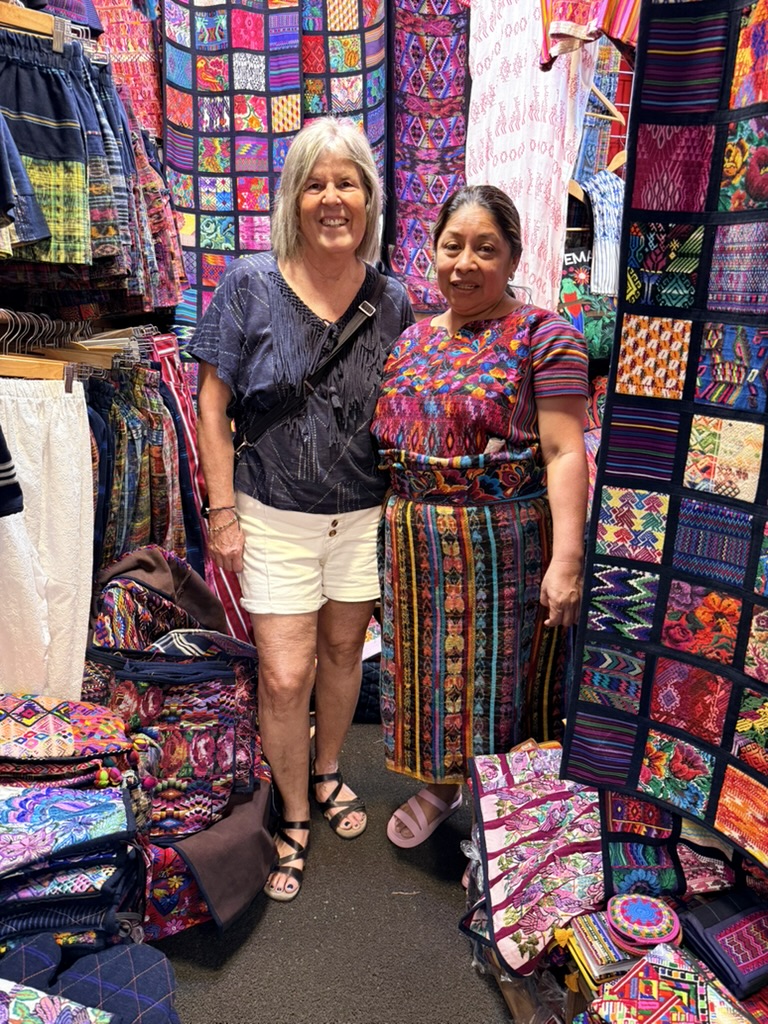
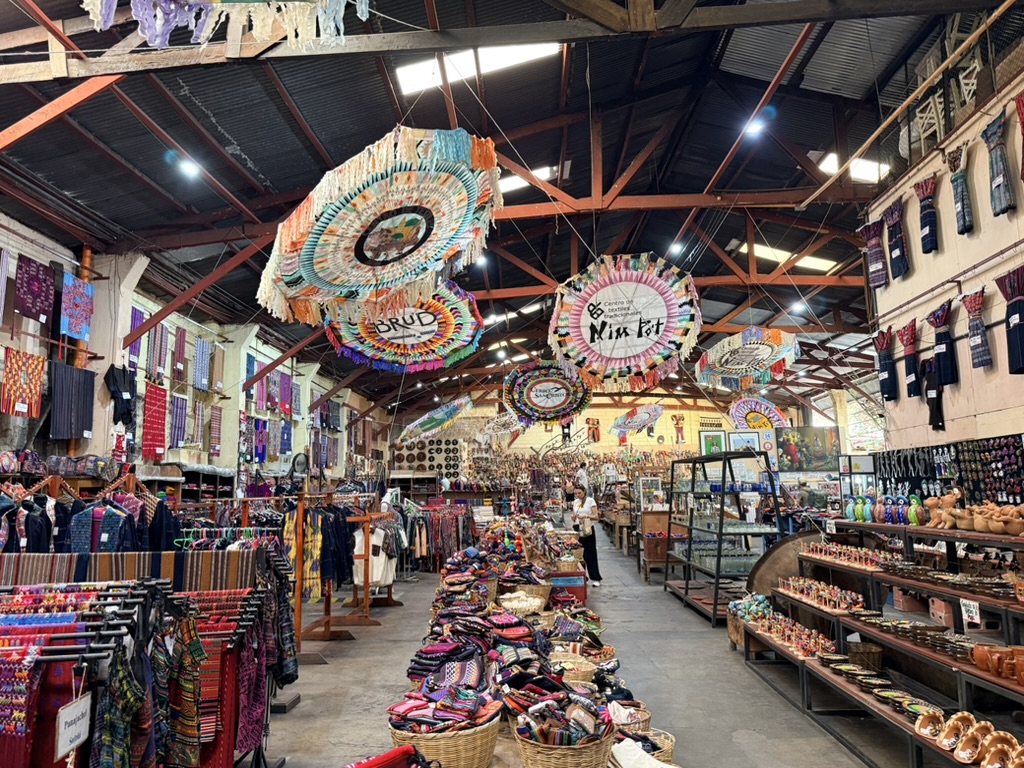
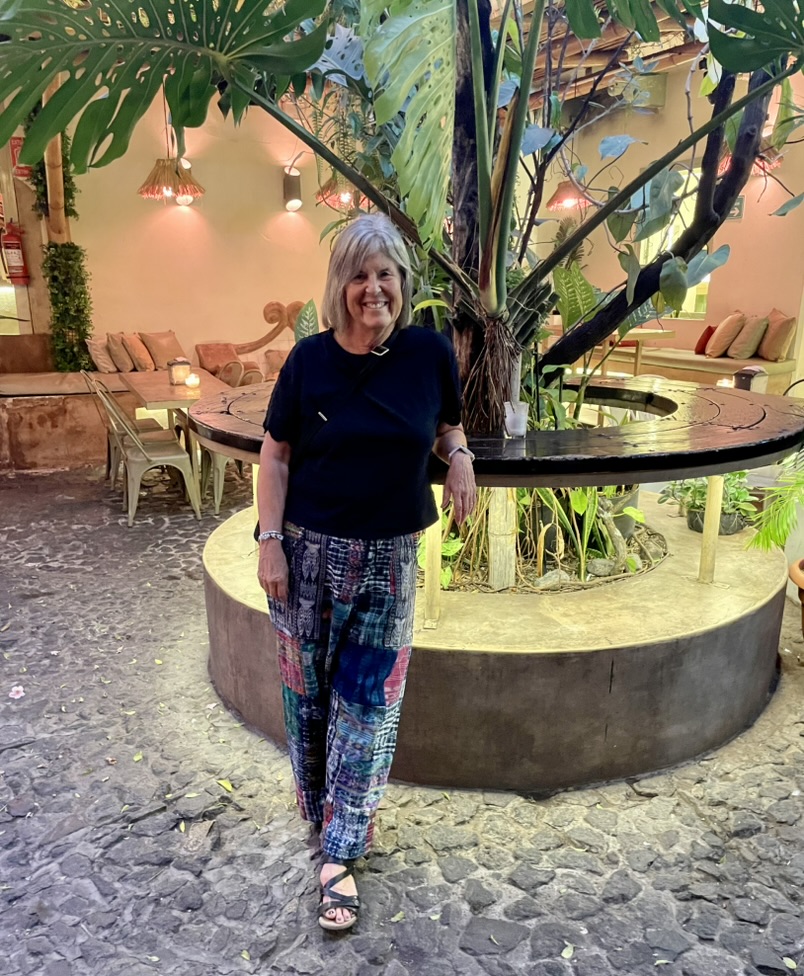
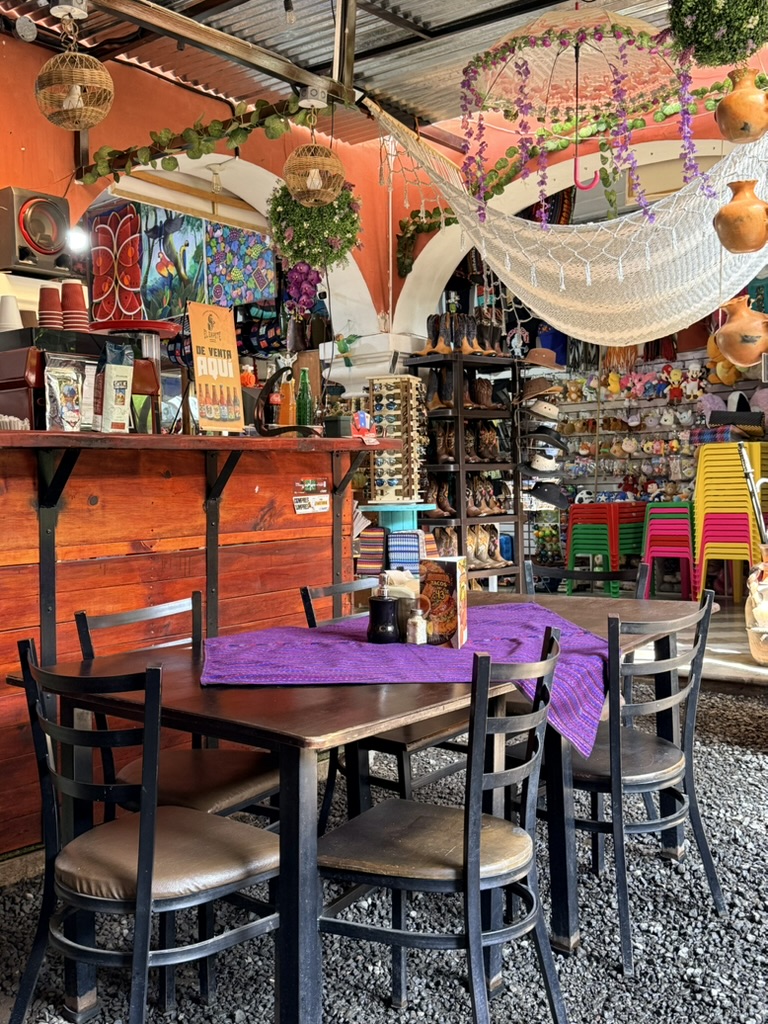
The vibrancy, colors and textiles are found in the clothing of the women, in their specially woven Huipil blouses and skirts that they wear in their everyday lives. They are found on a young girl wearing a blue quinceañera dress, in ice cream carts with displays of pastel-colored flavors, and fruit carts decked out in plastic flowers. They are found in the Mercado Local where locals sell fruits and vegetables; vendors outside sell sliced mango, avocado, and melon. Men sell wooden tube-like musical instruments or beaded hummingbirds to hang from rearview mirrors. In the Mercado de Artesanías and at the Nim Po’t cooperative, women sell candles, masks, Huipil blouses, colorful pants, tablecloths, pillows, handbags and change purses. We wandered around the market and ate lunch at the market, at the Comedor Samaritana, where we both ate meals that somehow messed with our stomachs. Of course, I had to buy some textiles: two blouses and a pair of loose pants – a patchwork of Guatemalan textiles.
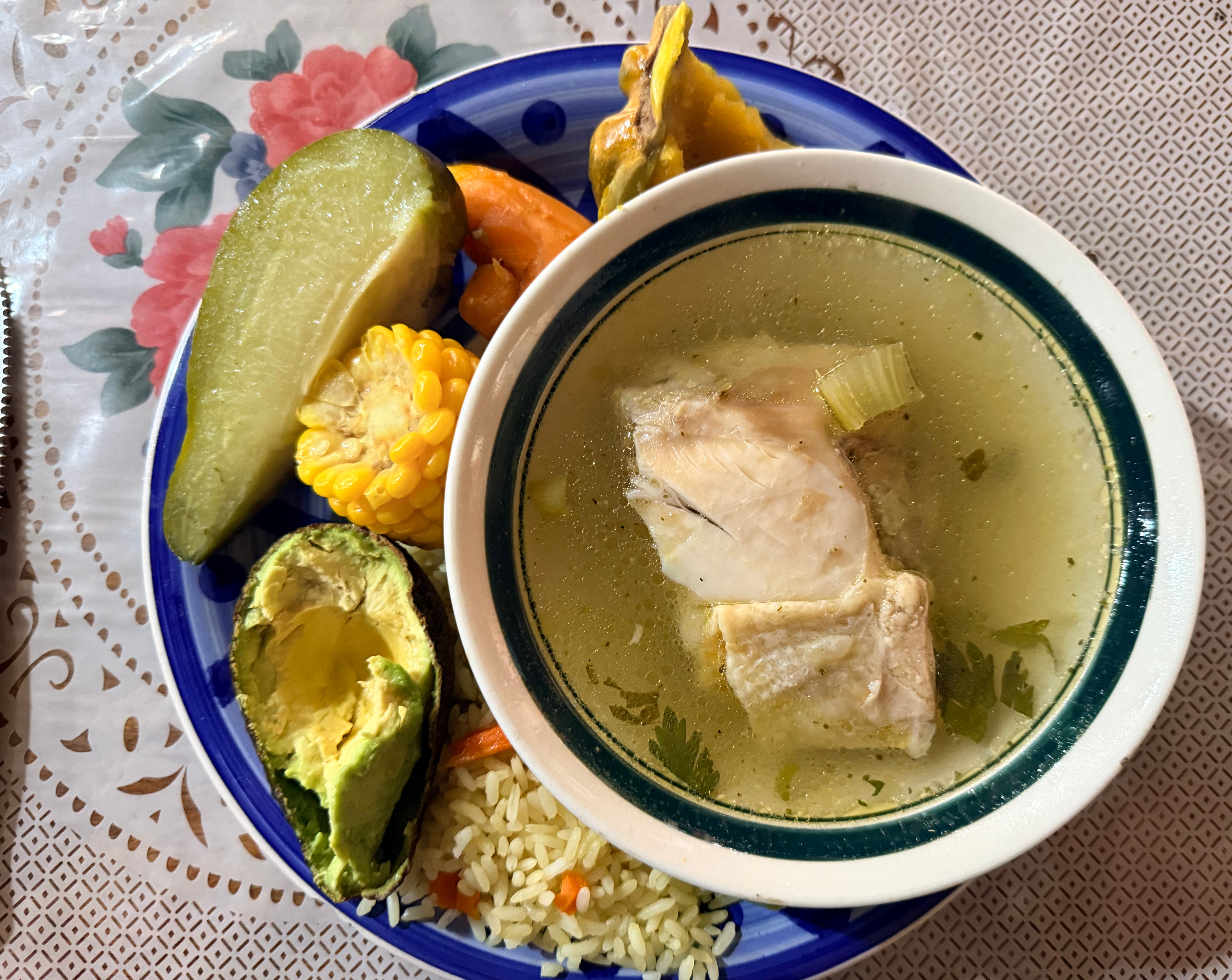
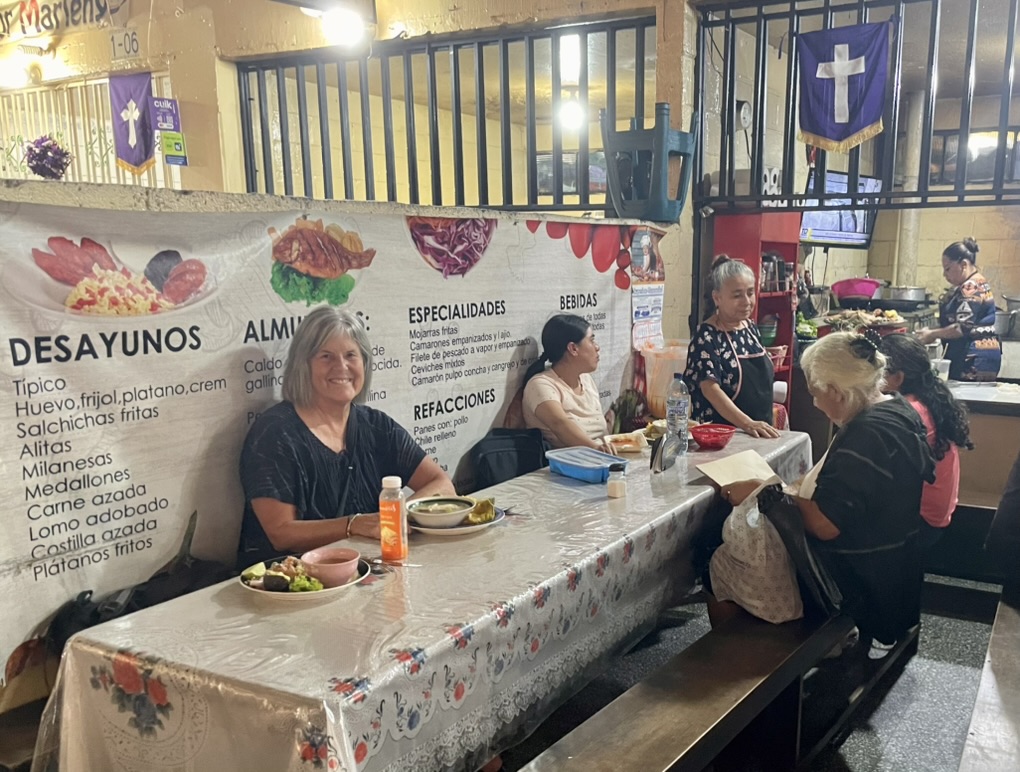
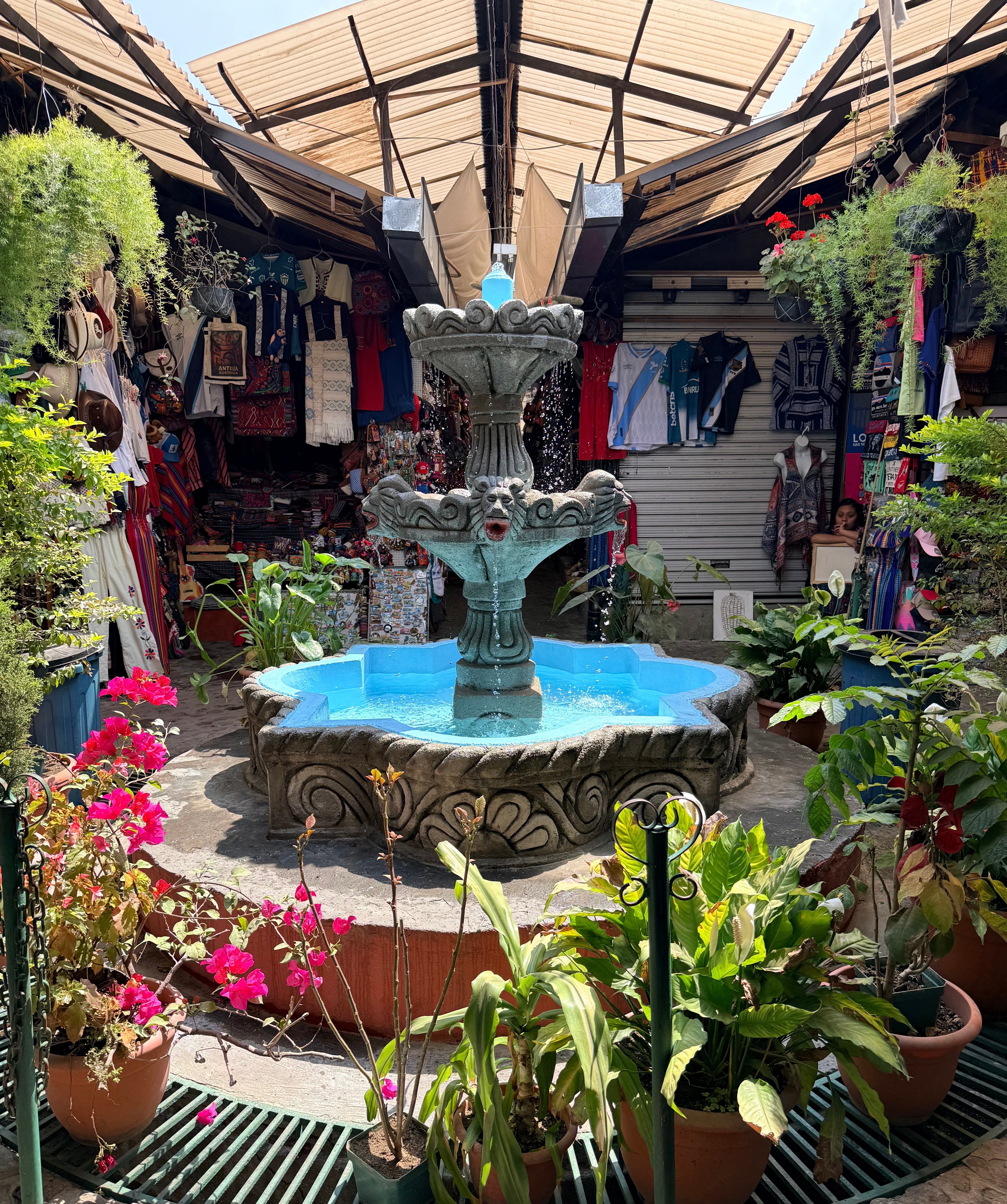
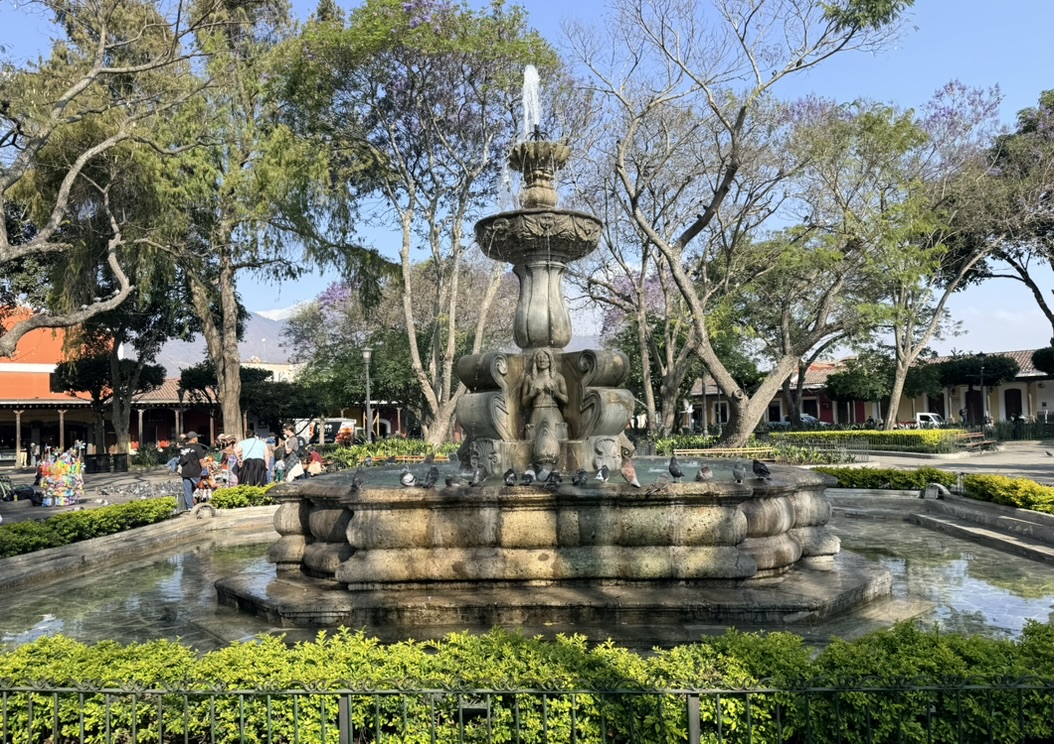
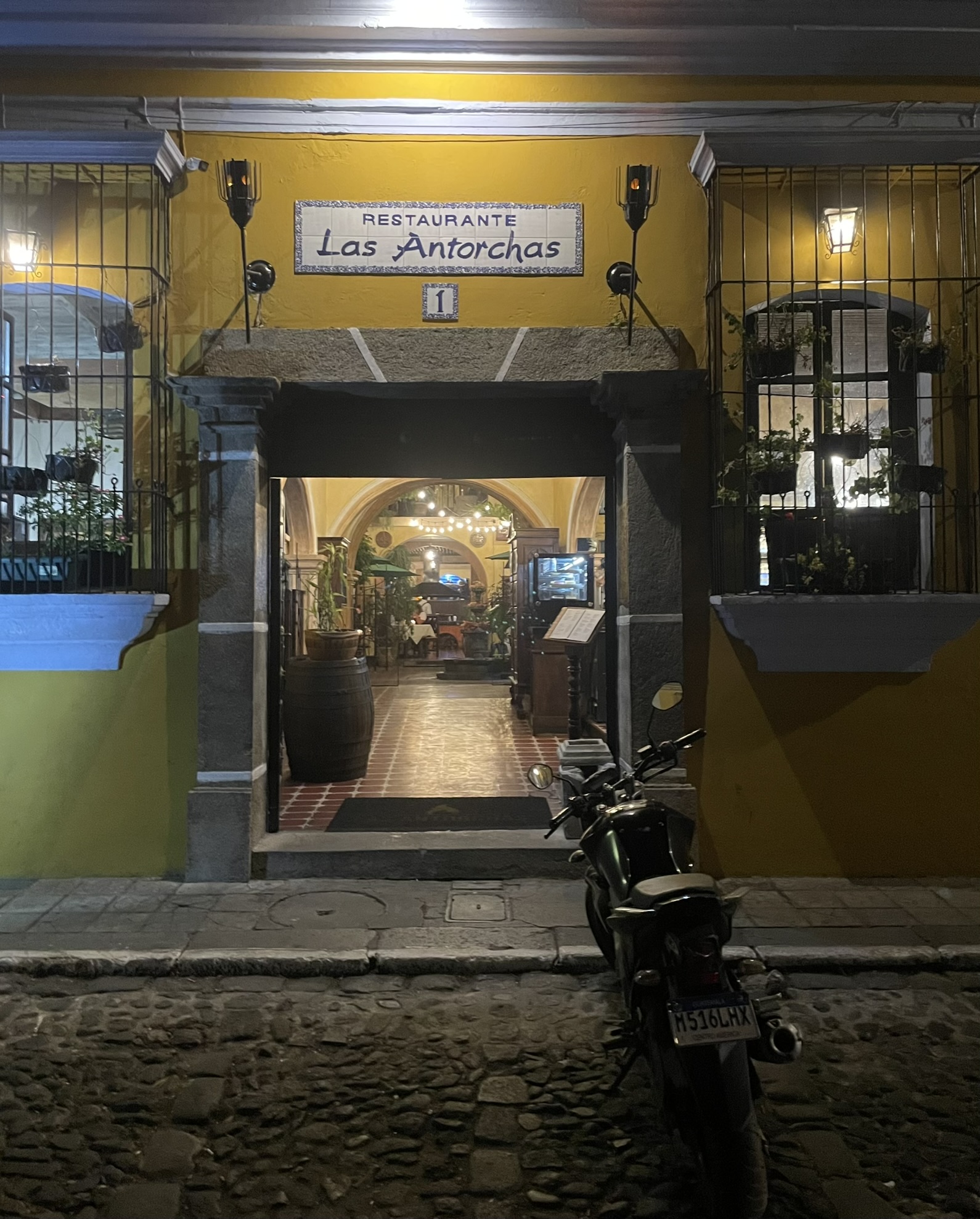
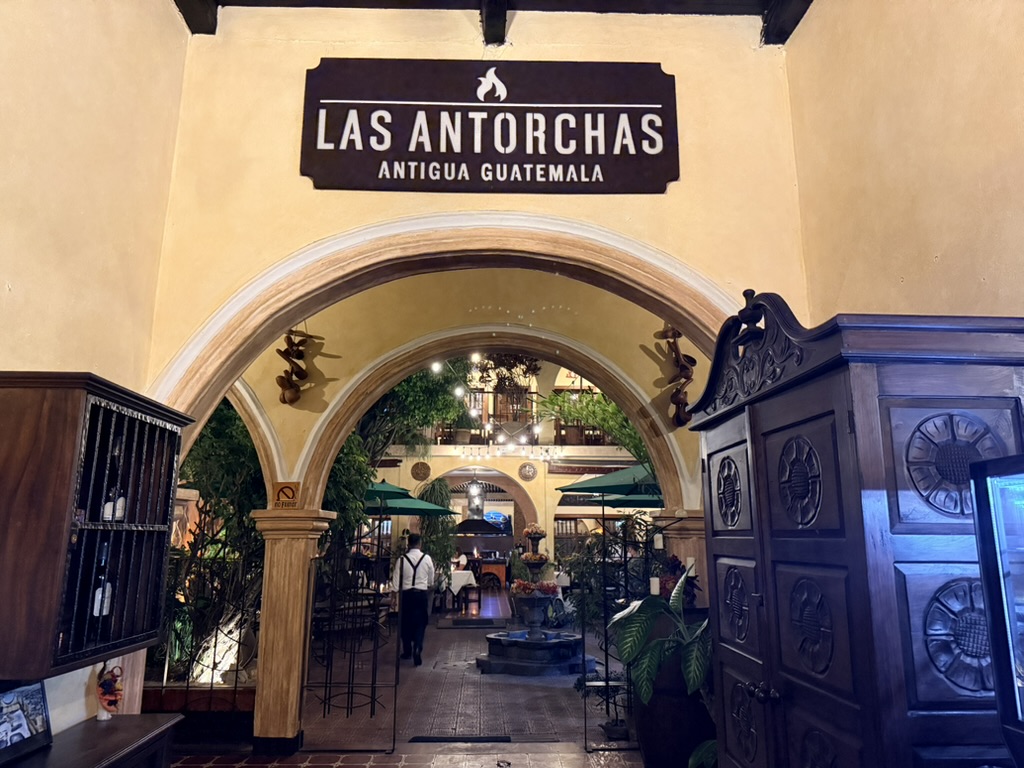
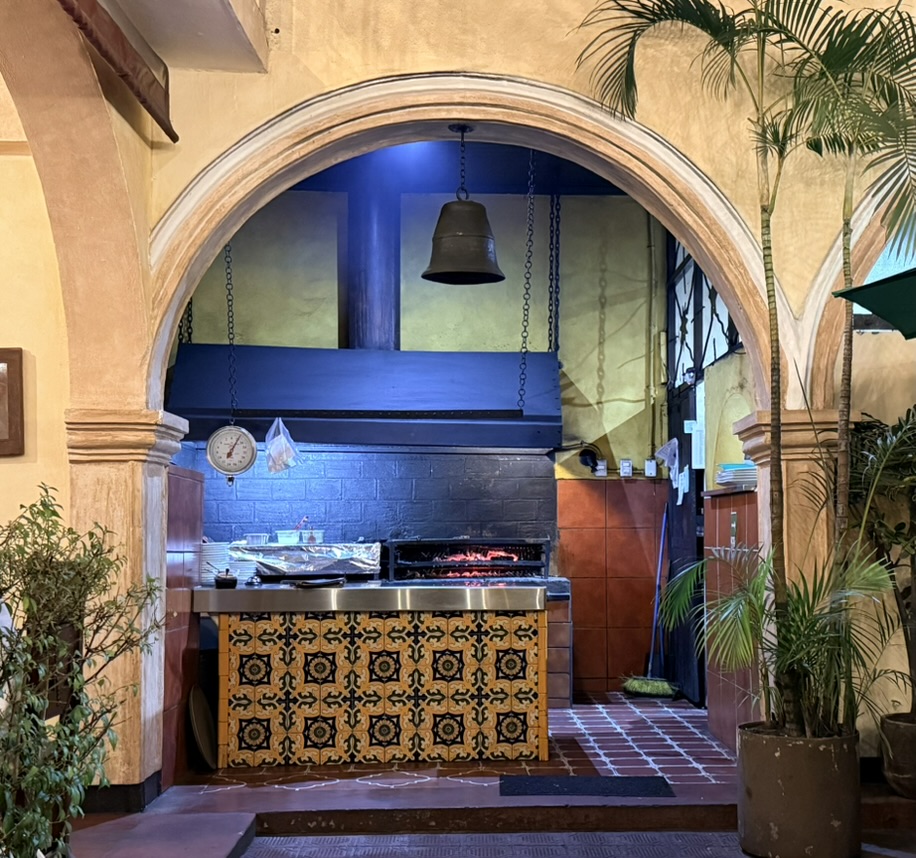
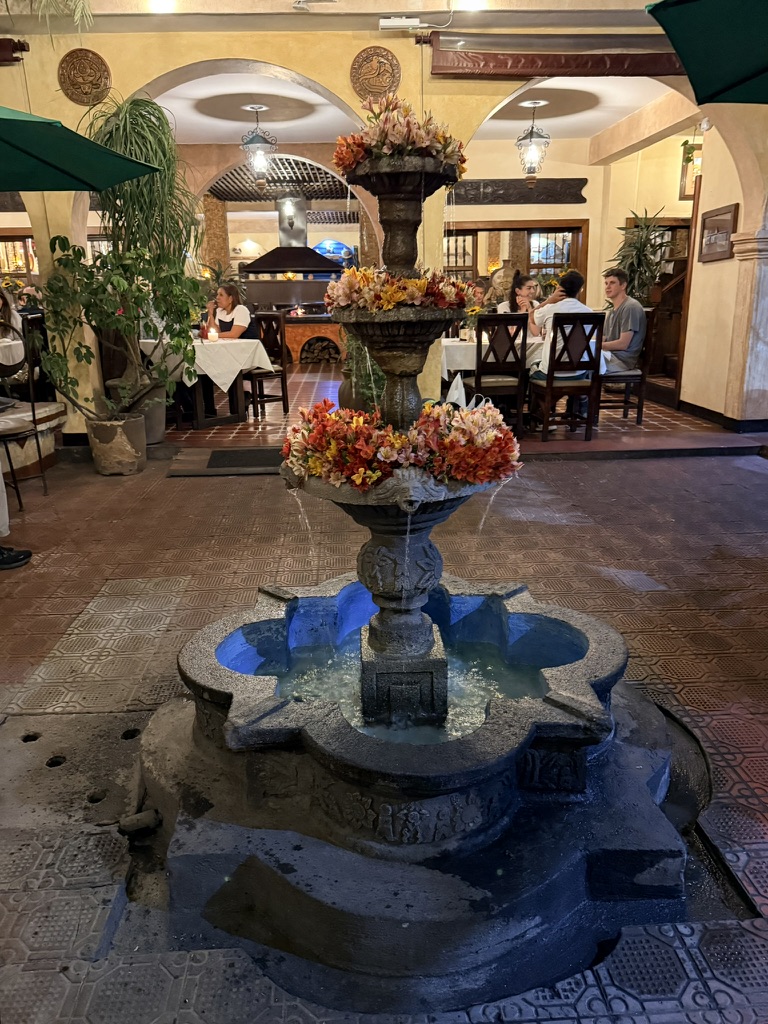
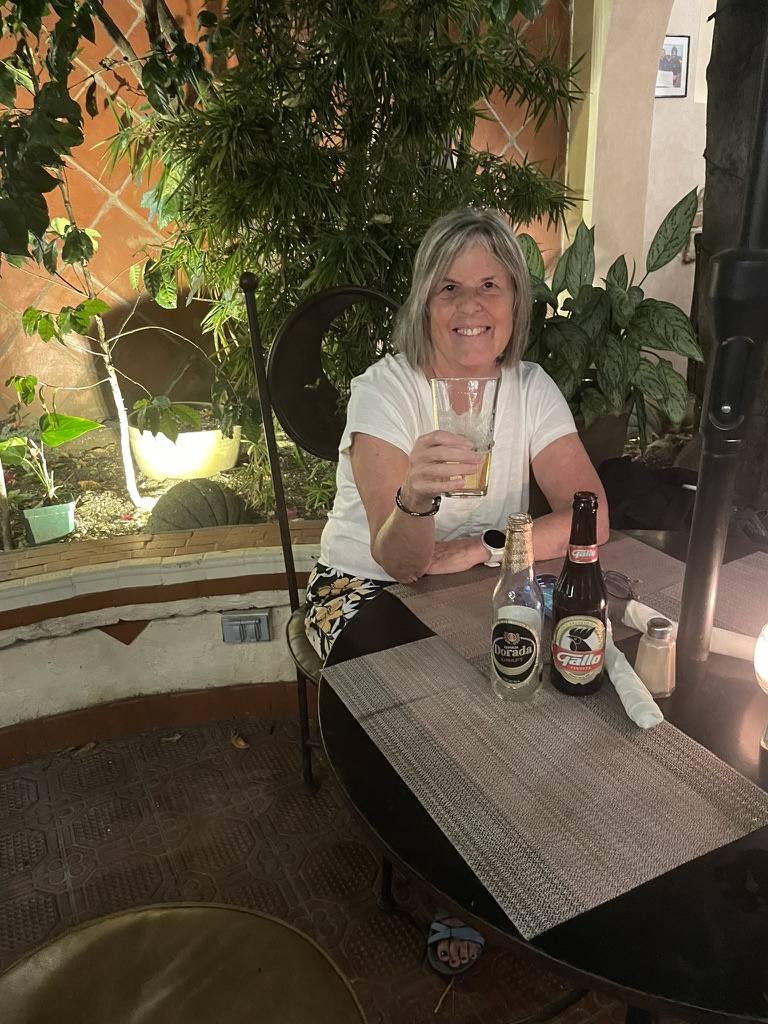
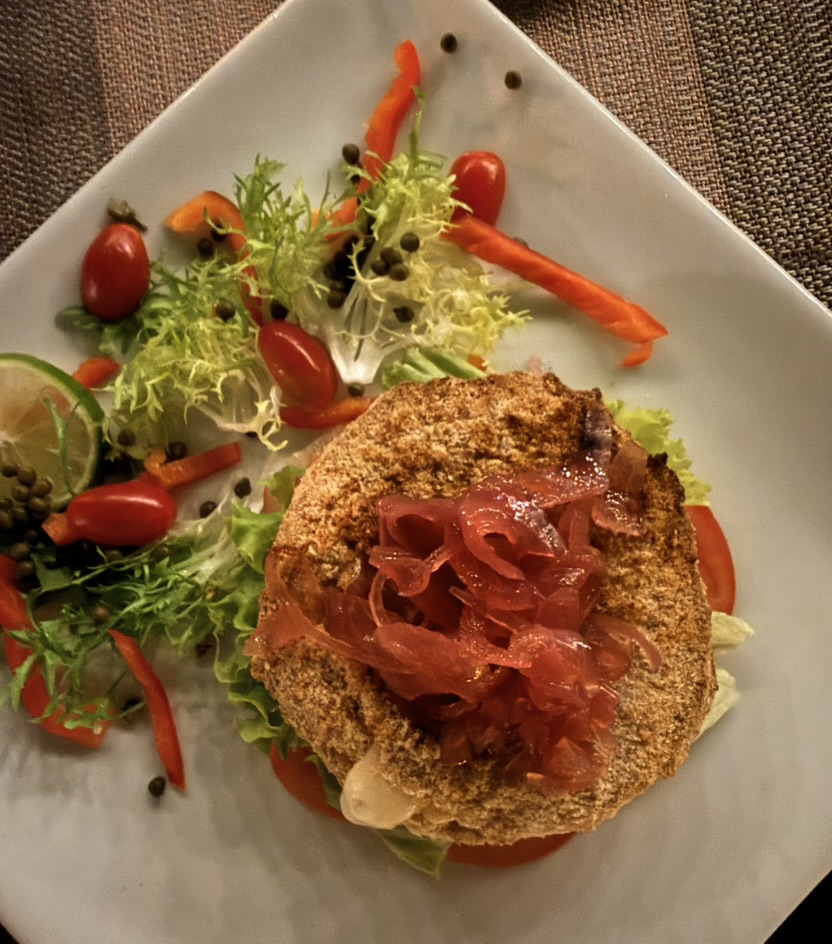
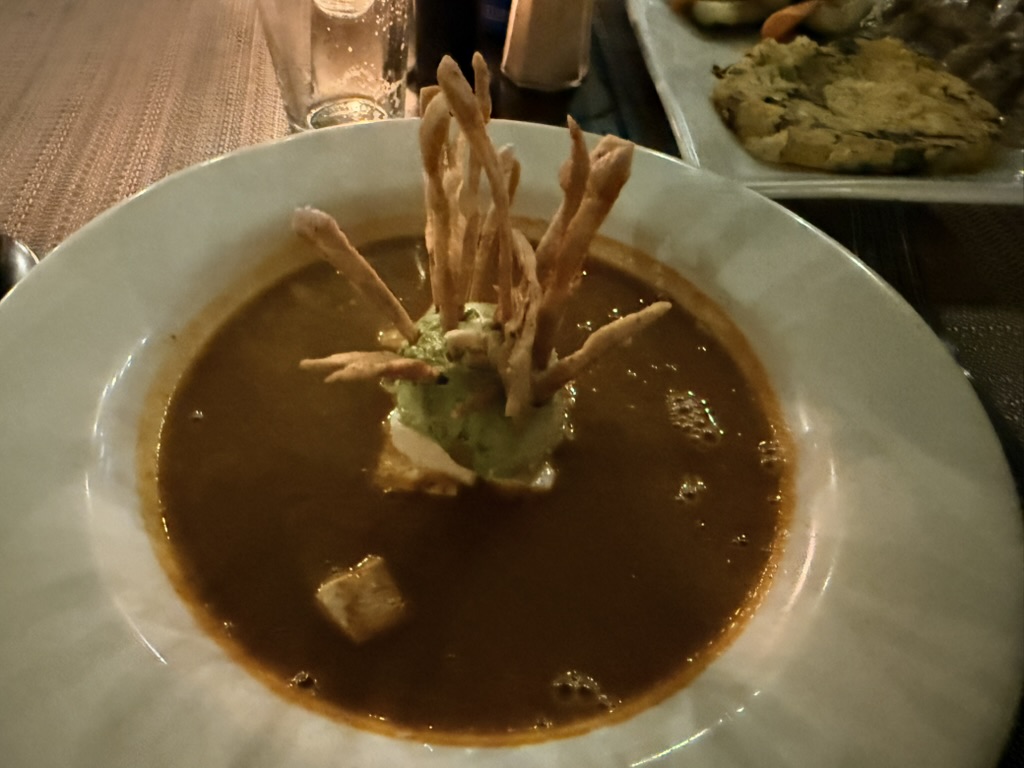
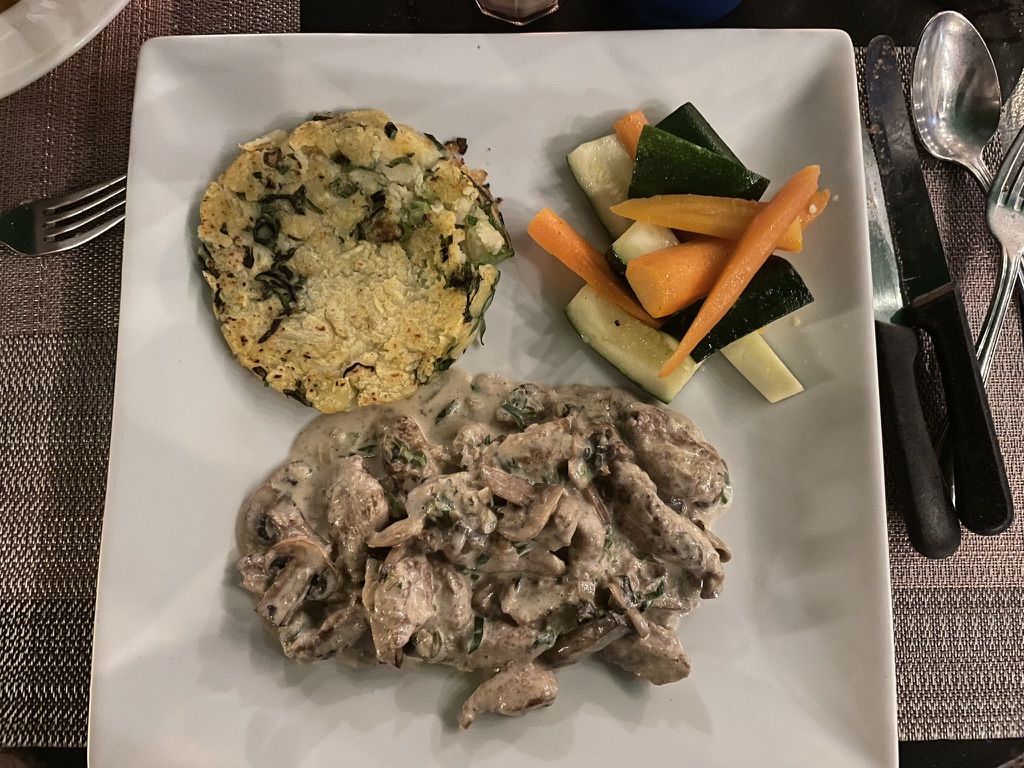
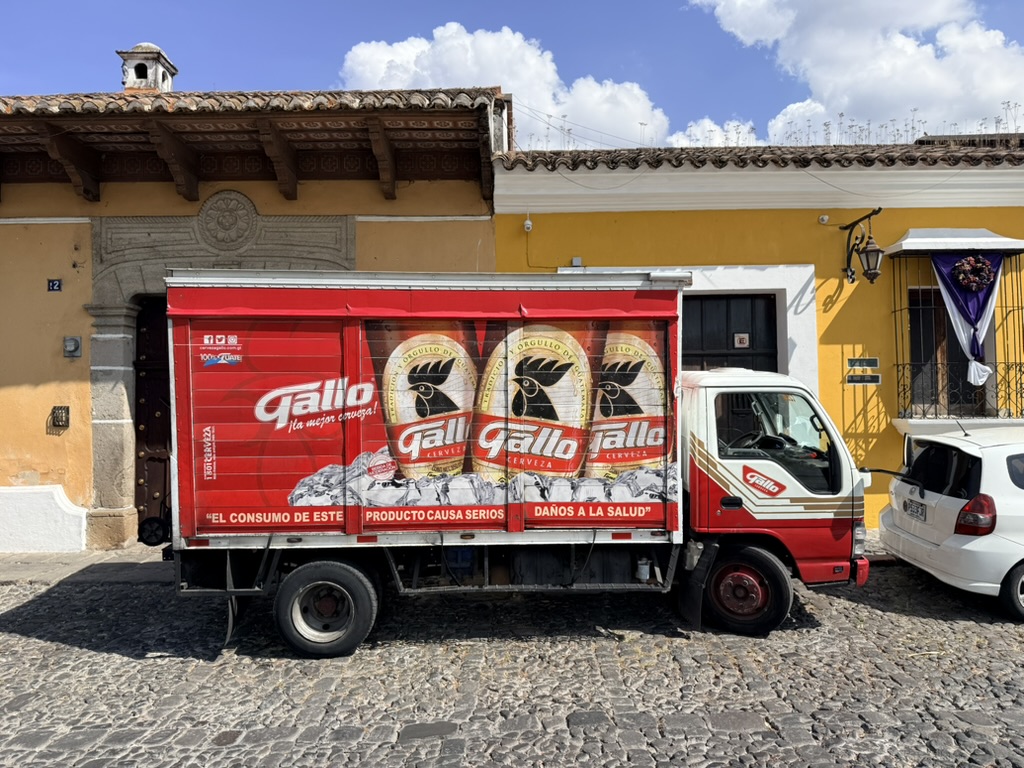
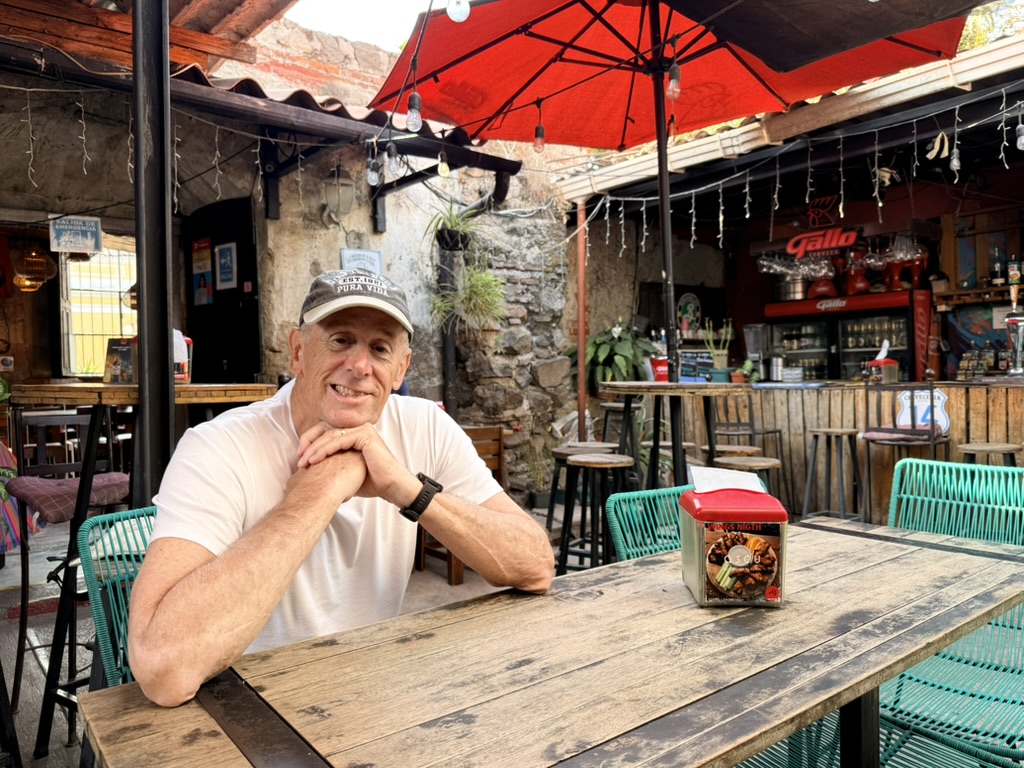
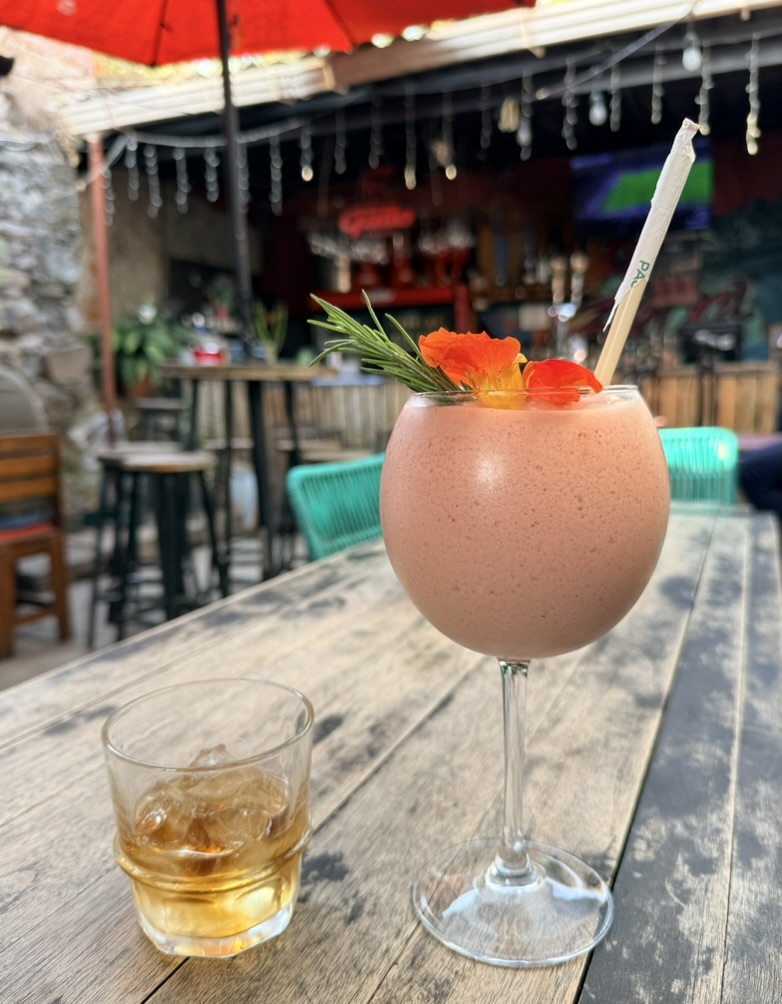
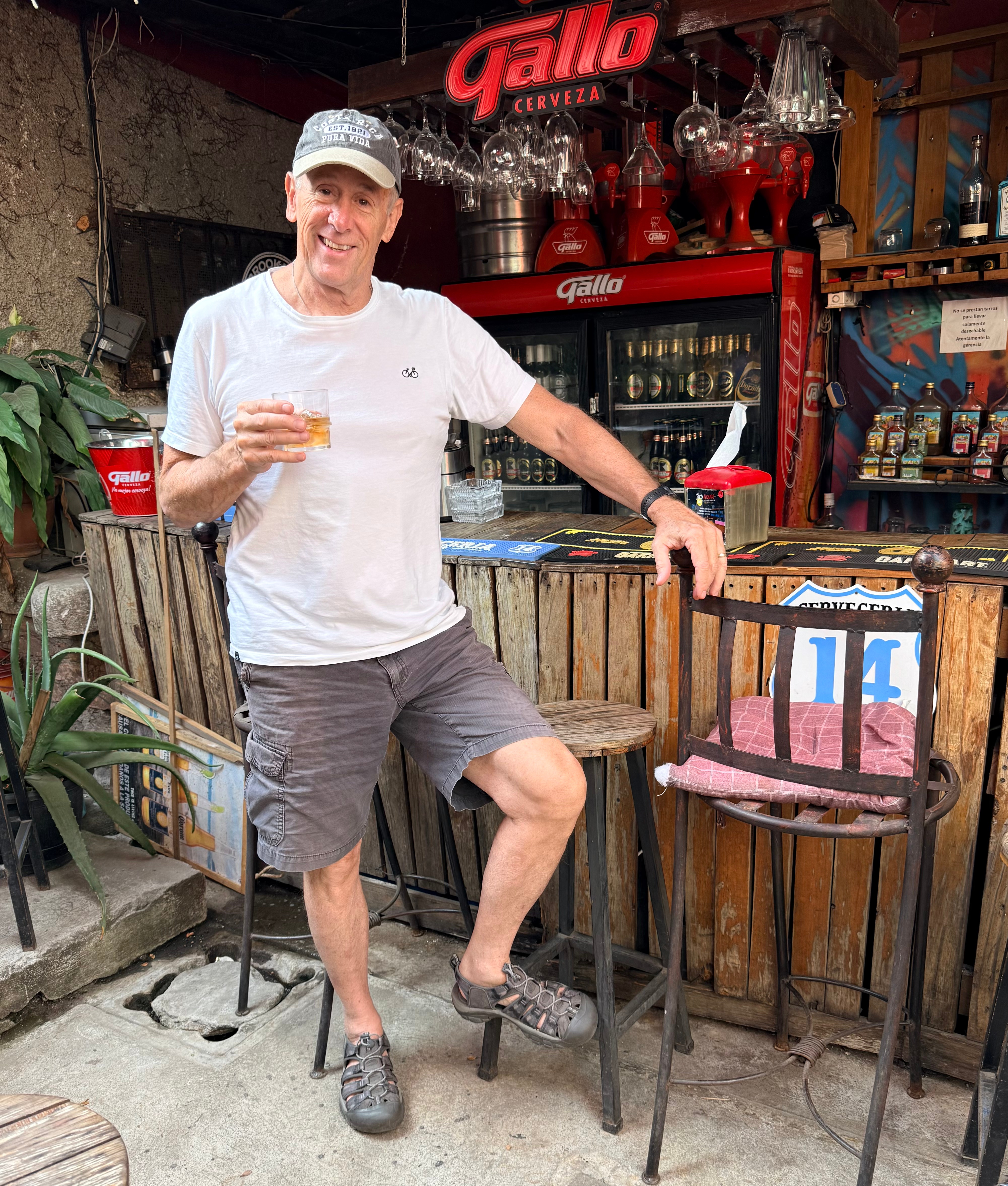
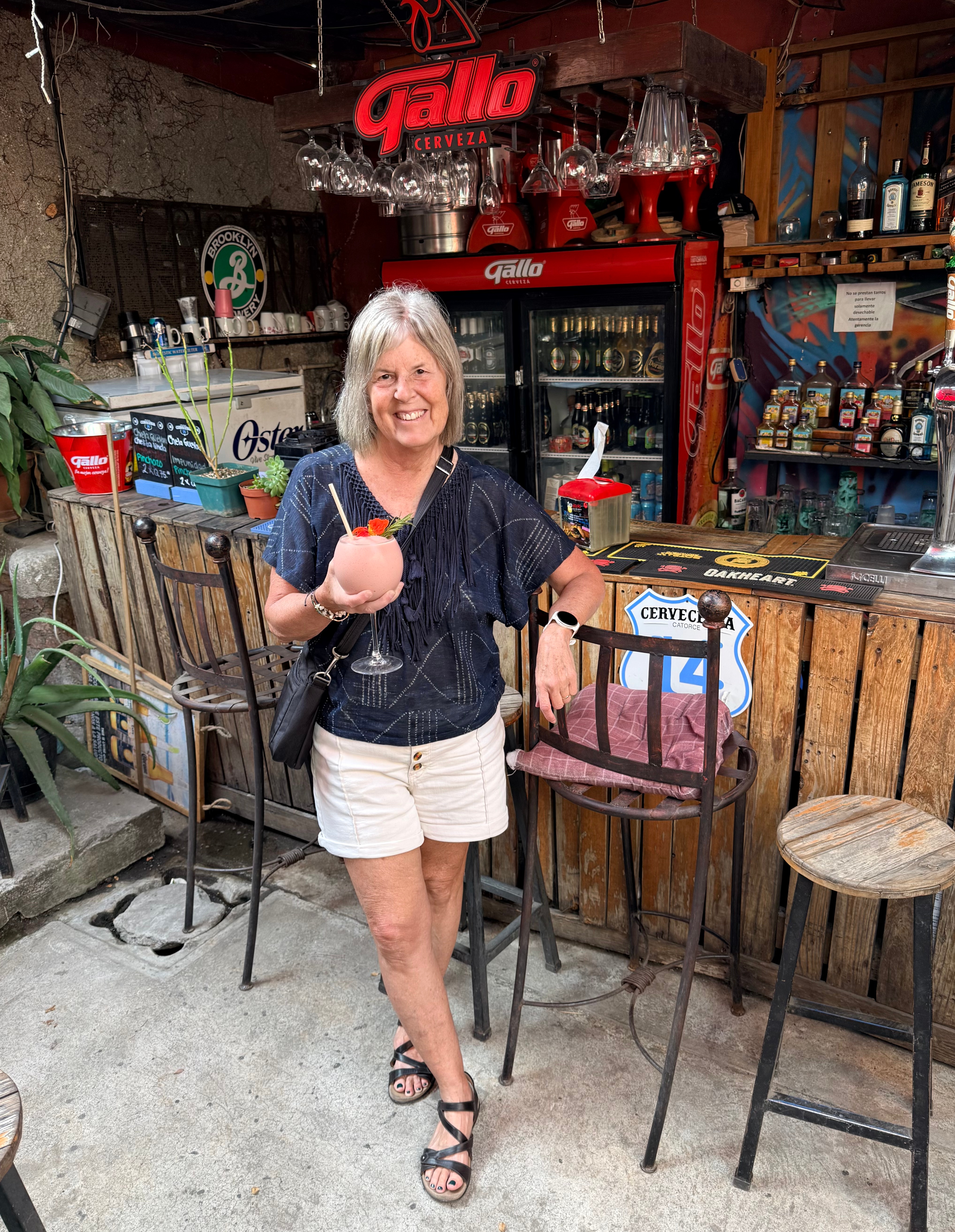
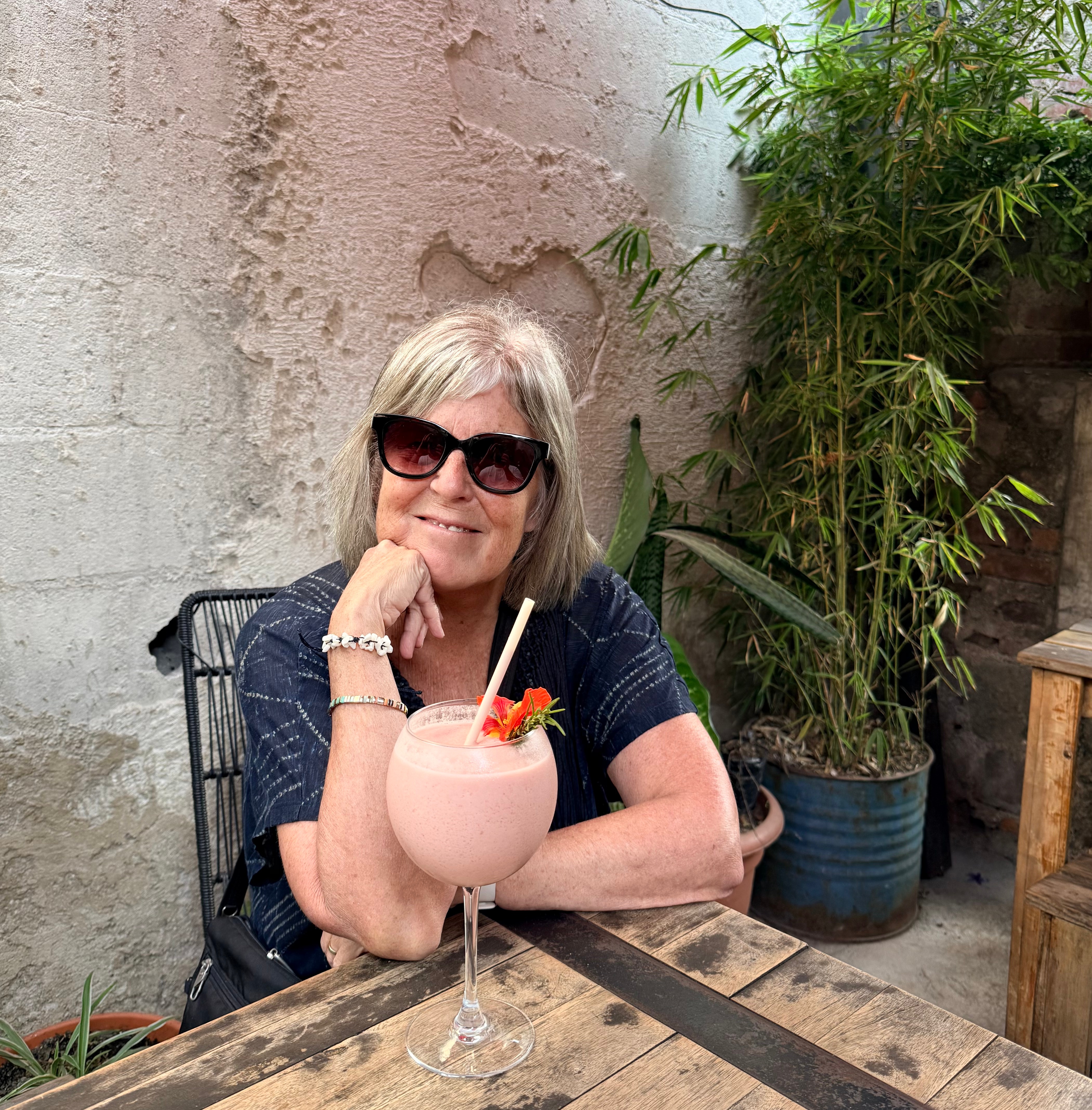
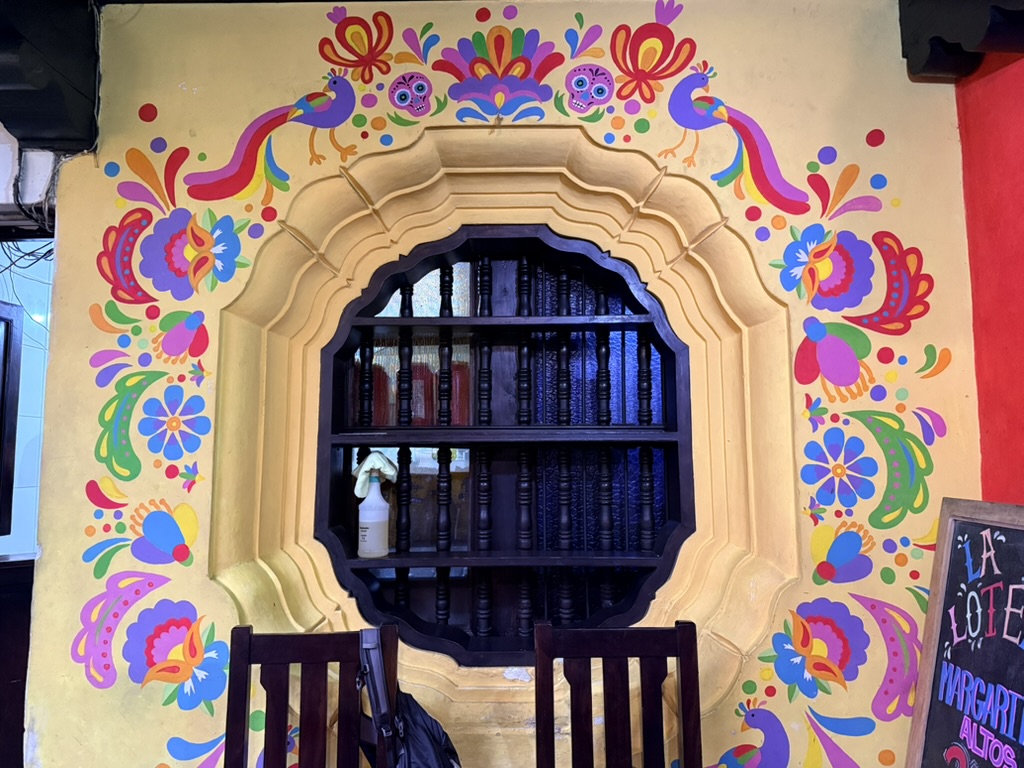
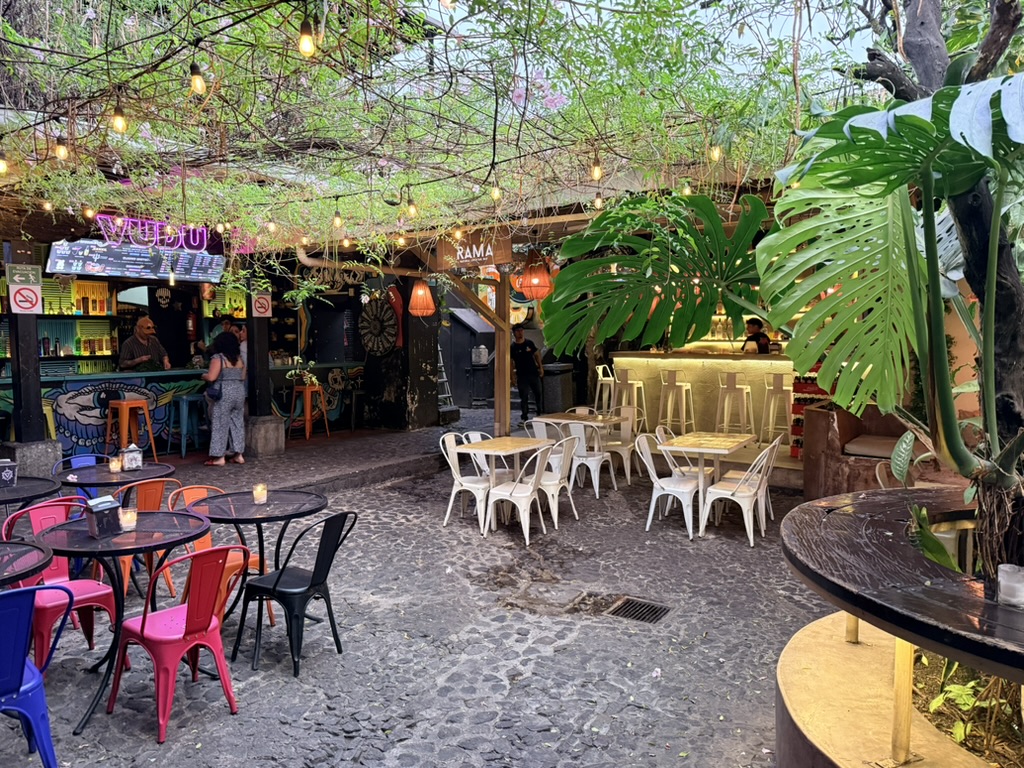
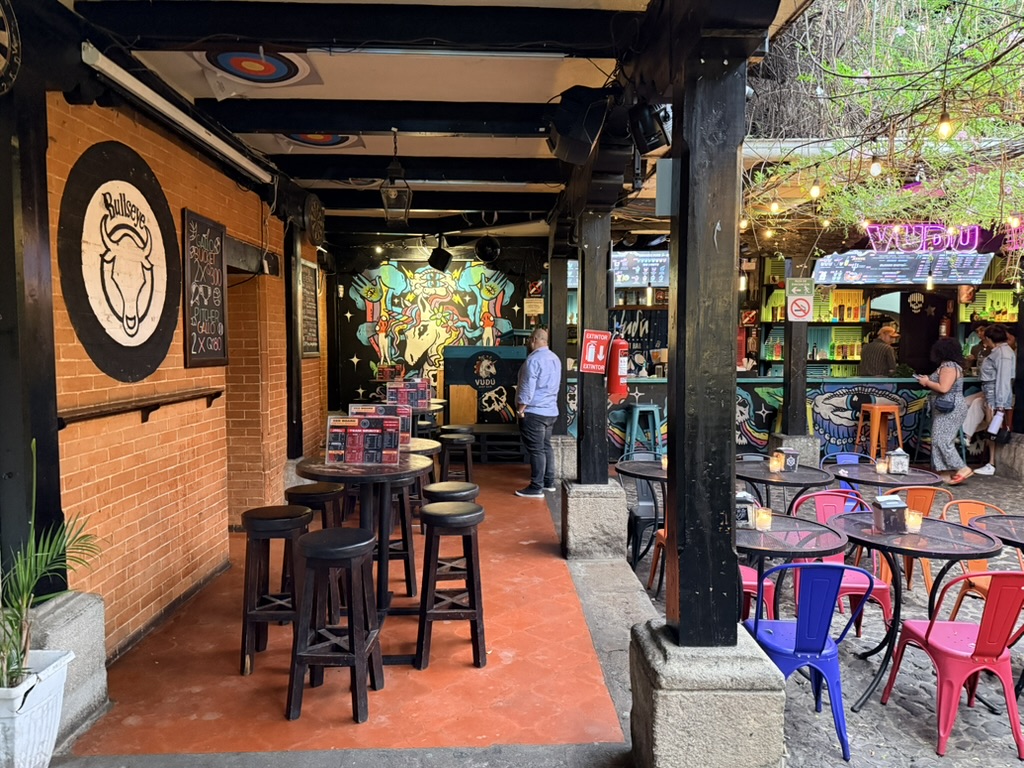
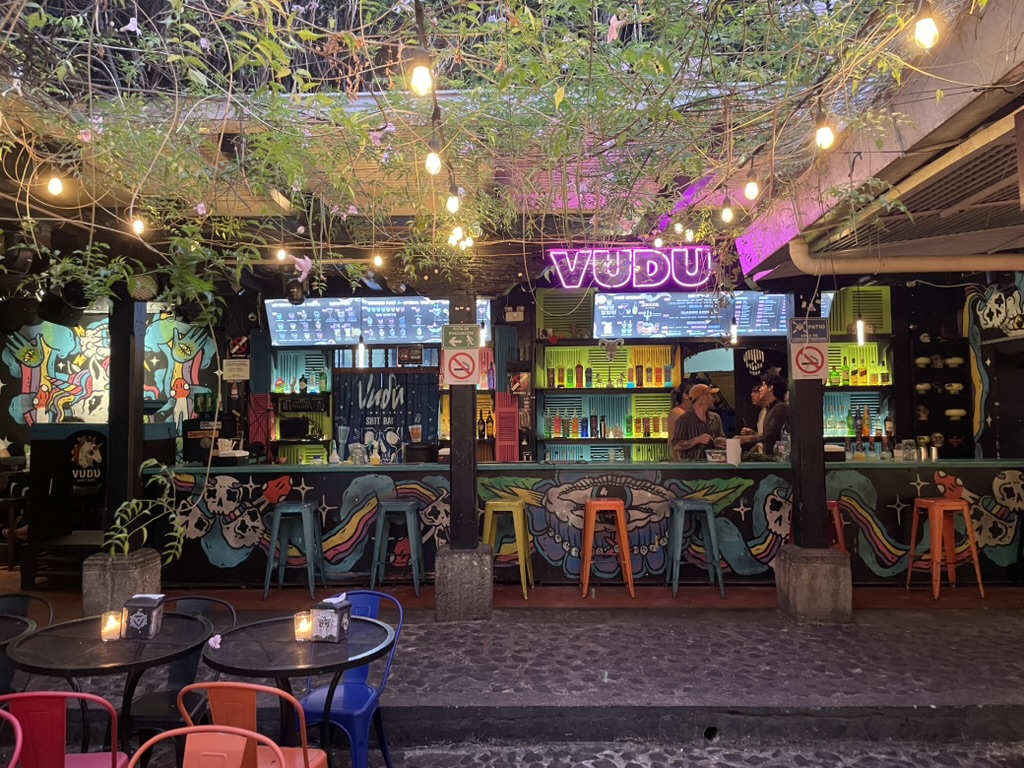
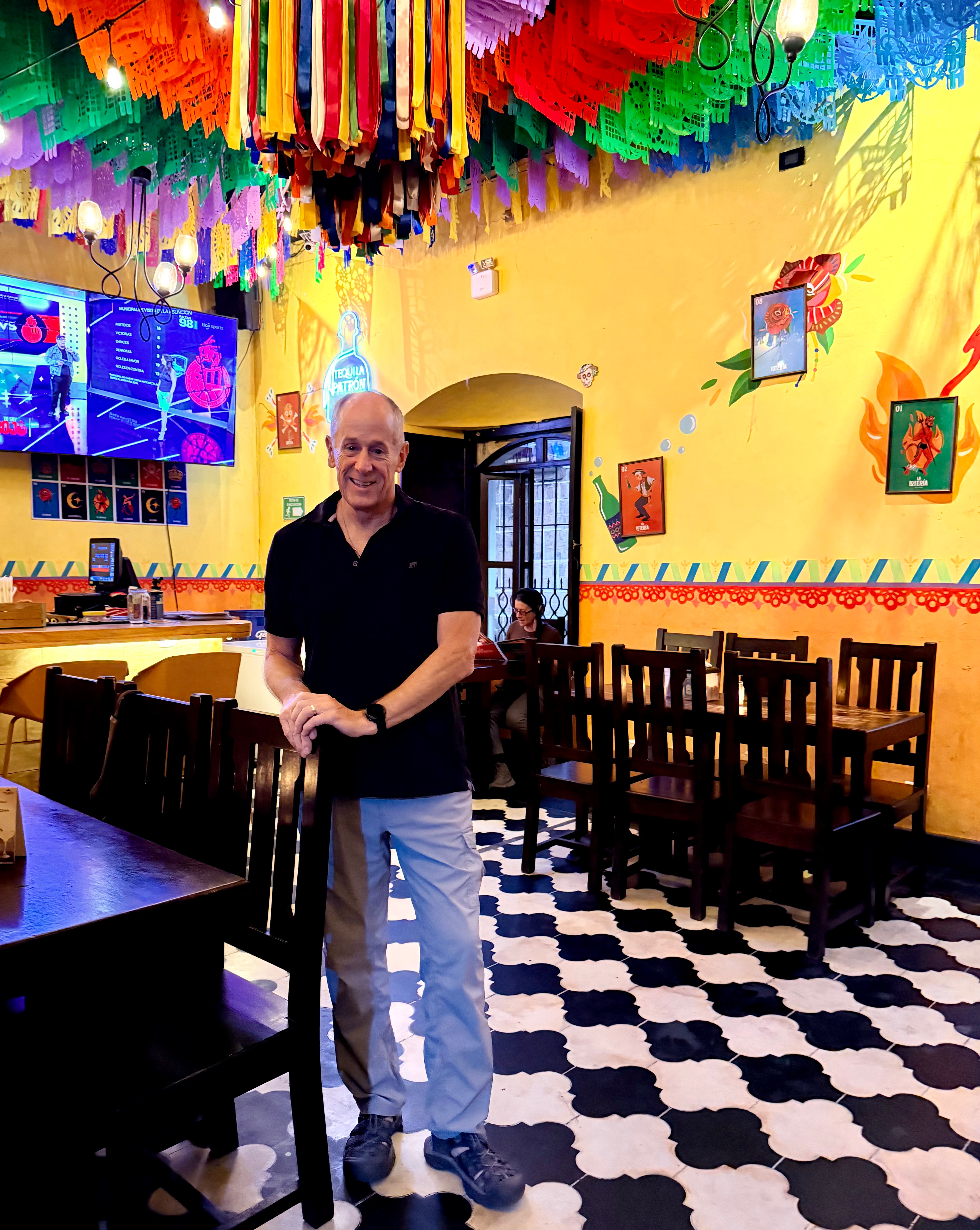
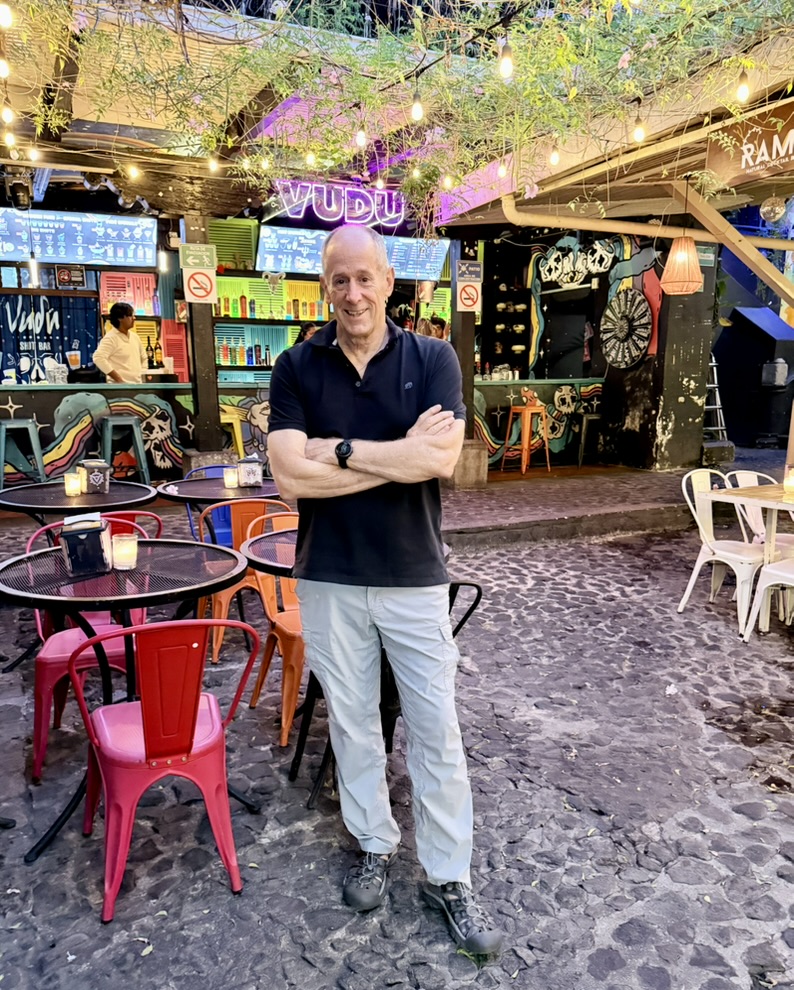
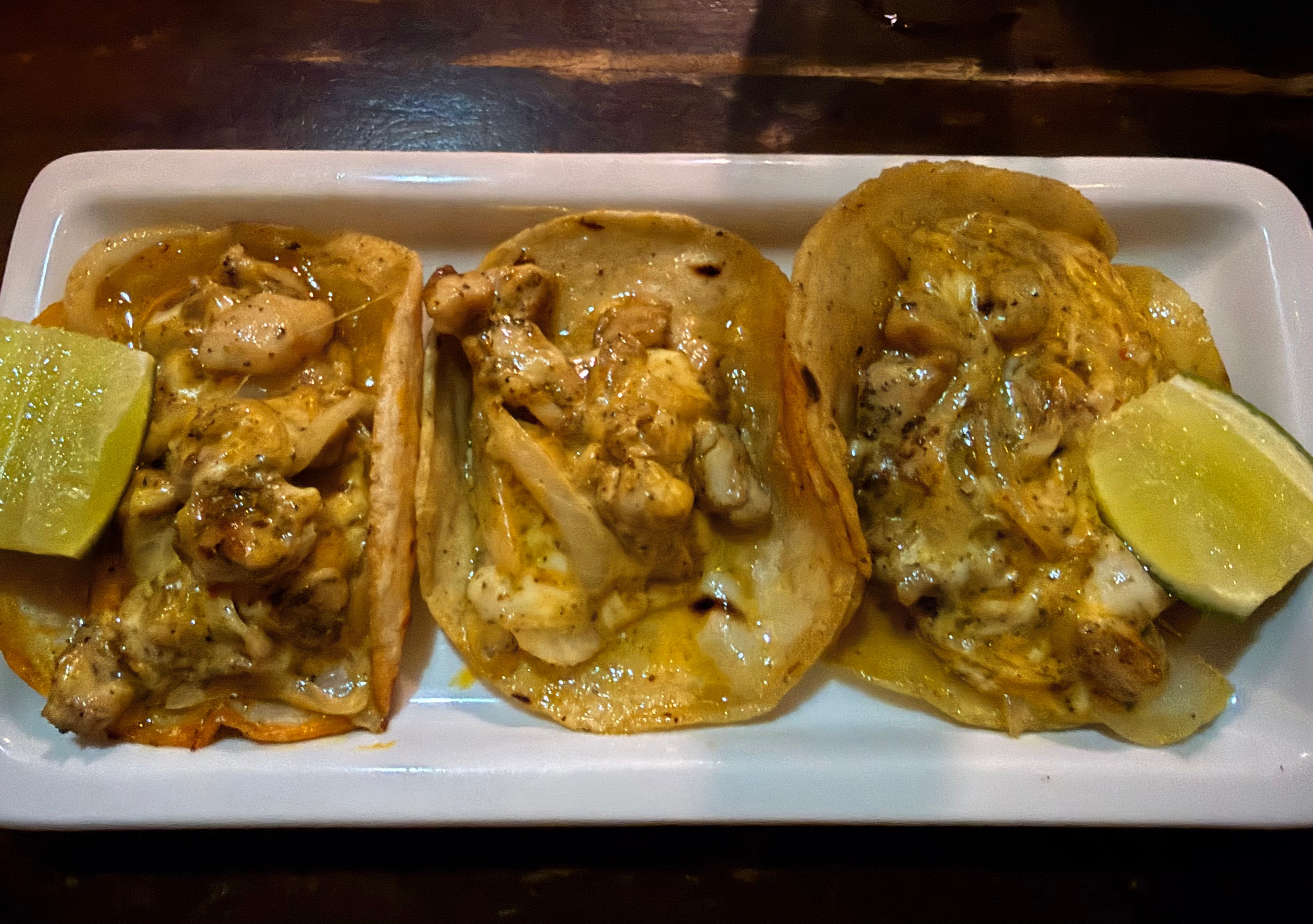
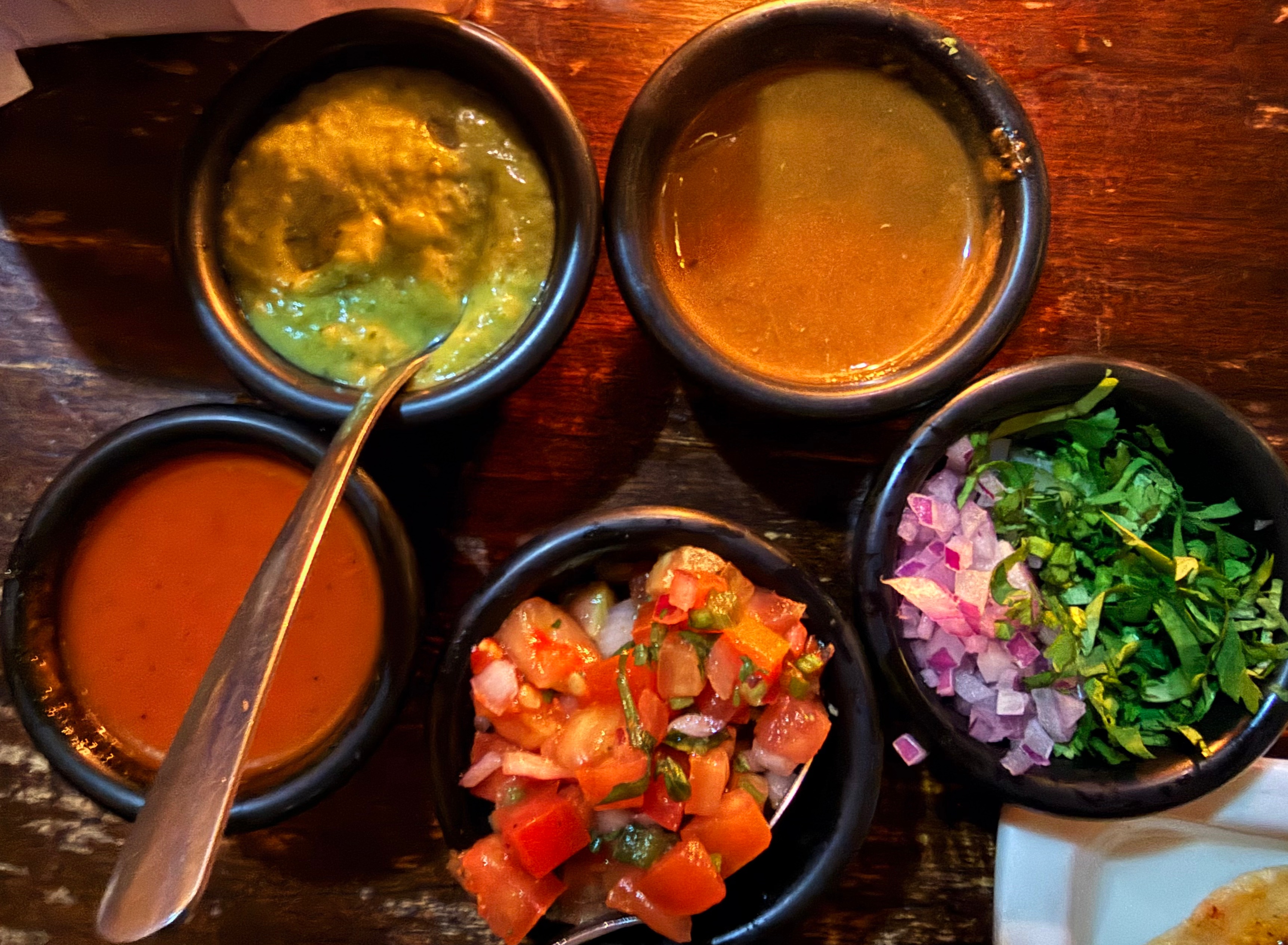
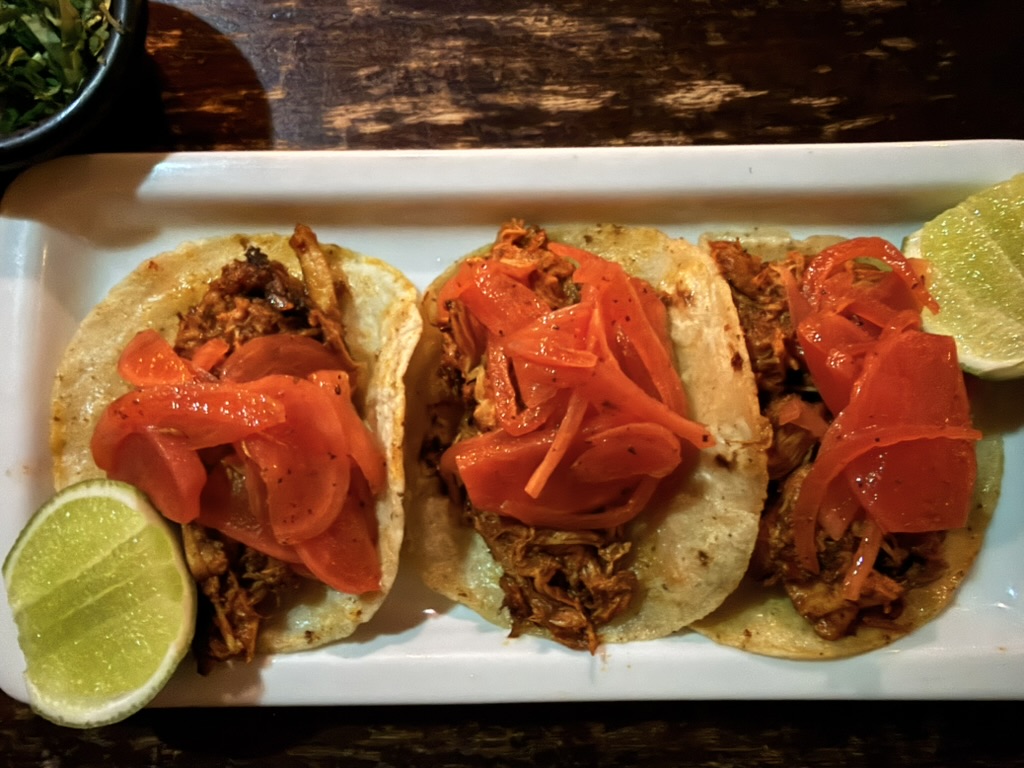
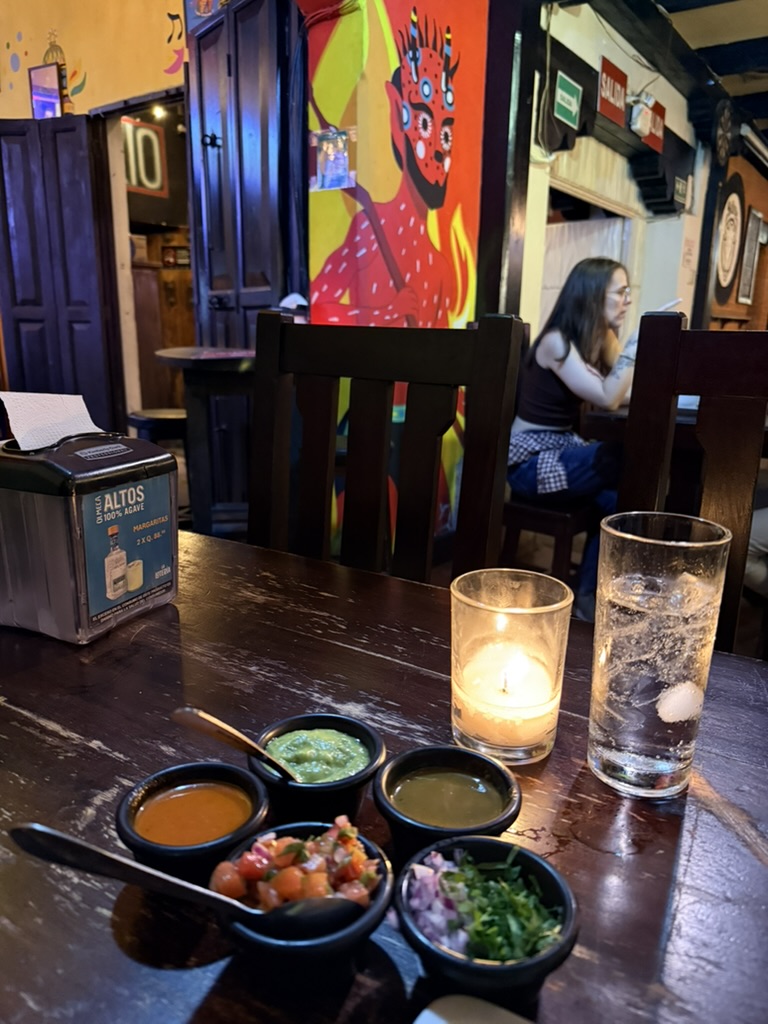
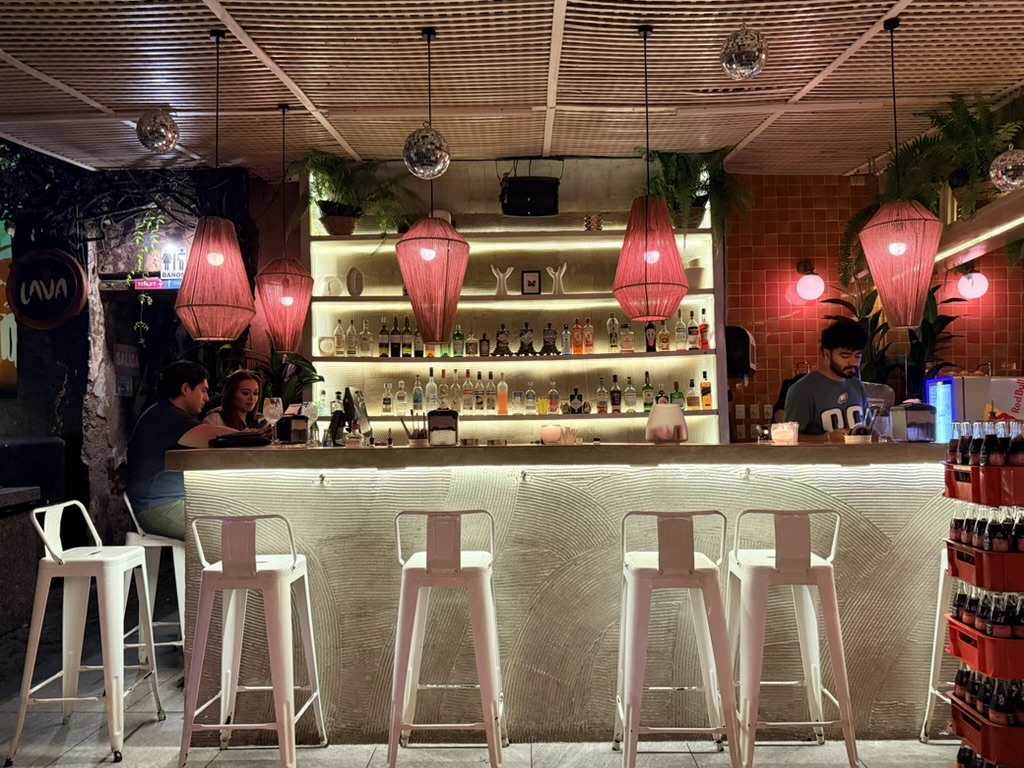
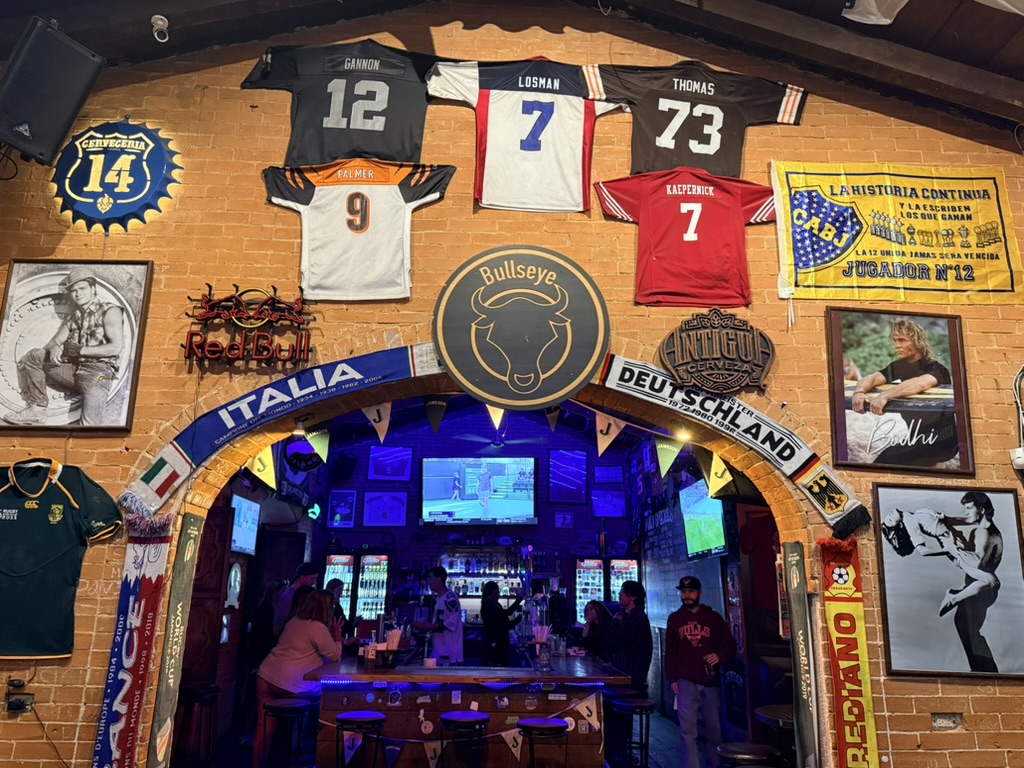
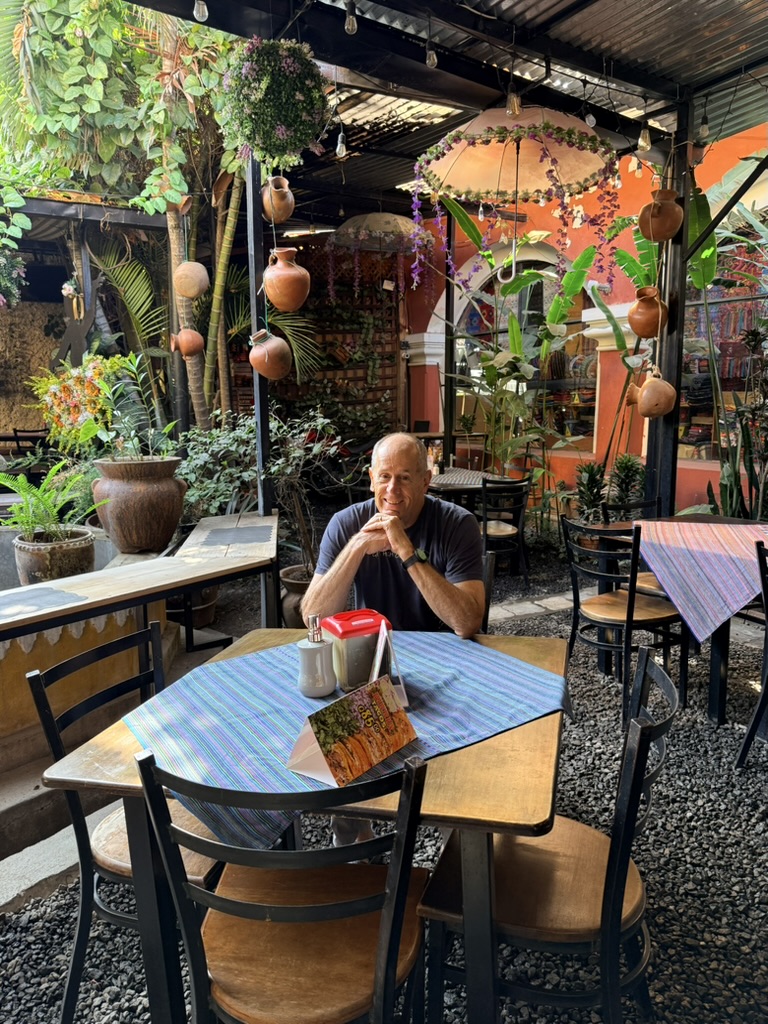
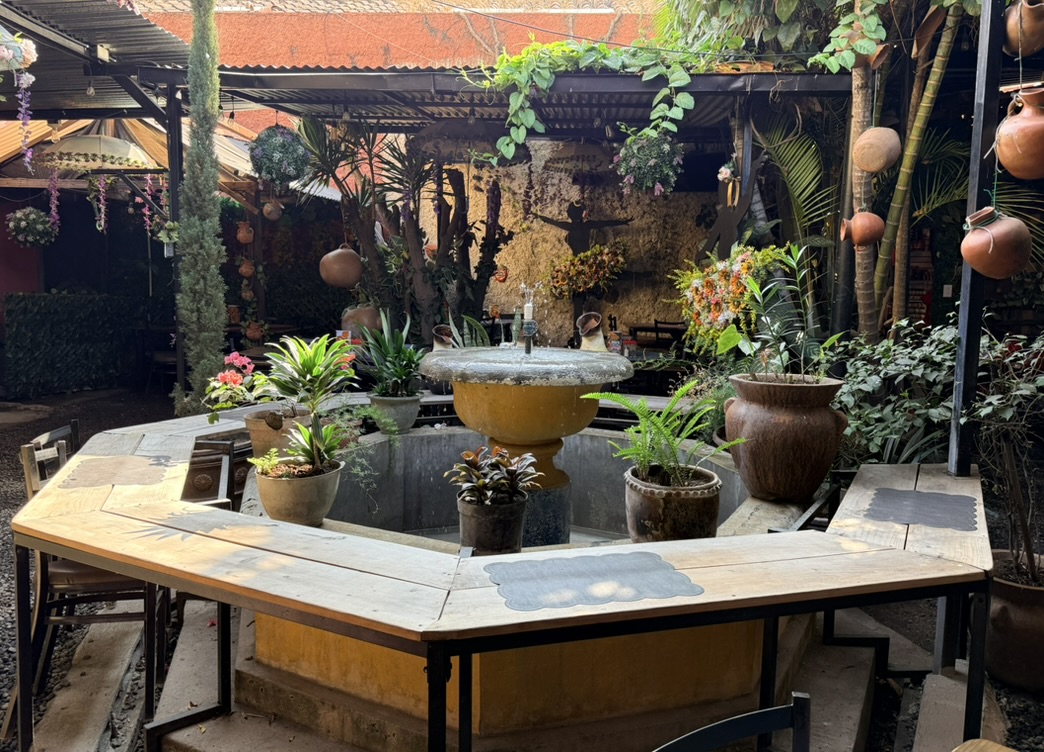
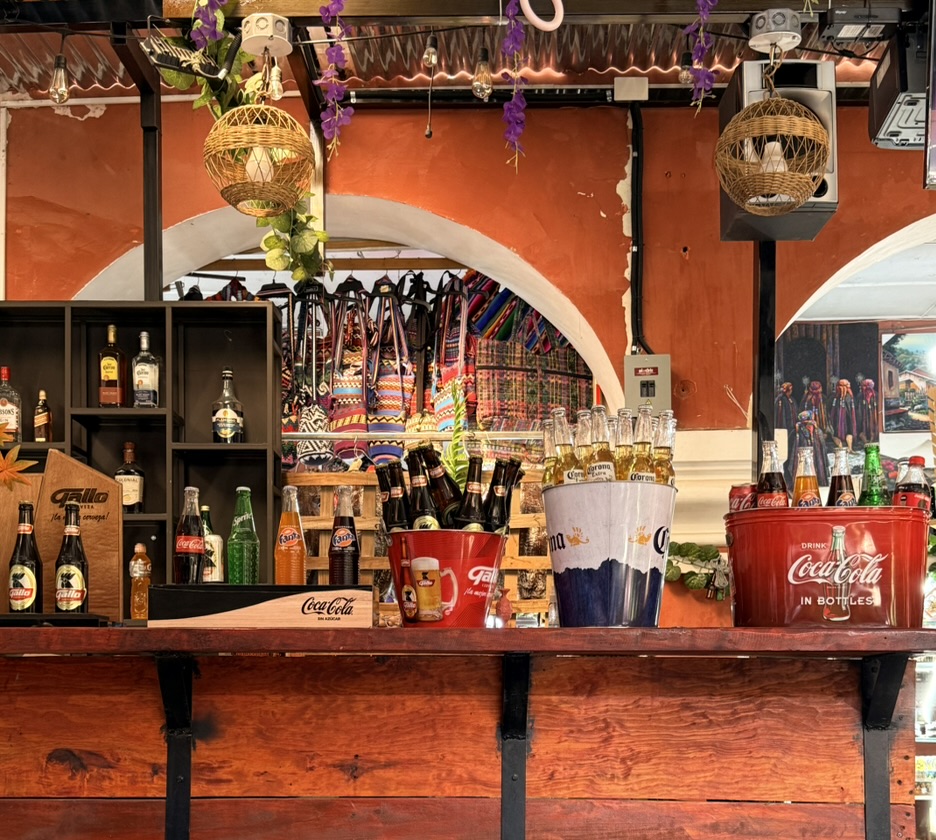
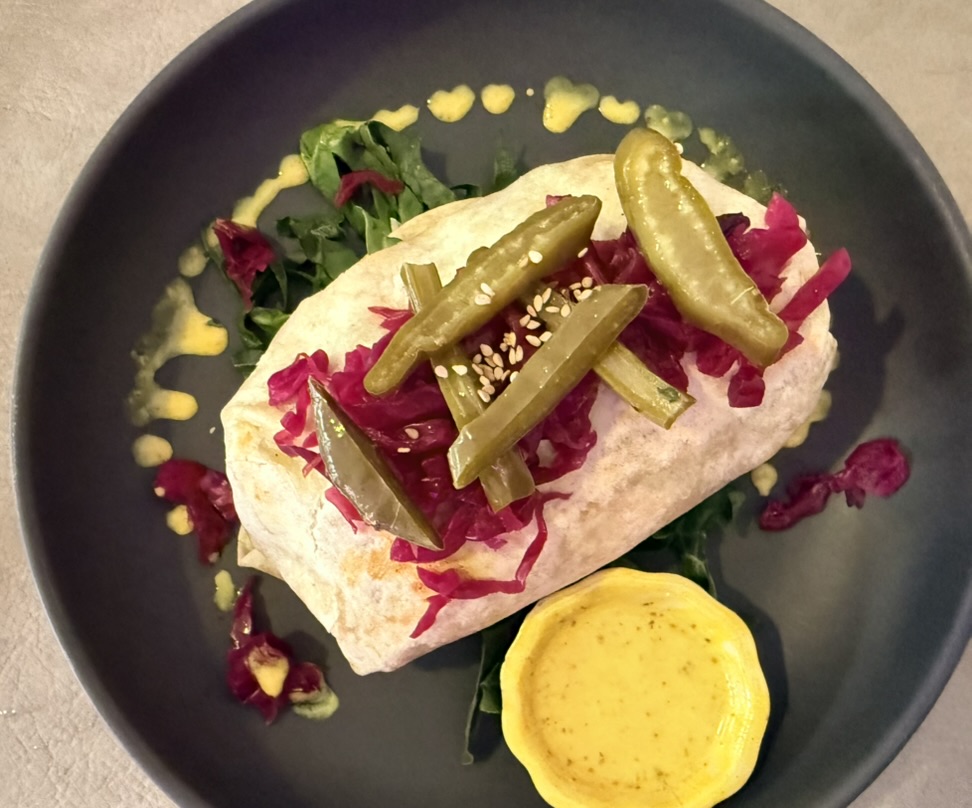
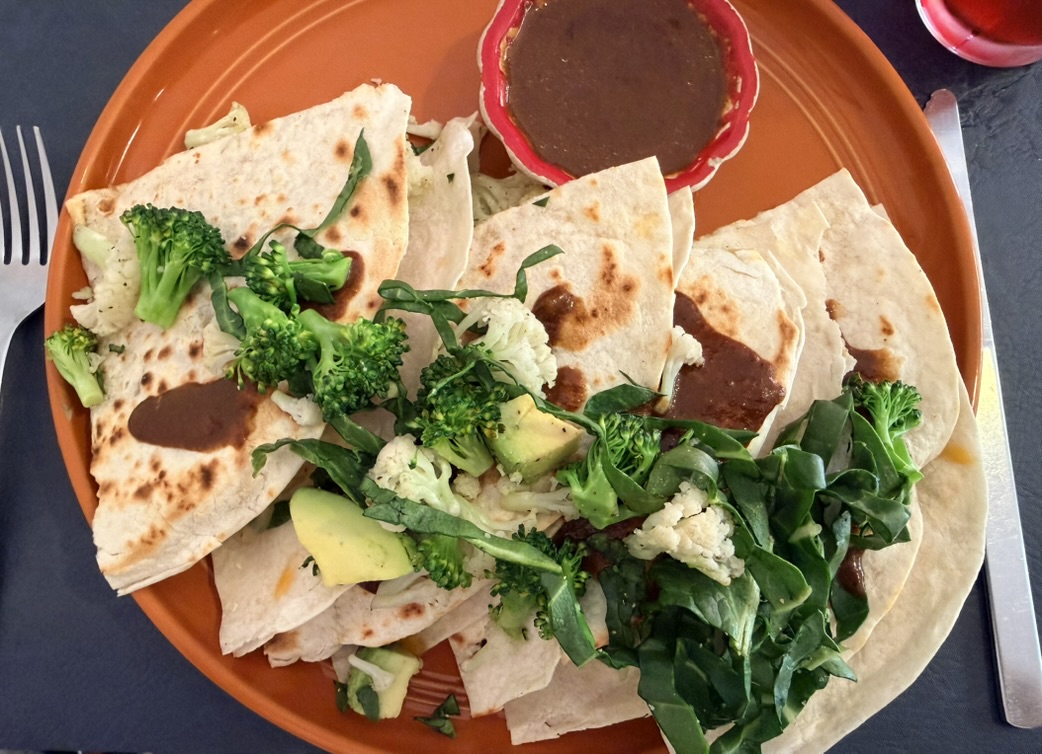
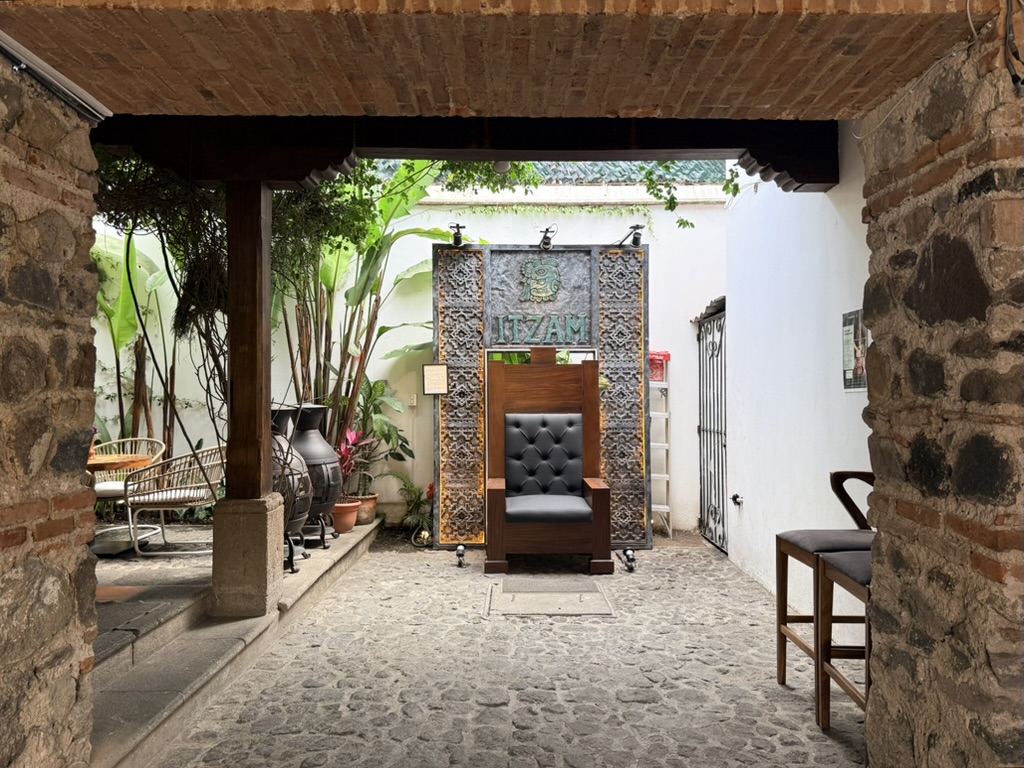
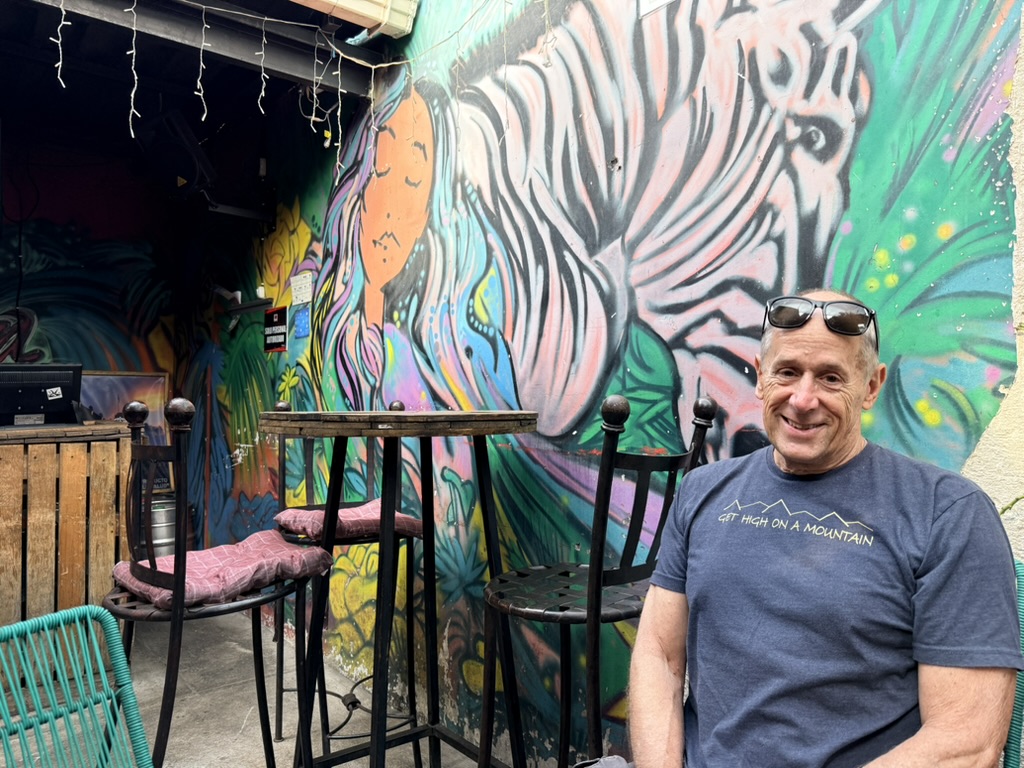
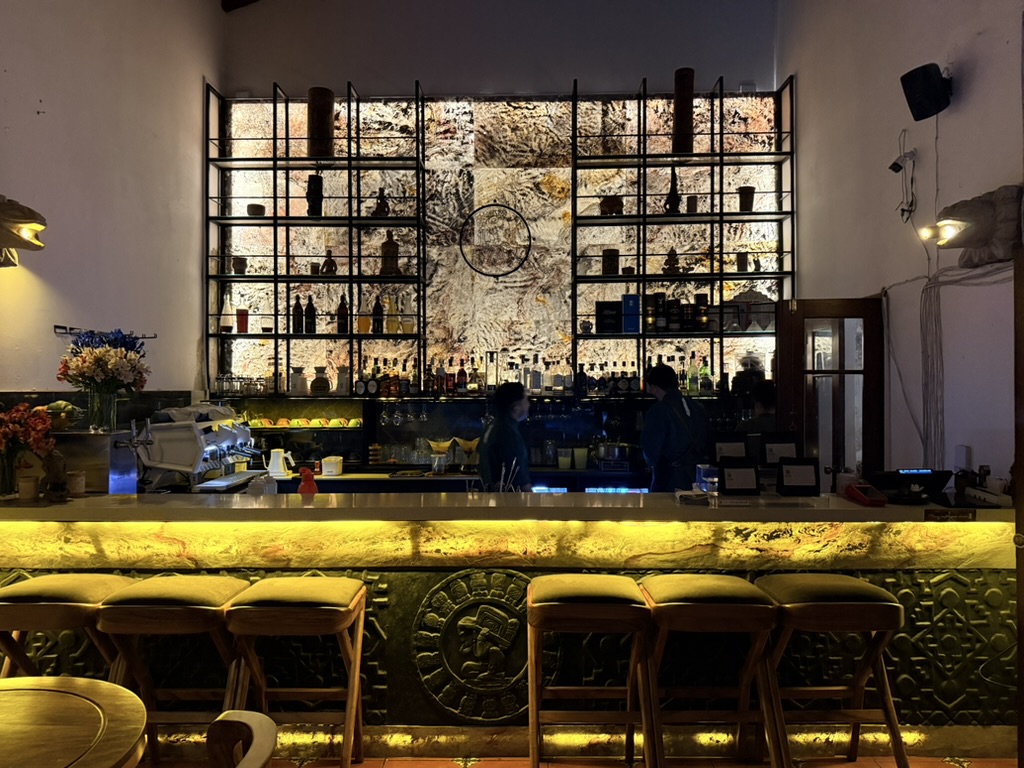
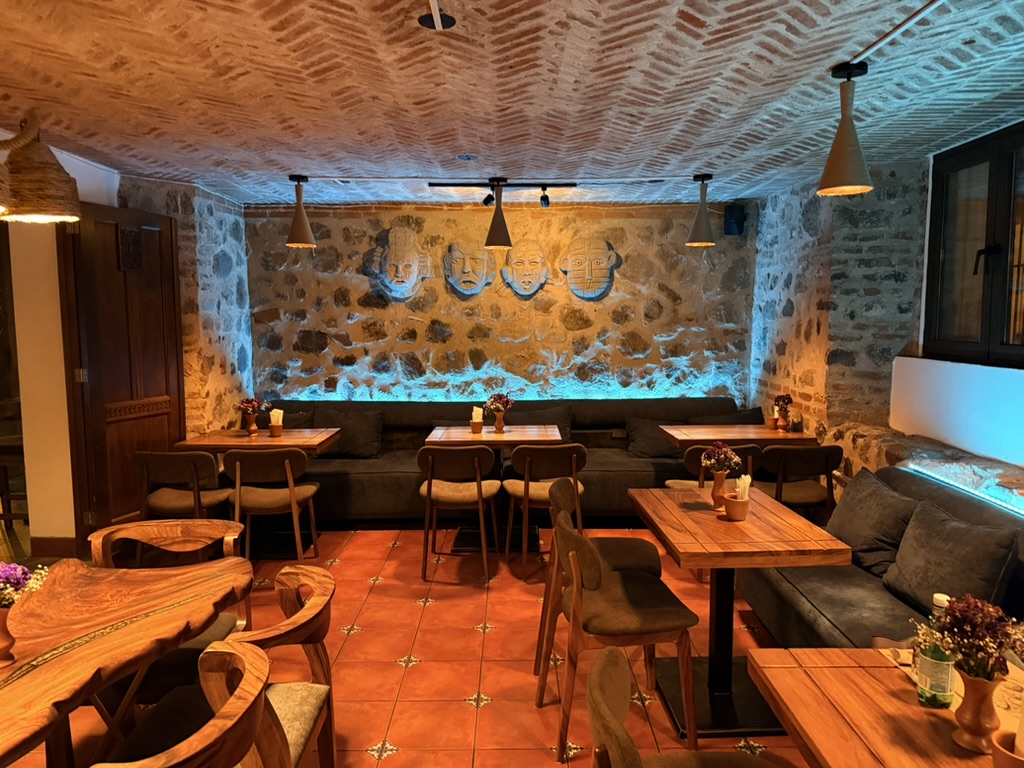
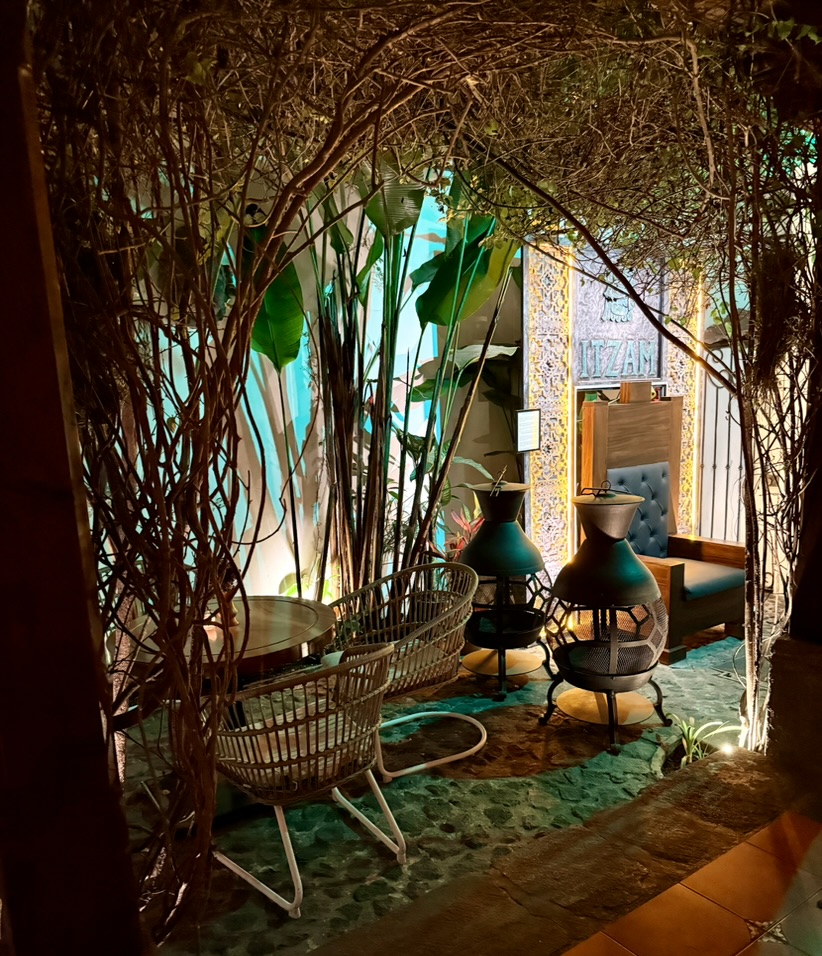
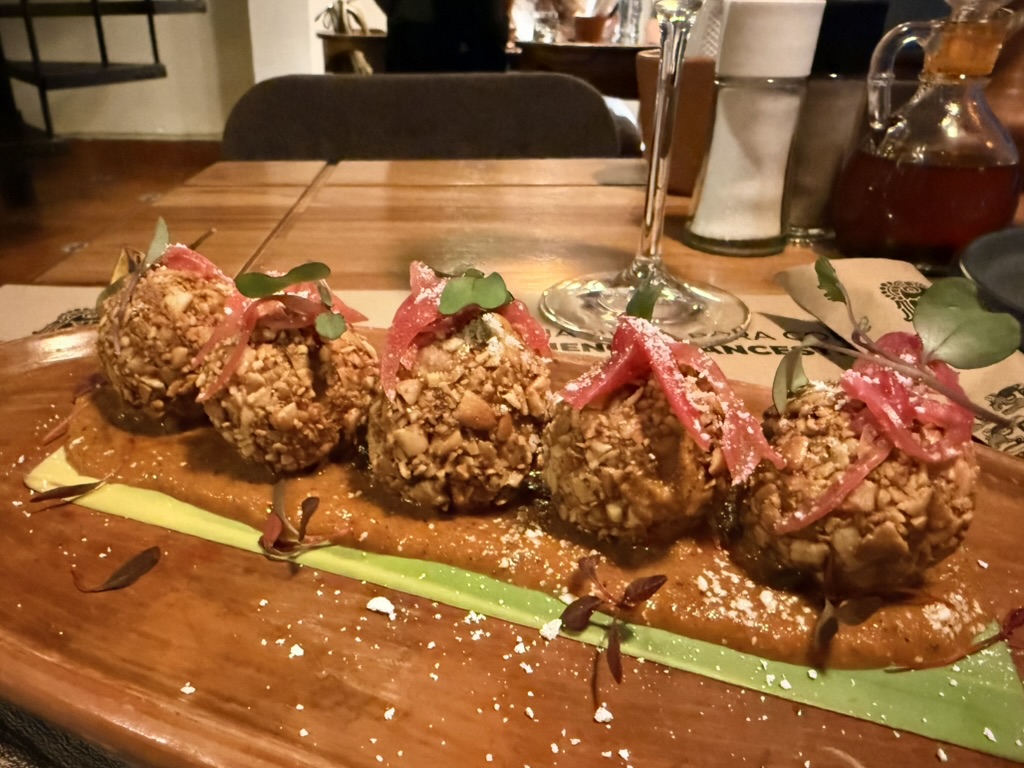
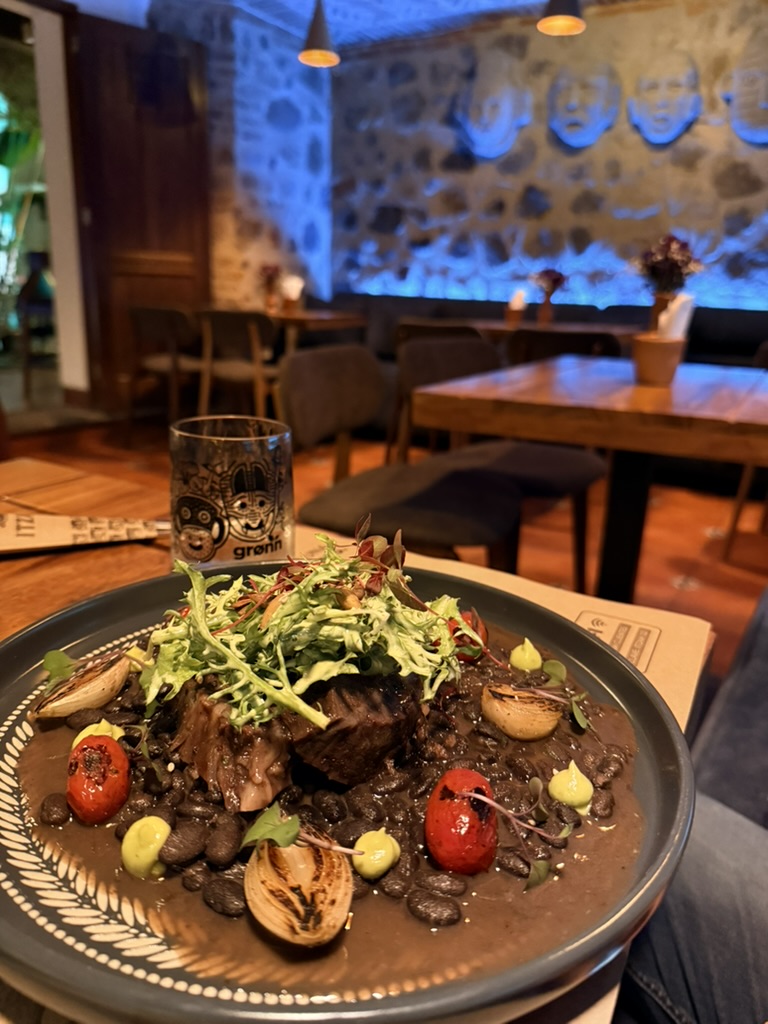
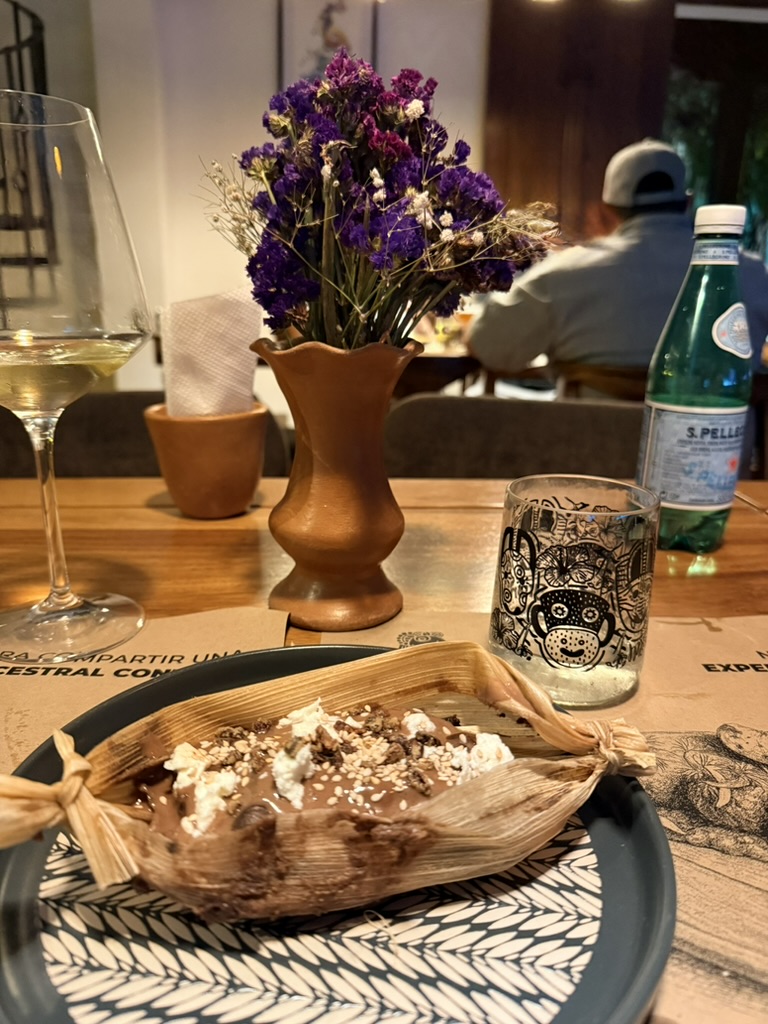
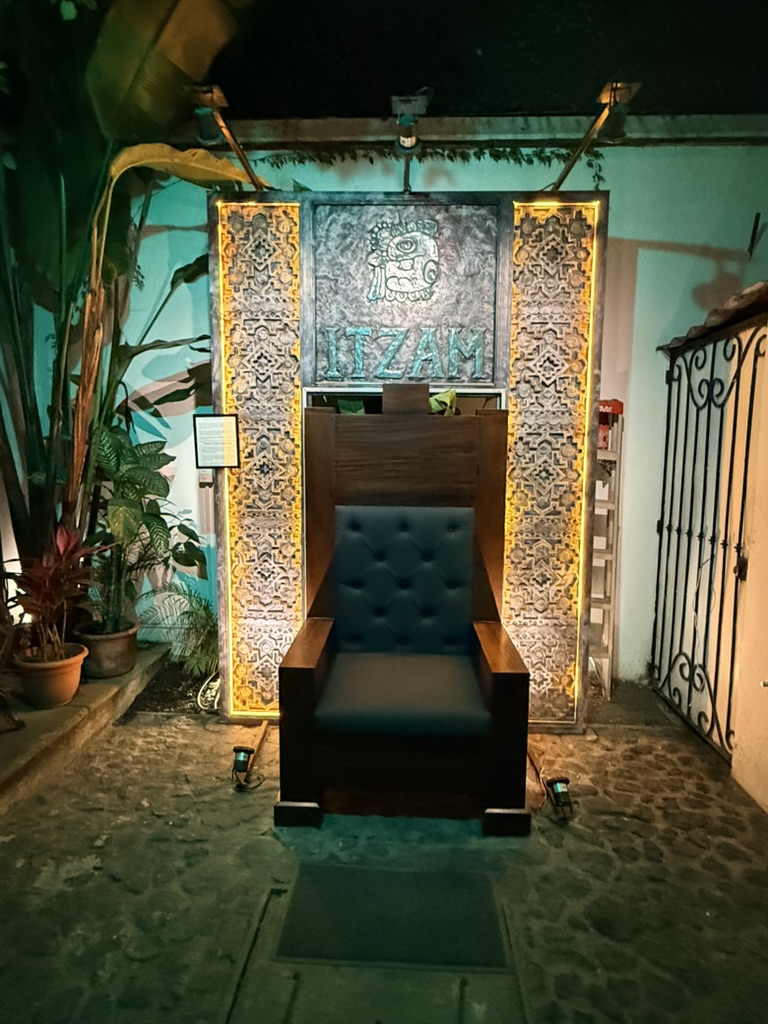
Last but not least was the coffee and the food scene that arose from the ashes of Antigua. Coffee shops abound and we stopped in them whenever we needed a break. We drank the local Gallo beer. We shared Baked Camembert with Onion Chutney, Sopa de Tortilla and pork ragout alongside a gurgling fountain in the courtyard of Las Antorchas (The Torches). At Seth and Joel’s recommendation, we ate tacos at Tacos La Loteria at a colorful food court. We stopped twice at a little bar called Red Zebra where I drank a decadent Fresa Colada (Strawberry colada) while Lost Frequencies sang “Black Friday (pretty like the sun)” and “Are you with me?” The second time I went lighter with a glass of wine to the tune of “Prayer in C” by Lillywood & the Prick & Robin Schulz. We gobbled up a Cactus (Nopal) Wrap with chicken and a Veggie Quesadilla at Union Cafe. And finally, we had authentic Mayan cuisine at Itzam: corn croquettes with Iguashte Sauce, Guatemalan BBQ (Churrasquito), and for dessert a Tamalito, neatly presented in a slit-open corn husk. Mike said his beef was the most tender he’d ever had. It was no wonder; they cooked it for 16 hours!
Antigua is a complex and fascinating colonial town, but even with all my words, I am unable to capture all of the threads that make its essence. After all, words are not for such things.
Here is a short snippet from our time in Antigua..
Discover more from ~ wander.essence ~
Subscribe to get the latest posts sent to your email.
 ~ wander.essence ~
So much colour in every picture! It looks like a really interesting place. The story about the baby is tragic.
LikeLike