Skip to content
  • Home
  • about ~ wander.essence ~
    • ~ the places i’ve been ~
    • ~ places i’ve been in the u.s.a. ~
  • Travel Destinations
    • America
      • Boston
      • Delaware
      • District of Columbia
        • Washington
      • Georgia
        • Atlanta
      • Maryland
      • New Jersey
        • Cape May
      • New York
        • Adirondacks
        • Buffalo
        • Niagara Falls
      • Pennsylvania
        • Pittsburgh
      • South Carolina
      • Tennessee
        • Nashville
      • Virginia
    • American Road Trips
      • Canyon & Cactus Road Trip
      • Florida Road Trip
        • Everglades
        • Fort Lauderdale
        • Florida Keys
        • Miami
        • St. Augustine
      • Four Corners Road Trip
        • Arizona
          • Monument Valley
          • Petrified Forest National Park
          • Sunset Crater National Monument
          • Walnut Canyon National Monument
          • Winslow
          • Wupatki National Monument
        • Colorado
          • Colorado National Monument
          • Colorado Towns
          • Great Sand Dunes National Park
          • Grand Junction
        • New Mexico
        • Utah
          • Arches National Park
          • Canyonlands
          • Navajo National Monument
          • Dead Horse Point State Park
          • Hovenweep National Monument
          • Moab
          • Valley of the Gods
          • Natural Bridges National Monument
      • Great Lakes Road Trip
        • Michigan
        • Minnesota
        • Wisconsin
      • Midwestern Triangle
        • Illinois
          • Carbondale
          • Murphysboro
        • Kentucky
          • Covington
          • Lexington
          • Louisville
        • Ohio
          • Cincinnati
      • Road Trip to Nowhere
        • Nebraska
        • North Dakota
        • South Dakota
      • Tex-New Mex Road Trip
        • Texas & New Mexico Road Trip
        • New Mexico
        • Texas
    • International Travel
      • Africa
        • african meanderings {& musings}
        • Egypt
          • Cairo
        • Ethiopia
        • Morocco
      • Asia
        • Cambodia
        • China
          • China Diaries
          • Guangxi Province
        • India
          • Rishikesh
          • Varanasi
        • Japan
          • Kyoto
        • Myanmar
        • Oman
          • a nomad in the land of nizwa
          • Nizwa
        • Singapore
        • South Korea
          • catbird in korea
        • Thailand
        • Turkey
          • Cappadocia
        • Vietnam
      • Central America
        • Costa Rica
        • El Salvador
        • Nicaragua
        • Panama
          • Bocas del Toro
          • Panama City
      • Europe
        • In Search of a Thousand Cafés
        • Croatia
          • Dalmatia
            • Istria
            • Dubrovnik
            • Plitvice Lakes National Park
            • Split
            • Zadar
            • Zagreb
        • Czech Republic
          • Český Krumlov
        • England
        • France
        • Greece
        • Hungary
          • Budapest
          • Esztergom
        • Iceland
        • Italy
          • Bergamo
          • Cinque Terre
          • The Dolomites
          • Florence
          • Rome
          • Tuscany
          • Venice
          • Verona
          • Via Francigena
        • Portugal
        • Spain
          • Camino de Santiago
            • packing list for el camino de santiago 2018
      • North America
        • Canada
          • The Maritimes
            • New Brunswick
            • Nova Scotia
            • Prince Edward Island
          • Ontario
        • Mexico
          • Guanajuato
          • Mexico City
            • Teotihuacán
          • Querétaro
          • San Miguel de Allende
      • South America
        • Colombia
        • Ecuador
          • Cuenca
          • Quito
    • how to make the most of a staycation
      • Coronavirus Coping
  • Imaginings
    • imaginings: the call to place
  • Travel Preparation
    • journeys: anticipation & preparation
  • Travel Creativity
    • on keeping a travel journal
    • on creating art from travels
      • Art Journaling
    • photography inspiration
      • Photography
    • writing prompts: prose
      • Prose
        • Fiction
        • Travel Essay
        • Travelogue
    • writing prompts: poetry
      • Poetry
  • On Journey
    • on journey: taking ourselves from here to there
  • Books & Movies
    • books | international a-z |
    • books & novels | u.s.a. |
    • books | history, spirituality, personal growth & lifestyle |
    • movies | international a-z |
    • movies | u.s.a. |
  • On Returning Home
    • on returning home
  • Annual recap
    • twenty-fifteen
    • twenty-eighteen
    • twenty-nineteen
    • twenty-twenty
    • twenty-twenty-one
    • twenty twenty-two
    • twenty twenty-three
    • twenty twenty-four
    • twenty twenty-five
  • Contact

Enter your email address to follow this blog and receive notifications of new posts by email.

Join 1,060 other subscribers
Follow ~ wander.essence ~ on WordPress.com
  • Home
  • about ~ wander.essence ~
    • ~ the places i’ve been ~
    • ~ places i’ve been in the u.s.a. ~
  • Travel Destinations
    • America
      • Boston
      • Delaware
      • District of Columbia
        • Washington
      • Georgia
        • Atlanta
      • Maryland
      • New Jersey
        • Cape May
      • New York
        • Adirondacks
        • Buffalo
        • Niagara Falls
      • Pennsylvania
        • Pittsburgh
      • South Carolina
      • Tennessee
        • Nashville
      • Virginia
    • American Road Trips
      • Canyon & Cactus Road Trip
      • Florida Road Trip
        • Everglades
        • Fort Lauderdale
        • Florida Keys
        • Miami
        • St. Augustine
      • Four Corners Road Trip
        • Arizona
          • Monument Valley
          • Petrified Forest National Park
          • Sunset Crater National Monument
          • Walnut Canyon National Monument
          • Winslow
          • Wupatki National Monument
        • Colorado
          • Colorado National Monument
          • Colorado Towns
          • Great Sand Dunes National Park
          • Grand Junction
        • New Mexico
        • Utah
          • Arches National Park
          • Canyonlands
          • Navajo National Monument
          • Dead Horse Point State Park
          • Hovenweep National Monument
          • Moab
          • Valley of the Gods
          • Natural Bridges National Monument
      • Great Lakes Road Trip
        • Michigan
        • Minnesota
        • Wisconsin
      • Midwestern Triangle
        • Illinois
          • Carbondale
          • Murphysboro
        • Kentucky
          • Covington
          • Lexington
          • Louisville
        • Ohio
          • Cincinnati
      • Road Trip to Nowhere
        • Nebraska
        • North Dakota
        • South Dakota
      • Tex-New Mex Road Trip
        • Texas & New Mexico Road Trip
        • New Mexico
        • Texas
    • International Travel
      • Africa
        • african meanderings {& musings}
        • Egypt
          • Cairo
        • Ethiopia
        • Morocco
      • Asia
        • Cambodia
        • China
          • China Diaries
          • Guangxi Province
        • India
          • Rishikesh
          • Varanasi
        • Japan
          • Kyoto
        • Myanmar
        • Oman
          • a nomad in the land of nizwa
          • Nizwa
        • Singapore
        • South Korea
          • catbird in korea
        • Thailand
        • Turkey
          • Cappadocia
        • Vietnam
      • Central America
        • Costa Rica
        • El Salvador
        • Nicaragua
        • Panama
          • Bocas del Toro
          • Panama City
      • Europe
        • In Search of a Thousand Cafés
        • Croatia
          • Dalmatia
            • Istria
            • Dubrovnik
            • Plitvice Lakes National Park
            • Split
            • Zadar
            • Zagreb
        • Czech Republic
          • Český Krumlov
        • England
        • France
        • Greece
        • Hungary
          • Budapest
          • Esztergom
        • Iceland
        • Italy
          • Bergamo
          • Cinque Terre
          • The Dolomites
          • Florence
          • Rome
          • Tuscany
          • Venice
          • Verona
          • Via Francigena
        • Portugal
        • Spain
          • Camino de Santiago
            • packing list for el camino de santiago 2018
      • North America
        • Canada
          • The Maritimes
            • New Brunswick
            • Nova Scotia
            • Prince Edward Island
          • Ontario
        • Mexico
          • Guanajuato
          • Mexico City
            • Teotihuacán
          • Querétaro
          • San Miguel de Allende
      • South America
        • Colombia
        • Ecuador
          • Cuenca
          • Quito
    • how to make the most of a staycation
      • Coronavirus Coping
  • Imaginings
    • imaginings: the call to place
  • Travel Preparation
    • journeys: anticipation & preparation
  • Travel Creativity
    • on keeping a travel journal
    • on creating art from travels
      • Art Journaling
    • photography inspiration
      • Photography
    • writing prompts: prose
      • Prose
        • Fiction
        • Travel Essay
        • Travelogue
    • writing prompts: poetry
      • Poetry
  • On Journey
    • on journey: taking ourselves from here to there
  • Books & Movies
    • books | international a-z |
    • books & novels | u.s.a. |
    • books | history, spirituality, personal growth & lifestyle |
    • movies | international a-z |
    • movies | u.s.a. |
  • On Returning Home
    • on returning home
  • Annual recap
    • twenty-fifteen
    • twenty-eighteen
    • twenty-nineteen
    • twenty-twenty
    • twenty-twenty-one
    • twenty twenty-two
    • twenty twenty-three
    • twenty twenty-four
    • twenty twenty-five
  • Contact

wander.essence

wander.essence

Home from Morocco & Italy

Home sweet home!May 10, 2019
I'm home from Morocco & Italy. :-)

Italy trip

Traveling to Italy from MoroccoApril 23, 2019
On my way to Italy!

Leaving for Morocco

Casablanca, here I come!April 4, 2019
I'm on my way to Casablanca. :-)

Home from our Midwestern Triangle Road Trip

Driving home from Lexington, KYMarch 6, 2019
Home sweet home from the Midwest. :-)

Leaving for my Midwestern Triangle Road Trip

Driving to IndianaFebruary 24, 2019
Driving to Indiana.

Returning home from Portugal

Home sweet home from Spain & Portugal!November 6, 2018
Home sweet home from Spain & Portugal!

Leaving Spain for Portugal

A rendezvous in BragaOctober 26, 2018
Rendezvous in Braga, Portgual after walking the Camino de Santiago. :-)

Leaving to walk the Camino de Santiago

Heading to Spain for the CaminoAugust 31, 2018
I'm on my way to walk 790 km across northern Spain on the Camino de Santiago.

Home from my Four Corners Road Trip

Home Sweet Home from the Four CornersMay 25, 2018
Home Sweet Home from the Four Corners. :-)

My Four Corners Road Trip!

Hitting the roadMay 1, 2018
I'm hitting the road today for my Four Corners Road Trip: CO, UT, AZ, & NM!

Recent Posts

  • bullet journals as a life respository: bits of mine from 2025 & 2026 January 4, 2026
  • twenty twenty-five: nicaragua {twice}, mexico & seven months in costa rica {with an excursion to panama} December 31, 2025
  • the december cocktail hour: mike’s surgery, a central highlands road trip & christmas in costa rica December 31, 2025
  • top ten books of 2025 December 28, 2025
  • the november cocktail hour: a trip to panama, a costa rican thanksgiving & a move to lake arenal condos December 1, 2025
  • panama: the caribbean archipelago of bocas del toro November 24, 2025
  • a trip to panama city: el cangrejo, casco viejo & the panama canal November 22, 2025
  • the october cocktail hour: a trip to virginia, a NO KINGS protest, two birthday celebrations, & a cattle auction October 31, 2025
  • the september cocktail hour: a nicoya peninsula getaway, a horseback ride to la piedra del indio waterfalls & a fall bingo card September 30, 2025
  • the august cocktail hour: local gatherings, la fortuna adventures, & a “desfile de caballistas”  September 1, 2025
  • the july cocktail hour: a trip to ometepe, nicaragua; a beach getaway to tamarindo; & homebody activities August 3, 2025
  • the june cocktail hour: our first month in costa rica June 30, 2025
  • a pura vida year in costa rica June 12, 2025

Archives

  • January 2026
  • December 2025
  • November 2025
  • October 2025
  • September 2025
  • August 2025
  • June 2025
  • May 2025
  • April 2025
  • March 2025
  • February 2025
  • January 2025
  • December 2024
  • November 2024
  • October 2024
  • September 2024
  • August 2024
  • July 2024
  • June 2024
  • May 2024
  • April 2024
  • March 2024
  • February 2024
  • January 2024
  • December 2023
  • November 2023
  • September 2023
  • August 2023
  • June 2023
  • May 2023
  • April 2023
  • March 2023
  • February 2023
  • January 2023
  • December 2022
  • November 2022
  • October 2022
  • September 2022
  • August 2022
  • June 2022
  • May 2022
  • April 2022
  • March 2022
  • February 2022
  • January 2022
  • December 2020
  • November 2020
  • October 2020
  • September 2020
  • August 2020
  • July 2020
  • June 2020
  • May 2020
  • April 2020
  • March 2020
  • February 2020
  • January 2020
  • December 2019
  • November 2019
  • October 2019
  • September 2019
  • August 2019
  • July 2019
  • June 2019
  • May 2019
  • April 2019
  • March 2019
  • February 2019
  • January 2019
  • December 2018
  • November 2018
  • October 2018
  • September 2018
  • August 2018
  • July 2018
  • June 2018
  • May 2018
  • April 2018
  • March 2018

Blog Stats

  • 122,166 hits
January 2026
M T W T F S S
 1234
567891011
12131415161718
19202122232425
262728293031  
« Dec    

Categories

  • Aït-Ben-Haddou (4)
  • Abingdon (1)
  • Abiquiu (1)
  • Acquapendente (2)
  • Adirondacks (3)
  • Africa (39)
  • Ainokura (2)
  • Alabama (1)
  • Alajuela (3)
  • Alamogordo (1)
  • Albuquerque (3)
  • Alexandria (1)
  • Alma (1)
  • Alpe di Siusi (1)
  • Alsace-Lorraine (1)
  • Alto Adige Wine Road (1)
  • Amarante (2)
  • America (69)
  • American Bison (1)
  • American books (22)
  • American Road Trips (255)
  • American Visionary Art Museum (1)
  • Americana (1)
  • Andrew Johnson National Historic Site (1)
  • Annapolis Valley (1)
  • Annual recap (10)
  • Anticipation (45)
  • Antietam National Battlefield (2)
  • Aramak Tour (1)
  • Arches National Park (8)
  • architecture (1)
  • Arena Stage (1)
  • Arizona (28)
  • Aroumd (2)
  • Art Journaling (9)
  • Asciano (1)
  • Asia (41)
  • Assisi (1)
  • Astorga (2)
  • Atapuerca (1)
  • Athens (1)
  • Atlanta (7)
  • Austin (2)
  • Aveiro (2)
  • Azofra (2)
  • Aztec Ruins National Monument (1)
  • óbidos (1)
  • Baños (2)
  • Badlands National Park (1)
  • Bagan (1)
  • Bagno Vignoni (2)
  • Bajos del Toro (1)
  • Balcony House (1)
  • Bali (9)
  • Baltimore (7)
  • Baltimore Museum of Art (1)
  • Bandelier National Monument (1)
  • Bangkok (2)
  • Bear Butte (1)
  • Beatrice (1)
  • Beihai (1)
  • Belize (2)
  • Beppu (1)
  • Bergamo (3)
  • Big Bend National Park (2)
  • Bijagua (2)
  • Bismarck (3)
  • Bismarck Art Alley (1)
  • Bitchu-Takahashi (1)
  • Blue Falls of Costa Rica (1)
  • Bluff (1)
  • Bluff Fort Historic Site (1)
  • Bocas del Toro (2)
  • Bocas Town (1)
  • Bogotá (4)
  • Bolsena (2)
  • Bolzano (2)
  • Bonanzaville (1)
  • Books (47)
  • Bosque de Chapultepec (1)
  • Boston (2)
  • Boulder (1)
  • Boys Town (1)
  • Braga (3)
  • Brookings (1)
  • Brunico/Bruneck (1)
  • Budapest (1)
  • Buffalo (9)
  • Bukit Peninsula (1)
  • Bullet journaling (1)
  • Buonconvento (2)
  • Burano (2)
  • Burgos (4)
  • Cañas (2)
  • Cabo da Roca (1)
  • Caddo Lake (2)
  • Cairo (3)
  • California (4)
  • Cambodia (4)
  • Cambridge (1)
  • Camino de Santiago (64)
  • Campagnano di Roma (2)
  • Canada (15)
  • Canyon & Cactus Road Trip (4)
  • Canyon de Chelly (3)
  • Canyonlands (3)
  • Cape May (7)
  • Cappadocia (2)
  • Capranica (1)
  • Carbondale (9)
  • Carlsbad (1)
  • Carlsbad Caverns National Park (2)
  • Cartagena (4)
  • Casablanca (9)
  • Casco Viejo (1)
  • Castellina in Chianti (1)
  • Catarata del Toro (1)
  • Catskill Mountains (1)
  • Cedar Creek & Belle Grove National Historical Park (1)
  • Central America (42)
  • Central Highlands (1)
  • Centro Histórico (1)
  • Chaco Culture National Historical Park (4)
  • challenge: a call to place (38)
  • Channel Islands National Park (3)
  • Chapel in the Hills (1)
  • Charles Pinckney National Historic Site (1)
  • Charleston (11)
  • Chefchaouen (5)
  • Cheyenne (2)
  • Cheyenne Depot Museum (1)
  • Cheyenne Frontier Days Old West Museum (1)
  • Chicago (3)
  • Chillicothe (2)
  • Chimayó (1)
  • Chimney Rock (1)
  • China (8)
  • Chinatown (1)
  • Christmas (5)
  • Churchill Downs (1)
  • Cihuatán (1)
  • Cincinnati (15)
  • Cincinnati Art Museum (1)
  • Cinque Terre (10)
  • Cinquera (1)
  • Civita di Bagnoregio (1)
  • Cloudcroft (1)
  • Cocktail Hour (22)
  • Cocoa Beach (2)
  • Coeur d'Alene (1)
  • Collalbo/Klobenstein (1)
  • Colle di Val d'Elsa (2)
  • Colombia (9)
  • Colorado (31)
  • Colorado National Monument (3)
  • Colorado Towns (6)
  • Colorful (1)
  • Condesa (1)
  • Connecticut (1)
  • Cordoba (1)
  • Coronavirus Coping (14)
  • Cortina d’Ampezzo (1)
  • Costa Nova (1)
  • Costa Rica (20)
  • Covington (7)
  • Cowgirls of the West (1)
  • Coyoacán (1)
  • Crazy Horse Memorial (1)
  • Crestone (1)
  • Crete (1)
  • Croatia (3)
  • Cuenca (3)
  • Curves (1)
  • Custer (1)
  • Custer State Park (1)
  • Czech Republic (1)
  • Dakota Dinosaur Museum (1)
  • Dali (1)
  • Dalmatia (1)
  • De Smet (1)
  • Dead Horse Point State Park (1)
  • Dead Sea (1)
  • Deadwood (3)
  • decay (1)
  • Delaware (9)
  • Delphi (1)
  • Denver (1)
  • destinations (44)
  • Devils Tower National Monument (2)
  • Diamante Eco Adventure Park (1)
  • Dickinson (1)
  • District of Columbia (22)
  • Dobbiaco/Toblach (1)
  • Dolores Hidalgo (1)
  • Drawing (7)
  • Dubrovnik (1)
  • Durango (1)
  • Dwight D. Eisenhower Memorial (1)
  • Ecuador (14)
  • Egypt (3)
  • El Cangrejo (1)
  • El Salvador (6)
  • El-Khorbat (1)
  • Embudo (1)
  • Enchanted Rock State Natural Area (1)
  • England (3)
  • Erg Chebbi (3)
  • Española (1)
  • Essaouira (4)
  • Esztergom (1)
  • Ethiopia (3)
  • Europe (121)
  • Evan Williams Bourbon Experience (1)
  • Everglades (3)
  • Evora (1)
  • Fargo (2)
  • Fès (3)
  • Fenghuang (1)
  • Fez (2)
  • Fiction (6)
  • Findlay Market (1)
  • Finisterre (2)
  • Finland (1)
  • Fira (1)
  • Fiumicino (2)
  • Flatirons Vista Trail (1)
  • Flight 93 National Memorial (1)
  • Florence (8)
  • Florida Keys (3)
  • Florida Road Trip (5)
  • Formello (1)
  • Fort Abraham Lincoln State Park (1)
  • Fort Atkinson State HIstorical Park (1)
  • Fort Calhoun (1)
  • Fort Collins (2)
  • Fort Lauderdale (2)
  • Fort Mandan (1)
  • Fort McHenry National Monument and Historic Shrine (1)
  • Fort Robinson State Park (1)
  • Fort Sumter and Fort Moultrie National Historical Park (1)
  • Fort Union Trading Post National Historic Site (1)
  • Four Corners Road Trip (74)
  • France (7)
  • Frazier Museum (1)
  • Fredericksburg (1)
  • Fucecchio (1)
  • Fundy National Park (1)
  • G Adventures Tour (10)
  • Gallina (2)
  • Gambassi Terme (2)
  • Gateway Arch National Park (1)
  • Gavin's Point Dam (1)
  • George Rogers Clark National Historical Park (2)
  • Georgia (7)
  • Gerald R. Ford Birthsite (1)
  • Germany (1)
  • Gettysburg National Military Park (1)
  • Goals (3)
  • Gothenburg (1)
  • Grand Junction (1)
  • Great Falls (2)
  • Great Lakes Road Trip (6)
  • Great Sand Dunes National Park (2)
  • Grecia (1)
  • Greece (3)
  • Greeneville (1)
  • Greenville (1)
  • Greve in Chianti (1)
  • Guadalupe Mountains National Park (1)
  • Guanacaste (10)
  • Guanajuato (5)
  • Guangxi Province (4)
  • Guatapé (5)
  • Guatemala (2)
  • Guilin (1)
  • Guimarães (2)
  • Halifax (3)
  • Halong Bay (1)
  • Hanoi (1)
  • Heidelberg (1)
  • Hida Furukawago (2)
  • High Road to Taos (1)
  • Hikes & Walks (202)
  • HISTORIC NAKASENDO TRAIL (1)
  • Hoa Lu (1)
  • Holbrook (1)
  • Holidays (6)
  • Hong Kong (1)
  • Hopewell Culture National Historical Park (2)
  • Hopewell Rocks Provincial Park (1)
  • Hotel Hacienda Guachipelin (1)
  • Hovenweep National Monument (1)
  • Hubbell Trading Post (1)
  • Hungary (1)
  • Iceland (1)
  • Idaho (1)
  • Illinois (17)
  • Imaginings (45)
  • Imlil (2)
  • India (7)
  • Indiana (6)
  • Indonesia (9)
  • Ingapirca (2)
  • Inle Lake (1)
  • Innichen/San Candido (1)
  • International Books (31)
  • International Peace Garden (1)
  • International Travel (334)
  • Iowa (1)
  • Isla Bastimentos (1)
  • Isla Carenero (1)
  • Isla Colón (1)
  • Istanbul (2)
  • Istria (1)
  • Italy (62)
  • Jamestown (1)
  • Japan (20)
  • Japan Alps (4)
  • Jefferson (1)
  • Jewel Cave National Monument (1)
  • Jimbaran (1)
  • Joachim Regional Museum & Prairie Outpost Park (1)
  • Johnstown Flood National Memorial (1)
  • Jordan (3)
  • Joseph N. Nicollet Tower and Interpretive Center (1)
  • Joshua Tree National Park (3)
  • Joslyn Art Museum (1)
  • Journaling (9)
  • Joya de Cerén (1)
  • Kansas (2)
  • Kathmandu (2)
  • Kentucky (17)
  • KMAC (1)
  • Knife River Indian Villages (2)
  • Kunming (1)
  • Kurashiki Bikan Historical Quarter (1)
  • Kyoto (5)
  • Kyushu (4)
  • La Fortuna (2)
  • La Giustiniana (2)
  • La Peñol (1)
  • La Romita (1)
  • La Spezia (6)
  • Lago d'Iseo (1)
  • Lago di Garda (1)
  • Lago di Garda (1)
  • Laguna de Apoyo (1)
  • Laguna Quilotoa (2)
  • Languedoc-Roussillon (1)
  • Latacunga (3)
  • laundry (1)
  • Lazio (6)
  • León (2)
  • León (2)
  • Leeds (1)
  • Lens-Artists (2)
  • Lewis & Clark Interpretive Center (2)
  • Lexington (8)
  • Lijiang (1)
  • Lincoln Boyhood Home National Memorial (2)
  • Lincoln City (3)
  • lines (1)
  • Lisbon (8)
  • Logroño (3)
  • Lombardy (3)
  • Longji Rice Terraces (1)
  • Longreads (6)
  • Looking ahead (3)
  • Lorca (2)
  • Lory State Park (1)
  • Los Alamos (3)
  • Los Angeles (3)
  • Louisiana (1)
  • Louisville (13)
  • Low Road to Taos (1)
  • Lucca (3)
  • Luckenbach (1)
  • Lunenburg (1)
  • Madison (1)
  • Madison County Historical Society Museum (1)
  • Magnolia Plantations & Gardens (1)
  • Magome-juku (1)
  • Mahone Bay (1)
  • Maine (1)
  • Managua (5)
  • Manarola (1)
  • Mandalay (1)
  • Mandan (1)
  • Manhattan Project National Historical Park (1)
  • Mapmaking (2)
  • Marfa (1)
  • Market towns near Cuenca (2)
  • markets (1)
  • Marrakech (7)
  • Maryland (11)
  • Massachusetts (2)
  • Matagalpa (2)
  • Mathews (1)
  • Meadowlark Botanical Gardens (4)
  • Medellín (5)
  • Medora (5)
  • Memoir (4)
  • Merzouga (5)
  • Mesa Verde National Park (4)
  • Meteora (1)
  • Mexico (11)
  • Mexico City (7)
  • Miami (3)
  • Michigan (4)
  • Middletown (1)
  • Midwestern Triangle (30)
  • Minas Basin (1)
  • Mine of Santa Brigida (1)
  • Mineral de Pozos (1)
  • Ministers Island (1)
  • Minnesota (1)
  • Minnesota (3)
  • Minot (1)
  • Minuteman Missile National Historic Site (1)
  • Mirador de Catarina (1)
  • Mississippi (1)
  • Missouri (4)
  • Missouri National Recreation River (1)
  • Missouri River Basin Lewis & Clark Center (2)
  • Mitchell (1)
  • Moab (2)
  • Montalcino (1)
  • Montana (1)
  • Montefiascone (1)
  • Montefioralle (1)
  • Montepulciano (1)
  • Monteriggioni (3)
  • Monteroni d'Arbia (1)
  • Monterosi (1)
  • Monterosso al Mare (2)
  • Monteverde (1)
  • Monthly recap (22)
  • Monument Valley (1)
  • Moorhead (1)
  • Morocco (37)
  • Mount Pleasant (1)
  • Mt. Rushmore National Memorial (1)
  • Mulberry Bend Overlook (1)
  • Murano (2)
  • Murphysboro (10)
  • Muruzabal (1)
  • Muscat (1)
  • Museum of the Shenandoah Valley (1)
  • Muxia (2)
  • Myanmar (2)
  • Nagoya (4)
  • Nagoya Castle (2)
  • Nanning (3)
  • Naoshima (1)
  • Narita (5)
  • Nashville (8)
  • National Gallery of Art (2)
  • natural bridges (1)
  • Natural Bridges National Monument (2)
  • Navajo National Monument (2)
  • Nebraska (21)
  • Nepal (4)
  • New Belgium Brewing (1)
  • New Brunswick (6)
  • New Castle (2)
  • New England Road Trip (2)
  • New Hampshire (2)
  • New Jersey (7)
  • New Mexico (12)
  • New Mexico (1)
  • New Mexico (12)
  • New York (16)
  • Newport (1)
  • Niagara Falls (7)
  • Nicaragua (24)
  • Nice (1)
  • Nicoya Peninsula (1)
  • Nizwa (3)
  • Norfolk (1)
  • Normandy (1)
  • North America (22)
  • North Dakota (26)
  • North Dakota Heritage Center (2)
  • North Platte (1)
  • Norway (1)
  • Nosara (1)
  • Nova Scotia (5)
  • Nuevo Arenal (1)
  • Nusa Dua (1)
  • Oakland (1)
  • Oakton (23)
  • Ogallala (1)
  • Ohio (17)
  • Ohkay Owingeh Pueblo (1)
  • Oia (1)
  • Okayama (4)
  • Oklahoma (1)
  • Oklahoma City (1)
  • Old Market (1)
  • Omaha (5)
  • Oman (4)
  • Ometepe (14)
  • On Journey (44)
  • On Returning Home (40)
  • On-a-Slant Village (1)
  • Ontario (4)
  • Orisson (2)
  • Ortesei/St. Ulrich (1)
  • Orvieto (1)
  • Otavalo (2)
  • Ouray (1)
  • Pagosa Springs (1)
  • Pamplona (2)
  • Panama (4)
  • Panama Canal (2)
  • Panama City (2)
  • Panchimalco (1)
  • Panzano in Chianti (1)
  • Paris (2)
  • Parque Nacional Cajas (2)
  • Parque Nacional Cotopaxi (2)
  • Parque Nacional Volcán Poás (1)
  • Parque Nacional Volcán Tenorio (2)
  • Parque Nactional Volcán Rincón de la Vieja (2)
  • pastels (1)
  • Patterns (3)
  • Peña de Bernal (1)
  • Pecos National Historical Park (1)
  • Peniche (1)
  • Pennsylvania (14)
  • Perugia (2)
  • Petrified Forest National Park (5)
  • petroglyphs (1)
  • Phnom Penh (3)
  • Photography (265)
  • Phuket (2)
  • Pilgrimage (75)
  • Ping'An (1)
  • Pisa (1)
  • Pittsburgh (11)
  • Playa Costa del Sol (1)
  • Playa Hermosa (3)
  • Plitvice Lakes National Park (1)
  • Poetry (33)
  • Pokhara (2)
  • Polanco (1)
  • Ponca State Park (1)
  • Ponte a Cappiano (1)
  • Porto (4)
  • Portovenere (1)
  • Portugal (25)
  • Prairie Homestead Historic Site (1)
  • Prince Edward Island (2)
  • Prose (206)
  • Puerta del Diablo (1)
  • Querétaro (4)
  • Quito (2)
  • Rapid City (6)
  • Red Cloud (1)
  • Redlin Art Center (1)
  • Regent (1)
  • Rehoboth (2)
  • Renon (1)
  • Renon/Ritten Plateau (1)
  • Reverse culture shock (2)
  • Richmond (7)
  • Riobamba (2)
  • Rishikesh (2)
  • Rittner Horn (1)
  • Riverbend Park (1)
  • Road Trip to Nowhere (63)
  • Rocky Mountain National Park (1)
  • Roma Norte (2)
  • Rome (16)
  • Roof Squares (1)
  • Route 66 (1)
  • Ruidoso (1)
  • Sackville (1)
  • Sahara (3)
  • Saint John (1)
  • Saint-Jean-Pied-de-Port (4)
  • San Ángel (1)
  • San Francisco (2)
  • San Gimignano (5)
  • San José (2)
  • San Juan del Sur (1)
  • San Juan Skyway Scenic Byway (3)
  • San Lorenzo Nuovo (1)
  • San Miguel de Allende (6)
  • San Miniato (1)
  • San Quirico d'Orcia (4)
  • San Salvador (5)
  • San Sebastián Bernal (1)
  • San Simeon (2)
  • Sant'Antimo (1)
  • Santa Barbara (2)
  • Santa Fe (5)
  • Santa Maddalena (1)
  • Santa Rosa de Lima (1)
  • Santiago (4)
  • Santo Domingo de la Calzada (2)
  • Santorini (1)
  • Sarchí (1)
  • Sámara (1)
  • Scandinavian Heritage Center (1)
  • Scotts Bluff National Monument (1)
  • Semarapura (2)
  • Shanghai (1)
  • Shenandoah National Park (1)
  • Shepherdstown (1)
  • Shibao Shan (2)
  • Shikoku 88-Temple Pilgrimage Route (4)
  • Shirakawa-go (2)
  • Shreveport (1)
  • Sidemen (1)
  • Siem Reap (3)
  • Siena (2)
  • Silverton (1)
  • Singapore (3)
  • Sintra (2)
  • Sioux Falls (2)
  • Sisseton (1)
  • Smithsonian American Art Museum (SAAM) (5)
  • Smithsonian National Museum of Asian Art (2)
  • South America (25)
  • South Carolina (12)
  • South Dakota (24)
  • South Dakota Art Museum (1)
  • South Korea (5)
  • Spain (68)
  • Spearfish (2)
  • Spello (1)
  • Spirit Mound Historic Prairie (1)
  • Split (1)
  • Springfield (3)
  • St. Andrews by-the-Sea (1)
  • St. Augustine (2)
  • St. Louis (2)
  • Stanton (1)
  • Staycation (8)
  • Stonewall (1)
  • Street Art (2)
  • Sturgis (2)
  • Suchitoto (1)
  • Sullivan's Island (2)
  • Sunset Crater National Monument (1)
  • Sunsets (1)
  • Supreme Court of the United States (2)
  • Sweden (1)
  • Swedish Heritage Center (1)
  • Takayama (3)
  • Tam Coc (1)
  • Tamarindo (1)
  • Tangier (3)
  • Taos (4)
  • Tejutepeque (2)
  • Telluride (2)
  • Tennessee (10)
  • Teotihuacán (1)
  • Terlingua (1)
  • Termas de Papallacta (2)
  • Tex-New Mex Road Trip (16)
  • Texas (8)
  • Texas & New Mexico Road Trip (20)
  • Thailand (3)
  • Thanksgiving (1)
  • The Battery (1)
  • The Dolomites (4)
  • The Enchanted Highway (1)
  • The Journey Museum (1)
  • The Maritimes (10)
  • The Veneto (5)
  • The Walters Art Museum (1)
  • Theodore Roosevelt National Park (4)
  • Tigua (2)
  • Tilarán (10)
  • Tinghir (2)
  • Toadstool Geologic Park (1)
  • Todra Gorge (1)
  • Tokushima (1)
  • Tokyo (6)
  • Topeka (1)
  • Torres del Rio (2)
  • Travel (656)
  • Travel Creativity (362)
  • Travel Essay (200)
  • Travel Inspiration (45)
  • Travel photography (244)
  • Travel Preparation (49)
  • Travel videos (48)
  • Travelogue (201)
  • Trentino & South Tyrol (5)
  • Trinidad & Tobago (2)
  • Tronadora (6)
  • Truchas (1)
  • Tsumago-juku (1)
  • Turkey (5)
  • Tuscany (31)
  • twenty twenty-five (1)
  • twenty twenty-four (1)
  • twenty twenty-three (1)
  • twenty twenty-two (1)
  • twenty twenty-two (2)
  • twenty-eighteen (1)
  • twenty-fifteen (1)
  • twenty-nineteen (1)
  • twenty-twenty (2)
  • twenty-twenty-one (1)
  • Ubud (1)
  • Uluwatu (1)
  • Ulysses S Grant National Historic Site (1)
  • Umbria (10)
  • Union Market (2)
  • United Arab Emirates (UAE) (2)
  • Utah (26)
  • Valley City (1)
  • Valley of the Gods (1)
  • Varanasi (2)
  • Vatican City (1)
  • Vatican Museums (1)
  • Venice (2)
  • Venice (5)
  • Ventosa (2)
  • Vermillion (1)
  • Vermont (2)
  • Vernazza (1)
  • Verona (2)
  • Vetralla (1)
  • Via Francigena (15)
  • Vicksburg (1)
  • Vienna (10)
  • Vietnam (4)
  • Villamayor de Monjardín (2)
  • Villamayor del Rio (1)
  • Vincennes (3)
  • Virginia (41)
  • Virginia Museum of Fine Arts (5)
  • Viterbo (2)
  • Volcán Chimborazo (2)
  • Volcán Cotopaxi (2)
  • Volterra (2)
  • Volubilis (1)
  • Wall (4)
  • Walnut Canyon National Monument (1)
  • Washburn (2)
  • Washington (20)
  • Watertown (2)
  • Watford City (1)
  • West Virginia (1)
  • White Sands National Park (2)
  • Wigwam Motel (1)
  • Wilber (1)
  • Wildlife (1)
  • Wildwood (3)
  • William Howard Taft National Historic Site (1)
  • Wilmington (3)
  • Winchester (1)
  • Wind Cave National Park (1)
  • Window Rock Navajo Tribal Park (1)
  • Winslow (3)
  • Wisconsin (2)
  • Writing (247)
  • Wupatki National Monument (2)
  • Wyoming (6)
  • Xi'an (1)
  • Yangon (1)
  • Yangshuo (1)
  • Yankton (1)
  • Yokohama (4)
  • Yorktown (2)
  • Yufuin (1)
  • Yunnan Province (2)
  • Zadar (1)
  • Zagreb (1)
  • Zarcero (1)
  • Zhangjiajie (1)
  • Ōsu Kannon Temple (2)
  • Český Krumlov (1)

Africa America American books American Road Trips Annual recap Anticipation Arches National Park Arizona Art Journaling Asia Bali Books Buffalo Camino de Santiago Canada Carbondale Casablanca Central America challenge: a call to place Charleston China Cincinnati Cinque Terre Cocktail Hour Colombia Colorado Coronavirus Coping Costa Rica Delaware destinations District of Columbia Ecuador Europe Four Corners Road Trip G Adventures Tour Guanacaste Hikes & Walks Illinois Imaginings Indonesia International Books International Travel Italy Japan Journaling Kentucky Louisville Maryland Mexico Midwestern Triangle Monthly recap Morocco Murphysboro Nashville Nebraska New Mexico New York Nicaragua North America North Dakota Oakton Ohio Ometepe On Journey On Returning Home Pennsylvania Photography Pilgrimage Pittsburgh Poetry Portugal Prose Road Trip to Nowhere Rome South America South Carolina South Dakota Spain Tennessee Tex-New Mex Road Trip Texas & New Mexico Road Trip The Maritimes Tilarán Travel Travel Creativity Travel Essay Travel Inspiration Travelogue Travel photography Travel Preparation Travel videos Tuscany Umbria Utah Via Francigena Vienna Virginia Washington Writing

Pages

  • about ~ wander.essence ~
  • books & novels | u.s.a. |
  • books | history, spirituality, personal growth & lifestyle |
  • books | international a-z |
  • how to make the most of a staycation
  • movies | international a-z |
  • movies | u.s.a. |
  • on creating art from travels
  • on keeping a travel journal
  • packing list for el camino de santiago 2018
  • photography inspiration
  • writing prompts: poetry
  • writing prompts: prose
  • ~ places i’ve been in the u.s.a. ~
  • ~ the places i’ve been ~
  • Contact

Translate

Goodreads

Blogs I Follow

Unknown's avatar
Unknown's avatar
Unknown's avatar
Unknown's avatar
Unknown's avatar
Unknown's avatar
Unknown's avatar
Unknown's avatar
Unknown's avatar
Unknown's avatar
Unknown's avatar
Unknown's avatar
Unknown's avatar
Unknown's avatar
Unknown's avatar
Unknown's avatar

Top Posts & Pages

  • bullet journals as a life respository: bits of mine from 2025 & 2026
  • on returning home from turkey
  • lisbon: around & about bairro alto & alfama
  • anticipation & preparation: charleston, south carolina
  • call to place: ethiopia in 2012

wander.essence

wander.essence
  • Home
  • about ~ wander.essence ~
  • Travel Destinations
  • Imaginings
  • Travel Preparation
  • Travel Creativity
  • On Journey
  • Books & Movies
  • On Returning Home
  • Annual recap
  • Contact

~ wander.essence ~

where travel meets art

  • Home
  • about ~ wander.essence ~
    • ~ the places i’ve been ~
    • ~ places i’ve been in the u.s.a. ~
  • Travel Destinations
    • America
      • Boston
      • Delaware
      • District of Columbia
        • Washington
      • Georgia
        • Atlanta
      • Maryland
      • New Jersey
        • Cape May
      • New York
        • Adirondacks
        • Buffalo
        • Niagara Falls
      • Pennsylvania
        • Pittsburgh
      • South Carolina
      • Tennessee
        • Nashville
      • Virginia
    • American Road Trips
      • Canyon & Cactus Road Trip
      • Florida Road Trip
        • Everglades
        • Fort Lauderdale
        • Florida Keys
        • Miami
        • St. Augustine
      • Four Corners Road Trip
        • Arizona
          • Monument Valley
          • Petrified Forest National Park
          • Sunset Crater National Monument
          • Walnut Canyon National Monument
          • Winslow
          • Wupatki National Monument
        • Colorado
          • Colorado National Monument
          • Colorado Towns
          • Great Sand Dunes National Park
          • Grand Junction
        • New Mexico
        • Utah
          • Arches National Park
          • Canyonlands
          • Navajo National Monument
          • Dead Horse Point State Park
          • Hovenweep National Monument
          • Moab
          • Valley of the Gods
          • Natural Bridges National Monument
      • Great Lakes Road Trip
        • Michigan
        • Minnesota
        • Wisconsin
      • Midwestern Triangle
        • Illinois
          • Carbondale
          • Murphysboro
        • Kentucky
          • Covington
          • Lexington
          • Louisville
        • Ohio
          • Cincinnati
      • Road Trip to Nowhere
        • Nebraska
        • North Dakota
        • South Dakota
      • Tex-New Mex Road Trip
        • Texas & New Mexico Road Trip
        • New Mexico
        • Texas
    • International Travel
      • Africa
        • african meanderings {& musings}
        • Egypt
          • Cairo
        • Ethiopia
        • Morocco
      • Asia
        • Cambodia
        • China
          • China Diaries
          • Guangxi Province
        • India
          • Rishikesh
          • Varanasi
        • Japan
          • Kyoto
        • Myanmar
        • Oman
          • a nomad in the land of nizwa
          • Nizwa
        • Singapore
        • South Korea
          • catbird in korea
        • Thailand
        • Turkey
          • Cappadocia
        • Vietnam
      • Central America
        • Costa Rica
        • El Salvador
        • Nicaragua
        • Panama
          • Bocas del Toro
          • Panama City
      • Europe
        • In Search of a Thousand Cafés
        • Croatia
          • Dalmatia
            • Istria
            • Dubrovnik
            • Plitvice Lakes National Park
            • Split
            • Zadar
            • Zagreb
        • Czech Republic
          • Český Krumlov
        • England
        • France
        • Greece
        • Hungary
          • Budapest
          • Esztergom
        • Iceland
        • Italy
          • Bergamo
          • Cinque Terre
          • The Dolomites
          • Florence
          • Rome
          • Tuscany
          • Venice
          • Verona
          • Via Francigena
        • Portugal
        • Spain
          • Camino de Santiago
            • packing list for el camino de santiago 2018
      • North America
        • Canada
          • The Maritimes
            • New Brunswick
            • Nova Scotia
            • Prince Edward Island
          • Ontario
        • Mexico
          • Guanajuato
          • Mexico City
            • Teotihuacán
          • Querétaro
          • San Miguel de Allende
      • South America
        • Colombia
        • Ecuador
          • Cuenca
          • Quito
    • how to make the most of a staycation
      • Coronavirus Coping
  • Imaginings
    • imaginings: the call to place
  • Travel Preparation
    • journeys: anticipation & preparation
  • Travel Creativity
    • on keeping a travel journal
    • on creating art from travels
      • Art Journaling
    • photography inspiration
      • Photography
    • writing prompts: prose
      • Prose
        • Fiction
        • Travel Essay
        • Travelogue
    • writing prompts: poetry
      • Poetry
  • On Journey
    • on journey: taking ourselves from here to there
  • Books & Movies
    • books | international a-z |
    • books & novels | u.s.a. |
    • books | history, spirituality, personal growth & lifestyle |
    • movies | international a-z |
    • movies | u.s.a. |
  • On Returning Home
    • on returning home
  • Annual recap
    • twenty-fifteen
    • twenty-eighteen
    • twenty-nineteen
    • twenty-twenty
    • twenty-twenty-one
    • twenty twenty-two
    • twenty twenty-three
    • twenty twenty-four
    • twenty twenty-five
  • Contact
  • Camino de Santiago
  • Europe
  • Hikes & Walks

{camino day 39} trabadelo to o’cebreiro

wanderessence1025's avatar wanderessence1025 October 20, 2019

I left Trabadelo in the dark at 7:55 with several Brazilians.  We stuck together despite our language barrier, walking along a highway for a long while.

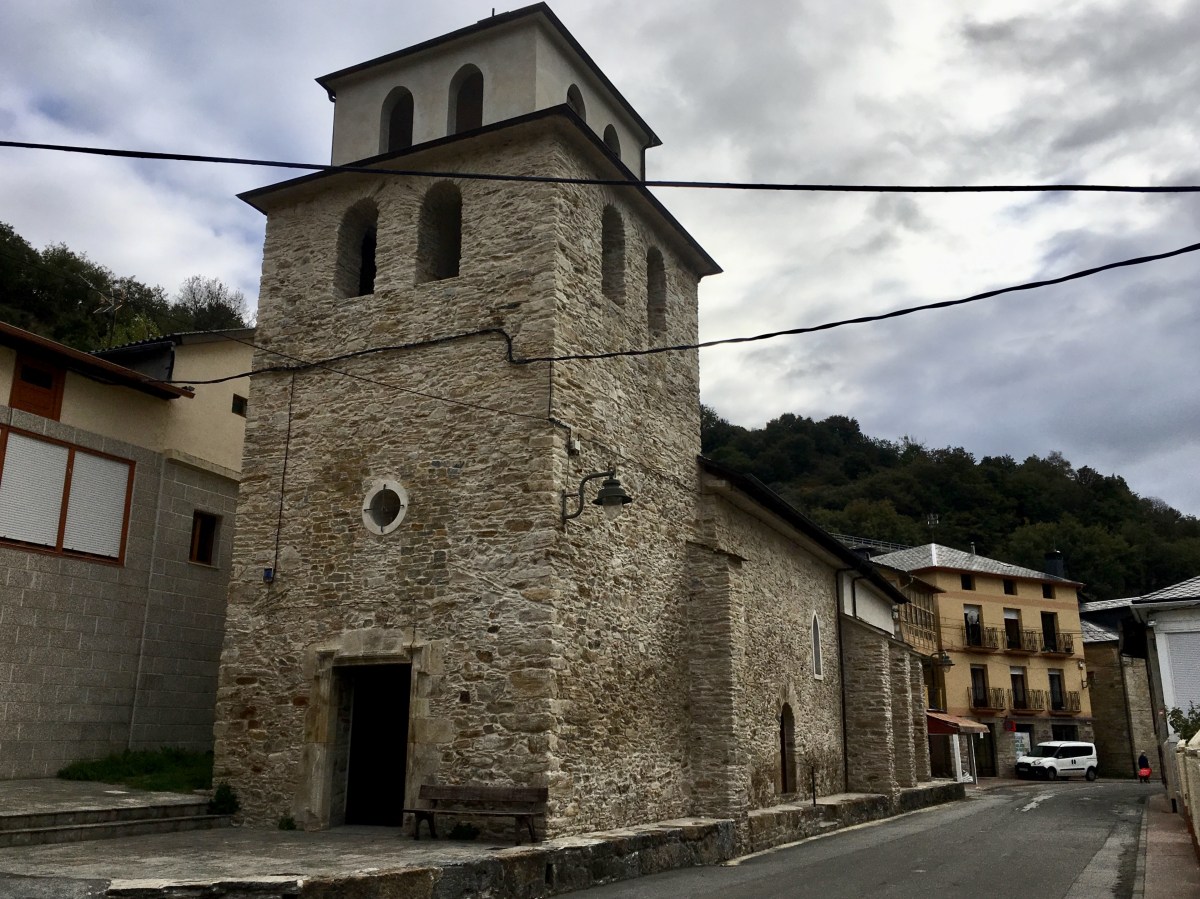
All day, we had a steady uphill climb, but the early part of the day was gradual and went through a number of small villages. I stopped for a cafe con leche and orange juice in La Portela de Valcarce; I also stopped in the town’s tiny church.

Trabadelo to La Portela de Valcarce (3.9 km)

fullsizeoutput_192c4

leaving Trabadelo with the Brazilians

fullsizeoutput_1ab28

La Portela de Valcarce

fullsizeoutput_1ab2a

La Portela de Valcarce

fullsizeoutput_192c3

La Portela de Valcarce

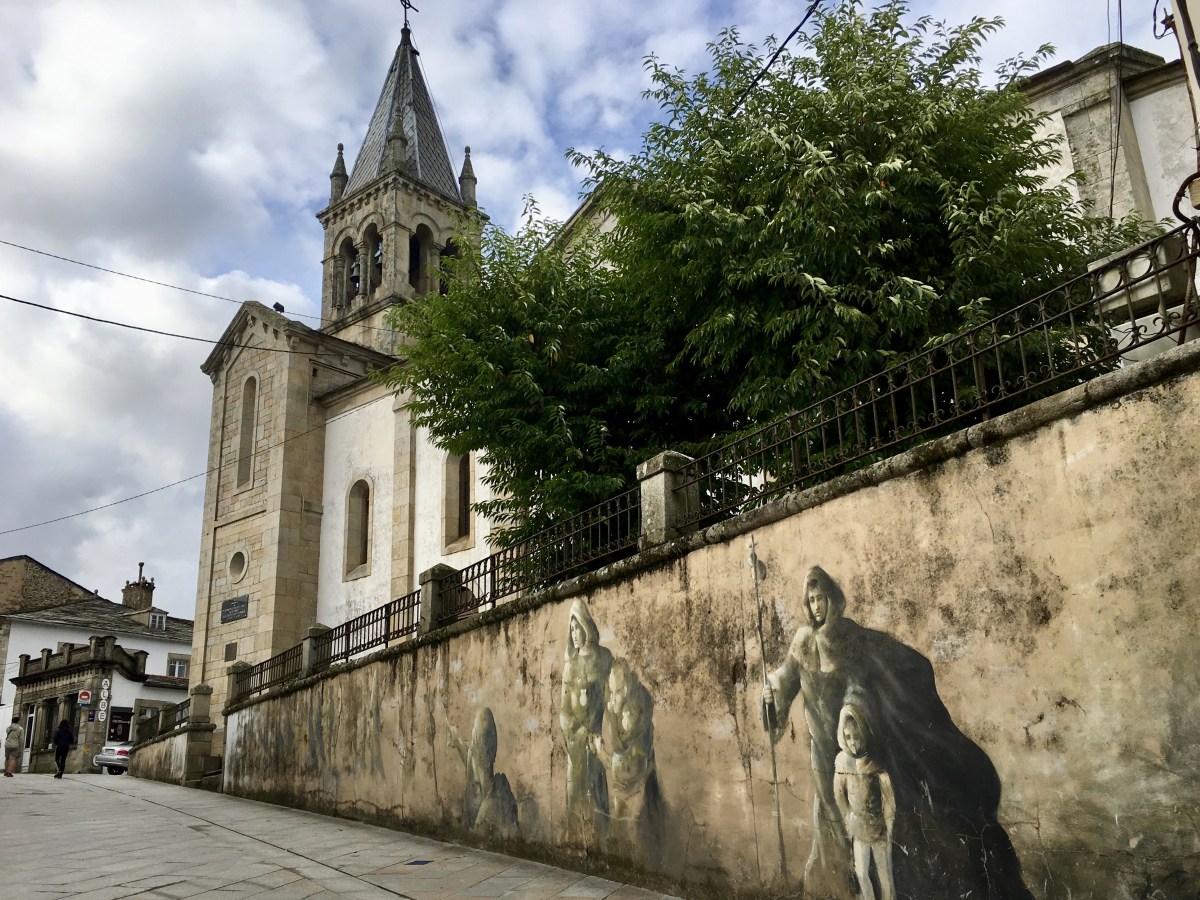
tiny church in La Portela de Valcarce
IMG_8765

La Portela de Valcarce

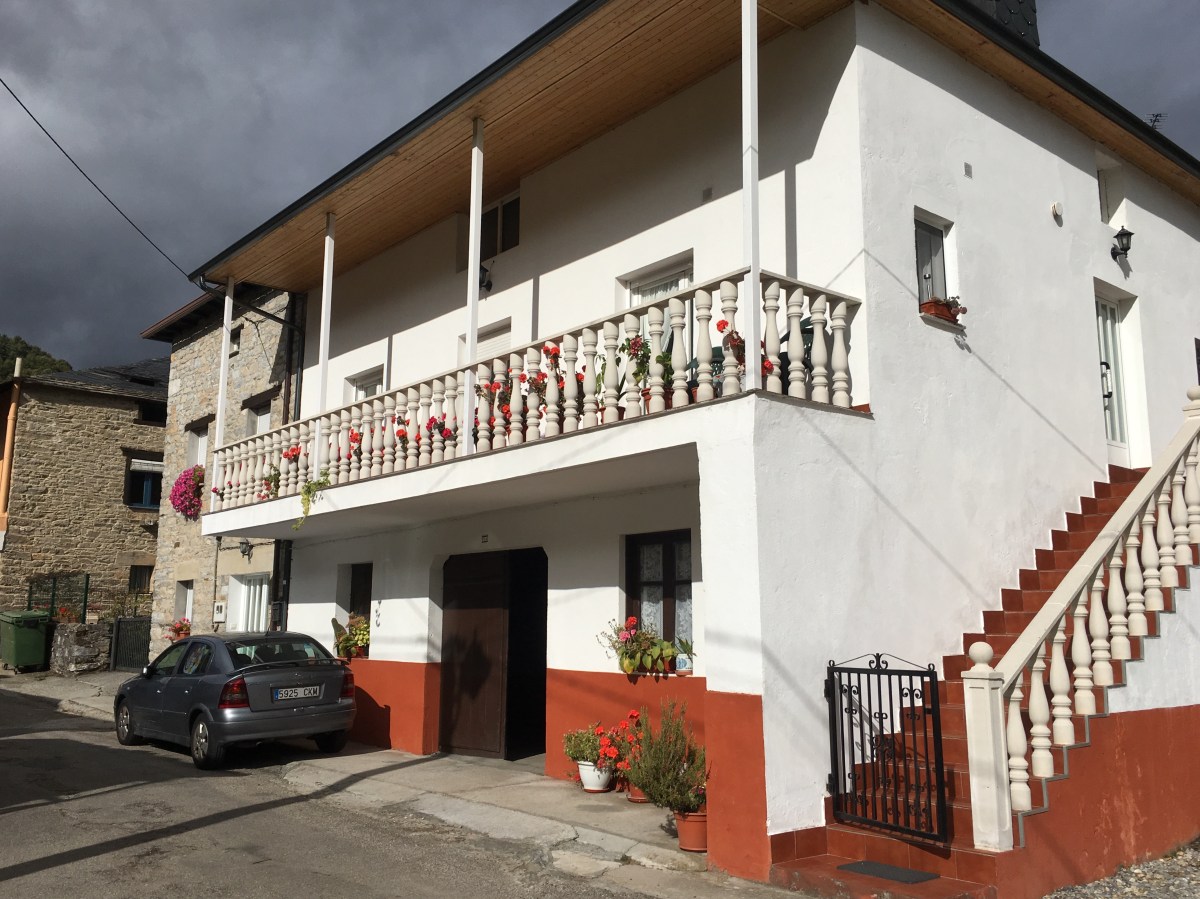
Next I went through Ambasmestas, where the ríos Balboa and Valcarce joined together. The A-6 flyover ruined the rural ambience a bit. The town had a funky albergue promising a delectable breakfast.  I passed it by because I had other plans for food.

La Portela de Valcarce to Ambasmestas (1.4 km)

Ambasmestas
Ambasmestas
Ambasmestas
Ambasmestas
Ambasmestas
Ambasmestas
Ambasmestas
Ambasmestas
Ambasmestas
Ambasmestas

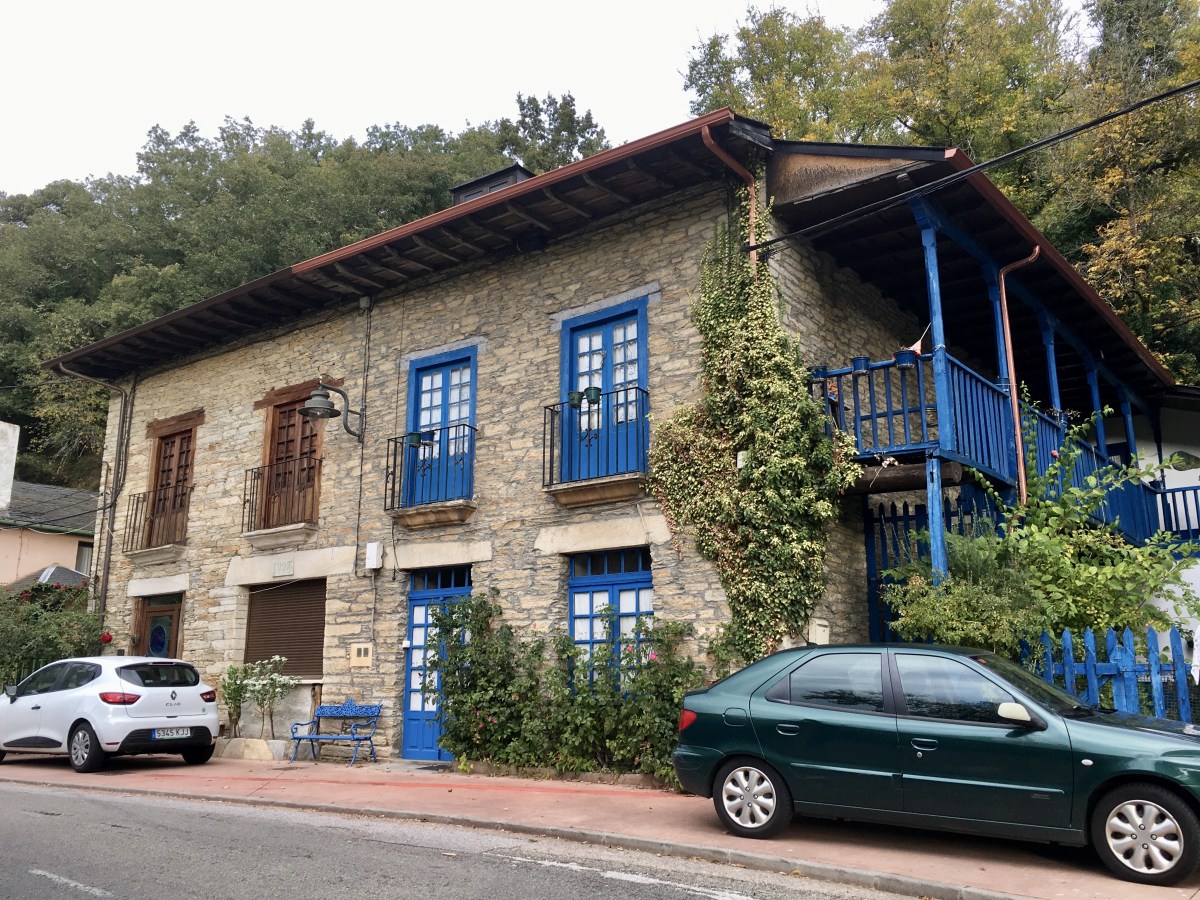
The way took us through Vega del Valcarce, where I bought a rosary from Silvio’s Casa del Rosario.  He told me it was amethyst. I cut my finger and he taped it for me and wished me a Buen Camino. Vega del Valcarce was apparently founded in the 9th century by a Count from Astorga; it is the main town in the valley.

Ambasmestas to Vega de Valcarce (Entrada) (1.0 km)

fullsizeoutput_1ab2e

Vega de Valcarce

fullsizeoutput_1ab32

Vega de Valcarce

fullsizeoutput_1ab34

Vega de Valcarce

fullsizeoutput_1928a

Silvio’s Casa del Rosario

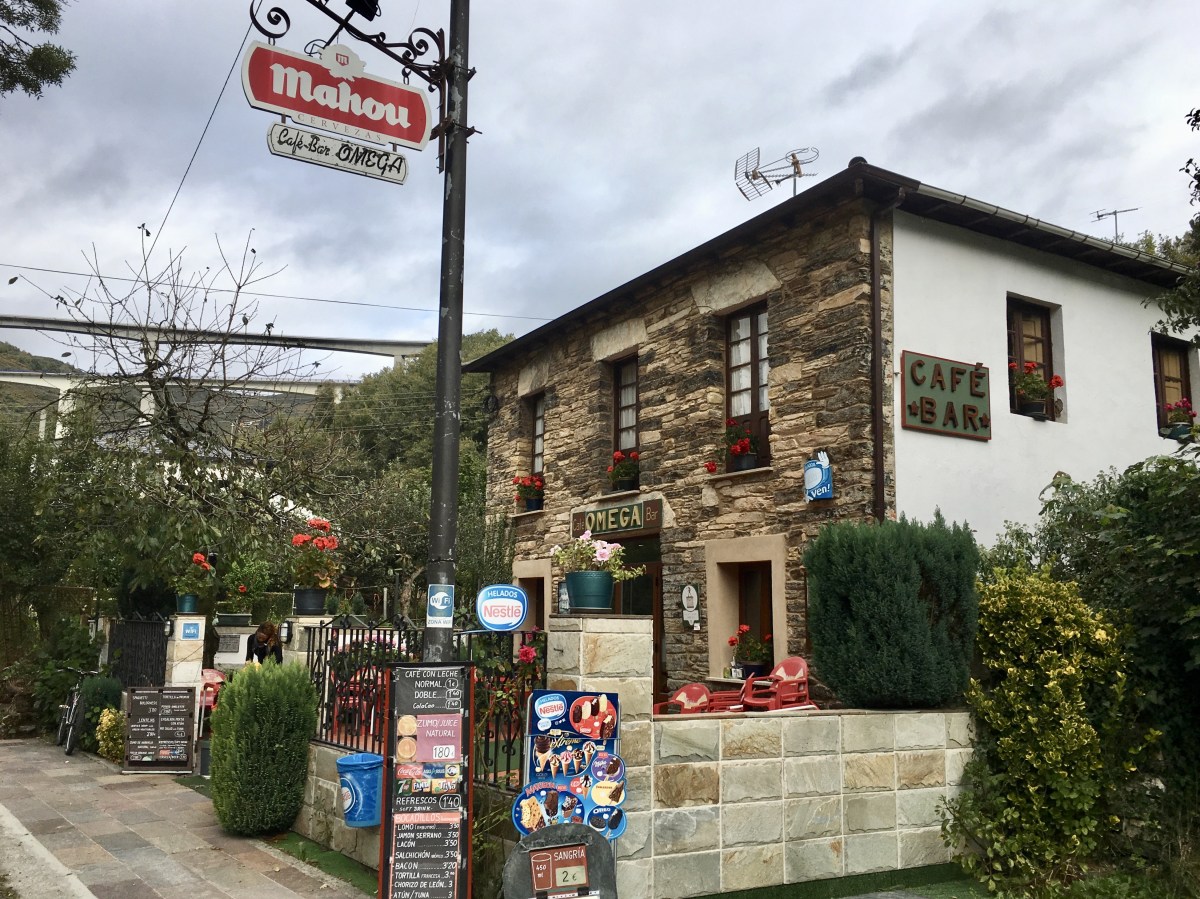
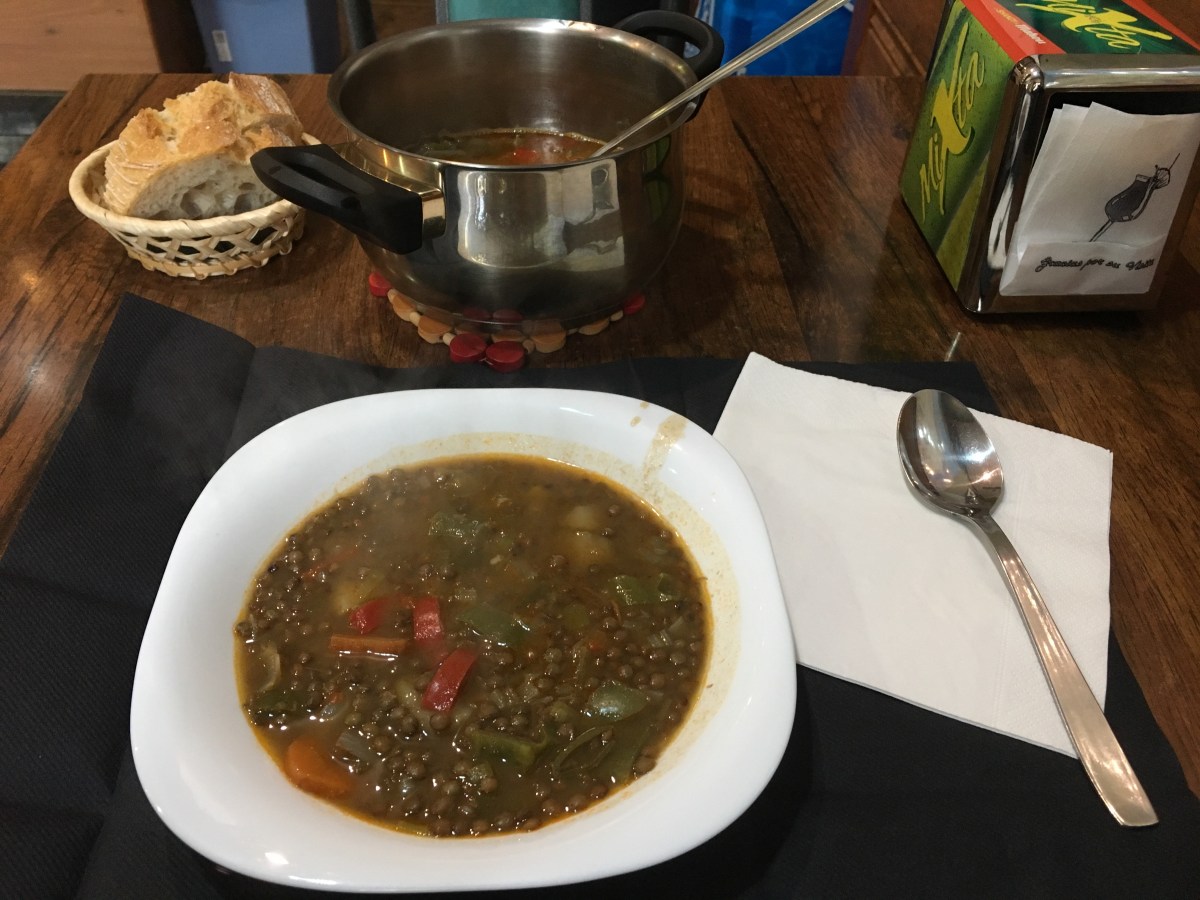
In Ruitelán, a quaint hamlet where San Froilán had a hermitage, I took Darina’s advice and stopped at the first café on the right for lentil soup with vegetables for an early 11:00 lunch. I was surprised when they brought me an entire pot of soup, and I tried to eat as much as I could!  It was delicious and just the perfect lunch for a cold and mostly dreary day.

San Froilán was born during the year 833 in Lugo.  A student until the age of 18, he became a hermit and retired in the grotto of Ruiterlán, in El Bierzo, nowadays a hermitage.

Vega de Valcarce (Entrada) to Ruitelán (2.8 km)

fullsizeoutput_1ab36

Ruitelán

IMG_8791

lentil soup in Ruitelán

fullsizeoutput_1ab39

Ruitelán

fullsizeoutput_1ab3d

Ruitelán

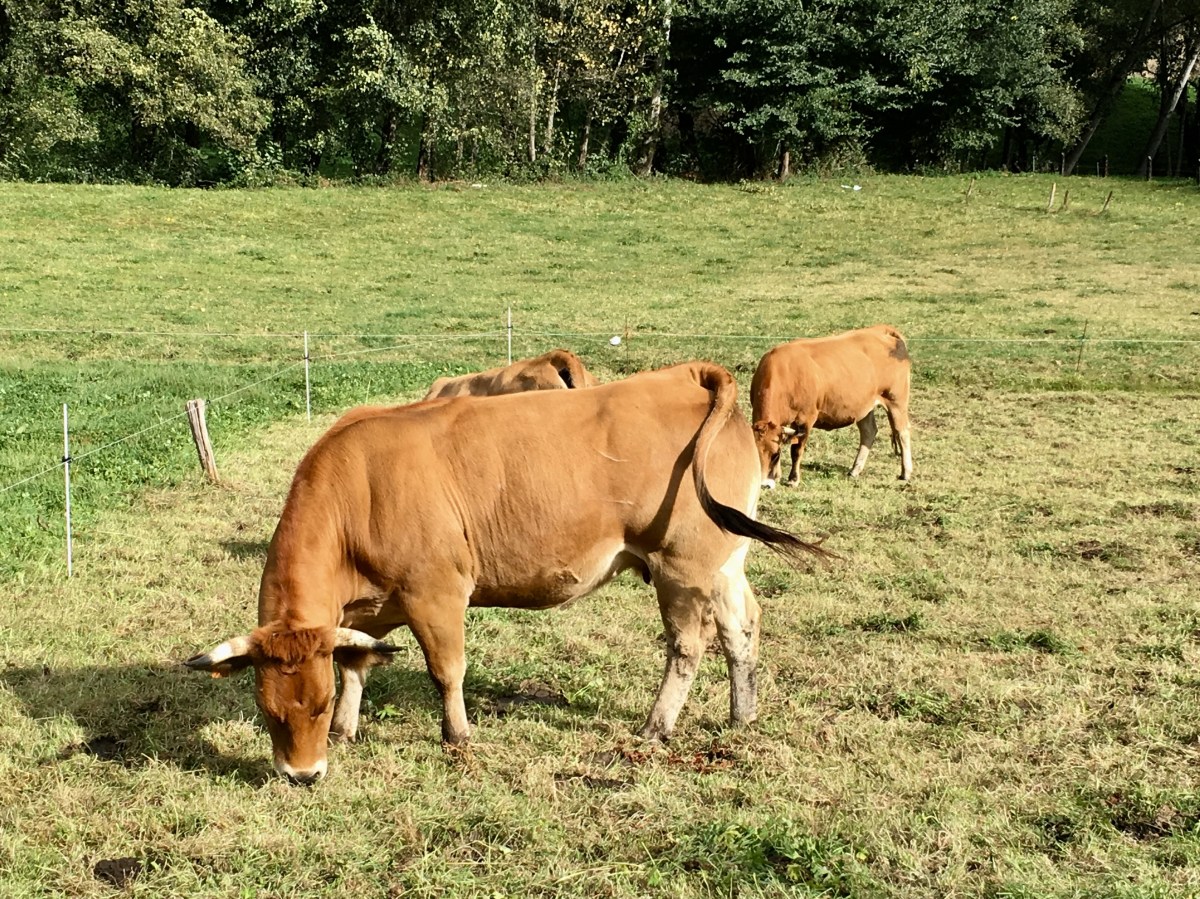
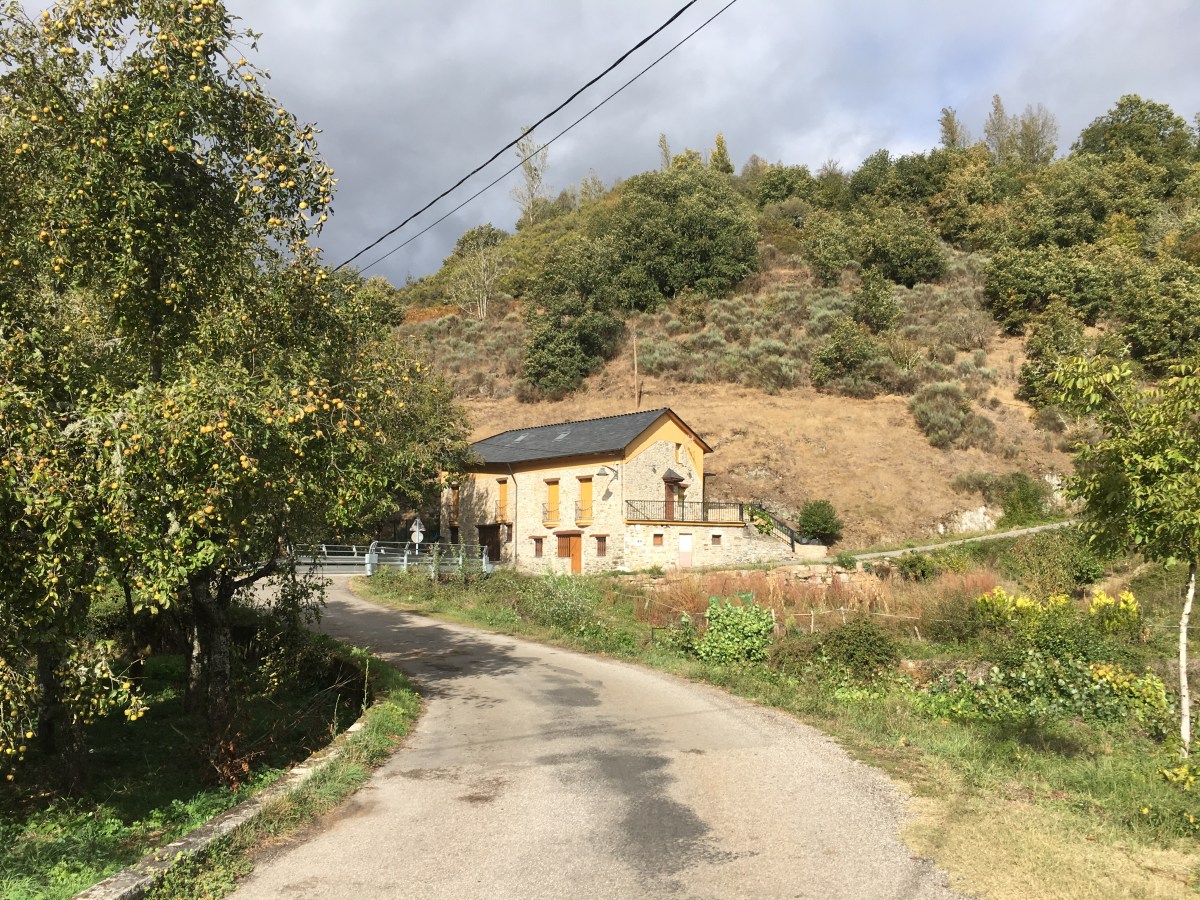
The path was mostly along a gurgling stream which was very pleasant.  Before long, we were in Las Herrerías, named for an iron foundry whose furnaces had long vanished; here, cows greeted us with a boisterous cacophony of mooing, lowing, and bell-ringing. After this charming village, which stretched lazily along the river, we started climbing in earnest.

Ruitelán to Las Herrerías (1.4 km)

IMG_8795

approaching Las Herrerías

fullsizeoutput_192a2

Las Herrerías

fullsizeoutput_192b0

What are your dreams?

fullsizeoutput_1ab3e

Las Herrerías

fullsizeoutput_192b9

cows in Las Herrerías

IMG_8807

Las Herrerías

fullsizeoutput_192aa

Las Herrerías

IMG_8811

leaving Las Herrerías

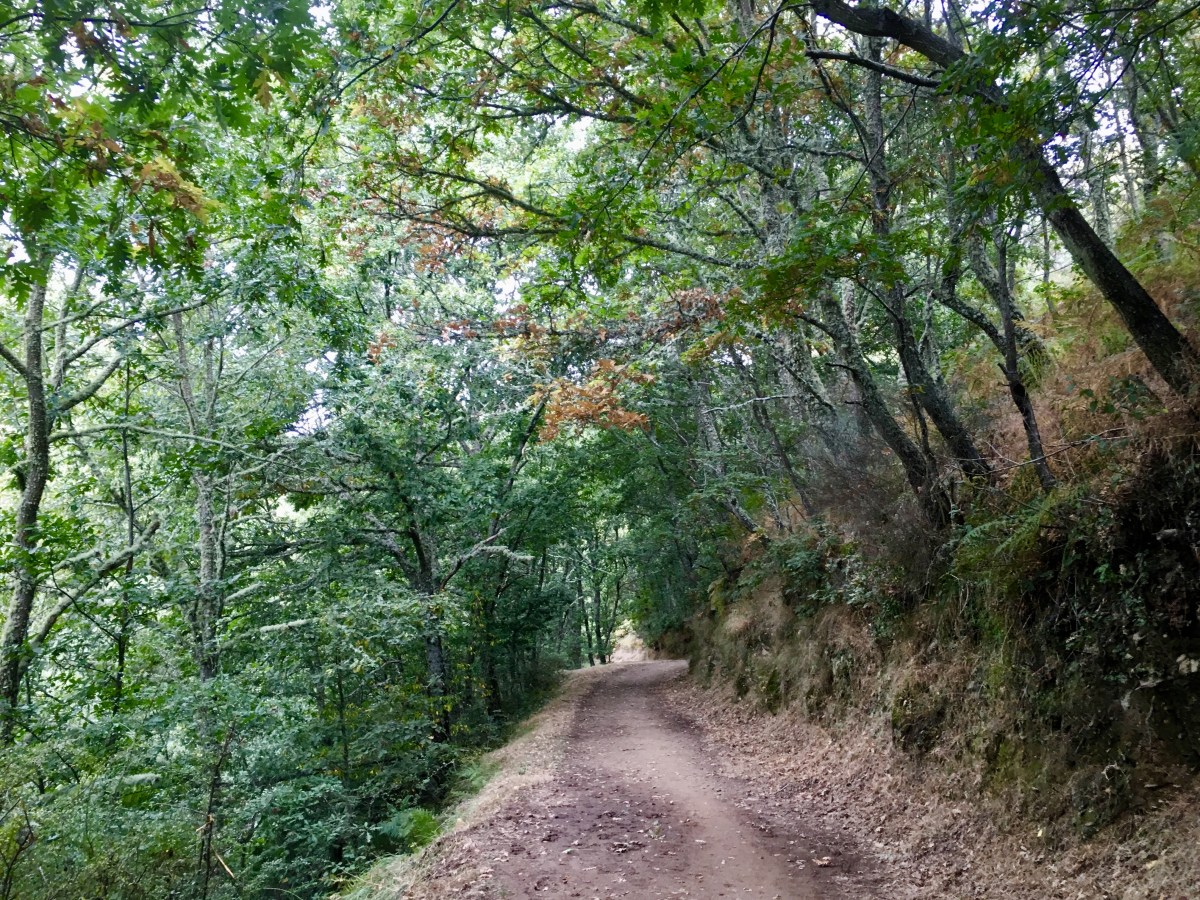
We bid adieu to the cattle and began our strenuous climb.  At first, we walked on an asphalt road, but before long we were in a forest of Spanish chestnuts on a very steep and rocky terrain.  We immediately descended into a valley, losing elevation we’d worked hard to gain, and then we had to gain it again. I wished I had stayed on the road. This went on for several kilometers with no break.  There was no respite all the way into La Faba.

Finally, we reached the little town of La Faba, perched on a hillside.  There, I ran into, for the umpteenth time, Daniella from Bulgaria, who lost her 5-year-old son to cerebral palsy, and her partner Sean from England.  They both lived at that time in Cyprus. Daniella always seemed full of energy, with her black and white striped shirts with patterns on the front and plastic flowers in her hair. Sean, on the other hand, often seemed hurting and a bit irritable.

Las Herrerías to La Faba (3.4 km)

fullsizeoutput_1ab42

forest of Spanish chestnuts

fullsizeoutput_1ab44

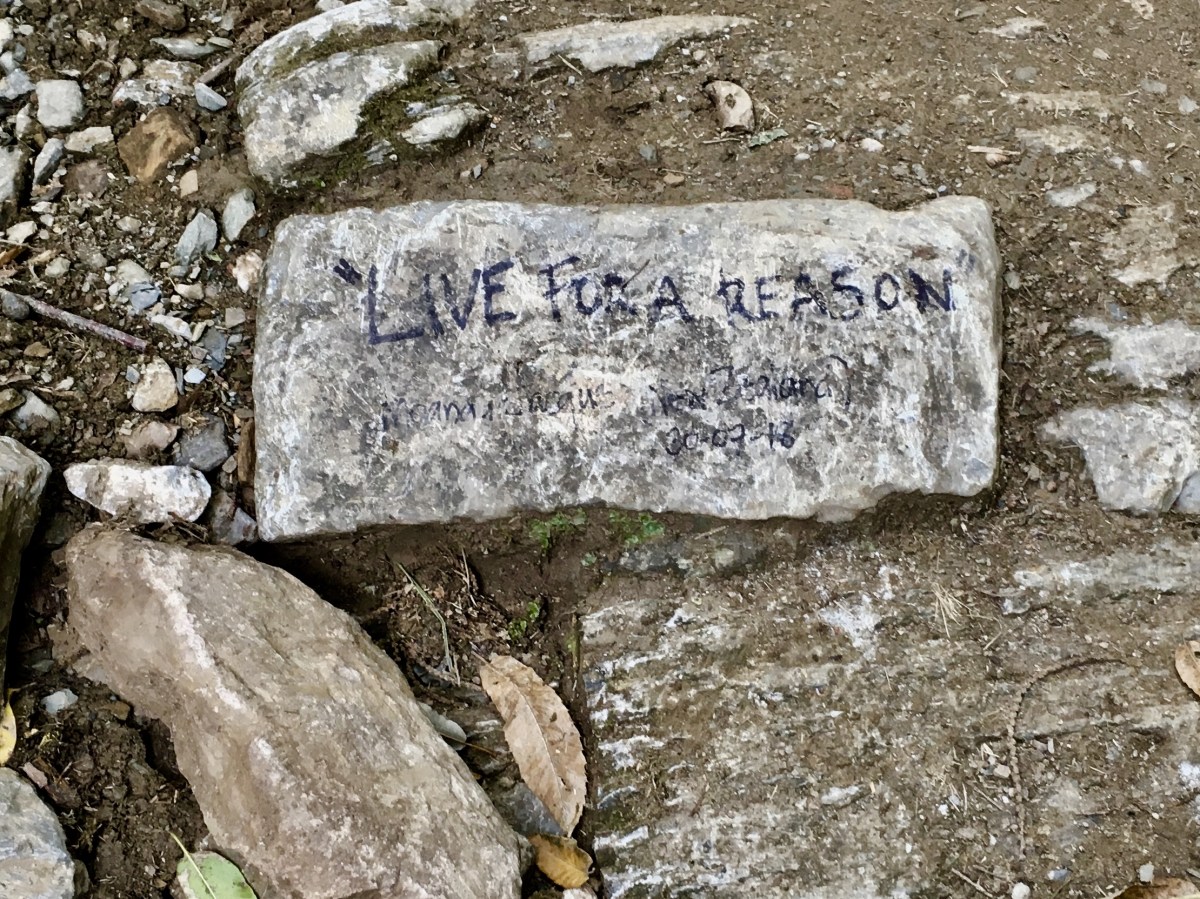
“Live for a reason”

IMG_8814

steep & rocky climb

fullsizeoutput_1ab46

the endless chestnut forest

I quickly passed through the next town (2.3 km), Laguna de Castilla.  It had rained on the way there but had stopped, so I’d put on then taken off my poncho. At least the path was open and had views back over the Valcarce valley. This tiny hamlet is the last outpost in Castille.

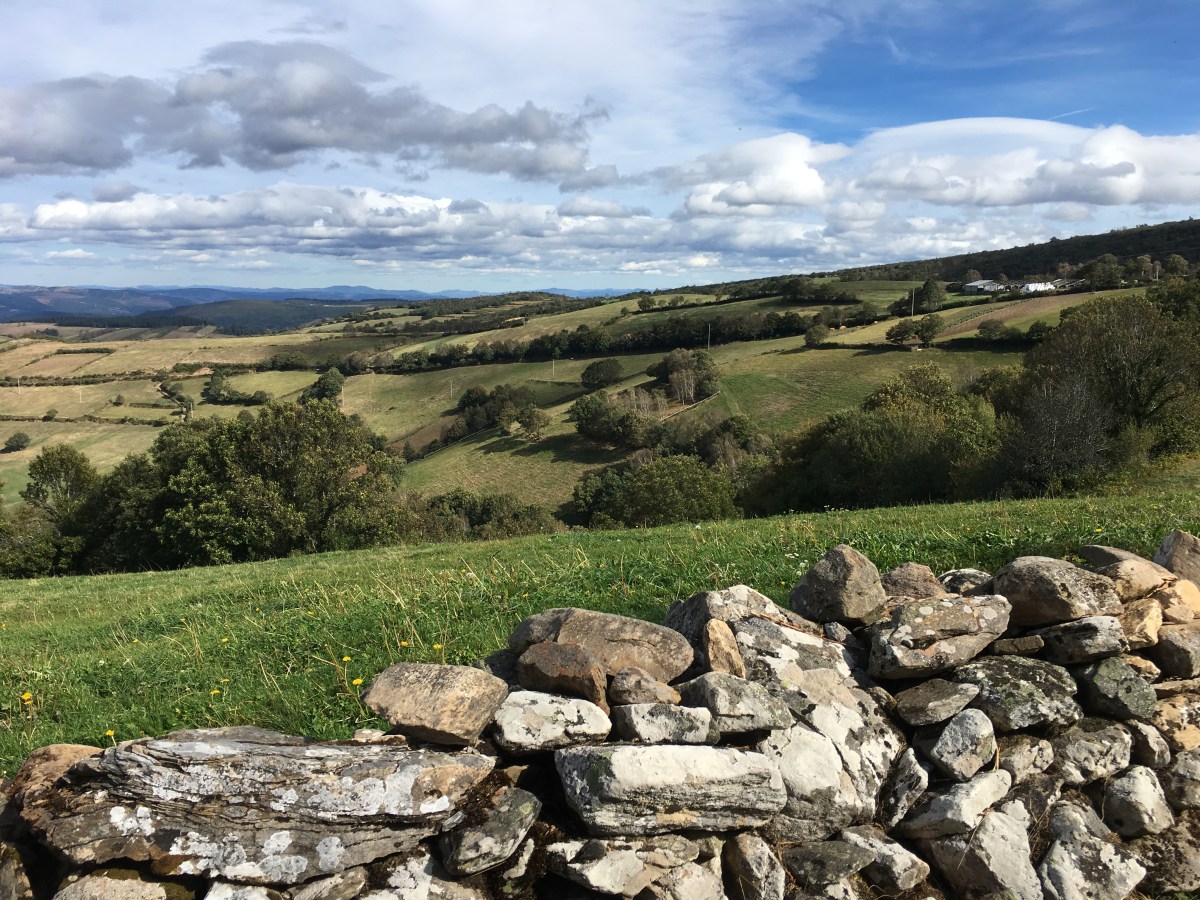
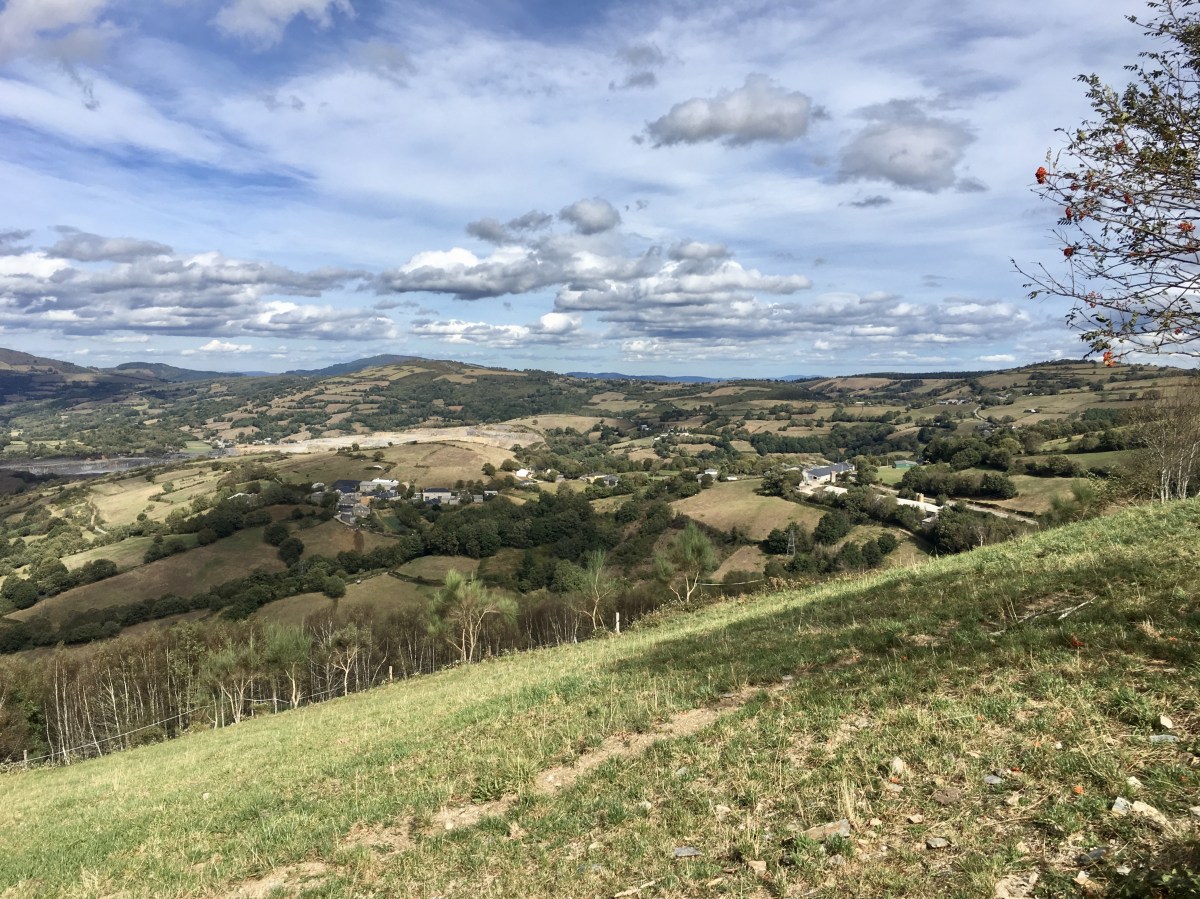
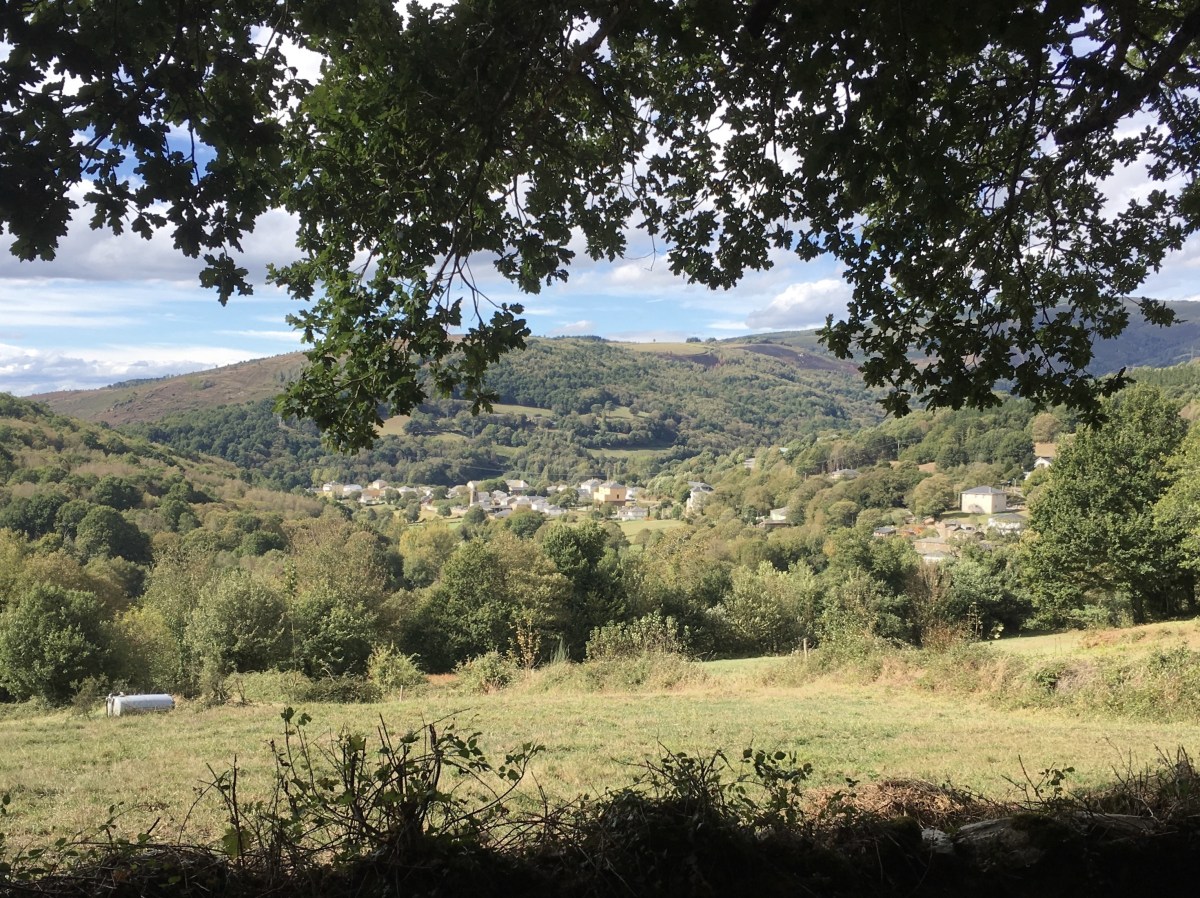
After a time, we crossed officially into Galicia, leaving behind the autonomous region of Castilla y León. We walked through gorse and scrubland along a stone wall, with stunning and sweeping views of the mountains.  It was a steady two kilometer uphill climb to O’Cebreiro.

La Faba to Laguna de Castilla (2.3 km)

La Faba to Laguna de Castilla
a horse on the way to Laguna de Castilla
fullsizeoutput_1ab4f

Laguna de Castilla

Galicia is reminiscent of Celtic lands, with its cozy fields and lush pastures grazed by cattle, with sheep, pigs, geese and chickens foraging among them. It is known for rainshowers (chubascos), thunderstorms (tormentas) and thick mountain fog (niebla) due to its mountains being the first thing in 5,000 km that the Atlantic’s westerly winds hit.

Galicia is similar to other Celtic regions, especially the west of Ireland, in offering little employment, leading to men emigrating elsewhere.  This is a traditional region, with a strong Catholic faith overlaid on an earthy spirituality and remnants of paganism.

Laguna de Castilla to O’Cebreiro (2.3 km)

fullsizeoutput_1ab51

Laguna de Castilla to O’Cebreiro

fullsizeoutput_1ab53

Laguna de Castilla to O’Cebreiro

fullsizeoutput_1ab5b

Laguna de Castilla to O’Cebreiro

fullsizeoutput_1ab62

the official start of Galicia

fullsizeoutput_1ab5f

Laguna de Castilla to O’Cebreiro

fullsizeoutput_1ab66

Laguna de Castilla to O’Cebreiro

fullsizeoutput_1ab67

O’Cebreiro

fullsizeoutput_1ab69

O’Cebreiro

O’Cebreiro sits at the top of a mountain where the wind howls and where you can see two valleys, the one you left behind and the one into which you will descend. The views are magnificent.

fullsizeoutput_1ab6b

view from the front of the Xunta

fullsizeoutput_1ab6f

view from the front of the Xunta

The municipal albergue, Xunta, with its 104 beds, was nothing to write home about; in fact it was disheartening: cold showers, an unwelcoming receptionist, people herded about like animals, beds crammed together.  It was the worst of the worst, as far as albergues.  I decided then and there, I would avoid any more municipals if I could help it.

When I asked about my backpack that I’d sent ahead, the very unhelpful and rude receptionist said “pueblo,” and promptly shooed me away.  I didn’t know what she was talking about.  I overheard a man say that the municipals didn’t accept bags that were sent ahead.  Thus I wondered where on earth my backpack was. I overheard another man say, “I need to find the pueblo, because that’s where my backpack is.”  I said, “Pueblo means town, so that could be anywhere!” I went randomly into one of the other albergues in town, Hotel O’Cebreiro, and happened to luck out; it was the one that accepted backpacks for everyone who came the town.  I picked it up and took it to the albergue, where my bottom bunk was crammed up right next to another bunk bed.  A Korean lady in the next bed and I were practically sleeping together in the same bed!

After checking in and taking an icy shower, I stopped into Iglesia Santa María Real intending to attend the pilgrim mass, but I was too hungry and cold, so I went to explore the town instead.

The 9th-century Iglesia Santa María Real is one of the earliest surviving buildings on the Camino.  Santa María la Real is patroness of the area.  The town of O’Cebreiro has ministered to pilgrims since the end of the first millennium.

Iglesia de Santa María real

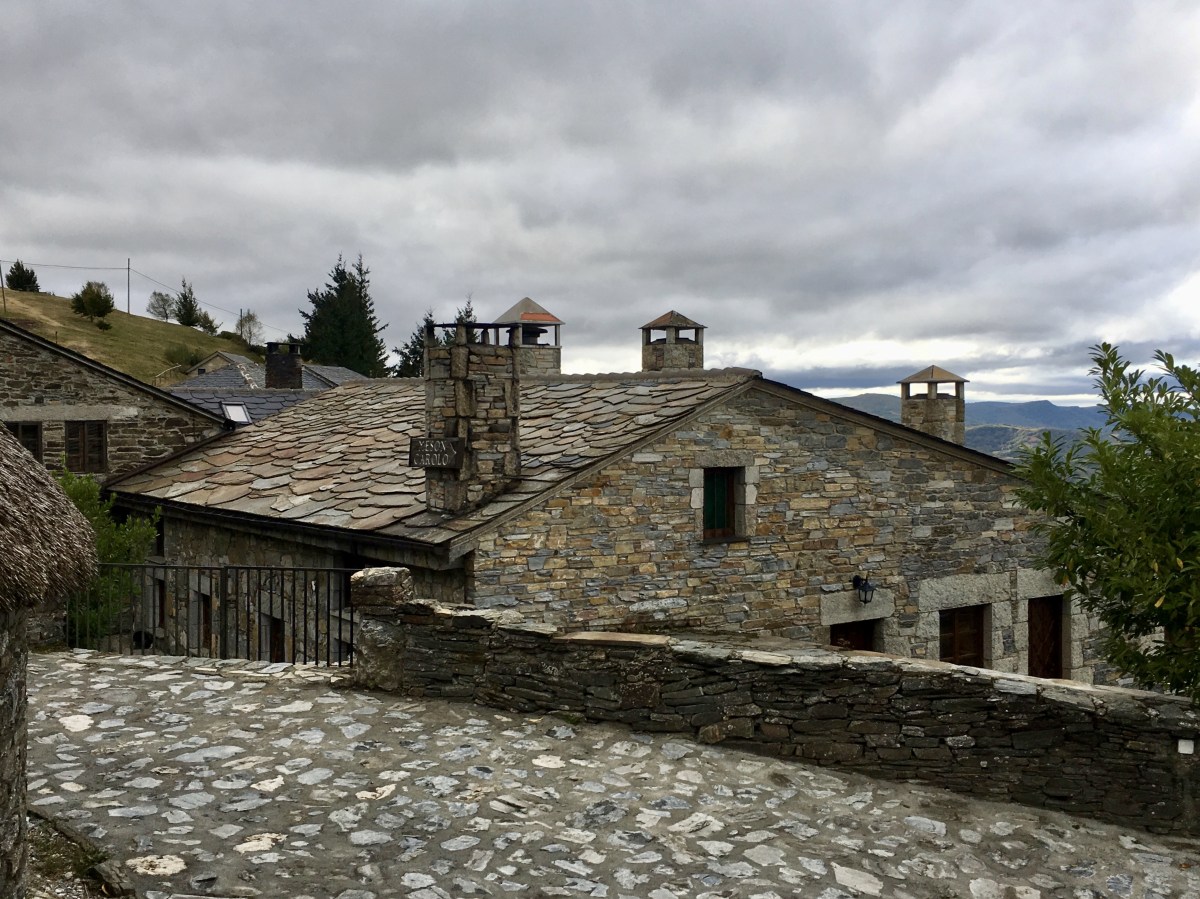
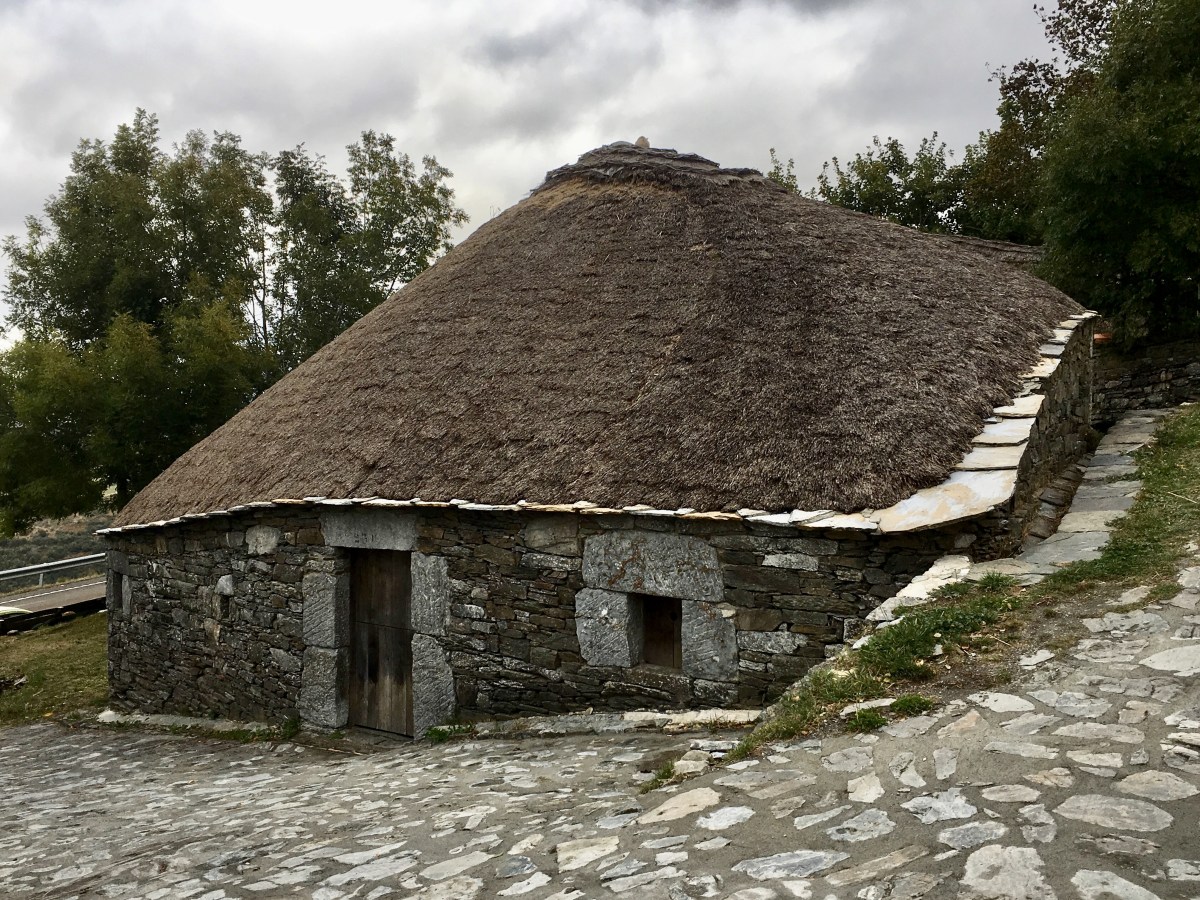
O’Cebreiro is full of traditional mountain dwellings of pre-Roman origin called pallozas, built in circular or oval shapes, with granite or slate walls and thatched roofs.  Formerly used for dwellings and then agricultural purposes, many have now been restored and serve as guest houses.

fullsizeoutput_1ab7a

the valley I left behind

fullsizeoutput_1ab81

O’Cebreiro

fullsizeoutput_1ab83

palloza in O’Cebreiro

fullsizeoutput_1ab85

palloza in O’Cebreiro

fullsizeoutput_1ab88

palloza in O’Cebreiro

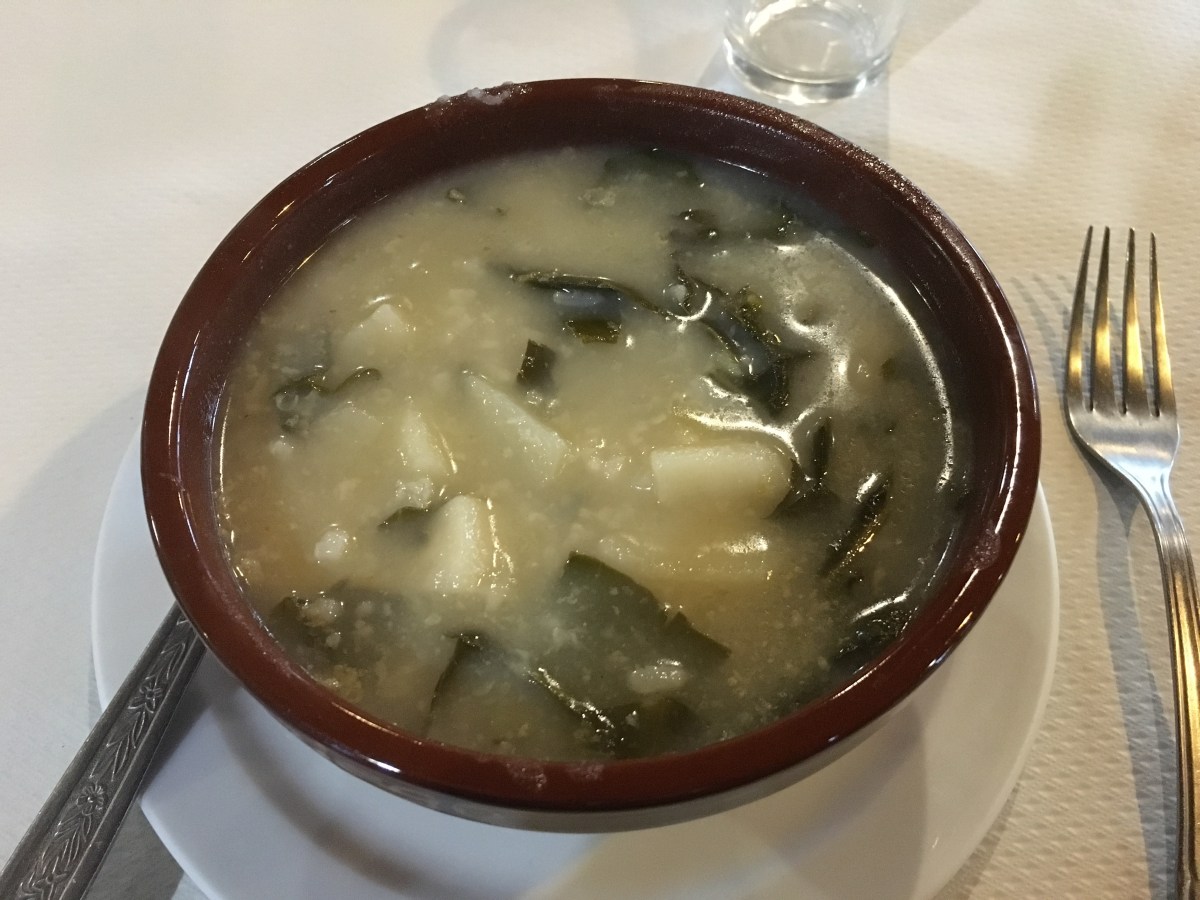
I went back to Hotel O’Cebreiro, which was packed but warm, unlike the municipal albergue.  I enjoyed a steaming bowl of traditional Galican soup, caldo gallego, with kale and potatoes, red wine, and crusty bread.

fullsizeoutput_16523

caldo gallego

It was a horrible night sleeping in the albergue with all those people packed in so closely together.  I was cold all night and the bathroom in the basement was icy cold. I couldn’t wait to get out of there in the morning.

I only had eight more days of walking ahead!

**********

*Day 39: Friday, October 12, 2018*

*33,057 steps, or 14.01 miles: Trabadelo to O’Cebreiro (18.5 km)*

You can find everything I’ve written so far on the Camino de Santiago here:

  • Camino de Santiago 2018

**************

On Sundays, I post about hikes or walks that I have taken in my travels; I may also post on other unrelated subjects. I will use these posts to participate in Jo’s Monday Walks or any other challenges that catch my fancy.

This post is in response to Jo’s Monday Walk: Along the Guadiana.


Share this:

  • Click to share on X (Opens in new window) X
  • Click to share on Facebook (Opens in new window) Facebook
  • More
  • Click to email a link to a friend (Opens in new window) Email
  • Click to print (Opens in new window) Print
  • Click to share on Pinterest (Opens in new window) Pinterest
Like Loading...
  • American Road Trips
  • Americana
  • Kentucky

americana in louisville, kentucky

wanderessence1025's avatar wanderessence1025 October 17, 2019

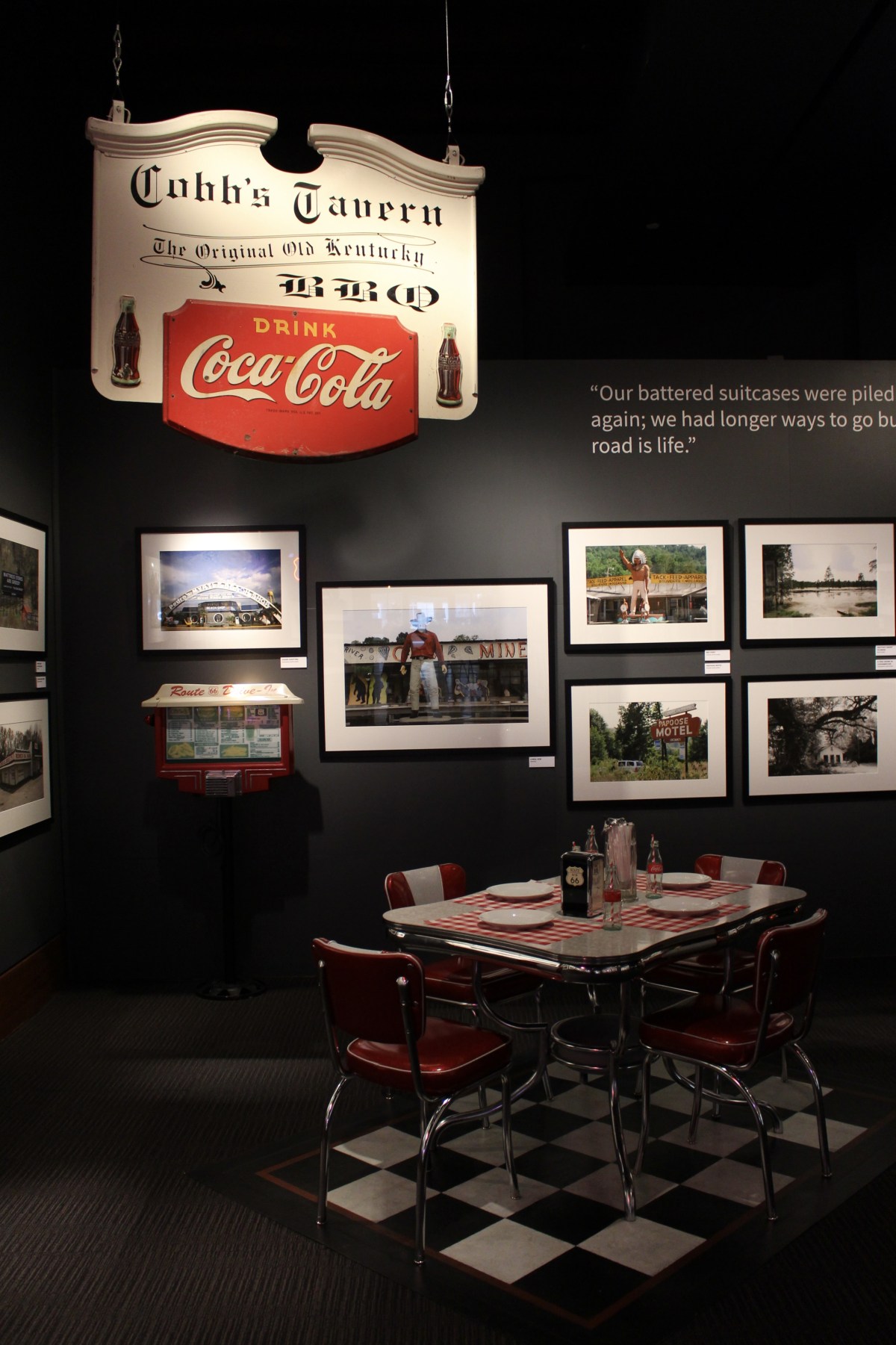
I love finding bits of Americana in my travels. Americana includes artifacts related to the history, geography, folklore and cultural heritage of my home country of the U.S.A. It is any collection of materials and things characteristic of the United States or of the American people, and is representative of American culture as a whole.

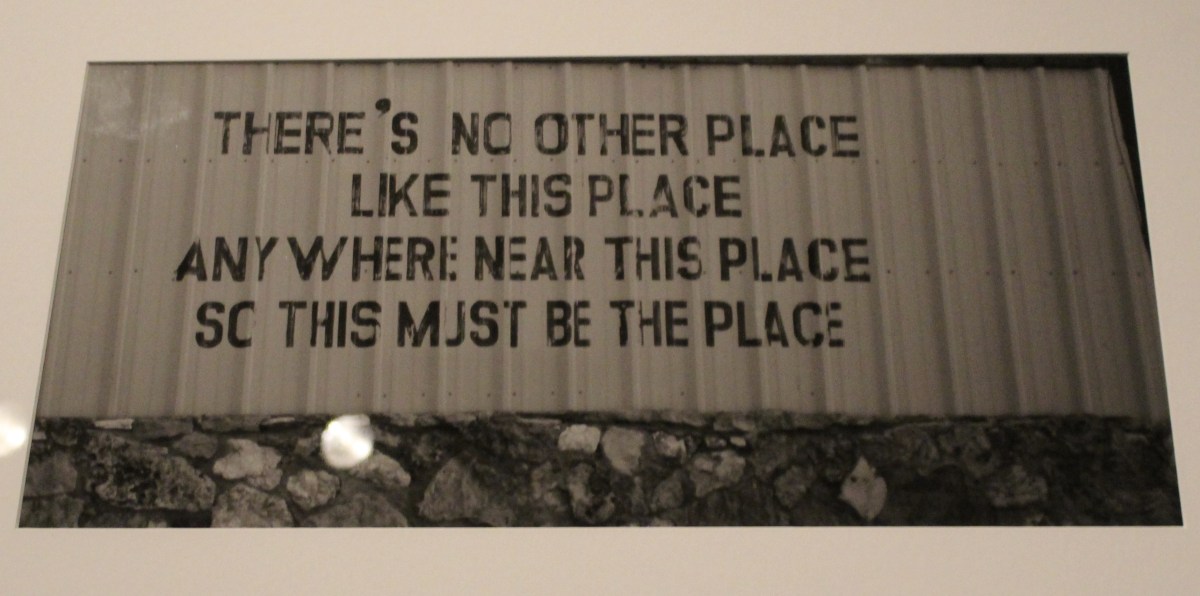
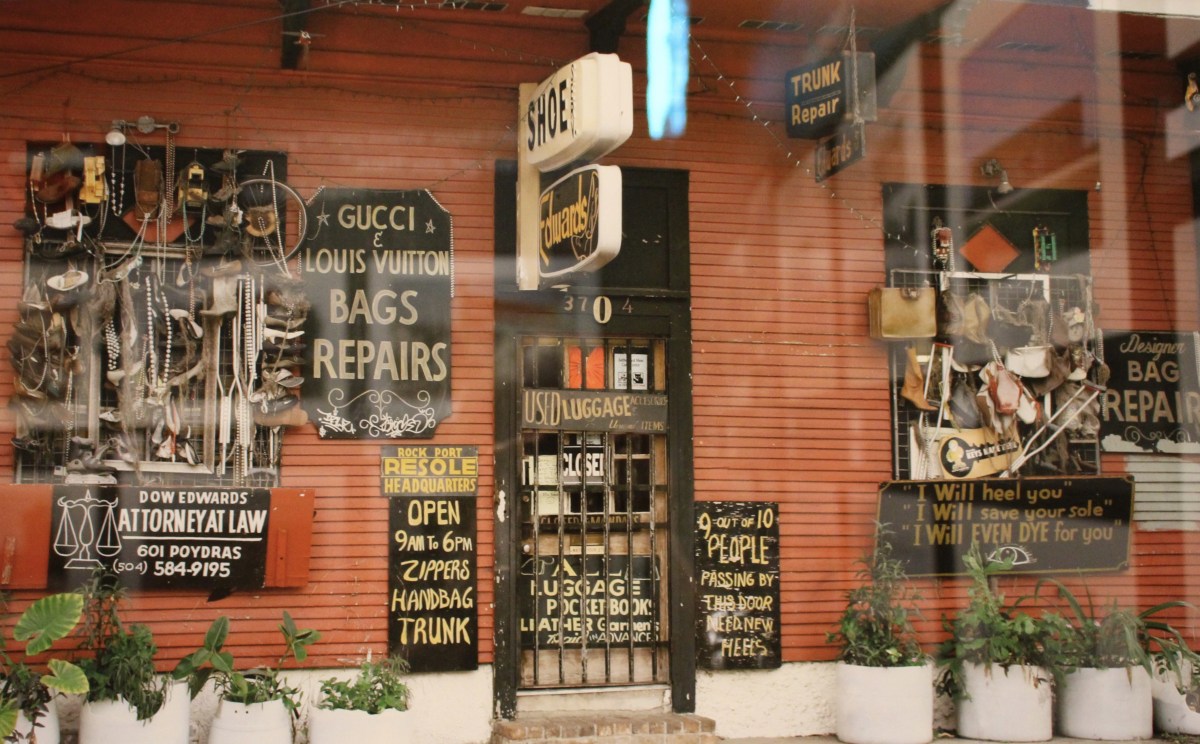
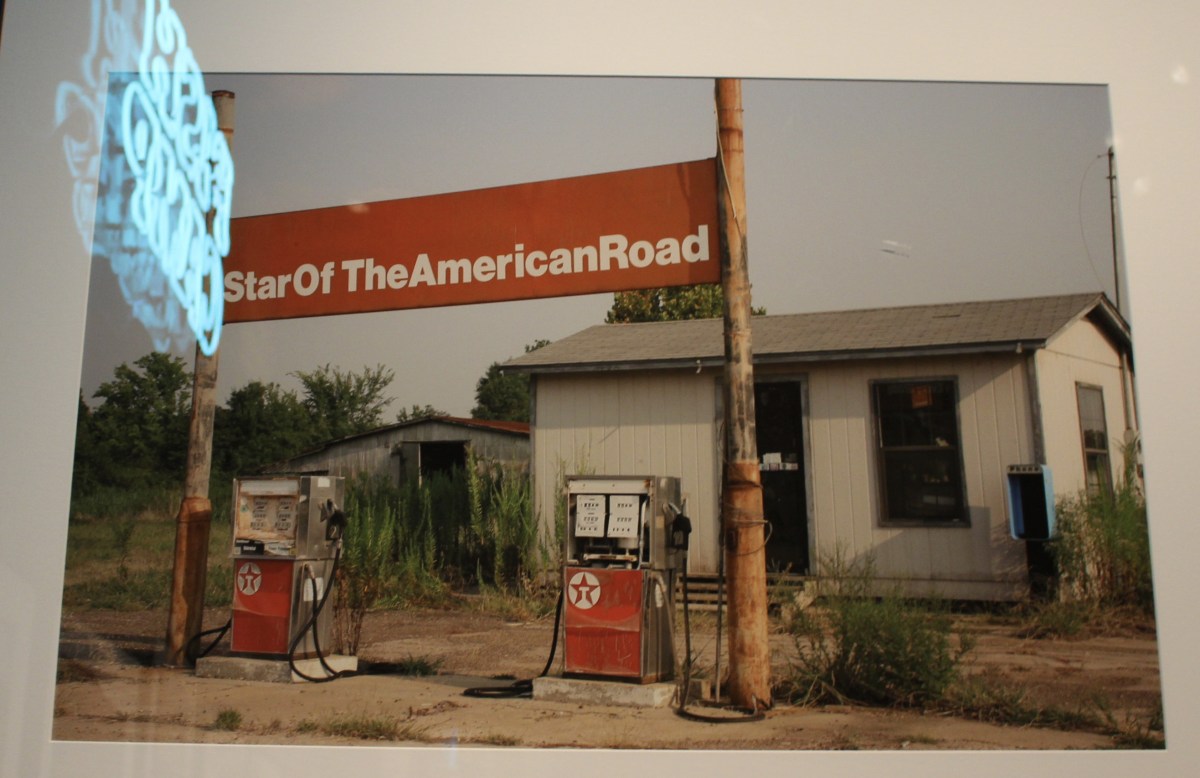
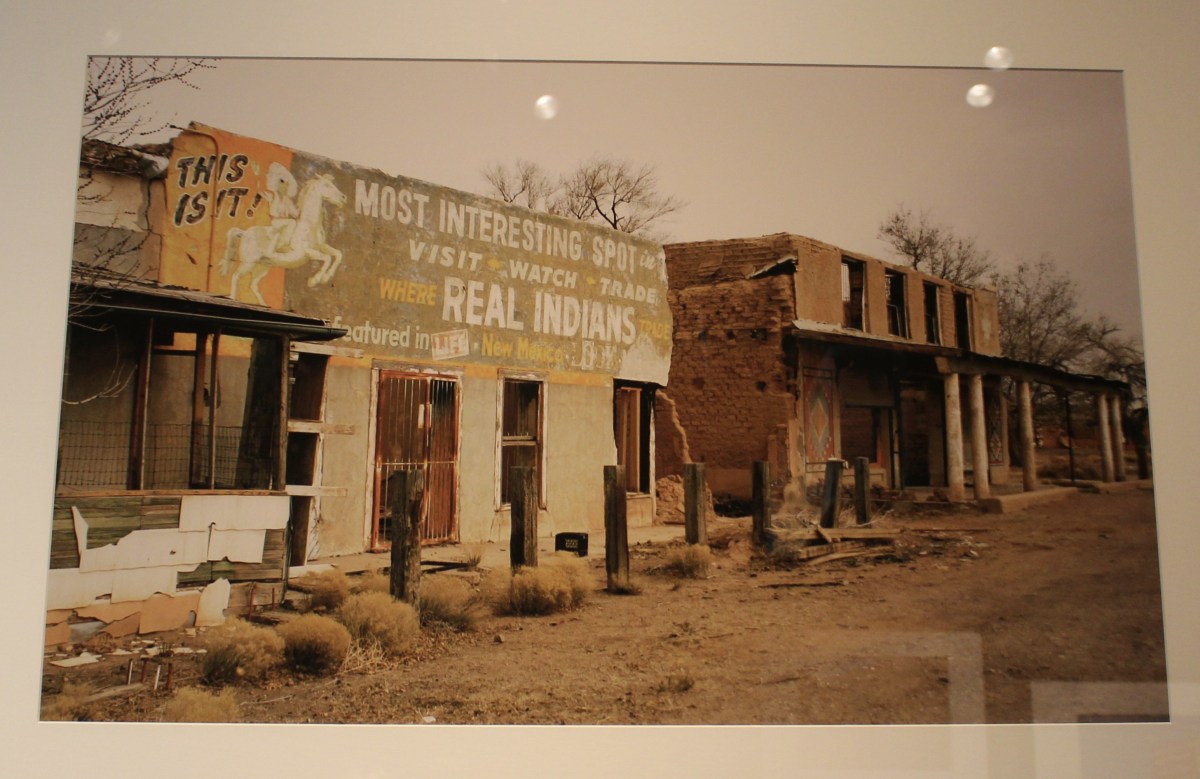
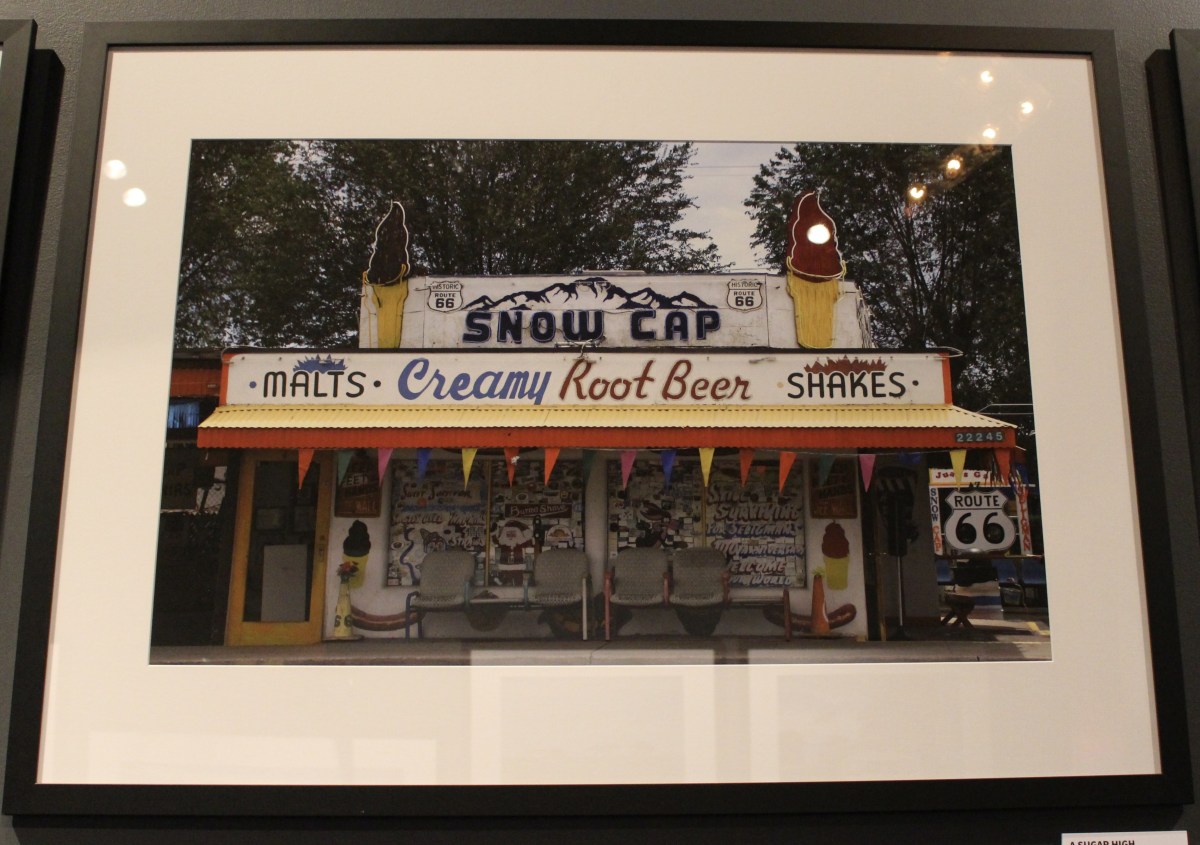
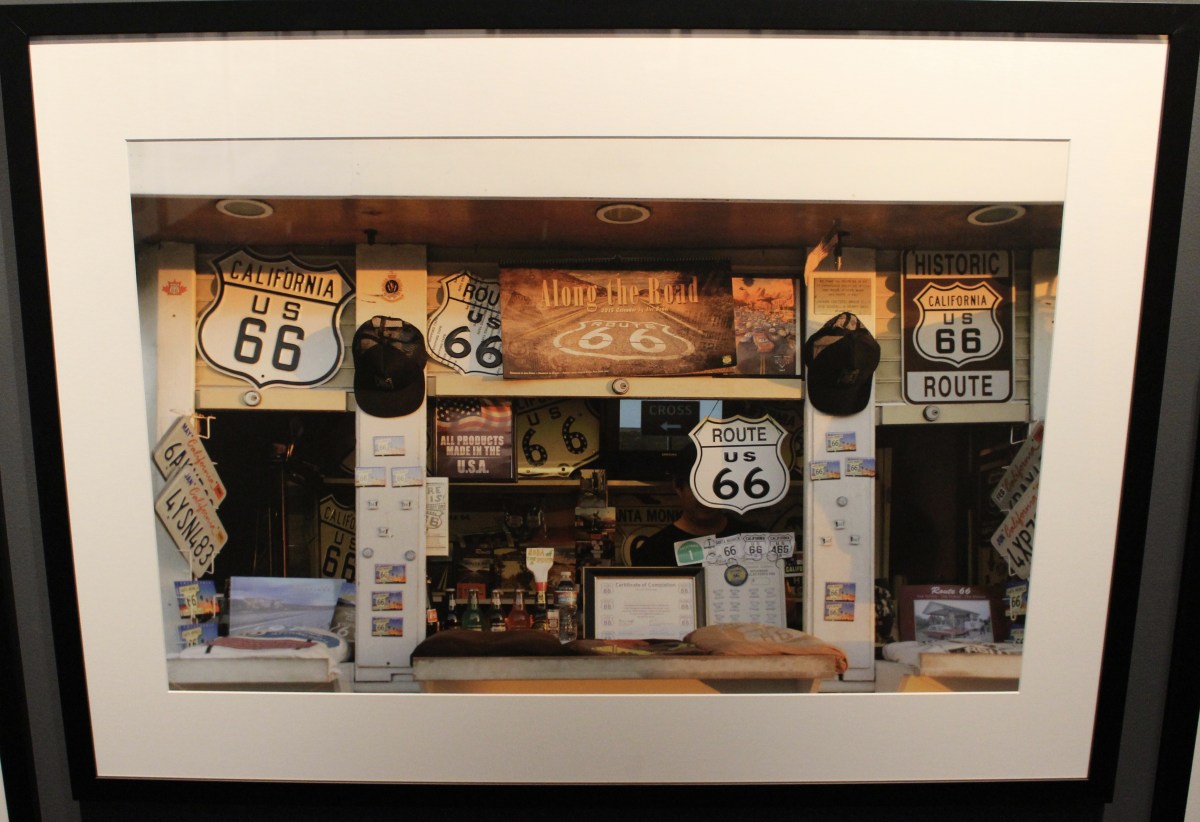
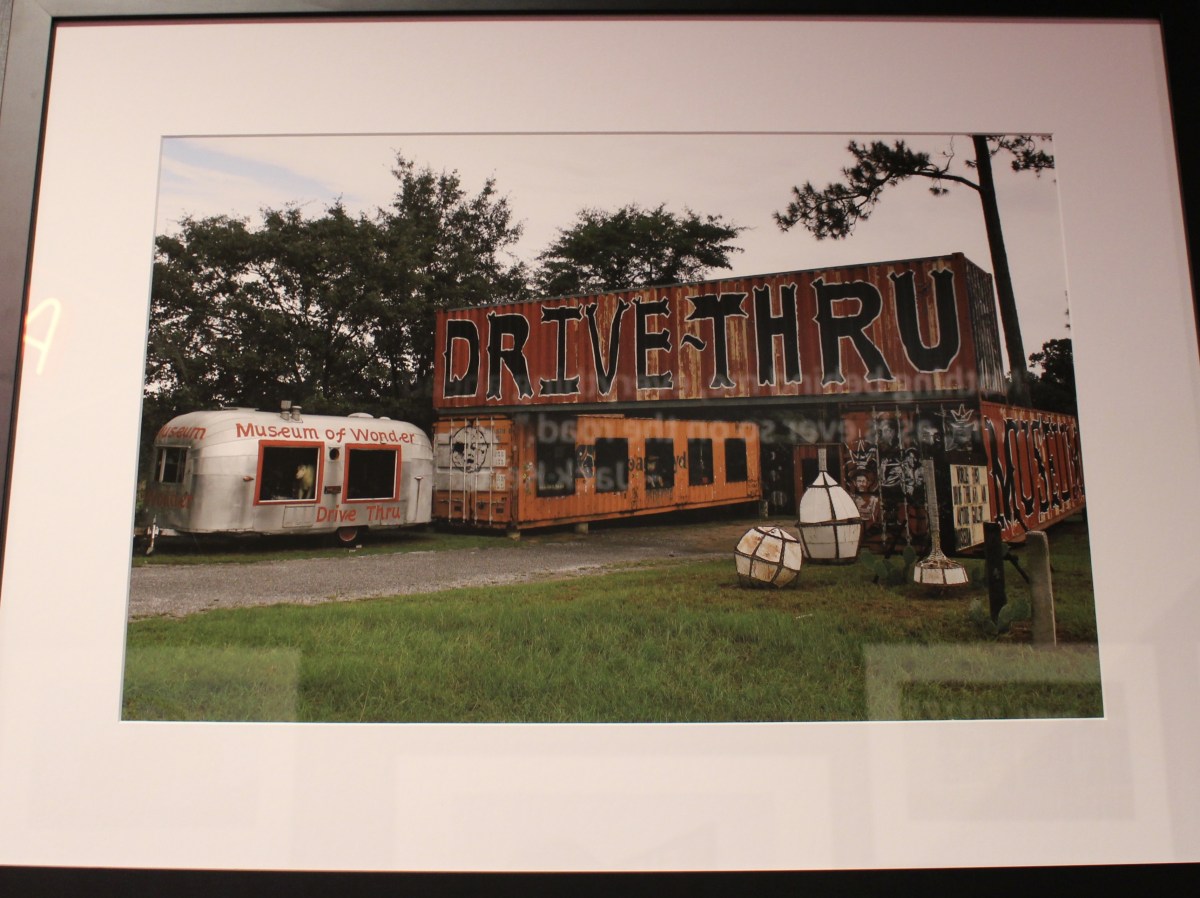
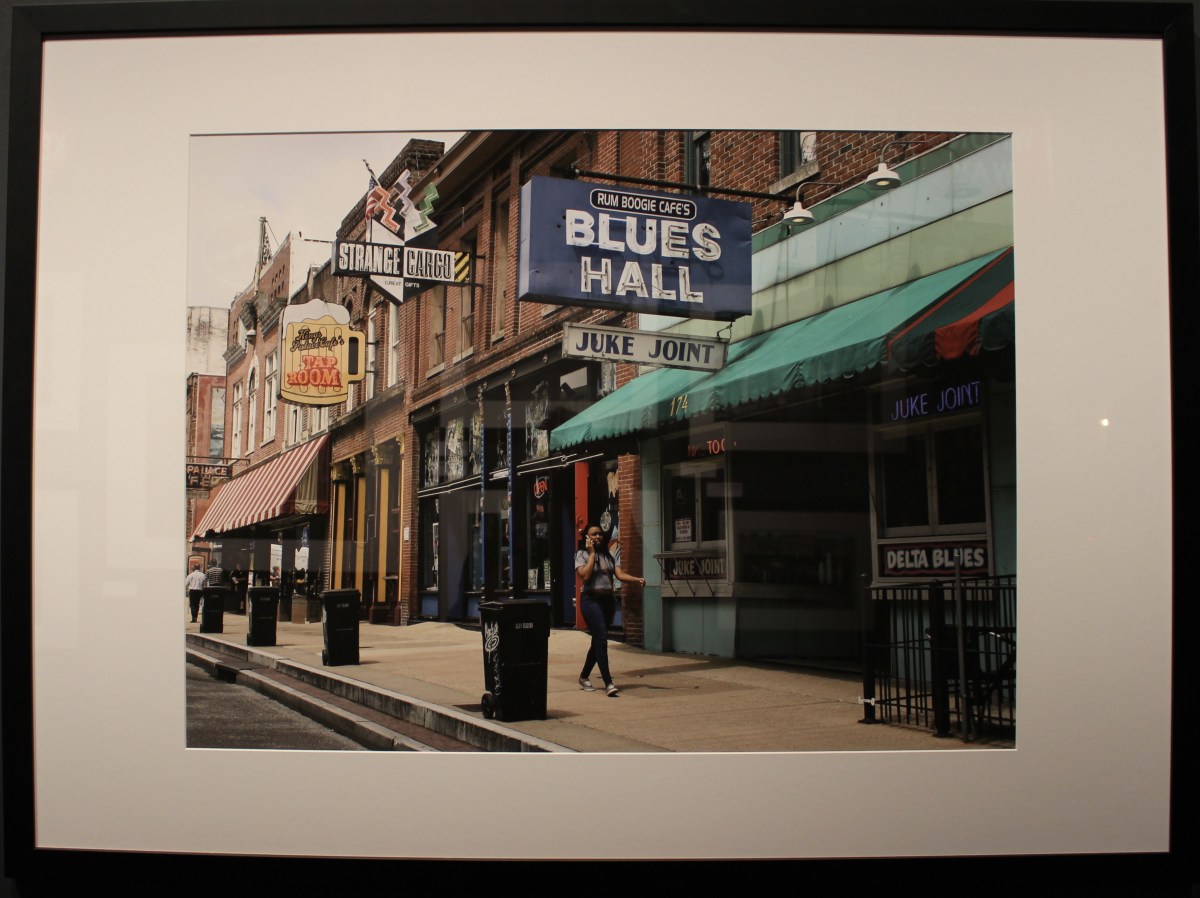
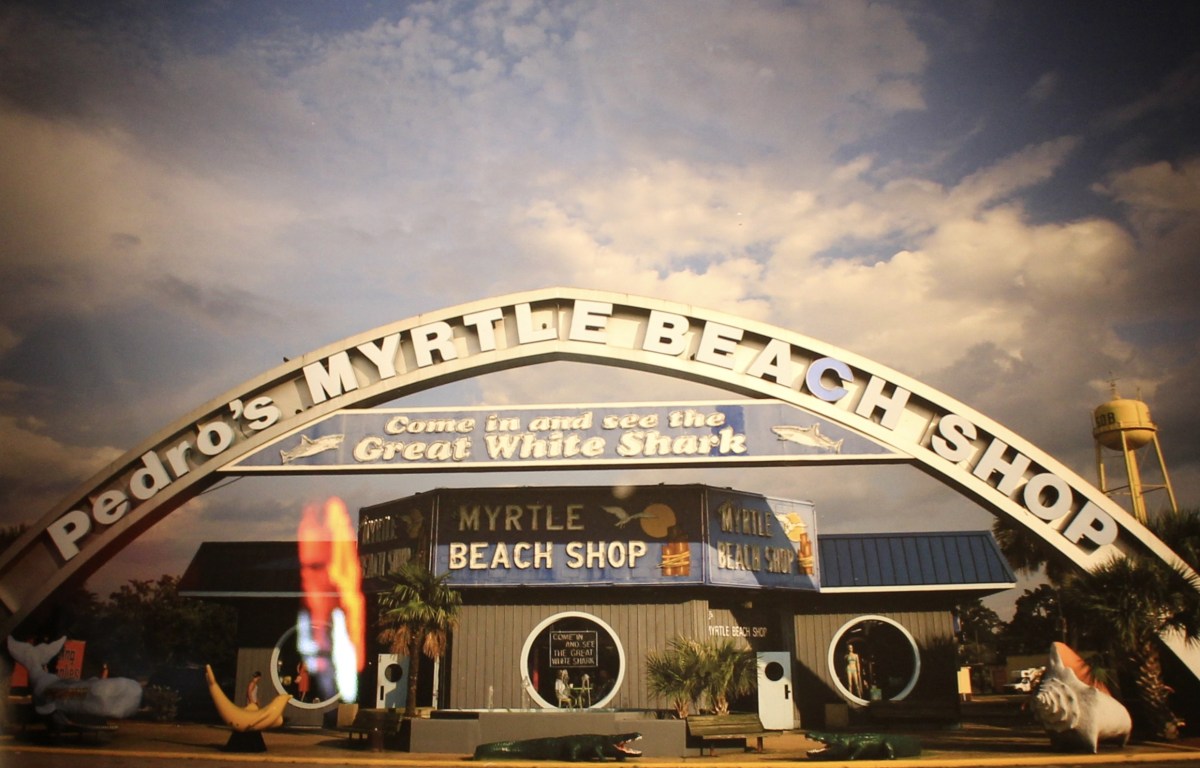
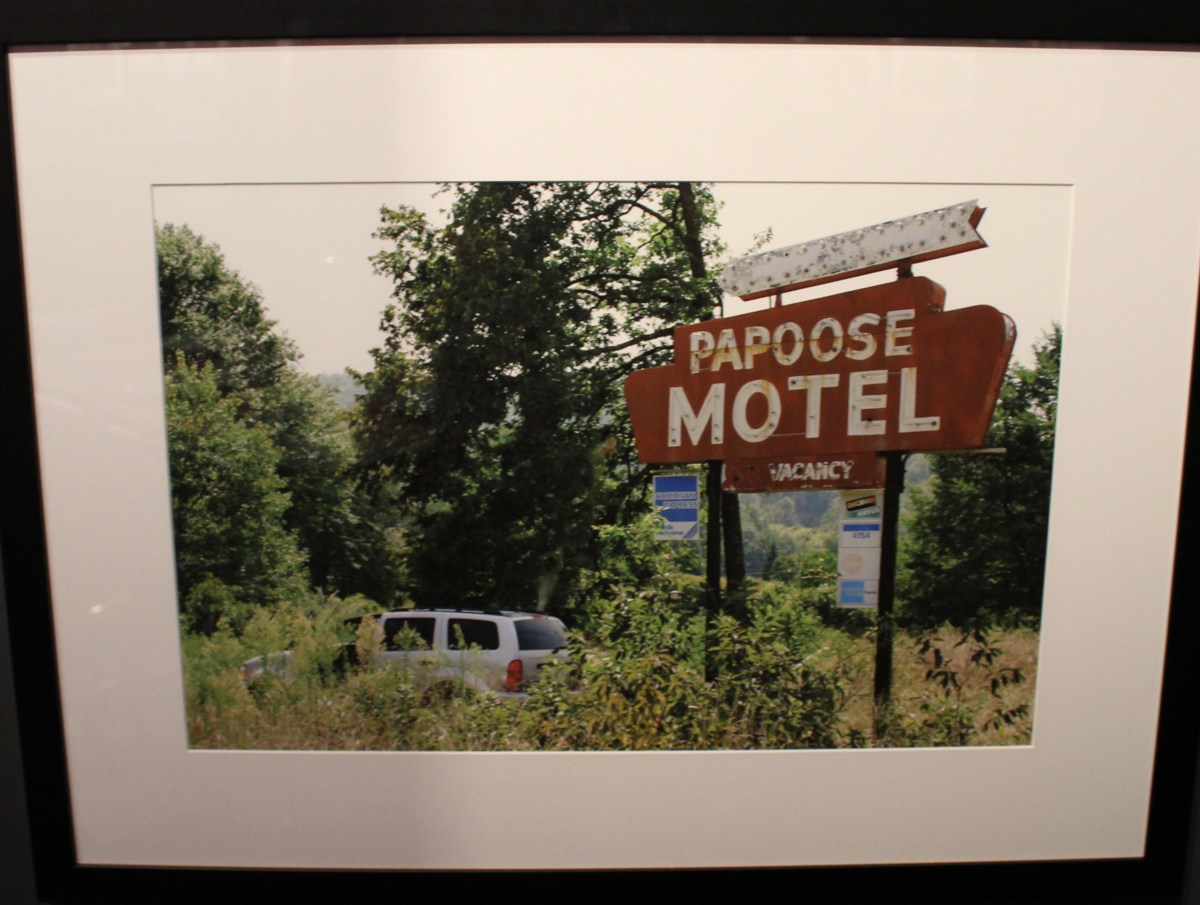
When I visited the Frazier History Museum in Louisville, Kentucky this past spring, I found a quirky and nostalgic exhibit of photographs by Linda Bruckheimer, an American novelist, photographer, film producer and preservationist.  Raised in Kentucky, her family moved to California when she was a teenager, a trip that, among other things, inspired her love of photography.

fullsizeoutput_1aae6

Lao Tzu quote

In her artist’s statement at the museum she said that “everyone can be divided into two tribes – people who love road trips and those who don’t.”  She grew up with parents from the former tribe, and they would jump in the car with the whole family with no destination in mind. She got “hooked on the great unknown, fascinated by the notion that something exciting was waiting around the next bend.”

Her exhibit, “Road Map to Heaven,” was “an ode to that magical first trip {from Kentucky to California} and subsequent trips of the past decades.”  Her photographs made for “some atypical, quirky images that reflect the essence and personality of a changing America.”  Her exhibit was dedicated to “the memory of [her] high-spirited parents…”

I apologize for the reflections of the glass on the photographs.  It is always challenging to take photos of art behind glass.

fullsizeoutput_1aaed

photo by Linda Bruckheimer

fullsizeoutput_1978a

photo by Linda Bruckheimer

fullsizeoutput_1978b

photo by Linda Bruckheimer

fullsizeoutput_1aae9

photo by Linda Bruckheimer

fullsizeoutput_1978d

photo by Linda Bruckheimer

fullsizeoutput_1978e

photo by Linda Bruckheimer

fullsizeoutput_1978f

photo by Linda Bruckheimer

fullsizeoutput_19791

photo by Linda Bruckheimer

fullsizeoutput_19792

photo by Linda Bruckheimer

fullsizeoutput_19793

photo by Linda Bruckheimer

fullsizeoutput_1aaea

photo by Linda Bruckheimer

fullsizeoutput_19797

photo by Linda Bruckheimer

fullsizeoutput_19798

photo by Linda Bruckheimer

fullsizeoutput_1aaee

photo by Linda Bruckheimer

fullsizeoutput_1979b

photo by Linda Bruckheimer

fullsizeoutput_1979c

photo by Linda Bruckheimer

fullsizeoutput_1aaeb

At the Frazier, I also found other bits of Americana.

tree of license plats
Shell gas pump
Shell gas pump
Motel sign
Motel sign
empty Coca-Cola bottles
Coca-Cola machine
Coca-Cola machine
Route 66 Drive-In menu
Fortune teller
Fortune teller
quilt
quilt
old car at the Frazier

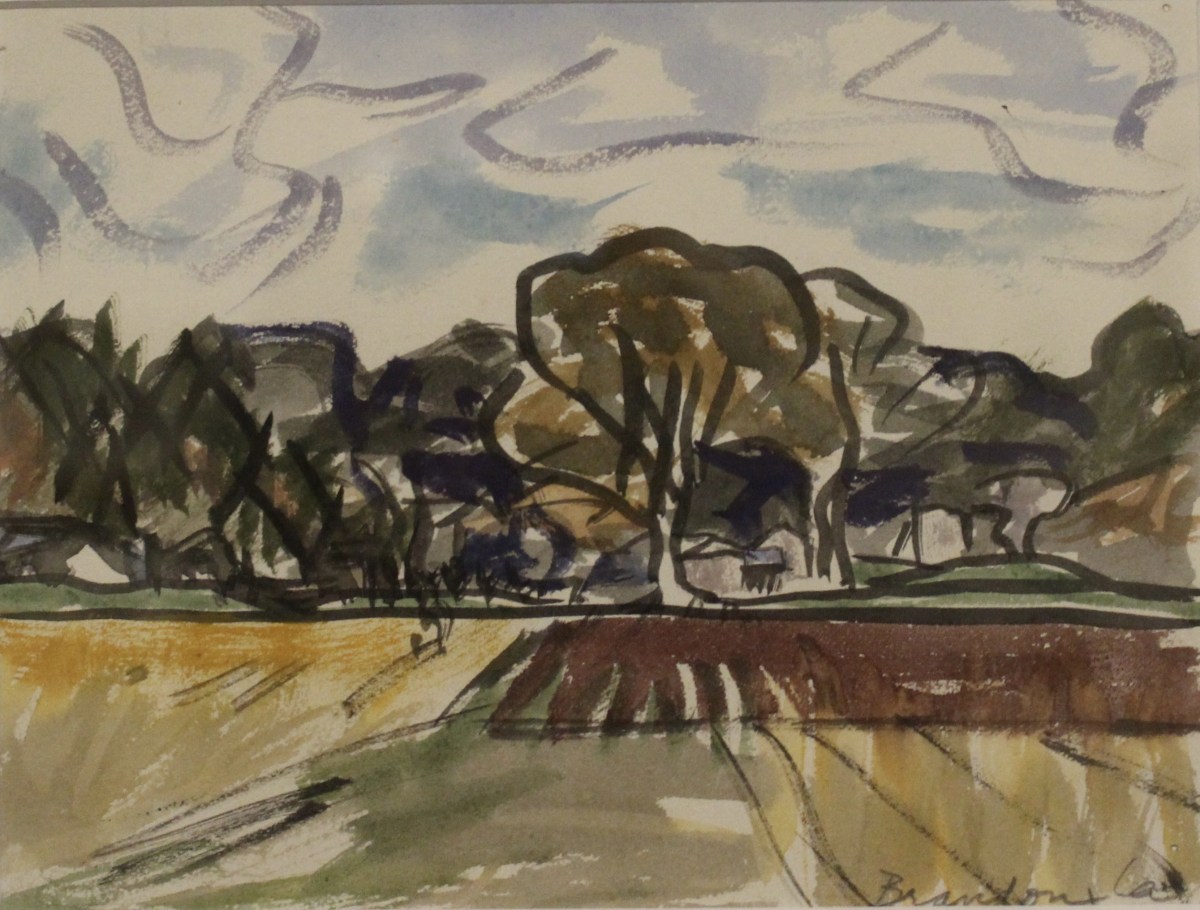
Besides these, there was also an exhibit by watercolorist Harland Hubbard (1900-1988), born in Bellevue, KY. His paintings show slices of life along the Ohio River in the early-to-mid-20th century. He married Anna Eikenhout, art librarian at the Cincinnati Art Academy, in 1943, and they started building a shantyboat the following year.  The shantyboat departed on its voyage on the Ohio River at the end of 1946 and continued until 1951.  In 1952, the Hubbards moved to Payne Hollow, KY, for a life without modern conveniences.  Hubbard’s best known book, Shantyboat: A River Way of Life, was published in 1953.

When asked why the Hubbards chose this path, Harland Hubbard said he liked this kind of life: “We like independence.  We like to feel self-sufficient.  Also my chief business is painting.  I like landscape.  We’re living where there are things I like to paint.”

fullsizeoutput_1aae4

painting by Harland Hubbard

fullsizeoutput_1aaec

painting by Harland Hubbard

*Friday, March 1, 2019*

*********************

“PHOTOGRAPHY” INVITATION:  I invite you to create a photography intention and then create a blog post for a place you have visited. Alternately, you can post a thematic post about a place, photos of whatever you discovered that set your heart afire. You can also do a thematic post of something you have found throughout all your travels: churches, doors, people reading, people hiking, mountains, patterns, all black & white, whatever!

In my case, my intention was to look for thematic possibilities during my trip to Kentucky and I was thrilled to find this photography exhibit that captures the quintessential American road trip.

You probably have your own ideas about this, but in case you’d like some ideas, you can visit my page: photography inspiration.

I challenge you to post no more than 20-25 photos (I have more here!) and to write less than 1,500 words about any travel-related photography intention you set for yourself. Include the link in the comments below by Wednesday, October 30 at 1:00 p.m. EST.  When I write my post in response to this challenge on Thursday, October 31, I’ll include your links in that post.

This will be an ongoing invitation, every first, second, and third (& 5th, if there is one) Thursday of each month. Feel free to jump in at any time. 🙂

I hope you’ll join in our community. I look forward to reading your posts!


Share this:

  • Click to share on X (Opens in new window) X
  • Click to share on Facebook (Opens in new window) Facebook
  • More
  • Click to email a link to a friend (Opens in new window) Email
  • Click to print (Opens in new window) Print
  • Click to share on Pinterest (Opens in new window) Pinterest
Like Loading...
  • America
  • Antietam National Battlefield
  • Gettysburg National Military Park

on journey: a whirlwind tour of waterfalls & civil war battlefields

wanderessence1025's avatar wanderessence1025 October 16, 2019

In late March, my British friend Graham, who worked with me in Japan at Aoyama Gakuin University Sagamihara Campus, came for a visit. He was in New York visiting his (ex)-wife, and carved out some time to come down by train from New York to Union Station in D.C.; I picked him up, brought him to my house in northern Virginia, and made him as cozy as I could in my basement guest room.  This was after going out and buying a new queen sized bed and fixing up that bedroom, as we rarely had guests other than our grown children. The basement also has a full bath and a living area with a T.V.  After living in small apartments in Japan, Graham had never imagined he’d have a whole basement apartment to stay in during his visit.

When I asked what he’d like to do, he mentioned a strong desire to see a Civil War Battlefield, as he is a big Civil War history buff. I said Manassas Battlefield Park was the closest to our house, but I didn’t think it was that interesting.  My husband suggested we go to Gettysburg in Pennsylvania, and Graham lit up, thrilled at the opportunity to see Gettysburg.  I suggested that we go to Great Falls first for dramatic views of the Potomac River, and then head to Gettysburg National Military Park.

After chatting late that into that first evening, I asked him what time he’d like to get up in the morning.  He said, “I’m on vacation, so I don’t want to get up too early.” Taking him at his word, I neither set an alarm nor did I naturally wake up early, which I usually do.  He, on the other hand, woke early and wandered impatiently around the house, feeling it would be rude to rouse me.  Thus we got a late start to our day.

First we went to the Virginia side of Great Falls Park, about 35 minutes from my house, arriving just before 10:00 a.m. At Great Falls, the Potomac River builds up speed and force as it falls over a series of steep, jagged rocks and flows through the narrow Mather Gorge. It’s a dramatic sight, but there isn’t much to do there other than stand at the overlooks, or take hikes along the Mather Gorge or on Billy Goat Trail.

fullsizeoutput_1aac3

Great Falls, Virginia

fullsizeoutput_1aac4

Great Falls, Virginia

Graham at Great Falls, VA
Graham in Great Falls
IMG_3864

me with Graham at Great Falls

fullsizeoutput_1aacd

Great Falls, Virginia

fullsizeoutput_1aacf

Great Falls, Virginia

From Great Falls, it was nearly 80 miles to Gettysburg, over an hour and a half drive. We drove on the hilly and winding roads of Great Falls, past woodsy properties and sprawling mansions, and merged onto the Capital Beltway, where we were hemmed in by SUVs, shiny pickup trucks, Audis and BMWs, the usual Washington-area upscale cars. Graham talked about his (ex)-wife-turned-close-friend in New York, the people we worked with at Aoyama Gakuin University, his students, and the crazy relationship between an ex-colleague of ours and his Japanese girlfriend.

Graham also told me in great detail about the Gettysburg battle, which raged for three days in July (1-3) of 1863.  He knew all the generals involved: Union Major General George G. Meade and Maj. Gen. Joseph Hooker, and, on the Confederate side, General Robert E. Lee and Lt. Gen. James Longstreet. He knew about Pickett’s Charge, where 12,000 Confederate soldiers advanced across open fields toward the Federal center.  The attack failed and cost Lee over 5,000 soldiers in one hour, ending the Battle of Gettysburg.

When the armies marched away from Gettysburg, they left behind a community in shambles and over 51,000 soldiers dead, wounded or missing.  Most of the dead lay in hastily dug and inadequate graves, and some had not been buried at all.  The governor of Pennsylvania, distraught over this situation, bought 17 acres for a proper burial ground for the dead.  On November 19, 1863, the Soldiers’ National Cemetery was dedicated, with Abraham Lincoln making The Gettysburg Address, a speech that contained 272 words and took about two minutes to deliver. Considered a masterpiece of the English language, Lincoln’s speech gave meaning to the sacrifice of the dead and inspiration to the living.

fullsizeoutput_1aad0

Gettysburg National Military Park

After our 1:00 arrival at Gettysburg National Military Park, we watched the film at the Visitor’s Center.  We drove the 24-mile Self-Guided Auto Tour, which traces the three-day battle chronologically, from McPherson Ridge to the Eternal Light Peace Memorial to Oak Ridge.  We drove past Warfield Ridge, Little Round Top, the Wheatfield, and the Peach Orchard. Graham knew about all of these places from his extensive studies of the war. It was fun to see him so excited over seeing this famous battlefield.

fullsizeoutput_1aad3

Graham and Abe at Gettysburg

IMG_3874

Graham at Gettysburg

fullsizeoutput_1aad5

Gettysburg National Military Park

fullsizeoutput_1aad7

Gettysburg National Military Park

fullsizeoutput_1aad8

Gettysburg National Military Park

fullsizeoutput_1aada

Gettysburg National Military Park

While Graham was very excited about seeing Gettysburg, he expressed regret that he would miss seeing Antietam.  I told him it might be possible to make it to Antietam National Battlefield in Sharpsburg, Maryland by the time the Visitor Center closed at 5:00 if we didn’t get out of the car at each stop in Gettysburg.  I have never seen anyone so excited about this possibility.  Graham was game to simply finish our drive through Gettysburg and be on our way to Maryland.  We decided we’d need to leave Gettysburg by no later than 3:30 to drive the 46 miles to Antietam, estimated to take an hour and five minutes.

On the way to Antietam, Graham once again filled me in with his immense knowledge of Civil War battles.  He know of the Confederate leadership: Robert E. Lee, Thomas “Stonewall” Jackson, James Longstreet and Ambrose E. Hill.  He also knew of the Union players, George B. McClellan, Joseph Hooker, and Ambrose E. Burnside. I have never been one to understand military tactics or battlefield logistics, or to know all the leaders’ names in various battles, so I was bowled over by Graham’s knowledge.

Though Antietam was the second battlefield we visited, it was actually first in chronology.  The 12-hour battle began at dawn on September 17, 1862.  Three morning Union attacks struck the Confederate left, north to south. From 6 a.m. until 10 a.m., combat raged across the 24-acre Cornfield, East Woods and West Woods.  By late morning, fighting shifted to the Sunken Road in a three-hour stalemate that left the road forever known as “Bloody Lane.” The most heavily contested of three bridges was the Lower Bridge, also known as Burnside Bridge. Union General Ambrose E. Burnside captured the bridge and crossed Antietam Creek, which forced the Confederates back toward Sharpsburg.  However, Confederate General A.P. Hill’s Light Division arrived from Harper’s Ferry to drive Burnside back to Antietam Creek.

The battle ended at about 6 p.m. The lines of battle had not shifted significantly  from that morning.  Of nearly 100,000 soldiers engaged in battle, about 23,000 were killed, wounded, or missing. Late on September 18, Confederate General Robert E. Lee forded the Potomac to Virginia.  The Union Army held the field.

We made it to Antietam just in time to do a quick run-through of the Visitor Center.  Luckily, the battlefield was open later than 5:00, so we had time to drive through.

IMG_3881

Antietam National Battlefield

fullsizeoutput_1aadb

The Bloody Lane at Antietam

fullsizeoutput_1aadc

The Bloody Lane at Antietam

IMG_3885

Graham at Burnside Bridge in Antietam

For the people of Sharpsburg, the battle and thousands of soldiers caused sickness and death from disease, as well as immense property damage.

Antietam made it possible for President Lincoln to issue the Emancipation Proclamation, which granted freedom to the slaves in the Confederate States if the States didn’t return to the Union by January 1, 1863. In addition, under this proclamation, freedom would only come to the slaves if the Union won the war.  The Proclamation was complicated but it made a statement about slavery. Up until September 1862, the main focus of the war had been to preserve the Union, but the Emancipation Proclamation made freedom for slaves a legitimate war aim.  Although the Battle of Antietam resulted in a draw, the Union army was able to drive the Confederates out of Maryland – enough of a “victory,” that Lincoln felt comfortable issuing the Emancipation just five days later.

Antietam also reshaped the logistics of field medicine. It also influenced how the nation would memorialize battlefields in the future.

IMG_3890

Antietam National Battlefield

fullsizeoutput_1aae1

Antietam National Battlefield

We left Antietam at close to 6:00.  We arranged to meet Mike after work at Enatye Ethiopian Restaurant in Herndon for dinner.  By the time we got there, it was nearly 7:30 p.m.  Graham had never eaten Ethiopian food before, and he loved the Ethiopian wine and food, sopping up every last bit with the injera. He told me he would have to come to visit more often now that he knew he had his own apartment in our basement, battlefields to visit, and good food and wine to sample. 🙂

I told Graham that we’d need to leave by 10:00 the next morning to get him to Union Station in D.C. on time. This time, I woke up early, and was pacing the house waiting for him to wake up.  I finally had to go down to the basement and rouse him, as he was cozily curled up in his own private basement apartment. 🙂

*March 19,2019*

**********************

“ON JOURNEY” INVITATION: I invite you to write a post on your own blog about the journey itself for a recently visited specific destination. You could write about the journey you hope to take in the year ahead.  If you don’t have a blog, I invite you to write in the comments.

Include the link in the comments below by Tuesday, November 19 at 1:00 p.m. EST.  When I write my post in response to this challenge on Wednesday, November 20, I’ll include your links in that post.

This will be an ongoing invitation, once on the third Wednesday of each month. Feel free to jump in at any time. 🙂

I hope you’ll join in our community. I look forward to reading your posts!

the ~ wander.essence ~ community

I invite you all to settle in and read a few posts from our wandering community.  I promise, you’ll be inspired. 🙂

  • Meg, of Visiting Warsaw 2018 & 2019, wrote about her long journey home from her latest visit to her daughter and twin grandchildren in Warsaw.
    • The journey home

Many thanks to all of you who wrote posts about the journey. I’m inspired by all of you!

Share this:

  • Click to share on X (Opens in new window) X
  • Click to share on Facebook (Opens in new window) Facebook
  • More
  • Click to email a link to a friend (Opens in new window) Email
  • Click to print (Opens in new window) Print
  • Click to share on Pinterest (Opens in new window) Pinterest
Like Loading...
  • Camino de Santiago
  • Europe
  • Hikes & Walks

{camino day 38} cacabelos to trabadelo

wanderessence1025's avatar wanderessence1025 October 13, 2019

I left Cacabelos in pouring rain at 8 a.m. after toast and a large cafe con leche at the hostel, Saint James Way.  After clearing the town, I climbed up through vineyards and, though it was raining, found it quite pretty. It was strange that all over the Bierzo countryside were buzzing electric wires, as if some strange spirit was speaking from above. I was in a Zen frame of mind and kept putting one foot in front of the other and admiring the surroundings.  I encountered some trees with spiky yellow balls that I found out later were European Chestnuts.

I passed through the town of Las Angustias without stopping and walked up a gravel path past a simple wooden cross. I then passed through the small village of Pieros with its 11th century parish church.

Cacabelos to Las Angustias (1.6 km) (to Pieros (1.7 km))

fullsizeoutput_1aa30

Pieros

After Pieros, I walked on a wide and muddy track that wound its way through the vineyards and into the sleepy hamlet of Valtuille de Arriba.

Las Angustias to Opción (2.2 km) (to alternative road, which I didn’t take)

fullsizeoutput_1aa34

Las Angustias to Valtuille de Arriba

IMG_8626

buzzing electric wires

fullsizeoutput_16a19

Las Angustias to Valtuille de Arriba

fullsizeoutput_1aa3a

European Chestnuts

fullsizeoutput_1aa3c

European Chestnuts

Opción to Valtuille de Arriba (1.4 km)

In Valtuille de Arriba, I passed a funky coffee shop cutely decorated but closed.

fullsizeoutput_16a21

funky coffee shop in Valtuille de Arriba

fullsizeoutput_1aa3e

funky coffee shop in Valtuille de Arriba

Valtuille de Arriba to Villafranca del Bierzo (4.3 km)

Then I walked through the stunning El Bierzo landscape: rolling hills covered in vineyards and a white-washed house between loblolly pines.  It was picturesque even in the rain. It continued to rain the whole two hours it took me to walk to Villafranca del Bierzo, where I found the 12th-century Romanesque Church of Santiago.

fullsizeoutput_1aa46

El Bierzo landscape

fullsizeoutput_1aa48

El Bierzo landscape

fullsizeoutput_1aa4e

El Bierzo landscape

fullsizeoutput_1aa51

leaves in the vineyards

fullsizeoutput_1aa53

me utterly drenched

fullsizeoutput_1aa5b

El Bierzo landscape

fullsizeoutput_1aabd

El Bierzo landscape

fullsizeoutput_1aa61

El Bierzo landscape

fullsizeoutput_16a17

El Bierzo landscape

The 12th-century Iglesia de Santiago is a Romanesque jewel with a fine Puerta de Perdón, Door of Forgiveness, and a statue of St. James in full pilgrim regalia inside.  Medieval pilgrims who weren’t able to continue on to Santiago received absolution here just as they would in Santiago. Because of this, Villafranca was often referred to as “little Santiago.”

fullsizeoutput_1aa67

Iglesia de Santiago

fullsizeoutput_1aa71

Iglesia de Santiago

Villafranca del Bierzo, population 3,500, began to develop in the 11th century along the Camino Francés.

In the town, I wandered around aimlessly for a long while.  I’d sent my camera ahead in my pack so it wouldn’t get wet today and for some reason my phone was already dying. I still had over 10km to go. I looked around town for a charger (I’d also sent that ahead in my pack) and found one in a Chinese shop.  I stood in the shop awhile to charge the phone.  I stopped at a coffee shop to drink some orange juice and eat doughnuts; here I charged my phone some more.

I walked around town and saw the 17th-century Iglesia San Nicolás and went inside Iglesia Colegiata, formerly the Iglesia Nuestra Señora de Cluniaco, whose monks from Cluny were among the first arrivals here from France.

fullsizeoutput_1aa6d

Villafranca del Bierzo

Iglesia Colegiata
Iglesia Colegiata
Iglesia Colegiata
Iglesia Colegiata
inside Iglesia Colegiata

My friend Darina, who was now a town ahead of me, recommended I take the alternative route out of Villafranca.  I wasn’t sure I should bother as long as it was raining. I had to take the alternate path immediately after crossing the bridge out of town, so I lingered to see what the weather would do.  If I took the path, I would want to take photos, thus my attempts to charge my phone. Finally, it looked as if the weather was clearing, so I took the path.  It was a very steep climb up, and it kept going up and up.  The whole alternate path turned out to be along the top of a mountain, and then, after a very long while, a steep descent.  I was probably foolish to take this route as it seemed to go on forever and I was due to climb a big mountain the following day to O’Cebreiro.

The views were stunning and it was exhilarating walking on a mountain path rather than the roadside route, which I could see below in the valley.  For 10 km, I didn’t see a soul in front of or behind me.  I had the path all to myself, or so it seemed.  A couple of times I worried I might be lost, but then magically the yellow Camino arrows would appear, easing my mind.

Villafranca del Bierzo to Opción – Puente Burbia to scenic route Camino de Pradela (1.0 km)

fullsizeoutput_1aa83

Puente Burbia

fullsizeoutput_1aa85

pilgrim statue over río Burbia

fullsizeoutput_1aa87

view of Villafranca del Bierzo from Puente Burbia

fullsizeoutput_169f7

view of Villafranca del Bierzo from Puente Burbia

I climbed and climbed until I reached stunning vistas of the valley below and the town of Villafranca del Bierzo behind me. Here, I found a number of cairns dedicated to this journey of life.

Scenic route Camino de Pradela to Vista (3.3 km)

fullsizeoutput_1aa8b

Scenic route Camino de Pradela to Vista

fullsizeoutput_1aa8f

Scenic route Camino de Pradela to Vista

fullsizeoutput_1aa91

Scenic route Camino de Pradela to Vista

fullsizeoutput_1aa97

Scenic route Camino de Pradela to Vista

fullsizeoutput_1aa9d

Scenic route Camino de Pradela to Vista

fullsizeoutput_1aa9f

Scenic route Camino de Pradela to Vista

fullsizeoutput_16a08

Scenic route Camino de Pradela to Vista

fullsizeoutput_1aaa3

Scenic route Camino de Pradela to Vista

fullsizeoutput_16a07

Scenic route Camino de Pradela to Vista

fullsizeoutput_1aaa4

Scenic route Camino de Pradela to Vista

Scenic route Camino de Pradela to Vista
fullsizeoutput_1aaa9

Scenic route Camino de Pradela to Vista

After about 3.3 km, I reached a shaded stretch under chestnut woods.  I still hadn’t encountered a single soul on this entire stretch.

Vista / altares to Alto / Peña Roldan (3.0 km)

fullsizeoutput_1aaaa

Vista / altares to Alto / Peña Roldan

The mountain path had ascended for an eternity, so I knew I’d be in trouble when it was time to descend.  As always, the descent was steep and rocky, requiring great concentration. I was never so happy to get to the town of Trabadelo.

Alto / Peña Roldan to Trabadelo (4.1 km)

My albergue, Albergue Camino y Leyenda, it was nearly empty.  I had reserved a bed in a 5-bed room, expecting I’d have roommates, but for the second night in a row, I had a many-bedded room to myself.  What a treat!

IMG_8724

Albergue Camino y Leyenda

When I first came down off the mountain, I ran into Greg, the retired high school teacher from British Columbia who I’d talked to going into Ponferrada about the younger generation, the horrors of Trump, and our bafflement over Trump supporters. Greg told me he and his friend Sean had walked over the alternate route, just as I had, and they’d been accompanied by Beth from Australia, who Greg seemed to like immensely.  All he could talk about was their walk.  He was glowing with pleasure over their day.  They must have been just ahead of me all day, but I never caught sight of them.

fullsizeoutput_1aaae

Trabadelo

fullsizeoutput_1aaaf

Trabadelo

fullsizeoutput_1aab0

Trabadelo

fullsizeoutput_1aab3

Trabadelo

fullsizeoutput_1aab4

Trabadelo

IMG_8734

Trabadelo

When I went to dinner later at a restaurant Darina had recommended, Gastropub – El Puente Peregrino, I ran into Greg and Sean, who were staying in rooms at the restaurant.  I enjoyed vegetable curry with rice and goat cheese yogurt with honey and walnuts and we talked about the Camino.

I was exhausted after a long day of strenuous hiking and was feeling blessed that the skies cleared in the afternoon and the views were stunning, even during the rainy morning.

fullsizeoutput_1aab8

El Puente Peregrino

fullsizeoutput_1aabf

El Puente Peregrino

fullsizeoutput_1aaba

Trabadelo

**********

*Day 38: Thursday, October 11, 2018*

*34,839 steps, or 14.76 miles: Cacabelos to Trabadelo (18.3 km)*

You can find everything I’ve written so far on the Camino de Santiago here:

  • Camino de Santiago 2018

**************

On Sundays, I post about hikes or walks that I have taken in my travels; I may also post on other unrelated subjects. I will use these posts to participate in Jo’s Monday Walks or any other challenges that catch my fancy.

This post is in response to Jo’s Monday Walk: Ferragudo.

Share this:

  • Click to share on X (Opens in new window) X
  • Click to share on Facebook (Opens in new window) Facebook
  • More
  • Click to email a link to a friend (Opens in new window) Email
  • Click to print (Opens in new window) Print
  • Click to share on Pinterest (Opens in new window) Pinterest
Like Loading...
  • Amarante
  • Braga
  • Europe

portuguese azulejos

wanderessence1025's avatar wanderessence1025 October 10, 2019

Azulejo is a form of Portuguese and Spanish painted tin-glazed ceramic tilework. The word is derived from the Arabic zellige, meaning “polished stone.”  The original idea was to imitate Byzantine and Roman mosaics.  There are Persian influences here in the interlocking curvilinear, geometric or floral motifs.

fullsizeoutput_1aa21

Silves 2013

Azulejos are found on the interiors and exteriors of churches, palaces, ordinary houses, schools, and even restaurants, bars, railways or subway stations.   They are applied on walls, floors and even ceilings. Many azulejos chronicle major historical and cultural aspects of Portuguese history.

Sintra 2013
Sintra 2013
Sintra 2013
Sintra 2013
Sintra 2013
Sintra 2013
Sintra 2013
Sintra 2013
Sintra 2013
Sintra 2013
Sintra 2013
Sintra 2013
Sintra 2013
Sintra 2013

These techniques were introduced into Portugal by king Manuel I after a visit to Seville in 1503. The Portuguese adopted the Moorish tradition of horror vacui (“fear of empty spaces”) and covered the walls completely with azulejos (source: Wikipedia: Azulejo).

fullsizeoutput_1aa1c

Braga 2018

fullsizeoutput_1aa1d

Braga 2018

fullsizeoutput_167b7

Guimarães 2018

IMG_0671

Guimarães 2018

IMG_0695

Porto 2018

fullsizeoutput_16777

Porto 2018

fullsizeoutput_1aa2e

Porto 2018

fullsizeoutput_17c29

Porto 2018

fullsizeoutput_16719

Porto 2018

fullsizeoutput_17c5b

Porto 2018

fullsizeoutput_17c8a

Porto 2018

fullsizeoutput_17c92

Porto 2018

fullsizeoutput_1aa16

Amarante 2018

fullsizeoutput_18891

Amarante 2018

fullsizeoutput_188a7

Amarante 2018

fullsizeoutput_1aa2c

Amarante 2018

fullsizeoutput_188b3

Amarante 2018

fullsizeoutput_1aa17

Sintra 2018

fullsizeoutput_1a8ef

Lisbon 2018

fullsizeoutput_1a908

Lisbon 2018

fullsizeoutput_1a9de

Lisbon 2018

fullsizeoutput_17553

Lisbon 2018

fullsizeoutput_1a9ff

Lisbon 2018

fullsizeoutput_1aa03

Lisbon 2018

*********************

“PHOTOGRAPHY” INVITATION:  I invite you to create a photography intention and then create a blog post for a place you have visited. Alternately, you can post a thematic post about a place, photos of whatever you discovered that set your heart afire. You can also do a thematic post of something you have found throughout all your travels: churches, doors, people reading, people hiking, mountains, patterns, all black & white, whatever!

In my case, my intention was to look for thematic possibilities during my trip to Morocco and was enticed by all the colorful markets (and the goods!).

You probably have your own ideas about this, but in case you’d like some ideas, you can visit my page: photography inspiration.

I challenge you to post no more than 20-25 photos (I have more here!) and to write less than 1,500 words about any travel-related photography intention you set for yourself. Include the link in the comments below by Wednesday, October 16 at 1:00 p.m. EST.  When I write my post in response to this challenge on Thursday, October 17, I’ll include your links in that post.

This will be an ongoing invitation, every first, second, and third (& 5th, if there is one) Thursday of each month. Feel free to jump in at any time. 🙂

I hope you’ll join in our community. I look forward to reading your posts!

Share this:

  • Click to share on X (Opens in new window) X
  • Click to share on Facebook (Opens in new window) Facebook
  • More
  • Click to email a link to a friend (Opens in new window) Email
  • Click to print (Opens in new window) Print
  • Click to share on Pinterest (Opens in new window) Pinterest
Like Loading...
  • Europe
  • International Travel
  • Lisbon

lisbon: around & about bairro alto & alfama

wanderessence1025's avatar wanderessence1025 October 8, 2019

We shrugged off the gloom on our first full day in Lisbon and walked all over Bairro Alto and Alfama. I had been to Lisbon before, but Mike hadn’t, so I wanted to show him the neighborhoods I’d loved my first time in the city.

We started in the neighborhood where our hotel was situated, Bairro Alto, looking for a place to hear fado that evening. They all seemed too touristy, so, sadly, we ended up skipping fado altogether. Mike’s experience would thus differ from mine, as I did hear fado in 2013 in the touristy Café LUSO, a Fado House established in 1927. Bairro Alto is the party-loving side of Lisbon, a nightlife mecca, so our morning-after stroll revealed a hung-over sort of atmosphere.  It was, after all, a Sunday morning, following on the heels of Saturday night revelry.

Bairro Alto
Bairro Alto
a sad-looking Bairro Alto
Adega Machado in Bairro Alto

We walked downhill, passing the famous trams along the way.  I was in search of my favorite Lisbon ceiling at Basilica of the Martyrs. We made it through the theater district and slowly down to sea level, to the huge gate and plaza on the Rio Teja: Praça do Comércio, with its grand 18th century arcades and mosaic cobblestones. In 1908, anarchists assassinated Dom Carlos I and his son, and the square witnessed the fall of the monarchy.  In today’s square, a Web Summit was advertised in bold letters.

fullsizeoutput_174c9

Lisbon’s trams

fullsizeoutput_1a8fe

theater district

fullsizeoutput_1a904

Basilica of the Martyrs

fullsizeoutput_1a906

Basilica of the Martyrs

fullsizeoutput_174bf

Praça do Comércio

fullsizeoutput_1a90e

Praça do Comércio

fullsizeoutput_1a916

Praça do Comércio

After hitting the bottom, we began to climb our way up into Alfama.  Lisbon, with its seven hills, is nothing but climbs and descents.

Alfama
Alfama
Igreja de Santa Luzia
Alfama
Alfama
souvenir shop outside Castelo de São Jorge
Alfama
Alfama

Though we’d walked up to Castelo de São Jorge the previous evening, it had been too late to go inside, so we went inside to explore.  The castle’s hilltop fortifications tower dramatically above Lisbon, and offer splendid views of the red rooftops of the city and the Rio Teja. Human occupation of the castle hill dates to at least the 8th century B.C., while the first fortifications date from the 1st century B.C. Visigoths were here in the 5th century, Moors in the 9th, and Christians in the 12th. Since the 12th century, the castle has variously served as a royal palace, a military barracks, and now as a national monument and museum. It has held convicts in nearly every century.

fullsizeoutput_1aa19

view of the Rio Teja from Castelo de São Jorge

Castelo de São Jorge
me at Castelo de São Jorge
fullsizeoutput_1a936

cannon at Castelo de São Jorge

fullsizeoutput_1a93e

view of Lisbon from Castelo de São Jorge

fullsizeoutput_1a944

view of the Rio Teja from Castelo de São Jorge

fullsizeoutput_1a94e

view of Lisbon from Castelo de São Jorge

fullsizeoutput_1a950

view of Lisbon from Castelo de São Jorge

fullsizeoutput_1a954

Castelo de São Jorge

fullsizeoutput_1a962

Castelo de São Jorge

fullsizeoutput_17502

me at Castelo de São Jorge

fullsizeoutput_1a964

Castelo de São Jorge

fullsizeoutput_1a96a

Castelo de São Jorge

fullsizeoutput_1a97e

Castelo de São Jorge

Castelo de São Jorge
view from Castelo de São Jorge
Castelo de São Jorge
view from Castelo de São Jorge

After thoroughly exploring the castle, we walked back downhill through Alfama, through alleys of gritty street art to the Miradouro de Santa Luzia, where we absorbed the sweeping views over Alfama’s coral-red rooftops to the river.

fullsizeoutput_1a9c1

The eyes have Mike in Alfama

fullsizeoutput_1a9cb

view from Miradouro de Santa Luzia

fullsizeoutput_17539

view from Miradouro de Santa Luzia

We decided we had to take Tram 28, which took us up and down hills through several neighborhoods, dumping us at an unfamiliar spot at the bottom of a busy commercial area.  I had remembered the tram dropping me at the top of a hill when I rode it in 2013. We didn’t have a clue where we were.

fullsizeoutput_1a9cc

tuk-tuks at the ready near the Tram 28 stop

riding Tram 28
riding Tram 28
Tram 28 depositing all passengers

Mike did what he does best, navigating us through the Baixa district, with its colorful and tiled façades, and past the Elevador de Santa Justa.  This 19th century industrial age elevator whisks passengers up 45 meters from the Baixa district to the Largo do Carmo. This masterpiece is adorned with wrought iron neo-Gothic arches and geometric patterns; it was designed by Gustave Eiffel’s apprentice, Raul Mésnier.  We moseyed our way through the theater district in Chiado.

fullsizeoutput_17541

tiled building in Baixa

fullsizeoutput_1a9d6

colorful purple building in Baixa

fullsizeoutput_1a9d8

Elevador de Santa Justa

fullsizeoutput_1a9da

beautiful tiled building in theater district

fullsizeoutput_1a9e3

Teatro da Trindade

fullsizeoutput_1a9e7

theater district

The sky was threatening rain, so we ducked into the Roman Catholic Igreja & Museu São Roque, with its dazzling interior of gold, marble and Florentine azulejos.  It was the earliest Jesuit church in the Portuguese world, and one of the first Jesuit churches anywhere. After the 1755 Lisbon earthquake, the church was given to the Lisbon Holy House of Mercy to replace their church and headquarters, which had been destroyed. It remains a part of the Holy House of Mercy today. The adjoining museum displays elaborate sacred art and holy relics.

Igreja & Museu São Roque
ceiling in Igreja & Museu São Roque

Finally, we made our way back to our hotel through Bairro Alto as it started to rain, and, as it was too early for dinner, we took a seat at a cozy bar across the street, where some wine and spirits lit our dark moods.  While Mike watched sports on the bar TV, I ran next door and did some shopping at my favorite store, LostIn. 🙂

fullsizeoutput_1aa05

Adega Machado in Bairro Alto

fullsizeoutput_1aa09

Bairro Alto

fullsizeoutput_1aa0e

cozy Lisbon bar across from our hotel

IMG_2107

self-portrait in the bar mirror

We ate dinner at a sushi buffet restaurant near our hotel.  As it was pouring rain, we simply didn’t have the heart to go further afield.  The meal was decidedly mediocre.

*Sunday, November 4, 2018*

*14,781 steps, or 6.26 miles*

**********************

“PROSE” INVITATION: I invite you to write up to a post on your own blog about a recently visited particular destination (not journeys in general). Concentrate on any intention you set for your prose.  One of my intentions was to use five random verbs in my travel essay each day: 1) dump, 2) shrug, 3) differ, 4) light, and 5) absorb. √

It doesn’t matter whether you write fiction or non-fiction for this invitation.  You can either set your own writing intentions, or use one of the prompts I’ve listed on this page: writing prompts: prose. (This page is a work in process.) You can also include photos, of course.

Include the link in the comments below by Monday, October 21 at 1:00 p.m. EST.  When I write my post in response to this invitation on Tuesday, October 22, I’ll include your links in that post.

This will be an ongoing invitation. Feel free to jump in at any time. 🙂

I hope you’ll join in our community. I look forward to reading your posts!

Share this:

  • Click to share on X (Opens in new window) X
  • Click to share on Facebook (Opens in new window) Facebook
  • More
  • Click to email a link to a friend (Opens in new window) Email
  • Click to print (Opens in new window) Print
  • Click to share on Pinterest (Opens in new window) Pinterest
Like Loading...
  • Asia
  • Cambodia
  • International Travel

on returning home from cambodia in 2011

wanderessence1025's avatar wanderessence1025 October 7, 2019

Phnom Penh

For two days in Cambodia’s capital of Phnom Penh, it was all about open air lobbies with tropical plants, cool shimmering pools, and white canopied beds of sleep-beckoning glory.  It was about moto-remorks: cute, often fringed, canopied trailers hitched to the back of motorbikes. It was about wats, or pagodas, Royal Palaces, and the horrors of the Khmer Rouge.

Wat Langka, one of Phnom Penh’s five original wats (pagodas), was founded in 1422 as a sanctuary for Holy Writings and for a meeting place for Cambodian and Sri Lankan monks. It escaped destruction as it was used as a storehouse by the Khmer Rouge.  As I walked around, I was impressed by the huge Buddha statues, the offerings of fruits and incense, and the serenity on the grounds.

Villa Langka
Villa Langka
Villa Langka
Villa Langka
Wat Langka
Wat Langka
Wat Langka
Wat Langka
Wat Langka
Wat Langka
Wat Langka
Wat Langka
monks at Wat Langka
monks at Wat Langka
mr. lo and his moto-remork

On the streets, I was captivated by the roar of the motorbikes, the tropical lushness, the bright-colored buildings in yellow, lime green and royal blue. I loved the Cambodian lettering on street signs. I got a great hour-long massage by a tiny and limber Cambodian girl for about $8 at OM.  She didn’t use any oil or lotions ~ I would have had to pay more for that. After the relaxing massage, I read my book, Eaves of Heaven, falling asleep in the dream world of Cambodia.

The next morning, it was full immersion into the Khmer Rouge. Mr. Lo took me in his moto-remork to Tuol Sleng Genocide Museum, the former high school turned prison and interrogation center in Phnom Penh.  It served as Security Prison 21 (S-21) for the communist Khmer Rouge regime from 1975-1979, the years when they were in power.  The regime converted the buildings by enclosing them in electrified barbed wire.  The classrooms became tiny prison and torture chambers and windows were covered with iron bars and barbed wire to prevent escapes.

I walked around the former prison, which had been kept in the state it was when the regime fell in 1979, except cleaned up. It was haunting. I first walked through the larger rooms where people were strapped to beds, tortured and interrogated. Nearly every room contained one metal-framed bed, a few torture instruments and a black and white photograph of someone being horribly tortured. When prisoners were brought here, they were stripped, and all their possessions taken. Then they made confessions of all their activities from the moment they were born until they were arrested, which were transcribed by the prison officials. Often these confessions would be thousands of words and would interweave truth with fictions of spying for the CIA or Vietnam (probably obtained under torture).

Men, women and children alike were tortured by horrible means: beaten and tortured with electric shocks, searing hot metal instruments and hanging. Some prisoners were cut with knives or suffocated with plastic bags. Other horrible means of torture were used as well, including waterboarding and pulling out fingernails while pouring alcohol over the wounds. Often the confessions obtained through such tortures included the names of hundreds of the prisoner’s friends, family or acquaintances who were guilty of some crime against the Khmer Rouge.

It was such an incredibly distressing place. So dark, I could almost feel the evil that once lurked here. After the torture rooms, I went to another building where there were rows and rows of tiny rectangular cells, the size of long skinny closets, where prisoners were shackled to the tiled floor. In other rooms, there were giant boards of black and white photos of young and old, male and female, Cambodians stared desperately at the camera. It was deathly quiet in the museum. Deathly.

The Khmer Rouge apparently kept detailed records of every prisoner, every confession, every action they took. All this was on display at the museum.

It’s estimated that anywhere from 17,000-20,000 prisoners were held here during the Khmer Rouge reign, with 1,000-1,500 at any one time.  Prisoners initially included people from the previous Lon Nol regime:  soldiers, government officials, as well as academics, doctors, teachers, students, factory workers, monks, engineers, etc.  Later, the Khmer Rouge paranoia extended the killing to those within their own ranks.  Most prisoners stayed for 2-3 months, after which time they were killed and buried near the prison.  When space eventually ran out, the regime transported prisoners to the Killing Fields of Choeung Ek.

no laughing aloud at Tuol Sleng
regulations at Tuol Sleng
Tuol Sleng Genocide Museum

When I left this horrible prison, Mr. Lo drove me in his moto-remork to Choeung Ek, about 15 km outside of Phnom Penh.  I followed in the footsteps of around 18,000 people who were transported from Tuol Sleng to The Killing Fields and brutally murdered.

It was a slow drive to the Killing Fields, with motorbikes buzzing all around.  Again, as in Vietnam, we passed businesses of every sort imaginable operating out of concrete cubbyholes with rusty corrugated metal roofs.  In store fronts, there were racks of old-fashioned and dirty Pepsi bottles filled with a yellow-green liquid.  I couldn’t help but wonder what that liquid the color of urine was in those dirty bottles.  Later, I found out they contained gasoline for motorbikes.

Barber shops were everywhere, men standing with scissors in hand snipping away at customers wearing bibs around their necks. Children ran around on the streets in dirty clothes with naked bottoms exposed. In the midst of the poverty, shiny cars with LEXUS emblazoned on their sides cruised the streets. Women walked the streets in cartoon-covered pajamas while men played billiards in open air concrete garages. In open-air movie-theater type rooms, sparse groups of people sat in plastic chairs watching a community TV set. Huge carts of stinky durians and leafy greens and bamboo and sugar cane were pushed by little old ladies in colorful mismatched outfits. Men covered in black oil toiled away at engine repair shops, steel welding operations, or tire shops with corrugated tin roofs. Dust settled, permeated, resided.

We buzzed on.  I clutched my backpack between my legs on the floor of the moto-remork because Mr. Lo warned me against keeping it on the seat.  I had read that people snatched bags from foreigners as they drove by on their motorbikes.  Corncobs cooked on carts.  Hyundai Porters (like I saw constantly in Korea) and Toyotas rolled down the poorly maintained streets.  Surprisingly, I saw a garbage truck, the first one I’d seen in either Vietnam or Cambodia.  I also saw garbage dump-type places. The debris was not as prevalent here as what I saw on the fringes of Hanoi.  The Cambodia-Japan Friendship Skills Training Center buzzed with people-in-training.

Forty-five minutes later at the Killing Fields, I faced the entrance gate and a giant commemorative stupa.  I discovered later that the stupa is filled with the skulls of 8,000 victims who were murdered here.  I went directly to the tiny museum where a film was in progress about the history of Pol Pot and his Khmer Rouge regime and of this place.  The film was brutally honest and didn’t try to gloss over the barbarity of this horrible regime.  I have found often in my travels that museums try to downplay the despicable actions of their country or to gloss over history.

The film here at Choeung Ek was truly sickening and brought me, and many other tourists, to tears. After the film, I collected myself, and walked around the grounds where I saw some of the mass graves that were unearthed: one where only naked women and children were found. Another that contained headless corpses. Yet another only miscellaneous bone fragments. There was a tree where the regime would hold babies by the feet and bash their heads against the trunk. Their rationale for killing babies was so that the children of victims wouldn’t seek revenge on the regime when they grew up. One sign said that a particular tree held a loudspeaker to drown out the screams of those being bludgeoned, so as not to disturb the neighbors.

To save ammunition, the prisoners at Choeung Ek were usually bludgeoned to death with iron bars, pickaxes, machetes and many other makeshift weapons. Others were killed with poison, spades or sharpened bamboo sticks. Prisoners were often forced to dig the mass graves themselves, but as they were weak, the graves were often shallow. Even decades later, it was said that clothes, teeth and bones surfaced during heavy rainfalls from the huge numbers of bodies that were still buried there.

Choeung Ek
Choeung Ek
Choeung Ek
Choeung Ek
the khmer rouge uniforms
8,000 skulls in the stupa
Choeung Ek
Choeung Ek
Headless corpses
Headless corpses
mass grave at Choeung Ek
tree with loudspeaker
Killing fields
Killing fields

After this depressing morning, which was educational but emotionally draining, Mr. Lo took me back to town to Wat Phnom, meaning Hill Temple.  It was set on the only hill in Phnom Penh, more like a mound at 27 meters.  The locals swarmed all over the place.  Here Buddha worship was taken to extremes; it was big business.  Inside the temple were hundreds of Buddhas, each of which was holding on its crossed legs or in its arms several Cambodian Riel, bananas, oranges, flowers, or little skewers of white flowers that smell like freesia.  I walked behind a young Cambodian guy who devoutly walked around the perimeter of Buddhas, bowing and placing a Riel on each Buddha.

There were easily 25-30 people within the temple busying themselves arranging or collecting or distributing the multitudes of offerings. Others were on their knees praying. Outside in the back were other smaller Buddha statues in front of which, on a beautifully colored quilt, other food and fruit and flower offerings were placed. As soon as the quilt got full, a man promptly gathered up the offerings. Further back on the hilltop behind the temple, I found schoolchildren eating the fruit that had been removed from the Buddhas. On the far right of the temple was a production area where people were arranging flowers, cutting fruit, burning incense, slicing raw meat and offering these items for sale.

I came across several stone dog figures with panting mouths; in their mouths were strips of raw bacon and under their sitting figures were raw eggs that had been cracked open and were slowly hardening in the heat. Other men and women came by to whisk away the bacon and the eggs. It was commerce at its liveliest, this Buddha offering activity. All abuzz. It was like the altar guild decorating for Christmas Eve service in an Episcopal church, except this occured every day. Outside the temple were young boys with birds in cages. They sold the birds’ freedom to people who wanted to earn merit with the Buddha. Later, the birds returned to their cages, where they were resold and resold and resold, an infinite number of times.

Legend has it that in 1373, the first temple at Wat Phnom was built by a lady named Penh as a home for four Buddhas that she found floating in the Mekong River.

fullsizeoutput_1c68

Wat Phnom

fullsizeoutput_1a152

the buddha clutches his offerings at wat phnom

fullsizeoutput_627

Buddha at Wat Phnom

IR1262016

offerings

IR1310016

the production center where offerings are bought and sold at wat phnom

To finish off Phnom Penh, I visited the Royal Palace and the Silver Pagoda.  The Royal Palace was a complex that served as the royal residence of the King of Cambodia. The Kings of Cambodia have occupied it since it was built in 1866, except during the tumultuous period of the Khmer Rouge. It all yellow buildings with curlicue roofs, in classic Khmer architecture.

I walked around the gardens looking for the Silver Pagoda, but I didn’t see any silver buildings.  Finally, I asked someone and they pointed out a building I had already been inside, which certainly did not have the silver exterior I expected.  Inside the building,  no photographs were allowed.  It housed a beautiful 17th century Emerald Buddha, which I certainly WANTED to take a picture of, but with all the guards hovering, I didn’t dare.  It also boasted a near-life-size Buddha studded with 9,584 diamonds and dressed in royal regalia.  Apparently, before the Khmer Rouge, the temple floor was inlaid with 5,000 silver tiles, thus the name Silver Pagoda.  Most of this floor was now covered up with carpeting.

I spent quite some time wandering through the Royal Palace grounds, checking out the gardens with their beautiful flowers and topiary, the faded murals on the walls, Buddhas sitting serenely in little gardens, and the elephant room with its decadent elephant thrones.

fullsizeoutput_1a179

Royal Palace

fullsizeoutput_1a07b

Royal Palace

fullsizeoutput_1a185

Royal Palace

fullsizeoutput_1a188

painting of the Royal Palace

fullsizeoutput_1a189

Silver Pagoda

fullsizeoutput_1a195

Royal Palace

fullsizeoutput_1a196

Buddha on the Royal Palace grounds

Royal Palace
Royal Palace
elephant topiary
elephant topiary
Buddhas
Buddhas
elephant room at the Royal Palace
elephant throne
elephant throne
lotus pond
lotus pond
Royal Palace
Royal Palace

Though fellow travelers had told me Phnom Penh was nothing special, I disagreed. I found it quite pleasant. It was warm and skies were blue, brushed with wispy white clouds. I saw less pollution, less trash, a better infrastructure than that in Vietnam. It was civilized and genteel. Even though it was poor, Cambodians seemed to have a grace and elegance about them, much like the carvings of apsara (woodland spirit) dancers on their ancient temples. When they greeted me, they put their palms together in a prayer position, bowed their heads and said “Hello, Madame.” It was charming.

Siem Reap

For four days in Siem Reap, it was all about the Angkor temples. I got a tuk tuk ride to see sunset at Angkor Wat.  My driver dropped me across the 2.2-mile-long moat that circles the outer gate of the famous temple.  I walked across the moat and through this gate and there in front of me, across a wide expanse of lawn,  was Angkor Wat.  Immediately, I was taken aback, and disappointed.  All over the front of the facade was emerald-green netting, put up for renovation.  There was no way to take a picture without the ugly netting.  I walked up closer and found, despite the netting, the temple was still lovely because of the way the setting sun colored the stone.  It was rich and golden-red, glowing.  I went inside the temple complex and looked at all the beautiful carvings of apsara dancers and royal people and gods and battles and everyday life. Apsara are beautiful, supernatural women. They are youthful and elegant, and proficient in the art of dancing.  A huge Buddha wrapped in an orange sash surrounded by gold glitz and glittery leaves, flower offerings before him, beamed serenely down at me.

It was stunning, the waning light on the temple. I wandered around the ancient stone buildings, fading to skeletons in their slow decay. How many years before the temple would turn to dust? How many centuries, how many generations? The power of nature was indefatigable. It slowly eroded everything man put in its midst.

IR2997888

Angkor Wat, decked out in netting

fullsizeoutput_19f57

Angkor Wat

fullsizeoutput_19f55

Angkor Wat

Angkor Wat
Angkor Wat
Angkor Wat
Angkor Wat
Angkor Wat
Angkor Wat
Angkor Wat
Angkor Wat
Angkor Wat
Angkor Wat
Angkor Wat
Angkor Wat
Angkor Wat
Angkor Wat
Angkor Wat
Angkor Wat

Most people know about Angkor Wat, but here’s a tidbit of history. It is a temple complex built by King Suryavarman II in the early 12th century. It was the state temple and capital city and was first Hindu, dedicated to the god Vishnu; later it became Buddhist. Apparently, it’s the world’s largest religious building. It’s said the building of this temple was likely the cause of the demise of the Khmer empire.

I took my time wandering, captivated by the way the light attached to the stone.

IR3312128

Angkor Wat

fullsizeoutput_19f6e

Angkor Wat

fullsizeoutput_19f7d

Angkor Wat

fullsizeoutput_19f7e

Sunset at Angkor Wat

moat at Angkor Wat
moat at Angkor Wat
moat at Angkor Wat
moat at Angkor Wat

After dinner, I wandered through the night market in Siem Reap, where I was tempted to put my feet into a tank of fish that eat the dead skin off your feet. The night market bloomed with colorful silk scarves, handbags, smiling Buddhas, wooden apsara dancers, T-shirts, pillows, tablecloths, glittery jewelry. So many things to buy, but so little ability to carry them all home. I gazed into big open-air rooms with teak lounge chairs where tourists were having hour-long foot massages for $3. I came away with a handful of scarves for $4 each and a 3-piece Buddha plaque with gold flecks on it. I loved this kind of market, much like the Sunday market in Bangkok, with so many enticing things that you could spend days there, lost in the glamour of it all.

The next morning, Mani, a 35-year-old chubby Cambodian whose English pronunciation was quite mangled, served as my guide.

While riding together in the back seat of a Toyota sedan to Angkor Thom, Mani told me that 1.4 million people lived in Siem Reap and 14 million lived in the whole of Cambodia.  Siem Reap means “Thai defeated,” the name resulting from the defeat of Thailand by Cambodia in some 16th century war.  Whenever Mani talked, I found myself having to think hard about what he was trying to say.  There were recognizable English words interspersed with babble, and many times I either just sat quietly and nodded, not having a clue what he was saying, or I questioned him, which inevitably led to more confusion.

We entered the south gate of Angkor Thom, known as Great Angkor or Great City.  The entire city is 10 square kilometers and was built by the “greatest Angkorian” King Jayavarman VII (1181-1219).  This king came to power following the Khmer defeat by the Chams.  In its heyday, in the 13th century, the city had a population of 1 million, while London was a tiny town of 50,000.  The outer wall of the city is a normal steep wall on the outside, but on the inside, dirt ramparts lead to the top of the wall; these enabled soldiers to climb up easily to defend the city.

Cambodia practices Buddhism, Hinduism, and, in the mountains, animism. In the first century, Hinduism took root in Cambodia. From the 1st to the 3rd century, Buddhism took over. Later, in 1113 when Angkor Wat was built by Suryavarman II, he dedicated it to the Hindu god Vishnu. Until the 11th century, the king had believed in Buddhism.

In Angkor Thom, all public houses, buildings and palaces were constructed of wood. Brick or stone was reserved for the gods. This is why today, all that remains of the city are the skeletal remains of the temples and holy places.

We went to the Bayon, which King Jayavarman VII built and which showcased his great ego.  Within the Bayon were 54 Gothic towers decorated with 216 smiling faces of Avalokiteshvara, who bore a great likeness to the king.  These faces stared down from every angle, looking like Big Brother watching.  Bas-reliefs carved all over the Bayon had over 11,000 figures.  Carvings on the outer wall depicted everyday life in 12th century Cambodia. There were some Cambodians in costume and we took pictures with them for a tip (of course).

the east gate of angkor thom, flanked by 54 gods and 54 demons
some of the 54 gods leading to angkor thom’s east gate
Angkor Thom
Angkor Thom
me at the Bayon
me at the Bayon
the Bayon
the Bayon
the Bayon
the Bayon
the Bayon
the Bayon
Cambodians in traditional clothing
the Bayon
the Bayon

We walked up another 200 meters to the Baphuon, a pyramid structure that represented the mythical Mt. Meru, home of the gods.  This marked the center of the city, but was built before Angkor Thom was constructed. It was built on land filled with sand, so the structure has been unstable throughout its history.  The French apparently started dismantling the structure in 1960 in order to reconstruct it.  Each stone taken from the Baphuon was numbered and records were kept of each stone and where it belonged.  Apparently, reconstruction efforts were disrupted by the Cambodian Civil War and then all records were destroyed during the Khmer Rouge years.  Today, thousands of huge stones litter the grounds around the structure, the scattered pieces of the world’s largest 3-D jigsaw puzzle.  The reconstruction efforts are seriously hampered, as the archeologists must take a couple of blocks at a time to see if they fit in a particular spot.  If they don’t fit, the blocks are taken back to their spots, and 2 more blocks are taken.  I could see, looking over this field of stones, the project’s immensity, and I wondered how many lifetimes it would take before this structure was reconstructed.

the Baphuon
the Baphuon
the Baphuon
the Baphuon
the Baphuon
the Baphuon
the Baphuon
the Baphuon

We next visited Ta Prohm, a temple built from 1186 by Jayavarman VII.  Ta Prohm is the place you always see in photographs of the Angkor temples.  It is in a severe state of ruin and nature has overtaken it.  Trees grow over its decaying walls, their roots strangling the stone structure like giant boa constrictors.  Moss and lichen grow all over the bas-reliefs.  Shrubs sprout from rooftops and balconies.  Jumbles of intricately carved stone blocks clog corridors.

It was like a scene from Indiana Jones;  even Angelina Jolie’s Tomb Raider had parts filmed here.  I kept thinking I’d seen nature in all its destructive power taking over this place, and then I turned a corner and found another huge tree grasping a wall, its monstrous roots like an octopus, encircling its prey.

Ta Prohm
Ta Prohm
me at Ta Prohm
me at Ta Prohm
Ta Prohm
Ta Prohm
me at Ta Prohm
me at Ta Prohm
me at Ta Prohm
me at Ta Prohm
Ta Prohm
Ta Prohm
Ta Prohm
Ta Prohm
me at Ta Prohm
me at Ta Prohm
me in a tree at Ta Prohm
Ta Prohm
Ta Prohm
me at Ta Prohm
me at Ta Prohm

Finally, Mani and I went to Angkor Wat for the official tour.  He told me Angkor Wat is the largest religious structure in the world and it was never abandoned to the elements as other temples were.  The temple is a miniature of the universe, the central tower representing Mt. Meru, with smaller surrounding peaks of the lower towers, bounded in turn by continents (lower courtyards) and oceans (the moat).  Angkor Wat was built by Suryavarman II (1113-1140), who unified Cambodia and extended Khmer influence all over southeast Asia.  He devoted and consecrated the temple to the Hindu deity Vishnu.  It was built about the same time as European Gothic temples such as Notre-Dame in Paris.  Virtually every surface was carved in bas-reliefs.  It’s estimated the workers who built the temple would have been in the thousands, including many highly skilled artisans.

The temple was built of some 5 million tons of sandstone blocks quarried 50 km away and ferried down the Siem Reap river on rafts. Experts say that today it would take 300 years to build Angkor Wat, but in reality it was begun soon after Suryavarman II took the throne and finished soon after his death, over 40 years.

In the evening, I watched an Apsara show in a huge open-air pavilion; it was beautiful, with the delicate movements of the dancers and their exquisite costumes.  But once the waiter served me a beer early on, I never saw him again the rest of the night.  I hated venues like this, with their bulging crowds of tourists, pigging out on huge portions of bland uninspired Western food.

180312_823040942347_3784475_n

Apsara dancers

On Saturday, I went further afield.  Beng Mealea was 65 km northeast of Siem Reap over a sealed toll road.  We cruised by the poorest of the poor, me sitting in the back seat staring out the window at houses on stilts in the middle of nowhere.  Through the window I saw the same, same, same.  Palm trees and palm-leaf and betel-leaf houses on stilts with whole lives being lived underneath the homes, in their shadows.  In the wet season, the occupants stayed inside, but in the hot season, they slept in hammocks under the houses.

Dirty brown children ran amok in mismatched clothes, mothers stirred food over fires, fathers worked on engines on these dirt floors, swept to a hard surface.  Colorful clothes hung on lines under the houses, or in the sun.  Huge bales of hay sat under the shade of chestnut trees.  I asked the driver how these people made a living and he said most of them grew rice.  There was not enough water out here to grow vegetables.  He said the rich people had mango farms or cashew nut farms.  These were not the rich people.

on the way to Beng Mealea
Cambodian bike riders

We arrived at Beng Mealea. Here nature ran rampant even more than it did at Ta Prohm.  Trees and bushes and vines strangled every standing wall, every fallen stone.  This temple was built to the same floor plan as Angkor Wat by Suryavarman II, but the floor plan was virtually unrecognizable.  It was an incoherent mess.   Ta Prohm at least retained some semblance of its former self.  This was just a jumble of fallen stones and decaying walls.  Though the Lonely Planet described it as “Angkor’s ultimate Indiana Jones experience,” I thought it was too much.  I didn’t know why they didn’t just bulldoze it all down.  At the very least maybe someone could try to make some sense out of it all.

Beng Mealea
Beng Mealea
Beng Mealea
Beng Mealea
Beng Mealea
Beng Mealea

Though our destination of Kbal Spean was only 50 km northeast of Siem Reap (shouldn’t that be around 15 km from Beng Mealea, which is 65 km northeast of Siem Reap?), it took at least an hour and a half on a dirt road.  I kept staring out the window at the nothingness around.  There were long stretches where there weren’t even any houses.  I was glad I trusted my driver, because if we were on a road like this in Mexico or many other places, I’d have been worried about a gang of bandits attacking us.

on the road to Kbal Spean

We arrived finally at Kbal Spean, known in English as the “River of a Thousand Lingas.”  It took 1.5 km to climb uphill to the riverbed which was carved with ancient figures.  It was amazing that someone carved these so long ago, pieces of art in the rock bed. The driver mentioned how someone found someone else decapitated here in these woods. I said, What?? I remembered how one tourist told me that the police reports in the paper often listed decapitation crimes. I said, Who was decapitated? A local person or a tourist? He looked at me funny. Finally it dawned on me that he was saying some of the CARVINGS were decapitated, much like the ones at Angkor Wat. Heads chopped off and sold for a profit in some underground market.

Kbal Spean
Kbal Spean
Kbal Spean
Kbal Spean
Kbal Spean
Kbal Spean
Kbal Spean
Kbal Spean

Finally, we headed to the finest temple of them all, Banteay Srei.  This temple was cut from stone of a pinkish color and the stone carvings were exquisitely detailed.  Though small, this temple was neat, orderly and quite beautiful.   Carved monkeys sat at strategic corners of the temple, like little deformed midget kings. This temple was built in AD 967, commissioned not by a king but by a Brahman.

fullsizeoutput_1a0d2

Banteay Srei

fullsizeoutput_34c6

Banteay Srei

fullsizeoutput_45e5

Banteay Srei

166644_823453844887_7244041_n_2

Banteay Srei

Banteay Srei
Banteay Srei
Banteay Srei
Banteay Srei
Banteay Srei
Banteay Srei

We made a quick stop at the Cambodia Landmine Museum, where the history of landmines was told, to bring awareness of the pervasive landmine problem in Cambodia.  It also was a home which provided victims of landmines with education and support.

166997_823454348877_1795794_n_2

Cambodia Landmine Museum

On my last day in Cambodia, I decided at the last-minute to see some more of the Angkor temples. I walked through Preah Khan (Sacred Sword), one of the largest complexes at Angkor.  I liked the entrance over the moat with its decapitated demons and gods.  I ran into several poor and dirty Cambodian children sitting on stone stoops, trying to get handouts from tourists.  I walked around through the complex admiring all the beautiful carvings of Apsara dancers and kings.  It was a maze of vaulted corridors and jumbled stones, much like many of the other temples.  At this point, these temples were starting to look alike.

Preah Khan
Preah Khan
child at Preah Khan
child at Preah Khan
Preah Khan
Preah Khan
Preah Khan
Preah Khan

We made a quick stop at Ta Som, another small temple built in the 12th century for Jayavarman VII.  I spent most of my time here admiring and taking pictures of the intricate carvings in reddish stone.

one of the jigsaw puzzle carvings at Ta Som
Ta Som
Ta Som

I was hot and tired by this time and all I want to see is Pre Rup.  It was a reddish-colored mountain temple, built for Khmer King Rajendravarman in 961 AD.  It was built of brick, lacerite and sandstone, and its pyramidal structures throughout had bushes and grasses sprouting off their tops, like tufts of silk on a corncob.  I loved the deep rich color of this temple in the sunlight. This, Banteay Srei and Ta Prohm were my favorite of the Angkor temples, for their rich beauty and their interesting features.  I climbed and climbed the stairways to heaven at this beautiful temple.

164724_823467821877_4563974_n_2

Pre Rup

fullsizeoutput_1a09d

Pre Rup

fullsizeoutput_1a09f

Pre Rup

180666_823467622277_6121183_n_2

Pre Rup

fullsizeoutput_1a0ad

Pre Rup

I loved the food and ambiance in Cambodia. At Phnom Penh’s Boat Noodles, a two-story wooden open air restaurant abundant with greenery, I ordered a Tiger beer and a Cambodian specialty called Grilled Amok fish wrapped with banana leaf.  It was served with some light sauces, fragrant with cilantro.  The breakfast buffet at Villa Langka was a still life, redolent with tropical fruits: melon, papaya, bananas, mango, pineapple, passionfruit, dragon fruit.

A riverside restaurant reminded me fondly of the Grand Cafe on the Nile in Ma’adi, a suburb of Cairo. A Tiger beer was served with miniature peanuts with the skin still on them, smothered in salt.  The surrounding tropical plants whispered in the breeze.  I heard the buzz of construction activity on the river, the roaring engines of cranes moving the mud in the river, the clanking of an anchor on a riverboat.  In the restaurant, I heard the nasal sounds of Asians talking, the whining Khmer music.  My meal of fresh steamed fish in lime juice arrived, artfully prepared, with three banana leaf cups full of peppers and sauces.

At the restaurant Malis, a seated Buddha greeted me at the entrance.  The setting was stunning, a low-lit open air courtyard around an L-shaped pool brimming with lotus leaves. Giant palm fronds and bubbling fountains created a peaceful atmosphere.

I had a glass of red wine because the dinner I ordered, baked goby fish with mango dips, took 45 minutes to prepare. Since I was alone and 45 minutes went by slowly, I had another. The fish arrived with scaly skin and a viciously ugly head, but the fish flesh was tender and delectable, especially with the refreshing mango dips. For dessert I had the Malis Signature Mousse, a “delicate mousse infused with jasmine, ginger and Khmer honey with a side of fresh fruit salad.” Mmmm….

The Angkor Palm in Siem Reap was a lovely colonial-type restaurant that spilled out into the street.  I sat outdoors on the sidewalk so I could watch the people walk by.  I ordered the Angkor Palm Platter for One, a sampler of Khmer food: fresh spring roll, green mango salad with special smoked fish, local pork spareribs roasted with honey and spicy sauce, homemade green curry with chicken, cha’ta kuong or stir-fried morning-glory with oyster sauce, steamed rice, and a Khmer dessert of white pumpkin with a sugary sauce.  As usual, I enjoyed a glass of red wine.

The Sugar Palm was an open air cafe on the second floor of a house, with dark wood and a large square bar in the middle.  When I went in, there were no seats so I asked if I could eat at the bar, my favorite thing to do anyway. I ordered a glass of red wine and the owner, Kethana (Cambodian but with a strong Australian accent), recommended the Asian eggplant with minced pork.  I wasn’t usually a pork eater, but this was one of the most delectable things I ate on my entire trip.

the riverside restaurant in phnom penh where i have lunch
lunch of steamed fish with lime juice
leaf bowls of sauces
view of the riverfront
elephants march through the restaurant
Malis
Malis
my ugly but delicious fish dinner at Malis
Malis Signature Mousse
the angkor palm in siem reap
sampler for one at the angkor palm

Cambodia was different. It was definitely Asian, but it seemed a special culture, one distinguished in class from the others. Cambodians were gentle, delicate yet sophisticated. They were classy, open, kind-hearted, lovely. They were like gold and emerald treasures along the rice paddies and papayas of the Mekong. Butterflies. Tinkling bells. Hummingbirds. Gentle but exquisite in their speech, their music, their movements, and especially, in their hearts. I couldn’t help but wonder how the Khmer Rouge ever took root in this gentle country? How could it have possibly happened?

When I returned back to Korea after visiting Vietnam and Cambodia, I wrote a blog about my time there, from which this post is condensed: rice paddies & papayas: cambodia.

*Tuesday, January 18 – Sunday, January 23, 2011*

*************************

“ON RETURNING HOME” INVITATION: I invite you to write a post on your own blog about returning home from one particular destination or, alternately, from a long journey encompassing many stops.  How do you linger over your wanderings and create something from them?  How have you changed? Did the place live up to its hype, or was it disappointing? Feel free to address any aspect of your journey and how it influences you upon your return. If you don’t have a blog, I invite you to write in the comments.

For some ideas on this, you can check out the original post about this subject: on returning home.

Include the link in the comments below by Sunday, November 3 at 1:00 p.m. EST.  When I write my post in response to this challenge on Monday, November 4, I’ll include your links in that post.

This will be an ongoing invitation on the first Monday of each month. Feel free to jump in at any time. 🙂
 

Share this:

  • Click to share on X (Opens in new window) X
  • Click to share on Facebook (Opens in new window) Facebook
  • More
  • Click to email a link to a friend (Opens in new window) Email
  • Click to print (Opens in new window) Print
  • Click to share on Pinterest (Opens in new window) Pinterest
Like Loading...
  • Camino de Santiago
  • Europe
  • Hikes & Walks

{camino day 37} ponferrada to cacabelos

wanderessence1025's avatar wanderessence1025 October 6, 2019

This was a short day distance-wise but a long day attitude-wise.  I felt like quitting and curling up in a bed the whole day.  First, I got lost leaving Ponferrada, where the Camino waymarks seemed to vanish into thin air.  I stopped at a coffee shop where an English-speaking Spanish guy directed me to the river path.  Before that, a helpful Spanish lady from a kiosk gave me very long and complex directions in rapid-fire Spanish.  I nodded as if I understood but of course I didn’t.

I finally made it to the outskirts and over the Avenue de América Bridge and past the power station, coal slag-heaps, and a light factory, la fabrica de luz, into the neat suburb of Compostilla.

In Compostilla, I found neat suburban neighborhoods, decorative murals and the Ermita de Compostilla de Santa María.

Pons Ferrada (Iron Bridge) to Compostilla (2.5 km)

fullsizeoutput_1a1d7

waymarker

fullsizeoutput_1a1d9

Avenue de América Bridge

fullsizeoutput_16a48

fabrica de luz

fullsizeoutput_1a1db

Compostilla

fullsizeoutput_1a1de

mural in Compostilla

fullsizeoutput_1a1df

Ermita de Compostilla de Santa María

It seemed I no longer recognized any fellow pilgrims as my Camino friends had all moved past me; the ones I kept passing, who alternately kept passing me, didn’t speak English so it was challenging to connect. I was thinking too much about all the problems in my life, so obviously I didn’t really turn them over to God at Cruz de Ferro.

Most of the day, I would remain in extensive residential developments, with one development following another, and sports facilities appearing here and there.

I walked past vineyards and then crossed into the village of Columbrianos, a busy suburb of Ponferrada. The small Ermita San Blas was a small chapel with a pilgrim mural, site of an original pilgrim hospice.

Compostilla to Columbrianos Ermita San Blas (2.2 km)

fullsizeoutput_1a1e1

Compostilla to Columbrianos

fullsizeoutput_1a1e5

Ermita San Blas

As of this day, I only had 10 days of walking left, so the remaining distance was not even that overwhelming.  But my heart had become tired. None of the suburban landscapes spoke to me.  It was too busy and towns had minimal charm, with one exception.

I guessed this was life in microcosm: sometimes you don’t feel like going on but then you do, or you have to.  Of course I could have quit, but wouldn’t that have been foolish after making it so far?

I left the town of Columbrianos and walked through market gardens and past a rest area to Fuentes Nuevas, where there was a tiny chapel ermita del Divino Cristo with a pilgrim fountain.  Most of the path was along a road with little shoulder; luckily there wasn’t too much traffic.

Columbrianos Ermita San Blas to Fuentes Nuevas (2.3 km)

fullsizeoutput_16a53

flowers along the way

fullsizeoutput_1a1e9

Columbrianos to Fuentas Nuevas

fullsizeoutput_1a1ea

Columbrianos to Fuentas Nuevas

fullsizeoutput_1a1ee

Fuentes Nuevas

fullsizeoutput_1a1f0

Fuentes Nuevas

The saving grace of the day was the beautiful little church in Fuentes Nueva: La Iglesia de Nuestra Señora de la Asuncion.  There, I stopped to offer prayers and was bowled over by how pretty it was inside.  I was so grumpy that when the woman at the door asked if I wanted a sello (stamp) in my credenciale, I shrugged her off, but by the time I left, not only did I get the sello but also bought a new pilgrim credenciale that I probably wouldn’t even need.

fullsizeoutput_1a1f4

La Iglesia de Nuestra Señora de la Asuncion

fullsizeoutput_1a1f8

La Iglesia de Nuestra Señora de la Asuncion

fullsizeoutput_1a1f9

La Iglesia de Nuestra Señora de la Asuncion

fullsizeoutput_16a4f

La Iglesia de Nuestra Señora de la Asuncion

fullsizeoutput_1a1ff

La Iglesia de Nuestra Señora de la Asuncion

fullsizeoutput_1a201

Fuentes Nuevas

The town of Camponaraya had absolutely nothing to recommend it and went on forever.

Fuentes Nuevas to Camponaraya Centro (2.5 km)

fullsizeoutput_16a40

Camponaraya

After leaving Camponaraya, I crossed the river Naraya, a service station and then walked over a bridge spanning the A-6 motorway. After this, the landscape became more rural and pleasant, with vineyards producing grapes made into the increasingly valued wine of El Bierzo.

IMG_8557

crossing the A-6

fullsizeoutput_1a205

Camponaraya Centro to Fuente Cacabelos

IMG_8562

entering Cacabelos

Camponaraya Centro to Fuente Cacabelos (4.5 km)

I finally made it, all bedraggled, to my hostel, Saint James Way, in Cacabelos.  I had a four-bed room with no roommates!  What a rare treat that was.

fullsizeoutput_16a3c

Saint James Way

fullsizeoutput_16a55

Cacabelos

There was a cute chapel in town, the Chapel of San Rogue, and a beautiful church, the 16th-century Church of Santa María; it had an original 10th-century apse with a Baroque statue of the Virgin.

IMG_8564

Chapel of San Rogue

fullsizeoutput_1a21c

The Church of Santa María

The Church of Santa María

Cacabelos was a bit larger than many towns along the Camino, with a population of 5,500.  It was an important medieval pilgrim stop with five hospices founded to care for pilgrims. The town had an archeological museum displaying artifacts from nearby Roman settlements and a wine museum featuring the wine from the region, but I didn’t have time to go into either.

fullsizeoutput_1a209

Cacabelos

fullsizeoutput_1a20b

Cacabelos

fullsizeoutput_1a20c

Cacabelos

fullsizeoutput_1a20f

murals in Cacabelos

fullsizeoutput_1a210

murals in Cacabelos

fullsizeoutput_1a212

murals in Cacabelos

fullsizeoutput_1a21b

Cacabelos

The forecast was for rain all the next day.  Granted, I’d been spoiled except for one rainy morning coming out of Pamplona, but I still didn’t look forward to being cold and wet all day.  Maybe that accounted for my depressed mood.

Partly, I thought a lot about my loved one today and how he seemed to hate me and still had blocked me on Facebook and stopped following me on Instagram, despite following everyone else in the family. It made me sad, angry and heartbroken all at once, and I felt a lot of anxiety about it.

Surprisingly, he called me in the afternoon, when I had been thinking so much about him. He told me he loved living with his older brother, loved the house and yard, liked his job and the people, except for the time had to give up to be there, and how he was sorry (for what, he didn’t say).  He told me he loved me.  He wanted to take off four days to drive home from Colorado, so he could pick up a lot of his stuff like his pressure cooker, etc.  He wished me a good walk.  It was a very nice talk, and quite coincidental – just what I needed to cheer up.

My daughter wrote me a nice note of encouragement on Instagram: “I’m sorry you had a rough day Ma.  You’re doing great and I’m so proud of you.  Keep it up <3.” 🙂

fullsizeoutput_1a21e

Chapel of San Rogue

**********

*Day 37: Wednesday, October 10, 2018*

*26,444 steps, or 11.21 miles: Ponferrada to Cacabelos (15.3 km)*

You can find everything I’ve written so far on the Camino de Santiago here:

  • Camino de Santiago 2018

**************

On Sundays, I post about hikes or walks that I have taken in my travels; I may also post on other unrelated subjects. I will use these posts to participate in Jo’s Monday Walks or any other challenges that catch my fancy.

This post is in response to Jo’s Monday Walk: Alvor & the Estuary.

Share this:

  • Click to share on X (Opens in new window) X
  • Click to share on Facebook (Opens in new window) Facebook
  • More
  • Click to email a link to a friend (Opens in new window) Email
  • Click to print (Opens in new window) Print
  • Click to share on Pinterest (Opens in new window) Pinterest
Like Loading...
  • American Road Trips
  • Illinois
  • Midwestern Triangle

poetic journeys: let it all, all, all

wanderessence1025's avatar wanderessence1025 October 4, 2019

let it all, all, all

fullsizeoutput_1a29d

~ found Poem from Elizabeth Berg’s The Year of Pleasures ~

Here it is written out:

let it all, all, all

I remember a breath,
a waterfall;
down, down,
let it all, all, all
the smell of sandalwood,
the soothing way
dust motes streamed
the veil falling away
unsticking
from self.
In dreams,
I was still.

~ Found Poem from Elizabeth Berg’s The Year of Pleasures ~

*************************

“POETRY” Invitation:  I invite you to write a poem of any poetic form on your own blog about a particular travel destination.  Or you can write about travel in general. Concentrate on any intention you set for your poetry.

My intention for my Midwestern Triangle Road Trip was to write four Found Poems. I wrote one here: poetic journeys: lives moving as fast as possible.  I was to write two poems based on books I read that were set in my destination.  One of these books, set in Illinois, was Elizabeth Berg’s The Year of Pleasures.  I found a poem on page 51 of her book.

This type of Found Poem is known as Erasure, where you choose a source and erase away most of the “text” and leave words and/or phrases and/or sentences so that what’s left says something very different from what the original writing said and is art.  The end result should be something different from what the original text said.

You can either set your own poetic intentions, or use one of the prompts I’ve listed on this page: writing prompts: poetry.  (This page is a work in process).  You can also include photos, of course.

Include the link in the comments below by Thursday, October 31 at 1:00 p.m. EST.  When I write my post in response to this challenge on Friday, November 1, I’ll include your links in that post.

This will be an ongoing invitation, on the first Friday of each month. Feel free to jump in at any time. 🙂

I hope you’ll join in our community. I look forward to reading your posts!

I am traveling from September 1 to October 4. If I cannot respond to or add your links due to wi-fi problems or time constraints, please feel free to add your links in both this post and my next scheduled post. If I can’t read them when you post them, I will get to them as soon as I can. Thanks for your understanding! 🙂

Share this:

  • Click to share on X (Opens in new window) X
  • Click to share on Facebook (Opens in new window) Facebook
  • More
  • Click to email a link to a friend (Opens in new window) Email
  • Click to print (Opens in new window) Print
  • Click to share on Pinterest (Opens in new window) Pinterest
Like Loading...
  • Africa
  • Casablanca
  • Chefchaouen

enticing moroccan markets

wanderessence1025's avatar wanderessence1025 October 3, 2019

Some of the most beguiling things about Morocco are the markets filled to the brim with enticing and colorful decorative objects and foods. I fell prey to many of them, and came home with an extra bag stuffed with scarves, paintings, mother-of-pearl inlaid mirrored frames, Fatima hands, spices, a leather bag and two wallets, and even a rug. 🙂  I sadly never bought any ceramics because the pieces I wanted were large and cumbersome, and I would have had to carry them not only through Morocco, but through Italy as well.

fullsizeoutput_1834b

Essaouira

fullsizeoutput_1a1a8

dates in Casablanca

IMG_4295

Casablanca

fullsizeoutput_1875f

Tangier

IMG_4444

Tangier

fullsizeoutput_19048

Tangier

fullsizeoutput_1a1ac

Tangier

IMG_4455

Tangier

fullsizeoutput_1a1ae

Tangier

fullsizeoutput_1a1b2

Tangier

fullsizeoutput_1a1b4

Tangier

IMG_4608

Chefchaouen

fullsizeoutput_1a1b5

Chefchaouen

fullsizeoutput_1a1b6

Chefchaouen

fullsizeoutput_1a1b7

Chefchaouen

IMG_4628

Chefchaouen

fullsizeoutput_1a1b8

Chefchaouen

fullsizeoutput_18357

Chefchaouen

IMG_4738

Chefchaouen

fullsizeoutput_1a1b9

Chefchaouen

Fès
Fès
Fès
Fès
Fès
Fès
Fès
Fès
Fès
Fès
Fès
Fès
We stopped at a modern grocery store in Asima on the 10-hour drive from Fès to Merzouga.  Here, we bought ingredients for a picnic lunch that we enjoyed along the way.

fullsizeoutput_1a1bf

modern grocery store in Asima on the way from Fès to Merzouga

fullsizeoutput_1a1c1

Aït Benhaddou

fullsizeoutput_1a1c3

Aït Benhaddou

IMG_5617

Essaouira

fullsizeoutput_1a1c4

Essaouira

fullsizeoutput_1a1c5

Essaouira

fullsizeoutput_1a1c6

Marrakech

IMG_6206

Marrakech

fullsizeoutput_1a1c8

Marrakech

IMG_6323

Marrakech

IMG_6327

Marrakech

fullsizeoutput_1a1c9

Marrakech

Marrakech
Marrakech
Marrakech
Marrakech
I so wanted the purple rug shown below but would have had nowhere to put it!

IMG_6398

Marrakech

*********************

“PHOTOGRAPHY” INVITATION:  I invite you to create a photography intention and then create a blog post for a place you have visited. Alternately, you can post a thematic post about a place, photos of whatever you discovered that set your heart afire. You can also do a thematic post of something you have found throughout all your travels: churches, doors, people reading, people hiking, mountains, patterns, all black & white, whatever!

In my case, my intention was to look for thematic possibilities during my trip to Morocco and was enticed by all the colorful markets (and the goods!).

You probably have your own ideas about this, but in case you’d like some ideas, you can visit my page: photography inspiration.

I challenge you to post no more than 20-25 photos (I have a lot more here!) and to write less than 1,500 words about any travel-related photography intention you set for yourself. Include the link in the comments below by Wednesday, October 9 at 1:00 p.m. EST.  When I write my post in response to this challenge on Thursday, October 10, I’ll include your links in that post.

This will be an ongoing invitation, every first, second, and third (& 5th, if there is one) Thursday of each month. Feel free to jump in at any time. 🙂

I hope you’ll join in our community. I look forward to reading your posts!

the ~ wander.essence ~ community

I invite you all to settle in and read a few posts from our wandering community.  I promise, you’ll be inspired!

  • Jude, of life at the edge, takes us back to summer at Heligan’s Sundial Garden.
  • Suzanne, of Life at No. 22, wrote a post about art in Lisbon: ARty Lisbon – A REvisit.
  • Sheetal, of sheetalbravon, has captured some of Venice’s fading elegance: Magical Venice!

Thanks to all of you who shared posts on the “photography” invitation. 🙂

I am traveling from September 1 to October 4. If I cannot respond to or add your links due to wi-fi problems or time constraints, please feel free to add your links in both this post and my next scheduled post. If I can’t read them when you post them, I will get to them as soon as I can. Thanks for your understanding! 🙂

Share this:

  • Click to share on X (Opens in new window) X
  • Click to share on Facebook (Opens in new window) Facebook
  • More
  • Click to email a link to a friend (Opens in new window) Email
  • Click to print (Opens in new window) Print
  • Click to share on Pinterest (Opens in new window) Pinterest
Like Loading...

Posts pagination

Previous 1 … 40 41 42 … 67 Next
Blog at WordPress.com.
a pura vida year in costa rica

living abroad in Guanacaste

Lush Life Layers

Lake Garda Tourist

Susana Cabaço

Spiritual Insights & Personal Empowerment

Monkey's Tale

An Adventure Travel Blog

Journey with my Sketchbook

"My sketchbook is a witness of what I am experiencing, scribbling things whenever they happen." - Vincent Van Gogh

The Eternal Traveller

Remembering past journeys, recording current trips and planning for the next one!

Lookoom

Put pictures on your travel dreams

Still Restlessjo

Roaming, at home and abroad

The Creative Life Adventure

Living a creative life

Inside My Sling Bag

Living, Loving, Laughing, Learning and (Being) Lucrative

Introvert Awakenings

My path less traveled. Rediscovering self after surviving the abuse that almost sunk me. Goal of strengthening and thriving on my adult legs. 👣🙏🏻 #recovery #forgiveness
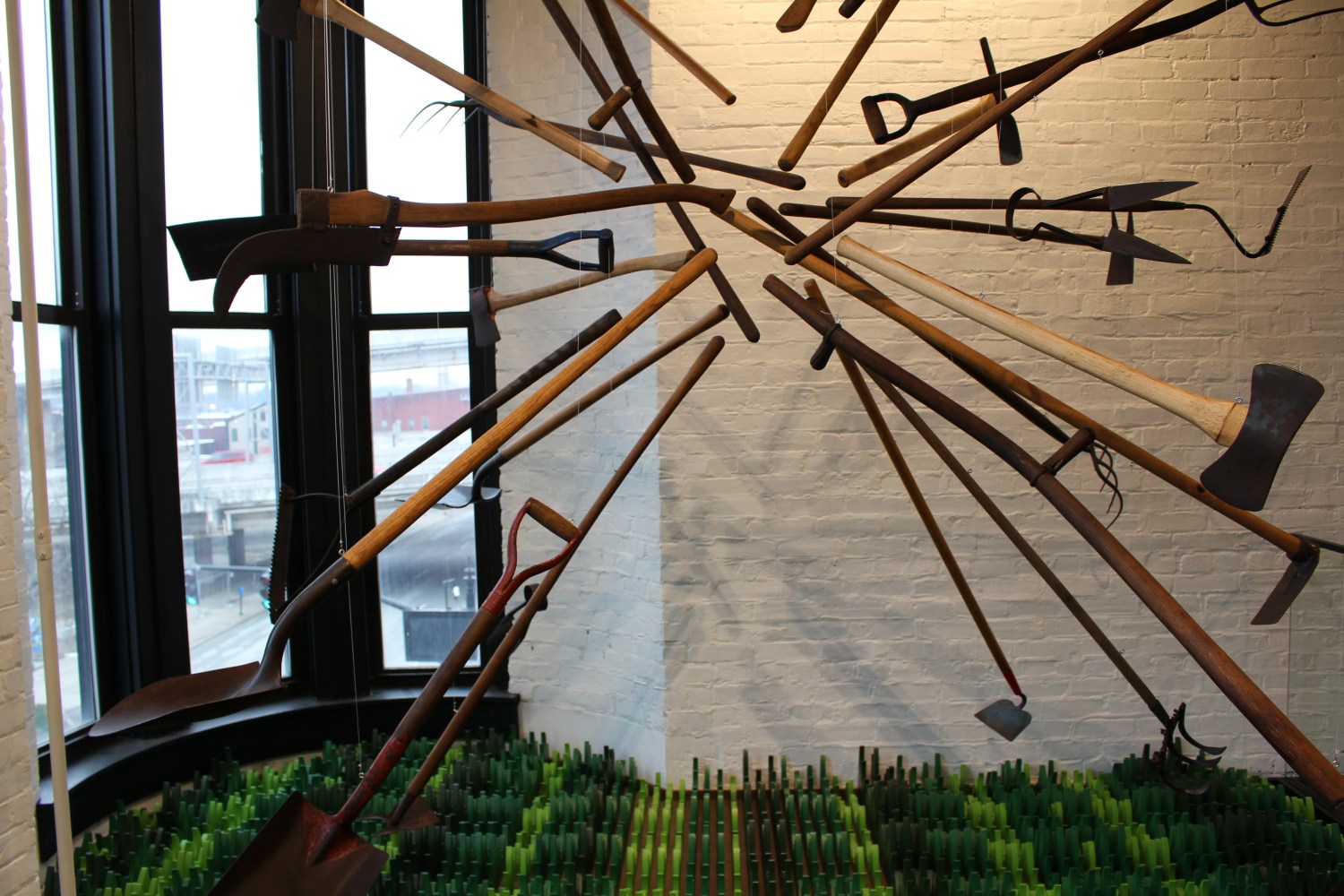
Changcha Travel Tales

LightWriteLife

I love light, I love to write, I love life - I create my words and images to capture the light in my life.

the rak's sphere

Phosphene's Write

Live your life!! Life is beautiful!!

Image Earth Travel

Travel and Photography Site

Nanchi.blog

Lookoom

Mettez des images sur vos rêves de voyages

Retire In Branson

Old Bird Travels Solo!

THE MATURE ART OF TRAVELLING ALONE. MY NEW EMAIL IS: OldBirdTravels@proton.me PLEASE LIKE AND SHARE AT THE BOTTOM OF THE POST!
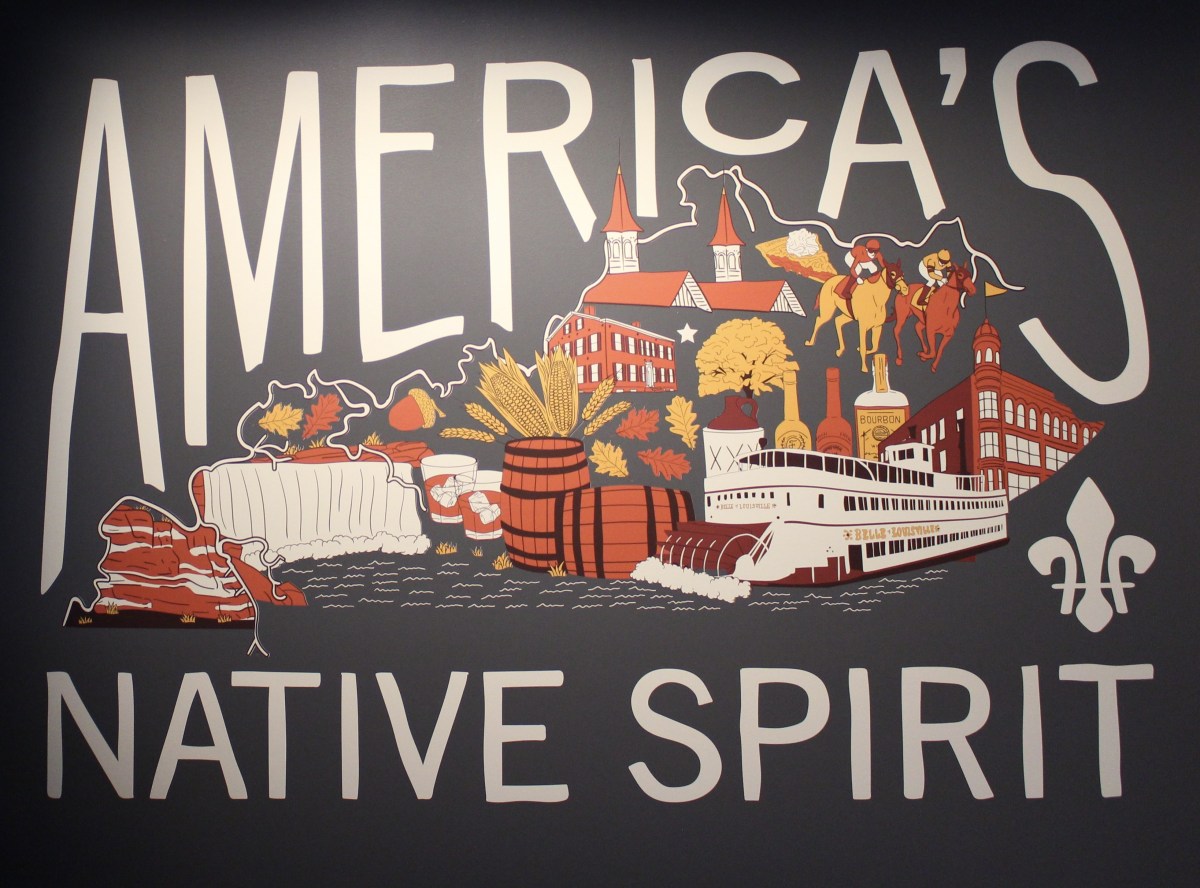
P e d r o L

storytelling the world

Welcome

RECYCLE YOUR PAIN

Motivation

Jim's Travel Culture and History Blog

World travel culture and history

Charlotte Digregorio's Writer's Blog

This blog is for those who wish to be creative, authors, people in the healing professions, business people, freelancers, journalists, poets, and teachers. You will learn about how to write well, and about getting published. Both beginning and experienced writers will profit from this blog and gain new creative perspectives. Become inspired from global writers, and find healing through the written word.

Musings of the Mind

Come journey with me as we navigate through this thing called life

robynsewsthisandthat

This is where I share my passions

Saania's diary - reflections, learnings, sparkles

Life is all about being curious, asking questions, and discovering your passion. And it can be fun!

The Wild Heart of Life

Creative Nonfiction & Poetry

deventuretime

Avid adventurer, travel blogger, and experience seeker. Starting each morning with a desire to see the world through a different lens.

Stu's Camino

The Frugal Foodies

Feeding an Empty Belly and Starving Mind

The Lost-o-graph

photographs

Our travels and thoughts through photographs. It does not matter, sunrise or sunset, just have fun in between.

My Serene Words

seeking solace in the horizon of life and beyond

HANNA'S WALK

Walks Stories and Nature

One Girl, Two Dogs & Two Thousand Miles

Brawnerology

Everything Family Travel: Work Hard, Play Hard

ROAD TO NARA

Culture and Communities at the Heart Of India

MEERYABLE

Explore, discover and experience the world through Meery's Eye. Off the beat budget traveler. Explore places, cultural and heritage. Sustainable trotter. shareable tales of Meery is Meeryable
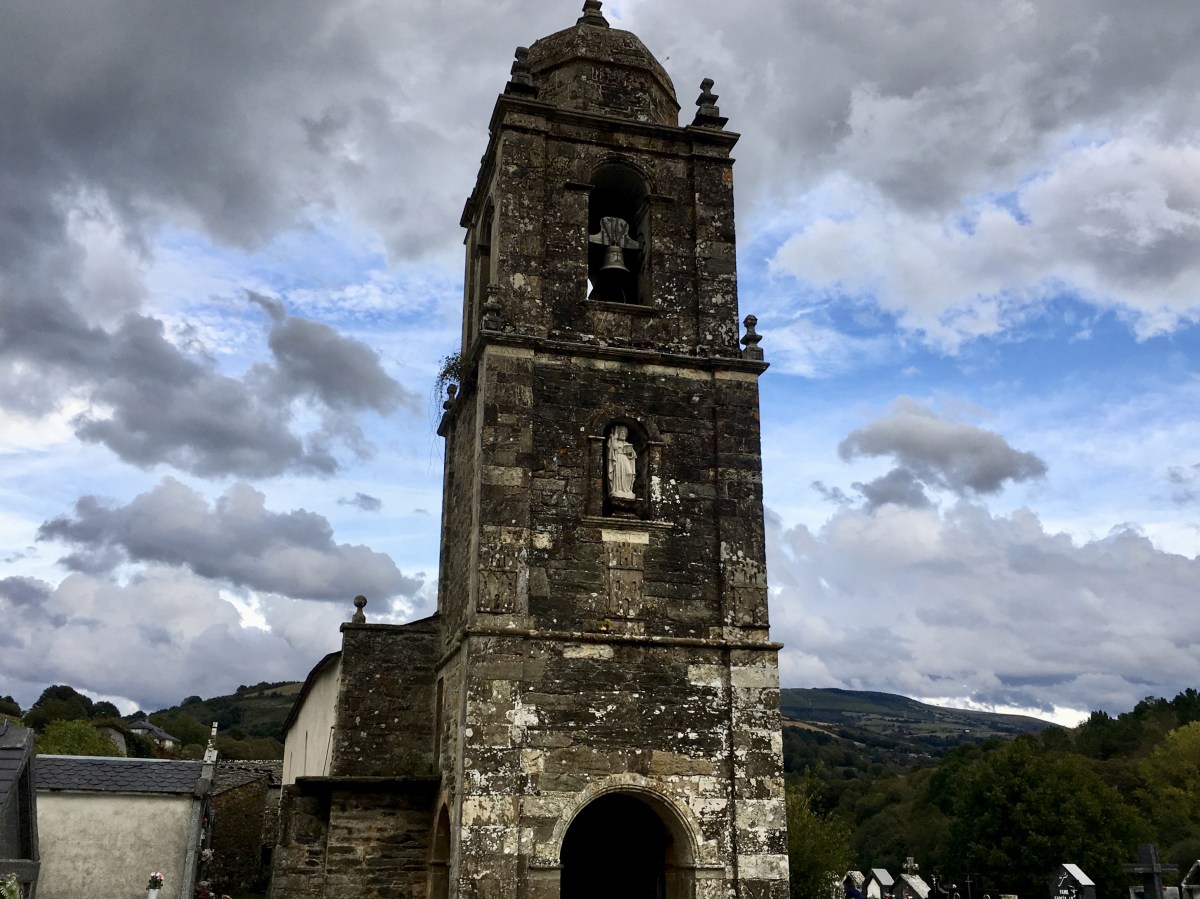
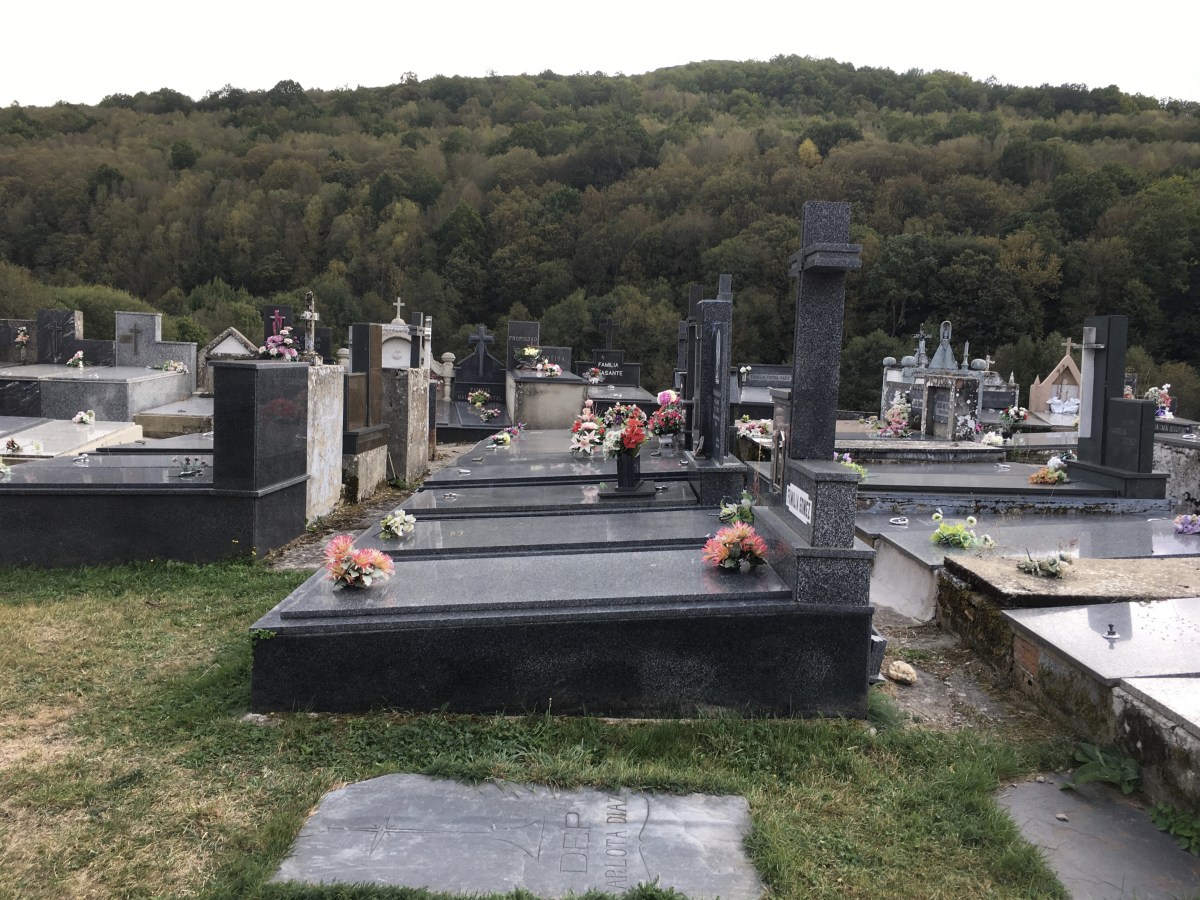
Poetry 365

citysonnet.wordpress.com/

photography, poetry, paintings

Poetry collection

Work by Rain Alchemist

Eúnoia

Following my heart, Daring to dream, Living without regrets

VICENTE ROMERO - Paintings

Still Smiling

Smiling through the good times and the bad

flaviavinci

John Wreford Photographer

Words and Pictures from the Middle East

Lower the Bar for More Fun

Traveling the World, Expecting Less, and Experiencing More

~ wander.essence ~
Blog at WordPress.com.
  • Subscribe Subscribed
    • ~ wander.essence ~
    • Join 1,032 other subscribers
    • Already have a WordPress.com account? Log in now.
    • ~ wander.essence ~
    • Subscribe Subscribed
    • Sign up
    • Log in
    • Report this content
    • View site in Reader
    • Manage subscriptions
    • Collapse this bar
 

Loading Comments...
 

You must be logged in to post a comment.

    %d