Twenty twenty-four was: A year of beginning to read the book 1968: The Year that Rocked the World, where in the first chapter it was mentioned that in 1968, New Year’s Day was a Monday and the year was to be a Leap Year, both of which were true also for 2024. A year of visiting my old friend Mario (from Oman) in El Salvador, then venturing to Nicaragua to visit Adam and his new family: Maria, Cristy, Andrea and Mia. A year of exploring Colombia: Bogotá, Medellín, Guatape, and Cartegena. A year of welcoming another grandchild to the fold, Adam’s Michael Christopher on May 15. A year of meeting my eldest daughter Sarah for a long birthday and Mother’s Day weekend. A year of a June trip to Atlanta to visit my son Alex and his family Jandira and Allie. A year of concerts at Wolf Trap: Wilco, Indian singer Shreya Ghoshal and Mexican singer Julieta Venegas. A year of traveling to Bali, Indonesia and Japan with Mike. A year of spending Christmas in Atlanta with the family. An election year in the U.S. in which the former president, who has been indicted for multiple crimes and convicted of 34 felonies, ran again, promising to go after his enemies and become a dictator if he were elected again. A year when President Biden dropped out of the presidential race after a horrible debate performance against Trump and endorsed Kamala Harris. A year where Harris picked Tim Walz of Minnesota to be her running mate. A year of hope ultimately defeated by gloom when Trump won the presidential election. A leap year with a 7.5 magnitude earthquake in Ishikawa prefecture on the main island of Honshu in Japan, in which 238 people were killed and over a thousand injured or missing. A year in which a Japan Airlines flight in Tokyo caught fire on the runway after colliding with a Japanese Coast Guard plane; miraculously all 367 passengers and 12 crew were safely evacuated, although 5 in the Coast Guard plane were killed. A year of Israel’s horrifying and disproportionate retribution on Gaza (where over 45,000 Palestinians have been killed, with over 70% being women and children); the continuing raging of war in Ukraine; a year where mass shootings (defined as shootings in which 4 or more people were killed) in the U.S. (488) outnumbered days in the year. A year in which Jimmy Carter, 39th president of the U.S. and a great humanitarian, passed away, leaving the world a better place, unlike that of our incoming president. A year in which the Merriam-Webster word of the year was polarization. A year in which the Oxford word of the year was “brain rot“: the supposed deterioration of a person’s mental or intellectual state, esp. viewed as the result of overconsumption of material (now particularly online content) considered to be trivial or unchallenging. A year when the TIME Person of the Year was, disgustingly, Donald Trump (Hitler was Time‘s Person of the Year in 1938, so no surprise there). A year of favorite movies: Driving Madeleine, The Teacher’s Lounge, Perfect Days, Touch, and Lee. A year of reading 52/52 books for the year (My Year in Books 2024); these were my top ten books for 2024.
In January, I: Was saddened by black & white photos of the Great Depression and the Dust Bowl, portraits by “Dorothea Lange: Seeing People” at the National Gallery of Art; the faces seemed to peer out from the pages of Kristin Hannah’s book, The Four Winds: a dirt-covered woman breastfeeding her starving baby; a desperate woman in a field; a group of poor black men sitting on the dilapidated front porch of a general store plastered with Coca-Cola and cigarette signs; Japanese children being sent to internment camps during WWII. Enjoyed another exhibit, “The Land Carries Our Ancestors” in which Native artists from the American West expressed their diversity and deep reverence for the land. Explored “Many Wests: Artists Shape an American Idea” at SAAM, the Smithsonian American Art Museum, where we were immersed in memories of our fabulous trip to west Texas and New Mexico in October of 2023. Was thrilled that Alex got a permanent job; he and Jandira are moving to an apartment closer to their jobs in April. Escaped snow, sub-freezing temperatures and rain by sitting in warm movie theaters and watching The Boys in the Boat, Maestro, Driving Madeleine, and The Holdovers. Ate bibimbap, beef bulgogi, oyster salad and Tex-Mex egg rolls at various restaurants; enjoyed laughs over steaming bowls of Ramen with our friends Karen and Michael. Devoured scrumptious meatballs, dumplings and lamb shanks at Mazadar, a restaurant that specializes in foods from seven countries, including Turkey, Green & Afghanistan. Crunched over snowy paths in our neighborhood and on the Cross County Trail. Booked our flights to El Salvador, Nicaragua and Colombia for March. Kept super busy scanning family photos and sharing the albums with the family on Google Photos, as well as divvying up the photos among our adult children. Read 4/52 books, my favorites being At the End of the Matinee by Keiichiro Hirano and My Brilliant Friend by Elena Ferrante. Finished watching all 83 episodes of Workin’ Moms and Lessons in Chemistry.

“Dorothea Lange: Seeing People” at the National Gallery of Art

“Dorothea Lange: Seeing People” at the National Gallery of Art

“The Land Carries Our Ancestors” at the National Gallery of Art

“The Land Carries Our Ancestors” at the National Gallery of Art

“The Land Carries Our Ancestors” at the National Gallery of Art

“The Land Carries Our Ancestors” at the National Gallery of Art

“Many Wests: Artists Shape an American Idea” at SAAM

me in the courtyard at SAAM

Mike and me at Artie’s

all of us at Jinya Ramen Bar

Second snow January 21

Second snow January 21

Second snow January 21

Second snow January 21

me at Mazadar
In February, I: Continued my photo scanning obsession, making digital albums to share with my grown children and divvying up the actual photos between them. Walked along the C&O Canal in Maryland and enjoyed seeing the churning waters of the Potomac River at Great Falls. Ate paneer butter masala at Woodlands, stir-fried shrimp with broccoli at Nanjing Bistro, and flatbreads at Season’s 52. Celebrated Valentine’s Day with sushi, sake and Sapporo at Ariake. Celebrated Mike’s 70th birthday by visiting The Phillips Collection and eating contemporary Mexican tacos at Amparo Fondita in D.C. Gobbled up the Mantu entrée (homemade dumplings filled with minced beef, cabbage and onion, topped with yogurt and mint) at Mazadar, while Mike had Machicha Palow (lamb shank), in another birthday celebration with his sister Barbara. Was saddened by our neighbor Adele’s passing, and went to her funeral on leap day. Read 5/52 books, my favorites being An Artist of the Floating World by Kazuo Ishiguro and The Sound of Things Falling by Juan Gabriel Vásquez, bringing my total to 9/52. Watched the intense German movie, The Teacher’s Lounge, and The Monk and the Gun, which was set in Bhutan. Finally finished watching the last of 208 episodes of How I Met Your Mother (2005-2014) and the final episodes of The Crown (2016-2023).

Great Falls, Maryland side

Great Falls, Maryland side

Great Falls, Maryland side

me at Woodlands

Mike at Seasons 52

me at Seasons 52

Mike at the Phillips Collection

Ponte della Paglia by Maurice Prendergast

Girlhood by Theresa Bernstein

Ginger Pot with Pomegranate and Pears by Paul Cezanne

Interior with Egyptian Curtain by Henri Matisse

Courmayeur et les Dents des Géants by Oskar Kokoschka

me at Amparo Fondita

tacos at Amparo Fondita

Mike and his Tres Leches cake

Mike at Mazadar
In March, I: Watched the fabulous Japanese movie, Perfect Days, which solidified my yearning to visit Japan again; we hoped to do so in September-October. Met Darina at Washington Dulles International Airport (where she flew in to join a 3-week program of visiting schools that teach ESL in the U.S.), brought her home, drank Mike-prepared Hugos, and ate delicious chicken tortilla soup (also prepared by Mike). Drove Darina to the Washington Hilton, where she would begin her program. Met my friend Leah at Joe’s Seafood, where we drank Prosecco, ate lunch, and talked about travels, her work, and politics. Took off for my trip to El Salvador, Nicaragua and Colombia. |*El Salvador*| Climbed with my dear friend Mario to the mirador of San Salvador Volcano. Visited the Centro Historicó of San Salvador and had lunch at the Cuban Cha Cha Cha. Visited Mario’s hometown of Tejutepeque, chatted and drank wine until the wee hours, visited Cinquera and Suchitoto and enjoyed lunch and views over Suchitlán Lake. Continued the long and interesting conversations with Mario that we left off 10+ years ago. Visited La Puerta del Diablo and ate the “best” pupusas at Los Boomwalos, where we enjoyed sweeping views of the capital city. Wandered around the Mayan ruins at Cihuatán and Joya de Cerén. Spent my last day with Mario at Playa Costa del Sol and then prepared for my long day of travel to Ometepe Island in Nicaragua. |*Nicaragua*| Spent a whole day traveling to Ometepe, where, in the evening, we finally met Adam’s new wife, Maria, and her three girls, Cristy (12), Andrea (10) and Mia (7), for dinner at Totoco Ecolodge. Was surprised to find they will be having a boy and naming him “Michael Christoper.” Spent an afternoon at the pool with Andrea and Mia, watched a folkloric dance performance by the girls, and ate pizza together. Swam and splashed with the family at Ojo de Agua, drank Coco Locos, went clothes shopping, visited Moyogalpa and watched a sunset at Punta de Jesús María. Ate Maria’s beef stew the family sells on Wednesdays and helped Adam run some errands. Took off for Managua where we would catch an early flight to El Salvador and onward to Bogotá on Friday, the 22nd. |*Bogotá, Colombia*| Stayed in the Usaquén neighborhood north of Bogotá where we explored the charming Usaquén Park, surrounded by restaurants, a craft market and a shopping mall. Enjoyed the large exaggerated paintings and sculptures of Fernando Botero Angulo at the Botero Museum in Candelaria. Visited the Church of Nuestra Señora de la Candelaria and then the crowded and vendor- and pigeon-filled Plaza de Bolivar after having a soupy lunch at Balcones de la Candelaria. Bought some raw emeralds in a shop at Casa Colonial, after having artistic coffees. Ate a Tiger Roll at Osaki after perusing the markets at Usaquén Park. Ditched the Bogota Bike Tour about halfway through due to huge crowds, too much yapping by the guide, difficult maneuvering, and finding ourselves in the midst of a huge tent city. Was charmed by the colorful murals at The Plazoleta del Chorro de Quevedo & then ate a delicious but heavy lunch at TBone. Fought the crowds of Semana Santa (Holy Week) at the Museo del Oro, which contains the largest collection of gold artifacts in the world. Stood in a long line to get up the teleférico to Monserrate, where we fought more crowds at the top and enjoyed expansive views of the capital city. Enjoyed pizza for lunch at Oliveto in Usaquén and then got pampered with hour-long deep tissue massages; after, we soaked in the hot tub at our hotel, BioHotel Organic Suites. Got drenched in a rainstorm and warmed up with hot ramen at Wok in Usaquén. |* Medellín, Colombia*| Took a short afternoon flight to Medellín and had a fancy dinner at Niku in Provenza, which was too upscale for us. Went on the Real City Walking Tour with Julio, who told us about the history, growth, tragedy and “resurrection” of Medellín after Pablo Escobar and drug cartels wreaked havoc on the city in the 1980s and early 1990s. Admired more Botero sculptures and art at Botero Plaza and the Museo de Antioquia after having a typical lunch of Bandeja Paisa at Hacienda Junín. Did a “little” clothes shopping at Janethy Moda, a tienda de ropa (clothing store) I’ve been following for a couple of years on Instagram. |*Guatapé & El Peñol*| Went by hired driver (Belgian Peter) to Guatapé, about 2 hours east of Medellín, for an overnight visit. Wandered around the charming town with its zócalos (murals) that adorn the colorful buildings and the cute motochivas (like tuk-tuks in other countries but much cuter) and enjoyed an Indian lunch at Donde Sam. Swam, sunned and had beers at the swim-up bar at 1714 Hotel Boutique near Guatapé and then had dinner there later. Climbed the 708 steps of the monadnock of El Peñol on Good Friday for impressive views of the partially-drained lake of Guatapé. Returned to Guatapé to enjoy the town more, saw a Good Friday procession pass right by our table at Donde Sam, then went via another hired driver, Dino, back to Medellín. |* Medellín, Colombia*| Had dinner at La Mayoría Restaurante: Donde Bailan Los Caballos (where horses dance), enjoying the performances of the singers and dancing horses, and petting the horses and llamas. Visited the 1930s-era Museo el Castillo, where we had to take a 45-minute crowded house tour in Spanish and I had to put up with photo-hogs in front of scenic spots. Enjoyed tacos and another market at El Poblado Park, and then got lost in the 5-story Santa Fe Mall near our apartment in El Poblado. Had dinner at an organic food market, Saludpan, in Laureles, and chatted with some newlyweds from Netherlands at BBC Bodega 70, where we had drinks. Visited Comuna 13 on Easter morning, where we luckily got ahead of the crowds, and enjoyed the colorful murals in what was once one of the most dangerous cities in the world. Visited the Jardín Botánico de Medellín in an effort to find some peace and quiet. Enjoyed our final dinner at Alambique, with a vibe echoing the The White Lotus TV series, on Easter Sunday night, before leaving for Cartagena the next morning. Read 1/52 books, Heaven by Mieko Kawakami, bringing my total to 10/52.

Darina & me at my house

me, Darina, Tatratea and chicken tortilla soup

me, Mike and Darina at the Washington Hilton

Leah and me at Joe’s Seafood in D.C.

Mario at Ikatú on San Salvador Volcano

the caldera of San Salvador Volcano

Plaza Libertad

Mario’s fantastic container gardens at his house in Tejutepeque

Suchitoto

view over Lake Suchitlan

me with Mario at La Puerta del Diablo

pyramid at Cihuatán

view of San Salvador from Los Boomwalos

me at Playa Costa del Sol

L to R: Cristy, Andrea, Maria, Adam & Mia, me, Mike 2024

Andrea and Mia in the pool at Totoco

Adam’s house (this year he has a new front porch and an outdoor kitchen and bath that is still being constructed) 2024

the girls perform a folkloric dance

Ojo de Agua

Ojo de Agua: Adam, me, Cristy & Andrea

everyone at Punta de Jesús María

Mia with her shells at Punta de Jesús María

Andrea, Cristy and Mia, Adam and Maria at Punta de Jesús María

me with Mike at Punta de Jesús María

flying to San Salvador at sunrise

me in the Botero Museum

Mike in the courtyard

Botero painting

Botero painting

Botero painting

Iglesia de la Candelaria

Plaza de Simón Bolivar

Plaza de Simón Bolivar

lazoleta del Chorro de Quevedo

lazoleta del Chorro de Quevedo

Museo del Oro

me at the Stations of the Cross at Monserrate

me, Julio and Mike after our tour

Iglesia de la Veracruz

Botero Plaza in Medellin

Botero Plaza

Botero Plaza

Rafael Uribe Uribe Palace of Culture

Museo de Antioquia

Museo de Antioquia

Dora Ramírez exhibit

Guatapé

Guatapé

me in Guatapé

riding the motochiva

1714 Hotel Boutique

Guatapé

El Peñol

view from El Peñol

Guatapé on Good Friday

Mike in Guatapé

La Mayoría Restaurante

La Mayoría Restaurante

Museo El Castillo

Mike and me at Museo El Castillo

me at Comuna 13

Mike at Comuna 13

view over Comuna 13

Comuna 13

Comuna 13

Comuna 13

Comuna 13

Comuna 13

Comuna 13

Alambique

Alambique
In April, I: Arrived in |*Cartagena, Colombia*| on April Fool’s Day. Stayed in the Casa Quero Hotel Boutique in the city’s Centro Histórico, a location that made it easy to explore all the sites and spend most afternoons in the rooftop pool, enjoying the afternoon breezes and the tepid but still refreshing water.. Took an hour-long boat ride to Isla Bela, where Mike and I lounged in the sun, swam in a clear blue cove, drank coco locos, ate a delicious fish lunch, and took a very choppy (& hilarious) ride back to Cartagena. Ventured aboard the hop-on hop-off bus, visited the fortress of Castillo San Felipe de Barajas, saw the skyscraper hotels of Bocagrande (known as “Little Miami”), and took photos with the palanqueras (women who originally sold fruit from baskets carried on their heads, but now pose for photos for tips). Experienced terrible stomach problems and didn’t want to venture far from the hotel so spent one day wandering around in an air-conditioned shopping mall and through some parts of our neighborhood. Finally felt well enough to explore the characterful outer walled town of Getsemaní, with its cute cafes, bars, fruit vendors, umbrellas, flags, and murals everywhere. Returned on the 7th to|*Home sweet home in Virginia*|. Enjoyed the cool spring weather after a hot and humid week in Cartagena. Experienced a bit of the solar eclipse, at 85% totality at 3:24 p.m. in northern Virginia on the 8th, and definitely saw the crescent of the sun as the moon moved across it. Glimpsed the crescent-shaped shadows under our Japanese maple, with the tiny gaps in the leaves acting like multiple pinhole cameras, projecting the sun’s image to the ground. Ate out at Artie’s and Burapa Thai. Went downtown to see Artomatic, a temporary art installation (closed April 28) that aimed “to strengthen the artistic community and build an audience for that community by bringing together artists to temporarily transform available space into a creative place.” Only finished 4 books this month, bringing my total to 14/52. Am reading books set in Japan as I get in the mindset for our hoped-for trip in September-October to Bali, Indonesia and Japan. Finished A Dictionary of Mutual Understanding by Jackie Copleton (wonderful – about the aftermath of the Nagasaki bombing) and The Woman in the White Kimono by Ana Johns (about all the mixed-race babies born to Japanese women from American servicemen after WWII). Watched only two movies this month, La Chimera (okay but not great) and The Zone of Interest (which I hated with a passion for too many reasons to count). Finally finished up all seasons of Curb Your Enthusiasm but felt a bit disappointed with the finale because it was too similar to the finale of Seinfeld.

Isla Bela

me at Isla Bela

Castillo San Felipe de Barajas

view from Castillo San Felipe de Barajas

palanqueras

Cartagena

me at our rooftop pool

Getsemaní

Getsemaní

Getsemaní

Getsemaní

Getsemaní

palanqueras

Getsemaní

Getsemaní

Getsemaní

Cartagena

Cartagena

us with our eclipse glasses

the shadow box effect

cherry trees in Reston

Artomatic: Andreia Gliga “Romanian at Heart”

Artomatic

Artomatic

Artomatic: Bobbi Kittner

Artomatic

Artomatic

Artomatic
In May, I: Continued rowing, walking and doing yoga. Got our Oriental carpet cleaned in our family room (finally!). Had to fire our housekeeper of 20 years because she was becoming undependable and uncommunicative. Hired a new housekeeping service. Started talking to a contractor about renovating our two upstairs bathrooms. Enjoyed Mexican food at Los Tios Grill in Del Ray and had lunch at Kalypso with my walking friend Poonam. Went to lots of doctor and dentist appointments. Spent a weekend in Richmond, where we rented an Airbnb and celebrated belatedly my daughter Sarah’s 40th birthday. Went on a “Sarah shopping spree” and took her out to eat at Midlothian Chef’s Kitchen. Visited the Virginia Museum of Fine Arts to see the Japanese woodblocks of Kawase Hasui (1883-1957), strolled through Carytown, and enjoyed lunch at Ginger Thai for Mother’s Day. Wished Adam and Maria a happy one-year anniversary on the 13th. Welcomed another new grandson into the world: little Michael Christopher Dutchak Hernandez was born on Wednesday morning, May 15, at 6:10 a.m. in Nicaragua. Started looking at cabinetry and fixtures for our bathroom and ate dinner at Ariake to reward ourselves for the drudgery of making decisions about bathroom accoutrements. Had a chat with Adam on the 18th; the new family is exhausted and a bit overwhelmed. Wished Alex and Jandira a happy one-year anniversary on the 18th. Went to see the Japanese movie Evil Does Not Exist at Cinema Arts; felt baffled and annoyed by the non-ending. Took a nasty fall on the mud-covered paved Glade Trail, where I came down hard on my back and tailbone, both of which hurt mightily for some time. Met Mike at bartaco for margaritas and appetizers. Enjoyed the “Bonnard’s Worlds” exhibit at The Phillips Collection and ate a lovely Indian dinner on the patio of Rasika. Sampled wines at Bleu Frog Vineyards with our friends Karen and Michael. Celebrated Trump’s conviction on 34 felony counts in his New York hush money trial, despite the fact he can still run for president and still become president as a convicted felon (What is wrong with this country in that a convicted felon is allowed to run for the highest office in the land??). Finished 5 books to bring my total to 19/52, my favorites being Strange Weather in Tokyo by Hiromi Kawakami and Mad Honey by Jodi Picoult and Jennifer Finney Boylan.

Sarah at Midlothian Chef’s Kitchen

Sarah and Mike at Midlothian Chef’s Kitchen

Sarah at the ice cream shop

the little princess

Sarah and me at Virginia Museum of Fine Arts (VMFA)

Sarah and me at VFMA

Mike and me at VMFA

“View of Mount Unzen from Amakusa” Nov. 1937 Woodblock print by Kawase Hasui

Sarah and me at the house we lived in when she was 2 years old at 106 Belmont

me on Cary Street

Michael Christopher Dutchak Hernandez

Michael Christopher Dutchak Hernandez

Michael Christopher Dutchak Hernandez

Mikey and Adam

Mike at bartaco

me after we had dinner at bartaco, on our screened porch

Mike in front of the Phillips

me in front of the Phillips Collection

“Women with a Dog” 1891 by Pierre Bonnard

“Bouquet of Mimosas” 1945 by Pierre Bonnard

“Studio with Mimosa, Le Cannet” 1939/1946 by Pierre Bonnard

“The Palm” 1926 by Pierre Bonnard

“Dining Room on the Garden” 1935 by Pierre Bonnard

“Self-Portrait with Beard” c. 1920 by Pierre Bonnard

“Up Close with Paul Cezanne” at the Phillips Collection

me in front of the Phillips Collection

Rasika

dinner at Rasika

Michael & Karen, Mike and me at Bleu Frog Vineyards

Mike and me at Bleu Frog Vineyards

Karen and MIchael

The best of news: He’s convicted. The worst of news: He could still become president!
In June, I: Ventured with Mike down to Atlanta to visit Alex and family, stopping in Greenville, South Carolina along the way. Spent time babysitting Allie, playing games with the family, having dinners in and out, walking on the Beltline, eating some good Southern cooking, exploring Ponce City Market, going to the pool, exploring the Jimmy Carter Presidential Library & Museum, and strolling around the Atlanta Botanical Garden, where we enjoyed “Alice’s Wonderland Returns.” Visited my brother Robbie in Columbus, GA, and ate a Vietnamese lunch with him. Voted for Gerry Connolly in the Democratic Primary. Continued with yoga, walking and rowing. Celebrated Father’s Day by taking Mike to Nue Vietnamese on Saturday and then having a cookout with Mike’s sister on Sunday. Was happy that Mike was able to help Adam to fly back to the U.S. from Nicaragua for the first time in four years; he got offered a chance to do a job getting signatures on various petitions and wanted to raise some money for the family in Nicaragua. Went out to eat at Ginger Thai and then listened to Wilco at Wolf Trap Center for the Performing Arts. Ate Indian again at Bollywood Bistro and then went to see Treasure at Cinema Arts Theatre. Managed to complete 250KM of rowing at RowHouse, a milestone for me. Felt devastated by Biden’s performance at the debate with Trump and lost all hope for this country. Blamed the media for focusing on Biden’s age rather than Trump’s barrage of lies. Went out for Nepali food at Royal Nepal Bistro and then back to Wolf Trap to see Shreya Ghoshal – All Hearts Tour; Ghoshal is one of Bollywood’s music megastars with a repertoire of over 3,000 songs in 300 films. Enjoyed watching Thelma at Cinema Arts. Binge watched Okkupert (Occupied), which was due to be taken off of Netflix by June 29. Read 7 books this month, bringing my total up to 26/52, with my favorites being The Paradise Guest House by Ellen Sussman, All the Lovers in the Night by Mieko Kawakami, and The Way of the 88 Temples: Journeys on the Shikoku Pilgrimage by Robert C. Sibley.

Falls Park on the Reedy in Greenville, SC

Mike does what he loves best – riding a bike in Greenville

Mike in Greenville, SC

Meeting 8-month-old Allie

Mike reads Allie a book

the sleeping Allie

Jandira and me at Azotea Cantina

Mike and Alex at Azotea Cantina

Jandira, Alex, me and Allie at Atlantic Station

Allie, Alex and Jandira

our game of Catan

me at Ponce City Market

Mike holding the sleeping baby

Alex makes moves in Chinese Checkers while feeding Allie

me at the Jimmy Carter Presidential Library and Museum

portrait of Jimmy Carter

Jimmy Carter Presidential Library and Museum

oval office at the Jimmy Carter Presidential Library and Museum

me with Gibson at the Airbnb in Midtown Atlanta on our way to Mary Mac’s Tea Room

Mike plays with Allie at Krog Street Market

the movie star Allie

Allie and Mike

lion sculpture on the Beltline near Krog Street Market

Alice’s Wonderland Returns

Mike at Atlanta Botanical Garden

Alice’s Wonderland Returns

Alice’s Wonderland Returns

Atlanta Botanical Garden

“Earth Goddess” at Atlanta Botanical Garden

Allie ready for pool time

Allie, Alex and Mike during pool time

Jandira and Allie

Mike and Allie at Cattahoochee Food Works

me at Cattahoochee Food Works

Mike at Cattahoochee Food Works

Adam’s little Mike at 1 month old

Mike at Nue Vietnamese

Nue Vietnamese

me outside of Nue Vietnamese

Wilco and Cut Worms tickets

Wolf Trap Center for the Performing Arts

me at Wolf Trap

Mike at Wolf Trap

me in Bollywood Bistro

I achieved a milestone of 250K meters of rowing at RowHouse

Momos at Royal Nepal Bistro

Royal Nepal Bistro

me at Wolf Trap for Shreya Ghoshal concert

Mike at Wolf Trap

Shreya Ghoshal “All Hearts Tour”

Shreya Ghoshal “All Hearts Tour”

Shreya Ghoshal “All Hearts Tour”

Shreya Ghoshal “All Hearts Tour”

June hydrangeas

Tatratea drinks to cheer Darina for finishing a tough year at a new job
In July, I: Suffered through unbearable heat for most of the month. Dreamt of moving north to Portland, Maine, and south to the highlands of Mexico in San Miguel de Allende. Found plate-sized hollyhocks on my summer walks. Ran across a chalk sidewalk message from the Hash House Harriers, which brought back reminiscences about my 2007 time in Egypt. Watched with disbelief as a young man attempted (& failed) to assassinate Trump on the 13th and then watched as Trump milked it for all it was worth (what was that stupid fist pump about?). Applauded Biden’s decision to withdraw from the presidential race and endorse VP Kamala Harris. Got fully behind her and finally felt a thread of hope: #I UNDERSTOOD THE ASSIGNMENT. Spent the first two weeks of the month, with Mike, making decisions about cabinets, hardware, etc. for our upstairs bathrooms. Had both the hall bath and master bath gutted and fully renovated. Suffered through more heat as we lost our air-conditioning for two days on 104°F days (the contractors really suffered); luckily we were able to sleep in the cool basement at night. Spent countless hours pinning down our itineraries for our 6-week trip to Japan and Bali, reading up on where to go and what to see, booking hotels and plotting out our transportation options. Went out to eat a lot with Mike and watched a lot of movies and shows on TV as we stayed indoors to keep cool. Ate pizza at California Pizza Kitchen, sampled Lao and Thai cuisine at Padaek, noshed on flatbreads at Seasons 52, ate appetizers and salmon salad while sitting at the bar at Artie’s, enjoyed sushi at Ariake then went to Target to look for bathroom accoutrements, ate Thai food at Sister’s Thai in Fairfax and then cooled off with ice cream at Woody’s followed by a short stroll around the small city park. Visited our favorite Ethiopian restaurant, Enatye. Felt cheered to see pictures from the kids & grandkids: of Alex, Jandira and Allie spending a day at the Museum of Illusions in Atlanta and of little Mike in Nicaragua – from Adam, who is still in the U.S. working (we still haven’t seen him yet). Saw the movie Touch, which I loved, about an Icelandic man who goes to Japan in search of his first love who had disappeared without a trace; he met her in London when he worked at a Japanese restaurant that her father owned. Watched Find Me Falling on Netflix, where an aging rock star (Harry Connick Jr.) moves to a house in Cyprus that fronts a cliff where people often commit suicide; there he meets an old flame (predictable and a bit hokey). Also finished watching three limited TV series: Apples Never Fall, The Nurse, Midtsommernatt (Swedish), and One Day. Didn’t go anywhere, but at the end of the month, Mike headed off to Centerville, Ohio for his annual five-day weekend with his close-knit high school buddies; they started this gathering in 2004 and have gathered every year except during the 2020 COVID year. Stayed home and enjoyed having the house – almost – to myself (except for the contractors on Wednesday-Friday). Saw two movies: Widow Clicquot, the story behind the Clicquot champagne family and business that began in the 18th century (good!), and The Fabulous Four, about four old friends who reunite for a wedding in Key West (meh). Went out to eat at Yama Chen and at P.F. Chang on my own. Met my friend Leah at Coco B’s in Arlington, where we had bottomless mimosas and talked about politics and Leah’s social life and Mike’s and my travel and retirement plans. Read 6 books this month, bringing my total up to 32/52, with my favorites being Rainbirds by Clarissa Goenawan, The Samurai’s Garden by Gail Tsukiyama (how I love books set in Japan!), Wintering by Peter Geye, and Walking with Buddha: Pilgrimage on the Shikoku 88-Temple Trail by C.W. Lockhart. Also finished Ann Patchett’s Tom Lake, which was barely tolerable (so boring in the first half though it picked up momentum in the second).

me at Fairfax Corner

dinner at Padaek

Mango sticky rice at Padaek

me at Padaek

Mike at Seasons 52

me at Artie’s

Little Mike in Nicaragua at 2 months old

Assassination attempt on Trump

Hall bath BEFORE

plate-sized flowers found on a Reston walk

Hall bath AFTER

Hall bath AFTER

Alex, Jandira and Allie at the Museum of Illusions

Alex, Jandira and Allie at the Museum of Illusions

me in downtown Fairfax

Mike in downtown Fairfax

Master Bath BEFORE

Master Bath DEMOLISHED

Biden Exits Race, endorses Kamala Harris

Master Bath DURING

Mike and his buddies on a golf outing in Ohio

Mike and his friends walked to Dianne’s Memorial bench

drink at P.F. Chang

dumplings at P.F. Chang

me with Leah at Coco B’s

Master Bath ALMOST AFTER

Master Bath ALMOST AFTER

Mike at Enatye
In August, I: Celebrated Kamala Harris’s choice of Tim Walz, governor of Minnesota, as her VP running mate. Felt hopeful watching the Democratic National Convention in Chicago and listening to Kamala Harris’s acceptance speech. Welcomed Adam home for few days where I helped him locate his birth certificate and went out to eat Indian food at Woodlands. Shared Thai food at Pasara Thai in Alexandria with Adam and Mike before dropping Adam at the train station to take an overnight train to Atlanta to visit Alex, Jandira and Allie. Lazed around the house on a drizzling day while Mike and his friend Eric rode the Reston Bike Club’s Metric Century. Welcomed Alex home for a visit from Atlanta so he could spend some time with his close friend Nick who is expecting a baby with his girlfriend Kaylee. Didn’t go to the movie theater at all this month; only saw one Indian movie on Netflix: Laapataa Ladies. Watched shows on streaming services: Atlantic Crossing, Another Self, Grantchester, The Lincoln Lawyer (we finished Season 2), Maestro in Blue, Sunny, Pachinko, Trying and Modern Family. Finished the second season of the fabulous Unforgotten. Read 4 books this month, bringing my total up to 36/52, with my favorites being Walking in Circles: Finding Happiness in Lost Japan by Todd Wassel and The Authenticity Project by Clare Pooley.

me at Reston Town Center after dinner at Barcelona

Mike at Reston Town Center

me, Adam and Mike

Adam at Pasara Thai

Alex, Allie, Jandira and Adam in Atlanta

Jandira, Alex, Allie and Adam hiking up Kennesaw Mountain in Atlanta

Adam and Mike on our way to Maru

Adam and me at Maru

Adam flying out of Washington early in the morning

Adam’s map of work and visits

Allie at Tybee Beach

Allie and Alex at the beach

Jandira, Alex and Allie at the beach

Adam’s bento box at Maru

Eric and Mike on their Metric Century

Eric and Mike on their Metric Century ride

Maria and Mike in Nicaragua

Master bath completed

me in front of the Freeman House on Church Street with my ice cream

Mike at Freeman House

me at Seasons 52

Mike & Alex

me with Alex

Alex and Aunt Barbara

Alex and me at at Flying Ace Farm

me with Alex at Flying Ace Farm

Mike and Alex at Flying Ace Farm
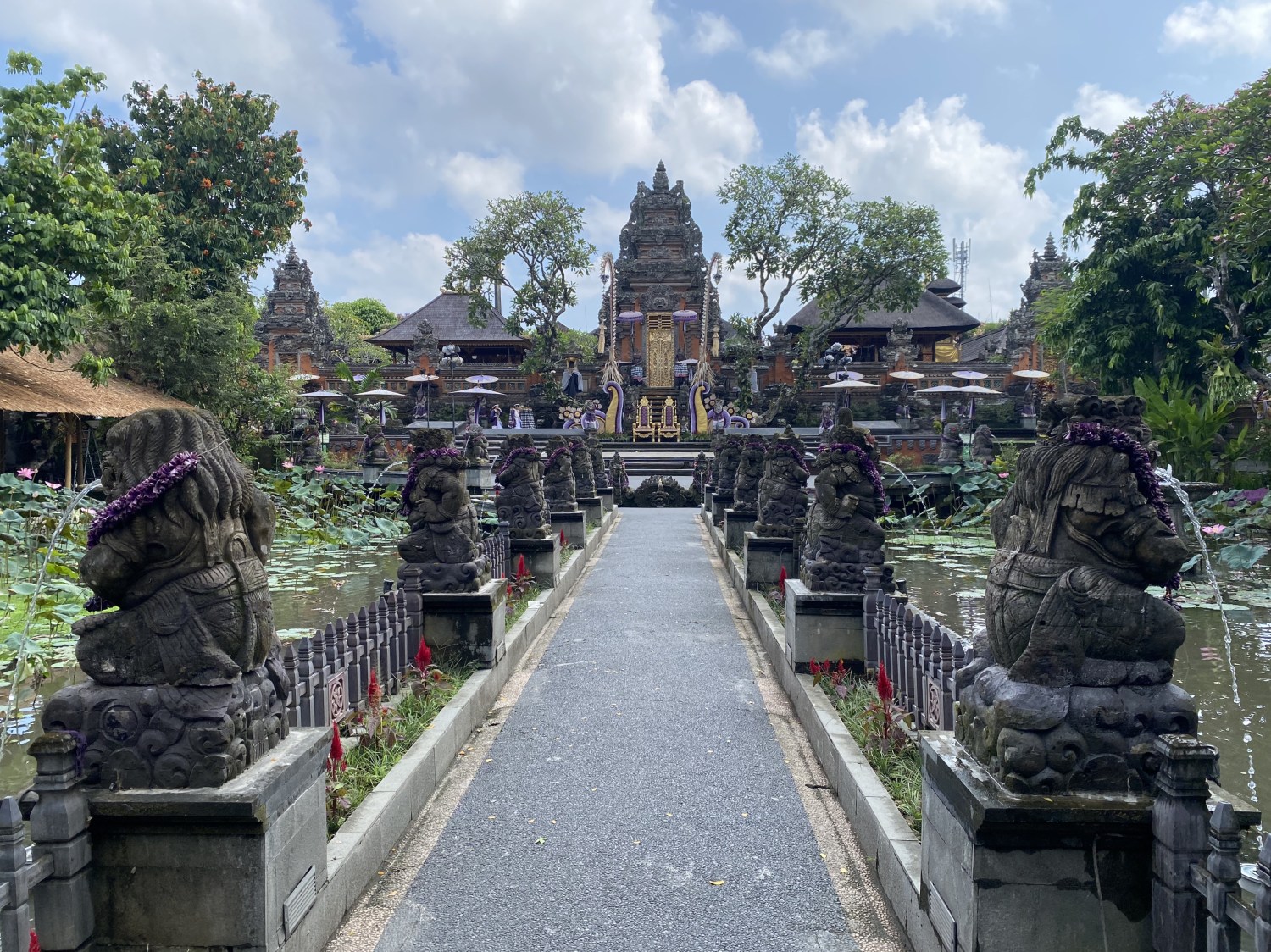
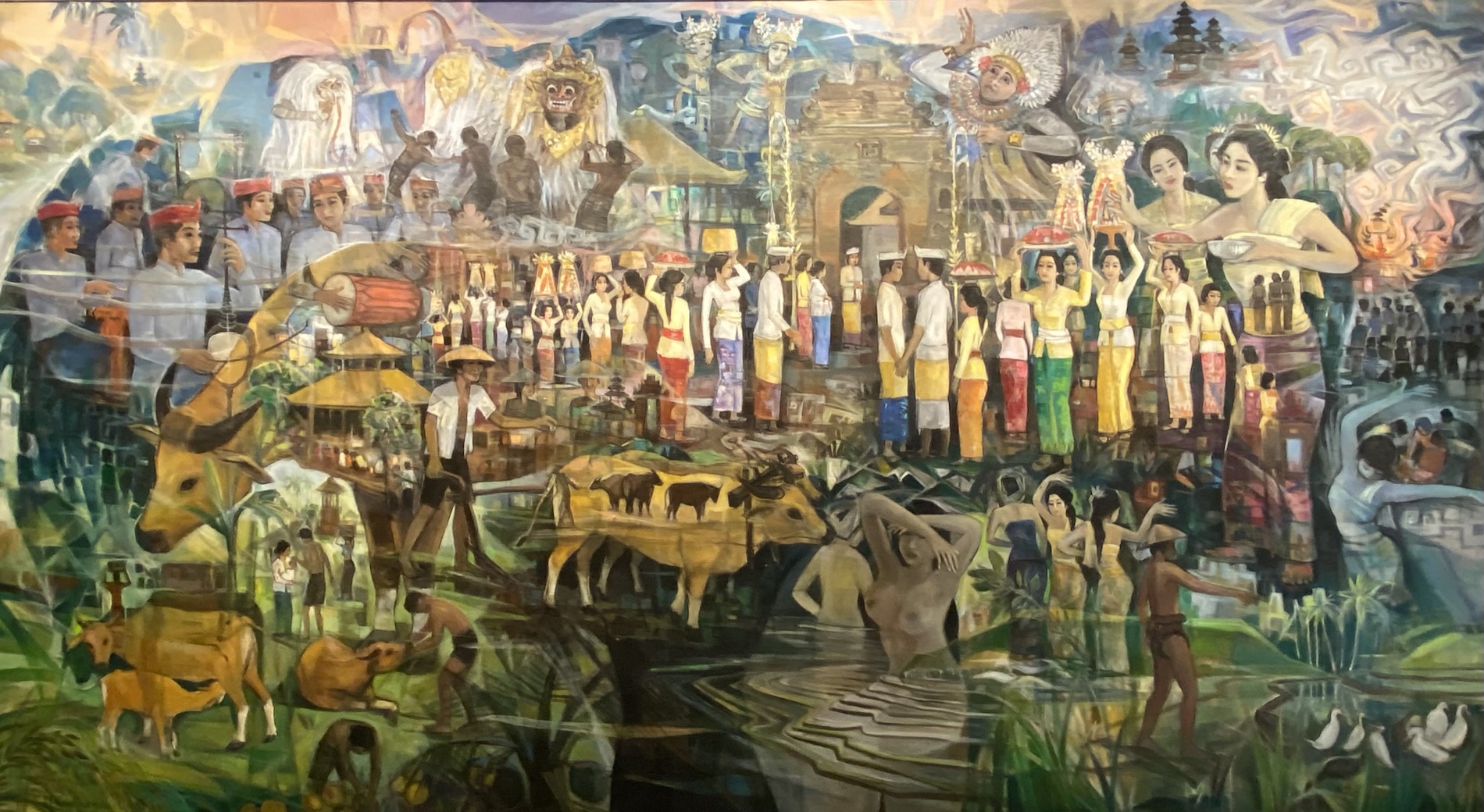
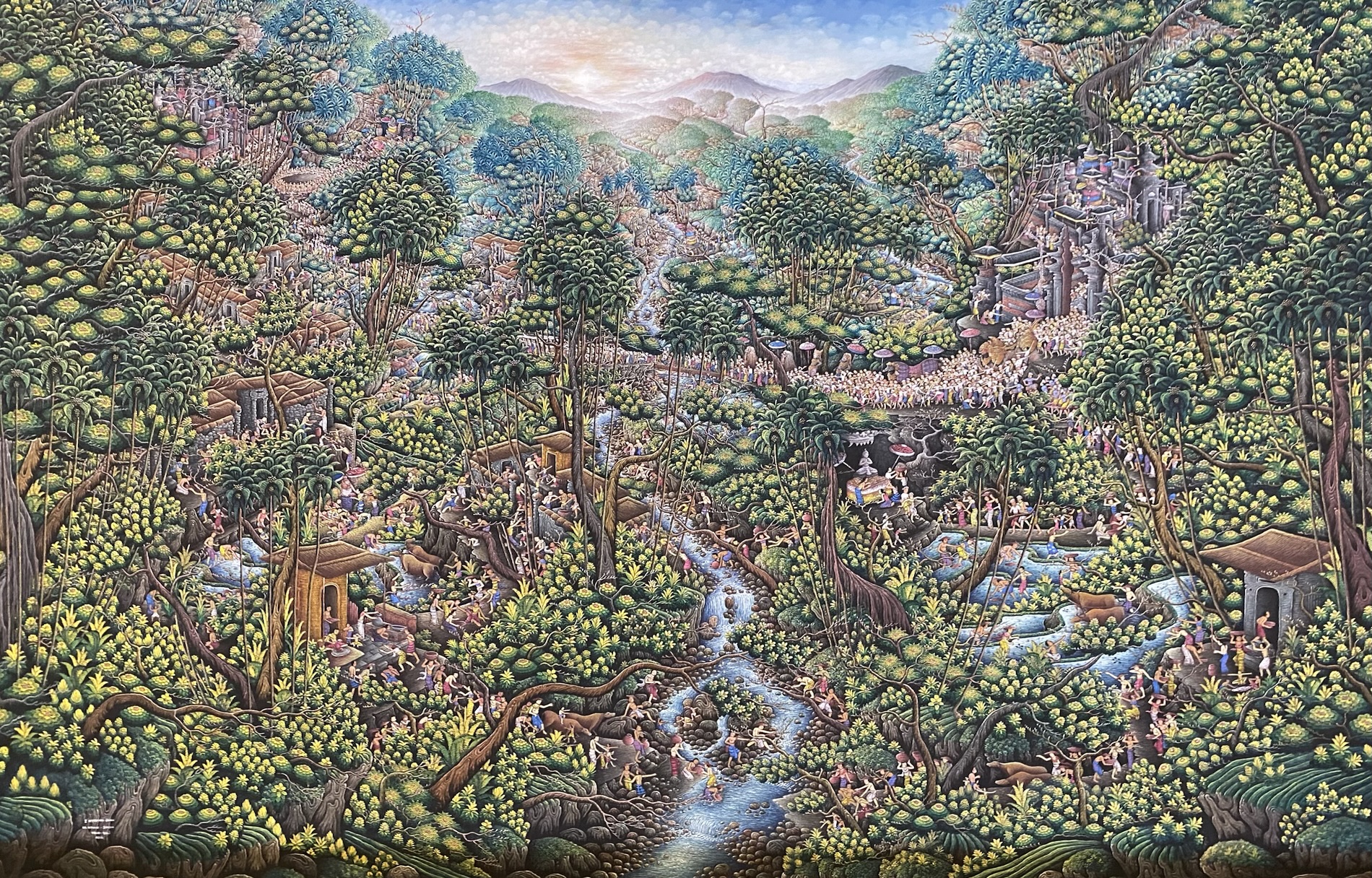
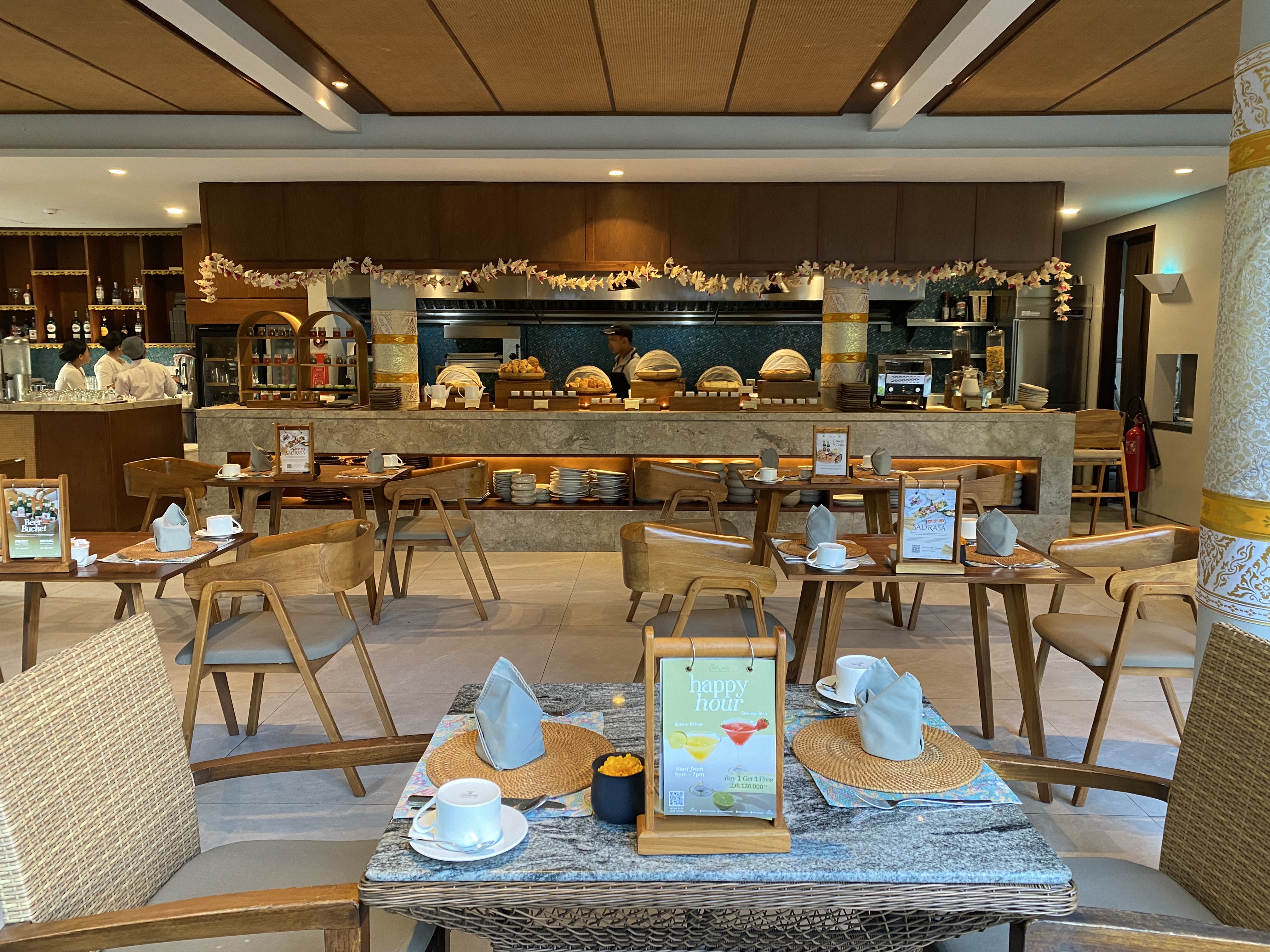
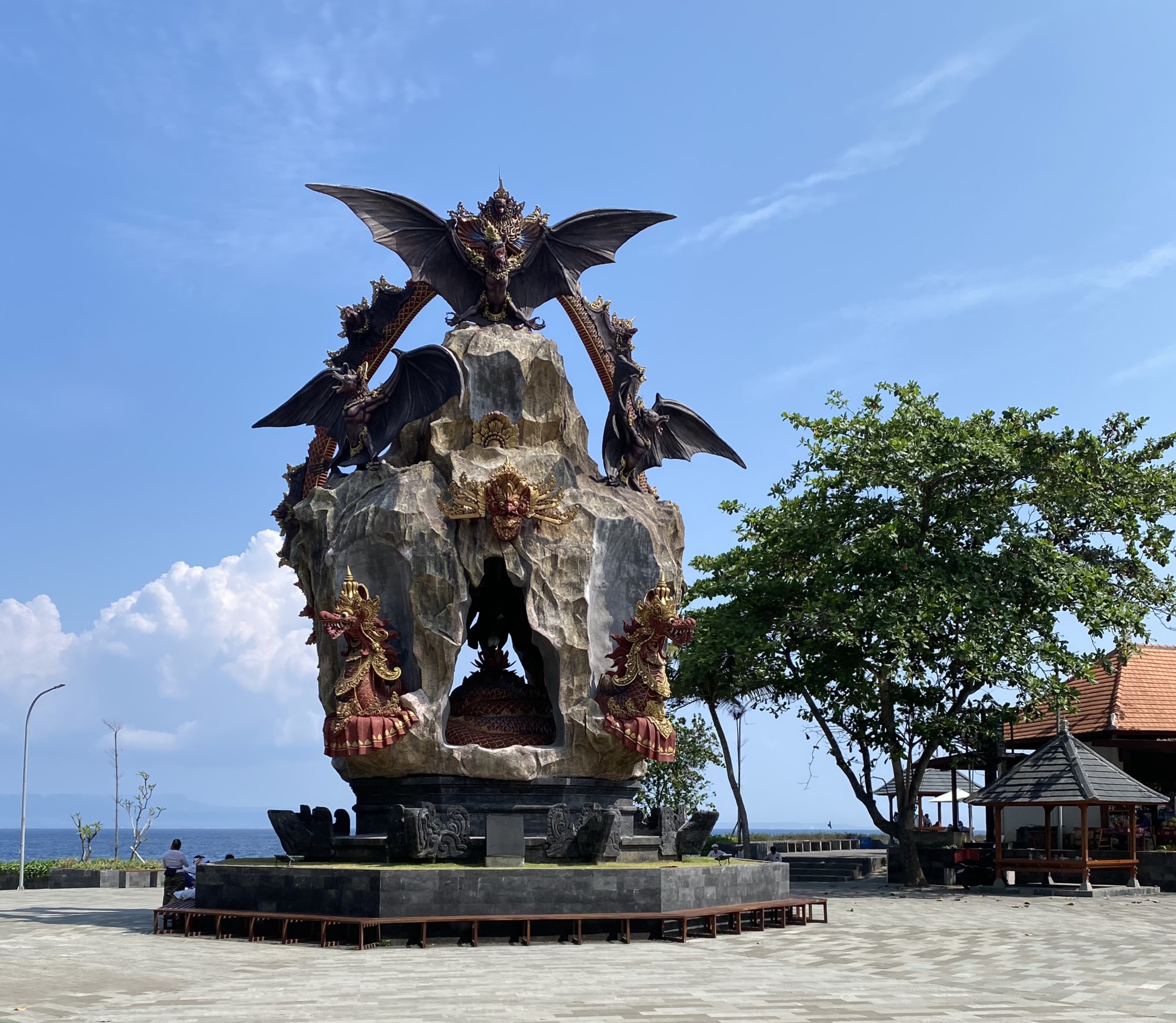
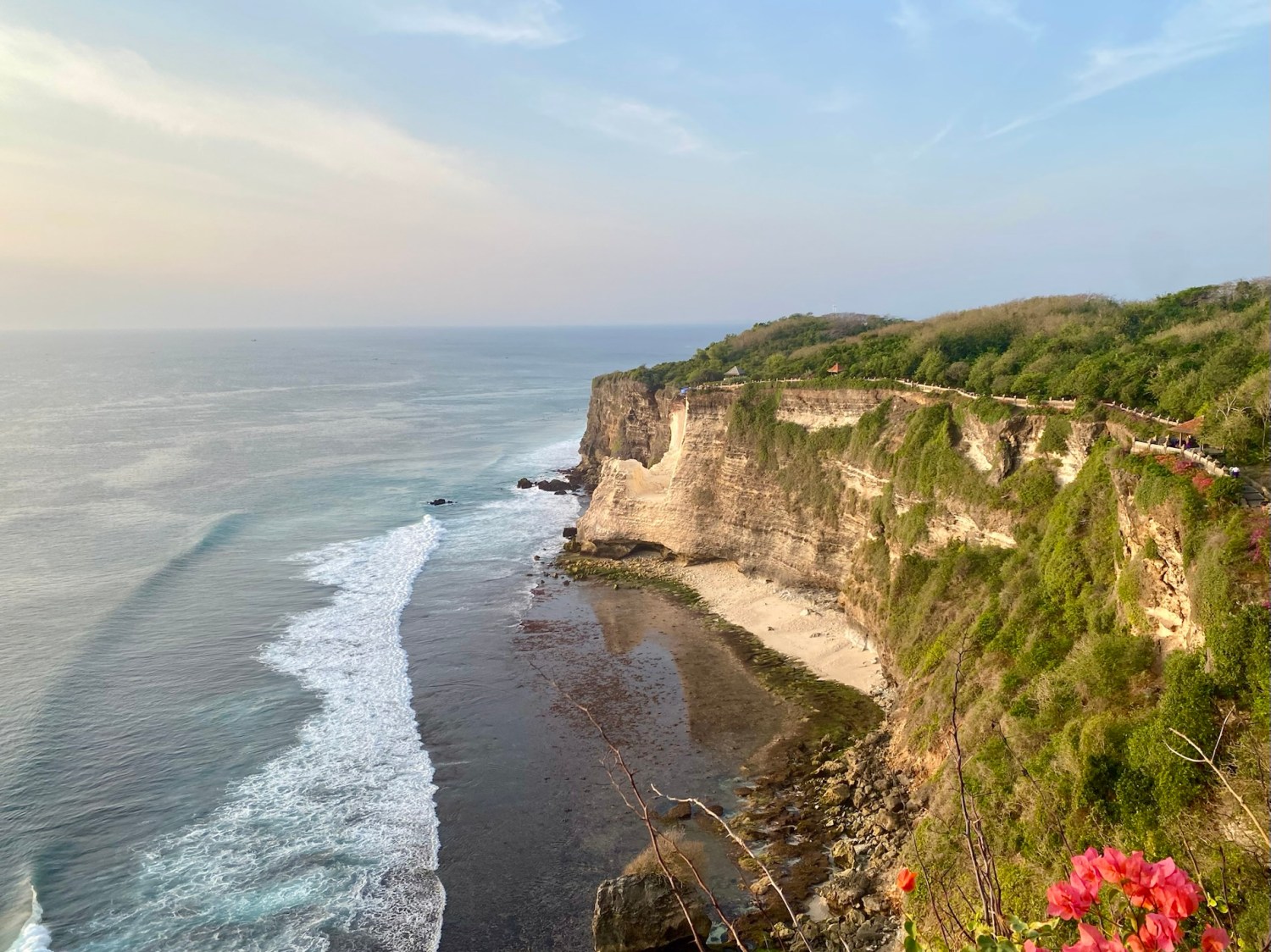
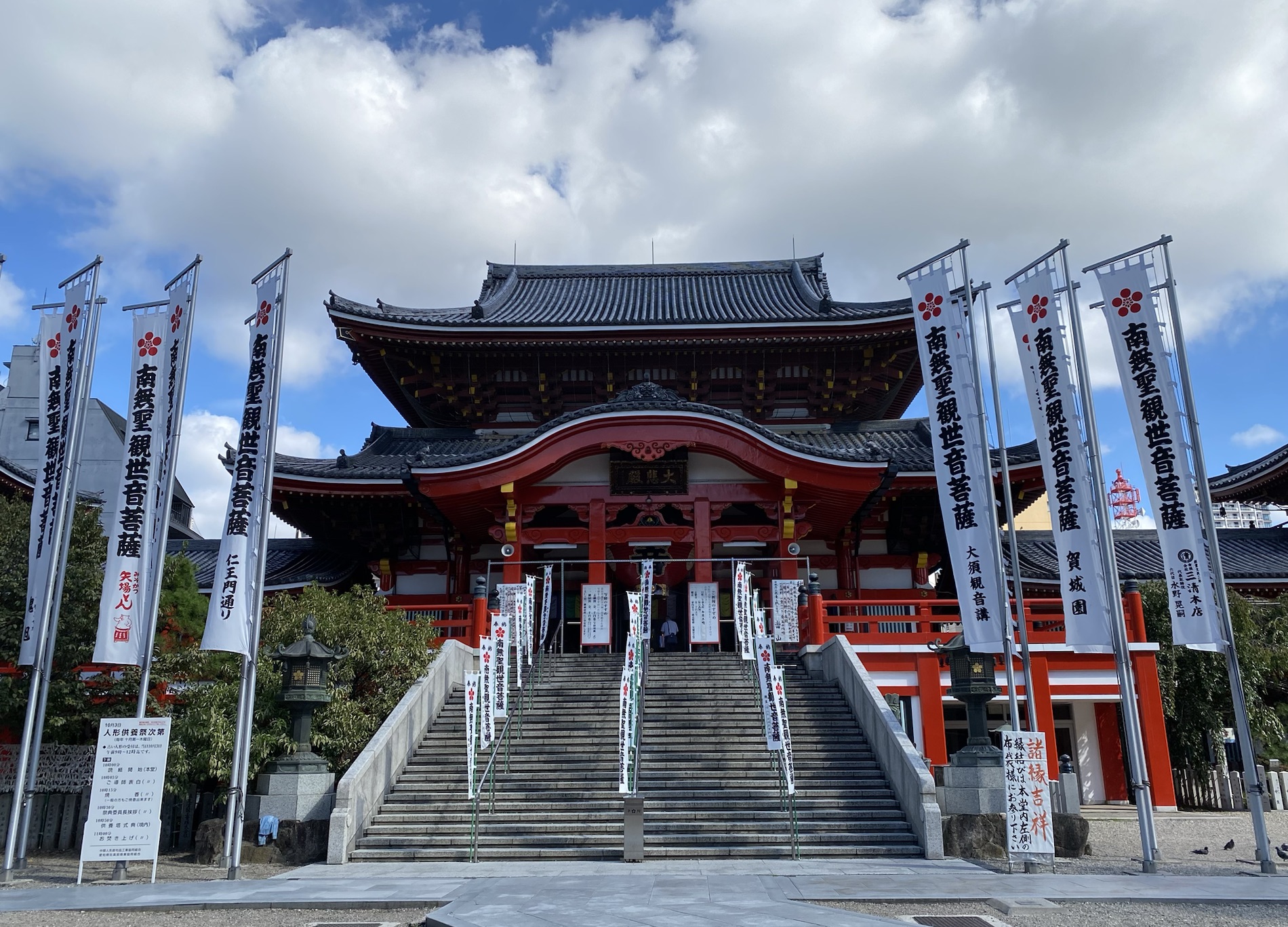
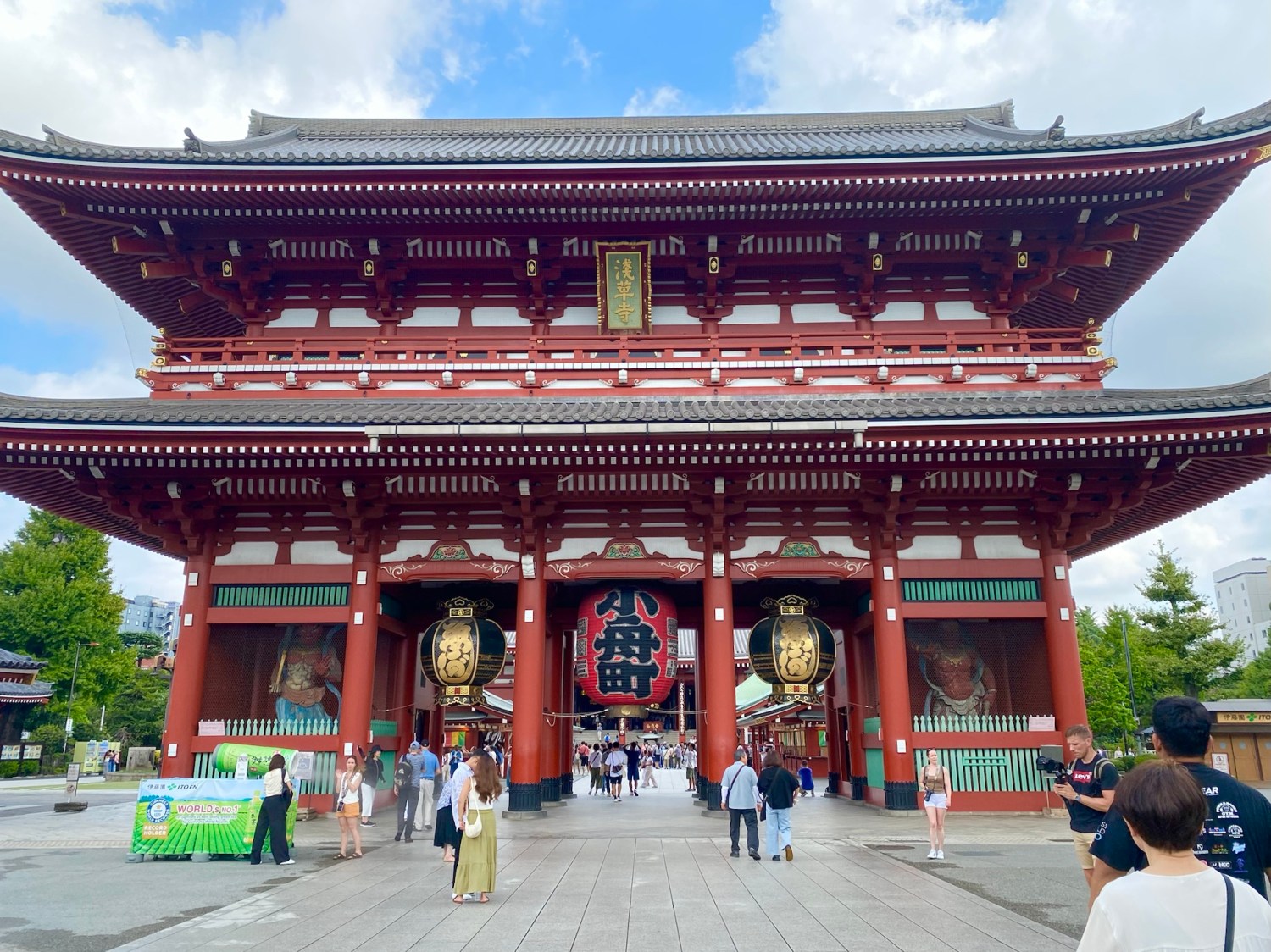
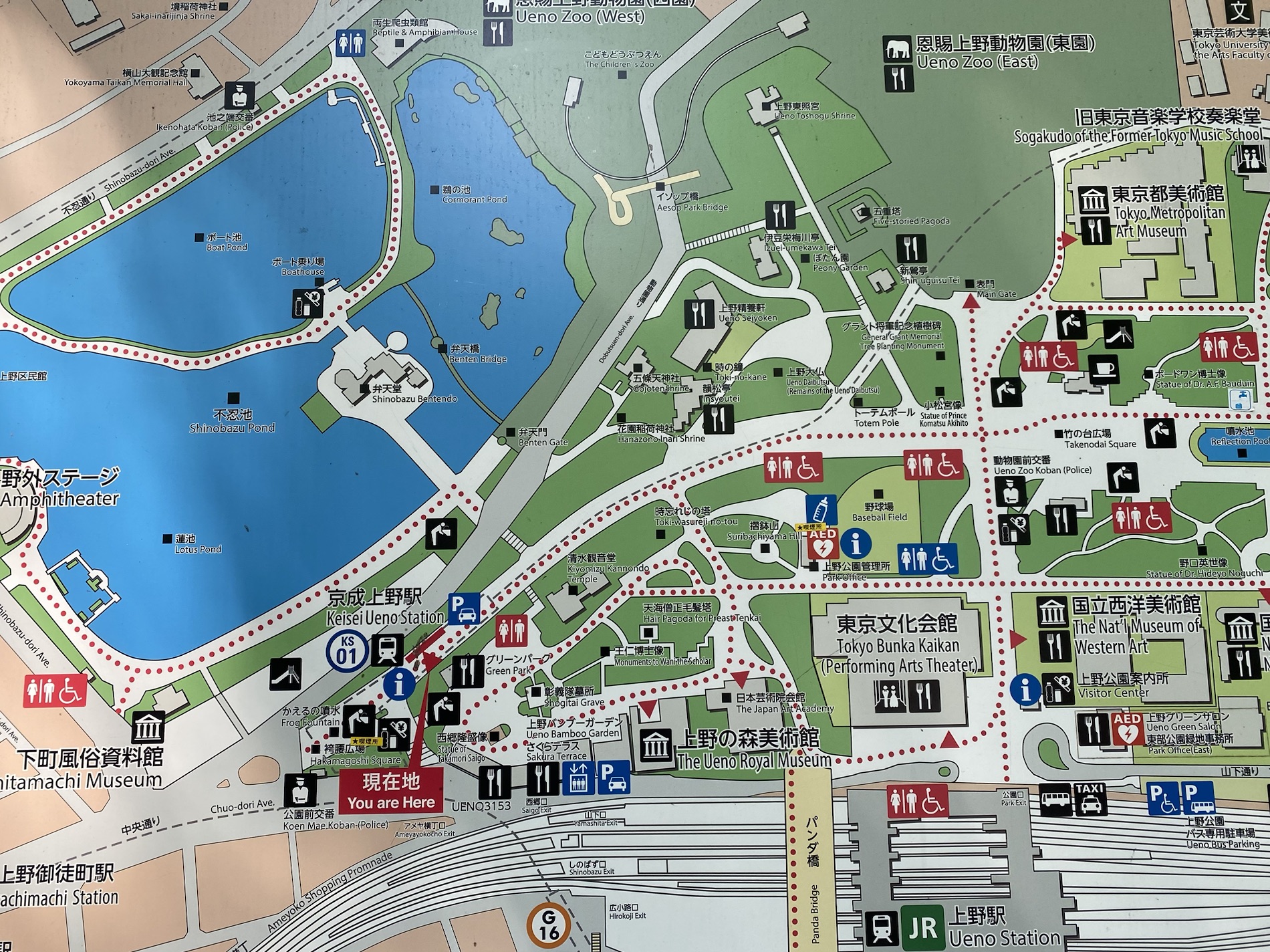
In September, I: Spent the first week in September wrapping up our preparations for our trip to Japan and Bali, Indonesia. Saw Colombian singer Julieta Venegas at Wolf Trap Center for the Performing Arts. Took off for |*Japan*| on September 9, arriving in |*Tokyo*| on the 10th on a mostly empty plane where we were able to stretch out and sleep. Once in Tokyo, I took Mike to visit the Sagamihara campus of Aoyama-Gakuin University and to show him my daily walk from the university to my Leopalace apartment during my semester teaching there in 2017. Met my friend and colleague Graham and his Japanese wife Ako at a Thai restaurant near Fuchinobe Station. Walked around the covered shopping arcades of Harmonica Yokocho in Kichijōji. Took Mike to see Tokyo’s oldest established Buddhist Temple, Sensō-ji and Ueno Park. Strolled down Ameyayokocho Shopping Street in the relentlessly hot afternoon. Took the Shinkansen to Nagoya, where we rented a car and drove through over 30 tunnels to |*Takayama in the Japan Alps.*| Visited the village of Ogimachi in Shirakawa-go and the more remote town of Ainokura, best known for farmhouses in the gasshō-zukuri style. Met Atsu, a Japanese man who spoke excellent English, at his tiny sake bar in Takayama and enjoyed drinks there. Drove north to Hida Furukawago and walked in the rain around the canal-lined town and saw the museum with its elaborate festival floats. Explored Takayama’s old town in the rain. Stopped at two towns along the Nakasendo Trail, Tsumago-juku and Magome-juku, on the way to Nagoya, where we returned our rental car. Got a bad cold from trudging around those towns in excruciating heat and humidity. In |*Nagoya*|, visited Nagoya Castle and and the famous flea market held on the grounds of Ōsu-Kannon Temple in 97°F heat; there I bought a dress and two pairs of pants. Visited the Tokugawa Art Museum and its water garden in Nagoya. Took the Shinkansen from Nagoya to |*Narita*|, where we spent the night in Wakamatsu Honten Ryokan and visited Naritasan Shinshoji Temple. Flew to |*Bali, Indonesia*| on Garuda Indonesia, a very nice airline, on September 20. Stayed our first three nights in |*Jimbaran, Bali*|, where we explored the Bukit Peninsula, especially Nusa Dua and Museum Pasifika. Went with a driver through insane traffic to Pura Luhur Uluwatu to see the Uluwatu Kecak Dance, which was overcrowded and poorly organized. Went in search of batik at Krisna Oleh Oleh Bali, hung out at the Jimbaran Beach and, later, at the Movenpick pool. Drove to the east side of the island, |*Sidemen, Bali*|, stopping first at The Klungkung Palace, where we got taken by touts selling sarongs, which we wore in our photos. Enjoyed massages at Alamdhari Resort & SPA. Took a 2 1/2 hour walk through the rice terraces surrounding our hotel, took a dip in the pool, and enjoyed a private yoga class, and relished another massage. Went on an excursion with a driver to Tirta Ganga (a royal water palace), a White Sand Beach (meh), and Tenganan Village (known for its double Ikat textiles). Moved to |*Ubud, Bali*| for our last home in Bali, The Hava Ubud A Pramana Experience, to the west of Ubud’s center. Visited the Agung Rai Museum of Art (ARMA) in Ubud and enjoyed lunch at Café Lotus, right on the edge of the Ubud Water Palace. Enjoyed an afternoon by the hotel pool. Took a Gojek (like Uber) to the center of Ubud, where we wandered around Ubud Palace and the Ubud Water Palace, where we had to dress up in a sarong and jacket. Visited Museum Puri Lukisan where we found, quite by accident, a Balinese dance production. Enjoyed deep tissue massages at Sari Laba and went to a restorative yoga “Air Class” at Alchemy. Visited the Ceking Rice Terrace, aka Tegalalang Rice Terrace, a very touristy and rather confined set of rice terraces. Left Bali at 12:20 a.m. on the 30th and returned to |*Japan*| on the morning of the 30th. Took the Shinkansen immediately to |*Kyoto*|, where we checked into the very nice Sakura Terrace The Gallery. Before we left for Japan, we watched shows on streaming services: Atlantic Crossing, Another Self, Grantchester, Maestro in Blue, Pachinko, Trying and Modern Family. Read 3 books this month, bringing my total up to 39/52, with my favorite being Fault Lines by Emily Itami and Black and Blue by Anna Quindlen.

me with Mike at Wolf Trap to see Julieta Venegas

Julieta Venegas tickets

me at Aoyama-Gakuin University – Sagamihara campus

Graham, Ako, me and Mike at a Thai restaurant near Fuchinobe Station

Sensō-ji in Tokyo 2024

Gasshō-zukuri houses in Ogimachi in Shirakawa-go 2024

Gasshō-zukuri houses in Ogimachi in Shirakawa-go 2024

canals in Hida Furukawago

Magome-juku

Ōsu-Kannon Temple in Nagoya 2024

Nagoya Castle 2024

Nagoya Castle

Ōsu-Kannon Temple Market

Tokugawa Art Museum in Nagoya 2024

Tokugawa Park

Naritasan Shinshoji Temple in Narita 2024

Naritasan Shinshoji Temple in Narita 2024

me at Wakamatsu Honten in Narita

Part 1 of our Japan trip on Polarsteps

our flight path to Bali

Movenpick Resort & Spa Jimbaran Bali

Museum Pasifika at Nusa Dua

Museum Pasifika at Nusa Dua

me at Uluwatu on the Bukit Peninsula

view from Uluwatu

Uluwatu Kecak Dance

me with Mike at Klungkung Palace

Klungkung Palace

Alamdhari Resort & SPA

Sidemen rice fields

me at Tirta Ganga

Mike at Tirta Ganga

Mike at Tirta Ganga

Tenganan Village

Mike at ARMA

ARMA

Alchemy yoga studio

me on the grounds at Alchemy

Mike at Ubud Water Palace

me at Ceking Rice Terrace

Ceking Rice Terrace, aka Tegalalang Rice Terrace

Our Bali adventure on Polarsteps

Yasaka Shrine, aka Gion Shrine, in Kyoto

Yasaka Shrine, aka Gion Shrine, in Kyoto
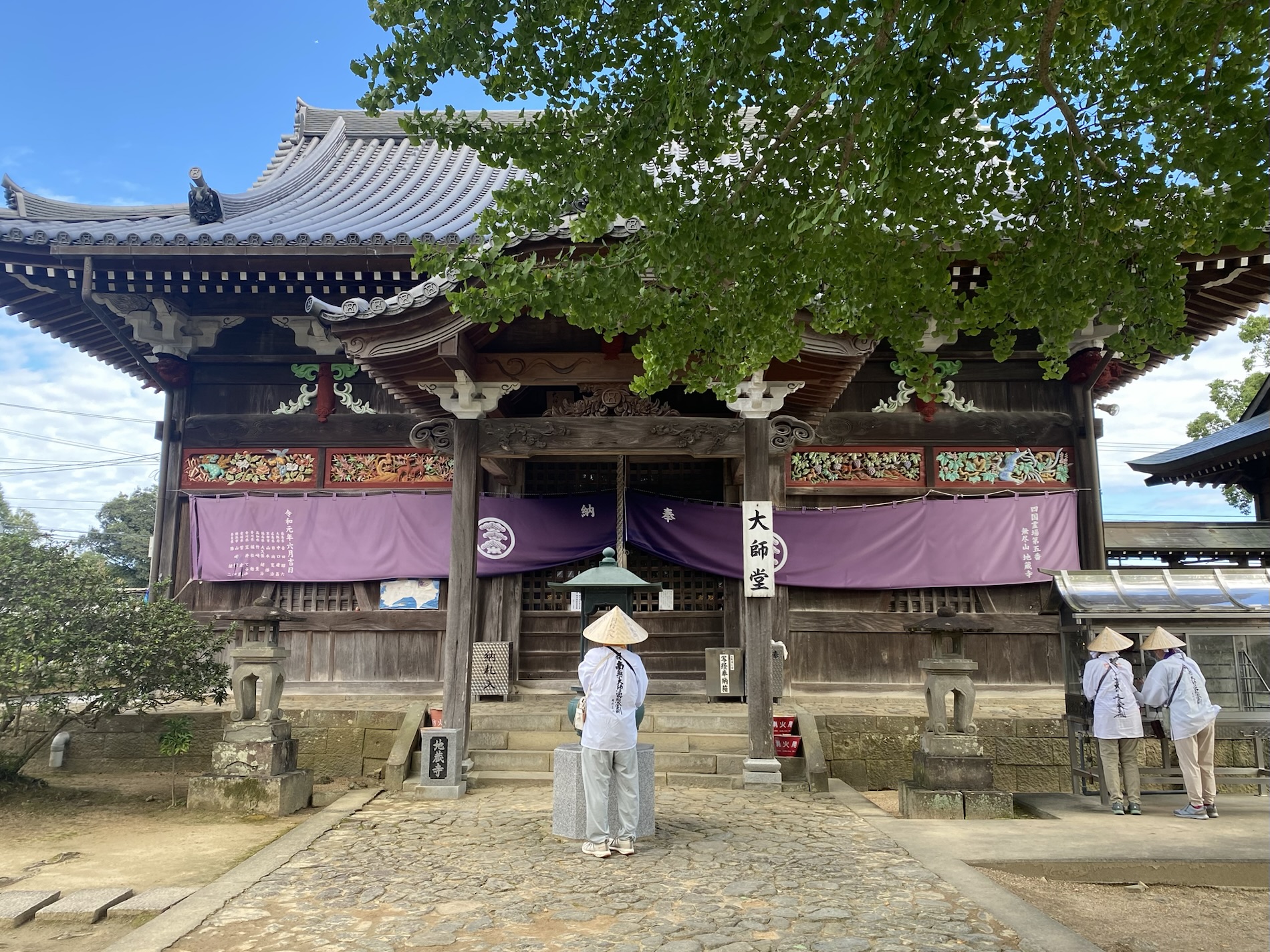
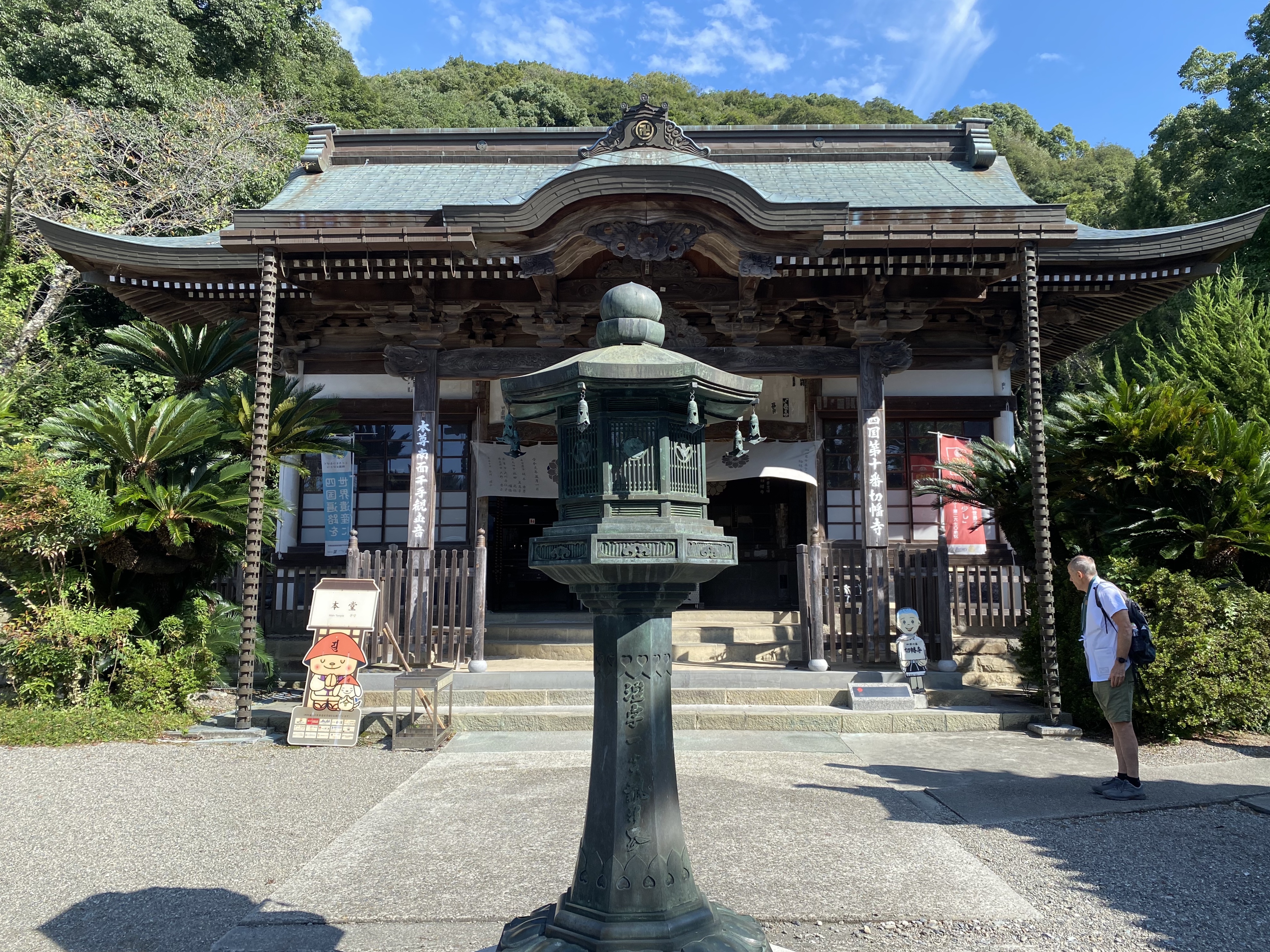
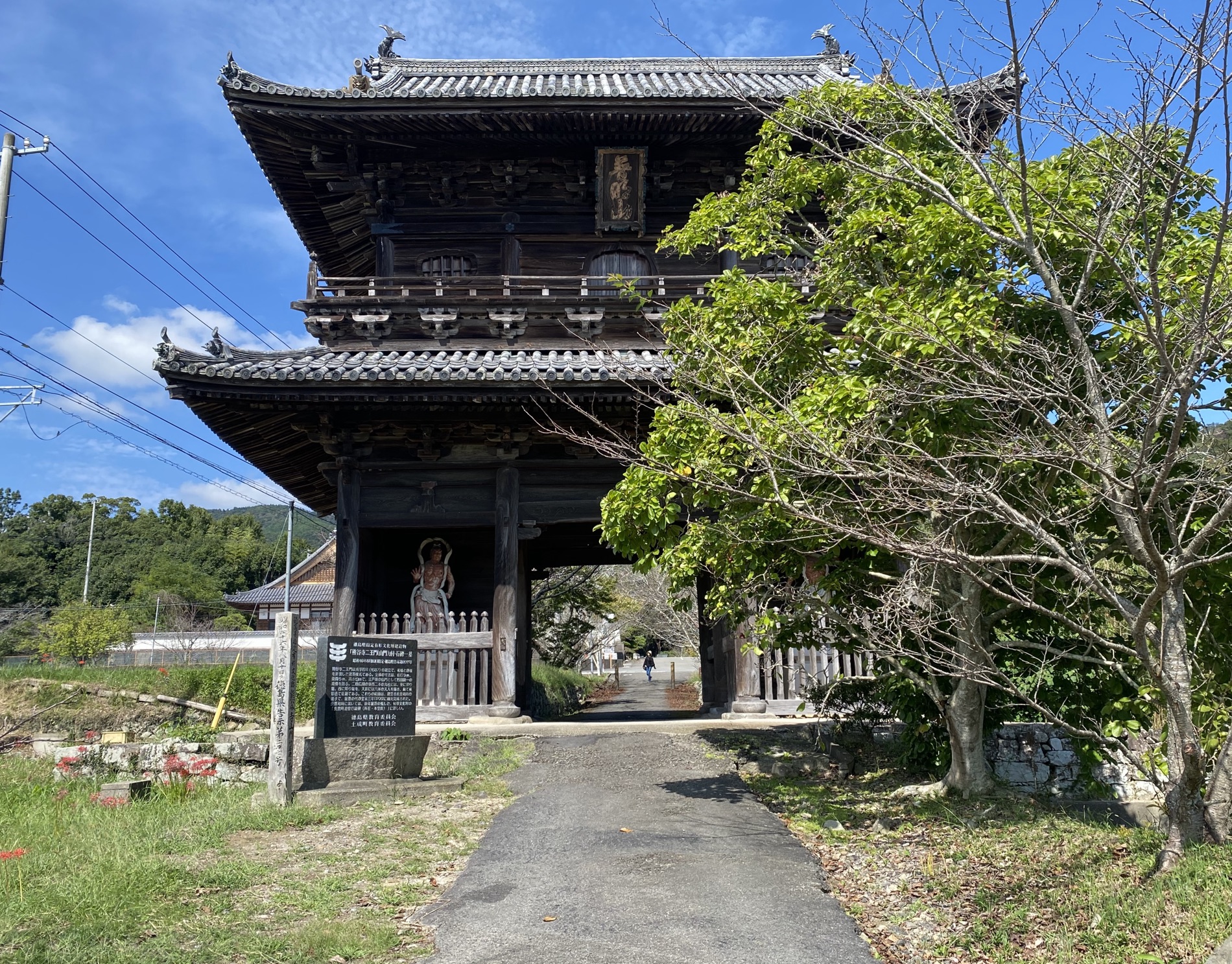
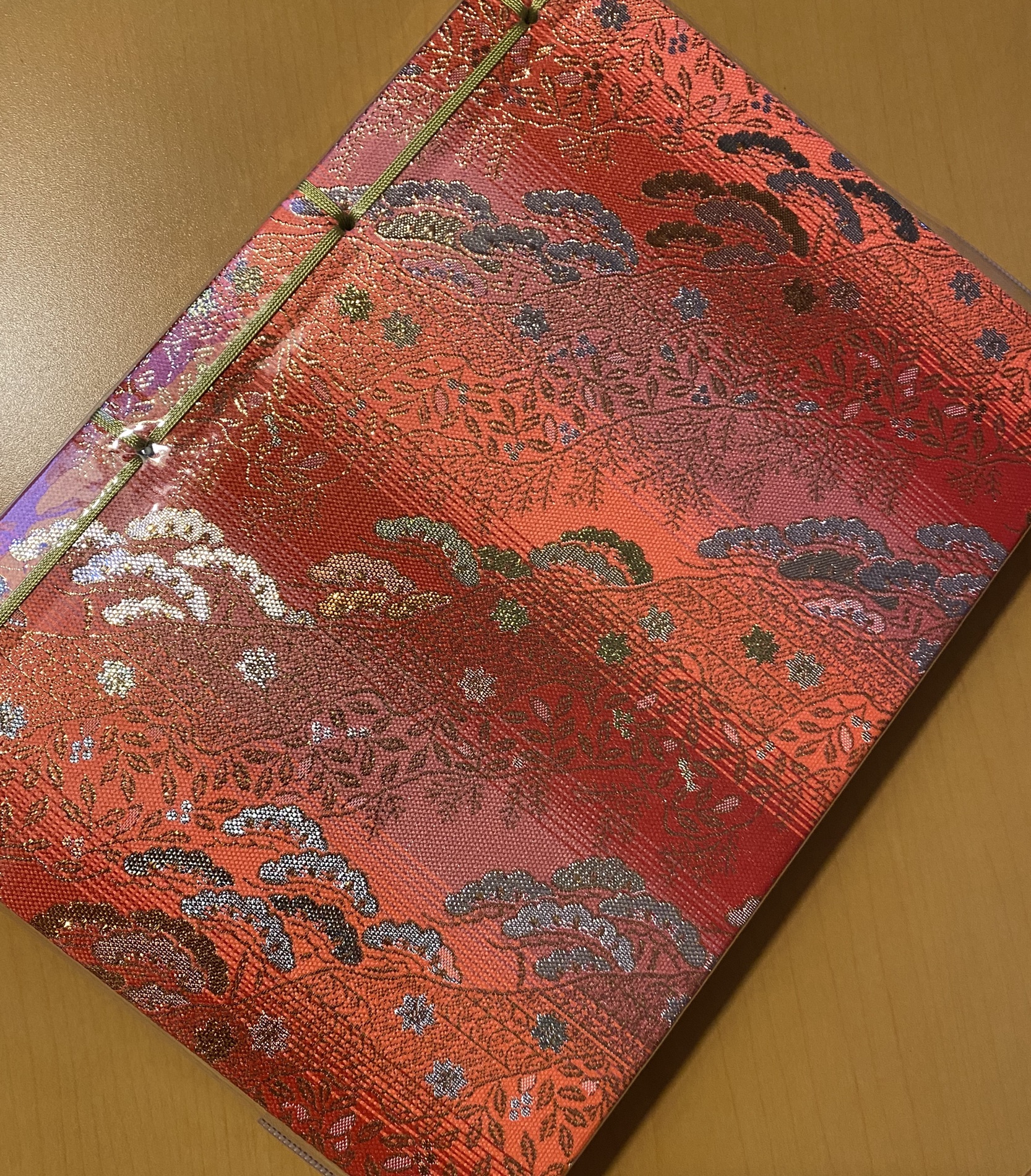
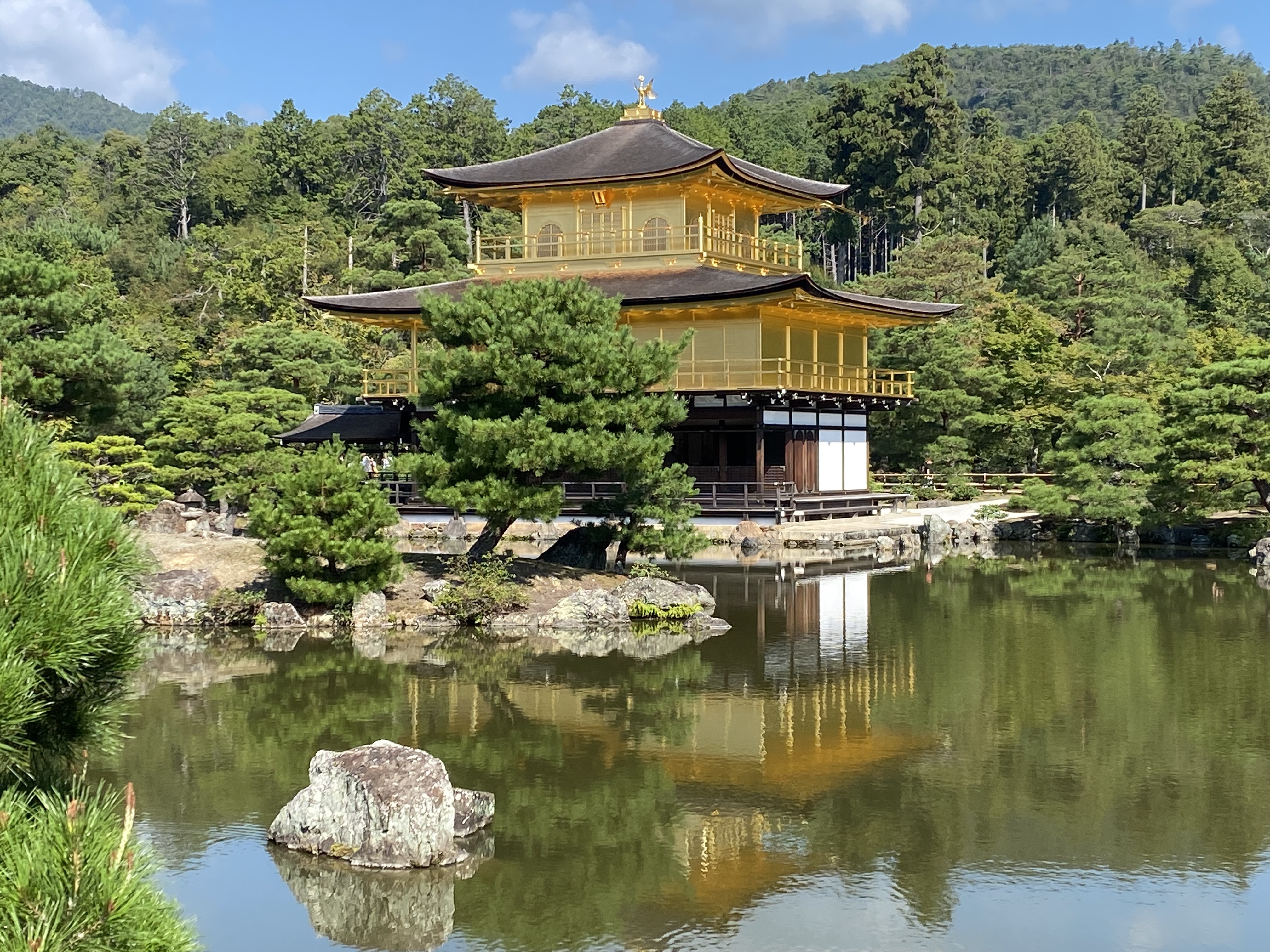
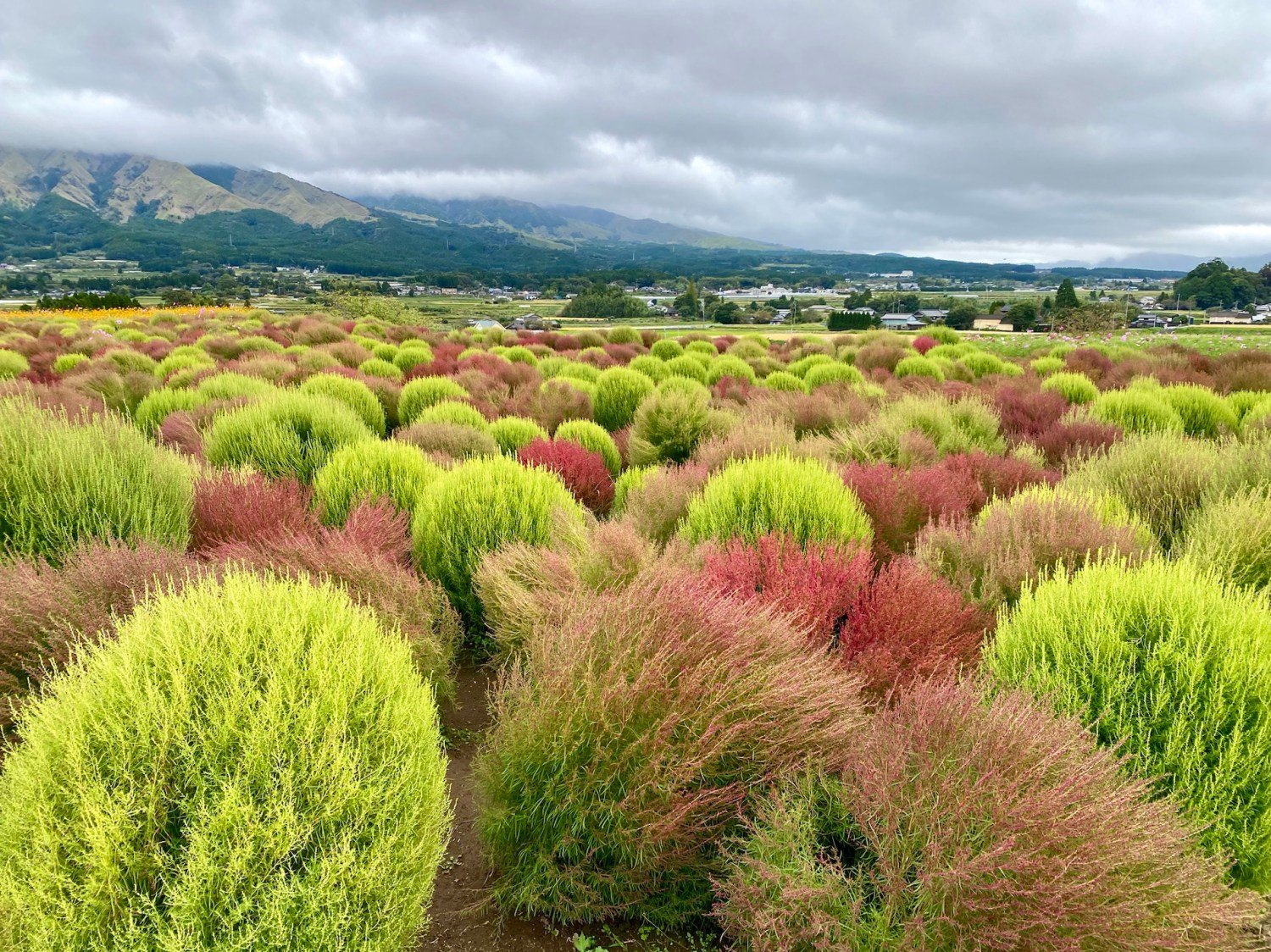
In October, I: Dove fully into |*Kyoto*| with Mike, starting with Kinkaku-ji, the Temple of the Golden Pavilion. Explored Kyoto’s famous rock garden, Ryōan-ji, or Temple of the Peaceful Dragon. Dragged Mike on the cutest train imaginable, the purple Randen Historic Tram, which tickles me pink (or purple!). Ate lunch in Arashiyama, found kimono-clad girls on the Togetsukyo Bridge, and waded through crowds in the famous bamboo forest. Wandered through Tenryu-ji, founded in 1339. Topped off an exhausting day with okonomiyaki (Japanese pancake) and plum wine with soda, then enjoyed the free welcome drink at our hotel, Sakura Terrace The Gallery. Climbed uphill through the infinite torii gates of Fushimi Inari Shrine. Tried and failed to visit Ohara, which my friend Graham had highly recommended. Went to Nishiki Market AFTER eating lunch at a German-type restaurant, a big mistake, as one is supposed to sample the great variety of food at the market. Ate a convenience store dinner in our room, finally going down to the lobby to enjoy another free welcome drink (for me, always a gin and tonic). Strolled along the Philosopher’s Path at the foot of the Eastern Mountains in the rain. Wandered around the beautiful Ginkakuji, the Silver Pavilion and its moss and rock gardens. Sampled waygu beef, eel, shrimp tempura and sake at Nishiki Market. Ate again at the cozy okonomiyaki restaurant. Took the train to Tokushima on the island of |*Shikoku*|. Walked 7 of the first 10 temples of the 88-temple pilgrimage, spread out over 2 days. Got sick, along with Mike, with head colds and all-over aches and pains. Celebrated our granddaughter Allie’s first birthday from afar as we watched videos of her day at the Atlanta Aquarium. Headed to |*Okayama*|; from there we took three day trips, the first to |*Bitchu-Takahashi*|, where we visited the interesting Takahashi Folk Museum, the Raikyuji Temple (once the residence of a local feudal lord), the large Haibara Samurai Residence from the Edo period, and the Orii Samurai Residence with its rather eerie life-sized dolls. Took our next day trip to |*Kurashiki Bikan Historical District*|, where we rode a rickshaw, wandered around the weeping willow-lined canals, and climbed to A Chi Shrine. Spent an afternoon in the public onsen in our hotel and ate Indian food at the nearby shopping mall. Took a train and ferry to |*Naoshima*|, an island in the Seto Inland Sea known for its many contemporary art installations and museums. Felt bored by the whole thing; the best part was riding rented e-bikes all around the island (except where prohibited by the museums). Took the Shinkansen from Okayama to Kokura and rented a Toyota Yaris to explore |*Kyūshū Island*|. Was amazed again at Mike’s ability to drive on the left. Arrived in |*Beppu*|, where we visited the Seven “Hells,” (jigoku), hot springs presented in a touristy way that are for viewing only. Drove to |*Yufuin*|, an onsen town in the mountains that, though cute, was overrun by tourists for some three-day weekend holiday. Stayed at Yufuin Onsen Wafu Ryokan Tsuenosho, where we had paid for half-board, which meant we were subjected to two dinners and two breakfasts, all of which were comprised of very weird and unpalatable stuff. Endured the marathon Kaiseki (traditional multi-course Japansese dinner) presented to us in our tatami room at our low table. Visited the “famous” Kinrin Lake, which was more like a pond without much of interest. Enjoyed escaping the town to visit the grasslands, Tsukahara Highlands. Loved the|*Mount Aso *|area in Kyushu. Stopped at the beautiful Park Oike, an off-the-beaten-path moss-covered forest and freshwater spring from which people could drink. Enjoyed the only cold day we had on our trip – a taste of fall, finally. Walked on grasslands at the Mount Aso Visitor Center. Enjoyed the nicest of the four ryokans we stayed in during our travels in Japan, and thankfully NO food was involved. Visited the crowded and touristy Takachiho Gorge in the rain and then visited a bizarre shrine only 3 minutes from our ryokan, the Hogihogi Shrine, known for bestowing luck on those who bought lottery tickets. Started making our way slowly back toward Tokyo so we could fly home. Drove east to see the Usuki Stone Buddhas, another out-of-the-way place south of Oita which was worthwhile. Stayed in Hiji, the closest town to the Oita Airport, and flew back to Haneda on Thursday morning, October 17. Took the train from Haneda to |*Yokohoma*|, a city south of Tokyo that I had visited several times when I lived and worked in Japan, and took Mike to the beautiful Sankeien Garden which exhibits a number of historical buildings from across Japan. Flew home from Tokyo Haneda on Friday the 18th at 3:45 p.m. and arrived home before we left Japan, at 3:20 p.m. that same Friday. Tried to ignore the buildup to our presidential election while traveling, but my attempts to avoid all the rancor were not very successful; I couldn’t stop myself from looking at social media and getting infuriated over all the idiotic, fascist and greedy Trump supporters in our country. Continued wishing for a Harris/Walz victory. Cast my vote early on the 21st for a 100% Democratic ticket, especially Harris/Walz. Put a Harris/Walz sign in a prominent place in my yard. Found a lot of Harris/Walz signs, Halloween decorations and fall colors on a walk around Herndon, VA. Got a beautiful day for my 69th birthday on Friday the 25th. Picked up sandwiches at Puccio’s in Leesburg and took them to Three Creeks Winery in Hamilton, VA; the winery sits in a beautiful spot where three creeks converge, and Mike drank a Cab Franc while I had a Viognier to accompany our sandwiches. Extended my birthday celebration by going out to eat Thai food at Vienna Thai and Bar, where I enjoyed white wine and a green curry with shrimp. Felt connected to the kids when they sent us some family pictures over the month. Read three books, bringing my total to 42/52 (and putting me behind on my annual goal); I loved all of them: Norwegian Wood by Haruki Murakami, Kokoro by Natsume Sōseki, and Beauty and Sadness by Yasunari Kawabata. Didn’t watch much TV while traveling, but in the few places we had Netflix, we watched the Turkish series Zeytin Agaci, aka Another Self and the Greek series Maestro in Blue, and finished On the Verge (just okay). Finished Atlantic Crossing and the most current season of Emily in Paris once we returned home; we continued watching Grantchester, Pachinko, Trying, Shrinking, Lincoln Lawyer, Another Self, Maestro in Blue, The Bear, and Modern Family.

Kinkaku-ji 2024

me at Ryōan-ji

Randen Historic Tram

Japanese girls on the Togetsukyo Bridge

Arashiyama Bamboo Grove 2024

Tenryu-ji

Fushimi Inari Shrine

shrine at Arashiyama Bamboo Grove

waygu beef at Nishiki Market

Nishiki Market 2024

eel at Nishiki Market

Ginkakuji 2024

The Philosopher’s Path

Temple 1: Ryōzenji 2024

Temple 2: Gokurakuji

wishes left at Temple 5

Temple 5: Jizoji

stamp from Temple 5: Jizoji

me after ringing the bell at Temple 10: Kirihataji

Temple 8: Kumadaniji

Takahashi Folk Museum

Raikyuji Temple 2024

Raikyuji Temple

Raikyuji Temple

Kurashiki Bikan Historical Quarter

me with Mike in a rickshaw in Kurashiki Bikan Historical Quarter

me in Kurashiki Bikan Historical Quarter

Mike at Naoshima

Mike on his ebike on Naoshima

one of Beppu’s seven “Hells”

one of Beppu’s seven “Hells”

Mike at one of Beppu’s seven “Hells”

one of Beppu’s seven “Hells”

Mike at one of Beppu’s seven “Hells”

Kinrin Lake

Mike at Yufuin Onsen Wafu Ryokan Tsuenosho

looking down over Yufuin

Yufuin Onsen Wafu Ryokan Tsuenosho

Tsukahara Highlands

Park Oike

Park Oike

Mike at Park Oike

me at Park Oike

Park Oike

Mike at Mount Aso

Minamiaso Tourist Information

me at Minamiaso Tourist Information

Takachiho Gorge

Takachiho Gorge

Takachiho Gorge 2024

Mitsujoin Rice Terraces

Sankeien Garden

Sankeien Garden

Sankeien Garden

Allie at the park

Allie shows off her new winter coat

Cristy and little MIke

Little Mike with Cristy’s hair over his head

Maria and Mike

I voted!

Mike at Three Creeks Winery

me at Three Creeks Winery

me at Three Creeks Winery with my Ford Bronco Sport

me at Vienna Thai and Bar

Harris/Walz

Mind your own damn business!

Harris/Walz signs

More Halloween decorations
In November, I: Saw the deeply troubling yet powerful movie, Lee, about war correspondent & photographer Lee Miller; she documented the horrors people faced, especially women, under fascism during World War II. Went with Mike to Artie’s to embrace the light, have a drink in hopes of a positive outcome to the election, and to eat a delicious meal with our friendly bartender Remy, who greets everyone with “Hello beautiful people!” Hoped that the beautiful, loving and caring people of this country would come together on Election Day to reject the fascism, violence, retribution, and divisiveness which would be the hallmarks of another Trump presidency. Felt deflated and furious after Election Day as the despicable convicted felon and insurrectionist-in-chief, Donald Trump, won the presidential election; it was unbelievable that a criminal (he has 34 felonies), a traitor (tried to overthrow the election results on January 6, 2021), and the most vindictive and hateful person in this country, who ran a campaign on divisiveness, fearmongering, hatred and gloom, won out over a highly-qualified, sharp-minded woman who showed herself to be a tough prosecutor and who ran a campaign, with Tim Walz, on unity and joy. Went with Mike to Ariake to try to get out of our funk over the election results. Begrudgingly took down my yard sign while wearing my Harris-Walz T-shirt; I’m still keeping my signs on a chair in my garage where everyone can see them when we open our garage door. Still believe with all my heart that I voted on the right side of history and I will NEVER regret my vote as I watch the country descend into madness. Found a sense of community at Union Market as we discovered murals that celebrate our diversity and our need to vote for women. Met and commiserated with others who were as disgusted and disappointed by the outcome of the election as we were. Ate food from other cultures and Mike got me a couple of gifts for our anniversary (on Nov 13) at a Latino market & at Politics & Prose, a Washington area bookstore where a bookseller recommended a book, I think it was post-apocalyptic, where a Native community in Canada was living in perfect harmony until a bunch of white people came and ruined it. Said, in a joking way but not really joking at all, “White people ruin everything!” Got several nods and a young white man pushing a baby stroller said, with great angst in his voice, something to the effect that “That election was a disgusting travesty,” as he overheard my rather loud comment. Celebrated our 36th (29th) anniversary at Mama Tigre (Mexican Remixed… infused with Indian spices) on Wednesday, November 13th. Took a 4.8 mile walk with Mike on a beautiful Sunday, the 17th, around Burke Lake. Continued to do my daily walks and enjoy the beautiful leaves, which still seemed to be hanging on to the trees late in November. Took a trip to Richmond, VA where we drove around Richmond neighborhoods with a realtor team and looked at 8 houses; the whole expedition turned out to be extremely disappointing. Celebrated Thanksgiving with Mike’s sister Barbara the only one in attendance; we commiserated about the election loss and what it means for the country and the world. Drove northwest about an hour to Frederick, Maryland, where Mike and I ate brunch at Isabella’s and then wandered up and down the festive streets of the town. Did some Christmas shopping in small locally owned shops, trying to minimize our use of Amazon; we don’t want to continue to line the pockets of Jeff Bezos. Only finished three books in November , bringing my total to 45/52 (still 2 books behind schedule to reach my annual goal). Found one of them, All the Lives We Never Lived by Anuradha Roy, especially fascinating for its historical side, which took place in the 1930s, and featured the famous Walter Spies, an artist who promoted Balinese culture and yet, as an “enemy” German citizen, was interred by the Dutch in Bali for two years only to die when his ship was bombed by the Japanese en route to Ceylon. Saw three movies in November: Lee, which I talked about above; Släptaget (Let Go), an endearing Swedish movie that we streamed on Netflix; and Blitz , an okay movie which we streamed on Apple TV+. Continued watching Grantchester, Pachinko, Trying, Shrinking, Lincoln Lawyer, Another Self, Maestro in Blue, The Bear, and Modern Family.

November in Virginia

me at Artie’s after seeing the movie Lee

Mike at Artie’s after seeing the movie Lee

Cristy, Mia and little Mike in Nicaragua

walk around Lake Thoreau in Reston before the election

walk in Vienna before the election

walk in Vienna before the election

my Harris-Walz sign, right on the corner where everyone in the neighborhood could see it – BEFORE the election

The despicable news. The Washington Post lost all my respect. This headline makes it look like it’s a happy thing!

Mike at Ariake after the results of the election on Nov. 6

Me at Ariake. My face tells how I feel.

Me with my Harris/Walz tee-shirt and sign

Union Market

Union Market

Mike at Union Market

mural in the Union market district

“Vote for your daughter”

Equity and Inclusion ?? That won’t be happening under Trump!

Mama Tigre

me at Mama Tigre on our anniversary

Mama Tigre

neighborhood trees

Allie gnawing on an apple

Jandira, Alex and Allie in Atlanta on Thanksgiving Day

Mike & me at Thanksgiving

brother and sister at Thanksgiving

Ticket to Ride

November colors at Thanksgiving

Isabella’s in Frederick, MD

Frederick, MD

me in curious iguana bookshop

Frederick, MD
In December, I: Decorated for Christmas despite the fact we’d be in Atlanta for the holiday. Face-timed Alex and Adam to wish Adam a happy 32nd birthday on December 7. Went to dinner at Lebanese Taverna in Arlington with Mike. Continued walking, doing yoga and rowing. Went to Mike’s company in-office Christmas party where they honored Mike for his 20-year-anniversary with LMI (The tribute brought tears to my eyes). Arrived in Atlanta on the 21st and checked into our Airbnb on Saint Charles Avenue in Midtown. Welcomed Alex and Allie in the afternoon and when Jandira got off work, we ordered pizza in. Spent a morning at Piedmont Park with Alex and Allie on Sunday, then walked with them to the Levi’s Store at Ponce City Market where we got Alex new jeans for Christmas. Went out with Mike to Whiskey Bird in Virginia Highland, which I loved. Walked in the Virginia Highland neighborhood and stopped at Ash Coffee. Went out to dinner at Bar.bacoa with Alex, Jandira and Allie. Walked with Mike on the Beltline and then ran a bunch of last minute Christmas errands. Ordered sushi from Chin-Chin for Christmas Eve, then picked up Sarah at the airport at around 10:00 p.m. on Christmas Eve. Spent Christmas morning opening presents and having our regular Christmas brunch with the family. Enjoyed seeing Christmas through Allie’s eyes. Played rousing games of Code Names. Went with the family to Ponce City Market where we sampled different foods at the Food Court. Drove 2 hours each way on Friday with Sarah and Mike to Columbus, GA, where we noshed on smoked oysters at my youngest brother Robbie’s loft apartment and then enjoyed a sushi extravaganza at Samurai. Got take-out from Truva on Friday night and took it to Alex and Jandira’s apartment where we hung out one last time. Drove home straight through on Saturday the 28th with thousands of other travelers returning home, stopping at a Bucc-ee’s in Calhoun, Georgia. Finished seven books in December, bringing my total to 52/52, successfully achieving my reading goal for the year: My Year in Books 2024; my favorites were Days at the Morisaki Bookshop by Satoshi Yagisawa, Territory of Light by Yūko Tsushima, and True North by Jim Harrison. Watched one movie: Lonely Planet on Netflix. Finished watching the series Trying and Somebody Somewhere, and continued watching Grantchester, Pachinko, Bad Sisters, Shrinking, Lincoln Lawyer, Another Self, Maestro in Blue, The Bear, and Modern Family. Tried to enjoy our last month under President Biden before this country goes to hell in a handbasket.

me at Lebanese Taverna

Mike at Lebanese Taverna

Mike and me at the LMI Christmas party

goofy picture of us at LMI

Our Airbnb on Saint Charles Ave: we had the top floor unit to the left

me in front of our Airbnb

living room in the Airbnb

Allie at Piedmont Park

Alex helps Allie walk down the stairs

Allie at Piedmont Park

Allie at Piedmont Park

Dido (Mike) and Allie

Allie, Alex and Jandira

Mike, Alex and Allie along the Beltline

me with Allie in the Levi’s Store

Allie in the Levi’s Store

Allie and Dido in the Levi’s Store

VA HI (Virginia Highland)

Ash Coffee

Mike at Ash Coffee

Mural near Publix

Ahi Tuna Gyoza tacos and Peruvian Chicken Gyoza tacos at Whiskey Bird

Bar.bacoa

Alex and Jandira at Bar.bacoa

me barely holding on to Allie in VA-HI

Christmas morning

me on Christmas morning

Mike on Christmas morning

Allie on Christmas morning

Allie gets a stuffed pony

Allie wanted to open all the gifts

Jandira, Alex and Allie

Dido and Allie at Ponce City Market

Jandira, me and Sarah show off our new necklaces

Samurai Sushi in Columbus, GA

Sarah, Robbie and Mike at Samurai

Sarah and Robbie look at their giant sushi boat

Mike, me, Robbie and Sarah at Samurai

Allie and Aunt Sarah

me at Bucc-ee’s
Here are some of my previous years’ recap posts. I now wish I had one for every year of my life, as they serve as great reminders of my adventures, joys, challenges, and tribulations in years past!
- twenty twenty-three: growing our family, travels from central america to italy, & a texas-new mexico road trip
- twenty twenty-two: a year of north-south travel, a tragic war in ukraine, & final passings
- twenty twenty-one: from insurrection to omicron, with a great lakes road trip and jaunt to croatia
- twenty-twenty: baltimore, the year of coronavirus, chicago, & a canyon & cactus road trip
- twenty-nineteen: morocco, central italy, a road trip to nowhere, & charleston
- twenty-eighteen: the four corners, niagara falls, & the camino de santiago
- twenty-seventeen: a semester teaching english in japan & trips to budapest, vienna, prague, český krumlov, and nashville
- twenty-sixteen: a wedding in oklahoma city, visit to dallas, a major home renovation, iceland’s ring road, west virginia & philadelphia
- twenty-fifteen: around & about china, myanmar, & california
- twenty-fourteen: california, losing shirley & bailey, puerto rico, & off to china
- twenty-thirteen: leaving oman, spain {barcelona, toledo, south of spain}, portugal {tavira, evora, lisbon} & a semester off
- weekly photo challenge: my 2012 in pictures {working in oman, home to virginia, a trip to greece {athens, meteora, crete & santorini} & ethiopia
Here’s wishing everyone a Happy New Year in 2025! 








































 ~ wander.essence ~
You must be logged in to post a comment.