Friday, October 20, 2023: On our way from Carlsbad to Alamogordo, out in the middle of nowhere, we stopped for a few goodies at Tom & Pam Runyon Ranches, with its funky vibe and “non-gun-free zone.” We ended up buying pickled quail eggs since, according to Tom, they have health benefits such as reversing dementia! Read More
Wednesday, October 18, 2023: On Wednesday evening, after driving over 350 miles from Big Bend, we crossed over into New Mexico: “Land of Enchantment.” We reached our Airbnb in Carlsbad at around 4:30 pm.
Airbnb in Carlsbad, NM
Airbnb in Carlsbad, NM
Airbnb in Carlsbad, NM
Airbnb in Carlsbad, NM
We settled in then went out for Mexican food to Carniciera San Juan de Los Lagos, a combined restaurant and butcher. I ate shrimp tacos and we each got huge lemonades.
Mike at Carniciera San Juan de Los Lagos
me at Carniciera San Juan de Los Lagos
shrimp tacos at Carniciera San Juan de Los Lagos
Carniciera San Juan de Los Lagos
Carlsbad Caverns National Park
Thursday, October 19: We went to Carlsbad Caverns National Park on Thursday morning. You had to reserve an entry time, which we had done, and we went around 9:30 a.m., walking over one mile of switchbacks down deep into the cave. It reminded me of the steep switchbacks at Bryce Canyon in Utah, except much longer and darker. You can opt to take an elevator down, but we chose to walk the steep descent so we could see the formations on the way down.
Aboveground, the Chihuahuan Desert is especially scenic here.
The 1.25 mile Natural Entrance Route to the caverns descends over 750 feet into the earth. Highlights along this route include Bat Cave, Devil’s Spring, Green Lake Overlook, and the Boneyard, a complex maze of dissolved, Swiss cheese-like limestone rock. Iceberg Rock is a single 200,000-ton boulder that fell from the cave ceiling thousands of years ago.
Carlsbad Caverns National Park
Carlsbad Caverns National Park
Natural Entrance Route
me at the entrance
Natural Entrance Route
Mike at the entrance
looking down into the abyss
formations along the Natural Entrance Route
formations along the Natural Entrance Route
formations along the Natural Entrance Route
formations along the Natural Entrance Route
formations along the Natural Entrance Route
formations along the Natural Entrance Route
formations along the Natural Entrance Route
formations along the Natural Entrance Route
When we reached the bottom, we did the self-guided tour of the large limestone chamber named simply the Big Room, which is almost 4,000 ft (1,220 m) long, 625 ft (191 m) wide, and 255 ft (78 m) high at its highest point. The Big Room is the largest chamber in North America and the 32nd largest in the world.
Scientists theorize that the Big Room, as well as many other caverns in this network, began to form more than 20 million years ago, as the petroleum deposits under the Guadalupe Mountains reacted with groundwater to create sulfuric acid, which ate through the stone to form vast hollow spots under the ground. These spaces started to fill with stalagmites and stalactites about 500,000 years ago. Formations range from hulking towers to ripple-like lava to delicate needles that look more like icicles than stone.
The Big Room self-guided tour took us around the perimeter of the room. It passes many large and famous features like Bottomless Pit, Giant Dome, Rock of Ages and Painted Grotto. Lit in tasteful white lights, the Big Room glows like a natural cathedral.
We were down in the underworld for several hours and though it’s around 56°F all year round, we were warm because of walking through the damp air.
There are amazing rock formations throughout the caves.
The Big Room at Carlsbad Caverns National Park
The Big Room
The Big Room
The Big Room
The Big Room
The Big Room
The Big Room
The Big Room
The Big Room
The Big Room
The Big Room
The Big Room
The Big Room
The Big Room
The Big Room
The Big Room
The Big Room
The Big Room
The Big Room
The Big Room
The Big Room
The Big Room
The Big Room
The Big Room
The Big Room
The Big Room
The Big Room
The Big Room
The Big Room
The Big Room
The Big Room
The Big Room
The Big Room
The Big Room
The Big Room
The Big Room
The Big Room
The Big Room
The Big Room
The Big Room
The Big Room
The Big Room
The Big Room
The Big Room
my passport stamp for Carlsbad
Model of the Big Room at Carlsbad Caverns Nataional Park Visitor Center
White’s City
The city of Carlsbad is a good 35 minute drive from the National Park, so we had to drive back and forth twice today to the caverns. White’s City is the actual gateway town to Carlsbad Caverns National Park but there wasn’t much here except some old broken-down wooden wagons, some tourist shops with western-themed facades, and statues of a buffalo, a bull and a wild horse in front of the Cactus Cafe.
old wagon at White’s City
old wagon at White’s City
White’s City Post Office
White’s City
White’s City Grocery
White’s City
White’s City
Carlsbad & Living Desert Zoo and Gardens State Park
We had lunch in our Airbnb after returning to Carlsbad. Then, since I don’t have a maurices near me, when I found one in Carlsbad, I had to stop to make a few purchases!
Theatre in Carlsbad
maurices
me at maurices
After my brief shopping stop, we visited the Living Desert Zoo and Gardens State Park in Carlsbad, which displays plants and animals of the Chihuahuan Desert in their native habitats. It sits at an elevation of 3,200 feet (980 m) atop the Ocotillo Hills overlooking the city and the Pecos River.
It was quite hot and compared to the desert botanical gardens I saw around Phoenix, AZ in 2020, these were rather unkempt. Besides, I don’t really enjoy zoos or seeing animals in captivity, so this wasn’t one of my favorite activities.
Living Desert Zoo and Gardens State Park in Carlsbad
Living Desert Zoo and Gardens State Park
Living Desert Zoo and Gardens State Park
Living Desert Zoo and Gardens State Park
Living Desert Zoo and Gardens State Park
Living Desert Zoo and Gardens State Park
Living Desert Zoo and Gardens State Park
Living Desert Zoo and Gardens State Park
Living Desert Zoo and Gardens State Park
Living Desert Zoo and Gardens State Park
Living Desert Zoo and Gardens State Park
Living Desert Zoo and Gardens State Park
Living Desert Zoo and Gardens State Park
Living Desert Zoo and Gardens State Park
Living Desert Zoo and Gardens State Park
Living Desert Zoo and Gardens State Park
Living Desert Zoo and Gardens State Park
Living Desert Zoo and Gardens State Park
Living Desert Zoo and Gardens State Park
Living Desert Zoo and Gardens State Park
Living Desert Zoo and Gardens State Park
Living Desert Zoo and Gardens State Park
Living Desert Zoo and Gardens State Park
Prairie Dogs at Living Desert Zoo and Gardens State Park
Back to Carlsbad Caverns to see the bat exodus
At dusk, we returned to Carlsbad Caverns to watch several hundred thousand Brazilian free-tailed bats 🦇 swirl out of the cave entrance and launch themselves over the landscape to hunt for food, mostly insects: typically moths and beetles. They feast mainly in the Pecos and Black River valleys. We watched the spectacle at the outdoor amphitheater at the cave’s natural entrance. A ranger did a talk and Q&A before the bats emerged.
There was no way to know exactly what time the bats would emerge. The spectacular flight began with a few bats fluttering out of the natural entrance to the Cavern. In a matter of minutes, a thick bat whirlwind spiraled out of the cave up into the darkening night sky.
These dark brown to gray bats are distinguished by their long narrow wings and free-dangling, skinny tails. Because the bats winter in Mexico, the flights occur only from early spring through October, so we were lucky to be there to witness this spectacle.
Using echolocation, each bat may catch and eat more than half its body weight in insects in a single night. The exodus can last from 20 minutes to 2 1/2 hours. At dawn, the bats begin flying back to the cave individually or in small groups.
During the day, the bats crowd together on the ceiling of Bat Cave, a passageway near the natural entrance of Carlsbad Caverns.
Sadly we were not allowed to take any pictures and had to keep our phones turned off because the signals are confusing to the bats 🦇.
Back to Carlsbad
For dinner our second night in Carlsbad, after watching the bat flight at dusk at Carlsbad, we enjoyed beers, calamari, green chili stew and tortilla soup at Yellow Brix. We really enjoyed the atmosphere at this place.
me at Yellow Brix
Mike at Yellow Brix
calamari at Yellow Brix
green chili stew at Yellow Brix
tortilla soup
Yellow Brix
Steps: 14,569; Miles 6.18. Drove 123.6 miles. Weather Hi 82°, Lo 51°.
Wednesday, October 18, 2023: We drove out of Big Bend National Park on its western side, through the Maverick Junction Entrance Station. Shortly after leaving the park, we stopped at the one-time mining district, now “Ghost Town,” of Terlingua. According to the latest census its population is now 78, but it, along with nearby Study Butte, actually provides accommodation and dining options for visitors to the remote Big Bend National Park. The accommodations at Big Bend are slim pickings, and visitors need to reserve rooms up to a year ahead, as we did.
Terlingua Ghostown
Terlingua’s mining operations grew with the discovery of cinnabar, from which the metal mercury is extracted. The mid-1880s brought miners to the area, creating a city of 2,000 people. World War I stimulated an increased demand for mercury, which was used in the manufacture of explosives. European sources for mercury were interrupted by the war, further improving the market for US-produced mercury.
The end of World War I lowered demand for mercury, while ample stockpiles along with resumption of operations by European sources kept prices low. By 1927, increased worldwide economic activity exhausted surplus supplies and then the stock market crash of 1929 and the Great Depression reduced demand in a typical “boom and bust” cycle.
The Chisos Mine operated at a loss until declared bankrupt in 1942. In 1943, the Texas Railway Equipment Company purchased the Chisos facilities and kept the mine open through WWII, hoping to strike an elusive bonanza that never materialized. The site was abandoned in 1946 due to an uncontrollable influx of artesian groundwater into the mine was well as the depressed post-war market for mercury.
The only remnants of the mining days are a ghost town of the Howard Perry-owned Chisos Mining Company (established in 1903) and several nearby capped and abandoned mines, most notably the California Hill, the Rainbow, the 248, and the Study Butte mines.
Though life in Terlingua might have seemed a hardscrabble one, many migrant miners felt it was an improvement from their native Mexico, which was torn by political instability and civil war for the first 20 years of the century. By 1913, Terlingua citizens had access to a well-stocked commisary, an ice-making plant, public food and lodging facilities, erratic telephone service, dependable water supply, and US Mail service three times a week. The Chisos Store attracted people from a 100-mile radius and long outlasted the mines. By 1936, Terlingua’s citizens enjoyed the Oasis Ice Cream Shop and the Chisos Theater for motion pictures. Dances were held most weekends on a concrete slab. A local schoolteacher, Hattie Grace Peters, summed up life there: “We had a good life, we made our fun.”
There are some funky old buildings: a trading post, an old theater, quirky art galleries, restaurants, bars, and coffee shops. Even the one-cell Terlingua jail is open to try on for size.
Starlight Theatre in Terlingua
Holiday Hotel in Terlingua
Terlingua Trading Company
Mike sits in a mud hut in Terlingua
a bear on the porch of Terlingua Trading Company
Rear-of-the-horse barstools
Terlingua Jail
Terlingua Jail
After having coffee and a shared breakfast burrito at Espresso Y Poco Mas, we stopped at Terlingua Cemetery, where many once-miners are buried alongside more recent residents. It dates to the early 1900s and was for residents and mine workers that succumbed to dangerous working conditions, gunfights, and the influenza epidemic of 1918. It’s an interesting cemetery with rock piles and wooden crosses and is still used by the local community. Each November 2, people gather here to celebrate the Day of the Dead and offer their respect to the departed.
La Posada Milagro Guesthouse and Espresso Y Poco Mas
Espresso Y Poco Mas
Art gallery in Terlingua
Terlingua Cemetery
Terlingua Cemetery
Terlingua Cemetery
Terlingua Cemetery
Terlingua Cemetery
Terlingua Cemetery
Marfa, Texas
From Terlingua, we drove 2 hours and 20 minutes to Marfa, Texas. I was excited to stop there because it’s so hyped up in guidebooks. I was sorely disappointed. It sits in the high desert in far West Texas, between the Davis Mountains and Big Bend National Park. It is the county seat of Presidio County, and its population as of the 2010 United States Census was under 2,000. The city was founded in the early 1880s as a water stop; the population peaked in the 1930s and has continued to decline each decade since.
Today, Marfa is a tourist destination and a major center for minimalist art. I’m not into minimalist art but it didn’t matter, most of the galleries were closed on Wednesday when we stopped.
Marfa Courthouse
Frida “Auto Parts” Mural lin Marfa
Cactus Liquors
Marfa Studio of Arts
Marfa Ballroom
old Palace Theatre marquee
me in Marfa
Marfa’s streets
Marfa, TX
We enjoyed walking through the Hotel Paisano, but other than that, the rest of the town wasn’t all that interesting. The hotel opened in 1930 and is best known as the location headquarters for the cast and crew of the 1956 film Giant for six weeks in the summer of 1955. Members of the cast and crew included James Dean, Elizabeth Taylor, Rock Hudson, Sal Mineo, Chill Wills and Jane Withers, among 300+ others. The hotel is built in a Spanish Revival Style; it has a U-shape plan with a large fountain centered in a 50×50 courtyard.
Hotel Paisano
El Paisano HOtel
Hotel Paisano
Hotel Paisano
courtyard at Hotel Paisano
courtyard at Hotel Paisano
We didn’t leave Marfa until after we found the run-down Highland Service Station, which had been the subject in several paintings in the hotel. The building was added to the National Register of Historic Places on August 1, 1978.
paintings of Highland Service Station in Hotel Paisano
Highland Service Station today
Prada Marfa
We then drove a half-hour to Prada Marfa, a permanent sculptural art installation by artists Elmgreen & Dragset, located along U.S. Route 90, about 1.4 miles northwest of Valentine, and about 26 miles northwest of Marfa (its namesake city). It is out in the middle of nowhere. The installation, in the form of a freestanding building—specifically a Prada storefront—was inaugurated on October 1, 2005. The work is supposedly a critique of consumerism in the U. S.
Prada Marfa
inside Prada Marfa
Guadalupe Mountains National Park
Our last stop in Texas before heading to New Mexico was at Guadalupe Mountains National Park, east of El Paso. The mountain range includes Guadalupe Peak, the highest point in Texas at 8,751 feet (2,667 m), and El Capitan, used as a landmark by travelers on the route later followed by the Butterfield Overland Mail stagecoach line.
According to the National Park Service, the Guadalupe Mountains are among the best examples of a marine fossil reef that formed 260-270 million years ago. During that time a tropical ocean covered portions of what is now Texas and New Mexico. Over millions of years, calcareous sponges, algae, and other lime-secreting organisms precipitated from the seawater to form the 400-mile-long, horseshoe-shaped Capitan Reef. When the sea eventually evaporated, the reef subsided and was buried in a thick layer of sediments and mineral salts. The reef was entombed for millions of years until a mountain-building uplift exposed part of it.
Until the mid-1800s, these remote highlands were exclusively inhabited by the Nde (Mescalero Apache), who hunted and camped there. Later, explorers and pioneers saw the mountains as an important landmark, valuing their water and shelter. These interlopers were not welcomed by the Nde, so in 1849, the US Army began a campaign against them that lasted 30 years. By 1880, the Nde had been driven from the mountains.
Wildlife display at the Pine Springs Visitor Center at Guadalupe Mountains National Park
passport stamp for Guadalupe Mountains National Park
Amidst this conflict, Butterfield stagecoaches began carrying mail through the mountains on the first transcontinental mail route. Later, ranches developed around the Guadalupes. In the 1920s, geologist Walter Pratt bought land in McKittrick Canyon, and in 1959 donated his land to the National Park Service. More land was acquired from J.C. Hunter. In 1972 Congress created Guadalupe Mountains National Park.
The sparsely populated plains of the Chihuahuan Desert surround the Guadalupe Mountains. The desert receives between 10-20 inches of rain per year; in summer, temperatures rise to 90°F and above. Despite its heat and aridity, the desert is abundant with life such as agaves, prickly pear cacti, walking-stick chollas, yuccas, and sotol. Lizards, snakes, coyotes, bobcats, and mule deer also live in this vast area.
From the Pine Springs Visitor Center, we walked the Pinery Trail to the mid-1800s ruins of the Pinery Station, a stop on the Butterfield Overland Mail stagecoach line.For 11 months from September 1858 to August 1859, red and green celebrity stagecoaches regularly stopped here for water, food, rest, fresh mule teams, and protection. Each coach traveled day and night, averaging 120 miles a day and carrying up to 9 passengers, essential baggage, and 12,000 letters. Drivers and passengers kept company here with the station-keeper, cooks, herders, blacksmith, roadcrews, express riders, freighers, packers, traders, gold-seekers, adventurers and settlers. Speed was imperative; the grueling 2,700-mile wilderness journey between St. Louis, Missouri and San Francisco, California, was completed within 25 days as promised.
Long after the station was abandoned for a more adequately protected route designed to better serve a chain of forts along the southern military route to El Paso, the high limestone walls continued to provide refuge for freighters, solders, drovers, outlaws and emigrants.
The Butterfield Overland Mail Route was heralded by some as the one of “the greatest events of the age,” and as forerunner of the Pony Express and Transcontinental Railroad, a vital step in the settlement of the West.
Pinery Trail
Pinery Trail
Pinery Trail
Mike on the Pinery Trail
ruins of Pinery Station
Pinery Station ruins
Pinery Station ruins
Pinery Station ruins
Pinery Station ruins
Pinery Station ruins
Pinery Trail
Pinery Station ruins
We drove to the pleasant restored Frijole Ranch situated in a shady spot near Smith Spring. Two pioneer ranchers, the Rader brothers, settled here in the 1870s with a few cattle. The Smith family moved here in the summer of 1906. They primarily made their living from truck farming and a small orchard. They used the first hydraulic ram in the area to pump water for the house and farm use. The nearest market for their produce was Van Horn, a bumpy 60-mile wagon trip away. The family would leave in the evening, after covering the fruits and vegetables with wet paper and rags to protect them from the heat, and arrive in time to meet the next morning’s customers. During their 34 years here, the Smiths added the kitchen, two bedrooms, and upstairs to the Rader brothers’ original ranch house. They also built the spring house, guest house, and double bath house. A red building was periodically used as a bunk house, storage shed, barn and school house for the eight local children. All these structures were built entirely of native materials. Over the years, this complex served as the community center for dances and other social gatherings and the site of the “Frijole” Post Office from 1912-1940, named by the local folks for their abundant diet of beans.
In the early 1940s, Judge J.C. Hunter bought the Frijole Ranch and many surrounding ranches. He renamed his purchases the Guadalupe Mountains Ranch and covered the mountains with thousands of Angora sheep and goats.
Frijole Ranch Cultural Museum
Frijole Ranch Cultural Museum
Frijole Ranch
Frijole Ranch
Frijole Ranch
Frijole Ranch spring house
inside the Frijole Ranch spring house
Frijole Ranch bunk house
The park covers over 85,000 acres in the same mountain range as Carlsbad Caverns National Park, about 25 miles (40 km) to the north in New Mexico. A hike to Guadalupe Peak apparently offers views of El Capitan and the Chihuahuan Desert, but we didn’t hike it.
We drove to the start of the McKittrick Canyon trail, which leads to a stone cabin built in the early 1930s as the vacation home of Wallace Pratt, a petroleum geologist who donated the land. It was hot and late in the day, and we were on our way to Carlsbad, NM, so we didn’t hike the trail. Rattlesnake warning signs abounded. I wasn’t keen on the possibility of tangling with a rattlesnake!
the start of the McKittrick Canyon trail
the start of the McKittrick Canyon trail
rattlesnake warning near McKittrick Canyon
the start of the McKittrick Canyon trail
another rattlesnake warning
me at the the start of the McKittrick Canyon trail
Carlsbad, New Mexico
Finally on Wednesday evening, after driving over 350 miles from Big Bend, we reached our Airbnb in Carlsbad, New Mexico. We had finished our time in Texas, probably never to return. Though we enjoyed many places and experiences in the state, which I’ve visited 3-4 times in my life, I cannot condone the state’s politics and thus never want to spend any more time or money there.
Steps: 8,856; Miles 3.75. Drove 351.9 miles. Weather Hi 87°, Lo 48°.
Sunday, October 15, 2023: It was a monotonous 6-hour drive from Fredericksburg, TX through a flat endless landscape to Big Bend National Park in the southwest part of Texas that abuts the Mexican border.
Big Bend is home to the 8,000 feet tall Chisos Mountains, the only U.S. mountain range contained entirely within the boundaries of a single national park. From its riverfront terrain to vast Chihuahuan Desert landscapes and the cooler summits atop the forested Chisos Mountains, the park boasts biodiversity, scenery and recreational offerings. It borders the Rio Grande River, which marks the U.S.-Mexico border. Established on June 12, 1944, its current acreage is 741,118. It was designated a Biosphere Reserve in 1976.
We moved into Chisos Mountains Lodge, the only accommodation within the park’s borders other than campgrounds. We had reserved this place a year in advance, as people are advised to do. We cheered each other on our safe arrival with vodka tonics and Okra Snax on our balcony then had dinner at the Chisos Mountains Lodge Restaurant. Mike enjoyed Chili de la Casa (Texas-Style chili with beef and smoked chorizo) and I enjoyed Headwaters Harvest: baked rainbow trout, orange beurre-blanc, cilantro rice and asparagus. We also shared a cherry cobbler, absent the “a la mode” as they were out of ice cream.
Me with Headwaters Harvest at Chisos Mountains Lodge
Mike wtih his Chili de la Casa at Chisos Mountains Lodge
Chisos Basin at Big Bend National Park
Steps: 9,135; Miles 3.87. Drove 443.8 miles. Weather Hi 72°, Low 47°.
Monday, October 16: After eating a breakfast of yogurt, granola and strawberries in our room, we started our first day at Big Bend National Park by going to the Visitor Center to get some hiking advice and to get my National Park Passport stamps.
We then took the 0.3 mile Window View Trail near the Basin store. We saw the mountains draped in morning shadows and dotted with an abundance of prickly pear and other cacti.
breakfast in our room
Mike having breakfast
my National Park passport stamps
Warning signs
Window View Trail
Window View Trail
Window View Trail
Window View Trail
Window View Trail
We then drove to the campground and started the Window Trail at campsite #51. This was a 4.8 mile moderate-level round trip hike where the first half was all descents and the second half was all ascents, although gradual. The trail descended to the Window Pour Off, an abrupt 200-foot drop-off. The scenery was spectacular with yellow flowers, all kinds of cacti, and great views of the Chisos Mountains. The weather was cool to start, with lovely breezes and even some shade on the descent. I loved walking through the narrow, steep-walled canyon to get to the end. The Park Service had carved steps into the rock at spots so hikers could avoid some of the more difficult rock scrambles. The view at The Window was fabulous; there we stopped to rest and eat some snacks. The whole hike took us about 3 hours and 20 minutes, with numerous stops for pictures, snacks and lunch.
Window Trail
Window Trail
Window Trail
Window Trail
Mike on the Window Trail
Window Trail
me on the Window Trail
Window Trail
Window Trail
Window Trail
Window Trail
Mike at The Window
me at the Window
Window Trail
Window Trail
Window Trail
Window Trail
After finishing the Window trail, we went to the Basin Store and bought sodas and candy bars, a mug for me, and plastic cups to use in our room. After relaxing a bit, we drove over an hour on the Ross Maxwell Scenic Drive, stopping for views at Sotol Vista. The viewpoint looks toward Mexico, the Rio Grande and Santa Elena Canyon, the destination of the scenic drive.
The spear-like plant at the overlook is sotol, a member of the lily family. For thousands of years, Big Bend’s early inhabitants roasted the heart of sotol for food and used the leaf fibers for rope and sandals.
Sotol Vista
sotol plants at the Sotol Vista
Sotol Vista
Sotol Vista
We also stopped at the Lower Burro Mesa Pouroff. Burro Mesa hints of Big Bend’s volcanic past, with its yellow and orange bands across the bluffs. They are ash-flow tuffs, which show the layered beds as they were deposited. Pouroffs are seasonal waterfalls. During rainy times, water flows through the drainages in powerful flash floods, continuing to carve the channel.
Lower Burro Mesa Pouroff
At Santa Elena Canyon, a short trail enters the mouth of the gorge, where limestone walls tower 1,500 feet above the Río Grande. The trail crosses Terlingua Creek, which is usually dry, and gradually climbs to an overlook before dipping to the river bank. The trail has some steep steps and can be very hot midday.
Like liquid sandpaper, the swift current of the Río Grande files away at Santa Elena’s hard limestone, cutting it deeper. The canyon is 8 miles (13km) long and 1,500 feet (450 meters) deep. In some places the canyon is only 30 feet (9 meters) wide at the bottom.
We walked the Santa Elena Canyon Trail but I was misled as to its difficulty. The woman at Castolon told us it was easy enough to walk in Tevas. Since it was so “easy,” I didn’t bother taking my hiking poles either. We had to climb a steep sandy bank to begin the trail from the creek bed, which was all dried and cracked. There were many paved switchbacks for an 80-foot climb and then we were walking along the gravelly canyon trail with a steep drop off to the river on one side. Though the trail map said it was 1.6 miles round trip, it was longer. It was getting quite hot and I hadn’t brought my water bladder, though I had a water container in my pack, which I had to keep stopping to take out. I finally turned around in frustration with the whole thing. Mike went ahead but caught up with me on the way back. He helped me climb back down the sandy bank by trying to hold my feet in place from below; I yelled at him to let go of my feet! I would have preferred to slide down on my butt, but I was frankly too terrified to do either. Finally, we made it down, but I was not happy with the whole affair! I was covered in dust and couldn’t wait to get back to the lodge to wash off the whole miserable experience.
Santa Elena Canyon
The Rio Grande at Santa Elena Canyon
Terlingua Creek and the Rio Grande
Santa Elena Canyon
Santa Elena Canyon
Santa Elena Canyon
cacti at Santa Elena Canyon
Santa Elena Canyon & The Rio Grande
Santa Elena Canyon
Santa Elena Canyon
the slippery slope down
On our way back from Santa Elena Canyon, we stopped at the Mule Ears Viewpoint, but we didn’t take the trail there.
Mule Ears Viewpoint
Mule Ears Viewpoint
Our Monday in Big Bend came to an end as we returned to the lodge, showered and enjoyed vodka tonics on the deck off our room. As if that wasn’t enough, I had “The Window” at Chisos Lodge Restaurant (Woodford Whiskey Smash, layered in mint, cactus fruit and a hint of lime), while Mike had a shot of tequila. For dinner we shared a roasted red pepper soup with Gouda. Mike had the black bean burger and I had delicious Southwest Style Eggrolls: chicken, corn, black beans and avocado. We shared a fudge brownie a la mode. Yum!
We enjoyed the last bits of sunset, the Milky Way and the starry sky.
me enjoying a drink on our deck
Mike on our deck
me at Chisos Mountains Lodge
Mike at Chisos Mountains Lodge
Southwest Style Eggrolls
Sunset at Chisos Basin
Steps: 21,416; Miles 9.08. Drove 100 miles. Weather: Hi 80°, Lo 52°.
Tuesday, October 17: Mike got up early Tuesday morning and hiked the Lost Mine Trail, while I slept in and relaxed in the room. He finally got to see his black bear while he was hiking, so I’m glad I didn’t go. The last thing I ever want to encounter on a hike is a bear, a mountain lion, or a rattlesnake!
Mike’s hike on the Lost Mine Trail
Mike’s bear encounter
Mike’s hike on the Lost Mine Trail
The Lost Mine Trail
The Lost Mine Trail
The Lost Mine Trail
The Lost Mine Trail
When he returned we hiked the Chisos Basin Loop Trail. It was a lot of climbing, about a 1.9 mile loop, with decent but not spectacular views.
Chisos Basin Loop Trail
Chisos Basin Loop Trail
Chisos Basin Loop Trail
me on the Chisos Basin Loop Trail
Chisos Basin Loop Trail
Chisos Basin Loop Trail
Chisos Basin Loop Trail
Chisos Basin Loop Trail
Chisos Basin Loop Trail
After having lunch in our room, we drove to the easternmost side of the park, ending in Boquillas Canyon. From the Boquillas Overlook we saw the village of Boquillas, Mexico just across the Rio Grande.
Map of Big Bend at the Panther Junction Visitor Center
Boquillas Overlook
Boquillas Overlook
things for sale at the Boquillas Overlook
We stopped at the Río Grande Overlook and saw some of the plants native to the area.
Río Grande Overlook
Río Grande Overlook
Río Grande Overlook
Río Grande Overlook
We stopped at Río Grande Village briefly and then drove the two-mile gravel Hot Springs Road that descends down a rough, narrow wash to the Hot Springs Historic District and trailhead area. From the trailhead, the hot spring is a 0.5 mile round trip.
On our way to the springs, we saw the remnants of the old lodge built to draw visitors in the early 1900s.
The springs were developed by J.O. Langford beginning in 1909. The site was the first major tourist attraction in the area, predating the national park. Langford built an adobe house, a stone bathhouse, and brushwood bathing shelters. The Langfords left in 1912 when bandits made the area unsafe. When they returned in 1927 they rebuilt the bathhouse, but with a canvas roof. They also built a store and a motor court, consisting of seven attached cabins.
Today, all that remains of Langford’s tourist destination are ruins, but the springs themselves are still a draw for park visitors.
Hot Springs Historic District
Hot Springs Historic District
Hot Springs Historic District
Hot Springs Historic District
Hot Springs Historic District
On our walk to the hot springs, we checked out the rock art left behind on the limestone cliffs.
rock art on the limestone cliffs
limestone cliffs
limestone cliffs
We soaked in the hot springs but, since it was so hot outside, we floated a bit in the cooler Río Grande. The hot spring water is heated by geothermal processes and emerges at 105° F.; the water carries dissolved mineral salts reputed to have healing powers.
Rio Grande
Rio Grande
Rio Grande
hot springs in the Rio Grande
me in the hot springs
me in the Rio Grande
leaving Hot Springs Historic District
After returning to the lodge and showering off the mud from our hot springs excursion, we walked to the Chisos Lodge Restaurant where we found quite a line to get in. We decided to order take out from the bar and sit on the patio overlooking Chisos Basin. I had a Blackened Salmon BLT and Mike had a Bandito Burger and while we ate, we shivered and watched the sun going down.
After dinner we took a walk around the Window View Trail in the blue light.
Chisos Basin Visitor Center
Chisos Basin
Chisos Mountains Lodge
me at Chisos Lodge Restaurant
Mike at Chisos Lodge Restaurant
Blackened Salmon BLT
Window View Trail
Window View Trail
Window View Trail
Window View Trail
Window View Trail
Window View Trail
sunset from the Window View Trail
Window View Trail
Window View Trail
sunset from the Window View Trail
Chisos Mountains Lodge
Here is a short video of our time in Big Bend.
Steps: 13,526; Miles 5.73. Drove 73.8 miles. Weather Hi 87°, Lo 56°.
April 30, 2024: Welcome to our April cocktail hour. I’m so happy you’ve dropped by. It’s the perfect time of year to have drinks on our screened-in porch, with the soft and cool breezes and the trees greening and swirling all around us.
I can offer you some chilled Prosecco or any wine of your choice. Mike can make a delicious jalapeño-cucumber margarita or a great dirty martini. Or we can offer a Michelob Ultra or Hop Slam. I can also offer sodas or seltzer water of various flavors. Salud!
How is your year going so far? Have you read any good books, seen any good movies, binge-watched any television series? Have you planned any adventures or had any spring getaways? Have you dreamed any dreams? Gone to any exotic restaurants, cooked any new dishes? Have you been surprised by anything in life? Have you enjoyed the simple things in life? Have you learned anything new, taken any classes or just kept up with the news? Have you sung along with any new songs? Have you undertaken any new exercise routines? Have you marched or otherwise participated in political protests?
We started our month by finishing our trip in Colombia.
Cartagena, Colombia (April 1-6)
We flew into Cartagena from Medellin on April Fools’ Day; we arrived in Cartagena around 9:00 a.m. and, thinking we wouldn’t be able to check into our room until 3:00, we readied ourselves to leave our luggage and go out to explore. Luckily, our room at Casa Quero Hotel Boutique in the city’s Centro Histórico was ready, so we rested a bit in the air-conditioning since we’d been up since 3:30 a.m. for our flight. We wandered a while in the heat and humidity, admiring the colorful colonial town, and had a superb seafood lunch at Buena Vida before wandering to leafy Parque de Bolivar and admiring the colonial buildings around its perimeter. By then we were sweating up a storm, so we headed to our hotel’s rooftop pool, where we would end up spending nearly every afternoon in the Caribbean heat.
Tuesday morning, we took an hour-long boat ride to Isla Bela, where we lounged in the sun, swam in a clear blue cove, drank coco locos, ate a delicious fish lunch, and took a very choppy (& hilarious) ride back to Cartagena. Wednesday, we took the hop-on hop-off bus, visited the fortress of Castillo San Felipe de Barajas, saw the skyscraper hotels of Bocagrande (known as “Little Miami”), and took photos with the palanqueras (women who originally sold fruit from baskets carried on their heads, but now pose for photos for tips). Thursday, I was having terrible stomach problems and didn’t want to venture far from the hotel, so we walked around in an air-conditioned shopping mall and through some parts of our neighborhood. Friday, I finally felt well enough to explore the characterful outer walled town of Getsemaní, with its cute cafes, bars, fruit vendors, umbrellas, flags, and murals everywhere. We spent every afternoon at the hotel rooftop pool, enjoying the afternoon breezes and the tepid but still refreshing water.
Cartagena: pretty in pink
Isla Bela
me at Isla Bela
Mike getting coco locos at Isla Bela
me at our rooftop pool
me at our rooftop pool
taking a selfie in the pool where Mike wears a palm tree
Castillo San Felipe de Barajas
Castillo San Felipe de Barajas
view from Castillo San Felipe de Barajas
palanqueras
Cartagena
Cartagena
Mike in Cartagena
Cartagena
Getsemaní
Getsemaní
Getsemaní
Getsemaní
Getsemaní
Getsemaní
Getsemaní
me in Getsemaní
Getsemaní
Getsemaní
Getsemaní
Getsemaní
Getsemaní
palanqueras
Getsemaní
Getsemaní
Getsemaní
Cartagena
Cartagena
Cartagena
The food scene in Cartagena was fabulous. We had excellent meals, and only one was ruined by a too-attentive waiter at Lobo de Mar; he stood looking over us during our entire meal. During our time in Cartagena we ate shrimp on fluffy bao bread, pork belly, camarones, crab meat with rice, pizza, kibbeh and pork wraps, ceviche, whitefish, and sushi. All the food was beautifully presented and delicious.
Cangrejo Buena Vida
me at Lobo de Mar
bao shrimp on fluffy bao bread
pork gyoza at Pezetarian
Restaurante Perú Fusión
Springtime in Virginia
We finished up our trip to Colombia, returning home early in the morning of Sunday, the 7th, after a miserable overnight flight on Avianca. The first week we were home, I felt like a zombie; I took naps several afternoons and felt heavy and sluggish. I don’t know why because there was only an hour time difference between Colombia and Virginia. Now we’re slowly settling in at home, enjoying the near-perfect spring weather. I loved colorful and charming Cartagena, but I was happy to escape the miserable heat and humidity there and return home to cooler climes.
I’m still behind in my reading goals, only finishing 4 books this month, bringing my total to 14/52. I’m having fun immersing myself in books set in Japan as I get in the mindset for our hoped-for trip in September-October to Bali, Indonesia and Japan. I finished A Dictionary of Mutual Understanding by Jackie Copleton (wonderful – about the aftermath of the Nagasaki bombing) and The Woman in the White Kimono by Ana Johns (about all the mixed-race babies born to Japanese women from American servicemen after WWII). I’ve got plenty of others in the pipeline. I’m also in the process of reading Lonely Planet: Bali, Lombok & Nusa Tenggara. I’m busy making lists of places I want to see from blogs and Instagram posts. Luckily I have a lot of time to prepare as we don’t have any big trips planned until then.
We do plan on going to Richmond in May to celebrate, belatedly, my daughter Sarah’s 40th birthday, which was April 26. I can’t believe my oldest daughter turned 40! What that means about me, I prefer not to think about. May should bring a new baby into our family as Adam’s Maria has her son, to be named Michael (not Miguel, as Adam hates that name!). In early June, we hope to go to Atlanta for a week to see Alex and his family, and to hang out with little Allie.
We only saw two movies this month, La Chimera (okay but not great) and The Zone of Interest (which I hated with a passion for too many reasons to count). We don’t binge watch any TV series, but we spread them out over long periods of time. We finally finished up Curb Your Enthusiasm. We love Larry David, but I was a bit disappointed in the finale, which was a kind of repeat of the Seinfeld finale. We’ve been watching a lot of series, but our favorites are Annika, Somebody Somewhere, True Detective: Night Country, Succession, and Better Things. We just started watching Shōgun, Unforgotten, On the Verge, and The Tourist.
I had hoped to visit my sister in Carbondale, Illinois for the solar eclipse on Monday, April 8 (Carbondale was in the band of totality), but since we just arrived home from Colombia on the morning of the 7th, I would have had to get in the car and immediately drive 14 hours to get to her house. That wasn’t going to happen. We did have about 85% totality at 3:24 p.m. in northern Virginia and definitely saw the crescent of the sun as the moon moved across it. We saw the overall light dim and we could even see the crescent-shaped shadows under our Japanese maple. The tiny gaps in the leaves acted like multiple pinhole cameras, projecting the sun’s image to the ground.
the dimmed light during the eclipse
us with our eclipse glasses
the shadow box effect
tulips in Vienna
cherry trees in Reston
the cherry blossoms fall
Mike and I officially began collecting Social Security even though Mike is still working. He plans to go hourly in September and be fully retired by the end of 2025. We met with a financial planner who gave us a good idea of where we stand in retirement.
We went to Artie’s for drinks and dinner one night and talked for a long time to a young couple at the bar. We always love the lively atmosphere there.
I was too tired to go to Riverbend Park in time to see the bluebells in bloom, which I do every year around April 7. By the time we finally walked there on the 21st, the blooms were all gone. We met Mike’s sister for Thai food on the 24th at Burapa Thai and Bar, where a woman told me she loved my bag and asked where I got it (I was carrying one of the three mochilas I’d bought from Colombia). I told her I got it in Colombia, and she told me she was Colombian from Bogotá, although she’s been in the U.S. many years. That’s why she’d recognized the bag. It’s such a small world sometimes.
me at Artie’s
what was left of the bluebells at Riverbend
me at Riverbend
Mike at Riverbend
me at Burapa Thai (you can barely see my mochila on the chair)
On Friday, the 27th, we went downtown to see Artomatic, a temporary art installation (closed April 28) that “aims to strengthen the artistic community and build an audience for that community by bringing together artists to temporarily transform available space into a creative place.” I found a lot I liked there, but there was more I didn’t connect with at all. The whole thing occupied an empty 8-floor office space and I’d say I only liked about 20-30% of it. Plus, as it was an unused office space, there were no open windows or air conditioning, so it was stuffy, warm and uncomfortable.
Artomatic: Andreia Gliga “Romanian at Heart”
Artomatic
Artomatic
Artomatic
Artomatic
Artomatic
Artomatic
Artomatic: Laila Kkokabi: Persian Calligrapher
Artomatic
Artomatic
Artomatic: Seinfeld lines
Artomatic
Artomatic
Artomatic
Artomatic
Artomatic
Artomatic: Alexandra Michaels
Artomatic
Artomatic
Artomatic
Artomatic
Artomatic: Bobbi Kittner
Artomatic: Bobbi Kittner
Artomatic: Bobbi Kittner
me at Artomatic
We went after for a drink at Mercy Me, inside the Yours Truly DC Hotel, and then drove to Falls Church where we finally, after many years, returned to Space Bar, famous for its craft beers and creative grilled cheese sandwiches.
Blossom at Mercy Me
me at Mercy Me
Grilled cheese at Space Bar
Here are a few parting shots from springtime in Virginia. I’m sure summer will be upon us soon enough.
springtime in Virginia
springtime in Virginia
I hope you’ll share how the year is panning out for you, and what plans you have for 2024.
Thursday, October 12, 2023: We checked into our cozy Airbnb in Austin, TX at 5:30 p.m., after our long drive from Jefferson and through Austin’s insane traffic. Our Airbnb was on the west side of Austin, so we had to drive through the entire city at rush hour, which was no fun. The Airbnb was the tiniest Airbnb we’ve ever encountered but it had everything a person could ever want in it.
It was too much of a pain to drive into Austin for dinner, so we ate some of our Buc’ee’s chipimiento spread on crackers and Mike made us Vodka tonics. We enjoyed these on the picnic table on our deck. The owner of the Airbnb, Michelle, was leaving the next morning to meet some family in Seattle to watch the Taylor Swift Eras Tours. She chatted with us quite a long while. They had an Airstream on the property also and she told us we could watch the sunset from the Airstream’s picnic table, which we did, but it wasn’t anything special.
Our tiny Airbnb in Austin
Our tiny Airbnb in Austin
Mike at the picnice table having Buc’ee’s chipimiento spread on crackers
Friday, October 13: On Friday morning, our only day in Austin, we slept in a bit in our cozy Airbnb, so we didn’t get the earliest start. We finally arrived at the Lyndon Baines Johnson Presidential Museum & Library at 10:00. I’ve only visited one other presidential library and museum, the George W. Bush one in Dallas in 2016. I like them because they show the president amidst the popular culture and the important national and world events during the time he was in office. The museum shows all the challenges the president and the country faced during that era.
The Lyndon Baines Johnson Library and Museum in Austin, TX
Lyndon Baines Johnson (August 27, 1908 – January 22, 1973), often referred to by his initials LBJ, served as the 36th president of the United States from 1963 to 1969. He became president after the assassination of John F. Kennedy, under whom he had served as vice president from 1961 to 1963.
Johnson began his presidency with near-universal support, but his approval declined throughout his presidency as the public became frustrated with both the Vietnam War and domestic unrest. Johnson initially sought to run for re-election but ultimately withdrew his candidacy for many reasons, especially the toll the presidency was taking on his health. Johnson returned to his Texas ranch, where he died in 1973.
Historians rank Johnson in the upper tier for his domestic policy achievements. His administration passed many major laws that made substantial gains in civil rights, health care, welfare, and education. Conversely, Johnson is strongly criticized for his foreign policy, namely presiding over an escalated American involvement in the Vietnam War.
Campaign poster: Kennedy for President with Johnson as VP
JFK and LBJ on the Wall of Portraits
Nov. 22, 1963: JFK Assassinated
Newspaper headlines of Kennedy’s assassination
“President Dead”
Johnson sworn in after Kennedy’s death
Mike gets the Johnson Treatment
The Johnson Treatment: He used a mixture of charm, intimidation, logic, kindness, cajolery, and horse-trading to get the deals he wanted. He often moved close to make his point.
Photos of President Johnson
Johnson lived and breathed politics from an early age. He started as a Congressional Aide in 1931.
Popular culture in the 1960s
Popular culture in the 1960s
Popular culture in the 1960s
Popular culture in the 1960s
Popular culture in the 1960s
Popular culture in the 1960s
Popular culture in the 1960s
Popular culture in the 1960s
Popular culture in the 1960s
Popular culture in the 1960s
Popular culture in the 1960s
Popular culture in the 1960s
Popular culture in the 1960s
Popular culture in the 1960s
LBJ proposed many programs to protect the environment
Integration in Little Rock, Arkansas
Soviet Premier Nikita Khruschchev embraces Cuban Prime Minister Fiedl Castro on September 23, 1960
Communist China’s invasion of Tibet in 1959
Fear of Nuclear War: Atomic bomb test in Nevada in April 1955
The Greensboro Sit-in at F.W. Woolworth’s on Feb 2, 1960
Soviet Fires Earth Satellite Into Space
Two of Johnson’s greatest legacies
LBJ and the Civil Rights Movement
Civil Rights Movement
Legislation created Medicare and Medicaid in 1965
LBJ’s Goals
LBJ’s Legislation
Before he left office, his programs began to transform America
Challenges in Latin America
World problems in 1964
Six Day War
Johnson inherited the Vietnam War. He tried to find a middle way – to win the war without drawing in Communist China or the Soviet Union, or to avoid defeat long enough to negotiate a peace with North Vietnam.
Johnson Hints New Vietnam Escalation
Inside the Viet Cong
By mid-1967, Americans killed or wounded in Vietnam reached nearly 70,000. Johnson felt increasingly hopeless: “I can’t win and I can’t get out.”
On March 31, 1968, Johnson announced he wouldn’t run again. He feared the toll that Vietnam and the Office would exacerbate his heart problems.
Johnson announces he won’t seek reelection.
LBJ’s Farewell
The Oval Office during Johnson’s presidency
Lady Bird’s office
LBJ’s LImousine. He ordered this after he left the presidency in 1968. To meet the Secret Service requirements, it was equipped with television, radio, a telephone, and other security features. It is not armored, bulletproof or bombproof.
Archives in the LBJ Library
Austin skyline seen from the LBJ Library
There was a special exhibit on Lady Bird Johnson which we also enjoyed, “Lady Bird: Beyond the Wildflowers.” We learned how much she loved the Caddo Lake area where she grew up; we had just visited the lake on Thursday. She was well educated, with 2 Bachelors degrees: one in history and one in journalism. She bankrolled Johnson’s Congressional campaign with a modest inheritance she’d received and helped promote him in many ways. She initiated the Highway Beautification Act. She is one of the most highly regarded American First Ladies by historians.
The elegant Lady Bird, whose real name was Claudia Alta Taylor. She wore this gown at a reception for HM KIng Bhumibol Adulyadej and Queen Sirikit of Thailand in 1968.
Alice Tittle, the Taylor family’s nanny, described young Claudia as “pretty as a lady bird,” and the name stuck.
Her family’s store: T.J. Taylor: Dealer in Everything
Lady Bird’s calendar from the 1932-1933 academic school year shows her busy social life at the University of Texas at Austin
She felt University taught her that “one new horizon only opens the door to still another.”
Lady Bird at Caddo Lake, “which became very much a part of my childhood. It was a very scenic, interesting, wild, haunted place, not unlike the Everglades of Florida.”
In 1940, LBJ gave Lady Bird her first movie camera. She filmed their travels on the campaign trail for Johnson’s Senate run in 1941.
The Johnson’s honeymooned in Mexico.
In 1943, they purchased their first home in Austin.
Portrait of Lynda, Lady Bird and Luci in December 1947
In addition to buying and running the KTBC radio station, Lady Bird also tended to the running of LBJ’s congressional office during his time serving in WWII.
The Johnsons spent weeks at their ranch in the Texas hill country while LBJ recovered from a serious heart attack in 1955.
Johnson for President
The gown worn by Lady Bird Johnson for inaugural celebrations on January 20, 1961.
Lady Bird in her inaugural gown.
The Johnsons at the LBJ Ranch in 1959.
The Johnsons undertook a trip to Southeast Asia in 1962. Two separate trips included among them the Phillipines, India, Vietnam, Thailand and Pakistan.
On her 5-day Whistle Stop Tour, she made appearances in Texas, Oklahoma, Arkansas, Indiana and Kentucky.
First Lady of the Environment
During her time in the White House, Lady Bird and her environmental initatives were popular subjects for political cartoonists.
Lady Bird planting a cherry tree at the National Cherry Blossom Festival at Tidal Basin, Washington, D.C.
She worked tirelessly on Headstart to give children good education with attention to health care. The Head Start program was established in 1965 as part of Johnson’s War on Poverty.
Lady Bird visited Kentucky in May 1964 to bring national attention to the plight of American poverty.
Lady Bird had a director’s chair with the title “First Lady” while filming her award-winning TV program: “A Visit to Washington with Mrs. Lyndon B. Johnson, on Behalf of a More Beautiful America”
Lady Bird’s outfit while filming
Lady Bird and her love of wildflowers
We had lunch at Chi’lantro BBQ, with its famous kimchi fries (fries, caramelized kimchi, shredded cheese, onions, cilantro, magic sauce, sriracha & sesame seeds) and a Korean Esquites Bowl. Yum!
Chi’lantro BBQ
Korean Esquites Bowl: spicy chicken, brown rice, black beans, guacamole, cilantro, onions, pickled veggies, double Korea esquites, tortilla chips, salsa roja and lime juice
kimchi fries from Chi’lantro BBQ
We then went by the Texas State Capitol. Designed in 1881 and built from 1882-1888, the building was added to the National Register of Historic Places in 1970 and recognized as a National Historic Landmark in 1986. It is 302.64 feet tall, making it the 6th tallest state capitol and one of several taller than the U.S. Capitol in Washington, D.C.
Texas State Capitol
sculpture near the Texas State Capitol
Texas State Capitol
Texas State Capitol
Texas State Capitol
Texas State Capitol
Texas State Capitol
We visited the Mexic-Arte Museum which aims to educate and enrich the community through Latino art and culture. Most of the exhibits revolved around Día de Los Muertos (Day of the Dead). Mexic-Arte has been a driving force for uniquely Austin celebrations of this day for 40 years.
Mexic-Arte Museum
Mexic-Arte Museum
Mexic-Arte Museum
Mexic-Arte Museum
Mexic-Arte Museum
Mexic-Arte Museum
Mexic-Arte Museum
Mexic-Arte Museum
Mexic-Arte Museum
Mexic-Arte Museum
Mexic-Arte Museum
Mexic-Arte Museum
Mexic-Arte Museum
Mexic-Arte Museum
Mexic-Arte Museum
Mexic-Arte Museum
Mexic-Arte Museum
Mexic-Arte Museum
Mexic-Arte Museum
Mexic-Arte Museum
Mexic-Arte Museum
Mexic-Arte Museum
Mexic-Arte Museum
Mexic-Arte Museum
Mexic-Arte Museum
Before heading to South Congress Avenue (SOCO), in downtown Austin, we stopped for an iced coffee and lemonade and a scone at the Hideout Award-Winning Coffee House and Improv Theatre. I loved the old theater signs we found downtown.
Hideout Award-Winning Coffee House and Improv Theatre
Hideout Award-Winning Coffee House and Improv Theatre
Hideout Award-Winning Coffee House and Improv Theatre
view of downtown Austin
Paramount Theatre
State Theatre
We finished our day in Austin by going for a stroll through South Congress Avenue (SOCO). The neighborhood is cute and quirky with lots of interesting shops, clothing boutiques, cafes, & restaurants. We dropped into Allen’s Boots where I would have liked to have found a pair of cowboy boots, but I couldn’t find any I liked. I got myself some early birthday presents at Paper Work.
South Congress Avenue (SOCO)
South Congress Avenue (SOCO)
South Congress Avenue (SOCO)
South Congress Avenue (SOCO)
South Congress Avenue (SOCO)
South Congress Avenue (SOCO)
South Congress Avenue (SOCO)
Birds Barbershop on South Congress Avenue (SOCO)
South Congress Avenue (SOCO)
South Congress Avenue (SOCO)
South Congress Avenue (SOCO)
We stopped into Guero’s Taco Bar for a margarita and a tequila. Then we went to the old-time Austin diner, Magnolia Cafe. There, Mike had a jalapeño cheeseburger & I had breakfast for dinner: Eggs Zapatino. A yummy way to end our time in Austin.
Guero’s Taco Bar
Guero’s Taco Bar
Damas at Guero’s Taco Bar
Guero’s Taco Bar
Guero’s Taco Bar
Magnolia Cafe
Magnolia Cafe
me at Magnolia Cafe
Mike’s Jalapeño Cheeseburger
Eggs Zapatino – scrambled eggs on a toasted English muffin smothered in queso and topped with avocado 🥑, all served with home fries
Magnolia Cafe
Magnolia Cafe
We returned to our Airbnb, sat outside on the porch and drank vodka tonics and I wrote in my journal. I’ve taken to buying stickers from everyplace I go, but after I put in the stickers, I hardly have space to write. Lol 😂!
writing in my journal on the porch of our tiny Airbnb
a journal with too many stickers!
Steps: 8,752; Miles 3.71. Weather mostly sunny; Hi 90°, Lo 59°. Drove 41.1 miles.
October 12, 2023: We left Shreveport, Louisiana and within 9 minutes we crossed the Texas border. We would be in Texas for the next seven days. Our first stop was Caddo Lake, where we’d arranged a pontoon boat tour with Rich McFarland of Caddo Lake Bayou Tours.
Caddo Lake, in the town of Uncertain, TX, is composed entirely of bald cypress trees, many decked with Spanish moss. Water lilies, water hyacinths, alligators and other wildlife abound.
on the way to Caddo Lake
Caddo Lake is in the town of Uncertain
Caddo Lake
Caddo Lake
Caddo Lake
Caddo Lake
Caddo Lake
Caddo Lake
Caddo Lake
Caddo Lake
Caddo Lake
Caddo Lake
Caddo Lake
Caddo Lake
Caddo Lake
me in the pontoon boat on a chilly morning
Mike on the pontoon boat
According to Caddo legend, the lake was formed by the 1811–12 New Madrid earthquakes. There may be some truth to the legend, as Reelfoot Lake in Tennessee has been documented as formed by that earthquake.
But most geologists believe that the lake was formed earlier, either gradually or catastrophically, by the “Great Raft”, a 100 mile (161 km) log jam on the Red River in Louisiana. This likely caused flooding of the existing low-lying basin. According to a 1913-1914 survey that dated timber there, the lake formed about 1770 to 1780.
Caddo Lake
Caddo Lake
Caddo Lake
Caddo Lake
Caddo Lake
Caddo Lake
Caddo Lake
Caddo Lake
Caddo Lake
Caddo Lake
Caddo Lake
Caddo Lake
Caddo Lake
Caddo Lake
Caddo Lake
Caddo Lake
Caddo Lake
Caddo Lake
Caddo Lake
Caddo Lake
Caddo Lake
Caddo Lake
Caddo Lake
Caddo Lake
Caddo Lake
According to Rich, an island on the lake named Taylor Island is where Lady Bird Johnson grew up. Also, Don Henley of Eagles fame has a lot of property on the lake and has been involved in protecting the lake from development.
Rich showed us a list of all the movies that were filmed on Caddo Lake, including The Legend of Boggy Creek (1972), Do or Die (1991), Vanishing on Caddo (2021) and the Disney movie The Boy From Dead Man’s Pond.
Caddo Lake
Caddo Lake
Caddo Lake
boat dock at Caddo Lake
a cabin used in a number of films
a rusty bridge as we leave Caddo Lake
Jefferson, Texas
While we were on our boat tour of Caddo Lake, Rich McFarland recommended that we stop to visit the town of Jefferson, TX. We were happy we followed his advice. Jefferson is a cute little town with a New Orleans vibe; wrought iron balconies are common in the town. On this October day, we found the town decked out for Halloween.
Jefferson was probably founded around 1841 on land ceded from the Caddo Indians. At that time, the aforementioned log jam, more than 100 miles long, existed on the Red River north of present Natchitoches, Louisiana. The Indians said that this log jam, known as the Great Red River Raft, had always existed.
Jefferson, Texas
Jefferson, Texas
Jefferson, Texas
Jefferson, Texas
Jefferson, Texas
Jefferson, Texas
Jefferson, Texas
Mike in Jefferson, Texas
Jefferson, Texas
me in Jefferson, Texas
Jefferson, Texas
Jefferson, Texas
Jefferson, Texas
Jefferson, Texas
The Red River Raft (or Great Raft) acted as a dam on the river and raised the level of Caddo Lake and the Red River several feet. This rise of Caddo Lake and the corresponding rise in the Big Cypress Bayou at Jefferson permitted commercial riverboat travel to Jefferson from ports such as St. Louis and New Orleans via the Mississippi and Red Rivers, thus the New Orleans flavor to the town.
Jefferson was one of the most important ports in Texas between 1845 and 1872. The town reached its peak population just a few years after the Civil War and is reported to have exceeded 30,000. During this time, Jefferson was the sixth-largest town in Texas.
Jefferson, TX
Jefferson, TX
Jefferson, TX
Jefferson, TX
Jefferson, TX
When the Army Corps of Engineers cleared the Great Raft in 1873 using nitroglycerin, the river and Caddo Lake were lowered, making river traffic no longer commercially feasible. This eventually caused the town’s decline.
We especially loved exploring the Jefferson General Store, which was full of colorful and kitschy stuff from clothing to jellies and candy, to jewelry, toys, and Americana artifacts.
Jefferson General Store
Jefferson General Store
Jefferson General Store
Jefferson General Store
Jefferson General Store
Jefferson General Store
Jefferson General Store
Jefferson General Store
Jefferson General Store
Jefferson General Store
Jefferson General Store
Jefferson General Store
Jefferson General Store
Jefferson General Store
Jefferson General Store
my journal from this day
From Jefferson, we drove onward to Austin, a six-hour drive, where we would spend two nights.
Steps: 4,681; Miles 1.98. Weather: Mostly sunny, Hi 82°, Lo 61°. Drove 363.5 miles.
March, 2024: It’s that time for us to be on the move again. It’s a bit strange how our travels are shaped by things outside of our control. That’s how I feel about this trip. Our main purpose is to see our son Adam, who currently makes Ometepe Island in Nicaragua his home. He got married last May (2023) to María, a Nicaraguan woman who already had 4 children: three girls (Cristy, Andrea and Mia) and one an adult young man (Johnny). While we were traveling in October, Adam let us know that María is pregnant (due in May or June of 2024). He’s hoping for a boy, as he’s surrounded by girls now. We debated about waiting to visit until the baby was born, but we wanted a chance to meet María and the girls BEFORE the baby arrives. Also, I’d rather meet the baby after about 6 months or so when we can interact with him or her. We’ll plan to go back to Nicaragua next January, combined with a trip around Mexico.
me with Mike at Punta Jesus María
Adam’s house on Ometepe
Volcán Concepción
Adam, Mike and me at Ojo de Agua
Coco Locos at Ojo de Agua
kayaking at Río Istian with Volcán Concepción ahead
kayaking at Río Istian with Volcán Concepción ahead
kayaking at Río Istian
kayaking at Río Istian with Volcán Maderas in the background
kayaking at Río Istian with Volcán Maderas in the background
me in Moyogalpa, Ometepe
map of Ometepe
Ometepe Island from the ferry: left Volcán Concepción, right Volcán Maderas
Since Mike is still working and can only take off three weeks, and I have more freedom, I decided I’d like to stop by San Salvador, in El Salvador, to visit my friend Mario, with whom I taught English in Oman from 2011-2013. It’s been over 10 years, so I hope we can pick up where we left off. We had such grand adventures together in Oman, and could easily talk and laugh about everything, and I hope we can resume that camaraderie. Also, he’ll give me an introduction to his tiny country, full of volcanoes, charming towns, and Mayan ruins.
Mario on Jebel Akhdar in 2013
Mario in the ruins on Jebel Akhdar
Mario and Omani kids
me, Mario and Anna on an endless hike
Omani man with me and Mario
Finally, in 2022, when Mike and I were preparing to go to Ecuador, major protests by indigenous people there closed down the main north-south highway and many other secondary roads for over a month, causing us to cancel our trip. We didn’t know for sure when the protests would end, so in the meantime, I read the entire guidebook for Colombia, thinking if the strike didn’t end in a reasonable time, we’d go there instead. The protests ended after a month, so we were able to go to Ecuador after all, and we had a fabulous time. However, I didn’t spend time reading that guidebook for nothing! I figured I’d put all I learned to use and we’d go to Colombia on top of Nicaragua on this trip.
Lonely Planet Colombia
My goal is to go to South or Central America (& Mexico) somewhere in tandem with Nicaragua every year for at least the next four years, enabling us to cover most of South America (I hope!).
Spanish studies
I’ve continued studying Spanish on Duolingo, accumulating 186,031 XP in Spanish, but that doesn’t mean I’m actually able to speak Spanish. I hope some of it has sunk in, as María and the girls only speak Spanish. Mario of course speaks both Spanish and English. And I hope our language studies will help us navigate Colombia and the other Latin American countries in the years ahead.
Music
I’ve created a playlist of Latin American music on Spotify, including famous Colombian singers Juanes, Karol G, and Fanny Lu; Mexican singers Julieta Venegas & Lhasa de Sela; and French-Spanish singer Manu Chao: Latin American & Spanish beats.
Books
Of course, I always try to read books set in my destination countries. I’ve been currently reading about Colombia since I read a lot last year to learn about Nicaragua. The books I’ve read are indicated with stars and ratings. I own the books in green and will try to read them sometime during the year.
Books set in El Salvaor and Nicaragua
Books set in Nicaragua
El Salvador ↓
Bitter Grounds by Sandra Benitez
Breaking Lorca by Giles Blunt
The Massacre at El Mozote by Mark Danner
La Diáspora by Horacio Castellanos Moya
Senselessness by Horacio Castellanos Moya
The Old Patagonian Express by Paul Theroux (currently reading)
Here are some movies set in our destinations, none of which I have yet seen.
El Salvador ↓
Solo de noche vienes (1966)
Salvador (1985)
Our Forgotten War (1988)
Romero (1989)
Diplomatic Immunity (1991)
Guazapa: The Face of War in El Salvador (1994)
Justice and the Generals (2002)
Innocent Voices (Voces Inocentes) (2004)
The Ambassador (Norwegian: Ambassadøren) (2005)
Anything for Her (French: Pour elle) (2008)
Return to El Salvador (2010)
Wasp Network (2019)
What Lucía Saw (Llegaronde noche) (2022)
Nicaragua ↓
Alsino and the Condor (1982)
Under Fire (1983)
Latino (1985)
Walker (1987)
Clinton and Nadine (1988)
Sandino (1990)
Carla’s Song (1997)
La Yuma (2010)
Now & Later (2011)
Kill the Messenger (2014)
The Naked Screen (La Pantalla Desnuda) (2014)
Drunk Wedding (2015)
Colombia ↓
Rodrigo D. No Future (Rodrigo D: No Futuro) (1990)
Confessing to Laura (Confesión a Laura) (1991)
The Strategy of the Snail (La estrategia del caracol) (1993)
The Rose Sellers (La vendedora de rosas) (1998)
Maria Full of Grace (Maria, llena eres de gracia) (2004)
The Wind Journeys (Los viajes del viento) (2009)
The Colors of the Mountain (Los colores de la montaña) (2010)
The Two Escobars (Los dos Escobar) (2010)
The Towrope (La Sirga) (2012)
Colombia magia salvaje (2015)
Embrace of the Serpent (El abrazo de la serpiente) (2015)
Birds of Passage (Pájaros de verano) (2018)
Travel Journal
I’ve prepared two travel journals, one for El Salvador & Nicaragua and one for Colombia.
left: El Salvador & Nicaragua / right: Colombia
Warnings
After signing up for the Smart Traveler notifications with the State Department, we got the following travel warning. It’s rather frightening, but we know many people who have traveled to Colombia and have had no problem. As with anything, it’s just bad luck to be in the wrong place at the wrong time. However, we will have to be vigilant, especially in Bogotá and Medellín.
Event: Crime in Colombia:
The U.S. Embassy reminds U.S. citizens of the continued threat of crime throughout Colombia. Recently, robberies conducted by armed individuals, have occurred in popular Bogota restaurants, cafés, and breweries, frequented by tourists and the expat community.
U.S. citizens should be vigilant, maintain heightened situational awareness, and incorporate strong personal security practices into their daily activities.
In the unfortunate event of a robbery, U.S. citizens should prioritize personal safety by refraining from resistance and promptly surrendering all valuables without hesitation.Resistance can result in an abrupt escalation of violence.Prioritizing compliance enhances the likelihood of a safer outcome in such situations.
Should a U.S. citizen find themselves in the vicinity of a shooting, it is crucial to maintain composure. U.S. citizens are advised to adopt a prone position on the ground and actively seek cover or concealment.
U.S. citizens should always be alert to the possibility that criminal organizations and terrorist groups may conduct attacks with little or no warning, targeting transportation hubs, markets/shopping malls, local government facilities, police stations, military facilities, hotels, clubs, restaurants, airports, other public areas, and U.S. government facilities. While terrorists have not specifically targeted private U.S. citizens, the attacks could result in unintended victims.
The U.S. Department of State has issued a level three travel advisory for Colombia and recommends that U.S. citizens reconsider travel due to crime and terrorism and exercise increased caution due to civil unrest and kidnapping.
Actions to Take: Keep a low profile. Be aware of your surroundings. Avoid parking on the street, utilize parking lots with attendants, and keep valuables out of sight.Limit the amount of information shared with any unknown callers and/or strangers.Use caution when walking or driving at night. Remain attentive when entering and departing residences.Do not display signs of wealth, such as wearing expensive jewelry or watches.Limit the use of your cellphone while out in public, especially on the street.Only carry the cash and credit cards that you require for your day’s activities.Do not resist physically any robbery attempt.Review your personal security plans.
Our Itinerary
El Salvador (5 nights)
In El Salvador, my main goal is to visit with Mario, but of course I’d like to see some of El Salvador while I’m there for five nights. Mario has some recommendations, and I’m just happy to go along with whatever he recommends. If I could, I’d love to see Mayan ruins at Tazumal and Casa Blanca (Chalchuapa), Joya de Cerén, Ruinas de San Andrés, or Parque Arqueológico Cihuatán. I’d also love to see the small town of Suchitoto and Lago de Coatepeque and drive the Ruta de las Flores. I’d like to go to Quezaltepeque as well. In San Salvador, I’d like to visit the Catedral Metroplitana, Iglesisa El Rosario, Museo de la Palabra y La Imagen and the Centro Monseñor Romero.
Nicaragua (8 nights)
Our main goal in Nicaragua is to visit Adam and his family on Ometepe Island. We’ll be there for 8 nights. We haven’t yet met his wife María, or the three girls, Cristy (12), Andrea (10) and Mia (7), so we really look forward to that, although we will be mentally challenged as we need to speak Spanish to them. Even after two years of Duolingo, I’m not at all confident of my speaking and listening skills. There, we plan to mostly hang out with the family, although I hope we can go to Punta Jesus María and Ojo de Agua with the family. I also wouldn’t mind kayaking again down the Río Istian, or hiking on one of the two volcanoes, Volcán Concepción or Volcán Maderas.
Adam & María at their wedding
Adam & María at their wedding
Adam & María
Cristy, Andrea and Mia
María, Cristy, Andrea and Mia
Adam & María
Adam & María
Adam and his family
María, Cristy, Johnny, Andrea, Mia and Adam
María and their new bunnies
Colombia (15 nights)
Bogotá: 4 nights
Stroll through Candelaria (the historic center)
The Gold Museum (Museo del Oro)
Climb Monserrate
Plaza Bolivar
The Bolero Museum
Street Art Tour (book online)
Mercado de las Pulgas de Usaquén
Day trip to Villa de Leyva
Laguna de Guatavita
Hike to La Chorrera and El Chiflón waterfalls
Colombian food to try:
Sancocho – thick meat-filled stew with potatoes and corn
Lechona – slow roasted pork
Aguila or Club Colombia beer
Medellín: 6 nights
Pablado: Upscale neighborhood – gringos and expats (We’re staying here)
Comuna 13 + Las Escaleras: Book Comuna 13 Neighborhood Tour
Day trip to Guatapé: Colorful lake town, climb 740 steps to El Peñol
Day trip to a pueblo: Jardín, San Antonio de Pereira, or Santa Fé Antioquia Jardín (3 hours from Medellín) – coffee farms
Museo de Antioquia
Free Walking Tour – Real City Tours
See Parque Barrio, the Forest of Lights, and Parque San Antonio
Take the Metrocable up to Parque Arvi
Santo Domingo and Biblioteca España
The Botanical Gardens
Casa de la Memoria (Colombia’s history)
Parque Lleras: grab anise-flavored Colombian spirit, Aguardiente or a few Aguila beers
Plaza Botero: 23 bronze statues by Fernando Botero
El Castillo Museo y Jardines
Cartagena (5 nights) – Caribbean vibes / stay in the Old City
Explore Old Town Cartagena
Restaurant Carmen (most colorful street): tropical patio
Zaitun – Lebanese
Le Cevicheria or El Boliche (ceviche)
Day trip to Islas Rosario – book boat through hotel: Gente Del Mar Island
Day trip to Isla Barú: more casual and divey. Colorful beach shacks and piña colada stands & turquoise water
Also accessible by 40 min. cab ride over a bridge.
Drop at Playa Blanca and hop a motorbike to take you to the end of road where beach is.
Wednesday, October 11: We left our Atlanta Airbnb before 8:00 a.m. this morning and soon we were on the highway west through Alabama, Mississippi and Louisiana. It was going to be a grueling drive at 9 hours today, but Mike had the idea to stop in Vicksburg National Military Park in Mississippi on the way. He was also very excited to be able to make a stop at the “world’s largest convenience store,” Buc-ee’s” in Leeds, Alabama.We started seeing signs for it soon after getting underway: BUC’EE’S WITH HUGS AND BEAVER NUGS. FEELING THOSE BUC-EE’S VIBES. BUC-EE’S: BUSINESS IN THE FRONT, POTTY IN THE BACK. BUC’EE’S: EAT HERE GET GAS. BUC-EE’S: MEET ME AT THE JERKY BAR. All the signs reminded me of the multitude of signs that line I-95 for South of the Border in South Carolina.
We passed signs for Talledega National Forest and the Coosa River, and just after 9:00, we got off at Exit 140 for Buc-ee’s.
I had never heard of this mega-convenience store, but Mike knew it as a Texas icon. There are 34 Buc-ee’s stores in Texas. Since 2019, the chain has expanded into Georgia, Florida, Tennessee, Kentucky, South Carolina, and recently, even Virginia.
Texas native Arch “Beaver” Alpin opened the first store in 1982. The name Buc-ee’s is a combination of his childhood nickname Beaver and the name of his Labrador Retriever, Buck.
Each Buc-ee’s location averages 100 gas pumps. Its most popular snack food is the Beaver Nuggets – caramel, sugar and butter-coated corn puffs. We got bags of the White Cheddar and the Cinnamon Sugar. Mike got himself some fresh teriyaki beef jerky and a chopped brisket sandwich, while I got a bean, potato and cheese taco (for lunch). We also got a sausage, egg and cheese biscuit that we shared even though we’d already eaten breakfast.
Buc-ee’s was originally known for clean bathrooms and cheap ice. Half of each store is dedicated to items not found at the usual convenience store: tchotchkes, Buc-ee the Beaver souvenirs, clothing, home decor, fishing gear, and Christmas paraphernalia. You can even purchase buckets of bacon grease.
Buc-ee’s in Leeds, Alabama
Buc-ee’s in Leeds, Alabama
Mike at Buc-ee’s
Mike at Buc-ee’s
me at Buc-ee’s
Welcome to Mississippi
At 11:42, a sign welcomed us to Mississippi: Home of America’s Music. I didn’t know that Mississippi was known for its music, but some research showed that it is known for the Blues, which in turn gave birth to Jazz, R&B, and Rock ‘n’ Roll, the staples of popular music. Jimmie Rodgers, known as the “Father of Country Music,” was born in Meridian, and Elvis Presley, born in Tupelo, is considered “The King of Rock ‘n’ Roll.”
At 2:10, we stopped at Vicksburg National Military Park, which is right off I-20 in Vicksburg, Mississippi. During the Civil War, Vicksburg was the lifeline for the South. Confederates, who controlled the Mississippi River south of Cairo, Illinois, fortified Vicksburg with riverfront artillery batteries and a ring of forts whose 172 guns guarded all land approaches.
The Federals wanted the town to be its lifeline. The U.S. Army could pass troops and supplies into the South by road, river, or rail. They could isolate Texas, Arkansas and most of Louisiana, which would cut off Confederate supplies and recruits. President Abraham Lincoln knew gaining control of Vicksburg was key to winning the war. After many battles with huge Union losses, Ulysses S. Grant laid siege to the city for 46 days, at which time the city was starved out and finally surrendered.
The surrender of Vicksburg (7/4/1863) and then Port Hudson (7/9/1863) came on the heels of Confederate General Robert E. Lee’s defeat in Gettysburg, PA (July 1-3, 1863). The Civil War had reached a turning point. Federal control of the Mississippi River helped ensure the U.S. victory in 1865.
The Feds stayed in Vicksburg and suspended civil liberties, seized property, arrested, and even banished many residents of the city, creating much ill will. Many of the 5,000 U.S. Colored Troops garrisoned at Vicksburg settled here, believing their military duty personified freedom. However the southern states passed laws to disadvantage African Americans, like the Black Codes (1865-66) that led to Reconstruction and Jim Crow laws that forced racial segregation from 1877-the 1950s.
Lt. General John C. Pemberton, Commander of the Confederate Army at Vicksburg
Major General Ulysses S. Grant
Life in the Trenches at Vicksburg National Military Park
Camp Life at Vicksburg National Military Park
From Enslaved People to Freedom Fighters: Vicksburg National Military Park
Bomb shelter
Abraham Lincoln: “Vicksburg is the Key.”
Vicksburg National Military Park
Vicksburg National Military Park
The Mississippi River in 1863
We watched the 20-minute film and drove the 16-mile tour of the battlefield that explained the campaign and siege of Vicksburg. There are over 1300 monuments to memorialize soldiers and sailors who fell and to implore Americans to never take up arms against one another again.
Vicksburg National Military Park
Vicksburg National Military Park
Vicksburg National Military Park
Vicksburg National Military Park
Vicksburg National Military Park
Vicksburg National Military Park
Vicksburg National Military Park
Vicksburg National Military Park
Vicksburg National Military Park
Vicksburg National Military Park
Vicksburg National Military Park
Vicksburg National Military Park
Vicksburg National Military Park
Vicksburg National Military Park
Vicksburg National Military Park
Vicksburg National Military Park
Vicksburg National Military Park
Vicksburg National Military Park
Vicksburg National Military Park
Vicksburg National Military Park
We stopped to have a look at the U.S.S. Cairo, one of the U.S.’s first ironclad warships, but the museum was closed. The ship was sunk by a Confederate mine but was discovered in 1956 buried under silt, sand and mud.
U.S.S. Cairo
U.S.S. Cairo
U.S.S. Cairo
U.S.S. Cairo
U.S.S. Cairo
U.S.S. Cairo
U.S.S. Cairo
U.S.S. Cairo
Established in 1866, Vicksburg National Cemetery holds the remains of 17,000 Union servicemen – more than any other national cemetery – and about 1,000 veterans of other U.S. conflicts.
Vicksburg National Cemetery
Vicksburg National Cemetery
Vicksburg National Cemetery
Vicksburg National Military Park
Welcome to Louisiana
We crossed into Louisiana at around 4:30; the state sign welcomes visitors in English and includes a French version: “Bienvenue én Louisiane.” We drove across the state until we reached Shreveport near the Texas border around 2 1/2 hours later.
We checked in for tonight at La Quinta Wyndham Shreveport. We ate our leftover Buc-ee’s food for dinner.
La Quinta Wyndham in Shreveport
Steps: 5,877; Miles 2.49. Drove 621.4 miles. Weather Hi 77°, Low 58°. Cloudy.
Thursday, February 29, 2024: Welcome to our February cocktail hour, on a leap day! Bienvenidos! Come inside where it’s dry and warm, por favor (I’m trying to practice my Spanish as we prepare to travel to Central and South America). I can offer you some chilled Cava or any wine of your choice. Or a Michelob Ultra or Hop Slam. We are still trying not to drink on any day except Wednesdays and on the weekends, although we haven’t been very successful at keeping to that schedule. I can also offer sodas or seltzer water of various flavors.
Luckily February has been a snow-free month (except for one night where it snowed and never accumulated), but we have had some sub-freezing temperatures. This week we’re having some unseasonably spring-like days, but still with scattered gloomy days. Soon, you’ll hear me complaining of the heat, as we are headed to Central and South America in March. It will be mostly tropical there, with temps in the 90s, although we’ll have some respite in Bogotá and Medellín, Colombia. I’ll write more about that upcoming trip in another post.
Now that we’re firmly into 2024, how is the year treating you? Have you read any good books, seen any good movies, binge-watched any television series? Have you learned anything new, taken any classes or just kept up with the news? Have you been planning your adventures for the year? Have you had any winter getaways? Have you sung along with any new songs? Have you dreamed any dreams? Gone to any exotic restaurants, cooked any new dishes? Have you undertaken any new exercise routines?
At the beginning of the month, Mike and I took a long walk along the C&O Canal in Maryland and enjoyed seeing the churning waters of the Potomac River at Great Falls.
Great Falls, Maryland side
Great Falls, Maryland side
Great Falls, Maryland side
Great Falls, Maryland side
Great Falls, Maryland side
Mike at Great Falls, Maryland side
me at Great Falls, Maryland side
Great Falls, Maryland side
I continued doing yoga once a week, rowing at The RowHouse once a week, and walking the rest of the time (weather permitting). I’m trying my best to stay fit as time marches onward.
LOVE sign in Vienna on one of my walks
I continued my obsession with scanning old family photos and sharing them on Google photos with the kids. I’m also splitting them up between the kids and getting them out of my house. The most surprising (& depressing!) thing was seeing all the horrible hairdos I’ve had over the years. I especially hated the ones of me in super short hair, and weirdly I seemed to have many short hair years. I also made the big mistake of getting a perm in 1989 and had to live with the consequences of having a Brillo-head for nearly a year! Here are a batch of them if you’d like a good laugh.
This is one of my favorites: Coeur d’Alene, Idaho 1982
another favorite 1983 Coeur d’Alene
I really hate this haircut
hate this one too, in 1984, with newborn Sarah
me with Sarah in 1984
1984 with Sarah
me with Mike in 1987
me with Sarah in 1987
1989 – the year of the disastrous perm
me with Alex in the hospital 1991
me with Alex in 1991
me pregnant with Adam in 1992
me with Adam in 1992
me at Easter with my friend Julie and the kids in 1993
me in 1993 at Virginia Beach
the family in 1993
me in 1995 at Virginia Beach (Why did I still have short hair?!!)
1997 at Butler’s Orchard with the Beltes
1999 around Easter
1999 with Mike (he still had hair!)
2000 in Virginia Beach
2001 I tried going lighter with streaks
Cape Cod 2000 with the whole family
me in France 2003
2003 on vacation at Cataloochee Ranch in N.C.
2004 in Virginia Beach
2004 in Virginia Beach
2004 at a wedding
2004: The dreaded white stripe down the part line
2004: again, the dreaded white stripe
2005 when I stopped dyeing my hair
2006 in France when I fully went white
I also spent a lot of time this month booking all our accommodations for our trip to El Salvador, Nicaragua and Colombia. After I signed up for the Smart Traveler program, I got a number of warning messages from the U.S. State Department about going to those places. Crime, armed robberies, kidnappings, terrorist attacks: apparently nowhere is safe. I get stressed about traveling under normal circumstances, but I got myself super stressed with all these warnings and then started having mouth pain which I was convinced was a root canal gone bad. I went to see both the dentist and the endodontist, both of whom told me nothing was wrong. They must think I’m crazy as I’ve been to see them numerous times in the past before traveling, and most of the time, it is nothing but stress causing some nerves in my mouth to act up. What is wrong with me?! Yikes.
We went out to eat at some fabulous restaurants: Nanjing Bistro (the first time we’ve eaten Chinese food in ages), Woodlands (our favorite vegetarian Indian restaurant), Ariake Japanese for Valentine’s Day, and Seasons 52 after a shopping trip for Mike’s birthday at Tyson’s Corner.
Nanjing Bistro
Nanjing Bistro
me at Nanjing Bistro
Mike at Nanjing Bistro
Woodlands
me at Woodlands
Mike at Woodlands
Mike at Ariake on Valentine’s Day
me at Ariake
sushi at Ariake
Mike’s Ramen at Ariake
Mike at Seasons 52
me at Seasons 52
On Saturday night, February 24, for Mike’s 70th birthday (which was Monday, the 26th), we went downtown to the Phillips Collection. He kept saying that because his 70th was during a leap year, he got to continue being 69 for another year (Sorry honey, but it doesn’t work that way!). We thought we were going to see a special exhibit on Pierre Bonnard, but we found when we got there it didn’t start until March 2. Oh, well, we enjoyed what was there, mostly Impressionist but also other paintings.
Mike at the Phillips Collection
No. 9 by Bradley Walker Tomlin
Red and Red by Sean Scully
The Seer by Adolph Gottlieb
The Repentent St. Peter by El Greco
Afterglow, Galilee by Georges Rouault
Delanta Highlands (from Ethiopia) by Marco Paoli
The Rothko Room
Girlhood by Theresa Bernstein
Hotel Sube by Raoul Dufy
Ginger Pot with Pomegranate and Pears by Paul Cezanne
Mystery by Odilon Redon
Courmayeur et les Dents des Géants by Oskar Kokoschka
Reclining Figure by Pablo Picasso
Autumn by Maurice Prendergast
part of The Immigration Series by Jacob Lawrence
Girl with Plant by Richard Diebenkorn
Portrait of Lotte Franzos by Oskar Kokoschka
Interior with Egyptian Curtain by Henri Matisse
Ponte della Paglia by Maurice Prendergast
Pool by Jennifer Bartlett
Wind by Jennifer Bartlett
sketches by Jennifer Bartlett
After the museum visit, we tried out a contemporary Mexican Restaurant in DuPont Circle that had been written up by The Washington Post, Amparo Fondita. We arrived early, sat at the bar and had drinks and Totopos with three salsas (one a delicious black garlic concoction), and then took our reserved table at 5:00 (I know, early, but it was the only reservation available). There we had delicious tacos and a delicious Tres Leches cake for the birthday boy.
me at Amparo Fondita
our chips and salsas at Amparo Fondita
Mike at Amparo Fondita
me at Amparo Fondita
tacos at Amparo Fondita
Mike and his Tres Leches cake
the birthday boy blows out his candle
On Sunday night, we extended the birthday celebration by going to Mazadar Restaurant with Mike’s older sister Barbara. Then we came home and enjoyed a “chocolate eruption” cake.
Mazadar
Mazadar
Mazadar
Mazadar
Mike at Mazadar
lamb shank at Mazadar
me with Mike at our house
Barbara and Mike
Mike finally applied to Social Security but he forgot to apply on my behalf for half of his income. Thus I had to go sit in the Social Security Administration office for 2 1/2 hours, only to be told I needed to wait until April 9 for my phone interview. Only AFTER the phone interview could I submit the required documentation of my marriage certificate, even though I had it with me at the time I was there. What inefficiency! I was so angry at having to waste so much time all for nothing.
I read 5 books out of my goal of 52 for the year, bringing me to 9/52. The best were An Artist of the Floating World by Kazuo Ishiguro and The Sound of Things Falling by Juan Gabriel Vásquez, a Colombian author. I couldn’t believe how much I loved these two novels, which explored the guilt and moral dilemmas of the Japanese after World War II and the aftermath of the drug wars and cartels of Colombia, respectively.
We also watched some fabulous movies this month, especially the intense German movie, The Teacher’s Lounge, and The Monk and the Gun, which was set in Bhutan. Besides that, we finally finished watching the last of 208 episodes of How I Met Your Mother (2005-2014) and the final episodes of The Crown (2016-2023).
Sadly one of our neighbors, Adele, who is only a bit older than we are, passed away unexpectedly. She had been having problems seeing out of the bottom of her eyes since May, and slowly she deteriorated so that she couldn’t walk, was falling down, and finally was on oxygen because she couldn’t get her CO2 levels right. The worst thing was that no one could give her a diagnosis or treatment. It was some kind of mystery illness, which is scary for all of us. We went to her funeral service on the last day of February.
Lucky for me, Darina notified me that she will be flying into the airport near my house, Washington Dulles International, to begin a program through the U.S. Embassy in Slovakia where a group of teachers will visit ESL-teaching schools in the U.S. So I will get a chance to see her on March 2 for a night when we pick her up from the airport, have dinner together, and deliver her to D.C. 🙂
I hope you’ll share how the new year is panning out for you, and what plans you have for 2024.
My path less traveled. Rediscovering self after surviving the abuse that almost sunk me. Goal of strengthening and thriving on my adult legs. 👣🙏🏻 #recovery #forgiveness
This blog is for those who wish to be creative, authors, people in the healing professions, business people, freelancers, journalists, poets, and teachers. You will learn about how to write well, and about getting published. Both beginning and experienced writers will profit from this blog and gain new creative perspectives. Become inspired from global writers, and find healing through the written word.
Explore, discover and experience the world through Meery's Eye. Off the beat budget traveler. Explore places, cultural and heritage. Sustainable trotter.
shareable tales of Meery is Meeryable

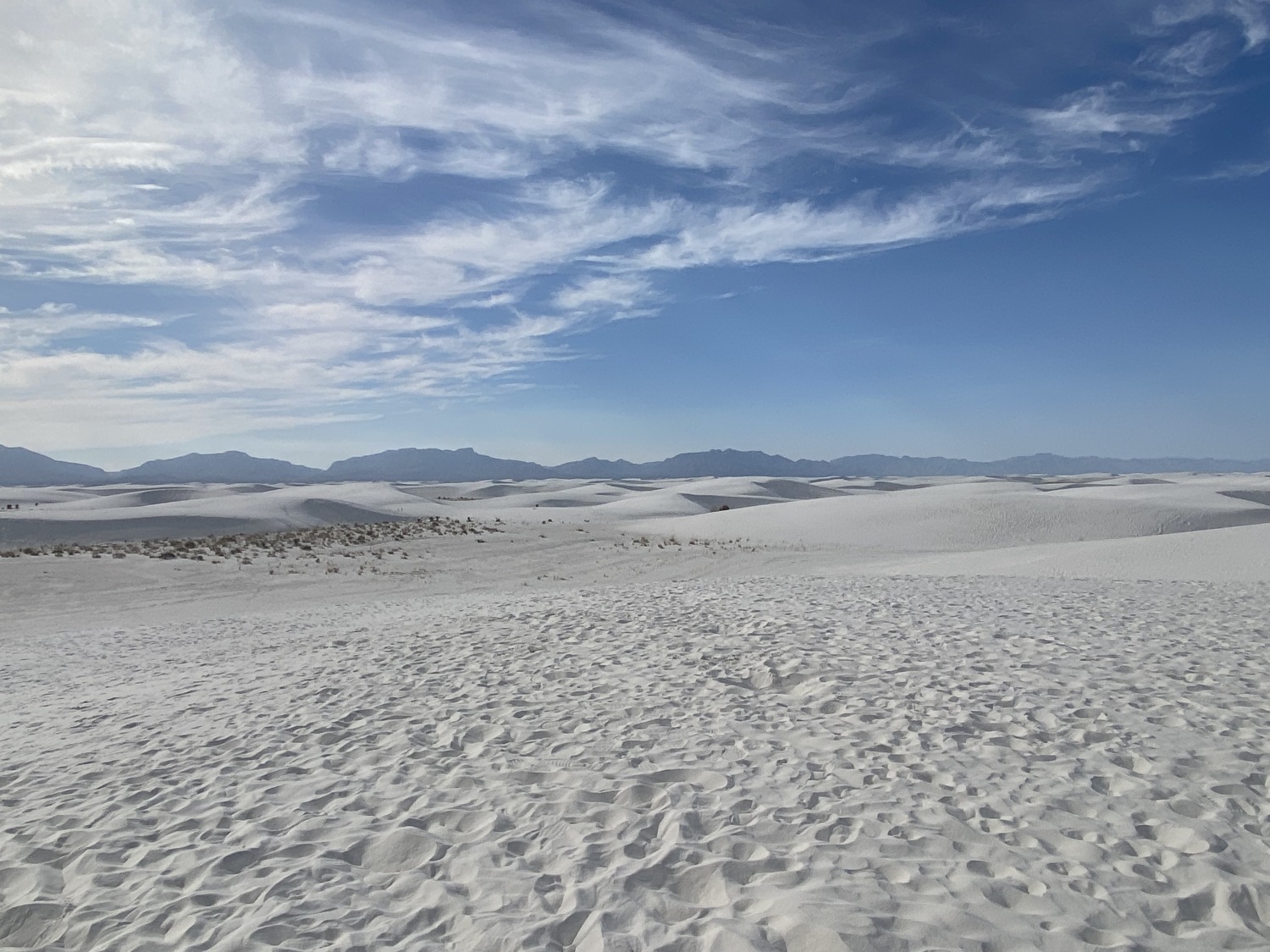
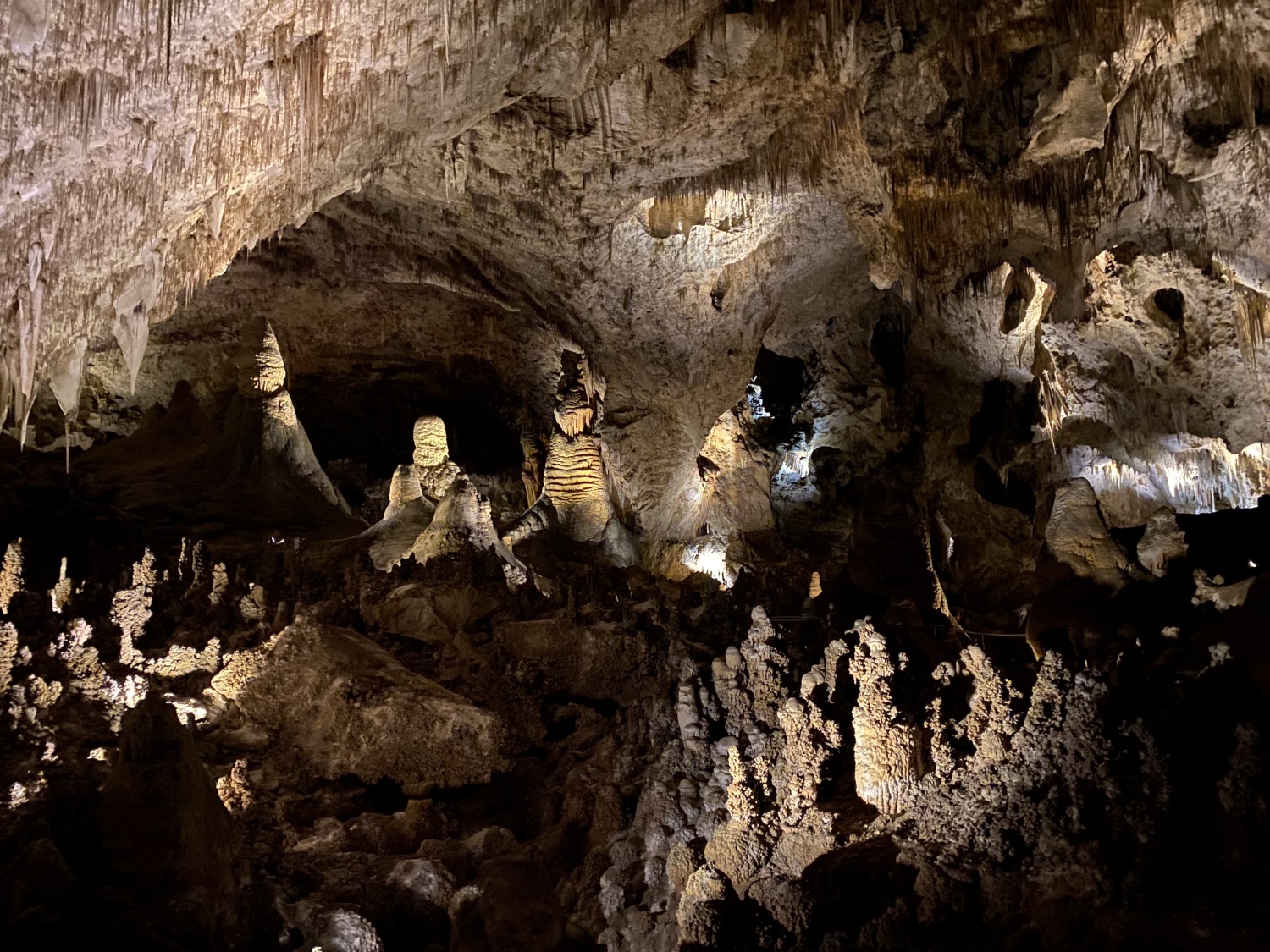


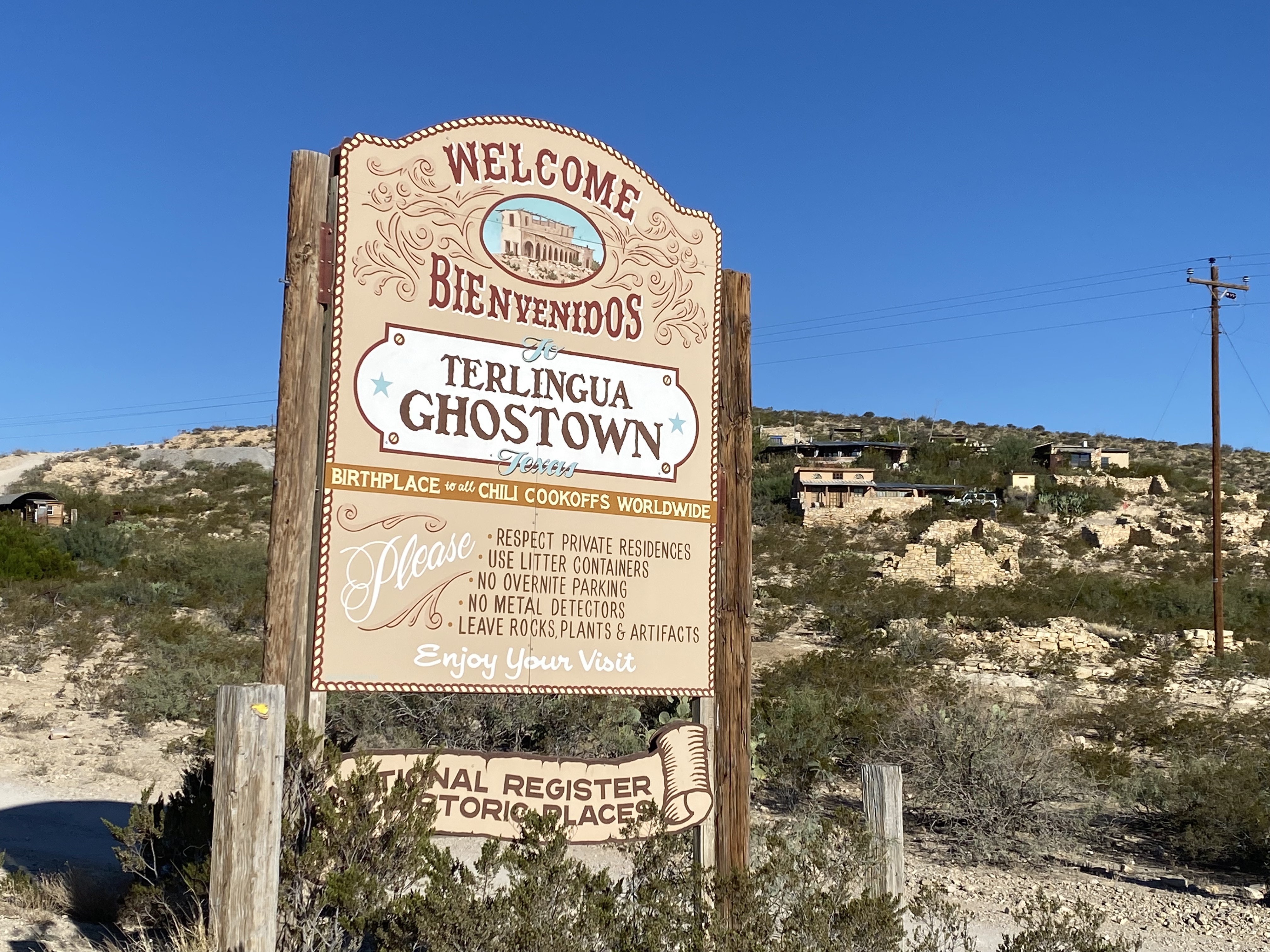


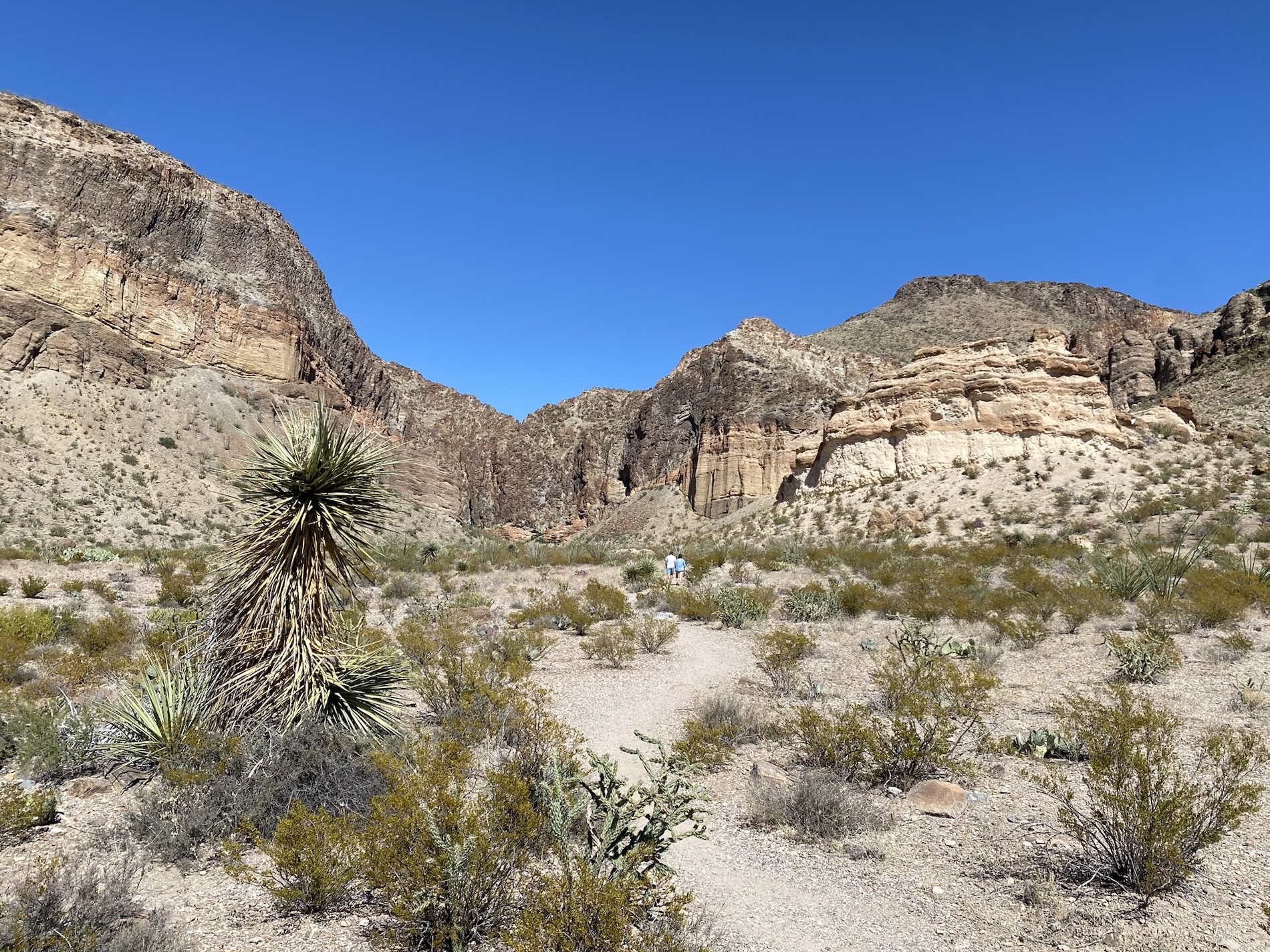


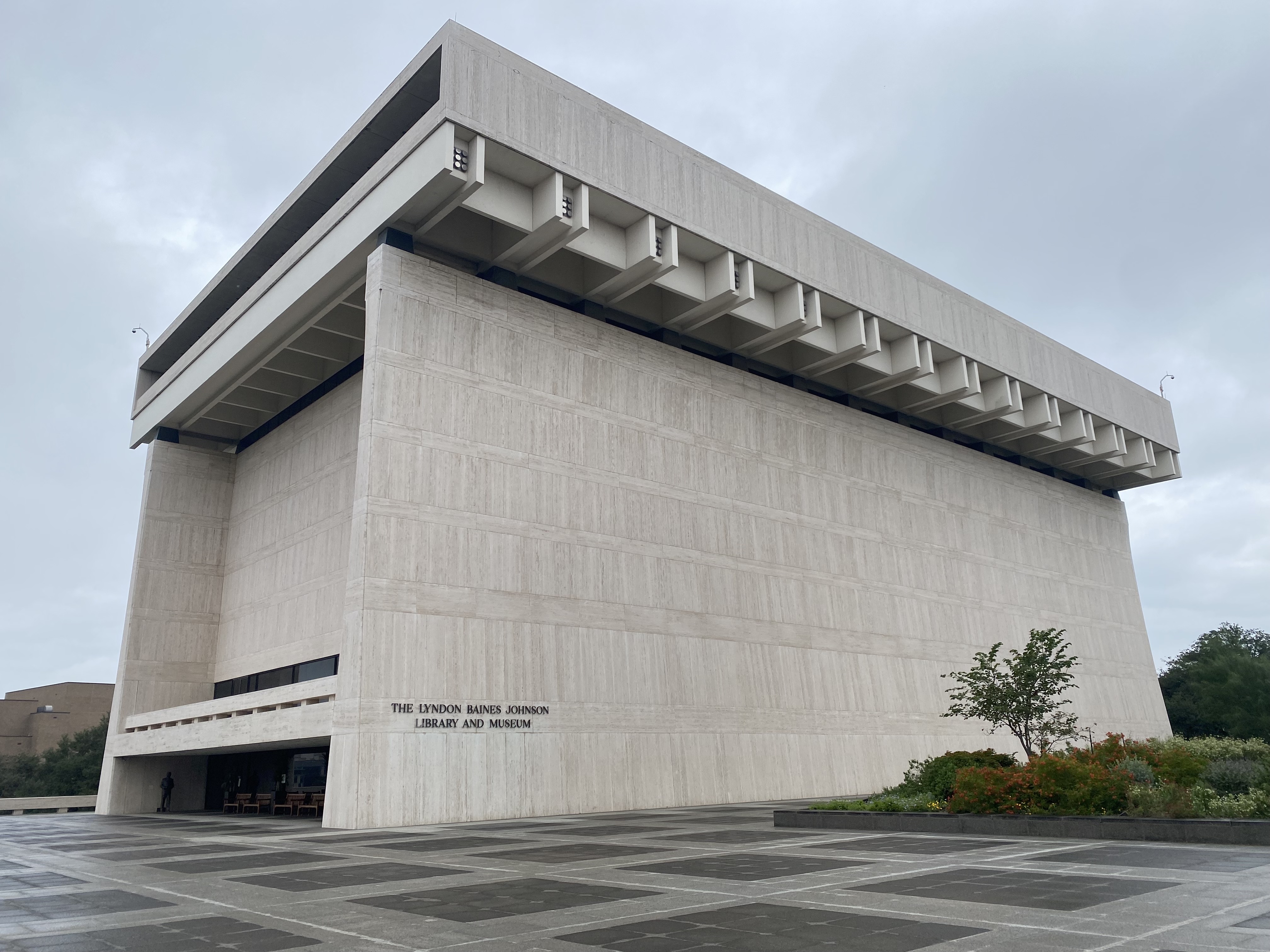


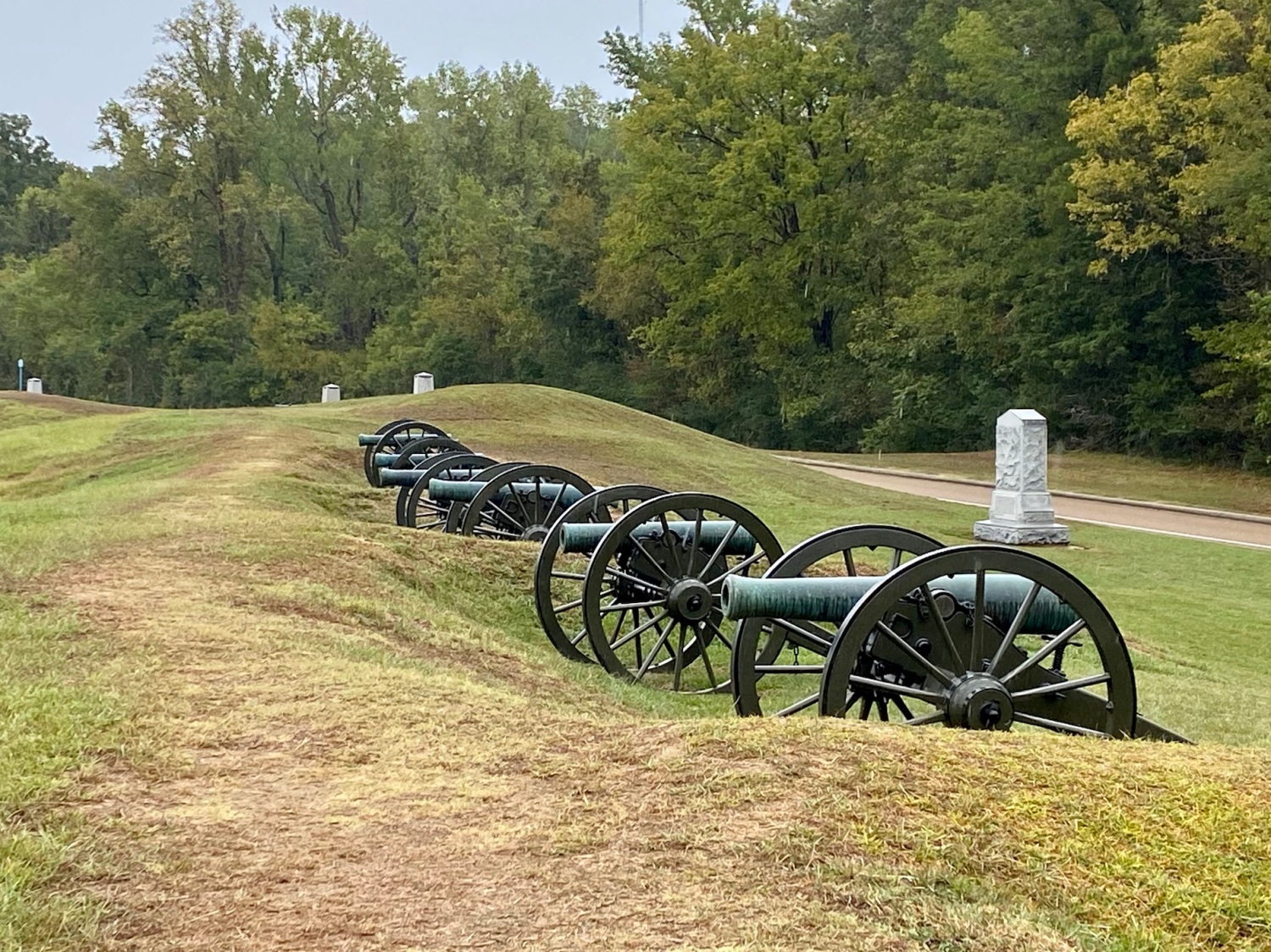


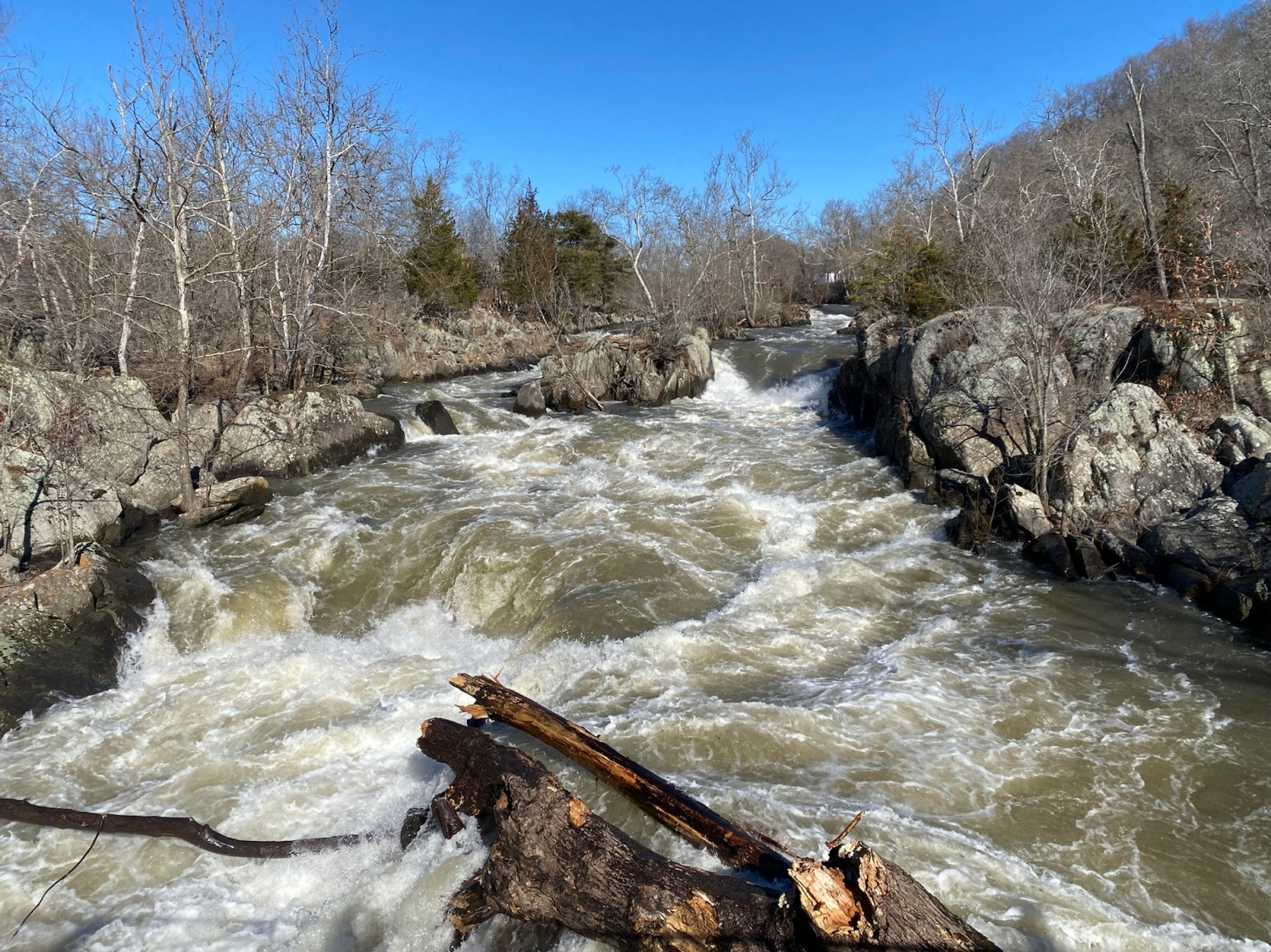


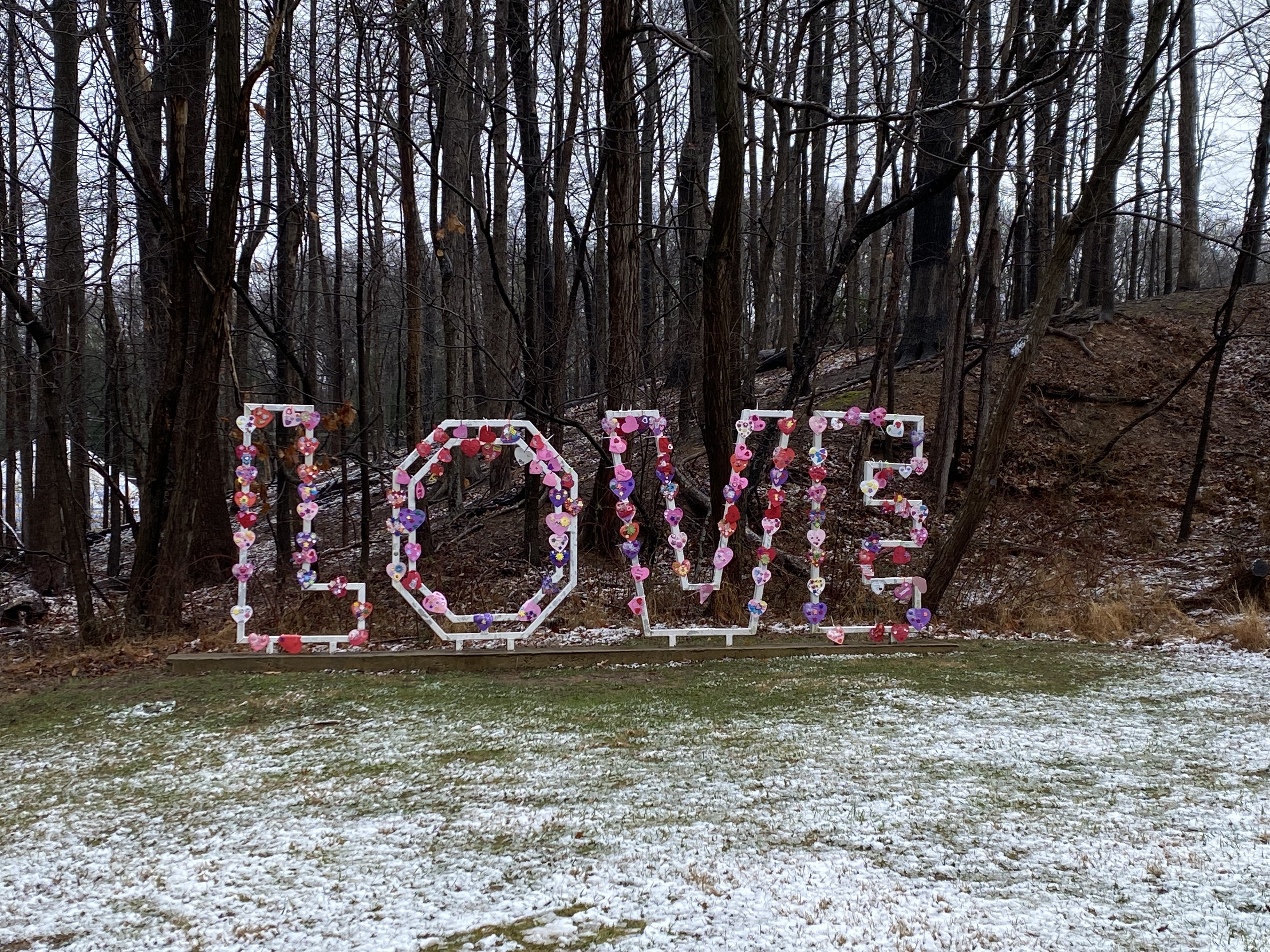


 ~ wander.essence ~
You must be logged in to post a comment.